window.__IS_SSR__=true
window.__INITIAL_STATE__={
"attachmentsReducer": {
"audio_0": {
"type": "attachments",
"id": "audio_0",
"imgSizes": {
"kqedFullSize": {
"file": "https://ww2.kqed.org/news/wp-content/themes/KQED-unified/img/audio_bgs/background0.jpg"
}
}
},
"audio_1": {
"type": "attachments",
"id": "audio_1",
"imgSizes": {
"kqedFullSize": {
"file": "https://ww2.kqed.org/news/wp-content/themes/KQED-unified/img/audio_bgs/background1.jpg"
}
}
},
"audio_2": {
"type": "attachments",
"id": "audio_2",
"imgSizes": {
"kqedFullSize": {
"file": "https://ww2.kqed.org/news/wp-content/themes/KQED-unified/img/audio_bgs/background2.jpg"
}
}
},
"audio_3": {
"type": "attachments",
"id": "audio_3",
"imgSizes": {
"kqedFullSize": {
"file": "https://ww2.kqed.org/news/wp-content/themes/KQED-unified/img/audio_bgs/background3.jpg"
}
}
},
"audio_4": {
"type": "attachments",
"id": "audio_4",
"imgSizes": {
"kqedFullSize": {
"file": "https://ww2.kqed.org/news/wp-content/themes/KQED-unified/img/audio_bgs/background4.jpg"
}
}
},
"placeholder": {
"type": "attachments",
"id": "placeholder",
"imgSizes": {
"thumbnail": {
"file": "https://cdn.kqed.org/wp-content/uploads/2024/12/KQED-Default-Image-816638274-2000x1333-1-160x107.jpg",
"width": 160,
"height": 107,
"mimeType": "image/jpeg"
},
"medium": {
"file": "https://cdn.kqed.org/wp-content/uploads/2024/12/KQED-Default-Image-816638274-2000x1333-1-800x533.jpg",
"width": 800,
"height": 533,
"mimeType": "image/jpeg"
},
"medium_large": {
"file": "https://cdn.kqed.org/wp-content/uploads/2024/12/KQED-Default-Image-816638274-2000x1333-1-768x512.jpg",
"width": 768,
"height": 512,
"mimeType": "image/jpeg"
},
"large": {
"file": "https://cdn.kqed.org/wp-content/uploads/2024/12/KQED-Default-Image-816638274-2000x1333-1-1020x680.jpg",
"width": 1020,
"height": 680,
"mimeType": "image/jpeg"
},
"1536x1536": {
"file": "https://cdn.kqed.org/wp-content/uploads/2024/12/KQED-Default-Image-816638274-2000x1333-1-1536x1024.jpg",
"width": 1536,
"height": 1024,
"mimeType": "image/jpeg"
},
"fd-lrg": {
"file": "https://cdn.kqed.org/wp-content/uploads/2024/12/KQED-Default-Image-816638274-2000x1333-1-1536x1024.jpg",
"width": 1536,
"height": 1024,
"mimeType": "image/jpeg"
},
"fd-med": {
"file": "https://cdn.kqed.org/wp-content/uploads/2024/12/KQED-Default-Image-816638274-2000x1333-1-1020x680.jpg",
"width": 1020,
"height": 680,
"mimeType": "image/jpeg"
},
"fd-sm": {
"file": "https://cdn.kqed.org/wp-content/uploads/2024/12/KQED-Default-Image-816638274-2000x1333-1-800x533.jpg",
"width": 800,
"height": 533,
"mimeType": "image/jpeg"
},
"post-thumbnail": {
"file": "https://cdn.kqed.org/wp-content/uploads/2024/12/KQED-Default-Image-816638274-2000x1333-1-672x372.jpg",
"width": 672,
"height": 372,
"mimeType": "image/jpeg"
},
"twentyfourteen-full-width": {
"file": "https://cdn.kqed.org/wp-content/uploads/2024/12/KQED-Default-Image-816638274-2000x1333-1-1038x576.jpg",
"width": 1038,
"height": 576,
"mimeType": "image/jpeg"
},
"xxsmall": {
"file": "https://cdn.kqed.org/wp-content/uploads/2024/12/KQED-Default-Image-816638274-2000x1333-1-160x107.jpg",
"width": 160,
"height": 107,
"mimeType": "image/jpeg"
},
"xsmall": {
"file": "https://cdn.kqed.org/wp-content/uploads/2024/12/KQED-Default-Image-816638274-2000x1333-1-672x372.jpg",
"width": 672,
"height": 372,
"mimeType": "image/jpeg"
},
"small": {
"file": "https://cdn.kqed.org/wp-content/uploads/2024/12/KQED-Default-Image-816638274-2000x1333-1-672x372.jpg",
"width": 672,
"height": 372,
"mimeType": "image/jpeg"
},
"xlarge": {
"file": "https://cdn.kqed.org/wp-content/uploads/2024/12/KQED-Default-Image-816638274-2000x1333-1-1020x680.jpg",
"width": 1020,
"height": 680,
"mimeType": "image/jpeg"
},
"full-width": {
"file": "https://cdn.kqed.org/wp-content/uploads/2024/12/KQED-Default-Image-816638274-2000x1333-1-1920x1280.jpg",
"width": 1920,
"height": 1280,
"mimeType": "image/jpeg"
},
"guest-author-32": {
"file": "https://cdn.kqed.org/wp-content/uploads/2025/01/KQED-Default-Image-816638274-1333x1333-1-160x160.jpg",
"width": 32,
"height": 32,
"mimeType": "image/jpeg"
},
"guest-author-50": {
"file": "https://cdn.kqed.org/wp-content/uploads/2025/01/KQED-Default-Image-816638274-1333x1333-1-160x160.jpg",
"width": 50,
"height": 50,
"mimeType": "image/jpeg"
},
"guest-author-64": {
"file": "https://cdn.kqed.org/wp-content/uploads/2025/01/KQED-Default-Image-816638274-1333x1333-1-160x160.jpg",
"width": 64,
"height": 64,
"mimeType": "image/jpeg"
},
"guest-author-96": {
"file": "https://cdn.kqed.org/wp-content/uploads/2025/01/KQED-Default-Image-816638274-1333x1333-1-160x160.jpg",
"width": 96,
"height": 96,
"mimeType": "image/jpeg"
},
"guest-author-128": {
"file": "https://cdn.kqed.org/wp-content/uploads/2025/01/KQED-Default-Image-816638274-1333x1333-1-160x160.jpg",
"width": 128,
"height": 128,
"mimeType": "image/jpeg"
},
"detail": {
"file": "https://cdn.kqed.org/wp-content/uploads/2025/01/KQED-Default-Image-816638274-1333x1333-1-160x160.jpg",
"width": 160,
"height": 160,
"mimeType": "image/jpeg"
},
"kqedFullSize": {
"file": "https://cdn.kqed.org/wp-content/uploads/2024/12/KQED-Default-Image-816638274-2000x1333-1.jpg",
"width": 2000,
"height": 1333
}
}
},
"news_11782412": {
"type": "attachments",
"id": "news_11782412",
"meta": {
"index": "attachments_1716263798",
"site": "news",
"id": "11782412",
"found": true
},
"parent": 11782393,
"imgSizes": {
"apple_news_ca_landscape_5_5": {
"file": "https://ww2.kqed.org/app/uploads/sites/10/2019/10/RS39716_Nest_012-qut-1044x783.jpg",
"width": 1044,
"mimeType": "image/jpeg",
"height": 783
},
"apple_news_ca_square_4_0": {
"file": "https://ww2.kqed.org/app/uploads/sites/10/2019/10/RS39716_Nest_012-qut-470x470.jpg",
"width": 470,
"mimeType": "image/jpeg",
"height": 470
},
"twentyfourteen-full-width": {
"file": "https://ww2.kqed.org/app/uploads/sites/10/2019/10/RS39716_Nest_012-qut-1038x576.jpg",
"width": 1038,
"mimeType": "image/jpeg",
"height": 576
},
"thumbnail": {
"file": "https://ww2.kqed.org/app/uploads/sites/10/2019/10/RS39716_Nest_012-qut-160x107.jpg",
"width": 160,
"mimeType": "image/jpeg",
"height": 107
},
"post-thumbnail": {
"file": "https://ww2.kqed.org/app/uploads/sites/10/2019/10/RS39716_Nest_012-qut-672x372.jpg",
"width": 672,
"mimeType": "image/jpeg",
"height": 372
},
"kqedFullSize": {
"file": "https://ww2.kqed.org/app/uploads/sites/10/2019/10/RS39716_Nest_012-qut.jpg",
"width": 1920,
"height": 1280
},
"apple_news_ca_landscape_4_7": {
"file": "https://ww2.kqed.org/app/uploads/sites/10/2019/10/RS39716_Nest_012-qut-632x474.jpg",
"width": 632,
"mimeType": "image/jpeg",
"height": 474
},
"large": {
"file": "https://ww2.kqed.org/app/uploads/sites/10/2019/10/RS39716_Nest_012-qut-1020x680.jpg",
"width": 1020,
"mimeType": "image/jpeg",
"height": 680
},
"complete_open_graph": {
"file": "https://ww2.kqed.org/app/uploads/sites/10/2019/10/RS39716_Nest_012-qut-1200x800.jpg",
"width": 1200,
"mimeType": "image/jpeg",
"height": 800
},
"apple_news_ca_landscape_4_0": {
"file": "https://ww2.kqed.org/app/uploads/sites/10/2019/10/RS39716_Nest_012-qut-536x402.jpg",
"width": 536,
"mimeType": "image/jpeg",
"height": 402
},
"apple_news_ca_portrait_12_9": {
"file": "https://ww2.kqed.org/app/uploads/sites/10/2019/10/RS39716_Nest_012-qut-1122x1280.jpg",
"width": 1122,
"mimeType": "image/jpeg",
"height": 1280
},
"medium": {
"file": "https://ww2.kqed.org/app/uploads/sites/10/2019/10/RS39716_Nest_012-qut-800x533.jpg",
"width": 800,
"mimeType": "image/jpeg",
"height": 533
},
"apple_news_ca_portrait_4_0": {
"file": "https://ww2.kqed.org/app/uploads/sites/10/2019/10/RS39716_Nest_012-qut-354x472.jpg",
"width": 354,
"mimeType": "image/jpeg",
"height": 472
},
"apple_news_ca_portrait_9_7": {
"file": "https://ww2.kqed.org/app/uploads/sites/10/2019/10/RS39716_Nest_012-qut-840x1120.jpg",
"width": 840,
"mimeType": "image/jpeg",
"height": 1120
},
"apple_news_ca_landscape_12_9": {
"file": "https://ww2.kqed.org/app/uploads/sites/10/2019/10/RS39716_Nest_012-qut-1832x1280.jpg",
"width": 1832,
"mimeType": "image/jpeg",
"height": 1280
},
"apple_news_ca_square_9_7": {
"file": "https://ww2.kqed.org/app/uploads/sites/10/2019/10/RS39716_Nest_012-qut-1104x1104.jpg",
"width": 1104,
"mimeType": "image/jpeg",
"height": 1104
},
"apple_news_ca_portrait_4_7": {
"file": "https://ww2.kqed.org/app/uploads/sites/10/2019/10/RS39716_Nest_012-qut-414x552.jpg",
"width": 414,
"mimeType": "image/jpeg",
"height": 552
},
"apple_news_ca_square_12_9": {
"file": "https://ww2.kqed.org/app/uploads/sites/10/2019/10/RS39716_Nest_012-qut-1472x1280.jpg",
"width": 1472,
"mimeType": "image/jpeg",
"height": 1280
},
"apple_news_ca_portrait_5_5": {
"file": "https://ww2.kqed.org/app/uploads/sites/10/2019/10/RS39716_Nest_012-qut-687x916.jpg",
"width": 687,
"mimeType": "image/jpeg",
"height": 916
},
"full-width": {
"file": "https://ww2.kqed.org/app/uploads/sites/10/2019/10/RS39716_Nest_012-qut-1920x1280.jpg",
"width": 1920,
"mimeType": "image/jpeg",
"height": 1280
},
"apple_news_ca_square_4_7": {
"file": "https://ww2.kqed.org/app/uploads/sites/10/2019/10/RS39716_Nest_012-qut-550x550.jpg",
"width": 550,
"mimeType": "image/jpeg",
"height": 550
},
"apple_news_ca_landscape_9_7": {
"file": "https://ww2.kqed.org/app/uploads/sites/10/2019/10/RS39716_Nest_012-qut-1376x1032.jpg",
"width": 1376,
"mimeType": "image/jpeg",
"height": 1032
},
"apple_news_ca_square_5_5": {
"file": "https://ww2.kqed.org/app/uploads/sites/10/2019/10/RS39716_Nest_012-qut-912x912.jpg",
"width": 912,
"mimeType": "image/jpeg",
"height": 912
}
},
"publishDate": 1571945386,
"modified": 1572025030,
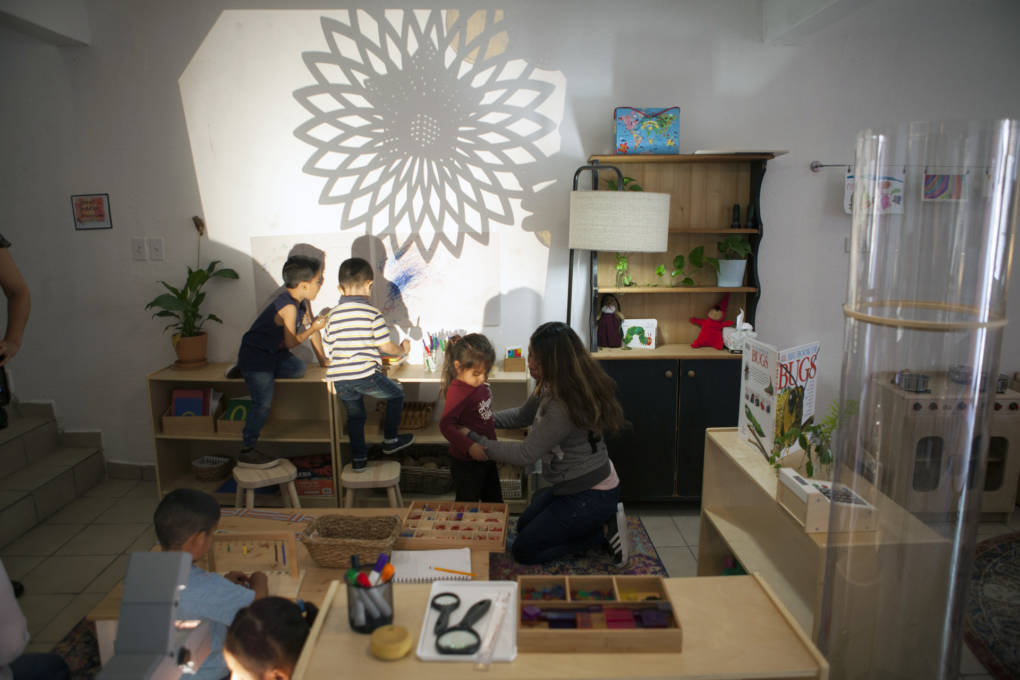
"caption": "Kids project shapes onto the walls at the Nest Tijuana. ",
"description": "Kids project shapes onto the walls and play with colorful magnetic blocks at the Nest Tijuana. ",
"title": "RS39716_Nest_012-qut",
"credit": "Erin Siegal McIntyre/KQED",
"status": "inherit",
"isLoading": false,
"fetchFailed": false
},
"news_11782844": {
"type": "attachments",
"id": "news_11782844",
"meta": {
"index": "attachments_1716263798",
"site": "news",
"id": "11782844",
"found": true
},
"parent": 11782808,
"imgSizes": {
"apple_news_ca_landscape_5_5": {
"file": "https://ww2.kqed.org/app/uploads/sites/10/2019/10/GettyImages-1133269468-1044x783.jpg",
"width": 1044,
"mimeType": "image/jpeg",
"height": 783
},
"apple_news_ca_square_4_0": {
"file": "https://ww2.kqed.org/app/uploads/sites/10/2019/10/GettyImages-1133269468-470x470.jpg",
"width": 470,
"mimeType": "image/jpeg",
"height": 470
},
"twentyfourteen-full-width": {
"file": "https://ww2.kqed.org/app/uploads/sites/10/2019/10/GettyImages-1133269468-1038x576.jpg",
"width": 1038,
"mimeType": "image/jpeg",
"height": 576
},
"thumbnail": {
"file": "https://ww2.kqed.org/app/uploads/sites/10/2019/10/GettyImages-1133269468-160x107.jpg",
"width": 160,
"mimeType": "image/jpeg",
"height": 107
},
"post-thumbnail": {
"file": "https://ww2.kqed.org/app/uploads/sites/10/2019/10/GettyImages-1133269468-672x372.jpg",
"width": 672,
"mimeType": "image/jpeg",
"height": 372
},
"kqedFullSize": {
"file": "https://ww2.kqed.org/app/uploads/sites/10/2019/10/GettyImages-1133269468-e1572033161248.jpg",
"width": 1920,
"height": 1280
},
"apple_news_ca_landscape_4_7": {
"file": "https://ww2.kqed.org/app/uploads/sites/10/2019/10/GettyImages-1133269468-632x474.jpg",
"width": 632,
"mimeType": "image/jpeg",
"height": 474
},
"large": {
"file": "https://ww2.kqed.org/app/uploads/sites/10/2019/10/GettyImages-1133269468-1020x680.jpg",
"width": 1020,
"mimeType": "image/jpeg",
"height": 680
},
"complete_open_graph": {
"file": "https://ww2.kqed.org/app/uploads/sites/10/2019/10/GettyImages-1133269468-1200x800.jpg",
"width": 1200,
"mimeType": "image/jpeg",
"height": 800
},
"apple_news_ca_landscape_4_0": {
"file": "https://ww2.kqed.org/app/uploads/sites/10/2019/10/GettyImages-1133269468-536x402.jpg",
"width": 536,
"mimeType": "image/jpeg",
"height": 402
},
"apple_news_ca_portrait_12_9": {
"file": "https://ww2.kqed.org/app/uploads/sites/10/2019/10/GettyImages-1133269468-1122x1496.jpg",
"width": 1122,
"mimeType": "image/jpeg",
"height": 1496
},
"medium": {
"file": "https://ww2.kqed.org/app/uploads/sites/10/2019/10/GettyImages-1133269468-800x533.jpg",
"width": 800,
"mimeType": "image/jpeg",
"height": 533
},
"apple_news_ca_portrait_4_0": {
"file": "https://ww2.kqed.org/app/uploads/sites/10/2019/10/GettyImages-1133269468-354x472.jpg",
"width": 354,
"mimeType": "image/jpeg",
"height": 472
},
"apple_news_ca_portrait_9_7": {
"file": "https://ww2.kqed.org/app/uploads/sites/10/2019/10/GettyImages-1133269468-840x1120.jpg",
"width": 840,
"mimeType": "image/jpeg",
"height": 1120
},
"apple_news_ca_landscape_12_9": {
"file": "https://ww2.kqed.org/app/uploads/sites/10/2019/10/GettyImages-1133269468-1832x1374.jpg",
"width": 1832,
"mimeType": "image/jpeg",
"height": 1374
},
"apple_news_ca_square_9_7": {
"file": "https://ww2.kqed.org/app/uploads/sites/10/2019/10/GettyImages-1133269468-1104x1104.jpg",
"width": 1104,
"mimeType": "image/jpeg",
"height": 1104
},
"apple_news_ca_portrait_4_7": {
"file": "https://ww2.kqed.org/app/uploads/sites/10/2019/10/GettyImages-1133269468-414x552.jpg",
"width": 414,
"mimeType": "image/jpeg",
"height": 552
},
"apple_news_ca_square_12_9": {
"file": "https://ww2.kqed.org/app/uploads/sites/10/2019/10/GettyImages-1133269468-1472x1472.jpg",
"width": 1472,
"mimeType": "image/jpeg",
"height": 1472
},
"apple_news_ca_portrait_5_5": {
"file": "https://ww2.kqed.org/app/uploads/sites/10/2019/10/GettyImages-1133269468-687x916.jpg",
"width": 687,
"mimeType": "image/jpeg",
"height": 916
},
"full-width": {
"file": "https://ww2.kqed.org/app/uploads/sites/10/2019/10/GettyImages-1133269468-1920x1280.jpg",
"width": 1920,
"mimeType": "image/jpeg",
"height": 1280
},
"apple_news_ca_square_4_7": {
"file": "https://ww2.kqed.org/app/uploads/sites/10/2019/10/GettyImages-1133269468-550x550.jpg",
"width": 550,
"mimeType": "image/jpeg",
"height": 550
},
"apple_news_ca_landscape_9_7": {
"file": "https://ww2.kqed.org/app/uploads/sites/10/2019/10/GettyImages-1133269468-1376x1032.jpg",
"width": 1376,
"mimeType": "image/jpeg",
"height": 1032
},
"apple_news_ca_square_5_5": {
"file": "https://ww2.kqed.org/app/uploads/sites/10/2019/10/GettyImages-1133269468-912x912.jpg",
"width": 912,
"mimeType": "image/jpeg",
"height": 912
}
},
"publishDate": 1572033112,
"modified": 1572038315,
"caption": "U.S. Secretary of Education Betsy DeVos is being fined for contempt of court for failing to stop collecting loans from former students of a now-defunct chain of for-profit colleges.",
"description": "U.S. Secretary of Education Betsy DeVos is being fined for contempt of court for failing to stop collecting loans from former students of a now-defunct chain of for-profit colleges.",
"title": "Education Secretary Betsy DeVos Testifies To Senate Committee On Department's Budget",
"credit": "Zach Gibson/Getty Images",
"status": "inherit",
"isLoading": false,
"fetchFailed": false
},
"news_11782302": {
"type": "attachments",
"id": "news_11782302",
"meta": {
"index": "attachments_1716263798",
"site": "news",
"id": "11782302",
"found": true
},
"parent": 11781890,
"imgSizes": {
"apple_news_ca_landscape_5_5": {
"file": "https://ww2.kqed.org/app/uploads/sites/10/2019/10/ousd-meeting-police-1044x783.jpg",
"width": 1044,
"mimeType": "image/jpeg",
"height": 783
},
"apple_news_ca_square_4_0": {
"file": "https://ww2.kqed.org/app/uploads/sites/10/2019/10/ousd-meeting-police-470x470.jpg",
"width": 470,
"mimeType": "image/jpeg",
"height": 470
},
"twentyfourteen-full-width": {
"file": "https://ww2.kqed.org/app/uploads/sites/10/2019/10/ousd-meeting-police-1038x576.jpg",
"width": 1038,
"mimeType": "image/jpeg",
"height": 576
},
"thumbnail": {
"file": "https://ww2.kqed.org/app/uploads/sites/10/2019/10/ousd-meeting-police-160x90.jpg",
"width": 160,
"mimeType": "image/jpeg",
"height": 90
},
"post-thumbnail": {
"file": "https://ww2.kqed.org/app/uploads/sites/10/2019/10/ousd-meeting-police-672x372.jpg",
"width": 672,
"mimeType": "image/jpeg",
"height": 372
},
"kqedFullSize": {
"file": "https://ww2.kqed.org/app/uploads/sites/10/2019/10/ousd-meeting-police.jpg",
"width": 1920,
"height": 1080
},
"apple_news_ca_landscape_4_7": {
"file": "https://ww2.kqed.org/app/uploads/sites/10/2019/10/ousd-meeting-police-632x474.jpg",
"width": 632,
"mimeType": "image/jpeg",
"height": 474
},
"large": {
"file": "https://ww2.kqed.org/app/uploads/sites/10/2019/10/ousd-meeting-police-1020x574.jpg",
"width": 1020,
"mimeType": "image/jpeg",
"height": 574
},
"complete_open_graph": {
"file": "https://ww2.kqed.org/app/uploads/sites/10/2019/10/ousd-meeting-police-1200x675.jpg",
"width": 1200,
"mimeType": "image/jpeg",
"height": 675
},
"apple_news_ca_landscape_4_0": {
"file": "https://ww2.kqed.org/app/uploads/sites/10/2019/10/ousd-meeting-police-536x402.jpg",
"width": 536,
"mimeType": "image/jpeg",
"height": 402
},
"apple_news_ca_portrait_12_9": {
"file": "https://ww2.kqed.org/app/uploads/sites/10/2019/10/ousd-meeting-police-1122x1080.jpg",
"width": 1122,
"mimeType": "image/jpeg",
"height": 1080
},
"medium": {
"file": "https://ww2.kqed.org/app/uploads/sites/10/2019/10/ousd-meeting-police-800x450.jpg",
"width": 800,
"mimeType": "image/jpeg",
"height": 450
},
"apple_news_ca_portrait_4_0": {
"file": "https://ww2.kqed.org/app/uploads/sites/10/2019/10/ousd-meeting-police-354x472.jpg",
"width": 354,
"mimeType": "image/jpeg",
"height": 472
},
"apple_news_ca_portrait_9_7": {
"file": "https://ww2.kqed.org/app/uploads/sites/10/2019/10/ousd-meeting-police-840x1080.jpg",
"width": 840,
"mimeType": "image/jpeg",
"height": 1080
},
"apple_news_ca_landscape_12_9": {
"file": "https://ww2.kqed.org/app/uploads/sites/10/2019/10/ousd-meeting-police-1832x1080.jpg",
"width": 1832,
"mimeType": "image/jpeg",
"height": 1080
},
"apple_news_ca_square_9_7": {
"file": "https://ww2.kqed.org/app/uploads/sites/10/2019/10/ousd-meeting-police-1104x1080.jpg",
"width": 1104,
"mimeType": "image/jpeg",
"height": 1080
},
"apple_news_ca_portrait_4_7": {
"file": "https://ww2.kqed.org/app/uploads/sites/10/2019/10/ousd-meeting-police-414x552.jpg",
"width": 414,
"mimeType": "image/jpeg",
"height": 552
},
"apple_news_ca_square_12_9": {
"file": "https://ww2.kqed.org/app/uploads/sites/10/2019/10/ousd-meeting-police-1472x1080.jpg",
"width": 1472,
"mimeType": "image/jpeg",
"height": 1080
},
"apple_news_ca_portrait_5_5": {
"file": "https://ww2.kqed.org/app/uploads/sites/10/2019/10/ousd-meeting-police-687x916.jpg",
"width": 687,
"mimeType": "image/jpeg",
"height": 916
},
"full-width": {
"file": "https://ww2.kqed.org/app/uploads/sites/10/2019/10/ousd-meeting-police-1920x1080.jpg",
"width": 1920,
"mimeType": "image/jpeg",
"height": 1080
},
"apple_news_ca_square_4_7": {
"file": "https://ww2.kqed.org/app/uploads/sites/10/2019/10/ousd-meeting-police-550x550.jpg",
"width": 550,
"mimeType": "image/jpeg",
"height": 550
},
"apple_news_ca_landscape_9_7": {
"file": "https://ww2.kqed.org/app/uploads/sites/10/2019/10/ousd-meeting-police-1376x1032.jpg",
"width": 1376,
"mimeType": "image/jpeg",
"height": 1032
},
"apple_news_ca_square_5_5": {
"file": "https://ww2.kqed.org/app/uploads/sites/10/2019/10/ousd-meeting-police-912x912.jpg",
"width": 912,
"mimeType": "image/jpeg",
"height": 912
}
},
"publishDate": 1571929213,
"modified": 1571938611,
"caption": "A police officer strikes a man with a baton after protesters crossed a barricade at an Oakland Unified School District board meeting on Oct. 23, 2019, at La Escuelita Elementary in Oakland.",
"description": "A police officer strikes a man with a baton after protesters crossed a barricade at an Oakland Unified School District board meeting on Oct. 23, 2019, at La Escuelita Elementary in Oakland.",
"title": "ousd-meeting-police",
"credit": "Courtesey of Stracey Gordon",
"status": "inherit",
"isLoading": false,
"fetchFailed": false
},
"news_11781858": {
"type": "attachments",
"id": "news_11781858",
"meta": {
"index": "attachments_1716263798",
"site": "news",
"id": "11781858",
"found": true
},
"parent": 11781841,
"imgSizes": {
"apple_news_ca_landscape_5_5": {
"file": "https://ww2.kqed.org/app/uploads/sites/10/2019/10/glenmills_102219_final-1044x783.jpg",
"width": 1044,
"mimeType": "image/jpeg",
"height": 783
},
"apple_news_ca_square_4_0": {
"file": "https://ww2.kqed.org/app/uploads/sites/10/2019/10/glenmills_102219_final-470x470.jpg",
"width": 470,
"mimeType": "image/jpeg",
"height": 470
},
"twentyfourteen-full-width": {
"file": "https://ww2.kqed.org/app/uploads/sites/10/2019/10/glenmills_102219_final-1038x576.jpg",
"width": 1038,
"mimeType": "image/jpeg",
"height": 576
},
"thumbnail": {
"file": "https://ww2.kqed.org/app/uploads/sites/10/2019/10/glenmills_102219_final-160x115.jpg",
"width": 160,
"mimeType": "image/jpeg",
"height": 115
},
"post-thumbnail": {
"file": "https://ww2.kqed.org/app/uploads/sites/10/2019/10/glenmills_102219_final-672x372.jpg",
"width": 672,
"mimeType": "image/jpeg",
"height": 372
},
"kqedFullSize": {
"file": "https://ww2.kqed.org/app/uploads/sites/10/2019/10/glenmills_102219_final.jpg",
"width": 1920,
"height": 1380
},
"apple_news_ca_landscape_4_7": {
"file": "https://ww2.kqed.org/app/uploads/sites/10/2019/10/glenmills_102219_final-632x474.jpg",
"width": 632,
"mimeType": "image/jpeg",
"height": 474
},
"large": {
"file": "https://ww2.kqed.org/app/uploads/sites/10/2019/10/glenmills_102219_final-1020x733.jpg",
"width": 1020,
"mimeType": "image/jpeg",
"height": 733
},
"complete_open_graph": {
"file": "https://ww2.kqed.org/app/uploads/sites/10/2019/10/glenmills_102219_final-1200x863.jpg",
"width": 1200,
"mimeType": "image/jpeg",
"height": 863
},
"apple_news_ca_landscape_4_0": {
"file": "https://ww2.kqed.org/app/uploads/sites/10/2019/10/glenmills_102219_final-536x402.jpg",
"width": 536,
"mimeType": "image/jpeg",
"height": 402
},
"apple_news_ca_portrait_12_9": {
"file": "https://ww2.kqed.org/app/uploads/sites/10/2019/10/glenmills_102219_final-1122x1380.jpg",
"width": 1122,
"mimeType": "image/jpeg",
"height": 1380
},
"medium": {
"file": "https://ww2.kqed.org/app/uploads/sites/10/2019/10/glenmills_102219_final-800x575.jpg",
"width": 800,
"mimeType": "image/jpeg",
"height": 575
},
"apple_news_ca_portrait_4_0": {
"file": "https://ww2.kqed.org/app/uploads/sites/10/2019/10/glenmills_102219_final-354x472.jpg",
"width": 354,
"mimeType": "image/jpeg",
"height": 472
},
"apple_news_ca_portrait_9_7": {
"file": "https://ww2.kqed.org/app/uploads/sites/10/2019/10/glenmills_102219_final-840x1120.jpg",
"width": 840,
"mimeType": "image/jpeg",
"height": 1120
},
"apple_news_ca_landscape_12_9": {
"file": "https://ww2.kqed.org/app/uploads/sites/10/2019/10/glenmills_102219_final-1832x1374.jpg",
"width": 1832,
"mimeType": "image/jpeg",
"height": 1374
},
"apple_news_ca_square_9_7": {
"file": "https://ww2.kqed.org/app/uploads/sites/10/2019/10/glenmills_102219_final-1104x1104.jpg",
"width": 1104,
"mimeType": "image/jpeg",
"height": 1104
},
"apple_news_ca_portrait_4_7": {
"file": "https://ww2.kqed.org/app/uploads/sites/10/2019/10/glenmills_102219_final-414x552.jpg",
"width": 414,
"mimeType": "image/jpeg",
"height": 552
},
"apple_news_ca_square_12_9": {
"file": "https://ww2.kqed.org/app/uploads/sites/10/2019/10/glenmills_102219_final-1472x1380.jpg",
"width": 1472,
"mimeType": "image/jpeg",
"height": 1380
},
"apple_news_ca_portrait_5_5": {
"file": "https://ww2.kqed.org/app/uploads/sites/10/2019/10/glenmills_102219_final-687x916.jpg",
"width": 687,
"mimeType": "image/jpeg",
"height": 916
},
"full-width": {
"file": "https://ww2.kqed.org/app/uploads/sites/10/2019/10/glenmills_102219_final-1920x1380.jpg",
"width": 1920,
"mimeType": "image/jpeg",
"height": 1380
},
"apple_news_ca_square_4_7": {
"file": "https://ww2.kqed.org/app/uploads/sites/10/2019/10/glenmills_102219_final-550x550.jpg",
"width": 550,
"mimeType": "image/jpeg",
"height": 550
},
"apple_news_ca_landscape_9_7": {
"file": "https://ww2.kqed.org/app/uploads/sites/10/2019/10/glenmills_102219_final-1376x1032.jpg",
"width": 1376,
"mimeType": "image/jpeg",
"height": 1032
},
"apple_news_ca_square_5_5": {
"file": "https://ww2.kqed.org/app/uploads/sites/10/2019/10/glenmills_102219_final-912x912.jpg",
"width": 912,
"mimeType": "image/jpeg",
"height": 912
}
},
"publishDate": 1571784672,
"modified": 1571784697,
"caption": null,
"description": null,
"title": "glenmills_102219_final",
"credit": null,
"status": "inherit",
"isLoading": false,
"fetchFailed": false
},
"news_11743829": {
"type": "attachments",
"id": "news_11743829",
"meta": {
"index": "attachments_1716263798",
"site": "news",
"id": "11743829",
"found": true
},
"parent": 11742455,
"imgSizes": {
"twentyfourteen-full-width": {
"file": "https://ww2.kqed.org/app/uploads/sites/10/2019/04/glenmills190430-1038x576.jpg",
"width": 1038,
"mimeType": "image/jpeg",
"height": 576
},
"thumbnail": {
"file": "https://ww2.kqed.org/app/uploads/sites/10/2019/04/glenmills190430-160x92.jpg",
"width": 160,
"mimeType": "image/jpeg",
"height": 92
},
"post-thumbnail": {
"file": "https://ww2.kqed.org/app/uploads/sites/10/2019/04/glenmills190430-672x372.jpg",
"width": 672,
"mimeType": "image/jpeg",
"height": 372
},
"kqedFullSize": {
"file": "https://ww2.kqed.org/app/uploads/sites/10/2019/04/glenmills190430.jpg",
"width": 1920,
"height": 1104
},
"large": {
"file": "https://ww2.kqed.org/app/uploads/sites/10/2019/04/glenmills190430-1020x587.jpg",
"width": 1020,
"mimeType": "image/jpeg",
"height": 587
},
"complete_open_graph": {
"file": "https://ww2.kqed.org/app/uploads/sites/10/2019/04/glenmills190430-1200x690.jpg",
"width": 1200,
"mimeType": "image/jpeg",
"height": 690
},
"full-width": {
"file": "https://ww2.kqed.org/app/uploads/sites/10/2019/04/glenmills190430-1920x1104.jpg",
"width": 1920,
"mimeType": "image/jpeg",
"height": 1104
},
"medium": {
"file": "https://ww2.kqed.org/app/uploads/sites/10/2019/04/glenmills190430-800x460.jpg",
"width": 800,
"mimeType": "image/jpeg",
"height": 460
}
},
"publishDate": 1556641307,
"modified": 1571708488,
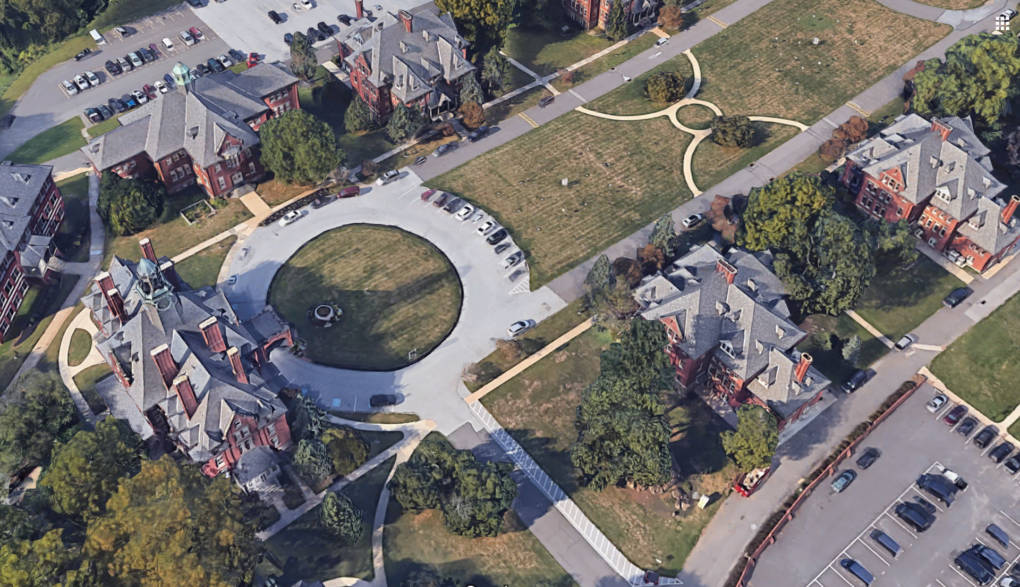
"caption": "An aerial view of the central campus area at the Glen Mills Schools outside Philadelphia.",
"description": "An aerial view of the central campus area at the Glen Mills Schools outside Philadelphia.",
"title": "Glen Mills Schools",
"credit": "Google Earth",
"status": "inherit",
"isLoading": false,
"fetchFailed": false
},
"news_11781381": {
"type": "attachments",
"id": "news_11781381",
"meta": {
"index": "attachments_1716263798",
"site": "news",
"id": "11781381",
"found": true
},
"parent": 11781380,
"imgSizes": {
"apple_news_ca_landscape_5_5": {
"file": "https://ww2.kqed.org/app/uploads/sites/10/2019/10/sarawong_chronicabsence_wide-d1dcd44dfb877784ae3c852bcd4475b7e270718f-1044x783.jpg",
"width": 1044,
"mimeType": "image/jpeg",
"height": 783
},
"apple_news_ca_square_4_0": {
"file": "https://ww2.kqed.org/app/uploads/sites/10/2019/10/sarawong_chronicabsence_wide-d1dcd44dfb877784ae3c852bcd4475b7e270718f-470x470.jpg",
"width": 470,
"mimeType": "image/jpeg",
"height": 470
},
"twentyfourteen-full-width": {
"file": "https://ww2.kqed.org/app/uploads/sites/10/2019/10/sarawong_chronicabsence_wide-d1dcd44dfb877784ae3c852bcd4475b7e270718f-1038x576.jpg",
"width": 1038,
"mimeType": "image/jpeg",
"height": 576
},
"thumbnail": {
"file": "https://ww2.kqed.org/app/uploads/sites/10/2019/10/sarawong_chronicabsence_wide-d1dcd44dfb877784ae3c852bcd4475b7e270718f-160x90.jpg",
"width": 160,
"mimeType": "image/jpeg",
"height": 90
},
"post-thumbnail": {
"file": "https://ww2.kqed.org/app/uploads/sites/10/2019/10/sarawong_chronicabsence_wide-d1dcd44dfb877784ae3c852bcd4475b7e270718f-672x372.jpg",
"width": 672,
"mimeType": "image/jpeg",
"height": 372
},
"kqedFullSize": {
"file": "https://ww2.kqed.org/app/uploads/sites/10/2019/10/sarawong_chronicabsence_wide-d1dcd44dfb877784ae3c852bcd4475b7e270718f-e1571612027261.jpg",
"width": 1920,
"height": 1080
},
"apple_news_ca_landscape_4_7": {
"file": "https://ww2.kqed.org/app/uploads/sites/10/2019/10/sarawong_chronicabsence_wide-d1dcd44dfb877784ae3c852bcd4475b7e270718f-632x474.jpg",
"width": 632,
"mimeType": "image/jpeg",
"height": 474
},
"large": {
"file": "https://ww2.kqed.org/app/uploads/sites/10/2019/10/sarawong_chronicabsence_wide-d1dcd44dfb877784ae3c852bcd4475b7e270718f-1020x574.jpg",
"width": 1020,
"mimeType": "image/jpeg",
"height": 574
},
"complete_open_graph": {
"file": "https://ww2.kqed.org/app/uploads/sites/10/2019/10/sarawong_chronicabsence_wide-d1dcd44dfb877784ae3c852bcd4475b7e270718f-1200x675.jpg",
"width": 1200,
"mimeType": "image/jpeg",
"height": 675
},
"apple_news_ca_landscape_4_0": {
"file": "https://ww2.kqed.org/app/uploads/sites/10/2019/10/sarawong_chronicabsence_wide-d1dcd44dfb877784ae3c852bcd4475b7e270718f-536x402.jpg",
"width": 536,
"mimeType": "image/jpeg",
"height": 402
},
"apple_news_ca_portrait_12_9": {
"file": "https://ww2.kqed.org/app/uploads/sites/10/2019/10/sarawong_chronicabsence_wide-d1dcd44dfb877784ae3c852bcd4475b7e270718f-1122x1496.jpg",
"width": 1122,
"mimeType": "image/jpeg",
"height": 1496
},
"medium": {
"file": "https://ww2.kqed.org/app/uploads/sites/10/2019/10/sarawong_chronicabsence_wide-d1dcd44dfb877784ae3c852bcd4475b7e270718f-800x450.jpg",
"width": 800,
"mimeType": "image/jpeg",
"height": 450
},
"apple_news_ca_portrait_4_0": {
"file": "https://ww2.kqed.org/app/uploads/sites/10/2019/10/sarawong_chronicabsence_wide-d1dcd44dfb877784ae3c852bcd4475b7e270718f-354x472.jpg",
"width": 354,
"mimeType": "image/jpeg",
"height": 472
},
"apple_news_ca_portrait_9_7": {
"file": "https://ww2.kqed.org/app/uploads/sites/10/2019/10/sarawong_chronicabsence_wide-d1dcd44dfb877784ae3c852bcd4475b7e270718f-840x1120.jpg",
"width": 840,
"mimeType": "image/jpeg",
"height": 1120
},
"apple_news_ca_landscape_12_9": {
"file": "https://ww2.kqed.org/app/uploads/sites/10/2019/10/sarawong_chronicabsence_wide-d1dcd44dfb877784ae3c852bcd4475b7e270718f-1832x1374.jpg",
"width": 1832,
"mimeType": "image/jpeg",
"height": 1374
},
"apple_news_ca_square_9_7": {
"file": "https://ww2.kqed.org/app/uploads/sites/10/2019/10/sarawong_chronicabsence_wide-d1dcd44dfb877784ae3c852bcd4475b7e270718f-1104x1104.jpg",
"width": 1104,
"mimeType": "image/jpeg",
"height": 1104
},
"apple_news_ca_portrait_4_7": {
"file": "https://ww2.kqed.org/app/uploads/sites/10/2019/10/sarawong_chronicabsence_wide-d1dcd44dfb877784ae3c852bcd4475b7e270718f-414x552.jpg",
"width": 414,
"mimeType": "image/jpeg",
"height": 552
},
"apple_news_ca_square_12_9": {
"file": "https://ww2.kqed.org/app/uploads/sites/10/2019/10/sarawong_chronicabsence_wide-d1dcd44dfb877784ae3c852bcd4475b7e270718f-1472x1472.jpg",
"width": 1472,
"mimeType": "image/jpeg",
"height": 1472
},
"apple_news_ca_portrait_5_5": {
"file": "https://ww2.kqed.org/app/uploads/sites/10/2019/10/sarawong_chronicabsence_wide-d1dcd44dfb877784ae3c852bcd4475b7e270718f-687x916.jpg",
"width": 687,
"mimeType": "image/jpeg",
"height": 916
},
"full-width": {
"file": "https://ww2.kqed.org/app/uploads/sites/10/2019/10/sarawong_chronicabsence_wide-d1dcd44dfb877784ae3c852bcd4475b7e270718f-1920x1080.jpg",
"width": 1920,
"mimeType": "image/jpeg",
"height": 1080
},
"apple_news_ca_square_4_7": {
"file": "https://ww2.kqed.org/app/uploads/sites/10/2019/10/sarawong_chronicabsence_wide-d1dcd44dfb877784ae3c852bcd4475b7e270718f-550x550.jpg",
"width": 550,
"mimeType": "image/jpeg",
"height": 550
},
"apple_news_ca_landscape_9_7": {
"file": "https://ww2.kqed.org/app/uploads/sites/10/2019/10/sarawong_chronicabsence_wide-d1dcd44dfb877784ae3c852bcd4475b7e270718f-1376x1032.jpg",
"width": 1376,
"mimeType": "image/jpeg",
"height": 1032
},
"apple_news_ca_square_5_5": {
"file": "https://ww2.kqed.org/app/uploads/sites/10/2019/10/sarawong_chronicabsence_wide-d1dcd44dfb877784ae3c852bcd4475b7e270718f-912x912.jpg",
"width": 912,
"mimeType": "image/jpeg",
"height": 912
}
},
"publishDate": 1571611702,
"modified": 1571695786,
"caption": null,
"description": null,
"title": "measuring schools with data.",
"credit": "Sara Wong for NPR",
"status": "inherit",
"isLoading": false,
"fetchFailed": false
},
"news_11780494": {
"type": "attachments",
"id": "news_11780494",
"meta": {
"index": "attachments_1716263798",
"site": "news",
"id": "11780494",
"found": true
},
"parent": 11780480,
"imgSizes": {
"apple_news_ca_landscape_5_5": {
"file": "https://ww2.kqed.org/app/uploads/sites/10/2019/10/10162019_Felicity-Huffman_William-H.-Macy_college-admissions-scandal-qut-1044x783.jpg",
"width": 1044,
"mimeType": "image/jpeg",
"height": 783
},
"apple_news_ca_square_4_0": {
"file": "https://ww2.kqed.org/app/uploads/sites/10/2019/10/10162019_Felicity-Huffman_William-H.-Macy_college-admissions-scandal-qut-470x470.jpg",
"width": 470,
"mimeType": "image/jpeg",
"height": 470
},
"twentyfourteen-full-width": {
"file": "https://ww2.kqed.org/app/uploads/sites/10/2019/10/10162019_Felicity-Huffman_William-H.-Macy_college-admissions-scandal-qut-1038x576.jpg",
"width": 1038,
"mimeType": "image/jpeg",
"height": 576
},
"thumbnail": {
"file": "https://ww2.kqed.org/app/uploads/sites/10/2019/10/10162019_Felicity-Huffman_William-H.-Macy_college-admissions-scandal-qut-160x114.jpg",
"width": 160,
"mimeType": "image/jpeg",
"height": 114
},
"post-thumbnail": {
"file": "https://ww2.kqed.org/app/uploads/sites/10/2019/10/10162019_Felicity-Huffman_William-H.-Macy_college-admissions-scandal-qut-672x372.jpg",
"width": 672,
"mimeType": "image/jpeg",
"height": 372
},
"kqedFullSize": {
"file": "https://ww2.kqed.org/app/uploads/sites/10/2019/10/10162019_Felicity-Huffman_William-H.-Macy_college-admissions-scandal-qut.jpg",
"width": 1920,
"height": 1368
},
"apple_news_ca_landscape_4_7": {
"file": "https://ww2.kqed.org/app/uploads/sites/10/2019/10/10162019_Felicity-Huffman_William-H.-Macy_college-admissions-scandal-qut-632x474.jpg",
"width": 632,
"mimeType": "image/jpeg",
"height": 474
},
"large": {
"file": "https://ww2.kqed.org/app/uploads/sites/10/2019/10/10162019_Felicity-Huffman_William-H.-Macy_college-admissions-scandal-qut-1020x727.jpg",
"width": 1020,
"mimeType": "image/jpeg",
"height": 727
},
"complete_open_graph": {
"file": "https://ww2.kqed.org/app/uploads/sites/10/2019/10/10162019_Felicity-Huffman_William-H.-Macy_college-admissions-scandal-qut-1200x855.jpg",
"width": 1200,
"mimeType": "image/jpeg",
"height": 855
},
"apple_news_ca_landscape_4_0": {
"file": "https://ww2.kqed.org/app/uploads/sites/10/2019/10/10162019_Felicity-Huffman_William-H.-Macy_college-admissions-scandal-qut-536x402.jpg",
"width": 536,
"mimeType": "image/jpeg",
"height": 402
},
"apple_news_ca_portrait_12_9": {
"file": "https://ww2.kqed.org/app/uploads/sites/10/2019/10/10162019_Felicity-Huffman_William-H.-Macy_college-admissions-scandal-qut-1122x1368.jpg",
"width": 1122,
"mimeType": "image/jpeg",
"height": 1368
},
"medium": {
"file": "https://ww2.kqed.org/app/uploads/sites/10/2019/10/10162019_Felicity-Huffman_William-H.-Macy_college-admissions-scandal-qut-800x570.jpg",
"width": 800,
"mimeType": "image/jpeg",
"height": 570
},
"apple_news_ca_portrait_4_0": {
"file": "https://ww2.kqed.org/app/uploads/sites/10/2019/10/10162019_Felicity-Huffman_William-H.-Macy_college-admissions-scandal-qut-354x472.jpg",
"width": 354,
"mimeType": "image/jpeg",
"height": 472
},
"apple_news_ca_portrait_9_7": {
"file": "https://ww2.kqed.org/app/uploads/sites/10/2019/10/10162019_Felicity-Huffman_William-H.-Macy_college-admissions-scandal-qut-840x1120.jpg",
"width": 840,
"mimeType": "image/jpeg",
"height": 1120
},
"apple_news_ca_landscape_12_9": {
"file": "https://ww2.kqed.org/app/uploads/sites/10/2019/10/10162019_Felicity-Huffman_William-H.-Macy_college-admissions-scandal-qut-1832x1368.jpg",
"width": 1832,
"mimeType": "image/jpeg",
"height": 1368
},
"apple_news_ca_square_9_7": {
"file": "https://ww2.kqed.org/app/uploads/sites/10/2019/10/10162019_Felicity-Huffman_William-H.-Macy_college-admissions-scandal-qut-1104x1104.jpg",
"width": 1104,
"mimeType": "image/jpeg",
"height": 1104
},
"apple_news_ca_portrait_4_7": {
"file": "https://ww2.kqed.org/app/uploads/sites/10/2019/10/10162019_Felicity-Huffman_William-H.-Macy_college-admissions-scandal-qut-414x552.jpg",
"width": 414,
"mimeType": "image/jpeg",
"height": 552
},
"apple_news_ca_square_12_9": {
"file": "https://ww2.kqed.org/app/uploads/sites/10/2019/10/10162019_Felicity-Huffman_William-H.-Macy_college-admissions-scandal-qut-1472x1368.jpg",
"width": 1472,
"mimeType": "image/jpeg",
"height": 1368
},
"apple_news_ca_portrait_5_5": {
"file": "https://ww2.kqed.org/app/uploads/sites/10/2019/10/10162019_Felicity-Huffman_William-H.-Macy_college-admissions-scandal-qut-687x916.jpg",
"width": 687,
"mimeType": "image/jpeg",
"height": 916
},
"full-width": {
"file": "https://ww2.kqed.org/app/uploads/sites/10/2019/10/10162019_Felicity-Huffman_William-H.-Macy_college-admissions-scandal-qut-1920x1368.jpg",
"width": 1920,
"mimeType": "image/jpeg",
"height": 1368
},
"apple_news_ca_square_4_7": {
"file": "https://ww2.kqed.org/app/uploads/sites/10/2019/10/10162019_Felicity-Huffman_William-H.-Macy_college-admissions-scandal-qut-550x550.jpg",
"width": 550,
"mimeType": "image/jpeg",
"height": 550
},
"apple_news_ca_landscape_9_7": {
"file": "https://ww2.kqed.org/app/uploads/sites/10/2019/10/10162019_Felicity-Huffman_William-H.-Macy_college-admissions-scandal-qut-1376x1032.jpg",
"width": 1376,
"mimeType": "image/jpeg",
"height": 1032
},
"apple_news_ca_square_5_5": {
"file": "https://ww2.kqed.org/app/uploads/sites/10/2019/10/10162019_Felicity-Huffman_William-H.-Macy_college-admissions-scandal-qut-912x912.jpg",
"width": 912,
"mimeType": "image/jpeg",
"height": 912
}
},
"publishDate": 1571253793,
"modified": 1571255651,
"caption": "Actress Felicity Huffman, escorted by her husband William H. Macy, exits the John Joseph Moakley United States Courthouse in Boston, where she was sentenced by Judge Talwani for her role in the college admissions scandal on Sept. 13, 2019.",
"description": "Actress Felicity Huffman, escorted by her husband William H. Macy, exits the John Joseph Moakley United States Courthouse in Boston, where she was sentenced by Judge Talwani for her role in the College Admissions scandal on Sept. 13, 2019.",
"title": "TOPSHOT-US-CELEBRITY-TELEVISION-COURT-EDUCATION",
"credit": "Joseph Prezioso/AFP/Getty Images",
"status": "inherit",
"isLoading": false,
"fetchFailed": false
},
"news_11780349": {
"type": "attachments",
"id": "news_11780349",
"meta": {
"index": "attachments_1716263798",
"site": "news",
"id": "11780349",
"found": true
},
"parent": 11780213,
"imgSizes": {
"apple_news_ca_landscape_5_5": {
"file": "https://ww2.kqed.org/app/uploads/sites/10/2019/10/RS39195__M6A0831-qut-1-1044x783.jpg",
"width": 1044,
"mimeType": "image/jpeg",
"height": 783
},
"apple_news_ca_square_4_0": {
"file": "https://ww2.kqed.org/app/uploads/sites/10/2019/10/RS39195__M6A0831-qut-1-470x470.jpg",
"width": 470,
"mimeType": "image/jpeg",
"height": 470
},
"twentyfourteen-full-width": {
"file": "https://ww2.kqed.org/app/uploads/sites/10/2019/10/RS39195__M6A0831-qut-1-1038x576.jpg",
"width": 1038,
"mimeType": "image/jpeg",
"height": 576
},
"thumbnail": {
"file": "https://ww2.kqed.org/app/uploads/sites/10/2019/10/RS39195__M6A0831-qut-1-160x102.jpg",
"width": 160,
"mimeType": "image/jpeg",
"height": 102
},
"post-thumbnail": {
"file": "https://ww2.kqed.org/app/uploads/sites/10/2019/10/RS39195__M6A0831-qut-1-672x372.jpg",
"width": 672,
"mimeType": "image/jpeg",
"height": 372
},
"kqedFullSize": {
"file": "https://ww2.kqed.org/app/uploads/sites/10/2019/10/RS39195__M6A0831-qut-1.jpg",
"width": 1920,
"height": 1220
},
"apple_news_ca_landscape_4_7": {
"file": "https://ww2.kqed.org/app/uploads/sites/10/2019/10/RS39195__M6A0831-qut-1-632x474.jpg",
"width": 632,
"mimeType": "image/jpeg",
"height": 474
},
"large": {
"file": "https://ww2.kqed.org/app/uploads/sites/10/2019/10/RS39195__M6A0831-qut-1-1020x648.jpg",
"width": 1020,
"mimeType": "image/jpeg",
"height": 648
},
"complete_open_graph": {
"file": "https://ww2.kqed.org/app/uploads/sites/10/2019/10/RS39195__M6A0831-qut-1-1200x763.jpg",
"width": 1200,
"mimeType": "image/jpeg",
"height": 763
},
"apple_news_ca_landscape_4_0": {
"file": "https://ww2.kqed.org/app/uploads/sites/10/2019/10/RS39195__M6A0831-qut-1-536x402.jpg",
"width": 536,
"mimeType": "image/jpeg",
"height": 402
},
"apple_news_ca_portrait_12_9": {
"file": "https://ww2.kqed.org/app/uploads/sites/10/2019/10/RS39195__M6A0831-qut-1-1122x1220.jpg",
"width": 1122,
"mimeType": "image/jpeg",
"height": 1220
},
"medium": {
"file": "https://ww2.kqed.org/app/uploads/sites/10/2019/10/RS39195__M6A0831-qut-1-800x508.jpg",
"width": 800,
"mimeType": "image/jpeg",
"height": 508
},
"apple_news_ca_portrait_4_0": {
"file": "https://ww2.kqed.org/app/uploads/sites/10/2019/10/RS39195__M6A0831-qut-1-354x472.jpg",
"width": 354,
"mimeType": "image/jpeg",
"height": 472
},
"apple_news_ca_portrait_9_7": {
"file": "https://ww2.kqed.org/app/uploads/sites/10/2019/10/RS39195__M6A0831-qut-1-840x1120.jpg",
"width": 840,
"mimeType": "image/jpeg",
"height": 1120
},
"apple_news_ca_landscape_12_9": {
"file": "https://ww2.kqed.org/app/uploads/sites/10/2019/10/RS39195__M6A0831-qut-1-1832x1220.jpg",
"width": 1832,
"mimeType": "image/jpeg",
"height": 1220
},
"apple_news_ca_square_9_7": {
"file": "https://ww2.kqed.org/app/uploads/sites/10/2019/10/RS39195__M6A0831-qut-1-1104x1104.jpg",
"width": 1104,
"mimeType": "image/jpeg",
"height": 1104
},
"apple_news_ca_portrait_4_7": {
"file": "https://ww2.kqed.org/app/uploads/sites/10/2019/10/RS39195__M6A0831-qut-1-414x552.jpg",
"width": 414,
"mimeType": "image/jpeg",
"height": 552
},
"apple_news_ca_square_12_9": {
"file": "https://ww2.kqed.org/app/uploads/sites/10/2019/10/RS39195__M6A0831-qut-1-1472x1220.jpg",
"width": 1472,
"mimeType": "image/jpeg",
"height": 1220
},
"apple_news_ca_portrait_5_5": {
"file": "https://ww2.kqed.org/app/uploads/sites/10/2019/10/RS39195__M6A0831-qut-1-687x916.jpg",
"width": 687,
"mimeType": "image/jpeg",
"height": 916
},
"full-width": {
"file": "https://ww2.kqed.org/app/uploads/sites/10/2019/10/RS39195__M6A0831-qut-1-1920x1220.jpg",
"width": 1920,
"mimeType": "image/jpeg",
"height": 1220
},
"apple_news_ca_square_4_7": {
"file": "https://ww2.kqed.org/app/uploads/sites/10/2019/10/RS39195__M6A0831-qut-1-550x550.jpg",
"width": 550,
"mimeType": "image/jpeg",
"height": 550
},
"apple_news_ca_landscape_9_7": {
"file": "https://ww2.kqed.org/app/uploads/sites/10/2019/10/RS39195__M6A0831-qut-1-1376x1032.jpg",
"width": 1376,
"mimeType": "image/jpeg",
"height": 1032
},
"apple_news_ca_square_5_5": {
"file": "https://ww2.kqed.org/app/uploads/sites/10/2019/10/RS39195__M6A0831-qut-1-912x912.jpg",
"width": 912,
"mimeType": "image/jpeg",
"height": 912
}
},
"publishDate": 1571191897,
"modified": 1571257659,
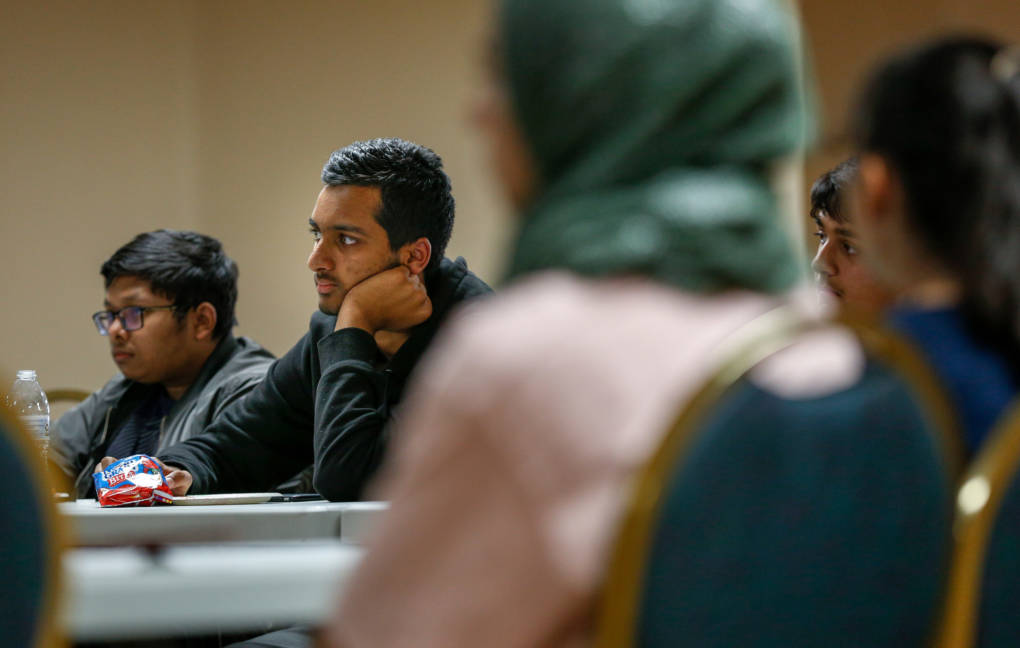
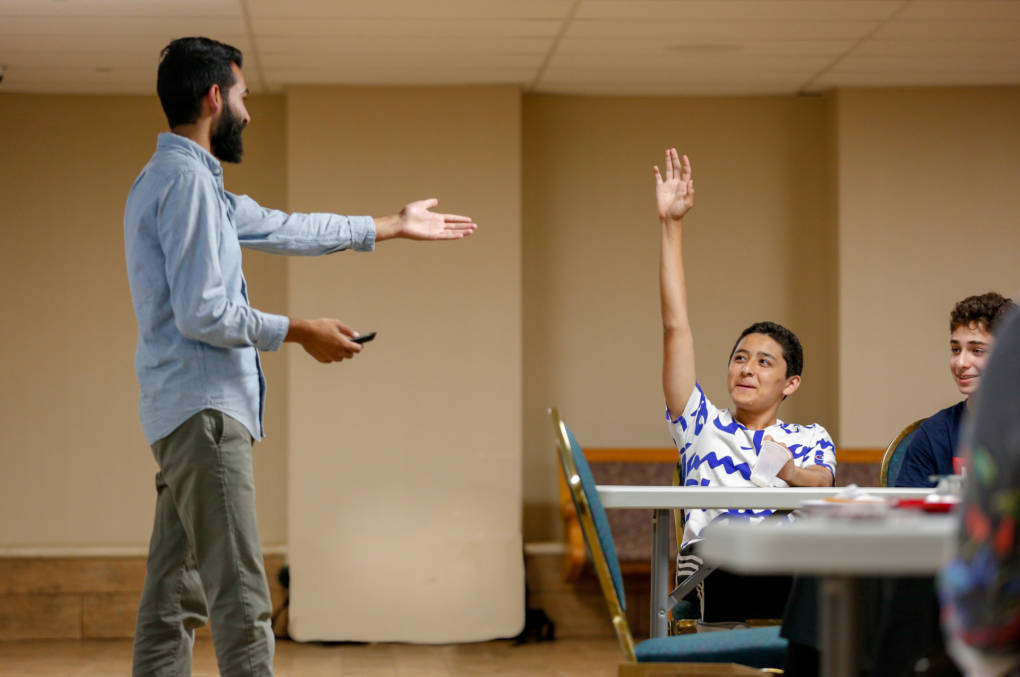
"caption": "Muslim teenagers attend a training to counter bullying at the Evergreen Islamic Center in San Jose on Sept. 13, 2019.",
"description": null,
"title": "RS39195__M6A0831-qut (1)",
"credit": "Sruti Mamidanna/KQED",
"status": "inherit",
"isLoading": false,
"fetchFailed": false
},
"news_11780365": {
"type": "attachments",
"id": "news_11780365",
"meta": {
"index": "attachments_1716263798",
"site": "news",
"id": "11780365",
"found": true
},
"parent": 11780141,
"imgSizes": {
"apple_news_ca_landscape_5_5": {
"file": "https://ww2.kqed.org/app/uploads/sites/10/2019/10/iStock-658821394-1044x783.jpg",
"width": 1044,
"mimeType": "image/jpeg",
"height": 783
},
"apple_news_ca_square_4_0": {
"file": "https://ww2.kqed.org/app/uploads/sites/10/2019/10/iStock-658821394-470x470.jpg",
"width": 470,
"mimeType": "image/jpeg",
"height": 470
},
"twentyfourteen-full-width": {
"file": "https://ww2.kqed.org/app/uploads/sites/10/2019/10/iStock-658821394-1038x576.jpg",
"width": 1038,
"mimeType": "image/jpeg",
"height": 576
},
"thumbnail": {
"file": "https://ww2.kqed.org/app/uploads/sites/10/2019/10/iStock-658821394-160x107.jpg",
"width": 160,
"mimeType": "image/jpeg",
"height": 107
},
"post-thumbnail": {
"file": "https://ww2.kqed.org/app/uploads/sites/10/2019/10/iStock-658821394-672x372.jpg",
"width": 672,
"mimeType": "image/jpeg",
"height": 372
},
"kqedFullSize": {
"file": "https://ww2.kqed.org/app/uploads/sites/10/2019/10/iStock-658821394-e1571203914633.jpg",
"width": 1920,
"height": 1280
},
"apple_news_ca_landscape_4_7": {
"file": "https://ww2.kqed.org/app/uploads/sites/10/2019/10/iStock-658821394-632x474.jpg",
"width": 632,
"mimeType": "image/jpeg",
"height": 474
},
"large": {
"file": "https://ww2.kqed.org/app/uploads/sites/10/2019/10/iStock-658821394-1020x680.jpg",
"width": 1020,
"mimeType": "image/jpeg",
"height": 680
},
"complete_open_graph": {
"file": "https://ww2.kqed.org/app/uploads/sites/10/2019/10/iStock-658821394-1200x800.jpg",
"width": 1200,
"mimeType": "image/jpeg",
"height": 800
},
"apple_news_ca_landscape_4_0": {
"file": "https://ww2.kqed.org/app/uploads/sites/10/2019/10/iStock-658821394-536x402.jpg",
"width": 536,
"mimeType": "image/jpeg",
"height": 402
},
"apple_news_ca_portrait_12_9": {
"file": "https://ww2.kqed.org/app/uploads/sites/10/2019/10/iStock-658821394-1122x1414.jpg",
"width": 1122,
"mimeType": "image/jpeg",
"height": 1414
},
"medium": {
"file": "https://ww2.kqed.org/app/uploads/sites/10/2019/10/iStock-658821394-800x533.jpg",
"width": 800,
"mimeType": "image/jpeg",
"height": 533
},
"apple_news_ca_portrait_4_0": {
"file": "https://ww2.kqed.org/app/uploads/sites/10/2019/10/iStock-658821394-354x472.jpg",
"width": 354,
"mimeType": "image/jpeg",
"height": 472
},
"apple_news_ca_portrait_9_7": {
"file": "https://ww2.kqed.org/app/uploads/sites/10/2019/10/iStock-658821394-840x1120.jpg",
"width": 840,
"mimeType": "image/jpeg",
"height": 1120
},
"apple_news_ca_landscape_12_9": {
"file": "https://ww2.kqed.org/app/uploads/sites/10/2019/10/iStock-658821394-1832x1374.jpg",
"width": 1832,
"mimeType": "image/jpeg",
"height": 1374
},
"apple_news_ca_square_9_7": {
"file": "https://ww2.kqed.org/app/uploads/sites/10/2019/10/iStock-658821394-1104x1104.jpg",
"width": 1104,
"mimeType": "image/jpeg",
"height": 1104
},
"apple_news_ca_portrait_4_7": {
"file": "https://ww2.kqed.org/app/uploads/sites/10/2019/10/iStock-658821394-414x552.jpg",
"width": 414,
"mimeType": "image/jpeg",
"height": 552
},
"apple_news_ca_square_12_9": {
"file": "https://ww2.kqed.org/app/uploads/sites/10/2019/10/iStock-658821394-1472x1414.jpg",
"width": 1472,
"mimeType": "image/jpeg",
"height": 1414
},
"apple_news_ca_portrait_5_5": {
"file": "https://ww2.kqed.org/app/uploads/sites/10/2019/10/iStock-658821394-687x916.jpg",
"width": 687,
"mimeType": "image/jpeg",
"height": 916
},
"full-width": {
"file": "https://ww2.kqed.org/app/uploads/sites/10/2019/10/iStock-658821394-1920x1280.jpg",
"width": 1920,
"mimeType": "image/jpeg",
"height": 1280
},
"apple_news_ca_square_4_7": {
"file": "https://ww2.kqed.org/app/uploads/sites/10/2019/10/iStock-658821394-550x550.jpg",
"width": 550,
"mimeType": "image/jpeg",
"height": 550
},
"apple_news_ca_landscape_9_7": {
"file": "https://ww2.kqed.org/app/uploads/sites/10/2019/10/iStock-658821394-1376x1032.jpg",
"width": 1376,
"mimeType": "image/jpeg",
"height": 1032
},
"apple_news_ca_square_5_5": {
"file": "https://ww2.kqed.org/app/uploads/sites/10/2019/10/iStock-658821394-912x912.jpg",
"width": 912,
"mimeType": "image/jpeg",
"height": 912
}
},
"publishDate": 1571203861,
"modified": 1571203921,
"caption": "A new state law will require some middle and high schools to push back their start times. ",
"description": null,
"title": "Tired schoolboy sleeping in classroom",
"credit": "iStock",
"status": "inherit",
"isLoading": false,
"fetchFailed": false
},
"news_11779147": {
"type": "attachments",
"id": "news_11779147",
"meta": {
"index": "attachments_1716263798",
"site": "news",
"id": "11779147",
"found": true
},
"parent": 11778695,
"imgSizes": {
"apple_news_ca_landscape_5_5": {
"file": "https://ww2.kqed.org/app/uploads/sites/10/2019/10/RS39462_RS39453_STEM-Camp-v2-qut-1044x783.jpg",
"width": 1044,
"mimeType": "image/jpeg",
"height": 783
},
"apple_news_ca_square_4_0": {
"file": "https://ww2.kqed.org/app/uploads/sites/10/2019/10/RS39462_RS39453_STEM-Camp-v2-qut-470x470.jpg",
"width": 470,
"mimeType": "image/jpeg",
"height": 470
},
"twentyfourteen-full-width": {
"file": "https://ww2.kqed.org/app/uploads/sites/10/2019/10/RS39462_RS39453_STEM-Camp-v2-qut-1038x576.jpg",
"width": 1038,
"mimeType": "image/jpeg",
"height": 576
},
"thumbnail": {
"file": "https://ww2.kqed.org/app/uploads/sites/10/2019/10/RS39462_RS39453_STEM-Camp-v2-qut-160x120.jpg",
"width": 160,
"mimeType": "image/jpeg",
"height": 120
},
"post-thumbnail": {
"file": "https://ww2.kqed.org/app/uploads/sites/10/2019/10/RS39462_RS39453_STEM-Camp-v2-qut-672x372.jpg",
"width": 672,
"mimeType": "image/jpeg",
"height": 372
},
"kqedFullSize": {
"file": "https://ww2.kqed.org/app/uploads/sites/10/2019/10/RS39462_RS39453_STEM-Camp-v2-qut.jpg",
"width": 1920,
"height": 1440
},
"apple_news_ca_landscape_4_7": {
"file": "https://ww2.kqed.org/app/uploads/sites/10/2019/10/RS39462_RS39453_STEM-Camp-v2-qut-632x474.jpg",
"width": 632,
"mimeType": "image/jpeg",
"height": 474
},
"large": {
"file": "https://ww2.kqed.org/app/uploads/sites/10/2019/10/RS39462_RS39453_STEM-Camp-v2-qut-1020x765.jpg",
"width": 1020,
"mimeType": "image/jpeg",
"height": 765
},
"complete_open_graph": {
"file": "https://ww2.kqed.org/app/uploads/sites/10/2019/10/RS39462_RS39453_STEM-Camp-v2-qut-1200x900.jpg",
"width": 1200,
"mimeType": "image/jpeg",
"height": 900
},
"apple_news_ca_landscape_4_0": {
"file": "https://ww2.kqed.org/app/uploads/sites/10/2019/10/RS39462_RS39453_STEM-Camp-v2-qut-536x402.jpg",
"width": 536,
"mimeType": "image/jpeg",
"height": 402
},
"apple_news_ca_portrait_12_9": {
"file": "https://ww2.kqed.org/app/uploads/sites/10/2019/10/RS39462_RS39453_STEM-Camp-v2-qut-1122x1440.jpg",
"width": 1122,
"mimeType": "image/jpeg",
"height": 1440
},
"medium": {
"file": "https://ww2.kqed.org/app/uploads/sites/10/2019/10/RS39462_RS39453_STEM-Camp-v2-qut-800x600.jpg",
"width": 800,
"mimeType": "image/jpeg",
"height": 600
},
"apple_news_ca_portrait_4_0": {
"file": "https://ww2.kqed.org/app/uploads/sites/10/2019/10/RS39462_RS39453_STEM-Camp-v2-qut-354x472.jpg",
"width": 354,
"mimeType": "image/jpeg",
"height": 472
},
"apple_news_ca_portrait_9_7": {
"file": "https://ww2.kqed.org/app/uploads/sites/10/2019/10/RS39462_RS39453_STEM-Camp-v2-qut-840x1120.jpg",
"width": 840,
"mimeType": "image/jpeg",
"height": 1120
},
"apple_news_ca_landscape_12_9": {
"file": "https://ww2.kqed.org/app/uploads/sites/10/2019/10/RS39462_RS39453_STEM-Camp-v2-qut-1832x1374.jpg",
"width": 1832,
"mimeType": "image/jpeg",
"height": 1374
},
"apple_news_ca_square_9_7": {
"file": "https://ww2.kqed.org/app/uploads/sites/10/2019/10/RS39462_RS39453_STEM-Camp-v2-qut-1104x1104.jpg",
"width": 1104,
"mimeType": "image/jpeg",
"height": 1104
},
"apple_news_ca_portrait_4_7": {
"file": "https://ww2.kqed.org/app/uploads/sites/10/2019/10/RS39462_RS39453_STEM-Camp-v2-qut-414x552.jpg",
"width": 414,
"mimeType": "image/jpeg",
"height": 552
},
"apple_news_ca_square_12_9": {
"file": "https://ww2.kqed.org/app/uploads/sites/10/2019/10/RS39462_RS39453_STEM-Camp-v2-qut-1472x1440.jpg",
"width": 1472,
"mimeType": "image/jpeg",
"height": 1440
},
"apple_news_ca_portrait_5_5": {
"file": "https://ww2.kqed.org/app/uploads/sites/10/2019/10/RS39462_RS39453_STEM-Camp-v2-qut-687x916.jpg",
"width": 687,
"mimeType": "image/jpeg",
"height": 916
},
"full-width": {
"file": "https://ww2.kqed.org/app/uploads/sites/10/2019/10/RS39462_RS39453_STEM-Camp-v2-qut-1920x1440.jpg",
"width": 1920,
"mimeType": "image/jpeg",
"height": 1440
},
"apple_news_ca_square_4_7": {
"file": "https://ww2.kqed.org/app/uploads/sites/10/2019/10/RS39462_RS39453_STEM-Camp-v2-qut-550x550.jpg",
"width": 550,
"mimeType": "image/jpeg",
"height": 550
},
"apple_news_ca_landscape_9_7": {
"file": "https://ww2.kqed.org/app/uploads/sites/10/2019/10/RS39462_RS39453_STEM-Camp-v2-qut-1376x1032.jpg",
"width": 1376,
"mimeType": "image/jpeg",
"height": 1032
},
"apple_news_ca_square_5_5": {
"file": "https://ww2.kqed.org/app/uploads/sites/10/2019/10/RS39462_RS39453_STEM-Camp-v2-qut-912x912.jpg",
"width": 912,
"mimeType": "image/jpeg",
"height": 912
}
},
"publishDate": 1570669358,
"modified": 1570669452,
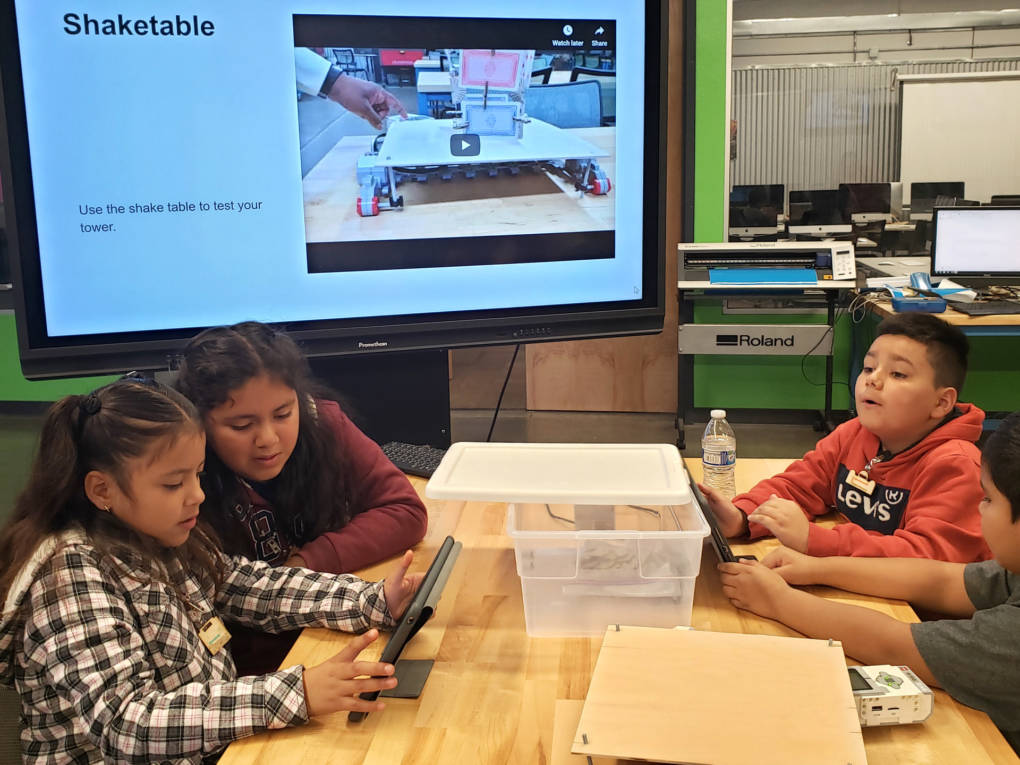
"caption": "Students prepare to build card towers on table-top earthquake simulators as part of a STEM class in the Migrant Education Program for farm worker students.",
"description": "Students prepare to build card towers on table-top earthquake simulators as part of a STEM class in the Migrant Education Program for farm worker students.",
"title": "Migrant Education Program-students",
"credit": "Katie Orr/KQED",
"status": "inherit",
"isLoading": false,
"fetchFailed": false
},
"news_11778529": {
"type": "attachments",
"id": "news_11778529",
"meta": {
"index": "attachments_1716263798",
"site": "news",
"id": "11778529",
"found": true
},
"parent": 11778501,
"imgSizes": {
"apple_news_ca_landscape_5_5": {
"file": "https://ww2.kqed.org/app/uploads/sites/10/2019/10/Muslim_Teenagers_ING-Youth-Speakers-Program_ING-training_Islamic-Network-Group_American-Teen-Muslims_Islamophobia_anti-bullying_aridin-qut-1044x783.jpg",
"width": 1044,
"mimeType": "image/jpeg",
"height": 783
},
"apple_news_ca_square_4_0": {
"file": "https://ww2.kqed.org/app/uploads/sites/10/2019/10/Muslim_Teenagers_ING-Youth-Speakers-Program_ING-training_Islamic-Network-Group_American-Teen-Muslims_Islamophobia_anti-bullying_aridin-qut-470x470.jpg",
"width": 470,
"mimeType": "image/jpeg",
"height": 470
},
"twentyfourteen-full-width": {
"file": "https://ww2.kqed.org/app/uploads/sites/10/2019/10/Muslim_Teenagers_ING-Youth-Speakers-Program_ING-training_Islamic-Network-Group_American-Teen-Muslims_Islamophobia_anti-bullying_aridin-qut-1038x576.jpg",
"width": 1038,
"mimeType": "image/jpeg",
"height": 576
},
"thumbnail": {
"file": "https://ww2.kqed.org/app/uploads/sites/10/2019/10/Muslim_Teenagers_ING-Youth-Speakers-Program_ING-training_Islamic-Network-Group_American-Teen-Muslims_Islamophobia_anti-bullying_aridin-qut-160x106.jpg",
"width": 160,
"mimeType": "image/jpeg",
"height": 106
},
"post-thumbnail": {
"file": "https://ww2.kqed.org/app/uploads/sites/10/2019/10/Muslim_Teenagers_ING-Youth-Speakers-Program_ING-training_Islamic-Network-Group_American-Teen-Muslims_Islamophobia_anti-bullying_aridin-qut-672x372.jpg",
"width": 672,
"mimeType": "image/jpeg",
"height": 372
},
"kqedFullSize": {
"file": "https://ww2.kqed.org/app/uploads/sites/10/2019/10/Muslim_Teenagers_ING-Youth-Speakers-Program_ING-training_Islamic-Network-Group_American-Teen-Muslims_Islamophobia_anti-bullying_aridin-qut.jpg",
"width": 1920,
"height": 1274
},
"apple_news_ca_landscape_4_7": {
"file": "https://ww2.kqed.org/app/uploads/sites/10/2019/10/Muslim_Teenagers_ING-Youth-Speakers-Program_ING-training_Islamic-Network-Group_American-Teen-Muslims_Islamophobia_anti-bullying_aridin-qut-632x474.jpg",
"width": 632,
"mimeType": "image/jpeg",
"height": 474
},
"large": {
"file": "https://ww2.kqed.org/app/uploads/sites/10/2019/10/Muslim_Teenagers_ING-Youth-Speakers-Program_ING-training_Islamic-Network-Group_American-Teen-Muslims_Islamophobia_anti-bullying_aridin-qut-1020x677.jpg",
"width": 1020,
"mimeType": "image/jpeg",
"height": 677
},
"complete_open_graph": {
"file": "https://ww2.kqed.org/app/uploads/sites/10/2019/10/Muslim_Teenagers_ING-Youth-Speakers-Program_ING-training_Islamic-Network-Group_American-Teen-Muslims_Islamophobia_anti-bullying_aridin-qut-1200x796.jpg",
"width": 1200,
"mimeType": "image/jpeg",
"height": 796
},
"apple_news_ca_landscape_4_0": {
"file": "https://ww2.kqed.org/app/uploads/sites/10/2019/10/Muslim_Teenagers_ING-Youth-Speakers-Program_ING-training_Islamic-Network-Group_American-Teen-Muslims_Islamophobia_anti-bullying_aridin-qut-536x402.jpg",
"width": 536,
"mimeType": "image/jpeg",
"height": 402
},
"apple_news_ca_portrait_12_9": {
"file": "https://ww2.kqed.org/app/uploads/sites/10/2019/10/Muslim_Teenagers_ING-Youth-Speakers-Program_ING-training_Islamic-Network-Group_American-Teen-Muslims_Islamophobia_anti-bullying_aridin-qut-1122x1274.jpg",
"width": 1122,
"mimeType": "image/jpeg",
"height": 1274
},
"medium": {
"file": "https://ww2.kqed.org/app/uploads/sites/10/2019/10/Muslim_Teenagers_ING-Youth-Speakers-Program_ING-training_Islamic-Network-Group_American-Teen-Muslims_Islamophobia_anti-bullying_aridin-qut-800x531.jpg",
"width": 800,
"mimeType": "image/jpeg",
"height": 531
},
"apple_news_ca_portrait_4_0": {
"file": "https://ww2.kqed.org/app/uploads/sites/10/2019/10/Muslim_Teenagers_ING-Youth-Speakers-Program_ING-training_Islamic-Network-Group_American-Teen-Muslims_Islamophobia_anti-bullying_aridin-qut-354x472.jpg",
"width": 354,
"mimeType": "image/jpeg",
"height": 472
},
"apple_news_ca_portrait_9_7": {
"file": "https://ww2.kqed.org/app/uploads/sites/10/2019/10/Muslim_Teenagers_ING-Youth-Speakers-Program_ING-training_Islamic-Network-Group_American-Teen-Muslims_Islamophobia_anti-bullying_aridin-qut-840x1120.jpg",
"width": 840,
"mimeType": "image/jpeg",
"height": 1120
},
"apple_news_ca_landscape_12_9": {
"file": "https://ww2.kqed.org/app/uploads/sites/10/2019/10/Muslim_Teenagers_ING-Youth-Speakers-Program_ING-training_Islamic-Network-Group_American-Teen-Muslims_Islamophobia_anti-bullying_aridin-qut-1832x1274.jpg",
"width": 1832,
"mimeType": "image/jpeg",
"height": 1274
},
"apple_news_ca_square_9_7": {
"file": "https://ww2.kqed.org/app/uploads/sites/10/2019/10/Muslim_Teenagers_ING-Youth-Speakers-Program_ING-training_Islamic-Network-Group_American-Teen-Muslims_Islamophobia_anti-bullying_aridin-qut-1104x1104.jpg",
"width": 1104,
"mimeType": "image/jpeg",
"height": 1104
},
"apple_news_ca_portrait_4_7": {
"file": "https://ww2.kqed.org/app/uploads/sites/10/2019/10/Muslim_Teenagers_ING-Youth-Speakers-Program_ING-training_Islamic-Network-Group_American-Teen-Muslims_Islamophobia_anti-bullying_aridin-qut-414x552.jpg",
"width": 414,
"mimeType": "image/jpeg",
"height": 552
},
"apple_news_ca_square_12_9": {
"file": "https://ww2.kqed.org/app/uploads/sites/10/2019/10/Muslim_Teenagers_ING-Youth-Speakers-Program_ING-training_Islamic-Network-Group_American-Teen-Muslims_Islamophobia_anti-bullying_aridin-qut-1472x1274.jpg",
"width": 1472,
"mimeType": "image/jpeg",
"height": 1274
},
"apple_news_ca_portrait_5_5": {
"file": "https://ww2.kqed.org/app/uploads/sites/10/2019/10/Muslim_Teenagers_ING-Youth-Speakers-Program_ING-training_Islamic-Network-Group_American-Teen-Muslims_Islamophobia_anti-bullying_aridin-qut-687x916.jpg",
"width": 687,
"mimeType": "image/jpeg",
"height": 916
},
"full-width": {
"file": "https://ww2.kqed.org/app/uploads/sites/10/2019/10/Muslim_Teenagers_ING-Youth-Speakers-Program_ING-training_Islamic-Network-Group_American-Teen-Muslims_Islamophobia_anti-bullying_aridin-qut-1920x1274.jpg",
"width": 1920,
"mimeType": "image/jpeg",
"height": 1274
},
"apple_news_ca_square_4_7": {
"file": "https://ww2.kqed.org/app/uploads/sites/10/2019/10/Muslim_Teenagers_ING-Youth-Speakers-Program_ING-training_Islamic-Network-Group_American-Teen-Muslims_Islamophobia_anti-bullying_aridin-qut-550x550.jpg",
"width": 550,
"mimeType": "image/jpeg",
"height": 550
},
"apple_news_ca_landscape_9_7": {
"file": "https://ww2.kqed.org/app/uploads/sites/10/2019/10/Muslim_Teenagers_ING-Youth-Speakers-Program_ING-training_Islamic-Network-Group_American-Teen-Muslims_Islamophobia_anti-bullying_aridin-qut-1376x1032.jpg",
"width": 1376,
"mimeType": "image/jpeg",
"height": 1032
},
"apple_news_ca_square_5_5": {
"file": "https://ww2.kqed.org/app/uploads/sites/10/2019/10/Muslim_Teenagers_ING-Youth-Speakers-Program_ING-training_Islamic-Network-Group_American-Teen-Muslims_Islamophobia_anti-bullying_aridin-qut-912x912.jpg",
"width": 912,
"mimeType": "image/jpeg",
"height": 912
}
},
"publishDate": 1570479948,
"modified": 1570481299,
"caption": "Ryan Aridin, 14, learns about Muslim culture and how to counter Islamophobia in school during the Islamic Networks Group Youth Speakers training in San Jose on Sept. 13, 2019. ",
"description": null,
"title": "Muslim_Teenagers_ING Youth Speakers Program_ING training_Islamic Network Group_American Teen Muslims_Islamophobia_anti-bullying_aridin-qut",
"credit": "Sruti Mamidanna/KQED",
"status": "inherit",
"isLoading": false,
"fetchFailed": false
},
"news_11778489": {
"type": "attachments",
"id": "news_11778489",
"meta": {
"index": "attachments_1716263798",
"site": "news",
"id": "11778489",
"found": true
},
"parent": 11778457,
"imgSizes": {
"apple_news_ca_landscape_5_5": {
"file": "https://ww2.kqed.org/app/uploads/sites/10/2019/10/Crowd-1920-1044x783.jpg",
"width": 1044,
"mimeType": "image/jpeg",
"height": 783
},
"apple_news_ca_square_4_0": {
"file": "https://ww2.kqed.org/app/uploads/sites/10/2019/10/Crowd-1920-470x470.jpg",
"width": 470,
"mimeType": "image/jpeg",
"height": 470
},
"twentyfourteen-full-width": {
"file": "https://ww2.kqed.org/app/uploads/sites/10/2019/10/Crowd-1920-1038x576.jpg",
"width": 1038,
"mimeType": "image/jpeg",
"height": 576
},
"thumbnail": {
"file": "https://ww2.kqed.org/app/uploads/sites/10/2019/10/Crowd-1920-160x104.jpg",
"width": 160,
"mimeType": "image/jpeg",
"height": 104
},
"post-thumbnail": {
"file": "https://ww2.kqed.org/app/uploads/sites/10/2019/10/Crowd-1920-672x372.jpg",
"width": 672,
"mimeType": "image/jpeg",
"height": 372
},
"kqedFullSize": {
"file": "https://ww2.kqed.org/app/uploads/sites/10/2019/10/Crowd-1920.jpg",
"width": 1920,
"height": 1243
},
"apple_news_ca_landscape_4_7": {
"file": "https://ww2.kqed.org/app/uploads/sites/10/2019/10/Crowd-1920-632x474.jpg",
"width": 632,
"mimeType": "image/jpeg",
"height": 474
},
"large": {
"file": "https://ww2.kqed.org/app/uploads/sites/10/2019/10/Crowd-1920-1020x660.jpg",
"width": 1020,
"mimeType": "image/jpeg",
"height": 660
},
"complete_open_graph": {
"file": "https://ww2.kqed.org/app/uploads/sites/10/2019/10/Crowd-1920-1200x777.jpg",
"width": 1200,
"mimeType": "image/jpeg",
"height": 777
},
"apple_news_ca_landscape_4_0": {
"file": "https://ww2.kqed.org/app/uploads/sites/10/2019/10/Crowd-1920-536x402.jpg",
"width": 536,
"mimeType": "image/jpeg",
"height": 402
},
"apple_news_ca_portrait_12_9": {
"file": "https://ww2.kqed.org/app/uploads/sites/10/2019/10/Crowd-1920-1122x1243.jpg",
"width": 1122,
"mimeType": "image/jpeg",
"height": 1243
},
"medium": {
"file": "https://ww2.kqed.org/app/uploads/sites/10/2019/10/Crowd-1920-800x518.jpg",
"width": 800,
"mimeType": "image/jpeg",
"height": 518
},
"apple_news_ca_portrait_4_0": {
"file": "https://ww2.kqed.org/app/uploads/sites/10/2019/10/Crowd-1920-354x472.jpg",
"width": 354,
"mimeType": "image/jpeg",
"height": 472
},
"apple_news_ca_portrait_9_7": {
"file": "https://ww2.kqed.org/app/uploads/sites/10/2019/10/Crowd-1920-840x1120.jpg",
"width": 840,
"mimeType": "image/jpeg",
"height": 1120
},
"apple_news_ca_landscape_12_9": {
"file": "https://ww2.kqed.org/app/uploads/sites/10/2019/10/Crowd-1920-1832x1243.jpg",
"width": 1832,
"mimeType": "image/jpeg",
"height": 1243
},
"apple_news_ca_square_9_7": {
"file": "https://ww2.kqed.org/app/uploads/sites/10/2019/10/Crowd-1920-1104x1104.jpg",
"width": 1104,
"mimeType": "image/jpeg",
"height": 1104
},
"apple_news_ca_portrait_4_7": {
"file": "https://ww2.kqed.org/app/uploads/sites/10/2019/10/Crowd-1920-414x552.jpg",
"width": 414,
"mimeType": "image/jpeg",
"height": 552
},
"apple_news_ca_square_12_9": {
"file": "https://ww2.kqed.org/app/uploads/sites/10/2019/10/Crowd-1920-1472x1243.jpg",
"width": 1472,
"mimeType": "image/jpeg",
"height": 1243
},
"apple_news_ca_portrait_5_5": {
"file": "https://ww2.kqed.org/app/uploads/sites/10/2019/10/Crowd-1920-687x916.jpg",
"width": 687,
"mimeType": "image/jpeg",
"height": 916
},
"full-width": {
"file": "https://ww2.kqed.org/app/uploads/sites/10/2019/10/Crowd-1920-1920x1243.jpg",
"width": 1920,
"mimeType": "image/jpeg",
"height": 1243
},
"apple_news_ca_square_4_7": {
"file": "https://ww2.kqed.org/app/uploads/sites/10/2019/10/Crowd-1920-550x550.jpg",
"width": 550,
"mimeType": "image/jpeg",
"height": 550
},
"apple_news_ca_landscape_9_7": {
"file": "https://ww2.kqed.org/app/uploads/sites/10/2019/10/Crowd-1920-1376x1032.jpg",
"width": 1376,
"mimeType": "image/jpeg",
"height": 1032
},
"apple_news_ca_square_5_5": {
"file": "https://ww2.kqed.org/app/uploads/sites/10/2019/10/Crowd-1920-912x912.jpg",
"width": 912,
"mimeType": "image/jpeg",
"height": 912
}
},
"publishDate": 1570471722,
"modified": 1570471868,
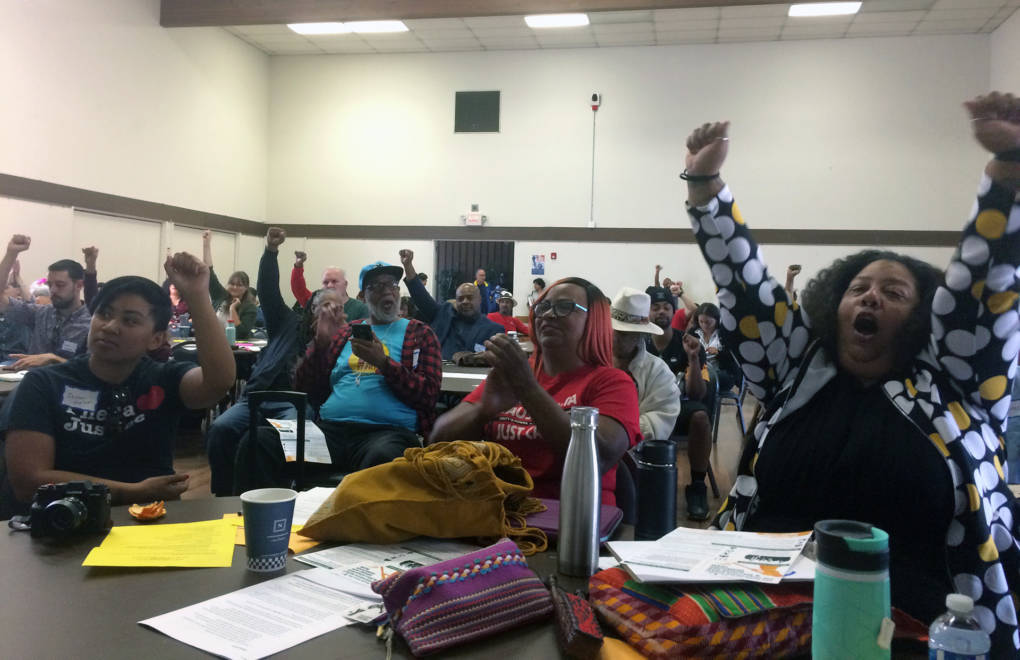
"caption": "Oakland workers and residents cheer at a town hall on Oct. 5, 2019, to discuss potential community benefits from the A's proposed stadium. People gathered repeatedly chanted throughout the meeting \"public land for public good.\"",
"description": "Oakland workers and residents cheer at a town hall on Oct. 5, 2019, to discuss potential community benefits from the A's proposed stadium. People gathered repeatedly chanted throughout the meeting \"public land for public good.\"",
"title": "Crowd-1920",
"credit": "Amy Mostafa/KQED",
"status": "inherit",
"isLoading": false,
"fetchFailed": false
}
},
"audioPlayerReducer": {
"postId": "stream_live",
"isPaused": true,
"isPlaying": false,
"pfsActive": false,
"pledgeModalIsOpen": true,
"playerDrawerIsOpen": false,
"liveAudioPlayStartedAt": 0,
"liveAudioPlayContext": ""
},
"authorsReducer": {
"byline_news_11782808": {
"type": "authors",
"id": "byline_news_11782808",
"meta": {
"override": true
},
"slug": "byline_news_11782808",
"name": "\u003ca href= \"https://www.npr.org/people/378865949/elissa-nadworny\"> Elissa Nadworny \u003ca/> and \u003ca href= \"https://www.npr.org/people/302894536/anya-kamenetz\"> Anya Kamenetz \u003ca/>",
"isLoading": false
},
"byline_news_11781380": {
"type": "authors",
"id": "byline_news_11781380",
"meta": {
"override": true
},
"slug": "byline_news_11781380",
"name": "Alexis Marshall",
"isLoading": false
},
"byline_news_11780480": {
"type": "authors",
"id": "byline_news_11780480",
"meta": {
"override": true
},
"slug": "byline_news_11780480",
"name": "\u003cstrong>Richard Gonzales\u003cbr />NPR\u003c/strong>",
"isLoading": false
},
"jmcevoy": {
"type": "authors",
"id": "231",
"meta": {
"index": "authors_1716337520",
"id": "231",
"found": true
},
"name": "Julia McEvoy",
"firstName": "Julia",
"lastName": "McEvoy",
"slug": "jmcevoy",
"email": "jmcevoy@KQED.org",
"display_author_email": true,
"staff_mastheads": [
"news"
],
"title": "KQED Senior Editor",
"bio": "Julia McEvoy is KQED's Senior Editor, Education Equity.\r\n\r\nJulia heads KQED’s education coverage examining inequities students face in Bay Area and California schools, and reports on what it will take to educate the next generation.\r\n\r\nJulia's editorial work has received a Peabody Award, a Casey Medal for Coverage of Children and Families, several Edward R. Murrow awards, as well as awards from the Public Radio News Directors Inc. and the Society for Professional Journalists.",
"avatar": "https://secure.gravatar.com/avatar/aec3ce21abe02b302fd33638abd56a22?s=600&d=blank&r=g",
"twitter": "juliamcevoy1",
"facebook": null,
"instagram": null,
"linkedin": null,
"sites": [
{
"site": "news",
"roles": []
},
{
"site": "stateofhealth",
"roles": [
"author"
]
}
],
"headData": {
"title": "Julia McEvoy | KQED",
"description": "KQED Senior Editor",
"ogImgSrc": "https://secure.gravatar.com/avatar/aec3ce21abe02b302fd33638abd56a22?s=600&d=blank&r=g",
"twImgSrc": "https://secure.gravatar.com/avatar/aec3ce21abe02b302fd33638abd56a22?s=600&d=blank&r=g"
},
"isLoading": false,
"link": "/author/jmcevoy"
},
"sasha-khokha": {
"type": "authors",
"id": "254",
"meta": {
"index": "authors_1716337520",
"id": "254",
"found": true
},
"name": "Sasha Khokha",
"firstName": "Sasha",
"lastName": "Khokha",
"slug": "sasha-khokha",
"email": "skhokha@kqed.org",
"display_author_email": true,
"staff_mastheads": [
"news"
],
"title": "Host, The California Report Magazine",
"bio": "Sasha Khokha is the host of \u003cem>The California Report's \u003c/em> weekly magazine program, which takes listeners on sound-rich excursions to meet the people that make the Golden State unique -- through audio documentaries and long-form stories. As \u003cem>The California Report's\u003c/em> Central Valley Bureau Chief based in Fresno for nearly a dozen years, Sasha brought the lives and concerns of rural Californians to listeners around the state. Her reporting helped expose the hidden price immigrant women janitors and farmworkers may pay to keep their jobs: sexual assault at work. It inspired two new California laws to protect them from sexual harassment. She was a key member of the reporting team for the Frontline film \u003cem>Rape on the Night Shift, \u003c/em>which was nominated for two national Emmys. Sasha has also won a national Edward R. Murrow and a national PRNDI award for investigative reporting, as well as multiple prizes from the Society for Professional Journalists. Sasha is a proud alum of the UC Berkeley Graduate School of Journalism and Brown University and a member of the South Asian Journalists Association.",
"avatar": "https://secure.gravatar.com/avatar/e4b5e1541aaeea2aa356aa1fb2a68950?s=600&d=blank&r=g",
"twitter": "KQEDSashaKhokha",
"facebook": null,
"instagram": null,
"linkedin": null,
"sites": [
{
"site": "news",
"roles": [
"editor"
]
},
{
"site": "stateofhealth",
"roles": [
"author"
]
},
{
"site": "science",
"roles": [
"author"
]
},
{
"site": "quest",
"roles": [
"subscriber"
]
}
],
"headData": {
"title": "Sasha Khokha | KQED",
"description": "Host, The California Report Magazine",
"ogImgSrc": "https://secure.gravatar.com/avatar/e4b5e1541aaeea2aa356aa1fb2a68950?s=600&d=blank&r=g",
"twImgSrc": "https://secure.gravatar.com/avatar/e4b5e1541aaeea2aa356aa1fb2a68950?s=600&d=blank&r=g"
},
"isLoading": false,
"link": "/author/sasha-khokha"
},
"tgoldberg": {
"type": "authors",
"id": "258",
"meta": {
"index": "authors_1716337520",
"id": "258",
"found": true
},
"name": "Ted Goldberg",
"firstName": "Ted",
"lastName": "Goldberg",
"slug": "tgoldberg",
"email": "tgoldberg@kqed.org",
"display_author_email": true,
"staff_mastheads": [
"news"
],
"title": "KQED Managing Editor, News and Newscasts",
"bio": "Ted Goldberg is Managing Editor of News and Newscasts at KQED. His main reporting beat is the Bay Area's oil refining industry.\r\n\r\nPrior to joining KQED in 2014, Ted worked at CBS News and WCBS AM in New York and Bay City News and KCBS Radio in San Francisco. He graduated from Oberlin College in Ohio in 1998.",
"avatar": "https://secure.gravatar.com/avatar/30ce2e4fe89135e104f89be2394d16225b9d36c121b5b3cb7651ce642978b96f?s=600&d=blank&r=g",
"twitter": "TedrickG",
"bluesky": null,
"facebook": null,
"instagram": null,
"linkedin": null,
"sites": [
{
"site": "news",
"roles": [
"editor"
]
},
{
"site": "science",
"roles": [
"editor"
]
}
],
"headData": {
"title": "Ted Goldberg | KQED",
"description": "KQED Managing Editor, News and Newscasts",
"ogImgSrc": "https://secure.gravatar.com/avatar/30ce2e4fe89135e104f89be2394d16225b9d36c121b5b3cb7651ce642978b96f?s=600&d=blank&r=g",
"twImgSrc": "https://secure.gravatar.com/avatar/30ce2e4fe89135e104f89be2394d16225b9d36c121b5b3cb7651ce642978b96f?s=600&d=blank&r=g"
},
"isLoading": false,
"link": "/author/tgoldberg"
},
"matthewgreen": {
"type": "authors",
"id": "1263",
"meta": {
"index": "authors_1716337520",
"id": "1263",
"found": true
},
"name": "Matthew Green",
"firstName": "Matthew",
"lastName": "Green",
"slug": "matthewgreen",
"email": "mgreen@kqed.org",
"display_author_email": false,
"staff_mastheads": [],
"title": "KQED Editor/Reporter",
"bio": "Matthew Green is a digital media producer for KQED News. He previously produced \u003ca href=\"http://www.kqed.org/lowdown\">The Lowdown\u003c/a>, KQED’s multimedia news education blog. Matthew's written for numerous Bay Area publications, including the Oakland Tribune and San Francisco Chronicle. He also taught journalism classes at Fremont High School in East Oakland.\r\n\r\nEmail: mgreen@kqed.org; Twitter: @MGreenKQED",
"avatar": "https://secure.gravatar.com/avatar/3bf498d1267ca02c8494f33d8cfc575e?s=600&d=blank&r=g",
"twitter": "MGreenKQED",
"facebook": null,
"instagram": null,
"linkedin": null,
"sites": [
{
"site": "news",
"roles": []
},
{
"site": "lowdown",
"roles": []
},
{
"site": "science",
"roles": []
},
{
"site": "education",
"roles": []
},
{
"site": "quest",
"roles": []
},
{
"site": "liveblog",
"roles": []
}
],
"headData": {
"title": "Matthew Green | KQED",
"description": "KQED Editor/Reporter",
"ogImgSrc": "https://secure.gravatar.com/avatar/3bf498d1267ca02c8494f33d8cfc575e?s=600&d=blank&r=g",
"twImgSrc": "https://secure.gravatar.com/avatar/3bf498d1267ca02c8494f33d8cfc575e?s=600&d=blank&r=g"
},
"isLoading": false,
"link": "/author/matthewgreen"
},
"markfiore": {
"type": "authors",
"id": "3236",
"meta": {
"index": "authors_1716337520",
"id": "3236",
"found": true
},
"name": "Mark Fiore",
"firstName": "Mark",
"lastName": "Fiore",
"slug": "markfiore",
"email": "mark@markfiore.com",
"display_author_email": false,
"staff_mastheads": [
"news"
],
"title": "KQED News Cartoonist",
"bio": "\u003ca href=\"http://www.MarkFiore.com\">MarkFiore.com\u003c/a> | \u003ca href=\"https://twitter.com/markfiore\">Follow on Twitter\u003c/a> | \u003ca href=\"https://www.facebook.com/pages/Mark-Fiore-Animated-Political-Cartoons/94451707396?ref=bookmarks\">Facebook\u003c/a> | \u003ca href=\"mailto:mark@markfiore.com\">email\u003c/a>\r\n\r\nPulitzer Prize-winner, Mark Fiore, who the Wall Street Journal has called “the undisputed guru of the form,” creates animated political cartoons in San Francisco, where his work has been featured regularly on the San Francisco Chronicle’s web site, SFGate.com. His work has appeared on Newsweek.com, Slate.com, CBSNews.com, MotherJones.com, DailyKos.com and NPR’s web site. Fiore’s political animation has appeared on CNN, Frontline, Bill Moyers Journal, Salon.com and cable and broadcast outlets across the globe.\r\n\r\nBeginning his professional life by drawing traditional political cartoons for newspapers, Fiore’s work appeared in publications ranging from the Washington Post to the Los Angeles Times. In the late 1990s, he began to experiment with animating political cartoons and, after a short stint at the San Jose Mercury News as their staff cartoonist, Fiore devoted all his energies to animation.\r\nGrowing up in California, Fiore also spent a good portion of his life in the backwoods of Idaho. It was this combination that shaped him politically. Mark majored in political science at Colorado College, where, in a perfect send-off for a cartoonist, he received his diploma in 1991 as commencement speaker Dick Cheney smiled approvingly.\r\nMark Fiore was awarded the Pulitzer Prize for political cartooning in 2010, a Robert F. Kennedy Journalism Award in 2004 and has twice received an Online Journalism Award for commentary from the Online News Association (2002, 2008). Fiore has received two awards for his work in new media from the National Cartoonists Society (2001, 2002), and in 2006 received The James Madison Freedom of Information Award from The Society of Professional Journalists.",
"avatar": "https://secure.gravatar.com/avatar/fc4e2a612b15b67bad0c6f0e1db4ca9b?s=600&d=blank&r=g",
"twitter": "MarkFiore",
"facebook": null,
"instagram": "https://www.instagram.com/markfiore/?hl=en",
"linkedin": null,
"sites": [
{
"site": "arts",
"roles": [
"contributor"
]
},
{
"site": "news",
"roles": [
"editor"
]
},
{
"site": "futureofyou",
"roles": [
"editor"
]
},
{
"site": "science",
"roles": [
"editor"
]
}
],
"headData": {
"title": "Mark Fiore | KQED",
"description": "KQED News Cartoonist",
"ogImgSrc": "https://secure.gravatar.com/avatar/fc4e2a612b15b67bad0c6f0e1db4ca9b?s=600&d=blank&r=g",
"twImgSrc": "https://secure.gravatar.com/avatar/fc4e2a612b15b67bad0c6f0e1db4ca9b?s=600&d=blank&r=g"
},
"isLoading": false,
"link": "/author/markfiore"
},
"amostafa": {
"type": "authors",
"id": "8645",
"meta": {
"index": "authors_1716337520",
"id": "8645",
"found": true
},
"name": "Amy Mostafa",
"firstName": "Amy",
"lastName": "Mostafa",
"slug": "amostafa",
"email": "amostafa@kqed.org",
"display_author_email": false,
"staff_mastheads": [],
"title": "KQED Contributor",
"bio": "Amy Mostafa is a former KQED Radio News intern covering Berkeley and other Bay Area issues. A Cal alumna, she currently co-produces a weekly KALX show titled \u003cem>Women Hold Up Half the Sky\u003c/em>.",
"avatar": "https://secure.gravatar.com/avatar/fef1453a70f813417b47cc64ebf662c5?s=600&d=blank&r=g",
"twitter": "amysmostafa",
"facebook": null,
"instagram": null,
"linkedin": null,
"sites": [
{
"site": "news",
"roles": [
"author"
]
},
{
"site": "futureofyou",
"roles": [
"author"
]
},
{
"site": "science",
"roles": [
"author"
]
}
],
"headData": {
"title": "Amy Mostafa | KQED",
"description": "KQED Contributor",
"ogImgSrc": "https://secure.gravatar.com/avatar/fef1453a70f813417b47cc64ebf662c5?s=600&d=blank&r=g",
"twImgSrc": "https://secure.gravatar.com/avatar/fef1453a70f813417b47cc64ebf662c5?s=600&d=blank&r=g"
},
"isLoading": false,
"link": "/author/amostafa"
},
"fjhabvala": {
"type": "authors",
"id": "8659",
"meta": {
"index": "authors_1716337520",
"id": "8659",
"found": true
},
"name": "Farida Jhabvala Romero",
"firstName": "Farida",
"lastName": "Jhabvala Romero",
"slug": "fjhabvala",
"email": "fjhabvala@kqed.org",
"display_author_email": true,
"staff_mastheads": [
"news"
],
"title": "KQED Contributor",
"bio": "Farida Jhabvala Romero is a Labor Correspondent for KQED. She previously covered immigration. Farida was \u003ca href=\"https://www.ccnma.org/2022-most-influential-latina-journalists\">named\u003c/a> one of the 10 Most Influential Latina Journalists in California in 2022 by the California Chicano News Media Association. Her work has won awards from the Society of Professional Journalists (Northern California), as well as a national and regional Edward M. Murrow Award for the collaborative reporting projects “Dangerous Air” and “Graying California.” Before joining KQED, Farida worked as a producer at Radio Bilingüe, a national public radio network. Farida earned her master’s degree in journalism from Stanford University.",
"avatar": "https://secure.gravatar.com/avatar/f9f022d4e2609741874222a1e9d41f48fea74011aa7c615eef91d9a50c944ebe?s=600&d=blank&r=g",
"twitter": "FaridaJhabvala",
"bluesky": null,
"facebook": null,
"instagram": null,
"linkedin": "https://www.linkedin.com/in/faridajhabvala/",
"sites": [
{
"site": "news",
"roles": [
"editor"
]
},
{
"site": "stateofhealth",
"roles": [
"author"
]
},
{
"site": "liveblog",
"roles": [
"author"
]
}
],
"headData": {
"title": "Farida Jhabvala Romero | KQED",
"description": "KQED Contributor",
"ogImgSrc": "https://secure.gravatar.com/avatar/f9f022d4e2609741874222a1e9d41f48fea74011aa7c615eef91d9a50c944ebe?s=600&d=blank&r=g",
"twImgSrc": "https://secure.gravatar.com/avatar/f9f022d4e2609741874222a1e9d41f48fea74011aa7c615eef91d9a50c944ebe?s=600&d=blank&r=g"
},
"isLoading": false,
"link": "/author/fjhabvala"
},
"korr": {
"type": "authors",
"id": "11200",
"meta": {
"index": "authors_1716337520",
"id": "11200",
"found": true
},
"name": "Katie Orr",
"firstName": "Katie",
"lastName": "Orr",
"slug": "korr",
"email": "korr@kqed.org",
"display_author_email": false,
"staff_mastheads": [],
"title": "KQED Contributor",
"bio": "Katie Orr was a Sacramento-based reporter for KQED's Politics and Government Desk, covering the state Capitol and a variety of issues including women in politics, voting and elections and legislation. Prior to joining KQED in 2016, Katie was state government reporter for Capital Public Radio in Sacramento. She's also worked for KPBS in San Diego, where she covered City Hall.\r\n\r\nKatie received her masters degree in political science from San Diego State University and holds a Bachelors degree in broadcast journalism from Arizona State University.\r\n\r\nIn 2015 Katie won a national Clarion Award for a series of stories she did on women in California politics. She's been honored by the Society for Professional Journalists and, in 2013, was named by \u003cem>The Washington Post\u003c/em> as one of the country's top state Capitol reporters. She's also reported for the award-winning documentary series \u003cem>The View from Here \u003c/em>and was part of the team that won national PRNDI and Gabriel Awards in 2015. She lives in Sacramento with her husband. Twitter: @1KatieOrr",
"avatar": "https://secure.gravatar.com/avatar/41a40b25845adc78f50808670860449e?s=600&d=blank&r=g",
"twitter": "1katieorr",
"facebook": null,
"instagram": null,
"linkedin": null,
"sites": [
{
"site": "news",
"roles": [
"subscriber"
]
},
{
"site": "stateofhealth",
"roles": [
"author"
]
},
{
"site": "forum",
"roles": [
"author"
]
}
],
"headData": {
"title": "Katie Orr | KQED",
"description": "KQED Contributor",
"ogImgSrc": "https://secure.gravatar.com/avatar/41a40b25845adc78f50808670860449e?s=600&d=blank&r=g",
"twImgSrc": "https://secure.gravatar.com/avatar/41a40b25845adc78f50808670860449e?s=600&d=blank&r=g"
},
"isLoading": false,
"link": "/author/korr"
}
},
"pagesReducer": {
"news_tag_education": {
"type": "terms",
"id": "news_20013",
"meta": {
"index": "terms_1716263798",
"site": "news",
"id": "20013",
"score": 6.970073
},
"featImg": null,
"name": "education",
"description": null,
"taxonomy": "tag",
"headData": {
"twImgId": null,
"twTitle": null,
"ogTitle": null,
"ogImgId": null,
"twDescription": null,
"description": null,
"title": "education Archives | KQED News",
"ogDescription": null
},
"ttid": 20030,
"slug": "education",
"isLoading": false,
"title": "education",
"pageMeta": {
"site": "news",
"WpPageTemplate": "page-topic-editorial",
"currentPage": 97
},
"blocks": [
{
"blockName": "kqed/post-list",
"attrs": {
"layout": "cardArticle2",
"query": "posts/news?tag=education",
"seeMore": false,
"paginated": true,
"page": 97
}
},
{
"blockName": "kqed/ad"
}
]
}
},
"pfsSessionReducer": {},
"postsReducer": {
"stream_live": {
"type": "live",
"id": "stream_live",
"audioUrl": "https://streams.kqed.org/kqedradio",
"title": "Live Stream",
"excerpt": "Live Stream information currently unavailable.",
"link": "/radio",
"featImg": "",
"label": {
"name": "KQED Live",
"link": "/"
}
},
"stream_kqedNewscast": {
"type": "posts",
"id": "stream_kqedNewscast",
"audioUrl": "https://www.kqed.org/.stream/anon/radio/RDnews/newscast.mp3?_=1",
"title": "KQED Newscast",
"featImg": "",
"label": {
"name": "88.5 FM",
"link": "/"
}
},
"news_11782393": {
"type": "posts",
"id": "news_11782393",
"meta": {
"index": "posts_1716263798",
"site": "news",
"id": "11782393",
"score": null,
"sort": [
1572046907000
]
},
"guestAuthors": [],
"slug": "california-teachers-build-a-nest-for-migrant-kids-at-the-border",
"title": "California Teachers Build a 'Nest' for Migrant Kids at the Border",
"publishDate": 1572046907,
"format": "audio",
"headTitle": "California Teachers Build a ‘Nest’ for Migrant Kids at the Border | KQED",
"labelTerm": {
"term": 72,
"site": "news"
},
"content": "\u003cp>Classical music plays, silk curtains blow in the wind and comfy couches offer a place to curl up with a book. There are wooden toys, colorful magnetic blocks, and crayons organized by color in glass jars. Children use light projectors to make patterns and shapes on the walls.\u003c/p>\n\u003cp>It may sound like a high-end early childhood education center in California, but this is Tijuana. \u003c/p>\n\u003cp>The students and their parents have fled violence in Central America, or other parts of Mexico, and are waiting for their asylum applications to the U.S. to be processed.\u003c/p>\n\u003cfigure id=\"attachment_11782433\" class=\"wp-caption aligncenter\" style=\"max-width: 800px\">\u003cimg loading=\"lazy\" decoding=\"async\" class=\"size-medium wp-image-11782433\" src=\"https://ww2.kqed.org/news/wp-content/uploads/sites/10/2019/10/RS39733_Nest_077-qut-800x533.jpg\" alt=\"\" width=\"800\" height=\"533\" srcset=\"https://cdn.kqed.org/wp-content/uploads/sites/10/2019/10/RS39733_Nest_077-qut-800x533.jpg 800w, https://cdn.kqed.org/wp-content/uploads/sites/10/2019/10/RS39733_Nest_077-qut-160x107.jpg 160w, https://cdn.kqed.org/wp-content/uploads/sites/10/2019/10/RS39733_Nest_077-qut-1020x680.jpg 1020w, https://cdn.kqed.org/wp-content/uploads/sites/10/2019/10/RS39733_Nest_077-qut-1200x800.jpg 1200w, https://cdn.kqed.org/wp-content/uploads/sites/10/2019/10/RS39733_Nest_077-qut.jpg 1920w\" sizes=\"(max-width: 800px) 100vw, 800px\">\u003cfigcaption class=\"wp-caption-text\">Three-year-old Kevin, whose family fled cartel violence in Michoacán, plays at the light table with magnetic blocks at the Nest Tijuana. \u003ccite>(Erin Siegal McIntyre/KQED)\u003c/cite>\u003c/figcaption>\u003c/figure>\n\u003cp>A California woman opened this school, the Nest, in September. It’s the first one of its kind attached to a migrant shelter in the Mexican border town. \u003c/p>\n\u003cp>They welcome children 6 and under, and give them a chance to spend time away from the crowded shelter across the street — and to just be kids.\u003c/p>\n\u003cp>“This isn’t a Band-Aid solution,” said founder Alise Shafer Ivey, a veteran early childhood director from Santa Monica. “This isn’t sweetening the day of a child who might be stuck on a mattress in a shelter. Of course we’re sweetening the day of that child, but it’s so much more than that. This is about really setting a trajectory that will have an impact.”\u003c/p>\n\u003cp>\u003cb>Families Sharing a Single Mattress in Crowded Shelter\u003c/b>\u003c/p>\n\u003cp>Patricia’s 2-year-old daughter is one of the new students at the Nest. On the trip to Tijuana, Patricia’s two girls kept asking where their dad was. But how could Patricia tell them? They couldn’t even go to the funeral. It was too dangerous to show up to bury her husband.\u003c/p>\n\u003cfigure id=\"attachment_11782423\" class=\"wp-caption alignright\" style=\"max-width: 269px\">\u003cimg loading=\"lazy\" decoding=\"async\" class=\" wp-image-11782423\" src=\"https://ww2.kqed.org/news/wp-content/uploads/sites/10/2019/10/RS39724_Nest_034-qut-800x1200.jpg\" alt=\"\" width=\"269\" height=\"404\" srcset=\"https://cdn.kqed.org/wp-content/uploads/sites/10/2019/10/RS39724_Nest_034-qut-800x1200.jpg 800w, https://cdn.kqed.org/wp-content/uploads/sites/10/2019/10/RS39724_Nest_034-qut-160x240.jpg 160w, https://cdn.kqed.org/wp-content/uploads/sites/10/2019/10/RS39724_Nest_034-qut-1020x1530.jpg 1020w, https://cdn.kqed.org/wp-content/uploads/sites/10/2019/10/RS39724_Nest_034-qut.jpg 1920w\" sizes=\"(max-width: 269px) 100vw, 269px\">\u003cfigcaption class=\"wp-caption-text\">Patricia and her daughter, 2, fled their home the same day her husband was killed for failing to pay a bribe to members of a cartel in Michoacán. \u003ccite>(Erin Siegal McIntyre/KQED)\u003c/cite>\u003c/figcaption>\u003c/figure>\n\u003cp>He had been a small-business owner in the western state of Michoacán, which has seen a \u003ca href=\"https://www.washingtonpost.com/world/the_americas/13-police-killed-by-gunmen-in-mexican-state-of-michoacan/2019/10/14/e84aef6c-eea5-11e9-bb7e-d2026ee0c199_story.html\">recent spike in violence\u003c/a> linked to drug cartels. When some men arrived at his shop demanding a bribe, he asked for more time to get the money. They killed him. Patricia and her girls, the older one is 5, fled that afternoon. (KQED is not using Patricia’s real name to protect her identity.)\u003c/p>\n\u003cp>Patricia didn’t look back until she got to the shelter in Tijuana. It felt overwhelming: more than 150 people sharing four bathrooms, a single washing machine and one mattress to share with her girls.\u003c/p>\n\u003cp>Families like Patricia’s are arriving in Tijuana at a time when applications for asylum at the US-Mexico border have been \u003ca href=\"https://www.justice.gov/eoir/page/file/1106366/download\">surging.\u003c/a>\u003c/p>\n\u003cp>Many are waiting in crowded shelters at the border for longer periods under the Trump administration’s controversial \u003ca href=\"https://www.kqed.org/news/11758516/fear-confusion-and-separation-as-trump-administration-sends-migrants-back-to-mexico\">“Remain in Mexico” program\u003c/a>. Although it’s been challenged in court, the program has required more than 56,000 asylum-seekers (mostly Central Americans) to wait in Mexico while their cases are processed in the U.S.\u003c/p>\n\u003cp>At the same time, a spike in cartel violence has \u003ca href=\"https://www.washingtonpost.com/national/surge-of-mexican-migrants-is-new-challenge-for-trump-border-crackdown/2019/10/18/c40f6e72-f029-11e9-b648-76bcf86eb67e_story.html\">forced a lot of Mexican families\u003c/a> like Patricia’s to seek asylum in the U.S., too — and find space in overflowing shelters in border towns like Tijuana.\u003c/p>\n\u003cfigure id=\"attachment_11782419\" class=\"wp-caption alignnone\" style=\"max-width: 800px\">\u003cimg loading=\"lazy\" decoding=\"async\" class=\"size-medium wp-image-11782419\" src=\"https://ww2.kqed.org/news/wp-content/uploads/sites/10/2019/10/RS39721_Nest_025-qut-800x533.jpg\" alt=\"\" width=\"800\" height=\"533\" srcset=\"https://cdn.kqed.org/wp-content/uploads/sites/10/2019/10/RS39721_Nest_025-qut-800x533.jpg 800w, https://cdn.kqed.org/wp-content/uploads/sites/10/2019/10/RS39721_Nest_025-qut-160x107.jpg 160w, https://cdn.kqed.org/wp-content/uploads/sites/10/2019/10/RS39721_Nest_025-qut-1020x680.jpg 1020w, https://cdn.kqed.org/wp-content/uploads/sites/10/2019/10/RS39721_Nest_025-qut-1200x800.jpg 1200w, https://cdn.kqed.org/wp-content/uploads/sites/10/2019/10/RS39721_Nest_025-qut.jpg 1920w\" sizes=\"(max-width: 800px) 100vw, 800px\">\u003cfigcaption class=\"wp-caption-text\">Families wait in line at the shelter to eat a meal donated by students at a local medical college in Tijuana. \u003ccite>(Erin Siegal McIntyre/KQED)\u003c/cite>\u003c/figcaption>\u003c/figure>\n\u003cp>“These kids have seen things no child should see,” said Ivey. “They’ve been stripped of their homelands, they’ve left their families behind. They’ve been stuffed in trunks of cars and crossed over borders.\u003c/p>\n\u003cp>“To think we’re going to deliver them to a kindergarten in the U.S. and think it’s going to go well? Not necessarily,” she added.\u003c/p>\n\u003cp>\u003ca href=\"https://www.kqed.org/mindshift/48155/what-the-science-says-about-how-preschool-benefits-children\">Research\u003c/a> shows kids who have a hard time adjusting socially before age 5 have a lot of trouble catching up. If kids who’ve experienced the trauma of fleeing their homes can play and relax away from the stress of the crowded shelter, it could give them some sense of stability, experts say.\u003c/p>\n\u003cfigure id=\"attachment_11782409\" class=\"wp-caption alignnone\" style=\"max-width: 800px\">\u003cimg loading=\"lazy\" decoding=\"async\" class=\"size-medium wp-image-11782409\" src=\"https://ww2.kqed.org/news/wp-content/uploads/sites/10/2019/10/RS39713_Nest_004-qut-800x533.jpg\" alt='A child walks through shapes projected on a wall at \"The Nest\" in Tijuana.' width=\"800\" height=\"533\" srcset=\"https://cdn.kqed.org/wp-content/uploads/sites/10/2019/10/RS39713_Nest_004-qut-800x533.jpg 800w, https://cdn.kqed.org/wp-content/uploads/sites/10/2019/10/RS39713_Nest_004-qut-160x107.jpg 160w, https://cdn.kqed.org/wp-content/uploads/sites/10/2019/10/RS39713_Nest_004-qut-1020x680.jpg 1020w, https://cdn.kqed.org/wp-content/uploads/sites/10/2019/10/RS39713_Nest_004-qut-1200x800.jpg 1200w, https://cdn.kqed.org/wp-content/uploads/sites/10/2019/10/RS39713_Nest_004-qut.jpg 1920w\" sizes=\"(max-width: 800px) 100vw, 800px\">\u003cfigcaption class=\"wp-caption-text\">A child walks through shapes projected on a wall at the Tijuana Nest. \u003ccite>(Erin Siegal McIntyre/KQED)\u003c/cite>\u003c/figcaption>\u003c/figure>\n\u003cp>\u003cb>An Unlikely Pair Share a Common Mission \u003c/b>\u003c/p>\n\u003cfigure id=\"attachment_11782429\" class=\"wp-caption alignright\" style=\"max-width: 334px\">\u003cimg loading=\"lazy\" decoding=\"async\" class=\" wp-image-11782429\" src=\"https://ww2.kqed.org/news/wp-content/uploads/sites/10/2019/10/RS39730_Nest_056-qut-800x1200.jpg\" alt=\"\" width=\"334\" height=\"501\" srcset=\"https://cdn.kqed.org/wp-content/uploads/sites/10/2019/10/RS39730_Nest_056-qut-800x1200.jpg 800w, https://cdn.kqed.org/wp-content/uploads/sites/10/2019/10/RS39730_Nest_056-qut-160x240.jpg 160w, https://cdn.kqed.org/wp-content/uploads/sites/10/2019/10/RS39730_Nest_056-qut-1020x1530.jpg 1020w, https://cdn.kqed.org/wp-content/uploads/sites/10/2019/10/RS39730_Nest_056-qut.jpg 1920w\" sizes=\"(max-width: 334px) 100vw, 334px\">\u003cfigcaption class=\"wp-caption-text\">Alise Shafer Ivey and Leticia Herrera Hernández at the Nest Tijuana in October 2019. \u003ccite>(Erin Siegal McIntyre/KQED)\u003c/cite>\u003c/figcaption>\u003c/figure>\n\u003cp>The idea for the Nest began with a trip Ivey took to Lesvos, Greece, after retiring from decades of directing the \u003ca href=\"https://www.evergreencommunityschool.com/\">Evergreen Community School\u003c/a> in Santa Monica. She met a relief worker who invited her to visit a refugee camp, which then housed mostly Syrian migrants.\u003c/p>\n\u003cp>Children were “digging in the dirt, playing with nails in their pockets,” Ivey said. “They had old cigarette lighters that they had found. There was nothing for children.”\u003c/p>\n\u003cp>Ivey offered to set up a space for refugee kids to play. She returned to California, raising $10,000 through a nonprofit she helped found, the \u003ca href=\"https://www.thinkwithus.org/\">Pedagogical Institute of Los Angeles.\u003c/a> She went on to set up Nests in Samos, Greece, then two more in the Congo.\u003c/p>\n\u003cp>Early childhood teachers, many from California, use their vacation time to volunteer for a few weeks at the Nests. They train refugees to work with young children, a skill that could help them find a job if they get asylum in a new country.\u003c/p>\n\u003cp>The Tijuana Nest got its start after Ivey visited the shelter across the street, where Patricia and her girls sought refuge. Ivey instantly connected with Leticia Herrera Hernández, who runs the shelter. They’re both strong believers in prioritizing the needs of children, especially when parents are going through trauma.\u003c/p>\n\u003cfigure id=\"attachment_11782436\" class=\"wp-caption alignnone\" style=\"max-width: 800px\">\u003cimg loading=\"lazy\" decoding=\"async\" class=\"size-medium wp-image-11782436\" src=\"https://ww2.kqed.org/news/wp-content/uploads/sites/10/2019/10/RS39738_Nest_085-qut-800x533.jpg\" alt=\"\" width=\"800\" height=\"533\" srcset=\"https://cdn.kqed.org/wp-content/uploads/sites/10/2019/10/RS39738_Nest_085-qut-800x533.jpg 800w, https://cdn.kqed.org/wp-content/uploads/sites/10/2019/10/RS39738_Nest_085-qut-160x107.jpg 160w, https://cdn.kqed.org/wp-content/uploads/sites/10/2019/10/RS39738_Nest_085-qut-1020x680.jpg 1020w, https://cdn.kqed.org/wp-content/uploads/sites/10/2019/10/RS39738_Nest_085-qut-1200x800.jpg 1200w, https://cdn.kqed.org/wp-content/uploads/sites/10/2019/10/RS39738_Nest_085-qut.jpg 1920w\" sizes=\"(max-width: 800px) 100vw, 800px\">\u003cfigcaption class=\"wp-caption-text\">Viviana Lundgren (left) is an early childhood teacher in La Jolla who uses her vacation days to volunteer at the Nest in Tijuana. \u003ccite>(Erin Siegal McIntyre/KQED)\u003c/cite>\u003c/figcaption>\u003c/figure>\n\u003cp>Herrera had already worked with a California group\u003ca href=\"https://www.reuters.com/article/us-usa-immigration-mexico-school/at-u-s-mexico-border-a-bus-becomes-a-school-for-migrant-children-in-limbo-idUSKCN1UV25J\"> to set up a makeshift elementary school next to her shelter, in an old bus.\u003c/a> But there was nothing for toddlers and preschool-age kids.\u003c/p>\n\u003cp>“The kids would just spend their days playing on their parents’ phones, having tantrums, and we’d be trying to get them to play to entertain themselves,” Herrera said in Spanish.\u003c/p>\n\u003cp>[pullquote size='medium' align='right' citation=\"Alise Shafer Ivey, veteran early childhood director\"]‘This isn’t sweetening the day of a child who might be stuck on a mattress in a shelter. This is about really setting a trajectory that will have an impact.’[/pullquote]So she was thrilled when Ivey proposed renting the house and opening an engaging play space for young children who live in the shelter.\u003c/p>\n\u003cp>Herrera and Ivey make an unlikely pair. Ivey doesn’t speak Spanish and was raised Jewish. She doesn’t count on God or governments to change things. Herrera is a devout Catholic, guided by her unwavering faith that God will provide.\u003c/p>\n\u003cp>Herrera came to working with refugee families via a different path than Ivey: through tragedy. She used to own a beauty salon and lived an upper-class life in Tijuana. Then her son was killed in a car accident in 2002 in his mid-20s.\u003c/p>\n\u003cp>“Everything I thought was important didn’t matter. … I just wanted to die,” said Herrera.\u003c/p>\n\u003cfigure id=\"attachment_11782437\" class=\"wp-caption alignnone\" style=\"max-width: 800px\">\u003cimg loading=\"lazy\" decoding=\"async\" class=\"size-medium wp-image-11782437\" src=\"https://ww2.kqed.org/news/wp-content/uploads/sites/10/2019/10/RS39739_Nest_086-qut-800x533.jpg\" alt=\"\" width=\"800\" height=\"533\" srcset=\"https://cdn.kqed.org/wp-content/uploads/sites/10/2019/10/RS39739_Nest_086-qut-800x533.jpg 800w, https://cdn.kqed.org/wp-content/uploads/sites/10/2019/10/RS39739_Nest_086-qut-160x107.jpg 160w, https://cdn.kqed.org/wp-content/uploads/sites/10/2019/10/RS39739_Nest_086-qut-1020x680.jpg 1020w, https://cdn.kqed.org/wp-content/uploads/sites/10/2019/10/RS39739_Nest_086-qut-1200x800.jpg 1200w, https://cdn.kqed.org/wp-content/uploads/sites/10/2019/10/RS39739_Nest_086-qut.jpg 1920w\" sizes=\"(max-width: 800px) 100vw, 800px\">\u003cfigcaption class=\"wp-caption-text\">After the death of her son, Leticia Herrera Hernández founded a shelter for migrants in Tijuana. \u003ccite>(Erin Siegal McIntyre/KQED)\u003c/cite>\u003c/figcaption>\u003c/figure>\n\u003cp>A priest urged her to channel her pain into helping people. In 2010, a friend asked her to go to the border to hand out food to homeless migrants.\u003c/p>\n\u003cp>“It crushed my soul to see people so hungry,” Herrera said. “They were wiping every last drop of food from the pots with a tortilla. I left doubting that I had ever done anything meaningful with my life. I started to try to figure out how I could build a house for them.”\u003c/p>\n\u003cp>[ad fullwidth]\u003c/p>\n\u003cp>A Catholic charity helped Herrera find a space to start a shelter. It became one of the first to house LGBTQ migrants from Central America, attracting the ire of homophobic neighbors who \u003ca href=\"https://www.eluniversal.com.mx/estados/atacan-migrantes-trans-en-albergue-de-tijuana\">tried to burn it down.\u003c/a>\u003c/p>\n\u003cp>These days, most of the families she houses are from Mexico, fleeing an \u003ca href=\"https://www.washingtonpost.com/world/the_americas/13-police-killed-by-gunmen-in-mexican-state-of-michoacan/2019/10/14/e84aef6c-eea5-11e9-bb7e-d2026ee0c199_story.html\">uptick in cartel violence in the states of Guerrero and Michoacán. \u003c/a>\u003c/p>\n\u003cp>\u003cstrong>Parents Get a Space to Play, Too\u003c/strong>\u003c/p>\n\u003cp>At parent orientation night at the Nest, Ivey did what she would do back at her former school in Santa Monica: lay out a spread with wine and cheese. She talked about brain science and neural pathways, and why memorizing ABCs is not enough.\u003c/p>\n\u003cfigure id=\"attachment_11782410\" class=\"wp-caption alignnone\" style=\"max-width: 800px\">\u003cimg loading=\"lazy\" decoding=\"async\" class=\"size-medium wp-image-11782410\" src=\"https://ww2.kqed.org/news/wp-content/uploads/sites/10/2019/10/RS39714_Nest_009-qut-800x533.jpg\" alt=\"\" width=\"800\" height=\"533\" srcset=\"https://cdn.kqed.org/wp-content/uploads/sites/10/2019/10/RS39714_Nest_009-qut-800x533.jpg 800w, https://cdn.kqed.org/wp-content/uploads/sites/10/2019/10/RS39714_Nest_009-qut-160x107.jpg 160w, https://cdn.kqed.org/wp-content/uploads/sites/10/2019/10/RS39714_Nest_009-qut-1020x680.jpg 1020w, https://cdn.kqed.org/wp-content/uploads/sites/10/2019/10/RS39714_Nest_009-qut-1200x800.jpg 1200w, https://cdn.kqed.org/wp-content/uploads/sites/10/2019/10/RS39714_Nest_009-qut.jpg 1920w\" sizes=\"(max-width: 800px) 100vw, 800px\">\u003cfigcaption class=\"wp-caption-text\">Asylum-seekers at the shelter across the street train as teachers at the Nest, gaining valuable skills that could land them a job in the US if they win their asylum case. \u003ccite>(Erin Siegal McIntyre/KQED)\u003c/cite>\u003c/figcaption>\u003c/figure>\n\u003cp>[aside tag='migrants' label='Related Coverage']“The more we talk to children about their ideas and ask them ‘I wonder how that would work?’ Not quizzing them, but just wondering with them, the more all of those parts of the brain are activated\u003ci>,” \u003c/i>Ivey told the parents, many of whom had never been able to send their kids to preschool in their hometowns.\u003c/p>\n\u003cp>She encouraged them to try out the magnetic wall where they can build a ramp for a ball to roll down. She showed them the light table, the painting area, the clay. Just like their kids do each day, the parents acted in a short play they wrote.\u003c/p>\n\u003cp>A lot of giggling broke out as Julieta, mom to Kevin, 3, pretended to be a grandmother in a story based on “Little Red Riding Hood.” She walked hunched over, her hands on her back, to meet a wolf.\u003c/p>\n\u003cp>The other parents whooped and applauded Julieta’s performance. Ivey said it’s the first time she’d seen Julieta smile.\u003c/p>\n\u003cfigure id=\"attachment_11782422\" class=\"wp-caption aligncenter\" style=\"max-width: 800px\">\u003cimg loading=\"lazy\" decoding=\"async\" class=\"size-medium wp-image-11782422\" src=\"https://ww2.kqed.org/news/wp-content/uploads/sites/10/2019/10/RS39723_Nest_030-qut-800x1200.jpg\" alt=\"\" width=\"800\" height=\"1200\" srcset=\"https://cdn.kqed.org/wp-content/uploads/sites/10/2019/10/RS39723_Nest_030-qut-800x1200.jpg 800w, https://cdn.kqed.org/wp-content/uploads/sites/10/2019/10/RS39723_Nest_030-qut-160x240.jpg 160w, https://cdn.kqed.org/wp-content/uploads/sites/10/2019/10/RS39723_Nest_030-qut-1020x1530.jpg 1020w, https://cdn.kqed.org/wp-content/uploads/sites/10/2019/10/RS39723_Nest_030-qut.jpg 1920w\" sizes=\"(max-width: 800px) 100vw, 800px\">\u003cfigcaption class=\"wp-caption-text\">Julieta and her son, Kevin, fled cartel violence in Michoacán. They don’t want to show their faces or use Julieta’s real name for fear of being identified and targeted. \u003ccite>(Erin Siegal McIntyre/KQED)\u003c/cite>\u003c/figcaption>\u003c/figure>\n\u003cp>Julieta and Kevin fled cartel violence in Michoacán. When they arrived in Tijuana in August, he had a really hard time accepting the shelter as home. He would hit other kids, yell at them. The Nest has helped him to adjust.\u003c/p>\n\u003cp>“Now he doesn’t fight. He plays with the other kids,” Julieta said in Spanish (KQED isn’t using her real name to protect her identity since she is fleeing violence). “I used to have to grab him so he would turn and listen to me. Now he turns and looks at me. He reaches for my hand.”\u003c/p>\n\u003cfigure id=\"attachment_11782427\" class=\"wp-caption aligncenter\" style=\"max-width: 800px\">\u003cimg loading=\"lazy\" decoding=\"async\" class=\"size-medium wp-image-11782427\" src=\"https://ww2.kqed.org/news/wp-content/uploads/sites/10/2019/10/RS39728_Nest_050-qut-800x1200.jpg\" alt=\"\" width=\"800\" height=\"1200\" srcset=\"https://cdn.kqed.org/wp-content/uploads/sites/10/2019/10/RS39728_Nest_050-qut-800x1200.jpg 800w, https://cdn.kqed.org/wp-content/uploads/sites/10/2019/10/RS39728_Nest_050-qut-160x240.jpg 160w, https://cdn.kqed.org/wp-content/uploads/sites/10/2019/10/RS39728_Nest_050-qut-1020x1530.jpg 1020w, https://cdn.kqed.org/wp-content/uploads/sites/10/2019/10/RS39728_Nest_050-qut.jpg 1920w\" sizes=\"(max-width: 800px) 100vw, 800px\">\u003cfigcaption class=\"wp-caption-text\">Kevin, 3, sends scarves up through a plastic tube attached to a fan and shrieks with delight as they suspend in the air above his head. \u003ccite>(Erin Siegal McIntyre/KQED)\u003c/cite>\u003c/figcaption>\u003c/figure>\n\u003cp>Kevin loves sending silk scarves up through a vertical plastic tube attached to a tiny fan.\u003c/p>\n\u003cp>“Otra Vez! Otra Vez! (Again! Again!)” he shrieked as he watched them float and suspend above his head.\u003c/p>\n\u003cp>When a scarf got stuck on a ceiling fan, he had to figure out how to retrieve it. At the Nest, kids get to make a lot of decisions. They’ve had so little control over what has happened so far in their young lives.\u003c/p>\n\u003cp>Eventually, Kevin and several other kids lugged over a heavy ladder. A volunteer teacher from San Diego supervised them as they climbed up to get the scarf down.\u003c/p>\n\u003cfigure id=\"attachment_11782434\" class=\"wp-caption alignnone\" style=\"max-width: 800px\">\u003cimg loading=\"lazy\" decoding=\"async\" class=\"size-medium wp-image-11782434\" src=\"https://ww2.kqed.org/news/wp-content/uploads/sites/10/2019/10/RS39734_Nest_079-qut-800x533.jpg\" alt=\"\" width=\"800\" height=\"533\" srcset=\"https://cdn.kqed.org/wp-content/uploads/sites/10/2019/10/RS39734_Nest_079-qut-800x533.jpg 800w, https://cdn.kqed.org/wp-content/uploads/sites/10/2019/10/RS39734_Nest_079-qut-160x107.jpg 160w, https://cdn.kqed.org/wp-content/uploads/sites/10/2019/10/RS39734_Nest_079-qut-1020x680.jpg 1020w, https://cdn.kqed.org/wp-content/uploads/sites/10/2019/10/RS39734_Nest_079-qut-1200x800.jpg 1200w, https://cdn.kqed.org/wp-content/uploads/sites/10/2019/10/RS39734_Nest_079-qut.jpg 1920w\" sizes=\"(max-width: 800px) 100vw, 800px\">\u003cfigcaption class=\"wp-caption-text\">Alise Shafer Ivey spent 34 years as the director of a private nonprofit school in Santa Monica, before founding the Pedagogical Institute of Los Angeles, which sponsors “Nests” at refugee camps and shelters around the world. \u003ccite>(Erin Siegal McIntyre/KQED)\u003c/cite>\u003c/figcaption>\u003c/figure>\n\u003cp>That kind of waiting, watching and letting kids problem-solve has been eye-opening for some parents.\u003c/p>\n\u003cp>“I’ve learned to be a better dad,” said Alfredo, another asylum-seeker who has been volunteering at the Nest (KQED isn’t using his real name to protect him from being located by a cartel that had targeted his family). “I used to tell them, ‘No, do it this way. Because I said so.’ And I learned that I was wrong. Having them do things on their own gives them more confidence in their decisions.”\u003c/p>\n\u003cfigure id=\"attachment_11782408\" class=\"wp-caption alignnone\" style=\"max-width: 800px\">\u003cimg loading=\"lazy\" decoding=\"async\" class=\"size-medium wp-image-11782408\" src=\"https://ww2.kqed.org/news/wp-content/uploads/sites/10/2019/10/RS39712_Nest_001-qut-800x533.jpg\" alt=\"\" width=\"800\" height=\"533\" srcset=\"https://cdn.kqed.org/wp-content/uploads/sites/10/2019/10/RS39712_Nest_001-qut-800x533.jpg 800w, https://cdn.kqed.org/wp-content/uploads/sites/10/2019/10/RS39712_Nest_001-qut-160x107.jpg 160w, https://cdn.kqed.org/wp-content/uploads/sites/10/2019/10/RS39712_Nest_001-qut-1020x680.jpg 1020w, https://cdn.kqed.org/wp-content/uploads/sites/10/2019/10/RS39712_Nest_001-qut-1200x800.jpg 1200w, https://cdn.kqed.org/wp-content/uploads/sites/10/2019/10/RS39712_Nest_001-qut.jpg 1920w\" sizes=\"(max-width: 800px) 100vw, 800px\">\u003cfigcaption class=\"wp-caption-text\">Paintings dry on a rack in the outdoor art area at the Nest. \u003ccite>(Erin Siegal McIntyre/KQED)\u003c/cite>\u003c/figcaption>\u003c/figure>\n\u003cp>The Nest also seeks to offer the children a refuge from the crowded shelter, where many of their fellow residents are fleeing life-threatening violence. A few ways they do that: forbidding adults from talking about adult problems and banning cellphones. The adults who volunteer just focus on being with the kids.\u003c/p>\n\u003cp>“We protect the sacredness of this place,” said Ivey. “This is about children.”\u003c/p>\n\u003cp>[ad floatright]\u003c/p>\n",
"blocks": [],
"excerpt": "California teachers have opened the first preschool attached to a migrant shelter in Tijuana, called 'The Nest.' ",
"status": "publish",
"parent": 0,
"modified": 1726598266,
"stats": {
"hasAudio": false,
"hasVideo": false,
"hasChartOrMap": false,
"iframeSrcs": [],
"hasGoogleForm": false,
"hasGallery": false,
"hasHearkenModule": false,
"hasPolis": false,
"paragraphCount": 50,
"wordCount": 2240
},
"headData": {
"title": "California Teachers Build a 'Nest' for Migrant Kids at the Border | KQED",
"description": "California teachers have opened the first preschool attached to a migrant shelter in Tijuana, called 'The Nest.' ",
"ogTitle": "",
"ogDescription": "",
"ogImgId": "",
"twTitle": "",
"twDescription": "",
"twImgId": "",
"schema": {
"@context": "https://schema.org",
"@type": "NewsArticle",
"headline": "California Teachers Build a 'Nest' for Migrant Kids at the Border",
"datePublished": "2019-10-25T16:41:47-07:00",
"dateModified": "2024-09-17T11:37:46-07:00",
"image": "https://cdn.kqed.org/wp-content/uploads/2020/02/KQED-OG-Image@1x.png",
"isAccessibleForFree": "True",
"publisher": {
"@type": "NewsMediaOrganization",
"@id": "https://www.kqed.org/#organization",
"name": "KQED",
"logo": "https://cdn.kqed.org/wp-content/uploads/2020/02/KQED-OG-Image@1x.png",
"url": "https://www.kqed.org",
"sameAs": [
"https://www.facebook.com/KQED",
"https://twitter.com/KQED",
"https://www.instagram.com/kqed/",
"https://www.tiktok.com/@kqedofficial",
"https://www.linkedin.com/company/kqed",
"https://www.youtube.com/channel/UCeC0IOo7i1P_61zVUWbJ4nw"
]
}
}
},
"audioUrl": "https://www.kqed.org/.stream/anon/radio/tcrmag/2019/10/KhokhaMigrantShelterKids.mp3",
"sticky": false,
"audioTrackLength": 692,
"path": "/news/11782393/california-teachers-build-a-nest-for-migrant-kids-at-the-border",
"parsedContent": [
{
"type": "contentString",
"content": "\u003cdiv class=\"post-body\">\u003cp>\u003cp>Classical music plays, silk curtains blow in the wind and comfy couches offer a place to curl up with a book. There are wooden toys, colorful magnetic blocks, and crayons organized by color in glass jars. Children use light projectors to make patterns and shapes on the walls.\u003c/p>\n\u003cp>It may sound like a high-end early childhood education center in California, but this is Tijuana. \u003c/p>\n\u003cp>The students and their parents have fled violence in Central America, or other parts of Mexico, and are waiting for their asylum applications to the U.S. to be processed.\u003c/p>\n\u003cfigure id=\"attachment_11782433\" class=\"wp-caption aligncenter\" style=\"max-width: 800px\">\u003cimg loading=\"lazy\" decoding=\"async\" class=\"size-medium wp-image-11782433\" src=\"https://ww2.kqed.org/news/wp-content/uploads/sites/10/2019/10/RS39733_Nest_077-qut-800x533.jpg\" alt=\"\" width=\"800\" height=\"533\" srcset=\"https://cdn.kqed.org/wp-content/uploads/sites/10/2019/10/RS39733_Nest_077-qut-800x533.jpg 800w, https://cdn.kqed.org/wp-content/uploads/sites/10/2019/10/RS39733_Nest_077-qut-160x107.jpg 160w, https://cdn.kqed.org/wp-content/uploads/sites/10/2019/10/RS39733_Nest_077-qut-1020x680.jpg 1020w, https://cdn.kqed.org/wp-content/uploads/sites/10/2019/10/RS39733_Nest_077-qut-1200x800.jpg 1200w, https://cdn.kqed.org/wp-content/uploads/sites/10/2019/10/RS39733_Nest_077-qut.jpg 1920w\" sizes=\"(max-width: 800px) 100vw, 800px\">\u003cfigcaption class=\"wp-caption-text\">Three-year-old Kevin, whose family fled cartel violence in Michoacán, plays at the light table with magnetic blocks at the Nest Tijuana. \u003ccite>(Erin Siegal McIntyre/KQED)\u003c/cite>\u003c/figcaption>\u003c/figure>\n\u003cp>A California woman opened this school, the Nest, in September. It’s the first one of its kind attached to a migrant shelter in the Mexican border town. \u003c/p>\n\u003cp>They welcome children 6 and under, and give them a chance to spend time away from the crowded shelter across the street — and to just be kids.\u003c/p>\n\u003cp>“This isn’t a Band-Aid solution,” said founder Alise Shafer Ivey, a veteran early childhood director from Santa Monica. “This isn’t sweetening the day of a child who might be stuck on a mattress in a shelter. Of course we’re sweetening the day of that child, but it’s so much more than that. This is about really setting a trajectory that will have an impact.”\u003c/p>\n\u003cp>\u003cb>Families Sharing a Single Mattress in Crowded Shelter\u003c/b>\u003c/p>\n\u003cp>Patricia’s 2-year-old daughter is one of the new students at the Nest. On the trip to Tijuana, Patricia’s two girls kept asking where their dad was. But how could Patricia tell them? They couldn’t even go to the funeral. It was too dangerous to show up to bury her husband.\u003c/p>\n\u003cfigure id=\"attachment_11782423\" class=\"wp-caption alignright\" style=\"max-width: 269px\">\u003cimg loading=\"lazy\" decoding=\"async\" class=\" wp-image-11782423\" src=\"https://ww2.kqed.org/news/wp-content/uploads/sites/10/2019/10/RS39724_Nest_034-qut-800x1200.jpg\" alt=\"\" width=\"269\" height=\"404\" srcset=\"https://cdn.kqed.org/wp-content/uploads/sites/10/2019/10/RS39724_Nest_034-qut-800x1200.jpg 800w, https://cdn.kqed.org/wp-content/uploads/sites/10/2019/10/RS39724_Nest_034-qut-160x240.jpg 160w, https://cdn.kqed.org/wp-content/uploads/sites/10/2019/10/RS39724_Nest_034-qut-1020x1530.jpg 1020w, https://cdn.kqed.org/wp-content/uploads/sites/10/2019/10/RS39724_Nest_034-qut.jpg 1920w\" sizes=\"(max-width: 269px) 100vw, 269px\">\u003cfigcaption class=\"wp-caption-text\">Patricia and her daughter, 2, fled their home the same day her husband was killed for failing to pay a bribe to members of a cartel in Michoacán. \u003ccite>(Erin Siegal McIntyre/KQED)\u003c/cite>\u003c/figcaption>\u003c/figure>\n\u003cp>He had been a small-business owner in the western state of Michoacán, which has seen a \u003ca href=\"https://www.washingtonpost.com/world/the_americas/13-police-killed-by-gunmen-in-mexican-state-of-michoacan/2019/10/14/e84aef6c-eea5-11e9-bb7e-d2026ee0c199_story.html\">recent spike in violence\u003c/a> linked to drug cartels. When some men arrived at his shop demanding a bribe, he asked for more time to get the money. They killed him. Patricia and her girls, the older one is 5, fled that afternoon. (KQED is not using Patricia’s real name to protect her identity.)\u003c/p>\n\u003cp>Patricia didn’t look back until she got to the shelter in Tijuana. It felt overwhelming: more than 150 people sharing four bathrooms, a single washing machine and one mattress to share with her girls.\u003c/p>\n\u003cp>Families like Patricia’s are arriving in Tijuana at a time when applications for asylum at the US-Mexico border have been \u003ca href=\"https://www.justice.gov/eoir/page/file/1106366/download\">surging.\u003c/a>\u003c/p>\n\u003cp>Many are waiting in crowded shelters at the border for longer periods under the Trump administration’s controversial \u003ca href=\"https://www.kqed.org/news/11758516/fear-confusion-and-separation-as-trump-administration-sends-migrants-back-to-mexico\">“Remain in Mexico” program\u003c/a>. Although it’s been challenged in court, the program has required more than 56,000 asylum-seekers (mostly Central Americans) to wait in Mexico while their cases are processed in the U.S.\u003c/p>\n\u003cp>At the same time, a spike in cartel violence has \u003ca href=\"https://www.washingtonpost.com/national/surge-of-mexican-migrants-is-new-challenge-for-trump-border-crackdown/2019/10/18/c40f6e72-f029-11e9-b648-76bcf86eb67e_story.html\">forced a lot of Mexican families\u003c/a> like Patricia’s to seek asylum in the U.S., too — and find space in overflowing shelters in border towns like Tijuana.\u003c/p>\n\u003cfigure id=\"attachment_11782419\" class=\"wp-caption alignnone\" style=\"max-width: 800px\">\u003cimg loading=\"lazy\" decoding=\"async\" class=\"size-medium wp-image-11782419\" src=\"https://ww2.kqed.org/news/wp-content/uploads/sites/10/2019/10/RS39721_Nest_025-qut-800x533.jpg\" alt=\"\" width=\"800\" height=\"533\" srcset=\"https://cdn.kqed.org/wp-content/uploads/sites/10/2019/10/RS39721_Nest_025-qut-800x533.jpg 800w, https://cdn.kqed.org/wp-content/uploads/sites/10/2019/10/RS39721_Nest_025-qut-160x107.jpg 160w, https://cdn.kqed.org/wp-content/uploads/sites/10/2019/10/RS39721_Nest_025-qut-1020x680.jpg 1020w, https://cdn.kqed.org/wp-content/uploads/sites/10/2019/10/RS39721_Nest_025-qut-1200x800.jpg 1200w, https://cdn.kqed.org/wp-content/uploads/sites/10/2019/10/RS39721_Nest_025-qut.jpg 1920w\" sizes=\"(max-width: 800px) 100vw, 800px\">\u003cfigcaption class=\"wp-caption-text\">Families wait in line at the shelter to eat a meal donated by students at a local medical college in Tijuana. \u003ccite>(Erin Siegal McIntyre/KQED)\u003c/cite>\u003c/figcaption>\u003c/figure>\n\u003cp>“These kids have seen things no child should see,” said Ivey. “They’ve been stripped of their homelands, they’ve left their families behind. They’ve been stuffed in trunks of cars and crossed over borders.\u003c/p>\n\u003cp>“To think we’re going to deliver them to a kindergarten in the U.S. and think it’s going to go well? Not necessarily,” she added.\u003c/p>\n\u003cp>\u003ca href=\"https://www.kqed.org/mindshift/48155/what-the-science-says-about-how-preschool-benefits-children\">Research\u003c/a> shows kids who have a hard time adjusting socially before age 5 have a lot of trouble catching up. If kids who’ve experienced the trauma of fleeing their homes can play and relax away from the stress of the crowded shelter, it could give them some sense of stability, experts say.\u003c/p>\n\u003cfigure id=\"attachment_11782409\" class=\"wp-caption alignnone\" style=\"max-width: 800px\">\u003cimg loading=\"lazy\" decoding=\"async\" class=\"size-medium wp-image-11782409\" src=\"https://ww2.kqed.org/news/wp-content/uploads/sites/10/2019/10/RS39713_Nest_004-qut-800x533.jpg\" alt='A child walks through shapes projected on a wall at \"The Nest\" in Tijuana.' width=\"800\" height=\"533\" srcset=\"https://cdn.kqed.org/wp-content/uploads/sites/10/2019/10/RS39713_Nest_004-qut-800x533.jpg 800w, https://cdn.kqed.org/wp-content/uploads/sites/10/2019/10/RS39713_Nest_004-qut-160x107.jpg 160w, https://cdn.kqed.org/wp-content/uploads/sites/10/2019/10/RS39713_Nest_004-qut-1020x680.jpg 1020w, https://cdn.kqed.org/wp-content/uploads/sites/10/2019/10/RS39713_Nest_004-qut-1200x800.jpg 1200w, https://cdn.kqed.org/wp-content/uploads/sites/10/2019/10/RS39713_Nest_004-qut.jpg 1920w\" sizes=\"(max-width: 800px) 100vw, 800px\">\u003cfigcaption class=\"wp-caption-text\">A child walks through shapes projected on a wall at the Tijuana Nest. \u003ccite>(Erin Siegal McIntyre/KQED)\u003c/cite>\u003c/figcaption>\u003c/figure>\n\u003cp>\u003cb>An Unlikely Pair Share a Common Mission \u003c/b>\u003c/p>\n\u003cfigure id=\"attachment_11782429\" class=\"wp-caption alignright\" style=\"max-width: 334px\">\u003cimg loading=\"lazy\" decoding=\"async\" class=\" wp-image-11782429\" src=\"https://ww2.kqed.org/news/wp-content/uploads/sites/10/2019/10/RS39730_Nest_056-qut-800x1200.jpg\" alt=\"\" width=\"334\" height=\"501\" srcset=\"https://cdn.kqed.org/wp-content/uploads/sites/10/2019/10/RS39730_Nest_056-qut-800x1200.jpg 800w, https://cdn.kqed.org/wp-content/uploads/sites/10/2019/10/RS39730_Nest_056-qut-160x240.jpg 160w, https://cdn.kqed.org/wp-content/uploads/sites/10/2019/10/RS39730_Nest_056-qut-1020x1530.jpg 1020w, https://cdn.kqed.org/wp-content/uploads/sites/10/2019/10/RS39730_Nest_056-qut.jpg 1920w\" sizes=\"(max-width: 334px) 100vw, 334px\">\u003cfigcaption class=\"wp-caption-text\">Alise Shafer Ivey and Leticia Herrera Hernández at the Nest Tijuana in October 2019. \u003ccite>(Erin Siegal McIntyre/KQED)\u003c/cite>\u003c/figcaption>\u003c/figure>\n\u003cp>The idea for the Nest began with a trip Ivey took to Lesvos, Greece, after retiring from decades of directing the \u003ca href=\"https://www.evergreencommunityschool.com/\">Evergreen Community School\u003c/a> in Santa Monica. She met a relief worker who invited her to visit a refugee camp, which then housed mostly Syrian migrants.\u003c/p>\n\u003cp>Children were “digging in the dirt, playing with nails in their pockets,” Ivey said. “They had old cigarette lighters that they had found. There was nothing for children.”\u003c/p>\n\u003cp>Ivey offered to set up a space for refugee kids to play. She returned to California, raising $10,000 through a nonprofit she helped found, the \u003ca href=\"https://www.thinkwithus.org/\">Pedagogical Institute of Los Angeles.\u003c/a> She went on to set up Nests in Samos, Greece, then two more in the Congo.\u003c/p>\n\u003cp>Early childhood teachers, many from California, use their vacation time to volunteer for a few weeks at the Nests. They train refugees to work with young children, a skill that could help them find a job if they get asylum in a new country.\u003c/p>\n\u003cp>The Tijuana Nest got its start after Ivey visited the shelter across the street, where Patricia and her girls sought refuge. Ivey instantly connected with Leticia Herrera Hernández, who runs the shelter. They’re both strong believers in prioritizing the needs of children, especially when parents are going through trauma.\u003c/p>\n\u003cfigure id=\"attachment_11782436\" class=\"wp-caption alignnone\" style=\"max-width: 800px\">\u003cimg loading=\"lazy\" decoding=\"async\" class=\"size-medium wp-image-11782436\" src=\"https://ww2.kqed.org/news/wp-content/uploads/sites/10/2019/10/RS39738_Nest_085-qut-800x533.jpg\" alt=\"\" width=\"800\" height=\"533\" srcset=\"https://cdn.kqed.org/wp-content/uploads/sites/10/2019/10/RS39738_Nest_085-qut-800x533.jpg 800w, https://cdn.kqed.org/wp-content/uploads/sites/10/2019/10/RS39738_Nest_085-qut-160x107.jpg 160w, https://cdn.kqed.org/wp-content/uploads/sites/10/2019/10/RS39738_Nest_085-qut-1020x680.jpg 1020w, https://cdn.kqed.org/wp-content/uploads/sites/10/2019/10/RS39738_Nest_085-qut-1200x800.jpg 1200w, https://cdn.kqed.org/wp-content/uploads/sites/10/2019/10/RS39738_Nest_085-qut.jpg 1920w\" sizes=\"(max-width: 800px) 100vw, 800px\">\u003cfigcaption class=\"wp-caption-text\">Viviana Lundgren (left) is an early childhood teacher in La Jolla who uses her vacation days to volunteer at the Nest in Tijuana. \u003ccite>(Erin Siegal McIntyre/KQED)\u003c/cite>\u003c/figcaption>\u003c/figure>\n\u003cp>Herrera had already worked with a California group\u003ca href=\"https://www.reuters.com/article/us-usa-immigration-mexico-school/at-u-s-mexico-border-a-bus-becomes-a-school-for-migrant-children-in-limbo-idUSKCN1UV25J\"> to set up a makeshift elementary school next to her shelter, in an old bus.\u003c/a> But there was nothing for toddlers and preschool-age kids.\u003c/p>\n\u003cp>“The kids would just spend their days playing on their parents’ phones, having tantrums, and we’d be trying to get them to play to entertain themselves,” Herrera said in Spanish.\u003c/p>\n\u003cp>\u003c/p>\u003c/div>",
"attributes": {
"named": {},
"numeric": []
}
},
{
"type": "component",
"content": "‘This isn’t sweetening the day of a child who might be stuck on a mattress in a shelter. This is about really setting a trajectory that will have an impact.’",
"name": "pullquote",
"attributes": {
"named": {
"size": "medium",
"align": "right",
"citation": "Alise Shafer Ivey, veteran early childhood director",
"label": ""
},
"numeric": []
}
},
{
"type": "contentString",
"content": "\u003cdiv class=\"post-body\">\u003cp>So she was thrilled when Ivey proposed renting the house and opening an engaging play space for young children who live in the shelter.\u003c/p>\n\u003cp>Herrera and Ivey make an unlikely pair. Ivey doesn’t speak Spanish and was raised Jewish. She doesn’t count on God or governments to change things. Herrera is a devout Catholic, guided by her unwavering faith that God will provide.\u003c/p>\n\u003cp>Herrera came to working with refugee families via a different path than Ivey: through tragedy. She used to own a beauty salon and lived an upper-class life in Tijuana. Then her son was killed in a car accident in 2002 in his mid-20s.\u003c/p>\n\u003cp>“Everything I thought was important didn’t matter. … I just wanted to die,” said Herrera.\u003c/p>\n\u003cfigure id=\"attachment_11782437\" class=\"wp-caption alignnone\" style=\"max-width: 800px\">\u003cimg loading=\"lazy\" decoding=\"async\" class=\"size-medium wp-image-11782437\" src=\"https://ww2.kqed.org/news/wp-content/uploads/sites/10/2019/10/RS39739_Nest_086-qut-800x533.jpg\" alt=\"\" width=\"800\" height=\"533\" srcset=\"https://cdn.kqed.org/wp-content/uploads/sites/10/2019/10/RS39739_Nest_086-qut-800x533.jpg 800w, https://cdn.kqed.org/wp-content/uploads/sites/10/2019/10/RS39739_Nest_086-qut-160x107.jpg 160w, https://cdn.kqed.org/wp-content/uploads/sites/10/2019/10/RS39739_Nest_086-qut-1020x680.jpg 1020w, https://cdn.kqed.org/wp-content/uploads/sites/10/2019/10/RS39739_Nest_086-qut-1200x800.jpg 1200w, https://cdn.kqed.org/wp-content/uploads/sites/10/2019/10/RS39739_Nest_086-qut.jpg 1920w\" sizes=\"(max-width: 800px) 100vw, 800px\">\u003cfigcaption class=\"wp-caption-text\">After the death of her son, Leticia Herrera Hernández founded a shelter for migrants in Tijuana. \u003ccite>(Erin Siegal McIntyre/KQED)\u003c/cite>\u003c/figcaption>\u003c/figure>\n\u003cp>A priest urged her to channel her pain into helping people. In 2010, a friend asked her to go to the border to hand out food to homeless migrants.\u003c/p>\n\u003cp>“It crushed my soul to see people so hungry,” Herrera said. “They were wiping every last drop of food from the pots with a tortilla. I left doubting that I had ever done anything meaningful with my life. I started to try to figure out how I could build a house for them.”\u003c/p>\n\u003cp>\u003c/p>\u003c/div>",
"attributes": {
"named": {},
"numeric": []
}
},
{
"type": "component",
"content": "",
"name": "ad",
"attributes": {
"named": {
"label": "fullwidth"
},
"numeric": [
"fullwidth"
]
}
},
{
"type": "contentString",
"content": "\u003cdiv class=\"post-body\">\u003cp>\u003c/p>\n\u003cp>A Catholic charity helped Herrera find a space to start a shelter. It became one of the first to house LGBTQ migrants from Central America, attracting the ire of homophobic neighbors who \u003ca href=\"https://www.eluniversal.com.mx/estados/atacan-migrantes-trans-en-albergue-de-tijuana\">tried to burn it down.\u003c/a>\u003c/p>\n\u003cp>These days, most of the families she houses are from Mexico, fleeing an \u003ca href=\"https://www.washingtonpost.com/world/the_americas/13-police-killed-by-gunmen-in-mexican-state-of-michoacan/2019/10/14/e84aef6c-eea5-11e9-bb7e-d2026ee0c199_story.html\">uptick in cartel violence in the states of Guerrero and Michoacán. \u003c/a>\u003c/p>\n\u003cp>\u003cstrong>Parents Get a Space to Play, Too\u003c/strong>\u003c/p>\n\u003cp>At parent orientation night at the Nest, Ivey did what she would do back at her former school in Santa Monica: lay out a spread with wine and cheese. She talked about brain science and neural pathways, and why memorizing ABCs is not enough.\u003c/p>\n\u003cfigure id=\"attachment_11782410\" class=\"wp-caption alignnone\" style=\"max-width: 800px\">\u003cimg loading=\"lazy\" decoding=\"async\" class=\"size-medium wp-image-11782410\" src=\"https://ww2.kqed.org/news/wp-content/uploads/sites/10/2019/10/RS39714_Nest_009-qut-800x533.jpg\" alt=\"\" width=\"800\" height=\"533\" srcset=\"https://cdn.kqed.org/wp-content/uploads/sites/10/2019/10/RS39714_Nest_009-qut-800x533.jpg 800w, https://cdn.kqed.org/wp-content/uploads/sites/10/2019/10/RS39714_Nest_009-qut-160x107.jpg 160w, https://cdn.kqed.org/wp-content/uploads/sites/10/2019/10/RS39714_Nest_009-qut-1020x680.jpg 1020w, https://cdn.kqed.org/wp-content/uploads/sites/10/2019/10/RS39714_Nest_009-qut-1200x800.jpg 1200w, https://cdn.kqed.org/wp-content/uploads/sites/10/2019/10/RS39714_Nest_009-qut.jpg 1920w\" sizes=\"(max-width: 800px) 100vw, 800px\">\u003cfigcaption class=\"wp-caption-text\">Asylum-seekers at the shelter across the street train as teachers at the Nest, gaining valuable skills that could land them a job in the US if they win their asylum case. \u003ccite>(Erin Siegal McIntyre/KQED)\u003c/cite>\u003c/figcaption>\u003c/figure>\n\u003cp>\u003c/p>\u003c/div>",
"attributes": {
"named": {},
"numeric": []
}
},
{
"type": "component",
"content": "",
"name": "aside",
"attributes": {
"named": {
"tag": "migrants",
"label": "Related Coverage "
},
"numeric": []
}
},
{
"type": "contentString",
"content": "\u003cdiv class=\"post-body\">\u003cp>“The more we talk to children about their ideas and ask them ‘I wonder how that would work?’ Not quizzing them, but just wondering with them, the more all of those parts of the brain are activated\u003ci>,” \u003c/i>Ivey told the parents, many of whom had never been able to send their kids to preschool in their hometowns.\u003c/p>\n\u003cp>She encouraged them to try out the magnetic wall where they can build a ramp for a ball to roll down. She showed them the light table, the painting area, the clay. Just like their kids do each day, the parents acted in a short play they wrote.\u003c/p>\n\u003cp>A lot of giggling broke out as Julieta, mom to Kevin, 3, pretended to be a grandmother in a story based on “Little Red Riding Hood.” She walked hunched over, her hands on her back, to meet a wolf.\u003c/p>\n\u003cp>The other parents whooped and applauded Julieta’s performance. Ivey said it’s the first time she’d seen Julieta smile.\u003c/p>\n\u003cfigure id=\"attachment_11782422\" class=\"wp-caption aligncenter\" style=\"max-width: 800px\">\u003cimg loading=\"lazy\" decoding=\"async\" class=\"size-medium wp-image-11782422\" src=\"https://ww2.kqed.org/news/wp-content/uploads/sites/10/2019/10/RS39723_Nest_030-qut-800x1200.jpg\" alt=\"\" width=\"800\" height=\"1200\" srcset=\"https://cdn.kqed.org/wp-content/uploads/sites/10/2019/10/RS39723_Nest_030-qut-800x1200.jpg 800w, https://cdn.kqed.org/wp-content/uploads/sites/10/2019/10/RS39723_Nest_030-qut-160x240.jpg 160w, https://cdn.kqed.org/wp-content/uploads/sites/10/2019/10/RS39723_Nest_030-qut-1020x1530.jpg 1020w, https://cdn.kqed.org/wp-content/uploads/sites/10/2019/10/RS39723_Nest_030-qut.jpg 1920w\" sizes=\"(max-width: 800px) 100vw, 800px\">\u003cfigcaption class=\"wp-caption-text\">Julieta and her son, Kevin, fled cartel violence in Michoacán. They don’t want to show their faces or use Julieta’s real name for fear of being identified and targeted. \u003ccite>(Erin Siegal McIntyre/KQED)\u003c/cite>\u003c/figcaption>\u003c/figure>\n\u003cp>Julieta and Kevin fled cartel violence in Michoacán. When they arrived in Tijuana in August, he had a really hard time accepting the shelter as home. He would hit other kids, yell at them. The Nest has helped him to adjust.\u003c/p>\n\u003cp>“Now he doesn’t fight. He plays with the other kids,” Julieta said in Spanish (KQED isn’t using her real name to protect her identity since she is fleeing violence). “I used to have to grab him so he would turn and listen to me. Now he turns and looks at me. He reaches for my hand.”\u003c/p>\n\u003cfigure id=\"attachment_11782427\" class=\"wp-caption aligncenter\" style=\"max-width: 800px\">\u003cimg loading=\"lazy\" decoding=\"async\" class=\"size-medium wp-image-11782427\" src=\"https://ww2.kqed.org/news/wp-content/uploads/sites/10/2019/10/RS39728_Nest_050-qut-800x1200.jpg\" alt=\"\" width=\"800\" height=\"1200\" srcset=\"https://cdn.kqed.org/wp-content/uploads/sites/10/2019/10/RS39728_Nest_050-qut-800x1200.jpg 800w, https://cdn.kqed.org/wp-content/uploads/sites/10/2019/10/RS39728_Nest_050-qut-160x240.jpg 160w, https://cdn.kqed.org/wp-content/uploads/sites/10/2019/10/RS39728_Nest_050-qut-1020x1530.jpg 1020w, https://cdn.kqed.org/wp-content/uploads/sites/10/2019/10/RS39728_Nest_050-qut.jpg 1920w\" sizes=\"(max-width: 800px) 100vw, 800px\">\u003cfigcaption class=\"wp-caption-text\">Kevin, 3, sends scarves up through a plastic tube attached to a fan and shrieks with delight as they suspend in the air above his head. \u003ccite>(Erin Siegal McIntyre/KQED)\u003c/cite>\u003c/figcaption>\u003c/figure>\n\u003cp>Kevin loves sending silk scarves up through a vertical plastic tube attached to a tiny fan.\u003c/p>\n\u003cp>“Otra Vez! Otra Vez! (Again! Again!)” he shrieked as he watched them float and suspend above his head.\u003c/p>\n\u003cp>When a scarf got stuck on a ceiling fan, he had to figure out how to retrieve it. At the Nest, kids get to make a lot of decisions. They’ve had so little control over what has happened so far in their young lives.\u003c/p>\n\u003cp>Eventually, Kevin and several other kids lugged over a heavy ladder. A volunteer teacher from San Diego supervised them as they climbed up to get the scarf down.\u003c/p>\n\u003cfigure id=\"attachment_11782434\" class=\"wp-caption alignnone\" style=\"max-width: 800px\">\u003cimg loading=\"lazy\" decoding=\"async\" class=\"size-medium wp-image-11782434\" src=\"https://ww2.kqed.org/news/wp-content/uploads/sites/10/2019/10/RS39734_Nest_079-qut-800x533.jpg\" alt=\"\" width=\"800\" height=\"533\" srcset=\"https://cdn.kqed.org/wp-content/uploads/sites/10/2019/10/RS39734_Nest_079-qut-800x533.jpg 800w, https://cdn.kqed.org/wp-content/uploads/sites/10/2019/10/RS39734_Nest_079-qut-160x107.jpg 160w, https://cdn.kqed.org/wp-content/uploads/sites/10/2019/10/RS39734_Nest_079-qut-1020x680.jpg 1020w, https://cdn.kqed.org/wp-content/uploads/sites/10/2019/10/RS39734_Nest_079-qut-1200x800.jpg 1200w, https://cdn.kqed.org/wp-content/uploads/sites/10/2019/10/RS39734_Nest_079-qut.jpg 1920w\" sizes=\"(max-width: 800px) 100vw, 800px\">\u003cfigcaption class=\"wp-caption-text\">Alise Shafer Ivey spent 34 years as the director of a private nonprofit school in Santa Monica, before founding the Pedagogical Institute of Los Angeles, which sponsors “Nests” at refugee camps and shelters around the world. \u003ccite>(Erin Siegal McIntyre/KQED)\u003c/cite>\u003c/figcaption>\u003c/figure>\n\u003cp>That kind of waiting, watching and letting kids problem-solve has been eye-opening for some parents.\u003c/p>\n\u003cp>“I’ve learned to be a better dad,” said Alfredo, another asylum-seeker who has been volunteering at the Nest (KQED isn’t using his real name to protect him from being located by a cartel that had targeted his family). “I used to tell them, ‘No, do it this way. Because I said so.’ And I learned that I was wrong. Having them do things on their own gives them more confidence in their decisions.”\u003c/p>\n\u003cfigure id=\"attachment_11782408\" class=\"wp-caption alignnone\" style=\"max-width: 800px\">\u003cimg loading=\"lazy\" decoding=\"async\" class=\"size-medium wp-image-11782408\" src=\"https://ww2.kqed.org/news/wp-content/uploads/sites/10/2019/10/RS39712_Nest_001-qut-800x533.jpg\" alt=\"\" width=\"800\" height=\"533\" srcset=\"https://cdn.kqed.org/wp-content/uploads/sites/10/2019/10/RS39712_Nest_001-qut-800x533.jpg 800w, https://cdn.kqed.org/wp-content/uploads/sites/10/2019/10/RS39712_Nest_001-qut-160x107.jpg 160w, https://cdn.kqed.org/wp-content/uploads/sites/10/2019/10/RS39712_Nest_001-qut-1020x680.jpg 1020w, https://cdn.kqed.org/wp-content/uploads/sites/10/2019/10/RS39712_Nest_001-qut-1200x800.jpg 1200w, https://cdn.kqed.org/wp-content/uploads/sites/10/2019/10/RS39712_Nest_001-qut.jpg 1920w\" sizes=\"(max-width: 800px) 100vw, 800px\">\u003cfigcaption class=\"wp-caption-text\">Paintings dry on a rack in the outdoor art area at the Nest. \u003ccite>(Erin Siegal McIntyre/KQED)\u003c/cite>\u003c/figcaption>\u003c/figure>\n\u003cp>The Nest also seeks to offer the children a refuge from the crowded shelter, where many of their fellow residents are fleeing life-threatening violence. A few ways they do that: forbidding adults from talking about adult problems and banning cellphones. The adults who volunteer just focus on being with the kids.\u003c/p>\n\u003cp>“We protect the sacredness of this place,” said Ivey. “This is about children.”\u003c/p>\n\u003cp>\u003c/p>\u003c/div>",
"attributes": {
"named": {},
"numeric": []
}
},
{
"type": "component",
"content": "",
"name": "ad",
"attributes": {
"named": {
"label": "floatright"
},
"numeric": [
"floatright"
]
}
},
{
"type": "contentString",
"content": "\u003cdiv class=\"post-body\">\u003cp>\u003c/p>\n\u003c/div>\u003c/p>",
"attributes": {
"named": {},
"numeric": []
}
}
],
"link": "/news/11782393/california-teachers-build-a-nest-for-migrant-kids-at-the-border",
"authors": [
"254"
],
"programs": [
"news_72"
],
"categories": [
"news_18540",
"news_457",
"news_1169",
"news_8"
],
"tags": [
"news_23087",
"news_32102",
"news_20013",
"news_20202",
"news_2403",
"news_20463",
"news_4486",
"news_18226",
"news_3327",
"news_17041",
"news_18121"
],
"featImg": "news_11782412",
"label": "news_72"
},
"news_11782808": {
"type": "posts",
"id": "news_11782808",
"meta": {
"index": "posts_1716263798",
"site": "news",
"id": "11782808",
"score": null,
"sort": [
1572038942000
]
},
"parent": 0,
"labelTerm": {},
"blocks": [],
"publishDate": 1572038942,
"format": "standard",
"disqusTitle": "DeVos Held in Contempt of Court; Ed Department Fined $100,000 in Student Loan Case",
"title": "DeVos Held in Contempt of Court; Ed Department Fined $100,000 in Student Loan Case",
"headTitle": "The California Report | KQED News",
"content": "\u003cp>A federal U.S. District Court judge in San Francisco \u003ca href=\"https://www.politico.com/f/?id=0000016e-00f2-db90-a7ff-d8fef8d20000\" target=\"_blank\" rel=\"noopener\">has fined\u003c/a> U.S. Education Secretary Betsy DeVos for contempt of court for failing to stop collecting loans from former students of a now-defunct chain of for-profit colleges.\u003c/p>\n\u003cp>The court ruling orders the Education Department to pay a $100,000 fine. The judge said Devos had violated an order to stop collecting loans owed by students who had been defrauded by \u003ca href=\"https://www.npr.org/sections/ed/2014/07/08/329550897/the-collapse-of-corinthian-colleges\" target=\"_blank\" rel=\"noopener\">Corinthian Colleges\u003c/a>.\u003c/p>\n\u003cp>[aside tag=\"corinthian-colleges\" label=\"Related coverage\"]\u003c/p>\n\u003cp>In a \u003ca href=\"https://twitter.com/usedgov/status/1187558162968272896\" target=\"_blank\" rel=\"noopener\">video statement\u003c/a>, the Education Department said loan servicers had \"mistakenly\" billed about 16,000 students and parents. Those borrowers have since been reimbursed, according to the video message.\u003c/p>\n\u003cp>Money from the fine will go toward various remedies and legal expenses for students who are owed debt relief from the Education Department after Corinthian Colleges collapsed in 2014, according to the ruling.\u003c/p>\n\u003cp>The decision stems from a\u003ca href=\"https://www.kqed.org/news/11637321/betsy-devos-wont-give-required-debt-relief-to-defrauded-students-california-says\" target=\"_blank\" rel=\"noopener\"> 2017 class-action lawsuit\u003c/a> against the Education Department, filed on behalf of former Corinthian students.\u003c/p>\n\u003cp>Corinthian was found to have misrepresented its job placement rates. Under its rules at the time, and by a preliminary injunction issued in June of last year, the Education Department was supposed to simply refund all the money borrowed by students who attended Corinthian during the time it was making false claims.\u003c/p>\n\u003cp>Instead, according to the ruling, the department \"erroneously\" sent messages to more than 16,000 borrowers to pay up. Some did so voluntarily. Others had their wages garnished or tax refunds seized by the government. Ten different third-party contractors were involved in collecting the loans, and the judge's opinion notes that the Education Department didn't do much to make sure they followed the orders, beyond sending a few emails.\u003c/p>\n\u003cp>It's rare for a judge to find a Cabinet secretary in contempt of court. Sen. Elizabeth Warren has called for \u003ca href=\"https://twitter.com/SenWarren/status/1182021684884381697\" target=\"_blank\" rel=\"noopener\">DeVos to resign \u003c/a>over this issue.\u003c/p>\n\u003cp>This is not the only case related to this class of Corinthian borrowers currently making its way through the courts. In 2017, the Education Department changed the rules on loan forgiveness for Corinthian borrowers. Back then, the department announced it intended to grant partial to full relief of loans, based on how much money borrowers were earning. The department got that earning information from the Social Security Administration, and the borrowers allege this violated their privacy, and that the rule change is illegal.\u003c/p>\n\u003cdiv class=\"fullattribution\">\u003cem>Copyright 2019 NPR. To see more, visit \u003ca href=\"https://www.npr.org\" target=\"_blank\" rel=\"noopener\">https://www.npr.org\u003c/a>.\u003cimg src=\"https://www.google-analytics.com/__utm.gif?utmac=UA-5828686-4&utmdt=DeVos+Held+In+Contempt+Of+Court%3B+Ed+Department+Fined+%24100%2C000+In+Student+Loan+Case&utme=8(APIKey)9(MDAxOTAwOTE4MDEyMTkxMDAzNjczZDljZA004)\">\u003c/em>\u003c/div>\n\u003cdiv>[ad fullwidth]\u003c/div>\n\u003cp>\u003c/p>\n",
"disqusIdentifier": "11782808 https://ww2.kqed.org/news/?p=11782808",
"disqusUrl": "https://ww2.kqed.org/news/2019/10/25/devos-held-in-contempt-of-court-ed-department-fined-100000-in-student-loan-case/",
"stats": {
"hasVideo": false,
"hasChartOrMap": false,
"hasAudio": false,
"hasPolis": false,
"wordCount": 412,
"hasGoogleForm": false,
"hasGallery": false,
"hasHearkenModule": false,
"iframeSrcs": [],
"paragraphCount": 11
},
"modified": 1572039253,
"excerpt": "A federal judge in San Francisco has fined U.S. Education Secretary Betsy DeVos for failing to stop collecting loans from students who had been defrauded by Corinthian Colleges, which shut down in 2014.",
"headData": {
"twImgId": "",
"twTitle": "",
"ogTitle": "",
"ogImgId": "",
"twDescription": "",
"description": "A federal judge in San Francisco has fined U.S. Education Secretary Betsy DeVos for failing to stop collecting loans from students who had been defrauded by Corinthian Colleges, which shut down in 2014.",
"title": "DeVos Held in Contempt of Court; Ed Department Fined $100,000 in Student Loan Case | KQED",
"ogDescription": "",
"schema": {
"@context": "https://schema.org",
"@type": "NewsArticle",
"headline": "DeVos Held in Contempt of Court; Ed Department Fined $100,000 in Student Loan Case",
"datePublished": "2019-10-25T14:29:02-07:00",
"dateModified": "2019-10-25T14:34:13-07:00",
"image": "https://cdn.kqed.org/wp-content/uploads/2020/02/KQED-OG-Image@1x.png",
"isAccessibleForFree": "True",
"publisher": {
"@type": "NewsMediaOrganization",
"@id": "https://www.kqed.org/#organization",
"name": "KQED",
"logo": "https://cdn.kqed.org/wp-content/uploads/2020/02/KQED-OG-Image@1x.png",
"url": "https://www.kqed.org",
"sameAs": [
"https://www.facebook.com/KQED",
"https://twitter.com/KQED",
"https://www.instagram.com/kqed/",
"https://www.tiktok.com/@kqedofficial",
"https://www.linkedin.com/company/kqed",
"https://www.youtube.com/channel/UCeC0IOo7i1P_61zVUWbJ4nw"
]
}
}
},
"guestAuthors": [],
"slug": "devos-held-in-contempt-of-court-ed-department-fined-100000-in-student-loan-case",
"status": "publish",
"sourceUrl": "https://www.npr.org",
"nprApiLink": "http://api.npr.org/query?id=773334681&apiKey=MDAxOTAwOTE4MDEyMTkxMDAzNjczZDljZA004",
"nprByline": "\u003ca href= \"https://www.npr.org/people/378865949/elissa-nadworny\"> Elissa Nadworny \u003ca/> and \u003ca href= \"https://www.npr.org/people/302894536/anya-kamenetz\"> Anya Kamenetz \u003ca/>",
"nprStoryDate": "Fri, 25 Oct 2019 10:29:36 -0400",
"nprLastModifiedDate": "Fri, 25 Oct 2019 10:35:06 -0400",
"nprHtmlLink": "https://www.npr.org/2019/10/25/773334681/devos-held-in-contempt-of-court-ed-department-fined-100-000-in-student-loan-case?ft=nprml&f=773334681",
"nprImageAgency": "AP",
"nprImageCredit": "Pablo Martinez Monsivais",
"source": "NPR",
"nprStoryId": "773334681",
"nprRetrievedStory": "1",
"nprPubDate": "Fri, 25 Oct 2019 10:35:00 -0400",
"path": "/news/11782808/devos-held-in-contempt-of-court-ed-department-fined-100000-in-student-loan-case",
"audioTrackLength": null,
"parsedContent": [
{
"type": "contentString",
"content": "\u003cdiv class=\"post-body\">\u003cp>\u003cp>A federal U.S. District Court judge in San Francisco \u003ca href=\"https://www.politico.com/f/?id=0000016e-00f2-db90-a7ff-d8fef8d20000\" target=\"_blank\" rel=\"noopener\">has fined\u003c/a> U.S. Education Secretary Betsy DeVos for contempt of court for failing to stop collecting loans from former students of a now-defunct chain of for-profit colleges.\u003c/p>\n\u003cp>The court ruling orders the Education Department to pay a $100,000 fine. The judge said Devos had violated an order to stop collecting loans owed by students who had been defrauded by \u003ca href=\"https://www.npr.org/sections/ed/2014/07/08/329550897/the-collapse-of-corinthian-colleges\" target=\"_blank\" rel=\"noopener\">Corinthian Colleges\u003c/a>.\u003c/p>\n\u003cp>\u003c/p>\u003c/div>",
"attributes": {
"named": {},
"numeric": []
}
},
{
"type": "component",
"content": "",
"name": "aside",
"attributes": {
"named": {
"tag": "corinthian-colleges",
"label": "Related coverage "
},
"numeric": []
}
},
{
"type": "contentString",
"content": "\u003cdiv class=\"post-body\">\u003cp>\u003c/p>\n\u003cp>In a \u003ca href=\"https://twitter.com/usedgov/status/1187558162968272896\" target=\"_blank\" rel=\"noopener\">video statement\u003c/a>, the Education Department said loan servicers had \"mistakenly\" billed about 16,000 students and parents. Those borrowers have since been reimbursed, according to the video message.\u003c/p>\n\u003cp>Money from the fine will go toward various remedies and legal expenses for students who are owed debt relief from the Education Department after Corinthian Colleges collapsed in 2014, according to the ruling.\u003c/p>\n\u003cp>The decision stems from a\u003ca href=\"https://www.kqed.org/news/11637321/betsy-devos-wont-give-required-debt-relief-to-defrauded-students-california-says\" target=\"_blank\" rel=\"noopener\"> 2017 class-action lawsuit\u003c/a> against the Education Department, filed on behalf of former Corinthian students.\u003c/p>\n\u003cp>Corinthian was found to have misrepresented its job placement rates. Under its rules at the time, and by a preliminary injunction issued in June of last year, the Education Department was supposed to simply refund all the money borrowed by students who attended Corinthian during the time it was making false claims.\u003c/p>\n\u003cp>Instead, according to the ruling, the department \"erroneously\" sent messages to more than 16,000 borrowers to pay up. Some did so voluntarily. Others had their wages garnished or tax refunds seized by the government. Ten different third-party contractors were involved in collecting the loans, and the judge's opinion notes that the Education Department didn't do much to make sure they followed the orders, beyond sending a few emails.\u003c/p>\n\u003cp>It's rare for a judge to find a Cabinet secretary in contempt of court. Sen. Elizabeth Warren has called for \u003ca href=\"https://twitter.com/SenWarren/status/1182021684884381697\" target=\"_blank\" rel=\"noopener\">DeVos to resign \u003c/a>over this issue.\u003c/p>\n\u003cp>This is not the only case related to this class of Corinthian borrowers currently making its way through the courts. In 2017, the Education Department changed the rules on loan forgiveness for Corinthian borrowers. Back then, the department announced it intended to grant partial to full relief of loans, based on how much money borrowers were earning. The department got that earning information from the Social Security Administration, and the borrowers allege this violated their privacy, and that the rule change is illegal.\u003c/p>\n\u003cdiv class=\"fullattribution\">\u003cem>Copyright 2019 NPR. To see more, visit \u003ca href=\"https://www.npr.org\" target=\"_blank\" rel=\"noopener\">https://www.npr.org\u003c/a>.\u003cimg src=\"https://www.google-analytics.com/__utm.gif?utmac=UA-5828686-4&utmdt=DeVos+Held+In+Contempt+Of+Court%3B+Ed+Department+Fined+%24100%2C000+In+Student+Loan+Case&utme=8(APIKey)9(MDAxOTAwOTE4MDEyMTkxMDAzNjczZDljZA004)\">\u003c/em>\u003c/div>\n\u003cdiv>\u003c/p>\u003c/div>",
"attributes": {
"named": {},
"numeric": []
}
},
{
"type": "component",
"content": "",
"name": "ad",
"attributes": {
"named": {
"label": "fullwidth"
},
"numeric": [
"fullwidth"
]
}
},
{
"type": "contentString",
"content": "\u003cdiv class=\"post-body\">\u003cp>\u003c/div>\n\u003cp>\u003c/p>\n\u003c/div>\u003c/p>",
"attributes": {
"named": {},
"numeric": []
}
}
],
"link": "/news/11782808/devos-held-in-contempt-of-court-ed-department-fined-100000-in-student-loan-case",
"authors": [
"byline_news_11782808"
],
"programs": [
"news_72"
],
"categories": [
"news_18540",
"news_6188",
"news_8",
"news_13"
],
"tags": [
"news_20504",
"news_18033",
"news_20013",
"news_25523",
"news_21567"
],
"affiliates": [
"news_253"
],
"featImg": "news_11782844",
"label": "source_news_11782808"
},
"news_11781890": {
"type": "posts",
"id": "news_11781890",
"meta": {
"index": "posts_1716263798",
"site": "news",
"id": "11781890",
"score": null,
"sort": [
1571934422000
]
},
"parent": 0,
"labelTerm": {
"site": "news"
},
"blocks": [],
"publishDate": 1571934422,
"format": "standard",
"disqusTitle": "Parent Protests Against School Closures Turn Violent at Oakland School Board Meeting",
"title": "Parent Protests Against School Closures Turn Violent at Oakland School Board Meeting",
"headTitle": "KQED News",
"content": "\u003cp>Oakland Unified School District police drew batons and used force as they arrested six people after several protesters charged a barrier at Wednesday night's school board meeting at La Escuelita Elementary School.\u003c/p>\n\u003cp>All six were charged with disturbing the peace and taken to school district police offices in West Oakland. One of those arrested was also injured and taken to a hospital.\u003c/p>\n\u003cp>Early in the evening, about 30 combined OUSD security and police officers, overseen by OPD Police Chief Jeff Godown, arrived to secure the perimeter of the school where the meeting was held. Parents, children and teachers entering had to turn over food or drink and any musical instruments to enter the auditorium. Inside, officers flanked a newly erected barrier around the main stage where board members sit and conduct business.\u003c/p>\n\u003cp>https://twitter.com/juliamcevoy1/status/1187222751985070081\u003c/p>\n\u003cp>Chief Godown said the police presence was necessary because parents and teachers had successfully disrupted several earlier board meetings, shutting one down. But the police presence created tension from the start during public comment.\u003c/p>\n\u003cp>\"In this sanctuary city, in the home of the Panthers, I am strictly opposed to police officers here to police the community at our meeting,\" Mike Hutchinson said.\u003c/p>\n\u003cfigure id=\"attachment_11782301\" class=\"wp-caption alignnone\" style=\"max-width: 800px\">\u003cimg class=\"size-medium wp-image-11782301\" src=\"https://ww2.kqed.org/news/wp-content/uploads/sites/10/2019/10/ousd-meeting-gordon-800x534.jpg\" alt=\"Stracey Gordon, parent of a Kaiser Elementary student, watches other parents, teachers and community members speak at an Oct. 23, 2019 Oakland Unified School district board meeting where police arrested and injured protesters.\" width=\"800\" height=\"534\" srcset=\"https://ww2.kqed.org/app/uploads/sites/10/2019/10/ousd-meeting-gordon-800x534.jpg 800w, https://ww2.kqed.org/app/uploads/sites/10/2019/10/ousd-meeting-gordon-160x107.jpg 160w, https://ww2.kqed.org/app/uploads/sites/10/2019/10/ousd-meeting-gordon-1020x681.jpg 1020w, https://ww2.kqed.org/app/uploads/sites/10/2019/10/ousd-meeting-gordon-1200x801.jpg 1200w, https://ww2.kqed.org/app/uploads/sites/10/2019/10/ousd-meeting-gordon.jpg 1920w\" sizes=\"(max-width: 800px) 100vw, 800px\">\u003cfigcaption class=\"wp-caption-text\">Stracey Gordon, parent of a Kaiser Elementary student, watches other parents, teachers and community members speak at an Oct. 23, 2019, Oakland Unified School District board meeting, where police arrested and injured protesters. \u003ccite>(Stephanie Lister/KQED)\u003c/cite>\u003c/figcaption>\u003c/figure>\n\u003cp>Assata Olugbala likened the situation to racist policies she experienced in the South.\u003c/p>\n\u003cp>\"I'm having anxiety right now,\" Olugbala said. \"I grew up under Jim Crow, I grew up on the bus. I had to sit behind a barrier. I could not move beyond that barrier. This is what this feels like.\"\u003c/p>\n\u003cp>Parent Stracey Gordon from Henry J. Kaiser Jr. Elementary, which is being closed and merged with another school, warned the board she is in this fight for the long haul.\u003c/p>\n\u003cp>\"We will continue to disrupt these meetings and there will be no more business as usual!\" Gordon said.\u003c/p>\n\u003cp>Angry parents and staff from various schools across the district, calling themselves Oakland Not For Sale, are demanding that the school district halt all school closures and consolidations until 2022 to allow time for more community input on those decisions and district finances.\u003c/p>\n\u003cfigure id=\"attachment_11782305\" class=\"wp-caption alignnone\" style=\"max-width: 800px\">\u003cimg class=\"size-medium wp-image-11782305\" src=\"https://ww2.kqed.org/news/wp-content/uploads/sites/10/2019/10/ousd-meeting-police1-800x534.jpg\" alt=\"A police officer strikes a man with a baton after protesters crossed a barricade at an Oakland Unified School District board meeting on Oct. 23, 2019, at La Escuelita Elementary in Oakland.\" width=\"800\" height=\"534\" srcset=\"https://ww2.kqed.org/app/uploads/sites/10/2019/10/ousd-meeting-police1-800x534.jpg 800w, https://ww2.kqed.org/app/uploads/sites/10/2019/10/ousd-meeting-police1-160x107.jpg 160w, https://ww2.kqed.org/app/uploads/sites/10/2019/10/ousd-meeting-police1-1020x681.jpg 1020w, https://ww2.kqed.org/app/uploads/sites/10/2019/10/ousd-meeting-police1-1200x801.jpg 1200w, https://ww2.kqed.org/app/uploads/sites/10/2019/10/ousd-meeting-police1.jpg 1920w\" sizes=\"(max-width: 800px) 100vw, 800px\">\u003cfigcaption class=\"wp-caption-text\">Police guard an empty stage at an Oct. 23, 2019, Oakland Unified School District board meeting after board members moved upstairs and broadcast the rest of the meeting to angry parents, teachers and community members below. \u003ccite>(Stephanie Lister/KQED)\u003c/cite>\u003c/figcaption>\u003c/figure>\n\u003cp>The school board was able to finish the rest of its meeting Wednesday night in an upstairs room separate from the public. They eventually took comments from the remaining crowd through a microphone at a podium in the auditorium below.\u003c/p>\n\u003cp>The evening's civil disobedience was carefully planned: The goal was to paralyze the board from conducting business. The clash with police was livestreamed by some, while others filmed and shared it via social media.\u003c/p>\n\u003cp>Earlier this week the newly formed coalition also shut down a City Council education committee meeting. The group has the support of the teachers union, the Oakland Education Association, which is sending members to help with the attempted shutdowns.\u003c/p>\n\u003cp>It's the latest tactic in a drawn-out battle over the OUSD's controversial plan to shutter or merge up to 24 schools.\u003c/p>\n\u003cp>Last year, parents and students from Roots International Academy, which was on the chopping block, also took over a school board meeting. Oakland teachers took up Roots' cause, making opposition to school closures part of their rallying cry during a weeklong strike. In support of the striking teachers, the Oakland City Council also voted to oppose school closures.\u003c/p>\n\u003cp>None of that stopped the district from shuttering Roots at the end of the school year.\u003c/p>\n\u003cp>Now, parents from Henry J. Kaiser Jr. Elementary, which is slated for closure at the end of this school year, are leading the charge against the district's closure plans, spearheading Oakland Not For Sale.\u003c/p>\n\u003cp>Kaiser parent Gordon said even if the district does close Kaiser, she wants to warn other parents.\u003c/p>\n\u003cp>\"We need to stop it now. It's been traumatic, and its been hard for my kids. I don't want anyone else's kids to go through this. I'm so torn apart by what's happened that I'm inspired to keep fighting,\" Gordon said.\u003c/p>\n\u003ch2>Targeting Charter Schools\u003c/h2>\n\u003cp>On Monday evening, Kaiser Elementary parent Alicia Johnson donned a blond wig, cat-eye glasses and a black-and-white herringbone jacket in preparation for attending the Oakland City Council Education Partnership Committee meeting. The meeting had nothing to do with school closures, but she and other Kaiser parents didn't care: They planned to shut the meeting down.\u003c/p>\n\u003cfigure id=\"attachment_11781923\" class=\"wp-caption alignnone\" style=\"max-width: 800px\">\u003cimg class=\"size-medium wp-image-11781923\" src=\"https://ww2.kqed.org/news/wp-content/uploads/sites/10/2019/10/Alicia-Johnson-e1571791526315-800x1067.jpg\" alt=\"Kaiser Elementary parent Alicia Johnson dressed up as U.S. Secretary of Education Betsy DeVos for an anti-charter school skit\" width=\"800\" height=\"1067\" srcset=\"https://ww2.kqed.org/app/uploads/sites/10/2019/10/Alicia-Johnson-e1571791526315-800x1067.jpg 800w, https://ww2.kqed.org/app/uploads/sites/10/2019/10/Alicia-Johnson-e1571791526315-160x213.jpg 160w, https://ww2.kqed.org/app/uploads/sites/10/2019/10/Alicia-Johnson-e1571791526315-1020x1360.jpg 1020w, https://ww2.kqed.org/app/uploads/sites/10/2019/10/Alicia-Johnson-e1571791526315-900x1200.jpg 900w, https://ww2.kqed.org/app/uploads/sites/10/2019/10/Alicia-Johnson-e1571791526315-1122x1496.jpg 1122w, https://ww2.kqed.org/app/uploads/sites/10/2019/10/Alicia-Johnson-e1571791526315-840x1120.jpg 840w, https://ww2.kqed.org/app/uploads/sites/10/2019/10/Alicia-Johnson-e1571791526315-687x916.jpg 687w, https://ww2.kqed.org/app/uploads/sites/10/2019/10/Alicia-Johnson-e1571791526315-414x552.jpg 414w, https://ww2.kqed.org/app/uploads/sites/10/2019/10/Alicia-Johnson-e1571791526315-354x472.jpg 354w, https://ww2.kqed.org/app/uploads/sites/10/2019/10/Alicia-Johnson-e1571791526315.jpg 1224w\" sizes=\"(max-width: 800px) 100vw, 800px\">\u003cfigcaption class=\"wp-caption-text\">Kaiser Elementary parent Alicia Johnson dressed up as U.S. Secretary of Education Betsy DeVos for an anti-charter school skit \u003ccite>(Julia McEvoy/KQED)\u003c/cite>\u003c/figcaption>\u003c/figure>\n\u003cp>Johnson said she had dressed as Betsy DeVos, the U.S. secretary of education who has been accused of championing the privatization of public schools.\u003c/p>\n\u003cp>Johnson and other parents say that closing district-run schools will only push more students toward charter schools, which in turn will drain district schools of badly needed funds.\u003c/p>\n\u003cp>OUSD \u003ca href=\"https://assets.documentcloud.org/documents/5988170/OUSD-Charter-Task-Force-Presentation.pdf\">reported in April\u003c/a> that 27% of district students attend charter schools, the highest proportion of any large district in California.\u003c/p>\n\u003cp>As Monday night's meeting got underway, the theatrics began. Children hung banners reading \"Oakland Not For Sale\" above City Councilman Dan Kalb’s seat, whose district includes Kaiser Elementary. Kaiser parents bellowed lines from an anti-charter school skit.\u003c/p>\n\u003cp>“You might wonder why I’m here,” Johnson shouted. “I see councilman Dan Kalb. He supports closing schools in Oakland!”\u003c/p>\n\u003cfigure id=\"attachment_11781924\" class=\"wp-caption alignnone\" style=\"max-width: 800px\">\u003cimg class=\"size-medium wp-image-11781924\" src=\"https://ww2.kqed.org/news/wp-content/uploads/sites/10/2019/10/Dan-kalb-e1571791731579-800x1067.jpg\" alt=\"Oakland City Councilman Dan Kalb was targeted by protesters. Kalb said he does not support school closures.\" width=\"800\" height=\"1067\" srcset=\"https://ww2.kqed.org/app/uploads/sites/10/2019/10/Dan-kalb-e1571791731579-800x1067.jpg 800w, https://ww2.kqed.org/app/uploads/sites/10/2019/10/Dan-kalb-e1571791731579-160x213.jpg 160w, https://ww2.kqed.org/app/uploads/sites/10/2019/10/Dan-kalb-e1571791731579-1020x1360.jpg 1020w, https://ww2.kqed.org/app/uploads/sites/10/2019/10/Dan-kalb-e1571791731579-900x1200.jpg 900w, https://ww2.kqed.org/app/uploads/sites/10/2019/10/Dan-kalb-e1571791731579-1920x2560.jpg 1920w, https://ww2.kqed.org/app/uploads/sites/10/2019/10/Dan-kalb-e1571791731579-1122x1496.jpg 1122w, https://ww2.kqed.org/app/uploads/sites/10/2019/10/Dan-kalb-e1571791731579-840x1120.jpg 840w, https://ww2.kqed.org/app/uploads/sites/10/2019/10/Dan-kalb-e1571791731579-687x916.jpg 687w, https://ww2.kqed.org/app/uploads/sites/10/2019/10/Dan-kalb-e1571791731579-414x552.jpg 414w, https://ww2.kqed.org/app/uploads/sites/10/2019/10/Dan-kalb-e1571791731579-354x472.jpg 354w\" sizes=\"(max-width: 800px) 100vw, 800px\">\u003cfigcaption class=\"wp-caption-text\">Oakland City Councilman Dan Kalb was targeted by protesters. Kalb said he does not support school closures. \u003ccite>(Julia McEvoy/KQED)\u003c/cite>\u003c/figcaption>\u003c/figure>\n\u003cp>As the city clerk tried to regain control, boos drowned her out and the play continued until the meeting was adjourned. Hecklers dogged Kalb as he exited the room.\u003c/p>\n\u003cp>“You’re perpetuating lies about me!” Kalb shouted as he left.\u003c/p>\n\u003cp>Kalb said he also has concerns about the pace at which the district is consolidating schools.\u003c/p>\n\u003cp>“It’s one thing over a period of several years to close a few schools, that happens all over the state on occasion, when the population dips down,\" Kalb said. \"It’s another thing if you’re closing a lot of schools over a short period. That has a tremendous impact on parents, on kids, on our community. I think it is not appropriate and I don’t support that.”\u003c/p>\n\u003cp>[ad fullwidth]\u003c/p>\n\u003ch2>Criticism of Protests\u003c/h2>\n\u003cp>School board member Jody London criticized the protesters' Monday actions, writing in a statement that it is \"unfortunate that a small group continues to put their self-interest above the broader interests of the children in our city, and is trying to stop the democratically elected School Board and City Council from conducting business, which we are required to do in public. \"\u003c/p>\n\u003cp>Lakisha Young, who heads the parent group The Oakland REACH, also had little patience for the tactic of shutting down board meetings.\u003c/p>\n\u003cp>Young said The Oakland Reach had attended an earlier school board meeting hoping to discuss opportunities for low-income students to access higher-quality schools, but the meeting was shut down before Reach parents got a chance to speak.\u003c/p>\n\u003cp>\"You know what I wanted to say that night? A school closure is not the worst thing that can happen to your kids. The worst thing that can happen to your kids is a \u003cem>bad\u003c/em> school.\"\u003c/p>\n\u003cp>The goal of the district's restructuring plan, called the \u003ca href=\"https://www.ousd.org/Page/18248\">Blueprint for Quality Schools, \u003c/a>is to provide more quality schools for all students. It argues that reducing the total number of schools by as many as 24 will allow it to reinvest savings in schools that are struggling.\u003c/p>\n\u003cp>The district points to Elmhurst United, a newly merged middle school, as an example of how its plan can work. Teachers at the new school told KQED they were pleasantly surprised by smaller class sizes, while the principal said his students now have access to new classes like Spanish and music.\u003c/p>\n\u003cp>Inside City Hall Monday night, Oakland parent Gerald Sanders defended the protest actions.\u003c/p>\n\u003cp>“The City Council voted to support the teachers strike and in that, said they were against closures,\" Sanders said. \"We want the City Council persons, if they passed that resolution and said they were against closures, be true to yourself, respect yourself. That’s all.”\u003c/p>\n\u003cp>\u003cem>Oct. 24: This story was corrected to reflect that protesters who were arrested were taken to school district police offices, not Santa Rita jail. And that the police presence included OUSD security officers as well as OUSD police.\u003c/em>\u003c/p>\n\u003cp>[ad floatright]\u003c/p>\n",
"disqusIdentifier": "11781890 https://ww2.kqed.org/news/?p=11781890",
"disqusUrl": "https://ww2.kqed.org/news/2019/10/24/parent-protests-against-school-closures-turn-violent-at-oakland-school-board-meeting/",
"stats": {
"hasVideo": false,
"hasChartOrMap": false,
"hasAudio": false,
"hasPolis": false,
"wordCount": 1500,
"hasGoogleForm": false,
"hasGallery": false,
"hasHearkenModule": false,
"iframeSrcs": [],
"paragraphCount": 40
},
"modified": 1572036116,
"excerpt": "Six were arrested, and one of those was injured, after protesters crossed a police barricade during Wednesday night's meeting.",
"headData": {
"twImgId": "",
"twTitle": "",
"ogTitle": "",
"ogImgId": "",
"twDescription": "",
"description": "Six were arrested, and one of those was injured, after protesters crossed a police barricade during Wednesday night's meeting.",
"title": "Parent Protests Against School Closures Turn Violent at Oakland School Board Meeting | KQED",
"ogDescription": "",
"schema": {
"@context": "https://schema.org",
"@type": "NewsArticle",
"headline": "Parent Protests Against School Closures Turn Violent at Oakland School Board Meeting",
"datePublished": "2019-10-24T09:27:02-07:00",
"dateModified": "2019-10-25T13:41:56-07:00",
"image": "https://cdn.kqed.org/wp-content/uploads/2020/02/KQED-OG-Image@1x.png",
"isAccessibleForFree": "True",
"publisher": {
"@type": "NewsMediaOrganization",
"@id": "https://www.kqed.org/#organization",
"name": "KQED",
"logo": "https://cdn.kqed.org/wp-content/uploads/2020/02/KQED-OG-Image@1x.png",
"url": "https://www.kqed.org",
"sameAs": [
"https://www.facebook.com/KQED",
"https://twitter.com/KQED",
"https://www.instagram.com/kqed/",
"https://www.tiktok.com/@kqedofficial",
"https://www.linkedin.com/company/kqed",
"https://www.youtube.com/channel/UCeC0IOo7i1P_61zVUWbJ4nw"
]
}
}
},
"guestAuthors": [],
"slug": "parent-protests-against-school-closures-turn-violent-at-oakland-school-board-meeting",
"status": "publish",
"path": "/news/11781890/parent-protests-against-school-closures-turn-violent-at-oakland-school-board-meeting",
"audioTrackLength": null,
"parsedContent": [
{
"type": "contentString",
"content": "\u003cdiv class=\"post-body\">\u003cp>\u003cp>Oakland Unified School District police drew batons and used force as they arrested six people after several protesters charged a barrier at Wednesday night's school board meeting at La Escuelita Elementary School.\u003c/p>\n\u003cp>All six were charged with disturbing the peace and taken to school district police offices in West Oakland. One of those arrested was also injured and taken to a hospital.\u003c/p>\n\u003cp>Early in the evening, about 30 combined OUSD security and police officers, overseen by OPD Police Chief Jeff Godown, arrived to secure the perimeter of the school where the meeting was held. Parents, children and teachers entering had to turn over food or drink and any musical instruments to enter the auditorium. Inside, officers flanked a newly erected barrier around the main stage where board members sit and conduct business.\u003c/p>\u003c/p>\u003c/div>",
"attributes": {
"named": {},
"numeric": []
}
},
{
"type": "component",
"content": "",
"name": "singleTwitterStatus",
"attributes": {
"named": {
"id": "1187222751985070081"
},
"numeric": []
}
},
{
"type": "contentString",
"content": "\u003cdiv class=\"post-body\">\u003cp>\n\u003cp>Chief Godown said the police presence was necessary because parents and teachers had successfully disrupted several earlier board meetings, shutting one down. But the police presence created tension from the start during public comment.\u003c/p>\n\u003cp>\"In this sanctuary city, in the home of the Panthers, I am strictly opposed to police officers here to police the community at our meeting,\" Mike Hutchinson said.\u003c/p>\n\u003cfigure id=\"attachment_11782301\" class=\"wp-caption alignnone\" style=\"max-width: 800px\">\u003cimg class=\"size-medium wp-image-11782301\" src=\"https://ww2.kqed.org/news/wp-content/uploads/sites/10/2019/10/ousd-meeting-gordon-800x534.jpg\" alt=\"Stracey Gordon, parent of a Kaiser Elementary student, watches other parents, teachers and community members speak at an Oct. 23, 2019 Oakland Unified School district board meeting where police arrested and injured protesters.\" width=\"800\" height=\"534\" srcset=\"https://ww2.kqed.org/app/uploads/sites/10/2019/10/ousd-meeting-gordon-800x534.jpg 800w, https://ww2.kqed.org/app/uploads/sites/10/2019/10/ousd-meeting-gordon-160x107.jpg 160w, https://ww2.kqed.org/app/uploads/sites/10/2019/10/ousd-meeting-gordon-1020x681.jpg 1020w, https://ww2.kqed.org/app/uploads/sites/10/2019/10/ousd-meeting-gordon-1200x801.jpg 1200w, https://ww2.kqed.org/app/uploads/sites/10/2019/10/ousd-meeting-gordon.jpg 1920w\" sizes=\"(max-width: 800px) 100vw, 800px\">\u003cfigcaption class=\"wp-caption-text\">Stracey Gordon, parent of a Kaiser Elementary student, watches other parents, teachers and community members speak at an Oct. 23, 2019, Oakland Unified School District board meeting, where police arrested and injured protesters. \u003ccite>(Stephanie Lister/KQED)\u003c/cite>\u003c/figcaption>\u003c/figure>\n\u003cp>Assata Olugbala likened the situation to racist policies she experienced in the South.\u003c/p>\n\u003cp>\"I'm having anxiety right now,\" Olugbala said. \"I grew up under Jim Crow, I grew up on the bus. I had to sit behind a barrier. I could not move beyond that barrier. This is what this feels like.\"\u003c/p>\n\u003cp>Parent Stracey Gordon from Henry J. Kaiser Jr. Elementary, which is being closed and merged with another school, warned the board she is in this fight for the long haul.\u003c/p>\n\u003cp>\"We will continue to disrupt these meetings and there will be no more business as usual!\" Gordon said.\u003c/p>\n\u003cp>Angry parents and staff from various schools across the district, calling themselves Oakland Not For Sale, are demanding that the school district halt all school closures and consolidations until 2022 to allow time for more community input on those decisions and district finances.\u003c/p>\n\u003cfigure id=\"attachment_11782305\" class=\"wp-caption alignnone\" style=\"max-width: 800px\">\u003cimg class=\"size-medium wp-image-11782305\" src=\"https://ww2.kqed.org/news/wp-content/uploads/sites/10/2019/10/ousd-meeting-police1-800x534.jpg\" alt=\"A police officer strikes a man with a baton after protesters crossed a barricade at an Oakland Unified School District board meeting on Oct. 23, 2019, at La Escuelita Elementary in Oakland.\" width=\"800\" height=\"534\" srcset=\"https://ww2.kqed.org/app/uploads/sites/10/2019/10/ousd-meeting-police1-800x534.jpg 800w, https://ww2.kqed.org/app/uploads/sites/10/2019/10/ousd-meeting-police1-160x107.jpg 160w, https://ww2.kqed.org/app/uploads/sites/10/2019/10/ousd-meeting-police1-1020x681.jpg 1020w, https://ww2.kqed.org/app/uploads/sites/10/2019/10/ousd-meeting-police1-1200x801.jpg 1200w, https://ww2.kqed.org/app/uploads/sites/10/2019/10/ousd-meeting-police1.jpg 1920w\" sizes=\"(max-width: 800px) 100vw, 800px\">\u003cfigcaption class=\"wp-caption-text\">Police guard an empty stage at an Oct. 23, 2019, Oakland Unified School District board meeting after board members moved upstairs and broadcast the rest of the meeting to angry parents, teachers and community members below. \u003ccite>(Stephanie Lister/KQED)\u003c/cite>\u003c/figcaption>\u003c/figure>\n\u003cp>The school board was able to finish the rest of its meeting Wednesday night in an upstairs room separate from the public. They eventually took comments from the remaining crowd through a microphone at a podium in the auditorium below.\u003c/p>\n\u003cp>The evening's civil disobedience was carefully planned: The goal was to paralyze the board from conducting business. The clash with police was livestreamed by some, while others filmed and shared it via social media.\u003c/p>\n\u003cp>Earlier this week the newly formed coalition also shut down a City Council education committee meeting. The group has the support of the teachers union, the Oakland Education Association, which is sending members to help with the attempted shutdowns.\u003c/p>\n\u003cp>It's the latest tactic in a drawn-out battle over the OUSD's controversial plan to shutter or merge up to 24 schools.\u003c/p>\n\u003cp>Last year, parents and students from Roots International Academy, which was on the chopping block, also took over a school board meeting. Oakland teachers took up Roots' cause, making opposition to school closures part of their rallying cry during a weeklong strike. In support of the striking teachers, the Oakland City Council also voted to oppose school closures.\u003c/p>\n\u003cp>None of that stopped the district from shuttering Roots at the end of the school year.\u003c/p>\n\u003cp>Now, parents from Henry J. Kaiser Jr. Elementary, which is slated for closure at the end of this school year, are leading the charge against the district's closure plans, spearheading Oakland Not For Sale.\u003c/p>\n\u003cp>Kaiser parent Gordon said even if the district does close Kaiser, she wants to warn other parents.\u003c/p>\n\u003cp>\"We need to stop it now. It's been traumatic, and its been hard for my kids. I don't want anyone else's kids to go through this. I'm so torn apart by what's happened that I'm inspired to keep fighting,\" Gordon said.\u003c/p>\n\u003ch2>Targeting Charter Schools\u003c/h2>\n\u003cp>On Monday evening, Kaiser Elementary parent Alicia Johnson donned a blond wig, cat-eye glasses and a black-and-white herringbone jacket in preparation for attending the Oakland City Council Education Partnership Committee meeting. The meeting had nothing to do with school closures, but she and other Kaiser parents didn't care: They planned to shut the meeting down.\u003c/p>\n\u003cfigure id=\"attachment_11781923\" class=\"wp-caption alignnone\" style=\"max-width: 800px\">\u003cimg class=\"size-medium wp-image-11781923\" src=\"https://ww2.kqed.org/news/wp-content/uploads/sites/10/2019/10/Alicia-Johnson-e1571791526315-800x1067.jpg\" alt=\"Kaiser Elementary parent Alicia Johnson dressed up as U.S. Secretary of Education Betsy DeVos for an anti-charter school skit\" width=\"800\" height=\"1067\" srcset=\"https://ww2.kqed.org/app/uploads/sites/10/2019/10/Alicia-Johnson-e1571791526315-800x1067.jpg 800w, https://ww2.kqed.org/app/uploads/sites/10/2019/10/Alicia-Johnson-e1571791526315-160x213.jpg 160w, https://ww2.kqed.org/app/uploads/sites/10/2019/10/Alicia-Johnson-e1571791526315-1020x1360.jpg 1020w, https://ww2.kqed.org/app/uploads/sites/10/2019/10/Alicia-Johnson-e1571791526315-900x1200.jpg 900w, https://ww2.kqed.org/app/uploads/sites/10/2019/10/Alicia-Johnson-e1571791526315-1122x1496.jpg 1122w, https://ww2.kqed.org/app/uploads/sites/10/2019/10/Alicia-Johnson-e1571791526315-840x1120.jpg 840w, https://ww2.kqed.org/app/uploads/sites/10/2019/10/Alicia-Johnson-e1571791526315-687x916.jpg 687w, https://ww2.kqed.org/app/uploads/sites/10/2019/10/Alicia-Johnson-e1571791526315-414x552.jpg 414w, https://ww2.kqed.org/app/uploads/sites/10/2019/10/Alicia-Johnson-e1571791526315-354x472.jpg 354w, https://ww2.kqed.org/app/uploads/sites/10/2019/10/Alicia-Johnson-e1571791526315.jpg 1224w\" sizes=\"(max-width: 800px) 100vw, 800px\">\u003cfigcaption class=\"wp-caption-text\">Kaiser Elementary parent Alicia Johnson dressed up as U.S. Secretary of Education Betsy DeVos for an anti-charter school skit \u003ccite>(Julia McEvoy/KQED)\u003c/cite>\u003c/figcaption>\u003c/figure>\n\u003cp>Johnson said she had dressed as Betsy DeVos, the U.S. secretary of education who has been accused of championing the privatization of public schools.\u003c/p>\n\u003cp>Johnson and other parents say that closing district-run schools will only push more students toward charter schools, which in turn will drain district schools of badly needed funds.\u003c/p>\n\u003cp>OUSD \u003ca href=\"https://assets.documentcloud.org/documents/5988170/OUSD-Charter-Task-Force-Presentation.pdf\">reported in April\u003c/a> that 27% of district students attend charter schools, the highest proportion of any large district in California.\u003c/p>\n\u003cp>As Monday night's meeting got underway, the theatrics began. Children hung banners reading \"Oakland Not For Sale\" above City Councilman Dan Kalb’s seat, whose district includes Kaiser Elementary. Kaiser parents bellowed lines from an anti-charter school skit.\u003c/p>\n\u003cp>“You might wonder why I’m here,” Johnson shouted. “I see councilman Dan Kalb. He supports closing schools in Oakland!”\u003c/p>\n\u003cfigure id=\"attachment_11781924\" class=\"wp-caption alignnone\" style=\"max-width: 800px\">\u003cimg class=\"size-medium wp-image-11781924\" src=\"https://ww2.kqed.org/news/wp-content/uploads/sites/10/2019/10/Dan-kalb-e1571791731579-800x1067.jpg\" alt=\"Oakland City Councilman Dan Kalb was targeted by protesters. Kalb said he does not support school closures.\" width=\"800\" height=\"1067\" srcset=\"https://ww2.kqed.org/app/uploads/sites/10/2019/10/Dan-kalb-e1571791731579-800x1067.jpg 800w, https://ww2.kqed.org/app/uploads/sites/10/2019/10/Dan-kalb-e1571791731579-160x213.jpg 160w, https://ww2.kqed.org/app/uploads/sites/10/2019/10/Dan-kalb-e1571791731579-1020x1360.jpg 1020w, https://ww2.kqed.org/app/uploads/sites/10/2019/10/Dan-kalb-e1571791731579-900x1200.jpg 900w, https://ww2.kqed.org/app/uploads/sites/10/2019/10/Dan-kalb-e1571791731579-1920x2560.jpg 1920w, https://ww2.kqed.org/app/uploads/sites/10/2019/10/Dan-kalb-e1571791731579-1122x1496.jpg 1122w, https://ww2.kqed.org/app/uploads/sites/10/2019/10/Dan-kalb-e1571791731579-840x1120.jpg 840w, https://ww2.kqed.org/app/uploads/sites/10/2019/10/Dan-kalb-e1571791731579-687x916.jpg 687w, https://ww2.kqed.org/app/uploads/sites/10/2019/10/Dan-kalb-e1571791731579-414x552.jpg 414w, https://ww2.kqed.org/app/uploads/sites/10/2019/10/Dan-kalb-e1571791731579-354x472.jpg 354w\" sizes=\"(max-width: 800px) 100vw, 800px\">\u003cfigcaption class=\"wp-caption-text\">Oakland City Councilman Dan Kalb was targeted by protesters. Kalb said he does not support school closures. \u003ccite>(Julia McEvoy/KQED)\u003c/cite>\u003c/figcaption>\u003c/figure>\n\u003cp>As the city clerk tried to regain control, boos drowned her out and the play continued until the meeting was adjourned. Hecklers dogged Kalb as he exited the room.\u003c/p>\n\u003cp>“You’re perpetuating lies about me!” Kalb shouted as he left.\u003c/p>\n\u003cp>Kalb said he also has concerns about the pace at which the district is consolidating schools.\u003c/p>\n\u003cp>“It’s one thing over a period of several years to close a few schools, that happens all over the state on occasion, when the population dips down,\" Kalb said. \"It’s another thing if you’re closing a lot of schools over a short period. That has a tremendous impact on parents, on kids, on our community. I think it is not appropriate and I don’t support that.”\u003c/p>\n\u003cp>\u003c/p>\u003c/div>",
"attributes": {
"named": {},
"numeric": []
}
},
{
"type": "component",
"content": "",
"name": "ad",
"attributes": {
"named": {
"label": "fullwidth"
},
"numeric": [
"fullwidth"
]
}
},
{
"type": "contentString",
"content": "\u003cdiv class=\"post-body\">\u003cp>\u003c/p>\n\u003ch2>Criticism of Protests\u003c/h2>\n\u003cp>School board member Jody London criticized the protesters' Monday actions, writing in a statement that it is \"unfortunate that a small group continues to put their self-interest above the broader interests of the children in our city, and is trying to stop the democratically elected School Board and City Council from conducting business, which we are required to do in public. \"\u003c/p>\n\u003cp>Lakisha Young, who heads the parent group The Oakland REACH, also had little patience for the tactic of shutting down board meetings.\u003c/p>\n\u003cp>Young said The Oakland Reach had attended an earlier school board meeting hoping to discuss opportunities for low-income students to access higher-quality schools, but the meeting was shut down before Reach parents got a chance to speak.\u003c/p>\n\u003cp>\"You know what I wanted to say that night? A school closure is not the worst thing that can happen to your kids. The worst thing that can happen to your kids is a \u003cem>bad\u003c/em> school.\"\u003c/p>\n\u003cp>The goal of the district's restructuring plan, called the \u003ca href=\"https://www.ousd.org/Page/18248\">Blueprint for Quality Schools, \u003c/a>is to provide more quality schools for all students. It argues that reducing the total number of schools by as many as 24 will allow it to reinvest savings in schools that are struggling.\u003c/p>\n\u003cp>The district points to Elmhurst United, a newly merged middle school, as an example of how its plan can work. Teachers at the new school told KQED they were pleasantly surprised by smaller class sizes, while the principal said his students now have access to new classes like Spanish and music.\u003c/p>\n\u003cp>Inside City Hall Monday night, Oakland parent Gerald Sanders defended the protest actions.\u003c/p>\n\u003cp>“The City Council voted to support the teachers strike and in that, said they were against closures,\" Sanders said. \"We want the City Council persons, if they passed that resolution and said they were against closures, be true to yourself, respect yourself. That’s all.”\u003c/p>\n\u003cp>\u003cem>Oct. 24: This story was corrected to reflect that protesters who were arrested were taken to school district police offices, not Santa Rita jail. And that the police presence included OUSD security officers as well as OUSD police.\u003c/em>\u003c/p>\n\u003cp>\u003c/p>\u003c/div>",
"attributes": {
"named": {},
"numeric": []
}
},
{
"type": "component",
"content": "",
"name": "ad",
"attributes": {
"named": {
"label": "floatright"
},
"numeric": [
"floatright"
]
}
},
{
"type": "contentString",
"content": "\u003cdiv class=\"post-body\">\u003cp>\u003c/p>\n\u003c/div>\u003c/p>",
"attributes": {
"named": {},
"numeric": []
}
}
],
"link": "/news/11781890/parent-protests-against-school-closures-turn-violent-at-oakland-school-board-meeting",
"authors": [
"231"
],
"categories": [
"news_18540",
"news_8"
],
"tags": [
"news_20013",
"news_18",
"news_3202",
"news_1826",
"news_3366"
],
"featImg": "news_11782302",
"label": "news"
},
"news_11781841": {
"type": "posts",
"id": "news_11781841",
"meta": {
"index": "posts_1716263798",
"site": "news",
"id": "11781841",
"score": null,
"sort": [
1571786324000
]
},
"guestAuthors": [],
"slug": "a-teens-cry-for-help-shows-sf-officials-knew-of-reform-school-abuse",
"title": "A Teen's Cry for Help Shows SF Officials Knew of Reform School Abuse",
"publishDate": 1571786324,
"format": "standard",
"headTitle": "A Teen’s Cry for Help Shows SF Officials Knew of Reform School Abuse | KQED",
"labelTerm": {
"term": 18515,
"site": "news"
},
"content": "\u003cp>A desperate letter a teen wrote in 2015 shows that, despite denials, San Francisco juvenile justice officials \u003ca href=\"http://bit.ly/fioreglenmills\" target=\"_blank\" rel=\"noopener\">knew of widespread abuse\u003c/a> at a reform school where the city sent teenage boys.\u003c/p>\n\u003cp>San Francisco’s juvenile probation department received a heart-wrenching letter from a teen who was a “client” of Pennsylvania’s now notorious \u003ca href=\"https://www.inquirer.com/crime/a/glen-mills-schools-pa-abuse-juvenile-investigation-20190220.html\" target=\"_blank\" rel=\"noopener\">Glen Mills reform school\u003c/a>.\u003c/p>\n\u003cp>Even though the department notified state investigators, Allen Nance – who heads the juvenile probation department – said, “we were fortunate to not have had any bad experiences with Glen Mills.”\u003c/p>\n\u003cp>Call me crazy, but getting punched in the chest and neck and fearing for your life sound like very bad experiences.\u003c/p>\n\u003cp>[ad fullwidth]\u003c/p>\n\u003cp>\u003c/p>\n",
"blocks": [],
"excerpt": "A desperate letter a teen wrote in 2015 shows that, despite denials, San Francisco juvenile justice officials knew of widespread abuse at a reform school where the city sent teenage boys.",
"status": "publish",
"parent": 0,
"modified": 1721155258,
"stats": {
"hasAudio": false,
"hasVideo": false,
"hasChartOrMap": false,
"iframeSrcs": [],
"hasGoogleForm": false,
"hasGallery": false,
"hasHearkenModule": false,
"hasPolis": false,
"paragraphCount": 6,
"wordCount": 118
},
"headData": {
"title": "A Teen's Cry for Help Shows SF Officials Knew of Reform School Abuse | KQED",
"description": "A desperate letter a teen wrote in 2015 shows that, despite denials, San Francisco juvenile justice officials knew of widespread abuse at a reform school where the city sent teenage boys.",
"ogTitle": "",
"ogDescription": "",
"ogImgId": "",
"twTitle": "",
"twDescription": "",
"twImgId": "",
"schema": {
"@context": "https://schema.org",
"@type": "NewsArticle",
"headline": "A Teen's Cry for Help Shows SF Officials Knew of Reform School Abuse",
"datePublished": "2019-10-22T16:18:44-07:00",
"dateModified": "2024-07-16T11:40:58-07:00",
"image": "https://cdn.kqed.org/wp-content/uploads/2020/02/KQED-OG-Image@1x.png",
"isAccessibleForFree": "True",
"publisher": {
"@type": "NewsMediaOrganization",
"@id": "https://www.kqed.org/#organization",
"name": "KQED",
"logo": "https://cdn.kqed.org/wp-content/uploads/2020/02/KQED-OG-Image@1x.png",
"url": "https://www.kqed.org",
"sameAs": [
"https://www.facebook.com/KQED",
"https://twitter.com/KQED",
"https://www.instagram.com/kqed/",
"https://www.tiktok.com/@kqedofficial",
"https://www.linkedin.com/company/kqed",
"https://www.youtube.com/channel/UCeC0IOo7i1P_61zVUWbJ4nw"
]
}
}
},
"sticky": false,
"path": "/news/11781841/a-teens-cry-for-help-shows-sf-officials-knew-of-reform-school-abuse",
"audioTrackLength": null,
"parsedContent": [
{
"type": "contentString",
"content": "\u003cdiv class=\"post-body\">\u003cp>\u003cp>A desperate letter a teen wrote in 2015 shows that, despite denials, San Francisco juvenile justice officials \u003ca href=\"http://bit.ly/fioreglenmills\" target=\"_blank\" rel=\"noopener\">knew of widespread abuse\u003c/a> at a reform school where the city sent teenage boys.\u003c/p>\n\u003cp>San Francisco’s juvenile probation department received a heart-wrenching letter from a teen who was a “client” of Pennsylvania’s now notorious \u003ca href=\"https://www.inquirer.com/crime/a/glen-mills-schools-pa-abuse-juvenile-investigation-20190220.html\" target=\"_blank\" rel=\"noopener\">Glen Mills reform school\u003c/a>.\u003c/p>\n\u003cp>Even though the department notified state investigators, Allen Nance – who heads the juvenile probation department – said, “we were fortunate to not have had any bad experiences with Glen Mills.”\u003c/p>\n\u003cp>Call me crazy, but getting punched in the chest and neck and fearing for your life sound like very bad experiences.\u003c/p>\n\u003cp>\u003c/p>\u003c/div>",
"attributes": {
"named": {},
"numeric": []
}
},
{
"type": "component",
"content": "",
"name": "ad",
"attributes": {
"named": {
"label": "fullwidth"
},
"numeric": [
"fullwidth"
]
}
},
{
"type": "contentString",
"content": "\u003cdiv class=\"post-body\">\u003cp>\u003c/p>\n\u003cp>\u003c/p>\n\u003c/div>\u003c/p>",
"attributes": {
"named": {},
"numeric": []
}
}
],
"link": "/news/11781841/a-teens-cry-for-help-shows-sf-officials-knew-of-reform-school-abuse",
"authors": [
"3236"
],
"series": [
"news_18515"
],
"categories": [
"news_6188",
"news_8",
"news_13"
],
"tags": [
"news_17725",
"news_20013",
"news_1107",
"news_20949"
],
"featImg": "news_11781858",
"label": "news_18515"
},
"news_11778345": {
"type": "posts",
"id": "news_11778345",
"meta": {
"index": "posts_1716263798",
"site": "news",
"id": "11778345",
"score": null,
"sort": [
1571745901000
]
},
"guestAuthors": [],
"slug": "despite-denials-sf-officials-knew-of-abuse-at-reform-school-where-city-sent-juveniles",
"title": "Despite Denials, SF Officials Knew of Abuse at Reform School Where City Sent Juveniles",
"publishDate": 1571745901,
"format": "standard",
"headTitle": "Despite Denials, SF Officials Knew of Abuse at Reform School Where City Sent Juveniles | KQED",
"labelTerm": {
"site": "news"
},
"content": "\u003cp>A San Francisco teenager claimed in late 2015 that counselors at a now shuttered Pennsylvania reform school assaulted kids at the facility, allegations that were substantiated by California regulators and that contradict statements made by San Francisco’s top juvenile justice official.[pullquote size=\"medium\" align=\"right\" citation=\"Unidentified San Francisco Teen\"]‘Some body have to do something about this tell them I don’t feel safe here. And that staff is threat me. I love you mom.’[/pullquote]\u003c/p>\n\u003cp>“The staff in here be fighting the kids up in here. Some of them be jumping us,” the unidentified juvenile wrote in the letter postmarked Sept. 11, 2015, to his mother about his experience at the Glen Mills Schools in suburban Philadelphia. The letter is transcribed in California investigative reports obtained by KQED.\u003c/p>\n\u003cp>“Today the P.M. Senior Counselor was punching me in my chest and neck. He told me he was going to throw me down a flight of stairs and that he could kill me and get away with it,” the teen wrote. “He constantly threats us that he go beat us up.”\u003c/p>\n\u003cp>In February, a Philadelphia Inquirer \u003ca href=\"https://www.inquirer.com/crime/a/glen-mills-schools-pa-abuse-juvenile-investigation-20190220.html\" target=\"_blank\" rel=\"noopener\">investigation\u003c/a> revealed allegations of extreme physical abuse by some staff at Glen Mills, which was considered the nation’s oldest “reform school” for male youth.\u003c/p>\n\u003cp>The newspaper’s reporting, which also pointed to efforts by the schools’ officials to cover up the allegations, led Pennsylvania regulators to close the school’s campus, revoke its licenses and pull out juveniles housed there. Glen Mills is appealing the closure.\u003c/p>\n\u003cp>[ad fullwidth]\u003c/p>\n\u003cp>\u003ca href=\"https://www.kqed.org/news/11742455/how-california-teens-wound-up-at-pennsylvania-school-accused-of-battering-students\" target=\"_blank\" rel=\"noopener\">For years California counties sent scores of teenage boys in trouble with the law to Glen Mills\u003c/a>, one of a number of facilities outside California used for juvenile placement.\u003c/p>\n\u003cp>Allen Nance, San Francisco’s top juvenile probation official, told KQED in April that he had never heard of problems from any of the some 30 boys the city had sent to Glen Mills over the last decade.\u003c/p>\n\u003cp>Nance, who recently lost a political battle to stop the closure — in late 2021 — of the juvenile hall he runs, said then that his department was “very fond” of the school.\u003c/p>\n\u003cp>[aside postID=news_11742455 hero=\"https://ww2.kqed.org/news/wp-content/uploads/sites/10/2019/04/Glenn-Mills-Presser.jpg\"]“In fact, among our juvenile justice practitioners, Glen Mills was one of the more popular placement sites for some our most difficult-to-place youth,” Nance said then. “We were fortunate to not have had any bad experiences with Glen Mills.”\u003c/p>\n\u003cp>That contradicts documents obtained from the California Department of Social Services through a California Public Records Act request that show San Francisco officials were aware of the boy’s claim of widespread abuse at Glen Mills and kept in the loop on the department’s investigation into them.\u003c/p>\n\u003cp>In response to questions last week about the state investigation omitted from his previous answers, Nance said he has requested that his staff research the matter and he would respond when he had more information. He failed to provide an explanation in time for a Monday deadline.\u003c/p>\n\u003cp>The allegations came to the attention of state regulators after the boy’s mother called Dorothy Ellis, a deputy probation officer in San Francisco’s Juvenile Probation Department, the records show. Ellis then referred the information to the state Department of Social Services.\u003c/p>\n\u003cp>“Hello Carol and Ron I am sending this email to report an allegation of abuse at Glen Mills,” Ellis wrote in a Sept. 16, 2015, email.\u003c/p>\n\u003cp>The boy’s letter prompted an investigations by California social services officials, who are required to certify out-of-state facilities where juveniles are placed and investigate allegations of abuse at those places.\u003c/p>\n\u003cfigure id=\"attachment_11781578\" class=\"wp-caption alignnone\" style=\"max-width: 800px\">\u003cimg loading=\"lazy\" decoding=\"async\" class=\"size-medium wp-image-11781578\" src=\"https://ww2.kqed.org/news/wp-content/uploads/sites/10/2019/10/GM-2-800x322.jpg\" alt=\"An excerpt from investigatory records provided by the California Department of Social Services quoting a September 2015 letter a San Francisco boy housed at the Glen Mills Schools in Pennsylvania wrote alleging abuse at the hands of staff.\" width=\"800\" height=\"322\" srcset=\"https://cdn.kqed.org/wp-content/uploads/sites/10/2019/10/GM-2-800x322.jpg 800w, https://cdn.kqed.org/wp-content/uploads/sites/10/2019/10/GM-2-160x64.jpg 160w, https://cdn.kqed.org/wp-content/uploads/sites/10/2019/10/GM-2-1020x410.jpg 1020w, https://cdn.kqed.org/wp-content/uploads/sites/10/2019/10/GM-2.jpg 1157w\" sizes=\"(max-width: 800px) 100vw, 800px\">\u003cfigcaption class=\"wp-caption-text\">An excerpt from investigatory records provided by the California Department of Social Services quoting a September 2015 letter a San Francisco boy housed at the Glen Mills Schools in Pennsylvania wrote alleging abuse at the hands of staff. \u003ccite>(Via California Department of Social Services)\u003c/cite>\u003c/figcaption>\u003c/figure>\n\u003cp>The teen’s letter recounts abuse toward him and others at the reform school.\u003c/p>\n\u003cp>“The other staff pair up and try to fight the kids. Nobody does a thing about it and the kids to scared to say anything about it. He beat up three other kids giving one of them a black eye,” the San Francisco boy wrote to his mother.\u003c/p>\n\u003cp>The boy asked her to call his probation officer or the officer’s supervisor.\u003c/p>\n\u003cp>“Some body have to do something about this tell them I don’t feel safe here. And that staff is threat me. I love you mom,” he wrote.\u003c/p>\n\u003cp>A California Department of Social Services analyst investigated the accusations, which included interviewing the boy and other kids at Glen Mills.\u003c/p>\n\u003cp>California officials sent their findings to the Pennsylvania Department of Human Services on Oct. 12, 2015, naming the staff member accused of abuse, and substantiating the teen’s claims.\u003c/p>\n\u003cp>“It is our stance that staff Eric Adams is indeed conducting acts of physical pain including punching resulting in client injury and fear,” the analyst, Ronald Leslie, wrote. “As a result, we do not feel California youth are safe in his presence.”\u003c/p>\n\u003cp>Glen Mills placed Adams on administrative leave the next day. A week later he was fired, representing the only case in which an investigation from California regulators led to the termination of an employee at the Pennsylvania reform school, according to Adam Weintraub, a spokesman for the state Department of Social Services.\u003c/p>\n\u003cp>Jeff Jubelirer, a spokesman for Glen Mills, would not provide more details about the case other than to confirm that Adams was fired in a move prompted by California’s review.\u003c/p>\n\u003cp>“Mr. Adams was terminated surrounding allegations of abuse that were substantiated by the state of California,” Jubelirer said in an email.\u003c/p>\n\u003cp>According to his LinkedIn page, Adams worked at Glen Mills for close to three years.\u003c/p>\n\u003cp>Adams declined to comment.\u003c/p>\n\u003cp>San Francisco stopped sending juveniles to Glen Mills in 2016, San Francisco juvenile probation chief Nance said last spring. He said then that the decision to halt the relationship with the reform school had nothing to do with concerns about abuse there.\u003c/p>\n\u003cp>In the weeks after the Inquirer published its investigation into Glen Mills, Pennsylvania regulators closed the campus and revoked its licenses, a move that Glen Mills has appealed.\u003c/p>\n\u003cp>[ad floatright]\u003c/p>\n\u003cp>\u003cem>You can find more on the Inquirer’s investigation into Glen Mills and its aftermath by visiting the \u003ca href=\"https://www.inquirer.com/author/gartner_lisa/\" target=\"_blank\" rel=\"noopener\">author page\u003c/a> of the reporter who broke the story, \u003ca href=\"https://twitter.com/lisagartner\" target=\"_blank\" rel=\"noopener\">Lisa Gartner\u003c/a>. \u003c/em>\u003c/p>\n\n",
"blocks": [],
"excerpt": "Top San Francisco juvenile probation official earlier said he heard no claims of abuse at Glen Mills, located in suburban Philadelphia.",
"status": "publish",
"parent": 0,
"modified": 1721120972,
"stats": {
"hasAudio": false,
"hasVideo": false,
"hasChartOrMap": false,
"iframeSrcs": [],
"hasGoogleForm": false,
"hasGallery": false,
"hasHearkenModule": false,
"hasPolis": false,
"paragraphCount": 31,
"wordCount": 1137
},
"headData": {
"title": "Despite Denials, SF Officials Knew of Abuse at Reform School Where City Sent Juveniles | KQED",
"description": "Top San Francisco juvenile probation official earlier said he heard no claims of abuse at Glen Mills, located in suburban Philadelphia.",
"ogTitle": "",
"ogDescription": "",
"ogImgId": "",
"twTitle": "",
"twDescription": "",
"twImgId": "",
"schema": {
"@context": "https://schema.org",
"@type": "NewsArticle",
"headline": "Despite Denials, SF Officials Knew of Abuse at Reform School Where City Sent Juveniles",
"datePublished": "2019-10-22T05:05:01-07:00",
"dateModified": "2024-07-16T02:09:32-07:00",
"image": "https://cdn.kqed.org/wp-content/uploads/2020/02/KQED-OG-Image@1x.png",
"isAccessibleForFree": "True",
"publisher": {
"@type": "NewsMediaOrganization",
"@id": "https://www.kqed.org/#organization",
"name": "KQED",
"logo": "https://cdn.kqed.org/wp-content/uploads/2020/02/KQED-OG-Image@1x.png",
"url": "https://www.kqed.org",
"sameAs": [
"https://www.facebook.com/KQED",
"https://twitter.com/KQED",
"https://www.instagram.com/kqed/",
"https://www.tiktok.com/@kqedofficial",
"https://www.linkedin.com/company/kqed",
"https://www.youtube.com/channel/UCeC0IOo7i1P_61zVUWbJ4nw"
]
}
}
},
"sticky": false,
"path": "/news/11778345/despite-denials-sf-officials-knew-of-abuse-at-reform-school-where-city-sent-juveniles",
"audioTrackLength": null,
"parsedContent": [
{
"type": "contentString",
"content": "\u003cdiv class=\"post-body\">\u003cp>\u003cp>A San Francisco teenager claimed in late 2015 that counselors at a now shuttered Pennsylvania reform school assaulted kids at the facility, allegations that were substantiated by California regulators and that contradict statements made by San Francisco’s top juvenile justice official.\u003c/p>\u003c/div>",
"attributes": {
"named": {},
"numeric": []
}
},
{
"type": "component",
"content": "‘Some body have to do something about this tell them I don’t feel safe here. And that staff is threat me. I love you mom.’",
"name": "pullquote",
"attributes": {
"named": {
"size": "medium",
"align": "right",
"citation": "Unidentified San Francisco Teen",
"label": ""
},
"numeric": []
}
},
{
"type": "contentString",
"content": "\u003cdiv class=\"post-body\">\u003cp>\u003c/p>\n\u003cp>“The staff in here be fighting the kids up in here. Some of them be jumping us,” the unidentified juvenile wrote in the letter postmarked Sept. 11, 2015, to his mother about his experience at the Glen Mills Schools in suburban Philadelphia. The letter is transcribed in California investigative reports obtained by KQED.\u003c/p>\n\u003cp>“Today the P.M. Senior Counselor was punching me in my chest and neck. He told me he was going to throw me down a flight of stairs and that he could kill me and get away with it,” the teen wrote. “He constantly threats us that he go beat us up.”\u003c/p>\n\u003cp>In February, a Philadelphia Inquirer \u003ca href=\"https://www.inquirer.com/crime/a/glen-mills-schools-pa-abuse-juvenile-investigation-20190220.html\" target=\"_blank\" rel=\"noopener\">investigation\u003c/a> revealed allegations of extreme physical abuse by some staff at Glen Mills, which was considered the nation’s oldest “reform school” for male youth.\u003c/p>\n\u003cp>The newspaper’s reporting, which also pointed to efforts by the schools’ officials to cover up the allegations, led Pennsylvania regulators to close the school’s campus, revoke its licenses and pull out juveniles housed there. Glen Mills is appealing the closure.\u003c/p>\n\u003cp>\u003c/p>\u003c/div>",
"attributes": {
"named": {},
"numeric": []
}
},
{
"type": "component",
"content": "",
"name": "ad",
"attributes": {
"named": {
"label": "fullwidth"
},
"numeric": [
"fullwidth"
]
}
},
{
"type": "contentString",
"content": "\u003cdiv class=\"post-body\">\u003cp>\u003c/p>\n\u003cp>\u003ca href=\"https://www.kqed.org/news/11742455/how-california-teens-wound-up-at-pennsylvania-school-accused-of-battering-students\" target=\"_blank\" rel=\"noopener\">For years California counties sent scores of teenage boys in trouble with the law to Glen Mills\u003c/a>, one of a number of facilities outside California used for juvenile placement.\u003c/p>\n\u003cp>Allen Nance, San Francisco’s top juvenile probation official, told KQED in April that he had never heard of problems from any of the some 30 boys the city had sent to Glen Mills over the last decade.\u003c/p>\n\u003cp>Nance, who recently lost a political battle to stop the closure — in late 2021 — of the juvenile hall he runs, said then that his department was “very fond” of the school.\u003c/p>\n\u003cp>\u003c/p>\u003c/div>",
"attributes": {
"named": {},
"numeric": []
}
},
{
"type": "component",
"content": "",
"name": "aside",
"attributes": {
"named": {
"postid": "news_11742455",
"hero": "https://ww2.kqed.org/news/wp-content/uploads/sites/10/2019/04/Glenn-Mills-Presser.jpg",
"label": ""
},
"numeric": []
}
},
{
"type": "contentString",
"content": "\u003cdiv class=\"post-body\">\u003cp>“In fact, among our juvenile justice practitioners, Glen Mills was one of the more popular placement sites for some our most difficult-to-place youth,” Nance said then. “We were fortunate to not have had any bad experiences with Glen Mills.”\u003c/p>\n\u003cp>That contradicts documents obtained from the California Department of Social Services through a California Public Records Act request that show San Francisco officials were aware of the boy’s claim of widespread abuse at Glen Mills and kept in the loop on the department’s investigation into them.\u003c/p>\n\u003cp>In response to questions last week about the state investigation omitted from his previous answers, Nance said he has requested that his staff research the matter and he would respond when he had more information. He failed to provide an explanation in time for a Monday deadline.\u003c/p>\n\u003cp>The allegations came to the attention of state regulators after the boy’s mother called Dorothy Ellis, a deputy probation officer in San Francisco’s Juvenile Probation Department, the records show. Ellis then referred the information to the state Department of Social Services.\u003c/p>\n\u003cp>“Hello Carol and Ron I am sending this email to report an allegation of abuse at Glen Mills,” Ellis wrote in a Sept. 16, 2015, email.\u003c/p>\n\u003cp>The boy’s letter prompted an investigations by California social services officials, who are required to certify out-of-state facilities where juveniles are placed and investigate allegations of abuse at those places.\u003c/p>\n\u003cfigure id=\"attachment_11781578\" class=\"wp-caption alignnone\" style=\"max-width: 800px\">\u003cimg loading=\"lazy\" decoding=\"async\" class=\"size-medium wp-image-11781578\" src=\"https://ww2.kqed.org/news/wp-content/uploads/sites/10/2019/10/GM-2-800x322.jpg\" alt=\"An excerpt from investigatory records provided by the California Department of Social Services quoting a September 2015 letter a San Francisco boy housed at the Glen Mills Schools in Pennsylvania wrote alleging abuse at the hands of staff.\" width=\"800\" height=\"322\" srcset=\"https://cdn.kqed.org/wp-content/uploads/sites/10/2019/10/GM-2-800x322.jpg 800w, https://cdn.kqed.org/wp-content/uploads/sites/10/2019/10/GM-2-160x64.jpg 160w, https://cdn.kqed.org/wp-content/uploads/sites/10/2019/10/GM-2-1020x410.jpg 1020w, https://cdn.kqed.org/wp-content/uploads/sites/10/2019/10/GM-2.jpg 1157w\" sizes=\"(max-width: 800px) 100vw, 800px\">\u003cfigcaption class=\"wp-caption-text\">An excerpt from investigatory records provided by the California Department of Social Services quoting a September 2015 letter a San Francisco boy housed at the Glen Mills Schools in Pennsylvania wrote alleging abuse at the hands of staff. \u003ccite>(Via California Department of Social Services)\u003c/cite>\u003c/figcaption>\u003c/figure>\n\u003cp>The teen’s letter recounts abuse toward him and others at the reform school.\u003c/p>\n\u003cp>“The other staff pair up and try to fight the kids. Nobody does a thing about it and the kids to scared to say anything about it. He beat up three other kids giving one of them a black eye,” the San Francisco boy wrote to his mother.\u003c/p>\n\u003cp>The boy asked her to call his probation officer or the officer’s supervisor.\u003c/p>\n\u003cp>“Some body have to do something about this tell them I don’t feel safe here. And that staff is threat me. I love you mom,” he wrote.\u003c/p>\n\u003cp>A California Department of Social Services analyst investigated the accusations, which included interviewing the boy and other kids at Glen Mills.\u003c/p>\n\u003cp>California officials sent their findings to the Pennsylvania Department of Human Services on Oct. 12, 2015, naming the staff member accused of abuse, and substantiating the teen’s claims.\u003c/p>\n\u003cp>“It is our stance that staff Eric Adams is indeed conducting acts of physical pain including punching resulting in client injury and fear,” the analyst, Ronald Leslie, wrote. “As a result, we do not feel California youth are safe in his presence.”\u003c/p>\n\u003cp>Glen Mills placed Adams on administrative leave the next day. A week later he was fired, representing the only case in which an investigation from California regulators led to the termination of an employee at the Pennsylvania reform school, according to Adam Weintraub, a spokesman for the state Department of Social Services.\u003c/p>\n\u003cp>Jeff Jubelirer, a spokesman for Glen Mills, would not provide more details about the case other than to confirm that Adams was fired in a move prompted by California’s review.\u003c/p>\n\u003cp>“Mr. Adams was terminated surrounding allegations of abuse that were substantiated by the state of California,” Jubelirer said in an email.\u003c/p>\n\u003cp>According to his LinkedIn page, Adams worked at Glen Mills for close to three years.\u003c/p>\n\u003cp>Adams declined to comment.\u003c/p>\n\u003cp>San Francisco stopped sending juveniles to Glen Mills in 2016, San Francisco juvenile probation chief Nance said last spring. He said then that the decision to halt the relationship with the reform school had nothing to do with concerns about abuse there.\u003c/p>\n\u003cp>In the weeks after the Inquirer published its investigation into Glen Mills, Pennsylvania regulators closed the campus and revoked its licenses, a move that Glen Mills has appealed.\u003c/p>\n\u003cp>\u003c/p>\u003c/div>",
"attributes": {
"named": {},
"numeric": []
}
},
{
"type": "component",
"content": "",
"name": "ad",
"attributes": {
"named": {
"label": "floatright"
},
"numeric": [
"floatright"
]
}
},
{
"type": "contentString",
"content": "\u003cdiv class=\"post-body\">\u003cp>\u003c/p>\n\u003cp>\u003cem>You can find more on the Inquirer’s investigation into Glen Mills and its aftermath by visiting the \u003ca href=\"https://www.inquirer.com/author/gartner_lisa/\" target=\"_blank\" rel=\"noopener\">author page\u003c/a> of the reporter who broke the story, \u003ca href=\"https://twitter.com/lisagartner\" target=\"_blank\" rel=\"noopener\">Lisa Gartner\u003c/a>. \u003c/em>\u003c/p>\n\n\u003c/div>\u003c/p>",
"attributes": {
"named": {},
"numeric": []
}
}
],
"link": "/news/11778345/despite-denials-sf-officials-knew-of-abuse-at-reform-school-where-city-sent-juveniles",
"authors": [
"258"
],
"categories": [
"news_18540",
"news_6188",
"news_8"
],
"tags": [
"news_5559",
"news_2043",
"news_20013",
"news_19542",
"news_1107",
"news_34073",
"news_38"
],
"featImg": "news_11743829",
"label": "news"
},
"news_11781380": {
"type": "posts",
"id": "news_11781380",
"meta": {
"index": "posts_1716263798",
"site": "news",
"id": "11781380",
"score": null,
"sort": [
1571612414000
]
},
"parent": 0,
"labelTerm": {},
"blocks": [],
"publishDate": 1571612414,
"format": "standard",
"disqusTitle": "Key Changes Would Alter the Government's Massive Survey on Schools and Civil Rights",
"title": "Key Changes Would Alter the Government's Massive Survey on Schools and Civil Rights",
"headTitle": "KQED News",
"content": "\u003cp>The Department of Education has proposed several key changes to its massive survey that collects data from the nation's public schools on a wide range of civil rights issues.\u003c/p>\n\u003cp>Among the changes, the 2019-2020 version of the Civil Rights Data Collection would remove questions that focus on preschool and school finance. The proposals would also add in more questions about sexual assault and bullying based on religion.\u003c/p>\n\u003cp>The CRDC, as it's known, is a massive trove of self-reported information published every two years by the Education Department's Office for Civil Rights. The data collected is used by the department, education researchers, policymakers and scholars from many fields. Every public school in the country is required to participate, and the government gets data from nearly all of them: more than 96,000 in 2015-16, from around 17,000 school districts.\u003c/p>\n\u003cp>The proposals for the upcoming survey, which will gather data from this school year, are still under review. The public comment period ends Nov. 18, and the department said the earliest that these proposals could go into effect is 2020.\u003c/p>\n\u003cp>Here are some of the proposed changes.\u003c/p>\n\u003ch3>What's being added\u003c/h3>\n\u003cp>While the CRDC previously compiled information about the number of sexual assaults reported at schools, it didn't distinguish whether those incidents were committed by students or school staff. In addition to collecting that information, the new survey would also track whether a staff member was found responsible, and whether they were reassigned, dismissed or allowed to retire \"prior to final discipline or termination.\"\u003c/p>\n\u003cp>The Department says its reason for adding questions on this topic is \"to ensure it has sufficient data to address rape or attempted rape, and sexual assault cases.\"\u003c/p>\n\u003cp>The CRDC also already records allegations of bullying and harassment on the basis of religion, but this year's proposed change would break down religiously based bullying into 14 different subgroups, the same ones listed in the \u003ca href=\"https://ucr.fbi.gov/hate-crime-data-collection-guidelines-and-training-manual.pdf\" target=\"_blank\" rel=\"noopener\">FBI's hate crime data collection handbook\u003c/a>.\u003c/p>\n\u003cp>The Department noted that in the 2015-16 data collection, about 8 percent of reported bullying and harassment was based on religion. Breaking down that bullying by religion \"could potentially allow OCR to provide technical assistance where there are patterns of conduct, especially where ethnic or ancestral harassment is combined with directed religious discrimination,\" the department said in a statement.\u003c/p>\n\u003ch3>What could go away\u003c/h3>\n\u003cp>The OCR proposed retiring over half the survey questions around early childhood education, including the costs of public preschool, the amount of time students spend in preschool, and information about the student populations served. The change would also remove the requirement that respondents break down preschool enrollment by race.\u003c/p>\n\u003cp>Some researchers worry that this will prevent them from tracking racial disparities in areas like school discipline. The 2013-14 CRDC data, for example, found that black preschool students received one or more out-of-school suspensions at \u003ca href=\"https://www.npr.org/sections/ed/2016/09/28/495488716/bias-isnt-just-a-police-problem-its-a-preschool-problem\" target=\"_blank\" rel=\"noopener\">3.6 times the rate of their white counterparts\u003c/a>.\u003c/p>\n\u003cp>Under the proposed new survey, schools would still provide information about the racial makeup of pre-K students who get suspended, but it would no longer be possible for researchers to see whether that percentage is proportional to the number of students enrolled.\u003c/p>\n\u003cp>[aside tag='education' label='More Coverage.']\u003c/p>\n\u003cp>In published comments, the Education Department said this change and others stem from a desire to reduce the paperwork burden on schools and school districts around the country. A \u003ca href=\"https://www.reginfo.gov/public/do/DownloadDocument?objectID=49642801\" target=\"_blank\" rel=\"noopener\">2014 report, \u003c/a>commissioned to improve the CRDC as a whole, noted that in previous data collections, districts had experienced \"unacceptable levels of reporting burden.\"\u003c/p>\n\u003cp>(Officials at the Department declined to be interviewed for this story because the proposals are still subject to change.)\u003c/p>\n\u003cp>Some advocates and researchers have sharply criticized the proposal to remove these questions.\u003c/p>\n\u003cp>Ary Amerikaner, the vice president for P-12 policy, practice and research at the Education Trust, said eliminating the ability to track suspension data is a huge loss. She noted that her group opposes any form of suspensions for preschoolers, and said the fact that those suspensions disproportionately affect black students is \"extremely problematic.\"\u003c/p>\n\u003cp>The government is also proposing to remove the school-finance portion of its data set. The CRDC previously required schools to report the number of full-time personnel, their salaries and the amount of non-personnel expenses.\u003c/p>\n\u003cp>The Department says the move is in response to concerns from schools and districts about the difficulty of reporting such data and about the accuracy of self-reported data.\u003c/p>\n\u003cp>Amerikaner worries about these changes, too. It matters, she said, because CRDC data can show how funds are distributed \u003cem>within\u003c/em> a district, and whether certain schools are receiving disproportionately less funding. \"It would be a huge loss for us, as advocates and researchers, if they went away,\" she said.\u003c/p>\n\u003cp>As part of its efforts to reduce the paperwork burden on schools, the OCR also wants to stop tracking the number of first- and second-year teachers in classrooms, as well as information about teacher absenteeism. This, too, raises concerns from some researchers that a key data point, that can highlight inequities in the quality of teaching that students receive, would be eliminated.\u003c/p>\n\u003ch3>What's staying the same\u003c/h3>\n\u003cp>One thing the OCR hasn't proposed changing is a question about school-related shootings that, \u003ca href=\"https://www.npr.org/sections/ed/2018/08/27/640323347/the-school-shootings-that-werent\" target=\"_blank\" rel=\"noopener\">an NPR investigation\u003c/a> found last year, was wildly inaccurate. Our reporting found that more than two-thirds of the \"incidents\" that schools reported as shootings in the 2015-16 CRDC never happened.\u003c/p>\n\u003cp>The errors stemmed from several reasons, including confusion about the phrasing of some questions, the definition of a shooting-related incident, and the fact that schools are required to report similar information to other government agencies.\u003c/p>\n\u003cp>\u003cem>Alexis Marshall is an intern on NPR's Education Desk.\u003c/em>\u003c/p>\n\u003cdiv class=\"fullattribution\">Copyright 2019 NPR. To see more, visit https://www.npr.org.\u003cimg src=\"https://www.google-analytics.com/__utm.gif?utmac=UA-5828686-4&utmdt=Key+Changes+Would+Alter+The+Government%27s+Massive+Survey+On+Schools+And+Civil+Rights+&utme=8(APIKey)9(MDAxOTAwOTE4MDEyMTkxMDAzNjczZDljZA004)\">\u003c/div>\n\u003cdiv>\u003c/div>\n\u003cdiv>[ad fullwidth]\u003c/div>\n\u003cp>\u003c/p>\n",
"disqusIdentifier": "11781380 https://ww2.kqed.org/news/?p=11781380",
"disqusUrl": "https://ww2.kqed.org/news/2019/10/20/key-changes-would-alter-the-governments-massive-survey-on-schools-and-civil-rights/",
"stats": {
"hasVideo": false,
"hasChartOrMap": false,
"hasAudio": false,
"hasPolis": false,
"wordCount": 971,
"hasGoogleForm": false,
"hasGallery": false,
"hasHearkenModule": false,
"iframeSrcs": [],
"paragraphCount": 25
},
"modified": 1571695855,
"excerpt": "The Education Department is proposing to collect more information on bullying and sexual assaults happening at schools, and provide less information on things like preschool suspension rates. ",
"headData": {
"twImgId": "",
"twTitle": "",
"ogTitle": "",
"ogImgId": "",
"twDescription": "",
"description": "The Education Department is proposing to collect more information on bullying and sexual assaults happening at schools, and provide less information on things like preschool suspension rates. ",
"title": "Key Changes Would Alter the Government's Massive Survey on Schools and Civil Rights | KQED",
"ogDescription": "",
"schema": {
"@context": "https://schema.org",
"@type": "NewsArticle",
"headline": "Key Changes Would Alter the Government's Massive Survey on Schools and Civil Rights",
"datePublished": "2019-10-20T16:00:14-07:00",
"dateModified": "2019-10-21T15:10:55-07:00",
"image": "https://cdn.kqed.org/wp-content/uploads/2020/02/KQED-OG-Image@1x.png",
"isAccessibleForFree": "True",
"publisher": {
"@type": "NewsMediaOrganization",
"@id": "https://www.kqed.org/#organization",
"name": "KQED",
"logo": "https://cdn.kqed.org/wp-content/uploads/2020/02/KQED-OG-Image@1x.png",
"url": "https://www.kqed.org",
"sameAs": [
"https://www.facebook.com/KQED",
"https://twitter.com/KQED",
"https://www.instagram.com/kqed/",
"https://www.tiktok.com/@kqedofficial",
"https://www.linkedin.com/company/kqed",
"https://www.youtube.com/channel/UCeC0IOo7i1P_61zVUWbJ4nw"
]
}
}
},
"guestAuthors": [],
"slug": "key-changes-would-alter-the-governments-massive-survey-on-schools-and-civil-rights",
"status": "publish",
"sourceUrl": "https://www.npr.org",
"nprApiLink": "http://api.npr.org/query?id=769555063&apiKey=MDAxOTAwOTE4MDEyMTkxMDAzNjczZDljZA004",
"nprByline": "Alexis Marshall",
"nprStoryDate": "Sat, 19 Oct 2019 09:01:17 -0400",
"nprLastModifiedDate": "Sun, 20 Oct 2019 08:44:20 -0400",
"nprHtmlLink": "https://www.npr.org/2019/10/19/769555063/key-changes-would-alter-the-governments-massive-survey-on-schools-and-civil-righ?ft=nprml&f=769555063",
"nprImageAgency": "Sara Wong for NPR",
"source": "NPR",
"nprStoryId": "769555063",
"nprRetrievedStory": "1",
"nprPubDate": "Sun, 20 Oct 2019 08:44:00 -0400",
"path": "/news/11781380/key-changes-would-alter-the-governments-massive-survey-on-schools-and-civil-rights",
"audioTrackLength": null,
"parsedContent": [
{
"type": "contentString",
"content": "\u003cdiv class=\"post-body\">\u003cp>\u003cp>The Department of Education has proposed several key changes to its massive survey that collects data from the nation's public schools on a wide range of civil rights issues.\u003c/p>\n\u003cp>Among the changes, the 2019-2020 version of the Civil Rights Data Collection would remove questions that focus on preschool and school finance. The proposals would also add in more questions about sexual assault and bullying based on religion.\u003c/p>\n\u003cp>The CRDC, as it's known, is a massive trove of self-reported information published every two years by the Education Department's Office for Civil Rights. The data collected is used by the department, education researchers, policymakers and scholars from many fields. Every public school in the country is required to participate, and the government gets data from nearly all of them: more than 96,000 in 2015-16, from around 17,000 school districts.\u003c/p>\n\u003cp>The proposals for the upcoming survey, which will gather data from this school year, are still under review. The public comment period ends Nov. 18, and the department said the earliest that these proposals could go into effect is 2020.\u003c/p>\n\u003cp>Here are some of the proposed changes.\u003c/p>\n\u003ch3>What's being added\u003c/h3>\n\u003cp>While the CRDC previously compiled information about the number of sexual assaults reported at schools, it didn't distinguish whether those incidents were committed by students or school staff. In addition to collecting that information, the new survey would also track whether a staff member was found responsible, and whether they were reassigned, dismissed or allowed to retire \"prior to final discipline or termination.\"\u003c/p>\n\u003cp>The Department says its reason for adding questions on this topic is \"to ensure it has sufficient data to address rape or attempted rape, and sexual assault cases.\"\u003c/p>\n\u003cp>The CRDC also already records allegations of bullying and harassment on the basis of religion, but this year's proposed change would break down religiously based bullying into 14 different subgroups, the same ones listed in the \u003ca href=\"https://ucr.fbi.gov/hate-crime-data-collection-guidelines-and-training-manual.pdf\" target=\"_blank\" rel=\"noopener\">FBI's hate crime data collection handbook\u003c/a>.\u003c/p>\n\u003cp>The Department noted that in the 2015-16 data collection, about 8 percent of reported bullying and harassment was based on religion. Breaking down that bullying by religion \"could potentially allow OCR to provide technical assistance where there are patterns of conduct, especially where ethnic or ancestral harassment is combined with directed religious discrimination,\" the department said in a statement.\u003c/p>\n\u003ch3>What could go away\u003c/h3>\n\u003cp>The OCR proposed retiring over half the survey questions around early childhood education, including the costs of public preschool, the amount of time students spend in preschool, and information about the student populations served. The change would also remove the requirement that respondents break down preschool enrollment by race.\u003c/p>\n\u003cp>Some researchers worry that this will prevent them from tracking racial disparities in areas like school discipline. The 2013-14 CRDC data, for example, found that black preschool students received one or more out-of-school suspensions at \u003ca href=\"https://www.npr.org/sections/ed/2016/09/28/495488716/bias-isnt-just-a-police-problem-its-a-preschool-problem\" target=\"_blank\" rel=\"noopener\">3.6 times the rate of their white counterparts\u003c/a>.\u003c/p>\n\u003cp>Under the proposed new survey, schools would still provide information about the racial makeup of pre-K students who get suspended, but it would no longer be possible for researchers to see whether that percentage is proportional to the number of students enrolled.\u003c/p>\n\u003cp>\u003c/p>\u003c/div>",
"attributes": {
"named": {},
"numeric": []
}
},
{
"type": "component",
"content": "",
"name": "aside",
"attributes": {
"named": {
"tag": "education",
"label": "More Coverage. "
},
"numeric": []
}
},
{
"type": "contentString",
"content": "\u003cdiv class=\"post-body\">\u003cp>\u003c/p>\n\u003cp>In published comments, the Education Department said this change and others stem from a desire to reduce the paperwork burden on schools and school districts around the country. A \u003ca href=\"https://www.reginfo.gov/public/do/DownloadDocument?objectID=49642801\" target=\"_blank\" rel=\"noopener\">2014 report, \u003c/a>commissioned to improve the CRDC as a whole, noted that in previous data collections, districts had experienced \"unacceptable levels of reporting burden.\"\u003c/p>\n\u003cp>(Officials at the Department declined to be interviewed for this story because the proposals are still subject to change.)\u003c/p>\n\u003cp>Some advocates and researchers have sharply criticized the proposal to remove these questions.\u003c/p>\n\u003cp>Ary Amerikaner, the vice president for P-12 policy, practice and research at the Education Trust, said eliminating the ability to track suspension data is a huge loss. She noted that her group opposes any form of suspensions for preschoolers, and said the fact that those suspensions disproportionately affect black students is \"extremely problematic.\"\u003c/p>\n\u003cp>The government is also proposing to remove the school-finance portion of its data set. The CRDC previously required schools to report the number of full-time personnel, their salaries and the amount of non-personnel expenses.\u003c/p>\n\u003cp>The Department says the move is in response to concerns from schools and districts about the difficulty of reporting such data and about the accuracy of self-reported data.\u003c/p>\n\u003cp>Amerikaner worries about these changes, too. It matters, she said, because CRDC data can show how funds are distributed \u003cem>within\u003c/em> a district, and whether certain schools are receiving disproportionately less funding. \"It would be a huge loss for us, as advocates and researchers, if they went away,\" she said.\u003c/p>\n\u003cp>As part of its efforts to reduce the paperwork burden on schools, the OCR also wants to stop tracking the number of first- and second-year teachers in classrooms, as well as information about teacher absenteeism. This, too, raises concerns from some researchers that a key data point, that can highlight inequities in the quality of teaching that students receive, would be eliminated.\u003c/p>\n\u003ch3>What's staying the same\u003c/h3>\n\u003cp>One thing the OCR hasn't proposed changing is a question about school-related shootings that, \u003ca href=\"https://www.npr.org/sections/ed/2018/08/27/640323347/the-school-shootings-that-werent\" target=\"_blank\" rel=\"noopener\">an NPR investigation\u003c/a> found last year, was wildly inaccurate. Our reporting found that more than two-thirds of the \"incidents\" that schools reported as shootings in the 2015-16 CRDC never happened.\u003c/p>\n\u003cp>The errors stemmed from several reasons, including confusion about the phrasing of some questions, the definition of a shooting-related incident, and the fact that schools are required to report similar information to other government agencies.\u003c/p>\n\u003cp>\u003cem>Alexis Marshall is an intern on NPR's Education Desk.\u003c/em>\u003c/p>\n\u003cdiv class=\"fullattribution\">Copyright 2019 NPR. To see more, visit https://www.npr.org.\u003cimg src=\"https://www.google-analytics.com/__utm.gif?utmac=UA-5828686-4&utmdt=Key+Changes+Would+Alter+The+Government%27s+Massive+Survey+On+Schools+And+Civil+Rights+&utme=8(APIKey)9(MDAxOTAwOTE4MDEyMTkxMDAzNjczZDljZA004)\">\u003c/div>\n\u003cdiv>\u003c/div>\n\u003cdiv>\u003c/p>\u003c/div>",
"attributes": {
"named": {},
"numeric": []
}
},
{
"type": "component",
"content": "",
"name": "ad",
"attributes": {
"named": {
"label": "fullwidth"
},
"numeric": [
"fullwidth"
]
}
},
{
"type": "contentString",
"content": "\u003cdiv class=\"post-body\">\u003cp>\u003c/div>\n\u003cp>\u003c/p>\n\u003c/div>\u003c/p>",
"attributes": {
"named": {},
"numeric": []
}
}
],
"link": "/news/11781380/key-changes-would-alter-the-governments-massive-survey-on-schools-and-civil-rights",
"authors": [
"byline_news_11781380"
],
"categories": [
"news_18540",
"news_8",
"news_13"
],
"tags": [
"news_20013",
"news_17763",
"news_20516"
],
"featImg": "news_11781381",
"label": "source_news_11781380"
},
"news_11780480": {
"type": "posts",
"id": "news_11780480",
"meta": {
"index": "posts_1716263798",
"site": "news",
"id": "11780480",
"score": null,
"sort": [
1571254023000
]
},
"guestAuthors": [],
"slug": "felicity-huffman-begins-prison-term-at-club-fed-in-east-bay-in-college-admissions-scandal",
"title": "Felicity Huffman Begins Prison Term at 'Club Fed' in East Bay in College Admissions Scandal",
"publishDate": 1571254023,
"format": "standard",
"headTitle": "Felicity Huffman Begins Prison Term at ‘Club Fed’ in East Bay in College Admissions Scandal | KQED",
"labelTerm": {},
"content": "\u003cp>Actress Felicity Huffman reported to a federal prison in the East Bay community of Dublin to serve a 14-day sentence for her role in the unfolding college admissions scandal that saw affluent parents use bribery and other illegal means to get their children into elite universities.\u003c/p>\n\u003cp>The 56-year-old “Desperate Housewives” star surrendered to authorities at the low-security Federal Correctional Institution in Dublin, about 35 miles east of San Francisco, on Wednesday. The prison has been described by media as “Club Fed,” making its way onto a Forbes list in 2009 of “America’s 10 Cushiest Prisons.” It has housed well-known inmates in the past, including “Hollywood Madam” Heidi Fleiss.\u003c/p>\n\u003cp>[aside tag='college-admissions-scam' label='Related Coverage']Once inside the prison, Huffman will share a room and open toilet with three other inmates, according to a publicist with the TASC Group, which is representing the actress. Huffman will be subjected to five bed checks a day while having access to a gym, library and TV room, the publicist said.\u003c/p>\n\u003cp>Huffman pleaded guilty to paying $15,000 to arrange for her daughter’s SAT score to be falsified. She was also fined $30,000, must perform 250 hours of community service and spend a year on probation. She is the first parent sentenced in the scandal.\u003c/p>\n\u003cp>At her sentencing, Huffman told the judge, “I was frightened. I was stupid, and I was so wrong.”\u003c/p>\n\u003cp>[ad fullwidth]\u003c/p>\n\u003cp>Actress Lori Loughlin and her husband Mossimo Giannulli are among some 50 other parents who have been charged in the scandal. Unlike Huffman, they have not pleaded guilty.\u003c/p>\n\u003cp>Many of the parents are accused of paying William “Rick” Singer, an admissions consultant at the center of the scheme, to bribe exam administrators to allow someone else to take tests for their children or to correct their answers, authorities say. Others are accused of paying Singer to bribe coaches in exchange for helping their children get into schools as fake athletic recruits.\u003c/p>\n\u003cp>U.S. Attorney Andrew Lelling of the District of Massachusetts, the supervising prosecutor, said Loughlin should expect a tougher sentence than Huffman if she is convicted.\u003c/p>\n\u003cp>\u003c/p>\n\u003cp>\u003cem>This post includes reporting by the Associated Press.\u003c/em>\u003c/p>\n\n",
"blocks": [],
"excerpt": "The prison in Dublin has been described by media as 'Club Fed,' making its way onto a Forbes list in 2009 of 'America's 10 Cushiest Prisons.'",
"status": "publish",
"parent": 0,
"modified": 1721121070,
"stats": {
"hasAudio": false,
"hasVideo": false,
"hasChartOrMap": false,
"iframeSrcs": [],
"hasGoogleForm": false,
"hasGallery": false,
"hasHearkenModule": false,
"hasPolis": false,
"paragraphCount": 11,
"wordCount": 380
},
"headData": {
"title": "Felicity Huffman Begins Prison Term at 'Club Fed' in East Bay in College Admissions Scandal | KQED",
"description": "The prison in Dublin has been described by media as 'Club Fed,' making its way onto a Forbes list in 2009 of 'America's 10 Cushiest Prisons.'",
"ogTitle": "",
"ogDescription": "",
"ogImgId": "",
"twTitle": "",
"twDescription": "",
"twImgId": "",
"schema": {
"@context": "https://schema.org",
"@type": "NewsArticle",
"headline": "Felicity Huffman Begins Prison Term at 'Club Fed' in East Bay in College Admissions Scandal",
"datePublished": "2019-10-16T12:27:03-07:00",
"dateModified": "2024-07-16T02:11:10-07:00",
"image": "https://cdn.kqed.org/wp-content/uploads/2020/02/KQED-OG-Image@1x.png",
"isAccessibleForFree": "True",
"publisher": {
"@type": "NewsMediaOrganization",
"@id": "https://www.kqed.org/#organization",
"name": "KQED",
"logo": "https://cdn.kqed.org/wp-content/uploads/2020/02/KQED-OG-Image@1x.png",
"url": "https://www.kqed.org",
"sameAs": [
"https://www.facebook.com/KQED",
"https://twitter.com/KQED",
"https://www.instagram.com/kqed/",
"https://www.tiktok.com/@kqedofficial",
"https://www.linkedin.com/company/kqed",
"https://www.youtube.com/channel/UCeC0IOo7i1P_61zVUWbJ4nw"
]
}
}
},
"source": "NPR",
"sourceUrl": "https://www.npr.org/",
"sticky": false,
"nprImageCredit": "Elise Amendola",
"nprByline": "\u003cstrong>Richard Gonzales\u003cbr />NPR\u003c/strong>",
"nprImageAgency": "AP",
"nprStoryId": "770504734",
"nprApiLink": "http://api.npr.org/query?id=770504734&apiKey=MDAxOTAwOTE4MDEyMTkxMDAzNjczZDljZA004",
"nprHtmlLink": "https://www.npr.org/2019/10/15/770504734/felicity-huffman-begins-14-day-prison-term-in-college-admissions-scandal?ft=nprml&f=770504734",
"nprRetrievedStory": "1",
"nprPubDate": "Tue, 15 Oct 2019 22:43:00 -0400",
"nprStoryDate": "Tue, 15 Oct 2019 22:43:07 -0400",
"nprLastModifiedDate": "Tue, 15 Oct 2019 22:43:21 -0400",
"path": "/news/11780480/felicity-huffman-begins-prison-term-at-club-fed-in-east-bay-in-college-admissions-scandal",
"audioTrackLength": null,
"parsedContent": [
{
"type": "contentString",
"content": "\u003cdiv class=\"post-body\">\u003cp>\u003cp>Actress Felicity Huffman reported to a federal prison in the East Bay community of Dublin to serve a 14-day sentence for her role in the unfolding college admissions scandal that saw affluent parents use bribery and other illegal means to get their children into elite universities.\u003c/p>\n\u003cp>The 56-year-old “Desperate Housewives” star surrendered to authorities at the low-security Federal Correctional Institution in Dublin, about 35 miles east of San Francisco, on Wednesday. The prison has been described by media as “Club Fed,” making its way onto a Forbes list in 2009 of “America’s 10 Cushiest Prisons.” It has housed well-known inmates in the past, including “Hollywood Madam” Heidi Fleiss.\u003c/p>\n\u003cp>\u003c/p>\u003c/div>",
"attributes": {
"named": {},
"numeric": []
}
},
{
"type": "component",
"content": "",
"name": "aside",
"attributes": {
"named": {
"tag": "college-admissions-scam",
"label": "Related Coverage "
},
"numeric": []
}
},
{
"type": "contentString",
"content": "\u003cdiv class=\"post-body\">\u003cp>Once inside the prison, Huffman will share a room and open toilet with three other inmates, according to a publicist with the TASC Group, which is representing the actress. Huffman will be subjected to five bed checks a day while having access to a gym, library and TV room, the publicist said.\u003c/p>\n\u003cp>Huffman pleaded guilty to paying $15,000 to arrange for her daughter’s SAT score to be falsified. She was also fined $30,000, must perform 250 hours of community service and spend a year on probation. She is the first parent sentenced in the scandal.\u003c/p>\n\u003cp>At her sentencing, Huffman told the judge, “I was frightened. I was stupid, and I was so wrong.”\u003c/p>\n\u003cp>\u003c/p>\u003c/div>",
"attributes": {
"named": {},
"numeric": []
}
},
{
"type": "component",
"content": "",
"name": "ad",
"attributes": {
"named": {
"label": "fullwidth"
},
"numeric": [
"fullwidth"
]
}
},
{
"type": "contentString",
"content": "\u003cdiv class=\"post-body\">\u003cp>\u003c/p>\n\u003cp>Actress Lori Loughlin and her husband Mossimo Giannulli are among some 50 other parents who have been charged in the scandal. Unlike Huffman, they have not pleaded guilty.\u003c/p>\n\u003cp>Many of the parents are accused of paying William “Rick” Singer, an admissions consultant at the center of the scheme, to bribe exam administrators to allow someone else to take tests for their children or to correct their answers, authorities say. Others are accused of paying Singer to bribe coaches in exchange for helping their children get into schools as fake athletic recruits.\u003c/p>\n\u003cp>U.S. Attorney Andrew Lelling of the District of Massachusetts, the supervising prosecutor, said Loughlin should expect a tougher sentence than Huffman if she is convicted.\u003c/p>\n\u003cp>\u003c/p>\n\u003cp>\u003cem>This post includes reporting by the Associated Press.\u003c/em>\u003c/p>\n\n\u003c/div>\u003c/p>",
"attributes": {
"named": {},
"numeric": []
}
}
],
"link": "/news/11780480/felicity-huffman-begins-prison-term-at-club-fed-in-east-bay-in-college-admissions-scandal",
"authors": [
"byline_news_11780480"
],
"programs": [
"news_72"
],
"categories": [
"news_18540",
"news_6188",
"news_8"
],
"tags": [
"news_25222",
"news_17725",
"news_20013"
],
"featImg": "news_11780494",
"label": "source_news_11780480"
},
"news_11780213": {
"type": "posts",
"id": "news_11780213",
"meta": {
"index": "posts_1716263798",
"site": "news",
"id": "11780213",
"score": null,
"sort": [
1571245274000
]
},
"guestAuthors": [],
"slug": "new-survey-muslim-students-in-california-more-likely-to-be-bullied",
"title": "New Survey: Muslim Students in California More Likely to Be Bullied",
"publishDate": 1571245274,
"format": "standard",
"headTitle": "New Survey: Muslim Students in California More Likely to Be Bullied | KQED",
"labelTerm": {
"term": 72,
"site": "news"
},
"content": "\u003cp>Muslim kids in California schools continue to report being bullied or harassed at a higher rate than other students in the state and the country, according to a new report by the Council on American-Islamic Relations.\u003c/p>\n\u003cp>The \u003ca href=\"https://ca.cair.com/sfba/wp-content/uploads/sites/10/2019/09/Anti-Bully-Report_2019.pdf\" target=\"_blank\" rel=\"noopener\">survey\u003c/a>, released Wednesday, found 40% of respondents, ages 11 to 18, experienced bullying at school for being Muslim. That figure included 16% who said they were abused or harassed at least once a week, once a month or “sometimes.”\u003c/p>\n\u003cp>[aside postID=\"news_11778501\" label=\"Related Coverage\"]\u003c/p>\n\u003cp>The mistreatment included students being called terrorists, made fun of because they wore a hijab, and reduced to tears from teasing, the report said.\u003c/p>\n\u003cp>“Sometimes people might say, ‘Hey, going to bomb the school now?’ ” said a student quoted in the study, which gathered anonymous responses from 1,500 kids in public and private schools.\u003c/p>\n\u003cp>A similar survey by the organization in 2017 found more than half of Muslim students reported being made fun of, insulted or abused, which authors linked to “Islamophobic rhetoric” in the 2016 presidential campaign.\u003c/p>\n\u003cp>“I am cautiously optimistic that there is a drop in these reported numbers of bullying,” said Ammad Wajahat Rafiqi, an attorney with CAIR in San Francisco, who contributed to the latest report. “But we are also concerned that the numbers continue to be very high.”\u003c/p>\n\u003cp>School administrators and teachers are becoming more aware of the problem, Rafiqi said. But the California Department of Education should do more to uphold students’ right to be educated in a safe environment by mandating and funding anti-bullying training at schools, he added.\u003c/p>\n\u003cp>“If stricter legislation as well as more proactive and mandatory trainings aren’t implemented, we might continue to see these numbers in the years moving forward,” he said.\u003c/p>\n\u003cp>[ad fullwidth]\u003c/p>\n\u003cp>Only 72% of Muslim students reported feeling comfortable telling others they are Muslim, down from 77% in the 2017 report.\u003c/p>\n\u003cp>Children who are harassed and mistreated at school have a higher risk for anxiety and depression, said Nadia Ansary, an associate professor at Rider University in New Jersey who studies discrimination and bullying of Muslim youth.\u003c/p>\n\u003cp>A state law authored by Assemblyman David Chiu, D-San Francisco, requires school districts to adopt procedures by the end of the year to prevent bullying, including cyberbullying.\u003c/p>\n\u003cp>To comply with that law, Assembly Bill 2291, the California Department of Education posted online an \u003ca href=\"https://www.cde.ca.gov/ls/ss/se/bullyres.asp\" target=\"_blank\" rel=\"noopener\">anti-bullying training module\u003c/a> that schools must offer to teachers and other employees who have regular interaction with students.\u003c/p>\n\u003cp>“In the era of Trump and abhorrent attacks on our immigrant communities, the fact that 40% of Muslim students have faced bullying is extremely troubling, but not surprising,” Chiu said in a statement. “Moving forward, we will be monitoring this issue and working with advocates to see what steps can be taken to make sure all students feel safe and welcome at school.”\u003c/p>\n\u003cp>Nationwide, 20% of students ages 12 to 18 report being bullied at school for a variety of reasons such as race, appearance, sexual orientation and religion, \u003ca href=\"https://nces.ed.gov/pubs2019/2019054.pdf\" target=\"_blank\" rel=\"noopener\">according to\u003c/a> 2017 data published by the U.S. Department of Education.\u003c/p>\n\u003cp>\u003ca href=\"https://data.calschls.org/resources/Biennial_State_1517.pdf\" rel=\"noopener\" target=\"_blank\">Figures from the California Department of Education\u003c/a> show about one in three students in middle and high school report being bullied for any reason. The data was collected from 2015 to 2017, the most recent available.\u003c/p>\n\u003cp>CAIR’s survey covered the Greater Los Angeles, San Diego, Sacramento Valley, Central California and San Francisco Bay Area regions.\u003c/p>\n\u003cp>\u003c/p>\n",
"blocks": [],
"excerpt": "The survey by the Council on American-Islamic Relations found 40% of respondents, ages 11 to 18, experienced bullying at school for being Muslim.",
"status": "publish",
"parent": 0,
"modified": 1721115820,
"stats": {
"hasAudio": false,
"hasVideo": false,
"hasChartOrMap": false,
"iframeSrcs": [],
"hasGoogleForm": false,
"hasGallery": false,
"hasHearkenModule": false,
"hasPolis": false,
"paragraphCount": 19,
"wordCount": 593
},
"headData": {
"title": "New Survey: Muslim Students in California More Likely to Be Bullied | KQED",
"description": "The survey by the Council on American-Islamic Relations found 40% of respondents, ages 11 to 18, experienced bullying at school for being Muslim.",
"ogTitle": "",
"ogDescription": "",
"ogImgId": "",
"twTitle": "",
"twDescription": "",
"twImgId": "",
"schema": {
"@context": "https://schema.org",
"@type": "NewsArticle",
"headline": "New Survey: Muslim Students in California More Likely to Be Bullied",
"datePublished": "2019-10-16T10:01:14-07:00",
"dateModified": "2024-07-16T00:43:40-07:00",
"image": "https://cdn.kqed.org/wp-content/uploads/2020/02/KQED-OG-Image@1x.png",
"isAccessibleForFree": "True",
"publisher": {
"@type": "NewsMediaOrganization",
"@id": "https://www.kqed.org/#organization",
"name": "KQED",
"logo": "https://cdn.kqed.org/wp-content/uploads/2020/02/KQED-OG-Image@1x.png",
"url": "https://www.kqed.org",
"sameAs": [
"https://www.facebook.com/KQED",
"https://twitter.com/KQED",
"https://www.instagram.com/kqed/",
"https://www.tiktok.com/@kqedofficial",
"https://www.linkedin.com/company/kqed",
"https://www.youtube.com/channel/UCeC0IOo7i1P_61zVUWbJ4nw"
]
}
}
},
"sticky": false,
"path": "/news/11780213/new-survey-muslim-students-in-california-more-likely-to-be-bullied",
"audioTrackLength": null,
"parsedContent": [
{
"type": "contentString",
"content": "\u003cdiv class=\"post-body\">\u003cp>\u003cp>Muslim kids in California schools continue to report being bullied or harassed at a higher rate than other students in the state and the country, according to a new report by the Council on American-Islamic Relations.\u003c/p>\n\u003cp>The \u003ca href=\"https://ca.cair.com/sfba/wp-content/uploads/sites/10/2019/09/Anti-Bully-Report_2019.pdf\" target=\"_blank\" rel=\"noopener\">survey\u003c/a>, released Wednesday, found 40% of respondents, ages 11 to 18, experienced bullying at school for being Muslim. That figure included 16% who said they were abused or harassed at least once a week, once a month or “sometimes.”\u003c/p>\n\u003cp>\u003c/p>\u003c/div>",
"attributes": {
"named": {},
"numeric": []
}
},
{
"type": "component",
"content": "",
"name": "aside",
"attributes": {
"named": {
"postid": "news_11778501",
"label": "Related Coverage "
},
"numeric": []
}
},
{
"type": "contentString",
"content": "\u003cdiv class=\"post-body\">\u003cp>\u003c/p>\n\u003cp>The mistreatment included students being called terrorists, made fun of because they wore a hijab, and reduced to tears from teasing, the report said.\u003c/p>\n\u003cp>“Sometimes people might say, ‘Hey, going to bomb the school now?’ ” said a student quoted in the study, which gathered anonymous responses from 1,500 kids in public and private schools.\u003c/p>\n\u003cp>A similar survey by the organization in 2017 found more than half of Muslim students reported being made fun of, insulted or abused, which authors linked to “Islamophobic rhetoric” in the 2016 presidential campaign.\u003c/p>\n\u003cp>“I am cautiously optimistic that there is a drop in these reported numbers of bullying,” said Ammad Wajahat Rafiqi, an attorney with CAIR in San Francisco, who contributed to the latest report. “But we are also concerned that the numbers continue to be very high.”\u003c/p>\n\u003cp>School administrators and teachers are becoming more aware of the problem, Rafiqi said. But the California Department of Education should do more to uphold students’ right to be educated in a safe environment by mandating and funding anti-bullying training at schools, he added.\u003c/p>\n\u003cp>“If stricter legislation as well as more proactive and mandatory trainings aren’t implemented, we might continue to see these numbers in the years moving forward,” he said.\u003c/p>\n\u003cp>\u003c/p>\u003c/div>",
"attributes": {
"named": {},
"numeric": []
}
},
{
"type": "component",
"content": "",
"name": "ad",
"attributes": {
"named": {
"label": "fullwidth"
},
"numeric": [
"fullwidth"
]
}
},
{
"type": "contentString",
"content": "\u003cdiv class=\"post-body\">\u003cp>\u003c/p>\n\u003cp>Only 72% of Muslim students reported feeling comfortable telling others they are Muslim, down from 77% in the 2017 report.\u003c/p>\n\u003cp>Children who are harassed and mistreated at school have a higher risk for anxiety and depression, said Nadia Ansary, an associate professor at Rider University in New Jersey who studies discrimination and bullying of Muslim youth.\u003c/p>\n\u003cp>A state law authored by Assemblyman David Chiu, D-San Francisco, requires school districts to adopt procedures by the end of the year to prevent bullying, including cyberbullying.\u003c/p>\n\u003cp>To comply with that law, Assembly Bill 2291, the California Department of Education posted online an \u003ca href=\"https://www.cde.ca.gov/ls/ss/se/bullyres.asp\" target=\"_blank\" rel=\"noopener\">anti-bullying training module\u003c/a> that schools must offer to teachers and other employees who have regular interaction with students.\u003c/p>\n\u003cp>“In the era of Trump and abhorrent attacks on our immigrant communities, the fact that 40% of Muslim students have faced bullying is extremely troubling, but not surprising,” Chiu said in a statement. “Moving forward, we will be monitoring this issue and working with advocates to see what steps can be taken to make sure all students feel safe and welcome at school.”\u003c/p>\n\u003cp>Nationwide, 20% of students ages 12 to 18 report being bullied at school for a variety of reasons such as race, appearance, sexual orientation and religion, \u003ca href=\"https://nces.ed.gov/pubs2019/2019054.pdf\" target=\"_blank\" rel=\"noopener\">according to\u003c/a> 2017 data published by the U.S. Department of Education.\u003c/p>\n\u003cp>\u003ca href=\"https://data.calschls.org/resources/Biennial_State_1517.pdf\" rel=\"noopener\" target=\"_blank\">Figures from the California Department of Education\u003c/a> show about one in three students in middle and high school report being bullied for any reason. The data was collected from 2015 to 2017, the most recent available.\u003c/p>\n\u003cp>CAIR’s survey covered the Greater Los Angeles, San Diego, Sacramento Valley, Central California and San Francisco Bay Area regions.\u003c/p>\n\u003cp>\u003c/p>\n\u003c/div>\u003c/p>",
"attributes": {
"named": {},
"numeric": []
}
}
],
"link": "/news/11780213/new-survey-muslim-students-in-california-more-likely-to-be-bullied",
"authors": [
"8659"
],
"programs": [
"news_6944",
"news_72"
],
"categories": [
"news_8"
],
"tags": [
"news_26790",
"news_20013",
"news_20601",
"news_2998"
],
"featImg": "news_11780349",
"label": "news_72"
},
"news_11780141": {
"type": "posts",
"id": "news_11780141",
"meta": {
"index": "posts_1716263798",
"site": "news",
"id": "11780141",
"score": null,
"sort": [
1571184297000
]
},
"guestAuthors": [],
"slug": "california-is-first-state-in-nation-to-require-later-school-start-times",
"title": "California Is First State in Nation to Require Later Start Times for Middle and High Schools",
"publishDate": 1571184297,
"format": "standard",
"headTitle": "California Is First State in Nation to Require Later Start Times for Middle and High Schools | KQED",
"labelTerm": {
"site": "news"
},
"content": "\u003cp>Call it a win for the snooze button.\u003c/p>\n\u003cp>California will become the first state in the nation to require later start times for middle and high schools as part of a new law signed Sunday by Gov. Gavin Newsom.\u003c/p>\n\u003cp>\u003ca href=\"https://leginfo.legislature.ca.gov/faces/billNavClient.xhtml?bill_id=201720180SB328\">Senate Bill 328 \u003c/a>prevents middle schools from ringing the first bell before 8 a.m. and blocks high schools from starting class any earlier than 8:30 a.m. Districts statewide have to adopt the new start-time rules no later than July 1, 2022, a change that could affect several million students.\u003c/p>\n\u003cp>California schools currently abide by a hodgepodge of start times: Across the state, the average start time at middle and high schools is 8:07 a.m., according to a 2015\u003ca href=\"https://www.cdc.gov/mmwr/preview/mmwrhtml/mm6430a1.htm\" target=\"_blank\" rel=\"noopener\"> analysis\u003c/a> by the Centers for Disease Control and Prevention. Pushing the start time back could also lead some schools to end the day later.\u003c/p>\n\u003cp>“We have the science that says this is a public health issue and a public health crisis,” said state Sen. Anthony Portantino, a Democrat representing the San Fernando and San Gabriel valleys in Southern California, who introduced the original bill two years ago.[aside label=\"related coverage\" tag=\"education-policy\"]\u003c/p>\n\u003cp>“The morning sleep is the most therapeutic, healthy sleep for teenagers,” he told \u003ca href=\"https://ww2.kqed.org/forum/2017/08/07/bill-for-late-school-start-passes-senate-heads-to-assembly/\" target=\"_blank\" rel=\"noopener noreferrer\">KQED’s Forum in 2017.\u003c/a> “And what we do as a society, we wake them up in the middle of that healthy sleep and send them to school too early, when they’re sleep deprived.”\u003c/p>\n\u003cp>In pushing the bill, Portantino has repeatedly cited a 2014 report from the American Academy of Pediatrics that describes an “epidemic” of sleep deprivation among America’s middle and high school students.\u003c/p>\n\u003cp>“Chronic sleep loss in children and adolescents is one of the most common — and easily fixable — public health issues in the U.S. today,” wrote pediatrician Judith Owens, the lead author of the \u003ca href=\"http://pediatrics.aappublications.org/content/early/2014/08/19/peds.2014-1697\">School Start Times for Adolescents\u003c/a> report, which recommended pushing back school start times to 8:30 a.m. or later.\u003c/p>\n\u003cp>Roughly 70% of U.S. teenagers don’t get anywhere near the recommended nightly minimum of 8.5 hours each night, the report found, noting that the average adolescent in the U.S. is “chronically sleep deprived and pathologically tired.”\u003c/p>\n\u003cp>Such deprivation, sleep researchers argue, can directly impact academic performance and contribute to the prevalence of serious health issues like depression, obesity, diabetes and car crashes — the \u003ca href=\"http://www.latimes.com/business/autos/la-fi-hy-auto-accidents-top-teen-killer-20140603-story.html\" target=\"_blank\" rel=\"noopener noreferrer\">number one killer\u003c/a> of teens in the U.S.\u003c/p>\n\u003cp>“Studies have shown that delaying early school start times is one key factor that can help adolescents get the sleep they need to grow and learn,” Owens wrote. Doing so would align with the biological sleep rhythms of adolescents, whose sleep-wake cycles — or circadian rhythms — shift up to two hours later when puberty begins, she added.\u003c/p>\n\u003cp>Portantino told Forum that the roughly 400 school districts nationwide that have already pushed back their start times have seen positive results, with boosts in academic performance, attendance and graduation rates, as well as a decrease in car accidents and suicide attempts.\u003c/p>\n\u003cdiv align=\"center\">\n\u003c!-- iframe plugin v.4.3 wordpress.org/plugins/iframe/ -->\u003cbr>\n\u003ciframe loading=\"lazy\" style=\"border: none;\" title=\"average sleep\" src=\"//e.infogram.com/593b260d-184b-40c9-90c8-bf85aad4c2af?src=embed\" width=\"650\" height=\"630\" frameborder=\"0\" scrolling=\"no\" allowfullscreen=\"allowfullscreen\" class=\"iframe-class\">\u003c/iframe>\n\u003c/div>\n\u003cp>The bill faced strong opposition, particularly among many school districts, school boards and even some teachers and parents who have argued that scheduling decisions should be made at a local level, given the diverse needs of each community. The delayed schedule will likely lead to lengthy renegotiations with teacher unions and could also require additional funding for the necessary changes in bus transportation.\u003c/p>\n\u003cp>[ad fullwidth]\u003c/p>\n\u003cp>Some parents have also raised concerns that later start times will be a major inconvenience, making it harder to drop off kids in the morning before work. Later school dismissal times could also disrupt after-school activities and sports, pushing practices even later into the evening.\u003c/p>\n\u003cp>Last year, former Gov. Jerry Brown vetoed similar legislation, which he called a “one-size-fits-all approach” to an issue best left to local districts.\u003c/p>\n\u003cp>Troy Flint, a spokesman for the California School Boards Association, said his group has encouraged districts to individually explore later school start times, but doesn’t think such broad legislation is the right approach.\u003c/p>\n\u003cp>“We think that this bill doesn’t account for all the variables that you see in different communities,” Flint \u003ca href=\"https://www.kqed.org/forum/2010101873885/legislation-moves-back-earliest-start-times-in-california-schools\" target=\"_blank\" rel=\"noopener\">told Forum on Tuesday\u003c/a>. “When you take the idea from the abstract and actually try to implement it in practice, there will be a lot of unintended consequences that will prevent it from having the desired effect.”\u003c/p>\n\u003cp>For more on the importance of sleep for the teenage brain, check out this \u003ca href=\"https://www.youtube.com/channel/UC4K10PNjqgGLKA3lo5V8KdQ\" target=\"_blank\" rel=\"noopener noreferrer\">Above the Noise video\u003c/a>.\u003c/p>\n\u003cdiv class=\"routes-Site-routes-Post-components-Post-components-PostMinisite-___PostMinisite__mpost_Column\">\n\u003cp>https://www.youtube.com/watch?v=Bw_3Q6CRxGA\u003c/p>\n\u003c/div>\n\u003cp>\u003c/p>\n",
"blocks": [],
"excerpt": "Under the new legislation, signed this week by Gov. Gavin Newsom, all middle schools that now start earlier than 8 a.m., and all high school that start earlier than 8:30 a.m., will have to push back their start times by July 2020. ",
"status": "publish",
"parent": 0,
"modified": 1721120042,
"stats": {
"hasAudio": false,
"hasVideo": true,
"hasChartOrMap": true,
"iframeSrcs": [
"//e.infogram.com/593b260d-184b-40c9-90c8-bf85aad4c2af"
],
"hasGoogleForm": false,
"hasGallery": false,
"hasHearkenModule": false,
"hasPolis": false,
"paragraphCount": 20,
"wordCount": 811
},
"headData": {
"title": "California Is First State in Nation to Require Later Start Times for Middle and High Schools | KQED",
"description": "Under the new legislation, signed this week by Gov. Gavin Newsom, all middle schools that now start earlier than 8 a.m., and all high school that start earlier than 8:30 a.m., will have to push back their start times by July 2020. ",
"ogTitle": "",
"ogDescription": "",
"ogImgId": "",
"twTitle": "",
"twDescription": "",
"twImgId": "",
"schema": {
"@context": "https://schema.org",
"@type": "NewsArticle",
"headline": "California Is First State in Nation to Require Later Start Times for Middle and High Schools",
"datePublished": "2019-10-15T17:04:57-07:00",
"dateModified": "2024-07-16T01:54:02-07:00",
"image": "https://cdn.kqed.org/wp-content/uploads/2020/02/KQED-OG-Image@1x.png",
"isAccessibleForFree": "True",
"publisher": {
"@type": "NewsMediaOrganization",
"@id": "https://www.kqed.org/#organization",
"name": "KQED",
"logo": "https://cdn.kqed.org/wp-content/uploads/2020/02/KQED-OG-Image@1x.png",
"url": "https://www.kqed.org",
"sameAs": [
"https://www.facebook.com/KQED",
"https://twitter.com/KQED",
"https://www.instagram.com/kqed/",
"https://www.tiktok.com/@kqedofficial",
"https://www.linkedin.com/company/kqed",
"https://www.youtube.com/channel/UCeC0IOo7i1P_61zVUWbJ4nw"
]
}
}
},
"sticky": false,
"path": "/news/11780141/california-is-first-state-in-nation-to-require-later-school-start-times",
"audioTrackLength": null,
"parsedContent": [
{
"type": "contentString",
"content": "\u003cdiv class=\"post-body\">\u003cp>\u003cp>Call it a win for the snooze button.\u003c/p>\n\u003cp>California will become the first state in the nation to require later start times for middle and high schools as part of a new law signed Sunday by Gov. Gavin Newsom.\u003c/p>\n\u003cp>\u003ca href=\"https://leginfo.legislature.ca.gov/faces/billNavClient.xhtml?bill_id=201720180SB328\">Senate Bill 328 \u003c/a>prevents middle schools from ringing the first bell before 8 a.m. and blocks high schools from starting class any earlier than 8:30 a.m. Districts statewide have to adopt the new start-time rules no later than July 1, 2022, a change that could affect several million students.\u003c/p>\n\u003cp>California schools currently abide by a hodgepodge of start times: Across the state, the average start time at middle and high schools is 8:07 a.m., according to a 2015\u003ca href=\"https://www.cdc.gov/mmwr/preview/mmwrhtml/mm6430a1.htm\" target=\"_blank\" rel=\"noopener\"> analysis\u003c/a> by the Centers for Disease Control and Prevention. Pushing the start time back could also lead some schools to end the day later.\u003c/p>\n\u003cp>“We have the science that says this is a public health issue and a public health crisis,” said state Sen. Anthony Portantino, a Democrat representing the San Fernando and San Gabriel valleys in Southern California, who introduced the original bill two years ago.\u003c/p>\u003c/div>",
"attributes": {
"named": {},
"numeric": []
}
},
{
"type": "component",
"content": "",
"name": "aside",
"attributes": {
"named": {
"label": "related coverage ",
"tag": "education-policy"
},
"numeric": []
}
},
{
"type": "contentString",
"content": "\u003cdiv class=\"post-body\">\u003cp>\u003c/p>\n\u003cp>“The morning sleep is the most therapeutic, healthy sleep for teenagers,” he told \u003ca href=\"https://ww2.kqed.org/forum/2017/08/07/bill-for-late-school-start-passes-senate-heads-to-assembly/\" target=\"_blank\" rel=\"noopener noreferrer\">KQED’s Forum in 2017.\u003c/a> “And what we do as a society, we wake them up in the middle of that healthy sleep and send them to school too early, when they’re sleep deprived.”\u003c/p>\n\u003cp>In pushing the bill, Portantino has repeatedly cited a 2014 report from the American Academy of Pediatrics that describes an “epidemic” of sleep deprivation among America’s middle and high school students.\u003c/p>\n\u003cp>“Chronic sleep loss in children and adolescents is one of the most common — and easily fixable — public health issues in the U.S. today,” wrote pediatrician Judith Owens, the lead author of the \u003ca href=\"http://pediatrics.aappublications.org/content/early/2014/08/19/peds.2014-1697\">School Start Times for Adolescents\u003c/a> report, which recommended pushing back school start times to 8:30 a.m. or later.\u003c/p>\n\u003cp>Roughly 70% of U.S. teenagers don’t get anywhere near the recommended nightly minimum of 8.5 hours each night, the report found, noting that the average adolescent in the U.S. is “chronically sleep deprived and pathologically tired.”\u003c/p>\n\u003cp>Such deprivation, sleep researchers argue, can directly impact academic performance and contribute to the prevalence of serious health issues like depression, obesity, diabetes and car crashes — the \u003ca href=\"http://www.latimes.com/business/autos/la-fi-hy-auto-accidents-top-teen-killer-20140603-story.html\" target=\"_blank\" rel=\"noopener noreferrer\">number one killer\u003c/a> of teens in the U.S.\u003c/p>\n\u003cp>“Studies have shown that delaying early school start times is one key factor that can help adolescents get the sleep they need to grow and learn,” Owens wrote. Doing so would align with the biological sleep rhythms of adolescents, whose sleep-wake cycles — or circadian rhythms — shift up to two hours later when puberty begins, she added.\u003c/p>\n\u003cp>Portantino told Forum that the roughly 400 school districts nationwide that have already pushed back their start times have seen positive results, with boosts in academic performance, attendance and graduation rates, as well as a decrease in car accidents and suicide attempts.\u003c/p>\n\u003cdiv align=\"center\">\n\u003c!-- iframe plugin v.4.3 wordpress.org/plugins/iframe/ -->\u003cbr>\n\u003ciframe loading=\"lazy\" style=\"border: none;\" title=\"average sleep\" src=\"//e.infogram.com/593b260d-184b-40c9-90c8-bf85aad4c2af?src=embed\" width=\"650\" height=\"630\" frameborder=\"0\" scrolling=\"no\" allowfullscreen=\"allowfullscreen\" class=\"iframe-class\">\u003c/iframe>\n\u003c/div>\n\u003cp>The bill faced strong opposition, particularly among many school districts, school boards and even some teachers and parents who have argued that scheduling decisions should be made at a local level, given the diverse needs of each community. The delayed schedule will likely lead to lengthy renegotiations with teacher unions and could also require additional funding for the necessary changes in bus transportation.\u003c/p>\n\u003cp>\u003c/p>\u003c/div>",
"attributes": {
"named": {},
"numeric": []
}
},
{
"type": "component",
"content": "",
"name": "ad",
"attributes": {
"named": {
"label": "fullwidth"
},
"numeric": [
"fullwidth"
]
}
},
{
"type": "contentString",
"content": "\u003cdiv class=\"post-body\">\u003cp>\u003c/p>\n\u003cp>Some parents have also raised concerns that later start times will be a major inconvenience, making it harder to drop off kids in the morning before work. Later school dismissal times could also disrupt after-school activities and sports, pushing practices even later into the evening.\u003c/p>\n\u003cp>Last year, former Gov. Jerry Brown vetoed similar legislation, which he called a “one-size-fits-all approach” to an issue best left to local districts.\u003c/p>\n\u003cp>Troy Flint, a spokesman for the California School Boards Association, said his group has encouraged districts to individually explore later school start times, but doesn’t think such broad legislation is the right approach.\u003c/p>\n\u003cp>“We think that this bill doesn’t account for all the variables that you see in different communities,” Flint \u003ca href=\"https://www.kqed.org/forum/2010101873885/legislation-moves-back-earliest-start-times-in-california-schools\" target=\"_blank\" rel=\"noopener\">told Forum on Tuesday\u003c/a>. “When you take the idea from the abstract and actually try to implement it in practice, there will be a lot of unintended consequences that will prevent it from having the desired effect.”\u003c/p>\n\u003cp>For more on the importance of sleep for the teenage brain, check out this \u003ca href=\"https://www.youtube.com/channel/UC4K10PNjqgGLKA3lo5V8KdQ\" target=\"_blank\" rel=\"noopener noreferrer\">Above the Noise video\u003c/a>.\u003c/p>\n\u003cdiv class=\"routes-Site-routes-Post-components-Post-components-PostMinisite-___PostMinisite__mpost_Column\">\u003c/p>\u003cp>\u003cspan class='utils-parseShortcode-shortcodes-__youtubeShortcode__embedYoutube'>\n \u003cspan class='utils-parseShortcode-shortcodes-__youtubeShortcode__embedYoutubeInside'>\n \u003ciframe\n loading='lazy'\n class='utils-parseShortcode-shortcodes-__youtubeShortcode__youtubePlayer'\n type='text/html'\n src='//www.youtube.com/embed/Bw_3Q6CRxGA'\n title='//www.youtube.com/embed/Bw_3Q6CRxGA'\n allowfullscreen='true'\n style='border:0;'>\u003c/iframe>\n \u003c/span>\n \u003c/span>\u003c/p>\u003cp>\u003c/div>\n\u003cp>\u003c/p>\n\u003c/div>\u003c/p>",
"attributes": {
"named": {},
"numeric": []
}
}
],
"link": "/news/11780141/california-is-first-state-in-nation-to-require-later-school-start-times",
"authors": [
"1263"
],
"categories": [
"news_18540",
"news_8",
"news_13"
],
"tags": [
"news_18538",
"news_20013",
"news_26060",
"news_16"
],
"featImg": "news_11780365",
"label": "news"
},
"news_11778695": {
"type": "posts",
"id": "news_11778695",
"meta": {
"index": "posts_1716263798",
"site": "news",
"id": "11778695",
"score": null,
"sort": [
1570694456000
]
},
"parent": 0,
"labelTerm": {
"site": "news"
},
"blocks": [],
"publishDate": 1570694456,
"format": "standard",
"title": "Why Aren’t Migrant Students Enrolling in an Education Program Designed Just for Them?",
"headTitle": "Why Aren’t Migrant Students Enrolling in an Education Program Designed Just for Them? | KQED",
"content": "\u003cp>On a recent fall day at the \u003ca href=\"https://www.sjcoe.org/\">San Joaquin County Office of Education\u003c/a>, groups of children built delicate towers out of playing cards balanced on small tabletop earthquake simulators. Their teacher came around and one by one turned on the simulators as the students waited breathlessly to see which tower would stand the tallest after the shaking stopped.\u003c/p>\n\u003cp>The class is part of the federally funded \u003ca href=\"https://oese.ed.gov/offices/office-of-migrant-education/migrant-education-program/\">Migrant Education Program\u003c/a>, and the roughly 30 students in attendance were all children of farmworkers. The program offers extra instruction — after school, on weekends and during breaks — to kids who might otherwise fall behind academically as their families move around with the harvest.\u003c/p>\n\u003cp>“We learn a lot about science and it helps us get ready for [the] school year,” said fifth grader Alexys Chaves, who added that his favorite part was building robots.\u003c/p>\n\u003cp>But over the past decade, the program has seen a significant drop in enrollment across the state and nationally. Those numbers are reflected in the area centered around Stockton, where the program is run by Manuel Nuñez, a regional director of migrant education.\u003c/p>\n\u003cp>“When I first started with this region back in ‘01, we had about 21,000,” Nuñez said. “Currently we’re at about 2,200. So that’s a huge drop off.”\u003c/p>\n\u003cp>[aside label=\"MORE EDUCATION COVERAGE\" tag=\"education\"]\u003c/p>\n\u003cp>California, which is home to one in three of the country’s migrant students, \u003ca href=\"https://www.cde.ca.gov/sp/me/mt/programs.asp\">runs the largest program in the nation\u003c/a>, where 90% of the students are Latino.\u003c/p>\n\u003cp>The reasons for the decline in enrollment are complex, said Nuñez. It’s getting tougher to qualify for the program and there are fewer migrant workers as people take jobs in different fields. Then there’s the political atmosphere: Nuñez said that under the Trump administration, many migrant families are reluctant to sign up, even if their children could benefit.\u003c/p>\n\u003cp>Nuñez said they don’t ask about immigration status, but he and others say that fear persists in the community.\u003c/p>\n\u003cp>“Many times when we have staff go out and they’re talking to families and interviewing them to qualify for the program, they’re hesitant to give us information,” Nuñez said. “Especially because they know we’re a federal program.”\u003c/p>\n\u003cp>[ad fullwidth]\u003c/p>\n\u003cp>“Part of what we’re trying to do is empower those parents to support their students in their education,” Nuñez added. “So when we don’t have those parents coming in, they’re losing out on that part. So it’s impacting their students, too.”\u003c/p>\n\u003cp>Veronica Aguilar, director of the English Learner Support Division at the California Department of Education, said migrant education programs across the state are seeing a similar decline in enrollment. She is concerned the program’s budget could take a hit next year, which could hurt the 82,000 students enrolled statewide.\u003c/p>\n\u003cp>“We do anticipate next year seeing some fluctuation only because there are rules that are changing in terms of how the allocation to the states are given,” Aguilar said.\u003c/p>\n\u003cp>Nuñez said he knows first hand how hard migrant labor can be.\u003c/p>\n\u003cp>“I did it from when I was 7 years old until 18,” he said. “When the other kids were happy about summer, my brothers and I were like, ‘Oh, summer.’ ”\u003c/p>\n\u003cp>While Nuñez and his brothers spent the hot summer months working in the fields to help their family, they all participated in the migrant education program during the school year. He credits the program with helping him see college as an option and to imagine a different future.\u003c/p>\n\u003cp>It’s the same message Nuñez is trying to spread today.\u003c/p>\n\u003cp>“We’re trying to show the kids, too, that there’s something out there for them besides what life they know,” he said.\u003c/p>\n\u003cp>For now, the message is getting through to seventh grader Jennifer Sandoval.\u003c/p>\n\u003cp>“We get to do a lot of fun things,” she said. “I think we’re going to start building robots. And last year I came and it was a lot of fun because you get to do competitions.”\u003c/p>\n\u003cp>Sandoval wants to be a doctor when she grows up. It’s kids like her that keep Nuñez motivated, although he acknowledges the program might look different in the future.\u003c/p>\n\u003cp>\u003c/p>\n",
"stats": {
"hasVideo": false,
"hasChartOrMap": false,
"hasAudio": false,
"hasPolis": false,
"wordCount": 774,
"hasGoogleForm": false,
"hasGallery": false,
"hasHearkenModule": false,
"iframeSrcs": [],
"paragraphCount": 23
},
"modified": 1701974597,
"excerpt": "One out of every three migrant farmworker students lives in California, yet a federal program offering extra academic help has seen a marked decline in enrollment.",
"headData": {
"twImgId": "",
"twTitle": "",
"ogTitle": "",
"ogImgId": "",
"twDescription": "",
"description": "One out of every three migrant farmworker students lives in California, yet a federal program offering extra academic help has seen a marked decline in enrollment.",
"title": "Why Aren’t Migrant Students Enrolling in an Education Program Designed Just for Them? | KQED",
"ogDescription": "",
"schema": {
"@context": "https://schema.org",
"@type": "NewsArticle",
"headline": "Why Aren’t Migrant Students Enrolling in an Education Program Designed Just for Them?",
"datePublished": "2019-10-10T01:00:56-07:00",
"dateModified": "2023-12-07T10:43:17-08:00",
"image": "https://cdn.kqed.org/wp-content/uploads/2020/02/KQED-OG-Image@1x.png",
"isAccessibleForFree": "True",
"publisher": {
"@type": "NewsMediaOrganization",
"@id": "https://www.kqed.org/#organization",
"name": "KQED",
"logo": "https://cdn.kqed.org/wp-content/uploads/2020/02/KQED-OG-Image@1x.png",
"url": "https://www.kqed.org",
"sameAs": [
"https://www.facebook.com/KQED",
"https://twitter.com/KQED",
"https://www.instagram.com/kqed/",
"https://www.tiktok.com/@kqedofficial",
"https://www.linkedin.com/company/kqed",
"https://www.youtube.com/channel/UCeC0IOo7i1P_61zVUWbJ4nw"
]
}
}
},
"guestAuthors": [],
"slug": "fewer-students-enrolling-in-countrys-largest-academic-assistance-program-for-migrant-families",
"status": "publish",
"sticky": false,
"path": "/news/11778695/fewer-students-enrolling-in-countrys-largest-academic-assistance-program-for-migrant-families",
"audioTrackLength": null,
"parsedContent": [
{
"type": "contentString",
"content": "\u003cdiv class=\"post-body\">\u003cp>\u003cp>On a recent fall day at the \u003ca href=\"https://www.sjcoe.org/\">San Joaquin County Office of Education\u003c/a>, groups of children built delicate towers out of playing cards balanced on small tabletop earthquake simulators. Their teacher came around and one by one turned on the simulators as the students waited breathlessly to see which tower would stand the tallest after the shaking stopped.\u003c/p>\n\u003cp>The class is part of the federally funded \u003ca href=\"https://oese.ed.gov/offices/office-of-migrant-education/migrant-education-program/\">Migrant Education Program\u003c/a>, and the roughly 30 students in attendance were all children of farmworkers. The program offers extra instruction — after school, on weekends and during breaks — to kids who might otherwise fall behind academically as their families move around with the harvest.\u003c/p>\n\u003cp>“We learn a lot about science and it helps us get ready for [the] school year,” said fifth grader Alexys Chaves, who added that his favorite part was building robots.\u003c/p>\n\u003cp>But over the past decade, the program has seen a significant drop in enrollment across the state and nationally. Those numbers are reflected in the area centered around Stockton, where the program is run by Manuel Nuñez, a regional director of migrant education.\u003c/p>\n\u003cp>“When I first started with this region back in ‘01, we had about 21,000,” Nuñez said. “Currently we’re at about 2,200. So that’s a huge drop off.”\u003c/p>\n\u003cp>\u003c/p>\u003c/div>",
"attributes": {
"named": {},
"numeric": []
}
},
{
"type": "component",
"content": "",
"name": "aside",
"attributes": {
"named": {
"label": "MORE EDUCATION COVERAGE ",
"tag": "education"
},
"numeric": []
}
},
{
"type": "contentString",
"content": "\u003cdiv class=\"post-body\">\u003cp>\u003c/p>\n\u003cp>California, which is home to one in three of the country’s migrant students, \u003ca href=\"https://www.cde.ca.gov/sp/me/mt/programs.asp\">runs the largest program in the nation\u003c/a>, where 90% of the students are Latino.\u003c/p>\n\u003cp>The reasons for the decline in enrollment are complex, said Nuñez. It’s getting tougher to qualify for the program and there are fewer migrant workers as people take jobs in different fields. Then there’s the political atmosphere: Nuñez said that under the Trump administration, many migrant families are reluctant to sign up, even if their children could benefit.\u003c/p>\n\u003cp>Nuñez said they don’t ask about immigration status, but he and others say that fear persists in the community.\u003c/p>\n\u003cp>“Many times when we have staff go out and they’re talking to families and interviewing them to qualify for the program, they’re hesitant to give us information,” Nuñez said. “Especially because they know we’re a federal program.”\u003c/p>\n\u003cp>\u003c/p>\u003c/div>",
"attributes": {
"named": {},
"numeric": []
}
},
{
"type": "component",
"content": "",
"name": "ad",
"attributes": {
"named": {
"label": "fullwidth"
},
"numeric": [
"fullwidth"
]
}
},
{
"type": "contentString",
"content": "\u003cdiv class=\"post-body\">\u003cp>\u003c/p>\n\u003cp>“Part of what we’re trying to do is empower those parents to support their students in their education,” Nuñez added. “So when we don’t have those parents coming in, they’re losing out on that part. So it’s impacting their students, too.”\u003c/p>\n\u003cp>Veronica Aguilar, director of the English Learner Support Division at the California Department of Education, said migrant education programs across the state are seeing a similar decline in enrollment. She is concerned the program’s budget could take a hit next year, which could hurt the 82,000 students enrolled statewide.\u003c/p>\n\u003cp>“We do anticipate next year seeing some fluctuation only because there are rules that are changing in terms of how the allocation to the states are given,” Aguilar said.\u003c/p>\n\u003cp>Nuñez said he knows first hand how hard migrant labor can be.\u003c/p>\n\u003cp>“I did it from when I was 7 years old until 18,” he said. “When the other kids were happy about summer, my brothers and I were like, ‘Oh, summer.’ ”\u003c/p>\n\u003cp>While Nuñez and his brothers spent the hot summer months working in the fields to help their family, they all participated in the migrant education program during the school year. He credits the program with helping him see college as an option and to imagine a different future.\u003c/p>\n\u003cp>It’s the same message Nuñez is trying to spread today.\u003c/p>\n\u003cp>“We’re trying to show the kids, too, that there’s something out there for them besides what life they know,” he said.\u003c/p>\n\u003cp>For now, the message is getting through to seventh grader Jennifer Sandoval.\u003c/p>\n\u003cp>“We get to do a lot of fun things,” she said. “I think we’re going to start building robots. And last year I came and it was a lot of fun because you get to do competitions.”\u003c/p>\n\u003cp>Sandoval wants to be a doctor when she grows up. It’s kids like her that keep Nuñez motivated, although he acknowledges the program might look different in the future.\u003c/p>\n\u003cp>\u003c/p>\n\u003c/div>\u003c/p>",
"attributes": {
"named": {},
"numeric": []
}
}
],
"link": "/news/11778695/fewer-students-enrolling-in-countrys-largest-academic-assistance-program-for-migrant-families",
"authors": [
"11200"
],
"categories": [
"news_1169",
"news_8",
"news_13"
],
"tags": [
"news_2043",
"news_1323",
"news_20013",
"news_6793"
],
"featImg": "news_11779147",
"label": "news"
},
"news_11778501": {
"type": "posts",
"id": "news_11778501",
"meta": {
"index": "posts_1716263798",
"site": "news",
"id": "11778501",
"score": null,
"sort": [
1570481416000
]
},
"guestAuthors": [],
"slug": "supporting-muslim-teens-in-face-of-islamophobia-in-their-own-schools",
"title": "Supporting Muslim Teens in Face of Islamophobia — in Their Own Schools",
"publishDate": 1570481416,
"format": "standard",
"headTitle": "Supporting Muslim Teens in Face of Islamophobia — in Their Own Schools | KQED",
"labelTerm": {
"term": 72,
"site": "news"
},
"content": "\u003cp>“This girl told me I was going to hell because I’m Muslim,” said high school senior Sara Shohoud about her first incident of Islamophobia. She was in first grade.\u003c/p>\n\u003cp>“I didn’t know how to counter it. I was so young,” the 18-year old said. “And now, I just keep quiet.”\u003c/p>\n\u003cp>[pullquote size='medium' align='right' citation='Sara Shohoud, high school senior']‘This girl told me I was going to hell because I’m Muslim.’[/pullquote]The Sunnyvale resident said she regrets staying silent and burying her frustration more recently, as classmates made offensive jokes about Muslims or equated them with being “terrorists.”\u003c/p>\n\u003cp>“I’ve been in those situations, and I kind of wish I could relive them because I didn’t handle it the best,” she said.\u003c/p>\n\u003cp>Shohoud decided to enroll in a program to help Muslim youths handle harassment, inform peers about their faith and, in the process, create a more positive school environment. Since the Youth Speakers Training program launched three years ago, the nonprofit Islamic Networks Group now offers it in California and seven other states.\u003c/p>\n\u003cfigure id=\"attachment_11778530\" class=\"wp-caption alignnone\" style=\"max-width: 800px\">\u003cimg loading=\"lazy\" decoding=\"async\" class=\"size-medium wp-image-11778530\" src=\"https://ww2.kqed.org/news/wp-content/uploads/sites/10/2019/10/Muslim_Teenagers_ING-Youth-Speakers-Program_ING-training_Islamic-Network-Group_American-Teen-Muslims_Islamophobia_anti-bullying_sara-qut-800x533.jpg\" alt=\"Sara Shohoud, 17, presents a sketch about Muslim identity and culture during the ING Youth Speakers program in San Jose.\" width=\"800\" height=\"533\" srcset=\"https://cdn.kqed.org/wp-content/uploads/sites/10/2019/10/Muslim_Teenagers_ING-Youth-Speakers-Program_ING-training_Islamic-Network-Group_American-Teen-Muslims_Islamophobia_anti-bullying_sara-qut-800x533.jpg 800w, https://cdn.kqed.org/wp-content/uploads/sites/10/2019/10/Muslim_Teenagers_ING-Youth-Speakers-Program_ING-training_Islamic-Network-Group_American-Teen-Muslims_Islamophobia_anti-bullying_sara-qut-160x107.jpg 160w, https://cdn.kqed.org/wp-content/uploads/sites/10/2019/10/Muslim_Teenagers_ING-Youth-Speakers-Program_ING-training_Islamic-Network-Group_American-Teen-Muslims_Islamophobia_anti-bullying_sara-qut-1020x680.jpg 1020w, https://cdn.kqed.org/wp-content/uploads/sites/10/2019/10/Muslim_Teenagers_ING-Youth-Speakers-Program_ING-training_Islamic-Network-Group_American-Teen-Muslims_Islamophobia_anti-bullying_sara-qut-1200x800.jpg 1200w, https://cdn.kqed.org/wp-content/uploads/sites/10/2019/10/Muslim_Teenagers_ING-Youth-Speakers-Program_ING-training_Islamic-Network-Group_American-Teen-Muslims_Islamophobia_anti-bullying_sara-qut.jpg 1920w\" sizes=\"(max-width: 800px) 100vw, 800px\">\u003cfigcaption class=\"wp-caption-text\">Sara Shohoud, 18, presents a sketch about Muslim identity and culture during the Islamic Networks Group Youth Speakers training in San Jose on Sept. 13, 2019. \u003ccite>(Sruti Mamidanna/KQED)\u003c/cite>\u003c/figcaption>\u003c/figure>\n\u003cp>As anti-Muslim sentiment has grown in the U.S., data show Muslim kids experience bullying and harassment at a higher rate than other students.\u003c/p>\n\u003cp>The Council on American-Islamic Relations (CAIR) \u003ca href=\"https://ca.cair.com/sfba/publications/2017-bullying-report/\" target=\"_blank\" rel=\"noopener\">reports\u003c/a> 53% of Muslim school-aged children in California said they have been “made fun of, verbally insulted or abused.” Nationally, 42% of Muslim children reported being bullied, \u003ca href=\"http://www.ispu.org/wp-content/uploads/2017/03/American-Muslim-Poll-2017-Report.pdf\" target=\"_blank\" rel=\"noopener\">according to\u003c/a> the Institute for Social Policy and Understanding. By comparison, the Centers for Disease Control and Prevention\u003ca href=\"https://www.cdc.gov/healthyyouth/data/yrbs/pdf/2017/ss6708.pdf\" target=\"_blank\" rel=\"noopener\"> found\u003c/a> 19% of all high school students say they have been bullied at school.\u003c/p>\n\u003cp>At a recent training session at the Evergreen Islamic Center in San Jose, Shohoud and about two dozen teens sat in folding chairs, sometimes fidgeting with plastic water bottles, as they opened up about bearing the brunt of “9/11 jokes” or being insulted for their religion.\u003c/p>\n\u003cp>“Some of the kids who were becoming freshmen (this year) at this school were throwing the terms Muslim and terrorist,” Zayn Zaafran, 12, told the group, adding that he didn’t want to disclose he was Muslim. “I just backed off.”\u003c/p>\n\u003cp>[pullquote size='medium' align='right' citation='Saman Ali, a senior at Monte Vista High School']‘I wanted to show kids that Muslims are just like anybody else.’[/pullquote]Schools are reflecting a larger dynamic in America, where incidents of bias and violence against Muslims have increased in recent years, said Dr. Nadia Ansary, an associate professor at Rider University in New Jersey who studies discrimination and bullying of Muslim youth. She points to President Donald Trump’s rhetoric and policies such as the travel ban as contributing to the problem.\u003c/p>\n\u003cp>Incidents of bias and violence against Muslims in the U.S. spiked in 2017, with 2,599 reports of violence, harassment and discrimination, according to\u003ca href=\"http://www.islamophobia.org/images/2019/Bias_Brief/BB_2_-_FINAL.pdf\" target=\"_blank\" rel=\"noopener\"> a study\u003c/a> by CAIR, which has been tracking the trend since 2014. About one-third of the incidents reported, including employment discrimination and denial of service, were in California.\u003c/p>\n\u003cp>“What happens in schools is a mirror image of what’s happening in society because schools are a part of our community,” said Ansary, adding that bullying puts children at greater risk for anxiety and depression.\u003c/p>\n\u003cp>[ad fullwidth]\u003c/p>\n\u003cp>During the Islamic Networks Group training in San Jose, students reviewed their rights at school and brainstormed how to respond to potentially thorny scenarios, such as what a Muslim student should do when jokingly asked, “Hey are you planning to bomb the school?”\u003c/p>\n\u003cp>Some students suggested doing nothing or telling an adult at the school. But Shohoud offered a different strategy.\u003c/p>\n\u003cp>“A really interesting response would be to ask, ‘What makes you say that?’ So they kind of have to admit that they are being Islamophobic, and nobody really wants to do that,” she said.\u003c/p>\n\u003cp>Ishaq Pathan, the group’s Bay Area director who leads the training, and the other students nodded in agreement.\u003c/p>\n\u003cp>“Yes, turn it back,” said Pathan, 24. “That’s a great response, because it puts the ball in their court and they have to come to terms with whatever they are saying.”\u003c/p>\n\u003cfigure id=\"attachment_11778606\" class=\"wp-caption aligncenter\" style=\"max-width: 1920px\">\u003cimg loading=\"lazy\" decoding=\"async\" class=\"wp-image-11778606 size-full\" src=\"https://ww2.kqed.org/news/wp-content/uploads/sites/10/2019/10/RS39173__M6A0802-qut-1.jpg\" alt=\"\" width=\"1920\" height=\"1299\" srcset=\"https://cdn.kqed.org/wp-content/uploads/sites/10/2019/10/RS39173__M6A0802-qut-1.jpg 1920w, https://cdn.kqed.org/wp-content/uploads/sites/10/2019/10/RS39173__M6A0802-qut-1-160x108.jpg 160w, https://cdn.kqed.org/wp-content/uploads/sites/10/2019/10/RS39173__M6A0802-qut-1-800x541.jpg 800w, https://cdn.kqed.org/wp-content/uploads/sites/10/2019/10/RS39173__M6A0802-qut-1-1020x690.jpg 1020w, https://cdn.kqed.org/wp-content/uploads/sites/10/2019/10/RS39173__M6A0802-qut-1-1200x812.jpg 1200w\" sizes=\"(max-width: 1920px) 100vw, 1920px\">\u003cfigcaption class=\"wp-caption-text\">Ryan Aridin and Wajdi Barghouti participate at an ING training in San Jose on Sept. 13, 2019. \u003ccite>(Sruti Mamidanna/KQED)\u003c/cite>\u003c/figcaption>\u003c/figure>\n\u003cp>In general, school districts have a \u003ca href=\"https://www.educationdive.com/news/how-are-school-districts-legally-responsible-for-bullying/538619/\" target=\"_blank\" rel=\"noopener\">legal obligation\u003c/a> to address bullying and protect students. California and other states have taken measures to curb the intensive and often repetitive form of harassment.\u003c/p>\n\u003cp>This year, the California Department of Education developed anti-bullying \u003ca href=\"https://www.cde.ca.gov/ls/ss/se/documents/bullymodule1.docx\" target=\"_blank\" rel=\"noopener\">guidelines\u003c/a> that schools must make available to teachers and other staff members.\u003c/p>\n\u003cp>But those steps are not enough to fully tackle the magnitude of the problem, said Ansary.\u003c/p>\n\u003cp>“Everybody has a right to be educated in an environment where they’re not abused. Everybody has a right to practice their faith traditions,” she said. “The data suggest that that’s not where we are.”\u003c/p>\n\u003cp>[pullquote size='medium' align='right' citation='Dr. Nadia Ansary, an associate professor at Rider University in New Jersey']‘What happens in schools is a mirror image of what’s happening in society because schools are a part of our community.’[/pullquote]If students intervene to confront bullies, start a conversation to counter negative stereotypes, or nip hurtful language or jokes in the bud, that helps create a better environment for everyone at school, Pathan told the students.\u003c/p>\n\u003cp>“None of this works if we just turn around and make fun of other people,” said Pathan. “It’s only going to work if we all reduce this thing together.”\u003c/p>\n\u003cp>As part of the training, students also practice presenting fact-checked \u003ca href=\"https://ing.org/youth-presentations/\" target=\"_blank\" rel=\"noopener\">materials\u003c/a> to their community about the history of Muslims in America and their faith. Those include a list of more than 110 frequently asked questions and answers.\u003c/p>\n\u003cp>Using all those those components to stem discrimination and empower students is what makes the program unique, said Ansary and Muslim leaders.\u003c/p>\n\u003cp>After Saman Ali, 17, finished the ING training two years ago, she gave presentations to hundreds of students at her high school about the basics of her religion.\u003c/p>\n\u003cp>“I wanted to show kids that Muslims are just like anybody else,” said Ali, a senior at Monte Vista High School in Danville.\u003c/p>\n\u003cp>She said she realized most of her peers didn’t know much about Islam. Classmates asked her if she fasted during Ramadan, why she doesn’t wear a hijab and if she prays five times a day.\u003c/p>\n\u003cp>“They definitely wanted to know what do you do as a Muslim kid,” she said. “I can understand why they were confused. So I was there to clarify.”\u003c/p>\n\u003cp>Monte Vista High teacher Jill Seidenverg has repeatedly invited Ali to share her presentation in her AP world history class. Students are often more receptive to learning from a peer, said Seidenverg, and she’s seen a positive impact.\u003c/p>\n\u003cp>[aside tag='bullying' label='Related Coverage']“The more you know, the less afraid you are. And the less afraid you are, the less hateful or hurtful you can be as a human,” said Seidenverg, who has taught for 29 years.\u003c/p>\n\u003cp>The experience also helps the youth speakers gain confidence, as they trade their feelings of being powerless or victimized to ones of realizing they can be agents of change.\u003c/p>\n\u003cp>Ali said she used to want to transfer to another, more diverse high school. But she felt differently after taking the training and giving her presentations.\u003c/p>\n\u003cp>“I felt more comfortable at my school, and I also think that the kids felt more comfortable with Muslims at school because we kind of understood each other a little bit better,” she said.\u003c/p>\n\u003cp>Through another ING initiative, Ali is now collaborating with Jewish and Sikh students who also face high rates of bullying to raise awareness and tolerance at schools.\u003c/p>\n\u003cp>[ad floatright]\u003c/p>\n",
"blocks": [],
"excerpt": "As anti-Muslim sentiment has grown in the U.S., data show Muslim kids experience bullying and harassment at a higher rate than other students.",
"status": "publish",
"parent": 0,
"modified": 1721115824,
"stats": {
"hasAudio": false,
"hasVideo": false,
"hasChartOrMap": false,
"iframeSrcs": [],
"hasGoogleForm": false,
"hasGallery": false,
"hasHearkenModule": false,
"hasPolis": false,
"paragraphCount": 37,
"wordCount": 1396
},
"headData": {
"title": "Supporting Muslim Teens in Face of Islamophobia — in Their Own Schools | KQED",
"description": "As anti-Muslim sentiment has grown in the U.S., data show Muslim kids experience bullying and harassment at a higher rate than other students.",
"ogTitle": "",
"ogDescription": "",
"ogImgId": "",
"twTitle": "",
"twDescription": "",
"twImgId": "",
"schema": {
"@context": "https://schema.org",
"@type": "NewsArticle",
"headline": "Supporting Muslim Teens in Face of Islamophobia — in Their Own Schools",
"datePublished": "2019-10-07T13:50:16-07:00",
"dateModified": "2024-07-16T00:43:44-07:00",
"image": "https://cdn.kqed.org/wp-content/uploads/2020/02/KQED-OG-Image@1x.png",
"isAccessibleForFree": "True",
"publisher": {
"@type": "NewsMediaOrganization",
"@id": "https://www.kqed.org/#organization",
"name": "KQED",
"logo": "https://cdn.kqed.org/wp-content/uploads/2020/02/KQED-OG-Image@1x.png",
"url": "https://www.kqed.org",
"sameAs": [
"https://www.facebook.com/KQED",
"https://twitter.com/KQED",
"https://www.instagram.com/kqed/",
"https://www.tiktok.com/@kqedofficial",
"https://www.linkedin.com/company/kqed",
"https://www.youtube.com/channel/UCeC0IOo7i1P_61zVUWbJ4nw"
]
}
}
},
"sticky": false,
"audioTrackLength": 275,
"path": "/news/11778501/supporting-muslim-teens-in-face-of-islamophobia-in-their-own-schools",
"parsedContent": [
{
"type": "contentString",
"content": "\u003cdiv class=\"post-body\">\u003cp>\u003cp>“This girl told me I was going to hell because I’m Muslim,” said high school senior Sara Shohoud about her first incident of Islamophobia. She was in first grade.\u003c/p>\n\u003cp>“I didn’t know how to counter it. I was so young,” the 18-year old said. “And now, I just keep quiet.”\u003c/p>\n\u003cp>\u003c/p>\u003c/div>",
"attributes": {
"named": {},
"numeric": []
}
},
{
"type": "component",
"content": "‘This girl told me I was going to hell because I’m Muslim.’",
"name": "pullquote",
"attributes": {
"named": {
"size": "medium",
"align": "right",
"citation": "Sara Shohoud, high school senior",
"label": ""
},
"numeric": []
}
},
{
"type": "contentString",
"content": "\u003cdiv class=\"post-body\">\u003cp>The Sunnyvale resident said she regrets staying silent and burying her frustration more recently, as classmates made offensive jokes about Muslims or equated them with being “terrorists.”\u003c/p>\n\u003cp>“I’ve been in those situations, and I kind of wish I could relive them because I didn’t handle it the best,” she said.\u003c/p>\n\u003cp>Shohoud decided to enroll in a program to help Muslim youths handle harassment, inform peers about their faith and, in the process, create a more positive school environment. Since the Youth Speakers Training program launched three years ago, the nonprofit Islamic Networks Group now offers it in California and seven other states.\u003c/p>\n\u003cfigure id=\"attachment_11778530\" class=\"wp-caption alignnone\" style=\"max-width: 800px\">\u003cimg loading=\"lazy\" decoding=\"async\" class=\"size-medium wp-image-11778530\" src=\"https://ww2.kqed.org/news/wp-content/uploads/sites/10/2019/10/Muslim_Teenagers_ING-Youth-Speakers-Program_ING-training_Islamic-Network-Group_American-Teen-Muslims_Islamophobia_anti-bullying_sara-qut-800x533.jpg\" alt=\"Sara Shohoud, 17, presents a sketch about Muslim identity and culture during the ING Youth Speakers program in San Jose.\" width=\"800\" height=\"533\" srcset=\"https://cdn.kqed.org/wp-content/uploads/sites/10/2019/10/Muslim_Teenagers_ING-Youth-Speakers-Program_ING-training_Islamic-Network-Group_American-Teen-Muslims_Islamophobia_anti-bullying_sara-qut-800x533.jpg 800w, https://cdn.kqed.org/wp-content/uploads/sites/10/2019/10/Muslim_Teenagers_ING-Youth-Speakers-Program_ING-training_Islamic-Network-Group_American-Teen-Muslims_Islamophobia_anti-bullying_sara-qut-160x107.jpg 160w, https://cdn.kqed.org/wp-content/uploads/sites/10/2019/10/Muslim_Teenagers_ING-Youth-Speakers-Program_ING-training_Islamic-Network-Group_American-Teen-Muslims_Islamophobia_anti-bullying_sara-qut-1020x680.jpg 1020w, https://cdn.kqed.org/wp-content/uploads/sites/10/2019/10/Muslim_Teenagers_ING-Youth-Speakers-Program_ING-training_Islamic-Network-Group_American-Teen-Muslims_Islamophobia_anti-bullying_sara-qut-1200x800.jpg 1200w, https://cdn.kqed.org/wp-content/uploads/sites/10/2019/10/Muslim_Teenagers_ING-Youth-Speakers-Program_ING-training_Islamic-Network-Group_American-Teen-Muslims_Islamophobia_anti-bullying_sara-qut.jpg 1920w\" sizes=\"(max-width: 800px) 100vw, 800px\">\u003cfigcaption class=\"wp-caption-text\">Sara Shohoud, 18, presents a sketch about Muslim identity and culture during the Islamic Networks Group Youth Speakers training in San Jose on Sept. 13, 2019. \u003ccite>(Sruti Mamidanna/KQED)\u003c/cite>\u003c/figcaption>\u003c/figure>\n\u003cp>As anti-Muslim sentiment has grown in the U.S., data show Muslim kids experience bullying and harassment at a higher rate than other students.\u003c/p>\n\u003cp>The Council on American-Islamic Relations (CAIR) \u003ca href=\"https://ca.cair.com/sfba/publications/2017-bullying-report/\" target=\"_blank\" rel=\"noopener\">reports\u003c/a> 53% of Muslim school-aged children in California said they have been “made fun of, verbally insulted or abused.” Nationally, 42% of Muslim children reported being bullied, \u003ca href=\"http://www.ispu.org/wp-content/uploads/2017/03/American-Muslim-Poll-2017-Report.pdf\" target=\"_blank\" rel=\"noopener\">according to\u003c/a> the Institute for Social Policy and Understanding. By comparison, the Centers for Disease Control and Prevention\u003ca href=\"https://www.cdc.gov/healthyyouth/data/yrbs/pdf/2017/ss6708.pdf\" target=\"_blank\" rel=\"noopener\"> found\u003c/a> 19% of all high school students say they have been bullied at school.\u003c/p>\n\u003cp>At a recent training session at the Evergreen Islamic Center in San Jose, Shohoud and about two dozen teens sat in folding chairs, sometimes fidgeting with plastic water bottles, as they opened up about bearing the brunt of “9/11 jokes” or being insulted for their religion.\u003c/p>\n\u003cp>“Some of the kids who were becoming freshmen (this year) at this school were throwing the terms Muslim and terrorist,” Zayn Zaafran, 12, told the group, adding that he didn’t want to disclose he was Muslim. “I just backed off.”\u003c/p>\n\u003cp>\u003c/p>\u003c/div>",
"attributes": {
"named": {},
"numeric": []
}
},
{
"type": "component",
"content": "‘I wanted to show kids that Muslims are just like anybody else.’",
"name": "pullquote",
"attributes": {
"named": {
"size": "medium",
"align": "right",
"citation": "Saman Ali, a senior at Monte Vista High School",
"label": ""
},
"numeric": []
}
},
{
"type": "contentString",
"content": "\u003cdiv class=\"post-body\">\u003cp>Schools are reflecting a larger dynamic in America, where incidents of bias and violence against Muslims have increased in recent years, said Dr. Nadia Ansary, an associate professor at Rider University in New Jersey who studies discrimination and bullying of Muslim youth. She points to President Donald Trump’s rhetoric and policies such as the travel ban as contributing to the problem.\u003c/p>\n\u003cp>Incidents of bias and violence against Muslims in the U.S. spiked in 2017, with 2,599 reports of violence, harassment and discrimination, according to\u003ca href=\"http://www.islamophobia.org/images/2019/Bias_Brief/BB_2_-_FINAL.pdf\" target=\"_blank\" rel=\"noopener\"> a study\u003c/a> by CAIR, which has been tracking the trend since 2014. About one-third of the incidents reported, including employment discrimination and denial of service, were in California.\u003c/p>\n\u003cp>“What happens in schools is a mirror image of what’s happening in society because schools are a part of our community,” said Ansary, adding that bullying puts children at greater risk for anxiety and depression.\u003c/p>\n\u003cp>\u003c/p>\u003c/div>",
"attributes": {
"named": {},
"numeric": []
}
},
{
"type": "component",
"content": "",
"name": "ad",
"attributes": {
"named": {
"label": "fullwidth"
},
"numeric": [
"fullwidth"
]
}
},
{
"type": "contentString",
"content": "\u003cdiv class=\"post-body\">\u003cp>\u003c/p>\n\u003cp>During the Islamic Networks Group training in San Jose, students reviewed their rights at school and brainstormed how to respond to potentially thorny scenarios, such as what a Muslim student should do when jokingly asked, “Hey are you planning to bomb the school?”\u003c/p>\n\u003cp>Some students suggested doing nothing or telling an adult at the school. But Shohoud offered a different strategy.\u003c/p>\n\u003cp>“A really interesting response would be to ask, ‘What makes you say that?’ So they kind of have to admit that they are being Islamophobic, and nobody really wants to do that,” she said.\u003c/p>\n\u003cp>Ishaq Pathan, the group’s Bay Area director who leads the training, and the other students nodded in agreement.\u003c/p>\n\u003cp>“Yes, turn it back,” said Pathan, 24. “That’s a great response, because it puts the ball in their court and they have to come to terms with whatever they are saying.”\u003c/p>\n\u003cfigure id=\"attachment_11778606\" class=\"wp-caption aligncenter\" style=\"max-width: 1920px\">\u003cimg loading=\"lazy\" decoding=\"async\" class=\"wp-image-11778606 size-full\" src=\"https://ww2.kqed.org/news/wp-content/uploads/sites/10/2019/10/RS39173__M6A0802-qut-1.jpg\" alt=\"\" width=\"1920\" height=\"1299\" srcset=\"https://cdn.kqed.org/wp-content/uploads/sites/10/2019/10/RS39173__M6A0802-qut-1.jpg 1920w, https://cdn.kqed.org/wp-content/uploads/sites/10/2019/10/RS39173__M6A0802-qut-1-160x108.jpg 160w, https://cdn.kqed.org/wp-content/uploads/sites/10/2019/10/RS39173__M6A0802-qut-1-800x541.jpg 800w, https://cdn.kqed.org/wp-content/uploads/sites/10/2019/10/RS39173__M6A0802-qut-1-1020x690.jpg 1020w, https://cdn.kqed.org/wp-content/uploads/sites/10/2019/10/RS39173__M6A0802-qut-1-1200x812.jpg 1200w\" sizes=\"(max-width: 1920px) 100vw, 1920px\">\u003cfigcaption class=\"wp-caption-text\">Ryan Aridin and Wajdi Barghouti participate at an ING training in San Jose on Sept. 13, 2019. \u003ccite>(Sruti Mamidanna/KQED)\u003c/cite>\u003c/figcaption>\u003c/figure>\n\u003cp>In general, school districts have a \u003ca href=\"https://www.educationdive.com/news/how-are-school-districts-legally-responsible-for-bullying/538619/\" target=\"_blank\" rel=\"noopener\">legal obligation\u003c/a> to address bullying and protect students. California and other states have taken measures to curb the intensive and often repetitive form of harassment.\u003c/p>\n\u003cp>This year, the California Department of Education developed anti-bullying \u003ca href=\"https://www.cde.ca.gov/ls/ss/se/documents/bullymodule1.docx\" target=\"_blank\" rel=\"noopener\">guidelines\u003c/a> that schools must make available to teachers and other staff members.\u003c/p>\n\u003cp>But those steps are not enough to fully tackle the magnitude of the problem, said Ansary.\u003c/p>\n\u003cp>“Everybody has a right to be educated in an environment where they’re not abused. Everybody has a right to practice their faith traditions,” she said. “The data suggest that that’s not where we are.”\u003c/p>\n\u003cp>\u003c/p>\u003c/div>",
"attributes": {
"named": {},
"numeric": []
}
},
{
"type": "component",
"content": "‘What happens in schools is a mirror image of what’s happening in society because schools are a part of our community.’",
"name": "pullquote",
"attributes": {
"named": {
"size": "medium",
"align": "right",
"citation": "Dr. Nadia Ansary, an associate professor at Rider University in New Jersey",
"label": ""
},
"numeric": []
}
},
{
"type": "contentString",
"content": "\u003cdiv class=\"post-body\">\u003cp>If students intervene to confront bullies, start a conversation to counter negative stereotypes, or nip hurtful language or jokes in the bud, that helps create a better environment for everyone at school, Pathan told the students.\u003c/p>\n\u003cp>“None of this works if we just turn around and make fun of other people,” said Pathan. “It’s only going to work if we all reduce this thing together.”\u003c/p>\n\u003cp>As part of the training, students also practice presenting fact-checked \u003ca href=\"https://ing.org/youth-presentations/\" target=\"_blank\" rel=\"noopener\">materials\u003c/a> to their community about the history of Muslims in America and their faith. Those include a list of more than 110 frequently asked questions and answers.\u003c/p>\n\u003cp>Using all those those components to stem discrimination and empower students is what makes the program unique, said Ansary and Muslim leaders.\u003c/p>\n\u003cp>After Saman Ali, 17, finished the ING training two years ago, she gave presentations to hundreds of students at her high school about the basics of her religion.\u003c/p>\n\u003cp>“I wanted to show kids that Muslims are just like anybody else,” said Ali, a senior at Monte Vista High School in Danville.\u003c/p>\n\u003cp>She said she realized most of her peers didn’t know much about Islam. Classmates asked her if she fasted during Ramadan, why she doesn’t wear a hijab and if she prays five times a day.\u003c/p>\n\u003cp>“They definitely wanted to know what do you do as a Muslim kid,” she said. “I can understand why they were confused. So I was there to clarify.”\u003c/p>\n\u003cp>Monte Vista High teacher Jill Seidenverg has repeatedly invited Ali to share her presentation in her AP world history class. Students are often more receptive to learning from a peer, said Seidenverg, and she’s seen a positive impact.\u003c/p>\n\u003cp>\u003c/p>\u003c/div>",
"attributes": {
"named": {},
"numeric": []
}
},
{
"type": "component",
"content": "",
"name": "aside",
"attributes": {
"named": {
"tag": "bullying",
"label": "Related Coverage "
},
"numeric": []
}
},
{
"type": "contentString",
"content": "\u003cdiv class=\"post-body\">\u003cp>“The more you know, the less afraid you are. And the less afraid you are, the less hateful or hurtful you can be as a human,” said Seidenverg, who has taught for 29 years.\u003c/p>\n\u003cp>The experience also helps the youth speakers gain confidence, as they trade their feelings of being powerless or victimized to ones of realizing they can be agents of change.\u003c/p>\n\u003cp>Ali said she used to want to transfer to another, more diverse high school. But she felt differently after taking the training and giving her presentations.\u003c/p>\n\u003cp>“I felt more comfortable at my school, and I also think that the kids felt more comfortable with Muslims at school because we kind of understood each other a little bit better,” she said.\u003c/p>\n\u003cp>Through another ING initiative, Ali is now collaborating with Jewish and Sikh students who also face high rates of bullying to raise awareness and tolerance at schools.\u003c/p>\n\u003cp>\u003c/p>\u003c/div>",
"attributes": {
"named": {},
"numeric": []
}
},
{
"type": "component",
"content": "",
"name": "ad",
"attributes": {
"named": {
"label": "floatright"
},
"numeric": [
"floatright"
]
}
},
{
"type": "contentString",
"content": "\u003cdiv class=\"post-body\">\u003cp>\u003c/p>\n\u003c/div>\u003c/p>",
"attributes": {
"named": {},
"numeric": []
}
}
],
"link": "/news/11778501/supporting-muslim-teens-in-face-of-islamophobia-in-their-own-schools",
"authors": [
"8659"
],
"programs": [
"news_72"
],
"series": [
"news_21879"
],
"categories": [
"news_18540",
"news_1169",
"news_8"
],
"tags": [
"news_25612",
"news_26790",
"news_17725",
"news_20013",
"news_19542",
"news_21892",
"news_20601"
],
"featImg": "news_11778529",
"label": "news_72"
},
"news_11778457": {
"type": "posts",
"id": "news_11778457",
"meta": {
"index": "posts_1716263798",
"site": "news",
"id": "11778457",
"score": null,
"sort": [
1570460423000
]
},
"guestAuthors": [],
"slug": "oakland-organizers-ask-how-hard-are-the-as-working-to-keep-us-in-oakland",
"title": "Oakland Organizers Ask: How Hard Are the A’s Working to Keep Us in Oakland?",
"publishDate": 1570460423,
"format": "audio",
"headTitle": "Oakland Organizers Ask: How Hard Are the A’s Working to Keep Us in Oakland? | KQED",
"labelTerm": {
"site": "news"
},
"content": "\u003cp>More than 100 Oakland residents and organizers gathered at Taylor Memorial United Methodist Church in West Oakland Saturday to discuss exactly how the Oakland Athletics can help Bay Area residents that might be displaced by the team’s proposed 34,000-seat waterfront ballpark at Howard Terminal near Jack London Square.\u003c/p>\n\u003cp>The new stadium could affect residents and workers of West Oakland and Oakland’s Chinatown.\u003c/p>\n\u003cp>Speaking to a packed house, Jahmese Myres, deputy director of the East Bay Alliance for a Sustainable Economy — part of the Oakland United Coalition — explained the permitting timeline and the coalition’s demands. \u003c/p>\n\u003cp>They include living-wage jobs for local residents, affordable housing and displacement protections, investment in youth programming and a commitment to addressing environmental impact in districts that are \u003ca href=\"https://oehha.ca.gov/calenviroscreen/report/calenviroscreen-30\" rel=\"noopener\" target=\"_blank\">already among the most negatively impacted within the Bay Area\u003c/a>.\u003c/p>\n\u003cp>“It’s absolutely about the A’s. We love our team. We want them to stay. We’re proud that they’re rooted in Oakland,” Myres told the crowd. “And we want them also to be rooted in community.”\u003c/p>\n\u003cp>[ad fullwidth]\u003c/p>\n\u003cp>Myres said the coalition formed approximately five years ago when talk of the Oakland Raiders and A’s were considering new stadiums in Oakland started going around.\u003c/p>\n\u003cp>Making an appearance, former mayoral candidate Cat Brooks told of being asked about the stadium on the campaign trail and the need for a community benefits agreement regardless of the complex’s location.\u003c/p>\n\u003cfigure id=\"attachment_11778491\" class=\"wp-caption aligncenter\" style=\"max-width: 800px\">\u003cimg loading=\"lazy\" decoding=\"async\" src=\"https://ww2.kqed.org/news/wp-content/uploads/sites/10/2019/10/Myers-1920-800x600.jpg\" alt=\"EBASE's Jahmese Myers addresses a crowd on Oct. 5, 2019 at a town hall regarding desired community benefits from the new Oakland A's stadium. Former mayoral candidate Kat Brooks prepares to speak. \" width=\"800\" height=\"600\" class=\"size-medium wp-image-11778491\" srcset=\"https://cdn.kqed.org/wp-content/uploads/sites/10/2019/10/Myers-1920-800x600.jpg 800w, https://cdn.kqed.org/wp-content/uploads/sites/10/2019/10/Myers-1920-160x120.jpg 160w, https://cdn.kqed.org/wp-content/uploads/sites/10/2019/10/Myers-1920-1020x765.jpg 1020w, https://cdn.kqed.org/wp-content/uploads/sites/10/2019/10/Myers-1920-1200x900.jpg 1200w, https://cdn.kqed.org/wp-content/uploads/sites/10/2019/10/Myers-1920.jpg 1920w, https://cdn.kqed.org/wp-content/uploads/sites/10/2019/10/Myers-1920-1832x1374.jpg 1832w, https://cdn.kqed.org/wp-content/uploads/sites/10/2019/10/Myers-1920-1376x1032.jpg 1376w, https://cdn.kqed.org/wp-content/uploads/sites/10/2019/10/Myers-1920-1044x783.jpg 1044w, https://cdn.kqed.org/wp-content/uploads/sites/10/2019/10/Myers-1920-632x474.jpg 632w, https://cdn.kqed.org/wp-content/uploads/sites/10/2019/10/Myers-1920-536x402.jpg 536w\" sizes=\"(max-width: 800px) 100vw, 800px\">\u003cfigcaption class=\"wp-caption-text\">EBASE’s Jahmese Myres addresses a crowd on Oct. 5, 2019 at a town hall regarding desired community benefits from the new Oakland A’s stadium. Former mayoral candidate Cat Brooks prepares to speak. \u003ccite>(Amy Mostafa/KQED)\u003c/cite>\u003c/figcaption>\u003c/figure>\n\u003cp>Alma Blackwell, an Oakland born and raised organizer summarized the sentiment of the meeting when she said: “Oakland is working hard to keep the A’s in Oakland, but how hard are they working to keep us in Oakland?”\u003c/p>\n\u003cp>Blackwell cited the significant displacement of Oakland’s black residents over the past two decades. \u003c/p>\n\u003cp>[aside postID='news_11742341,news_11697296' label='Related Coverage']\u003c/p>\n\u003cp>Outside the town hall, Myres emphasized the need to speed along plans.\u003c/p>\n\u003cp>“This project is moving very quickly. The A’s have a very ambitious timeline, and so we need those guarantees in writing right away,” Myres said.\u003c/p>\n\u003cp>An A’s spokesperson said the team has already committed to addressing community requests in an agreement with the Port of Oakland. \u003c/p>\n\u003cp>But Myres said the agreement is not specific or legally binding to actionable items. She said the coalition had been in direct contact with the team regarding community benefits back in March but are now continuing discussion with the city as mediator. \u003c/p>\n\u003cp>The town hall was held as plans for the new stadium continue to advance between the baseball team and state and city officials. \u003c/p>\n\u003cp>At the same time, the \u003ca href=\"https://www.kqed.org/news/11742341/alameda-county-oks-plan-to-sell-its-share-of-oakland-coliseum-complex-to-as\" rel=\"noopener\" target=\"_blank\">A’s plans to purchase Alameda County’s share\u003c/a> of the 155-acre property encompassing the Coliseum and Oracle Arena for $85 million was \u003ca href=\"https://www.sfgate.com/athletics/article/city-oakland-alameda-county-as-baseball-coliseum-14484237.php\" rel=\"noopener\" target=\"_blank\">stalled by a lawsuit\u003c/a> filed on behalf of the Oakland City Council last week. \u003c/p>\n\u003cp>\u003c/p>\n\u003cp>The team hopes construction on the new ballpark will begin in 2021.\u003c/p>\n\n",
"blocks": [],
"excerpt": "A coalition of Oakland residents and workers are demanding that the A's commit to a community benefits agreement before any more progress is made on permitting for the team’s proposed waterfront ballpark. ",
"status": "publish",
"parent": 0,
"modified": 1727383479,
"stats": {
"hasAudio": false,
"hasVideo": false,
"hasChartOrMap": false,
"iframeSrcs": [],
"hasGoogleForm": false,
"hasGallery": false,
"hasHearkenModule": false,
"hasPolis": false,
"paragraphCount": 19,
"wordCount": 543
},
"headData": {
"title": "Oakland Organizers Ask: How Hard Are the A’s Working to Keep Us in Oakland? | KQED",
"description": "A coalition of Oakland residents and workers are demanding that the A's commit to a community benefits agreement before any more progress is made on permitting for the team’s proposed waterfront ballpark. ",
"ogTitle": "",
"ogDescription": "",
"ogImgId": "",
"twTitle": "",
"twDescription": "",
"twImgId": "",
"schema": {
"@context": "https://schema.org",
"@type": "NewsArticle",
"headline": "Oakland Organizers Ask: How Hard Are the A’s Working to Keep Us in Oakland?",
"datePublished": "2019-10-07T08:00:23-07:00",
"dateModified": "2024-09-26T13:44:39-07:00",
"image": "https://cdn.kqed.org/wp-content/uploads/2020/02/KQED-OG-Image@1x.png",
"isAccessibleForFree": "True",
"publisher": {
"@type": "NewsMediaOrganization",
"@id": "https://www.kqed.org/#organization",
"name": "KQED",
"logo": "https://cdn.kqed.org/wp-content/uploads/2020/02/KQED-OG-Image@1x.png",
"url": "https://www.kqed.org",
"sameAs": [
"https://www.facebook.com/KQED",
"https://twitter.com/KQED",
"https://www.instagram.com/kqed/",
"https://www.tiktok.com/@kqedofficial",
"https://www.linkedin.com/company/kqed",
"https://www.youtube.com/channel/UCeC0IOo7i1P_61zVUWbJ4nw"
]
}
}
},
"audioUrl": "https://www.kqed.org/.stream/anon/radio/RDnews/2019/10/MostafaAs.mp3",
"sticky": false,
"audioTrackLength": 89,
"path": "/news/11778457/oakland-organizers-ask-how-hard-are-the-as-working-to-keep-us-in-oakland",
"parsedContent": [
{
"type": "contentString",
"content": "\u003cdiv class=\"post-body\">\u003cp>\u003cp>More than 100 Oakland residents and organizers gathered at Taylor Memorial United Methodist Church in West Oakland Saturday to discuss exactly how the Oakland Athletics can help Bay Area residents that might be displaced by the team’s proposed 34,000-seat waterfront ballpark at Howard Terminal near Jack London Square.\u003c/p>\n\u003cp>The new stadium could affect residents and workers of West Oakland and Oakland’s Chinatown.\u003c/p>\n\u003cp>Speaking to a packed house, Jahmese Myres, deputy director of the East Bay Alliance for a Sustainable Economy — part of the Oakland United Coalition — explained the permitting timeline and the coalition’s demands. \u003c/p>\n\u003cp>They include living-wage jobs for local residents, affordable housing and displacement protections, investment in youth programming and a commitment to addressing environmental impact in districts that are \u003ca href=\"https://oehha.ca.gov/calenviroscreen/report/calenviroscreen-30\" rel=\"noopener\" target=\"_blank\">already among the most negatively impacted within the Bay Area\u003c/a>.\u003c/p>\n\u003cp>“It’s absolutely about the A’s. We love our team. We want them to stay. We’re proud that they’re rooted in Oakland,” Myres told the crowd. “And we want them also to be rooted in community.”\u003c/p>\n\u003cp>\u003c/p>\u003c/div>",
"attributes": {
"named": {},
"numeric": []
}
},
{
"type": "component",
"content": "",
"name": "ad",
"attributes": {
"named": {
"label": "fullwidth"
},
"numeric": [
"fullwidth"
]
}
},
{
"type": "contentString",
"content": "\u003cdiv class=\"post-body\">\u003cp>\u003c/p>\n\u003cp>Myres said the coalition formed approximately five years ago when talk of the Oakland Raiders and A’s were considering new stadiums in Oakland started going around.\u003c/p>\n\u003cp>Making an appearance, former mayoral candidate Cat Brooks told of being asked about the stadium on the campaign trail and the need for a community benefits agreement regardless of the complex’s location.\u003c/p>\n\u003cfigure id=\"attachment_11778491\" class=\"wp-caption aligncenter\" style=\"max-width: 800px\">\u003cimg loading=\"lazy\" decoding=\"async\" src=\"https://ww2.kqed.org/news/wp-content/uploads/sites/10/2019/10/Myers-1920-800x600.jpg\" alt=\"EBASE's Jahmese Myers addresses a crowd on Oct. 5, 2019 at a town hall regarding desired community benefits from the new Oakland A's stadium. Former mayoral candidate Kat Brooks prepares to speak. \" width=\"800\" height=\"600\" class=\"size-medium wp-image-11778491\" srcset=\"https://cdn.kqed.org/wp-content/uploads/sites/10/2019/10/Myers-1920-800x600.jpg 800w, https://cdn.kqed.org/wp-content/uploads/sites/10/2019/10/Myers-1920-160x120.jpg 160w, https://cdn.kqed.org/wp-content/uploads/sites/10/2019/10/Myers-1920-1020x765.jpg 1020w, https://cdn.kqed.org/wp-content/uploads/sites/10/2019/10/Myers-1920-1200x900.jpg 1200w, https://cdn.kqed.org/wp-content/uploads/sites/10/2019/10/Myers-1920.jpg 1920w, https://cdn.kqed.org/wp-content/uploads/sites/10/2019/10/Myers-1920-1832x1374.jpg 1832w, https://cdn.kqed.org/wp-content/uploads/sites/10/2019/10/Myers-1920-1376x1032.jpg 1376w, https://cdn.kqed.org/wp-content/uploads/sites/10/2019/10/Myers-1920-1044x783.jpg 1044w, https://cdn.kqed.org/wp-content/uploads/sites/10/2019/10/Myers-1920-632x474.jpg 632w, https://cdn.kqed.org/wp-content/uploads/sites/10/2019/10/Myers-1920-536x402.jpg 536w\" sizes=\"(max-width: 800px) 100vw, 800px\">\u003cfigcaption class=\"wp-caption-text\">EBASE’s Jahmese Myres addresses a crowd on Oct. 5, 2019 at a town hall regarding desired community benefits from the new Oakland A’s stadium. Former mayoral candidate Cat Brooks prepares to speak. \u003ccite>(Amy Mostafa/KQED)\u003c/cite>\u003c/figcaption>\u003c/figure>\n\u003cp>Alma Blackwell, an Oakland born and raised organizer summarized the sentiment of the meeting when she said: “Oakland is working hard to keep the A’s in Oakland, but how hard are they working to keep us in Oakland?”\u003c/p>\n\u003cp>Blackwell cited the significant displacement of Oakland’s black residents over the past two decades. \u003c/p>\n\u003cp>\u003c/p>\u003c/div>",
"attributes": {
"named": {},
"numeric": []
}
},
{
"type": "component",
"content": "",
"name": "aside",
"attributes": {
"named": {
"postid": "news_11742341,news_11697296",
"label": "Related Coverage "
},
"numeric": []
}
},
{
"type": "contentString",
"content": "\u003cdiv class=\"post-body\">\u003cp>\u003c/p>\n\u003cp>Outside the town hall, Myres emphasized the need to speed along plans.\u003c/p>\n\u003cp>“This project is moving very quickly. The A’s have a very ambitious timeline, and so we need those guarantees in writing right away,” Myres said.\u003c/p>\n\u003cp>An A’s spokesperson said the team has already committed to addressing community requests in an agreement with the Port of Oakland. \u003c/p>\n\u003cp>But Myres said the agreement is not specific or legally binding to actionable items. She said the coalition had been in direct contact with the team regarding community benefits back in March but are now continuing discussion with the city as mediator. \u003c/p>\n\u003cp>The town hall was held as plans for the new stadium continue to advance between the baseball team and state and city officials. \u003c/p>\n\u003cp>At the same time, the \u003ca href=\"https://www.kqed.org/news/11742341/alameda-county-oks-plan-to-sell-its-share-of-oakland-coliseum-complex-to-as\" rel=\"noopener\" target=\"_blank\">A’s plans to purchase Alameda County’s share\u003c/a> of the 155-acre property encompassing the Coliseum and Oracle Arena for $85 million was \u003ca href=\"https://www.sfgate.com/athletics/article/city-oakland-alameda-county-as-baseball-coliseum-14484237.php\" rel=\"noopener\" target=\"_blank\">stalled by a lawsuit\u003c/a> filed on behalf of the Oakland City Council last week. \u003c/p>\n\u003cp>\u003c/p>\n\u003cp>The team hopes construction on the new ballpark will begin in 2021.\u003c/p>\n\n\u003c/div>\u003c/p>",
"attributes": {
"named": {},
"numeric": []
}
}
],
"link": "/news/11778457/oakland-organizers-ask-how-hard-are-the-as-working-to-keep-us-in-oakland",
"authors": [
"8645"
],
"categories": [
"news_18540",
"news_6266",
"news_8",
"news_10"
],
"tags": [
"news_20013",
"news_161",
"news_20517"
],
"featImg": "news_11778489",
"label": "news"
}
},
"podcastsReducer": {
"isFetching": false,
"fetchFailed": false,
"hasFetched": false,
"podcasts": {}
},
"radioProgramsReducer": {
"isFetching": false,
"fetchFailed": false,
"hasFetched": false,
"radioPrograms": {}
},
"radioSearchSegmentsReducer": {},
"programsReducer": {
"all-things-considered": {
"id": "all-things-considered",
"title": "All Things Considered",
"info": "Every weekday, \u003cem>All Things Considered\u003c/em> hosts Robert Siegel, Audie Cornish, Ari Shapiro, and Kelly McEvers present the program's trademark mix of news, interviews, commentaries, reviews, and offbeat features. Michel Martin hosts on the weekends.",
"airtime": "MON-FRI 1pm-2pm, 4:30pm-6:30pm\u003cbr />SAT-SUN 5pm-6pm",
"imageSrc": "https://cdn.kqed.org/wp-content/uploads/2024/04/All-Things-Considered-Podcast-Tile-360x360-1.jpg",
"officialWebsiteLink": "https://www.npr.org/programs/all-things-considered/",
"meta": {
"site": "news",
"source": "npr"
},
"link": "/radio/program/all-things-considered"
},
"american-suburb-podcast": {
"id": "american-suburb-podcast",
"title": "American Suburb: The Podcast",
"tagline": "The flip side of gentrification, told through one town",
"info": "Gentrification is changing cities across America, forcing people from neighborhoods they have long called home. Call them the displaced. Now those priced out of the Bay Area are looking for a better life in an unlikely place. American Suburb follows this migration to one California town along the Delta, 45 miles from San Francisco. But is this once sleepy suburb ready for them?",
"imageSrc": "https://cdn.kqed.org/wp-content/uploads/2024/04/American-Suburb-Podcast-Tile-703x703-1.jpg",
"officialWebsiteLink": "/news/series/american-suburb-podcast",
"meta": {
"site": "news",
"source": "kqed",
"order": 19
},
"link": "/news/series/american-suburb-podcast/",
"subscribe": {
"npr": "https://rpb3r.app.goo.gl/RBrW",
"apple": "https://itunes.apple.com/WebObjects/MZStore.woa/wa/viewPodcast?mt=2&id=1287748328",
"tuneIn": "https://tunein.com/radio/American-Suburb-p1086805/",
"rss": "https://ww2.kqed.org/news/series/american-suburb-podcast/feed/podcast",
"google": "https://podcasts.google.com/feed/aHR0cHM6Ly9mZWVkcy5tZWdhcGhvbmUuZm0vS1FJTkMzMDExODgxNjA5"
}
},
"baycurious": {
"id": "baycurious",
"title": "Bay Curious",
"tagline": "Exploring the Bay Area, one question at a time",
"info": "KQED’s new podcast, Bay Curious, gets to the bottom of the mysteries — both profound and peculiar — that give the Bay Area its unique identity. And we’ll do it with your help! You ask the questions. You decide what Bay Curious investigates. And you join us on the journey to find the answers.",
"imageSrc": "https://cdn.kqed.org/wp-content/uploads/2024/04/Bay-Curious-Podcast-Tile-703x703-1.jpg",
"imageAlt": "KQED Bay Curious",
"officialWebsiteLink": "/news/series/baycurious",
"meta": {
"site": "news",
"source": "kqed",
"order": 3
},
"link": "/podcasts/baycurious",
"subscribe": {
"apple": "https://podcasts.apple.com/us/podcast/bay-curious/id1172473406",
"npr": "https://www.npr.org/podcasts/500557090/bay-curious",
"rss": "https://ww2.kqed.org/news/category/bay-curious-podcast/feed/podcast",
"amazon": "https://music.amazon.com/podcasts/9a90d476-aa04-455d-9a4c-0871ed6216d4/bay-curious",
"stitcher": "https://www.stitcher.com/podcast/kqed/bay-curious",
"spotify": "https://open.spotify.com/show/6O76IdmhixfijmhTZLIJ8k"
}
},
"bbc-world-service": {
"id": "bbc-world-service",
"title": "BBC World Service",
"info": "The day's top stories from BBC News compiled twice daily in the week, once at weekends.",
"airtime": "MON-FRI 9pm-10pm, TUE-FRI 1am-2am",
"imageSrc": "https://cdn.kqed.org/wp-content/uploads/2024/04/BBC-World-Service-Podcast-Tile-360x360-1.jpg",
"officialWebsiteLink": "https://www.bbc.co.uk/sounds/play/live:bbc_world_service",
"meta": {
"site": "news",
"source": "BBC World Service"
},
"link": "/radio/program/bbc-world-service",
"subscribe": {
"apple": "https://itunes.apple.com/us/podcast/global-news-podcast/id135067274?mt=2",
"tuneIn": "https://tunein.com/radio/BBC-World-Service-p455581/",
"rss": "https://podcasts.files.bbci.co.uk/p02nq0gn.rss"
}
},
"californiareport": {
"id": "californiareport",
"title": "The California Report",
"tagline": "California, day by day",
"info": "KQED’s statewide radio news program providing daily coverage of issues, trends and public policy decisions.",
"imageSrc": "https://cdn.kqed.org/wp-content/uploads/2024/04/The-California-Report-Podcast-Tile-703x703-1.jpg",
"imageAlt": "KQED The California Report",
"officialWebsiteLink": "/californiareport",
"meta": {
"site": "news",
"source": "kqed",
"order": 8
},
"link": "/californiareport",
"subscribe": {
"apple": "https://podcasts.apple.com/us/podcast/kqeds-the-california-report/id79681292",
"amazon": "https://music.amazon.com/podcasts/26099305-72af-4542-9dde-ac1807fe36d5/kqed-s-the-california-report",
"npr": "https://www.npr.org/podcasts/432285393/the-california-report",
"stitcher": "https://www.stitcher.com/podcast/kqedfm-kqeds-the-california-report-podcast-8838",
"rss": "https://ww2.kqed.org/news/tag/tcram/feed/podcast"
}
},
"californiareportmagazine": {
"id": "californiareportmagazine",
"title": "The California Report Magazine",
"tagline": "Your state, your stories",
"info": "Every week, The California Report Magazine takes you on a road trip for the ears: to visit the places and meet the people who make California unique. The in-depth storytelling podcast from the California Report.",
"airtime": "FRI 4:30pm-5pm, 6:30pm-7pm, 11pm-11:30pm",
"imageSrc": "https://cdn.kqed.org/wp-content/uploads/2024/04/The-California-Report-Magazine-Podcast-Tile-703x703-1.jpg",
"imageAlt": "KQED The California Report Magazine",
"officialWebsiteLink": "/californiareportmagazine",
"meta": {
"site": "news",
"source": "kqed",
"order": 10
},
"link": "/californiareportmagazine",
"subscribe": {
"apple": "https://podcasts.apple.com/us/podcast/the-california-report-magazine/id1314750545",
"google": "https://podcasts.google.com/feed/aHR0cHM6Ly9mZWVkcy5tZWdhcGhvbmUuZm0vS1FJTkM3NjkwNjk1OTAz",
"npr": "https://www.npr.org/podcasts/564733126/the-california-report-magazine",
"stitcher": "https://www.stitcher.com/podcast/kqed/the-california-report-magazine",
"rss": "https://ww2.kqed.org/news/tag/tcrmag/feed/podcast"
}
},
"city-arts": {
"id": "city-arts",
"title": "City Arts & Lectures",
"info": "A one-hour radio program to hear celebrated writers, artists and thinkers address contemporary ideas and values, often discussing the creative process. Please note: tapes or transcripts are not available",
"imageSrc": "https://ww2.kqed.org/radio/wp-content/uploads/sites/50/2018/05/cityartsandlecture-300x300.jpg",
"officialWebsiteLink": "https://www.cityarts.net/",
"airtime": "SUN 1pm-2pm, TUE 10pm, WED 1am",
"meta": {
"site": "news",
"source": "City Arts & Lectures"
},
"link": "https://www.cityarts.net",
"subscribe": {
"tuneIn": "https://tunein.com/radio/City-Arts-and-Lectures-p692/",
"rss": "https://www.cityarts.net/feed/"
}
},
"closealltabs": {
"id": "closealltabs",
"title": "Close All Tabs",
"tagline": "Your irreverent guide to the trends redefining our world",
"info": "Close All Tabs breaks down how digital culture shapes our world through thoughtful insights and irreverent humor.",
"imageSrc": "https://cdn.kqed.org/wp-content/uploads/2025/02/CAT_2_Tile-scaled.jpg",
"imageAlt": "KQED Close All Tabs",
"officialWebsiteLink": "/podcasts/closealltabs",
"meta": {
"site": "news",
"source": "kqed",
"order": 1
},
"link": "/podcasts/closealltabs",
"subscribe": {
"apple": "https://podcasts.apple.com/us/podcast/close-all-tabs/id214663465",
"rss": "https://feeds.megaphone.fm/KQINC6993880386",
"amazon": "https://music.amazon.com/podcasts/92d9d4ac-67a3-4eed-b10a-fb45d45b1ef2/close-all-tabs",
"spotify": "https://open.spotify.com/show/6LAJFHnGK1pYXYzv6SIol6?si=deb0cae19813417c"
}
},
"code-switch-life-kit": {
"id": "code-switch-life-kit",
"title": "Code Switch / Life Kit",
"info": "\u003cem>Code Switch\u003c/em>, which listeners will hear in the first part of the hour, has fearless and much-needed conversations about race. Hosted by journalists of color, the show tackles the subject of race head-on, exploring how it impacts every part of society — from politics and pop culture to history, sports and more.\u003cbr />\u003cbr />\u003cem>Life Kit\u003c/em>, which will be in the second part of the hour, guides you through spaces and feelings no one prepares you for — from finances to mental health, from workplace microaggressions to imposter syndrome, from relationships to parenting. The show features experts with real world experience and shares their knowledge. Because everyone needs a little help being human.\u003cbr />\u003cbr />\u003ca href=\"https://www.npr.org/podcasts/510312/codeswitch\">\u003cem>Code Switch\u003c/em> offical site and podcast\u003c/a>\u003cbr />\u003ca href=\"https://www.npr.org/lifekit\">\u003cem>Life Kit\u003c/em> offical site and podcast\u003c/a>\u003cbr />",
"airtime": "SUN 9pm-10pm",
"imageSrc": "https://cdn.kqed.org/wp-content/uploads/2024/04/Code-Switch-Life-Kit-Podcast-Tile-360x360-1.jpg",
"meta": {
"site": "radio",
"source": "npr"
},
"link": "/radio/program/code-switch-life-kit",
"subscribe": {
"apple": "https://podcasts.apple.com/podcast/1112190608?mt=2&at=11l79Y&ct=nprdirectory",
"google": "https://podcasts.google.com/feed/aHR0cHM6Ly93d3cubnByLm9yZy9yc3MvcG9kY2FzdC5waHA_aWQ9NTEwMzEy",
"spotify": "https://open.spotify.com/show/3bExJ9JQpkwNhoHvaIIuyV",
"rss": "https://feeds.npr.org/510312/podcast.xml"
}
},
"commonwealth-club": {
"id": "commonwealth-club",
"title": "Commonwealth Club of California Podcast",
"info": "The Commonwealth Club of California is the nation's oldest and largest public affairs forum. As a non-partisan forum, The Club brings to the public airwaves diverse viewpoints on important topics. The Club's weekly radio broadcast - the oldest in the U.S., dating back to 1924 - is carried across the nation on public radio stations and is now podcasting. Our website archive features audio of our recent programs, as well as selected speeches from our long and distinguished history. This podcast feed is usually updated twice a week and is always un-edited.",
"airtime": "THU 10pm, FRI 1am",
"imageSrc": "https://cdn.kqed.org/wp-content/uploads/2024/04/Commonwealth-Club-Podcast-Tile-360x360-1.jpg",
"officialWebsiteLink": "https://www.commonwealthclub.org/podcasts",
"meta": {
"site": "news",
"source": "Commonwealth Club of California"
},
"link": "/radio/program/commonwealth-club",
"subscribe": {
"apple": "https://itunes.apple.com/us/podcast/commonwealth-club-of-california-podcast/id976334034?mt=2",
"google": "https://podcasts.google.com/feed/aHR0cDovL3d3dy5jb21tb253ZWFsdGhjbHViLm9yZy9hdWRpby9wb2RjYXN0L3dlZWtseS54bWw",
"tuneIn": "https://tunein.com/radio/Commonwealth-Club-of-California-p1060/"
}
},
"forum": {
"id": "forum",
"title": "Forum",
"tagline": "The conversation starts here",
"info": "KQED’s live call-in program discussing local, state, national and international issues, as well as in-depth interviews.",
"airtime": "MON-FRI 9am-11am, 10pm-11pm",
"imageSrc": "https://cdn.kqed.org/wp-content/uploads/2024/04/Forum-Podcast-Tile-703x703-1.jpg",
"imageAlt": "KQED Forum with Mina Kim and Alexis Madrigal",
"officialWebsiteLink": "/forum",
"meta": {
"site": "news",
"source": "kqed",
"order": 9
},
"link": "/forum",
"subscribe": {
"apple": "https://podcasts.apple.com/us/podcast/kqeds-forum/id73329719",
"google": "https://podcasts.google.com/feed/aHR0cHM6Ly9mZWVkcy5tZWdhcGhvbmUuZm0vS1FJTkM5NTU3MzgxNjMz",
"npr": "https://www.npr.org/podcasts/432307980/forum",
"stitcher": "https://www.stitcher.com/podcast/kqedfm-kqeds-forum-podcast",
"rss": "https://feeds.megaphone.fm/KQINC9557381633"
}
},
"freakonomics-radio": {
"id": "freakonomics-radio",
"title": "Freakonomics Radio",
"info": "Freakonomics Radio is a one-hour award-winning podcast and public-radio project hosted by Stephen Dubner, with co-author Steve Levitt as a regular guest. It is produced in partnership with WNYC.",
"imageSrc": "https://ww2.kqed.org/news/wp-content/uploads/sites/10/2018/05/freakonomicsRadio.png",
"officialWebsiteLink": "http://freakonomics.com/",
"airtime": "SUN 1am-2am, SAT 3pm-4pm",
"meta": {
"site": "radio",
"source": "WNYC"
},
"link": "/radio/program/freakonomics-radio",
"subscribe": {
"npr": "https://rpb3r.app.goo.gl/4s8b",
"apple": "https://itunes.apple.com/us/podcast/freakonomics-radio/id354668519",
"tuneIn": "https://tunein.com/podcasts/WNYC-Podcasts/Freakonomics-Radio-p272293/",
"rss": "https://feeds.feedburner.com/freakonomicsradio"
}
},
"fresh-air": {
"id": "fresh-air",
"title": "Fresh Air",
"info": "Hosted by Terry Gross, \u003cem>Fresh Air from WHYY\u003c/em> is the Peabody Award-winning weekday magazine of contemporary arts and issues. One of public radio's most popular programs, Fresh Air features intimate conversations with today's biggest luminaries.",
"airtime": "MON-FRI 7pm-8pm",
"imageSrc": "https://cdn.kqed.org/wp-content/uploads/2024/04/Fresh-Air-Podcast-Tile-360x360-1.jpg",
"officialWebsiteLink": "https://www.npr.org/programs/fresh-air/",
"meta": {
"site": "radio",
"source": "npr"
},
"link": "/radio/program/fresh-air",
"subscribe": {
"npr": "https://rpb3r.app.goo.gl/4s8b",
"apple": "https://itunes.apple.com/WebObjects/MZStore.woa/wa/viewPodcast?s=143441&mt=2&id=214089682&at=11l79Y&ct=nprdirectory",
"tuneIn": "https://tunein.com/radio/Fresh-Air-p17/",
"rss": "https://feeds.npr.org/381444908/podcast.xml"
}
},
"here-and-now": {
"id": "here-and-now",
"title": "Here & Now",
"info": "A live production of NPR and WBUR Boston, in collaboration with stations across the country, Here & Now reflects the fluid world of news as it's happening in the middle of the day, with timely, in-depth news, interviews and conversation. Hosted by Robin Young, Jeremy Hobson and Tonya Mosley.",
"airtime": "MON-THU 11am-12pm",
"imageSrc": "https://cdn.kqed.org/wp-content/uploads/2024/04/Here-And-Now-Podcast-Tile-360x360-1.jpg",
"officialWebsiteLink": "http://www.wbur.org/hereandnow",
"meta": {
"site": "news",
"source": "npr"
},
"link": "/radio/program/here-and-now",
"subsdcribe": {
"apple": "https://itunes.apple.com/WebObjects/MZStore.woa/wa/viewPodcast?mt=2&id=426698661",
"tuneIn": "https://tunein.com/radio/Here--Now-p211/",
"rss": "https://feeds.npr.org/510051/podcast.xml"
}
},
"hidden-brain": {
"id": "hidden-brain",
"title": "Hidden Brain",
"info": "Shankar Vedantam uses science and storytelling to reveal the unconscious patterns that drive human behavior, shape our choices and direct our relationships.",
"imageSrc": "https://ww2.kqed.org/radio/wp-content/uploads/sites/50/2018/05/hiddenbrain.jpg",
"officialWebsiteLink": "https://www.npr.org/series/423302056/hidden-brain",
"airtime": "SUN 7pm-8pm",
"meta": {
"site": "news",
"source": "NPR"
},
"link": "/radio/program/hidden-brain",
"subscribe": {
"apple": "https://itunes.apple.com/us/podcast/hidden-brain/id1028908750?mt=2",
"tuneIn": "https://tunein.com/podcasts/Science-Podcasts/Hidden-Brain-p787503/",
"rss": "https://feeds.npr.org/510308/podcast.xml"
}
},
"how-i-built-this": {
"id": "how-i-built-this",
"title": "How I Built This with Guy Raz",
"info": "Guy Raz dives into the stories behind some of the world's best known companies. How I Built This weaves a narrative journey about innovators, entrepreneurs and idealists—and the movements they built.",
"imageSrc": "https://ww2.kqed.org/news/wp-content/uploads/sites/10/2018/05/howIBuiltThis.png",
"officialWebsiteLink": "https://www.npr.org/podcasts/510313/how-i-built-this",
"airtime": "SUN 7:30pm-8pm",
"meta": {
"site": "news",
"source": "npr"
},
"link": "/radio/program/how-i-built-this",
"subscribe": {
"npr": "https://rpb3r.app.goo.gl/3zxy",
"apple": "https://itunes.apple.com/us/podcast/how-i-built-this-with-guy-raz/id1150510297?mt=2",
"tuneIn": "https://tunein.com/podcasts/Arts--Culture-Podcasts/How-I-Built-This-p910896/",
"rss": "https://feeds.npr.org/510313/podcast.xml"
}
},
"hyphenacion": {
"id": "hyphenacion",
"title": "Hyphenación",
"tagline": "Where conversation and cultura meet",
"info": "What kind of no sabo word is Hyphenación? For us, it’s about living within a hyphenation. Like being a third-gen Mexican-American from the Texas border now living that Bay Area Chicano life. Like Xorje! Each week we bring together a couple of hyphenated Latinos to talk all about personal life choices: family, careers, relationships, belonging … everything is on the table. ",
"imageSrc": "https://cdn.kqed.org/wp-content/uploads/2025/03/Hyphenacion_FinalAssets_PodcastTile.png",
"imageAlt": "KQED Hyphenación",
"officialWebsiteLink": "/podcasts/hyphenacion",
"meta": {
"site": "news",
"source": "kqed",
"order": 15
},
"link": "/podcasts/hyphenacion",
"subscribe": {
"apple": "https://podcasts.apple.com/us/podcast/hyphenaci%C3%B3n/id1191591838",
"spotify": "https://open.spotify.com/show/2p3Fifq96nw9BPcmFdIq0o?si=39209f7b25774f38",
"youtube": "https://www.youtube.com/c/kqedarts",
"amazon": "https://music.amazon.com/podcasts/6c3dd23c-93fb-4aab-97ba-1725fa6315f1/hyphenaci%C3%B3n",
"rss": "https://feeds.megaphone.fm/KQINC2275451163"
}
},
"jerrybrown": {
"id": "jerrybrown",
"title": "The Political Mind of Jerry Brown",
"tagline": "Lessons from a lifetime in politics",
"info": "The Political Mind of Jerry Brown brings listeners the wisdom of the former Governor, Mayor, and presidential candidate. Scott Shafer interviewed Brown for more than 40 hours, covering the former governor's life and half-century in the political game – and Brown has some lessons he'd like to share. ",
"imageSrc": "https://cdn.kqed.org/wp-content/uploads/2024/04/The-Political-Mind-of-Jerry-Brown-Podcast-Tile-703x703-1.jpg",
"imageAlt": "KQED The Political Mind of Jerry Brown",
"officialWebsiteLink": "/podcasts/jerrybrown",
"meta": {
"site": "news",
"source": "kqed",
"order": 18
},
"link": "/podcasts/jerrybrown",
"subscribe": {
"npr": "https://www.npr.org/podcasts/790253322/the-political-mind-of-jerry-brown",
"apple": "https://itunes.apple.com/us/podcast/id1492194549",
"rss": "https://ww2.kqed.org/news/series/jerrybrown/feed/podcast/",
"tuneIn": "http://tun.in/pjGcK",
"stitcher": "https://www.stitcher.com/podcast/kqed/the-political-mind-of-jerry-brown",
"spotify": "https://open.spotify.com/show/54C1dmuyFyKMFttY6X2j6r?si=K8SgRCoISNK6ZbjpXrX5-w",
"amazon": "https://music.amazon.com/podcasts/44420f75-3b0e-4301-ab3b-16da6b09e543/the-political-mind-of-jerry-brown"
}
},
"latino-usa": {
"id": "latino-usa",
"title": "Latino USA",
"airtime": "MON 1am-2am, SUN 6pm-7pm",
"info": "Latino USA, the radio journal of news and culture, is the only national, English-language radio program produced from a Latino perspective.",
"imageSrc": "https://ww2.kqed.org/radio/wp-content/uploads/sites/50/2018/04/latinoUsa.jpg",
"officialWebsiteLink": "http://latinousa.org/",
"meta": {
"site": "news",
"source": "npr"
},
"link": "/radio/program/latino-usa",
"subscribe": {
"npr": "https://rpb3r.app.goo.gl/xtTd",
"apple": "https://itunes.apple.com/WebObjects/MZStore.woa/wa/viewPodcast?s=143441&mt=2&id=79681317&at=11l79Y&ct=nprdirectory",
"tuneIn": "https://tunein.com/radio/Latino-USA-p621/",
"rss": "https://feeds.npr.org/510016/podcast.xml"
}
},
"marketplace": {
"id": "marketplace",
"title": "Marketplace",
"info": "Our flagship program, helmed by Kai Ryssdal, examines what the day in money delivered, through stories, conversations, newsworthy numbers and more. Updated Monday through Friday at about 3:30 p.m. PT.",
"airtime": "MON-FRI 4pm-4:30pm, MON-WED 6:30pm-7pm",
"imageSrc": "https://cdn.kqed.org/wp-content/uploads/2024/04/Marketplace-Podcast-Tile-360x360-1.jpg",
"officialWebsiteLink": "https://www.marketplace.org/",
"meta": {
"site": "news",
"source": "American Public Media"
},
"link": "/radio/program/marketplace",
"subscribe": {
"apple": "https://itunes.apple.com/WebObjects/MZStore.woa/wa/viewPodcast?s=143441&mt=2&id=201853034&at=11l79Y&ct=nprdirectory",
"tuneIn": "https://tunein.com/radio/APM-Marketplace-p88/",
"rss": "https://feeds.publicradio.org/public_feeds/marketplace-pm/rss/rss"
}
},
"masters-of-scale": {
"id": "masters-of-scale",
"title": "Masters of Scale",
"info": "Masters of Scale is an original podcast in which LinkedIn co-founder and Greylock Partner Reid Hoffman sets out to describe and prove theories that explain how great entrepreneurs take their companies from zero to a gazillion in ingenious fashion.",
"airtime": "Every other Wednesday June 12 through October 16 at 8pm (repeats Thursdays at 2am)",
"imageSrc": "https://cdn.kqed.org/wp-content/uploads/2024/04/Masters-of-Scale-Podcast-Tile-360x360-1.jpg",
"officialWebsiteLink": "https://mastersofscale.com/",
"meta": {
"site": "radio",
"source": "WaitWhat"
},
"link": "/radio/program/masters-of-scale",
"subscribe": {
"apple": "http://mastersofscale.app.link/",
"rss": "https://rss.art19.com/masters-of-scale"
}
},
"mindshift": {
"id": "mindshift",
"title": "MindShift",
"tagline": "A podcast about the future of learning and how we raise our kids",
"info": "The MindShift podcast explores the innovations in education that are shaping how kids learn. Hosts Ki Sung and Katrina Schwartz introduce listeners to educators, researchers, parents and students who are developing effective ways to improve how kids learn. We cover topics like how fed-up administrators are developing surprising tactics to deal with classroom disruptions; how listening to podcasts are helping kids develop reading skills; the consequences of overparenting; and why interdisciplinary learning can engage students on all ends of the traditional achievement spectrum. This podcast is part of the MindShift education site, a division of KQED News. KQED is an NPR/PBS member station based in San Francisco. You can also visit the MindShift website for episodes and supplemental blog posts or tweet us \u003ca href=\"https://twitter.com/MindShiftKQED\">@MindShiftKQED\u003c/a> or visit us at \u003ca href=\"/mindshift\">MindShift.KQED.org\u003c/a>",
"imageSrc": "https://cdn.kqed.org/wp-content/uploads/2024/04/Mindshift-Podcast-Tile-703x703-1.jpg",
"imageAlt": "KQED MindShift: How We Will Learn",
"officialWebsiteLink": "/mindshift/",
"meta": {
"site": "news",
"source": "kqed",
"order": 12
},
"link": "/podcasts/mindshift",
"subscribe": {
"apple": "https://podcasts.apple.com/us/podcast/mindshift-podcast/id1078765985",
"google": "https://podcasts.google.com/feed/aHR0cHM6Ly9mZWVkcy5tZWdhcGhvbmUuZm0vS1FJTkM1NzY0NjAwNDI5",
"npr": "https://www.npr.org/podcasts/464615685/mind-shift-podcast",
"stitcher": "https://www.stitcher.com/podcast/kqed/stories-teachers-share",
"spotify": "https://open.spotify.com/show/0MxSpNYZKNprFLCl7eEtyx"
}
},
"morning-edition": {
"id": "morning-edition",
"title": "Morning Edition",
"info": "\u003cem>Morning Edition\u003c/em> takes listeners around the country and the world with multi-faceted stories and commentaries every weekday. Hosts Steve Inskeep, David Greene and Rachel Martin bring you the latest breaking news and features to prepare you for the day.",
"airtime": "MON-FRI 3am-9am",
"imageSrc": "https://cdn.kqed.org/wp-content/uploads/2024/04/Morning-Edition-Podcast-Tile-360x360-1.jpg",
"officialWebsiteLink": "https://www.npr.org/programs/morning-edition/",
"meta": {
"site": "news",
"source": "npr"
},
"link": "/radio/program/morning-edition"
},
"onourwatch": {
"id": "onourwatch",
"title": "On Our Watch",
"tagline": "Deeply-reported investigative journalism",
"info": "For decades, the process for how police police themselves has been inconsistent – if not opaque. In some states, like California, these proceedings were completely hidden. After a new police transparency law unsealed scores of internal affairs files, our reporters set out to examine these cases and the shadow world of police discipline. On Our Watch brings listeners into the rooms where officers are questioned and witnesses are interrogated to find out who this system is really protecting. Is it the officers, or the public they've sworn to serve?",
"imageSrc": "https://cdn.kqed.org/wp-content/uploads/2024/04/On-Our-Watch-Podcast-Tile-703x703-1.jpg",
"imageAlt": "On Our Watch from NPR and KQED",
"officialWebsiteLink": "/podcasts/onourwatch",
"meta": {
"site": "news",
"source": "kqed",
"order": 11
},
"link": "/podcasts/onourwatch",
"subscribe": {
"apple": "https://podcasts.apple.com/podcast/id1567098962",
"google": "https://podcasts.google.com/feed/aHR0cHM6Ly9mZWVkcy5ucHIub3JnLzUxMDM2MC9wb2RjYXN0LnhtbD9zYz1nb29nbGVwb2RjYXN0cw",
"npr": "https://rpb3r.app.goo.gl/onourwatch",
"spotify": "https://open.spotify.com/show/0OLWoyizopu6tY1XiuX70x",
"tuneIn": "https://tunein.com/radio/On-Our-Watch-p1436229/",
"stitcher": "https://www.stitcher.com/show/on-our-watch",
"rss": "https://feeds.npr.org/510360/podcast.xml"
}
},
"on-the-media": {
"id": "on-the-media",
"title": "On The Media",
"info": "Our weekly podcast explores how the media 'sausage' is made, casts an incisive eye on fluctuations in the marketplace of ideas, and examines threats to the freedom of information and expression in America and abroad. For one hour a week, the show tries to lift the veil from the process of \"making media,\" especially news media, because it's through that lens that we see the world and the world sees us",
"airtime": "SUN 2pm-3pm, MON 12am-1am",
"imageSrc": "https://ww2.kqed.org/radio/wp-content/uploads/sites/50/2018/04/onTheMedia.png",
"officialWebsiteLink": "https://www.wnycstudios.org/shows/otm",
"meta": {
"site": "news",
"source": "wnyc"
},
"link": "/radio/program/on-the-media",
"subscribe": {
"apple": "https://itunes.apple.com/us/podcast/on-the-media/id73330715?mt=2",
"tuneIn": "https://tunein.com/radio/On-the-Media-p69/",
"rss": "http://feeds.wnyc.org/onthemedia"
}
},
"pbs-newshour": {
"id": "pbs-newshour",
"title": "PBS NewsHour",
"info": "Analysis, background reports and updates from the PBS NewsHour putting today's news in context.",
"airtime": "MON-FRI 3pm-4pm",
"imageSrc": "https://cdn.kqed.org/wp-content/uploads/2024/04/PBS-News-Hour-Podcast-Tile-360x360-1.jpg",
"officialWebsiteLink": "https://www.pbs.org/newshour/",
"meta": {
"site": "news",
"source": "pbs"
},
"link": "/radio/program/pbs-newshour",
"subscribe": {
"apple": "https://itunes.apple.com/us/podcast/pbs-newshour-full-show/id394432287?mt=2",
"tuneIn": "https://tunein.com/radio/PBS-NewsHour---Full-Show-p425698/",
"rss": "https://www.pbs.org/newshour/feeds/rss/podcasts/show"
}
},
"perspectives": {
"id": "perspectives",
"title": "Perspectives",
"tagline": "KQED's series of daily listener commentaries since 1991",
"info": "KQED's series of daily listener commentaries since 1991.",
"imageSrc": "https://cdn.kqed.org/wp-content/uploads/2025/01/Perspectives_Tile_Final.jpg",
"imageAlt": "KQED Perspectives",
"officialWebsiteLink": "/perspectives/",
"meta": {
"site": "radio",
"source": "kqed",
"order": 14
},
"link": "/perspectives",
"subscribe": {
"apple": "https://podcasts.apple.com/us/podcast/id73801135",
"npr": "https://www.npr.org/podcasts/432309616/perspectives",
"rss": "https://ww2.kqed.org/perspectives/category/perspectives/feed/",
"google": "https://podcasts.google.com/feed/aHR0cHM6Ly93dzIua3FlZC5vcmcvcGVyc3BlY3RpdmVzL2NhdGVnb3J5L3BlcnNwZWN0aXZlcy9mZWVkLw"
}
},
"planet-money": {
"id": "planet-money",
"title": "Planet Money",
"info": "The economy explained. Imagine you could call up a friend and say, Meet me at the bar and tell me what's going on with the economy. Now imagine that's actually a fun evening.",
"airtime": "SUN 3pm-4pm",
"imageSrc": "https://ww2.kqed.org/radio/wp-content/uploads/sites/50/2018/04/planetmoney.jpg",
"officialWebsiteLink": "https://www.npr.org/sections/money/",
"meta": {
"site": "news",
"source": "npr"
},
"link": "/radio/program/planet-money",
"subscribe": {
"npr": "https://rpb3r.app.goo.gl/M4f5",
"apple": "https://itunes.apple.com/us/podcast/planet-money/id290783428?mt=2",
"tuneIn": "https://tunein.com/podcasts/Business--Economics-Podcasts/Planet-Money-p164680/",
"rss": "https://feeds.npr.org/510289/podcast.xml"
}
},
"politicalbreakdown": {
"id": "politicalbreakdown",
"title": "Political Breakdown",
"tagline": "Politics from a personal perspective",
"info": "Political Breakdown is a new series that explores the political intersection of California and the nation. Each week hosts Scott Shafer and Marisa Lagos are joined with a new special guest to unpack politics -- with personality — and offer an insider’s glimpse at how politics happens.",
"airtime": "THU 6:30pm-7pm",
"imageSrc": "https://cdn.kqed.org/wp-content/uploads/2024/04/Political-Breakdown-2024-Podcast-Tile-703x703-1.jpg",
"imageAlt": "KQED Political Breakdown",
"officialWebsiteLink": "/podcasts/politicalbreakdown",
"meta": {
"site": "radio",
"source": "kqed",
"order": 5
},
"link": "/podcasts/politicalbreakdown",
"subscribe": {
"apple": "https://podcasts.apple.com/us/podcast/political-breakdown/id1327641087",
"amazon": "https://music.amazon.com/podcasts/e0c2d153-ad36-4c8d-901d-f1da6a724824/political-breakdown",
"npr": "https://www.npr.org/podcasts/572155894/political-breakdown",
"stitcher": "https://www.stitcher.com/podcast/kqed/political-breakdown",
"spotify": "https://open.spotify.com/show/07RVyIjIdk2WDuVehvBMoN",
"rss": "https://ww2.kqed.org/news/tag/political-breakdown/feed/podcast"
}
},
"possible": {
"id": "possible",
"title": "Possible",
"info": "Possible is hosted by entrepreneur Reid Hoffman and writer Aria Finger. Together in Possible, Hoffman and Finger lead enlightening discussions about building a brighter collective future. The show features interviews with visionary guests like Trevor Noah, Sam Altman and Janette Sadik-Khan. Possible paints an optimistic portrait of the world we can create through science, policy, business, art and our shared humanity. It asks: What if everything goes right for once? How can we get there? Each episode also includes a short fiction story generated by advanced AI GPT-4, serving as a thought-provoking springboard to speculate how humanity could leverage technology for good.",
"airtime": "SUN 2pm",
"imageSrc": "https://cdn.kqed.org/wp-content/uploads/2024/04/Possible-Podcast-Tile-360x360-1.jpg",
"officialWebsiteLink": "https://www.possible.fm/",
"meta": {
"site": "news",
"source": "Possible"
},
"link": "/radio/program/possible",
"subscribe": {
"apple": "https://podcasts.apple.com/us/podcast/possible/id1677184070",
"spotify": "https://open.spotify.com/show/730YpdUSNlMyPQwNnyjp4k"
}
},
"pri-the-world": {
"id": "pri-the-world",
"title": "PRI's The World: Latest Edition",
"info": "Each weekday, host Marco Werman and his team of producers bring you the world's most interesting stories in an hour of radio that reminds us just how small our planet really is.",
"airtime": "MON-FRI 2pm-3pm",
"imageSrc": "https://cdn.kqed.org/wp-content/uploads/2024/04/The-World-Podcast-Tile-360x360-1.jpg",
"officialWebsiteLink": "https://www.pri.org/programs/the-world",
"meta": {
"site": "news",
"source": "PRI"
},
"link": "/radio/program/pri-the-world",
"subscribe": {
"apple": "https://itunes.apple.com/us/podcast/pris-the-world-latest-edition/id278196007?mt=2",
"tuneIn": "https://tunein.com/podcasts/News--Politics-Podcasts/PRIs-The-World-p24/",
"rss": "http://feeds.feedburner.com/pri/theworld"
}
},
"radiolab": {
"id": "radiolab",
"title": "Radiolab",
"info": "A two-time Peabody Award-winner, Radiolab is an investigation told through sounds and stories, and centered around one big idea. In the Radiolab world, information sounds like music and science and culture collide. Hosted by Jad Abumrad and Robert Krulwich, the show is designed for listeners who demand skepticism, but appreciate wonder. WNYC Studios is the producer of other leading podcasts including Freakonomics Radio, Death, Sex & Money, On the Media and many more.",
"airtime": "SUN 12am-1am, SAT 2pm-3pm",
"imageSrc": "https://ww2.kqed.org/radio/wp-content/uploads/sites/50/2018/04/radiolab1400.png",
"officialWebsiteLink": "https://www.wnycstudios.org/shows/radiolab/",
"meta": {
"site": "science",
"source": "WNYC"
},
"link": "/radio/program/radiolab",
"subscribe": {
"apple": "https://itunes.apple.com/us/podcast/radiolab/id152249110?mt=2",
"tuneIn": "https://tunein.com/radio/RadioLab-p68032/",
"rss": "https://feeds.wnyc.org/radiolab"
}
},
"reveal": {
"id": "reveal",
"title": "Reveal",
"info": "Created by The Center for Investigative Reporting and PRX, Reveal is public radios first one-hour weekly radio show and podcast dedicated to investigative reporting. Credible, fact based and without a partisan agenda, Reveal combines the power and artistry of driveway moment storytelling with data-rich reporting on critically important issues. The result is stories that inform and inspire, arming our listeners with information to right injustices, hold the powerful accountable and improve lives.Reveal is hosted by Al Letson and showcases the award-winning work of CIR and newsrooms large and small across the nation. In a radio and podcast market crowded with choices, Reveal focuses on important and often surprising stories that illuminate the world for our listeners.",
"airtime": "SAT 4pm-5pm",
"imageSrc": "https://ww2.kqed.org/radio/wp-content/uploads/sites/50/2018/04/reveal300px.png",
"officialWebsiteLink": "https://www.revealnews.org/episodes/",
"meta": {
"site": "news",
"source": "npr"
},
"link": "/radio/program/reveal",
"subscribe": {
"apple": "https://itunes.apple.com/us/podcast/reveal/id886009669",
"tuneIn": "https://tunein.com/radio/Reveal-p679597/",
"rss": "http://feeds.revealradio.org/revealpodcast"
}
},
"rightnowish": {
"id": "rightnowish",
"title": "Rightnowish",
"tagline": "Art is where you find it",
"info": "Rightnowish digs into life in the Bay Area right now… ish. Journalist Pendarvis Harshaw takes us to galleries painted on the sides of liquor stores in West Oakland. We'll dance in warehouses in the Bayview, make smoothies with kids in South Berkeley, and listen to classical music in a 1984 Cutlass Supreme in Richmond. Every week, Pen talks to movers and shakers about how the Bay Area shapes what they create, and how they shape the place we call home.",
"imageSrc": "https://cdn.kqed.org/wp-content/uploads/2024/04/Rightnowish-Podcast-Tile-500x500-1.jpg",
"imageAlt": "KQED Rightnowish with Pendarvis Harshaw",
"officialWebsiteLink": "/podcasts/rightnowish",
"meta": {
"site": "arts",
"source": "kqed",
"order": 16
},
"link": "/podcasts/rightnowish",
"subscribe": {
"npr": "https://www.npr.org/podcasts/721590300/rightnowish",
"rss": "https://ww2.kqed.org/arts/programs/rightnowish/feed/podcast",
"apple": "https://podcasts.apple.com/us/podcast/rightnowish/id1482187648",
"stitcher": "https://www.stitcher.com/podcast/kqed/rightnowish",
"google": "https://podcasts.google.com/feed/aHR0cHM6Ly9mZWVkcy5tZWdhcGhvbmUuZm0vS1FJTkMxMjU5MTY3NDc4",
"spotify": "https://open.spotify.com/show/7kEJuafTzTVan7B78ttz1I"
}
},
"science-friday": {
"id": "science-friday",
"title": "Science Friday",
"info": "Science Friday is a weekly science talk show, broadcast live over public radio stations nationwide. Each week, the show focuses on science topics that are in the news and tries to bring an educated, balanced discussion to bear on the scientific issues at hand. Panels of expert guests join host Ira Flatow, a veteran science journalist, to discuss science and to take questions from listeners during the call-in portion of the program.",
"airtime": "FRI 11am-1pm",
"imageSrc": "https://cdn.kqed.org/wp-content/uploads/2024/04/Science-Friday-Podcast-Tile-360x360-1.jpg",
"officialWebsiteLink": "https://www.wnycstudios.org/shows/science-friday",
"meta": {
"site": "news",
"source": "npr"
},
"link": "/radio/program/science-friday",
"subscribe": {
"apple": "https://itunes.apple.com/WebObjects/MZStore.woa/wa/viewPodcast?s=143441&mt=2&id=73329284&at=11l79Y&ct=nprdirectory",
"tuneIn": "https://tunein.com/radio/Science-Friday-p394/",
"rss": "http://feeds.wnyc.org/science-friday"
}
},
"snap-judgment": {
"id": "snap-judgment",
"title": "Snap Judgment",
"tagline": "Real stories with killer beats",
"info": "The Snap Judgment radio show and podcast mixes real stories with killer beats to produce cinematic, dramatic radio. Snap's musical brand of storytelling dares listeners to see the world through the eyes of another. This is storytelling... with a BEAT!! Snap first aired on public radio stations nationwide in July 2010. Today, Snap Judgment airs on over 450 public radio stations and is brought to the airwaves by KQED & PRX.",
"airtime": "SAT 1pm-2pm, 9pm-10pm",
"imageSrc": "https://cdn.kqed.org/wp-content/uploads/2024/05/Snap-Judgment-Podcast-Tile-703x703-1.jpg",
"imageAlt": "KQED Snap Judgment",
"officialWebsiteLink": "https://snapjudgment.org",
"meta": {
"site": "arts",
"source": "kqed",
"order": 4
},
"link": "https://snapjudgment.org",
"subscribe": {
"apple": "https://podcasts.apple.com/us/podcast/snap-judgment/id283657561",
"npr": "https://www.npr.org/podcasts/449018144/snap-judgment",
"stitcher": "https://www.pandora.com/podcast/snap-judgment/PC:241?source=stitcher-sunset",
"spotify": "https://open.spotify.com/show/3Cct7ZWmxHNAtLgBTqjC5v",
"rss": "https://snap.feed.snapjudgment.org/"
}
},
"soldout": {
"id": "soldout",
"title": "SOLD OUT: Rethinking Housing in America",
"tagline": "A new future for housing",
"info": "Sold Out: Rethinking Housing in America",
"imageSrc": "https://cdn.kqed.org/wp-content/uploads/2024/04/Sold-Out-Podcast-Tile-703x703-1.jpg",
"imageAlt": "KQED Sold Out: Rethinking Housing in America",
"officialWebsiteLink": "/podcasts/soldout",
"meta": {
"site": "news",
"source": "kqed",
"order": 13
},
"link": "/podcasts/soldout",
"subscribe": {
"npr": "https://www.npr.org/podcasts/911586047/s-o-l-d-o-u-t-a-new-future-for-housing",
"apple": "https://podcasts.apple.com/us/podcast/introducing-sold-out-rethinking-housing-in-america/id1531354937",
"rss": "https://feeds.megaphone.fm/soldout",
"spotify": "https://open.spotify.com/show/38dTBSk2ISFoPiyYNoKn1X",
"stitcher": "https://www.stitcher.com/podcast/kqed/sold-out-rethinking-housing-in-america",
"tunein": "https://tunein.com/radio/SOLD-OUT-Rethinking-Housing-in-America-p1365871/"
}
},
"spooked": {
"id": "spooked",
"title": "Spooked",
"tagline": "True-life supernatural stories",
"info": "",
"imageSrc": "https://cdn.kqed.org/wp-content/uploads/2024/10/Spooked-Podcast-Tile-703x703-1.jpg",
"imageAlt": "KQED Spooked",
"officialWebsiteLink": "https://spookedpodcast.org/",
"meta": {
"site": "news",
"source": "kqed",
"order": 7
},
"link": "https://spookedpodcast.org/",
"subscribe": {
"apple": "https://podcasts.apple.com/us/podcast/spooked/id1279361017",
"npr": "https://www.npr.org/podcasts/549547848/snap-judgment-presents-spooked",
"spotify": "https://open.spotify.com/show/76571Rfl3m7PLJQZKQIGCT",
"rss": "https://feeds.simplecast.com/TBotaapn"
}
},
"tech-nation": {
"id": "tech-nation",
"title": "Tech Nation Radio Podcast",
"info": "Tech Nation is a weekly public radio program, hosted by Dr. Moira Gunn. Founded in 1993, it has grown from a simple interview show to a multi-faceted production, featuring conversations with noted technology and science leaders, and a weekly science and technology-related commentary.",
"airtime": "FRI 10pm",
"imageSrc": "https://cdn.kqed.org/wp-content/uploads/2024/04/Tech-Nation-Radio-Podcast-Tile-360x360-1.jpg",
"officialWebsiteLink": "http://technation.podomatic.com/",
"meta": {
"site": "science",
"source": "Tech Nation Media"
},
"link": "/radio/program/tech-nation",
"subscribe": {
"rss": "https://technation.podomatic.com/rss2.xml"
}
},
"ted-radio-hour": {
"id": "ted-radio-hour",
"title": "TED Radio Hour",
"info": "The TED Radio Hour is a journey through fascinating ideas, astonishing inventions, fresh approaches to old problems, and new ways to think and create.",
"airtime": "SUN 3pm-4pm, SAT 10pm-11pm",
"imageSrc": "https://ww2.kqed.org/radio/wp-content/uploads/sites/50/2018/04/tedRadioHour.jpg",
"officialWebsiteLink": "https://www.npr.org/programs/ted-radio-hour/?showDate=2018-06-22",
"meta": {
"site": "news",
"source": "npr"
},
"link": "/radio/program/ted-radio-hour",
"subscribe": {
"npr": "https://rpb3r.app.goo.gl/8vsS",
"apple": "https://itunes.apple.com/WebObjects/MZStore.woa/wa/viewPodcast?s=143441&mt=2&id=523121474&at=11l79Y&ct=nprdirectory",
"tuneIn": "https://tunein.com/radio/TED-Radio-Hour-p418021/",
"rss": "https://feeds.npr.org/510298/podcast.xml"
}
},
"thebay": {
"id": "thebay",
"title": "The Bay",
"tagline": "Local news to keep you rooted",
"info": "Host Devin Katayama walks you through the biggest story of the day with reporters and newsmakers.",
"imageSrc": "https://cdn.kqed.org/wp-content/uploads/2024/04/The-Bay-Podcast-Tile-703x703-1.jpg",
"imageAlt": "KQED The Bay",
"officialWebsiteLink": "/podcasts/thebay",
"meta": {
"site": "radio",
"source": "kqed",
"order": 2
},
"link": "/podcasts/thebay",
"subscribe": {
"apple": "https://podcasts.apple.com/us/podcast/the-bay/id1350043452",
"amazon": "https://music.amazon.com/podcasts/d800ea4c-7a2c-42f2-b861-edaf78a5db0b/the-bay",
"npr": "https://www.npr.org/podcasts/586725995/the-bay",
"stitcher": "https://www.stitcher.com/podcast/kqed/the-bay",
"spotify": "https://open.spotify.com/show/4BIKBKIujizLHlIlBNaAqQ",
"rss": "https://feeds.megaphone.fm/KQINC8259786327"
}
},
"thelatest": {
"id": "thelatest",
"title": "The Latest",
"tagline": "Trusted local news in real time",
"info": "",
"imageSrc": "https://cdn.kqed.org/wp-content/uploads/2025/05/The-Latest-2025-Podcast-Tile-703x703-1.jpg",
"imageAlt": "KQED The Latest",
"officialWebsiteLink": "/thelatest",
"meta": {
"site": "news",
"source": "kqed",
"order": 6
},
"link": "/thelatest",
"subscribe": {
"apple": "https://podcasts.apple.com/us/podcast/the-latest-from-kqed/id1197721799",
"npr": "https://www.npr.org/podcasts/1257949365/the-latest-from-k-q-e-d",
"spotify": "https://open.spotify.com/show/5KIIXMgM9GTi5AepwOYvIZ?si=bd3053fec7244dba",
"rss": "https://feeds.megaphone.fm/KQINC9137121918"
}
},
"theleap": {
"id": "theleap",
"title": "The Leap",
"tagline": "What if you closed your eyes, and jumped?",
"info": "Stories about people making dramatic, risky changes, told by award-winning public radio reporter Judy Campbell.",
"imageSrc": "https://cdn.kqed.org/wp-content/uploads/2024/04/The-Leap-Podcast-Tile-703x703-1.jpg",
"imageAlt": "KQED The Leap",
"officialWebsiteLink": "/podcasts/theleap",
"meta": {
"site": "news",
"source": "kqed",
"order": 17
},
"link": "/podcasts/theleap",
"subscribe": {
"apple": "https://podcasts.apple.com/us/podcast/the-leap/id1046668171",
"npr": "https://www.npr.org/podcasts/447248267/the-leap",
"stitcher": "https://www.stitcher.com/podcast/kqed/the-leap",
"spotify": "https://open.spotify.com/show/3sSlVHHzU0ytLwuGs1SD1U",
"rss": "https://ww2.kqed.org/news/programs/the-leap/feed/podcast"
}
},
"the-moth-radio-hour": {
"id": "the-moth-radio-hour",
"title": "The Moth Radio Hour",
"info": "Since its launch in 1997, The Moth has presented thousands of true stories, told live and without notes, to standing-room-only crowds worldwide. Moth storytellers stand alone, under a spotlight, with only a microphone and a roomful of strangers. The storyteller and the audience embark on a high-wire act of shared experience which is both terrifying and exhilarating. Since 2008, The Moth podcast has featured many of our favorite stories told live on Moth stages around the country. For information on all of our programs and live events, visit themoth.org.",
"airtime": "SAT 8pm-9pm and SUN 11am-12pm",
"imageSrc": "https://ww2.kqed.org/radio/wp-content/uploads/sites/50/2018/04/theMoth.jpg",
"officialWebsiteLink": "https://themoth.org/",
"meta": {
"site": "arts",
"source": "prx"
},
"link": "/radio/program/the-moth-radio-hour",
"subscribe": {
"apple": "https://itunes.apple.com/us/podcast/the-moth-podcast/id275699983?mt=2",
"tuneIn": "https://tunein.com/radio/The-Moth-p273888/",
"rss": "http://feeds.themoth.org/themothpodcast"
}
},
"the-new-yorker-radio-hour": {
"id": "the-new-yorker-radio-hour",
"title": "The New Yorker Radio Hour",
"info": "The New Yorker Radio Hour is a weekly program presented by the magazine's editor, David Remnick, and produced by WNYC Studios and The New Yorker. Each episode features a diverse mix of interviews, profiles, storytelling, and an occasional burst of humor inspired by the magazine, and shaped by its writers, artists, and editors. This isn't a radio version of a magazine, but something all its own, reflecting the rich possibilities of audio storytelling and conversation. Theme music for the show was composed and performed by Merrill Garbus of tUnE-YArDs.",
"airtime": "SAT 10am-11am",
"imageSrc": "https://cdn.kqed.org/wp-content/uploads/2024/04/The-New-Yorker-Podcast-Tile-360x360-1.jpg",
"officialWebsiteLink": "https://www.wnycstudios.org/shows/tnyradiohour",
"meta": {
"site": "arts",
"source": "WNYC"
},
"link": "/radio/program/the-new-yorker-radio-hour",
"subscribe": {
"apple": "https://itunes.apple.com/us/podcast/id1050430296",
"tuneIn": "https://tunein.com/podcasts/WNYC-Podcasts/New-Yorker-Radio-Hour-p803804/",
"rss": "https://feeds.feedburner.com/newyorkerradiohour"
}
},
"the-sam-sanders-show": {
"id": "the-sam-sanders-show",
"title": "The Sam Sanders Show",
"info": "One of public radio's most dynamic voices, Sam Sanders helped launch The NPR Politics Podcast and hosted NPR's hit show It's Been A Minute. Now, the award-winning host returns with something brand new, The Sam Sanders Show. Every week, Sam Sanders and friends dig into the culture that shapes our lives: what's driving the biggest trends, how artists really think, and even the memes you can't stop scrolling past. Sam is beloved for his way of unpacking the world and bringing you up close to fresh currents and engaging conversations. The Sam Sanders Show is smart, funny and always a good time.",
"airtime": "FRI 12-1pm AND SAT 11am-12pm",
"imageSrc": "https://cdn.kqed.org/wp-content/uploads/2025/11/The-Sam-Sanders-Show-Podcast-Tile-400x400-1.jpg",
"officialWebsiteLink": "https://www.kcrw.com/shows/the-sam-sanders-show/latest",
"meta": {
"site": "arts",
"source": "KCRW"
},
"link": "https://www.kcrw.com/shows/the-sam-sanders-show/latest",
"subscribe": {
"rss": "https://feed.cdnstream1.com/zjb/feed/download/ac/28/59/ac28594c-e1d0-4231-8728-61865cdc80e8.xml"
}
},
"the-splendid-table": {
"id": "the-splendid-table",
"title": "The Splendid Table",
"info": "\u003cem>The Splendid Table\u003c/em> hosts our nation's conversations about cooking, sustainability and food culture.",
"imageSrc": "https://cdn.kqed.org/wp-content/uploads/2024/04/The-Splendid-Table-Podcast-Tile-360x360-1.jpg",
"officialWebsiteLink": "https://www.splendidtable.org/",
"airtime": "SUN 10-11 pm",
"meta": {
"site": "radio",
"source": "npr"
},
"link": "/radio/program/the-splendid-table"
},
"this-american-life": {
"id": "this-american-life",
"title": "This American Life",
"info": "This American Life is a weekly public radio show, heard by 2.2 million people on more than 500 stations. Another 2.5 million people download the weekly podcast. It is hosted by Ira Glass, produced in collaboration with Chicago Public Media, delivered to stations by PRX The Public Radio Exchange, and has won all of the major broadcasting awards.",
"airtime": "SAT 12pm-1pm, 7pm-8pm",
"imageSrc": "https://ww2.kqed.org/radio/wp-content/uploads/sites/50/2018/04/thisAmericanLife.png",
"officialWebsiteLink": "https://www.thisamericanlife.org/",
"meta": {
"site": "news",
"source": "wbez"
},
"link": "/radio/program/this-american-life",
"subscribe": {
"apple": "https://itunes.apple.com/WebObjects/MZStore.woa/wa/viewPodcast?s=143441&mt=2&id=201671138&at=11l79Y&ct=nprdirectory",
"rss": "https://www.thisamericanlife.org/podcast/rss.xml"
}
},
"tinydeskradio": {
"id": "tinydeskradio",
"title": "Tiny Desk Radio",
"info": "We're bringing the best of Tiny Desk to the airwaves, only on public radio.",
"airtime": "SUN 8pm and SAT 9pm",
"imageSrc": "https://cdn.kqed.org/wp-content/uploads/2025/04/300x300-For-Member-Station-Logo-Tiny-Desk-Radio-@2x.png",
"officialWebsiteLink": "https://www.npr.org/series/g-s1-52030/tiny-desk-radio",
"meta": {
"site": "news",
"source": "npr"
},
"link": "/radio/program/tinydeskradio",
"subscribe": {
"rss": "https://feeds.npr.org/g-s1-52030/rss.xml"
}
},
"wait-wait-dont-tell-me": {
"id": "wait-wait-dont-tell-me",
"title": "Wait Wait... Don't Tell Me!",
"info": "Peter Sagal and Bill Kurtis host the weekly NPR News quiz show alongside some of the best and brightest news and entertainment personalities.",
"airtime": "SUN 10am-11am, SAT 11am-12pm, SAT 6pm-7pm",
"imageSrc": "https://cdn.kqed.org/wp-content/uploads/2024/04/Wait-Wait-Podcast-Tile-300x300-1.jpg",
"officialWebsiteLink": "https://www.npr.org/programs/wait-wait-dont-tell-me/",
"meta": {
"site": "news",
"source": "npr"
},
"link": "/radio/program/wait-wait-dont-tell-me",
"subscribe": {
"npr": "https://rpb3r.app.goo.gl/Xogv",
"apple": "https://itunes.apple.com/WebObjects/MZStore.woa/wa/viewPodcast?s=143441&mt=2&id=121493804&at=11l79Y&ct=nprdirectory",
"tuneIn": "https://tunein.com/radio/Wait-Wait-Dont-Tell-Me-p46/",
"rss": "https://feeds.npr.org/344098539/podcast.xml"
}
},
"weekend-edition-saturday": {
"id": "weekend-edition-saturday",
"title": "Weekend Edition Saturday",
"info": "Weekend Edition Saturday wraps up the week's news and offers a mix of analysis and features on a wide range of topics, including arts, sports, entertainment, and human interest stories. The two-hour program is hosted by NPR's Peabody Award-winning Scott Simon.",
"airtime": "SAT 5am-10am",
"imageSrc": "https://cdn.kqed.org/wp-content/uploads/2024/04/Weekend-Edition-Podcast-Tile-360x360-1.jpg",
"officialWebsiteLink": "https://www.npr.org/programs/weekend-edition-saturday/",
"meta": {
"site": "news",
"source": "npr"
},
"link": "/radio/program/weekend-edition-saturday"
},
"weekend-edition-sunday": {
"id": "weekend-edition-sunday",
"title": "Weekend Edition Sunday",
"info": "Weekend Edition Sunday features interviews with newsmakers, artists, scientists, politicians, musicians, writers, theologians and historians. The program has covered news events from Nelson Mandela's 1990 release from a South African prison to the capture of Saddam Hussein.",
"airtime": "SUN 5am-10am",
"imageSrc": "https://cdn.kqed.org/wp-content/uploads/2024/04/Weekend-Edition-Podcast-Tile-360x360-1.jpg",
"officialWebsiteLink": "https://www.npr.org/programs/weekend-edition-sunday/",
"meta": {
"site": "news",
"source": "npr"
},
"link": "/radio/program/weekend-edition-sunday"
}
},
"racesReducer": {},
"racesGenElectionReducer": {},
"racesGenElection2026Reducer": {},
"radioSchedulesReducer": {},
"listsReducer": {
"posts/news?tag=education": {
"isFetching": false,
"latestQuery": {
"from": 1152,
"size": 12
},
"vitalsOnly": false,
"totalRequested": 12,
"isLoading": false,
"isLoadingMore": true,
"total": {
"value": 1523,
"relation": "eq"
},
"items": [
"news_11782393",
"news_11782808",
"news_11781890",
"news_11781841",
"news_11778345",
"news_11781380",
"news_11780480",
"news_11780213",
"news_11780141",
"news_11778695",
"news_11778501",
"news_11778457"
],
"complete": true
}
},
"recallGuideReducer": {
"intros": {},
"policy": {},
"candidates": {}
},
"savedArticleReducer": {
"articles": [],
"status": {}
},
"newslettersReducer": {
"isFetching": false,
"fetchFailed": false,
"hasFetched": false,
"newsletters": {},
"isSubscribing": false,
"isUnsubscribing": false,
"subscribedNewsletters": {}
},
"termsReducer": {
"about": {
"name": "About",
"type": "terms",
"id": "about",
"slug": "about",
"link": "/about",
"taxonomy": "site"
},
"arts": {
"name": "Arts & Culture",
"grouping": [
"arts",
"pop",
"trulyca"
],
"description": "KQED Arts provides daily in-depth coverage of the Bay Area's music, art, film, performing arts, literature and arts news, as well as cultural commentary and criticism.",
"type": "terms",
"id": "arts",
"slug": "arts",
"link": "/arts",
"taxonomy": "site"
},
"artschool": {
"name": "Art School",
"parent": "arts",
"type": "terms",
"id": "artschool",
"slug": "artschool",
"link": "/artschool",
"taxonomy": "site"
},
"bayareabites": {
"name": "KQED food",
"grouping": [
"food",
"bayareabites",
"checkplease"
],
"parent": "food",
"type": "terms",
"id": "bayareabites",
"slug": "bayareabites",
"link": "/food",
"taxonomy": "site"
},
"bayareahiphop": {
"name": "Bay Area Hiphop",
"type": "terms",
"id": "bayareahiphop",
"slug": "bayareahiphop",
"link": "/bayareahiphop",
"taxonomy": "site"
},
"campaign21": {
"name": "Campaign 21",
"type": "terms",
"id": "campaign21",
"slug": "campaign21",
"link": "/campaign21",
"taxonomy": "site"
},
"careers": {
"name": "Careers",
"type": "terms",
"id": "careers",
"slug": "careers",
"link": "/careers",
"taxonomy": "site"
},
"checkplease": {
"name": "KQED food",
"grouping": [
"food",
"bayareabites",
"checkplease"
],
"parent": "food",
"type": "terms",
"id": "checkplease",
"slug": "checkplease",
"link": "/food",
"taxonomy": "site"
},
"education": {
"name": "Education",
"grouping": [
"education"
],
"type": "terms",
"id": "education",
"slug": "education",
"link": "/education",
"taxonomy": "site"
},
"elections": {
"name": "Elections",
"type": "terms",
"id": "elections",
"slug": "elections",
"link": "/elections",
"taxonomy": "site"
},
"events": {
"name": "Events",
"type": "terms",
"id": "events",
"slug": "events",
"link": "/events",
"taxonomy": "site"
},
"event": {
"name": "Event",
"alias": "events",
"type": "terms",
"id": "event",
"slug": "event",
"link": "/event",
"taxonomy": "site"
},
"filmschoolshorts": {
"name": "Film School Shorts",
"type": "terms",
"id": "filmschoolshorts",
"slug": "filmschoolshorts",
"link": "/filmschoolshorts",
"taxonomy": "site"
},
"food": {
"name": "KQED food",
"grouping": [
"food",
"bayareabites",
"checkplease"
],
"type": "terms",
"id": "food",
"slug": "food",
"link": "/food",
"taxonomy": "site"
},
"forum": {
"name": "Forum",
"relatedContentQuery": "posts/forum?",
"parent": "news",
"type": "terms",
"id": "forum",
"slug": "forum",
"link": "/forum",
"taxonomy": "site"
},
"futureofyou": {
"name": "Future of You",
"grouping": [
"science",
"futureofyou"
],
"parent": "science",
"type": "terms",
"id": "futureofyou",
"slug": "futureofyou",
"link": "/futureofyou",
"taxonomy": "site"
},
"jpepinheart": {
"name": "KQED food",
"relatedContentQuery": "posts/food,bayareabites,checkplease",
"parent": "food",
"type": "terms",
"id": "jpepinheart",
"slug": "jpepinheart",
"link": "/food",
"taxonomy": "site"
},
"liveblog": {
"name": "Live Blog",
"type": "terms",
"id": "liveblog",
"slug": "liveblog",
"link": "/liveblog",
"taxonomy": "site"
},
"livetv": {
"name": "Live TV",
"parent": "tv",
"type": "terms",
"id": "livetv",
"slug": "livetv",
"link": "/livetv",
"taxonomy": "site"
},
"lowdown": {
"name": "The Lowdown",
"relatedContentQuery": "posts/lowdown?",
"parent": "news",
"type": "terms",
"id": "lowdown",
"slug": "lowdown",
"link": "/lowdown",
"taxonomy": "site"
},
"mindshift": {
"name": "Mindshift",
"parent": "news",
"description": "MindShift explores the future of education by highlighting the innovative – and sometimes counterintuitive – ways educators and parents are helping all children succeed.",
"type": "terms",
"id": "mindshift",
"slug": "mindshift",
"link": "/mindshift",
"taxonomy": "site"
},
"news": {
"name": "News",
"grouping": [
"news",
"forum"
],
"type": "terms",
"id": "news",
"slug": "news",
"link": "/news",
"taxonomy": "site"
},
"newsletters": {
"name": "newsletters",
"type": "terms",
"id": "newsletters",
"slug": "newsletters",
"link": "/newsletters",
"taxonomy": "site"
},
"perspectives": {
"name": "Perspectives",
"parent": "radio",
"type": "terms",
"id": "perspectives",
"slug": "perspectives",
"link": "/perspectives",
"taxonomy": "site"
},
"podcasts": {
"name": "Podcasts",
"type": "terms",
"id": "podcasts",
"slug": "podcasts",
"link": "/podcasts",
"taxonomy": "site"
},
"pop": {
"name": "Pop",
"parent": "arts",
"type": "terms",
"id": "pop",
"slug": "pop",
"link": "/pop",
"taxonomy": "site"
},
"pressroom": {
"name": "Pressroom",
"type": "terms",
"id": "pressroom",
"slug": "pressroom",
"link": "/pressroom",
"taxonomy": "site"
},
"quest": {
"name": "Quest",
"parent": "science",
"type": "terms",
"id": "quest",
"slug": "quest",
"link": "/quest",
"taxonomy": "site"
},
"radio": {
"name": "Radio",
"grouping": [
"forum",
"perspectives"
],
"description": "Listen to KQED Public Radio – home of Forum and The California Report – on 88.5 FM in San Francisco, 89.3 FM in Sacramento, 88.3 FM in Santa Rosa and 88.1 FM in Martinez.",
"type": "terms",
"id": "radio",
"slug": "radio",
"link": "/radio",
"taxonomy": "site"
},
"root": {
"name": "KQED",
"image": "https://ww2.kqed.org/app/uploads/2020/02/KQED-OG-Image@1x.png",
"imageWidth": 1200,
"imageHeight": 630,
"headData": {
"title": "KQED | News, Radio, Podcasts, TV | Public Media for Northern California",
"description": "KQED provides public radio, television, and independent reporting on issues that matter to the Bay Area. We’re the NPR and PBS member station for Northern California."
},
"type": "terms",
"id": "root",
"slug": "root",
"link": "/root",
"taxonomy": "site"
},
"science": {
"name": "Science",
"grouping": [
"science",
"futureofyou"
],
"description": "KQED Science brings you award-winning science and environment coverage from the Bay Area and beyond.",
"type": "terms",
"id": "science",
"slug": "science",
"link": "/science",
"taxonomy": "site"
},
"stateofhealth": {
"name": "State of Health",
"parent": "science",
"type": "terms",
"id": "stateofhealth",
"slug": "stateofhealth",
"link": "/stateofhealth",
"taxonomy": "site"
},
"support": {
"name": "Support",
"type": "terms",
"id": "support",
"slug": "support",
"link": "/support",
"taxonomy": "site"
},
"thedolist": {
"name": "The Do List",
"parent": "arts",
"type": "terms",
"id": "thedolist",
"slug": "thedolist",
"link": "/thedolist",
"taxonomy": "site"
},
"trulyca": {
"name": "Truly CA",
"grouping": [
"arts",
"pop",
"trulyca"
],
"parent": "arts",
"type": "terms",
"id": "trulyca",
"slug": "trulyca",
"link": "/trulyca",
"taxonomy": "site"
},
"tv": {
"name": "TV",
"type": "terms",
"id": "tv",
"slug": "tv",
"link": "/tv",
"taxonomy": "site"
},
"voterguide": {
"name": "Voter Guide",
"parent": "elections",
"alias": "elections",
"type": "terms",
"id": "voterguide",
"slug": "voterguide",
"link": "/voterguide",
"taxonomy": "site"
},
"guiaelectoral": {
"name": "Guia Electoral",
"parent": "elections",
"alias": "elections",
"type": "terms",
"id": "guiaelectoral",
"slug": "guiaelectoral",
"link": "/guiaelectoral",
"taxonomy": "site"
},
"news_tag_education": {
"isLoading": true
},
"news_20013": {
"type": "terms",
"id": "news_20013",
"meta": {
"index": "terms_1716263798",
"site": "news",
"id": "20013",
"found": true
},
"relationships": {},
"featImg": null,
"name": "education",
"description": null,
"taxonomy": "tag",
"headData": {
"twImgId": null,
"twTitle": null,
"ogTitle": null,
"ogImgId": null,
"twDescription": null,
"description": null,
"title": "education Archives | KQED News",
"ogDescription": null
},
"ttid": 20030,
"slug": "education",
"isLoading": false,
"link": "/news/tag/education"
},
"source_news_11782808": {
"type": "terms",
"id": "source_news_11782808",
"meta": {
"override": true
},
"name": "NPR",
"link": "https://www.npr.org",
"isLoading": false
},
"source_news_11781380": {
"type": "terms",
"id": "source_news_11781380",
"meta": {
"override": true
},
"name": "NPR",
"link": "https://www.npr.org",
"isLoading": false
},
"source_news_11780480": {
"type": "terms",
"id": "source_news_11780480",
"meta": {
"override": true
},
"name": "NPR",
"link": "https://www.npr.org/",
"isLoading": false
},
"news_72": {
"type": "terms",
"id": "news_72",
"meta": {
"index": "terms_1716263798",
"site": "news",
"id": "72",
"found": true
},
"relationships": {},
"featImg": "https://ww2.kqed.org/app/uploads/sites/10/2014/10/TCR-2-Logo-Web-Banners-03.png",
"name": "The California Report",
"description": null,
"taxonomy": "program",
"headData": {
"twImgId": null,
"twTitle": null,
"ogTitle": null,
"ogImgId": null,
"twDescription": null,
"description": null,
"title": "The California Report Archives | KQED News",
"ogDescription": null
},
"ttid": 6969,
"slug": "the-california-report",
"isLoading": false,
"link": "/news/program/the-california-report"
},
"news_18540": {
"type": "terms",
"id": "news_18540",
"meta": {
"index": "terms_1716263798",
"site": "news",
"id": "18540",
"found": true
},
"relationships": {},
"featImg": null,
"name": "Education",
"description": null,
"taxonomy": "category",
"headData": {
"twImgId": null,
"twTitle": null,
"ogTitle": null,
"ogImgId": null,
"twDescription": null,
"description": null,
"title": "Education Archives | KQED News",
"ogDescription": null
},
"ttid": 2595,
"slug": "education",
"isLoading": false,
"link": "/news/category/education"
},
"news_457": {
"type": "terms",
"id": "news_457",
"meta": {
"index": "terms_1716263798",
"site": "news",
"id": "457",
"found": true
},
"relationships": {},
"featImg": null,
"name": "Health",
"description": null,
"taxonomy": "category",
"headData": {
"twImgId": null,
"twTitle": null,
"ogTitle": null,
"ogImgId": null,
"twDescription": null,
"description": null,
"title": "Health Archives | KQED News",
"ogDescription": null
},
"ttid": 16998,
"slug": "health",
"isLoading": false,
"link": "/news/category/health"
},
"news_1169": {
"type": "terms",
"id": "news_1169",
"meta": {
"index": "terms_1716263798",
"site": "news",
"id": "1169",
"found": true
},
"relationships": {},
"featImg": null,
"name": "Immigration",
"description": null,
"taxonomy": "category",
"headData": {
"twImgId": null,
"twTitle": null,
"ogTitle": null,
"ogImgId": null,
"twDescription": null,
"description": null,
"title": "Immigration Archives | KQED News",
"ogDescription": null
},
"ttid": 1180,
"slug": "immigration",
"isLoading": false,
"link": "/news/category/immigration"
},
"news_8": {
"type": "terms",
"id": "news_8",
"meta": {
"index": "terms_1716263798",
"site": "news",
"id": "8",
"found": true
},
"relationships": {},
"featImg": null,
"name": "News",
"description": null,
"taxonomy": "category",
"headData": {
"twImgId": null,
"twTitle": null,
"ogTitle": null,
"ogImgId": null,
"twDescription": null,
"description": null,
"title": "News Archives | KQED News",
"ogDescription": null
},
"ttid": 8,
"slug": "news",
"isLoading": false,
"link": "/news/category/news"
},
"news_23087": {
"type": "terms",
"id": "news_23087",
"meta": {
"index": "terms_1716263798",
"site": "news",
"id": "23087",
"found": true
},
"relationships": {},
"featImg": null,
"name": "Asylum",
"description": null,
"taxonomy": "tag",
"headData": {
"twImgId": null,
"twTitle": null,
"ogTitle": null,
"ogImgId": null,
"twDescription": null,
"description": null,
"title": "Asylum Archives | KQED News",
"ogDescription": null
},
"ttid": 23104,
"slug": "asylum",
"isLoading": false,
"link": "/news/tag/asylum"
},
"news_32102": {
"type": "terms",
"id": "news_32102",
"meta": {
"index": "terms_1716263798",
"site": "news",
"id": "32102",
"found": true
},
"relationships": {},
"featImg": null,
"name": "early childhood education and care",
"description": null,
"taxonomy": "tag",
"headData": {
"twImgId": null,
"twTitle": null,
"ogTitle": null,
"ogImgId": null,
"twDescription": null,
"description": null,
"title": "early childhood education and care Archives | KQED News",
"ogDescription": null
},
"ttid": 32119,
"slug": "early-childhood-education-and-care",
"isLoading": false,
"link": "/news/tag/early-childhood-education-and-care"
},
"news_20202": {
"type": "terms",
"id": "news_20202",
"meta": {
"index": "terms_1716263798",
"site": "news",
"id": "20202",
"found": true
},
"relationships": {},
"featImg": null,
"name": "immigration",
"description": null,
"taxonomy": "tag",
"headData": {
"twImgId": null,
"twTitle": null,
"ogTitle": null,
"ogImgId": null,
"twDescription": null,
"description": null,
"title": "immigration Archives | KQED News",
"ogDescription": null
},
"ttid": 20219,
"slug": "immigration",
"isLoading": false,
"link": "/news/tag/immigration"
},
"news_2403": {
"type": "terms",
"id": "news_2403",
"meta": {
"index": "terms_1716263798",
"site": "news",
"id": "2403",
"found": true
},
"relationships": {},
"featImg": null,
"name": "Mexico",
"description": null,
"taxonomy": "tag",
"headData": {
"twImgId": null,
"twTitle": null,
"ogTitle": null,
"ogImgId": null,
"twDescription": null,
"description": null,
"title": "Mexico Archives | KQED News",
"ogDescription": null
},
"ttid": 2418,
"slug": "mexico",
"isLoading": false,
"link": "/news/tag/mexico"
},
"news_20463": {
"type": "terms",
"id": "news_20463",
"meta": {
"index": "terms_1716263798",
"site": "news",
"id": "20463",
"found": true
},
"relationships": {},
"featImg": null,
"name": "refugee",
"description": null,
"taxonomy": "tag",
"headData": {
"twImgId": null,
"twTitle": null,
"ogTitle": null,
"ogImgId": null,
"twDescription": null,
"description": null,
"title": "refugee Archives | KQED News",
"ogDescription": null
},
"ttid": 20480,
"slug": "refugee",
"isLoading": false,
"link": "/news/tag/refugee"
},
"news_4486": {
"type": "terms",
"id": "news_4486",
"meta": {
"index": "terms_1716263798",
"site": "news",
"id": "4486",
"found": true
},
"relationships": {},
"featImg": null,
"name": "San Diego",
"description": null,
"taxonomy": "tag",
"headData": {
"twImgId": null,
"twTitle": null,
"ogTitle": null,
"ogImgId": null,
"twDescription": null,
"description": null,
"title": "San Diego Archives | KQED News",
"ogDescription": null
},
"ttid": 4505,
"slug": "san-diego",
"isLoading": false,
"link": "/news/tag/san-diego"
},
"news_18226": {
"type": "terms",
"id": "news_18226",
"meta": {
"index": "terms_1716263798",
"site": "news",
"id": "18226",
"found": true
},
"relationships": {},
"featImg": null,
"name": "Santa Monica",
"description": null,
"taxonomy": "tag",
"headData": {
"twImgId": null,
"twTitle": null,
"ogTitle": null,
"ogImgId": null,
"twDescription": null,
"description": null,
"title": "Santa Monica Archives | KQED News",
"ogDescription": null
},
"ttid": 18260,
"slug": "santa-monica",
"isLoading": false,
"link": "/news/tag/santa-monica"
},
"news_3327": {
"type": "terms",
"id": "news_3327",
"meta": {
"index": "terms_1716263798",
"site": "news",
"id": "3327",
"found": true
},
"relationships": {},
"featImg": null,
"name": "shelter",
"description": null,
"taxonomy": "tag",
"headData": {
"twImgId": null,
"twTitle": null,
"ogTitle": null,
"ogImgId": null,
"twDescription": null,
"description": null,
"title": "shelter Archives | KQED News",
"ogDescription": null
},
"ttid": 3345,
"slug": "shelter",
"isLoading": false,
"link": "/news/tag/shelter"
},
"news_17041": {
"type": "terms",
"id": "news_17041",
"meta": {
"index": "terms_1716263798",
"site": "news",
"id": "17041",
"found": true
},
"relationships": {},
"featImg": null,
"name": "the-california-report-featured",
"description": null,
"taxonomy": "tag",
"headData": {
"twImgId": null,
"twTitle": null,
"ogTitle": null,
"ogImgId": null,
"twDescription": null,
"description": null,
"title": "the-california-report-featured Archives | KQED News",
"ogDescription": null
},
"ttid": 17067,
"slug": "the-california-report-featured",
"isLoading": false,
"link": "/news/tag/the-california-report-featured"
},
"news_18121": {
"type": "terms",
"id": "news_18121",
"meta": {
"index": "terms_1716263798",
"site": "news",
"id": "18121",
"found": true
},
"relationships": {},
"featImg": null,
"name": "Tijuana",
"description": null,
"taxonomy": "tag",
"headData": {
"twImgId": null,
"twTitle": null,
"ogTitle": null,
"ogImgId": null,
"twDescription": null,
"description": null,
"title": "Tijuana Archives | KQED News",
"ogDescription": null
},
"ttid": 18155,
"slug": "tijuana",
"isLoading": false,
"link": "/news/tag/tijuana"
},
"news_6188": {
"type": "terms",
"id": "news_6188",
"meta": {
"index": "terms_1716263798",
"site": "news",
"id": "6188",
"found": true
},
"relationships": {},
"featImg": null,
"name": "Law and Justice",
"description": null,
"taxonomy": "category",
"headData": {
"twImgId": null,
"twTitle": null,
"ogTitle": null,
"ogImgId": null,
"twDescription": null,
"description": null,
"title": "Law and Justice Archives | KQED News",
"ogDescription": null
},
"ttid": 6212,
"slug": "law-and-justice",
"isLoading": false,
"link": "/news/category/law-and-justice"
},
"news_13": {
"type": "terms",
"id": "news_13",
"meta": {
"index": "terms_1716263798",
"site": "news",
"id": "13",
"found": true
},
"relationships": {},
"name": "Politics",
"slug": "politics",
"taxonomy": "category",
"description": null,
"featImg": null,
"headData": {
"title": "Politics | KQED News",
"description": null,
"ogTitle": null,
"ogDescription": null,
"ogImgId": null,
"twTitle": null,
"twDescription": null,
"twImgId": null
},
"ttid": 13,
"isLoading": false,
"link": "/news/category/politics"
},
"news_20504": {
"type": "terms",
"id": "news_20504",
"meta": {
"index": "terms_1716263798",
"site": "news",
"id": "20504",
"found": true
},
"relationships": {},
"featImg": null,
"name": "Betsy DeVos",
"description": null,
"taxonomy": "tag",
"headData": {
"twImgId": null,
"twTitle": null,
"ogTitle": null,
"ogImgId": null,
"twDescription": null,
"description": null,
"title": "Betsy DeVos Archives | KQED News",
"ogDescription": null
},
"ttid": 20521,
"slug": "betsy-devos",
"isLoading": false,
"link": "/news/tag/betsy-devos"
},
"news_18033": {
"type": "terms",
"id": "news_18033",
"meta": {
"index": "terms_1716263798",
"site": "news",
"id": "18033",
"found": true
},
"relationships": {},
"featImg": null,
"name": "Corinthian Colleges",
"description": null,
"taxonomy": "tag",
"headData": {
"twImgId": null,
"twTitle": null,
"ogTitle": null,
"ogImgId": null,
"twDescription": null,
"description": null,
"title": "Corinthian Colleges Archives | KQED News",
"ogDescription": null
},
"ttid": 18067,
"slug": "corinthian-colleges",
"isLoading": false,
"link": "/news/tag/corinthian-colleges"
},
"news_25523": {
"type": "terms",
"id": "news_25523",
"meta": {
"index": "terms_1716263798",
"site": "news",
"id": "25523",
"found": true
},
"relationships": {},
"featImg": null,
"name": "student loans",
"description": null,
"taxonomy": "tag",
"headData": {
"twImgId": null,
"twTitle": null,
"ogTitle": null,
"ogImgId": null,
"twDescription": null,
"description": null,
"title": "student loans Archives | KQED News",
"ogDescription": null
},
"ttid": 25540,
"slug": "student-loans",
"isLoading": false,
"link": "/news/tag/student-loans"
},
"news_21567": {
"type": "terms",
"id": "news_21567",
"meta": {
"index": "terms_1716263798",
"site": "news",
"id": "21567",
"found": true
},
"relationships": {},
"featImg": null,
"name": "U.S. Department of Education",
"description": null,
"taxonomy": "tag",
"headData": {
"twImgId": null,
"twTitle": null,
"ogTitle": null,
"ogImgId": null,
"twDescription": null,
"description": null,
"title": "U.S. Department of Education Archives | KQED News",
"ogDescription": null
},
"ttid": 21584,
"slug": "u-s-department-of-education",
"isLoading": false,
"link": "/news/tag/u-s-department-of-education"
},
"news_253": {
"type": "terms",
"id": "news_253",
"meta": {
"index": "terms_1716263798",
"site": "news",
"id": "253",
"found": true
},
"relationships": {},
"featImg": null,
"name": "NPR",
"description": null,
"taxonomy": "affiliate",
"headData": {
"twImgId": null,
"twTitle": null,
"ogTitle": null,
"ogImgId": null,
"twDescription": null,
"description": "KQED is the NPR station for the Bay Area, providing award-winning news, programming, and community engagement.",
"title": "NPR Archives - Get the Latest News and Reports from California | KQED",
"ogDescription": null
},
"ttid": 7083,
"slug": "npr",
"isLoading": false,
"link": "/news/affiliate/npr"
},
"news_3202": {
"type": "terms",
"id": "news_3202",
"meta": {
"index": "terms_1716263798",
"site": "news",
"id": "3202",
"found": true
},
"relationships": {},
"featImg": null,
"name": "Oakland schools",
"description": null,
"taxonomy": "tag",
"headData": {
"twImgId": null,
"twTitle": null,
"ogTitle": null,
"ogImgId": null,
"twDescription": null,
"description": null,
"title": "Oakland schools Archives | KQED News",
"ogDescription": null
},
"ttid": 3220,
"slug": "oakland-schools",
"isLoading": false,
"link": "/news/tag/oakland-schools"
},
"news_1826": {
"type": "terms",
"id": "news_1826",
"meta": {
"index": "terms_1716263798",
"site": "news",
"id": "1826",
"found": true
},
"relationships": {},
"featImg": null,
"name": "Oakland Unified School District",
"description": null,
"taxonomy": "tag",
"headData": {
"twImgId": null,
"twTitle": null,
"ogTitle": null,
"ogImgId": null,
"twDescription": null,
"description": null,
"title": "Oakland Unified School District Archives | KQED News",
"ogDescription": null
},
"ttid": 1841,
"slug": "oakland-unified-school-district",
"isLoading": false,
"link": "/news/tag/oakland-unified-school-district"
},
"news_3366": {
"type": "terms",
"id": "news_3366",
"meta": {
"index": "terms_1716263798",
"site": "news",
"id": "3366",
"found": true
},
"relationships": {},
"featImg": null,
"name": "OUSD",
"description": null,
"taxonomy": "tag",
"headData": {
"twImgId": null,
"twTitle": null,
"ogTitle": null,
"ogImgId": null,
"twDescription": null,
"description": null,
"title": "OUSD Archives | KQED News",
"ogDescription": null
},
"ttid": 3384,
"slug": "ousd",
"isLoading": false,
"link": "/news/tag/ousd"
},
"news_18515": {
"type": "terms",
"id": "news_18515",
"meta": {
"index": "terms_1716263798",
"site": "news",
"id": "18515",
"found": true
},
"relationships": {},
"featImg": "https://ww2.kqed.org/app/uploads/sites/10/2015/09/DrawnBayHeader.jpg",
"name": "Mark Fiore: Drawn to the Bay",
"description": "\"Mark Fiore: Drawn to the Bay\" is a look at the Bay Area through the eyes of a longtime local cartoonist. Sometimes current, sometimes quirky, always interesting and engaging, you can find Drawn to the Bay here and on KQED’s Facebook, Twitter and Instagram feeds Monday through Friday. Mark Fiore is a Pulitzer Prize-winning political animator and cartoonist who hatched in California before the Intertubes were even invented.\r\n",
"taxonomy": "series",
"headData": {
"twImgId": null,
"twTitle": null,
"ogTitle": null,
"ogImgId": null,
"twDescription": null,
"description": "\"Mark Fiore: Drawn to the Bay\" is a look at the Bay Area through the eyes of a longtime local cartoonist. Sometimes current, sometimes quirky, always interesting and engaging, you can find Drawn to the Bay here and on KQED’s Facebook, Twitter and Instagram feeds Monday through Friday. Mark Fiore is a Pulitzer Prize-winning political animator and cartoonist who hatched in California before the Intertubes were even invented.",
"title": "Mark Fiore: Drawn to the Bay Archives | KQED News",
"ogDescription": null
},
"ttid": 18549,
"slug": "mark-fiore-drawn-to-the-bay",
"isLoading": false,
"link": "/news/series/mark-fiore-drawn-to-the-bay"
},
"news_17725": {
"type": "terms",
"id": "news_17725",
"meta": {
"index": "terms_1716263798",
"site": "news",
"id": "17725",
"found": true
},
"relationships": {},
"featImg": null,
"name": "criminal justice",
"description": null,
"taxonomy": "tag",
"headData": {
"twImgId": null,
"twTitle": null,
"ogTitle": null,
"ogImgId": null,
"twDescription": null,
"description": null,
"title": "criminal justice Archives | KQED News",
"ogDescription": null
},
"ttid": 17759,
"slug": "criminal-justice",
"isLoading": false,
"link": "/news/tag/criminal-justice"
},
"news_1107": {
"type": "terms",
"id": "news_1107",
"meta": {
"index": "terms_1716263798",
"site": "news",
"id": "1107",
"found": true
},
"relationships": {},
"featImg": null,
"name": "juvenile justice",
"description": null,
"taxonomy": "tag",
"headData": {
"twImgId": null,
"twTitle": null,
"ogTitle": null,
"ogImgId": null,
"twDescription": null,
"description": null,
"title": "juvenile justice Archives | KQED News",
"ogDescription": null
},
"ttid": 1118,
"slug": "juvenile-justice",
"isLoading": false,
"link": "/news/tag/juvenile-justice"
},
"news_20949": {
"type": "terms",
"id": "news_20949",
"meta": {
"index": "terms_1716263798",
"site": "news",
"id": "20949",
"found": true
},
"relationships": {},
"featImg": null,
"name": "mark-fiore-drawn-to-the-bay-featured",
"description": null,
"taxonomy": "tag",
"headData": {
"twImgId": null,
"twTitle": null,
"ogTitle": null,
"ogImgId": null,
"twDescription": null,
"description": null,
"title": "mark-fiore-drawn-to-the-bay-featured Archives | KQED News",
"ogDescription": null
},
"ttid": 20966,
"slug": "mark-fiore-drawn-to-the-bay-featured",
"isLoading": false,
"link": "/news/tag/mark-fiore-drawn-to-the-bay-featured"
},
"news_5559": {
"type": "terms",
"id": "news_5559",
"meta": {
"index": "terms_1716263798",
"site": "news",
"id": "5559",
"found": true
},
"relationships": {},
"featImg": null,
"name": "child abuse",
"description": null,
"taxonomy": "tag",
"headData": {
"twImgId": null,
"twTitle": null,
"ogTitle": null,
"ogImgId": null,
"twDescription": null,
"description": null,
"title": "child abuse Archives | KQED News",
"ogDescription": null
},
"ttid": 5582,
"slug": "child-abuse",
"isLoading": false,
"link": "/news/tag/child-abuse"
},
"news_2043": {
"type": "terms",
"id": "news_2043",
"meta": {
"index": "terms_1716263798",
"site": "news",
"id": "2043",
"found": true
},
"relationships": {},
"featImg": null,
"name": "children",
"description": null,
"taxonomy": "tag",
"headData": {
"twImgId": null,
"twTitle": null,
"ogTitle": null,
"ogImgId": null,
"twDescription": null,
"description": null,
"title": "children Archives | KQED News",
"ogDescription": null
},
"ttid": 2058,
"slug": "children",
"isLoading": false,
"link": "/news/tag/children"
},
"news_19542": {
"type": "terms",
"id": "news_19542",
"meta": {
"index": "terms_1716263798",
"site": "news",
"id": "19542",
"found": true
},
"relationships": {},
"featImg": null,
"name": "featured",
"description": null,
"taxonomy": "tag",
"headData": {
"twImgId": null,
"twTitle": null,
"ogTitle": null,
"ogImgId": null,
"twDescription": null,
"description": null,
"title": "featured Archives | KQED News",
"ogDescription": null
},
"ttid": 19559,
"slug": "featured",
"isLoading": false,
"link": "/news/tag/featured"
},
"news_34073": {
"type": "terms",
"id": "news_34073",
"meta": {
"index": "terms_1716263798",
"site": "news",
"id": "34073",
"found": true
},
"relationships": {},
"featImg": null,
"name": "national",
"description": null,
"taxonomy": "tag",
"headData": {
"twImgId": null,
"twTitle": null,
"ogTitle": null,
"ogImgId": null,
"twDescription": null,
"description": null,
"title": "national Archives | KQED News",
"ogDescription": null
},
"ttid": 34090,
"slug": "national",
"isLoading": false,
"link": "/news/tag/national"
},
"news_38": {
"type": "terms",
"id": "news_38",
"meta": {
"index": "terms_1716263798",
"site": "news",
"id": "38",
"found": true
},
"relationships": {},
"featImg": null,
"name": "San Francisco",
"description": null,
"taxonomy": "tag",
"headData": {
"twImgId": null,
"twTitle": null,
"ogTitle": null,
"ogImgId": null,
"twDescription": null,
"description": null,
"title": "San Francisco Archives | KQED News",
"ogDescription": null
},
"ttid": 58,
"slug": "san-francisco",
"isLoading": false,
"link": "/news/tag/san-francisco"
},
"news_17763": {
"type": "terms",
"id": "news_17763",
"meta": {
"index": "terms_1716263798",
"site": "news",
"id": "17763",
"found": true
},
"relationships": {},
"featImg": null,
"name": "preschool",
"description": null,
"taxonomy": "tag",
"headData": {
"twImgId": null,
"twTitle": null,
"ogTitle": null,
"ogImgId": null,
"twDescription": null,
"description": null,
"title": "preschool Archives | KQED News",
"ogDescription": null
},
"ttid": 17797,
"slug": "preschool",
"isLoading": false,
"link": "/news/tag/preschool"
},
"news_20516": {
"type": "terms",
"id": "news_20516",
"meta": {
"index": "terms_1716263798",
"site": "news",
"id": "20516",
"found": true
},
"relationships": {},
"featImg": null,
"name": "public schools",
"description": null,
"taxonomy": "tag",
"headData": {
"twImgId": null,
"twTitle": null,
"ogTitle": null,
"ogImgId": null,
"twDescription": null,
"description": null,
"title": "public schools Archives | KQED News",
"ogDescription": null
},
"ttid": 20533,
"slug": "public-schools",
"isLoading": false,
"link": "/news/tag/public-schools"
},
"news_25222": {
"type": "terms",
"id": "news_25222",
"meta": {
"index": "terms_1716263798",
"site": "news",
"id": "25222",
"found": true
},
"relationships": {},
"featImg": null,
"name": "college admissions bribery scandal",
"description": null,
"taxonomy": "tag",
"headData": {
"twImgId": null,
"twTitle": null,
"ogTitle": null,
"ogImgId": null,
"twDescription": null,
"description": null,
"title": "college admissions bribery scandal Archives | KQED News",
"ogDescription": null
},
"ttid": 25239,
"slug": "college-admissions-bribery-scandal",
"isLoading": false,
"link": "/news/tag/college-admissions-bribery-scandal"
},
"news_6944": {
"type": "terms",
"id": "news_6944",
"meta": {
"index": "terms_1716263798",
"site": "news",
"id": "6944",
"found": true
},
"relationships": {},
"featImg": "https://ww2.kqed.org/app/uploads/sites/10/2014/10/News-Fix-Logo-Web-Banners-04.png",
"name": "News Fix",
"description": null,
"taxonomy": "program",
"headData": {
"twImgId": null,
"twTitle": null,
"ogTitle": null,
"ogImgId": null,
"twDescription": null,
"description": "The News Fix is a daily news podcast from KQED that breaks down the latest headlines and provides in-depth analysis of the stories that matter to the Bay Area.",
"title": "News Fix - Daily Dose of Bay Area News | KQED",
"ogDescription": null
},
"ttid": 6968,
"slug": "news-fix",
"isLoading": false,
"link": "/news/program/news-fix"
},
"news_26790": {
"type": "terms",
"id": "news_26790",
"meta": {
"index": "terms_1716263798",
"site": "news",
"id": "26790",
"found": true
},
"relationships": {},
"name": "Council on American-Islamic Relations",
"slug": "council-on-american-islamic-relations",
"taxonomy": "tag",
"description": null,
"featImg": null,
"headData": {
"title": "Council on American-Islamic Relations | KQED News",
"description": null,
"ogTitle": null,
"ogDescription": null,
"ogImgId": null,
"twTitle": null,
"twDescription": null,
"twImgId": null,
"metaRobotsNoIndex": "noindex"
},
"ttid": 26807,
"isLoading": false,
"link": "/news/tag/council-on-american-islamic-relations"
},
"news_20601": {
"type": "terms",
"id": "news_20601",
"meta": {
"index": "terms_1716263798",
"site": "news",
"id": "20601",
"found": true
},
"relationships": {},
"featImg": null,
"name": "Muslim",
"description": null,
"taxonomy": "tag",
"headData": {
"twImgId": null,
"twTitle": null,
"ogTitle": null,
"ogImgId": null,
"twDescription": null,
"description": null,
"title": "Muslim Archives | KQED News",
"ogDescription": null
},
"ttid": 20618,
"slug": "muslim",
"isLoading": false,
"link": "/news/tag/muslim"
},
"news_2998": {
"type": "terms",
"id": "news_2998",
"meta": {
"index": "terms_1716263798",
"site": "news",
"id": "2998",
"found": true
},
"relationships": {},
"featImg": null,
"name": "schools",
"description": null,
"taxonomy": "tag",
"headData": {
"twImgId": null,
"twTitle": null,
"ogTitle": null,
"ogImgId": null,
"twDescription": null,
"description": null,
"title": "schools Archives | KQED News",
"ogDescription": null
},
"ttid": 3016,
"slug": "schools",
"isLoading": false,
"link": "/news/tag/schools"
},
"news_18538": {
"type": "terms",
"id": "news_18538",
"meta": {
"index": "terms_1716263798",
"site": "news",
"id": "18538",
"found": true
},
"relationships": {},
"featImg": null,
"name": "California",
"description": null,
"taxonomy": "tag",
"headData": {
"twImgId": null,
"twTitle": null,
"ogTitle": null,
"ogImgId": null,
"twDescription": null,
"description": null,
"title": "California Archives | KQED News",
"ogDescription": null
},
"ttid": 31,
"slug": "california",
"isLoading": false,
"link": "/news/tag/california"
},
"news_26060": {
"type": "terms",
"id": "news_26060",
"meta": {
"index": "terms_1716263798",
"site": "news",
"id": "26060",
"found": true
},
"relationships": {},
"featImg": null,
"name": "education policy",
"description": null,
"taxonomy": "tag",
"headData": {
"twImgId": null,
"twTitle": null,
"ogTitle": null,
"ogImgId": null,
"twDescription": null,
"description": null,
"title": "education policy Archives | KQED News",
"ogDescription": null
},
"ttid": 26077,
"slug": "education-policy",
"isLoading": false,
"link": "/news/tag/education-policy"
},
"news_16": {
"type": "terms",
"id": "news_16",
"meta": {
"index": "terms_1716263798",
"site": "news",
"id": "16",
"found": true
},
"relationships": {},
"featImg": null,
"name": "Gavin Newsom",
"description": null,
"taxonomy": "tag",
"headData": {
"twImgId": null,
"twTitle": null,
"ogTitle": null,
"ogImgId": null,
"twDescription": null,
"description": null,
"title": "Gavin Newsom Archives | KQED News",
"ogDescription": null
},
"ttid": 16,
"slug": "gavin-newsom",
"isLoading": false,
"link": "/news/tag/gavin-newsom"
},
"news_1323": {
"type": "terms",
"id": "news_1323",
"meta": {
"index": "terms_1716263798",
"site": "news",
"id": "1323",
"found": true
},
"relationships": {},
"featImg": null,
"name": "Donald Trump",
"description": null,
"taxonomy": "tag",
"headData": {
"twImgId": null,
"twTitle": null,
"ogTitle": null,
"ogImgId": null,
"twDescription": null,
"description": null,
"title": "Donald Trump Archives | KQED News",
"ogDescription": null
},
"ttid": 1335,
"slug": "donald-trump",
"isLoading": false,
"link": "/news/tag/donald-trump"
},
"news_6793": {
"type": "terms",
"id": "news_6793",
"meta": {
"index": "terms_1716263798",
"site": "news",
"id": "6793",
"found": true
},
"relationships": {},
"featImg": null,
"name": "STEM",
"description": null,
"taxonomy": "tag",
"headData": {
"twImgId": null,
"twTitle": null,
"ogTitle": null,
"ogImgId": null,
"twDescription": null,
"description": null,
"title": "STEM Archives | KQED News",
"ogDescription": null
},
"ttid": 6817,
"slug": "stem",
"isLoading": false,
"link": "/news/tag/stem"
},
"news_21879": {
"type": "terms",
"id": "news_21879",
"meta": {
"index": "terms_1716263798",
"site": "news",
"id": "21879",
"found": true
},
"relationships": {},
"featImg": "https://ww2.kqed.org/app/uploads/sites/10/2017/10/interstate-1920x1080-tight-crop.jpg",
"name": "The California Dream",
"description": "\u003ch1>The California Dream\u003c/h1>\r\nYou became a Californian because someone in your family believed in a dream. A strong public education. The promise of a job. The weather. (Ahhh, the weather.) In its long history, the California Dream has meant different things to different people. Today, the state’s identity is in marked contrast to the rest of the country. The dream may still be alive, but it’s challenged at every corner.\r\n\r\nWhat does it mean today?\r\n\r\nKQED and mission-driven media organizations around the state will explore the California Dream starting this year. Reporters and producers will tell the personal stories and discuss the ideas that make up the history, future and current state of the California Dream.\r\n\r\nIs the dream still attainable for most people who live here? \u003ca href=\"https://www.kqed.org/news/11671006/what-was-your-familys-california-dream\">\u003cstrong>Tell us your California Dream story\u003c/strong>\u003c/a>.\r\n\r\n\u003ca href=\"https://www.kqed.org/news/11671006/what-was-your-familys-california-dream\">\u003cimg class=\"aligncenter size-medium wp-image-11660152\" src=\"https://ww2.kqed.org/news/wp-content/uploads/sites/10/2018/04/CADreamBanner-1-800x219.jpg\" alt=\"\" width=\"800\" height=\"219\" />\u003c/a>",
"taxonomy": "series",
"headData": {
"twImgId": null,
"twTitle": null,
"ogTitle": null,
"ogImgId": null,
"twDescription": null,
"description": "The California Dream You became a Californian because someone in your family believed in a dream. A strong public education. The promise of a job. The weather. (Ahhh, the weather.) In its long history, the California Dream has meant different things to different people. Today, the state’s identity is in marked contrast to the rest of the country. The dream may still be alive, but it’s challenged at every corner. What does it mean today? KQED and mission-driven media organizations around the state will explore the California Dream starting this year. Reporters and producers will tell the personal stories and discuss the ideas that make up the history, future and current state of the California Dream. Is the dream still attainable for most people who live here? Tell us your California Dream story.",
"title": "The California Dream Archives | KQED News",
"ogDescription": null
},
"ttid": 21896,
"slug": "californiadream",
"isLoading": false,
"link": "/news/series/californiadream"
},
"news_25612": {
"type": "terms",
"id": "news_25612",
"meta": {
"index": "terms_1716263798",
"site": "news",
"id": "25612",
"found": true
},
"relationships": {},
"featImg": null,
"name": "California Department of Education",
"description": null,
"taxonomy": "tag",
"headData": {
"twImgId": null,
"twTitle": null,
"ogTitle": null,
"ogImgId": null,
"twDescription": null,
"description": null,
"title": "California Department of Education Archives | KQED News",
"ogDescription": null
},
"ttid": 25629,
"slug": "california-department-of-education",
"isLoading": false,
"link": "/news/tag/california-department-of-education"
},
"news_21892": {
"type": "terms",
"id": "news_21892",
"meta": {
"index": "terms_1716263798",
"site": "news",
"id": "21892",
"found": true
},
"relationships": {},
"featImg": null,
"name": "Harassment",
"description": null,
"taxonomy": "tag",
"headData": {
"twImgId": null,
"twTitle": null,
"ogTitle": null,
"ogImgId": null,
"twDescription": null,
"description": null,
"title": "Harassment Archives | KQED News",
"ogDescription": null
},
"ttid": 21909,
"slug": "harassment",
"isLoading": false,
"link": "/news/tag/harassment"
},
"news_6266": {
"type": "terms",
"id": "news_6266",
"meta": {
"index": "terms_1716263798",
"site": "news",
"id": "6266",
"found": true
},
"relationships": {},
"featImg": null,
"name": "Housing",
"description": null,
"taxonomy": "category",
"headData": {
"twImgId": null,
"twTitle": null,
"ogTitle": null,
"ogImgId": null,
"twDescription": null,
"description": null,
"title": "Housing Archives | KQED News",
"ogDescription": null
},
"ttid": 6290,
"slug": "housing",
"isLoading": false,
"link": "/news/category/housing"
},
"news_10": {
"type": "terms",
"id": "news_10",
"meta": {
"index": "terms_1716263798",
"site": "news",
"id": "10",
"found": true
},
"relationships": {},
"featImg": null,
"name": "Sports",
"description": null,
"taxonomy": "category",
"headData": {
"twImgId": null,
"twTitle": null,
"ogTitle": null,
"ogImgId": null,
"twDescription": null,
"description": null,
"title": "Sports Archives | KQED News",
"ogDescription": null
},
"ttid": 10,
"slug": "sports",
"isLoading": false,
"link": "/news/category/sports"
},
"news_161": {
"type": "terms",
"id": "news_161",
"meta": {
"index": "terms_1716263798",
"site": "news",
"id": "161",
"found": true
},
"relationships": {},
"name": "Oakland As",
"slug": "oakland-as",
"taxonomy": "tag",
"description": null,
"featImg": null,
"headData": {
"title": "Oakland As | KQED News",
"description": null,
"ogTitle": null,
"ogDescription": null,
"ogImgId": null,
"twTitle": null,
"twDescription": null,
"twImgId": null
},
"ttid": 168,
"isLoading": false,
"link": "/news/tag/oakland-as"
},
"news_20517": {
"type": "terms",
"id": "news_20517",
"meta": {
"index": "terms_1716263798",
"site": "news",
"id": "20517",
"found": true
},
"relationships": {},
"featImg": null,
"name": "transportation",
"description": null,
"taxonomy": "tag",
"headData": {
"twImgId": null,
"twTitle": null,
"ogTitle": null,
"ogImgId": null,
"twDescription": null,
"description": null,
"title": "transportation Archives | KQED News",
"ogDescription": null
},
"ttid": 20534,
"slug": "transportation",
"isLoading": false,
"link": "/news/tag/transportation"
}
},
"userPermissionsReducer": {
"wpLoggedIn": false
},
"eventsReducer": {},
"fssReducer": {},
"tvDailyScheduleReducer": {},
"tvWeeklyScheduleReducer": {},
"tvPrimetimeScheduleReducer": {},
"tvMonthlyScheduleReducer": {},
"userAccountReducer": {
"user": {
"email": null,
"emailStatus": "EMAIL_UNVALIDATED",
"loggedStatus": "LOGGED_OUT",
"loggingChecked": false,
"articles": [],
"firstName": null,
"lastName": null,
"phoneNumber": null,
"fetchingMembership": false,
"membershipError": false,
"memberships": [
{
"id": null,
"startDate": null,
"firstName": null,
"lastName": null,
"familyNumber": null,
"memberNumber": null,
"memberSince": null,
"expirationDate": null,
"pfsEligible": false,
"isSustaining": false,
"membershipLevel": "Prospect",
"membershipStatus": "Non Member",
"lastGiftDate": null,
"renewalDate": null,
"lastDonationAmount": null
}
]
},
"authModal": {
"isOpen": false,
"view": "LANDING_VIEW"
},
"error": null
},
"youthMediaReducer": {},
"checkPleaseReducer": {
"filterData": {
"region": {
"key": "Restaurant Region",
"filters": [
"Any Region"
]
},
"cuisine": {
"key": "Restaurant Cuisine",
"filters": [
"Any Cuisine"
]
}
},
"restaurantDataById": {},
"restaurantIdsSorted": [],
"error": null
},
"userAgentReducer": {
"userAgent": "Mozilla/5.0 AppleWebKit/537.36 (KHTML, like Gecko; compatible; ClaudeBot/1.0; +claudebot@anthropic.com)",
"isBot": true
},
"requestOutcomesReducer": {
"notFound": []
}
}