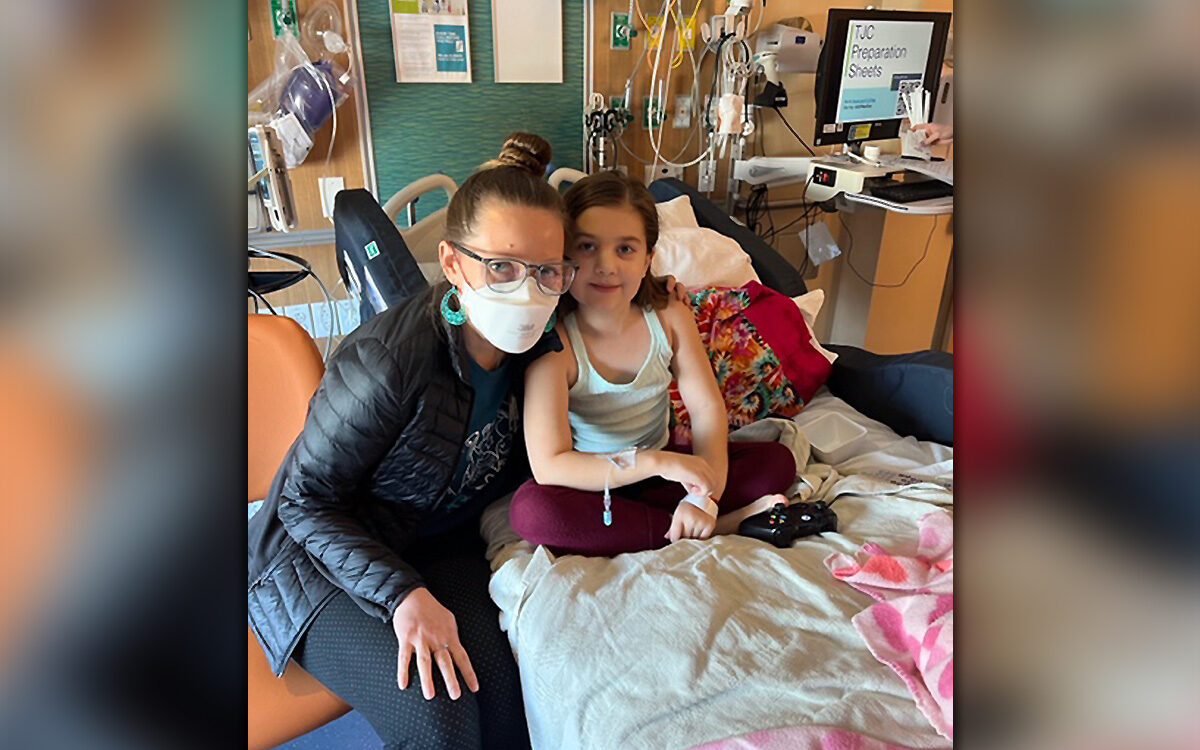
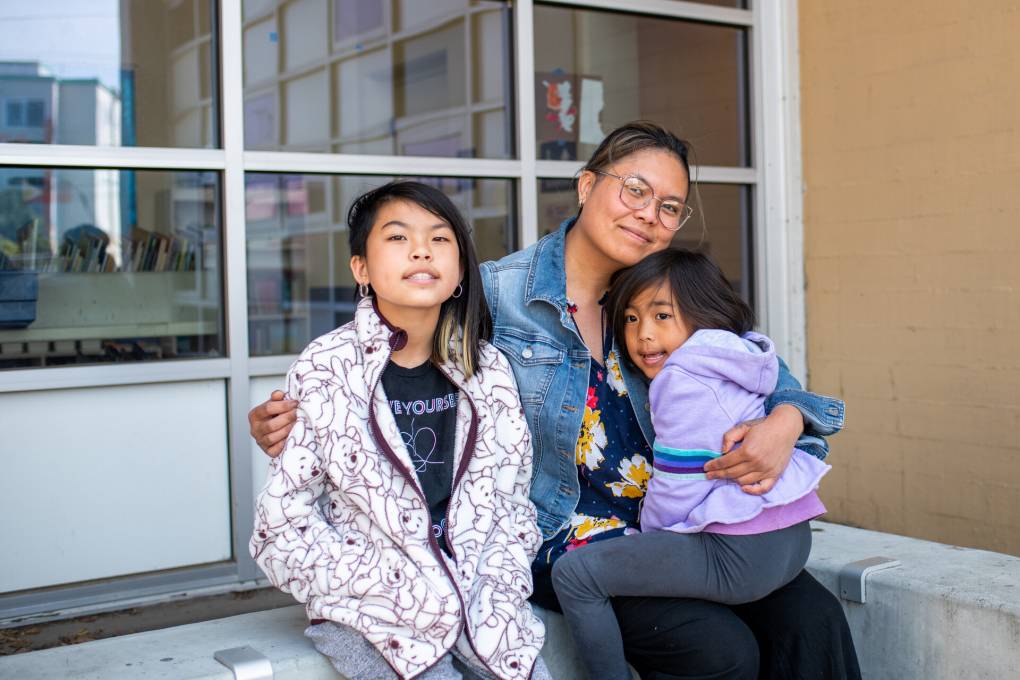
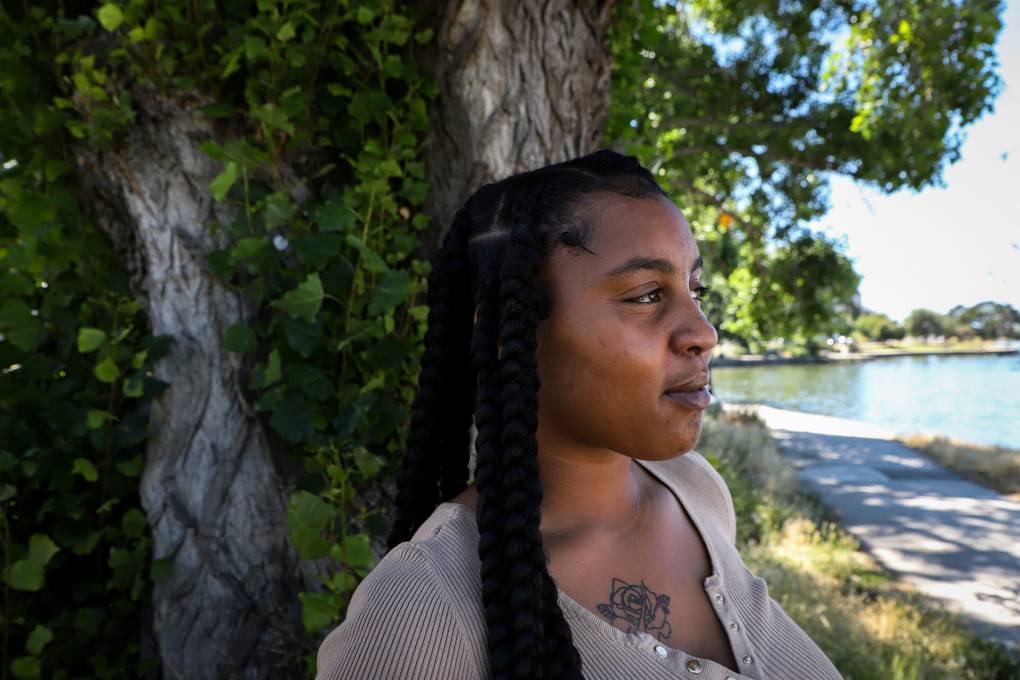
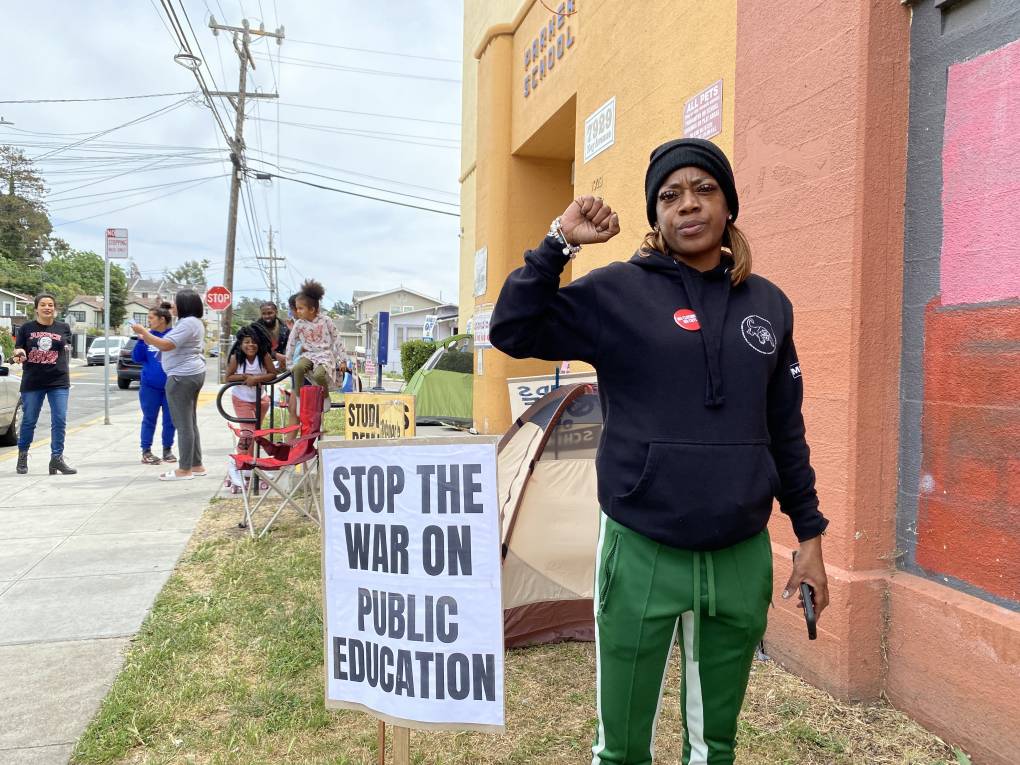
window.__IS_SSR__=true
window.__INITIAL_STATE__={
"attachmentsReducer": {
"audio_0": {
"type": "attachments",
"id": "audio_0",
"imgSizes": {
"kqedFullSize": {
"file": "https://ww2.kqed.org/news/wp-content/themes/KQED-unified/img/audio_bgs/background0.jpg"
}
}
},
"audio_1": {
"type": "attachments",
"id": "audio_1",
"imgSizes": {
"kqedFullSize": {
"file": "https://ww2.kqed.org/news/wp-content/themes/KQED-unified/img/audio_bgs/background1.jpg"
}
}
},
"audio_2": {
"type": "attachments",
"id": "audio_2",
"imgSizes": {
"kqedFullSize": {
"file": "https://ww2.kqed.org/news/wp-content/themes/KQED-unified/img/audio_bgs/background2.jpg"
}
}
},
"audio_3": {
"type": "attachments",
"id": "audio_3",
"imgSizes": {
"kqedFullSize": {
"file": "https://ww2.kqed.org/news/wp-content/themes/KQED-unified/img/audio_bgs/background3.jpg"
}
}
},
"audio_4": {
"type": "attachments",
"id": "audio_4",
"imgSizes": {
"kqedFullSize": {
"file": "https://ww2.kqed.org/news/wp-content/themes/KQED-unified/img/audio_bgs/background4.jpg"
}
}
},
"placeholder": {
"type": "attachments",
"id": "placeholder",
"imgSizes": {
"thumbnail": {
"file": "https://cdn.kqed.org/wp-content/uploads/2024/12/KQED-Default-Image-816638274-2000x1333-1-160x107.jpg",
"width": 160,
"height": 107,
"mimeType": "image/jpeg"
},
"medium": {
"file": "https://cdn.kqed.org/wp-content/uploads/2024/12/KQED-Default-Image-816638274-2000x1333-1-800x533.jpg",
"width": 800,
"height": 533,
"mimeType": "image/jpeg"
},
"medium_large": {
"file": "https://cdn.kqed.org/wp-content/uploads/2024/12/KQED-Default-Image-816638274-2000x1333-1-768x512.jpg",
"width": 768,
"height": 512,
"mimeType": "image/jpeg"
},
"large": {
"file": "https://cdn.kqed.org/wp-content/uploads/2024/12/KQED-Default-Image-816638274-2000x1333-1-1020x680.jpg",
"width": 1020,
"height": 680,
"mimeType": "image/jpeg"
},
"1536x1536": {
"file": "https://cdn.kqed.org/wp-content/uploads/2024/12/KQED-Default-Image-816638274-2000x1333-1-1536x1024.jpg",
"width": 1536,
"height": 1024,
"mimeType": "image/jpeg"
},
"fd-lrg": {
"file": "https://cdn.kqed.org/wp-content/uploads/2024/12/KQED-Default-Image-816638274-2000x1333-1-1536x1024.jpg",
"width": 1536,
"height": 1024,
"mimeType": "image/jpeg"
},
"fd-med": {
"file": "https://cdn.kqed.org/wp-content/uploads/2024/12/KQED-Default-Image-816638274-2000x1333-1-1020x680.jpg",
"width": 1020,
"height": 680,
"mimeType": "image/jpeg"
},
"fd-sm": {
"file": "https://cdn.kqed.org/wp-content/uploads/2024/12/KQED-Default-Image-816638274-2000x1333-1-800x533.jpg",
"width": 800,
"height": 533,
"mimeType": "image/jpeg"
},
"post-thumbnail": {
"file": "https://cdn.kqed.org/wp-content/uploads/2024/12/KQED-Default-Image-816638274-2000x1333-1-672x372.jpg",
"width": 672,
"height": 372,
"mimeType": "image/jpeg"
},
"twentyfourteen-full-width": {
"file": "https://cdn.kqed.org/wp-content/uploads/2024/12/KQED-Default-Image-816638274-2000x1333-1-1038x576.jpg",
"width": 1038,
"height": 576,
"mimeType": "image/jpeg"
},
"xxsmall": {
"file": "https://cdn.kqed.org/wp-content/uploads/2024/12/KQED-Default-Image-816638274-2000x1333-1-160x107.jpg",
"width": 160,
"height": 107,
"mimeType": "image/jpeg"
},
"xsmall": {
"file": "https://cdn.kqed.org/wp-content/uploads/2024/12/KQED-Default-Image-816638274-2000x1333-1-672x372.jpg",
"width": 672,
"height": 372,
"mimeType": "image/jpeg"
},
"small": {
"file": "https://cdn.kqed.org/wp-content/uploads/2024/12/KQED-Default-Image-816638274-2000x1333-1-672x372.jpg",
"width": 672,
"height": 372,
"mimeType": "image/jpeg"
},
"xlarge": {
"file": "https://cdn.kqed.org/wp-content/uploads/2024/12/KQED-Default-Image-816638274-2000x1333-1-1020x680.jpg",
"width": 1020,
"height": 680,
"mimeType": "image/jpeg"
},
"full-width": {
"file": "https://cdn.kqed.org/wp-content/uploads/2024/12/KQED-Default-Image-816638274-2000x1333-1-1920x1280.jpg",
"width": 1920,
"height": 1280,
"mimeType": "image/jpeg"
},
"guest-author-32": {
"file": "https://cdn.kqed.org/wp-content/uploads/2025/01/KQED-Default-Image-816638274-1333x1333-1-160x160.jpg",
"width": 32,
"height": 32,
"mimeType": "image/jpeg"
},
"guest-author-50": {
"file": "https://cdn.kqed.org/wp-content/uploads/2025/01/KQED-Default-Image-816638274-1333x1333-1-160x160.jpg",
"width": 50,
"height": 50,
"mimeType": "image/jpeg"
},
"guest-author-64": {
"file": "https://cdn.kqed.org/wp-content/uploads/2025/01/KQED-Default-Image-816638274-1333x1333-1-160x160.jpg",
"width": 64,
"height": 64,
"mimeType": "image/jpeg"
},
"guest-author-96": {
"file": "https://cdn.kqed.org/wp-content/uploads/2025/01/KQED-Default-Image-816638274-1333x1333-1-160x160.jpg",
"width": 96,
"height": 96,
"mimeType": "image/jpeg"
},
"guest-author-128": {
"file": "https://cdn.kqed.org/wp-content/uploads/2025/01/KQED-Default-Image-816638274-1333x1333-1-160x160.jpg",
"width": 128,
"height": 128,
"mimeType": "image/jpeg"
},
"detail": {
"file": "https://cdn.kqed.org/wp-content/uploads/2025/01/KQED-Default-Image-816638274-1333x1333-1-160x160.jpg",
"width": 160,
"height": 160,
"mimeType": "image/jpeg"
},
"kqedFullSize": {
"file": "https://cdn.kqed.org/wp-content/uploads/2024/12/KQED-Default-Image-816638274-2000x1333-1.jpg",
"width": 2000,
"height": 1333
}
}
},
"news_11918881": {
"type": "attachments",
"id": "news_11918881",
"meta": {
"index": "attachments_1716263798",
"site": "news",
"id": "11918881",
"found": true
},
"parent": 11918866,
"imgSizes": {
"kqedFullSize": {
"file": "https://ww2.kqed.org/app/uploads/sites/10/2022/07/Untitled-1-1-1200x750-1.jpg",
"width": 1200,
"height": 750
}
},
"publishDate": 1657145033,
"modified": 1657146123,
"caption": "Erika Shue, a teacher at UCSF Benioff Children's Hospital, and one of her students, Elizabeth Madole, 8.",
"description": null,
"title": "Untitled-1-1-1200x750",
"credit": "Courtesy of Stephanie Madole",
"status": "inherit",
"altTag": "A teacher at UCSF Benioff Children's Hospital and one of her students.",
"isLoading": false,
"fetchFailed": false
},
"news_11918625": {
"type": "attachments",
"id": "news_11918625",
"meta": {
"index": "attachments_1716263798",
"site": "news",
"id": "11918625",
"found": true
},
"parent": 11918252,
"imgSizes": {
"twentyfourteen-full-width": {
"file": "https://ww2.kqed.org/app/uploads/sites/10/2022/06/RS56788_006_KQED_NikkiSantiagoLongfellowElem_06232022-qut-1038x576.jpg",
"width": 1038,
"mimeType": "image/jpeg",
"height": 576
},
"thumbnail": {
"file": "https://ww2.kqed.org/app/uploads/sites/10/2022/06/RS56788_006_KQED_NikkiSantiagoLongfellowElem_06232022-qut-160x107.jpg",
"width": 160,
"mimeType": "image/jpeg",
"height": 107
},
"post-thumbnail": {
"file": "https://ww2.kqed.org/app/uploads/sites/10/2022/06/RS56788_006_KQED_NikkiSantiagoLongfellowElem_06232022-qut-672x372.jpg",
"width": 672,
"mimeType": "image/jpeg",
"height": 372
},
"kqedFullSize": {
"file": "https://ww2.kqed.org/app/uploads/sites/10/2022/06/RS56788_006_KQED_NikkiSantiagoLongfellowElem_06232022-qut.jpg",
"width": 1920,
"height": 1280
},
"large": {
"file": "https://ww2.kqed.org/app/uploads/sites/10/2022/06/RS56788_006_KQED_NikkiSantiagoLongfellowElem_06232022-qut-1020x680.jpg",
"width": 1020,
"mimeType": "image/jpeg",
"height": 680
},
"1536x1536": {
"file": "https://ww2.kqed.org/app/uploads/sites/10/2022/06/RS56788_006_KQED_NikkiSantiagoLongfellowElem_06232022-qut-1536x1024.jpg",
"width": 1536,
"mimeType": "image/jpeg",
"height": 1024
},
"medium": {
"file": "https://ww2.kqed.org/app/uploads/sites/10/2022/06/RS56788_006_KQED_NikkiSantiagoLongfellowElem_06232022-qut-800x533.jpg",
"width": 800,
"mimeType": "image/jpeg",
"height": 533
}
},
"publishDate": 1656635505,
"modified": 1656717218,
"caption": "Nikki Santiago sits with her two daughters outside Longfellow Elementary School in San Francisco on June 23, 2022.",
"description": null,
"title": "RS56788_006_KQED_NikkiSantiagoLongfellowElem_06232022-qut",
"credit": "Beth LaBerge/KQED",
"status": "inherit",
"altTag": "A mother with her arms around her two young daughters.",
"isLoading": false,
"fetchFailed": false
},
"news_11917083": {
"type": "attachments",
"id": "news_11917083",
"meta": {
"index": "attachments_1716263798",
"site": "news",
"id": "11917083",
"found": true
},
"parent": 0,
"imgSizes": {
"twentyfourteen-full-width": {
"file": "https://ww2.kqed.org/app/uploads/sites/10/2022/06/RS56611_002_KQED_EducationNyaOwens_06102022-qut-1038x576.jpg",
"width": 1038,
"mimeType": "image/jpeg",
"height": 576
},
"thumbnail": {
"file": "https://ww2.kqed.org/app/uploads/sites/10/2022/06/RS56611_002_KQED_EducationNyaOwens_06102022-qut-160x107.jpg",
"width": 160,
"mimeType": "image/jpeg",
"height": 107
},
"post-thumbnail": {
"file": "https://ww2.kqed.org/app/uploads/sites/10/2022/06/RS56611_002_KQED_EducationNyaOwens_06102022-qut-672x372.jpg",
"width": 672,
"mimeType": "image/jpeg",
"height": 372
},
"kqedFullSize": {
"file": "https://ww2.kqed.org/app/uploads/sites/10/2022/06/RS56611_002_KQED_EducationNyaOwens_06102022-qut.jpg",
"width": 1920,
"height": 1280
},
"large": {
"file": "https://ww2.kqed.org/app/uploads/sites/10/2022/06/RS56611_002_KQED_EducationNyaOwens_06102022-qut-1020x680.jpg",
"width": 1020,
"mimeType": "image/jpeg",
"height": 680
},
"1536x1536": {
"file": "https://ww2.kqed.org/app/uploads/sites/10/2022/06/RS56611_002_KQED_EducationNyaOwens_06102022-qut-1536x1024.jpg",
"width": 1536,
"mimeType": "image/jpeg",
"height": 1024
},
"medium": {
"file": "https://ww2.kqed.org/app/uploads/sites/10/2022/06/RS56611_002_KQED_EducationNyaOwens_06102022-qut-800x533.jpg",
"width": 800,
"mimeType": "image/jpeg",
"height": 533
}
},
"publishDate": 1655236624,
"modified": 1655343120,
"caption": "Nya Owens poses for a portrait at Lake Merritt in Oakland on June 10, 2022.",
"description": null,
"title": "Nya Owens poses for a portrait at Lake Merritt in Oakland on June 10, 2022.",
"credit": "Amaya Nicole Edwards/KQED",
"status": "inherit",
"altTag": "A right-profile view of a young Black woman, with no makeup and long thick black braids, wearing a beige long-sleeved shirt unbuttoned at the front. She has a black-ink tattoo of a rose over her right breast. She stands close to a tree; behind her are two trunks and green leaves. Beyond the tree is a cement path bordered by green and yellow grass, and below the path is a lake, with a border of trees in the distance. Her demeanor is casual and alert, and she smiles slightly.",
"isLoading": false,
"fetchFailed": false
},
"news_11917021": {
"type": "attachments",
"id": "news_11917021",
"meta": {
"index": "attachments_1716263798",
"site": "news",
"id": "11917021",
"found": true
},
"parent": 11917012,
"imgSizes": {
"twentyfourteen-full-width": {
"file": "https://ww2.kqed.org/app/uploads/sites/10/2022/06/Helms_Community_Schools_061322-1038x576.jpg",
"width": 1038,
"mimeType": "image/jpeg",
"height": 576
},
"thumbnail": {
"file": "https://ww2.kqed.org/app/uploads/sites/10/2022/06/Helms_Community_Schools_061322-160x90.jpg",
"width": 160,
"mimeType": "image/jpeg",
"height": 90
},
"post-thumbnail": {
"file": "https://ww2.kqed.org/app/uploads/sites/10/2022/06/Helms_Community_Schools_061322-672x372.jpg",
"width": 672,
"mimeType": "image/jpeg",
"height": 372
},
"kqedFullSize": {
"file": "https://ww2.kqed.org/app/uploads/sites/10/2022/06/Helms_Community_Schools_061322.jpg",
"width": 1920,
"height": 1080
},
"large": {
"file": "https://ww2.kqed.org/app/uploads/sites/10/2022/06/Helms_Community_Schools_061322-1020x574.jpg",
"width": 1020,
"mimeType": "image/jpeg",
"height": 574
},
"1536x1536": {
"file": "https://ww2.kqed.org/app/uploads/sites/10/2022/06/Helms_Community_Schools_061322-1536x864.jpg",
"width": 1536,
"mimeType": "image/jpeg",
"height": 864
},
"medium": {
"file": "https://ww2.kqed.org/app/uploads/sites/10/2022/06/Helms_Community_Schools_061322-800x450.jpg",
"width": 800,
"mimeType": "image/jpeg",
"height": 450
}
},
"publishDate": 1655162346,
"modified": 1655234520,
"caption": "One of the community school's services was providing students with backpacks and books for the students to take home.",
"description": null,
"title": "Helms_Community_Schools_061322",
"credit": "Ali Tadayon/EdSource",
"status": "inherit",
"altTag": "A foldout table, covered in a teal oilcloth with designs of brightly colored flowers, displays 12 small stacks of young adult books, all on the theme of African American culture and history. On the top-right corner of the table sits a basket full of folded-up slips of paper. Behind the table are two black plastic chairs. The room has a reddish, possibly wooden, floor, and behind the chairs are a white-painted wall and short, white bookshelves.",
"isLoading": false,
"fetchFailed": false
},
"news_11915398": {
"type": "attachments",
"id": "news_11915398",
"meta": {
"index": "attachments_1716263798",
"site": "news",
"id": "11915398",
"found": true
},
"parent": 11915396,
"imgSizes": {
"twentyfourteen-full-width": {
"file": "https://ww2.kqed.org/app/uploads/sites/10/2022/05/IMG_7890-1038x576.jpg",
"width": 1038,
"mimeType": "image/jpeg",
"height": 576
},
"thumbnail": {
"file": "https://ww2.kqed.org/app/uploads/sites/10/2022/05/IMG_7890-160x120.jpg",
"width": 160,
"mimeType": "image/jpeg",
"height": 120
},
"post-thumbnail": {
"file": "https://ww2.kqed.org/app/uploads/sites/10/2022/05/IMG_7890-672x372.jpg",
"width": 672,
"mimeType": "image/jpeg",
"height": 372
},
"kqedFullSize": {
"file": "https://ww2.kqed.org/app/uploads/sites/10/2022/05/IMG_7890-scaled.jpg",
"width": 2560,
"height": 1920
},
"2048x2048": {
"file": "https://ww2.kqed.org/app/uploads/sites/10/2022/05/IMG_7890-2048x1536.jpg",
"width": 2048,
"mimeType": "image/jpeg",
"height": 1536
},
"large": {
"file": "https://ww2.kqed.org/app/uploads/sites/10/2022/05/IMG_7890-1020x765.jpg",
"width": 1020,
"mimeType": "image/jpeg",
"height": 765
},
"1536x1536": {
"file": "https://ww2.kqed.org/app/uploads/sites/10/2022/05/IMG_7890-1536x1152.jpg",
"width": 1536,
"mimeType": "image/jpeg",
"height": 1152
},
"full-width": {
"file": "https://ww2.kqed.org/app/uploads/sites/10/2022/05/IMG_7890-1920x1440.jpg",
"width": 1920,
"mimeType": "image/jpeg",
"height": 1440
},
"medium": {
"file": "https://ww2.kqed.org/app/uploads/sites/10/2022/05/IMG_7890-800x600.jpg",
"width": 800,
"mimeType": "image/jpeg",
"height": 600
}
},
"publishDate": 1653742198,
"modified": 1653747878,
"caption": "Misty Cross, one of those sleeping inside the school, said classes for kids and adults offered by supporters will begin next week.",
"description": "Misty Cross outside Parker Elementary, 7929 Ney Ave, Oakland on May 26, 2022.",
"title": "IMG_7890",
"credit": "Julia McEvoy/KQED",
"status": "inherit",
"altTag": "I woman stands outside a building with her fist up. A sign next to her says \"stop the war on public education.\"",
"isLoading": false,
"fetchFailed": false
},
"news_11915862": {
"type": "attachments",
"id": "news_11915862",
"meta": {
"index": "attachments_1716263798",
"site": "news",
"id": "11915862",
"found": true
},
"parent": 11915858,
"imgSizes": {
"twentyfourteen-full-width": {
"file": "https://ww2.kqed.org/app/uploads/sites/10/2022/06/BerkeleyHigh-1038x576.jpeg",
"width": 1038,
"mimeType": "image/jpeg",
"height": 576
},
"thumbnail": {
"file": "https://ww2.kqed.org/app/uploads/sites/10/2022/06/BerkeleyHigh-160x106.jpeg",
"width": 160,
"mimeType": "image/jpeg",
"height": 106
},
"post-thumbnail": {
"file": "https://ww2.kqed.org/app/uploads/sites/10/2022/06/BerkeleyHigh-672x372.jpeg",
"width": 672,
"mimeType": "image/jpeg",
"height": 372
},
"kqedFullSize": {
"file": "https://ww2.kqed.org/app/uploads/sites/10/2022/06/BerkeleyHigh.jpeg",
"width": 1988,
"height": 1311
},
"large": {
"file": "https://ww2.kqed.org/app/uploads/sites/10/2022/06/BerkeleyHigh-1020x673.jpeg",
"width": 1020,
"mimeType": "image/jpeg",
"height": 673
},
"1536x1536": {
"file": "https://ww2.kqed.org/app/uploads/sites/10/2022/06/BerkeleyHigh-1536x1013.jpeg",
"width": 1536,
"mimeType": "image/jpeg",
"height": 1013
},
"full-width": {
"file": "https://ww2.kqed.org/app/uploads/sites/10/2022/06/BerkeleyHigh-1920x1266.jpeg",
"width": 1920,
"mimeType": "image/jpeg",
"height": 1266
},
"medium": {
"file": "https://ww2.kqed.org/app/uploads/sites/10/2022/06/BerkeleyHigh-800x528.jpeg",
"width": 800,
"mimeType": "image/jpeg",
"height": 528
}
},
"publishDate": 1654198306,
"modified": 1654198417,
"caption": "Berkeley High School",
"description": null,
"title": "BerkeleyHigh",
"credit": "Coro Halasy/Wikimedia",
"status": "inherit",
"altTag": "A view of the exterior of Berkeley High School",
"isLoading": false,
"fetchFailed": false
},
"news_11915590": {
"type": "attachments",
"id": "news_11915590",
"meta": {
"index": "attachments_1716263798",
"site": "news",
"id": "11915590",
"found": true
},
"title": "RS19790_GettyImages-493193647-qut",
"publishDate": 1654035304,
"status": "inherit",
"parent": 11915565,
"modified": 1724977959,
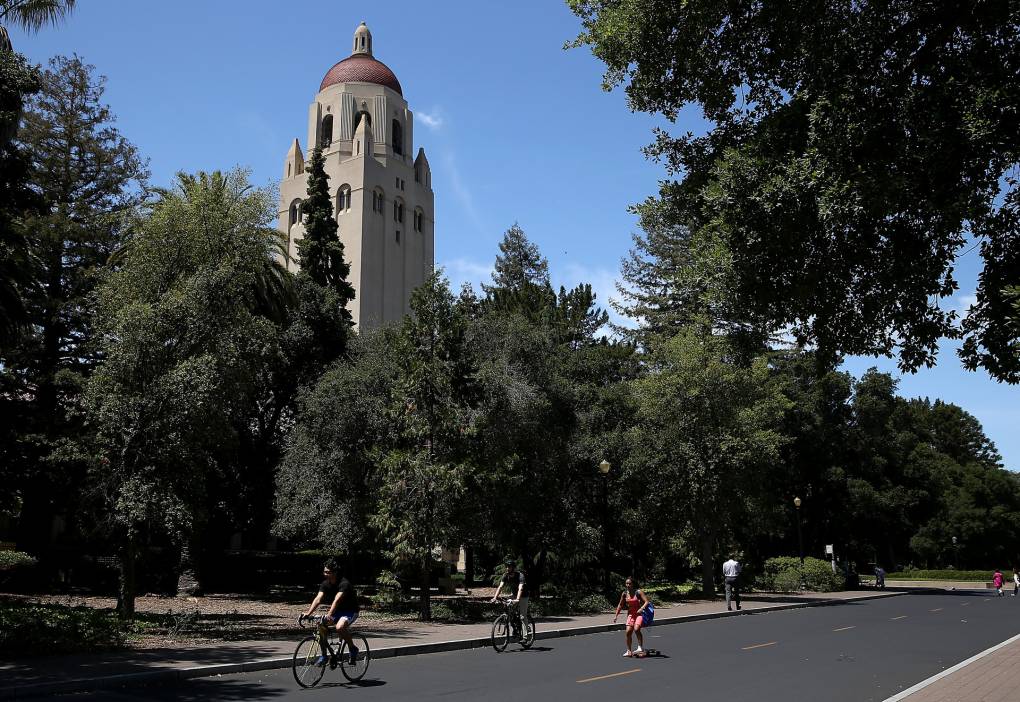
"caption": "Students ride bikes past Hoover Tower on the Stanford University campus. The university strongly supports Senate Bill 748, which would change the rules for how police respond to trespassing on private college campuses.",
"credit": "Justin Sullivan/Getty Images",
"altTag": "Students ride bikes on a tree-lined street on the campus of Stanford University.",
"description": null,
"imgSizes": {
"medium": {
"file": "https://cdn.kqed.org/wp-content/uploads/sites/10/2022/05/RS19790_GettyImages-493193647-qut-800x551.jpg",
"width": 800,
"height": 551,
"mimeType": "image/jpeg"
},
"large": {
"file": "https://cdn.kqed.org/wp-content/uploads/sites/10/2022/05/RS19790_GettyImages-493193647-qut-1020x702.jpg",
"width": 1020,
"height": 702,
"mimeType": "image/jpeg"
},
"thumbnail": {
"file": "https://cdn.kqed.org/wp-content/uploads/sites/10/2022/05/RS19790_GettyImages-493193647-qut-160x110.jpg",
"width": 160,
"height": 110,
"mimeType": "image/jpeg"
},
"1536x1536": {
"file": "https://cdn.kqed.org/wp-content/uploads/sites/10/2022/05/RS19790_GettyImages-493193647-qut-1536x1058.jpg",
"width": 1536,
"height": 1058,
"mimeType": "image/jpeg"
},
"post-thumbnail": {
"file": "https://cdn.kqed.org/wp-content/uploads/sites/10/2022/05/RS19790_GettyImages-493193647-qut-672x372.jpg",
"width": 672,
"height": 372,
"mimeType": "image/jpeg"
},
"twentyfourteen-full-width": {
"file": "https://cdn.kqed.org/wp-content/uploads/sites/10/2022/05/RS19790_GettyImages-493193647-qut-1038x576.jpg",
"width": 1038,
"height": 576,
"mimeType": "image/jpeg"
},
"kqedFullSize": {
"file": "https://cdn.kqed.org/wp-content/uploads/sites/10/2022/05/RS19790_GettyImages-493193647-qut.jpg",
"width": 1920,
"height": 1322
}
},
"isLoading": false,
"fetchFailed": false
},
"news_11915620": {
"type": "attachments",
"id": "news_11915620",
"meta": {
"index": "attachments_1716263798",
"site": "news",
"id": "11915620",
"found": true
},
"parent": 11915509,
"imgSizes": {
"twentyfourteen-full-width": {
"file": "https://ww2.kqed.org/app/uploads/sites/10/2022/05/GettyImages-1234081009-1038x576.jpg",
"width": 1038,
"mimeType": "image/jpeg",
"height": 576
},
"thumbnail": {
"file": "https://ww2.kqed.org/app/uploads/sites/10/2022/05/GettyImages-1234081009-160x105.jpg",
"width": 160,
"mimeType": "image/jpeg",
"height": 105
},
"post-thumbnail": {
"file": "https://ww2.kqed.org/app/uploads/sites/10/2022/05/GettyImages-1234081009-672x372.jpg",
"width": 672,
"mimeType": "image/jpeg",
"height": 372
},
"kqedFullSize": {
"file": "https://ww2.kqed.org/app/uploads/sites/10/2022/05/GettyImages-1234081009-scaled.jpg",
"width": 2560,
"height": 1679
},
"2048x2048": {
"file": "https://ww2.kqed.org/app/uploads/sites/10/2022/05/GettyImages-1234081009-2048x1343.jpg",
"width": 2048,
"mimeType": "image/jpeg",
"height": 1343
},
"large": {
"file": "https://ww2.kqed.org/app/uploads/sites/10/2022/05/GettyImages-1234081009-1020x669.jpg",
"width": 1020,
"mimeType": "image/jpeg",
"height": 669
},
"1536x1536": {
"file": "https://ww2.kqed.org/app/uploads/sites/10/2022/05/GettyImages-1234081009-1536x1008.jpg",
"width": 1536,
"mimeType": "image/jpeg",
"height": 1008
},
"full-width": {
"file": "https://ww2.kqed.org/app/uploads/sites/10/2022/05/GettyImages-1234081009-1920x1259.jpg",
"width": 1920,
"mimeType": "image/jpeg",
"height": 1259
},
"medium": {
"file": "https://ww2.kqed.org/app/uploads/sites/10/2022/05/GettyImages-1234081009-800x525.jpg",
"width": 800,
"mimeType": "image/jpeg",
"height": 525
}
},
"publishDate": 1654039385,
"modified": 1654039502,
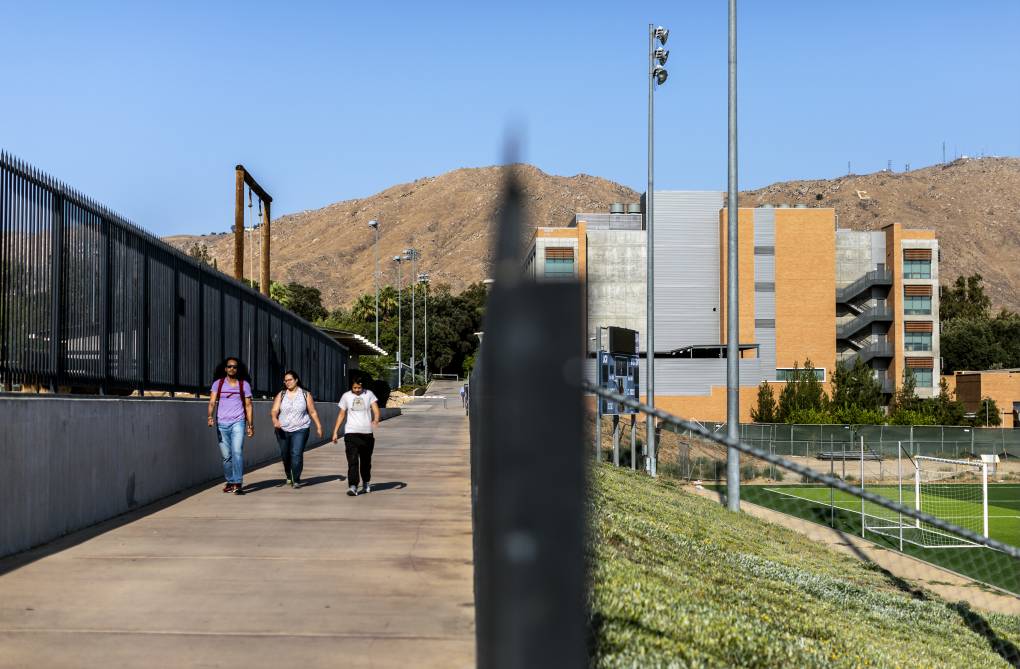
"caption": "Students walk in-between athletic fields at UC Riverside on July, 15, 2021 in Riverside California. ",
"description": null,
"title": "Scene setters at UC Riverside in Riverside, CA.",
"credit": "Gina Ferazzi / Los Angeles Times via Getty Images",
"status": "inherit",
"altTag": "Three students walk between buildings in the foreground. In the background is a silhouette of mountains and a bright blue sky.",
"isLoading": false,
"fetchFailed": false
},
"news_11914582": {
"type": "attachments",
"id": "news_11914582",
"meta": {
"index": "attachments_1716263798",
"site": "news",
"id": "11914582",
"found": true
},
"parent": 11914556,
"imgSizes": {
"twentyfourteen-full-width": {
"file": "https://ww2.kqed.org/app/uploads/sites/10/2022/05/RS56089_025_KQED_BuffaloSolidarityVigil_05182022-qut-1038x576.jpg",
"width": 1038,
"mimeType": "image/jpeg",
"height": 576
},
"thumbnail": {
"file": "https://ww2.kqed.org/app/uploads/sites/10/2022/05/RS56089_025_KQED_BuffaloSolidarityVigil_05182022-qut-160x107.jpg",
"width": 160,
"mimeType": "image/jpeg",
"height": 107
},
"post-thumbnail": {
"file": "https://ww2.kqed.org/app/uploads/sites/10/2022/05/RS56089_025_KQED_BuffaloSolidarityVigil_05182022-qut-672x372.jpg",
"width": 672,
"mimeType": "image/jpeg",
"height": 372
},
"kqedFullSize": {
"file": "https://ww2.kqed.org/app/uploads/sites/10/2022/05/RS56089_025_KQED_BuffaloSolidarityVigil_05182022-qut.jpg",
"width": 1920,
"height": 1278
},
"large": {
"file": "https://ww2.kqed.org/app/uploads/sites/10/2022/05/RS56089_025_KQED_BuffaloSolidarityVigil_05182022-qut-1020x679.jpg",
"width": 1020,
"mimeType": "image/jpeg",
"height": 679
},
"1536x1536": {
"file": "https://ww2.kqed.org/app/uploads/sites/10/2022/05/RS56089_025_KQED_BuffaloSolidarityVigil_05182022-qut-1536x1022.jpg",
"width": 1536,
"mimeType": "image/jpeg",
"height": 1022
},
"medium": {
"file": "https://ww2.kqed.org/app/uploads/sites/10/2022/05/RS56089_025_KQED_BuffaloSolidarityVigil_05182022-qut-800x533.jpg",
"width": 800,
"mimeType": "image/jpeg",
"height": 533
}
},
"publishDate": 1652988980,
"modified": 1652995695,
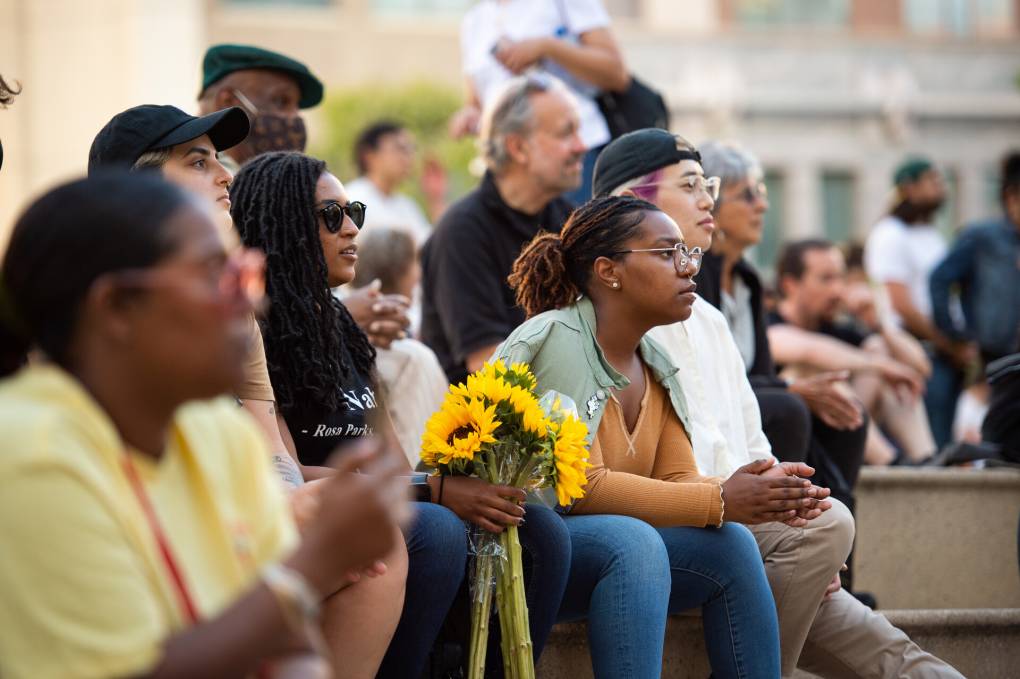
"caption": "People gather to listen to speakers during a healing circle and vigil outside Oakland City Hall on Wednesday, honoring the 13 people shot and 10 people killed on May 14, 2022 — almost all of them Black — during a racist massacre in Buffalo, New York.",
"description": null,
"title": "RS56089_025_KQED_BuffaloSolidarityVigil_05182022-qut",
"credit": "Beth LaBerge/KQED",
"status": "inherit",
"altTag": "A group of mostly Black people sit outside on steps with solemn expressions, listening to speakers - one of them holds sunflowers",
"isLoading": false,
"fetchFailed": false
},
"news_11914210": {
"type": "attachments",
"id": "news_11914210",
"meta": {
"index": "attachments_1716263798",
"site": "news",
"id": "11914210",
"found": true
},
"parent": 0,
"imgSizes": {
"twentyfourteen-full-width": {
"file": "https://ww2.kqed.org/app/uploads/sites/10/2022/05/MillsCommencement-1038x576.jpg",
"width": 1038,
"mimeType": "image/jpeg",
"height": 576
},
"thumbnail": {
"file": "https://ww2.kqed.org/app/uploads/sites/10/2022/05/MillsCommencement-160x95.jpg",
"width": 160,
"mimeType": "image/jpeg",
"height": 95
},
"post-thumbnail": {
"file": "https://ww2.kqed.org/app/uploads/sites/10/2022/05/MillsCommencement-672x372.jpg",
"width": 672,
"mimeType": "image/jpeg",
"height": 372
},
"kqedFullSize": {
"file": "https://ww2.kqed.org/app/uploads/sites/10/2022/05/MillsCommencement.jpg",
"width": 1920,
"height": 1145
},
"large": {
"file": "https://ww2.kqed.org/app/uploads/sites/10/2022/05/MillsCommencement-1020x608.jpg",
"width": 1020,
"mimeType": "image/jpeg",
"height": 608
},
"1536x1536": {
"file": "https://ww2.kqed.org/app/uploads/sites/10/2022/05/MillsCommencement-1536x916.jpg",
"width": 1536,
"mimeType": "image/jpeg",
"height": 916
},
"medium": {
"file": "https://ww2.kqed.org/app/uploads/sites/10/2022/05/MillsCommencement-800x477.jpg",
"width": 800,
"mimeType": "image/jpeg",
"height": 477
}
},
"publishDate": 1652569255,
"modified": 1652830034,
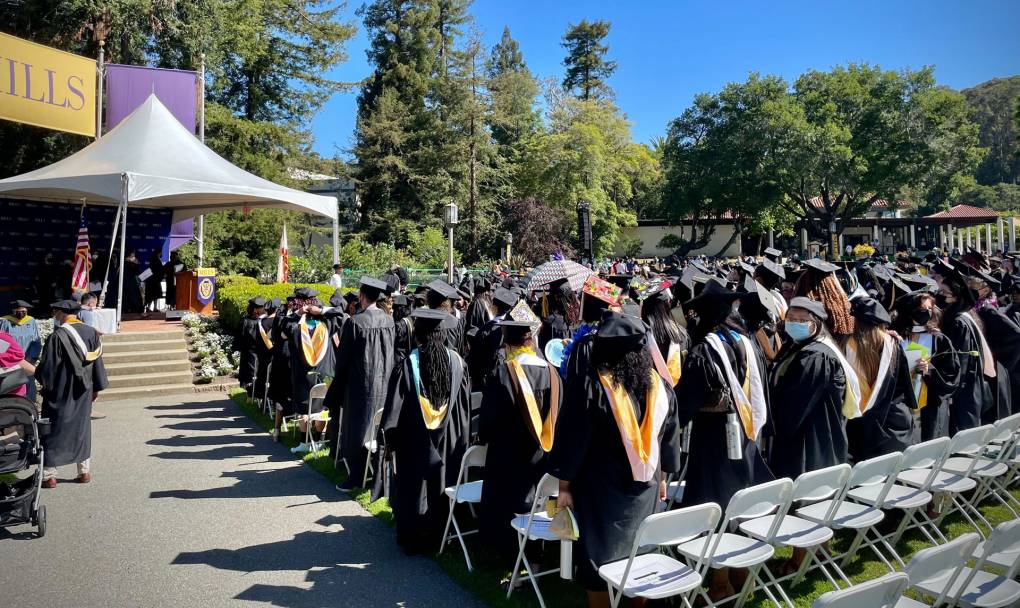
"caption": "Members of the class of 2022 gather for the final commencement ceremony of Mills College in Oakland on May 14, 2022. The 170-year-old independent women's college will merge with Northeastern University this summer and become a coed school.",
"description": null,
"title": "MillsCommencement",
"credit": "Annelise Finney/KQED",
"status": "inherit",
"altTag": "Several people stand in black graduation cap and gowns outside",
"isLoading": false,
"fetchFailed": false
},
"news_11913660": {
"type": "attachments",
"id": "news_11913660",
"meta": {
"index": "attachments_1716263798",
"site": "news",
"id": "11913660",
"found": true
},
"parent": 11913501,
"imgSizes": {
"twentyfourteen-full-width": {
"file": "https://ww2.kqed.org/app/uploads/sites/10/2022/05/hate-1038x576.jpg",
"width": 1038,
"mimeType": "image/jpeg",
"height": 576
},
"thumbnail": {
"file": "https://ww2.kqed.org/app/uploads/sites/10/2022/05/hate-160x105.jpg",
"width": 160,
"mimeType": "image/jpeg",
"height": 105
},
"post-thumbnail": {
"file": "https://ww2.kqed.org/app/uploads/sites/10/2022/05/hate-672x372.jpg",
"width": 672,
"mimeType": "image/jpeg",
"height": 372
},
"kqedFullSize": {
"file": "https://ww2.kqed.org/app/uploads/sites/10/2022/05/hate-scaled.jpg",
"width": 2560,
"height": 1679
},
"2048x2048": {
"file": "https://ww2.kqed.org/app/uploads/sites/10/2022/05/hate-2048x1343.jpg",
"width": 2048,
"mimeType": "image/jpeg",
"height": 1343
},
"large": {
"file": "https://ww2.kqed.org/app/uploads/sites/10/2022/05/hate-1020x669.jpg",
"width": 1020,
"mimeType": "image/jpeg",
"height": 669
},
"1536x1536": {
"file": "https://ww2.kqed.org/app/uploads/sites/10/2022/05/hate-1536x1008.jpg",
"width": 1536,
"mimeType": "image/jpeg",
"height": 1008
},
"full-width": {
"file": "https://ww2.kqed.org/app/uploads/sites/10/2022/05/hate-1920x1259.jpg",
"width": 1920,
"mimeType": "image/jpeg",
"height": 1259
},
"medium": {
"file": "https://ww2.kqed.org/app/uploads/sites/10/2022/05/hate-800x525.jpg",
"width": 800,
"mimeType": "image/jpeg",
"height": 525
}
},
"publishDate": 1652142137,
"modified": 1652462508,
"caption": "Some 300 students walked out of West County High School on April 21, 2022, to protest how the school is handling racist student behavior.",
"description": null,
"title": "Your Hate Is Disgusting",
"credit": "Courtesy of West County High student Giselle Evans",
"status": "inherit",
"altTag": "White T-shirt with the message \"your hate is disgusting\" in red ink.",
"isLoading": false,
"fetchFailed": false
},
"news_11912776": {
"type": "attachments",
"id": "news_11912776",
"meta": {
"index": "attachments_1716263798",
"site": "news",
"id": "11912776",
"found": true
},
"parent": 11912597,
"imgSizes": {
"twentyfourteen-full-width": {
"file": "https://ww2.kqed.org/app/uploads/sites/10/2022/04/Image-from-iOS-17-1038x576.jpg",
"width": 1038,
"mimeType": "image/jpeg",
"height": 576
},
"thumbnail": {
"file": "https://ww2.kqed.org/app/uploads/sites/10/2022/04/Image-from-iOS-17-160x107.jpg",
"width": 160,
"mimeType": "image/jpeg",
"height": 107
},
"post-thumbnail": {
"file": "https://ww2.kqed.org/app/uploads/sites/10/2022/04/Image-from-iOS-17-672x372.jpg",
"width": 672,
"mimeType": "image/jpeg",
"height": 372
},
"kqedFullSize": {
"file": "https://ww2.kqed.org/app/uploads/sites/10/2022/04/Image-from-iOS-17.jpg",
"width": 1620,
"height": 1080
},
"large": {
"file": "https://ww2.kqed.org/app/uploads/sites/10/2022/04/Image-from-iOS-17-1020x680.jpg",
"width": 1020,
"mimeType": "image/jpeg",
"height": 680
},
"1536x1536": {
"file": "https://ww2.kqed.org/app/uploads/sites/10/2022/04/Image-from-iOS-17-1536x1024.jpg",
"width": 1536,
"mimeType": "image/jpeg",
"height": 1024
},
"medium": {
"file": "https://ww2.kqed.org/app/uploads/sites/10/2022/04/Image-from-iOS-17-800x533.jpg",
"width": 800,
"mimeType": "image/jpeg",
"height": 533
}
},
"publishDate": 1651275346,
"modified": 1651280085,
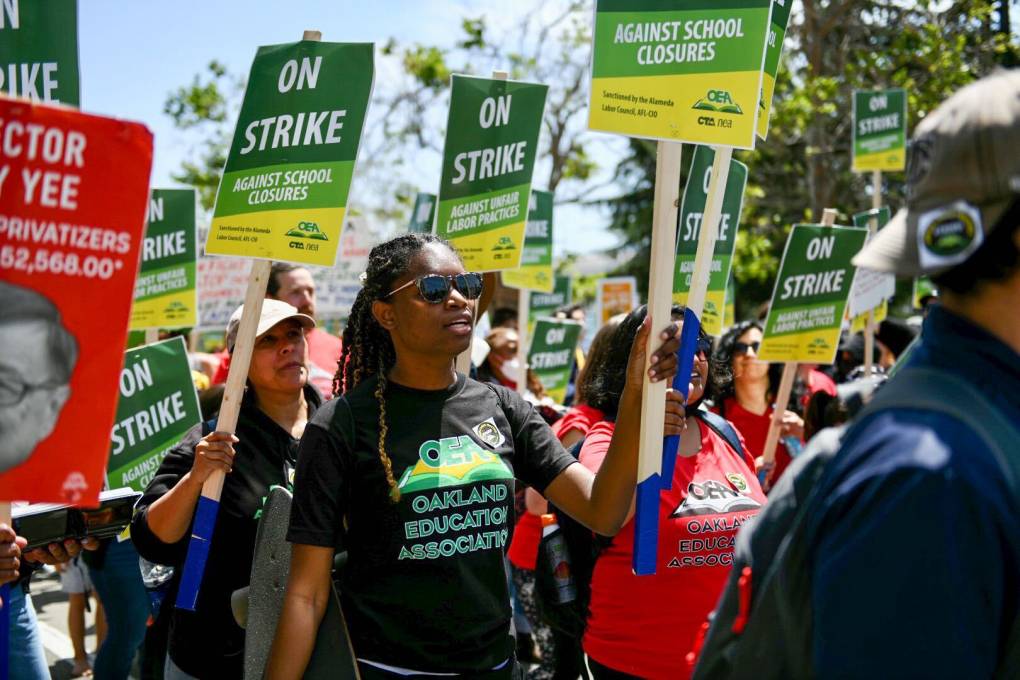
"caption": "Paig Lee, a teacher at Korematsu Discovery Academy, rallies as part of a day-long strike protesting the school district's plan to close seven schools. Hundreds of Oakland teachers and their supporters marched from Lake Merritt to Oakland City Hall, on Friday, April 29, 2022.",
"description": null,
"title": "Image from iOS (17)",
"credit": "Beth LaBerge/KQED",
"status": "inherit",
"altTag": "People holding picket signs march on the street. Many wear \"Oakland Education Association\" T-shirts.",
"isLoading": false,
"fetchFailed": false
}
},
"audioPlayerReducer": {
"postId": "stream_live",
"isPaused": true,
"isPlaying": false,
"pfsActive": false,
"pledgeModalIsOpen": true,
"playerDrawerIsOpen": false,
"liveAudioPlayStartedAt": 0,
"liveAudioPlayContext": ""
},
"authorsReducer": {
"byline_news_11918866": {
"type": "authors",
"id": "byline_news_11918866",
"meta": {
"override": true
},
"slug": "byline_news_11918866",
"name": "\u003ca href=\"//edsource.org/author/cjones\">Carolyn Jones\u003c/a>",
"isLoading": false
},
"byline_news_11917012": {
"type": "authors",
"id": "byline_news_11917012",
"meta": {
"override": true
},
"slug": "byline_news_11917012",
"name": "\u003ca href=\"https://edsource.org/author/atadayon\">Ali Tadayon\u003c/a>",
"isLoading": false
},
"byline_news_11915565": {
"type": "authors",
"id": "byline_news_11915565",
"meta": {
"override": true
},
"slug": "byline_news_11915565",
"name": "\u003ca href=\"https://calmatters.org/author/elina-lingappa/\">Elina Lingappa\u003c/a>",
"isLoading": false
},
"byline_news_11915509": {
"type": "authors",
"id": "byline_news_11915509",
"meta": {
"override": true
},
"slug": "byline_news_11915509",
"name": "\u003ca href=\"https://edsource.org/author/asmith\">Ashley A. Smith\u003c/a>",
"isLoading": false
},
"byline_news_11914556": {
"type": "authors",
"id": "byline_news_11914556",
"meta": {
"override": true
},
"slug": "byline_news_11914556",
"name": "\u003ca href=\"https://twitter.com/otisrtaylorjr\">Otis R. Taylor Jr.\u003c/a>",
"isLoading": false
},
"dmarks": {
"type": "authors",
"id": "182",
"meta": {
"index": "authors_1716337520",
"id": "182",
"found": true
},
"name": "David Marks",
"firstName": "David",
"lastName": "Marks",
"slug": "dmarks",
"email": "dmarks@kqed.org",
"display_author_email": false,
"staff_mastheads": [],
"title": "KQED Editor",
"bio": "David Marks is a senior digital editor for KQED News. \u003c/a>Reach him at dmarks@kqed.org.",
"avatar": "https://secure.gravatar.com/avatar/b88bd6227ce6cb96ae33fefaf42b2a29?s=600&d=mm&r=g",
"twitter": "divadskram",
"facebook": null,
"instagram": null,
"linkedin": null,
"sites": [
{
"site": "news",
"roles": []
},
{
"site": "science",
"roles": []
},
{
"site": "perspectives",
"roles": []
},
{
"site": "liveblog",
"roles": []
}
],
"headData": {
"title": "David Marks | KQED",
"description": "KQED Editor",
"ogImgSrc": "https://secure.gravatar.com/avatar/b88bd6227ce6cb96ae33fefaf42b2a29?s=600&d=mm&r=g",
"twImgSrc": "https://secure.gravatar.com/avatar/b88bd6227ce6cb96ae33fefaf42b2a29?s=600&d=mm&r=g"
},
"isLoading": false,
"link": "/author/dmarks"
},
"jmcevoy": {
"type": "authors",
"id": "231",
"meta": {
"index": "authors_1716337520",
"id": "231",
"found": true
},
"name": "Julia McEvoy",
"firstName": "Julia",
"lastName": "McEvoy",
"slug": "jmcevoy",
"email": "jmcevoy@KQED.org",
"display_author_email": true,
"staff_mastheads": [
"news"
],
"title": "KQED Senior Editor",
"bio": "Julia McEvoy is KQED's Senior Editor, Education Equity.\r\n\r\nJulia heads KQED’s education coverage examining inequities students face in Bay Area and California schools, and reports on what it will take to educate the next generation.\r\n\r\nJulia's editorial work has received a Peabody Award, a Casey Medal for Coverage of Children and Families, several Edward R. Murrow awards, as well as awards from the Public Radio News Directors Inc. and the Society for Professional Journalists.",
"avatar": "https://secure.gravatar.com/avatar/aec3ce21abe02b302fd33638abd56a22?s=600&d=blank&r=g",
"twitter": "juliamcevoy1",
"facebook": null,
"instagram": null,
"linkedin": null,
"sites": [
{
"site": "news",
"roles": []
},
{
"site": "stateofhealth",
"roles": [
"author"
]
}
],
"headData": {
"title": "Julia McEvoy | KQED",
"description": "KQED Senior Editor",
"ogImgSrc": "https://secure.gravatar.com/avatar/aec3ce21abe02b302fd33638abd56a22?s=600&d=blank&r=g",
"twImgSrc": "https://secure.gravatar.com/avatar/aec3ce21abe02b302fd33638abd56a22?s=600&d=blank&r=g"
},
"isLoading": false,
"link": "/author/jmcevoy"
},
"matthewgreen": {
"type": "authors",
"id": "1263",
"meta": {
"index": "authors_1716337520",
"id": "1263",
"found": true
},
"name": "Matthew Green",
"firstName": "Matthew",
"lastName": "Green",
"slug": "matthewgreen",
"email": "mgreen@kqed.org",
"display_author_email": false,
"staff_mastheads": [],
"title": "KQED Editor/Reporter",
"bio": "Matthew Green is a digital media producer for KQED News. He previously produced \u003ca href=\"http://www.kqed.org/lowdown\">The Lowdown\u003c/a>, KQED’s multimedia news education blog. Matthew's written for numerous Bay Area publications, including the Oakland Tribune and San Francisco Chronicle. He also taught journalism classes at Fremont High School in East Oakland.\r\n\r\nEmail: mgreen@kqed.org; Twitter: @MGreenKQED",
"avatar": "https://secure.gravatar.com/avatar/3bf498d1267ca02c8494f33d8cfc575e?s=600&d=blank&r=g",
"twitter": "MGreenKQED",
"facebook": null,
"instagram": null,
"linkedin": null,
"sites": [
{
"site": "news",
"roles": []
},
{
"site": "lowdown",
"roles": []
},
{
"site": "science",
"roles": []
},
{
"site": "education",
"roles": []
},
{
"site": "quest",
"roles": []
},
{
"site": "liveblog",
"roles": []
}
],
"headData": {
"title": "Matthew Green | KQED",
"description": "KQED Editor/Reporter",
"ogImgSrc": "https://secure.gravatar.com/avatar/3bf498d1267ca02c8494f33d8cfc575e?s=600&d=blank&r=g",
"twImgSrc": "https://secure.gravatar.com/avatar/3bf498d1267ca02c8494f33d8cfc575e?s=600&d=blank&r=g"
},
"isLoading": false,
"link": "/author/matthewgreen"
},
"afinney": {
"type": "authors",
"id": "11772",
"meta": {
"index": "authors_1716337520",
"id": "11772",
"found": true
},
"name": "Annelise Finney",
"firstName": "Annelise",
"lastName": "Finney",
"slug": "afinney",
"email": "afinney@kqed.org",
"display_author_email": true,
"staff_mastheads": [
"news"
],
"title": "Reporter",
"bio": "Annelise reports on reparations in California and East Bay politics. She co-produced the Sunday Music Drop, a limited-term radio series featuring Bay Area musicians that aired between Sept 2022 and Oct 2024. She joined KQED in 2021 as a general assignment reporter and is an alumna of KALW's Audio Academy. She was born and raised in the East Bay. She is currently away from KQED completing a year-long reporting project in Berlin, Germany as a Alexander Von Humboldt German Chancellor Fellow.",
"avatar": "https://secure.gravatar.com/avatar/5fded66cae47704cdfc5021cde0f3aa4?s=600&d=blank&r=g",
"twitter": null,
"facebook": null,
"instagram": null,
"linkedin": null,
"sites": [
{
"site": "news",
"roles": [
"editor"
]
},
{
"site": "liveblog",
"roles": [
"author"
]
}
],
"headData": {
"title": "Annelise Finney | KQED",
"description": "Reporter",
"ogImgSrc": "https://secure.gravatar.com/avatar/5fded66cae47704cdfc5021cde0f3aa4?s=600&d=blank&r=g",
"twImgSrc": "https://secure.gravatar.com/avatar/5fded66cae47704cdfc5021cde0f3aa4?s=600&d=blank&r=g"
},
"isLoading": false,
"link": "/author/afinney"
}
},
"pagesReducer": {
"news_tag_education": {
"type": "terms",
"id": "news_20013",
"meta": {
"index": "terms_1716263798",
"site": "news",
"id": "20013",
"score": 6.9701343
},
"featImg": null,
"name": "education",
"description": null,
"taxonomy": "tag",
"headData": {
"twImgId": null,
"twTitle": null,
"ogTitle": null,
"ogImgId": null,
"twDescription": null,
"description": null,
"title": "education Archives | KQED News",
"ogDescription": null
},
"ttid": 20030,
"slug": "education",
"isLoading": false,
"title": "education",
"pageMeta": {
"site": "news",
"WpPageTemplate": "page-topic-editorial",
"currentPage": 67
},
"blocks": [
{
"blockName": "kqed/post-list",
"attrs": {
"layout": "cardArticle2",
"query": "posts/news?tag=education",
"seeMore": false,
"paginated": true,
"page": 67
}
},
{
"blockName": "kqed/ad"
}
]
}
},
"pfsSessionReducer": {},
"postsReducer": {
"stream_live": {
"type": "live",
"id": "stream_live",
"audioUrl": "https://streams.kqed.org/kqedradio",
"title": "Live Stream",
"excerpt": "Live Stream information currently unavailable.",
"link": "/radio",
"featImg": "",
"label": {
"name": "KQED Live",
"link": "/"
}
},
"stream_kqedNewscast": {
"type": "posts",
"id": "stream_kqedNewscast",
"audioUrl": "https://www.kqed.org/.stream/anon/radio/RDnews/newscast.mp3?_=1",
"title": "KQED Newscast",
"featImg": "",
"label": {
"name": "88.5 FM",
"link": "/"
}
},
"news_11918866": {
"type": "posts",
"id": "news_11918866",
"meta": {
"index": "posts_1716263798",
"site": "news",
"id": "11918866",
"score": null,
"sort": [
1657196147000
]
},
"guestAuthors": [],
"slug": "at-tk-12-school-within-ucsf-education-is-a-path-to-healing",
"title": "At TK-12 School Within UCSF, Education Is a Path to Healing",
"publishDate": 1657196147,
"format": "standard",
"headTitle": "At TK-12 School Within UCSF, Education Is a Path to Healing | KQED",
"labelTerm": {},
"content": "\u003cp>Elizabeth Madole, 8, is a regular at UCSF Benioff Children’s Hospital San Francisco. At least once a month, she and her family trek from Redding so she can get transfusions to treat a rare neuromuscular disorder.\u003c/p>\n\u003cp>It can be a painful, difficult time. But amid the IV tubes and machines, there is one bright spot: Miss Erika.\u003c/p>\n\u003cp>“We read ‘Narwhal and Jelly’ books. We do art. I like doing math, too,” Elizabeth said. “She’s just a fun teacher. … What I like best is that she loves me.”\u003c/p>\n\u003cp>Miss Erika — also known as Erika Shue — teaches in one of California’s most unusual public schools: the \u003ca href=\"https://www.ucsfbenioffchildrens.org/services/school-program\">Marie Wattis School\u003c/a>, a TK-12 school that exists within the walls of UCSF.\u003c/p>\n\u003cp>With an enrollment of about 80 students, the Wattis School serves children from throughout California and beyond who are grappling with serious health conditions such as cancer, spina bifida or cystic fibrosis — but who also want a “normal” school experience. Students learn geometry and history, do poetry slams and celebrate graduations, and even have a prom.\u003c/p>\n\u003cp>In a world where almost nothing resembles a normal childhood, the Wattis School provides structure, a connection to peers both in and out of the hospital and, perhaps most important, hope.\u003c/p>\n\u003cp>“The message that students get is, school is important, we think you’re going to get better, your life will go on and you \u003cem>will\u003c/em> need to learn algebra,” said Julie Pollman, the school’s head teacher and one of its founders. “In that way, school becomes part of the healing process.”\u003c/p>\n\u003cp>[ad fullwidth]\u003c/p>\n\u003cp>Many large children’s hospitals offer education services, but UCSF’s, founded in 1992, was among the first and has served as a model for other in-patient facilities. It’s unique in that it’s part of San Francisco Unified. Of the school’s 11 teachers, four work for the district and seven are funded by private donors.\u003c/p>\n\u003cp>As medical technology improves and more children are surviving conditions that once might have been fatal, more children’s hospitals are offering or expanding education services — an effort to make children’s transitions back to regular school as seamless as possible.\u003c/p>\n\u003cp>But there’s a broad range of what hospitals offer. Some children’s hospitals, like UCSF, are affiliated with school districts. They have classrooms, 1-to-1 bedside instruction, visits from science museums, room for siblings and close contact with the children’s regular teachers. Others have more informal arrangements, such as tutors who help with homework assigned by the regular school. And some, especially those that are underfunded or in remote locations, offer little or no education for their patients.\u003c/p>\n\u003cfigure id=\"attachment_11918887\" class=\"wp-caption alignright\" style=\"max-width: 476px\">\u003cimg loading=\"lazy\" decoding=\"async\" class=\"size-full wp-image-11918887\" src=\"https://ww2.kqed.org/app/uploads/sites/10/2022/07/IMG_4393-3.jpg\" alt=\"Student shows artwork published in UCSF magazine.\" width=\"476\" height=\"491\" srcset=\"https://cdn.kqed.org/wp-content/uploads/sites/10/2022/07/IMG_4393-3.jpg 476w, https://cdn.kqed.org/wp-content/uploads/sites/10/2022/07/IMG_4393-3-160x165.jpg 160w\" sizes=\"(max-width: 476px) 100vw, 476px\">\u003cfigcaption class=\"wp-caption-text\">Elizabeth Madole, 8, shows her artwork that was published in a UCSF magazine. \u003ccite>(Courtesy of Stephanie Madole)\u003c/cite>\u003c/figcaption>\u003c/figure>\n\u003cp>The \u003ca href=\"https://www.healassociation.org/\">Hospital Educator and Academic Liaison (HEAL) Association\u003c/a>, a nonprofit organization representing hospital-based teachers, is advocating for more hospitals to invest in school services for children, and for credential programs to train teachers in the special art of educating children with serious health conditions.\u003c/p>\n\u003cp>And it is an art. Only about 35% of the children at UCSF have individualized education plans or 504s, meaning that they’re enrolled in special education, but they might tire easily, or become frustrated or depressed, or just have off days. A good teacher knows when to push the child and when to put the textbook down for a while.\u003c/p>\n\u003cp>Teachers at the Wattis School study children’s medical charts and talk to doctors and families, making an effort to understand what specific challenges a child might be facing on a particular day.\u003c/p>\n\u003cp>“Our teachers are part surrogate parent, chaplain, confidant. They know how to be good listeners, how to read body language and take the long view,” Pollman said. “You never know what kind of day your student is having, what news they just received. It might be time to celebrate, or it might be time to exert some sensitivity and put the algebra away for now.”\u003c/p>\n\u003cp>In some cases, schoolwork and time with teachers might actually help children recover, said Jodi Krause, a board member of the association and brain injury educational coordinator at Children’s Hospital Colorado. With brain injuries, for example, academic challenges and 1-on-1 time with teachers can play a role in rehabilitation. And the social benefits of school can improve a child’s mental health overall, leading to easier hospital stays.\u003c/p>\n\u003cp>“A kid’s job is to be in school,” Krause said. “And we haven’t done our job if we haven’t prepared them for how they’re going to be spending their time after they’re discharged.”\u003c/p>\n\u003cp>[aside label='Related Stories' tag='education']Schools within hospitals have another benefit: They reduce absenteeism. Students who are learning even when they can’t physically attend their regular school have higher attendance rates overall and do better academically in the long run, Krause said.\u003c/p>\n\u003cp>At UCSF, students can be enrolled for just a few days for one-time procedures or, if they have chronic conditions, for years. Some even graduate from the Wattis School and go on to college. They come from throughout California and overseas, drawn to the hospital’s cutting-edge trials and research.\u003c/p>\n\u003cp>Elizabeth, who’ll start third grade this fall, has been a regular visitor to UCSF for years. Diagnosed with a neuromuscular disease called generalized myasthenia gravis as well as an autoimmune inflammatory disorder, Elizabeth visits UCSF at least once a month for infusions of antibodies and other treatments.\u003c/p>\n\u003cp>Her mother, Stephanie Madole, said that Elizabeth loves her teacher so much she actually looks forward to the long drive from Redding and the days hooked to IV drips.\u003c/p>\n\u003cp>“The school is phenomenal,” Madole said. “It allows her not just to continue her education, but it gives her a sense that the hospital is a home away from home. The teachers care so deeply about the kids. … I don’t have the words to describe the positive impact it’s had on Elizabeth.”\u003c/p>\n\u003cp>Thanks to the attention she gets from Shue, Elizabeth is even a little ahead of her peers at her regular school. For children who are in and out of hospitals, that’s not usually the case. Shue allows Elizabeth’s younger sister, Charlotte, as well as Gracie, one of Elizabeth’s friends from home, to join in the lessons virtually.\u003c/p>\n\u003cp>“The gratitude we feel is immense,” Madole said. “Elizabeth truly feels loved.”\u003c/p>\n\u003cp>[ad floatright]\u003c/p>\n",
"blocks": [],
"excerpt": "The Wattis School serves children from throughout California and beyond who are grappling with serious health conditions – but who also want a 'normal' school experience.",
"status": "publish",
"parent": 0,
"modified": 1721133828,
"stats": {
"hasAudio": false,
"hasVideo": false,
"hasChartOrMap": false,
"iframeSrcs": [],
"hasGoogleForm": false,
"hasGallery": false,
"hasHearkenModule": false,
"hasPolis": false,
"paragraphCount": 25,
"wordCount": 1141
},
"headData": {
"title": "At TK-12 School Within UCSF, Education Is a Path to Healing | KQED",
"description": "The Wattis School serves children from throughout California and beyond who are grappling with serious health conditions – but who also want a 'normal' school experience.",
"ogTitle": "",
"ogDescription": "",
"ogImgId": "",
"twTitle": "",
"twDescription": "",
"twImgId": "",
"schema": {
"@context": "https://schema.org",
"@type": "NewsArticle",
"headline": "At TK-12 School Within UCSF, Education Is a Path to Healing",
"datePublished": "2022-07-07T05:15:47-07:00",
"dateModified": "2024-07-16T05:43:48-07:00",
"image": "https://cdn.kqed.org/wp-content/uploads/2020/02/KQED-OG-Image@1x.png",
"isAccessibleForFree": "True",
"publisher": {
"@type": "NewsMediaOrganization",
"@id": "https://www.kqed.org/#organization",
"name": "KQED",
"logo": "https://cdn.kqed.org/wp-content/uploads/2020/02/KQED-OG-Image@1x.png",
"url": "https://www.kqed.org",
"sameAs": [
"https://www.facebook.com/KQED",
"https://twitter.com/KQED",
"https://www.instagram.com/kqed/",
"https://www.tiktok.com/@kqedofficial",
"https://www.linkedin.com/company/kqed",
"https://www.youtube.com/channel/UCeC0IOo7i1P_61zVUWbJ4nw"
]
}
}
},
"source": "EdSource",
"sourceUrl": "https://edsource.org/",
"sticky": false,
"nprByline": "\u003ca href=\"//edsource.org/author/cjones\">Carolyn Jones\u003c/a>",
"subhead": "Unique school inside UCSF Benioff Children's Hospital San Francisco provides education for kids with serious health conditions.",
"excludeFromSiteSearch": "Include",
"showOnAuthorArchivePages": "No",
"path": "/news/11918866/at-tk-12-school-within-ucsf-education-is-a-path-to-healing",
"audioTrackLength": null,
"parsedContent": [
{
"type": "contentString",
"content": "\u003cdiv class=\"post-body\">\u003cp>\u003cp>Elizabeth Madole, 8, is a regular at UCSF Benioff Children’s Hospital San Francisco. At least once a month, she and her family trek from Redding so she can get transfusions to treat a rare neuromuscular disorder.\u003c/p>\n\u003cp>It can be a painful, difficult time. But amid the IV tubes and machines, there is one bright spot: Miss Erika.\u003c/p>\n\u003cp>“We read ‘Narwhal and Jelly’ books. We do art. I like doing math, too,” Elizabeth said. “She’s just a fun teacher. … What I like best is that she loves me.”\u003c/p>\n\u003cp>Miss Erika — also known as Erika Shue — teaches in one of California’s most unusual public schools: the \u003ca href=\"https://www.ucsfbenioffchildrens.org/services/school-program\">Marie Wattis School\u003c/a>, a TK-12 school that exists within the walls of UCSF.\u003c/p>\n\u003cp>With an enrollment of about 80 students, the Wattis School serves children from throughout California and beyond who are grappling with serious health conditions such as cancer, spina bifida or cystic fibrosis — but who also want a “normal” school experience. Students learn geometry and history, do poetry slams and celebrate graduations, and even have a prom.\u003c/p>\n\u003cp>In a world where almost nothing resembles a normal childhood, the Wattis School provides structure, a connection to peers both in and out of the hospital and, perhaps most important, hope.\u003c/p>\n\u003cp>“The message that students get is, school is important, we think you’re going to get better, your life will go on and you \u003cem>will\u003c/em> need to learn algebra,” said Julie Pollman, the school’s head teacher and one of its founders. “In that way, school becomes part of the healing process.”\u003c/p>\n\u003cp>\u003c/p>\u003c/div>",
"attributes": {
"named": {},
"numeric": []
}
},
{
"type": "component",
"content": "",
"name": "ad",
"attributes": {
"named": {
"label": "fullwidth"
},
"numeric": [
"fullwidth"
]
}
},
{
"type": "contentString",
"content": "\u003cdiv class=\"post-body\">\u003cp>\u003c/p>\n\u003cp>Many large children’s hospitals offer education services, but UCSF’s, founded in 1992, was among the first and has served as a model for other in-patient facilities. It’s unique in that it’s part of San Francisco Unified. Of the school’s 11 teachers, four work for the district and seven are funded by private donors.\u003c/p>\n\u003cp>As medical technology improves and more children are surviving conditions that once might have been fatal, more children’s hospitals are offering or expanding education services — an effort to make children’s transitions back to regular school as seamless as possible.\u003c/p>\n\u003cp>But there’s a broad range of what hospitals offer. Some children’s hospitals, like UCSF, are affiliated with school districts. They have classrooms, 1-to-1 bedside instruction, visits from science museums, room for siblings and close contact with the children’s regular teachers. Others have more informal arrangements, such as tutors who help with homework assigned by the regular school. And some, especially those that are underfunded or in remote locations, offer little or no education for their patients.\u003c/p>\n\u003cfigure id=\"attachment_11918887\" class=\"wp-caption alignright\" style=\"max-width: 476px\">\u003cimg loading=\"lazy\" decoding=\"async\" class=\"size-full wp-image-11918887\" src=\"https://ww2.kqed.org/app/uploads/sites/10/2022/07/IMG_4393-3.jpg\" alt=\"Student shows artwork published in UCSF magazine.\" width=\"476\" height=\"491\" srcset=\"https://cdn.kqed.org/wp-content/uploads/sites/10/2022/07/IMG_4393-3.jpg 476w, https://cdn.kqed.org/wp-content/uploads/sites/10/2022/07/IMG_4393-3-160x165.jpg 160w\" sizes=\"(max-width: 476px) 100vw, 476px\">\u003cfigcaption class=\"wp-caption-text\">Elizabeth Madole, 8, shows her artwork that was published in a UCSF magazine. \u003ccite>(Courtesy of Stephanie Madole)\u003c/cite>\u003c/figcaption>\u003c/figure>\n\u003cp>The \u003ca href=\"https://www.healassociation.org/\">Hospital Educator and Academic Liaison (HEAL) Association\u003c/a>, a nonprofit organization representing hospital-based teachers, is advocating for more hospitals to invest in school services for children, and for credential programs to train teachers in the special art of educating children with serious health conditions.\u003c/p>\n\u003cp>And it is an art. Only about 35% of the children at UCSF have individualized education plans or 504s, meaning that they’re enrolled in special education, but they might tire easily, or become frustrated or depressed, or just have off days. A good teacher knows when to push the child and when to put the textbook down for a while.\u003c/p>\n\u003cp>Teachers at the Wattis School study children’s medical charts and talk to doctors and families, making an effort to understand what specific challenges a child might be facing on a particular day.\u003c/p>\n\u003cp>“Our teachers are part surrogate parent, chaplain, confidant. They know how to be good listeners, how to read body language and take the long view,” Pollman said. “You never know what kind of day your student is having, what news they just received. It might be time to celebrate, or it might be time to exert some sensitivity and put the algebra away for now.”\u003c/p>\n\u003cp>In some cases, schoolwork and time with teachers might actually help children recover, said Jodi Krause, a board member of the association and brain injury educational coordinator at Children’s Hospital Colorado. With brain injuries, for example, academic challenges and 1-on-1 time with teachers can play a role in rehabilitation. And the social benefits of school can improve a child’s mental health overall, leading to easier hospital stays.\u003c/p>\n\u003cp>“A kid’s job is to be in school,” Krause said. “And we haven’t done our job if we haven’t prepared them for how they’re going to be spending their time after they’re discharged.”\u003c/p>\n\u003cp>\u003c/p>\u003c/div>",
"attributes": {
"named": {},
"numeric": []
}
},
{
"type": "component",
"content": "",
"name": "aside",
"attributes": {
"named": {
"label": "Related Stories ",
"tag": "education"
},
"numeric": []
}
},
{
"type": "contentString",
"content": "\u003cdiv class=\"post-body\">\u003cp>Schools within hospitals have another benefit: They reduce absenteeism. Students who are learning even when they can’t physically attend their regular school have higher attendance rates overall and do better academically in the long run, Krause said.\u003c/p>\n\u003cp>At UCSF, students can be enrolled for just a few days for one-time procedures or, if they have chronic conditions, for years. Some even graduate from the Wattis School and go on to college. They come from throughout California and overseas, drawn to the hospital’s cutting-edge trials and research.\u003c/p>\n\u003cp>Elizabeth, who’ll start third grade this fall, has been a regular visitor to UCSF for years. Diagnosed with a neuromuscular disease called generalized myasthenia gravis as well as an autoimmune inflammatory disorder, Elizabeth visits UCSF at least once a month for infusions of antibodies and other treatments.\u003c/p>\n\u003cp>Her mother, Stephanie Madole, said that Elizabeth loves her teacher so much she actually looks forward to the long drive from Redding and the days hooked to IV drips.\u003c/p>\n\u003cp>“The school is phenomenal,” Madole said. “It allows her not just to continue her education, but it gives her a sense that the hospital is a home away from home. The teachers care so deeply about the kids. … I don’t have the words to describe the positive impact it’s had on Elizabeth.”\u003c/p>\n\u003cp>Thanks to the attention she gets from Shue, Elizabeth is even a little ahead of her peers at her regular school. For children who are in and out of hospitals, that’s not usually the case. Shue allows Elizabeth’s younger sister, Charlotte, as well as Gracie, one of Elizabeth’s friends from home, to join in the lessons virtually.\u003c/p>\n\u003cp>“The gratitude we feel is immense,” Madole said. “Elizabeth truly feels loved.”\u003c/p>\n\u003cp>\u003c/p>\u003c/div>",
"attributes": {
"named": {},
"numeric": []
}
},
{
"type": "component",
"content": "",
"name": "ad",
"attributes": {
"named": {
"label": "floatright"
},
"numeric": [
"floatright"
]
}
},
{
"type": "contentString",
"content": "\u003cdiv class=\"post-body\">\u003cp>\u003c/p>\n\u003c/div>\u003c/p>",
"attributes": {
"named": {},
"numeric": []
}
}
],
"link": "/news/11918866/at-tk-12-school-within-ucsf-education-is-a-path-to-healing",
"authors": [
"byline_news_11918866"
],
"categories": [
"news_18540",
"news_457",
"news_8"
],
"tags": [
"news_20013",
"news_922",
"news_31295"
],
"featImg": "news_11918881",
"label": "source_news_11918866"
},
"news_11918252": {
"type": "posts",
"id": "news_11918252",
"meta": {
"index": "posts_1716263798",
"site": "news",
"id": "11918252",
"score": null,
"sort": [
1656706759000
]
},
"guestAuthors": [],
"slug": "sf-filipino-community-mobilizes-to-preserve-unique-elementary-school-language-program",
"title": "SF Filipino Community Mobilizes to Preserve Unique Elementary School Language Program",
"publishDate": 1656706759,
"format": "standard",
"headTitle": "SF Filipino Community Mobilizes to Preserve Unique Elementary School Language Program | KQED",
"labelTerm": {
"site": "news"
},
"content": "\u003cp>Nikki Santiago paused on the steps of the San Francisco Unified School District headquarters in early June, fumbling for her notes, before taking the microphone. In front of her, a small crowd of parents and young children held colorful handmade signs that read, “Save Filipino Language Program at Longfellow.”\u003c/p>\n\u003cp>“This program has really helped my child blossom into the person that she is,” Santiago told the crowd, referring to her older daughter, who had just graduated from the program.[pullquote align=\"right\" size=\"medium\" citation=\"Nikki Santiago, SFUSD parent and organizer\"]‘This program has really helped my child blossom into the person that she is. She used to be very, very reserved and now she’s not just a proud American, but she’s a proud Filipino.’[/pullquote]“She used to be very, very reserved and now she’s not just a proud American, but she’s a proud Filipino,” Santiago added. “And that is really important for an immigrant like myself — to be able to represent my Filipino-ness outside my country and be proud and stand tall in a city that eats us up in the United States.”\u003c/p>\n\u003cp>A few weeks earlier, the families here had learned the district was planning to significantly downsize the Filipino language program at Longfellow Elementary School by combining its kindergarten and first grade classes, reducing the number of spots available by roughly half.\u003c/p>\n\u003cp>Located in San Francisco’s Excelsior neighborhood, the school hosts a large Filipino student body. Its full-day language program is one of just a handful throughout the county offering an elementary school-level ethnic studies curriculum that focuses on Filipino culture and the Tagalog language.\u003c/p>\n\u003cp>Demonstrators at the rally that day were joined by a representative from their supervisor’s office, along with a school board member and the district superintendent, a show of support underscoring the political sway of their influential community.\u003c/p>\n\u003cfigure id=\"attachment_11918617\" class=\"wp-caption aligncenter\" style=\"max-width: 1920px\">\u003ca href=\"https://ww2.kqed.org/app/uploads/sites/10/2022/06/IMG_8133.jpg\">\u003cimg loading=\"lazy\" decoding=\"async\" class=\"size-full wp-image-11918617\" src=\"https://ww2.kqed.org/app/uploads/sites/10/2022/06/IMG_8133.jpg\" alt=\"Children and adults hold signs at a demonstration to save a Filipino language program.\" width=\"1920\" height=\"1440\" srcset=\"https://cdn.kqed.org/wp-content/uploads/sites/10/2022/06/IMG_8133.jpg 1920w, https://cdn.kqed.org/wp-content/uploads/sites/10/2022/06/IMG_8133-800x600.jpg 800w, https://cdn.kqed.org/wp-content/uploads/sites/10/2022/06/IMG_8133-1020x765.jpg 1020w, https://cdn.kqed.org/wp-content/uploads/sites/10/2022/06/IMG_8133-160x120.jpg 160w, https://cdn.kqed.org/wp-content/uploads/sites/10/2022/06/IMG_8133-1536x1152.jpg 1536w\" sizes=\"(max-width: 1920px) 100vw, 1920px\">\u003c/a>\u003cfigcaption class=\"wp-caption-text\">A group of students and community members demonstrate outside SFUSD headquarters on June 7, 2022, to protest the district’s plan to downsize the Filipino language program at Longfellow Elementary School. \u003ccite>(Julia McEvoy/KQED)\u003c/cite>\u003c/figcaption>\u003c/figure>\n\u003cp>Santiago, like a number of other parents at the rally, had been trying to get her youngest daughter into the program this fall, but at that point had yet to hear back from the district.\u003c/p>\n\u003cp>[ad fullwidth]\u003c/p>\n\u003cp>A professional chef, Santiago recently moved with her children to Fremont, but says she is willing to make the commute. Because there is no equivalent program in Fremont, she was able to apply for an interdistrict transfer to SFUSD so her daughter could attend Longfellow.\u003c/p>\n\u003cp>“To be in limbo now for my younger child and not know whether or not she’ll be afforded the same opportunity?” Santiago told the crowd. “As a parent, you just fight for what’s best for your kids, for what’s right.”\u003c/p>\n\u003cp>Santiago emigrated here from the Philippines when she was 18. She says growing up as a first-generation immigrant without the validation of her culture affected her self-confidence and made it harder for her to succeed.\u003c/p>\n\u003cp>The language program, she says, offers that validation, while also helping to strengthen the bond between children and their Filipino-born parents.\u003c/p>\n\u003cfigure id=\"attachment_11918622\" class=\"wp-caption alignnone\" style=\"max-width: 1920px\">\u003ca href=\"https://ww2.kqed.org/app/uploads/sites/10/2022/06/RS56780_006_KQED_JeffreyLapitanLongfellowElem_06232022-qut-1.jpg\">\u003cimg loading=\"lazy\" decoding=\"async\" class=\"size-full wp-image-11918622\" src=\"https://ww2.kqed.org/app/uploads/sites/10/2022/06/RS56780_006_KQED_JeffreyLapitanLongfellowElem_06232022-qut-1.jpg\" alt=\"A teacher wearing a mask speaks with young students outside. \" width=\"1920\" height=\"1280\" srcset=\"https://cdn.kqed.org/wp-content/uploads/sites/10/2022/06/RS56780_006_KQED_JeffreyLapitanLongfellowElem_06232022-qut-1.jpg 1920w, https://cdn.kqed.org/wp-content/uploads/sites/10/2022/06/RS56780_006_KQED_JeffreyLapitanLongfellowElem_06232022-qut-1-800x533.jpg 800w, https://cdn.kqed.org/wp-content/uploads/sites/10/2022/06/RS56780_006_KQED_JeffreyLapitanLongfellowElem_06232022-qut-1-1020x680.jpg 1020w, https://cdn.kqed.org/wp-content/uploads/sites/10/2022/06/RS56780_006_KQED_JeffreyLapitanLongfellowElem_06232022-qut-1-160x107.jpg 160w, https://cdn.kqed.org/wp-content/uploads/sites/10/2022/06/RS56780_006_KQED_JeffreyLapitanLongfellowElem_06232022-qut-1-1536x1024.jpg 1536w\" sizes=\"(max-width: 1920px) 100vw, 1920px\">\u003c/a>\u003cfigcaption class=\"wp-caption-text\">Longfellow Elementary School teacher Jeffrey Lapitan speaks with students at the school on June 23, 2022. \u003ccite>(Beth LaBerge/KQED)\u003c/cite>\u003c/figcaption>\u003c/figure>\n\u003cp>“You have to be able to also show the kids that you can be proud as an American, but you can also be proud as a Filipino in the United States. Because a lot of my identity crisis came from the fact that I felt very disconnected to my homeland, growing up in the Philippines and coming to the United States,” she told KQED. “And a lot of my logic still stems from the culture, the tradition, the history that I experienced as a Filipino in the Philippines.”[aside label=\"Related Stories\" postID=\"news_10666155,news_11823900,news_11883382\"]It’s one thing for parents to emphasize this at home, says Santiago, but when your kid’s public school honors your heritage, it sends a powerful message that you, too, belong.\u003c/p>\n\u003cp>And it’s not just Filipino students who benefit from the program, says Laurie Hughes, a humanities teacher whose two grandsons attend. “What my grandson has learned in kindergarten, first, second and third grade totally makes sense for ethnic studies and high school. None of his background is Filipino. It doesn’t make any difference. They’re learning this amazing language and culture and history that is part of San Francisco in the district.”\u003c/p>\n\u003cp>Like many other school districts, San Francisco Unified is scrambling to figure out how to deal with \u003ca href=\"https://www.sfchronicle.com/bayarea/article/San-Francisco-lost-about-7-of-its-public-school-17134833.php#:~:text=Enrollment%20at%20San%20Francisco%20public,7%25%20since%20before%20the%20pandemic.\">a significant drop in student enrollment\u003c/a> — one fueled in large part by the pandemic — that ultimately translates to less state funding. The district lost roughly 3,600 students, or 7% of its student body, in the 2019-2020 and 2021-22 school years, according to \u003ca href=\"https://www.cde.ca.gov/ds/ad/enrolldowndata.asp\">state education data\u003c/a>.\u003c/p>\n\u003cp>Outgoing SFUSD Superintendent Vincent Matthews, who attended the rally, told demonstrators the district is going through “huge budget issues.”\u003c/p>\n\u003cp>“One of the pushes from the state has been that we have to align our resources to the number of students,” he said, noting that the district was condensing the Longfellow language program because only about 20 students had signed up for it for next year — roughly half its capacity.\u003c/p>\n\u003cfigure id=\"attachment_11918623\" class=\"wp-caption alignnone\" style=\"max-width: 1920px\">\u003ca href=\"https://ww2.kqed.org/app/uploads/sites/10/2022/06/RS56775_002_KQED_JeffreyLapitanLongfellowElem_06232022-qut-1.jpg\">\u003cimg loading=\"lazy\" decoding=\"async\" class=\"size-full wp-image-11918623\" src=\"https://ww2.kqed.org/app/uploads/sites/10/2022/06/RS56775_002_KQED_JeffreyLapitanLongfellowElem_06232022-qut-1.jpg\" alt=\"A teacher sits on a desk in his classroom\" width=\"1920\" height=\"1280\" srcset=\"https://cdn.kqed.org/wp-content/uploads/sites/10/2022/06/RS56775_002_KQED_JeffreyLapitanLongfellowElem_06232022-qut-1.jpg 1920w, https://cdn.kqed.org/wp-content/uploads/sites/10/2022/06/RS56775_002_KQED_JeffreyLapitanLongfellowElem_06232022-qut-1-800x533.jpg 800w, https://cdn.kqed.org/wp-content/uploads/sites/10/2022/06/RS56775_002_KQED_JeffreyLapitanLongfellowElem_06232022-qut-1-1020x680.jpg 1020w, https://cdn.kqed.org/wp-content/uploads/sites/10/2022/06/RS56775_002_KQED_JeffreyLapitanLongfellowElem_06232022-qut-1-160x107.jpg 160w, https://cdn.kqed.org/wp-content/uploads/sites/10/2022/06/RS56775_002_KQED_JeffreyLapitanLongfellowElem_06232022-qut-1-1536x1024.jpg 1536w\" sizes=\"(max-width: 1920px) 100vw, 1920px\">\u003c/a>\u003cfigcaption class=\"wp-caption-text\">Longfellow Elementary School Filipino-language program teacher Jeffrey Lapitan poses for a portrait at the school on June 23, 2022. \u003ccite>(Beth LaBerge/KQED)\u003c/cite>\u003c/figcaption>\u003c/figure>\n\u003cp>District officials note that under-enrollment is not unique to this program — there were almost 1,700 unfilled elementary school language pathway spaces in the district in 2021-22. The district says it is trying to maintain existing pathway programs by combining classes, with the option of expanding them in the future if and when more students apply.\u003c/p>\n\u003cp>But advocates of the Longfellow program argue it has been consistently at capacity for much of its 10-year existence — up until the pandemic hit — and soon will be so again. They’ve recently reached out to families to encourage more students to enroll, and hundreds of people have signed a petition urging the district to lift the new enrollment cap.\u003c/p>\n\u003cp>“Filipinos have contributed to this community for years and decades. And it’s very personal to me,” said Santiago, who is helping lead the organizing effort. “It’s really, really backwards of the district to do it, kind of like hush-hush. They didn’t even give a warning.”\u003c/p>\n\u003cp>Teachers in the program mobilized first, alerting parents. Jeffrey Lapitan, who teaches kindergarten in the program, says parents activated quickly, using the remote networks they had formed during the pandemic.\u003c/p>\n\u003cp>“They made it a real big point for them to organize themselves through email, through texting. They have their own little text thread group for organizing playdates and things like that,” he said.\u003c/p>\n\u003cfigure id=\"attachment_11918624\" class=\"wp-caption alignnone\" style=\"max-width: 1920px\">\u003ca href=\"https://ww2.kqed.org/app/uploads/sites/10/2022/06/RS56787_007_KQED_NikkiSantiagoLongfellowElem_06232022-qut.jpg\">\u003cimg loading=\"lazy\" decoding=\"async\" class=\"size-full wp-image-11918624\" src=\"https://ww2.kqed.org/app/uploads/sites/10/2022/06/RS56787_007_KQED_NikkiSantiagoLongfellowElem_06232022-qut.jpg\" alt=\"A woman stands in front of an elementary school.\" width=\"1920\" height=\"1280\" srcset=\"https://cdn.kqed.org/wp-content/uploads/sites/10/2022/06/RS56787_007_KQED_NikkiSantiagoLongfellowElem_06232022-qut.jpg 1920w, https://cdn.kqed.org/wp-content/uploads/sites/10/2022/06/RS56787_007_KQED_NikkiSantiagoLongfellowElem_06232022-qut-800x533.jpg 800w, https://cdn.kqed.org/wp-content/uploads/sites/10/2022/06/RS56787_007_KQED_NikkiSantiagoLongfellowElem_06232022-qut-1020x680.jpg 1020w, https://cdn.kqed.org/wp-content/uploads/sites/10/2022/06/RS56787_007_KQED_NikkiSantiagoLongfellowElem_06232022-qut-160x107.jpg 160w, https://cdn.kqed.org/wp-content/uploads/sites/10/2022/06/RS56787_007_KQED_NikkiSantiagoLongfellowElem_06232022-qut-1536x1024.jpg 1536w\" sizes=\"(max-width: 1920px) 100vw, 1920px\">\u003c/a>\u003cfigcaption class=\"wp-caption-text\">Nikki Santiago poses for a portrait outside Longfellow Elementary School in San Francisco on June 23, 2022. \u003ccite>(Beth LaBerge/KQED)\u003c/cite>\u003c/figcaption>\u003c/figure>\n\u003cp>Many of those teachers and students volunteered to make the buttons everyone wore to the rally, Lapitan says. “So really, just using those personal connections.”\u003c/p>\n\u003cp>Parents also contacted \u003ca href=\"http://www.pepsf.org/pep-at-longfellow.html\">Pin@y Educational Partnerships\u003c/a>, part of a larger network of Filipino ethnic studies classes at local colleges and several high schools that was founded by San Francisco State students. And they notified the Filipino Community Center, created out of a Filipino workers rights’ movement in 2005, which had the line to Supervisor Ahsha Safaí, who represents the Excelsior.\u003c/p>\n\u003cp>Santiago says she was a community organizer in college but hadn’t taken to the streets in protest since having children. Now she was coming up with slogans for the signs and joining committees in planning the rally and the social media push.\u003c/p>\n\u003cp>That organizing instinct, she says, is deeply rooted in a long history of Filipino activism in San Francisco and California. It’s a history she can recite easily, from the trailblazing Filipino organizers who helped \u003ca href=\"https://www.kqed.org/news/10666155/50-years-later-the-forgotten-origins-of-the-historic-delano-grape-strike\">lead the fight for farmworkers rights\u003c/a> in the 1960s, to the movement, the next decade, to save the \u003ca href=\"https://www.foundsf.org/index.php?title=The_Battle_for_the_International_Hotel\">International Hotel\u003c/a>, a low-income apartment building in the heart of San Francisco’s Manilatown.\u003c/p>\n\u003cp>“We’re scrappers. We’re used to being in front of the fight,” she said. “So to say that this fight is over, I think that’s neglecting the history of how Filipinos are just relentless.”\u003c/p>\n\u003cp>In late June, Santiago finally learned her daughter had been accepted at Longfellow. But some other families she knows were not as fortunate.\u003c/p>\n\u003cp>[ad floatright]\u003c/p>\n\u003cp>“This is separating our communities,” she said. “And we are going to continue speaking up on this issue until it’s righted.”\u003c/p>\n\n",
"blocks": [],
"excerpt": "Families are organizing to maintain the unique Filipino language and cultural program following the San Francisco school district's decision to downsize it as a cost-saving measure.",
"status": "publish",
"parent": 0,
"modified": 1721157586,
"stats": {
"hasAudio": false,
"hasVideo": false,
"hasChartOrMap": false,
"iframeSrcs": [],
"hasGoogleForm": false,
"hasGallery": false,
"hasHearkenModule": false,
"hasPolis": false,
"paragraphCount": 29,
"wordCount": 1517
},
"headData": {
"title": "SF Filipino Community Mobilizes to Preserve Unique Elementary School Language Program | KQED",
"description": "Families are organizing to maintain the unique Filipino language and cultural program following the San Francisco school district's decision to downsize it as a cost-saving measure.",
"ogTitle": "",
"ogDescription": "",
"ogImgId": "",
"twTitle": "",
"twDescription": "",
"twImgId": "",
"schema": {
"@context": "https://schema.org",
"@type": "NewsArticle",
"headline": "SF Filipino Community Mobilizes to Preserve Unique Elementary School Language Program",
"datePublished": "2022-07-01T13:19:19-07:00",
"dateModified": "2024-07-16T12:19:46-07:00",
"image": "https://cdn.kqed.org/wp-content/uploads/2020/02/KQED-OG-Image@1x.png",
"isAccessibleForFree": "True",
"publisher": {
"@type": "NewsMediaOrganization",
"@id": "https://www.kqed.org/#organization",
"name": "KQED",
"logo": "https://cdn.kqed.org/wp-content/uploads/2020/02/KQED-OG-Image@1x.png",
"url": "https://www.kqed.org",
"sameAs": [
"https://www.facebook.com/KQED",
"https://twitter.com/KQED",
"https://www.instagram.com/kqed/",
"https://www.tiktok.com/@kqedofficial",
"https://www.linkedin.com/company/kqed",
"https://www.youtube.com/channel/UCeC0IOo7i1P_61zVUWbJ4nw"
]
}
}
},
"audioUrl": "https://traffic.omny.fm/d/clips/0af137ef-751e-4b19-a055-aaef00d2d578/ffca7e9f-6831-4[…]f-aaef00f5a073/615a1856-29be-4358-82f1-aebd012891bf/audio.mp3",
"sticky": false,
"excludeFromSiteSearch": "Include",
"path": "/news/11918252/sf-filipino-community-mobilizes-to-preserve-unique-elementary-school-language-program",
"audioTrackLength": null,
"parsedContent": [
{
"type": "contentString",
"content": "\u003cdiv class=\"post-body\">\u003cp>\u003cp>Nikki Santiago paused on the steps of the San Francisco Unified School District headquarters in early June, fumbling for her notes, before taking the microphone. In front of her, a small crowd of parents and young children held colorful handmade signs that read, “Save Filipino Language Program at Longfellow.”\u003c/p>\n\u003cp>“This program has really helped my child blossom into the person that she is,” Santiago told the crowd, referring to her older daughter, who had just graduated from the program.\u003c/p>\u003c/div>",
"attributes": {
"named": {},
"numeric": []
}
},
{
"type": "component",
"content": "‘This program has really helped my child blossom into the person that she is. She used to be very, very reserved and now she’s not just a proud American, but she’s a proud Filipino.’",
"name": "pullquote",
"attributes": {
"named": {
"align": "right",
"size": "medium",
"citation": "Nikki Santiago, SFUSD parent and organizer",
"label": ""
},
"numeric": []
}
},
{
"type": "contentString",
"content": "\u003cdiv class=\"post-body\">\u003cp>“She used to be very, very reserved and now she’s not just a proud American, but she’s a proud Filipino,” Santiago added. “And that is really important for an immigrant like myself — to be able to represent my Filipino-ness outside my country and be proud and stand tall in a city that eats us up in the United States.”\u003c/p>\n\u003cp>A few weeks earlier, the families here had learned the district was planning to significantly downsize the Filipino language program at Longfellow Elementary School by combining its kindergarten and first grade classes, reducing the number of spots available by roughly half.\u003c/p>\n\u003cp>Located in San Francisco’s Excelsior neighborhood, the school hosts a large Filipino student body. Its full-day language program is one of just a handful throughout the county offering an elementary school-level ethnic studies curriculum that focuses on Filipino culture and the Tagalog language.\u003c/p>\n\u003cp>Demonstrators at the rally that day were joined by a representative from their supervisor’s office, along with a school board member and the district superintendent, a show of support underscoring the political sway of their influential community.\u003c/p>\n\u003cfigure id=\"attachment_11918617\" class=\"wp-caption aligncenter\" style=\"max-width: 1920px\">\u003ca href=\"https://ww2.kqed.org/app/uploads/sites/10/2022/06/IMG_8133.jpg\">\u003cimg loading=\"lazy\" decoding=\"async\" class=\"size-full wp-image-11918617\" src=\"https://ww2.kqed.org/app/uploads/sites/10/2022/06/IMG_8133.jpg\" alt=\"Children and adults hold signs at a demonstration to save a Filipino language program.\" width=\"1920\" height=\"1440\" srcset=\"https://cdn.kqed.org/wp-content/uploads/sites/10/2022/06/IMG_8133.jpg 1920w, https://cdn.kqed.org/wp-content/uploads/sites/10/2022/06/IMG_8133-800x600.jpg 800w, https://cdn.kqed.org/wp-content/uploads/sites/10/2022/06/IMG_8133-1020x765.jpg 1020w, https://cdn.kqed.org/wp-content/uploads/sites/10/2022/06/IMG_8133-160x120.jpg 160w, https://cdn.kqed.org/wp-content/uploads/sites/10/2022/06/IMG_8133-1536x1152.jpg 1536w\" sizes=\"(max-width: 1920px) 100vw, 1920px\">\u003c/a>\u003cfigcaption class=\"wp-caption-text\">A group of students and community members demonstrate outside SFUSD headquarters on June 7, 2022, to protest the district’s plan to downsize the Filipino language program at Longfellow Elementary School. \u003ccite>(Julia McEvoy/KQED)\u003c/cite>\u003c/figcaption>\u003c/figure>\n\u003cp>Santiago, like a number of other parents at the rally, had been trying to get her youngest daughter into the program this fall, but at that point had yet to hear back from the district.\u003c/p>\n\u003cp>\u003c/p>\u003c/div>",
"attributes": {
"named": {},
"numeric": []
}
},
{
"type": "component",
"content": "",
"name": "ad",
"attributes": {
"named": {
"label": "fullwidth"
},
"numeric": [
"fullwidth"
]
}
},
{
"type": "contentString",
"content": "\u003cdiv class=\"post-body\">\u003cp>\u003c/p>\n\u003cp>A professional chef, Santiago recently moved with her children to Fremont, but says she is willing to make the commute. Because there is no equivalent program in Fremont, she was able to apply for an interdistrict transfer to SFUSD so her daughter could attend Longfellow.\u003c/p>\n\u003cp>“To be in limbo now for my younger child and not know whether or not she’ll be afforded the same opportunity?” Santiago told the crowd. “As a parent, you just fight for what’s best for your kids, for what’s right.”\u003c/p>\n\u003cp>Santiago emigrated here from the Philippines when she was 18. She says growing up as a first-generation immigrant without the validation of her culture affected her self-confidence and made it harder for her to succeed.\u003c/p>\n\u003cp>The language program, she says, offers that validation, while also helping to strengthen the bond between children and their Filipino-born parents.\u003c/p>\n\u003cfigure id=\"attachment_11918622\" class=\"wp-caption alignnone\" style=\"max-width: 1920px\">\u003ca href=\"https://ww2.kqed.org/app/uploads/sites/10/2022/06/RS56780_006_KQED_JeffreyLapitanLongfellowElem_06232022-qut-1.jpg\">\u003cimg loading=\"lazy\" decoding=\"async\" class=\"size-full wp-image-11918622\" src=\"https://ww2.kqed.org/app/uploads/sites/10/2022/06/RS56780_006_KQED_JeffreyLapitanLongfellowElem_06232022-qut-1.jpg\" alt=\"A teacher wearing a mask speaks with young students outside. \" width=\"1920\" height=\"1280\" srcset=\"https://cdn.kqed.org/wp-content/uploads/sites/10/2022/06/RS56780_006_KQED_JeffreyLapitanLongfellowElem_06232022-qut-1.jpg 1920w, https://cdn.kqed.org/wp-content/uploads/sites/10/2022/06/RS56780_006_KQED_JeffreyLapitanLongfellowElem_06232022-qut-1-800x533.jpg 800w, https://cdn.kqed.org/wp-content/uploads/sites/10/2022/06/RS56780_006_KQED_JeffreyLapitanLongfellowElem_06232022-qut-1-1020x680.jpg 1020w, https://cdn.kqed.org/wp-content/uploads/sites/10/2022/06/RS56780_006_KQED_JeffreyLapitanLongfellowElem_06232022-qut-1-160x107.jpg 160w, https://cdn.kqed.org/wp-content/uploads/sites/10/2022/06/RS56780_006_KQED_JeffreyLapitanLongfellowElem_06232022-qut-1-1536x1024.jpg 1536w\" sizes=\"(max-width: 1920px) 100vw, 1920px\">\u003c/a>\u003cfigcaption class=\"wp-caption-text\">Longfellow Elementary School teacher Jeffrey Lapitan speaks with students at the school on June 23, 2022. \u003ccite>(Beth LaBerge/KQED)\u003c/cite>\u003c/figcaption>\u003c/figure>\n\u003cp>“You have to be able to also show the kids that you can be proud as an American, but you can also be proud as a Filipino in the United States. Because a lot of my identity crisis came from the fact that I felt very disconnected to my homeland, growing up in the Philippines and coming to the United States,” she told KQED. “And a lot of my logic still stems from the culture, the tradition, the history that I experienced as a Filipino in the Philippines.”\u003c/p>\u003c/div>",
"attributes": {
"named": {},
"numeric": []
}
},
{
"type": "component",
"content": "",
"name": "aside",
"attributes": {
"named": {
"label": "Related Stories ",
"postid": "news_10666155,news_11823900,news_11883382"
},
"numeric": []
}
},
{
"type": "contentString",
"content": "\u003cdiv class=\"post-body\">\u003cp>It’s one thing for parents to emphasize this at home, says Santiago, but when your kid’s public school honors your heritage, it sends a powerful message that you, too, belong.\u003c/p>\n\u003cp>And it’s not just Filipino students who benefit from the program, says Laurie Hughes, a humanities teacher whose two grandsons attend. “What my grandson has learned in kindergarten, first, second and third grade totally makes sense for ethnic studies and high school. None of his background is Filipino. It doesn’t make any difference. They’re learning this amazing language and culture and history that is part of San Francisco in the district.”\u003c/p>\n\u003cp>Like many other school districts, San Francisco Unified is scrambling to figure out how to deal with \u003ca href=\"https://www.sfchronicle.com/bayarea/article/San-Francisco-lost-about-7-of-its-public-school-17134833.php#:~:text=Enrollment%20at%20San%20Francisco%20public,7%25%20since%20before%20the%20pandemic.\">a significant drop in student enrollment\u003c/a> — one fueled in large part by the pandemic — that ultimately translates to less state funding. The district lost roughly 3,600 students, or 7% of its student body, in the 2019-2020 and 2021-22 school years, according to \u003ca href=\"https://www.cde.ca.gov/ds/ad/enrolldowndata.asp\">state education data\u003c/a>.\u003c/p>\n\u003cp>Outgoing SFUSD Superintendent Vincent Matthews, who attended the rally, told demonstrators the district is going through “huge budget issues.”\u003c/p>\n\u003cp>“One of the pushes from the state has been that we have to align our resources to the number of students,” he said, noting that the district was condensing the Longfellow language program because only about 20 students had signed up for it for next year — roughly half its capacity.\u003c/p>\n\u003cfigure id=\"attachment_11918623\" class=\"wp-caption alignnone\" style=\"max-width: 1920px\">\u003ca href=\"https://ww2.kqed.org/app/uploads/sites/10/2022/06/RS56775_002_KQED_JeffreyLapitanLongfellowElem_06232022-qut-1.jpg\">\u003cimg loading=\"lazy\" decoding=\"async\" class=\"size-full wp-image-11918623\" src=\"https://ww2.kqed.org/app/uploads/sites/10/2022/06/RS56775_002_KQED_JeffreyLapitanLongfellowElem_06232022-qut-1.jpg\" alt=\"A teacher sits on a desk in his classroom\" width=\"1920\" height=\"1280\" srcset=\"https://cdn.kqed.org/wp-content/uploads/sites/10/2022/06/RS56775_002_KQED_JeffreyLapitanLongfellowElem_06232022-qut-1.jpg 1920w, https://cdn.kqed.org/wp-content/uploads/sites/10/2022/06/RS56775_002_KQED_JeffreyLapitanLongfellowElem_06232022-qut-1-800x533.jpg 800w, https://cdn.kqed.org/wp-content/uploads/sites/10/2022/06/RS56775_002_KQED_JeffreyLapitanLongfellowElem_06232022-qut-1-1020x680.jpg 1020w, https://cdn.kqed.org/wp-content/uploads/sites/10/2022/06/RS56775_002_KQED_JeffreyLapitanLongfellowElem_06232022-qut-1-160x107.jpg 160w, https://cdn.kqed.org/wp-content/uploads/sites/10/2022/06/RS56775_002_KQED_JeffreyLapitanLongfellowElem_06232022-qut-1-1536x1024.jpg 1536w\" sizes=\"(max-width: 1920px) 100vw, 1920px\">\u003c/a>\u003cfigcaption class=\"wp-caption-text\">Longfellow Elementary School Filipino-language program teacher Jeffrey Lapitan poses for a portrait at the school on June 23, 2022. \u003ccite>(Beth LaBerge/KQED)\u003c/cite>\u003c/figcaption>\u003c/figure>\n\u003cp>District officials note that under-enrollment is not unique to this program — there were almost 1,700 unfilled elementary school language pathway spaces in the district in 2021-22. The district says it is trying to maintain existing pathway programs by combining classes, with the option of expanding them in the future if and when more students apply.\u003c/p>\n\u003cp>But advocates of the Longfellow program argue it has been consistently at capacity for much of its 10-year existence — up until the pandemic hit — and soon will be so again. They’ve recently reached out to families to encourage more students to enroll, and hundreds of people have signed a petition urging the district to lift the new enrollment cap.\u003c/p>\n\u003cp>“Filipinos have contributed to this community for years and decades. And it’s very personal to me,” said Santiago, who is helping lead the organizing effort. “It’s really, really backwards of the district to do it, kind of like hush-hush. They didn’t even give a warning.”\u003c/p>\n\u003cp>Teachers in the program mobilized first, alerting parents. Jeffrey Lapitan, who teaches kindergarten in the program, says parents activated quickly, using the remote networks they had formed during the pandemic.\u003c/p>\n\u003cp>“They made it a real big point for them to organize themselves through email, through texting. They have their own little text thread group for organizing playdates and things like that,” he said.\u003c/p>\n\u003cfigure id=\"attachment_11918624\" class=\"wp-caption alignnone\" style=\"max-width: 1920px\">\u003ca href=\"https://ww2.kqed.org/app/uploads/sites/10/2022/06/RS56787_007_KQED_NikkiSantiagoLongfellowElem_06232022-qut.jpg\">\u003cimg loading=\"lazy\" decoding=\"async\" class=\"size-full wp-image-11918624\" src=\"https://ww2.kqed.org/app/uploads/sites/10/2022/06/RS56787_007_KQED_NikkiSantiagoLongfellowElem_06232022-qut.jpg\" alt=\"A woman stands in front of an elementary school.\" width=\"1920\" height=\"1280\" srcset=\"https://cdn.kqed.org/wp-content/uploads/sites/10/2022/06/RS56787_007_KQED_NikkiSantiagoLongfellowElem_06232022-qut.jpg 1920w, https://cdn.kqed.org/wp-content/uploads/sites/10/2022/06/RS56787_007_KQED_NikkiSantiagoLongfellowElem_06232022-qut-800x533.jpg 800w, https://cdn.kqed.org/wp-content/uploads/sites/10/2022/06/RS56787_007_KQED_NikkiSantiagoLongfellowElem_06232022-qut-1020x680.jpg 1020w, https://cdn.kqed.org/wp-content/uploads/sites/10/2022/06/RS56787_007_KQED_NikkiSantiagoLongfellowElem_06232022-qut-160x107.jpg 160w, https://cdn.kqed.org/wp-content/uploads/sites/10/2022/06/RS56787_007_KQED_NikkiSantiagoLongfellowElem_06232022-qut-1536x1024.jpg 1536w\" sizes=\"(max-width: 1920px) 100vw, 1920px\">\u003c/a>\u003cfigcaption class=\"wp-caption-text\">Nikki Santiago poses for a portrait outside Longfellow Elementary School in San Francisco on June 23, 2022. \u003ccite>(Beth LaBerge/KQED)\u003c/cite>\u003c/figcaption>\u003c/figure>\n\u003cp>Many of those teachers and students volunteered to make the buttons everyone wore to the rally, Lapitan says. “So really, just using those personal connections.”\u003c/p>\n\u003cp>Parents also contacted \u003ca href=\"http://www.pepsf.org/pep-at-longfellow.html\">Pin@y Educational Partnerships\u003c/a>, part of a larger network of Filipino ethnic studies classes at local colleges and several high schools that was founded by San Francisco State students. And they notified the Filipino Community Center, created out of a Filipino workers rights’ movement in 2005, which had the line to Supervisor Ahsha Safaí, who represents the Excelsior.\u003c/p>\n\u003cp>Santiago says she was a community organizer in college but hadn’t taken to the streets in protest since having children. Now she was coming up with slogans for the signs and joining committees in planning the rally and the social media push.\u003c/p>\n\u003cp>That organizing instinct, she says, is deeply rooted in a long history of Filipino activism in San Francisco and California. It’s a history she can recite easily, from the trailblazing Filipino organizers who helped \u003ca href=\"https://www.kqed.org/news/10666155/50-years-later-the-forgotten-origins-of-the-historic-delano-grape-strike\">lead the fight for farmworkers rights\u003c/a> in the 1960s, to the movement, the next decade, to save the \u003ca href=\"https://www.foundsf.org/index.php?title=The_Battle_for_the_International_Hotel\">International Hotel\u003c/a>, a low-income apartment building in the heart of San Francisco’s Manilatown.\u003c/p>\n\u003cp>“We’re scrappers. We’re used to being in front of the fight,” she said. “So to say that this fight is over, I think that’s neglecting the history of how Filipinos are just relentless.”\u003c/p>\n\u003cp>In late June, Santiago finally learned her daughter had been accepted at Longfellow. But some other families she knows were not as fortunate.\u003c/p>\n\u003cp>\u003c/p>\u003c/div>",
"attributes": {
"named": {},
"numeric": []
}
},
{
"type": "component",
"content": "",
"name": "ad",
"attributes": {
"named": {
"label": "floatright"
},
"numeric": [
"floatright"
]
}
},
{
"type": "contentString",
"content": "\u003cdiv class=\"post-body\">\u003cp>\u003c/p>\n\u003cp>“This is separating our communities,” she said. “And we are going to continue speaking up on this issue until it’s righted.”\u003c/p>\n\n\u003c/div>\u003c/p>",
"attributes": {
"named": {},
"numeric": []
}
}
],
"link": "/news/11918252/sf-filipino-community-mobilizes-to-preserve-unique-elementary-school-language-program",
"authors": [
"231"
],
"categories": [
"news_8"
],
"tags": [
"news_20013",
"news_19203",
"news_20855",
"news_1290",
"news_6080"
],
"featImg": "news_11918625",
"label": "news"
},
"news_11917138": {
"type": "posts",
"id": "news_11917138",
"meta": {
"index": "posts_1716263798",
"site": "news",
"id": "11917138",
"score": null,
"sort": [
1655312731000
]
},
"guestAuthors": [],
"slug": "self-love-and-inner-work-help-oakland-students-make-it-to-graduation",
"title": "Self-Love and Inner Work Help Oakland Students Make It to Graduation",
"publishDate": 1655312731,
"format": "audio",
"headTitle": "Self-Love and Inner Work Help Oakland Students Make It to Graduation | KQED",
"labelTerm": {
"site": "news"
},
"content": "\u003cp>[dropcap]I[/dropcap]nside a borrowed studio apartment in a two-story courtyard building in Oakland’s Fruitvale neighborhood, Nya Owens is preparing for her afternoon client, a woman named Yummy Jones who has driven all the way from Richmond, despite heavy traffic and the high cost of gas these days, just to see her.\u003c/p>\n\u003cp>Owens, who just turned 18, goes over styles as they watch TikTok videos of different looks. Then Owens asks Yummy to part her hair, and the work begins.\u003c/p>\n\u003cp>Braiding is Owens’ business, and it’s why she was so focused on graduating this year. She sees that high school diploma as the ticket to college and a degree in business administration, all part of her plan to start her own fashion company.\u003c/p>\n\u003cp>“I’ve loved fashion since I was a little kid. I’ve had experience with customer service, I’m a people person and I used to model,” she says.\u003c/p>\n\u003cp>Her future plan?\u003c/p>\n\u003cp>“Phase one would be to go to pop-up shops and sell clothes, promote on social media,” she says. “Phase two would be to grow my online store out of state, do raffles and also gain more and more ambassador events.”\u003c/p>\n\u003cfigure id=\"attachment_11917101\" class=\"wp-caption aligncenter\" style=\"max-width: 1920px\">\u003cimg loading=\"lazy\" decoding=\"async\" class=\"size-full wp-image-11917101\" src=\"https://ww2.kqed.org/app/uploads/sites/10/2022/06/RS56635_IMG_7762-qut.jpg\" alt=\"A woman stands over another woman doing her hair.\" width=\"1920\" height=\"1440\" srcset=\"https://cdn.kqed.org/wp-content/uploads/sites/10/2022/06/RS56635_IMG_7762-qut.jpg 1920w, https://cdn.kqed.org/wp-content/uploads/sites/10/2022/06/RS56635_IMG_7762-qut-800x600.jpg 800w, https://cdn.kqed.org/wp-content/uploads/sites/10/2022/06/RS56635_IMG_7762-qut-1020x765.jpg 1020w, https://cdn.kqed.org/wp-content/uploads/sites/10/2022/06/RS56635_IMG_7762-qut-160x120.jpg 160w, https://cdn.kqed.org/wp-content/uploads/sites/10/2022/06/RS56635_IMG_7762-qut-1536x1152.jpg 1536w\" sizes=\"auto, (max-width: 1920px) 100vw, 1920px\">\u003cfigcaption class=\"wp-caption-text\">Nya Owens at work in her salon space at a friend’s apartment with client Yummy Jones. Owens wants to get a degree in business administration, but this year she had to focus first on showing up to finish high school. \u003ccite>(Julia McEvoy/KQED)\u003c/cite>\u003c/figcaption>\u003c/figure>\n\u003cp>But just last January, Owens saw those plans evaporating. Her school, McClymonds High in West Oakland, told her that unless she started showing up for school on time, she wouldn’t get to graduate. “I was falling behind because I was too busy trying to make my money and also trying to focus on school,” she says.\u003c/p>\n\u003cp>Owens was also behind because of a series of academic setbacks junior year: Pandemic-related distance learning had been impossible for her.[pullquote size='medium' align='left' citation=\"Nya Owens, participant, Oakland Natives Give Back\"]‘COVID really took me away from school, where I got the majority of my help from. Like, I’m the type of person that needs hands on.’[/pullquote]“COVID really took me away from school, where I got the majority of my help from. Like, I’m the type of person that needs hands on. I got to be hands on. I cannot do it on my own,” she says. “I used to fall asleep during class.”\u003c/p>\n\u003cp>Then there was a devastating personal blow: Owens’ 25-year-old brother was shot and killed in East Oakland. At that point, with her mother grieving, Owens says she ended up living with different relatives. Getting to school at all was a challenge.\u003c/p>\n\u003cp>But she kept going, and she says her late brother has played a big part in that.\u003c/p>\n\u003cp>“I feel like my brother has been pushing me,” Owens says. “Since he’s gone, he’s been pushing me on. I’ve been catching a whole lot of angel numbers.”\u003c/p>\n\u003cp>Also pushing her was the team from Oakland Natives Give Back.\u003c/p>\n\u003cfigure id=\"attachment_11917102\" class=\"wp-caption aligncenter\" style=\"max-width: 1180px\">\u003cimg loading=\"lazy\" decoding=\"async\" class=\"size-full wp-image-11917102\" src=\"https://ww2.kqed.org/app/uploads/sites/10/2022/06/RS56633_IMG_5832-qut.jpg\" alt=\"A woman stands in a school hallway next to graduation balloons. She is holding up a diploma and is smiling at someone off-camera.\" width=\"1180\" height=\"886\" srcset=\"https://cdn.kqed.org/wp-content/uploads/sites/10/2022/06/RS56633_IMG_5832-qut.jpg 1180w, https://cdn.kqed.org/wp-content/uploads/sites/10/2022/06/RS56633_IMG_5832-qut-800x601.jpg 800w, https://cdn.kqed.org/wp-content/uploads/sites/10/2022/06/RS56633_IMG_5832-qut-1020x766.jpg 1020w, https://cdn.kqed.org/wp-content/uploads/sites/10/2022/06/RS56633_IMG_5832-qut-160x120.jpg 160w\" sizes=\"auto, (max-width: 1180px) 100vw, 1180px\">\u003cfigcaption class=\"wp-caption-text\">Nya Owens poses for a portrait during graduation. Owens was a participant with Oakland Natives Give Back and says the program helped her achieve her goal of getting a high school diploma. \u003ccite>(Courtesy of Nya Owens)\u003c/cite>\u003c/figcaption>\u003c/figure>\n\u003cp>The organization launched a pilot program at McClymonds in January involving 10 students who were chronically absent but also were considered “influencers” — students others took their cues from. The goal was not only to get the 10 to graduate, but to get them to send a larger message to the student body that attendance matters.\u003c/p>\n\u003cp>Chronic absenteeism among Black students like Owens is a critical problem for the district. District statistics through May show that 58% of OUSD’s Black students missed at least 18 school days during this past school year; nearly half of those students were absent 36 days or more.\u003c/p>\n\u003cp>Kids not getting to school could cost OUSD millions of dollars a year in state funding, which is allotted on the basis of the district’s average daily attendance. And more important, chronic absences are devastating for the growth and progress of students like Owens.[aside label=\"More Education Stories\" tag=\"education\"]The pilot program that Oakland Natives Give Back deployed at McClymonds this year was designed to provide intensive wraparound support for the 10 students who were invited to participate and see them through to graduation. The pilot also aimed to help each student plan for the future and teach them the skills they’d need to turn that plan into reality.\u003c/p>\n\u003cp>“We’re not here to chastise you. We’re here to support you. You know — even with love, with a different angle,” says Brian McGee, McClymonds’ head of programs, who helped bring in Oakland Natives Give Back. “Yes, your attendance is bad, but we don’t think you’re bad people. You’re here because we want to correct some things and get you ready for the real world. And the way we’re going to do that is to give you some skill sets for a toolbox that you can take with you along your journey.”\u003c/p>\n\u003cp>Stefon Dent, an achievement coordinator with Oakland Natives Give Back, was part of a two-person team that worked with the 10 McClymonds students.\u003c/p>\n\u003cp>The students would participate in a 90-minute class once a week to learn skills they could use both in and outside of school: a lot of focus on accountability and what it means to show up on time. In return, they would be paid a monthly stipend of $500, paid for by Oakland Natives Give Back.\u003c/p>\n\u003cp>Dent says the classes were anchored in deep, emotional work that Dent says is key to Black students surviving and thriving in a systemically racist society.\u003c/p>\n\u003cp>“You really have to have a strong foundation within yourself and love yourself in order for you to manifest your desires,” Dent says.\u003c/p>\n\u003cfigure id=\"attachment_11917084\" class=\"wp-caption aligncenter\" style=\"max-width: 1920px\">\u003cimg loading=\"lazy\" decoding=\"async\" class=\"wp-image-11917084 size-full\" src=\"https://ww2.kqed.org/app/uploads/sites/10/2022/06/RS56551_004_KQED_StefonDentOaklandGivesBack_06062022-qut.jpg\" alt=\" Stefon Dent sports a beard and wears his Proud Oakland Native shirt as he stars into the distance on a street in downtown Oakland. Behind him is a yellow wall with artist's tags in black paint on it.\" width=\"1920\" height=\"1280\" srcset=\"https://cdn.kqed.org/wp-content/uploads/sites/10/2022/06/RS56551_004_KQED_StefonDentOaklandGivesBack_06062022-qut.jpg 1920w, https://cdn.kqed.org/wp-content/uploads/sites/10/2022/06/RS56551_004_KQED_StefonDentOaklandGivesBack_06062022-qut-800x533.jpg 800w, https://cdn.kqed.org/wp-content/uploads/sites/10/2022/06/RS56551_004_KQED_StefonDentOaklandGivesBack_06062022-qut-1020x680.jpg 1020w, https://cdn.kqed.org/wp-content/uploads/sites/10/2022/06/RS56551_004_KQED_StefonDentOaklandGivesBack_06062022-qut-160x107.jpg 160w, https://cdn.kqed.org/wp-content/uploads/sites/10/2022/06/RS56551_004_KQED_StefonDentOaklandGivesBack_06062022-qut-1536x1024.jpg 1536w\" sizes=\"auto, (max-width: 1920px) 100vw, 1920px\">\u003cfigcaption class=\"wp-caption-text\">Stefon Dent, achievement coordinator with Oakland Natives Give Back, poses for a portrait in downtown Oakland on June 6, 2022. \u003ccite>(Beth LaBerge/KQED)\u003c/cite>\u003c/figcaption>\u003c/figure>\n\u003cp>“Education itself needs to implement teachings for individuals to learn themselves. We don’t have that in school,” he says. “All we’re teaching them is science, math, accounting. The school system was designed to teach people to work for other people.”\u003c/p>\n\u003cp>The day Owens meets Yummy Jones to braid her hair shows the importance of this emotional dimension of learning.\u003c/p>\n\u003cp>Owens says the day had been a stressful one. It was finals week.\u003c/p>\n\u003cp>“Finals actually had me crying at school, crying,” she says, explaining that she got into a disagreement with a teacher.\u003c/p>\n\u003cp>“I was supposed to present, but I didn’t know,” she says. “I didn’t get the email. And I almost punched a wall. I was very upset. Grabbing at my hair and everything.”[pullquote size='medium' align='right' citation=\"Stefon Dent, achievement coordinator, Oakland Natives Give Back\"]‘Education itself needs to implement teachings for individuals to learn themselves. We don’t have that in school.’[/pullquote]Dent calls this kind of reaction getting emotionally hijacked, saying of Owens, “She fell victim to her own negative programming.”\u003c/p>\n\u003cp>Dent says in that split second, Owens had a choice: to act on impulse or to be her higher self. He says he works on this himself every day.\u003c/p>\n\u003cp>“If you’re driving and somebody cuts you off, you have the option to get around them, flip them off, curse them out or whatever,” he says. “Or you have the choice to be like, ‘OK, well, maybe they need to get to someplace. So I’m going to allow them to, you know, have that.’ Then I send them love and light. You know, ‘I hope you make it to your destination safely.’ And those are some of the tools I teach my clients.”\u003c/p>\n\u003cp>Dent calls this operating on a higher frequency. And he shares this wisdom in his classes.\u003c/p>\n\u003cp>“A lot of professionals have trouble relating to students because all they have is book smarts. And that can only lead you so far, especially going into the belly of the beast,” Dent says.\u003c/p>\n\u003cp>Dent says his own experience in public schools forced him onto his path of self-discovery. In third grade, he says, a teacher placed him in special education — where he remained until 12th grade.\u003c/p>\n\u003cp>“She asked me to play quietly, but what 6-year-old, you know, plays quietly?” he says. “So she influenced my mom to keep me in these classes due to my mom being on drugs at the time, saying, like, ‘If your child is on SSI, you have an extra income.’ So saying that to a person that’s hooked on something — that’s volumes.”\u003c/p>\n\u003cp>Dent is adamant he stopped growing psychologically at 6 when this teacher imprinted that negative view on him. He graduated 12th grade reading at a third-grade level “because all we did was sing songs and [eat] snacks and color.”\u003c/p>\n\u003cp>Today he has a master’s degree in behavioral psychology from Cal State East Bay. But first he had to go to Laney College for seven years to catch up on all the learning he missed in his earlier years.\u003c/p>\n\u003cp>“So it’s possible for you to accomplish anything,” Dent says. As he likes to tell the students, “The only thing in the way of you, is you.”\u003c/p>\n\u003cp>When Owens became frustrated with her teacher during finals week, instead of just walking out of school and not returning — as she says she normally would have done — she took steps to recover.\u003c/p>\n\u003cp>“I just kept having to breathe, and breathe, and breathe as much as I can. Anger like that, you really have to be careful,” she says.\u003c/p>\n\u003cp>In that moment, a McClymonds staffer who works closely with Dent also helped her with some advice: “Go ahead, cry yourself out of it. Do as much crying as you gotta do and then we gotta get right back to this essay.”[pullquote size='medium' align='right' citation=\"Nya Owens, participant, Oakland Natives Give Back\"]‘This program has actually helped me with getting to work on time. I get to clients on time.’[/pullquote]At the end of the year, when Owens learned one of her teachers had flunked her, she immediately signed up for adult school to take the class again.\u003c/p>\n\u003cp>“It took me a while, but I built myself up. I listen to gospel music and I listen to old school music, ‘Good Morning Beautiful.’ And then that type of music gives me some motivation into myself: ‘OK, Nya, you got this. You’re pretty. You’re beautiful.’ I tell myself that every day, every morning, every time I wake up, every time I go to sleep and wake back up.”\u003c/p>\n\u003cp>Owens didn’t graduate with her class at McClymonds in May. But she redid the course online and graduated with an adult school class this month.\u003c/p>\n\u003cp>She says the accountability lessons from her internship at McClymonds are grounding her for her next steps.\u003c/p>\n\u003cp>“This program has actually helped me with getting to work on time,” she says. “I get to clients on time. I used to be at least 10 to 15 minutes behind. Now, I leave early. If you’re not going to be on time, you’re just not going to be knowing what’s going on.”\u003c/p>\n\u003cp>Owens’ graduation, albeit slightly delayed, meant that all 10 of the McClymonds seniors who were part of the Oakland Natives Give Back pilot project got their diplomas.\u003c/p>\n\u003cp>The organization is hoping to expand to seven other Oakland high schools this fall to reach as many as 100 students in the coming academic year.\u003c/p>\n\u003cp>[ad fullwidth]\u003c/p>\n\u003cp>[ad floatright]\u003c/p>\n",
"blocks": [],
"excerpt": "A pilot project run by community group Oakland Natives Give Back tackles chronic absenteeism in Oakland high schools.",
"status": "publish",
"parent": 0,
"modified": 1740613008,
"stats": {
"hasAudio": false,
"hasVideo": false,
"hasChartOrMap": false,
"iframeSrcs": [],
"hasGoogleForm": false,
"hasGallery": false,
"hasHearkenModule": false,
"hasPolis": false,
"paragraphCount": 45,
"wordCount": 2083
},
"headData": {
"title": "Self-Love and Inner Work Help Oakland Students Make It to Graduation | KQED",
"description": "A pilot project run by community group Oakland Natives Give Back tackles chronic absenteeism in Oakland high schools.",
"ogTitle": "",
"ogDescription": "",
"ogImgId": "",
"twTitle": "",
"twDescription": "",
"twImgId": "",
"schema": {
"@context": "https://schema.org",
"@type": "NewsArticle",
"headline": "Self-Love and Inner Work Help Oakland Students Make It to Graduation",
"datePublished": "2022-06-15T10:05:31-07:00",
"dateModified": "2025-02-26T15:36:48-08:00",
"image": "https://cdn.kqed.org/wp-content/uploads/2020/02/KQED-OG-Image@1x.png",
"isAccessibleForFree": "True",
"publisher": {
"@type": "NewsMediaOrganization",
"@id": "https://www.kqed.org/#organization",
"name": "KQED",
"logo": "https://cdn.kqed.org/wp-content/uploads/2020/02/KQED-OG-Image@1x.png",
"url": "https://www.kqed.org",
"sameAs": [
"https://www.facebook.com/KQED",
"https://twitter.com/KQED",
"https://www.instagram.com/kqed/",
"https://www.tiktok.com/@kqedofficial",
"https://www.linkedin.com/company/kqed",
"https://www.youtube.com/channel/UCeC0IOo7i1P_61zVUWbJ4nw"
]
}
}
},
"audioUrl": "https://traffic.omny.fm/d/clips/0af137ef-751e-4b19-a055-aaef00d2d578/ffca7e9f-6831-41c5-bcaf-aaef00f5a073/5fded7d3-90a7-4c4c-bee3-aea20110bda9/audio.mp3",
"sticky": false,
"excludeFromSiteSearch": "Include",
"path": "/news/11917138/self-love-and-inner-work-help-oakland-students-make-it-to-graduation",
"audioTrackLength": null,
"parsedContent": [
{
"type": "contentString",
"content": "\u003cdiv class=\"post-body\">\u003cp>\u003cp>\u003c/p>\u003cp>\u003cspan class=\"utils-parseShortcode-shortcodes-__dropcapShortcode__dropcap\">I\u003c/span>\u003c/p>\u003cp>nside a borrowed studio apartment in a two-story courtyard building in Oakland’s Fruitvale neighborhood, Nya Owens is preparing for her afternoon client, a woman named Yummy Jones who has driven all the way from Richmond, despite heavy traffic and the high cost of gas these days, just to see her.\u003c/p>\n\u003cp>Owens, who just turned 18, goes over styles as they watch TikTok videos of different looks. Then Owens asks Yummy to part her hair, and the work begins.\u003c/p>\n\u003cp>Braiding is Owens’ business, and it’s why she was so focused on graduating this year. She sees that high school diploma as the ticket to college and a degree in business administration, all part of her plan to start her own fashion company.\u003c/p>\n\u003cp>“I’ve loved fashion since I was a little kid. I’ve had experience with customer service, I’m a people person and I used to model,” she says.\u003c/p>\n\u003cp>Her future plan?\u003c/p>\n\u003cp>“Phase one would be to go to pop-up shops and sell clothes, promote on social media,” she says. “Phase two would be to grow my online store out of state, do raffles and also gain more and more ambassador events.”\u003c/p>\n\u003cfigure id=\"attachment_11917101\" class=\"wp-caption aligncenter\" style=\"max-width: 1920px\">\u003cimg loading=\"lazy\" decoding=\"async\" class=\"size-full wp-image-11917101\" src=\"https://ww2.kqed.org/app/uploads/sites/10/2022/06/RS56635_IMG_7762-qut.jpg\" alt=\"A woman stands over another woman doing her hair.\" width=\"1920\" height=\"1440\" srcset=\"https://cdn.kqed.org/wp-content/uploads/sites/10/2022/06/RS56635_IMG_7762-qut.jpg 1920w, https://cdn.kqed.org/wp-content/uploads/sites/10/2022/06/RS56635_IMG_7762-qut-800x600.jpg 800w, https://cdn.kqed.org/wp-content/uploads/sites/10/2022/06/RS56635_IMG_7762-qut-1020x765.jpg 1020w, https://cdn.kqed.org/wp-content/uploads/sites/10/2022/06/RS56635_IMG_7762-qut-160x120.jpg 160w, https://cdn.kqed.org/wp-content/uploads/sites/10/2022/06/RS56635_IMG_7762-qut-1536x1152.jpg 1536w\" sizes=\"auto, (max-width: 1920px) 100vw, 1920px\">\u003cfigcaption class=\"wp-caption-text\">Nya Owens at work in her salon space at a friend’s apartment with client Yummy Jones. Owens wants to get a degree in business administration, but this year she had to focus first on showing up to finish high school. \u003ccite>(Julia McEvoy/KQED)\u003c/cite>\u003c/figcaption>\u003c/figure>\n\u003cp>But just last January, Owens saw those plans evaporating. Her school, McClymonds High in West Oakland, told her that unless she started showing up for school on time, she wouldn’t get to graduate. “I was falling behind because I was too busy trying to make my money and also trying to focus on school,” she says.\u003c/p>\n\u003cp>Owens was also behind because of a series of academic setbacks junior year: Pandemic-related distance learning had been impossible for her.\u003c/p>\u003c/div>",
"attributes": {
"named": {},
"numeric": []
}
},
{
"type": "component",
"content": "‘COVID really took me away from school, where I got the majority of my help from. Like, I’m the type of person that needs hands on.’",
"name": "pullquote",
"attributes": {
"named": {
"size": "medium",
"align": "left",
"citation": "Nya Owens, participant, Oakland Natives Give Back",
"label": ""
},
"numeric": []
}
},
{
"type": "contentString",
"content": "\u003cdiv class=\"post-body\">\u003cp>“COVID really took me away from school, where I got the majority of my help from. Like, I’m the type of person that needs hands on. I got to be hands on. I cannot do it on my own,” she says. “I used to fall asleep during class.”\u003c/p>\n\u003cp>Then there was a devastating personal blow: Owens’ 25-year-old brother was shot and killed in East Oakland. At that point, with her mother grieving, Owens says she ended up living with different relatives. Getting to school at all was a challenge.\u003c/p>\n\u003cp>But she kept going, and she says her late brother has played a big part in that.\u003c/p>\n\u003cp>“I feel like my brother has been pushing me,” Owens says. “Since he’s gone, he’s been pushing me on. I’ve been catching a whole lot of angel numbers.”\u003c/p>\n\u003cp>Also pushing her was the team from Oakland Natives Give Back.\u003c/p>\n\u003cfigure id=\"attachment_11917102\" class=\"wp-caption aligncenter\" style=\"max-width: 1180px\">\u003cimg loading=\"lazy\" decoding=\"async\" class=\"size-full wp-image-11917102\" src=\"https://ww2.kqed.org/app/uploads/sites/10/2022/06/RS56633_IMG_5832-qut.jpg\" alt=\"A woman stands in a school hallway next to graduation balloons. She is holding up a diploma and is smiling at someone off-camera.\" width=\"1180\" height=\"886\" srcset=\"https://cdn.kqed.org/wp-content/uploads/sites/10/2022/06/RS56633_IMG_5832-qut.jpg 1180w, https://cdn.kqed.org/wp-content/uploads/sites/10/2022/06/RS56633_IMG_5832-qut-800x601.jpg 800w, https://cdn.kqed.org/wp-content/uploads/sites/10/2022/06/RS56633_IMG_5832-qut-1020x766.jpg 1020w, https://cdn.kqed.org/wp-content/uploads/sites/10/2022/06/RS56633_IMG_5832-qut-160x120.jpg 160w\" sizes=\"auto, (max-width: 1180px) 100vw, 1180px\">\u003cfigcaption class=\"wp-caption-text\">Nya Owens poses for a portrait during graduation. Owens was a participant with Oakland Natives Give Back and says the program helped her achieve her goal of getting a high school diploma. \u003ccite>(Courtesy of Nya Owens)\u003c/cite>\u003c/figcaption>\u003c/figure>\n\u003cp>The organization launched a pilot program at McClymonds in January involving 10 students who were chronically absent but also were considered “influencers” — students others took their cues from. The goal was not only to get the 10 to graduate, but to get them to send a larger message to the student body that attendance matters.\u003c/p>\n\u003cp>Chronic absenteeism among Black students like Owens is a critical problem for the district. District statistics through May show that 58% of OUSD’s Black students missed at least 18 school days during this past school year; nearly half of those students were absent 36 days or more.\u003c/p>\n\u003cp>Kids not getting to school could cost OUSD millions of dollars a year in state funding, which is allotted on the basis of the district’s average daily attendance. And more important, chronic absences are devastating for the growth and progress of students like Owens.\u003c/p>\u003c/div>",
"attributes": {
"named": {},
"numeric": []
}
},
{
"type": "component",
"content": "",
"name": "aside",
"attributes": {
"named": {
"label": "More Education Stories ",
"tag": "education"
},
"numeric": []
}
},
{
"type": "contentString",
"content": "\u003cdiv class=\"post-body\">\u003cp>The pilot program that Oakland Natives Give Back deployed at McClymonds this year was designed to provide intensive wraparound support for the 10 students who were invited to participate and see them through to graduation. The pilot also aimed to help each student plan for the future and teach them the skills they’d need to turn that plan into reality.\u003c/p>\n\u003cp>“We’re not here to chastise you. We’re here to support you. You know — even with love, with a different angle,” says Brian McGee, McClymonds’ head of programs, who helped bring in Oakland Natives Give Back. “Yes, your attendance is bad, but we don’t think you’re bad people. You’re here because we want to correct some things and get you ready for the real world. And the way we’re going to do that is to give you some skill sets for a toolbox that you can take with you along your journey.”\u003c/p>\n\u003cp>Stefon Dent, an achievement coordinator with Oakland Natives Give Back, was part of a two-person team that worked with the 10 McClymonds students.\u003c/p>\n\u003cp>The students would participate in a 90-minute class once a week to learn skills they could use both in and outside of school: a lot of focus on accountability and what it means to show up on time. In return, they would be paid a monthly stipend of $500, paid for by Oakland Natives Give Back.\u003c/p>\n\u003cp>Dent says the classes were anchored in deep, emotional work that Dent says is key to Black students surviving and thriving in a systemically racist society.\u003c/p>\n\u003cp>“You really have to have a strong foundation within yourself and love yourself in order for you to manifest your desires,” Dent says.\u003c/p>\n\u003cfigure id=\"attachment_11917084\" class=\"wp-caption aligncenter\" style=\"max-width: 1920px\">\u003cimg loading=\"lazy\" decoding=\"async\" class=\"wp-image-11917084 size-full\" src=\"https://ww2.kqed.org/app/uploads/sites/10/2022/06/RS56551_004_KQED_StefonDentOaklandGivesBack_06062022-qut.jpg\" alt=\" Stefon Dent sports a beard and wears his Proud Oakland Native shirt as he stars into the distance on a street in downtown Oakland. Behind him is a yellow wall with artist's tags in black paint on it.\" width=\"1920\" height=\"1280\" srcset=\"https://cdn.kqed.org/wp-content/uploads/sites/10/2022/06/RS56551_004_KQED_StefonDentOaklandGivesBack_06062022-qut.jpg 1920w, https://cdn.kqed.org/wp-content/uploads/sites/10/2022/06/RS56551_004_KQED_StefonDentOaklandGivesBack_06062022-qut-800x533.jpg 800w, https://cdn.kqed.org/wp-content/uploads/sites/10/2022/06/RS56551_004_KQED_StefonDentOaklandGivesBack_06062022-qut-1020x680.jpg 1020w, https://cdn.kqed.org/wp-content/uploads/sites/10/2022/06/RS56551_004_KQED_StefonDentOaklandGivesBack_06062022-qut-160x107.jpg 160w, https://cdn.kqed.org/wp-content/uploads/sites/10/2022/06/RS56551_004_KQED_StefonDentOaklandGivesBack_06062022-qut-1536x1024.jpg 1536w\" sizes=\"auto, (max-width: 1920px) 100vw, 1920px\">\u003cfigcaption class=\"wp-caption-text\">Stefon Dent, achievement coordinator with Oakland Natives Give Back, poses for a portrait in downtown Oakland on June 6, 2022. \u003ccite>(Beth LaBerge/KQED)\u003c/cite>\u003c/figcaption>\u003c/figure>\n\u003cp>“Education itself needs to implement teachings for individuals to learn themselves. We don’t have that in school,” he says. “All we’re teaching them is science, math, accounting. The school system was designed to teach people to work for other people.”\u003c/p>\n\u003cp>The day Owens meets Yummy Jones to braid her hair shows the importance of this emotional dimension of learning.\u003c/p>\n\u003cp>Owens says the day had been a stressful one. It was finals week.\u003c/p>\n\u003cp>“Finals actually had me crying at school, crying,” she says, explaining that she got into a disagreement with a teacher.\u003c/p>\n\u003cp>“I was supposed to present, but I didn’t know,” she says. “I didn’t get the email. And I almost punched a wall. I was very upset. Grabbing at my hair and everything.”\u003c/p>\u003c/div>",
"attributes": {
"named": {},
"numeric": []
}
},
{
"type": "component",
"content": "‘Education itself needs to implement teachings for individuals to learn themselves. We don’t have that in school.’",
"name": "pullquote",
"attributes": {
"named": {
"size": "medium",
"align": "right",
"citation": "Stefon Dent, achievement coordinator, Oakland Natives Give Back",
"label": ""
},
"numeric": []
}
},
{
"type": "contentString",
"content": "\u003cdiv class=\"post-body\">\u003cp>Dent calls this kind of reaction getting emotionally hijacked, saying of Owens, “She fell victim to her own negative programming.”\u003c/p>\n\u003cp>Dent says in that split second, Owens had a choice: to act on impulse or to be her higher self. He says he works on this himself every day.\u003c/p>\n\u003cp>“If you’re driving and somebody cuts you off, you have the option to get around them, flip them off, curse them out or whatever,” he says. “Or you have the choice to be like, ‘OK, well, maybe they need to get to someplace. So I’m going to allow them to, you know, have that.’ Then I send them love and light. You know, ‘I hope you make it to your destination safely.’ And those are some of the tools I teach my clients.”\u003c/p>\n\u003cp>Dent calls this operating on a higher frequency. And he shares this wisdom in his classes.\u003c/p>\n\u003cp>“A lot of professionals have trouble relating to students because all they have is book smarts. And that can only lead you so far, especially going into the belly of the beast,” Dent says.\u003c/p>\n\u003cp>Dent says his own experience in public schools forced him onto his path of self-discovery. In third grade, he says, a teacher placed him in special education — where he remained until 12th grade.\u003c/p>\n\u003cp>“She asked me to play quietly, but what 6-year-old, you know, plays quietly?” he says. “So she influenced my mom to keep me in these classes due to my mom being on drugs at the time, saying, like, ‘If your child is on SSI, you have an extra income.’ So saying that to a person that’s hooked on something — that’s volumes.”\u003c/p>\n\u003cp>Dent is adamant he stopped growing psychologically at 6 when this teacher imprinted that negative view on him. He graduated 12th grade reading at a third-grade level “because all we did was sing songs and [eat] snacks and color.”\u003c/p>\n\u003cp>Today he has a master’s degree in behavioral psychology from Cal State East Bay. But first he had to go to Laney College for seven years to catch up on all the learning he missed in his earlier years.\u003c/p>\n\u003cp>“So it’s possible for you to accomplish anything,” Dent says. As he likes to tell the students, “The only thing in the way of you, is you.”\u003c/p>\n\u003cp>When Owens became frustrated with her teacher during finals week, instead of just walking out of school and not returning — as she says she normally would have done — she took steps to recover.\u003c/p>\n\u003cp>“I just kept having to breathe, and breathe, and breathe as much as I can. Anger like that, you really have to be careful,” she says.\u003c/p>\n\u003cp>In that moment, a McClymonds staffer who works closely with Dent also helped her with some advice: “Go ahead, cry yourself out of it. Do as much crying as you gotta do and then we gotta get right back to this essay.”\u003c/p>\u003c/div>",
"attributes": {
"named": {},
"numeric": []
}
},
{
"type": "component",
"content": "‘This program has actually helped me with getting to work on time. I get to clients on time.’",
"name": "pullquote",
"attributes": {
"named": {
"size": "medium",
"align": "right",
"citation": "Nya Owens, participant, Oakland Natives Give Back",
"label": ""
},
"numeric": []
}
},
{
"type": "contentString",
"content": "\u003cdiv class=\"post-body\">\u003cp>At the end of the year, when Owens learned one of her teachers had flunked her, she immediately signed up for adult school to take the class again.\u003c/p>\n\u003cp>“It took me a while, but I built myself up. I listen to gospel music and I listen to old school music, ‘Good Morning Beautiful.’ And then that type of music gives me some motivation into myself: ‘OK, Nya, you got this. You’re pretty. You’re beautiful.’ I tell myself that every day, every morning, every time I wake up, every time I go to sleep and wake back up.”\u003c/p>\n\u003cp>Owens didn’t graduate with her class at McClymonds in May. But she redid the course online and graduated with an adult school class this month.\u003c/p>\n\u003cp>She says the accountability lessons from her internship at McClymonds are grounding her for her next steps.\u003c/p>\n\u003cp>“This program has actually helped me with getting to work on time,” she says. “I get to clients on time. I used to be at least 10 to 15 minutes behind. Now, I leave early. If you’re not going to be on time, you’re just not going to be knowing what’s going on.”\u003c/p>\n\u003cp>Owens’ graduation, albeit slightly delayed, meant that all 10 of the McClymonds seniors who were part of the Oakland Natives Give Back pilot project got their diplomas.\u003c/p>\n\u003cp>The organization is hoping to expand to seven other Oakland high schools this fall to reach as many as 100 students in the coming academic year.\u003c/p>\n\u003cp>\u003c/p>\u003c/div>",
"attributes": {
"named": {},
"numeric": []
}
},
{
"type": "component",
"content": "",
"name": "ad",
"attributes": {
"named": {
"label": "fullwidth"
},
"numeric": [
"fullwidth"
]
}
},
{
"type": "contentString",
"content": "\u003cdiv class=\"post-body\">\u003cp>\u003c/p>\n\u003cp>\u003c/p>\u003c/div>",
"attributes": {
"named": {},
"numeric": []
}
},
{
"type": "component",
"content": "",
"name": "ad",
"attributes": {
"named": {
"label": "floatright"
},
"numeric": [
"floatright"
]
}
},
{
"type": "contentString",
"content": "\u003cdiv class=\"post-body\">\u003cp>\u003c/p>\n\u003c/div>\u003c/p>",
"attributes": {
"named": {},
"numeric": []
}
}
],
"link": "/news/11917138/self-love-and-inner-work-help-oakland-students-make-it-to-graduation",
"authors": [
"231"
],
"categories": [
"news_18540",
"news_8"
],
"tags": [
"news_31231",
"news_20013",
"news_1826",
"news_3366",
"news_3457"
],
"featImg": "news_11917083",
"label": "news"
},
"news_11917012": {
"type": "posts",
"id": "news_11917012",
"meta": {
"index": "posts_1716263798",
"site": "news",
"id": "11917012",
"score": null,
"sort": [
1655166452000
]
},
"parent": 0,
"labelTerm": {},
"blocks": [],
"publishDate": 1655166452,
"format": "standard",
"disqusTitle": "California Launched a $3 Billion Community Schools Grant Program, Some Say More Funds Needed to Meet Demand",
"title": "California Launched a $3 Billion Community Schools Grant Program, Some Say More Funds Needed to Meet Demand",
"headTitle": "KQED News",
"content": "\u003cp>For a Helms Middle School boy and his father, moving from a homeless shelter to their own apartment in the East Bay city of San Pablo turned the boy’s life around. It’s a transformation that wouldn’t have happened without the school’s community school staff, who saw a problem and came up with a way to fix it.\u003c/p>\n\u003cp>In this case, staff was able to tap into fundraising money to help this family come up with rent money. And while it’s not a situation they face every day, solving a student’s problem through local partnerships is what being a community school is all about.\u003c/p>\n\u003cp>[pullquote size='medium' align='right' citation=\"Joyce Synnott, community schools director, Helms Middle School\"]'Kids really don't just come to school to learn, they come to school to grow, and they can't learn if their basic needs aren't met.'[/pullquote]\u003c/p>\n\u003cp>“I could see how happy he was, we were so connected with him,” said Principal Jessica Petrilli. “Every day I was amazed at how well he was doing.”\u003c/p>\n\u003cp>In addition to housing assistance, community schools like Helms typically provide health screenings, family support, counseling and other services to families while acting as community hubs. The concept has been steadily growing in California for decades, and now that the state has launched a $3 billion community schools grant program through 2028, hundreds more schools in lower-income areas will begin the transition. Existing community schools also will be able to either expand their services, or keep them going if their district makes budget cuts.\u003c/p>\n\u003cp>“Kids really don’t just come to school to learn, they come to school to grow, and they can’t learn if their basic needs aren’t met,” said Joyce Synnott, community schools director for Helms. “School is a place of contact for families, they drop off and pick up their kids, so it’s an access point and a hub for the community.”\u003c/p>\n\u003cp>The State Board of Education last month approved the first round of planning and implementation grants through the California Community Schools Partnership program, totaling $635 million for 265 school districts, county offices of education and charter schools.\u003c/p>\n\u003cp>Of the 265, 192 will receive $200,000 two-year planning grants in the first round. The other 73 districts, with at least some existing community schools, will receive implementation grants covering 444 schools.\u003c/p>\n\u003cp>Though the program is only in its first year and has yet to use up all of its seed money, Gov. Gavin Newsom and state education leaders are saying funding is needed in order to meet the demand.\u003c/p>\n\u003cp>The state budgeted $400 million for the first round of implementation grants, and received requests totaling about $749 million, according to a State Board of Education report for its May 18 meeting. Additionally, many schools that would have been eligible for planning grants this round didn’t apply.\u003c/p>\n\u003cp>Newsom pitched adding another $1.5 billion to the program in his revised 2022-23 budget proposal, but the Legislature seeks to cut it along with some of Newsom’s other proposals in order to add $4.5 billion to the Local Control Funding Formula.\u003c/p>\n\u003cp>[pullquote size='medium' align='left' citation=\"Linda Darling-Hammond, president, California State Board of Education\"]'We're quite confident that this money will be needed, and will be needed soon. We need to have it allocated at a moment that allows us to spend it over the coming year, and year after, as the additional implementation grants come online and new planning grants get issued.'[/pullquote]Newsom and the Legislature have until June 15 to pass the budget.\u003c/p>\n\u003cp>“We’re quite confident that this money will be needed, and will be needed soon,” State Board of Education President Linda Darling-Hammond said at a news conference earlier in the month. “We need to have it allocated at a moment that allows us to spend it over the coming year, and year after, as the additional implementation grants come online and new planning grants get issued.”\u003c/p>\n\u003cp>While education experts say the idea of community schools first emerged in the early 1900s, the concept as it is known today began to gain traction in the 1990s with New York City’s Beacon programs. The programs, which remain active today, bring activities and services to public school buildings in New York City, ranging from after-school programs for children to life skills classes for adults. The programs were developed as a community-driven effort to reduce crime, which was at an all-time high in the '80s and early '90s.\u003c/p>\n\u003cp>San Francisco was the first California city to start a Beacon program of its own in 1996. Oakland Unified started its community schools program in 2011 with the intent of becoming the first district in the nation in which every school is a community school.\u003c/p>\n\u003cp>Oakland Unified will receive $66 million to expand and supplement its community school network to 53 of the district’s 81 schools.\u003c/p>\n\u003cp>Los Angeles Unified launched an initiative in 2019 to convert 30 schools into community schools, with full-time coordinators and health services as part of its agreement with the teachers union to end a strike.\u003c/p>\n\u003cp>West Contra Costa Unified, which serves Richmond, El Cerrito, San Pablo and surrounding cities, started adopting the community schools model in 2007, and ramped up efforts around 2015. Now the district has 22 community schools of its 52 schools. It was awarded around $30 million through the Community Schools Partnership Program to continue its services.[aside label=\"More Education Stories\" tag=\"education\"]The city of San Pablo, where several West Contra Costa schools are located, launched its own initiative in 2011 to turn its six schools into community schools. City officials in 2013 chose to build a new community center directly adjacent to the school.\u003c/p>\n\u003cp>In addition to the basic-needs services, the existing community schools in West Contra Costa Unified host programs, adult classes and tutoring in the evenings and on the weekends, said William McGee, the district’s director of the Office of African American Student Achievement.\u003c/p>\n\u003cp>For those in the process of becoming community schools, the top priority for the grant funds is to hire a school community coordinator. That person acts as the school’s liaison between organizations and state and county organizations.\u003c/p>\n\u003cp>Another rule of the grant is that schools must establish all four community school “pillars”: integrating services, including trauma-informed health services; expanding learning time; sharing decision-making among educators and administrators; and engaging families and the community.\u003c/p>\n\u003cp>The state board added additional commitments: a willingness to share power, the use of “restorative practices rather than punitive, exclusionary discipline,” and an appreciation of a community’s culture, heritage and strengths.\u003c/p>\n\u003cp>Helms has a partnership with nonprofit counseling service Bay Area Community Resources to station full-time therapists, social workers and mentors on the campus, which staff refer to as a “care team.” They do mediations and home visits, and will go out looking for truant students, Synnott said. The school also makes someone from the care team available daily in case a student is in crisis.\u003c/p>\n\u003cp>Helms, along with the other West Contra Costa community schools, collects referrals from teachers and school staff who believe a child is in need of services, which go to the care team to coordinate a solution. Students and their parents also can submit referrals for themselves, McGee said, but it's up to them whether they want to accept the services they are offered. If a child is referred to the care team because they are \"acting out,\" McGee said the goal is to avoid having to suspend the student.[pullquote size='medium' align='left' citation=\"Jessica Petrilli, principal, Helms Middle School\"]'A community school is the dream.'[/pullquote]They’ll also look for trends to see whether changes need to be made, Synnott said.\u003c/p>\n\u003cp>This year, the school had a high number of students who had anxiety returning to school, and who were grieving loved ones who recently died, she said, so the care team held support groups for students who shared experiences.\u003c/p>\n\u003cp>Since Helms had already been a community school for years prior to the pandemic, the school was well-equipped to serve families who fell on hard times, Synnott said.\u003c/p>\n\u003cp>The care team continued to meet and come up with plans for students who were struggling, and the school already had established partnerships with organizations and agencies. Families also trusted the teachers and school staff they already knew, and felt comfortable reaching out for services, she said.\u003c/p>\n\u003cp>“A community school is the dream,” Petrilli said. “Because to work at schools like Helms, like so many others that serve high-needs populations, you already have an attitude that I have to do whatever it takes.”\u003c/p>\n\u003cp>[ad fullwidth]\u003c/p>\n\u003cp>[ad floatright]\u003c/p>\n",
"disqusIdentifier": "11917012 https://ww2.kqed.org/news/?p=11917012",
"disqusUrl": "https://ww2.kqed.org/news/2022/06/13/after-california-launched-3-billion-community-schools-grant-program-some-say-more-funds-needed-to-meet-demand/",
"stats": {
"hasVideo": false,
"hasChartOrMap": false,
"hasAudio": false,
"hasPolis": false,
"wordCount": 1515,
"hasGoogleForm": false,
"hasGallery": false,
"hasHearkenModule": false,
"iframeSrcs": [],
"paragraphCount": 30
},
"modified": 1655234523,
"excerpt": "In addition to housing assistance, community schools typically provide health screenings, family support, counseling and other services to families while acting as community hubs.",
"headData": {
"twImgId": "",
"twTitle": "",
"ogTitle": "",
"ogImgId": "",
"twDescription": "",
"description": "In addition to housing assistance, community schools typically provide health screenings, family support, counseling and other services to families while acting as community hubs.",
"title": "California Launched a $3 Billion Community Schools Grant Program, Some Say More Funds Needed to Meet Demand | KQED",
"ogDescription": "",
"schema": {
"@context": "https://schema.org",
"@type": "NewsArticle",
"headline": "California Launched a $3 Billion Community Schools Grant Program, Some Say More Funds Needed to Meet Demand",
"datePublished": "2022-06-13T17:27:32-07:00",
"dateModified": "2022-06-14T12:22:03-07:00",
"image": "https://cdn.kqed.org/wp-content/uploads/2020/02/KQED-OG-Image@1x.png",
"isAccessibleForFree": "True",
"publisher": {
"@type": "NewsMediaOrganization",
"@id": "https://www.kqed.org/#organization",
"name": "KQED",
"logo": "https://cdn.kqed.org/wp-content/uploads/2020/02/KQED-OG-Image@1x.png",
"url": "https://www.kqed.org",
"sameAs": [
"https://www.facebook.com/KQED",
"https://twitter.com/KQED",
"https://www.instagram.com/kqed/",
"https://www.tiktok.com/@kqedofficial",
"https://www.linkedin.com/company/kqed",
"https://www.youtube.com/channel/UCeC0IOo7i1P_61zVUWbJ4nw"
]
}
}
},
"guestAuthors": [],
"slug": "after-california-launched-3-billion-community-schools-grant-program-some-say-more-funds-needed-to-meet-demand",
"status": "publish",
"sourceUrl": "https://edsource.org/2022/how-an-east-bay-school-turns-into-a-community-school-under-californias-model/673769",
"nprByline": "\u003ca href=\"https://edsource.org/author/atadayon\">Ali Tadayon\u003c/a>",
"excludeFromSiteSearch": "Include",
"source": "EdSource",
"showOnAuthorArchivePages": "No",
"path": "/news/11917012/after-california-launched-3-billion-community-schools-grant-program-some-say-more-funds-needed-to-meet-demand",
"audioTrackLength": null,
"parsedContent": [
{
"type": "contentString",
"content": "\u003cdiv class=\"post-body\">\u003cp>\u003cp>For a Helms Middle School boy and his father, moving from a homeless shelter to their own apartment in the East Bay city of San Pablo turned the boy’s life around. It’s a transformation that wouldn’t have happened without the school’s community school staff, who saw a problem and came up with a way to fix it.\u003c/p>\n\u003cp>In this case, staff was able to tap into fundraising money to help this family come up with rent money. And while it’s not a situation they face every day, solving a student’s problem through local partnerships is what being a community school is all about.\u003c/p>\n\u003cp>\u003c/p>\u003c/div>",
"attributes": {
"named": {},
"numeric": []
}
},
{
"type": "component",
"content": "'Kids really don't just come to school to learn, they come to school to grow, and they can't learn if their basic needs aren't met.'",
"name": "pullquote",
"attributes": {
"named": {
"size": "medium",
"align": "right",
"citation": "Joyce Synnott, community schools director, Helms Middle School",
"label": ""
},
"numeric": []
}
},
{
"type": "contentString",
"content": "\u003cdiv class=\"post-body\">\u003cp>\u003c/p>\n\u003cp>“I could see how happy he was, we were so connected with him,” said Principal Jessica Petrilli. “Every day I was amazed at how well he was doing.”\u003c/p>\n\u003cp>In addition to housing assistance, community schools like Helms typically provide health screenings, family support, counseling and other services to families while acting as community hubs. The concept has been steadily growing in California for decades, and now that the state has launched a $3 billion community schools grant program through 2028, hundreds more schools in lower-income areas will begin the transition. Existing community schools also will be able to either expand their services, or keep them going if their district makes budget cuts.\u003c/p>\n\u003cp>“Kids really don’t just come to school to learn, they come to school to grow, and they can’t learn if their basic needs aren’t met,” said Joyce Synnott, community schools director for Helms. “School is a place of contact for families, they drop off and pick up their kids, so it’s an access point and a hub for the community.”\u003c/p>\n\u003cp>The State Board of Education last month approved the first round of planning and implementation grants through the California Community Schools Partnership program, totaling $635 million for 265 school districts, county offices of education and charter schools.\u003c/p>\n\u003cp>Of the 265, 192 will receive $200,000 two-year planning grants in the first round. The other 73 districts, with at least some existing community schools, will receive implementation grants covering 444 schools.\u003c/p>\n\u003cp>Though the program is only in its first year and has yet to use up all of its seed money, Gov. Gavin Newsom and state education leaders are saying funding is needed in order to meet the demand.\u003c/p>\n\u003cp>The state budgeted $400 million for the first round of implementation grants, and received requests totaling about $749 million, according to a State Board of Education report for its May 18 meeting. Additionally, many schools that would have been eligible for planning grants this round didn’t apply.\u003c/p>\n\u003cp>Newsom pitched adding another $1.5 billion to the program in his revised 2022-23 budget proposal, but the Legislature seeks to cut it along with some of Newsom’s other proposals in order to add $4.5 billion to the Local Control Funding Formula.\u003c/p>\n\u003cp>\u003c/p>\u003c/div>",
"attributes": {
"named": {},
"numeric": []
}
},
{
"type": "component",
"content": "'We're quite confident that this money will be needed, and will be needed soon. We need to have it allocated at a moment that allows us to spend it over the coming year, and year after, as the additional implementation grants come online and new planning grants get issued.'",
"name": "pullquote",
"attributes": {
"named": {
"size": "medium",
"align": "left",
"citation": "Linda Darling-Hammond, president, California State Board of Education",
"label": ""
},
"numeric": []
}
},
{
"type": "contentString",
"content": "\u003cdiv class=\"post-body\">\u003cp>Newsom and the Legislature have until June 15 to pass the budget.\u003c/p>\n\u003cp>“We’re quite confident that this money will be needed, and will be needed soon,” State Board of Education President Linda Darling-Hammond said at a news conference earlier in the month. “We need to have it allocated at a moment that allows us to spend it over the coming year, and year after, as the additional implementation grants come online and new planning grants get issued.”\u003c/p>\n\u003cp>While education experts say the idea of community schools first emerged in the early 1900s, the concept as it is known today began to gain traction in the 1990s with New York City’s Beacon programs. The programs, which remain active today, bring activities and services to public school buildings in New York City, ranging from after-school programs for children to life skills classes for adults. The programs were developed as a community-driven effort to reduce crime, which was at an all-time high in the '80s and early '90s.\u003c/p>\n\u003cp>San Francisco was the first California city to start a Beacon program of its own in 1996. Oakland Unified started its community schools program in 2011 with the intent of becoming the first district in the nation in which every school is a community school.\u003c/p>\n\u003cp>Oakland Unified will receive $66 million to expand and supplement its community school network to 53 of the district’s 81 schools.\u003c/p>\n\u003cp>Los Angeles Unified launched an initiative in 2019 to convert 30 schools into community schools, with full-time coordinators and health services as part of its agreement with the teachers union to end a strike.\u003c/p>\n\u003cp>West Contra Costa Unified, which serves Richmond, El Cerrito, San Pablo and surrounding cities, started adopting the community schools model in 2007, and ramped up efforts around 2015. Now the district has 22 community schools of its 52 schools. It was awarded around $30 million through the Community Schools Partnership Program to continue its services.\u003c/p>\u003c/div>",
"attributes": {
"named": {},
"numeric": []
}
},
{
"type": "component",
"content": "",
"name": "aside",
"attributes": {
"named": {
"label": "More Education Stories ",
"tag": "education"
},
"numeric": []
}
},
{
"type": "contentString",
"content": "\u003cdiv class=\"post-body\">\u003cp>The city of San Pablo, where several West Contra Costa schools are located, launched its own initiative in 2011 to turn its six schools into community schools. City officials in 2013 chose to build a new community center directly adjacent to the school.\u003c/p>\n\u003cp>In addition to the basic-needs services, the existing community schools in West Contra Costa Unified host programs, adult classes and tutoring in the evenings and on the weekends, said William McGee, the district’s director of the Office of African American Student Achievement.\u003c/p>\n\u003cp>For those in the process of becoming community schools, the top priority for the grant funds is to hire a school community coordinator. That person acts as the school’s liaison between organizations and state and county organizations.\u003c/p>\n\u003cp>Another rule of the grant is that schools must establish all four community school “pillars”: integrating services, including trauma-informed health services; expanding learning time; sharing decision-making among educators and administrators; and engaging families and the community.\u003c/p>\n\u003cp>The state board added additional commitments: a willingness to share power, the use of “restorative practices rather than punitive, exclusionary discipline,” and an appreciation of a community’s culture, heritage and strengths.\u003c/p>\n\u003cp>Helms has a partnership with nonprofit counseling service Bay Area Community Resources to station full-time therapists, social workers and mentors on the campus, which staff refer to as a “care team.” They do mediations and home visits, and will go out looking for truant students, Synnott said. The school also makes someone from the care team available daily in case a student is in crisis.\u003c/p>\n\u003cp>Helms, along with the other West Contra Costa community schools, collects referrals from teachers and school staff who believe a child is in need of services, which go to the care team to coordinate a solution. Students and their parents also can submit referrals for themselves, McGee said, but it's up to them whether they want to accept the services they are offered. If a child is referred to the care team because they are \"acting out,\" McGee said the goal is to avoid having to suspend the student.\u003c/p>\u003c/div>",
"attributes": {
"named": {},
"numeric": []
}
},
{
"type": "component",
"content": "'A community school is the dream.'",
"name": "pullquote",
"attributes": {
"named": {
"size": "medium",
"align": "left",
"citation": "Jessica Petrilli, principal, Helms Middle School",
"label": ""
},
"numeric": []
}
},
{
"type": "contentString",
"content": "\u003cdiv class=\"post-body\">\u003cp>They’ll also look for trends to see whether changes need to be made, Synnott said.\u003c/p>\n\u003cp>This year, the school had a high number of students who had anxiety returning to school, and who were grieving loved ones who recently died, she said, so the care team held support groups for students who shared experiences.\u003c/p>\n\u003cp>Since Helms had already been a community school for years prior to the pandemic, the school was well-equipped to serve families who fell on hard times, Synnott said.\u003c/p>\n\u003cp>The care team continued to meet and come up with plans for students who were struggling, and the school already had established partnerships with organizations and agencies. Families also trusted the teachers and school staff they already knew, and felt comfortable reaching out for services, she said.\u003c/p>\n\u003cp>“A community school is the dream,” Petrilli said. “Because to work at schools like Helms, like so many others that serve high-needs populations, you already have an attitude that I have to do whatever it takes.”\u003c/p>\n\u003cp>\u003c/p>\u003c/div>",
"attributes": {
"named": {},
"numeric": []
}
},
{
"type": "component",
"content": "",
"name": "ad",
"attributes": {
"named": {
"label": "fullwidth"
},
"numeric": [
"fullwidth"
]
}
},
{
"type": "contentString",
"content": "\u003cdiv class=\"post-body\">\u003cp>\u003c/p>\n\u003cp>\u003c/p>\u003c/div>",
"attributes": {
"named": {},
"numeric": []
}
},
{
"type": "component",
"content": "",
"name": "ad",
"attributes": {
"named": {
"label": "floatright"
},
"numeric": [
"floatright"
]
}
},
{
"type": "contentString",
"content": "\u003cdiv class=\"post-body\">\u003cp>\u003c/p>\n\u003c/div>\u003c/p>",
"attributes": {
"named": {},
"numeric": []
}
}
],
"link": "/news/11917012/after-california-launched-3-billion-community-schools-grant-program-some-say-more-funds-needed-to-meet-demand",
"authors": [
"byline_news_11917012"
],
"categories": [
"news_18540",
"news_8"
],
"tags": [
"news_402",
"news_2704",
"news_31228",
"news_20013",
"news_16",
"news_31227"
],
"featImg": "news_11917021",
"label": "source_news_11917012"
},
"news_11915396": {
"type": "posts",
"id": "news_11915396",
"meta": {
"index": "posts_1716263798",
"site": "news",
"id": "11915396",
"score": null,
"sort": [
1654887609000
]
},
"guestAuthors": [],
"slug": "we-have-power-oakland-activists-camp-out-in-school-to-stop-its-closure",
"title": "Oakland Activists Say They'll Continue to Occupy Elementary School Until District Reopens it",
"publishDate": 1654887609,
"format": "standard",
"headTitle": "Oakland Activists Say They’ll Continue to Occupy Elementary School Until District Reopens it | KQED",
"labelTerm": {
"site": "news"
},
"content": "\u003cp>\u003cstrong>Update, 1 p.m. June 10: \u003c/strong>Activists and parents who have occupied an East Oakland elementary school for the last two weeks say they intend to stay there until the district agrees to either reopen the school or hand over control of the building to the community.\u003c/p>\n\u003cp>Parker Elementary School families and supporters took their fight to Wednesday’s school board meeting, making the case that the district’s move to shutter the school will hurt its students.\u003c/p>\n\u003cp>Azlinah Tambu, the parent of a Parker student, told board members that the district has reassigned Parker students to other schools that are located too far away from their homes.\u003c/p>\n\u003cp>“Most of our children walk to the school because they live all through these apartments, and now they’ll have to walk from 79th and MacArthur all the way to 98th and Plymouth,” she said. “These are gang-infested areas. There’s human trafficking going on out here. There’s shootings every day. Those are the real safety hazards that we’re talking here.”\u003c/p>\n\u003cp>Oakland Education Association President Keith Brown this week said his union is in full support of the occupation — despite complaints from some activists that union leadership could be doing more to show up and help at the site.\u003c/p>\n\u003cp>Parents, Brown said, are rightfully frustrated they’re not getting a clear response from the district.\u003c/p>\n\u003cp>“If [the district] would have made the decision to authentically engage with families such as the families of Parker, they would not be forced to take the action that they’re taking now,” he said.\u003c/p>\n\u003cp>Meanwhile, California’s Labor Commissioner’s Office is reviewing claims made by the union that the district violated an agreement promising to involve community members in its decisions to close schools. Those hearings resume Aug. 9.\u003c/p>\n\u003cp>\u003cstrong>Original post, May 28:\u003c/strong>\u003cbr>\nParker Elementary in East Oakland was officially closed by the district on May 25, at the end of the school year, but families and activists have been sleeping in the auditorium since Thursday in an effort to reclaim the building for their own with a plan to begin a community school.\u003c/p>\n\u003cp>The activists say they will stay until the school board agrees to reverse its closure decision and fully fund Parker Community School, or give the community control of the building.\u003c/p>\n\u003cp>“Parents are liberating the school and want to keep it open and turn it into a real community resource to make sure it stays in the hands of the community,” said Timothy Killings, a caseworker at Westlake Middle School. He said GED classes, chess club and farm-to-table classes would be offered, with a celebration event planned for this weekend. [pullquote size=\"medium\" align=\"right\" citation=\"Rochelle Jenkins, mother of two Parker Elementary students\"]‘The system is faulty … When we see a faulty system and it’s impacting our children and their education, we have to stand up and correct it.’[/pullquote]\u003c/p>\n\u003cp>The current school-reclaiming comes after \u003ca href=\"https://www.kqed.org/news/11904618/oakland-moves-to-close-seven-schools-despite-fierce-community-opposition\" target=\"_blank\" rel=\"noopener noreferrer\">multiple attempts\u003c/a> by those opposing school closures to get the district to reverse course, including repeated protests at school board meetings, a\u003ca href=\"https://oaklandside.org/2022/02/18/oakland-educators-poised-to-end-hunger-strike-over-school-closures/\" target=\"_blank\" rel=\"noopener noreferrer\"> hunger strike\u003c/a> led by two teachers, and a one-day district-wide \u003ca href=\"https://www.kqed.org/news/11912597/oakland-teachers-strike-in-1-day-action-over-districts-plan-to-close-schools\" target=\"_blank\" rel=\"noopener noreferrer\">teachers’ strike\u003c/a> last month.\u003c/p>\n\u003cp>“If you don’t want to keep the doors open, then us, the people of the community, we want to keep the doors open,” said Rochelle Jenkins, mother of two daughters, age 12 and 6, who just finished at Parker. “When we see a faulty system and it’s impacting our children and their education, we have to stand up and correct it.”\u003c/p>\n\u003cfigure id=\"attachment_11915400\" class=\"wp-caption aligncenter\" style=\"max-width: 800px\">\u003cimg loading=\"lazy\" decoding=\"async\" class=\"wp-image-11915400 size-medium\" src=\"https://ww2.kqed.org/app/uploads/sites/10/2022/05/IMG_7887-800x600.jpg\" alt=\"A mother poses with her children outside of Parker Elementary school. \" width=\"800\" height=\"600\" srcset=\"https://cdn.kqed.org/wp-content/uploads/sites/10/2022/05/IMG_7887-800x600.jpg 800w, https://cdn.kqed.org/wp-content/uploads/sites/10/2022/05/IMG_7887-1020x765.jpg 1020w, https://cdn.kqed.org/wp-content/uploads/sites/10/2022/05/IMG_7887-160x120.jpg 160w, https://cdn.kqed.org/wp-content/uploads/sites/10/2022/05/IMG_7887-1536x1152.jpg 1536w, https://cdn.kqed.org/wp-content/uploads/sites/10/2022/05/IMG_7887-2048x1536.jpg 2048w, https://cdn.kqed.org/wp-content/uploads/sites/10/2022/05/IMG_7887-1920x1440.jpg 1920w\" sizes=\"(max-width: 800px) 100vw, 800px\">\u003cfigcaption class=\"wp-caption-text\">Rochelle Jenkins (right); her son Jayvien Bolden, 15, a graduate of Parker; her daughter Zariah, 12; and another Parker student pose outside the school, May 26, 2022. \u003ccite>(Julia McEvoy/KQED News)\u003c/cite>\u003c/figcaption>\u003c/figure>\n\u003cp>Two dozen women and children have slept inside the school the past few evenings, while others slept outside in tents to ensure the safety of those inside, Killings said.\u003c/p>\n\u003cp>“We have people inside and there’s also people watching the outside,” he said. “There’s going to be a lot of supportive people outside just making sure when the police come, everybody’s safe.”\u003c/p>\n\u003cp>On Thursday, the school district sent its chief governance officer, Josh R. Daniels, to hand-deliver a letter to those camping inside the school. It said they were there illegally and trespassing.\u003c/p>\n\u003cp>One of those sleeping inside the school is Misty Cross, co-founder of West Oakland activist group \u003ca href=\"https://moms4housing.org/\">Moms 4 Housing\u003c/a>. Cross refused to receive the letter; her fellow occupiers received it and opened it.\u003c/p>\n\u003cp>“What Josh just told us is that what the district is not going to do is send force in because now they know that women and children are on site. We hear him, but we’re not going to trust that,” she said.\u003c/p>\n\u003cp>In a statement, the district said it recognized some are upset about the closure of Parker but the vast majority of students and staff at Parker have accepted placement at other schools. It asked those sleeping and setting up classes inside the school to “choose a different means of protest — one that doesn’t disrupt the normal year end procedures of staff and the need to close out the year.”\u003c/p>\n\u003cp>Killings and others have pointed out the irony of the district closing community schools at a time when the \u003ca href=\"https://edsource.org/updates/state-board-of-education-approves-635-million-in-community-school-grants\" target=\"_blank\" rel=\"noopener noreferrer\">state is heavily investing in them\u003c/a>. In the state’s first round of grants to districts, last month, Oakland Unified received the largest grant in the funding cycle, with $66.7 million. Some of the schools on the district’s closure list for next year are district-designated community schools.\u003c/p>\n\u003cp>Killings said about 65 people are now involved in a rotation of shifts to occupy the school, as part of a broader liberation strategy.\u003c/p>\n\u003cp>“The community is waking up and the concern is pretty high around this issue,” Killings said.\u003c/p>\n\u003cfigure id=\"attachment_11915401\" class=\"wp-caption aligncenter\" style=\"max-width: 800px\">\u003cimg loading=\"lazy\" decoding=\"async\" class=\"wp-image-11915401 size-medium\" src=\"https://ww2.kqed.org/app/uploads/sites/10/2022/05/IMG_7884-800x600.jpg\" alt=\"\" width=\"800\" height=\"600\" srcset=\"https://cdn.kqed.org/wp-content/uploads/sites/10/2022/05/IMG_7884-800x600.jpg 800w, https://cdn.kqed.org/wp-content/uploads/sites/10/2022/05/IMG_7884-1020x765.jpg 1020w, https://cdn.kqed.org/wp-content/uploads/sites/10/2022/05/IMG_7884-160x120.jpg 160w, https://cdn.kqed.org/wp-content/uploads/sites/10/2022/05/IMG_7884-1536x1152.jpg 1536w, https://cdn.kqed.org/wp-content/uploads/sites/10/2022/05/IMG_7884-2048x1536.jpg 2048w, https://cdn.kqed.org/wp-content/uploads/sites/10/2022/05/IMG_7884-1920x1440.jpg 1920w\" sizes=\"(max-width: 800px) 100vw, 800px\">\u003cfigcaption class=\"wp-caption-text\">Timothy Killings, an OUSD caseworker, says 65 people are now in a rotation of shifts to stay inside the school to keep it open. \u003ccite>(Julia McEvoy/KQED News)\u003c/cite>\u003c/figcaption>\u003c/figure>\n\u003cp>“We’re definitely using all of our expertise,” said Cross, who \u003ca href=\"https://www.npr.org/2020/01/15/796540459/members-of-moms-4-housing-evicted-from-vacant-bay-area-home\" target=\"_blank\" rel=\"noopener noreferrer\">occupied a vacant home\u003c/a> in West Oakland along with a group of moms in 2020, drawing attention to the Bay Area housing shortage and homelessness crisis. “We have folks that have occupied with the Oscar Grant movement. This is going to be strategic and structured around what the community needs.”\u003c/p>\n\u003cp>“I think adults should fight for kids until they can fight for themselves,” Cross said. “We can’t keep trying to save a culture that was built to make us fail. We now have to create a new one, too, where it works with us.”\u003c/p>\n\u003cp>The plan beginning Monday is also an echo of the \u003ca href=\"https://www.kqed.org/news/tag/black-panther-party\" target=\"_blank\" rel=\"noopener noreferrer\">work done by Oakland’s Black Panther Party\u003c/a> in the 1960s to \u003ca href=\"https://revolution.berkeley.edu/projects/black-panthers-education-revolution/\" target=\"_blank\" rel=\"noopener noreferrer\">feed and educate Black children\u003c/a>, said Cross.\u003c/p>\n\u003cp>Cross stood in the school hallway while children roller-skated and played the piano behind her in the auditorium. Blue mattresses were set up on the floor with sheets and covers. Cross slept inside the school Thursday evening.\u003c/p>\n\u003cp>Outside Parker Elementary, Killings met with curious neighbors, explaining the idea behind the community school model they plan to deploy in the coming weeks.\u003c/p>\n\u003cp>Former Oakland City Councilmember Desley Brooks also drove by, asking what the group needed. “I support what’s going on. Even before I ran for City Council, I refurbished the library at this school,” explained Brooks. She promised to bring water and juice back to the school.\u003c/p>\n\u003cp>It is not the first time Oakland community members have occupied a school trying to keep it open. In 2011 when the district voted to close Lakeview Elementary School, activists \u003ca href=\"http://www.substancenews.net/articles.php?page=3377\" target=\"_blank\" rel=\"noopener noreferrer\">occupied the building for 17 days\u003c/a> before being evicted by police.[aside tag=\"education, moms-4-housing\" label=\"More Related Stories\"]Joel Velasquez was there then and sent his three children to the school set up by organizers, called the People’s School for Public Education, for those summer weeks. Velasquez is part of the Parker Liberation movement today. Then as now, the district argued that falling enrollment made it necessary to close schools and save money.\u003c/p>\n\u003cp>Another parent, Max Orozco from \u003ca href=\"https://oaklandside.org/2022/03/30/oakland-school-closures-la-escuelita-middle-school/\">La Escuelita Elementary\u003c/a> near Lake Merritt — one of three other schools to be closed or merged at the end of this school year — said schools have more money coming from the state from ever before so there is no reason to close schools. “All these children are going to be displaced, moved around, like literally poker chips, and that is what the district is doing,” Orozco said.\u003c/p>\n\u003cp>A recent Stanford University study showed that closing schools in predominantly Black neighborhoods \u003ca href=\"https://ed.stanford.edu/news/school-closures-intensify-gentrification-black-neighborhoods-nationwide-stanford-study-finds\" target=\"_blank\" rel=\"noopener noreferrer\">increases gentrification\u003c/a>, underscoring the importance of considering the overlap between school policies and housing policies in cities such as Oakland.\u003c/p>\n\u003cp>“In an era where school districts are writing statements and promising policy in ‘defense of Black lives,’ this study is a reminder that school closures, as an educational reform strategy, can materially contribute to the disintegration of Black communities,” co-author Danielle Marie Greene said.\u003c/p>\n\u003cp>[ad fullwidth]\u003c/p>\n\u003cfigure id=\"attachment_11915399\" class=\"wp-caption aligncenter\" style=\"max-width: 800px\">\u003cimg loading=\"lazy\" decoding=\"async\" class=\"wp-image-11915399 size-medium\" src=\"https://ww2.kqed.org/app/uploads/sites/10/2022/05/OUSD-trespassing-letter-to-Parker-liberators-scaled-e1653742884908-800x1067.jpg\" alt=\"A hand holds a letter \" width=\"800\" height=\"1067\" srcset=\"https://cdn.kqed.org/wp-content/uploads/sites/10/2022/05/OUSD-trespassing-letter-to-Parker-liberators-scaled-e1653742884908-800x1067.jpg 800w, https://cdn.kqed.org/wp-content/uploads/sites/10/2022/05/OUSD-trespassing-letter-to-Parker-liberators-scaled-e1653742884908-1020x1360.jpg 1020w, https://cdn.kqed.org/wp-content/uploads/sites/10/2022/05/OUSD-trespassing-letter-to-Parker-liberators-scaled-e1653742884908-160x213.jpg 160w, https://cdn.kqed.org/wp-content/uploads/sites/10/2022/05/OUSD-trespassing-letter-to-Parker-liberators-scaled-e1653742884908-1152x1536.jpg 1152w, https://cdn.kqed.org/wp-content/uploads/sites/10/2022/05/OUSD-trespassing-letter-to-Parker-liberators-scaled-e1653742884908-1536x2048.jpg 1536w, https://cdn.kqed.org/wp-content/uploads/sites/10/2022/05/OUSD-trespassing-letter-to-Parker-liberators-scaled-e1653742884908.jpg 1920w\" sizes=\"(max-width: 800px) 100vw, 800px\">\u003cfigcaption class=\"wp-caption-text\">A letter warning those camping inside Parker Elementary that they are trespassing, which the occupiers deny. The letter was hand-delivered on Thursday by OUSD Chief Governance Officer Josh R. Daniels. \u003ccite>(Julia McEvoy/KQED News)\u003c/cite>\u003c/figcaption>\u003c/figure>\n\u003cp>The district has argued it needs to close small, under-enrolled schools like Parker as part of a larger plan to downsize in order to save money and \u003ca href=\"https://oaklandside.org/2022/01/13/heres-where-oakland-unified-could-make-50-million-in-budget-cuts/\" target=\"_blank\" rel=\"noopener noreferrer\">create a sustainable budget\u003c/a> into the future.\u003c/p>\n\u003cp>Cross says it is also about offering something more: “What we’re doing is showing the people that we have power. We’re going to show them that this school needs to stay open.”\u003c/p>\n\u003cp>[ad floatright]\u003c/p>\n",
"blocks": [],
"excerpt": "A small group of parents and activists who have camped out at Parker Elementary School for the past two weeks are pledging to stay until the district reverses its decision to close the school, or hands over control of the building.",
"status": "publish",
"parent": 0,
"modified": 1721133483,
"stats": {
"hasAudio": false,
"hasVideo": false,
"hasChartOrMap": false,
"iframeSrcs": [],
"hasGoogleForm": false,
"hasGallery": false,
"hasHearkenModule": false,
"hasPolis": false,
"paragraphCount": 36,
"wordCount": 1687
},
"headData": {
"title": "Oakland Activists Say They'll Continue to Occupy Elementary School Until District Reopens it | KQED",
"description": "A small group of parents and activists who have camped out at Parker Elementary School for the past two weeks are pledging to stay until the district reverses its decision to close the school, or hands over control of the building.",
"ogTitle": "",
"ogDescription": "",
"ogImgId": "",
"twTitle": "",
"twDescription": "",
"twImgId": "",
"schema": {
"@context": "https://schema.org",
"@type": "NewsArticle",
"headline": "Oakland Activists Say They'll Continue to Occupy Elementary School Until District Reopens it",
"datePublished": "2022-06-10T12:00:09-07:00",
"dateModified": "2024-07-16T05:38:03-07:00",
"image": "https://cdn.kqed.org/wp-content/uploads/2020/02/KQED-OG-Image@1x.png",
"isAccessibleForFree": "True",
"publisher": {
"@type": "NewsMediaOrganization",
"@id": "https://www.kqed.org/#organization",
"name": "KQED",
"logo": "https://cdn.kqed.org/wp-content/uploads/2020/02/KQED-OG-Image@1x.png",
"url": "https://www.kqed.org",
"sameAs": [
"https://www.facebook.com/KQED",
"https://twitter.com/KQED",
"https://www.instagram.com/kqed/",
"https://www.tiktok.com/@kqedofficial",
"https://www.linkedin.com/company/kqed",
"https://www.youtube.com/channel/UCeC0IOo7i1P_61zVUWbJ4nw"
]
}
}
},
"sticky": false,
"excludeFromSiteSearch": "Include",
"path": "/news/11915396/we-have-power-oakland-activists-camp-out-in-school-to-stop-its-closure",
"audioTrackLength": null,
"parsedContent": [
{
"type": "contentString",
"content": "\u003cdiv class=\"post-body\">\u003cp>\u003cp>\u003cstrong>Update, 1 p.m. June 10: \u003c/strong>Activists and parents who have occupied an East Oakland elementary school for the last two weeks say they intend to stay there until the district agrees to either reopen the school or hand over control of the building to the community.\u003c/p>\n\u003cp>Parker Elementary School families and supporters took their fight to Wednesday’s school board meeting, making the case that the district’s move to shutter the school will hurt its students.\u003c/p>\n\u003cp>Azlinah Tambu, the parent of a Parker student, told board members that the district has reassigned Parker students to other schools that are located too far away from their homes.\u003c/p>\n\u003cp>“Most of our children walk to the school because they live all through these apartments, and now they’ll have to walk from 79th and MacArthur all the way to 98th and Plymouth,” she said. “These are gang-infested areas. There’s human trafficking going on out here. There’s shootings every day. Those are the real safety hazards that we’re talking here.”\u003c/p>\n\u003cp>Oakland Education Association President Keith Brown this week said his union is in full support of the occupation — despite complaints from some activists that union leadership could be doing more to show up and help at the site.\u003c/p>\n\u003cp>Parents, Brown said, are rightfully frustrated they’re not getting a clear response from the district.\u003c/p>\n\u003cp>“If [the district] would have made the decision to authentically engage with families such as the families of Parker, they would not be forced to take the action that they’re taking now,” he said.\u003c/p>\n\u003cp>Meanwhile, California’s Labor Commissioner’s Office is reviewing claims made by the union that the district violated an agreement promising to involve community members in its decisions to close schools. Those hearings resume Aug. 9.\u003c/p>\n\u003cp>\u003cstrong>Original post, May 28:\u003c/strong>\u003cbr>\nParker Elementary in East Oakland was officially closed by the district on May 25, at the end of the school year, but families and activists have been sleeping in the auditorium since Thursday in an effort to reclaim the building for their own with a plan to begin a community school.\u003c/p>\n\u003cp>The activists say they will stay until the school board agrees to reverse its closure decision and fully fund Parker Community School, or give the community control of the building.\u003c/p>\n\u003cp>“Parents are liberating the school and want to keep it open and turn it into a real community resource to make sure it stays in the hands of the community,” said Timothy Killings, a caseworker at Westlake Middle School. He said GED classes, chess club and farm-to-table classes would be offered, with a celebration event planned for this weekend. \u003c/p>\u003c/div>",
"attributes": {
"named": {},
"numeric": []
}
},
{
"type": "component",
"content": "‘The system is faulty … When we see a faulty system and it’s impacting our children and their education, we have to stand up and correct it.’",
"name": "pullquote",
"attributes": {
"named": {
"size": "medium",
"align": "right",
"citation": "Rochelle Jenkins, mother of two Parker Elementary students",
"label": ""
},
"numeric": []
}
},
{
"type": "contentString",
"content": "\u003cdiv class=\"post-body\">\u003cp>\u003c/p>\n\u003cp>The current school-reclaiming comes after \u003ca href=\"https://www.kqed.org/news/11904618/oakland-moves-to-close-seven-schools-despite-fierce-community-opposition\" target=\"_blank\" rel=\"noopener noreferrer\">multiple attempts\u003c/a> by those opposing school closures to get the district to reverse course, including repeated protests at school board meetings, a\u003ca href=\"https://oaklandside.org/2022/02/18/oakland-educators-poised-to-end-hunger-strike-over-school-closures/\" target=\"_blank\" rel=\"noopener noreferrer\"> hunger strike\u003c/a> led by two teachers, and a one-day district-wide \u003ca href=\"https://www.kqed.org/news/11912597/oakland-teachers-strike-in-1-day-action-over-districts-plan-to-close-schools\" target=\"_blank\" rel=\"noopener noreferrer\">teachers’ strike\u003c/a> last month.\u003c/p>\n\u003cp>“If you don’t want to keep the doors open, then us, the people of the community, we want to keep the doors open,” said Rochelle Jenkins, mother of two daughters, age 12 and 6, who just finished at Parker. “When we see a faulty system and it’s impacting our children and their education, we have to stand up and correct it.”\u003c/p>\n\u003cfigure id=\"attachment_11915400\" class=\"wp-caption aligncenter\" style=\"max-width: 800px\">\u003cimg loading=\"lazy\" decoding=\"async\" class=\"wp-image-11915400 size-medium\" src=\"https://ww2.kqed.org/app/uploads/sites/10/2022/05/IMG_7887-800x600.jpg\" alt=\"A mother poses with her children outside of Parker Elementary school. \" width=\"800\" height=\"600\" srcset=\"https://cdn.kqed.org/wp-content/uploads/sites/10/2022/05/IMG_7887-800x600.jpg 800w, https://cdn.kqed.org/wp-content/uploads/sites/10/2022/05/IMG_7887-1020x765.jpg 1020w, https://cdn.kqed.org/wp-content/uploads/sites/10/2022/05/IMG_7887-160x120.jpg 160w, https://cdn.kqed.org/wp-content/uploads/sites/10/2022/05/IMG_7887-1536x1152.jpg 1536w, https://cdn.kqed.org/wp-content/uploads/sites/10/2022/05/IMG_7887-2048x1536.jpg 2048w, https://cdn.kqed.org/wp-content/uploads/sites/10/2022/05/IMG_7887-1920x1440.jpg 1920w\" sizes=\"(max-width: 800px) 100vw, 800px\">\u003cfigcaption class=\"wp-caption-text\">Rochelle Jenkins (right); her son Jayvien Bolden, 15, a graduate of Parker; her daughter Zariah, 12; and another Parker student pose outside the school, May 26, 2022. \u003ccite>(Julia McEvoy/KQED News)\u003c/cite>\u003c/figcaption>\u003c/figure>\n\u003cp>Two dozen women and children have slept inside the school the past few evenings, while others slept outside in tents to ensure the safety of those inside, Killings said.\u003c/p>\n\u003cp>“We have people inside and there’s also people watching the outside,” he said. “There’s going to be a lot of supportive people outside just making sure when the police come, everybody’s safe.”\u003c/p>\n\u003cp>On Thursday, the school district sent its chief governance officer, Josh R. Daniels, to hand-deliver a letter to those camping inside the school. It said they were there illegally and trespassing.\u003c/p>\n\u003cp>One of those sleeping inside the school is Misty Cross, co-founder of West Oakland activist group \u003ca href=\"https://moms4housing.org/\">Moms 4 Housing\u003c/a>. Cross refused to receive the letter; her fellow occupiers received it and opened it.\u003c/p>\n\u003cp>“What Josh just told us is that what the district is not going to do is send force in because now they know that women and children are on site. We hear him, but we’re not going to trust that,” she said.\u003c/p>\n\u003cp>In a statement, the district said it recognized some are upset about the closure of Parker but the vast majority of students and staff at Parker have accepted placement at other schools. It asked those sleeping and setting up classes inside the school to “choose a different means of protest — one that doesn’t disrupt the normal year end procedures of staff and the need to close out the year.”\u003c/p>\n\u003cp>Killings and others have pointed out the irony of the district closing community schools at a time when the \u003ca href=\"https://edsource.org/updates/state-board-of-education-approves-635-million-in-community-school-grants\" target=\"_blank\" rel=\"noopener noreferrer\">state is heavily investing in them\u003c/a>. In the state’s first round of grants to districts, last month, Oakland Unified received the largest grant in the funding cycle, with $66.7 million. Some of the schools on the district’s closure list for next year are district-designated community schools.\u003c/p>\n\u003cp>Killings said about 65 people are now involved in a rotation of shifts to occupy the school, as part of a broader liberation strategy.\u003c/p>\n\u003cp>“The community is waking up and the concern is pretty high around this issue,” Killings said.\u003c/p>\n\u003cfigure id=\"attachment_11915401\" class=\"wp-caption aligncenter\" style=\"max-width: 800px\">\u003cimg loading=\"lazy\" decoding=\"async\" class=\"wp-image-11915401 size-medium\" src=\"https://ww2.kqed.org/app/uploads/sites/10/2022/05/IMG_7884-800x600.jpg\" alt=\"\" width=\"800\" height=\"600\" srcset=\"https://cdn.kqed.org/wp-content/uploads/sites/10/2022/05/IMG_7884-800x600.jpg 800w, https://cdn.kqed.org/wp-content/uploads/sites/10/2022/05/IMG_7884-1020x765.jpg 1020w, https://cdn.kqed.org/wp-content/uploads/sites/10/2022/05/IMG_7884-160x120.jpg 160w, https://cdn.kqed.org/wp-content/uploads/sites/10/2022/05/IMG_7884-1536x1152.jpg 1536w, https://cdn.kqed.org/wp-content/uploads/sites/10/2022/05/IMG_7884-2048x1536.jpg 2048w, https://cdn.kqed.org/wp-content/uploads/sites/10/2022/05/IMG_7884-1920x1440.jpg 1920w\" sizes=\"(max-width: 800px) 100vw, 800px\">\u003cfigcaption class=\"wp-caption-text\">Timothy Killings, an OUSD caseworker, says 65 people are now in a rotation of shifts to stay inside the school to keep it open. \u003ccite>(Julia McEvoy/KQED News)\u003c/cite>\u003c/figcaption>\u003c/figure>\n\u003cp>“We’re definitely using all of our expertise,” said Cross, who \u003ca href=\"https://www.npr.org/2020/01/15/796540459/members-of-moms-4-housing-evicted-from-vacant-bay-area-home\" target=\"_blank\" rel=\"noopener noreferrer\">occupied a vacant home\u003c/a> in West Oakland along with a group of moms in 2020, drawing attention to the Bay Area housing shortage and homelessness crisis. “We have folks that have occupied with the Oscar Grant movement. This is going to be strategic and structured around what the community needs.”\u003c/p>\n\u003cp>“I think adults should fight for kids until they can fight for themselves,” Cross said. “We can’t keep trying to save a culture that was built to make us fail. We now have to create a new one, too, where it works with us.”\u003c/p>\n\u003cp>The plan beginning Monday is also an echo of the \u003ca href=\"https://www.kqed.org/news/tag/black-panther-party\" target=\"_blank\" rel=\"noopener noreferrer\">work done by Oakland’s Black Panther Party\u003c/a> in the 1960s to \u003ca href=\"https://revolution.berkeley.edu/projects/black-panthers-education-revolution/\" target=\"_blank\" rel=\"noopener noreferrer\">feed and educate Black children\u003c/a>, said Cross.\u003c/p>\n\u003cp>Cross stood in the school hallway while children roller-skated and played the piano behind her in the auditorium. Blue mattresses were set up on the floor with sheets and covers. Cross slept inside the school Thursday evening.\u003c/p>\n\u003cp>Outside Parker Elementary, Killings met with curious neighbors, explaining the idea behind the community school model they plan to deploy in the coming weeks.\u003c/p>\n\u003cp>Former Oakland City Councilmember Desley Brooks also drove by, asking what the group needed. “I support what’s going on. Even before I ran for City Council, I refurbished the library at this school,” explained Brooks. She promised to bring water and juice back to the school.\u003c/p>\n\u003cp>It is not the first time Oakland community members have occupied a school trying to keep it open. In 2011 when the district voted to close Lakeview Elementary School, activists \u003ca href=\"http://www.substancenews.net/articles.php?page=3377\" target=\"_blank\" rel=\"noopener noreferrer\">occupied the building for 17 days\u003c/a> before being evicted by police.\u003c/p>\u003c/div>",
"attributes": {
"named": {},
"numeric": []
}
},
{
"type": "component",
"content": "",
"name": "aside",
"attributes": {
"named": {
"tag": "education, moms-4-housing",
"label": "More Related Stories "
},
"numeric": []
}
},
{
"type": "contentString",
"content": "\u003cdiv class=\"post-body\">\u003cp>Joel Velasquez was there then and sent his three children to the school set up by organizers, called the People’s School for Public Education, for those summer weeks. Velasquez is part of the Parker Liberation movement today. Then as now, the district argued that falling enrollment made it necessary to close schools and save money.\u003c/p>\n\u003cp>Another parent, Max Orozco from \u003ca href=\"https://oaklandside.org/2022/03/30/oakland-school-closures-la-escuelita-middle-school/\">La Escuelita Elementary\u003c/a> near Lake Merritt — one of three other schools to be closed or merged at the end of this school year — said schools have more money coming from the state from ever before so there is no reason to close schools. “All these children are going to be displaced, moved around, like literally poker chips, and that is what the district is doing,” Orozco said.\u003c/p>\n\u003cp>A recent Stanford University study showed that closing schools in predominantly Black neighborhoods \u003ca href=\"https://ed.stanford.edu/news/school-closures-intensify-gentrification-black-neighborhoods-nationwide-stanford-study-finds\" target=\"_blank\" rel=\"noopener noreferrer\">increases gentrification\u003c/a>, underscoring the importance of considering the overlap between school policies and housing policies in cities such as Oakland.\u003c/p>\n\u003cp>“In an era where school districts are writing statements and promising policy in ‘defense of Black lives,’ this study is a reminder that school closures, as an educational reform strategy, can materially contribute to the disintegration of Black communities,” co-author Danielle Marie Greene said.\u003c/p>\n\u003cp>\u003c/p>\u003c/div>",
"attributes": {
"named": {},
"numeric": []
}
},
{
"type": "component",
"content": "",
"name": "ad",
"attributes": {
"named": {
"label": "fullwidth"
},
"numeric": [
"fullwidth"
]
}
},
{
"type": "contentString",
"content": "\u003cdiv class=\"post-body\">\u003cp>\u003c/p>\n\u003cfigure id=\"attachment_11915399\" class=\"wp-caption aligncenter\" style=\"max-width: 800px\">\u003cimg loading=\"lazy\" decoding=\"async\" class=\"wp-image-11915399 size-medium\" src=\"https://ww2.kqed.org/app/uploads/sites/10/2022/05/OUSD-trespassing-letter-to-Parker-liberators-scaled-e1653742884908-800x1067.jpg\" alt=\"A hand holds a letter \" width=\"800\" height=\"1067\" srcset=\"https://cdn.kqed.org/wp-content/uploads/sites/10/2022/05/OUSD-trespassing-letter-to-Parker-liberators-scaled-e1653742884908-800x1067.jpg 800w, https://cdn.kqed.org/wp-content/uploads/sites/10/2022/05/OUSD-trespassing-letter-to-Parker-liberators-scaled-e1653742884908-1020x1360.jpg 1020w, https://cdn.kqed.org/wp-content/uploads/sites/10/2022/05/OUSD-trespassing-letter-to-Parker-liberators-scaled-e1653742884908-160x213.jpg 160w, https://cdn.kqed.org/wp-content/uploads/sites/10/2022/05/OUSD-trespassing-letter-to-Parker-liberators-scaled-e1653742884908-1152x1536.jpg 1152w, https://cdn.kqed.org/wp-content/uploads/sites/10/2022/05/OUSD-trespassing-letter-to-Parker-liberators-scaled-e1653742884908-1536x2048.jpg 1536w, https://cdn.kqed.org/wp-content/uploads/sites/10/2022/05/OUSD-trespassing-letter-to-Parker-liberators-scaled-e1653742884908.jpg 1920w\" sizes=\"(max-width: 800px) 100vw, 800px\">\u003cfigcaption class=\"wp-caption-text\">A letter warning those camping inside Parker Elementary that they are trespassing, which the occupiers deny. The letter was hand-delivered on Thursday by OUSD Chief Governance Officer Josh R. Daniels. \u003ccite>(Julia McEvoy/KQED News)\u003c/cite>\u003c/figcaption>\u003c/figure>\n\u003cp>The district has argued it needs to close small, under-enrolled schools like Parker as part of a larger plan to downsize in order to save money and \u003ca href=\"https://oaklandside.org/2022/01/13/heres-where-oakland-unified-could-make-50-million-in-budget-cuts/\" target=\"_blank\" rel=\"noopener noreferrer\">create a sustainable budget\u003c/a> into the future.\u003c/p>\n\u003cp>Cross says it is also about offering something more: “What we’re doing is showing the people that we have power. We’re going to show them that this school needs to stay open.”\u003c/p>\n\u003cp>\u003c/p>\u003c/div>",
"attributes": {
"named": {},
"numeric": []
}
},
{
"type": "component",
"content": "",
"name": "ad",
"attributes": {
"named": {
"label": "floatright"
},
"numeric": [
"floatright"
]
}
},
{
"type": "contentString",
"content": "\u003cdiv class=\"post-body\">\u003cp>\u003c/p>\n\u003c/div>\u003c/p>",
"attributes": {
"named": {},
"numeric": []
}
}
],
"link": "/news/11915396/we-have-power-oakland-activists-camp-out-in-school-to-stop-its-closure",
"authors": [
"231"
],
"categories": [
"news_18540",
"news_8"
],
"tags": [
"news_4108",
"news_20013",
"news_27626",
"news_27233",
"news_1826"
],
"featImg": "news_11915398",
"label": "news"
},
"news_11915858": {
"type": "posts",
"id": "news_11915858",
"meta": {
"index": "posts_1716263798",
"site": "news",
"id": "11915858",
"score": null,
"sort": [
1654227964000
]
},
"guestAuthors": [],
"slug": "some-berkeley-high-students-say-they-should-have-been-warned-sooner-of-alleged-plot-to-attack-school",
"title": "Some Berkeley High Students Say They Should Have Been Warned Sooner of Alleged Plot to Attack School",
"publishDate": 1654227964,
"format": "standard",
"headTitle": "Some Berkeley High Students Say They Should Have Been Warned Sooner of Alleged Plot to Attack School | KQED",
"labelTerm": {
"site": "news"
},
"content": "\u003cp>It wasn’t the type of news Mim Walter-Welch expected — or wanted — to receive during their final week of high school.\u003c/p>\n\u003cp>But, then again, much about Walter-Welch’s pandemic-infused secondary school experience hasn’t gone anywhere remotely according to plan.\u003c/p>\n\u003cp>The last few years “have been very stressful,” Walter-Welch, a Berkeley High School senior who uses they/them pronouns said on Thursday afternoon, just after completing their final day of high school.[pullquote align=\"right\" size=\"medium\" citation=\"Mim Walter-Welch, Berkeley High School senior\"]‘We didn’t know that we were in any type of danger when we were still going to school. We were not warned. And that was a lot to take in.’[/pullquote]To cap off a year full of undesired plot twists, Walter-Welch and thousands of their fellow students on Wednesday night received an email from the school announcing that Berkeley police had \u003ca href=\"https://www.berkeleyside.org/2022/06/02/berkeley-high-mass-shooting-plot-9-days-arrest-suspect-police-say-why\">arrested a 16-year-old boy suspected of trying to recruit other students to participate in a shooting or bombing at their school\u003c/a>. The note explained that police had received a tip from an individual in the community nearly a week and a half earlier and searched the boy’s home, where investigators found explosives components and assault rifles, several knives and electronic items that could be used to create additional weapons. The suspect, who has not yet been identified, was arrested on Monday after turning himself in, police said.\u003c/p>\n\u003cp>Police have not released the name of the suspect or confirmed whether he is a student at the school. It’s also still unclear whether other people were involved in the plot.\u003c/p>\n\u003cp>Walter-Welch has generally felt safe at school during their four years here, during which no major incidents have happened, they said. But, in this instance, they are critical of the administration for not alerting students much earlier.\u003c/p>\n\u003cp>[ad fullwidth]\u003c/p>\n\u003cp>“This was just a scary thing to hear about after the fact,” they said, noting that students were not informed until nearly two weeks after police learned of the initial threat. “Which is really scary because we didn’t know that we were in any type of danger when we were still going to school. We were not warned. And that was a lot to take in.”\u003c/p>\n\u003cp>In the days leading up to the arrest, there didn’t appear to be any additional security officers on campus or any other extra safety measures taken, Walter-Welch said.\u003c/p>\n\u003cp>“Entrances were open. No one was there. They didn’t seem to actually do anything while I was on campus,” they said. “When we all got the email, [my friends and I] all started texting on our group chat. And there’s a lot of frustration about not knowing about the danger that we could have been in.”\u003c/p>\n\u003cp>News of the plot and subsequent arrest comes as schools and communities across the country are already on high alert following last week’s \u003ca href=\"https://www.npr.org/2022/06/01/1102486115/the-story-of-what-happened-the-day-of-the-uvalde-shooting-keeps-changing\">horrific mass shooting\u003c/a> at an elementary school in Uvalde, Texas, where a gunman killed 19 children and two teachers.\u003c/p>\n\u003cp>And at Berkeley High, specifically, Wednesday’s announcement follows a series of recent traumatic incidents, including \u003ca href=\"https://www.mercurynews.com/2022/05/26/berkeley-one-injured-one-arrested-after-park-shooting/\">last week’s nonfatal shooting\u003c/a> of a 17-year-old boy in Civic Center Park a stone’s throw from the school, and \u003ca href=\"https://www.berkeleyside.org/2022/04/18/berkeley-high-student-dies-after-falling-from-a-downtown-parking-garage\">the death of a student in April\u003c/a> who fell from a nearby parking garage.\u003c/p>\n\u003cp>Brent Stephens, outgoing superintendent of the Berkeley Unified School District, praised the police response to the threat, and said he had been assured during the investigation that there was no immediate danger to the school community.\u003c/p>\n\u003cp>But Stephens also acknowledged the delay in notifying students and staff, and the questions that might raise.\u003c/p>\n\u003cp>“It does seem like a fine line and, frankly, sort of a dilemma that we were facing over the course of the week, and that is common to school administrators,” said Stephens, who sent a district-wide email notifying parents on Wednesday evening, shortly after the announcement from police. After learning of the search from police, he said, district officials decided to initially inform only a select group of administrators and campus safety staff.\u003c/p>\n\u003cp>“We operate schools in a framework of laws. We also work closely with the police department. The last thing we wanted to do was compromise their investigation by sharing too many details,” he said, adding that the district also plans to conduct its own investigation. “And we also know that we have to comply with certain laws regarding privacy.”\u003c/p>\n\u003cp>[aside label=\"related coverage\" tag=\"school-shootings\"]Stephens said the district, like most school districts, is prepared for a wide range of security “contingencies.”\u003c/p>\n\u003cp>\u003cb>“\u003c/b>We’ve been thinking about these issues for quite some time,” he said. “And that set of contingencies seems to be expanding very rapidly over the last several years.”\u003c/p>\n\u003cp>Schools in the district have for years prepared for intruder and active-shooter events, and are required to annually update and submit school safety plans, Stephens said.\u003c/p>\n\u003cp>In a follow-up letter to parents on Thursday, he also noted that every classroom in the district now has “Columbine” locks on the doors, which enable teachers to secure them from inside without a key.\u003c/p>\n\u003cp>Officials have also begun a new comprehensive review to assess campus vulnerabilities, and recently created a full-time safety coordinator position “for the purpose of maintaining the freshness of everybody’s knowledge related to all of these contingencies,” Stephens said.\u003c/p>\n\u003cp>The district, he added, is also trying to expand mental health resources for students, including the creation of a new district-wide mental health coordinator position, while also building on curriculum to help students identify concerning behavior among their peers, and appropriately report it.\u003c/p>\n\u003cp>“There are a whole set of pressures that our young people are experiencing, some related to the pandemic, others related to social media and what feels like the increasing pervasiveness of violence in our society,” Stephens said. “So we’ve been having conversations over the last two years to sort of build on previous efforts about expanding mental health supports for all of our students K-12.”\u003c/p>\n\u003cp>For Walter-Welch, all of these incidents and precautions serve to underscore what they hold as a simple truth: that now, more than ever before, being a high school student can be tough.\u003c/p>\n\u003cp>[ad floatright]\u003c/p>\n\u003cp>“Something I’d like people to consider is that, especially if you know a high schooler, it’s a lot to deal with, especially with COVID and everything,” they said. “So just to be considerate of the fact that it’s a lot and people are under a lot of stress, and just be kind.”\u003c/p>\n\n",
"blocks": [],
"excerpt": "Police and district officials had known of, but not disclosed, the alleged threat for over a week before the suspect was arrested.",
"status": "publish",
"parent": 0,
"modified": 1721133527,
"stats": {
"hasAudio": false,
"hasVideo": false,
"hasChartOrMap": false,
"iframeSrcs": [],
"hasGoogleForm": false,
"hasGallery": false,
"hasHearkenModule": false,
"hasPolis": false,
"paragraphCount": 25,
"wordCount": 1169
},
"headData": {
"title": "Some Berkeley High Students Say They Should Have Been Warned Sooner of Alleged Plot to Attack School | KQED",
"description": "Police and district officials had known of, but not disclosed, the alleged threat for over a week before the suspect was arrested.",
"ogTitle": "",
"ogDescription": "",
"ogImgId": "",
"twTitle": "",
"twDescription": "",
"twImgId": "",
"schema": {
"@context": "https://schema.org",
"@type": "NewsArticle",
"headline": "Some Berkeley High Students Say They Should Have Been Warned Sooner of Alleged Plot to Attack School",
"datePublished": "2022-06-02T20:46:04-07:00",
"dateModified": "2024-07-16T05:38:47-07:00",
"image": "https://cdn.kqed.org/wp-content/uploads/2020/02/KQED-OG-Image@1x.png",
"isAccessibleForFree": "True",
"publisher": {
"@type": "NewsMediaOrganization",
"@id": "https://www.kqed.org/#organization",
"name": "KQED",
"logo": "https://cdn.kqed.org/wp-content/uploads/2020/02/KQED-OG-Image@1x.png",
"url": "https://www.kqed.org",
"sameAs": [
"https://www.facebook.com/KQED",
"https://twitter.com/KQED",
"https://www.instagram.com/kqed/",
"https://www.tiktok.com/@kqedofficial",
"https://www.linkedin.com/company/kqed",
"https://www.youtube.com/channel/UCeC0IOo7i1P_61zVUWbJ4nw"
]
}
}
},
"sticky": false,
"excludeFromSiteSearch": "Include",
"path": "/news/11915858/some-berkeley-high-students-say-they-should-have-been-warned-sooner-of-alleged-plot-to-attack-school",
"audioTrackLength": null,
"parsedContent": [
{
"type": "contentString",
"content": "\u003cdiv class=\"post-body\">\u003cp>\u003cp>It wasn’t the type of news Mim Walter-Welch expected — or wanted — to receive during their final week of high school.\u003c/p>\n\u003cp>But, then again, much about Walter-Welch’s pandemic-infused secondary school experience hasn’t gone anywhere remotely according to plan.\u003c/p>\n\u003cp>The last few years “have been very stressful,” Walter-Welch, a Berkeley High School senior who uses they/them pronouns said on Thursday afternoon, just after completing their final day of high school.\u003c/p>\u003c/div>",
"attributes": {
"named": {},
"numeric": []
}
},
{
"type": "component",
"content": "‘We didn’t know that we were in any type of danger when we were still going to school. We were not warned. And that was a lot to take in.’",
"name": "pullquote",
"attributes": {
"named": {
"align": "right",
"size": "medium",
"citation": "Mim Walter-Welch, Berkeley High School senior",
"label": ""
},
"numeric": []
}
},
{
"type": "contentString",
"content": "\u003cdiv class=\"post-body\">\u003cp>To cap off a year full of undesired plot twists, Walter-Welch and thousands of their fellow students on Wednesday night received an email from the school announcing that Berkeley police had \u003ca href=\"https://www.berkeleyside.org/2022/06/02/berkeley-high-mass-shooting-plot-9-days-arrest-suspect-police-say-why\">arrested a 16-year-old boy suspected of trying to recruit other students to participate in a shooting or bombing at their school\u003c/a>. The note explained that police had received a tip from an individual in the community nearly a week and a half earlier and searched the boy’s home, where investigators found explosives components and assault rifles, several knives and electronic items that could be used to create additional weapons. The suspect, who has not yet been identified, was arrested on Monday after turning himself in, police said.\u003c/p>\n\u003cp>Police have not released the name of the suspect or confirmed whether he is a student at the school. It’s also still unclear whether other people were involved in the plot.\u003c/p>\n\u003cp>Walter-Welch has generally felt safe at school during their four years here, during which no major incidents have happened, they said. But, in this instance, they are critical of the administration for not alerting students much earlier.\u003c/p>\n\u003cp>\u003c/p>\u003c/div>",
"attributes": {
"named": {},
"numeric": []
}
},
{
"type": "component",
"content": "",
"name": "ad",
"attributes": {
"named": {
"label": "fullwidth"
},
"numeric": [
"fullwidth"
]
}
},
{
"type": "contentString",
"content": "\u003cdiv class=\"post-body\">\u003cp>\u003c/p>\n\u003cp>“This was just a scary thing to hear about after the fact,” they said, noting that students were not informed until nearly two weeks after police learned of the initial threat. “Which is really scary because we didn’t know that we were in any type of danger when we were still going to school. We were not warned. And that was a lot to take in.”\u003c/p>\n\u003cp>In the days leading up to the arrest, there didn’t appear to be any additional security officers on campus or any other extra safety measures taken, Walter-Welch said.\u003c/p>\n\u003cp>“Entrances were open. No one was there. They didn’t seem to actually do anything while I was on campus,” they said. “When we all got the email, [my friends and I] all started texting on our group chat. And there’s a lot of frustration about not knowing about the danger that we could have been in.”\u003c/p>\n\u003cp>News of the plot and subsequent arrest comes as schools and communities across the country are already on high alert following last week’s \u003ca href=\"https://www.npr.org/2022/06/01/1102486115/the-story-of-what-happened-the-day-of-the-uvalde-shooting-keeps-changing\">horrific mass shooting\u003c/a> at an elementary school in Uvalde, Texas, where a gunman killed 19 children and two teachers.\u003c/p>\n\u003cp>And at Berkeley High, specifically, Wednesday’s announcement follows a series of recent traumatic incidents, including \u003ca href=\"https://www.mercurynews.com/2022/05/26/berkeley-one-injured-one-arrested-after-park-shooting/\">last week’s nonfatal shooting\u003c/a> of a 17-year-old boy in Civic Center Park a stone’s throw from the school, and \u003ca href=\"https://www.berkeleyside.org/2022/04/18/berkeley-high-student-dies-after-falling-from-a-downtown-parking-garage\">the death of a student in April\u003c/a> who fell from a nearby parking garage.\u003c/p>\n\u003cp>Brent Stephens, outgoing superintendent of the Berkeley Unified School District, praised the police response to the threat, and said he had been assured during the investigation that there was no immediate danger to the school community.\u003c/p>\n\u003cp>But Stephens also acknowledged the delay in notifying students and staff, and the questions that might raise.\u003c/p>\n\u003cp>“It does seem like a fine line and, frankly, sort of a dilemma that we were facing over the course of the week, and that is common to school administrators,” said Stephens, who sent a district-wide email notifying parents on Wednesday evening, shortly after the announcement from police. After learning of the search from police, he said, district officials decided to initially inform only a select group of administrators and campus safety staff.\u003c/p>\n\u003cp>“We operate schools in a framework of laws. We also work closely with the police department. The last thing we wanted to do was compromise their investigation by sharing too many details,” he said, adding that the district also plans to conduct its own investigation. “And we also know that we have to comply with certain laws regarding privacy.”\u003c/p>\n\u003cp>\u003c/p>\u003c/div>",
"attributes": {
"named": {},
"numeric": []
}
},
{
"type": "component",
"content": "",
"name": "aside",
"attributes": {
"named": {
"label": "related coverage ",
"tag": "school-shootings"
},
"numeric": []
}
},
{
"type": "contentString",
"content": "\u003cdiv class=\"post-body\">\u003cp>Stephens said the district, like most school districts, is prepared for a wide range of security “contingencies.”\u003c/p>\n\u003cp>\u003cb>“\u003c/b>We’ve been thinking about these issues for quite some time,” he said. “And that set of contingencies seems to be expanding very rapidly over the last several years.”\u003c/p>\n\u003cp>Schools in the district have for years prepared for intruder and active-shooter events, and are required to annually update and submit school safety plans, Stephens said.\u003c/p>\n\u003cp>In a follow-up letter to parents on Thursday, he also noted that every classroom in the district now has “Columbine” locks on the doors, which enable teachers to secure them from inside without a key.\u003c/p>\n\u003cp>Officials have also begun a new comprehensive review to assess campus vulnerabilities, and recently created a full-time safety coordinator position “for the purpose of maintaining the freshness of everybody’s knowledge related to all of these contingencies,” Stephens said.\u003c/p>\n\u003cp>The district, he added, is also trying to expand mental health resources for students, including the creation of a new district-wide mental health coordinator position, while also building on curriculum to help students identify concerning behavior among their peers, and appropriately report it.\u003c/p>\n\u003cp>“There are a whole set of pressures that our young people are experiencing, some related to the pandemic, others related to social media and what feels like the increasing pervasiveness of violence in our society,” Stephens said. “So we’ve been having conversations over the last two years to sort of build on previous efforts about expanding mental health supports for all of our students K-12.”\u003c/p>\n\u003cp>For Walter-Welch, all of these incidents and precautions serve to underscore what they hold as a simple truth: that now, more than ever before, being a high school student can be tough.\u003c/p>\n\u003cp>\u003c/p>\u003c/div>",
"attributes": {
"named": {},
"numeric": []
}
},
{
"type": "component",
"content": "",
"name": "ad",
"attributes": {
"named": {
"label": "floatright"
},
"numeric": [
"floatright"
]
}
},
{
"type": "contentString",
"content": "\u003cdiv class=\"post-body\">\u003cp>\u003c/p>\n\u003cp>“Something I’d like people to consider is that, especially if you know a high schooler, it’s a lot to deal with, especially with COVID and everything,” they said. “So just to be considerate of the fact that it’s a lot and people are under a lot of stress, and just be kind.”\u003c/p>\n\n\u003c/div>\u003c/p>",
"attributes": {
"named": {},
"numeric": []
}
}
],
"link": "/news/11915858/some-berkeley-high-students-say-they-should-have-been-warned-sooner-of-alleged-plot-to-attack-school",
"authors": [
"1263",
"231"
],
"categories": [
"news_8"
],
"tags": [
"news_20013",
"news_18939",
"news_31179",
"news_22766"
],
"featImg": "news_11915862",
"label": "news"
},
"news_11915565": {
"type": "posts",
"id": "news_11915565",
"meta": {
"index": "posts_1716263798",
"site": "news",
"id": "11915565",
"score": null,
"sort": [
1654039051000
]
},
"guestAuthors": [],
"slug": "private-colleges-want-more-power-to-police-trespassers-heres-what-you-need-to-know",
"title": "Private Colleges Want More Power to Police Trespassers. Here's What You Need to Know",
"publishDate": 1654039051,
"format": "standard",
"headTitle": "Private Colleges Want More Power to Police Trespassers. Here’s What You Need to Know | KQED",
"labelTerm": {
"term": 18481,
"site": "news"
},
"content": "\u003cp>Private colleges in California want more power to rein in trespassing on their campuses, particularly when people repeatedly enter to harass students.\u003c/p>\n\u003cp>Willful trespassing on the campuses of California’s K-12 schools and public universities is considered a misdemeanor, and can result in jail time. But private colleges can only hand out warning letters.[pullquote align=\"right\" size=\"medium\" citation=\"Jessica Ramey Stender, deputy legal director, Equal Rights Advocates\"]‘I think it shows the difficult position that universities are in, in trying to ensure that they keep their students safe.’[/pullquote]The issue is at the center of a bill that is one chamber away from reaching Gov. Gavin Newsom’s desk. Private colleges say that the current situation hampers their ability to protect students — but some students worry that the proposed changes could make campuses feel cut off from surrounding neighborhoods and lead to racial profiling.\u003c/p>\n\u003cp>The no-trespassing letters are ineffective because there isn’t a clear consequence for violating them, say the bill’s supporters, which include policing associations and the 86-member Association of Independent California Colleges and Universities.\u003c/p>\n\u003cp>During the pandemic, the association has heard reports of people entering campuses to make racist comments toward Asian American and Pacific Islander students. Trespassers who sexually harass female students also are an issue, said Alex Graves, the association’s vice president for government relations.\u003c/p>\n\u003cp>Still, the bill highlights a complicated dynamic.\u003c/p>\n\u003cp>[ad fullwidth]\u003c/p>\n\u003cp>Many private college campuses in California are open spaces, including the Claremont Colleges and Santa Clara University, which support the bill. Community members pass through often to walk their dogs or relax on the manicured lawns.\u003c/p>\n\u003cp>The open nature of campuses makes reining in trespassing “a very difficult line to walk,” said Jessica Ramey Stender, deputy legal director of Equal Rights Advocates, a gender-justice nonprofit.\u003c/p>\n\u003cp>“I think it shows the difficult position that universities are in, in trying to ensure that they keep their students safe,” she said.\u003c/p>\n\u003cp>Here’s what you should know about \u003ca href=\"https://leginfo.legislature.ca.gov/faces/billTextClient.xhtml?bill_id=202120220SB748\">Senate Bill 748\u003c/a>.\u003c/p>\n\u003ch2>Which changes would the bill make?\u003c/h2>\n\u003cp>The bill would rework a section of the state’s criminal code that right now applies only to public colleges or universities and public and private K-12 schools.\u003c/p>\n\u003cp>For those schools, the law says that it’s a misdemeanor for a person to “willfully and knowingly” enter a campus after having been banned. A person can be barred for disrupting a campus or facility’s “orderly operation,” according to the law.\u003c/p>\n\u003cp>The bill would expand the provision to include private colleges and universities. Punishment for a violation is either a fine of no more than $500 or imprisonment in county jail for no longer than six months, or both.\u003c/p>\n\u003cp>Authored by Sen. Anthony Portantino, a San Fernando Valley Democrat, the bill passed the state Senate 34-0 in January and is scheduled to be heard by the Assembly Public Safety Committee on June 1.\u003c/p>\n\u003ch2>How do private campuses currently handle trespassing?\u003c/h2>\n\u003cp>Let’s use the University of San Diego as an example.\u003c/p>\n\u003cp>The university supports the bill. It has the kind of idyllic campus that the general public regularly visits: \u003ca href=\"https://www.sandiego.edu/about/fast-facts.php\">180 acres overlooking San Diego, Mission Bay and the Pacific Ocean\u003c/a>.\u003c/p>\n\u003cp>It’s fairly common for the university’s police force to be summoned to disturbances involving people who have entered campus, said James Miyashiro, assistant vice president of safety at USD.\u003c/p>\n\u003cp>Recently, an unhoused man barricaded himself in a campus bathroom, and threatened to return once police told him to leave, said Miyashiro, who watched footage from an officer’s body camera.\u003c/p>\n\u003cp>Altercations with students also occur. People come to campus to play pickup games and sometimes get in fights with students who have the space reserved, or make comments that offend students, who then report them to the police, Miyashiro said.\u003c/p>\n\u003cp>When campus police get such a report, they ask the person to leave campus. If they come back, officers give them a letter barring them from campus.\u003c/p>\n\u003cp>But “that doesn’t have a lot of teeth behind it,” Miyashiro said. And city police are reluctant to respond to trespassing issues on campus, particularly during hours when the buildings are open, he said.\u003c/p>\n\u003cp>Miyashiro contrasted the dynamic with his experience at two public universities where he worked previously: the University of California, Los Angeles and Riverside Community College District. There, campus police could tell a person causing a disturbance that if they returned within seven days, they could be arrested.\u003c/p>\n\u003cp>Several \u003ca href=\"https://acrobat.adobe.com/link/track?uri=urn:aaid:scds:US:86c7c3bd-6880-3f3b-a2c2-8f5178884c18\">city police associations back the bill\u003c/a>, including the Riverside Sheriffs’ Association and the Santa Ana Police Officers Association.\u003c/p>\n\u003cp>Equal Rights Advocates also decided to support the measure, Stender said, based on what it has heard from students who have been victims of sexual assault or harassment. Sometimes, the attacker will return to campus to continue harassing or even assault them again, she said.\u003c/p>\n\u003cp>The consequence of a misdemeanor charge brings clarity, said John Ojeisekhoba, the president-elect of a campus-policing association that supports the bill.\u003c/p>\n\u003cp>“It will give an officer a significant level of deterrence. That will be the difference. Right now, there’s just no such thing, ” he said.\u003c/p>\n\u003ch2>Could this bill lead to racial profiling?\u003c/h2>\n\u003cp>Several students said they are concerned about this outcome.\u003c/p>\n\u003cp>Alessia Milstein, who graduated this spring from Pitzer College, said there should be other options for how people get help instead of defaulting to calling the police. Milstein was involved in the Claremont Colleges’ Prison Abolition Collective, a club that educates students about prison and police abolition.\u003c/p>\n\u003cfigure id=\"attachment_11915577\" class=\"wp-caption aligncenter\" style=\"max-width: 800px\">\u003ca href=\"https://ww2.kqed.org/app/uploads/sites/10/2022/05/052622-Pitzer-College-RN-CJN-CM-04.jpg\">\u003cimg loading=\"lazy\" decoding=\"async\" class=\"size-medium wp-image-11915577\" src=\"https://ww2.kqed.org/app/uploads/sites/10/2022/05/052622-Pitzer-College-RN-CJN-CM-04-800x539.jpg\" alt=\"A young woman who was involved in abolition activism at Pitzer College stands, looking seriously at the camera.\" width=\"800\" height=\"539\" srcset=\"https://cdn.kqed.org/wp-content/uploads/sites/10/2022/05/052622-Pitzer-College-RN-CJN-CM-04-800x539.jpg 800w, https://cdn.kqed.org/wp-content/uploads/sites/10/2022/05/052622-Pitzer-College-RN-CJN-CM-04-1020x687.jpg 1020w, https://cdn.kqed.org/wp-content/uploads/sites/10/2022/05/052622-Pitzer-College-RN-CJN-CM-04-160x108.jpg 160w, https://cdn.kqed.org/wp-content/uploads/sites/10/2022/05/052622-Pitzer-College-RN-CJN-CM-04-1536x1034.jpg 1536w, https://cdn.kqed.org/wp-content/uploads/sites/10/2022/05/052622-Pitzer-College-RN-CJN-CM-04.jpg 1568w\" sizes=\"(max-width: 800px) 100vw, 800px\">\u003c/a>\u003cfigcaption class=\"wp-caption-text\">Alessia Milstein graduated this spring from Pitzer College, in Claremont. She was involved in abolition activism on campus. \u003ccite>(Raquel Natalicchio/CalMatters)\u003c/cite>\u003c/figcaption>\u003c/figure>\n\u003cp>It’s also important to remember that everyone is subject to having racial biases — and relying on police to decide who belongs on campus is “allowing those to run freely,” she said.\u003c/p>\n\u003cp>“I just feel like it’s kind of the epitome, again, of why police don’t work,” Milstein said. “You’re trying to solve every conflict with a catchall that is rooted in colonialism and white supremacy.”\u003c/p>\n\u003cp>There are “more negatives than positives” with the bill, said Tess Gibbs, a rising senior at Scripps College, who is also part of the collective.\u003c/p>\n\u003cp>Specifically, Gibbs said she worries the bill could make campus into a sort of “fortress,” cut off from the surrounding community.\u003c/p>\n\u003cp>“I just question how much this would actually significantly increase safety of students, which seems to be its intention,” Gibbs said.\u003c/p>\n\u003cp>A movement to reduce police presence on California campuses has grown over the last several years, following a nationwide reckoning over the scope of police power.\u003c/p>\n\u003cp>At the University of California and California State University, some students have \u003ca href=\"https://calmatters.org/education/2020/06/students-push-uc-to-abolish-police-departments/\">called for abolishing, or increasing oversight of, campus police departments\u003c/a>, particularly because of concerns over aggressive policing of protests and \u003ca href=\"https://calmatters.org/education/higher-education/college-beat-higher-education/2021/03/uc-cal-state-police-diversity-whiter-than-students/\">racial profiling\u003c/a>.\u003c/p>\n\u003cp>And racism regularly leads to people of color being deemed suspicious. One such incident that garnered national attention: In 2018, \u003ca href=\"https://www.nytimes.com/2018/05/09/nyregion/yale-black-student-nap.html\">a white student at Yale University called campus police after seeing a Black student asleep in the dorm common room\u003c/a>. Several police officers responded to the incident.\u003c/p>\n\u003cp>“We have to make sure it’s applied in a way that makes sense,” Portantino said of the bill.\u003c/p>\n\u003cp>When asked via email about concerns that the bill could lead to racial profiling or harassment of unhoused people, he said that the measure isn’t meant to be used for anything other than “fostering prudent student and campus safety.”\u003c/p>\n\u003ch2>How could campus police avoid over-policing, if the bill becomes law?\u003c/h2>\n\u003cp>Several campus safety officials interviewed said they intended to use the bill’s power just as needed, rather than overdo it. Of course, that’s easier said than done.\u003c/p>\n\u003cp>Ojeisekhoba, of the International Association of Campus Law Enforcement Administrators, acknowledged that mistakes can happen. Still, he said he has seen a shift in how campus police respond to reports of suspicious behavior. As an example, he pointed to the private university where he is chief of police, Biola University in La Mirada.\u003c/p>\n\u003cp>Instead of immediately sending an officer to the scene after getting a call about suspicious behavior, dispatchers are trained to ask more questions in the hopes of figuring out whether there is actually an issue. The approach is meant to “reduce potential mistakes or the appearance of racial profiling,” he said.[pullquote align=\"right\" size=\"medium\" citation=\"Tess Gibbs, Scripps College student\"]‘I just question how much this would actually significantly increase safety of students.’[/pullquote]Stan Skipworth, associate vice president of campus safety at the Claremont Colleges, also said in an email that jail time isn’t necessary in all instances of trespassing — just the most egregious cases.\u003c/p>\n\u003cp>Instead of relying on police, students should learn to count on community members when problems arise, said Alaia Zaki, a rising senior at the University of San Francisco. Zaki is part of the university’s chapter of Alliance for Change, an organization that helps people transition from prison and reenter communities.\u003c/p>\n\u003cp>Zaki highlighted \u003ca href=\"https://batjc.wordpress.com/resources/pods-and-pod-mapping-worksheet/\">pod-mapping\u003c/a> as potential inspiration. The approach has been championed by the Bay Area Transformative Justice Collective, an Oakland-based group.\u003c/p>\n\u003cp>Pods are meant to be a way to deal with \u003ca href=\"https://www.newyorker.com/magazine/2020/05/18/what-mutual-aid-can-do-during-a-pandemic\">small harms\u003c/a> by relying on a group of trusted friends or neighbors. For example, instead of calling the police, a person could reach out to their pod.\u003c/p>\n\u003cp>[ad floatright]\u003c/p>\n\u003cp>“To have a relationship founded on community would be kind of a game-changer because you would have people that you know, and hopefully respect and trust, coming to deescalate your situations,” Zaki said.\u003cbr>\n\u003cem>\u003cbr>\nElina Lingappa is a fellow with the \u003ca href=\"https://calmatters.org/projects/college-journalism-network/\">CalMatters College Journalism Network\u003c/a>, a collaboration between CalMatters and student journalists from across California. This story and other higher education coverage is supported by the College Futures Foundation.\u003c/em>\u003c/p>\n\n",
"blocks": [],
"excerpt": "Senate Bill 748 would change the rules for how police respond to trespassers on campus — but students worry it could lead to racial profiling.",
"status": "publish",
"parent": 0,
"modified": 1721108426,
"stats": {
"hasAudio": false,
"hasVideo": false,
"hasChartOrMap": false,
"iframeSrcs": [],
"hasGoogleForm": false,
"hasGallery": false,
"hasHearkenModule": false,
"hasPolis": false,
"paragraphCount": 46,
"wordCount": 1693
},
"headData": {
"title": "Private Colleges Want More Power to Police Trespassers. Here's What You Need to Know | KQED",
"description": "Senate Bill 748 would change the rules for how police respond to trespassers on campus — but students worry it could lead to racial profiling.",
"ogTitle": "",
"ogDescription": "",
"ogImgId": "",
"twTitle": "",
"twDescription": "",
"twImgId": "",
"schema": {
"@context": "https://schema.org",
"@type": "NewsArticle",
"headline": "Private Colleges Want More Power to Police Trespassers. Here's What You Need to Know",
"datePublished": "2022-05-31T16:17:31-07:00",
"dateModified": "2024-07-15T22:40:26-07:00",
"image": "https://cdn.kqed.org/wp-content/uploads/2020/02/KQED-OG-Image@1x.png",
"isAccessibleForFree": "True",
"publisher": {
"@type": "NewsMediaOrganization",
"@id": "https://www.kqed.org/#organization",
"name": "KQED",
"logo": "https://cdn.kqed.org/wp-content/uploads/2020/02/KQED-OG-Image@1x.png",
"url": "https://www.kqed.org",
"sameAs": [
"https://www.facebook.com/KQED",
"https://twitter.com/KQED",
"https://www.instagram.com/kqed/",
"https://www.tiktok.com/@kqedofficial",
"https://www.linkedin.com/company/kqed",
"https://www.youtube.com/channel/UCeC0IOo7i1P_61zVUWbJ4nw"
]
}
}
},
"sticky": false,
"nprByline": "\u003ca href=\"https://calmatters.org/author/elina-lingappa/\">Elina Lingappa\u003c/a>",
"excludeFromSiteSearch": "Include",
"showOnAuthorArchivePages": "No",
"path": "/news/11915565/private-colleges-want-more-power-to-police-trespassers-heres-what-you-need-to-know",
"audioTrackLength": null,
"parsedContent": [
{
"type": "contentString",
"content": "\u003cdiv class=\"post-body\">\u003cp>\u003cp>Private colleges in California want more power to rein in trespassing on their campuses, particularly when people repeatedly enter to harass students.\u003c/p>\n\u003cp>Willful trespassing on the campuses of California’s K-12 schools and public universities is considered a misdemeanor, and can result in jail time. But private colleges can only hand out warning letters.\u003c/p>\u003c/div>",
"attributes": {
"named": {},
"numeric": []
}
},
{
"type": "component",
"content": "‘I think it shows the difficult position that universities are in, in trying to ensure that they keep their students safe.’",
"name": "pullquote",
"attributes": {
"named": {
"align": "right",
"size": "medium",
"citation": "Jessica Ramey Stender, deputy legal director, Equal Rights Advocates",
"label": ""
},
"numeric": []
}
},
{
"type": "contentString",
"content": "\u003cdiv class=\"post-body\">\u003cp>The issue is at the center of a bill that is one chamber away from reaching Gov. Gavin Newsom’s desk. Private colleges say that the current situation hampers their ability to protect students — but some students worry that the proposed changes could make campuses feel cut off from surrounding neighborhoods and lead to racial profiling.\u003c/p>\n\u003cp>The no-trespassing letters are ineffective because there isn’t a clear consequence for violating them, say the bill’s supporters, which include policing associations and the 86-member Association of Independent California Colleges and Universities.\u003c/p>\n\u003cp>During the pandemic, the association has heard reports of people entering campuses to make racist comments toward Asian American and Pacific Islander students. Trespassers who sexually harass female students also are an issue, said Alex Graves, the association’s vice president for government relations.\u003c/p>\n\u003cp>Still, the bill highlights a complicated dynamic.\u003c/p>\n\u003cp>\u003c/p>\u003c/div>",
"attributes": {
"named": {},
"numeric": []
}
},
{
"type": "component",
"content": "",
"name": "ad",
"attributes": {
"named": {
"label": "fullwidth"
},
"numeric": [
"fullwidth"
]
}
},
{
"type": "contentString",
"content": "\u003cdiv class=\"post-body\">\u003cp>\u003c/p>\n\u003cp>Many private college campuses in California are open spaces, including the Claremont Colleges and Santa Clara University, which support the bill. Community members pass through often to walk their dogs or relax on the manicured lawns.\u003c/p>\n\u003cp>The open nature of campuses makes reining in trespassing “a very difficult line to walk,” said Jessica Ramey Stender, deputy legal director of Equal Rights Advocates, a gender-justice nonprofit.\u003c/p>\n\u003cp>“I think it shows the difficult position that universities are in, in trying to ensure that they keep their students safe,” she said.\u003c/p>\n\u003cp>Here’s what you should know about \u003ca href=\"https://leginfo.legislature.ca.gov/faces/billTextClient.xhtml?bill_id=202120220SB748\">Senate Bill 748\u003c/a>.\u003c/p>\n\u003ch2>Which changes would the bill make?\u003c/h2>\n\u003cp>The bill would rework a section of the state’s criminal code that right now applies only to public colleges or universities and public and private K-12 schools.\u003c/p>\n\u003cp>For those schools, the law says that it’s a misdemeanor for a person to “willfully and knowingly” enter a campus after having been banned. A person can be barred for disrupting a campus or facility’s “orderly operation,” according to the law.\u003c/p>\n\u003cp>The bill would expand the provision to include private colleges and universities. Punishment for a violation is either a fine of no more than $500 or imprisonment in county jail for no longer than six months, or both.\u003c/p>\n\u003cp>Authored by Sen. Anthony Portantino, a San Fernando Valley Democrat, the bill passed the state Senate 34-0 in January and is scheduled to be heard by the Assembly Public Safety Committee on June 1.\u003c/p>\n\u003ch2>How do private campuses currently handle trespassing?\u003c/h2>\n\u003cp>Let’s use the University of San Diego as an example.\u003c/p>\n\u003cp>The university supports the bill. It has the kind of idyllic campus that the general public regularly visits: \u003ca href=\"https://www.sandiego.edu/about/fast-facts.php\">180 acres overlooking San Diego, Mission Bay and the Pacific Ocean\u003c/a>.\u003c/p>\n\u003cp>It’s fairly common for the university’s police force to be summoned to disturbances involving people who have entered campus, said James Miyashiro, assistant vice president of safety at USD.\u003c/p>\n\u003cp>Recently, an unhoused man barricaded himself in a campus bathroom, and threatened to return once police told him to leave, said Miyashiro, who watched footage from an officer’s body camera.\u003c/p>\n\u003cp>Altercations with students also occur. People come to campus to play pickup games and sometimes get in fights with students who have the space reserved, or make comments that offend students, who then report them to the police, Miyashiro said.\u003c/p>\n\u003cp>When campus police get such a report, they ask the person to leave campus. If they come back, officers give them a letter barring them from campus.\u003c/p>\n\u003cp>But “that doesn’t have a lot of teeth behind it,” Miyashiro said. And city police are reluctant to respond to trespassing issues on campus, particularly during hours when the buildings are open, he said.\u003c/p>\n\u003cp>Miyashiro contrasted the dynamic with his experience at two public universities where he worked previously: the University of California, Los Angeles and Riverside Community College District. There, campus police could tell a person causing a disturbance that if they returned within seven days, they could be arrested.\u003c/p>\n\u003cp>Several \u003ca href=\"https://acrobat.adobe.com/link/track?uri=urn:aaid:scds:US:86c7c3bd-6880-3f3b-a2c2-8f5178884c18\">city police associations back the bill\u003c/a>, including the Riverside Sheriffs’ Association and the Santa Ana Police Officers Association.\u003c/p>\n\u003cp>Equal Rights Advocates also decided to support the measure, Stender said, based on what it has heard from students who have been victims of sexual assault or harassment. Sometimes, the attacker will return to campus to continue harassing or even assault them again, she said.\u003c/p>\n\u003cp>The consequence of a misdemeanor charge brings clarity, said John Ojeisekhoba, the president-elect of a campus-policing association that supports the bill.\u003c/p>\n\u003cp>“It will give an officer a significant level of deterrence. That will be the difference. Right now, there’s just no such thing, ” he said.\u003c/p>\n\u003ch2>Could this bill lead to racial profiling?\u003c/h2>\n\u003cp>Several students said they are concerned about this outcome.\u003c/p>\n\u003cp>Alessia Milstein, who graduated this spring from Pitzer College, said there should be other options for how people get help instead of defaulting to calling the police. Milstein was involved in the Claremont Colleges’ Prison Abolition Collective, a club that educates students about prison and police abolition.\u003c/p>\n\u003cfigure id=\"attachment_11915577\" class=\"wp-caption aligncenter\" style=\"max-width: 800px\">\u003ca href=\"https://ww2.kqed.org/app/uploads/sites/10/2022/05/052622-Pitzer-College-RN-CJN-CM-04.jpg\">\u003cimg loading=\"lazy\" decoding=\"async\" class=\"size-medium wp-image-11915577\" src=\"https://ww2.kqed.org/app/uploads/sites/10/2022/05/052622-Pitzer-College-RN-CJN-CM-04-800x539.jpg\" alt=\"A young woman who was involved in abolition activism at Pitzer College stands, looking seriously at the camera.\" width=\"800\" height=\"539\" srcset=\"https://cdn.kqed.org/wp-content/uploads/sites/10/2022/05/052622-Pitzer-College-RN-CJN-CM-04-800x539.jpg 800w, https://cdn.kqed.org/wp-content/uploads/sites/10/2022/05/052622-Pitzer-College-RN-CJN-CM-04-1020x687.jpg 1020w, https://cdn.kqed.org/wp-content/uploads/sites/10/2022/05/052622-Pitzer-College-RN-CJN-CM-04-160x108.jpg 160w, https://cdn.kqed.org/wp-content/uploads/sites/10/2022/05/052622-Pitzer-College-RN-CJN-CM-04-1536x1034.jpg 1536w, https://cdn.kqed.org/wp-content/uploads/sites/10/2022/05/052622-Pitzer-College-RN-CJN-CM-04.jpg 1568w\" sizes=\"(max-width: 800px) 100vw, 800px\">\u003c/a>\u003cfigcaption class=\"wp-caption-text\">Alessia Milstein graduated this spring from Pitzer College, in Claremont. She was involved in abolition activism on campus. \u003ccite>(Raquel Natalicchio/CalMatters)\u003c/cite>\u003c/figcaption>\u003c/figure>\n\u003cp>It’s also important to remember that everyone is subject to having racial biases — and relying on police to decide who belongs on campus is “allowing those to run freely,” she said.\u003c/p>\n\u003cp>“I just feel like it’s kind of the epitome, again, of why police don’t work,” Milstein said. “You’re trying to solve every conflict with a catchall that is rooted in colonialism and white supremacy.”\u003c/p>\n\u003cp>There are “more negatives than positives” with the bill, said Tess Gibbs, a rising senior at Scripps College, who is also part of the collective.\u003c/p>\n\u003cp>Specifically, Gibbs said she worries the bill could make campus into a sort of “fortress,” cut off from the surrounding community.\u003c/p>\n\u003cp>“I just question how much this would actually significantly increase safety of students, which seems to be its intention,” Gibbs said.\u003c/p>\n\u003cp>A movement to reduce police presence on California campuses has grown over the last several years, following a nationwide reckoning over the scope of police power.\u003c/p>\n\u003cp>At the University of California and California State University, some students have \u003ca href=\"https://calmatters.org/education/2020/06/students-push-uc-to-abolish-police-departments/\">called for abolishing, or increasing oversight of, campus police departments\u003c/a>, particularly because of concerns over aggressive policing of protests and \u003ca href=\"https://calmatters.org/education/higher-education/college-beat-higher-education/2021/03/uc-cal-state-police-diversity-whiter-than-students/\">racial profiling\u003c/a>.\u003c/p>\n\u003cp>And racism regularly leads to people of color being deemed suspicious. One such incident that garnered national attention: In 2018, \u003ca href=\"https://www.nytimes.com/2018/05/09/nyregion/yale-black-student-nap.html\">a white student at Yale University called campus police after seeing a Black student asleep in the dorm common room\u003c/a>. Several police officers responded to the incident.\u003c/p>\n\u003cp>“We have to make sure it’s applied in a way that makes sense,” Portantino said of the bill.\u003c/p>\n\u003cp>When asked via email about concerns that the bill could lead to racial profiling or harassment of unhoused people, he said that the measure isn’t meant to be used for anything other than “fostering prudent student and campus safety.”\u003c/p>\n\u003ch2>How could campus police avoid over-policing, if the bill becomes law?\u003c/h2>\n\u003cp>Several campus safety officials interviewed said they intended to use the bill’s power just as needed, rather than overdo it. Of course, that’s easier said than done.\u003c/p>\n\u003cp>Ojeisekhoba, of the International Association of Campus Law Enforcement Administrators, acknowledged that mistakes can happen. Still, he said he has seen a shift in how campus police respond to reports of suspicious behavior. As an example, he pointed to the private university where he is chief of police, Biola University in La Mirada.\u003c/p>\n\u003cp>Instead of immediately sending an officer to the scene after getting a call about suspicious behavior, dispatchers are trained to ask more questions in the hopes of figuring out whether there is actually an issue. The approach is meant to “reduce potential mistakes or the appearance of racial profiling,” he said.\u003c/p>\u003c/div>",
"attributes": {
"named": {},
"numeric": []
}
},
{
"type": "component",
"content": "‘I just question how much this would actually significantly increase safety of students.’",
"name": "pullquote",
"attributes": {
"named": {
"align": "right",
"size": "medium",
"citation": "Tess Gibbs, Scripps College student",
"label": ""
},
"numeric": []
}
},
{
"type": "contentString",
"content": "\u003cdiv class=\"post-body\">\u003cp>Stan Skipworth, associate vice president of campus safety at the Claremont Colleges, also said in an email that jail time isn’t necessary in all instances of trespassing — just the most egregious cases.\u003c/p>\n\u003cp>Instead of relying on police, students should learn to count on community members when problems arise, said Alaia Zaki, a rising senior at the University of San Francisco. Zaki is part of the university’s chapter of Alliance for Change, an organization that helps people transition from prison and reenter communities.\u003c/p>\n\u003cp>Zaki highlighted \u003ca href=\"https://batjc.wordpress.com/resources/pods-and-pod-mapping-worksheet/\">pod-mapping\u003c/a> as potential inspiration. The approach has been championed by the Bay Area Transformative Justice Collective, an Oakland-based group.\u003c/p>\n\u003cp>Pods are meant to be a way to deal with \u003ca href=\"https://www.newyorker.com/magazine/2020/05/18/what-mutual-aid-can-do-during-a-pandemic\">small harms\u003c/a> by relying on a group of trusted friends or neighbors. For example, instead of calling the police, a person could reach out to their pod.\u003c/p>\n\u003cp>\u003c/p>\u003c/div>",
"attributes": {
"named": {},
"numeric": []
}
},
{
"type": "component",
"content": "",
"name": "ad",
"attributes": {
"named": {
"label": "floatright"
},
"numeric": [
"floatright"
]
}
},
{
"type": "contentString",
"content": "\u003cdiv class=\"post-body\">\u003cp>\u003c/p>\n\u003cp>“To have a relationship founded on community would be kind of a game-changer because you would have people that you know, and hopefully respect and trust, coming to deescalate your situations,” Zaki said.\u003cbr>\n\u003cem>\u003cbr>\nElina Lingappa is a fellow with the \u003ca href=\"https://calmatters.org/projects/college-journalism-network/\">CalMatters College Journalism Network\u003c/a>, a collaboration between CalMatters and student journalists from across California. This story and other higher education coverage is supported by the College Futures Foundation.\u003c/em>\u003c/p>\n\n\u003c/div>\u003c/p>",
"attributes": {
"named": {},
"numeric": []
}
}
],
"link": "/news/11915565/private-colleges-want-more-power-to-police-trespassers-heres-what-you-need-to-know",
"authors": [
"byline_news_11915565"
],
"categories": [
"news_18540",
"news_8"
],
"tags": [
"news_18085",
"news_17725",
"news_20013",
"news_21892",
"news_116",
"news_6501",
"news_178"
],
"affiliates": [
"news_18481"
],
"featImg": "news_11915590",
"label": "news_18481"
},
"news_11915509": {
"type": "posts",
"id": "news_11915509",
"meta": {
"index": "posts_1716263798",
"site": "news",
"id": "11915509",
"score": null,
"sort": [
1654029565000
]
},
"parent": 0,
"labelTerm": {},
"blocks": [],
"publishDate": 1654029565,
"format": "standard",
"disqusTitle": "Native Hawaiians and Pacific Islanders Lag Other Asian Americans in College Achievement, New Report Shows",
"title": "Native Hawaiians and Pacific Islanders Lag Other Asian Americans in College Achievement, New Report Shows",
"headTitle": "KQED News",
"content": "\u003cp>Although college graduation and degree attainment rates are among the highest in the state for Asian American Californians, the same can’t be said for Native Hawaiians and Pacific Islanders in California.[pullquote size=\"medium\" align=\"right\" citation=\"Michele Siqueiros, president, Campaign for College Opportunity\"]'This report makes it abundantly clear that analyzing and acting upon disaggregated data concerning Asian American, Native Hawaiian and Pacific Islander students is essential by college leaders and California policymakers in order to more effectively direct resources to close equity gaps in student outcomes.'[/pullquote]\u003c/p>\n\u003cp>The vast diversity of the racial groups can hide that Native Hawaiians and Pacific Islanders in California have lower admission rates into the University of California and Asian Americans have low transfer rates from the California Community Colleges, according to a \u003ca href=\"https://collegecampaign.org/portfolio/state-higher-education-asian-american-native-hawaiian-pacific-islander-californians/\">report released today by The Campaign for College Opportunity\u003c/a>, a nonprofit research organization.\u003c/p>\n\u003cp>“This report makes it abundantly clear that analyzing and acting upon disaggregated data concerning Asian American, Native Hawaiian and Pacific Islander students is essential by college leaders and California policymakers in order to more effectively direct resources to close equity gaps in student outcomes,” said Michele Siqueiros, president of The Campaign for College Opportunity. “California’s ability to thrive economically depends greatly on the contributions made by Asian American and NHPI students, which necessitates understanding the unique needs of our diverse student populations and tailoring support to ensure that all students have an equal opportunity to attend and succeed in college.”\u003c/p>\n\u003cp>California has the largest Asian American population of any state, with nearly 6.8 million, and the largest of Native Hawaiians and Pacific Islanders, with more than 332,000. In the traditional 18-24 college age group, the state has approximately 480,000 Asian Americans and 15,000 NHPIs.\u003c/p>\n\u003cp>Transfer rates from community colleges to a public university are low for nearly all students. But of Asian Americans, only 38% transfer after six years, and only 15% earn a degree or a certificate. Among Native Hawaiian and Pacific Islander students, 22% transfer, and 11% earn a degree or certificate in six years.\u003c/p>\n\u003cp>[ad fullwidth]\u003c/p>\n\u003cp>Graduation across the 23-campus California State University system varies, as well, because of the diversity within both racial groups. Less than 29% of Asian Americans and 24% of NHPI freshmen graduate in four years. However, the variability in graduation rates goes from an 85% graduation rate for Malaysian American students to a 35% rate for Samoan students.\u003c/p>\n\u003cp>Graduation rates for Asian and NHPI students are high within the UC system, but also vary by ethnicity. The report found that six-year graduation rates for these students range from 50% for Tongans to 94% for Sri Lankan students.\u003c/p>\n\u003cp>The campaign also found that there are not nearly as many Asian and NHPI faculty as there are students across the three higher-education systems. The ratio of students to faculty members of the same race is two to three times higher than for their white classmates, according to the study.[aside tag=\"education, asian-american\" label=\"More Related Stories\"]The campaign recommended that high schools improve graduation rates for NHPI students to at least 90% and make A-G coursework the default for all California students (A-G coursework refers to the series of classes in English, math, science, foreign language, history and other core subjects necessary for UC and CSU admission). They also called for more support for Asian American and NHPI students affected by the rise in hate crimes and the COVID-19 pandemic.\u003c/p>\n\u003cp>“This report provides important calls to action that derive from extensive consultation with community organizations and leaders in policy and educational systems,” said Karthick Ramakrishnan, chair of the California Commission on Asian and Pacific Islander American Affairs (CAPIAA). “I am hopeful that this report will prompt decision-makers to invite in community narrative and expertise, creating the conditions for strategic action that meaningfully advances inclusion and equity in higher education.”\u003c/p>\n\u003cp>\u003c/p>\n\u003cp>\u003cem>\u003ca href=\"https://edsource.org/2022/new-study-reveals-hidden-facts-on-college-for-california-asian-american-and-pacific-islander-students/673178\">This story originally appeared in EdSource.\u003c/a>\u003c/em>\u003c/p>\n\n",
"disqusIdentifier": "11915509 https://ww2.kqed.org/news/?p=11915509",
"disqusUrl": "https://ww2.kqed.org/news/2022/05/31/native-hawaiians-and-pacific-islanders-lag-other-asian-americans-in-college-achievement-new-report-shows/",
"stats": {
"hasVideo": false,
"hasChartOrMap": false,
"hasAudio": false,
"hasPolis": false,
"wordCount": 670,
"hasGoogleForm": false,
"hasGallery": false,
"hasHearkenModule": false,
"iframeSrcs": [],
"paragraphCount": 12
},
"modified": 1654039528,
"excerpt": "New report shows disparity in college graduation rates among California's Asian American population.",
"headData": {
"twImgId": "",
"twTitle": "",
"ogTitle": "",
"ogImgId": "",
"twDescription": "",
"description": "New report shows disparity in college graduation rates among California's Asian American population.",
"title": "Native Hawaiians and Pacific Islanders Lag Other Asian Americans in College Achievement, New Report Shows | KQED",
"ogDescription": "",
"schema": {
"@context": "https://schema.org",
"@type": "NewsArticle",
"headline": "Native Hawaiians and Pacific Islanders Lag Other Asian Americans in College Achievement, New Report Shows",
"datePublished": "2022-05-31T13:39:25-07:00",
"dateModified": "2022-05-31T16:25:28-07:00",
"image": "https://cdn.kqed.org/wp-content/uploads/2020/02/KQED-OG-Image@1x.png",
"isAccessibleForFree": "True",
"publisher": {
"@type": "NewsMediaOrganization",
"@id": "https://www.kqed.org/#organization",
"name": "KQED",
"logo": "https://cdn.kqed.org/wp-content/uploads/2020/02/KQED-OG-Image@1x.png",
"url": "https://www.kqed.org",
"sameAs": [
"https://www.facebook.com/KQED",
"https://twitter.com/KQED",
"https://www.instagram.com/kqed/",
"https://www.tiktok.com/@kqedofficial",
"https://www.linkedin.com/company/kqed",
"https://www.youtube.com/channel/UCeC0IOo7i1P_61zVUWbJ4nw"
]
}
}
},
"guestAuthors": [],
"slug": "native-hawaiians-and-pacific-islanders-lag-other-asian-americans-in-college-achievement-new-report-shows",
"status": "publish",
"nprByline": "\u003ca href=\"https://edsource.org/author/asmith\">Ashley A. Smith\u003c/a>",
"excludeFromSiteSearch": "Include",
"source": "Edsource",
"showOnAuthorArchivePages": "No",
"path": "/news/11915509/native-hawaiians-and-pacific-islanders-lag-other-asian-americans-in-college-achievement-new-report-shows",
"audioTrackLength": null,
"parsedContent": [
{
"type": "contentString",
"content": "\u003cdiv class=\"post-body\">\u003cp>\u003cp>Although college graduation and degree attainment rates are among the highest in the state for Asian American Californians, the same can’t be said for Native Hawaiians and Pacific Islanders in California.\u003c/p>\u003c/div>",
"attributes": {
"named": {},
"numeric": []
}
},
{
"type": "component",
"content": "'This report makes it abundantly clear that analyzing and acting upon disaggregated data concerning Asian American, Native Hawaiian and Pacific Islander students is essential by college leaders and California policymakers in order to more effectively direct resources to close equity gaps in student outcomes.'",
"name": "pullquote",
"attributes": {
"named": {
"size": "medium",
"align": "right",
"citation": "Michele Siqueiros, president, Campaign for College Opportunity",
"label": ""
},
"numeric": []
}
},
{
"type": "contentString",
"content": "\u003cdiv class=\"post-body\">\u003cp>\u003c/p>\n\u003cp>The vast diversity of the racial groups can hide that Native Hawaiians and Pacific Islanders in California have lower admission rates into the University of California and Asian Americans have low transfer rates from the California Community Colleges, according to a \u003ca href=\"https://collegecampaign.org/portfolio/state-higher-education-asian-american-native-hawaiian-pacific-islander-californians/\">report released today by The Campaign for College Opportunity\u003c/a>, a nonprofit research organization.\u003c/p>\n\u003cp>“This report makes it abundantly clear that analyzing and acting upon disaggregated data concerning Asian American, Native Hawaiian and Pacific Islander students is essential by college leaders and California policymakers in order to more effectively direct resources to close equity gaps in student outcomes,” said Michele Siqueiros, president of The Campaign for College Opportunity. “California’s ability to thrive economically depends greatly on the contributions made by Asian American and NHPI students, which necessitates understanding the unique needs of our diverse student populations and tailoring support to ensure that all students have an equal opportunity to attend and succeed in college.”\u003c/p>\n\u003cp>California has the largest Asian American population of any state, with nearly 6.8 million, and the largest of Native Hawaiians and Pacific Islanders, with more than 332,000. In the traditional 18-24 college age group, the state has approximately 480,000 Asian Americans and 15,000 NHPIs.\u003c/p>\n\u003cp>Transfer rates from community colleges to a public university are low for nearly all students. But of Asian Americans, only 38% transfer after six years, and only 15% earn a degree or a certificate. Among Native Hawaiian and Pacific Islander students, 22% transfer, and 11% earn a degree or certificate in six years.\u003c/p>\n\u003cp>\u003c/p>\u003c/div>",
"attributes": {
"named": {},
"numeric": []
}
},
{
"type": "component",
"content": "",
"name": "ad",
"attributes": {
"named": {
"label": "fullwidth"
},
"numeric": [
"fullwidth"
]
}
},
{
"type": "contentString",
"content": "\u003cdiv class=\"post-body\">\u003cp>\u003c/p>\n\u003cp>Graduation across the 23-campus California State University system varies, as well, because of the diversity within both racial groups. Less than 29% of Asian Americans and 24% of NHPI freshmen graduate in four years. However, the variability in graduation rates goes from an 85% graduation rate for Malaysian American students to a 35% rate for Samoan students.\u003c/p>\n\u003cp>Graduation rates for Asian and NHPI students are high within the UC system, but also vary by ethnicity. The report found that six-year graduation rates for these students range from 50% for Tongans to 94% for Sri Lankan students.\u003c/p>\n\u003cp>The campaign also found that there are not nearly as many Asian and NHPI faculty as there are students across the three higher-education systems. The ratio of students to faculty members of the same race is two to three times higher than for their white classmates, according to the study.\u003c/p>\u003c/div>",
"attributes": {
"named": {},
"numeric": []
}
},
{
"type": "component",
"content": "",
"name": "aside",
"attributes": {
"named": {
"tag": "education, asian-american",
"label": "More Related Stories "
},
"numeric": []
}
},
{
"type": "contentString",
"content": "\u003cdiv class=\"post-body\">\u003cp>The campaign recommended that high schools improve graduation rates for NHPI students to at least 90% and make A-G coursework the default for all California students (A-G coursework refers to the series of classes in English, math, science, foreign language, history and other core subjects necessary for UC and CSU admission). They also called for more support for Asian American and NHPI students affected by the rise in hate crimes and the COVID-19 pandemic.\u003c/p>\n\u003cp>“This report provides important calls to action that derive from extensive consultation with community organizations and leaders in policy and educational systems,” said Karthick Ramakrishnan, chair of the California Commission on Asian and Pacific Islander American Affairs (CAPIAA). “I am hopeful that this report will prompt decision-makers to invite in community narrative and expertise, creating the conditions for strategic action that meaningfully advances inclusion and equity in higher education.”\u003c/p>\n\u003cp>\u003c/p>\n\u003cp>\u003cem>\u003ca href=\"https://edsource.org/2022/new-study-reveals-hidden-facts-on-college-for-california-asian-american-and-pacific-islander-students/673178\">This story originally appeared in EdSource.\u003c/a>\u003c/em>\u003c/p>\n\n\u003c/div>\u003c/p>",
"attributes": {
"named": {},
"numeric": []
}
}
],
"link": "/news/11915509/native-hawaiians-and-pacific-islanders-lag-other-asian-americans-in-college-achievement-new-report-shows",
"authors": [
"byline_news_11915509"
],
"categories": [
"news_18540",
"news_8"
],
"tags": [
"news_24788",
"news_18085",
"news_29912",
"news_20013",
"news_27967"
],
"featImg": "news_11915620",
"label": "source_news_11915509"
},
"news_11914556": {
"type": "posts",
"id": "news_11914556",
"meta": {
"index": "posts_1716263798",
"site": "news",
"id": "11914556",
"score": null,
"sort": [
1652993210000
]
},
"guestAuthors": [],
"slug": "like-a-movie-that-never-ends-oakland-mourns-and-celebrates-the-lives-of-black-people-killed-in-buffalo",
"title": "'Like a Movie That Never Ends': Oakland Mourns and Celebrates the Lives of Black People Killed in Buffalo",
"publishDate": 1652993210,
"format": "standard",
"headTitle": "‘Like a Movie That Never Ends’: Oakland Mourns and Celebrates the Lives of Black People Killed in Buffalo | KQED",
"labelTerm": {},
"content": "\u003cp>The brass and woodwind instruments played by members of the Oakland Second Line Project in front of City Hall on a balmy Wednesday evening sounded jubilant — but this performance wasn’t about revelry.\u003c/p>\n\u003cp>That’s because the people gathered in Frank Ogawa Plaza were there to eulogize the 10 people killed by a \u003ca href=\"https://www.latimes.com/world-nation/story/2022-05-15/buffalo-shooter-new-generation-white-supremacists\">white supremacist gunman\u003c/a> in the May 14 \u003ca href=\"https://www.npr.org/2022/05/15/1099028397/buffalo-shooting-what-we-know\">racist massacre\u003c/a> in Buffalo, New York.\u003c/p>\n\u003cp>A total of 13 people were shot, almost all of them Black.\u003c/p>\n\u003cp>Vivian Yi Huang, who is Chinese, felt it was important for her 3-year-old daughter, K’mara, who she said is a mix of Chinese, Samoan and Black, to be at the vigil.\u003c/p>\n\u003cp>“My daughter represents so much of the hope that I have,” said Huang, co-director of the Asian Pacific Environmental Network, an environmental justice organization whose primary focus is creating healthy living environments for Asian immigrant and refugee communities. “I feel like it’s so important for her to be in a space where people are really celebrating the dignity and the worthiness and value of all of us that’s inherent in us as human beings.\u003c/p>\n\u003cp>“We as a community need to continue fighting white supremacy to make that real.”\u003c/p>\n\u003cfigure id=\"attachment_11914565\" class=\"wp-caption aligncenter\" style=\"max-width: 1920px\">\u003cimg loading=\"lazy\" decoding=\"async\" class=\"size-full wp-image-11914565\" src=\"https://ww2.kqed.org/app/uploads/sites/10/2022/05/RS56083_014_KQED_BuffaloSolidarityVigil_05182022-qut.jpg\" alt=\"masked woman with smiling eyes holds her young daughter also wearing a mask outside, with other attendees in the background\" width=\"1920\" height=\"1280\" srcset=\"https://cdn.kqed.org/wp-content/uploads/sites/10/2022/05/RS56083_014_KQED_BuffaloSolidarityVigil_05182022-qut.jpg 1920w, https://cdn.kqed.org/wp-content/uploads/sites/10/2022/05/RS56083_014_KQED_BuffaloSolidarityVigil_05182022-qut-800x533.jpg 800w, https://cdn.kqed.org/wp-content/uploads/sites/10/2022/05/RS56083_014_KQED_BuffaloSolidarityVigil_05182022-qut-1020x680.jpg 1020w, https://cdn.kqed.org/wp-content/uploads/sites/10/2022/05/RS56083_014_KQED_BuffaloSolidarityVigil_05182022-qut-160x107.jpg 160w, https://cdn.kqed.org/wp-content/uploads/sites/10/2022/05/RS56083_014_KQED_BuffaloSolidarityVigil_05182022-qut-1536x1024.jpg 1536w\" sizes=\"(max-width: 1920px) 100vw, 1920px\">\u003cfigcaption class=\"wp-caption-text\">Vivian Yi Huang and her daughter, K’mara, listen to an Oakland Second Line Project band performance during a healing circle and vigil outside Oakland City Hall on Wednesday. \u003ccite>(Beth LaBerge/KQED)\u003c/cite>\u003c/figcaption>\u003c/figure>\n\u003cp>The second line, with its chest-rattling bass drum, is the triumphant sound of Blackness, a sound that originated in West Africa.\u003c/p>\n\u003cp>It’s a sound that survived the Atlantic slave trade.\u003c/p>\n\u003cp>It’s a sound that mourns and “celebrates the lives of Black people,” Cat Brooks, Oakland activist and co-founder of the Anti Police-Terror Project, the vigil’s organizer, told the crowd.\u003c/p>\n\u003cfigure id=\"attachment_11914574\" class=\"wp-caption aligncenter\" style=\"max-width: 1920px\">\u003cimg loading=\"lazy\" decoding=\"async\" class=\"size-full wp-image-11914574\" src=\"https://ww2.kqed.org/app/uploads/sites/10/2022/05/RS56071_004_KQED_BuffaloSolidarityVigil_05182022-qut.jpg\" alt=\"Line of Black men playing trombones, trumpet and tuba walk down a street on a sunlit evening\" width=\"1920\" height=\"1280\" srcset=\"https://cdn.kqed.org/wp-content/uploads/sites/10/2022/05/RS56071_004_KQED_BuffaloSolidarityVigil_05182022-qut.jpg 1920w, https://cdn.kqed.org/wp-content/uploads/sites/10/2022/05/RS56071_004_KQED_BuffaloSolidarityVigil_05182022-qut-800x533.jpg 800w, https://cdn.kqed.org/wp-content/uploads/sites/10/2022/05/RS56071_004_KQED_BuffaloSolidarityVigil_05182022-qut-1020x680.jpg 1020w, https://cdn.kqed.org/wp-content/uploads/sites/10/2022/05/RS56071_004_KQED_BuffaloSolidarityVigil_05182022-qut-160x107.jpg 160w, https://cdn.kqed.org/wp-content/uploads/sites/10/2022/05/RS56071_004_KQED_BuffaloSolidarityVigil_05182022-qut-1536x1024.jpg 1536w\" sizes=\"(max-width: 1920px) 100vw, 1920px\">\u003cfigcaption class=\"wp-caption-text\">Members of the Oakland Second Line Project make their way toward a healing circle and vigil organized by the Anti Police-Terror Project outside Oakland City Hall on Wednesday. \u003ccite>(Beth LaBerge/KQED)\u003c/cite>\u003c/figcaption>\u003c/figure>\n\u003cp>It’s been 30 years since the uprising in Los Angeles after the police officers who mercilessly beat Rodney King — the first viral video of police brutality — were acquitted. We’re 13 years since the fatal shooting of Oscar Grant by a BART police officer, the first viral video of a police killing of a Black man captured by cellphone cameras and spread on social media. We’re almost two years since George Floyd was murdered by a police officer in Minneapolis, his death shared widely on social media.\u003c/p>\n\u003cp>The shooting in Buffalo is yet another reminder that Black life in America is as fragile now as it was when the enslaved were emancipated.\u003c/p>\n\u003cfigure id=\"attachment_11914603\" class=\"wp-caption aligncenter\" style=\"max-width: 1920px\">\u003cimg loading=\"lazy\" decoding=\"async\" class=\"size-full wp-image-11914603\" src=\"https://ww2.kqed.org/app/uploads/sites/10/2022/05/RS56103_036_KQED_BuffaloSolidarityVigil_05182022-qut.jpg\" alt=\"An older Black man speaks at a microphone with a shirt reading 'kill racism not me'\" width=\"1920\" height=\"1278\" srcset=\"https://cdn.kqed.org/wp-content/uploads/sites/10/2022/05/RS56103_036_KQED_BuffaloSolidarityVigil_05182022-qut.jpg 1920w, https://cdn.kqed.org/wp-content/uploads/sites/10/2022/05/RS56103_036_KQED_BuffaloSolidarityVigil_05182022-qut-800x533.jpg 800w, https://cdn.kqed.org/wp-content/uploads/sites/10/2022/05/RS56103_036_KQED_BuffaloSolidarityVigil_05182022-qut-1020x679.jpg 1020w, https://cdn.kqed.org/wp-content/uploads/sites/10/2022/05/RS56103_036_KQED_BuffaloSolidarityVigil_05182022-qut-160x107.jpg 160w, https://cdn.kqed.org/wp-content/uploads/sites/10/2022/05/RS56103_036_KQED_BuffaloSolidarityVigil_05182022-qut-1536x1022.jpg 1536w\" sizes=\"(max-width: 1920px) 100vw, 1920px\">\u003cfigcaption class=\"wp-caption-text\">Cephus ‘Uncle Bobby X’ Johnson, uncle of Oscar Grant, speaks during a healing circle and vigil outside Oakland City Hall on Wednesday. \u003ccite>(Beth LaBerge/KQED)\u003c/cite>\u003c/figcaption>\u003c/figure>\n\u003cp>Politicians across the country are moving to disenfranchise Black voters by rolling back voting rights and drawing redistricting maps that dilute Black voting power. In California, Black and brown voters organized to \u003ca href=\"https://www.kqed.org/news/11912468/activists-helped-create-the-bay-areas-most-diverse-congressional-district-now-theyre-probably-getting-john-garamendi\">create the Bay Area’s most diverse congressional district\u003c/a> to ensure better representation only to see a 77-year-old white man endorsed as the incumbent by the state Democratic Party.\u003c/p>\n\u003cp>Reproductive rights are on the precipice of being overturned by the Supreme Court, and political capital in some corners of America is gained by denying the truth about the 2020 presidential election.\u003c/p>\n\u003cp>Here’s an undeniable truth: An 18-year-old white man, armed with a high-powered rifle and racist, anti-immigrant views and the belief that white Americans are being replaced by people of color, drove 200 miles to a Black neighborhood to kill Black people shopping in a grocery store.\u003c/p>\n\u003cfigure id=\"attachment_11914591\" class=\"wp-caption aligncenter\" style=\"max-width: 1920px\">\u003cimg loading=\"lazy\" decoding=\"async\" class=\"size-full wp-image-11914591\" src=\"https://ww2.kqed.org/app/uploads/sites/10/2022/05/RS56092_023_KQED_BuffaloSolidarityVigil_05182022-qut.jpg\" alt=\"sign reading 'say their names' has pink hearts with names of shooting victims listed\" width=\"1920\" height=\"1280\" srcset=\"https://cdn.kqed.org/wp-content/uploads/sites/10/2022/05/RS56092_023_KQED_BuffaloSolidarityVigil_05182022-qut.jpg 1920w, https://cdn.kqed.org/wp-content/uploads/sites/10/2022/05/RS56092_023_KQED_BuffaloSolidarityVigil_05182022-qut-800x533.jpg 800w, https://cdn.kqed.org/wp-content/uploads/sites/10/2022/05/RS56092_023_KQED_BuffaloSolidarityVigil_05182022-qut-1020x680.jpg 1020w, https://cdn.kqed.org/wp-content/uploads/sites/10/2022/05/RS56092_023_KQED_BuffaloSolidarityVigil_05182022-qut-160x107.jpg 160w, https://cdn.kqed.org/wp-content/uploads/sites/10/2022/05/RS56092_023_KQED_BuffaloSolidarityVigil_05182022-qut-1536x1024.jpg 1536w\" sizes=\"(max-width: 1920px) 100vw, 1920px\">\u003cfigcaption class=\"wp-caption-text\">A sign at a vigil and healing circle held in downtown Oakland on Wednesday displays the names of the 10 people killed on May 14, 2022, in a racist massacre in Buffalo, New York. \u003ccite>(Beth LaBerge/KQED)\u003c/cite>\u003c/figcaption>\u003c/figure>\n\u003cp>As my colleagues Alex Hall and Julie Small reported earlier this week, \u003ca href=\"https://www.kqed.org/news/11913965/plot-to-blow-up-democratic-headquarters-exposed-california-extremists-hiding-in-plain-sight\">domestic extremism is on the rise in California and America\u003c/a>.\u003c/p>\n\u003cp>“What’s clear is we can’t keep treating acts of white supremacy as one-off crimes committed by supposed lone wolves suffering from mental health problems,” Erika Smith, a Los Angeles Times columnist, \u003ca href=\"https://www.latimes.com/california/story/2022-05-15/buffalo-shooting-california-roots-great-replacement-theory?utm_id=55646&sfmc_id=4422305\">recently wrote\u003c/a>. “We also can’t keep giving a pass to conservative pundits and Republican politicians who directly or indirectly encourage adherence to the ‘Great Replacement’ theory or any other tenet of racism or extremism.”\u003c/p>\n\u003cp>That’s the truth.\u003c/p>\n\u003cfigure id=\"attachment_11914608\" class=\"wp-caption aligncenter\" style=\"max-width: 1920px\">\u003cimg loading=\"lazy\" decoding=\"async\" class=\"size-full wp-image-11914608\" src=\"https://ww2.kqed.org/app/uploads/sites/10/2022/05/019_KQED_BuffaloSolidarityVigil_05182022.jpg\" alt=\"\" width=\"1920\" height=\"1278\" srcset=\"https://cdn.kqed.org/wp-content/uploads/sites/10/2022/05/019_KQED_BuffaloSolidarityVigil_05182022.jpg 1920w, https://cdn.kqed.org/wp-content/uploads/sites/10/2022/05/019_KQED_BuffaloSolidarityVigil_05182022-800x533.jpg 800w, https://cdn.kqed.org/wp-content/uploads/sites/10/2022/05/019_KQED_BuffaloSolidarityVigil_05182022-1020x679.jpg 1020w, https://cdn.kqed.org/wp-content/uploads/sites/10/2022/05/019_KQED_BuffaloSolidarityVigil_05182022-160x107.jpg 160w, https://cdn.kqed.org/wp-content/uploads/sites/10/2022/05/019_KQED_BuffaloSolidarityVigil_05182022-1536x1022.jpg 1536w\" sizes=\"(max-width: 1920px) 100vw, 1920px\">\u003cfigcaption class=\"wp-caption-text\">Akhi Nu (center) holds her hand over her heart while listening to speakers during a healing circle and vigil outside Oakland City Hall on Wednesday. \u003ccite>(Beth LaBerge/KQED)\u003c/cite>\u003c/figcaption>\u003c/figure>\n\u003cp>Before the vigil, I followed the second-line processional down Broadway, but stopped at Oakstop, a co-working space, where Dieudonné Brou was preparing for a meeting of the DetermiNation Black Men’s Group, a cultural healing and social justice program for young Black men. I asked Brou, who works for Urban Peace Movement, what he felt after he heard about the massacre.\u003c/p>\n\u003cp>“They will go to great lengths to cause terror on Black folks, on Black bodies, on Black spaces — more importantly on the Black mind,” said Brou, referring to symbolic violence, a term sociologists use to describe the hierarchical leverage that groups exert over others deemed inferior. “This man drove 200 miles, killed 10 people, but think about the effects it’s gonna have on millions of Black folks. It’s gonna stick with us.\u003c/p>\n\u003cp>“It’s like a movie that never ends.”\u003c/p>\n\u003cp>[ad fullwidth]\u003c/p>\n\u003cp>Down the street, at the corner of Broadway and Thomas L. Berkley Way, there was a labor protest. People held cardboard signs demanding higher wages as a man in a yellow vest handed out bottles of water.\u003c/p>\n\u003cp>I learned the protest was fake. I’d walked onto the set of “I Am Virgo,” an absurdist comedy from Boots Riley, the artist who gave us the brilliant 2018 film “Sorry to Bother You.”\u003c/p>\n\u003cp>There were almost as many people there as were at the vigil, a fact some might deem absurd.\u003c/p>\n\u003cp>\u003c/p>\n",
"blocks": [],
"excerpt": "The racist massacre in Buffalo is yet another reminder that Black life in America is as fragile now as it was when the enslaved were emancipated, writes Otis R. Taylor Jr., managing editor at KQED News.",
"status": "publish",
"parent": 0,
"modified": 1721128289,
"stats": {
"hasAudio": false,
"hasVideo": false,
"hasChartOrMap": false,
"iframeSrcs": [],
"hasGoogleForm": false,
"hasGallery": false,
"hasHearkenModule": false,
"hasPolis": false,
"paragraphCount": 25,
"wordCount": 1066
},
"headData": {
"title": "'Like a Movie That Never Ends': Oakland Mourns and Celebrates the Lives of Black People Killed in Buffalo | KQED",
"description": "The racist massacre in Buffalo is yet another reminder that Black life in America is as fragile now as it was when the enslaved were emancipated, writes Otis R. Taylor Jr., managing editor at KQED News.",
"ogTitle": "",
"ogDescription": "",
"ogImgId": "",
"twTitle": "",
"twDescription": "",
"twImgId": "",
"schema": {
"@context": "https://schema.org",
"@type": "NewsArticle",
"headline": "'Like a Movie That Never Ends': Oakland Mourns and Celebrates the Lives of Black People Killed in Buffalo",
"datePublished": "2022-05-19T13:46:50-07:00",
"dateModified": "2024-07-16T04:11:29-07:00",
"image": "https://cdn.kqed.org/wp-content/uploads/2020/02/KQED-OG-Image@1x.png",
"isAccessibleForFree": "True",
"publisher": {
"@type": "NewsMediaOrganization",
"@id": "https://www.kqed.org/#organization",
"name": "KQED",
"logo": "https://cdn.kqed.org/wp-content/uploads/2020/02/KQED-OG-Image@1x.png",
"url": "https://www.kqed.org",
"sameAs": [
"https://www.facebook.com/KQED",
"https://twitter.com/KQED",
"https://www.instagram.com/kqed/",
"https://www.tiktok.com/@kqedofficial",
"https://www.linkedin.com/company/kqed",
"https://www.youtube.com/channel/UCeC0IOo7i1P_61zVUWbJ4nw"
]
}
}
},
"source": "Commentary",
"sourceUrl": "https://www.kqed.org/arts/category/commentary",
"sticky": false,
"nprByline": "\u003ca href=\"https://twitter.com/otisrtaylorjr\">Otis R. Taylor Jr.\u003c/a>",
"excludeFromSiteSearch": "Include",
"showOnAuthorArchivePages": "No",
"path": "/news/11914556/like-a-movie-that-never-ends-oakland-mourns-and-celebrates-the-lives-of-black-people-killed-in-buffalo",
"audioTrackLength": null,
"parsedContent": [
{
"type": "contentString",
"content": "\u003cdiv class=\"post-body\">\u003cp>\u003cp>The brass and woodwind instruments played by members of the Oakland Second Line Project in front of City Hall on a balmy Wednesday evening sounded jubilant — but this performance wasn’t about revelry.\u003c/p>\n\u003cp>That’s because the people gathered in Frank Ogawa Plaza were there to eulogize the 10 people killed by a \u003ca href=\"https://www.latimes.com/world-nation/story/2022-05-15/buffalo-shooter-new-generation-white-supremacists\">white supremacist gunman\u003c/a> in the May 14 \u003ca href=\"https://www.npr.org/2022/05/15/1099028397/buffalo-shooting-what-we-know\">racist massacre\u003c/a> in Buffalo, New York.\u003c/p>\n\u003cp>A total of 13 people were shot, almost all of them Black.\u003c/p>\n\u003cp>Vivian Yi Huang, who is Chinese, felt it was important for her 3-year-old daughter, K’mara, who she said is a mix of Chinese, Samoan and Black, to be at the vigil.\u003c/p>\n\u003cp>“My daughter represents so much of the hope that I have,” said Huang, co-director of the Asian Pacific Environmental Network, an environmental justice organization whose primary focus is creating healthy living environments for Asian immigrant and refugee communities. “I feel like it’s so important for her to be in a space where people are really celebrating the dignity and the worthiness and value of all of us that’s inherent in us as human beings.\u003c/p>\n\u003cp>“We as a community need to continue fighting white supremacy to make that real.”\u003c/p>\n\u003cfigure id=\"attachment_11914565\" class=\"wp-caption aligncenter\" style=\"max-width: 1920px\">\u003cimg loading=\"lazy\" decoding=\"async\" class=\"size-full wp-image-11914565\" src=\"https://ww2.kqed.org/app/uploads/sites/10/2022/05/RS56083_014_KQED_BuffaloSolidarityVigil_05182022-qut.jpg\" alt=\"masked woman with smiling eyes holds her young daughter also wearing a mask outside, with other attendees in the background\" width=\"1920\" height=\"1280\" srcset=\"https://cdn.kqed.org/wp-content/uploads/sites/10/2022/05/RS56083_014_KQED_BuffaloSolidarityVigil_05182022-qut.jpg 1920w, https://cdn.kqed.org/wp-content/uploads/sites/10/2022/05/RS56083_014_KQED_BuffaloSolidarityVigil_05182022-qut-800x533.jpg 800w, https://cdn.kqed.org/wp-content/uploads/sites/10/2022/05/RS56083_014_KQED_BuffaloSolidarityVigil_05182022-qut-1020x680.jpg 1020w, https://cdn.kqed.org/wp-content/uploads/sites/10/2022/05/RS56083_014_KQED_BuffaloSolidarityVigil_05182022-qut-160x107.jpg 160w, https://cdn.kqed.org/wp-content/uploads/sites/10/2022/05/RS56083_014_KQED_BuffaloSolidarityVigil_05182022-qut-1536x1024.jpg 1536w\" sizes=\"(max-width: 1920px) 100vw, 1920px\">\u003cfigcaption class=\"wp-caption-text\">Vivian Yi Huang and her daughter, K’mara, listen to an Oakland Second Line Project band performance during a healing circle and vigil outside Oakland City Hall on Wednesday. \u003ccite>(Beth LaBerge/KQED)\u003c/cite>\u003c/figcaption>\u003c/figure>\n\u003cp>The second line, with its chest-rattling bass drum, is the triumphant sound of Blackness, a sound that originated in West Africa.\u003c/p>\n\u003cp>It’s a sound that survived the Atlantic slave trade.\u003c/p>\n\u003cp>It’s a sound that mourns and “celebrates the lives of Black people,” Cat Brooks, Oakland activist and co-founder of the Anti Police-Terror Project, the vigil’s organizer, told the crowd.\u003c/p>\n\u003cfigure id=\"attachment_11914574\" class=\"wp-caption aligncenter\" style=\"max-width: 1920px\">\u003cimg loading=\"lazy\" decoding=\"async\" class=\"size-full wp-image-11914574\" src=\"https://ww2.kqed.org/app/uploads/sites/10/2022/05/RS56071_004_KQED_BuffaloSolidarityVigil_05182022-qut.jpg\" alt=\"Line of Black men playing trombones, trumpet and tuba walk down a street on a sunlit evening\" width=\"1920\" height=\"1280\" srcset=\"https://cdn.kqed.org/wp-content/uploads/sites/10/2022/05/RS56071_004_KQED_BuffaloSolidarityVigil_05182022-qut.jpg 1920w, https://cdn.kqed.org/wp-content/uploads/sites/10/2022/05/RS56071_004_KQED_BuffaloSolidarityVigil_05182022-qut-800x533.jpg 800w, https://cdn.kqed.org/wp-content/uploads/sites/10/2022/05/RS56071_004_KQED_BuffaloSolidarityVigil_05182022-qut-1020x680.jpg 1020w, https://cdn.kqed.org/wp-content/uploads/sites/10/2022/05/RS56071_004_KQED_BuffaloSolidarityVigil_05182022-qut-160x107.jpg 160w, https://cdn.kqed.org/wp-content/uploads/sites/10/2022/05/RS56071_004_KQED_BuffaloSolidarityVigil_05182022-qut-1536x1024.jpg 1536w\" sizes=\"(max-width: 1920px) 100vw, 1920px\">\u003cfigcaption class=\"wp-caption-text\">Members of the Oakland Second Line Project make their way toward a healing circle and vigil organized by the Anti Police-Terror Project outside Oakland City Hall on Wednesday. \u003ccite>(Beth LaBerge/KQED)\u003c/cite>\u003c/figcaption>\u003c/figure>\n\u003cp>It’s been 30 years since the uprising in Los Angeles after the police officers who mercilessly beat Rodney King — the first viral video of police brutality — were acquitted. We’re 13 years since the fatal shooting of Oscar Grant by a BART police officer, the first viral video of a police killing of a Black man captured by cellphone cameras and spread on social media. We’re almost two years since George Floyd was murdered by a police officer in Minneapolis, his death shared widely on social media.\u003c/p>\n\u003cp>The shooting in Buffalo is yet another reminder that Black life in America is as fragile now as it was when the enslaved were emancipated.\u003c/p>\n\u003cfigure id=\"attachment_11914603\" class=\"wp-caption aligncenter\" style=\"max-width: 1920px\">\u003cimg loading=\"lazy\" decoding=\"async\" class=\"size-full wp-image-11914603\" src=\"https://ww2.kqed.org/app/uploads/sites/10/2022/05/RS56103_036_KQED_BuffaloSolidarityVigil_05182022-qut.jpg\" alt=\"An older Black man speaks at a microphone with a shirt reading 'kill racism not me'\" width=\"1920\" height=\"1278\" srcset=\"https://cdn.kqed.org/wp-content/uploads/sites/10/2022/05/RS56103_036_KQED_BuffaloSolidarityVigil_05182022-qut.jpg 1920w, https://cdn.kqed.org/wp-content/uploads/sites/10/2022/05/RS56103_036_KQED_BuffaloSolidarityVigil_05182022-qut-800x533.jpg 800w, https://cdn.kqed.org/wp-content/uploads/sites/10/2022/05/RS56103_036_KQED_BuffaloSolidarityVigil_05182022-qut-1020x679.jpg 1020w, https://cdn.kqed.org/wp-content/uploads/sites/10/2022/05/RS56103_036_KQED_BuffaloSolidarityVigil_05182022-qut-160x107.jpg 160w, https://cdn.kqed.org/wp-content/uploads/sites/10/2022/05/RS56103_036_KQED_BuffaloSolidarityVigil_05182022-qut-1536x1022.jpg 1536w\" sizes=\"(max-width: 1920px) 100vw, 1920px\">\u003cfigcaption class=\"wp-caption-text\">Cephus ‘Uncle Bobby X’ Johnson, uncle of Oscar Grant, speaks during a healing circle and vigil outside Oakland City Hall on Wednesday. \u003ccite>(Beth LaBerge/KQED)\u003c/cite>\u003c/figcaption>\u003c/figure>\n\u003cp>Politicians across the country are moving to disenfranchise Black voters by rolling back voting rights and drawing redistricting maps that dilute Black voting power. In California, Black and brown voters organized to \u003ca href=\"https://www.kqed.org/news/11912468/activists-helped-create-the-bay-areas-most-diverse-congressional-district-now-theyre-probably-getting-john-garamendi\">create the Bay Area’s most diverse congressional district\u003c/a> to ensure better representation only to see a 77-year-old white man endorsed as the incumbent by the state Democratic Party.\u003c/p>\n\u003cp>Reproductive rights are on the precipice of being overturned by the Supreme Court, and political capital in some corners of America is gained by denying the truth about the 2020 presidential election.\u003c/p>\n\u003cp>Here’s an undeniable truth: An 18-year-old white man, armed with a high-powered rifle and racist, anti-immigrant views and the belief that white Americans are being replaced by people of color, drove 200 miles to a Black neighborhood to kill Black people shopping in a grocery store.\u003c/p>\n\u003cfigure id=\"attachment_11914591\" class=\"wp-caption aligncenter\" style=\"max-width: 1920px\">\u003cimg loading=\"lazy\" decoding=\"async\" class=\"size-full wp-image-11914591\" src=\"https://ww2.kqed.org/app/uploads/sites/10/2022/05/RS56092_023_KQED_BuffaloSolidarityVigil_05182022-qut.jpg\" alt=\"sign reading 'say their names' has pink hearts with names of shooting victims listed\" width=\"1920\" height=\"1280\" srcset=\"https://cdn.kqed.org/wp-content/uploads/sites/10/2022/05/RS56092_023_KQED_BuffaloSolidarityVigil_05182022-qut.jpg 1920w, https://cdn.kqed.org/wp-content/uploads/sites/10/2022/05/RS56092_023_KQED_BuffaloSolidarityVigil_05182022-qut-800x533.jpg 800w, https://cdn.kqed.org/wp-content/uploads/sites/10/2022/05/RS56092_023_KQED_BuffaloSolidarityVigil_05182022-qut-1020x680.jpg 1020w, https://cdn.kqed.org/wp-content/uploads/sites/10/2022/05/RS56092_023_KQED_BuffaloSolidarityVigil_05182022-qut-160x107.jpg 160w, https://cdn.kqed.org/wp-content/uploads/sites/10/2022/05/RS56092_023_KQED_BuffaloSolidarityVigil_05182022-qut-1536x1024.jpg 1536w\" sizes=\"(max-width: 1920px) 100vw, 1920px\">\u003cfigcaption class=\"wp-caption-text\">A sign at a vigil and healing circle held in downtown Oakland on Wednesday displays the names of the 10 people killed on May 14, 2022, in a racist massacre in Buffalo, New York. \u003ccite>(Beth LaBerge/KQED)\u003c/cite>\u003c/figcaption>\u003c/figure>\n\u003cp>As my colleagues Alex Hall and Julie Small reported earlier this week, \u003ca href=\"https://www.kqed.org/news/11913965/plot-to-blow-up-democratic-headquarters-exposed-california-extremists-hiding-in-plain-sight\">domestic extremism is on the rise in California and America\u003c/a>.\u003c/p>\n\u003cp>“What’s clear is we can’t keep treating acts of white supremacy as one-off crimes committed by supposed lone wolves suffering from mental health problems,” Erika Smith, a Los Angeles Times columnist, \u003ca href=\"https://www.latimes.com/california/story/2022-05-15/buffalo-shooting-california-roots-great-replacement-theory?utm_id=55646&sfmc_id=4422305\">recently wrote\u003c/a>. “We also can’t keep giving a pass to conservative pundits and Republican politicians who directly or indirectly encourage adherence to the ‘Great Replacement’ theory or any other tenet of racism or extremism.”\u003c/p>\n\u003cp>That’s the truth.\u003c/p>\n\u003cfigure id=\"attachment_11914608\" class=\"wp-caption aligncenter\" style=\"max-width: 1920px\">\u003cimg loading=\"lazy\" decoding=\"async\" class=\"size-full wp-image-11914608\" src=\"https://ww2.kqed.org/app/uploads/sites/10/2022/05/019_KQED_BuffaloSolidarityVigil_05182022.jpg\" alt=\"\" width=\"1920\" height=\"1278\" srcset=\"https://cdn.kqed.org/wp-content/uploads/sites/10/2022/05/019_KQED_BuffaloSolidarityVigil_05182022.jpg 1920w, https://cdn.kqed.org/wp-content/uploads/sites/10/2022/05/019_KQED_BuffaloSolidarityVigil_05182022-800x533.jpg 800w, https://cdn.kqed.org/wp-content/uploads/sites/10/2022/05/019_KQED_BuffaloSolidarityVigil_05182022-1020x679.jpg 1020w, https://cdn.kqed.org/wp-content/uploads/sites/10/2022/05/019_KQED_BuffaloSolidarityVigil_05182022-160x107.jpg 160w, https://cdn.kqed.org/wp-content/uploads/sites/10/2022/05/019_KQED_BuffaloSolidarityVigil_05182022-1536x1022.jpg 1536w\" sizes=\"(max-width: 1920px) 100vw, 1920px\">\u003cfigcaption class=\"wp-caption-text\">Akhi Nu (center) holds her hand over her heart while listening to speakers during a healing circle and vigil outside Oakland City Hall on Wednesday. \u003ccite>(Beth LaBerge/KQED)\u003c/cite>\u003c/figcaption>\u003c/figure>\n\u003cp>Before the vigil, I followed the second-line processional down Broadway, but stopped at Oakstop, a co-working space, where Dieudonné Brou was preparing for a meeting of the DetermiNation Black Men’s Group, a cultural healing and social justice program for young Black men. I asked Brou, who works for Urban Peace Movement, what he felt after he heard about the massacre.\u003c/p>\n\u003cp>“They will go to great lengths to cause terror on Black folks, on Black bodies, on Black spaces — more importantly on the Black mind,” said Brou, referring to symbolic violence, a term sociologists use to describe the hierarchical leverage that groups exert over others deemed inferior. “This man drove 200 miles, killed 10 people, but think about the effects it’s gonna have on millions of Black folks. It’s gonna stick with us.\u003c/p>\n\u003cp>“It’s like a movie that never ends.”\u003c/p>\n\u003cp>\u003c/p>\u003c/div>",
"attributes": {
"named": {},
"numeric": []
}
},
{
"type": "component",
"content": "",
"name": "ad",
"attributes": {
"named": {
"label": "fullwidth"
},
"numeric": [
"fullwidth"
]
}
},
{
"type": "contentString",
"content": "\u003cdiv class=\"post-body\">\u003cp>\u003c/p>\n\u003cp>Down the street, at the corner of Broadway and Thomas L. Berkley Way, there was a labor protest. People held cardboard signs demanding higher wages as a man in a yellow vest handed out bottles of water.\u003c/p>\n\u003cp>I learned the protest was fake. I’d walked onto the set of “I Am Virgo,” an absurdist comedy from Boots Riley, the artist who gave us the brilliant 2018 film “Sorry to Bother You.”\u003c/p>\n\u003cp>There were almost as many people there as were at the vigil, a fact some might deem absurd.\u003c/p>\n\u003cp>\u003c/p>\n\u003c/div>\u003c/p>",
"attributes": {
"named": {},
"numeric": []
}
}
],
"link": "/news/11914556/like-a-movie-that-never-ends-oakland-mourns-and-celebrates-the-lives-of-black-people-killed-in-buffalo",
"authors": [
"byline_news_11914556"
],
"categories": [
"news_223",
"news_8"
],
"tags": [
"news_28615",
"news_31116",
"news_20013",
"news_29026",
"news_27626",
"news_745",
"news_19216",
"news_21025"
],
"featImg": "news_11914582",
"label": "source_news_11914556"
},
"news_11914203": {
"type": "posts",
"id": "news_11914203",
"meta": {
"index": "posts_1716263798",
"site": "news",
"id": "11914203",
"score": null,
"sort": [
1652632521000
]
},
"parent": 0,
"labelTerm": {
"site": "news"
},
"blocks": [],
"publishDate": 1652632521,
"format": "standard",
"disqusTitle": "'Celebrating With a Tinge of Grief': Mills College's Last Class Graduates Before Merger",
"title": "'Celebrating With a Tinge of Grief': Mills College's Last Class Graduates Before Merger",
"headTitle": "KQED News",
"content": "\u003cp>The final class to graduate from Mills College in Oakland walked across the stage on Saturday, at the last undergraduate commencement before the 170-year-old independent women's college merges with Boston’s Northeastern University this summer.\u003c/p>\n\u003cp>Students who haven't yet graduated are deciding whether or not to stay at the school, which will become Mills College at Northeastern University in July and open its campus to students of all genders for the first time.[pullquote size=\"medium\" align=\"right\" citation=\"LJ Miranda, Mills College senior\"]'Regardless of how the merger changes the school, every student, every faculty member, every staff member, every alum makes Mills what it is [and] is carrying a piece of that legacy with them.'[/pullquote]\u003c/p>\n\u003cp>This week, some of those current students who haven't graduated yet \u003ca href=\"https://www.sfchronicle.com/bayarea/article/Students-sue-Mills-College-saying-it-misled-them-17169370.php?utm_campaign=CMS%20Sharing%20Tools%20(Premium)&utm_source=t.co&utm_medium=referral\" target=\"_blank\" rel=\"noopener noreferrer\">filed a class-action lawsuit\u003c/a>, alleging the school misled them about which programs would be available in the coming years, costing them thousands of dollars and delaying their progress toward degrees.\u003c/p>\n\u003cp>\"Lawsuits are a part of higher education, and we will reckon with this and support our community as best we can,\" Mills College President Elizabeth Hillman told KQED on Saturday when asked about the lawsuit. \"We strongly believe that we’ll be able to serve the most students in the best possible way through the merger with Northeastern University.\"\u003c/p>\n\u003cp>[ad fullwidth]\u003c/p>\n\u003cp>The administration says the merger, which was \u003ca href=\"https://www.kqed.org/news/11888178/mills-college-to-merge-with-northeastern-university-after-months-long-court-battle\" target=\"_blank\" rel=\"noopener noreferrer\">approved by the Mills Board of Trustees last September after a months-long court battle with the alumnae association\u003c/a>, is necessary to resolve budget shortfalls caused by declining enrollment.\u003c/p>\n\u003cfigure id=\"attachment_11914208\" class=\"wp-caption aligncenter\" style=\"max-width: 2560px\">\u003cimg class=\"wp-image-11914208 size-full\" src=\"https://ww2.kqed.org/app/uploads/sites/10/2022/05/Image-from-iOS-32-scaled.jpg\" alt=\"Two people holding their Mills College degrees stand in black cap and gowns holding bouquets of flowers.\" width=\"2560\" height=\"1920\" srcset=\"https://ww2.kqed.org/app/uploads/sites/10/2022/05/Image-from-iOS-32-scaled.jpg 2560w, https://ww2.kqed.org/app/uploads/sites/10/2022/05/Image-from-iOS-32-800x600.jpg 800w, https://ww2.kqed.org/app/uploads/sites/10/2022/05/Image-from-iOS-32-1020x765.jpg 1020w, https://ww2.kqed.org/app/uploads/sites/10/2022/05/Image-from-iOS-32-160x120.jpg 160w, https://ww2.kqed.org/app/uploads/sites/10/2022/05/Image-from-iOS-32-1536x1152.jpg 1536w, https://ww2.kqed.org/app/uploads/sites/10/2022/05/Image-from-iOS-32-2048x1536.jpg 2048w, https://ww2.kqed.org/app/uploads/sites/10/2022/05/Image-from-iOS-32-1920x1440.jpg 1920w\" sizes=\"(max-width: 2560px) 100vw, 2560px\">\u003cfigcaption class=\"wp-caption-text\">Sisters Vivian Guerrero (left) and Maureen Guerrero Nanstad (right) graduated from Mills College in Oakland on Saturday with degrees in computer science (bachelor's, Vivian) and public policy (master's, Maureen). \u003ccite>(Annelise Finney/KQED)\u003c/cite>\u003c/figcaption>\u003c/figure>\n\u003cp>Kieran Turan, vice president of the \u003ca href=\"https://www.savemillscollege.org/\" target=\"_blank\" rel=\"noopener noreferrer\">Save Mills College Coalition\u003c/a>, championed the college's uniqueness and decried the merger in comments to KQED on Saturday.\u003c/p>\n\u003cp>\"This college is so necessary for the future as it is,\" Turan said, noting the school's diverse student body and status as having been the \u003ca href=\"https://www.kqed.org/news/145337/all-womens-mills-college-welcomes-transgender-students\" target=\"_blank\" rel=\"noopener noreferrer\">first women's college to accept trans students\u003c/a>.\u003c/p>\n\u003cp>\"I want to see Mills preserved ... We have an incredible liberal arts program. All those programs will be canceled under Northeastern. This is unacceptable. This is a historic legacy and precious institution for Oakland and the Bay Area and it needs to remain independent.\"\u003c/p>\n\u003cfigure id=\"attachment_11914211\" class=\"wp-caption aligncenter\" style=\"max-width: 2560px\">\u003cimg class=\"wp-image-11914211 size-full\" src=\"https://ww2.kqed.org/app/uploads/sites/10/2022/05/Image-from-iOS-35-scaled.jpg\" alt=\"Five people stand posed and smiling against the backdrop of trees on a sunny day.\" width=\"2560\" height=\"1920\" srcset=\"https://ww2.kqed.org/app/uploads/sites/10/2022/05/Image-from-iOS-35-scaled.jpg 2560w, https://ww2.kqed.org/app/uploads/sites/10/2022/05/Image-from-iOS-35-800x600.jpg 800w, https://ww2.kqed.org/app/uploads/sites/10/2022/05/Image-from-iOS-35-1020x765.jpg 1020w, https://ww2.kqed.org/app/uploads/sites/10/2022/05/Image-from-iOS-35-160x120.jpg 160w, https://ww2.kqed.org/app/uploads/sites/10/2022/05/Image-from-iOS-35-1536x1152.jpg 1536w, https://ww2.kqed.org/app/uploads/sites/10/2022/05/Image-from-iOS-35-2048x1536.jpg 2048w, https://ww2.kqed.org/app/uploads/sites/10/2022/05/Image-from-iOS-35-1920x1440.jpg 1920w\" sizes=\"(max-width: 2560px) 100vw, 2560px\">\u003cfigcaption class=\"wp-caption-text\">Cynthia Mahood Levin, president of the Save Mills College Coalition (second from right) and Kieran Turan, vice president (far right), attend the final commencement ceremony of Mills College along with other Mills alumnae and coalition members on May 14, 2022. \u003ccite>(Annelise Finney/KQED)\u003c/cite>\u003c/figcaption>\u003c/figure>\n\u003cp>Abi Amit, who graduated Saturday with a degree in art and technology, expressed frustration with the school, along with adoration for its students and faculty.\u003c/p>\n\u003cp>\"I think the stuff that's been going on [with the merger] really left a sour taste in my mouth,\" said Amit. \"We have no idea what it's going to be like next semester at all because they haven't been telling the current students.\"\u003c/p>\n\u003cp>\"But I think this [commencement] is for me, and I love the people at Mills. I love the students. I love the faculty that make it what it is ... This is about celebrating their achievements. I'm just here to celebrate me and my friends and all the teachers that got me here.\"\u003c/p>\n\u003cfigure id=\"attachment_11914207\" class=\"wp-caption aligncenter\" style=\"max-width: 2560px\">\u003cimg class=\"wp-image-11914207 size-full\" src=\"https://ww2.kqed.org/app/uploads/sites/10/2022/05/Image-from-iOS-31-scaled.jpg\" alt=\"A woman ties a colorful purple lei onto another woman wearing a black graduation gown. A sunny day with clear sky and trees can be seen in the background.\" width=\"2560\" height=\"1920\" srcset=\"https://ww2.kqed.org/app/uploads/sites/10/2022/05/Image-from-iOS-31-scaled.jpg 2560w, https://ww2.kqed.org/app/uploads/sites/10/2022/05/Image-from-iOS-31-800x600.jpg 800w, https://ww2.kqed.org/app/uploads/sites/10/2022/05/Image-from-iOS-31-1020x765.jpg 1020w, https://ww2.kqed.org/app/uploads/sites/10/2022/05/Image-from-iOS-31-160x120.jpg 160w, https://ww2.kqed.org/app/uploads/sites/10/2022/05/Image-from-iOS-31-1536x1152.jpg 1536w, https://ww2.kqed.org/app/uploads/sites/10/2022/05/Image-from-iOS-31-2048x1536.jpg 2048w, https://ww2.kqed.org/app/uploads/sites/10/2022/05/Image-from-iOS-31-1920x1440.jpg 1920w\" sizes=\"(max-width: 2560px) 100vw, 2560px\">\u003cfigcaption class=\"wp-caption-text\">Lorelei Bresler has a lei tied on her head by a friend at the final commencement ceremony of Mills College in Oakland on May 14, 2022. Bresler graduated with a master's in management from the business school. \u003ccite>(Annelise Finney/KQED)\u003c/cite>\u003c/figcaption>\u003c/figure>\n\u003cp>\"Mills is not dead ... Mills did not come this far to only come this far,\" said LJ Miranda, senior student speaker in a commencement address. \"Regardless of how the merger changes the school, every student, every faculty member, every staff member, every alum makes Mills what it is [and] is carrying a piece of that legacy with them.\"\u003c/p>\n\u003cp>Mills College awarded honorary degrees to three women at Saturday's commencement, including an honorary doctorate of humane letters for Lynette Gibson McElhaney, the first Black woman to serve as president of the Oakland City Council.\u003c/p>\n\u003cp>\"We are grieving the loss of our beloved community and the things that are familiar,\" McElhaney told the graduating class. \"You all who are the last graduating class of Mills as we know it, are celebrating with a tinge of grief. And so I just wanted to share with you all some of what I've been learning in this decade of leading while grieving. You'll take your next step. And you will enjoy your next laugh because you will be empowered by hope.\"\u003c/p>\n\u003cp>\u003c/p>\n",
"disqusIdentifier": "11914203 https://ww2.kqed.org/news/?p=11914203",
"disqusUrl": "https://ww2.kqed.org/news/2022/05/15/celebrating-with-a-tinge-of-grief-mills-colleges-last-class-graduates-before-merger/",
"stats": {
"hasVideo": false,
"hasChartOrMap": false,
"hasAudio": false,
"hasPolis": false,
"wordCount": 788,
"hasGoogleForm": false,
"hasGallery": false,
"hasHearkenModule": false,
"iframeSrcs": [],
"paragraphCount": 16
},
"modified": 1652830036,
"excerpt": "The final class to graduate from Mills College in Oakland walked across the stage on Saturday, at the last undergraduate commencement before the 170-year-old independent women's college merges with Boston's Northeastern University this summer.",
"headData": {
"twImgId": "",
"twTitle": "",
"ogTitle": "",
"ogImgId": "",
"twDescription": "",
"description": "The final class to graduate from Mills College in Oakland walked across the stage on Saturday, at the last undergraduate commencement before the 170-year-old independent women's college merges with Boston's Northeastern University this summer.",
"title": "'Celebrating With a Tinge of Grief': Mills College's Last Class Graduates Before Merger | KQED",
"ogDescription": "",
"schema": {
"@context": "https://schema.org",
"@type": "NewsArticle",
"headline": "'Celebrating With a Tinge of Grief': Mills College's Last Class Graduates Before Merger",
"datePublished": "2022-05-15T09:35:21-07:00",
"dateModified": "2022-05-17T16:27:16-07:00",
"image": "https://cdn.kqed.org/wp-content/uploads/2020/02/KQED-OG-Image@1x.png",
"isAccessibleForFree": "True",
"publisher": {
"@type": "NewsMediaOrganization",
"@id": "https://www.kqed.org/#organization",
"name": "KQED",
"logo": "https://cdn.kqed.org/wp-content/uploads/2020/02/KQED-OG-Image@1x.png",
"url": "https://www.kqed.org",
"sameAs": [
"https://www.facebook.com/KQED",
"https://twitter.com/KQED",
"https://www.instagram.com/kqed/",
"https://www.tiktok.com/@kqedofficial",
"https://www.linkedin.com/company/kqed",
"https://www.youtube.com/channel/UCeC0IOo7i1P_61zVUWbJ4nw"
]
}
}
},
"guestAuthors": [],
"slug": "celebrating-with-a-tinge-of-grief-mills-colleges-last-class-graduates-before-merger",
"status": "publish",
"excludeFromSiteSearch": "Include",
"path": "/news/11914203/celebrating-with-a-tinge-of-grief-mills-colleges-last-class-graduates-before-merger",
"audioTrackLength": null,
"parsedContent": [
{
"type": "contentString",
"content": "\u003cdiv class=\"post-body\">\u003cp>\u003cp>The final class to graduate from Mills College in Oakland walked across the stage on Saturday, at the last undergraduate commencement before the 170-year-old independent women's college merges with Boston’s Northeastern University this summer.\u003c/p>\n\u003cp>Students who haven't yet graduated are deciding whether or not to stay at the school, which will become Mills College at Northeastern University in July and open its campus to students of all genders for the first time.\u003c/p>\u003c/div>",
"attributes": {
"named": {},
"numeric": []
}
},
{
"type": "component",
"content": "'Regardless of how the merger changes the school, every student, every faculty member, every staff member, every alum makes Mills what it is [and] is carrying a piece of that legacy with them.'",
"name": "pullquote",
"attributes": {
"named": {
"size": "medium",
"align": "right",
"citation": "LJ Miranda, Mills College senior",
"label": ""
},
"numeric": []
}
},
{
"type": "contentString",
"content": "\u003cdiv class=\"post-body\">\u003cp>\u003c/p>\n\u003cp>This week, some of those current students who haven't graduated yet \u003ca href=\"https://www.sfchronicle.com/bayarea/article/Students-sue-Mills-College-saying-it-misled-them-17169370.php?utm_campaign=CMS%20Sharing%20Tools%20(Premium)&utm_source=t.co&utm_medium=referral\" target=\"_blank\" rel=\"noopener noreferrer\">filed a class-action lawsuit\u003c/a>, alleging the school misled them about which programs would be available in the coming years, costing them thousands of dollars and delaying their progress toward degrees.\u003c/p>\n\u003cp>\"Lawsuits are a part of higher education, and we will reckon with this and support our community as best we can,\" Mills College President Elizabeth Hillman told KQED on Saturday when asked about the lawsuit. \"We strongly believe that we’ll be able to serve the most students in the best possible way through the merger with Northeastern University.\"\u003c/p>\n\u003cp>\u003c/p>\u003c/div>",
"attributes": {
"named": {},
"numeric": []
}
},
{
"type": "component",
"content": "",
"name": "ad",
"attributes": {
"named": {
"label": "fullwidth"
},
"numeric": [
"fullwidth"
]
}
},
{
"type": "contentString",
"content": "\u003cdiv class=\"post-body\">\u003cp>\u003c/p>\n\u003cp>The administration says the merger, which was \u003ca href=\"https://www.kqed.org/news/11888178/mills-college-to-merge-with-northeastern-university-after-months-long-court-battle\" target=\"_blank\" rel=\"noopener noreferrer\">approved by the Mills Board of Trustees last September after a months-long court battle with the alumnae association\u003c/a>, is necessary to resolve budget shortfalls caused by declining enrollment.\u003c/p>\n\u003cfigure id=\"attachment_11914208\" class=\"wp-caption aligncenter\" style=\"max-width: 2560px\">\u003cimg class=\"wp-image-11914208 size-full\" src=\"https://ww2.kqed.org/app/uploads/sites/10/2022/05/Image-from-iOS-32-scaled.jpg\" alt=\"Two people holding their Mills College degrees stand in black cap and gowns holding bouquets of flowers.\" width=\"2560\" height=\"1920\" srcset=\"https://ww2.kqed.org/app/uploads/sites/10/2022/05/Image-from-iOS-32-scaled.jpg 2560w, https://ww2.kqed.org/app/uploads/sites/10/2022/05/Image-from-iOS-32-800x600.jpg 800w, https://ww2.kqed.org/app/uploads/sites/10/2022/05/Image-from-iOS-32-1020x765.jpg 1020w, https://ww2.kqed.org/app/uploads/sites/10/2022/05/Image-from-iOS-32-160x120.jpg 160w, https://ww2.kqed.org/app/uploads/sites/10/2022/05/Image-from-iOS-32-1536x1152.jpg 1536w, https://ww2.kqed.org/app/uploads/sites/10/2022/05/Image-from-iOS-32-2048x1536.jpg 2048w, https://ww2.kqed.org/app/uploads/sites/10/2022/05/Image-from-iOS-32-1920x1440.jpg 1920w\" sizes=\"(max-width: 2560px) 100vw, 2560px\">\u003cfigcaption class=\"wp-caption-text\">Sisters Vivian Guerrero (left) and Maureen Guerrero Nanstad (right) graduated from Mills College in Oakland on Saturday with degrees in computer science (bachelor's, Vivian) and public policy (master's, Maureen). \u003ccite>(Annelise Finney/KQED)\u003c/cite>\u003c/figcaption>\u003c/figure>\n\u003cp>Kieran Turan, vice president of the \u003ca href=\"https://www.savemillscollege.org/\" target=\"_blank\" rel=\"noopener noreferrer\">Save Mills College Coalition\u003c/a>, championed the college's uniqueness and decried the merger in comments to KQED on Saturday.\u003c/p>\n\u003cp>\"This college is so necessary for the future as it is,\" Turan said, noting the school's diverse student body and status as having been the \u003ca href=\"https://www.kqed.org/news/145337/all-womens-mills-college-welcomes-transgender-students\" target=\"_blank\" rel=\"noopener noreferrer\">first women's college to accept trans students\u003c/a>.\u003c/p>\n\u003cp>\"I want to see Mills preserved ... We have an incredible liberal arts program. All those programs will be canceled under Northeastern. This is unacceptable. This is a historic legacy and precious institution for Oakland and the Bay Area and it needs to remain independent.\"\u003c/p>\n\u003cfigure id=\"attachment_11914211\" class=\"wp-caption aligncenter\" style=\"max-width: 2560px\">\u003cimg class=\"wp-image-11914211 size-full\" src=\"https://ww2.kqed.org/app/uploads/sites/10/2022/05/Image-from-iOS-35-scaled.jpg\" alt=\"Five people stand posed and smiling against the backdrop of trees on a sunny day.\" width=\"2560\" height=\"1920\" srcset=\"https://ww2.kqed.org/app/uploads/sites/10/2022/05/Image-from-iOS-35-scaled.jpg 2560w, https://ww2.kqed.org/app/uploads/sites/10/2022/05/Image-from-iOS-35-800x600.jpg 800w, https://ww2.kqed.org/app/uploads/sites/10/2022/05/Image-from-iOS-35-1020x765.jpg 1020w, https://ww2.kqed.org/app/uploads/sites/10/2022/05/Image-from-iOS-35-160x120.jpg 160w, https://ww2.kqed.org/app/uploads/sites/10/2022/05/Image-from-iOS-35-1536x1152.jpg 1536w, https://ww2.kqed.org/app/uploads/sites/10/2022/05/Image-from-iOS-35-2048x1536.jpg 2048w, https://ww2.kqed.org/app/uploads/sites/10/2022/05/Image-from-iOS-35-1920x1440.jpg 1920w\" sizes=\"(max-width: 2560px) 100vw, 2560px\">\u003cfigcaption class=\"wp-caption-text\">Cynthia Mahood Levin, president of the Save Mills College Coalition (second from right) and Kieran Turan, vice president (far right), attend the final commencement ceremony of Mills College along with other Mills alumnae and coalition members on May 14, 2022. \u003ccite>(Annelise Finney/KQED)\u003c/cite>\u003c/figcaption>\u003c/figure>\n\u003cp>Abi Amit, who graduated Saturday with a degree in art and technology, expressed frustration with the school, along with adoration for its students and faculty.\u003c/p>\n\u003cp>\"I think the stuff that's been going on [with the merger] really left a sour taste in my mouth,\" said Amit. \"We have no idea what it's going to be like next semester at all because they haven't been telling the current students.\"\u003c/p>\n\u003cp>\"But I think this [commencement] is for me, and I love the people at Mills. I love the students. I love the faculty that make it what it is ... This is about celebrating their achievements. I'm just here to celebrate me and my friends and all the teachers that got me here.\"\u003c/p>\n\u003cfigure id=\"attachment_11914207\" class=\"wp-caption aligncenter\" style=\"max-width: 2560px\">\u003cimg class=\"wp-image-11914207 size-full\" src=\"https://ww2.kqed.org/app/uploads/sites/10/2022/05/Image-from-iOS-31-scaled.jpg\" alt=\"A woman ties a colorful purple lei onto another woman wearing a black graduation gown. A sunny day with clear sky and trees can be seen in the background.\" width=\"2560\" height=\"1920\" srcset=\"https://ww2.kqed.org/app/uploads/sites/10/2022/05/Image-from-iOS-31-scaled.jpg 2560w, https://ww2.kqed.org/app/uploads/sites/10/2022/05/Image-from-iOS-31-800x600.jpg 800w, https://ww2.kqed.org/app/uploads/sites/10/2022/05/Image-from-iOS-31-1020x765.jpg 1020w, https://ww2.kqed.org/app/uploads/sites/10/2022/05/Image-from-iOS-31-160x120.jpg 160w, https://ww2.kqed.org/app/uploads/sites/10/2022/05/Image-from-iOS-31-1536x1152.jpg 1536w, https://ww2.kqed.org/app/uploads/sites/10/2022/05/Image-from-iOS-31-2048x1536.jpg 2048w, https://ww2.kqed.org/app/uploads/sites/10/2022/05/Image-from-iOS-31-1920x1440.jpg 1920w\" sizes=\"(max-width: 2560px) 100vw, 2560px\">\u003cfigcaption class=\"wp-caption-text\">Lorelei Bresler has a lei tied on her head by a friend at the final commencement ceremony of Mills College in Oakland on May 14, 2022. Bresler graduated with a master's in management from the business school. \u003ccite>(Annelise Finney/KQED)\u003c/cite>\u003c/figcaption>\u003c/figure>\n\u003cp>\"Mills is not dead ... Mills did not come this far to only come this far,\" said LJ Miranda, senior student speaker in a commencement address. \"Regardless of how the merger changes the school, every student, every faculty member, every staff member, every alum makes Mills what it is [and] is carrying a piece of that legacy with them.\"\u003c/p>\n\u003cp>Mills College awarded honorary degrees to three women at Saturday's commencement, including an honorary doctorate of humane letters for Lynette Gibson McElhaney, the first Black woman to serve as president of the Oakland City Council.\u003c/p>\n\u003cp>\"We are grieving the loss of our beloved community and the things that are familiar,\" McElhaney told the graduating class. \"You all who are the last graduating class of Mills as we know it, are celebrating with a tinge of grief. And so I just wanted to share with you all some of what I've been learning in this decade of leading while grieving. You'll take your next step. And you will enjoy your next laugh because you will be empowered by hope.\"\u003c/p>\n\u003cp>\u003c/p>\n\u003c/div>\u003c/p>",
"attributes": {
"named": {},
"numeric": []
}
}
],
"link": "/news/11914203/celebrating-with-a-tinge-of-grief-mills-colleges-last-class-graduates-before-merger",
"authors": [
"182",
"11772"
],
"categories": [
"news_18540",
"news_8"
],
"tags": [
"news_20013",
"news_6200",
"news_18"
],
"featImg": "news_11914210",
"label": "news"
},
"news_11913501": {
"type": "posts",
"id": "news_11913501",
"meta": {
"index": "posts_1716263798",
"site": "news",
"id": "11913501",
"score": null,
"sort": [
1652209559000
]
},
"parent": 0,
"labelTerm": {
"site": "news"
},
"blocks": [],
"publishDate": 1652209559,
"format": "audio",
"disqusTitle": "At a Sonoma County High School, Students of Color Demand an End to Racist Harassment",
"title": "At a Sonoma County High School, Students of Color Demand an End to Racist Harassment",
"headTitle": "KQED News",
"content": "\u003cp>\u003cem>\u003ca href=\"https://www.kqed.org/news/11913342/in-sebastopol-students-want-adults-to-do-more-about-racist-bullying\">Listen here to a longer version of this story (25 mins.) on The Bay\u003c/a>\u003c/em>.\u003c/p>\n\u003cp>[dropcap]J[/dropcap]erry Loya had just transferred to West County High School in Sebastopol and was looking to make new friends when a white student approached him in the hallway.\u003c/p>\n\u003cp>She asked what ethnicity he was. But before Loya could respond, she said, \"You look Indian. I’m going to call you my little Indian friend.\"\u003c/p>\n\u003cp>She did that for months, even after Loya told her he is not Indian but Black, Mexican and Japanese.\u003c/p>\n\u003cp>A freshman at the time, Loya says he was afraid to speak out.\u003c/p>\n\u003cp>“I didn't say anything because I was ashamed of where I was, and I was scared and I didn't want any backlash,\" said Loya, who is now a junior. \"And also, I didn't want anybody to flip the script on me because I can count all the POCs that go to my school, you know?\"\u003c/p>\n\u003cp>A big part of his fear was being a minority student in a school where two-thirds of the students are white.\u003c/p>\n\u003cp>“So if you think about it, they can all come against us,” Loya said. “And that's a scary thing to think about.”\u003c/p>\n\u003cp>So Loya put up with it. Other students of color at West County High say they have, too.\u003c/p>\n\u003cp>“I hear racial slurs most commonly in the boys' restrooms and the hallways. The N-word, racial slurs against Mexicans, Asian Americans,” said Dylan Peña Pérez, a senior who's nearing graduation.\u003c/p>\n\u003cp>Peña Pérez and several other students of color at West County High say these and other aggressions are commonplace. He says the school has a culture of normalized racism and, despite complaints to administrators, not enough gets done to change it.[pullquote size=\"medium\" align=\"right\" citation=\"Dylan Peña Pérez, student, West County High School\"]'At times it feels as if I'm putting a target on myself, especially at a predominantly white community that is Sebastopol. At times I don't feel safe at school.'[/pullquote]He points to incidents like one earlier this year in which a white student called a Black student the N-word. The white student's five-day suspension was reduced to two days after she wrote an apology. Some students said reducing the penalty amounted to giving the white student \"a long weekend.\"\u003c/p>\n\u003cp>At a recent girls' basketball game, two West County High School fans in the stands — a white student and an Asian student — made gorilla sounds when Black players from the opposing team took the floor. The home team suffered no consequences.\u003c/p>\n\u003cp>Then in early April, a racist \"promposal\" from a white student hit Instagram and made the rounds in the community. Jerry Loya saw the post.\u003c/p>\n\u003cp>“It said, ‘If I were Black, I'd be picking cotton, but I'm not, so I'm picking you. Prom?’ It's just blatant racism that she wasn't even trying to hide it. And she also had two or three other of her friends post it, too,” Loya said.\u003c/p>\n\u003cp>Suddenly Principal Shauna Ferdinandson’s office phones were ringing off the wall from people throughout Sebastopol.\u003c/p>\n\u003cp>“Everybody in every demographic of student showed up, up in arms about what they were looking at,” said Ferdinandson.\u003c/p>\n\u003cp>Students on the newly formed Antiracist Student Committee who had been trying to get Ferdinandson to see the pervasive racism they were experiencing said it was only after the racist promposal went public that the principal took action.\u003c/p>\n\u003cp>“I'm gonna be honest, I truly feel they don't know how and what to do because I think that they're more worried about their image rather than helping a solution and a cause,” Loya said.\u003c/p>\n\u003cfigure id=\"attachment_11913513\" class=\"wp-caption alignnone\" style=\"max-width: 800px\">\u003ca href=\"https://ww2.kqed.org/app/uploads/sites/10/2022/05/IMG_7512-scaled.jpg\">\u003cimg class=\"size-medium wp-image-11913513\" src=\"https://ww2.kqed.org/app/uploads/sites/10/2022/05/IMG_7512-800x600.jpg\" alt=\"West County High School Principal Shauna Ferdinandson seated in her office.\" width=\"800\" height=\"600\" srcset=\"https://ww2.kqed.org/app/uploads/sites/10/2022/05/IMG_7512-800x600.jpg 800w, https://ww2.kqed.org/app/uploads/sites/10/2022/05/IMG_7512-1020x765.jpg 1020w, https://ww2.kqed.org/app/uploads/sites/10/2022/05/IMG_7512-160x120.jpg 160w, https://ww2.kqed.org/app/uploads/sites/10/2022/05/IMG_7512-1536x1152.jpg 1536w, https://ww2.kqed.org/app/uploads/sites/10/2022/05/IMG_7512-2048x1536.jpg 2048w, https://ww2.kqed.org/app/uploads/sites/10/2022/05/IMG_7512-1920x1440.jpg 1920w\" sizes=\"(max-width: 800px) 100vw, 800px\">\u003c/a>\u003cfigcaption class=\"wp-caption-text\">West County High School Principal Shauna Ferdinandson. \u003ccite>(Julia McEvoy/KQED)\u003c/cite>\u003c/figcaption>\u003c/figure>\n\u003cp>The students led a school walkout in protest over the promposal in late April. About 300 of West County's 1,100 students left their tutorial period to gather in the school’s shady courtyard. They wore white T-shirts emblazoned with antiracist slogans in red ink. School leadership supported the walkout.\u003c/p>\n\u003cp>Students like Loya and Peña Pérez on the Antiracist Student Committee also were calling school leaders out at meetings of the West Sonoma County Union High School District board.\u003c/p>\n\u003cp>At a meeting last month, board President Patrick Nagle thanked students for telling the trustees what’s going on.\u003c/p>\n\u003cp>“We are not here every day, so if people don’t bring it to our attention or, as you said, 'bug us', we don’t know about it,” he told Peña Pérez, who is the student board representative. Peña Pérez pushed back.\u003c/p>\n\u003cp>“If you haven’t heard about this before, it is because you haven’t created a bridge where they can trust you with this information,\" he said.\u003c/p>\n\u003cp>In fact, the district has been failing its minority students for years.\u003c/p>\n\u003cp>In 2016, the U.S. Department of Education’s Office for Civil Rights slammed West Sonoma County Union High School District officials officials for failing to intervene on behalf of a student of color who was subjected to frequent racist harassment for two years.\u003c/p>\n\u003cp>The \u003ca href=\"https://www2.ed.gov/about/offices/list/ocr/docs/investigations/more/09161264-a.pdf\" target=\"_blank\" rel=\"noopener noreferrer\">office's inquiry\u003c/a> found that both district officials and administrators at the school, then called Analy High, did not adequately follow up in their investigation of racist slurs and threats directed at the student. He subsequently transferred to another school while the white students who targeted him suffered no punishment.\u003c/p>\n\u003cp>The federal report also said that facts it uncovered during its investigation — including use of the N-word on campus and school surveys that showed substantial numbers of Latino, Black and mixed-race students reporting episodes of racist harassment — showed that students of color were being subjected to a hostile environment.\u003c/p>\n\u003cp>Ferdinandson was vice principal at the school then. She says she built lessons about racism and empathy to comply with an agreement between the West County district and the Office for Civil Rights.\u003c/p>\n\u003cp>\u003c!-- iframe plugin v.4.3 wordpress.org/plugins/iframe/ -->\u003cbr>\n\u003ciframe width=\"560\" height=\"315\" src=\"https://www.youtube.com/embed/o7soCyte1RE\" title=\"YouTube video player\" frameborder=\"0\" allow=\"accelerometer; autoplay; clipboard-write; encrypted-media; gyroscope; picture-in-picture\" scrolling=\"yes\" class=\"iframe-class\">\u003c/iframe>\u003c/p>\n\u003cp>\"We implemented everything they asked for,\" Ferdinandson says, but acknowledges that after she became principal in 2019, progress stalled due to the pandemic and having to manage the consolidation of two high schools.\u003c/p>\n\u003cp>However, Ferdinandson says the school acted immediately to bring in the students behind the racist promposal.\u003c/p>\n\u003cp>“We had consequences around all of that. And we've told everyone that we are dealing with this, and we are taking it seriously,” she said. She said she could not give specifics due to student privacy concerns.\u003c/p>\n\u003cp>The racism at West County High isn’t isolated.\u003c/p>\n\u003cp>Across the country, \u003ca href=\"https://www.gao.gov/assets/gao-22-104341.pdf\">almost a quarter of all students age 12 to 18 saw hate words or symbols written in their schools in school year 2018-19\u003c/a>, including homophobic slurs and references to lynching. Hate crimes targeting students also increased that year.\u003c/p>\n\u003cp>This week Black high school students in Fresno are \u003ca href=\"https://www.fresnobee.com/news/local/education-lab/article261253287.html\">demanding school leaders stop racist images\u003c/a> circulating on campus.\u003c/p>\n\u003cp>Currently there are 263 cases of racial discrimination in elementary and secondary schools being investigated by the U.S. Department of Education Office for Civil Rights.\u003c/p>\n\u003cp>Many students of color at West County High who spoke about experiencing racism would not share their experiences publicly for this story for fear of being confronted by their white peers at school. Some said their parents are immigrants who worry their children will get hurt.\u003c/p>\n\u003cp>Peña Pérez says speaking out has made him uneasy. “At times it feels as if I'm putting a target on myself, especially at a predominantly white community that is Sebastopol. At times I don't feel safe at school,” he said.\u003c/p>\n\u003cp>Peña Pérez says it would help if more teachers at West County High were trained to step in and stop racist behavior. “Some of them actually contribute to this problem by being passively racist. They also don't speak up in class when they hear other students say racist stuff,” he said.\u003c/p>\n\u003cp>Ferdinandson agreed training is needed for teachers and staff so they can recognize and disrupt comments that are racist, homophobic, sexist or simply insensitive to others. She said she met recently with the NAACP Santa Rosa-Sonoma, which is sending her resources for teacher training next year.\u003c/p>\n\u003cfigure id=\"attachment_11913518\" class=\"wp-caption alignnone\" style=\"max-width: 800px\">\u003ca href=\"https://ww2.kqed.org/app/uploads/sites/10/2022/05/IMG_7681-scaled.jpg\">\u003cimg class=\"size-medium wp-image-11913518\" src=\"https://ww2.kqed.org/app/uploads/sites/10/2022/05/IMG_7681-800x600.jpg\" alt=\"West County High School teachers seated at school board meeting.\" width=\"800\" height=\"600\" srcset=\"https://ww2.kqed.org/app/uploads/sites/10/2022/05/IMG_7681-800x600.jpg 800w, https://ww2.kqed.org/app/uploads/sites/10/2022/05/IMG_7681-1020x765.jpg 1020w, https://ww2.kqed.org/app/uploads/sites/10/2022/05/IMG_7681-160x120.jpg 160w, https://ww2.kqed.org/app/uploads/sites/10/2022/05/IMG_7681-1536x1152.jpg 1536w, https://ww2.kqed.org/app/uploads/sites/10/2022/05/IMG_7681-2048x1536.jpg 2048w, https://ww2.kqed.org/app/uploads/sites/10/2022/05/IMG_7681-1920x1440.jpg 1920w\" sizes=\"(max-width: 800px) 100vw, 800px\">\u003c/a>\u003cfigcaption class=\"wp-caption-text\">Teachers Rachel Ambrose and Rosalie Abbott say more teacher training is needed to intervene when students report racism on campus. \u003ccite>(Julia McEvoy/KQED)\u003c/cite>\u003c/figcaption>\u003c/figure>\n\u003cp>Students also are calling for ethnic studies to be made a graduation requirement immediately in the district, for training in restorative justice practices and for more severe consequences for student racist behavior. Ferdinandson says she is exploring these ideas.\u003c/p>\n\u003ch2>The burden falls to students of color\u003c/h2>\n\u003cp>After the racist promposal hit the school, Principal Ferdindanson decided to hold an emergency all-school assembly.\u003c/p>\n\u003cp>She asked the co-presidents of the Antiracist Student Committee to recruit other students of color to stand up on stage in front of their peers and speak about their experiences of feeling attacked or unwelcome at the school. No professional mediator was there or met with the students ahead of time.\u003c/p>\n\u003cp>Students said they were nervous and scared. They also said it felt important to speak up and be heard. Jerry Loya was one of nine who took the stage. “This is like a battle, this is a war we have to keep fighting,” he said afterward.\u003c/p>\n\u003cp>He says that as difficult as the situation is for him, at least the topic of racism is out in the open and people are talking about it. And that resulted in a concrete gesture from a fellow student. The girl who called him her “little Indian friend” wrote him an apology after the assembly.\u003c/p>\n\u003cp>“That was a big step for me, too,\" Loya said. \"She also got a lot of backlash for it, which I don't want to say is a good thing, but it is also a good thing, because it just shows that other people are listening to my story.”\u003c/p>\n\u003cp>He's right: Other people are listening.\u003c/p>\n\u003cp>After three months of students demanding that the district remove several plaques that had been donated by Native Sons of the Golden West starting in 1935, including one embedded in the concrete at the entrance to West County High, the district's board of trustees took up the issue for a vote on May 4.\u003c/p>\n\u003cp>The \u003ca href=\"https://encyclopedia.densho.org/Native_Sons_of_the_Golden_West/Native_Daughters_of_the_Golden_West/\" target=\"_blank\" rel=\"noopener noreferrer\">Native Sons of the Golden West\u003c/a>, an organization that said it was dedicated to preserving \"the spirit of the 'Days of '49,'\" carried on a decades-long campaign to limit the rights of ethnic minorities in California, especially people of Japanese descent.\u003c/p>\n\u003cp>Arguing in 1942 on behalf of \u003ca href=\"https://www.yesmagazine.org/opinion/2018/11/02/this-isnt-the-first-time-white-supremacists-have-tried-to-cancel-birthright-citizenship\">a lawsuit that sought to remove Japanese American citizens from San Francisco's voter rolls\u003c/a>, the Native Sons' attorney told a federal judge that the Constitution was “by and for white people.”\u003c/p>\n\u003cfigure id=\"attachment_11913514\" class=\"wp-caption alignnone\" style=\"max-width: 800px\">\u003ca href=\"https://ww2.kqed.org/app/uploads/sites/10/2022/05/IMG_7516-scaled.jpg\">\u003cimg class=\"size-medium wp-image-11913514\" src=\"https://ww2.kqed.org/app/uploads/sites/10/2022/05/IMG_7516-800x564.jpg\" alt=\"A 1935 plaque from Native Sons of the Golden West at West County High School in Sebastopol, California.\" width=\"800\" height=\"564\" srcset=\"https://ww2.kqed.org/app/uploads/sites/10/2022/05/IMG_7516-800x564.jpg 800w, https://ww2.kqed.org/app/uploads/sites/10/2022/05/IMG_7516-1020x719.jpg 1020w, https://ww2.kqed.org/app/uploads/sites/10/2022/05/IMG_7516-160x113.jpg 160w, https://ww2.kqed.org/app/uploads/sites/10/2022/05/IMG_7516-1536x1083.jpg 1536w, https://ww2.kqed.org/app/uploads/sites/10/2022/05/IMG_7516-2048x1444.jpg 2048w, https://ww2.kqed.org/app/uploads/sites/10/2022/05/IMG_7516-1920x1354.jpg 1920w\" sizes=\"(max-width: 800px) 100vw, 800px\">\u003c/a>\u003cfigcaption class=\"wp-caption-text\">The Native Sons of the Golden West donated this plaque to the school in 1935. The current school board agreed to remove it after students protested the group's past campaigns against Asian Americans. \u003ccite>(Julia McEvoy/KQED)\u003c/cite>\u003c/figcaption>\u003c/figure>\n\u003cp>At the May 4 board meeting, women leaders from the Asian American Pacific Islander Coalition of the North Bay and the Sonoma County Japanese American Citizens League came to stand alongside West County students like KatieAnn Nguyen as she spoke.\u003c/p>\n\u003cp>Nguyen, a senior, said it was unfair that she and others had to take time away from studying for AP tests that night to ask for basic decency from the board.\u003c/p>\n\u003cp>“The sacrifices myself and others have made for this school is utterly devastating because we have given up so much just for you to hear us,” Nguyen told the board. “Tonight, I am not just asking you to remove the Native Sons of the Golden West plaques, but to also make a promise to our community, to your students here, that you'll do everything in your power to ensure the voices of the students are heard, that they are respected, and that most of all, they can find a place to call home. Here at West County High School.”\u003c/p>\n\u003cp>The Japanese American Citizens League’s Gail Yamamoto asked the board to ensure that the history of the plaques — and the reasons they're being removed — become part of the school’s curriculum.\u003c/p>\n\u003cp>“Healing starts when we come together to face what history teaches us. It should involve honest and sustained dialogues by all stakeholders. More importantly, it must include sincere efforts to listen to the voices of those who do not feel safe,” Yamamoto said.\u003c/p>\n\u003cp>The board voted unanimously to remove the plaques.\u003c/p>\n\u003cp>Students Peña Pérez and Nguyen say this feels like a victory, and they are continuing to meet with Ferdinandson about their other demands: a mandatory ethnic studies requirement, teacher training, and more severe consequences for student racist behavior.\u003c/p>\n\u003cp>They add that they will hand off an activism blueprint to younger students to keep the pressure on school officials next school year.\u003c/p>\n\u003cp>[ad fullwidth]\u003c/p>\n\u003cp>[ad floatright]\u003c/p>\n",
"disqusIdentifier": "11913501 https://ww2.kqed.org/news/?p=11913501",
"disqusUrl": "https://ww2.kqed.org/news/2022/05/10/at-a-sonoma-county-high-school-students-of-color-demand-an-end-to-racist-harassment/",
"stats": {
"hasVideo": true,
"hasChartOrMap": false,
"hasAudio": false,
"hasPolis": false,
"wordCount": 2243,
"hasGoogleForm": false,
"hasGallery": false,
"hasHearkenModule": false,
"iframeSrcs": [],
"paragraphCount": 60
},
"modified": 1652462510,
"excerpt": "West County High School has come under scrutiny before for not doing enough to stop racist bullying.",
"headData": {
"twImgId": "",
"twTitle": "",
"ogTitle": "",
"ogImgId": "",
"twDescription": "",
"description": "West County High School has come under scrutiny before for not doing enough to stop racist bullying.",
"title": "At a Sonoma County High School, Students of Color Demand an End to Racist Harassment | KQED",
"ogDescription": "",
"schema": {
"@context": "https://schema.org",
"@type": "NewsArticle",
"headline": "At a Sonoma County High School, Students of Color Demand an End to Racist Harassment",
"datePublished": "2022-05-10T12:05:59-07:00",
"dateModified": "2022-05-13T10:21:50-07:00",
"image": "https://cdn.kqed.org/wp-content/uploads/2020/02/KQED-OG-Image@1x.png",
"isAccessibleForFree": "True",
"publisher": {
"@type": "NewsMediaOrganization",
"@id": "https://www.kqed.org/#organization",
"name": "KQED",
"logo": "https://cdn.kqed.org/wp-content/uploads/2020/02/KQED-OG-Image@1x.png",
"url": "https://www.kqed.org",
"sameAs": [
"https://www.facebook.com/KQED",
"https://twitter.com/KQED",
"https://www.instagram.com/kqed/",
"https://www.tiktok.com/@kqedofficial",
"https://www.linkedin.com/company/kqed",
"https://www.youtube.com/channel/UCeC0IOo7i1P_61zVUWbJ4nw"
]
}
}
},
"guestAuthors": [],
"slug": "at-a-sonoma-county-high-school-students-of-color-demand-an-end-to-racist-harassment",
"status": "publish",
"audioUrl": "https://traffic.omny.fm/d/clips/0af137ef-751e-4b19-a055-aaef00d2d578/ffca7e9f-6831-41c5-bcaf-aaef00f5a073/472c04ea-8993-45ea-b733-ae90011f150e/audio.mp3",
"excludeFromSiteSearch": "Include",
"subhead": "Students at a Sonoma County high school say administrators are not doing enough to stop racist bullying. It is not the first time West County High has come under scrutiny. In 2016 the federal government investigated after a student complained of racist behavior on campus. A handful of students of color say they've had enough and are taking action.",
"path": "/news/11913501/at-a-sonoma-county-high-school-students-of-color-demand-an-end-to-racist-harassment",
"audioTrackLength": null,
"parsedContent": [
{
"type": "contentString",
"content": "\u003cdiv class=\"post-body\">\u003cp>\u003cp>\u003cem>\u003ca href=\"https://www.kqed.org/news/11913342/in-sebastopol-students-want-adults-to-do-more-about-racist-bullying\">Listen here to a longer version of this story (25 mins.) on The Bay\u003c/a>\u003c/em>.\u003c/p>\n\u003cp>\u003c/p>\u003cp>\u003cspan class=\"utils-parseShortcode-shortcodes-__dropcapShortcode__dropcap\">J\u003c/span>\u003c/p>\u003cp>erry Loya had just transferred to West County High School in Sebastopol and was looking to make new friends when a white student approached him in the hallway.\u003c/p>\n\u003cp>She asked what ethnicity he was. But before Loya could respond, she said, \"You look Indian. I’m going to call you my little Indian friend.\"\u003c/p>\n\u003cp>She did that for months, even after Loya told her he is not Indian but Black, Mexican and Japanese.\u003c/p>\n\u003cp>A freshman at the time, Loya says he was afraid to speak out.\u003c/p>\n\u003cp>“I didn't say anything because I was ashamed of where I was, and I was scared and I didn't want any backlash,\" said Loya, who is now a junior. \"And also, I didn't want anybody to flip the script on me because I can count all the POCs that go to my school, you know?\"\u003c/p>\n\u003cp>A big part of his fear was being a minority student in a school where two-thirds of the students are white.\u003c/p>\n\u003cp>“So if you think about it, they can all come against us,” Loya said. “And that's a scary thing to think about.”\u003c/p>\n\u003cp>So Loya put up with it. Other students of color at West County High say they have, too.\u003c/p>\n\u003cp>“I hear racial slurs most commonly in the boys' restrooms and the hallways. The N-word, racial slurs against Mexicans, Asian Americans,” said Dylan Peña Pérez, a senior who's nearing graduation.\u003c/p>\n\u003cp>Peña Pérez and several other students of color at West County High say these and other aggressions are commonplace. He says the school has a culture of normalized racism and, despite complaints to administrators, not enough gets done to change it.\u003c/p>\u003c/div>",
"attributes": {
"named": {},
"numeric": []
}
},
{
"type": "component",
"content": "'At times it feels as if I'm putting a target on myself, especially at a predominantly white community that is Sebastopol. At times I don't feel safe at school.'",
"name": "pullquote",
"attributes": {
"named": {
"size": "medium",
"align": "right",
"citation": "Dylan Peña Pérez, student, West County High School",
"label": ""
},
"numeric": []
}
},
{
"type": "contentString",
"content": "\u003cdiv class=\"post-body\">\u003cp>He points to incidents like one earlier this year in which a white student called a Black student the N-word. The white student's five-day suspension was reduced to two days after she wrote an apology. Some students said reducing the penalty amounted to giving the white student \"a long weekend.\"\u003c/p>\n\u003cp>At a recent girls' basketball game, two West County High School fans in the stands — a white student and an Asian student — made gorilla sounds when Black players from the opposing team took the floor. The home team suffered no consequences.\u003c/p>\n\u003cp>Then in early April, a racist \"promposal\" from a white student hit Instagram and made the rounds in the community. Jerry Loya saw the post.\u003c/p>\n\u003cp>“It said, ‘If I were Black, I'd be picking cotton, but I'm not, so I'm picking you. Prom?’ It's just blatant racism that she wasn't even trying to hide it. And she also had two or three other of her friends post it, too,” Loya said.\u003c/p>\n\u003cp>Suddenly Principal Shauna Ferdinandson’s office phones were ringing off the wall from people throughout Sebastopol.\u003c/p>\n\u003cp>“Everybody in every demographic of student showed up, up in arms about what they were looking at,” said Ferdinandson.\u003c/p>\n\u003cp>Students on the newly formed Antiracist Student Committee who had been trying to get Ferdinandson to see the pervasive racism they were experiencing said it was only after the racist promposal went public that the principal took action.\u003c/p>\n\u003cp>“I'm gonna be honest, I truly feel they don't know how and what to do because I think that they're more worried about their image rather than helping a solution and a cause,” Loya said.\u003c/p>\n\u003cfigure id=\"attachment_11913513\" class=\"wp-caption alignnone\" style=\"max-width: 800px\">\u003ca href=\"https://ww2.kqed.org/app/uploads/sites/10/2022/05/IMG_7512-scaled.jpg\">\u003cimg class=\"size-medium wp-image-11913513\" src=\"https://ww2.kqed.org/app/uploads/sites/10/2022/05/IMG_7512-800x600.jpg\" alt=\"West County High School Principal Shauna Ferdinandson seated in her office.\" width=\"800\" height=\"600\" srcset=\"https://ww2.kqed.org/app/uploads/sites/10/2022/05/IMG_7512-800x600.jpg 800w, https://ww2.kqed.org/app/uploads/sites/10/2022/05/IMG_7512-1020x765.jpg 1020w, https://ww2.kqed.org/app/uploads/sites/10/2022/05/IMG_7512-160x120.jpg 160w, https://ww2.kqed.org/app/uploads/sites/10/2022/05/IMG_7512-1536x1152.jpg 1536w, https://ww2.kqed.org/app/uploads/sites/10/2022/05/IMG_7512-2048x1536.jpg 2048w, https://ww2.kqed.org/app/uploads/sites/10/2022/05/IMG_7512-1920x1440.jpg 1920w\" sizes=\"(max-width: 800px) 100vw, 800px\">\u003c/a>\u003cfigcaption class=\"wp-caption-text\">West County High School Principal Shauna Ferdinandson. \u003ccite>(Julia McEvoy/KQED)\u003c/cite>\u003c/figcaption>\u003c/figure>\n\u003cp>The students led a school walkout in protest over the promposal in late April. About 300 of West County's 1,100 students left their tutorial period to gather in the school’s shady courtyard. They wore white T-shirts emblazoned with antiracist slogans in red ink. School leadership supported the walkout.\u003c/p>\n\u003cp>Students like Loya and Peña Pérez on the Antiracist Student Committee also were calling school leaders out at meetings of the West Sonoma County Union High School District board.\u003c/p>\n\u003cp>At a meeting last month, board President Patrick Nagle thanked students for telling the trustees what’s going on.\u003c/p>\n\u003cp>“We are not here every day, so if people don’t bring it to our attention or, as you said, 'bug us', we don’t know about it,” he told Peña Pérez, who is the student board representative. Peña Pérez pushed back.\u003c/p>\n\u003cp>“If you haven’t heard about this before, it is because you haven’t created a bridge where they can trust you with this information,\" he said.\u003c/p>\n\u003cp>In fact, the district has been failing its minority students for years.\u003c/p>\n\u003cp>In 2016, the U.S. Department of Education’s Office for Civil Rights slammed West Sonoma County Union High School District officials officials for failing to intervene on behalf of a student of color who was subjected to frequent racist harassment for two years.\u003c/p>\n\u003cp>The \u003ca href=\"https://www2.ed.gov/about/offices/list/ocr/docs/investigations/more/09161264-a.pdf\" target=\"_blank\" rel=\"noopener noreferrer\">office's inquiry\u003c/a> found that both district officials and administrators at the school, then called Analy High, did not adequately follow up in their investigation of racist slurs and threats directed at the student. He subsequently transferred to another school while the white students who targeted him suffered no punishment.\u003c/p>\n\u003cp>The federal report also said that facts it uncovered during its investigation — including use of the N-word on campus and school surveys that showed substantial numbers of Latino, Black and mixed-race students reporting episodes of racist harassment — showed that students of color were being subjected to a hostile environment.\u003c/p>\n\u003cp>Ferdinandson was vice principal at the school then. She says she built lessons about racism and empathy to comply with an agreement between the West County district and the Office for Civil Rights.\u003c/p>\n\u003cp>\u003c!-- iframe plugin v.4.3 wordpress.org/plugins/iframe/ -->\u003cbr>\n\u003ciframe width=\"560\" height=\"315\" src=\"https://www.youtube.com/embed/o7soCyte1RE\" title=\"YouTube video player\" frameborder=\"0\" allow=\"accelerometer; autoplay; clipboard-write; encrypted-media; gyroscope; picture-in-picture\" scrolling=\"yes\" class=\"iframe-class\">\u003c/iframe>\u003c/p>\n\u003cp>\"We implemented everything they asked for,\" Ferdinandson says, but acknowledges that after she became principal in 2019, progress stalled due to the pandemic and having to manage the consolidation of two high schools.\u003c/p>\n\u003cp>However, Ferdinandson says the school acted immediately to bring in the students behind the racist promposal.\u003c/p>\n\u003cp>“We had consequences around all of that. And we've told everyone that we are dealing with this, and we are taking it seriously,” she said. She said she could not give specifics due to student privacy concerns.\u003c/p>\n\u003cp>The racism at West County High isn’t isolated.\u003c/p>\n\u003cp>Across the country, \u003ca href=\"https://www.gao.gov/assets/gao-22-104341.pdf\">almost a quarter of all students age 12 to 18 saw hate words or symbols written in their schools in school year 2018-19\u003c/a>, including homophobic slurs and references to lynching. Hate crimes targeting students also increased that year.\u003c/p>\n\u003cp>This week Black high school students in Fresno are \u003ca href=\"https://www.fresnobee.com/news/local/education-lab/article261253287.html\">demanding school leaders stop racist images\u003c/a> circulating on campus.\u003c/p>\n\u003cp>Currently there are 263 cases of racial discrimination in elementary and secondary schools being investigated by the U.S. Department of Education Office for Civil Rights.\u003c/p>\n\u003cp>Many students of color at West County High who spoke about experiencing racism would not share their experiences publicly for this story for fear of being confronted by their white peers at school. Some said their parents are immigrants who worry their children will get hurt.\u003c/p>\n\u003cp>Peña Pérez says speaking out has made him uneasy. “At times it feels as if I'm putting a target on myself, especially at a predominantly white community that is Sebastopol. At times I don't feel safe at school,” he said.\u003c/p>\n\u003cp>Peña Pérez says it would help if more teachers at West County High were trained to step in and stop racist behavior. “Some of them actually contribute to this problem by being passively racist. They also don't speak up in class when they hear other students say racist stuff,” he said.\u003c/p>\n\u003cp>Ferdinandson agreed training is needed for teachers and staff so they can recognize and disrupt comments that are racist, homophobic, sexist or simply insensitive to others. She said she met recently with the NAACP Santa Rosa-Sonoma, which is sending her resources for teacher training next year.\u003c/p>\n\u003cfigure id=\"attachment_11913518\" class=\"wp-caption alignnone\" style=\"max-width: 800px\">\u003ca href=\"https://ww2.kqed.org/app/uploads/sites/10/2022/05/IMG_7681-scaled.jpg\">\u003cimg class=\"size-medium wp-image-11913518\" src=\"https://ww2.kqed.org/app/uploads/sites/10/2022/05/IMG_7681-800x600.jpg\" alt=\"West County High School teachers seated at school board meeting.\" width=\"800\" height=\"600\" srcset=\"https://ww2.kqed.org/app/uploads/sites/10/2022/05/IMG_7681-800x600.jpg 800w, https://ww2.kqed.org/app/uploads/sites/10/2022/05/IMG_7681-1020x765.jpg 1020w, https://ww2.kqed.org/app/uploads/sites/10/2022/05/IMG_7681-160x120.jpg 160w, https://ww2.kqed.org/app/uploads/sites/10/2022/05/IMG_7681-1536x1152.jpg 1536w, https://ww2.kqed.org/app/uploads/sites/10/2022/05/IMG_7681-2048x1536.jpg 2048w, https://ww2.kqed.org/app/uploads/sites/10/2022/05/IMG_7681-1920x1440.jpg 1920w\" sizes=\"(max-width: 800px) 100vw, 800px\">\u003c/a>\u003cfigcaption class=\"wp-caption-text\">Teachers Rachel Ambrose and Rosalie Abbott say more teacher training is needed to intervene when students report racism on campus. \u003ccite>(Julia McEvoy/KQED)\u003c/cite>\u003c/figcaption>\u003c/figure>\n\u003cp>Students also are calling for ethnic studies to be made a graduation requirement immediately in the district, for training in restorative justice practices and for more severe consequences for student racist behavior. Ferdinandson says she is exploring these ideas.\u003c/p>\n\u003ch2>The burden falls to students of color\u003c/h2>\n\u003cp>After the racist promposal hit the school, Principal Ferdindanson decided to hold an emergency all-school assembly.\u003c/p>\n\u003cp>She asked the co-presidents of the Antiracist Student Committee to recruit other students of color to stand up on stage in front of their peers and speak about their experiences of feeling attacked or unwelcome at the school. No professional mediator was there or met with the students ahead of time.\u003c/p>\n\u003cp>Students said they were nervous and scared. They also said it felt important to speak up and be heard. Jerry Loya was one of nine who took the stage. “This is like a battle, this is a war we have to keep fighting,” he said afterward.\u003c/p>\n\u003cp>He says that as difficult as the situation is for him, at least the topic of racism is out in the open and people are talking about it. And that resulted in a concrete gesture from a fellow student. The girl who called him her “little Indian friend” wrote him an apology after the assembly.\u003c/p>\n\u003cp>“That was a big step for me, too,\" Loya said. \"She also got a lot of backlash for it, which I don't want to say is a good thing, but it is also a good thing, because it just shows that other people are listening to my story.”\u003c/p>\n\u003cp>He's right: Other people are listening.\u003c/p>\n\u003cp>After three months of students demanding that the district remove several plaques that had been donated by Native Sons of the Golden West starting in 1935, including one embedded in the concrete at the entrance to West County High, the district's board of trustees took up the issue for a vote on May 4.\u003c/p>\n\u003cp>The \u003ca href=\"https://encyclopedia.densho.org/Native_Sons_of_the_Golden_West/Native_Daughters_of_the_Golden_West/\" target=\"_blank\" rel=\"noopener noreferrer\">Native Sons of the Golden West\u003c/a>, an organization that said it was dedicated to preserving \"the spirit of the 'Days of '49,'\" carried on a decades-long campaign to limit the rights of ethnic minorities in California, especially people of Japanese descent.\u003c/p>\n\u003cp>Arguing in 1942 on behalf of \u003ca href=\"https://www.yesmagazine.org/opinion/2018/11/02/this-isnt-the-first-time-white-supremacists-have-tried-to-cancel-birthright-citizenship\">a lawsuit that sought to remove Japanese American citizens from San Francisco's voter rolls\u003c/a>, the Native Sons' attorney told a federal judge that the Constitution was “by and for white people.”\u003c/p>\n\u003cfigure id=\"attachment_11913514\" class=\"wp-caption alignnone\" style=\"max-width: 800px\">\u003ca href=\"https://ww2.kqed.org/app/uploads/sites/10/2022/05/IMG_7516-scaled.jpg\">\u003cimg class=\"size-medium wp-image-11913514\" src=\"https://ww2.kqed.org/app/uploads/sites/10/2022/05/IMG_7516-800x564.jpg\" alt=\"A 1935 plaque from Native Sons of the Golden West at West County High School in Sebastopol, California.\" width=\"800\" height=\"564\" srcset=\"https://ww2.kqed.org/app/uploads/sites/10/2022/05/IMG_7516-800x564.jpg 800w, https://ww2.kqed.org/app/uploads/sites/10/2022/05/IMG_7516-1020x719.jpg 1020w, https://ww2.kqed.org/app/uploads/sites/10/2022/05/IMG_7516-160x113.jpg 160w, https://ww2.kqed.org/app/uploads/sites/10/2022/05/IMG_7516-1536x1083.jpg 1536w, https://ww2.kqed.org/app/uploads/sites/10/2022/05/IMG_7516-2048x1444.jpg 2048w, https://ww2.kqed.org/app/uploads/sites/10/2022/05/IMG_7516-1920x1354.jpg 1920w\" sizes=\"(max-width: 800px) 100vw, 800px\">\u003c/a>\u003cfigcaption class=\"wp-caption-text\">The Native Sons of the Golden West donated this plaque to the school in 1935. The current school board agreed to remove it after students protested the group's past campaigns against Asian Americans. \u003ccite>(Julia McEvoy/KQED)\u003c/cite>\u003c/figcaption>\u003c/figure>\n\u003cp>At the May 4 board meeting, women leaders from the Asian American Pacific Islander Coalition of the North Bay and the Sonoma County Japanese American Citizens League came to stand alongside West County students like KatieAnn Nguyen as she spoke.\u003c/p>\n\u003cp>Nguyen, a senior, said it was unfair that she and others had to take time away from studying for AP tests that night to ask for basic decency from the board.\u003c/p>\n\u003cp>“The sacrifices myself and others have made for this school is utterly devastating because we have given up so much just for you to hear us,” Nguyen told the board. “Tonight, I am not just asking you to remove the Native Sons of the Golden West plaques, but to also make a promise to our community, to your students here, that you'll do everything in your power to ensure the voices of the students are heard, that they are respected, and that most of all, they can find a place to call home. Here at West County High School.”\u003c/p>\n\u003cp>The Japanese American Citizens League’s Gail Yamamoto asked the board to ensure that the history of the plaques — and the reasons they're being removed — become part of the school’s curriculum.\u003c/p>\n\u003cp>“Healing starts when we come together to face what history teaches us. It should involve honest and sustained dialogues by all stakeholders. More importantly, it must include sincere efforts to listen to the voices of those who do not feel safe,” Yamamoto said.\u003c/p>\n\u003cp>The board voted unanimously to remove the plaques.\u003c/p>\n\u003cp>Students Peña Pérez and Nguyen say this feels like a victory, and they are continuing to meet with Ferdinandson about their other demands: a mandatory ethnic studies requirement, teacher training, and more severe consequences for student racist behavior.\u003c/p>\n\u003cp>They add that they will hand off an activism blueprint to younger students to keep the pressure on school officials next school year.\u003c/p>\n\u003cp>\u003c/p>\u003c/div>",
"attributes": {
"named": {},
"numeric": []
}
},
{
"type": "component",
"content": "",
"name": "ad",
"attributes": {
"named": {
"label": "fullwidth"
},
"numeric": [
"fullwidth"
]
}
},
{
"type": "contentString",
"content": "\u003cdiv class=\"post-body\">\u003cp>\u003c/p>\n\u003cp>\u003c/p>\u003c/div>",
"attributes": {
"named": {},
"numeric": []
}
},
{
"type": "component",
"content": "",
"name": "ad",
"attributes": {
"named": {
"label": "floatright"
},
"numeric": [
"floatright"
]
}
},
{
"type": "contentString",
"content": "\u003cdiv class=\"post-body\">\u003cp>\u003c/p>\n\u003c/div>\u003c/p>",
"attributes": {
"named": {},
"numeric": []
}
}
],
"link": "/news/11913501/at-a-sonoma-county-high-school-students-of-color-demand-an-end-to-racist-harassment",
"authors": [
"231"
],
"categories": [
"news_18540",
"news_8"
],
"tags": [
"news_20013",
"news_24539",
"news_31071",
"news_4981",
"news_31069",
"news_31070"
],
"featImg": "news_11913660",
"label": "news"
},
"news_11912597": {
"type": "posts",
"id": "news_11912597",
"meta": {
"index": "posts_1716263798",
"site": "news",
"id": "11912597",
"score": null,
"sort": [
1651267463000
]
},
"parent": 0,
"labelTerm": {
"site": "news"
},
"blocks": [],
"publishDate": 1651267463,
"format": "standard",
"disqusTitle": "'We're Doing This for Our Students': Oakland Teachers Go on 1-Day Strike Over District's Plan to Close Schools",
"title": "'We're Doing This for Our Students': Oakland Teachers Go on 1-Day Strike Over District's Plan to Close Schools",
"headTitle": "KQED News",
"content": "\u003cp>Chanting \"Save our schools! No cuts, no closures,\" scores of Oakland teachers, parents and students hit the picket lines Friday morning in a one-day strike protesting the district’s controversial plan to shutter some of its schools.\u003c/p>\n\u003cp>Even though most schools in the Oakland Unified School District remained open on Friday, the district said it didn't have enough substitutes and other staff to safely hold classes, and asked families to keep their children home for the day.\u003c/p>\n\u003cp>Friday's labor action — the second teachers' strike in just three years — comes in response to the district's decision to close seven of its small schools and merge or shrink four others over the next two years as part of a cost-savings measure.\u003c/p>\n\u003cp>The district says the cuts are necessary to address declining enrollment and major budget shortfalls projected for the coming years, and pledged to redirect some of the savings to its larger neighborhood schools.\u003c/p>\n\u003cp>But many teachers and families say the district moved forward with its plan without the requisite community input, and argue that the closures will disproportionately affect students of color, particularly Black students and \u003ca href=\"https://www.kqed.org/news/11911675/they-see-us-as-expendable-oakland-families-of-children-with-disabilities-call-school-closure-plan-discriminatory\">students of color with disabilities\u003c/a>. Hundreds of parents and community members spoke out forcefully against the plan during a series of marathon school board meetings, and two teachers went on an \u003ca href=\"https://www.kqed.org/news/11905982/how-dare-you-oakland-school-closure-decision-inspires-new-opposition-efforts\">18-day hunger strike\u003c/a>.\u003c/p>\n\u003cp>[ad fullwidth]\u003c/p>\n\u003cp>https://twitter.com/juliamcevoy1/status/1520052294833741824\u003c/p>\n\u003cp>\"We find ourselves facing a majority school board that has gone back on its written promise to us educators and that promise was to never again ambush a school with a last-minute closure,\" Keith Brown, president of the Oakland Education Association, told the roughly 25 teachers on the picket line Friday morning outside Parker Elementary School in East Oakland — one of the schools on the chopping block. \"They told us that there isn't any money to keep our community schools open and that we have no choice. But there is always a choice.\"\u003c/p>\n\u003cp>Brown, who led a \u003ca href=\"https://www.kqed.org/news/11727551/oakland-teachers-go-on-strike-in-fight-for-higher-pay-more-resources\">weeklong teachers' strike\u003c/a> in 2019 over a new contract, said the district's plan will directly harm its most vulnerable students and families, without actually recouping that much money. The consolidation is estimated to save anywhere between $4.1 million and $14.7 million, according to the school board's projections.\u003c/p>\n\u003cp>\"They are choosing to destabilize communities and take away critical resources from our children at a time when they need resources the most,\" Brown said.\u003c/p>\n\u003cp>Educators approved Friday's walkout by a 3-to-1 margin — a move affirming their right to bargain over school-closure decisions. After picketing at individual school sites, teachers and their supporters marched from Lake Merritt to Oakland City Hall, where a rally was held in partnership with the International Longshore and Warehouse Union, Local 10. That union, which opposes the city's effort to move the Oakland A's ballpark to Howard Terminal at the Port of Oakland, has joined forces with OEA in a campaign against privatization efforts.\u003c/p>\n\u003cp>H. Matthew Seawright, a first-year early literacy tutor at Carl B. Munck Elementary School in the Oakland hills, handed out donuts to his colleagues picketing in front of the school Friday morning. An ordained minister originally from Washington, D.C., Seawright said he's been inspired by the outpouring of community support.\u003c/p>\n\u003cfigure id=\"attachment_11912785\" class=\"wp-caption aligncenter\" style=\"max-width: 1920px\">\u003ca href=\"https://ww2.kqed.org/app/uploads/sites/10/2022/04/Image-from-iOS-18-1.jpg\">\u003cimg class=\"wp-image-11912785 size-full\" src=\"https://ww2.kqed.org/app/uploads/sites/10/2022/04/Image-from-iOS-18-1.jpg\" alt=\"A young girl speaks into a microphone in front of a large banner.\" width=\"1920\" height=\"1278\" srcset=\"https://ww2.kqed.org/app/uploads/sites/10/2022/04/Image-from-iOS-18-1.jpg 1920w, https://ww2.kqed.org/app/uploads/sites/10/2022/04/Image-from-iOS-18-1-800x533.jpg 800w, https://ww2.kqed.org/app/uploads/sites/10/2022/04/Image-from-iOS-18-1-1020x679.jpg 1020w, https://ww2.kqed.org/app/uploads/sites/10/2022/04/Image-from-iOS-18-1-160x107.jpg 160w, https://ww2.kqed.org/app/uploads/sites/10/2022/04/Image-from-iOS-18-1-1536x1022.jpg 1536w\" sizes=\"(max-width: 1920px) 100vw, 1920px\">\u003c/a>\u003cfigcaption class=\"wp-caption-text\">Demi Johnson, 8, daughter of Moms 4 Housing co-founder Misty Cross, speaks at a rally on April 29, 2022, protesting school closures in the district. \u003ccite>(Beth LaBerge/KQED)\u003c/cite>\u003c/figcaption>\u003c/figure>\n\u003cp>\"Usually when things like this happen, it's already decided,\" he said. \"But then to see the students come together, to see the staff come together, to see the area come together and say, 'We are not taking this. We are not just going to accept it. We're going to do something about it,' that has been so powerful for me.\"[aside label=\"related coverage\" tag=\"ousd\"]Under a plan the school board approved in February, the district is slated to close Community Day School and Parker Elementary at the end of this year, and five more schools — Brookfield Elementary, Carl Munck Elementary, Grass Valley Elementary, Korematsu Discovery Academy and Horace Mann Elementary — next summer. It also plans to merge RISE Community with New Highland Academy Elementary and eliminate grades 6-8 at La Escuelita Elementary and Hillcrest Elementary.\u003c/p>\n\u003cp>\u003ca href=\"https://ousd.legistar.com/LegislationDetail.aspx?ID=5399120&GUID=4B4E68C0-F8F3-4276-A10E-FB32F71B35C6&Options=&Search=\">The vast majority of students \u003c/a>at the targeted schools — some 93% — are considered either lower-income, English learners or foster youth. Black students also are overrepresented, accounting for more than 40% of the student body at the schools, almost double the district-wide average.\u003c/p>\n\u003cp>That disparity prompted the ACLU this month to \u003ca href=\"https://www.sfchronicle.com/eastbay/article/The-ACLU-just-got-involved-in-the-Oakland-school-17073265.php\">urge California's attorney general\u003c/a> to investigate the district's closure plan, alleging it violates the rights of Black students.\u003c/p>\n\u003cp>Vilma Serrano, a kindergarten teacher at Melrose Leadership Academy, who also serves on OEA's executive board, said Friday's strike was about fighting for the rights of all students in the district, not just those who will be immediately affected.\u003c/p>\n\u003cp>\"Of course any day lost of school is significant. But we also know this is part of a larger message, and this could be any school,\" she said. \"All of the schools on that [closure] list had different metrics that didn’t make sense. And so I want parents to really understand that we are doing this for our students.\"\u003c/p>\n\u003cp>In a last-minute bid to thwart the one-day walkout, the district on Thursday filed for an injunction with the state’s Public Employment Relations Board — which governs collective bargaining — arguing that the action violated labor agreements. But the state board ultimately denied the appeal, a decision the district said it was \"disappointed\" with. In a statement, it pledged to \"continue to put the needs of kids first and do what it thinks is best for them.\"\u003c/p>\n\u003cp>https://twitter.com/sharkfinney/status/1520143721433501696\u003c/p>\n\u003cp>The district has long argued it operates too many schools for the declining number of students it serves. An estimated 35% of district schools are enrolled at \"below sustainable\" levels, according to officials, who attribute that drop to factors such as lower birth rates, pandemic-related moves, and a lack of affordable housing.\u003c/p>\n\u003cp>Fewer students means less funding, leaving the district to shoulder an estimated deficit of $12.3 million for the coming school year.\u003c/p>\n\u003cp>But Debra Washington, who lives near Parker Elementary, said closing more schools isn't the answer.\u003c/p>\n\u003cp>\"The closure of this school would impact the community as far as the children having to go far away to other schools and other neighborhoods that they are probably not used to,\" she said. \"They’re used to this school, and some of the families, they live in this neighborhood.\"\u003c/p>\n\u003cp>Some parents, however, have come out strongly against the walkout, accusing the teachers union of prioritizing politics over the well-being of kids.\u003c/p>\n\u003cp>Students have already missed too much school and many have fallen far behind over the last two years during the pandemic, said Lakisha Young, who runs a parent-empowerment organization called The Oakland REACH.\u003c/p>\n\u003cp>\"So whose kids and whose parents is this supposed to be doing good for?\" she said, stressing that every school day is critical to getting kids back up to speed. \"We are supposed to be educating people and kids so they can have the lives they want to have ... It's just being made harder and harder by the decisions by adults.\"\u003c/p>\n\u003cfigure id=\"attachment_11912786\" class=\"wp-caption aligncenter\" style=\"max-width: 1815px\">\u003ca href=\"https://ww2.kqed.org/app/uploads/sites/10/2022/04/Image-from-iOS-19.jpg\">\u003cimg class=\"size-full wp-image-11912786\" src=\"https://ww2.kqed.org/app/uploads/sites/10/2022/04/Image-from-iOS-19.jpg\" alt=\"People march down a street, holding a banner that says 'Stop Privatizing Our Schools, Our Port"\" width=\"1815\" height=\"1112\" srcset=\"https://ww2.kqed.org/app/uploads/sites/10/2022/04/Image-from-iOS-19.jpg 1815w, https://ww2.kqed.org/app/uploads/sites/10/2022/04/Image-from-iOS-19-800x490.jpg 800w, https://ww2.kqed.org/app/uploads/sites/10/2022/04/Image-from-iOS-19-1020x625.jpg 1020w, https://ww2.kqed.org/app/uploads/sites/10/2022/04/Image-from-iOS-19-160x98.jpg 160w, https://ww2.kqed.org/app/uploads/sites/10/2022/04/Image-from-iOS-19-1536x941.jpg 1536w\" sizes=\"(max-width: 1815px) 100vw, 1815px\">\u003c/a>\u003cfigcaption class=\"wp-caption-text\">Oakland teachers and members of the International Longshore and Warehouse Union, Local 10, march from Lake Merritt to Oakland City Hall on April 29, 2022. \u003ccite>(Beth LaBerge)\u003c/cite>\u003c/figcaption>\u003c/figure>\n\u003cp>But Josh Connor, an OUSD parent, said it was important to support teachers and give them the benefit of the doubt, despite the inconvenience of not being able to send kids to school for the day.\u003c/p>\n\u003cp>“Teachers are the people we trust with our kids every day,\" he said. \"I trust their judgment. Honestly, I think the school district rushed through the process of closing schools.\"\u003c/p>\n\u003cp>Emmett Grout, 17, a student at Oakland Tech, said he and many of his classmates also are supporting their teachers in their fight to keep schools open.\u003c/p>\n\u003cp>\"I think that it's important that we're at least trying to do something about the school closures,\" he said. \"I mean, it feels like sometimes the protest energy will die and go away. So I think it's good that the teachers are stepping up to do something.\"\u003c/p>\n\u003cp>Asked how missing the day would affect him personally, Grout just shrugged.\u003c/p>\n\u003cp>[ad floatright]\u003c/p>\n\u003cp>\"Well, I have a math test,\" he said. \"So I'm getting rescheduled, so I'm actually kind of grateful.\"\u003c/p>\n\n",
"disqusIdentifier": "11912597 https://ww2.kqed.org/news/?p=11912597",
"disqusUrl": "https://ww2.kqed.org/news/2022/04/29/oakland-teachers-strike-in-1-day-action-over-districts-plan-to-close-schools/",
"stats": {
"hasVideo": false,
"hasChartOrMap": false,
"hasAudio": false,
"hasPolis": false,
"wordCount": 1457,
"hasGoogleForm": false,
"hasGallery": false,
"hasHearkenModule": false,
"iframeSrcs": [],
"paragraphCount": 31
},
"modified": 1651290922,
"excerpt": "Friday's labor action — the second Oakland teachers' strike in just three years — comes in response to the school district's decision to close seven of its small schools and merge or shrink four others over the next two years as part of a cost-savings measure.",
"headData": {
"twImgId": "",
"twTitle": "",
"ogTitle": "",
"ogImgId": "",
"twDescription": "",
"description": "Friday's labor action — the second Oakland teachers' strike in just three years — comes in response to the school district's decision to close seven of its small schools and merge or shrink four others over the next two years as part of a cost-savings measure.",
"title": "'We're Doing This for Our Students': Oakland Teachers Go on 1-Day Strike Over District's Plan to Close Schools | KQED",
"ogDescription": "",
"schema": {
"@context": "https://schema.org",
"@type": "NewsArticle",
"headline": "'We're Doing This for Our Students': Oakland Teachers Go on 1-Day Strike Over District's Plan to Close Schools",
"datePublished": "2022-04-29T14:24:23-07:00",
"dateModified": "2022-04-29T20:55:22-07:00",
"image": "https://cdn.kqed.org/wp-content/uploads/2020/02/KQED-OG-Image@1x.png",
"isAccessibleForFree": "True",
"publisher": {
"@type": "NewsMediaOrganization",
"@id": "https://www.kqed.org/#organization",
"name": "KQED",
"logo": "https://cdn.kqed.org/wp-content/uploads/2020/02/KQED-OG-Image@1x.png",
"url": "https://www.kqed.org",
"sameAs": [
"https://www.facebook.com/KQED",
"https://twitter.com/KQED",
"https://www.instagram.com/kqed/",
"https://www.tiktok.com/@kqedofficial",
"https://www.linkedin.com/company/kqed",
"https://www.youtube.com/channel/UCeC0IOo7i1P_61zVUWbJ4nw"
]
}
}
},
"guestAuthors": [],
"slug": "oakland-teachers-strike-in-1-day-action-over-districts-plan-to-close-schools",
"status": "publish",
"excludeFromSiteSearch": "Include",
"path": "/news/11912597/oakland-teachers-strike-in-1-day-action-over-districts-plan-to-close-schools",
"audioTrackLength": null,
"parsedContent": [
{
"type": "contentString",
"content": "\u003cdiv class=\"post-body\">\u003cp>\u003cp>Chanting \"Save our schools! No cuts, no closures,\" scores of Oakland teachers, parents and students hit the picket lines Friday morning in a one-day strike protesting the district’s controversial plan to shutter some of its schools.\u003c/p>\n\u003cp>Even though most schools in the Oakland Unified School District remained open on Friday, the district said it didn't have enough substitutes and other staff to safely hold classes, and asked families to keep their children home for the day.\u003c/p>\n\u003cp>Friday's labor action — the second teachers' strike in just three years — comes in response to the district's decision to close seven of its small schools and merge or shrink four others over the next two years as part of a cost-savings measure.\u003c/p>\n\u003cp>The district says the cuts are necessary to address declining enrollment and major budget shortfalls projected for the coming years, and pledged to redirect some of the savings to its larger neighborhood schools.\u003c/p>\n\u003cp>But many teachers and families say the district moved forward with its plan without the requisite community input, and argue that the closures will disproportionately affect students of color, particularly Black students and \u003ca href=\"https://www.kqed.org/news/11911675/they-see-us-as-expendable-oakland-families-of-children-with-disabilities-call-school-closure-plan-discriminatory\">students of color with disabilities\u003c/a>. Hundreds of parents and community members spoke out forcefully against the plan during a series of marathon school board meetings, and two teachers went on an \u003ca href=\"https://www.kqed.org/news/11905982/how-dare-you-oakland-school-closure-decision-inspires-new-opposition-efforts\">18-day hunger strike\u003c/a>.\u003c/p>\n\u003cp>\u003c/p>\u003c/div>",
"attributes": {
"named": {},
"numeric": []
}
},
{
"type": "component",
"content": "",
"name": "ad",
"attributes": {
"named": {
"label": "fullwidth"
},
"numeric": [
"fullwidth"
]
}
},
{
"type": "contentString",
"content": "\u003cdiv class=\"post-body\">\u003cp>\u003c/p>\u003c/p>\u003c/div>",
"attributes": {
"named": {},
"numeric": []
}
},
{
"type": "component",
"content": "",
"name": "singleTwitterStatus",
"attributes": {
"named": {
"id": "1520052294833741824"
},
"numeric": []
}
},
{
"type": "contentString",
"content": "\u003cdiv class=\"post-body\">\u003cp>\n\u003cp>\"We find ourselves facing a majority school board that has gone back on its written promise to us educators and that promise was to never again ambush a school with a last-minute closure,\" Keith Brown, president of the Oakland Education Association, told the roughly 25 teachers on the picket line Friday morning outside Parker Elementary School in East Oakland — one of the schools on the chopping block. \"They told us that there isn't any money to keep our community schools open and that we have no choice. But there is always a choice.\"\u003c/p>\n\u003cp>Brown, who led a \u003ca href=\"https://www.kqed.org/news/11727551/oakland-teachers-go-on-strike-in-fight-for-higher-pay-more-resources\">weeklong teachers' strike\u003c/a> in 2019 over a new contract, said the district's plan will directly harm its most vulnerable students and families, without actually recouping that much money. The consolidation is estimated to save anywhere between $4.1 million and $14.7 million, according to the school board's projections.\u003c/p>\n\u003cp>\"They are choosing to destabilize communities and take away critical resources from our children at a time when they need resources the most,\" Brown said.\u003c/p>\n\u003cp>Educators approved Friday's walkout by a 3-to-1 margin — a move affirming their right to bargain over school-closure decisions. After picketing at individual school sites, teachers and their supporters marched from Lake Merritt to Oakland City Hall, where a rally was held in partnership with the International Longshore and Warehouse Union, Local 10. That union, which opposes the city's effort to move the Oakland A's ballpark to Howard Terminal at the Port of Oakland, has joined forces with OEA in a campaign against privatization efforts.\u003c/p>\n\u003cp>H. Matthew Seawright, a first-year early literacy tutor at Carl B. Munck Elementary School in the Oakland hills, handed out donuts to his colleagues picketing in front of the school Friday morning. An ordained minister originally from Washington, D.C., Seawright said he's been inspired by the outpouring of community support.\u003c/p>\n\u003cfigure id=\"attachment_11912785\" class=\"wp-caption aligncenter\" style=\"max-width: 1920px\">\u003ca href=\"https://ww2.kqed.org/app/uploads/sites/10/2022/04/Image-from-iOS-18-1.jpg\">\u003cimg class=\"wp-image-11912785 size-full\" src=\"https://ww2.kqed.org/app/uploads/sites/10/2022/04/Image-from-iOS-18-1.jpg\" alt=\"A young girl speaks into a microphone in front of a large banner.\" width=\"1920\" height=\"1278\" srcset=\"https://ww2.kqed.org/app/uploads/sites/10/2022/04/Image-from-iOS-18-1.jpg 1920w, https://ww2.kqed.org/app/uploads/sites/10/2022/04/Image-from-iOS-18-1-800x533.jpg 800w, https://ww2.kqed.org/app/uploads/sites/10/2022/04/Image-from-iOS-18-1-1020x679.jpg 1020w, https://ww2.kqed.org/app/uploads/sites/10/2022/04/Image-from-iOS-18-1-160x107.jpg 160w, https://ww2.kqed.org/app/uploads/sites/10/2022/04/Image-from-iOS-18-1-1536x1022.jpg 1536w\" sizes=\"(max-width: 1920px) 100vw, 1920px\">\u003c/a>\u003cfigcaption class=\"wp-caption-text\">Demi Johnson, 8, daughter of Moms 4 Housing co-founder Misty Cross, speaks at a rally on April 29, 2022, protesting school closures in the district. \u003ccite>(Beth LaBerge/KQED)\u003c/cite>\u003c/figcaption>\u003c/figure>\n\u003cp>\"Usually when things like this happen, it's already decided,\" he said. \"But then to see the students come together, to see the staff come together, to see the area come together and say, 'We are not taking this. We are not just going to accept it. We're going to do something about it,' that has been so powerful for me.\"\u003c/p>\u003c/div>",
"attributes": {
"named": {},
"numeric": []
}
},
{
"type": "component",
"content": "",
"name": "aside",
"attributes": {
"named": {
"label": "related coverage ",
"tag": "ousd"
},
"numeric": []
}
},
{
"type": "contentString",
"content": "\u003cdiv class=\"post-body\">\u003cp>Under a plan the school board approved in February, the district is slated to close Community Day School and Parker Elementary at the end of this year, and five more schools — Brookfield Elementary, Carl Munck Elementary, Grass Valley Elementary, Korematsu Discovery Academy and Horace Mann Elementary — next summer. It also plans to merge RISE Community with New Highland Academy Elementary and eliminate grades 6-8 at La Escuelita Elementary and Hillcrest Elementary.\u003c/p>\n\u003cp>\u003ca href=\"https://ousd.legistar.com/LegislationDetail.aspx?ID=5399120&GUID=4B4E68C0-F8F3-4276-A10E-FB32F71B35C6&Options=&Search=\">The vast majority of students \u003c/a>at the targeted schools — some 93% — are considered either lower-income, English learners or foster youth. Black students also are overrepresented, accounting for more than 40% of the student body at the schools, almost double the district-wide average.\u003c/p>\n\u003cp>That disparity prompted the ACLU this month to \u003ca href=\"https://www.sfchronicle.com/eastbay/article/The-ACLU-just-got-involved-in-the-Oakland-school-17073265.php\">urge California's attorney general\u003c/a> to investigate the district's closure plan, alleging it violates the rights of Black students.\u003c/p>\n\u003cp>Vilma Serrano, a kindergarten teacher at Melrose Leadership Academy, who also serves on OEA's executive board, said Friday's strike was about fighting for the rights of all students in the district, not just those who will be immediately affected.\u003c/p>\n\u003cp>\"Of course any day lost of school is significant. But we also know this is part of a larger message, and this could be any school,\" she said. \"All of the schools on that [closure] list had different metrics that didn’t make sense. And so I want parents to really understand that we are doing this for our students.\"\u003c/p>\n\u003cp>In a last-minute bid to thwart the one-day walkout, the district on Thursday filed for an injunction with the state’s Public Employment Relations Board — which governs collective bargaining — arguing that the action violated labor agreements. But the state board ultimately denied the appeal, a decision the district said it was \"disappointed\" with. In a statement, it pledged to \"continue to put the needs of kids first and do what it thinks is best for them.\"\u003c/p>\u003c/p>\u003c/div>",
"attributes": {
"named": {},
"numeric": []
}
},
{
"type": "component",
"content": "",
"name": "singleTwitterStatus",
"attributes": {
"named": {
"id": "1520143721433501696"
},
"numeric": []
}
},
{
"type": "contentString",
"content": "\u003cdiv class=\"post-body\">\u003cp>\n\u003cp>The district has long argued it operates too many schools for the declining number of students it serves. An estimated 35% of district schools are enrolled at \"below sustainable\" levels, according to officials, who attribute that drop to factors such as lower birth rates, pandemic-related moves, and a lack of affordable housing.\u003c/p>\n\u003cp>Fewer students means less funding, leaving the district to shoulder an estimated deficit of $12.3 million for the coming school year.\u003c/p>\n\u003cp>But Debra Washington, who lives near Parker Elementary, said closing more schools isn't the answer.\u003c/p>\n\u003cp>\"The closure of this school would impact the community as far as the children having to go far away to other schools and other neighborhoods that they are probably not used to,\" she said. \"They’re used to this school, and some of the families, they live in this neighborhood.\"\u003c/p>\n\u003cp>Some parents, however, have come out strongly against the walkout, accusing the teachers union of prioritizing politics over the well-being of kids.\u003c/p>\n\u003cp>Students have already missed too much school and many have fallen far behind over the last two years during the pandemic, said Lakisha Young, who runs a parent-empowerment organization called The Oakland REACH.\u003c/p>\n\u003cp>\"So whose kids and whose parents is this supposed to be doing good for?\" she said, stressing that every school day is critical to getting kids back up to speed. \"We are supposed to be educating people and kids so they can have the lives they want to have ... It's just being made harder and harder by the decisions by adults.\"\u003c/p>\n\u003cfigure id=\"attachment_11912786\" class=\"wp-caption aligncenter\" style=\"max-width: 1815px\">\u003ca href=\"https://ww2.kqed.org/app/uploads/sites/10/2022/04/Image-from-iOS-19.jpg\">\u003cimg class=\"size-full wp-image-11912786\" src=\"https://ww2.kqed.org/app/uploads/sites/10/2022/04/Image-from-iOS-19.jpg\" alt=\"People march down a street, holding a banner that says 'Stop Privatizing Our Schools, Our Port"\" width=\"1815\" height=\"1112\" srcset=\"https://ww2.kqed.org/app/uploads/sites/10/2022/04/Image-from-iOS-19.jpg 1815w, https://ww2.kqed.org/app/uploads/sites/10/2022/04/Image-from-iOS-19-800x490.jpg 800w, https://ww2.kqed.org/app/uploads/sites/10/2022/04/Image-from-iOS-19-1020x625.jpg 1020w, https://ww2.kqed.org/app/uploads/sites/10/2022/04/Image-from-iOS-19-160x98.jpg 160w, https://ww2.kqed.org/app/uploads/sites/10/2022/04/Image-from-iOS-19-1536x941.jpg 1536w\" sizes=\"(max-width: 1815px) 100vw, 1815px\">\u003c/a>\u003cfigcaption class=\"wp-caption-text\">Oakland teachers and members of the International Longshore and Warehouse Union, Local 10, march from Lake Merritt to Oakland City Hall on April 29, 2022. \u003ccite>(Beth LaBerge)\u003c/cite>\u003c/figcaption>\u003c/figure>\n\u003cp>But Josh Connor, an OUSD parent, said it was important to support teachers and give them the benefit of the doubt, despite the inconvenience of not being able to send kids to school for the day.\u003c/p>\n\u003cp>“Teachers are the people we trust with our kids every day,\" he said. \"I trust their judgment. Honestly, I think the school district rushed through the process of closing schools.\"\u003c/p>\n\u003cp>Emmett Grout, 17, a student at Oakland Tech, said he and many of his classmates also are supporting their teachers in their fight to keep schools open.\u003c/p>\n\u003cp>\"I think that it's important that we're at least trying to do something about the school closures,\" he said. \"I mean, it feels like sometimes the protest energy will die and go away. So I think it's good that the teachers are stepping up to do something.\"\u003c/p>\n\u003cp>Asked how missing the day would affect him personally, Grout just shrugged.\u003c/p>\n\u003cp>\u003c/p>\u003c/div>",
"attributes": {
"named": {},
"numeric": []
}
},
{
"type": "component",
"content": "",
"name": "ad",
"attributes": {
"named": {
"label": "floatright"
},
"numeric": [
"floatright"
]
}
},
{
"type": "contentString",
"content": "\u003cdiv class=\"post-body\">\u003cp>\u003c/p>\n\u003cp>\"Well, I have a math test,\" he said. \"So I'm getting rescheduled, so I'm actually kind of grateful.\"\u003c/p>\n\n\u003c/div>\u003c/p>",
"attributes": {
"named": {},
"numeric": []
}
}
],
"link": "/news/11912597/oakland-teachers-strike-in-1-day-action-over-districts-plan-to-close-schools",
"authors": [
"1263",
"231"
],
"categories": [
"news_8"
],
"tags": [
"news_20013",
"news_27626",
"news_3202",
"news_31016",
"news_3366"
],
"featImg": "news_11912776",
"label": "news"
}
},
"podcastsReducer": {
"isFetching": false,
"fetchFailed": false,
"hasFetched": false,
"podcasts": {}
},
"radioProgramsReducer": {
"isFetching": false,
"fetchFailed": false,
"hasFetched": false,
"radioPrograms": {}
},
"radioSearchSegmentsReducer": {},
"programsReducer": {
"all-things-considered": {
"id": "all-things-considered",
"title": "All Things Considered",
"info": "Every weekday, \u003cem>All Things Considered\u003c/em> hosts Robert Siegel, Audie Cornish, Ari Shapiro, and Kelly McEvers present the program's trademark mix of news, interviews, commentaries, reviews, and offbeat features. Michel Martin hosts on the weekends.",
"airtime": "MON-FRI 1pm-2pm, 4:30pm-6:30pm\u003cbr />SAT-SUN 5pm-6pm",
"imageSrc": "https://cdn.kqed.org/wp-content/uploads/2024/04/All-Things-Considered-Podcast-Tile-360x360-1.jpg",
"officialWebsiteLink": "https://www.npr.org/programs/all-things-considered/",
"meta": {
"site": "news",
"source": "npr"
},
"link": "/radio/program/all-things-considered"
},
"american-suburb-podcast": {
"id": "american-suburb-podcast",
"title": "American Suburb: The Podcast",
"tagline": "The flip side of gentrification, told through one town",
"info": "Gentrification is changing cities across America, forcing people from neighborhoods they have long called home. Call them the displaced. Now those priced out of the Bay Area are looking for a better life in an unlikely place. American Suburb follows this migration to one California town along the Delta, 45 miles from San Francisco. But is this once sleepy suburb ready for them?",
"imageSrc": "https://cdn.kqed.org/wp-content/uploads/2024/04/American-Suburb-Podcast-Tile-703x703-1.jpg",
"officialWebsiteLink": "/news/series/american-suburb-podcast",
"meta": {
"site": "news",
"source": "kqed",
"order": 19
},
"link": "/news/series/american-suburb-podcast/",
"subscribe": {
"npr": "https://rpb3r.app.goo.gl/RBrW",
"apple": "https://itunes.apple.com/WebObjects/MZStore.woa/wa/viewPodcast?mt=2&id=1287748328",
"tuneIn": "https://tunein.com/radio/American-Suburb-p1086805/",
"rss": "https://ww2.kqed.org/news/series/american-suburb-podcast/feed/podcast",
"google": "https://podcasts.google.com/feed/aHR0cHM6Ly9mZWVkcy5tZWdhcGhvbmUuZm0vS1FJTkMzMDExODgxNjA5"
}
},
"baycurious": {
"id": "baycurious",
"title": "Bay Curious",
"tagline": "Exploring the Bay Area, one question at a time",
"info": "KQED’s new podcast, Bay Curious, gets to the bottom of the mysteries — both profound and peculiar — that give the Bay Area its unique identity. And we’ll do it with your help! You ask the questions. You decide what Bay Curious investigates. And you join us on the journey to find the answers.",
"imageSrc": "https://cdn.kqed.org/wp-content/uploads/2024/04/Bay-Curious-Podcast-Tile-703x703-1.jpg",
"imageAlt": "KQED Bay Curious",
"officialWebsiteLink": "/news/series/baycurious",
"meta": {
"site": "news",
"source": "kqed",
"order": 3
},
"link": "/podcasts/baycurious",
"subscribe": {
"apple": "https://podcasts.apple.com/us/podcast/bay-curious/id1172473406",
"npr": "https://www.npr.org/podcasts/500557090/bay-curious",
"rss": "https://ww2.kqed.org/news/category/bay-curious-podcast/feed/podcast",
"amazon": "https://music.amazon.com/podcasts/9a90d476-aa04-455d-9a4c-0871ed6216d4/bay-curious",
"stitcher": "https://www.stitcher.com/podcast/kqed/bay-curious",
"spotify": "https://open.spotify.com/show/6O76IdmhixfijmhTZLIJ8k"
}
},
"bbc-world-service": {
"id": "bbc-world-service",
"title": "BBC World Service",
"info": "The day's top stories from BBC News compiled twice daily in the week, once at weekends.",
"airtime": "MON-FRI 9pm-10pm, TUE-FRI 1am-2am",
"imageSrc": "https://cdn.kqed.org/wp-content/uploads/2024/04/BBC-World-Service-Podcast-Tile-360x360-1.jpg",
"officialWebsiteLink": "https://www.bbc.co.uk/sounds/play/live:bbc_world_service",
"meta": {
"site": "news",
"source": "BBC World Service"
},
"link": "/radio/program/bbc-world-service",
"subscribe": {
"apple": "https://itunes.apple.com/us/podcast/global-news-podcast/id135067274?mt=2",
"tuneIn": "https://tunein.com/radio/BBC-World-Service-p455581/",
"rss": "https://podcasts.files.bbci.co.uk/p02nq0gn.rss"
}
},
"californiareport": {
"id": "californiareport",
"title": "The California Report",
"tagline": "California, day by day",
"info": "KQED’s statewide radio news program providing daily coverage of issues, trends and public policy decisions.",
"imageSrc": "https://cdn.kqed.org/wp-content/uploads/2024/04/The-California-Report-Podcast-Tile-703x703-1.jpg",
"imageAlt": "KQED The California Report",
"officialWebsiteLink": "/californiareport",
"meta": {
"site": "news",
"source": "kqed",
"order": 8
},
"link": "/californiareport",
"subscribe": {
"apple": "https://podcasts.apple.com/us/podcast/kqeds-the-california-report/id79681292",
"amazon": "https://music.amazon.com/podcasts/26099305-72af-4542-9dde-ac1807fe36d5/kqed-s-the-california-report",
"npr": "https://www.npr.org/podcasts/432285393/the-california-report",
"stitcher": "https://www.stitcher.com/podcast/kqedfm-kqeds-the-california-report-podcast-8838",
"rss": "https://ww2.kqed.org/news/tag/tcram/feed/podcast"
}
},
"californiareportmagazine": {
"id": "californiareportmagazine",
"title": "The California Report Magazine",
"tagline": "Your state, your stories",
"info": "Every week, The California Report Magazine takes you on a road trip for the ears: to visit the places and meet the people who make California unique. The in-depth storytelling podcast from the California Report.",
"airtime": "FRI 4:30pm-5pm, 6:30pm-7pm, 11pm-11:30pm",
"imageSrc": "https://cdn.kqed.org/wp-content/uploads/2024/04/The-California-Report-Magazine-Podcast-Tile-703x703-1.jpg",
"imageAlt": "KQED The California Report Magazine",
"officialWebsiteLink": "/californiareportmagazine",
"meta": {
"site": "news",
"source": "kqed",
"order": 10
},
"link": "/californiareportmagazine",
"subscribe": {
"apple": "https://podcasts.apple.com/us/podcast/the-california-report-magazine/id1314750545",
"google": "https://podcasts.google.com/feed/aHR0cHM6Ly9mZWVkcy5tZWdhcGhvbmUuZm0vS1FJTkM3NjkwNjk1OTAz",
"npr": "https://www.npr.org/podcasts/564733126/the-california-report-magazine",
"stitcher": "https://www.stitcher.com/podcast/kqed/the-california-report-magazine",
"rss": "https://ww2.kqed.org/news/tag/tcrmag/feed/podcast"
}
},
"city-arts": {
"id": "city-arts",
"title": "City Arts & Lectures",
"info": "A one-hour radio program to hear celebrated writers, artists and thinkers address contemporary ideas and values, often discussing the creative process. Please note: tapes or transcripts are not available",
"imageSrc": "https://ww2.kqed.org/radio/wp-content/uploads/sites/50/2018/05/cityartsandlecture-300x300.jpg",
"officialWebsiteLink": "https://www.cityarts.net/",
"airtime": "SUN 1pm-2pm, TUE 10pm, WED 1am",
"meta": {
"site": "news",
"source": "City Arts & Lectures"
},
"link": "https://www.cityarts.net",
"subscribe": {
"tuneIn": "https://tunein.com/radio/City-Arts-and-Lectures-p692/",
"rss": "https://www.cityarts.net/feed/"
}
},
"closealltabs": {
"id": "closealltabs",
"title": "Close All Tabs",
"tagline": "Your irreverent guide to the trends redefining our world",
"info": "Close All Tabs breaks down how digital culture shapes our world through thoughtful insights and irreverent humor.",
"imageSrc": "https://cdn.kqed.org/wp-content/uploads/2025/02/CAT_2_Tile-scaled.jpg",
"imageAlt": "KQED Close All Tabs",
"officialWebsiteLink": "/podcasts/closealltabs",
"meta": {
"site": "news",
"source": "kqed",
"order": 1
},
"link": "/podcasts/closealltabs",
"subscribe": {
"apple": "https://podcasts.apple.com/us/podcast/close-all-tabs/id214663465",
"rss": "https://feeds.megaphone.fm/KQINC6993880386",
"amazon": "https://music.amazon.com/podcasts/92d9d4ac-67a3-4eed-b10a-fb45d45b1ef2/close-all-tabs",
"spotify": "https://open.spotify.com/show/6LAJFHnGK1pYXYzv6SIol6?si=deb0cae19813417c"
}
},
"code-switch-life-kit": {
"id": "code-switch-life-kit",
"title": "Code Switch / Life Kit",
"info": "\u003cem>Code Switch\u003c/em>, which listeners will hear in the first part of the hour, has fearless and much-needed conversations about race. Hosted by journalists of color, the show tackles the subject of race head-on, exploring how it impacts every part of society — from politics and pop culture to history, sports and more.\u003cbr />\u003cbr />\u003cem>Life Kit\u003c/em>, which will be in the second part of the hour, guides you through spaces and feelings no one prepares you for — from finances to mental health, from workplace microaggressions to imposter syndrome, from relationships to parenting. The show features experts with real world experience and shares their knowledge. Because everyone needs a little help being human.\u003cbr />\u003cbr />\u003ca href=\"https://www.npr.org/podcasts/510312/codeswitch\">\u003cem>Code Switch\u003c/em> offical site and podcast\u003c/a>\u003cbr />\u003ca href=\"https://www.npr.org/lifekit\">\u003cem>Life Kit\u003c/em> offical site and podcast\u003c/a>\u003cbr />",
"airtime": "SUN 9pm-10pm",
"imageSrc": "https://cdn.kqed.org/wp-content/uploads/2024/04/Code-Switch-Life-Kit-Podcast-Tile-360x360-1.jpg",
"meta": {
"site": "radio",
"source": "npr"
},
"link": "/radio/program/code-switch-life-kit",
"subscribe": {
"apple": "https://podcasts.apple.com/podcast/1112190608?mt=2&at=11l79Y&ct=nprdirectory",
"google": "https://podcasts.google.com/feed/aHR0cHM6Ly93d3cubnByLm9yZy9yc3MvcG9kY2FzdC5waHA_aWQ9NTEwMzEy",
"spotify": "https://open.spotify.com/show/3bExJ9JQpkwNhoHvaIIuyV",
"rss": "https://feeds.npr.org/510312/podcast.xml"
}
},
"commonwealth-club": {
"id": "commonwealth-club",
"title": "Commonwealth Club of California Podcast",
"info": "The Commonwealth Club of California is the nation's oldest and largest public affairs forum. As a non-partisan forum, The Club brings to the public airwaves diverse viewpoints on important topics. The Club's weekly radio broadcast - the oldest in the U.S., dating back to 1924 - is carried across the nation on public radio stations and is now podcasting. Our website archive features audio of our recent programs, as well as selected speeches from our long and distinguished history. This podcast feed is usually updated twice a week and is always un-edited.",
"airtime": "THU 10pm, FRI 1am",
"imageSrc": "https://cdn.kqed.org/wp-content/uploads/2024/04/Commonwealth-Club-Podcast-Tile-360x360-1.jpg",
"officialWebsiteLink": "https://www.commonwealthclub.org/podcasts",
"meta": {
"site": "news",
"source": "Commonwealth Club of California"
},
"link": "/radio/program/commonwealth-club",
"subscribe": {
"apple": "https://itunes.apple.com/us/podcast/commonwealth-club-of-california-podcast/id976334034?mt=2",
"google": "https://podcasts.google.com/feed/aHR0cDovL3d3dy5jb21tb253ZWFsdGhjbHViLm9yZy9hdWRpby9wb2RjYXN0L3dlZWtseS54bWw",
"tuneIn": "https://tunein.com/radio/Commonwealth-Club-of-California-p1060/"
}
},
"forum": {
"id": "forum",
"title": "Forum",
"tagline": "The conversation starts here",
"info": "KQED’s live call-in program discussing local, state, national and international issues, as well as in-depth interviews.",
"airtime": "MON-FRI 9am-11am, 10pm-11pm",
"imageSrc": "https://cdn.kqed.org/wp-content/uploads/2024/04/Forum-Podcast-Tile-703x703-1.jpg",
"imageAlt": "KQED Forum with Mina Kim and Alexis Madrigal",
"officialWebsiteLink": "/forum",
"meta": {
"site": "news",
"source": "kqed",
"order": 9
},
"link": "/forum",
"subscribe": {
"apple": "https://podcasts.apple.com/us/podcast/kqeds-forum/id73329719",
"google": "https://podcasts.google.com/feed/aHR0cHM6Ly9mZWVkcy5tZWdhcGhvbmUuZm0vS1FJTkM5NTU3MzgxNjMz",
"npr": "https://www.npr.org/podcasts/432307980/forum",
"stitcher": "https://www.stitcher.com/podcast/kqedfm-kqeds-forum-podcast",
"rss": "https://feeds.megaphone.fm/KQINC9557381633"
}
},
"freakonomics-radio": {
"id": "freakonomics-radio",
"title": "Freakonomics Radio",
"info": "Freakonomics Radio is a one-hour award-winning podcast and public-radio project hosted by Stephen Dubner, with co-author Steve Levitt as a regular guest. It is produced in partnership with WNYC.",
"imageSrc": "https://ww2.kqed.org/news/wp-content/uploads/sites/10/2018/05/freakonomicsRadio.png",
"officialWebsiteLink": "http://freakonomics.com/",
"airtime": "SUN 1am-2am, SAT 3pm-4pm",
"meta": {
"site": "radio",
"source": "WNYC"
},
"link": "/radio/program/freakonomics-radio",
"subscribe": {
"npr": "https://rpb3r.app.goo.gl/4s8b",
"apple": "https://itunes.apple.com/us/podcast/freakonomics-radio/id354668519",
"tuneIn": "https://tunein.com/podcasts/WNYC-Podcasts/Freakonomics-Radio-p272293/",
"rss": "https://feeds.feedburner.com/freakonomicsradio"
}
},
"fresh-air": {
"id": "fresh-air",
"title": "Fresh Air",
"info": "Hosted by Terry Gross, \u003cem>Fresh Air from WHYY\u003c/em> is the Peabody Award-winning weekday magazine of contemporary arts and issues. One of public radio's most popular programs, Fresh Air features intimate conversations with today's biggest luminaries.",
"airtime": "MON-FRI 7pm-8pm",
"imageSrc": "https://cdn.kqed.org/wp-content/uploads/2024/04/Fresh-Air-Podcast-Tile-360x360-1.jpg",
"officialWebsiteLink": "https://www.npr.org/programs/fresh-air/",
"meta": {
"site": "radio",
"source": "npr"
},
"link": "/radio/program/fresh-air",
"subscribe": {
"npr": "https://rpb3r.app.goo.gl/4s8b",
"apple": "https://itunes.apple.com/WebObjects/MZStore.woa/wa/viewPodcast?s=143441&mt=2&id=214089682&at=11l79Y&ct=nprdirectory",
"tuneIn": "https://tunein.com/radio/Fresh-Air-p17/",
"rss": "https://feeds.npr.org/381444908/podcast.xml"
}
},
"here-and-now": {
"id": "here-and-now",
"title": "Here & Now",
"info": "A live production of NPR and WBUR Boston, in collaboration with stations across the country, Here & Now reflects the fluid world of news as it's happening in the middle of the day, with timely, in-depth news, interviews and conversation. Hosted by Robin Young, Jeremy Hobson and Tonya Mosley.",
"airtime": "MON-THU 11am-12pm",
"imageSrc": "https://cdn.kqed.org/wp-content/uploads/2024/04/Here-And-Now-Podcast-Tile-360x360-1.jpg",
"officialWebsiteLink": "http://www.wbur.org/hereandnow",
"meta": {
"site": "news",
"source": "npr"
},
"link": "/radio/program/here-and-now",
"subsdcribe": {
"apple": "https://itunes.apple.com/WebObjects/MZStore.woa/wa/viewPodcast?mt=2&id=426698661",
"tuneIn": "https://tunein.com/radio/Here--Now-p211/",
"rss": "https://feeds.npr.org/510051/podcast.xml"
}
},
"hidden-brain": {
"id": "hidden-brain",
"title": "Hidden Brain",
"info": "Shankar Vedantam uses science and storytelling to reveal the unconscious patterns that drive human behavior, shape our choices and direct our relationships.",
"imageSrc": "https://ww2.kqed.org/radio/wp-content/uploads/sites/50/2018/05/hiddenbrain.jpg",
"officialWebsiteLink": "https://www.npr.org/series/423302056/hidden-brain",
"airtime": "SUN 7pm-8pm",
"meta": {
"site": "news",
"source": "NPR"
},
"link": "/radio/program/hidden-brain",
"subscribe": {
"apple": "https://itunes.apple.com/us/podcast/hidden-brain/id1028908750?mt=2",
"tuneIn": "https://tunein.com/podcasts/Science-Podcasts/Hidden-Brain-p787503/",
"rss": "https://feeds.npr.org/510308/podcast.xml"
}
},
"how-i-built-this": {
"id": "how-i-built-this",
"title": "How I Built This with Guy Raz",
"info": "Guy Raz dives into the stories behind some of the world's best known companies. How I Built This weaves a narrative journey about innovators, entrepreneurs and idealists—and the movements they built.",
"imageSrc": "https://ww2.kqed.org/news/wp-content/uploads/sites/10/2018/05/howIBuiltThis.png",
"officialWebsiteLink": "https://www.npr.org/podcasts/510313/how-i-built-this",
"airtime": "SUN 7:30pm-8pm",
"meta": {
"site": "news",
"source": "npr"
},
"link": "/radio/program/how-i-built-this",
"subscribe": {
"npr": "https://rpb3r.app.goo.gl/3zxy",
"apple": "https://itunes.apple.com/us/podcast/how-i-built-this-with-guy-raz/id1150510297?mt=2",
"tuneIn": "https://tunein.com/podcasts/Arts--Culture-Podcasts/How-I-Built-This-p910896/",
"rss": "https://feeds.npr.org/510313/podcast.xml"
}
},
"hyphenacion": {
"id": "hyphenacion",
"title": "Hyphenación",
"tagline": "Where conversation and cultura meet",
"info": "What kind of no sabo word is Hyphenación? For us, it’s about living within a hyphenation. Like being a third-gen Mexican-American from the Texas border now living that Bay Area Chicano life. Like Xorje! Each week we bring together a couple of hyphenated Latinos to talk all about personal life choices: family, careers, relationships, belonging … everything is on the table. ",
"imageSrc": "https://cdn.kqed.org/wp-content/uploads/2025/03/Hyphenacion_FinalAssets_PodcastTile.png",
"imageAlt": "KQED Hyphenación",
"officialWebsiteLink": "/podcasts/hyphenacion",
"meta": {
"site": "news",
"source": "kqed",
"order": 15
},
"link": "/podcasts/hyphenacion",
"subscribe": {
"apple": "https://podcasts.apple.com/us/podcast/hyphenaci%C3%B3n/id1191591838",
"spotify": "https://open.spotify.com/show/2p3Fifq96nw9BPcmFdIq0o?si=39209f7b25774f38",
"youtube": "https://www.youtube.com/c/kqedarts",
"amazon": "https://music.amazon.com/podcasts/6c3dd23c-93fb-4aab-97ba-1725fa6315f1/hyphenaci%C3%B3n",
"rss": "https://feeds.megaphone.fm/KQINC2275451163"
}
},
"jerrybrown": {
"id": "jerrybrown",
"title": "The Political Mind of Jerry Brown",
"tagline": "Lessons from a lifetime in politics",
"info": "The Political Mind of Jerry Brown brings listeners the wisdom of the former Governor, Mayor, and presidential candidate. Scott Shafer interviewed Brown for more than 40 hours, covering the former governor's life and half-century in the political game – and Brown has some lessons he'd like to share. ",
"imageSrc": "https://cdn.kqed.org/wp-content/uploads/2024/04/The-Political-Mind-of-Jerry-Brown-Podcast-Tile-703x703-1.jpg",
"imageAlt": "KQED The Political Mind of Jerry Brown",
"officialWebsiteLink": "/podcasts/jerrybrown",
"meta": {
"site": "news",
"source": "kqed",
"order": 18
},
"link": "/podcasts/jerrybrown",
"subscribe": {
"npr": "https://www.npr.org/podcasts/790253322/the-political-mind-of-jerry-brown",
"apple": "https://itunes.apple.com/us/podcast/id1492194549",
"rss": "https://ww2.kqed.org/news/series/jerrybrown/feed/podcast/",
"tuneIn": "http://tun.in/pjGcK",
"stitcher": "https://www.stitcher.com/podcast/kqed/the-political-mind-of-jerry-brown",
"spotify": "https://open.spotify.com/show/54C1dmuyFyKMFttY6X2j6r?si=K8SgRCoISNK6ZbjpXrX5-w",
"amazon": "https://music.amazon.com/podcasts/44420f75-3b0e-4301-ab3b-16da6b09e543/the-political-mind-of-jerry-brown"
}
},
"latino-usa": {
"id": "latino-usa",
"title": "Latino USA",
"airtime": "MON 1am-2am, SUN 6pm-7pm",
"info": "Latino USA, the radio journal of news and culture, is the only national, English-language radio program produced from a Latino perspective.",
"imageSrc": "https://ww2.kqed.org/radio/wp-content/uploads/sites/50/2018/04/latinoUsa.jpg",
"officialWebsiteLink": "http://latinousa.org/",
"meta": {
"site": "news",
"source": "npr"
},
"link": "/radio/program/latino-usa",
"subscribe": {
"npr": "https://rpb3r.app.goo.gl/xtTd",
"apple": "https://itunes.apple.com/WebObjects/MZStore.woa/wa/viewPodcast?s=143441&mt=2&id=79681317&at=11l79Y&ct=nprdirectory",
"tuneIn": "https://tunein.com/radio/Latino-USA-p621/",
"rss": "https://feeds.npr.org/510016/podcast.xml"
}
},
"marketplace": {
"id": "marketplace",
"title": "Marketplace",
"info": "Our flagship program, helmed by Kai Ryssdal, examines what the day in money delivered, through stories, conversations, newsworthy numbers and more. Updated Monday through Friday at about 3:30 p.m. PT.",
"airtime": "MON-FRI 4pm-4:30pm, MON-WED 6:30pm-7pm",
"imageSrc": "https://cdn.kqed.org/wp-content/uploads/2024/04/Marketplace-Podcast-Tile-360x360-1.jpg",
"officialWebsiteLink": "https://www.marketplace.org/",
"meta": {
"site": "news",
"source": "American Public Media"
},
"link": "/radio/program/marketplace",
"subscribe": {
"apple": "https://itunes.apple.com/WebObjects/MZStore.woa/wa/viewPodcast?s=143441&mt=2&id=201853034&at=11l79Y&ct=nprdirectory",
"tuneIn": "https://tunein.com/radio/APM-Marketplace-p88/",
"rss": "https://feeds.publicradio.org/public_feeds/marketplace-pm/rss/rss"
}
},
"masters-of-scale": {
"id": "masters-of-scale",
"title": "Masters of Scale",
"info": "Masters of Scale is an original podcast in which LinkedIn co-founder and Greylock Partner Reid Hoffman sets out to describe and prove theories that explain how great entrepreneurs take their companies from zero to a gazillion in ingenious fashion.",
"airtime": "Every other Wednesday June 12 through October 16 at 8pm (repeats Thursdays at 2am)",
"imageSrc": "https://cdn.kqed.org/wp-content/uploads/2024/04/Masters-of-Scale-Podcast-Tile-360x360-1.jpg",
"officialWebsiteLink": "https://mastersofscale.com/",
"meta": {
"site": "radio",
"source": "WaitWhat"
},
"link": "/radio/program/masters-of-scale",
"subscribe": {
"apple": "http://mastersofscale.app.link/",
"rss": "https://rss.art19.com/masters-of-scale"
}
},
"mindshift": {
"id": "mindshift",
"title": "MindShift",
"tagline": "A podcast about the future of learning and how we raise our kids",
"info": "The MindShift podcast explores the innovations in education that are shaping how kids learn. Hosts Ki Sung and Katrina Schwartz introduce listeners to educators, researchers, parents and students who are developing effective ways to improve how kids learn. We cover topics like how fed-up administrators are developing surprising tactics to deal with classroom disruptions; how listening to podcasts are helping kids develop reading skills; the consequences of overparenting; and why interdisciplinary learning can engage students on all ends of the traditional achievement spectrum. This podcast is part of the MindShift education site, a division of KQED News. KQED is an NPR/PBS member station based in San Francisco. You can also visit the MindShift website for episodes and supplemental blog posts or tweet us \u003ca href=\"https://twitter.com/MindShiftKQED\">@MindShiftKQED\u003c/a> or visit us at \u003ca href=\"/mindshift\">MindShift.KQED.org\u003c/a>",
"imageSrc": "https://cdn.kqed.org/wp-content/uploads/2024/04/Mindshift-Podcast-Tile-703x703-1.jpg",
"imageAlt": "KQED MindShift: How We Will Learn",
"officialWebsiteLink": "/mindshift/",
"meta": {
"site": "news",
"source": "kqed",
"order": 12
},
"link": "/podcasts/mindshift",
"subscribe": {
"apple": "https://podcasts.apple.com/us/podcast/mindshift-podcast/id1078765985",
"google": "https://podcasts.google.com/feed/aHR0cHM6Ly9mZWVkcy5tZWdhcGhvbmUuZm0vS1FJTkM1NzY0NjAwNDI5",
"npr": "https://www.npr.org/podcasts/464615685/mind-shift-podcast",
"stitcher": "https://www.stitcher.com/podcast/kqed/stories-teachers-share",
"spotify": "https://open.spotify.com/show/0MxSpNYZKNprFLCl7eEtyx"
}
},
"morning-edition": {
"id": "morning-edition",
"title": "Morning Edition",
"info": "\u003cem>Morning Edition\u003c/em> takes listeners around the country and the world with multi-faceted stories and commentaries every weekday. Hosts Steve Inskeep, David Greene and Rachel Martin bring you the latest breaking news and features to prepare you for the day.",
"airtime": "MON-FRI 3am-9am",
"imageSrc": "https://cdn.kqed.org/wp-content/uploads/2024/04/Morning-Edition-Podcast-Tile-360x360-1.jpg",
"officialWebsiteLink": "https://www.npr.org/programs/morning-edition/",
"meta": {
"site": "news",
"source": "npr"
},
"link": "/radio/program/morning-edition"
},
"onourwatch": {
"id": "onourwatch",
"title": "On Our Watch",
"tagline": "Deeply-reported investigative journalism",
"info": "For decades, the process for how police police themselves has been inconsistent – if not opaque. In some states, like California, these proceedings were completely hidden. After a new police transparency law unsealed scores of internal affairs files, our reporters set out to examine these cases and the shadow world of police discipline. On Our Watch brings listeners into the rooms where officers are questioned and witnesses are interrogated to find out who this system is really protecting. Is it the officers, or the public they've sworn to serve?",
"imageSrc": "https://cdn.kqed.org/wp-content/uploads/2024/04/On-Our-Watch-Podcast-Tile-703x703-1.jpg",
"imageAlt": "On Our Watch from NPR and KQED",
"officialWebsiteLink": "/podcasts/onourwatch",
"meta": {
"site": "news",
"source": "kqed",
"order": 11
},
"link": "/podcasts/onourwatch",
"subscribe": {
"apple": "https://podcasts.apple.com/podcast/id1567098962",
"google": "https://podcasts.google.com/feed/aHR0cHM6Ly9mZWVkcy5ucHIub3JnLzUxMDM2MC9wb2RjYXN0LnhtbD9zYz1nb29nbGVwb2RjYXN0cw",
"npr": "https://rpb3r.app.goo.gl/onourwatch",
"spotify": "https://open.spotify.com/show/0OLWoyizopu6tY1XiuX70x",
"tuneIn": "https://tunein.com/radio/On-Our-Watch-p1436229/",
"stitcher": "https://www.stitcher.com/show/on-our-watch",
"rss": "https://feeds.npr.org/510360/podcast.xml"
}
},
"on-the-media": {
"id": "on-the-media",
"title": "On The Media",
"info": "Our weekly podcast explores how the media 'sausage' is made, casts an incisive eye on fluctuations in the marketplace of ideas, and examines threats to the freedom of information and expression in America and abroad. For one hour a week, the show tries to lift the veil from the process of \"making media,\" especially news media, because it's through that lens that we see the world and the world sees us",
"airtime": "SUN 2pm-3pm, MON 12am-1am",
"imageSrc": "https://ww2.kqed.org/radio/wp-content/uploads/sites/50/2018/04/onTheMedia.png",
"officialWebsiteLink": "https://www.wnycstudios.org/shows/otm",
"meta": {
"site": "news",
"source": "wnyc"
},
"link": "/radio/program/on-the-media",
"subscribe": {
"apple": "https://itunes.apple.com/us/podcast/on-the-media/id73330715?mt=2",
"tuneIn": "https://tunein.com/radio/On-the-Media-p69/",
"rss": "http://feeds.wnyc.org/onthemedia"
}
},
"pbs-newshour": {
"id": "pbs-newshour",
"title": "PBS NewsHour",
"info": "Analysis, background reports and updates from the PBS NewsHour putting today's news in context.",
"airtime": "MON-FRI 3pm-4pm",
"imageSrc": "https://cdn.kqed.org/wp-content/uploads/2024/04/PBS-News-Hour-Podcast-Tile-360x360-1.jpg",
"officialWebsiteLink": "https://www.pbs.org/newshour/",
"meta": {
"site": "news",
"source": "pbs"
},
"link": "/radio/program/pbs-newshour",
"subscribe": {
"apple": "https://itunes.apple.com/us/podcast/pbs-newshour-full-show/id394432287?mt=2",
"tuneIn": "https://tunein.com/radio/PBS-NewsHour---Full-Show-p425698/",
"rss": "https://www.pbs.org/newshour/feeds/rss/podcasts/show"
}
},
"perspectives": {
"id": "perspectives",
"title": "Perspectives",
"tagline": "KQED's series of daily listener commentaries since 1991",
"info": "KQED's series of daily listener commentaries since 1991.",
"imageSrc": "https://cdn.kqed.org/wp-content/uploads/2025/01/Perspectives_Tile_Final.jpg",
"imageAlt": "KQED Perspectives",
"officialWebsiteLink": "/perspectives/",
"meta": {
"site": "radio",
"source": "kqed",
"order": 14
},
"link": "/perspectives",
"subscribe": {
"apple": "https://podcasts.apple.com/us/podcast/id73801135",
"npr": "https://www.npr.org/podcasts/432309616/perspectives",
"rss": "https://ww2.kqed.org/perspectives/category/perspectives/feed/",
"google": "https://podcasts.google.com/feed/aHR0cHM6Ly93dzIua3FlZC5vcmcvcGVyc3BlY3RpdmVzL2NhdGVnb3J5L3BlcnNwZWN0aXZlcy9mZWVkLw"
}
},
"planet-money": {
"id": "planet-money",
"title": "Planet Money",
"info": "The economy explained. Imagine you could call up a friend and say, Meet me at the bar and tell me what's going on with the economy. Now imagine that's actually a fun evening.",
"airtime": "SUN 3pm-4pm",
"imageSrc": "https://ww2.kqed.org/radio/wp-content/uploads/sites/50/2018/04/planetmoney.jpg",
"officialWebsiteLink": "https://www.npr.org/sections/money/",
"meta": {
"site": "news",
"source": "npr"
},
"link": "/radio/program/planet-money",
"subscribe": {
"npr": "https://rpb3r.app.goo.gl/M4f5",
"apple": "https://itunes.apple.com/us/podcast/planet-money/id290783428?mt=2",
"tuneIn": "https://tunein.com/podcasts/Business--Economics-Podcasts/Planet-Money-p164680/",
"rss": "https://feeds.npr.org/510289/podcast.xml"
}
},
"politicalbreakdown": {
"id": "politicalbreakdown",
"title": "Political Breakdown",
"tagline": "Politics from a personal perspective",
"info": "Political Breakdown is a new series that explores the political intersection of California and the nation. Each week hosts Scott Shafer and Marisa Lagos are joined with a new special guest to unpack politics -- with personality — and offer an insider’s glimpse at how politics happens.",
"airtime": "THU 6:30pm-7pm",
"imageSrc": "https://cdn.kqed.org/wp-content/uploads/2024/04/Political-Breakdown-2024-Podcast-Tile-703x703-1.jpg",
"imageAlt": "KQED Political Breakdown",
"officialWebsiteLink": "/podcasts/politicalbreakdown",
"meta": {
"site": "radio",
"source": "kqed",
"order": 5
},
"link": "/podcasts/politicalbreakdown",
"subscribe": {
"apple": "https://podcasts.apple.com/us/podcast/political-breakdown/id1327641087",
"amazon": "https://music.amazon.com/podcasts/e0c2d153-ad36-4c8d-901d-f1da6a724824/political-breakdown",
"npr": "https://www.npr.org/podcasts/572155894/political-breakdown",
"stitcher": "https://www.stitcher.com/podcast/kqed/political-breakdown",
"spotify": "https://open.spotify.com/show/07RVyIjIdk2WDuVehvBMoN",
"rss": "https://ww2.kqed.org/news/tag/political-breakdown/feed/podcast"
}
},
"possible": {
"id": "possible",
"title": "Possible",
"info": "Possible is hosted by entrepreneur Reid Hoffman and writer Aria Finger. Together in Possible, Hoffman and Finger lead enlightening discussions about building a brighter collective future. The show features interviews with visionary guests like Trevor Noah, Sam Altman and Janette Sadik-Khan. Possible paints an optimistic portrait of the world we can create through science, policy, business, art and our shared humanity. It asks: What if everything goes right for once? How can we get there? Each episode also includes a short fiction story generated by advanced AI GPT-4, serving as a thought-provoking springboard to speculate how humanity could leverage technology for good.",
"airtime": "SUN 2pm",
"imageSrc": "https://cdn.kqed.org/wp-content/uploads/2024/04/Possible-Podcast-Tile-360x360-1.jpg",
"officialWebsiteLink": "https://www.possible.fm/",
"meta": {
"site": "news",
"source": "Possible"
},
"link": "/radio/program/possible",
"subscribe": {
"apple": "https://podcasts.apple.com/us/podcast/possible/id1677184070",
"spotify": "https://open.spotify.com/show/730YpdUSNlMyPQwNnyjp4k"
}
},
"pri-the-world": {
"id": "pri-the-world",
"title": "PRI's The World: Latest Edition",
"info": "Each weekday, host Marco Werman and his team of producers bring you the world's most interesting stories in an hour of radio that reminds us just how small our planet really is.",
"airtime": "MON-FRI 2pm-3pm",
"imageSrc": "https://cdn.kqed.org/wp-content/uploads/2024/04/The-World-Podcast-Tile-360x360-1.jpg",
"officialWebsiteLink": "https://www.pri.org/programs/the-world",
"meta": {
"site": "news",
"source": "PRI"
},
"link": "/radio/program/pri-the-world",
"subscribe": {
"apple": "https://itunes.apple.com/us/podcast/pris-the-world-latest-edition/id278196007?mt=2",
"tuneIn": "https://tunein.com/podcasts/News--Politics-Podcasts/PRIs-The-World-p24/",
"rss": "http://feeds.feedburner.com/pri/theworld"
}
},
"radiolab": {
"id": "radiolab",
"title": "Radiolab",
"info": "A two-time Peabody Award-winner, Radiolab is an investigation told through sounds and stories, and centered around one big idea. In the Radiolab world, information sounds like music and science and culture collide. Hosted by Jad Abumrad and Robert Krulwich, the show is designed for listeners who demand skepticism, but appreciate wonder. WNYC Studios is the producer of other leading podcasts including Freakonomics Radio, Death, Sex & Money, On the Media and many more.",
"airtime": "SUN 12am-1am, SAT 2pm-3pm",
"imageSrc": "https://ww2.kqed.org/radio/wp-content/uploads/sites/50/2018/04/radiolab1400.png",
"officialWebsiteLink": "https://www.wnycstudios.org/shows/radiolab/",
"meta": {
"site": "science",
"source": "WNYC"
},
"link": "/radio/program/radiolab",
"subscribe": {
"apple": "https://itunes.apple.com/us/podcast/radiolab/id152249110?mt=2",
"tuneIn": "https://tunein.com/radio/RadioLab-p68032/",
"rss": "https://feeds.wnyc.org/radiolab"
}
},
"reveal": {
"id": "reveal",
"title": "Reveal",
"info": "Created by The Center for Investigative Reporting and PRX, Reveal is public radios first one-hour weekly radio show and podcast dedicated to investigative reporting. Credible, fact based and without a partisan agenda, Reveal combines the power and artistry of driveway moment storytelling with data-rich reporting on critically important issues. The result is stories that inform and inspire, arming our listeners with information to right injustices, hold the powerful accountable and improve lives.Reveal is hosted by Al Letson and showcases the award-winning work of CIR and newsrooms large and small across the nation. In a radio and podcast market crowded with choices, Reveal focuses on important and often surprising stories that illuminate the world for our listeners.",
"airtime": "SAT 4pm-5pm",
"imageSrc": "https://ww2.kqed.org/radio/wp-content/uploads/sites/50/2018/04/reveal300px.png",
"officialWebsiteLink": "https://www.revealnews.org/episodes/",
"meta": {
"site": "news",
"source": "npr"
},
"link": "/radio/program/reveal",
"subscribe": {
"apple": "https://itunes.apple.com/us/podcast/reveal/id886009669",
"tuneIn": "https://tunein.com/radio/Reveal-p679597/",
"rss": "http://feeds.revealradio.org/revealpodcast"
}
},
"rightnowish": {
"id": "rightnowish",
"title": "Rightnowish",
"tagline": "Art is where you find it",
"info": "Rightnowish digs into life in the Bay Area right now… ish. Journalist Pendarvis Harshaw takes us to galleries painted on the sides of liquor stores in West Oakland. We'll dance in warehouses in the Bayview, make smoothies with kids in South Berkeley, and listen to classical music in a 1984 Cutlass Supreme in Richmond. Every week, Pen talks to movers and shakers about how the Bay Area shapes what they create, and how they shape the place we call home.",
"imageSrc": "https://cdn.kqed.org/wp-content/uploads/2024/04/Rightnowish-Podcast-Tile-500x500-1.jpg",
"imageAlt": "KQED Rightnowish with Pendarvis Harshaw",
"officialWebsiteLink": "/podcasts/rightnowish",
"meta": {
"site": "arts",
"source": "kqed",
"order": 16
},
"link": "/podcasts/rightnowish",
"subscribe": {
"npr": "https://www.npr.org/podcasts/721590300/rightnowish",
"rss": "https://ww2.kqed.org/arts/programs/rightnowish/feed/podcast",
"apple": "https://podcasts.apple.com/us/podcast/rightnowish/id1482187648",
"stitcher": "https://www.stitcher.com/podcast/kqed/rightnowish",
"google": "https://podcasts.google.com/feed/aHR0cHM6Ly9mZWVkcy5tZWdhcGhvbmUuZm0vS1FJTkMxMjU5MTY3NDc4",
"spotify": "https://open.spotify.com/show/7kEJuafTzTVan7B78ttz1I"
}
},
"science-friday": {
"id": "science-friday",
"title": "Science Friday",
"info": "Science Friday is a weekly science talk show, broadcast live over public radio stations nationwide. Each week, the show focuses on science topics that are in the news and tries to bring an educated, balanced discussion to bear on the scientific issues at hand. Panels of expert guests join host Ira Flatow, a veteran science journalist, to discuss science and to take questions from listeners during the call-in portion of the program.",
"airtime": "FRI 11am-1pm",
"imageSrc": "https://cdn.kqed.org/wp-content/uploads/2024/04/Science-Friday-Podcast-Tile-360x360-1.jpg",
"officialWebsiteLink": "https://www.wnycstudios.org/shows/science-friday",
"meta": {
"site": "news",
"source": "npr"
},
"link": "/radio/program/science-friday",
"subscribe": {
"apple": "https://itunes.apple.com/WebObjects/MZStore.woa/wa/viewPodcast?s=143441&mt=2&id=73329284&at=11l79Y&ct=nprdirectory",
"tuneIn": "https://tunein.com/radio/Science-Friday-p394/",
"rss": "http://feeds.wnyc.org/science-friday"
}
},
"snap-judgment": {
"id": "snap-judgment",
"title": "Snap Judgment",
"tagline": "Real stories with killer beats",
"info": "The Snap Judgment radio show and podcast mixes real stories with killer beats to produce cinematic, dramatic radio. Snap's musical brand of storytelling dares listeners to see the world through the eyes of another. This is storytelling... with a BEAT!! Snap first aired on public radio stations nationwide in July 2010. Today, Snap Judgment airs on over 450 public radio stations and is brought to the airwaves by KQED & PRX.",
"airtime": "SAT 1pm-2pm, 9pm-10pm",
"imageSrc": "https://cdn.kqed.org/wp-content/uploads/2024/05/Snap-Judgment-Podcast-Tile-703x703-1.jpg",
"imageAlt": "KQED Snap Judgment",
"officialWebsiteLink": "https://snapjudgment.org",
"meta": {
"site": "arts",
"source": "kqed",
"order": 4
},
"link": "https://snapjudgment.org",
"subscribe": {
"apple": "https://podcasts.apple.com/us/podcast/snap-judgment/id283657561",
"npr": "https://www.npr.org/podcasts/449018144/snap-judgment",
"stitcher": "https://www.pandora.com/podcast/snap-judgment/PC:241?source=stitcher-sunset",
"spotify": "https://open.spotify.com/show/3Cct7ZWmxHNAtLgBTqjC5v",
"rss": "https://snap.feed.snapjudgment.org/"
}
},
"soldout": {
"id": "soldout",
"title": "SOLD OUT: Rethinking Housing in America",
"tagline": "A new future for housing",
"info": "Sold Out: Rethinking Housing in America",
"imageSrc": "https://cdn.kqed.org/wp-content/uploads/2024/04/Sold-Out-Podcast-Tile-703x703-1.jpg",
"imageAlt": "KQED Sold Out: Rethinking Housing in America",
"officialWebsiteLink": "/podcasts/soldout",
"meta": {
"site": "news",
"source": "kqed",
"order": 13
},
"link": "/podcasts/soldout",
"subscribe": {
"npr": "https://www.npr.org/podcasts/911586047/s-o-l-d-o-u-t-a-new-future-for-housing",
"apple": "https://podcasts.apple.com/us/podcast/introducing-sold-out-rethinking-housing-in-america/id1531354937",
"rss": "https://feeds.megaphone.fm/soldout",
"spotify": "https://open.spotify.com/show/38dTBSk2ISFoPiyYNoKn1X",
"stitcher": "https://www.stitcher.com/podcast/kqed/sold-out-rethinking-housing-in-america",
"tunein": "https://tunein.com/radio/SOLD-OUT-Rethinking-Housing-in-America-p1365871/"
}
},
"spooked": {
"id": "spooked",
"title": "Spooked",
"tagline": "True-life supernatural stories",
"info": "",
"imageSrc": "https://cdn.kqed.org/wp-content/uploads/2024/10/Spooked-Podcast-Tile-703x703-1.jpg",
"imageAlt": "KQED Spooked",
"officialWebsiteLink": "https://spookedpodcast.org/",
"meta": {
"site": "news",
"source": "kqed",
"order": 7
},
"link": "https://spookedpodcast.org/",
"subscribe": {
"apple": "https://podcasts.apple.com/us/podcast/spooked/id1279361017",
"npr": "https://www.npr.org/podcasts/549547848/snap-judgment-presents-spooked",
"spotify": "https://open.spotify.com/show/76571Rfl3m7PLJQZKQIGCT",
"rss": "https://feeds.simplecast.com/TBotaapn"
}
},
"tech-nation": {
"id": "tech-nation",
"title": "Tech Nation Radio Podcast",
"info": "Tech Nation is a weekly public radio program, hosted by Dr. Moira Gunn. Founded in 1993, it has grown from a simple interview show to a multi-faceted production, featuring conversations with noted technology and science leaders, and a weekly science and technology-related commentary.",
"airtime": "FRI 10pm",
"imageSrc": "https://cdn.kqed.org/wp-content/uploads/2024/04/Tech-Nation-Radio-Podcast-Tile-360x360-1.jpg",
"officialWebsiteLink": "http://technation.podomatic.com/",
"meta": {
"site": "science",
"source": "Tech Nation Media"
},
"link": "/radio/program/tech-nation",
"subscribe": {
"rss": "https://technation.podomatic.com/rss2.xml"
}
},
"ted-radio-hour": {
"id": "ted-radio-hour",
"title": "TED Radio Hour",
"info": "The TED Radio Hour is a journey through fascinating ideas, astonishing inventions, fresh approaches to old problems, and new ways to think and create.",
"airtime": "SUN 3pm-4pm, SAT 10pm-11pm",
"imageSrc": "https://ww2.kqed.org/radio/wp-content/uploads/sites/50/2018/04/tedRadioHour.jpg",
"officialWebsiteLink": "https://www.npr.org/programs/ted-radio-hour/?showDate=2018-06-22",
"meta": {
"site": "news",
"source": "npr"
},
"link": "/radio/program/ted-radio-hour",
"subscribe": {
"npr": "https://rpb3r.app.goo.gl/8vsS",
"apple": "https://itunes.apple.com/WebObjects/MZStore.woa/wa/viewPodcast?s=143441&mt=2&id=523121474&at=11l79Y&ct=nprdirectory",
"tuneIn": "https://tunein.com/radio/TED-Radio-Hour-p418021/",
"rss": "https://feeds.npr.org/510298/podcast.xml"
}
},
"thebay": {
"id": "thebay",
"title": "The Bay",
"tagline": "Local news to keep you rooted",
"info": "Host Devin Katayama walks you through the biggest story of the day with reporters and newsmakers.",
"imageSrc": "https://cdn.kqed.org/wp-content/uploads/2024/04/The-Bay-Podcast-Tile-703x703-1.jpg",
"imageAlt": "KQED The Bay",
"officialWebsiteLink": "/podcasts/thebay",
"meta": {
"site": "radio",
"source": "kqed",
"order": 2
},
"link": "/podcasts/thebay",
"subscribe": {
"apple": "https://podcasts.apple.com/us/podcast/the-bay/id1350043452",
"amazon": "https://music.amazon.com/podcasts/d800ea4c-7a2c-42f2-b861-edaf78a5db0b/the-bay",
"npr": "https://www.npr.org/podcasts/586725995/the-bay",
"stitcher": "https://www.stitcher.com/podcast/kqed/the-bay",
"spotify": "https://open.spotify.com/show/4BIKBKIujizLHlIlBNaAqQ",
"rss": "https://feeds.megaphone.fm/KQINC8259786327"
}
},
"thelatest": {
"id": "thelatest",
"title": "The Latest",
"tagline": "Trusted local news in real time",
"info": "",
"imageSrc": "https://cdn.kqed.org/wp-content/uploads/2025/05/The-Latest-2025-Podcast-Tile-703x703-1.jpg",
"imageAlt": "KQED The Latest",
"officialWebsiteLink": "/thelatest",
"meta": {
"site": "news",
"source": "kqed",
"order": 6
},
"link": "/thelatest",
"subscribe": {
"apple": "https://podcasts.apple.com/us/podcast/the-latest-from-kqed/id1197721799",
"npr": "https://www.npr.org/podcasts/1257949365/the-latest-from-k-q-e-d",
"spotify": "https://open.spotify.com/show/5KIIXMgM9GTi5AepwOYvIZ?si=bd3053fec7244dba",
"rss": "https://feeds.megaphone.fm/KQINC9137121918"
}
},
"theleap": {
"id": "theleap",
"title": "The Leap",
"tagline": "What if you closed your eyes, and jumped?",
"info": "Stories about people making dramatic, risky changes, told by award-winning public radio reporter Judy Campbell.",
"imageSrc": "https://cdn.kqed.org/wp-content/uploads/2024/04/The-Leap-Podcast-Tile-703x703-1.jpg",
"imageAlt": "KQED The Leap",
"officialWebsiteLink": "/podcasts/theleap",
"meta": {
"site": "news",
"source": "kqed",
"order": 17
},
"link": "/podcasts/theleap",
"subscribe": {
"apple": "https://podcasts.apple.com/us/podcast/the-leap/id1046668171",
"npr": "https://www.npr.org/podcasts/447248267/the-leap",
"stitcher": "https://www.stitcher.com/podcast/kqed/the-leap",
"spotify": "https://open.spotify.com/show/3sSlVHHzU0ytLwuGs1SD1U",
"rss": "https://ww2.kqed.org/news/programs/the-leap/feed/podcast"
}
},
"the-moth-radio-hour": {
"id": "the-moth-radio-hour",
"title": "The Moth Radio Hour",
"info": "Since its launch in 1997, The Moth has presented thousands of true stories, told live and without notes, to standing-room-only crowds worldwide. Moth storytellers stand alone, under a spotlight, with only a microphone and a roomful of strangers. The storyteller and the audience embark on a high-wire act of shared experience which is both terrifying and exhilarating. Since 2008, The Moth podcast has featured many of our favorite stories told live on Moth stages around the country. For information on all of our programs and live events, visit themoth.org.",
"airtime": "SAT 8pm-9pm and SUN 11am-12pm",
"imageSrc": "https://ww2.kqed.org/radio/wp-content/uploads/sites/50/2018/04/theMoth.jpg",
"officialWebsiteLink": "https://themoth.org/",
"meta": {
"site": "arts",
"source": "prx"
},
"link": "/radio/program/the-moth-radio-hour",
"subscribe": {
"apple": "https://itunes.apple.com/us/podcast/the-moth-podcast/id275699983?mt=2",
"tuneIn": "https://tunein.com/radio/The-Moth-p273888/",
"rss": "http://feeds.themoth.org/themothpodcast"
}
},
"the-new-yorker-radio-hour": {
"id": "the-new-yorker-radio-hour",
"title": "The New Yorker Radio Hour",
"info": "The New Yorker Radio Hour is a weekly program presented by the magazine's editor, David Remnick, and produced by WNYC Studios and The New Yorker. Each episode features a diverse mix of interviews, profiles, storytelling, and an occasional burst of humor inspired by the magazine, and shaped by its writers, artists, and editors. This isn't a radio version of a magazine, but something all its own, reflecting the rich possibilities of audio storytelling and conversation. Theme music for the show was composed and performed by Merrill Garbus of tUnE-YArDs.",
"airtime": "SAT 10am-11am",
"imageSrc": "https://cdn.kqed.org/wp-content/uploads/2024/04/The-New-Yorker-Podcast-Tile-360x360-1.jpg",
"officialWebsiteLink": "https://www.wnycstudios.org/shows/tnyradiohour",
"meta": {
"site": "arts",
"source": "WNYC"
},
"link": "/radio/program/the-new-yorker-radio-hour",
"subscribe": {
"apple": "https://itunes.apple.com/us/podcast/id1050430296",
"tuneIn": "https://tunein.com/podcasts/WNYC-Podcasts/New-Yorker-Radio-Hour-p803804/",
"rss": "https://feeds.feedburner.com/newyorkerradiohour"
}
},
"the-sam-sanders-show": {
"id": "the-sam-sanders-show",
"title": "The Sam Sanders Show",
"info": "One of public radio's most dynamic voices, Sam Sanders helped launch The NPR Politics Podcast and hosted NPR's hit show It's Been A Minute. Now, the award-winning host returns with something brand new, The Sam Sanders Show. Every week, Sam Sanders and friends dig into the culture that shapes our lives: what's driving the biggest trends, how artists really think, and even the memes you can't stop scrolling past. Sam is beloved for his way of unpacking the world and bringing you up close to fresh currents and engaging conversations. The Sam Sanders Show is smart, funny and always a good time.",
"airtime": "FRI 12-1pm AND SAT 11am-12pm",
"imageSrc": "https://cdn.kqed.org/wp-content/uploads/2025/11/The-Sam-Sanders-Show-Podcast-Tile-400x400-1.jpg",
"officialWebsiteLink": "https://www.kcrw.com/shows/the-sam-sanders-show/latest",
"meta": {
"site": "arts",
"source": "KCRW"
},
"link": "https://www.kcrw.com/shows/the-sam-sanders-show/latest",
"subscribe": {
"rss": "https://feed.cdnstream1.com/zjb/feed/download/ac/28/59/ac28594c-e1d0-4231-8728-61865cdc80e8.xml"
}
},
"the-splendid-table": {
"id": "the-splendid-table",
"title": "The Splendid Table",
"info": "\u003cem>The Splendid Table\u003c/em> hosts our nation's conversations about cooking, sustainability and food culture.",
"imageSrc": "https://cdn.kqed.org/wp-content/uploads/2024/04/The-Splendid-Table-Podcast-Tile-360x360-1.jpg",
"officialWebsiteLink": "https://www.splendidtable.org/",
"airtime": "SUN 10-11 pm",
"meta": {
"site": "radio",
"source": "npr"
},
"link": "/radio/program/the-splendid-table"
},
"this-american-life": {
"id": "this-american-life",
"title": "This American Life",
"info": "This American Life is a weekly public radio show, heard by 2.2 million people on more than 500 stations. Another 2.5 million people download the weekly podcast. It is hosted by Ira Glass, produced in collaboration with Chicago Public Media, delivered to stations by PRX The Public Radio Exchange, and has won all of the major broadcasting awards.",
"airtime": "SAT 12pm-1pm, 7pm-8pm",
"imageSrc": "https://ww2.kqed.org/radio/wp-content/uploads/sites/50/2018/04/thisAmericanLife.png",
"officialWebsiteLink": "https://www.thisamericanlife.org/",
"meta": {
"site": "news",
"source": "wbez"
},
"link": "/radio/program/this-american-life",
"subscribe": {
"apple": "https://itunes.apple.com/WebObjects/MZStore.woa/wa/viewPodcast?s=143441&mt=2&id=201671138&at=11l79Y&ct=nprdirectory",
"rss": "https://www.thisamericanlife.org/podcast/rss.xml"
}
},
"tinydeskradio": {
"id": "tinydeskradio",
"title": "Tiny Desk Radio",
"info": "We're bringing the best of Tiny Desk to the airwaves, only on public radio.",
"airtime": "SUN 8pm and SAT 9pm",
"imageSrc": "https://cdn.kqed.org/wp-content/uploads/2025/04/300x300-For-Member-Station-Logo-Tiny-Desk-Radio-@2x.png",
"officialWebsiteLink": "https://www.npr.org/series/g-s1-52030/tiny-desk-radio",
"meta": {
"site": "news",
"source": "npr"
},
"link": "/radio/program/tinydeskradio",
"subscribe": {
"rss": "https://feeds.npr.org/g-s1-52030/rss.xml"
}
},
"wait-wait-dont-tell-me": {
"id": "wait-wait-dont-tell-me",
"title": "Wait Wait... Don't Tell Me!",
"info": "Peter Sagal and Bill Kurtis host the weekly NPR News quiz show alongside some of the best and brightest news and entertainment personalities.",
"airtime": "SUN 10am-11am, SAT 11am-12pm, SAT 6pm-7pm",
"imageSrc": "https://cdn.kqed.org/wp-content/uploads/2024/04/Wait-Wait-Podcast-Tile-300x300-1.jpg",
"officialWebsiteLink": "https://www.npr.org/programs/wait-wait-dont-tell-me/",
"meta": {
"site": "news",
"source": "npr"
},
"link": "/radio/program/wait-wait-dont-tell-me",
"subscribe": {
"npr": "https://rpb3r.app.goo.gl/Xogv",
"apple": "https://itunes.apple.com/WebObjects/MZStore.woa/wa/viewPodcast?s=143441&mt=2&id=121493804&at=11l79Y&ct=nprdirectory",
"tuneIn": "https://tunein.com/radio/Wait-Wait-Dont-Tell-Me-p46/",
"rss": "https://feeds.npr.org/344098539/podcast.xml"
}
},
"weekend-edition-saturday": {
"id": "weekend-edition-saturday",
"title": "Weekend Edition Saturday",
"info": "Weekend Edition Saturday wraps up the week's news and offers a mix of analysis and features on a wide range of topics, including arts, sports, entertainment, and human interest stories. The two-hour program is hosted by NPR's Peabody Award-winning Scott Simon.",
"airtime": "SAT 5am-10am",
"imageSrc": "https://cdn.kqed.org/wp-content/uploads/2024/04/Weekend-Edition-Podcast-Tile-360x360-1.jpg",
"officialWebsiteLink": "https://www.npr.org/programs/weekend-edition-saturday/",
"meta": {
"site": "news",
"source": "npr"
},
"link": "/radio/program/weekend-edition-saturday"
},
"weekend-edition-sunday": {
"id": "weekend-edition-sunday",
"title": "Weekend Edition Sunday",
"info": "Weekend Edition Sunday features interviews with newsmakers, artists, scientists, politicians, musicians, writers, theologians and historians. The program has covered news events from Nelson Mandela's 1990 release from a South African prison to the capture of Saddam Hussein.",
"airtime": "SUN 5am-10am",
"imageSrc": "https://cdn.kqed.org/wp-content/uploads/2024/04/Weekend-Edition-Podcast-Tile-360x360-1.jpg",
"officialWebsiteLink": "https://www.npr.org/programs/weekend-edition-sunday/",
"meta": {
"site": "news",
"source": "npr"
},
"link": "/radio/program/weekend-edition-sunday"
}
},
"racesReducer": {},
"racesGenElectionReducer": {},
"racesGenElection2026Reducer": {},
"racesGenElection2026PresidentialReducer": {},
"radioSchedulesReducer": {},
"listsReducer": {
"posts/news?tag=education": {
"isFetching": false,
"latestQuery": {
"from": 792,
"size": 12
},
"vitalsOnly": false,
"totalRequested": 12,
"isLoading": false,
"isLoadingMore": true,
"total": {
"value": 1523,
"relation": "eq"
},
"items": [
"news_11918866",
"news_11918252",
"news_11917138",
"news_11917012",
"news_11915396",
"news_11915858",
"news_11915565",
"news_11915509",
"news_11914556",
"news_11914203",
"news_11913501",
"news_11912597"
],
"complete": true
}
},
"recallGuideReducer": {
"intros": {},
"policy": {},
"candidates": {}
},
"savedArticleReducer": {
"articles": [],
"status": {}
},
"newslettersReducer": {
"isFetching": false,
"fetchFailed": false,
"hasFetched": false,
"newsletters": {},
"isSubscribing": false,
"isUnsubscribing": false,
"subscribedNewsletters": {}
},
"termsReducer": {
"about": {
"name": "About",
"type": "terms",
"id": "about",
"slug": "about",
"link": "/about",
"taxonomy": "site"
},
"arts": {
"name": "Arts & Culture",
"grouping": [
"arts",
"pop",
"trulyca"
],
"description": "KQED Arts provides daily in-depth coverage of the Bay Area's music, art, film, performing arts, literature and arts news, as well as cultural commentary and criticism.",
"type": "terms",
"id": "arts",
"slug": "arts",
"link": "/arts",
"taxonomy": "site"
},
"artschool": {
"name": "Art School",
"parent": "arts",
"type": "terms",
"id": "artschool",
"slug": "artschool",
"link": "/artschool",
"taxonomy": "site"
},
"bayareabites": {
"name": "KQED food",
"grouping": [
"food",
"bayareabites",
"checkplease"
],
"parent": "food",
"type": "terms",
"id": "bayareabites",
"slug": "bayareabites",
"link": "/food",
"taxonomy": "site"
},
"bayareahiphop": {
"name": "Bay Area Hiphop",
"type": "terms",
"id": "bayareahiphop",
"slug": "bayareahiphop",
"link": "/bayareahiphop",
"taxonomy": "site"
},
"campaign21": {
"name": "Campaign 21",
"type": "terms",
"id": "campaign21",
"slug": "campaign21",
"link": "/campaign21",
"taxonomy": "site"
},
"careers": {
"name": "Careers",
"type": "terms",
"id": "careers",
"slug": "careers",
"link": "/careers",
"taxonomy": "site"
},
"checkplease": {
"name": "KQED food",
"grouping": [
"food",
"bayareabites",
"checkplease"
],
"parent": "food",
"type": "terms",
"id": "checkplease",
"slug": "checkplease",
"link": "/food",
"taxonomy": "site"
},
"education": {
"name": "Education",
"grouping": [
"education"
],
"type": "terms",
"id": "education",
"slug": "education",
"link": "/education",
"taxonomy": "site"
},
"elections": {
"name": "Elections",
"type": "terms",
"id": "elections",
"slug": "elections",
"link": "/elections",
"taxonomy": "site"
},
"events": {
"name": "Events",
"type": "terms",
"id": "events",
"slug": "events",
"link": "/events",
"taxonomy": "site"
},
"event": {
"name": "Event",
"alias": "events",
"type": "terms",
"id": "event",
"slug": "event",
"link": "/event",
"taxonomy": "site"
},
"filmschoolshorts": {
"name": "Film School Shorts",
"type": "terms",
"id": "filmschoolshorts",
"slug": "filmschoolshorts",
"link": "/filmschoolshorts",
"taxonomy": "site"
},
"food": {
"name": "KQED food",
"grouping": [
"food",
"bayareabites",
"checkplease"
],
"type": "terms",
"id": "food",
"slug": "food",
"link": "/food",
"taxonomy": "site"
},
"forum": {
"name": "Forum",
"relatedContentQuery": "posts/forum?",
"parent": "news",
"type": "terms",
"id": "forum",
"slug": "forum",
"link": "/forum",
"taxonomy": "site"
},
"futureofyou": {
"name": "Future of You",
"grouping": [
"science",
"futureofyou"
],
"parent": "science",
"type": "terms",
"id": "futureofyou",
"slug": "futureofyou",
"link": "/futureofyou",
"taxonomy": "site"
},
"jpepinheart": {
"name": "KQED food",
"relatedContentQuery": "posts/food,bayareabites,checkplease",
"parent": "food",
"type": "terms",
"id": "jpepinheart",
"slug": "jpepinheart",
"link": "/food",
"taxonomy": "site"
},
"liveblog": {
"name": "Live Blog",
"type": "terms",
"id": "liveblog",
"slug": "liveblog",
"link": "/liveblog",
"taxonomy": "site"
},
"livetv": {
"name": "Live TV",
"parent": "tv",
"type": "terms",
"id": "livetv",
"slug": "livetv",
"link": "/livetv",
"taxonomy": "site"
},
"lowdown": {
"name": "The Lowdown",
"relatedContentQuery": "posts/lowdown?",
"parent": "news",
"type": "terms",
"id": "lowdown",
"slug": "lowdown",
"link": "/lowdown",
"taxonomy": "site"
},
"mindshift": {
"name": "Mindshift",
"parent": "news",
"description": "MindShift explores the future of education by highlighting the innovative – and sometimes counterintuitive – ways educators and parents are helping all children succeed.",
"type": "terms",
"id": "mindshift",
"slug": "mindshift",
"link": "/mindshift",
"taxonomy": "site"
},
"news": {
"name": "News",
"grouping": [
"news",
"forum"
],
"type": "terms",
"id": "news",
"slug": "news",
"link": "/news",
"taxonomy": "site"
},
"newsletters": {
"name": "newsletters",
"type": "terms",
"id": "newsletters",
"slug": "newsletters",
"link": "/newsletters",
"taxonomy": "site"
},
"perspectives": {
"name": "Perspectives",
"parent": "radio",
"type": "terms",
"id": "perspectives",
"slug": "perspectives",
"link": "/perspectives",
"taxonomy": "site"
},
"podcasts": {
"name": "Podcasts",
"type": "terms",
"id": "podcasts",
"slug": "podcasts",
"link": "/podcasts",
"taxonomy": "site"
},
"pop": {
"name": "Pop",
"parent": "arts",
"type": "terms",
"id": "pop",
"slug": "pop",
"link": "/pop",
"taxonomy": "site"
},
"pressroom": {
"name": "Pressroom",
"type": "terms",
"id": "pressroom",
"slug": "pressroom",
"link": "/pressroom",
"taxonomy": "site"
},
"quest": {
"name": "Quest",
"parent": "science",
"type": "terms",
"id": "quest",
"slug": "quest",
"link": "/quest",
"taxonomy": "site"
},
"radio": {
"name": "Radio",
"grouping": [
"forum",
"perspectives"
],
"description": "Listen to KQED Public Radio – home of Forum and The California Report – on 88.5 FM in San Francisco, 89.3 FM in Sacramento, 88.3 FM in Santa Rosa and 88.1 FM in Martinez.",
"type": "terms",
"id": "radio",
"slug": "radio",
"link": "/radio",
"taxonomy": "site"
},
"root": {
"name": "KQED",
"image": "https://ww2.kqed.org/app/uploads/2020/02/KQED-OG-Image@1x.png",
"imageWidth": 1200,
"imageHeight": 630,
"headData": {
"title": "KQED | News, Radio, Podcasts, TV | Public Media for Northern California",
"description": "KQED provides public radio, television, and independent reporting on issues that matter to the Bay Area. We’re the NPR and PBS member station for Northern California."
},
"type": "terms",
"id": "root",
"slug": "root",
"link": "/root",
"taxonomy": "site"
},
"science": {
"name": "Science",
"grouping": [
"science",
"futureofyou"
],
"description": "KQED Science brings you award-winning science and environment coverage from the Bay Area and beyond.",
"type": "terms",
"id": "science",
"slug": "science",
"link": "/science",
"taxonomy": "site"
},
"stateofhealth": {
"name": "State of Health",
"parent": "science",
"type": "terms",
"id": "stateofhealth",
"slug": "stateofhealth",
"link": "/stateofhealth",
"taxonomy": "site"
},
"support": {
"name": "Support",
"type": "terms",
"id": "support",
"slug": "support",
"link": "/support",
"taxonomy": "site"
},
"thedolist": {
"name": "The Do List",
"parent": "arts",
"type": "terms",
"id": "thedolist",
"slug": "thedolist",
"link": "/thedolist",
"taxonomy": "site"
},
"trulyca": {
"name": "Truly CA",
"grouping": [
"arts",
"pop",
"trulyca"
],
"parent": "arts",
"type": "terms",
"id": "trulyca",
"slug": "trulyca",
"link": "/trulyca",
"taxonomy": "site"
},
"tv": {
"name": "TV",
"type": "terms",
"id": "tv",
"slug": "tv",
"link": "/tv",
"taxonomy": "site"
},
"voterguide": {
"name": "Voter Guide",
"parent": "elections",
"alias": "elections",
"type": "terms",
"id": "voterguide",
"slug": "voterguide",
"link": "/voterguide",
"taxonomy": "site"
},
"guiaelectoral": {
"name": "Guia Electoral",
"parent": "elections",
"alias": "elections",
"type": "terms",
"id": "guiaelectoral",
"slug": "guiaelectoral",
"link": "/guiaelectoral",
"taxonomy": "site"
},
"news_tag_education": {
"isLoading": true
},
"news_20013": {
"type": "terms",
"id": "news_20013",
"meta": {
"index": "terms_1716263798",
"site": "news",
"id": "20013",
"found": true
},
"relationships": {},
"featImg": null,
"name": "education",
"description": null,
"taxonomy": "tag",
"headData": {
"twImgId": null,
"twTitle": null,
"ogTitle": null,
"ogImgId": null,
"twDescription": null,
"description": null,
"title": "education Archives | KQED News",
"ogDescription": null
},
"ttid": 20030,
"slug": "education",
"isLoading": false,
"link": "/news/tag/education"
},
"source_news_11918866": {
"type": "terms",
"id": "source_news_11918866",
"meta": {
"override": true
},
"name": "EdSource",
"link": "https://edsource.org/",
"isLoading": false
},
"source_news_11917012": {
"type": "terms",
"id": "source_news_11917012",
"meta": {
"override": true
},
"name": "EdSource",
"link": "https://edsource.org/2022/how-an-east-bay-school-turns-into-a-community-school-under-californias-model/673769",
"isLoading": false
},
"source_news_11915509": {
"type": "terms",
"id": "source_news_11915509",
"meta": {
"override": true
},
"name": "Edsource",
"isLoading": false
},
"source_news_11914556": {
"type": "terms",
"id": "source_news_11914556",
"meta": {
"override": true
},
"name": "Commentary",
"link": "https://www.kqed.org/arts/category/commentary",
"isLoading": false
},
"news_18540": {
"type": "terms",
"id": "news_18540",
"meta": {
"index": "terms_1716263798",
"site": "news",
"id": "18540",
"found": true
},
"relationships": {},
"featImg": null,
"name": "Education",
"description": null,
"taxonomy": "category",
"headData": {
"twImgId": null,
"twTitle": null,
"ogTitle": null,
"ogImgId": null,
"twDescription": null,
"description": null,
"title": "Education Archives | KQED News",
"ogDescription": null
},
"ttid": 2595,
"slug": "education",
"isLoading": false,
"link": "/news/category/education"
},
"news_457": {
"type": "terms",
"id": "news_457",
"meta": {
"index": "terms_1716263798",
"site": "news",
"id": "457",
"found": true
},
"relationships": {},
"featImg": null,
"name": "Health",
"description": null,
"taxonomy": "category",
"headData": {
"twImgId": null,
"twTitle": null,
"ogTitle": null,
"ogImgId": null,
"twDescription": null,
"description": null,
"title": "Health Archives | KQED News",
"ogDescription": null
},
"ttid": 16998,
"slug": "health",
"isLoading": false,
"link": "/news/category/health"
},
"news_8": {
"type": "terms",
"id": "news_8",
"meta": {
"index": "terms_1716263798",
"site": "news",
"id": "8",
"found": true
},
"relationships": {},
"featImg": null,
"name": "News",
"description": null,
"taxonomy": "category",
"headData": {
"twImgId": null,
"twTitle": null,
"ogTitle": null,
"ogImgId": null,
"twDescription": null,
"description": null,
"title": "News Archives | KQED News",
"ogDescription": null
},
"ttid": 8,
"slug": "news",
"isLoading": false,
"link": "/news/category/news"
},
"news_922": {
"type": "terms",
"id": "news_922",
"meta": {
"index": "terms_1716263798",
"site": "news",
"id": "922",
"found": true
},
"relationships": {},
"featImg": null,
"name": "ucsf",
"description": null,
"taxonomy": "tag",
"headData": {
"twImgId": null,
"twTitle": null,
"ogTitle": null,
"ogImgId": null,
"twDescription": null,
"description": null,
"title": "ucsf Archives | KQED News",
"ogDescription": null
},
"ttid": 932,
"slug": "ucsf",
"isLoading": false,
"link": "/news/tag/ucsf"
},
"news_31295": {
"type": "terms",
"id": "news_31295",
"meta": {
"index": "terms_1716263798",
"site": "news",
"id": "31295",
"found": true
},
"relationships": {},
"featImg": null,
"name": "UCSF Benioff Children's Hospital San Francisco",
"description": null,
"taxonomy": "tag",
"headData": {
"twImgId": null,
"twTitle": null,
"ogTitle": null,
"ogImgId": null,
"twDescription": null,
"description": null,
"title": "UCSF Benioff Children's Hospital San Francisco Archives | KQED News",
"ogDescription": null
},
"ttid": 31312,
"slug": "ucsf-benioff-childrens-hospital-san-francisco",
"isLoading": false,
"link": "/news/tag/ucsf-benioff-childrens-hospital-san-francisco"
},
"news_19203": {
"type": "terms",
"id": "news_19203",
"meta": {
"index": "terms_1716263798",
"site": "news",
"id": "19203",
"found": true
},
"relationships": {},
"featImg": null,
"name": "ethnic studies",
"description": null,
"taxonomy": "tag",
"headData": {
"twImgId": null,
"twTitle": null,
"ogTitle": null,
"ogImgId": null,
"twDescription": null,
"description": null,
"title": "ethnic studies Archives | KQED News",
"ogDescription": null
},
"ttid": 19220,
"slug": "ethnic-studies",
"isLoading": false,
"link": "/news/tag/ethnic-studies"
},
"news_20855": {
"type": "terms",
"id": "news_20855",
"meta": {
"index": "terms_1716263798",
"site": "news",
"id": "20855",
"found": true
},
"relationships": {},
"featImg": null,
"name": "Filipino",
"description": null,
"taxonomy": "tag",
"headData": {
"twImgId": null,
"twTitle": null,
"ogTitle": null,
"ogImgId": null,
"twDescription": null,
"description": null,
"title": "Filipino Archives | KQED News",
"ogDescription": null
},
"ttid": 20872,
"slug": "filipino",
"isLoading": false,
"link": "/news/tag/filipino"
},
"news_1290": {
"type": "terms",
"id": "news_1290",
"meta": {
"index": "terms_1716263798",
"site": "news",
"id": "1290",
"found": true
},
"relationships": {},
"featImg": null,
"name": "SFUSD",
"description": null,
"taxonomy": "tag",
"headData": {
"twImgId": null,
"twTitle": null,
"ogTitle": null,
"ogImgId": null,
"twDescription": null,
"description": null,
"title": "SFUSD Archives | KQED News",
"ogDescription": null
},
"ttid": 1302,
"slug": "sfusd",
"isLoading": false,
"link": "/news/tag/sfusd"
},
"news_6080": {
"type": "terms",
"id": "news_6080",
"meta": {
"index": "terms_1716263798",
"site": "news",
"id": "6080",
"found": true
},
"relationships": {},
"name": "Tagalog",
"slug": "tagalog",
"taxonomy": "tag",
"description": null,
"featImg": null,
"headData": {
"title": "Tagalog | KQED News",
"description": null,
"ogTitle": null,
"ogDescription": null,
"ogImgId": null,
"twTitle": null,
"twDescription": null,
"twImgId": null,
"metaRobotsNoIndex": "noindex"
},
"ttid": 6104,
"isLoading": false,
"link": "/news/tag/tagalog"
},
"news_31231": {
"type": "terms",
"id": "news_31231",
"meta": {
"index": "terms_1716263798",
"site": "news",
"id": "31231",
"found": true
},
"relationships": {},
"name": "chronic absenteeism",
"slug": "chronic-absenteeism",
"taxonomy": "tag",
"description": null,
"featImg": null,
"headData": {
"title": "chronic absenteeism | KQED News",
"description": null,
"ogTitle": null,
"ogDescription": null,
"ogImgId": null,
"twTitle": null,
"twDescription": null,
"twImgId": null,
"metaRobotsNoIndex": "noindex"
},
"ttid": 31248,
"isLoading": false,
"link": "/news/tag/chronic-absenteeism"
},
"news_1826": {
"type": "terms",
"id": "news_1826",
"meta": {
"index": "terms_1716263798",
"site": "news",
"id": "1826",
"found": true
},
"relationships": {},
"featImg": null,
"name": "Oakland Unified School District",
"description": null,
"taxonomy": "tag",
"headData": {
"twImgId": null,
"twTitle": null,
"ogTitle": null,
"ogImgId": null,
"twDescription": null,
"description": null,
"title": "Oakland Unified School District Archives | KQED News",
"ogDescription": null
},
"ttid": 1841,
"slug": "oakland-unified-school-district",
"isLoading": false,
"link": "/news/tag/oakland-unified-school-district"
},
"news_3366": {
"type": "terms",
"id": "news_3366",
"meta": {
"index": "terms_1716263798",
"site": "news",
"id": "3366",
"found": true
},
"relationships": {},
"featImg": null,
"name": "OUSD",
"description": null,
"taxonomy": "tag",
"headData": {
"twImgId": null,
"twTitle": null,
"ogTitle": null,
"ogImgId": null,
"twDescription": null,
"description": null,
"title": "OUSD Archives | KQED News",
"ogDescription": null
},
"ttid": 3384,
"slug": "ousd",
"isLoading": false,
"link": "/news/tag/ousd"
},
"news_3457": {
"type": "terms",
"id": "news_3457",
"meta": {
"index": "terms_1716263798",
"site": "news",
"id": "3457",
"found": true
},
"relationships": {},
"name": "Students",
"slug": "students",
"taxonomy": "tag",
"description": null,
"featImg": null,
"headData": {
"title": "Students | KQED News",
"description": null,
"ogTitle": null,
"ogDescription": null,
"ogImgId": null,
"twTitle": null,
"twDescription": null,
"twImgId": null
},
"ttid": 3475,
"isLoading": false,
"link": "/news/tag/students"
},
"news_402": {
"type": "terms",
"id": "news_402",
"meta": {
"index": "terms_1716263798",
"site": "news",
"id": "402",
"found": true
},
"relationships": {},
"featImg": null,
"name": "California budget",
"description": null,
"taxonomy": "tag",
"headData": {
"twImgId": null,
"twTitle": null,
"ogTitle": null,
"ogImgId": null,
"twDescription": null,
"description": null,
"title": "California budget Archives | KQED News",
"ogDescription": null
},
"ttid": 410,
"slug": "california-budget",
"isLoading": false,
"link": "/news/tag/california-budget"
},
"news_2704": {
"type": "terms",
"id": "news_2704",
"meta": {
"index": "terms_1716263798",
"site": "news",
"id": "2704",
"found": true
},
"relationships": {},
"featImg": null,
"name": "California Legislature",
"description": null,
"taxonomy": "tag",
"headData": {
"twImgId": null,
"twTitle": null,
"ogTitle": null,
"ogImgId": null,
"twDescription": null,
"description": null,
"title": "California Legislature Archives | KQED News",
"ogDescription": null
},
"ttid": 2722,
"slug": "california-legislature",
"isLoading": false,
"link": "/news/tag/california-legislature"
},
"news_16": {
"type": "terms",
"id": "news_16",
"meta": {
"index": "terms_1716263798",
"site": "news",
"id": "16",
"found": true
},
"relationships": {},
"featImg": null,
"name": "Gavin Newsom",
"description": null,
"taxonomy": "tag",
"headData": {
"twImgId": null,
"twTitle": null,
"ogTitle": null,
"ogImgId": null,
"twDescription": null,
"description": null,
"title": "Gavin Newsom Archives | KQED News",
"ogDescription": null
},
"ttid": 16,
"slug": "gavin-newsom",
"isLoading": false,
"link": "/news/tag/gavin-newsom"
},
"news_4108": {
"type": "terms",
"id": "news_4108",
"meta": {
"index": "terms_1716263798",
"site": "news",
"id": "4108",
"found": true
},
"relationships": {},
"name": "Desley Brooks",
"slug": "desley-brooks",
"taxonomy": "tag",
"description": null,
"featImg": null,
"headData": {
"title": "Desley Brooks | KQED News",
"description": null,
"ogTitle": null,
"ogDescription": null,
"ogImgId": null,
"twTitle": null,
"twDescription": null,
"twImgId": null,
"metaRobotsNoIndex": "noindex"
},
"ttid": 4127,
"isLoading": false,
"link": "/news/tag/desley-brooks"
},
"news_27626": {
"type": "terms",
"id": "news_27626",
"meta": {
"index": "terms_1716263798",
"site": "news",
"id": "27626",
"found": true
},
"relationships": {},
"featImg": null,
"name": "featured-news",
"description": null,
"taxonomy": "tag",
"headData": {
"twImgId": null,
"twTitle": null,
"ogTitle": null,
"ogImgId": null,
"twDescription": null,
"description": null,
"title": "featured-news Archives | KQED News",
"ogDescription": null
},
"ttid": 27643,
"slug": "featured-news",
"isLoading": false,
"link": "/news/tag/featured-news"
},
"news_27233": {
"type": "terms",
"id": "news_27233",
"meta": {
"index": "terms_1716263798",
"site": "news",
"id": "27233",
"found": true
},
"relationships": {},
"featImg": null,
"name": "moms 4 housing",
"description": null,
"taxonomy": "tag",
"headData": {
"twImgId": null,
"twTitle": null,
"ogTitle": null,
"ogImgId": null,
"twDescription": null,
"description": null,
"title": "moms 4 housing Archives | KQED News",
"ogDescription": null
},
"ttid": 27250,
"slug": "moms-4-housing",
"isLoading": false,
"link": "/news/tag/moms-4-housing"
},
"news_18939": {
"type": "terms",
"id": "news_18939",
"meta": {
"index": "terms_1716263798",
"site": "news",
"id": "18939",
"found": true
},
"relationships": {},
"featImg": null,
"name": "mass shootings",
"description": null,
"taxonomy": "tag",
"headData": {
"twImgId": null,
"twTitle": null,
"ogTitle": null,
"ogImgId": null,
"twDescription": null,
"description": null,
"title": "mass shootings Archives | KQED News",
"ogDescription": null
},
"ttid": 18956,
"slug": "mass-shootings",
"isLoading": false,
"link": "/news/tag/mass-shootings"
},
"news_31179": {
"type": "terms",
"id": "news_31179",
"meta": {
"index": "terms_1716263798",
"site": "news",
"id": "31179",
"found": true
},
"relationships": {},
"name": "school security",
"slug": "school-security",
"taxonomy": "tag",
"description": null,
"featImg": null,
"headData": {
"title": "school security | KQED News",
"description": null,
"ogTitle": null,
"ogDescription": null,
"ogImgId": null,
"twTitle": null,
"twDescription": null,
"twImgId": null,
"metaRobotsNoIndex": "noindex"
},
"ttid": 31196,
"isLoading": false,
"link": "/news/tag/school-security"
},
"news_22766": {
"type": "terms",
"id": "news_22766",
"meta": {
"index": "terms_1716263798",
"site": "news",
"id": "22766",
"found": true
},
"relationships": {},
"featImg": null,
"name": "school shootings",
"description": null,
"taxonomy": "tag",
"headData": {
"twImgId": null,
"twTitle": null,
"ogTitle": null,
"ogImgId": null,
"twDescription": null,
"description": null,
"title": "school shootings Archives | KQED News",
"ogDescription": null
},
"ttid": 22783,
"slug": "school-shootings",
"isLoading": false,
"link": "/news/tag/school-shootings"
},
"news_18085": {
"type": "terms",
"id": "news_18085",
"meta": {
"index": "terms_1716263798",
"site": "news",
"id": "18085",
"found": true
},
"relationships": {},
"name": "College",
"slug": "college",
"taxonomy": "tag",
"description": null,
"featImg": null,
"headData": {
"title": "College | KQED News",
"description": null,
"ogTitle": null,
"ogDescription": null,
"ogImgId": null,
"twTitle": null,
"twDescription": null,
"twImgId": null
},
"ttid": 18119,
"isLoading": false,
"link": "/news/tag/college"
},
"news_17725": {
"type": "terms",
"id": "news_17725",
"meta": {
"index": "terms_1716263798",
"site": "news",
"id": "17725",
"found": true
},
"relationships": {},
"featImg": null,
"name": "criminal justice",
"description": null,
"taxonomy": "tag",
"headData": {
"twImgId": null,
"twTitle": null,
"ogTitle": null,
"ogImgId": null,
"twDescription": null,
"description": null,
"title": "criminal justice Archives | KQED News",
"ogDescription": null
},
"ttid": 17759,
"slug": "criminal-justice",
"isLoading": false,
"link": "/news/tag/criminal-justice"
},
"news_21892": {
"type": "terms",
"id": "news_21892",
"meta": {
"index": "terms_1716263798",
"site": "news",
"id": "21892",
"found": true
},
"relationships": {},
"featImg": null,
"name": "Harassment",
"description": null,
"taxonomy": "tag",
"headData": {
"twImgId": null,
"twTitle": null,
"ogTitle": null,
"ogImgId": null,
"twDescription": null,
"description": null,
"title": "Harassment Archives | KQED News",
"ogDescription": null
},
"ttid": 21909,
"slug": "harassment",
"isLoading": false,
"link": "/news/tag/harassment"
},
"news_116": {
"type": "terms",
"id": "news_116",
"meta": {
"index": "terms_1716263798",
"site": "news",
"id": "116",
"found": true
},
"relationships": {},
"featImg": null,
"name": "police",
"description": null,
"taxonomy": "tag",
"headData": {
"twImgId": null,
"twTitle": null,
"ogTitle": null,
"ogImgId": null,
"twDescription": null,
"description": null,
"title": "police Archives | KQED News",
"ogDescription": null
},
"ttid": 120,
"slug": "police",
"isLoading": false,
"link": "/news/tag/police"
},
"news_6501": {
"type": "terms",
"id": "news_6501",
"meta": {
"index": "terms_1716263798",
"site": "news",
"id": "6501",
"found": true
},
"relationships": {},
"featImg": null,
"name": "racial profiling",
"description": null,
"taxonomy": "tag",
"headData": {
"twImgId": null,
"twTitle": null,
"ogTitle": null,
"ogImgId": null,
"twDescription": null,
"description": null,
"title": "racial profiling Archives | KQED News",
"ogDescription": null
},
"ttid": 6525,
"slug": "racial-profiling",
"isLoading": false,
"link": "/news/tag/racial-profiling"
},
"news_178": {
"type": "terms",
"id": "news_178",
"meta": {
"index": "terms_1716263798",
"site": "news",
"id": "178",
"found": true
},
"relationships": {},
"featImg": null,
"name": "Stanford",
"description": null,
"taxonomy": "tag",
"headData": {
"twImgId": null,
"twTitle": null,
"ogTitle": null,
"ogImgId": null,
"twDescription": null,
"description": null,
"title": "Stanford Archives | KQED News",
"ogDescription": null
},
"ttid": 185,
"slug": "stanford",
"isLoading": false,
"link": "/news/tag/stanford"
},
"news_18481": {
"type": "terms",
"id": "news_18481",
"meta": {
"index": "terms_1716263798",
"site": "news",
"id": "18481",
"found": true
},
"relationships": {},
"featImg": null,
"name": "CALmatters",
"description": null,
"taxonomy": "affiliate",
"headData": {
"twImgId": null,
"twTitle": null,
"ogTitle": null,
"ogImgId": null,
"twDescription": null,
"description": null,
"title": "CALmatters Archives | KQED Arts",
"ogDescription": null
},
"ttid": 18515,
"slug": "calmatters",
"isLoading": false,
"link": "/news/affiliate/calmatters"
},
"news_24788": {
"type": "terms",
"id": "news_24788",
"meta": {
"index": "terms_1716263798",
"site": "news",
"id": "24788",
"found": true
},
"relationships": {},
"featImg": null,
"name": "Asian American",
"description": null,
"taxonomy": "tag",
"headData": {
"twImgId": null,
"twTitle": null,
"ogTitle": null,
"ogImgId": null,
"twDescription": null,
"description": null,
"title": "Asian American Archives | KQED News",
"ogDescription": null
},
"ttid": 24805,
"slug": "asian-american",
"isLoading": false,
"link": "/news/tag/asian-american"
},
"news_29912": {
"type": "terms",
"id": "news_29912",
"meta": {
"index": "terms_1716263798",
"site": "news",
"id": "29912",
"found": true
},
"relationships": {},
"featImg": null,
"name": "EdSource",
"description": null,
"taxonomy": "tag",
"headData": {
"twImgId": null,
"twTitle": null,
"ogTitle": null,
"ogImgId": null,
"twDescription": null,
"description": null,
"title": "EdSource Archives | KQED News",
"ogDescription": null
},
"ttid": 29929,
"slug": "edsource",
"isLoading": false,
"link": "/news/tag/edsource"
},
"news_27967": {
"type": "terms",
"id": "news_27967",
"meta": {
"index": "terms_1716263798",
"site": "news",
"id": "27967",
"found": true
},
"relationships": {},
"featImg": null,
"name": "graduation",
"description": null,
"taxonomy": "tag",
"headData": {
"twImgId": null,
"twTitle": null,
"ogTitle": null,
"ogImgId": null,
"twDescription": null,
"description": null,
"title": "graduation Archives | KQED News",
"ogDescription": null
},
"ttid": 27984,
"slug": "graduation",
"isLoading": false,
"link": "/news/tag/graduation"
},
"news_223": {
"type": "terms",
"id": "news_223",
"meta": {
"index": "terms_1716263798",
"site": "news",
"id": "223",
"found": true
},
"relationships": {},
"featImg": null,
"name": "Arts and Culture",
"description": null,
"taxonomy": "category",
"headData": {
"twImgId": null,
"twTitle": null,
"ogTitle": null,
"ogImgId": null,
"twDescription": null,
"description": null,
"title": "Arts and Culture Archives | KQED News",
"ogDescription": null
},
"ttid": 231,
"slug": "arts-and-culture",
"isLoading": false,
"link": "/news/category/arts-and-culture"
},
"news_28615": {
"type": "terms",
"id": "news_28615",
"meta": {
"index": "terms_1716263798",
"site": "news",
"id": "28615",
"found": true
},
"relationships": {},
"featImg": null,
"name": "anti police-terror project",
"description": null,
"taxonomy": "tag",
"headData": {
"twImgId": null,
"twTitle": null,
"ogTitle": null,
"ogImgId": null,
"twDescription": null,
"description": null,
"title": "anti police-terror project Archives | KQED News",
"ogDescription": null
},
"ttid": 28632,
"slug": "anti-police-terror-project",
"isLoading": false,
"link": "/news/tag/anti-police-terror-project"
},
"news_31116": {
"type": "terms",
"id": "news_31116",
"meta": {
"index": "terms_1716263798",
"site": "news",
"id": "31116",
"found": true
},
"relationships": {},
"featImg": null,
"name": "commentary",
"description": null,
"taxonomy": "tag",
"headData": {
"twImgId": null,
"twTitle": null,
"ogTitle": null,
"ogImgId": null,
"twDescription": null,
"description": null,
"title": "commentary Archives | KQED News",
"ogDescription": null
},
"ttid": 31133,
"slug": "commentary",
"isLoading": false,
"link": "/news/tag/commentary"
},
"news_29026": {
"type": "terms",
"id": "news_29026",
"meta": {
"index": "terms_1716263798",
"site": "news",
"id": "29026",
"found": true
},
"relationships": {},
"featImg": null,
"name": "extremism",
"description": null,
"taxonomy": "tag",
"headData": {
"twImgId": null,
"twTitle": null,
"ogTitle": null,
"ogImgId": null,
"twDescription": null,
"description": null,
"title": "extremism Archives | KQED News",
"ogDescription": null
},
"ttid": 29043,
"slug": "extremism",
"isLoading": false,
"link": "/news/tag/extremism"
},
"news_745": {
"type": "terms",
"id": "news_745",
"meta": {
"index": "terms_1716263798",
"site": "news",
"id": "745",
"found": true
},
"relationships": {},
"featImg": null,
"name": "protests",
"description": null,
"taxonomy": "tag",
"headData": {
"twImgId": null,
"twTitle": null,
"ogTitle": null,
"ogImgId": null,
"twDescription": null,
"description": null,
"title": "protests Archives | KQED News",
"ogDescription": null
},
"ttid": 754,
"slug": "protests",
"isLoading": false,
"link": "/news/tag/protests"
},
"news_19216": {
"type": "terms",
"id": "news_19216",
"meta": {
"index": "terms_1716263798",
"site": "news",
"id": "19216",
"found": true
},
"relationships": {},
"featImg": null,
"name": "racism",
"description": null,
"taxonomy": "tag",
"headData": {
"twImgId": null,
"twTitle": null,
"ogTitle": null,
"ogImgId": null,
"twDescription": null,
"description": null,
"title": "racism Archives | KQED News",
"ogDescription": null
},
"ttid": 19233,
"slug": "racism",
"isLoading": false,
"link": "/news/tag/racism"
},
"news_21025": {
"type": "terms",
"id": "news_21025",
"meta": {
"index": "terms_1716263798",
"site": "news",
"id": "21025",
"found": true
},
"relationships": {},
"featImg": null,
"name": "white supremacy",
"description": null,
"taxonomy": "tag",
"headData": {
"twImgId": null,
"twTitle": null,
"ogTitle": null,
"ogImgId": null,
"twDescription": null,
"description": null,
"title": "white supremacy Archives | KQED News",
"ogDescription": null
},
"ttid": 21042,
"slug": "white-supremacy",
"isLoading": false,
"link": "/news/tag/white-supremacy"
},
"news_6200": {
"type": "terms",
"id": "news_6200",
"meta": {
"index": "terms_1716263798",
"site": "news",
"id": "6200",
"found": true
},
"relationships": {},
"featImg": null,
"name": "Mills College",
"description": null,
"taxonomy": "tag",
"headData": {
"twImgId": null,
"twTitle": null,
"ogTitle": null,
"ogImgId": null,
"twDescription": null,
"description": null,
"title": "Mills College Archives | KQED News",
"ogDescription": null
},
"ttid": 6224,
"slug": "mills-college",
"isLoading": false,
"link": "/news/tag/mills-college"
},
"news_24539": {
"type": "terms",
"id": "news_24539",
"meta": {
"index": "terms_1716263798",
"site": "news",
"id": "24539",
"found": true
},
"relationships": {},
"featImg": null,
"name": "Julia McEvoy",
"description": null,
"taxonomy": "tag",
"headData": {
"twImgId": null,
"twTitle": null,
"ogTitle": null,
"ogImgId": null,
"twDescription": null,
"description": null,
"title": "Julia McEvoy Archives | KQED News",
"ogDescription": null
},
"ttid": 24556,
"slug": "julia-mcevoy",
"isLoading": false,
"link": "/news/tag/julia-mcevoy"
},
"news_4981": {
"type": "terms",
"id": "news_4981",
"meta": {
"index": "terms_1716263798",
"site": "news",
"id": "4981",
"found": true
},
"relationships": {},
"featImg": null,
"name": "Sonoma County",
"description": null,
"taxonomy": "tag",
"headData": {
"twImgId": null,
"twTitle": null,
"ogTitle": null,
"ogImgId": null,
"twDescription": null,
"description": null,
"title": "Sonoma County Archives | KQED News",
"ogDescription": null
},
"ttid": 5000,
"slug": "sonoma-county",
"isLoading": false,
"link": "/news/tag/sonoma-county"
},
"news_3202": {
"type": "terms",
"id": "news_3202",
"meta": {
"index": "terms_1716263798",
"site": "news",
"id": "3202",
"found": true
},
"relationships": {},
"featImg": null,
"name": "Oakland schools",
"description": null,
"taxonomy": "tag",
"headData": {
"twImgId": null,
"twTitle": null,
"ogTitle": null,
"ogImgId": null,
"twDescription": null,
"description": null,
"title": "Oakland schools Archives | KQED News",
"ogDescription": null
},
"ttid": 3220,
"slug": "oakland-schools",
"isLoading": false,
"link": "/news/tag/oakland-schools"
},
"news_31016": {
"type": "terms",
"id": "news_31016",
"meta": {
"index": "terms_1716263798",
"site": "news",
"id": "31016",
"found": true
},
"relationships": {},
"featImg": null,
"name": "oakland teachers strike",
"description": null,
"taxonomy": "tag",
"headData": {
"twImgId": null,
"twTitle": null,
"ogTitle": null,
"ogImgId": null,
"twDescription": null,
"description": null,
"title": "oakland teachers strike Archives | KQED News",
"ogDescription": null
},
"ttid": 31033,
"slug": "oakland-teachers-strike",
"isLoading": false,
"link": "/news/tag/oakland-teachers-strike"
}
},
"userPermissionsReducer": {
"wpLoggedIn": false
},
"eventsReducer": {},
"fssReducer": {},
"tvDailyScheduleReducer": {},
"tvWeeklyScheduleReducer": {},
"tvPrimetimeScheduleReducer": {},
"tvMonthlyScheduleReducer": {},
"userAccountReducer": {
"user": {
"email": null,
"emailStatus": "EMAIL_UNVALIDATED",
"loggedStatus": "LOGGED_OUT",
"loggingChecked": false,
"articles": [],
"firstName": null,
"lastName": null,
"phoneNumber": null,
"fetchingMembership": false,
"membershipError": false,
"memberships": [
{
"id": null,
"startDate": null,
"firstName": null,
"lastName": null,
"familyNumber": null,
"memberNumber": null,
"memberSince": null,
"expirationDate": null,
"pfsEligible": false,
"isSustaining": false,
"membershipLevel": "Prospect",
"membershipStatus": "Non Member",
"lastGiftDate": null,
"renewalDate": null,
"lastDonationAmount": null
}
]
},
"authModal": {
"isOpen": false,
"view": "LANDING_VIEW"
},
"error": null
},
"youthMediaReducer": {},
"checkPleaseReducer": {
"filterData": {
"region": {
"key": "Restaurant Region",
"filters": [
"Any Region"
]
},
"cuisine": {
"key": "Restaurant Cuisine",
"filters": [
"Any Cuisine"
]
}
},
"restaurantDataById": {},
"restaurantIdsSorted": [],
"error": null
},
"userAgentReducer": {
"userAgent": "Mozilla/5.0 AppleWebKit/537.36 (KHTML, like Gecko; compatible; ClaudeBot/1.0; +claudebot@anthropic.com)",
"isBot": true
},
"requestOutcomesReducer": {
"notFound": []
}
}