window.__IS_SSR__=true
window.__INITIAL_STATE__={
"attachmentsReducer": {
"audio_0": {
"type": "attachments",
"id": "audio_0",
"imgSizes": {
"kqedFullSize": {
"file": "https://ww2.kqed.org/news/wp-content/themes/KQED-unified/img/audio_bgs/background0.jpg"
}
}
},
"audio_1": {
"type": "attachments",
"id": "audio_1",
"imgSizes": {
"kqedFullSize": {
"file": "https://ww2.kqed.org/news/wp-content/themes/KQED-unified/img/audio_bgs/background1.jpg"
}
}
},
"audio_2": {
"type": "attachments",
"id": "audio_2",
"imgSizes": {
"kqedFullSize": {
"file": "https://ww2.kqed.org/news/wp-content/themes/KQED-unified/img/audio_bgs/background2.jpg"
}
}
},
"audio_3": {
"type": "attachments",
"id": "audio_3",
"imgSizes": {
"kqedFullSize": {
"file": "https://ww2.kqed.org/news/wp-content/themes/KQED-unified/img/audio_bgs/background3.jpg"
}
}
},
"audio_4": {
"type": "attachments",
"id": "audio_4",
"imgSizes": {
"kqedFullSize": {
"file": "https://ww2.kqed.org/news/wp-content/themes/KQED-unified/img/audio_bgs/background4.jpg"
}
}
},
"placeholder": {
"type": "attachments",
"id": "placeholder",
"imgSizes": {
"thumbnail": {
"file": "https://cdn.kqed.org/wp-content/uploads/2024/12/KQED-Default-Image-816638274-2000x1333-1-160x107.jpg",
"width": 160,
"height": 107,
"mimeType": "image/jpeg"
},
"medium": {
"file": "https://cdn.kqed.org/wp-content/uploads/2024/12/KQED-Default-Image-816638274-2000x1333-1-800x533.jpg",
"width": 800,
"height": 533,
"mimeType": "image/jpeg"
},
"medium_large": {
"file": "https://cdn.kqed.org/wp-content/uploads/2024/12/KQED-Default-Image-816638274-2000x1333-1-768x512.jpg",
"width": 768,
"height": 512,
"mimeType": "image/jpeg"
},
"large": {
"file": "https://cdn.kqed.org/wp-content/uploads/2024/12/KQED-Default-Image-816638274-2000x1333-1-1020x680.jpg",
"width": 1020,
"height": 680,
"mimeType": "image/jpeg"
},
"1536x1536": {
"file": "https://cdn.kqed.org/wp-content/uploads/2024/12/KQED-Default-Image-816638274-2000x1333-1-1536x1024.jpg",
"width": 1536,
"height": 1024,
"mimeType": "image/jpeg"
},
"fd-lrg": {
"file": "https://cdn.kqed.org/wp-content/uploads/2024/12/KQED-Default-Image-816638274-2000x1333-1-1536x1024.jpg",
"width": 1536,
"height": 1024,
"mimeType": "image/jpeg"
},
"fd-med": {
"file": "https://cdn.kqed.org/wp-content/uploads/2024/12/KQED-Default-Image-816638274-2000x1333-1-1020x680.jpg",
"width": 1020,
"height": 680,
"mimeType": "image/jpeg"
},
"fd-sm": {
"file": "https://cdn.kqed.org/wp-content/uploads/2024/12/KQED-Default-Image-816638274-2000x1333-1-800x533.jpg",
"width": 800,
"height": 533,
"mimeType": "image/jpeg"
},
"post-thumbnail": {
"file": "https://cdn.kqed.org/wp-content/uploads/2024/12/KQED-Default-Image-816638274-2000x1333-1-672x372.jpg",
"width": 672,
"height": 372,
"mimeType": "image/jpeg"
},
"twentyfourteen-full-width": {
"file": "https://cdn.kqed.org/wp-content/uploads/2024/12/KQED-Default-Image-816638274-2000x1333-1-1038x576.jpg",
"width": 1038,
"height": 576,
"mimeType": "image/jpeg"
},
"xxsmall": {
"file": "https://cdn.kqed.org/wp-content/uploads/2024/12/KQED-Default-Image-816638274-2000x1333-1-160x107.jpg",
"width": 160,
"height": 107,
"mimeType": "image/jpeg"
},
"xsmall": {
"file": "https://cdn.kqed.org/wp-content/uploads/2024/12/KQED-Default-Image-816638274-2000x1333-1-672x372.jpg",
"width": 672,
"height": 372,
"mimeType": "image/jpeg"
},
"small": {
"file": "https://cdn.kqed.org/wp-content/uploads/2024/12/KQED-Default-Image-816638274-2000x1333-1-672x372.jpg",
"width": 672,
"height": 372,
"mimeType": "image/jpeg"
},
"xlarge": {
"file": "https://cdn.kqed.org/wp-content/uploads/2024/12/KQED-Default-Image-816638274-2000x1333-1-1020x680.jpg",
"width": 1020,
"height": 680,
"mimeType": "image/jpeg"
},
"full-width": {
"file": "https://cdn.kqed.org/wp-content/uploads/2024/12/KQED-Default-Image-816638274-2000x1333-1-1920x1280.jpg",
"width": 1920,
"height": 1280,
"mimeType": "image/jpeg"
},
"guest-author-32": {
"file": "https://cdn.kqed.org/wp-content/uploads/2025/01/KQED-Default-Image-816638274-1333x1333-1-160x160.jpg",
"width": 32,
"height": 32,
"mimeType": "image/jpeg"
},
"guest-author-50": {
"file": "https://cdn.kqed.org/wp-content/uploads/2025/01/KQED-Default-Image-816638274-1333x1333-1-160x160.jpg",
"width": 50,
"height": 50,
"mimeType": "image/jpeg"
},
"guest-author-64": {
"file": "https://cdn.kqed.org/wp-content/uploads/2025/01/KQED-Default-Image-816638274-1333x1333-1-160x160.jpg",
"width": 64,
"height": 64,
"mimeType": "image/jpeg"
},
"guest-author-96": {
"file": "https://cdn.kqed.org/wp-content/uploads/2025/01/KQED-Default-Image-816638274-1333x1333-1-160x160.jpg",
"width": 96,
"height": 96,
"mimeType": "image/jpeg"
},
"guest-author-128": {
"file": "https://cdn.kqed.org/wp-content/uploads/2025/01/KQED-Default-Image-816638274-1333x1333-1-160x160.jpg",
"width": 128,
"height": 128,
"mimeType": "image/jpeg"
},
"detail": {
"file": "https://cdn.kqed.org/wp-content/uploads/2025/01/KQED-Default-Image-816638274-1333x1333-1-160x160.jpg",
"width": 160,
"height": 160,
"mimeType": "image/jpeg"
},
"kqedFullSize": {
"file": "https://cdn.kqed.org/wp-content/uploads/2024/12/KQED-Default-Image-816638274-2000x1333-1.jpg",
"width": 2000,
"height": 1333
}
}
},
"news_11912560": {
"type": "attachments",
"id": "news_11912560",
"meta": {
"index": "attachments_1716263798",
"site": "news",
"id": "11912560",
"found": true
},
"parent": 11912549,
"imgSizes": {
"twentyfourteen-full-width": {
"file": "https://ww2.kqed.org/app/uploads/sites/10/2022/04/GettyImages-1382772776-1024x576.jpg",
"width": 1024,
"mimeType": "image/jpeg",
"height": 576
},
"thumbnail": {
"file": "https://ww2.kqed.org/app/uploads/sites/10/2022/04/GettyImages-1382772776-160x107.jpg",
"width": 160,
"mimeType": "image/jpeg",
"height": 107
},
"post-thumbnail": {
"file": "https://ww2.kqed.org/app/uploads/sites/10/2022/04/GettyImages-1382772776-672x372.jpg",
"width": 672,
"mimeType": "image/jpeg",
"height": 372
},
"kqedFullSize": {
"file": "https://ww2.kqed.org/app/uploads/sites/10/2022/04/GettyImages-1382772776.jpg",
"width": 1024,
"height": 683
},
"large": {
"file": "https://ww2.kqed.org/app/uploads/sites/10/2022/04/GettyImages-1382772776-1020x680.jpg",
"width": 1020,
"mimeType": "image/jpeg",
"height": 680
},
"medium": {
"file": "https://ww2.kqed.org/app/uploads/sites/10/2022/04/GettyImages-1382772776-800x534.jpg",
"width": 800,
"mimeType": "image/jpeg",
"height": 534
}
},
"publishDate": 1651193682,
"modified": 1651194185,
"caption": "Demonstrators rally in East Oakland on March 5, 2022, during a protest against Oakland Unified School District's plan to close seven schools.",
"description": null,
"title": "Protest against Oakland school closures",
"credit": "Stephen Lam/San Francisco Chronicle via Getty Images",
"status": "inherit",
"altTag": "A crowd of people at a protest on a street. Someone holds a sign that say \"Save Schools.\"",
"isLoading": false,
"fetchFailed": false
},
"news_11912200": {
"type": "attachments",
"id": "news_11912200",
"meta": {
"index": "attachments_1716263798",
"site": "news",
"id": "11912200",
"found": true
},
"parent": 11912196,
"imgSizes": {
"twentyfourteen-full-width": {
"file": "https://ww2.kqed.org/app/uploads/sites/10/2022/04/GettyImages-1234785471-1038x576.jpg",
"width": 1038,
"mimeType": "image/jpeg",
"height": 576
},
"thumbnail": {
"file": "https://ww2.kqed.org/app/uploads/sites/10/2022/04/GettyImages-1234785471-160x105.jpg",
"width": 160,
"mimeType": "image/jpeg",
"height": 105
},
"post-thumbnail": {
"file": "https://ww2.kqed.org/app/uploads/sites/10/2022/04/GettyImages-1234785471-672x372.jpg",
"width": 672,
"mimeType": "image/jpeg",
"height": 372
},
"kqedFullSize": {
"file": "https://ww2.kqed.org/app/uploads/sites/10/2022/04/GettyImages-1234785471-scaled.jpg",
"width": 2560,
"height": 1684
},
"2048x2048": {
"file": "https://ww2.kqed.org/app/uploads/sites/10/2022/04/GettyImages-1234785471-2048x1347.jpg",
"width": 2048,
"mimeType": "image/jpeg",
"height": 1347
},
"large": {
"file": "https://ww2.kqed.org/app/uploads/sites/10/2022/04/GettyImages-1234785471-1020x671.jpg",
"width": 1020,
"mimeType": "image/jpeg",
"height": 671
},
"1536x1536": {
"file": "https://ww2.kqed.org/app/uploads/sites/10/2022/04/GettyImages-1234785471-1536x1010.jpg",
"width": 1536,
"mimeType": "image/jpeg",
"height": 1010
},
"full-width": {
"file": "https://ww2.kqed.org/app/uploads/sites/10/2022/04/GettyImages-1234785471-1920x1263.jpg",
"width": 1920,
"mimeType": "image/jpeg",
"height": 1263
},
"medium": {
"file": "https://ww2.kqed.org/app/uploads/sites/10/2022/04/GettyImages-1234785471-800x526.jpg",
"width": 800,
"mimeType": "image/jpeg",
"height": 526
}
},
"publishDate": 1650930435,
"modified": 1650930572,
"caption": "Charter Oak students cheer on their team against St. Joseph in the first half of a prep football game at Charter Oak High School in Covina in August 2021. ",
"description": "Charter Oak students cheer on their team against St. Joseph in the first half of a prep football game at Charter Oak High School in Covina in August 2021. ",
"title": "charter schools",
"credit": "Keith Birmingham/MediaNews Group/Pasadena Star-News via Getty Images",
"status": "inherit",
"altTag": "A group of young teens dressed mostly in bright blue or yellow smile, laugh, and reach their arms out to cheer their football team.",
"isLoading": false,
"fetchFailed": false
},
"news_11912351": {
"type": "attachments",
"id": "news_11912351",
"meta": {
"index": "attachments_1716263798",
"site": "news",
"id": "11912351",
"found": true
},
"parent": 11912315,
"imgSizes": {
"twentyfourteen-full-width": {
"file": "https://ww2.kqed.org/app/uploads/sites/10/2022/04/nijalah-1038x576.png",
"width": 1038,
"mimeType": "image/png",
"height": 576
},
"thumbnail": {
"file": "https://ww2.kqed.org/app/uploads/sites/10/2022/04/nijalah-160x108.png",
"width": 160,
"mimeType": "image/png",
"height": 108
},
"post-thumbnail": {
"file": "https://ww2.kqed.org/app/uploads/sites/10/2022/04/nijalah-672x372.png",
"width": 672,
"mimeType": "image/png",
"height": 372
},
"kqedFullSize": {
"file": "https://ww2.kqed.org/app/uploads/sites/10/2022/04/nijalah.png",
"width": 3014,
"height": 2037
},
"2048x2048": {
"file": "https://ww2.kqed.org/app/uploads/sites/10/2022/04/nijalah-2048x1384.png",
"width": 2048,
"mimeType": "image/png",
"height": 1384
},
"large": {
"file": "https://ww2.kqed.org/app/uploads/sites/10/2022/04/nijalah-1020x689.png",
"width": 1020,
"mimeType": "image/png",
"height": 689
},
"1536x1536": {
"file": "https://ww2.kqed.org/app/uploads/sites/10/2022/04/nijalah-1536x1038.png",
"width": 1536,
"mimeType": "image/png",
"height": 1038
},
"full-width": {
"file": "https://ww2.kqed.org/app/uploads/sites/10/2022/04/nijalah-1920x1298.png",
"width": 1920,
"mimeType": "image/png",
"height": 1298
},
"medium": {
"file": "https://ww2.kqed.org/app/uploads/sites/10/2022/04/nijalah-800x541.png",
"width": 800,
"mimeType": "image/png",
"height": 541
}
},
"publishDate": 1651081331,
"modified": 1651081349,
"caption": "Nijila Mu’min",
"description": null,
"title": "nijalah",
"credit": null,
"status": "inherit",
"altTag": "Nijila Mu’min",
"isLoading": false,
"fetchFailed": false
},
"news_11837953": {
"type": "attachments",
"id": "news_11837953",
"meta": {
"index": "attachments_1716263798",
"site": "news",
"id": "11837953",
"found": true
},
"parent": 11837939,
"imgSizes": {
"apple_news_ca_square_4_0": {
"file": "https://ww2.kqed.org/app/uploads/sites/10/2020/09/RS44904_SOLD-OUT-Web-Banners__Tune-In_656x336-sfi-470x328.jpg",
"width": 470,
"mimeType": "image/jpeg",
"height": 328
},
"thumbnail": {
"file": "https://ww2.kqed.org/app/uploads/sites/10/2020/09/RS44904_SOLD-OUT-Web-Banners__Tune-In_656x336-sfi-160x82.jpg",
"width": 160,
"mimeType": "image/jpeg",
"height": 82
},
"kqedFullSize": {
"file": "https://ww2.kqed.org/app/uploads/sites/10/2020/09/RS44904_SOLD-OUT-Web-Banners__Tune-In_656x336-sfi.jpg",
"width": 640,
"height": 328
},
"apple_news_ca_landscape_4_7": {
"file": "https://ww2.kqed.org/app/uploads/sites/10/2020/09/RS44904_SOLD-OUT-Web-Banners__Tune-In_656x336-sfi-632x328.jpg",
"width": 632,
"mimeType": "image/jpeg",
"height": 328
},
"apple_news_ca_portrait_4_7": {
"file": "https://ww2.kqed.org/app/uploads/sites/10/2020/09/RS44904_SOLD-OUT-Web-Banners__Tune-In_656x336-sfi-414x328.jpg",
"width": 414,
"mimeType": "image/jpeg",
"height": 328
},
"apple_news_ca_square_4_7": {
"file": "https://ww2.kqed.org/app/uploads/sites/10/2020/09/RS44904_SOLD-OUT-Web-Banners__Tune-In_656x336-sfi-550x328.jpg",
"width": 550,
"mimeType": "image/jpeg",
"height": 328
},
"apple_news_ca_landscape_4_0": {
"file": "https://ww2.kqed.org/app/uploads/sites/10/2020/09/RS44904_SOLD-OUT-Web-Banners__Tune-In_656x336-sfi-536x328.jpg",
"width": 536,
"mimeType": "image/jpeg",
"height": 328
},
"apple_news_ca_portrait_4_0": {
"file": "https://ww2.kqed.org/app/uploads/sites/10/2020/09/RS44904_SOLD-OUT-Web-Banners__Tune-In_656x336-sfi-354x328.jpg",
"width": 354,
"mimeType": "image/jpeg",
"height": 328
}
},
"publishDate": 1600132494,
"modified": 1600132530,
"caption": null,
"description": "This is the podcast banner for SOLD OUT from KQED. ",
"title": "RS44904_SOLD-OUT-Web-Banners__Tune-In_656x336-sfi",
"credit": "KQED",
"status": "inherit",
"isLoading": false,
"fetchFailed": false
},
"news_11911883": {
"type": "attachments",
"id": "news_11911883",
"meta": {
"index": "attachments_1716263798",
"site": "news",
"id": "11911883",
"found": true
},
"parent": 11911877,
"imgSizes": {
"twentyfourteen-full-width": {
"file": "https://ww2.kqed.org/app/uploads/sites/10/2022/04/GettyImages-1354412130-1038x576.jpg",
"width": 1038,
"mimeType": "image/jpeg",
"height": 576
},
"thumbnail": {
"file": "https://ww2.kqed.org/app/uploads/sites/10/2022/04/GettyImages-1354412130-160x103.jpg",
"width": 160,
"mimeType": "image/jpeg",
"height": 103
},
"post-thumbnail": {
"file": "https://ww2.kqed.org/app/uploads/sites/10/2022/04/GettyImages-1354412130-672x372.jpg",
"width": 672,
"mimeType": "image/jpeg",
"height": 372
},
"kqedFullSize": {
"file": "https://ww2.kqed.org/app/uploads/sites/10/2022/04/GettyImages-1354412130-scaled.jpg",
"width": 2560,
"height": 1647
},
"2048x2048": {
"file": "https://ww2.kqed.org/app/uploads/sites/10/2022/04/GettyImages-1354412130-2048x1318.jpg",
"width": 2048,
"mimeType": "image/jpeg",
"height": 1318
},
"large": {
"file": "https://ww2.kqed.org/app/uploads/sites/10/2022/04/GettyImages-1354412130-1020x656.jpg",
"width": 1020,
"mimeType": "image/jpeg",
"height": 656
},
"1536x1536": {
"file": "https://ww2.kqed.org/app/uploads/sites/10/2022/04/GettyImages-1354412130-1536x988.jpg",
"width": 1536,
"mimeType": "image/jpeg",
"height": 988
},
"full-width": {
"file": "https://ww2.kqed.org/app/uploads/sites/10/2022/04/GettyImages-1354412130-1920x1236.jpg",
"width": 1920,
"mimeType": "image/jpeg",
"height": 1236
},
"medium": {
"file": "https://ww2.kqed.org/app/uploads/sites/10/2022/04/GettyImages-1354412130-800x515.jpg",
"width": 800,
"mimeType": "image/jpeg",
"height": 515
}
},
"publishDate": 1650579064,
"modified": 1650583326,
"caption": "Gift shop in Orick, on US Highway 101, in 1991.",
"description": "Gift Shop in Orick, California in 1991, located on U.S. Highway 101.",
"title": "1990s United States - Gift Shop (redwood) - Route 101 - Orick - California ca. 1991",
"credit": "HUM Images/Universal Images Group via Getty Images",
"status": "inherit",
"altTag": "The general store in Orick, California is a two-storey building with wood siding painted in red, and battered with age. Four white poles run from the ground up through the second-story deck, with white trim along the deck. Lace curtains hang in the second-storey windows.",
"isLoading": false,
"fetchFailed": false
},
"news_11911758": {
"type": "attachments",
"id": "news_11911758",
"meta": {
"index": "attachments_1716263798",
"site": "news",
"id": "11911758",
"found": true
},
"parent": 11911675,
"imgSizes": {
"twentyfourteen-full-width": {
"file": "https://ww2.kqed.org/app/uploads/sites/10/2022/04/Dalaine-alphabet-1-1038x576.jpg",
"width": 1038,
"mimeType": "image/jpeg",
"height": 576
},
"thumbnail": {
"file": "https://ww2.kqed.org/app/uploads/sites/10/2022/04/Dalaine-alphabet-1-160x100.jpg",
"width": 160,
"mimeType": "image/jpeg",
"height": 100
},
"post-thumbnail": {
"file": "https://ww2.kqed.org/app/uploads/sites/10/2022/04/Dalaine-alphabet-1-672x372.jpg",
"width": 672,
"mimeType": "image/jpeg",
"height": 372
},
"kqedFullSize": {
"file": "https://ww2.kqed.org/app/uploads/sites/10/2022/04/Dalaine-alphabet-1.jpg",
"width": 1920,
"height": 1200
},
"large": {
"file": "https://ww2.kqed.org/app/uploads/sites/10/2022/04/Dalaine-alphabet-1-1020x638.jpg",
"width": 1020,
"mimeType": "image/jpeg",
"height": 638
},
"1536x1536": {
"file": "https://ww2.kqed.org/app/uploads/sites/10/2022/04/Dalaine-alphabet-1-1536x960.jpg",
"width": 1536,
"mimeType": "image/jpeg",
"height": 960
},
"medium": {
"file": "https://ww2.kqed.org/app/uploads/sites/10/2022/04/Dalaine-alphabet-1-800x500.jpg",
"width": 800,
"mimeType": "image/jpeg",
"height": 500
}
},
"publishDate": 1650496667,
"modified": 1650497969,
"caption": "Dalaine, 9, works with her teacher's assistant, Yaminah Omari, in her special day class at Carl B. Munck Elementary School on April 7, 2022. Omari also accompanies Dalaine to general education classes as part of the school's inclusive culture for children with moderate to severe education needs.",
"description": null,
"title": "Dalaine alphabet",
"credit": "Julia McEvoy/KQED",
"status": "inherit",
"altTag": "A young girl sits at a table in a classroom next to a teacher's aide.",
"isLoading": false,
"fetchFailed": false
},
"news_11911725": {
"type": "attachments",
"id": "news_11911725",
"meta": {
"index": "attachments_1716263798",
"site": "news",
"id": "11911725",
"found": true
},
"parent": 11911702,
"imgSizes": {
"twentyfourteen-full-width": {
"file": "https://ww2.kqed.org/app/uploads/sites/10/2022/04/GettyImages-534266610-1024x576.jpg",
"width": 1024,
"mimeType": "image/jpeg",
"height": 576
},
"thumbnail": {
"file": "https://ww2.kqed.org/app/uploads/sites/10/2022/04/GettyImages-534266610-160x107.jpg",
"width": 160,
"mimeType": "image/jpeg",
"height": 107
},
"post-thumbnail": {
"file": "https://ww2.kqed.org/app/uploads/sites/10/2022/04/GettyImages-534266610-672x372.jpg",
"width": 672,
"mimeType": "image/jpeg",
"height": 372
},
"kqedFullSize": {
"file": "https://ww2.kqed.org/app/uploads/sites/10/2022/04/GettyImages-534266610.jpg",
"width": 1024,
"height": 682
},
"large": {
"file": "https://ww2.kqed.org/app/uploads/sites/10/2022/04/GettyImages-534266610-1020x679.jpg",
"width": 1020,
"mimeType": "image/jpeg",
"height": 679
},
"medium": {
"file": "https://ww2.kqed.org/app/uploads/sites/10/2022/04/GettyImages-534266610-800x533.jpg",
"width": 800,
"mimeType": "image/jpeg",
"height": 533
}
},
"publishDate": 1650486840,
"modified": 1650507159,
"caption": "First and second grade students at Manzanita Elementary School in Oakland. Many are native Spanish speakers, and all are taught in both English and Spanish.",
"description": null,
"title": "Teacher and Students in Bilingual Class",
"credit": "David Butow/Corbis via Getty Images",
"status": "inherit",
"altTag": "A woman points at a book with children facing her and raising their hands in a classroom.",
"isLoading": false,
"fetchFailed": false
},
"news_11911587": {
"type": "attachments",
"id": "news_11911587",
"meta": {
"index": "attachments_1716263798",
"site": "news",
"id": "11911587",
"found": true
},
"parent": 11911563,
"imgSizes": {
"twentyfourteen-full-width": {
"file": "https://ww2.kqed.org/app/uploads/sites/10/2022/04/RS48252_004_Oakland_SchoolReopening_03302021-qut-1038x576.jpeg",
"width": 1038,
"mimeType": "image/jpeg",
"height": 576
},
"thumbnail": {
"file": "https://ww2.kqed.org/app/uploads/sites/10/2022/04/RS48252_004_Oakland_SchoolReopening_03302021-qut-160x107.jpeg",
"width": 160,
"mimeType": "image/jpeg",
"height": 107
},
"post-thumbnail": {
"file": "https://ww2.kqed.org/app/uploads/sites/10/2022/04/RS48252_004_Oakland_SchoolReopening_03302021-qut-672x372.jpeg",
"width": 672,
"mimeType": "image/jpeg",
"height": 372
},
"kqedFullSize": {
"file": "https://ww2.kqed.org/app/uploads/sites/10/2022/04/RS48252_004_Oakland_SchoolReopening_03302021-qut.jpeg",
"width": 1920,
"height": 1280
},
"large": {
"file": "https://ww2.kqed.org/app/uploads/sites/10/2022/04/RS48252_004_Oakland_SchoolReopening_03302021-qut-1020x680.jpeg",
"width": 1020,
"mimeType": "image/jpeg",
"height": 680
},
"1536x1536": {
"file": "https://ww2.kqed.org/app/uploads/sites/10/2022/04/RS48252_004_Oakland_SchoolReopening_03302021-qut-1536x1024.jpeg",
"width": 1536,
"mimeType": "image/jpeg",
"height": 1024
},
"medium": {
"file": "https://ww2.kqed.org/app/uploads/sites/10/2022/04/RS48252_004_Oakland_SchoolReopening_03302021-qut-800x533.jpeg",
"width": 800,
"mimeType": "image/jpeg",
"height": 533
}
},
"publishDate": 1650409476,
"modified": 1650409610,
"caption": "A man drops off his daughter at Sankofa United Elementary School in North Oakland on March 30, 2021.",
"description": null,
"title": "RS48252_004_Oakland_SchoolReopening_03302021-qut",
"credit": "Beth LaBerge/KQED",
"status": "inherit",
"altTag": "A man walks toward a school with a young girl at his side and another child behind.",
"isLoading": false,
"fetchFailed": false
},
"news_11911551": {
"type": "attachments",
"id": "news_11911551",
"meta": {
"index": "attachments_1716263798",
"site": "news",
"id": "11911551",
"found": true
},
"parent": 11911550,
"imgSizes": {
"twentyfourteen-full-width": {
"file": "https://ww2.kqed.org/app/uploads/sites/10/2022/04/hidden-college-costs2_slide-6d7bd09f781a258fcaf62af7c4024424abc4b7ce-1038x576.jpg",
"width": 1038,
"mimeType": "image/jpeg",
"height": 576
},
"thumbnail": {
"file": "https://ww2.kqed.org/app/uploads/sites/10/2022/04/hidden-college-costs2_slide-6d7bd09f781a258fcaf62af7c4024424abc4b7ce-160x107.jpg",
"width": 160,
"mimeType": "image/jpeg",
"height": 107
},
"post-thumbnail": {
"file": "https://ww2.kqed.org/app/uploads/sites/10/2022/04/hidden-college-costs2_slide-6d7bd09f781a258fcaf62af7c4024424abc4b7ce-672x372.jpg",
"width": 672,
"mimeType": "image/jpeg",
"height": 372
},
"kqedFullSize": {
"file": "https://ww2.kqed.org/app/uploads/sites/10/2022/04/hidden-college-costs2_slide-6d7bd09f781a258fcaf62af7c4024424abc4b7ce-scaled.jpg",
"width": 2560,
"height": 1707
},
"2048x2048": {
"file": "https://ww2.kqed.org/app/uploads/sites/10/2022/04/hidden-college-costs2_slide-6d7bd09f781a258fcaf62af7c4024424abc4b7ce-2048x1365.jpg",
"width": 2048,
"mimeType": "image/jpeg",
"height": 1365
},
"large": {
"file": "https://ww2.kqed.org/app/uploads/sites/10/2022/04/hidden-college-costs2_slide-6d7bd09f781a258fcaf62af7c4024424abc4b7ce-1020x680.jpg",
"width": 1020,
"mimeType": "image/jpeg",
"height": 680
},
"1536x1536": {
"file": "https://ww2.kqed.org/app/uploads/sites/10/2022/04/hidden-college-costs2_slide-6d7bd09f781a258fcaf62af7c4024424abc4b7ce-1536x1024.jpg",
"width": 1536,
"mimeType": "image/jpeg",
"height": 1024
},
"full-width": {
"file": "https://ww2.kqed.org/app/uploads/sites/10/2022/04/hidden-college-costs2_slide-6d7bd09f781a258fcaf62af7c4024424abc4b7ce-1920x1280.jpg",
"width": 1920,
"mimeType": "image/jpeg",
"height": 1280
},
"medium": {
"file": "https://ww2.kqed.org/app/uploads/sites/10/2022/04/hidden-college-costs2_slide-6d7bd09f781a258fcaf62af7c4024424abc4b7ce-800x533.jpg",
"width": 800,
"mimeType": "image/jpeg",
"height": 533
}
},
"publishDate": 1650397318,
"modified": 1650400179,
"caption": "The U.S. Department of Education has unveiled a plan to help millions of borrowers who have been hurt and held back by its troubled income-driven repayment plans.",
"description": null,
"title": "College graduation cap and gown made of $100 bills",
"credit": "LA Johnson/NPR",
"status": "inherit",
"altTag": "A collage-style illustration of a college graduation cap and gown made of $100 bills",
"isLoading": false,
"fetchFailed": false
},
"news_11911437": {
"type": "attachments",
"id": "news_11911437",
"meta": {
"index": "attachments_1716263798",
"site": "news",
"id": "11911437",
"found": true
},
"parent": 11911431,
"imgSizes": {
"twentyfourteen-full-width": {
"file": "https://ww2.kqed.org/app/uploads/sites/10/2022/04/Screen-Shot-2022-04-17-at-12.34.11-PM-1038x576.png",
"width": 1038,
"mimeType": "image/png",
"height": 576
},
"thumbnail": {
"file": "https://ww2.kqed.org/app/uploads/sites/10/2022/04/Screen-Shot-2022-04-17-at-12.34.11-PM-160x99.png",
"width": 160,
"mimeType": "image/png",
"height": 99
},
"post-thumbnail": {
"file": "https://ww2.kqed.org/app/uploads/sites/10/2022/04/Screen-Shot-2022-04-17-at-12.34.11-PM-672x372.png",
"width": 672,
"mimeType": "image/png",
"height": 372
},
"kqedFullSize": {
"file": "https://ww2.kqed.org/app/uploads/sites/10/2022/04/Screen-Shot-2022-04-17-at-12.34.11-PM.png",
"width": 1362,
"height": 846
},
"large": {
"file": "https://ww2.kqed.org/app/uploads/sites/10/2022/04/Screen-Shot-2022-04-17-at-12.34.11-PM-1020x634.png",
"width": 1020,
"mimeType": "image/png",
"height": 634
},
"medium": {
"file": "https://ww2.kqed.org/app/uploads/sites/10/2022/04/Screen-Shot-2022-04-17-at-12.34.11-PM-800x497.png",
"width": 800,
"mimeType": "image/png",
"height": 497
}
},
"publishDate": 1650224491,
"modified": 1650224584,
"caption": "Susan Sloan, a credentialed teacher librarian, shows off the collection of books at Bella Vista High School in Sacramento.",
"description": null,
"title": "Screen Shot 2022-04-17 at 12.34.11 PM",
"credit": "Diana Lambert/EdSource",
"status": "inherit",
"altTag": "A woman wearing a reddish sweater and light shirt points towards books on a shelf.",
"isLoading": false,
"fetchFailed": false
},
"news_11911143": {
"type": "attachments",
"id": "news_11911143",
"meta": {
"index": "attachments_1716263798",
"site": "news",
"id": "11911143",
"found": true
},
"parent": 11909218,
"imgSizes": {
"twentyfourteen-full-width": {
"file": "https://ww2.kqed.org/app/uploads/sites/10/2022/04/RS54182_040_KQED_HomeyFoodDistribution_03052022-qut-1038x576.jpg",
"width": 1038,
"mimeType": "image/jpeg",
"height": 576
},
"thumbnail": {
"file": "https://ww2.kqed.org/app/uploads/sites/10/2022/04/RS54182_040_KQED_HomeyFoodDistribution_03052022-qut-160x107.jpg",
"width": 160,
"mimeType": "image/jpeg",
"height": 107
},
"post-thumbnail": {
"file": "https://ww2.kqed.org/app/uploads/sites/10/2022/04/RS54182_040_KQED_HomeyFoodDistribution_03052022-qut-672x372.jpg",
"width": 672,
"mimeType": "image/jpeg",
"height": 372
},
"kqedFullSize": {
"file": "https://ww2.kqed.org/app/uploads/sites/10/2022/04/RS54182_040_KQED_HomeyFoodDistribution_03052022-qut.jpg",
"width": 1920,
"height": 1280
},
"large": {
"file": "https://ww2.kqed.org/app/uploads/sites/10/2022/04/RS54182_040_KQED_HomeyFoodDistribution_03052022-qut-1020x680.jpg",
"width": 1020,
"mimeType": "image/jpeg",
"height": 680
},
"1536x1536": {
"file": "https://ww2.kqed.org/app/uploads/sites/10/2022/04/RS54182_040_KQED_HomeyFoodDistribution_03052022-qut-1536x1024.jpg",
"width": 1536,
"mimeType": "image/jpeg",
"height": 1024
},
"medium": {
"file": "https://ww2.kqed.org/app/uploads/sites/10/2022/04/RS54182_040_KQED_HomeyFoodDistribution_03052022-qut-800x533.jpg",
"width": 800,
"mimeType": "image/jpeg",
"height": 533
}
},
"publishDate": 1649971715,
"modified": 1650054010,
"caption": "Gabriela Alemán, co-founder of Mission Meals, works alongside a group of volunteers to pack bread, fruit, vegetables, eggs and milk into boxes during a Guerrer@s de la Ciudad food distribution event at Homey, a nonprofit focused on social and community justice issues in San Francisco's Mission District on March 5, 2022.",
"description": null,
"title": "RS54182_040_KQED_HomeyFoodDistribution_03052022-qut",
"credit": "Beth LaBerge/KQED",
"status": "inherit",
"altTag": "Gabriela Alemán, co-founder of Mission Meals, works alongside a group of volunteers to pack bread, fruit, vegetables, eggs and milk into boxes. A young Latina woman, she is wearing a pink shirt with a black puffy jacket over it, and looking over at a man wearing a neon orange work shirt in the foreground of the image.",
"isLoading": false,
"fetchFailed": false
},
"news_11911190": {
"type": "attachments",
"id": "news_11911190",
"meta": {
"index": "attachments_1716263798",
"site": "news",
"id": "11911190",
"found": true
},
"parent": 11911048,
"imgSizes": {
"twentyfourteen-full-width": {
"file": "https://ww2.kqed.org/app/uploads/sites/10/2022/04/IMG_7288-1038x576.jpeg",
"width": 1038,
"mimeType": "image/jpeg",
"height": 576
},
"thumbnail": {
"file": "https://ww2.kqed.org/app/uploads/sites/10/2022/04/IMG_7288-160x120.jpeg",
"width": 160,
"mimeType": "image/jpeg",
"height": 120
},
"post-thumbnail": {
"file": "https://ww2.kqed.org/app/uploads/sites/10/2022/04/IMG_7288-672x372.jpeg",
"width": 672,
"mimeType": "image/jpeg",
"height": 372
},
"kqedFullSize": {
"file": "https://ww2.kqed.org/app/uploads/sites/10/2022/04/IMG_7288-scaled.jpeg",
"width": 2560,
"height": 1920
},
"2048x2048": {
"file": "https://ww2.kqed.org/app/uploads/sites/10/2022/04/IMG_7288-2048x1536.jpeg",
"width": 2048,
"mimeType": "image/jpeg",
"height": 1536
},
"large": {
"file": "https://ww2.kqed.org/app/uploads/sites/10/2022/04/IMG_7288-1020x765.jpeg",
"width": 1020,
"mimeType": "image/jpeg",
"height": 765
},
"1536x1536": {
"file": "https://ww2.kqed.org/app/uploads/sites/10/2022/04/IMG_7288-1536x1152.jpeg",
"width": 1536,
"mimeType": "image/jpeg",
"height": 1152
},
"full-width": {
"file": "https://ww2.kqed.org/app/uploads/sites/10/2022/04/IMG_7288-1920x1440.jpeg",
"width": 1920,
"mimeType": "image/jpeg",
"height": 1440
},
"medium": {
"file": "https://ww2.kqed.org/app/uploads/sites/10/2022/04/IMG_7288-800x600.jpeg",
"width": 800,
"mimeType": "image/jpeg",
"height": 600
}
},
"publishDate": 1649976402,
"modified": 1650048556,
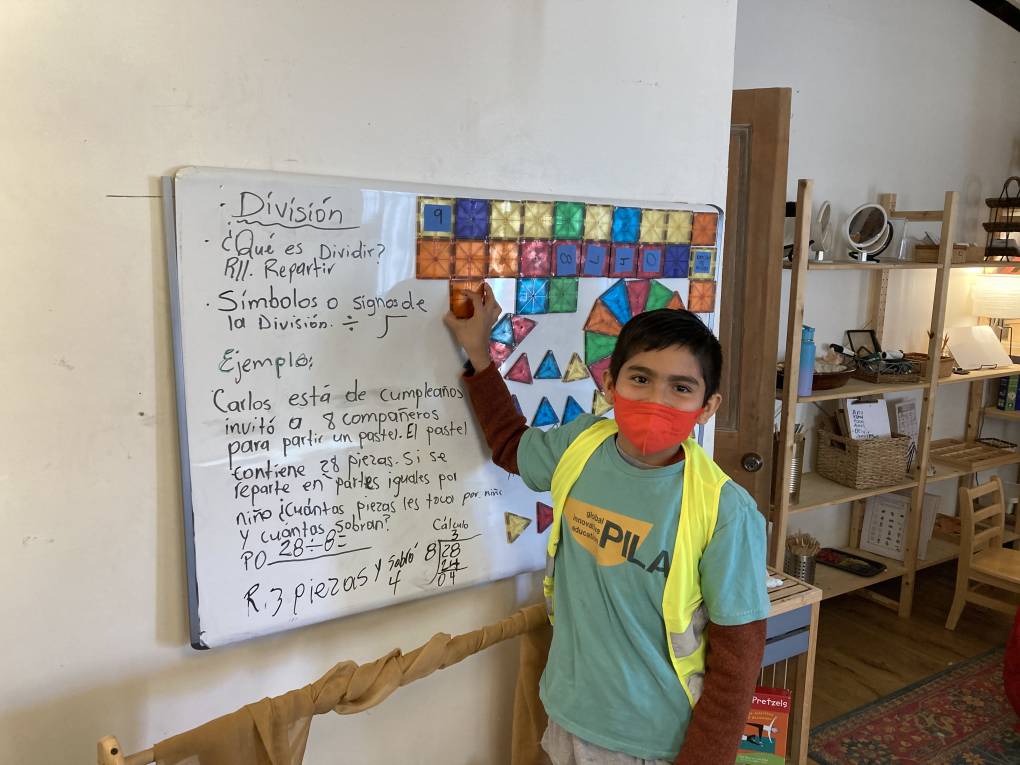
"caption": "Gabriel, a migrant from Michoacán, Mexico, and student at the Nest, shows off his work for math class at the Canyon Nest school in Tijuana, Mexico, on March 10, 2022.",
"description": null,
"title": "IMG_7288",
"credit": "Max Rivlin-Nadler/KQED",
"status": "inherit",
"altTag": "A young boy wearing a face mask points to a white board with writing in Spanish and shapes.",
"isLoading": false,
"fetchFailed": false
}
},
"audioPlayerReducer": {
"postId": "stream_live",
"isPaused": true,
"isPlaying": false,
"pfsActive": false,
"pledgeModalIsOpen": true,
"playerDrawerIsOpen": false,
"liveAudioPlayStartedAt": 0,
"liveAudioPlayContext": ""
},
"authorsReducer": {
"byline_news_11912196": {
"type": "authors",
"id": "byline_news_11912196",
"meta": {
"override": true
},
"slug": "byline_news_11912196",
"name": "John Fensterwald ",
"isLoading": false
},
"byline_news_11911877": {
"type": "authors",
"id": "byline_news_11911877",
"meta": {
"override": true
},
"slug": "byline_news_11911877",
"name": "Carolyn Jones",
"isLoading": false
},
"byline_news_11911702": {
"type": "authors",
"id": "byline_news_11911702",
"meta": {
"override": true
},
"slug": "byline_news_11911702",
"name": "\u003ca href=\"https://edsource.org/author/zstavely\">Zaidee Stavely\u003c/a>",
"isLoading": false
},
"byline_news_11911563": {
"type": "authors",
"id": "byline_news_11911563",
"meta": {
"override": true
},
"slug": "byline_news_11911563",
"name": "\u003ca href=\"https://calmatters.org/author/jeanne-kuang/\">Jeanne Kuang\u003c/a>",
"isLoading": false
},
"byline_news_11911550": {
"type": "authors",
"id": "byline_news_11911550",
"meta": {
"override": true
},
"slug": "byline_news_11911550",
"name": "Cory Turner",
"isLoading": false
},
"byline_news_11911431": {
"type": "authors",
"id": "byline_news_11911431",
"meta": {
"override": true
},
"slug": "byline_news_11911431",
"name": "\u003ca href=\"https://edsource.org/author/dlambert\">Diana Lambert\u003c/a>",
"isLoading": false
},
"byline_news_11911048": {
"type": "authors",
"id": "byline_news_11911048",
"meta": {
"override": true
},
"slug": "byline_news_11911048",
"name": "Max Rivlin-Nadler",
"isLoading": false
},
"jmcevoy": {
"type": "authors",
"id": "231",
"meta": {
"index": "authors_1716337520",
"id": "231",
"found": true
},
"name": "Julia McEvoy",
"firstName": "Julia",
"lastName": "McEvoy",
"slug": "jmcevoy",
"email": "jmcevoy@KQED.org",
"display_author_email": true,
"staff_mastheads": [
"news"
],
"title": "KQED Senior Editor",
"bio": "Julia McEvoy is KQED's Senior Editor, Education Equity.\r\n\r\nJulia heads KQED’s education coverage examining inequities students face in Bay Area and California schools, and reports on what it will take to educate the next generation.\r\n\r\nJulia's editorial work has received a Peabody Award, a Casey Medal for Coverage of Children and Families, several Edward R. Murrow awards, as well as awards from the Public Radio News Directors Inc. and the Society for Professional Journalists.",
"avatar": "https://secure.gravatar.com/avatar/aec3ce21abe02b302fd33638abd56a22?s=600&d=blank&r=g",
"twitter": "juliamcevoy1",
"facebook": null,
"instagram": null,
"linkedin": null,
"sites": [
{
"site": "news",
"roles": []
},
{
"site": "stateofhealth",
"roles": [
"author"
]
}
],
"headData": {
"title": "Julia McEvoy | KQED",
"description": "KQED Senior Editor",
"ogImgSrc": "https://secure.gravatar.com/avatar/aec3ce21abe02b302fd33638abd56a22?s=600&d=blank&r=g",
"twImgSrc": "https://secure.gravatar.com/avatar/aec3ce21abe02b302fd33638abd56a22?s=600&d=blank&r=g"
},
"isLoading": false,
"link": "/author/jmcevoy"
},
"ecruzguevarra": {
"type": "authors",
"id": "8654",
"meta": {
"index": "authors_1716337520",
"id": "8654",
"found": true
},
"name": "Ericka Cruz Guevarra",
"firstName": "Ericka",
"lastName": "Cruz Guevarra",
"slug": "ecruzguevarra",
"email": "ecruzguevarra@kqed.org",
"display_author_email": true,
"staff_mastheads": [
"news"
],
"title": "Producer, The Bay Podcast",
"bio": "Ericka Cruz Guevarra is host of \u003ca href=\"https://www.kqed.org/podcasts/thebay\">\u003cem>The Bay\u003c/em>\u003c/a> podcast at KQED. Before host, she was the show’s producer. Her work in that capacity includes a three-part reported series on policing in Vallejo, which won a 2020 excellence in journalism award from the Society of Professional Journalists. Ericka has worked as a breaking news reporter at Oregon Public Broadcasting, helped produce the Code Switch podcast, and was KQED’s inaugural Raul Ramirez Diversity Fund intern. She’s also an alumna of NPR’s Next Generation Radio program. Send her an email if you have strong feelings about whether Fairfield and Suisun City are the Bay. Ericka is represented by SAG-AFTRA.",
"avatar": "https://secure.gravatar.com/avatar/accefc1de4bafc7e234b69bcb9b6f6536c130fd84709bc3069ef11a78787e1bb?s=600&d=blank&r=g",
"twitter": "NotoriousECG",
"bluesky": null,
"facebook": null,
"instagram": null,
"linkedin": null,
"sites": [
{
"site": "arts",
"roles": [
"subscriber"
]
},
{
"site": "news",
"roles": [
"editor",
"manage_categories"
]
},
{
"site": "futureofyou",
"roles": [
"subscriber"
]
},
{
"site": "stateofhealth",
"roles": [
"subscriber"
]
},
{
"site": "science",
"roles": [
"editor"
]
},
{
"site": "forum",
"roles": [
"subscriber"
]
}
],
"headData": {
"title": "Ericka Cruz Guevarra | KQED",
"description": "Producer, The Bay Podcast",
"ogImgSrc": "https://secure.gravatar.com/avatar/accefc1de4bafc7e234b69bcb9b6f6536c130fd84709bc3069ef11a78787e1bb?s=600&d=blank&r=g",
"twImgSrc": "https://secure.gravatar.com/avatar/accefc1de4bafc7e234b69bcb9b6f6536c130fd84709bc3069ef11a78787e1bb?s=600&d=blank&r=g"
},
"isLoading": false,
"link": "/author/ecruzguevarra"
},
"kmoghadam": {
"type": "authors",
"id": "11637",
"meta": {
"index": "authors_1716337520",
"id": "11637",
"found": true
},
"name": "Kyana Moghadam",
"firstName": "Kyana",
"lastName": "Moghadam",
"slug": "kmoghadam",
"email": "kmoghadam@kqed.org",
"display_author_email": false,
"staff_mastheads": [
"news"
],
"title": "Senior Producer ",
"bio": "Kyana Moghadam is a senior producer at KQED. Prior to joining KQED, she was an audio producer and editor with Al Jazeera, Jetty Studios, VOX Media, Democracy Now!, and Global Press.",
"avatar": "https://secure.gravatar.com/avatar/cdbd6cb0b9e99deaa9eb618abdba56f265d374a2c614710aebeb4e58decbc5f0?s=600&d=blank&r=g",
"twitter": null,
"bluesky": null,
"facebook": null,
"instagram": null,
"linkedin": "https://www.linkedin.com/in/kyanamoghadam/",
"sites": [
{
"site": "",
"roles": [
"editor"
]
},
{
"site": "arts",
"roles": [
"editor"
]
},
{
"site": "news",
"roles": [
"administrator"
]
},
{
"site": "pop",
"roles": [
"editor"
]
},
{
"site": "about",
"roles": [
"editor"
]
},
{
"site": "forum",
"roles": [
"editor"
]
},
{
"site": "perspectives",
"roles": [
"editor"
]
},
{
"site": "podcasts",
"roles": [
"administrator"
]
}
],
"headData": {
"title": "Kyana Moghadam | KQED",
"description": "Senior Producer ",
"ogImgSrc": "https://secure.gravatar.com/avatar/cdbd6cb0b9e99deaa9eb618abdba56f265d374a2c614710aebeb4e58decbc5f0?s=600&d=blank&r=g",
"twImgSrc": "https://secure.gravatar.com/avatar/cdbd6cb0b9e99deaa9eb618abdba56f265d374a2c614710aebeb4e58decbc5f0?s=600&d=blank&r=g"
},
"isLoading": false,
"link": "/author/kmoghadam"
},
"ccabreralomeli": {
"type": "authors",
"id": "11708",
"meta": {
"index": "authors_1716337520",
"id": "11708",
"found": true
},
"name": "Carlos Cabrera-Lomelí",
"firstName": "Carlos",
"lastName": "Cabrera-Lomelí",
"slug": "ccabreralomeli",
"email": "ccabreralomeli@KQED.org",
"display_author_email": true,
"staff_mastheads": [
"news"
],
"title": "Community Reporter",
"bio": "Carlos Cabrera-Lomelí is a community reporter with KQED's digital engagement team. He also reports and co-produces for KQED's bilingual news hub KQED en Español. He grew up in San Francisco's Mission District and has previously worked with Univision, 48 Hills and REFORMA in Mexico City.",
"avatar": "https://secure.gravatar.com/avatar/c309be9665e484f887b818c89e273ecc673004f426f36b24d00a4d813a2e0518?s=600&d=blank&r=g",
"twitter": "@LomeliCabrera",
"bluesky": null,
"facebook": null,
"instagram": null,
"linkedin": null,
"sites": [
{
"site": "arts",
"roles": [
"editor"
]
},
{
"site": "news",
"roles": [
"editor"
]
},
{
"site": "about",
"roles": [
"editor"
]
},
{
"site": "science",
"roles": [
"editor"
]
},
{
"site": "perspectives",
"roles": [
"editor"
]
},
{
"site": "elections",
"roles": [
"editor"
]
},
{
"site": "liveblog",
"roles": [
"contributor"
]
}
],
"headData": {
"title": "Carlos Cabrera-Lomelí | KQED",
"description": "Community Reporter",
"ogImgSrc": "https://secure.gravatar.com/avatar/c309be9665e484f887b818c89e273ecc673004f426f36b24d00a4d813a2e0518?s=600&d=blank&r=g",
"twImgSrc": "https://secure.gravatar.com/avatar/c309be9665e484f887b818c89e273ecc673004f426f36b24d00a4d813a2e0518?s=600&d=blank&r=g"
},
"isLoading": false,
"link": "/author/ccabreralomeli"
},
"cbeale": {
"type": "authors",
"id": "11749",
"meta": {
"index": "authors_1716337520",
"id": "11749",
"found": true
},
"name": "Christopher Beale",
"firstName": "Christopher",
"lastName": "Beale",
"slug": "cbeale",
"email": "cbeale@kqed.org",
"display_author_email": true,
"staff_mastheads": [
"news"
],
"title": "Engineer/Producer/Reporter",
"bio": "\u003ca href=\"https://linktr.ee/realchrisjbeale\" rel=\"noopener noreferrer\">Christopher J. Beale\u003c/a> is an award winning journalist, audio engineer, and media host living in San Francisco. \r\n\r\nChristopher works primarily as an audio engineer at KQED and serves as the sound designer for both the Bay Curious and Rightnowish podcasts. He is the host and producer of the LGBTQIA podcast and radio segment \u003ca href=\"https://stereotypespodcast.org\">Stereotypes\u003c/a>.",
"avatar": "https://secure.gravatar.com/avatar/dc485bf84788eb7e7414eb638e72407e?s=600&d=blank&r=g",
"twitter": "realchrisjbeale",
"facebook": null,
"instagram": "http://instagram.com/realchrisjbeale",
"linkedin": null,
"sites": [
{
"site": "arts",
"roles": [
"contributor"
]
},
{
"site": "news",
"roles": [
"editor"
]
},
{
"site": "forum",
"roles": [
"editor"
]
}
],
"headData": {
"title": "Christopher Beale | KQED",
"description": "Engineer/Producer/Reporter",
"ogImgSrc": "https://secure.gravatar.com/avatar/dc485bf84788eb7e7414eb638e72407e?s=600&d=blank&r=g",
"twImgSrc": "https://secure.gravatar.com/avatar/dc485bf84788eb7e7414eb638e72407e?s=600&d=blank&r=g"
},
"isLoading": false,
"link": "/author/cbeale"
},
"naldana": {
"type": "authors",
"id": "11793",
"meta": {
"index": "authors_1716337520",
"id": "11793",
"found": true
},
"name": "Natalia Aldana",
"firstName": "Natalia",
"lastName": "Aldana",
"slug": "naldana",
"email": "naldana@kqed.org",
"display_author_email": false,
"staff_mastheads": [],
"title": "KQED Producer",
"bio": "Natalia Aldana is the senior engagement producer for KQED podcasts.",
"avatar": "https://secure.gravatar.com/avatar/c784d8a94359b38cc84991c1a7a565b2?s=600&d=blank&r=g",
"twitter": null,
"facebook": null,
"instagram": null,
"linkedin": null,
"sites": [
{
"site": "news",
"roles": [
"editor"
]
}
],
"headData": {
"title": "Natalia Aldana | KQED",
"description": "KQED Producer",
"ogImgSrc": "https://secure.gravatar.com/avatar/c784d8a94359b38cc84991c1a7a565b2?s=600&d=blank&r=g",
"twImgSrc": "https://secure.gravatar.com/avatar/c784d8a94359b38cc84991c1a7a565b2?s=600&d=blank&r=g"
},
"isLoading": false,
"link": "/author/naldana"
},
"mesquinca": {
"type": "authors",
"id": "11802",
"meta": {
"index": "authors_1716337520",
"id": "11802",
"found": true
},
"name": "Maria Esquinca",
"firstName": "Maria",
"lastName": "Esquinca",
"slug": "mesquinca",
"email": "mesquinca@kqed.org",
"display_author_email": false,
"staff_mastheads": [],
"title": "Producer, The Bay",
"bio": "María Esquinca is a producer of The Bay. Before that, she was a New York Women’s Foundation IGNITE Fellow at Latino USA. She worked at Radio Bilingue where she covered the San Joaquin Valley. Maria has interned at WLRN, News 21, The New York Times Student Journalism Institute and at Crain’s Detroit Business as a Dow Jones News Fund Business Reporting Intern. She is an MFA graduate from the University of Miami. In 2017, she graduated from the Walter Cronkite School of Journalism and Mass Communication with a Master of Mass Communication. A fronteriza, she was born in Ciudad Juárez, Chihuahua, Mexico and grew up in El Paso, Texas.",
"avatar": "https://secure.gravatar.com/avatar/77cedba18aae91da775038ba06dcd8d0?s=600&d=blank&r=g",
"twitter": "@m_esquinca",
"facebook": null,
"instagram": null,
"linkedin": null,
"sites": [
{
"site": "news",
"roles": []
}
],
"headData": {
"title": "Maria Esquinca | KQED",
"description": "Producer, The Bay",
"ogImgSrc": "https://secure.gravatar.com/avatar/77cedba18aae91da775038ba06dcd8d0?s=600&d=blank&r=g",
"twImgSrc": "https://secure.gravatar.com/avatar/77cedba18aae91da775038ba06dcd8d0?s=600&d=blank&r=g"
},
"isLoading": false,
"link": "/author/mesquinca"
}
},
"pagesReducer": {
"news_tag_education": {
"type": "terms",
"id": "news_20013",
"meta": {
"index": "terms_1716263798",
"site": "news",
"id": "20013",
"score": 6.9701543
},
"featImg": null,
"name": "education",
"description": null,
"taxonomy": "tag",
"headData": {
"twImgId": null,
"twTitle": null,
"ogTitle": null,
"ogImgId": null,
"twDescription": null,
"description": null,
"title": "education Archives | KQED News",
"ogDescription": null
},
"ttid": 20030,
"slug": "education",
"isLoading": false,
"title": "education",
"pageMeta": {
"site": "news",
"WpPageTemplate": "page-topic-editorial",
"currentPage": 68
},
"blocks": [
{
"blockName": "kqed/post-list",
"attrs": {
"layout": "cardArticle2",
"query": "posts/news?tag=education",
"seeMore": false,
"paginated": true,
"page": 68
}
},
{
"blockName": "kqed/ad"
}
]
}
},
"pfsSessionReducer": {},
"postsReducer": {
"stream_live": {
"type": "live",
"id": "stream_live",
"audioUrl": "https://streams.kqed.org/kqedradio",
"title": "Live Stream",
"excerpt": "Live Stream information currently unavailable.",
"link": "/radio",
"featImg": "",
"label": {
"name": "KQED Live",
"link": "/"
}
},
"stream_kqedNewscast": {
"type": "posts",
"id": "stream_kqedNewscast",
"audioUrl": "https://www.kqed.org/.stream/anon/radio/RDnews/newscast.mp3?_=1",
"title": "KQED Newscast",
"featImg": "",
"label": {
"name": "88.5 FM",
"link": "/"
}
},
"news_11912549": {
"type": "posts",
"id": "news_11912549",
"meta": {
"index": "posts_1716263798",
"site": "news",
"id": "11912549",
"score": null,
"sort": [
1651194996000
]
},
"parent": 0,
"labelTerm": {
"site": "news"
},
"blocks": [],
"publishDate": 1651194996,
"format": "standard",
"disqusTitle": "Why Are Oakland Teachers Planning a 1-Day Strike on Friday?",
"title": "Why Are Oakland Teachers Planning a 1-Day Strike on Friday?",
"headTitle": "KQED News",
"content": "\u003cp>Thousands of Oakland public school students are being asked to stay home on Friday because their teachers are planning a walkout to protest the Oakland Unified School District's \u003ca href=\"https://www.kqed.org/news/11904618/oakland-moves-to-close-seven-schools-despite-fierce-community-opposition\">plan to close seven schools and merge or shrink four others\u003c/a>.\u003c/p>\n\u003cp>The district, though, says it doesn't have enough substitute teachers on hand to keep most classes running, and is accusing the teachers union of violating labor agreements. On Thursday, it filed for an injunction with the state’s Public Employment Relations Board to try to block the action.\u003c/p>\n\u003cp>This comes just three years after Oakland teachers participated in \u003ca href=\"https://www.kqed.org/news/11727551/oakland-teachers-go-on-strike-in-fight-for-higher-pay-more-resources\">a week-long walkout\u003c/a>.\u003c/p>\n\u003cp>KQED's education editor Julia McEvoy and Morning Edition host Brian Watt spoke on Thursday about the increasingly volatile situation.\u003c/p>\n\u003cp>\u003cem>The following is edited for length and clarity.\u003c/em>\u003c/p>\n\u003cp>[ad fullwidth]\u003c/p>\n\u003cp>\u003cstrong>BRIAN WATT: This is a pretty radical move by teachers. How did it come to this?\u003c/strong>\u003c/p>\n\u003cp>[aside label=\"related coverage\" tag=\"ousd\"]\u003cstrong>JULIA MCEVOY:\u003c/strong> Teachers say this strike is about sending a message. They claim the district’s most recent move — approved in February — to close schools without community input is an unfair labor practice, and that means they can strike. They say they want the district to understand they have a right to bargain over the issue of school closures. Seventy-five percent of teachers voted for the strike.\u003c/p>\n\u003cp>We expect teachers to be out in front of schools with picket lines, and then there is a rally and march later in the day.\u003c/p>\n\u003cp>\u003cstrong>BRIAN WATT: Despite OUSD's move to seek an injunction and block the strike, the district has so far told families to keep their kids home tomorrow.\u003c/strong>\u003c/p>\n\u003cp>\u003cstrong>JULIA MCEVOY: \u003c/strong>Yes. The district says it can’t find enough substitutes and other staff to fill all the vacancies in classrooms. So keep kids home and the absences will be counted as excused.\u003c/p>\n\u003cp>The teachers know this is not going to be easy on families. Here is Vilma Serrano, who is a full-time classroom teacher and on the OEA's [Oakland Education Association] executive board:\u003c/p>\n\u003cp>\u003cstrong>VILMA SERRANO: \u003c/strong>Of course any day lost of school is significant. But we also know this is part of a larger message, and this could be any school. All of the schools on that [closure] list had different metrics that didn’t make sense. ... And so I want parents to really understand that we are doing this for our students.\u003c/p>\n\u003cp>\u003cstrong>BRIAN WATT: I can imagine not all families are excited about this situation.\u003c/strong>\u003c/p>\n\u003cp>\u003cstrong>JULIA MCEVOY: \u003c/strong>Yeah, I will say there are some parents who are coming out strongly against this one-day strike. One of them is Lakisha Young, who runs a parent empowerment organization called The Oakland Reach. That organization has been working with OUSD this year to train parents to be literacy tutors at Sojourner Truth, the district’s virtual school.\u003c/p>\n\u003cp>She’s very angry about the planned strike, and says politics are getting in the way of kids being able to learn — especially kids who have already missed too much school and fallen behind during the pandemic. She says every day matters, and asked me: \"So whose kids and whose parents is this supposed to be doing good for?\"\u003c/p>\n\u003cp>\u003c/p>\n\u003cp>Young says, at least right now, her tutors are still planning to work with students tomorrow.\u003c/p>\n\n",
"disqusIdentifier": "11912549 https://ww2.kqed.org/news/?p=11912549",
"disqusUrl": "https://ww2.kqed.org/news/2022/04/28/whats-the-deal-with-the-1-day-oakland-teachers-strike-planned-for-friday/",
"stats": {
"hasVideo": false,
"hasChartOrMap": false,
"hasAudio": false,
"hasPolis": false,
"wordCount": 559,
"hasGoogleForm": false,
"hasGallery": false,
"hasHearkenModule": false,
"iframeSrcs": [],
"paragraphCount": 18
},
"modified": 1651252113,
"excerpt": "Thousands of Oakland public school students are being asked to stay home on Friday because their teachers are planning a walkout to protest the Oakland Unified School District's plan to close seven schools.",
"headData": {
"twImgId": "",
"twTitle": "",
"ogTitle": "",
"ogImgId": "",
"twDescription": "",
"description": "Thousands of Oakland public school students are being asked to stay home on Friday because their teachers are planning a walkout to protest the Oakland Unified School District's plan to close seven schools.",
"title": "Why Are Oakland Teachers Planning a 1-Day Strike on Friday? | KQED",
"ogDescription": "",
"schema": {
"@context": "https://schema.org",
"@type": "NewsArticle",
"headline": "Why Are Oakland Teachers Planning a 1-Day Strike on Friday?",
"datePublished": "2022-04-28T18:16:36-07:00",
"dateModified": "2022-04-29T10:08:33-07:00",
"image": "https://cdn.kqed.org/wp-content/uploads/2020/02/KQED-OG-Image@1x.png",
"isAccessibleForFree": "True",
"publisher": {
"@type": "NewsMediaOrganization",
"@id": "https://www.kqed.org/#organization",
"name": "KQED",
"logo": "https://cdn.kqed.org/wp-content/uploads/2020/02/KQED-OG-Image@1x.png",
"url": "https://www.kqed.org",
"sameAs": [
"https://www.facebook.com/KQED",
"https://twitter.com/KQED",
"https://www.instagram.com/kqed/",
"https://www.tiktok.com/@kqedofficial",
"https://www.linkedin.com/company/kqed",
"https://www.youtube.com/channel/UCeC0IOo7i1P_61zVUWbJ4nw"
]
}
}
},
"guestAuthors": [],
"slug": "whats-the-deal-with-the-1-day-oakland-teachers-strike-planned-for-friday",
"status": "publish",
"audioUrl": "https://traffic.omny.fm/d/clips/0af137ef-751e-4b19-a055-aaef00d2d578/ffca7e9f-6831-41c5-bcaf-aaef00f5a073/aa78140b-9043-4fc8-ad05-ae85012257e6/audio.mp3",
"excludeFromSiteSearch": "Include",
"path": "/news/11912549/whats-the-deal-with-the-1-day-oakland-teachers-strike-planned-for-friday",
"audioTrackLength": null,
"parsedContent": [
{
"type": "contentString",
"content": "\u003cdiv class=\"post-body\">\u003cp>\u003cp>Thousands of Oakland public school students are being asked to stay home on Friday because their teachers are planning a walkout to protest the Oakland Unified School District's \u003ca href=\"https://www.kqed.org/news/11904618/oakland-moves-to-close-seven-schools-despite-fierce-community-opposition\">plan to close seven schools and merge or shrink four others\u003c/a>.\u003c/p>\n\u003cp>The district, though, says it doesn't have enough substitute teachers on hand to keep most classes running, and is accusing the teachers union of violating labor agreements. On Thursday, it filed for an injunction with the state’s Public Employment Relations Board to try to block the action.\u003c/p>\n\u003cp>This comes just three years after Oakland teachers participated in \u003ca href=\"https://www.kqed.org/news/11727551/oakland-teachers-go-on-strike-in-fight-for-higher-pay-more-resources\">a week-long walkout\u003c/a>.\u003c/p>\n\u003cp>KQED's education editor Julia McEvoy and Morning Edition host Brian Watt spoke on Thursday about the increasingly volatile situation.\u003c/p>\n\u003cp>\u003cem>The following is edited for length and clarity.\u003c/em>\u003c/p>\n\u003cp>\u003c/p>\u003c/div>",
"attributes": {
"named": {},
"numeric": []
}
},
{
"type": "component",
"content": "",
"name": "ad",
"attributes": {
"named": {
"label": "fullwidth"
},
"numeric": [
"fullwidth"
]
}
},
{
"type": "contentString",
"content": "\u003cdiv class=\"post-body\">\u003cp>\u003c/p>\n\u003cp>\u003cstrong>BRIAN WATT: This is a pretty radical move by teachers. How did it come to this?\u003c/strong>\u003c/p>\n\u003cp>\u003c/p>\u003c/div>",
"attributes": {
"named": {},
"numeric": []
}
},
{
"type": "component",
"content": "",
"name": "aside",
"attributes": {
"named": {
"label": "related coverage ",
"tag": "ousd"
},
"numeric": []
}
},
{
"type": "contentString",
"content": "\u003cdiv class=\"post-body\">\u003cp>\u003cstrong>JULIA MCEVOY:\u003c/strong> Teachers say this strike is about sending a message. They claim the district’s most recent move — approved in February — to close schools without community input is an unfair labor practice, and that means they can strike. They say they want the district to understand they have a right to bargain over the issue of school closures. Seventy-five percent of teachers voted for the strike.\u003c/p>\n\u003cp>We expect teachers to be out in front of schools with picket lines, and then there is a rally and march later in the day.\u003c/p>\n\u003cp>\u003cstrong>BRIAN WATT: Despite OUSD's move to seek an injunction and block the strike, the district has so far told families to keep their kids home tomorrow.\u003c/strong>\u003c/p>\n\u003cp>\u003cstrong>JULIA MCEVOY: \u003c/strong>Yes. The district says it can’t find enough substitutes and other staff to fill all the vacancies in classrooms. So keep kids home and the absences will be counted as excused.\u003c/p>\n\u003cp>The teachers know this is not going to be easy on families. Here is Vilma Serrano, who is a full-time classroom teacher and on the OEA's [Oakland Education Association] executive board:\u003c/p>\n\u003cp>\u003cstrong>VILMA SERRANO: \u003c/strong>Of course any day lost of school is significant. But we also know this is part of a larger message, and this could be any school. All of the schools on that [closure] list had different metrics that didn’t make sense. ... And so I want parents to really understand that we are doing this for our students.\u003c/p>\n\u003cp>\u003cstrong>BRIAN WATT: I can imagine not all families are excited about this situation.\u003c/strong>\u003c/p>\n\u003cp>\u003cstrong>JULIA MCEVOY: \u003c/strong>Yeah, I will say there are some parents who are coming out strongly against this one-day strike. One of them is Lakisha Young, who runs a parent empowerment organization called The Oakland Reach. That organization has been working with OUSD this year to train parents to be literacy tutors at Sojourner Truth, the district’s virtual school.\u003c/p>\n\u003cp>She’s very angry about the planned strike, and says politics are getting in the way of kids being able to learn — especially kids who have already missed too much school and fallen behind during the pandemic. She says every day matters, and asked me: \"So whose kids and whose parents is this supposed to be doing good for?\"\u003c/p>\n\u003cp>\u003c/p>\n\u003cp>Young says, at least right now, her tutors are still planning to work with students tomorrow.\u003c/p>\n\n\u003c/div>\u003c/p>",
"attributes": {
"named": {},
"numeric": []
}
}
],
"link": "/news/11912549/whats-the-deal-with-the-1-day-oakland-teachers-strike-planned-for-friday",
"authors": [
"231"
],
"categories": [
"news_8"
],
"tags": [
"news_20013",
"news_24851",
"news_31016",
"news_3366"
],
"featImg": "news_11912560",
"label": "news"
},
"news_11912196": {
"type": "posts",
"id": "news_11912196",
"meta": {
"index": "posts_1716263798",
"site": "news",
"id": "11912196",
"score": null,
"sort": [
1651072369000
]
},
"guestAuthors": [],
"slug": "charter-schools-examine-the-future-amid-teacher-shortage-and-declining-enrollment",
"title": "Charter Schools Examine the Future Amid Teacher Shortage and Declining Enrollment",
"publishDate": 1651072369,
"format": "standard",
"headTitle": "Charter Schools Examine the Future Amid Teacher Shortage and Declining Enrollment | KQED",
"labelTerm": {},
"content": "\u003cp>Charter school enrollment in California declined this year for the first time after three decades of steady and, in some years, staggering growth. Does this signify a pandemic blip, retrenchment or an inflection point for charter schools?\u003c/p>\n\u003cp>Not since the first charter school opened in 1994 in San Carlos, south of San Francisco, has charter school enrollment fallen year over year.\u003c/p>\n\u003cp>This was to have been a year of school recovery, but instead has been turbulent, buffeted by waves of COVID infections. Charter school leaders say they have been consumed with keeping schools open, and have put off thinking about growing again. They and districts face the same headwinds: an immediate teacher and staff shortage, rising chronic absences, huge questions about enrollment next year and long-term projections of a double-digit decline statewide over the next decade.\u003c/p>\n\u003cp>But charter schools say they also face potential legal roadblocks, anti-charter antagonism, and financial burdens, including uncertainty over how much funding they’ll receive this year under a state budget that left them vulnerable to funding cuts. All of that gives them pause about expanding.\u003c/p>\n\u003cp>“If I’m a charter management organization, and I’m struggling with 30% turnover in teachers, fluctuating enrollment, and I’m dedicating resources that I don’t even have any idea if I’m going to be reimbursed by the state, why would I be thinking about fighting a political fight to get a charter petition into LAUSD?” said Myrna Castrejón, president and CEO of the California Charter Schools Association.\u003c/p>\n\u003cfigure id=\"attachment_11912218\" class=\"wp-caption aligncenter\" style=\"max-width: 800px\">\u003ca href=\"https://ww2.kqed.org/app/uploads/sites/10/2022/04/GettyImages-1027443678-scaled.jpg\">\u003cimg loading=\"lazy\" decoding=\"async\" class=\"size-medium wp-image-11912218\" src=\"https://ww2.kqed.org/app/uploads/sites/10/2022/04/GettyImages-1027443678-800x611.jpg\" alt=\"A middle-school-aged girl with brown skin and black hair smiles as she holds in her arms and tucked under her chin three yellow softballs and an assortment of small stuffed animals in yellow blue, green and purple. She's wearing a black sweater over a red shirt. She's standing next to a large blow-up slide in purple and yellow. This is a charity event for her school, Backpack Middle School.\" width=\"800\" height=\"611\" srcset=\"https://cdn.kqed.org/wp-content/uploads/sites/10/2022/04/GettyImages-1027443678-800x611.jpg 800w, https://cdn.kqed.org/wp-content/uploads/sites/10/2022/04/GettyImages-1027443678-1020x779.jpg 1020w, https://cdn.kqed.org/wp-content/uploads/sites/10/2022/04/GettyImages-1027443678-160x122.jpg 160w, https://cdn.kqed.org/wp-content/uploads/sites/10/2022/04/GettyImages-1027443678-1536x1174.jpg 1536w, https://cdn.kqed.org/wp-content/uploads/sites/10/2022/04/GettyImages-1027443678-2048x1565.jpg 2048w, https://cdn.kqed.org/wp-content/uploads/sites/10/2022/04/GettyImages-1027443678-1920x1467.jpg 1920w\" sizes=\"(max-width: 800px) 100vw, 800px\">\u003c/a>\u003cfigcaption class=\"wp-caption-text\">A student enjoys carnival games during the Vera Bradley/Blessings in a Backpack middle school charity event at Vista Charter Public School in September 2018 in Los Angeles. \u003ccite>(Rachel Murray/Getty Images for Vera Bradley)\u003c/cite>\u003c/figcaption>\u003c/figure>\n\u003cp>About 1 in 9 of California’s 5.9 million public school students attends a charter school, which are public schools freed from some regulations imposed on traditional school districts. Independent, nonprofit boards run most of them, with some under the control of school districts that set them up.\u003c/p>\n\u003cp>In 2020-21, the first full year of the pandemic, total enrollment statewide fell 4.4% while charter school enrollment actually increased 3.4%. But this year, enrollment in TK-12 school districts and charter schools both fell 1.8%: by 110,000 students in district schools, and by 12,600 in charter schools, as measured as of Census Day last October.\u003c/p>\n\u003cp>Exclude all virtual charter schools, a small subset of charter schools, and enrollment in classroom-based charter schools, the most common form, fell 2.9%, exceeding district schools’ one-year decline, according to an EdSource analysis.\u003c/p>\n\u003cp>The parallel enrollment drop wasn’t coincidental. COVID-19 has been a storm that has upended district and charter schools alike, said Castrejón. The pandemic “supercharged these broader demographic trends — the crashing birth rate, the negative rate of immigration, the transfer [of families] into rural and suburban areas, the political dissatisfaction in red areas where people are leaving for Texas, Arizona or Idaho,” she said.\u003c/p>\n\u003cp>And, she said, COVID has produced a “multiverse” of education options that affect schools and districts: Enrollment in private schools is up, as are parents’ applications for homeschooling. There are emerging forms like small, private homeschools in pods and through church co-ops that are hard to quantify. And there are hybrid charter schools combining independent study at home with classroom learning at schools like \u003ca class=\"external\" href=\"https://classicalacademy.com/\" target=\"_blank\" rel=\"noopener noreferrer\">The Classical Academies\u003c/a> in northern San Diego County.\u003c/p>\n\u003cp>Charter school enrollment declined the most this year in the areas that for decades have been the strongholds of charter schools: the Bay Area, down 3.6%, and Los Angeles County and the San Diego area, both down 3.1%. Those, too, are the regions with the largest drops in overall school enrollment.\u003c/p>\n\u003cfigure id=\"attachment_11912199\" class=\"wp-caption aligncenter\" style=\"max-width: 800px\">\u003ca href=\"https://ww2.kqed.org/app/uploads/sites/10/2022/04/GettyImages-1298841505-scaled.jpg\">\u003cimg loading=\"lazy\" decoding=\"async\" class=\"size-medium wp-image-11912199\" src=\"https://ww2.kqed.org/app/uploads/sites/10/2022/04/GettyImages-1298841505-800x544.jpg\" alt=\"A teacher and student with wide smiles give each other a big hug in an office with a calendar, whiteboard and paper notes covering the walls. The teacher has black skin and is wearing a black and white dress in a graphic print. The student, almost as tall as her teacher, has black skin and is wearing a black sweatshirt and pants with white stripes down the side. \" width=\"800\" height=\"544\" srcset=\"https://cdn.kqed.org/wp-content/uploads/sites/10/2022/04/GettyImages-1298841505-800x544.jpg 800w, https://cdn.kqed.org/wp-content/uploads/sites/10/2022/04/GettyImages-1298841505-1020x694.jpg 1020w, https://cdn.kqed.org/wp-content/uploads/sites/10/2022/04/GettyImages-1298841505-160x109.jpg 160w, https://cdn.kqed.org/wp-content/uploads/sites/10/2022/04/GettyImages-1298841505-1536x1045.jpg 1536w, https://cdn.kqed.org/wp-content/uploads/sites/10/2022/04/GettyImages-1298841505-2048x1394.jpg 2048w, https://cdn.kqed.org/wp-content/uploads/sites/10/2022/04/GettyImages-1298841505-1920x1307.jpg 1920w\" sizes=\"(max-width: 800px) 100vw, 800px\">\u003c/a>\u003cfigcaption class=\"wp-caption-text\">Student Danesha Johnson (left) gets a big hug from workforce development director Aubria Lamendola at the Life Learning Academy charter school on Treasure Island in San Francisco in March 2018. The school was breaking ground on a dormitory that week to house more students. \u003ccite>(Paul Chinn/San Francisco Chronicle via Getty Images)\u003c/cite>\u003c/figcaption>\u003c/figure>\n\u003cp>“From 2003 through 2017, we worked with our philanthropic partners to encourage and fund charters that targeted neighborhoods with crowded, academically failing schools,” said Caprice Young, the founding head of the charter schools association that led two Los Angeles-based groups of charter schools and consults for education nonprofits and schools.\u003c/p>\n\u003cp>“Those neighborhoods are disproportionately inner-city and facilities-based, so the larger demographic trends impact the charter movement more than the traditional schools,” Young said, referring to many charter schools’ concentration in lower-income neighborhoods with declining enrollment. \u003ca href=\"https://www.datawrapper.de/_/2iTVf/\">Click here to see California charter school enrollment since 2009-2010.\u003c/a>\u003c/p>\n\u003cp>For two decades, that strategy worked in the Bay Area and Los Angeles. Led by charter management organizations — including \u003ca href=\"https://aspirepublicschools.org/\">Aspire\u003c/a>, \u003ca href=\"https://www.kipp.org/\">Kipp\u003c/a>, \u003ca href=\"https://www.laalliance.org/\">Alliance College-Ready Public Schools\u003c/a> in Los Angeles and \u003ca href=\"https://www.rocketshipschools.org/\">Rocketship\u003c/a> in the Bay Area — charter schools grew by a dozen to more than three dozen schools annually before leveling out in 2018 with 188 schools in the Bay Area and 373 in Los Angeles County, mainly Los Angeles Unified. It is the nation’s second-largest school district and contains the nation’s largest concentration of charter schools.\u003c/p>\n\u003cp>But in Los Angeles Unified, charter enrollment mushroomed as enrollment in the district’s schools steadily fell, creating tensions over shared facilities and \u003ca href=\"https://edsource.org/2020/charter-school-politics-still-in-play-in-la-unified-school-board-elections/624275\">epic election battles to establish a pro- or anti-charter majority\u003c/a> on the seven-member district board. In 2009-2010, there were 61,000 charter school students and 618,000 students in district schools. By last year, charter school enrollment had more than doubled, to its peak of 114,431, while district enrollment had fallen to 456,964. In LAUSD, 1 in 5 public school students attended a charter.\u003c/p>\n\u003cp>Then COVID took its toll. This year, enrollment at charter schools in Los Angeles fell 1.7%, compared with 5.7% at district schools.\u003c/p>\n\u003ch2>Inequitable funding\u003c/h2>\n\u003cp>This year, school districts are being held financially harmless for a second year, because of COVID’s havoc on drops in enrollment and attendance. They are receiving the pre-pandemic level of funding. But charter schools are not; they are returning to funding based on the average daily attendance, as in the past. And with attendance down anywhere from 8% to 10% this year, they’re anticipating a commensurate cut in funding.\u003c/p>\n\u003cp>Eric Premack, executive director and founder of the Charter Schools Development Center in Sacramento, said charter schools had no notice last June that the budget legislation extending financial protection to districts wouldn’t apply to them. Charter leaders are hoping to get this fixed retroactively in May when Gov. Gavin Newsom delivers his revised budget plan for 2022-23.\u003c/p>\n\u003cp>[ad fullwidth]\u003c/p>\n\u003cp>“If we don’t get it fixed, it will be an enormous hit for charter schools with a psychological impact. Can you afford to take growth risks when you just lost a big chunk or all of your budget reserves?” he said.\u003c/p>\n\u003cp>In addition, the Legislature has put a three-year moratorium on new non-classroom-based charter schools, while it figures out how to distinguish legitimate programs from poor-performing programs and frauds, like\u003ca class=\"external\" href=\"https://www.sandiegouniontribune.com/news/education/story/2021-09-10/a3-charter-school-fraud-ringleader-sentenced-to-4-years-in-prison-fined-18-75-million#:~:text=Three%20of%20those%20schools%20were,of%20dollars%20for%20personal%20use.\" target=\"_blank\" rel=\"noopener noreferrer\"> the former A3 charter chain\u003c/a> in San Diego County.\u003c/p>\n\u003cp>Topping off worries is a new but largely untried charter governance and accountability law, \u003ca class=\"external\" href=\"https://leginfo.legislature.ca.gov/faces/billTextClient.xhtml?bill_id=201920200AB1505\" target=\"_blank\" rel=\"noopener noreferrer\">Assembly Bill 1505\u003c/a>, which was passed into law in September 2019, six months before COVID shut down all schools and cut short plans for new charter schools. Newsom sold it as a reasonable compromise on charter school growth. Premack and other critics see it as a signal for abuse. Its most contested provision allows school boards to consider a new charter school petition’s financial impact on a district as a factor in approval or denial.\u003c/p>\n\u003cp>Castrejón points to the law’s guardrails and said it’s too soon to judge. Premack said that in an era of declining enrollment, districts will use fiscal impact as a cudgel.\u003c/p>\n\u003cp>Beth Hunkapiller, a founder of the San Carlos Charter Learning Center and now the chair of Aspire Public Schools’ board of trustees, foresees problems. “Yes, the table is tilted by AB 1505. It wrote into law the presumption that the existence of charter schools has fiscal impact on district schools,” she said.\u003c/p>\n\u003ch2>Follow the migration\u003c/h2>\n\u003cp>Outside the Bay Area and Los Angeles, there is room to grow, and there are alternatives to the traditional brick-and-mortar charter schools. Since 2000, except for last year and the Great Recession of 2009, school enrollment has grown steadily in San Bernardino and Riverside counties — which make up the Inland Empire — the Central Valley, and Sacramento and surrounding cities.\u003c/p>\n\u003cp>“California’s urban centers have failed to build housing, so people are fleeing inland and to other states to raise families,” Young of Los Angeles observed.\u003c/p>\n\u003cp>The number of charter schools in the Inland Empire has increased from 45 in 2009 to 81 this year. In the northern San Joaquin Valley, which includes Stockton, the number has more than doubled, from 45 to 92. From the Sacramento region north to the Oregon border, the number has jumped from 110 to 167. \u003ca href=\"https://www.datawrapper.de/_/ywl84/\">Click here to see the number of charter schools by region since 2009-2010.\u003c/a>\u003c/p>\n\u003cp>Rocketship Public Schools, an elementary charter school network with most of its 13 California schools in lower-income San José neighborhoods, saw an overall enrollment plunge of 5.5%, the first drop since it started in 2008. But enrollment in its two newest schools, in Concord and Antioch, to the east in Contra Costa County, grew significantly this year.\u003c/p>\n\u003cp>Aspire Public Schools, with nearly 17,000 students, now has 16 of its 36 schools in Sacramento, Modesto and Stockton, more than in the Bay Area and Los Angeles. It has received approvals for two new schools in Stockton and, after drawn-out negotiations, the ability to expand existing schools in new facilities in Sacramento and Stockton.\u003c/p>\n\u003cp>But Tony Solina, Aspire’s Central Valley superintendent, is not optimistic in the current environment that new schools could be approved. Aspire will identify schools with long waiting lists as areas to expand, but there’s an anti-charter sentiment even in districts that were favorably inclined to support charter schools.\u003c/p>\n\u003cp>“School board members are under pressure to deny charters,” Solina said.\u003c/p>\n\u003ch2>What do families want?\u003c/h2>\n\u003cp>Population shifts have led some foundations like the \u003ca class=\"external\" href=\"https://www.siliconschools.com/\" target=\"_blank\" rel=\"noopener noreferrer\">Silicon Schools fund\u003c/a>, which underwrites start-up and other costs of innovative schools serving lower-income students, to revise their plans.\u003c/p>\n\u003cp>“We’re now supporting schools in Bakersfield, Stockton, Fresno, Sacramento, which is very different than how our foundation looked 10 years ago,” said Brian Greenberg, Silicon Schools CEO. “Once we opened our minds to look, we found the truth, which is that talent is equally distributed.”\u003c/p>\n\u003cp>Greenberg said that the emergence from COVID offers a moment of opportunity.\u003c/p>\n\u003cp>“What if teachers want a little more flexibility of how they use time during the day? What if parents want some more flexibility of how kids are coming to school or what they’re doing during the school day?” he asked. “We’re much more interested in finding more innovative solutions that work better for kids and families.”\u003c/p>\n\u003cp>He pointed to two charter schools, one that opened this year in Fresno and another that will open in 2023-2024 in Sacramento, as examples of new models grounded in community support. The former is \u003ca class=\"external\" href=\"https://www.goldencharteracademy.org/gca-news/gca-news-january-2021-rps33-hl94z-yf6r6-fm26s-hs472-xdr7g\" target=\"_blank\" rel=\"noopener noreferrer\">Golden Charter Academy\u003c/a>, a TK-8 school founded by retired NFL defensive back Robert Golden, who has returned to his hometown of Fresno. The school is partnering with Fresno Chaffee Zoo, with plans to relocate next to it, so that students can learn firsthand about wildlife habitats and the environment.\u003c/p>\n\u003cp>The other, which received approval this month as a countywide charter in Sacramento County, will be a high school early college program built around a single industry sector, construction trades. With partnerships with Caltrans, the building trades union and some of the largest building contractors in Sacramento, \u003ca class=\"external\" href=\"https://capcca.org/\" target=\"_blank\" rel=\"noopener noreferrer\">Capital College & Career Academy\u003c/a> will start with career exploration and foundational academic courses the first two years, with opportunities as juniors and seniors for internships, dual-enrollment courses in community colleges and courses at Sacramento State.\u003c/p>\n\u003cp>Students will have credits toward a four-year degree in engineering or design or training to enter an apprenticeship in a building trade, said founder Kevin Dobson, who’s currently a principal at Natomas Charter School. The new school “will bridge the gap between K to 12 and post-secondary options. This really grew out of frustration that kids were really going unserved, often being forced to choose college or career at the expense of the other.”\u003c/p>\n\u003cp>Rose Braxton says her fifth grader, who has a learning disability, is looking forward to enrolling four years from now. “I don’t see her struggle with hands-on learning. She likes building things and is a more visual learner,” she said. “They have community support. Kevin has a heart for reaching youth.”\u003c/p>\n\u003cp>Don Shalvey has a long view on charter schools, as a former teacher and principal, school district superintendent, founder and CEO of Aspire Public Schools and former deputy director overseeing education for the Bill and Melinda Gates Foundation. Now he’s the executive director of \u003ca class=\"external\" href=\"https://sjaplus.org/\" target=\"_blank\" rel=\"noopener noreferrer\">San Joaquin A+\u003c/a>, a nonprofit organization in the San Joaquin Valley, where he has lived for 50 years, seeding efforts to prepare students for a changing workplace. (Shalvey is one of 13 members of EdSource’s board of directors, who have no influence or oversight on content. Editorial decisions remain under the sole control of the EdSource newsroom.)\u003c/p>\n\u003cp>Like Greenberg, he agrees that families moving east into the Central Valley will insist on new school models, including pod schools, independent study programs and schools with flexible schedules.\u003c/p>\n\u003cp>The “crazy notion of war between charters and districts” is tangential to them, he said, and “distorts that parents expect schools to provide a brighter future for kids.”\u003c/p>\n\u003cp>San Joaquin A+ supports the \u003ca class=\"external\" href=\"https://valleyrobotics.lodiusd.net/\" target=\"_blank\" rel=\"noopener noreferrer\">Valley Robotics Academy\u003c/a>, an independent school within Lodi Unified that partners with the agriculture industry to train students in complex technical, mechanical and engineering skills. And San Joaquin A+ works with charter schools and county offices of education.\u003c/p>\n\u003cp>“In the 1990s and early 2000s, charter schools were small schools, personalized and safe. That’s what parents wanted,” Shalvey said. Aspire identified neighborhoods where Black and Latino students were underserved and “did the common thing uncommonly well,” preparing students for college on the same dollar as district schools.\u003c/p>\n\u003cp>“That’s still important but not the singular thing a school district should do,” he said. “Some charter management organizations must change their model. The menu for school choice is no longer as narrow as it was.”\u003c/p>\n\u003cp>[ad floatright]\u003c/p>\n",
"blocks": [],
"excerpt": "After three decades of steady and, in some years, staggering growth, charter school enrollments are dropping. Is this a pandemic blip or does it signify a long-term trend?",
"status": "publish",
"parent": 0,
"modified": 1721133111,
"stats": {
"hasAudio": false,
"hasVideo": false,
"hasChartOrMap": false,
"iframeSrcs": [],
"hasGoogleForm": false,
"hasGallery": false,
"hasHearkenModule": false,
"hasPolis": false,
"paragraphCount": 46,
"wordCount": 2554
},
"headData": {
"title": "Charter Schools Examine the Future Amid Teacher Shortage and Declining Enrollment | KQED",
"description": "After three decades of steady and, in some years, staggering growth, charter school enrollments are dropping. Is this a pandemic blip or does it signify a long-term trend?",
"ogTitle": "",
"ogDescription": "",
"ogImgId": "",
"twTitle": "",
"twDescription": "",
"twImgId": "",
"schema": {
"@context": "https://schema.org",
"@type": "NewsArticle",
"headline": "Charter Schools Examine the Future Amid Teacher Shortage and Declining Enrollment",
"datePublished": "2022-04-27T08:12:49-07:00",
"dateModified": "2024-07-16T05:31:51-07:00",
"image": "https://cdn.kqed.org/wp-content/uploads/2020/02/KQED-OG-Image@1x.png",
"isAccessibleForFree": "True",
"publisher": {
"@type": "NewsMediaOrganization",
"@id": "https://www.kqed.org/#organization",
"name": "KQED",
"logo": "https://cdn.kqed.org/wp-content/uploads/2020/02/KQED-OG-Image@1x.png",
"url": "https://www.kqed.org",
"sameAs": [
"https://www.facebook.com/KQED",
"https://twitter.com/KQED",
"https://www.instagram.com/kqed/",
"https://www.tiktok.com/@kqedofficial",
"https://www.linkedin.com/company/kqed",
"https://www.youtube.com/channel/UCeC0IOo7i1P_61zVUWbJ4nw"
]
}
}
},
"source": "EdSource",
"sourceUrl": "https://edsource.org",
"sticky": false,
"nprByline": "John Fensterwald ",
"excludeFromSiteSearch": "Include",
"showOnAuthorArchivePages": "No",
"path": "/news/11912196/charter-schools-examine-the-future-amid-teacher-shortage-and-declining-enrollment",
"audioTrackLength": null,
"parsedContent": [
{
"type": "contentString",
"content": "\u003cdiv class=\"post-body\">\u003cp>\u003cp>Charter school enrollment in California declined this year for the first time after three decades of steady and, in some years, staggering growth. Does this signify a pandemic blip, retrenchment or an inflection point for charter schools?\u003c/p>\n\u003cp>Not since the first charter school opened in 1994 in San Carlos, south of San Francisco, has charter school enrollment fallen year over year.\u003c/p>\n\u003cp>This was to have been a year of school recovery, but instead has been turbulent, buffeted by waves of COVID infections. Charter school leaders say they have been consumed with keeping schools open, and have put off thinking about growing again. They and districts face the same headwinds: an immediate teacher and staff shortage, rising chronic absences, huge questions about enrollment next year and long-term projections of a double-digit decline statewide over the next decade.\u003c/p>\n\u003cp>But charter schools say they also face potential legal roadblocks, anti-charter antagonism, and financial burdens, including uncertainty over how much funding they’ll receive this year under a state budget that left them vulnerable to funding cuts. All of that gives them pause about expanding.\u003c/p>\n\u003cp>“If I’m a charter management organization, and I’m struggling with 30% turnover in teachers, fluctuating enrollment, and I’m dedicating resources that I don’t even have any idea if I’m going to be reimbursed by the state, why would I be thinking about fighting a political fight to get a charter petition into LAUSD?” said Myrna Castrejón, president and CEO of the California Charter Schools Association.\u003c/p>\n\u003cfigure id=\"attachment_11912218\" class=\"wp-caption aligncenter\" style=\"max-width: 800px\">\u003ca href=\"https://ww2.kqed.org/app/uploads/sites/10/2022/04/GettyImages-1027443678-scaled.jpg\">\u003cimg loading=\"lazy\" decoding=\"async\" class=\"size-medium wp-image-11912218\" src=\"https://ww2.kqed.org/app/uploads/sites/10/2022/04/GettyImages-1027443678-800x611.jpg\" alt=\"A middle-school-aged girl with brown skin and black hair smiles as she holds in her arms and tucked under her chin three yellow softballs and an assortment of small stuffed animals in yellow blue, green and purple. She's wearing a black sweater over a red shirt. She's standing next to a large blow-up slide in purple and yellow. This is a charity event for her school, Backpack Middle School.\" width=\"800\" height=\"611\" srcset=\"https://cdn.kqed.org/wp-content/uploads/sites/10/2022/04/GettyImages-1027443678-800x611.jpg 800w, https://cdn.kqed.org/wp-content/uploads/sites/10/2022/04/GettyImages-1027443678-1020x779.jpg 1020w, https://cdn.kqed.org/wp-content/uploads/sites/10/2022/04/GettyImages-1027443678-160x122.jpg 160w, https://cdn.kqed.org/wp-content/uploads/sites/10/2022/04/GettyImages-1027443678-1536x1174.jpg 1536w, https://cdn.kqed.org/wp-content/uploads/sites/10/2022/04/GettyImages-1027443678-2048x1565.jpg 2048w, https://cdn.kqed.org/wp-content/uploads/sites/10/2022/04/GettyImages-1027443678-1920x1467.jpg 1920w\" sizes=\"(max-width: 800px) 100vw, 800px\">\u003c/a>\u003cfigcaption class=\"wp-caption-text\">A student enjoys carnival games during the Vera Bradley/Blessings in a Backpack middle school charity event at Vista Charter Public School in September 2018 in Los Angeles. \u003ccite>(Rachel Murray/Getty Images for Vera Bradley)\u003c/cite>\u003c/figcaption>\u003c/figure>\n\u003cp>About 1 in 9 of California’s 5.9 million public school students attends a charter school, which are public schools freed from some regulations imposed on traditional school districts. Independent, nonprofit boards run most of them, with some under the control of school districts that set them up.\u003c/p>\n\u003cp>In 2020-21, the first full year of the pandemic, total enrollment statewide fell 4.4% while charter school enrollment actually increased 3.4%. But this year, enrollment in TK-12 school districts and charter schools both fell 1.8%: by 110,000 students in district schools, and by 12,600 in charter schools, as measured as of Census Day last October.\u003c/p>\n\u003cp>Exclude all virtual charter schools, a small subset of charter schools, and enrollment in classroom-based charter schools, the most common form, fell 2.9%, exceeding district schools’ one-year decline, according to an EdSource analysis.\u003c/p>\n\u003cp>The parallel enrollment drop wasn’t coincidental. COVID-19 has been a storm that has upended district and charter schools alike, said Castrejón. The pandemic “supercharged these broader demographic trends — the crashing birth rate, the negative rate of immigration, the transfer [of families] into rural and suburban areas, the political dissatisfaction in red areas where people are leaving for Texas, Arizona or Idaho,” she said.\u003c/p>\n\u003cp>And, she said, COVID has produced a “multiverse” of education options that affect schools and districts: Enrollment in private schools is up, as are parents’ applications for homeschooling. There are emerging forms like small, private homeschools in pods and through church co-ops that are hard to quantify. And there are hybrid charter schools combining independent study at home with classroom learning at schools like \u003ca class=\"external\" href=\"https://classicalacademy.com/\" target=\"_blank\" rel=\"noopener noreferrer\">The Classical Academies\u003c/a> in northern San Diego County.\u003c/p>\n\u003cp>Charter school enrollment declined the most this year in the areas that for decades have been the strongholds of charter schools: the Bay Area, down 3.6%, and Los Angeles County and the San Diego area, both down 3.1%. Those, too, are the regions with the largest drops in overall school enrollment.\u003c/p>\n\u003cfigure id=\"attachment_11912199\" class=\"wp-caption aligncenter\" style=\"max-width: 800px\">\u003ca href=\"https://ww2.kqed.org/app/uploads/sites/10/2022/04/GettyImages-1298841505-scaled.jpg\">\u003cimg loading=\"lazy\" decoding=\"async\" class=\"size-medium wp-image-11912199\" src=\"https://ww2.kqed.org/app/uploads/sites/10/2022/04/GettyImages-1298841505-800x544.jpg\" alt=\"A teacher and student with wide smiles give each other a big hug in an office with a calendar, whiteboard and paper notes covering the walls. The teacher has black skin and is wearing a black and white dress in a graphic print. The student, almost as tall as her teacher, has black skin and is wearing a black sweatshirt and pants with white stripes down the side. \" width=\"800\" height=\"544\" srcset=\"https://cdn.kqed.org/wp-content/uploads/sites/10/2022/04/GettyImages-1298841505-800x544.jpg 800w, https://cdn.kqed.org/wp-content/uploads/sites/10/2022/04/GettyImages-1298841505-1020x694.jpg 1020w, https://cdn.kqed.org/wp-content/uploads/sites/10/2022/04/GettyImages-1298841505-160x109.jpg 160w, https://cdn.kqed.org/wp-content/uploads/sites/10/2022/04/GettyImages-1298841505-1536x1045.jpg 1536w, https://cdn.kqed.org/wp-content/uploads/sites/10/2022/04/GettyImages-1298841505-2048x1394.jpg 2048w, https://cdn.kqed.org/wp-content/uploads/sites/10/2022/04/GettyImages-1298841505-1920x1307.jpg 1920w\" sizes=\"(max-width: 800px) 100vw, 800px\">\u003c/a>\u003cfigcaption class=\"wp-caption-text\">Student Danesha Johnson (left) gets a big hug from workforce development director Aubria Lamendola at the Life Learning Academy charter school on Treasure Island in San Francisco in March 2018. The school was breaking ground on a dormitory that week to house more students. \u003ccite>(Paul Chinn/San Francisco Chronicle via Getty Images)\u003c/cite>\u003c/figcaption>\u003c/figure>\n\u003cp>“From 2003 through 2017, we worked with our philanthropic partners to encourage and fund charters that targeted neighborhoods with crowded, academically failing schools,” said Caprice Young, the founding head of the charter schools association that led two Los Angeles-based groups of charter schools and consults for education nonprofits and schools.\u003c/p>\n\u003cp>“Those neighborhoods are disproportionately inner-city and facilities-based, so the larger demographic trends impact the charter movement more than the traditional schools,” Young said, referring to many charter schools’ concentration in lower-income neighborhoods with declining enrollment. \u003ca href=\"https://www.datawrapper.de/_/2iTVf/\">Click here to see California charter school enrollment since 2009-2010.\u003c/a>\u003c/p>\n\u003cp>For two decades, that strategy worked in the Bay Area and Los Angeles. Led by charter management organizations — including \u003ca href=\"https://aspirepublicschools.org/\">Aspire\u003c/a>, \u003ca href=\"https://www.kipp.org/\">Kipp\u003c/a>, \u003ca href=\"https://www.laalliance.org/\">Alliance College-Ready Public Schools\u003c/a> in Los Angeles and \u003ca href=\"https://www.rocketshipschools.org/\">Rocketship\u003c/a> in the Bay Area — charter schools grew by a dozen to more than three dozen schools annually before leveling out in 2018 with 188 schools in the Bay Area and 373 in Los Angeles County, mainly Los Angeles Unified. It is the nation’s second-largest school district and contains the nation’s largest concentration of charter schools.\u003c/p>\n\u003cp>But in Los Angeles Unified, charter enrollment mushroomed as enrollment in the district’s schools steadily fell, creating tensions over shared facilities and \u003ca href=\"https://edsource.org/2020/charter-school-politics-still-in-play-in-la-unified-school-board-elections/624275\">epic election battles to establish a pro- or anti-charter majority\u003c/a> on the seven-member district board. In 2009-2010, there were 61,000 charter school students and 618,000 students in district schools. By last year, charter school enrollment had more than doubled, to its peak of 114,431, while district enrollment had fallen to 456,964. In LAUSD, 1 in 5 public school students attended a charter.\u003c/p>\n\u003cp>Then COVID took its toll. This year, enrollment at charter schools in Los Angeles fell 1.7%, compared with 5.7% at district schools.\u003c/p>\n\u003ch2>Inequitable funding\u003c/h2>\n\u003cp>This year, school districts are being held financially harmless for a second year, because of COVID’s havoc on drops in enrollment and attendance. They are receiving the pre-pandemic level of funding. But charter schools are not; they are returning to funding based on the average daily attendance, as in the past. And with attendance down anywhere from 8% to 10% this year, they’re anticipating a commensurate cut in funding.\u003c/p>\n\u003cp>Eric Premack, executive director and founder of the Charter Schools Development Center in Sacramento, said charter schools had no notice last June that the budget legislation extending financial protection to districts wouldn’t apply to them. Charter leaders are hoping to get this fixed retroactively in May when Gov. Gavin Newsom delivers his revised budget plan for 2022-23.\u003c/p>\n\u003cp>\u003c/p>\u003c/div>",
"attributes": {
"named": {},
"numeric": []
}
},
{
"type": "component",
"content": "",
"name": "ad",
"attributes": {
"named": {
"label": "fullwidth"
},
"numeric": [
"fullwidth"
]
}
},
{
"type": "contentString",
"content": "\u003cdiv class=\"post-body\">\u003cp>\u003c/p>\n\u003cp>“If we don’t get it fixed, it will be an enormous hit for charter schools with a psychological impact. Can you afford to take growth risks when you just lost a big chunk or all of your budget reserves?” he said.\u003c/p>\n\u003cp>In addition, the Legislature has put a three-year moratorium on new non-classroom-based charter schools, while it figures out how to distinguish legitimate programs from poor-performing programs and frauds, like\u003ca class=\"external\" href=\"https://www.sandiegouniontribune.com/news/education/story/2021-09-10/a3-charter-school-fraud-ringleader-sentenced-to-4-years-in-prison-fined-18-75-million#:~:text=Three%20of%20those%20schools%20were,of%20dollars%20for%20personal%20use.\" target=\"_blank\" rel=\"noopener noreferrer\"> the former A3 charter chain\u003c/a> in San Diego County.\u003c/p>\n\u003cp>Topping off worries is a new but largely untried charter governance and accountability law, \u003ca class=\"external\" href=\"https://leginfo.legislature.ca.gov/faces/billTextClient.xhtml?bill_id=201920200AB1505\" target=\"_blank\" rel=\"noopener noreferrer\">Assembly Bill 1505\u003c/a>, which was passed into law in September 2019, six months before COVID shut down all schools and cut short plans for new charter schools. Newsom sold it as a reasonable compromise on charter school growth. Premack and other critics see it as a signal for abuse. Its most contested provision allows school boards to consider a new charter school petition’s financial impact on a district as a factor in approval or denial.\u003c/p>\n\u003cp>Castrejón points to the law’s guardrails and said it’s too soon to judge. Premack said that in an era of declining enrollment, districts will use fiscal impact as a cudgel.\u003c/p>\n\u003cp>Beth Hunkapiller, a founder of the San Carlos Charter Learning Center and now the chair of Aspire Public Schools’ board of trustees, foresees problems. “Yes, the table is tilted by AB 1505. It wrote into law the presumption that the existence of charter schools has fiscal impact on district schools,” she said.\u003c/p>\n\u003ch2>Follow the migration\u003c/h2>\n\u003cp>Outside the Bay Area and Los Angeles, there is room to grow, and there are alternatives to the traditional brick-and-mortar charter schools. Since 2000, except for last year and the Great Recession of 2009, school enrollment has grown steadily in San Bernardino and Riverside counties — which make up the Inland Empire — the Central Valley, and Sacramento and surrounding cities.\u003c/p>\n\u003cp>“California’s urban centers have failed to build housing, so people are fleeing inland and to other states to raise families,” Young of Los Angeles observed.\u003c/p>\n\u003cp>The number of charter schools in the Inland Empire has increased from 45 in 2009 to 81 this year. In the northern San Joaquin Valley, which includes Stockton, the number has more than doubled, from 45 to 92. From the Sacramento region north to the Oregon border, the number has jumped from 110 to 167. \u003ca href=\"https://www.datawrapper.de/_/ywl84/\">Click here to see the number of charter schools by region since 2009-2010.\u003c/a>\u003c/p>\n\u003cp>Rocketship Public Schools, an elementary charter school network with most of its 13 California schools in lower-income San José neighborhoods, saw an overall enrollment plunge of 5.5%, the first drop since it started in 2008. But enrollment in its two newest schools, in Concord and Antioch, to the east in Contra Costa County, grew significantly this year.\u003c/p>\n\u003cp>Aspire Public Schools, with nearly 17,000 students, now has 16 of its 36 schools in Sacramento, Modesto and Stockton, more than in the Bay Area and Los Angeles. It has received approvals for two new schools in Stockton and, after drawn-out negotiations, the ability to expand existing schools in new facilities in Sacramento and Stockton.\u003c/p>\n\u003cp>But Tony Solina, Aspire’s Central Valley superintendent, is not optimistic in the current environment that new schools could be approved. Aspire will identify schools with long waiting lists as areas to expand, but there’s an anti-charter sentiment even in districts that were favorably inclined to support charter schools.\u003c/p>\n\u003cp>“School board members are under pressure to deny charters,” Solina said.\u003c/p>\n\u003ch2>What do families want?\u003c/h2>\n\u003cp>Population shifts have led some foundations like the \u003ca class=\"external\" href=\"https://www.siliconschools.com/\" target=\"_blank\" rel=\"noopener noreferrer\">Silicon Schools fund\u003c/a>, which underwrites start-up and other costs of innovative schools serving lower-income students, to revise their plans.\u003c/p>\n\u003cp>“We’re now supporting schools in Bakersfield, Stockton, Fresno, Sacramento, which is very different than how our foundation looked 10 years ago,” said Brian Greenberg, Silicon Schools CEO. “Once we opened our minds to look, we found the truth, which is that talent is equally distributed.”\u003c/p>\n\u003cp>Greenberg said that the emergence from COVID offers a moment of opportunity.\u003c/p>\n\u003cp>“What if teachers want a little more flexibility of how they use time during the day? What if parents want some more flexibility of how kids are coming to school or what they’re doing during the school day?” he asked. “We’re much more interested in finding more innovative solutions that work better for kids and families.”\u003c/p>\n\u003cp>He pointed to two charter schools, one that opened this year in Fresno and another that will open in 2023-2024 in Sacramento, as examples of new models grounded in community support. The former is \u003ca class=\"external\" href=\"https://www.goldencharteracademy.org/gca-news/gca-news-january-2021-rps33-hl94z-yf6r6-fm26s-hs472-xdr7g\" target=\"_blank\" rel=\"noopener noreferrer\">Golden Charter Academy\u003c/a>, a TK-8 school founded by retired NFL defensive back Robert Golden, who has returned to his hometown of Fresno. The school is partnering with Fresno Chaffee Zoo, with plans to relocate next to it, so that students can learn firsthand about wildlife habitats and the environment.\u003c/p>\n\u003cp>The other, which received approval this month as a countywide charter in Sacramento County, will be a high school early college program built around a single industry sector, construction trades. With partnerships with Caltrans, the building trades union and some of the largest building contractors in Sacramento, \u003ca class=\"external\" href=\"https://capcca.org/\" target=\"_blank\" rel=\"noopener noreferrer\">Capital College & Career Academy\u003c/a> will start with career exploration and foundational academic courses the first two years, with opportunities as juniors and seniors for internships, dual-enrollment courses in community colleges and courses at Sacramento State.\u003c/p>\n\u003cp>Students will have credits toward a four-year degree in engineering or design or training to enter an apprenticeship in a building trade, said founder Kevin Dobson, who’s currently a principal at Natomas Charter School. The new school “will bridge the gap between K to 12 and post-secondary options. This really grew out of frustration that kids were really going unserved, often being forced to choose college or career at the expense of the other.”\u003c/p>\n\u003cp>Rose Braxton says her fifth grader, who has a learning disability, is looking forward to enrolling four years from now. “I don’t see her struggle with hands-on learning. She likes building things and is a more visual learner,” she said. “They have community support. Kevin has a heart for reaching youth.”\u003c/p>\n\u003cp>Don Shalvey has a long view on charter schools, as a former teacher and principal, school district superintendent, founder and CEO of Aspire Public Schools and former deputy director overseeing education for the Bill and Melinda Gates Foundation. Now he’s the executive director of \u003ca class=\"external\" href=\"https://sjaplus.org/\" target=\"_blank\" rel=\"noopener noreferrer\">San Joaquin A+\u003c/a>, a nonprofit organization in the San Joaquin Valley, where he has lived for 50 years, seeding efforts to prepare students for a changing workplace. (Shalvey is one of 13 members of EdSource’s board of directors, who have no influence or oversight on content. Editorial decisions remain under the sole control of the EdSource newsroom.)\u003c/p>\n\u003cp>Like Greenberg, he agrees that families moving east into the Central Valley will insist on new school models, including pod schools, independent study programs and schools with flexible schedules.\u003c/p>\n\u003cp>The “crazy notion of war between charters and districts” is tangential to them, he said, and “distorts that parents expect schools to provide a brighter future for kids.”\u003c/p>\n\u003cp>San Joaquin A+ supports the \u003ca class=\"external\" href=\"https://valleyrobotics.lodiusd.net/\" target=\"_blank\" rel=\"noopener noreferrer\">Valley Robotics Academy\u003c/a>, an independent school within Lodi Unified that partners with the agriculture industry to train students in complex technical, mechanical and engineering skills. And San Joaquin A+ works with charter schools and county offices of education.\u003c/p>\n\u003cp>“In the 1990s and early 2000s, charter schools were small schools, personalized and safe. That’s what parents wanted,” Shalvey said. Aspire identified neighborhoods where Black and Latino students were underserved and “did the common thing uncommonly well,” preparing students for college on the same dollar as district schools.\u003c/p>\n\u003cp>“That’s still important but not the singular thing a school district should do,” he said. “Some charter management organizations must change their model. The menu for school choice is no longer as narrow as it was.”\u003c/p>\n\u003cp>\u003c/p>\u003c/div>",
"attributes": {
"named": {},
"numeric": []
}
},
{
"type": "component",
"content": "",
"name": "ad",
"attributes": {
"named": {
"label": "floatright"
},
"numeric": [
"floatright"
]
}
},
{
"type": "contentString",
"content": "\u003cdiv class=\"post-body\">\u003cp>\u003c/p>\n\u003c/div>\u003c/p>",
"attributes": {
"named": {},
"numeric": []
}
}
],
"link": "/news/11912196/charter-schools-examine-the-future-amid-teacher-shortage-and-declining-enrollment",
"authors": [
"byline_news_11912196"
],
"categories": [
"news_18540",
"news_8"
],
"tags": [
"news_19655",
"news_20013"
],
"featImg": "news_11912200",
"label": "source_news_11912196"
},
"news_11912315": {
"type": "posts",
"id": "news_11912315",
"meta": {
"index": "posts_1716263798",
"site": "news",
"id": "11912315",
"score": null,
"sort": [
1651053655000
]
},
"guestAuthors": [],
"slug": "love-me-before-this-city-disappears-poet-nijla-mumin",
"title": "'Love me Before the City Disappears': Poet Nijla Mu’min",
"publishDate": 1651053655,
"format": "audio",
"headTitle": "‘Love me Before the City Disappears’: Poet Nijla Mu’min | KQED",
"labelTerm": {},
"content": "\u003cp>\u003ci>\u003cspan style=\"font-weight: 400\">Tell me memories mean something,\u003c/span>\u003c/i>\u003ci>\u003cspan style=\"font-weight: 400\">\u003cbr>\n\u003c/span>\u003c/i>\u003ci>\u003cspan style=\"font-weight: 400\">and I will carve your face on a tree\u003c/span>\u003c/i>\u003ci>\u003cspan style=\"font-weight: 400\">\u003cbr>\n\u003c/span>\u003c/i>\u003ci>\u003cspan style=\"font-weight: 400\">never cut it down,\u003c/span>\u003c/i>\u003ci>\u003cspan style=\"font-weight: 400\">\u003cbr>\n\u003c/span>\u003c/i>\u003ci>\u003cspan style=\"font-weight: 400\">Guard it with what slaps and surprises \u003c/span>\u003c/i>\u003ci>\u003cspan style=\"font-weight: 400\">\u003cbr>\n\u003c/span>\u003c/i>\u003ci>\u003cspan style=\"font-weight: 400\">Sage and old E-40 cassettes from an OG’s trunk\u003c/span>\u003c/i>\u003ci>\u003cspan style=\"font-weight: 400\">\u003cbr>\n\u003c/span>\u003c/i>\u003ci>\u003c/i>\u003c/p>\n\u003cp>\u003ci>\u003cspan style=\"font-weight: 400\">Can we love in a city, lost\u003c/span>\u003c/i>\u003ci>\u003cspan style=\"font-weight: 400\">\u003cbr>\n\u003c/span>\u003c/i>\u003ci>\u003cspan style=\"font-weight: 400\">Can we touch in a city, gone\u003c/span>\u003c/i>\u003c/p>\n\u003cp>\u003ci>\u003cspan style=\"font-weight: 400\">– An excerpt from “Love Me Before The City Disappears” \u003c/span>\u003c/i>\u003c/p>\n\u003cp>\u003cspan style=\"font-weight: 400\">April is National Poetry Month! And before it ends, we want to celebrate contemporary poetry inspired by life in the Bay Area. Producer Maria Esquinca interviews writer and director Nijla Mu’min about her poetry, which explores the Bay as a backdrop of love, growing up here, and feeling unwelcome in a place that’s changed. \u003c/span>\u003c/p>\n\u003cp>\u003cb>Guest: \u003c/b>\u003cspan style=\"font-weight: 400\">Nijla Mu’min (poet and filmmaker)\u003c/span>\u003c/p>\n\u003cp>[ad fullwidth]\u003c/p>\n\u003cp>\u003ca href=\"https://bit.ly/3Kw0nwm\" target=\"_blank\" rel=\"noopener noreferrer\">Read the transcript.\u003c/a>\u003c/p>\n\u003cp>\u003c/p>\n\u003cp>\u003c!-- iframe plugin v.4.3 wordpress.org/plugins/iframe/ -->\u003cbr>\n\u003ciframe loading=\"lazy\" frameborder=\"0\" height=\"200\" scrolling=\"no\" src=\"https://playlist.megaphone.fm?e=KQINC2463056734\" width=\"100%\" class=\"iframe-class\">\u003c/iframe>\u003c/p>\n\n",
"blocks": [],
"excerpt": null,
"status": "publish",
"parent": 0,
"modified": 1721133161,
"stats": {
"hasAudio": true,
"hasVideo": false,
"hasChartOrMap": false,
"iframeSrcs": [],
"hasGoogleForm": false,
"hasGallery": false,
"hasHearkenModule": false,
"hasPolis": false,
"paragraphCount": 9,
"wordCount": 136
},
"headData": {
"title": "'Love me Before the City Disappears': Poet Nijla Mu’min | KQED",
"description": "April is National Poetry Month! And before it ends, we want to celebrate contemporary poetry inspired by life in the Bay Area.",
"ogTitle": "",
"ogDescription": "",
"ogImgId": "",
"twTitle": "",
"twDescription": "",
"twImgId": "",
"socialDescription": "April is National Poetry Month! And before it ends, we want to celebrate contemporary poetry inspired by life in the Bay Area.",
"schema": {
"@context": "https://schema.org",
"@type": "NewsArticle",
"headline": "'Love me Before the City Disappears': Poet Nijla Mu’min",
"datePublished": "2022-04-27T03:00:55-07:00",
"dateModified": "2024-07-16T05:32:41-07:00",
"image": "https://cdn.kqed.org/wp-content/uploads/2020/02/KQED-OG-Image@1x.png",
"isAccessibleForFree": "True",
"publisher": {
"@type": "NewsMediaOrganization",
"@id": "https://www.kqed.org/#organization",
"name": "KQED",
"logo": "https://cdn.kqed.org/wp-content/uploads/2020/02/KQED-OG-Image@1x.png",
"url": "https://www.kqed.org",
"sameAs": [
"https://www.facebook.com/KQED",
"https://twitter.com/KQED",
"https://www.instagram.com/kqed/",
"https://www.tiktok.com/@kqedofficial",
"https://www.linkedin.com/company/kqed",
"https://www.youtube.com/channel/UCeC0IOo7i1P_61zVUWbJ4nw"
]
}
}
},
"source": "The Bay",
"sourceUrl": "https://www.kqed.org/podcasts/thebay",
"audioUrl": "https://www.podtrac.com/pts/redirect.mp3/traffic.megaphone.fm/KQINC2463056734.mp3?updated=1651027630",
"sticky": false,
"excludeFromSiteSearch": "Include",
"path": "/news/11912315/love-me-before-this-city-disappears-poet-nijla-mumin",
"audioTrackLength": null,
"parsedContent": [
{
"type": "contentString",
"content": "\u003cdiv class=\"post-body\">\u003cp>\u003cp>\u003ci>\u003cspan style=\"font-weight: 400\">Tell me memories mean something,\u003c/span>\u003c/i>\u003ci>\u003cspan style=\"font-weight: 400\">\u003cbr>\n\u003c/span>\u003c/i>\u003ci>\u003cspan style=\"font-weight: 400\">and I will carve your face on a tree\u003c/span>\u003c/i>\u003ci>\u003cspan style=\"font-weight: 400\">\u003cbr>\n\u003c/span>\u003c/i>\u003ci>\u003cspan style=\"font-weight: 400\">never cut it down,\u003c/span>\u003c/i>\u003ci>\u003cspan style=\"font-weight: 400\">\u003cbr>\n\u003c/span>\u003c/i>\u003ci>\u003cspan style=\"font-weight: 400\">Guard it with what slaps and surprises \u003c/span>\u003c/i>\u003ci>\u003cspan style=\"font-weight: 400\">\u003cbr>\n\u003c/span>\u003c/i>\u003ci>\u003cspan style=\"font-weight: 400\">Sage and old E-40 cassettes from an OG’s trunk\u003c/span>\u003c/i>\u003ci>\u003cspan style=\"font-weight: 400\">\u003cbr>\n\u003c/span>\u003c/i>\u003ci>\u003c/i>\u003c/p>\n\u003cp>\u003ci>\u003cspan style=\"font-weight: 400\">Can we love in a city, lost\u003c/span>\u003c/i>\u003ci>\u003cspan style=\"font-weight: 400\">\u003cbr>\n\u003c/span>\u003c/i>\u003ci>\u003cspan style=\"font-weight: 400\">Can we touch in a city, gone\u003c/span>\u003c/i>\u003c/p>\n\u003cp>\u003ci>\u003cspan style=\"font-weight: 400\">– An excerpt from “Love Me Before The City Disappears” \u003c/span>\u003c/i>\u003c/p>\n\u003cp>\u003cspan style=\"font-weight: 400\">April is National Poetry Month! And before it ends, we want to celebrate contemporary poetry inspired by life in the Bay Area. Producer Maria Esquinca interviews writer and director Nijla Mu’min about her poetry, which explores the Bay as a backdrop of love, growing up here, and feeling unwelcome in a place that’s changed. \u003c/span>\u003c/p>\n\u003cp>\u003cb>Guest: \u003c/b>\u003cspan style=\"font-weight: 400\">Nijla Mu’min (poet and filmmaker)\u003c/span>\u003c/p>\n\u003cp>\u003c/p>\u003c/div>",
"attributes": {
"named": {},
"numeric": []
}
},
{
"type": "component",
"content": "",
"name": "ad",
"attributes": {
"named": {
"label": "fullwidth"
},
"numeric": [
"fullwidth"
]
}
},
{
"type": "contentString",
"content": "\u003cdiv class=\"post-body\">\u003cp>\u003c/p>\n\u003cp>\u003ca href=\"https://bit.ly/3Kw0nwm\" target=\"_blank\" rel=\"noopener noreferrer\">Read the transcript.\u003c/a>\u003c/p>\n\u003cp>\u003c/p>\n\u003cp>\u003c!-- iframe plugin v.4.3 wordpress.org/plugins/iframe/ -->\u003cbr>\n\u003ciframe loading=\"lazy\" frameborder=\"0\" height=\"200\" scrolling=\"no\" src=\"https://playlist.megaphone.fm?e=KQINC2463056734\" width=\"100%\" class=\"iframe-class\">\u003c/iframe>\u003c/p>\n\n\u003c/div>\u003c/p>",
"attributes": {
"named": {},
"numeric": []
}
}
],
"link": "/news/11912315/love-me-before-this-city-disappears-poet-nijla-mumin",
"authors": [
"8654",
"11802",
"11749"
],
"programs": [
"news_28779"
],
"categories": [
"news_8",
"news_33520"
],
"tags": [
"news_19133",
"news_20013",
"news_1222",
"news_22598"
],
"featImg": "news_11912351",
"label": "source_news_11912315"
},
"news_11911130": {
"type": "posts",
"id": "news_11911130",
"meta": {
"index": "posts_1716263798",
"site": "news",
"id": "11911130",
"score": null,
"sort": [
1650915313000
]
},
"guestAuthors": [],
"slug": "bonus-your-stories-and-solutions-for-the-housing-crisis",
"title": "Bonus: Your Stories and Solutions for the Housing Crisis",
"publishDate": 1650915313,
"format": "audio",
"headTitle": "Bonus: Your Stories and Solutions for the Housing Crisis | KQED",
"labelTerm": {},
"content": "\u003cp>\u003cspan style=\"font-weight: 400\">What are your biggest ideas on how to solve the housing crisis? How has housing shaped your life?\u003c/span>\u003c/p>\n\u003cp>\u003cspan style=\"font-weight: 400\">Throughout this season, we wanted to hear from you — the Sold Out audience. We asked you to get in touch, and you came through!\u003c/span>\u003c/p>\n\u003cp>\u003cspan style=\"font-weight: 400\">From voice memos to emails and social media, dozens of listeners reached out and shared stories of housing insecurity and loss, advocacy work, and visions for an equitable housing future.\u003c/span>\u003c/p>\n\u003cp>\u003cspan style=\"font-weight: 400\">In this bonus episode, hear from seven people for whom housing is at the center of everything. \u003c/span>\u003c/p>\n\u003ch5 id=\"embed-code\" class=\"inconsolata\">\n\u003c!-- iframe plugin v.4.3 wordpress.org/plugins/iframe/ -->\u003cbr>\n\u003ciframe loading=\"lazy\" frameborder=\"0\" height=\"200\" scrolling=\"no\" src=\"https://playlist.megaphone.fm?e=KQINC9285725518&light=true\" width=\"100%\" class=\"iframe-class\">\u003c/iframe>\u003cbr>\n\u003c/h5>\n\u003chr>\n\u003cp>\u003cb>[TRANSCRIPT]\u003c/b>\u003c/p>\n\u003cp>\u003cstrong>MOLLY SOLOMON: \u003c/strong>Hi! I’m Molly Solomon.\u003c/p>\n\u003cp>[ad fullwidth]\u003c/p>\n\u003cp>\u003cstrong>ERIN BALDASSARI: \u003c/strong>\u003cspan style=\"font-weight: 400\">And I’m Erin Baldassari. You’re listening to Sold Out: Rethinking Housing in America, and today we’ve got something special for you from producer Natalia Aldana.\u003c/span>\u003c/p>\n\u003cp>\u003cspan style=\"font-weight: 400\">Take it away, Natalia.\u003c/span>\u003c/p>\n\u003cp>\u003cb>[SOLD OUT THEME MUSIC BEGINS]\u003c/b>\u003c/p>\n\u003cfigure id=\"attachment_11841421\" class=\"wp-caption aligncenter\" style=\"max-width: 451px\">\u003cimg loading=\"lazy\" decoding=\"async\" class=\" wp-image-11841421\" src=\"https://ww2.kqed.org/app/uploads/sites/10/2020/10/RS16247_GettyImages-150582090-qut-800x530.jpg\" alt=\"\" width=\"451\" height=\"299\" srcset=\"https://cdn.kqed.org/wp-content/uploads/sites/10/2020/10/RS16247_GettyImages-150582090-qut-800x530.jpg 800w, https://cdn.kqed.org/wp-content/uploads/sites/10/2020/10/RS16247_GettyImages-150582090-qut-1020x676.jpg 1020w, https://cdn.kqed.org/wp-content/uploads/sites/10/2020/10/RS16247_GettyImages-150582090-qut-160x106.jpg 160w, https://cdn.kqed.org/wp-content/uploads/sites/10/2020/10/RS16247_GettyImages-150582090-qut-1536x1018.jpg 1536w, https://cdn.kqed.org/wp-content/uploads/sites/10/2020/10/RS16247_GettyImages-150582090-qut.jpg 1920w\" sizes=\"auto, (max-width: 451px) 100vw, 451px\">\u003cfigcaption class=\"wp-caption-text\">A red for sale sign outside a home with a “sold pending” sticker posted across the front. \u003ccite>(Justin Sullivan/KQED)\u003c/cite>\u003c/figcaption>\u003c/figure>\n\u003cp>\u003cb>NATALIA ALDANA:\u003c/b>\u003cspan style=\"font-weight: 400\"> When it comes to the housing crisis, every Californian has something to say about it.\u003c/span>\u003c/p>\n\u003cp>\u003cb>MARGOT RINALDO: \u003c/b>\u003cspan style=\"font-weight: 400\">Man, it’s like — it’s like the air we breathe. It is literally, like, a fact of life if you live in California.\u003c/span>\u003c/p>\n\u003cp>\u003cspan style=\"font-weight: 400\">\u003cstrong>NATALIA: \u003c/strong>We can all point to how it’s impacted us — affected our families, our neighborhoods, and our livelihoods.\u003c/span>\u003c/p>\n\u003cp>\u003cspan style=\"font-weight: 400\">Throughout this season of Sold Out, we’ve been asking for your thoughts and experiences when it comes to housing. \u003c/span>\u003c/p>\n\u003cp>\u003cspan style=\"font-weight: 400\">So many of you got in touch. And today, you’ll hear from seven people whose stories might challenge you, empathize with you, and hopefully, inspire you.\u003c/span>\u003c/p>\n\u003cp>\u003cb>[MUSIC – DECK LOFI]\u003c/b>\u003c/p>\n\u003cp>\u003cspan style=\"font-weight: 400\">First up, we have a listener who wants us to rethink how we live — literally\u003c/span> \u003cspan style=\"font-weight: 400\">who we share a roof with, and how the \u003c/span>\u003cspan style=\"font-weight: 400\">way \u003c/span>\u003cspan style=\"font-weight: 400\">we understand family impacts our housing.\u003c/span>\u003c/p>\n\u003cp>\u003cspan style=\"font-weight: 400\">Cam Coulter rents an apartment with his partner in San Jose. And Cam thinks the housing system favors homeowners. \u003c/span>\u003c/p>\n\u003cp>\u003cb>CAM COULTER: \u003c/b>\u003cspan style=\"font-weight: 400\">This is probably a little hot-take, but I wish I could write off my rent payments as tax-deductible.\u003c/span>\u003c/p>\n\u003cp>\u003cb>NATALIA: \u003c/b>\u003cspan style=\"font-weight: 400\">Cam recognizes that tax incentives are meant to motivate homeownership. \u003c/span>\u003c/p>\n\u003cp>\u003cb>CAM:\u003c/b>\u003cspan style=\"font-weight: 400\"> And that might work in other parts of the country. But here I feel like it really just punishes the people who can’t afford to buy a home.\u003c/span>\u003c/p>\n\u003cp>\u003cb>NATALIA: \u003c/b>\u003cspan style=\"font-weight: 400\">Although rent is not tax-deductible in California — the state does award a $60 renters tax credit for qualifying single filers who earn less than $43,533 a year. Since Cam and I last spoke, \u003ca href=\"https://www.msn.com/en-us/news/us/californias-renter-tax-credit-has-remained-unchanged-for-43-years-it-could-soon-increase/ar-AAW402s\">a state bill has been proposed that could potentially increase that credit to $500.\u003c/a>\u003c/span>\u003c/p>\n\u003cp>\u003cb>[MUSIC OUT – DECK LOFI OUT]\u003c/b>\u003c/p>\n\u003cp>\u003cspan style=\"font-weight: 400\">While Cam\u003c/span>\u003cspan style=\"font-weight: 400\"> doesn’t really want to buy a h\u003c/span>\u003cspan style=\"font-weight: 400\">ome, they do want to build equity.\u003c/span>\u003c/p>\n\u003cp>\u003cb>CAM: \u003c/b>\u003cspan style=\"font-weight: 400\">So I see the way that the desire to own a home is sort of constructed by the fact that it’s a great way to build wealth and have long-term stability. But I wish there were other ways to achieve that.\u003c/span>\u003c/p>\n\u003cfigure id=\"attachment_11911686\" class=\"wp-caption alignright\" style=\"max-width: 334px\">\u003cimg loading=\"lazy\" decoding=\"async\" class=\" wp-image-11911686\" src=\"https://ww2.kqed.org/app/uploads/sites/10/2022/04/Cam-Coulter-800x800.jpeg\" alt=\"A person sits on the grass.\" width=\"334\" height=\"334\" srcset=\"https://cdn.kqed.org/wp-content/uploads/sites/10/2022/04/Cam-Coulter-800x800.jpeg 800w, https://cdn.kqed.org/wp-content/uploads/sites/10/2022/04/Cam-Coulter-1020x1020.jpeg 1020w, https://cdn.kqed.org/wp-content/uploads/sites/10/2022/04/Cam-Coulter-160x160.jpeg 160w, https://cdn.kqed.org/wp-content/uploads/sites/10/2022/04/Cam-Coulter-1536x1536.jpeg 1536w, https://cdn.kqed.org/wp-content/uploads/sites/10/2022/04/Cam-Coulter-1920x1920.jpeg 1920w, https://cdn.kqed.org/wp-content/uploads/sites/10/2022/04/Cam-Coulter.jpeg 2048w\" sizes=\"auto, (max-width: 334px) 100vw, 334px\">\u003cfigcaption class=\"wp-caption-text\">Cam Coulter wants KQED listeners to reimagine who we consider family, and how that might improve the housing crisis. \u003ccite>(Courtesy of Cam Coulter)\u003c/cite>\u003c/figcaption>\u003c/figure>\n\u003cp>\u003cb>NATALIA:\u003c/b>\u003cspan style=\"font-weight: 400\"> As for their other pie in the sky: Cam wants more \u003c/span>\u003ca href=\"https://www.ic.org/what-is-an-intentional-community-30th-birthday-day-13/\">\u003cspan style=\"font-weight: 400\">intentional housing or co-housing communities\u003c/span>\u003c/a>\u003cspan style=\"font-weight: 400\">.\u003c/span>\u003c/p>\n\u003cp>\u003cspan style=\"font-weight: 400\"> \u003c/span>\u003cb>CAM: \u003c/b>\u003cspan style=\"font-weight: 400\">When I stop and dream about what, like, a beautiful, sustainable, healthy future would look like, I see housing that looks more like this.\u003c/span>\u003c/p>\n\u003cp>\u003cspan style=\"font-weight: 400\">I’ve lived in intentional community before, and I’d like to do that again in the future.\u003c/span>\u003c/p>\n\u003cp>\u003cb>[MUSIC IN – \u003c/b>\u003cb>SUNKISSED]\u003c/b>\u003c/p>\n\u003cp>\u003cspan style=\"font-weight: 400\">Live not just with my own, how to say, like, nuclear family, but with other people, and to share space with them, share grocery budgets, do communal activities.\u003c/span>\u003c/p>\n\u003cp>\u003cspan style=\"font-weight: 400\">I would love to live in a co-housing community where my partner and I could have some of our own space but also share common spaces with community. I would love to live in, like, a larger, multi-family home where maybe four to 10 adults, or kids, could comfortably live together without overcrowding.\u003c/span>\u003c/p>\n\u003cp>\u003cspan style=\"font-weight: 400\">And this could benefit a lot of multi-generational families who I know are already overcrowded in their small single-family home. I think we have too few of those options.\u003c/span>\u003c/p>\n\u003cp>\u003cb>[MUSIC OUT – \u003c/b>\u003cb>SUNKISSED]\u003c/b>\u003c/p>\n\u003cp>\u003cb>NATALIA: \u003c/b>\u003cspan style=\"font-weight: 400\">Cam is nonbinary, and says the connection between queer and trans folks living in found families has probably influenced this perspective.\u003c/span>\u003c/p>\n\u003cp>\u003cb>CAM: \u003c/b>\u003cspan style=\"font-weight: 400\">One thing that makes me frustrated is that so many of the housing units we have are designed for a nuclear family. Or perhaps, you know, you can have maybe grandparents or something, but they’re really designed as like single-family homes or small apartments, or just one or a couple of people. But that’s not really what I want.\u003c/span>\u003c/p>\n\u003cp>\u003cb>NATALIA: \u003c/b>\u003cspan style=\"font-weight: 400\">One of the largest barriers to\u003c/span> \u003cspan style=\"font-weight: 400\">building more co-housing is, no surprise, money. But,\u003c/span> \u003cspan style=\"font-weight: 400\">Cam is cheering on organizations like the \u003c/span>\u003ca href=\"https://southbayclt.org/\">\u003cspan style=\"font-weight: 400\">South Bay Community Land Trust\u003c/span>\u003c/a>\u003cspan style=\"font-weight: 400\">, which is working on acquiring their \u003c/span>\u003ca href=\"https://southbayclt.org/capital-campaign-reed-st-acquisition/\">\u003cspan style=\"font-weight: 400\">first community-owned house in San Jose\u003c/span>\u003c/a>\u003cspan style=\"font-weight: 400\">.\u003c/span>\u003c/p>\n\u003cp>\u003cspan style=\"font-weight: 400\">Cam believes co-housing can have additional benefits, like boosting our social health.\u003c/span>\u003c/p>\n\u003cp>\u003cb>CAM: \u003c/b>\u003cspan style=\"font-weight: 400\">That’s like a really big issue these days, is that so many people are isolated. And when I lived in community before, I really loved just constantly having people around. \u003c/span>\u003c/p>\n\u003cp>\u003cspan style=\"font-weight: 400\">It did a lot of good for me.\u003c/span>\u003c/p>\n\u003cp>\u003cb>[MUSIC IN – SEARCHING FOR TREASURE]\u003c/b>\u003c/p>\n\u003cp>\u003cb>NATALIA: \u003c/b>\u003cspan style=\"font-weight: 400\">Our next listener knows that\u003c/span> \u003cspan style=\"font-weight: 400\">the housing crisis should be attacked on every single front. So Santa Cruz renter Ernesto Anguiano is setting his sights on a culprit that some might consider a friend.\u003c/span>\u003c/p>\n\u003cp>\u003cspan style=\"font-weight: 400\">You see… Ernesto wants to see cities change their zoning laws to allow for more multi-family housing. And he wants to see Bay Area cities built denser. He thinks one way to achieve that is by rethinking parking.\u003c/span>\u003c/p>\n\u003cfigure id=\"attachment_11911347\" class=\"wp-caption alignleft\" style=\"max-width: 536px\">\u003cimg loading=\"lazy\" decoding=\"async\" class=\"wp-image-11911347 \" src=\"https://ww2.kqed.org/app/uploads/sites/10/2022/04/ErnestoA-1020x689.jpg\" alt=\"A man stands on a mountainside with a board.\" width=\"536\" height=\"362\" srcset=\"https://cdn.kqed.org/wp-content/uploads/sites/10/2022/04/ErnestoA-1020x689.jpg 1020w, https://cdn.kqed.org/wp-content/uploads/sites/10/2022/04/ErnestoA-800x540.jpg 800w, https://cdn.kqed.org/wp-content/uploads/sites/10/2022/04/ErnestoA-160x108.jpg 160w, https://cdn.kqed.org/wp-content/uploads/sites/10/2022/04/ErnestoA-1536x1038.jpg 1536w, https://cdn.kqed.org/wp-content/uploads/sites/10/2022/04/ErnestoA.jpg 1818w\" sizes=\"auto, (max-width: 536px) 100vw, 536px\">\u003cfigcaption class=\"wp-caption-text\">Ernesto Anguiano rents in Santa Cruz and wants listeners to consider how their car might impact the housing crisis. \u003ccite>(Courtesy of Ernesto Anguiano)\u003c/cite>\u003c/figcaption>\u003c/figure>\n\u003cp>\u003cb>[MUSIC OUT – SEARCHING FOR TREASURE]\u003c/b>\u003c/p>\n\u003cp>\u003cb>ERNESTO: \u003c/b>\u003cspan style=\"font-weight: 400\">There’s a lot of things that affect your ability to purchase a home. And the parking one was a unique aspect on it\u003c/span>\u003ci>\u003cspan style=\"font-weight: 400\">.\u003c/span>\u003c/i>\u003c/p>\n\u003cp>\u003cb>NATALIA: \u003c/b>\u003cspan style=\"font-weight: 400\">When there are parking minimums for housing developments\u003c/span>\u003cspan style=\"font-weight: 400\">, spaces for cars eat up what could be spaces for housing.\u003c/span>\u003c/p>\n\u003cp>\u003cb>ERNESTO: \u003c/b>\u003cspan style=\"font-weight: 400\">So you’re essentially subsidizing that parking space that you could be building valuable housing in.\u003c/span>\u003c/p>\n\u003cp>\u003cb>NATALIA: \u003c/b>\u003cspan style=\"font-weight: 400\">As Ernesto sees it, denser cities create more transit options, so reducing a dependency on cars can help the environment, \u003c/span>\u003cspan style=\"font-weight: 400\">and makes it possible to afford a home. \u003c/span>\u003c/p>\n\u003cp>\u003cspan style=\"font-weight: 400\">All of these changes can help the housing crisis.\u003c/span>\u003cspan style=\"font-weight: 400\"> \u003c/span>\u003c/p>\n\u003cp>\u003cb>ERNESTO: \u003c/b>\u003cspan style=\"font-weight: 400\">You know, everybody should have the opportunity and the ability to live where they want to live. \u003c/span>\u003c/p>\n\u003cp>\u003cspan style=\"font-weight: 400\">And if you want to have, you know, your single-family home, or your single-family neighborhood, you know, I can respect that. But at the same time, you have to give others the opportunity to live in that same neighborhood.\u003c/span>\u003c/p>\n\u003cp>\u003cb>[MUSIC IN: WURLY REGGAETON]\u003c/b>\u003c/p>\n\u003cp>\u003cb>NATALIA: \u003c/b>\u003cspan style=\"font-weight: 400\">Ernesto knows folks have a reliance on cars, but he hopes he’s planted the seed for more conversations in the future.\u003c/span>\u003c/p>\n\u003cp>\u003cspan style=\"font-weight: 400\">Next, we turn to Eva Hopkins who has a vision for Oakland, her hometown. She has big thoughts on gentrification and ways to address it.\u003c/span>\u003c/p>\n\u003cp>\u003cb>EVA HOPKINS:\u003c/b>\u003cspan style=\"font-weight: 400\"> You have to at least have one point something million dollars to get a good house, in a good area, in Oakland. And I essentially got priced out of Oakland.\u003c/span>\u003c/p>\n\u003cp>\u003cb>NATALIA: \u003c/b>\u003cspan style=\"font-weight: 400\">When we spoke Eva had just sold her condo in Emeryville and was preparing to move into her new home in Hercules. \u003c/span>\u003c/p>\n\u003cp>\u003cb>[MUSIC OUT: WURLY REGGAETON]\u003c/b>\u003c/p>\n\u003cp>\u003cspan style=\"font-weight: 400\">She sees how Oakland has changed. \u003c/span>\u003c/p>\n\u003cfigure id=\"attachment_11830938\" class=\"wp-caption aligncenter\" style=\"max-width: 800px\">\u003cimg loading=\"lazy\" decoding=\"async\" class=\"size-medium wp-image-11830938\" src=\"https://ww2.kqed.org/app/uploads/sites/10/2020/07/RS41536_009_KQED_Housing_Oakland_02212020_3511-qut-800x533.jpg\" alt=\"\" width=\"800\" height=\"533\" srcset=\"https://cdn.kqed.org/wp-content/uploads/sites/10/2020/07/RS41536_009_KQED_Housing_Oakland_02212020_3511-qut-800x533.jpg 800w, https://cdn.kqed.org/wp-content/uploads/sites/10/2020/07/RS41536_009_KQED_Housing_Oakland_02212020_3511-qut-1020x680.jpg 1020w, https://cdn.kqed.org/wp-content/uploads/sites/10/2020/07/RS41536_009_KQED_Housing_Oakland_02212020_3511-qut-160x107.jpg 160w, https://cdn.kqed.org/wp-content/uploads/sites/10/2020/07/RS41536_009_KQED_Housing_Oakland_02212020_3511-qut-1536x1024.jpg 1536w, https://cdn.kqed.org/wp-content/uploads/sites/10/2020/07/RS41536_009_KQED_Housing_Oakland_02212020_3511-qut.jpg 1920w\" sizes=\"auto, (max-width: 800px) 100vw, 800px\">\u003cfigcaption class=\"wp-caption-text\">Single-family homes near MacArthur BART station in Oakland, on Feb. 21, 2020. \u003ccite>(Beth LaBerge/KQED)\u003c/cite>\u003c/figcaption>\u003c/figure>\n\u003cp>\u003cb>EVA: \u003c/b>\u003cspan style=\"font-weight: 400\">All these developers coming in, and I’m going to say, white developers, coming in and kicking us all out, rebuilding stuff, and making it unaffordable for the people that were there before. \u003c/span>\u003c/p>\n\u003cp>\u003cspan style=\"font-weight: 400\">Where you could have been paying $1,000 for rent, now you’re paying $4,000 for rent.\u003c/span>\u003c/p>\n\u003cp>\u003cb>[MUSIC IN: DIZZY]\u003c/b>\u003c/p>\n\u003cp>\u003cspan style=\"font-weight: 400\">Because if you talk about poverty, and stuff like that, you’re pushing us into poverty because we can’t afford this, and people don’t have anywhere to go. So where does that push them? When you push them out, that pushes them on the streets, and there’s poverty right there, right? So it’s basically keeping us from rising on top, and pushing us straight to the bottom.\u003c/span>\u003c/p>\n\u003cp>\u003cspan style=\"font-weight: 400\">It’s really important that when there are major developers coming in and redeveloping places, that they are community-driven. Get those construction companies that are in the community that you’re building in and get those residents working somehow, someway on this project so that they can live in the places that they build.\u003c/span>\u003c/p>\n\u003cp>\u003cb>NATALIA: \u003c/b>\u003cspan style=\"font-weight: 400\">And it’s not just Oakland\u003c/span>\u003cb> — \u003c/b>\u003cspan style=\"font-weight: 400\">Eva works at a non-profit in San Francisco, and points to the \u003c/span>\u003ca href=\"https://sf-hrc.org/sites/default/files/Dream%20Keeper%20Initiative_One%20Pager.pdf\">\u003cspan style=\"font-weight: 400\">Dream Keeper Initiative\u003c/span>\u003c/a>\u003cspan style=\"font-weight: 400\"> as one tool to address gentrification there.\u003c/span>\u003c/p>\n\u003cp>\u003cb>[MUSIC OUT: DIZZY]\u003c/b>\u003c/p>\n\u003cp>\u003cspan style=\"font-weight: 400\">It’s a city-wide effort to reinvest $120 million from law enforcement into San Francisco’s Black community. $10 million is allocated for housing and homeownership.\u003c/span>\u003c/p>\n\u003cp>\u003cspan style=\"font-weight: 400\">As Eva navigated the buyer and seller’s market these past few months, she said similar programs and initiatives really helped her, and she hopes prospective home buyers will take advantage of resources out there.\u003c/span>\u003c/p>\n\u003cp>\u003cb>EVA: \u003c/b>\u003cspan style=\"font-weight: 400\">They are making it possible for people of color, and you know us, to buy homes, so take advantage of it.\u003c/span>\u003c/p>\n\u003cp>\u003cb>NATALIA: \u003c/b>\u003cspan style=\"font-weight: 400\">Taking advantage of programs is just one way to stabilize communities. But while that may not have been enough to help Eva own in Oakland, she said she’s proud to live in a Bay Area city and remain near her mom and brother.\u003c/span>\u003c/p>\n\u003cp>\u003cb>[MUSIC TRANSITION]\u003c/b>\u003c/p>\n\u003cp>\u003cb>NATALIA:\u003c/b>\u003cspan style=\"font-weight: 400\"> We’re going to take a quick break. Coming up, one listener points to some legislation they think could make waves in affordability, a landlord who considered leaving the business, and someone who shows us the devastating effects of displacement.\u003c/span>\u003c/p>\n\u003cp>\u003cb>[MIDROLL – ADVERTISEMENT]\u003c/b>\u003c/p>\n\u003cp>\u003cb>NATALIA: \u003c/b>\u003cspan style=\"font-weight: 400\">Sean Ripley emailed us wanting to talk about a controversial policy in his city. \u003c/span>\u003c/p>\n\u003cp>\u003cspan style=\"font-weight: 400\">The Opportunity to Purchase Act, or OPA, would give current tenants, as well as qualifying nonprofits, the first shot at buying certain residential properties.\u003c/span>\u003c/p>\n\u003cp>\u003cb>SEAN RIPLEY: \u003c/b>\u003cspan style=\"font-weight: 400\">The hope is that this will create housing that has a permanent affordability to it, like the housing preservation that will happen over time.\u003c/span>\u003c/p>\n\u003cp>\u003cb>NATALIA: \u003c/b>\u003cspan style=\"font-weight: 400\">Although OPA has been discussed in the city since \u003c/span>\u003ca href=\"https://www.cityofepa.org/sites/default/files/fileattachments/housing/page/20967/2021.10.05_ppt_epa_opportunity_to_purchase_act_final.pdf\">\u003cspan style=\"font-weight: 400\">2018\u003c/span>\u003c/a>\u003cspan style=\"font-weight: 400\">, it was first formally considered by the East Palo Alto City Council in \u003c/span>\u003ca href=\"https://www.cityofepa.org/sites/default/files/fileattachments/housing/page/20967/2021.10.05_ppt_epa_opportunity_to_purchase_act_final.pdf\">\u003cspan style=\"font-weight: 400\">October 2021\u003c/span>\u003c/a>\u003cspan style=\"font-weight: 400\"> — and the disagreements soon followed, through Facebook forums and city protests.\u003c/span>\u003c/p>\n\u003cp>\u003cspan style=\"font-weight: 400\">According to the \u003c/span>\u003ca href=\"https://www.noepaopa.com/home\">\u003cspan style=\"font-weight: 400\">NO to EPA OPA\u003c/span>\u003c/a>\u003cspan style=\"font-weight: 400\"> website, one of the arguments against this ordinance is that it could damage the single-family housing market and property values.\u003c/span>\u003c/p>\n\u003cfigure id=\"attachment_11911350\" class=\"wp-caption alignright\" style=\"max-width: 332px\">\u003cimg loading=\"lazy\" decoding=\"async\" class=\"wp-image-11911350 \" src=\"https://ww2.kqed.org/app/uploads/sites/10/2022/04/Sean-Ripley-Day-of-Love-1020x1530.jpeg\" alt=\"A man smiles at the camera while wearing a bright red jacket, in front of a wall of bright red flowers.\" width=\"332\" height=\"498\" srcset=\"https://cdn.kqed.org/wp-content/uploads/sites/10/2022/04/Sean-Ripley-Day-of-Love-1020x1530.jpeg 1020w, https://cdn.kqed.org/wp-content/uploads/sites/10/2022/04/Sean-Ripley-Day-of-Love-800x1200.jpeg 800w, https://cdn.kqed.org/wp-content/uploads/sites/10/2022/04/Sean-Ripley-Day-of-Love-160x240.jpeg 160w, https://cdn.kqed.org/wp-content/uploads/sites/10/2022/04/Sean-Ripley-Day-of-Love-1024x1536.jpeg 1024w, https://cdn.kqed.org/wp-content/uploads/sites/10/2022/04/Sean-Ripley-Day-of-Love.jpeg 1365w\" sizes=\"auto, (max-width: 332px) 100vw, 332px\">\u003cfigcaption class=\"wp-caption-text\">Sean Ripley, seen here posing for a local event, wants KQED listeners to know what’s happening in his city of East Palo Alto. \u003ccite>(Jerry Chang, courtesy of Sean Ripley)\u003c/cite>\u003c/figcaption>\u003c/figure>\n\u003cp>\u003cb>SEAN: \u003c/b>\u003cspan style=\"font-weight: 400\">It’s kind of that part of the conversation, the financial argument on one side, against the kind of, housing and restorative justice aspect on the other side.\u003c/span>\u003c/p>\n\u003cp>\u003cb>NATALIA: \u003c/b>\u003cspan style=\"font-weight: 400\">Sean and his wife own a single-family home in East Palo Alto. As a homeowner, he recognizes that his property value could fall, but in the end, he says he wants to see everyone in his community have an equitable opportunity to grow and thrive.\u003c/span>\u003c/p>\n\u003cp>\u003cb>SEAN: \u003c/b>\u003cspan style=\"font-weight: 400\">I do care about the value of my house. But I would be willing to take a hit to that value if I knew that the neighbors around me would be able to be uplifted.\u003c/span>\u003c/p>\n\u003cp>\u003cb>[MUSIC IN: ALWAYS ON THE UP HIP HOP]\u003c/b>\u003c/p>\n\u003cp>\u003cspan style=\"font-weight: 400\">Because I know that them being uplifted raises everything, including myself. I don’t have to just focus on my property, in my silo, in my small piece of the world — I live in something bigger. \u003c/span>\u003cspan style=\"font-weight: 400\"> \u003c/span>\u003c/p>\n\u003cp>\u003cb>NATALIA: \u003c/b>\u003cspan style=\"font-weight: 400\">When I spoke to Sean in February, a vote was expected on OPA on March 1st, \u003c/span>\u003ca href=\"https://www.mercurynews.com/2022/03/02/east-palo-alto-tables-considers-diluting-controversial-tenants-rights-ordinance/\">\u003cspan style=\"font-weight: 400\">but it’s since been postponed, likely, for up to 10 months.\u003c/span>\u003c/a>\u003cspan style=\"font-weight: 400\"> \u003c/span>\u003c/p>\n\u003cp>\u003cspan style=\"font-weight: 400\">This season of Sold Out talked about the loss of small landlords, and how the rise of corporate landlords has led to more evictions. But what makes a small landlord want to stop being a landlord?\u003c/span>\u003c/p>\n\u003cp>\u003cspan style=\"font-weight: 400\">Jenny Johnston says so much of being a landlord has changed, and recently, she considered leaving the business.\u003c/span>\u003c/p>\n\u003cp>\u003cspan style=\"font-weight: 400\">Jenny lives in a Berkeley duplex she and her husband purchased in 2003, and they started renting it out to help pay their mortgage.\u003c/span>\u003c/p>\n\u003cp>\u003cspan style=\"font-weight: 400\">Back then, she says identifying a tenant was a lot easier. \u003c/span>\u003c/p>\n\u003cp>\u003cb>[MUSIC OUT: ALWAYS ON THE UP HIP HOP]\u003c/b>\u003c/p>\n\u003cp>\u003cb>JENNY JOHNSTON: \u003c/b>\u003cspan style=\"font-weight: 400\">And at that time, we interviewed people and we did a background check, and we checked and saw what they were earning. We kind of basically just said, “Well, I don’t know, did you get a good feeling from those people or not?”\u003c/span>\u003c/p>\n\u003cp>\u003cb>NATALIA: \u003c/b>\u003cspan style=\"font-weight: 400\">But now, she says the pandemic’s impacts on the economy, plus the eviction moratorium have made it much more challenging to be a landlord.\u003c/span>\u003c/p>\n\u003cfigure id=\"attachment_11809882\" class=\"wp-caption aligncenter\" style=\"max-width: 800px\">\u003cimg loading=\"lazy\" decoding=\"async\" class=\"size-medium wp-image-11809882\" src=\"https://ww2.kqed.org/app/uploads/sites/10/2020/04/RS612_foreclosure20120511-800x523.jpg\" alt=\"Two houses, side by side, one with boarded-up windows.\" width=\"800\" height=\"523\" srcset=\"https://cdn.kqed.org/wp-content/uploads/sites/10/2020/04/RS612_foreclosure20120511-800x523.jpg 800w, https://cdn.kqed.org/wp-content/uploads/sites/10/2020/04/RS612_foreclosure20120511-160x105.jpg 160w, https://cdn.kqed.org/wp-content/uploads/sites/10/2020/04/RS612_foreclosure20120511-1020x666.jpg 1020w, https://cdn.kqed.org/wp-content/uploads/sites/10/2020/04/RS612_foreclosure20120511-1920x1254.jpg 1920w\" sizes=\"auto, (max-width: 800px) 100vw, 800px\">\u003cfigcaption class=\"wp-caption-text\">Gov. Gavin Newsom’s moratorium on evictions came after advocacy organizations and some state lawmakers made repeated calls to the governor to provide protection to renters when residents were told to shelter in place. \u003ccite>(Justin Sullivan/Getty Images)\u003c/cite>\u003c/figcaption>\u003c/figure>\n\u003cp>\u003cb>JENNY: \u003c/b>\u003cspan style=\"font-weight: 400\">The criteria have gotten stricter. I needed to make sure that people had almost like an extra cushion, that they would be able to, you know — and maybe I’m very careful — like, you know, what if somebody was working for a restaurant or a bakery? Well, you know, it could shut down if business wasn’t good, right?\u003c/span>\u003c/p>\n\u003cp>\u003cb>NATALIA:\u003c/b>\u003cspan style=\"font-weight: 400\"> It even made Jenny question whether this was still a sustainable source of income.\u003c/span>\u003c/p>\n\u003cp>\u003cb>JENNY: \u003c/b>\u003cspan style=\"font-weight: 400\">If I look back that far and I say, hey, if I had gotten out of this and just put the money into some mutual fund in the stock market or something, I would have actually done better.\u003c/span>\u003c/p>\n\u003cp>\u003cb>[MUSIC IN: PASTIME]\u003c/b>\u003c/p>\n\u003cp>\u003cspan style=\"font-weight: 400\"> \u003c/span>\u003cb>NATALIA: \u003c/b>\u003cspan style=\"font-weight: 400\">Today, companies own at least two-thirds of apartment buildings nationwide — a big change from the late 80’s when a majority of landlords were considered “mom and pop” shops.\u003c/span>\u003c/p>\n\u003cp>\u003cspan style=\"font-weight: 400\">Jenny says she knows of other property owners who have stopped renting because the process has become too difficult to manage.\u003c/span>\u003c/p>\n\u003cp>\u003cb>JENNY:\u003c/b>\u003cspan style=\"font-weight: 400\"> I mean, I understand that during the pandemic the government didn’t want people to be kicked out of their housing because of the lack of rent, but I’ve heard of several cases of other friends of mine who have units who just stopped renting them because they didn’t want to rent out without knowing that they had some control over what was happening on their property.\u003c/span>\u003c/p>\n\u003cp>\u003cb>NATALIA: \u003c/b>\u003cspan style=\"font-weight: 400\">Jenny says regulations like eviction protections and rent payment postponement, have made renting more labor-intensive, and financially riskier for her.\u003c/span>\u003c/p>\n\u003cp>\u003cb>[MUSIC OUT: PASTIME]\u003c/b>\u003c/p>\n\u003cp>\u003cspan style=\"font-weight: 400\">She believes a way out of the crisis is to build more housing, rather than placing more restrictions on the limited housing available.\u003c/span>\u003c/p>\n\u003cp>\u003cb>JENNY:\u003c/b>\u003cspan style=\"font-weight: 400\"> If you take a number of places that already exist and start to make a lot of rules about how people can offer those, it doesn’t make more places for people to live, it actually makes it harder.\u003c/span>\u003c/p>\n\u003cp>\u003cspan style=\"font-weight: 400\">I don’t hear that point of view very often. And I know that, you know, different people see this in different ways and that, you know, some protections are important, but just trying to make people offer their units in a certain way is not going to create new units or places for people to live.\u003c/span>\u003c/p>\n\u003cp>\u003cb>NATALIA: \u003c/b>\u003cspan style=\"font-weight: 400\">Jenny continues to rent out her place in Berkeley, and says seeing more houses built in her East Bay community gives her hope.\u003c/span>\u003c/p>\n\u003cp>\u003cb>[MUSIC IN: Lo Fi Fun Rap]\u003c/b>\u003c/p>\n\u003cp>\u003cb>NATALIA: \u003c/b>\u003cspan style=\"font-weight: 400\">Next, we’ll hear from two organizers — the experiences that brought them to this work, and the issues they’re determined to solve.\u003c/span>\u003c/p>\n\u003cp>\u003cb>ALEX MELENDREZ: \u003c/b>\u003cspan style=\"font-weight: 400\">Housing is a human right.\u003c/span>\u003c/p>\n\u003cp>\u003cb>NATALIA: \u003c/b>\u003cspan style=\"font-weight: 400\">Alex Melendrez lives with his parents in San Bruno, where he pays rent.\u003c/span>\u003c/p>\n\u003cp>\u003cspan style=\"font-weight: 400\">And he has a guiding principle for his work.\u003c/span>\u003c/p>\n\u003cp>\u003cspan style=\"font-weight: 400\"> \u003c/span>\u003cb>ALEX: \u003c/b>\u003cspan style=\"font-weight: 400\">Everyone deserves a stable home.\u003c/span>\u003c/p>\n\u003cp>\u003cb>[MUSIC OUT: Lo Fi Fun Rap]\u003c/b>\u003cb>\u003cbr>\n\u003c/b>\u003c/p>\n\u003cp>\u003cb>NATALIA: \u003c/b>\u003cspan style=\"font-weight: 400\">As the son of Mexican and Afghan immigrants, Alex is concerned with how the housing crisis has led to overcrowding in immigrant and refugee communities.\u003c/span>\u003c/p>\n\u003cp>\u003cb>ALEX: \u003c/b>\u003cspan style=\"font-weight: 400\">Many of them will tell you finding permanently affordable housing is the biggest challenge to stabilizing community members who already face large barriers and cultural changes that make adjusting difficult.\u003c/span>\u003c/p>\n\u003cp>\u003cspan style=\"font-weight: 400\">It’s not a recipe for success if you do not have a stable home.\u003c/span>\u003cb>\u003cbr>\n\u003c/b>\u003c/p>\n\u003cfigure id=\"attachment_11911688\" class=\"wp-caption alignleft\" style=\"max-width: 372px\">\u003cimg loading=\"lazy\" decoding=\"async\" class=\" wp-image-11911688\" src=\"https://ww2.kqed.org/app/uploads/sites/10/2022/04/Alex-Melendrez-800x1000.jpg\" alt=\"A young man stands in the snow.\" width=\"372\" height=\"465\" srcset=\"https://cdn.kqed.org/wp-content/uploads/sites/10/2022/04/Alex-Melendrez-800x1000.jpg 800w, https://cdn.kqed.org/wp-content/uploads/sites/10/2022/04/Alex-Melendrez-1020x1275.jpg 1020w, https://cdn.kqed.org/wp-content/uploads/sites/10/2022/04/Alex-Melendrez-160x200.jpg 160w, https://cdn.kqed.org/wp-content/uploads/sites/10/2022/04/Alex-Melendrez-1229x1536.jpg 1229w, https://cdn.kqed.org/wp-content/uploads/sites/10/2022/04/Alex-Melendrez.jpg 1440w\" sizes=\"auto, (max-width: 372px) 100vw, 372px\">\u003cfigcaption class=\"wp-caption-text\">Alex Melendrez wrote to KQED wanting to talk about the effects the housing crisis has had on refugee communities. \u003ccite>(Courtesy of Alex Melendrez)\u003c/cite>\u003c/figcaption>\u003c/figure>\n\u003cp>\u003cb>NATALIA:\u003c/b>\u003cspan style=\"font-weight: 400\"> Despite all the challenges surrounding the housing crisis, Alex remains hopeful.\u003c/span>\u003c/p>\n\u003cp>\u003cb>[MUSIC IN: PEACEFUL WONDER]\u003c/b>\u003c/p>\n\u003cp>\u003cb>ALEX: \u003c/b>\u003cspan style=\"font-weight: 400\">As cheesy as it sounds, never underestimate your power to be part of the solution. Sending an email, making public comments, participating in an upcoming housing discussion.\u003c/span>\u003c/p>\n\u003cp>\u003cspan style=\"font-weight: 400\">I like to say any good organizer who loves policies or the debates around these conversations knows that policy isn’t what organizes people — it’s stories and impact.\u003c/span>\u003c/p>\n\u003cp>\u003cb>NATALIA\u003c/b>\u003cspan style=\"font-weight: 400\">: With that, we turn to our final conversation with someone who has experienced eviction very young — Margot Rinaldo.\u003c/span>\u003c/p>\n\u003cp>\u003cspan style=\"font-weight: 400\">Knowing its effects firsthand has been a huge motivation in Margot’s work today, and it gives her a unique perspective on politics.\u003c/span>\u003c/p>\n\u003cp>\u003cspan style=\"font-weight: 400\">Her story starts in San Jose — the place where she last felt stability during her childhood.\u003c/span>\u003c/p>\n\u003cp>\u003cb>MARGOT RINALDO: \u003c/b>\u003cspan style=\"font-weight: 400\">It was a two-story house. It was like a white building with, like, blue roofs.\u003c/span>\u003c/p>\n\u003cp>\u003cspan style=\"font-weight: 400\">I lived in that house until I was 11. What I really remember about that home was like, it was ours, like, it was ours.\u003c/span>\u003c/p>\n\u003cp>\u003cspan style=\"font-weight: 400\">All of that started changing around 2007, which is when my dad started receiving lots of calls from the bank.\u003c/span>\u003c/p>\n\u003cp>\u003cb>[MUSIC OUT: PEACEFUL WONDER]\u003c/b>\u003c/p>\n\u003cp>\u003cspan style=\"font-weight: 400\">And then finally, in like 2008, I remember one day my dad telling us, we’re going to lose the house.\u003c/span>\u003c/p>\n\u003cp>\u003cb>NATALIA: \u003c/b>\u003cspan style=\"font-weight: 400\">This was during the Great Recession. Without an immediate place to go, her dad put their belongings in a storage unit.\u003c/span>\u003cspan style=\"font-weight: 400\">\u003cbr>\n\u003c/span>\u003cspan style=\"font-weight: 400\">\u003cbr>\n\u003c/span>\u003cb>MARGOT:\u003c/b>\u003cspan style=\"font-weight: 400\"> And I remember, like, just staring at a pile of my toys and thinking to myself, like, I’m not going to be able to take all of these with me.\u003c/span>\u003c/p>\n\u003cp>\u003cb>NATALIA: \u003c/b>\u003cspan style=\"font-weight: 400\">As a child, Margot says she didn’t understand the foreclosure crisis, or why the things that comforted her were now going away.\u003c/span>\u003c/p>\n\u003cp>\u003cspan style=\"font-weight: 400\">She has a strong memory of sitting in her dad’s car.\u003c/span>\u003c/p>\n\u003cp>\u003cb>MARGOT: \u003c/b>\u003cspan style=\"font-weight: 400\">And like looking up at the sky and being like, I hope to God he finds a house soon. Like, that we can be a family again.\u003c/span>\u003c/p>\n\u003cp>\u003cb>NATALIA: \u003c/b>\u003cspan style=\"font-weight: 400\">Margot moved around a lot over the next few years — 4 different cities, 3 different high schools, and many different homes.\u003c/span>\u003c/p>\n\u003cp>\u003cspan style=\"font-weight: 400\">She told me about the place they moved into after losing her childhood home.\u003c/span>\u003c/p>\n\u003cp>\u003cb>MARGOT:\u003c/b>\u003cspan style=\"font-weight: 400\"> The only house we could get was not equipped for people to be living in.\u003c/span>\u003c/p>\n\u003cp>\u003cspan style=\"font-weight: 400\">I just remember like constantly, like, scratching at my ankles, and like these open sores would be on my ankles for, like, days because of all the flea bites. And we also didn’t have any furniture in that house.\u003c/span>\u003c/p>\n\u003cp>\u003cb>NATALIA:\u003c/b>\u003cspan style=\"font-weight: 400\"> Margot says housing instability dominoed into every part of her life.\u003c/span>\u003c/p>\n\u003cp>\u003cb>MARGOT: \u003c/b>\u003cspan style=\"font-weight: 400\">It’s largely like a lack of security, a lack of the ability to feel calm, a lack of the ability to relax or, you know, feel confident in your future.\u003c/span>\u003c/p>\n\u003cp>\u003cb>NATALIA: \u003c/b>\u003cspan style=\"font-weight: 400\">That lack of security affected\u003c/span> \u003cspan style=\"font-weight: 400\">Margot’s grades and social life. She remembers getting a D in Spanish class, despite being a native speaker.\u003c/span>\u003c/p>\n\u003cp>\u003cb>MARGOT: \u003c/b>\u003cspan style=\"font-weight: 400\">I remember sitting at the Caltrain and, like, thinking, like, there’s no future for me to go to college or anything like that.\u003c/span>\u003c/p>\n\u003cp>\u003cb>NATALIA: \u003c/b>\u003cspan style=\"font-weight: 400\">But Margot remained determined to continue her education.\u003c/span> \u003cspan style=\"font-weight: 400\">In her senior year of high school, she worked 40 hours a week to save enough money for the first few months of rent in the college dorms.\u003c/span>\u003c/p>\n\u003cp>\u003cb>MARGOT: \u003c/b>\u003cspan style=\"font-weight: 400\">Then for my 18th birthday present, my dad bought me a chance to take the S.A.T. and so that was my — I remember that was my 18th birthday present.\u003c/span>\u003c/p>\n\u003cp>\u003cb>NATALIA: \u003c/b>\u003cspan style=\"font-weight: 400\">Margot’s experiences with the housing crisis set her on her life path.\u003c/span>\u003c/p>\n\u003cfigure id=\"attachment_11911349\" class=\"wp-caption alignright\" style=\"max-width: 342px\">\u003cimg loading=\"lazy\" decoding=\"async\" class=\"wp-image-11911349 \" src=\"https://ww2.kqed.org/app/uploads/sites/10/2022/04/IMG_5823-1020x1360.jpeg\" alt=\"A young woman with red glasses takes a selfie while in a room decorated with books.\" width=\"342\" height=\"456\" srcset=\"https://cdn.kqed.org/wp-content/uploads/sites/10/2022/04/IMG_5823-1020x1360.jpeg 1020w, https://cdn.kqed.org/wp-content/uploads/sites/10/2022/04/IMG_5823-800x1067.jpeg 800w, https://cdn.kqed.org/wp-content/uploads/sites/10/2022/04/IMG_5823-160x213.jpeg 160w, https://cdn.kqed.org/wp-content/uploads/sites/10/2022/04/IMG_5823-1152x1536.jpeg 1152w, https://cdn.kqed.org/wp-content/uploads/sites/10/2022/04/IMG_5823-1536x2048.jpeg 1536w, https://cdn.kqed.org/wp-content/uploads/sites/10/2022/04/IMG_5823-scaled.jpeg 1920w\" sizes=\"auto, (max-width: 342px) 100vw, 342px\">\u003cfigcaption class=\"wp-caption-text\">Margot Rinaldo wrote to KQED wanting to share how her childhood shaped her views on housing issues. \u003ccite>(Courtesy of Margot Rinaldo)\u003c/cite>\u003c/figcaption>\u003c/figure>\n\u003cp>\u003cb>[MUSIC IN: NEW INQUIRY]\u003c/b>\u003c/p>\n\u003cp>\u003cspan style=\"font-weight: 400\">She graduated from Sacramento State in December 2021 with a degree in political science. She now lives in Sacramento and is a community organizer.\u003c/span>\u003c/p>\n\u003cp>\u003cspan style=\"font-weight: 400\">She’s \u003c/span>\u003cspan style=\"font-weight: 400\">also\u003c/span>\u003cspan style=\"font-weight: 400\"> a regular at City Council meetings.\u003c/span>\u003c/p>\n\u003cp>\u003cb>MARGOT: \u003c/b>\u003cspan style=\"font-weight: 400\">If you’re a homeowner, you’re listened to when you call into the City Council meetings and you tell them you don’t like the look of unhoused people living near your neighborhood. They’ll go and sweep those people because you’re a homeowner, like, you matter.\u003c/span>\u003c/p>\n\u003cp>\u003cspan style=\"font-weight: 400\">What’s clear to me is, like, certain people’s housing is a priority.\u003c/span>\u003c/p>\n\u003cp>\u003cb>[MUSIC OUT: NEW INQUIRY]\u003c/b>\u003c/p>\n\u003cp>\u003cb>NATALIA:\u003c/b>\u003cspan style=\"font-weight: 400\"> \u003c/span>\u003cspan style=\"font-weight: 400\">What Margot has learned throughout her childhood, her studies and her involvement in the community is that housing instability and displacement is not a failure of individuals.\u003c/span>\u003c/p>\n\u003cp>\u003cb>MARGOT: \u003c/b>\u003cspan style=\"font-weight: 400\">It’s a collective failure of our society. Especially for folks who have gone through so much housing insecurity like it’s really important to like, reclaim your sense of self.\u003c/span>\u003c/p>\n\u003cp>\u003cb>NATALIA: \u003c/b>\u003cspan style=\"font-weight: 400\">As for solutions, Margot has a lot of ideas on how we can begin to chip away at the housing crisis, starting with more action from government leaders.\u003c/span>\u003c/p>\n\u003cp>\u003cb>MARGOT: \u003c/b>You know, o\u003cspan style=\"font-weight: 400\">ur local representatives need to start advocating at the state level. If they are being burdened by state policies that are not allowing them to move quickly enough for renters or for unhoused people, like, they need to start advocating at the state level. \u003c/span>\u003c/p>\n\u003cp>\u003cb>NATALIA: \u003c/b>\u003cspan style=\"font-weight: 400\">And she’s got some advice on how to get started.\u003c/span>\u003c/p>\n\u003cp>\u003cb>MARGOT: \u003c/b>\u003cspan style=\"font-weight: 400\">I hope if any young people are listening like you have power — you do have power. It takes a bit to organize and to, like, get to know where your supporters are in your community, but they’re there.\u003c/span>\u003c/p>\n\u003cp>\u003cspan style=\"font-weight: 400\">Not only should you join an organization, but you should also be, like, reevaluating possibly how your individual circumstances are connected to the larger community around you.\u003c/span>\u003c/p>\n\u003cp>\u003cb>[MUSIC IN: LEAVING THE CITY]\u003c/b>\u003cspan style=\"font-weight: 400\">\u003cbr>\n\u003c/span>\u003c/p>\n\u003cp>\u003cb>MARGOT:\u003c/b>\u003cspan style=\"font-weight: 400\"> When I think of home, I think about how every time I go to the Bay now, I take the Amtrak. When I get off the Amtrak, the bus transfer is right in front of the biggest Chase Bank building you’ve ever seen. When I sit across the street from that building, I wonder who is allowed in the highest levels of that building?\u003c/span>\u003c/p>\n\u003cp>\u003cspan style=\"font-weight: 400\">I know that my view of San Francisco is really different than theirs. And so in those moments, I’m really overcome with, like, bittersweet homesickness. That reminds me of when I was growing up there.\u003c/span>\u003c/p>\n\u003cp>\u003cspan style=\"font-weight: 400\">I feel like the Bay Area for me has always been an art gallery, where the paintings are placed really high so only the tallest people are ever able to see them. And then as I’ve gotten older, I’ve been able to identify that the place that I’ve always considered home has always seemed to reject me.\u003c/span>\u003c/p>\n\u003cp>\u003cb>NATALIA: \u003c/b>\u003cspan style=\"font-weight: 400\">Margot has been dedicating her energy on political education, by organizing teach-ins on Sacramento’s history of housing segregation, how housing policies work, and how to inspire greater local advocacy.\u003c/span>\u003c/p>\n\u003cp>\u003cspan style=\"font-weight: 400\">Thank you to everyone who shared their stories with me. That’s Cam Coulter, Ernesto Anguiano, Eva Hopkins, and Sean Ripley, Jenny Johnston, Alex Melendrez, and Margot Rinaldo.\u003c/span>\u003c/p>\n\u003cp>\u003cb>[MUSIC OUT: LEAVING THE CITY]\u003c/b>\u003c/p>\n\u003cp>\u003cspan style=\"font-weight: 400\">And to the many others who shared their housing experiences — thank you.\u003c/span>\u003c/p>\n\u003cp>\u003cb>[THEME MUSIC IN] \u003c/b>\u003c/p>\n\u003cp>\u003cspan style=\"font-weight: 400\">For those of you who haven’t gotten in touch — and still want to — we’re here! Send us an email at \u003ca href=\"mailto:housing@kqed.org\">housing@kqed.org\u003c/a>\u003c/span>\u003c/p>\n\u003cp>\u003cspan style=\"font-weight: 400\">We always want to hear your experiences and your biggest, boldest and wildest idea for the future of housing.\u003c/span>\u003c/p>\n\u003cp>\u003cb>ERIN: \u003c/b>\u003cspan style=\"font-weight: 400\">That was Sold Out producer Natalia Aldana.\u003c/span>\u003cspan style=\"font-weight: 400\"> \u003c/span>\u003c/p>\n\u003cp>\u003cspan style=\"font-weight: 400\">Thank you to everyone who shared a tweet, Instagram post, or called and emailed us.\u003c/span>\u003c/p>\n\u003cp>\u003cspan style=\"font-weight: 400\">Sold Out is a production of KQED. Natalia Aldana reported and produced this story. Editing by Kyana Moghadam and Jessica Placzek. Additional support came from Erika Kelly, Molly Solomon, and me, Erin Baldassari.\u003c/span>\u003c/p>\n\u003cp>\u003cspan style=\"font-weight: 400\">\u003cstrong>MOLLY: \u003c/strong>Brendan Willard is our sound engineer. And Rob Speight wrote our theme song. Gerald Fermin is our engagement intern.\u003c/span>\u003c/p>\n\u003cp>\u003cspan style=\"font-weight: 400\">We couldn’t have made this season without Ethan Toven-Lindsey, Holly Kernan, Erika Aguilar and Vinnee Tong.\u003c/span>\u003c/p>\n\u003cp>\u003cspan style=\"font-weight: 400\">\u003cstrong>ERIN: \u003c/strong>Thanks so much for listening. That’s a wrap!\u003c/span>\u003c/p>\n\u003cp>[ad floatright]\u003c/p>\n\u003cp>\u003cb>[THEME MUSIC OUT]\u003c/b>\u003c/p>\n\n",
"blocks": [],
"excerpt": null,
"status": "publish",
"parent": 0,
"modified": 1739919820,
"stats": {
"hasAudio": true,
"hasVideo": false,
"hasChartOrMap": false,
"iframeSrcs": [],
"hasGoogleForm": false,
"hasGallery": false,
"hasHearkenModule": false,
"hasPolis": false,
"paragraphCount": 168,
"wordCount": 4285
},
"headData": {
"title": "Bonus: Your Stories and Solutions for the Housing Crisis | KQED",
"description": "What are your biggest ideas on how to solve the housing crisis? How has housing shaped your life? Throughout this season, we wanted to hear from you — the Sold Out audience. We asked you to get in touch, and you came through! From voice memos to emails and social media, dozens of listeners reached out and shared stories of housing insecurity and loss, advocacy work, and visions for an equitable housing future. In this bonus episode, hear from seven people for whom housing is at the center of everything. MOLLY SOLOMON: Hi! I’m Molly Solomon. ERIN BALDASSARI: And",
"ogTitle": "",
"ogDescription": "",
"ogImgId": "",
"twTitle": "",
"twDescription": "",
"twImgId": "",
"schema": {
"@context": "https://schema.org",
"@type": "NewsArticle",
"headline": "Bonus: Your Stories and Solutions for the Housing Crisis",
"datePublished": "2022-04-25T12:35:13-07:00",
"dateModified": "2025-02-18T15:03:40-08:00",
"image": "https://cdn.kqed.org/wp-content/uploads/2020/02/KQED-OG-Image@1x.png",
"isAccessibleForFree": "True",
"publisher": {
"@type": "NewsMediaOrganization",
"@id": "https://www.kqed.org/#organization",
"name": "KQED",
"logo": "https://cdn.kqed.org/wp-content/uploads/2020/02/KQED-OG-Image@1x.png",
"url": "https://www.kqed.org",
"sameAs": [
"https://www.facebook.com/KQED",
"https://twitter.com/KQED",
"https://www.instagram.com/kqed/",
"https://www.tiktok.com/@kqedofficial",
"https://www.linkedin.com/company/kqed",
"https://www.youtube.com/channel/UCeC0IOo7i1P_61zVUWbJ4nw"
]
}
}
},
"source": "SOLD OUT",
"sourceUrl": "https://www.kqed.org/podcasts/soldout",
"audioUrl": "https://www.podtrac.com/pts/redirect.mp3/traffic.megaphone.fm/KQINC9285725518.mp3?updated=1650648347",
"sticky": false,
"excludeFromSiteSearch": "Include",
"path": "/news/11911130/bonus-your-stories-and-solutions-for-the-housing-crisis",
"audioTrackLength": null,
"parsedContent": [
{
"type": "contentString",
"content": "\u003cdiv class=\"post-body\">\u003cp>\u003cp>\u003cspan style=\"font-weight: 400\">What are your biggest ideas on how to solve the housing crisis? How has housing shaped your life?\u003c/span>\u003c/p>\n\u003cp>\u003cspan style=\"font-weight: 400\">Throughout this season, we wanted to hear from you — the Sold Out audience. We asked you to get in touch, and you came through!\u003c/span>\u003c/p>\n\u003cp>\u003cspan style=\"font-weight: 400\">From voice memos to emails and social media, dozens of listeners reached out and shared stories of housing insecurity and loss, advocacy work, and visions for an equitable housing future.\u003c/span>\u003c/p>\n\u003cp>\u003cspan style=\"font-weight: 400\">In this bonus episode, hear from seven people for whom housing is at the center of everything. \u003c/span>\u003c/p>\n\u003ch5 id=\"embed-code\" class=\"inconsolata\">\n\u003c!-- iframe plugin v.4.3 wordpress.org/plugins/iframe/ -->\u003cbr>\n\u003ciframe loading=\"lazy\" frameborder=\"0\" height=\"200\" scrolling=\"no\" src=\"https://playlist.megaphone.fm?e=KQINC9285725518&light=true\" width=\"100%\" class=\"iframe-class\">\u003c/iframe>\u003cbr>\n\u003c/h5>\n\u003chr>\n\u003cp>\u003cb>[TRANSCRIPT]\u003c/b>\u003c/p>\n\u003cp>\u003cstrong>MOLLY SOLOMON: \u003c/strong>Hi! I’m Molly Solomon.\u003c/p>\n\u003cp>\u003c/p>\u003c/div>",
"attributes": {
"named": {},
"numeric": []
}
},
{
"type": "component",
"content": "",
"name": "ad",
"attributes": {
"named": {
"label": "fullwidth"
},
"numeric": [
"fullwidth"
]
}
},
{
"type": "contentString",
"content": "\u003cdiv class=\"post-body\">\u003cp>\u003c/p>\n\u003cp>\u003cstrong>ERIN BALDASSARI: \u003c/strong>\u003cspan style=\"font-weight: 400\">And I’m Erin Baldassari. You’re listening to Sold Out: Rethinking Housing in America, and today we’ve got something special for you from producer Natalia Aldana.\u003c/span>\u003c/p>\n\u003cp>\u003cspan style=\"font-weight: 400\">Take it away, Natalia.\u003c/span>\u003c/p>\n\u003cp>\u003cb>[SOLD OUT THEME MUSIC BEGINS]\u003c/b>\u003c/p>\n\u003cfigure id=\"attachment_11841421\" class=\"wp-caption aligncenter\" style=\"max-width: 451px\">\u003cimg loading=\"lazy\" decoding=\"async\" class=\" wp-image-11841421\" src=\"https://ww2.kqed.org/app/uploads/sites/10/2020/10/RS16247_GettyImages-150582090-qut-800x530.jpg\" alt=\"\" width=\"451\" height=\"299\" srcset=\"https://cdn.kqed.org/wp-content/uploads/sites/10/2020/10/RS16247_GettyImages-150582090-qut-800x530.jpg 800w, https://cdn.kqed.org/wp-content/uploads/sites/10/2020/10/RS16247_GettyImages-150582090-qut-1020x676.jpg 1020w, https://cdn.kqed.org/wp-content/uploads/sites/10/2020/10/RS16247_GettyImages-150582090-qut-160x106.jpg 160w, https://cdn.kqed.org/wp-content/uploads/sites/10/2020/10/RS16247_GettyImages-150582090-qut-1536x1018.jpg 1536w, https://cdn.kqed.org/wp-content/uploads/sites/10/2020/10/RS16247_GettyImages-150582090-qut.jpg 1920w\" sizes=\"auto, (max-width: 451px) 100vw, 451px\">\u003cfigcaption class=\"wp-caption-text\">A red for sale sign outside a home with a “sold pending” sticker posted across the front. \u003ccite>(Justin Sullivan/KQED)\u003c/cite>\u003c/figcaption>\u003c/figure>\n\u003cp>\u003cb>NATALIA ALDANA:\u003c/b>\u003cspan style=\"font-weight: 400\"> When it comes to the housing crisis, every Californian has something to say about it.\u003c/span>\u003c/p>\n\u003cp>\u003cb>MARGOT RINALDO: \u003c/b>\u003cspan style=\"font-weight: 400\">Man, it’s like — it’s like the air we breathe. It is literally, like, a fact of life if you live in California.\u003c/span>\u003c/p>\n\u003cp>\u003cspan style=\"font-weight: 400\">\u003cstrong>NATALIA: \u003c/strong>We can all point to how it’s impacted us — affected our families, our neighborhoods, and our livelihoods.\u003c/span>\u003c/p>\n\u003cp>\u003cspan style=\"font-weight: 400\">Throughout this season of Sold Out, we’ve been asking for your thoughts and experiences when it comes to housing. \u003c/span>\u003c/p>\n\u003cp>\u003cspan style=\"font-weight: 400\">So many of you got in touch. And today, you’ll hear from seven people whose stories might challenge you, empathize with you, and hopefully, inspire you.\u003c/span>\u003c/p>\n\u003cp>\u003cb>[MUSIC – DECK LOFI]\u003c/b>\u003c/p>\n\u003cp>\u003cspan style=\"font-weight: 400\">First up, we have a listener who wants us to rethink how we live — literally\u003c/span> \u003cspan style=\"font-weight: 400\">who we share a roof with, and how the \u003c/span>\u003cspan style=\"font-weight: 400\">way \u003c/span>\u003cspan style=\"font-weight: 400\">we understand family impacts our housing.\u003c/span>\u003c/p>\n\u003cp>\u003cspan style=\"font-weight: 400\">Cam Coulter rents an apartment with his partner in San Jose. And Cam thinks the housing system favors homeowners. \u003c/span>\u003c/p>\n\u003cp>\u003cb>CAM COULTER: \u003c/b>\u003cspan style=\"font-weight: 400\">This is probably a little hot-take, but I wish I could write off my rent payments as tax-deductible.\u003c/span>\u003c/p>\n\u003cp>\u003cb>NATALIA: \u003c/b>\u003cspan style=\"font-weight: 400\">Cam recognizes that tax incentives are meant to motivate homeownership. \u003c/span>\u003c/p>\n\u003cp>\u003cb>CAM:\u003c/b>\u003cspan style=\"font-weight: 400\"> And that might work in other parts of the country. But here I feel like it really just punishes the people who can’t afford to buy a home.\u003c/span>\u003c/p>\n\u003cp>\u003cb>NATALIA: \u003c/b>\u003cspan style=\"font-weight: 400\">Although rent is not tax-deductible in California — the state does award a $60 renters tax credit for qualifying single filers who earn less than $43,533 a year. Since Cam and I last spoke, \u003ca href=\"https://www.msn.com/en-us/news/us/californias-renter-tax-credit-has-remained-unchanged-for-43-years-it-could-soon-increase/ar-AAW402s\">a state bill has been proposed that could potentially increase that credit to $500.\u003c/a>\u003c/span>\u003c/p>\n\u003cp>\u003cb>[MUSIC OUT – DECK LOFI OUT]\u003c/b>\u003c/p>\n\u003cp>\u003cspan style=\"font-weight: 400\">While Cam\u003c/span>\u003cspan style=\"font-weight: 400\"> doesn’t really want to buy a h\u003c/span>\u003cspan style=\"font-weight: 400\">ome, they do want to build equity.\u003c/span>\u003c/p>\n\u003cp>\u003cb>CAM: \u003c/b>\u003cspan style=\"font-weight: 400\">So I see the way that the desire to own a home is sort of constructed by the fact that it’s a great way to build wealth and have long-term stability. But I wish there were other ways to achieve that.\u003c/span>\u003c/p>\n\u003cfigure id=\"attachment_11911686\" class=\"wp-caption alignright\" style=\"max-width: 334px\">\u003cimg loading=\"lazy\" decoding=\"async\" class=\" wp-image-11911686\" src=\"https://ww2.kqed.org/app/uploads/sites/10/2022/04/Cam-Coulter-800x800.jpeg\" alt=\"A person sits on the grass.\" width=\"334\" height=\"334\" srcset=\"https://cdn.kqed.org/wp-content/uploads/sites/10/2022/04/Cam-Coulter-800x800.jpeg 800w, https://cdn.kqed.org/wp-content/uploads/sites/10/2022/04/Cam-Coulter-1020x1020.jpeg 1020w, https://cdn.kqed.org/wp-content/uploads/sites/10/2022/04/Cam-Coulter-160x160.jpeg 160w, https://cdn.kqed.org/wp-content/uploads/sites/10/2022/04/Cam-Coulter-1536x1536.jpeg 1536w, https://cdn.kqed.org/wp-content/uploads/sites/10/2022/04/Cam-Coulter-1920x1920.jpeg 1920w, https://cdn.kqed.org/wp-content/uploads/sites/10/2022/04/Cam-Coulter.jpeg 2048w\" sizes=\"auto, (max-width: 334px) 100vw, 334px\">\u003cfigcaption class=\"wp-caption-text\">Cam Coulter wants KQED listeners to reimagine who we consider family, and how that might improve the housing crisis. \u003ccite>(Courtesy of Cam Coulter)\u003c/cite>\u003c/figcaption>\u003c/figure>\n\u003cp>\u003cb>NATALIA:\u003c/b>\u003cspan style=\"font-weight: 400\"> As for their other pie in the sky: Cam wants more \u003c/span>\u003ca href=\"https://www.ic.org/what-is-an-intentional-community-30th-birthday-day-13/\">\u003cspan style=\"font-weight: 400\">intentional housing or co-housing communities\u003c/span>\u003c/a>\u003cspan style=\"font-weight: 400\">.\u003c/span>\u003c/p>\n\u003cp>\u003cspan style=\"font-weight: 400\"> \u003c/span>\u003cb>CAM: \u003c/b>\u003cspan style=\"font-weight: 400\">When I stop and dream about what, like, a beautiful, sustainable, healthy future would look like, I see housing that looks more like this.\u003c/span>\u003c/p>\n\u003cp>\u003cspan style=\"font-weight: 400\">I’ve lived in intentional community before, and I’d like to do that again in the future.\u003c/span>\u003c/p>\n\u003cp>\u003cb>[MUSIC IN – \u003c/b>\u003cb>SUNKISSED]\u003c/b>\u003c/p>\n\u003cp>\u003cspan style=\"font-weight: 400\">Live not just with my own, how to say, like, nuclear family, but with other people, and to share space with them, share grocery budgets, do communal activities.\u003c/span>\u003c/p>\n\u003cp>\u003cspan style=\"font-weight: 400\">I would love to live in a co-housing community where my partner and I could have some of our own space but also share common spaces with community. I would love to live in, like, a larger, multi-family home where maybe four to 10 adults, or kids, could comfortably live together without overcrowding.\u003c/span>\u003c/p>\n\u003cp>\u003cspan style=\"font-weight: 400\">And this could benefit a lot of multi-generational families who I know are already overcrowded in their small single-family home. I think we have too few of those options.\u003c/span>\u003c/p>\n\u003cp>\u003cb>[MUSIC OUT – \u003c/b>\u003cb>SUNKISSED]\u003c/b>\u003c/p>\n\u003cp>\u003cb>NATALIA: \u003c/b>\u003cspan style=\"font-weight: 400\">Cam is nonbinary, and says the connection between queer and trans folks living in found families has probably influenced this perspective.\u003c/span>\u003c/p>\n\u003cp>\u003cb>CAM: \u003c/b>\u003cspan style=\"font-weight: 400\">One thing that makes me frustrated is that so many of the housing units we have are designed for a nuclear family. Or perhaps, you know, you can have maybe grandparents or something, but they’re really designed as like single-family homes or small apartments, or just one or a couple of people. But that’s not really what I want.\u003c/span>\u003c/p>\n\u003cp>\u003cb>NATALIA: \u003c/b>\u003cspan style=\"font-weight: 400\">One of the largest barriers to\u003c/span> \u003cspan style=\"font-weight: 400\">building more co-housing is, no surprise, money. But,\u003c/span> \u003cspan style=\"font-weight: 400\">Cam is cheering on organizations like the \u003c/span>\u003ca href=\"https://southbayclt.org/\">\u003cspan style=\"font-weight: 400\">South Bay Community Land Trust\u003c/span>\u003c/a>\u003cspan style=\"font-weight: 400\">, which is working on acquiring their \u003c/span>\u003ca href=\"https://southbayclt.org/capital-campaign-reed-st-acquisition/\">\u003cspan style=\"font-weight: 400\">first community-owned house in San Jose\u003c/span>\u003c/a>\u003cspan style=\"font-weight: 400\">.\u003c/span>\u003c/p>\n\u003cp>\u003cspan style=\"font-weight: 400\">Cam believes co-housing can have additional benefits, like boosting our social health.\u003c/span>\u003c/p>\n\u003cp>\u003cb>CAM: \u003c/b>\u003cspan style=\"font-weight: 400\">That’s like a really big issue these days, is that so many people are isolated. And when I lived in community before, I really loved just constantly having people around. \u003c/span>\u003c/p>\n\u003cp>\u003cspan style=\"font-weight: 400\">It did a lot of good for me.\u003c/span>\u003c/p>\n\u003cp>\u003cb>[MUSIC IN – SEARCHING FOR TREASURE]\u003c/b>\u003c/p>\n\u003cp>\u003cb>NATALIA: \u003c/b>\u003cspan style=\"font-weight: 400\">Our next listener knows that\u003c/span> \u003cspan style=\"font-weight: 400\">the housing crisis should be attacked on every single front. So Santa Cruz renter Ernesto Anguiano is setting his sights on a culprit that some might consider a friend.\u003c/span>\u003c/p>\n\u003cp>\u003cspan style=\"font-weight: 400\">You see… Ernesto wants to see cities change their zoning laws to allow for more multi-family housing. And he wants to see Bay Area cities built denser. He thinks one way to achieve that is by rethinking parking.\u003c/span>\u003c/p>\n\u003cfigure id=\"attachment_11911347\" class=\"wp-caption alignleft\" style=\"max-width: 536px\">\u003cimg loading=\"lazy\" decoding=\"async\" class=\"wp-image-11911347 \" src=\"https://ww2.kqed.org/app/uploads/sites/10/2022/04/ErnestoA-1020x689.jpg\" alt=\"A man stands on a mountainside with a board.\" width=\"536\" height=\"362\" srcset=\"https://cdn.kqed.org/wp-content/uploads/sites/10/2022/04/ErnestoA-1020x689.jpg 1020w, https://cdn.kqed.org/wp-content/uploads/sites/10/2022/04/ErnestoA-800x540.jpg 800w, https://cdn.kqed.org/wp-content/uploads/sites/10/2022/04/ErnestoA-160x108.jpg 160w, https://cdn.kqed.org/wp-content/uploads/sites/10/2022/04/ErnestoA-1536x1038.jpg 1536w, https://cdn.kqed.org/wp-content/uploads/sites/10/2022/04/ErnestoA.jpg 1818w\" sizes=\"auto, (max-width: 536px) 100vw, 536px\">\u003cfigcaption class=\"wp-caption-text\">Ernesto Anguiano rents in Santa Cruz and wants listeners to consider how their car might impact the housing crisis. \u003ccite>(Courtesy of Ernesto Anguiano)\u003c/cite>\u003c/figcaption>\u003c/figure>\n\u003cp>\u003cb>[MUSIC OUT – SEARCHING FOR TREASURE]\u003c/b>\u003c/p>\n\u003cp>\u003cb>ERNESTO: \u003c/b>\u003cspan style=\"font-weight: 400\">There’s a lot of things that affect your ability to purchase a home. And the parking one was a unique aspect on it\u003c/span>\u003ci>\u003cspan style=\"font-weight: 400\">.\u003c/span>\u003c/i>\u003c/p>\n\u003cp>\u003cb>NATALIA: \u003c/b>\u003cspan style=\"font-weight: 400\">When there are parking minimums for housing developments\u003c/span>\u003cspan style=\"font-weight: 400\">, spaces for cars eat up what could be spaces for housing.\u003c/span>\u003c/p>\n\u003cp>\u003cb>ERNESTO: \u003c/b>\u003cspan style=\"font-weight: 400\">So you’re essentially subsidizing that parking space that you could be building valuable housing in.\u003c/span>\u003c/p>\n\u003cp>\u003cb>NATALIA: \u003c/b>\u003cspan style=\"font-weight: 400\">As Ernesto sees it, denser cities create more transit options, so reducing a dependency on cars can help the environment, \u003c/span>\u003cspan style=\"font-weight: 400\">and makes it possible to afford a home. \u003c/span>\u003c/p>\n\u003cp>\u003cspan style=\"font-weight: 400\">All of these changes can help the housing crisis.\u003c/span>\u003cspan style=\"font-weight: 400\"> \u003c/span>\u003c/p>\n\u003cp>\u003cb>ERNESTO: \u003c/b>\u003cspan style=\"font-weight: 400\">You know, everybody should have the opportunity and the ability to live where they want to live. \u003c/span>\u003c/p>\n\u003cp>\u003cspan style=\"font-weight: 400\">And if you want to have, you know, your single-family home, or your single-family neighborhood, you know, I can respect that. But at the same time, you have to give others the opportunity to live in that same neighborhood.\u003c/span>\u003c/p>\n\u003cp>\u003cb>[MUSIC IN: WURLY REGGAETON]\u003c/b>\u003c/p>\n\u003cp>\u003cb>NATALIA: \u003c/b>\u003cspan style=\"font-weight: 400\">Ernesto knows folks have a reliance on cars, but he hopes he’s planted the seed for more conversations in the future.\u003c/span>\u003c/p>\n\u003cp>\u003cspan style=\"font-weight: 400\">Next, we turn to Eva Hopkins who has a vision for Oakland, her hometown. She has big thoughts on gentrification and ways to address it.\u003c/span>\u003c/p>\n\u003cp>\u003cb>EVA HOPKINS:\u003c/b>\u003cspan style=\"font-weight: 400\"> You have to at least have one point something million dollars to get a good house, in a good area, in Oakland. And I essentially got priced out of Oakland.\u003c/span>\u003c/p>\n\u003cp>\u003cb>NATALIA: \u003c/b>\u003cspan style=\"font-weight: 400\">When we spoke Eva had just sold her condo in Emeryville and was preparing to move into her new home in Hercules. \u003c/span>\u003c/p>\n\u003cp>\u003cb>[MUSIC OUT: WURLY REGGAETON]\u003c/b>\u003c/p>\n\u003cp>\u003cspan style=\"font-weight: 400\">She sees how Oakland has changed. \u003c/span>\u003c/p>\n\u003cfigure id=\"attachment_11830938\" class=\"wp-caption aligncenter\" style=\"max-width: 800px\">\u003cimg loading=\"lazy\" decoding=\"async\" class=\"size-medium wp-image-11830938\" src=\"https://ww2.kqed.org/app/uploads/sites/10/2020/07/RS41536_009_KQED_Housing_Oakland_02212020_3511-qut-800x533.jpg\" alt=\"\" width=\"800\" height=\"533\" srcset=\"https://cdn.kqed.org/wp-content/uploads/sites/10/2020/07/RS41536_009_KQED_Housing_Oakland_02212020_3511-qut-800x533.jpg 800w, https://cdn.kqed.org/wp-content/uploads/sites/10/2020/07/RS41536_009_KQED_Housing_Oakland_02212020_3511-qut-1020x680.jpg 1020w, https://cdn.kqed.org/wp-content/uploads/sites/10/2020/07/RS41536_009_KQED_Housing_Oakland_02212020_3511-qut-160x107.jpg 160w, https://cdn.kqed.org/wp-content/uploads/sites/10/2020/07/RS41536_009_KQED_Housing_Oakland_02212020_3511-qut-1536x1024.jpg 1536w, https://cdn.kqed.org/wp-content/uploads/sites/10/2020/07/RS41536_009_KQED_Housing_Oakland_02212020_3511-qut.jpg 1920w\" sizes=\"auto, (max-width: 800px) 100vw, 800px\">\u003cfigcaption class=\"wp-caption-text\">Single-family homes near MacArthur BART station in Oakland, on Feb. 21, 2020. \u003ccite>(Beth LaBerge/KQED)\u003c/cite>\u003c/figcaption>\u003c/figure>\n\u003cp>\u003cb>EVA: \u003c/b>\u003cspan style=\"font-weight: 400\">All these developers coming in, and I’m going to say, white developers, coming in and kicking us all out, rebuilding stuff, and making it unaffordable for the people that were there before. \u003c/span>\u003c/p>\n\u003cp>\u003cspan style=\"font-weight: 400\">Where you could have been paying $1,000 for rent, now you’re paying $4,000 for rent.\u003c/span>\u003c/p>\n\u003cp>\u003cb>[MUSIC IN: DIZZY]\u003c/b>\u003c/p>\n\u003cp>\u003cspan style=\"font-weight: 400\">Because if you talk about poverty, and stuff like that, you’re pushing us into poverty because we can’t afford this, and people don’t have anywhere to go. So where does that push them? When you push them out, that pushes them on the streets, and there’s poverty right there, right? So it’s basically keeping us from rising on top, and pushing us straight to the bottom.\u003c/span>\u003c/p>\n\u003cp>\u003cspan style=\"font-weight: 400\">It’s really important that when there are major developers coming in and redeveloping places, that they are community-driven. Get those construction companies that are in the community that you’re building in and get those residents working somehow, someway on this project so that they can live in the places that they build.\u003c/span>\u003c/p>\n\u003cp>\u003cb>NATALIA: \u003c/b>\u003cspan style=\"font-weight: 400\">And it’s not just Oakland\u003c/span>\u003cb> — \u003c/b>\u003cspan style=\"font-weight: 400\">Eva works at a non-profit in San Francisco, and points to the \u003c/span>\u003ca href=\"https://sf-hrc.org/sites/default/files/Dream%20Keeper%20Initiative_One%20Pager.pdf\">\u003cspan style=\"font-weight: 400\">Dream Keeper Initiative\u003c/span>\u003c/a>\u003cspan style=\"font-weight: 400\"> as one tool to address gentrification there.\u003c/span>\u003c/p>\n\u003cp>\u003cb>[MUSIC OUT: DIZZY]\u003c/b>\u003c/p>\n\u003cp>\u003cspan style=\"font-weight: 400\">It’s a city-wide effort to reinvest $120 million from law enforcement into San Francisco’s Black community. $10 million is allocated for housing and homeownership.\u003c/span>\u003c/p>\n\u003cp>\u003cspan style=\"font-weight: 400\">As Eva navigated the buyer and seller’s market these past few months, she said similar programs and initiatives really helped her, and she hopes prospective home buyers will take advantage of resources out there.\u003c/span>\u003c/p>\n\u003cp>\u003cb>EVA: \u003c/b>\u003cspan style=\"font-weight: 400\">They are making it possible for people of color, and you know us, to buy homes, so take advantage of it.\u003c/span>\u003c/p>\n\u003cp>\u003cb>NATALIA: \u003c/b>\u003cspan style=\"font-weight: 400\">Taking advantage of programs is just one way to stabilize communities. But while that may not have been enough to help Eva own in Oakland, she said she’s proud to live in a Bay Area city and remain near her mom and brother.\u003c/span>\u003c/p>\n\u003cp>\u003cb>[MUSIC TRANSITION]\u003c/b>\u003c/p>\n\u003cp>\u003cb>NATALIA:\u003c/b>\u003cspan style=\"font-weight: 400\"> We’re going to take a quick break. Coming up, one listener points to some legislation they think could make waves in affordability, a landlord who considered leaving the business, and someone who shows us the devastating effects of displacement.\u003c/span>\u003c/p>\n\u003cp>\u003cb>[MIDROLL – ADVERTISEMENT]\u003c/b>\u003c/p>\n\u003cp>\u003cb>NATALIA: \u003c/b>\u003cspan style=\"font-weight: 400\">Sean Ripley emailed us wanting to talk about a controversial policy in his city. \u003c/span>\u003c/p>\n\u003cp>\u003cspan style=\"font-weight: 400\">The Opportunity to Purchase Act, or OPA, would give current tenants, as well as qualifying nonprofits, the first shot at buying certain residential properties.\u003c/span>\u003c/p>\n\u003cp>\u003cb>SEAN RIPLEY: \u003c/b>\u003cspan style=\"font-weight: 400\">The hope is that this will create housing that has a permanent affordability to it, like the housing preservation that will happen over time.\u003c/span>\u003c/p>\n\u003cp>\u003cb>NATALIA: \u003c/b>\u003cspan style=\"font-weight: 400\">Although OPA has been discussed in the city since \u003c/span>\u003ca href=\"https://www.cityofepa.org/sites/default/files/fileattachments/housing/page/20967/2021.10.05_ppt_epa_opportunity_to_purchase_act_final.pdf\">\u003cspan style=\"font-weight: 400\">2018\u003c/span>\u003c/a>\u003cspan style=\"font-weight: 400\">, it was first formally considered by the East Palo Alto City Council in \u003c/span>\u003ca href=\"https://www.cityofepa.org/sites/default/files/fileattachments/housing/page/20967/2021.10.05_ppt_epa_opportunity_to_purchase_act_final.pdf\">\u003cspan style=\"font-weight: 400\">October 2021\u003c/span>\u003c/a>\u003cspan style=\"font-weight: 400\"> — and the disagreements soon followed, through Facebook forums and city protests.\u003c/span>\u003c/p>\n\u003cp>\u003cspan style=\"font-weight: 400\">According to the \u003c/span>\u003ca href=\"https://www.noepaopa.com/home\">\u003cspan style=\"font-weight: 400\">NO to EPA OPA\u003c/span>\u003c/a>\u003cspan style=\"font-weight: 400\"> website, one of the arguments against this ordinance is that it could damage the single-family housing market and property values.\u003c/span>\u003c/p>\n\u003cfigure id=\"attachment_11911350\" class=\"wp-caption alignright\" style=\"max-width: 332px\">\u003cimg loading=\"lazy\" decoding=\"async\" class=\"wp-image-11911350 \" src=\"https://ww2.kqed.org/app/uploads/sites/10/2022/04/Sean-Ripley-Day-of-Love-1020x1530.jpeg\" alt=\"A man smiles at the camera while wearing a bright red jacket, in front of a wall of bright red flowers.\" width=\"332\" height=\"498\" srcset=\"https://cdn.kqed.org/wp-content/uploads/sites/10/2022/04/Sean-Ripley-Day-of-Love-1020x1530.jpeg 1020w, https://cdn.kqed.org/wp-content/uploads/sites/10/2022/04/Sean-Ripley-Day-of-Love-800x1200.jpeg 800w, https://cdn.kqed.org/wp-content/uploads/sites/10/2022/04/Sean-Ripley-Day-of-Love-160x240.jpeg 160w, https://cdn.kqed.org/wp-content/uploads/sites/10/2022/04/Sean-Ripley-Day-of-Love-1024x1536.jpeg 1024w, https://cdn.kqed.org/wp-content/uploads/sites/10/2022/04/Sean-Ripley-Day-of-Love.jpeg 1365w\" sizes=\"auto, (max-width: 332px) 100vw, 332px\">\u003cfigcaption class=\"wp-caption-text\">Sean Ripley, seen here posing for a local event, wants KQED listeners to know what’s happening in his city of East Palo Alto. \u003ccite>(Jerry Chang, courtesy of Sean Ripley)\u003c/cite>\u003c/figcaption>\u003c/figure>\n\u003cp>\u003cb>SEAN: \u003c/b>\u003cspan style=\"font-weight: 400\">It’s kind of that part of the conversation, the financial argument on one side, against the kind of, housing and restorative justice aspect on the other side.\u003c/span>\u003c/p>\n\u003cp>\u003cb>NATALIA: \u003c/b>\u003cspan style=\"font-weight: 400\">Sean and his wife own a single-family home in East Palo Alto. As a homeowner, he recognizes that his property value could fall, but in the end, he says he wants to see everyone in his community have an equitable opportunity to grow and thrive.\u003c/span>\u003c/p>\n\u003cp>\u003cb>SEAN: \u003c/b>\u003cspan style=\"font-weight: 400\">I do care about the value of my house. But I would be willing to take a hit to that value if I knew that the neighbors around me would be able to be uplifted.\u003c/span>\u003c/p>\n\u003cp>\u003cb>[MUSIC IN: ALWAYS ON THE UP HIP HOP]\u003c/b>\u003c/p>\n\u003cp>\u003cspan style=\"font-weight: 400\">Because I know that them being uplifted raises everything, including myself. I don’t have to just focus on my property, in my silo, in my small piece of the world — I live in something bigger. \u003c/span>\u003cspan style=\"font-weight: 400\"> \u003c/span>\u003c/p>\n\u003cp>\u003cb>NATALIA: \u003c/b>\u003cspan style=\"font-weight: 400\">When I spoke to Sean in February, a vote was expected on OPA on March 1st, \u003c/span>\u003ca href=\"https://www.mercurynews.com/2022/03/02/east-palo-alto-tables-considers-diluting-controversial-tenants-rights-ordinance/\">\u003cspan style=\"font-weight: 400\">but it’s since been postponed, likely, for up to 10 months.\u003c/span>\u003c/a>\u003cspan style=\"font-weight: 400\"> \u003c/span>\u003c/p>\n\u003cp>\u003cspan style=\"font-weight: 400\">This season of Sold Out talked about the loss of small landlords, and how the rise of corporate landlords has led to more evictions. But what makes a small landlord want to stop being a landlord?\u003c/span>\u003c/p>\n\u003cp>\u003cspan style=\"font-weight: 400\">Jenny Johnston says so much of being a landlord has changed, and recently, she considered leaving the business.\u003c/span>\u003c/p>\n\u003cp>\u003cspan style=\"font-weight: 400\">Jenny lives in a Berkeley duplex she and her husband purchased in 2003, and they started renting it out to help pay their mortgage.\u003c/span>\u003c/p>\n\u003cp>\u003cspan style=\"font-weight: 400\">Back then, she says identifying a tenant was a lot easier. \u003c/span>\u003c/p>\n\u003cp>\u003cb>[MUSIC OUT: ALWAYS ON THE UP HIP HOP]\u003c/b>\u003c/p>\n\u003cp>\u003cb>JENNY JOHNSTON: \u003c/b>\u003cspan style=\"font-weight: 400\">And at that time, we interviewed people and we did a background check, and we checked and saw what they were earning. We kind of basically just said, “Well, I don’t know, did you get a good feeling from those people or not?”\u003c/span>\u003c/p>\n\u003cp>\u003cb>NATALIA: \u003c/b>\u003cspan style=\"font-weight: 400\">But now, she says the pandemic’s impacts on the economy, plus the eviction moratorium have made it much more challenging to be a landlord.\u003c/span>\u003c/p>\n\u003cfigure id=\"attachment_11809882\" class=\"wp-caption aligncenter\" style=\"max-width: 800px\">\u003cimg loading=\"lazy\" decoding=\"async\" class=\"size-medium wp-image-11809882\" src=\"https://ww2.kqed.org/app/uploads/sites/10/2020/04/RS612_foreclosure20120511-800x523.jpg\" alt=\"Two houses, side by side, one with boarded-up windows.\" width=\"800\" height=\"523\" srcset=\"https://cdn.kqed.org/wp-content/uploads/sites/10/2020/04/RS612_foreclosure20120511-800x523.jpg 800w, https://cdn.kqed.org/wp-content/uploads/sites/10/2020/04/RS612_foreclosure20120511-160x105.jpg 160w, https://cdn.kqed.org/wp-content/uploads/sites/10/2020/04/RS612_foreclosure20120511-1020x666.jpg 1020w, https://cdn.kqed.org/wp-content/uploads/sites/10/2020/04/RS612_foreclosure20120511-1920x1254.jpg 1920w\" sizes=\"auto, (max-width: 800px) 100vw, 800px\">\u003cfigcaption class=\"wp-caption-text\">Gov. Gavin Newsom’s moratorium on evictions came after advocacy organizations and some state lawmakers made repeated calls to the governor to provide protection to renters when residents were told to shelter in place. \u003ccite>(Justin Sullivan/Getty Images)\u003c/cite>\u003c/figcaption>\u003c/figure>\n\u003cp>\u003cb>JENNY: \u003c/b>\u003cspan style=\"font-weight: 400\">The criteria have gotten stricter. I needed to make sure that people had almost like an extra cushion, that they would be able to, you know — and maybe I’m very careful — like, you know, what if somebody was working for a restaurant or a bakery? Well, you know, it could shut down if business wasn’t good, right?\u003c/span>\u003c/p>\n\u003cp>\u003cb>NATALIA:\u003c/b>\u003cspan style=\"font-weight: 400\"> It even made Jenny question whether this was still a sustainable source of income.\u003c/span>\u003c/p>\n\u003cp>\u003cb>JENNY: \u003c/b>\u003cspan style=\"font-weight: 400\">If I look back that far and I say, hey, if I had gotten out of this and just put the money into some mutual fund in the stock market or something, I would have actually done better.\u003c/span>\u003c/p>\n\u003cp>\u003cb>[MUSIC IN: PASTIME]\u003c/b>\u003c/p>\n\u003cp>\u003cspan style=\"font-weight: 400\"> \u003c/span>\u003cb>NATALIA: \u003c/b>\u003cspan style=\"font-weight: 400\">Today, companies own at least two-thirds of apartment buildings nationwide — a big change from the late 80’s when a majority of landlords were considered “mom and pop” shops.\u003c/span>\u003c/p>\n\u003cp>\u003cspan style=\"font-weight: 400\">Jenny says she knows of other property owners who have stopped renting because the process has become too difficult to manage.\u003c/span>\u003c/p>\n\u003cp>\u003cb>JENNY:\u003c/b>\u003cspan style=\"font-weight: 400\"> I mean, I understand that during the pandemic the government didn’t want people to be kicked out of their housing because of the lack of rent, but I’ve heard of several cases of other friends of mine who have units who just stopped renting them because they didn’t want to rent out without knowing that they had some control over what was happening on their property.\u003c/span>\u003c/p>\n\u003cp>\u003cb>NATALIA: \u003c/b>\u003cspan style=\"font-weight: 400\">Jenny says regulations like eviction protections and rent payment postponement, have made renting more labor-intensive, and financially riskier for her.\u003c/span>\u003c/p>\n\u003cp>\u003cb>[MUSIC OUT: PASTIME]\u003c/b>\u003c/p>\n\u003cp>\u003cspan style=\"font-weight: 400\">She believes a way out of the crisis is to build more housing, rather than placing more restrictions on the limited housing available.\u003c/span>\u003c/p>\n\u003cp>\u003cb>JENNY:\u003c/b>\u003cspan style=\"font-weight: 400\"> If you take a number of places that already exist and start to make a lot of rules about how people can offer those, it doesn’t make more places for people to live, it actually makes it harder.\u003c/span>\u003c/p>\n\u003cp>\u003cspan style=\"font-weight: 400\">I don’t hear that point of view very often. And I know that, you know, different people see this in different ways and that, you know, some protections are important, but just trying to make people offer their units in a certain way is not going to create new units or places for people to live.\u003c/span>\u003c/p>\n\u003cp>\u003cb>NATALIA: \u003c/b>\u003cspan style=\"font-weight: 400\">Jenny continues to rent out her place in Berkeley, and says seeing more houses built in her East Bay community gives her hope.\u003c/span>\u003c/p>\n\u003cp>\u003cb>[MUSIC IN: Lo Fi Fun Rap]\u003c/b>\u003c/p>\n\u003cp>\u003cb>NATALIA: \u003c/b>\u003cspan style=\"font-weight: 400\">Next, we’ll hear from two organizers — the experiences that brought them to this work, and the issues they’re determined to solve.\u003c/span>\u003c/p>\n\u003cp>\u003cb>ALEX MELENDREZ: \u003c/b>\u003cspan style=\"font-weight: 400\">Housing is a human right.\u003c/span>\u003c/p>\n\u003cp>\u003cb>NATALIA: \u003c/b>\u003cspan style=\"font-weight: 400\">Alex Melendrez lives with his parents in San Bruno, where he pays rent.\u003c/span>\u003c/p>\n\u003cp>\u003cspan style=\"font-weight: 400\">And he has a guiding principle for his work.\u003c/span>\u003c/p>\n\u003cp>\u003cspan style=\"font-weight: 400\"> \u003c/span>\u003cb>ALEX: \u003c/b>\u003cspan style=\"font-weight: 400\">Everyone deserves a stable home.\u003c/span>\u003c/p>\n\u003cp>\u003cb>[MUSIC OUT: Lo Fi Fun Rap]\u003c/b>\u003cb>\u003cbr>\n\u003c/b>\u003c/p>\n\u003cp>\u003cb>NATALIA: \u003c/b>\u003cspan style=\"font-weight: 400\">As the son of Mexican and Afghan immigrants, Alex is concerned with how the housing crisis has led to overcrowding in immigrant and refugee communities.\u003c/span>\u003c/p>\n\u003cp>\u003cb>ALEX: \u003c/b>\u003cspan style=\"font-weight: 400\">Many of them will tell you finding permanently affordable housing is the biggest challenge to stabilizing community members who already face large barriers and cultural changes that make adjusting difficult.\u003c/span>\u003c/p>\n\u003cp>\u003cspan style=\"font-weight: 400\">It’s not a recipe for success if you do not have a stable home.\u003c/span>\u003cb>\u003cbr>\n\u003c/b>\u003c/p>\n\u003cfigure id=\"attachment_11911688\" class=\"wp-caption alignleft\" style=\"max-width: 372px\">\u003cimg loading=\"lazy\" decoding=\"async\" class=\" wp-image-11911688\" src=\"https://ww2.kqed.org/app/uploads/sites/10/2022/04/Alex-Melendrez-800x1000.jpg\" alt=\"A young man stands in the snow.\" width=\"372\" height=\"465\" srcset=\"https://cdn.kqed.org/wp-content/uploads/sites/10/2022/04/Alex-Melendrez-800x1000.jpg 800w, https://cdn.kqed.org/wp-content/uploads/sites/10/2022/04/Alex-Melendrez-1020x1275.jpg 1020w, https://cdn.kqed.org/wp-content/uploads/sites/10/2022/04/Alex-Melendrez-160x200.jpg 160w, https://cdn.kqed.org/wp-content/uploads/sites/10/2022/04/Alex-Melendrez-1229x1536.jpg 1229w, https://cdn.kqed.org/wp-content/uploads/sites/10/2022/04/Alex-Melendrez.jpg 1440w\" sizes=\"auto, (max-width: 372px) 100vw, 372px\">\u003cfigcaption class=\"wp-caption-text\">Alex Melendrez wrote to KQED wanting to talk about the effects the housing crisis has had on refugee communities. \u003ccite>(Courtesy of Alex Melendrez)\u003c/cite>\u003c/figcaption>\u003c/figure>\n\u003cp>\u003cb>NATALIA:\u003c/b>\u003cspan style=\"font-weight: 400\"> Despite all the challenges surrounding the housing crisis, Alex remains hopeful.\u003c/span>\u003c/p>\n\u003cp>\u003cb>[MUSIC IN: PEACEFUL WONDER]\u003c/b>\u003c/p>\n\u003cp>\u003cb>ALEX: \u003c/b>\u003cspan style=\"font-weight: 400\">As cheesy as it sounds, never underestimate your power to be part of the solution. Sending an email, making public comments, participating in an upcoming housing discussion.\u003c/span>\u003c/p>\n\u003cp>\u003cspan style=\"font-weight: 400\">I like to say any good organizer who loves policies or the debates around these conversations knows that policy isn’t what organizes people — it’s stories and impact.\u003c/span>\u003c/p>\n\u003cp>\u003cb>NATALIA\u003c/b>\u003cspan style=\"font-weight: 400\">: With that, we turn to our final conversation with someone who has experienced eviction very young — Margot Rinaldo.\u003c/span>\u003c/p>\n\u003cp>\u003cspan style=\"font-weight: 400\">Knowing its effects firsthand has been a huge motivation in Margot’s work today, and it gives her a unique perspective on politics.\u003c/span>\u003c/p>\n\u003cp>\u003cspan style=\"font-weight: 400\">Her story starts in San Jose — the place where she last felt stability during her childhood.\u003c/span>\u003c/p>\n\u003cp>\u003cb>MARGOT RINALDO: \u003c/b>\u003cspan style=\"font-weight: 400\">It was a two-story house. It was like a white building with, like, blue roofs.\u003c/span>\u003c/p>\n\u003cp>\u003cspan style=\"font-weight: 400\">I lived in that house until I was 11. What I really remember about that home was like, it was ours, like, it was ours.\u003c/span>\u003c/p>\n\u003cp>\u003cspan style=\"font-weight: 400\">All of that started changing around 2007, which is when my dad started receiving lots of calls from the bank.\u003c/span>\u003c/p>\n\u003cp>\u003cb>[MUSIC OUT: PEACEFUL WONDER]\u003c/b>\u003c/p>\n\u003cp>\u003cspan style=\"font-weight: 400\">And then finally, in like 2008, I remember one day my dad telling us, we’re going to lose the house.\u003c/span>\u003c/p>\n\u003cp>\u003cb>NATALIA: \u003c/b>\u003cspan style=\"font-weight: 400\">This was during the Great Recession. Without an immediate place to go, her dad put their belongings in a storage unit.\u003c/span>\u003cspan style=\"font-weight: 400\">\u003cbr>\n\u003c/span>\u003cspan style=\"font-weight: 400\">\u003cbr>\n\u003c/span>\u003cb>MARGOT:\u003c/b>\u003cspan style=\"font-weight: 400\"> And I remember, like, just staring at a pile of my toys and thinking to myself, like, I’m not going to be able to take all of these with me.\u003c/span>\u003c/p>\n\u003cp>\u003cb>NATALIA: \u003c/b>\u003cspan style=\"font-weight: 400\">As a child, Margot says she didn’t understand the foreclosure crisis, or why the things that comforted her were now going away.\u003c/span>\u003c/p>\n\u003cp>\u003cspan style=\"font-weight: 400\">She has a strong memory of sitting in her dad’s car.\u003c/span>\u003c/p>\n\u003cp>\u003cb>MARGOT: \u003c/b>\u003cspan style=\"font-weight: 400\">And like looking up at the sky and being like, I hope to God he finds a house soon. Like, that we can be a family again.\u003c/span>\u003c/p>\n\u003cp>\u003cb>NATALIA: \u003c/b>\u003cspan style=\"font-weight: 400\">Margot moved around a lot over the next few years — 4 different cities, 3 different high schools, and many different homes.\u003c/span>\u003c/p>\n\u003cp>\u003cspan style=\"font-weight: 400\">She told me about the place they moved into after losing her childhood home.\u003c/span>\u003c/p>\n\u003cp>\u003cb>MARGOT:\u003c/b>\u003cspan style=\"font-weight: 400\"> The only house we could get was not equipped for people to be living in.\u003c/span>\u003c/p>\n\u003cp>\u003cspan style=\"font-weight: 400\">I just remember like constantly, like, scratching at my ankles, and like these open sores would be on my ankles for, like, days because of all the flea bites. And we also didn’t have any furniture in that house.\u003c/span>\u003c/p>\n\u003cp>\u003cb>NATALIA:\u003c/b>\u003cspan style=\"font-weight: 400\"> Margot says housing instability dominoed into every part of her life.\u003c/span>\u003c/p>\n\u003cp>\u003cb>MARGOT: \u003c/b>\u003cspan style=\"font-weight: 400\">It’s largely like a lack of security, a lack of the ability to feel calm, a lack of the ability to relax or, you know, feel confident in your future.\u003c/span>\u003c/p>\n\u003cp>\u003cb>NATALIA: \u003c/b>\u003cspan style=\"font-weight: 400\">That lack of security affected\u003c/span> \u003cspan style=\"font-weight: 400\">Margot’s grades and social life. She remembers getting a D in Spanish class, despite being a native speaker.\u003c/span>\u003c/p>\n\u003cp>\u003cb>MARGOT: \u003c/b>\u003cspan style=\"font-weight: 400\">I remember sitting at the Caltrain and, like, thinking, like, there’s no future for me to go to college or anything like that.\u003c/span>\u003c/p>\n\u003cp>\u003cb>NATALIA: \u003c/b>\u003cspan style=\"font-weight: 400\">But Margot remained determined to continue her education.\u003c/span> \u003cspan style=\"font-weight: 400\">In her senior year of high school, she worked 40 hours a week to save enough money for the first few months of rent in the college dorms.\u003c/span>\u003c/p>\n\u003cp>\u003cb>MARGOT: \u003c/b>\u003cspan style=\"font-weight: 400\">Then for my 18th birthday present, my dad bought me a chance to take the S.A.T. and so that was my — I remember that was my 18th birthday present.\u003c/span>\u003c/p>\n\u003cp>\u003cb>NATALIA: \u003c/b>\u003cspan style=\"font-weight: 400\">Margot’s experiences with the housing crisis set her on her life path.\u003c/span>\u003c/p>\n\u003cfigure id=\"attachment_11911349\" class=\"wp-caption alignright\" style=\"max-width: 342px\">\u003cimg loading=\"lazy\" decoding=\"async\" class=\"wp-image-11911349 \" src=\"https://ww2.kqed.org/app/uploads/sites/10/2022/04/IMG_5823-1020x1360.jpeg\" alt=\"A young woman with red glasses takes a selfie while in a room decorated with books.\" width=\"342\" height=\"456\" srcset=\"https://cdn.kqed.org/wp-content/uploads/sites/10/2022/04/IMG_5823-1020x1360.jpeg 1020w, https://cdn.kqed.org/wp-content/uploads/sites/10/2022/04/IMG_5823-800x1067.jpeg 800w, https://cdn.kqed.org/wp-content/uploads/sites/10/2022/04/IMG_5823-160x213.jpeg 160w, https://cdn.kqed.org/wp-content/uploads/sites/10/2022/04/IMG_5823-1152x1536.jpeg 1152w, https://cdn.kqed.org/wp-content/uploads/sites/10/2022/04/IMG_5823-1536x2048.jpeg 1536w, https://cdn.kqed.org/wp-content/uploads/sites/10/2022/04/IMG_5823-scaled.jpeg 1920w\" sizes=\"auto, (max-width: 342px) 100vw, 342px\">\u003cfigcaption class=\"wp-caption-text\">Margot Rinaldo wrote to KQED wanting to share how her childhood shaped her views on housing issues. \u003ccite>(Courtesy of Margot Rinaldo)\u003c/cite>\u003c/figcaption>\u003c/figure>\n\u003cp>\u003cb>[MUSIC IN: NEW INQUIRY]\u003c/b>\u003c/p>\n\u003cp>\u003cspan style=\"font-weight: 400\">She graduated from Sacramento State in December 2021 with a degree in political science. She now lives in Sacramento and is a community organizer.\u003c/span>\u003c/p>\n\u003cp>\u003cspan style=\"font-weight: 400\">She’s \u003c/span>\u003cspan style=\"font-weight: 400\">also\u003c/span>\u003cspan style=\"font-weight: 400\"> a regular at City Council meetings.\u003c/span>\u003c/p>\n\u003cp>\u003cb>MARGOT: \u003c/b>\u003cspan style=\"font-weight: 400\">If you’re a homeowner, you’re listened to when you call into the City Council meetings and you tell them you don’t like the look of unhoused people living near your neighborhood. They’ll go and sweep those people because you’re a homeowner, like, you matter.\u003c/span>\u003c/p>\n\u003cp>\u003cspan style=\"font-weight: 400\">What’s clear to me is, like, certain people’s housing is a priority.\u003c/span>\u003c/p>\n\u003cp>\u003cb>[MUSIC OUT: NEW INQUIRY]\u003c/b>\u003c/p>\n\u003cp>\u003cb>NATALIA:\u003c/b>\u003cspan style=\"font-weight: 400\"> \u003c/span>\u003cspan style=\"font-weight: 400\">What Margot has learned throughout her childhood, her studies and her involvement in the community is that housing instability and displacement is not a failure of individuals.\u003c/span>\u003c/p>\n\u003cp>\u003cb>MARGOT: \u003c/b>\u003cspan style=\"font-weight: 400\">It’s a collective failure of our society. Especially for folks who have gone through so much housing insecurity like it’s really important to like, reclaim your sense of self.\u003c/span>\u003c/p>\n\u003cp>\u003cb>NATALIA: \u003c/b>\u003cspan style=\"font-weight: 400\">As for solutions, Margot has a lot of ideas on how we can begin to chip away at the housing crisis, starting with more action from government leaders.\u003c/span>\u003c/p>\n\u003cp>\u003cb>MARGOT: \u003c/b>You know, o\u003cspan style=\"font-weight: 400\">ur local representatives need to start advocating at the state level. If they are being burdened by state policies that are not allowing them to move quickly enough for renters or for unhoused people, like, they need to start advocating at the state level. \u003c/span>\u003c/p>\n\u003cp>\u003cb>NATALIA: \u003c/b>\u003cspan style=\"font-weight: 400\">And she’s got some advice on how to get started.\u003c/span>\u003c/p>\n\u003cp>\u003cb>MARGOT: \u003c/b>\u003cspan style=\"font-weight: 400\">I hope if any young people are listening like you have power — you do have power. It takes a bit to organize and to, like, get to know where your supporters are in your community, but they’re there.\u003c/span>\u003c/p>\n\u003cp>\u003cspan style=\"font-weight: 400\">Not only should you join an organization, but you should also be, like, reevaluating possibly how your individual circumstances are connected to the larger community around you.\u003c/span>\u003c/p>\n\u003cp>\u003cb>[MUSIC IN: LEAVING THE CITY]\u003c/b>\u003cspan style=\"font-weight: 400\">\u003cbr>\n\u003c/span>\u003c/p>\n\u003cp>\u003cb>MARGOT:\u003c/b>\u003cspan style=\"font-weight: 400\"> When I think of home, I think about how every time I go to the Bay now, I take the Amtrak. When I get off the Amtrak, the bus transfer is right in front of the biggest Chase Bank building you’ve ever seen. When I sit across the street from that building, I wonder who is allowed in the highest levels of that building?\u003c/span>\u003c/p>\n\u003cp>\u003cspan style=\"font-weight: 400\">I know that my view of San Francisco is really different than theirs. And so in those moments, I’m really overcome with, like, bittersweet homesickness. That reminds me of when I was growing up there.\u003c/span>\u003c/p>\n\u003cp>\u003cspan style=\"font-weight: 400\">I feel like the Bay Area for me has always been an art gallery, where the paintings are placed really high so only the tallest people are ever able to see them. And then as I’ve gotten older, I’ve been able to identify that the place that I’ve always considered home has always seemed to reject me.\u003c/span>\u003c/p>\n\u003cp>\u003cb>NATALIA: \u003c/b>\u003cspan style=\"font-weight: 400\">Margot has been dedicating her energy on political education, by organizing teach-ins on Sacramento’s history of housing segregation, how housing policies work, and how to inspire greater local advocacy.\u003c/span>\u003c/p>\n\u003cp>\u003cspan style=\"font-weight: 400\">Thank you to everyone who shared their stories with me. That’s Cam Coulter, Ernesto Anguiano, Eva Hopkins, and Sean Ripley, Jenny Johnston, Alex Melendrez, and Margot Rinaldo.\u003c/span>\u003c/p>\n\u003cp>\u003cb>[MUSIC OUT: LEAVING THE CITY]\u003c/b>\u003c/p>\n\u003cp>\u003cspan style=\"font-weight: 400\">And to the many others who shared their housing experiences — thank you.\u003c/span>\u003c/p>\n\u003cp>\u003cb>[THEME MUSIC IN] \u003c/b>\u003c/p>\n\u003cp>\u003cspan style=\"font-weight: 400\">For those of you who haven’t gotten in touch — and still want to — we’re here! Send us an email at \u003ca href=\"mailto:housing@kqed.org\">housing@kqed.org\u003c/a>\u003c/span>\u003c/p>\n\u003cp>\u003cspan style=\"font-weight: 400\">We always want to hear your experiences and your biggest, boldest and wildest idea for the future of housing.\u003c/span>\u003c/p>\n\u003cp>\u003cb>ERIN: \u003c/b>\u003cspan style=\"font-weight: 400\">That was Sold Out producer Natalia Aldana.\u003c/span>\u003cspan style=\"font-weight: 400\"> \u003c/span>\u003c/p>\n\u003cp>\u003cspan style=\"font-weight: 400\">Thank you to everyone who shared a tweet, Instagram post, or called and emailed us.\u003c/span>\u003c/p>\n\u003cp>\u003cspan style=\"font-weight: 400\">Sold Out is a production of KQED. Natalia Aldana reported and produced this story. Editing by Kyana Moghadam and Jessica Placzek. Additional support came from Erika Kelly, Molly Solomon, and me, Erin Baldassari.\u003c/span>\u003c/p>\n\u003cp>\u003cspan style=\"font-weight: 400\">\u003cstrong>MOLLY: \u003c/strong>Brendan Willard is our sound engineer. And Rob Speight wrote our theme song. Gerald Fermin is our engagement intern.\u003c/span>\u003c/p>\n\u003cp>\u003cspan style=\"font-weight: 400\">We couldn’t have made this season without Ethan Toven-Lindsey, Holly Kernan, Erika Aguilar and Vinnee Tong.\u003c/span>\u003c/p>\n\u003cp>\u003cspan style=\"font-weight: 400\">\u003cstrong>ERIN: \u003c/strong>Thanks so much for listening. That’s a wrap!\u003c/span>\u003c/p>\n\u003cp>\u003c/p>\u003c/div>",
"attributes": {
"named": {},
"numeric": []
}
},
{
"type": "component",
"content": "",
"name": "ad",
"attributes": {
"named": {
"label": "floatright"
},
"numeric": [
"floatright"
]
}
},
{
"type": "contentString",
"content": "\u003cdiv class=\"post-body\">\u003cp>\u003c/p>\n\u003cp>\u003cb>[THEME MUSIC OUT]\u003c/b>\u003c/p>\n\n\u003c/div>\u003c/p>",
"attributes": {
"named": {},
"numeric": []
}
}
],
"link": "/news/11911130/bonus-your-stories-and-solutions-for-the-housing-crisis",
"authors": [
"11793",
"11637"
],
"programs": [
"news_33522"
],
"categories": [
"news_18540",
"news_6266",
"news_8",
"news_33520"
],
"tags": [
"news_3921",
"news_129",
"news_18538",
"news_22960",
"news_4612",
"news_20013",
"news_19542",
"news_27626",
"news_4020",
"news_1775",
"news_21358",
"news_28082",
"news_28426",
"news_20967",
"news_95",
"news_38",
"news_18541",
"news_28541",
"news_21285",
"news_423"
],
"featImg": "news_11837953",
"label": "source_news_11911130"
},
"news_11911877": {
"type": "posts",
"id": "news_11911877",
"meta": {
"index": "posts_1716263798",
"site": "news",
"id": "11911877",
"score": null,
"sort": [
1650582754000
]
},
"guestAuthors": [],
"slug": "voracious-wildfires-rising-costs-school-closures-student-enrollment-plummets-in-rural-northern-california",
"title": "Voracious Wildfires, Rising Costs, School Closures: Student Enrollment Plummets in Rural Northern California",
"publishDate": 1650582754,
"format": "standard",
"headTitle": "Voracious Wildfires, Rising Costs, School Closures: Student Enrollment Plummets in Rural Northern California | KQED",
"labelTerm": {},
"content": "\u003cp>When Cheryl Kolb was growing up in Quincy, a picturesque Gold Rush town in the northern Sierra, kids would while away their days exploring the forests, swimming in the Feather River and getting milkshakes at the Polka Dot.\u003c/p>\n\u003cp>Now, those trails and swimming holes are a lot quieter. Quincy High School, the largest high school in Plumas County, had only 301 students last year in grades 7-12 — fewer than half its enrollment when Kolb was a student there in the 1980s.\u003c/p>\n\u003cp>“It’s been pretty hard to see all these families leave, because I love it here,” said Kolb, who’s lived in Quincy most of her life and has raised her three children there. “I’d prefer to stay here forever, but I guess if there was another disaster, another big fire, I’d have to consider leaving, too.”\u003c/p>\n\u003cp>[pullquote size='small' citation='Linda Irving, superintendent, Sebastopol Union School District']‘It’s a depressing situation. The smaller you get, the fewer options you have, so it’s exponential.’[/pullquote]Even as the overall population in California’s rural north has remained steady or even grown over the past two decades, the number of children enrolled in public schools such as those in Quincy has shrunk. From the Pacific Coast to the inland mountains and valleys, dozens of schools have seen steep drops in enrollment.\u003c/p>\n\u003cp>Faced with voracious wildfires that strike almost annually, unsteady local economies and an ever-escalating cost of living, families are fleeing to other counties and other states.\u003c/p>\n\u003cp>Charter schools have siphoned away thousands of students, and as the pandemic wears on, more families are opting to homeschool their children rather than submit them to mask and vaccine mandates.\u003c/p>\n\u003cp>That’s left schools in towns like Quincy and Dunsmuir and Alturas with empty classrooms and difficult choices. Because school funding in California is based on attendance, rural schools receive less money every year that enrollment drops.\u003c/p>\n\u003cp>That forces them to lay off staff — a painful process in towns where jobs are scarce and everyone knows one another — or cut popular amenities like after-school programs and science labs. Closing schools is rarely an option because the district may have only one school serving a massive geographic area.\u003c/p>\n\u003cp>[ad fullwidth]\u003c/p>\n\u003cp>These factors all combine to strain rural districts even further, often resulting in cuts that make schools even less attractive to prospective families. But the situation is not new, said Tim Taylor, executive director of the Small School Districts’ Association.\u003c/p>\n\u003cp>“Declining enrollment has been a challenge in rural areas for decades. Now that LA Unified has declining enrollment, everyone is saying, wow, this is really a problem,” Taylor said. “What we know is that it’s a heavy load, and the pressure falls on the superintendent.”\u003c/p>\n\u003cp>Statewide, enrollment had held steady over the past decade, until it plummeted during the pandemic, triggering the state Wednesday to form a task force to study its origins. But in many parts of rural Northern California, enrollment has been inching downward for two decades or more. Since 1999-20, schools in the rural north of the state have lost 5.02% of their enrollment. Some have lost far more.\u003c/p>\n\u003cp>Some rural districts in the region have seen enrollment drop by more than 60% over the past 20 years. Although they’re all facing the same challenges, each school has its own story and unique reasons for declining enrollment. Golden Feather Union Elementary School District in Butte County, where enrollment has dropped by 76% over the past 20 years, was ravaged by the Camp Fire in 2018, only to be threatened again by the Dixie Fire in 2021.\u003c/p>\n\u003cp>[pullquote size='small' citation='Ann Schulte, director of civic engagement, Cal State Chico']‘Plenty of people who grew up in small towns want to move back and settle there and raise kids. But there has to be more there than just their grandparents. There has to be a good cup of coffee and a place to hear music.’[/pullquote] Orick, in the redwoods of northern Humboldt County, has seen its population plummet as its six sawmills closed, one by one, leaving the K-8 Orick School with only 21 students last year. In the early 1990s, Orick School had almost 80 students. Schools in some counties, such as Trinity, Humboldt and Mendocino, have seen their attendance fluctuate based on the vagaries of the cannabis industry, which currently is flagging.\u003c/p>\n\u003cp>Sebastopol, in Sonoma County, has not been decimated by wildfires or unemployment. But, situated amid bucolic apple orchards and vineyards in the North Bay, it has been subject to a soaring cost of living. The average home price last month was $1.3 million, according to \u003ca class=\"external\" href=\"https://www.realtor.com/realestateandhomes-search/Sebastopol_CA/overview\" target=\"_blank\" rel=\"noopener noreferrer\">Realtor.com\u003c/a>, and rents jumped by more than 50% last year. It’s not unusual for families to pay more than $3,000 a month to rent a small house — a major hurdle in an area that’s primarily agricultural.\u003c/p>\n\u003cp>Sonoma County also has a plethora of charter and private schools, and families can easily send their children to schools in districts other than the one in which they reside. The result is that the Sebastopol Union School District has to fight to attract and retain students, which is not always easy in an area that is rapidly changing. In 2000, the K-8 district had more than 1,200 students. Now it’s hovering at 400.\u003c/p>\n\u003cp>“It’s a depressing situation. The smaller you get, the fewer options you have, so it’s exponential,” said Superintendent Linda Irving. “I try to bring the board, unions and community together. That helps.”\u003c/p>\n\u003cp>In Sebastopol, shrinking enrollment means that Irving has to think of creative ways to attract new students. Using a small budget for marketing, she’s printed brochures for local real estate agents to give to new families, and upgraded the \u003ca href=\"https://www.sebastopolschools.org/\">district website\u003c/a>. She’s also used one-time money to fund ongoing services like science, technology, engineering and math programs — not an ideal choice but necessary to compete against better-funded schools.\u003c/p>\n\u003cp>Rio Dell Elementary, a TK-8 district in Humboldt County, has been hit hard by COVID — and COVID regulations, said Superintendent Angela Johnson. The area has the highest COVID rate in the county, according to the \u003ca class=\"external\" href=\"https://humboldtgov.org/3246/COVID-19-Data-Dashboard\" target=\"_blank\" rel=\"noopener noreferrer\">Humboldt County Department of Health and Human Services\u003c/a>, but school closures, mask mandates and vaccine requirements also have taken a toll, leading many frustrated families to pull their children from the local public school and homeschool them.\u003c/p>\n\u003cp>Often when the students return to school, they’re behind their classmates academically and need extra help catching up, placing a further burden on the 290-student, mostly lower-income district, Johnson said. She dreads any further COVID requirements from Sacramento.\u003c/p>\n\u003cp>“We’re closely watching to see what the Legislature does with vaccine mandates. It’s going to be crucial in rural communities like ours,” she said.\u003c/p>\n\u003cp>Enrollment at Happy Valley Union Elementary, near Redding, hasn’t slipped nearly as much as other rural schools. The K-8 district in the upper Sacramento Valley had only 34% fewer students last year than it did 20 years ago, compared with the estimated 50% drop many districts have suffered. But attendance has been a challenge. Early in the school year, roughly 13% of students were absent daily, largely due to COVID restrictions that led families to keep their children at home, said Superintendent Shelly Craig.\u003c/p>\n\u003cp>Still, Craig is grateful for the supportive community in Happy Valley, an unincorporated area in Shasta County surrounded by farms and ranches.\u003c/p>\n\u003cp>“Our schools are at the center of our close-knit community. Several students are second- and third-generation students. Until last year, when several teachers and staff members retired, the majority of our teachers had served in the community for decades,” Craig said. “Our students and staff are part of a school family.”\u003c/p>\n\u003cp>That strong sense of community is one asset that small towns can offer prospective families and young people looking to settle down, said Ann Schulte, head of civic engagement at California State University, Chico and an education professor who works closely with rural districts.\u003c/p>\n\u003cp>But if those towns want families and young people to stay, they need to listen more closely to what young people want.\u003c/p>\n\u003cp>“Plenty of people who grew up in small towns want to move back and settle there and raise kids,” she said. “But there has to be more there than just their grandparents. There has to be a good cup of coffee and a place to hear music. There has to be some culture and economic opportunity.”\u003c/p>\n\u003cp>In response to declining enrollment and other issues facing rural youth, school leaders in Shasta, Tehama, Siskiyou, Modoc and Trinity counties, with help from the \u003ca class=\"external\" href=\"https://www.mcconnellfoundation.org/\" target=\"_blank\" rel=\"noopener noreferrer\">McConnell Foundation\u003c/a>, launched an organization called North State Together, which convenes schools, local businesses, families, tribal groups and others to strengthen local schools and improve outcomes for students.\u003c/p>\n\u003cp>Schulte is optimistic that these towns will revitalize and more families will decide to stay and raise their children there.\u003c/p>\n\u003cp>“People are suddenly paying attention to what’s happening in rural areas, and they’re realizing these are beautiful, undervalued places that have a lot to offer,” she said.\u003c/p>\n\u003cp>In Plumas County, longtime Quincy resident Kolb is hopeful that her community will be spared another disaster like the Dixie Fire, which roared perilously close to Quincy last summer, and that life will return to normal post-pandemic. Ultimately, she said, Quincy and towns like it are wonderful places to grow up, settle down and raise kids.\u003c/p>\n\u003cp>“I loved growing up here. It was safe, it was fun. Our parents never knew where we were, and that was OK,” said Kolb, who works at the Quincy Chamber of Commerce. “It was an awesome place to be. It still is.”\u003c/p>\n\u003cp>[ad floatright]\u003c/p>\n",
"blocks": [],
"excerpt": "Student enrollment is down in many rural districts in Northern California, even as the population in many rural counties has remained steady, or grown.",
"status": "publish",
"parent": 0,
"modified": 1721133116,
"stats": {
"hasAudio": false,
"hasVideo": false,
"hasChartOrMap": false,
"iframeSrcs": [],
"hasGoogleForm": false,
"hasGallery": false,
"hasHearkenModule": false,
"hasPolis": false,
"paragraphCount": 33,
"wordCount": 1697
},
"headData": {
"title": "Voracious Wildfires, Rising Costs, School Closures: Student Enrollment Plummets in Rural Northern California | KQED",
"description": "Student enrollment is down in many rural districts in Northern California, even as the population in many rural counties has remained steady, or grown.",
"ogTitle": "",
"ogDescription": "",
"ogImgId": "",
"twTitle": "",
"twDescription": "",
"twImgId": "",
"schema": {
"@context": "https://schema.org",
"@type": "NewsArticle",
"headline": "Voracious Wildfires, Rising Costs, School Closures: Student Enrollment Plummets in Rural Northern California",
"datePublished": "2022-04-21T16:12:34-07:00",
"dateModified": "2024-07-16T05:31:56-07:00",
"image": "https://cdn.kqed.org/wp-content/uploads/2020/02/KQED-OG-Image@1x.png",
"isAccessibleForFree": "True",
"publisher": {
"@type": "NewsMediaOrganization",
"@id": "https://www.kqed.org/#organization",
"name": "KQED",
"logo": "https://cdn.kqed.org/wp-content/uploads/2020/02/KQED-OG-Image@1x.png",
"url": "https://www.kqed.org",
"sameAs": [
"https://www.facebook.com/KQED",
"https://twitter.com/KQED",
"https://www.instagram.com/kqed/",
"https://www.tiktok.com/@kqedofficial",
"https://www.linkedin.com/company/kqed",
"https://www.youtube.com/channel/UCeC0IOo7i1P_61zVUWbJ4nw"
]
}
}
},
"source": "EdSource",
"sticky": false,
"nprByline": "Carolyn Jones",
"excludeFromSiteSearch": "Include",
"showOnAuthorArchivePages": "No",
"path": "/news/11911877/voracious-wildfires-rising-costs-school-closures-student-enrollment-plummets-in-rural-northern-california",
"audioTrackLength": null,
"parsedContent": [
{
"type": "contentString",
"content": "\u003cdiv class=\"post-body\">\u003cp>\u003cp>When Cheryl Kolb was growing up in Quincy, a picturesque Gold Rush town in the northern Sierra, kids would while away their days exploring the forests, swimming in the Feather River and getting milkshakes at the Polka Dot.\u003c/p>\n\u003cp>Now, those trails and swimming holes are a lot quieter. Quincy High School, the largest high school in Plumas County, had only 301 students last year in grades 7-12 — fewer than half its enrollment when Kolb was a student there in the 1980s.\u003c/p>\n\u003cp>“It’s been pretty hard to see all these families leave, because I love it here,” said Kolb, who’s lived in Quincy most of her life and has raised her three children there. “I’d prefer to stay here forever, but I guess if there was another disaster, another big fire, I’d have to consider leaving, too.”\u003c/p>\n\u003cp>\u003c/p>\u003c/div>",
"attributes": {
"named": {},
"numeric": []
}
},
{
"type": "component",
"content": "‘It’s a depressing situation. The smaller you get, the fewer options you have, so it’s exponential.’",
"name": "pullquote",
"attributes": {
"named": {
"size": "small",
"citation": "Linda Irving, superintendent, Sebastopol Union School District",
"label": ""
},
"numeric": []
}
},
{
"type": "contentString",
"content": "\u003cdiv class=\"post-body\">\u003cp>Even as the overall population in California’s rural north has remained steady or even grown over the past two decades, the number of children enrolled in public schools such as those in Quincy has shrunk. From the Pacific Coast to the inland mountains and valleys, dozens of schools have seen steep drops in enrollment.\u003c/p>\n\u003cp>Faced with voracious wildfires that strike almost annually, unsteady local economies and an ever-escalating cost of living, families are fleeing to other counties and other states.\u003c/p>\n\u003cp>Charter schools have siphoned away thousands of students, and as the pandemic wears on, more families are opting to homeschool their children rather than submit them to mask and vaccine mandates.\u003c/p>\n\u003cp>That’s left schools in towns like Quincy and Dunsmuir and Alturas with empty classrooms and difficult choices. Because school funding in California is based on attendance, rural schools receive less money every year that enrollment drops.\u003c/p>\n\u003cp>That forces them to lay off staff — a painful process in towns where jobs are scarce and everyone knows one another — or cut popular amenities like after-school programs and science labs. Closing schools is rarely an option because the district may have only one school serving a massive geographic area.\u003c/p>\n\u003cp>\u003c/p>\u003c/div>",
"attributes": {
"named": {},
"numeric": []
}
},
{
"type": "component",
"content": "",
"name": "ad",
"attributes": {
"named": {
"label": "fullwidth"
},
"numeric": [
"fullwidth"
]
}
},
{
"type": "contentString",
"content": "\u003cdiv class=\"post-body\">\u003cp>\u003c/p>\n\u003cp>These factors all combine to strain rural districts even further, often resulting in cuts that make schools even less attractive to prospective families. But the situation is not new, said Tim Taylor, executive director of the Small School Districts’ Association.\u003c/p>\n\u003cp>“Declining enrollment has been a challenge in rural areas for decades. Now that LA Unified has declining enrollment, everyone is saying, wow, this is really a problem,” Taylor said. “What we know is that it’s a heavy load, and the pressure falls on the superintendent.”\u003c/p>\n\u003cp>Statewide, enrollment had held steady over the past decade, until it plummeted during the pandemic, triggering the state Wednesday to form a task force to study its origins. But in many parts of rural Northern California, enrollment has been inching downward for two decades or more. Since 1999-20, schools in the rural north of the state have lost 5.02% of their enrollment. Some have lost far more.\u003c/p>\n\u003cp>Some rural districts in the region have seen enrollment drop by more than 60% over the past 20 years. Although they’re all facing the same challenges, each school has its own story and unique reasons for declining enrollment. Golden Feather Union Elementary School District in Butte County, where enrollment has dropped by 76% over the past 20 years, was ravaged by the Camp Fire in 2018, only to be threatened again by the Dixie Fire in 2021.\u003c/p>\n\u003cp>\u003c/p>\u003c/div>",
"attributes": {
"named": {},
"numeric": []
}
},
{
"type": "component",
"content": "‘Plenty of people who grew up in small towns want to move back and settle there and raise kids. But there has to be more there than just their grandparents. There has to be a good cup of coffee and a place to hear music.’",
"name": "pullquote",
"attributes": {
"named": {
"size": "small",
"citation": "Ann Schulte, director of civic engagement, Cal State Chico",
"label": ""
},
"numeric": []
}
},
{
"type": "contentString",
"content": "\u003cdiv class=\"post-body\">\u003cp> Orick, in the redwoods of northern Humboldt County, has seen its population plummet as its six sawmills closed, one by one, leaving the K-8 Orick School with only 21 students last year. In the early 1990s, Orick School had almost 80 students. Schools in some counties, such as Trinity, Humboldt and Mendocino, have seen their attendance fluctuate based on the vagaries of the cannabis industry, which currently is flagging.\u003c/p>\n\u003cp>Sebastopol, in Sonoma County, has not been decimated by wildfires or unemployment. But, situated amid bucolic apple orchards and vineyards in the North Bay, it has been subject to a soaring cost of living. The average home price last month was $1.3 million, according to \u003ca class=\"external\" href=\"https://www.realtor.com/realestateandhomes-search/Sebastopol_CA/overview\" target=\"_blank\" rel=\"noopener noreferrer\">Realtor.com\u003c/a>, and rents jumped by more than 50% last year. It’s not unusual for families to pay more than $3,000 a month to rent a small house — a major hurdle in an area that’s primarily agricultural.\u003c/p>\n\u003cp>Sonoma County also has a plethora of charter and private schools, and families can easily send their children to schools in districts other than the one in which they reside. The result is that the Sebastopol Union School District has to fight to attract and retain students, which is not always easy in an area that is rapidly changing. In 2000, the K-8 district had more than 1,200 students. Now it’s hovering at 400.\u003c/p>\n\u003cp>“It’s a depressing situation. The smaller you get, the fewer options you have, so it’s exponential,” said Superintendent Linda Irving. “I try to bring the board, unions and community together. That helps.”\u003c/p>\n\u003cp>In Sebastopol, shrinking enrollment means that Irving has to think of creative ways to attract new students. Using a small budget for marketing, she’s printed brochures for local real estate agents to give to new families, and upgraded the \u003ca href=\"https://www.sebastopolschools.org/\">district website\u003c/a>. She’s also used one-time money to fund ongoing services like science, technology, engineering and math programs — not an ideal choice but necessary to compete against better-funded schools.\u003c/p>\n\u003cp>Rio Dell Elementary, a TK-8 district in Humboldt County, has been hit hard by COVID — and COVID regulations, said Superintendent Angela Johnson. The area has the highest COVID rate in the county, according to the \u003ca class=\"external\" href=\"https://humboldtgov.org/3246/COVID-19-Data-Dashboard\" target=\"_blank\" rel=\"noopener noreferrer\">Humboldt County Department of Health and Human Services\u003c/a>, but school closures, mask mandates and vaccine requirements also have taken a toll, leading many frustrated families to pull their children from the local public school and homeschool them.\u003c/p>\n\u003cp>Often when the students return to school, they’re behind their classmates academically and need extra help catching up, placing a further burden on the 290-student, mostly lower-income district, Johnson said. She dreads any further COVID requirements from Sacramento.\u003c/p>\n\u003cp>“We’re closely watching to see what the Legislature does with vaccine mandates. It’s going to be crucial in rural communities like ours,” she said.\u003c/p>\n\u003cp>Enrollment at Happy Valley Union Elementary, near Redding, hasn’t slipped nearly as much as other rural schools. The K-8 district in the upper Sacramento Valley had only 34% fewer students last year than it did 20 years ago, compared with the estimated 50% drop many districts have suffered. But attendance has been a challenge. Early in the school year, roughly 13% of students were absent daily, largely due to COVID restrictions that led families to keep their children at home, said Superintendent Shelly Craig.\u003c/p>\n\u003cp>Still, Craig is grateful for the supportive community in Happy Valley, an unincorporated area in Shasta County surrounded by farms and ranches.\u003c/p>\n\u003cp>“Our schools are at the center of our close-knit community. Several students are second- and third-generation students. Until last year, when several teachers and staff members retired, the majority of our teachers had served in the community for decades,” Craig said. “Our students and staff are part of a school family.”\u003c/p>\n\u003cp>That strong sense of community is one asset that small towns can offer prospective families and young people looking to settle down, said Ann Schulte, head of civic engagement at California State University, Chico and an education professor who works closely with rural districts.\u003c/p>\n\u003cp>But if those towns want families and young people to stay, they need to listen more closely to what young people want.\u003c/p>\n\u003cp>“Plenty of people who grew up in small towns want to move back and settle there and raise kids,” she said. “But there has to be more there than just their grandparents. There has to be a good cup of coffee and a place to hear music. There has to be some culture and economic opportunity.”\u003c/p>\n\u003cp>In response to declining enrollment and other issues facing rural youth, school leaders in Shasta, Tehama, Siskiyou, Modoc and Trinity counties, with help from the \u003ca class=\"external\" href=\"https://www.mcconnellfoundation.org/\" target=\"_blank\" rel=\"noopener noreferrer\">McConnell Foundation\u003c/a>, launched an organization called North State Together, which convenes schools, local businesses, families, tribal groups and others to strengthen local schools and improve outcomes for students.\u003c/p>\n\u003cp>Schulte is optimistic that these towns will revitalize and more families will decide to stay and raise their children there.\u003c/p>\n\u003cp>“People are suddenly paying attention to what’s happening in rural areas, and they’re realizing these are beautiful, undervalued places that have a lot to offer,” she said.\u003c/p>\n\u003cp>In Plumas County, longtime Quincy resident Kolb is hopeful that her community will be spared another disaster like the Dixie Fire, which roared perilously close to Quincy last summer, and that life will return to normal post-pandemic. Ultimately, she said, Quincy and towns like it are wonderful places to grow up, settle down and raise kids.\u003c/p>\n\u003cp>“I loved growing up here. It was safe, it was fun. Our parents never knew where we were, and that was OK,” said Kolb, who works at the Quincy Chamber of Commerce. “It was an awesome place to be. It still is.”\u003c/p>\n\u003cp>\u003c/p>\u003c/div>",
"attributes": {
"named": {},
"numeric": []
}
},
{
"type": "component",
"content": "",
"name": "ad",
"attributes": {
"named": {
"label": "floatright"
},
"numeric": [
"floatright"
]
}
},
{
"type": "contentString",
"content": "\u003cdiv class=\"post-body\">\u003cp>\u003c/p>\n\u003c/div>\u003c/p>",
"attributes": {
"named": {},
"numeric": []
}
}
],
"link": "/news/11911877/voracious-wildfires-rising-costs-school-closures-student-enrollment-plummets-in-rural-northern-california",
"authors": [
"byline_news_11911877"
],
"categories": [
"news_18540",
"news_8"
],
"tags": [
"news_20013",
"news_5930",
"news_21603",
"news_2998"
],
"featImg": "news_11911883",
"label": "source_news_11911877"
},
"news_11911675": {
"type": "posts",
"id": "news_11911675",
"meta": {
"index": "posts_1716263798",
"site": "news",
"id": "11911675",
"score": null,
"sort": [
1650546025000
]
},
"parent": 0,
"labelTerm": {
"site": "news"
},
"blocks": [],
"publishDate": 1650546025,
"format": "standard",
"disqusTitle": "'They See Us As Expendable': Oakland Families of Children With Disabilities Call School Closure Plan Discriminatory",
"title": "'They See Us As Expendable': Oakland Families of Children With Disabilities Call School Closure Plan Discriminatory",
"headTitle": "KQED News",
"content": "\u003cp>Eight-year-old Max Pezold has bounced around Oakland public schools since preschool, a fairly typical path in this district for students with special education needs.\u003c/p>\n\u003cp>Diagnosed with autism and profound learning delays when he was 2 years old, Max began his formal education at a preschool program for children with autism at Montclair Elementary School. He then was mistakenly placed in a special kindergarten language program at Edison Elementary — which didn’t work out, because he is nonverbal.\u003c/p>\n\u003cp>After a short, challenging stint in what his parents described as a disastrously run classroom at Piedmont Elementary, Max finally landed at Carl B. Munck Elementary, a small school in the Oakland hills near Merritt College with a culture of inclusiveness, where nearly 18% of the students have disabilities. The school has been so welcoming that Max’s dad says he gets emotional describing it.[pullquote align=\"right\" size=\"medium\" citation=\"Carl Pezold, parent\"]'It seems like the deck is stacked against you. You have a hard enough time trying to raise a kid with disabilities and then they throw this at you.'[/pullquote]“You know, my son, he's a lovely boy, but he doesn't talk, he doesn't look at people in the eye,” Carl Pezold said. “But the other … kids, they greet him, they know his name. They say, ‘Hi, Max!,’ you know, [even though] he’ll just kind of barrel past them.”\u003c/p>\n\u003cp>Unlike in some other schools, where students with disabilities can be isolated from the rest of the school in portable classrooms, Max and his classmates are in centrally located rooms. They share hallways and other facilities with general education students, and join conventional classes twice a week.\u003c/p>\n\u003cp>When children in general education classes empathize with and accept kids like Max, it can be a profound experience for everyone involved, but one that’s all too rare in Oakland Unified, Pezold says.\u003c/p>\n\u003cp>[ad fullwidth]\u003c/p>\n\u003cp>“You know, in the special education community or in the disabled community, what we want is to be seen. That's what they can do in this small school environment,” Pezold said of Munck, where half the students are Black and the vast majority come from other parts of the city.\u003c/p>\n\u003cp>And that’s why Pezold and other parents here were stunned to learn in February that the district was planning to shut down the school at the end of the 2022-23 academic year. That means families must enroll in a new school for the following year by this coming fall.\u003c/p>\n\u003cfigure id=\"attachment_11911750\" class=\"wp-caption aligncenter\" style=\"max-width: 1920px\">\u003ca href=\"https://ww2.kqed.org/app/uploads/sites/10/2022/04/Max.jpg\">\u003cimg class=\"size-full wp-image-11911750\" src=\"https://ww2.kqed.org/app/uploads/sites/10/2022/04/Max.jpg\" alt=\"A young boy wearing a swim shirt and swim suit sits in folding chair on a beach.\" width=\"1920\" height=\"1632\" srcset=\"https://ww2.kqed.org/app/uploads/sites/10/2022/04/Max.jpg 1920w, https://ww2.kqed.org/app/uploads/sites/10/2022/04/Max-800x680.jpg 800w, https://ww2.kqed.org/app/uploads/sites/10/2022/04/Max-1020x867.jpg 1020w, https://ww2.kqed.org/app/uploads/sites/10/2022/04/Max-160x136.jpg 160w, https://ww2.kqed.org/app/uploads/sites/10/2022/04/Max-1536x1306.jpg 1536w\" sizes=\"(max-width: 1920px) 100vw, 1920px\">\u003c/a>\u003cfigcaption class=\"wp-caption-text\">Max Pezold, 8, who has autism, attended several OUSD elementary schools before coming to Carl B. Munck Elementary, where his family says he is thriving. \u003ccite>(Courtesy of Carl Pezold)\u003c/cite>\u003c/figcaption>\u003c/figure>\n\u003cp>Munck is one of the five small schools slated for closure next year, part of the district’s \u003ca href=\"https://www.kqed.org/news/11904618/oakland-moves-to-close-seven-schools-despite-fierce-community-opposition\">larger school-consolidation plan\u003c/a> to address declining enrollments and ongoing budget concerns. The schools on the chopping block, which include Grass Valley and Brookfield Elementary, collectively serve 224 students with special education requirements — like Max — about half of whom have moderate to severe disabilities.\u003c/p>\n\u003cp>Many of the families affected say the district is targeting its most vulnerable students, noting that the closures will disproportionately affect students of color with disabilities.\u003c/p>\n\u003cp>But the district maintains it is currently “overinvesting” in small, under-enrolled schools like Munck, which has just 227 students. The district says it wants to create cost-saving efficiencies by consolidating many of its schools that have fewer than 400 students and reinvesting in neighborhood schools.\u003c/p>\n\u003cp>Because less than 6% of Munck’s families come from the immediate area — with most, like Max’s family, driving from elsewhere in the city — it is not considered a neighborhood school.\u003c/p>\n\u003cp>But when Munck closes, Max’s world will get turned upside down — again\u003cem>, \u003c/em>Pezold says.\u003c/p>\n\u003cp>“The strides that he's making are going to be reversed, whether it be on toileting, whether it be on his language or some of his behavior. It's a shame, when he's doing so well,” he said. “It seems like the deck is stacked against you. You have a hard enough time trying to raise a kid with disabilities and then they throw this at you. You feel [the district] sees you as expendable.”\u003c/p>\n\u003cp>The special day classes for students like Max usually have no more than 10 children, less than half the size of a conventional elementary school classroom in the district, and require extra support staff — all of which can greatly increase a school’s operational costs. Students with significant support needs also tend to be absent more often, which lowers the per-pupil funding a school receives.\u003c/p>\n\u003cfigure id=\"attachment_11911748\" class=\"wp-caption aligncenter\" style=\"max-width: 2560px\">\u003ca href=\"https://ww2.kqed.org/app/uploads/sites/10/2022/04/IMG_7478-scaled.jpg\">\u003cimg class=\"size-full wp-image-11911748\" src=\"https://ww2.kqed.org/app/uploads/sites/10/2022/04/IMG_7478-scaled.jpg\" alt=\"A small group of children sitting in a classroom, looking at a screen with an animated video on it.\" width=\"2560\" height=\"1598\" srcset=\"https://ww2.kqed.org/app/uploads/sites/10/2022/04/IMG_7478-scaled.jpg 2560w, https://ww2.kqed.org/app/uploads/sites/10/2022/04/IMG_7478-800x499.jpg 800w, https://ww2.kqed.org/app/uploads/sites/10/2022/04/IMG_7478-1020x637.jpg 1020w, https://ww2.kqed.org/app/uploads/sites/10/2022/04/IMG_7478-160x100.jpg 160w, https://ww2.kqed.org/app/uploads/sites/10/2022/04/IMG_7478-1536x959.jpg 1536w, https://ww2.kqed.org/app/uploads/sites/10/2022/04/IMG_7478-2048x1278.jpg 2048w, https://ww2.kqed.org/app/uploads/sites/10/2022/04/IMG_7478-1920x1199.jpg 1920w\" sizes=\"(max-width: 2560px) 100vw, 2560px\">\u003c/a>\u003cfigcaption class=\"wp-caption-text\">Jolanda Murphy says her daughter, Dalaine, pictured here in a pink shirt on April 7, 2022, has been thriving in a small special day class at Carl B. Munck Elementary in Oakland for children with moderate to severe education needs. \u003ccite>(Julia McEvoy/KQED)\u003c/cite>\u003c/figcaption>\u003c/figure>\n\u003cp>Despite those factors, Munck’s principal, Denise Burroughs, has made it a policy to welcome these students.\u003c/p>\n\u003cp>“Once they come across the threshold, they know we're going to take care of them and we're going to interact with them, speak to them,” said Burroughs, who has led the school for nearly 20 years. “My moderate-to-severe children, many of them are nonverbal, but I'm seeing some of them react because we react with them.”[aside label=\"related coverage\" tag=\"ousd\"]Jennifer Blake, OUSD’s executive director of special education, agrees that Munck is a good example of how schools can better integrate students with disabilities into the general school culture.\u003c/p>\n\u003cp>But the district says it simply doesn’t have the dollars to sustain Munck’s small-school model, and has cited “over-investment” in its small schools as part of its justification for shuttering many of them.\u003c/p>\n\u003cp>“If we're talking about my dream-world scenario, we would have adequate base funding and adequate special-education funding at both the federal and state level to be able to ensure that we are able to build and foster schools that are small and highly specialized by design,” Blake said.\u003c/p>\n\u003cp>She acknowledges the optics of the current closure plans and the pain it’s inflicting on families, but says the closures will ultimately strengthen programs in larger, neighborhood schools.\u003c/p>\n\u003cp>“I know there was no intention to be able to target students with disabilities exclusively,” she said.\u003c/p>\n\u003cp>Blake says she wants to create more inclusive programs like the one at Munck, with TK-5 programs available at more schools throughout the district, so kids like Max don't have to bounce around.\u003c/p>\n\u003cp>But Jolanda Murphy, whose 9-year-old daughter, Dalaine, also attends Munck, says the district’s decision to close this school seems outwardly discriminatory.\u003c/p>\n\u003cp>“You're basically telling parents that do have kids with special needs that we don't care. We’d rather put the focus and the time and energy into something else,” she said.\u003c/p>\n\u003cp>Dalaine, who is in a special day class at the school, has cerebral palsy, and is prone to seizures. When she was diagnosed as an infant, hospital staff said she would never walk or talk.\u003c/p>\n\u003cfigure id=\"attachment_11911747\" class=\"wp-caption aligncenter\" style=\"max-width: 1920px\">\u003ca href=\"https://ww2.kqed.org/app/uploads/sites/10/2022/04/Denise-Burroughs.jpg\">\u003cimg class=\"size-full wp-image-11911747\" src=\"https://ww2.kqed.org/app/uploads/sites/10/2022/04/Denise-Burroughs.jpg\" alt=\"A middle-aged woman with glasses.\" width=\"1920\" height=\"1364\" srcset=\"https://ww2.kqed.org/app/uploads/sites/10/2022/04/Denise-Burroughs.jpg 1920w, https://ww2.kqed.org/app/uploads/sites/10/2022/04/Denise-Burroughs-800x568.jpg 800w, https://ww2.kqed.org/app/uploads/sites/10/2022/04/Denise-Burroughs-1020x725.jpg 1020w, https://ww2.kqed.org/app/uploads/sites/10/2022/04/Denise-Burroughs-160x114.jpg 160w, https://ww2.kqed.org/app/uploads/sites/10/2022/04/Denise-Burroughs-1536x1091.jpg 1536w\" sizes=\"(max-width: 1920px) 100vw, 1920px\">\u003c/a>\u003cfigcaption class=\"wp-caption-text\">Carl B. Munck Principal Denise Burroughs, in her office on April 7, 2022. She says her small school is under-enrolled in part because some white families in the Oakland hills are reluctant to send their children to a majority Black school. \u003ccite>(Julia McEvoy/KQED)\u003c/cite>\u003c/figcaption>\u003c/figure>\n\u003cp>“But I told them that I serve a God who is going to do bigger and better things for her,” Murphy said. By 16 months Dalaine was crawling, and by age 4 she walked into preschool.\u003c/p>\n\u003cp>\"And her teacher cried, because she knew how much I wanted Dalaine to walk,\" Murphy recalled.\u003c/p>\n\u003cp>Like Max, Dalaine is nonverbal but very expressive. Murphy says she has seen her make real progress at Munck, where she uses touch screens and flash cards to learn to count and identify letters.\u003c/p>\n\u003cp>In her effort to stop the closure of her daughter’s school, Murphy recently joined the district’s Community Advisory Committee for Special Education, which sent letters to the school board, the county, the state superintendent and the governor accusing OUSD of negligent treatment of disabled students — particularly Black students, who make up 27% of students with disabilities in the district.[pullquote align=\"right\" size=\"medium\" citation=\"Jolanda Murphy, parent\"]'You're basically telling parents that do have kids with special needs that we don't care. We’d rather put the focus and the time and energy into something else.'[/pullquote]The ACLU also has asked California’s attorney general to investigate whether the district took racial equity into account in its closure plans, as it is required to do under the district's Reparations for Black Students resolution that the school board passed last year.\u003c/p>\n\u003cp>Oakland Unified, by its own admission, has a history of chronically underfunding historically Black schools, says Linnea Nelson, a senior staff attorney in the ACLU of Northern California’s Racial and Economic Justice Program. “It now has created the very conditions that it is now citing to justify disrupting tight-knit school communities and displacing literally hundreds of Black students,” she said.\u003c/p>\n\u003cp>For its part, the district has said it remains focused on improving outcomes for underserved populations, particularly Black students, and that its closure plans are part of a broader strategy to redirect resources toward larger neighborhood schools that serve a greater number of kids.\u003c/p>\n\u003cp>But Murphy believes the district is specifically targeting Munck, in part, because it wants to repurpose the property the school sits on.\u003c/p>\n\u003cp>“This is prime real estate,” Murphy pointed out. “If they close the school completely, they're going to tear it down and build houses. Period. Point blank.”\u003c/p>\n\u003cp>California law makes it hard for districts to sell off school properties, but those plots can more easily be declared surplus and leased out to private schools and charter schools, or used for teacher housing.\u003c/p>\n\u003cp>“Carl B. Munck has a beautiful view of Oakland,” she said. “If you go up there, you can sit up there and just lose yourself because of the view of our beautiful city. You can see San Francisco, San Mateo just from their view of the school. It's such a beautiful campus.”\u003c/p>\n\u003cp>Munck’s serene location, largely devoid of sirens or traffic sounds, is particularly ideal for students with special education needs, Murphy notes.\u003c/p>\n\u003cfigure id=\"attachment_11911749\" class=\"wp-caption aligncenter\" style=\"max-width: 1920px\">\u003ca href=\"https://ww2.kqed.org/app/uploads/sites/10/2022/04/Jolanda-Murphy-and-Dalaine-Whaley.jpg\">\u003cimg class=\"size-full wp-image-11911749\" src=\"https://ww2.kqed.org/app/uploads/sites/10/2022/04/Jolanda-Murphy-and-Dalaine-Whaley.jpg\" alt=\"A mother puts her hands on the hips of her daughter, who stands in front of her.\" width=\"1920\" height=\"1440\" srcset=\"https://ww2.kqed.org/app/uploads/sites/10/2022/04/Jolanda-Murphy-and-Dalaine-Whaley.jpg 1920w, https://ww2.kqed.org/app/uploads/sites/10/2022/04/Jolanda-Murphy-and-Dalaine-Whaley-800x600.jpg 800w, https://ww2.kqed.org/app/uploads/sites/10/2022/04/Jolanda-Murphy-and-Dalaine-Whaley-1020x765.jpg 1020w, https://ww2.kqed.org/app/uploads/sites/10/2022/04/Jolanda-Murphy-and-Dalaine-Whaley-160x120.jpg 160w, https://ww2.kqed.org/app/uploads/sites/10/2022/04/Jolanda-Murphy-and-Dalaine-Whaley-1536x1152.jpg 1536w\" sizes=\"(max-width: 1920px) 100vw, 1920px\">\u003c/a>\u003cfigcaption class=\"wp-caption-text\">Jolanda Murphy with her daughter, Dalaine, 9, who has cerebral palsy, at their home in Oakland on April 7, 2022, during a 'sensory day,' when Dalaine is allowed to rip up paper, put things on the ground and be more 'loose' and less regulated, to calm her down after a stressful experience. Murphy says Carl B. Munck Elementary, which Dalaine currently attends, is the best place for her. Murphy is fighting the school's closure. \u003ccite>(Julia McEvoy/KQED)\u003c/cite>\u003c/figcaption>\u003c/figure>\n\u003cp>But the predominantly white Oakland hills also is an area where discriminatory housing policies have, for nearly a century, largely denied Black families the opportunity to buy homes and attend schools here. And both Murphy and Burroughs, Munck’s principal, believe that racism remains a factor in the district’s decision-making.\u003c/p>\n\u003cp>“Unfortunately, over the years, I’ve actually had people say things like, ‘Well, I like the school, but I just feel like my child would be in a minority here,’ because there were so many children of African descent and color here. I’ve actually had people say that, judge the school that way,” said Burroughs, who is Black and has lived much of her life in Oakland. “It feels like you want to erase these kids from being here. That’s what it feels like to me. Because truly, if it’s just about under-enrollment, the goal would have been, ‘Let’s figure out how to increase enrollment,’ right?”\u003c/p>\n\u003cp>As for Murphy, she says she and other parents are not giving up in their fight to keep the school open.\u003c/p>\n\u003cp>[ad floatright]\u003c/p>\n\u003cp>“I just feel that for my daughter, she needs to have the best,” she said. “And right now, the best is Carl Munck.”\u003c/p>\n\n",
"disqusIdentifier": "11911675 https://ww2.kqed.org/news/?p=11911675",
"disqusUrl": "https://ww2.kqed.org/news/2022/04/21/they-see-us-as-expendable-oakland-families-of-children-with-disabilities-call-school-closure-plan-discriminatory/",
"stats": {
"hasVideo": false,
"hasChartOrMap": false,
"hasAudio": false,
"hasPolis": false,
"wordCount": 2112,
"hasGoogleForm": false,
"hasGallery": false,
"hasHearkenModule": false,
"iframeSrcs": [],
"paragraphCount": 41
},
"modified": 1650511034,
"excerpt": "Carl B. Munck Elementary School in the Oakland hills is among the five small OUSD schools slated for closure next year. Those schools collectively serve 224 students with special education requirements.",
"headData": {
"twImgId": "",
"twTitle": "",
"ogTitle": "",
"ogImgId": "",
"twDescription": "",
"description": "Carl B. Munck Elementary School in the Oakland hills is among the five small OUSD schools slated for closure next year. Those schools collectively serve 224 students with special education requirements.",
"title": "'They See Us As Expendable': Oakland Families of Children With Disabilities Call School Closure Plan Discriminatory | KQED",
"ogDescription": "",
"schema": {
"@context": "https://schema.org",
"@type": "NewsArticle",
"headline": "'They See Us As Expendable': Oakland Families of Children With Disabilities Call School Closure Plan Discriminatory",
"datePublished": "2022-04-21T06:00:25-07:00",
"dateModified": "2022-04-20T20:17:14-07:00",
"image": "https://cdn.kqed.org/wp-content/uploads/2020/02/KQED-OG-Image@1x.png",
"isAccessibleForFree": "True",
"publisher": {
"@type": "NewsMediaOrganization",
"@id": "https://www.kqed.org/#organization",
"name": "KQED",
"logo": "https://cdn.kqed.org/wp-content/uploads/2020/02/KQED-OG-Image@1x.png",
"url": "https://www.kqed.org",
"sameAs": [
"https://www.facebook.com/KQED",
"https://twitter.com/KQED",
"https://www.instagram.com/kqed/",
"https://www.tiktok.com/@kqedofficial",
"https://www.linkedin.com/company/kqed",
"https://www.youtube.com/channel/UCeC0IOo7i1P_61zVUWbJ4nw"
]
}
}
},
"guestAuthors": [],
"slug": "they-see-us-as-expendable-oakland-families-of-children-with-disabilities-call-school-closure-plan-discriminatory",
"status": "publish",
"audioUrl": "https://traffic.omny.fm/d/clips/0af137ef-751e-4b19-a055-aaef00d2d578/ffca7e9f-6831-41c5-bcaf-aaef00f5a073/95806b16-2ba2-4b2b-b84e-ae7c0124591d/audio.mp3",
"excludeFromSiteSearch": "Include",
"path": "/news/11911675/they-see-us-as-expendable-oakland-families-of-children-with-disabilities-call-school-closure-plan-discriminatory",
"audioTrackLength": null,
"parsedContent": [
{
"type": "contentString",
"content": "\u003cdiv class=\"post-body\">\u003cp>\u003cp>Eight-year-old Max Pezold has bounced around Oakland public schools since preschool, a fairly typical path in this district for students with special education needs.\u003c/p>\n\u003cp>Diagnosed with autism and profound learning delays when he was 2 years old, Max began his formal education at a preschool program for children with autism at Montclair Elementary School. He then was mistakenly placed in a special kindergarten language program at Edison Elementary — which didn’t work out, because he is nonverbal.\u003c/p>\n\u003cp>After a short, challenging stint in what his parents described as a disastrously run classroom at Piedmont Elementary, Max finally landed at Carl B. Munck Elementary, a small school in the Oakland hills near Merritt College with a culture of inclusiveness, where nearly 18% of the students have disabilities. The school has been so welcoming that Max’s dad says he gets emotional describing it.\u003c/p>\u003c/div>",
"attributes": {
"named": {},
"numeric": []
}
},
{
"type": "component",
"content": "'It seems like the deck is stacked against you. You have a hard enough time trying to raise a kid with disabilities and then they throw this at you.'",
"name": "pullquote",
"attributes": {
"named": {
"align": "right",
"size": "medium",
"citation": "Carl Pezold, parent",
"label": ""
},
"numeric": []
}
},
{
"type": "contentString",
"content": "\u003cdiv class=\"post-body\">\u003cp>“You know, my son, he's a lovely boy, but he doesn't talk, he doesn't look at people in the eye,” Carl Pezold said. “But the other … kids, they greet him, they know his name. They say, ‘Hi, Max!,’ you know, [even though] he’ll just kind of barrel past them.”\u003c/p>\n\u003cp>Unlike in some other schools, where students with disabilities can be isolated from the rest of the school in portable classrooms, Max and his classmates are in centrally located rooms. They share hallways and other facilities with general education students, and join conventional classes twice a week.\u003c/p>\n\u003cp>When children in general education classes empathize with and accept kids like Max, it can be a profound experience for everyone involved, but one that’s all too rare in Oakland Unified, Pezold says.\u003c/p>\n\u003cp>\u003c/p>\u003c/div>",
"attributes": {
"named": {},
"numeric": []
}
},
{
"type": "component",
"content": "",
"name": "ad",
"attributes": {
"named": {
"label": "fullwidth"
},
"numeric": [
"fullwidth"
]
}
},
{
"type": "contentString",
"content": "\u003cdiv class=\"post-body\">\u003cp>\u003c/p>\n\u003cp>“You know, in the special education community or in the disabled community, what we want is to be seen. That's what they can do in this small school environment,” Pezold said of Munck, where half the students are Black and the vast majority come from other parts of the city.\u003c/p>\n\u003cp>And that’s why Pezold and other parents here were stunned to learn in February that the district was planning to shut down the school at the end of the 2022-23 academic year. That means families must enroll in a new school for the following year by this coming fall.\u003c/p>\n\u003cfigure id=\"attachment_11911750\" class=\"wp-caption aligncenter\" style=\"max-width: 1920px\">\u003ca href=\"https://ww2.kqed.org/app/uploads/sites/10/2022/04/Max.jpg\">\u003cimg class=\"size-full wp-image-11911750\" src=\"https://ww2.kqed.org/app/uploads/sites/10/2022/04/Max.jpg\" alt=\"A young boy wearing a swim shirt and swim suit sits in folding chair on a beach.\" width=\"1920\" height=\"1632\" srcset=\"https://ww2.kqed.org/app/uploads/sites/10/2022/04/Max.jpg 1920w, https://ww2.kqed.org/app/uploads/sites/10/2022/04/Max-800x680.jpg 800w, https://ww2.kqed.org/app/uploads/sites/10/2022/04/Max-1020x867.jpg 1020w, https://ww2.kqed.org/app/uploads/sites/10/2022/04/Max-160x136.jpg 160w, https://ww2.kqed.org/app/uploads/sites/10/2022/04/Max-1536x1306.jpg 1536w\" sizes=\"(max-width: 1920px) 100vw, 1920px\">\u003c/a>\u003cfigcaption class=\"wp-caption-text\">Max Pezold, 8, who has autism, attended several OUSD elementary schools before coming to Carl B. Munck Elementary, where his family says he is thriving. \u003ccite>(Courtesy of Carl Pezold)\u003c/cite>\u003c/figcaption>\u003c/figure>\n\u003cp>Munck is one of the five small schools slated for closure next year, part of the district’s \u003ca href=\"https://www.kqed.org/news/11904618/oakland-moves-to-close-seven-schools-despite-fierce-community-opposition\">larger school-consolidation plan\u003c/a> to address declining enrollments and ongoing budget concerns. The schools on the chopping block, which include Grass Valley and Brookfield Elementary, collectively serve 224 students with special education requirements — like Max — about half of whom have moderate to severe disabilities.\u003c/p>\n\u003cp>Many of the families affected say the district is targeting its most vulnerable students, noting that the closures will disproportionately affect students of color with disabilities.\u003c/p>\n\u003cp>But the district maintains it is currently “overinvesting” in small, under-enrolled schools like Munck, which has just 227 students. The district says it wants to create cost-saving efficiencies by consolidating many of its schools that have fewer than 400 students and reinvesting in neighborhood schools.\u003c/p>\n\u003cp>Because less than 6% of Munck’s families come from the immediate area — with most, like Max’s family, driving from elsewhere in the city — it is not considered a neighborhood school.\u003c/p>\n\u003cp>But when Munck closes, Max’s world will get turned upside down — again\u003cem>, \u003c/em>Pezold says.\u003c/p>\n\u003cp>“The strides that he's making are going to be reversed, whether it be on toileting, whether it be on his language or some of his behavior. It's a shame, when he's doing so well,” he said. “It seems like the deck is stacked against you. You have a hard enough time trying to raise a kid with disabilities and then they throw this at you. You feel [the district] sees you as expendable.”\u003c/p>\n\u003cp>The special day classes for students like Max usually have no more than 10 children, less than half the size of a conventional elementary school classroom in the district, and require extra support staff — all of which can greatly increase a school’s operational costs. Students with significant support needs also tend to be absent more often, which lowers the per-pupil funding a school receives.\u003c/p>\n\u003cfigure id=\"attachment_11911748\" class=\"wp-caption aligncenter\" style=\"max-width: 2560px\">\u003ca href=\"https://ww2.kqed.org/app/uploads/sites/10/2022/04/IMG_7478-scaled.jpg\">\u003cimg class=\"size-full wp-image-11911748\" src=\"https://ww2.kqed.org/app/uploads/sites/10/2022/04/IMG_7478-scaled.jpg\" alt=\"A small group of children sitting in a classroom, looking at a screen with an animated video on it.\" width=\"2560\" height=\"1598\" srcset=\"https://ww2.kqed.org/app/uploads/sites/10/2022/04/IMG_7478-scaled.jpg 2560w, https://ww2.kqed.org/app/uploads/sites/10/2022/04/IMG_7478-800x499.jpg 800w, https://ww2.kqed.org/app/uploads/sites/10/2022/04/IMG_7478-1020x637.jpg 1020w, https://ww2.kqed.org/app/uploads/sites/10/2022/04/IMG_7478-160x100.jpg 160w, https://ww2.kqed.org/app/uploads/sites/10/2022/04/IMG_7478-1536x959.jpg 1536w, https://ww2.kqed.org/app/uploads/sites/10/2022/04/IMG_7478-2048x1278.jpg 2048w, https://ww2.kqed.org/app/uploads/sites/10/2022/04/IMG_7478-1920x1199.jpg 1920w\" sizes=\"(max-width: 2560px) 100vw, 2560px\">\u003c/a>\u003cfigcaption class=\"wp-caption-text\">Jolanda Murphy says her daughter, Dalaine, pictured here in a pink shirt on April 7, 2022, has been thriving in a small special day class at Carl B. Munck Elementary in Oakland for children with moderate to severe education needs. \u003ccite>(Julia McEvoy/KQED)\u003c/cite>\u003c/figcaption>\u003c/figure>\n\u003cp>Despite those factors, Munck’s principal, Denise Burroughs, has made it a policy to welcome these students.\u003c/p>\n\u003cp>“Once they come across the threshold, they know we're going to take care of them and we're going to interact with them, speak to them,” said Burroughs, who has led the school for nearly 20 years. “My moderate-to-severe children, many of them are nonverbal, but I'm seeing some of them react because we react with them.”\u003c/p>\u003c/div>",
"attributes": {
"named": {},
"numeric": []
}
},
{
"type": "component",
"content": "",
"name": "aside",
"attributes": {
"named": {
"label": "related coverage ",
"tag": "ousd"
},
"numeric": []
}
},
{
"type": "contentString",
"content": "\u003cdiv class=\"post-body\">\u003cp>Jennifer Blake, OUSD’s executive director of special education, agrees that Munck is a good example of how schools can better integrate students with disabilities into the general school culture.\u003c/p>\n\u003cp>But the district says it simply doesn’t have the dollars to sustain Munck’s small-school model, and has cited “over-investment” in its small schools as part of its justification for shuttering many of them.\u003c/p>\n\u003cp>“If we're talking about my dream-world scenario, we would have adequate base funding and adequate special-education funding at both the federal and state level to be able to ensure that we are able to build and foster schools that are small and highly specialized by design,” Blake said.\u003c/p>\n\u003cp>She acknowledges the optics of the current closure plans and the pain it’s inflicting on families, but says the closures will ultimately strengthen programs in larger, neighborhood schools.\u003c/p>\n\u003cp>“I know there was no intention to be able to target students with disabilities exclusively,” she said.\u003c/p>\n\u003cp>Blake says she wants to create more inclusive programs like the one at Munck, with TK-5 programs available at more schools throughout the district, so kids like Max don't have to bounce around.\u003c/p>\n\u003cp>But Jolanda Murphy, whose 9-year-old daughter, Dalaine, also attends Munck, says the district’s decision to close this school seems outwardly discriminatory.\u003c/p>\n\u003cp>“You're basically telling parents that do have kids with special needs that we don't care. We’d rather put the focus and the time and energy into something else,” she said.\u003c/p>\n\u003cp>Dalaine, who is in a special day class at the school, has cerebral palsy, and is prone to seizures. When she was diagnosed as an infant, hospital staff said she would never walk or talk.\u003c/p>\n\u003cfigure id=\"attachment_11911747\" class=\"wp-caption aligncenter\" style=\"max-width: 1920px\">\u003ca href=\"https://ww2.kqed.org/app/uploads/sites/10/2022/04/Denise-Burroughs.jpg\">\u003cimg class=\"size-full wp-image-11911747\" src=\"https://ww2.kqed.org/app/uploads/sites/10/2022/04/Denise-Burroughs.jpg\" alt=\"A middle-aged woman with glasses.\" width=\"1920\" height=\"1364\" srcset=\"https://ww2.kqed.org/app/uploads/sites/10/2022/04/Denise-Burroughs.jpg 1920w, https://ww2.kqed.org/app/uploads/sites/10/2022/04/Denise-Burroughs-800x568.jpg 800w, https://ww2.kqed.org/app/uploads/sites/10/2022/04/Denise-Burroughs-1020x725.jpg 1020w, https://ww2.kqed.org/app/uploads/sites/10/2022/04/Denise-Burroughs-160x114.jpg 160w, https://ww2.kqed.org/app/uploads/sites/10/2022/04/Denise-Burroughs-1536x1091.jpg 1536w\" sizes=\"(max-width: 1920px) 100vw, 1920px\">\u003c/a>\u003cfigcaption class=\"wp-caption-text\">Carl B. Munck Principal Denise Burroughs, in her office on April 7, 2022. She says her small school is under-enrolled in part because some white families in the Oakland hills are reluctant to send their children to a majority Black school. \u003ccite>(Julia McEvoy/KQED)\u003c/cite>\u003c/figcaption>\u003c/figure>\n\u003cp>“But I told them that I serve a God who is going to do bigger and better things for her,” Murphy said. By 16 months Dalaine was crawling, and by age 4 she walked into preschool.\u003c/p>\n\u003cp>\"And her teacher cried, because she knew how much I wanted Dalaine to walk,\" Murphy recalled.\u003c/p>\n\u003cp>Like Max, Dalaine is nonverbal but very expressive. Murphy says she has seen her make real progress at Munck, where she uses touch screens and flash cards to learn to count and identify letters.\u003c/p>\n\u003cp>In her effort to stop the closure of her daughter’s school, Murphy recently joined the district’s Community Advisory Committee for Special Education, which sent letters to the school board, the county, the state superintendent and the governor accusing OUSD of negligent treatment of disabled students — particularly Black students, who make up 27% of students with disabilities in the district.\u003c/p>\u003c/div>",
"attributes": {
"named": {},
"numeric": []
}
},
{
"type": "component",
"content": "'You're basically telling parents that do have kids with special needs that we don't care. We’d rather put the focus and the time and energy into something else.'",
"name": "pullquote",
"attributes": {
"named": {
"align": "right",
"size": "medium",
"citation": "Jolanda Murphy, parent",
"label": ""
},
"numeric": []
}
},
{
"type": "contentString",
"content": "\u003cdiv class=\"post-body\">\u003cp>The ACLU also has asked California’s attorney general to investigate whether the district took racial equity into account in its closure plans, as it is required to do under the district's Reparations for Black Students resolution that the school board passed last year.\u003c/p>\n\u003cp>Oakland Unified, by its own admission, has a history of chronically underfunding historically Black schools, says Linnea Nelson, a senior staff attorney in the ACLU of Northern California’s Racial and Economic Justice Program. “It now has created the very conditions that it is now citing to justify disrupting tight-knit school communities and displacing literally hundreds of Black students,” she said.\u003c/p>\n\u003cp>For its part, the district has said it remains focused on improving outcomes for underserved populations, particularly Black students, and that its closure plans are part of a broader strategy to redirect resources toward larger neighborhood schools that serve a greater number of kids.\u003c/p>\n\u003cp>But Murphy believes the district is specifically targeting Munck, in part, because it wants to repurpose the property the school sits on.\u003c/p>\n\u003cp>“This is prime real estate,” Murphy pointed out. “If they close the school completely, they're going to tear it down and build houses. Period. Point blank.”\u003c/p>\n\u003cp>California law makes it hard for districts to sell off school properties, but those plots can more easily be declared surplus and leased out to private schools and charter schools, or used for teacher housing.\u003c/p>\n\u003cp>“Carl B. Munck has a beautiful view of Oakland,” she said. “If you go up there, you can sit up there and just lose yourself because of the view of our beautiful city. You can see San Francisco, San Mateo just from their view of the school. It's such a beautiful campus.”\u003c/p>\n\u003cp>Munck’s serene location, largely devoid of sirens or traffic sounds, is particularly ideal for students with special education needs, Murphy notes.\u003c/p>\n\u003cfigure id=\"attachment_11911749\" class=\"wp-caption aligncenter\" style=\"max-width: 1920px\">\u003ca href=\"https://ww2.kqed.org/app/uploads/sites/10/2022/04/Jolanda-Murphy-and-Dalaine-Whaley.jpg\">\u003cimg class=\"size-full wp-image-11911749\" src=\"https://ww2.kqed.org/app/uploads/sites/10/2022/04/Jolanda-Murphy-and-Dalaine-Whaley.jpg\" alt=\"A mother puts her hands on the hips of her daughter, who stands in front of her.\" width=\"1920\" height=\"1440\" srcset=\"https://ww2.kqed.org/app/uploads/sites/10/2022/04/Jolanda-Murphy-and-Dalaine-Whaley.jpg 1920w, https://ww2.kqed.org/app/uploads/sites/10/2022/04/Jolanda-Murphy-and-Dalaine-Whaley-800x600.jpg 800w, https://ww2.kqed.org/app/uploads/sites/10/2022/04/Jolanda-Murphy-and-Dalaine-Whaley-1020x765.jpg 1020w, https://ww2.kqed.org/app/uploads/sites/10/2022/04/Jolanda-Murphy-and-Dalaine-Whaley-160x120.jpg 160w, https://ww2.kqed.org/app/uploads/sites/10/2022/04/Jolanda-Murphy-and-Dalaine-Whaley-1536x1152.jpg 1536w\" sizes=\"(max-width: 1920px) 100vw, 1920px\">\u003c/a>\u003cfigcaption class=\"wp-caption-text\">Jolanda Murphy with her daughter, Dalaine, 9, who has cerebral palsy, at their home in Oakland on April 7, 2022, during a 'sensory day,' when Dalaine is allowed to rip up paper, put things on the ground and be more 'loose' and less regulated, to calm her down after a stressful experience. Murphy says Carl B. Munck Elementary, which Dalaine currently attends, is the best place for her. Murphy is fighting the school's closure. \u003ccite>(Julia McEvoy/KQED)\u003c/cite>\u003c/figcaption>\u003c/figure>\n\u003cp>But the predominantly white Oakland hills also is an area where discriminatory housing policies have, for nearly a century, largely denied Black families the opportunity to buy homes and attend schools here. And both Murphy and Burroughs, Munck’s principal, believe that racism remains a factor in the district’s decision-making.\u003c/p>\n\u003cp>“Unfortunately, over the years, I’ve actually had people say things like, ‘Well, I like the school, but I just feel like my child would be in a minority here,’ because there were so many children of African descent and color here. I’ve actually had people say that, judge the school that way,” said Burroughs, who is Black and has lived much of her life in Oakland. “It feels like you want to erase these kids from being here. That’s what it feels like to me. Because truly, if it’s just about under-enrollment, the goal would have been, ‘Let’s figure out how to increase enrollment,’ right?”\u003c/p>\n\u003cp>As for Murphy, she says she and other parents are not giving up in their fight to keep the school open.\u003c/p>\n\u003cp>\u003c/p>\u003c/div>",
"attributes": {
"named": {},
"numeric": []
}
},
{
"type": "component",
"content": "",
"name": "ad",
"attributes": {
"named": {
"label": "floatright"
},
"numeric": [
"floatright"
]
}
},
{
"type": "contentString",
"content": "\u003cdiv class=\"post-body\">\u003cp>\u003c/p>\n\u003cp>“I just feel that for my daughter, she needs to have the best,” she said. “And right now, the best is Carl Munck.”\u003c/p>\n\n\u003c/div>\u003c/p>",
"attributes": {
"named": {},
"numeric": []
}
}
],
"link": "/news/11911675/they-see-us-as-expendable-oakland-families-of-children-with-disabilities-call-school-closure-plan-discriminatory",
"authors": [
"231"
],
"categories": [
"news_18540",
"news_8"
],
"tags": [
"news_20013",
"news_27626",
"news_3366",
"news_24524",
"news_4449"
],
"featImg": "news_11911758",
"label": "news"
},
"news_11911702": {
"type": "posts",
"id": "news_11911702",
"meta": {
"index": "posts_1716263798",
"site": "news",
"id": "11911702",
"score": null,
"sort": [
1650491903000
]
},
"guestAuthors": [],
"slug": "california-struggles-to-recruit-bilingual-teachers-as-demand-grows",
"title": "California Struggles to Recruit Bilingual Teachers As Demand Grows",
"publishDate": 1650491903,
"format": "standard",
"headTitle": "California Struggles to Recruit Bilingual Teachers As Demand Grows | KQED",
"labelTerm": {},
"content": "\u003cp>After years of prioritizing English-only classes for students who spoke other languages at home, California now is pushing to expand bilingual programs for all students. But the state has a huge hurdle: It needs more bilingual teachers.\u003c/p>\n\u003cp>In part, the low number of bilingual teachers is a legacy of Proposition 227, which voters passed in 1998 and then \u003ca href=\"https://edsource.org/2017/a-new-era-for-bilingual-education-explaining-californias-proposition-58/574852\">repealed in 2016\u003c/a>. Proposition 227 required English learners to be taught in English-only classrooms unless their parents signed a waiver.\u003c/p>\n\u003cp>“As soon as Prop. 227 passed, a lot of higher education programs stopped offering bilingual credentials, especially in public institutions,” said Magaly Lavadenz, professor of English learner research, and executive director of the Center for Equity for English Learners at Loyola Marymount University.\u003c/p>\n\u003cp>Today, only 42 of 80 teacher preparation programs in the state offer bilingual authorizations — a specialization in addition to the general teaching credential. The number of \u003ca href=\"https://www.ctc.ca.gov/commission/reports/data/other-teacher-supply-bilingual-authorizations\">teachers receiving bilingual authorizations\u003c/a> in California has grown each year since 2016, but districts still struggle to find bilingual teachers, and demand is growing as more schools plan to open more bilingual programs.[pullquote size=\"medium\" align=\"right\" citation=\"Guillermo Castillo, director, Future Educator Support\"]‘We are looking for teachers in the wrong places. We’re not going to find the number of teachers that we need at universities. We need to find these folks in our communities.’[/pullquote]\u003c/p>\n\u003cp>A new bill, \u003ca href=\"https://leginfo.legislature.ca.gov/faces/billStatusClient.xhtml?bill_id=202120220AB1701\">Assembly Bill 1701\u003c/a>, would fund a program for California State University campuses to recruit and retain college professors for bilingual authorization programs. The CSU system issues about 45% of teaching credentials. About 49% of credentials are issued by private colleges. The University of California system provides 6%. Another bill, \u003ca href=\"https://leginfo.legislature.ca.gov/faces/billNavClient.xhtml?bill_id=202120220AB2465\">Assembly Bill 2465\u003c/a>, would pay for preparing and credentialing 500 new bilingual teachers.\u003c/p>\n\u003cp>Some experts say the state needs not only to expand the number of programs that offer bilingual teaching authorizations, but also to encourage current teachers who teach only in English to be trained in bilingual education and to recruit new potential teachers.\u003c/p>\n\u003cp>“We are looking for teachers in the wrong places. We’re not going to find the number of teachers that we need at universities. We need to find these folks in our communities,” said Guillermo Castillo, director of Future Educator Support, a program of the Butte County Office of Education.\u003c/p>\n\u003cp>Future Educator Support helps people who already work in education, like bus drivers, cafeteria workers and teacher’s aides, to get their teaching credential and, for those who are bilingual, their bilingual authorization, with funding from the California Classified School Employee Teacher Credentialing Program.[aside postID=\"news_11907019\" label=\"Related Post\"]\u003c/p>\n\u003cp>Ed’d Luna Bhagwandeen was working as a school library media specialist and thought their dream of becoming a teacher was far out of reach, when they heard of the program. After college, Bhagwandeen felt discouraged by the credentialing process.\u003c/p>\n\u003cp>“When I tried to do it on my own, there were all these different tests, and hours that you had to meet. I was like, ‘How do people do this when they’re working to survive?’ It became further and further away from being feasible,” Bhagwandeen said.\u003c/p>\n\u003cp>With the help of Future Educator Support, Bhagwandeen was able to take the classes and tests needed to get a teaching credential with a bilingual authorization from San Diego State University and is now working as a teacher on special assignment at Centralia Elementary School District, teaching children Spanish and helping organize a dual-language program that will open next year.\u003c/p>\n\u003cp>Bhagwandeen says the impact of bilingual education is clear: Parents say their children now attempt to speak to their grandparents when they hadn’t before. Students say, “This class has helped me. I know I’m bilingual now.” To Bhagwandeen, who has family roots in Mexico and whose grandfather was prohibited from speaking Spanish at school when growing up, this is particularly significant.\u003c/p>\n\u003cp>“At a time when we’re so isolated during COVID, them finding an appreciation of themselves and feeling good about themselves is super important,” Bhagwandeen said. “I know that I’m doing the kind of work I want to be doing.”\u003c/p>\n\u003cp>Offering personalized support for getting through all the requirements for a bilingual authorization is crucial, said Future Educator Support administrator Holly Harding.\u003c/p>\n\u003cp>“The thing they report so often is that our program feels like familia. They can reach out to us at any time of day. We meet on weekends, we meet at night, we meet early in the morning. We individualize our support to them, and they love that,” Harding said. “They feel they can be vulnerable with us. Many are English learners themselves. We help them to overcome language barriers, financial barriers, just self-doubt, no matter what it is that they are feeling is a barrier to getting their credential.”\u003c/p>\n\u003cp>Many potential bilingual teachers have not even considered the possibility, said Guadalupe Díaz Lara, who teaches child and adolescent studies at CSU Fullerton. She said many of her students want to be teachers, and the vast majority are bilingual in Spanish and English, but they are not aware of the possibility of getting a bilingual credential or working in bilingual education. Díaz Lara believes that is partly because they attended English-only programs themselves.\u003c/p>\n\u003cp>“They acknowledge the impact of having those experiences in school where their home language wasn’t valued,” Díaz Lara said. “They are definitely passionate about working with minority families. A lot of them want to go back to their communities and give back to their communities, but they don’t know that bilingual education is an option for them.”\u003c/p>\n\u003cp>This was the case for Alejandra Silva, another graduate of the Future Educator Support program, who received her credential from San Diego State and now teaches in a dual-language program at Escondido Union School District. She was finishing her bachelor’s degree and working as a school speech therapist aide when she found out about the classified employee grant program.\u003c/p>\n\u003cp>“I wanted to be a teacher, but I hadn’t really considered being a bilingual teacher. I know Spanish, but I didn’t really consider it as an asset or a tool. I just knew that bilingual education had kind of fallen off but didn’t really look into why or realize that it was coming back,” Silva said.\u003c/p>\n\u003cp>Lavadenz, of Loyola Marymount University, said schools should begin encouraging students to become bilingual teachers, beginning before they graduate from high school.\u003c/p>\n\u003cp>“We need to make teaching overall a desirable, important and valuable career. We need to do more promotion of that in K-12 and in the public sector,” Lavadenz said. “We need a tune-up.”\u003c/p>\n\u003cp>In addition, many teachers who currently teach in English are in fact bilingual and could receive a bilingual authorization with the right support.\u003c/p>\n\u003cp>The \u003ca href=\"https://www.cde.ca.gov/pd/ps/btpdpgrants.asp\">Bilingual Teacher Professional Development Program\u003c/a>, which began in 2018 and \u003ca href=\"https://edsource.org/2021/why-training-california-bilingual-teachers-just-got-harder/656558\">ended in 2021,\u003c/a> helped prepare about 350 teachers for bilingual credentials, according to the California Department of Education. Since the program ended, some school districts, particularly smaller ones, have been struggling to prepare more teachers.\u003c/p>\n\u003cp>“We’re still being asked by our districts, especially those that are building up their bilingual programs, ‘Can you help us?’” said Martha Martinez, director of research and evaluation at SEAL, a nonprofit organization that provides training and assistance to elementary schools and preschools across the state to help them implement strong bilingual programs.\u003c/p>\n\u003cp>Some school districts have partnered with colleges themselves to set up residency programs where students work in classrooms as student teachers for a full year, while they get their credential. One such district is Oak Grove School District in San José, which has partnered with San José State University. Both student-teachers and the teachers working with them take classes with SEAL on best practices for bilingual education.\u003c/p>\n\u003cp>“The mentor teachers are expressing they’re learning so much going through the courses themselves. The student-teachers are expressing they’re so prepared to step into the classroom,” said Jennifer Diehl, director of innovation and strategic design at SEAL.\u003c/p>\n\u003cp>[ad fullwidth]\u003c/p>\n\u003cp>[ad floatright]\u003c/p>\n",
"blocks": [],
"excerpt": "The number of teachers receiving bilingual authorizations in California has grown since 2016, but districts still struggle to find bilingual teachers, and demand is growing as more schools plan to open more bilingual programs.",
"status": "publish",
"parent": 0,
"modified": 1721133032,
"stats": {
"hasAudio": false,
"hasVideo": false,
"hasChartOrMap": false,
"iframeSrcs": [],
"hasGoogleForm": false,
"hasGallery": false,
"hasHearkenModule": false,
"hasPolis": false,
"paragraphCount": 28,
"wordCount": 1412
},
"headData": {
"title": "California Struggles to Recruit Bilingual Teachers As Demand Grows | KQED",
"description": "The number of teachers receiving bilingual authorizations in California has grown since 2016, but districts still struggle to find bilingual teachers, and demand is growing as more schools plan to open more bilingual programs.",
"ogTitle": "",
"ogDescription": "",
"ogImgId": "",
"twTitle": "",
"twDescription": "",
"twImgId": "",
"schema": {
"@context": "https://schema.org",
"@type": "NewsArticle",
"headline": "California Struggles to Recruit Bilingual Teachers As Demand Grows",
"datePublished": "2022-04-20T14:58:23-07:00",
"dateModified": "2024-07-16T05:30:32-07:00",
"image": "https://cdn.kqed.org/wp-content/uploads/2020/02/KQED-OG-Image@1x.png",
"isAccessibleForFree": "True",
"publisher": {
"@type": "NewsMediaOrganization",
"@id": "https://www.kqed.org/#organization",
"name": "KQED",
"logo": "https://cdn.kqed.org/wp-content/uploads/2020/02/KQED-OG-Image@1x.png",
"url": "https://www.kqed.org",
"sameAs": [
"https://www.facebook.com/KQED",
"https://twitter.com/KQED",
"https://www.instagram.com/kqed/",
"https://www.tiktok.com/@kqedofficial",
"https://www.linkedin.com/company/kqed",
"https://www.youtube.com/channel/UCeC0IOo7i1P_61zVUWbJ4nw"
]
}
}
},
"source": "EdSource",
"sourceUrl": "https://edsource.org",
"sticky": false,
"nprByline": "\u003ca href=\"https://edsource.org/author/zstavely\">Zaidee Stavely\u003c/a>",
"excludeFromSiteSearch": "Include",
"showOnAuthorArchivePages": "No",
"path": "/news/11911702/california-struggles-to-recruit-bilingual-teachers-as-demand-grows",
"audioTrackLength": null,
"parsedContent": [
{
"type": "contentString",
"content": "\u003cdiv class=\"post-body\">\u003cp>\u003cp>After years of prioritizing English-only classes for students who spoke other languages at home, California now is pushing to expand bilingual programs for all students. But the state has a huge hurdle: It needs more bilingual teachers.\u003c/p>\n\u003cp>In part, the low number of bilingual teachers is a legacy of Proposition 227, which voters passed in 1998 and then \u003ca href=\"https://edsource.org/2017/a-new-era-for-bilingual-education-explaining-californias-proposition-58/574852\">repealed in 2016\u003c/a>. Proposition 227 required English learners to be taught in English-only classrooms unless their parents signed a waiver.\u003c/p>\n\u003cp>“As soon as Prop. 227 passed, a lot of higher education programs stopped offering bilingual credentials, especially in public institutions,” said Magaly Lavadenz, professor of English learner research, and executive director of the Center for Equity for English Learners at Loyola Marymount University.\u003c/p>\n\u003cp>Today, only 42 of 80 teacher preparation programs in the state offer bilingual authorizations — a specialization in addition to the general teaching credential. The number of \u003ca href=\"https://www.ctc.ca.gov/commission/reports/data/other-teacher-supply-bilingual-authorizations\">teachers receiving bilingual authorizations\u003c/a> in California has grown each year since 2016, but districts still struggle to find bilingual teachers, and demand is growing as more schools plan to open more bilingual programs.\u003c/p>\u003c/div>",
"attributes": {
"named": {},
"numeric": []
}
},
{
"type": "component",
"content": "‘We are looking for teachers in the wrong places. We’re not going to find the number of teachers that we need at universities. We need to find these folks in our communities.’",
"name": "pullquote",
"attributes": {
"named": {
"size": "medium",
"align": "right",
"citation": "Guillermo Castillo, director, Future Educator Support",
"label": ""
},
"numeric": []
}
},
{
"type": "contentString",
"content": "\u003cdiv class=\"post-body\">\u003cp>\u003c/p>\n\u003cp>A new bill, \u003ca href=\"https://leginfo.legislature.ca.gov/faces/billStatusClient.xhtml?bill_id=202120220AB1701\">Assembly Bill 1701\u003c/a>, would fund a program for California State University campuses to recruit and retain college professors for bilingual authorization programs. The CSU system issues about 45% of teaching credentials. About 49% of credentials are issued by private colleges. The University of California system provides 6%. Another bill, \u003ca href=\"https://leginfo.legislature.ca.gov/faces/billNavClient.xhtml?bill_id=202120220AB2465\">Assembly Bill 2465\u003c/a>, would pay for preparing and credentialing 500 new bilingual teachers.\u003c/p>\n\u003cp>Some experts say the state needs not only to expand the number of programs that offer bilingual teaching authorizations, but also to encourage current teachers who teach only in English to be trained in bilingual education and to recruit new potential teachers.\u003c/p>\n\u003cp>“We are looking for teachers in the wrong places. We’re not going to find the number of teachers that we need at universities. We need to find these folks in our communities,” said Guillermo Castillo, director of Future Educator Support, a program of the Butte County Office of Education.\u003c/p>\n\u003cp>Future Educator Support helps people who already work in education, like bus drivers, cafeteria workers and teacher’s aides, to get their teaching credential and, for those who are bilingual, their bilingual authorization, with funding from the California Classified School Employee Teacher Credentialing Program.\u003c/p>\u003c/div>",
"attributes": {
"named": {},
"numeric": []
}
},
{
"type": "component",
"content": "",
"name": "aside",
"attributes": {
"named": {
"postid": "news_11907019",
"label": "Related Post "
},
"numeric": []
}
},
{
"type": "contentString",
"content": "\u003cdiv class=\"post-body\">\u003cp>\u003c/p>\n\u003cp>Ed’d Luna Bhagwandeen was working as a school library media specialist and thought their dream of becoming a teacher was far out of reach, when they heard of the program. After college, Bhagwandeen felt discouraged by the credentialing process.\u003c/p>\n\u003cp>“When I tried to do it on my own, there were all these different tests, and hours that you had to meet. I was like, ‘How do people do this when they’re working to survive?’ It became further and further away from being feasible,” Bhagwandeen said.\u003c/p>\n\u003cp>With the help of Future Educator Support, Bhagwandeen was able to take the classes and tests needed to get a teaching credential with a bilingual authorization from San Diego State University and is now working as a teacher on special assignment at Centralia Elementary School District, teaching children Spanish and helping organize a dual-language program that will open next year.\u003c/p>\n\u003cp>Bhagwandeen says the impact of bilingual education is clear: Parents say their children now attempt to speak to their grandparents when they hadn’t before. Students say, “This class has helped me. I know I’m bilingual now.” To Bhagwandeen, who has family roots in Mexico and whose grandfather was prohibited from speaking Spanish at school when growing up, this is particularly significant.\u003c/p>\n\u003cp>“At a time when we’re so isolated during COVID, them finding an appreciation of themselves and feeling good about themselves is super important,” Bhagwandeen said. “I know that I’m doing the kind of work I want to be doing.”\u003c/p>\n\u003cp>Offering personalized support for getting through all the requirements for a bilingual authorization is crucial, said Future Educator Support administrator Holly Harding.\u003c/p>\n\u003cp>“The thing they report so often is that our program feels like familia. They can reach out to us at any time of day. We meet on weekends, we meet at night, we meet early in the morning. We individualize our support to them, and they love that,” Harding said. “They feel they can be vulnerable with us. Many are English learners themselves. We help them to overcome language barriers, financial barriers, just self-doubt, no matter what it is that they are feeling is a barrier to getting their credential.”\u003c/p>\n\u003cp>Many potential bilingual teachers have not even considered the possibility, said Guadalupe Díaz Lara, who teaches child and adolescent studies at CSU Fullerton. She said many of her students want to be teachers, and the vast majority are bilingual in Spanish and English, but they are not aware of the possibility of getting a bilingual credential or working in bilingual education. Díaz Lara believes that is partly because they attended English-only programs themselves.\u003c/p>\n\u003cp>“They acknowledge the impact of having those experiences in school where their home language wasn’t valued,” Díaz Lara said. “They are definitely passionate about working with minority families. A lot of them want to go back to their communities and give back to their communities, but they don’t know that bilingual education is an option for them.”\u003c/p>\n\u003cp>This was the case for Alejandra Silva, another graduate of the Future Educator Support program, who received her credential from San Diego State and now teaches in a dual-language program at Escondido Union School District. She was finishing her bachelor’s degree and working as a school speech therapist aide when she found out about the classified employee grant program.\u003c/p>\n\u003cp>“I wanted to be a teacher, but I hadn’t really considered being a bilingual teacher. I know Spanish, but I didn’t really consider it as an asset or a tool. I just knew that bilingual education had kind of fallen off but didn’t really look into why or realize that it was coming back,” Silva said.\u003c/p>\n\u003cp>Lavadenz, of Loyola Marymount University, said schools should begin encouraging students to become bilingual teachers, beginning before they graduate from high school.\u003c/p>\n\u003cp>“We need to make teaching overall a desirable, important and valuable career. We need to do more promotion of that in K-12 and in the public sector,” Lavadenz said. “We need a tune-up.”\u003c/p>\n\u003cp>In addition, many teachers who currently teach in English are in fact bilingual and could receive a bilingual authorization with the right support.\u003c/p>\n\u003cp>The \u003ca href=\"https://www.cde.ca.gov/pd/ps/btpdpgrants.asp\">Bilingual Teacher Professional Development Program\u003c/a>, which began in 2018 and \u003ca href=\"https://edsource.org/2021/why-training-california-bilingual-teachers-just-got-harder/656558\">ended in 2021,\u003c/a> helped prepare about 350 teachers for bilingual credentials, according to the California Department of Education. Since the program ended, some school districts, particularly smaller ones, have been struggling to prepare more teachers.\u003c/p>\n\u003cp>“We’re still being asked by our districts, especially those that are building up their bilingual programs, ‘Can you help us?’” said Martha Martinez, director of research and evaluation at SEAL, a nonprofit organization that provides training and assistance to elementary schools and preschools across the state to help them implement strong bilingual programs.\u003c/p>\n\u003cp>Some school districts have partnered with colleges themselves to set up residency programs where students work in classrooms as student teachers for a full year, while they get their credential. One such district is Oak Grove School District in San José, which has partnered with San José State University. Both student-teachers and the teachers working with them take classes with SEAL on best practices for bilingual education.\u003c/p>\n\u003cp>“The mentor teachers are expressing they’re learning so much going through the courses themselves. The student-teachers are expressing they’re so prepared to step into the classroom,” said Jennifer Diehl, director of innovation and strategic design at SEAL.\u003c/p>\n\u003cp>\u003c/p>\u003c/div>",
"attributes": {
"named": {},
"numeric": []
}
},
{
"type": "component",
"content": "",
"name": "ad",
"attributes": {
"named": {
"label": "fullwidth"
},
"numeric": [
"fullwidth"
]
}
},
{
"type": "contentString",
"content": "\u003cdiv class=\"post-body\">\u003cp>\u003c/p>\n\u003cp>\u003c/p>\u003c/div>",
"attributes": {
"named": {},
"numeric": []
}
},
{
"type": "component",
"content": "",
"name": "ad",
"attributes": {
"named": {
"label": "floatright"
},
"numeric": [
"floatright"
]
}
},
{
"type": "contentString",
"content": "\u003cdiv class=\"post-body\">\u003cp>\u003c/p>\n\u003c/div>\u003c/p>",
"attributes": {
"named": {},
"numeric": []
}
}
],
"link": "/news/11911702/california-struggles-to-recruit-bilingual-teachers-as-demand-grows",
"authors": [
"byline_news_11911702"
],
"categories": [
"news_18540",
"news_8"
],
"tags": [
"news_20013"
],
"featImg": "news_11911725",
"label": "source_news_11911702"
},
"news_11911563": {
"type": "posts",
"id": "news_11911563",
"meta": {
"index": "posts_1716263798",
"site": "news",
"id": "11911563",
"score": null,
"sort": [
1650410180000
]
},
"guestAuthors": [],
"slug": "anti-poverty-advocates-say-california-should-send-2000-per-child-to-states-poorest-families",
"title": "Anti-Poverty Advocates Say California Should Send $2,000 per Child to State's Lowest-Income Families",
"publishDate": 1650410180,
"format": "standard",
"headTitle": "Anti-Poverty Advocates Say California Should Send $2,000 per Child to State’s Lowest-Income Families | KQED",
"labelTerm": {
"term": 18481,
"site": "news"
},
"content": "\u003cp>As Gov. Gavin Newsom and state lawmakers contemplate how to deliver the state’s surplus dollars back to Californians facing high gas prices and other rising costs of living, one group of advocates is pushing for another stimulus-like payment for the state’s lowest-income residents.\u003c/p>\n\u003cp>A coalition of anti-poverty organizations is calling for the state to send a one-time payment of $2,000 per child to families making less than $30,000 a year. More than 1 million families in the state would be eligible.\u003c/p>\n\u003cp>The proposal, sponsored by Assemblymember Miguel Santiago, a Los Angeles Democrat, is intended to partly make up for the expiration of last year’s expanded federal child tax credit payments, which provided as much as $3,000 per child — and $3,600 per child under 6 — to lower- and moderate-income families.\u003c/p>\n\u003cp>Researchers at Columbia University found that \u003ca href=\"https://www.povertycenter.columbia.edu/publication/monthly-poverty-september-2021\">the expanded tax credit reduced child poverty by more than 26%\u003c/a>, with greater reductions among Black and Latino children. \u003ca href=\"https://www.cbpp.org/blog/9-in-10-families-with-low-incomes-are-using-child-tax-credits-to-pay-for-necessities-education\">Nearly 90% of families spent the money on basic costs such as food, clothing or rent\u003c/a>, according to the liberal-leaning Center on Budget and Policy Priorities (CBPP).\u003c/p>\n\u003cp>Santiago said his proposal is a follow-up act on “the largest anti-poverty program we’ve had.”\u003c/p>\n\u003cp>[ad fullwidth]\u003c/p>\n\u003cp>Advocates have raised alarms since the end of the program’s expansion in December, citing CBPP figures showing that 1.7 million California children are now at risk of falling back into poverty.\u003c/p>\n\u003cp>That, along with the Newsom administration’s Golden State Stimulus checks and enhanced unemployment benefits, were among the handful of pandemic relief programs that came to an end last year. \u003ccite>\u003c/cite>\u003c/p>\n\u003cp>“When you’re making $30,000 or less for a family, they need immediate help,” Santiago said.\u003c/p>\n\u003cp>His legislation was heard Monday by the Assembly Revenue and Taxation committee, where it awaits a vote. The measure would cost $3.8 billion.\u003c/p>\n\u003cp>It is the latest of several proposals for how California could spend down the $31 billion budget surplus that the state is projected to have this year, according to the Legislative Analyst’s Office.\u003c/p>\n\u003cp>[aside label=\"related coverage\" tag=\"child-tax-credit\"]Officials already are considering several rebate ideas that could potentially help a wider pool of Californians deal with sky-high inflation and \u003ca href=\"https://calmatters.org/newsletters/whatmatters/2022/03/gas-tax-rebate-california/\">gas costs\u003c/a>.\u003c/p>\n\u003cp>Newsom \u003ca href=\"https://calmatters.org/politics/2022/03/california-gas-tax-newsom-rebate/\">has proposed sending $400 debit cards \u003c/a>to the owners of every registered car in the state, capped at $800 per individual, as well as $750 million to public transportation agencies to offer free rides for three months.\u003c/p>\n\u003cp>A group of Democratic lawmakers wants to give $400 rebates to all state taxpayers, regardless of car ownership. Both plans would cost around $9 billion.\u003c/p>\n\u003cp>But Democratic leaders have balked at giving tax relief to wealthy Californians.\u003c/p>\n\u003cp>Assembly Speaker Anthony Rendon and state Senate President Pro Tem Toni Atkins favor a $7 billion plan that would give at least $200 rebates to families making up to $250,000 a year. In March, Atkins said she was focused on “ensuring that state money is targeted to those who actually need relief.”\u003c/p>\n\u003cp>Advocates of the child tax credit idea say surplus spending should be even more targeted to help those most affected by rising prices.\u003c/p>\n\u003cp>The lowest earners are hit hardest by inflation and \u003ca href=\"https://www.ppic.org/blog/gas-prices-stretch-family-budgets/\">spend the largest share of their incomes on gas\u003c/a>, according to the Public Policy Institute of California.\u003c/p>\n\u003cp>“We’re really pushing for a focus on doing the most and as much as you can for the lowest-income households,” said Teri Olle, California campaign director for Economic Security Project Action, a group advocating for cash-assistance programs. “We know those are the households that are hurting the most.”\u003c/p>\n\u003cp>\u003c/p>\n\u003cp>\u003cem>This article is part of the \u003c/em>\u003ca href=\"https://calmatters.org/projects/california-divide/\">\u003cem>California Divide\u003c/em>\u003c/a>\u003cem> project, a collaboration among newsrooms examining income inequality and economic survival in California.\u003c/em>\u003c/p>\n\n",
"blocks": [],
"excerpt": "A new bill would direct some of the state's projected multibillion-dollar surplus to families making less than $30,000 a year.",
"status": "publish",
"parent": 0,
"modified": 1721133018,
"stats": {
"hasAudio": false,
"hasVideo": false,
"hasChartOrMap": false,
"iframeSrcs": [],
"hasGoogleForm": false,
"hasGallery": false,
"hasHearkenModule": false,
"hasPolis": false,
"paragraphCount": 21,
"wordCount": 656
},
"headData": {
"title": "Anti-Poverty Advocates Say California Should Send $2,000 per Child to State's Lowest-Income Families | KQED",
"description": "A new bill would direct some of the state's projected multibillion-dollar surplus to families making less than $30,000 a year.",
"ogTitle": "",
"ogDescription": "",
"ogImgId": "",
"twTitle": "",
"twDescription": "",
"twImgId": "",
"schema": {
"@context": "https://schema.org",
"@type": "NewsArticle",
"headline": "Anti-Poverty Advocates Say California Should Send $2,000 per Child to State's Lowest-Income Families",
"datePublished": "2022-04-19T16:16:20-07:00",
"dateModified": "2024-07-16T05:30:18-07:00",
"image": "https://cdn.kqed.org/wp-content/uploads/2020/02/KQED-OG-Image@1x.png",
"isAccessibleForFree": "True",
"publisher": {
"@type": "NewsMediaOrganization",
"@id": "https://www.kqed.org/#organization",
"name": "KQED",
"logo": "https://cdn.kqed.org/wp-content/uploads/2020/02/KQED-OG-Image@1x.png",
"url": "https://www.kqed.org",
"sameAs": [
"https://www.facebook.com/KQED",
"https://twitter.com/KQED",
"https://www.instagram.com/kqed/",
"https://www.tiktok.com/@kqedofficial",
"https://www.linkedin.com/company/kqed",
"https://www.youtube.com/channel/UCeC0IOo7i1P_61zVUWbJ4nw"
]
}
}
},
"sticky": false,
"nprByline": "\u003ca href=\"https://calmatters.org/author/jeanne-kuang/\">Jeanne Kuang\u003c/a>",
"excludeFromSiteSearch": "Include",
"showOnAuthorArchivePages": "No",
"path": "/news/11911563/anti-poverty-advocates-say-california-should-send-2000-per-child-to-states-poorest-families",
"audioTrackLength": null,
"parsedContent": [
{
"type": "contentString",
"content": "\u003cdiv class=\"post-body\">\u003cp>\u003cp>As Gov. Gavin Newsom and state lawmakers contemplate how to deliver the state’s surplus dollars back to Californians facing high gas prices and other rising costs of living, one group of advocates is pushing for another stimulus-like payment for the state’s lowest-income residents.\u003c/p>\n\u003cp>A coalition of anti-poverty organizations is calling for the state to send a one-time payment of $2,000 per child to families making less than $30,000 a year. More than 1 million families in the state would be eligible.\u003c/p>\n\u003cp>The proposal, sponsored by Assemblymember Miguel Santiago, a Los Angeles Democrat, is intended to partly make up for the expiration of last year’s expanded federal child tax credit payments, which provided as much as $3,000 per child — and $3,600 per child under 6 — to lower- and moderate-income families.\u003c/p>\n\u003cp>Researchers at Columbia University found that \u003ca href=\"https://www.povertycenter.columbia.edu/publication/monthly-poverty-september-2021\">the expanded tax credit reduced child poverty by more than 26%\u003c/a>, with greater reductions among Black and Latino children. \u003ca href=\"https://www.cbpp.org/blog/9-in-10-families-with-low-incomes-are-using-child-tax-credits-to-pay-for-necessities-education\">Nearly 90% of families spent the money on basic costs such as food, clothing or rent\u003c/a>, according to the liberal-leaning Center on Budget and Policy Priorities (CBPP).\u003c/p>\n\u003cp>Santiago said his proposal is a follow-up act on “the largest anti-poverty program we’ve had.”\u003c/p>\n\u003cp>\u003c/p>\u003c/div>",
"attributes": {
"named": {},
"numeric": []
}
},
{
"type": "component",
"content": "",
"name": "ad",
"attributes": {
"named": {
"label": "fullwidth"
},
"numeric": [
"fullwidth"
]
}
},
{
"type": "contentString",
"content": "\u003cdiv class=\"post-body\">\u003cp>\u003c/p>\n\u003cp>Advocates have raised alarms since the end of the program’s expansion in December, citing CBPP figures showing that 1.7 million California children are now at risk of falling back into poverty.\u003c/p>\n\u003cp>That, along with the Newsom administration’s Golden State Stimulus checks and enhanced unemployment benefits, were among the handful of pandemic relief programs that came to an end last year. \u003ccite>\u003c/cite>\u003c/p>\n\u003cp>“When you’re making $30,000 or less for a family, they need immediate help,” Santiago said.\u003c/p>\n\u003cp>His legislation was heard Monday by the Assembly Revenue and Taxation committee, where it awaits a vote. The measure would cost $3.8 billion.\u003c/p>\n\u003cp>It is the latest of several proposals for how California could spend down the $31 billion budget surplus that the state is projected to have this year, according to the Legislative Analyst’s Office.\u003c/p>\n\u003cp>\u003c/p>\u003c/div>",
"attributes": {
"named": {},
"numeric": []
}
},
{
"type": "component",
"content": "",
"name": "aside",
"attributes": {
"named": {
"label": "related coverage ",
"tag": "child-tax-credit"
},
"numeric": []
}
},
{
"type": "contentString",
"content": "\u003cdiv class=\"post-body\">\u003cp>Officials already are considering several rebate ideas that could potentially help a wider pool of Californians deal with sky-high inflation and \u003ca href=\"https://calmatters.org/newsletters/whatmatters/2022/03/gas-tax-rebate-california/\">gas costs\u003c/a>.\u003c/p>\n\u003cp>Newsom \u003ca href=\"https://calmatters.org/politics/2022/03/california-gas-tax-newsom-rebate/\">has proposed sending $400 debit cards \u003c/a>to the owners of every registered car in the state, capped at $800 per individual, as well as $750 million to public transportation agencies to offer free rides for three months.\u003c/p>\n\u003cp>A group of Democratic lawmakers wants to give $400 rebates to all state taxpayers, regardless of car ownership. Both plans would cost around $9 billion.\u003c/p>\n\u003cp>But Democratic leaders have balked at giving tax relief to wealthy Californians.\u003c/p>\n\u003cp>Assembly Speaker Anthony Rendon and state Senate President Pro Tem Toni Atkins favor a $7 billion plan that would give at least $200 rebates to families making up to $250,000 a year. In March, Atkins said she was focused on “ensuring that state money is targeted to those who actually need relief.”\u003c/p>\n\u003cp>Advocates of the child tax credit idea say surplus spending should be even more targeted to help those most affected by rising prices.\u003c/p>\n\u003cp>The lowest earners are hit hardest by inflation and \u003ca href=\"https://www.ppic.org/blog/gas-prices-stretch-family-budgets/\">spend the largest share of their incomes on gas\u003c/a>, according to the Public Policy Institute of California.\u003c/p>\n\u003cp>“We’re really pushing for a focus on doing the most and as much as you can for the lowest-income households,” said Teri Olle, California campaign director for Economic Security Project Action, a group advocating for cash-assistance programs. “We know those are the households that are hurting the most.”\u003c/p>\n\u003cp>\u003c/p>\n\u003cp>\u003cem>This article is part of the \u003c/em>\u003ca href=\"https://calmatters.org/projects/california-divide/\">\u003cem>California Divide\u003c/em>\u003c/a>\u003cem> project, a collaboration among newsrooms examining income inequality and economic survival in California.\u003c/em>\u003c/p>\n\n\u003c/div>\u003c/p>",
"attributes": {
"named": {},
"numeric": []
}
}
],
"link": "/news/11911563/anti-poverty-advocates-say-california-should-send-2000-per-child-to-states-poorest-families",
"authors": [
"byline_news_11911563"
],
"categories": [
"news_8"
],
"tags": [
"news_29447",
"news_29235",
"news_22569",
"news_20013",
"news_21405"
],
"affiliates": [
"news_18481"
],
"featImg": "news_11911587",
"label": "news_18481"
},
"news_11911550": {
"type": "posts",
"id": "news_11911550",
"meta": {
"index": "posts_1716263798",
"site": "news",
"id": "11911550",
"score": null,
"sort": [
1650400309000
]
},
"guestAuthors": [],
"slug": "student-loan-borrowers-will-get-help-after-an-npr-report-and-years-of-complaints",
"title": "Student Loan Borrowers Will Get Help After an NPR Report and Years of Complaints",
"publishDate": 1650400309,
"format": "standard",
"headTitle": "Student Loan Borrowers Will Get Help After an NPR Report and Years of Complaints | KQED",
"labelTerm": {
"term": 253,
"site": "news"
},
"content": "\u003cp>The U.S. Department of Education says it will retroactively help millions of federal student loan borrowers who have been hurt and held back by its troubled income-driven repayment (IDR) plans, calling the plans’ longstanding flaws and mismanagement “inexcusable.”\u003c/p>\n\u003cp>Tuesday’s announcement comes after \u003ca href=\"https://www.nclc.org/images/pdf/student_loans/IB_IDR.pdf\">years of complaints\u003c/a> and \u003ca href=\"https://www.consumerfinance.gov/about-us/newsroom/cfpb-sues-nations-largest-student-loan-company-navient-failing-borrowers-every-stage-repayment/\">lawsuits\u003c/a> and, most recently, \u003ca href=\"https://www.npr.org/2022/04/01/1089750113/student-loan-debt-investigation\">an NPR investigation\u003c/a> that revealed that \u003ca href=\"https://www.npr.org/2022/04/01/1089750113/student-loan-debt-investigation\">these IDR plans, which promise affordable monthly payments as low as $0 and loan forgiveness after 20-25 years, have been badly mismanaged\u003c/a> by the department and the loan servicing companies it employs.\u003c/p>\n\u003cp>“Today, the Department of Education will begin to remedy years of administrative failures that effectively denied the promise of loan forgiveness to certain borrowers enrolled in IDR plans,” U.S. Education Secretary Miguel Cardona said in a statement.\u003cspan style=\"font-weight: 400\">[aside postID=\"news_11910436,news_11910169\" label=\"Related Stories\"]\u003c/span>\u003c/p>\n\u003cp>The department estimates that the changes will result in immediate debt cancellation for at least 40,000 borrowers who will now qualify for Public Service Loan Forgiveness. In addition, several thousand borrowers will now qualify for debt cancellation under IDR.\u003c/p>\n\u003cp>\u003ca href=\"https://www.nclc.org/images/pdf/student_loans/IB_IDR.pdf\">This follows a 2021 revelation\u003c/a> that, at the time, 4.4 million borrowers had been repaying their loans for at least 20 years but only 32 had had debts canceled under IDR.\u003c/p>\n\u003cp>As a result of Tuesday’s news, millions more borrowers will also receive months and, in some cases, years of new credit toward eventual cancellation.\u003c/p>\n\u003cp>Here’s what the department is committing to do:\u003c/p>\n\u003ch3>Borrowers with long-term forbearances will get credit toward debt cancellation\u003c/h3>\n\u003cp>The department and its office of Federal Student Aid (FSA) pledge to conduct a “one-time account adjustment” to give borrowers credit for time spent in what it considers unjustifiably long forbearances: more than 12 consecutive months or more than 36 cumulative months.\u003c/p>\n\u003cp>Forbearance allows borrowers in financial trouble to pause their payments, but interest continues to accrue and capitalize, meaning the interest itself ends up accruing interest. Income-driven repayment plans can offer the same, or nearly the same, reprieve from high monthly payments, and, unlike forbearance, they give borrowers a path toward loan cancellation.\u003c/p>\n\u003cp>After July 2009 when IDR plans became widely available, forbearance should have been loan servicers’ tool of last resort for distressed borrowers. Instead, the department says, a new review found that servicers’ use of long-term forbearance was “remarkably widespread.”\u003c/p>\n\u003cp>According to the department, between July 2009 and March 2020, more than 13% of all Direct Loan borrowers were in forbearance for at least 36 months, suggesting “loan servicers placed borrowers into forbearance in violation of Department rules, even when their monthly payment under an IDR plan could have been as low as zero dollars.” \u003ca href=\"https://studentaid.gov/manage-loans/lower-payments/get-temporary-relief/forbearance\">The department generally limits forbearance to 12 consecutive months or three years total\u003c/a>, after which payments should resume.\u003c/p>\n\u003cp>The department’s remedy means that borrowers will be given credit toward loan cancellation for some of these long-term forbearances. For example, a borrower who spent 16 consecutive months in forbearance would be given credit for 16 qualifying payments toward cancellation.\u003c/p>\n\u003cp>The department estimates that 3.6 million borrowers will receive at least three years of new credit toward cancellation. Many more borrowers will benefit but receive less than that.\u003c/p>\n\u003cp>The plan excludes one prominent group of borrowers: those who spent less than 12 consecutive months and less than 36 cumulative months in forbearance, though it does promise an “account review” for those who choose to file a complaint with FSA’s ombudsman.\u003c/p>\n\u003ch3>Inaccuracies in how qualifying payments were counted will be corrected\u003c/h3>\n\u003cp>\u003ca href=\"https://www.npr.org/2022/04/01/1089750113/student-loan-debt-investigation\">NPR reporting earlier this month revealed pervasive inaccuracies\u003c/a> in loan servicers’ counts of borrowers’ qualifying IDR payments, which the department now acknowledges and pledges to address with a one-time revision of past payments.\u003c/p>\n\u003cp>“Any months in which borrowers made payments will count toward IDR, regardless of repayment plan,” the department’s release says. “Payments made prior to consolidation on consolidated loans will also count. This fix is necessary to correct for data problems and past implementation inaccuracies.”\u003c/p>\n\u003cp>After acquiring internal department documents, NPR found a litany of irregularities in how loan servicers were counting — or failing to count — qualifying IDR payments, thereby delaying borrowers’ progress toward forgiveness. For example, $0 monthly payments were not being adequately tracked, potentially hurting the lowest-income borrowers. Also, borrowers appeared to erroneously lose credit for previous progress made toward IDR after emerging from default.\u003c/p>\n\u003cp>[ad fullwidth]\u003c/p>\n\u003ch3>Improving the way borrowers’ progress toward loan cancellation gets tracked\u003c/h3>\n\u003cp>The department is offering two remedies for another serious problem highlighted in NPR’s recent investigation — that loan servicers weren’t uniformly tracking borrowers’ progress toward loan cancellation, and some weren’t tracking their progress \u003cem>at all\u003c/em>.\u003c/p>\n\u003cp>FSA now says it will issue new guidance to servicers to make sure the companies’ records are accurate and uniform. Perhaps more importantly, the department says in 2023 it will begin tracking IDR payments on its own system and displaying borrowers’ progress at StudentAid.gov.\u003c/p>\n\u003ch3>These changes will happen automatically — but it may take awhile\u003c/h3>\n\u003cp>The department says it will make these adjustments to borrower records automatically, but first it will need to upgrade its antiquated National Student Loan Data System (NSLDS). As such, loan cancellations won’t officially begin until fall of this year.\u003c/p>\n\u003ch3>The overhaul comes amid mounting political pressure\u003c/h3>\n\u003cp>The department unveiled its overhaul plans amid mounting pressure from lawmakers.\u003c/p>\n\u003cp>On Monday, citing NPR’s reporting, the chairs of both House and Senate education committees, \u003ca href=\"https://www.help.senate.gov/chair/newsroom/press/murray-scott-push-biden-administration-to-fix-longstanding-failures-with-income-driven-student-loan-repayment-system\">Rep. Bobby Scott, D-Va., and Sen. Patty Murray, D-Wash., urged Education Secretary Miguel Cardona in a letter to “provide immediate relief and undo past harms.”\u003c/a>\u003c/p>\n\u003cp>“Borrowers have for too long, lived with ballooning debts and the false promise of loan forgiveness after 20 or 25 years in income-driven repayment,” the letter said. “Payments must be corrected retroactively in order to provide relief to borrowers who have already been harmed by this broken safety net.”\u003c/p>\n\u003cp>While the department’s proposal addresses some of Scott’s and Murray’s demands, it falls short in at least one area. The top Democrats implored the department to retroactively give borrowers credit toward loan cancellation for \u003cem>all\u003c/em> past periods of forbearance, not just long-term pauses.\u003c/p>\n\u003cp>In a statement, Scott said “today’s announcement means that borrowers in Income-Driven Repayment will finally have reliable access to the loan forgiveness that they were promised and have been working toward… However, while the Department has taken a significant step to support borrowers, we know we must do more to fix our broken student loan system, including the Income-Driven Repayment program.”\u003c/p>\n\u003cp>Last week, leading Senate Democrats, \u003ca href=\"https://www.npr.org/2022/04/14/1092804056/student-loan-debt-investigation-response\">Sen. Sherrod Brown of Ohio, Sen. Elizabeth Warren of Massachusetts and Sen. Dick Durbin of Illinois, also sent a letter to Consumer Financial Protection Bureau Director Rohit Chopra\u003c/a>, calling for his agency to investigate and “use all of its authorities to ensure borrowers are accessing IDR program benefits and receive the student loan forgiveness they have earned.”\u003c/p>\n\u003cp>The department’s announcement also comes not long before the U.S. Government Accountability Office is expected to release the results of its own investigation into IDR’s failures.\u003c/p>\n\u003chr>\n\u003cp>\u003cem>NPR is committed to reporting on pressing issues that matter to you, like student loans. \u003c/em>\u003ca href=\"https://www.npr.org/newsletter/ed\">\u003cem>Sign up for our Education newsletter\u003c/em>\u003c/a>\u003cem> to stay up to date. You can support NPR’s trusted, vital coverage by \u003c/em>\u003ca href=\"https://www.npr.org/donations/support\">\u003cem>donating to your local NPR station today\u003c/em>\u003c/a>\u003cem>.\u003c/em>\u003c/p>\n\u003cdiv class=\"fullattribution\">Copyright 2022 NPR. To see more, visit https://www.npr.org.\u003cimg decoding=\"async\" src=\"https://www.google-analytics.com/__utm.gif?utmac=UA-5828686-4&utmdt=Student+loan+borrowers+will+get+help+after+an+NPR+report+and+years+of+complaints&utme=8(APIKey)9(MDAxOTAwOTE4MDEyMTkxMDAzNjczZDljZA004)\">\u003c/div>\n\u003cp>[ad floatright]\u003c/p>\n",
"blocks": [],
"excerpt": "The U.S. Department of Education unveils a plan to help millions of borrowers who have been hurt and held back by its troubled income-driven repayment plans. ",
"status": "publish",
"parent": 0,
"modified": 1740612496,
"stats": {
"hasAudio": false,
"hasVideo": false,
"hasChartOrMap": false,
"iframeSrcs": [],
"hasGoogleForm": false,
"hasGallery": false,
"hasHearkenModule": false,
"hasPolis": false,
"paragraphCount": 30,
"wordCount": 1297
},
"headData": {
"title": "Student Loan Borrowers Will Get Help After an NPR Report and Years of Complaints | KQED",
"description": "The U.S. Department of Education unveils a plan to help millions of borrowers who have been hurt and held back by its troubled income-driven repayment plans. ",
"ogTitle": "",
"ogDescription": "",
"ogImgId": "",
"twTitle": "",
"twDescription": "",
"twImgId": "",
"schema": {
"@context": "https://schema.org",
"@type": "NewsArticle",
"headline": "Student Loan Borrowers Will Get Help After an NPR Report and Years of Complaints",
"datePublished": "2022-04-19T13:31:49-07:00",
"dateModified": "2025-02-26T15:28:16-08:00",
"image": "https://cdn.kqed.org/wp-content/uploads/2020/02/KQED-OG-Image@1x.png",
"isAccessibleForFree": "True",
"publisher": {
"@type": "NewsMediaOrganization",
"@id": "https://www.kqed.org/#organization",
"name": "KQED",
"logo": "https://cdn.kqed.org/wp-content/uploads/2020/02/KQED-OG-Image@1x.png",
"url": "https://www.kqed.org",
"sameAs": [
"https://www.facebook.com/KQED",
"https://twitter.com/KQED",
"https://www.instagram.com/kqed/",
"https://www.tiktok.com/@kqedofficial",
"https://www.linkedin.com/company/kqed",
"https://www.youtube.com/channel/UCeC0IOo7i1P_61zVUWbJ4nw"
]
}
}
},
"sticky": false,
"nprImageCredit": "LA Johnson",
"nprByline": "Cory Turner",
"nprImageAgency": "NPR",
"nprStoryId": "1093310151",
"nprApiLink": "http://api.npr.org/query?id=1093310151&apiKey=MDAxOTAwOTE4MDEyMTkxMDAzNjczZDljZA004",
"nprHtmlLink": "https://www.npr.org/2022/04/19/1093310151/student-loans-income-based-repayment?ft=nprml&f=1093310151",
"nprRetrievedStory": "1",
"nprPubDate": "Tue, 19 Apr 2022 14:44:00 -0400",
"nprStoryDate": "Tue, 19 Apr 2022 14:00:15 -0400",
"nprLastModifiedDate": "Tue, 19 Apr 2022 14:44:47 -0400",
"excludeFromSiteSearch": "Include",
"showOnAuthorArchivePages": "No",
"path": "/news/11911550/student-loan-borrowers-will-get-help-after-an-npr-report-and-years-of-complaints",
"audioTrackLength": null,
"parsedContent": [
{
"type": "contentString",
"content": "\u003cdiv class=\"post-body\">\u003cp>\u003cp>The U.S. Department of Education says it will retroactively help millions of federal student loan borrowers who have been hurt and held back by its troubled income-driven repayment (IDR) plans, calling the plans’ longstanding flaws and mismanagement “inexcusable.”\u003c/p>\n\u003cp>Tuesday’s announcement comes after \u003ca href=\"https://www.nclc.org/images/pdf/student_loans/IB_IDR.pdf\">years of complaints\u003c/a> and \u003ca href=\"https://www.consumerfinance.gov/about-us/newsroom/cfpb-sues-nations-largest-student-loan-company-navient-failing-borrowers-every-stage-repayment/\">lawsuits\u003c/a> and, most recently, \u003ca href=\"https://www.npr.org/2022/04/01/1089750113/student-loan-debt-investigation\">an NPR investigation\u003c/a> that revealed that \u003ca href=\"https://www.npr.org/2022/04/01/1089750113/student-loan-debt-investigation\">these IDR plans, which promise affordable monthly payments as low as $0 and loan forgiveness after 20-25 years, have been badly mismanaged\u003c/a> by the department and the loan servicing companies it employs.\u003c/p>\n\u003cp>“Today, the Department of Education will begin to remedy years of administrative failures that effectively denied the promise of loan forgiveness to certain borrowers enrolled in IDR plans,” U.S. Education Secretary Miguel Cardona said in a statement.\u003cspan style=\"font-weight: 400\">\u003c/p>\u003c/div>",
"attributes": {
"named": {},
"numeric": []
}
},
{
"type": "component",
"content": "",
"name": "aside",
"attributes": {
"named": {
"postid": "news_11910436,news_11910169",
"label": "Related Stories "
},
"numeric": []
}
},
{
"type": "contentString",
"content": "\u003cdiv class=\"post-body\">\u003cp>\u003c/span>\u003c/p>\n\u003cp>The department estimates that the changes will result in immediate debt cancellation for at least 40,000 borrowers who will now qualify for Public Service Loan Forgiveness. In addition, several thousand borrowers will now qualify for debt cancellation under IDR.\u003c/p>\n\u003cp>\u003ca href=\"https://www.nclc.org/images/pdf/student_loans/IB_IDR.pdf\">This follows a 2021 revelation\u003c/a> that, at the time, 4.4 million borrowers had been repaying their loans for at least 20 years but only 32 had had debts canceled under IDR.\u003c/p>\n\u003cp>As a result of Tuesday’s news, millions more borrowers will also receive months and, in some cases, years of new credit toward eventual cancellation.\u003c/p>\n\u003cp>Here’s what the department is committing to do:\u003c/p>\n\u003ch3>Borrowers with long-term forbearances will get credit toward debt cancellation\u003c/h3>\n\u003cp>The department and its office of Federal Student Aid (FSA) pledge to conduct a “one-time account adjustment” to give borrowers credit for time spent in what it considers unjustifiably long forbearances: more than 12 consecutive months or more than 36 cumulative months.\u003c/p>\n\u003cp>Forbearance allows borrowers in financial trouble to pause their payments, but interest continues to accrue and capitalize, meaning the interest itself ends up accruing interest. Income-driven repayment plans can offer the same, or nearly the same, reprieve from high monthly payments, and, unlike forbearance, they give borrowers a path toward loan cancellation.\u003c/p>\n\u003cp>After July 2009 when IDR plans became widely available, forbearance should have been loan servicers’ tool of last resort for distressed borrowers. Instead, the department says, a new review found that servicers’ use of long-term forbearance was “remarkably widespread.”\u003c/p>\n\u003cp>According to the department, between July 2009 and March 2020, more than 13% of all Direct Loan borrowers were in forbearance for at least 36 months, suggesting “loan servicers placed borrowers into forbearance in violation of Department rules, even when their monthly payment under an IDR plan could have been as low as zero dollars.” \u003ca href=\"https://studentaid.gov/manage-loans/lower-payments/get-temporary-relief/forbearance\">The department generally limits forbearance to 12 consecutive months or three years total\u003c/a>, after which payments should resume.\u003c/p>\n\u003cp>The department’s remedy means that borrowers will be given credit toward loan cancellation for some of these long-term forbearances. For example, a borrower who spent 16 consecutive months in forbearance would be given credit for 16 qualifying payments toward cancellation.\u003c/p>\n\u003cp>The department estimates that 3.6 million borrowers will receive at least three years of new credit toward cancellation. Many more borrowers will benefit but receive less than that.\u003c/p>\n\u003cp>The plan excludes one prominent group of borrowers: those who spent less than 12 consecutive months and less than 36 cumulative months in forbearance, though it does promise an “account review” for those who choose to file a complaint with FSA’s ombudsman.\u003c/p>\n\u003ch3>Inaccuracies in how qualifying payments were counted will be corrected\u003c/h3>\n\u003cp>\u003ca href=\"https://www.npr.org/2022/04/01/1089750113/student-loan-debt-investigation\">NPR reporting earlier this month revealed pervasive inaccuracies\u003c/a> in loan servicers’ counts of borrowers’ qualifying IDR payments, which the department now acknowledges and pledges to address with a one-time revision of past payments.\u003c/p>\n\u003cp>“Any months in which borrowers made payments will count toward IDR, regardless of repayment plan,” the department’s release says. “Payments made prior to consolidation on consolidated loans will also count. This fix is necessary to correct for data problems and past implementation inaccuracies.”\u003c/p>\n\u003cp>After acquiring internal department documents, NPR found a litany of irregularities in how loan servicers were counting — or failing to count — qualifying IDR payments, thereby delaying borrowers’ progress toward forgiveness. For example, $0 monthly payments were not being adequately tracked, potentially hurting the lowest-income borrowers. Also, borrowers appeared to erroneously lose credit for previous progress made toward IDR after emerging from default.\u003c/p>\n\u003cp>\u003c/p>\u003c/div>",
"attributes": {
"named": {},
"numeric": []
}
},
{
"type": "component",
"content": "",
"name": "ad",
"attributes": {
"named": {
"label": "fullwidth"
},
"numeric": [
"fullwidth"
]
}
},
{
"type": "contentString",
"content": "\u003cdiv class=\"post-body\">\u003cp>\u003c/p>\n\u003ch3>Improving the way borrowers’ progress toward loan cancellation gets tracked\u003c/h3>\n\u003cp>The department is offering two remedies for another serious problem highlighted in NPR’s recent investigation — that loan servicers weren’t uniformly tracking borrowers’ progress toward loan cancellation, and some weren’t tracking their progress \u003cem>at all\u003c/em>.\u003c/p>\n\u003cp>FSA now says it will issue new guidance to servicers to make sure the companies’ records are accurate and uniform. Perhaps more importantly, the department says in 2023 it will begin tracking IDR payments on its own system and displaying borrowers’ progress at StudentAid.gov.\u003c/p>\n\u003ch3>These changes will happen automatically — but it may take awhile\u003c/h3>\n\u003cp>The department says it will make these adjustments to borrower records automatically, but first it will need to upgrade its antiquated National Student Loan Data System (NSLDS). As such, loan cancellations won’t officially begin until fall of this year.\u003c/p>\n\u003ch3>The overhaul comes amid mounting political pressure\u003c/h3>\n\u003cp>The department unveiled its overhaul plans amid mounting pressure from lawmakers.\u003c/p>\n\u003cp>On Monday, citing NPR’s reporting, the chairs of both House and Senate education committees, \u003ca href=\"https://www.help.senate.gov/chair/newsroom/press/murray-scott-push-biden-administration-to-fix-longstanding-failures-with-income-driven-student-loan-repayment-system\">Rep. Bobby Scott, D-Va., and Sen. Patty Murray, D-Wash., urged Education Secretary Miguel Cardona in a letter to “provide immediate relief and undo past harms.”\u003c/a>\u003c/p>\n\u003cp>“Borrowers have for too long, lived with ballooning debts and the false promise of loan forgiveness after 20 or 25 years in income-driven repayment,” the letter said. “Payments must be corrected retroactively in order to provide relief to borrowers who have already been harmed by this broken safety net.”\u003c/p>\n\u003cp>While the department’s proposal addresses some of Scott’s and Murray’s demands, it falls short in at least one area. The top Democrats implored the department to retroactively give borrowers credit toward loan cancellation for \u003cem>all\u003c/em> past periods of forbearance, not just long-term pauses.\u003c/p>\n\u003cp>In a statement, Scott said “today’s announcement means that borrowers in Income-Driven Repayment will finally have reliable access to the loan forgiveness that they were promised and have been working toward… However, while the Department has taken a significant step to support borrowers, we know we must do more to fix our broken student loan system, including the Income-Driven Repayment program.”\u003c/p>\n\u003cp>Last week, leading Senate Democrats, \u003ca href=\"https://www.npr.org/2022/04/14/1092804056/student-loan-debt-investigation-response\">Sen. Sherrod Brown of Ohio, Sen. Elizabeth Warren of Massachusetts and Sen. Dick Durbin of Illinois, also sent a letter to Consumer Financial Protection Bureau Director Rohit Chopra\u003c/a>, calling for his agency to investigate and “use all of its authorities to ensure borrowers are accessing IDR program benefits and receive the student loan forgiveness they have earned.”\u003c/p>\n\u003cp>The department’s announcement also comes not long before the U.S. Government Accountability Office is expected to release the results of its own investigation into IDR’s failures.\u003c/p>\n\u003chr>\n\u003cp>\u003cem>NPR is committed to reporting on pressing issues that matter to you, like student loans. \u003c/em>\u003ca href=\"https://www.npr.org/newsletter/ed\">\u003cem>Sign up for our Education newsletter\u003c/em>\u003c/a>\u003cem> to stay up to date. You can support NPR’s trusted, vital coverage by \u003c/em>\u003ca href=\"https://www.npr.org/donations/support\">\u003cem>donating to your local NPR station today\u003c/em>\u003c/a>\u003cem>.\u003c/em>\u003c/p>\n\u003cdiv class=\"fullattribution\">Copyright 2022 NPR. To see more, visit https://www.npr.org.\u003cimg decoding=\"async\" src=\"https://www.google-analytics.com/__utm.gif?utmac=UA-5828686-4&utmdt=Student+loan+borrowers+will+get+help+after+an+NPR+report+and+years+of+complaints&utme=8(APIKey)9(MDAxOTAwOTE4MDEyMTkxMDAzNjczZDljZA004)\">\u003c/div>\n\u003cp>\u003c/p>\u003c/div>",
"attributes": {
"named": {},
"numeric": []
}
},
{
"type": "component",
"content": "",
"name": "ad",
"attributes": {
"named": {
"label": "floatright"
},
"numeric": [
"floatright"
]
}
},
{
"type": "contentString",
"content": "\u003cdiv class=\"post-body\">\u003cp>\u003c/p>\n\u003c/div>\u003c/p>",
"attributes": {
"named": {},
"numeric": []
}
}
],
"link": "/news/11911550/student-loan-borrowers-will-get-help-after-an-npr-report-and-years-of-complaints",
"authors": [
"byline_news_11911550"
],
"categories": [
"news_18540",
"news_8"
],
"tags": [
"news_20013",
"news_25523"
],
"affiliates": [
"news_253"
],
"featImg": "news_11911551",
"label": "news_253"
},
"news_11911431": {
"type": "posts",
"id": "news_11911431",
"meta": {
"index": "posts_1716263798",
"site": "news",
"id": "11911431",
"score": null,
"sort": [
1650233510000
]
},
"guestAuthors": [],
"slug": "where-are-all-of-californias-school-librarians",
"title": "Where Are All of California's School Librarians?",
"publishDate": 1650233510,
"format": "standard",
"headTitle": "Where Are All of California’s School Librarians? | KQED",
"labelTerm": {},
"content": "\u003cp>California students who use the school library aren’t likely to find a credentialed teacher librarian behind the desk. Instead, they will probably be helped by someone without a bachelor’s degree, teaching credential or much formal training.\u003c/p>\n\u003cp>The \u003ca href=\"https://www.indeed.com/hire/c/info/full-time-equivalent?gclid=CjwKCAjwur-SBhB6EiwA5sKtjgjby35RD2GUp86qzhd06fq4mQ-HU2lVYh6CgxkoCOA5pYcP9WDfIhoC658QAvD_BwE&aceid=\">number of school librarians in the state dropped\u003c/a> from the equivalent of 811 full-time positions in 2014-15 to 621 in 2020-21, the\u003ca href=\"https://nces.ed.gov/ccd/elsi/tablegenerator.aspx\"> latest year data\u003c/a> was available, according to the National Center for Education Statistics.\u003c/p>\n\u003cp>This means that California schools had one full-time teacher librarian for every 9,667 students last school year, the highest ratio of the 48 states, along with Washington, D.C., that provided numbers to NCES. The state’s Model School Library Standards calls for a ratio of one full-time teacher librarian for every 785 students.[pullquote size=\"medium\" align=\"right\" citation=\"Nina Jackson, president, California School Library Association\"]‘Most schools and/or districts don’t want to pay a teacher’s salary for the library.’[/pullquote]\u003c/p>\n\u003cp>One-third of K-12 students have never had a teacher librarian, said Lesley Farmer, professor of library media at CSU Long Beach and one of the authors of the state’s\u003ca href=\"https://www.cde.ca.gov/be/st/ss/documents/librarystandards.pdf\"> Model School Library Standards\u003c/a>.\u003c/p>\n\u003cp>A lack of designated state funding for school libraries may be at the root of the scarcity of teacher librarians. School libraries are mostly funded with district general funds and by fundraising, making them a target for cutbacks whenever school finances need tightening.\u003c/p>\n\u003cp>“Most schools and or districts don’t want to pay a teacher’s salary for the library,” said Nina Jackson, president of the California School Library Association. “They feel like all they need is someone to run a library and keep the books on track. They don’t see the need for someone who teaches digital literacy, media safety and research. They don’t see a need for it and, in education, it comes down to money.”[aside postID=\"forum_2010101888588,mindshift_58892\" label=\"Related Posts\"]A review of job openings on \u003ca href=\"https://www.edjoin.org/\">EDJOIN\u003c/a> — an online education job board — on April 6 showed 13 advertisements for credentialed teacher librarians, with salaries from about $42,000 to $105,000, and 116 openings for classified school library workers with pay ranging from $15 to $30 an hour.\u003c/p>\n\u003cp>“Ideally, school libraries would have a teacher librarian to work with classroom teachers and students, as well as a library technician to check out and repair books and assist with book fairs,” Jackson said.\u003c/p>\n\u003cp>The lack of teacher librarians could be hurting California students academically. Research shows that teacher librarians positively affect student achievement at all grade levels, Farmer said. Research she co-authored shows that \u003ca href=\"https://www.sciencedirect.com/science/article/pii/S0099133320301531?via%3Dihub\">the impact of librarians on high school academic achievement follows students into college\u003c/a>.\u003c/p>\n\u003cp>\u003ca href=\"https://www.ctc.ca.gov/credentials/leaflets/teacher-librarian-services-credential-(cl-562)\">Teacher librarians are required to have:\u003c/a> a bachelor’s degree, a California teaching credential and a teacher librarian services credential, which authorizes them to operate school and district libraries, instruct students in the handling of library materials, and supervise classified staff, according to the California Commission on Teacher Credentialing.\u003c/p>\n\u003cp>Requirements for classified library workers vary by district, with some requiring a high school diploma and others an associate degree in library science or a specified number of college units.\u003c/p>\n\u003ch2>San Juan Unified librarian holds fundraisers to buy books\u003c/h2>\n\u003cp>Susan Sloan, the teacher librarian at Bella Vista High School in Sacramento County, says an important part of her job is teaching digital literacy to ensure students can differentiate between biased and unbiased information.\u003c/p>\n\u003cp>The Bella Vista library, which features books displayed on easels and bookmarks for sale at checkout, looks more like a bookstore than a high school library. The library’s collection has been carefully curated by Sloan and updated to include books that appeal to a diverse population of students.\u003c/p>\n\u003cp>San Juan Unified doesn’t have dedicated funds for library books or materials, so Sloan raises about $10,000 annually to buy most of what is needed. The principal also has provided school funds for some materials. With the help of volunteers, Sloan spends many of her evenings and weekends hosting book fairs and holding fundraisers, like the one last year that sold \u003ca href=\"https://www.sanjuan.edu/site/Default.aspx?PageID=37928\">artwork created with old books\u003c/a>. She also applies for grants from corporations and posts wish lists on the \u003ca href=\"https://www.donorschoose.org/classroom/bvlibraryprojects\">Donors Choose\u003c/a> website.\u003c/p>\n\u003cp>On a recent day last month, Sloan was straightening up the library at the end of the school day. Stacks of books with topics like drug addiction, alcoholism, nicotine and hallucinogens had been placed on tables around the room. Sloan explained the books were part of a health class exercise that had students rotating in groups from stack to stack while filling out a chart with basic information about each topic. The idea was to teach students about these health hazards, as well as how to glean information from written materials.\u003c/p>\n\u003cp>“Some administrators think all we do is check in and check out books, and the rest of the time we aren’t doing anything,” Sloan said. “I am the first one on campus, other than the registrar. So, I’m here at 6:30 in the morning, and yesterday I didn’t leave until a quarter to 5. And that’s pretty typical.”\u003c/p>\n\u003cp>San Juan Unified has certificated teacher librarians at all nine of its comprehensive high schools, but not at its 33 elementary schools, eight K-8 schools, nine middle schools or its continuation high schools. The middle schools are staffed by media/library technicians and elementary schools by clerk typists, said Raj Rai, district spokesperson.\u003c/p>\n\u003cp>“Certainly there are multiple factors that have contributed to this library staffing structure in the district, including investments based on student needs at the site level and the availability of teacher librarians,” Rai said. “There continues to be a shortage of certificated teacher librarians, and we did have a hard time filling an open position last year at one of our high schools.”\u003c/p>\n\u003ch2>State law dictating who runs school libraries is unclear\u003c/h2>\n\u003cp>San Juan Unified officials said they are not required to have a teacher librarian at every school. The \u003ca href=\"https://leginfo.legislature.ca.gov/faces/codes_displaySection.xhtml?lawCode=EDC§ionNum=18120.#:~:text=18120.,(Amended%20by%20Stats.\">California education code\u003c/a> says that school districts “may appoint a librarian or librarians to staff the libraries provided they qualify as librarians.” The word “may” is often interpreted as meaning the hiring of librarians is optional.\u003c/p>\n\u003cp>The California Commission on Teacher Credentialing website tries to clarify the issue, saying that while it would be ideal for each library to have a credentialed teacher librarian, \u003ca href=\"https://www.ctc.ca.gov/credentials/assignment-resources/challenges-with-library-assignments\">it is not always feasible\u003c/a>. Instead, the commission says that small school districts can form a consortium with other districts to employ a single credentialed teacher librarian, and larger school districts can employ the number of teacher librarians necessary to select library materials, coordinate library programs and manage library services, along with other duties outlined in the credential. Districts also can contract with a public library for services.\u003c/p>\n\u003cp>Even if districts are out of compliance, it’s not clear which agency would sanction them.\u003c/p>\n\u003cp>“Where the Education Code is not completely clear, districts apply their own interpretation, and the CDE does not act as a compliance agency,” stated an email from the California Department of Education.\u003c/p>\n\u003cp>“In my view, the statutes are purposely vague because education management, boards and superintendents want maximum flexibility in staffing,” said Jeff Frost, a lobbyist for the California School Library Association. “It is why in good economic times, more teacher librarians are hired, but in bad economic times, those same TLs [teacher librarians] are often eliminated from school libraries and often laid off or bumped back into classrooms based on seniority.”\u003c/p>\n\u003ch2>Small districts are most likely to go without a school librarian\u003c/h2>\n\u003cp>Konocti Unified, a district serving 3,600 students in Lake County, hasn’t had a teacher librarian in its schools for at least 15 years, said Emily Kasmier, the district’s lead librarian. Kasmier, a classified employee, is a library media integration specialist II at Lower Lake Elementary School.\u003c/p>\n\u003cp>Kasmier has many duties. Along with helping students select and check out books, she manages and trains library staff, reads to the younger students and manages an online program that measures students’ reading and math comprehension. She’s also the afternoon crossing guard and is in charge of checking out the school’s Chromebooks.\u003c/p>\n\u003cp>“Outside of that time, I’m shelving books like a madwoman,” she said. “About 1,000 to 1,200 a week.”\u003c/p>\n\u003cp>Konocti Unified requires its library specialists to have an associate degree or 48 college credits, or have a high school diploma and pass a test. The district has struggled to fill teaching and other staff positions because of its remote location and distance from universities.\u003c/p>\n\u003cp>Palo Alto Unified, on the other hand, has a librarian in each school library. Librarians are essential to the district’s reading initiatives, said Anne Brown, assistant superintendent.\u003c/p>\n\u003cp>“We have a big focus on the \u003ca href=\"https://www.pausd.org/school-life/learning/esri\">Every Student Reads Initiative\u003c/a>, and we want children to love reading, so our libraries are comfortable, safe places for students to hang out, read books and talk to librarians,” Brown said.\u003c/p>\n\u003ch2>Teacher librarians can be hard to find\u003c/h2>\n\u003cp>Palo Alto Unified has had no problem filling teacher librarian positions, which rarely come open, Brown said. But other districts, including San Juan Unified and Tracy Unified, have had difficulty finding them.\u003c/p>\n\u003cp>Tracy Unified School District had so much trouble finding the six teacher librarians it needed to expand lessons in digital literacy and the use of library resources to middle and elementary schools, that it is offering to pay up to $20,000 of the cost associated with earning librarian certification in exchange for a three-year commitment to the district, said Tammy Jalique, associate superintendent of human resources for the district.\u003c/p>\n\u003cp>So far three teachers from outside the district have signed on to work as school librarians on provisional permits while they earn their library certification. To earn certification as a teacher librarian, a credentialed teacher must take an additional nine to 10 courses, Farmer said.\u003c/p>\n\u003cp>The difficulty filling teacher librarian jobs could be because of the low number of teacher librarian credentials issued in California — 94 in 2020. That’s a slight increase over each of the previous four years.\u003c/p>\n\u003cp>Three California universities offer the coursework required to earn certification as a teacher librarian: California State University Long Beach, San José State University and Fresno Pacific University, according to the Commission on Teacher Credentialing.\u003c/p>\n\u003cp>Farmer says there is a perception that no one is hiring librarians, so many potential candidates are earning master’s degrees in library science instead of a teaching credential and taking jobs in public libraries, she said.\u003c/p>\n\u003cp>“The state needs to turn out 200 teacher librarians a year,” Farmer said.\u003c/p>\n\u003cp>Between 10 and 15 teacher librarians complete their certification at Long Beach each year, Farmer said. The university has 50 in the pipeline right now. Many of the candidates are full-time teachers who take one or two classes a semester, Farmer said.\u003c/p>\n\u003cp>“We need more people entering the field,” she said.\u003c/p>\n\u003cp>[ad fullwidth]\u003c/p>\n\u003cp>[ad floatright]\u003c/p>\n",
"blocks": [],
"excerpt": "California lags far behind other states on its librarian-to-student ratio. The number of school librarians in the state dropped from the equivalent of 811 full-time positions in 2014-15, to 621 in 2020-21.",
"status": "publish",
"parent": 0,
"modified": 1721155671,
"stats": {
"hasAudio": false,
"hasVideo": false,
"hasChartOrMap": false,
"iframeSrcs": [],
"hasGoogleForm": false,
"hasGallery": false,
"hasHearkenModule": false,
"hasPolis": false,
"paragraphCount": 39,
"wordCount": 1918
},
"headData": {
"title": "Where Are All of California's School Librarians? | KQED",
"description": "California lags far behind other states on its librarian-to-student ratio. The number of school librarians in the state dropped from the equivalent of 811 full-time positions in 2014-15, to 621 in 2020-21.",
"ogTitle": "",
"ogDescription": "",
"ogImgId": "",
"twTitle": "",
"twDescription": "",
"twImgId": "",
"schema": {
"@context": "https://schema.org",
"@type": "NewsArticle",
"headline": "Where Are All of California's School Librarians?",
"datePublished": "2022-04-17T15:11:50-07:00",
"dateModified": "2024-07-16T11:47:51-07:00",
"image": "https://cdn.kqed.org/wp-content/uploads/2020/02/KQED-OG-Image@1x.png",
"isAccessibleForFree": "True",
"publisher": {
"@type": "NewsMediaOrganization",
"@id": "https://www.kqed.org/#organization",
"name": "KQED",
"logo": "https://cdn.kqed.org/wp-content/uploads/2020/02/KQED-OG-Image@1x.png",
"url": "https://www.kqed.org",
"sameAs": [
"https://www.facebook.com/KQED",
"https://twitter.com/KQED",
"https://www.instagram.com/kqed/",
"https://www.tiktok.com/@kqedofficial",
"https://www.linkedin.com/company/kqed",
"https://www.youtube.com/channel/UCeC0IOo7i1P_61zVUWbJ4nw"
]
}
}
},
"source": "EdSource",
"sourceUrl": "https://edsource.org/",
"sticky": false,
"nprByline": "\u003ca href=\"https://edsource.org/author/dlambert\">Diana Lambert\u003c/a>",
"excludeFromSiteSearch": "Include",
"showOnAuthorArchivePages": "No",
"path": "/news/11911431/where-are-all-of-californias-school-librarians",
"audioTrackLength": null,
"parsedContent": [
{
"type": "contentString",
"content": "\u003cdiv class=\"post-body\">\u003cp>\u003cp>California students who use the school library aren’t likely to find a credentialed teacher librarian behind the desk. Instead, they will probably be helped by someone without a bachelor’s degree, teaching credential or much formal training.\u003c/p>\n\u003cp>The \u003ca href=\"https://www.indeed.com/hire/c/info/full-time-equivalent?gclid=CjwKCAjwur-SBhB6EiwA5sKtjgjby35RD2GUp86qzhd06fq4mQ-HU2lVYh6CgxkoCOA5pYcP9WDfIhoC658QAvD_BwE&aceid=\">number of school librarians in the state dropped\u003c/a> from the equivalent of 811 full-time positions in 2014-15 to 621 in 2020-21, the\u003ca href=\"https://nces.ed.gov/ccd/elsi/tablegenerator.aspx\"> latest year data\u003c/a> was available, according to the National Center for Education Statistics.\u003c/p>\n\u003cp>This means that California schools had one full-time teacher librarian for every 9,667 students last school year, the highest ratio of the 48 states, along with Washington, D.C., that provided numbers to NCES. The state’s Model School Library Standards calls for a ratio of one full-time teacher librarian for every 785 students.\u003c/p>\u003c/div>",
"attributes": {
"named": {},
"numeric": []
}
},
{
"type": "component",
"content": "‘Most schools and/or districts don’t want to pay a teacher’s salary for the library.’",
"name": "pullquote",
"attributes": {
"named": {
"size": "medium",
"align": "right",
"citation": "Nina Jackson, president, California School Library Association",
"label": ""
},
"numeric": []
}
},
{
"type": "contentString",
"content": "\u003cdiv class=\"post-body\">\u003cp>\u003c/p>\n\u003cp>One-third of K-12 students have never had a teacher librarian, said Lesley Farmer, professor of library media at CSU Long Beach and one of the authors of the state’s\u003ca href=\"https://www.cde.ca.gov/be/st/ss/documents/librarystandards.pdf\"> Model School Library Standards\u003c/a>.\u003c/p>\n\u003cp>A lack of designated state funding for school libraries may be at the root of the scarcity of teacher librarians. School libraries are mostly funded with district general funds and by fundraising, making them a target for cutbacks whenever school finances need tightening.\u003c/p>\n\u003cp>“Most schools and or districts don’t want to pay a teacher’s salary for the library,” said Nina Jackson, president of the California School Library Association. “They feel like all they need is someone to run a library and keep the books on track. They don’t see the need for someone who teaches digital literacy, media safety and research. They don’t see a need for it and, in education, it comes down to money.”\u003c/p>\u003c/div>",
"attributes": {
"named": {},
"numeric": []
}
},
{
"type": "component",
"content": "",
"name": "aside",
"attributes": {
"named": {
"postid": "forum_2010101888588,mindshift_58892",
"label": "Related Posts "
},
"numeric": []
}
},
{
"type": "contentString",
"content": "\u003cdiv class=\"post-body\">\u003cp>A review of job openings on \u003ca href=\"https://www.edjoin.org/\">EDJOIN\u003c/a> — an online education job board — on April 6 showed 13 advertisements for credentialed teacher librarians, with salaries from about $42,000 to $105,000, and 116 openings for classified school library workers with pay ranging from $15 to $30 an hour.\u003c/p>\n\u003cp>“Ideally, school libraries would have a teacher librarian to work with classroom teachers and students, as well as a library technician to check out and repair books and assist with book fairs,” Jackson said.\u003c/p>\n\u003cp>The lack of teacher librarians could be hurting California students academically. Research shows that teacher librarians positively affect student achievement at all grade levels, Farmer said. Research she co-authored shows that \u003ca href=\"https://www.sciencedirect.com/science/article/pii/S0099133320301531?via%3Dihub\">the impact of librarians on high school academic achievement follows students into college\u003c/a>.\u003c/p>\n\u003cp>\u003ca href=\"https://www.ctc.ca.gov/credentials/leaflets/teacher-librarian-services-credential-(cl-562)\">Teacher librarians are required to have:\u003c/a> a bachelor’s degree, a California teaching credential and a teacher librarian services credential, which authorizes them to operate school and district libraries, instruct students in the handling of library materials, and supervise classified staff, according to the California Commission on Teacher Credentialing.\u003c/p>\n\u003cp>Requirements for classified library workers vary by district, with some requiring a high school diploma and others an associate degree in library science or a specified number of college units.\u003c/p>\n\u003ch2>San Juan Unified librarian holds fundraisers to buy books\u003c/h2>\n\u003cp>Susan Sloan, the teacher librarian at Bella Vista High School in Sacramento County, says an important part of her job is teaching digital literacy to ensure students can differentiate between biased and unbiased information.\u003c/p>\n\u003cp>The Bella Vista library, which features books displayed on easels and bookmarks for sale at checkout, looks more like a bookstore than a high school library. The library’s collection has been carefully curated by Sloan and updated to include books that appeal to a diverse population of students.\u003c/p>\n\u003cp>San Juan Unified doesn’t have dedicated funds for library books or materials, so Sloan raises about $10,000 annually to buy most of what is needed. The principal also has provided school funds for some materials. With the help of volunteers, Sloan spends many of her evenings and weekends hosting book fairs and holding fundraisers, like the one last year that sold \u003ca href=\"https://www.sanjuan.edu/site/Default.aspx?PageID=37928\">artwork created with old books\u003c/a>. She also applies for grants from corporations and posts wish lists on the \u003ca href=\"https://www.donorschoose.org/classroom/bvlibraryprojects\">Donors Choose\u003c/a> website.\u003c/p>\n\u003cp>On a recent day last month, Sloan was straightening up the library at the end of the school day. Stacks of books with topics like drug addiction, alcoholism, nicotine and hallucinogens had been placed on tables around the room. Sloan explained the books were part of a health class exercise that had students rotating in groups from stack to stack while filling out a chart with basic information about each topic. The idea was to teach students about these health hazards, as well as how to glean information from written materials.\u003c/p>\n\u003cp>“Some administrators think all we do is check in and check out books, and the rest of the time we aren’t doing anything,” Sloan said. “I am the first one on campus, other than the registrar. So, I’m here at 6:30 in the morning, and yesterday I didn’t leave until a quarter to 5. And that’s pretty typical.”\u003c/p>\n\u003cp>San Juan Unified has certificated teacher librarians at all nine of its comprehensive high schools, but not at its 33 elementary schools, eight K-8 schools, nine middle schools or its continuation high schools. The middle schools are staffed by media/library technicians and elementary schools by clerk typists, said Raj Rai, district spokesperson.\u003c/p>\n\u003cp>“Certainly there are multiple factors that have contributed to this library staffing structure in the district, including investments based on student needs at the site level and the availability of teacher librarians,” Rai said. “There continues to be a shortage of certificated teacher librarians, and we did have a hard time filling an open position last year at one of our high schools.”\u003c/p>\n\u003ch2>State law dictating who runs school libraries is unclear\u003c/h2>\n\u003cp>San Juan Unified officials said they are not required to have a teacher librarian at every school. The \u003ca href=\"https://leginfo.legislature.ca.gov/faces/codes_displaySection.xhtml?lawCode=EDC§ionNum=18120.#:~:text=18120.,(Amended%20by%20Stats.\">California education code\u003c/a> says that school districts “may appoint a librarian or librarians to staff the libraries provided they qualify as librarians.” The word “may” is often interpreted as meaning the hiring of librarians is optional.\u003c/p>\n\u003cp>The California Commission on Teacher Credentialing website tries to clarify the issue, saying that while it would be ideal for each library to have a credentialed teacher librarian, \u003ca href=\"https://www.ctc.ca.gov/credentials/assignment-resources/challenges-with-library-assignments\">it is not always feasible\u003c/a>. Instead, the commission says that small school districts can form a consortium with other districts to employ a single credentialed teacher librarian, and larger school districts can employ the number of teacher librarians necessary to select library materials, coordinate library programs and manage library services, along with other duties outlined in the credential. Districts also can contract with a public library for services.\u003c/p>\n\u003cp>Even if districts are out of compliance, it’s not clear which agency would sanction them.\u003c/p>\n\u003cp>“Where the Education Code is not completely clear, districts apply their own interpretation, and the CDE does not act as a compliance agency,” stated an email from the California Department of Education.\u003c/p>\n\u003cp>“In my view, the statutes are purposely vague because education management, boards and superintendents want maximum flexibility in staffing,” said Jeff Frost, a lobbyist for the California School Library Association. “It is why in good economic times, more teacher librarians are hired, but in bad economic times, those same TLs [teacher librarians] are often eliminated from school libraries and often laid off or bumped back into classrooms based on seniority.”\u003c/p>\n\u003ch2>Small districts are most likely to go without a school librarian\u003c/h2>\n\u003cp>Konocti Unified, a district serving 3,600 students in Lake County, hasn’t had a teacher librarian in its schools for at least 15 years, said Emily Kasmier, the district’s lead librarian. Kasmier, a classified employee, is a library media integration specialist II at Lower Lake Elementary School.\u003c/p>\n\u003cp>Kasmier has many duties. Along with helping students select and check out books, she manages and trains library staff, reads to the younger students and manages an online program that measures students’ reading and math comprehension. She’s also the afternoon crossing guard and is in charge of checking out the school’s Chromebooks.\u003c/p>\n\u003cp>“Outside of that time, I’m shelving books like a madwoman,” she said. “About 1,000 to 1,200 a week.”\u003c/p>\n\u003cp>Konocti Unified requires its library specialists to have an associate degree or 48 college credits, or have a high school diploma and pass a test. The district has struggled to fill teaching and other staff positions because of its remote location and distance from universities.\u003c/p>\n\u003cp>Palo Alto Unified, on the other hand, has a librarian in each school library. Librarians are essential to the district’s reading initiatives, said Anne Brown, assistant superintendent.\u003c/p>\n\u003cp>“We have a big focus on the \u003ca href=\"https://www.pausd.org/school-life/learning/esri\">Every Student Reads Initiative\u003c/a>, and we want children to love reading, so our libraries are comfortable, safe places for students to hang out, read books and talk to librarians,” Brown said.\u003c/p>\n\u003ch2>Teacher librarians can be hard to find\u003c/h2>\n\u003cp>Palo Alto Unified has had no problem filling teacher librarian positions, which rarely come open, Brown said. But other districts, including San Juan Unified and Tracy Unified, have had difficulty finding them.\u003c/p>\n\u003cp>Tracy Unified School District had so much trouble finding the six teacher librarians it needed to expand lessons in digital literacy and the use of library resources to middle and elementary schools, that it is offering to pay up to $20,000 of the cost associated with earning librarian certification in exchange for a three-year commitment to the district, said Tammy Jalique, associate superintendent of human resources for the district.\u003c/p>\n\u003cp>So far three teachers from outside the district have signed on to work as school librarians on provisional permits while they earn their library certification. To earn certification as a teacher librarian, a credentialed teacher must take an additional nine to 10 courses, Farmer said.\u003c/p>\n\u003cp>The difficulty filling teacher librarian jobs could be because of the low number of teacher librarian credentials issued in California — 94 in 2020. That’s a slight increase over each of the previous four years.\u003c/p>\n\u003cp>Three California universities offer the coursework required to earn certification as a teacher librarian: California State University Long Beach, San José State University and Fresno Pacific University, according to the Commission on Teacher Credentialing.\u003c/p>\n\u003cp>Farmer says there is a perception that no one is hiring librarians, so many potential candidates are earning master’s degrees in library science instead of a teaching credential and taking jobs in public libraries, she said.\u003c/p>\n\u003cp>“The state needs to turn out 200 teacher librarians a year,” Farmer said.\u003c/p>\n\u003cp>Between 10 and 15 teacher librarians complete their certification at Long Beach each year, Farmer said. The university has 50 in the pipeline right now. Many of the candidates are full-time teachers who take one or two classes a semester, Farmer said.\u003c/p>\n\u003cp>“We need more people entering the field,” she said.\u003c/p>\n\u003cp>\u003c/p>\u003c/div>",
"attributes": {
"named": {},
"numeric": []
}
},
{
"type": "component",
"content": "",
"name": "ad",
"attributes": {
"named": {
"label": "fullwidth"
},
"numeric": [
"fullwidth"
]
}
},
{
"type": "contentString",
"content": "\u003cdiv class=\"post-body\">\u003cp>\u003c/p>\n\u003cp>\u003c/p>\u003c/div>",
"attributes": {
"named": {},
"numeric": []
}
},
{
"type": "component",
"content": "",
"name": "ad",
"attributes": {
"named": {
"label": "floatright"
},
"numeric": [
"floatright"
]
}
},
{
"type": "contentString",
"content": "\u003cdiv class=\"post-body\">\u003cp>\u003c/p>\n\u003c/div>\u003c/p>",
"attributes": {
"named": {},
"numeric": []
}
}
],
"link": "/news/11911431/where-are-all-of-californias-school-librarians",
"authors": [
"byline_news_11911431"
],
"categories": [
"news_18540",
"news_8"
],
"tags": [
"news_20013",
"news_18179"
],
"featImg": "news_11911437",
"label": "source_news_11911431"
},
"news_11909218": {
"type": "posts",
"id": "news_11909218",
"meta": {
"index": "posts_1716263798",
"site": "news",
"id": "11909218",
"score": null,
"sort": [
1650027947000
]
},
"guestAuthors": [],
"slug": "in-2020-mutual-aid-was-in-the-spotlight-how-are-organizers-holding-up-in-2022",
"title": "In 2020, Mutual Aid Was in the Spotlight. How Are Organizers Holding Up in 2022?",
"publishDate": 1650027947,
"format": "image",
"headTitle": "In 2020, Mutual Aid Was in the Spotlight. How Are Organizers Holding Up in 2022? | KQED",
"labelTerm": {
"site": "news"
},
"content": "\u003cp>Ngûyen Pham remembers where he was on March 16, 2020.\u003c/p>\n\u003cp>He was at his house in San José when he got a call from his workplace. “I was told to stay home and work from home,” he said. Santa Clara County had just ordered all residents to shelter in place for the next few weeks.\u003c/p>\n\u003cp>Pham works with the \u003ca href=\"https://varoundtable.org/\">Vietnamese American Roundtable\u003c/a>, a group that promotes workers’ rights and cultural programs for the Vietnamese community in the South Bay — \u003ca href=\"https://en.wikipedia.org/wiki/List_of_U.S._cities_with_large_Vietnamese-American_populations#Cities_with_more_than_10,000_Vietnamese_Americans\">one of the biggest Vietnamese enclaves in the country\u003c/a>.\u003c/p>\n\u003cp>As nonprofits, churches and libraries closed their physical doors and turned online to keep operating, Pham realized that thousands in his community could potentially lose access to food and other essential services these places provided them with. And he knew elders in the Vietnamese community with limited access to the internet were especially vulnerable to losing this aid when they needed it most.\u003c/p>\n\u003cp>He started making calls. He reached out to friends and old colleagues he knew from years of being involved in social work across Santa Clara County to figure out exactly what families and elderly neighbors would need during lockdown, and how to get these services out in the spirit of mutual aid.\u003c/p>\n\u003cp>People responded.\u003c/p>\n\u003cp>Friends were delivering hot meals to the elderly and translating critical information about the coronavirus into Vietnamese. They were even collecting funds to build coffins, for those who lost their lives to COVID-19 but whose families had limited financial resources.\u003c/p>\n\u003cfigure id=\"attachment_11911164\" class=\"wp-caption alignnone\" style=\"max-width: 1920px\">\u003cimg loading=\"lazy\" decoding=\"async\" class=\"size-full wp-image-11911164\" src=\"https://ww2.kqed.org/app/uploads/sites/10/2022/04/RS55311_RS54092_VASC_MutualAid-11-qut-qut.jpg\" alt=\"\" width=\"1920\" height=\"1280\" srcset=\"https://cdn.kqed.org/wp-content/uploads/sites/10/2022/04/RS55311_RS54092_VASC_MutualAid-11-qut-qut.jpg 1920w, https://cdn.kqed.org/wp-content/uploads/sites/10/2022/04/RS55311_RS54092_VASC_MutualAid-11-qut-qut-800x533.jpg 800w, https://cdn.kqed.org/wp-content/uploads/sites/10/2022/04/RS55311_RS54092_VASC_MutualAid-11-qut-qut-1020x680.jpg 1020w, https://cdn.kqed.org/wp-content/uploads/sites/10/2022/04/RS55311_RS54092_VASC_MutualAid-11-qut-qut-160x107.jpg 160w, https://cdn.kqed.org/wp-content/uploads/sites/10/2022/04/RS55311_RS54092_VASC_MutualAid-11-qut-qut-1536x1024.jpg 1536w\" sizes=\"(max-width: 1920px) 100vw, 1920px\">\u003cfigcaption class=\"wp-caption-text\">Ngûyen Pham pictured at a desk in the Vietnamese American Service Center on March 4, 2022. \u003ccite>(Amaya Edwards/KQED)\u003c/cite>\u003c/figcaption>\u003c/figure>\n\u003cp>“Mutual aid, historically — it’s been there in the community,” Pham said. And in the Vietnamese community, he notes, “the mutual aid effort really started out from helping underprivileged folks here and in Vietnam.”\u003c/p>\n\u003cp>After North Vietnamese forces took control in Vietnam in 1975, the Bay Area saw an influx of Vietnamese migrants. But traditional financial institutions like banks made it difficult for recent arrivals to access credit when they needed it the most.\u003c/p>\n\u003cp>“Small groups would … put money together to fundraise,” said Pham. “They would request from members a donation monthly and would use that money for scholarships, to build houses and things like that.”\u003c/p>\n\u003cp>These strategies employed by Vietnamese families to survive tough times in the U.S. served as the blueprint for young people like Pham to organize at the start of the pandemic — a time when the Bay Area saw many mutual aid efforts spring up.\u003c/p>\n\u003cp>The jarring nature of a global pandemic, paired with an economic downturn that left millions unemployed and unable to pay for basic necessities, left many to turn to mutual aid when local, state and federal governments fell short of providing the kind of support they needed. Many of these efforts received widespread media attention and subsequent financial support throughout 2020.\u003c/p>\n\u003cp>“The pandemic really taught us a lesson that everybody really needs to rely on one another,” Pham said. “When one person is hurt, the rest of the community is in pain.”\u003c/p>\n\u003cp>As time went on, though, organizers say that mainstream coverage — and funding — slowly started to fizzle out in many ways. But those involved in mutual aid work, like Pham and his friends, haven’t stopped organizing.\u003c/p>\n\u003ch2>‘Romanticized’ vs. reality\u003c/h2>\n\u003cp>Mutual aid is work.\u003c/p>\n\u003cp>Organizers invest countless hours each week to raise funds, find food and other essential goods, and maintain an online presence to let folks know what resources are available.\u003c/p>\n\u003cfigure id=\"attachment_11911145\" class=\"wp-caption alignnone\" style=\"max-width: 1920px\">\u003cimg loading=\"lazy\" decoding=\"async\" class=\"size-full wp-image-11911145\" src=\"https://ww2.kqed.org/app/uploads/sites/10/2022/04/RS54181_038_KQED_HomeyFoodDistribution_03052022-qut.jpg\" alt=\"\" width=\"1920\" height=\"1280\" srcset=\"https://cdn.kqed.org/wp-content/uploads/sites/10/2022/04/RS54181_038_KQED_HomeyFoodDistribution_03052022-qut.jpg 1920w, https://cdn.kqed.org/wp-content/uploads/sites/10/2022/04/RS54181_038_KQED_HomeyFoodDistribution_03052022-qut-800x533.jpg 800w, https://cdn.kqed.org/wp-content/uploads/sites/10/2022/04/RS54181_038_KQED_HomeyFoodDistribution_03052022-qut-1020x680.jpg 1020w, https://cdn.kqed.org/wp-content/uploads/sites/10/2022/04/RS54181_038_KQED_HomeyFoodDistribution_03052022-qut-160x107.jpg 160w, https://cdn.kqed.org/wp-content/uploads/sites/10/2022/04/RS54181_038_KQED_HomeyFoodDistribution_03052022-qut-1536x1024.jpg 1536w\" sizes=\"(max-width: 1920px) 100vw, 1920px\">\u003cfigcaption class=\"wp-caption-text\">Gabriela Alemán, alongside a group of volunteers, packs bread, fruit, vegetables, eggs and milk into boxes during a Guerrer@s de la Ciudad food distribution event at Homey, a nonprofit focused on social and community justice issues in San Francisco’s Mission District on March 5, 2022. \u003ccite>(Beth LaBerge/KQED)\u003c/cite>\u003c/figcaption>\u003c/figure>\n\u003cp>No one knows that as well Gabriela Alemán, co-founder of the \u003ca href=\"https://missionmealscoalition.org/\">Mission Meals Coalition\u003c/a> (MMC), a mutual aid network created in San Francisco’s Mission District a few weeks after city officials announced its shelter-in-place order in March 2020.\u003c/p>\n\u003cp>“People see the pictures and they like to hear the updates. But the reality is mutual aid is really, really hard,” she said.\u003c/p>\n\u003cp>Alemán, along with her sister Xiomara and her friend María Castro Noboa, began MMC by connecting immigrant families and seniors across the Bay Area to free warm meals and fresh groceries.\u003c/p>\n\u003cp>They later opened up \u003ca href=\"https://www.kqed.org/news/11853703/support-is-the-force-at-family-led-mission-meals-coalition-serving-the-community-runs-deep\">a free fridge in the Mission where residents could drop off food so others could take what they needed\u003c/a> — at a time when many residents had lost their jobs, and were struggling to keep up with expenses.\u003c/p>\n\u003cp>The group started MMC while they were holding down full-time jobs. They were doing all of this in their free time.\u003c/p>\n\u003cp>Soon after the fridge opened, news outlets across the region — including KQED — were drawn to MMC. Alemán acknowledges that media coverage played a big role in spreading the word about the group, but says there’s a lot more to the story.\u003c/p>\n\u003cp>“Mutual aid was really romanticized, especially with the fridge program,” she said. “Across the country, people were covering these fridges. They had gorgeous images of the fridges.”\u003c/p>\n\u003cp>“But the reality is it’s really hard to maintain a free fridge. There’s so many safety concerns around fridges — and I like to use that kind of as a metaphor for what mutual aid is,” said Alemán.\u003c/p>\n\u003cp>While the group still operates the fridge, they’ve grown to now distribute boxes of food to hundreds of families and workers in San Francisco and the North Bay. This also includes boxes catered specifically to folks with diabetes or prediabetes; baby food for new parents; and dental kits to promote oral health.\u003c/p>\n\u003cfigure id=\"attachment_11911147\" class=\"wp-caption alignnone\" style=\"max-width: 1920px\">\u003cimg loading=\"lazy\" decoding=\"async\" class=\"size-full wp-image-11911147\" src=\"https://ww2.kqed.org/app/uploads/sites/10/2022/04/RS54171_028_KQED_HomeyFoodDistribution_03052022-qut.jpg\" alt=\"\" width=\"1920\" height=\"1280\" srcset=\"https://cdn.kqed.org/wp-content/uploads/sites/10/2022/04/RS54171_028_KQED_HomeyFoodDistribution_03052022-qut.jpg 1920w, https://cdn.kqed.org/wp-content/uploads/sites/10/2022/04/RS54171_028_KQED_HomeyFoodDistribution_03052022-qut-800x533.jpg 800w, https://cdn.kqed.org/wp-content/uploads/sites/10/2022/04/RS54171_028_KQED_HomeyFoodDistribution_03052022-qut-1020x680.jpg 1020w, https://cdn.kqed.org/wp-content/uploads/sites/10/2022/04/RS54171_028_KQED_HomeyFoodDistribution_03052022-qut-160x107.jpg 160w, https://cdn.kqed.org/wp-content/uploads/sites/10/2022/04/RS54171_028_KQED_HomeyFoodDistribution_03052022-qut-1536x1024.jpg 1536w\" sizes=\"(max-width: 1920px) 100vw, 1920px\">\u003cfigcaption class=\"wp-caption-text\">Community members repack food boxes into bags they can carry home during a Guerrer@s de la Ciudad food distribution event at Homey, a nonprofit focused on social and community justice issues, in San Francisco’s Mission District on March 5, 2022. \u003ccite>(Beth LaBerge/KQED)\u003c/cite>\u003c/figcaption>\u003c/figure>\n\u003cp>Food justice goes beyond providing a single meal, Alemán explains. While folks could signal what their food needs are by what they take from the fridge, there’s a lot groups like MMC could miss. Who doesn’t have access to a kitchen? Who doesn’t have time to cook a healthy meal because they work two or three jobs to make rent?\u003c/p>\n\u003cp>This is where the preestablished connections within the community came in. “Our community engagement comes from our señoras,” she said. “The relationships they have built across the neighborhood and WhatsApp groups is incredible. You can’t find that anywhere else.\u003c/p>\n\u003cp>That’s some of the critical work that was left out during the flurry of media coverage in 2020, says Alemán. And it hasn’t gotten better since.\u003c/p>\n\u003cp>“I feel like people have moved on from the pandemic, from talking about food equity and food work,” she said.\u003c/p>\n\u003ch2>‘An undying love for our people’\u003c/h2>\n\u003cp>Mutual aid must also be a revolutionary act.\u003c/p>\n\u003cp>That’s according to Yemi Belachew, director of operations for \u003ca href=\"https://www.peoplesprograms.com/\">People’s Programs\u003c/a> — a West Oakland-based group founded by Delency Parham and Blake Simons in 2017 that provides free meals, organizes political education workshops and organizes bail funds for detained Black protesters.\u003c/p>\n\u003cp>When many homeless shelters closed at the start of the pandemic, \u003ca href=\"https://www.kqed.org/bayareabites/137476/for-peoples-breakfast-black-liberation-food-access-and-bail-funds-intersect\">People’s Programs quickly organized to get food, shelter supplies and other goods to unhoused residents across the East Bay\u003c/a>.\u003c/p>\n\u003cfigure id=\"attachment_11911169\" class=\"wp-caption alignnone\" style=\"max-width: 1170px\">\u003cimg loading=\"lazy\" decoding=\"async\" class=\"size-full wp-image-11911169\" src=\"https://ww2.kqed.org/app/uploads/sites/10/2022/04/RS55312_Image-from-iOS-23-qut.jpg\" alt=\"\" width=\"1170\" height=\"1162\" srcset=\"https://cdn.kqed.org/wp-content/uploads/sites/10/2022/04/RS55312_Image-from-iOS-23-qut.jpg 1170w, https://cdn.kqed.org/wp-content/uploads/sites/10/2022/04/RS55312_Image-from-iOS-23-qut-800x795.jpg 800w, https://cdn.kqed.org/wp-content/uploads/sites/10/2022/04/RS55312_Image-from-iOS-23-qut-1020x1013.jpg 1020w, https://cdn.kqed.org/wp-content/uploads/sites/10/2022/04/RS55312_Image-from-iOS-23-qut-160x159.jpg 160w\" sizes=\"(max-width: 1170px) 100vw, 1170px\">\u003cfigcaption class=\"wp-caption-text\">Members of the West Oakland-based mutual aid organization People’s Programs. \u003ccite>(Courtesy Yemi Belachew)\u003c/cite>\u003c/figcaption>\u003c/figure>\n\u003cp>“We’re organizing for independence,” Belachew said. And each of the resources offered by People’s Programs plays a role in the group’s goal of securing Black liberation in Oakland.\u003c/p>\n\u003cp>“Yes, there are people who are hungry. Yes, there are people who need these material needs,” she explained. “But we’re doing that with a political objective.”\u003c/p>\n\u003cp>The People’s Programs’ efforts to bail out Black people arrested in the summer of 2020 during protests following the murder of George Floyd by a Minneapolis police officer garnered \u003ca href=\"https://www.npr.org/local/305/2020/09/18/914028936/local-mutual-aid-groups-face-dwindling-funds-and-burnout-months-into-the-pandemic\">widespread attention across social media\u003c/a>. That visibility helped raise awareness about the food distribution work the group was doing — and folks outside of West Oakland started volunteering.\u003c/p>\n\u003cp>Volunteers and donations from outside the community have shifted in the past two years, but Belachew says that the support from within West Oakland among residents has stayed strong.\u003c/p>\n\u003cp>“When you build with us, you’re not here for one summer, one event, one moment. You’re here for the entirety of the organization,” she said. “And we’re investing in you as well.”\u003c/p>\n\u003cp>From the beginning, People’s Programs has envisioned creating permanent support networks for Black people in the Bay Area, Belachew says. And the media buzz around mutual aid efforts during 2020 — amplified by protests after George Floyd’s murder and the accompanying reckoning with racial justice in the country — did introduce this work to a wider audience.\u003c/p>\n\u003cfigure id=\"attachment_11911171\" class=\"wp-caption alignnone\" style=\"max-width: 1170px\">\u003cimg loading=\"lazy\" decoding=\"async\" class=\"size-full wp-image-11911171\" src=\"https://ww2.kqed.org/app/uploads/sites/10/2022/04/RS55313_Image-from-iOS-22-qut.jpg\" alt=\"\" width=\"1170\" height=\"1166\" srcset=\"https://cdn.kqed.org/wp-content/uploads/sites/10/2022/04/RS55313_Image-from-iOS-22-qut.jpg 1170w, https://cdn.kqed.org/wp-content/uploads/sites/10/2022/04/RS55313_Image-from-iOS-22-qut-800x797.jpg 800w, https://cdn.kqed.org/wp-content/uploads/sites/10/2022/04/RS55313_Image-from-iOS-22-qut-1020x1017.jpg 1020w, https://cdn.kqed.org/wp-content/uploads/sites/10/2022/04/RS55313_Image-from-iOS-22-qut-160x159.jpg 160w\" sizes=\"(max-width: 1170px) 100vw, 1170px\">\u003cfigcaption class=\"wp-caption-text\">Members of the West Oakland-based mutual aid organization People’s Programs. \u003ccite>(Courtesy Yemi Belachew)\u003c/cite>\u003c/figcaption>\u003c/figure>\n\u003cp>But Belachew says that this profile also made it easier for institutions like governments and corporations to appropriate the term, and use it for purposes that weren’t necessarily rooted in community.\u003c/p>\n\u003cp>[aside postID=\"bayareabites_139183\" hero=\"https://ww2.kqed.org/app/uploads/sites/24/2020/10/iStock-1165146004-1020x574.jpg\"]“Mutual aid as a concept has been co-opted by the state, by the media and other organizations,” she said. “Originally, the idea of mutual aid was that we were creating systems of support outside of this genocidal government — that we were supporting each other.”\u003c/p>\n\u003cp>She says that she’s continuing to learn what mutual aid can look like from other folks doing the work on the ground around the Bay Area and the country. Ultimately, a love for one’s people is why you do this work, said Belachew.\u003c/p>\n\u003cp>“An undying love for our people and our people’s liberation. It fuels you in times where your body might not,” she said.\u003c/p>\n\u003ch2>Adapting — and partnering — to survive\u003c/h2>\n\u003cp>As inflation rapidly drives up the cost of food and \u003ca href=\"https://www.kqed.org/news/11908640\">COVID-19 public benefits like eviction protections and unemployment benefits come to an end\u003c/a>, the need for mutual aid keeps growing.\u003c/p>\n\u003cp>Many families in San Francisco are turning to Mission Meals as they once again have to decide between buying groceries or making rent. Alemán makes it clear that the collective will always find a way to fill these needs — but stresses that with limited budgets, it’s not easy keeping up with the growing needs of the community.\u003c/p>\n\u003cfigure id=\"attachment_11911146\" class=\"wp-caption alignnone\" style=\"max-width: 1920px\">\u003cimg loading=\"lazy\" decoding=\"async\" class=\"size-full wp-image-11911146\" src=\"https://ww2.kqed.org/app/uploads/sites/10/2022/04/RS54175_032_KQED_HomeyFoodDistribution_03052022-qut.jpg\" alt=\"\" width=\"1920\" height=\"1280\" srcset=\"https://cdn.kqed.org/wp-content/uploads/sites/10/2022/04/RS54175_032_KQED_HomeyFoodDistribution_03052022-qut.jpg 1920w, https://cdn.kqed.org/wp-content/uploads/sites/10/2022/04/RS54175_032_KQED_HomeyFoodDistribution_03052022-qut-800x533.jpg 800w, https://cdn.kqed.org/wp-content/uploads/sites/10/2022/04/RS54175_032_KQED_HomeyFoodDistribution_03052022-qut-1020x680.jpg 1020w, https://cdn.kqed.org/wp-content/uploads/sites/10/2022/04/RS54175_032_KQED_HomeyFoodDistribution_03052022-qut-160x107.jpg 160w, https://cdn.kqed.org/wp-content/uploads/sites/10/2022/04/RS54175_032_KQED_HomeyFoodDistribution_03052022-qut-1536x1024.jpg 1536w\" sizes=\"(max-width: 1920px) 100vw, 1920px\">\u003cfigcaption class=\"wp-caption-text\">Volunteers help keep a long line moving during a Guerrer@s de la Ciudad food distribution event at Homey, a nonprofit focused on social and community justice issues, in San Francisco’s Mission District on March 5, 2022. \u003ccite>(Beth LaBerge/KQED)\u003c/cite>\u003c/figcaption>\u003c/figure>\n\u003cp>There were times last year where the group was not sure whether they’d make it to the next week, Alemán says. Neighbors and friends would pitch in when they could, and donations would come in through social media, but it was a constant battle to stay afloat and have enough food available for everyone who needed it.\u003c/p>\n\u003cp>[aside postID=\"news_11910942\" hero=\"https://ww2.kqed.org/app/uploads/sites/10/2022/04/gettyimages-1239161116-b8a59eaa6f071f0d7d4d3c37a8b5d53b308502e9-1020x764.jpg\"]Alemán says that stress, along with all their other personal and work responsibilities, was very difficult for the group to manage. “Managing burnout in mutual aid is very real,” said Alemán.\u003c/p>\n\u003cp>So the group sought out help themselves.\u003c/p>\n\u003cp>They formed a partnership last year with \u003ca href=\"https://www.homey-sf.org/\">HOMEY, a 501(c)(3) nonprofit in the Mission that offers social services with a focus on violence prevention\u003c/a>. Thanks to this collaboration, MMC has found a much bigger base to collect and distribute food for, along with mentorship on how to navigate funding and community outreach.\u003c/p>\n\u003cp>“Mission Meals are the next generation of organizers and leaders in our community,” said Roberto Alfaro, executive director of HOMEY. He’s been involved in organizing spaces in the Mission for three decades and says that “it’s our duty and responsibility to support them and to show as much love as we can.”\u003c/p>\n\u003cp>In addition to physical space and guidance, HOMEY provides a stable source of financial support for Mission Meals. Funds granted by the San Francisco Human Services Agency (HSA) finance biweekly meal distributions held at HOMEY’s offices on Mission Street that are organized and led by Mission Meals.\u003c/p>\n\u003cp>While the collective still prioritizes community fundraising, Alemán shares that members of the collective had several conversations before establishing a partnership with HOMEY.\u003c/p>\n\u003cfigure id=\"attachment_11911159\" class=\"wp-caption alignnone\" style=\"max-width: 1920px\">\u003cimg loading=\"lazy\" decoding=\"async\" class=\"size-full wp-image-11911159\" src=\"https://ww2.kqed.org/app/uploads/sites/10/2022/04/RS54185_042_KQED_HomeyFoodDistribution_03052022-qut.jpg\" alt=\"\" width=\"1920\" height=\"1280\" srcset=\"https://cdn.kqed.org/wp-content/uploads/sites/10/2022/04/RS54185_042_KQED_HomeyFoodDistribution_03052022-qut.jpg 1920w, https://cdn.kqed.org/wp-content/uploads/sites/10/2022/04/RS54185_042_KQED_HomeyFoodDistribution_03052022-qut-800x533.jpg 800w, https://cdn.kqed.org/wp-content/uploads/sites/10/2022/04/RS54185_042_KQED_HomeyFoodDistribution_03052022-qut-1020x680.jpg 1020w, https://cdn.kqed.org/wp-content/uploads/sites/10/2022/04/RS54185_042_KQED_HomeyFoodDistribution_03052022-qut-160x107.jpg 160w, https://cdn.kqed.org/wp-content/uploads/sites/10/2022/04/RS54185_042_KQED_HomeyFoodDistribution_03052022-qut-1536x1024.jpg 1536w\" sizes=\"(max-width: 1920px) 100vw, 1920px\">\u003cfigcaption class=\"wp-caption-text\">Volunteers pack bread, fruit, vegetables, eggs and milk into boxes during a Guerrer@s de la Ciudad food distribution event at Homey, a nonprofit focused on social and community justice issues in San Francisco’s Mission District on March 5, 2022. \u003ccite>(Beth LaBerge/KQED)\u003c/cite>\u003c/figcaption>\u003c/figure>\n\u003cp>Alemán echoes Belachew from People’s Programs: Mutual aid is meant to be the antithesis to institutions. With this in mind, members of the collective discussed whether working with financial resources provided to HOMEY by HSA would alter the foundation or independence of Mission Meals.\u003c/p>\n\u003cp>“We had a lot of conversations with our elders,” she said, “and came to the conclusion after seeing the corruption happening in local politics: Would we rather see this money go towards those hands, or for tax dollars to be put back into the community and in the hands of the people?”\u003c/p>\n\u003cp>The experiences of these past two years have transformed Alemán’s understanding of what mutual aid can look like — and what it takes to make sure this work continues to flourish. For her, a mutual aid network for the Mission should be powered by both the needs and dreams of the Mission’s residents, she explains.\u003c/p>\n\u003cp>“We’ve seen kids grow up … they’re 3 years old now. When they were infants we provided them with their first foods, and now they’re eating solids,” she said. “That’s been a really beautiful thing to see [despite these] circumstances.”\u003c/p>\n\u003cp>[ad fullwidth]\u003c/p>\n\u003ch2>‘What keeps me going’\u003c/h2>\n\u003cp>On the Friday morning that San José’s Ngûyen Pham spoke with KQED, he was working on behalf of the Vietnamese American Roundtable at the \u003ca href=\"https://vasc.sccgov.org/home\">Vietnamese American Service Center\u003c/a> — a resource hub opened last fall by Santa Clara County that serves as a one-stop shop for Asian and Latino residents in the area to connect with a variety of health and social services.\u003c/p>\n\u003cp>Pham sat at a booth near the lobby, where he offered information on what additional rights workers have during the pandemic. Switching to Vietnamese, he listened to questions folks have about their jobs. He noted that there are many words and phrases in English that do not have a direct translation in Vietnamese — just one reason these conversations are critical for monolingual residents to feel fully prepared when standing up for themselves at their workplace.\u003c/p>\n\u003cp>“When we talk about mutual aid, it’s not just putting funds together, but also putting our heads together … to get accurate information to the community so that they can understand the pandemic,” Pham said.\u003c/p>\n\u003cfigure id=\"attachment_11911165\" class=\"wp-caption alignnone\" style=\"max-width: 1920px\">\u003cimg loading=\"lazy\" decoding=\"async\" class=\"size-full wp-image-11911165\" src=\"https://ww2.kqed.org/app/uploads/sites/10/2022/04/RS55310_RS54088_VASC_MutualAid-10-qut-qut-1.jpg\" alt=\"\" width=\"1920\" height=\"1280\" srcset=\"https://cdn.kqed.org/wp-content/uploads/sites/10/2022/04/RS55310_RS54088_VASC_MutualAid-10-qut-qut-1.jpg 1920w, https://cdn.kqed.org/wp-content/uploads/sites/10/2022/04/RS55310_RS54088_VASC_MutualAid-10-qut-qut-1-800x533.jpg 800w, https://cdn.kqed.org/wp-content/uploads/sites/10/2022/04/RS55310_RS54088_VASC_MutualAid-10-qut-qut-1-1020x680.jpg 1020w, https://cdn.kqed.org/wp-content/uploads/sites/10/2022/04/RS55310_RS54088_VASC_MutualAid-10-qut-qut-1-160x107.jpg 160w, https://cdn.kqed.org/wp-content/uploads/sites/10/2022/04/RS55310_RS54088_VASC_MutualAid-10-qut-qut-1-1536x1024.jpg 1536w\" sizes=\"(max-width: 1920px) 100vw, 1920px\">\u003cfigcaption class=\"wp-caption-text\">Ngûyen Pham of the Vietnamese American Roundtable, pictured at work in the Vietnamese American Service Center on March 4, 2022. \u003ccite>(Amaya Edwards/KQED)\u003c/cite>\u003c/figcaption>\u003c/figure>\n\u003cp>When translating complicated labor laws, it’s not easy to balance both the original meaning in English \u003cem>and\u003c/em> cultural or linguistic cues in Vietnamese. But Pham and his colleagues at the Vietnamese American Roundtable have gotten a lot of practice in the past two years from \u003ca href=\"https://www.kqed.org/news/11872941/cultural-brokers-for-our-families-young-vietnamese-americans-fight-online-misinformation-for-the-community\">translating public health updates on COVID-19\u003c/a>.\u003c/p>\n\u003cp>They’re also using these skills to tackle tough conversations with older generations. “The younger Vietnamese generations who were born here, or who came here at a young age — there is some misunderstanding between them and the seniors who came here after 1975 with a lot of trauma from the war,” Pham explained.\u003c/p>\n\u003cp>“How do you even explain racial equity in Vietnamese?” he asks. “How do you bridge that gap?”\u003c/p>\n\u003cp>Pham remains hopeful that mutual aid has the power to change how many in his community think. His elders who first set up the first mutual aid networks in the South Bay Vietnamese community taught him that this work can take years, decades and even generations.\u003c/p>\n\u003cp>He now mentors high school students to pass on this knowledge, to make this work easier for younger folks. “It’s just a labor of love,” Pham said. “They are what keeps me going.”\u003c/p>\n\u003cp>[ad floatright]\u003c/p>\n",
"blocks": [],
"excerpt": "When COVID hit, mutual aid — communities helping communities — attained a kind of mainstream recognition. Local organizers say it's been a long road since.",
"status": "publish",
"parent": 0,
"modified": 1726005747,
"stats": {
"hasAudio": false,
"hasVideo": false,
"hasChartOrMap": false,
"iframeSrcs": [],
"hasGoogleForm": false,
"hasGallery": false,
"hasHearkenModule": false,
"hasPolis": false,
"paragraphCount": 65,
"wordCount": 2933
},
"headData": {
"title": "In 2020, Mutual Aid Was in the Spotlight. How Are Organizers Holding Up in 2022? | KQED",
"description": "When COVID hit, mutual aid — communities helping communities — attained a kind of mainstream recognition. Local organizers say it's been a long road since.",
"ogTitle": "",
"ogDescription": "",
"ogImgId": "",
"twTitle": "",
"twDescription": "",
"twImgId": "",
"schema": {
"@context": "https://schema.org",
"@type": "NewsArticle",
"headline": "In 2020, Mutual Aid Was in the Spotlight. How Are Organizers Holding Up in 2022?",
"datePublished": "2022-04-15T06:05:47-07:00",
"dateModified": "2024-09-10T15:02:27-07:00",
"image": "https://cdn.kqed.org/wp-content/uploads/2020/02/KQED-OG-Image@1x.png",
"isAccessibleForFree": "True",
"publisher": {
"@type": "NewsMediaOrganization",
"@id": "https://www.kqed.org/#organization",
"name": "KQED",
"logo": "https://cdn.kqed.org/wp-content/uploads/2020/02/KQED-OG-Image@1x.png",
"url": "https://www.kqed.org",
"sameAs": [
"https://www.facebook.com/KQED",
"https://twitter.com/KQED",
"https://www.instagram.com/kqed/",
"https://www.tiktok.com/@kqedofficial",
"https://www.linkedin.com/company/kqed",
"https://www.youtube.com/channel/UCeC0IOo7i1P_61zVUWbJ4nw"
]
}
}
},
"audioUrl": "https://www.podtrac.com/pts/redirect.mp3/traffic.megaphone.fm/KQINC9346688488.mp3?updated=1649464095",
"sticky": false,
"excludeFromSiteSearch": "Include",
"path": "/news/11909218/in-2020-mutual-aid-was-in-the-spotlight-how-are-organizers-holding-up-in-2022",
"audioTrackLength": null,
"parsedContent": [
{
"type": "contentString",
"content": "\u003cdiv class=\"post-body\">\u003cp>\u003cp>Ngûyen Pham remembers where he was on March 16, 2020.\u003c/p>\n\u003cp>He was at his house in San José when he got a call from his workplace. “I was told to stay home and work from home,” he said. Santa Clara County had just ordered all residents to shelter in place for the next few weeks.\u003c/p>\n\u003cp>Pham works with the \u003ca href=\"https://varoundtable.org/\">Vietnamese American Roundtable\u003c/a>, a group that promotes workers’ rights and cultural programs for the Vietnamese community in the South Bay — \u003ca href=\"https://en.wikipedia.org/wiki/List_of_U.S._cities_with_large_Vietnamese-American_populations#Cities_with_more_than_10,000_Vietnamese_Americans\">one of the biggest Vietnamese enclaves in the country\u003c/a>.\u003c/p>\n\u003cp>As nonprofits, churches and libraries closed their physical doors and turned online to keep operating, Pham realized that thousands in his community could potentially lose access to food and other essential services these places provided them with. And he knew elders in the Vietnamese community with limited access to the internet were especially vulnerable to losing this aid when they needed it most.\u003c/p>\n\u003cp>He started making calls. He reached out to friends and old colleagues he knew from years of being involved in social work across Santa Clara County to figure out exactly what families and elderly neighbors would need during lockdown, and how to get these services out in the spirit of mutual aid.\u003c/p>\n\u003cp>People responded.\u003c/p>\n\u003cp>Friends were delivering hot meals to the elderly and translating critical information about the coronavirus into Vietnamese. They were even collecting funds to build coffins, for those who lost their lives to COVID-19 but whose families had limited financial resources.\u003c/p>\n\u003cfigure id=\"attachment_11911164\" class=\"wp-caption alignnone\" style=\"max-width: 1920px\">\u003cimg loading=\"lazy\" decoding=\"async\" class=\"size-full wp-image-11911164\" src=\"https://ww2.kqed.org/app/uploads/sites/10/2022/04/RS55311_RS54092_VASC_MutualAid-11-qut-qut.jpg\" alt=\"\" width=\"1920\" height=\"1280\" srcset=\"https://cdn.kqed.org/wp-content/uploads/sites/10/2022/04/RS55311_RS54092_VASC_MutualAid-11-qut-qut.jpg 1920w, https://cdn.kqed.org/wp-content/uploads/sites/10/2022/04/RS55311_RS54092_VASC_MutualAid-11-qut-qut-800x533.jpg 800w, https://cdn.kqed.org/wp-content/uploads/sites/10/2022/04/RS55311_RS54092_VASC_MutualAid-11-qut-qut-1020x680.jpg 1020w, https://cdn.kqed.org/wp-content/uploads/sites/10/2022/04/RS55311_RS54092_VASC_MutualAid-11-qut-qut-160x107.jpg 160w, https://cdn.kqed.org/wp-content/uploads/sites/10/2022/04/RS55311_RS54092_VASC_MutualAid-11-qut-qut-1536x1024.jpg 1536w\" sizes=\"(max-width: 1920px) 100vw, 1920px\">\u003cfigcaption class=\"wp-caption-text\">Ngûyen Pham pictured at a desk in the Vietnamese American Service Center on March 4, 2022. \u003ccite>(Amaya Edwards/KQED)\u003c/cite>\u003c/figcaption>\u003c/figure>\n\u003cp>“Mutual aid, historically — it’s been there in the community,” Pham said. And in the Vietnamese community, he notes, “the mutual aid effort really started out from helping underprivileged folks here and in Vietnam.”\u003c/p>\n\u003cp>After North Vietnamese forces took control in Vietnam in 1975, the Bay Area saw an influx of Vietnamese migrants. But traditional financial institutions like banks made it difficult for recent arrivals to access credit when they needed it the most.\u003c/p>\n\u003cp>“Small groups would … put money together to fundraise,” said Pham. “They would request from members a donation monthly and would use that money for scholarships, to build houses and things like that.”\u003c/p>\n\u003cp>These strategies employed by Vietnamese families to survive tough times in the U.S. served as the blueprint for young people like Pham to organize at the start of the pandemic — a time when the Bay Area saw many mutual aid efforts spring up.\u003c/p>\n\u003cp>The jarring nature of a global pandemic, paired with an economic downturn that left millions unemployed and unable to pay for basic necessities, left many to turn to mutual aid when local, state and federal governments fell short of providing the kind of support they needed. Many of these efforts received widespread media attention and subsequent financial support throughout 2020.\u003c/p>\n\u003cp>“The pandemic really taught us a lesson that everybody really needs to rely on one another,” Pham said. “When one person is hurt, the rest of the community is in pain.”\u003c/p>\n\u003cp>As time went on, though, organizers say that mainstream coverage — and funding — slowly started to fizzle out in many ways. But those involved in mutual aid work, like Pham and his friends, haven’t stopped organizing.\u003c/p>\n\u003ch2>‘Romanticized’ vs. reality\u003c/h2>\n\u003cp>Mutual aid is work.\u003c/p>\n\u003cp>Organizers invest countless hours each week to raise funds, find food and other essential goods, and maintain an online presence to let folks know what resources are available.\u003c/p>\n\u003cfigure id=\"attachment_11911145\" class=\"wp-caption alignnone\" style=\"max-width: 1920px\">\u003cimg loading=\"lazy\" decoding=\"async\" class=\"size-full wp-image-11911145\" src=\"https://ww2.kqed.org/app/uploads/sites/10/2022/04/RS54181_038_KQED_HomeyFoodDistribution_03052022-qut.jpg\" alt=\"\" width=\"1920\" height=\"1280\" srcset=\"https://cdn.kqed.org/wp-content/uploads/sites/10/2022/04/RS54181_038_KQED_HomeyFoodDistribution_03052022-qut.jpg 1920w, https://cdn.kqed.org/wp-content/uploads/sites/10/2022/04/RS54181_038_KQED_HomeyFoodDistribution_03052022-qut-800x533.jpg 800w, https://cdn.kqed.org/wp-content/uploads/sites/10/2022/04/RS54181_038_KQED_HomeyFoodDistribution_03052022-qut-1020x680.jpg 1020w, https://cdn.kqed.org/wp-content/uploads/sites/10/2022/04/RS54181_038_KQED_HomeyFoodDistribution_03052022-qut-160x107.jpg 160w, https://cdn.kqed.org/wp-content/uploads/sites/10/2022/04/RS54181_038_KQED_HomeyFoodDistribution_03052022-qut-1536x1024.jpg 1536w\" sizes=\"(max-width: 1920px) 100vw, 1920px\">\u003cfigcaption class=\"wp-caption-text\">Gabriela Alemán, alongside a group of volunteers, packs bread, fruit, vegetables, eggs and milk into boxes during a Guerrer@s de la Ciudad food distribution event at Homey, a nonprofit focused on social and community justice issues in San Francisco’s Mission District on March 5, 2022. \u003ccite>(Beth LaBerge/KQED)\u003c/cite>\u003c/figcaption>\u003c/figure>\n\u003cp>No one knows that as well Gabriela Alemán, co-founder of the \u003ca href=\"https://missionmealscoalition.org/\">Mission Meals Coalition\u003c/a> (MMC), a mutual aid network created in San Francisco’s Mission District a few weeks after city officials announced its shelter-in-place order in March 2020.\u003c/p>\n\u003cp>“People see the pictures and they like to hear the updates. But the reality is mutual aid is really, really hard,” she said.\u003c/p>\n\u003cp>Alemán, along with her sister Xiomara and her friend María Castro Noboa, began MMC by connecting immigrant families and seniors across the Bay Area to free warm meals and fresh groceries.\u003c/p>\n\u003cp>They later opened up \u003ca href=\"https://www.kqed.org/news/11853703/support-is-the-force-at-family-led-mission-meals-coalition-serving-the-community-runs-deep\">a free fridge in the Mission where residents could drop off food so others could take what they needed\u003c/a> — at a time when many residents had lost their jobs, and were struggling to keep up with expenses.\u003c/p>\n\u003cp>The group started MMC while they were holding down full-time jobs. They were doing all of this in their free time.\u003c/p>\n\u003cp>Soon after the fridge opened, news outlets across the region — including KQED — were drawn to MMC. Alemán acknowledges that media coverage played a big role in spreading the word about the group, but says there’s a lot more to the story.\u003c/p>\n\u003cp>“Mutual aid was really romanticized, especially with the fridge program,” she said. “Across the country, people were covering these fridges. They had gorgeous images of the fridges.”\u003c/p>\n\u003cp>“But the reality is it’s really hard to maintain a free fridge. There’s so many safety concerns around fridges — and I like to use that kind of as a metaphor for what mutual aid is,” said Alemán.\u003c/p>\n\u003cp>While the group still operates the fridge, they’ve grown to now distribute boxes of food to hundreds of families and workers in San Francisco and the North Bay. This also includes boxes catered specifically to folks with diabetes or prediabetes; baby food for new parents; and dental kits to promote oral health.\u003c/p>\n\u003cfigure id=\"attachment_11911147\" class=\"wp-caption alignnone\" style=\"max-width: 1920px\">\u003cimg loading=\"lazy\" decoding=\"async\" class=\"size-full wp-image-11911147\" src=\"https://ww2.kqed.org/app/uploads/sites/10/2022/04/RS54171_028_KQED_HomeyFoodDistribution_03052022-qut.jpg\" alt=\"\" width=\"1920\" height=\"1280\" srcset=\"https://cdn.kqed.org/wp-content/uploads/sites/10/2022/04/RS54171_028_KQED_HomeyFoodDistribution_03052022-qut.jpg 1920w, https://cdn.kqed.org/wp-content/uploads/sites/10/2022/04/RS54171_028_KQED_HomeyFoodDistribution_03052022-qut-800x533.jpg 800w, https://cdn.kqed.org/wp-content/uploads/sites/10/2022/04/RS54171_028_KQED_HomeyFoodDistribution_03052022-qut-1020x680.jpg 1020w, https://cdn.kqed.org/wp-content/uploads/sites/10/2022/04/RS54171_028_KQED_HomeyFoodDistribution_03052022-qut-160x107.jpg 160w, https://cdn.kqed.org/wp-content/uploads/sites/10/2022/04/RS54171_028_KQED_HomeyFoodDistribution_03052022-qut-1536x1024.jpg 1536w\" sizes=\"(max-width: 1920px) 100vw, 1920px\">\u003cfigcaption class=\"wp-caption-text\">Community members repack food boxes into bags they can carry home during a Guerrer@s de la Ciudad food distribution event at Homey, a nonprofit focused on social and community justice issues, in San Francisco’s Mission District on March 5, 2022. \u003ccite>(Beth LaBerge/KQED)\u003c/cite>\u003c/figcaption>\u003c/figure>\n\u003cp>Food justice goes beyond providing a single meal, Alemán explains. While folks could signal what their food needs are by what they take from the fridge, there’s a lot groups like MMC could miss. Who doesn’t have access to a kitchen? Who doesn’t have time to cook a healthy meal because they work two or three jobs to make rent?\u003c/p>\n\u003cp>This is where the preestablished connections within the community came in. “Our community engagement comes from our señoras,” she said. “The relationships they have built across the neighborhood and WhatsApp groups is incredible. You can’t find that anywhere else.\u003c/p>\n\u003cp>That’s some of the critical work that was left out during the flurry of media coverage in 2020, says Alemán. And it hasn’t gotten better since.\u003c/p>\n\u003cp>“I feel like people have moved on from the pandemic, from talking about food equity and food work,” she said.\u003c/p>\n\u003ch2>‘An undying love for our people’\u003c/h2>\n\u003cp>Mutual aid must also be a revolutionary act.\u003c/p>\n\u003cp>That’s according to Yemi Belachew, director of operations for \u003ca href=\"https://www.peoplesprograms.com/\">People’s Programs\u003c/a> — a West Oakland-based group founded by Delency Parham and Blake Simons in 2017 that provides free meals, organizes political education workshops and organizes bail funds for detained Black protesters.\u003c/p>\n\u003cp>When many homeless shelters closed at the start of the pandemic, \u003ca href=\"https://www.kqed.org/bayareabites/137476/for-peoples-breakfast-black-liberation-food-access-and-bail-funds-intersect\">People’s Programs quickly organized to get food, shelter supplies and other goods to unhoused residents across the East Bay\u003c/a>.\u003c/p>\n\u003cfigure id=\"attachment_11911169\" class=\"wp-caption alignnone\" style=\"max-width: 1170px\">\u003cimg loading=\"lazy\" decoding=\"async\" class=\"size-full wp-image-11911169\" src=\"https://ww2.kqed.org/app/uploads/sites/10/2022/04/RS55312_Image-from-iOS-23-qut.jpg\" alt=\"\" width=\"1170\" height=\"1162\" srcset=\"https://cdn.kqed.org/wp-content/uploads/sites/10/2022/04/RS55312_Image-from-iOS-23-qut.jpg 1170w, https://cdn.kqed.org/wp-content/uploads/sites/10/2022/04/RS55312_Image-from-iOS-23-qut-800x795.jpg 800w, https://cdn.kqed.org/wp-content/uploads/sites/10/2022/04/RS55312_Image-from-iOS-23-qut-1020x1013.jpg 1020w, https://cdn.kqed.org/wp-content/uploads/sites/10/2022/04/RS55312_Image-from-iOS-23-qut-160x159.jpg 160w\" sizes=\"(max-width: 1170px) 100vw, 1170px\">\u003cfigcaption class=\"wp-caption-text\">Members of the West Oakland-based mutual aid organization People’s Programs. \u003ccite>(Courtesy Yemi Belachew)\u003c/cite>\u003c/figcaption>\u003c/figure>\n\u003cp>“We’re organizing for independence,” Belachew said. And each of the resources offered by People’s Programs plays a role in the group’s goal of securing Black liberation in Oakland.\u003c/p>\n\u003cp>“Yes, there are people who are hungry. Yes, there are people who need these material needs,” she explained. “But we’re doing that with a political objective.”\u003c/p>\n\u003cp>The People’s Programs’ efforts to bail out Black people arrested in the summer of 2020 during protests following the murder of George Floyd by a Minneapolis police officer garnered \u003ca href=\"https://www.npr.org/local/305/2020/09/18/914028936/local-mutual-aid-groups-face-dwindling-funds-and-burnout-months-into-the-pandemic\">widespread attention across social media\u003c/a>. That visibility helped raise awareness about the food distribution work the group was doing — and folks outside of West Oakland started volunteering.\u003c/p>\n\u003cp>Volunteers and donations from outside the community have shifted in the past two years, but Belachew says that the support from within West Oakland among residents has stayed strong.\u003c/p>\n\u003cp>“When you build with us, you’re not here for one summer, one event, one moment. You’re here for the entirety of the organization,” she said. “And we’re investing in you as well.”\u003c/p>\n\u003cp>From the beginning, People’s Programs has envisioned creating permanent support networks for Black people in the Bay Area, Belachew says. And the media buzz around mutual aid efforts during 2020 — amplified by protests after George Floyd’s murder and the accompanying reckoning with racial justice in the country — did introduce this work to a wider audience.\u003c/p>\n\u003cfigure id=\"attachment_11911171\" class=\"wp-caption alignnone\" style=\"max-width: 1170px\">\u003cimg loading=\"lazy\" decoding=\"async\" class=\"size-full wp-image-11911171\" src=\"https://ww2.kqed.org/app/uploads/sites/10/2022/04/RS55313_Image-from-iOS-22-qut.jpg\" alt=\"\" width=\"1170\" height=\"1166\" srcset=\"https://cdn.kqed.org/wp-content/uploads/sites/10/2022/04/RS55313_Image-from-iOS-22-qut.jpg 1170w, https://cdn.kqed.org/wp-content/uploads/sites/10/2022/04/RS55313_Image-from-iOS-22-qut-800x797.jpg 800w, https://cdn.kqed.org/wp-content/uploads/sites/10/2022/04/RS55313_Image-from-iOS-22-qut-1020x1017.jpg 1020w, https://cdn.kqed.org/wp-content/uploads/sites/10/2022/04/RS55313_Image-from-iOS-22-qut-160x159.jpg 160w\" sizes=\"(max-width: 1170px) 100vw, 1170px\">\u003cfigcaption class=\"wp-caption-text\">Members of the West Oakland-based mutual aid organization People’s Programs. \u003ccite>(Courtesy Yemi Belachew)\u003c/cite>\u003c/figcaption>\u003c/figure>\n\u003cp>But Belachew says that this profile also made it easier for institutions like governments and corporations to appropriate the term, and use it for purposes that weren’t necessarily rooted in community.\u003c/p>\n\u003cp>\u003c/p>\u003c/div>",
"attributes": {
"named": {},
"numeric": []
}
},
{
"type": "component",
"content": "",
"name": "aside",
"attributes": {
"named": {
"postid": "bayareabites_139183",
"hero": "https://ww2.kqed.org/app/uploads/sites/24/2020/10/iStock-1165146004-1020x574.jpg",
"label": ""
},
"numeric": []
}
},
{
"type": "contentString",
"content": "\u003cdiv class=\"post-body\">\u003cp>“Mutual aid as a concept has been co-opted by the state, by the media and other organizations,” she said. “Originally, the idea of mutual aid was that we were creating systems of support outside of this genocidal government — that we were supporting each other.”\u003c/p>\n\u003cp>She says that she’s continuing to learn what mutual aid can look like from other folks doing the work on the ground around the Bay Area and the country. Ultimately, a love for one’s people is why you do this work, said Belachew.\u003c/p>\n\u003cp>“An undying love for our people and our people’s liberation. It fuels you in times where your body might not,” she said.\u003c/p>\n\u003ch2>Adapting — and partnering — to survive\u003c/h2>\n\u003cp>As inflation rapidly drives up the cost of food and \u003ca href=\"https://www.kqed.org/news/11908640\">COVID-19 public benefits like eviction protections and unemployment benefits come to an end\u003c/a>, the need for mutual aid keeps growing.\u003c/p>\n\u003cp>Many families in San Francisco are turning to Mission Meals as they once again have to decide between buying groceries or making rent. Alemán makes it clear that the collective will always find a way to fill these needs — but stresses that with limited budgets, it’s not easy keeping up with the growing needs of the community.\u003c/p>\n\u003cfigure id=\"attachment_11911146\" class=\"wp-caption alignnone\" style=\"max-width: 1920px\">\u003cimg loading=\"lazy\" decoding=\"async\" class=\"size-full wp-image-11911146\" src=\"https://ww2.kqed.org/app/uploads/sites/10/2022/04/RS54175_032_KQED_HomeyFoodDistribution_03052022-qut.jpg\" alt=\"\" width=\"1920\" height=\"1280\" srcset=\"https://cdn.kqed.org/wp-content/uploads/sites/10/2022/04/RS54175_032_KQED_HomeyFoodDistribution_03052022-qut.jpg 1920w, https://cdn.kqed.org/wp-content/uploads/sites/10/2022/04/RS54175_032_KQED_HomeyFoodDistribution_03052022-qut-800x533.jpg 800w, https://cdn.kqed.org/wp-content/uploads/sites/10/2022/04/RS54175_032_KQED_HomeyFoodDistribution_03052022-qut-1020x680.jpg 1020w, https://cdn.kqed.org/wp-content/uploads/sites/10/2022/04/RS54175_032_KQED_HomeyFoodDistribution_03052022-qut-160x107.jpg 160w, https://cdn.kqed.org/wp-content/uploads/sites/10/2022/04/RS54175_032_KQED_HomeyFoodDistribution_03052022-qut-1536x1024.jpg 1536w\" sizes=\"(max-width: 1920px) 100vw, 1920px\">\u003cfigcaption class=\"wp-caption-text\">Volunteers help keep a long line moving during a Guerrer@s de la Ciudad food distribution event at Homey, a nonprofit focused on social and community justice issues, in San Francisco’s Mission District on March 5, 2022. \u003ccite>(Beth LaBerge/KQED)\u003c/cite>\u003c/figcaption>\u003c/figure>\n\u003cp>There were times last year where the group was not sure whether they’d make it to the next week, Alemán says. Neighbors and friends would pitch in when they could, and donations would come in through social media, but it was a constant battle to stay afloat and have enough food available for everyone who needed it.\u003c/p>\n\u003cp>\u003c/p>\u003c/div>",
"attributes": {
"named": {},
"numeric": []
}
},
{
"type": "component",
"content": "",
"name": "aside",
"attributes": {
"named": {
"postid": "news_11910942",
"hero": "https://ww2.kqed.org/app/uploads/sites/10/2022/04/gettyimages-1239161116-b8a59eaa6f071f0d7d4d3c37a8b5d53b308502e9-1020x764.jpg",
"label": ""
},
"numeric": []
}
},
{
"type": "contentString",
"content": "\u003cdiv class=\"post-body\">\u003cp>Alemán says that stress, along with all their other personal and work responsibilities, was very difficult for the group to manage. “Managing burnout in mutual aid is very real,” said Alemán.\u003c/p>\n\u003cp>So the group sought out help themselves.\u003c/p>\n\u003cp>They formed a partnership last year with \u003ca href=\"https://www.homey-sf.org/\">HOMEY, a 501(c)(3) nonprofit in the Mission that offers social services with a focus on violence prevention\u003c/a>. Thanks to this collaboration, MMC has found a much bigger base to collect and distribute food for, along with mentorship on how to navigate funding and community outreach.\u003c/p>\n\u003cp>“Mission Meals are the next generation of organizers and leaders in our community,” said Roberto Alfaro, executive director of HOMEY. He’s been involved in organizing spaces in the Mission for three decades and says that “it’s our duty and responsibility to support them and to show as much love as we can.”\u003c/p>\n\u003cp>In addition to physical space and guidance, HOMEY provides a stable source of financial support for Mission Meals. Funds granted by the San Francisco Human Services Agency (HSA) finance biweekly meal distributions held at HOMEY’s offices on Mission Street that are organized and led by Mission Meals.\u003c/p>\n\u003cp>While the collective still prioritizes community fundraising, Alemán shares that members of the collective had several conversations before establishing a partnership with HOMEY.\u003c/p>\n\u003cfigure id=\"attachment_11911159\" class=\"wp-caption alignnone\" style=\"max-width: 1920px\">\u003cimg loading=\"lazy\" decoding=\"async\" class=\"size-full wp-image-11911159\" src=\"https://ww2.kqed.org/app/uploads/sites/10/2022/04/RS54185_042_KQED_HomeyFoodDistribution_03052022-qut.jpg\" alt=\"\" width=\"1920\" height=\"1280\" srcset=\"https://cdn.kqed.org/wp-content/uploads/sites/10/2022/04/RS54185_042_KQED_HomeyFoodDistribution_03052022-qut.jpg 1920w, https://cdn.kqed.org/wp-content/uploads/sites/10/2022/04/RS54185_042_KQED_HomeyFoodDistribution_03052022-qut-800x533.jpg 800w, https://cdn.kqed.org/wp-content/uploads/sites/10/2022/04/RS54185_042_KQED_HomeyFoodDistribution_03052022-qut-1020x680.jpg 1020w, https://cdn.kqed.org/wp-content/uploads/sites/10/2022/04/RS54185_042_KQED_HomeyFoodDistribution_03052022-qut-160x107.jpg 160w, https://cdn.kqed.org/wp-content/uploads/sites/10/2022/04/RS54185_042_KQED_HomeyFoodDistribution_03052022-qut-1536x1024.jpg 1536w\" sizes=\"(max-width: 1920px) 100vw, 1920px\">\u003cfigcaption class=\"wp-caption-text\">Volunteers pack bread, fruit, vegetables, eggs and milk into boxes during a Guerrer@s de la Ciudad food distribution event at Homey, a nonprofit focused on social and community justice issues in San Francisco’s Mission District on March 5, 2022. \u003ccite>(Beth LaBerge/KQED)\u003c/cite>\u003c/figcaption>\u003c/figure>\n\u003cp>Alemán echoes Belachew from People’s Programs: Mutual aid is meant to be the antithesis to institutions. With this in mind, members of the collective discussed whether working with financial resources provided to HOMEY by HSA would alter the foundation or independence of Mission Meals.\u003c/p>\n\u003cp>“We had a lot of conversations with our elders,” she said, “and came to the conclusion after seeing the corruption happening in local politics: Would we rather see this money go towards those hands, or for tax dollars to be put back into the community and in the hands of the people?”\u003c/p>\n\u003cp>The experiences of these past two years have transformed Alemán’s understanding of what mutual aid can look like — and what it takes to make sure this work continues to flourish. For her, a mutual aid network for the Mission should be powered by both the needs and dreams of the Mission’s residents, she explains.\u003c/p>\n\u003cp>“We’ve seen kids grow up … they’re 3 years old now. When they were infants we provided them with their first foods, and now they’re eating solids,” she said. “That’s been a really beautiful thing to see [despite these] circumstances.”\u003c/p>\n\u003cp>\u003c/p>\u003c/div>",
"attributes": {
"named": {},
"numeric": []
}
},
{
"type": "component",
"content": "",
"name": "ad",
"attributes": {
"named": {
"label": "fullwidth"
},
"numeric": [
"fullwidth"
]
}
},
{
"type": "contentString",
"content": "\u003cdiv class=\"post-body\">\u003cp>\u003c/p>\n\u003ch2>‘What keeps me going’\u003c/h2>\n\u003cp>On the Friday morning that San José’s Ngûyen Pham spoke with KQED, he was working on behalf of the Vietnamese American Roundtable at the \u003ca href=\"https://vasc.sccgov.org/home\">Vietnamese American Service Center\u003c/a> — a resource hub opened last fall by Santa Clara County that serves as a one-stop shop for Asian and Latino residents in the area to connect with a variety of health and social services.\u003c/p>\n\u003cp>Pham sat at a booth near the lobby, where he offered information on what additional rights workers have during the pandemic. Switching to Vietnamese, he listened to questions folks have about their jobs. He noted that there are many words and phrases in English that do not have a direct translation in Vietnamese — just one reason these conversations are critical for monolingual residents to feel fully prepared when standing up for themselves at their workplace.\u003c/p>\n\u003cp>“When we talk about mutual aid, it’s not just putting funds together, but also putting our heads together … to get accurate information to the community so that they can understand the pandemic,” Pham said.\u003c/p>\n\u003cfigure id=\"attachment_11911165\" class=\"wp-caption alignnone\" style=\"max-width: 1920px\">\u003cimg loading=\"lazy\" decoding=\"async\" class=\"size-full wp-image-11911165\" src=\"https://ww2.kqed.org/app/uploads/sites/10/2022/04/RS55310_RS54088_VASC_MutualAid-10-qut-qut-1.jpg\" alt=\"\" width=\"1920\" height=\"1280\" srcset=\"https://cdn.kqed.org/wp-content/uploads/sites/10/2022/04/RS55310_RS54088_VASC_MutualAid-10-qut-qut-1.jpg 1920w, https://cdn.kqed.org/wp-content/uploads/sites/10/2022/04/RS55310_RS54088_VASC_MutualAid-10-qut-qut-1-800x533.jpg 800w, https://cdn.kqed.org/wp-content/uploads/sites/10/2022/04/RS55310_RS54088_VASC_MutualAid-10-qut-qut-1-1020x680.jpg 1020w, https://cdn.kqed.org/wp-content/uploads/sites/10/2022/04/RS55310_RS54088_VASC_MutualAid-10-qut-qut-1-160x107.jpg 160w, https://cdn.kqed.org/wp-content/uploads/sites/10/2022/04/RS55310_RS54088_VASC_MutualAid-10-qut-qut-1-1536x1024.jpg 1536w\" sizes=\"(max-width: 1920px) 100vw, 1920px\">\u003cfigcaption class=\"wp-caption-text\">Ngûyen Pham of the Vietnamese American Roundtable, pictured at work in the Vietnamese American Service Center on March 4, 2022. \u003ccite>(Amaya Edwards/KQED)\u003c/cite>\u003c/figcaption>\u003c/figure>\n\u003cp>When translating complicated labor laws, it’s not easy to balance both the original meaning in English \u003cem>and\u003c/em> cultural or linguistic cues in Vietnamese. But Pham and his colleagues at the Vietnamese American Roundtable have gotten a lot of practice in the past two years from \u003ca href=\"https://www.kqed.org/news/11872941/cultural-brokers-for-our-families-young-vietnamese-americans-fight-online-misinformation-for-the-community\">translating public health updates on COVID-19\u003c/a>.\u003c/p>\n\u003cp>They’re also using these skills to tackle tough conversations with older generations. “The younger Vietnamese generations who were born here, or who came here at a young age — there is some misunderstanding between them and the seniors who came here after 1975 with a lot of trauma from the war,” Pham explained.\u003c/p>\n\u003cp>“How do you even explain racial equity in Vietnamese?” he asks. “How do you bridge that gap?”\u003c/p>\n\u003cp>Pham remains hopeful that mutual aid has the power to change how many in his community think. His elders who first set up the first mutual aid networks in the South Bay Vietnamese community taught him that this work can take years, decades and even generations.\u003c/p>\n\u003cp>He now mentors high school students to pass on this knowledge, to make this work easier for younger folks. “It’s just a labor of love,” Pham said. “They are what keeps me going.”\u003c/p>\n\u003cp>\u003c/p>\u003c/div>",
"attributes": {
"named": {},
"numeric": []
}
},
{
"type": "component",
"content": "",
"name": "ad",
"attributes": {
"named": {
"label": "floatright"
},
"numeric": [
"floatright"
]
}
},
{
"type": "contentString",
"content": "\u003cdiv class=\"post-body\">\u003cp>\u003c/p>\n\u003c/div>\u003c/p>",
"attributes": {
"named": {},
"numeric": []
}
}
],
"link": "/news/11909218/in-2020-mutual-aid-was-in-the-spotlight-how-are-organizers-holding-up-in-2022",
"authors": [
"11708"
],
"categories": [
"news_457",
"news_28250",
"news_8"
],
"tags": [
"news_20013",
"news_27626",
"news_27970",
"news_18543",
"news_28508",
"news_23732",
"news_38",
"news_18541",
"news_20043"
],
"featImg": "news_11911143",
"label": "news"
},
"news_11911048": {
"type": "posts",
"id": "news_11911048",
"meta": {
"index": "posts_1716263798",
"site": "news",
"id": "11911048",
"score": null,
"sort": [
1650027647000
]
},
"parent": 0,
"labelTerm": {
"site": "news"
},
"blocks": [],
"publishDate": 1650027647,
"format": "standard",
"disqusTitle": "For Migrant Kids Stuck in Tijuana, This School Offers a Place to Grow and Dream",
"title": "For Migrant Kids Stuck in Tijuana, This School Offers a Place to Grow and Dream",
"headTitle": "KQED News",
"content": "\u003cp>In a canyon filled with makeshift shelters, a mile south of the U.S.-Mexico border, farm animals linger near a stream clogged with trash.[pullquote align=\"right\" size=\"medium\" citation=\"Walter Orlando Campos, teacher, Canyon Nest\"]'When I arrived in Tijuana, I couldn't find anywhere to work, I wasn't happy at all, I couldn't enjoy anything. But when I found [this school], I felt refreshed. The children transmit ... so much positivity.'[/pullquote]For over two years, thousands of migrants seeking refuge in the United States — many of them children — have crowded into a network of shelters here, as two successive U.S. presidential administrations closed almost all access to asylum at the Southwest border.\u003c/p>\n\u003cp>One morning in March, on a patio behind a wooden fence along the canyon, classical music played from portable speakers as a teacher readied art supplies for her students. At this school, called Canyon Nest, all of the students, and many of the teachers, are migrants — many fleeing violence in their homelands — waiting to enter the U.S. The school serves over 100 students, ages 3 to 10, who attend free of charge, five days a week.\u003c/p>\n\u003cp>Ten-year-old Gabriel is one of the first through the door and gives his teachers big hugs. He’s especially excited because tomorrow is his birthday.\u003c/p>\n\u003cfigure id=\"attachment_11911188\" class=\"wp-caption aligncenter\" style=\"max-width: 2560px\">\u003ca href=\"https://ww2.kqed.org/app/uploads/sites/10/2022/04/IMG_7271-scaled.jpeg\">\u003cimg class=\"size-full wp-image-11911188\" src=\"https://ww2.kqed.org/app/uploads/sites/10/2022/04/IMG_7271-scaled.jpeg\" alt=\"A teacher stands by a white board talking to young students who sit on the floor.\" width=\"2560\" height=\"1920\" srcset=\"https://ww2.kqed.org/app/uploads/sites/10/2022/04/IMG_7271-scaled.jpeg 2560w, https://ww2.kqed.org/app/uploads/sites/10/2022/04/IMG_7271-800x600.jpeg 800w, https://ww2.kqed.org/app/uploads/sites/10/2022/04/IMG_7271-1020x765.jpeg 1020w, https://ww2.kqed.org/app/uploads/sites/10/2022/04/IMG_7271-160x120.jpeg 160w, https://ww2.kqed.org/app/uploads/sites/10/2022/04/IMG_7271-1536x1152.jpeg 1536w, https://ww2.kqed.org/app/uploads/sites/10/2022/04/IMG_7271-2048x1536.jpeg 2048w, https://ww2.kqed.org/app/uploads/sites/10/2022/04/IMG_7271-1920x1440.jpeg 1920w\" sizes=\"(max-width: 2560px) 100vw, 2560px\">\u003c/a>\u003cfigcaption class=\"wp-caption-text\">Walter Orlando Campos teaches math to elementary school-age students at Canyon Nest school on March 10, 2022. Campos recently fled his native Honduras, after threats of violence were made against his community. \u003ccite>(Max Rivlin-Nadler/KQED)\u003c/cite>\u003c/figcaption>\u003c/figure>\n\u003cp>Gabriel came here with his mother and 4-year-old brother in August, from the Mexican state of Michoacán, where drug cartel violence has exploded in recent years. He started attending the school in September.\u003c/p>\n\u003cp>“What I like most here is to help my classmates with the subjects they have difficulties with,” Gabriel said in Spanish, explaining that he’s one of the older students at the school and already knows some of the material being taught.\u003c/p>\n\u003cp>[ad fullwidth]\u003c/p>\n\u003cp>He says the patio is his favorite place at the school, which is filled with playground equipment, toys and even a resident kitten.\u003c/p>\n\u003cp>The school, run by \u003ca href=\"https://www.pilaglobal.org/\">PILAglobal\u003c/a>, a Los Angeles-based nonprofit, opened its first school in 2018 in a more residential Tijuana neighborhood to accommodate kids in the large migrant caravans that began arriving in the city.\u003c/p>\n\u003cfigure id=\"attachment_11911189\" class=\"wp-caption aligncenter\" style=\"max-width: 2560px\">\u003ca href=\"https://ww2.kqed.org/app/uploads/sites/10/2022/04/IMG_7279-scaled.jpeg\">\u003cimg class=\"size-full wp-image-11911189\" src=\"https://ww2.kqed.org/app/uploads/sites/10/2022/04/IMG_7279-scaled.jpeg\" alt=\"A group of young students sit at a table doing math problems, with a teaching standing overhead.\" width=\"2560\" height=\"1920\" srcset=\"https://ww2.kqed.org/app/uploads/sites/10/2022/04/IMG_7279-scaled.jpeg 2560w, https://ww2.kqed.org/app/uploads/sites/10/2022/04/IMG_7279-800x600.jpeg 800w, https://ww2.kqed.org/app/uploads/sites/10/2022/04/IMG_7279-1020x765.jpeg 1020w, https://ww2.kqed.org/app/uploads/sites/10/2022/04/IMG_7279-160x120.jpeg 160w, https://ww2.kqed.org/app/uploads/sites/10/2022/04/IMG_7279-1536x1152.jpeg 1536w, https://ww2.kqed.org/app/uploads/sites/10/2022/04/IMG_7279-2048x1536.jpeg 2048w, https://ww2.kqed.org/app/uploads/sites/10/2022/04/IMG_7279-1920x1440.jpeg 1920w\" sizes=\"(max-width: 2560px) 100vw, 2560px\">\u003c/a>\u003cfigcaption class=\"wp-caption-text\">Students at Canyon Nest school, all of whom are migrants waiting to enter the United States, work on math problems on March 10, 2022. \u003ccite>(Max Rivlin-Nadler/KQED)\u003c/cite>\u003c/figcaption>\u003c/figure>\n\u003cp>But after learning of the thousands of migrants crowded together in this canyon, the program quickly marshaled resources to build a new location here, which opened its doors in 2020 just before the beginning of the COVID-19 pandemic.\u003c/p>\n\u003cp>The organization, which also operates school sites serving migrants in Greece, the Democratic Republic of Congo and Zimbabwe, is funded by a variety of private donors and foundations, and partners with organizations like UNICEF.\u003c/p>\n\u003cp>Gabriel says he hopes to someday become an English teacher in the U.S.\u003c/p>\n\u003cp>But he says here his favorite class is math, which is taught by Walter Orlando Campos, a veteran elementary school teacher from Honduras.\u003c/p>\n\u003cp>“Science, social studies, math, Spanish, art,” Orlando Campos said in Spanish, ticking off the subjects he taught back home.\u003c/p>\n\u003cfigure id=\"attachment_11911183\" class=\"wp-caption aligncenter\" style=\"max-width: 2560px\">\u003ca href=\"https://ww2.kqed.org/app/uploads/sites/10/2022/04/IMG_7226-scaled.jpeg\">\u003cimg class=\"size-full wp-image-11911183\" src=\"https://ww2.kqed.org/app/uploads/sites/10/2022/04/IMG_7226-scaled.jpeg\" alt=\"Stools for small children set up in front of easels, with blank pieces of paper.\" width=\"2560\" height=\"1920\" srcset=\"https://ww2.kqed.org/app/uploads/sites/10/2022/04/IMG_7226-scaled.jpeg 2560w, https://ww2.kqed.org/app/uploads/sites/10/2022/04/IMG_7226-800x600.jpeg 800w, https://ww2.kqed.org/app/uploads/sites/10/2022/04/IMG_7226-1020x765.jpeg 1020w, https://ww2.kqed.org/app/uploads/sites/10/2022/04/IMG_7226-160x120.jpeg 160w, https://ww2.kqed.org/app/uploads/sites/10/2022/04/IMG_7226-1536x1152.jpeg 1536w, https://ww2.kqed.org/app/uploads/sites/10/2022/04/IMG_7226-2048x1536.jpeg 2048w, https://ww2.kqed.org/app/uploads/sites/10/2022/04/IMG_7226-1920x1440.jpeg 1920w\" sizes=\"(max-width: 2560px) 100vw, 2560px\">\u003c/a>\u003cfigcaption class=\"wp-caption-text\">Art supplies are set up for students on the patio of Canyon Nest shortly before students arrive in the morning on March 10, 2022. \u003ccite>(Max Rivlin-Nadler/KQED)\u003c/cite>\u003c/figcaption>\u003c/figure>\n\u003cp>Orlando Campos says he would have loved to stay in Honduras the rest of his life if conditions hadn't deteriorated.\u003c/p>\n\u003cp>“I didn’t want to go. I left because of the political crisis there,” he said. “It became too complicated for me to live there, and I saw no other way to escape the violence there than to leave.”\u003c/p>\n\u003cp>Orlando Campos has been in Tijuana since July, and says the school allows him to earn some extra money, and to continue teaching students.[aside label=\"related coverage\" tag=\"immigration\"]Working here also has benefited his own mental health, he says, which took a big hit after his life was uprooted.\u003c/p>\n\u003cp>“It’s my passion to teach students. When I arrived in Tijuana, I couldn’t find anywhere to work, I wasn’t happy at all, I couldn’t enjoy anything. But when I found [this school], I felt refreshed. The children transmit ... so much positivity,” he said.\u003c/p>\n\u003cp>The school starts out every day with a song greeting each of its students. The goal, says PILAglobal CEO Lindsay Weissert, is to give children a break from the immense stress of migration.\u003c/p>\n\u003cp>“All children deserve to feel valued, and all children deserve to have a space where they can just be children, away from adult conversation where past violence against them may be retold,” she said.\u003c/p>\n\u003cp>Glenda Linares, the site’s program director, who migrated to the U.S. from El Salvador as a child, says the school also gives parents some much-needed time for themselves.\u003c/p>\n\u003cp>“When they go home to the shelter, the parents have attention and energy to be with their children. The parents are holding a lot of their own stories and journey, and their own trauma,” she said. Parenting classes, she notes, also are offered on weekends.\u003c/p>\n\u003cp>In an effort to meet the growing demand, PILAglobal is now expanding the school into the hillside of the canyon and plans to be able to serve more children later this spring. The group also runs a mobile classroom that circulates to shelters in Tijuana, and a small playroom for children near the San Ysidro border crossing.\u003c/p>\n\u003cfigure id=\"attachment_11911186\" class=\"wp-caption aligncenter\" style=\"max-width: 2560px\">\u003ca href=\"https://ww2.kqed.org/app/uploads/sites/10/2022/04/IMG_7255-scaled.jpeg\">\u003cimg class=\"size-full wp-image-11911186\" src=\"https://ww2.kqed.org/app/uploads/sites/10/2022/04/IMG_7255-scaled.jpeg\" alt=\"Two young students play with clay at a table, as a teacher supervises.\" width=\"2560\" height=\"1920\" srcset=\"https://ww2.kqed.org/app/uploads/sites/10/2022/04/IMG_7255-scaled.jpeg 2560w, https://ww2.kqed.org/app/uploads/sites/10/2022/04/IMG_7255-800x600.jpeg 800w, https://ww2.kqed.org/app/uploads/sites/10/2022/04/IMG_7255-1020x765.jpeg 1020w, https://ww2.kqed.org/app/uploads/sites/10/2022/04/IMG_7255-160x120.jpeg 160w, https://ww2.kqed.org/app/uploads/sites/10/2022/04/IMG_7255-1536x1152.jpeg 1536w, https://ww2.kqed.org/app/uploads/sites/10/2022/04/IMG_7255-2048x1536.jpeg 2048w, https://ww2.kqed.org/app/uploads/sites/10/2022/04/IMG_7255-1920x1440.jpeg 1920w\" sizes=\"(max-width: 2560px) 100vw, 2560px\">\u003c/a>\u003cfigcaption class=\"wp-caption-text\">Doris, a teacher's helper, supervises as students at Canyon Nest play with clay on March 10, 2022. \u003ccite>(Max Rivlin-Nadler)\u003c/cite>\u003c/figcaption>\u003c/figure>\n\u003cp>Since August, Doris — who gave only her first name — has been working as a classroom helper at the school, which her daughter attends. The two fled violence in the Mexican state of Guerrero, and tried to cross the border into the U.S. last June, hoping to claim asylum. When border patrol agents thwarted their passage, they ended up at a nearby shelter and soon learned of the school.\u003c/p>\n\u003cp>Doris says working is giving her a chance to feel positive about her life again.\u003c/p>\n\u003cp>[ad floatright]\u003c/p>\n\u003cp>“When the kids call out to me on the street, ‘Teacher, teacher,’ I’m so proud they’re saying that,” she said.\u003c/p>\n\n",
"disqusIdentifier": "11911048 https://ww2.kqed.org/news/?p=11911048",
"disqusUrl": "https://ww2.kqed.org/news/2022/04/15/for-migrant-kids-stuck-in-tijuana-this-school-offers-a-place-to-grow-and-dream/",
"stats": {
"hasVideo": false,
"hasChartOrMap": false,
"hasAudio": false,
"hasPolis": false,
"wordCount": 1105,
"hasGoogleForm": false,
"hasGallery": false,
"hasHearkenModule": false,
"iframeSrcs": [],
"paragraphCount": 26
},
"modified": 1650052857,
"excerpt": "The school serves more than 100 migrant children whose families are seeking asylum in the U.S., and live in makeshift shelters in a canyon near the border.",
"headData": {
"twImgId": "",
"twTitle": "",
"ogTitle": "",
"ogImgId": "",
"twDescription": "",
"description": "The school serves more than 100 migrant children whose families are seeking asylum in the U.S., and live in makeshift shelters in a canyon near the border.",
"title": "For Migrant Kids Stuck in Tijuana, This School Offers a Place to Grow and Dream | KQED",
"ogDescription": "",
"schema": {
"@context": "https://schema.org",
"@type": "NewsArticle",
"headline": "For Migrant Kids Stuck in Tijuana, This School Offers a Place to Grow and Dream",
"datePublished": "2022-04-15T06:00:47-07:00",
"dateModified": "2022-04-15T13:00:57-07:00",
"image": "https://cdn.kqed.org/wp-content/uploads/2020/02/KQED-OG-Image@1x.png",
"isAccessibleForFree": "True",
"publisher": {
"@type": "NewsMediaOrganization",
"@id": "https://www.kqed.org/#organization",
"name": "KQED",
"logo": "https://cdn.kqed.org/wp-content/uploads/2020/02/KQED-OG-Image@1x.png",
"url": "https://www.kqed.org",
"sameAs": [
"https://www.facebook.com/KQED",
"https://twitter.com/KQED",
"https://www.instagram.com/kqed/",
"https://www.tiktok.com/@kqedofficial",
"https://www.linkedin.com/company/kqed",
"https://www.youtube.com/channel/UCeC0IOo7i1P_61zVUWbJ4nw"
]
}
}
},
"guestAuthors": [],
"slug": "for-migrant-kids-stuck-in-tijuana-this-school-offers-a-place-to-grow-and-dream",
"status": "publish",
"audioUrl": "https://traffic.omny.fm/d/clips/0af137ef-751e-4b19-a055-aaef00d2d578/ffca7e9f-6831-41c5-bcaf-aaef00f5a073/258eea3a-2c71-42e2-b27b-ae7400f5451c/audio.mp3",
"nprByline": "Max Rivlin-Nadler",
"excludeFromSiteSearch": "Include",
"showOnAuthorArchivePages": "No",
"path": "/news/11911048/for-migrant-kids-stuck-in-tijuana-this-school-offers-a-place-to-grow-and-dream",
"audioTrackLength": null,
"parsedContent": [
{
"type": "contentString",
"content": "\u003cdiv class=\"post-body\">\u003cp>\u003cp>In a canyon filled with makeshift shelters, a mile south of the U.S.-Mexico border, farm animals linger near a stream clogged with trash.\u003c/p>\u003c/div>",
"attributes": {
"named": {},
"numeric": []
}
},
{
"type": "component",
"content": "'When I arrived in Tijuana, I couldn't find anywhere to work, I wasn't happy at all, I couldn't enjoy anything. But when I found [this school], I felt refreshed. The children transmit ... so much positivity.'",
"name": "pullquote",
"attributes": {
"named": {
"align": "right",
"size": "medium",
"citation": "Walter Orlando Campos, teacher, Canyon Nest",
"label": ""
},
"numeric": []
}
},
{
"type": "contentString",
"content": "\u003cdiv class=\"post-body\">\u003cp>For over two years, thousands of migrants seeking refuge in the United States — many of them children — have crowded into a network of shelters here, as two successive U.S. presidential administrations closed almost all access to asylum at the Southwest border.\u003c/p>\n\u003cp>One morning in March, on a patio behind a wooden fence along the canyon, classical music played from portable speakers as a teacher readied art supplies for her students. At this school, called Canyon Nest, all of the students, and many of the teachers, are migrants — many fleeing violence in their homelands — waiting to enter the U.S. The school serves over 100 students, ages 3 to 10, who attend free of charge, five days a week.\u003c/p>\n\u003cp>Ten-year-old Gabriel is one of the first through the door and gives his teachers big hugs. He’s especially excited because tomorrow is his birthday.\u003c/p>\n\u003cfigure id=\"attachment_11911188\" class=\"wp-caption aligncenter\" style=\"max-width: 2560px\">\u003ca href=\"https://ww2.kqed.org/app/uploads/sites/10/2022/04/IMG_7271-scaled.jpeg\">\u003cimg class=\"size-full wp-image-11911188\" src=\"https://ww2.kqed.org/app/uploads/sites/10/2022/04/IMG_7271-scaled.jpeg\" alt=\"A teacher stands by a white board talking to young students who sit on the floor.\" width=\"2560\" height=\"1920\" srcset=\"https://ww2.kqed.org/app/uploads/sites/10/2022/04/IMG_7271-scaled.jpeg 2560w, https://ww2.kqed.org/app/uploads/sites/10/2022/04/IMG_7271-800x600.jpeg 800w, https://ww2.kqed.org/app/uploads/sites/10/2022/04/IMG_7271-1020x765.jpeg 1020w, https://ww2.kqed.org/app/uploads/sites/10/2022/04/IMG_7271-160x120.jpeg 160w, https://ww2.kqed.org/app/uploads/sites/10/2022/04/IMG_7271-1536x1152.jpeg 1536w, https://ww2.kqed.org/app/uploads/sites/10/2022/04/IMG_7271-2048x1536.jpeg 2048w, https://ww2.kqed.org/app/uploads/sites/10/2022/04/IMG_7271-1920x1440.jpeg 1920w\" sizes=\"(max-width: 2560px) 100vw, 2560px\">\u003c/a>\u003cfigcaption class=\"wp-caption-text\">Walter Orlando Campos teaches math to elementary school-age students at Canyon Nest school on March 10, 2022. Campos recently fled his native Honduras, after threats of violence were made against his community. \u003ccite>(Max Rivlin-Nadler/KQED)\u003c/cite>\u003c/figcaption>\u003c/figure>\n\u003cp>Gabriel came here with his mother and 4-year-old brother in August, from the Mexican state of Michoacán, where drug cartel violence has exploded in recent years. He started attending the school in September.\u003c/p>\n\u003cp>“What I like most here is to help my classmates with the subjects they have difficulties with,” Gabriel said in Spanish, explaining that he’s one of the older students at the school and already knows some of the material being taught.\u003c/p>\n\u003cp>\u003c/p>\u003c/div>",
"attributes": {
"named": {},
"numeric": []
}
},
{
"type": "component",
"content": "",
"name": "ad",
"attributes": {
"named": {
"label": "fullwidth"
},
"numeric": [
"fullwidth"
]
}
},
{
"type": "contentString",
"content": "\u003cdiv class=\"post-body\">\u003cp>\u003c/p>\n\u003cp>He says the patio is his favorite place at the school, which is filled with playground equipment, toys and even a resident kitten.\u003c/p>\n\u003cp>The school, run by \u003ca href=\"https://www.pilaglobal.org/\">PILAglobal\u003c/a>, a Los Angeles-based nonprofit, opened its first school in 2018 in a more residential Tijuana neighborhood to accommodate kids in the large migrant caravans that began arriving in the city.\u003c/p>\n\u003cfigure id=\"attachment_11911189\" class=\"wp-caption aligncenter\" style=\"max-width: 2560px\">\u003ca href=\"https://ww2.kqed.org/app/uploads/sites/10/2022/04/IMG_7279-scaled.jpeg\">\u003cimg class=\"size-full wp-image-11911189\" src=\"https://ww2.kqed.org/app/uploads/sites/10/2022/04/IMG_7279-scaled.jpeg\" alt=\"A group of young students sit at a table doing math problems, with a teaching standing overhead.\" width=\"2560\" height=\"1920\" srcset=\"https://ww2.kqed.org/app/uploads/sites/10/2022/04/IMG_7279-scaled.jpeg 2560w, https://ww2.kqed.org/app/uploads/sites/10/2022/04/IMG_7279-800x600.jpeg 800w, https://ww2.kqed.org/app/uploads/sites/10/2022/04/IMG_7279-1020x765.jpeg 1020w, https://ww2.kqed.org/app/uploads/sites/10/2022/04/IMG_7279-160x120.jpeg 160w, https://ww2.kqed.org/app/uploads/sites/10/2022/04/IMG_7279-1536x1152.jpeg 1536w, https://ww2.kqed.org/app/uploads/sites/10/2022/04/IMG_7279-2048x1536.jpeg 2048w, https://ww2.kqed.org/app/uploads/sites/10/2022/04/IMG_7279-1920x1440.jpeg 1920w\" sizes=\"(max-width: 2560px) 100vw, 2560px\">\u003c/a>\u003cfigcaption class=\"wp-caption-text\">Students at Canyon Nest school, all of whom are migrants waiting to enter the United States, work on math problems on March 10, 2022. \u003ccite>(Max Rivlin-Nadler/KQED)\u003c/cite>\u003c/figcaption>\u003c/figure>\n\u003cp>But after learning of the thousands of migrants crowded together in this canyon, the program quickly marshaled resources to build a new location here, which opened its doors in 2020 just before the beginning of the COVID-19 pandemic.\u003c/p>\n\u003cp>The organization, which also operates school sites serving migrants in Greece, the Democratic Republic of Congo and Zimbabwe, is funded by a variety of private donors and foundations, and partners with organizations like UNICEF.\u003c/p>\n\u003cp>Gabriel says he hopes to someday become an English teacher in the U.S.\u003c/p>\n\u003cp>But he says here his favorite class is math, which is taught by Walter Orlando Campos, a veteran elementary school teacher from Honduras.\u003c/p>\n\u003cp>“Science, social studies, math, Spanish, art,” Orlando Campos said in Spanish, ticking off the subjects he taught back home.\u003c/p>\n\u003cfigure id=\"attachment_11911183\" class=\"wp-caption aligncenter\" style=\"max-width: 2560px\">\u003ca href=\"https://ww2.kqed.org/app/uploads/sites/10/2022/04/IMG_7226-scaled.jpeg\">\u003cimg class=\"size-full wp-image-11911183\" src=\"https://ww2.kqed.org/app/uploads/sites/10/2022/04/IMG_7226-scaled.jpeg\" alt=\"Stools for small children set up in front of easels, with blank pieces of paper.\" width=\"2560\" height=\"1920\" srcset=\"https://ww2.kqed.org/app/uploads/sites/10/2022/04/IMG_7226-scaled.jpeg 2560w, https://ww2.kqed.org/app/uploads/sites/10/2022/04/IMG_7226-800x600.jpeg 800w, https://ww2.kqed.org/app/uploads/sites/10/2022/04/IMG_7226-1020x765.jpeg 1020w, https://ww2.kqed.org/app/uploads/sites/10/2022/04/IMG_7226-160x120.jpeg 160w, https://ww2.kqed.org/app/uploads/sites/10/2022/04/IMG_7226-1536x1152.jpeg 1536w, https://ww2.kqed.org/app/uploads/sites/10/2022/04/IMG_7226-2048x1536.jpeg 2048w, https://ww2.kqed.org/app/uploads/sites/10/2022/04/IMG_7226-1920x1440.jpeg 1920w\" sizes=\"(max-width: 2560px) 100vw, 2560px\">\u003c/a>\u003cfigcaption class=\"wp-caption-text\">Art supplies are set up for students on the patio of Canyon Nest shortly before students arrive in the morning on March 10, 2022. \u003ccite>(Max Rivlin-Nadler/KQED)\u003c/cite>\u003c/figcaption>\u003c/figure>\n\u003cp>Orlando Campos says he would have loved to stay in Honduras the rest of his life if conditions hadn't deteriorated.\u003c/p>\n\u003cp>“I didn’t want to go. I left because of the political crisis there,” he said. “It became too complicated for me to live there, and I saw no other way to escape the violence there than to leave.”\u003c/p>\n\u003cp>Orlando Campos has been in Tijuana since July, and says the school allows him to earn some extra money, and to continue teaching students.\u003c/p>\u003c/div>",
"attributes": {
"named": {},
"numeric": []
}
},
{
"type": "component",
"content": "",
"name": "aside",
"attributes": {
"named": {
"label": "related coverage ",
"tag": "immigration"
},
"numeric": []
}
},
{
"type": "contentString",
"content": "\u003cdiv class=\"post-body\">\u003cp>Working here also has benefited his own mental health, he says, which took a big hit after his life was uprooted.\u003c/p>\n\u003cp>“It’s my passion to teach students. When I arrived in Tijuana, I couldn’t find anywhere to work, I wasn’t happy at all, I couldn’t enjoy anything. But when I found [this school], I felt refreshed. The children transmit ... so much positivity,” he said.\u003c/p>\n\u003cp>The school starts out every day with a song greeting each of its students. The goal, says PILAglobal CEO Lindsay Weissert, is to give children a break from the immense stress of migration.\u003c/p>\n\u003cp>“All children deserve to feel valued, and all children deserve to have a space where they can just be children, away from adult conversation where past violence against them may be retold,” she said.\u003c/p>\n\u003cp>Glenda Linares, the site’s program director, who migrated to the U.S. from El Salvador as a child, says the school also gives parents some much-needed time for themselves.\u003c/p>\n\u003cp>“When they go home to the shelter, the parents have attention and energy to be with their children. The parents are holding a lot of their own stories and journey, and their own trauma,” she said. Parenting classes, she notes, also are offered on weekends.\u003c/p>\n\u003cp>In an effort to meet the growing demand, PILAglobal is now expanding the school into the hillside of the canyon and plans to be able to serve more children later this spring. The group also runs a mobile classroom that circulates to shelters in Tijuana, and a small playroom for children near the San Ysidro border crossing.\u003c/p>\n\u003cfigure id=\"attachment_11911186\" class=\"wp-caption aligncenter\" style=\"max-width: 2560px\">\u003ca href=\"https://ww2.kqed.org/app/uploads/sites/10/2022/04/IMG_7255-scaled.jpeg\">\u003cimg class=\"size-full wp-image-11911186\" src=\"https://ww2.kqed.org/app/uploads/sites/10/2022/04/IMG_7255-scaled.jpeg\" alt=\"Two young students play with clay at a table, as a teacher supervises.\" width=\"2560\" height=\"1920\" srcset=\"https://ww2.kqed.org/app/uploads/sites/10/2022/04/IMG_7255-scaled.jpeg 2560w, https://ww2.kqed.org/app/uploads/sites/10/2022/04/IMG_7255-800x600.jpeg 800w, https://ww2.kqed.org/app/uploads/sites/10/2022/04/IMG_7255-1020x765.jpeg 1020w, https://ww2.kqed.org/app/uploads/sites/10/2022/04/IMG_7255-160x120.jpeg 160w, https://ww2.kqed.org/app/uploads/sites/10/2022/04/IMG_7255-1536x1152.jpeg 1536w, https://ww2.kqed.org/app/uploads/sites/10/2022/04/IMG_7255-2048x1536.jpeg 2048w, https://ww2.kqed.org/app/uploads/sites/10/2022/04/IMG_7255-1920x1440.jpeg 1920w\" sizes=\"(max-width: 2560px) 100vw, 2560px\">\u003c/a>\u003cfigcaption class=\"wp-caption-text\">Doris, a teacher's helper, supervises as students at Canyon Nest play with clay on March 10, 2022. \u003ccite>(Max Rivlin-Nadler)\u003c/cite>\u003c/figcaption>\u003c/figure>\n\u003cp>Since August, Doris — who gave only her first name — has been working as a classroom helper at the school, which her daughter attends. The two fled violence in the Mexican state of Guerrero, and tried to cross the border into the U.S. last June, hoping to claim asylum. When border patrol agents thwarted their passage, they ended up at a nearby shelter and soon learned of the school.\u003c/p>\n\u003cp>Doris says working is giving her a chance to feel positive about her life again.\u003c/p>\n\u003cp>\u003c/p>\u003c/div>",
"attributes": {
"named": {},
"numeric": []
}
},
{
"type": "component",
"content": "",
"name": "ad",
"attributes": {
"named": {
"label": "floatright"
},
"numeric": [
"floatright"
]
}
},
{
"type": "contentString",
"content": "\u003cdiv class=\"post-body\">\u003cp>\u003c/p>\n\u003cp>“When the kids call out to me on the street, ‘Teacher, teacher,’ I’m so proud they’re saying that,” she said.\u003c/p>\n\n\u003c/div>\u003c/p>",
"attributes": {
"named": {},
"numeric": []
}
}
],
"link": "/news/11911048/for-migrant-kids-stuck-in-tijuana-this-school-offers-a-place-to-grow-and-dream",
"authors": [
"byline_news_11911048"
],
"categories": [
"news_1169",
"news_8"
],
"tags": [
"news_23653",
"news_20013",
"news_20202",
"news_21038"
],
"featImg": "news_11911190",
"label": "news"
}
},
"podcastsReducer": {
"isFetching": false,
"fetchFailed": false,
"hasFetched": false,
"podcasts": {}
},
"radioProgramsReducer": {
"isFetching": false,
"fetchFailed": false,
"hasFetched": false,
"radioPrograms": {}
},
"radioSearchSegmentsReducer": {},
"programsReducer": {
"all-things-considered": {
"id": "all-things-considered",
"title": "All Things Considered",
"info": "Every weekday, \u003cem>All Things Considered\u003c/em> hosts Robert Siegel, Audie Cornish, Ari Shapiro, and Kelly McEvers present the program's trademark mix of news, interviews, commentaries, reviews, and offbeat features. Michel Martin hosts on the weekends.",
"airtime": "MON-FRI 1pm-2pm, 4:30pm-6:30pm\u003cbr />SAT-SUN 5pm-6pm",
"imageSrc": "https://cdn.kqed.org/wp-content/uploads/2024/04/All-Things-Considered-Podcast-Tile-360x360-1.jpg",
"officialWebsiteLink": "https://www.npr.org/programs/all-things-considered/",
"meta": {
"site": "news",
"source": "npr"
},
"link": "/radio/program/all-things-considered"
},
"american-suburb-podcast": {
"id": "american-suburb-podcast",
"title": "American Suburb: The Podcast",
"tagline": "The flip side of gentrification, told through one town",
"info": "Gentrification is changing cities across America, forcing people from neighborhoods they have long called home. Call them the displaced. Now those priced out of the Bay Area are looking for a better life in an unlikely place. American Suburb follows this migration to one California town along the Delta, 45 miles from San Francisco. But is this once sleepy suburb ready for them?",
"imageSrc": "https://cdn.kqed.org/wp-content/uploads/2024/04/American-Suburb-Podcast-Tile-703x703-1.jpg",
"officialWebsiteLink": "/news/series/american-suburb-podcast",
"meta": {
"site": "news",
"source": "kqed",
"order": 19
},
"link": "/news/series/american-suburb-podcast/",
"subscribe": {
"npr": "https://rpb3r.app.goo.gl/RBrW",
"apple": "https://itunes.apple.com/WebObjects/MZStore.woa/wa/viewPodcast?mt=2&id=1287748328",
"tuneIn": "https://tunein.com/radio/American-Suburb-p1086805/",
"rss": "https://ww2.kqed.org/news/series/american-suburb-podcast/feed/podcast",
"google": "https://podcasts.google.com/feed/aHR0cHM6Ly9mZWVkcy5tZWdhcGhvbmUuZm0vS1FJTkMzMDExODgxNjA5"
}
},
"baycurious": {
"id": "baycurious",
"title": "Bay Curious",
"tagline": "Exploring the Bay Area, one question at a time",
"info": "KQED’s new podcast, Bay Curious, gets to the bottom of the mysteries — both profound and peculiar — that give the Bay Area its unique identity. And we’ll do it with your help! You ask the questions. You decide what Bay Curious investigates. And you join us on the journey to find the answers.",
"imageSrc": "https://cdn.kqed.org/wp-content/uploads/2024/04/Bay-Curious-Podcast-Tile-703x703-1.jpg",
"imageAlt": "KQED Bay Curious",
"officialWebsiteLink": "/news/series/baycurious",
"meta": {
"site": "news",
"source": "kqed",
"order": 3
},
"link": "/podcasts/baycurious",
"subscribe": {
"apple": "https://podcasts.apple.com/us/podcast/bay-curious/id1172473406",
"npr": "https://www.npr.org/podcasts/500557090/bay-curious",
"rss": "https://ww2.kqed.org/news/category/bay-curious-podcast/feed/podcast",
"amazon": "https://music.amazon.com/podcasts/9a90d476-aa04-455d-9a4c-0871ed6216d4/bay-curious",
"stitcher": "https://www.stitcher.com/podcast/kqed/bay-curious",
"spotify": "https://open.spotify.com/show/6O76IdmhixfijmhTZLIJ8k"
}
},
"bbc-world-service": {
"id": "bbc-world-service",
"title": "BBC World Service",
"info": "The day's top stories from BBC News compiled twice daily in the week, once at weekends.",
"airtime": "MON-FRI 9pm-10pm, TUE-FRI 1am-2am",
"imageSrc": "https://cdn.kqed.org/wp-content/uploads/2024/04/BBC-World-Service-Podcast-Tile-360x360-1.jpg",
"officialWebsiteLink": "https://www.bbc.co.uk/sounds/play/live:bbc_world_service",
"meta": {
"site": "news",
"source": "BBC World Service"
},
"link": "/radio/program/bbc-world-service",
"subscribe": {
"apple": "https://itunes.apple.com/us/podcast/global-news-podcast/id135067274?mt=2",
"tuneIn": "https://tunein.com/radio/BBC-World-Service-p455581/",
"rss": "https://podcasts.files.bbci.co.uk/p02nq0gn.rss"
}
},
"californiareport": {
"id": "californiareport",
"title": "The California Report",
"tagline": "California, day by day",
"info": "KQED’s statewide radio news program providing daily coverage of issues, trends and public policy decisions.",
"imageSrc": "https://cdn.kqed.org/wp-content/uploads/2024/04/The-California-Report-Podcast-Tile-703x703-1.jpg",
"imageAlt": "KQED The California Report",
"officialWebsiteLink": "/californiareport",
"meta": {
"site": "news",
"source": "kqed",
"order": 8
},
"link": "/californiareport",
"subscribe": {
"apple": "https://podcasts.apple.com/us/podcast/kqeds-the-california-report/id79681292",
"amazon": "https://music.amazon.com/podcasts/26099305-72af-4542-9dde-ac1807fe36d5/kqed-s-the-california-report",
"npr": "https://www.npr.org/podcasts/432285393/the-california-report",
"stitcher": "https://www.stitcher.com/podcast/kqedfm-kqeds-the-california-report-podcast-8838",
"rss": "https://ww2.kqed.org/news/tag/tcram/feed/podcast"
}
},
"californiareportmagazine": {
"id": "californiareportmagazine",
"title": "The California Report Magazine",
"tagline": "Your state, your stories",
"info": "Every week, The California Report Magazine takes you on a road trip for the ears: to visit the places and meet the people who make California unique. The in-depth storytelling podcast from the California Report.",
"airtime": "FRI 4:30pm-5pm, 6:30pm-7pm, 11pm-11:30pm",
"imageSrc": "https://cdn.kqed.org/wp-content/uploads/2024/04/The-California-Report-Magazine-Podcast-Tile-703x703-1.jpg",
"imageAlt": "KQED The California Report Magazine",
"officialWebsiteLink": "/californiareportmagazine",
"meta": {
"site": "news",
"source": "kqed",
"order": 10
},
"link": "/californiareportmagazine",
"subscribe": {
"apple": "https://podcasts.apple.com/us/podcast/the-california-report-magazine/id1314750545",
"google": "https://podcasts.google.com/feed/aHR0cHM6Ly9mZWVkcy5tZWdhcGhvbmUuZm0vS1FJTkM3NjkwNjk1OTAz",
"npr": "https://www.npr.org/podcasts/564733126/the-california-report-magazine",
"stitcher": "https://www.stitcher.com/podcast/kqed/the-california-report-magazine",
"rss": "https://ww2.kqed.org/news/tag/tcrmag/feed/podcast"
}
},
"city-arts": {
"id": "city-arts",
"title": "City Arts & Lectures",
"info": "A one-hour radio program to hear celebrated writers, artists and thinkers address contemporary ideas and values, often discussing the creative process. Please note: tapes or transcripts are not available",
"imageSrc": "https://ww2.kqed.org/radio/wp-content/uploads/sites/50/2018/05/cityartsandlecture-300x300.jpg",
"officialWebsiteLink": "https://www.cityarts.net/",
"airtime": "SUN 1pm-2pm, TUE 10pm, WED 1am",
"meta": {
"site": "news",
"source": "City Arts & Lectures"
},
"link": "https://www.cityarts.net",
"subscribe": {
"tuneIn": "https://tunein.com/radio/City-Arts-and-Lectures-p692/",
"rss": "https://www.cityarts.net/feed/"
}
},
"closealltabs": {
"id": "closealltabs",
"title": "Close All Tabs",
"tagline": "Your irreverent guide to the trends redefining our world",
"info": "Close All Tabs breaks down how digital culture shapes our world through thoughtful insights and irreverent humor.",
"imageSrc": "https://cdn.kqed.org/wp-content/uploads/2025/02/CAT_2_Tile-scaled.jpg",
"imageAlt": "KQED Close All Tabs",
"officialWebsiteLink": "/podcasts/closealltabs",
"meta": {
"site": "news",
"source": "kqed",
"order": 1
},
"link": "/podcasts/closealltabs",
"subscribe": {
"apple": "https://podcasts.apple.com/us/podcast/close-all-tabs/id214663465",
"rss": "https://feeds.megaphone.fm/KQINC6993880386",
"amazon": "https://music.amazon.com/podcasts/92d9d4ac-67a3-4eed-b10a-fb45d45b1ef2/close-all-tabs",
"spotify": "https://open.spotify.com/show/6LAJFHnGK1pYXYzv6SIol6?si=deb0cae19813417c"
}
},
"code-switch-life-kit": {
"id": "code-switch-life-kit",
"title": "Code Switch / Life Kit",
"info": "\u003cem>Code Switch\u003c/em>, which listeners will hear in the first part of the hour, has fearless and much-needed conversations about race. Hosted by journalists of color, the show tackles the subject of race head-on, exploring how it impacts every part of society — from politics and pop culture to history, sports and more.\u003cbr />\u003cbr />\u003cem>Life Kit\u003c/em>, which will be in the second part of the hour, guides you through spaces and feelings no one prepares you for — from finances to mental health, from workplace microaggressions to imposter syndrome, from relationships to parenting. The show features experts with real world experience and shares their knowledge. Because everyone needs a little help being human.\u003cbr />\u003cbr />\u003ca href=\"https://www.npr.org/podcasts/510312/codeswitch\">\u003cem>Code Switch\u003c/em> offical site and podcast\u003c/a>\u003cbr />\u003ca href=\"https://www.npr.org/lifekit\">\u003cem>Life Kit\u003c/em> offical site and podcast\u003c/a>\u003cbr />",
"airtime": "SUN 9pm-10pm",
"imageSrc": "https://cdn.kqed.org/wp-content/uploads/2024/04/Code-Switch-Life-Kit-Podcast-Tile-360x360-1.jpg",
"meta": {
"site": "radio",
"source": "npr"
},
"link": "/radio/program/code-switch-life-kit",
"subscribe": {
"apple": "https://podcasts.apple.com/podcast/1112190608?mt=2&at=11l79Y&ct=nprdirectory",
"google": "https://podcasts.google.com/feed/aHR0cHM6Ly93d3cubnByLm9yZy9yc3MvcG9kY2FzdC5waHA_aWQ9NTEwMzEy",
"spotify": "https://open.spotify.com/show/3bExJ9JQpkwNhoHvaIIuyV",
"rss": "https://feeds.npr.org/510312/podcast.xml"
}
},
"commonwealth-club": {
"id": "commonwealth-club",
"title": "Commonwealth Club of California Podcast",
"info": "The Commonwealth Club of California is the nation's oldest and largest public affairs forum. As a non-partisan forum, The Club brings to the public airwaves diverse viewpoints on important topics. The Club's weekly radio broadcast - the oldest in the U.S., dating back to 1924 - is carried across the nation on public radio stations and is now podcasting. Our website archive features audio of our recent programs, as well as selected speeches from our long and distinguished history. This podcast feed is usually updated twice a week and is always un-edited.",
"airtime": "THU 10pm, FRI 1am",
"imageSrc": "https://cdn.kqed.org/wp-content/uploads/2024/04/Commonwealth-Club-Podcast-Tile-360x360-1.jpg",
"officialWebsiteLink": "https://www.commonwealthclub.org/podcasts",
"meta": {
"site": "news",
"source": "Commonwealth Club of California"
},
"link": "/radio/program/commonwealth-club",
"subscribe": {
"apple": "https://itunes.apple.com/us/podcast/commonwealth-club-of-california-podcast/id976334034?mt=2",
"google": "https://podcasts.google.com/feed/aHR0cDovL3d3dy5jb21tb253ZWFsdGhjbHViLm9yZy9hdWRpby9wb2RjYXN0L3dlZWtseS54bWw",
"tuneIn": "https://tunein.com/radio/Commonwealth-Club-of-California-p1060/"
}
},
"forum": {
"id": "forum",
"title": "Forum",
"tagline": "The conversation starts here",
"info": "KQED’s live call-in program discussing local, state, national and international issues, as well as in-depth interviews.",
"airtime": "MON-FRI 9am-11am, 10pm-11pm",
"imageSrc": "https://cdn.kqed.org/wp-content/uploads/2024/04/Forum-Podcast-Tile-703x703-1.jpg",
"imageAlt": "KQED Forum with Mina Kim and Alexis Madrigal",
"officialWebsiteLink": "/forum",
"meta": {
"site": "news",
"source": "kqed",
"order": 9
},
"link": "/forum",
"subscribe": {
"apple": "https://podcasts.apple.com/us/podcast/kqeds-forum/id73329719",
"google": "https://podcasts.google.com/feed/aHR0cHM6Ly9mZWVkcy5tZWdhcGhvbmUuZm0vS1FJTkM5NTU3MzgxNjMz",
"npr": "https://www.npr.org/podcasts/432307980/forum",
"stitcher": "https://www.stitcher.com/podcast/kqedfm-kqeds-forum-podcast",
"rss": "https://feeds.megaphone.fm/KQINC9557381633"
}
},
"freakonomics-radio": {
"id": "freakonomics-radio",
"title": "Freakonomics Radio",
"info": "Freakonomics Radio is a one-hour award-winning podcast and public-radio project hosted by Stephen Dubner, with co-author Steve Levitt as a regular guest. It is produced in partnership with WNYC.",
"imageSrc": "https://ww2.kqed.org/news/wp-content/uploads/sites/10/2018/05/freakonomicsRadio.png",
"officialWebsiteLink": "http://freakonomics.com/",
"airtime": "SUN 1am-2am, SAT 3pm-4pm",
"meta": {
"site": "radio",
"source": "WNYC"
},
"link": "/radio/program/freakonomics-radio",
"subscribe": {
"npr": "https://rpb3r.app.goo.gl/4s8b",
"apple": "https://itunes.apple.com/us/podcast/freakonomics-radio/id354668519",
"tuneIn": "https://tunein.com/podcasts/WNYC-Podcasts/Freakonomics-Radio-p272293/",
"rss": "https://feeds.feedburner.com/freakonomicsradio"
}
},
"fresh-air": {
"id": "fresh-air",
"title": "Fresh Air",
"info": "Hosted by Terry Gross, \u003cem>Fresh Air from WHYY\u003c/em> is the Peabody Award-winning weekday magazine of contemporary arts and issues. One of public radio's most popular programs, Fresh Air features intimate conversations with today's biggest luminaries.",
"airtime": "MON-FRI 7pm-8pm",
"imageSrc": "https://cdn.kqed.org/wp-content/uploads/2024/04/Fresh-Air-Podcast-Tile-360x360-1.jpg",
"officialWebsiteLink": "https://www.npr.org/programs/fresh-air/",
"meta": {
"site": "radio",
"source": "npr"
},
"link": "/radio/program/fresh-air",
"subscribe": {
"npr": "https://rpb3r.app.goo.gl/4s8b",
"apple": "https://itunes.apple.com/WebObjects/MZStore.woa/wa/viewPodcast?s=143441&mt=2&id=214089682&at=11l79Y&ct=nprdirectory",
"tuneIn": "https://tunein.com/radio/Fresh-Air-p17/",
"rss": "https://feeds.npr.org/381444908/podcast.xml"
}
},
"here-and-now": {
"id": "here-and-now",
"title": "Here & Now",
"info": "A live production of NPR and WBUR Boston, in collaboration with stations across the country, Here & Now reflects the fluid world of news as it's happening in the middle of the day, with timely, in-depth news, interviews and conversation. Hosted by Robin Young, Jeremy Hobson and Tonya Mosley.",
"airtime": "MON-THU 11am-12pm",
"imageSrc": "https://cdn.kqed.org/wp-content/uploads/2024/04/Here-And-Now-Podcast-Tile-360x360-1.jpg",
"officialWebsiteLink": "http://www.wbur.org/hereandnow",
"meta": {
"site": "news",
"source": "npr"
},
"link": "/radio/program/here-and-now",
"subsdcribe": {
"apple": "https://itunes.apple.com/WebObjects/MZStore.woa/wa/viewPodcast?mt=2&id=426698661",
"tuneIn": "https://tunein.com/radio/Here--Now-p211/",
"rss": "https://feeds.npr.org/510051/podcast.xml"
}
},
"hidden-brain": {
"id": "hidden-brain",
"title": "Hidden Brain",
"info": "Shankar Vedantam uses science and storytelling to reveal the unconscious patterns that drive human behavior, shape our choices and direct our relationships.",
"imageSrc": "https://ww2.kqed.org/radio/wp-content/uploads/sites/50/2018/05/hiddenbrain.jpg",
"officialWebsiteLink": "https://www.npr.org/series/423302056/hidden-brain",
"airtime": "SUN 7pm-8pm",
"meta": {
"site": "news",
"source": "NPR"
},
"link": "/radio/program/hidden-brain",
"subscribe": {
"apple": "https://itunes.apple.com/us/podcast/hidden-brain/id1028908750?mt=2",
"tuneIn": "https://tunein.com/podcasts/Science-Podcasts/Hidden-Brain-p787503/",
"rss": "https://feeds.npr.org/510308/podcast.xml"
}
},
"how-i-built-this": {
"id": "how-i-built-this",
"title": "How I Built This with Guy Raz",
"info": "Guy Raz dives into the stories behind some of the world's best known companies. How I Built This weaves a narrative journey about innovators, entrepreneurs and idealists—and the movements they built.",
"imageSrc": "https://ww2.kqed.org/news/wp-content/uploads/sites/10/2018/05/howIBuiltThis.png",
"officialWebsiteLink": "https://www.npr.org/podcasts/510313/how-i-built-this",
"airtime": "SUN 7:30pm-8pm",
"meta": {
"site": "news",
"source": "npr"
},
"link": "/radio/program/how-i-built-this",
"subscribe": {
"npr": "https://rpb3r.app.goo.gl/3zxy",
"apple": "https://itunes.apple.com/us/podcast/how-i-built-this-with-guy-raz/id1150510297?mt=2",
"tuneIn": "https://tunein.com/podcasts/Arts--Culture-Podcasts/How-I-Built-This-p910896/",
"rss": "https://feeds.npr.org/510313/podcast.xml"
}
},
"hyphenacion": {
"id": "hyphenacion",
"title": "Hyphenación",
"tagline": "Where conversation and cultura meet",
"info": "What kind of no sabo word is Hyphenación? For us, it’s about living within a hyphenation. Like being a third-gen Mexican-American from the Texas border now living that Bay Area Chicano life. Like Xorje! Each week we bring together a couple of hyphenated Latinos to talk all about personal life choices: family, careers, relationships, belonging … everything is on the table. ",
"imageSrc": "https://cdn.kqed.org/wp-content/uploads/2025/03/Hyphenacion_FinalAssets_PodcastTile.png",
"imageAlt": "KQED Hyphenación",
"officialWebsiteLink": "/podcasts/hyphenacion",
"meta": {
"site": "news",
"source": "kqed",
"order": 15
},
"link": "/podcasts/hyphenacion",
"subscribe": {
"apple": "https://podcasts.apple.com/us/podcast/hyphenaci%C3%B3n/id1191591838",
"spotify": "https://open.spotify.com/show/2p3Fifq96nw9BPcmFdIq0o?si=39209f7b25774f38",
"youtube": "https://www.youtube.com/c/kqedarts",
"amazon": "https://music.amazon.com/podcasts/6c3dd23c-93fb-4aab-97ba-1725fa6315f1/hyphenaci%C3%B3n",
"rss": "https://feeds.megaphone.fm/KQINC2275451163"
}
},
"jerrybrown": {
"id": "jerrybrown",
"title": "The Political Mind of Jerry Brown",
"tagline": "Lessons from a lifetime in politics",
"info": "The Political Mind of Jerry Brown brings listeners the wisdom of the former Governor, Mayor, and presidential candidate. Scott Shafer interviewed Brown for more than 40 hours, covering the former governor's life and half-century in the political game – and Brown has some lessons he'd like to share. ",
"imageSrc": "https://cdn.kqed.org/wp-content/uploads/2024/04/The-Political-Mind-of-Jerry-Brown-Podcast-Tile-703x703-1.jpg",
"imageAlt": "KQED The Political Mind of Jerry Brown",
"officialWebsiteLink": "/podcasts/jerrybrown",
"meta": {
"site": "news",
"source": "kqed",
"order": 18
},
"link": "/podcasts/jerrybrown",
"subscribe": {
"npr": "https://www.npr.org/podcasts/790253322/the-political-mind-of-jerry-brown",
"apple": "https://itunes.apple.com/us/podcast/id1492194549",
"rss": "https://ww2.kqed.org/news/series/jerrybrown/feed/podcast/",
"tuneIn": "http://tun.in/pjGcK",
"stitcher": "https://www.stitcher.com/podcast/kqed/the-political-mind-of-jerry-brown",
"spotify": "https://open.spotify.com/show/54C1dmuyFyKMFttY6X2j6r?si=K8SgRCoISNK6ZbjpXrX5-w",
"amazon": "https://music.amazon.com/podcasts/44420f75-3b0e-4301-ab3b-16da6b09e543/the-political-mind-of-jerry-brown"
}
},
"latino-usa": {
"id": "latino-usa",
"title": "Latino USA",
"airtime": "MON 1am-2am, SUN 6pm-7pm",
"info": "Latino USA, the radio journal of news and culture, is the only national, English-language radio program produced from a Latino perspective.",
"imageSrc": "https://ww2.kqed.org/radio/wp-content/uploads/sites/50/2018/04/latinoUsa.jpg",
"officialWebsiteLink": "http://latinousa.org/",
"meta": {
"site": "news",
"source": "npr"
},
"link": "/radio/program/latino-usa",
"subscribe": {
"npr": "https://rpb3r.app.goo.gl/xtTd",
"apple": "https://itunes.apple.com/WebObjects/MZStore.woa/wa/viewPodcast?s=143441&mt=2&id=79681317&at=11l79Y&ct=nprdirectory",
"tuneIn": "https://tunein.com/radio/Latino-USA-p621/",
"rss": "https://feeds.npr.org/510016/podcast.xml"
}
},
"marketplace": {
"id": "marketplace",
"title": "Marketplace",
"info": "Our flagship program, helmed by Kai Ryssdal, examines what the day in money delivered, through stories, conversations, newsworthy numbers and more. Updated Monday through Friday at about 3:30 p.m. PT.",
"airtime": "MON-FRI 4pm-4:30pm, MON-WED 6:30pm-7pm",
"imageSrc": "https://cdn.kqed.org/wp-content/uploads/2024/04/Marketplace-Podcast-Tile-360x360-1.jpg",
"officialWebsiteLink": "https://www.marketplace.org/",
"meta": {
"site": "news",
"source": "American Public Media"
},
"link": "/radio/program/marketplace",
"subscribe": {
"apple": "https://itunes.apple.com/WebObjects/MZStore.woa/wa/viewPodcast?s=143441&mt=2&id=201853034&at=11l79Y&ct=nprdirectory",
"tuneIn": "https://tunein.com/radio/APM-Marketplace-p88/",
"rss": "https://feeds.publicradio.org/public_feeds/marketplace-pm/rss/rss"
}
},
"masters-of-scale": {
"id": "masters-of-scale",
"title": "Masters of Scale",
"info": "Masters of Scale is an original podcast in which LinkedIn co-founder and Greylock Partner Reid Hoffman sets out to describe and prove theories that explain how great entrepreneurs take their companies from zero to a gazillion in ingenious fashion.",
"airtime": "Every other Wednesday June 12 through October 16 at 8pm (repeats Thursdays at 2am)",
"imageSrc": "https://cdn.kqed.org/wp-content/uploads/2024/04/Masters-of-Scale-Podcast-Tile-360x360-1.jpg",
"officialWebsiteLink": "https://mastersofscale.com/",
"meta": {
"site": "radio",
"source": "WaitWhat"
},
"link": "/radio/program/masters-of-scale",
"subscribe": {
"apple": "http://mastersofscale.app.link/",
"rss": "https://rss.art19.com/masters-of-scale"
}
},
"mindshift": {
"id": "mindshift",
"title": "MindShift",
"tagline": "A podcast about the future of learning and how we raise our kids",
"info": "The MindShift podcast explores the innovations in education that are shaping how kids learn. Hosts Ki Sung and Katrina Schwartz introduce listeners to educators, researchers, parents and students who are developing effective ways to improve how kids learn. We cover topics like how fed-up administrators are developing surprising tactics to deal with classroom disruptions; how listening to podcasts are helping kids develop reading skills; the consequences of overparenting; and why interdisciplinary learning can engage students on all ends of the traditional achievement spectrum. This podcast is part of the MindShift education site, a division of KQED News. KQED is an NPR/PBS member station based in San Francisco. You can also visit the MindShift website for episodes and supplemental blog posts or tweet us \u003ca href=\"https://twitter.com/MindShiftKQED\">@MindShiftKQED\u003c/a> or visit us at \u003ca href=\"/mindshift\">MindShift.KQED.org\u003c/a>",
"imageSrc": "https://cdn.kqed.org/wp-content/uploads/2024/04/Mindshift-Podcast-Tile-703x703-1.jpg",
"imageAlt": "KQED MindShift: How We Will Learn",
"officialWebsiteLink": "/mindshift/",
"meta": {
"site": "news",
"source": "kqed",
"order": 12
},
"link": "/podcasts/mindshift",
"subscribe": {
"apple": "https://podcasts.apple.com/us/podcast/mindshift-podcast/id1078765985",
"google": "https://podcasts.google.com/feed/aHR0cHM6Ly9mZWVkcy5tZWdhcGhvbmUuZm0vS1FJTkM1NzY0NjAwNDI5",
"npr": "https://www.npr.org/podcasts/464615685/mind-shift-podcast",
"stitcher": "https://www.stitcher.com/podcast/kqed/stories-teachers-share",
"spotify": "https://open.spotify.com/show/0MxSpNYZKNprFLCl7eEtyx"
}
},
"morning-edition": {
"id": "morning-edition",
"title": "Morning Edition",
"info": "\u003cem>Morning Edition\u003c/em> takes listeners around the country and the world with multi-faceted stories and commentaries every weekday. Hosts Steve Inskeep, David Greene and Rachel Martin bring you the latest breaking news and features to prepare you for the day.",
"airtime": "MON-FRI 3am-9am",
"imageSrc": "https://cdn.kqed.org/wp-content/uploads/2024/04/Morning-Edition-Podcast-Tile-360x360-1.jpg",
"officialWebsiteLink": "https://www.npr.org/programs/morning-edition/",
"meta": {
"site": "news",
"source": "npr"
},
"link": "/radio/program/morning-edition"
},
"onourwatch": {
"id": "onourwatch",
"title": "On Our Watch",
"tagline": "Deeply-reported investigative journalism",
"info": "For decades, the process for how police police themselves has been inconsistent – if not opaque. In some states, like California, these proceedings were completely hidden. After a new police transparency law unsealed scores of internal affairs files, our reporters set out to examine these cases and the shadow world of police discipline. On Our Watch brings listeners into the rooms where officers are questioned and witnesses are interrogated to find out who this system is really protecting. Is it the officers, or the public they've sworn to serve?",
"imageSrc": "https://cdn.kqed.org/wp-content/uploads/2024/04/On-Our-Watch-Podcast-Tile-703x703-1.jpg",
"imageAlt": "On Our Watch from NPR and KQED",
"officialWebsiteLink": "/podcasts/onourwatch",
"meta": {
"site": "news",
"source": "kqed",
"order": 11
},
"link": "/podcasts/onourwatch",
"subscribe": {
"apple": "https://podcasts.apple.com/podcast/id1567098962",
"google": "https://podcasts.google.com/feed/aHR0cHM6Ly9mZWVkcy5ucHIub3JnLzUxMDM2MC9wb2RjYXN0LnhtbD9zYz1nb29nbGVwb2RjYXN0cw",
"npr": "https://rpb3r.app.goo.gl/onourwatch",
"spotify": "https://open.spotify.com/show/0OLWoyizopu6tY1XiuX70x",
"tuneIn": "https://tunein.com/radio/On-Our-Watch-p1436229/",
"stitcher": "https://www.stitcher.com/show/on-our-watch",
"rss": "https://feeds.npr.org/510360/podcast.xml"
}
},
"on-the-media": {
"id": "on-the-media",
"title": "On The Media",
"info": "Our weekly podcast explores how the media 'sausage' is made, casts an incisive eye on fluctuations in the marketplace of ideas, and examines threats to the freedom of information and expression in America and abroad. For one hour a week, the show tries to lift the veil from the process of \"making media,\" especially news media, because it's through that lens that we see the world and the world sees us",
"airtime": "SUN 2pm-3pm, MON 12am-1am",
"imageSrc": "https://ww2.kqed.org/radio/wp-content/uploads/sites/50/2018/04/onTheMedia.png",
"officialWebsiteLink": "https://www.wnycstudios.org/shows/otm",
"meta": {
"site": "news",
"source": "wnyc"
},
"link": "/radio/program/on-the-media",
"subscribe": {
"apple": "https://itunes.apple.com/us/podcast/on-the-media/id73330715?mt=2",
"tuneIn": "https://tunein.com/radio/On-the-Media-p69/",
"rss": "http://feeds.wnyc.org/onthemedia"
}
},
"pbs-newshour": {
"id": "pbs-newshour",
"title": "PBS NewsHour",
"info": "Analysis, background reports and updates from the PBS NewsHour putting today's news in context.",
"airtime": "MON-FRI 3pm-4pm",
"imageSrc": "https://cdn.kqed.org/wp-content/uploads/2024/04/PBS-News-Hour-Podcast-Tile-360x360-1.jpg",
"officialWebsiteLink": "https://www.pbs.org/newshour/",
"meta": {
"site": "news",
"source": "pbs"
},
"link": "/radio/program/pbs-newshour",
"subscribe": {
"apple": "https://itunes.apple.com/us/podcast/pbs-newshour-full-show/id394432287?mt=2",
"tuneIn": "https://tunein.com/radio/PBS-NewsHour---Full-Show-p425698/",
"rss": "https://www.pbs.org/newshour/feeds/rss/podcasts/show"
}
},
"perspectives": {
"id": "perspectives",
"title": "Perspectives",
"tagline": "KQED's series of daily listener commentaries since 1991",
"info": "KQED's series of daily listener commentaries since 1991.",
"imageSrc": "https://cdn.kqed.org/wp-content/uploads/2025/01/Perspectives_Tile_Final.jpg",
"imageAlt": "KQED Perspectives",
"officialWebsiteLink": "/perspectives/",
"meta": {
"site": "radio",
"source": "kqed",
"order": 14
},
"link": "/perspectives",
"subscribe": {
"apple": "https://podcasts.apple.com/us/podcast/id73801135",
"npr": "https://www.npr.org/podcasts/432309616/perspectives",
"rss": "https://ww2.kqed.org/perspectives/category/perspectives/feed/",
"google": "https://podcasts.google.com/feed/aHR0cHM6Ly93dzIua3FlZC5vcmcvcGVyc3BlY3RpdmVzL2NhdGVnb3J5L3BlcnNwZWN0aXZlcy9mZWVkLw"
}
},
"planet-money": {
"id": "planet-money",
"title": "Planet Money",
"info": "The economy explained. Imagine you could call up a friend and say, Meet me at the bar and tell me what's going on with the economy. Now imagine that's actually a fun evening.",
"airtime": "SUN 3pm-4pm",
"imageSrc": "https://ww2.kqed.org/radio/wp-content/uploads/sites/50/2018/04/planetmoney.jpg",
"officialWebsiteLink": "https://www.npr.org/sections/money/",
"meta": {
"site": "news",
"source": "npr"
},
"link": "/radio/program/planet-money",
"subscribe": {
"npr": "https://rpb3r.app.goo.gl/M4f5",
"apple": "https://itunes.apple.com/us/podcast/planet-money/id290783428?mt=2",
"tuneIn": "https://tunein.com/podcasts/Business--Economics-Podcasts/Planet-Money-p164680/",
"rss": "https://feeds.npr.org/510289/podcast.xml"
}
},
"politicalbreakdown": {
"id": "politicalbreakdown",
"title": "Political Breakdown",
"tagline": "Politics from a personal perspective",
"info": "Political Breakdown is a new series that explores the political intersection of California and the nation. Each week hosts Scott Shafer and Marisa Lagos are joined with a new special guest to unpack politics -- with personality — and offer an insider’s glimpse at how politics happens.",
"airtime": "THU 6:30pm-7pm",
"imageSrc": "https://cdn.kqed.org/wp-content/uploads/2024/04/Political-Breakdown-2024-Podcast-Tile-703x703-1.jpg",
"imageAlt": "KQED Political Breakdown",
"officialWebsiteLink": "/podcasts/politicalbreakdown",
"meta": {
"site": "radio",
"source": "kqed",
"order": 5
},
"link": "/podcasts/politicalbreakdown",
"subscribe": {
"apple": "https://podcasts.apple.com/us/podcast/political-breakdown/id1327641087",
"amazon": "https://music.amazon.com/podcasts/e0c2d153-ad36-4c8d-901d-f1da6a724824/political-breakdown",
"npr": "https://www.npr.org/podcasts/572155894/political-breakdown",
"stitcher": "https://www.stitcher.com/podcast/kqed/political-breakdown",
"spotify": "https://open.spotify.com/show/07RVyIjIdk2WDuVehvBMoN",
"rss": "https://ww2.kqed.org/news/tag/political-breakdown/feed/podcast"
}
},
"possible": {
"id": "possible",
"title": "Possible",
"info": "Possible is hosted by entrepreneur Reid Hoffman and writer Aria Finger. Together in Possible, Hoffman and Finger lead enlightening discussions about building a brighter collective future. The show features interviews with visionary guests like Trevor Noah, Sam Altman and Janette Sadik-Khan. Possible paints an optimistic portrait of the world we can create through science, policy, business, art and our shared humanity. It asks: What if everything goes right for once? How can we get there? Each episode also includes a short fiction story generated by advanced AI GPT-4, serving as a thought-provoking springboard to speculate how humanity could leverage technology for good.",
"airtime": "SUN 2pm",
"imageSrc": "https://cdn.kqed.org/wp-content/uploads/2024/04/Possible-Podcast-Tile-360x360-1.jpg",
"officialWebsiteLink": "https://www.possible.fm/",
"meta": {
"site": "news",
"source": "Possible"
},
"link": "/radio/program/possible",
"subscribe": {
"apple": "https://podcasts.apple.com/us/podcast/possible/id1677184070",
"spotify": "https://open.spotify.com/show/730YpdUSNlMyPQwNnyjp4k"
}
},
"pri-the-world": {
"id": "pri-the-world",
"title": "PRI's The World: Latest Edition",
"info": "Each weekday, host Marco Werman and his team of producers bring you the world's most interesting stories in an hour of radio that reminds us just how small our planet really is.",
"airtime": "MON-FRI 2pm-3pm",
"imageSrc": "https://cdn.kqed.org/wp-content/uploads/2024/04/The-World-Podcast-Tile-360x360-1.jpg",
"officialWebsiteLink": "https://www.pri.org/programs/the-world",
"meta": {
"site": "news",
"source": "PRI"
},
"link": "/radio/program/pri-the-world",
"subscribe": {
"apple": "https://itunes.apple.com/us/podcast/pris-the-world-latest-edition/id278196007?mt=2",
"tuneIn": "https://tunein.com/podcasts/News--Politics-Podcasts/PRIs-The-World-p24/",
"rss": "http://feeds.feedburner.com/pri/theworld"
}
},
"radiolab": {
"id": "radiolab",
"title": "Radiolab",
"info": "A two-time Peabody Award-winner, Radiolab is an investigation told through sounds and stories, and centered around one big idea. In the Radiolab world, information sounds like music and science and culture collide. Hosted by Jad Abumrad and Robert Krulwich, the show is designed for listeners who demand skepticism, but appreciate wonder. WNYC Studios is the producer of other leading podcasts including Freakonomics Radio, Death, Sex & Money, On the Media and many more.",
"airtime": "SUN 12am-1am, SAT 2pm-3pm",
"imageSrc": "https://ww2.kqed.org/radio/wp-content/uploads/sites/50/2018/04/radiolab1400.png",
"officialWebsiteLink": "https://www.wnycstudios.org/shows/radiolab/",
"meta": {
"site": "science",
"source": "WNYC"
},
"link": "/radio/program/radiolab",
"subscribe": {
"apple": "https://itunes.apple.com/us/podcast/radiolab/id152249110?mt=2",
"tuneIn": "https://tunein.com/radio/RadioLab-p68032/",
"rss": "https://feeds.wnyc.org/radiolab"
}
},
"reveal": {
"id": "reveal",
"title": "Reveal",
"info": "Created by The Center for Investigative Reporting and PRX, Reveal is public radios first one-hour weekly radio show and podcast dedicated to investigative reporting. Credible, fact based and without a partisan agenda, Reveal combines the power and artistry of driveway moment storytelling with data-rich reporting on critically important issues. The result is stories that inform and inspire, arming our listeners with information to right injustices, hold the powerful accountable and improve lives.Reveal is hosted by Al Letson and showcases the award-winning work of CIR and newsrooms large and small across the nation. In a radio and podcast market crowded with choices, Reveal focuses on important and often surprising stories that illuminate the world for our listeners.",
"airtime": "SAT 4pm-5pm",
"imageSrc": "https://ww2.kqed.org/radio/wp-content/uploads/sites/50/2018/04/reveal300px.png",
"officialWebsiteLink": "https://www.revealnews.org/episodes/",
"meta": {
"site": "news",
"source": "npr"
},
"link": "/radio/program/reveal",
"subscribe": {
"apple": "https://itunes.apple.com/us/podcast/reveal/id886009669",
"tuneIn": "https://tunein.com/radio/Reveal-p679597/",
"rss": "http://feeds.revealradio.org/revealpodcast"
}
},
"rightnowish": {
"id": "rightnowish",
"title": "Rightnowish",
"tagline": "Art is where you find it",
"info": "Rightnowish digs into life in the Bay Area right now… ish. Journalist Pendarvis Harshaw takes us to galleries painted on the sides of liquor stores in West Oakland. We'll dance in warehouses in the Bayview, make smoothies with kids in South Berkeley, and listen to classical music in a 1984 Cutlass Supreme in Richmond. Every week, Pen talks to movers and shakers about how the Bay Area shapes what they create, and how they shape the place we call home.",
"imageSrc": "https://cdn.kqed.org/wp-content/uploads/2024/04/Rightnowish-Podcast-Tile-500x500-1.jpg",
"imageAlt": "KQED Rightnowish with Pendarvis Harshaw",
"officialWebsiteLink": "/podcasts/rightnowish",
"meta": {
"site": "arts",
"source": "kqed",
"order": 16
},
"link": "/podcasts/rightnowish",
"subscribe": {
"npr": "https://www.npr.org/podcasts/721590300/rightnowish",
"rss": "https://ww2.kqed.org/arts/programs/rightnowish/feed/podcast",
"apple": "https://podcasts.apple.com/us/podcast/rightnowish/id1482187648",
"stitcher": "https://www.stitcher.com/podcast/kqed/rightnowish",
"google": "https://podcasts.google.com/feed/aHR0cHM6Ly9mZWVkcy5tZWdhcGhvbmUuZm0vS1FJTkMxMjU5MTY3NDc4",
"spotify": "https://open.spotify.com/show/7kEJuafTzTVan7B78ttz1I"
}
},
"science-friday": {
"id": "science-friday",
"title": "Science Friday",
"info": "Science Friday is a weekly science talk show, broadcast live over public radio stations nationwide. Each week, the show focuses on science topics that are in the news and tries to bring an educated, balanced discussion to bear on the scientific issues at hand. Panels of expert guests join host Ira Flatow, a veteran science journalist, to discuss science and to take questions from listeners during the call-in portion of the program.",
"airtime": "FRI 11am-1pm",
"imageSrc": "https://cdn.kqed.org/wp-content/uploads/2024/04/Science-Friday-Podcast-Tile-360x360-1.jpg",
"officialWebsiteLink": "https://www.wnycstudios.org/shows/science-friday",
"meta": {
"site": "news",
"source": "npr"
},
"link": "/radio/program/science-friday",
"subscribe": {
"apple": "https://itunes.apple.com/WebObjects/MZStore.woa/wa/viewPodcast?s=143441&mt=2&id=73329284&at=11l79Y&ct=nprdirectory",
"tuneIn": "https://tunein.com/radio/Science-Friday-p394/",
"rss": "http://feeds.wnyc.org/science-friday"
}
},
"snap-judgment": {
"id": "snap-judgment",
"title": "Snap Judgment",
"tagline": "Real stories with killer beats",
"info": "The Snap Judgment radio show and podcast mixes real stories with killer beats to produce cinematic, dramatic radio. Snap's musical brand of storytelling dares listeners to see the world through the eyes of another. This is storytelling... with a BEAT!! Snap first aired on public radio stations nationwide in July 2010. Today, Snap Judgment airs on over 450 public radio stations and is brought to the airwaves by KQED & PRX.",
"airtime": "SAT 1pm-2pm, 9pm-10pm",
"imageSrc": "https://cdn.kqed.org/wp-content/uploads/2024/05/Snap-Judgment-Podcast-Tile-703x703-1.jpg",
"imageAlt": "KQED Snap Judgment",
"officialWebsiteLink": "https://snapjudgment.org",
"meta": {
"site": "arts",
"source": "kqed",
"order": 4
},
"link": "https://snapjudgment.org",
"subscribe": {
"apple": "https://podcasts.apple.com/us/podcast/snap-judgment/id283657561",
"npr": "https://www.npr.org/podcasts/449018144/snap-judgment",
"stitcher": "https://www.pandora.com/podcast/snap-judgment/PC:241?source=stitcher-sunset",
"spotify": "https://open.spotify.com/show/3Cct7ZWmxHNAtLgBTqjC5v",
"rss": "https://snap.feed.snapjudgment.org/"
}
},
"soldout": {
"id": "soldout",
"title": "SOLD OUT: Rethinking Housing in America",
"tagline": "A new future for housing",
"info": "Sold Out: Rethinking Housing in America",
"imageSrc": "https://cdn.kqed.org/wp-content/uploads/2024/04/Sold-Out-Podcast-Tile-703x703-1.jpg",
"imageAlt": "KQED Sold Out: Rethinking Housing in America",
"officialWebsiteLink": "/podcasts/soldout",
"meta": {
"site": "news",
"source": "kqed",
"order": 13
},
"link": "/podcasts/soldout",
"subscribe": {
"npr": "https://www.npr.org/podcasts/911586047/s-o-l-d-o-u-t-a-new-future-for-housing",
"apple": "https://podcasts.apple.com/us/podcast/introducing-sold-out-rethinking-housing-in-america/id1531354937",
"rss": "https://feeds.megaphone.fm/soldout",
"spotify": "https://open.spotify.com/show/38dTBSk2ISFoPiyYNoKn1X",
"stitcher": "https://www.stitcher.com/podcast/kqed/sold-out-rethinking-housing-in-america",
"tunein": "https://tunein.com/radio/SOLD-OUT-Rethinking-Housing-in-America-p1365871/"
}
},
"spooked": {
"id": "spooked",
"title": "Spooked",
"tagline": "True-life supernatural stories",
"info": "",
"imageSrc": "https://cdn.kqed.org/wp-content/uploads/2024/10/Spooked-Podcast-Tile-703x703-1.jpg",
"imageAlt": "KQED Spooked",
"officialWebsiteLink": "https://spookedpodcast.org/",
"meta": {
"site": "news",
"source": "kqed",
"order": 7
},
"link": "https://spookedpodcast.org/",
"subscribe": {
"apple": "https://podcasts.apple.com/us/podcast/spooked/id1279361017",
"npr": "https://www.npr.org/podcasts/549547848/snap-judgment-presents-spooked",
"spotify": "https://open.spotify.com/show/76571Rfl3m7PLJQZKQIGCT",
"rss": "https://feeds.simplecast.com/TBotaapn"
}
},
"tech-nation": {
"id": "tech-nation",
"title": "Tech Nation Radio Podcast",
"info": "Tech Nation is a weekly public radio program, hosted by Dr. Moira Gunn. Founded in 1993, it has grown from a simple interview show to a multi-faceted production, featuring conversations with noted technology and science leaders, and a weekly science and technology-related commentary.",
"airtime": "FRI 10pm",
"imageSrc": "https://cdn.kqed.org/wp-content/uploads/2024/04/Tech-Nation-Radio-Podcast-Tile-360x360-1.jpg",
"officialWebsiteLink": "http://technation.podomatic.com/",
"meta": {
"site": "science",
"source": "Tech Nation Media"
},
"link": "/radio/program/tech-nation",
"subscribe": {
"rss": "https://technation.podomatic.com/rss2.xml"
}
},
"ted-radio-hour": {
"id": "ted-radio-hour",
"title": "TED Radio Hour",
"info": "The TED Radio Hour is a journey through fascinating ideas, astonishing inventions, fresh approaches to old problems, and new ways to think and create.",
"airtime": "SUN 3pm-4pm, SAT 10pm-11pm",
"imageSrc": "https://ww2.kqed.org/radio/wp-content/uploads/sites/50/2018/04/tedRadioHour.jpg",
"officialWebsiteLink": "https://www.npr.org/programs/ted-radio-hour/?showDate=2018-06-22",
"meta": {
"site": "news",
"source": "npr"
},
"link": "/radio/program/ted-radio-hour",
"subscribe": {
"npr": "https://rpb3r.app.goo.gl/8vsS",
"apple": "https://itunes.apple.com/WebObjects/MZStore.woa/wa/viewPodcast?s=143441&mt=2&id=523121474&at=11l79Y&ct=nprdirectory",
"tuneIn": "https://tunein.com/radio/TED-Radio-Hour-p418021/",
"rss": "https://feeds.npr.org/510298/podcast.xml"
}
},
"thebay": {
"id": "thebay",
"title": "The Bay",
"tagline": "Local news to keep you rooted",
"info": "Host Devin Katayama walks you through the biggest story of the day with reporters and newsmakers.",
"imageSrc": "https://cdn.kqed.org/wp-content/uploads/2024/04/The-Bay-Podcast-Tile-703x703-1.jpg",
"imageAlt": "KQED The Bay",
"officialWebsiteLink": "/podcasts/thebay",
"meta": {
"site": "radio",
"source": "kqed",
"order": 2
},
"link": "/podcasts/thebay",
"subscribe": {
"apple": "https://podcasts.apple.com/us/podcast/the-bay/id1350043452",
"amazon": "https://music.amazon.com/podcasts/d800ea4c-7a2c-42f2-b861-edaf78a5db0b/the-bay",
"npr": "https://www.npr.org/podcasts/586725995/the-bay",
"stitcher": "https://www.stitcher.com/podcast/kqed/the-bay",
"spotify": "https://open.spotify.com/show/4BIKBKIujizLHlIlBNaAqQ",
"rss": "https://feeds.megaphone.fm/KQINC8259786327"
}
},
"thelatest": {
"id": "thelatest",
"title": "The Latest",
"tagline": "Trusted local news in real time",
"info": "",
"imageSrc": "https://cdn.kqed.org/wp-content/uploads/2025/05/The-Latest-2025-Podcast-Tile-703x703-1.jpg",
"imageAlt": "KQED The Latest",
"officialWebsiteLink": "/thelatest",
"meta": {
"site": "news",
"source": "kqed",
"order": 6
},
"link": "/thelatest",
"subscribe": {
"apple": "https://podcasts.apple.com/us/podcast/the-latest-from-kqed/id1197721799",
"npr": "https://www.npr.org/podcasts/1257949365/the-latest-from-k-q-e-d",
"spotify": "https://open.spotify.com/show/5KIIXMgM9GTi5AepwOYvIZ?si=bd3053fec7244dba",
"rss": "https://feeds.megaphone.fm/KQINC9137121918"
}
},
"theleap": {
"id": "theleap",
"title": "The Leap",
"tagline": "What if you closed your eyes, and jumped?",
"info": "Stories about people making dramatic, risky changes, told by award-winning public radio reporter Judy Campbell.",
"imageSrc": "https://cdn.kqed.org/wp-content/uploads/2024/04/The-Leap-Podcast-Tile-703x703-1.jpg",
"imageAlt": "KQED The Leap",
"officialWebsiteLink": "/podcasts/theleap",
"meta": {
"site": "news",
"source": "kqed",
"order": 17
},
"link": "/podcasts/theleap",
"subscribe": {
"apple": "https://podcasts.apple.com/us/podcast/the-leap/id1046668171",
"npr": "https://www.npr.org/podcasts/447248267/the-leap",
"stitcher": "https://www.stitcher.com/podcast/kqed/the-leap",
"spotify": "https://open.spotify.com/show/3sSlVHHzU0ytLwuGs1SD1U",
"rss": "https://ww2.kqed.org/news/programs/the-leap/feed/podcast"
}
},
"the-moth-radio-hour": {
"id": "the-moth-radio-hour",
"title": "The Moth Radio Hour",
"info": "Since its launch in 1997, The Moth has presented thousands of true stories, told live and without notes, to standing-room-only crowds worldwide. Moth storytellers stand alone, under a spotlight, with only a microphone and a roomful of strangers. The storyteller and the audience embark on a high-wire act of shared experience which is both terrifying and exhilarating. Since 2008, The Moth podcast has featured many of our favorite stories told live on Moth stages around the country. For information on all of our programs and live events, visit themoth.org.",
"airtime": "SAT 8pm-9pm and SUN 11am-12pm",
"imageSrc": "https://ww2.kqed.org/radio/wp-content/uploads/sites/50/2018/04/theMoth.jpg",
"officialWebsiteLink": "https://themoth.org/",
"meta": {
"site": "arts",
"source": "prx"
},
"link": "/radio/program/the-moth-radio-hour",
"subscribe": {
"apple": "https://itunes.apple.com/us/podcast/the-moth-podcast/id275699983?mt=2",
"tuneIn": "https://tunein.com/radio/The-Moth-p273888/",
"rss": "http://feeds.themoth.org/themothpodcast"
}
},
"the-new-yorker-radio-hour": {
"id": "the-new-yorker-radio-hour",
"title": "The New Yorker Radio Hour",
"info": "The New Yorker Radio Hour is a weekly program presented by the magazine's editor, David Remnick, and produced by WNYC Studios and The New Yorker. Each episode features a diverse mix of interviews, profiles, storytelling, and an occasional burst of humor inspired by the magazine, and shaped by its writers, artists, and editors. This isn't a radio version of a magazine, but something all its own, reflecting the rich possibilities of audio storytelling and conversation. Theme music for the show was composed and performed by Merrill Garbus of tUnE-YArDs.",
"airtime": "SAT 10am-11am",
"imageSrc": "https://cdn.kqed.org/wp-content/uploads/2024/04/The-New-Yorker-Podcast-Tile-360x360-1.jpg",
"officialWebsiteLink": "https://www.wnycstudios.org/shows/tnyradiohour",
"meta": {
"site": "arts",
"source": "WNYC"
},
"link": "/radio/program/the-new-yorker-radio-hour",
"subscribe": {
"apple": "https://itunes.apple.com/us/podcast/id1050430296",
"tuneIn": "https://tunein.com/podcasts/WNYC-Podcasts/New-Yorker-Radio-Hour-p803804/",
"rss": "https://feeds.feedburner.com/newyorkerradiohour"
}
},
"the-sam-sanders-show": {
"id": "the-sam-sanders-show",
"title": "The Sam Sanders Show",
"info": "One of public radio's most dynamic voices, Sam Sanders helped launch The NPR Politics Podcast and hosted NPR's hit show It's Been A Minute. Now, the award-winning host returns with something brand new, The Sam Sanders Show. Every week, Sam Sanders and friends dig into the culture that shapes our lives: what's driving the biggest trends, how artists really think, and even the memes you can't stop scrolling past. Sam is beloved for his way of unpacking the world and bringing you up close to fresh currents and engaging conversations. The Sam Sanders Show is smart, funny and always a good time.",
"airtime": "FRI 12-1pm AND SAT 11am-12pm",
"imageSrc": "https://cdn.kqed.org/wp-content/uploads/2025/11/The-Sam-Sanders-Show-Podcast-Tile-400x400-1.jpg",
"officialWebsiteLink": "https://www.kcrw.com/shows/the-sam-sanders-show/latest",
"meta": {
"site": "arts",
"source": "KCRW"
},
"link": "https://www.kcrw.com/shows/the-sam-sanders-show/latest",
"subscribe": {
"rss": "https://feed.cdnstream1.com/zjb/feed/download/ac/28/59/ac28594c-e1d0-4231-8728-61865cdc80e8.xml"
}
},
"the-splendid-table": {
"id": "the-splendid-table",
"title": "The Splendid Table",
"info": "\u003cem>The Splendid Table\u003c/em> hosts our nation's conversations about cooking, sustainability and food culture.",
"imageSrc": "https://cdn.kqed.org/wp-content/uploads/2024/04/The-Splendid-Table-Podcast-Tile-360x360-1.jpg",
"officialWebsiteLink": "https://www.splendidtable.org/",
"airtime": "SUN 10-11 pm",
"meta": {
"site": "radio",
"source": "npr"
},
"link": "/radio/program/the-splendid-table"
},
"this-american-life": {
"id": "this-american-life",
"title": "This American Life",
"info": "This American Life is a weekly public radio show, heard by 2.2 million people on more than 500 stations. Another 2.5 million people download the weekly podcast. It is hosted by Ira Glass, produced in collaboration with Chicago Public Media, delivered to stations by PRX The Public Radio Exchange, and has won all of the major broadcasting awards.",
"airtime": "SAT 12pm-1pm, 7pm-8pm",
"imageSrc": "https://ww2.kqed.org/radio/wp-content/uploads/sites/50/2018/04/thisAmericanLife.png",
"officialWebsiteLink": "https://www.thisamericanlife.org/",
"meta": {
"site": "news",
"source": "wbez"
},
"link": "/radio/program/this-american-life",
"subscribe": {
"apple": "https://itunes.apple.com/WebObjects/MZStore.woa/wa/viewPodcast?s=143441&mt=2&id=201671138&at=11l79Y&ct=nprdirectory",
"rss": "https://www.thisamericanlife.org/podcast/rss.xml"
}
},
"tinydeskradio": {
"id": "tinydeskradio",
"title": "Tiny Desk Radio",
"info": "We're bringing the best of Tiny Desk to the airwaves, only on public radio.",
"airtime": "SUN 8pm and SAT 9pm",
"imageSrc": "https://cdn.kqed.org/wp-content/uploads/2025/04/300x300-For-Member-Station-Logo-Tiny-Desk-Radio-@2x.png",
"officialWebsiteLink": "https://www.npr.org/series/g-s1-52030/tiny-desk-radio",
"meta": {
"site": "news",
"source": "npr"
},
"link": "/radio/program/tinydeskradio",
"subscribe": {
"rss": "https://feeds.npr.org/g-s1-52030/rss.xml"
}
},
"wait-wait-dont-tell-me": {
"id": "wait-wait-dont-tell-me",
"title": "Wait Wait... Don't Tell Me!",
"info": "Peter Sagal and Bill Kurtis host the weekly NPR News quiz show alongside some of the best and brightest news and entertainment personalities.",
"airtime": "SUN 10am-11am, SAT 11am-12pm, SAT 6pm-7pm",
"imageSrc": "https://cdn.kqed.org/wp-content/uploads/2024/04/Wait-Wait-Podcast-Tile-300x300-1.jpg",
"officialWebsiteLink": "https://www.npr.org/programs/wait-wait-dont-tell-me/",
"meta": {
"site": "news",
"source": "npr"
},
"link": "/radio/program/wait-wait-dont-tell-me",
"subscribe": {
"npr": "https://rpb3r.app.goo.gl/Xogv",
"apple": "https://itunes.apple.com/WebObjects/MZStore.woa/wa/viewPodcast?s=143441&mt=2&id=121493804&at=11l79Y&ct=nprdirectory",
"tuneIn": "https://tunein.com/radio/Wait-Wait-Dont-Tell-Me-p46/",
"rss": "https://feeds.npr.org/344098539/podcast.xml"
}
},
"weekend-edition-saturday": {
"id": "weekend-edition-saturday",
"title": "Weekend Edition Saturday",
"info": "Weekend Edition Saturday wraps up the week's news and offers a mix of analysis and features on a wide range of topics, including arts, sports, entertainment, and human interest stories. The two-hour program is hosted by NPR's Peabody Award-winning Scott Simon.",
"airtime": "SAT 5am-10am",
"imageSrc": "https://cdn.kqed.org/wp-content/uploads/2024/04/Weekend-Edition-Podcast-Tile-360x360-1.jpg",
"officialWebsiteLink": "https://www.npr.org/programs/weekend-edition-saturday/",
"meta": {
"site": "news",
"source": "npr"
},
"link": "/radio/program/weekend-edition-saturday"
},
"weekend-edition-sunday": {
"id": "weekend-edition-sunday",
"title": "Weekend Edition Sunday",
"info": "Weekend Edition Sunday features interviews with newsmakers, artists, scientists, politicians, musicians, writers, theologians and historians. The program has covered news events from Nelson Mandela's 1990 release from a South African prison to the capture of Saddam Hussein.",
"airtime": "SUN 5am-10am",
"imageSrc": "https://cdn.kqed.org/wp-content/uploads/2024/04/Weekend-Edition-Podcast-Tile-360x360-1.jpg",
"officialWebsiteLink": "https://www.npr.org/programs/weekend-edition-sunday/",
"meta": {
"site": "news",
"source": "npr"
},
"link": "/radio/program/weekend-edition-sunday"
}
},
"racesReducer": {},
"racesGenElectionReducer": {},
"racesGenElection2026Reducer": {},
"racesGenElection2026PresidentialReducer": {},
"radioSchedulesReducer": {},
"listsReducer": {
"posts/news?tag=education": {
"isFetching": false,
"latestQuery": {
"from": 804,
"size": 12
},
"vitalsOnly": false,
"totalRequested": 12,
"isLoading": false,
"isLoadingMore": true,
"total": {
"value": 1523,
"relation": "eq"
},
"items": [
"news_11912549",
"news_11912196",
"news_11912315",
"news_11911130",
"news_11911877",
"news_11911675",
"news_11911702",
"news_11911563",
"news_11911550",
"news_11911431",
"news_11909218",
"news_11911048"
],
"complete": true
}
},
"recallGuideReducer": {
"intros": {},
"policy": {},
"candidates": {}
},
"savedArticleReducer": {
"articles": [],
"status": {}
},
"newslettersReducer": {
"isFetching": false,
"fetchFailed": false,
"hasFetched": false,
"newsletters": {},
"isSubscribing": false,
"isUnsubscribing": false,
"subscribedNewsletters": {}
},
"termsReducer": {
"about": {
"name": "About",
"type": "terms",
"id": "about",
"slug": "about",
"link": "/about",
"taxonomy": "site"
},
"arts": {
"name": "Arts & Culture",
"grouping": [
"arts",
"pop",
"trulyca"
],
"description": "KQED Arts provides daily in-depth coverage of the Bay Area's music, art, film, performing arts, literature and arts news, as well as cultural commentary and criticism.",
"type": "terms",
"id": "arts",
"slug": "arts",
"link": "/arts",
"taxonomy": "site"
},
"artschool": {
"name": "Art School",
"parent": "arts",
"type": "terms",
"id": "artschool",
"slug": "artschool",
"link": "/artschool",
"taxonomy": "site"
},
"bayareabites": {
"name": "KQED food",
"grouping": [
"food",
"bayareabites",
"checkplease"
],
"parent": "food",
"type": "terms",
"id": "bayareabites",
"slug": "bayareabites",
"link": "/food",
"taxonomy": "site"
},
"bayareahiphop": {
"name": "Bay Area Hiphop",
"type": "terms",
"id": "bayareahiphop",
"slug": "bayareahiphop",
"link": "/bayareahiphop",
"taxonomy": "site"
},
"campaign21": {
"name": "Campaign 21",
"type": "terms",
"id": "campaign21",
"slug": "campaign21",
"link": "/campaign21",
"taxonomy": "site"
},
"careers": {
"name": "Careers",
"type": "terms",
"id": "careers",
"slug": "careers",
"link": "/careers",
"taxonomy": "site"
},
"checkplease": {
"name": "KQED food",
"grouping": [
"food",
"bayareabites",
"checkplease"
],
"parent": "food",
"type": "terms",
"id": "checkplease",
"slug": "checkplease",
"link": "/food",
"taxonomy": "site"
},
"education": {
"name": "Education",
"grouping": [
"education"
],
"type": "terms",
"id": "education",
"slug": "education",
"link": "/education",
"taxonomy": "site"
},
"elections": {
"name": "Elections",
"type": "terms",
"id": "elections",
"slug": "elections",
"link": "/elections",
"taxonomy": "site"
},
"events": {
"name": "Events",
"type": "terms",
"id": "events",
"slug": "events",
"link": "/events",
"taxonomy": "site"
},
"event": {
"name": "Event",
"alias": "events",
"type": "terms",
"id": "event",
"slug": "event",
"link": "/event",
"taxonomy": "site"
},
"filmschoolshorts": {
"name": "Film School Shorts",
"type": "terms",
"id": "filmschoolshorts",
"slug": "filmschoolshorts",
"link": "/filmschoolshorts",
"taxonomy": "site"
},
"food": {
"name": "KQED food",
"grouping": [
"food",
"bayareabites",
"checkplease"
],
"type": "terms",
"id": "food",
"slug": "food",
"link": "/food",
"taxonomy": "site"
},
"forum": {
"name": "Forum",
"relatedContentQuery": "posts/forum?",
"parent": "news",
"type": "terms",
"id": "forum",
"slug": "forum",
"link": "/forum",
"taxonomy": "site"
},
"futureofyou": {
"name": "Future of You",
"grouping": [
"science",
"futureofyou"
],
"parent": "science",
"type": "terms",
"id": "futureofyou",
"slug": "futureofyou",
"link": "/futureofyou",
"taxonomy": "site"
},
"jpepinheart": {
"name": "KQED food",
"relatedContentQuery": "posts/food,bayareabites,checkplease",
"parent": "food",
"type": "terms",
"id": "jpepinheart",
"slug": "jpepinheart",
"link": "/food",
"taxonomy": "site"
},
"liveblog": {
"name": "Live Blog",
"type": "terms",
"id": "liveblog",
"slug": "liveblog",
"link": "/liveblog",
"taxonomy": "site"
},
"livetv": {
"name": "Live TV",
"parent": "tv",
"type": "terms",
"id": "livetv",
"slug": "livetv",
"link": "/livetv",
"taxonomy": "site"
},
"lowdown": {
"name": "The Lowdown",
"relatedContentQuery": "posts/lowdown?",
"parent": "news",
"type": "terms",
"id": "lowdown",
"slug": "lowdown",
"link": "/lowdown",
"taxonomy": "site"
},
"mindshift": {
"name": "Mindshift",
"parent": "news",
"description": "MindShift explores the future of education by highlighting the innovative – and sometimes counterintuitive – ways educators and parents are helping all children succeed.",
"type": "terms",
"id": "mindshift",
"slug": "mindshift",
"link": "/mindshift",
"taxonomy": "site"
},
"news": {
"name": "News",
"grouping": [
"news",
"forum"
],
"type": "terms",
"id": "news",
"slug": "news",
"link": "/news",
"taxonomy": "site"
},
"newsletters": {
"name": "newsletters",
"type": "terms",
"id": "newsletters",
"slug": "newsletters",
"link": "/newsletters",
"taxonomy": "site"
},
"perspectives": {
"name": "Perspectives",
"parent": "radio",
"type": "terms",
"id": "perspectives",
"slug": "perspectives",
"link": "/perspectives",
"taxonomy": "site"
},
"podcasts": {
"name": "Podcasts",
"type": "terms",
"id": "podcasts",
"slug": "podcasts",
"link": "/podcasts",
"taxonomy": "site"
},
"pop": {
"name": "Pop",
"parent": "arts",
"type": "terms",
"id": "pop",
"slug": "pop",
"link": "/pop",
"taxonomy": "site"
},
"pressroom": {
"name": "Pressroom",
"type": "terms",
"id": "pressroom",
"slug": "pressroom",
"link": "/pressroom",
"taxonomy": "site"
},
"quest": {
"name": "Quest",
"parent": "science",
"type": "terms",
"id": "quest",
"slug": "quest",
"link": "/quest",
"taxonomy": "site"
},
"radio": {
"name": "Radio",
"grouping": [
"forum",
"perspectives"
],
"description": "Listen to KQED Public Radio – home of Forum and The California Report – on 88.5 FM in San Francisco, 89.3 FM in Sacramento, 88.3 FM in Santa Rosa and 88.1 FM in Martinez.",
"type": "terms",
"id": "radio",
"slug": "radio",
"link": "/radio",
"taxonomy": "site"
},
"root": {
"name": "KQED",
"image": "https://ww2.kqed.org/app/uploads/2020/02/KQED-OG-Image@1x.png",
"imageWidth": 1200,
"imageHeight": 630,
"headData": {
"title": "KQED | News, Radio, Podcasts, TV | Public Media for Northern California",
"description": "KQED provides public radio, television, and independent reporting on issues that matter to the Bay Area. We’re the NPR and PBS member station for Northern California."
},
"type": "terms",
"id": "root",
"slug": "root",
"link": "/root",
"taxonomy": "site"
},
"science": {
"name": "Science",
"grouping": [
"science",
"futureofyou"
],
"description": "KQED Science brings you award-winning science and environment coverage from the Bay Area and beyond.",
"type": "terms",
"id": "science",
"slug": "science",
"link": "/science",
"taxonomy": "site"
},
"stateofhealth": {
"name": "State of Health",
"parent": "science",
"type": "terms",
"id": "stateofhealth",
"slug": "stateofhealth",
"link": "/stateofhealth",
"taxonomy": "site"
},
"support": {
"name": "Support",
"type": "terms",
"id": "support",
"slug": "support",
"link": "/support",
"taxonomy": "site"
},
"thedolist": {
"name": "The Do List",
"parent": "arts",
"type": "terms",
"id": "thedolist",
"slug": "thedolist",
"link": "/thedolist",
"taxonomy": "site"
},
"trulyca": {
"name": "Truly CA",
"grouping": [
"arts",
"pop",
"trulyca"
],
"parent": "arts",
"type": "terms",
"id": "trulyca",
"slug": "trulyca",
"link": "/trulyca",
"taxonomy": "site"
},
"tv": {
"name": "TV",
"type": "terms",
"id": "tv",
"slug": "tv",
"link": "/tv",
"taxonomy": "site"
},
"voterguide": {
"name": "Voter Guide",
"parent": "elections",
"alias": "elections",
"type": "terms",
"id": "voterguide",
"slug": "voterguide",
"link": "/voterguide",
"taxonomy": "site"
},
"guiaelectoral": {
"name": "Guia Electoral",
"parent": "elections",
"alias": "elections",
"type": "terms",
"id": "guiaelectoral",
"slug": "guiaelectoral",
"link": "/guiaelectoral",
"taxonomy": "site"
},
"news_tag_education": {
"isLoading": true
},
"news_20013": {
"type": "terms",
"id": "news_20013",
"meta": {
"index": "terms_1716263798",
"site": "news",
"id": "20013",
"found": true
},
"relationships": {},
"featImg": null,
"name": "education",
"description": null,
"taxonomy": "tag",
"headData": {
"twImgId": null,
"twTitle": null,
"ogTitle": null,
"ogImgId": null,
"twDescription": null,
"description": null,
"title": "education Archives | KQED News",
"ogDescription": null
},
"ttid": 20030,
"slug": "education",
"isLoading": false,
"link": "/news/tag/education"
},
"source_news_11912196": {
"type": "terms",
"id": "source_news_11912196",
"meta": {
"override": true
},
"name": "EdSource",
"link": "https://edsource.org",
"isLoading": false
},
"source_news_11912315": {
"type": "terms",
"id": "source_news_11912315",
"meta": {
"override": true
},
"name": "The Bay",
"link": "https://www.kqed.org/podcasts/thebay",
"isLoading": false
},
"source_news_11911130": {
"type": "terms",
"id": "source_news_11911130",
"meta": {
"override": true
},
"name": "SOLD OUT",
"link": "https://www.kqed.org/podcasts/soldout",
"isLoading": false
},
"source_news_11911877": {
"type": "terms",
"id": "source_news_11911877",
"meta": {
"override": true
},
"name": "EdSource",
"isLoading": false
},
"source_news_11911702": {
"type": "terms",
"id": "source_news_11911702",
"meta": {
"override": true
},
"name": "EdSource",
"link": "https://edsource.org",
"isLoading": false
},
"source_news_11911431": {
"type": "terms",
"id": "source_news_11911431",
"meta": {
"override": true
},
"name": "EdSource",
"link": "https://edsource.org/",
"isLoading": false
},
"news_8": {
"type": "terms",
"id": "news_8",
"meta": {
"index": "terms_1716263798",
"site": "news",
"id": "8",
"found": true
},
"relationships": {},
"featImg": null,
"name": "News",
"description": null,
"taxonomy": "category",
"headData": {
"twImgId": null,
"twTitle": null,
"ogTitle": null,
"ogImgId": null,
"twDescription": null,
"description": null,
"title": "News Archives | KQED News",
"ogDescription": null
},
"ttid": 8,
"slug": "news",
"isLoading": false,
"link": "/news/category/news"
},
"news_24851": {
"type": "terms",
"id": "news_24851",
"meta": {
"index": "terms_1716263798",
"site": "news",
"id": "24851",
"found": true
},
"relationships": {},
"featImg": null,
"name": "Oakland teachers",
"description": null,
"taxonomy": "tag",
"headData": {
"twImgId": null,
"twTitle": null,
"ogTitle": null,
"ogImgId": null,
"twDescription": null,
"description": null,
"title": "Oakland teachers Archives | KQED News",
"ogDescription": null
},
"ttid": 24868,
"slug": "oakland-teachers",
"isLoading": false,
"link": "/news/tag/oakland-teachers"
},
"news_31016": {
"type": "terms",
"id": "news_31016",
"meta": {
"index": "terms_1716263798",
"site": "news",
"id": "31016",
"found": true
},
"relationships": {},
"featImg": null,
"name": "oakland teachers strike",
"description": null,
"taxonomy": "tag",
"headData": {
"twImgId": null,
"twTitle": null,
"ogTitle": null,
"ogImgId": null,
"twDescription": null,
"description": null,
"title": "oakland teachers strike Archives | KQED News",
"ogDescription": null
},
"ttid": 31033,
"slug": "oakland-teachers-strike",
"isLoading": false,
"link": "/news/tag/oakland-teachers-strike"
},
"news_3366": {
"type": "terms",
"id": "news_3366",
"meta": {
"index": "terms_1716263798",
"site": "news",
"id": "3366",
"found": true
},
"relationships": {},
"featImg": null,
"name": "OUSD",
"description": null,
"taxonomy": "tag",
"headData": {
"twImgId": null,
"twTitle": null,
"ogTitle": null,
"ogImgId": null,
"twDescription": null,
"description": null,
"title": "OUSD Archives | KQED News",
"ogDescription": null
},
"ttid": 3384,
"slug": "ousd",
"isLoading": false,
"link": "/news/tag/ousd"
},
"news_18540": {
"type": "terms",
"id": "news_18540",
"meta": {
"index": "terms_1716263798",
"site": "news",
"id": "18540",
"found": true
},
"relationships": {},
"featImg": null,
"name": "Education",
"description": null,
"taxonomy": "category",
"headData": {
"twImgId": null,
"twTitle": null,
"ogTitle": null,
"ogImgId": null,
"twDescription": null,
"description": null,
"title": "Education Archives | KQED News",
"ogDescription": null
},
"ttid": 2595,
"slug": "education",
"isLoading": false,
"link": "/news/category/education"
},
"news_19655": {
"type": "terms",
"id": "news_19655",
"meta": {
"index": "terms_1716263798",
"site": "news",
"id": "19655",
"found": true
},
"relationships": {},
"featImg": null,
"name": "charter schools",
"description": null,
"taxonomy": "tag",
"headData": {
"twImgId": null,
"twTitle": null,
"ogTitle": null,
"ogImgId": null,
"twDescription": null,
"description": null,
"title": "charter schools Archives | KQED News",
"ogDescription": null
},
"ttid": 19672,
"slug": "charter-schools",
"isLoading": false,
"link": "/news/tag/charter-schools"
},
"news_28779": {
"type": "terms",
"id": "news_28779",
"meta": {
"index": "terms_1716263798",
"site": "news",
"id": "28779",
"found": true
},
"relationships": {},
"featImg": null,
"name": "The Bay",
"description": null,
"taxonomy": "program",
"headData": {
"twImgId": null,
"twTitle": null,
"ogTitle": null,
"ogImgId": null,
"twDescription": null,
"description": "The Bay is a daily news and culture program from KQED that covers the latest headlines, trends, and stories that matter to the Bay Area.",
"title": "The Bay Area Archives | KQED",
"ogDescription": null
},
"ttid": 28796,
"slug": "the-bay",
"isLoading": false,
"link": "/news/program/the-bay"
},
"news_33520": {
"type": "terms",
"id": "news_33520",
"meta": {
"index": "terms_1716263798",
"site": "news",
"id": "33520",
"found": true
},
"relationships": {},
"featImg": null,
"name": "Podcast",
"description": null,
"taxonomy": "category",
"headData": {
"twImgId": null,
"twTitle": null,
"ogTitle": null,
"ogImgId": null,
"twDescription": null,
"description": null,
"title": "Podcast Archives | KQED News",
"ogDescription": null
},
"ttid": 33537,
"slug": "podcast",
"isLoading": false,
"link": "/news/category/podcast"
},
"news_19133": {
"type": "terms",
"id": "news_19133",
"meta": {
"index": "terms_1716263798",
"site": "news",
"id": "19133",
"found": true
},
"relationships": {},
"featImg": null,
"name": "Arts",
"description": null,
"taxonomy": "tag",
"headData": {
"twImgId": null,
"twTitle": null,
"ogTitle": null,
"ogImgId": null,
"twDescription": null,
"description": null,
"title": "Arts Archives | KQED News",
"ogDescription": null
},
"ttid": 19150,
"slug": "arts",
"isLoading": false,
"link": "/news/tag/arts"
},
"news_1222": {
"type": "terms",
"id": "news_1222",
"meta": {
"index": "terms_1716263798",
"site": "news",
"id": "1222",
"found": true
},
"relationships": {},
"featImg": null,
"name": "poetry",
"description": null,
"taxonomy": "tag",
"headData": {
"twImgId": null,
"twTitle": null,
"ogTitle": null,
"ogImgId": null,
"twDescription": null,
"description": null,
"title": "poetry Archives | KQED News",
"ogDescription": null
},
"ttid": 1234,
"slug": "poetry",
"isLoading": false,
"link": "/news/tag/poetry"
},
"news_22598": {
"type": "terms",
"id": "news_22598",
"meta": {
"index": "terms_1716263798",
"site": "news",
"id": "22598",
"found": true
},
"relationships": {},
"featImg": null,
"name": "The Bay",
"description": "\u003cimg class=\"alignnone size-medium wp-image-11638190\" src=\"https://ww2.kqed.org/news/wp-content/uploads/sites/10/2018/02/TheBay_1200x6301.png\" alt=\"\" />\r\n\u003cbr/>\r\n\r\nEvery good story starts local. So that’s where we start. \u003ci>The Bay\u003c/i> is storytelling for daily news. KQED host Devin Katayama talks with reporters to help us make sense of what’s happening in the Bay Area. One story. One conversation. One idea.\r\n\r\n\u003cstrong>Subscribe to The Bay:\u003c/strong>\r\n\r\n\u003ca href=\"https://itunes.apple.com/us/podcast/the-bay/id1350043452?mt=2\">\u003cimg src=\"https://ww2.kqed.org/news/wp-content/uploads/sites/10/2018/01/Listen_on_Apple_Podcasts_sRGB_US-e1515635079510.png\" />\u003c/a>",
"taxonomy": "tag",
"headData": {
"twImgId": null,
"twTitle": null,
"ogTitle": null,
"ogImgId": null,
"twDescription": null,
"description": "Every good story starts local. So that’s where we start. The Bay is storytelling for daily news. KQED host Devin Katayama talks with reporters to help us make sense of what’s happening in the Bay Area. One story. One conversation. One idea. Subscribe to The Bay:",
"title": "The Bay Archives | KQED News",
"ogDescription": null
},
"ttid": 22615,
"slug": "the-bay",
"isLoading": false,
"link": "/news/tag/the-bay"
},
"news_33522": {
"type": "terms",
"id": "news_33522",
"meta": {
"index": "terms_1716263798",
"site": "news",
"id": "33522",
"found": true
},
"relationships": {},
"featImg": null,
"name": "SOLD OUT",
"description": null,
"taxonomy": "program",
"headData": {
"twImgId": null,
"twTitle": null,
"ogTitle": null,
"ogImgId": null,
"twDescription": null,
"description": null,
"title": "SOLD OUT Archives | KQED News",
"ogDescription": null
},
"ttid": 33539,
"slug": "sold-out",
"isLoading": false,
"link": "/news/program/sold-out"
},
"news_6266": {
"type": "terms",
"id": "news_6266",
"meta": {
"index": "terms_1716263798",
"site": "news",
"id": "6266",
"found": true
},
"relationships": {},
"featImg": null,
"name": "Housing",
"description": null,
"taxonomy": "category",
"headData": {
"twImgId": null,
"twTitle": null,
"ogTitle": null,
"ogImgId": null,
"twDescription": null,
"description": null,
"title": "Housing Archives | KQED News",
"ogDescription": null
},
"ttid": 6290,
"slug": "housing",
"isLoading": false,
"link": "/news/category/housing"
},
"news_3921": {
"type": "terms",
"id": "news_3921",
"meta": {
"index": "terms_1716263798",
"site": "news",
"id": "3921",
"found": true
},
"relationships": {},
"featImg": null,
"name": "affordable housing",
"description": null,
"taxonomy": "tag",
"headData": {
"twImgId": null,
"twTitle": null,
"ogTitle": null,
"ogImgId": null,
"twDescription": null,
"description": null,
"title": "affordable housing Archives | KQED News",
"ogDescription": null
},
"ttid": 3940,
"slug": "affordable-housing",
"isLoading": false,
"link": "/news/tag/affordable-housing"
},
"news_129": {
"type": "terms",
"id": "news_129",
"meta": {
"index": "terms_1716263798",
"site": "news",
"id": "129",
"found": true
},
"relationships": {},
"featImg": null,
"name": "Berkeley",
"description": null,
"taxonomy": "tag",
"headData": {
"twImgId": null,
"twTitle": null,
"ogTitle": null,
"ogImgId": null,
"twDescription": null,
"description": null,
"title": "Berkeley Archives | KQED News",
"ogDescription": null
},
"ttid": 133,
"slug": "berkeley",
"isLoading": false,
"link": "/news/tag/berkeley"
},
"news_18538": {
"type": "terms",
"id": "news_18538",
"meta": {
"index": "terms_1716263798",
"site": "news",
"id": "18538",
"found": true
},
"relationships": {},
"featImg": null,
"name": "California",
"description": null,
"taxonomy": "tag",
"headData": {
"twImgId": null,
"twTitle": null,
"ogTitle": null,
"ogImgId": null,
"twDescription": null,
"description": null,
"title": "California Archives | KQED News",
"ogDescription": null
},
"ttid": 31,
"slug": "california",
"isLoading": false,
"link": "/news/tag/california"
},
"news_22960": {
"type": "terms",
"id": "news_22960",
"meta": {
"index": "terms_1716263798",
"site": "news",
"id": "22960",
"found": true
},
"relationships": {},
"featImg": null,
"name": "community",
"description": null,
"taxonomy": "tag",
"headData": {
"twImgId": null,
"twTitle": null,
"ogTitle": null,
"ogImgId": null,
"twDescription": null,
"description": null,
"title": "community Archives | KQED News",
"ogDescription": null
},
"ttid": 22977,
"slug": "community",
"isLoading": false,
"link": "/news/tag/community"
},
"news_4612": {
"type": "terms",
"id": "news_4612",
"meta": {
"index": "terms_1716263798",
"site": "news",
"id": "4612",
"found": true
},
"relationships": {},
"featImg": null,
"name": "East Palo Alto",
"description": null,
"taxonomy": "tag",
"headData": {
"twImgId": null,
"twTitle": null,
"ogTitle": null,
"ogImgId": null,
"twDescription": null,
"description": null,
"title": "East Palo Alto Archives | KQED News",
"ogDescription": null
},
"ttid": 4631,
"slug": "east-palo-alto",
"isLoading": false,
"link": "/news/tag/east-palo-alto"
},
"news_19542": {
"type": "terms",
"id": "news_19542",
"meta": {
"index": "terms_1716263798",
"site": "news",
"id": "19542",
"found": true
},
"relationships": {},
"featImg": null,
"name": "featured",
"description": null,
"taxonomy": "tag",
"headData": {
"twImgId": null,
"twTitle": null,
"ogTitle": null,
"ogImgId": null,
"twDescription": null,
"description": null,
"title": "featured Archives | KQED News",
"ogDescription": null
},
"ttid": 19559,
"slug": "featured",
"isLoading": false,
"link": "/news/tag/featured"
},
"news_27626": {
"type": "terms",
"id": "news_27626",
"meta": {
"index": "terms_1716263798",
"site": "news",
"id": "27626",
"found": true
},
"relationships": {},
"featImg": null,
"name": "featured-news",
"description": null,
"taxonomy": "tag",
"headData": {
"twImgId": null,
"twTitle": null,
"ogTitle": null,
"ogImgId": null,
"twDescription": null,
"description": null,
"title": "featured-news Archives | KQED News",
"ogDescription": null
},
"ttid": 27643,
"slug": "featured-news",
"isLoading": false,
"link": "/news/tag/featured-news"
},
"news_4020": {
"type": "terms",
"id": "news_4020",
"meta": {
"index": "terms_1716263798",
"site": "news",
"id": "4020",
"found": true
},
"relationships": {},
"name": "Homelessness",
"slug": "homelessness",
"taxonomy": "tag",
"description": null,
"featImg": null,
"headData": {
"title": "Homelessness | KQED News",
"description": null,
"ogTitle": null,
"ogDescription": null,
"ogImgId": null,
"twTitle": null,
"twDescription": null,
"twImgId": null,
"metaRobotsNoIndex": "index"
},
"ttid": 4039,
"isLoading": false,
"link": "/news/tag/homelessness"
},
"news_1775": {
"type": "terms",
"id": "news_1775",
"meta": {
"index": "terms_1716263798",
"site": "news",
"id": "1775",
"found": true
},
"relationships": {},
"featImg": null,
"name": "housing",
"description": null,
"taxonomy": "tag",
"headData": {
"twImgId": null,
"twTitle": null,
"ogTitle": null,
"ogImgId": null,
"twDescription": null,
"description": null,
"title": "housing Archives | KQED News",
"ogDescription": null
},
"ttid": 1790,
"slug": "housing",
"isLoading": false,
"link": "/news/tag/housing"
},
"news_21358": {
"type": "terms",
"id": "news_21358",
"meta": {
"index": "terms_1716263798",
"site": "news",
"id": "21358",
"found": true
},
"relationships": {},
"featImg": null,
"name": "housing crisis",
"description": null,
"taxonomy": "tag",
"headData": {
"twImgId": null,
"twTitle": null,
"ogTitle": null,
"ogImgId": null,
"twDescription": null,
"description": null,
"title": "housing crisis Archives | KQED News",
"ogDescription": null
},
"ttid": 21375,
"slug": "housing-crisis",
"isLoading": false,
"link": "/news/tag/housing-crisis"
},
"news_28082": {
"type": "terms",
"id": "news_28082",
"meta": {
"index": "terms_1716263798",
"site": "news",
"id": "28082",
"found": true
},
"relationships": {},
"featImg": null,
"name": "landlord",
"description": null,
"taxonomy": "tag",
"headData": {
"twImgId": null,
"twTitle": null,
"ogTitle": null,
"ogImgId": null,
"twDescription": null,
"description": null,
"title": "landlord Archives | KQED News",
"ogDescription": null
},
"ttid": 28099,
"slug": "landlord",
"isLoading": false,
"link": "/news/tag/landlord"
},
"news_28426": {
"type": "terms",
"id": "news_28426",
"meta": {
"index": "terms_1716263798",
"site": "news",
"id": "28426",
"found": true
},
"relationships": {},
"featImg": null,
"name": "podcast",
"description": null,
"taxonomy": "tag",
"headData": {
"twImgId": null,
"twTitle": null,
"ogTitle": null,
"ogImgId": null,
"twDescription": null,
"description": null,
"title": "podcast Archives | KQED News",
"ogDescription": null
},
"ttid": 28443,
"slug": "podcast",
"isLoading": false,
"link": "/news/tag/podcast"
},
"news_20967": {
"type": "terms",
"id": "news_20967",
"meta": {
"index": "terms_1716263798",
"site": "news",
"id": "20967",
"found": true
},
"relationships": {},
"featImg": null,
"name": "Rent",
"description": null,
"taxonomy": "tag",
"headData": {
"twImgId": null,
"twTitle": null,
"ogTitle": null,
"ogImgId": null,
"twDescription": null,
"description": null,
"title": "Rent Archives | KQED News",
"ogDescription": null
},
"ttid": 20984,
"slug": "rent",
"isLoading": false,
"link": "/news/tag/rent"
},
"news_95": {
"type": "terms",
"id": "news_95",
"meta": {
"index": "terms_1716263798",
"site": "news",
"id": "95",
"found": true
},
"relationships": {},
"featImg": null,
"name": "Sacramento",
"description": null,
"taxonomy": "tag",
"headData": {
"twImgId": null,
"twTitle": null,
"ogTitle": null,
"ogImgId": null,
"twDescription": null,
"description": null,
"title": "Sacramento Archives | KQED News",
"ogDescription": null
},
"ttid": 411,
"slug": "sacramento",
"isLoading": false,
"link": "/news/tag/sacramento"
},
"news_38": {
"type": "terms",
"id": "news_38",
"meta": {
"index": "terms_1716263798",
"site": "news",
"id": "38",
"found": true
},
"relationships": {},
"featImg": null,
"name": "San Francisco",
"description": null,
"taxonomy": "tag",
"headData": {
"twImgId": null,
"twTitle": null,
"ogTitle": null,
"ogImgId": null,
"twDescription": null,
"description": null,
"title": "San Francisco Archives | KQED News",
"ogDescription": null
},
"ttid": 58,
"slug": "san-francisco",
"isLoading": false,
"link": "/news/tag/san-francisco"
},
"news_18541": {
"type": "terms",
"id": "news_18541",
"meta": {
"index": "terms_1716263798",
"site": "news",
"id": "18541",
"found": true
},
"relationships": {},
"featImg": null,
"name": "San Jose",
"description": null,
"taxonomy": "tag",
"headData": {
"twImgId": null,
"twTitle": null,
"ogTitle": null,
"ogImgId": null,
"twDescription": null,
"description": null,
"title": "San Jose Archives | KQED News",
"ogDescription": null
},
"ttid": 91,
"slug": "san-jose",
"isLoading": false,
"link": "/news/tag/san-jose"
},
"news_28541": {
"type": "terms",
"id": "news_28541",
"meta": {
"index": "terms_1716263798",
"site": "news",
"id": "28541",
"found": true
},
"relationships": {},
"featImg": null,
"name": "sold out",
"description": null,
"taxonomy": "tag",
"headData": {
"twImgId": null,
"twTitle": null,
"ogTitle": null,
"ogImgId": null,
"twDescription": null,
"description": null,
"title": "sold out Archives | KQED News",
"ogDescription": null
},
"ttid": 28558,
"slug": "sold-out",
"isLoading": false,
"link": "/news/tag/sold-out"
},
"news_21285": {
"type": "terms",
"id": "news_21285",
"meta": {
"index": "terms_1716263798",
"site": "news",
"id": "21285",
"found": true
},
"relationships": {},
"featImg": null,
"name": "South Bay",
"description": null,
"taxonomy": "tag",
"headData": {
"twImgId": null,
"twTitle": null,
"ogTitle": null,
"ogImgId": null,
"twDescription": null,
"description": null,
"title": "South Bay Archives | KQED News",
"ogDescription": null
},
"ttid": 21302,
"slug": "south-bay",
"isLoading": false,
"link": "/news/tag/south-bay"
},
"news_423": {
"type": "terms",
"id": "news_423",
"meta": {
"index": "terms_1716263798",
"site": "news",
"id": "423",
"found": true
},
"relationships": {},
"featImg": null,
"name": "taxes",
"description": null,
"taxonomy": "tag",
"headData": {
"twImgId": null,
"twTitle": null,
"ogTitle": null,
"ogImgId": null,
"twDescription": null,
"description": null,
"title": "taxes Archives | KQED News",
"ogDescription": null
},
"ttid": 432,
"slug": "taxes",
"isLoading": false,
"link": "/news/tag/taxes"
},
"news_5930": {
"type": "terms",
"id": "news_5930",
"meta": {
"index": "terms_1716263798",
"site": "news",
"id": "5930",
"found": true
},
"relationships": {},
"featImg": null,
"name": "Northern California",
"description": null,
"taxonomy": "tag",
"headData": {
"twImgId": null,
"twTitle": null,
"ogTitle": null,
"ogImgId": null,
"twDescription": null,
"description": null,
"title": "Northern California Archives | KQED News",
"ogDescription": null
},
"ttid": 5954,
"slug": "northern-california",
"isLoading": false,
"link": "/news/tag/northern-california"
},
"news_21603": {
"type": "terms",
"id": "news_21603",
"meta": {
"index": "terms_1716263798",
"site": "news",
"id": "21603",
"found": true
},
"relationships": {},
"featImg": null,
"name": "rural California",
"description": null,
"taxonomy": "tag",
"headData": {
"twImgId": null,
"twTitle": null,
"ogTitle": null,
"ogImgId": null,
"twDescription": null,
"description": null,
"title": "rural California Archives | KQED News",
"ogDescription": null
},
"ttid": 21620,
"slug": "rural-california",
"isLoading": false,
"link": "/news/tag/rural-california"
},
"news_2998": {
"type": "terms",
"id": "news_2998",
"meta": {
"index": "terms_1716263798",
"site": "news",
"id": "2998",
"found": true
},
"relationships": {},
"featImg": null,
"name": "schools",
"description": null,
"taxonomy": "tag",
"headData": {
"twImgId": null,
"twTitle": null,
"ogTitle": null,
"ogImgId": null,
"twDescription": null,
"description": null,
"title": "schools Archives | KQED News",
"ogDescription": null
},
"ttid": 3016,
"slug": "schools",
"isLoading": false,
"link": "/news/tag/schools"
},
"news_24524": {
"type": "terms",
"id": "news_24524",
"meta": {
"index": "terms_1716263798",
"site": "news",
"id": "24524",
"found": true
},
"relationships": {},
"featImg": null,
"name": "school closures",
"description": null,
"taxonomy": "tag",
"headData": {
"twImgId": null,
"twTitle": null,
"ogTitle": null,
"ogImgId": null,
"twDescription": null,
"description": null,
"title": "school closures Archives | KQED News",
"ogDescription": null
},
"ttid": 24541,
"slug": "school-closures",
"isLoading": false,
"link": "/news/tag/school-closures"
},
"news_4449": {
"type": "terms",
"id": "news_4449",
"meta": {
"index": "terms_1716263798",
"site": "news",
"id": "4449",
"found": true
},
"relationships": {},
"featImg": null,
"name": "special education",
"description": null,
"taxonomy": "tag",
"headData": {
"twImgId": null,
"twTitle": null,
"ogTitle": null,
"ogImgId": null,
"twDescription": null,
"description": null,
"title": "special education Archives | KQED News",
"ogDescription": null
},
"ttid": 4468,
"slug": "special-education",
"isLoading": false,
"link": "/news/tag/special-education"
},
"news_29447": {
"type": "terms",
"id": "news_29447",
"meta": {
"index": "terms_1716263798",
"site": "news",
"id": "29447",
"found": true
},
"relationships": {},
"featImg": null,
"name": "budget surplus",
"description": null,
"taxonomy": "tag",
"headData": {
"twImgId": null,
"twTitle": null,
"ogTitle": null,
"ogImgId": null,
"twDescription": null,
"description": null,
"title": "budget surplus Archives | KQED News",
"ogDescription": null
},
"ttid": 29464,
"slug": "budget-surplus",
"isLoading": false,
"link": "/news/tag/budget-surplus"
},
"news_29235": {
"type": "terms",
"id": "news_29235",
"meta": {
"index": "terms_1716263798",
"site": "news",
"id": "29235",
"found": true
},
"relationships": {},
"featImg": null,
"name": "child tax credit",
"description": null,
"taxonomy": "tag",
"headData": {
"twImgId": null,
"twTitle": null,
"ogTitle": null,
"ogImgId": null,
"twDescription": null,
"description": null,
"title": "child tax credit Archives | KQED News",
"ogDescription": null
},
"ttid": 29252,
"slug": "child-tax-credit",
"isLoading": false,
"link": "/news/tag/child-tax-credit"
},
"news_22569": {
"type": "terms",
"id": "news_22569",
"meta": {
"index": "terms_1716263798",
"site": "news",
"id": "22569",
"found": true
},
"relationships": {},
"featImg": null,
"name": "childhood poverty",
"description": null,
"taxonomy": "tag",
"headData": {
"twImgId": null,
"twTitle": null,
"ogTitle": null,
"ogImgId": null,
"twDescription": null,
"description": null,
"title": "childhood poverty Archives | KQED News",
"ogDescription": null
},
"ttid": 22586,
"slug": "childhood-poverty",
"isLoading": false,
"link": "/news/tag/childhood-poverty"
},
"news_21405": {
"type": "terms",
"id": "news_21405",
"meta": {
"index": "terms_1716263798",
"site": "news",
"id": "21405",
"found": true
},
"relationships": {},
"featImg": null,
"name": "equity",
"description": null,
"taxonomy": "tag",
"headData": {
"twImgId": null,
"twTitle": null,
"ogTitle": null,
"ogImgId": null,
"twDescription": null,
"description": null,
"title": "equity Archives | KQED News",
"ogDescription": null
},
"ttid": 21422,
"slug": "equity",
"isLoading": false,
"link": "/news/tag/equity"
},
"news_18481": {
"type": "terms",
"id": "news_18481",
"meta": {
"index": "terms_1716263798",
"site": "news",
"id": "18481",
"found": true
},
"relationships": {},
"featImg": null,
"name": "CALmatters",
"description": null,
"taxonomy": "affiliate",
"headData": {
"twImgId": null,
"twTitle": null,
"ogTitle": null,
"ogImgId": null,
"twDescription": null,
"description": null,
"title": "CALmatters Archives | KQED Arts",
"ogDescription": null
},
"ttid": 18515,
"slug": "calmatters",
"isLoading": false,
"link": "/news/affiliate/calmatters"
},
"news_25523": {
"type": "terms",
"id": "news_25523",
"meta": {
"index": "terms_1716263798",
"site": "news",
"id": "25523",
"found": true
},
"relationships": {},
"featImg": null,
"name": "student loans",
"description": null,
"taxonomy": "tag",
"headData": {
"twImgId": null,
"twTitle": null,
"ogTitle": null,
"ogImgId": null,
"twDescription": null,
"description": null,
"title": "student loans Archives | KQED News",
"ogDescription": null
},
"ttid": 25540,
"slug": "student-loans",
"isLoading": false,
"link": "/news/tag/student-loans"
},
"news_253": {
"type": "terms",
"id": "news_253",
"meta": {
"index": "terms_1716263798",
"site": "news",
"id": "253",
"found": true
},
"relationships": {},
"featImg": null,
"name": "NPR",
"description": null,
"taxonomy": "affiliate",
"headData": {
"twImgId": null,
"twTitle": null,
"ogTitle": null,
"ogImgId": null,
"twDescription": null,
"description": "KQED is the NPR station for the Bay Area, providing award-winning news, programming, and community engagement.",
"title": "NPR Archives - Get the Latest News and Reports from California | KQED",
"ogDescription": null
},
"ttid": 7083,
"slug": "npr",
"isLoading": false,
"link": "/news/affiliate/npr"
},
"news_18179": {
"type": "terms",
"id": "news_18179",
"meta": {
"index": "terms_1716263798",
"site": "news",
"id": "18179",
"found": true
},
"relationships": {},
"featImg": null,
"name": "libraries",
"description": null,
"taxonomy": "tag",
"headData": {
"twImgId": null,
"twTitle": null,
"ogTitle": null,
"ogImgId": null,
"twDescription": null,
"description": null,
"title": "libraries Archives | KQED News",
"ogDescription": null
},
"ttid": 18213,
"slug": "libraries",
"isLoading": false,
"link": "/news/tag/libraries"
},
"news_457": {
"type": "terms",
"id": "news_457",
"meta": {
"index": "terms_1716263798",
"site": "news",
"id": "457",
"found": true
},
"relationships": {},
"featImg": null,
"name": "Health",
"description": null,
"taxonomy": "category",
"headData": {
"twImgId": null,
"twTitle": null,
"ogTitle": null,
"ogImgId": null,
"twDescription": null,
"description": null,
"title": "Health Archives | KQED News",
"ogDescription": null
},
"ttid": 16998,
"slug": "health",
"isLoading": false,
"link": "/news/category/health"
},
"news_28250": {
"type": "terms",
"id": "news_28250",
"meta": {
"index": "terms_1716263798",
"site": "news",
"id": "28250",
"found": true
},
"relationships": {},
"featImg": null,
"name": "Local",
"description": null,
"taxonomy": "category",
"headData": {
"twImgId": null,
"twTitle": null,
"ogTitle": null,
"ogImgId": null,
"twDescription": null,
"description": null,
"title": "Local Archives | KQED News",
"ogDescription": null
},
"ttid": 28267,
"slug": "local",
"isLoading": false,
"link": "/news/category/local"
},
"news_27970": {
"type": "terms",
"id": "news_27970",
"meta": {
"index": "terms_1716263798",
"site": "news",
"id": "27970",
"found": true
},
"relationships": {},
"name": "food justice",
"slug": "food-justice",
"taxonomy": "tag",
"description": null,
"featImg": null,
"headData": {
"title": "food justice | KQED News",
"description": null,
"ogTitle": null,
"ogDescription": null,
"ogImgId": null,
"twTitle": null,
"twDescription": null,
"twImgId": null,
"metaRobotsNoIndex": "noindex"
},
"ttid": 27987,
"isLoading": false,
"link": "/news/tag/food-justice"
},
"news_18543": {
"type": "terms",
"id": "news_18543",
"meta": {
"index": "terms_1716263798",
"site": "news",
"id": "18543",
"found": true
},
"relationships": {},
"featImg": null,
"name": "Health",
"description": null,
"taxonomy": "tag",
"headData": {
"twImgId": null,
"twTitle": null,
"ogTitle": null,
"ogImgId": null,
"twDescription": null,
"description": null,
"title": "Health Archives | KQED News",
"ogDescription": null
},
"ttid": 466,
"slug": "health",
"isLoading": false,
"link": "/news/tag/health"
},
"news_28508": {
"type": "terms",
"id": "news_28508",
"meta": {
"index": "terms_1716263798",
"site": "news",
"id": "28508",
"found": true
},
"relationships": {},
"featImg": null,
"name": "mutual aid",
"description": null,
"taxonomy": "tag",
"headData": {
"twImgId": null,
"twTitle": null,
"ogTitle": null,
"ogImgId": null,
"twDescription": null,
"description": null,
"title": "mutual aid Archives | KQED News",
"ogDescription": null
},
"ttid": 28525,
"slug": "mutual-aid",
"isLoading": false,
"link": "/news/tag/mutual-aid"
},
"news_23732": {
"type": "terms",
"id": "news_23732",
"meta": {
"index": "terms_1716263798",
"site": "news",
"id": "23732",
"found": true
},
"relationships": {},
"featImg": null,
"name": "Organizing",
"description": null,
"taxonomy": "tag",
"headData": {
"twImgId": null,
"twTitle": null,
"ogTitle": null,
"ogImgId": null,
"twDescription": null,
"description": null,
"title": "Organizing Archives | KQED News",
"ogDescription": null
},
"ttid": 23749,
"slug": "organizing",
"isLoading": false,
"link": "/news/tag/organizing"
},
"news_20043": {
"type": "terms",
"id": "news_20043",
"meta": {
"index": "terms_1716263798",
"site": "news",
"id": "20043",
"found": true
},
"relationships": {},
"featImg": null,
"name": "Vietnamese-Americans",
"description": null,
"taxonomy": "tag",
"headData": {
"twImgId": null,
"twTitle": null,
"ogTitle": null,
"ogImgId": null,
"twDescription": null,
"description": null,
"title": "Vietnamese-Americans Archives | KQED News",
"ogDescription": null
},
"ttid": 20060,
"slug": "vietnamese-americans",
"isLoading": false,
"link": "/news/tag/vietnamese-americans"
},
"news_1169": {
"type": "terms",
"id": "news_1169",
"meta": {
"index": "terms_1716263798",
"site": "news",
"id": "1169",
"found": true
},
"relationships": {},
"featImg": null,
"name": "Immigration",
"description": null,
"taxonomy": "category",
"headData": {
"twImgId": null,
"twTitle": null,
"ogTitle": null,
"ogImgId": null,
"twDescription": null,
"description": null,
"title": "Immigration Archives | KQED News",
"ogDescription": null
},
"ttid": 1180,
"slug": "immigration",
"isLoading": false,
"link": "/news/category/immigration"
},
"news_23653": {
"type": "terms",
"id": "news_23653",
"meta": {
"index": "terms_1716263798",
"site": "news",
"id": "23653",
"found": true
},
"relationships": {},
"featImg": null,
"name": "Asylum-seekers",
"description": null,
"taxonomy": "tag",
"headData": {
"twImgId": null,
"twTitle": null,
"ogTitle": null,
"ogImgId": null,
"twDescription": null,
"description": null,
"title": "Asylum-seekers Archives | KQED News",
"ogDescription": null
},
"ttid": 23670,
"slug": "asylum-seekers",
"isLoading": false,
"link": "/news/tag/asylum-seekers"
},
"news_20202": {
"type": "terms",
"id": "news_20202",
"meta": {
"index": "terms_1716263798",
"site": "news",
"id": "20202",
"found": true
},
"relationships": {},
"featImg": null,
"name": "immigration",
"description": null,
"taxonomy": "tag",
"headData": {
"twImgId": null,
"twTitle": null,
"ogTitle": null,
"ogImgId": null,
"twDescription": null,
"description": null,
"title": "immigration Archives | KQED News",
"ogDescription": null
},
"ttid": 20219,
"slug": "immigration",
"isLoading": false,
"link": "/news/tag/immigration"
},
"news_21038": {
"type": "terms",
"id": "news_21038",
"meta": {
"index": "terms_1716263798",
"site": "news",
"id": "21038",
"found": true
},
"relationships": {},
"featImg": null,
"name": "U.S. Mexico border",
"description": null,
"taxonomy": "tag",
"headData": {
"twImgId": null,
"twTitle": null,
"ogTitle": null,
"ogImgId": null,
"twDescription": null,
"description": null,
"title": "U.S. Mexico border Archives | KQED News",
"ogDescription": null
},
"ttid": 21055,
"slug": "u-s-mexico-border",
"isLoading": false,
"link": "/news/tag/u-s-mexico-border"
}
},
"userPermissionsReducer": {
"wpLoggedIn": false
},
"eventsReducer": {},
"fssReducer": {},
"tvDailyScheduleReducer": {},
"tvWeeklyScheduleReducer": {},
"tvPrimetimeScheduleReducer": {},
"tvMonthlyScheduleReducer": {},
"userAccountReducer": {
"user": {
"email": null,
"emailStatus": "EMAIL_UNVALIDATED",
"loggedStatus": "LOGGED_OUT",
"loggingChecked": false,
"articles": [],
"firstName": null,
"lastName": null,
"phoneNumber": null,
"fetchingMembership": false,
"membershipError": false,
"memberships": [
{
"id": null,
"startDate": null,
"firstName": null,
"lastName": null,
"familyNumber": null,
"memberNumber": null,
"memberSince": null,
"expirationDate": null,
"pfsEligible": false,
"isSustaining": false,
"membershipLevel": "Prospect",
"membershipStatus": "Non Member",
"lastGiftDate": null,
"renewalDate": null,
"lastDonationAmount": null
}
]
},
"authModal": {
"isOpen": false,
"view": "LANDING_VIEW"
},
"error": null
},
"youthMediaReducer": {},
"checkPleaseReducer": {
"filterData": {
"region": {
"key": "Restaurant Region",
"filters": [
"Any Region"
]
},
"cuisine": {
"key": "Restaurant Cuisine",
"filters": [
"Any Cuisine"
]
}
},
"restaurantDataById": {},
"restaurantIdsSorted": [],
"error": null
},
"userAgentReducer": {
"userAgent": "Mozilla/5.0 AppleWebKit/537.36 (KHTML, like Gecko; compatible; ClaudeBot/1.0; +claudebot@anthropic.com)",
"isBot": true
},
"requestOutcomesReducer": {
"notFound": []
}
}