window.__IS_SSR__=true
window.__INITIAL_STATE__={
"attachmentsReducer": {
"audio_0": {
"type": "attachments",
"id": "audio_0",
"imgSizes": {
"kqedFullSize": {
"file": "https://ww2.kqed.org/news/wp-content/themes/KQED-unified/img/audio_bgs/background0.jpg"
}
}
},
"audio_1": {
"type": "attachments",
"id": "audio_1",
"imgSizes": {
"kqedFullSize": {
"file": "https://ww2.kqed.org/news/wp-content/themes/KQED-unified/img/audio_bgs/background1.jpg"
}
}
},
"audio_2": {
"type": "attachments",
"id": "audio_2",
"imgSizes": {
"kqedFullSize": {
"file": "https://ww2.kqed.org/news/wp-content/themes/KQED-unified/img/audio_bgs/background2.jpg"
}
}
},
"audio_3": {
"type": "attachments",
"id": "audio_3",
"imgSizes": {
"kqedFullSize": {
"file": "https://ww2.kqed.org/news/wp-content/themes/KQED-unified/img/audio_bgs/background3.jpg"
}
}
},
"audio_4": {
"type": "attachments",
"id": "audio_4",
"imgSizes": {
"kqedFullSize": {
"file": "https://ww2.kqed.org/news/wp-content/themes/KQED-unified/img/audio_bgs/background4.jpg"
}
}
},
"placeholder": {
"type": "attachments",
"id": "placeholder",
"imgSizes": {
"thumbnail": {
"file": "https://cdn.kqed.org/wp-content/uploads/2024/12/KQED-Default-Image-816638274-2000x1333-1-160x107.jpg",
"width": 160,
"height": 107,
"mimeType": "image/jpeg"
},
"medium": {
"file": "https://cdn.kqed.org/wp-content/uploads/2024/12/KQED-Default-Image-816638274-2000x1333-1-800x533.jpg",
"width": 800,
"height": 533,
"mimeType": "image/jpeg"
},
"medium_large": {
"file": "https://cdn.kqed.org/wp-content/uploads/2024/12/KQED-Default-Image-816638274-2000x1333-1-768x512.jpg",
"width": 768,
"height": 512,
"mimeType": "image/jpeg"
},
"large": {
"file": "https://cdn.kqed.org/wp-content/uploads/2024/12/KQED-Default-Image-816638274-2000x1333-1-1020x680.jpg",
"width": 1020,
"height": 680,
"mimeType": "image/jpeg"
},
"1536x1536": {
"file": "https://cdn.kqed.org/wp-content/uploads/2024/12/KQED-Default-Image-816638274-2000x1333-1-1536x1024.jpg",
"width": 1536,
"height": 1024,
"mimeType": "image/jpeg"
},
"fd-lrg": {
"file": "https://cdn.kqed.org/wp-content/uploads/2024/12/KQED-Default-Image-816638274-2000x1333-1-1536x1024.jpg",
"width": 1536,
"height": 1024,
"mimeType": "image/jpeg"
},
"fd-med": {
"file": "https://cdn.kqed.org/wp-content/uploads/2024/12/KQED-Default-Image-816638274-2000x1333-1-1020x680.jpg",
"width": 1020,
"height": 680,
"mimeType": "image/jpeg"
},
"fd-sm": {
"file": "https://cdn.kqed.org/wp-content/uploads/2024/12/KQED-Default-Image-816638274-2000x1333-1-800x533.jpg",
"width": 800,
"height": 533,
"mimeType": "image/jpeg"
},
"post-thumbnail": {
"file": "https://cdn.kqed.org/wp-content/uploads/2024/12/KQED-Default-Image-816638274-2000x1333-1-672x372.jpg",
"width": 672,
"height": 372,
"mimeType": "image/jpeg"
},
"twentyfourteen-full-width": {
"file": "https://cdn.kqed.org/wp-content/uploads/2024/12/KQED-Default-Image-816638274-2000x1333-1-1038x576.jpg",
"width": 1038,
"height": 576,
"mimeType": "image/jpeg"
},
"xxsmall": {
"file": "https://cdn.kqed.org/wp-content/uploads/2024/12/KQED-Default-Image-816638274-2000x1333-1-160x107.jpg",
"width": 160,
"height": 107,
"mimeType": "image/jpeg"
},
"xsmall": {
"file": "https://cdn.kqed.org/wp-content/uploads/2024/12/KQED-Default-Image-816638274-2000x1333-1-672x372.jpg",
"width": 672,
"height": 372,
"mimeType": "image/jpeg"
},
"small": {
"file": "https://cdn.kqed.org/wp-content/uploads/2024/12/KQED-Default-Image-816638274-2000x1333-1-672x372.jpg",
"width": 672,
"height": 372,
"mimeType": "image/jpeg"
},
"xlarge": {
"file": "https://cdn.kqed.org/wp-content/uploads/2024/12/KQED-Default-Image-816638274-2000x1333-1-1020x680.jpg",
"width": 1020,
"height": 680,
"mimeType": "image/jpeg"
},
"full-width": {
"file": "https://cdn.kqed.org/wp-content/uploads/2024/12/KQED-Default-Image-816638274-2000x1333-1-1920x1280.jpg",
"width": 1920,
"height": 1280,
"mimeType": "image/jpeg"
},
"guest-author-32": {
"file": "https://cdn.kqed.org/wp-content/uploads/2025/01/KQED-Default-Image-816638274-1333x1333-1-160x160.jpg",
"width": 32,
"height": 32,
"mimeType": "image/jpeg"
},
"guest-author-50": {
"file": "https://cdn.kqed.org/wp-content/uploads/2025/01/KQED-Default-Image-816638274-1333x1333-1-160x160.jpg",
"width": 50,
"height": 50,
"mimeType": "image/jpeg"
},
"guest-author-64": {
"file": "https://cdn.kqed.org/wp-content/uploads/2025/01/KQED-Default-Image-816638274-1333x1333-1-160x160.jpg",
"width": 64,
"height": 64,
"mimeType": "image/jpeg"
},
"guest-author-96": {
"file": "https://cdn.kqed.org/wp-content/uploads/2025/01/KQED-Default-Image-816638274-1333x1333-1-160x160.jpg",
"width": 96,
"height": 96,
"mimeType": "image/jpeg"
},
"guest-author-128": {
"file": "https://cdn.kqed.org/wp-content/uploads/2025/01/KQED-Default-Image-816638274-1333x1333-1-160x160.jpg",
"width": 128,
"height": 128,
"mimeType": "image/jpeg"
},
"detail": {
"file": "https://cdn.kqed.org/wp-content/uploads/2025/01/KQED-Default-Image-816638274-1333x1333-1-160x160.jpg",
"width": 160,
"height": 160,
"mimeType": "image/jpeg"
},
"kqedFullSize": {
"file": "https://cdn.kqed.org/wp-content/uploads/2024/12/KQED-Default-Image-816638274-2000x1333-1.jpg",
"width": 2000,
"height": 1333
}
}
},
"news_11922013": {
"type": "attachments",
"id": "news_11922013",
"meta": {
"index": "attachments_1716263798",
"site": "news",
"id": "11922013",
"found": true
},
"parent": 11921954,
"imgSizes": {
"twentyfourteen-full-width": {
"file": "https://ww2.kqed.org/app/uploads/sites/10/2022/08/RS48270_022_Oakland_SchoolReopening_03302021-qut-1038x576.jpg",
"width": 1038,
"mimeType": "image/jpeg",
"height": 576
},
"thumbnail": {
"file": "https://ww2.kqed.org/app/uploads/sites/10/2022/08/RS48270_022_Oakland_SchoolReopening_03302021-qut-160x107.jpg",
"width": 160,
"mimeType": "image/jpeg",
"height": 107
},
"post-thumbnail": {
"file": "https://ww2.kqed.org/app/uploads/sites/10/2022/08/RS48270_022_Oakland_SchoolReopening_03302021-qut-672x372.jpg",
"width": 672,
"mimeType": "image/jpeg",
"height": 372
},
"kqedFullSize": {
"file": "https://ww2.kqed.org/app/uploads/sites/10/2022/08/RS48270_022_Oakland_SchoolReopening_03302021-qut.jpg",
"width": 1920,
"height": 1280
},
"large": {
"file": "https://ww2.kqed.org/app/uploads/sites/10/2022/08/RS48270_022_Oakland_SchoolReopening_03302021-qut-1020x680.jpg",
"width": 1020,
"mimeType": "image/jpeg",
"height": 680
},
"1536x1536": {
"file": "https://ww2.kqed.org/app/uploads/sites/10/2022/08/RS48270_022_Oakland_SchoolReopening_03302021-qut-1536x1024.jpg",
"width": 1536,
"mimeType": "image/jpeg",
"height": 1024
},
"medium": {
"file": "https://ww2.kqed.org/app/uploads/sites/10/2022/08/RS48270_022_Oakland_SchoolReopening_03302021-qut-800x533.jpg",
"width": 800,
"mimeType": "image/jpeg",
"height": 533
}
},
"publishDate": 1659994908,
"modified": 1660003156,
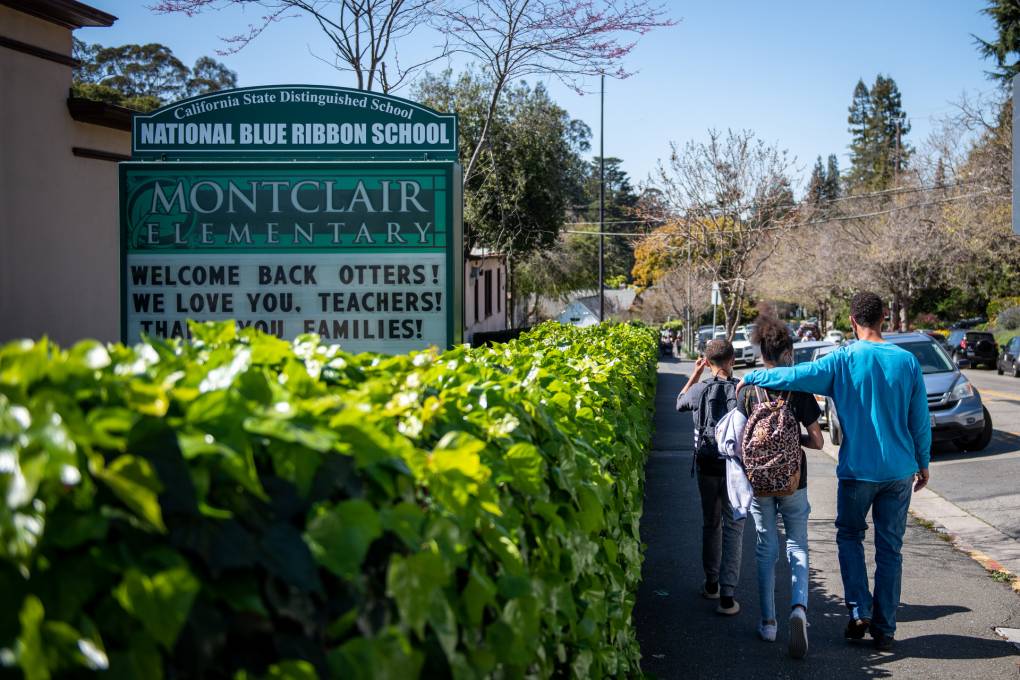
"caption": "Families pick up their children from Montclair Elementary School on the first day back to in-person learning on March 30, 2021.",
"description": "Families pick up their children from Montclair Elementary School on the first day back to in-person learning on March 30, 2021.",
"title": "RS48270_022_Oakland_SchoolReopening_03302021-qut",
"credit": "Beth LaBerge/KQED",
"status": "inherit",
"altTag": "Families pick up their children from Montclair Elementary School on the first day back to in-person learning on March 30, 2021.",
"isLoading": false,
"fetchFailed": false
},
"news_11922004": {
"type": "attachments",
"id": "news_11922004",
"meta": {
"index": "attachments_1716263798",
"site": "news",
"id": "11922004",
"found": true
},
"parent": 11921973,
"imgSizes": {
"twentyfourteen-full-width": {
"file": "https://ww2.kqed.org/app/uploads/sites/10/2022/08/RS12589_iStock_000005814659_Large-qut-1038x576.jpg",
"width": 1038,
"mimeType": "image/jpeg",
"height": 576
},
"thumbnail": {
"file": "https://ww2.kqed.org/app/uploads/sites/10/2022/08/RS12589_iStock_000005814659_Large-qut-160x106.jpg",
"width": 160,
"mimeType": "image/jpeg",
"height": 106
},
"post-thumbnail": {
"file": "https://ww2.kqed.org/app/uploads/sites/10/2022/08/RS12589_iStock_000005814659_Large-qut-672x372.jpg",
"width": 672,
"mimeType": "image/jpeg",
"height": 372
},
"kqedFullSize": {
"file": "https://ww2.kqed.org/app/uploads/sites/10/2022/08/RS12589_iStock_000005814659_Large-qut.jpg",
"width": 1400,
"height": 930
},
"large": {
"file": "https://ww2.kqed.org/app/uploads/sites/10/2022/08/RS12589_iStock_000005814659_Large-qut-1020x678.jpg",
"width": 1020,
"mimeType": "image/jpeg",
"height": 678
},
"medium": {
"file": "https://ww2.kqed.org/app/uploads/sites/10/2022/08/RS12589_iStock_000005814659_Large-qut-800x531.jpg",
"width": 800,
"mimeType": "image/jpeg",
"height": 531
}
},
"publishDate": 1659990729,
"modified": 1660002116,
"caption": "Voting booths at Hermosa Beach City Hall during the California primary election. Recent efforts by Bay Area high school students to lower the voting age for school board elections have been popular with voters, but implementing them has proven a lengthy and difficult process.",
"description": null,
"title": "RS12589_iStock_000005814659_Large-qut",
"credit": "Daniel Sofer/hermosawave.net",
"status": "inherit",
"altTag": "a row of empty voting booths with the word \"vote\" and an illustration of the American flag",
"isLoading": false,
"fetchFailed": false
},
"news_11921806": {
"type": "attachments",
"id": "news_11921806",
"meta": {
"index": "attachments_1716263798",
"site": "news",
"id": "11921806",
"found": true
},
"parent": 11921799,
"imgSizes": {
"twentyfourteen-full-width": {
"file": "https://ww2.kqed.org/app/uploads/sites/10/2022/08/004_KQED_OaklandSchoolfortheArtsStudents_12022021-1038x576.jpg",
"width": 1038,
"mimeType": "image/jpeg",
"height": 576
},
"thumbnail": {
"file": "https://ww2.kqed.org/app/uploads/sites/10/2022/08/004_KQED_OaklandSchoolfortheArtsStudents_12022021-160x107.jpg",
"width": 160,
"mimeType": "image/jpeg",
"height": 107
},
"post-thumbnail": {
"file": "https://ww2.kqed.org/app/uploads/sites/10/2022/08/004_KQED_OaklandSchoolfortheArtsStudents_12022021-672x372.jpg",
"width": 672,
"mimeType": "image/jpeg",
"height": 372
},
"kqedFullSize": {
"file": "https://ww2.kqed.org/app/uploads/sites/10/2022/08/004_KQED_OaklandSchoolfortheArtsStudents_12022021.jpg",
"width": 1920,
"height": 1280
},
"large": {
"file": "https://ww2.kqed.org/app/uploads/sites/10/2022/08/004_KQED_OaklandSchoolfortheArtsStudents_12022021-1020x680.jpg",
"width": 1020,
"mimeType": "image/jpeg",
"height": 680
},
"1536x1536": {
"file": "https://ww2.kqed.org/app/uploads/sites/10/2022/08/004_KQED_OaklandSchoolfortheArtsStudents_12022021-1536x1024.jpg",
"width": 1536,
"mimeType": "image/jpeg",
"height": 1024
},
"medium": {
"file": "https://ww2.kqed.org/app/uploads/sites/10/2022/08/004_KQED_OaklandSchoolfortheArtsStudents_12022021-800x533.jpg",
"width": 800,
"mimeType": "image/jpeg",
"height": 533
}
},
"publishDate": 1659731285,
"modified": 1659985697,
"caption": "Oakland School for the Arts seniors Maya McCall, Aisling Baus, and Susanna De Angelis Nelson outside the school on Dec. 2, 2021.",
"description": null,
"title": "004_KQED_OaklandSchoolfortheArtsStudents_12022021",
"credit": "Beth LaBerge/KQED",
"status": "inherit",
"altTag": "three young women stand looking sternly into the camera outside a school building",
"isLoading": false,
"fetchFailed": false
},
"news_11921831": {
"type": "attachments",
"id": "news_11921831",
"meta": {
"index": "attachments_1716263798",
"site": "news",
"id": "11921831",
"found": true
},
"parent": 11921807,
"imgSizes": {
"twentyfourteen-full-width": {
"file": "https://ww2.kqed.org/app/uploads/sites/10/2022/08/Screen-Shot-2022-08-05-at-2.04.11-PM-1038x576.png",
"width": 1038,
"mimeType": "image/png",
"height": 576
},
"thumbnail": {
"file": "https://ww2.kqed.org/app/uploads/sites/10/2022/08/Screen-Shot-2022-08-05-at-2.04.11-PM-160x92.png",
"width": 160,
"mimeType": "image/png",
"height": 92
},
"post-thumbnail": {
"file": "https://ww2.kqed.org/app/uploads/sites/10/2022/08/Screen-Shot-2022-08-05-at-2.04.11-PM-672x372.png",
"width": 672,
"mimeType": "image/png",
"height": 372
},
"kqedFullSize": {
"file": "https://ww2.kqed.org/app/uploads/sites/10/2022/08/Screen-Shot-2022-08-05-at-2.04.11-PM.png",
"width": 3470,
"height": 2002
},
"2048x2048": {
"file": "https://ww2.kqed.org/app/uploads/sites/10/2022/08/Screen-Shot-2022-08-05-at-2.04.11-PM-2048x1182.png",
"width": 2048,
"mimeType": "image/png",
"height": 1182
},
"large": {
"file": "https://ww2.kqed.org/app/uploads/sites/10/2022/08/Screen-Shot-2022-08-05-at-2.04.11-PM-1020x588.png",
"width": 1020,
"mimeType": "image/png",
"height": 588
},
"1536x1536": {
"file": "https://ww2.kqed.org/app/uploads/sites/10/2022/08/Screen-Shot-2022-08-05-at-2.04.11-PM-1536x886.png",
"width": 1536,
"mimeType": "image/png",
"height": 886
},
"full-width": {
"file": "https://ww2.kqed.org/app/uploads/sites/10/2022/08/Screen-Shot-2022-08-05-at-2.04.11-PM-1920x1108.png",
"width": 1920,
"mimeType": "image/png",
"height": 1108
},
"medium": {
"file": "https://ww2.kqed.org/app/uploads/sites/10/2022/08/Screen-Shot-2022-08-05-at-2.04.11-PM-800x462.png",
"width": 800,
"mimeType": "image/png",
"height": 462
}
},
"publishDate": 1659738321,
"modified": 1659738468,
"caption": "Protesters at Parker Elementary School clash with Oakland Unified School District security officers in this screenshot from a video posted on social media by independent journalist Jaime Omar Yassin.",
"description": null,
"title": "Screen Shot 2022-08-05 at 2.04.11 PM",
"credit": "Jaime Omar Yassin via Twitter",
"status": "inherit",
"altTag": "a group of people wearing masks clash with security officers in the doorway to a school building as someone films",
"isLoading": false,
"fetchFailed": false
},
"news_11901815": {
"type": "attachments",
"id": "news_11901815",
"meta": {
"index": "attachments_1716263798",
"site": "news",
"id": "11901815",
"found": true
},
"parent": 11901813,
"imgSizes": {
"twentyfourteen-full-width": {
"file": "https://ww2.kqed.org/app/uploads/sites/10/2022/01/RS53040_001_KQED_BethLaBerge_SchoolBoardRecallPresser_01142022-qut-1-1038x576.jpg",
"width": 1038,
"mimeType": "image/jpeg",
"height": 576
},
"thumbnail": {
"file": "https://ww2.kqed.org/app/uploads/sites/10/2022/01/RS53040_001_KQED_BethLaBerge_SchoolBoardRecallPresser_01142022-qut-1-160x107.jpg",
"width": 160,
"mimeType": "image/jpeg",
"height": 107
},
"post-thumbnail": {
"file": "https://ww2.kqed.org/app/uploads/sites/10/2022/01/RS53040_001_KQED_BethLaBerge_SchoolBoardRecallPresser_01142022-qut-1-672x372.jpg",
"width": 672,
"mimeType": "image/jpeg",
"height": 372
},
"kqedFullSize": {
"file": "https://ww2.kqed.org/app/uploads/sites/10/2022/01/RS53040_001_KQED_BethLaBerge_SchoolBoardRecallPresser_01142022-qut-1.jpg",
"width": 1920,
"height": 1278
},
"large": {
"file": "https://ww2.kqed.org/app/uploads/sites/10/2022/01/RS53040_001_KQED_BethLaBerge_SchoolBoardRecallPresser_01142022-qut-1-1020x679.jpg",
"width": 1020,
"mimeType": "image/jpeg",
"height": 679
},
"1536x1536": {
"file": "https://ww2.kqed.org/app/uploads/sites/10/2022/01/RS53040_001_KQED_BethLaBerge_SchoolBoardRecallPresser_01142022-qut-1-1536x1022.jpg",
"width": 1536,
"mimeType": "image/jpeg",
"height": 1022
},
"medium": {
"file": "https://ww2.kqed.org/app/uploads/sites/10/2022/01/RS53040_001_KQED_BethLaBerge_SchoolBoardRecallPresser_01142022-qut-1-800x533.jpg",
"width": 800,
"mimeType": "image/jpeg",
"height": 533
}
},
"publishDate": 1642210803,
"modified": 1659136405,
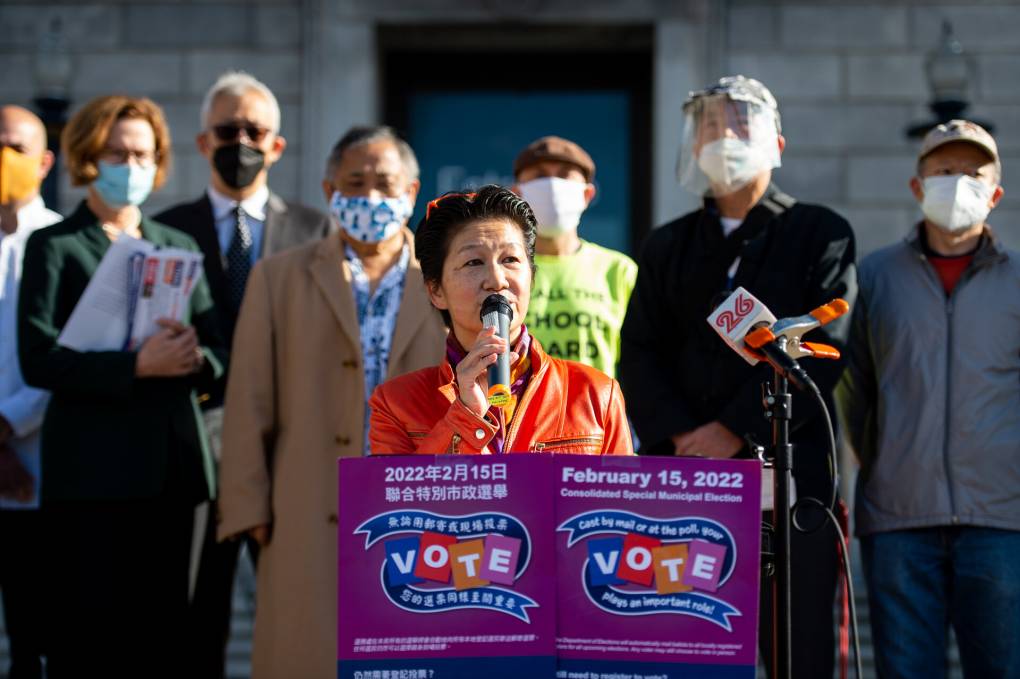
"caption": "Ann Hsu speaks during a press conference held by the Chinese/API Voter Outreach Task Force on the steps of the Asian Art Museum in San Francisco on Jan. 14, 2022.",
"description": null,
"title": "RS53040_001_KQED_BethLaBerge_SchoolBoardRecallPresser_01142022-qut (1)",
"credit": "Beth LaBerge/KQED",
"status": "inherit",
"altTag": "A woman speaks at a podium flanked by other people behind her wearing masks.",
"isLoading": false,
"fetchFailed": false
},
"news_11920377": {
"type": "attachments",
"id": "news_11920377",
"meta": {
"index": "attachments_1716263798",
"site": "news",
"id": "11920377",
"found": true
},
"parent": 11920365,
"imgSizes": {
"twentyfourteen-full-width": {
"file": "https://ww2.kqed.org/app/uploads/sites/10/2022/07/GettyImages-1173209337-1024x576.jpg",
"width": 1024,
"mimeType": "image/jpeg",
"height": 576
},
"thumbnail": {
"file": "https://ww2.kqed.org/app/uploads/sites/10/2022/07/GettyImages-1173209337-160x91.jpg",
"width": 160,
"mimeType": "image/jpeg",
"height": 91
},
"post-thumbnail": {
"file": "https://ww2.kqed.org/app/uploads/sites/10/2022/07/GettyImages-1173209337-672x372.jpg",
"width": 672,
"mimeType": "image/jpeg",
"height": 372
},
"kqedFullSize": {
"file": "https://ww2.kqed.org/app/uploads/sites/10/2022/07/GettyImages-1173209337.jpg",
"width": 1024,
"height": 583
},
"large": {
"file": "https://ww2.kqed.org/app/uploads/sites/10/2022/07/GettyImages-1173209337-1020x581.jpg",
"width": 1020,
"mimeType": "image/jpeg",
"height": 581
},
"medium": {
"file": "https://ww2.kqed.org/app/uploads/sites/10/2022/07/GettyImages-1173209337-800x455.jpg",
"width": 800,
"mimeType": "image/jpeg",
"height": 455
}
},
"publishDate": 1658711614,
"modified": 1658856416,
"caption": "A banner for a $15-per-hour minimum wage is displayed as airport employees are joined by drivers from Uber and Lyft and other Southern California workers for a protest at Los Angeles International Airport in Los Angeles, on Oct. 2, 2019, demanding that elected officials pledge their support for the Unions for All movement.",
"description": null,
"title": "US-WORKER-STRIKE-UNION",
"credit": "Frederic J. Brown/AFP via Getty Images",
"status": "inherit",
"altTag": "A large crowd holds a sign that says \"Fight For $15 CA\"",
"isLoading": false,
"fetchFailed": false
},
"news_11920324": {
"type": "attachments",
"id": "news_11920324",
"meta": {
"index": "attachments_1716263798",
"site": "news",
"id": "11920324",
"found": true
},
"parent": 11920323,
"imgSizes": {
"twentyfourteen-full-width": {
"file": "https://ww2.kqed.org/app/uploads/sites/10/2022/07/Shatz-VR-2_frame_17162-1038x576.jpeg",
"width": 1038,
"mimeType": "image/jpeg",
"height": 576
},
"thumbnail": {
"file": "https://ww2.kqed.org/app/uploads/sites/10/2022/07/Shatz-VR-2_frame_17162-160x90.jpeg",
"width": 160,
"mimeType": "image/jpeg",
"height": 90
},
"post-thumbnail": {
"file": "https://ww2.kqed.org/app/uploads/sites/10/2022/07/Shatz-VR-2_frame_17162-672x372.jpeg",
"width": 672,
"mimeType": "image/jpeg",
"height": 372
},
"kqedFullSize": {
"file": "https://ww2.kqed.org/app/uploads/sites/10/2022/07/Shatz-VR-2_frame_17162.jpeg",
"width": 1920,
"height": 1080
},
"large": {
"file": "https://ww2.kqed.org/app/uploads/sites/10/2022/07/Shatz-VR-2_frame_17162-1020x574.jpeg",
"width": 1020,
"mimeType": "image/jpeg",
"height": 574
},
"1536x1536": {
"file": "https://ww2.kqed.org/app/uploads/sites/10/2022/07/Shatz-VR-2_frame_17162-1536x864.jpeg",
"width": 1536,
"mimeType": "image/jpeg",
"height": 864
},
"medium": {
"file": "https://ww2.kqed.org/app/uploads/sites/10/2022/07/Shatz-VR-2_frame_17162-800x450.jpeg",
"width": 800,
"mimeType": "image/jpeg",
"height": 450
}
},
"publishDate": 1658533590,
"modified": 1658533590,
"caption": null,
"description": null,
"title": "Shatz VR 2_frame_17162",
"credit": null,
"status": "inherit",
"altTag": null,
"isLoading": false,
"fetchFailed": false
},
"news_11920264": {
"type": "attachments",
"id": "news_11920264",
"meta": {
"index": "attachments_1716263798",
"site": "news",
"id": "11920264",
"found": true
},
"parent": 11920106,
"imgSizes": {
"twentyfourteen-full-width": {
"file": "https://ww2.kqed.org/app/uploads/sites/10/2022/07/1-1-600x576.jpeg",
"width": 600,
"mimeType": "image/jpeg",
"height": 576
},
"thumbnail": {
"file": "https://ww2.kqed.org/app/uploads/sites/10/2022/07/1-1-e1658524096789-160x150.jpeg",
"width": 160,
"mimeType": "image/jpeg",
"height": 150
},
"post-thumbnail": {
"file": "https://ww2.kqed.org/app/uploads/sites/10/2022/07/1-1-e1658524096789-600x372.jpeg",
"width": 600,
"mimeType": "image/jpeg",
"height": 372
},
"kqedFullSize": {
"file": "https://ww2.kqed.org/app/uploads/sites/10/2022/07/1-1-e1658524096789.jpeg",
"width": 600,
"height": 564
}
},
"publishDate": 1658516687,
"modified": 1658532957,
"caption": "Rosemead High School journalism teacher Eric Burgess was known as a prankster and a fun-loving adult on campus. But some students allege he groomed them for sex. ",
"description": "Rosemead igh journalism teacher Eric Burgess was known as a prankster and a fun-loving adult on campus. But some students allege he groomed them for sex. ",
"title": "Eric Burgess",
"credit": "Rosemead High School file photo",
"status": "inherit",
"altTag": "A middle aged man with white skin and tousled dark hair raises onw eyebrow at the camera, holding the tip of his eyeglasses in the corner of his mouth. His lips are pursed in a small smile. He's wearing a white collared shirt and light blue sweater.",
"isLoading": false,
"fetchFailed": false
},
"news_11920162": {
"type": "attachments",
"id": "news_11920162",
"meta": {
"index": "attachments_1716263798",
"site": "news",
"id": "11920162",
"found": true
},
"parent": 11920137,
"imgSizes": {
"twentyfourteen-full-width": {
"file": "https://ww2.kqed.org/app/uploads/sites/10/2022/07/RS57390_GettyImages-1234637846-qut-1038x576.jpg",
"width": 1038,
"mimeType": "image/jpeg",
"height": 576
},
"thumbnail": {
"file": "https://ww2.kqed.org/app/uploads/sites/10/2022/07/RS57390_GettyImages-1234637846-qut-160x106.jpg",
"width": 160,
"mimeType": "image/jpeg",
"height": 106
},
"post-thumbnail": {
"file": "https://ww2.kqed.org/app/uploads/sites/10/2022/07/RS57390_GettyImages-1234637846-qut-672x372.jpg",
"width": 672,
"mimeType": "image/jpeg",
"height": 372
},
"kqedFullSize": {
"file": "https://ww2.kqed.org/app/uploads/sites/10/2022/07/RS57390_GettyImages-1234637846-qut.jpg",
"width": 1920,
"height": 1277
},
"large": {
"file": "https://ww2.kqed.org/app/uploads/sites/10/2022/07/RS57390_GettyImages-1234637846-qut-1020x678.jpg",
"width": 1020,
"mimeType": "image/jpeg",
"height": 678
},
"1536x1536": {
"file": "https://ww2.kqed.org/app/uploads/sites/10/2022/07/RS57390_GettyImages-1234637846-qut-1536x1022.jpg",
"width": 1536,
"mimeType": "image/jpeg",
"height": 1022
},
"medium": {
"file": "https://ww2.kqed.org/app/uploads/sites/10/2022/07/RS57390_GettyImages-1234637846-qut-800x532.jpg",
"width": 800,
"mimeType": "image/jpeg",
"height": 532
}
},
"publishDate": 1658444902,
"modified": 1658445153,
"caption": "First graders raise their hands on the first day of school at a Southern California elementary school in Aug., 2021. A persistent teacher shortage has forced many California school districts to hire teachers who aren’t fully credentialed or are teaching out of their subject areas.",
"description": null,
"title": "First Day of School",
"credit": "Jeff Gritchen/MediaNews Group/Orange County Register via Getty Images",
"status": "inherit",
"altTag": "Five children of various racial backgrounds seated at tables, wearing masks, raising their hands for a teacher who is out of frame",
"isLoading": false,
"fetchFailed": false
},
"news_11919998": {
"type": "attachments",
"id": "news_11919998",
"meta": {
"index": "attachments_1716263798",
"site": "news",
"id": "11919998",
"found": true
},
"parent": 11919984,
"imgSizes": {
"thumbnail": {
"file": "https://ww2.kqed.org/app/uploads/sites/10/2022/07/PlayingPiano-160x120.jpeg",
"width": 160,
"mimeType": "image/jpeg",
"height": 120
},
"post-thumbnail": {
"file": "https://ww2.kqed.org/app/uploads/sites/10/2022/07/PlayingPiano-672x372.jpeg",
"width": 672,
"mimeType": "image/jpeg",
"height": 372
},
"kqedFullSize": {
"file": "https://ww2.kqed.org/app/uploads/sites/10/2022/07/PlayingPiano.jpeg",
"width": 768,
"height": 576
}
},
"publishDate": 1658342195,
"modified": 1658363343,
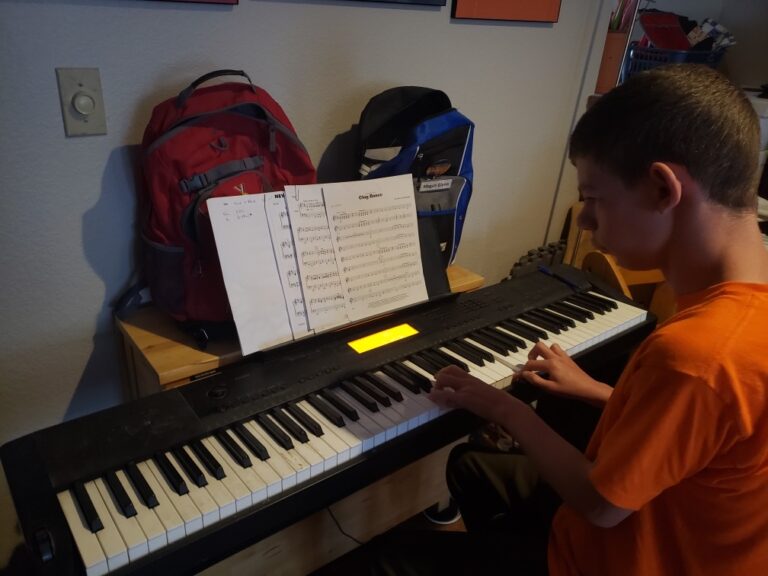
"caption": "Liam Glynn excels at piano. His mother, Megan Glynn, is hoping that Liam, who has cognitive disabilities, will be able to benefit from a new program that would allow him to earn a high school diploma.",
"description": null,
"title": "PlayingPiano",
"credit": "Courtesy of Megan Glynn/EdSource",
"status": "inherit",
"altTag": "A boy sits at a piano playing a musical piece.",
"isLoading": false,
"fetchFailed": false
},
"news_11919955": {
"type": "attachments",
"id": "news_11919955",
"meta": {
"index": "attachments_1716263798",
"site": "news",
"id": "11919955",
"found": true
},
"parent": 0,
"imgSizes": {
"twentyfourteen-full-width": {
"file": "https://ww2.kqed.org/app/uploads/sites/10/2022/07/RS57323_003_KQED_WoodStreetEncampment_07192022-qut-1038x576.jpg",
"width": 1038,
"mimeType": "image/jpeg",
"height": 576
},
"thumbnail": {
"file": "https://ww2.kqed.org/app/uploads/sites/10/2022/07/RS57323_003_KQED_WoodStreetEncampment_07192022-qut-160x107.jpg",
"width": 160,
"mimeType": "image/jpeg",
"height": 107
},
"post-thumbnail": {
"file": "https://ww2.kqed.org/app/uploads/sites/10/2022/07/RS57323_003_KQED_WoodStreetEncampment_07192022-qut-672x372.jpg",
"width": 672,
"mimeType": "image/jpeg",
"height": 372
},
"kqedFullSize": {
"file": "https://ww2.kqed.org/app/uploads/sites/10/2022/07/RS57323_003_KQED_WoodStreetEncampment_07192022-qut.jpg",
"width": 1920,
"height": 1280
},
"large": {
"file": "https://ww2.kqed.org/app/uploads/sites/10/2022/07/RS57323_003_KQED_WoodStreetEncampment_07192022-qut-1020x680.jpg",
"width": 1020,
"mimeType": "image/jpeg",
"height": 680
},
"1536x1536": {
"file": "https://ww2.kqed.org/app/uploads/sites/10/2022/07/RS57323_003_KQED_WoodStreetEncampment_07192022-qut-1536x1024.jpg",
"width": 1536,
"mimeType": "image/jpeg",
"height": 1024
},
"medium": {
"file": "https://ww2.kqed.org/app/uploads/sites/10/2022/07/RS57323_003_KQED_WoodStreetEncampment_07192022-qut-800x533.jpg",
"width": 800,
"mimeType": "image/jpeg",
"height": 533
}
},
"publishDate": 1658274844,
"modified": 1658275643,
"caption": "David Bahar, 59, carries a piece of furniture to a friend at the Wood Street encampment in West Oakland on July 19, 2022.",
"description": null,
"title": "RS57323_003_KQED_WoodStreetEncampment_07192022-qut",
"credit": "Beth LaBerge/KQED",
"status": "inherit",
"altTag": "A man walking on a path carries a square piece of furniture toward an underpass. To his right, a sign reads '2121 Wood. 100% Affordable Housing'",
"isLoading": false,
"fetchFailed": false
},
"news_11919199": {
"type": "attachments",
"id": "news_11919199",
"meta": {
"index": "attachments_1716263798",
"site": "news",
"id": "11919199",
"found": true
},
"parent": 11919130,
"imgSizes": {
"twentyfourteen-full-width": {
"file": "https://ww2.kqed.org/app/uploads/sites/10/2022/07/aHR0cDovL2hheXdhcmR1c2QtY2Euc2Nob29sbG9vcC5jb20vdWltZy9maWxlLzE0MzE3NTk5Mjg4NTEvNTkxNDA4MjExMjE4MjYxNzQzMi5qcGVnX3ducDEwMDAuanBnPzE2MTMwODMxOTc0NDA-1000x576.jpeg",
"width": 1000,
"mimeType": "image/jpeg",
"height": 576
},
"thumbnail": {
"file": "https://ww2.kqed.org/app/uploads/sites/10/2022/07/aHR0cDovL2hheXdhcmR1c2QtY2Euc2Nob29sbG9vcC5jb20vdWltZy9maWxlLzE0MzE3NTk5Mjg4NTEvNTkxNDA4MjExMjE4MjYxNzQzMi5qcGVnX3ducDEwMDAuanBnPzE2MTMwODMxOTc0NDA-160x131.jpeg",
"width": 160,
"mimeType": "image/jpeg",
"height": 131
},
"post-thumbnail": {
"file": "https://ww2.kqed.org/app/uploads/sites/10/2022/07/aHR0cDovL2hheXdhcmR1c2QtY2Euc2Nob29sbG9vcC5jb20vdWltZy9maWxlLzE0MzE3NTk5Mjg4NTEvNTkxNDA4MjExMjE4MjYxNzQzMi5qcGVnX3ducDEwMDAuanBnPzE2MTMwODMxOTc0NDA-672x372.jpeg",
"width": 672,
"mimeType": "image/jpeg",
"height": 372
},
"kqedFullSize": {
"file": "https://ww2.kqed.org/app/uploads/sites/10/2022/07/aHR0cDovL2hheXdhcmR1c2QtY2Euc2Nob29sbG9vcC5jb20vdWltZy9maWxlLzE0MzE3NTk5Mjg4NTEvNTkxNDA4MjExMjE4MjYxNzQzMi5qcGVnX3ducDEwMDAuanBnPzE2MTMwODMxOTc0NDA.jpeg",
"width": 1000,
"height": 816
},
"medium": {
"file": "https://ww2.kqed.org/app/uploads/sites/10/2022/07/aHR0cDovL2hheXdhcmR1c2QtY2Euc2Nob29sbG9vcC5jb20vdWltZy9maWxlLzE0MzE3NTk5Mjg4NTEvNTkxNDA4MjExMjE4MjYxNzQzMi5qcGVnX3ducDEwMDAuanBnPzE2MTMwODMxOTc0NDA-800x653.jpeg",
"width": 800,
"mimeType": "image/jpeg",
"height": 653
}
},
"publishDate": 1657328338,
"modified": 1657561768,
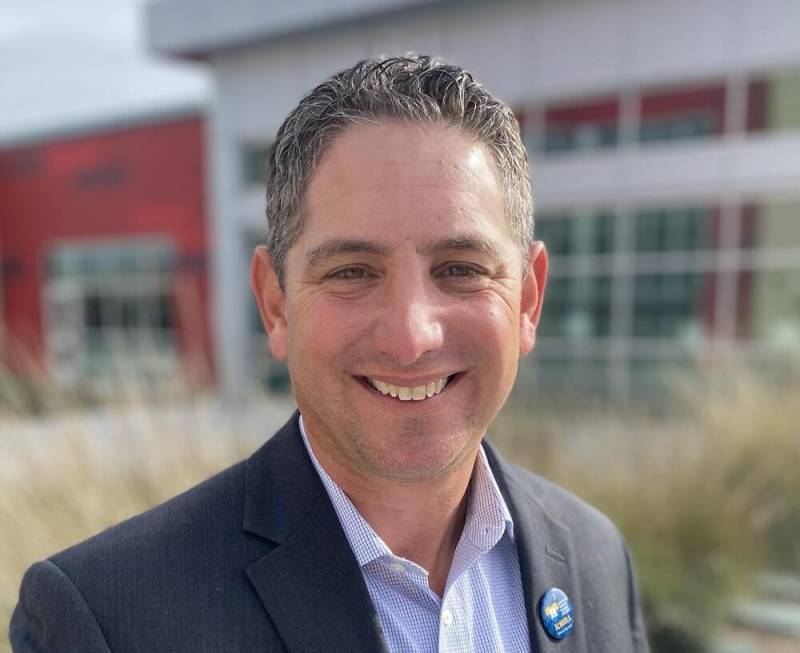
"caption": "Matt Wayne, the new superintendent of the San Francisco Unified School District, just finished his first week on the job.",
"description": null,
"title": "aHR0cDovL2hheXdhcmR1c2QtY2Euc2Nob29sbG9vcC5jb20vdWltZy9maWxlLzE0MzE3NTk5Mjg4NTEvNTkxNDA4MjExMjE4MjYxNzQzMi5qcGVnX3ducDEwMDAuanBnPzE2MTMwODMxOTc0NDA=",
"credit": "Courtesy of Hayward Unified School District",
"status": "inherit",
"altTag": "A man in a blazer smiles while standing near a school.",
"isLoading": false,
"fetchFailed": false
}
},
"audioPlayerReducer": {
"postId": "stream_live",
"isPaused": true,
"isPlaying": false,
"pfsActive": false,
"pledgeModalIsOpen": true,
"playerDrawerIsOpen": false,
"liveAudioPlayStartedAt": 0,
"liveAudioPlayContext": ""
},
"authorsReducer": {
"byline_news_11921954": {
"type": "authors",
"id": "byline_news_11921954",
"meta": {
"override": true
},
"slug": "byline_news_11921954",
"name": "John Fensterwald",
"isLoading": false
},
"byline_news_11921973": {
"type": "authors",
"id": "byline_news_11921973",
"meta": {
"override": true
},
"slug": "byline_news_11921973",
"name": "Carolyn Jones\u003cbr>EdSource",
"isLoading": false
},
"byline_news_11920365": {
"type": "authors",
"id": "byline_news_11920365",
"meta": {
"override": true
},
"slug": "byline_news_11920365",
"name": "Jeanne Kuang",
"isLoading": false
},
"byline_news_11920137": {
"type": "authors",
"id": "byline_news_11920137",
"meta": {
"override": true
},
"slug": "byline_news_11920137",
"name": "\u003ca href=\"https://calmatters.org/author/joe-hong/\">Joe Hong\u003c/a> and \u003ca href=\"https://calmatters.org/author/ericayee/\">Erica Yee\u003c/a>",
"isLoading": false
},
"byline_news_11919984": {
"type": "authors",
"id": "byline_news_11919984",
"meta": {
"override": true
},
"slug": "byline_news_11919984",
"name": "\u003ca href=\"https://edsource.org/author/cjones\">Carolyn Jones\u003c/a>",
"isLoading": false
},
"jmcevoy": {
"type": "authors",
"id": "231",
"meta": {
"index": "authors_1716337520",
"id": "231",
"found": true
},
"name": "Julia McEvoy",
"firstName": "Julia",
"lastName": "McEvoy",
"slug": "jmcevoy",
"email": "jmcevoy@KQED.org",
"display_author_email": true,
"staff_mastheads": [
"news"
],
"title": "KQED Senior Editor",
"bio": "Julia McEvoy is KQED's Senior Editor, Education Equity.\r\n\r\nJulia heads KQED’s education coverage examining inequities students face in Bay Area and California schools, and reports on what it will take to educate the next generation.\r\n\r\nJulia's editorial work has received a Peabody Award, a Casey Medal for Coverage of Children and Families, several Edward R. Murrow awards, as well as awards from the Public Radio News Directors Inc. and the Society for Professional Journalists.",
"avatar": "https://secure.gravatar.com/avatar/aec3ce21abe02b302fd33638abd56a22?s=600&d=blank&r=g",
"twitter": "juliamcevoy1",
"facebook": null,
"instagram": null,
"linkedin": null,
"sites": [
{
"site": "news",
"roles": []
},
{
"site": "stateofhealth",
"roles": [
"author"
]
}
],
"headData": {
"title": "Julia McEvoy | KQED",
"description": "KQED Senior Editor",
"ogImgSrc": "https://secure.gravatar.com/avatar/aec3ce21abe02b302fd33638abd56a22?s=600&d=blank&r=g",
"twImgSrc": "https://secure.gravatar.com/avatar/aec3ce21abe02b302fd33638abd56a22?s=600&d=blank&r=g"
},
"isLoading": false,
"link": "/author/jmcevoy"
},
"kqed": {
"type": "authors",
"id": "236",
"meta": {
"index": "authors_1716337520",
"id": "236",
"found": true
},
"name": "KQED News Staff",
"firstName": "KQED News Staff",
"lastName": null,
"slug": "kqed",
"email": "faq@kqed.org",
"display_author_email": false,
"staff_mastheads": [],
"title": null,
"bio": null,
"avatar": "https://secure.gravatar.com/avatar/ef0e801a68c4c54afa9180db14084167?s=600&d=blank&r=g",
"twitter": null,
"facebook": null,
"instagram": null,
"linkedin": null,
"sites": [
{
"site": "arts",
"roles": [
"contributor"
]
},
{
"site": "news",
"roles": [
"editor"
]
},
{
"site": "futureofyou",
"roles": [
"author"
]
}
],
"headData": {
"title": "KQED News Staff | KQED",
"description": null,
"ogImgSrc": "https://secure.gravatar.com/avatar/ef0e801a68c4c54afa9180db14084167?s=600&d=blank&r=g",
"twImgSrc": "https://secure.gravatar.com/avatar/ef0e801a68c4c54afa9180db14084167?s=600&d=blank&r=g"
},
"isLoading": false,
"link": "/author/kqed"
},
"sasha-khokha": {
"type": "authors",
"id": "254",
"meta": {
"index": "authors_1716337520",
"id": "254",
"found": true
},
"name": "Sasha Khokha",
"firstName": "Sasha",
"lastName": "Khokha",
"slug": "sasha-khokha",
"email": "skhokha@kqed.org",
"display_author_email": true,
"staff_mastheads": [
"news"
],
"title": "Host, The California Report Magazine",
"bio": "Sasha Khokha is the host of \u003cem>The California Report's \u003c/em> weekly magazine program, which takes listeners on sound-rich excursions to meet the people that make the Golden State unique -- through audio documentaries and long-form stories. As \u003cem>The California Report's\u003c/em> Central Valley Bureau Chief based in Fresno for nearly a dozen years, Sasha brought the lives and concerns of rural Californians to listeners around the state. Her reporting helped expose the hidden price immigrant women janitors and farmworkers may pay to keep their jobs: sexual assault at work. It inspired two new California laws to protect them from sexual harassment. She was a key member of the reporting team for the Frontline film \u003cem>Rape on the Night Shift, \u003c/em>which was nominated for two national Emmys. Sasha has also won a national Edward R. Murrow and a national PRNDI award for investigative reporting, as well as multiple prizes from the Society for Professional Journalists. Sasha is a proud alum of the UC Berkeley Graduate School of Journalism and Brown University and a member of the South Asian Journalists Association.",
"avatar": "https://secure.gravatar.com/avatar/e4b5e1541aaeea2aa356aa1fb2a68950?s=600&d=blank&r=g",
"twitter": "KQEDSashaKhokha",
"facebook": null,
"instagram": null,
"linkedin": null,
"sites": [
{
"site": "news",
"roles": [
"editor"
]
},
{
"site": "stateofhealth",
"roles": [
"author"
]
},
{
"site": "science",
"roles": [
"author"
]
},
{
"site": "quest",
"roles": [
"subscriber"
]
}
],
"headData": {
"title": "Sasha Khokha | KQED",
"description": "Host, The California Report Magazine",
"ogImgSrc": "https://secure.gravatar.com/avatar/e4b5e1541aaeea2aa356aa1fb2a68950?s=600&d=blank&r=g",
"twImgSrc": "https://secure.gravatar.com/avatar/e4b5e1541aaeea2aa356aa1fb2a68950?s=600&d=blank&r=g"
},
"isLoading": false,
"link": "/author/sasha-khokha"
},
"matthewgreen": {
"type": "authors",
"id": "1263",
"meta": {
"index": "authors_1716337520",
"id": "1263",
"found": true
},
"name": "Matthew Green",
"firstName": "Matthew",
"lastName": "Green",
"slug": "matthewgreen",
"email": "mgreen@kqed.org",
"display_author_email": false,
"staff_mastheads": [],
"title": "KQED Editor/Reporter",
"bio": "Matthew Green is a digital media producer for KQED News. He previously produced \u003ca href=\"http://www.kqed.org/lowdown\">The Lowdown\u003c/a>, KQED’s multimedia news education blog. Matthew's written for numerous Bay Area publications, including the Oakland Tribune and San Francisco Chronicle. He also taught journalism classes at Fremont High School in East Oakland.\r\n\r\nEmail: mgreen@kqed.org; Twitter: @MGreenKQED",
"avatar": "https://secure.gravatar.com/avatar/3bf498d1267ca02c8494f33d8cfc575e?s=600&d=blank&r=g",
"twitter": "MGreenKQED",
"facebook": null,
"instagram": null,
"linkedin": null,
"sites": [
{
"site": "news",
"roles": []
},
{
"site": "lowdown",
"roles": []
},
{
"site": "science",
"roles": []
},
{
"site": "education",
"roles": []
},
{
"site": "quest",
"roles": []
},
{
"site": "liveblog",
"roles": []
}
],
"headData": {
"title": "Matthew Green | KQED",
"description": "KQED Editor/Reporter",
"ogImgSrc": "https://secure.gravatar.com/avatar/3bf498d1267ca02c8494f33d8cfc575e?s=600&d=blank&r=g",
"twImgSrc": "https://secure.gravatar.com/avatar/3bf498d1267ca02c8494f33d8cfc575e?s=600&d=blank&r=g"
},
"isLoading": false,
"link": "/author/matthewgreen"
},
"esilvers": {
"type": "authors",
"id": "7237",
"meta": {
"index": "authors_1716337520",
"id": "7237",
"found": true
},
"name": "Emma Silvers",
"firstName": "Emma",
"lastName": "Silvers",
"slug": "esilvers",
"email": "esilvers@kqed.org",
"display_author_email": false,
"staff_mastheads": [],
"title": "KQED Contributor",
"bio": "Emma Silvers is an editor at KQED Arts and a former digital producer at KQED News. Born and raised in the Bay Area, she has previously been an arts and entertainment editor at the \u003cem>San Francisco Chronicle\u003c/em>, \u003cem>SF Weekly\u003c/em> and the \u003cem>San Francisco Bay Guardian.\u003c/em> \u003ca href=\"https://www.emmasilvers.com\">Her work\u003c/a> has also appeared in \u003cem>Rolling Stone\u003c/em>, Pitchfork and \u003cem>Mother Jones\u003c/em>. In 2017 she was the recipient of the Society of Professional Journalists-Northern California's award for arts and culture reporting. In 1993 she \u003ca href=\"https://www.kqed.org/pop/16759/wait-what-my-coworker-was-a-voice-over-hyperventilator-for-jurassic-park\">hyperventilated in \u003cem>Jurassic Park\u003c/em>\u003c/a>.",
"avatar": "https://secure.gravatar.com/avatar/247beada39b88ea5759db1f51dba05cf?s=600&d=blank&r=g",
"twitter": "emmaruthless",
"facebook": null,
"instagram": null,
"linkedin": null,
"sites": [
{
"site": "arts",
"roles": [
"editor"
]
},
{
"site": "news",
"roles": [
"editor"
]
},
{
"site": "pop",
"roles": [
"contributor"
]
},
{
"site": "bayareabites",
"roles": [
"editor"
]
},
{
"site": "food",
"roles": [
"contributor"
]
},
{
"site": "liveblog",
"roles": [
"editor"
]
}
],
"headData": {
"title": "Emma Silvers | KQED",
"description": "KQED Contributor",
"ogImgSrc": "https://secure.gravatar.com/avatar/247beada39b88ea5759db1f51dba05cf?s=600&d=blank&r=g",
"twImgSrc": "https://secure.gravatar.com/avatar/247beada39b88ea5759db1f51dba05cf?s=600&d=blank&r=g"
},
"isLoading": false,
"link": "/author/esilvers"
},
"hmcdede": {
"type": "authors",
"id": "11635",
"meta": {
"index": "authors_1716337520",
"id": "11635",
"found": true
},
"name": "Holly McDede",
"firstName": "Holly",
"lastName": "McDede",
"slug": "hmcdede",
"email": "hmcdede@KQED.org",
"display_author_email": false,
"staff_mastheads": [],
"title": "KQED Contributor",
"bio": null,
"avatar": "https://secure.gravatar.com/avatar/999d9bf31bb3a2f0511932d99526cb3e?s=600&d=blank&r=g",
"twitter": null,
"facebook": null,
"instagram": null,
"linkedin": null,
"sites": [
{
"site": "arts",
"roles": [
"editor"
]
},
{
"site": "news",
"roles": [
"edit_others_posts",
"editor"
]
},
{
"site": "science",
"roles": [
"editor"
]
},
{
"site": "forum",
"roles": [
"editor"
]
},
{
"site": "perspectives",
"roles": [
"administrator"
]
}
],
"headData": {
"title": "Holly McDede | KQED",
"description": "KQED Contributor",
"ogImgSrc": "https://secure.gravatar.com/avatar/999d9bf31bb3a2f0511932d99526cb3e?s=600&d=blank&r=g",
"twImgSrc": "https://secure.gravatar.com/avatar/999d9bf31bb3a2f0511932d99526cb3e?s=600&d=blank&r=g"
},
"isLoading": false,
"link": "/author/hmcdede"
},
"ebaldassari": {
"type": "authors",
"id": "11652",
"meta": {
"index": "authors_1716337520",
"id": "11652",
"found": true
},
"name": "Erin Baldassari",
"firstName": "Erin",
"lastName": "Baldassari",
"slug": "ebaldassari",
"email": "ebaldassari@KQED.org",
"display_author_email": true,
"staff_mastheads": [
"news"
],
"title": "Staff Writer",
"bio": "Erin Baldassari covers housing for KQED. She's a former print journalist and most recently worked as the transportation reporter for the \u003cem>Mercury News\u003c/em> and \u003cem>East Bay Times. \u003c/em>There, she focused on how the Bay Area’s housing shortage has changed the way people move around the region. She also served on the \u003cem>East Bay Times\u003c/em>’ 2017 Pulitzer Prize-winning team for coverage of the Ghost Ship Fire in Oakland. Prior to that, Erin worked as a breaking news and general assignment reporter for a variety of outlets in the Bay Area and the greater Boston area. A Tufts University alumna, Erin grew up in the foothills of the Sierra Nevada mountains and in Sonoma County. She is a life-long KQED listener.",
"avatar": "https://secure.gravatar.com/avatar/5e95cad64a8ca08288082212e199d2b0cbeb4fd8e8ef5339395f361032bbe005?s=600&d=blank&r=g",
"twitter": "e_baldi",
"bluesky": null,
"facebook": null,
"instagram": null,
"linkedin": null,
"sites": [
{
"site": "news",
"roles": [
"edit_others_posts",
"editor"
]
},
{
"site": "science",
"roles": [
"editor"
]
},
{
"site": "liveblog",
"roles": [
"editor"
]
}
],
"headData": {
"title": "Erin Baldassari | KQED",
"description": "Staff Writer",
"ogImgSrc": "https://secure.gravatar.com/avatar/5e95cad64a8ca08288082212e199d2b0cbeb4fd8e8ef5339395f361032bbe005?s=600&d=blank&r=g",
"twImgSrc": "https://secure.gravatar.com/avatar/5e95cad64a8ca08288082212e199d2b0cbeb4fd8e8ef5339395f361032bbe005?s=600&d=blank&r=g"
},
"isLoading": false,
"link": "/author/ebaldassari"
},
"abandlamudi": {
"type": "authors",
"id": "11672",
"meta": {
"index": "authors_1716337520",
"id": "11672",
"found": true
},
"name": "Adhiti Bandlamudi",
"firstName": "Adhiti",
"lastName": "Bandlamudi",
"slug": "abandlamudi",
"email": "abandlamudi@kqed.org",
"display_author_email": false,
"staff_mastheads": [
"news"
],
"title": "KQED Housing Reporter",
"bio": "Adhiti Bandlamudi reports for KQED's Housing desk. She focuses on how housing gets built across the Bay Area. Before joining KQED in 2020, she reported for WUNC in Durham, North Carolina, WABE in Atlanta, Georgia and Capital Public Radio in Sacramento. In 2017, she was awarded a Kroc Fellowship at NPR where she reported on everything from sprinkles to the Golden State Killer's arrest. When she's not reporting, she's baking new recipes in her kitchen or watching movies with friends and family. She's originally from Georgia and has strong opinions about Great British Bake Off.",
"avatar": "https://secure.gravatar.com/avatar/868129c8b257bb99a3500e2c86a65400?s=600&d=mm&r=g",
"twitter": "oddity_adhiti",
"facebook": null,
"instagram": null,
"linkedin": null,
"sites": [
{
"site": "arts",
"roles": [
"author"
]
},
{
"site": "news",
"roles": [
"editor"
]
},
{
"site": "liveblog",
"roles": [
"author"
]
}
],
"headData": {
"title": "Adhiti Bandlamudi | KQED",
"description": "KQED Housing Reporter",
"ogImgSrc": "https://secure.gravatar.com/avatar/868129c8b257bb99a3500e2c86a65400?s=600&d=mm&r=g",
"twImgSrc": "https://secure.gravatar.com/avatar/868129c8b257bb99a3500e2c86a65400?s=600&d=mm&r=g"
},
"isLoading": false,
"link": "/author/abandlamudi"
},
"jrodriguez": {
"type": "authors",
"id": "11690",
"meta": {
"index": "authors_1716337520",
"id": "11690",
"found": true
},
"name": "Joe Fitzgerald Rodriguez",
"firstName": "Joe",
"lastName": "Fitzgerald Rodriguez",
"slug": "jrodriguez",
"email": "jrodriguez@kqed.org",
"display_author_email": true,
"staff_mastheads": [
"news"
],
"title": "Reporter and Producer",
"bio": "Joe Fitzgerald Rodriguez is a reporter and digital producer for KQED covering politics. Joe most recently wrote for the \u003cem>San Francisco Examiner\u003c/em> as a political columnist covering The City. He was raised in San Francisco and has spent his reporting career in his beloved, foggy, city by the bay. Joe was 12-years-old when he conducted his first interview in journalism, grilling former San Francisco Mayor Willie Brown for the Marina Middle School newspaper, \u003cem>The Penguin Press, \u003c/em>and he continues to report on the San Francisco Bay Area to this day.",
"avatar": "https://secure.gravatar.com/avatar/2247beb0564c1e9c62228d5649d2edac?s=600&d=blank&r=g",
"twitter": "FitztheReporter",
"facebook": null,
"instagram": "https://www.instagram.com/fitzthereporter/",
"linkedin": null,
"sites": [
{
"site": "",
"roles": [
"editor"
]
},
{
"site": "arts",
"roles": [
"editor"
]
},
{
"site": "news",
"roles": [
"editor"
]
},
{
"site": "science",
"roles": [
"editor"
]
},
{
"site": "elections",
"roles": [
"editor"
]
},
{
"site": "liveblog",
"roles": [
"editor"
]
}
],
"headData": {
"title": "Joe Fitzgerald Rodriguez | KQED",
"description": "Reporter and Producer",
"ogImgSrc": "https://secure.gravatar.com/avatar/2247beb0564c1e9c62228d5649d2edac?s=600&d=blank&r=g",
"twImgSrc": "https://secure.gravatar.com/avatar/2247beb0564c1e9c62228d5649d2edac?s=600&d=blank&r=g"
},
"isLoading": false,
"link": "/author/jrodriguez"
}
},
"pagesReducer": {
"news_tag_education": {
"type": "terms",
"id": "news_20013",
"meta": {
"index": "terms_1716263798",
"site": "news",
"id": "20013",
"score": 6.9701543
},
"featImg": null,
"name": "education",
"description": null,
"taxonomy": "tag",
"headData": {
"twImgId": null,
"twTitle": null,
"ogTitle": null,
"ogImgId": null,
"twDescription": null,
"description": null,
"title": "education Archives | KQED News",
"ogDescription": null
},
"ttid": 20030,
"slug": "education",
"isLoading": false,
"title": "education",
"pageMeta": {
"site": "news",
"WpPageTemplate": "page-topic-editorial",
"currentPage": 66
},
"blocks": [
{
"blockName": "kqed/post-list",
"attrs": {
"layout": "cardArticle2",
"query": "posts/news?tag=education",
"seeMore": false,
"paginated": true,
"page": 66
}
},
{
"blockName": "kqed/ad"
}
]
}
},
"pfsSessionReducer": {},
"postsReducer": {
"stream_live": {
"type": "live",
"id": "stream_live",
"audioUrl": "https://streams.kqed.org/kqedradio",
"title": "Live Stream",
"excerpt": "Live Stream information currently unavailable.",
"link": "/radio",
"featImg": "",
"label": {
"name": "KQED Live",
"link": "/"
}
},
"stream_kqedNewscast": {
"type": "posts",
"id": "stream_kqedNewscast",
"audioUrl": "https://www.kqed.org/.stream/anon/radio/RDnews/newscast.mp3?_=1",
"title": "KQED Newscast",
"featImg": "",
"label": {
"name": "88.5 FM",
"link": "/"
}
},
"news_11921954": {
"type": "posts",
"id": "news_11921954",
"meta": {
"index": "posts_1716263798",
"site": "news",
"id": "11921954",
"score": null,
"sort": [
1660004836000
]
},
"guestAuthors": [],
"slug": "oakland-has-a-strategy-to-address-teacher-churn-will-it-work",
"title": "Oakland Has a Strategy to Address Teacher Churn. Will It Work?",
"publishDate": 1660004836,
"format": "standard",
"headTitle": "Oakland Has a Strategy to Address Teacher Churn. Will It Work? | KQED",
"labelTerm": {},
"content": "\u003cp>In the high-poverty Oakland Unified School District, the disparities among schools of credentialed teachers are stark.\u003c/p>\n\u003cp>At Chabot Elementary in Oakland’s Rockridge neighborhood, with 23% of students from lower-income families, 93% of classes are taught by fully credentialed teachers; at Greenleaf Elementary, near the Oakland Coliseum, with 91% from lower-income families, fully credentialed teachers teach 47.5% of classes. In most middle schools and high schools, fewer than 60% of classes are taught by adequately certificated teachers, reflecting the ongoing difficulty in finding teachers credentialed to teach specific sciences like physics and math. At Castlemont High, fewer than one-quarter of teachers are assigned to classes they’re qualified to teach. Hiring decisions are made at the site level; the district does not place teachers at schools, it said.\u003c/p>\n\u003cp>[aside label=\"More Education Stories\" tag=\"education-equity\"]Across OUSD, 57% of its teachers are assigned to classrooms they are credentialed to teach — the lowest of any district in California with more than 10,000 students, and one of the lowest in the state. It is nearly a third lower than the state average, and the 27.4% of so-called ineffective teachers, which include those with emergency and short-term permits and long-term substitutes, is nearly seven times the 4.1% statewide average.\u003c/p>\n\u003cp>The district blames its low rate of credentialed teachers on the churn of high turnover and has a plan to attack the problem.\u003c/p>\n\u003cp>\u003ca href=\"https://www.parentsquare.com/feeds/13149403\">In a news release\u003c/a>, Superintendent Kyla Johnson-Trammell acknowledged the low numbers of fully credentialed teachers but said the district is making teacher retention and recruitment of aspiring teachers, particularly people of color, a priority. It has created \u003ca href=\"https://www.ousd.org/Page/17605\">Grow Our Own\u003c/a>, with teacher residencies, a pipeline to teaching for after-school staff and a teacher development program for middle school teachers. It is\u003ca href=\"https://sites.google.com/ousd.org/ntsd/home?authuser=0\"> providing mentoring and resources\u003c/a> for all new teachers and, starting this year, will pay for new teachers’ credentialing fees and assessments. Earning a credential while initially teaching with an emergency permit is sometimes the only option for those who can’t afford to take a year off from work to become a teacher.\u003c/p>\n\u003cp>[ad fullwidth]\u003c/p>\n\u003cp>According to OUSD, the\u003ca href=\"https://dashboards.ousd.org/t/HR/views/RetentionDashboardPublic/TeachersDistrictwide?%3Aiid=1&%3Aembed=y#1\"> high rate of teacher turnover\u003c/a> — 22% in 2016-17 — dropped to the national average of 16% in 2019-20 and has remained constant since then. According to the district, 30% to 40% of the applicants for openings have emergency or out-of-state teaching permits. Out of the 491 teacher vacancies Oakland Unified posted, as of July 22, 109 remained unfilled, it said.\u003c/p>\n\u003cp>The impact of its strategies looks promising, the district said:\u003c/p>\n\u003cul>\n\u003cli>121 middle school teachers have received debt relief, tuition support and assistance with advanced degrees and credentials in exchange for their commitment to stay in Oakland for two to four years, depending on how much aid they receive.\u003c/li>\n\u003cli>More than 100 special education teachers have received state funding for teacher prep, licensing fees, community college courses, education and student debt relief.\u003c/li>\n\u003cli>44 classified workers have received tuition support and mentoring to become credentialed teachers.\u003c/li>\n\u003cli>21 aspiring teachers earned their preliminary credentials in STEM and special education through the Oakland Teacher Residency program, in which an aspiring teacher trains full time in the classroom with an experienced, credentialed teacher. The district is partnering with the Alder Graduate School of Education. Teacher residents commit to staying four years with the district.\u003c/li>\n\u003c/ul>\n\u003cp>Oakland Unified has an enrollment of about 46,000 students, three-quarters of whom qualify as lower-income. About half of the students are Latino, with 20% Black, 10% white and 10% Asian. It employs about 3,000 teachers.\u003c/p>\n\u003cp>Oakland Unified also has above-average disparities in how those teachers are distributed across schools in the district. In schools with the highest-income children, 67% of educators are credentialed to teach the classes they are teaching, while 49% of teachers are qualified in schools with students from the most low-income families. Schools with students from the most low-income families also have double the percentage of intern teachers (4.4%) than schools with fewer children from lower-income families (2%).\u003c/p>\n\u003cp>[pullquote size='medium' align='left' citation=\"Keith Brown, president of the Oakland Education Association\"]‘Living wages continue to be an issue in Oakland. An experienced teacher can move to Hayward Unified and make $28,000 more overnight.’[/pullquote]\u003c/p>\n\u003cp>The reasons for the constant churn and difficulty finding teachers in Oakland with needed credentials depend on whom you ask.\u003c/p>\n\u003cp>Salary disparities among districts play a role in attracting teachers to some districts and pushing them away from others. The cost of housing in Oakland and the Bay Area is among the highest in the state, and Oakland’s salary scale, as of 2020-21, was among the lowest in Alameda County, from $50,600 for new teachers to $95,000 for the highest-paid veterans.\u003c/p>\n\u003cp>“Living wages continue to be an issue in Oakland,” said Keith Brown, president of the teachers union, the Oakland Education Association. “An experienced teacher can move to Hayward Unified and make $28,000 more overnight.”\u003c/p>\n\u003cp>[aside label=\"Related Stories\" tag=\"teacher-retention\"]In 2019, the union went on strike for seven days, demanding higher pay and improved conditions. Teachers settled for an 11% raise over four years. It conducted a one-day strike this year to oppose the district’s plan to close seven schools. Tense relations with the district’s unions, declining enrollment — a loss of 17,000 students over 20 years — and financial difficulties, which have dogged Oakland since the state provided a $100 million loan in 2003, have fostered strife and instability. When she was appointed superintendent in 2017, Johnson-Trammell, who grew up in Oakland and attended Oakland schools, became the sixth superintendent in nine years.\u003c/p>\n\u003cp>In a biting letter of resignation on her blog in May upon resigning from the school board, Shanthi Gonzales spread the blame. She cited the teachers union’s “refusal to engage on the issue of school quality,” general incivility in the district in handling disagreements and an easily distracted school board’s failure to focus on improving academics.\u003c/p>\n\u003cp>Arun Ramanathan, the CEO of Pivot Learning, a national school improvement nonprofit based in Oakland, agreed with Gonzales’ last point. Oakland is the home of an abundance of education nonprofits and foundations ready to fund new ideas. But the district’s focus must be on three things, he said: leadership, teaching and learning. “Ongoing instability bleeds into other areas, so the district turns to another initiative, whether social-emotional learning or community schools,” he said. “Oakland has one of the longest strategic plans, but it’s not focusing on the right stuff.”\u003c/p>\n\u003cp>OUSD should be constantly monitoring the number and distribution of long-term subs and the level of teacher absences, he said, as well as tracking, in a competitive market, the length of time between job interviews and job offers.\u003c/p>\n\u003cp>[pullquote size='medium' align='left' citation=\"Gary Yee, president of the Oakland Unified School District, Board of Education \"]‘[The district’s] commitment to hiring well-trained teachers with strong academic preparation and a deep local and cultural competency has never been stronger or more focused.’[/pullquote]\u003c/p>\n\u003cp>Gary Yee, the president of the district’s school board, said in a statement that although the issues of a teacher shortage and under-preparation in Oakland schools are not new or simple, the district’s “commitment to hiring well-trained teachers with strong academic preparation and a deep local and cultural competency has never been stronger or more focused.”\u003c/p>\n\u003cp>“Using the term ‘ineffective’ to label those who have not received state certification suggests a biased use of language. Privileging people who have the finances, time and opportunity to complete a credential before they start formal teaching in an Oakland Unified classroom blocks those who need to take a different path,” he said. “Even a cursory review of the \u003ca href=\"https://www.ousd.org/Page/781\">Talent Division\u003c/a> web page will reveal the multiple paths to becoming and growing as a professionally effective educator. With this support, all children and educators — regardless of their background or circumstances — will have the opportunity to reach their highest potential. I believe Oakland is moving in that direction.”\u003c/p>\n\u003cp>[ad floatright]\u003c/p>\n\u003cp>\u003ca href=\"https://edsource.org/2022/oakland-with-the-lowest-ratio-of-fully-prepared-rightly-assigned-teachers-has-a-strategy-to-address-teacher-churn/676288\">\u003cem>This story originally appeared in EdSource.\u003c/em>\u003c/a>\u003c/p>\n\n",
"blocks": [],
"excerpt": "OUSD is offering extra support to aspiring teachers who commit to staying in the district.",
"status": "publish",
"parent": 0,
"modified": 1721111608,
"stats": {
"hasAudio": false,
"hasVideo": false,
"hasChartOrMap": false,
"iframeSrcs": [],
"hasGoogleForm": false,
"hasGallery": false,
"hasHearkenModule": false,
"hasPolis": false,
"paragraphCount": 23,
"wordCount": 1415
},
"headData": {
"title": "Oakland Has a Strategy to Address Teacher Churn. Will It Work? | KQED",
"description": "It has created Grow Our Own, with teacher residencies, a pipeline to teaching for after-school staff and a teacher development program for middle school teachers. It is providing mentoring and resources for all new teachers and, starting this year, will pay for new teachers’ credentialing fees and assessments.",
"ogTitle": "",
"ogDescription": "",
"ogImgId": "",
"twTitle": "",
"twDescription": "",
"twImgId": "",
"socialDescription": "It has created Grow Our Own, with teacher residencies, a pipeline to teaching for after-school staff and a teacher development program for middle school teachers. It is providing mentoring and resources for all new teachers and, starting this year, will pay for new teachers’ credentialing fees and assessments.",
"schema": {
"@context": "https://schema.org",
"@type": "NewsArticle",
"headline": "Oakland Has a Strategy to Address Teacher Churn. Will It Work?",
"datePublished": "2022-08-08T17:27:16-07:00",
"dateModified": "2024-07-15T23:33:28-07:00",
"image": "https://cdn.kqed.org/wp-content/uploads/2020/02/KQED-OG-Image@1x.png",
"isAccessibleForFree": "True",
"publisher": {
"@type": "NewsMediaOrganization",
"@id": "https://www.kqed.org/#organization",
"name": "KQED",
"logo": "https://cdn.kqed.org/wp-content/uploads/2020/02/KQED-OG-Image@1x.png",
"url": "https://www.kqed.org",
"sameAs": [
"https://www.facebook.com/KQED",
"https://twitter.com/KQED",
"https://www.instagram.com/kqed/",
"https://www.tiktok.com/@kqedofficial",
"https://www.linkedin.com/company/kqed",
"https://www.youtube.com/channel/UCeC0IOo7i1P_61zVUWbJ4nw"
]
}
}
},
"source": "EdSource",
"sticky": false,
"nprByline": "John Fensterwald",
"excludeFromSiteSearch": "Include",
"showOnAuthorArchivePages": "Yes",
"path": "/news/11921954/oakland-has-a-strategy-to-address-teacher-churn-will-it-work",
"audioTrackLength": null,
"parsedContent": [
{
"type": "contentString",
"content": "\u003cdiv class=\"post-body\">\u003cp>\u003cp>In the high-poverty Oakland Unified School District, the disparities among schools of credentialed teachers are stark.\u003c/p>\n\u003cp>At Chabot Elementary in Oakland’s Rockridge neighborhood, with 23% of students from lower-income families, 93% of classes are taught by fully credentialed teachers; at Greenleaf Elementary, near the Oakland Coliseum, with 91% from lower-income families, fully credentialed teachers teach 47.5% of classes. In most middle schools and high schools, fewer than 60% of classes are taught by adequately certificated teachers, reflecting the ongoing difficulty in finding teachers credentialed to teach specific sciences like physics and math. At Castlemont High, fewer than one-quarter of teachers are assigned to classes they’re qualified to teach. Hiring decisions are made at the site level; the district does not place teachers at schools, it said.\u003c/p>\n\u003cp>\u003c/p>\u003c/div>",
"attributes": {
"named": {},
"numeric": []
}
},
{
"type": "component",
"content": "",
"name": "aside",
"attributes": {
"named": {
"label": "More Education Stories ",
"tag": "education-equity"
},
"numeric": []
}
},
{
"type": "contentString",
"content": "\u003cdiv class=\"post-body\">\u003cp>Across OUSD, 57% of its teachers are assigned to classrooms they are credentialed to teach — the lowest of any district in California with more than 10,000 students, and one of the lowest in the state. It is nearly a third lower than the state average, and the 27.4% of so-called ineffective teachers, which include those with emergency and short-term permits and long-term substitutes, is nearly seven times the 4.1% statewide average.\u003c/p>\n\u003cp>The district blames its low rate of credentialed teachers on the churn of high turnover and has a plan to attack the problem.\u003c/p>\n\u003cp>\u003ca href=\"https://www.parentsquare.com/feeds/13149403\">In a news release\u003c/a>, Superintendent Kyla Johnson-Trammell acknowledged the low numbers of fully credentialed teachers but said the district is making teacher retention and recruitment of aspiring teachers, particularly people of color, a priority. It has created \u003ca href=\"https://www.ousd.org/Page/17605\">Grow Our Own\u003c/a>, with teacher residencies, a pipeline to teaching for after-school staff and a teacher development program for middle school teachers. It is\u003ca href=\"https://sites.google.com/ousd.org/ntsd/home?authuser=0\"> providing mentoring and resources\u003c/a> for all new teachers and, starting this year, will pay for new teachers’ credentialing fees and assessments. Earning a credential while initially teaching with an emergency permit is sometimes the only option for those who can’t afford to take a year off from work to become a teacher.\u003c/p>\n\u003cp>\u003c/p>\u003c/div>",
"attributes": {
"named": {},
"numeric": []
}
},
{
"type": "component",
"content": "",
"name": "ad",
"attributes": {
"named": {
"label": "fullwidth"
},
"numeric": [
"fullwidth"
]
}
},
{
"type": "contentString",
"content": "\u003cdiv class=\"post-body\">\u003cp>\u003c/p>\n\u003cp>According to OUSD, the\u003ca href=\"https://dashboards.ousd.org/t/HR/views/RetentionDashboardPublic/TeachersDistrictwide?%3Aiid=1&%3Aembed=y#1\"> high rate of teacher turnover\u003c/a> — 22% in 2016-17 — dropped to the national average of 16% in 2019-20 and has remained constant since then. According to the district, 30% to 40% of the applicants for openings have emergency or out-of-state teaching permits. Out of the 491 teacher vacancies Oakland Unified posted, as of July 22, 109 remained unfilled, it said.\u003c/p>\n\u003cp>The impact of its strategies looks promising, the district said:\u003c/p>\n\u003cul>\n\u003cli>121 middle school teachers have received debt relief, tuition support and assistance with advanced degrees and credentials in exchange for their commitment to stay in Oakland for two to four years, depending on how much aid they receive.\u003c/li>\n\u003cli>More than 100 special education teachers have received state funding for teacher prep, licensing fees, community college courses, education and student debt relief.\u003c/li>\n\u003cli>44 classified workers have received tuition support and mentoring to become credentialed teachers.\u003c/li>\n\u003cli>21 aspiring teachers earned their preliminary credentials in STEM and special education through the Oakland Teacher Residency program, in which an aspiring teacher trains full time in the classroom with an experienced, credentialed teacher. The district is partnering with the Alder Graduate School of Education. Teacher residents commit to staying four years with the district.\u003c/li>\n\u003c/ul>\n\u003cp>Oakland Unified has an enrollment of about 46,000 students, three-quarters of whom qualify as lower-income. About half of the students are Latino, with 20% Black, 10% white and 10% Asian. It employs about 3,000 teachers.\u003c/p>\n\u003cp>Oakland Unified also has above-average disparities in how those teachers are distributed across schools in the district. In schools with the highest-income children, 67% of educators are credentialed to teach the classes they are teaching, while 49% of teachers are qualified in schools with students from the most low-income families. Schools with students from the most low-income families also have double the percentage of intern teachers (4.4%) than schools with fewer children from lower-income families (2%).\u003c/p>\n\u003cp>\u003c/p>\u003c/div>",
"attributes": {
"named": {},
"numeric": []
}
},
{
"type": "component",
"content": "‘Living wages continue to be an issue in Oakland. An experienced teacher can move to Hayward Unified and make $28,000 more overnight.’",
"name": "pullquote",
"attributes": {
"named": {
"size": "medium",
"align": "left",
"citation": "Keith Brown, president of the Oakland Education Association",
"label": ""
},
"numeric": []
}
},
{
"type": "contentString",
"content": "\u003cdiv class=\"post-body\">\u003cp>\u003c/p>\n\u003cp>The reasons for the constant churn and difficulty finding teachers in Oakland with needed credentials depend on whom you ask.\u003c/p>\n\u003cp>Salary disparities among districts play a role in attracting teachers to some districts and pushing them away from others. The cost of housing in Oakland and the Bay Area is among the highest in the state, and Oakland’s salary scale, as of 2020-21, was among the lowest in Alameda County, from $50,600 for new teachers to $95,000 for the highest-paid veterans.\u003c/p>\n\u003cp>“Living wages continue to be an issue in Oakland,” said Keith Brown, president of the teachers union, the Oakland Education Association. “An experienced teacher can move to Hayward Unified and make $28,000 more overnight.”\u003c/p>\n\u003cp>\u003c/p>\u003c/div>",
"attributes": {
"named": {},
"numeric": []
}
},
{
"type": "component",
"content": "",
"name": "aside",
"attributes": {
"named": {
"label": "Related Stories ",
"tag": "teacher-retention"
},
"numeric": []
}
},
{
"type": "contentString",
"content": "\u003cdiv class=\"post-body\">\u003cp>In 2019, the union went on strike for seven days, demanding higher pay and improved conditions. Teachers settled for an 11% raise over four years. It conducted a one-day strike this year to oppose the district’s plan to close seven schools. Tense relations with the district’s unions, declining enrollment — a loss of 17,000 students over 20 years — and financial difficulties, which have dogged Oakland since the state provided a $100 million loan in 2003, have fostered strife and instability. When she was appointed superintendent in 2017, Johnson-Trammell, who grew up in Oakland and attended Oakland schools, became the sixth superintendent in nine years.\u003c/p>\n\u003cp>In a biting letter of resignation on her blog in May upon resigning from the school board, Shanthi Gonzales spread the blame. She cited the teachers union’s “refusal to engage on the issue of school quality,” general incivility in the district in handling disagreements and an easily distracted school board’s failure to focus on improving academics.\u003c/p>\n\u003cp>Arun Ramanathan, the CEO of Pivot Learning, a national school improvement nonprofit based in Oakland, agreed with Gonzales’ last point. Oakland is the home of an abundance of education nonprofits and foundations ready to fund new ideas. But the district’s focus must be on three things, he said: leadership, teaching and learning. “Ongoing instability bleeds into other areas, so the district turns to another initiative, whether social-emotional learning or community schools,” he said. “Oakland has one of the longest strategic plans, but it’s not focusing on the right stuff.”\u003c/p>\n\u003cp>OUSD should be constantly monitoring the number and distribution of long-term subs and the level of teacher absences, he said, as well as tracking, in a competitive market, the length of time between job interviews and job offers.\u003c/p>\n\u003cp>\u003c/p>\u003c/div>",
"attributes": {
"named": {},
"numeric": []
}
},
{
"type": "component",
"content": "‘[The district’s] commitment to hiring well-trained teachers with strong academic preparation and a deep local and cultural competency has never been stronger or more focused.’",
"name": "pullquote",
"attributes": {
"named": {
"size": "medium",
"align": "left",
"citation": "Gary Yee, president of the Oakland Unified School District, Board of Education ",
"label": ""
},
"numeric": []
}
},
{
"type": "contentString",
"content": "\u003cdiv class=\"post-body\">\u003cp>\u003c/p>\n\u003cp>Gary Yee, the president of the district’s school board, said in a statement that although the issues of a teacher shortage and under-preparation in Oakland schools are not new or simple, the district’s “commitment to hiring well-trained teachers with strong academic preparation and a deep local and cultural competency has never been stronger or more focused.”\u003c/p>\n\u003cp>“Using the term ‘ineffective’ to label those who have not received state certification suggests a biased use of language. Privileging people who have the finances, time and opportunity to complete a credential before they start formal teaching in an Oakland Unified classroom blocks those who need to take a different path,” he said. “Even a cursory review of the \u003ca href=\"https://www.ousd.org/Page/781\">Talent Division\u003c/a> web page will reveal the multiple paths to becoming and growing as a professionally effective educator. With this support, all children and educators — regardless of their background or circumstances — will have the opportunity to reach their highest potential. I believe Oakland is moving in that direction.”\u003c/p>\n\u003cp>\u003c/p>\u003c/div>",
"attributes": {
"named": {},
"numeric": []
}
},
{
"type": "component",
"content": "",
"name": "ad",
"attributes": {
"named": {
"label": "floatright"
},
"numeric": [
"floatright"
]
}
},
{
"type": "contentString",
"content": "\u003cdiv class=\"post-body\">\u003cp>\u003c/p>\n\u003cp>\u003ca href=\"https://edsource.org/2022/oakland-with-the-lowest-ratio-of-fully-prepared-rightly-assigned-teachers-has-a-strategy-to-address-teacher-churn/676288\">\u003cem>This story originally appeared in EdSource.\u003c/em>\u003c/a>\u003c/p>\n\n\u003c/div>\u003c/p>",
"attributes": {
"named": {},
"numeric": []
}
}
],
"link": "/news/11921954/oakland-has-a-strategy-to-address-teacher-churn-will-it-work",
"authors": [
"byline_news_11921954"
],
"categories": [
"news_18540",
"news_8"
],
"tags": [
"news_20013",
"news_24851",
"news_3366",
"news_24880"
],
"featImg": "news_11922013",
"label": "source_news_11921954"
},
"news_11921973": {
"type": "posts",
"id": "news_11921973",
"meta": {
"index": "posts_1716263798",
"site": "news",
"id": "11921973",
"score": null,
"sort": [
1659997976000
]
},
"parent": 0,
"labelTerm": {},
"blocks": [],
"publishDate": 1659997976,
"format": "standard",
"disqusTitle": "Berkeley and Oakland Passed Measures to Let 16- and 17-Year-Olds Participate in School Board Elections. So Why Can't They Vote Yet?",
"title": "Berkeley and Oakland Passed Measures to Let 16- and 17-Year-Olds Participate in School Board Elections. So Why Can't They Vote Yet?",
"headTitle": "KQED News",
"content": "\u003cp>Three years ago, Melissa Rodriguez and dozens of her peers in Oakland Unified had a bold idea. Unhappy with the civics education at their schools, among other issues, they decided to enact their own real-life civics lesson: by fighting for 16- and 17-year-olds to have the right to vote in school board elections.\u003c/p>\n\u003cp>They circulated petitions. They went door to door in every neighborhood of the city. They collected endorsements and raised money for advertising. They did email blasts, social media campaigns and phone banking. And in the fall 2020 election, they won. \u003ca href=\"https://ballotpedia.org/Oakland,_California,_Measure_QQ,_Allow_16-Year-Olds_to_Vote_for_School_Board_Director_Charter_Amendment_(November_2020)\">Measure QQ\u003c/a> passed with almost 68% of the vote.\u003c/p>\n\u003cp>[aside label=\"Related Stories\" postID=\"mindshift_56725,arts_13889129\"]But that, so far, is where the story ends. The Alameda County Registrar of Voters has yet to implement Measure QQ, as well as \u003ca href=\"https://ballotpedia.org/Berkeley,_California,_School_Director_Election_Youth_Voting,_Measure_Y1_(November_2016)\">a similar measure, Y1\u003c/a>, that passed in Berkeley in 2016.\u003c/p>\n\u003cp>“It’s so disappointing. As much as we tried to hold adults accountable, it didn’t happen. Even when they promised it would,” Rodriguez said. “And it’s not even our fault. No matter how much work we put into something, it doesn’t change anything. It makes me really mad.”\u003c/p>\n\u003cp>The situation in Oakland and Berkeley isn’t unique. Youth-led civic engagement initiatives typically struggle to maintain momentum, said Chuck Corra, associate director at Generation Citizen, which advocates for youth civics education. Students graduate and move on, priorities change, and — as any policy wonk will attest — the wheels of democracy can grind maddeningly slowly.\u003c/p>\n\u003cp>“It can be frustrating. Sometimes municipalities drag their feet,” Corra said. “There’s all this grassroots activism and then nothing happens. … Young people are tired of seeing a lot of talk on issues that affect them. They want a seat at the table.”\u003c/p>\n\u003cp>In the case of youth voting initiatives in Berkeley and Oakland, the measures have stalled at the registrar’s office, where staff have hired a consultant and an attorney to work out the complexities of issuing ballots, in multiple languages, to a select group of voters for only one race: school board. The ballots and voting methods also must be accessible to people with disabilities.\u003c/p>\n\u003cp>The goal is to integrate the voting rolls, so students who vote in school board races and \u003ca href=\"https://www.sos.ca.gov/elections/pre-register-16-vote-18\">those who’ve preregistered\u003c/a>, which became legal in California in 2017, can seamlessly join the regular rolls once they turn 18, according to Cynthia Cornejo, deputy registrar in Alameda County.\u003c/p>\n\u003cp>“In a perfect world, this would be easy to implement. But we want to make sure we do it right,” Cornejo said. “I completely understand how frustrated people are. We all hoped this would be done sooner. … We’ve done a lot of work on this already, and it’s going well. We’re very close.”\u003c/p>\n\u003cp>[pullquote align=\"right\" size=\"medium\" citation=\"Zo Pancoast, student activist\"]'People have this anger ... but there's also hope. It feels like there's a renewed momentum.'[/pullquote]California election law is unclear as to how long an agency can wait before implementing a voter-approved measure. But some delays related to Measures QQ and Y1 might be unique to Alameda County. Youth voting measures in Maryland and other states have passed and been implemented with little trouble.\u003c/p>\n\u003cp>Zo Pancoast, who was among the Berkeley students who pushed for Y1 six years ago, said the delay is disappointing, but it hasn’t deterred her and her peers from fighting for change. Now a student at Scripps College in Claremont, she’s remained active with \u003ca href=\"https://generationcitizen.org/policy-and-advocacy/vote16usa/\">Vote16USA\u003c/a>, a movement to lower the voting age, and is busy working on other political issues. Although she noted a “definite relaxation after the 2020 election,” young people are now launching new initiatives aimed at reproductive rights, affordable housing, mental health services in schools and other issues.\u003c/p>\n\u003cp>“People have this anger. They’re madder than I’ve seen them in a long time,” she said. “But there’s also hope. It feels like there’s a renewed momentum.”\u003c/p>\n\u003cfigure id=\"attachment_11921998\" class=\"wp-caption alignright\" style=\"max-width: 450px\">\u003ca href=\"https://ww2.kqed.org/app/uploads/sites/10/2022/08/Student_march_full-1.jpg\">\u003cimg class=\"size-full wp-image-11921998\" src=\"https://ww2.kqed.org/app/uploads/sites/10/2022/08/Student_march_full-1.jpg\" alt=\"a black and white photo of a student march in Seattle in 1969\" width=\"450\" height=\"302\" srcset=\"https://ww2.kqed.org/app/uploads/sites/10/2022/08/Student_march_full-1.jpg 450w, https://ww2.kqed.org/app/uploads/sites/10/2022/08/Student_march_full-1-160x107.jpg 160w\" sizes=\"(max-width: 450px) 100vw, 450px\">\u003c/a>\u003cfigcaption class=\"wp-caption-text\">Young people in Seattle march in support of lowering the national voting age to 18, circa 1969. \u003ccite>(Post-Intelligencer Collection, Museum of History & Industry)\u003c/cite>\u003c/figcaption>\u003c/figure>\n\u003cp>One place of momentum is Culver City in Los Angeles County, where high school students have successfully campaigned to get a youth voting measure on the Nov. 8 ballot. If it passes, 16- and 17-year-olds will be able to vote for school board, city council and local measures.\u003c/p>\n\u003cp>Ada Meighan-Thiel, Ava Frans and Julia Rottenberg, students at Culver City High School, are among a group who’ve been organizing for years to bring the measure to voters. For them, the idea is not radical. After all, the national voting age was lowered to 18 only in 1971, through the \u003ca href=\"https://constitutioncenter.org/interactive-constitution/amendment/amendment-xxvi\">26th Amendment\u003c/a>, and suffrage movements are as old as the country itself.\u003c/p>\n\u003cp>They also note that 16-year-olds can vote in numerous other countries, including Brazil, Scotland, Argentina and Austria.\u003c/p>\n\u003cp>And since young people work, pay taxes, drive and have a stake in their communities, they should have a right to vote, they said. Shutting them out of the electoral process is essentially taxation without representation, they said.\u003c/p>\n\u003cp>“Our voices do matter, and we have this opportunity to create substantive change,” Meighan-Thiel said. “Hopefully this leads to something meaningful.”\u003c/p>\n\u003cp>[pullquote align=\"right\" size=\"medium\" citation=\"Ada Meighan-Thiel, student activist\"]'Our voices do matter, and we have this opportunity to create substantive change. Hopefully this leads to something meaningful.'[/pullquote]For Frans, the top issue for which she’d like to hold local leaders accountable is climate change and environmental sustainability. She wants to see schools in Culver City have plant-based, organic food and generate less food waste in the cafeterias; use more renewable energy, such as solar power; and use less plastic.\u003c/p>\n\u003cp>For Meighan-Thiel, the issue is affordable housing. As in many parts of California, housing is increasingly out of reach for young people in Culver City, and homelessness is an urgent concern. For Rottenberg, social justice and civil rights are the most pressing issues she’d like to see local officials address.\u003c/p>\n\u003cp>“Why can’t we take these theoretical things we do in school, like debate and Model U.N., and apply them to tangible, real-world problems?” she said. “We’re not exempt from things that happen in our community. We should have a voice in the things that affect us.”\u003c/p>\n\u003cfigure id=\"attachment_11921999\" class=\"wp-caption alignright\" style=\"max-width: 600px\">\u003ca href=\"https://ww2.kqed.org/app/uploads/sites/10/2022/08/IMG_1079-600x800-1.jpg\">\u003cimg class=\"wp-image-11921999 size-full\" src=\"https://ww2.kqed.org/app/uploads/sites/10/2022/08/IMG_1079-600x800-1.jpg\" alt=\"a young woman sits in a car in a green shirt \" width=\"600\" height=\"800\" srcset=\"https://ww2.kqed.org/app/uploads/sites/10/2022/08/IMG_1079-600x800-1.jpg 600w, https://ww2.kqed.org/app/uploads/sites/10/2022/08/IMG_1079-600x800-1-160x213.jpg 160w\" sizes=\"(max-width: 600px) 100vw, 600px\">\u003c/a>\u003cfigcaption class=\"wp-caption-text\">Ixchel Arista, a senior at Oakland High, was among the students who campaigned for Alameda County Measure QQ in 2020. \u003ccite>(EdSource)\u003c/cite>\u003c/figcaption>\u003c/figure>\n\u003cp>In Oakland, Rodriguez and her peers, who’ve been working closely with a local advocacy group called \u003ca href=\"https://www.oaklandkidsfirst.org/\">Oakland Kids First\u003c/a>, are hopeful that the county registrar will eventually implement Measure QQ so some future cohort of 16-year-olds can finally have their say at the voting box.\u003c/p>\n\u003cp>And meanwhile, they believe they’ve learned some important lessons about the powers and limitations of activism.\u003c/p>\n\u003cp>“It feels like we’re leaving a legacy,” said Holly Yu, a graduate of Oakland High who’s planning to attend UC Merced this fall. “Social justice and change are a marathon. They don’t happen overnight. They don’t even happen in a generation.”\u003c/p>\n\u003cp>Ixchel Arista, an incoming senior at Oakland High, said she’s comforted by the hope that her younger sister “and countless others” will benefit from Measure QQ. And she’s also grateful for the experience.\u003c/p>\n\u003cp>“For me, personally, my eyes were so closed to the potential that young people have,” she said. “I would get so mad about things, and say, ‘Oh, my God, this is outrageous,’ but I didn’t realize that we have the power to make a difference. Knowing that now, that’s what keeps me going.”\u003c/p>\n\u003cp>[ad fullwidth]\u003c/p>\n\u003cp>[ad floatright]\u003c/p>\n",
"disqusIdentifier": "11921973 https://ww2.kqed.org/news/?p=11921973",
"disqusUrl": "https://ww2.kqed.org/news/2022/08/08/berkeley-and-oakland-passed-measures-to-let-16-and-17-year-olds-participate-in-school-board-elections-so-why-cant-they-vote-yet/",
"stats": {
"hasVideo": false,
"hasChartOrMap": false,
"hasAudio": false,
"hasPolis": false,
"wordCount": 1369,
"hasGoogleForm": false,
"hasGallery": false,
"hasHearkenModule": false,
"iframeSrcs": [],
"paragraphCount": 27
},
"modified": 1660002542,
"excerpt": "According to the Alameda County registrar's office, the logistics of implementing such measures are more complicated than they seem.",
"headData": {
"twImgId": "",
"twTitle": "",
"ogTitle": "",
"ogImgId": "",
"twDescription": "",
"description": "According to the Alameda County registrar's office, the logistics of implementing such measures are more complicated than they seem.",
"title": "Berkeley and Oakland Passed Measures to Let 16- and 17-Year-Olds Participate in School Board Elections. So Why Can't They Vote Yet? | KQED",
"ogDescription": "",
"schema": {
"@context": "https://schema.org",
"@type": "NewsArticle",
"headline": "Berkeley and Oakland Passed Measures to Let 16- and 17-Year-Olds Participate in School Board Elections. So Why Can't They Vote Yet?",
"datePublished": "2022-08-08T15:32:56-07:00",
"dateModified": "2022-08-08T16:49:02-07:00",
"image": "https://cdn.kqed.org/wp-content/uploads/2020/02/KQED-OG-Image@1x.png",
"isAccessibleForFree": "True",
"publisher": {
"@type": "NewsMediaOrganization",
"@id": "https://www.kqed.org/#organization",
"name": "KQED",
"logo": "https://cdn.kqed.org/wp-content/uploads/2020/02/KQED-OG-Image@1x.png",
"url": "https://www.kqed.org",
"sameAs": [
"https://www.facebook.com/KQED",
"https://twitter.com/KQED",
"https://www.instagram.com/kqed/",
"https://www.tiktok.com/@kqedofficial",
"https://www.linkedin.com/company/kqed",
"https://www.youtube.com/channel/UCeC0IOo7i1P_61zVUWbJ4nw"
]
}
}
},
"guestAuthors": [],
"slug": "berkeley-and-oakland-passed-measures-to-let-16-and-17-year-olds-participate-in-school-board-elections-so-why-cant-they-vote-yet",
"status": "publish",
"sourceUrl": "https://edsource.org",
"nprByline": "Carolyn Jones\u003cbr>EdSource",
"excludeFromSiteSearch": "Include",
"source": "EdSource",
"showOnAuthorArchivePages": "No",
"path": "/news/11921973/berkeley-and-oakland-passed-measures-to-let-16-and-17-year-olds-participate-in-school-board-elections-so-why-cant-they-vote-yet",
"audioTrackLength": null,
"parsedContent": [
{
"type": "contentString",
"content": "\u003cdiv class=\"post-body\">\u003cp>\u003cp>Three years ago, Melissa Rodriguez and dozens of her peers in Oakland Unified had a bold idea. Unhappy with the civics education at their schools, among other issues, they decided to enact their own real-life civics lesson: by fighting for 16- and 17-year-olds to have the right to vote in school board elections.\u003c/p>\n\u003cp>They circulated petitions. They went door to door in every neighborhood of the city. They collected endorsements and raised money for advertising. They did email blasts, social media campaigns and phone banking. And in the fall 2020 election, they won. \u003ca href=\"https://ballotpedia.org/Oakland,_California,_Measure_QQ,_Allow_16-Year-Olds_to_Vote_for_School_Board_Director_Charter_Amendment_(November_2020)\">Measure QQ\u003c/a> passed with almost 68% of the vote.\u003c/p>\n\u003cp>\u003c/p>\u003c/div>",
"attributes": {
"named": {},
"numeric": []
}
},
{
"type": "component",
"content": "",
"name": "aside",
"attributes": {
"named": {
"label": "Related Stories ",
"postid": "mindshift_56725,arts_13889129"
},
"numeric": []
}
},
{
"type": "contentString",
"content": "\u003cdiv class=\"post-body\">\u003cp>But that, so far, is where the story ends. The Alameda County Registrar of Voters has yet to implement Measure QQ, as well as \u003ca href=\"https://ballotpedia.org/Berkeley,_California,_School_Director_Election_Youth_Voting,_Measure_Y1_(November_2016)\">a similar measure, Y1\u003c/a>, that passed in Berkeley in 2016.\u003c/p>\n\u003cp>“It’s so disappointing. As much as we tried to hold adults accountable, it didn’t happen. Even when they promised it would,” Rodriguez said. “And it’s not even our fault. No matter how much work we put into something, it doesn’t change anything. It makes me really mad.”\u003c/p>\n\u003cp>The situation in Oakland and Berkeley isn’t unique. Youth-led civic engagement initiatives typically struggle to maintain momentum, said Chuck Corra, associate director at Generation Citizen, which advocates for youth civics education. Students graduate and move on, priorities change, and — as any policy wonk will attest — the wheels of democracy can grind maddeningly slowly.\u003c/p>\n\u003cp>“It can be frustrating. Sometimes municipalities drag their feet,” Corra said. “There’s all this grassroots activism and then nothing happens. … Young people are tired of seeing a lot of talk on issues that affect them. They want a seat at the table.”\u003c/p>\n\u003cp>In the case of youth voting initiatives in Berkeley and Oakland, the measures have stalled at the registrar’s office, where staff have hired a consultant and an attorney to work out the complexities of issuing ballots, in multiple languages, to a select group of voters for only one race: school board. The ballots and voting methods also must be accessible to people with disabilities.\u003c/p>\n\u003cp>The goal is to integrate the voting rolls, so students who vote in school board races and \u003ca href=\"https://www.sos.ca.gov/elections/pre-register-16-vote-18\">those who’ve preregistered\u003c/a>, which became legal in California in 2017, can seamlessly join the regular rolls once they turn 18, according to Cynthia Cornejo, deputy registrar in Alameda County.\u003c/p>\n\u003cp>“In a perfect world, this would be easy to implement. But we want to make sure we do it right,” Cornejo said. “I completely understand how frustrated people are. We all hoped this would be done sooner. … We’ve done a lot of work on this already, and it’s going well. We’re very close.”\u003c/p>\n\u003cp>\u003c/p>\u003c/div>",
"attributes": {
"named": {},
"numeric": []
}
},
{
"type": "component",
"content": "'People have this anger ... but there's also hope. It feels like there's a renewed momentum.'",
"name": "pullquote",
"attributes": {
"named": {
"align": "right",
"size": "medium",
"citation": "Zo Pancoast, student activist",
"label": ""
},
"numeric": []
}
},
{
"type": "contentString",
"content": "\u003cdiv class=\"post-body\">\u003cp>California election law is unclear as to how long an agency can wait before implementing a voter-approved measure. But some delays related to Measures QQ and Y1 might be unique to Alameda County. Youth voting measures in Maryland and other states have passed and been implemented with little trouble.\u003c/p>\n\u003cp>Zo Pancoast, who was among the Berkeley students who pushed for Y1 six years ago, said the delay is disappointing, but it hasn’t deterred her and her peers from fighting for change. Now a student at Scripps College in Claremont, she’s remained active with \u003ca href=\"https://generationcitizen.org/policy-and-advocacy/vote16usa/\">Vote16USA\u003c/a>, a movement to lower the voting age, and is busy working on other political issues. Although she noted a “definite relaxation after the 2020 election,” young people are now launching new initiatives aimed at reproductive rights, affordable housing, mental health services in schools and other issues.\u003c/p>\n\u003cp>“People have this anger. They’re madder than I’ve seen them in a long time,” she said. “But there’s also hope. It feels like there’s a renewed momentum.”\u003c/p>\n\u003cfigure id=\"attachment_11921998\" class=\"wp-caption alignright\" style=\"max-width: 450px\">\u003ca href=\"https://ww2.kqed.org/app/uploads/sites/10/2022/08/Student_march_full-1.jpg\">\u003cimg class=\"size-full wp-image-11921998\" src=\"https://ww2.kqed.org/app/uploads/sites/10/2022/08/Student_march_full-1.jpg\" alt=\"a black and white photo of a student march in Seattle in 1969\" width=\"450\" height=\"302\" srcset=\"https://ww2.kqed.org/app/uploads/sites/10/2022/08/Student_march_full-1.jpg 450w, https://ww2.kqed.org/app/uploads/sites/10/2022/08/Student_march_full-1-160x107.jpg 160w\" sizes=\"(max-width: 450px) 100vw, 450px\">\u003c/a>\u003cfigcaption class=\"wp-caption-text\">Young people in Seattle march in support of lowering the national voting age to 18, circa 1969. \u003ccite>(Post-Intelligencer Collection, Museum of History & Industry)\u003c/cite>\u003c/figcaption>\u003c/figure>\n\u003cp>One place of momentum is Culver City in Los Angeles County, where high school students have successfully campaigned to get a youth voting measure on the Nov. 8 ballot. If it passes, 16- and 17-year-olds will be able to vote for school board, city council and local measures.\u003c/p>\n\u003cp>Ada Meighan-Thiel, Ava Frans and Julia Rottenberg, students at Culver City High School, are among a group who’ve been organizing for years to bring the measure to voters. For them, the idea is not radical. After all, the national voting age was lowered to 18 only in 1971, through the \u003ca href=\"https://constitutioncenter.org/interactive-constitution/amendment/amendment-xxvi\">26th Amendment\u003c/a>, and suffrage movements are as old as the country itself.\u003c/p>\n\u003cp>They also note that 16-year-olds can vote in numerous other countries, including Brazil, Scotland, Argentina and Austria.\u003c/p>\n\u003cp>And since young people work, pay taxes, drive and have a stake in their communities, they should have a right to vote, they said. Shutting them out of the electoral process is essentially taxation without representation, they said.\u003c/p>\n\u003cp>“Our voices do matter, and we have this opportunity to create substantive change,” Meighan-Thiel said. “Hopefully this leads to something meaningful.”\u003c/p>\n\u003cp>\u003c/p>\u003c/div>",
"attributes": {
"named": {},
"numeric": []
}
},
{
"type": "component",
"content": "'Our voices do matter, and we have this opportunity to create substantive change. Hopefully this leads to something meaningful.'",
"name": "pullquote",
"attributes": {
"named": {
"align": "right",
"size": "medium",
"citation": "Ada Meighan-Thiel, student activist",
"label": ""
},
"numeric": []
}
},
{
"type": "contentString",
"content": "\u003cdiv class=\"post-body\">\u003cp>For Frans, the top issue for which she’d like to hold local leaders accountable is climate change and environmental sustainability. She wants to see schools in Culver City have plant-based, organic food and generate less food waste in the cafeterias; use more renewable energy, such as solar power; and use less plastic.\u003c/p>\n\u003cp>For Meighan-Thiel, the issue is affordable housing. As in many parts of California, housing is increasingly out of reach for young people in Culver City, and homelessness is an urgent concern. For Rottenberg, social justice and civil rights are the most pressing issues she’d like to see local officials address.\u003c/p>\n\u003cp>“Why can’t we take these theoretical things we do in school, like debate and Model U.N., and apply them to tangible, real-world problems?” she said. “We’re not exempt from things that happen in our community. We should have a voice in the things that affect us.”\u003c/p>\n\u003cfigure id=\"attachment_11921999\" class=\"wp-caption alignright\" style=\"max-width: 600px\">\u003ca href=\"https://ww2.kqed.org/app/uploads/sites/10/2022/08/IMG_1079-600x800-1.jpg\">\u003cimg class=\"wp-image-11921999 size-full\" src=\"https://ww2.kqed.org/app/uploads/sites/10/2022/08/IMG_1079-600x800-1.jpg\" alt=\"a young woman sits in a car in a green shirt \" width=\"600\" height=\"800\" srcset=\"https://ww2.kqed.org/app/uploads/sites/10/2022/08/IMG_1079-600x800-1.jpg 600w, https://ww2.kqed.org/app/uploads/sites/10/2022/08/IMG_1079-600x800-1-160x213.jpg 160w\" sizes=\"(max-width: 600px) 100vw, 600px\">\u003c/a>\u003cfigcaption class=\"wp-caption-text\">Ixchel Arista, a senior at Oakland High, was among the students who campaigned for Alameda County Measure QQ in 2020. \u003ccite>(EdSource)\u003c/cite>\u003c/figcaption>\u003c/figure>\n\u003cp>In Oakland, Rodriguez and her peers, who’ve been working closely with a local advocacy group called \u003ca href=\"https://www.oaklandkidsfirst.org/\">Oakland Kids First\u003c/a>, are hopeful that the county registrar will eventually implement Measure QQ so some future cohort of 16-year-olds can finally have their say at the voting box.\u003c/p>\n\u003cp>And meanwhile, they believe they’ve learned some important lessons about the powers and limitations of activism.\u003c/p>\n\u003cp>“It feels like we’re leaving a legacy,” said Holly Yu, a graduate of Oakland High who’s planning to attend UC Merced this fall. “Social justice and change are a marathon. They don’t happen overnight. They don’t even happen in a generation.”\u003c/p>\n\u003cp>Ixchel Arista, an incoming senior at Oakland High, said she’s comforted by the hope that her younger sister “and countless others” will benefit from Measure QQ. And she’s also grateful for the experience.\u003c/p>\n\u003cp>“For me, personally, my eyes were so closed to the potential that young people have,” she said. “I would get so mad about things, and say, ‘Oh, my God, this is outrageous,’ but I didn’t realize that we have the power to make a difference. Knowing that now, that’s what keeps me going.”\u003c/p>\n\u003cp>\u003c/p>\u003c/div>",
"attributes": {
"named": {},
"numeric": []
}
},
{
"type": "component",
"content": "",
"name": "ad",
"attributes": {
"named": {
"label": "fullwidth"
},
"numeric": [
"fullwidth"
]
}
},
{
"type": "contentString",
"content": "\u003cdiv class=\"post-body\">\u003cp>\u003c/p>\n\u003cp>\u003c/p>\u003c/div>",
"attributes": {
"named": {},
"numeric": []
}
},
{
"type": "component",
"content": "",
"name": "ad",
"attributes": {
"named": {
"label": "floatright"
},
"numeric": [
"floatright"
]
}
},
{
"type": "contentString",
"content": "\u003cdiv class=\"post-body\">\u003cp>\u003c/p>\n\u003c/div>\u003c/p>",
"attributes": {
"named": {},
"numeric": []
}
}
],
"link": "/news/11921973/berkeley-and-oakland-passed-measures-to-let-16-and-17-year-olds-participate-in-school-board-elections-so-why-cant-they-vote-yet",
"authors": [
"byline_news_11921973"
],
"categories": [
"news_8"
],
"tags": [
"news_260",
"news_129",
"news_20013",
"news_18",
"news_2027",
"news_31435",
"news_24431"
],
"featImg": "news_11922004",
"label": "source_news_11921973"
},
"news_11921799": {
"type": "posts",
"id": "news_11921799",
"meta": {
"index": "posts_1716263798",
"site": "news",
"id": "11921799",
"score": null,
"sort": [
1659970821000
]
},
"parent": 0,
"labelTerm": {
"site": "news"
},
"blocks": [],
"publishDate": 1659970821,
"format": "standard",
"title": "Oakland School for the Arts Students Shared Allegations of Sexual Misconduct. Then Chaos Broke Out",
"headTitle": "Oakland School for the Arts Students Shared Allegations of Sexual Misconduct. Then Chaos Broke Out | KQED",
"content": "\u003cp>On Sept. 30, 2021, hundreds of students at Oakland School for the Arts walked out of class to protest sexual misconduct both on and off campus. Students marched to nearby Uptown ArtPark, where organizers said they read a list of demands that included calls for the school to hold regular assemblies about consent and improve the sex education curriculum.\u003c/p>\n\u003cp>Maya McCall, 17, who was a senior at the time, helped plan the protest. In an interview with KQED, she said dozens of students lined up that day in the blazing heat for a chance to share their experiences with harassment or assault. Classmates hugged, wore blue to show solidarity and cheered, “We believe you,” and “You’re not alone.”\u003c/p>\n\u003cp>“Just so much love and support that you don’t know what to do,” McCall said.\u003c/p>\n\u003cp>But that feeling didn’t last.\u003c/p>\n\u003cfigure id=\"attachment_11921862\" class=\"wp-caption aligncenter\" style=\"max-width: 1920px\">\u003ca href=\"https://ww2.kqed.org/app/uploads/sites/10/2022/08/008_KQED_OaklandSchoolfortheArtsStudents_12022021.jpg\">\u003cimg loading=\"lazy\" decoding=\"async\" class=\"size-full wp-image-11921862\" src=\"https://ww2.kqed.org/app/uploads/sites/10/2022/08/008_KQED_OaklandSchoolfortheArtsStudents_12022021.jpg\" alt=\"\" width=\"1920\" height=\"1280\" srcset=\"https://cdn.kqed.org/wp-content/uploads/sites/10/2022/08/008_KQED_OaklandSchoolfortheArtsStudents_12022021.jpg 1920w, https://cdn.kqed.org/wp-content/uploads/sites/10/2022/08/008_KQED_OaklandSchoolfortheArtsStudents_12022021-800x533.jpg 800w, https://cdn.kqed.org/wp-content/uploads/sites/10/2022/08/008_KQED_OaklandSchoolfortheArtsStudents_12022021-1020x680.jpg 1020w, https://cdn.kqed.org/wp-content/uploads/sites/10/2022/08/008_KQED_OaklandSchoolfortheArtsStudents_12022021-160x107.jpg 160w, https://cdn.kqed.org/wp-content/uploads/sites/10/2022/08/008_KQED_OaklandSchoolfortheArtsStudents_12022021-1536x1024.jpg 1536w\" sizes=\"(max-width: 1920px) 100vw, 1920px\">\u003c/a>\u003cfigcaption class=\"wp-caption-text\">As a senior at Oakland School for the Arts, Maya McCall helped organize the walkout to protest sexual misconduct. \u003ccite>(Beth LaBerge/KQED)\u003c/cite>\u003c/figcaption>\u003c/figure>\n\u003cp>Some of the young people who attended the walkout were allegedly retaliated against by students or their family members, according to accounts by classmates.\u003c/p>\n\u003cp>Certain boys were allegedly called rapists and bullied by other students, according to several parents.\u003c/p>\n\u003cp>Lisa Sherman-Colt, the school’s executive director at the time, sent an email to the school community that in response to bullying, “there have been several fights and physical or verbal altercations on campus.”\u003c/p>\n\u003cp>She said the accusations made against students “almost exclusively [targeted] black heterosexual males.”\u003c/p>\n\u003cp>Organizers said the response from the school created a false division, and undermined the trust of women of color who had experienced abuse and spoke at the walkout.\u003c/p>\n\u003cp>Mike Oz, the current executive director of the school, declined to be interviewed, but wrote in a March 20 email, “My leadership team and I are one hundred percent focused on providing the support and services our students, families and faculty need as a result of the walkout.”\u003c/p>\n\u003cp>[aside label=\"Related Stories\" postID=\"news_11859164,news_11911375\"]The upheaval at OSA is not an isolated event, but part of a national movement by students to get schools to take concerns about sexual harassment and abuse seriously, and to create safe ways for students to report incidents.\u003c/p>\n\u003cp>Faced with inaction by administrators, students in California and around the country have also tried to protect themselves or their friends. In February, a Fortuna High School student was suspended after she wore a T-shirt with the name of an alleged perpetrator and a text message he reportedly sent defending his behavior. Student activists in San Francisco, Berkeley and Los Gatos have said classmates faced social consequences, were harassed online or were threatened with lawsuits.\u003c/p>\n\u003cp>In an attempt to understand what led to the September walkout at OSA and the chaotic aftermath, KQED spoke with 24 students and alumni. Almost all of them said the school had failed over the years to respond adequately to sexual harassment or abusive behavior.\u003c/p>\n\u003cp>The publishing of this reporting, which includes several months of interviews and the review of dozens of records, comes just days after the \u003ca href=\"https://www.mercurynews.com/2022/08/04/oakland-high-school-teacher-charged-with-molesting-student-in-2004-remained-with-school-for-17-years-after-alleged-crimes-despite-warnings/\">Bay Area News Group reported\u003c/a> that a teacher at Oakland School of the Arts, Jeremy Taylor, had been “arrested and charged with molesting a then-14-year-old girl throughout her freshman year, in 2004.” The alleged crime was reported to police last year, according to police records. But Taylor, who was described as “creepy” by a student, was no longer in “active status” at the school effective Jan. 13, according to a memo obtained by KQED that was sent to OSA families.\u003c/p>\n\u003cp>In an email to OSA families sent Sunday, Oz wrote that the school was notified of allegations against Taylor by Oakland police on Jan. 3, and Taylor was put on “inactive status” that day and “never returned to teach at OSA.”\u003c/p>\n\u003cp>\u003cspan style=\"font-size: 24px;font-weight: bold\">A refuge for young artists\u003c/span>\u003c/p>\n\u003cp>The nonprofit charter school was founded in 2002 by then-Oakland Mayor Jerry Brown to promote the study of arts. Middle and high school students study subjects like theater, dance and fashion design.\u003c/p>\n\u003cp>Zendaya and Angus Cloud, stars on the hit HBO show “Euphoria,” attended the school. So did Leila Mottley, author of “Nightcrawling” and the youngest writer ever selected by Oprah’s Book Club.\u003c/p>\n\u003cp>While several students and alumni who spoke with KQED described OSA as a refuge for young artists, they also believed the school at times used its reputation as a safe space and progressive art institution to dismiss harassment or abuse. Several said they were not taken seriously when they reported abusive or inappropriate behavior. Others said they did not complain to administrators because they did not expect support.\u003c/p>\n\u003cfigure id=\"attachment_11921868\" class=\"wp-caption aligncenter\" style=\"max-width: 1920px\">\u003ca href=\"https://ww2.kqed.org/app/uploads/sites/10/2022/08/007_KQED_OSAImarraHunter_06152022.jpg\">\u003cimg loading=\"lazy\" decoding=\"async\" class=\"size-full wp-image-11921868\" src=\"https://ww2.kqed.org/app/uploads/sites/10/2022/08/007_KQED_OSAImarraHunter_06152022.jpg\" alt=\"\" width=\"1920\" height=\"1280\" srcset=\"https://cdn.kqed.org/wp-content/uploads/sites/10/2022/08/007_KQED_OSAImarraHunter_06152022.jpg 1920w, https://cdn.kqed.org/wp-content/uploads/sites/10/2022/08/007_KQED_OSAImarraHunter_06152022-800x533.jpg 800w, https://cdn.kqed.org/wp-content/uploads/sites/10/2022/08/007_KQED_OSAImarraHunter_06152022-1020x680.jpg 1020w, https://cdn.kqed.org/wp-content/uploads/sites/10/2022/08/007_KQED_OSAImarraHunter_06152022-160x107.jpg 160w, https://cdn.kqed.org/wp-content/uploads/sites/10/2022/08/007_KQED_OSAImarraHunter_06152022-1536x1024.jpg 1536w\" sizes=\"(max-width: 1920px) 100vw, 1920px\">\u003c/a>\u003cfigcaption class=\"wp-caption-text\">Former Oakland School for the Arts student Imarra Hunter at a park across from the school in Oakland. Hunter loved studying theater in school, but was crushed her junior year after she said a school security guard sexually harassed her. \u003ccite>(Beth LaBerge/KQED)\u003c/cite>\u003c/figcaption>\u003c/figure>\n\u003cp>Imarra Hunter, 23, graduated from OSA in 2017. In a recent interview, she said she loved studying theater in school, but was crushed her junior year after a school security guard sexually harassed her.\u003c/p>\n\u003cp>Hunter said she was in the hallway getting a drink of water when the guard, Tamaris Usher, asked her why she needed it.\u003c/p>\n\u003cp>“I said, ‘I need to take some water with my birth control,’” Hunter recalled. “Once he (saw) that I was taking birth control, he then called me a ‘whore.’”\u003c/p>\n\u003cp>Hunter and her mom reported the incident to Donn Harris, OSA’s executive director at the time of the incident. According to Hunter, Harris said his goal was to save the security guard’s job and offered to station the man in a different part of the school.\u003c/p>\n\u003cp>In an email to KQED, Harris asserted that the school took the allegations seriously. Records show the school placed Usher on leave the day Hunter reported the incident. A termination notice shared with KQED shows Usher was terminated after nine days and not allowed on campus during the investigation.\u003c/p>\n\u003cp>Hunter’s mom sued OSA in 2016 for failing to protect students from sexual harassment. The complaint alleged that school administrators knew that the security guard “had previously accosted other female students in a similar manner, but was neither disciplined nor terminated for such behavior.”\u003c/p>\n\u003cp>The case was settled in 2017. Usher declined to comment.\u003c/p>\n\u003cp>Hunter, who majors in theater and communication studies in college, says she’s still wary of getting close to male administrators or teachers.\u003c/p>\n\u003cp>“I would hate for them to feel comfortable enough to say anything degrading,” Hunter said.\u003c/p>\n\u003cfigure id=\"attachment_11921861\" class=\"wp-caption aligncenter\" style=\"max-width: 1920px\">\u003ca href=\"https://ww2.kqed.org/app/uploads/sites/10/2022/08/015_KQED_OaklandSchoolfortheArtsStudents_12022021.jpg\">\u003cimg loading=\"lazy\" decoding=\"async\" class=\"size-full wp-image-11921861\" src=\"https://ww2.kqed.org/app/uploads/sites/10/2022/08/015_KQED_OaklandSchoolfortheArtsStudents_12022021.jpg\" alt=\"a young woman in jeans and a green hoodie leans against a brick wall\" width=\"1920\" height=\"1280\" srcset=\"https://cdn.kqed.org/wp-content/uploads/sites/10/2022/08/015_KQED_OaklandSchoolfortheArtsStudents_12022021.jpg 1920w, https://cdn.kqed.org/wp-content/uploads/sites/10/2022/08/015_KQED_OaklandSchoolfortheArtsStudents_12022021-800x533.jpg 800w, https://cdn.kqed.org/wp-content/uploads/sites/10/2022/08/015_KQED_OaklandSchoolfortheArtsStudents_12022021-1020x680.jpg 1020w, https://cdn.kqed.org/wp-content/uploads/sites/10/2022/08/015_KQED_OaklandSchoolfortheArtsStudents_12022021-160x107.jpg 160w, https://cdn.kqed.org/wp-content/uploads/sites/10/2022/08/015_KQED_OaklandSchoolfortheArtsStudents_12022021-1536x1024.jpg 1536w\" sizes=\"(max-width: 1920px) 100vw, 1920px\">\u003c/a>\u003cfigcaption class=\"wp-caption-text\">Oakland School of the Arts senior Susanna De Angelis Nelson in downtown Oakland. After they reported sexual harassment by another student to the dean, they said the teacher moved the boy’s seat next to them and the harassment got worse. \u003ccite>(Beth LaBerge/KQED)\u003c/cite>\u003c/figcaption>\u003c/figure>\n\u003cp>When Hunter filed her lawsuit, Susanna De Angelis Nelson, 18, was in middle school at OSA. They said they loved being surrounded by art and artists.\u003c/p>\n\u003cp>“I was literally in heaven,” De Angelis Nelson said.\u003c/p>\n\u003cp>But in high school, they saw another side to campus life.\u003c/p>\n\u003cp>During the 2018-2019 school year, De Angelis Nelson said a student made repeated sexual comments and touched them without consent. After they reported the sexual harassment to the dean, they said the teacher moved the boy’s seat next to them and the harassment got worse.\u003c/p>\n\u003cp>“I don’t love the fact that (administrators) say their No. 1 priority is for students to be safe, but that’s the exact opposite of what they’re doing,” De Angelis Nelson said.\u003c/p>\n\u003cp>In the 2019-2020 school year, several students told KQED they learned classmates were sharing nude photos of female students via social media in what was allegedly known as the “Pokemon Traders” group chat.\u003c/p>\n\u003cfigure id=\"attachment_11921886\" class=\"wp-caption aligncenter\" style=\"max-width: 1920px\">\u003ca href=\"https://ww2.kqed.org/app/uploads/sites/10/2022/08/005_KQED_CassidyKannerGomesOSA_06222022.jpg\">\u003cimg loading=\"lazy\" decoding=\"async\" class=\"size-full wp-image-11921886\" src=\"https://ww2.kqed.org/app/uploads/sites/10/2022/08/005_KQED_CassidyKannerGomesOSA_06222022.jpg\" alt=\"a young woman with purple hair, a tank top and jeans sits on a bench in a park\" width=\"1920\" height=\"1280\" srcset=\"https://cdn.kqed.org/wp-content/uploads/sites/10/2022/08/005_KQED_CassidyKannerGomesOSA_06222022.jpg 1920w, https://cdn.kqed.org/wp-content/uploads/sites/10/2022/08/005_KQED_CassidyKannerGomesOSA_06222022-800x533.jpg 800w, https://cdn.kqed.org/wp-content/uploads/sites/10/2022/08/005_KQED_CassidyKannerGomesOSA_06222022-1020x680.jpg 1020w, https://cdn.kqed.org/wp-content/uploads/sites/10/2022/08/005_KQED_CassidyKannerGomesOSA_06222022-160x107.jpg 160w, https://cdn.kqed.org/wp-content/uploads/sites/10/2022/08/005_KQED_CassidyKannerGomesOSA_06222022-1536x1024.jpg 1536w\" sizes=\"(max-width: 1920px) 100vw, 1920px\">\u003c/a>\u003cfigcaption class=\"wp-caption-text\">Oakland School for the Arts student Cassidy Kanner-Gomes, a member of the school’s Student Safety Committee, says the administration did not support students who spoke out about harassment. \u003ccite>(Beth LaBerge/KQED)\u003c/cite>\u003c/figcaption>\u003c/figure>\n\u003cp>Students said the school was aware of the group chat. Cassidy Kanner-Gomes, 17, a rising senior at OSA, said because the school did not communicate about the situation with the student body, rumors began to spread. She remembers walking down the hallway and seeing people staring at the girls.\u003c/p>\n\u003cp>“The least (the school) could’ve done was give the girls support, which I really don’t think they did,” Kanner-Gomes said.\u003c/p>\n\u003cp>Steven Borg, a spokesperson for OSA, did not respond to questions from KQED about the group chat or how the school handled allegations made by students. But, in a written statement, he said, “Students do not always fully understand the complexities of what has occurred. Equally important they don’t always fully grasp the privacy and due process regulations we are required to follow.”\u003c/p>\n\u003cp>“As a teaching institution, we are striving to make sure all of our students feel safe and have agency,” he added. “Much of our restorative work has included education and training in the areas of consent, proper use of social media, bullying, cyber bullying, and procedures to report abuse and how these submissions will be handled.”[pullquote align=\"right\" size=\"medium\" citation=\"Maya McCall\"]‘The amount of instances of sexual violence that we’ve seen, heard, experienced — all that on campus — is ridiculous.’[/pullquote]For the students who started the Student Safety Committee, the tipping point that compelled them to organize was an April 2021 Instagram post in which a former OSA student detailed allegations of sexual assault by a popular alum. The post generated an outpouring of stories by other students and alumni who said they had been harassed or assaulted in high school.\u003c/p>\n\u003cp>Justine Courtenay-Huang, 19, a senior at the time, saw the need to create a space for survivors and advocate for protections at the school. Courtenay-Huang created a group chat on the instant messaging app Discord for students to host movie nights, share experiences with sexual abuse or harassment and brainstorm ways to make the school safer.\u003c/p>\n\u003cp>“It felt like an exhale. Like you’ve been holding your breath for a really long time and finally get a little breath in,” Courtenay-Huang said.\u003c/p>\n\u003ch2>‘We’re tired. We’re fed up.’\u003c/h2>\n\u003cp>The group chat evolved into the Student Safety Committee, which met with school administrators over Zoom — this was during distance learning — to press for solutions. When students returned to campus in the fall of 2021, they said, they wanted more education about sexual harassment and abuse.\u003c/p>\n\u003cp>McCall, Kanner-Gomes and De Angelis Nelson were all committee members. But they said they didn’t see any progress.\u003c/p>\n\u003cp>McCall said when she returned to campus, she saw sexual harassment resume.\u003c/p>\n\u003cp>“The amount of instances of sexual violence that we’ve seen, heard, experienced — all that on campus — is ridiculous,” McCall said. “We’re tired. We’re fed up.”[aside postID=\"news_11907261\" hero='https://ww2.kqed.org/app/uploads/sites/10/2022/03/Image-from-iOS-2-1020x765.jpg']So the Student Safety Committee led a walkout.\u003c/p>\n\u003cp>Students said the protest that was meant to create safety and community led to conflict the school was unprepared to manage.\u003c/p>\n\u003cp>Hours after the walkout, members of the Student Safety Committee began hearing reports that some girls who attended the action were being threatened.\u003c/p>\n\u003cp>“We’re getting a bunch of people telling us, ‘I’m being threatened,’ and we’re getting screenshots of threats,” said McCall. “So then we’re like, ‘Oh crap, like, what do we do?’”\u003c/p>\n\u003cp>The next day, organizers with the Student Safety Committee said they tried to warn school officials that people were likely to get hurt if they didn’t take their concerns seriously.\u003c/p>\n\u003cp>Student Safety Committee member Tai–Ge Min, 18, remembers speaking to a revolving door of administrators and staff.\u003c/p>\n\u003cp>“We were just begging for attention, begging, like, ‘Please, we’re getting these messages, help us.’ And not really anything was being done,” Min said.\u003c/p>\n\u003cfigure id=\"attachment_11921909\" class=\"wp-caption aligncenter\" style=\"max-width: 1920px\">\u003ca href=\"https://ww2.kqed.org/app/uploads/sites/10/2022/08/004_KQED_OSATaiGeMin_06152022.jpg\">\u003cimg loading=\"lazy\" decoding=\"async\" class=\"size-full wp-image-11921909\" src=\"https://ww2.kqed.org/app/uploads/sites/10/2022/08/004_KQED_OSATaiGeMin_06152022.jpg\" alt=\"a young woman with short hair and glasses in a blue shirt sits cross-legged in a park\" width=\"1920\" height=\"1280\" srcset=\"https://cdn.kqed.org/wp-content/uploads/sites/10/2022/08/004_KQED_OSATaiGeMin_06152022.jpg 1920w, https://cdn.kqed.org/wp-content/uploads/sites/10/2022/08/004_KQED_OSATaiGeMin_06152022-800x533.jpg 800w, https://cdn.kqed.org/wp-content/uploads/sites/10/2022/08/004_KQED_OSATaiGeMin_06152022-1020x680.jpg 1020w, https://cdn.kqed.org/wp-content/uploads/sites/10/2022/08/004_KQED_OSATaiGeMin_06152022-160x107.jpg 160w, https://cdn.kqed.org/wp-content/uploads/sites/10/2022/08/004_KQED_OSATaiGeMin_06152022-1536x1024.jpg 1536w\" sizes=\"(max-width: 1920px) 100vw, 1920px\">\u003c/a>\u003cfigcaption class=\"wp-caption-text\">Oakland School for the Arts alum Tai-Ge Min. \u003ccite>(Beth LaBerge)\u003c/cite>\u003c/figcaption>\u003c/figure>\n\u003cp>A spokesperson at OSA did not respond to questions about how OSA responded, but said, “There are clear procedures in place when there is a reported issue and all issues are investigated thoroughly.”\u003c/p>\n\u003cp>School closed for a day, but when students returned to campus, emotions were still raw. Classmates said it was like waiting for something to go wrong, and then it did.\u003c/p>\n\u003cp>There were at least two physical attacks on campus. A parent said her son, a new member of the Student Safety Committee, had bruises on his neck from being assaulted.\u003c/p>\n\u003cp>Classmates said another student was physically attacked after he made memes about the group chat where explicit images were allegedly traded. The memes named specific boys and mocked the administration’s response, and students said the boy who made the memes was suspended for cyberbullying.\u003c/p>\n\u003cp>McCall said she was in the hallway with a friend when boys yelled misogynistic, homophobic comments and charged at them. She said staff held the boys back.\u003c/p>\n\u003cp>The school did not respond to questions about the alleged incidents. Several parents criticized OSA’s response in a letter to the school’s board of directors.\u003c/p>\n\u003cp>“The administration, in essence, did nothing to prevent the assaults that occurred,” they wrote, adding that it was unclear what would be done to make their children safe at school.\u003c/p>\n\u003cp>The letter also cited the so-called “Pokemon Traders” group chat as an example of the school’s past failure to address sexual misconduct.\u003c/p>\n\u003cp>“This issue was not addressed system-wide by the administration,” the parents wrote.\u003c/p>\n\u003ch2>Race and gender\u003c/h2>\n\u003cp>In response to the turmoil on campus, Sherman-Colt, who left her job as executive director earlier this year, wrote to the OSA community that students had been suspended for assault, harassment and cyberbullying.\u003c/p>\n\u003cp>“OSA is continuing its investigations, reflections, and development regarding sexual violence, racial injustice, and white supremacy culture — all of which have impacted the school community this week,” Sherman-Colt wrote.\u003c/p>\n\u003cp>Sherman-Colt, now the chief program officer at Cayton Children’s Museum in Santa Monica according to her LinkedIn profile, did not respond to requests for comment.\u003c/p>\n\u003cp>The atmosphere on campus and online was already tense, and some students said the email only made it worse.\u003c/p>\n\u003cp>During a virtual board of directors meeting on Oct. 14, 2021, several parents gave impassioned speeches about how Black boys at the school were being bullied and harassed by their peers without evidence they had done anything wrong.\u003c/p>\n\u003cp>One parent, whom KQED is not naming to protect his son’s safety, pleaded for people to take these concerns seriously.\u003c/p>\n\u003cfigure id=\"attachment_11921854\" class=\"wp-caption aligncenter\" style=\"max-width: 1920px\">\u003ca href=\"https://ww2.kqed.org/app/uploads/sites/10/2022/08/007_KQED_OaklandSchoolfortheArtsStudents_12022021.jpg\">\u003cimg loading=\"lazy\" decoding=\"async\" class=\"size-full wp-image-11921854\" src=\"https://ww2.kqed.org/app/uploads/sites/10/2022/08/007_KQED_OaklandSchoolfortheArtsStudents_12022021.jpg\" alt=\"A girl sits on a park bench.\" width=\"1920\" height=\"1280\" srcset=\"https://cdn.kqed.org/wp-content/uploads/sites/10/2022/08/007_KQED_OaklandSchoolfortheArtsStudents_12022021.jpg 1920w, https://cdn.kqed.org/wp-content/uploads/sites/10/2022/08/007_KQED_OaklandSchoolfortheArtsStudents_12022021-800x533.jpg 800w, https://cdn.kqed.org/wp-content/uploads/sites/10/2022/08/007_KQED_OaklandSchoolfortheArtsStudents_12022021-1020x680.jpg 1020w, https://cdn.kqed.org/wp-content/uploads/sites/10/2022/08/007_KQED_OaklandSchoolfortheArtsStudents_12022021-160x107.jpg 160w, https://cdn.kqed.org/wp-content/uploads/sites/10/2022/08/007_KQED_OaklandSchoolfortheArtsStudents_12022021-1536x1024.jpg 1536w\" sizes=\"(max-width: 1920px) 100vw, 1920px\">\u003c/a>\u003cfigcaption class=\"wp-caption-text\">Oakland School of the Arts senior Aisling Baus in downtown Oakland. \u003ccite>(Beth LaBerge/KQED)\u003c/cite>\u003c/figcaption>\u003c/figure>\n\u003cp>“Whenever someone speaks about Black boys being called rapists online and in school, in front of teachers and walking the hallways, no one talks about the mental anguish that they will go through the rest of our lives,” he said.\u003c/p>\n\u003cp>The parent declined to be interviewed for this story, but sent KQED a written statement.\u003c/p>\n\u003cp>“It is hard to believe that this kind of racial violence and discrimination would occur in 2022 in downtown Oakland at a school that was founded to serve students of color,” he wrote.\u003c/p>\n\u003cp>Two other parents of boys accused also declined to comment.\u003c/p>\n\u003cp>During the meeting, McCall and other members of the Student Safety Committee gave a presentation to explain their perspective.\u003c/p>\n\u003cp>“Staff has been focusing on the race of the accused instead of the race of the victims, who have all been women of color,” McCall said. “You can protect us, too.”\u003c/p>\n\u003cp>During the meeting Oz said, “I feel bad. I feel stupid in this moment for not predicting the gravity of that situation more accurately. For that I want to take responsibility.”\u003c/p>\n\u003cp>Oz addressed a parent who asked how to choose which side to support.\u003c/p>\n\u003cp>“The side is to support our students,” he said. “We’re a school. We support all of our 796 students. That’s what we do here. Sometimes students are going to make mistakes. Sometimes those mistakes are going to be huge.”\u003c/p>\n\u003ch2>Investigators: Most claims ‘not backed by evidence, unfounded’\u003c/h2>\n\u003cp>Soon after the walkout, the school announced it had hired an outside firm to investigate allegations.\u003c/p>\n\u003cp>Nearly seven months after the walkout, school leadership sent an email to the campus community that said most allegations made after the walkout were either “not backed by evidence, unfounded, or in some instances a result of mistaken identity or assumed guilt by association.”\u003c/p>\n\u003cp>[pullquote align=\"right\" size=\"medium\" citation=\"Mike Oz, executive director, Oakland School for the Arts\"]‘We support all of our 796 students … Sometimes students are going to make mistakes. Sometimes those mistakes are going to be huge.’[/pullquote]It’s unclear, however, which allegations or how many were reported to the school and investigated.\u003c/p>\n\u003cp>The email went on to say, “We still have members of our community, specifically the falsely accused African American boys and their families, hurting, and this must be addressed.”\u003c/p>\n\u003cp>Rebecca Levenson, an advisor for BHS Stop Harassing, a Berkeley High School student group, had volunteered to assist OSA after the walkout. She called the school’s statement brave.\u003c/p>\n\u003cp>“And I say that through the lens of someone who has sat with so many survivors of sexual harm,” she said. “You do not get to destroy someone’s life because you’re mad or because you had a bad experience or you experienced assaults. That’s not how this works.”\u003c/p>\n\u003cp>Student Safety Committee member Tai-Ge Min said OSA’s focus on false allegations missed the bigger picture, and left survivors who still needed support out of the conversation.\u003c/p>\n\u003cp>Min said some classmates did not want to file complaints about abuse because they did not trust the school to support them, or were worried the administration would notify police. But because few classmates wanted to make formal allegations, Min said people accused victims of making up elaborate stories.\u003c/p>\n\u003cp>“Justice has never really come to anyone at OSA,” Min said. “But those girls, however you define justice, they never got any of that.”\u003c/p>\n\u003cp>Leah Kimble-Price with Bay Area Women Against Rape worries about the long-term impact of OSA’s communications about the walkout.\u003c/p>\n\u003cfigure id=\"attachment_11921915\" class=\"wp-caption aligncenter\" style=\"max-width: 1920px\">\u003ca href=\"https://ww2.kqed.org/app/uploads/sites/10/2022/08/009_KQED_OSAJustineAda_06272022.jpg\">\u003cimg loading=\"lazy\" decoding=\"async\" class=\"size-full wp-image-11921915\" src=\"https://ww2.kqed.org/app/uploads/sites/10/2022/08/009_KQED_OSAJustineAda_06272022.jpg\" alt=\"Two girls sit on the ground in front of a large building.\" width=\"1920\" height=\"1280\" srcset=\"https://cdn.kqed.org/wp-content/uploads/sites/10/2022/08/009_KQED_OSAJustineAda_06272022.jpg 1920w, https://cdn.kqed.org/wp-content/uploads/sites/10/2022/08/009_KQED_OSAJustineAda_06272022-800x533.jpg 800w, https://cdn.kqed.org/wp-content/uploads/sites/10/2022/08/009_KQED_OSAJustineAda_06272022-1020x680.jpg 1020w, https://cdn.kqed.org/wp-content/uploads/sites/10/2022/08/009_KQED_OSAJustineAda_06272022-160x107.jpg 160w, https://cdn.kqed.org/wp-content/uploads/sites/10/2022/08/009_KQED_OSAJustineAda_06272022-1536x1024.jpg 1536w\" sizes=\"(max-width: 1920px) 100vw, 1920px\">\u003c/a>\u003cfigcaption class=\"wp-caption-text\">Adaleyd DeLeon (left) and Justine Courtenay-Huang, co-founders of the Student Safety Committee at Oakland School for the Arts. \u003ccite>(Beth LaBerge/KQED)\u003c/cite>\u003c/figcaption>\u003c/figure>\n\u003cp>“We don’t want people to be describing or mischaracterizing something that’s not happening. But for a lot of young people, it is happening,” she said. “This communication, the subtext here is that you may not be believed, and that is devastating.”\u003c/p>\n\u003cp>And the concerns that led to the walkout continue. Before the school year ended, an anonymous user shared a graphic and offensive post on Instagram that said the girls involved in the walkout weren’t raped or “worthy of getting raped.”\u003c/p>\n\u003cp>The school did not respond to a question about the post.\u003c/p>\n\u003cp>McCall, Min and De Angelis Nelson graduated in the spring, but Kanner-Gomes plans to bring administrators carefully crafted ideas on where the school can improve.\u003c/p>\n\u003cp>“‘Here’s what we think you can do. We’re here to work on this with you. Can you please just really listen?’’’ she said. “If we do that, it’s a lot harder to ignore us.”\u003cbr>\n[ad fullwidth]\u003c/p>\n\u003cp>[ad floatright]\u003c/p>\n",
"stats": {
"hasVideo": false,
"hasChartOrMap": false,
"hasAudio": false,
"hasPolis": false,
"wordCount": 3413,
"hasGoogleForm": false,
"hasGallery": false,
"hasHearkenModule": false,
"iframeSrcs": [],
"paragraphCount": 90
},
"modified": 1701976004,
"excerpt": "After students at an Oakland high school walked out of class last fall to address sexual abuse, they say parents and school administrators turned on them, accusing students of spreading false allegations.",
"headData": {
"twImgId": "",
"twTitle": "",
"ogTitle": "",
"ogImgId": "",
"twDescription": "",
"description": "After students at an Oakland high school walked out of class last fall to address sexual abuse, they say parents and school administrators turned on them, accusing students of spreading false allegations.",
"title": "Oakland School for the Arts Students Shared Allegations of Sexual Misconduct. Then Chaos Broke Out | KQED",
"ogDescription": "",
"schema": {
"@context": "https://schema.org",
"@type": "NewsArticle",
"headline": "Oakland School for the Arts Students Shared Allegations of Sexual Misconduct. Then Chaos Broke Out",
"datePublished": "2022-08-08T08:00:21-07:00",
"dateModified": "2023-12-07T11:06:44-08:00",
"image": "https://cdn.kqed.org/wp-content/uploads/2020/02/KQED-OG-Image@1x.png",
"isAccessibleForFree": "True",
"publisher": {
"@type": "NewsMediaOrganization",
"@id": "https://www.kqed.org/#organization",
"name": "KQED",
"logo": "https://cdn.kqed.org/wp-content/uploads/2020/02/KQED-OG-Image@1x.png",
"url": "https://www.kqed.org",
"sameAs": [
"https://www.facebook.com/KQED",
"https://twitter.com/KQED",
"https://www.instagram.com/kqed/",
"https://www.tiktok.com/@kqedofficial",
"https://www.linkedin.com/company/kqed",
"https://www.youtube.com/channel/UCeC0IOo7i1P_61zVUWbJ4nw"
]
}
}
},
"guestAuthors": [],
"slug": "students-shared-allegations-of-sexual-misconduct-at-oakland-school-for-the-arts-then-chaos-broke-out",
"status": "publish",
"excludeFromSiteSearch": "Include",
"sticky": false,
"path": "/news/11921799/students-shared-allegations-of-sexual-misconduct-at-oakland-school-for-the-arts-then-chaos-broke-out",
"audioTrackLength": null,
"parsedContent": [
{
"type": "contentString",
"content": "\u003cdiv class=\"post-body\">\u003cp>\u003cp>On Sept. 30, 2021, hundreds of students at Oakland School for the Arts walked out of class to protest sexual misconduct both on and off campus. Students marched to nearby Uptown ArtPark, where organizers said they read a list of demands that included calls for the school to hold regular assemblies about consent and improve the sex education curriculum.\u003c/p>\n\u003cp>Maya McCall, 17, who was a senior at the time, helped plan the protest. In an interview with KQED, she said dozens of students lined up that day in the blazing heat for a chance to share their experiences with harassment or assault. Classmates hugged, wore blue to show solidarity and cheered, “We believe you,” and “You’re not alone.”\u003c/p>\n\u003cp>“Just so much love and support that you don’t know what to do,” McCall said.\u003c/p>\n\u003cp>But that feeling didn’t last.\u003c/p>\n\u003cfigure id=\"attachment_11921862\" class=\"wp-caption aligncenter\" style=\"max-width: 1920px\">\u003ca href=\"https://ww2.kqed.org/app/uploads/sites/10/2022/08/008_KQED_OaklandSchoolfortheArtsStudents_12022021.jpg\">\u003cimg loading=\"lazy\" decoding=\"async\" class=\"size-full wp-image-11921862\" src=\"https://ww2.kqed.org/app/uploads/sites/10/2022/08/008_KQED_OaklandSchoolfortheArtsStudents_12022021.jpg\" alt=\"\" width=\"1920\" height=\"1280\" srcset=\"https://cdn.kqed.org/wp-content/uploads/sites/10/2022/08/008_KQED_OaklandSchoolfortheArtsStudents_12022021.jpg 1920w, https://cdn.kqed.org/wp-content/uploads/sites/10/2022/08/008_KQED_OaklandSchoolfortheArtsStudents_12022021-800x533.jpg 800w, https://cdn.kqed.org/wp-content/uploads/sites/10/2022/08/008_KQED_OaklandSchoolfortheArtsStudents_12022021-1020x680.jpg 1020w, https://cdn.kqed.org/wp-content/uploads/sites/10/2022/08/008_KQED_OaklandSchoolfortheArtsStudents_12022021-160x107.jpg 160w, https://cdn.kqed.org/wp-content/uploads/sites/10/2022/08/008_KQED_OaklandSchoolfortheArtsStudents_12022021-1536x1024.jpg 1536w\" sizes=\"(max-width: 1920px) 100vw, 1920px\">\u003c/a>\u003cfigcaption class=\"wp-caption-text\">As a senior at Oakland School for the Arts, Maya McCall helped organize the walkout to protest sexual misconduct. \u003ccite>(Beth LaBerge/KQED)\u003c/cite>\u003c/figcaption>\u003c/figure>\n\u003cp>Some of the young people who attended the walkout were allegedly retaliated against by students or their family members, according to accounts by classmates.\u003c/p>\n\u003cp>Certain boys were allegedly called rapists and bullied by other students, according to several parents.\u003c/p>\n\u003cp>Lisa Sherman-Colt, the school’s executive director at the time, sent an email to the school community that in response to bullying, “there have been several fights and physical or verbal altercations on campus.”\u003c/p>\n\u003cp>She said the accusations made against students “almost exclusively [targeted] black heterosexual males.”\u003c/p>\n\u003cp>Organizers said the response from the school created a false division, and undermined the trust of women of color who had experienced abuse and spoke at the walkout.\u003c/p>\n\u003cp>Mike Oz, the current executive director of the school, declined to be interviewed, but wrote in a March 20 email, “My leadership team and I are one hundred percent focused on providing the support and services our students, families and faculty need as a result of the walkout.”\u003c/p>\n\u003cp>\u003c/p>\u003c/div>",
"attributes": {
"named": {},
"numeric": []
}
},
{
"type": "component",
"content": "",
"name": "aside",
"attributes": {
"named": {
"label": "Related Stories ",
"postid": "news_11859164,news_11911375"
},
"numeric": []
}
},
{
"type": "contentString",
"content": "\u003cdiv class=\"post-body\">\u003cp>The upheaval at OSA is not an isolated event, but part of a national movement by students to get schools to take concerns about sexual harassment and abuse seriously, and to create safe ways for students to report incidents.\u003c/p>\n\u003cp>Faced with inaction by administrators, students in California and around the country have also tried to protect themselves or their friends. In February, a Fortuna High School student was suspended after she wore a T-shirt with the name of an alleged perpetrator and a text message he reportedly sent defending his behavior. Student activists in San Francisco, Berkeley and Los Gatos have said classmates faced social consequences, were harassed online or were threatened with lawsuits.\u003c/p>\n\u003cp>In an attempt to understand what led to the September walkout at OSA and the chaotic aftermath, KQED spoke with 24 students and alumni. Almost all of them said the school had failed over the years to respond adequately to sexual harassment or abusive behavior.\u003c/p>\n\u003cp>The publishing of this reporting, which includes several months of interviews and the review of dozens of records, comes just days after the \u003ca href=\"https://www.mercurynews.com/2022/08/04/oakland-high-school-teacher-charged-with-molesting-student-in-2004-remained-with-school-for-17-years-after-alleged-crimes-despite-warnings/\">Bay Area News Group reported\u003c/a> that a teacher at Oakland School of the Arts, Jeremy Taylor, had been “arrested and charged with molesting a then-14-year-old girl throughout her freshman year, in 2004.” The alleged crime was reported to police last year, according to police records. But Taylor, who was described as “creepy” by a student, was no longer in “active status” at the school effective Jan. 13, according to a memo obtained by KQED that was sent to OSA families.\u003c/p>\n\u003cp>In an email to OSA families sent Sunday, Oz wrote that the school was notified of allegations against Taylor by Oakland police on Jan. 3, and Taylor was put on “inactive status” that day and “never returned to teach at OSA.”\u003c/p>\n\u003cp>\u003cspan style=\"font-size: 24px;font-weight: bold\">A refuge for young artists\u003c/span>\u003c/p>\n\u003cp>The nonprofit charter school was founded in 2002 by then-Oakland Mayor Jerry Brown to promote the study of arts. Middle and high school students study subjects like theater, dance and fashion design.\u003c/p>\n\u003cp>Zendaya and Angus Cloud, stars on the hit HBO show “Euphoria,” attended the school. So did Leila Mottley, author of “Nightcrawling” and the youngest writer ever selected by Oprah’s Book Club.\u003c/p>\n\u003cp>While several students and alumni who spoke with KQED described OSA as a refuge for young artists, they also believed the school at times used its reputation as a safe space and progressive art institution to dismiss harassment or abuse. Several said they were not taken seriously when they reported abusive or inappropriate behavior. Others said they did not complain to administrators because they did not expect support.\u003c/p>\n\u003cfigure id=\"attachment_11921868\" class=\"wp-caption aligncenter\" style=\"max-width: 1920px\">\u003ca href=\"https://ww2.kqed.org/app/uploads/sites/10/2022/08/007_KQED_OSAImarraHunter_06152022.jpg\">\u003cimg loading=\"lazy\" decoding=\"async\" class=\"size-full wp-image-11921868\" src=\"https://ww2.kqed.org/app/uploads/sites/10/2022/08/007_KQED_OSAImarraHunter_06152022.jpg\" alt=\"\" width=\"1920\" height=\"1280\" srcset=\"https://cdn.kqed.org/wp-content/uploads/sites/10/2022/08/007_KQED_OSAImarraHunter_06152022.jpg 1920w, https://cdn.kqed.org/wp-content/uploads/sites/10/2022/08/007_KQED_OSAImarraHunter_06152022-800x533.jpg 800w, https://cdn.kqed.org/wp-content/uploads/sites/10/2022/08/007_KQED_OSAImarraHunter_06152022-1020x680.jpg 1020w, https://cdn.kqed.org/wp-content/uploads/sites/10/2022/08/007_KQED_OSAImarraHunter_06152022-160x107.jpg 160w, https://cdn.kqed.org/wp-content/uploads/sites/10/2022/08/007_KQED_OSAImarraHunter_06152022-1536x1024.jpg 1536w\" sizes=\"(max-width: 1920px) 100vw, 1920px\">\u003c/a>\u003cfigcaption class=\"wp-caption-text\">Former Oakland School for the Arts student Imarra Hunter at a park across from the school in Oakland. Hunter loved studying theater in school, but was crushed her junior year after she said a school security guard sexually harassed her. \u003ccite>(Beth LaBerge/KQED)\u003c/cite>\u003c/figcaption>\u003c/figure>\n\u003cp>Imarra Hunter, 23, graduated from OSA in 2017. In a recent interview, she said she loved studying theater in school, but was crushed her junior year after a school security guard sexually harassed her.\u003c/p>\n\u003cp>Hunter said she was in the hallway getting a drink of water when the guard, Tamaris Usher, asked her why she needed it.\u003c/p>\n\u003cp>“I said, ‘I need to take some water with my birth control,’” Hunter recalled. “Once he (saw) that I was taking birth control, he then called me a ‘whore.’”\u003c/p>\n\u003cp>Hunter and her mom reported the incident to Donn Harris, OSA’s executive director at the time of the incident. According to Hunter, Harris said his goal was to save the security guard’s job and offered to station the man in a different part of the school.\u003c/p>\n\u003cp>In an email to KQED, Harris asserted that the school took the allegations seriously. Records show the school placed Usher on leave the day Hunter reported the incident. A termination notice shared with KQED shows Usher was terminated after nine days and not allowed on campus during the investigation.\u003c/p>\n\u003cp>Hunter’s mom sued OSA in 2016 for failing to protect students from sexual harassment. The complaint alleged that school administrators knew that the security guard “had previously accosted other female students in a similar manner, but was neither disciplined nor terminated for such behavior.”\u003c/p>\n\u003cp>The case was settled in 2017. Usher declined to comment.\u003c/p>\n\u003cp>Hunter, who majors in theater and communication studies in college, says she’s still wary of getting close to male administrators or teachers.\u003c/p>\n\u003cp>“I would hate for them to feel comfortable enough to say anything degrading,” Hunter said.\u003c/p>\n\u003cfigure id=\"attachment_11921861\" class=\"wp-caption aligncenter\" style=\"max-width: 1920px\">\u003ca href=\"https://ww2.kqed.org/app/uploads/sites/10/2022/08/015_KQED_OaklandSchoolfortheArtsStudents_12022021.jpg\">\u003cimg loading=\"lazy\" decoding=\"async\" class=\"size-full wp-image-11921861\" src=\"https://ww2.kqed.org/app/uploads/sites/10/2022/08/015_KQED_OaklandSchoolfortheArtsStudents_12022021.jpg\" alt=\"a young woman in jeans and a green hoodie leans against a brick wall\" width=\"1920\" height=\"1280\" srcset=\"https://cdn.kqed.org/wp-content/uploads/sites/10/2022/08/015_KQED_OaklandSchoolfortheArtsStudents_12022021.jpg 1920w, https://cdn.kqed.org/wp-content/uploads/sites/10/2022/08/015_KQED_OaklandSchoolfortheArtsStudents_12022021-800x533.jpg 800w, https://cdn.kqed.org/wp-content/uploads/sites/10/2022/08/015_KQED_OaklandSchoolfortheArtsStudents_12022021-1020x680.jpg 1020w, https://cdn.kqed.org/wp-content/uploads/sites/10/2022/08/015_KQED_OaklandSchoolfortheArtsStudents_12022021-160x107.jpg 160w, https://cdn.kqed.org/wp-content/uploads/sites/10/2022/08/015_KQED_OaklandSchoolfortheArtsStudents_12022021-1536x1024.jpg 1536w\" sizes=\"(max-width: 1920px) 100vw, 1920px\">\u003c/a>\u003cfigcaption class=\"wp-caption-text\">Oakland School of the Arts senior Susanna De Angelis Nelson in downtown Oakland. After they reported sexual harassment by another student to the dean, they said the teacher moved the boy’s seat next to them and the harassment got worse. \u003ccite>(Beth LaBerge/KQED)\u003c/cite>\u003c/figcaption>\u003c/figure>\n\u003cp>When Hunter filed her lawsuit, Susanna De Angelis Nelson, 18, was in middle school at OSA. They said they loved being surrounded by art and artists.\u003c/p>\n\u003cp>“I was literally in heaven,” De Angelis Nelson said.\u003c/p>\n\u003cp>But in high school, they saw another side to campus life.\u003c/p>\n\u003cp>During the 2018-2019 school year, De Angelis Nelson said a student made repeated sexual comments and touched them without consent. After they reported the sexual harassment to the dean, they said the teacher moved the boy’s seat next to them and the harassment got worse.\u003c/p>\n\u003cp>“I don’t love the fact that (administrators) say their No. 1 priority is for students to be safe, but that’s the exact opposite of what they’re doing,” De Angelis Nelson said.\u003c/p>\n\u003cp>In the 2019-2020 school year, several students told KQED they learned classmates were sharing nude photos of female students via social media in what was allegedly known as the “Pokemon Traders” group chat.\u003c/p>\n\u003cfigure id=\"attachment_11921886\" class=\"wp-caption aligncenter\" style=\"max-width: 1920px\">\u003ca href=\"https://ww2.kqed.org/app/uploads/sites/10/2022/08/005_KQED_CassidyKannerGomesOSA_06222022.jpg\">\u003cimg loading=\"lazy\" decoding=\"async\" class=\"size-full wp-image-11921886\" src=\"https://ww2.kqed.org/app/uploads/sites/10/2022/08/005_KQED_CassidyKannerGomesOSA_06222022.jpg\" alt=\"a young woman with purple hair, a tank top and jeans sits on a bench in a park\" width=\"1920\" height=\"1280\" srcset=\"https://cdn.kqed.org/wp-content/uploads/sites/10/2022/08/005_KQED_CassidyKannerGomesOSA_06222022.jpg 1920w, https://cdn.kqed.org/wp-content/uploads/sites/10/2022/08/005_KQED_CassidyKannerGomesOSA_06222022-800x533.jpg 800w, https://cdn.kqed.org/wp-content/uploads/sites/10/2022/08/005_KQED_CassidyKannerGomesOSA_06222022-1020x680.jpg 1020w, https://cdn.kqed.org/wp-content/uploads/sites/10/2022/08/005_KQED_CassidyKannerGomesOSA_06222022-160x107.jpg 160w, https://cdn.kqed.org/wp-content/uploads/sites/10/2022/08/005_KQED_CassidyKannerGomesOSA_06222022-1536x1024.jpg 1536w\" sizes=\"(max-width: 1920px) 100vw, 1920px\">\u003c/a>\u003cfigcaption class=\"wp-caption-text\">Oakland School for the Arts student Cassidy Kanner-Gomes, a member of the school’s Student Safety Committee, says the administration did not support students who spoke out about harassment. \u003ccite>(Beth LaBerge/KQED)\u003c/cite>\u003c/figcaption>\u003c/figure>\n\u003cp>Students said the school was aware of the group chat. Cassidy Kanner-Gomes, 17, a rising senior at OSA, said because the school did not communicate about the situation with the student body, rumors began to spread. She remembers walking down the hallway and seeing people staring at the girls.\u003c/p>\n\u003cp>“The least (the school) could’ve done was give the girls support, which I really don’t think they did,” Kanner-Gomes said.\u003c/p>\n\u003cp>Steven Borg, a spokesperson for OSA, did not respond to questions from KQED about the group chat or how the school handled allegations made by students. But, in a written statement, he said, “Students do not always fully understand the complexities of what has occurred. Equally important they don’t always fully grasp the privacy and due process regulations we are required to follow.”\u003c/p>\n\u003cp>“As a teaching institution, we are striving to make sure all of our students feel safe and have agency,” he added. “Much of our restorative work has included education and training in the areas of consent, proper use of social media, bullying, cyber bullying, and procedures to report abuse and how these submissions will be handled.”\u003c/p>\u003c/div>",
"attributes": {
"named": {},
"numeric": []
}
},
{
"type": "component",
"content": "‘The amount of instances of sexual violence that we’ve seen, heard, experienced — all that on campus — is ridiculous.’",
"name": "pullquote",
"attributes": {
"named": {
"align": "right",
"size": "medium",
"citation": "Maya McCall",
"label": ""
},
"numeric": []
}
},
{
"type": "contentString",
"content": "\u003cdiv class=\"post-body\">\u003cp>For the students who started the Student Safety Committee, the tipping point that compelled them to organize was an April 2021 Instagram post in which a former OSA student detailed allegations of sexual assault by a popular alum. The post generated an outpouring of stories by other students and alumni who said they had been harassed or assaulted in high school.\u003c/p>\n\u003cp>Justine Courtenay-Huang, 19, a senior at the time, saw the need to create a space for survivors and advocate for protections at the school. Courtenay-Huang created a group chat on the instant messaging app Discord for students to host movie nights, share experiences with sexual abuse or harassment and brainstorm ways to make the school safer.\u003c/p>\n\u003cp>“It felt like an exhale. Like you’ve been holding your breath for a really long time and finally get a little breath in,” Courtenay-Huang said.\u003c/p>\n\u003ch2>‘We’re tired. We’re fed up.’\u003c/h2>\n\u003cp>The group chat evolved into the Student Safety Committee, which met with school administrators over Zoom — this was during distance learning — to press for solutions. When students returned to campus in the fall of 2021, they said, they wanted more education about sexual harassment and abuse.\u003c/p>\n\u003cp>McCall, Kanner-Gomes and De Angelis Nelson were all committee members. But they said they didn’t see any progress.\u003c/p>\n\u003cp>McCall said when she returned to campus, she saw sexual harassment resume.\u003c/p>\n\u003cp>“The amount of instances of sexual violence that we’ve seen, heard, experienced — all that on campus — is ridiculous,” McCall said. “We’re tired. We’re fed up.”\u003c/p>\u003c/div>",
"attributes": {
"named": {},
"numeric": []
}
},
{
"type": "component",
"content": "",
"name": "aside",
"attributes": {
"named": {
"postid": "news_11907261",
"hero": "https://ww2.kqed.org/app/uploads/sites/10/2022/03/Image-from-iOS-2-1020x765.jpg",
"label": ""
},
"numeric": []
}
},
{
"type": "contentString",
"content": "\u003cdiv class=\"post-body\">\u003cp>So the Student Safety Committee led a walkout.\u003c/p>\n\u003cp>Students said the protest that was meant to create safety and community led to conflict the school was unprepared to manage.\u003c/p>\n\u003cp>Hours after the walkout, members of the Student Safety Committee began hearing reports that some girls who attended the action were being threatened.\u003c/p>\n\u003cp>“We’re getting a bunch of people telling us, ‘I’m being threatened,’ and we’re getting screenshots of threats,” said McCall. “So then we’re like, ‘Oh crap, like, what do we do?’”\u003c/p>\n\u003cp>The next day, organizers with the Student Safety Committee said they tried to warn school officials that people were likely to get hurt if they didn’t take their concerns seriously.\u003c/p>\n\u003cp>Student Safety Committee member Tai–Ge Min, 18, remembers speaking to a revolving door of administrators and staff.\u003c/p>\n\u003cp>“We were just begging for attention, begging, like, ‘Please, we’re getting these messages, help us.’ And not really anything was being done,” Min said.\u003c/p>\n\u003cfigure id=\"attachment_11921909\" class=\"wp-caption aligncenter\" style=\"max-width: 1920px\">\u003ca href=\"https://ww2.kqed.org/app/uploads/sites/10/2022/08/004_KQED_OSATaiGeMin_06152022.jpg\">\u003cimg loading=\"lazy\" decoding=\"async\" class=\"size-full wp-image-11921909\" src=\"https://ww2.kqed.org/app/uploads/sites/10/2022/08/004_KQED_OSATaiGeMin_06152022.jpg\" alt=\"a young woman with short hair and glasses in a blue shirt sits cross-legged in a park\" width=\"1920\" height=\"1280\" srcset=\"https://cdn.kqed.org/wp-content/uploads/sites/10/2022/08/004_KQED_OSATaiGeMin_06152022.jpg 1920w, https://cdn.kqed.org/wp-content/uploads/sites/10/2022/08/004_KQED_OSATaiGeMin_06152022-800x533.jpg 800w, https://cdn.kqed.org/wp-content/uploads/sites/10/2022/08/004_KQED_OSATaiGeMin_06152022-1020x680.jpg 1020w, https://cdn.kqed.org/wp-content/uploads/sites/10/2022/08/004_KQED_OSATaiGeMin_06152022-160x107.jpg 160w, https://cdn.kqed.org/wp-content/uploads/sites/10/2022/08/004_KQED_OSATaiGeMin_06152022-1536x1024.jpg 1536w\" sizes=\"(max-width: 1920px) 100vw, 1920px\">\u003c/a>\u003cfigcaption class=\"wp-caption-text\">Oakland School for the Arts alum Tai-Ge Min. \u003ccite>(Beth LaBerge)\u003c/cite>\u003c/figcaption>\u003c/figure>\n\u003cp>A spokesperson at OSA did not respond to questions about how OSA responded, but said, “There are clear procedures in place when there is a reported issue and all issues are investigated thoroughly.”\u003c/p>\n\u003cp>School closed for a day, but when students returned to campus, emotions were still raw. Classmates said it was like waiting for something to go wrong, and then it did.\u003c/p>\n\u003cp>There were at least two physical attacks on campus. A parent said her son, a new member of the Student Safety Committee, had bruises on his neck from being assaulted.\u003c/p>\n\u003cp>Classmates said another student was physically attacked after he made memes about the group chat where explicit images were allegedly traded. The memes named specific boys and mocked the administration’s response, and students said the boy who made the memes was suspended for cyberbullying.\u003c/p>\n\u003cp>McCall said she was in the hallway with a friend when boys yelled misogynistic, homophobic comments and charged at them. She said staff held the boys back.\u003c/p>\n\u003cp>The school did not respond to questions about the alleged incidents. Several parents criticized OSA’s response in a letter to the school’s board of directors.\u003c/p>\n\u003cp>“The administration, in essence, did nothing to prevent the assaults that occurred,” they wrote, adding that it was unclear what would be done to make their children safe at school.\u003c/p>\n\u003cp>The letter also cited the so-called “Pokemon Traders” group chat as an example of the school’s past failure to address sexual misconduct.\u003c/p>\n\u003cp>“This issue was not addressed system-wide by the administration,” the parents wrote.\u003c/p>\n\u003ch2>Race and gender\u003c/h2>\n\u003cp>In response to the turmoil on campus, Sherman-Colt, who left her job as executive director earlier this year, wrote to the OSA community that students had been suspended for assault, harassment and cyberbullying.\u003c/p>\n\u003cp>“OSA is continuing its investigations, reflections, and development regarding sexual violence, racial injustice, and white supremacy culture — all of which have impacted the school community this week,” Sherman-Colt wrote.\u003c/p>\n\u003cp>Sherman-Colt, now the chief program officer at Cayton Children’s Museum in Santa Monica according to her LinkedIn profile, did not respond to requests for comment.\u003c/p>\n\u003cp>The atmosphere on campus and online was already tense, and some students said the email only made it worse.\u003c/p>\n\u003cp>During a virtual board of directors meeting on Oct. 14, 2021, several parents gave impassioned speeches about how Black boys at the school were being bullied and harassed by their peers without evidence they had done anything wrong.\u003c/p>\n\u003cp>One parent, whom KQED is not naming to protect his son’s safety, pleaded for people to take these concerns seriously.\u003c/p>\n\u003cfigure id=\"attachment_11921854\" class=\"wp-caption aligncenter\" style=\"max-width: 1920px\">\u003ca href=\"https://ww2.kqed.org/app/uploads/sites/10/2022/08/007_KQED_OaklandSchoolfortheArtsStudents_12022021.jpg\">\u003cimg loading=\"lazy\" decoding=\"async\" class=\"size-full wp-image-11921854\" src=\"https://ww2.kqed.org/app/uploads/sites/10/2022/08/007_KQED_OaklandSchoolfortheArtsStudents_12022021.jpg\" alt=\"A girl sits on a park bench.\" width=\"1920\" height=\"1280\" srcset=\"https://cdn.kqed.org/wp-content/uploads/sites/10/2022/08/007_KQED_OaklandSchoolfortheArtsStudents_12022021.jpg 1920w, https://cdn.kqed.org/wp-content/uploads/sites/10/2022/08/007_KQED_OaklandSchoolfortheArtsStudents_12022021-800x533.jpg 800w, https://cdn.kqed.org/wp-content/uploads/sites/10/2022/08/007_KQED_OaklandSchoolfortheArtsStudents_12022021-1020x680.jpg 1020w, https://cdn.kqed.org/wp-content/uploads/sites/10/2022/08/007_KQED_OaklandSchoolfortheArtsStudents_12022021-160x107.jpg 160w, https://cdn.kqed.org/wp-content/uploads/sites/10/2022/08/007_KQED_OaklandSchoolfortheArtsStudents_12022021-1536x1024.jpg 1536w\" sizes=\"(max-width: 1920px) 100vw, 1920px\">\u003c/a>\u003cfigcaption class=\"wp-caption-text\">Oakland School of the Arts senior Aisling Baus in downtown Oakland. \u003ccite>(Beth LaBerge/KQED)\u003c/cite>\u003c/figcaption>\u003c/figure>\n\u003cp>“Whenever someone speaks about Black boys being called rapists online and in school, in front of teachers and walking the hallways, no one talks about the mental anguish that they will go through the rest of our lives,” he said.\u003c/p>\n\u003cp>The parent declined to be interviewed for this story, but sent KQED a written statement.\u003c/p>\n\u003cp>“It is hard to believe that this kind of racial violence and discrimination would occur in 2022 in downtown Oakland at a school that was founded to serve students of color,” he wrote.\u003c/p>\n\u003cp>Two other parents of boys accused also declined to comment.\u003c/p>\n\u003cp>During the meeting, McCall and other members of the Student Safety Committee gave a presentation to explain their perspective.\u003c/p>\n\u003cp>“Staff has been focusing on the race of the accused instead of the race of the victims, who have all been women of color,” McCall said. “You can protect us, too.”\u003c/p>\n\u003cp>During the meeting Oz said, “I feel bad. I feel stupid in this moment for not predicting the gravity of that situation more accurately. For that I want to take responsibility.”\u003c/p>\n\u003cp>Oz addressed a parent who asked how to choose which side to support.\u003c/p>\n\u003cp>“The side is to support our students,” he said. “We’re a school. We support all of our 796 students. That’s what we do here. Sometimes students are going to make mistakes. Sometimes those mistakes are going to be huge.”\u003c/p>\n\u003ch2>Investigators: Most claims ‘not backed by evidence, unfounded’\u003c/h2>\n\u003cp>Soon after the walkout, the school announced it had hired an outside firm to investigate allegations.\u003c/p>\n\u003cp>Nearly seven months after the walkout, school leadership sent an email to the campus community that said most allegations made after the walkout were either “not backed by evidence, unfounded, or in some instances a result of mistaken identity or assumed guilt by association.”\u003c/p>\n\u003cp>\u003c/p>\u003c/div>",
"attributes": {
"named": {},
"numeric": []
}
},
{
"type": "component",
"content": "‘We support all of our 796 students … Sometimes students are going to make mistakes. Sometimes those mistakes are going to be huge.’",
"name": "pullquote",
"attributes": {
"named": {
"align": "right",
"size": "medium",
"citation": "Mike Oz, executive director, Oakland School for the Arts",
"label": ""
},
"numeric": []
}
},
{
"type": "contentString",
"content": "\u003cdiv class=\"post-body\">\u003cp>It’s unclear, however, which allegations or how many were reported to the school and investigated.\u003c/p>\n\u003cp>The email went on to say, “We still have members of our community, specifically the falsely accused African American boys and their families, hurting, and this must be addressed.”\u003c/p>\n\u003cp>Rebecca Levenson, an advisor for BHS Stop Harassing, a Berkeley High School student group, had volunteered to assist OSA after the walkout. She called the school’s statement brave.\u003c/p>\n\u003cp>“And I say that through the lens of someone who has sat with so many survivors of sexual harm,” she said. “You do not get to destroy someone’s life because you’re mad or because you had a bad experience or you experienced assaults. That’s not how this works.”\u003c/p>\n\u003cp>Student Safety Committee member Tai-Ge Min said OSA’s focus on false allegations missed the bigger picture, and left survivors who still needed support out of the conversation.\u003c/p>\n\u003cp>Min said some classmates did not want to file complaints about abuse because they did not trust the school to support them, or were worried the administration would notify police. But because few classmates wanted to make formal allegations, Min said people accused victims of making up elaborate stories.\u003c/p>\n\u003cp>“Justice has never really come to anyone at OSA,” Min said. “But those girls, however you define justice, they never got any of that.”\u003c/p>\n\u003cp>Leah Kimble-Price with Bay Area Women Against Rape worries about the long-term impact of OSA’s communications about the walkout.\u003c/p>\n\u003cfigure id=\"attachment_11921915\" class=\"wp-caption aligncenter\" style=\"max-width: 1920px\">\u003ca href=\"https://ww2.kqed.org/app/uploads/sites/10/2022/08/009_KQED_OSAJustineAda_06272022.jpg\">\u003cimg loading=\"lazy\" decoding=\"async\" class=\"size-full wp-image-11921915\" src=\"https://ww2.kqed.org/app/uploads/sites/10/2022/08/009_KQED_OSAJustineAda_06272022.jpg\" alt=\"Two girls sit on the ground in front of a large building.\" width=\"1920\" height=\"1280\" srcset=\"https://cdn.kqed.org/wp-content/uploads/sites/10/2022/08/009_KQED_OSAJustineAda_06272022.jpg 1920w, https://cdn.kqed.org/wp-content/uploads/sites/10/2022/08/009_KQED_OSAJustineAda_06272022-800x533.jpg 800w, https://cdn.kqed.org/wp-content/uploads/sites/10/2022/08/009_KQED_OSAJustineAda_06272022-1020x680.jpg 1020w, https://cdn.kqed.org/wp-content/uploads/sites/10/2022/08/009_KQED_OSAJustineAda_06272022-160x107.jpg 160w, https://cdn.kqed.org/wp-content/uploads/sites/10/2022/08/009_KQED_OSAJustineAda_06272022-1536x1024.jpg 1536w\" sizes=\"(max-width: 1920px) 100vw, 1920px\">\u003c/a>\u003cfigcaption class=\"wp-caption-text\">Adaleyd DeLeon (left) and Justine Courtenay-Huang, co-founders of the Student Safety Committee at Oakland School for the Arts. \u003ccite>(Beth LaBerge/KQED)\u003c/cite>\u003c/figcaption>\u003c/figure>\n\u003cp>“We don’t want people to be describing or mischaracterizing something that’s not happening. But for a lot of young people, it is happening,” she said. “This communication, the subtext here is that you may not be believed, and that is devastating.”\u003c/p>\n\u003cp>And the concerns that led to the walkout continue. Before the school year ended, an anonymous user shared a graphic and offensive post on Instagram that said the girls involved in the walkout weren’t raped or “worthy of getting raped.”\u003c/p>\n\u003cp>The school did not respond to a question about the post.\u003c/p>\n\u003cp>McCall, Min and De Angelis Nelson graduated in the spring, but Kanner-Gomes plans to bring administrators carefully crafted ideas on where the school can improve.\u003c/p>\n\u003cp>“‘Here’s what we think you can do. We’re here to work on this with you. Can you please just really listen?’’’ she said. “If we do that, it’s a lot harder to ignore us.”\u003cbr>\n\u003c/p>\u003c/div>",
"attributes": {
"named": {},
"numeric": []
}
},
{
"type": "component",
"content": "",
"name": "ad",
"attributes": {
"named": {
"label": "fullwidth"
},
"numeric": [
"fullwidth"
]
}
},
{
"type": "contentString",
"content": "\u003cdiv class=\"post-body\">\u003cp>\u003c/p>\n\u003cp>\u003c/p>\u003c/div>",
"attributes": {
"named": {},
"numeric": []
}
},
{
"type": "component",
"content": "",
"name": "ad",
"attributes": {
"named": {
"label": "floatright"
},
"numeric": [
"floatright"
]
}
},
{
"type": "contentString",
"content": "\u003cdiv class=\"post-body\">\u003cp>\u003c/p>\n\u003c/div>\u003c/p>",
"attributes": {
"named": {},
"numeric": []
}
}
],
"link": "/news/11921799/students-shared-allegations-of-sexual-misconduct-at-oakland-school-for-the-arts-then-chaos-broke-out",
"authors": [
"11635"
],
"categories": [
"news_29992",
"news_8"
],
"tags": [
"news_20013",
"news_22464",
"news_2525",
"news_2838",
"news_22646"
],
"featImg": "news_11921806",
"label": "news"
},
"news_11921807": {
"type": "posts",
"id": "news_11921807",
"meta": {
"index": "posts_1716263798",
"site": "news",
"id": "11921807",
"score": null,
"sort": [
1659746024000
]
},
"guestAuthors": [],
"slug": "parker-elementary-activists-demand-investigation-after-clash-with-ousd-security",
"title": "Parker Elementary Activists Demand Investigation After Clash with OUSD Security",
"publishDate": 1659746024,
"format": "standard",
"headTitle": "Parker Elementary Activists Demand Investigation After Clash with OUSD Security | KQED",
"labelTerm": {
"site": "news"
},
"content": "\u003cp>Community organizers occupying Parker Elementary School in East Oakland demanded answers from the school district on Friday, a day after district security forces attempted to remove them from the premises in what witnesses described as a violent altercation.\u003c/p>\n\u003cp>Among those involved in the Thursday evening incident was Max Orozco, an Oakland parent-organizer and school board candidate. He said Oakland Unified School District (OUSD) security officers handcuffed and detained him at the scene in what he called “an attack.”\u003c/p>\n\u003cfigure id=\"attachment_11921881\" class=\"wp-caption alignright\" style=\"max-width: 301px\">\u003ca href=\"https://ww2.kqed.org/app/uploads/sites/10/2022/08/Screen-Shot-2022-08-05-at-4.09.06-PM.png\">\u003cimg loading=\"lazy\" decoding=\"async\" class=\"wp-image-11921881 \" src=\"https://ww2.kqed.org/app/uploads/sites/10/2022/08/Screen-Shot-2022-08-05-at-4.09.06-PM-e1659744317415.png\" alt=\"\" width=\"301\" height=\"527\" srcset=\"https://cdn.kqed.org/wp-content/uploads/sites/10/2022/08/Screen-Shot-2022-08-05-at-4.09.06-PM-e1659744317415.png 778w, https://cdn.kqed.org/wp-content/uploads/sites/10/2022/08/Screen-Shot-2022-08-05-at-4.09.06-PM-e1659744317415-160x280.png 160w\" sizes=\"(max-width: 301px) 100vw, 301px\">\u003c/a>\u003cfigcaption class=\"wp-caption-text\">Parker Liberation member and Oakland school board candidate Max Orozco, speaking at a Friday press conference, described being violently detained by OUSD security officers on Thursday evening during a confrontation at the school. \u003ccite>(Annelise Finney/KQED)\u003c/cite>\u003c/figcaption>\u003c/figure>\n\u003cp>According to eyewitnesses, he was held inside for nearly two hours as nearly 60 people gathered outside demanding his release.\u003c/p>\n\u003cp>Parker is among the 11 city schools that the district \u003ca href=\"https://www.kqed.org/news/11904618/oakland-moves-to-close-seven-schools-despite-fierce-community-opposition\">in February chose to permanently close or merge\u003c/a> due to budget issues. The school was officially shuttered May 25.\u003c/p>\n\u003cp>But a group of parents and students who staunchly oppose the closure \u003ca href=\"https://www.kqed.org/news/11915396/we-have-power-oakland-activists-camp-out-in-school-to-stop-its-closure\">took over the building in early June\u003c/a>. Since then, members of the “Parker Liberation,” as the group calls itself, have been living inside the building and hosting a community-run summer school — part of an effort that organizers say echoes the work of the Black Panther Party in the 1960s and 1970s.\u003c/p>\n\u003cp>Multiple people involved in the incident said they responded to a message on social media alerting the community that district security guards were forcefully preventing people from entering the building.\u003c/p>\n\u003cp>After officers eventually reopened the building, “the staff were just violent with community members, just pushing and punching,” said community organizer Pecolia Manigo. “There were people harmed, physically beaten today, and that was not OK.”\u003c/p>\n\u003cp>“I’m really proud of our community for a quick response — that people came and saw and witnessed the violence that these OUSD event staff were executing with … it was unnecessary,” she added. “And I hope that we can have a better conversation about our police-free schools, and making sure anybody that’s representing and/or on the payroll of our district is not violent toward our community members.”\u003c/p>\n\u003cp>https://twitter.com/hyphy_republic/status/1555379206078361600\u003c/p>\n\u003cp>Parker Liberation members said more than 10 people sustained mild to moderate injuries during the confrontation and two went to the hospital for treatment.\u003c/p>\n\u003cp>Reached on Thursday night, during the confrontation, OUSD spokesperson John Sasaki said that when security first arrived at the building in the afternoon, no one was there.\u003c/p>\n\u003cp>“So, we changed the locks and set the alarm,” he said in an email. “Someone picked, cut, or otherwise broke through a lock to get back inside the building. They were removed. Now, we are doing what we can to keep several others from entering the building.”[aside postID=\"news_11915396\" hero='https://ww2.kqed.org/app/uploads/sites/10/2022/05/IMG_7890-1020x765.jpg']Videos posted to Twitter by an account called “Parker For The People” and by independent Oakland journalist Jaime Omar Yassin show chaotic clashes between protesters and security guards at the front doors and hallway of the school. Officers who appear to be with the Oakland Police Department are also seen standing by.\u003c/p>\n\u003cp>As of Friday morning, activists were back inside Parker Elementary, and organizers indicated at the press conference that they had no plans to change course.\u003c/p>\n\u003cp>“We’re here to serve our community by any means necessary,” said parent-organizer Rochelle Jenkins.\u003c/p>\n\u003cp>Oakland City Councilmember Carroll Fife, who came to the scene on Thursday, said she will work with fellow council members and the school board to find a solution to the Parker standoff. She called the current situation “untenable.”\u003c/p>\n\u003cp>Orozco, who had a cut lip on Friday and said he was experiencing chest pain as a result of the altercation, called for accountability, saying the community deserved to know who had given the security officers their orders.\u003c/p>\n\u003cp>https://twitter.com/saveparker510/status/1555452003240722432\u003c/p>\n\u003cp>“I am not a violent person,” he said. “I do call on all these high officials in the school district to investigate what happened to me yesterday and show consequences to these people.”\u003c/p>\n\u003cp>An OUSD spokesperson did not immediately respond on Friday to requests for comment about the incident and what the district planned to do next. The district’s first board of education meeting of the 2022-2023 school year is scheduled for Wednesday.\u003c/p>\n\u003cp>\u003cem>This story includes reporting from KQED’s Annelise Finney.\u003c/em>\u003c/p>\n\u003cp>[ad fullwidth]\u003c/p>\n\u003cp>\u003c/p>\n",
"blocks": [],
"excerpt": "Organizers are calling for accountability after an attempt by district security officers to remove activists from the shuttered elementary school Thursday night turned physical.",
"status": "publish",
"parent": 0,
"modified": 1721134162,
"stats": {
"hasAudio": false,
"hasVideo": false,
"hasChartOrMap": false,
"iframeSrcs": [],
"hasGoogleForm": false,
"hasGallery": false,
"hasHearkenModule": false,
"hasPolis": false,
"paragraphCount": 20,
"wordCount": 781
},
"headData": {
"title": "Parker Elementary Activists Demand Investigation After Clash with OUSD Security | KQED",
"description": "Organizers are calling for accountability after an attempt by district security officers to remove activists from the shuttered elementary school Thursday night turned physical.",
"ogTitle": "",
"ogDescription": "",
"ogImgId": "",
"twTitle": "",
"twDescription": "",
"twImgId": "",
"schema": {
"@context": "https://schema.org",
"@type": "NewsArticle",
"headline": "Parker Elementary Activists Demand Investigation After Clash with OUSD Security",
"datePublished": "2022-08-05T17:33:44-07:00",
"dateModified": "2024-07-16T05:49:22-07:00",
"image": "https://cdn.kqed.org/wp-content/uploads/2020/02/KQED-OG-Image@1x.png",
"isAccessibleForFree": "True",
"publisher": {
"@type": "NewsMediaOrganization",
"@id": "https://www.kqed.org/#organization",
"name": "KQED",
"logo": "https://cdn.kqed.org/wp-content/uploads/2020/02/KQED-OG-Image@1x.png",
"url": "https://www.kqed.org",
"sameAs": [
"https://www.facebook.com/KQED",
"https://twitter.com/KQED",
"https://www.instagram.com/kqed/",
"https://www.tiktok.com/@kqedofficial",
"https://www.linkedin.com/company/kqed",
"https://www.youtube.com/channel/UCeC0IOo7i1P_61zVUWbJ4nw"
]
}
}
},
"sticky": false,
"excludeFromSiteSearch": "Include",
"path": "/news/11921807/parker-elementary-activists-demand-investigation-after-clash-with-ousd-security",
"audioTrackLength": null,
"parsedContent": [
{
"type": "contentString",
"content": "\u003cdiv class=\"post-body\">\u003cp>\u003cp>Community organizers occupying Parker Elementary School in East Oakland demanded answers from the school district on Friday, a day after district security forces attempted to remove them from the premises in what witnesses described as a violent altercation.\u003c/p>\n\u003cp>Among those involved in the Thursday evening incident was Max Orozco, an Oakland parent-organizer and school board candidate. He said Oakland Unified School District (OUSD) security officers handcuffed and detained him at the scene in what he called “an attack.”\u003c/p>\n\u003cfigure id=\"attachment_11921881\" class=\"wp-caption alignright\" style=\"max-width: 301px\">\u003ca href=\"https://ww2.kqed.org/app/uploads/sites/10/2022/08/Screen-Shot-2022-08-05-at-4.09.06-PM.png\">\u003cimg loading=\"lazy\" decoding=\"async\" class=\"wp-image-11921881 \" src=\"https://ww2.kqed.org/app/uploads/sites/10/2022/08/Screen-Shot-2022-08-05-at-4.09.06-PM-e1659744317415.png\" alt=\"\" width=\"301\" height=\"527\" srcset=\"https://cdn.kqed.org/wp-content/uploads/sites/10/2022/08/Screen-Shot-2022-08-05-at-4.09.06-PM-e1659744317415.png 778w, https://cdn.kqed.org/wp-content/uploads/sites/10/2022/08/Screen-Shot-2022-08-05-at-4.09.06-PM-e1659744317415-160x280.png 160w\" sizes=\"(max-width: 301px) 100vw, 301px\">\u003c/a>\u003cfigcaption class=\"wp-caption-text\">Parker Liberation member and Oakland school board candidate Max Orozco, speaking at a Friday press conference, described being violently detained by OUSD security officers on Thursday evening during a confrontation at the school. \u003ccite>(Annelise Finney/KQED)\u003c/cite>\u003c/figcaption>\u003c/figure>\n\u003cp>According to eyewitnesses, he was held inside for nearly two hours as nearly 60 people gathered outside demanding his release.\u003c/p>\n\u003cp>Parker is among the 11 city schools that the district \u003ca href=\"https://www.kqed.org/news/11904618/oakland-moves-to-close-seven-schools-despite-fierce-community-opposition\">in February chose to permanently close or merge\u003c/a> due to budget issues. The school was officially shuttered May 25.\u003c/p>\n\u003cp>But a group of parents and students who staunchly oppose the closure \u003ca href=\"https://www.kqed.org/news/11915396/we-have-power-oakland-activists-camp-out-in-school-to-stop-its-closure\">took over the building in early June\u003c/a>. Since then, members of the “Parker Liberation,” as the group calls itself, have been living inside the building and hosting a community-run summer school — part of an effort that organizers say echoes the work of the Black Panther Party in the 1960s and 1970s.\u003c/p>\n\u003cp>Multiple people involved in the incident said they responded to a message on social media alerting the community that district security guards were forcefully preventing people from entering the building.\u003c/p>\n\u003cp>After officers eventually reopened the building, “the staff were just violent with community members, just pushing and punching,” said community organizer Pecolia Manigo. “There were people harmed, physically beaten today, and that was not OK.”\u003c/p>\n\u003cp>“I’m really proud of our community for a quick response — that people came and saw and witnessed the violence that these OUSD event staff were executing with … it was unnecessary,” she added. “And I hope that we can have a better conversation about our police-free schools, and making sure anybody that’s representing and/or on the payroll of our district is not violent toward our community members.”\u003c/p>\u003c/p>\u003c/div>",
"attributes": {
"named": {},
"numeric": []
}
},
{
"type": "component",
"content": "",
"name": "singleTwitterStatus",
"attributes": {
"named": {
"id": "1555379206078361600"
},
"numeric": []
}
},
{
"type": "contentString",
"content": "\u003cdiv class=\"post-body\">\u003cp>\n\u003cp>Parker Liberation members said more than 10 people sustained mild to moderate injuries during the confrontation and two went to the hospital for treatment.\u003c/p>\n\u003cp>Reached on Thursday night, during the confrontation, OUSD spokesperson John Sasaki said that when security first arrived at the building in the afternoon, no one was there.\u003c/p>\n\u003cp>“So, we changed the locks and set the alarm,” he said in an email. “Someone picked, cut, or otherwise broke through a lock to get back inside the building. They were removed. Now, we are doing what we can to keep several others from entering the building.”\u003c/p>\u003c/div>",
"attributes": {
"named": {},
"numeric": []
}
},
{
"type": "component",
"content": "",
"name": "aside",
"attributes": {
"named": {
"postid": "news_11915396",
"hero": "https://ww2.kqed.org/app/uploads/sites/10/2022/05/IMG_7890-1020x765.jpg",
"label": ""
},
"numeric": []
}
},
{
"type": "contentString",
"content": "\u003cdiv class=\"post-body\">\u003cp>Videos posted to Twitter by an account called “Parker For The People” and by independent Oakland journalist Jaime Omar Yassin show chaotic clashes between protesters and security guards at the front doors and hallway of the school. Officers who appear to be with the Oakland Police Department are also seen standing by.\u003c/p>\n\u003cp>As of Friday morning, activists were back inside Parker Elementary, and organizers indicated at the press conference that they had no plans to change course.\u003c/p>\n\u003cp>“We’re here to serve our community by any means necessary,” said parent-organizer Rochelle Jenkins.\u003c/p>\n\u003cp>Oakland City Councilmember Carroll Fife, who came to the scene on Thursday, said she will work with fellow council members and the school board to find a solution to the Parker standoff. She called the current situation “untenable.”\u003c/p>\n\u003cp>Orozco, who had a cut lip on Friday and said he was experiencing chest pain as a result of the altercation, called for accountability, saying the community deserved to know who had given the security officers their orders.\u003c/p>\u003c/p>\u003c/div>",
"attributes": {
"named": {},
"numeric": []
}
},
{
"type": "component",
"content": "",
"name": "singleTwitterStatus",
"attributes": {
"named": {
"id": "1555452003240722432"
},
"numeric": []
}
},
{
"type": "contentString",
"content": "\u003cdiv class=\"post-body\">\u003cp>\n\u003cp>“I am not a violent person,” he said. “I do call on all these high officials in the school district to investigate what happened to me yesterday and show consequences to these people.”\u003c/p>\n\u003cp>An OUSD spokesperson did not immediately respond on Friday to requests for comment about the incident and what the district planned to do next. The district’s first board of education meeting of the 2022-2023 school year is scheduled for Wednesday.\u003c/p>\n\u003cp>\u003cem>This story includes reporting from KQED’s Annelise Finney.\u003c/em>\u003c/p>\n\u003cp>\u003c/p>\u003c/div>",
"attributes": {
"named": {},
"numeric": []
}
},
{
"type": "component",
"content": "",
"name": "ad",
"attributes": {
"named": {
"label": "fullwidth"
},
"numeric": [
"fullwidth"
]
}
},
{
"type": "contentString",
"content": "\u003cdiv class=\"post-body\">\u003cp>\u003c/p>\n\u003cp>\u003c/p>\n\u003c/div>\u003c/p>",
"attributes": {
"named": {},
"numeric": []
}
}
],
"link": "/news/11921807/parker-elementary-activists-demand-investigation-after-clash-with-ousd-security",
"authors": [
"7237",
"231"
],
"categories": [
"news_8"
],
"tags": [
"news_18066",
"news_20013",
"news_1826"
],
"featImg": "news_11921831",
"label": "news"
},
"news_11920452": {
"type": "posts",
"id": "news_11920452",
"meta": {
"index": "posts_1716263798",
"site": "news",
"id": "11920452",
"score": null,
"sort": [
1659130161000
]
},
"guestAuthors": [],
"slug": "ann-hsu-sfusd-saga-after-racist-statement-whos-pushing-for-her-removal-and-whos-supporting-her",
"title": "Ann Hsu SFUSD Saga: After Racist Statement, Who's Pushing for Her Removal? (And Who's Supporting Her?)",
"publishDate": 1659130161,
"format": "standard",
"headTitle": "Ann Hsu SFUSD Saga: After Racist Statement, Who’s Pushing for Her Removal? (And Who’s Supporting Her?) | KQED",
"labelTerm": {
"site": "news"
},
"content": "\u003cp>\u003cem>Updated 11:45 a.m., Wednesday, Aug. 3.\u003c/em>\u003c/p>\n\u003cp>The San Francisco Board of Education voted unanimously Tuesday night to officially admonish commissioner Ann Hsu, saying a racist statement she made on a recent candidate questionnaire was “hurtful and perpetuates harmful stereotypes.”\u003c/p>\n\u003cp>The board wrote that Hsu’s comments, “come at a time when the Board is in the process of reforming its behaviors and processes to produce better outcomes for students.”\u003c/p>\n\u003cp>The emotional meeting prompted an outpouring of comments from many Black, Latinx and Asian families, all of whom expressed hurt and pain over the discussion. At one point during public comment, dueling camps of families shouted “Racist! Racist!” and “Support Ann Hsu!” at each other.\u003c/p>\n\u003cp>Hsu voted for her own admonishment. Speaking to the crowd, she said systemic biases need to be overcome, “but canceling one another is not the way to do it.”\u003c/p>\n\u003cp>The board’s condemnation — which falls short of asking Hsu to step down — comes amid a growing chorus of groups, officials and community leaders calling for her resignation.\u003c/p>\n\u003cp>Since Hsu’s statement came to light last month, the backlash against her has been swift. But that outcry is also being countered by a significant contingent of voices calling for Hsu to hold on to her job.\u003c/p>\n\u003cp>Supporters argue that Hsu, a leading advocate of the recall campaign that ousted three school-board members in February, has already publicly apologized for the comments and should be allowed to learn from her self-acknowledged biases.\u003c/p>\n\u003cp>KQED is keeping track of the fast-growing list of organizations and officials standing behind or against Hsu in yet another incident in a long string of recent school-board controversies that has divided this city.\u003c/p>\n\u003cp>Skip to:\u003c/p>\n\u003cul>\n\u003cli>\u003cstrong>\u003ca href=\"#who-wants-hsu-to-resign\">Who wants Hsu to resign?\u003c/a>\u003c/strong>\u003c/li>\n\u003cli>\u003cstrong>\u003ca href=\"#who-wants-hsu-to-remain\">Who wants her to stay put?\u003c/a>\u003c/strong>\u003c/li>\n\u003c/ul>\n\u003cp>\u003cem>Note: Organizations and officials who weigh in on Hsu will be added to this list as we get wind of them. If you know of a group or person we’re missing, email \u003ca href=\"mailto:jrodriguez@kqed.org\">jrodriguez@kqed.org\u003c/a>.\u003c/em>\u003c/p>\n\u003cp>[ad fullwidth]\u003c/p>\n\u003cp>Hsu came under fire for her recently unearthed written remarks that reinforced racist stereotypes about Black and brown families.\u003c/p>\n\u003cp>As part of a \u003ca href=\"https://secureservercdn.net/45.40.152.202/o40.3f1.myftpupload.com/wp-content/uploads/2022/07/FORMATTED-Ann-Hsu-English.pdf\">school board candidate survey\u003c/a> she filled out for a parent advocacy group, ahead of the November 2022 election, Hsu wrote that Black and brown families do not adequately support their children’s educations.\u003c/p>\n\u003cp>The statement came in response to a question about how she would improve outcomes among marginalized students in San Francisco. Hsu wrote:\u003c/p>\n\u003cblockquote>\u003cp>From my very limited exposure in the past four months to the challenges of educating marginalized students especially in the black and brown community, I see one of the biggest challenges as being the lack of family support for those students. Unstable family environments caused by housing and food insecurity along with lack of parental encouragement to focus on learning cause children to not be able to focus on or value learning. That makes teachers’ work harder because they have to take care of emotional and behavioral issues of students before they can teach them. That is not fair to the teachers.\u003c/p>\u003c/blockquote>\n\u003cp>Hsu \u003ca href=\"https://www.kqed.org/news/11907806/mayor-breed-appoints-3-sfusd-parents-to-fill-school-board-seats-vacated-after-historic-recall\">was one of three new board members appointed \u003c/a>\u003ca href=\"https://www.kqed.org/news/11907806/mayor-breed-appoints-3-sfusd-parents-to-fill-school-board-seats-vacated-after-historic-recall\">by Mayor London Breed\u003c/a>\u003ca href=\"https://www.kqed.org/news/11907806/mayor-breed-appoints-3-sfusd-parents-to-fill-school-board-seats-vacated-after-historic-recall\"> in March\u003c/a> after San Francisco voters overwhelmingly removed Alison Collins, Gabriela López and Faauuga Moliga from the city’s Board of Education.\u003c/p>\n\u003cp>Although Hsu ostensibly still plans to run in November for a full term on the board, that path was called into question Tuesday when her social media accounts appeared to be deleted, and a campaign website for a coalition of candidates she is part of was taken offline. \u003ca href=\"https://missionlocal.org/2022/07/ann-hsu-laine-motamedi-lisa-weissman-ward-all-in-for-sf-kids/\">Reporting by Mission Local\u003c/a> indicates the change was due to the other candidates seeking to distance themselves from her.\u003c/p>\n\u003cp>Hsu apologized for her remarks shortly after they were revealed.\u003c/p>\n\u003cp>“I was trying to understand and address a serious problem and seek solutions, and in doing so I said things that perpetuated biases already in the system,” Hsu wrote on Twitter, adding, “I made a mistake, and I am deeply sorry.”\u003c/p>\n\u003cp>When KQED reached out for an interview, Hsu shared her previously tweeted statement.\u003c/p>\n\u003cp>As public scrutiny of Hsu intensifies, other statements she has made also have recently been questioned as racially insensitive, including one made during a May school board meeting, in which she said her son enjoyed online learning \u003ca href=\"https://twitter.com/BivettB/status/1550894694615306240\">since he didn’t have to deal with “riff-raff.”\u003c/a>\u003c/p>\n\u003cp>For many, though, the question over whether Hsu should stay or go is complicated.\u003c/p>\n\u003cp>Former supervisor and mayoral candidate Jane Kim told KQED that other Asian immigrants may gain an important perspective from seeing Hsu, as a public official, acknowledge her mistake and learn from it.\u003c/p>\n\u003cp>“Certainly, for members of the Chinese community that share her perspective, it would be really helpful for them to watch her go through a public process where she grows from this moment,” Kim said.\u003c/p>\n\u003cp>But on the other hand, Kim acknowledged that Hsu is an appointed representative who sets policy for children, including Black children, and understands why many want her to step down.\u003c/p>\n\u003cp>[aside label=\"related coverage\" tag=\"sf-school-board\"]“Once you’re a representative,” Kim said, “we have to have a good sense of what we tolerate as the beginning point for you to represent us.”\u003c/p>\n\u003cp>A sometime entrepreneur who emigrated from China and worked for 20 years in the tech sector, Hsu now describes herself as a full-time family caregiver who has lived in the Richmond District for more than 30 years. Her twin sons attend Galileo Academy of Science and Technology.\u003c/p>\n\u003cp>It’s an odd twist of fate that it was the successful campaign to recall three school board members that galvanized Hsu’s run for a seat in the first place.\u003c/p>\n\u003cp>Collins, who is Black, faced backlash from Asian communities for a \u003ca href=\"https://www.kqed.org/news/11867599/censured-sf-school-board-member-alison-collins-sues-district-colleagues-for-constitutional-rights-violations\">series of unearthed tweets\u003c/a> she wrote in 2016 — discovered and publicized by a parent activist who opposed her policies — that disparaged Asian Americans.\u003c/p>\n\u003cp>Collins later explained she was trying to broach how people of color can remain divided. But many cited her failure to offer a straightforward apology as a political misstep that contributed to her downfall.\u003c/p>\n\u003cp>Hsu, whose political fortunes rose from the ouster of Collins and two other board members, now faces a similar line of fire.\u003cb> \u003c/b>\u003c/p>\n\u003cp>That comparison has been heavily noted in conversations on social media and in community meetings, as residents question the kind of message it will send if an Asian American school board member who makes disparaging statements against Black and brown people is offered amnesty, even after her Black counterpart was recalled for similarly prejudiced remarks against Asian people.\u003c/p>\n\u003cp>For many elected officials in the city, the decision over whether to support Hsu or call for her resignation is a difficult balancing act. That’s particularly true for members of the Board of Supervisors, and their challengers in Districts 4 and 6 — representing South of Market, downtown and the Sunset District — who are on the November ballot.\u003c/p>\n\u003cp>Notably, the Asian electorate in San Francisco is far larger than the Black one, which some political insiders said may affect the political calculus of certain elected officials.\u003c/p>\n\u003ch2>\u003ca id=\"who-wants-hsu-to-resign\">\u003c/a>Who wants Hsu to resign?\u003c/h2>\n\u003cp>\u003cstrong>The SF NAACP\u003c/strong>\u003c/p>\n\u003cp>On Sunday, members of the group voted 105-0 in favor of Hsu’s resignation. Yulanda Williams, the group’s third vice president, told KQED that Hsu’s statement shook her in a personal way.\u003c/p>\n\u003cp>“For this lady to make these types of comments is insulting. It’s harassment. It’s racist,” she said.\u003c/p>\n\u003cp>The statement, Williams said, also upended the Black-Asian community-building efforts she had been working on.\u003c/p>\n\u003cp>Hsu’s comments “drive a wedge in the entire process that I have been working on with many strong Asian leaders and avid supporters of unity in our community that we all want,” she said.\u003c/p>\n\u003cp>\u003ca href=\"https://twitter.com/FitzTheReporter/status/1551378773513097216\">In a statement sent last week\u003c/a>, shortly after meeting with Hsu, the SF NAACP said, “Her comments indicate a profound disconnect between Hsu and the Black community and blame the \u003cem>effects\u003c/em> of systemic racism on the \u003cem>targets\u003c/em> of that racism.\u003c/p>\n\u003cp>“Hsu’s explanation to us concerning her statements was that she has very limited knowledge of Black people, and that she is a scientist by profession, not a politician. These reasons not only ring hollow but are illogical on their face. Scientists gather empirical evidence to disprove a theory before stating it as fact. Yet she chose to make shockingly false statements about Black students and families while having no meaningful knowledge about them.”\u003c/p>\n\u003cp>\u003cstrong>The SF Latinx Democratic Club\u003c/strong>\u003c/p>\n\u003cp>In a statement on Twitter, the group said: “Ann Hsu ignores the Latino community, doesn’t even attempt to contact us after racist remarks are made. Hsu herself said she is ‘committed to listening, learning and growing as a person.’ Then why did she ignore the Latino community on outreach? Ann Hsu’s silence and lack of reaching out to specifically brown, Latino families clearly demonstrates her continued biases to the Latino community. The SFLDC, our community leaders and organizations have received no communication, both public and private, on setting up time for discussions to apologize and listen to the Latino community.\u003c/p>\n\u003cp>“This unwillingness to even attempt to engage our community demonstrates an even further inability to represent Latino students in SFUSD.”\u003c/p>\n\u003cp>\u003cstrong>The Harvey Milk LGBTQ Democratic Club\u003c/strong>\u003c/p>\n\u003cp>\u003ca href=\"https://twitter.com/FitzTheReporter/status/1551378773513097216\">Also via Twitter\u003c/a>: “Commissioner Ann Hsu’s racist assertion that Black and Brown families do not ‘focus on or value learning’ is inexcusable, and she must resign. We appreciate her service, apology, and acknowledgment of her own bias and ignorance; and that bias and ignorance is disqualifying.\u003c/p>\n\u003cp>“Commissioner Hsu cannot expect the communities she has denigrated to wait for her to unlearn her biases while representing them. She cannot continue to serve a public that has not elected her, and whose trust she has now betrayed. This is yet another damaging distraction for a struggling district. We hope Commissioner Hsu puts students first to do the right thing and resign. If she wishes to serve, she must run and re-earn the trust of the public. She cannot and must not continue in an unelected position.”\u003c/p>\n\u003cp>\u003cstrong>The San Francisco Democratic Party\u003c/strong>\u003c/p>\n\u003cp>The San Francisco Democratic Party board voted late Wednesday night, July 27, to put the party on record asking Hsu to resign. In the \u003ca href=\"https://app.box.com/s/sawt6229gay1fcw961p60x18w9dmp8ji\">resolution it voted to approve\u003c/a>, the board states, “RESOLVED, That the San Francisco Democratic Party stands firmly with the Black community in ensuring that the San Francisco Board of Education is free of racial bias and animus, and urges Board Member Ann Hsu to resign immediately and withdraw her candidacy for San Francisco Board of Education.”\u003c/p>\n\u003cp>\u003cstrong>SF Labor Council\u003c/strong>\u003c/p>\n\u003cp>The council represents 100 affiliate unions, including more than 100,000 working people in the city. \u003ca href=\"https://sflaborcouncil.org/wp-content/uploads/2022/07/07-22-22-KTavaglioneStatement-HsuShouldResign.pdf\">On its website\u003c/a>, the group said: “The San Francisco Labor Council is calling upon School Board Member Ann Hsu to step down from her newly appointed position. Fresh off the recall from earlier this year, San Francisco cannot afford to get tied up in another racist scandal in our School District. Hsu, who was a leader in the recall effort, must abide by the same principles that she used against former school board members.”\u003c/p>\n\u003cp>\u003cstrong>Asian and Pacific Islander Council\u003c/strong>\u003c/p>\n\u003cp>The group, which represents more than 50 Asian and Pacific Islander organizations in the city, has received some blowback from individual members who didn’t agree with its statement, made via \u003ca href=\"https://twitter.com/api_council/status/1550299213505761281\">Twitter\u003c/a>:\u003c/p>\n\u003cp>“The Asian and Pacific Islander Council of San Francisco condemns the careless and racist remarks that have surfaced from (Ann Hsu) … as an organization that stands in solidarity with communities of color, these comments are unacceptable and unbecoming of a leader who is in the position of education and influencing the futures of our diverse student population. We acknowledge that an apology has been issued by Commissioner Hsu, but do not believe that it absolves the Commissioner from the harm that has been caused. We respectfully ask Commissioner Hsu to resign from her position as School Board member.”\u003c/p>\n\u003cp>\u003cstrong>The Alice B. Toklas LGBTQ Democratic Club\u003c/strong>\u003c/p>\n\u003cp>Alice is one of two prominent LGBTQ political clubs in San Francisco and a regularly sought-after endorsement in elections. The club’s statement, via \u003ca href=\"https://twitter.com/AliceLGBTQDems/status/1550220687570116611\">Twitter\u003c/a>: “Racism, Xenophobia, and other discriminatory language and behavior is simply unacceptable. To have this situation come up again from the governing body overseeing the well-being of San Francisco’s children is appalling.\u003c/p>\n\u003cp>We join the community voices in respectfully asking School Board Commissioner Ann Hsu to step down.\u003c/p>\n\u003cp>We don’t need more examples of harmful behavior and language being accepted in this country, and certainly not in San Francisco.\u003c/p>\n\u003cp>Enough is enough.”\u003c/p>\n\u003cp>\u003cstrong>SF Black Wallstreet\u003c/strong>\u003c/p>\n\u003cp>As part of its public response, \u003ca href=\"https://twitter.com/SFBlackWallSt/status/1550292439675445248\">the organization said\u003c/a>: “We believe Hsu’s statements were informed by her inherent racist biases and reflected her true beliefs regarding 36 percent of Black and Brown students attending school in the San Francisco Unified School District.\u003c/p>\n\u003cp>“Beliefs like Hsu’s are how slavery and Jim Crow laws that dehumanized Black people and enforced segregation and inequality were able to prevail for over 400 years in America. In the last 50 years, communities of color have experienced astronomical financial and educational gains as a result of the Civil Rights Movement led by the Black Community seeking better access to quality education and living wages. Hsu’s statements were offensive and erased our community’s history of fighting for quality education for our children.”\u003c/p>\n\u003cp>\u003cstrong>The Black & Asian Alliance Network\u003c/strong>\u003c/p>\n\u003cp>The group, founded by a person of \u003ca href=\"https://thegrio.com/2021/05/28/megan-thomas-and-johnathan-gibbs-on-being-black-asian-in-2021/?jwsource=cl\">mixed Black and Asian background\u003c/a>, issued its statement via \u003ca href=\"https://twitter.com/BAANorg/status/1552068403451543555\">Twitter\u003c/a>: “We recognize the many people who Hsu and her supporters continually erase with conversations that put non-engagement from parents and issues of poverty at the feet of ‘Black and Brown’ students. Operating from a framework that divides ‘Black and Brown’ students from Asian students, many of whom also live in poverty, many of whom also live in environments where there is a lack of parental leadership, is operating directly from the book of the Model Minority Myth and White Supremacy. It is racist, full stop.”\u003c/p>\n\u003cp>\u003cstrong>SF Young Democrats\u003c/strong>\u003c/p>\n\u003cp>Its statement, via \u003ca href=\"https://twitter.com/SFYD/status/1550532522471174145\">Twitter\u003c/a>: “We join @SFBlackWallSt, @SFLatinxDems, @api_council, @harveymilkclub, @AliceLGBTQDems, Coleman Advocates, @UESF, @shamannwalton, @conniechansf, @DeanPreston, & community members across SF in strongly condemning BOE Commissioner Ann Hsu’s racist remarks & urging her to resign.”\u003c/p>\n\u003cp>\u003cstrong>United Educators of San Francisco\u003c/strong>\u003c/p>\n\u003cp>In a statement, UESF President Cassondra Curiel said: “It is sad and stunning that someone who is supposed to represent the interests of all San Francisco public school students responded in a written candidate survey with racist and offensive comments. Ann Hsu has no place in the education of our children and must resign and get out of the school board race.”\u003c/p>\n\u003cp>\u003cstrong>The Rose Pak Democratic Club\u003c/strong>\u003c/p>\n\u003cp>The club advocates for issues in Asian communities and beyond in San Francisco. Via \u003ca href=\"https://twitter.com/RosePakDemClub/status/1552076352823562241?s=20&t=JyasMda9tZA6fJ7ksf8cKA\">Twitter\u003c/a>: “In cases like this, RPDC must listen and center our conversation around the groups harmed–Black and Brown communities. They have spoken clearly … A year ago, we wrote in a statement that, “the Chinese community continues to be painted with a single brush stroke by those who refuse to acknowledge the nuances of our existence.” The same can be said about our Black and Brown families. Hsu has regretfully shown herself to be an active participant in this narrative. The Rose Pak Democratic Club has no choice but to formally call on Commissioner Ann Hsu to resign from the San Francisco Board of Education.”\u003c/p>\n\u003cp>\u003cstrong>African American Parent Advisory Council\u003c/strong>\u003c/p>\n\u003cp>The parent group’s statement, via \u003ca href=\"https://twitter.com/BivettB/status/1550272794616688640?s=20&t=EVF7QwXUPcn4fD_zUErZlQ\">Twitter\u003c/a>: “How can we as Black families trust the Board to revise the district’s values and goals with our children in mind when members so boldly spew hateful and harmful ideas about students and families with no response from the rest of the Board? If the Board allows racism within its own ranks to stand with only a Twitter apology as acknowledgment, what message does that send throughout the entire district?”\u003c/p>\n\u003cp>\u003cstrong>San Francisco Supervisor Shamann Walton\u003c/strong>\u003c/p>\n\u003cp>In a statement issued \u003ca href=\"https://sfbos.org/sites/default/files/2022_07_21_Statement_on_Commissioner_Ann_Hsu%27s_Remarks.pdf\">at the Board of Supervisors\u003c/a>, Walton said Hsu should resign: “This is flat out wrong and racist to perpetuate harmful stereotypes on Black and Brown students and their families who have been disenfranchised by systemic racism for decades. It is disheartening that someone in a position responsible for making decisions for 50,000 children lead with racism and stereotypical characterizations. There’s no learning curve for how to treat people and respect people of different cultures when you’re in a leadership\u003cbr>\nposition as a Commissioner on the Board of Education. Bottom line, these statements are reflective of how a person really feels and it is evident that anyone with these beliefs should not be responsible for making decisions for our children.”\u003c/p>\n\u003cp>\u003cstrong>San Francisco Supervisor Connie Chan\u003c/strong>\u003c/p>\n\u003cp>Chan, who represents the Richmond District, where Hsu lives, wrote \u003ca href=\"https://twitter.com/conniechansf/status/1550152832480776192\">on Twitter\u003c/a>: “I am disappointed and disheartened by Commissioner Ann Hsu’s anti-Black and racist statements made and reported in at least two occasions by the media. Her words perpetuate racist stereotypes and further divide communities of color in a time when we need to stand united against hate. I thank Commissioner Hsu for her service and respectfully ask her to step down from her position on the Board of Education so that we can get back on track to ensure all students and their families can receive the quality, equitable public education they deserve.”\u003c/p>\n\u003cp>\u003cstrong>San Francisco Supervisor Dean Preston\u003c/strong>\u003c/p>\n\u003cp>On \u003ca href=\"https://twitter.com/DeanPreston/status/1550520310419492869\">Twitter, Preston said\u003c/a>: “I join my colleagues and many others in unequivocally condemning appointed school board member Ann Hsu’s racist comments. Her written comments suggesting that Black and brown parents do not value learning show prejudice, ignorance, and a lack of fitness to serve the families and students who rely on our public schools. Her apology was an important step in addressing the harm she has caused for the community. However, if this is how she views Black and brown families, it is hard to see how she can be an effective member of our Board of Education. I join my colleagues @shamannwalton and @conniechansf in urging appointee Ann Hsu to resign from the School Board. I further urge her to drop out of the race for School Board in this election cycle.”\u003c/p>\n\u003cp>\u003cstrong>San Francisco Supervisor Ahsha Safaí\u003c/strong>\u003c/p>\n\u003cp>In \u003ca href=\"https://twitter.com/Ahsha_Safai/status/1550624601780019201\">a statement on Twitter\u003c/a>, Safaí said: “[Ann Hsu] should resign from the SF BOE. Her racist statements about Black and Brown children and their parents perpetuates decades long stereotypes. We need leaders who respect and are willing to learn from all communities. Let us remember – serving on the BOE is a privilege.”\u003c/p>\n\u003cp>\u003cstrong>BART Board Member Bevan Dufty\u003c/strong>\u003c/p>\n\u003cp>Via \u003ca href=\"https://twitter.com/BevanDufty/status/1551333825128562689\">Twitter\u003c/a>: “I believe that [Hsu] should resign in the interest of current and future @SFUSD African American & Latino families. Her answer on a campaign questionnaire was deliberate and revealed a deep ignorance that can’t be glossed over by a select handful of staged appearances.”\u003c/p>\n\u003cp>\u003cstrong>Board of Education candidate Alida Fisher\u003c/strong>\u003c/p>\n\u003cp>This local parent is running for SF Board of Education. Her statement, via her website: “The conversation triggered by Commissioner Hsu’s racist statement is taking us backwards to the toxic divisions that we experienced a year ago. The statement showed a lack of understanding of our communities in San Francisco. Racial and ethnic groups are again being pitted against each other. This needs to stop now for the health and wellbeing of our children and youth.”\u003c/p>\n\u003cp>\u003cstrong>SF Berniecrats\u003c/strong>\u003c/p>\n\u003cp>The local chapter of the national Berniecrats group wrote publicly: “Hsu’s statement perpetuates racist stereotypes of Black and Brown familial situations and values. This reflects a pattern of behavior that Hsu has exhibited, both prior to and during her appointed term on the Board of Education, a deep-seated bias that, we believe in good faith, cannot be unlearned expediently enough to avoid voting on future School Board motions to the detriment of our Black and Brown communities.”\u003c/p>\n\u003ch2>\u003ca id=\"who-wants-hsu-to-remain\">\u003c/a>Who wants Hsu to remain in office?\u003c/h2>\n\u003cp>\u003cb>Chinese Parent Advisory Council\u003c/b>\u003c/p>\n\u003cp>In a \u003ca href=\"https://twitter.com/CPACSF/status/1549971631560224768\">statement on Twitter\u003c/a>, the group said: “CPAC recognizes systemic, social & economic factors that prevent Black & Brown students from achieving education potential. Commissioner Hsu’s wordings were not chosen w care & caused harm. She has shown leadership in her unconditional apology & commitment to repairing that harm. We are confident that she will take this opportunity to leverage her unique perspective & reaffirmed equity focus in fighting for all students in closing the achievement gaps.”\u003c/p>\n\u003cp>\u003cstrong>Mayor London Breed\u003c/strong>\u003c/p>\n\u003cp>In a number of public statements, Breed has defended Hsu and said this should be a teaching moment. The mayor made the point, publicly and repeatedly, that Hsu made a genuine apology, unlike Collins, and that this should serve as a learning opportunity for the rookie politician.\u003c/p>\n\u003cp>In an interview with the \u003ca href=\"https://twitter.com/lihanlihan/status/1550527537997963265\">SF Standard\u003c/a>, Breed said: “It was very disappointing and hurtful to the Latino and African American communities, her comments. But what I appreciated about what she did, she immediately, unlike other people who have been in the position and made comments that were hurtful to communities, she came forward and apologized. And apologized for her comments and how it impacted other communities, and she went further than that and said she wants to use this as an opportunity to have a better understanding. What I am hopeful is that we don’t just dismiss this and say ‘she needs to resign.’ How do we come together and make this a teaching moment? How do we prevent this from becoming politically divisive?”\u003c/p>\n\u003cp>\u003cstrong>In a group petition: The Chinese American Democratic Club, Friends of Lowell Foundation, SFCAUSE, United Peace Collaborative, 300+ individual signatories\u003c/strong>\u003c/p>\n\u003cp>A petition supporting Hsu was signed by more than 300 individuals, including former San Francisco Democratic Party chair Mary Jung, former San Francisco supervisor Tony Hall, former redistricting commissioner Lily Ho, and by numerous Asian San Francisco groups.\u003c/p>\n\u003cp>That petition reads, “We understand that she made a mistake. She is human. But we also know that she did not do so out of any malice. She has apologized and taken responsibility for her words. She has vowed to make amends by listening, improving her own understanding, and taking critical action at the Board of Education to help all students. Ann has vowed to help bridge the communities within San Francisco. We believe, as Mayor Breed has said, that this can be a ‘teaching moment.’ Ann has already begun the work to make it one. We do not believe that Ann should resign. We do not accept that as an appropriate action.”\u003c/p>\n\u003cp>\u003cstrong>SF Guardians\u003c/strong>\u003c/p>\n\u003cp>The group, now under a new name, played a central role in the February San Francisco Board of Education recall election, moving to oust the commissioners in that election. Via \u003ca href=\"https://twitter.com/sfguardians/status/1550644839624019968?s=21&t=NYrrW_-iEavraKjtuhzVqQ\">Twitter\u003c/a>: “We don’t expect our leaders to be perfect but we do expect them to acknowledge, listen & grow when they make mistakes. Ann has demonstrated that.\u003c/p>\n\u003cp>Over 96% of SF Guardians voted to support Ann, Lainie & Lisa for the school board. And we’ll be campaigning to elect them this fall.”\u003c/p>\n\u003cp>\u003cstrong>Supervisor Gordon Mar\u003c/strong>\u003c/p>\n\u003cp>Mar, who represents the heavily Asian Sunset District and other westside neighborhoods, is running for reelection this November, and is therefore walking a fine line on this issue.\u003c/p>\n\u003cp>Mar told KQED, by text message: “I spoke with Commissioner Hsu this weekend and believe that she is sincere in her apology, to learn from her mistakes and to repair the harm her insensitive and racist comments have had on African American and Latinx families. In several months, voters will decide whether she’s qualified to continue serving in this important role, so I’m calling for her to proactively follow through on her commitments to African American and Latinx families rather than for her resignation at this time.”\u003c/p>\n\u003cp>\u003cstrong>Board of Supervisors candidate Leanna Louie\u003c/strong>\u003c/p>\n\u003cp>Louie was a central figure in pushing for last year’s recall of three San Francisco school board members. She also helped drive the recall of former District Attorney Chesa Boudin, arguing he did not make the Asian community safe. Now she’s channeling that political energy to run for District 4 supervisor against incumbent Gordon Mar.\u003c/p>\n\u003cp>Louie told KQED, by text message: “Ann Hsu should not resign. She was speaking based on the statistics of academics reports provided by the SFUSD. There was NO intent to hurt anyone. There is too much spin and not enough understanding from the people who are calling her to resign. Ann is genuinely working hard to find solutions for better education for every student. Let’s work together, not against each other.”\u003c/p>\n\u003cp>When KQED asked Louie if she believed Hsu’s comments were rooted in fact, she replied, “Yes.”\u003c/p>\n\u003cp>\u003cstrong>Board of Supervisors candidate Honey Mahogany\u003c/strong>\u003c/p>\n\u003cp>Mahogany, a former legislative aide to now-Assemblymember Matt Haney, is also running in November’s election to represent San Francisco’s District 6, which includes South of Market, downtown and Treasure Island.\u003c/p>\n\u003cp>Mahogany told KQED, via text message: “While I am hurt and upset by Ann Hsu’s words, I also think we all need time to process this and figure out a way to bring our communities together. Too many times I have seen our divisions exploited and made worse instead of doing the work to bring us together. I think there is a teachable moment here and a restorative justice approach that can be taken. ”\u003c/p>\n\u003cp>\u003cstrong>San Francisco Entertainment Commissioner Cyn Wang\u003c/strong>\u003c/p>\n\u003cp>In a statement on \u003ca href=\"https://twitter.com/cynyurita/status/1549859525649244161\">Twitter\u003c/a>, Wang said: “[Ann Hsu’s] answer to @SFParents questionnaire perpetuated racist stereotypes & deserves scrutiny. I’m encouraged by her apology + acknowledgment of systemic racism & cmmitmt to learning, but she must re-earn trust & demonstrate how she will show up for black & brown families. I also want to acknowledge that [Hsu] and her colleagues have made tremendous progress in centering student outcomes and improving governance over the last few months. I believe she’s earned the opportunity to re-earn that trust.”\u003c/p>\n\u003cp>[ad floatright]\u003c/p>\n",
"blocks": [],
"excerpt": "A growing number of officials and organizations are calling for San Francisco Board of Education Commissioner Ann Hsu to step down, following her statement that Black and brown families don't support their children's education. But others are — delicately — standing behind her.",
"status": "publish",
"parent": 0,
"modified": 1721132250,
"stats": {
"hasAudio": false,
"hasVideo": false,
"hasChartOrMap": false,
"iframeSrcs": [],
"hasGoogleForm": false,
"hasGallery": false,
"hasHearkenModule": false,
"hasPolis": false,
"paragraphCount": 111,
"wordCount": 4496
},
"headData": {
"title": "Ann Hsu SFUSD Saga: After Racist Statement, Who's Pushing for Her Removal? (And Who's Supporting Her?) | KQED",
"description": "A growing number of officials and organizations are calling for San Francisco Board of Education Commissioner Ann Hsu to step down, following her statement that Black and brown families don't support their children's education. But others are — delicately — standing behind her.",
"ogTitle": "",
"ogDescription": "",
"ogImgId": "",
"twTitle": "",
"twDescription": "",
"twImgId": "",
"schema": {
"@context": "https://schema.org",
"@type": "NewsArticle",
"headline": "Ann Hsu SFUSD Saga: After Racist Statement, Who's Pushing for Her Removal? (And Who's Supporting Her?)",
"datePublished": "2022-07-29T14:29:21-07:00",
"dateModified": "2024-07-16T05:17:30-07:00",
"image": "https://cdn.kqed.org/wp-content/uploads/2020/02/KQED-OG-Image@1x.png",
"isAccessibleForFree": "True",
"publisher": {
"@type": "NewsMediaOrganization",
"@id": "https://www.kqed.org/#organization",
"name": "KQED",
"logo": "https://cdn.kqed.org/wp-content/uploads/2020/02/KQED-OG-Image@1x.png",
"url": "https://www.kqed.org",
"sameAs": [
"https://www.facebook.com/KQED",
"https://twitter.com/KQED",
"https://www.instagram.com/kqed/",
"https://www.tiktok.com/@kqedofficial",
"https://www.linkedin.com/company/kqed",
"https://www.youtube.com/channel/UCeC0IOo7i1P_61zVUWbJ4nw"
]
}
}
},
"sticky": false,
"excludeFromSiteSearch": "Include",
"path": "/news/11920452/ann-hsu-sfusd-saga-after-racist-statement-whos-pushing-for-her-removal-and-whos-supporting-her",
"audioTrackLength": null,
"parsedContent": [
{
"type": "contentString",
"content": "\u003cdiv class=\"post-body\">\u003cp>\u003cp>\u003cem>Updated 11:45 a.m., Wednesday, Aug. 3.\u003c/em>\u003c/p>\n\u003cp>The San Francisco Board of Education voted unanimously Tuesday night to officially admonish commissioner Ann Hsu, saying a racist statement she made on a recent candidate questionnaire was “hurtful and perpetuates harmful stereotypes.”\u003c/p>\n\u003cp>The board wrote that Hsu’s comments, “come at a time when the Board is in the process of reforming its behaviors and processes to produce better outcomes for students.”\u003c/p>\n\u003cp>The emotional meeting prompted an outpouring of comments from many Black, Latinx and Asian families, all of whom expressed hurt and pain over the discussion. At one point during public comment, dueling camps of families shouted “Racist! Racist!” and “Support Ann Hsu!” at each other.\u003c/p>\n\u003cp>Hsu voted for her own admonishment. Speaking to the crowd, she said systemic biases need to be overcome, “but canceling one another is not the way to do it.”\u003c/p>\n\u003cp>The board’s condemnation — which falls short of asking Hsu to step down — comes amid a growing chorus of groups, officials and community leaders calling for her resignation.\u003c/p>\n\u003cp>Since Hsu’s statement came to light last month, the backlash against her has been swift. But that outcry is also being countered by a significant contingent of voices calling for Hsu to hold on to her job.\u003c/p>\n\u003cp>Supporters argue that Hsu, a leading advocate of the recall campaign that ousted three school-board members in February, has already publicly apologized for the comments and should be allowed to learn from her self-acknowledged biases.\u003c/p>\n\u003cp>KQED is keeping track of the fast-growing list of organizations and officials standing behind or against Hsu in yet another incident in a long string of recent school-board controversies that has divided this city.\u003c/p>\n\u003cp>Skip to:\u003c/p>\n\u003cul>\n\u003cli>\u003cstrong>\u003ca href=\"#who-wants-hsu-to-resign\">Who wants Hsu to resign?\u003c/a>\u003c/strong>\u003c/li>\n\u003cli>\u003cstrong>\u003ca href=\"#who-wants-hsu-to-remain\">Who wants her to stay put?\u003c/a>\u003c/strong>\u003c/li>\n\u003c/ul>\n\u003cp>\u003cem>Note: Organizations and officials who weigh in on Hsu will be added to this list as we get wind of them. If you know of a group or person we’re missing, email \u003ca href=\"mailto:jrodriguez@kqed.org\">jrodriguez@kqed.org\u003c/a>.\u003c/em>\u003c/p>\n\u003cp>\u003c/p>\u003c/div>",
"attributes": {
"named": {},
"numeric": []
}
},
{
"type": "component",
"content": "",
"name": "ad",
"attributes": {
"named": {
"label": "fullwidth"
},
"numeric": [
"fullwidth"
]
}
},
{
"type": "contentString",
"content": "\u003cdiv class=\"post-body\">\u003cp>\u003c/p>\n\u003cp>Hsu came under fire for her recently unearthed written remarks that reinforced racist stereotypes about Black and brown families.\u003c/p>\n\u003cp>As part of a \u003ca href=\"https://secureservercdn.net/45.40.152.202/o40.3f1.myftpupload.com/wp-content/uploads/2022/07/FORMATTED-Ann-Hsu-English.pdf\">school board candidate survey\u003c/a> she filled out for a parent advocacy group, ahead of the November 2022 election, Hsu wrote that Black and brown families do not adequately support their children’s educations.\u003c/p>\n\u003cp>The statement came in response to a question about how she would improve outcomes among marginalized students in San Francisco. Hsu wrote:\u003c/p>\n\u003cblockquote>\u003cp>From my very limited exposure in the past four months to the challenges of educating marginalized students especially in the black and brown community, I see one of the biggest challenges as being the lack of family support for those students. Unstable family environments caused by housing and food insecurity along with lack of parental encouragement to focus on learning cause children to not be able to focus on or value learning. That makes teachers’ work harder because they have to take care of emotional and behavioral issues of students before they can teach them. That is not fair to the teachers.\u003c/p>\u003c/blockquote>\n\u003cp>Hsu \u003ca href=\"https://www.kqed.org/news/11907806/mayor-breed-appoints-3-sfusd-parents-to-fill-school-board-seats-vacated-after-historic-recall\">was one of three new board members appointed \u003c/a>\u003ca href=\"https://www.kqed.org/news/11907806/mayor-breed-appoints-3-sfusd-parents-to-fill-school-board-seats-vacated-after-historic-recall\">by Mayor London Breed\u003c/a>\u003ca href=\"https://www.kqed.org/news/11907806/mayor-breed-appoints-3-sfusd-parents-to-fill-school-board-seats-vacated-after-historic-recall\"> in March\u003c/a> after San Francisco voters overwhelmingly removed Alison Collins, Gabriela López and Faauuga Moliga from the city’s Board of Education.\u003c/p>\n\u003cp>Although Hsu ostensibly still plans to run in November for a full term on the board, that path was called into question Tuesday when her social media accounts appeared to be deleted, and a campaign website for a coalition of candidates she is part of was taken offline. \u003ca href=\"https://missionlocal.org/2022/07/ann-hsu-laine-motamedi-lisa-weissman-ward-all-in-for-sf-kids/\">Reporting by Mission Local\u003c/a> indicates the change was due to the other candidates seeking to distance themselves from her.\u003c/p>\n\u003cp>Hsu apologized for her remarks shortly after they were revealed.\u003c/p>\n\u003cp>“I was trying to understand and address a serious problem and seek solutions, and in doing so I said things that perpetuated biases already in the system,” Hsu wrote on Twitter, adding, “I made a mistake, and I am deeply sorry.”\u003c/p>\n\u003cp>When KQED reached out for an interview, Hsu shared her previously tweeted statement.\u003c/p>\n\u003cp>As public scrutiny of Hsu intensifies, other statements she has made also have recently been questioned as racially insensitive, including one made during a May school board meeting, in which she said her son enjoyed online learning \u003ca href=\"https://twitter.com/BivettB/status/1550894694615306240\">since he didn’t have to deal with “riff-raff.”\u003c/a>\u003c/p>\n\u003cp>For many, though, the question over whether Hsu should stay or go is complicated.\u003c/p>\n\u003cp>Former supervisor and mayoral candidate Jane Kim told KQED that other Asian immigrants may gain an important perspective from seeing Hsu, as a public official, acknowledge her mistake and learn from it.\u003c/p>\n\u003cp>“Certainly, for members of the Chinese community that share her perspective, it would be really helpful for them to watch her go through a public process where she grows from this moment,” Kim said.\u003c/p>\n\u003cp>But on the other hand, Kim acknowledged that Hsu is an appointed representative who sets policy for children, including Black children, and understands why many want her to step down.\u003c/p>\n\u003cp>\u003c/p>\u003c/div>",
"attributes": {
"named": {},
"numeric": []
}
},
{
"type": "component",
"content": "",
"name": "aside",
"attributes": {
"named": {
"label": "related coverage ",
"tag": "sf-school-board"
},
"numeric": []
}
},
{
"type": "contentString",
"content": "\u003cdiv class=\"post-body\">\u003cp>“Once you’re a representative,” Kim said, “we have to have a good sense of what we tolerate as the beginning point for you to represent us.”\u003c/p>\n\u003cp>A sometime entrepreneur who emigrated from China and worked for 20 years in the tech sector, Hsu now describes herself as a full-time family caregiver who has lived in the Richmond District for more than 30 years. Her twin sons attend Galileo Academy of Science and Technology.\u003c/p>\n\u003cp>It’s an odd twist of fate that it was the successful campaign to recall three school board members that galvanized Hsu’s run for a seat in the first place.\u003c/p>\n\u003cp>Collins, who is Black, faced backlash from Asian communities for a \u003ca href=\"https://www.kqed.org/news/11867599/censured-sf-school-board-member-alison-collins-sues-district-colleagues-for-constitutional-rights-violations\">series of unearthed tweets\u003c/a> she wrote in 2016 — discovered and publicized by a parent activist who opposed her policies — that disparaged Asian Americans.\u003c/p>\n\u003cp>Collins later explained she was trying to broach how people of color can remain divided. But many cited her failure to offer a straightforward apology as a political misstep that contributed to her downfall.\u003c/p>\n\u003cp>Hsu, whose political fortunes rose from the ouster of Collins and two other board members, now faces a similar line of fire.\u003cb> \u003c/b>\u003c/p>\n\u003cp>That comparison has been heavily noted in conversations on social media and in community meetings, as residents question the kind of message it will send if an Asian American school board member who makes disparaging statements against Black and brown people is offered amnesty, even after her Black counterpart was recalled for similarly prejudiced remarks against Asian people.\u003c/p>\n\u003cp>For many elected officials in the city, the decision over whether to support Hsu or call for her resignation is a difficult balancing act. That’s particularly true for members of the Board of Supervisors, and their challengers in Districts 4 and 6 — representing South of Market, downtown and the Sunset District — who are on the November ballot.\u003c/p>\n\u003cp>Notably, the Asian electorate in San Francisco is far larger than the Black one, which some political insiders said may affect the political calculus of certain elected officials.\u003c/p>\n\u003ch2>\u003ca id=\"who-wants-hsu-to-resign\">\u003c/a>Who wants Hsu to resign?\u003c/h2>\n\u003cp>\u003cstrong>The SF NAACP\u003c/strong>\u003c/p>\n\u003cp>On Sunday, members of the group voted 105-0 in favor of Hsu’s resignation. Yulanda Williams, the group’s third vice president, told KQED that Hsu’s statement shook her in a personal way.\u003c/p>\n\u003cp>“For this lady to make these types of comments is insulting. It’s harassment. It’s racist,” she said.\u003c/p>\n\u003cp>The statement, Williams said, also upended the Black-Asian community-building efforts she had been working on.\u003c/p>\n\u003cp>Hsu’s comments “drive a wedge in the entire process that I have been working on with many strong Asian leaders and avid supporters of unity in our community that we all want,” she said.\u003c/p>\n\u003cp>\u003ca href=\"https://twitter.com/FitzTheReporter/status/1551378773513097216\">In a statement sent last week\u003c/a>, shortly after meeting with Hsu, the SF NAACP said, “Her comments indicate a profound disconnect between Hsu and the Black community and blame the \u003cem>effects\u003c/em> of systemic racism on the \u003cem>targets\u003c/em> of that racism.\u003c/p>\n\u003cp>“Hsu’s explanation to us concerning her statements was that she has very limited knowledge of Black people, and that she is a scientist by profession, not a politician. These reasons not only ring hollow but are illogical on their face. Scientists gather empirical evidence to disprove a theory before stating it as fact. Yet she chose to make shockingly false statements about Black students and families while having no meaningful knowledge about them.”\u003c/p>\n\u003cp>\u003cstrong>The SF Latinx Democratic Club\u003c/strong>\u003c/p>\n\u003cp>In a statement on Twitter, the group said: “Ann Hsu ignores the Latino community, doesn’t even attempt to contact us after racist remarks are made. Hsu herself said she is ‘committed to listening, learning and growing as a person.’ Then why did she ignore the Latino community on outreach? Ann Hsu’s silence and lack of reaching out to specifically brown, Latino families clearly demonstrates her continued biases to the Latino community. The SFLDC, our community leaders and organizations have received no communication, both public and private, on setting up time for discussions to apologize and listen to the Latino community.\u003c/p>\n\u003cp>“This unwillingness to even attempt to engage our community demonstrates an even further inability to represent Latino students in SFUSD.”\u003c/p>\n\u003cp>\u003cstrong>The Harvey Milk LGBTQ Democratic Club\u003c/strong>\u003c/p>\n\u003cp>\u003ca href=\"https://twitter.com/FitzTheReporter/status/1551378773513097216\">Also via Twitter\u003c/a>: “Commissioner Ann Hsu’s racist assertion that Black and Brown families do not ‘focus on or value learning’ is inexcusable, and she must resign. We appreciate her service, apology, and acknowledgment of her own bias and ignorance; and that bias and ignorance is disqualifying.\u003c/p>\n\u003cp>“Commissioner Hsu cannot expect the communities she has denigrated to wait for her to unlearn her biases while representing them. She cannot continue to serve a public that has not elected her, and whose trust she has now betrayed. This is yet another damaging distraction for a struggling district. We hope Commissioner Hsu puts students first to do the right thing and resign. If she wishes to serve, she must run and re-earn the trust of the public. She cannot and must not continue in an unelected position.”\u003c/p>\n\u003cp>\u003cstrong>The San Francisco Democratic Party\u003c/strong>\u003c/p>\n\u003cp>The San Francisco Democratic Party board voted late Wednesday night, July 27, to put the party on record asking Hsu to resign. In the \u003ca href=\"https://app.box.com/s/sawt6229gay1fcw961p60x18w9dmp8ji\">resolution it voted to approve\u003c/a>, the board states, “RESOLVED, That the San Francisco Democratic Party stands firmly with the Black community in ensuring that the San Francisco Board of Education is free of racial bias and animus, and urges Board Member Ann Hsu to resign immediately and withdraw her candidacy for San Francisco Board of Education.”\u003c/p>\n\u003cp>\u003cstrong>SF Labor Council\u003c/strong>\u003c/p>\n\u003cp>The council represents 100 affiliate unions, including more than 100,000 working people in the city. \u003ca href=\"https://sflaborcouncil.org/wp-content/uploads/2022/07/07-22-22-KTavaglioneStatement-HsuShouldResign.pdf\">On its website\u003c/a>, the group said: “The San Francisco Labor Council is calling upon School Board Member Ann Hsu to step down from her newly appointed position. Fresh off the recall from earlier this year, San Francisco cannot afford to get tied up in another racist scandal in our School District. Hsu, who was a leader in the recall effort, must abide by the same principles that she used against former school board members.”\u003c/p>\n\u003cp>\u003cstrong>Asian and Pacific Islander Council\u003c/strong>\u003c/p>\n\u003cp>The group, which represents more than 50 Asian and Pacific Islander organizations in the city, has received some blowback from individual members who didn’t agree with its statement, made via \u003ca href=\"https://twitter.com/api_council/status/1550299213505761281\">Twitter\u003c/a>:\u003c/p>\n\u003cp>“The Asian and Pacific Islander Council of San Francisco condemns the careless and racist remarks that have surfaced from (Ann Hsu) … as an organization that stands in solidarity with communities of color, these comments are unacceptable and unbecoming of a leader who is in the position of education and influencing the futures of our diverse student population. We acknowledge that an apology has been issued by Commissioner Hsu, but do not believe that it absolves the Commissioner from the harm that has been caused. We respectfully ask Commissioner Hsu to resign from her position as School Board member.”\u003c/p>\n\u003cp>\u003cstrong>The Alice B. Toklas LGBTQ Democratic Club\u003c/strong>\u003c/p>\n\u003cp>Alice is one of two prominent LGBTQ political clubs in San Francisco and a regularly sought-after endorsement in elections. The club’s statement, via \u003ca href=\"https://twitter.com/AliceLGBTQDems/status/1550220687570116611\">Twitter\u003c/a>: “Racism, Xenophobia, and other discriminatory language and behavior is simply unacceptable. To have this situation come up again from the governing body overseeing the well-being of San Francisco’s children is appalling.\u003c/p>\n\u003cp>We join the community voices in respectfully asking School Board Commissioner Ann Hsu to step down.\u003c/p>\n\u003cp>We don’t need more examples of harmful behavior and language being accepted in this country, and certainly not in San Francisco.\u003c/p>\n\u003cp>Enough is enough.”\u003c/p>\n\u003cp>\u003cstrong>SF Black Wallstreet\u003c/strong>\u003c/p>\n\u003cp>As part of its public response, \u003ca href=\"https://twitter.com/SFBlackWallSt/status/1550292439675445248\">the organization said\u003c/a>: “We believe Hsu’s statements were informed by her inherent racist biases and reflected her true beliefs regarding 36 percent of Black and Brown students attending school in the San Francisco Unified School District.\u003c/p>\n\u003cp>“Beliefs like Hsu’s are how slavery and Jim Crow laws that dehumanized Black people and enforced segregation and inequality were able to prevail for over 400 years in America. In the last 50 years, communities of color have experienced astronomical financial and educational gains as a result of the Civil Rights Movement led by the Black Community seeking better access to quality education and living wages. Hsu’s statements were offensive and erased our community’s history of fighting for quality education for our children.”\u003c/p>\n\u003cp>\u003cstrong>The Black & Asian Alliance Network\u003c/strong>\u003c/p>\n\u003cp>The group, founded by a person of \u003ca href=\"https://thegrio.com/2021/05/28/megan-thomas-and-johnathan-gibbs-on-being-black-asian-in-2021/?jwsource=cl\">mixed Black and Asian background\u003c/a>, issued its statement via \u003ca href=\"https://twitter.com/BAANorg/status/1552068403451543555\">Twitter\u003c/a>: “We recognize the many people who Hsu and her supporters continually erase with conversations that put non-engagement from parents and issues of poverty at the feet of ‘Black and Brown’ students. Operating from a framework that divides ‘Black and Brown’ students from Asian students, many of whom also live in poverty, many of whom also live in environments where there is a lack of parental leadership, is operating directly from the book of the Model Minority Myth and White Supremacy. It is racist, full stop.”\u003c/p>\n\u003cp>\u003cstrong>SF Young Democrats\u003c/strong>\u003c/p>\n\u003cp>Its statement, via \u003ca href=\"https://twitter.com/SFYD/status/1550532522471174145\">Twitter\u003c/a>: “We join @SFBlackWallSt, @SFLatinxDems, @api_council, @harveymilkclub, @AliceLGBTQDems, Coleman Advocates, @UESF, @shamannwalton, @conniechansf, @DeanPreston, & community members across SF in strongly condemning BOE Commissioner Ann Hsu’s racist remarks & urging her to resign.”\u003c/p>\n\u003cp>\u003cstrong>United Educators of San Francisco\u003c/strong>\u003c/p>\n\u003cp>In a statement, UESF President Cassondra Curiel said: “It is sad and stunning that someone who is supposed to represent the interests of all San Francisco public school students responded in a written candidate survey with racist and offensive comments. Ann Hsu has no place in the education of our children and must resign and get out of the school board race.”\u003c/p>\n\u003cp>\u003cstrong>The Rose Pak Democratic Club\u003c/strong>\u003c/p>\n\u003cp>The club advocates for issues in Asian communities and beyond in San Francisco. Via \u003ca href=\"https://twitter.com/RosePakDemClub/status/1552076352823562241?s=20&t=JyasMda9tZA6fJ7ksf8cKA\">Twitter\u003c/a>: “In cases like this, RPDC must listen and center our conversation around the groups harmed–Black and Brown communities. They have spoken clearly … A year ago, we wrote in a statement that, “the Chinese community continues to be painted with a single brush stroke by those who refuse to acknowledge the nuances of our existence.” The same can be said about our Black and Brown families. Hsu has regretfully shown herself to be an active participant in this narrative. The Rose Pak Democratic Club has no choice but to formally call on Commissioner Ann Hsu to resign from the San Francisco Board of Education.”\u003c/p>\n\u003cp>\u003cstrong>African American Parent Advisory Council\u003c/strong>\u003c/p>\n\u003cp>The parent group’s statement, via \u003ca href=\"https://twitter.com/BivettB/status/1550272794616688640?s=20&t=EVF7QwXUPcn4fD_zUErZlQ\">Twitter\u003c/a>: “How can we as Black families trust the Board to revise the district’s values and goals with our children in mind when members so boldly spew hateful and harmful ideas about students and families with no response from the rest of the Board? If the Board allows racism within its own ranks to stand with only a Twitter apology as acknowledgment, what message does that send throughout the entire district?”\u003c/p>\n\u003cp>\u003cstrong>San Francisco Supervisor Shamann Walton\u003c/strong>\u003c/p>\n\u003cp>In a statement issued \u003ca href=\"https://sfbos.org/sites/default/files/2022_07_21_Statement_on_Commissioner_Ann_Hsu%27s_Remarks.pdf\">at the Board of Supervisors\u003c/a>, Walton said Hsu should resign: “This is flat out wrong and racist to perpetuate harmful stereotypes on Black and Brown students and their families who have been disenfranchised by systemic racism for decades. It is disheartening that someone in a position responsible for making decisions for 50,000 children lead with racism and stereotypical characterizations. There’s no learning curve for how to treat people and respect people of different cultures when you’re in a leadership\u003cbr>\nposition as a Commissioner on the Board of Education. Bottom line, these statements are reflective of how a person really feels and it is evident that anyone with these beliefs should not be responsible for making decisions for our children.”\u003c/p>\n\u003cp>\u003cstrong>San Francisco Supervisor Connie Chan\u003c/strong>\u003c/p>\n\u003cp>Chan, who represents the Richmond District, where Hsu lives, wrote \u003ca href=\"https://twitter.com/conniechansf/status/1550152832480776192\">on Twitter\u003c/a>: “I am disappointed and disheartened by Commissioner Ann Hsu’s anti-Black and racist statements made and reported in at least two occasions by the media. Her words perpetuate racist stereotypes and further divide communities of color in a time when we need to stand united against hate. I thank Commissioner Hsu for her service and respectfully ask her to step down from her position on the Board of Education so that we can get back on track to ensure all students and their families can receive the quality, equitable public education they deserve.”\u003c/p>\n\u003cp>\u003cstrong>San Francisco Supervisor Dean Preston\u003c/strong>\u003c/p>\n\u003cp>On \u003ca href=\"https://twitter.com/DeanPreston/status/1550520310419492869\">Twitter, Preston said\u003c/a>: “I join my colleagues and many others in unequivocally condemning appointed school board member Ann Hsu’s racist comments. Her written comments suggesting that Black and brown parents do not value learning show prejudice, ignorance, and a lack of fitness to serve the families and students who rely on our public schools. Her apology was an important step in addressing the harm she has caused for the community. However, if this is how she views Black and brown families, it is hard to see how she can be an effective member of our Board of Education. I join my colleagues @shamannwalton and @conniechansf in urging appointee Ann Hsu to resign from the School Board. I further urge her to drop out of the race for School Board in this election cycle.”\u003c/p>\n\u003cp>\u003cstrong>San Francisco Supervisor Ahsha Safaí\u003c/strong>\u003c/p>\n\u003cp>In \u003ca href=\"https://twitter.com/Ahsha_Safai/status/1550624601780019201\">a statement on Twitter\u003c/a>, Safaí said: “[Ann Hsu] should resign from the SF BOE. Her racist statements about Black and Brown children and their parents perpetuates decades long stereotypes. We need leaders who respect and are willing to learn from all communities. Let us remember – serving on the BOE is a privilege.”\u003c/p>\n\u003cp>\u003cstrong>BART Board Member Bevan Dufty\u003c/strong>\u003c/p>\n\u003cp>Via \u003ca href=\"https://twitter.com/BevanDufty/status/1551333825128562689\">Twitter\u003c/a>: “I believe that [Hsu] should resign in the interest of current and future @SFUSD African American & Latino families. Her answer on a campaign questionnaire was deliberate and revealed a deep ignorance that can’t be glossed over by a select handful of staged appearances.”\u003c/p>\n\u003cp>\u003cstrong>Board of Education candidate Alida Fisher\u003c/strong>\u003c/p>\n\u003cp>This local parent is running for SF Board of Education. Her statement, via her website: “The conversation triggered by Commissioner Hsu’s racist statement is taking us backwards to the toxic divisions that we experienced a year ago. The statement showed a lack of understanding of our communities in San Francisco. Racial and ethnic groups are again being pitted against each other. This needs to stop now for the health and wellbeing of our children and youth.”\u003c/p>\n\u003cp>\u003cstrong>SF Berniecrats\u003c/strong>\u003c/p>\n\u003cp>The local chapter of the national Berniecrats group wrote publicly: “Hsu’s statement perpetuates racist stereotypes of Black and Brown familial situations and values. This reflects a pattern of behavior that Hsu has exhibited, both prior to and during her appointed term on the Board of Education, a deep-seated bias that, we believe in good faith, cannot be unlearned expediently enough to avoid voting on future School Board motions to the detriment of our Black and Brown communities.”\u003c/p>\n\u003ch2>\u003ca id=\"who-wants-hsu-to-remain\">\u003c/a>Who wants Hsu to remain in office?\u003c/h2>\n\u003cp>\u003cb>Chinese Parent Advisory Council\u003c/b>\u003c/p>\n\u003cp>In a \u003ca href=\"https://twitter.com/CPACSF/status/1549971631560224768\">statement on Twitter\u003c/a>, the group said: “CPAC recognizes systemic, social & economic factors that prevent Black & Brown students from achieving education potential. Commissioner Hsu’s wordings were not chosen w care & caused harm. She has shown leadership in her unconditional apology & commitment to repairing that harm. We are confident that she will take this opportunity to leverage her unique perspective & reaffirmed equity focus in fighting for all students in closing the achievement gaps.”\u003c/p>\n\u003cp>\u003cstrong>Mayor London Breed\u003c/strong>\u003c/p>\n\u003cp>In a number of public statements, Breed has defended Hsu and said this should be a teaching moment. The mayor made the point, publicly and repeatedly, that Hsu made a genuine apology, unlike Collins, and that this should serve as a learning opportunity for the rookie politician.\u003c/p>\n\u003cp>In an interview with the \u003ca href=\"https://twitter.com/lihanlihan/status/1550527537997963265\">SF Standard\u003c/a>, Breed said: “It was very disappointing and hurtful to the Latino and African American communities, her comments. But what I appreciated about what she did, she immediately, unlike other people who have been in the position and made comments that were hurtful to communities, she came forward and apologized. And apologized for her comments and how it impacted other communities, and she went further than that and said she wants to use this as an opportunity to have a better understanding. What I am hopeful is that we don’t just dismiss this and say ‘she needs to resign.’ How do we come together and make this a teaching moment? How do we prevent this from becoming politically divisive?”\u003c/p>\n\u003cp>\u003cstrong>In a group petition: The Chinese American Democratic Club, Friends of Lowell Foundation, SFCAUSE, United Peace Collaborative, 300+ individual signatories\u003c/strong>\u003c/p>\n\u003cp>A petition supporting Hsu was signed by more than 300 individuals, including former San Francisco Democratic Party chair Mary Jung, former San Francisco supervisor Tony Hall, former redistricting commissioner Lily Ho, and by numerous Asian San Francisco groups.\u003c/p>\n\u003cp>That petition reads, “We understand that she made a mistake. She is human. But we also know that she did not do so out of any malice. She has apologized and taken responsibility for her words. She has vowed to make amends by listening, improving her own understanding, and taking critical action at the Board of Education to help all students. Ann has vowed to help bridge the communities within San Francisco. We believe, as Mayor Breed has said, that this can be a ‘teaching moment.’ Ann has already begun the work to make it one. We do not believe that Ann should resign. We do not accept that as an appropriate action.”\u003c/p>\n\u003cp>\u003cstrong>SF Guardians\u003c/strong>\u003c/p>\n\u003cp>The group, now under a new name, played a central role in the February San Francisco Board of Education recall election, moving to oust the commissioners in that election. Via \u003ca href=\"https://twitter.com/sfguardians/status/1550644839624019968?s=21&t=NYrrW_-iEavraKjtuhzVqQ\">Twitter\u003c/a>: “We don’t expect our leaders to be perfect but we do expect them to acknowledge, listen & grow when they make mistakes. Ann has demonstrated that.\u003c/p>\n\u003cp>Over 96% of SF Guardians voted to support Ann, Lainie & Lisa for the school board. And we’ll be campaigning to elect them this fall.”\u003c/p>\n\u003cp>\u003cstrong>Supervisor Gordon Mar\u003c/strong>\u003c/p>\n\u003cp>Mar, who represents the heavily Asian Sunset District and other westside neighborhoods, is running for reelection this November, and is therefore walking a fine line on this issue.\u003c/p>\n\u003cp>Mar told KQED, by text message: “I spoke with Commissioner Hsu this weekend and believe that she is sincere in her apology, to learn from her mistakes and to repair the harm her insensitive and racist comments have had on African American and Latinx families. In several months, voters will decide whether she’s qualified to continue serving in this important role, so I’m calling for her to proactively follow through on her commitments to African American and Latinx families rather than for her resignation at this time.”\u003c/p>\n\u003cp>\u003cstrong>Board of Supervisors candidate Leanna Louie\u003c/strong>\u003c/p>\n\u003cp>Louie was a central figure in pushing for last year’s recall of three San Francisco school board members. She also helped drive the recall of former District Attorney Chesa Boudin, arguing he did not make the Asian community safe. Now she’s channeling that political energy to run for District 4 supervisor against incumbent Gordon Mar.\u003c/p>\n\u003cp>Louie told KQED, by text message: “Ann Hsu should not resign. She was speaking based on the statistics of academics reports provided by the SFUSD. There was NO intent to hurt anyone. There is too much spin and not enough understanding from the people who are calling her to resign. Ann is genuinely working hard to find solutions for better education for every student. Let’s work together, not against each other.”\u003c/p>\n\u003cp>When KQED asked Louie if she believed Hsu’s comments were rooted in fact, she replied, “Yes.”\u003c/p>\n\u003cp>\u003cstrong>Board of Supervisors candidate Honey Mahogany\u003c/strong>\u003c/p>\n\u003cp>Mahogany, a former legislative aide to now-Assemblymember Matt Haney, is also running in November’s election to represent San Francisco’s District 6, which includes South of Market, downtown and Treasure Island.\u003c/p>\n\u003cp>Mahogany told KQED, via text message: “While I am hurt and upset by Ann Hsu’s words, I also think we all need time to process this and figure out a way to bring our communities together. Too many times I have seen our divisions exploited and made worse instead of doing the work to bring us together. I think there is a teachable moment here and a restorative justice approach that can be taken. ”\u003c/p>\n\u003cp>\u003cstrong>San Francisco Entertainment Commissioner Cyn Wang\u003c/strong>\u003c/p>\n\u003cp>In a statement on \u003ca href=\"https://twitter.com/cynyurita/status/1549859525649244161\">Twitter\u003c/a>, Wang said: “[Ann Hsu’s] answer to @SFParents questionnaire perpetuated racist stereotypes & deserves scrutiny. I’m encouraged by her apology + acknowledgment of systemic racism & cmmitmt to learning, but she must re-earn trust & demonstrate how she will show up for black & brown families. I also want to acknowledge that [Hsu] and her colleagues have made tremendous progress in centering student outcomes and improving governance over the last few months. I believe she’s earned the opportunity to re-earn that trust.”\u003c/p>\n\u003cp>\u003c/p>\u003c/div>",
"attributes": {
"named": {},
"numeric": []
}
},
{
"type": "component",
"content": "",
"name": "ad",
"attributes": {
"named": {
"label": "floatright"
},
"numeric": [
"floatright"
]
}
},
{
"type": "contentString",
"content": "\u003cdiv class=\"post-body\">\u003cp>\u003c/p>\n\u003c/div>\u003c/p>",
"attributes": {
"named": {},
"numeric": []
}
}
],
"link": "/news/11920452/ann-hsu-sfusd-saga-after-racist-statement-whos-pushing-for-her-removal-and-whos-supporting-her",
"authors": [
"11690"
],
"categories": [
"news_8",
"news_13"
],
"tags": [
"news_31373",
"news_20013",
"news_17762",
"news_6931",
"news_17968",
"news_2998",
"news_1290"
],
"featImg": "news_11901815",
"label": "news"
},
"news_11920365": {
"type": "posts",
"id": "news_11920365",
"meta": {
"index": "posts_1716263798",
"site": "news",
"id": "11920365",
"score": null,
"sort": [
1658711815000
]
},
"guestAuthors": [],
"slug": "want-to-vote-on-raising-californias-minimum-wage-judge-says-not-until-2024",
"title": "Want to Vote on Raising California's Minimum Wage? Judge Says Not Until 2024",
"publishDate": 1658711815,
"format": "standard",
"headTitle": "Want to Vote on Raising California’s Minimum Wage? Judge Says Not Until 2024 | KQED",
"labelTerm": {},
"content": "\u003cp>Californians still won’t get a chance to vote on a minimum wage hike this November, after a judge ruled late on Friday that the campaign was at fault for missing a key deadline to get the measure on the ballot.\u003c/p>\n\u003cp data-reader-unique-id=\"11\">Proponents, including investor and anti-poverty advocate Joe Sanberg, went to court to try to force Secretary of State Shirley Weber’s office to place\u003cspan class=\"apple-converted-space\"> \u003c/span>\u003ca href=\"https://oag.ca.gov/system/files/initiatives/pdfs/21-0043A1%20%28Minimum%20Wage%29.pdf\" data-reader-unique-id=\"12\">the initiative\u003c/a>\u003cspan class=\"apple-converted-space\"> \u003c/span>onto this November’s ballot. If approved by voters, it would raise the state minimum wage to $16 an hour next year and $18 by 2025.\u003c/p>\n\u003cp data-reader-unique-id=\"13\">But Sacramento County Superior Court Judge James P. Arguelles ruled that Weber acted properly in enforcing a June 30 deadline for counties to verify signatures for this November’s ballot.\u003c/p>\n\u003cp>[pullquote size=\"medium\" align=\"right\" citation=\"Joe Sanberg, investor and anti-poverty advocate; US Rep. Nanette Barragán; and Ada Briceño, co-president, UNITE HERE Local 11\"]‘Workers cannot wait another two years for a raise.’[/pullquote]\u003c/p>\n\u003cp data-reader-unique-id=\"14\">The minimum wage campaign argued that Weber’s office confused county election officials because she told them they had until July 13 to finish the count, based on the requirement that counties get 30 working days for signature verification after campaigns turn in their petitions.\u003c/p>\n\u003cp data-reader-unique-id=\"15\">Proponents collected 1 million signatures, but didn’t turn in signatures until May, Weber’s office said, making them late to start the clock. By the June 30 deadline to qualify for this November’s ballot, several counties had not finished verifying signatures\u003cspan class=\"apple-converted-space\"> \u003c/span>\u003ca href=\"https://calmatters.org/california-divide/2022/07/minimum-wage/\" data-reader-unique-id=\"16\">and the campaign fell short\u003c/a>.\u003cspan class=\"apple-converted-space\"> \u003c/span>\u003ca href=\"https://calmatters.org/explainers/california-ballot-measures-2022/\" data-reader-unique-id=\"17\">Seven other propositions did make the ballot this November.\u003c/a>\u003c/p>\n\u003cp data-reader-unique-id=\"18\">The minimum wage measure has since been\u003cspan class=\"apple-converted-space\"> \u003c/span>\u003ca href=\"https://www.sos.ca.gov/elections/ballot-measures/initiative-and-referendum-status/eligible-statewide-initiative-measures\" data-reader-unique-id=\"19\">cleared for the November 2024 ballot\u003c/a>, after county elections offices\u003cspan class=\"apple-converted-space\"> \u003c/span>\u003ca href=\"https://elections.cdn.sos.ca.gov/ballot-measures/pdf/1936-finalrandomsample-7-7-22.pdf\" data-reader-unique-id=\"20\">finished verifying enough signatures\u003c/a>\u003cspan class=\"apple-converted-space\"> \u003c/span>this month.\u003cspan class=\"apple-converted-space\">\u003cb> \u003c/b>\u003c/span>\u003c/p>\n\u003cp data-reader-unique-id=\"22\">Business groups have opposed the measure. On Thursday, an attorney representing the California Restaurant Association and the California Business Roundtable wrote Arguelles objecting to the effort to put the measure on this November’s ballot because it would force them to “hastily commence a campaign against the initiative.”\u003c/p>\n\u003cp data-reader-unique-id=\"23\">“Our television airwaves are already seeing campaign ads for and against initiative measures that have properly qualified for the ballot,” the attorney, Thomas Hiltachk, wrote. “While petitioner, using his personal fortune, might be able to ramp up a campaign, opponents of this initiative will have an impossible challenge in front of them.”\u003c/p>\n\u003cp data-reader-unique-id=\"24\">Arguelles is the same judge who\u003cspan class=\"apple-converted-space\"> \u003c/span>\u003ca href=\"https://calmatters.org/newsletters/whatmatters/2021/07/california-recall-newsom-lawsuit/\" data-reader-unique-id=\"25\">extended the signature-gathering deadline\u003c/a>\u003cspan class=\"apple-converted-space\"> \u003c/span>by four months during the pandemic in 2020 for proponents of recalling Gov. Gavin Newsom, giving them enough time to trigger last year’s unsuccessful election.\u003c/p>\n\u003cp data-reader-unique-id=\"26\">But in this case, Arguelles refused to give proponents two more weeks. In a tentative ruling before a court hearing, he wrote that the minimum wage proponents’ argument that the pandemic slowed down their signature-gathering efforts was “unpersuasive.” The judge also agreed with Weber’s office that putting a new initiative on the ballot now would “interfere substantially” with conducting the upcoming election.\u003c/p>\n\u003cp data-reader-unique-id=\"34\">“The burden was on Sanberg (and all others proposing statutory initiatives) to conform to the June 30 deadline if he wished to place the initiative on the November 2022 ballot,” Arguelles wrote. “Sanberg’s failure to do so did not somehow reallocate the burden to Weber.”\u003c/p>\n\u003cp data-reader-unique-id=\"35\">In a statement after the ruling, Sanberg and other proponents slammed the judge’s decision as a “gross double standard,” saying that while Arguelles “saw fit to offer right-wing extremists” more time “to recall our governor, he declined to give voters an opportunity to pass a measure that would lift working people out of poverty.”\u003c/p>\n\u003cp data-reader-unique-id=\"36\">Proponents called on Weber to put the measure on the ballot voluntarily, joined progressives in\u003cspan class=\"apple-converted-space\"> \u003c/span>\u003ca href=\"https://twitter.com/AmarShergillCA/status/1551222045064630272?s=20&t=CC-a95FWnkWKOn-XPuECTg\" data-reader-unique-id=\"37\">urging Gov. Gavin Newsom to act\u003c/a>\u003cspan class=\"apple-converted-space\"> \u003c/span>and vowed to go to the Legislature when it reconvenes Aug. 1, though it’s too late for lawmakers to put a measure on the November ballot.\u003c/p>\n\u003cp data-reader-unique-id=\"38\">“Workers cannot wait another two years for a raise,” Sanberg, U.S. Rep. Nanette Barragán and UNITE HERE Local 11 Co-President Ada Briceño said in the joint statement.\u003c/p>\n\u003cp data-reader-unique-id=\"39\">Sanberg announced the proposition campaign last December and poured $10 million into signature-gathering. He said the campaign did the best it could to gather signatures quickly during the pandemic. Last week, he and other proponents sued to force it onto this year’s ballot, arguing a vote in two years would come too late to make the measure’s wage hikes to $16 next year and $17 in 2024 go into effect.\u003c/p>\n\u003cp data-reader-unique-id=\"40\">Under an inflation-triggered provision in state law, California’s minimum wage, already the nation’s highest, is scheduled to rise in January to $15.50 from $15 for most businesses and $14 for smaller employers.\u003c/p>\n\u003cp data-reader-unique-id=\"41\">Given that about a third of California’s private-sector employees are covered by dozens of local minimum wage ordinances that are higher than the state’s, the measure would result in raises for about 5 million workers,\u003cspan class=\"apple-converted-space\"> \u003c/span>\u003ca href=\"https://irle.berkeley.edu/an-18-minimum-wage-for-california/\" data-reader-unique-id=\"42\">a UC Berkeley economist has found\u003c/a>.\u003c/p>\n\u003cp data-reader-unique-id=\"43\">“We here are trying to prevent catastrophic injury to over 5 million Californians in the form of two years of lost wages,” Sanberg told CalMatters Thursday. “Over a million Californians signed the petition. Our objective is implementing the will of the people.”\u003c/p>\n\u003cp data-reader-unique-id=\"44\">Weber’s office has declined to comment on the litigation. In court filings, Weber said it was the campaign’s fault for turning in signatures too late to give the counties enough time to verify signatures. “It was their own decision to begin the signature gathering process late in the game,” attorneys for her office wrote.\u003c/p>\n\u003cp data-reader-unique-id=\"45\">At issue were what proponents called two “competing” deadlines enforced by Weber’s office for counties to verify signatures.\u003c/p>\n\u003cp data-reader-unique-id=\"46\">To qualify a ballot measure for any election, counties get 30 business days to verify signatures after they’re turned in. Based on when the minimum wage ballot proponents submitted their petitions, that deadline was July 13, Weber’s office told the counties.\u003c/p>\n\u003cp data-reader-unique-id=\"47\">But to make it specifically onto this November’s ballot, the cutoff to verify signatures was June 30 — a deadline also listed on the \u003ca href=\"https://elections.cdn.sos.ca.gov/ballot-measures/pdf/statewide-initiative-guide.pdf\" data-reader-unique-id=\"48\">secretary of state’s public guide\u003c/a>\u003cspan class=\"apple-converted-space\"> \u003c/span>for ballot measure proponents. By that day, not enough counties had finished the verification process to put the campaign over the 685,534 signatures needed to qualify. That threshold was reached a week later after more counties turned in signature numbers.\u003c/p>\n\u003cp data-reader-unique-id=\"49\">In his suit, Sanberg accused Weber’s office of confusing county officials by telling them the July 13 deadline and not the June 30 one. The campaign this week\u003cspan class=\"apple-converted-space\"> \u003c/span>\u003ca href=\"https://twitter.com/calivingwage/status/1549412629717737472?s=20&t=1nLxuxC74rEhmu4f9K_0-g\" data-reader-unique-id=\"50\">released a statement\u003c/a>\u003cspan class=\"apple-converted-space\"> \u003c/span>from San Mateo County’s chief elections officer, Mark Church, that “there was a misunderstanding about the deadline for validating signatures.”\u003c/p>\n\u003cp data-reader-unique-id=\"51\">The campaign was short more than 77,000 verified signatures on the June 30 deadline, but the secretary of state was missing reports from several larger counties, including San Mateo. If a few more counties had verified signatures in time, the measure would have qualified for this November.\u003c/p>\n\u003cp>[ad fullwidth]\u003c/p>\n\u003cp>[ad floatright]\u003c/p>\n",
"blocks": [],
"excerpt": "A judge rules that a proposition to raise the California minimum wage to $18 an hour can't go before voters until 2024.",
"status": "publish",
"parent": 0,
"modified": 1721133994,
"stats": {
"hasAudio": false,
"hasVideo": false,
"hasChartOrMap": false,
"iframeSrcs": [],
"hasGoogleForm": false,
"hasGallery": false,
"hasHearkenModule": false,
"hasPolis": false,
"paragraphCount": 4,
"wordCount": 1243
},
"headData": {
"title": "Want to Vote on Raising California's Minimum Wage? Judge Says Not Until 2024 | KQED",
"description": "A judge rules that a proposition to raise the California minimum wage to $18 an hour can't go before voters until 2024.",
"ogTitle": "",
"ogDescription": "",
"ogImgId": "",
"twTitle": "",
"twDescription": "",
"twImgId": "",
"schema": {
"@context": "https://schema.org",
"@type": "NewsArticle",
"headline": "Want to Vote on Raising California's Minimum Wage? Judge Says Not Until 2024",
"datePublished": "2022-07-24T18:16:55-07:00",
"dateModified": "2024-07-16T05:46:34-07:00",
"image": "https://cdn.kqed.org/wp-content/uploads/2020/02/KQED-OG-Image@1x.png",
"isAccessibleForFree": "True",
"publisher": {
"@type": "NewsMediaOrganization",
"@id": "https://www.kqed.org/#organization",
"name": "KQED",
"logo": "https://cdn.kqed.org/wp-content/uploads/2020/02/KQED-OG-Image@1x.png",
"url": "https://www.kqed.org",
"sameAs": [
"https://www.facebook.com/KQED",
"https://twitter.com/KQED",
"https://www.instagram.com/kqed/",
"https://www.tiktok.com/@kqedofficial",
"https://www.linkedin.com/company/kqed",
"https://www.youtube.com/channel/UCeC0IOo7i1P_61zVUWbJ4nw"
]
}
}
},
"source": "CalMatters",
"sourceUrl": "https://calmatters.org/",
"sticky": false,
"nprByline": "Jeanne Kuang",
"excludeFromSiteSearch": "Include",
"showOnAuthorArchivePages": "No",
"path": "/news/11920365/want-to-vote-on-raising-californias-minimum-wage-judge-says-not-until-2024",
"audioTrackLength": null,
"parsedContent": [
{
"type": "contentString",
"content": "\u003cdiv class=\"post-body\">\u003cp>\u003cp>Californians still won’t get a chance to vote on a minimum wage hike this November, after a judge ruled late on Friday that the campaign was at fault for missing a key deadline to get the measure on the ballot.\u003c/p>\n\u003cp data-reader-unique-id=\"11\">Proponents, including investor and anti-poverty advocate Joe Sanberg, went to court to try to force Secretary of State Shirley Weber’s office to place\u003cspan class=\"apple-converted-space\"> \u003c/span>\u003ca href=\"https://oag.ca.gov/system/files/initiatives/pdfs/21-0043A1%20%28Minimum%20Wage%29.pdf\" data-reader-unique-id=\"12\">the initiative\u003c/a>\u003cspan class=\"apple-converted-space\"> \u003c/span>onto this November’s ballot. If approved by voters, it would raise the state minimum wage to $16 an hour next year and $18 by 2025.\u003c/p>\n\u003cp data-reader-unique-id=\"13\">But Sacramento County Superior Court Judge James P. Arguelles ruled that Weber acted properly in enforcing a June 30 deadline for counties to verify signatures for this November’s ballot.\u003c/p>\n\u003cp>\u003c/p>\u003c/div>",
"attributes": {
"named": {},
"numeric": []
}
},
{
"type": "component",
"content": "‘Workers cannot wait another two years for a raise.’",
"name": "pullquote",
"attributes": {
"named": {
"size": "medium",
"align": "right",
"citation": "Joe Sanberg, investor and anti-poverty advocate; US Rep. Nanette Barragán; and Ada Briceño, co-president, UNITE HERE Local 11",
"label": ""
},
"numeric": []
}
},
{
"type": "contentString",
"content": "\u003cdiv class=\"post-body\">\u003cp>\u003c/p>\n\u003cp data-reader-unique-id=\"14\">The minimum wage campaign argued that Weber’s office confused county election officials because she told them they had until July 13 to finish the count, based on the requirement that counties get 30 working days for signature verification after campaigns turn in their petitions.\u003c/p>\n\u003cp data-reader-unique-id=\"15\">Proponents collected 1 million signatures, but didn’t turn in signatures until May, Weber’s office said, making them late to start the clock. By the June 30 deadline to qualify for this November’s ballot, several counties had not finished verifying signatures\u003cspan class=\"apple-converted-space\"> \u003c/span>\u003ca href=\"https://calmatters.org/california-divide/2022/07/minimum-wage/\" data-reader-unique-id=\"16\">and the campaign fell short\u003c/a>.\u003cspan class=\"apple-converted-space\"> \u003c/span>\u003ca href=\"https://calmatters.org/explainers/california-ballot-measures-2022/\" data-reader-unique-id=\"17\">Seven other propositions did make the ballot this November.\u003c/a>\u003c/p>\n\u003cp data-reader-unique-id=\"18\">The minimum wage measure has since been\u003cspan class=\"apple-converted-space\"> \u003c/span>\u003ca href=\"https://www.sos.ca.gov/elections/ballot-measures/initiative-and-referendum-status/eligible-statewide-initiative-measures\" data-reader-unique-id=\"19\">cleared for the November 2024 ballot\u003c/a>, after county elections offices\u003cspan class=\"apple-converted-space\"> \u003c/span>\u003ca href=\"https://elections.cdn.sos.ca.gov/ballot-measures/pdf/1936-finalrandomsample-7-7-22.pdf\" data-reader-unique-id=\"20\">finished verifying enough signatures\u003c/a>\u003cspan class=\"apple-converted-space\"> \u003c/span>this month.\u003cspan class=\"apple-converted-space\">\u003cb> \u003c/b>\u003c/span>\u003c/p>\n\u003cp data-reader-unique-id=\"22\">Business groups have opposed the measure. On Thursday, an attorney representing the California Restaurant Association and the California Business Roundtable wrote Arguelles objecting to the effort to put the measure on this November’s ballot because it would force them to “hastily commence a campaign against the initiative.”\u003c/p>\n\u003cp data-reader-unique-id=\"23\">“Our television airwaves are already seeing campaign ads for and against initiative measures that have properly qualified for the ballot,” the attorney, Thomas Hiltachk, wrote. “While petitioner, using his personal fortune, might be able to ramp up a campaign, opponents of this initiative will have an impossible challenge in front of them.”\u003c/p>\n\u003cp data-reader-unique-id=\"24\">Arguelles is the same judge who\u003cspan class=\"apple-converted-space\"> \u003c/span>\u003ca href=\"https://calmatters.org/newsletters/whatmatters/2021/07/california-recall-newsom-lawsuit/\" data-reader-unique-id=\"25\">extended the signature-gathering deadline\u003c/a>\u003cspan class=\"apple-converted-space\"> \u003c/span>by four months during the pandemic in 2020 for proponents of recalling Gov. Gavin Newsom, giving them enough time to trigger last year’s unsuccessful election.\u003c/p>\n\u003cp data-reader-unique-id=\"26\">But in this case, Arguelles refused to give proponents two more weeks. In a tentative ruling before a court hearing, he wrote that the minimum wage proponents’ argument that the pandemic slowed down their signature-gathering efforts was “unpersuasive.” The judge also agreed with Weber’s office that putting a new initiative on the ballot now would “interfere substantially” with conducting the upcoming election.\u003c/p>\n\u003cp data-reader-unique-id=\"34\">“The burden was on Sanberg (and all others proposing statutory initiatives) to conform to the June 30 deadline if he wished to place the initiative on the November 2022 ballot,” Arguelles wrote. “Sanberg’s failure to do so did not somehow reallocate the burden to Weber.”\u003c/p>\n\u003cp data-reader-unique-id=\"35\">In a statement after the ruling, Sanberg and other proponents slammed the judge’s decision as a “gross double standard,” saying that while Arguelles “saw fit to offer right-wing extremists” more time “to recall our governor, he declined to give voters an opportunity to pass a measure that would lift working people out of poverty.”\u003c/p>\n\u003cp data-reader-unique-id=\"36\">Proponents called on Weber to put the measure on the ballot voluntarily, joined progressives in\u003cspan class=\"apple-converted-space\"> \u003c/span>\u003ca href=\"https://twitter.com/AmarShergillCA/status/1551222045064630272?s=20&t=CC-a95FWnkWKOn-XPuECTg\" data-reader-unique-id=\"37\">urging Gov. Gavin Newsom to act\u003c/a>\u003cspan class=\"apple-converted-space\"> \u003c/span>and vowed to go to the Legislature when it reconvenes Aug. 1, though it’s too late for lawmakers to put a measure on the November ballot.\u003c/p>\n\u003cp data-reader-unique-id=\"38\">“Workers cannot wait another two years for a raise,” Sanberg, U.S. Rep. Nanette Barragán and UNITE HERE Local 11 Co-President Ada Briceño said in the joint statement.\u003c/p>\n\u003cp data-reader-unique-id=\"39\">Sanberg announced the proposition campaign last December and poured $10 million into signature-gathering. He said the campaign did the best it could to gather signatures quickly during the pandemic. Last week, he and other proponents sued to force it onto this year’s ballot, arguing a vote in two years would come too late to make the measure’s wage hikes to $16 next year and $17 in 2024 go into effect.\u003c/p>\n\u003cp data-reader-unique-id=\"40\">Under an inflation-triggered provision in state law, California’s minimum wage, already the nation’s highest, is scheduled to rise in January to $15.50 from $15 for most businesses and $14 for smaller employers.\u003c/p>\n\u003cp data-reader-unique-id=\"41\">Given that about a third of California’s private-sector employees are covered by dozens of local minimum wage ordinances that are higher than the state’s, the measure would result in raises for about 5 million workers,\u003cspan class=\"apple-converted-space\"> \u003c/span>\u003ca href=\"https://irle.berkeley.edu/an-18-minimum-wage-for-california/\" data-reader-unique-id=\"42\">a UC Berkeley economist has found\u003c/a>.\u003c/p>\n\u003cp data-reader-unique-id=\"43\">“We here are trying to prevent catastrophic injury to over 5 million Californians in the form of two years of lost wages,” Sanberg told CalMatters Thursday. “Over a million Californians signed the petition. Our objective is implementing the will of the people.”\u003c/p>\n\u003cp data-reader-unique-id=\"44\">Weber’s office has declined to comment on the litigation. In court filings, Weber said it was the campaign’s fault for turning in signatures too late to give the counties enough time to verify signatures. “It was their own decision to begin the signature gathering process late in the game,” attorneys for her office wrote.\u003c/p>\n\u003cp data-reader-unique-id=\"45\">At issue were what proponents called two “competing” deadlines enforced by Weber’s office for counties to verify signatures.\u003c/p>\n\u003cp data-reader-unique-id=\"46\">To qualify a ballot measure for any election, counties get 30 business days to verify signatures after they’re turned in. Based on when the minimum wage ballot proponents submitted their petitions, that deadline was July 13, Weber’s office told the counties.\u003c/p>\n\u003cp data-reader-unique-id=\"47\">But to make it specifically onto this November’s ballot, the cutoff to verify signatures was June 30 — a deadline also listed on the \u003ca href=\"https://elections.cdn.sos.ca.gov/ballot-measures/pdf/statewide-initiative-guide.pdf\" data-reader-unique-id=\"48\">secretary of state’s public guide\u003c/a>\u003cspan class=\"apple-converted-space\"> \u003c/span>for ballot measure proponents. By that day, not enough counties had finished the verification process to put the campaign over the 685,534 signatures needed to qualify. That threshold was reached a week later after more counties turned in signature numbers.\u003c/p>\n\u003cp data-reader-unique-id=\"49\">In his suit, Sanberg accused Weber’s office of confusing county officials by telling them the July 13 deadline and not the June 30 one. The campaign this week\u003cspan class=\"apple-converted-space\"> \u003c/span>\u003ca href=\"https://twitter.com/calivingwage/status/1549412629717737472?s=20&t=1nLxuxC74rEhmu4f9K_0-g\" data-reader-unique-id=\"50\">released a statement\u003c/a>\u003cspan class=\"apple-converted-space\"> \u003c/span>from San Mateo County’s chief elections officer, Mark Church, that “there was a misunderstanding about the deadline for validating signatures.”\u003c/p>\n\u003cp data-reader-unique-id=\"51\">The campaign was short more than 77,000 verified signatures on the June 30 deadline, but the secretary of state was missing reports from several larger counties, including San Mateo. If a few more counties had verified signatures in time, the measure would have qualified for this November.\u003c/p>\n\u003cp>\u003c/p>\u003c/div>",
"attributes": {
"named": {},
"numeric": []
}
},
{
"type": "component",
"content": "",
"name": "ad",
"attributes": {
"named": {
"label": "fullwidth"
},
"numeric": [
"fullwidth"
]
}
},
{
"type": "contentString",
"content": "\u003cdiv class=\"post-body\">\u003cp>\u003c/p>\n\u003cp>\u003c/p>\u003c/div>",
"attributes": {
"named": {},
"numeric": []
}
},
{
"type": "component",
"content": "",
"name": "ad",
"attributes": {
"named": {
"label": "floatright"
},
"numeric": [
"floatright"
]
}
},
{
"type": "contentString",
"content": "\u003cdiv class=\"post-body\">\u003cp>\u003c/p>\n\u003c/div>\u003c/p>",
"attributes": {
"named": {},
"numeric": []
}
}
],
"link": "/news/11920365/want-to-vote-on-raising-californias-minimum-wage-judge-says-not-until-2024",
"authors": [
"byline_news_11920365"
],
"categories": [
"news_8"
],
"tags": [
"news_20013",
"news_27626",
"news_20219"
],
"featImg": "news_11920377",
"label": "source_news_11920365"
},
"news_11920323": {
"type": "posts",
"id": "news_11920323",
"meta": {
"index": "posts_1716263798",
"site": "news",
"id": "11920323",
"score": null,
"sort": [
1658534639000
]
},
"parent": 0,
"labelTerm": {
"site": "news",
"term": 7052
},
"blocks": [],
"publishDate": 1658534639,
"format": "video",
"disqusTitle": "\"DO THE WORK!\" with W. Kamau Bell and Kate Schatz",
"title": "\"DO THE WORK!\" with W. Kamau Bell and Kate Schatz",
"headTitle": "KQED Newsroom | KQED News",
"content": "\u003cp>\u003cb>Doing the Work with W. Kamau Bell and Kate Schatz\u003cbr>\n\u003c/b>\u003cspan style=\"font-weight: 400\">We’ve talked about racism again and again, particularly during the past few years. And yet, how many of us deeply understand both the root causes of racism and the reasons systemic racism persists today? And how many of us know what to do to change the power dynamics built into the fabric of our country and create more equitable systems and relationships? \u003c/span>\u003c/p>\n\u003cp>\u003cspan style=\"font-weight: 400\">Well, the co-authors of the new book “DO THE WORK! An Antiracist Activity Book” have some suggestions in their irreverent and thought-provoking book, which includes hands-on activities like the “Check Your Privilege” checklist and a Nina Simone coloring page.\u003c/span>\u003c/p>\n\u003cp>\u003cspan style=\"font-weight: 400\">Co-author \u003c/span>\u003cb>Kate Schatz\u003c/b>\u003cspan style=\"font-weight: 400\"> is the New York Times-bestselling author of the “Rad Women” book series, who describes herself as an educator, public speaker and left-handed vegetarian Bay Area-born-and-bred queer feminist activist mama. \u003c/span>\u003c/p>\n\u003cp>\u003cspan style=\"font-weight: 400\">Co-author \u003c/span>\u003cb>W. Kamau Bell\u003c/b>\u003cspan style=\"font-weight: 400\"> also hails from the Bay Area, and is a comedian, political commentator and TV host, whose CNN series United Shades of America just launched its seventh season. He’s also the director of the Showtime docuseries “We Need To Talk About Cosby.” \u003c/span>\u003c/p>\n\u003cp>\u003cb>Something Beautiful: Presidio Tunnel Tops Park\u003cbr>\n\u003c/b>\u003cspan style=\"font-weight: 400\">How do you create a new park in an already densely populated city? How about on top of the cars! Well, San Francisco has a new feather in its cap: 14 acres of national park created on top of the roofs of tunnels where traffic passes through on its way to the Golden Gate Bridge — that’s this week’s look at Something Beautiful.\u003c/span>\u003c/p>\n\u003cp>[ad fullwidth]\u003c/p>\u003cp>\u003c/p>\n",
"disqusIdentifier": "11920323 https://ww2.kqed.org/news/?p=11920323",
"disqusUrl": "https://ww2.kqed.org/news/2022/07/22/do-the-work-with-w-kamau-bell-and-kate-schatz/",
"stats": {
"hasVideo": false,
"hasChartOrMap": false,
"hasAudio": false,
"hasPolis": false,
"wordCount": 288,
"hasGoogleForm": false,
"hasGallery": false,
"hasHearkenModule": false,
"iframeSrcs": [],
"paragraphCount": 7
},
"modified": 1658534639,
"excerpt": null,
"headData": {
"twImgId": "",
"twTitle": "",
"ogTitle": "",
"ogImgId": "",
"twDescription": "",
"description": "Doing the Work with W. Kamau Bell and Kate Schatz We’ve talked about racism again and again, particularly during the past few years. And yet, how many of us deeply understand both the root causes of racism and the reasons systemic racism persists today? And how many of us know what to do to change",
"title": "\"DO THE WORK!\" with W. Kamau Bell and Kate Schatz | KQED",
"ogDescription": "",
"schema": {
"@context": "https://schema.org",
"@type": "NewsArticle",
"headline": "\"DO THE WORK!\" with W. Kamau Bell and Kate Schatz",
"datePublished": "2022-07-22T17:03:59-07:00",
"dateModified": "2022-07-22T17:03:59-07:00",
"image": "https://cdn.kqed.org/wp-content/uploads/2020/02/KQED-OG-Image@1x.png",
"isAccessibleForFree": "True",
"publisher": {
"@type": "NewsMediaOrganization",
"@id": "https://www.kqed.org/#organization",
"name": "KQED",
"logo": "https://cdn.kqed.org/wp-content/uploads/2020/02/KQED-OG-Image@1x.png",
"url": "https://www.kqed.org",
"sameAs": [
"https://www.facebook.com/KQED",
"https://twitter.com/KQED",
"https://www.instagram.com/kqed/",
"https://www.tiktok.com/@kqedofficial",
"https://www.linkedin.com/company/kqed",
"https://www.youtube.com/channel/UCeC0IOo7i1P_61zVUWbJ4nw"
]
}
}
},
"guestAuthors": [],
"slug": "do-the-work-with-w-kamau-bell-and-kate-schatz",
"status": "publish",
"videoEmbed": "https://youtu.be/rTruyArrwWY",
"excludeFromSiteSearch": "Include",
"path": "/news/11920323/do-the-work-with-w-kamau-bell-and-kate-schatz",
"audioTrackLength": null,
"parsedContent": [
{
"type": "contentString",
"content": "\u003cdiv class=\"post-body\">\u003cp>\u003cp>\u003cb>Doing the Work with W. Kamau Bell and Kate Schatz\u003cbr>\n\u003c/b>\u003cspan style=\"font-weight: 400\">We’ve talked about racism again and again, particularly during the past few years. And yet, how many of us deeply understand both the root causes of racism and the reasons systemic racism persists today? And how many of us know what to do to change the power dynamics built into the fabric of our country and create more equitable systems and relationships? \u003c/span>\u003c/p>\n\u003cp>\u003cspan style=\"font-weight: 400\">Well, the co-authors of the new book “DO THE WORK! An Antiracist Activity Book” have some suggestions in their irreverent and thought-provoking book, which includes hands-on activities like the “Check Your Privilege” checklist and a Nina Simone coloring page.\u003c/span>\u003c/p>\n\u003cp>\u003cspan style=\"font-weight: 400\">Co-author \u003c/span>\u003cb>Kate Schatz\u003c/b>\u003cspan style=\"font-weight: 400\"> is the New York Times-bestselling author of the “Rad Women” book series, who describes herself as an educator, public speaker and left-handed vegetarian Bay Area-born-and-bred queer feminist activist mama. \u003c/span>\u003c/p>\n\u003cp>\u003cspan style=\"font-weight: 400\">Co-author \u003c/span>\u003cb>W. Kamau Bell\u003c/b>\u003cspan style=\"font-weight: 400\"> also hails from the Bay Area, and is a comedian, political commentator and TV host, whose CNN series United Shades of America just launched its seventh season. He’s also the director of the Showtime docuseries “We Need To Talk About Cosby.” \u003c/span>\u003c/p>\n\u003cp>\u003cb>Something Beautiful: Presidio Tunnel Tops Park\u003cbr>\n\u003c/b>\u003cspan style=\"font-weight: 400\">How do you create a new park in an already densely populated city? How about on top of the cars! Well, San Francisco has a new feather in its cap: 14 acres of national park created on top of the roofs of tunnels where traffic passes through on its way to the Golden Gate Bridge — that’s this week’s look at Something Beautiful.\u003c/span>\u003c/p>\n\u003cp>\u003c/p>\u003c/div>",
"attributes": {
"named": {},
"numeric": []
}
},
{
"type": "component",
"content": "",
"name": "ad",
"attributes": {
"named": {
"label": "fullwidth"
},
"numeric": [
"fullwidth"
]
}
},
{
"type": "contentString",
"content": "\u003cdiv class=\"post-body\">\u003cp>\u003c/p>\u003cp>\u003c/p>\n\u003c/div>\u003c/p>",
"attributes": {
"named": {},
"numeric": []
}
}
],
"link": "/news/11920323/do-the-work-with-w-kamau-bell-and-kate-schatz",
"authors": [
"236"
],
"programs": [
"news_7052"
],
"categories": [
"news_223",
"news_18540",
"news_28250"
],
"tags": [
"news_31365",
"news_20013",
"news_31363",
"news_31364",
"news_2715",
"news_5663",
"news_31366",
"news_16988",
"news_17613"
],
"featImg": "news_11920324",
"label": "news_7052"
},
"news_11920106": {
"type": "posts",
"id": "news_11920106",
"meta": {
"index": "posts_1716263798",
"site": "news",
"id": "11920106",
"score": null,
"sort": [
1658524140000
]
},
"guestAuthors": [],
"slug": "an-investigative-reporter-digs-into-troubling-stories-about-his-own-high-school-journalism-teacher",
"title": "An Investigative Reporter Digs Into Troubling Stories About His Own High School Journalism Teacher",
"publishDate": 1658524140,
"format": "standard",
"headTitle": "An Investigative Reporter Digs Into Troubling Stories About His Own High School Journalism Teacher | KQED",
"labelTerm": {},
"content": "\u003cp>A decade after award-winning “Business Insider” reporter Matt Drange graduated from Rosemead High, he found himself using the skills he first learned in journalism class to ask hard questions of his own high school newspaper advisor. Drange’s recent article, “\u003ca href=\"https://www.businessinsider.com/rosemead-high-eric-burgess-sexual-misconduct-investigation\">He Was My High School Journalism Teacher. Then I Investigated His Relationship With Teenage Girls\u003c/a>” has been lauded by child abuse experts, who’ve called it one of the most accurate portraits of how child grooming looks and feels to survivors.\u003c/p>\n\u003cp>Eric Burgess was a dynamic teacher at the high school in the San Gabriel Valley, and well-liked by many students, including Drange. But it was an open secret, he says, that Burgess had fathered a child with a former student. After interviewing more than 40 current and former teachers and students and reviewing hundreds of emails, disciplinary records and internal documents, Drange found that Burgess repeatedly groomed female students for sex and engaged in inappropriate behavior over two decades.\u003c/p>\n\u003cp>When Drange took a hard look back at Rosemead High and its campus culture in the wake of the #MeToo movement, he recalled how boundaries between teachers and students were nearly nonexistent, with many students and staff content to look the other way when adults engaged in troubling behavior. Drange spoke with The California Report Magazine host Sasha Khokha about how a nagging feeling of guilt occupied the back of his mind, as he grappled with whether he’d been a part of a community that allowed a sexual predator to go unchecked.\u003c/p>\n\u003cfigure id=\"attachment_11920118\" class=\"wp-caption alignnone\" style=\"max-width: 800px\">\u003cimg loading=\"lazy\" decoding=\"async\" class=\"size-medium wp-image-11920118\" src=\"https://ww2.kqed.org/app/uploads/sites/10/2022/07/Main_campus_entrance-800x533.jpg\" alt=\"\" width=\"800\" height=\"533\" srcset=\"https://cdn.kqed.org/wp-content/uploads/sites/10/2022/07/Main_campus_entrance-800x533.jpg 800w, https://cdn.kqed.org/wp-content/uploads/sites/10/2022/07/Main_campus_entrance-1020x680.jpg 1020w, https://cdn.kqed.org/wp-content/uploads/sites/10/2022/07/Main_campus_entrance-160x107.jpg 160w, https://cdn.kqed.org/wp-content/uploads/sites/10/2022/07/Main_campus_entrance-1536x1024.jpg 1536w, https://cdn.kqed.org/wp-content/uploads/sites/10/2022/07/Main_campus_entrance-2048x1365.jpg 2048w, https://cdn.kqed.org/wp-content/uploads/sites/10/2022/07/Main_campus_entrance-1920x1280.jpg 1920w\" sizes=\"(max-width: 800px) 100vw, 800px\">\u003cfigcaption class=\"wp-caption-text\">The front entrance of Rosemead High School, in the San Gabriel Valley. \u003ccite>(Matt Drange)\u003c/cite>\u003c/figcaption>\u003c/figure>\n\u003cp>Drange found that despite numerous red flags, school and district officials repeatedly missed opportunities to put a stop to Burgess’ behavior. Time and again, he says, these adults failed to investigate disturbing stories and reports of sexual abuse that arose throughout the teacher’s career. Even when Drange began digging, school officials \u003ca href=\"https://www.businessinsider.com/eric-burgess-rosemead-high-sexual-misconduct-district-failures-2022-5\">obstructed his reporting\u003c/a> and denied him access to public records.\u003c/p>\n\u003cp>https://twitter.com/mattdrange/status/1527703923645001728\u003c/p>\n\u003cp>[ad fullwidth]\u003c/p>\n\u003cp>After Drange’s story came out, it sparked student walkouts and\u003ca href=\"https://www.businessinsider.com/rosemead-high-in-turmoil-after-eric-burgess-exposed-for-sexual-abuse-2022-6\"> calls for changes\u003c/a> to the way district officials hold teachers accountable for grooming behavior. Even though his reporting focused on one teacher at one Southern California high school, it provoked visceral reactions from readers across the country, as well as other Rosemead High alums.\u003c/p>\n\u003cp>https://twitter.com/mattdrange/status/1528037060069584901\u003c/p>\n\u003cp>\u003c/p>\n\u003cp> \u003c/p>\n\n",
"blocks": [],
"excerpt": "Matt Drange loved his high school journalism teacher, but had a nagging feeling that something wasn't right.",
"status": "publish",
"parent": 0,
"modified": 1721158841,
"stats": {
"hasAudio": false,
"hasVideo": false,
"hasChartOrMap": false,
"iframeSrcs": [],
"hasGoogleForm": false,
"hasGallery": false,
"hasHearkenModule": false,
"hasPolis": false,
"paragraphCount": 7,
"wordCount": 412
},
"headData": {
"title": "An Investigative Reporter Digs Into Troubling Stories About His Own High School Journalism Teacher | KQED",
"description": "Matt Drange loved his high school journalism teacher, but had a nagging feeling that something wasn't right.",
"ogTitle": "",
"ogDescription": "",
"ogImgId": "",
"twTitle": "",
"twDescription": "",
"twImgId": "",
"schema": {
"@context": "https://schema.org",
"@type": "NewsArticle",
"headline": "An Investigative Reporter Digs Into Troubling Stories About His Own High School Journalism Teacher",
"datePublished": "2022-07-22T14:09:00-07:00",
"dateModified": "2024-07-16T12:40:41-07:00",
"image": "https://cdn.kqed.org/wp-content/uploads/2020/02/KQED-OG-Image@1x.png",
"isAccessibleForFree": "True",
"publisher": {
"@type": "NewsMediaOrganization",
"@id": "https://www.kqed.org/#organization",
"name": "KQED",
"logo": "https://cdn.kqed.org/wp-content/uploads/2020/02/KQED-OG-Image@1x.png",
"url": "https://www.kqed.org",
"sameAs": [
"https://www.facebook.com/KQED",
"https://twitter.com/KQED",
"https://www.instagram.com/kqed/",
"https://www.tiktok.com/@kqedofficial",
"https://www.linkedin.com/company/kqed",
"https://www.youtube.com/channel/UCeC0IOo7i1P_61zVUWbJ4nw"
]
}
}
},
"source": "California Report Magazine",
"audioUrl": "https://traffic.omny.fm/d/clips/0af137ef-751e-4b19-a055-aaef00d2d578/ffca7e9f-6831-41c5-bcaf-aaef00f5a073/120e99dd-be29-4743-9b48-aeda00051957/audio.mp3",
"sticky": false,
"excludeFromSiteSearch": "Include",
"path": "/news/11920106/an-investigative-reporter-digs-into-troubling-stories-about-his-own-high-school-journalism-teacher",
"audioTrackLength": null,
"parsedContent": [
{
"type": "contentString",
"content": "\u003cdiv class=\"post-body\">\u003cp>\u003cp>A decade after award-winning “Business Insider” reporter Matt Drange graduated from Rosemead High, he found himself using the skills he first learned in journalism class to ask hard questions of his own high school newspaper advisor. Drange’s recent article, “\u003ca href=\"https://www.businessinsider.com/rosemead-high-eric-burgess-sexual-misconduct-investigation\">He Was My High School Journalism Teacher. Then I Investigated His Relationship With Teenage Girls\u003c/a>” has been lauded by child abuse experts, who’ve called it one of the most accurate portraits of how child grooming looks and feels to survivors.\u003c/p>\n\u003cp>Eric Burgess was a dynamic teacher at the high school in the San Gabriel Valley, and well-liked by many students, including Drange. But it was an open secret, he says, that Burgess had fathered a child with a former student. After interviewing more than 40 current and former teachers and students and reviewing hundreds of emails, disciplinary records and internal documents, Drange found that Burgess repeatedly groomed female students for sex and engaged in inappropriate behavior over two decades.\u003c/p>\n\u003cp>When Drange took a hard look back at Rosemead High and its campus culture in the wake of the #MeToo movement, he recalled how boundaries between teachers and students were nearly nonexistent, with many students and staff content to look the other way when adults engaged in troubling behavior. Drange spoke with The California Report Magazine host Sasha Khokha about how a nagging feeling of guilt occupied the back of his mind, as he grappled with whether he’d been a part of a community that allowed a sexual predator to go unchecked.\u003c/p>\n\u003cfigure id=\"attachment_11920118\" class=\"wp-caption alignnone\" style=\"max-width: 800px\">\u003cimg loading=\"lazy\" decoding=\"async\" class=\"size-medium wp-image-11920118\" src=\"https://ww2.kqed.org/app/uploads/sites/10/2022/07/Main_campus_entrance-800x533.jpg\" alt=\"\" width=\"800\" height=\"533\" srcset=\"https://cdn.kqed.org/wp-content/uploads/sites/10/2022/07/Main_campus_entrance-800x533.jpg 800w, https://cdn.kqed.org/wp-content/uploads/sites/10/2022/07/Main_campus_entrance-1020x680.jpg 1020w, https://cdn.kqed.org/wp-content/uploads/sites/10/2022/07/Main_campus_entrance-160x107.jpg 160w, https://cdn.kqed.org/wp-content/uploads/sites/10/2022/07/Main_campus_entrance-1536x1024.jpg 1536w, https://cdn.kqed.org/wp-content/uploads/sites/10/2022/07/Main_campus_entrance-2048x1365.jpg 2048w, https://cdn.kqed.org/wp-content/uploads/sites/10/2022/07/Main_campus_entrance-1920x1280.jpg 1920w\" sizes=\"(max-width: 800px) 100vw, 800px\">\u003cfigcaption class=\"wp-caption-text\">The front entrance of Rosemead High School, in the San Gabriel Valley. \u003ccite>(Matt Drange)\u003c/cite>\u003c/figcaption>\u003c/figure>\n\u003cp>Drange found that despite numerous red flags, school and district officials repeatedly missed opportunities to put a stop to Burgess’ behavior. Time and again, he says, these adults failed to investigate disturbing stories and reports of sexual abuse that arose throughout the teacher’s career. Even when Drange began digging, school officials \u003ca href=\"https://www.businessinsider.com/eric-burgess-rosemead-high-sexual-misconduct-district-failures-2022-5\">obstructed his reporting\u003c/a> and denied him access to public records.\u003c/p>\u003c/p>\u003c/div>",
"attributes": {
"named": {},
"numeric": []
}
},
{
"type": "component",
"content": "",
"name": "singleTwitterStatus",
"attributes": {
"named": {
"id": "1527703923645001728"
},
"numeric": []
}
},
{
"type": "contentString",
"content": "\u003cdiv class=\"post-body\">\u003cp>\n\u003cp>\u003c/p>\u003c/div>",
"attributes": {
"named": {},
"numeric": []
}
},
{
"type": "component",
"content": "",
"name": "ad",
"attributes": {
"named": {
"label": "fullwidth"
},
"numeric": [
"fullwidth"
]
}
},
{
"type": "contentString",
"content": "\u003cdiv class=\"post-body\">\u003cp>\u003c/p>\n\u003cp>After Drange’s story came out, it sparked student walkouts and\u003ca href=\"https://www.businessinsider.com/rosemead-high-in-turmoil-after-eric-burgess-exposed-for-sexual-abuse-2022-6\"> calls for changes\u003c/a> to the way district officials hold teachers accountable for grooming behavior. Even though his reporting focused on one teacher at one Southern California high school, it provoked visceral reactions from readers across the country, as well as other Rosemead High alums.\u003c/p>\u003c/p>\u003c/div>",
"attributes": {
"named": {},
"numeric": []
}
},
{
"type": "component",
"content": "",
"name": "singleTwitterStatus",
"attributes": {
"named": {
"id": "1528037060069584901"
},
"numeric": []
}
},
{
"type": "contentString",
"content": "\u003cdiv class=\"post-body\">\u003cp>\n\u003cp>\u003c/p>\n\u003cp> \u003c/p>\n\n\u003c/div>\u003c/p>",
"attributes": {
"named": {},
"numeric": []
}
}
],
"link": "/news/11920106/an-investigative-reporter-digs-into-troubling-stories-about-his-own-high-school-journalism-teacher",
"authors": [
"254"
],
"programs": [
"news_72",
"news_26731"
],
"categories": [
"news_18540",
"news_8"
],
"tags": [
"news_20013",
"news_21804",
"news_30404",
"news_2998",
"news_1527",
"news_2044"
],
"featImg": "news_11920264",
"label": "source_news_11920106"
},
"news_11920137": {
"type": "posts",
"id": "news_11920137",
"meta": {
"index": "posts_1716263798",
"site": "news",
"id": "11920137",
"score": null,
"sort": [
1658445215000
]
},
"guestAuthors": [],
"slug": "low-income-students-are-more-likely-to-be-in-classrooms-with-underqualified-teachers",
"title": "Low-Income Students Are More Likely to Be in Classrooms With Underqualified Teachers",
"publishDate": 1658445215,
"format": "standard",
"headTitle": "Low-Income Students Are More Likely to Be in Classrooms With Underqualified Teachers | KQED",
"labelTerm": {},
"content": "\u003cp>New California education data helps tell an old story: Schools with higher rates of low-income students have more underqualified teachers.\u003c/p>\n\u003cp>A CalMatters analysis of teacher credentialing data released this month by the California Department of Education found this correlation statewide as well as within districts.\u003c/p>\n\u003cp>The state’s data from the 2020-21 school year details the percentage of classes by school and district that were taught by fully credentialed teachers, intern teachers or teachers without proper subject credentials. The data also shows the percentage of classes taught by “experienced” teachers – those with more than two years of experience.\u003c/p>\n\u003cp>The CalMatters analysis crossed the state’s data with student demographic information for the state’s 10 largest school districts – which collectively serve about a sixth of California’s public school students. It compared the 10 schools with the highest percentages of students qualifying for \u003ca href=\"https://www.cde.ca.gov/ls/nu/rs/scales2021.asp\">free or reduced price meals\u003c/a> to the 10 schools with the lowest percentages of those students at each of the districts.\u003c/p>\n\u003cp>[ad fullwidth]\u003c/p>\n\u003cp>Statewide, 83% of classes were taught by fully credentialed teachers in the 2020-21 school year. But at eight of the 10 largest school districts, classes at schools with the highest percentages of low-income students were more likely to be taught by a teacher without full credentials than at schools with the lowest percentages. Los Angeles Unified had the largest disparity among non-charter schools – the rate of fully credentialed teachers was 22% higher at schools serving more affluent families.\u003c/p>\n\u003cp>\u003c!-- iframe plugin v.4.3 wordpress.org/plugins/iframe/ -->\u003cbr>\n\u003ciframe loading=\"lazy\" src=\"https://flo.uri.sh/visualisation/10603814/embed\" title=\"Interactive or visual content\" class=\"flourish-embed-iframe\" frameborder=\"0\" scrolling=\"no\" style=\"width:100%;height:600px;\" sandbox=\"allow-same-origin allow-forms allow-scripts allow-downloads allow-popups allow-popups-to-escape-sandbox allow-top-navigation-by-user-activation\" width=\"100%\" height=\"500\">\u003c/iframe>\u003c/p>\n\u003cp>The 2020-21 school year was the first full school year under the pandemic, which brought a \u003ca href=\"https://calmatters.org/education/k-12-education/2022/03/california-teacher-shortage/\">pre-existing shortage\u003c/a> of fully credentialed teachers to a \u003ca href=\"https://calmatters.org/education/2022/01/covid-school-closings/\">breaking point\u003c/a>. Educators and experts interviewed by CalMatters said early retirements surged and other teachers left the profession, sometimes in the middle of the school year. School administrators said they rushed to get vacancies filled, often hiring teachers without full credentials. Substitute teachers were also in short supply, \u003ca href=\"https://calmatters.org/education/2022/05/substitute-teacher-shortage-california/\">especially for schools\u003c/a> with high rates of low-income students.\u003c/p>\n\u003cp>Marcus Funches, who oversees human resources at San Bernardino City Unified, said the district has battled a teacher shortage for years. To fill vacancies, the district hired teachers who lacked a full credential as long as they demonstrated a commitment to staying in the district. Earning a full or “clear” credential typically requires a bachelor’s degree, completion of a credentialing program at a university and working as a student teacher. There can be additional testing or coursework requirements, \u003ca href=\"https://www.ctc.ca.gov/credentials/teach\">depending on the grade\u003c/a> you want to teach.\u003c/p>\n\u003cp>“If those teachers are interns, but they have a passion for our students, those are the educators we’re looking for because they’re apt to stay,” he said. “They’re not going to leave when the going gets tough.”\u003c/p>\n\u003cp>But Kai Matthews, a project director at UCLA’s Center for the Transformation of Schools, said low-income students – defined as those qualifying for free or reduced price meals — have always had less access to better-prepared teachers, mostly because their schools were underfunded. And schools serving more affluent families are able to fundraise to pay teacher salaries, allowing them to reduce class sizes.\u003c/p>\n\u003cp>The socioeconomic disparity among schools is often coupled with racial disparities, Matthews said. A preliminary study she’s conducting shows that barriers to the teaching profession result in fewer qualified and experienced teachers of color, while students of color are more likely to be in classrooms taught by underqualified teachers.\u003c/p>\n\u003cp>“What does it mean if we keep sending less-prepared teachers to less-resourced schools?” Matthews said. “There’s no additional pay, just additional heartache and struggle for teachers.”\u003c/p>\n\u003cp>\u003c!-- iframe plugin v.4.3 wordpress.org/plugins/iframe/ -->\u003cbr>\n\u003ciframe loading=\"lazy\" width=\"”800″\" height=\"”900″\" sandbox=\"”allow-scripts\" layout=\"”responsive”\" frameborder=\"”0″\" resizable=\"””\" src=\"%E2%80%9Dhttps://calmatters-teacher-credentials.netlify.app/%E2%80%9D\" class=\"”i-amphtml-layout-responsive\" i-amphtml-layout slot=\"i-amphtml-svc\" scrolling=\"yes\">\u003c/iframe>\u003c/p>\n\u003cp>At Los Angeles Unified, the largest district in the state, the 10 schools with the greatest share of low-income students reported 76.3% of classes were taught by fully credentialed teachers. At the 10 schools with the smallest percentages of low-income students, 98% were taught by fully credentialed teachers. Los Angeles Unified spokesperson Shannon Haber said the district is working to address these disparities for the upcoming school year.\u003c/p>\n\u003cp>The disparities at the state’s largest school districts are the product of historical underfunding of public education as well as a system of teacher preparation that presents barriers to aspiring educators who come from low-income backgrounds, Matthews said. The credentialing process includes being a student teacher, which means working without pay to fulfill the teaching hours required. Additionally, the relatively low teacher salaries compared to those of other college-educated professionals can deter prospective teachers.\u003c/p>\n\u003cp>The state data, released for the first time, isn’t a perfect snapshot of teacher qualifications or experience. Statewide, credentialing data was missing for the teachers who teach about 7% of public school classes.\u003c/p>\n\u003cp>“From my understanding, there could have been a transition from one teacher to another or a mid-year resignation,” said Funches, the human resources director at San Bernardino City Unified. “It’s just a matter of not having all the information.”\u003c/p>\n\u003cp>[pullquote size=\"medium\" align=\"right\" citation=\"Kai Matthews, project director at UCLA’s Center for the Transformation of Schools\"]‘What does it mean if we keep sending less-prepared teachers to less-resourced schools?’[/pullquote]Officials at San Juan Unified in Sacramento County contested the data published by the state. According to the data, 75% of classes in schools with the highest rates of low-income students were taught by teachers with more than two years of experience. At schools with lowest rates of low-income students, 92% of classes were taught by experienced teachers.\u003c/p>\n\u003cp>However, San Juan Unified spokesperson Raj Rai said the district’s own data shows some of the schools actually have higher percentages of experienced teachers. Rai said the district would work with the state to address the discrepancy.\u003c/p>\n\u003cp>In at least one case, the percentage of classes taught by inexperienced teachers doesn’t match the percentage of inexperienced teachers at a district. At Long Beach Unified, the state’s data shows that 80% of the classes at the district’s 10 highest-poverty schools are taught by teachers with more than two years of experience. However, the \u003ca href=\"https://www.lbschools.net/Asset/Files/State-and-Federal-Programs/LCAP-Federal-Addendum-Revision-Feb-2022.pdf#page=20\">district’s own report\u003c/a> shows about 94% of teachers at those schools have more than two years of experience.\u003c/p>\n\u003cp>Despite problems with the data for some districts, experts like Matthews say this data collection will help policymakers allocate funding more equitably.\u003c/p>\n\u003cp>“I think we need to get serious about resources,” she said. “How much longer are we going to ask these schools that serve a majority of students of color to make do?”\u003c/p>\n\u003ch2 id=\"h-an-old-story\">An old story\u003c/h2>\n\u003cp>California’s low-income students have long been less likely to have fully qualified teachers. A \u003ca href=\"https://www.wested.org/wp-content/uploads/2016/11/139958902632022.stp1999full-3.pdf\">1999 study\u003c/a> conducted by The Center for the Future of Teaching and Learning found that “More than 1 in every 10 classrooms in the state are staffed by teachers who have not met the state’s minimum requirements.” The study also found that a student in a school with a large percentage of low-income students was six times as likely to have a teacher without the proper credentials. Twenty-two years later, about 17% of classes in public schools are taught by teachers with less than full credentials, according to the state data from the 2020-21 school year.\u003c/p>\n\u003cp>Many experts arrive at the same explanation for the disparities: an historically uneven distribution of funding. For years, schools serving more low-income families received less money because the property taxes in their communities generated less revenue.\u003c/p>\n\u003cp>Today, California distributes money more equitably to public school districts. Under the state’s Local Control Funding Formula, schools with more English learners, foster children and students qualifying for free or reduced-price meals generate more money for their districts.\u003c/p>\n\u003cp>But experts say this aspirationally equitable method of funding is often offset by other costs at schools serving low-income communities. Schools in these neighborhoods are more likely to be older and require more repairs, said Saroja Warner, director for talent development and diversity at the research nonprofit WestEd. These communities also may be food deserts and tend to have fewer public libraries.\u003c/p>\n\u003cp>“It’s sort of this perfect storm in high-poverty communities,” Warner said. “Teachers are another thing they don’t have access to.”\u003c/p>\n\u003cp>[aside postID=news_11895538 hero='https://ww2.kqed.org/app/uploads/sites/10/2021/11/Oak_Tech_008-1200x750-1-1020x638.jpeg']Kristin Bijur, who oversees human resources at San Francisco Unified, said private fundraising in her district allows schools in affluent communities to fund their own teacher salaries. Those schools can hire more teachers and reduce class sizes. Schools in low-income neighborhoods, on the other hand, struggle to hire and retain qualified and experienced teachers despite getting additional state funding and federal Title I money for low-income students.\u003c/p>\n\u003cp>“The amount of private fundraising in San Francisco is a huge problem,” Bijur said. “That erases the strategy of Title I, which is an attempt to reckon with systemic racism.”\u003c/p>\n\u003cp>Additionally, class sizes are set without considering that students in low-income communities, who tend to struggle more with food and housing insecurities as well as other traumas outside their classrooms, might need more individualized attention.\u003c/p>\n\u003cp>“Right now we’re applying the same staffing ratio to all the schools,” Bijur said. “We haven’t yet changed the conditions of teaching in high-poverty schools, which in the Bay Area tend to be schools with high numbers of Black and brown students.”\u003c/p>\n\u003ch2 id=\"h-students-and-teachers-of-color-lose\">Students and teachers of color lose\u003c/h2>\n\u003cp>Matthews, the UCLA expert, said a preliminary study conducted by her team shows that teachers without full credentials are more likely to be people of color. They are often stuck in the credentialing pipeline because they can’t afford to take an unpaid year to work as a teacher-in-training.\u003c/p>\n\u003cp>“Getting a teaching credential is expensive,” Matthews said. “Not only are students of color receiving less, but the teachers who are getting less than stellar credentials are teachers of color.”\u003c/p>\n\u003cp>In rural districts, Matthews said, the lack of nearby colleges and universities to recruit from results in a labor shortage for schools. And while some districts have the marketing budgets to hold teacher hiring fairs, others are stuck in these “pipeline deserts.”\u003c/p>\n\u003cp>“These are counties where there isn’t a teacher preparation program in a 50-mile radius,” she said. “You don’t even have the pipeline that’s being generated there. It’s almost impossible to get teachers to go to these areas that aren’t their hometowns.”\u003c/p>\n\u003cp>According to the CalMatters analysis, rural and smaller school districts had a disproportionate percentage of teachers with substandard credentials and less experience. While 83% of classes statewide were taught by fully credentialed teachers, that was the case for only 77% of classes at California’s smallest districts. And 90% of classes statewide were taught by teachers with more than two years of experience compared to 82% at small, rural districts.\u003c/p>\n\u003cp>[pullquote size=\"medium\" align=\"right\" citation=\"Saroja Warner, director for talent development and diversity at the research nonprofit WestEd\"]‘It’s sort of this perfect storm in high-poverty communities. Teachers are another thing they don’t have access to.’[/pullquote]Linda Darling-Hammond, the president of California’s State Board of Education and CEO of the education research center the Learning Policy Institute, said research shows that a fully credentialed teacher is the biggest factor contributing to student success. But keeping qualified and experienced teachers at the schools that need them most, she said, means creating working conditions that entice educators. Compensation is the most obvious way to keep teachers, she said.\u003c/p>\n\u003cp>“First, I would make sure teacher salaries were comparable to other professions that have college degrees,” Darling-Hammond said. “Teachers are on average paid 85% of what their college-educated peers make.”\u003c/p>\n\u003cp>Teachers union leaders said beyond compensation, districts need to reduce class sizes and make sure principals and administrators are supporting teachers to retain quality educators.\u003c/p>\n\u003cp>“What is the promise once they get here?” said Cecily Myart-Cruz, president of United Teachers Los Angeles, Los Angeles Unified’s teachers union. “Are we willing to lower class sizes? Are we willing to give them the professional development they need?”\u003c/p>\n\u003cp>But Myart-Cruz said she does not want raises or bonuses for just the teachers who work at schools with high rates of low-income students. She wants an overall increase in teacher pay and smaller class sizes across the district.\u003c/p>\n\u003cp>Ashley Alcalá, the president of the San Bernardino City Unified School District’s teachers union, also said she wants to see pay raises across the district. In San Bernardino, nearly all of the schools have a majority of students who are low-income.\u003c/p>\n\u003cp>“When the majority of schools are high-poverty, it doesn’t really make a difference where you’re teaching,” she said. “We’re going to be competing with surrounding districts if we don’t raise the salaries for everyone.”\u003c/p>\n\u003cp>[aside label='More Education Coverage' tag='education']Alcalá said the state data only tells half the story. She said while more experienced teachers tend to be more effective educators, she said newly credentialed teachers might also bring more enthusiasm and a willingness to try new methods.\u003c/p>\n\u003cp>“It’s frustrating,” Alcalá said. “If you have the right working conditions then people will stay. If you have an administrator who supports their employees and a school that has a culture that has a positive working environment, then people will choose to stay.”\u003c/p>\n\u003cp>Myart-Cruz and Alcalá say you can’t just target high-poverty schools with more money. They say the state needs to fix the entire education system.\u003c/p>\n\u003cp>“When you do surveys, it’s not the money that keeps teachers at a school,” Alcalá said. “It’s the culture, and it’s the administrators that teachers are drawn to.”\u003c/p>\n\u003cp>The state in recent years has funneled billions of dollars into addressing the teacher shortage. The most recent effort has been the Golden State Teacher Grant Program, which gives college students $20,000 in grants if they commit to teaching for four years at a school where at least 55% of students are English learners, foster children or students who qualify for free or reduced-price meals.\u003c/p>\n\u003cp>Darling-Hammond said she’s hopeful about the grant, saying four years is enough time for teachers to get invested and stay in their school communities as long as they receive the compensation and training they need from their school and district leaders.\u003c/p>\n\u003cp>Teachers union leaders agree with experts that compensation and smaller class sizes help attract and retain fully credentialed teachers. But building a healthy and stimulating environment for both students and teachers will make a school a more enjoyable place to work and to learn. This means hiring more mental health counselors as well as more art and drama teachers.\u003c/p>\n\u003cp>“The whole system is broken in its design,” Myart-Cruz said. “I want to see a holistic solution.”\u003c/p>\n\u003cp>[ad floatright]\u003c/p>\n",
"blocks": [],
"excerpt": "A persistent teacher shortage has forced many California school districts to hire teachers who aren’t fully credentialed or are teaching out of their subject areas. More of those teachers are teaching classes at schools with high percentages of low-income students, undermining efforts to achieve academic parity with more affluent schools.",
"status": "publish",
"parent": 0,
"modified": 1721132077,
"stats": {
"hasAudio": false,
"hasVideo": false,
"hasChartOrMap": true,
"iframeSrcs": [
"https://flo.uri.sh/visualisation/10603814/embed",
"%E2%80%9Dhttps://calmatters-teacher-credentials.netlify.app/%E2%80%9D"
],
"hasGoogleForm": false,
"hasGallery": false,
"hasHearkenModule": false,
"hasPolis": false,
"paragraphCount": 53,
"wordCount": 2637
},
"headData": {
"title": "Low-Income Students Are More Likely to Be in Classrooms With Underqualified Teachers | KQED",
"description": "A persistent teacher shortage has forced many California school districts to hire teachers who aren’t fully credentialed or are teaching out of their subject areas. More of those teachers are teaching classes at schools with high percentages of low-income students, undermining efforts to achieve academic parity with more affluent schools.",
"ogTitle": "",
"ogDescription": "",
"ogImgId": "",
"twTitle": "",
"twDescription": "",
"twImgId": "",
"schema": {
"@context": "https://schema.org",
"@type": "NewsArticle",
"headline": "Low-Income Students Are More Likely to Be in Classrooms With Underqualified Teachers",
"datePublished": "2022-07-21T16:13:35-07:00",
"dateModified": "2024-07-16T05:14:37-07:00",
"image": "https://cdn.kqed.org/wp-content/uploads/2020/02/KQED-OG-Image@1x.png",
"isAccessibleForFree": "True",
"publisher": {
"@type": "NewsMediaOrganization",
"@id": "https://www.kqed.org/#organization",
"name": "KQED",
"logo": "https://cdn.kqed.org/wp-content/uploads/2020/02/KQED-OG-Image@1x.png",
"url": "https://www.kqed.org",
"sameAs": [
"https://www.facebook.com/KQED",
"https://twitter.com/KQED",
"https://www.instagram.com/kqed/",
"https://www.tiktok.com/@kqedofficial",
"https://www.linkedin.com/company/kqed",
"https://www.youtube.com/channel/UCeC0IOo7i1P_61zVUWbJ4nw"
]
}
}
},
"source": "CALMATTERS",
"sourceUrl": "https://calmatters.org/",
"sticky": false,
"nprByline": "\u003ca href=\"https://calmatters.org/author/joe-hong/\">Joe Hong\u003c/a> and \u003ca href=\"https://calmatters.org/author/ericayee/\">Erica Yee\u003c/a>",
"excludeFromSiteSearch": "Include",
"showOnAuthorArchivePages": "No",
"path": "/news/11920137/low-income-students-are-more-likely-to-be-in-classrooms-with-underqualified-teachers",
"audioTrackLength": null,
"parsedContent": [
{
"type": "contentString",
"content": "\u003cdiv class=\"post-body\">\u003cp>\u003cp>New California education data helps tell an old story: Schools with higher rates of low-income students have more underqualified teachers.\u003c/p>\n\u003cp>A CalMatters analysis of teacher credentialing data released this month by the California Department of Education found this correlation statewide as well as within districts.\u003c/p>\n\u003cp>The state’s data from the 2020-21 school year details the percentage of classes by school and district that were taught by fully credentialed teachers, intern teachers or teachers without proper subject credentials. The data also shows the percentage of classes taught by “experienced” teachers – those with more than two years of experience.\u003c/p>\n\u003cp>The CalMatters analysis crossed the state’s data with student demographic information for the state’s 10 largest school districts – which collectively serve about a sixth of California’s public school students. It compared the 10 schools with the highest percentages of students qualifying for \u003ca href=\"https://www.cde.ca.gov/ls/nu/rs/scales2021.asp\">free or reduced price meals\u003c/a> to the 10 schools with the lowest percentages of those students at each of the districts.\u003c/p>\n\u003cp>\u003c/p>\u003c/div>",
"attributes": {
"named": {},
"numeric": []
}
},
{
"type": "component",
"content": "",
"name": "ad",
"attributes": {
"named": {
"label": "fullwidth"
},
"numeric": [
"fullwidth"
]
}
},
{
"type": "contentString",
"content": "\u003cdiv class=\"post-body\">\u003cp>\u003c/p>\n\u003cp>Statewide, 83% of classes were taught by fully credentialed teachers in the 2020-21 school year. But at eight of the 10 largest school districts, classes at schools with the highest percentages of low-income students were more likely to be taught by a teacher without full credentials than at schools with the lowest percentages. Los Angeles Unified had the largest disparity among non-charter schools – the rate of fully credentialed teachers was 22% higher at schools serving more affluent families.\u003c/p>\n\u003cp>\u003c!-- iframe plugin v.4.3 wordpress.org/plugins/iframe/ -->\u003cbr>\n\u003ciframe loading=\"lazy\" src=\"https://flo.uri.sh/visualisation/10603814/embed\" title=\"Interactive or visual content\" class=\"flourish-embed-iframe\" frameborder=\"0\" scrolling=\"no\" style=\"width:100%;height:600px;\" sandbox=\"allow-same-origin allow-forms allow-scripts allow-downloads allow-popups allow-popups-to-escape-sandbox allow-top-navigation-by-user-activation\" width=\"100%\" height=\"500\">\u003c/iframe>\u003c/p>\n\u003cp>The 2020-21 school year was the first full school year under the pandemic, which brought a \u003ca href=\"https://calmatters.org/education/k-12-education/2022/03/california-teacher-shortage/\">pre-existing shortage\u003c/a> of fully credentialed teachers to a \u003ca href=\"https://calmatters.org/education/2022/01/covid-school-closings/\">breaking point\u003c/a>. Educators and experts interviewed by CalMatters said early retirements surged and other teachers left the profession, sometimes in the middle of the school year. School administrators said they rushed to get vacancies filled, often hiring teachers without full credentials. Substitute teachers were also in short supply, \u003ca href=\"https://calmatters.org/education/2022/05/substitute-teacher-shortage-california/\">especially for schools\u003c/a> with high rates of low-income students.\u003c/p>\n\u003cp>Marcus Funches, who oversees human resources at San Bernardino City Unified, said the district has battled a teacher shortage for years. To fill vacancies, the district hired teachers who lacked a full credential as long as they demonstrated a commitment to staying in the district. Earning a full or “clear” credential typically requires a bachelor’s degree, completion of a credentialing program at a university and working as a student teacher. There can be additional testing or coursework requirements, \u003ca href=\"https://www.ctc.ca.gov/credentials/teach\">depending on the grade\u003c/a> you want to teach.\u003c/p>\n\u003cp>“If those teachers are interns, but they have a passion for our students, those are the educators we’re looking for because they’re apt to stay,” he said. “They’re not going to leave when the going gets tough.”\u003c/p>\n\u003cp>But Kai Matthews, a project director at UCLA’s Center for the Transformation of Schools, said low-income students – defined as those qualifying for free or reduced price meals — have always had less access to better-prepared teachers, mostly because their schools were underfunded. And schools serving more affluent families are able to fundraise to pay teacher salaries, allowing them to reduce class sizes.\u003c/p>\n\u003cp>The socioeconomic disparity among schools is often coupled with racial disparities, Matthews said. A preliminary study she’s conducting shows that barriers to the teaching profession result in fewer qualified and experienced teachers of color, while students of color are more likely to be in classrooms taught by underqualified teachers.\u003c/p>\n\u003cp>“What does it mean if we keep sending less-prepared teachers to less-resourced schools?” Matthews said. “There’s no additional pay, just additional heartache and struggle for teachers.”\u003c/p>\n\u003cp>\u003c!-- iframe plugin v.4.3 wordpress.org/plugins/iframe/ -->\u003cbr>\n\u003ciframe loading=\"lazy\" width=\"”800″\" height=\"”900″\" sandbox=\"”allow-scripts\" layout=\"”responsive”\" frameborder=\"”0″\" resizable=\"””\" src=\"%E2%80%9Dhttps://calmatters-teacher-credentials.netlify.app/%E2%80%9D\" class=\"”i-amphtml-layout-responsive\" i-amphtml-layout slot=\"i-amphtml-svc\" scrolling=\"yes\">\u003c/iframe>\u003c/p>\n\u003cp>At Los Angeles Unified, the largest district in the state, the 10 schools with the greatest share of low-income students reported 76.3% of classes were taught by fully credentialed teachers. At the 10 schools with the smallest percentages of low-income students, 98% were taught by fully credentialed teachers. Los Angeles Unified spokesperson Shannon Haber said the district is working to address these disparities for the upcoming school year.\u003c/p>\n\u003cp>The disparities at the state’s largest school districts are the product of historical underfunding of public education as well as a system of teacher preparation that presents barriers to aspiring educators who come from low-income backgrounds, Matthews said. The credentialing process includes being a student teacher, which means working without pay to fulfill the teaching hours required. Additionally, the relatively low teacher salaries compared to those of other college-educated professionals can deter prospective teachers.\u003c/p>\n\u003cp>The state data, released for the first time, isn’t a perfect snapshot of teacher qualifications or experience. Statewide, credentialing data was missing for the teachers who teach about 7% of public school classes.\u003c/p>\n\u003cp>“From my understanding, there could have been a transition from one teacher to another or a mid-year resignation,” said Funches, the human resources director at San Bernardino City Unified. “It’s just a matter of not having all the information.”\u003c/p>\n\u003cp>\u003c/p>\u003c/div>",
"attributes": {
"named": {},
"numeric": []
}
},
{
"type": "component",
"content": "‘What does it mean if we keep sending less-prepared teachers to less-resourced schools?’",
"name": "pullquote",
"attributes": {
"named": {
"size": "medium",
"align": "right",
"citation": "Kai Matthews, project director at UCLA’s Center for the Transformation of Schools",
"label": ""
},
"numeric": []
}
},
{
"type": "contentString",
"content": "\u003cdiv class=\"post-body\">\u003cp>Officials at San Juan Unified in Sacramento County contested the data published by the state. According to the data, 75% of classes in schools with the highest rates of low-income students were taught by teachers with more than two years of experience. At schools with lowest rates of low-income students, 92% of classes were taught by experienced teachers.\u003c/p>\n\u003cp>However, San Juan Unified spokesperson Raj Rai said the district’s own data shows some of the schools actually have higher percentages of experienced teachers. Rai said the district would work with the state to address the discrepancy.\u003c/p>\n\u003cp>In at least one case, the percentage of classes taught by inexperienced teachers doesn’t match the percentage of inexperienced teachers at a district. At Long Beach Unified, the state’s data shows that 80% of the classes at the district’s 10 highest-poverty schools are taught by teachers with more than two years of experience. However, the \u003ca href=\"https://www.lbschools.net/Asset/Files/State-and-Federal-Programs/LCAP-Federal-Addendum-Revision-Feb-2022.pdf#page=20\">district’s own report\u003c/a> shows about 94% of teachers at those schools have more than two years of experience.\u003c/p>\n\u003cp>Despite problems with the data for some districts, experts like Matthews say this data collection will help policymakers allocate funding more equitably.\u003c/p>\n\u003cp>“I think we need to get serious about resources,” she said. “How much longer are we going to ask these schools that serve a majority of students of color to make do?”\u003c/p>\n\u003ch2 id=\"h-an-old-story\">An old story\u003c/h2>\n\u003cp>California’s low-income students have long been less likely to have fully qualified teachers. A \u003ca href=\"https://www.wested.org/wp-content/uploads/2016/11/139958902632022.stp1999full-3.pdf\">1999 study\u003c/a> conducted by The Center for the Future of Teaching and Learning found that “More than 1 in every 10 classrooms in the state are staffed by teachers who have not met the state’s minimum requirements.” The study also found that a student in a school with a large percentage of low-income students was six times as likely to have a teacher without the proper credentials. Twenty-two years later, about 17% of classes in public schools are taught by teachers with less than full credentials, according to the state data from the 2020-21 school year.\u003c/p>\n\u003cp>Many experts arrive at the same explanation for the disparities: an historically uneven distribution of funding. For years, schools serving more low-income families received less money because the property taxes in their communities generated less revenue.\u003c/p>\n\u003cp>Today, California distributes money more equitably to public school districts. Under the state’s Local Control Funding Formula, schools with more English learners, foster children and students qualifying for free or reduced-price meals generate more money for their districts.\u003c/p>\n\u003cp>But experts say this aspirationally equitable method of funding is often offset by other costs at schools serving low-income communities. Schools in these neighborhoods are more likely to be older and require more repairs, said Saroja Warner, director for talent development and diversity at the research nonprofit WestEd. These communities also may be food deserts and tend to have fewer public libraries.\u003c/p>\n\u003cp>“It’s sort of this perfect storm in high-poverty communities,” Warner said. “Teachers are another thing they don’t have access to.”\u003c/p>\n\u003cp>\u003c/p>\u003c/div>",
"attributes": {
"named": {},
"numeric": []
}
},
{
"type": "component",
"content": "",
"name": "aside",
"attributes": {
"named": {
"postid": "news_11895538",
"hero": "https://ww2.kqed.org/app/uploads/sites/10/2021/11/Oak_Tech_008-1200x750-1-1020x638.jpeg",
"label": ""
},
"numeric": []
}
},
{
"type": "contentString",
"content": "\u003cdiv class=\"post-body\">\u003cp>Kristin Bijur, who oversees human resources at San Francisco Unified, said private fundraising in her district allows schools in affluent communities to fund their own teacher salaries. Those schools can hire more teachers and reduce class sizes. Schools in low-income neighborhoods, on the other hand, struggle to hire and retain qualified and experienced teachers despite getting additional state funding and federal Title I money for low-income students.\u003c/p>\n\u003cp>“The amount of private fundraising in San Francisco is a huge problem,” Bijur said. “That erases the strategy of Title I, which is an attempt to reckon with systemic racism.”\u003c/p>\n\u003cp>Additionally, class sizes are set without considering that students in low-income communities, who tend to struggle more with food and housing insecurities as well as other traumas outside their classrooms, might need more individualized attention.\u003c/p>\n\u003cp>“Right now we’re applying the same staffing ratio to all the schools,” Bijur said. “We haven’t yet changed the conditions of teaching in high-poverty schools, which in the Bay Area tend to be schools with high numbers of Black and brown students.”\u003c/p>\n\u003ch2 id=\"h-students-and-teachers-of-color-lose\">Students and teachers of color lose\u003c/h2>\n\u003cp>Matthews, the UCLA expert, said a preliminary study conducted by her team shows that teachers without full credentials are more likely to be people of color. They are often stuck in the credentialing pipeline because they can’t afford to take an unpaid year to work as a teacher-in-training.\u003c/p>\n\u003cp>“Getting a teaching credential is expensive,” Matthews said. “Not only are students of color receiving less, but the teachers who are getting less than stellar credentials are teachers of color.”\u003c/p>\n\u003cp>In rural districts, Matthews said, the lack of nearby colleges and universities to recruit from results in a labor shortage for schools. And while some districts have the marketing budgets to hold teacher hiring fairs, others are stuck in these “pipeline deserts.”\u003c/p>\n\u003cp>“These are counties where there isn’t a teacher preparation program in a 50-mile radius,” she said. “You don’t even have the pipeline that’s being generated there. It’s almost impossible to get teachers to go to these areas that aren’t their hometowns.”\u003c/p>\n\u003cp>According to the CalMatters analysis, rural and smaller school districts had a disproportionate percentage of teachers with substandard credentials and less experience. While 83% of classes statewide were taught by fully credentialed teachers, that was the case for only 77% of classes at California’s smallest districts. And 90% of classes statewide were taught by teachers with more than two years of experience compared to 82% at small, rural districts.\u003c/p>\n\u003cp>\u003c/p>\u003c/div>",
"attributes": {
"named": {},
"numeric": []
}
},
{
"type": "component",
"content": "‘It’s sort of this perfect storm in high-poverty communities. Teachers are another thing they don’t have access to.’",
"name": "pullquote",
"attributes": {
"named": {
"size": "medium",
"align": "right",
"citation": "Saroja Warner, director for talent development and diversity at the research nonprofit WestEd",
"label": ""
},
"numeric": []
}
},
{
"type": "contentString",
"content": "\u003cdiv class=\"post-body\">\u003cp>Linda Darling-Hammond, the president of California’s State Board of Education and CEO of the education research center the Learning Policy Institute, said research shows that a fully credentialed teacher is the biggest factor contributing to student success. But keeping qualified and experienced teachers at the schools that need them most, she said, means creating working conditions that entice educators. Compensation is the most obvious way to keep teachers, she said.\u003c/p>\n\u003cp>“First, I would make sure teacher salaries were comparable to other professions that have college degrees,” Darling-Hammond said. “Teachers are on average paid 85% of what their college-educated peers make.”\u003c/p>\n\u003cp>Teachers union leaders said beyond compensation, districts need to reduce class sizes and make sure principals and administrators are supporting teachers to retain quality educators.\u003c/p>\n\u003cp>“What is the promise once they get here?” said Cecily Myart-Cruz, president of United Teachers Los Angeles, Los Angeles Unified’s teachers union. “Are we willing to lower class sizes? Are we willing to give them the professional development they need?”\u003c/p>\n\u003cp>But Myart-Cruz said she does not want raises or bonuses for just the teachers who work at schools with high rates of low-income students. She wants an overall increase in teacher pay and smaller class sizes across the district.\u003c/p>\n\u003cp>Ashley Alcalá, the president of the San Bernardino City Unified School District’s teachers union, also said she wants to see pay raises across the district. In San Bernardino, nearly all of the schools have a majority of students who are low-income.\u003c/p>\n\u003cp>“When the majority of schools are high-poverty, it doesn’t really make a difference where you’re teaching,” she said. “We’re going to be competing with surrounding districts if we don’t raise the salaries for everyone.”\u003c/p>\n\u003cp>\u003c/p>\u003c/div>",
"attributes": {
"named": {},
"numeric": []
}
},
{
"type": "component",
"content": "",
"name": "aside",
"attributes": {
"named": {
"label": "More Education Coverage ",
"tag": "education"
},
"numeric": []
}
},
{
"type": "contentString",
"content": "\u003cdiv class=\"post-body\">\u003cp>Alcalá said the state data only tells half the story. She said while more experienced teachers tend to be more effective educators, she said newly credentialed teachers might also bring more enthusiasm and a willingness to try new methods.\u003c/p>\n\u003cp>“It’s frustrating,” Alcalá said. “If you have the right working conditions then people will stay. If you have an administrator who supports their employees and a school that has a culture that has a positive working environment, then people will choose to stay.”\u003c/p>\n\u003cp>Myart-Cruz and Alcalá say you can’t just target high-poverty schools with more money. They say the state needs to fix the entire education system.\u003c/p>\n\u003cp>“When you do surveys, it’s not the money that keeps teachers at a school,” Alcalá said. “It’s the culture, and it’s the administrators that teachers are drawn to.”\u003c/p>\n\u003cp>The state in recent years has funneled billions of dollars into addressing the teacher shortage. The most recent effort has been the Golden State Teacher Grant Program, which gives college students $20,000 in grants if they commit to teaching for four years at a school where at least 55% of students are English learners, foster children or students who qualify for free or reduced-price meals.\u003c/p>\n\u003cp>Darling-Hammond said she’s hopeful about the grant, saying four years is enough time for teachers to get invested and stay in their school communities as long as they receive the compensation and training they need from their school and district leaders.\u003c/p>\n\u003cp>Teachers union leaders agree with experts that compensation and smaller class sizes help attract and retain fully credentialed teachers. But building a healthy and stimulating environment for both students and teachers will make a school a more enjoyable place to work and to learn. This means hiring more mental health counselors as well as more art and drama teachers.\u003c/p>\n\u003cp>“The whole system is broken in its design,” Myart-Cruz said. “I want to see a holistic solution.”\u003c/p>\n\u003cp>\u003c/p>\u003c/div>",
"attributes": {
"named": {},
"numeric": []
}
},
{
"type": "component",
"content": "",
"name": "ad",
"attributes": {
"named": {
"label": "floatright"
},
"numeric": [
"floatright"
]
}
},
{
"type": "contentString",
"content": "\u003cdiv class=\"post-body\">\u003cp>\u003c/p>\n\u003c/div>\u003c/p>",
"attributes": {
"named": {},
"numeric": []
}
}
],
"link": "/news/11920137/low-income-students-are-more-likely-to-be-in-classrooms-with-underqualified-teachers",
"authors": [
"byline_news_11920137"
],
"categories": [
"news_18540",
"news_8"
],
"tags": [
"news_18538",
"news_20013",
"news_30211",
"news_21405",
"news_18434",
"news_2044"
],
"affiliates": [
"news_18481"
],
"featImg": "news_11920162",
"label": "source_news_11920137"
},
"news_11919984": {
"type": "posts",
"id": "news_11919984",
"meta": {
"index": "posts_1716263798",
"site": "news",
"id": "11919984",
"score": null,
"sort": [
1658347360000
]
},
"parent": 0,
"labelTerm": {},
"blocks": [],
"publishDate": 1658347360,
"format": "standard",
"disqusTitle": "'They All Deserve Options': California Opens Pathway for Students With Major Cognitive Disabilities to Earn High School Diploma",
"title": "'They All Deserve Options': California Opens Pathway for Students With Major Cognitive Disabilities to Earn High School Diploma",
"headTitle": "KQED News",
"content": "\u003cp>Megan Glynn’s son, Liam, started playing piano at age 4. With perfect pitch, he sails through Mozart and Vivaldi, can play anything he hears on the radio and shines when performing with the school orchestra.\u003c/p>\n\u003cp>But because he has a significant developmental disability, he cannot earn a high school diploma, and therefore his dream of becoming a classroom music aide is just that — a dream.\u003c/p>\n\u003cp>[pullquote size='medium' align='right' citation=\"Megan Glynn, mother to Liam\"]'He doesn’t have the options that other students have, and that’s upsetting for all of us.'[/pullquote]\u003c/p>\n\u003cp>“He’s not being prepared for college and career, like other students are,” said Glynn, who lives in San Diego. “Just about every job is off-limits to him, except maybe being a Walmart greeter. He doesn’t have the options that other students have, and that’s upsetting for all of us.”\u003c/p>\n\u003cp>But \u003ca href=\"https://www.cde.ca.gov/sp/se/ac/altpathwayslegreport.asp\">under a new program funded in the state budget\u003c/a>, students like Liam, who have significant cognitive disabilities, would be able to earn high school diplomas based on the state’s alternative achievement standards and coursework tailored to their abilities. Potentially 80,000 students — 10% of the overall number of students enrolled in special education in California — would benefit from the new pathway.\u003c/p>\n\u003cp>[ad fullwidth]\u003c/p>\n\u003cp>Advocates for students with disabilities hailed the idea, saying it’s long overdue. A high school diploma for students who’ve worked hard and met their academic goals opens doors to further schooling, more meaningful careers and other options for a fulfilling life.\u003c/p>\n\u003cp>“Creating a path for every learner to earn a high school diploma helps eliminate unnecessary barriers to employment and community inclusion, which is what we want for every young person,” said Kristin Wright, executive director of equity, prevention and intervention for the Sacramento County Office of Education and former head of special education for California. “To me, it’s another important step in acknowledging and honoring neurodiversity and creating greater equity in our system.”[pullquote size='medium' align='left' citation=\"Kristin Wright, executive director of equity, prevention and intervention, Sacramento County Office of Education\"]'Creating a path for every learner to earn a high school diploma helps eliminate unnecessary barriers to employment and community inclusion, which is what we want for every young person.'[/pullquote]Currently, most students with significant cognitive disabilities earn a “certificate of completion” from high school, not a diploma, because \u003ca href=\"https://www.cde.ca.gov/ci/gs/hs/cefhsgradreq.asp\">they can’t meet the state graduation requirements\u003c/a>. Some of those requirements are attainable for students of all abilities, such as physical education and art, but few students with intellectual disabilities can overcome algebra and biology.\u003c/p>\n\u003cp>Compounding the challenges, some school districts have diploma requirements that surpass those of the state. \u003ca href=\"https://admission.universityofcalifornia.edu/admission-requirements/freshman-requirements/subject-requirement-a-g.html\">They mandate that all students complete the A-G coursework required to attend a public university in California\u003c/a>, which includes two years of a foreign language and three years of college-preparatory math — all but impossible for some students with cognitive disabilities.\u003c/p>\n\u003cp>The new pathway would take advantage of a provision under the federal Every Student Succeeds Act that allows students with significant cognitive disabilities to earn a diploma if they meet California’s alternative achievement standards, with support through their individualized education program, the educational road map created by teachers, therapists, parents and others involved in a student’s schooling.[aside postID=\"news_11919130,news_11918866,news_11918252\" label=\"More Education Stories\"]Advocates have been fighting for this for at least a decade. Several other states offer similar options for students with cognitive disabilities, and California already offers alternative diploma pathways for certain groups of students, such as those whose education is disrupted due to being homeless, in foster care or being a migrant.\u003c/p>\n\u003cp>In 2020, the state budget set aside money for a work group to study the issue and come up with recommendations. \u003ca>The workgroup’s report\u003c/a>, published last fall, addresses the details, including transcripts and whether students can continue working toward their diploma after they turn 18 (they can).\u003c/p>\n\u003cp>The 2022 budget, passed in June, included $1 million in federal funds from the Individuals with Disabilities Education Act to bring the work group’s recommendations to reality. The new pathway could be implemented as soon as next year. Although it’s not required, the state is encouraging all districts to adopt it.\u003c/p>\n\u003cp>Sue Sawyer, president of the California Transition Alliance, a nonprofit that helps people with disabilities after they finish school, has been working on the issue since 2013. The primary reason for the new pathway, she said, is new research and understanding of what people with cognitive disabilities are capable of.\u003c/p>\n\u003cp>“Our expectations have changed. We now expect people to go to work,” Sawyer said. “It’s real simple: If you leave school without a diploma, it shuts doors. If you have a diploma, you have options. I’m excited about the future because even though we still have work to do, I think we’re on the right path.”\u003c/p>\n\u003cp>Joyce Clark, co-director of the Exceptional Family Resource Center in San Diego, said a pathway to a diploma won’t solve everything for students with disabilities, but it’s a crucial step toward further education, rewarding careers and higher incomes, which could lead to greater independence.[pullquote size='medium' align='left' citation=\"Joyce Clark, co-director, Exceptional Family Resource Center\"]'Is a diploma just a piece of paper? Yes. But it's also connected to achievement. It's connected to access, to equity, to opportunity, to quality of life.'[/pullquote]Her son Luke, who’s 33, would have benefited from a diploma, she said. Luke was exuberant when he graduated from high school with his class, but all he could bring home was a certificate of completion. He now works part-time at a grocery store, but she believes he’s capable of much more.\u003c/p>\n\u003cp>“Is a diploma just a piece of paper? Yes. But it’s also connected to achievement,” Clark said. “It’s connected to access, to equity, to opportunity, to quality of life.”\u003c/p>\n\u003cp>For Glynn’s son, Liam, who’s starting high school this fall, the diploma pathway could help him take more meaningful classes, such as music, and fewer special ed classes focused on “life skills,” such as cooking and cleaning. She’d like to see him eventually enroll in a community college and continue to study music, his passion, while preparing for a career that builds on his talents.\u003c/p>\n\u003cp>Glynn is hopeful, even if her son’s district adopts the new pathway too late for Liam to benefit.\u003c/p>\n\u003cp>“Right now, he’s being set up to be dependent for life. Instead of learning academics, he’s learning to fold pillowcases,” Glynn said. “But even if it’s too late for him, I care what happens to the next students. They all deserve options and opportunities.”\u003c/p>\n\u003cp>[ad floatright]\u003c/p>\n\u003cp>\u003ca href=\"https://edsource.org/2022/new-pathway-to-a-diploma-opens-doors-for-students-with-disabilities/675637?amp=1\">\u003cem>This story was originally published by EdSource.\u003c/em>\u003c/a>\u003c/p>\n\n",
"disqusIdentifier": "11919984 https://ww2.kqed.org/news/?p=11919984",
"disqusUrl": "https://ww2.kqed.org/news/2022/07/20/they-all-deserve-options-california-opens-pathway-for-students-with-major-cognitive-disabilities-to-earn-high-school-diploma/",
"stats": {
"hasVideo": false,
"hasChartOrMap": false,
"hasAudio": false,
"hasPolis": false,
"wordCount": 1204,
"hasGoogleForm": false,
"hasGallery": false,
"hasHearkenModule": false,
"iframeSrcs": [],
"paragraphCount": 21
},
"modified": 1658363718,
"excerpt": "Potentially 80,000 students — 10% of the overall number of students enrolled in special education in California — would benefit from the new pathway.",
"headData": {
"twImgId": "",
"twTitle": "",
"ogTitle": "",
"ogImgId": "",
"twDescription": "",
"description": "Potentially 80,000 students — 10% of the overall number of students enrolled in special education in California — would benefit from the new pathway.",
"title": "'They All Deserve Options': California Opens Pathway for Students With Major Cognitive Disabilities to Earn High School Diploma | KQED",
"ogDescription": "",
"schema": {
"@context": "https://schema.org",
"@type": "NewsArticle",
"headline": "'They All Deserve Options': California Opens Pathway for Students With Major Cognitive Disabilities to Earn High School Diploma",
"datePublished": "2022-07-20T13:02:40-07:00",
"dateModified": "2022-07-20T17:35:18-07:00",
"image": "https://cdn.kqed.org/wp-content/uploads/2020/02/KQED-OG-Image@1x.png",
"isAccessibleForFree": "True",
"publisher": {
"@type": "NewsMediaOrganization",
"@id": "https://www.kqed.org/#organization",
"name": "KQED",
"logo": "https://cdn.kqed.org/wp-content/uploads/2020/02/KQED-OG-Image@1x.png",
"url": "https://www.kqed.org",
"sameAs": [
"https://www.facebook.com/KQED",
"https://twitter.com/KQED",
"https://www.instagram.com/kqed/",
"https://www.tiktok.com/@kqedofficial",
"https://www.linkedin.com/company/kqed",
"https://www.youtube.com/channel/UCeC0IOo7i1P_61zVUWbJ4nw"
]
}
}
},
"guestAuthors": [],
"slug": "they-all-deserve-options-california-opens-pathway-for-students-with-major-cognitive-disabilities-to-earn-high-school-diploma",
"status": "publish",
"sourceUrl": "https://edsource.org/2022/new-pathway-to-a-diploma-opens-doors-for-students-with-disabilities/675637?amp=1",
"nprByline": "\u003ca href=\"https://edsource.org/author/cjones\">Carolyn Jones\u003c/a>",
"excludeFromSiteSearch": "Include",
"source": "EdSource",
"showOnAuthorArchivePages": "No",
"path": "/news/11919984/they-all-deserve-options-california-opens-pathway-for-students-with-major-cognitive-disabilities-to-earn-high-school-diploma",
"audioTrackLength": null,
"parsedContent": [
{
"type": "contentString",
"content": "\u003cdiv class=\"post-body\">\u003cp>\u003cp>Megan Glynn’s son, Liam, started playing piano at age 4. With perfect pitch, he sails through Mozart and Vivaldi, can play anything he hears on the radio and shines when performing with the school orchestra.\u003c/p>\n\u003cp>But because he has a significant developmental disability, he cannot earn a high school diploma, and therefore his dream of becoming a classroom music aide is just that — a dream.\u003c/p>\n\u003cp>\u003c/p>\u003c/div>",
"attributes": {
"named": {},
"numeric": []
}
},
{
"type": "component",
"content": "'He doesn’t have the options that other students have, and that’s upsetting for all of us.'",
"name": "pullquote",
"attributes": {
"named": {
"size": "medium",
"align": "right",
"citation": "Megan Glynn, mother to Liam",
"label": ""
},
"numeric": []
}
},
{
"type": "contentString",
"content": "\u003cdiv class=\"post-body\">\u003cp>\u003c/p>\n\u003cp>“He’s not being prepared for college and career, like other students are,” said Glynn, who lives in San Diego. “Just about every job is off-limits to him, except maybe being a Walmart greeter. He doesn’t have the options that other students have, and that’s upsetting for all of us.”\u003c/p>\n\u003cp>But \u003ca href=\"https://www.cde.ca.gov/sp/se/ac/altpathwayslegreport.asp\">under a new program funded in the state budget\u003c/a>, students like Liam, who have significant cognitive disabilities, would be able to earn high school diplomas based on the state’s alternative achievement standards and coursework tailored to their abilities. Potentially 80,000 students — 10% of the overall number of students enrolled in special education in California — would benefit from the new pathway.\u003c/p>\n\u003cp>\u003c/p>\u003c/div>",
"attributes": {
"named": {},
"numeric": []
}
},
{
"type": "component",
"content": "",
"name": "ad",
"attributes": {
"named": {
"label": "fullwidth"
},
"numeric": [
"fullwidth"
]
}
},
{
"type": "contentString",
"content": "\u003cdiv class=\"post-body\">\u003cp>\u003c/p>\n\u003cp>Advocates for students with disabilities hailed the idea, saying it’s long overdue. A high school diploma for students who’ve worked hard and met their academic goals opens doors to further schooling, more meaningful careers and other options for a fulfilling life.\u003c/p>\n\u003cp>“Creating a path for every learner to earn a high school diploma helps eliminate unnecessary barriers to employment and community inclusion, which is what we want for every young person,” said Kristin Wright, executive director of equity, prevention and intervention for the Sacramento County Office of Education and former head of special education for California. “To me, it’s another important step in acknowledging and honoring neurodiversity and creating greater equity in our system.”\u003c/p>\u003c/div>",
"attributes": {
"named": {},
"numeric": []
}
},
{
"type": "component",
"content": "'Creating a path for every learner to earn a high school diploma helps eliminate unnecessary barriers to employment and community inclusion, which is what we want for every young person.'",
"name": "pullquote",
"attributes": {
"named": {
"size": "medium",
"align": "left",
"citation": "Kristin Wright, executive director of equity, prevention and intervention, Sacramento County Office of Education",
"label": ""
},
"numeric": []
}
},
{
"type": "contentString",
"content": "\u003cdiv class=\"post-body\">\u003cp>Currently, most students with significant cognitive disabilities earn a “certificate of completion” from high school, not a diploma, because \u003ca href=\"https://www.cde.ca.gov/ci/gs/hs/cefhsgradreq.asp\">they can’t meet the state graduation requirements\u003c/a>. Some of those requirements are attainable for students of all abilities, such as physical education and art, but few students with intellectual disabilities can overcome algebra and biology.\u003c/p>\n\u003cp>Compounding the challenges, some school districts have diploma requirements that surpass those of the state. \u003ca href=\"https://admission.universityofcalifornia.edu/admission-requirements/freshman-requirements/subject-requirement-a-g.html\">They mandate that all students complete the A-G coursework required to attend a public university in California\u003c/a>, which includes two years of a foreign language and three years of college-preparatory math — all but impossible for some students with cognitive disabilities.\u003c/p>\n\u003cp>The new pathway would take advantage of a provision under the federal Every Student Succeeds Act that allows students with significant cognitive disabilities to earn a diploma if they meet California’s alternative achievement standards, with support through their individualized education program, the educational road map created by teachers, therapists, parents and others involved in a student’s schooling.\u003c/p>\u003c/div>",
"attributes": {
"named": {},
"numeric": []
}
},
{
"type": "component",
"content": "",
"name": "aside",
"attributes": {
"named": {
"postid": "news_11919130,news_11918866,news_11918252",
"label": "More Education Stories "
},
"numeric": []
}
},
{
"type": "contentString",
"content": "\u003cdiv class=\"post-body\">\u003cp>Advocates have been fighting for this for at least a decade. Several other states offer similar options for students with cognitive disabilities, and California already offers alternative diploma pathways for certain groups of students, such as those whose education is disrupted due to being homeless, in foster care or being a migrant.\u003c/p>\n\u003cp>In 2020, the state budget set aside money for a work group to study the issue and come up with recommendations. \u003ca>The workgroup’s report\u003c/a>, published last fall, addresses the details, including transcripts and whether students can continue working toward their diploma after they turn 18 (they can).\u003c/p>\n\u003cp>The 2022 budget, passed in June, included $1 million in federal funds from the Individuals with Disabilities Education Act to bring the work group’s recommendations to reality. The new pathway could be implemented as soon as next year. Although it’s not required, the state is encouraging all districts to adopt it.\u003c/p>\n\u003cp>Sue Sawyer, president of the California Transition Alliance, a nonprofit that helps people with disabilities after they finish school, has been working on the issue since 2013. The primary reason for the new pathway, she said, is new research and understanding of what people with cognitive disabilities are capable of.\u003c/p>\n\u003cp>“Our expectations have changed. We now expect people to go to work,” Sawyer said. “It’s real simple: If you leave school without a diploma, it shuts doors. If you have a diploma, you have options. I’m excited about the future because even though we still have work to do, I think we’re on the right path.”\u003c/p>\n\u003cp>Joyce Clark, co-director of the Exceptional Family Resource Center in San Diego, said a pathway to a diploma won’t solve everything for students with disabilities, but it’s a crucial step toward further education, rewarding careers and higher incomes, which could lead to greater independence.\u003c/p>\u003c/div>",
"attributes": {
"named": {},
"numeric": []
}
},
{
"type": "component",
"content": "'Is a diploma just a piece of paper? Yes. But it's also connected to achievement. It's connected to access, to equity, to opportunity, to quality of life.'",
"name": "pullquote",
"attributes": {
"named": {
"size": "medium",
"align": "left",
"citation": "Joyce Clark, co-director, Exceptional Family Resource Center",
"label": ""
},
"numeric": []
}
},
{
"type": "contentString",
"content": "\u003cdiv class=\"post-body\">\u003cp>Her son Luke, who’s 33, would have benefited from a diploma, she said. Luke was exuberant when he graduated from high school with his class, but all he could bring home was a certificate of completion. He now works part-time at a grocery store, but she believes he’s capable of much more.\u003c/p>\n\u003cp>“Is a diploma just a piece of paper? Yes. But it’s also connected to achievement,” Clark said. “It’s connected to access, to equity, to opportunity, to quality of life.”\u003c/p>\n\u003cp>For Glynn’s son, Liam, who’s starting high school this fall, the diploma pathway could help him take more meaningful classes, such as music, and fewer special ed classes focused on “life skills,” such as cooking and cleaning. She’d like to see him eventually enroll in a community college and continue to study music, his passion, while preparing for a career that builds on his talents.\u003c/p>\n\u003cp>Glynn is hopeful, even if her son’s district adopts the new pathway too late for Liam to benefit.\u003c/p>\n\u003cp>“Right now, he’s being set up to be dependent for life. Instead of learning academics, he’s learning to fold pillowcases,” Glynn said. “But even if it’s too late for him, I care what happens to the next students. They all deserve options and opportunities.”\u003c/p>\n\u003cp>\u003c/p>\u003c/div>",
"attributes": {
"named": {},
"numeric": []
}
},
{
"type": "component",
"content": "",
"name": "ad",
"attributes": {
"named": {
"label": "floatright"
},
"numeric": [
"floatright"
]
}
},
{
"type": "contentString",
"content": "\u003cdiv class=\"post-body\">\u003cp>\u003c/p>\n\u003cp>\u003ca href=\"https://edsource.org/2022/new-pathway-to-a-diploma-opens-doors-for-students-with-disabilities/675637?amp=1\">\u003cem>This story was originally published by EdSource.\u003c/em>\u003c/a>\u003c/p>\n\n\u003c/div>\u003c/p>",
"attributes": {
"named": {},
"numeric": []
}
}
],
"link": "/news/11919984/they-all-deserve-options-california-opens-pathway-for-students-with-major-cognitive-disabilities-to-earn-high-school-diploma",
"authors": [
"byline_news_11919984"
],
"categories": [
"news_18540",
"news_8"
],
"tags": [
"news_31345",
"news_20013",
"news_4922",
"news_31346"
],
"featImg": "news_11919998",
"label": "source_news_11919984"
},
"news_11919941": {
"type": "posts",
"id": "news_11919941",
"meta": {
"index": "posts_1716263798",
"site": "news",
"id": "11919941",
"score": null,
"sort": [
1658278272000
]
},
"guestAuthors": [],
"slug": "closure-of-oaklands-largest-homeless-encampment-put-on-hold-for-now",
"title": "Closure of Oakland's Largest Homeless Encampment Put on Hold — for Now",
"publishDate": 1658278272,
"format": "standard",
"headTitle": "Closure of Oakland’s Largest Homeless Encampment Put on Hold — for Now | KQED",
"labelTerm": {
"site": "news"
},
"content": "\u003cp>Residents at Oakland’s largest encampment of unhoused people got a reprieve Tuesday after a federal judge granted a temporary restraining order, blocking a state agency from evicting them.\u003c/p>\n\u003cp>Caltrans had planned on Wednesday to remove many of the estimated 200 people who live at the sprawling Wood Street encampment, which stretches from north of 34th Street to 18th Street underneath the I-880 freeway, between Wood Street and the BNSF and Union Pacific railroad tracks in West Oakland.\u003c/p>\n\u003cp>The land is partially owned by Caltrans while the city of Oakland, BNSF and private owners control other parcels that residents currently occupy.[pullquote size=\"medium\" align=\"right\" citation=\"Sasha Huckaby, Wood Street encampment resident\"]‘Here, I help out with legal stuff, or with food stamps or help someone get Narcan. So many different things. It’s like I have a reason to continue.’[/pullquote]\u003c/p>\n\u003cp>In his order, District Judge William Orrick cited the tight timeline that Wood Street residents were given as grounds to issue the order without delay.\u003c/p>\n\u003cp>“Because of the abrupt timeline on which notice appears to have been given to the plaintiffs and the imminence of the closure, this temporary restraining order (TRO) will issue without notice,” he wrote.\u003c/p>\n\u003cp>Caltrans crews have been working since May 2021 to clean up parts of its land, according to Caltrans spokesperson Janis Mara. But \u003ca href=\"https://www.kron4.com/news/bay-area/caltrans-to-shut-down-sprawling-oakland-encampment-where-fire-started-monday/\">the agency announced July 15\u003c/a> that it would begin closing the rest of the encampment on July 20, with work expected to last until the first week of August.\u003c/p>\n\u003cp>Many people living at Wood Street said on Tuesday that there wasn’t adequate time to remove their belongings from the area, and that they planned to fight the eviction, restraining order or no.\u003c/p>\n\u003cfigure id=\"attachment_11919957\" class=\"wp-caption aligncenter\" style=\"max-width: 800px\">\u003ca href=\"https://ww2.kqed.org/app/uploads/sites/10/2022/07/RS57334_015_KQED_WoodStreetEncampment_07192022-qut.jpg\">\u003cimg loading=\"lazy\" decoding=\"async\" class=\"size-medium wp-image-11919957\" src=\"https://ww2.kqed.org/app/uploads/sites/10/2022/07/RS57334_015_KQED_WoodStreetEncampment_07192022-qut-800x533.jpg\" alt=\"A woman works in a garden in an encampment.\" width=\"800\" height=\"533\" srcset=\"https://cdn.kqed.org/wp-content/uploads/sites/10/2022/07/RS57334_015_KQED_WoodStreetEncampment_07192022-qut-800x533.jpg 800w, https://cdn.kqed.org/wp-content/uploads/sites/10/2022/07/RS57334_015_KQED_WoodStreetEncampment_07192022-qut-1020x680.jpg 1020w, https://cdn.kqed.org/wp-content/uploads/sites/10/2022/07/RS57334_015_KQED_WoodStreetEncampment_07192022-qut-160x107.jpg 160w, https://cdn.kqed.org/wp-content/uploads/sites/10/2022/07/RS57334_015_KQED_WoodStreetEncampment_07192022-qut-1536x1024.jpg 1536w, https://cdn.kqed.org/wp-content/uploads/sites/10/2022/07/RS57334_015_KQED_WoodStreetEncampment_07192022-qut.jpg 1920w\" sizes=\"auto, (max-width: 800px) 100vw, 800px\">\u003c/a>\u003cfigcaption class=\"wp-caption-text\">Sasha Huckaby, 28, pulls weeds from a garden at the Wood Street encampment in West Oakland on Tuesday, July 19, 2022. \u003ccite>(Beth LaBerge/KQED)\u003c/cite>\u003c/figcaption>\u003c/figure>\n\u003cp>“We’re planning on staying here,” said Sasha Huckaby, 28, who lives within the Wood Street encampment at one of the structures built by residents and a local nonprofit, \u003ca class=\"c-link\" href=\"https://www.mercurynews.com/2021/04/30/homeless-oaklanders-bring-hot-showers-medical-care-and-a-pizza-oven-to-their-encampment/\" target=\"_blank\" rel=\"noopener noreferrer\" data-stringify-link=\"https://www.mercurynews.com/2021/04/30/homeless-oaklanders-bring-hot-showers-medical-care-and-a-pizza-oven-to-their-encampment/\" data-sk=\"tooltip_parent\" data-remove-tab-index=\"true\">Cob on Wood\u003c/a>. The small cabins were built in late 2020 and early 2021 out of a mixture of earth, sand, straw and recycled materials. “We’re planning on refusing to go.”\u003c/p>\n\u003cp>Huckaby moved into Wood Street in 2016, when life at the encampment was a lot more chaotic, she said. But, as she began to build friendships with her neighbors, she found a larger purpose for her life.\u003c/p>\n\u003cp>“It made me get some sort of responsibility, compared to just being out there, just randomly doing what I want to do,” she said. “Here, I help out with legal stuff, or with food stamps or help someone get Narcan. So many different things. It’s like I have a reason to continue.”[aside postID=\"news_11906661,news_11894774\" label=\"Related Posts\"]She has no idea where she will go if Caltrans is successful in evicting her. It was a sentiment shared by many of the residents living at Wood Street. Caltrans officials said the agency has been coordinating with the city of Oakland and Alameda County to provide residents access to shelter beds, but many residents said they have never received offers for alternative shelter.\u003c/p>\n\u003cp>“They didn’t offer us anything at all,” said Jessica Huffman, 42.\u003c/p>\n\u003cp>Huffman lives on BNSF land near an unused railroad trestle. She lost the vehicle where she had been living for the past three years in a \u003ca href=\"https://oaklandside.org/2022/07/11/west-oakland-fire-spews-smoke-over-the-east-bay-wood-street/\" target=\"_blank\" rel=\"noopener noreferrer\">fire that broke out on July 11\u003c/a>.\u003c/p>\n\u003cp>Caltrans officials cited the fire as a reason to accelerate its plans to remove the residents and their belongings.\u003c/p>\n\u003cp>“The department is taking this action to address the increasingly serious safety risks to life, property and infrastructure at the encampment,” Caltrans officials said in the July 15 statement, “including from the fire [on July 11] that prompted the closure of the MacArthur Maze.”\u003c/p>\n\u003cfigure id=\"attachment_11919960\" class=\"wp-caption aligncenter\" style=\"max-width: 800px\">\u003ca href=\"https://ww2.kqed.org/app/uploads/sites/10/2022/07/RS57341_027_KQED_WoodStreetEncampment_07192022-qut.jpg\">\u003cimg loading=\"lazy\" decoding=\"async\" class=\"size-medium wp-image-11919960\" src=\"https://ww2.kqed.org/app/uploads/sites/10/2022/07/RS57341_027_KQED_WoodStreetEncampment_07192022-qut-800x533.jpg\" alt=\"A sign says, 'Housing is a Human Right' at an encampment under a highway overpass.\" width=\"800\" height=\"533\" srcset=\"https://cdn.kqed.org/wp-content/uploads/sites/10/2022/07/RS57341_027_KQED_WoodStreetEncampment_07192022-qut-800x533.jpg 800w, https://cdn.kqed.org/wp-content/uploads/sites/10/2022/07/RS57341_027_KQED_WoodStreetEncampment_07192022-qut-1020x680.jpg 1020w, https://cdn.kqed.org/wp-content/uploads/sites/10/2022/07/RS57341_027_KQED_WoodStreetEncampment_07192022-qut-160x107.jpg 160w, https://cdn.kqed.org/wp-content/uploads/sites/10/2022/07/RS57341_027_KQED_WoodStreetEncampment_07192022-qut-1536x1024.jpg 1536w, https://cdn.kqed.org/wp-content/uploads/sites/10/2022/07/RS57341_027_KQED_WoodStreetEncampment_07192022-qut.jpg 1920w\" sizes=\"auto, (max-width: 800px) 100vw, 800px\">\u003c/a>\u003cfigcaption class=\"wp-caption-text\">The Cob on Wood garden at the Wood Street encampment in West Oakland on Tuesday, July 19, 2022. \u003ccite>(Beth LaBerge/KQED)\u003c/cite>\u003c/figcaption>\u003c/figure>\n\u003cp>On Tuesday, Caltrans crews were out, removing cars and other debris and placing notices on RVs, trailers, shipping containers and other structures, warning of imminent removal.\u003c/p>\n\u003cp>Tenant organizer Delphine Brody, who has been working with Wood Street residents for the past 18 months, said the timing was difficult for many residents — not only because of the abrupt notice given, but also because of surging COVID infections among camp residents and organizers.\u003c/p>\n\u003cp>“For Caltrans and the [California Highway Patrol] to choose this time is unthinkable,” Brody said. “We’re seeing what looks like the beginning of a surge now with the BA.5 subvariant, which seems to be affecting residents here as well. … We have residents who are falling ill with symptoms of COVID.”\u003c/p>\n\u003cp>Many of the residents said they had no idea where to go, but that it would likely be to disperse to other encampments on public land.\u003c/p>\n\u003cp>“They have to play whack-a-mole,” said Wood Street resident Theo Cedar Jones, 59. “They squeeze us out of one area, we squeeze into another.”\u003c/p>\n\u003cfigure id=\"attachment_11919959\" class=\"wp-caption aligncenter\" style=\"max-width: 800px\">\u003ca href=\"https://ww2.kqed.org/app/uploads/sites/10/2022/07/RS57337_023_KQED_WoodStreetEncampment_07192022-qut.jpg\">\u003cimg loading=\"lazy\" decoding=\"async\" class=\"size-medium wp-image-11919959\" src=\"https://ww2.kqed.org/app/uploads/sites/10/2022/07/RS57337_023_KQED_WoodStreetEncampment_07192022-qut-800x533.jpg\" alt=\"A person stands in a container looking at pieces of metal.\" width=\"800\" height=\"533\" srcset=\"https://cdn.kqed.org/wp-content/uploads/sites/10/2022/07/RS57337_023_KQED_WoodStreetEncampment_07192022-qut-800x533.jpg 800w, https://cdn.kqed.org/wp-content/uploads/sites/10/2022/07/RS57337_023_KQED_WoodStreetEncampment_07192022-qut-1020x680.jpg 1020w, https://cdn.kqed.org/wp-content/uploads/sites/10/2022/07/RS57337_023_KQED_WoodStreetEncampment_07192022-qut-160x107.jpg 160w, https://cdn.kqed.org/wp-content/uploads/sites/10/2022/07/RS57337_023_KQED_WoodStreetEncampment_07192022-qut-1536x1024.jpg 1536w, https://cdn.kqed.org/wp-content/uploads/sites/10/2022/07/RS57337_023_KQED_WoodStreetEncampment_07192022-qut.jpg 1920w\" sizes=\"auto, (max-width: 800px) 100vw, 800px\">\u003c/a>\u003cfigcaption class=\"wp-caption-text\">Ramona Choyce, 44, sorts metal to sell at the Wood Street encampment in West Oakland on Tuesday, July 19, 2022. \u003ccite>(Beth LaBerge/KQED)\u003c/cite>\u003c/figcaption>\u003c/figure>\n\u003cp>The city of \u003ca href=\"https://www.gov.ca.gov/2022/02/24/governor-newsom-awards-50-million-to-local-communities-to-tackle-encampments/\">Oakland received $4.7 million\u003c/a> from the state’s Encampment Resolution Funding Program, specifically to clear its portion of the Wood Street encampment, said Karen Boyd, a spokesperson for the city. It’s already begun its cleanup of the land it owns at West Grand and 26th Street in preparation for a housing development for up to 100 formerly unhoused people.\u003c/p>\n\u003cp>“To move that project, the city must clear this street while continuing conversations with this community on the design of the program,” Boyd said in a statement.\u003c/p>\n\u003cp>But Wood Street resident Matthew Schatzinger, 45, isn’t optimistic he’ll be able to live in whatever new housing is being built.\u003c/p>\n\u003cp>“The consideration is not for the people that are here now,” Schatzinger said. “It’s for people in the future who might want housing. … And we are not those people. We’re being displaced for a solution that’s not for us.”[pullquote size=\"medium\" align=\"left\" citation=\"Matthew Schatzinger, Wood Street encampment resident\"]‘We’re being displaced for a solution that’s not for us.’[/pullquote]Outreach teams had reached out to at least a dozen people on Oakland’s portion of the site. Six accepted offers of shelter, Boyd said.\u003c/p>\n\u003cp>A hearing on the temporary restraining order is scheduled for Friday, July 22, at 10 a.m. The judge will decide whether to keep the order in place or allow Caltrans to move forward with its plans to remove residents from the site.\u003c/p>\n\u003cp>The order allows Caltrans to remove debris, as long as it’s not related to the planned closure of the encampment. Caltrans spokesperson Mara said crews will continue work there but the encampment closure will not move forward, for now.\u003c/p>\n\u003cp>[ad fullwidth]\u003c/p>\n\u003cp>[ad floatright]\u003c/p>\n",
"blocks": [],
"excerpt": "A federal judge on Tuesday issued a temporary restraining order, putting Caltrans' planned sweep of the sprawling Wood Street encampment in West Oakland on hold.",
"status": "publish",
"parent": 0,
"modified": 1740518001,
"stats": {
"hasAudio": false,
"hasVideo": false,
"hasChartOrMap": false,
"iframeSrcs": [],
"hasGoogleForm": false,
"hasGallery": false,
"hasHearkenModule": false,
"hasPolis": false,
"paragraphCount": 27,
"wordCount": 1210
},
"headData": {
"title": "Closure of Oakland's Largest Homeless Encampment Put on Hold — for Now | KQED",
"description": "A federal judge on Tuesday issued a temporary restraining order, putting Caltrans' planned sweep of the sprawling Wood Street encampment in West Oakland on hold.",
"ogTitle": "",
"ogDescription": "",
"ogImgId": "",
"twTitle": "",
"twDescription": "",
"twImgId": "",
"schema": {
"@context": "https://schema.org",
"@type": "NewsArticle",
"headline": "Closure of Oakland's Largest Homeless Encampment Put on Hold — for Now",
"datePublished": "2022-07-19T17:51:12-07:00",
"dateModified": "2025-02-25T13:13:21-08:00",
"image": "https://cdn.kqed.org/wp-content/uploads/2020/02/KQED-OG-Image@1x.png",
"isAccessibleForFree": "True",
"publisher": {
"@type": "NewsMediaOrganization",
"@id": "https://www.kqed.org/#organization",
"name": "KQED",
"logo": "https://cdn.kqed.org/wp-content/uploads/2020/02/KQED-OG-Image@1x.png",
"url": "https://www.kqed.org",
"sameAs": [
"https://www.facebook.com/KQED",
"https://twitter.com/KQED",
"https://www.instagram.com/kqed/",
"https://www.tiktok.com/@kqedofficial",
"https://www.linkedin.com/company/kqed",
"https://www.youtube.com/channel/UCeC0IOo7i1P_61zVUWbJ4nw"
]
}
}
},
"audioUrl": "https://traffic.omny.fm/d/clips/0af137ef-751e-4b19-a055-aaef00d2d578/ffca7e9f-6831-41c5-bcaf-aaef00f5a073/50cb7177-8510-48b5-a8b0-aeda0121a3e7/audio.mp3",
"sticky": false,
"excludeFromSiteSearch": "Include",
"path": "/news/11919941/closure-of-oaklands-largest-homeless-encampment-put-on-hold-for-now",
"audioTrackLength": null,
"parsedContent": [
{
"type": "contentString",
"content": "\u003cdiv class=\"post-body\">\u003cp>\u003cp>Residents at Oakland’s largest encampment of unhoused people got a reprieve Tuesday after a federal judge granted a temporary restraining order, blocking a state agency from evicting them.\u003c/p>\n\u003cp>Caltrans had planned on Wednesday to remove many of the estimated 200 people who live at the sprawling Wood Street encampment, which stretches from north of 34th Street to 18th Street underneath the I-880 freeway, between Wood Street and the BNSF and Union Pacific railroad tracks in West Oakland.\u003c/p>\n\u003cp>The land is partially owned by Caltrans while the city of Oakland, BNSF and private owners control other parcels that residents currently occupy.\u003c/p>\u003c/div>",
"attributes": {
"named": {},
"numeric": []
}
},
{
"type": "component",
"content": "‘Here, I help out with legal stuff, or with food stamps or help someone get Narcan. So many different things. It’s like I have a reason to continue.’",
"name": "pullquote",
"attributes": {
"named": {
"size": "medium",
"align": "right",
"citation": "Sasha Huckaby, Wood Street encampment resident",
"label": ""
},
"numeric": []
}
},
{
"type": "contentString",
"content": "\u003cdiv class=\"post-body\">\u003cp>\u003c/p>\n\u003cp>In his order, District Judge William Orrick cited the tight timeline that Wood Street residents were given as grounds to issue the order without delay.\u003c/p>\n\u003cp>“Because of the abrupt timeline on which notice appears to have been given to the plaintiffs and the imminence of the closure, this temporary restraining order (TRO) will issue without notice,” he wrote.\u003c/p>\n\u003cp>Caltrans crews have been working since May 2021 to clean up parts of its land, according to Caltrans spokesperson Janis Mara. But \u003ca href=\"https://www.kron4.com/news/bay-area/caltrans-to-shut-down-sprawling-oakland-encampment-where-fire-started-monday/\">the agency announced July 15\u003c/a> that it would begin closing the rest of the encampment on July 20, with work expected to last until the first week of August.\u003c/p>\n\u003cp>Many people living at Wood Street said on Tuesday that there wasn’t adequate time to remove their belongings from the area, and that they planned to fight the eviction, restraining order or no.\u003c/p>\n\u003cfigure id=\"attachment_11919957\" class=\"wp-caption aligncenter\" style=\"max-width: 800px\">\u003ca href=\"https://ww2.kqed.org/app/uploads/sites/10/2022/07/RS57334_015_KQED_WoodStreetEncampment_07192022-qut.jpg\">\u003cimg loading=\"lazy\" decoding=\"async\" class=\"size-medium wp-image-11919957\" src=\"https://ww2.kqed.org/app/uploads/sites/10/2022/07/RS57334_015_KQED_WoodStreetEncampment_07192022-qut-800x533.jpg\" alt=\"A woman works in a garden in an encampment.\" width=\"800\" height=\"533\" srcset=\"https://cdn.kqed.org/wp-content/uploads/sites/10/2022/07/RS57334_015_KQED_WoodStreetEncampment_07192022-qut-800x533.jpg 800w, https://cdn.kqed.org/wp-content/uploads/sites/10/2022/07/RS57334_015_KQED_WoodStreetEncampment_07192022-qut-1020x680.jpg 1020w, https://cdn.kqed.org/wp-content/uploads/sites/10/2022/07/RS57334_015_KQED_WoodStreetEncampment_07192022-qut-160x107.jpg 160w, https://cdn.kqed.org/wp-content/uploads/sites/10/2022/07/RS57334_015_KQED_WoodStreetEncampment_07192022-qut-1536x1024.jpg 1536w, https://cdn.kqed.org/wp-content/uploads/sites/10/2022/07/RS57334_015_KQED_WoodStreetEncampment_07192022-qut.jpg 1920w\" sizes=\"auto, (max-width: 800px) 100vw, 800px\">\u003c/a>\u003cfigcaption class=\"wp-caption-text\">Sasha Huckaby, 28, pulls weeds from a garden at the Wood Street encampment in West Oakland on Tuesday, July 19, 2022. \u003ccite>(Beth LaBerge/KQED)\u003c/cite>\u003c/figcaption>\u003c/figure>\n\u003cp>“We’re planning on staying here,” said Sasha Huckaby, 28, who lives within the Wood Street encampment at one of the structures built by residents and a local nonprofit, \u003ca class=\"c-link\" href=\"https://www.mercurynews.com/2021/04/30/homeless-oaklanders-bring-hot-showers-medical-care-and-a-pizza-oven-to-their-encampment/\" target=\"_blank\" rel=\"noopener noreferrer\" data-stringify-link=\"https://www.mercurynews.com/2021/04/30/homeless-oaklanders-bring-hot-showers-medical-care-and-a-pizza-oven-to-their-encampment/\" data-sk=\"tooltip_parent\" data-remove-tab-index=\"true\">Cob on Wood\u003c/a>. The small cabins were built in late 2020 and early 2021 out of a mixture of earth, sand, straw and recycled materials. “We’re planning on refusing to go.”\u003c/p>\n\u003cp>Huckaby moved into Wood Street in 2016, when life at the encampment was a lot more chaotic, she said. But, as she began to build friendships with her neighbors, she found a larger purpose for her life.\u003c/p>\n\u003cp>“It made me get some sort of responsibility, compared to just being out there, just randomly doing what I want to do,” she said. “Here, I help out with legal stuff, or with food stamps or help someone get Narcan. So many different things. It’s like I have a reason to continue.”\u003c/p>\u003c/div>",
"attributes": {
"named": {},
"numeric": []
}
},
{
"type": "component",
"content": "",
"name": "aside",
"attributes": {
"named": {
"postid": "news_11906661,news_11894774",
"label": "Related Posts "
},
"numeric": []
}
},
{
"type": "contentString",
"content": "\u003cdiv class=\"post-body\">\u003cp>She has no idea where she will go if Caltrans is successful in evicting her. It was a sentiment shared by many of the residents living at Wood Street. Caltrans officials said the agency has been coordinating with the city of Oakland and Alameda County to provide residents access to shelter beds, but many residents said they have never received offers for alternative shelter.\u003c/p>\n\u003cp>“They didn’t offer us anything at all,” said Jessica Huffman, 42.\u003c/p>\n\u003cp>Huffman lives on BNSF land near an unused railroad trestle. She lost the vehicle where she had been living for the past three years in a \u003ca href=\"https://oaklandside.org/2022/07/11/west-oakland-fire-spews-smoke-over-the-east-bay-wood-street/\" target=\"_blank\" rel=\"noopener noreferrer\">fire that broke out on July 11\u003c/a>.\u003c/p>\n\u003cp>Caltrans officials cited the fire as a reason to accelerate its plans to remove the residents and their belongings.\u003c/p>\n\u003cp>“The department is taking this action to address the increasingly serious safety risks to life, property and infrastructure at the encampment,” Caltrans officials said in the July 15 statement, “including from the fire [on July 11] that prompted the closure of the MacArthur Maze.”\u003c/p>\n\u003cfigure id=\"attachment_11919960\" class=\"wp-caption aligncenter\" style=\"max-width: 800px\">\u003ca href=\"https://ww2.kqed.org/app/uploads/sites/10/2022/07/RS57341_027_KQED_WoodStreetEncampment_07192022-qut.jpg\">\u003cimg loading=\"lazy\" decoding=\"async\" class=\"size-medium wp-image-11919960\" src=\"https://ww2.kqed.org/app/uploads/sites/10/2022/07/RS57341_027_KQED_WoodStreetEncampment_07192022-qut-800x533.jpg\" alt=\"A sign says, 'Housing is a Human Right' at an encampment under a highway overpass.\" width=\"800\" height=\"533\" srcset=\"https://cdn.kqed.org/wp-content/uploads/sites/10/2022/07/RS57341_027_KQED_WoodStreetEncampment_07192022-qut-800x533.jpg 800w, https://cdn.kqed.org/wp-content/uploads/sites/10/2022/07/RS57341_027_KQED_WoodStreetEncampment_07192022-qut-1020x680.jpg 1020w, https://cdn.kqed.org/wp-content/uploads/sites/10/2022/07/RS57341_027_KQED_WoodStreetEncampment_07192022-qut-160x107.jpg 160w, https://cdn.kqed.org/wp-content/uploads/sites/10/2022/07/RS57341_027_KQED_WoodStreetEncampment_07192022-qut-1536x1024.jpg 1536w, https://cdn.kqed.org/wp-content/uploads/sites/10/2022/07/RS57341_027_KQED_WoodStreetEncampment_07192022-qut.jpg 1920w\" sizes=\"auto, (max-width: 800px) 100vw, 800px\">\u003c/a>\u003cfigcaption class=\"wp-caption-text\">The Cob on Wood garden at the Wood Street encampment in West Oakland on Tuesday, July 19, 2022. \u003ccite>(Beth LaBerge/KQED)\u003c/cite>\u003c/figcaption>\u003c/figure>\n\u003cp>On Tuesday, Caltrans crews were out, removing cars and other debris and placing notices on RVs, trailers, shipping containers and other structures, warning of imminent removal.\u003c/p>\n\u003cp>Tenant organizer Delphine Brody, who has been working with Wood Street residents for the past 18 months, said the timing was difficult for many residents — not only because of the abrupt notice given, but also because of surging COVID infections among camp residents and organizers.\u003c/p>\n\u003cp>“For Caltrans and the [California Highway Patrol] to choose this time is unthinkable,” Brody said. “We’re seeing what looks like the beginning of a surge now with the BA.5 subvariant, which seems to be affecting residents here as well. … We have residents who are falling ill with symptoms of COVID.”\u003c/p>\n\u003cp>Many of the residents said they had no idea where to go, but that it would likely be to disperse to other encampments on public land.\u003c/p>\n\u003cp>“They have to play whack-a-mole,” said Wood Street resident Theo Cedar Jones, 59. “They squeeze us out of one area, we squeeze into another.”\u003c/p>\n\u003cfigure id=\"attachment_11919959\" class=\"wp-caption aligncenter\" style=\"max-width: 800px\">\u003ca href=\"https://ww2.kqed.org/app/uploads/sites/10/2022/07/RS57337_023_KQED_WoodStreetEncampment_07192022-qut.jpg\">\u003cimg loading=\"lazy\" decoding=\"async\" class=\"size-medium wp-image-11919959\" src=\"https://ww2.kqed.org/app/uploads/sites/10/2022/07/RS57337_023_KQED_WoodStreetEncampment_07192022-qut-800x533.jpg\" alt=\"A person stands in a container looking at pieces of metal.\" width=\"800\" height=\"533\" srcset=\"https://cdn.kqed.org/wp-content/uploads/sites/10/2022/07/RS57337_023_KQED_WoodStreetEncampment_07192022-qut-800x533.jpg 800w, https://cdn.kqed.org/wp-content/uploads/sites/10/2022/07/RS57337_023_KQED_WoodStreetEncampment_07192022-qut-1020x680.jpg 1020w, https://cdn.kqed.org/wp-content/uploads/sites/10/2022/07/RS57337_023_KQED_WoodStreetEncampment_07192022-qut-160x107.jpg 160w, https://cdn.kqed.org/wp-content/uploads/sites/10/2022/07/RS57337_023_KQED_WoodStreetEncampment_07192022-qut-1536x1024.jpg 1536w, https://cdn.kqed.org/wp-content/uploads/sites/10/2022/07/RS57337_023_KQED_WoodStreetEncampment_07192022-qut.jpg 1920w\" sizes=\"auto, (max-width: 800px) 100vw, 800px\">\u003c/a>\u003cfigcaption class=\"wp-caption-text\">Ramona Choyce, 44, sorts metal to sell at the Wood Street encampment in West Oakland on Tuesday, July 19, 2022. \u003ccite>(Beth LaBerge/KQED)\u003c/cite>\u003c/figcaption>\u003c/figure>\n\u003cp>The city of \u003ca href=\"https://www.gov.ca.gov/2022/02/24/governor-newsom-awards-50-million-to-local-communities-to-tackle-encampments/\">Oakland received $4.7 million\u003c/a> from the state’s Encampment Resolution Funding Program, specifically to clear its portion of the Wood Street encampment, said Karen Boyd, a spokesperson for the city. It’s already begun its cleanup of the land it owns at West Grand and 26th Street in preparation for a housing development for up to 100 formerly unhoused people.\u003c/p>\n\u003cp>“To move that project, the city must clear this street while continuing conversations with this community on the design of the program,” Boyd said in a statement.\u003c/p>\n\u003cp>But Wood Street resident Matthew Schatzinger, 45, isn’t optimistic he’ll be able to live in whatever new housing is being built.\u003c/p>\n\u003cp>“The consideration is not for the people that are here now,” Schatzinger said. “It’s for people in the future who might want housing. … And we are not those people. We’re being displaced for a solution that’s not for us.”\u003c/p>\u003c/div>",
"attributes": {
"named": {},
"numeric": []
}
},
{
"type": "component",
"content": "‘We’re being displaced for a solution that’s not for us.’",
"name": "pullquote",
"attributes": {
"named": {
"size": "medium",
"align": "left",
"citation": "Matthew Schatzinger, Wood Street encampment resident",
"label": ""
},
"numeric": []
}
},
{
"type": "contentString",
"content": "\u003cdiv class=\"post-body\">\u003cp>Outreach teams had reached out to at least a dozen people on Oakland’s portion of the site. Six accepted offers of shelter, Boyd said.\u003c/p>\n\u003cp>A hearing on the temporary restraining order is scheduled for Friday, July 22, at 10 a.m. The judge will decide whether to keep the order in place or allow Caltrans to move forward with its plans to remove residents from the site.\u003c/p>\n\u003cp>The order allows Caltrans to remove debris, as long as it’s not related to the planned closure of the encampment. Caltrans spokesperson Mara said crews will continue work there but the encampment closure will not move forward, for now.\u003c/p>\n\u003cp>\u003c/p>\u003c/div>",
"attributes": {
"named": {},
"numeric": []
}
},
{
"type": "component",
"content": "",
"name": "ad",
"attributes": {
"named": {
"label": "fullwidth"
},
"numeric": [
"fullwidth"
]
}
},
{
"type": "contentString",
"content": "\u003cdiv class=\"post-body\">\u003cp>\u003c/p>\n\u003cp>\u003c/p>\u003c/div>",
"attributes": {
"named": {},
"numeric": []
}
},
{
"type": "component",
"content": "",
"name": "ad",
"attributes": {
"named": {
"label": "floatright"
},
"numeric": [
"floatright"
]
}
},
{
"type": "contentString",
"content": "\u003cdiv class=\"post-body\">\u003cp>\u003c/p>\n\u003c/div>\u003c/p>",
"attributes": {
"named": {},
"numeric": []
}
}
],
"link": "/news/11919941/closure-of-oaklands-largest-homeless-encampment-put-on-hold-for-now",
"authors": [
"11652"
],
"categories": [
"news_18540",
"news_6266",
"news_8"
],
"tags": [
"news_943",
"news_20013",
"news_27626",
"news_4020",
"news_31342"
],
"featImg": "news_11919955",
"label": "news"
},
"news_11919130": {
"type": "posts",
"id": "news_11919130",
"meta": {
"index": "posts_1716263798",
"site": "news",
"id": "11919130",
"score": null,
"sort": [
1657378062000
]
},
"parent": 0,
"labelTerm": {
"site": "news"
},
"blocks": [],
"publishDate": 1657378062,
"format": "standard",
"disqusTitle": "'Lot of Challenges, But So Much Opportunity': New San Francisco School Chief on Taking the Reins in a Turbulent Time",
"title": "'Lot of Challenges, But So Much Opportunity': New San Francisco School Chief on Taking the Reins in a Turbulent Time",
"headTitle": "KQED News",
"content": "\u003cp>Matt Wayne just finished his first week on the job as the new superintendent of the San Francisco Unified School District, where he replaces Vincent Matthews, who retired last month.\u003c/p>\n\u003cp>Wayne, who led Hayward schools for the last five years, now heads up one of the largest school districts in the state during a particularly turbulent time. SFUSD faces a slew of challenges, including (but certainly not limited to) a \u003ca href=\"https://www.sfchronicle.com/bayarea/article/S-F-school-board-cuts-school-administrative-16702890.php#:~:text=Hoping%20to%20prevent%20a%20state,support%20services%2C%20operations%20and%20administration.\" target=\"_blank\" rel=\"noopener noreferrer\">$125 million budget deficit\u003c/a>, \u003ca href=\"https://www.sfchronicle.com/sf/article/SFUSD-enrollment-plummets-this-year-doubling-17073854.php\" target=\"_blank\" rel=\"noopener noreferrer\">declining enrollment\u003c/a>, \u003ca href=\"https://www.kqed.org/news/11858202/lowells-black-students-and-alumni-push-elite-sf-school-to-confront-history-of-racism\">racial equity issues\u003c/a>, \u003ca href=\"https://www.kqed.org/news/11908606/sf-teachers-end-4-day-protest-after-union-district-agree-on-quick-fix-to-major-payroll-errors\" target=\"_blank\" rel=\"noopener noreferrer\">ongoing teacher payroll problems\u003c/a> and \u003ca href=\"https://www.kqed.org/news/11858457/as-battle-over-reopening-san-francisco-schools-turns-ugly-equity-emerges-as-fault-line\" target=\"_blank\" rel=\"noopener noreferrer\">lingering frustration\u003c/a> from parents over how long it took the district to reopen its schools during the pandemic.\u003c/p>\n\u003cp>KQED's Adhiti Bandlamudi spoke to Wayne on Friday about how he plans to hit the ground running and address some of those issues head-on.\u003c/p>\n\u003cp>\u003cem>The following interview has been edited for length and clarity.\u003c/em>\u003c/p>\n\u003cp>\u003cstrong>ADHITI BANDLAMUDI: What's the biggest challenge you see as you move into this new position?\u003c/strong>[pullquote align=\"right\" size=\"medium\" citation=\"Matt Wayne, SFUSD superintendent\"]'I think I'm coming in understanding there needs to be some time and space for healing and coming together as a community.'[/pullquote]\u003cstrong>MATT WAYNE:\u003c/strong> I think the biggest challenge is what many districts face in education, and particularly in San Francisco: just the need to reset and recover from two-plus years of a pandemic, and what has been the most challenging time for me in my education career and I think for educators everywhere. And then on top of that, some of the specific challenges San Francisco has faced, I think I'm coming in understanding there needs to be some time and space for healing and coming together as a community.\u003c/p>\n\u003cp>\u003cstrong>When you joined Hayward Unified several years ago, that district was also going through a turbulent time. Your predecessor had been fired for misusing public funds and had a reputation for a bad temper. Do you feel like that experience prepared you in some way for what you're coming into now?\u003c/strong>\u003c/p>\n\u003cp>Definitely. I feel like I understand what it means to lead during these challenging times. And so yes, that was another situation where it was important to come in and listen and learn and help bring the community together. And I definitely felt like I was able to make connections with the city and with the parents and with families. And we were able to focus on what matters, which is student outcomes and serving our students and families.\u003c/p>\n\u003cp>And I know everybody in San Francisco wants the best for our students, wants the best for our district. And again, there needs to be that time and space to come together and say, \"What are we going to focus on then to achieve our goals?\"\u003c/p>\n\u003cp>\u003cstrong>Back in March, the district transitioned to a new employee payroll system that caused massive issues. Some teachers still aren't getting paid or seeing their benefits calculated correctly. What's the solution there?\u003cbr>\n\u003c/strong>\u003cbr>\nAs I said, I'm coming in to listen and learn. But I do know there are issues that need to be addressed right away. So this is my first week and I'll be having my third meeting on EmPower [the payroll system] this week just to really understand the problems and know what we need to do moving forward.[aside postID=news_11900721 hero='https://ww2.kqed.org/app/uploads/sites/10/2022/01/recall1.png']Our team has laid out some critical areas where we need to invest to make sure we're addressing these issues that come up. We need to invest in having the appropriate staffing, reviewing our payroll to make sure we're keeping people whole and then just making sure that the system works for us. And so I'm learning what that will take.\u003c/p>\n\u003cp>And then I'm definitely here to support the team to make sure that we start the school year and that during this school year we're working together to address all those concerns.\u003c/p>\n\u003cp>I mean, what it did is it revealed that we have a system that really for 20 years hadn't had any investment. And we need to now make sure that we're addressing those issues and setting up a system that's going to work for us for the next 20 years.\u003c/p>\n\u003cp>\u003cstrong>San Francisco Unified faces a budget crisis with a projected deficit of over $125 million per year, and its financial management is under scrutiny from the state. How do you plan to bridge that gap?\u003cbr>\n\u003c/strong>\u003cbr>\nWell, fortunately the budget for 2022-23 brings good news for education. It's a record education budget that is definitely going to help us.\u003c/p>\n\u003cp>And then, what I'm excited about in starting my superintendency is the board has committed to a process where we're going to go through to update our vision and values and, most importantly, set goals for student outcomes. Because, yes, we have a budget issue, but a budget is really about — what are our priorities? And so by going through this process, we'll make sure we're identifying our priorities around student outcomes and then can organize our resources around that.\u003c/p>\n\u003cp>The board and the district did a good job of making sure we can meet our fiscal obligations for the 2022-23 school year. And so we have time this year to understand our priorities and then align the budget according to those priorities.\u003c/p>\n\u003cp>\u003cstrong>Some people have raised concerns that the district is top heavy, with too many highly paid employees at the district office level. Would you do an audit and possible reorganization to address those concerns?\u003cbr>\n\u003c/strong>\u003cbr>\nAs I'm coming in, there's a lot of transitions at the district level. I'm definitely going to be looking at everything in the organization. We'll be going through a process to assess how we're organized. There's an opportunity to do an audit and then determine how we can meet the needs of our schools.\u003c/p>\n\u003cp>But if we're going to have district-wide student goals for student outcomes, we need to have a district office that's supporting that. But how can it be organized so it's efficient and effective and where our resources are supporting our students and our schools?\u003c/p>\n\u003cp>\u003cstrong>The district has \u003ca href=\"https://www.sfchronicle.com/sf/article/Big-votes-on-Lowell-and-Washington-mural-before-17259285.php\">restored merit-based admissions at Lowell High School\u003c/a>, but some have suggested that it might be violating state law by doing so. What approach are you planning to take in that debate on the school status as an elite academic institution and racial equity?\u003cbr>\n\u003c/strong>[pullquote align=\"right\" size=\"medium\" citation=\"Matt Wayne, SFUSD superintendent\"]'It's such a vibrant city and vibrant district and vibrant community that it's really neat to come in and know how invested people are in the schools and the school district and wanting this district to thrive and do well.'[/pullquote]What I'm pleased about is that the board, in their resolution, committed to a process of coming together as a community to really reenvision our high school design overall, as well as what we're doing with our selective high schools, such as Lowell and Ruth Asawa School of the Arts. And I think there does need to be that time to talk through what are our values and how do we make sure our schools and the opportunities provided to our high school students reflect those values.\u003c/p>\n\u003cp>I greatly value educational equity and want to make sure that our systems and structures are not replicating inequities. And I also want to make sure that we're providing an excellent education to our students, so that families feel confident when they send their students to high school that they are going to have a rigorous academic experience and be prepared for college or a career when they leave.\u003c/p>\n\u003cp>\u003cstrong>Enrollment has declined about 5% this year. That's about 2,500 students who won't be attending SFUSD schools. This is partially because some parents have turned to private schools. Others have opted to homeschool their kids, and some have just left the city. How do you plan to bring those students back to the district? Will you need to consider closing some schools?\u003cbr>\n\u003c/strong>\u003c/p>\n\u003cp>So again, this is part of the listening and learning to understand the why behind the enrollment drop. You named a few reasons, but I think this really needs to be examined and assessed. Most districts in California are experiencing declining enrollment. And so, the question becomes what's within our control — such as, if families aren't feeling that the programs we're providing are serving them. And then, what's not within our control — like, when we're talking about families not being able to afford to live in the city or to live in the Bay Area and moving to other areas.\u003c/p>\n\u003cp>I think we need to examine this, identify those areas that are within our control and then think through, what do we do to either bring the students back or organize our schools so that they're meeting the community needs?\u003c/p>\n\u003cp>\u003cstrong>What was the most daunting aspect about taking this job? And now that you're a week into it, has that perspective changed at all?\u003c/strong>[aside label=\"More SFUSD coverage\" tag=\"sfusd\"]What is both daunting and exciting about joining SF Unified is that it's such a vibrant city and vibrant district and vibrant community that it's really neat to come in and know how invested people are in the schools and the school district and wanting this district to thrive and do well.\u003c/p>\n\u003cp>I think what's daunting is everybody wants the school district to thrive and do well. And there's so many ideas for how to do that, that how are we going to take those in and, again, focus on a few things that really matter to improve student outcomes?\u003c/p>\n\u003cp>Because that's what we need to be about as a district. We're here to ensure that our students are learning and achieving and leaving prepared for the 21st century.\u003c/p>\n\u003cp>\u003cstrong>Are there other concerns you're thinking about as you enter this new role? Something I didn't ask you that you'd like to talk about?\u003cbr>\n\u003c/strong>\u003cbr>\nI'd just say, of course, I'm coming in with open eyes and that there's a lot of challenges, but there's also so much opportunity. And yes, it's a new district and a larger district, but it's still a district of schools to support students. And I want to make sure that I'm always keeping students at the center.\u003cbr>\n[ad fullwidth]\u003c/p>\n\u003cp>[ad floatright]\u003c/p>\n",
"disqusIdentifier": "11919130 https://ww2.kqed.org/news/?p=11919130",
"disqusUrl": "https://ww2.kqed.org/news/2022/07/09/lot-of-challenges-but-so-much-opportunity-new-san-francisco-school-chief-on-taking-the-reins-in-a-turbulent-time/",
"stats": {
"hasVideo": false,
"hasChartOrMap": false,
"hasAudio": false,
"hasPolis": false,
"wordCount": 1785,
"hasGoogleForm": false,
"hasGallery": false,
"hasHearkenModule": false,
"iframeSrcs": [],
"paragraphCount": 26
},
"modified": 1657564827,
"excerpt": "Matt Wayne assumes leadership of a district that faces a slew of formidable challenges, including multiple lawsuits, a $125 million budget deficit and lingering frustration from parents over its pandemic response.",
"headData": {
"twImgId": "",
"twTitle": "",
"ogTitle": "",
"ogImgId": "",
"twDescription": "",
"description": "Matt Wayne assumes leadership of a district that faces a slew of formidable challenges, including multiple lawsuits, a $125 million budget deficit and lingering frustration from parents over its pandemic response.",
"title": "'Lot of Challenges, But So Much Opportunity': New San Francisco School Chief on Taking the Reins in a Turbulent Time | KQED",
"ogDescription": "",
"schema": {
"@context": "https://schema.org",
"@type": "NewsArticle",
"headline": "'Lot of Challenges, But So Much Opportunity': New San Francisco School Chief on Taking the Reins in a Turbulent Time",
"datePublished": "2022-07-09T07:47:42-07:00",
"dateModified": "2022-07-11T11:40:27-07:00",
"image": "https://cdn.kqed.org/wp-content/uploads/2020/02/KQED-OG-Image@1x.png",
"isAccessibleForFree": "True",
"publisher": {
"@type": "NewsMediaOrganization",
"@id": "https://www.kqed.org/#organization",
"name": "KQED",
"logo": "https://cdn.kqed.org/wp-content/uploads/2020/02/KQED-OG-Image@1x.png",
"url": "https://www.kqed.org",
"sameAs": [
"https://www.facebook.com/KQED",
"https://twitter.com/KQED",
"https://www.instagram.com/kqed/",
"https://www.tiktok.com/@kqedofficial",
"https://www.linkedin.com/company/kqed",
"https://www.youtube.com/channel/UCeC0IOo7i1P_61zVUWbJ4nw"
]
}
}
},
"guestAuthors": [],
"slug": "lot-of-challenges-but-so-much-opportunity-new-san-francisco-school-chief-on-taking-the-reins-in-a-turbulent-time",
"status": "publish",
"audioUrl": "https://traffic.omny.fm/d/clips/0af137ef-751e-4b19-a055-aaef00d2d578/ffca7e9f-6831-41c5-bcaf-aaef00f5a073/0271e0af-934b-4e21-8b33-aecd00096de0/audio.mp3",
"excludeFromSiteSearch": "Include",
"path": "/news/11919130/lot-of-challenges-but-so-much-opportunity-new-san-francisco-school-chief-on-taking-the-reins-in-a-turbulent-time",
"audioTrackLength": null,
"parsedContent": [
{
"type": "contentString",
"content": "\u003cdiv class=\"post-body\">\u003cp>\u003cp>Matt Wayne just finished his first week on the job as the new superintendent of the San Francisco Unified School District, where he replaces Vincent Matthews, who retired last month.\u003c/p>\n\u003cp>Wayne, who led Hayward schools for the last five years, now heads up one of the largest school districts in the state during a particularly turbulent time. SFUSD faces a slew of challenges, including (but certainly not limited to) a \u003ca href=\"https://www.sfchronicle.com/bayarea/article/S-F-school-board-cuts-school-administrative-16702890.php#:~:text=Hoping%20to%20prevent%20a%20state,support%20services%2C%20operations%20and%20administration.\" target=\"_blank\" rel=\"noopener noreferrer\">$125 million budget deficit\u003c/a>, \u003ca href=\"https://www.sfchronicle.com/sf/article/SFUSD-enrollment-plummets-this-year-doubling-17073854.php\" target=\"_blank\" rel=\"noopener noreferrer\">declining enrollment\u003c/a>, \u003ca href=\"https://www.kqed.org/news/11858202/lowells-black-students-and-alumni-push-elite-sf-school-to-confront-history-of-racism\">racial equity issues\u003c/a>, \u003ca href=\"https://www.kqed.org/news/11908606/sf-teachers-end-4-day-protest-after-union-district-agree-on-quick-fix-to-major-payroll-errors\" target=\"_blank\" rel=\"noopener noreferrer\">ongoing teacher payroll problems\u003c/a> and \u003ca href=\"https://www.kqed.org/news/11858457/as-battle-over-reopening-san-francisco-schools-turns-ugly-equity-emerges-as-fault-line\" target=\"_blank\" rel=\"noopener noreferrer\">lingering frustration\u003c/a> from parents over how long it took the district to reopen its schools during the pandemic.\u003c/p>\n\u003cp>KQED's Adhiti Bandlamudi spoke to Wayne on Friday about how he plans to hit the ground running and address some of those issues head-on.\u003c/p>\n\u003cp>\u003cem>The following interview has been edited for length and clarity.\u003c/em>\u003c/p>\n\u003cp>\u003cstrong>ADHITI BANDLAMUDI: What's the biggest challenge you see as you move into this new position?\u003c/strong>\u003c/p>\u003c/div>",
"attributes": {
"named": {},
"numeric": []
}
},
{
"type": "component",
"content": "'I think I'm coming in understanding there needs to be some time and space for healing and coming together as a community.'",
"name": "pullquote",
"attributes": {
"named": {
"align": "right",
"size": "medium",
"citation": "Matt Wayne, SFUSD superintendent",
"label": ""
},
"numeric": []
}
},
{
"type": "contentString",
"content": "\u003cdiv class=\"post-body\">\u003cp>\u003cstrong>MATT WAYNE:\u003c/strong> I think the biggest challenge is what many districts face in education, and particularly in San Francisco: just the need to reset and recover from two-plus years of a pandemic, and what has been the most challenging time for me in my education career and I think for educators everywhere. And then on top of that, some of the specific challenges San Francisco has faced, I think I'm coming in understanding there needs to be some time and space for healing and coming together as a community.\u003c/p>\n\u003cp>\u003cstrong>When you joined Hayward Unified several years ago, that district was also going through a turbulent time. Your predecessor had been fired for misusing public funds and had a reputation for a bad temper. Do you feel like that experience prepared you in some way for what you're coming into now?\u003c/strong>\u003c/p>\n\u003cp>Definitely. I feel like I understand what it means to lead during these challenging times. And so yes, that was another situation where it was important to come in and listen and learn and help bring the community together. And I definitely felt like I was able to make connections with the city and with the parents and with families. And we were able to focus on what matters, which is student outcomes and serving our students and families.\u003c/p>\n\u003cp>And I know everybody in San Francisco wants the best for our students, wants the best for our district. And again, there needs to be that time and space to come together and say, \"What are we going to focus on then to achieve our goals?\"\u003c/p>\n\u003cp>\u003cstrong>Back in March, the district transitioned to a new employee payroll system that caused massive issues. Some teachers still aren't getting paid or seeing their benefits calculated correctly. What's the solution there?\u003cbr>\n\u003c/strong>\u003cbr>\nAs I said, I'm coming in to listen and learn. But I do know there are issues that need to be addressed right away. So this is my first week and I'll be having my third meeting on EmPower [the payroll system] this week just to really understand the problems and know what we need to do moving forward.\u003c/p>\u003c/div>",
"attributes": {
"named": {},
"numeric": []
}
},
{
"type": "component",
"content": "",
"name": "aside",
"attributes": {
"named": {
"postid": "news_11900721",
"hero": "https://ww2.kqed.org/app/uploads/sites/10/2022/01/recall1.png",
"label": ""
},
"numeric": []
}
},
{
"type": "contentString",
"content": "\u003cdiv class=\"post-body\">\u003cp>Our team has laid out some critical areas where we need to invest to make sure we're addressing these issues that come up. We need to invest in having the appropriate staffing, reviewing our payroll to make sure we're keeping people whole and then just making sure that the system works for us. And so I'm learning what that will take.\u003c/p>\n\u003cp>And then I'm definitely here to support the team to make sure that we start the school year and that during this school year we're working together to address all those concerns.\u003c/p>\n\u003cp>I mean, what it did is it revealed that we have a system that really for 20 years hadn't had any investment. And we need to now make sure that we're addressing those issues and setting up a system that's going to work for us for the next 20 years.\u003c/p>\n\u003cp>\u003cstrong>San Francisco Unified faces a budget crisis with a projected deficit of over $125 million per year, and its financial management is under scrutiny from the state. How do you plan to bridge that gap?\u003cbr>\n\u003c/strong>\u003cbr>\nWell, fortunately the budget for 2022-23 brings good news for education. It's a record education budget that is definitely going to help us.\u003c/p>\n\u003cp>And then, what I'm excited about in starting my superintendency is the board has committed to a process where we're going to go through to update our vision and values and, most importantly, set goals for student outcomes. Because, yes, we have a budget issue, but a budget is really about — what are our priorities? And so by going through this process, we'll make sure we're identifying our priorities around student outcomes and then can organize our resources around that.\u003c/p>\n\u003cp>The board and the district did a good job of making sure we can meet our fiscal obligations for the 2022-23 school year. And so we have time this year to understand our priorities and then align the budget according to those priorities.\u003c/p>\n\u003cp>\u003cstrong>Some people have raised concerns that the district is top heavy, with too many highly paid employees at the district office level. Would you do an audit and possible reorganization to address those concerns?\u003cbr>\n\u003c/strong>\u003cbr>\nAs I'm coming in, there's a lot of transitions at the district level. I'm definitely going to be looking at everything in the organization. We'll be going through a process to assess how we're organized. There's an opportunity to do an audit and then determine how we can meet the needs of our schools.\u003c/p>\n\u003cp>But if we're going to have district-wide student goals for student outcomes, we need to have a district office that's supporting that. But how can it be organized so it's efficient and effective and where our resources are supporting our students and our schools?\u003c/p>\n\u003cp>\u003cstrong>The district has \u003ca href=\"https://www.sfchronicle.com/sf/article/Big-votes-on-Lowell-and-Washington-mural-before-17259285.php\">restored merit-based admissions at Lowell High School\u003c/a>, but some have suggested that it might be violating state law by doing so. What approach are you planning to take in that debate on the school status as an elite academic institution and racial equity?\u003cbr>\n\u003c/strong>\u003c/p>\u003c/div>",
"attributes": {
"named": {},
"numeric": []
}
},
{
"type": "component",
"content": "'It's such a vibrant city and vibrant district and vibrant community that it's really neat to come in and know how invested people are in the schools and the school district and wanting this district to thrive and do well.'",
"name": "pullquote",
"attributes": {
"named": {
"align": "right",
"size": "medium",
"citation": "Matt Wayne, SFUSD superintendent",
"label": ""
},
"numeric": []
}
},
{
"type": "contentString",
"content": "\u003cdiv class=\"post-body\">\u003cp>What I'm pleased about is that the board, in their resolution, committed to a process of coming together as a community to really reenvision our high school design overall, as well as what we're doing with our selective high schools, such as Lowell and Ruth Asawa School of the Arts. And I think there does need to be that time to talk through what are our values and how do we make sure our schools and the opportunities provided to our high school students reflect those values.\u003c/p>\n\u003cp>I greatly value educational equity and want to make sure that our systems and structures are not replicating inequities. And I also want to make sure that we're providing an excellent education to our students, so that families feel confident when they send their students to high school that they are going to have a rigorous academic experience and be prepared for college or a career when they leave.\u003c/p>\n\u003cp>\u003cstrong>Enrollment has declined about 5% this year. That's about 2,500 students who won't be attending SFUSD schools. This is partially because some parents have turned to private schools. Others have opted to homeschool their kids, and some have just left the city. How do you plan to bring those students back to the district? Will you need to consider closing some schools?\u003cbr>\n\u003c/strong>\u003c/p>\n\u003cp>So again, this is part of the listening and learning to understand the why behind the enrollment drop. You named a few reasons, but I think this really needs to be examined and assessed. Most districts in California are experiencing declining enrollment. And so, the question becomes what's within our control — such as, if families aren't feeling that the programs we're providing are serving them. And then, what's not within our control — like, when we're talking about families not being able to afford to live in the city or to live in the Bay Area and moving to other areas.\u003c/p>\n\u003cp>I think we need to examine this, identify those areas that are within our control and then think through, what do we do to either bring the students back or organize our schools so that they're meeting the community needs?\u003c/p>\n\u003cp>\u003cstrong>What was the most daunting aspect about taking this job? And now that you're a week into it, has that perspective changed at all?\u003c/strong>\u003c/p>\u003c/div>",
"attributes": {
"named": {},
"numeric": []
}
},
{
"type": "component",
"content": "",
"name": "aside",
"attributes": {
"named": {
"label": "More SFUSD coverage ",
"tag": "sfusd"
},
"numeric": []
}
},
{
"type": "contentString",
"content": "\u003cdiv class=\"post-body\">\u003cp>What is both daunting and exciting about joining SF Unified is that it's such a vibrant city and vibrant district and vibrant community that it's really neat to come in and know how invested people are in the schools and the school district and wanting this district to thrive and do well.\u003c/p>\n\u003cp>I think what's daunting is everybody wants the school district to thrive and do well. And there's so many ideas for how to do that, that how are we going to take those in and, again, focus on a few things that really matter to improve student outcomes?\u003c/p>\n\u003cp>Because that's what we need to be about as a district. We're here to ensure that our students are learning and achieving and leaving prepared for the 21st century.\u003c/p>\n\u003cp>\u003cstrong>Are there other concerns you're thinking about as you enter this new role? Something I didn't ask you that you'd like to talk about?\u003cbr>\n\u003c/strong>\u003cbr>\nI'd just say, of course, I'm coming in with open eyes and that there's a lot of challenges, but there's also so much opportunity. And yes, it's a new district and a larger district, but it's still a district of schools to support students. And I want to make sure that I'm always keeping students at the center.\u003cbr>\n\u003c/p>\u003c/div>",
"attributes": {
"named": {},
"numeric": []
}
},
{
"type": "component",
"content": "",
"name": "ad",
"attributes": {
"named": {
"label": "fullwidth"
},
"numeric": [
"fullwidth"
]
}
},
{
"type": "contentString",
"content": "\u003cdiv class=\"post-body\">\u003cp>\u003c/p>\n\u003cp>\u003c/p>\u003c/div>",
"attributes": {
"named": {},
"numeric": []
}
},
{
"type": "component",
"content": "",
"name": "ad",
"attributes": {
"named": {
"label": "floatright"
},
"numeric": [
"floatright"
]
}
},
{
"type": "contentString",
"content": "\u003cdiv class=\"post-body\">\u003cp>\u003c/p>\n\u003c/div>\u003c/p>",
"attributes": {
"named": {},
"numeric": []
}
}
],
"link": "/news/11919130/lot-of-challenges-but-so-much-opportunity-new-san-francisco-school-chief-on-taking-the-reins-in-a-turbulent-time",
"authors": [
"11672",
"1263"
],
"categories": [
"news_8"
],
"tags": [
"news_20013",
"news_31309",
"news_3946",
"news_2998",
"news_1290"
],
"featImg": "news_11919199",
"label": "news"
}
},
"podcastsReducer": {
"isFetching": false,
"fetchFailed": false,
"hasFetched": false,
"podcasts": {}
},
"radioProgramsReducer": {
"isFetching": false,
"fetchFailed": false,
"hasFetched": false,
"radioPrograms": {}
},
"radioSearchSegmentsReducer": {},
"programsReducer": {
"all-things-considered": {
"id": "all-things-considered",
"title": "All Things Considered",
"info": "Every weekday, \u003cem>All Things Considered\u003c/em> hosts Robert Siegel, Audie Cornish, Ari Shapiro, and Kelly McEvers present the program's trademark mix of news, interviews, commentaries, reviews, and offbeat features. Michel Martin hosts on the weekends.",
"airtime": "MON-FRI 1pm-2pm, 4:30pm-6:30pm\u003cbr />SAT-SUN 5pm-6pm",
"imageSrc": "https://cdn.kqed.org/wp-content/uploads/2024/04/All-Things-Considered-Podcast-Tile-360x360-1.jpg",
"officialWebsiteLink": "https://www.npr.org/programs/all-things-considered/",
"meta": {
"site": "news",
"source": "npr"
},
"link": "/radio/program/all-things-considered"
},
"american-suburb-podcast": {
"id": "american-suburb-podcast",
"title": "American Suburb: The Podcast",
"tagline": "The flip side of gentrification, told through one town",
"info": "Gentrification is changing cities across America, forcing people from neighborhoods they have long called home. Call them the displaced. Now those priced out of the Bay Area are looking for a better life in an unlikely place. American Suburb follows this migration to one California town along the Delta, 45 miles from San Francisco. But is this once sleepy suburb ready for them?",
"imageSrc": "https://cdn.kqed.org/wp-content/uploads/2024/04/American-Suburb-Podcast-Tile-703x703-1.jpg",
"officialWebsiteLink": "/news/series/american-suburb-podcast",
"meta": {
"site": "news",
"source": "kqed",
"order": 19
},
"link": "/news/series/american-suburb-podcast/",
"subscribe": {
"npr": "https://rpb3r.app.goo.gl/RBrW",
"apple": "https://itunes.apple.com/WebObjects/MZStore.woa/wa/viewPodcast?mt=2&id=1287748328",
"tuneIn": "https://tunein.com/radio/American-Suburb-p1086805/",
"rss": "https://ww2.kqed.org/news/series/american-suburb-podcast/feed/podcast",
"google": "https://podcasts.google.com/feed/aHR0cHM6Ly9mZWVkcy5tZWdhcGhvbmUuZm0vS1FJTkMzMDExODgxNjA5"
}
},
"baycurious": {
"id": "baycurious",
"title": "Bay Curious",
"tagline": "Exploring the Bay Area, one question at a time",
"info": "KQED’s new podcast, Bay Curious, gets to the bottom of the mysteries — both profound and peculiar — that give the Bay Area its unique identity. And we’ll do it with your help! You ask the questions. You decide what Bay Curious investigates. And you join us on the journey to find the answers.",
"imageSrc": "https://cdn.kqed.org/wp-content/uploads/2024/04/Bay-Curious-Podcast-Tile-703x703-1.jpg",
"imageAlt": "KQED Bay Curious",
"officialWebsiteLink": "/news/series/baycurious",
"meta": {
"site": "news",
"source": "kqed",
"order": 3
},
"link": "/podcasts/baycurious",
"subscribe": {
"apple": "https://podcasts.apple.com/us/podcast/bay-curious/id1172473406",
"npr": "https://www.npr.org/podcasts/500557090/bay-curious",
"rss": "https://ww2.kqed.org/news/category/bay-curious-podcast/feed/podcast",
"amazon": "https://music.amazon.com/podcasts/9a90d476-aa04-455d-9a4c-0871ed6216d4/bay-curious",
"stitcher": "https://www.stitcher.com/podcast/kqed/bay-curious",
"spotify": "https://open.spotify.com/show/6O76IdmhixfijmhTZLIJ8k"
}
},
"bbc-world-service": {
"id": "bbc-world-service",
"title": "BBC World Service",
"info": "The day's top stories from BBC News compiled twice daily in the week, once at weekends.",
"airtime": "MON-FRI 9pm-10pm, TUE-FRI 1am-2am",
"imageSrc": "https://cdn.kqed.org/wp-content/uploads/2024/04/BBC-World-Service-Podcast-Tile-360x360-1.jpg",
"officialWebsiteLink": "https://www.bbc.co.uk/sounds/play/live:bbc_world_service",
"meta": {
"site": "news",
"source": "BBC World Service"
},
"link": "/radio/program/bbc-world-service",
"subscribe": {
"apple": "https://itunes.apple.com/us/podcast/global-news-podcast/id135067274?mt=2",
"tuneIn": "https://tunein.com/radio/BBC-World-Service-p455581/",
"rss": "https://podcasts.files.bbci.co.uk/p02nq0gn.rss"
}
},
"californiareport": {
"id": "californiareport",
"title": "The California Report",
"tagline": "California, day by day",
"info": "KQED’s statewide radio news program providing daily coverage of issues, trends and public policy decisions.",
"imageSrc": "https://cdn.kqed.org/wp-content/uploads/2024/04/The-California-Report-Podcast-Tile-703x703-1.jpg",
"imageAlt": "KQED The California Report",
"officialWebsiteLink": "/californiareport",
"meta": {
"site": "news",
"source": "kqed",
"order": 8
},
"link": "/californiareport",
"subscribe": {
"apple": "https://podcasts.apple.com/us/podcast/kqeds-the-california-report/id79681292",
"amazon": "https://music.amazon.com/podcasts/26099305-72af-4542-9dde-ac1807fe36d5/kqed-s-the-california-report",
"npr": "https://www.npr.org/podcasts/432285393/the-california-report",
"stitcher": "https://www.stitcher.com/podcast/kqedfm-kqeds-the-california-report-podcast-8838",
"rss": "https://ww2.kqed.org/news/tag/tcram/feed/podcast"
}
},
"californiareportmagazine": {
"id": "californiareportmagazine",
"title": "The California Report Magazine",
"tagline": "Your state, your stories",
"info": "Every week, The California Report Magazine takes you on a road trip for the ears: to visit the places and meet the people who make California unique. The in-depth storytelling podcast from the California Report.",
"airtime": "FRI 4:30pm-5pm, 6:30pm-7pm, 11pm-11:30pm",
"imageSrc": "https://cdn.kqed.org/wp-content/uploads/2024/04/The-California-Report-Magazine-Podcast-Tile-703x703-1.jpg",
"imageAlt": "KQED The California Report Magazine",
"officialWebsiteLink": "/californiareportmagazine",
"meta": {
"site": "news",
"source": "kqed",
"order": 10
},
"link": "/californiareportmagazine",
"subscribe": {
"apple": "https://podcasts.apple.com/us/podcast/the-california-report-magazine/id1314750545",
"google": "https://podcasts.google.com/feed/aHR0cHM6Ly9mZWVkcy5tZWdhcGhvbmUuZm0vS1FJTkM3NjkwNjk1OTAz",
"npr": "https://www.npr.org/podcasts/564733126/the-california-report-magazine",
"stitcher": "https://www.stitcher.com/podcast/kqed/the-california-report-magazine",
"rss": "https://ww2.kqed.org/news/tag/tcrmag/feed/podcast"
}
},
"city-arts": {
"id": "city-arts",
"title": "City Arts & Lectures",
"info": "A one-hour radio program to hear celebrated writers, artists and thinkers address contemporary ideas and values, often discussing the creative process. Please note: tapes or transcripts are not available",
"imageSrc": "https://ww2.kqed.org/radio/wp-content/uploads/sites/50/2018/05/cityartsandlecture-300x300.jpg",
"officialWebsiteLink": "https://www.cityarts.net/",
"airtime": "SUN 1pm-2pm, TUE 10pm, WED 1am",
"meta": {
"site": "news",
"source": "City Arts & Lectures"
},
"link": "https://www.cityarts.net",
"subscribe": {
"tuneIn": "https://tunein.com/radio/City-Arts-and-Lectures-p692/",
"rss": "https://www.cityarts.net/feed/"
}
},
"closealltabs": {
"id": "closealltabs",
"title": "Close All Tabs",
"tagline": "Your irreverent guide to the trends redefining our world",
"info": "Close All Tabs breaks down how digital culture shapes our world through thoughtful insights and irreverent humor.",
"imageSrc": "https://cdn.kqed.org/wp-content/uploads/2025/02/CAT_2_Tile-scaled.jpg",
"imageAlt": "KQED Close All Tabs",
"officialWebsiteLink": "/podcasts/closealltabs",
"meta": {
"site": "news",
"source": "kqed",
"order": 1
},
"link": "/podcasts/closealltabs",
"subscribe": {
"apple": "https://podcasts.apple.com/us/podcast/close-all-tabs/id214663465",
"rss": "https://feeds.megaphone.fm/KQINC6993880386",
"amazon": "https://music.amazon.com/podcasts/92d9d4ac-67a3-4eed-b10a-fb45d45b1ef2/close-all-tabs",
"spotify": "https://open.spotify.com/show/6LAJFHnGK1pYXYzv6SIol6?si=deb0cae19813417c"
}
},
"code-switch-life-kit": {
"id": "code-switch-life-kit",
"title": "Code Switch / Life Kit",
"info": "\u003cem>Code Switch\u003c/em>, which listeners will hear in the first part of the hour, has fearless and much-needed conversations about race. Hosted by journalists of color, the show tackles the subject of race head-on, exploring how it impacts every part of society — from politics and pop culture to history, sports and more.\u003cbr />\u003cbr />\u003cem>Life Kit\u003c/em>, which will be in the second part of the hour, guides you through spaces and feelings no one prepares you for — from finances to mental health, from workplace microaggressions to imposter syndrome, from relationships to parenting. The show features experts with real world experience and shares their knowledge. Because everyone needs a little help being human.\u003cbr />\u003cbr />\u003ca href=\"https://www.npr.org/podcasts/510312/codeswitch\">\u003cem>Code Switch\u003c/em> offical site and podcast\u003c/a>\u003cbr />\u003ca href=\"https://www.npr.org/lifekit\">\u003cem>Life Kit\u003c/em> offical site and podcast\u003c/a>\u003cbr />",
"airtime": "SUN 9pm-10pm",
"imageSrc": "https://cdn.kqed.org/wp-content/uploads/2024/04/Code-Switch-Life-Kit-Podcast-Tile-360x360-1.jpg",
"meta": {
"site": "radio",
"source": "npr"
},
"link": "/radio/program/code-switch-life-kit",
"subscribe": {
"apple": "https://podcasts.apple.com/podcast/1112190608?mt=2&at=11l79Y&ct=nprdirectory",
"google": "https://podcasts.google.com/feed/aHR0cHM6Ly93d3cubnByLm9yZy9yc3MvcG9kY2FzdC5waHA_aWQ9NTEwMzEy",
"spotify": "https://open.spotify.com/show/3bExJ9JQpkwNhoHvaIIuyV",
"rss": "https://feeds.npr.org/510312/podcast.xml"
}
},
"commonwealth-club": {
"id": "commonwealth-club",
"title": "Commonwealth Club of California Podcast",
"info": "The Commonwealth Club of California is the nation's oldest and largest public affairs forum. As a non-partisan forum, The Club brings to the public airwaves diverse viewpoints on important topics. The Club's weekly radio broadcast - the oldest in the U.S., dating back to 1924 - is carried across the nation on public radio stations and is now podcasting. Our website archive features audio of our recent programs, as well as selected speeches from our long and distinguished history. This podcast feed is usually updated twice a week and is always un-edited.",
"airtime": "THU 10pm, FRI 1am",
"imageSrc": "https://cdn.kqed.org/wp-content/uploads/2024/04/Commonwealth-Club-Podcast-Tile-360x360-1.jpg",
"officialWebsiteLink": "https://www.commonwealthclub.org/podcasts",
"meta": {
"site": "news",
"source": "Commonwealth Club of California"
},
"link": "/radio/program/commonwealth-club",
"subscribe": {
"apple": "https://itunes.apple.com/us/podcast/commonwealth-club-of-california-podcast/id976334034?mt=2",
"google": "https://podcasts.google.com/feed/aHR0cDovL3d3dy5jb21tb253ZWFsdGhjbHViLm9yZy9hdWRpby9wb2RjYXN0L3dlZWtseS54bWw",
"tuneIn": "https://tunein.com/radio/Commonwealth-Club-of-California-p1060/"
}
},
"forum": {
"id": "forum",
"title": "Forum",
"tagline": "The conversation starts here",
"info": "KQED’s live call-in program discussing local, state, national and international issues, as well as in-depth interviews.",
"airtime": "MON-FRI 9am-11am, 10pm-11pm",
"imageSrc": "https://cdn.kqed.org/wp-content/uploads/2024/04/Forum-Podcast-Tile-703x703-1.jpg",
"imageAlt": "KQED Forum with Mina Kim and Alexis Madrigal",
"officialWebsiteLink": "/forum",
"meta": {
"site": "news",
"source": "kqed",
"order": 9
},
"link": "/forum",
"subscribe": {
"apple": "https://podcasts.apple.com/us/podcast/kqeds-forum/id73329719",
"google": "https://podcasts.google.com/feed/aHR0cHM6Ly9mZWVkcy5tZWdhcGhvbmUuZm0vS1FJTkM5NTU3MzgxNjMz",
"npr": "https://www.npr.org/podcasts/432307980/forum",
"stitcher": "https://www.stitcher.com/podcast/kqedfm-kqeds-forum-podcast",
"rss": "https://feeds.megaphone.fm/KQINC9557381633"
}
},
"freakonomics-radio": {
"id": "freakonomics-radio",
"title": "Freakonomics Radio",
"info": "Freakonomics Radio is a one-hour award-winning podcast and public-radio project hosted by Stephen Dubner, with co-author Steve Levitt as a regular guest. It is produced in partnership with WNYC.",
"imageSrc": "https://ww2.kqed.org/news/wp-content/uploads/sites/10/2018/05/freakonomicsRadio.png",
"officialWebsiteLink": "http://freakonomics.com/",
"airtime": "SUN 1am-2am, SAT 3pm-4pm",
"meta": {
"site": "radio",
"source": "WNYC"
},
"link": "/radio/program/freakonomics-radio",
"subscribe": {
"npr": "https://rpb3r.app.goo.gl/4s8b",
"apple": "https://itunes.apple.com/us/podcast/freakonomics-radio/id354668519",
"tuneIn": "https://tunein.com/podcasts/WNYC-Podcasts/Freakonomics-Radio-p272293/",
"rss": "https://feeds.feedburner.com/freakonomicsradio"
}
},
"fresh-air": {
"id": "fresh-air",
"title": "Fresh Air",
"info": "Hosted by Terry Gross, \u003cem>Fresh Air from WHYY\u003c/em> is the Peabody Award-winning weekday magazine of contemporary arts and issues. One of public radio's most popular programs, Fresh Air features intimate conversations with today's biggest luminaries.",
"airtime": "MON-FRI 7pm-8pm",
"imageSrc": "https://cdn.kqed.org/wp-content/uploads/2024/04/Fresh-Air-Podcast-Tile-360x360-1.jpg",
"officialWebsiteLink": "https://www.npr.org/programs/fresh-air/",
"meta": {
"site": "radio",
"source": "npr"
},
"link": "/radio/program/fresh-air",
"subscribe": {
"npr": "https://rpb3r.app.goo.gl/4s8b",
"apple": "https://itunes.apple.com/WebObjects/MZStore.woa/wa/viewPodcast?s=143441&mt=2&id=214089682&at=11l79Y&ct=nprdirectory",
"tuneIn": "https://tunein.com/radio/Fresh-Air-p17/",
"rss": "https://feeds.npr.org/381444908/podcast.xml"
}
},
"here-and-now": {
"id": "here-and-now",
"title": "Here & Now",
"info": "A live production of NPR and WBUR Boston, in collaboration with stations across the country, Here & Now reflects the fluid world of news as it's happening in the middle of the day, with timely, in-depth news, interviews and conversation. Hosted by Robin Young, Jeremy Hobson and Tonya Mosley.",
"airtime": "MON-THU 11am-12pm",
"imageSrc": "https://cdn.kqed.org/wp-content/uploads/2024/04/Here-And-Now-Podcast-Tile-360x360-1.jpg",
"officialWebsiteLink": "http://www.wbur.org/hereandnow",
"meta": {
"site": "news",
"source": "npr"
},
"link": "/radio/program/here-and-now",
"subsdcribe": {
"apple": "https://itunes.apple.com/WebObjects/MZStore.woa/wa/viewPodcast?mt=2&id=426698661",
"tuneIn": "https://tunein.com/radio/Here--Now-p211/",
"rss": "https://feeds.npr.org/510051/podcast.xml"
}
},
"hidden-brain": {
"id": "hidden-brain",
"title": "Hidden Brain",
"info": "Shankar Vedantam uses science and storytelling to reveal the unconscious patterns that drive human behavior, shape our choices and direct our relationships.",
"imageSrc": "https://ww2.kqed.org/radio/wp-content/uploads/sites/50/2018/05/hiddenbrain.jpg",
"officialWebsiteLink": "https://www.npr.org/series/423302056/hidden-brain",
"airtime": "SUN 7pm-8pm",
"meta": {
"site": "news",
"source": "NPR"
},
"link": "/radio/program/hidden-brain",
"subscribe": {
"apple": "https://itunes.apple.com/us/podcast/hidden-brain/id1028908750?mt=2",
"tuneIn": "https://tunein.com/podcasts/Science-Podcasts/Hidden-Brain-p787503/",
"rss": "https://feeds.npr.org/510308/podcast.xml"
}
},
"how-i-built-this": {
"id": "how-i-built-this",
"title": "How I Built This with Guy Raz",
"info": "Guy Raz dives into the stories behind some of the world's best known companies. How I Built This weaves a narrative journey about innovators, entrepreneurs and idealists—and the movements they built.",
"imageSrc": "https://ww2.kqed.org/news/wp-content/uploads/sites/10/2018/05/howIBuiltThis.png",
"officialWebsiteLink": "https://www.npr.org/podcasts/510313/how-i-built-this",
"airtime": "SUN 7:30pm-8pm",
"meta": {
"site": "news",
"source": "npr"
},
"link": "/radio/program/how-i-built-this",
"subscribe": {
"npr": "https://rpb3r.app.goo.gl/3zxy",
"apple": "https://itunes.apple.com/us/podcast/how-i-built-this-with-guy-raz/id1150510297?mt=2",
"tuneIn": "https://tunein.com/podcasts/Arts--Culture-Podcasts/How-I-Built-This-p910896/",
"rss": "https://feeds.npr.org/510313/podcast.xml"
}
},
"hyphenacion": {
"id": "hyphenacion",
"title": "Hyphenación",
"tagline": "Where conversation and cultura meet",
"info": "What kind of no sabo word is Hyphenación? For us, it’s about living within a hyphenation. Like being a third-gen Mexican-American from the Texas border now living that Bay Area Chicano life. Like Xorje! Each week we bring together a couple of hyphenated Latinos to talk all about personal life choices: family, careers, relationships, belonging … everything is on the table. ",
"imageSrc": "https://cdn.kqed.org/wp-content/uploads/2025/03/Hyphenacion_FinalAssets_PodcastTile.png",
"imageAlt": "KQED Hyphenación",
"officialWebsiteLink": "/podcasts/hyphenacion",
"meta": {
"site": "news",
"source": "kqed",
"order": 15
},
"link": "/podcasts/hyphenacion",
"subscribe": {
"apple": "https://podcasts.apple.com/us/podcast/hyphenaci%C3%B3n/id1191591838",
"spotify": "https://open.spotify.com/show/2p3Fifq96nw9BPcmFdIq0o?si=39209f7b25774f38",
"youtube": "https://www.youtube.com/c/kqedarts",
"amazon": "https://music.amazon.com/podcasts/6c3dd23c-93fb-4aab-97ba-1725fa6315f1/hyphenaci%C3%B3n",
"rss": "https://feeds.megaphone.fm/KQINC2275451163"
}
},
"jerrybrown": {
"id": "jerrybrown",
"title": "The Political Mind of Jerry Brown",
"tagline": "Lessons from a lifetime in politics",
"info": "The Political Mind of Jerry Brown brings listeners the wisdom of the former Governor, Mayor, and presidential candidate. Scott Shafer interviewed Brown for more than 40 hours, covering the former governor's life and half-century in the political game – and Brown has some lessons he'd like to share. ",
"imageSrc": "https://cdn.kqed.org/wp-content/uploads/2024/04/The-Political-Mind-of-Jerry-Brown-Podcast-Tile-703x703-1.jpg",
"imageAlt": "KQED The Political Mind of Jerry Brown",
"officialWebsiteLink": "/podcasts/jerrybrown",
"meta": {
"site": "news",
"source": "kqed",
"order": 18
},
"link": "/podcasts/jerrybrown",
"subscribe": {
"npr": "https://www.npr.org/podcasts/790253322/the-political-mind-of-jerry-brown",
"apple": "https://itunes.apple.com/us/podcast/id1492194549",
"rss": "https://ww2.kqed.org/news/series/jerrybrown/feed/podcast/",
"tuneIn": "http://tun.in/pjGcK",
"stitcher": "https://www.stitcher.com/podcast/kqed/the-political-mind-of-jerry-brown",
"spotify": "https://open.spotify.com/show/54C1dmuyFyKMFttY6X2j6r?si=K8SgRCoISNK6ZbjpXrX5-w",
"amazon": "https://music.amazon.com/podcasts/44420f75-3b0e-4301-ab3b-16da6b09e543/the-political-mind-of-jerry-brown"
}
},
"latino-usa": {
"id": "latino-usa",
"title": "Latino USA",
"airtime": "MON 1am-2am, SUN 6pm-7pm",
"info": "Latino USA, the radio journal of news and culture, is the only national, English-language radio program produced from a Latino perspective.",
"imageSrc": "https://ww2.kqed.org/radio/wp-content/uploads/sites/50/2018/04/latinoUsa.jpg",
"officialWebsiteLink": "http://latinousa.org/",
"meta": {
"site": "news",
"source": "npr"
},
"link": "/radio/program/latino-usa",
"subscribe": {
"npr": "https://rpb3r.app.goo.gl/xtTd",
"apple": "https://itunes.apple.com/WebObjects/MZStore.woa/wa/viewPodcast?s=143441&mt=2&id=79681317&at=11l79Y&ct=nprdirectory",
"tuneIn": "https://tunein.com/radio/Latino-USA-p621/",
"rss": "https://feeds.npr.org/510016/podcast.xml"
}
},
"marketplace": {
"id": "marketplace",
"title": "Marketplace",
"info": "Our flagship program, helmed by Kai Ryssdal, examines what the day in money delivered, through stories, conversations, newsworthy numbers and more. Updated Monday through Friday at about 3:30 p.m. PT.",
"airtime": "MON-FRI 4pm-4:30pm, MON-WED 6:30pm-7pm",
"imageSrc": "https://cdn.kqed.org/wp-content/uploads/2024/04/Marketplace-Podcast-Tile-360x360-1.jpg",
"officialWebsiteLink": "https://www.marketplace.org/",
"meta": {
"site": "news",
"source": "American Public Media"
},
"link": "/radio/program/marketplace",
"subscribe": {
"apple": "https://itunes.apple.com/WebObjects/MZStore.woa/wa/viewPodcast?s=143441&mt=2&id=201853034&at=11l79Y&ct=nprdirectory",
"tuneIn": "https://tunein.com/radio/APM-Marketplace-p88/",
"rss": "https://feeds.publicradio.org/public_feeds/marketplace-pm/rss/rss"
}
},
"masters-of-scale": {
"id": "masters-of-scale",
"title": "Masters of Scale",
"info": "Masters of Scale is an original podcast in which LinkedIn co-founder and Greylock Partner Reid Hoffman sets out to describe and prove theories that explain how great entrepreneurs take their companies from zero to a gazillion in ingenious fashion.",
"airtime": "Every other Wednesday June 12 through October 16 at 8pm (repeats Thursdays at 2am)",
"imageSrc": "https://cdn.kqed.org/wp-content/uploads/2024/04/Masters-of-Scale-Podcast-Tile-360x360-1.jpg",
"officialWebsiteLink": "https://mastersofscale.com/",
"meta": {
"site": "radio",
"source": "WaitWhat"
},
"link": "/radio/program/masters-of-scale",
"subscribe": {
"apple": "http://mastersofscale.app.link/",
"rss": "https://rss.art19.com/masters-of-scale"
}
},
"mindshift": {
"id": "mindshift",
"title": "MindShift",
"tagline": "A podcast about the future of learning and how we raise our kids",
"info": "The MindShift podcast explores the innovations in education that are shaping how kids learn. Hosts Ki Sung and Katrina Schwartz introduce listeners to educators, researchers, parents and students who are developing effective ways to improve how kids learn. We cover topics like how fed-up administrators are developing surprising tactics to deal with classroom disruptions; how listening to podcasts are helping kids develop reading skills; the consequences of overparenting; and why interdisciplinary learning can engage students on all ends of the traditional achievement spectrum. This podcast is part of the MindShift education site, a division of KQED News. KQED is an NPR/PBS member station based in San Francisco. You can also visit the MindShift website for episodes and supplemental blog posts or tweet us \u003ca href=\"https://twitter.com/MindShiftKQED\">@MindShiftKQED\u003c/a> or visit us at \u003ca href=\"/mindshift\">MindShift.KQED.org\u003c/a>",
"imageSrc": "https://cdn.kqed.org/wp-content/uploads/2024/04/Mindshift-Podcast-Tile-703x703-1.jpg",
"imageAlt": "KQED MindShift: How We Will Learn",
"officialWebsiteLink": "/mindshift/",
"meta": {
"site": "news",
"source": "kqed",
"order": 12
},
"link": "/podcasts/mindshift",
"subscribe": {
"apple": "https://podcasts.apple.com/us/podcast/mindshift-podcast/id1078765985",
"google": "https://podcasts.google.com/feed/aHR0cHM6Ly9mZWVkcy5tZWdhcGhvbmUuZm0vS1FJTkM1NzY0NjAwNDI5",
"npr": "https://www.npr.org/podcasts/464615685/mind-shift-podcast",
"stitcher": "https://www.stitcher.com/podcast/kqed/stories-teachers-share",
"spotify": "https://open.spotify.com/show/0MxSpNYZKNprFLCl7eEtyx"
}
},
"morning-edition": {
"id": "morning-edition",
"title": "Morning Edition",
"info": "\u003cem>Morning Edition\u003c/em> takes listeners around the country and the world with multi-faceted stories and commentaries every weekday. Hosts Steve Inskeep, David Greene and Rachel Martin bring you the latest breaking news and features to prepare you for the day.",
"airtime": "MON-FRI 3am-9am",
"imageSrc": "https://cdn.kqed.org/wp-content/uploads/2024/04/Morning-Edition-Podcast-Tile-360x360-1.jpg",
"officialWebsiteLink": "https://www.npr.org/programs/morning-edition/",
"meta": {
"site": "news",
"source": "npr"
},
"link": "/radio/program/morning-edition"
},
"onourwatch": {
"id": "onourwatch",
"title": "On Our Watch",
"tagline": "Deeply-reported investigative journalism",
"info": "For decades, the process for how police police themselves has been inconsistent – if not opaque. In some states, like California, these proceedings were completely hidden. After a new police transparency law unsealed scores of internal affairs files, our reporters set out to examine these cases and the shadow world of police discipline. On Our Watch brings listeners into the rooms where officers are questioned and witnesses are interrogated to find out who this system is really protecting. Is it the officers, or the public they've sworn to serve?",
"imageSrc": "https://cdn.kqed.org/wp-content/uploads/2024/04/On-Our-Watch-Podcast-Tile-703x703-1.jpg",
"imageAlt": "On Our Watch from NPR and KQED",
"officialWebsiteLink": "/podcasts/onourwatch",
"meta": {
"site": "news",
"source": "kqed",
"order": 11
},
"link": "/podcasts/onourwatch",
"subscribe": {
"apple": "https://podcasts.apple.com/podcast/id1567098962",
"google": "https://podcasts.google.com/feed/aHR0cHM6Ly9mZWVkcy5ucHIub3JnLzUxMDM2MC9wb2RjYXN0LnhtbD9zYz1nb29nbGVwb2RjYXN0cw",
"npr": "https://rpb3r.app.goo.gl/onourwatch",
"spotify": "https://open.spotify.com/show/0OLWoyizopu6tY1XiuX70x",
"tuneIn": "https://tunein.com/radio/On-Our-Watch-p1436229/",
"stitcher": "https://www.stitcher.com/show/on-our-watch",
"rss": "https://feeds.npr.org/510360/podcast.xml"
}
},
"on-the-media": {
"id": "on-the-media",
"title": "On The Media",
"info": "Our weekly podcast explores how the media 'sausage' is made, casts an incisive eye on fluctuations in the marketplace of ideas, and examines threats to the freedom of information and expression in America and abroad. For one hour a week, the show tries to lift the veil from the process of \"making media,\" especially news media, because it's through that lens that we see the world and the world sees us",
"airtime": "SUN 2pm-3pm, MON 12am-1am",
"imageSrc": "https://ww2.kqed.org/radio/wp-content/uploads/sites/50/2018/04/onTheMedia.png",
"officialWebsiteLink": "https://www.wnycstudios.org/shows/otm",
"meta": {
"site": "news",
"source": "wnyc"
},
"link": "/radio/program/on-the-media",
"subscribe": {
"apple": "https://itunes.apple.com/us/podcast/on-the-media/id73330715?mt=2",
"tuneIn": "https://tunein.com/radio/On-the-Media-p69/",
"rss": "http://feeds.wnyc.org/onthemedia"
}
},
"pbs-newshour": {
"id": "pbs-newshour",
"title": "PBS NewsHour",
"info": "Analysis, background reports and updates from the PBS NewsHour putting today's news in context.",
"airtime": "MON-FRI 3pm-4pm",
"imageSrc": "https://cdn.kqed.org/wp-content/uploads/2024/04/PBS-News-Hour-Podcast-Tile-360x360-1.jpg",
"officialWebsiteLink": "https://www.pbs.org/newshour/",
"meta": {
"site": "news",
"source": "pbs"
},
"link": "/radio/program/pbs-newshour",
"subscribe": {
"apple": "https://itunes.apple.com/us/podcast/pbs-newshour-full-show/id394432287?mt=2",
"tuneIn": "https://tunein.com/radio/PBS-NewsHour---Full-Show-p425698/",
"rss": "https://www.pbs.org/newshour/feeds/rss/podcasts/show"
}
},
"perspectives": {
"id": "perspectives",
"title": "Perspectives",
"tagline": "KQED's series of daily listener commentaries since 1991",
"info": "KQED's series of daily listener commentaries since 1991.",
"imageSrc": "https://cdn.kqed.org/wp-content/uploads/2025/01/Perspectives_Tile_Final.jpg",
"imageAlt": "KQED Perspectives",
"officialWebsiteLink": "/perspectives/",
"meta": {
"site": "radio",
"source": "kqed",
"order": 14
},
"link": "/perspectives",
"subscribe": {
"apple": "https://podcasts.apple.com/us/podcast/id73801135",
"npr": "https://www.npr.org/podcasts/432309616/perspectives",
"rss": "https://ww2.kqed.org/perspectives/category/perspectives/feed/",
"google": "https://podcasts.google.com/feed/aHR0cHM6Ly93dzIua3FlZC5vcmcvcGVyc3BlY3RpdmVzL2NhdGVnb3J5L3BlcnNwZWN0aXZlcy9mZWVkLw"
}
},
"planet-money": {
"id": "planet-money",
"title": "Planet Money",
"info": "The economy explained. Imagine you could call up a friend and say, Meet me at the bar and tell me what's going on with the economy. Now imagine that's actually a fun evening.",
"airtime": "SUN 3pm-4pm",
"imageSrc": "https://ww2.kqed.org/radio/wp-content/uploads/sites/50/2018/04/planetmoney.jpg",
"officialWebsiteLink": "https://www.npr.org/sections/money/",
"meta": {
"site": "news",
"source": "npr"
},
"link": "/radio/program/planet-money",
"subscribe": {
"npr": "https://rpb3r.app.goo.gl/M4f5",
"apple": "https://itunes.apple.com/us/podcast/planet-money/id290783428?mt=2",
"tuneIn": "https://tunein.com/podcasts/Business--Economics-Podcasts/Planet-Money-p164680/",
"rss": "https://feeds.npr.org/510289/podcast.xml"
}
},
"politicalbreakdown": {
"id": "politicalbreakdown",
"title": "Political Breakdown",
"tagline": "Politics from a personal perspective",
"info": "Political Breakdown is a new series that explores the political intersection of California and the nation. Each week hosts Scott Shafer and Marisa Lagos are joined with a new special guest to unpack politics -- with personality — and offer an insider’s glimpse at how politics happens.",
"airtime": "THU 6:30pm-7pm",
"imageSrc": "https://cdn.kqed.org/wp-content/uploads/2024/04/Political-Breakdown-2024-Podcast-Tile-703x703-1.jpg",
"imageAlt": "KQED Political Breakdown",
"officialWebsiteLink": "/podcasts/politicalbreakdown",
"meta": {
"site": "radio",
"source": "kqed",
"order": 5
},
"link": "/podcasts/politicalbreakdown",
"subscribe": {
"apple": "https://podcasts.apple.com/us/podcast/political-breakdown/id1327641087",
"amazon": "https://music.amazon.com/podcasts/e0c2d153-ad36-4c8d-901d-f1da6a724824/political-breakdown",
"npr": "https://www.npr.org/podcasts/572155894/political-breakdown",
"stitcher": "https://www.stitcher.com/podcast/kqed/political-breakdown",
"spotify": "https://open.spotify.com/show/07RVyIjIdk2WDuVehvBMoN",
"rss": "https://ww2.kqed.org/news/tag/political-breakdown/feed/podcast"
}
},
"possible": {
"id": "possible",
"title": "Possible",
"info": "Possible is hosted by entrepreneur Reid Hoffman and writer Aria Finger. Together in Possible, Hoffman and Finger lead enlightening discussions about building a brighter collective future. The show features interviews with visionary guests like Trevor Noah, Sam Altman and Janette Sadik-Khan. Possible paints an optimistic portrait of the world we can create through science, policy, business, art and our shared humanity. It asks: What if everything goes right for once? How can we get there? Each episode also includes a short fiction story generated by advanced AI GPT-4, serving as a thought-provoking springboard to speculate how humanity could leverage technology for good.",
"airtime": "SUN 2pm",
"imageSrc": "https://cdn.kqed.org/wp-content/uploads/2024/04/Possible-Podcast-Tile-360x360-1.jpg",
"officialWebsiteLink": "https://www.possible.fm/",
"meta": {
"site": "news",
"source": "Possible"
},
"link": "/radio/program/possible",
"subscribe": {
"apple": "https://podcasts.apple.com/us/podcast/possible/id1677184070",
"spotify": "https://open.spotify.com/show/730YpdUSNlMyPQwNnyjp4k"
}
},
"pri-the-world": {
"id": "pri-the-world",
"title": "PRI's The World: Latest Edition",
"info": "Each weekday, host Marco Werman and his team of producers bring you the world's most interesting stories in an hour of radio that reminds us just how small our planet really is.",
"airtime": "MON-FRI 2pm-3pm",
"imageSrc": "https://cdn.kqed.org/wp-content/uploads/2024/04/The-World-Podcast-Tile-360x360-1.jpg",
"officialWebsiteLink": "https://www.pri.org/programs/the-world",
"meta": {
"site": "news",
"source": "PRI"
},
"link": "/radio/program/pri-the-world",
"subscribe": {
"apple": "https://itunes.apple.com/us/podcast/pris-the-world-latest-edition/id278196007?mt=2",
"tuneIn": "https://tunein.com/podcasts/News--Politics-Podcasts/PRIs-The-World-p24/",
"rss": "http://feeds.feedburner.com/pri/theworld"
}
},
"radiolab": {
"id": "radiolab",
"title": "Radiolab",
"info": "A two-time Peabody Award-winner, Radiolab is an investigation told through sounds and stories, and centered around one big idea. In the Radiolab world, information sounds like music and science and culture collide. Hosted by Jad Abumrad and Robert Krulwich, the show is designed for listeners who demand skepticism, but appreciate wonder. WNYC Studios is the producer of other leading podcasts including Freakonomics Radio, Death, Sex & Money, On the Media and many more.",
"airtime": "SUN 12am-1am, SAT 2pm-3pm",
"imageSrc": "https://ww2.kqed.org/radio/wp-content/uploads/sites/50/2018/04/radiolab1400.png",
"officialWebsiteLink": "https://www.wnycstudios.org/shows/radiolab/",
"meta": {
"site": "science",
"source": "WNYC"
},
"link": "/radio/program/radiolab",
"subscribe": {
"apple": "https://itunes.apple.com/us/podcast/radiolab/id152249110?mt=2",
"tuneIn": "https://tunein.com/radio/RadioLab-p68032/",
"rss": "https://feeds.wnyc.org/radiolab"
}
},
"reveal": {
"id": "reveal",
"title": "Reveal",
"info": "Created by The Center for Investigative Reporting and PRX, Reveal is public radios first one-hour weekly radio show and podcast dedicated to investigative reporting. Credible, fact based and without a partisan agenda, Reveal combines the power and artistry of driveway moment storytelling with data-rich reporting on critically important issues. The result is stories that inform and inspire, arming our listeners with information to right injustices, hold the powerful accountable and improve lives.Reveal is hosted by Al Letson and showcases the award-winning work of CIR and newsrooms large and small across the nation. In a radio and podcast market crowded with choices, Reveal focuses on important and often surprising stories that illuminate the world for our listeners.",
"airtime": "SAT 4pm-5pm",
"imageSrc": "https://ww2.kqed.org/radio/wp-content/uploads/sites/50/2018/04/reveal300px.png",
"officialWebsiteLink": "https://www.revealnews.org/episodes/",
"meta": {
"site": "news",
"source": "npr"
},
"link": "/radio/program/reveal",
"subscribe": {
"apple": "https://itunes.apple.com/us/podcast/reveal/id886009669",
"tuneIn": "https://tunein.com/radio/Reveal-p679597/",
"rss": "http://feeds.revealradio.org/revealpodcast"
}
},
"rightnowish": {
"id": "rightnowish",
"title": "Rightnowish",
"tagline": "Art is where you find it",
"info": "Rightnowish digs into life in the Bay Area right now… ish. Journalist Pendarvis Harshaw takes us to galleries painted on the sides of liquor stores in West Oakland. We'll dance in warehouses in the Bayview, make smoothies with kids in South Berkeley, and listen to classical music in a 1984 Cutlass Supreme in Richmond. Every week, Pen talks to movers and shakers about how the Bay Area shapes what they create, and how they shape the place we call home.",
"imageSrc": "https://cdn.kqed.org/wp-content/uploads/2024/04/Rightnowish-Podcast-Tile-500x500-1.jpg",
"imageAlt": "KQED Rightnowish with Pendarvis Harshaw",
"officialWebsiteLink": "/podcasts/rightnowish",
"meta": {
"site": "arts",
"source": "kqed",
"order": 16
},
"link": "/podcasts/rightnowish",
"subscribe": {
"npr": "https://www.npr.org/podcasts/721590300/rightnowish",
"rss": "https://ww2.kqed.org/arts/programs/rightnowish/feed/podcast",
"apple": "https://podcasts.apple.com/us/podcast/rightnowish/id1482187648",
"stitcher": "https://www.stitcher.com/podcast/kqed/rightnowish",
"google": "https://podcasts.google.com/feed/aHR0cHM6Ly9mZWVkcy5tZWdhcGhvbmUuZm0vS1FJTkMxMjU5MTY3NDc4",
"spotify": "https://open.spotify.com/show/7kEJuafTzTVan7B78ttz1I"
}
},
"science-friday": {
"id": "science-friday",
"title": "Science Friday",
"info": "Science Friday is a weekly science talk show, broadcast live over public radio stations nationwide. Each week, the show focuses on science topics that are in the news and tries to bring an educated, balanced discussion to bear on the scientific issues at hand. Panels of expert guests join host Ira Flatow, a veteran science journalist, to discuss science and to take questions from listeners during the call-in portion of the program.",
"airtime": "FRI 11am-1pm",
"imageSrc": "https://cdn.kqed.org/wp-content/uploads/2024/04/Science-Friday-Podcast-Tile-360x360-1.jpg",
"officialWebsiteLink": "https://www.wnycstudios.org/shows/science-friday",
"meta": {
"site": "news",
"source": "npr"
},
"link": "/radio/program/science-friday",
"subscribe": {
"apple": "https://itunes.apple.com/WebObjects/MZStore.woa/wa/viewPodcast?s=143441&mt=2&id=73329284&at=11l79Y&ct=nprdirectory",
"tuneIn": "https://tunein.com/radio/Science-Friday-p394/",
"rss": "http://feeds.wnyc.org/science-friday"
}
},
"snap-judgment": {
"id": "snap-judgment",
"title": "Snap Judgment",
"tagline": "Real stories with killer beats",
"info": "The Snap Judgment radio show and podcast mixes real stories with killer beats to produce cinematic, dramatic radio. Snap's musical brand of storytelling dares listeners to see the world through the eyes of another. This is storytelling... with a BEAT!! Snap first aired on public radio stations nationwide in July 2010. Today, Snap Judgment airs on over 450 public radio stations and is brought to the airwaves by KQED & PRX.",
"airtime": "SAT 1pm-2pm, 9pm-10pm",
"imageSrc": "https://cdn.kqed.org/wp-content/uploads/2024/05/Snap-Judgment-Podcast-Tile-703x703-1.jpg",
"imageAlt": "KQED Snap Judgment",
"officialWebsiteLink": "https://snapjudgment.org",
"meta": {
"site": "arts",
"source": "kqed",
"order": 4
},
"link": "https://snapjudgment.org",
"subscribe": {
"apple": "https://podcasts.apple.com/us/podcast/snap-judgment/id283657561",
"npr": "https://www.npr.org/podcasts/449018144/snap-judgment",
"stitcher": "https://www.pandora.com/podcast/snap-judgment/PC:241?source=stitcher-sunset",
"spotify": "https://open.spotify.com/show/3Cct7ZWmxHNAtLgBTqjC5v",
"rss": "https://snap.feed.snapjudgment.org/"
}
},
"soldout": {
"id": "soldout",
"title": "SOLD OUT: Rethinking Housing in America",
"tagline": "A new future for housing",
"info": "Sold Out: Rethinking Housing in America",
"imageSrc": "https://cdn.kqed.org/wp-content/uploads/2024/04/Sold-Out-Podcast-Tile-703x703-1.jpg",
"imageAlt": "KQED Sold Out: Rethinking Housing in America",
"officialWebsiteLink": "/podcasts/soldout",
"meta": {
"site": "news",
"source": "kqed",
"order": 13
},
"link": "/podcasts/soldout",
"subscribe": {
"npr": "https://www.npr.org/podcasts/911586047/s-o-l-d-o-u-t-a-new-future-for-housing",
"apple": "https://podcasts.apple.com/us/podcast/introducing-sold-out-rethinking-housing-in-america/id1531354937",
"rss": "https://feeds.megaphone.fm/soldout",
"spotify": "https://open.spotify.com/show/38dTBSk2ISFoPiyYNoKn1X",
"stitcher": "https://www.stitcher.com/podcast/kqed/sold-out-rethinking-housing-in-america",
"tunein": "https://tunein.com/radio/SOLD-OUT-Rethinking-Housing-in-America-p1365871/"
}
},
"spooked": {
"id": "spooked",
"title": "Spooked",
"tagline": "True-life supernatural stories",
"info": "",
"imageSrc": "https://cdn.kqed.org/wp-content/uploads/2024/10/Spooked-Podcast-Tile-703x703-1.jpg",
"imageAlt": "KQED Spooked",
"officialWebsiteLink": "https://spookedpodcast.org/",
"meta": {
"site": "news",
"source": "kqed",
"order": 7
},
"link": "https://spookedpodcast.org/",
"subscribe": {
"apple": "https://podcasts.apple.com/us/podcast/spooked/id1279361017",
"npr": "https://www.npr.org/podcasts/549547848/snap-judgment-presents-spooked",
"spotify": "https://open.spotify.com/show/76571Rfl3m7PLJQZKQIGCT",
"rss": "https://feeds.simplecast.com/TBotaapn"
}
},
"tech-nation": {
"id": "tech-nation",
"title": "Tech Nation Radio Podcast",
"info": "Tech Nation is a weekly public radio program, hosted by Dr. Moira Gunn. Founded in 1993, it has grown from a simple interview show to a multi-faceted production, featuring conversations with noted technology and science leaders, and a weekly science and technology-related commentary.",
"airtime": "FRI 10pm",
"imageSrc": "https://cdn.kqed.org/wp-content/uploads/2024/04/Tech-Nation-Radio-Podcast-Tile-360x360-1.jpg",
"officialWebsiteLink": "http://technation.podomatic.com/",
"meta": {
"site": "science",
"source": "Tech Nation Media"
},
"link": "/radio/program/tech-nation",
"subscribe": {
"rss": "https://technation.podomatic.com/rss2.xml"
}
},
"ted-radio-hour": {
"id": "ted-radio-hour",
"title": "TED Radio Hour",
"info": "The TED Radio Hour is a journey through fascinating ideas, astonishing inventions, fresh approaches to old problems, and new ways to think and create.",
"airtime": "SUN 3pm-4pm, SAT 10pm-11pm",
"imageSrc": "https://ww2.kqed.org/radio/wp-content/uploads/sites/50/2018/04/tedRadioHour.jpg",
"officialWebsiteLink": "https://www.npr.org/programs/ted-radio-hour/?showDate=2018-06-22",
"meta": {
"site": "news",
"source": "npr"
},
"link": "/radio/program/ted-radio-hour",
"subscribe": {
"npr": "https://rpb3r.app.goo.gl/8vsS",
"apple": "https://itunes.apple.com/WebObjects/MZStore.woa/wa/viewPodcast?s=143441&mt=2&id=523121474&at=11l79Y&ct=nprdirectory",
"tuneIn": "https://tunein.com/radio/TED-Radio-Hour-p418021/",
"rss": "https://feeds.npr.org/510298/podcast.xml"
}
},
"thebay": {
"id": "thebay",
"title": "The Bay",
"tagline": "Local news to keep you rooted",
"info": "Host Devin Katayama walks you through the biggest story of the day with reporters and newsmakers.",
"imageSrc": "https://cdn.kqed.org/wp-content/uploads/2024/04/The-Bay-Podcast-Tile-703x703-1.jpg",
"imageAlt": "KQED The Bay",
"officialWebsiteLink": "/podcasts/thebay",
"meta": {
"site": "radio",
"source": "kqed",
"order": 2
},
"link": "/podcasts/thebay",
"subscribe": {
"apple": "https://podcasts.apple.com/us/podcast/the-bay/id1350043452",
"amazon": "https://music.amazon.com/podcasts/d800ea4c-7a2c-42f2-b861-edaf78a5db0b/the-bay",
"npr": "https://www.npr.org/podcasts/586725995/the-bay",
"stitcher": "https://www.stitcher.com/podcast/kqed/the-bay",
"spotify": "https://open.spotify.com/show/4BIKBKIujizLHlIlBNaAqQ",
"rss": "https://feeds.megaphone.fm/KQINC8259786327"
}
},
"thelatest": {
"id": "thelatest",
"title": "The Latest",
"tagline": "Trusted local news in real time",
"info": "",
"imageSrc": "https://cdn.kqed.org/wp-content/uploads/2025/05/The-Latest-2025-Podcast-Tile-703x703-1.jpg",
"imageAlt": "KQED The Latest",
"officialWebsiteLink": "/thelatest",
"meta": {
"site": "news",
"source": "kqed",
"order": 6
},
"link": "/thelatest",
"subscribe": {
"apple": "https://podcasts.apple.com/us/podcast/the-latest-from-kqed/id1197721799",
"npr": "https://www.npr.org/podcasts/1257949365/the-latest-from-k-q-e-d",
"spotify": "https://open.spotify.com/show/5KIIXMgM9GTi5AepwOYvIZ?si=bd3053fec7244dba",
"rss": "https://feeds.megaphone.fm/KQINC9137121918"
}
},
"theleap": {
"id": "theleap",
"title": "The Leap",
"tagline": "What if you closed your eyes, and jumped?",
"info": "Stories about people making dramatic, risky changes, told by award-winning public radio reporter Judy Campbell.",
"imageSrc": "https://cdn.kqed.org/wp-content/uploads/2024/04/The-Leap-Podcast-Tile-703x703-1.jpg",
"imageAlt": "KQED The Leap",
"officialWebsiteLink": "/podcasts/theleap",
"meta": {
"site": "news",
"source": "kqed",
"order": 17
},
"link": "/podcasts/theleap",
"subscribe": {
"apple": "https://podcasts.apple.com/us/podcast/the-leap/id1046668171",
"npr": "https://www.npr.org/podcasts/447248267/the-leap",
"stitcher": "https://www.stitcher.com/podcast/kqed/the-leap",
"spotify": "https://open.spotify.com/show/3sSlVHHzU0ytLwuGs1SD1U",
"rss": "https://ww2.kqed.org/news/programs/the-leap/feed/podcast"
}
},
"the-moth-radio-hour": {
"id": "the-moth-radio-hour",
"title": "The Moth Radio Hour",
"info": "Since its launch in 1997, The Moth has presented thousands of true stories, told live and without notes, to standing-room-only crowds worldwide. Moth storytellers stand alone, under a spotlight, with only a microphone and a roomful of strangers. The storyteller and the audience embark on a high-wire act of shared experience which is both terrifying and exhilarating. Since 2008, The Moth podcast has featured many of our favorite stories told live on Moth stages around the country. For information on all of our programs and live events, visit themoth.org.",
"airtime": "SAT 8pm-9pm and SUN 11am-12pm",
"imageSrc": "https://ww2.kqed.org/radio/wp-content/uploads/sites/50/2018/04/theMoth.jpg",
"officialWebsiteLink": "https://themoth.org/",
"meta": {
"site": "arts",
"source": "prx"
},
"link": "/radio/program/the-moth-radio-hour",
"subscribe": {
"apple": "https://itunes.apple.com/us/podcast/the-moth-podcast/id275699983?mt=2",
"tuneIn": "https://tunein.com/radio/The-Moth-p273888/",
"rss": "http://feeds.themoth.org/themothpodcast"
}
},
"the-new-yorker-radio-hour": {
"id": "the-new-yorker-radio-hour",
"title": "The New Yorker Radio Hour",
"info": "The New Yorker Radio Hour is a weekly program presented by the magazine's editor, David Remnick, and produced by WNYC Studios and The New Yorker. Each episode features a diverse mix of interviews, profiles, storytelling, and an occasional burst of humor inspired by the magazine, and shaped by its writers, artists, and editors. This isn't a radio version of a magazine, but something all its own, reflecting the rich possibilities of audio storytelling and conversation. Theme music for the show was composed and performed by Merrill Garbus of tUnE-YArDs.",
"airtime": "SAT 10am-11am",
"imageSrc": "https://cdn.kqed.org/wp-content/uploads/2024/04/The-New-Yorker-Podcast-Tile-360x360-1.jpg",
"officialWebsiteLink": "https://www.wnycstudios.org/shows/tnyradiohour",
"meta": {
"site": "arts",
"source": "WNYC"
},
"link": "/radio/program/the-new-yorker-radio-hour",
"subscribe": {
"apple": "https://itunes.apple.com/us/podcast/id1050430296",
"tuneIn": "https://tunein.com/podcasts/WNYC-Podcasts/New-Yorker-Radio-Hour-p803804/",
"rss": "https://feeds.feedburner.com/newyorkerradiohour"
}
},
"the-sam-sanders-show": {
"id": "the-sam-sanders-show",
"title": "The Sam Sanders Show",
"info": "One of public radio's most dynamic voices, Sam Sanders helped launch The NPR Politics Podcast and hosted NPR's hit show It's Been A Minute. Now, the award-winning host returns with something brand new, The Sam Sanders Show. Every week, Sam Sanders and friends dig into the culture that shapes our lives: what's driving the biggest trends, how artists really think, and even the memes you can't stop scrolling past. Sam is beloved for his way of unpacking the world and bringing you up close to fresh currents and engaging conversations. The Sam Sanders Show is smart, funny and always a good time.",
"airtime": "FRI 12-1pm AND SAT 11am-12pm",
"imageSrc": "https://cdn.kqed.org/wp-content/uploads/2025/11/The-Sam-Sanders-Show-Podcast-Tile-400x400-1.jpg",
"officialWebsiteLink": "https://www.kcrw.com/shows/the-sam-sanders-show/latest",
"meta": {
"site": "arts",
"source": "KCRW"
},
"link": "https://www.kcrw.com/shows/the-sam-sanders-show/latest",
"subscribe": {
"rss": "https://feed.cdnstream1.com/zjb/feed/download/ac/28/59/ac28594c-e1d0-4231-8728-61865cdc80e8.xml"
}
},
"the-splendid-table": {
"id": "the-splendid-table",
"title": "The Splendid Table",
"info": "\u003cem>The Splendid Table\u003c/em> hosts our nation's conversations about cooking, sustainability and food culture.",
"imageSrc": "https://cdn.kqed.org/wp-content/uploads/2024/04/The-Splendid-Table-Podcast-Tile-360x360-1.jpg",
"officialWebsiteLink": "https://www.splendidtable.org/",
"airtime": "SUN 10-11 pm",
"meta": {
"site": "radio",
"source": "npr"
},
"link": "/radio/program/the-splendid-table"
},
"this-american-life": {
"id": "this-american-life",
"title": "This American Life",
"info": "This American Life is a weekly public radio show, heard by 2.2 million people on more than 500 stations. Another 2.5 million people download the weekly podcast. It is hosted by Ira Glass, produced in collaboration with Chicago Public Media, delivered to stations by PRX The Public Radio Exchange, and has won all of the major broadcasting awards.",
"airtime": "SAT 12pm-1pm, 7pm-8pm",
"imageSrc": "https://ww2.kqed.org/radio/wp-content/uploads/sites/50/2018/04/thisAmericanLife.png",
"officialWebsiteLink": "https://www.thisamericanlife.org/",
"meta": {
"site": "news",
"source": "wbez"
},
"link": "/radio/program/this-american-life",
"subscribe": {
"apple": "https://itunes.apple.com/WebObjects/MZStore.woa/wa/viewPodcast?s=143441&mt=2&id=201671138&at=11l79Y&ct=nprdirectory",
"rss": "https://www.thisamericanlife.org/podcast/rss.xml"
}
},
"tinydeskradio": {
"id": "tinydeskradio",
"title": "Tiny Desk Radio",
"info": "We're bringing the best of Tiny Desk to the airwaves, only on public radio.",
"airtime": "SUN 8pm and SAT 9pm",
"imageSrc": "https://cdn.kqed.org/wp-content/uploads/2025/04/300x300-For-Member-Station-Logo-Tiny-Desk-Radio-@2x.png",
"officialWebsiteLink": "https://www.npr.org/series/g-s1-52030/tiny-desk-radio",
"meta": {
"site": "news",
"source": "npr"
},
"link": "/radio/program/tinydeskradio",
"subscribe": {
"rss": "https://feeds.npr.org/g-s1-52030/rss.xml"
}
},
"wait-wait-dont-tell-me": {
"id": "wait-wait-dont-tell-me",
"title": "Wait Wait... Don't Tell Me!",
"info": "Peter Sagal and Bill Kurtis host the weekly NPR News quiz show alongside some of the best and brightest news and entertainment personalities.",
"airtime": "SUN 10am-11am, SAT 11am-12pm, SAT 6pm-7pm",
"imageSrc": "https://cdn.kqed.org/wp-content/uploads/2024/04/Wait-Wait-Podcast-Tile-300x300-1.jpg",
"officialWebsiteLink": "https://www.npr.org/programs/wait-wait-dont-tell-me/",
"meta": {
"site": "news",
"source": "npr"
},
"link": "/radio/program/wait-wait-dont-tell-me",
"subscribe": {
"npr": "https://rpb3r.app.goo.gl/Xogv",
"apple": "https://itunes.apple.com/WebObjects/MZStore.woa/wa/viewPodcast?s=143441&mt=2&id=121493804&at=11l79Y&ct=nprdirectory",
"tuneIn": "https://tunein.com/radio/Wait-Wait-Dont-Tell-Me-p46/",
"rss": "https://feeds.npr.org/344098539/podcast.xml"
}
},
"weekend-edition-saturday": {
"id": "weekend-edition-saturday",
"title": "Weekend Edition Saturday",
"info": "Weekend Edition Saturday wraps up the week's news and offers a mix of analysis and features on a wide range of topics, including arts, sports, entertainment, and human interest stories. The two-hour program is hosted by NPR's Peabody Award-winning Scott Simon.",
"airtime": "SAT 5am-10am",
"imageSrc": "https://cdn.kqed.org/wp-content/uploads/2024/04/Weekend-Edition-Podcast-Tile-360x360-1.jpg",
"officialWebsiteLink": "https://www.npr.org/programs/weekend-edition-saturday/",
"meta": {
"site": "news",
"source": "npr"
},
"link": "/radio/program/weekend-edition-saturday"
},
"weekend-edition-sunday": {
"id": "weekend-edition-sunday",
"title": "Weekend Edition Sunday",
"info": "Weekend Edition Sunday features interviews with newsmakers, artists, scientists, politicians, musicians, writers, theologians and historians. The program has covered news events from Nelson Mandela's 1990 release from a South African prison to the capture of Saddam Hussein.",
"airtime": "SUN 5am-10am",
"imageSrc": "https://cdn.kqed.org/wp-content/uploads/2024/04/Weekend-Edition-Podcast-Tile-360x360-1.jpg",
"officialWebsiteLink": "https://www.npr.org/programs/weekend-edition-sunday/",
"meta": {
"site": "news",
"source": "npr"
},
"link": "/radio/program/weekend-edition-sunday"
}
},
"racesReducer": {},
"racesGenElectionReducer": {},
"racesGenElection2026Reducer": {},
"racesGenElection2026PresidentialReducer": {},
"radioSchedulesReducer": {},
"listsReducer": {
"posts/news?tag=education": {
"isFetching": false,
"latestQuery": {
"from": 780,
"size": 12
},
"vitalsOnly": false,
"totalRequested": 12,
"isLoading": false,
"isLoadingMore": true,
"total": {
"value": 1523,
"relation": "eq"
},
"items": [
"news_11921954",
"news_11921973",
"news_11921799",
"news_11921807",
"news_11920452",
"news_11920365",
"news_11920323",
"news_11920106",
"news_11920137",
"news_11919984",
"news_11919941",
"news_11919130"
],
"complete": true
}
},
"recallGuideReducer": {
"intros": {},
"policy": {},
"candidates": {}
},
"savedArticleReducer": {
"articles": [],
"status": {}
},
"newslettersReducer": {
"isFetching": false,
"fetchFailed": false,
"hasFetched": false,
"newsletters": {},
"isSubscribing": false,
"isUnsubscribing": false,
"subscribedNewsletters": {}
},
"termsReducer": {
"about": {
"name": "About",
"type": "terms",
"id": "about",
"slug": "about",
"link": "/about",
"taxonomy": "site"
},
"arts": {
"name": "Arts & Culture",
"grouping": [
"arts",
"pop",
"trulyca"
],
"description": "KQED Arts provides daily in-depth coverage of the Bay Area's music, art, film, performing arts, literature and arts news, as well as cultural commentary and criticism.",
"type": "terms",
"id": "arts",
"slug": "arts",
"link": "/arts",
"taxonomy": "site"
},
"artschool": {
"name": "Art School",
"parent": "arts",
"type": "terms",
"id": "artschool",
"slug": "artschool",
"link": "/artschool",
"taxonomy": "site"
},
"bayareabites": {
"name": "KQED food",
"grouping": [
"food",
"bayareabites",
"checkplease"
],
"parent": "food",
"type": "terms",
"id": "bayareabites",
"slug": "bayareabites",
"link": "/food",
"taxonomy": "site"
},
"bayareahiphop": {
"name": "Bay Area Hiphop",
"type": "terms",
"id": "bayareahiphop",
"slug": "bayareahiphop",
"link": "/bayareahiphop",
"taxonomy": "site"
},
"campaign21": {
"name": "Campaign 21",
"type": "terms",
"id": "campaign21",
"slug": "campaign21",
"link": "/campaign21",
"taxonomy": "site"
},
"careers": {
"name": "Careers",
"type": "terms",
"id": "careers",
"slug": "careers",
"link": "/careers",
"taxonomy": "site"
},
"checkplease": {
"name": "KQED food",
"grouping": [
"food",
"bayareabites",
"checkplease"
],
"parent": "food",
"type": "terms",
"id": "checkplease",
"slug": "checkplease",
"link": "/food",
"taxonomy": "site"
},
"education": {
"name": "Education",
"grouping": [
"education"
],
"type": "terms",
"id": "education",
"slug": "education",
"link": "/education",
"taxonomy": "site"
},
"elections": {
"name": "Elections",
"type": "terms",
"id": "elections",
"slug": "elections",
"link": "/elections",
"taxonomy": "site"
},
"events": {
"name": "Events",
"type": "terms",
"id": "events",
"slug": "events",
"link": "/events",
"taxonomy": "site"
},
"event": {
"name": "Event",
"alias": "events",
"type": "terms",
"id": "event",
"slug": "event",
"link": "/event",
"taxonomy": "site"
},
"filmschoolshorts": {
"name": "Film School Shorts",
"type": "terms",
"id": "filmschoolshorts",
"slug": "filmschoolshorts",
"link": "/filmschoolshorts",
"taxonomy": "site"
},
"food": {
"name": "KQED food",
"grouping": [
"food",
"bayareabites",
"checkplease"
],
"type": "terms",
"id": "food",
"slug": "food",
"link": "/food",
"taxonomy": "site"
},
"forum": {
"name": "Forum",
"relatedContentQuery": "posts/forum?",
"parent": "news",
"type": "terms",
"id": "forum",
"slug": "forum",
"link": "/forum",
"taxonomy": "site"
},
"futureofyou": {
"name": "Future of You",
"grouping": [
"science",
"futureofyou"
],
"parent": "science",
"type": "terms",
"id": "futureofyou",
"slug": "futureofyou",
"link": "/futureofyou",
"taxonomy": "site"
},
"jpepinheart": {
"name": "KQED food",
"relatedContentQuery": "posts/food,bayareabites,checkplease",
"parent": "food",
"type": "terms",
"id": "jpepinheart",
"slug": "jpepinheart",
"link": "/food",
"taxonomy": "site"
},
"liveblog": {
"name": "Live Blog",
"type": "terms",
"id": "liveblog",
"slug": "liveblog",
"link": "/liveblog",
"taxonomy": "site"
},
"livetv": {
"name": "Live TV",
"parent": "tv",
"type": "terms",
"id": "livetv",
"slug": "livetv",
"link": "/livetv",
"taxonomy": "site"
},
"lowdown": {
"name": "The Lowdown",
"relatedContentQuery": "posts/lowdown?",
"parent": "news",
"type": "terms",
"id": "lowdown",
"slug": "lowdown",
"link": "/lowdown",
"taxonomy": "site"
},
"mindshift": {
"name": "Mindshift",
"parent": "news",
"description": "MindShift explores the future of education by highlighting the innovative – and sometimes counterintuitive – ways educators and parents are helping all children succeed.",
"type": "terms",
"id": "mindshift",
"slug": "mindshift",
"link": "/mindshift",
"taxonomy": "site"
},
"news": {
"name": "News",
"grouping": [
"news",
"forum"
],
"type": "terms",
"id": "news",
"slug": "news",
"link": "/news",
"taxonomy": "site"
},
"newsletters": {
"name": "newsletters",
"type": "terms",
"id": "newsletters",
"slug": "newsletters",
"link": "/newsletters",
"taxonomy": "site"
},
"perspectives": {
"name": "Perspectives",
"parent": "radio",
"type": "terms",
"id": "perspectives",
"slug": "perspectives",
"link": "/perspectives",
"taxonomy": "site"
},
"podcasts": {
"name": "Podcasts",
"type": "terms",
"id": "podcasts",
"slug": "podcasts",
"link": "/podcasts",
"taxonomy": "site"
},
"pop": {
"name": "Pop",
"parent": "arts",
"type": "terms",
"id": "pop",
"slug": "pop",
"link": "/pop",
"taxonomy": "site"
},
"pressroom": {
"name": "Pressroom",
"type": "terms",
"id": "pressroom",
"slug": "pressroom",
"link": "/pressroom",
"taxonomy": "site"
},
"quest": {
"name": "Quest",
"parent": "science",
"type": "terms",
"id": "quest",
"slug": "quest",
"link": "/quest",
"taxonomy": "site"
},
"radio": {
"name": "Radio",
"grouping": [
"forum",
"perspectives"
],
"description": "Listen to KQED Public Radio – home of Forum and The California Report – on 88.5 FM in San Francisco, 89.3 FM in Sacramento, 88.3 FM in Santa Rosa and 88.1 FM in Martinez.",
"type": "terms",
"id": "radio",
"slug": "radio",
"link": "/radio",
"taxonomy": "site"
},
"root": {
"name": "KQED",
"image": "https://ww2.kqed.org/app/uploads/2020/02/KQED-OG-Image@1x.png",
"imageWidth": 1200,
"imageHeight": 630,
"headData": {
"title": "KQED | News, Radio, Podcasts, TV | Public Media for Northern California",
"description": "KQED provides public radio, television, and independent reporting on issues that matter to the Bay Area. We’re the NPR and PBS member station for Northern California."
},
"type": "terms",
"id": "root",
"slug": "root",
"link": "/root",
"taxonomy": "site"
},
"science": {
"name": "Science",
"grouping": [
"science",
"futureofyou"
],
"description": "KQED Science brings you award-winning science and environment coverage from the Bay Area and beyond.",
"type": "terms",
"id": "science",
"slug": "science",
"link": "/science",
"taxonomy": "site"
},
"stateofhealth": {
"name": "State of Health",
"parent": "science",
"type": "terms",
"id": "stateofhealth",
"slug": "stateofhealth",
"link": "/stateofhealth",
"taxonomy": "site"
},
"support": {
"name": "Support",
"type": "terms",
"id": "support",
"slug": "support",
"link": "/support",
"taxonomy": "site"
},
"thedolist": {
"name": "The Do List",
"parent": "arts",
"type": "terms",
"id": "thedolist",
"slug": "thedolist",
"link": "/thedolist",
"taxonomy": "site"
},
"trulyca": {
"name": "Truly CA",
"grouping": [
"arts",
"pop",
"trulyca"
],
"parent": "arts",
"type": "terms",
"id": "trulyca",
"slug": "trulyca",
"link": "/trulyca",
"taxonomy": "site"
},
"tv": {
"name": "TV",
"type": "terms",
"id": "tv",
"slug": "tv",
"link": "/tv",
"taxonomy": "site"
},
"voterguide": {
"name": "Voter Guide",
"parent": "elections",
"alias": "elections",
"type": "terms",
"id": "voterguide",
"slug": "voterguide",
"link": "/voterguide",
"taxonomy": "site"
},
"guiaelectoral": {
"name": "Guia Electoral",
"parent": "elections",
"alias": "elections",
"type": "terms",
"id": "guiaelectoral",
"slug": "guiaelectoral",
"link": "/guiaelectoral",
"taxonomy": "site"
},
"news_tag_education": {
"isLoading": true
},
"news_20013": {
"type": "terms",
"id": "news_20013",
"meta": {
"index": "terms_1716263798",
"site": "news",
"id": "20013",
"found": true
},
"relationships": {},
"featImg": null,
"name": "education",
"description": null,
"taxonomy": "tag",
"headData": {
"twImgId": null,
"twTitle": null,
"ogTitle": null,
"ogImgId": null,
"twDescription": null,
"description": null,
"title": "education Archives | KQED News",
"ogDescription": null
},
"ttid": 20030,
"slug": "education",
"isLoading": false,
"link": "/news/tag/education"
},
"source_news_11921954": {
"type": "terms",
"id": "source_news_11921954",
"meta": {
"override": true
},
"name": "EdSource",
"isLoading": false
},
"source_news_11921973": {
"type": "terms",
"id": "source_news_11921973",
"meta": {
"override": true
},
"name": "EdSource",
"link": "https://edsource.org",
"isLoading": false
},
"source_news_11920365": {
"type": "terms",
"id": "source_news_11920365",
"meta": {
"override": true
},
"name": "CalMatters",
"link": "https://calmatters.org/",
"isLoading": false
},
"source_news_11920106": {
"type": "terms",
"id": "source_news_11920106",
"meta": {
"override": true
},
"name": "California Report Magazine",
"isLoading": false
},
"source_news_11920137": {
"type": "terms",
"id": "source_news_11920137",
"meta": {
"override": true
},
"name": "CALMATTERS",
"link": "https://calmatters.org/",
"isLoading": false
},
"source_news_11919984": {
"type": "terms",
"id": "source_news_11919984",
"meta": {
"override": true
},
"name": "EdSource",
"link": "https://edsource.org/2022/new-pathway-to-a-diploma-opens-doors-for-students-with-disabilities/675637?amp=1",
"isLoading": false
},
"news_18540": {
"type": "terms",
"id": "news_18540",
"meta": {
"index": "terms_1716263798",
"site": "news",
"id": "18540",
"found": true
},
"relationships": {},
"featImg": null,
"name": "Education",
"description": null,
"taxonomy": "category",
"headData": {
"twImgId": null,
"twTitle": null,
"ogTitle": null,
"ogImgId": null,
"twDescription": null,
"description": null,
"title": "Education Archives | KQED News",
"ogDescription": null
},
"ttid": 2595,
"slug": "education",
"isLoading": false,
"link": "/news/category/education"
},
"news_8": {
"type": "terms",
"id": "news_8",
"meta": {
"index": "terms_1716263798",
"site": "news",
"id": "8",
"found": true
},
"relationships": {},
"featImg": null,
"name": "News",
"description": null,
"taxonomy": "category",
"headData": {
"twImgId": null,
"twTitle": null,
"ogTitle": null,
"ogImgId": null,
"twDescription": null,
"description": null,
"title": "News Archives | KQED News",
"ogDescription": null
},
"ttid": 8,
"slug": "news",
"isLoading": false,
"link": "/news/category/news"
},
"news_24851": {
"type": "terms",
"id": "news_24851",
"meta": {
"index": "terms_1716263798",
"site": "news",
"id": "24851",
"found": true
},
"relationships": {},
"featImg": null,
"name": "Oakland teachers",
"description": null,
"taxonomy": "tag",
"headData": {
"twImgId": null,
"twTitle": null,
"ogTitle": null,
"ogImgId": null,
"twDescription": null,
"description": null,
"title": "Oakland teachers Archives | KQED News",
"ogDescription": null
},
"ttid": 24868,
"slug": "oakland-teachers",
"isLoading": false,
"link": "/news/tag/oakland-teachers"
},
"news_3366": {
"type": "terms",
"id": "news_3366",
"meta": {
"index": "terms_1716263798",
"site": "news",
"id": "3366",
"found": true
},
"relationships": {},
"featImg": null,
"name": "OUSD",
"description": null,
"taxonomy": "tag",
"headData": {
"twImgId": null,
"twTitle": null,
"ogTitle": null,
"ogImgId": null,
"twDescription": null,
"description": null,
"title": "OUSD Archives | KQED News",
"ogDescription": null
},
"ttid": 3384,
"slug": "ousd",
"isLoading": false,
"link": "/news/tag/ousd"
},
"news_24880": {
"type": "terms",
"id": "news_24880",
"meta": {
"index": "terms_1716263798",
"site": "news",
"id": "24880",
"found": true
},
"relationships": {},
"featImg": null,
"name": "ousd-news",
"description": null,
"taxonomy": "tag",
"headData": {
"twImgId": null,
"twTitle": null,
"ogTitle": null,
"ogImgId": null,
"twDescription": null,
"description": null,
"title": "ousd-news Archives | KQED News",
"ogDescription": null
},
"ttid": 24897,
"slug": "ousd-news",
"isLoading": false,
"link": "/news/tag/ousd-news"
},
"news_260": {
"type": "terms",
"id": "news_260",
"meta": {
"index": "terms_1716263798",
"site": "news",
"id": "260",
"found": true
},
"relationships": {},
"featImg": null,
"name": "Alameda County",
"description": null,
"taxonomy": "tag",
"headData": {
"twImgId": null,
"twTitle": null,
"ogTitle": null,
"ogImgId": null,
"twDescription": null,
"description": null,
"title": "Alameda County Archives | KQED News",
"ogDescription": null
},
"ttid": 268,
"slug": "alameda-county",
"isLoading": false,
"link": "/news/tag/alameda-county"
},
"news_129": {
"type": "terms",
"id": "news_129",
"meta": {
"index": "terms_1716263798",
"site": "news",
"id": "129",
"found": true
},
"relationships": {},
"featImg": null,
"name": "Berkeley",
"description": null,
"taxonomy": "tag",
"headData": {
"twImgId": null,
"twTitle": null,
"ogTitle": null,
"ogImgId": null,
"twDescription": null,
"description": null,
"title": "Berkeley Archives | KQED News",
"ogDescription": null
},
"ttid": 133,
"slug": "berkeley",
"isLoading": false,
"link": "/news/tag/berkeley"
},
"news_2027": {
"type": "terms",
"id": "news_2027",
"meta": {
"index": "terms_1716263798",
"site": "news",
"id": "2027",
"found": true
},
"relationships": {},
"featImg": null,
"name": "voting",
"description": null,
"taxonomy": "tag",
"headData": {
"twImgId": null,
"twTitle": null,
"ogTitle": null,
"ogImgId": null,
"twDescription": null,
"description": null,
"title": "voting Archives | KQED News",
"ogDescription": null
},
"ttid": 2042,
"slug": "voting",
"isLoading": false,
"link": "/news/tag/voting"
},
"news_24431": {
"type": "terms",
"id": "news_24431",
"meta": {
"index": "terms_1716263798",
"site": "news",
"id": "24431",
"found": true
},
"relationships": {},
"featImg": null,
"name": "youth vote",
"description": null,
"taxonomy": "tag",
"headData": {
"twImgId": null,
"twTitle": null,
"ogTitle": null,
"ogImgId": null,
"twDescription": null,
"description": null,
"title": "youth vote Archives | KQED News",
"ogDescription": null
},
"ttid": 24448,
"slug": "youth-vote",
"isLoading": false,
"link": "/news/tag/youth-vote"
},
"news_29992": {
"type": "terms",
"id": "news_29992",
"meta": {
"index": "terms_1716263798",
"site": "news",
"id": "29992",
"found": true
},
"relationships": {},
"featImg": null,
"name": "Arts",
"description": null,
"taxonomy": "category",
"headData": {
"twImgId": null,
"twTitle": null,
"ogTitle": null,
"ogImgId": null,
"twDescription": null,
"description": null,
"title": "Arts Archives | KQED News",
"ogDescription": null
},
"ttid": 30009,
"slug": "arts",
"isLoading": false,
"link": "/news/category/arts"
},
"news_22464": {
"type": "terms",
"id": "news_22464",
"meta": {
"index": "terms_1716263798",
"site": "news",
"id": "22464",
"found": true
},
"relationships": {},
"featImg": null,
"name": "Me Too",
"description": null,
"taxonomy": "tag",
"headData": {
"twImgId": null,
"twTitle": null,
"ogTitle": null,
"ogImgId": null,
"twDescription": null,
"description": null,
"title": "Me Too Archives | KQED News",
"ogDescription": null
},
"ttid": 22481,
"slug": "me-too",
"isLoading": false,
"link": "/news/tag/me-too"
},
"news_2525": {
"type": "terms",
"id": "news_2525",
"meta": {
"index": "terms_1716263798",
"site": "news",
"id": "2525",
"found": true
},
"relationships": {},
"featImg": null,
"name": "Oakland School For the Arts",
"description": null,
"taxonomy": "tag",
"headData": {
"twImgId": null,
"twTitle": null,
"ogTitle": null,
"ogImgId": null,
"twDescription": null,
"description": null,
"title": "Oakland School For the Arts Archives | KQED News",
"ogDescription": null
},
"ttid": 2540,
"slug": "oakland-school-for-the-arts",
"isLoading": false,
"link": "/news/tag/oakland-school-for-the-arts"
},
"news_2838": {
"type": "terms",
"id": "news_2838",
"meta": {
"index": "terms_1716263798",
"site": "news",
"id": "2838",
"found": true
},
"relationships": {},
"featImg": null,
"name": "sexual harassment",
"description": null,
"taxonomy": "tag",
"headData": {
"twImgId": null,
"twTitle": null,
"ogTitle": null,
"ogImgId": null,
"twDescription": null,
"description": null,
"title": "sexual harassment Archives | KQED News",
"ogDescription": null
},
"ttid": 2856,
"slug": "sexual-harassment",
"isLoading": false,
"link": "/news/tag/sexual-harassment"
},
"news_22646": {
"type": "terms",
"id": "news_22646",
"meta": {
"index": "terms_1716263798",
"site": "news",
"id": "22646",
"found": true
},
"relationships": {},
"featImg": null,
"name": "student activism",
"description": null,
"taxonomy": "tag",
"headData": {
"twImgId": null,
"twTitle": null,
"ogTitle": null,
"ogImgId": null,
"twDescription": null,
"description": null,
"title": "student activism Archives | KQED News",
"ogDescription": null
},
"ttid": 22663,
"slug": "student-activism",
"isLoading": false,
"link": "/news/tag/student-activism"
},
"news_18066": {
"type": "terms",
"id": "news_18066",
"meta": {
"index": "terms_1716263798",
"site": "news",
"id": "18066",
"found": true
},
"relationships": {},
"featImg": null,
"name": "east oakland",
"description": null,
"taxonomy": "tag",
"headData": {
"twImgId": null,
"twTitle": null,
"ogTitle": null,
"ogImgId": null,
"twDescription": null,
"description": null,
"title": "east oakland Archives | KQED News",
"ogDescription": null
},
"ttid": 18100,
"slug": "east-oakland",
"isLoading": false,
"link": "/news/tag/east-oakland"
},
"news_1826": {
"type": "terms",
"id": "news_1826",
"meta": {
"index": "terms_1716263798",
"site": "news",
"id": "1826",
"found": true
},
"relationships": {},
"featImg": null,
"name": "Oakland Unified School District",
"description": null,
"taxonomy": "tag",
"headData": {
"twImgId": null,
"twTitle": null,
"ogTitle": null,
"ogImgId": null,
"twDescription": null,
"description": null,
"title": "Oakland Unified School District Archives | KQED News",
"ogDescription": null
},
"ttid": 1841,
"slug": "oakland-unified-school-district",
"isLoading": false,
"link": "/news/tag/oakland-unified-school-district"
},
"news_13": {
"type": "terms",
"id": "news_13",
"meta": {
"index": "terms_1716263798",
"site": "news",
"id": "13",
"found": true
},
"relationships": {},
"name": "Politics",
"slug": "politics",
"taxonomy": "category",
"description": null,
"featImg": null,
"headData": {
"title": "Politics | KQED News",
"description": null,
"ogTitle": null,
"ogDescription": null,
"ogImgId": null,
"twTitle": null,
"twDescription": null,
"twImgId": null
},
"ttid": 13,
"isLoading": false,
"link": "/news/category/politics"
},
"news_31373": {
"type": "terms",
"id": "news_31373",
"meta": {
"index": "terms_1716263798",
"site": "news",
"id": "31373",
"found": true
},
"relationships": {},
"name": "Ann Hsu",
"slug": "ann-hsu",
"taxonomy": "tag",
"description": null,
"featImg": null,
"headData": {
"title": "Ann Hsu | KQED News",
"description": null,
"ogTitle": null,
"ogDescription": null,
"ogImgId": null,
"twTitle": null,
"twDescription": null,
"twImgId": null,
"metaRobotsNoIndex": "noindex"
},
"ttid": 31390,
"isLoading": false,
"link": "/news/tag/ann-hsu"
},
"news_17762": {
"type": "terms",
"id": "news_17762",
"meta": {
"index": "terms_1716263798",
"site": "news",
"id": "17762",
"found": true
},
"relationships": {},
"featImg": null,
"name": "kids",
"description": null,
"taxonomy": "tag",
"headData": {
"twImgId": null,
"twTitle": null,
"ogTitle": null,
"ogImgId": null,
"twDescription": null,
"description": null,
"title": "kids Archives | KQED News",
"ogDescription": null
},
"ttid": 17796,
"slug": "kids",
"isLoading": false,
"link": "/news/tag/kids"
},
"news_6931": {
"type": "terms",
"id": "news_6931",
"meta": {
"index": "terms_1716263798",
"site": "news",
"id": "6931",
"found": true
},
"relationships": {},
"featImg": null,
"name": "London Breed",
"description": null,
"taxonomy": "tag",
"headData": {
"twImgId": null,
"twTitle": null,
"ogTitle": null,
"ogImgId": null,
"twDescription": null,
"description": null,
"title": "London Breed Archives | KQED News",
"ogDescription": null
},
"ttid": 6955,
"slug": "london-breed",
"isLoading": false,
"link": "/news/tag/london-breed"
},
"news_17968": {
"type": "terms",
"id": "news_17968",
"meta": {
"index": "terms_1716263798",
"site": "news",
"id": "17968",
"found": true
},
"relationships": {},
"name": "Politics",
"slug": "politics",
"taxonomy": "tag",
"description": null,
"featImg": null,
"headData": {
"title": "Politics | KQED News",
"description": null,
"ogTitle": null,
"ogDescription": null,
"ogImgId": null,
"twTitle": null,
"twDescription": null,
"twImgId": null
},
"ttid": 18002,
"isLoading": false,
"link": "/news/tag/politics"
},
"news_2998": {
"type": "terms",
"id": "news_2998",
"meta": {
"index": "terms_1716263798",
"site": "news",
"id": "2998",
"found": true
},
"relationships": {},
"featImg": null,
"name": "schools",
"description": null,
"taxonomy": "tag",
"headData": {
"twImgId": null,
"twTitle": null,
"ogTitle": null,
"ogImgId": null,
"twDescription": null,
"description": null,
"title": "schools Archives | KQED News",
"ogDescription": null
},
"ttid": 3016,
"slug": "schools",
"isLoading": false,
"link": "/news/tag/schools"
},
"news_1290": {
"type": "terms",
"id": "news_1290",
"meta": {
"index": "terms_1716263798",
"site": "news",
"id": "1290",
"found": true
},
"relationships": {},
"featImg": null,
"name": "SFUSD",
"description": null,
"taxonomy": "tag",
"headData": {
"twImgId": null,
"twTitle": null,
"ogTitle": null,
"ogImgId": null,
"twDescription": null,
"description": null,
"title": "SFUSD Archives | KQED News",
"ogDescription": null
},
"ttid": 1302,
"slug": "sfusd",
"isLoading": false,
"link": "/news/tag/sfusd"
},
"news_27626": {
"type": "terms",
"id": "news_27626",
"meta": {
"index": "terms_1716263798",
"site": "news",
"id": "27626",
"found": true
},
"relationships": {},
"featImg": null,
"name": "featured-news",
"description": null,
"taxonomy": "tag",
"headData": {
"twImgId": null,
"twTitle": null,
"ogTitle": null,
"ogImgId": null,
"twDescription": null,
"description": null,
"title": "featured-news Archives | KQED News",
"ogDescription": null
},
"ttid": 27643,
"slug": "featured-news",
"isLoading": false,
"link": "/news/tag/featured-news"
},
"news_20219": {
"type": "terms",
"id": "news_20219",
"meta": {
"index": "terms_1716263798",
"site": "news",
"id": "20219",
"found": true
},
"relationships": {},
"featImg": null,
"name": "race",
"description": null,
"taxonomy": "tag",
"headData": {
"twImgId": null,
"twTitle": null,
"ogTitle": null,
"ogImgId": null,
"twDescription": null,
"description": null,
"title": "race Archives | KQED News",
"ogDescription": null
},
"ttid": 20236,
"slug": "race",
"isLoading": false,
"link": "/news/tag/race"
},
"news_7052": {
"type": "terms",
"id": "news_7052",
"meta": {
"index": "terms_1716263798",
"site": "news",
"id": "7052",
"found": true
},
"relationships": {
"ogImgId": {
"data": {
"type": "attachments",
"id": "news_117396"
}
}
},
"featImg": "https://ww2.kqed.org/app/uploads/sites/10/2014/10/KQED-Newsroom-Logo-Web-Banners-051.png",
"name": "KQED Newsroom",
"description": null,
"taxonomy": "program",
"headData": {
"twImgId": null,
"twTitle": null,
"ogTitle": "KQED Newsroom",
"ogImgId": "news_117396",
"twDescription": null,
"description": "KQED Newsroom airs every Friday on KQED-9",
"title": "KQED Newsroom | KQED Arts",
"ogDescription": "KQED Newsroom is our weekly show highlighting the issues that matter most to the people of Northern California."
},
"ttid": 7078,
"slug": "kqed-newsroom",
"isLoading": false,
"link": "/news/program/kqed-newsroom"
},
"news_223": {
"type": "terms",
"id": "news_223",
"meta": {
"index": "terms_1716263798",
"site": "news",
"id": "223",
"found": true
},
"relationships": {},
"featImg": null,
"name": "Arts and Culture",
"description": null,
"taxonomy": "category",
"headData": {
"twImgId": null,
"twTitle": null,
"ogTitle": null,
"ogImgId": null,
"twDescription": null,
"description": null,
"title": "Arts and Culture Archives | KQED News",
"ogDescription": null
},
"ttid": 231,
"slug": "arts-and-culture",
"isLoading": false,
"link": "/news/category/arts-and-culture"
},
"news_28250": {
"type": "terms",
"id": "news_28250",
"meta": {
"index": "terms_1716263798",
"site": "news",
"id": "28250",
"found": true
},
"relationships": {},
"featImg": null,
"name": "Local",
"description": null,
"taxonomy": "category",
"headData": {
"twImgId": null,
"twTitle": null,
"ogTitle": null,
"ogImgId": null,
"twDescription": null,
"description": null,
"title": "Local Archives | KQED News",
"ogDescription": null
},
"ttid": 28267,
"slug": "local",
"isLoading": false,
"link": "/news/category/local"
},
"news_2715": {
"type": "terms",
"id": "news_2715",
"meta": {
"index": "terms_1716263798",
"site": "news",
"id": "2715",
"found": true
},
"relationships": {},
"featImg": null,
"name": "national parks",
"description": null,
"taxonomy": "tag",
"headData": {
"twImgId": null,
"twTitle": null,
"ogTitle": null,
"ogImgId": null,
"twDescription": null,
"description": null,
"title": "national parks Archives | KQED News",
"ogDescription": null
},
"ttid": 2733,
"slug": "national-parks",
"isLoading": false,
"link": "/news/tag/national-parks"
},
"news_5663": {
"type": "terms",
"id": "news_5663",
"meta": {
"index": "terms_1716263798",
"site": "news",
"id": "5663",
"found": true
},
"relationships": {},
"featImg": null,
"name": "Presidio",
"description": null,
"taxonomy": "tag",
"headData": {
"twImgId": null,
"twTitle": null,
"ogTitle": null,
"ogImgId": null,
"twDescription": null,
"description": null,
"title": "Presidio Archives | KQED News",
"ogDescription": null
},
"ttid": 5687,
"slug": "presidio",
"isLoading": false,
"link": "/news/tag/presidio"
},
"news_16988": {
"type": "terms",
"id": "news_16988",
"meta": {
"index": "terms_1716263798",
"site": "news",
"id": "16988",
"found": true
},
"relationships": {},
"featImg": null,
"name": "social justice",
"description": null,
"taxonomy": "tag",
"headData": {
"twImgId": null,
"twTitle": null,
"ogTitle": null,
"ogImgId": null,
"twDescription": null,
"description": null,
"title": "social justice Archives | KQED News",
"ogDescription": null
},
"ttid": 17014,
"slug": "social-justice",
"isLoading": false,
"link": "/news/tag/social-justice"
},
"news_17613": {
"type": "terms",
"id": "news_17613",
"meta": {
"index": "terms_1716263798",
"site": "news",
"id": "17613",
"found": true
},
"relationships": {},
"featImg": null,
"name": "W. Kamau Bell",
"description": null,
"taxonomy": "tag",
"headData": {
"twImgId": null,
"twTitle": null,
"ogTitle": null,
"ogImgId": null,
"twDescription": null,
"description": null,
"title": "W. Kamau Bell Archives | KQED News",
"ogDescription": null
},
"ttid": 17647,
"slug": "w-kamau-bell",
"isLoading": false,
"link": "/news/tag/w-kamau-bell"
},
"news_72": {
"type": "terms",
"id": "news_72",
"meta": {
"index": "terms_1716263798",
"site": "news",
"id": "72",
"found": true
},
"relationships": {},
"featImg": "https://ww2.kqed.org/app/uploads/sites/10/2014/10/TCR-2-Logo-Web-Banners-03.png",
"name": "The California Report",
"description": null,
"taxonomy": "program",
"headData": {
"twImgId": null,
"twTitle": null,
"ogTitle": null,
"ogImgId": null,
"twDescription": null,
"description": null,
"title": "The California Report Archives | KQED News",
"ogDescription": null
},
"ttid": 6969,
"slug": "the-california-report",
"isLoading": false,
"link": "/news/program/the-california-report"
},
"news_26731": {
"type": "terms",
"id": "news_26731",
"meta": {
"index": "terms_1716263798",
"site": "news",
"id": "26731",
"found": true
},
"relationships": {},
"featImg": null,
"name": "The California Report Magazine",
"description": null,
"taxonomy": "program",
"headData": {
"twImgId": null,
"twTitle": null,
"ogTitle": null,
"ogImgId": null,
"twDescription": null,
"description": null,
"title": "The California Report Magazine Archives | KQED News",
"ogDescription": null
},
"ttid": 26748,
"slug": "the-california-report-magazine",
"isLoading": false,
"link": "/news/program/the-california-report-magazine"
},
"news_21804": {
"type": "terms",
"id": "news_21804",
"meta": {
"index": "terms_1716263798",
"site": "news",
"id": "21804",
"found": true
},
"relationships": {},
"featImg": null,
"name": "MeToo",
"description": null,
"taxonomy": "tag",
"headData": {
"twImgId": null,
"twTitle": null,
"ogTitle": null,
"ogImgId": null,
"twDescription": null,
"description": null,
"title": "MeToo Archives | KQED News",
"ogDescription": null
},
"ttid": 21821,
"slug": "metoo",
"isLoading": false,
"link": "/news/tag/metoo"
},
"news_30404": {
"type": "terms",
"id": "news_30404",
"meta": {
"index": "terms_1716263798",
"site": "news",
"id": "30404",
"found": true
},
"relationships": {},
"name": "San Gabriel Valley",
"slug": "san-gabriel-valley",
"taxonomy": "tag",
"description": null,
"featImg": null,
"headData": {
"title": "San Gabriel Valley | KQED News",
"description": null,
"ogTitle": null,
"ogDescription": null,
"ogImgId": null,
"twTitle": null,
"twDescription": null,
"twImgId": null,
"metaRobotsNoIndex": "noindex"
},
"ttid": 30421,
"isLoading": false,
"link": "/news/tag/san-gabriel-valley"
},
"news_1527": {
"type": "terms",
"id": "news_1527",
"meta": {
"index": "terms_1716263798",
"site": "news",
"id": "1527",
"found": true
},
"relationships": {},
"featImg": null,
"name": "sexual assault",
"description": null,
"taxonomy": "tag",
"headData": {
"twImgId": null,
"twTitle": null,
"ogTitle": null,
"ogImgId": null,
"twDescription": null,
"description": null,
"title": "sexual assault Archives | KQED News",
"ogDescription": null
},
"ttid": 1539,
"slug": "sexual-assault",
"isLoading": false,
"link": "/news/tag/sexual-assault"
},
"news_2044": {
"type": "terms",
"id": "news_2044",
"meta": {
"index": "terms_1716263798",
"site": "news",
"id": "2044",
"found": true
},
"relationships": {},
"featImg": null,
"name": "teachers",
"description": null,
"taxonomy": "tag",
"headData": {
"twImgId": null,
"twTitle": null,
"ogTitle": null,
"ogImgId": null,
"twDescription": null,
"description": null,
"title": "teachers Archives | KQED News",
"ogDescription": null
},
"ttid": 2059,
"slug": "teachers",
"isLoading": false,
"link": "/news/tag/teachers"
},
"news_18538": {
"type": "terms",
"id": "news_18538",
"meta": {
"index": "terms_1716263798",
"site": "news",
"id": "18538",
"found": true
},
"relationships": {},
"featImg": null,
"name": "California",
"description": null,
"taxonomy": "tag",
"headData": {
"twImgId": null,
"twTitle": null,
"ogTitle": null,
"ogImgId": null,
"twDescription": null,
"description": null,
"title": "California Archives | KQED News",
"ogDescription": null
},
"ttid": 31,
"slug": "california",
"isLoading": false,
"link": "/news/tag/california"
},
"news_30211": {
"type": "terms",
"id": "news_30211",
"meta": {
"index": "terms_1716263798",
"site": "news",
"id": "30211",
"found": true
},
"relationships": {},
"featImg": null,
"name": "education equity",
"description": null,
"taxonomy": "tag",
"headData": {
"twImgId": null,
"twTitle": null,
"ogTitle": null,
"ogImgId": null,
"twDescription": null,
"description": null,
"title": "education equity Archives | KQED News",
"ogDescription": null
},
"ttid": 30228,
"slug": "education-equity",
"isLoading": false,
"link": "/news/tag/education-equity"
},
"news_21405": {
"type": "terms",
"id": "news_21405",
"meta": {
"index": "terms_1716263798",
"site": "news",
"id": "21405",
"found": true
},
"relationships": {},
"featImg": null,
"name": "equity",
"description": null,
"taxonomy": "tag",
"headData": {
"twImgId": null,
"twTitle": null,
"ogTitle": null,
"ogImgId": null,
"twDescription": null,
"description": null,
"title": "equity Archives | KQED News",
"ogDescription": null
},
"ttid": 21422,
"slug": "equity",
"isLoading": false,
"link": "/news/tag/equity"
},
"news_18434": {
"type": "terms",
"id": "news_18434",
"meta": {
"index": "terms_1716263798",
"site": "news",
"id": "18434",
"found": true
},
"relationships": {},
"featImg": null,
"name": "teacher shortage",
"description": null,
"taxonomy": "tag",
"headData": {
"twImgId": null,
"twTitle": null,
"ogTitle": null,
"ogImgId": null,
"twDescription": null,
"description": null,
"title": "teacher shortage Archives | KQED News",
"ogDescription": null
},
"ttid": 18468,
"slug": "teacher-shortage",
"isLoading": false,
"link": "/news/tag/teacher-shortage"
},
"news_18481": {
"type": "terms",
"id": "news_18481",
"meta": {
"index": "terms_1716263798",
"site": "news",
"id": "18481",
"found": true
},
"relationships": {},
"featImg": null,
"name": "CALmatters",
"description": null,
"taxonomy": "affiliate",
"headData": {
"twImgId": null,
"twTitle": null,
"ogTitle": null,
"ogImgId": null,
"twDescription": null,
"description": null,
"title": "CALmatters Archives | KQED Arts",
"ogDescription": null
},
"ttid": 18515,
"slug": "calmatters",
"isLoading": false,
"link": "/news/affiliate/calmatters"
},
"news_4922": {
"type": "terms",
"id": "news_4922",
"meta": {
"index": "terms_1716263798",
"site": "news",
"id": "4922",
"found": true
},
"relationships": {},
"featImg": null,
"name": "high school",
"description": null,
"taxonomy": "tag",
"headData": {
"twImgId": null,
"twTitle": null,
"ogTitle": null,
"ogImgId": null,
"twDescription": null,
"description": null,
"title": "high school Archives | KQED News",
"ogDescription": null
},
"ttid": 4941,
"slug": "high-school",
"isLoading": false,
"link": "/news/tag/high-school"
},
"news_6266": {
"type": "terms",
"id": "news_6266",
"meta": {
"index": "terms_1716263798",
"site": "news",
"id": "6266",
"found": true
},
"relationships": {},
"featImg": null,
"name": "Housing",
"description": null,
"taxonomy": "category",
"headData": {
"twImgId": null,
"twTitle": null,
"ogTitle": null,
"ogImgId": null,
"twDescription": null,
"description": null,
"title": "Housing Archives | KQED News",
"ogDescription": null
},
"ttid": 6290,
"slug": "housing",
"isLoading": false,
"link": "/news/category/housing"
},
"news_943": {
"type": "terms",
"id": "news_943",
"meta": {
"index": "terms_1716263798",
"site": "news",
"id": "943",
"found": true
},
"relationships": {},
"featImg": null,
"name": "Caltrans",
"description": null,
"taxonomy": "tag",
"headData": {
"twImgId": null,
"twTitle": null,
"ogTitle": null,
"ogImgId": null,
"twDescription": null,
"description": null,
"title": "Caltrans Archives | KQED News",
"ogDescription": null
},
"ttid": 953,
"slug": "caltrans",
"isLoading": false,
"link": "/news/tag/caltrans"
},
"news_4020": {
"type": "terms",
"id": "news_4020",
"meta": {
"index": "terms_1716263798",
"site": "news",
"id": "4020",
"found": true
},
"relationships": {},
"name": "Homelessness",
"slug": "homelessness",
"taxonomy": "tag",
"description": null,
"featImg": null,
"headData": {
"title": "Homelessness | KQED News",
"description": null,
"ogTitle": null,
"ogDescription": null,
"ogImgId": null,
"twTitle": null,
"twDescription": null,
"twImgId": null,
"metaRobotsNoIndex": "index"
},
"ttid": 4039,
"isLoading": false,
"link": "/news/tag/homelessness"
},
"news_31342": {
"type": "terms",
"id": "news_31342",
"meta": {
"index": "terms_1716263798",
"site": "news",
"id": "31342",
"found": true
},
"relationships": {},
"featImg": null,
"name": "wood street",
"description": null,
"taxonomy": "tag",
"headData": {
"twImgId": null,
"twTitle": null,
"ogTitle": null,
"ogImgId": null,
"twDescription": null,
"description": null,
"title": "wood street Archives | KQED News",
"ogDescription": null
},
"ttid": 31359,
"slug": "wood-street",
"isLoading": false,
"link": "/news/tag/wood-street"
},
"news_3946": {
"type": "terms",
"id": "news_3946",
"meta": {
"index": "terms_1716263798",
"site": "news",
"id": "3946",
"found": true
},
"relationships": {},
"featImg": null,
"name": "San Francisco Unified School District",
"description": null,
"taxonomy": "tag",
"headData": {
"twImgId": null,
"twTitle": null,
"ogTitle": null,
"ogImgId": null,
"twDescription": null,
"description": null,
"title": "San Francisco Unified School District Archives | KQED News",
"ogDescription": null
},
"ttid": 3965,
"slug": "san-francisco-unified-school-district",
"isLoading": false,
"link": "/news/tag/san-francisco-unified-school-district"
}
},
"userPermissionsReducer": {
"wpLoggedIn": false
},
"eventsReducer": {},
"fssReducer": {},
"tvDailyScheduleReducer": {},
"tvWeeklyScheduleReducer": {},
"tvPrimetimeScheduleReducer": {},
"tvMonthlyScheduleReducer": {},
"userAccountReducer": {
"user": {
"email": null,
"emailStatus": "EMAIL_UNVALIDATED",
"loggedStatus": "LOGGED_OUT",
"loggingChecked": false,
"articles": [],
"firstName": null,
"lastName": null,
"phoneNumber": null,
"fetchingMembership": false,
"membershipError": false,
"memberships": [
{
"id": null,
"startDate": null,
"firstName": null,
"lastName": null,
"familyNumber": null,
"memberNumber": null,
"memberSince": null,
"expirationDate": null,
"pfsEligible": false,
"isSustaining": false,
"membershipLevel": "Prospect",
"membershipStatus": "Non Member",
"lastGiftDate": null,
"renewalDate": null,
"lastDonationAmount": null
}
]
},
"authModal": {
"isOpen": false,
"view": "LANDING_VIEW"
},
"error": null
},
"youthMediaReducer": {},
"checkPleaseReducer": {
"filterData": {
"region": {
"key": "Restaurant Region",
"filters": [
"Any Region"
]
},
"cuisine": {
"key": "Restaurant Cuisine",
"filters": [
"Any Cuisine"
]
}
},
"restaurantDataById": {},
"restaurantIdsSorted": [],
"error": null
},
"userAgentReducer": {
"userAgent": "Mozilla/5.0 AppleWebKit/537.36 (KHTML, like Gecko; compatible; ClaudeBot/1.0; +claudebot@anthropic.com)",
"isBot": true
},
"requestOutcomesReducer": {
"notFound": []
}
}