window.__IS_SSR__=true
window.__INITIAL_STATE__={
"attachmentsReducer": {
"audio_0": {
"type": "attachments",
"id": "audio_0",
"imgSizes": {
"kqedFullSize": {
"file": "https://ww2.kqed.org/news/wp-content/themes/KQED-unified/img/audio_bgs/background0.jpg"
}
}
},
"audio_1": {
"type": "attachments",
"id": "audio_1",
"imgSizes": {
"kqedFullSize": {
"file": "https://ww2.kqed.org/news/wp-content/themes/KQED-unified/img/audio_bgs/background1.jpg"
}
}
},
"audio_2": {
"type": "attachments",
"id": "audio_2",
"imgSizes": {
"kqedFullSize": {
"file": "https://ww2.kqed.org/news/wp-content/themes/KQED-unified/img/audio_bgs/background2.jpg"
}
}
},
"audio_3": {
"type": "attachments",
"id": "audio_3",
"imgSizes": {
"kqedFullSize": {
"file": "https://ww2.kqed.org/news/wp-content/themes/KQED-unified/img/audio_bgs/background3.jpg"
}
}
},
"audio_4": {
"type": "attachments",
"id": "audio_4",
"imgSizes": {
"kqedFullSize": {
"file": "https://ww2.kqed.org/news/wp-content/themes/KQED-unified/img/audio_bgs/background4.jpg"
}
}
},
"placeholder": {
"type": "attachments",
"id": "placeholder",
"imgSizes": {
"thumbnail": {
"file": "https://cdn.kqed.org/wp-content/uploads/2024/12/KQED-Default-Image-816638274-2000x1333-1-160x107.jpg",
"width": 160,
"height": 107,
"mimeType": "image/jpeg"
},
"medium": {
"file": "https://cdn.kqed.org/wp-content/uploads/2024/12/KQED-Default-Image-816638274-2000x1333-1-800x533.jpg",
"width": 800,
"height": 533,
"mimeType": "image/jpeg"
},
"medium_large": {
"file": "https://cdn.kqed.org/wp-content/uploads/2024/12/KQED-Default-Image-816638274-2000x1333-1-768x512.jpg",
"width": 768,
"height": 512,
"mimeType": "image/jpeg"
},
"large": {
"file": "https://cdn.kqed.org/wp-content/uploads/2024/12/KQED-Default-Image-816638274-2000x1333-1-1020x680.jpg",
"width": 1020,
"height": 680,
"mimeType": "image/jpeg"
},
"1536x1536": {
"file": "https://cdn.kqed.org/wp-content/uploads/2024/12/KQED-Default-Image-816638274-2000x1333-1-1536x1024.jpg",
"width": 1536,
"height": 1024,
"mimeType": "image/jpeg"
},
"fd-lrg": {
"file": "https://cdn.kqed.org/wp-content/uploads/2024/12/KQED-Default-Image-816638274-2000x1333-1-1536x1024.jpg",
"width": 1536,
"height": 1024,
"mimeType": "image/jpeg"
},
"fd-med": {
"file": "https://cdn.kqed.org/wp-content/uploads/2024/12/KQED-Default-Image-816638274-2000x1333-1-1020x680.jpg",
"width": 1020,
"height": 680,
"mimeType": "image/jpeg"
},
"fd-sm": {
"file": "https://cdn.kqed.org/wp-content/uploads/2024/12/KQED-Default-Image-816638274-2000x1333-1-800x533.jpg",
"width": 800,
"height": 533,
"mimeType": "image/jpeg"
},
"post-thumbnail": {
"file": "https://cdn.kqed.org/wp-content/uploads/2024/12/KQED-Default-Image-816638274-2000x1333-1-672x372.jpg",
"width": 672,
"height": 372,
"mimeType": "image/jpeg"
},
"twentyfourteen-full-width": {
"file": "https://cdn.kqed.org/wp-content/uploads/2024/12/KQED-Default-Image-816638274-2000x1333-1-1038x576.jpg",
"width": 1038,
"height": 576,
"mimeType": "image/jpeg"
},
"xxsmall": {
"file": "https://cdn.kqed.org/wp-content/uploads/2024/12/KQED-Default-Image-816638274-2000x1333-1-160x107.jpg",
"width": 160,
"height": 107,
"mimeType": "image/jpeg"
},
"xsmall": {
"file": "https://cdn.kqed.org/wp-content/uploads/2024/12/KQED-Default-Image-816638274-2000x1333-1-672x372.jpg",
"width": 672,
"height": 372,
"mimeType": "image/jpeg"
},
"small": {
"file": "https://cdn.kqed.org/wp-content/uploads/2024/12/KQED-Default-Image-816638274-2000x1333-1-672x372.jpg",
"width": 672,
"height": 372,
"mimeType": "image/jpeg"
},
"xlarge": {
"file": "https://cdn.kqed.org/wp-content/uploads/2024/12/KQED-Default-Image-816638274-2000x1333-1-1020x680.jpg",
"width": 1020,
"height": 680,
"mimeType": "image/jpeg"
},
"full-width": {
"file": "https://cdn.kqed.org/wp-content/uploads/2024/12/KQED-Default-Image-816638274-2000x1333-1-1920x1280.jpg",
"width": 1920,
"height": 1280,
"mimeType": "image/jpeg"
},
"guest-author-32": {
"file": "https://cdn.kqed.org/wp-content/uploads/2025/01/KQED-Default-Image-816638274-1333x1333-1-160x160.jpg",
"width": 32,
"height": 32,
"mimeType": "image/jpeg"
},
"guest-author-50": {
"file": "https://cdn.kqed.org/wp-content/uploads/2025/01/KQED-Default-Image-816638274-1333x1333-1-160x160.jpg",
"width": 50,
"height": 50,
"mimeType": "image/jpeg"
},
"guest-author-64": {
"file": "https://cdn.kqed.org/wp-content/uploads/2025/01/KQED-Default-Image-816638274-1333x1333-1-160x160.jpg",
"width": 64,
"height": 64,
"mimeType": "image/jpeg"
},
"guest-author-96": {
"file": "https://cdn.kqed.org/wp-content/uploads/2025/01/KQED-Default-Image-816638274-1333x1333-1-160x160.jpg",
"width": 96,
"height": 96,
"mimeType": "image/jpeg"
},
"guest-author-128": {
"file": "https://cdn.kqed.org/wp-content/uploads/2025/01/KQED-Default-Image-816638274-1333x1333-1-160x160.jpg",
"width": 128,
"height": 128,
"mimeType": "image/jpeg"
},
"detail": {
"file": "https://cdn.kqed.org/wp-content/uploads/2025/01/KQED-Default-Image-816638274-1333x1333-1-160x160.jpg",
"width": 160,
"height": 160,
"mimeType": "image/jpeg"
},
"kqedFullSize": {
"file": "https://cdn.kqed.org/wp-content/uploads/2024/12/KQED-Default-Image-816638274-2000x1333-1.jpg",
"width": 2000,
"height": 1333
}
}
},
"news_11817879": {
"type": "attachments",
"id": "news_11817879",
"meta": {
"index": "attachments_1716263798",
"site": "news",
"id": "11817879",
"found": true
},
"parent": 11817840,
"imgSizes": {
"apple_news_ca_landscape_5_5": {
"file": "https://ww2.kqed.org/app/uploads/sites/10/2020/05/GettyImages-1005682076_1920x-1044x783.jpg",
"width": 1044,
"mimeType": "image/jpeg",
"height": 783
},
"apple_news_ca_square_4_0": {
"file": "https://ww2.kqed.org/app/uploads/sites/10/2020/05/GettyImages-1005682076_1920x-470x470.jpg",
"width": 470,
"mimeType": "image/jpeg",
"height": 470
},
"twentyfourteen-full-width": {
"file": "https://ww2.kqed.org/app/uploads/sites/10/2020/05/GettyImages-1005682076_1920x-1038x576.jpg",
"width": 1038,
"mimeType": "image/jpeg",
"height": 576
},
"thumbnail": {
"file": "https://ww2.kqed.org/app/uploads/sites/10/2020/05/GettyImages-1005682076_1920x-160x110.jpg",
"width": 160,
"mimeType": "image/jpeg",
"height": 110
},
"post-thumbnail": {
"file": "https://ww2.kqed.org/app/uploads/sites/10/2020/05/GettyImages-1005682076_1920x-672x372.jpg",
"width": 672,
"mimeType": "image/jpeg",
"height": 372
},
"kqedFullSize": {
"file": "https://ww2.kqed.org/app/uploads/sites/10/2020/05/GettyImages-1005682076_1920x.jpg",
"width": 1920,
"height": 1315
},
"apple_news_ca_landscape_4_7": {
"file": "https://ww2.kqed.org/app/uploads/sites/10/2020/05/GettyImages-1005682076_1920x-632x474.jpg",
"width": 632,
"mimeType": "image/jpeg",
"height": 474
},
"large": {
"file": "https://ww2.kqed.org/app/uploads/sites/10/2020/05/GettyImages-1005682076_1920x-1020x699.jpg",
"width": 1020,
"mimeType": "image/jpeg",
"height": 699
},
"apple_news_ca_landscape_4_0": {
"file": "https://ww2.kqed.org/app/uploads/sites/10/2020/05/GettyImages-1005682076_1920x-536x402.jpg",
"width": 536,
"mimeType": "image/jpeg",
"height": 402
},
"apple_news_ca_portrait_12_9": {
"file": "https://ww2.kqed.org/app/uploads/sites/10/2020/05/GettyImages-1005682076_1920x-1122x1315.jpg",
"width": 1122,
"mimeType": "image/jpeg",
"height": 1315
},
"medium": {
"file": "https://ww2.kqed.org/app/uploads/sites/10/2020/05/GettyImages-1005682076_1920x-800x548.jpg",
"width": 800,
"mimeType": "image/jpeg",
"height": 548
},
"apple_news_ca_portrait_4_0": {
"file": "https://ww2.kqed.org/app/uploads/sites/10/2020/05/GettyImages-1005682076_1920x-354x472.jpg",
"width": 354,
"mimeType": "image/jpeg",
"height": 472
},
"apple_news_ca_portrait_9_7": {
"file": "https://ww2.kqed.org/app/uploads/sites/10/2020/05/GettyImages-1005682076_1920x-840x1120.jpg",
"width": 840,
"mimeType": "image/jpeg",
"height": 1120
},
"apple_news_ca_landscape_12_9": {
"file": "https://ww2.kqed.org/app/uploads/sites/10/2020/05/GettyImages-1005682076_1920x-1832x1315.jpg",
"width": 1832,
"mimeType": "image/jpeg",
"height": 1315
},
"apple_news_ca_square_9_7": {
"file": "https://ww2.kqed.org/app/uploads/sites/10/2020/05/GettyImages-1005682076_1920x-1104x1104.jpg",
"width": 1104,
"mimeType": "image/jpeg",
"height": 1104
},
"apple_news_ca_portrait_4_7": {
"file": "https://ww2.kqed.org/app/uploads/sites/10/2020/05/GettyImages-1005682076_1920x-414x552.jpg",
"width": 414,
"mimeType": "image/jpeg",
"height": 552
},
"apple_news_ca_square_12_9": {
"file": "https://ww2.kqed.org/app/uploads/sites/10/2020/05/GettyImages-1005682076_1920x-1472x1315.jpg",
"width": 1472,
"mimeType": "image/jpeg",
"height": 1315
},
"apple_news_ca_portrait_5_5": {
"file": "https://ww2.kqed.org/app/uploads/sites/10/2020/05/GettyImages-1005682076_1920x-687x916.jpg",
"width": 687,
"mimeType": "image/jpeg",
"height": 916
},
"full-width": {
"file": "https://ww2.kqed.org/app/uploads/sites/10/2020/05/GettyImages-1005682076_1920x-1920x1315.jpg",
"width": 1920,
"mimeType": "image/jpeg",
"height": 1315
},
"apple_news_ca_square_4_7": {
"file": "https://ww2.kqed.org/app/uploads/sites/10/2020/05/GettyImages-1005682076_1920x-550x550.jpg",
"width": 550,
"mimeType": "image/jpeg",
"height": 550
},
"apple_news_ca_landscape_9_7": {
"file": "https://ww2.kqed.org/app/uploads/sites/10/2020/05/GettyImages-1005682076_1920x-1376x1032.jpg",
"width": 1376,
"mimeType": "image/jpeg",
"height": 1032
},
"apple_news_ca_square_5_5": {
"file": "https://ww2.kqed.org/app/uploads/sites/10/2020/05/GettyImages-1005682076_1920x-912x912.jpg",
"width": 912,
"mimeType": "image/jpeg",
"height": 912
}
},
"publishDate": 1589327463,
"modified": 1589327604,
"caption": "Twitter announced on Tuesday that it would allow its staff to work from home, permanently, if they want to.",
"description": "Twitter announced on Tuesday that it would allow its staff to work from home, permanently, if they want to.",
"title": "Twitter Expected To Announce Strong Quarterly Earnings",
"credit": "Justin Sullivan/Getty Images",
"status": "inherit",
"isLoading": false,
"fetchFailed": false
},
"news_11815895": {
"type": "attachments",
"id": "news_11815895",
"meta": {
"index": "attachments_1716263798",
"site": "news",
"id": "11815895",
"found": true
},
"parent": 11815894,
"imgSizes": {
"apple_news_ca_landscape_5_5": {
"file": "https://ww2.kqed.org/app/uploads/sites/10/2020/05/GettyImages-1211485916-1044x783.jpg",
"width": 1044,
"mimeType": "image/jpeg",
"height": 783
},
"apple_news_ca_square_4_0": {
"file": "https://ww2.kqed.org/app/uploads/sites/10/2020/05/GettyImages-1211485916-470x470.jpg",
"width": 470,
"mimeType": "image/jpeg",
"height": 470
},
"twentyfourteen-full-width": {
"file": "https://ww2.kqed.org/app/uploads/sites/10/2020/05/GettyImages-1211485916-1038x576.jpg",
"width": 1038,
"mimeType": "image/jpeg",
"height": 576
},
"thumbnail": {
"file": "https://ww2.kqed.org/app/uploads/sites/10/2020/05/GettyImages-1211485916-160x98.jpg",
"width": 160,
"mimeType": "image/jpeg",
"height": 98
},
"post-thumbnail": {
"file": "https://ww2.kqed.org/app/uploads/sites/10/2020/05/GettyImages-1211485916-672x372.jpg",
"width": 672,
"mimeType": "image/jpeg",
"height": 372
},
"kqedFullSize": {
"file": "https://ww2.kqed.org/app/uploads/sites/10/2020/05/GettyImages-1211485916.jpg",
"width": 7449,
"height": 4541
},
"apple_news_ca_landscape_4_7": {
"file": "https://ww2.kqed.org/app/uploads/sites/10/2020/05/GettyImages-1211485916-632x474.jpg",
"width": 632,
"mimeType": "image/jpeg",
"height": 474
},
"large": {
"file": "https://ww2.kqed.org/app/uploads/sites/10/2020/05/GettyImages-1211485916-1020x622.jpg",
"width": 1020,
"mimeType": "image/jpeg",
"height": 622
},
"apple_news_ca_landscape_4_0": {
"file": "https://ww2.kqed.org/app/uploads/sites/10/2020/05/GettyImages-1211485916-536x402.jpg",
"width": 536,
"mimeType": "image/jpeg",
"height": 402
},
"apple_news_ca_portrait_12_9": {
"file": "https://ww2.kqed.org/app/uploads/sites/10/2020/05/GettyImages-1211485916-1122x1496.jpg",
"width": 1122,
"mimeType": "image/jpeg",
"height": 1496
},
"medium": {
"file": "https://ww2.kqed.org/app/uploads/sites/10/2020/05/GettyImages-1211485916-800x488.jpg",
"width": 800,
"mimeType": "image/jpeg",
"height": 488
},
"apple_news_ca_portrait_4_0": {
"file": "https://ww2.kqed.org/app/uploads/sites/10/2020/05/GettyImages-1211485916-354x472.jpg",
"width": 354,
"mimeType": "image/jpeg",
"height": 472
},
"apple_news_ca_portrait_9_7": {
"file": "https://ww2.kqed.org/app/uploads/sites/10/2020/05/GettyImages-1211485916-840x1120.jpg",
"width": 840,
"mimeType": "image/jpeg",
"height": 1120
},
"apple_news_ca_landscape_12_9": {
"file": "https://ww2.kqed.org/app/uploads/sites/10/2020/05/GettyImages-1211485916-1832x1374.jpg",
"width": 1832,
"mimeType": "image/jpeg",
"height": 1374
},
"apple_news_ca_square_9_7": {
"file": "https://ww2.kqed.org/app/uploads/sites/10/2020/05/GettyImages-1211485916-1104x1104.jpg",
"width": 1104,
"mimeType": "image/jpeg",
"height": 1104
},
"apple_news_ca_portrait_4_7": {
"file": "https://ww2.kqed.org/app/uploads/sites/10/2020/05/GettyImages-1211485916-414x552.jpg",
"width": 414,
"mimeType": "image/jpeg",
"height": 552
},
"apple_news_ca_square_12_9": {
"file": "https://ww2.kqed.org/app/uploads/sites/10/2020/05/GettyImages-1211485916-1472x1472.jpg",
"width": 1472,
"mimeType": "image/jpeg",
"height": 1472
},
"apple_news_ca_portrait_5_5": {
"file": "https://ww2.kqed.org/app/uploads/sites/10/2020/05/GettyImages-1211485916-687x916.jpg",
"width": 687,
"mimeType": "image/jpeg",
"height": 916
},
"full-width": {
"file": "https://ww2.kqed.org/app/uploads/sites/10/2020/05/GettyImages-1211485916-1920x1170.jpg",
"width": 1920,
"mimeType": "image/jpeg",
"height": 1170
},
"apple_news_ca_square_4_7": {
"file": "https://ww2.kqed.org/app/uploads/sites/10/2020/05/GettyImages-1211485916-550x550.jpg",
"width": 550,
"mimeType": "image/jpeg",
"height": 550
},
"apple_news_ca_landscape_9_7": {
"file": "https://ww2.kqed.org/app/uploads/sites/10/2020/05/GettyImages-1211485916-1376x1032.jpg",
"width": 1376,
"mimeType": "image/jpeg",
"height": 1032
},
"apple_news_ca_square_5_5": {
"file": "https://ww2.kqed.org/app/uploads/sites/10/2020/05/GettyImages-1211485916-912x912.jpg",
"width": 912,
"mimeType": "image/jpeg",
"height": 912
}
},
"publishDate": 1588385735,
"modified": 1588385841,
"caption": "Hundreds of people gather to protest the stay-at-home orders outside the state capitol building in Sacramento, California on May 1, 2020. Some people intentionally jammed roads while honking and holding out signs while others disrespected social distancing rules by gathering in close proximity, causing police to form skirmish lines to push back protesters.",
"description": null,
"title": "US-HEALTH-VIRUS-PROTEST",
"credit": "Josh Edelson/Getty Images",
"status": "inherit",
"isLoading": false,
"fetchFailed": false
},
"news_11817656": {
"type": "attachments",
"id": "news_11817656",
"meta": {
"index": "attachments_1716263798",
"site": "news",
"id": "11817656",
"found": true
},
"parent": 11817647,
"imgSizes": {
"apple_news_ca_landscape_5_5": {
"file": "https://ww2.kqed.org/app/uploads/sites/10/2020/05/newtesla_051120_final-1044x783.png",
"width": 1044,
"mimeType": "image/png",
"height": 783
},
"apple_news_ca_square_4_0": {
"file": "https://ww2.kqed.org/app/uploads/sites/10/2020/05/newtesla_051120_final-470x470.png",
"width": 470,
"mimeType": "image/png",
"height": 470
},
"twentyfourteen-full-width": {
"file": "https://ww2.kqed.org/app/uploads/sites/10/2020/05/newtesla_051120_final-1038x576.png",
"width": 1038,
"mimeType": "image/png",
"height": 576
},
"thumbnail": {
"file": "https://ww2.kqed.org/app/uploads/sites/10/2020/05/newtesla_051120_final-160x122.png",
"width": 160,
"mimeType": "image/png",
"height": 122
},
"post-thumbnail": {
"file": "https://ww2.kqed.org/app/uploads/sites/10/2020/05/newtesla_051120_final-672x372.png",
"width": 672,
"mimeType": "image/png",
"height": 372
},
"kqedFullSize": {
"file": "https://ww2.kqed.org/app/uploads/sites/10/2020/05/newtesla_051120_final.png",
"width": 1920,
"height": 1460
},
"apple_news_ca_landscape_4_7": {
"file": "https://ww2.kqed.org/app/uploads/sites/10/2020/05/newtesla_051120_final-632x474.png",
"width": 632,
"mimeType": "image/png",
"height": 474
},
"large": {
"file": "https://ww2.kqed.org/app/uploads/sites/10/2020/05/newtesla_051120_final-1020x776.png",
"width": 1020,
"mimeType": "image/png",
"height": 776
},
"apple_news_ca_landscape_4_0": {
"file": "https://ww2.kqed.org/app/uploads/sites/10/2020/05/newtesla_051120_final-536x402.png",
"width": 536,
"mimeType": "image/png",
"height": 402
},
"apple_news_ca_portrait_12_9": {
"file": "https://ww2.kqed.org/app/uploads/sites/10/2020/05/newtesla_051120_final-1122x1460.png",
"width": 1122,
"mimeType": "image/png",
"height": 1460
},
"medium": {
"file": "https://ww2.kqed.org/app/uploads/sites/10/2020/05/newtesla_051120_final-800x608.png",
"width": 800,
"mimeType": "image/png",
"height": 608
},
"apple_news_ca_portrait_4_0": {
"file": "https://ww2.kqed.org/app/uploads/sites/10/2020/05/newtesla_051120_final-354x472.png",
"width": 354,
"mimeType": "image/png",
"height": 472
},
"apple_news_ca_portrait_9_7": {
"file": "https://ww2.kqed.org/app/uploads/sites/10/2020/05/newtesla_051120_final-840x1120.png",
"width": 840,
"mimeType": "image/png",
"height": 1120
},
"apple_news_ca_landscape_12_9": {
"file": "https://ww2.kqed.org/app/uploads/sites/10/2020/05/newtesla_051120_final-1832x1374.png",
"width": 1832,
"mimeType": "image/png",
"height": 1374
},
"apple_news_ca_square_9_7": {
"file": "https://ww2.kqed.org/app/uploads/sites/10/2020/05/newtesla_051120_final-1104x1104.png",
"width": 1104,
"mimeType": "image/png",
"height": 1104
},
"apple_news_ca_portrait_4_7": {
"file": "https://ww2.kqed.org/app/uploads/sites/10/2020/05/newtesla_051120_final-414x552.png",
"width": 414,
"mimeType": "image/png",
"height": 552
},
"apple_news_ca_square_12_9": {
"file": "https://ww2.kqed.org/app/uploads/sites/10/2020/05/newtesla_051120_final-1472x1460.png",
"width": 1472,
"mimeType": "image/png",
"height": 1460
},
"apple_news_ca_portrait_5_5": {
"file": "https://ww2.kqed.org/app/uploads/sites/10/2020/05/newtesla_051120_final-687x916.png",
"width": 687,
"mimeType": "image/png",
"height": 916
},
"full-width": {
"file": "https://ww2.kqed.org/app/uploads/sites/10/2020/05/newtesla_051120_final-1920x1460.png",
"width": 1920,
"mimeType": "image/png",
"height": 1460
},
"apple_news_ca_square_4_7": {
"file": "https://ww2.kqed.org/app/uploads/sites/10/2020/05/newtesla_051120_final-550x550.png",
"width": 550,
"mimeType": "image/png",
"height": 550
},
"apple_news_ca_landscape_9_7": {
"file": "https://ww2.kqed.org/app/uploads/sites/10/2020/05/newtesla_051120_final-1376x1032.png",
"width": 1376,
"mimeType": "image/png",
"height": 1032
},
"apple_news_ca_square_5_5": {
"file": "https://ww2.kqed.org/app/uploads/sites/10/2020/05/newtesla_051120_final-912x912.png",
"width": 912,
"mimeType": "image/png",
"height": 912
}
},
"publishDate": 1589241557,
"modified": 1589241589,
"caption": null,
"description": null,
"title": "newtesla_051120_final",
"credit": null,
"status": "inherit",
"isLoading": false,
"fetchFailed": false
},
"news_11816795": {
"type": "attachments",
"id": "news_11816795",
"meta": {
"index": "attachments_1716263798",
"site": "news",
"id": "11816795",
"found": true
},
"parent": 11816788,
"imgSizes": {
"apple_news_ca_landscape_5_5": {
"file": "https://ww2.kqed.org/app/uploads/sites/10/2020/05/Kenny-Blum-in-mask-1044x783.jpg",
"width": 1044,
"mimeType": "image/jpeg",
"height": 783
},
"apple_news_ca_square_4_0": {
"file": "https://ww2.kqed.org/app/uploads/sites/10/2020/05/Kenny-Blum-in-mask-470x470.jpg",
"width": 470,
"mimeType": "image/jpeg",
"height": 470
},
"twentyfourteen-full-width": {
"file": "https://ww2.kqed.org/app/uploads/sites/10/2020/05/Kenny-Blum-in-mask-1038x576.jpg",
"width": 1038,
"mimeType": "image/jpeg",
"height": 576
},
"thumbnail": {
"file": "https://ww2.kqed.org/app/uploads/sites/10/2020/05/Kenny-Blum-in-mask-160x120.jpg",
"width": 160,
"mimeType": "image/jpeg",
"height": 120
},
"post-thumbnail": {
"file": "https://ww2.kqed.org/app/uploads/sites/10/2020/05/Kenny-Blum-in-mask-672x372.jpg",
"width": 672,
"mimeType": "image/jpeg",
"height": 372
},
"kqedFullSize": {
"file": "https://ww2.kqed.org/app/uploads/sites/10/2020/05/Kenny-Blum-in-mask.jpg",
"width": 3524,
"height": 2643
},
"apple_news_ca_landscape_4_7": {
"file": "https://ww2.kqed.org/app/uploads/sites/10/2020/05/Kenny-Blum-in-mask-632x474.jpg",
"width": 632,
"mimeType": "image/jpeg",
"height": 474
},
"large": {
"file": "https://ww2.kqed.org/app/uploads/sites/10/2020/05/Kenny-Blum-in-mask-1020x765.jpg",
"width": 1020,
"mimeType": "image/jpeg",
"height": 765
},
"apple_news_ca_landscape_4_0": {
"file": "https://ww2.kqed.org/app/uploads/sites/10/2020/05/Kenny-Blum-in-mask-536x402.jpg",
"width": 536,
"mimeType": "image/jpeg",
"height": 402
},
"apple_news_ca_portrait_12_9": {
"file": "https://ww2.kqed.org/app/uploads/sites/10/2020/05/Kenny-Blum-in-mask-1122x1496.jpg",
"width": 1122,
"mimeType": "image/jpeg",
"height": 1496
},
"medium": {
"file": "https://ww2.kqed.org/app/uploads/sites/10/2020/05/Kenny-Blum-in-mask-800x600.jpg",
"width": 800,
"mimeType": "image/jpeg",
"height": 600
},
"apple_news_ca_portrait_4_0": {
"file": "https://ww2.kqed.org/app/uploads/sites/10/2020/05/Kenny-Blum-in-mask-354x472.jpg",
"width": 354,
"mimeType": "image/jpeg",
"height": 472
},
"apple_news_ca_portrait_9_7": {
"file": "https://ww2.kqed.org/app/uploads/sites/10/2020/05/Kenny-Blum-in-mask-840x1120.jpg",
"width": 840,
"mimeType": "image/jpeg",
"height": 1120
},
"apple_news_ca_landscape_12_9": {
"file": "https://ww2.kqed.org/app/uploads/sites/10/2020/05/Kenny-Blum-in-mask-1832x1374.jpg",
"width": 1832,
"mimeType": "image/jpeg",
"height": 1374
},
"apple_news_ca_square_9_7": {
"file": "https://ww2.kqed.org/app/uploads/sites/10/2020/05/Kenny-Blum-in-mask-1104x1104.jpg",
"width": 1104,
"mimeType": "image/jpeg",
"height": 1104
},
"apple_news_ca_portrait_4_7": {
"file": "https://ww2.kqed.org/app/uploads/sites/10/2020/05/Kenny-Blum-in-mask-414x552.jpg",
"width": 414,
"mimeType": "image/jpeg",
"height": 552
},
"apple_news_ca_square_12_9": {
"file": "https://ww2.kqed.org/app/uploads/sites/10/2020/05/Kenny-Blum-in-mask-1472x1472.jpg",
"width": 1472,
"mimeType": "image/jpeg",
"height": 1472
},
"apple_news_ca_portrait_5_5": {
"file": "https://ww2.kqed.org/app/uploads/sites/10/2020/05/Kenny-Blum-in-mask-687x916.jpg",
"width": 687,
"mimeType": "image/jpeg",
"height": 916
},
"full-width": {
"file": "https://ww2.kqed.org/app/uploads/sites/10/2020/05/Kenny-Blum-in-mask-1920x1440.jpg",
"width": 1920,
"mimeType": "image/jpeg",
"height": 1440
},
"apple_news_ca_square_4_7": {
"file": "https://ww2.kqed.org/app/uploads/sites/10/2020/05/Kenny-Blum-in-mask-550x550.jpg",
"width": 550,
"mimeType": "image/jpeg",
"height": 550
},
"apple_news_ca_landscape_9_7": {
"file": "https://ww2.kqed.org/app/uploads/sites/10/2020/05/Kenny-Blum-in-mask-1376x1032.jpg",
"width": 1376,
"mimeType": "image/jpeg",
"height": 1032
},
"apple_news_ca_square_5_5": {
"file": "https://ww2.kqed.org/app/uploads/sites/10/2020/05/Kenny-Blum-in-mask-912x912.jpg",
"width": 912,
"mimeType": "image/jpeg",
"height": 912
}
},
"publishDate": 1588865613,
"modified": 1588866056,
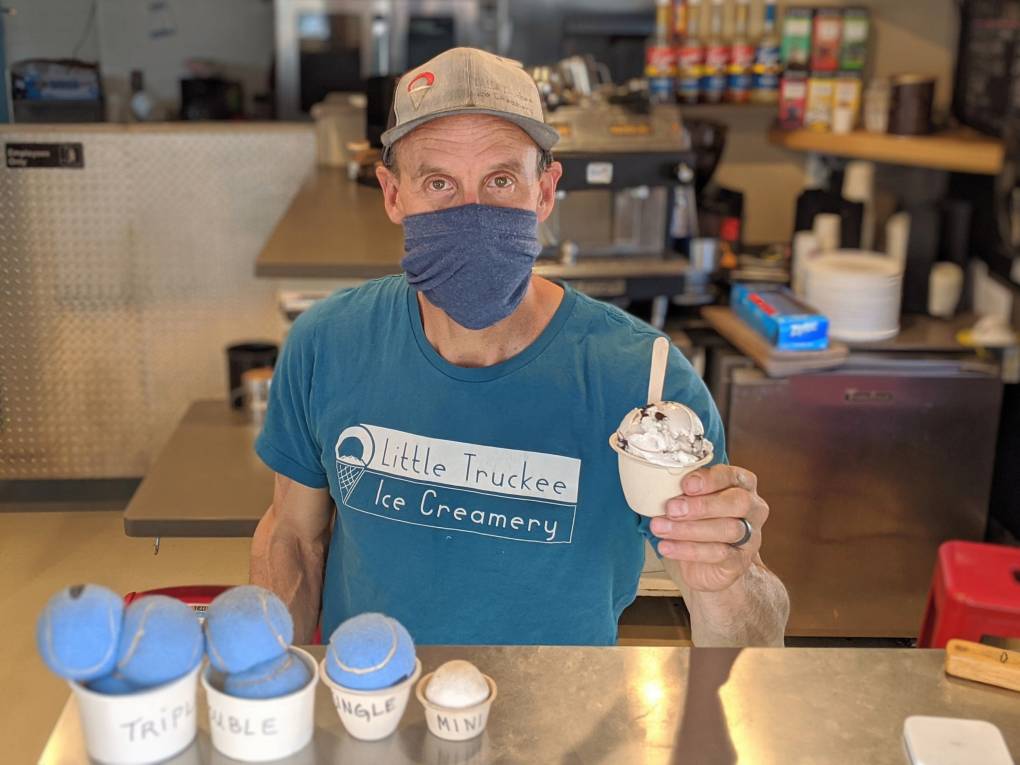
"caption": "Kenny Blum has run the Little Truckee Ice Creamery since 2017. \"They say ice cream is recession proof. I don't know if that's totally true,\" he said. Blum tried to apply for the PPP within a day of the program's launch.",
"description": "Kenny Blum has run the Little Truckee Ice Creamery since 2017. \"They say ice cream is recession proof. I don't know if that's totally true,\" he said. Blum tried to apply for the PPP within a day of the program's launch,",
"title": "Kenny Blum in mask",
"credit": "Courtesy Kenny Blum",
"status": "inherit",
"isLoading": false,
"fetchFailed": false
},
"news_11817572": {
"type": "attachments",
"id": "news_11817572",
"meta": {
"index": "attachments_1716263798",
"site": "news",
"id": "11817572",
"found": true
},
"parent": 11817565,
"imgSizes": {
"apple_news_ca_landscape_5_5": {
"file": "https://ww2.kqed.org/app/uploads/sites/10/2020/05/GettyImages-1208184787-1044x783.jpg",
"width": 1044,
"mimeType": "image/jpeg",
"height": 783
},
"apple_news_ca_square_4_0": {
"file": "https://ww2.kqed.org/app/uploads/sites/10/2020/05/GettyImages-1208184787-470x470.jpg",
"width": 470,
"mimeType": "image/jpeg",
"height": 470
},
"twentyfourteen-full-width": {
"file": "https://ww2.kqed.org/app/uploads/sites/10/2020/05/GettyImages-1208184787-1038x576.jpg",
"width": 1038,
"mimeType": "image/jpeg",
"height": 576
},
"thumbnail": {
"file": "https://ww2.kqed.org/app/uploads/sites/10/2020/05/GettyImages-1208184787-160x106.jpg",
"width": 160,
"mimeType": "image/jpeg",
"height": 106
},
"post-thumbnail": {
"file": "https://ww2.kqed.org/app/uploads/sites/10/2020/05/GettyImages-1208184787-672x372.jpg",
"width": 672,
"mimeType": "image/jpeg",
"height": 372
},
"kqedFullSize": {
"file": "https://ww2.kqed.org/app/uploads/sites/10/2020/05/GettyImages-1208184787.jpg",
"width": 5000,
"height": 3327
},
"apple_news_ca_landscape_4_7": {
"file": "https://ww2.kqed.org/app/uploads/sites/10/2020/05/GettyImages-1208184787-632x474.jpg",
"width": 632,
"mimeType": "image/jpeg",
"height": 474
},
"large": {
"file": "https://ww2.kqed.org/app/uploads/sites/10/2020/05/GettyImages-1208184787-1020x679.jpg",
"width": 1020,
"mimeType": "image/jpeg",
"height": 679
},
"apple_news_ca_landscape_4_0": {
"file": "https://ww2.kqed.org/app/uploads/sites/10/2020/05/GettyImages-1208184787-536x402.jpg",
"width": 536,
"mimeType": "image/jpeg",
"height": 402
},
"apple_news_ca_portrait_12_9": {
"file": "https://ww2.kqed.org/app/uploads/sites/10/2020/05/GettyImages-1208184787-1122x1496.jpg",
"width": 1122,
"mimeType": "image/jpeg",
"height": 1496
},
"medium": {
"file": "https://ww2.kqed.org/app/uploads/sites/10/2020/05/GettyImages-1208184787-800x532.jpg",
"width": 800,
"mimeType": "image/jpeg",
"height": 532
},
"apple_news_ca_portrait_4_0": {
"file": "https://ww2.kqed.org/app/uploads/sites/10/2020/05/GettyImages-1208184787-354x472.jpg",
"width": 354,
"mimeType": "image/jpeg",
"height": 472
},
"apple_news_ca_portrait_9_7": {
"file": "https://ww2.kqed.org/app/uploads/sites/10/2020/05/GettyImages-1208184787-840x1120.jpg",
"width": 840,
"mimeType": "image/jpeg",
"height": 1120
},
"apple_news_ca_landscape_12_9": {
"file": "https://ww2.kqed.org/app/uploads/sites/10/2020/05/GettyImages-1208184787-1832x1374.jpg",
"width": 1832,
"mimeType": "image/jpeg",
"height": 1374
},
"apple_news_ca_square_9_7": {
"file": "https://ww2.kqed.org/app/uploads/sites/10/2020/05/GettyImages-1208184787-1104x1104.jpg",
"width": 1104,
"mimeType": "image/jpeg",
"height": 1104
},
"apple_news_ca_portrait_4_7": {
"file": "https://ww2.kqed.org/app/uploads/sites/10/2020/05/GettyImages-1208184787-414x552.jpg",
"width": 414,
"mimeType": "image/jpeg",
"height": 552
},
"apple_news_ca_square_12_9": {
"file": "https://ww2.kqed.org/app/uploads/sites/10/2020/05/GettyImages-1208184787-1472x1472.jpg",
"width": 1472,
"mimeType": "image/jpeg",
"height": 1472
},
"apple_news_ca_portrait_5_5": {
"file": "https://ww2.kqed.org/app/uploads/sites/10/2020/05/GettyImages-1208184787-687x916.jpg",
"width": 687,
"mimeType": "image/jpeg",
"height": 916
},
"full-width": {
"file": "https://ww2.kqed.org/app/uploads/sites/10/2020/05/GettyImages-1208184787-1920x1278.jpg",
"width": 1920,
"mimeType": "image/jpeg",
"height": 1278
},
"apple_news_ca_square_4_7": {
"file": "https://ww2.kqed.org/app/uploads/sites/10/2020/05/GettyImages-1208184787-550x550.jpg",
"width": 550,
"mimeType": "image/jpeg",
"height": 550
},
"apple_news_ca_landscape_9_7": {
"file": "https://ww2.kqed.org/app/uploads/sites/10/2020/05/GettyImages-1208184787-1376x1032.jpg",
"width": 1376,
"mimeType": "image/jpeg",
"height": 1032
},
"apple_news_ca_square_5_5": {
"file": "https://ww2.kqed.org/app/uploads/sites/10/2020/05/GettyImages-1208184787-912x912.jpg",
"width": 912,
"mimeType": "image/jpeg",
"height": 912
}
},
"publishDate": 1589231597,
"modified": 1589236148,
"caption": "Telsa employees work outside a Tesla showroom in Burbank, California, on March 24, 2020. ",
"description": null,
"title": "Tesla",
"credit": "Robyn Beck/AFP-Getty Images",
"status": "inherit",
"isLoading": false,
"fetchFailed": false
},
"news_11817441": {
"type": "attachments",
"id": "news_11817441",
"meta": {
"index": "attachments_1716263798",
"site": "news",
"id": "11817441",
"found": true
},
"parent": 11817437,
"imgSizes": {
"apple_news_ca_landscape_5_5": {
"file": "https://ww2.kqed.org/app/uploads/sites/10/2020/05/03_RS43046_018_KQED_SanFrancisco_TentEncampments_05052020-qut-1044x783.jpg",
"width": 1044,
"mimeType": "image/jpeg",
"height": 783
},
"apple_news_ca_square_4_0": {
"file": "https://ww2.kqed.org/app/uploads/sites/10/2020/05/03_RS43046_018_KQED_SanFrancisco_TentEncampments_05052020-qut-470x470.jpg",
"width": 470,
"mimeType": "image/jpeg",
"height": 470
},
"twentyfourteen-full-width": {
"file": "https://ww2.kqed.org/app/uploads/sites/10/2020/05/03_RS43046_018_KQED_SanFrancisco_TentEncampments_05052020-qut-1038x576.jpg",
"width": 1038,
"mimeType": "image/jpeg",
"height": 576
},
"thumbnail": {
"file": "https://ww2.kqed.org/app/uploads/sites/10/2020/05/03_RS43046_018_KQED_SanFrancisco_TentEncampments_05052020-qut-160x107.jpg",
"width": 160,
"mimeType": "image/jpeg",
"height": 107
},
"post-thumbnail": {
"file": "https://ww2.kqed.org/app/uploads/sites/10/2020/05/03_RS43046_018_KQED_SanFrancisco_TentEncampments_05052020-qut-672x372.jpg",
"width": 672,
"mimeType": "image/jpeg",
"height": 372
},
"kqedFullSize": {
"file": "https://ww2.kqed.org/app/uploads/sites/10/2020/05/03_RS43046_018_KQED_SanFrancisco_TentEncampments_05052020-qut.jpg",
"width": 1920,
"height": 1280
},
"apple_news_ca_landscape_4_7": {
"file": "https://ww2.kqed.org/app/uploads/sites/10/2020/05/03_RS43046_018_KQED_SanFrancisco_TentEncampments_05052020-qut-632x474.jpg",
"width": 632,
"mimeType": "image/jpeg",
"height": 474
},
"large": {
"file": "https://ww2.kqed.org/app/uploads/sites/10/2020/05/03_RS43046_018_KQED_SanFrancisco_TentEncampments_05052020-qut-1020x680.jpg",
"width": 1020,
"mimeType": "image/jpeg",
"height": 680
},
"apple_news_ca_landscape_4_0": {
"file": "https://ww2.kqed.org/app/uploads/sites/10/2020/05/03_RS43046_018_KQED_SanFrancisco_TentEncampments_05052020-qut-536x402.jpg",
"width": 536,
"mimeType": "image/jpeg",
"height": 402
},
"apple_news_ca_portrait_12_9": {
"file": "https://ww2.kqed.org/app/uploads/sites/10/2020/05/03_RS43046_018_KQED_SanFrancisco_TentEncampments_05052020-qut-1122x1280.jpg",
"width": 1122,
"mimeType": "image/jpeg",
"height": 1280
},
"medium": {
"file": "https://ww2.kqed.org/app/uploads/sites/10/2020/05/03_RS43046_018_KQED_SanFrancisco_TentEncampments_05052020-qut-800x533.jpg",
"width": 800,
"mimeType": "image/jpeg",
"height": 533
},
"apple_news_ca_portrait_4_0": {
"file": "https://ww2.kqed.org/app/uploads/sites/10/2020/05/03_RS43046_018_KQED_SanFrancisco_TentEncampments_05052020-qut-354x472.jpg",
"width": 354,
"mimeType": "image/jpeg",
"height": 472
},
"apple_news_ca_portrait_9_7": {
"file": "https://ww2.kqed.org/app/uploads/sites/10/2020/05/03_RS43046_018_KQED_SanFrancisco_TentEncampments_05052020-qut-840x1120.jpg",
"width": 840,
"mimeType": "image/jpeg",
"height": 1120
},
"apple_news_ca_landscape_12_9": {
"file": "https://ww2.kqed.org/app/uploads/sites/10/2020/05/03_RS43046_018_KQED_SanFrancisco_TentEncampments_05052020-qut-1832x1280.jpg",
"width": 1832,
"mimeType": "image/jpeg",
"height": 1280
},
"apple_news_ca_square_9_7": {
"file": "https://ww2.kqed.org/app/uploads/sites/10/2020/05/03_RS43046_018_KQED_SanFrancisco_TentEncampments_05052020-qut-1104x1104.jpg",
"width": 1104,
"mimeType": "image/jpeg",
"height": 1104
},
"apple_news_ca_portrait_4_7": {
"file": "https://ww2.kqed.org/app/uploads/sites/10/2020/05/03_RS43046_018_KQED_SanFrancisco_TentEncampments_05052020-qut-414x552.jpg",
"width": 414,
"mimeType": "image/jpeg",
"height": 552
},
"apple_news_ca_square_12_9": {
"file": "https://ww2.kqed.org/app/uploads/sites/10/2020/05/03_RS43046_018_KQED_SanFrancisco_TentEncampments_05052020-qut-1472x1280.jpg",
"width": 1472,
"mimeType": "image/jpeg",
"height": 1280
},
"apple_news_ca_portrait_5_5": {
"file": "https://ww2.kqed.org/app/uploads/sites/10/2020/05/03_RS43046_018_KQED_SanFrancisco_TentEncampments_05052020-qut-687x916.jpg",
"width": 687,
"mimeType": "image/jpeg",
"height": 916
},
"full-width": {
"file": "https://ww2.kqed.org/app/uploads/sites/10/2020/05/03_RS43046_018_KQED_SanFrancisco_TentEncampments_05052020-qut-1920x1280.jpg",
"width": 1920,
"mimeType": "image/jpeg",
"height": 1280
},
"apple_news_ca_square_4_7": {
"file": "https://ww2.kqed.org/app/uploads/sites/10/2020/05/03_RS43046_018_KQED_SanFrancisco_TentEncampments_05052020-qut-550x550.jpg",
"width": 550,
"mimeType": "image/jpeg",
"height": 550
},
"apple_news_ca_landscape_9_7": {
"file": "https://ww2.kqed.org/app/uploads/sites/10/2020/05/03_RS43046_018_KQED_SanFrancisco_TentEncampments_05052020-qut-1376x1032.jpg",
"width": 1376,
"mimeType": "image/jpeg",
"height": 1032
},
"apple_news_ca_square_5_5": {
"file": "https://ww2.kqed.org/app/uploads/sites/10/2020/05/03_RS43046_018_KQED_SanFrancisco_TentEncampments_05052020-qut-912x912.jpg",
"width": 912,
"mimeType": "image/jpeg",
"height": 912
}
},
"publishDate": 1589141707,
"modified": 1590620121,
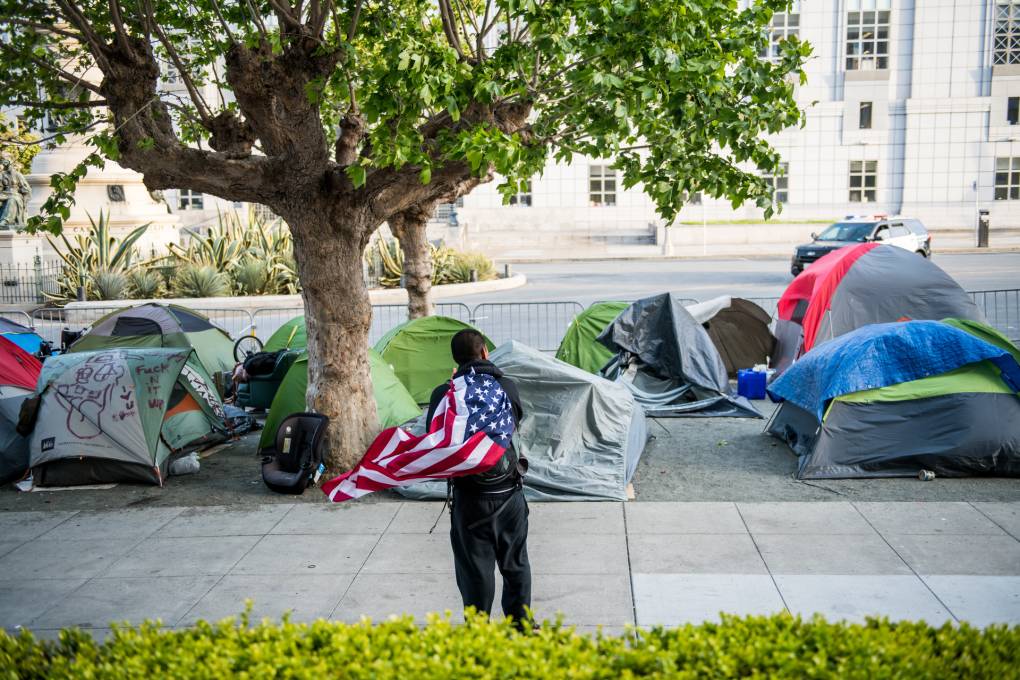
"caption": "Tents line Fulton Street near City Hall on May 5, 2020.",
"description": null,
"title": "Tents line Fulton Street near City Hall on May 5, 2020.",
"credit": "Beth LaBerge/KQED",
"status": "inherit",
"isLoading": false,
"fetchFailed": false
},
"news_11817431": {
"type": "attachments",
"id": "news_11817431",
"meta": {
"index": "attachments_1716263798",
"site": "news",
"id": "11817431",
"found": true
},
"parent": 11817291,
"imgSizes": {
"apple_news_ca_landscape_5_5": {
"file": "https://ww2.kqed.org/app/uploads/sites/10/2020/05/RS16413_GettyImages-476571408-qut-1044x783.jpg",
"width": 1044,
"mimeType": "image/jpeg",
"height": 783
},
"apple_news_ca_square_4_0": {
"file": "https://ww2.kqed.org/app/uploads/sites/10/2020/05/RS16413_GettyImages-476571408-qut-470x470.jpg",
"width": 470,
"mimeType": "image/jpeg",
"height": 470
},
"twentyfourteen-full-width": {
"file": "https://ww2.kqed.org/app/uploads/sites/10/2020/05/RS16413_GettyImages-476571408-qut-1038x576.jpg",
"width": 1038,
"mimeType": "image/jpeg",
"height": 576
},
"thumbnail": {
"file": "https://ww2.kqed.org/app/uploads/sites/10/2020/05/RS16413_GettyImages-476571408-qut-160x115.jpg",
"width": 160,
"mimeType": "image/jpeg",
"height": 115
},
"post-thumbnail": {
"file": "https://ww2.kqed.org/app/uploads/sites/10/2020/05/RS16413_GettyImages-476571408-qut-672x372.jpg",
"width": 672,
"mimeType": "image/jpeg",
"height": 372
},
"kqedFullSize": {
"file": "https://ww2.kqed.org/app/uploads/sites/10/2020/05/RS16413_GettyImages-476571408-qut.jpg",
"width": 1920,
"height": 1378
},
"apple_news_ca_landscape_4_7": {
"file": "https://ww2.kqed.org/app/uploads/sites/10/2020/05/RS16413_GettyImages-476571408-qut-632x474.jpg",
"width": 632,
"mimeType": "image/jpeg",
"height": 474
},
"large": {
"file": "https://ww2.kqed.org/app/uploads/sites/10/2020/05/RS16413_GettyImages-476571408-qut-1020x732.jpg",
"width": 1020,
"mimeType": "image/jpeg",
"height": 732
},
"apple_news_ca_landscape_4_0": {
"file": "https://ww2.kqed.org/app/uploads/sites/10/2020/05/RS16413_GettyImages-476571408-qut-536x402.jpg",
"width": 536,
"mimeType": "image/jpeg",
"height": 402
},
"apple_news_ca_portrait_12_9": {
"file": "https://ww2.kqed.org/app/uploads/sites/10/2020/05/RS16413_GettyImages-476571408-qut-1122x1378.jpg",
"width": 1122,
"mimeType": "image/jpeg",
"height": 1378
},
"medium": {
"file": "https://ww2.kqed.org/app/uploads/sites/10/2020/05/RS16413_GettyImages-476571408-qut-800x574.jpg",
"width": 800,
"mimeType": "image/jpeg",
"height": 574
},
"apple_news_ca_portrait_4_0": {
"file": "https://ww2.kqed.org/app/uploads/sites/10/2020/05/RS16413_GettyImages-476571408-qut-354x472.jpg",
"width": 354,
"mimeType": "image/jpeg",
"height": 472
},
"apple_news_ca_portrait_9_7": {
"file": "https://ww2.kqed.org/app/uploads/sites/10/2020/05/RS16413_GettyImages-476571408-qut-840x1120.jpg",
"width": 840,
"mimeType": "image/jpeg",
"height": 1120
},
"apple_news_ca_landscape_12_9": {
"file": "https://ww2.kqed.org/app/uploads/sites/10/2020/05/RS16413_GettyImages-476571408-qut-1832x1374.jpg",
"width": 1832,
"mimeType": "image/jpeg",
"height": 1374
},
"apple_news_ca_square_9_7": {
"file": "https://ww2.kqed.org/app/uploads/sites/10/2020/05/RS16413_GettyImages-476571408-qut-1104x1104.jpg",
"width": 1104,
"mimeType": "image/jpeg",
"height": 1104
},
"apple_news_ca_portrait_4_7": {
"file": "https://ww2.kqed.org/app/uploads/sites/10/2020/05/RS16413_GettyImages-476571408-qut-414x552.jpg",
"width": 414,
"mimeType": "image/jpeg",
"height": 552
},
"apple_news_ca_square_12_9": {
"file": "https://ww2.kqed.org/app/uploads/sites/10/2020/05/RS16413_GettyImages-476571408-qut-1472x1378.jpg",
"width": 1472,
"mimeType": "image/jpeg",
"height": 1378
},
"apple_news_ca_portrait_5_5": {
"file": "https://ww2.kqed.org/app/uploads/sites/10/2020/05/RS16413_GettyImages-476571408-qut-687x916.jpg",
"width": 687,
"mimeType": "image/jpeg",
"height": 916
},
"full-width": {
"file": "https://ww2.kqed.org/app/uploads/sites/10/2020/05/RS16413_GettyImages-476571408-qut-1920x1378.jpg",
"width": 1920,
"mimeType": "image/jpeg",
"height": 1378
},
"apple_news_ca_square_4_7": {
"file": "https://ww2.kqed.org/app/uploads/sites/10/2020/05/RS16413_GettyImages-476571408-qut-550x550.jpg",
"width": 550,
"mimeType": "image/jpeg",
"height": 550
},
"apple_news_ca_landscape_9_7": {
"file": "https://ww2.kqed.org/app/uploads/sites/10/2020/05/RS16413_GettyImages-476571408-qut-1376x1032.jpg",
"width": 1376,
"mimeType": "image/jpeg",
"height": 1032
},
"apple_news_ca_square_5_5": {
"file": "https://ww2.kqed.org/app/uploads/sites/10/2020/05/RS16413_GettyImages-476571408-qut-912x912.jpg",
"width": 912,
"mimeType": "image/jpeg",
"height": 912
}
},
"publishDate": 1589129066,
"modified": 1589129856,
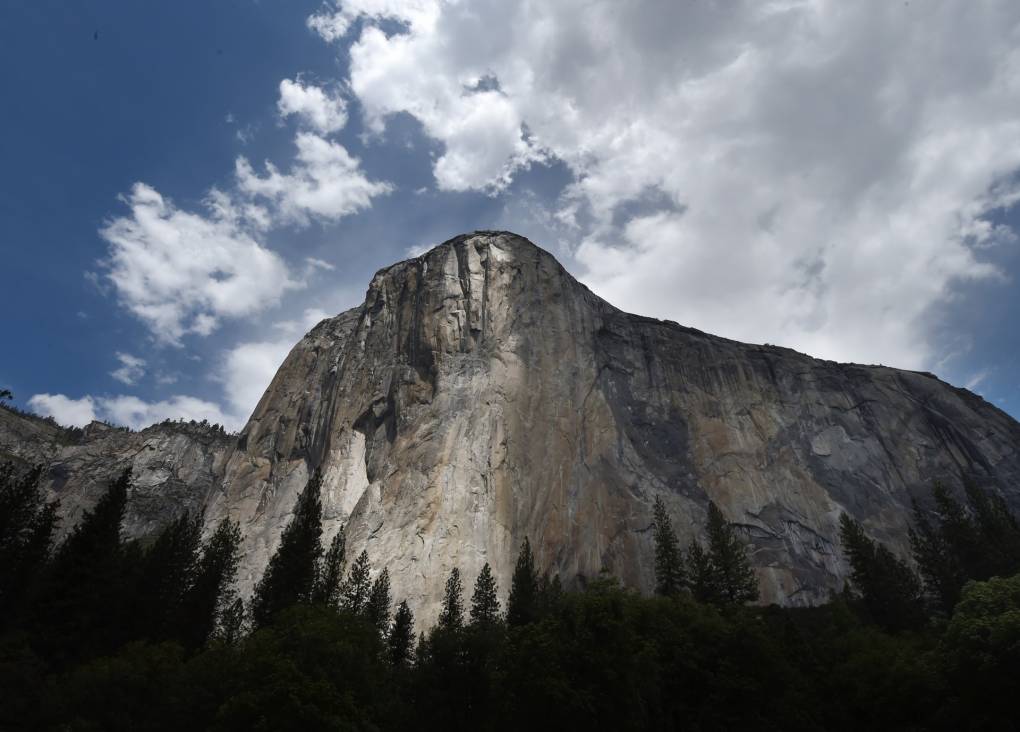
"caption": "El Capitan in the Yosemite National Park. “I made more friends over the past year than I did the eight years I lived in Sacramento,” said James Thomspon, who works for for Aramark in Yosemite National park, the company operating Yosemite’s hotels and restaurants.",
"description": null,
"title": "RS16413_GettyImages-476571408-qut",
"credit": "Mark Ralston/Getty Images",
"status": "inherit",
"isLoading": false,
"fetchFailed": false
},
"news_11817402": {
"type": "attachments",
"id": "news_11817402",
"meta": {
"index": "attachments_1716263798",
"site": "news",
"id": "11817402",
"found": true
},
"parent": 11817399,
"imgSizes": {
"apple_news_ca_landscape_5_5": {
"file": "https://ww2.kqed.org/app/uploads/sites/10/2020/05/MuskGettyTesla-1044x783.jpg",
"width": 1044,
"mimeType": "image/jpeg",
"height": 783
},
"apple_news_ca_square_4_0": {
"file": "https://ww2.kqed.org/app/uploads/sites/10/2020/05/MuskGettyTesla-470x470.jpg",
"width": 470,
"mimeType": "image/jpeg",
"height": 470
},
"twentyfourteen-full-width": {
"file": "https://ww2.kqed.org/app/uploads/sites/10/2020/05/MuskGettyTesla-1038x576.jpg",
"width": 1038,
"mimeType": "image/jpeg",
"height": 576
},
"thumbnail": {
"file": "https://ww2.kqed.org/app/uploads/sites/10/2020/05/MuskGettyTesla-160x104.jpg",
"width": 160,
"mimeType": "image/jpeg",
"height": 104
},
"post-thumbnail": {
"file": "https://ww2.kqed.org/app/uploads/sites/10/2020/05/MuskGettyTesla-672x372.jpg",
"width": 672,
"mimeType": "image/jpeg",
"height": 372
},
"kqedFullSize": {
"file": "https://ww2.kqed.org/app/uploads/sites/10/2020/05/MuskGettyTesla.jpg",
"width": 1900,
"height": 1235
},
"apple_news_ca_landscape_4_7": {
"file": "https://ww2.kqed.org/app/uploads/sites/10/2020/05/MuskGettyTesla-632x474.jpg",
"width": 632,
"mimeType": "image/jpeg",
"height": 474
},
"large": {
"file": "https://ww2.kqed.org/app/uploads/sites/10/2020/05/MuskGettyTesla-1020x663.jpg",
"width": 1020,
"mimeType": "image/jpeg",
"height": 663
},
"apple_news_ca_landscape_4_0": {
"file": "https://ww2.kqed.org/app/uploads/sites/10/2020/05/MuskGettyTesla-536x402.jpg",
"width": 536,
"mimeType": "image/jpeg",
"height": 402
},
"apple_news_ca_portrait_12_9": {
"file": "https://ww2.kqed.org/app/uploads/sites/10/2020/05/MuskGettyTesla-1122x1235.jpg",
"width": 1122,
"mimeType": "image/jpeg",
"height": 1235
},
"medium": {
"file": "https://ww2.kqed.org/app/uploads/sites/10/2020/05/MuskGettyTesla-800x520.jpg",
"width": 800,
"mimeType": "image/jpeg",
"height": 520
},
"apple_news_ca_portrait_4_0": {
"file": "https://ww2.kqed.org/app/uploads/sites/10/2020/05/MuskGettyTesla-354x472.jpg",
"width": 354,
"mimeType": "image/jpeg",
"height": 472
},
"apple_news_ca_portrait_9_7": {
"file": "https://ww2.kqed.org/app/uploads/sites/10/2020/05/MuskGettyTesla-840x1120.jpg",
"width": 840,
"mimeType": "image/jpeg",
"height": 1120
},
"apple_news_ca_landscape_12_9": {
"file": "https://ww2.kqed.org/app/uploads/sites/10/2020/05/MuskGettyTesla-1832x1235.jpg",
"width": 1832,
"mimeType": "image/jpeg",
"height": 1235
},
"apple_news_ca_square_9_7": {
"file": "https://ww2.kqed.org/app/uploads/sites/10/2020/05/MuskGettyTesla-1104x1104.jpg",
"width": 1104,
"mimeType": "image/jpeg",
"height": 1104
},
"apple_news_ca_portrait_4_7": {
"file": "https://ww2.kqed.org/app/uploads/sites/10/2020/05/MuskGettyTesla-414x552.jpg",
"width": 414,
"mimeType": "image/jpeg",
"height": 552
},
"apple_news_ca_square_12_9": {
"file": "https://ww2.kqed.org/app/uploads/sites/10/2020/05/MuskGettyTesla-1472x1235.jpg",
"width": 1472,
"mimeType": "image/jpeg",
"height": 1235
},
"apple_news_ca_portrait_5_5": {
"file": "https://ww2.kqed.org/app/uploads/sites/10/2020/05/MuskGettyTesla-687x916.jpg",
"width": 687,
"mimeType": "image/jpeg",
"height": 916
},
"apple_news_ca_square_4_7": {
"file": "https://ww2.kqed.org/app/uploads/sites/10/2020/05/MuskGettyTesla-550x550.jpg",
"width": 550,
"mimeType": "image/jpeg",
"height": 550
},
"apple_news_ca_landscape_9_7": {
"file": "https://ww2.kqed.org/app/uploads/sites/10/2020/05/MuskGettyTesla-1376x1032.jpg",
"width": 1376,
"mimeType": "image/jpeg",
"height": 1032
},
"apple_news_ca_square_5_5": {
"file": "https://ww2.kqed.org/app/uploads/sites/10/2020/05/MuskGettyTesla-912x912.jpg",
"width": 912,
"mimeType": "image/jpeg",
"height": 912
}
},
"publishDate": 1589067889,
"modified": 1589067954,
"caption": "FREMONT, CA - SEPTEMBER 29: Tesla CEO Elon Musk speaks during an event to launch the new Tesla Model X Crossover SUV on September 29, 2015 in Fremont, California. After several production delays, Elon Musk officially launched the much anticipated Tesla Model X Crossover SUV. ",
"description": "FREMONT, CA - SEPTEMBER 29: Tesla CEO Elon Musk speaks during an event to launch the new Tesla Model X Crossover SUV on September 29, 2015 in Fremont, California. After several production delays, Elon Musk officially launched the much anticipated Tesla Model X Crossover SUV. ",
"title": "MuskGettyTesla",
"credit": "Justin Sullivan/Getty Images",
"status": "inherit",
"isLoading": false,
"fetchFailed": false
},
"news_11816931": {
"type": "attachments",
"id": "news_11816931",
"meta": {
"index": "attachments_1716263798",
"site": "news",
"id": "11816931",
"found": true
},
"parent": 11816925,
"imgSizes": {
"apple_news_ca_landscape_5_5": {
"file": "https://ww2.kqed.org/app/uploads/sites/10/2020/05/RS43053_003_KQED_SanFrancisco_FlowerMart_05062020-qut-1044x783.jpg",
"width": 1044,
"mimeType": "image/jpeg",
"height": 783
},
"apple_news_ca_square_4_0": {
"file": "https://ww2.kqed.org/app/uploads/sites/10/2020/05/RS43053_003_KQED_SanFrancisco_FlowerMart_05062020-qut-470x470.jpg",
"width": 470,
"mimeType": "image/jpeg",
"height": 470
},
"twentyfourteen-full-width": {
"file": "https://ww2.kqed.org/app/uploads/sites/10/2020/05/RS43053_003_KQED_SanFrancisco_FlowerMart_05062020-qut-1038x576.jpg",
"width": 1038,
"mimeType": "image/jpeg",
"height": 576
},
"thumbnail": {
"file": "https://ww2.kqed.org/app/uploads/sites/10/2020/05/RS43053_003_KQED_SanFrancisco_FlowerMart_05062020-qut-160x107.jpg",
"width": 160,
"mimeType": "image/jpeg",
"height": 107
},
"post-thumbnail": {
"file": "https://ww2.kqed.org/app/uploads/sites/10/2020/05/RS43053_003_KQED_SanFrancisco_FlowerMart_05062020-qut-672x372.jpg",
"width": 672,
"mimeType": "image/jpeg",
"height": 372
},
"kqedFullSize": {
"file": "https://ww2.kqed.org/app/uploads/sites/10/2020/05/RS43053_003_KQED_SanFrancisco_FlowerMart_05062020-qut.jpg",
"width": 1920,
"height": 1280
},
"apple_news_ca_landscape_4_7": {
"file": "https://ww2.kqed.org/app/uploads/sites/10/2020/05/RS43053_003_KQED_SanFrancisco_FlowerMart_05062020-qut-632x474.jpg",
"width": 632,
"mimeType": "image/jpeg",
"height": 474
},
"large": {
"file": "https://ww2.kqed.org/app/uploads/sites/10/2020/05/RS43053_003_KQED_SanFrancisco_FlowerMart_05062020-qut-1020x680.jpg",
"width": 1020,
"mimeType": "image/jpeg",
"height": 680
},
"apple_news_ca_landscape_4_0": {
"file": "https://ww2.kqed.org/app/uploads/sites/10/2020/05/RS43053_003_KQED_SanFrancisco_FlowerMart_05062020-qut-536x402.jpg",
"width": 536,
"mimeType": "image/jpeg",
"height": 402
},
"apple_news_ca_portrait_12_9": {
"file": "https://ww2.kqed.org/app/uploads/sites/10/2020/05/RS43053_003_KQED_SanFrancisco_FlowerMart_05062020-qut-1122x1280.jpg",
"width": 1122,
"mimeType": "image/jpeg",
"height": 1280
},
"medium": {
"file": "https://ww2.kqed.org/app/uploads/sites/10/2020/05/RS43053_003_KQED_SanFrancisco_FlowerMart_05062020-qut-800x533.jpg",
"width": 800,
"mimeType": "image/jpeg",
"height": 533
},
"apple_news_ca_portrait_4_0": {
"file": "https://ww2.kqed.org/app/uploads/sites/10/2020/05/RS43053_003_KQED_SanFrancisco_FlowerMart_05062020-qut-354x472.jpg",
"width": 354,
"mimeType": "image/jpeg",
"height": 472
},
"apple_news_ca_portrait_9_7": {
"file": "https://ww2.kqed.org/app/uploads/sites/10/2020/05/RS43053_003_KQED_SanFrancisco_FlowerMart_05062020-qut-840x1120.jpg",
"width": 840,
"mimeType": "image/jpeg",
"height": 1120
},
"apple_news_ca_landscape_12_9": {
"file": "https://ww2.kqed.org/app/uploads/sites/10/2020/05/RS43053_003_KQED_SanFrancisco_FlowerMart_05062020-qut-1832x1280.jpg",
"width": 1832,
"mimeType": "image/jpeg",
"height": 1280
},
"apple_news_ca_square_9_7": {
"file": "https://ww2.kqed.org/app/uploads/sites/10/2020/05/RS43053_003_KQED_SanFrancisco_FlowerMart_05062020-qut-1104x1104.jpg",
"width": 1104,
"mimeType": "image/jpeg",
"height": 1104
},
"apple_news_ca_portrait_4_7": {
"file": "https://ww2.kqed.org/app/uploads/sites/10/2020/05/RS43053_003_KQED_SanFrancisco_FlowerMart_05062020-qut-414x552.jpg",
"width": 414,
"mimeType": "image/jpeg",
"height": 552
},
"apple_news_ca_square_12_9": {
"file": "https://ww2.kqed.org/app/uploads/sites/10/2020/05/RS43053_003_KQED_SanFrancisco_FlowerMart_05062020-qut-1472x1280.jpg",
"width": 1472,
"mimeType": "image/jpeg",
"height": 1280
},
"apple_news_ca_portrait_5_5": {
"file": "https://ww2.kqed.org/app/uploads/sites/10/2020/05/RS43053_003_KQED_SanFrancisco_FlowerMart_05062020-qut-687x916.jpg",
"width": 687,
"mimeType": "image/jpeg",
"height": 916
},
"full-width": {
"file": "https://ww2.kqed.org/app/uploads/sites/10/2020/05/RS43053_003_KQED_SanFrancisco_FlowerMart_05062020-qut-1920x1280.jpg",
"width": 1920,
"mimeType": "image/jpeg",
"height": 1280
},
"apple_news_ca_square_4_7": {
"file": "https://ww2.kqed.org/app/uploads/sites/10/2020/05/RS43053_003_KQED_SanFrancisco_FlowerMart_05062020-qut-550x550.jpg",
"width": 550,
"mimeType": "image/jpeg",
"height": 550
},
"apple_news_ca_landscape_9_7": {
"file": "https://ww2.kqed.org/app/uploads/sites/10/2020/05/RS43053_003_KQED_SanFrancisco_FlowerMart_05062020-qut-1376x1032.jpg",
"width": 1376,
"mimeType": "image/jpeg",
"height": 1032
},
"apple_news_ca_square_5_5": {
"file": "https://ww2.kqed.org/app/uploads/sites/10/2020/05/RS43053_003_KQED_SanFrancisco_FlowerMart_05062020-qut-912x912.jpg",
"width": 912,
"mimeType": "image/jpeg",
"height": 912
}
},
"publishDate": 1588885632,
"modified": 1590620197,
"caption": "Vendors, including Torchio Nursery, were able to open at the San Francisco Flower Mart on April 22. But small flower shops across the Bay Area can't open under Shelter in Place restrictions and are struggling. ",
"description": "Vendors, including Torchio Nursery, were able to open at the San Francisco Flower Mart on April 22. But small flower shops across the Bay Area can't open under Shelter in Place restrictions and are struggling. ",
"title": "Vendors, including Torchio Nursery, were able to open at the San Francisco Flower Mart on April 22nd. But small flower shops across the Bay Area can't open under Shelter in Place restrictions and are struggling.",
"credit": "Beth LaBerge/KQED",
"status": "inherit",
"isLoading": false,
"fetchFailed": false
},
"news_11817138": {
"type": "attachments",
"id": "news_11817138",
"meta": {
"index": "attachments_1716263798",
"site": "news",
"id": "11817138",
"found": true
},
"parent": 11817126,
"imgSizes": {
"apple_news_ca_landscape_5_5": {
"file": "https://ww2.kqed.org/app/uploads/sites/10/2020/05/patchwork_050820_final-1044x783.png",
"width": 1044,
"mimeType": "image/png",
"height": 783
},
"apple_news_ca_square_4_0": {
"file": "https://ww2.kqed.org/app/uploads/sites/10/2020/05/patchwork_050820_final-470x470.png",
"width": 470,
"mimeType": "image/png",
"height": 470
},
"twentyfourteen-full-width": {
"file": "https://ww2.kqed.org/app/uploads/sites/10/2020/05/patchwork_050820_final-1038x576.png",
"width": 1038,
"mimeType": "image/png",
"height": 576
},
"thumbnail": {
"file": "https://ww2.kqed.org/app/uploads/sites/10/2020/05/patchwork_050820_final-160x125.png",
"width": 160,
"mimeType": "image/png",
"height": 125
},
"post-thumbnail": {
"file": "https://ww2.kqed.org/app/uploads/sites/10/2020/05/patchwork_050820_final-672x372.png",
"width": 672,
"mimeType": "image/png",
"height": 372
},
"kqedFullSize": {
"file": "https://ww2.kqed.org/app/uploads/sites/10/2020/05/patchwork_050820_final.png",
"width": 1920,
"height": 1505
},
"apple_news_ca_landscape_4_7": {
"file": "https://ww2.kqed.org/app/uploads/sites/10/2020/05/patchwork_050820_final-632x474.png",
"width": 632,
"mimeType": "image/png",
"height": 474
},
"large": {
"file": "https://ww2.kqed.org/app/uploads/sites/10/2020/05/patchwork_050820_final-1020x800.png",
"width": 1020,
"mimeType": "image/png",
"height": 800
},
"apple_news_ca_landscape_4_0": {
"file": "https://ww2.kqed.org/app/uploads/sites/10/2020/05/patchwork_050820_final-536x402.png",
"width": 536,
"mimeType": "image/png",
"height": 402
},
"apple_news_ca_portrait_12_9": {
"file": "https://ww2.kqed.org/app/uploads/sites/10/2020/05/patchwork_050820_final-1122x1496.png",
"width": 1122,
"mimeType": "image/png",
"height": 1496
},
"medium": {
"file": "https://ww2.kqed.org/app/uploads/sites/10/2020/05/patchwork_050820_final-800x627.png",
"width": 800,
"mimeType": "image/png",
"height": 627
},
"apple_news_ca_portrait_4_0": {
"file": "https://ww2.kqed.org/app/uploads/sites/10/2020/05/patchwork_050820_final-354x472.png",
"width": 354,
"mimeType": "image/png",
"height": 472
},
"apple_news_ca_portrait_9_7": {
"file": "https://ww2.kqed.org/app/uploads/sites/10/2020/05/patchwork_050820_final-840x1120.png",
"width": 840,
"mimeType": "image/png",
"height": 1120
},
"apple_news_ca_landscape_12_9": {
"file": "https://ww2.kqed.org/app/uploads/sites/10/2020/05/patchwork_050820_final-1832x1374.png",
"width": 1832,
"mimeType": "image/png",
"height": 1374
},
"apple_news_ca_square_9_7": {
"file": "https://ww2.kqed.org/app/uploads/sites/10/2020/05/patchwork_050820_final-1104x1104.png",
"width": 1104,
"mimeType": "image/png",
"height": 1104
},
"apple_news_ca_portrait_4_7": {
"file": "https://ww2.kqed.org/app/uploads/sites/10/2020/05/patchwork_050820_final-414x552.png",
"width": 414,
"mimeType": "image/png",
"height": 552
},
"apple_news_ca_square_12_9": {
"file": "https://ww2.kqed.org/app/uploads/sites/10/2020/05/patchwork_050820_final-1472x1472.png",
"width": 1472,
"mimeType": "image/png",
"height": 1472
},
"apple_news_ca_portrait_5_5": {
"file": "https://ww2.kqed.org/app/uploads/sites/10/2020/05/patchwork_050820_final-687x916.png",
"width": 687,
"mimeType": "image/png",
"height": 916
},
"full-width": {
"file": "https://ww2.kqed.org/app/uploads/sites/10/2020/05/patchwork_050820_final-1920x1505.png",
"width": 1920,
"mimeType": "image/png",
"height": 1505
},
"apple_news_ca_square_4_7": {
"file": "https://ww2.kqed.org/app/uploads/sites/10/2020/05/patchwork_050820_final-550x550.png",
"width": 550,
"mimeType": "image/png",
"height": 550
},
"apple_news_ca_landscape_9_7": {
"file": "https://ww2.kqed.org/app/uploads/sites/10/2020/05/patchwork_050820_final-1376x1032.png",
"width": 1376,
"mimeType": "image/png",
"height": 1032
},
"apple_news_ca_square_5_5": {
"file": "https://ww2.kqed.org/app/uploads/sites/10/2020/05/patchwork_050820_final-912x912.png",
"width": 912,
"mimeType": "image/png",
"height": 912
}
},
"publishDate": 1588963157,
"modified": 1588963191,
"caption": null,
"description": null,
"title": "patchwork_050820_final",
"credit": null,
"status": "inherit",
"isLoading": false,
"fetchFailed": false
},
"news_11817047": {
"type": "attachments",
"id": "news_11817047",
"meta": {
"index": "attachments_1716263798",
"site": "news",
"id": "11817047",
"found": true
},
"parent": 11817046,
"imgSizes": {
"apple_news_ca_landscape_5_5": {
"file": "https://ww2.kqed.org/app/uploads/sites/10/2020/05/08_1920_2_by_2_JianJay-Potter-PA-Donning-copy-1044x688.jpg",
"width": 1044,
"mimeType": "image/jpeg",
"height": 688
},
"apple_news_ca_square_4_0": {
"file": "https://ww2.kqed.org/app/uploads/sites/10/2020/05/08_1920_2_by_2_JianJay-Potter-PA-Donning-copy-470x470.jpg",
"width": 470,
"mimeType": "image/jpeg",
"height": 470
},
"twentyfourteen-full-width": {
"file": "https://ww2.kqed.org/app/uploads/sites/10/2020/05/08_1920_2_by_2_JianJay-Potter-PA-Donning-copy-1038x576.jpg",
"width": 1038,
"mimeType": "image/jpeg",
"height": 576
},
"thumbnail": {
"file": "https://ww2.kqed.org/app/uploads/sites/10/2020/05/08_1920_2_by_2_JianJay-Potter-PA-Donning-copy-160x90.jpg",
"width": 160,
"mimeType": "image/jpeg",
"height": 90
},
"post-thumbnail": {
"file": "https://ww2.kqed.org/app/uploads/sites/10/2020/05/08_1920_2_by_2_JianJay-Potter-PA-Donning-copy-672x372.jpg",
"width": 672,
"mimeType": "image/jpeg",
"height": 372
},
"kqedFullSize": {
"file": "https://ww2.kqed.org/app/uploads/sites/10/2020/05/08_1920_2_by_2_JianJay-Potter-PA-Donning-copy.jpg",
"width": 1224,
"height": 688
},
"apple_news_ca_landscape_4_7": {
"file": "https://ww2.kqed.org/app/uploads/sites/10/2020/05/08_1920_2_by_2_JianJay-Potter-PA-Donning-copy-632x474.jpg",
"width": 632,
"mimeType": "image/jpeg",
"height": 474
},
"large": {
"file": "https://ww2.kqed.org/app/uploads/sites/10/2020/05/08_1920_2_by_2_JianJay-Potter-PA-Donning-copy-1020x573.jpg",
"width": 1020,
"mimeType": "image/jpeg",
"height": 573
},
"apple_news_ca_landscape_4_0": {
"file": "https://ww2.kqed.org/app/uploads/sites/10/2020/05/08_1920_2_by_2_JianJay-Potter-PA-Donning-copy-536x402.jpg",
"width": 536,
"mimeType": "image/jpeg",
"height": 402
},
"apple_news_ca_portrait_12_9": {
"file": "https://ww2.kqed.org/app/uploads/sites/10/2020/05/08_1920_2_by_2_JianJay-Potter-PA-Donning-copy-1122x688.jpg",
"width": 1122,
"mimeType": "image/jpeg",
"height": 688
},
"medium": {
"file": "https://ww2.kqed.org/app/uploads/sites/10/2020/05/08_1920_2_by_2_JianJay-Potter-PA-Donning-copy-800x450.jpg",
"width": 800,
"mimeType": "image/jpeg",
"height": 450
},
"apple_news_ca_portrait_4_0": {
"file": "https://ww2.kqed.org/app/uploads/sites/10/2020/05/08_1920_2_by_2_JianJay-Potter-PA-Donning-copy-354x472.jpg",
"width": 354,
"mimeType": "image/jpeg",
"height": 472
},
"apple_news_ca_portrait_9_7": {
"file": "https://ww2.kqed.org/app/uploads/sites/10/2020/05/08_1920_2_by_2_JianJay-Potter-PA-Donning-copy-840x688.jpg",
"width": 840,
"mimeType": "image/jpeg",
"height": 688
},
"apple_news_ca_square_9_7": {
"file": "https://ww2.kqed.org/app/uploads/sites/10/2020/05/08_1920_2_by_2_JianJay-Potter-PA-Donning-copy-1104x688.jpg",
"width": 1104,
"mimeType": "image/jpeg",
"height": 688
},
"apple_news_ca_portrait_4_7": {
"file": "https://ww2.kqed.org/app/uploads/sites/10/2020/05/08_1920_2_by_2_JianJay-Potter-PA-Donning-copy-414x552.jpg",
"width": 414,
"mimeType": "image/jpeg",
"height": 552
},
"apple_news_ca_portrait_5_5": {
"file": "https://ww2.kqed.org/app/uploads/sites/10/2020/05/08_1920_2_by_2_JianJay-Potter-PA-Donning-copy-687x688.jpg",
"width": 687,
"mimeType": "image/jpeg",
"height": 688
},
"apple_news_ca_square_4_7": {
"file": "https://ww2.kqed.org/app/uploads/sites/10/2020/05/08_1920_2_by_2_JianJay-Potter-PA-Donning-copy-550x550.jpg",
"width": 550,
"mimeType": "image/jpeg",
"height": 550
},
"apple_news_ca_square_5_5": {
"file": "https://ww2.kqed.org/app/uploads/sites/10/2020/05/08_1920_2_by_2_JianJay-Potter-PA-Donning-copy-912x688.jpg",
"width": 912,
"mimeType": "image/jpeg",
"height": 688
}
},
"publishDate": 1588912205,
"modified": 1588967333,
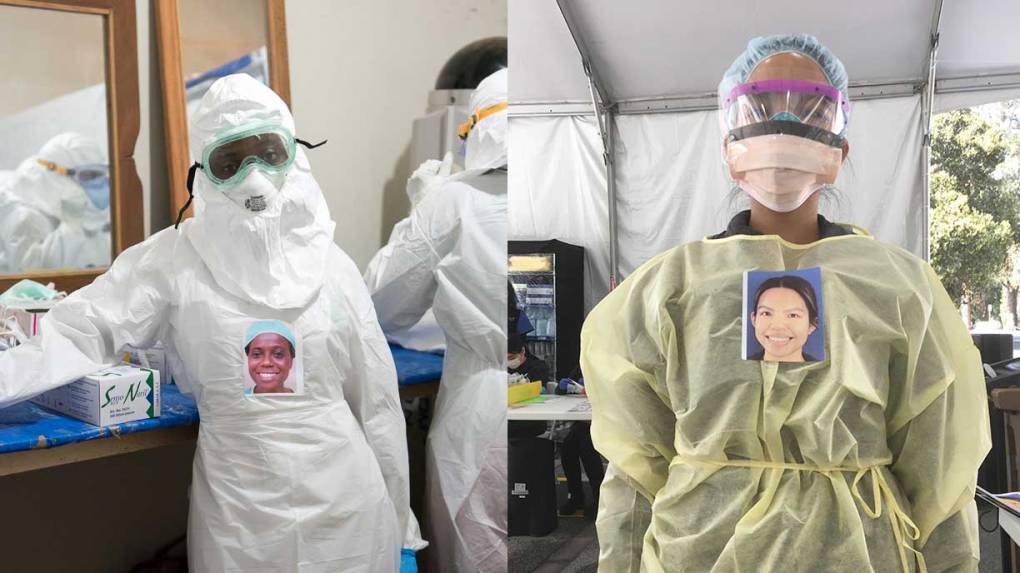
"caption": "Jianjay Moore-Potter (left) in Monrovia, Liberia, in 2015, and Anna Chico (right) at Stanford in April 2020. Mary Beth Heffernan’s PPE Portrait Project started in Liberia during the Ebola crisis, and has since been revived at Stanford. ",
"description": null,
"title": "08_1920_2_by_2_JianJay Potter PA-Donning copy",
"credit": "Courtesy of Marc Campos and Cati Brown-Johnson",
"status": "inherit",
"isLoading": false,
"fetchFailed": false
},
"news_11817066": {
"type": "attachments",
"id": "news_11817066",
"meta": {
"index": "attachments_1716263798",
"site": "news",
"id": "11817066",
"found": true
},
"parent": 11816903,
"imgSizes": {
"apple_news_ca_square_4_0": {
"file": "https://ww2.kqed.org/app/uploads/sites/10/2020/05/Unknown-470x456.jpeg",
"width": 470,
"mimeType": "image/jpeg",
"height": 456
},
"thumbnail": {
"file": "https://ww2.kqed.org/app/uploads/sites/10/2020/05/Unknown-160x110.jpeg",
"width": 160,
"mimeType": "image/jpeg",
"height": 110
},
"post-thumbnail": {
"file": "https://ww2.kqed.org/app/uploads/sites/10/2020/05/Unknown-663x372.jpeg",
"width": 663,
"mimeType": "image/jpeg",
"height": 372
},
"kqedFullSize": {
"file": "https://ww2.kqed.org/app/uploads/sites/10/2020/05/Unknown.jpeg",
"width": 663,
"height": 456
},
"apple_news_ca_landscape_4_7": {
"file": "https://ww2.kqed.org/app/uploads/sites/10/2020/05/Unknown-632x456.jpeg",
"width": 632,
"mimeType": "image/jpeg",
"height": 456
},
"apple_news_ca_portrait_4_7": {
"file": "https://ww2.kqed.org/app/uploads/sites/10/2020/05/Unknown-414x456.jpeg",
"width": 414,
"mimeType": "image/jpeg",
"height": 456
},
"apple_news_ca_square_4_7": {
"file": "https://ww2.kqed.org/app/uploads/sites/10/2020/05/Unknown-550x456.jpeg",
"width": 550,
"mimeType": "image/jpeg",
"height": 456
},
"apple_news_ca_landscape_4_0": {
"file": "https://ww2.kqed.org/app/uploads/sites/10/2020/05/Unknown-536x402.jpeg",
"width": 536,
"mimeType": "image/jpeg",
"height": 402
},
"apple_news_ca_portrait_4_0": {
"file": "https://ww2.kqed.org/app/uploads/sites/10/2020/05/Unknown-354x456.jpeg",
"width": 354,
"mimeType": "image/jpeg",
"height": 456
}
},
"publishDate": 1588950406,
"modified": 1588950444,
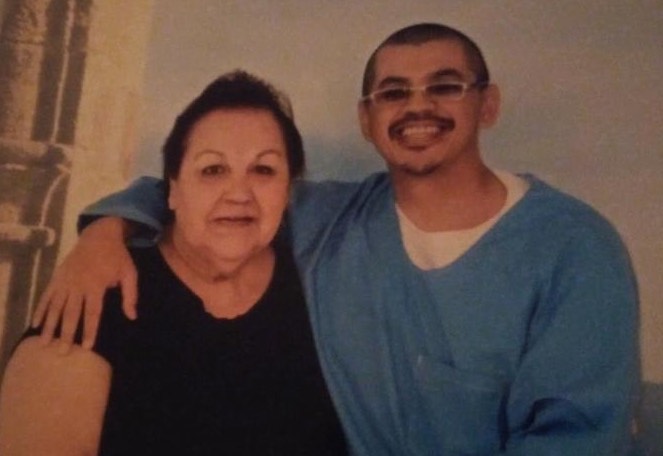
"caption": "Pedro Archuleta grew up in Brawley, California. He's always been close with his mother, Connie, and says that although it's very hard to be apart while he serves a life sentence at the California Institution for Men, their bond has only grown stronger. ",
"description": null,
"title": "Unknown",
"credit": "Courtesy of Connie Archuleta",
"status": "inherit",
"isLoading": false,
"fetchFailed": false
}
},
"audioPlayerReducer": {
"postId": "stream_live",
"isPaused": true,
"isPlaying": false,
"pfsActive": false,
"pledgeModalIsOpen": true,
"playerDrawerIsOpen": false,
"liveAudioPlayStartedAt": 0,
"liveAudioPlayContext": ""
},
"authorsReducer": {
"byline_news_11817686": {
"type": "authors",
"id": "byline_news_11817686",
"meta": {
"override": true
},
"slug": "byline_news_11817686",
"name": "\u003ca href=\"https://calmatters.org/author/ben-christopher/\">Ben Christopher\u003c/a>",
"isLoading": false
},
"byline_news_11817291": {
"type": "authors",
"id": "byline_news_11817291",
"meta": {
"override": true
},
"slug": "byline_news_11817291",
"name": "Ellie Lightfoot",
"isLoading": false
},
"byline_news_11817399": {
"type": "authors",
"id": "byline_news_11817399",
"meta": {
"override": true
},
"slug": "byline_news_11817399",
"name": "Tom Krisher \u003cbr> Associated Press",
"isLoading": false
},
"danbrekke": {
"type": "authors",
"id": "222",
"meta": {
"index": "authors_1716337520",
"id": "222",
"found": true
},
"name": "Dan Brekke",
"firstName": "Dan",
"lastName": "Brekke",
"slug": "danbrekke",
"email": "dbrekke@kqed.org",
"display_author_email": true,
"staff_mastheads": [
"news",
"science"
],
"title": "KQED Editor and Reporter",
"bio": "Dan Brekke is a reporter and editor for KQED News, responsible for coverage of topics ranging from California water issues to the Bay Area's transportation challenges. In a newsroom career that began in Chicago in 1972, Dan has worked for \u003cem>The San Francisco Examiner,\u003c/em> Wired and TechTV and has been published in The New York Times, The New York Times Magazine, Business 2.0, Salon and elsewhere.\r\n\r\nSince joining KQED in 2007, Dan has reported, edited and produced both radio and online features and breaking news pieces. He has shared as both editor and reporter in four Society of Professional Journalists Norcal Excellence in Journalism awards and one Edward R. Murrow regional award. He was chosen for a spring 2017 residency at the Mesa Refuge to advance his research on California salmon.\r\n\r\nEmail Dan at: \u003ca href=\"mailto:dbrekke@kqed.org\">dbrekke@kqed.org\u003c/a>\r\n\r\n\u003cstrong>Twitter:\u003c/strong> \u003ca href=\"https://twitter.com/danbrekke\" rel=\"noopener noreferrer\">twitter.com/danbrekke\u003c/a>\r\n\u003cstrong>Facebook:\u003c/strong> \u003ca href=\"https://www.facebook.com/danbrekke\" rel=\"noopener noreferrer\">www.facebook.com/danbrekke\u003c/a>\r\n\u003cstrong>LinkedIn:\u003c/strong> \u003ca href=\"https://www.linkedin.com/in/danbrekke\" rel=\"noopener noreferrer\">www.linkedin.com/in/danbrekke\u003c/a>",
"avatar": "https://secure.gravatar.com/avatar/8f1f0d2a978fb3b23426c922c7e2af558fa36905b49c4ce76a97dc3c72d27226?s=600&d=mm&r=g",
"twitter": "danbrekke",
"bluesky": null,
"facebook": null,
"instagram": "https://www.instagram.com/dan.brekke/",
"linkedin": "https://www.linkedin.com/in/danbrekke/",
"sites": [
{
"site": "news",
"roles": [
"administrator",
"create_posts"
]
},
{
"site": "stateofhealth",
"roles": [
"editor"
]
},
{
"site": "science",
"roles": [
"editor"
]
},
{
"site": "quest",
"roles": [
"contributor"
]
},
{
"site": "food",
"roles": [
"contributor"
]
},
{
"site": "forum",
"roles": [
"contributor"
]
},
{
"site": "elections",
"roles": [
"editor"
]
},
{
"site": "liveblog",
"roles": [
"editor"
]
}
],
"headData": {
"title": "Dan Brekke | KQED",
"description": "KQED Editor and Reporter",
"ogImgSrc": "https://secure.gravatar.com/avatar/8f1f0d2a978fb3b23426c922c7e2af558fa36905b49c4ce76a97dc3c72d27226?s=600&d=mm&r=g",
"twImgSrc": "https://secure.gravatar.com/avatar/8f1f0d2a978fb3b23426c922c7e2af558fa36905b49c4ce76a97dc3c72d27226?s=600&d=mm&r=g"
},
"isLoading": false,
"link": "/author/danbrekke"
},
"scottshafer": {
"type": "authors",
"id": "255",
"meta": {
"index": "authors_1716337520",
"id": "255",
"found": true
},
"name": "Scott Shafer",
"firstName": "Scott",
"lastName": "Shafer",
"slug": "scottshafer",
"email": "sshafer@kqed.org",
"display_author_email": false,
"staff_mastheads": [
"news"
],
"title": "KQED Contributor",
"bio": "Scott Shafer is a senior editor with the KQED Politics and Government desk. He is co-host of Political Breakdown, the award-winning radio show and podcast with a personal take on the world of politics. Scott came to KQED in 1998 to host the statewide\u003cem> California Report\u003c/em>. Prior to that he had extended stints in politics and government\u003cem>.\u003c/em> He uses that inside experience at KQED in his, reporting, hosting and analysis for the politics desk. Scott collaborated \u003cem>Political Breakdown a\u003c/em>nd on \u003cem>The Political Mind of Jerry Brown, \u003c/em>an eight-part series about the life and extraordinary political career of the former governor. For fun, he plays water polo with the San Francisco Tsunami.",
"avatar": "https://secure.gravatar.com/avatar/a62ebae45b79d7aed1a39a0e3bf68104?s=600&d=blank&r=g",
"twitter": "scottshafer",
"bluesky": null,
"facebook": null,
"instagram": null,
"linkedin": null,
"sites": [
{
"site": "news",
"roles": [
"editor"
]
},
{
"site": "stateofhealth",
"roles": [
"author"
]
},
{
"site": "science",
"roles": [
"author"
]
},
{
"site": "forum",
"roles": [
"subscriber"
]
},
{
"site": "liveblog",
"roles": [
"author"
]
}
],
"headData": {
"title": "Scott Shafer | KQED",
"description": "KQED Contributor",
"ogImgSrc": "https://secure.gravatar.com/avatar/a62ebae45b79d7aed1a39a0e3bf68104?s=600&d=blank&r=g",
"twImgSrc": "https://secure.gravatar.com/avatar/a62ebae45b79d7aed1a39a0e3bf68104?s=600&d=blank&r=g"
},
"isLoading": false,
"link": "/author/scottshafer"
},
"markfiore": {
"type": "authors",
"id": "3236",
"meta": {
"index": "authors_1716337520",
"id": "3236",
"found": true
},
"name": "Mark Fiore",
"firstName": "Mark",
"lastName": "Fiore",
"slug": "markfiore",
"email": "mark@markfiore.com",
"display_author_email": false,
"staff_mastheads": [
"news"
],
"title": "KQED News Cartoonist",
"bio": "\u003ca href=\"http://www.MarkFiore.com\">MarkFiore.com\u003c/a> | \u003ca href=\"https://twitter.com/markfiore\">Follow on Twitter\u003c/a> | \u003ca href=\"https://www.facebook.com/pages/Mark-Fiore-Animated-Political-Cartoons/94451707396?ref=bookmarks\">Facebook\u003c/a> | \u003ca href=\"mailto:mark@markfiore.com\">email\u003c/a>\r\n\r\nPulitzer Prize-winner, Mark Fiore, who the Wall Street Journal has called “the undisputed guru of the form,” creates animated political cartoons in San Francisco, where his work has been featured regularly on the San Francisco Chronicle’s web site, SFGate.com. His work has appeared on Newsweek.com, Slate.com, CBSNews.com, MotherJones.com, DailyKos.com and NPR’s web site. Fiore’s political animation has appeared on CNN, Frontline, Bill Moyers Journal, Salon.com and cable and broadcast outlets across the globe.\r\n\r\nBeginning his professional life by drawing traditional political cartoons for newspapers, Fiore’s work appeared in publications ranging from the Washington Post to the Los Angeles Times. In the late 1990s, he began to experiment with animating political cartoons and, after a short stint at the San Jose Mercury News as their staff cartoonist, Fiore devoted all his energies to animation.\r\nGrowing up in California, Fiore also spent a good portion of his life in the backwoods of Idaho. It was this combination that shaped him politically. Mark majored in political science at Colorado College, where, in a perfect send-off for a cartoonist, he received his diploma in 1991 as commencement speaker Dick Cheney smiled approvingly.\r\nMark Fiore was awarded the Pulitzer Prize for political cartooning in 2010, a Robert F. Kennedy Journalism Award in 2004 and has twice received an Online Journalism Award for commentary from the Online News Association (2002, 2008). Fiore has received two awards for his work in new media from the National Cartoonists Society (2001, 2002), and in 2006 received The James Madison Freedom of Information Award from The Society of Professional Journalists.",
"avatar": "https://secure.gravatar.com/avatar/fc4e2a612b15b67bad0c6f0e1db4ca9b?s=600&d=blank&r=g",
"twitter": "MarkFiore",
"facebook": null,
"instagram": "https://www.instagram.com/markfiore/?hl=en",
"linkedin": null,
"sites": [
{
"site": "arts",
"roles": [
"contributor"
]
},
{
"site": "news",
"roles": [
"editor"
]
},
{
"site": "futureofyou",
"roles": [
"editor"
]
},
{
"site": "science",
"roles": [
"editor"
]
}
],
"headData": {
"title": "Mark Fiore | KQED",
"description": "KQED News Cartoonist",
"ogImgSrc": "https://secure.gravatar.com/avatar/fc4e2a612b15b67bad0c6f0e1db4ca9b?s=600&d=blank&r=g",
"twImgSrc": "https://secure.gravatar.com/avatar/fc4e2a612b15b67bad0c6f0e1db4ca9b?s=600&d=blank&r=g"
},
"isLoading": false,
"link": "/author/markfiore"
},
"dkatayama": {
"type": "authors",
"id": "7240",
"meta": {
"index": "authors_1716337520",
"id": "7240",
"found": true
},
"name": "Devin Katayama",
"firstName": "Devin",
"lastName": "Katayama",
"slug": "dkatayama",
"email": "dkatayama@kqed.org",
"display_author_email": true,
"staff_mastheads": [
"news"
],
"title": "Editor of Talent and Development",
"bio": "Devin Katayama is former Editor of Talent and Development for KQED. He supported our internship program and on-call staff by looking for equitable opportunities to improve the newsroom.\r\n\r\nHe previously hosted The Bay and American Suburb podcasts from KQED News. Prior to returning to the Bay Area in 2015, Devin was the education reporter for WFPL in Louisville and worked as a producer with radio stations in Chicago and Portland, OR. His work has appeared on NPR’s \u003cem>Morning Edition, All Things Considered, The Takeaway\u003c/em> and \u003cem>Here and Now.\u003c/em>\r\n\r\nDevin earned his MA in Journalism from Columbia College Chicago, where he was a Follett Fellow and the recipient of the 2011 Studs Terkel Community Media Workshop Scholarship for his story on Chicago's homeless youth. He won WBUR's 2014 Daniel Schorr award and a regional RTNDA Edward R. Murrow Award for his documentary \"At Risk\" that looked at issues facing some of Louisville's students. Devin has also received numerous local awards from the Associated Press and the Society of Professional Journalists.",
"avatar": "https://secure.gravatar.com/avatar/d0d2978a31002fb2de107921a8e18405?s=600&d=blank&r=g",
"twitter": "RadioDevin",
"facebook": null,
"instagram": null,
"linkedin": null,
"sites": [
{
"site": "arts",
"roles": []
},
{
"site": "news",
"roles": [
"author"
]
},
{
"site": "stateofhealth",
"roles": [
"author"
]
},
{
"site": "forum",
"roles": [
"editor"
]
},
{
"site": "perspectives",
"roles": [
"editor"
]
}
],
"headData": {
"title": "Devin Katayama | KQED",
"description": "Editor of Talent and Development",
"ogImgSrc": "https://secure.gravatar.com/avatar/d0d2978a31002fb2de107921a8e18405?s=600&d=blank&r=g",
"twImgSrc": "https://secure.gravatar.com/avatar/d0d2978a31002fb2de107921a8e18405?s=600&d=blank&r=g"
},
"isLoading": false,
"link": "/author/dkatayama"
},
"ecruzguevarra": {
"type": "authors",
"id": "8654",
"meta": {
"index": "authors_1716337520",
"id": "8654",
"found": true
},
"name": "Ericka Cruz Guevarra",
"firstName": "Ericka",
"lastName": "Cruz Guevarra",
"slug": "ecruzguevarra",
"email": "ecruzguevarra@kqed.org",
"display_author_email": true,
"staff_mastheads": [
"news"
],
"title": "Producer, The Bay Podcast",
"bio": "Ericka Cruz Guevarra is host of \u003ca href=\"https://www.kqed.org/podcasts/thebay\">\u003cem>The Bay\u003c/em>\u003c/a> podcast at KQED. Before host, she was the show’s producer. Her work in that capacity includes a three-part reported series on policing in Vallejo, which won a 2020 excellence in journalism award from the Society of Professional Journalists. Ericka has worked as a breaking news reporter at Oregon Public Broadcasting, helped produce the Code Switch podcast, and was KQED’s inaugural Raul Ramirez Diversity Fund intern. She’s also an alumna of NPR’s Next Generation Radio program. Send her an email if you have strong feelings about whether Fairfield and Suisun City are the Bay. Ericka is represented by SAG-AFTRA.",
"avatar": "https://secure.gravatar.com/avatar/accefc1de4bafc7e234b69bcb9b6f6536c130fd84709bc3069ef11a78787e1bb?s=600&d=blank&r=g",
"twitter": "NotoriousECG",
"bluesky": null,
"facebook": null,
"instagram": null,
"linkedin": null,
"sites": [
{
"site": "arts",
"roles": [
"subscriber"
]
},
{
"site": "news",
"roles": [
"editor",
"manage_categories"
]
},
{
"site": "futureofyou",
"roles": [
"subscriber"
]
},
{
"site": "stateofhealth",
"roles": [
"subscriber"
]
},
{
"site": "science",
"roles": [
"editor"
]
},
{
"site": "forum",
"roles": [
"subscriber"
]
}
],
"headData": {
"title": "Ericka Cruz Guevarra | KQED",
"description": "Producer, The Bay Podcast",
"ogImgSrc": "https://secure.gravatar.com/avatar/accefc1de4bafc7e234b69bcb9b6f6536c130fd84709bc3069ef11a78787e1bb?s=600&d=blank&r=g",
"twImgSrc": "https://secure.gravatar.com/avatar/accefc1de4bafc7e234b69bcb9b6f6536c130fd84709bc3069ef11a78787e1bb?s=600&d=blank&r=g"
},
"isLoading": false,
"link": "/author/ecruzguevarra"
},
"mwiley": {
"type": "authors",
"id": "11526",
"meta": {
"index": "authors_1716337520",
"id": "11526",
"found": true
},
"name": "Michelle Wiley",
"firstName": "Michelle",
"lastName": "Wiley",
"slug": "mwiley",
"email": "mwiley@KQED.org",
"display_author_email": true,
"staff_mastheads": [],
"title": null,
"bio": "Michelle Wiley was the senior editor of weekends.",
"avatar": "https://secure.gravatar.com/avatar/3b897d82a09e8587e8e73fa69fbcc635?s=600&d=blank&r=g",
"twitter": "michelleewiley",
"facebook": null,
"instagram": null,
"linkedin": null,
"sites": [
{
"site": "",
"roles": [
"editor"
]
},
{
"site": "arts",
"roles": [
"editor"
]
},
{
"site": "news",
"roles": [
"subscriber"
]
},
{
"site": "lowdown",
"roles": [
"editor"
]
},
{
"site": "science",
"roles": [
"editor"
]
},
{
"site": "podcasts",
"roles": [
"editor"
]
}
],
"headData": {
"title": "Michelle Wiley | KQED",
"description": null,
"ogImgSrc": "https://secure.gravatar.com/avatar/3b897d82a09e8587e8e73fa69fbcc635?s=600&d=blank&r=g",
"twImgSrc": "https://secure.gravatar.com/avatar/3b897d82a09e8587e8e73fa69fbcc635?s=600&d=blank&r=g"
},
"isLoading": false,
"link": "/author/mwiley"
},
"mfharvin": {
"type": "authors",
"id": "11583",
"meta": {
"index": "authors_1716337520",
"id": "11583",
"found": true
},
"name": "Mary Franklin Harvin",
"firstName": "Mary Franklin",
"lastName": "Harvin",
"slug": "mfharvin",
"email": "mfharvin@KQED.org",
"display_author_email": false,
"staff_mastheads": [
"news"
],
"title": "KQED Contributor",
"bio": null,
"avatar": "https://secure.gravatar.com/avatar/0e53510a7d48cfbdebfc9b11357d845f?s=600&d=blank&r=g",
"twitter": "EmEffHarvin",
"facebook": null,
"instagram": null,
"linkedin": null,
"sites": [
{
"site": "news",
"roles": [
"author",
"edit_others_posts"
]
},
{
"site": "science",
"roles": [
"editor"
]
}
],
"headData": {
"title": "Mary Franklin Harvin | KQED",
"description": "KQED Contributor",
"ogImgSrc": "https://secure.gravatar.com/avatar/0e53510a7d48cfbdebfc9b11357d845f?s=600&d=blank&r=g",
"twImgSrc": "https://secure.gravatar.com/avatar/0e53510a7d48cfbdebfc9b11357d845f?s=600&d=blank&r=g"
},
"isLoading": false,
"link": "/author/mfharvin"
},
"lsarah": {
"type": "authors",
"id": "11626",
"meta": {
"index": "authors_1716337520",
"id": "11626",
"found": true
},
"name": "Lakshmi Sarah",
"firstName": "Lakshmi",
"lastName": "Sarah",
"slug": "lsarah",
"email": "lsarah@kqed.org",
"display_author_email": false,
"staff_mastheads": [],
"title": "Digital Producer",
"bio": "Lakshmi Sarah is an educator, author and journalist with a focus on innovative storytelling. She has worked with newspapers, radio and magazines from Ahmedabad, India to Los Angeles, California. She has written and produced for Die Zeit, Global Voices, AJ+, KQED, Fusion Media Group and the New York Times.",
"avatar": "https://secure.gravatar.com/avatar/652dcaecd8b28826fc17a8b2d6bb4e93?s=600&d=blank&r=g",
"twitter": "lakitalki",
"facebook": null,
"instagram": "https://www.instagram.com/laki.talki/",
"linkedin": "https://www.linkedin.com/in/lakisarah/",
"sites": [
{
"site": "arts",
"roles": []
},
{
"site": "news",
"roles": []
},
{
"site": "bayareabites",
"roles": []
},
{
"site": "science",
"roles": []
}
],
"headData": {
"title": "Lakshmi Sarah | KQED",
"description": "Digital Producer",
"ogImgSrc": "https://secure.gravatar.com/avatar/652dcaecd8b28826fc17a8b2d6bb4e93?s=600&d=blank&r=g",
"twImgSrc": "https://secure.gravatar.com/avatar/652dcaecd8b28826fc17a8b2d6bb4e93?s=600&d=blank&r=g"
},
"isLoading": false,
"link": "/author/lsarah"
},
"amontecillo": {
"type": "authors",
"id": "11649",
"meta": {
"index": "authors_1716337520",
"id": "11649",
"found": true
},
"name": "Alan Montecillo",
"firstName": "Alan",
"lastName": "Montecillo",
"slug": "amontecillo",
"email": "amontecillo@kqed.org",
"display_author_email": false,
"staff_mastheads": [
"news"
],
"title": "KQED Contributor",
"bio": "Alan Montecillo is the senior editor of \u003cem>\u003ca href=\"http://kqed.org/thebay\">The Bay\u003c/a>, \u003c/em> KQED's local news podcast. Before moving to the Bay Area, he worked as a senior talk show producer for WILL in Champaign-Urbana, Illinois and at Oregon Public Broadcasting in Portland, Oregon. He has won journalism awards from the Society of Professional Journalists Northern California, the Public Media Journalists Association, The Signal Awards, and has also received a regional Edward R. Murrow award. Alan is a Filipino American from Hong Kong and a graduate of Reed College.",
"avatar": "https://secure.gravatar.com/avatar/268f53a2066899ea9efdd8a5900218b17c822d9862cbc9326cccec53ef41d349?s=600&d=blank&r=g",
"twitter": "alanmontecillo",
"bluesky": null,
"facebook": null,
"instagram": null,
"linkedin": null,
"sites": [
{
"site": "",
"roles": [
"editor"
]
},
{
"site": "news",
"roles": [
"editor",
"manage_categories"
]
}
],
"headData": {
"title": "Alan Montecillo | KQED",
"description": "KQED Contributor",
"ogImgSrc": "https://secure.gravatar.com/avatar/268f53a2066899ea9efdd8a5900218b17c822d9862cbc9326cccec53ef41d349?s=600&d=blank&r=g",
"twImgSrc": "https://secure.gravatar.com/avatar/268f53a2066899ea9efdd8a5900218b17c822d9862cbc9326cccec53ef41d349?s=600&d=blank&r=g"
},
"isLoading": false,
"link": "/author/amontecillo"
},
"blaberge": {
"type": "authors",
"id": "11667",
"meta": {
"index": "authors_1716337520",
"id": "11667",
"found": true
},
"name": "Beth LaBerge",
"firstName": "Beth",
"lastName": "LaBerge",
"slug": "blaberge",
"email": "blaberge@KQED.org",
"display_author_email": true,
"staff_mastheads": [
"news"
],
"title": "Photographer, News",
"bio": "Beth LaBerge is a visual journalist for \u003ca href=\"https://www.kqed.org/news\">KQED News\u003c/a>.",
"avatar": "https://secure.gravatar.com/avatar/ce49ecd7a1306685637b45a1f6f5dedfc4ae9481966eb596fea5160466dd6319?s=600&d=blank&r=g",
"twitter": null,
"bluesky": null,
"facebook": null,
"instagram": "https://www.instagram.com/bethlaberge/",
"linkedin": null,
"sites": [
{
"site": "arts",
"roles": [
"editor",
"manage_categories"
]
},
{
"site": "news",
"roles": [
"editor",
"edit_plugins",
"manage_categories"
]
},
{
"site": "science",
"roles": [
"editor",
"contributor",
"author",
"manage_categories"
]
},
{
"site": "perspectives",
"roles": [
"editor"
]
},
{
"site": "liveblog",
"roles": [
"editor"
]
}
],
"headData": {
"title": "Beth LaBerge | KQED",
"description": "Photographer, News",
"ogImgSrc": "https://secure.gravatar.com/avatar/ce49ecd7a1306685637b45a1f6f5dedfc4ae9481966eb596fea5160466dd6319?s=600&d=blank&r=g",
"twImgSrc": "https://secure.gravatar.com/avatar/ce49ecd7a1306685637b45a1f6f5dedfc4ae9481966eb596fea5160466dd6319?s=600&d=blank&r=g"
},
"isLoading": false,
"link": "/author/blaberge"
},
"abandlamudi": {
"type": "authors",
"id": "11672",
"meta": {
"index": "authors_1716337520",
"id": "11672",
"found": true
},
"name": "Adhiti Bandlamudi",
"firstName": "Adhiti",
"lastName": "Bandlamudi",
"slug": "abandlamudi",
"email": "abandlamudi@kqed.org",
"display_author_email": false,
"staff_mastheads": [
"news"
],
"title": "KQED Housing Reporter",
"bio": "Adhiti Bandlamudi reports for KQED's Housing desk. She focuses on how housing gets built across the Bay Area. Before joining KQED in 2020, she reported for WUNC in Durham, North Carolina, WABE in Atlanta, Georgia and Capital Public Radio in Sacramento. In 2017, she was awarded a Kroc Fellowship at NPR where she reported on everything from sprinkles to the Golden State Killer's arrest. When she's not reporting, she's baking new recipes in her kitchen or watching movies with friends and family. She's originally from Georgia and has strong opinions about Great British Bake Off.",
"avatar": "https://secure.gravatar.com/avatar/868129c8b257bb99a3500e2c86a65400?s=600&d=mm&r=g",
"twitter": "oddity_adhiti",
"facebook": null,
"instagram": null,
"linkedin": null,
"sites": [
{
"site": "arts",
"roles": [
"author"
]
},
{
"site": "news",
"roles": [
"editor"
]
},
{
"site": "liveblog",
"roles": [
"author"
]
}
],
"headData": {
"title": "Adhiti Bandlamudi | KQED",
"description": "KQED Housing Reporter",
"ogImgSrc": "https://secure.gravatar.com/avatar/868129c8b257bb99a3500e2c86a65400?s=600&d=mm&r=g",
"twImgSrc": "https://secure.gravatar.com/avatar/868129c8b257bb99a3500e2c86a65400?s=600&d=mm&r=g"
},
"isLoading": false,
"link": "/author/abandlamudi"
}
},
"pagesReducer": {
"news_tag_covid-19": {
"type": "terms",
"id": "news_27504",
"meta": {
"index": "terms_1716263798",
"site": "news",
"id": "27504",
"score": 8.558313
},
"featImg": null,
"name": "covid-19",
"description": null,
"taxonomy": "tag",
"headData": {
"twImgId": null,
"twTitle": null,
"ogTitle": null,
"ogImgId": null,
"twDescription": null,
"description": null,
"title": "covid-19 Archives | KQED News",
"ogDescription": null
},
"ttid": 27521,
"slug": "covid-19",
"isLoading": false,
"title": "covid-19",
"pageMeta": {
"site": "news",
"WpPageTemplate": "page-topic-editorial",
"currentPage": 65
},
"blocks": [
{
"blockName": "kqed/post-list",
"attrs": {
"layout": "cardArticle2",
"query": "posts/news?tag=covid-19",
"seeMore": false,
"paginated": true,
"page": 65
}
},
{
"blockName": "kqed/ad"
}
]
}
},
"pfsSessionReducer": {},
"postsReducer": {
"stream_live": {
"type": "live",
"id": "stream_live",
"audioUrl": "https://streams.kqed.org/kqedradio",
"title": "Live Stream",
"excerpt": "Live Stream information currently unavailable.",
"link": "/radio",
"featImg": "",
"label": {
"name": "KQED Live",
"link": "/"
}
},
"stream_kqedNewscast": {
"type": "posts",
"id": "stream_kqedNewscast",
"audioUrl": "https://www.kqed.org/.stream/anon/radio/RDnews/newscast.mp3?_=1",
"title": "KQED Newscast",
"featImg": "",
"label": {
"name": "88.5 FM",
"link": "/"
}
},
"news_11817840": {
"type": "posts",
"id": "news_11817840",
"meta": {
"index": "posts_1716263798",
"site": "news",
"id": "11817840",
"score": null,
"sort": [
1589339104000
]
},
"guestAuthors": [],
"slug": "twitter-says-no-changes-to-sf-headquarters-planned-even-though-employees-can-work-from-home-permanently",
"title": "Twitter Says No Changes to SF Headquarters Planned Even Though Employees Can Work From Home Permanently",
"publishDate": 1589339104,
"format": "standard",
"headTitle": "Twitter Says No Changes to SF Headquarters Planned Even Though Employees Can Work From Home Permanently | KQED",
"labelTerm": {
"term": 72,
"site": "news"
},
"content": "\u003cp>Twitter says it has no plans to leave its San Francisco-based headquarters, despite an email that went out on Tuesday, stating that employees who want to work from home permanently will be able to do so.\u003c/p>\n\u003cp>A spokesperson for the social media giant told KQED there’s “no change to headquarters planned” as of yet, and said the building — located in San Francisco’s South of Market Street district — will remain open for workers who choose to go back once it is safe to do so.\u003c/p>\n\u003cp>\u003ca href=\"https://www.buzzfeednews.com/article/alexkantrowitz/twitter-will-allow-employees-to-work-at-home-forever\">BuzzFeed News\u003c/a> first reported the shift to a remote workforce on Tuesday.\u003c/p>\n\u003cp>[aside tag=\"coronavirus\" label=\"Related Coverage\"]\u003c/p>\n\u003cp>There are no estimates as to how many workers plan to continue working remotely once shelter-in-place restrictions are lifted. But a spokesperson with the company said they expect a majority of the workforce will be able to work from home if they choose.\u003c/p>\n\u003cp>This week, San Francisco Mayor London Breed said the city would \u003ca href=\"https://www.kqed.org/coronavirusliveupdates/news/11817577/sf-mayor-details-plans-to-reopen-scores-of-businesses\">begin to ease restrictions\u003c/a> from its shelter-in-place order on May 18, allowing some retail shops to reopen for curbside pickup — in line with state guidelines. However, both state and local officials have not yet announced when offices where telework is possible might reopen.\u003c/p>\n\u003cp>“I know that people are anxious to see our city reopen,” said Breed during her Monday press conference. “I’m anxious to see our city reopen. This has been a very tough and challenging time for all of us.”\u003c/p>\n\u003cp>According to a blog post from Twitter’s Chief Human Resources Officer Jennifer Christie on Tuesday, offices will likely not open until September — with a few exceptions — and any reopening “will be careful, intentional, office by office and gradual.”\u003c/p>\n\u003cp>[ad fullwidth]\u003c/p>\n\u003cp>In early March, Twitter \u003ca href=\"https://www.latimes.com/business/technology/story/2020-03-02/twitter-tells-employees-to-work-from-home-amid-coronavirus-fears\">began encouraging\u003c/a> its over 5,100 employees worldwide to work from home. It made the practice mandatory more than a week later on March 11.\u003c/p>\n\u003cp>“The past few months have proven we can make [working remotely] work. So if our employees are in a role and situation that enables them to work from home and they want to continue to do so forever, we will make that happen,” said Christie in the blog post.\u003c/p>\n\u003cp>These new guidelines will also allow Twitter employees to work from home at locations across the country if they choose.\u003c/p>\n\u003cp>“We’ve been working towards a model of decentralization,” the spokesperson told KQED. The new setup will allow most employees to “work from anywhere.”\u003c/p>\n\u003cp>In response to the pandemic, the company said it has also suspended all business travel through the end of the year.\u003c/p>\n\u003cp>\u003c/p>\n",
"blocks": [],
"excerpt": "A Twitter spokesperson told KQED that the building — located in San Francisco's South of Market Street district — will remain open for workers who choose to go back once it is safe to do so.",
"status": "publish",
"parent": 0,
"modified": 1721104574,
"stats": {
"hasAudio": false,
"hasVideo": false,
"hasChartOrMap": false,
"iframeSrcs": [],
"hasGoogleForm": false,
"hasGallery": false,
"hasHearkenModule": false,
"hasPolis": false,
"paragraphCount": 15,
"wordCount": 453
},
"headData": {
"title": "Twitter Says No Changes to SF Headquarters Planned Even Though Employees Can Work From Home Permanently | KQED",
"description": "A Twitter spokesperson told KQED that the building — located in San Francisco's South of Market Street district — will remain open for workers who choose to go back once it is safe to do so.",
"ogTitle": "",
"ogDescription": "",
"ogImgId": "",
"twTitle": "",
"twDescription": "",
"twImgId": "",
"schema": {
"@context": "https://schema.org",
"@type": "NewsArticle",
"headline": "Twitter Says No Changes to SF Headquarters Planned Even Though Employees Can Work From Home Permanently",
"datePublished": "2020-05-12T20:05:04-07:00",
"dateModified": "2024-07-15T21:36:14-07:00",
"image": "https://cdn.kqed.org/wp-content/uploads/2020/02/KQED-OG-Image@1x.png",
"isAccessibleForFree": "True",
"publisher": {
"@type": "NewsMediaOrganization",
"@id": "https://www.kqed.org/#organization",
"name": "KQED",
"logo": "https://cdn.kqed.org/wp-content/uploads/2020/02/KQED-OG-Image@1x.png",
"url": "https://www.kqed.org",
"sameAs": [
"https://www.facebook.com/KQED",
"https://twitter.com/KQED",
"https://www.instagram.com/kqed/",
"https://www.tiktok.com/@kqedofficial",
"https://www.linkedin.com/company/kqed",
"https://www.youtube.com/channel/UCeC0IOo7i1P_61zVUWbJ4nw"
]
}
}
},
"sticky": false,
"path": "/news/11817840/twitter-says-no-changes-to-sf-headquarters-planned-even-though-employees-can-work-from-home-permanently",
"audioTrackLength": null,
"parsedContent": [
{
"type": "contentString",
"content": "\u003cdiv class=\"post-body\">\u003cp>\u003cp>Twitter says it has no plans to leave its San Francisco-based headquarters, despite an email that went out on Tuesday, stating that employees who want to work from home permanently will be able to do so.\u003c/p>\n\u003cp>A spokesperson for the social media giant told KQED there’s “no change to headquarters planned” as of yet, and said the building — located in San Francisco’s South of Market Street district — will remain open for workers who choose to go back once it is safe to do so.\u003c/p>\n\u003cp>\u003ca href=\"https://www.buzzfeednews.com/article/alexkantrowitz/twitter-will-allow-employees-to-work-at-home-forever\">BuzzFeed News\u003c/a> first reported the shift to a remote workforce on Tuesday.\u003c/p>\n\u003cp>\u003c/p>\u003c/div>",
"attributes": {
"named": {},
"numeric": []
}
},
{
"type": "component",
"content": "",
"name": "aside",
"attributes": {
"named": {
"tag": "coronavirus",
"label": "Related Coverage "
},
"numeric": []
}
},
{
"type": "contentString",
"content": "\u003cdiv class=\"post-body\">\u003cp>\u003c/p>\n\u003cp>There are no estimates as to how many workers plan to continue working remotely once shelter-in-place restrictions are lifted. But a spokesperson with the company said they expect a majority of the workforce will be able to work from home if they choose.\u003c/p>\n\u003cp>This week, San Francisco Mayor London Breed said the city would \u003ca href=\"https://www.kqed.org/coronavirusliveupdates/news/11817577/sf-mayor-details-plans-to-reopen-scores-of-businesses\">begin to ease restrictions\u003c/a> from its shelter-in-place order on May 18, allowing some retail shops to reopen for curbside pickup — in line with state guidelines. However, both state and local officials have not yet announced when offices where telework is possible might reopen.\u003c/p>\n\u003cp>“I know that people are anxious to see our city reopen,” said Breed during her Monday press conference. “I’m anxious to see our city reopen. This has been a very tough and challenging time for all of us.”\u003c/p>\n\u003cp>According to a blog post from Twitter’s Chief Human Resources Officer Jennifer Christie on Tuesday, offices will likely not open until September — with a few exceptions — and any reopening “will be careful, intentional, office by office and gradual.”\u003c/p>\n\u003cp>\u003c/p>\u003c/div>",
"attributes": {
"named": {},
"numeric": []
}
},
{
"type": "component",
"content": "",
"name": "ad",
"attributes": {
"named": {
"label": "fullwidth"
},
"numeric": [
"fullwidth"
]
}
},
{
"type": "contentString",
"content": "\u003cdiv class=\"post-body\">\u003cp>\u003c/p>\n\u003cp>In early March, Twitter \u003ca href=\"https://www.latimes.com/business/technology/story/2020-03-02/twitter-tells-employees-to-work-from-home-amid-coronavirus-fears\">began encouraging\u003c/a> its over 5,100 employees worldwide to work from home. It made the practice mandatory more than a week later on March 11.\u003c/p>\n\u003cp>“The past few months have proven we can make [working remotely] work. So if our employees are in a role and situation that enables them to work from home and they want to continue to do so forever, we will make that happen,” said Christie in the blog post.\u003c/p>\n\u003cp>These new guidelines will also allow Twitter employees to work from home at locations across the country if they choose.\u003c/p>\n\u003cp>“We’ve been working towards a model of decentralization,” the spokesperson told KQED. The new setup will allow most employees to “work from anywhere.”\u003c/p>\n\u003cp>In response to the pandemic, the company said it has also suspended all business travel through the end of the year.\u003c/p>\n\u003cp>\u003c/p>\n\u003c/div>\u003c/p>",
"attributes": {
"named": {},
"numeric": []
}
}
],
"link": "/news/11817840/twitter-says-no-changes-to-sf-headquarters-planned-even-though-employees-can-work-from-home-permanently",
"authors": [
"11526"
],
"programs": [
"news_72"
],
"categories": [
"news_8"
],
"tags": [
"news_27350",
"news_27504",
"news_19904",
"news_346"
],
"featImg": "news_11817879",
"label": "news_72"
},
"news_11817686": {
"type": "posts",
"id": "news_11817686",
"meta": {
"index": "posts_1716263798",
"site": "news",
"id": "11817686",
"score": null,
"sort": [
1589310240000
]
},
"guestAuthors": [],
"slug": "churches-gunshops-and-angry-brides-all-the-shutdown-lawsuits-against-newsom-explained",
"title": "Churches, Gun Shops and Angry Brides: All the Shutdown Lawsuits Against Newsom, Explained",
"publishDate": 1589310240,
"format": "standard",
"headTitle": "Churches, Gun Shops and Angry Brides: All the Shutdown Lawsuits Against Newsom, Explained | KQED",
"labelTerm": {},
"content": "\u003cp>Alongside the beachgoers denied, the indignant gun shop owners and the house-bound pastors, Gov. Gavin Newsom now has yet another ticked-off challenger to face in court: an extremely disappointed bride-to-be.\u003c/p>\n\u003cp>In the latest filing to challenge the state’s response to the coronavirus pandemic, Monica Six, an Orange County resident, is suing California’s Democratic governor for civil rights violations after his executive order “caused her significant financial hardship as well as ruined her idyllic wedding plans to get married in a special anniversary.”\u003c/p>\n\u003cp>In suing the state, Six is in crowded company. The state of California, and Newsom in particular, are facing down more than a dozen lawsuits over their response to the coronavirus pandemic. \u003ca href=\"#tracker\">Find details on all of them in the tracker below\u003c/a>.\u003c/p>\n\u003cp>The courtroom backlash is no surprise. The restrictions that the governor’s March 19 stay-at-home order have imposed on California civic and economic life are without precedent in state history. Many public health experts, both inside and outside the administration, say such drastic measures are necessary to tamp down the coronavirus pandemic and keep hospitals from becoming overwhelmed. \u003c/p>\n\u003cp>But drastic measures they are. Beyond canceled weddings, it has spelled financial calamity for households, business owners, nonprofits and city governments across the state. They have also tested the limits of executive power and the negotiability of many constitutional rights.\u003c/p>\n\u003cp>[ad fullwidth]\u003c/p>\n\u003cp>Most of the lawsuits against Newsom challenge the broad restrictions imposed by the shelter-in-place orders. Others contest the governor’s offer of state assistance to undocumented immigrants, his targeted closure of beaches in Orange County, the refusal to list gun shops as essential services and the arrest of two protestors.\u003c/p>\n\u003cp>Though the state is taking flak from an array of aggrieved Californians — gondoliers, conservative politicians and a Butte County musician reduced to playing his saxophone over Zoom are among the plaintiffs — there is a common denominator for most of these lawsuits: Her name is Harmeet Dhillon. \u003c/p>\n\u003cp>Of the more than a dozen shutdown lawsuits against Newsom thus far, the San Francisco attorney and Republican Party bigwig is representing plaintiffs in nine of them.\u003c/p>\n\u003cp>The governor, Dhillon said, “went from ‘let’s flatten the curve for two weeks’ to ‘let’s put everyone under house arrest until we find a cure.’ ” \u003c/p>\n\u003cp>More than 2,500 Californians have died of COVID-19, the respiratory disease caused by the novel coronavirus. Dhillon said she does not make light of that tragedy, but does not believe it justifies shuttering society.\u003c/p>\n\u003cp>“We do not shut down our highways because people die in car accidents,” she said. “We do not ban commerce because people die of lung disease after buying cigarettes. There’s a whole range of health issues that we manage with an acceptable level of risk.”\u003c/p>\n\u003cfigure id=\"attachment_11817690\" class=\"wp-caption aligncenter\" style=\"max-width: 800px\">\u003cimg loading=\"lazy\" decoding=\"async\" src=\"https://ww2.kqed.org/app/uploads/sites/10/2020/05/BANG_Harmeet-Dhillon-James-Damore_051120-800x533.jpg\" alt=\"\" width=\"800\" height=\"533\" class=\"size-medium wp-image-11817690\" srcset=\"https://cdn.kqed.org/wp-content/uploads/sites/10/2020/05/BANG_Harmeet-Dhillon-James-Damore_051120-800x533.jpg 800w, https://cdn.kqed.org/wp-content/uploads/sites/10/2020/05/BANG_Harmeet-Dhillon-James-Damore_051120-160x107.jpg 160w, https://cdn.kqed.org/wp-content/uploads/sites/10/2020/05/BANG_Harmeet-Dhillon-James-Damore_051120-1020x680.jpg 1020w, https://cdn.kqed.org/wp-content/uploads/sites/10/2020/05/BANG_Harmeet-Dhillon-James-Damore_051120-1920x1280.jpg 1920w, https://cdn.kqed.org/wp-content/uploads/sites/10/2020/05/BANG_Harmeet-Dhillon-James-Damore_051120.jpg 2000w\" sizes=\"(max-width: 800px) 100vw, 800px\">\u003cfigcaption class=\"wp-caption-text\">James Damore, a former Google employee who wrote a controversial diversity memo, appears alongside attorney Harmeet Dhillon during a press conference on Jan. 8, 2018, in San Francisco, announcing a lawsuit against his former employer. \u003ccite>(Karl Mondon/Bay Area News Group)\u003c/cite>\u003c/figcaption>\u003c/figure>\n\u003cp>Public health experts \u003ca href=\"https://www.propublica.org/article/this-coronavirus-is-unlike-anything-in-our-lifetime-and-we-have-to-stop-comparing-it-to-the-flu\">argue\u003c/a> that because the coronavirus is so contagious, unlike car accidents and lung cancer, “managing” the risk of an overwhelmed medical system requires tighter restrictions on social control. \u003c/p>\n\u003cp>A recent study published with the \u003ca href=\"https://www.nber.org/papers/w26992?utm_campaign=Economic%20Studies&utm_medium=email&utm_content=87636981&utm_source=hs_email\">National Bureau of Economic Research\u003c/a> estimated that the state’s shelter-in-place order resulted in 1,661 fewer deaths, which, the authors reasoned, works out to “about 400 job losses per life saved.”\u003c/p>\n\u003cp>Dhillon has long played the role of counter-puncher to the progressive ambitions of state Democrats, who now hold every state constitutional office and a big supermajority in the Legislature. When lawmakers passed \u003ca href=\"https://calmatters.org/blogs/california-election-2020/2019/11/california-trump-tax-return-law-struck-down/\">a bill requiring President Trump\u003c/a> to publish his taxes in order to appear on the ballot, it was Dhillon, the Republican Party’s national committeewoman from California, who filed suit on behalf of the California GOP. Last year, she \u003ca href=\"https://calmatters.org/blogs/california-election-2020/2019/10/california-trump-taxes-illegal-votes-fraud-tax-return-conservatives-lawsuit/\">sued Secretary of State Alex Padilla\u003c/a> for, she argued, failing to do enough to exclude non-citizens from county voter rolls. \u003c/p>\n\u003cp>Along the way, Dhillon has cobbled together a small phalanx of California Republicans to help her wage war against the liberal powers that be. Mark Meuser, who ran for secretary of state in 2018 on an anti-voter-fraud plank, is on her team. In a handful of the pandemic-era cases she’s joined by Bill Essayli — a young former prosecutor \u003ca href=\"https://calmatters.org/blogs/2018/05/im-not-running-for-president-how-the-california-republican-party-tries-to-put-on-a-new-face-in-the-era-of-trump/\">who unsuccessfully ran for Assembly\u003c/a> in 2018.\u003c/p>\n\u003cp>[aside label=\"More Coronavirus Coverage\" tag=\"coronavirus\"]\u003c/p>\n\u003cp>Even when she isn’t suing the state, Dhillon’s name has a way of popping up whenever a new culture war flashpoint breaks out in California. \u003c/p>\n\u003cp>Recall when software engineer James Damore sued Google after being fired for \u003ca href=\"https://assets.documentcloud.org/documents/3914586/Googles-Ideological-Echo-Chamber.pdf\">circulating a memo\u003c/a> asserting that the underrepresentation of women in tech had a biological basis? Or the student groups who took \u003ca href=\"https://www.washingtonpost.com/news/grade-point/wp/2017/04/24/lawsuit-filed-against-uc-berkeley-for-canceling-ann-coulter-speech/\">UC Berkeley\u003c/a> to court for canceling a planned talk by conservative firebrand Ann Coulter, citing security concerns? Or the Trump supporters in San Jose who got roughed up by counter protesters and then \u003ca href=\"https://www.sfchronicle.com/crime/article/Trump-fans-assaulted-outside-San-Jose-rally-sue-8378730.php\">sued the police\u003c/a>? Or the Orange County \u003ca href=\"https://calmatters.org/politics/2019/11/abortion-law-california-settlement-nifla-becerra-daleiden-sekulow/\">anti-abortion activist\u003c/a> who sued a \u003ca href=\"http://www.centerformedicalprogress.org/wp-content/uploads/2019/11/DaleidenCMPvGinde.pdf\">former Planned Parenthood doctor\u003c/a> for badmouthing him during a TEDx talk?\u003c/p>\n\u003cp>Dhillon is the plaintiffs’ lawyer in each of these cases. \u003c/p>\n\u003cp>Dhillon is in fact a regular on the conservative media circuit. She’s a contributor to Fox News and a frequent guest on that network’s “Tucker Carlson Tonight,” and the “Ingraham Angle,” whose host, Laura Ingraham, Dhillon has cited as a “\u003ca href=\"https://www.dailysignal.com/2020/03/19/problematic-women-ladies-know-your-first-amendment-rights/\">long-time mentor\u003c/a>.” At the Conservative Political Action Conference last year, Dhillon earned what might be the most coveted of all endorsements on the American right: “She’s a great lawyer,” \u003ca href=\"https://www.c-span.org/video/?c4783817/user-clip-donald-trump-hayden-williams-cpac-speech&fbclid=IwAR3JAUiQUeswjWY2e9tuV8-ruobH2fb6lz4BbBoqz274XayhQAwVgaelkzc\">President Trump said to Hayden Williams\u003c/a>, a conservative activist who was physically assaulted on UC Berkeley’s campus. “Sue the college, the university, and maybe sue the state.” \u003c/p>\n\u003cp>She hasn’t. “Not yet,” she said.\u003c/p>\n\u003cp>Born in India, Dhillon grew up in North Carolina before going to Dartmouth College where, like many members of the American right’s intelligentsia, she edited the Dartmouth Review. \u003c/p>\n\u003cp>After going to the University of Virginia law school and working at various firms in New York and London, she opened her own office in San Francisco in 2006. Though her views have skewed right all her life, with a practice in the Bay Area, she has not always seamlessly fit in with the rest of her party. \u003c/p>\n\u003cp>For the one, there’s the fact that she is a Sikh woman of color in a party dominated by white men. \u003c/p>\n\u003cp>During the height of the War on Terror, she sat on the board of the American Civil Liberties Union’s Northern California chapter, to the \u003ca href=\"https://www.sfgate.com/politics/joegarofoli/article/S-F-GOP-leader-slammed-by-Republicans-4254447.php\">chagrin of some GOP stalwarts\u003c/a>. When she ran for state Senate in San Francisco in 2012, she \u003ca href=\"https://www.sfgate.com/politics/article/Republicans-seek-inroads-in-liberal-San-Francisco-3416932.php\">made an effort\u003c/a> to steer clear of incendiary social issues like abortion. \u003c/p>\n\u003cp>You don’t hear much aversion to controversy from her these days.\u003c/p>\n\u003cp>In fact, more shutdown lawsuits against Newsom may soon be on the way. Dhillon said her office has been inundated with requests from potential clients. \u003c/p>\n\u003cp>“We have some quality control. We don’t just crank these out like sausages, even if it seems that way.” she said. “People are getting fed up.”\u003c/p>\n\u003cp>[pullquote size='medium' align='right' citation=\"Harmeet Dhillon, lawyer\"]‘We have some quality control. We don’t just crank these out like sausages, even if it seems that way.’[/pullquote]\u003c/p>\n\u003cp>Many of the cases brought by Dhillon are paid for by a nonprofit she founded, the Center for American Liberty. Dhillon said her law office is one of many hired by the center and that her office in turn works with other clients.\u003c/p>\n\u003cp>Funding for the center, which pays for her office’s legal services, comes from individual donors whose contributions to the nonprofit are tax exempt. Dhillon said that she is probably the top donor and that “more than 50 percent” of the center’s money comes from her seed funding and three other major donors, whom she would not name.\u003c/p>\n\u003cp>Filings with the IRS show that the center, under its prior name Publius Lex, received less than $50,000 in contributions in 2018 and was therefore not required to itemize its contributors. The filing for 2019 has not yet been made available. \u003c/p>\n\u003cp>Since the pandemic began, Dhillon said that the nonprofit has received tens of thousands of dollars in donations, but that the legal bill incurred by repeatedly suing the state “significantly exceeds” that figure. \u003c/p>\n\u003cp>“I haven’t been paid a penny for these cases yet,” she insisted. “I’m not sure I will be.”\u003c/p>\n\u003cp>Many of the lawsuits filed against California’s shelter-in-place order are funded in part by conservative-leaning nonprofits. One of the challenges to Gov. Newsom’s allocation of state funds to undocumented immigrants is supported by Judicial Watch, Inc., a longtime legal antagonist of Bill and Hillary Clinton, which recently sued the U.S. Department of Justice for information regarding ties between former Vice President Joe Biden and Ukraine. \u003c/p>\n\u003cp>Other nonprofit backers of the cases filed against California include the National Center for Law & Policy, which made headlines in 2015 when it sued the Escondido public school district for treating its students as “religious ‘guinea pigs” by \u003ca href=\"https://www.latimes.com/local/lanow/la-me-ln-yoga-legal-fight-20150612-story.html\">subjecting them to yoga classes\u003c/a>, and Freedom X, a Los Angeles-based organization that lists combating “intellectual McCarthyism” and “creeping Sharia” as its main campaigns. \u003c/p>\n\u003cp>The lawsuits against California’s shelter-in-place orders are only just beginning to wind their way through the legal system. As both the state and counties begin to relax their various shelter-in-place orders, the complaints may be irrelevant before they reach a judicial conclusion. \u003c/p>\n\u003cp>But none have had much luck so far. Of those that have requested the court to freeze the state orders while the case plays itself out, none have been granted and — so far — four have been explicitly denied. \u003c/p>\n\u003cp>That isn’t surprising, said Erwin Chemerinsky, dean of the UC Berkeley Law School. \u003c/p>\n\u003cp>[pullquote size='medium' align='left' citation=\"Erwin Chemerinsky, dean of the UC Berkeley Law School\"]‘Simply put, these lawsuits are very likely to lose, as most of these challenges around the country have failed’[/pullquote]\u003c/p>\n\u003cp>“Simply put, these lawsuits are very likely to lose, as most of these challenges around the country have failed,” he said in an email. “The government has broad powers to take emergency actions to stop the spread of communicable diseases. This includes the power to order quarantine or shelter in place, to order closure of businesses, and to limit assemblies, including for religious purposes. So long as the government’s action is reasonably related to stopping the spread of COVID-19, the government is likely to prevail.”\u003c/p>\n\u003cp>Dhillon said she is playing the long game. A few state judges have slapped down her petitions to put the statewide order on hold — she said their rationales were “fairly lacking in analysis.” But where she loses, she may appeal to a higher court. \u003c/p>\n\u003cp>In the meantime, she looks to court rulings in \u003ca href=\"https://time.com/5823881/kansas-religious-gathering-people-limits/\">Kansas\u003c/a> and \u003ca href=\"https://www.cbsnews.com/news/illinois-stay-at-home-order-pritzker-extension-judge-blocks/\">Illinois\u003c/a>, where judges have pushed back against public health decrees. \u003c/p>\n\u003cp>“One day I hope to find a judge in California who has a similarly broad view of the Constitution,” she said.\u003c/p>\n\u003cp>\u003ca id=\"tracker\">\u003c/a>This lawsuit tracker is reported by Ben Christopher and created by web developer John Osborn D’Agostino.\u003c/p>\n\u003cp>[ad floatright]\u003c/p>\n\u003cp>\u003c!-- iframe plugin v.4.3 wordpress.org/plugins/iframe/ -->\u003cbr>\n\u003ciframe loading=\"lazy\" frameborder=\"0\" src=\"https://calmatters-covid-19-lawsuit-tracker.netlify.app/\" width=\"100%\" height=\"800\" scrolling=\"yes\" class=\"iframe-class\">\u003c/iframe>\u003c/p>\n\n",
"blocks": [],
"excerpt": "Though the state is taking flak from an array of aggrieved Californians, there is a common denominator to most of these lawsuits. Her name is Harmeet Dhillon.",
"status": "publish",
"parent": 0,
"modified": 1722643847,
"stats": {
"hasAudio": false,
"hasVideo": false,
"hasChartOrMap": true,
"iframeSrcs": [
"https://calmatters-covid-19-lawsuit-tracker.netlify.app/"
],
"hasGoogleForm": false,
"hasGallery": false,
"hasHearkenModule": false,
"hasPolis": false,
"paragraphCount": 48,
"wordCount": 1996
},
"headData": {
"title": "Churches, Gun Shops and Angry Brides: All the Shutdown Lawsuits Against Newsom, Explained | KQED",
"description": "Though the state is taking flak from an array of aggrieved Californians, there is a common denominator to most of these lawsuits. Her name is Harmeet Dhillon.",
"ogTitle": "",
"ogDescription": "",
"ogImgId": "",
"twTitle": "",
"twDescription": "",
"twImgId": "",
"canonicalUrl": "https://calmatters.org/health/coronavirus/2020/05/california-shutdown-lawsuits-newsom-dhillon-coronavirus-shelter-in-place-executive-orders/#lawsuits",
"schema": {
"@context": "https://schema.org",
"@type": "NewsArticle",
"headline": "Churches, Gun Shops and Angry Brides: All the Shutdown Lawsuits Against Newsom, Explained",
"datePublished": "2020-05-12T12:04:00-07:00",
"dateModified": "2024-08-02T17:10:47-07:00",
"image": "https://cdn.kqed.org/wp-content/uploads/2020/02/KQED-OG-Image@1x.png",
"isAccessibleForFree": "True",
"publisher": {
"@type": "NewsMediaOrganization",
"@id": "https://www.kqed.org/#organization",
"name": "KQED",
"logo": "https://cdn.kqed.org/wp-content/uploads/2020/02/KQED-OG-Image@1x.png",
"url": "https://www.kqed.org",
"sameAs": [
"https://www.facebook.com/KQED",
"https://twitter.com/KQED",
"https://www.instagram.com/kqed/",
"https://www.tiktok.com/@kqedofficial",
"https://www.linkedin.com/company/kqed",
"https://www.youtube.com/channel/UCeC0IOo7i1P_61zVUWbJ4nw"
]
}
}
},
"source": "CalMatters",
"sourceUrl": "https://calmatters.org/",
"sticky": false,
"nprByline": "\u003ca href=\"https://calmatters.org/author/ben-christopher/\">Ben Christopher\u003c/a>",
"path": "https://calmatters.org/health/coronavirus/2020/05/california-shutdown-lawsuits-newsom-dhillon-coronavirus-shelter-in-place-executive-orders/#lawsuits",
"redirect": {
"type": "external",
"url": "https://calmatters.org/health/coronavirus/2020/05/california-shutdown-lawsuits-newsom-dhillon-coronavirus-shelter-in-place-executive-orders/#lawsuits"
},
"audioTrackLength": null,
"parsedContent": [
{
"type": "contentString",
"content": "\u003cdiv class=\"post-body\">\u003cp>\u003cp>Alongside the beachgoers denied, the indignant gun shop owners and the house-bound pastors, Gov. Gavin Newsom now has yet another ticked-off challenger to face in court: an extremely disappointed bride-to-be.\u003c/p>\n\u003cp>In the latest filing to challenge the state’s response to the coronavirus pandemic, Monica Six, an Orange County resident, is suing California’s Democratic governor for civil rights violations after his executive order “caused her significant financial hardship as well as ruined her idyllic wedding plans to get married in a special anniversary.”\u003c/p>\n\u003cp>In suing the state, Six is in crowded company. The state of California, and Newsom in particular, are facing down more than a dozen lawsuits over their response to the coronavirus pandemic. \u003ca href=\"#tracker\">Find details on all of them in the tracker below\u003c/a>.\u003c/p>\n\u003cp>The courtroom backlash is no surprise. The restrictions that the governor’s March 19 stay-at-home order have imposed on California civic and economic life are without precedent in state history. Many public health experts, both inside and outside the administration, say such drastic measures are necessary to tamp down the coronavirus pandemic and keep hospitals from becoming overwhelmed. \u003c/p>\n\u003cp>But drastic measures they are. Beyond canceled weddings, it has spelled financial calamity for households, business owners, nonprofits and city governments across the state. They have also tested the limits of executive power and the negotiability of many constitutional rights.\u003c/p>\n\u003cp>\u003c/p>\u003c/div>",
"attributes": {
"named": {},
"numeric": []
}
},
{
"type": "component",
"content": "",
"name": "ad",
"attributes": {
"named": {
"label": "fullwidth"
},
"numeric": [
"fullwidth"
]
}
},
{
"type": "contentString",
"content": "\u003cdiv class=\"post-body\">\u003cp>\u003c/p>\n\u003cp>Most of the lawsuits against Newsom challenge the broad restrictions imposed by the shelter-in-place orders. Others contest the governor’s offer of state assistance to undocumented immigrants, his targeted closure of beaches in Orange County, the refusal to list gun shops as essential services and the arrest of two protestors.\u003c/p>\n\u003cp>Though the state is taking flak from an array of aggrieved Californians — gondoliers, conservative politicians and a Butte County musician reduced to playing his saxophone over Zoom are among the plaintiffs — there is a common denominator for most of these lawsuits: Her name is Harmeet Dhillon. \u003c/p>\n\u003cp>Of the more than a dozen shutdown lawsuits against Newsom thus far, the San Francisco attorney and Republican Party bigwig is representing plaintiffs in nine of them.\u003c/p>\n\u003cp>The governor, Dhillon said, “went from ‘let’s flatten the curve for two weeks’ to ‘let’s put everyone under house arrest until we find a cure.’ ” \u003c/p>\n\u003cp>More than 2,500 Californians have died of COVID-19, the respiratory disease caused by the novel coronavirus. Dhillon said she does not make light of that tragedy, but does not believe it justifies shuttering society.\u003c/p>\n\u003cp>“We do not shut down our highways because people die in car accidents,” she said. “We do not ban commerce because people die of lung disease after buying cigarettes. There’s a whole range of health issues that we manage with an acceptable level of risk.”\u003c/p>\n\u003cfigure id=\"attachment_11817690\" class=\"wp-caption aligncenter\" style=\"max-width: 800px\">\u003cimg loading=\"lazy\" decoding=\"async\" src=\"https://ww2.kqed.org/app/uploads/sites/10/2020/05/BANG_Harmeet-Dhillon-James-Damore_051120-800x533.jpg\" alt=\"\" width=\"800\" height=\"533\" class=\"size-medium wp-image-11817690\" srcset=\"https://cdn.kqed.org/wp-content/uploads/sites/10/2020/05/BANG_Harmeet-Dhillon-James-Damore_051120-800x533.jpg 800w, https://cdn.kqed.org/wp-content/uploads/sites/10/2020/05/BANG_Harmeet-Dhillon-James-Damore_051120-160x107.jpg 160w, https://cdn.kqed.org/wp-content/uploads/sites/10/2020/05/BANG_Harmeet-Dhillon-James-Damore_051120-1020x680.jpg 1020w, https://cdn.kqed.org/wp-content/uploads/sites/10/2020/05/BANG_Harmeet-Dhillon-James-Damore_051120-1920x1280.jpg 1920w, https://cdn.kqed.org/wp-content/uploads/sites/10/2020/05/BANG_Harmeet-Dhillon-James-Damore_051120.jpg 2000w\" sizes=\"(max-width: 800px) 100vw, 800px\">\u003cfigcaption class=\"wp-caption-text\">James Damore, a former Google employee who wrote a controversial diversity memo, appears alongside attorney Harmeet Dhillon during a press conference on Jan. 8, 2018, in San Francisco, announcing a lawsuit against his former employer. \u003ccite>(Karl Mondon/Bay Area News Group)\u003c/cite>\u003c/figcaption>\u003c/figure>\n\u003cp>Public health experts \u003ca href=\"https://www.propublica.org/article/this-coronavirus-is-unlike-anything-in-our-lifetime-and-we-have-to-stop-comparing-it-to-the-flu\">argue\u003c/a> that because the coronavirus is so contagious, unlike car accidents and lung cancer, “managing” the risk of an overwhelmed medical system requires tighter restrictions on social control. \u003c/p>\n\u003cp>A recent study published with the \u003ca href=\"https://www.nber.org/papers/w26992?utm_campaign=Economic%20Studies&utm_medium=email&utm_content=87636981&utm_source=hs_email\">National Bureau of Economic Research\u003c/a> estimated that the state’s shelter-in-place order resulted in 1,661 fewer deaths, which, the authors reasoned, works out to “about 400 job losses per life saved.”\u003c/p>\n\u003cp>Dhillon has long played the role of counter-puncher to the progressive ambitions of state Democrats, who now hold every state constitutional office and a big supermajority in the Legislature. When lawmakers passed \u003ca href=\"https://calmatters.org/blogs/california-election-2020/2019/11/california-trump-tax-return-law-struck-down/\">a bill requiring President Trump\u003c/a> to publish his taxes in order to appear on the ballot, it was Dhillon, the Republican Party’s national committeewoman from California, who filed suit on behalf of the California GOP. Last year, she \u003ca href=\"https://calmatters.org/blogs/california-election-2020/2019/10/california-trump-taxes-illegal-votes-fraud-tax-return-conservatives-lawsuit/\">sued Secretary of State Alex Padilla\u003c/a> for, she argued, failing to do enough to exclude non-citizens from county voter rolls. \u003c/p>\n\u003cp>Along the way, Dhillon has cobbled together a small phalanx of California Republicans to help her wage war against the liberal powers that be. Mark Meuser, who ran for secretary of state in 2018 on an anti-voter-fraud plank, is on her team. In a handful of the pandemic-era cases she’s joined by Bill Essayli — a young former prosecutor \u003ca href=\"https://calmatters.org/blogs/2018/05/im-not-running-for-president-how-the-california-republican-party-tries-to-put-on-a-new-face-in-the-era-of-trump/\">who unsuccessfully ran for Assembly\u003c/a> in 2018.\u003c/p>\n\u003cp>\u003c/p>\u003c/div>",
"attributes": {
"named": {},
"numeric": []
}
},
{
"type": "component",
"content": "",
"name": "aside",
"attributes": {
"named": {
"label": "More Coronavirus Coverage ",
"tag": "coronavirus"
},
"numeric": []
}
},
{
"type": "contentString",
"content": "\u003cdiv class=\"post-body\">\u003cp>\u003c/p>\n\u003cp>Even when she isn’t suing the state, Dhillon’s name has a way of popping up whenever a new culture war flashpoint breaks out in California. \u003c/p>\n\u003cp>Recall when software engineer James Damore sued Google after being fired for \u003ca href=\"https://assets.documentcloud.org/documents/3914586/Googles-Ideological-Echo-Chamber.pdf\">circulating a memo\u003c/a> asserting that the underrepresentation of women in tech had a biological basis? Or the student groups who took \u003ca href=\"https://www.washingtonpost.com/news/grade-point/wp/2017/04/24/lawsuit-filed-against-uc-berkeley-for-canceling-ann-coulter-speech/\">UC Berkeley\u003c/a> to court for canceling a planned talk by conservative firebrand Ann Coulter, citing security concerns? Or the Trump supporters in San Jose who got roughed up by counter protesters and then \u003ca href=\"https://www.sfchronicle.com/crime/article/Trump-fans-assaulted-outside-San-Jose-rally-sue-8378730.php\">sued the police\u003c/a>? Or the Orange County \u003ca href=\"https://calmatters.org/politics/2019/11/abortion-law-california-settlement-nifla-becerra-daleiden-sekulow/\">anti-abortion activist\u003c/a> who sued a \u003ca href=\"http://www.centerformedicalprogress.org/wp-content/uploads/2019/11/DaleidenCMPvGinde.pdf\">former Planned Parenthood doctor\u003c/a> for badmouthing him during a TEDx talk?\u003c/p>\n\u003cp>Dhillon is the plaintiffs’ lawyer in each of these cases. \u003c/p>\n\u003cp>Dhillon is in fact a regular on the conservative media circuit. She’s a contributor to Fox News and a frequent guest on that network’s “Tucker Carlson Tonight,” and the “Ingraham Angle,” whose host, Laura Ingraham, Dhillon has cited as a “\u003ca href=\"https://www.dailysignal.com/2020/03/19/problematic-women-ladies-know-your-first-amendment-rights/\">long-time mentor\u003c/a>.” At the Conservative Political Action Conference last year, Dhillon earned what might be the most coveted of all endorsements on the American right: “She’s a great lawyer,” \u003ca href=\"https://www.c-span.org/video/?c4783817/user-clip-donald-trump-hayden-williams-cpac-speech&fbclid=IwAR3JAUiQUeswjWY2e9tuV8-ruobH2fb6lz4BbBoqz274XayhQAwVgaelkzc\">President Trump said to Hayden Williams\u003c/a>, a conservative activist who was physically assaulted on UC Berkeley’s campus. “Sue the college, the university, and maybe sue the state.” \u003c/p>\n\u003cp>She hasn’t. “Not yet,” she said.\u003c/p>\n\u003cp>Born in India, Dhillon grew up in North Carolina before going to Dartmouth College where, like many members of the American right’s intelligentsia, she edited the Dartmouth Review. \u003c/p>\n\u003cp>After going to the University of Virginia law school and working at various firms in New York and London, she opened her own office in San Francisco in 2006. Though her views have skewed right all her life, with a practice in the Bay Area, she has not always seamlessly fit in with the rest of her party. \u003c/p>\n\u003cp>For the one, there’s the fact that she is a Sikh woman of color in a party dominated by white men. \u003c/p>\n\u003cp>During the height of the War on Terror, she sat on the board of the American Civil Liberties Union’s Northern California chapter, to the \u003ca href=\"https://www.sfgate.com/politics/joegarofoli/article/S-F-GOP-leader-slammed-by-Republicans-4254447.php\">chagrin of some GOP stalwarts\u003c/a>. When she ran for state Senate in San Francisco in 2012, she \u003ca href=\"https://www.sfgate.com/politics/article/Republicans-seek-inroads-in-liberal-San-Francisco-3416932.php\">made an effort\u003c/a> to steer clear of incendiary social issues like abortion. \u003c/p>\n\u003cp>You don’t hear much aversion to controversy from her these days.\u003c/p>\n\u003cp>In fact, more shutdown lawsuits against Newsom may soon be on the way. Dhillon said her office has been inundated with requests from potential clients. \u003c/p>\n\u003cp>“We have some quality control. We don’t just crank these out like sausages, even if it seems that way.” she said. “People are getting fed up.”\u003c/p>\n\u003cp>\u003c/p>\u003c/div>",
"attributes": {
"named": {},
"numeric": []
}
},
{
"type": "component",
"content": "‘We have some quality control. We don’t just crank these out like sausages, even if it seems that way.’",
"name": "pullquote",
"attributes": {
"named": {
"size": "medium",
"align": "right",
"citation": "Harmeet Dhillon, lawyer",
"label": ""
},
"numeric": []
}
},
{
"type": "contentString",
"content": "\u003cdiv class=\"post-body\">\u003cp>\u003c/p>\n\u003cp>Many of the cases brought by Dhillon are paid for by a nonprofit she founded, the Center for American Liberty. Dhillon said her law office is one of many hired by the center and that her office in turn works with other clients.\u003c/p>\n\u003cp>Funding for the center, which pays for her office’s legal services, comes from individual donors whose contributions to the nonprofit are tax exempt. Dhillon said that she is probably the top donor and that “more than 50 percent” of the center’s money comes from her seed funding and three other major donors, whom she would not name.\u003c/p>\n\u003cp>Filings with the IRS show that the center, under its prior name Publius Lex, received less than $50,000 in contributions in 2018 and was therefore not required to itemize its contributors. The filing for 2019 has not yet been made available. \u003c/p>\n\u003cp>Since the pandemic began, Dhillon said that the nonprofit has received tens of thousands of dollars in donations, but that the legal bill incurred by repeatedly suing the state “significantly exceeds” that figure. \u003c/p>\n\u003cp>“I haven’t been paid a penny for these cases yet,” she insisted. “I’m not sure I will be.”\u003c/p>\n\u003cp>Many of the lawsuits filed against California’s shelter-in-place order are funded in part by conservative-leaning nonprofits. One of the challenges to Gov. Newsom’s allocation of state funds to undocumented immigrants is supported by Judicial Watch, Inc., a longtime legal antagonist of Bill and Hillary Clinton, which recently sued the U.S. Department of Justice for information regarding ties between former Vice President Joe Biden and Ukraine. \u003c/p>\n\u003cp>Other nonprofit backers of the cases filed against California include the National Center for Law & Policy, which made headlines in 2015 when it sued the Escondido public school district for treating its students as “religious ‘guinea pigs” by \u003ca href=\"https://www.latimes.com/local/lanow/la-me-ln-yoga-legal-fight-20150612-story.html\">subjecting them to yoga classes\u003c/a>, and Freedom X, a Los Angeles-based organization that lists combating “intellectual McCarthyism” and “creeping Sharia” as its main campaigns. \u003c/p>\n\u003cp>The lawsuits against California’s shelter-in-place orders are only just beginning to wind their way through the legal system. As both the state and counties begin to relax their various shelter-in-place orders, the complaints may be irrelevant before they reach a judicial conclusion. \u003c/p>\n\u003cp>But none have had much luck so far. Of those that have requested the court to freeze the state orders while the case plays itself out, none have been granted and — so far — four have been explicitly denied. \u003c/p>\n\u003cp>That isn’t surprising, said Erwin Chemerinsky, dean of the UC Berkeley Law School. \u003c/p>\n\u003cp>\u003c/p>\u003c/div>",
"attributes": {
"named": {},
"numeric": []
}
},
{
"type": "component",
"content": "‘Simply put, these lawsuits are very likely to lose, as most of these challenges around the country have failed’",
"name": "pullquote",
"attributes": {
"named": {
"size": "medium",
"align": "left",
"citation": "Erwin Chemerinsky, dean of the UC Berkeley Law School",
"label": ""
},
"numeric": []
}
},
{
"type": "contentString",
"content": "\u003cdiv class=\"post-body\">\u003cp>\u003c/p>\n\u003cp>“Simply put, these lawsuits are very likely to lose, as most of these challenges around the country have failed,” he said in an email. “The government has broad powers to take emergency actions to stop the spread of communicable diseases. This includes the power to order quarantine or shelter in place, to order closure of businesses, and to limit assemblies, including for religious purposes. So long as the government’s action is reasonably related to stopping the spread of COVID-19, the government is likely to prevail.”\u003c/p>\n\u003cp>Dhillon said she is playing the long game. A few state judges have slapped down her petitions to put the statewide order on hold — she said their rationales were “fairly lacking in analysis.” But where she loses, she may appeal to a higher court. \u003c/p>\n\u003cp>In the meantime, she looks to court rulings in \u003ca href=\"https://time.com/5823881/kansas-religious-gathering-people-limits/\">Kansas\u003c/a> and \u003ca href=\"https://www.cbsnews.com/news/illinois-stay-at-home-order-pritzker-extension-judge-blocks/\">Illinois\u003c/a>, where judges have pushed back against public health decrees. \u003c/p>\n\u003cp>“One day I hope to find a judge in California who has a similarly broad view of the Constitution,” she said.\u003c/p>\n\u003cp>\u003ca id=\"tracker\">\u003c/a>This lawsuit tracker is reported by Ben Christopher and created by web developer John Osborn D’Agostino.\u003c/p>\n\u003cp>\u003c/p>\u003c/div>",
"attributes": {
"named": {},
"numeric": []
}
},
{
"type": "component",
"content": "",
"name": "ad",
"attributes": {
"named": {
"label": "floatright"
},
"numeric": [
"floatright"
]
}
},
{
"type": "contentString",
"content": "\u003cdiv class=\"post-body\">\u003cp>\u003c/p>\n\u003cp>\u003c!-- iframe plugin v.4.3 wordpress.org/plugins/iframe/ -->\u003cbr>\n\u003ciframe loading=\"lazy\" frameborder=\"0\" src=\"https://calmatters-covid-19-lawsuit-tracker.netlify.app/\" width=\"100%\" height=\"800\" scrolling=\"yes\" class=\"iframe-class\">\u003c/iframe>\u003c/p>\n\n\u003c/div>\u003c/p>",
"attributes": {
"named": {},
"numeric": []
}
}
],
"link": "https://calmatters.org/health/coronavirus/2020/05/california-shutdown-lawsuits-newsom-dhillon-coronavirus-shelter-in-place-executive-orders/#lawsuits",
"authors": [
"byline_news_11817686"
],
"categories": [
"news_19906",
"news_457",
"news_6188",
"news_8"
],
"tags": [
"news_18538",
"news_27350",
"news_27504",
"news_16",
"news_20359",
"news_27879"
],
"affiliates": [
"news_18481"
],
"featImg": "news_11815895",
"label": "source_news_11817686"
},
"news_11817647": {
"type": "posts",
"id": "news_11817647",
"meta": {
"index": "posts_1716263798",
"site": "news",
"id": "11817647",
"score": null,
"sort": [
1589241878000
]
},
"parent": 0,
"labelTerm": {
"site": "news",
"term": 18515
},
"blocks": [],
"publishDate": 1589241878,
"format": "standard",
"disqusTitle": "Tesla Billionaire Who Decried 'Fascism' of Public Health Orders Reopens Fremont Plant",
"title": "Tesla Billionaire Who Decried 'Fascism' of Public Health Orders Reopens Fremont Plant",
"headTitle": "Mark Fiore: Drawn to the Bay | KQED News",
"content": "\u003cp>Upping the ante in his fight with Alameda County health officials, \u003ca href=\"https://bit.ly/fioremusktesla\">Elon Musk reopened Telsa's Fremont factory\u003c/a> in defiance of public health orders.\u003c/p>\n\u003cp>Musk has grown \u003ca href=\"https://www.forbes.com/sites/alanohnsman/2020/04/29/elon-musk-rants-about-fascist-covid-19-closures-as-another-tesla-call-veers-off-course/#601c0ddc6666\">increasingly vocal\u003c/a> in his opposition to shelter-in-place orders designed to slow the spread of COVID-19.\u003c/p>\n\u003cp>Yes, this is the same Elon Musk who tweeted that there would be \"\u003ca href=\"https://twitter.com/elonmusk/status/1240754657263144960?lang=en\">close to zero new cases\u003c/a>\" of coronavirus in the United States by the end of April.\u003c/p>\n\u003cp>[ad fullwidth]\u003c/p>\n\u003cp>\u003c/p>\n",
"disqusIdentifier": "11817647 https://ww2.kqed.org/news/?p=11817647",
"disqusUrl": "https://ww2.kqed.org/news/2020/05/11/tesla-billionaire-who-decried-fascism-of-public-health-orders-reopens-fremont-plant/",
"stats": {
"hasVideo": false,
"hasChartOrMap": false,
"hasAudio": false,
"hasPolis": false,
"wordCount": 76,
"hasGoogleForm": false,
"hasGallery": false,
"hasHearkenModule": false,
"iframeSrcs": [],
"paragraphCount": 5
},
"modified": 1589241878,
"excerpt": "Upping the ante in his fight with Alameda County health officials, Elon Musk reopened Telsa's Fremont factory in defiance of public health orders. ",
"headData": {
"twImgId": "",
"twTitle": "",
"ogTitle": "",
"ogImgId": "",
"twDescription": "",
"description": "Upping the ante in his fight with Alameda County health officials, Elon Musk reopened Telsa's Fremont factory in defiance of public health orders. ",
"title": "Tesla Billionaire Who Decried 'Fascism' of Public Health Orders Reopens Fremont Plant | KQED",
"ogDescription": "",
"schema": {
"@context": "https://schema.org",
"@type": "NewsArticle",
"headline": "Tesla Billionaire Who Decried 'Fascism' of Public Health Orders Reopens Fremont Plant",
"datePublished": "2020-05-11T17:04:38-07:00",
"dateModified": "2020-05-11T17:04:38-07:00",
"image": "https://cdn.kqed.org/wp-content/uploads/2020/02/KQED-OG-Image@1x.png",
"isAccessibleForFree": "True",
"publisher": {
"@type": "NewsMediaOrganization",
"@id": "https://www.kqed.org/#organization",
"name": "KQED",
"logo": "https://cdn.kqed.org/wp-content/uploads/2020/02/KQED-OG-Image@1x.png",
"url": "https://www.kqed.org",
"sameAs": [
"https://www.facebook.com/KQED",
"https://twitter.com/KQED",
"https://www.instagram.com/kqed/",
"https://www.tiktok.com/@kqedofficial",
"https://www.linkedin.com/company/kqed",
"https://www.youtube.com/channel/UCeC0IOo7i1P_61zVUWbJ4nw"
]
}
}
},
"guestAuthors": [],
"slug": "tesla-billionaire-who-decried-fascism-of-public-health-orders-reopens-fremont-plant",
"status": "publish",
"path": "/news/11817647/tesla-billionaire-who-decried-fascism-of-public-health-orders-reopens-fremont-plant",
"audioTrackLength": null,
"parsedContent": [
{
"type": "contentString",
"content": "\u003cdiv class=\"post-body\">\u003cp>\u003cp>Upping the ante in his fight with Alameda County health officials, \u003ca href=\"https://bit.ly/fioremusktesla\">Elon Musk reopened Telsa's Fremont factory\u003c/a> in defiance of public health orders.\u003c/p>\n\u003cp>Musk has grown \u003ca href=\"https://www.forbes.com/sites/alanohnsman/2020/04/29/elon-musk-rants-about-fascist-covid-19-closures-as-another-tesla-call-veers-off-course/#601c0ddc6666\">increasingly vocal\u003c/a> in his opposition to shelter-in-place orders designed to slow the spread of COVID-19.\u003c/p>\n\u003cp>Yes, this is the same Elon Musk who tweeted that there would be \"\u003ca href=\"https://twitter.com/elonmusk/status/1240754657263144960?lang=en\">close to zero new cases\u003c/a>\" of coronavirus in the United States by the end of April.\u003c/p>\n\u003cp>\u003c/p>\u003c/div>",
"attributes": {
"named": {},
"numeric": []
}
},
{
"type": "component",
"content": "",
"name": "ad",
"attributes": {
"named": {
"label": "fullwidth"
},
"numeric": [
"fullwidth"
]
}
},
{
"type": "contentString",
"content": "\u003cdiv class=\"post-body\">\u003cp>\u003c/p>\n\u003cp>\u003c/p>\n\u003c/div>\u003c/p>",
"attributes": {
"named": {},
"numeric": []
}
}
],
"link": "/news/11817647/tesla-billionaire-who-decried-fascism-of-public-health-orders-reopens-fremont-plant",
"authors": [
"3236"
],
"series": [
"news_18515"
],
"categories": [
"news_1758",
"news_457",
"news_1397"
],
"tags": [
"news_27350",
"news_27504",
"news_3897",
"news_20949",
"news_27638",
"news_27637",
"news_57"
],
"featImg": "news_11817656",
"label": "news_18515"
},
"news_11816788": {
"type": "posts",
"id": "news_11816788",
"meta": {
"index": "posts_1716263798",
"site": "news",
"id": "11816788",
"score": null,
"sort": [
1589239598000
]
},
"parent": 0,
"labelTerm": {},
"blocks": [],
"publishDate": 1589239598,
"format": "standard",
"disqusTitle": "One Small Business Owner Navigates the Obstacle Course of Getting a PPP Loan",
"title": "One Small Business Owner Navigates the Obstacle Course of Getting a PPP Loan",
"headTitle": "KQED News",
"content": "\u003cp>\u003cem>\u003cstrong>Updated May 12, 4:20 p.m.\u003c/strong>\u003c/em>\u003c/p>\n\u003cp>Five weeks since the federal Paycheck Protection Program (PPP) launched in early April, ice cream parlor owner Kenny Blum was still waiting for his loan.\u003c/p>\n\u003cp>The program, created by the U.S. Small Business Administration (SBA), was designed to help businesses weather the coronavirus pandemic, which has dragged the economy into a recession and caused massive job losses.\u003c/p>\n\u003cp>Blum opened the Little Truckee Ice Creamery in the summer of 2017 after running a sea kayaking company out of Alaska for more than a decade.\u003c/p>\n\u003cp>“They say ice cream is recession proof,\" he said. \"I don't know if that's totally true, because I haven’t been through one yet with ice cream.\"\u003c/p>\n\u003cp>Like a lot of other business owners in Truckee, he relies on tourism. In the high season last year, he said he had 20 employees. They help him with shop operations and staff the Creamery’s mobile trailer, which people can book for events.\u003c/p>\n\u003cfigure id=\"attachment_11816797\" class=\"wp-caption alignnone\" style=\"max-width: 800px\">\u003cimg class=\"size-medium wp-image-11816797\" src=\"https://ww2.kqed.org/app/uploads/sites/10/2020/05/RS43102_Ice-Cream-Shop-pre-COVD-qut-800x555.jpg\" alt=\"The Little Truckee Ice Creamery's patio on a typical day last summer.\" width=\"800\" height=\"555\" srcset=\"https://ww2.kqed.org/app/uploads/sites/10/2020/05/RS43102_Ice-Cream-Shop-pre-COVD-qut-800x555.jpg 800w, https://ww2.kqed.org/app/uploads/sites/10/2020/05/RS43102_Ice-Cream-Shop-pre-COVD-qut-160x111.jpg 160w, https://ww2.kqed.org/app/uploads/sites/10/2020/05/RS43102_Ice-Cream-Shop-pre-COVD-qut-1020x708.jpg 1020w, https://ww2.kqed.org/app/uploads/sites/10/2020/05/RS43102_Ice-Cream-Shop-pre-COVD-qut.jpg 1920w\" sizes=\"(max-width: 800px) 100vw, 800px\">\u003cfigcaption class=\"wp-caption-text\">The Little Truckee Ice Creamery's patio on a typical day last summer. \u003ccite>(Courtesy Kenny Blum)\u003c/cite>\u003c/figcaption>\u003c/figure>\n\u003cp>Blum said this year, all his summer events, which kick off in May, have been canceled because of shelter-in-place orders.\u003c/p>\n\u003cp>The walk-up window at Blum's shop is still open, but since shelter-in-place began, most of the shop’s earnings have come from local ice cream deliveries.\u003c/p>\n\u003cfigure id=\"attachment_11816798\" class=\"wp-caption alignnone\" style=\"max-width: 800px\">\u003cimg class=\"size-medium wp-image-11816798\" src=\"https://ww2.kqed.org/app/uploads/sites/10/2020/05/RS43101_Ice-Cream-Shop-now-qut-800x600.jpg\" alt=\"The Little Truckee Ice Creamery's patio last week. \" width=\"800\" height=\"600\" srcset=\"https://ww2.kqed.org/app/uploads/sites/10/2020/05/RS43101_Ice-Cream-Shop-now-qut-800x600.jpg 800w, https://ww2.kqed.org/app/uploads/sites/10/2020/05/RS43101_Ice-Cream-Shop-now-qut-160x120.jpg 160w, https://ww2.kqed.org/app/uploads/sites/10/2020/05/RS43101_Ice-Cream-Shop-now-qut-1020x765.jpg 1020w, https://ww2.kqed.org/app/uploads/sites/10/2020/05/RS43101_Ice-Cream-Shop-now-qut.jpg 1920w, https://ww2.kqed.org/app/uploads/sites/10/2020/05/RS43101_Ice-Cream-Shop-now-qut-1832x1374.jpg 1832w, https://ww2.kqed.org/app/uploads/sites/10/2020/05/RS43101_Ice-Cream-Shop-now-qut-1376x1032.jpg 1376w, https://ww2.kqed.org/app/uploads/sites/10/2020/05/RS43101_Ice-Cream-Shop-now-qut-1044x783.jpg 1044w, https://ww2.kqed.org/app/uploads/sites/10/2020/05/RS43101_Ice-Cream-Shop-now-qut-632x474.jpg 632w, https://ww2.kqed.org/app/uploads/sites/10/2020/05/RS43101_Ice-Cream-Shop-now-qut-536x402.jpg 536w\" sizes=\"(max-width: 800px) 100vw, 800px\">\u003cfigcaption class=\"wp-caption-text\">The Little Truckee Ice Creamery's patio this April. \u003ccite>(Courtesy Kenny Blum)\u003c/cite>\u003c/figcaption>\u003c/figure>\n\u003ch3>Round One: Funding Runs Out\u003c/h3>\n\u003cp>One of the driving factors behind the PPP’s popularity with small business owners is that if they meet \u003ca href=\"https://home.treasury.gov/system/files/136/PPP--Fact-Sheet.pdf\" target=\"_blank\" rel=\"noopener noreferrer\">certain qualifications\u003c/a>, they are eligible for forgiveness of their loans.\u003c/p>\n\u003cp>When he heard about the program, Blum said he reached out to his bank, Wells Fargo, within a day of its launch. Wells Fargo is one of more than 5,000 lenders approved by the SBA, which is helping to oversee the program.\u003c/p>\n\u003cp>Blum said the bank’s website told him that he had to submit a request for his application before he could officially apply — Wells Fargo and other banks called these “expression of interest” forms.\u003c/p>\n\u003cp>[pullquote size=\"medium\" align=\"right\" citation=\"Kenny Blum, Little Truckee Ice Creamery owner\"]\"The next morning, I woke up to the headline saying that the PPP funding had run out.\"[/pullquote]\u003c/p>\n\u003cp>Around the first of April, Blum submitted that request. Two weeks later, he got an email saying that his application was ready to be completed.\u003c/p>\n\u003cp>Blum said he stayed up late to fill out the application and upload necessary materials.\u003c/p>\n\u003cp>“The next morning, I woke up to the headline saying that the PPP funding had run out,” he said.\u003c/p>\n\u003cp>What’s even more frustrating, Blum said, was that other small business owners he knows, who went to community banks, fared much better than he did. One of them got his loan the same day that Blum received the go-ahead from Wells Fargo to simply submit his application, he said.\u003c/p>\n\u003cp>Blum is not alone in his experience, and a coalition of small businesses in California has \u003ca href=\"https://www.forbes.com/sites/jasonbfreeman/2020/04/23/ppp-lawsuits-allege-banks-favored-larger-customers-a-second-round-of-funding-likely/#5f779c211bf1\" target=\"_blank\" rel=\"noopener noreferrer\">filed a lawsuit\u003c/a> against Wells Fargo and three other major banks for prioritizing applications that they allege were more profitable to the banks.\u003c/p>\n\u003cp>Wells Fargo would not offer comment on the legal action. In addition to the suit, \u003ca href=\"https://www.cbsnews.com/news/wells-fargo-paycheck-protection-program-loans-faces-government-investigation/\" target=\"_blank\" rel=\"noopener noreferrer\">recent reports\u003c/a> indicate authorities are now investigating Wells Fargo's PPP lending practices.\u003c/p>\n\u003cp>[ad fullwidth]\u003c/p>\n\u003cp>According to the SBA, the paycheck program is first come, first served. The administration said it relies on a set formula to calculate loan amounts, so that once all paperwork is submitted, it should just be a matter of the banks processing submissions.\u003c/p>\n\u003cp>Still, it appears that loan processing, especially at some big banks, was slowed for other reasons. Because the government rolled out the program so quickly, they were still firming up certain guidelines when it launched. Some larger banks took longer to process applications, according to a report by the \u003ca href=\"https://www.latimes.com/business/story/2020-04-18/small-business-loans-coronavirus-unemployment\">Los Angeles Times\u003c/a>, because they wanted more clarification on certain guidelines and feared they'd be sanctioned if their paperwork didn't meet standards.\u003c/p>\n\u003cp>If a smaller bank spent less time on details and prioritized processing, they weren't penalized, at least during PPP's first round. In an \u003ca href=\"https://home.treasury.gov/system/files/136/Paycheck-Protection-Program-Frequently-Asked-Questions.pdf\" target=\"_blank\" rel=\"noopener noreferrer\">online FAQ guide\u003c/a>, the U.S. Department of the Treasury confirmed that any banks that didn't initially understand PPP guidelines would not need to withdraw the applications they submitted during the first round.\u003c/p>\n\u003cp>https://www.instagram.com/p/B1uZb8fh2oK/\u003c/p>\n\u003ch3>Round Two: Which Bank to Apply With?\u003c/h3>\n\u003cp>In the lead up to the second round of funding, Blum hoped the process would be smoother, since Wells Fargo already had his application from last time.\u003c/p>\n\u003cp>But even before the official launch, he’d started getting confusing messages about whether he’d have to start his application over. He decided to submit another one, because his branch's staff said that was the safer way to go.\u003c/p>\n\u003cp>In an email, Wells Fargo spokesman Ruben Pulido confirmed that customers like Blum do not need to fill out a new application, and that the bank would continue processing loan requests in the order it had received them.\u003c/p>\n\u003cp>And that’s a good thing for Blum, because \u003ca href=\"https://www.npr.org/sections/coronavirus-live-updates/2020/04/27/846197794/small-business-loans-site-crashes-on-1st-day-of-reopening\" target=\"_blank\" rel=\"noopener noreferrer\">not only did the SBA’s portal crash on April 27,\u003c/a> the first day of the relaunch, but Wells Fargo stopped accepting new PPP applications on April 30.\u003c/p>\n\u003cp>While many small business owners may feel stuck and frustrated because their applications seemingly aren't moving forward, the SBA said there's an alternative. SBA regional communications director Miryam Barajas confirmed that businesses can have applications open with multiple lenders, and that the system would ensure they are only funded once.\u003c/p>\n\u003cp>But as Blum and another small business owner who reached out to KQED found out there's a catch there, too.\u003c/p>\n\u003cp>[aside tag=\"coronavirus\" label=\"related coverage\"]\u003c/p>\n\u003cp>When Blum tried to apply with other banks, including Plumas Bank, Bank of the West, Bank of America, Citibank and US Bank, among several others, he was told he had to have an established banking relationship prior to Feb. 15. That message is also posted on the above banks' websites.\u003c/p>\n\u003cp>This means Blum and those like him are confined only to lenders with whom they had pre-existing relationships. It’s difficult to confirm how many banks have a similar \"established banking relationship\" policy because there are so many — California lending institutions take up almost 26 pages of a \u003ca href=\"https://www.sba.gov/sites/default/files/2020-05/PPP_Lender_List_200505.pdf\" target=\"_blank\" rel=\"noopener noreferrer\">list of approved PPP lenders\u003c/a> updated by the SBA last week.\u003c/p>\n\u003cp>In response to questions about this hurdle, Barajas said in an email that she was not sure how often lenders were turning away PPP applicants. She also reiterated that the SBA has approved thousands of potential lenders for the program\u003c/p>\n\u003cp>According to the \u003ca href=\"https://www.sba.gov/sites/default/files/2020-05/PPP_Report_200508.pdf\" target=\"_blank\" rel=\"noopener noreferrer\">most recent SBA report\u003c/a> on the second round of PPP funding, more than $35 billion in loans were approved by California banks just last week — the most of any state.\u003c/p>\n\u003cp>https://www.instagram.com/p/B-yPkPThvPg/\u003c/p>\n\u003ch3>\u003cstrong>Loan Approved\u003c/strong>\u003c/h3>\n\u003cp>Nearly two months after COVID-19 forced Blum to drastically scale back his business, he got good news: his PPP loan came through.\u003c/p>\n\u003cp>\"Now I have to figure out how to navigate the rules,\" said Blum in a text message. \"I've already hired 2 people this week and plan to hire more as local restaurants are opening up for seating.\"\u003c/p>\n\u003cp>During the course of reporting this story, Wells Fargo representatives asked the reporter for Blum's information in order to reach out to him directly about his loan's progress. Blum said he thinks this story may have expedited his application, though he can't be sure.\u003c/p>\n\u003cp>Wells Fargo spokesman Pulido responded, \"Applications were processed in the order they were completed, and we are glad Mr. Blum received funding to help his small business.\"\u003c/p>\n\u003cp>As Nevada County, where Blum's ice cream shop is located, eases towards reopening, there may be more walk-up traffic for Blum. The Creamery also reinstituted taco Fridays — for pick-up only for now.\u003c/p>\n\u003cp>Meanwhile, Blum said he’s taking it day by day and doing his best to stay positive.\u003c/p>\n\u003cp>\u003cem>May 12: This story was updated to reflect that Kenny Blum received a PPP loan on May 9, shortly before publication of the original story.\u003c/em>\u003c/p>\n\u003cp>\u003cem>Editor's note: KQED is among the local businesses and media organizations that have received a PPP loan. This helps us continue to provide essential information and service to our audiences during the COVID-19 pandemic.\u003c/em>\u003c/p>\n\u003cp>[ad floatright]\u003c/p>\n",
"disqusIdentifier": "11816788 https://ww2.kqed.org/news/?p=11816788",
"disqusUrl": "https://ww2.kqed.org/news/2020/05/11/one-small-business-owner-navigates-the-obstacle-course-of-applying-for-a-ppp-loan/",
"stats": {
"hasVideo": false,
"hasChartOrMap": false,
"hasAudio": false,
"hasPolis": false,
"wordCount": 1439,
"hasGoogleForm": false,
"hasGallery": false,
"hasHearkenModule": false,
"iframeSrcs": [],
"paragraphCount": 42
},
"modified": 1589325736,
"excerpt": "Kenny Blum owns Little Truckee Ice Creamery near Lake Tahoe. He found applying for a PPP loan a lot more difficult than he expected. ",
"headData": {
"twImgId": "",
"twTitle": "",
"ogTitle": "",
"ogImgId": "",
"twDescription": "",
"description": "Kenny Blum owns Little Truckee Ice Creamery near Lake Tahoe. He found applying for a PPP loan a lot more difficult than he expected. ",
"title": "One Small Business Owner Navigates the Obstacle Course of Getting a PPP Loan | KQED",
"ogDescription": "",
"schema": {
"@context": "https://schema.org",
"@type": "NewsArticle",
"headline": "One Small Business Owner Navigates the Obstacle Course of Getting a PPP Loan",
"datePublished": "2020-05-11T16:26:38-07:00",
"dateModified": "2020-05-12T16:22:16-07:00",
"image": "https://cdn.kqed.org/wp-content/uploads/2020/02/KQED-OG-Image@1x.png",
"isAccessibleForFree": "True",
"publisher": {
"@type": "NewsMediaOrganization",
"@id": "https://www.kqed.org/#organization",
"name": "KQED",
"logo": "https://cdn.kqed.org/wp-content/uploads/2020/02/KQED-OG-Image@1x.png",
"url": "https://www.kqed.org",
"sameAs": [
"https://www.facebook.com/KQED",
"https://twitter.com/KQED",
"https://www.instagram.com/kqed/",
"https://www.tiktok.com/@kqedofficial",
"https://www.linkedin.com/company/kqed",
"https://www.youtube.com/channel/UCeC0IOo7i1P_61zVUWbJ4nw"
]
}
}
},
"guestAuthors": [],
"slug": "one-small-business-owner-navigates-the-obstacle-course-of-applying-for-a-ppp-loan",
"status": "publish",
"sourceUrl": "https://www.kqed.org/coronavirus",
"audioUrl": "https://traffic.omny.fm/d/clips/0af137ef-751e-4b19-a055-aaef00d2d578/ffca7e9f-6831-41c5-bcaf-aaef00f5a073/f08793c9-7500-4aa1-8c6b-abaa01103bf1/audio.mp3",
"source": "coronavirus",
"path": "/news/11816788/one-small-business-owner-navigates-the-obstacle-course-of-applying-for-a-ppp-loan",
"audioTrackLength": null,
"parsedContent": [
{
"type": "contentString",
"content": "\u003cdiv class=\"post-body\">\u003cp>\u003cp>\u003cem>\u003cstrong>Updated May 12, 4:20 p.m.\u003c/strong>\u003c/em>\u003c/p>\n\u003cp>Five weeks since the federal Paycheck Protection Program (PPP) launched in early April, ice cream parlor owner Kenny Blum was still waiting for his loan.\u003c/p>\n\u003cp>The program, created by the U.S. Small Business Administration (SBA), was designed to help businesses weather the coronavirus pandemic, which has dragged the economy into a recession and caused massive job losses.\u003c/p>\n\u003cp>Blum opened the Little Truckee Ice Creamery in the summer of 2017 after running a sea kayaking company out of Alaska for more than a decade.\u003c/p>\n\u003cp>“They say ice cream is recession proof,\" he said. \"I don't know if that's totally true, because I haven’t been through one yet with ice cream.\"\u003c/p>\n\u003cp>Like a lot of other business owners in Truckee, he relies on tourism. In the high season last year, he said he had 20 employees. They help him with shop operations and staff the Creamery’s mobile trailer, which people can book for events.\u003c/p>\n\u003cfigure id=\"attachment_11816797\" class=\"wp-caption alignnone\" style=\"max-width: 800px\">\u003cimg class=\"size-medium wp-image-11816797\" src=\"https://ww2.kqed.org/app/uploads/sites/10/2020/05/RS43102_Ice-Cream-Shop-pre-COVD-qut-800x555.jpg\" alt=\"The Little Truckee Ice Creamery's patio on a typical day last summer.\" width=\"800\" height=\"555\" srcset=\"https://ww2.kqed.org/app/uploads/sites/10/2020/05/RS43102_Ice-Cream-Shop-pre-COVD-qut-800x555.jpg 800w, https://ww2.kqed.org/app/uploads/sites/10/2020/05/RS43102_Ice-Cream-Shop-pre-COVD-qut-160x111.jpg 160w, https://ww2.kqed.org/app/uploads/sites/10/2020/05/RS43102_Ice-Cream-Shop-pre-COVD-qut-1020x708.jpg 1020w, https://ww2.kqed.org/app/uploads/sites/10/2020/05/RS43102_Ice-Cream-Shop-pre-COVD-qut.jpg 1920w\" sizes=\"(max-width: 800px) 100vw, 800px\">\u003cfigcaption class=\"wp-caption-text\">The Little Truckee Ice Creamery's patio on a typical day last summer. \u003ccite>(Courtesy Kenny Blum)\u003c/cite>\u003c/figcaption>\u003c/figure>\n\u003cp>Blum said this year, all his summer events, which kick off in May, have been canceled because of shelter-in-place orders.\u003c/p>\n\u003cp>The walk-up window at Blum's shop is still open, but since shelter-in-place began, most of the shop’s earnings have come from local ice cream deliveries.\u003c/p>\n\u003cfigure id=\"attachment_11816798\" class=\"wp-caption alignnone\" style=\"max-width: 800px\">\u003cimg class=\"size-medium wp-image-11816798\" src=\"https://ww2.kqed.org/app/uploads/sites/10/2020/05/RS43101_Ice-Cream-Shop-now-qut-800x600.jpg\" alt=\"The Little Truckee Ice Creamery's patio last week. \" width=\"800\" height=\"600\" srcset=\"https://ww2.kqed.org/app/uploads/sites/10/2020/05/RS43101_Ice-Cream-Shop-now-qut-800x600.jpg 800w, https://ww2.kqed.org/app/uploads/sites/10/2020/05/RS43101_Ice-Cream-Shop-now-qut-160x120.jpg 160w, https://ww2.kqed.org/app/uploads/sites/10/2020/05/RS43101_Ice-Cream-Shop-now-qut-1020x765.jpg 1020w, https://ww2.kqed.org/app/uploads/sites/10/2020/05/RS43101_Ice-Cream-Shop-now-qut.jpg 1920w, https://ww2.kqed.org/app/uploads/sites/10/2020/05/RS43101_Ice-Cream-Shop-now-qut-1832x1374.jpg 1832w, https://ww2.kqed.org/app/uploads/sites/10/2020/05/RS43101_Ice-Cream-Shop-now-qut-1376x1032.jpg 1376w, https://ww2.kqed.org/app/uploads/sites/10/2020/05/RS43101_Ice-Cream-Shop-now-qut-1044x783.jpg 1044w, https://ww2.kqed.org/app/uploads/sites/10/2020/05/RS43101_Ice-Cream-Shop-now-qut-632x474.jpg 632w, https://ww2.kqed.org/app/uploads/sites/10/2020/05/RS43101_Ice-Cream-Shop-now-qut-536x402.jpg 536w\" sizes=\"(max-width: 800px) 100vw, 800px\">\u003cfigcaption class=\"wp-caption-text\">The Little Truckee Ice Creamery's patio this April. \u003ccite>(Courtesy Kenny Blum)\u003c/cite>\u003c/figcaption>\u003c/figure>\n\u003ch3>Round One: Funding Runs Out\u003c/h3>\n\u003cp>One of the driving factors behind the PPP’s popularity with small business owners is that if they meet \u003ca href=\"https://home.treasury.gov/system/files/136/PPP--Fact-Sheet.pdf\" target=\"_blank\" rel=\"noopener noreferrer\">certain qualifications\u003c/a>, they are eligible for forgiveness of their loans.\u003c/p>\n\u003cp>When he heard about the program, Blum said he reached out to his bank, Wells Fargo, within a day of its launch. Wells Fargo is one of more than 5,000 lenders approved by the SBA, which is helping to oversee the program.\u003c/p>\n\u003cp>Blum said the bank’s website told him that he had to submit a request for his application before he could officially apply — Wells Fargo and other banks called these “expression of interest” forms.\u003c/p>\n\u003cp>\u003c/p>\u003c/div>",
"attributes": {
"named": {},
"numeric": []
}
},
{
"type": "component",
"content": "\"The next morning, I woke up to the headline saying that the PPP funding had run out.\"",
"name": "pullquote",
"attributes": {
"named": {
"size": "medium",
"align": "right",
"citation": "Kenny Blum, Little Truckee Ice Creamery owner",
"label": ""
},
"numeric": []
}
},
{
"type": "contentString",
"content": "\u003cdiv class=\"post-body\">\u003cp>\u003c/p>\n\u003cp>Around the first of April, Blum submitted that request. Two weeks later, he got an email saying that his application was ready to be completed.\u003c/p>\n\u003cp>Blum said he stayed up late to fill out the application and upload necessary materials.\u003c/p>\n\u003cp>“The next morning, I woke up to the headline saying that the PPP funding had run out,” he said.\u003c/p>\n\u003cp>What’s even more frustrating, Blum said, was that other small business owners he knows, who went to community banks, fared much better than he did. One of them got his loan the same day that Blum received the go-ahead from Wells Fargo to simply submit his application, he said.\u003c/p>\n\u003cp>Blum is not alone in his experience, and a coalition of small businesses in California has \u003ca href=\"https://www.forbes.com/sites/jasonbfreeman/2020/04/23/ppp-lawsuits-allege-banks-favored-larger-customers-a-second-round-of-funding-likely/#5f779c211bf1\" target=\"_blank\" rel=\"noopener noreferrer\">filed a lawsuit\u003c/a> against Wells Fargo and three other major banks for prioritizing applications that they allege were more profitable to the banks.\u003c/p>\n\u003cp>Wells Fargo would not offer comment on the legal action. In addition to the suit, \u003ca href=\"https://www.cbsnews.com/news/wells-fargo-paycheck-protection-program-loans-faces-government-investigation/\" target=\"_blank\" rel=\"noopener noreferrer\">recent reports\u003c/a> indicate authorities are now investigating Wells Fargo's PPP lending practices.\u003c/p>\n\u003cp>\u003c/p>\u003c/div>",
"attributes": {
"named": {},
"numeric": []
}
},
{
"type": "component",
"content": "",
"name": "ad",
"attributes": {
"named": {
"label": "fullwidth"
},
"numeric": [
"fullwidth"
]
}
},
{
"type": "contentString",
"content": "\u003cdiv class=\"post-body\">\u003cp>\u003c/p>\n\u003cp>According to the SBA, the paycheck program is first come, first served. The administration said it relies on a set formula to calculate loan amounts, so that once all paperwork is submitted, it should just be a matter of the banks processing submissions.\u003c/p>\n\u003cp>Still, it appears that loan processing, especially at some big banks, was slowed for other reasons. Because the government rolled out the program so quickly, they were still firming up certain guidelines when it launched. Some larger banks took longer to process applications, according to a report by the \u003ca href=\"https://www.latimes.com/business/story/2020-04-18/small-business-loans-coronavirus-unemployment\">Los Angeles Times\u003c/a>, because they wanted more clarification on certain guidelines and feared they'd be sanctioned if their paperwork didn't meet standards.\u003c/p>\n\u003cp>If a smaller bank spent less time on details and prioritized processing, they weren't penalized, at least during PPP's first round. In an \u003ca href=\"https://home.treasury.gov/system/files/136/Paycheck-Protection-Program-Frequently-Asked-Questions.pdf\" target=\"_blank\" rel=\"noopener noreferrer\">online FAQ guide\u003c/a>, the U.S. Department of the Treasury confirmed that any banks that didn't initially understand PPP guidelines would not need to withdraw the applications they submitted during the first round.\u003c/p>\u003c/p>\u003c/div>",
"attributes": {
"named": {},
"numeric": []
}
},
{
"type": "component",
"content": "",
"name": "instagramLink",
"attributes": {
"named": {
"instagramUrl": "https://www.instagram.com/p/B1uZb8fh2oK/"
},
"numeric": []
}
},
{
"type": "contentString",
"content": "\u003cdiv class=\"post-body\">\u003cp>\u003ch3>Round Two: Which Bank to Apply With?\u003c/h3>\n\u003cp>In the lead up to the second round of funding, Blum hoped the process would be smoother, since Wells Fargo already had his application from last time.\u003c/p>\n\u003cp>But even before the official launch, he’d started getting confusing messages about whether he’d have to start his application over. He decided to submit another one, because his branch's staff said that was the safer way to go.\u003c/p>\n\u003cp>In an email, Wells Fargo spokesman Ruben Pulido confirmed that customers like Blum do not need to fill out a new application, and that the bank would continue processing loan requests in the order it had received them.\u003c/p>\n\u003cp>And that’s a good thing for Blum, because \u003ca href=\"https://www.npr.org/sections/coronavirus-live-updates/2020/04/27/846197794/small-business-loans-site-crashes-on-1st-day-of-reopening\" target=\"_blank\" rel=\"noopener noreferrer\">not only did the SBA’s portal crash on April 27,\u003c/a> the first day of the relaunch, but Wells Fargo stopped accepting new PPP applications on April 30.\u003c/p>\n\u003cp>While many small business owners may feel stuck and frustrated because their applications seemingly aren't moving forward, the SBA said there's an alternative. SBA regional communications director Miryam Barajas confirmed that businesses can have applications open with multiple lenders, and that the system would ensure they are only funded once.\u003c/p>\n\u003cp>But as Blum and another small business owner who reached out to KQED found out there's a catch there, too.\u003c/p>\n\u003cp>\u003c/p>\u003c/div>",
"attributes": {
"named": {},
"numeric": []
}
},
{
"type": "component",
"content": "",
"name": "aside",
"attributes": {
"named": {
"tag": "coronavirus",
"label": "related coverage "
},
"numeric": []
}
},
{
"type": "contentString",
"content": "\u003cdiv class=\"post-body\">\u003cp>\u003c/p>\n\u003cp>When Blum tried to apply with other banks, including Plumas Bank, Bank of the West, Bank of America, Citibank and US Bank, among several others, he was told he had to have an established banking relationship prior to Feb. 15. That message is also posted on the above banks' websites.\u003c/p>\n\u003cp>This means Blum and those like him are confined only to lenders with whom they had pre-existing relationships. It’s difficult to confirm how many banks have a similar \"established banking relationship\" policy because there are so many — California lending institutions take up almost 26 pages of a \u003ca href=\"https://www.sba.gov/sites/default/files/2020-05/PPP_Lender_List_200505.pdf\" target=\"_blank\" rel=\"noopener noreferrer\">list of approved PPP lenders\u003c/a> updated by the SBA last week.\u003c/p>\n\u003cp>In response to questions about this hurdle, Barajas said in an email that she was not sure how often lenders were turning away PPP applicants. She also reiterated that the SBA has approved thousands of potential lenders for the program\u003c/p>\n\u003cp>According to the \u003ca href=\"https://www.sba.gov/sites/default/files/2020-05/PPP_Report_200508.pdf\" target=\"_blank\" rel=\"noopener noreferrer\">most recent SBA report\u003c/a> on the second round of PPP funding, more than $35 billion in loans were approved by California banks just last week — the most of any state.\u003c/p>\u003c/p>\u003c/div>",
"attributes": {
"named": {},
"numeric": []
}
},
{
"type": "component",
"content": "",
"name": "instagramLink",
"attributes": {
"named": {
"instagramUrl": "https://www.instagram.com/p/B-yPkPThvPg/"
},
"numeric": []
}
},
{
"type": "contentString",
"content": "\u003cdiv class=\"post-body\">\u003cp>\u003ch3>\u003cstrong>Loan Approved\u003c/strong>\u003c/h3>\n\u003cp>Nearly two months after COVID-19 forced Blum to drastically scale back his business, he got good news: his PPP loan came through.\u003c/p>\n\u003cp>\"Now I have to figure out how to navigate the rules,\" said Blum in a text message. \"I've already hired 2 people this week and plan to hire more as local restaurants are opening up for seating.\"\u003c/p>\n\u003cp>During the course of reporting this story, Wells Fargo representatives asked the reporter for Blum's information in order to reach out to him directly about his loan's progress. Blum said he thinks this story may have expedited his application, though he can't be sure.\u003c/p>\n\u003cp>Wells Fargo spokesman Pulido responded, \"Applications were processed in the order they were completed, and we are glad Mr. Blum received funding to help his small business.\"\u003c/p>\n\u003cp>As Nevada County, where Blum's ice cream shop is located, eases towards reopening, there may be more walk-up traffic for Blum. The Creamery also reinstituted taco Fridays — for pick-up only for now.\u003c/p>\n\u003cp>Meanwhile, Blum said he’s taking it day by day and doing his best to stay positive.\u003c/p>\n\u003cp>\u003cem>May 12: This story was updated to reflect that Kenny Blum received a PPP loan on May 9, shortly before publication of the original story.\u003c/em>\u003c/p>\n\u003cp>\u003cem>Editor's note: KQED is among the local businesses and media organizations that have received a PPP loan. This helps us continue to provide essential information and service to our audiences during the COVID-19 pandemic.\u003c/em>\u003c/p>\n\u003cp>\u003c/p>\u003c/div>",
"attributes": {
"named": {},
"numeric": []
}
},
{
"type": "component",
"content": "",
"name": "ad",
"attributes": {
"named": {
"label": "floatright"
},
"numeric": [
"floatright"
]
}
},
{
"type": "contentString",
"content": "\u003cdiv class=\"post-body\">\u003cp>\u003c/p>\n\u003c/div>\u003c/p>",
"attributes": {
"named": {},
"numeric": []
}
}
],
"link": "/news/11816788/one-small-business-owner-navigates-the-obstacle-course-of-applying-for-a-ppp-loan",
"authors": [
"11583"
],
"categories": [
"news_1758",
"news_24114",
"news_8"
],
"tags": [
"news_27350",
"news_27504",
"news_27814"
],
"featImg": "news_11816795",
"label": "source_news_11816788"
},
"news_11817565": {
"type": "posts",
"id": "news_11817565",
"meta": {
"index": "posts_1716263798",
"site": "news",
"id": "11817565",
"score": null,
"sort": [
1589235442000
]
},
"parent": 0,
"labelTerm": {
"site": "news"
},
"blocks": [],
"publishDate": 1589235442,
"format": "standard",
"disqusTitle": "As Elon Musk Feuds With Alameda County, Tesla Reopens Fremont Plant",
"title": "As Elon Musk Feuds With Alameda County, Tesla Reopens Fremont Plant",
"headTitle": "KQED News",
"content": "\u003cp>\u003cem>Updated 4:55 p.m. Monday\u003c/em>\u003c/p>\n\u003cp>Tesla CEO Elon Musk announced Monday that the company has reopened its electric car plant in Fremont in defiance of Alameda County's COVID-19 health orders that shut down the facility in late March. \u003c/p>\n\u003cp>Musk, acknowledging on Twitter that there might be legal consequences to reopening the factory, wrote, \"I will be on the line with everyone else. If anyone is arrested, I ask that it only be me.\"\u003c/p>\n\u003cp>https://twitter.com/elonmusk/status/1259945593805221891\u003c/p>\n\u003cp>Alameda County issued a statement saying it had notified the company it's violating current coronavirus health orders by going beyond the minimum operations necessary for maintenance of the facility. \u003c/p>\n\u003cp>\"We are addressing this matter using the same phased approach we use for other businesses which have violated the order in the past, and we hope that Tesla will likewise comply without further enforcement measures,\" the statement said. \u003c/p>\n\u003cp>[aside postID=\"news_11817399,news_11747373,news_11803406\" label=\"Elon Musk & Tesla\"]\u003c/p>\n\u003cp>Musk's announcement came after several news organizations noted Monday morning that the plant's employee parking lot was nearly full.\u003c/p>\n\u003cp>The facility employs about 10,000 workers, and having a normal complement of workers on-site would violate directives orders from the Alameda County Public Health Department. The agency has deemed Tesla’s Fremont factory a nonessential business that can’t open under ongoing restrictions to help stop the spread of the novel coronavirus.\u003c/p>\n\u003cp>Alameda County Sheriff spokesman Sgt. Ray Kelly said Monday it would be up to the Fremont Police Department to enforce the health order. State law allows a fine of up to $1,000 per day or up to 90 days in jail for operating in violation of health orders.\u003c/p>\n\u003cp>The reopening came after a sharp escalation of Musk's and Tesla's long-running disagreement with the county over whether the plant should be closed while shelter-at-home orders are in place.\u003c/p>\n\u003cp>A \u003ca href=\"https://www.tesla.com/blog/getting-back-work\" rel=\"noopener noreferrer\" target=\"_blank\">statement\u003c/a> posted by Tesla on its website Saturday night said the company “has started the process of resuming operations” but didn’t say when manufacturing would actually begin.\u003c/p>\n\u003cp>Technology news site The Verge, quoting two anonymous plant employees, \u003ca href=\"https://www.theverge.com/2020/5/11/21254871/tesla-fremont-shutdown-factory-production-model-3-y-elon-musk\" rel=\"noopener noreferrer\" target=\"_blank\">reported Monday\u003c/a> that production had resumed at the facility over the weekend. \u003c/p>\n\u003cp>On Saturday, Tesla \u003ca href=\"https://assets.documentcloud.org/documents/6887676/Tesla-v-Alameda-County.pdf\" rel=\"noopener noreferrer\" target=\"_blank\">filed suit\u003c/a> against Alameda County seeking to overturn the order, and Musk threatened to move Tesla’s manufacturing and headquarters operations out of the state.\u003c/p>\n\u003cp>Tesla contends in the lawsuit that Alameda County can’t be more restrictive than orders from California Gov. Gavin Newsom. The lawsuit says the governor’s coronavirus restrictions refer to federal guidelines classifying “vehicles and commercial ships manufacturing” as essential businesses that are allowed to continue operating.\u003c/p>\n\u003cp>“Frankly, this is the final straw,” Musk wrote in a now-deleted tweet. “Tesla will now move its HQ and future programs to Texas/Nevada immediately.”\u003c/p>\n\u003cp>He wrote that whether the company keeps any manufacturing in Fremont depends on how Tesla is treated in the future.\u003c/p>\n\u003cp>Newsom has said repeatedly that counties can impose restrictions that are more stringent than state orders. Alameda County was among six San Francisco Bay Area counties and the city of Berkeley in imposing stay-at-home orders in mid-March.\u003c/p>\n\u003cp>[ad fullwidth]\u003c/p>\n\u003cp>During a Monday coronavirus briefing, Newsom downplayed the dispute between Tesla and the county and said he hadn't heard the plant had reopened. \u003c/p>\n\u003cp>\"My understanding is they have had some very constructive conversations, and my belief and hope and expectation is as early as next week they’ll be able to resume,\" Newsom said. \u003c/p>\n\u003cp>Newsom went on to say he had \"great reverence\" for Tesla's \"technology, for their innovative spirit, for their leadership.\" \u003c/p>\n\u003cp>\"I have great expectations that we can work through at the county level the issue with this particular county and this company in the next number of days,\" Newsom said. \"So, look, I have more confidence moving forward in our ability to support a company that this state has substantively supported for now many, many years. And in return, we have been beneficiaries of their incredible growth, ingenuity and innovative spirit. We look forward to many, many decades of that relationship.\" \u003c/p>\n\u003cp>In their statement Monday, Alameda County health authorities said they had been \"collaborating in good faith\" on a plan to reopen the Tesla plant with safety measures the company has already agreed to adopt. Those steps including improving employee health screening procedures and engaging front-line workers on their concerns and feedback regarding safety protocols. \u003c/p>\n\u003cp>[pullquote size=\"medium\" align=\"right\" citation=\"Alameda County Supervisor Scott Haggerty\"]'I'm sure he has his reasonings for what he's doing. I kind of wish in my heart of hearts that he had not done it because we were so darn close.'[/pullquote]\u003c/p>\n\u003cp>\"We look forward to reviewing Tesla's plan and coming to agreement on protocol and a timeline to reopen safely,\" the county statement said. \u003c/p>\n\u003cp>Tesla said in a 38-page \"\u003ca href=\"https://assets.documentcloud.org/documents/6887704/Tesla-Return-to-Work-Playbook.pdf\" rel=\"noopener noreferrer\" target=\"_blank\">Return to Work Playbook\u003c/a>\" released Saturday night it has safety procedures to protect workers including increased cleaning, enforcement of social distancing, providing face coverings and gloves where needed, installing barriers between workers when necessary and worker temperature checks at “some locations.”\u003c/p>\n\u003cp>Scott Haggerty, a member of the Alameda County Board of Supervisors whose district includes the Tesla plant, said Monday he has been in talks with health officials and Tesla plant executives for three weeks working toward a May 18 reopening of the facility. He said until the end of last weeks, the discussions \"were always very cordial.\"\u003c/p>\n\u003cp>\"It's really working with them to make sure the proper policies and procedures are in place, to make sure that when their employees come back, they come back safe,\" Haggerty said in an interview. \"That has been the number one focus of my public health director.\"\u003c/p>\n\u003cp>Haggerty said company officials pressed for an earlier opening to the resumption of operations. Then Tesla filed its lawsuit and Musk fired his Twitter fusillade. One tweet included a swipe at the county's interim health officer, Dr. Erica Pan, whom musk characterized as \"ignorant.\" \u003c/p>\n\u003cp>The supervisor said that Monday, despite \"some nasty things\" said about Pan, the dialogue between health officials and plant managers was continuing. \u003c/p>\n\u003cp>Musk is \"used to moving at the speed of sound and he wants everybody around him to do the very same thing,\" Haggerty said. \"The county wasn't in that position. They have to be very methodical in how they open this this economy back up, get people back to work, and we have to do it to make sure people are safe.\"\u003c/p>\n\u003cp>As to Musk's threatening tweets and the company lawsuit, Haggerty said, \"I'm sure he has his reasonings for what he's doing. I kind of wish in my heart of hearts that he had not done it because we were so darn close and we wouldn't even be the story of the day.\"\u003c/p>\n\u003cp>Musk has issued a series of bitterly critical tweets about the stay-home order since the company’s April 29 first-quarter earnings were released. He has called the restrictions \"fascist.\" \u003c/p>\n\u003cp>Tesla’s reopening comes as other automakers are starting to reopen factories in the U.S. Toyota also planned to restart production Monday, while General Motors, Ford and Fiat Chrysler all plan to restart their plants gradually next week.\u003c/p>\n\u003cp>\u003cem>This story includes reporting from KQED's Sara Hossaini and The Associated Press. \u003c/em>\u003c/p>\n\u003cp>[ad floatright]\u003c/p>\n",
"disqusIdentifier": "11817565 https://ww2.kqed.org/news/?p=11817565",
"disqusUrl": "https://ww2.kqed.org/news/2020/05/11/as-elon-musk-feuds-with-alameda-county-tesla-reopens-fremont-plant/",
"stats": {
"hasVideo": false,
"hasChartOrMap": false,
"hasAudio": false,
"hasPolis": false,
"wordCount": 1253,
"hasGoogleForm": false,
"hasGallery": false,
"hasHearkenModule": false,
"iframeSrcs": [],
"paragraphCount": 36
},
"modified": 1589245395,
"excerpt": "Days after escalating his dispute with Alameda County with a lawsuit and a series of threatening tweets, Tesla CEO announces vehicle production has resumed. ",
"headData": {
"twImgId": "",
"twTitle": "",
"ogTitle": "",
"ogImgId": "",
"twDescription": "",
"description": "Days after escalating his dispute with Alameda County with a lawsuit and a series of threatening tweets, Tesla CEO announces vehicle production has resumed. ",
"title": "As Elon Musk Feuds With Alameda County, Tesla Reopens Fremont Plant | KQED",
"ogDescription": "",
"schema": {
"@context": "https://schema.org",
"@type": "NewsArticle",
"headline": "As Elon Musk Feuds With Alameda County, Tesla Reopens Fremont Plant",
"datePublished": "2020-05-11T15:17:22-07:00",
"dateModified": "2020-05-11T18:03:15-07:00",
"image": "https://cdn.kqed.org/wp-content/uploads/2020/02/KQED-OG-Image@1x.png",
"isAccessibleForFree": "True",
"publisher": {
"@type": "NewsMediaOrganization",
"@id": "https://www.kqed.org/#organization",
"name": "KQED",
"logo": "https://cdn.kqed.org/wp-content/uploads/2020/02/KQED-OG-Image@1x.png",
"url": "https://www.kqed.org",
"sameAs": [
"https://www.facebook.com/KQED",
"https://twitter.com/KQED",
"https://www.instagram.com/kqed/",
"https://www.tiktok.com/@kqedofficial",
"https://www.linkedin.com/company/kqed",
"https://www.youtube.com/channel/UCeC0IOo7i1P_61zVUWbJ4nw"
]
}
}
},
"guestAuthors": [],
"slug": "as-elon-musk-feuds-with-alameda-county-tesla-reopens-fremont-plant",
"status": "publish",
"path": "/news/11817565/as-elon-musk-feuds-with-alameda-county-tesla-reopens-fremont-plant",
"audioTrackLength": null,
"parsedContent": [
{
"type": "contentString",
"content": "\u003cdiv class=\"post-body\">\u003cp>\u003cp>\u003cem>Updated 4:55 p.m. Monday\u003c/em>\u003c/p>\n\u003cp>Tesla CEO Elon Musk announced Monday that the company has reopened its electric car plant in Fremont in defiance of Alameda County's COVID-19 health orders that shut down the facility in late March. \u003c/p>\n\u003cp>Musk, acknowledging on Twitter that there might be legal consequences to reopening the factory, wrote, \"I will be on the line with everyone else. If anyone is arrested, I ask that it only be me.\"\u003c/p>\u003c/p>\u003c/div>",
"attributes": {
"named": {},
"numeric": []
}
},
{
"type": "component",
"content": "",
"name": "singleTwitterStatus",
"attributes": {
"named": {
"id": "1259945593805221891"
},
"numeric": []
}
},
{
"type": "contentString",
"content": "\u003cdiv class=\"post-body\">\u003cp>\n\u003cp>Alameda County issued a statement saying it had notified the company it's violating current coronavirus health orders by going beyond the minimum operations necessary for maintenance of the facility. \u003c/p>\n\u003cp>\"We are addressing this matter using the same phased approach we use for other businesses which have violated the order in the past, and we hope that Tesla will likewise comply without further enforcement measures,\" the statement said. \u003c/p>\n\u003cp>\u003c/p>\u003c/div>",
"attributes": {
"named": {},
"numeric": []
}
},
{
"type": "component",
"content": "",
"name": "aside",
"attributes": {
"named": {
"postid": "news_11817399,news_11747373,news_11803406",
"label": "Elon Musk & Tesla "
},
"numeric": []
}
},
{
"type": "contentString",
"content": "\u003cdiv class=\"post-body\">\u003cp>\u003c/p>\n\u003cp>Musk's announcement came after several news organizations noted Monday morning that the plant's employee parking lot was nearly full.\u003c/p>\n\u003cp>The facility employs about 10,000 workers, and having a normal complement of workers on-site would violate directives orders from the Alameda County Public Health Department. The agency has deemed Tesla’s Fremont factory a nonessential business that can’t open under ongoing restrictions to help stop the spread of the novel coronavirus.\u003c/p>\n\u003cp>Alameda County Sheriff spokesman Sgt. Ray Kelly said Monday it would be up to the Fremont Police Department to enforce the health order. State law allows a fine of up to $1,000 per day or up to 90 days in jail for operating in violation of health orders.\u003c/p>\n\u003cp>The reopening came after a sharp escalation of Musk's and Tesla's long-running disagreement with the county over whether the plant should be closed while shelter-at-home orders are in place.\u003c/p>\n\u003cp>A \u003ca href=\"https://www.tesla.com/blog/getting-back-work\" rel=\"noopener noreferrer\" target=\"_blank\">statement\u003c/a> posted by Tesla on its website Saturday night said the company “has started the process of resuming operations” but didn’t say when manufacturing would actually begin.\u003c/p>\n\u003cp>Technology news site The Verge, quoting two anonymous plant employees, \u003ca href=\"https://www.theverge.com/2020/5/11/21254871/tesla-fremont-shutdown-factory-production-model-3-y-elon-musk\" rel=\"noopener noreferrer\" target=\"_blank\">reported Monday\u003c/a> that production had resumed at the facility over the weekend. \u003c/p>\n\u003cp>On Saturday, Tesla \u003ca href=\"https://assets.documentcloud.org/documents/6887676/Tesla-v-Alameda-County.pdf\" rel=\"noopener noreferrer\" target=\"_blank\">filed suit\u003c/a> against Alameda County seeking to overturn the order, and Musk threatened to move Tesla’s manufacturing and headquarters operations out of the state.\u003c/p>\n\u003cp>Tesla contends in the lawsuit that Alameda County can’t be more restrictive than orders from California Gov. Gavin Newsom. The lawsuit says the governor’s coronavirus restrictions refer to federal guidelines classifying “vehicles and commercial ships manufacturing” as essential businesses that are allowed to continue operating.\u003c/p>\n\u003cp>“Frankly, this is the final straw,” Musk wrote in a now-deleted tweet. “Tesla will now move its HQ and future programs to Texas/Nevada immediately.”\u003c/p>\n\u003cp>He wrote that whether the company keeps any manufacturing in Fremont depends on how Tesla is treated in the future.\u003c/p>\n\u003cp>Newsom has said repeatedly that counties can impose restrictions that are more stringent than state orders. Alameda County was among six San Francisco Bay Area counties and the city of Berkeley in imposing stay-at-home orders in mid-March.\u003c/p>\n\u003cp>\u003c/p>\u003c/div>",
"attributes": {
"named": {},
"numeric": []
}
},
{
"type": "component",
"content": "",
"name": "ad",
"attributes": {
"named": {
"label": "fullwidth"
},
"numeric": [
"fullwidth"
]
}
},
{
"type": "contentString",
"content": "\u003cdiv class=\"post-body\">\u003cp>\u003c/p>\n\u003cp>During a Monday coronavirus briefing, Newsom downplayed the dispute between Tesla and the county and said he hadn't heard the plant had reopened. \u003c/p>\n\u003cp>\"My understanding is they have had some very constructive conversations, and my belief and hope and expectation is as early as next week they’ll be able to resume,\" Newsom said. \u003c/p>\n\u003cp>Newsom went on to say he had \"great reverence\" for Tesla's \"technology, for their innovative spirit, for their leadership.\" \u003c/p>\n\u003cp>\"I have great expectations that we can work through at the county level the issue with this particular county and this company in the next number of days,\" Newsom said. \"So, look, I have more confidence moving forward in our ability to support a company that this state has substantively supported for now many, many years. And in return, we have been beneficiaries of their incredible growth, ingenuity and innovative spirit. We look forward to many, many decades of that relationship.\" \u003c/p>\n\u003cp>In their statement Monday, Alameda County health authorities said they had been \"collaborating in good faith\" on a plan to reopen the Tesla plant with safety measures the company has already agreed to adopt. Those steps including improving employee health screening procedures and engaging front-line workers on their concerns and feedback regarding safety protocols. \u003c/p>\n\u003cp>\u003c/p>\u003c/div>",
"attributes": {
"named": {},
"numeric": []
}
},
{
"type": "component",
"content": "'I'm sure he has his reasonings for what he's doing. I kind of wish in my heart of hearts that he had not done it because we were so darn close.'",
"name": "pullquote",
"attributes": {
"named": {
"size": "medium",
"align": "right",
"citation": "Alameda County Supervisor Scott Haggerty",
"label": ""
},
"numeric": []
}
},
{
"type": "contentString",
"content": "\u003cdiv class=\"post-body\">\u003cp>\u003c/p>\n\u003cp>\"We look forward to reviewing Tesla's plan and coming to agreement on protocol and a timeline to reopen safely,\" the county statement said. \u003c/p>\n\u003cp>Tesla said in a 38-page \"\u003ca href=\"https://assets.documentcloud.org/documents/6887704/Tesla-Return-to-Work-Playbook.pdf\" rel=\"noopener noreferrer\" target=\"_blank\">Return to Work Playbook\u003c/a>\" released Saturday night it has safety procedures to protect workers including increased cleaning, enforcement of social distancing, providing face coverings and gloves where needed, installing barriers between workers when necessary and worker temperature checks at “some locations.”\u003c/p>\n\u003cp>Scott Haggerty, a member of the Alameda County Board of Supervisors whose district includes the Tesla plant, said Monday he has been in talks with health officials and Tesla plant executives for three weeks working toward a May 18 reopening of the facility. He said until the end of last weeks, the discussions \"were always very cordial.\"\u003c/p>\n\u003cp>\"It's really working with them to make sure the proper policies and procedures are in place, to make sure that when their employees come back, they come back safe,\" Haggerty said in an interview. \"That has been the number one focus of my public health director.\"\u003c/p>\n\u003cp>Haggerty said company officials pressed for an earlier opening to the resumption of operations. Then Tesla filed its lawsuit and Musk fired his Twitter fusillade. One tweet included a swipe at the county's interim health officer, Dr. Erica Pan, whom musk characterized as \"ignorant.\" \u003c/p>\n\u003cp>The supervisor said that Monday, despite \"some nasty things\" said about Pan, the dialogue between health officials and plant managers was continuing. \u003c/p>\n\u003cp>Musk is \"used to moving at the speed of sound and he wants everybody around him to do the very same thing,\" Haggerty said. \"The county wasn't in that position. They have to be very methodical in how they open this this economy back up, get people back to work, and we have to do it to make sure people are safe.\"\u003c/p>\n\u003cp>As to Musk's threatening tweets and the company lawsuit, Haggerty said, \"I'm sure he has his reasonings for what he's doing. I kind of wish in my heart of hearts that he had not done it because we were so darn close and we wouldn't even be the story of the day.\"\u003c/p>\n\u003cp>Musk has issued a series of bitterly critical tweets about the stay-home order since the company’s April 29 first-quarter earnings were released. He has called the restrictions \"fascist.\" \u003c/p>\n\u003cp>Tesla’s reopening comes as other automakers are starting to reopen factories in the U.S. Toyota also planned to restart production Monday, while General Motors, Ford and Fiat Chrysler all plan to restart their plants gradually next week.\u003c/p>\n\u003cp>\u003cem>This story includes reporting from KQED's Sara Hossaini and The Associated Press. \u003c/em>\u003c/p>\n\u003cp>\u003c/p>\u003c/div>",
"attributes": {
"named": {},
"numeric": []
}
},
{
"type": "component",
"content": "",
"name": "ad",
"attributes": {
"named": {
"label": "floatright"
},
"numeric": [
"floatright"
]
}
},
{
"type": "contentString",
"content": "\u003cdiv class=\"post-body\">\u003cp>\u003c/p>\n\u003c/div>\u003c/p>",
"attributes": {
"named": {},
"numeric": []
}
}
],
"link": "/news/11817565/as-elon-musk-feuds-with-alameda-county-tesla-reopens-fremont-plant",
"authors": [
"222",
"255"
],
"categories": [
"news_8",
"news_356",
"news_248",
"news_1397"
],
"tags": [
"news_260",
"news_27350",
"news_27504",
"news_3897",
"news_27626",
"news_57"
],
"featImg": "news_11817572",
"label": "news"
},
"news_11817437": {
"type": "posts",
"id": "news_11817437",
"meta": {
"index": "posts_1716263798",
"site": "news",
"id": "11817437",
"score": null,
"sort": [
1589157603000
]
},
"parent": 0,
"labelTerm": {},
"blocks": [],
"publishDate": 1589157603,
"format": "standard",
"disqusTitle": "The Week in Photos: From SRO Tenants to Shelter-in-Place Restrictions",
"title": "The Week in Photos: From SRO Tenants to Shelter-in-Place Restrictions",
"headTitle": "KQED News",
"content": "\u003ch3>\u003ca href=\"https://www.kqed.org/news/11816648/sf-used-to-trash-homeless-tents-now-the-city-will-sanction-these-safe-sleeping-sites\" target=\"_blank\" rel=\"noopener noreferrer\">SF Used to Trash Homeless Tents – Now the City Will Sanction These 'Safe Sleeping Sites'\u003c/a>\u003cbr>\n\u003cem>(May 6)\u003c/em>\u003c/h3>\n\u003cfigure id=\"attachment_11817439\" class=\"wp-caption alignnone\" style=\"max-width: 800px\">\u003cimg class=\"size-medium wp-image-11817439\" src=\"https://ww2.kqed.org/app/uploads/sites/10/2020/05/01_RS43049_022_KQED_SanFrancisco_TentEncampments_05052020-qut-800x533.jpg\" alt=\"\" width=\"800\" height=\"533\" srcset=\"https://ww2.kqed.org/app/uploads/sites/10/2020/05/01_RS43049_022_KQED_SanFrancisco_TentEncampments_05052020-qut-800x533.jpg 800w, https://ww2.kqed.org/app/uploads/sites/10/2020/05/01_RS43049_022_KQED_SanFrancisco_TentEncampments_05052020-qut-160x107.jpg 160w, https://ww2.kqed.org/app/uploads/sites/10/2020/05/01_RS43049_022_KQED_SanFrancisco_TentEncampments_05052020-qut-1020x680.jpg 1020w, https://ww2.kqed.org/app/uploads/sites/10/2020/05/01_RS43049_022_KQED_SanFrancisco_TentEncampments_05052020-qut.jpg 1920w\" sizes=\"(max-width: 800px) 100vw, 800px\">\u003cfigcaption class=\"wp-caption-text\">Larry Gaspard near tent encampments in the Civic Center on April 5, 2020. Gaspard doesn't own a tent, so he sleeps near the manhole for heat during the night. \u003ccite>(Beth LaBerge/KQED)\u003c/cite>\u003c/figcaption>\u003c/figure>\n\u003cp>For years, San Francisco police have ordered tents removed from city streets, even at times \u003ca href=\"https://www.sfexaminer.com/news/shotwell-tents-destroyed-as-friends-mourn-homeless-man-shot-by-sfpd/\">slashing them with knives themselves\u003c/a>. Public Works employees have tossed the ever-ubiquitous nylon homes of desperate people into dump trucks on a weekly basis.\u003c/p>\n\u003cp>This week, however, San Francisco will launch the first of five planned “Safe Sleeping Sites,” KQED News has confirmed, with the hope that unhoused people will be kept socially distant amid the COVID-19 pandemic in a controlled location, replete with services like showers and food.\u003c/p>\n\u003cp>Tents, once an ultimate bogeyman of San Francisco's government, will be revered as lifesaving.\u003c/p>\n\u003cfigure id=\"attachment_11817440\" class=\"wp-caption alignnone\" style=\"max-width: 800px\">\u003cimg class=\"size-medium wp-image-11817440\" src=\"https://ww2.kqed.org/app/uploads/sites/10/2020/05/02_RS43047_019_KQED_SanFrancisco_TentEncampments_05052020-qut-800x533.jpg\" alt=\"\" width=\"800\" height=\"533\" srcset=\"https://ww2.kqed.org/app/uploads/sites/10/2020/05/02_RS43047_019_KQED_SanFrancisco_TentEncampments_05052020-qut-800x533.jpg 800w, https://ww2.kqed.org/app/uploads/sites/10/2020/05/02_RS43047_019_KQED_SanFrancisco_TentEncampments_05052020-qut-160x107.jpg 160w, https://ww2.kqed.org/app/uploads/sites/10/2020/05/02_RS43047_019_KQED_SanFrancisco_TentEncampments_05052020-qut-1020x680.jpg 1020w, https://ww2.kqed.org/app/uploads/sites/10/2020/05/02_RS43047_019_KQED_SanFrancisco_TentEncampments_05052020-qut.jpg 1920w\" sizes=\"(max-width: 800px) 100vw, 800px\">\u003cfigcaption class=\"wp-caption-text\">Tents line Fulton Street near City Hall on April 5, 2020. \u003ccite>(Beth LaBerge/KQED)\u003c/cite>\u003c/figcaption>\u003c/figure>\n\u003ch3>\u003ca href=\"https://www.kqed.org/news/11816116/chinatown-housing-group-feeds-vulnerable-sro-tenants-by-reviving-legacy-restaurants\" target=\"_blank\" rel=\"noopener noreferrer\">Chinatown Housing Group Feeds Vulnerable SRO Tenants – by Reviving Legacy Restaurants\u003c/a>\u003cbr>\n\u003cem>(May 6)\u003c/em>\u003c/h3>\n\u003cfigure id=\"attachment_11817442\" class=\"wp-caption alignnone\" style=\"max-width: 800px\">\u003cimg class=\"size-medium wp-image-11817442\" src=\"https://ww2.kqed.org/app/uploads/sites/10/2020/05/RS43008_023_KQED_SanFrancisco_ChinatownMeals_05052020-qut-800x533.jpg\" alt=\"\" width=\"800\" height=\"533\" srcset=\"https://ww2.kqed.org/app/uploads/sites/10/2020/05/RS43008_023_KQED_SanFrancisco_ChinatownMeals_05052020-qut-800x533.jpg 800w, https://ww2.kqed.org/app/uploads/sites/10/2020/05/RS43008_023_KQED_SanFrancisco_ChinatownMeals_05052020-qut-160x107.jpg 160w, https://ww2.kqed.org/app/uploads/sites/10/2020/05/RS43008_023_KQED_SanFrancisco_ChinatownMeals_05052020-qut-1020x679.jpg 1020w, https://ww2.kqed.org/app/uploads/sites/10/2020/05/RS43008_023_KQED_SanFrancisco_ChinatownMeals_05052020-qut.jpg 1920w\" sizes=\"(max-width: 800px) 100vw, 800px\">\u003cfigcaption class=\"wp-caption-text\">Meals are distributed at New Asia restaurant in Chinatown on April 5, 2020. The Chinatown Community Development Center partnered with New Asia to form the Community Kitchen Meal Takeout Program, which provides 700 takeout meals to SRO families, five days a week. \u003ccite>(Beth LaBerge/KQED)\u003c/cite>\u003c/figcaption>\u003c/figure>\n\u003cp>Tina Yu, who shares a single-room occupancy unit with her husband and two young daughters, is one of roughly 13,000 residents in Chinatown who live in SROs. The one-room housing units are typically 80 square feet and make up about half of the neighborhood's entire housing stock.\u003c/p>\n\u003cp>As one of the last remaining affordable housing options in San Francisco, they are largely occupied by many senior residents and new Chinese immigrant families. There are no private kitchens or bathrooms. Despite being one of the densest residential neighborhoods in the nation, San Francisco Chinatown has been \u003ca href=\"https://www.kqed.org/news/11814026/how-san-franciscos-chinatown-avoided-covid-19-panic\">largely successful\u003c/a> in managing the coronavirus outbreak – but residents say cooking and eating at home often still feels like a daily gamble.\u003c/p>\n\u003cfigure id=\"attachment_11817443\" class=\"wp-caption alignnone\" style=\"max-width: 800px\">\u003cimg class=\"size-medium wp-image-11817443\" src=\"https://ww2.kqed.org/app/uploads/sites/10/2020/05/RS43009_024_KQED_SanFrancisco_ChinatownMeals_05052020-qut-800x533.jpg\" alt=\"\" width=\"800\" height=\"533\" srcset=\"https://ww2.kqed.org/app/uploads/sites/10/2020/05/RS43009_024_KQED_SanFrancisco_ChinatownMeals_05052020-qut-800x533.jpg 800w, https://ww2.kqed.org/app/uploads/sites/10/2020/05/RS43009_024_KQED_SanFrancisco_ChinatownMeals_05052020-qut-160x107.jpg 160w, https://ww2.kqed.org/app/uploads/sites/10/2020/05/RS43009_024_KQED_SanFrancisco_ChinatownMeals_05052020-qut-1020x679.jpg 1020w, https://ww2.kqed.org/app/uploads/sites/10/2020/05/RS43009_024_KQED_SanFrancisco_ChinatownMeals_05052020-qut.jpg 1920w\" sizes=\"(max-width: 800px) 100vw, 800px\">\u003cfigcaption class=\"wp-caption-text\">A woman picks up a meal at New Asia restaurant in Chinatown on April 5, 2020. CCDC partnered with New Asia to form the Community Kitchen Meal Take-out Program which provides 700 takeout meals to SRO families, five days a week. \u003ccite>(Beth LaBerge/KQED)\u003c/cite>\u003c/figcaption>\u003c/figure>\n\u003cfigure id=\"attachment_11817444\" class=\"wp-caption alignnone\" style=\"max-width: 800px\">\u003cimg class=\"size-medium wp-image-11817444\" src=\"https://ww2.kqed.org/app/uploads/sites/10/2020/05/RS43024_042_KQED_SanFrancisco_ChinatownMeals_05052020-qut-1-800x533.jpg\" alt=\"\" width=\"800\" height=\"533\" srcset=\"https://ww2.kqed.org/app/uploads/sites/10/2020/05/RS43024_042_KQED_SanFrancisco_ChinatownMeals_05052020-qut-1-800x533.jpg 800w, https://ww2.kqed.org/app/uploads/sites/10/2020/05/RS43024_042_KQED_SanFrancisco_ChinatownMeals_05052020-qut-1-160x107.jpg 160w, https://ww2.kqed.org/app/uploads/sites/10/2020/05/RS43024_042_KQED_SanFrancisco_ChinatownMeals_05052020-qut-1-1020x679.jpg 1020w, https://ww2.kqed.org/app/uploads/sites/10/2020/05/RS43024_042_KQED_SanFrancisco_ChinatownMeals_05052020-qut-1.jpg 1920w\" sizes=\"(max-width: 800px) 100vw, 800px\">\u003cfigcaption class=\"wp-caption-text\">Ruqiong Fang delivers meals to residents at Ping Yuen, a public housing building in Chinatown, on April 5, 2020. Fang volunteers five days a week to help deliver meals. \u003ccite>(Beth LaBerge/KQED)\u003c/cite>\u003c/figcaption>\u003c/figure>\n\u003cp>One form of relief has come in the form of \u003ca href=\"https://www.chinatowncdc.org/feed-fuel-chinatown\">Feed + Fuel Chinatown\u003c/a>, a free cooked-meal program organized by the \u003ca href=\"https://www.chinatowncdc.org/\">Chinatown Community Development Center (CCDC)\u003c/a>, a nonprofit affordable housing organization. CCDC owns about 465 SRO units in the neighborhood, and its leaders realized early on that food security was a key vulnerability that needed to be addressed immediately.\u003c/p>\n\u003ch3>\u003ca href=\"https://www.kqed.org/news/11816571/prom-canceled-graduation-canceled-high-schoolers-share-their-worlds-with-us\" target=\"_blank\" rel=\"noopener noreferrer\">Prom? Canceled. Graduation? Canceled. High Schoolers Share Their Worlds With Us\u003c/a> \u003cem>(May 7)\u003c/em>\u003c/h3>\n\u003cfigure id=\"attachment_11817447\" class=\"wp-caption alignnone\" style=\"max-width: 800px\">\u003cimg class=\"size-medium wp-image-11817447\" src=\"https://ww2.kqed.org/app/uploads/sites/10/2020/05/RS43082_007_KQED_BayCurious_GenevieveSchweitzer_05062020-qut-800x533.jpg\" alt=\"\" width=\"800\" height=\"533\" srcset=\"https://ww2.kqed.org/app/uploads/sites/10/2020/05/RS43082_007_KQED_BayCurious_GenevieveSchweitzer_05062020-qut-800x533.jpg 800w, https://ww2.kqed.org/app/uploads/sites/10/2020/05/RS43082_007_KQED_BayCurious_GenevieveSchweitzer_05062020-qut-160x107.jpg 160w, https://ww2.kqed.org/app/uploads/sites/10/2020/05/RS43082_007_KQED_BayCurious_GenevieveSchweitzer_05062020-qut-1020x680.jpg 1020w, https://ww2.kqed.org/app/uploads/sites/10/2020/05/RS43082_007_KQED_BayCurious_GenevieveSchweitzer_05062020-qut.jpg 1920w\" sizes=\"(max-width: 800px) 100vw, 800px\">\u003cfigcaption class=\"wp-caption-text\">Genevieve Schweitzer (right), a junior in high school, and her sister Julia, study Spanish in their backyard on April 6, 2020. \u003ccite>(Beth LaBerge/KQED)\u003c/cite>\u003c/figcaption>\u003c/figure>\n\u003cp>The coronavirus has made it a weird spring for everyone, but \u003ca href=\"https://www.kqed.org/youthtakeover\" target=\"_blank\" rel=\"noopener noreferrer\">young people may be feeling it more strongly\u003c/a>. Bay Area schools won’t be holding in-person classes for the rest of the school year, which means lots of seniors are finishing out their high school careers online. They aren’t going to prom, signing yearbooks, sharing the news of college acceptances with friends and teachers in person, or even walking across the graduation stage in front of their family and friends.\u003c/p>\n\u003cfigure id=\"attachment_11817448\" class=\"wp-caption alignnone\" style=\"max-width: 800px\">\u003cimg class=\"size-medium wp-image-11817448\" src=\"https://ww2.kqed.org/app/uploads/sites/10/2020/05/RS43097_004_KQED_BayCurious_Julisa_05062020-qut-800x533.jpg\" alt=\"\" width=\"800\" height=\"533\" srcset=\"https://ww2.kqed.org/app/uploads/sites/10/2020/05/RS43097_004_KQED_BayCurious_Julisa_05062020-qut-800x533.jpg 800w, https://ww2.kqed.org/app/uploads/sites/10/2020/05/RS43097_004_KQED_BayCurious_Julisa_05062020-qut-160x107.jpg 160w, https://ww2.kqed.org/app/uploads/sites/10/2020/05/RS43097_004_KQED_BayCurious_Julisa_05062020-qut-1020x680.jpg 1020w, https://ww2.kqed.org/app/uploads/sites/10/2020/05/RS43097_004_KQED_BayCurious_Julisa_05062020-qut.jpg 1920w\" sizes=\"(max-width: 800px) 100vw, 800px\">\u003cfigcaption class=\"wp-caption-text\">Julisa Gomez Reyes, a high school junior, holds a poster from a protest in her backyard on April 6, 2020. \u003ccite>(Beth LaBerge/KQED)\u003c/cite>\u003c/figcaption>\u003c/figure>\n\u003cp>“My name is Julisa Reyes Gomez. I'm a junior at Independence High School in San Jose. I miss school. I miss my friends. I miss my teachers. I miss the classroom. And this is something that I never thought I would be saying.\"\u003c/p>\n\u003cp>[ad fullwidth]\u003c/p>\n\u003cp>“My sleep schedule is really bad right now. The nights are where I’m awake and during the day I’m asleep. And I’m trying to fix that, especially with my family, we’re all doing it. My mom’s out of a job and we just don’t want to do anything because, I don’t know, we can’t go out and we’re usually a quiet family so it’s very difficult to get anything done.”\u003c/p>\n\u003cfigure id=\"attachment_11817449\" class=\"wp-caption alignnone\" style=\"max-width: 800px\">\u003cimg class=\"size-medium wp-image-11817449\" src=\"https://ww2.kqed.org/app/uploads/sites/10/2020/05/RS43090_007_KQED_BayCurious_QadirScott_05062020-qut-800x533.jpg\" alt=\"\" width=\"800\" height=\"533\" srcset=\"https://ww2.kqed.org/app/uploads/sites/10/2020/05/RS43090_007_KQED_BayCurious_QadirScott_05062020-qut-800x533.jpg 800w, https://ww2.kqed.org/app/uploads/sites/10/2020/05/RS43090_007_KQED_BayCurious_QadirScott_05062020-qut-160x107.jpg 160w, https://ww2.kqed.org/app/uploads/sites/10/2020/05/RS43090_007_KQED_BayCurious_QadirScott_05062020-qut-1020x680.jpg 1020w, https://ww2.kqed.org/app/uploads/sites/10/2020/05/RS43090_007_KQED_BayCurious_QadirScott_05062020-qut.jpg 1920w\" sizes=\"(max-width: 800px) 100vw, 800px\">\u003cfigcaption class=\"wp-caption-text\">Qadir Scott, a senior at Oakland Tech, skateboards in Alameda on April 6, 2020. \u003ccite>(Beth LaBerge/KQED)\u003c/cite>\u003c/figcaption>\u003c/figure>\n\u003cp>“This is Qadir Scott. I’m a senior at Oakland Tech. A big thing with me, I listen to this band called Bad Brains. Something they talk about is keeping that PMA. That’s positive mind and attitude. PMA. Control everything that you can control, you know. Everything else will kind of play out, but if you keep that positive attitude and mindset, you can achieve anything.\"\u003c/p>\n\u003cfigure id=\"attachment_11817450\" class=\"wp-caption alignnone\" style=\"max-width: 800px\">\u003cimg class=\"size-medium wp-image-11817450\" src=\"https://ww2.kqed.org/app/uploads/sites/10/2020/05/RS43071_005_KQED_BayCurious_TailaLee_05042020-qut-800x533.jpg\" alt=\"\" width=\"800\" height=\"533\" srcset=\"https://ww2.kqed.org/app/uploads/sites/10/2020/05/RS43071_005_KQED_BayCurious_TailaLee_05042020-qut-800x533.jpg 800w, https://ww2.kqed.org/app/uploads/sites/10/2020/05/RS43071_005_KQED_BayCurious_TailaLee_05042020-qut-160x107.jpg 160w, https://ww2.kqed.org/app/uploads/sites/10/2020/05/RS43071_005_KQED_BayCurious_TailaLee_05042020-qut-1020x679.jpg 1020w, https://ww2.kqed.org/app/uploads/sites/10/2020/05/RS43071_005_KQED_BayCurious_TailaLee_05042020-qut.jpg 1920w\" sizes=\"(max-width: 800px) 100vw, 800px\">\u003cfigcaption class=\"wp-caption-text\">Taila Lee (right), a senior at Woodside High School, walks with her sister Keira around their neighborhood in San Carlos on April 4, 2020. \u003ccite>(Beth LaBerge/KQED)\u003c/cite>\u003c/figcaption>\u003c/figure>\n\u003cp>“I’m Taila Lee. I’m a senior at Woodside High School. I’m still taking a lot of time to adjust to online learning. This is only day 3 and I already feel a little bit behind. I think I’m really missing the structure of the school day. I’m also really missing face-to-face instruction and that social interaction with teachers and classmates.”\u003c/p>\n\u003ch3>\u003ca href=\"https://www.kqed.org/news/11816925/bay-area-florists-wilting-under-shelter-in-place-restrictions\" target=\"_blank\" rel=\"noopener noreferrer\">Bay Area Florists Wilting Under Shelter-In-Place Restrictions\u003c/a> \u003cem>(May 8)\u003c/em>\u003c/h3>\n\u003cfigure id=\"attachment_11817445\" class=\"wp-caption alignnone\" style=\"max-width: 800px\">\u003cimg class=\"size-medium wp-image-11817445\" src=\"https://ww2.kqed.org/app/uploads/sites/10/2020/05/01_RS43061_017_KQED_SanFrancisco_FlowerMart_05062020-qut-800x533.jpg\" alt=\"\" width=\"800\" height=\"533\" srcset=\"https://ww2.kqed.org/app/uploads/sites/10/2020/05/01_RS43061_017_KQED_SanFrancisco_FlowerMart_05062020-qut-800x533.jpg 800w, https://ww2.kqed.org/app/uploads/sites/10/2020/05/01_RS43061_017_KQED_SanFrancisco_FlowerMart_05062020-qut-160x107.jpg 160w, https://ww2.kqed.org/app/uploads/sites/10/2020/05/01_RS43061_017_KQED_SanFrancisco_FlowerMart_05062020-qut-1020x680.jpg 1020w, https://ww2.kqed.org/app/uploads/sites/10/2020/05/01_RS43061_017_KQED_SanFrancisco_FlowerMart_05062020-qut.jpg 1920w\" sizes=\"(max-width: 800px) 100vw, 800px\">\u003cfigcaption class=\"wp-caption-text\">Darrell Torchio packages flowers for a customer at his nursery in the San Francisco Flower Mart on April 5, 2020. Torchio started the nursery in 1985 and said that during the past two months they've been doing 10% - 15% of the business that they would normally do this time of year. \u003ccite>(Beth LaBerge/KQED)\u003c/cite>\u003c/figcaption>\u003c/figure>\n\u003cp>Mother's Day is the biggest day for flower shop sales — bigger than Valentine's Day. But the sales bump may not come soon enough to save smaller stores already floundering because of the economic slump caused by COVID-19 shelter-in-place orders.\u003c/p>\n\u003cp>Yuri Kim runs \u003ca href=\"https://fractalflora.myshopify.com/\" target=\"_blank\" rel=\"noopener noreferrer\">Fractal Flora\u003c/a>, a local flower shop based in downtown San Jose's San Pedro Square neighborhood. The shop is so small, it's housed in a converted garage parking space. In early March, Fractal Flora closed off its retail area but allowed people to walk up to the storefront and point out what they wanted from inside.\u003c/p>\n\u003cfigure id=\"attachment_11817446\" class=\"wp-caption alignnone\" style=\"max-width: 800px\">\u003cimg class=\"size-medium wp-image-11817446\" src=\"https://ww2.kqed.org/app/uploads/sites/10/2020/05/02_RS43056_007_KQED_SanFrancisco_FlowerMart_05062020-qut-800x533.jpg\" alt=\"\" width=\"800\" height=\"533\" srcset=\"https://ww2.kqed.org/app/uploads/sites/10/2020/05/02_RS43056_007_KQED_SanFrancisco_FlowerMart_05062020-qut-800x533.jpg 800w, https://ww2.kqed.org/app/uploads/sites/10/2020/05/02_RS43056_007_KQED_SanFrancisco_FlowerMart_05062020-qut-160x107.jpg 160w, https://ww2.kqed.org/app/uploads/sites/10/2020/05/02_RS43056_007_KQED_SanFrancisco_FlowerMart_05062020-qut-1020x680.jpg 1020w, https://ww2.kqed.org/app/uploads/sites/10/2020/05/02_RS43056_007_KQED_SanFrancisco_FlowerMart_05062020-qut.jpg 1920w\" sizes=\"(max-width: 800px) 100vw, 800px\">\u003cfigcaption class=\"wp-caption-text\">Ieshia Edgerton (left) and her daughter Teyana Backey pick out flowers for Mother's Day bouquets for their Bay Area online shop Rooted Floral. The Mother's Day pre-sale event that they held did well which brightened their spirits after weeks with low sales. \u003ccite>(Beth LaBerge/KQED)\u003c/cite>\u003c/figcaption>\u003c/figure>\n\u003cp>\"And then when shelter-in-place came into effect [in \u003ca href=\"https://www.sccgov.org/sites/covid19/Pages/public-health-orders.aspx\" target=\"_blank\" rel=\"noopener noreferrer\">Santa Clara County\u003c/a>], we decided to close down the retail side completely,\" Kim said.\u003c/p>\n\u003cp>[ad floatright]\u003c/p>\n\u003cp>As weddings across the region were canceled or postponed, their flower orders dried up as well. Kim and co-founder Sarah Lim had to lay off Fractal Flora's six part-time employees.\u003c/p>\n\n",
"disqusIdentifier": "11817437 https://ww2.kqed.org/news/?p=11817437",
"disqusUrl": "https://ww2.kqed.org/news/2020/05/10/the-week-in-photos-from-sro-tenants-to-shelter-in-place-restrictions/",
"stats": {
"hasVideo": false,
"hasChartOrMap": false,
"hasAudio": false,
"hasPolis": false,
"wordCount": 1241,
"hasGoogleForm": false,
"hasGallery": false,
"hasHearkenModule": false,
"iframeSrcs": [],
"paragraphCount": 17
},
"modified": 1589220858,
"excerpt": "From 'safe sleeping sites' to prom, florists and SRO tenants. Your week in review, seen through the lens of KQED photos.",
"headData": {
"twImgId": "",
"twTitle": "",
"ogTitle": "",
"ogImgId": "",
"twDescription": "",
"description": "From 'safe sleeping sites' to prom, florists and SRO tenants. Your week in review, seen through the lens of KQED photos.",
"title": "The Week in Photos: From SRO Tenants to Shelter-in-Place Restrictions | KQED",
"ogDescription": "",
"schema": {
"@context": "https://schema.org",
"@type": "NewsArticle",
"headline": "The Week in Photos: From SRO Tenants to Shelter-in-Place Restrictions",
"datePublished": "2020-05-10T17:40:03-07:00",
"dateModified": "2020-05-11T11:14:18-07:00",
"image": "https://cdn.kqed.org/wp-content/uploads/2020/02/KQED-OG-Image@1x.png",
"isAccessibleForFree": "True",
"publisher": {
"@type": "NewsMediaOrganization",
"@id": "https://www.kqed.org/#organization",
"name": "KQED",
"logo": "https://cdn.kqed.org/wp-content/uploads/2020/02/KQED-OG-Image@1x.png",
"url": "https://www.kqed.org",
"sameAs": [
"https://www.facebook.com/KQED",
"https://twitter.com/KQED",
"https://www.instagram.com/kqed/",
"https://www.tiktok.com/@kqedofficial",
"https://www.linkedin.com/company/kqed",
"https://www.youtube.com/channel/UCeC0IOo7i1P_61zVUWbJ4nw"
]
}
}
},
"guestAuthors": [],
"slug": "the-week-in-photos-from-sro-tenants-to-shelter-in-place-restrictions",
"status": "publish",
"sourceUrl": "https://www.kqed.org/news",
"source": "News",
"path": "/news/11817437/the-week-in-photos-from-sro-tenants-to-shelter-in-place-restrictions",
"audioTrackLength": null,
"parsedContent": [
{
"type": "contentString",
"content": "\u003cdiv class=\"post-body\">\u003cp>\u003ch3>\u003ca href=\"https://www.kqed.org/news/11816648/sf-used-to-trash-homeless-tents-now-the-city-will-sanction-these-safe-sleeping-sites\" target=\"_blank\" rel=\"noopener noreferrer\">SF Used to Trash Homeless Tents – Now the City Will Sanction These 'Safe Sleeping Sites'\u003c/a>\u003cbr>\n\u003cem>(May 6)\u003c/em>\u003c/h3>\n\u003cfigure id=\"attachment_11817439\" class=\"wp-caption alignnone\" style=\"max-width: 800px\">\u003cimg class=\"size-medium wp-image-11817439\" src=\"https://ww2.kqed.org/app/uploads/sites/10/2020/05/01_RS43049_022_KQED_SanFrancisco_TentEncampments_05052020-qut-800x533.jpg\" alt=\"\" width=\"800\" height=\"533\" srcset=\"https://ww2.kqed.org/app/uploads/sites/10/2020/05/01_RS43049_022_KQED_SanFrancisco_TentEncampments_05052020-qut-800x533.jpg 800w, https://ww2.kqed.org/app/uploads/sites/10/2020/05/01_RS43049_022_KQED_SanFrancisco_TentEncampments_05052020-qut-160x107.jpg 160w, https://ww2.kqed.org/app/uploads/sites/10/2020/05/01_RS43049_022_KQED_SanFrancisco_TentEncampments_05052020-qut-1020x680.jpg 1020w, https://ww2.kqed.org/app/uploads/sites/10/2020/05/01_RS43049_022_KQED_SanFrancisco_TentEncampments_05052020-qut.jpg 1920w\" sizes=\"(max-width: 800px) 100vw, 800px\">\u003cfigcaption class=\"wp-caption-text\">Larry Gaspard near tent encampments in the Civic Center on April 5, 2020. Gaspard doesn't own a tent, so he sleeps near the manhole for heat during the night. \u003ccite>(Beth LaBerge/KQED)\u003c/cite>\u003c/figcaption>\u003c/figure>\n\u003cp>For years, San Francisco police have ordered tents removed from city streets, even at times \u003ca href=\"https://www.sfexaminer.com/news/shotwell-tents-destroyed-as-friends-mourn-homeless-man-shot-by-sfpd/\">slashing them with knives themselves\u003c/a>. Public Works employees have tossed the ever-ubiquitous nylon homes of desperate people into dump trucks on a weekly basis.\u003c/p>\n\u003cp>This week, however, San Francisco will launch the first of five planned “Safe Sleeping Sites,” KQED News has confirmed, with the hope that unhoused people will be kept socially distant amid the COVID-19 pandemic in a controlled location, replete with services like showers and food.\u003c/p>\n\u003cp>Tents, once an ultimate bogeyman of San Francisco's government, will be revered as lifesaving.\u003c/p>\n\u003cfigure id=\"attachment_11817440\" class=\"wp-caption alignnone\" style=\"max-width: 800px\">\u003cimg class=\"size-medium wp-image-11817440\" src=\"https://ww2.kqed.org/app/uploads/sites/10/2020/05/02_RS43047_019_KQED_SanFrancisco_TentEncampments_05052020-qut-800x533.jpg\" alt=\"\" width=\"800\" height=\"533\" srcset=\"https://ww2.kqed.org/app/uploads/sites/10/2020/05/02_RS43047_019_KQED_SanFrancisco_TentEncampments_05052020-qut-800x533.jpg 800w, https://ww2.kqed.org/app/uploads/sites/10/2020/05/02_RS43047_019_KQED_SanFrancisco_TentEncampments_05052020-qut-160x107.jpg 160w, https://ww2.kqed.org/app/uploads/sites/10/2020/05/02_RS43047_019_KQED_SanFrancisco_TentEncampments_05052020-qut-1020x680.jpg 1020w, https://ww2.kqed.org/app/uploads/sites/10/2020/05/02_RS43047_019_KQED_SanFrancisco_TentEncampments_05052020-qut.jpg 1920w\" sizes=\"(max-width: 800px) 100vw, 800px\">\u003cfigcaption class=\"wp-caption-text\">Tents line Fulton Street near City Hall on April 5, 2020. \u003ccite>(Beth LaBerge/KQED)\u003c/cite>\u003c/figcaption>\u003c/figure>\n\u003ch3>\u003ca href=\"https://www.kqed.org/news/11816116/chinatown-housing-group-feeds-vulnerable-sro-tenants-by-reviving-legacy-restaurants\" target=\"_blank\" rel=\"noopener noreferrer\">Chinatown Housing Group Feeds Vulnerable SRO Tenants – by Reviving Legacy Restaurants\u003c/a>\u003cbr>\n\u003cem>(May 6)\u003c/em>\u003c/h3>\n\u003cfigure id=\"attachment_11817442\" class=\"wp-caption alignnone\" style=\"max-width: 800px\">\u003cimg class=\"size-medium wp-image-11817442\" src=\"https://ww2.kqed.org/app/uploads/sites/10/2020/05/RS43008_023_KQED_SanFrancisco_ChinatownMeals_05052020-qut-800x533.jpg\" alt=\"\" width=\"800\" height=\"533\" srcset=\"https://ww2.kqed.org/app/uploads/sites/10/2020/05/RS43008_023_KQED_SanFrancisco_ChinatownMeals_05052020-qut-800x533.jpg 800w, https://ww2.kqed.org/app/uploads/sites/10/2020/05/RS43008_023_KQED_SanFrancisco_ChinatownMeals_05052020-qut-160x107.jpg 160w, https://ww2.kqed.org/app/uploads/sites/10/2020/05/RS43008_023_KQED_SanFrancisco_ChinatownMeals_05052020-qut-1020x679.jpg 1020w, https://ww2.kqed.org/app/uploads/sites/10/2020/05/RS43008_023_KQED_SanFrancisco_ChinatownMeals_05052020-qut.jpg 1920w\" sizes=\"(max-width: 800px) 100vw, 800px\">\u003cfigcaption class=\"wp-caption-text\">Meals are distributed at New Asia restaurant in Chinatown on April 5, 2020. The Chinatown Community Development Center partnered with New Asia to form the Community Kitchen Meal Takeout Program, which provides 700 takeout meals to SRO families, five days a week. \u003ccite>(Beth LaBerge/KQED)\u003c/cite>\u003c/figcaption>\u003c/figure>\n\u003cp>Tina Yu, who shares a single-room occupancy unit with her husband and two young daughters, is one of roughly 13,000 residents in Chinatown who live in SROs. The one-room housing units are typically 80 square feet and make up about half of the neighborhood's entire housing stock.\u003c/p>\n\u003cp>As one of the last remaining affordable housing options in San Francisco, they are largely occupied by many senior residents and new Chinese immigrant families. There are no private kitchens or bathrooms. Despite being one of the densest residential neighborhoods in the nation, San Francisco Chinatown has been \u003ca href=\"https://www.kqed.org/news/11814026/how-san-franciscos-chinatown-avoided-covid-19-panic\">largely successful\u003c/a> in managing the coronavirus outbreak – but residents say cooking and eating at home often still feels like a daily gamble.\u003c/p>\n\u003cfigure id=\"attachment_11817443\" class=\"wp-caption alignnone\" style=\"max-width: 800px\">\u003cimg class=\"size-medium wp-image-11817443\" src=\"https://ww2.kqed.org/app/uploads/sites/10/2020/05/RS43009_024_KQED_SanFrancisco_ChinatownMeals_05052020-qut-800x533.jpg\" alt=\"\" width=\"800\" height=\"533\" srcset=\"https://ww2.kqed.org/app/uploads/sites/10/2020/05/RS43009_024_KQED_SanFrancisco_ChinatownMeals_05052020-qut-800x533.jpg 800w, https://ww2.kqed.org/app/uploads/sites/10/2020/05/RS43009_024_KQED_SanFrancisco_ChinatownMeals_05052020-qut-160x107.jpg 160w, https://ww2.kqed.org/app/uploads/sites/10/2020/05/RS43009_024_KQED_SanFrancisco_ChinatownMeals_05052020-qut-1020x679.jpg 1020w, https://ww2.kqed.org/app/uploads/sites/10/2020/05/RS43009_024_KQED_SanFrancisco_ChinatownMeals_05052020-qut.jpg 1920w\" sizes=\"(max-width: 800px) 100vw, 800px\">\u003cfigcaption class=\"wp-caption-text\">A woman picks up a meal at New Asia restaurant in Chinatown on April 5, 2020. CCDC partnered with New Asia to form the Community Kitchen Meal Take-out Program which provides 700 takeout meals to SRO families, five days a week. \u003ccite>(Beth LaBerge/KQED)\u003c/cite>\u003c/figcaption>\u003c/figure>\n\u003cfigure id=\"attachment_11817444\" class=\"wp-caption alignnone\" style=\"max-width: 800px\">\u003cimg class=\"size-medium wp-image-11817444\" src=\"https://ww2.kqed.org/app/uploads/sites/10/2020/05/RS43024_042_KQED_SanFrancisco_ChinatownMeals_05052020-qut-1-800x533.jpg\" alt=\"\" width=\"800\" height=\"533\" srcset=\"https://ww2.kqed.org/app/uploads/sites/10/2020/05/RS43024_042_KQED_SanFrancisco_ChinatownMeals_05052020-qut-1-800x533.jpg 800w, https://ww2.kqed.org/app/uploads/sites/10/2020/05/RS43024_042_KQED_SanFrancisco_ChinatownMeals_05052020-qut-1-160x107.jpg 160w, https://ww2.kqed.org/app/uploads/sites/10/2020/05/RS43024_042_KQED_SanFrancisco_ChinatownMeals_05052020-qut-1-1020x679.jpg 1020w, https://ww2.kqed.org/app/uploads/sites/10/2020/05/RS43024_042_KQED_SanFrancisco_ChinatownMeals_05052020-qut-1.jpg 1920w\" sizes=\"(max-width: 800px) 100vw, 800px\">\u003cfigcaption class=\"wp-caption-text\">Ruqiong Fang delivers meals to residents at Ping Yuen, a public housing building in Chinatown, on April 5, 2020. Fang volunteers five days a week to help deliver meals. \u003ccite>(Beth LaBerge/KQED)\u003c/cite>\u003c/figcaption>\u003c/figure>\n\u003cp>One form of relief has come in the form of \u003ca href=\"https://www.chinatowncdc.org/feed-fuel-chinatown\">Feed + Fuel Chinatown\u003c/a>, a free cooked-meal program organized by the \u003ca href=\"https://www.chinatowncdc.org/\">Chinatown Community Development Center (CCDC)\u003c/a>, a nonprofit affordable housing organization. CCDC owns about 465 SRO units in the neighborhood, and its leaders realized early on that food security was a key vulnerability that needed to be addressed immediately.\u003c/p>\n\u003ch3>\u003ca href=\"https://www.kqed.org/news/11816571/prom-canceled-graduation-canceled-high-schoolers-share-their-worlds-with-us\" target=\"_blank\" rel=\"noopener noreferrer\">Prom? Canceled. Graduation? Canceled. High Schoolers Share Their Worlds With Us\u003c/a> \u003cem>(May 7)\u003c/em>\u003c/h3>\n\u003cfigure id=\"attachment_11817447\" class=\"wp-caption alignnone\" style=\"max-width: 800px\">\u003cimg class=\"size-medium wp-image-11817447\" src=\"https://ww2.kqed.org/app/uploads/sites/10/2020/05/RS43082_007_KQED_BayCurious_GenevieveSchweitzer_05062020-qut-800x533.jpg\" alt=\"\" width=\"800\" height=\"533\" srcset=\"https://ww2.kqed.org/app/uploads/sites/10/2020/05/RS43082_007_KQED_BayCurious_GenevieveSchweitzer_05062020-qut-800x533.jpg 800w, https://ww2.kqed.org/app/uploads/sites/10/2020/05/RS43082_007_KQED_BayCurious_GenevieveSchweitzer_05062020-qut-160x107.jpg 160w, https://ww2.kqed.org/app/uploads/sites/10/2020/05/RS43082_007_KQED_BayCurious_GenevieveSchweitzer_05062020-qut-1020x680.jpg 1020w, https://ww2.kqed.org/app/uploads/sites/10/2020/05/RS43082_007_KQED_BayCurious_GenevieveSchweitzer_05062020-qut.jpg 1920w\" sizes=\"(max-width: 800px) 100vw, 800px\">\u003cfigcaption class=\"wp-caption-text\">Genevieve Schweitzer (right), a junior in high school, and her sister Julia, study Spanish in their backyard on April 6, 2020. \u003ccite>(Beth LaBerge/KQED)\u003c/cite>\u003c/figcaption>\u003c/figure>\n\u003cp>The coronavirus has made it a weird spring for everyone, but \u003ca href=\"https://www.kqed.org/youthtakeover\" target=\"_blank\" rel=\"noopener noreferrer\">young people may be feeling it more strongly\u003c/a>. Bay Area schools won’t be holding in-person classes for the rest of the school year, which means lots of seniors are finishing out their high school careers online. They aren’t going to prom, signing yearbooks, sharing the news of college acceptances with friends and teachers in person, or even walking across the graduation stage in front of their family and friends.\u003c/p>\n\u003cfigure id=\"attachment_11817448\" class=\"wp-caption alignnone\" style=\"max-width: 800px\">\u003cimg class=\"size-medium wp-image-11817448\" src=\"https://ww2.kqed.org/app/uploads/sites/10/2020/05/RS43097_004_KQED_BayCurious_Julisa_05062020-qut-800x533.jpg\" alt=\"\" width=\"800\" height=\"533\" srcset=\"https://ww2.kqed.org/app/uploads/sites/10/2020/05/RS43097_004_KQED_BayCurious_Julisa_05062020-qut-800x533.jpg 800w, https://ww2.kqed.org/app/uploads/sites/10/2020/05/RS43097_004_KQED_BayCurious_Julisa_05062020-qut-160x107.jpg 160w, https://ww2.kqed.org/app/uploads/sites/10/2020/05/RS43097_004_KQED_BayCurious_Julisa_05062020-qut-1020x680.jpg 1020w, https://ww2.kqed.org/app/uploads/sites/10/2020/05/RS43097_004_KQED_BayCurious_Julisa_05062020-qut.jpg 1920w\" sizes=\"(max-width: 800px) 100vw, 800px\">\u003cfigcaption class=\"wp-caption-text\">Julisa Gomez Reyes, a high school junior, holds a poster from a protest in her backyard on April 6, 2020. \u003ccite>(Beth LaBerge/KQED)\u003c/cite>\u003c/figcaption>\u003c/figure>\n\u003cp>“My name is Julisa Reyes Gomez. I'm a junior at Independence High School in San Jose. I miss school. I miss my friends. I miss my teachers. I miss the classroom. And this is something that I never thought I would be saying.\"\u003c/p>\n\u003cp>\u003c/p>\u003c/div>",
"attributes": {
"named": {},
"numeric": []
}
},
{
"type": "component",
"content": "",
"name": "ad",
"attributes": {
"named": {
"label": "fullwidth"
},
"numeric": [
"fullwidth"
]
}
},
{
"type": "contentString",
"content": "\u003cdiv class=\"post-body\">\u003cp>\u003c/p>\n\u003cp>“My sleep schedule is really bad right now. The nights are where I’m awake and during the day I’m asleep. And I’m trying to fix that, especially with my family, we’re all doing it. My mom’s out of a job and we just don’t want to do anything because, I don’t know, we can’t go out and we’re usually a quiet family so it’s very difficult to get anything done.”\u003c/p>\n\u003cfigure id=\"attachment_11817449\" class=\"wp-caption alignnone\" style=\"max-width: 800px\">\u003cimg class=\"size-medium wp-image-11817449\" src=\"https://ww2.kqed.org/app/uploads/sites/10/2020/05/RS43090_007_KQED_BayCurious_QadirScott_05062020-qut-800x533.jpg\" alt=\"\" width=\"800\" height=\"533\" srcset=\"https://ww2.kqed.org/app/uploads/sites/10/2020/05/RS43090_007_KQED_BayCurious_QadirScott_05062020-qut-800x533.jpg 800w, https://ww2.kqed.org/app/uploads/sites/10/2020/05/RS43090_007_KQED_BayCurious_QadirScott_05062020-qut-160x107.jpg 160w, https://ww2.kqed.org/app/uploads/sites/10/2020/05/RS43090_007_KQED_BayCurious_QadirScott_05062020-qut-1020x680.jpg 1020w, https://ww2.kqed.org/app/uploads/sites/10/2020/05/RS43090_007_KQED_BayCurious_QadirScott_05062020-qut.jpg 1920w\" sizes=\"(max-width: 800px) 100vw, 800px\">\u003cfigcaption class=\"wp-caption-text\">Qadir Scott, a senior at Oakland Tech, skateboards in Alameda on April 6, 2020. \u003ccite>(Beth LaBerge/KQED)\u003c/cite>\u003c/figcaption>\u003c/figure>\n\u003cp>“This is Qadir Scott. I’m a senior at Oakland Tech. A big thing with me, I listen to this band called Bad Brains. Something they talk about is keeping that PMA. That’s positive mind and attitude. PMA. Control everything that you can control, you know. Everything else will kind of play out, but if you keep that positive attitude and mindset, you can achieve anything.\"\u003c/p>\n\u003cfigure id=\"attachment_11817450\" class=\"wp-caption alignnone\" style=\"max-width: 800px\">\u003cimg class=\"size-medium wp-image-11817450\" src=\"https://ww2.kqed.org/app/uploads/sites/10/2020/05/RS43071_005_KQED_BayCurious_TailaLee_05042020-qut-800x533.jpg\" alt=\"\" width=\"800\" height=\"533\" srcset=\"https://ww2.kqed.org/app/uploads/sites/10/2020/05/RS43071_005_KQED_BayCurious_TailaLee_05042020-qut-800x533.jpg 800w, https://ww2.kqed.org/app/uploads/sites/10/2020/05/RS43071_005_KQED_BayCurious_TailaLee_05042020-qut-160x107.jpg 160w, https://ww2.kqed.org/app/uploads/sites/10/2020/05/RS43071_005_KQED_BayCurious_TailaLee_05042020-qut-1020x679.jpg 1020w, https://ww2.kqed.org/app/uploads/sites/10/2020/05/RS43071_005_KQED_BayCurious_TailaLee_05042020-qut.jpg 1920w\" sizes=\"(max-width: 800px) 100vw, 800px\">\u003cfigcaption class=\"wp-caption-text\">Taila Lee (right), a senior at Woodside High School, walks with her sister Keira around their neighborhood in San Carlos on April 4, 2020. \u003ccite>(Beth LaBerge/KQED)\u003c/cite>\u003c/figcaption>\u003c/figure>\n\u003cp>“I’m Taila Lee. I’m a senior at Woodside High School. I’m still taking a lot of time to adjust to online learning. This is only day 3 and I already feel a little bit behind. I think I’m really missing the structure of the school day. I’m also really missing face-to-face instruction and that social interaction with teachers and classmates.”\u003c/p>\n\u003ch3>\u003ca href=\"https://www.kqed.org/news/11816925/bay-area-florists-wilting-under-shelter-in-place-restrictions\" target=\"_blank\" rel=\"noopener noreferrer\">Bay Area Florists Wilting Under Shelter-In-Place Restrictions\u003c/a> \u003cem>(May 8)\u003c/em>\u003c/h3>\n\u003cfigure id=\"attachment_11817445\" class=\"wp-caption alignnone\" style=\"max-width: 800px\">\u003cimg class=\"size-medium wp-image-11817445\" src=\"https://ww2.kqed.org/app/uploads/sites/10/2020/05/01_RS43061_017_KQED_SanFrancisco_FlowerMart_05062020-qut-800x533.jpg\" alt=\"\" width=\"800\" height=\"533\" srcset=\"https://ww2.kqed.org/app/uploads/sites/10/2020/05/01_RS43061_017_KQED_SanFrancisco_FlowerMart_05062020-qut-800x533.jpg 800w, https://ww2.kqed.org/app/uploads/sites/10/2020/05/01_RS43061_017_KQED_SanFrancisco_FlowerMart_05062020-qut-160x107.jpg 160w, https://ww2.kqed.org/app/uploads/sites/10/2020/05/01_RS43061_017_KQED_SanFrancisco_FlowerMart_05062020-qut-1020x680.jpg 1020w, https://ww2.kqed.org/app/uploads/sites/10/2020/05/01_RS43061_017_KQED_SanFrancisco_FlowerMart_05062020-qut.jpg 1920w\" sizes=\"(max-width: 800px) 100vw, 800px\">\u003cfigcaption class=\"wp-caption-text\">Darrell Torchio packages flowers for a customer at his nursery in the San Francisco Flower Mart on April 5, 2020. Torchio started the nursery in 1985 and said that during the past two months they've been doing 10% - 15% of the business that they would normally do this time of year. \u003ccite>(Beth LaBerge/KQED)\u003c/cite>\u003c/figcaption>\u003c/figure>\n\u003cp>Mother's Day is the biggest day for flower shop sales — bigger than Valentine's Day. But the sales bump may not come soon enough to save smaller stores already floundering because of the economic slump caused by COVID-19 shelter-in-place orders.\u003c/p>\n\u003cp>Yuri Kim runs \u003ca href=\"https://fractalflora.myshopify.com/\" target=\"_blank\" rel=\"noopener noreferrer\">Fractal Flora\u003c/a>, a local flower shop based in downtown San Jose's San Pedro Square neighborhood. The shop is so small, it's housed in a converted garage parking space. In early March, Fractal Flora closed off its retail area but allowed people to walk up to the storefront and point out what they wanted from inside.\u003c/p>\n\u003cfigure id=\"attachment_11817446\" class=\"wp-caption alignnone\" style=\"max-width: 800px\">\u003cimg class=\"size-medium wp-image-11817446\" src=\"https://ww2.kqed.org/app/uploads/sites/10/2020/05/02_RS43056_007_KQED_SanFrancisco_FlowerMart_05062020-qut-800x533.jpg\" alt=\"\" width=\"800\" height=\"533\" srcset=\"https://ww2.kqed.org/app/uploads/sites/10/2020/05/02_RS43056_007_KQED_SanFrancisco_FlowerMart_05062020-qut-800x533.jpg 800w, https://ww2.kqed.org/app/uploads/sites/10/2020/05/02_RS43056_007_KQED_SanFrancisco_FlowerMart_05062020-qut-160x107.jpg 160w, https://ww2.kqed.org/app/uploads/sites/10/2020/05/02_RS43056_007_KQED_SanFrancisco_FlowerMart_05062020-qut-1020x680.jpg 1020w, https://ww2.kqed.org/app/uploads/sites/10/2020/05/02_RS43056_007_KQED_SanFrancisco_FlowerMart_05062020-qut.jpg 1920w\" sizes=\"(max-width: 800px) 100vw, 800px\">\u003cfigcaption class=\"wp-caption-text\">Ieshia Edgerton (left) and her daughter Teyana Backey pick out flowers for Mother's Day bouquets for their Bay Area online shop Rooted Floral. The Mother's Day pre-sale event that they held did well which brightened their spirits after weeks with low sales. \u003ccite>(Beth LaBerge/KQED)\u003c/cite>\u003c/figcaption>\u003c/figure>\n\u003cp>\"And then when shelter-in-place came into effect [in \u003ca href=\"https://www.sccgov.org/sites/covid19/Pages/public-health-orders.aspx\" target=\"_blank\" rel=\"noopener noreferrer\">Santa Clara County\u003c/a>], we decided to close down the retail side completely,\" Kim said.\u003c/p>\n\u003cp>\u003c/p>\u003c/div>",
"attributes": {
"named": {},
"numeric": []
}
},
{
"type": "component",
"content": "",
"name": "ad",
"attributes": {
"named": {
"label": "floatright"
},
"numeric": [
"floatright"
]
}
},
{
"type": "contentString",
"content": "\u003cdiv class=\"post-body\">\u003cp>\u003c/p>\n\u003cp>As weddings across the region were canceled or postponed, their flower orders dried up as well. Kim and co-founder Sarah Lim had to lay off Fractal Flora's six part-time employees.\u003c/p>\n\n\u003c/div>\u003c/p>",
"attributes": {
"named": {},
"numeric": []
}
}
],
"link": "/news/11817437/the-week-in-photos-from-sro-tenants-to-shelter-in-place-restrictions",
"authors": [
"11667",
"11626"
],
"categories": [
"news_8"
],
"tags": [
"news_27350",
"news_27504",
"news_27626",
"news_2908",
"news_9",
"news_17996",
"news_130"
],
"featImg": "news_11817441",
"label": "source_news_11817437"
},
"news_11817291": {
"type": "posts",
"id": "news_11817291",
"meta": {
"index": "posts_1716263798",
"site": "news",
"id": "11817291",
"score": null,
"sort": [
1589129996000
]
},
"parent": 0,
"labelTerm": {
"site": "news",
"term": 26731
},
"blocks": [],
"publishDate": 1589129996,
"format": "audio",
"disqusTitle": "Disabled Worker in Yosemite Says He's 'Going Broke Fast'",
"title": "Disabled Worker in Yosemite Says He's 'Going Broke Fast'",
"headTitle": "The California Report Magazine | KQED News",
"content": "\u003cp>James Thompson thinks the only reason he got hired to work at Yosemite National Park was because he was blessed with a phone interview.\u003c/p>\n\u003cp>\"My employer couldn’t see my wheelchair,\" he said. \"He couldn’t see my service dog or the backpack on my back.\"\u003c/p>\n\u003cp>Thompson, 40, has cerebral palsy. By the time he applied to work for Aramark, the company operating Yosemite’s hotels and restaurants, he’d been homeless for months, living out of his storage unit in Rancho Cordova, California. His $943 Supplemental Security Income (SSI) check — the maximum amount allotted to low-income, disabled people — didn’t cover his basic living costs in Sacramento. The job at Yosemite, with its housing subsidized by the National Park Service, felt like a chance to start over. [pullquote]'I don't want to wear a welding mask just to make a stir fry, but the stove burners are up to my face.'[/pullquote]\u003c/p>\n\u003cp>It was. Outside his window, he could see evergreen trees and rivulets of water slide down granite walls. He loved learning about the park, studying the maps and memorizing the trails. At his job at the tour desk, Thompson was soon able to direct hikers and tell photographers when the sunlight hit the panoramic trail. For the first time in his life, he felt like a part of a community, one that really valued him.\u003c/p>\n\u003cp>\"I made more friends over the past year than I did the eight years I lived in Sacramento,\" Thomspon said.\u003c/p>\n\u003cp>[ad fullwidth]\u003c/p>\n\u003cp>When COVID-19 hit, Yosemite closed on March 20. While 300 park workers were allowed to stay in their housing rent free, they were no longer getting paid. This was hard on all employees, but especially on Thompson.\u003c/p>\n\u003cp>Thompson doesn’t qualify for unemployment. Instead, he, along with nearly 41,000 disabled workers in California, rely on monthly disability benefits. What makes an unexpected job loss for this demographic even more difficult is that these benefits are based on one’s income from two months prior; so for every dollar Thompson earned, his disability check was reduced by 50 cents. For the entire month of April, he had $300 to live on. “I’m going broke fast,” he said. [aside tag=\"coronavirus\" label=\"More Coronavirus Coverage\"]\u003c/p>\n\u003cp>For the past few weeks, Thompson has been losing large swaths of hair. His doctor says it's a sign of stress and malnourishment. His immune system is half as strong as it should be.\u003c/p>\n\u003cp>Food is uniquely expensive for Thompson. He used to rely on the reduced-price meals Aramark served during shifts, but now with the hotels and kitchens closed, that’s not an option. The company is giving their employees $5 vouchers for food, but that money will come out of their paychecks when they start working again. His only option is to wheel himself a mile to the village store, priced for tourists, where a pack of chicken breasts costs $20. Cooking it up in the communal kitchen that’s not adapted for a person in a wheelchair can be dangerous.\u003c/p>\n\u003cp>“I don't want to wear a welding mask just to make a stir fry,” he said. “But the stove burners are up to my face.”\u003c/p>\n\u003cfigure id=\"attachment_11817430\" class=\"wp-caption alignnone\" style=\"max-width: 800px\">\u003cimg class=\"size-medium wp-image-11817430\" src=\"https://ww2.kqed.org/app/uploads/sites/10/2020/05/Image1-800x532.jpg\" alt=\"\" width=\"800\" height=\"532\" srcset=\"https://ww2.kqed.org/app/uploads/sites/10/2020/05/Image1.jpg 800w, https://ww2.kqed.org/app/uploads/sites/10/2020/05/Image1-160x106.jpg 160w\" sizes=\"(max-width: 800px) 100vw, 800px\">\u003cfigcaption class=\"wp-caption-text\">Curry Village housing in Yosemite Valley, where Thompson has lived for the past year. \u003ccite>(Courtesy of justinm)\u003c/cite>\u003c/figcaption>\u003c/figure>\n\u003cp>Thompson realizes Yosemite isn’t the safest place long term for him. But that’s not his main focus. When the park reopens, which his employers say may be as soon as late May, he desperately wants to get back to work. He is estranged from his family, and he can’t afford to pay market rent. If he loses his job and his housing, he will have nowhere to go.[aside postID=\"news_11806414\"]\u003c/p>\n\u003cp>But Thompson is preparing for the worst. On May 8, Aramark laid off an estimated 90 shuttle bus drivers, giving those living in the park two weeks to vacate their homes. He fears he’s next.\u003c/p>\n\u003cp>On his Facebook page, Thompson wrote: “I want my friends outside of Yosemite to know that the chance of me needing to relocate due to a permanent layoff is extremely high as of today, and I would not have the traditional 30 day notice when it happens.”\u003c/p>\n\u003cp>\u003c/p>\n\u003cp>Aramark employees in Yosemite recently published an \u003ca href=\"https://www.change.org/p/california-governor-yosemite-national-park-employee-demands-covid-19?r\" target=\"_blank\" rel=\"noopener noreferrer\">online petition\u003c/a> to advocate for their housing rights.\u003c/p>\n\n",
"disqusIdentifier": "11817291 https://ww2.kqed.org/news/?p=11817291",
"disqusUrl": "https://ww2.kqed.org/news/2020/05/10/disabled-worker-in-yosemite-says-hes-going-broke-fast/",
"stats": {
"hasVideo": false,
"hasChartOrMap": false,
"hasAudio": false,
"hasPolis": false,
"wordCount": 752,
"hasGoogleForm": false,
"hasGallery": false,
"hasHearkenModule": false,
"iframeSrcs": [],
"paragraphCount": 16
},
"modified": 1589222364,
"excerpt": "James Thompson found a home working at Yosemite National Park. It’s now becoming more challenging to stay, but he’s not sure where he will go. ",
"headData": {
"twImgId": "",
"twTitle": "",
"ogTitle": "",
"ogImgId": "",
"twDescription": "",
"description": "James Thompson found a home working at Yosemite National Park. It’s now becoming more challenging to stay, but he’s not sure where he will go. ",
"title": "Disabled Worker in Yosemite Says He's 'Going Broke Fast' | KQED",
"ogDescription": "",
"schema": {
"@context": "https://schema.org",
"@type": "NewsArticle",
"headline": "Disabled Worker in Yosemite Says He's 'Going Broke Fast'",
"datePublished": "2020-05-10T09:59:56-07:00",
"dateModified": "2020-05-11T11:39:24-07:00",
"image": "https://cdn.kqed.org/wp-content/uploads/2020/02/KQED-OG-Image@1x.png",
"isAccessibleForFree": "True",
"publisher": {
"@type": "NewsMediaOrganization",
"@id": "https://www.kqed.org/#organization",
"name": "KQED",
"logo": "https://cdn.kqed.org/wp-content/uploads/2020/02/KQED-OG-Image@1x.png",
"url": "https://www.kqed.org",
"sameAs": [
"https://www.facebook.com/KQED",
"https://twitter.com/KQED",
"https://www.instagram.com/kqed/",
"https://www.tiktok.com/@kqedofficial",
"https://www.linkedin.com/company/kqed",
"https://www.youtube.com/channel/UCeC0IOo7i1P_61zVUWbJ4nw"
]
}
}
},
"guestAuthors": [],
"slug": "disabled-worker-in-yosemite-says-hes-going-broke-fast",
"status": "publish",
"audioUrl": "https://traffic.omny.fm/d/clips/0af137ef-751e-4b19-a055-aaef00d2d578/ffca7e9f-6831-41c5-bcaf-aaef00f5a073/3c127d1f-dae0-4130-ac75-abb50185e193/audio.mp3",
"nprByline": "Ellie Lightfoot",
"path": "/news/11817291/disabled-worker-in-yosemite-says-hes-going-broke-fast",
"audioTrackLength": null,
"parsedContent": [
{
"type": "contentString",
"content": "\u003cdiv class=\"post-body\">\u003cp>\u003cp>James Thompson thinks the only reason he got hired to work at Yosemite National Park was because he was blessed with a phone interview.\u003c/p>\n\u003cp>\"My employer couldn’t see my wheelchair,\" he said. \"He couldn’t see my service dog or the backpack on my back.\"\u003c/p>\n\u003cp>Thompson, 40, has cerebral palsy. By the time he applied to work for Aramark, the company operating Yosemite’s hotels and restaurants, he’d been homeless for months, living out of his storage unit in Rancho Cordova, California. His $943 Supplemental Security Income (SSI) check — the maximum amount allotted to low-income, disabled people — didn’t cover his basic living costs in Sacramento. The job at Yosemite, with its housing subsidized by the National Park Service, felt like a chance to start over. \u003c/p>\u003c/div>",
"attributes": {
"named": {},
"numeric": []
}
},
{
"type": "component",
"content": "'I don't want to wear a welding mask just to make a stir fry, but the stove burners are up to my face.'",
"name": "pullquote",
"attributes": {
"named": {
"label": ""
},
"numeric": []
}
},
{
"type": "contentString",
"content": "\u003cdiv class=\"post-body\">\u003cp>\u003c/p>\n\u003cp>It was. Outside his window, he could see evergreen trees and rivulets of water slide down granite walls. He loved learning about the park, studying the maps and memorizing the trails. At his job at the tour desk, Thompson was soon able to direct hikers and tell photographers when the sunlight hit the panoramic trail. For the first time in his life, he felt like a part of a community, one that really valued him.\u003c/p>\n\u003cp>\"I made more friends over the past year than I did the eight years I lived in Sacramento,\" Thomspon said.\u003c/p>\n\u003cp>\u003c/p>\u003c/div>",
"attributes": {
"named": {},
"numeric": []
}
},
{
"type": "component",
"content": "",
"name": "ad",
"attributes": {
"named": {
"label": "fullwidth"
},
"numeric": [
"fullwidth"
]
}
},
{
"type": "contentString",
"content": "\u003cdiv class=\"post-body\">\u003cp>\u003c/p>\n\u003cp>When COVID-19 hit, Yosemite closed on March 20. While 300 park workers were allowed to stay in their housing rent free, they were no longer getting paid. This was hard on all employees, but especially on Thompson.\u003c/p>\n\u003cp>Thompson doesn’t qualify for unemployment. Instead, he, along with nearly 41,000 disabled workers in California, rely on monthly disability benefits. What makes an unexpected job loss for this demographic even more difficult is that these benefits are based on one’s income from two months prior; so for every dollar Thompson earned, his disability check was reduced by 50 cents. For the entire month of April, he had $300 to live on. “I’m going broke fast,” he said. \u003c/p>\u003c/div>",
"attributes": {
"named": {},
"numeric": []
}
},
{
"type": "component",
"content": "",
"name": "aside",
"attributes": {
"named": {
"tag": "coronavirus",
"label": "More Coronavirus Coverage "
},
"numeric": []
}
},
{
"type": "contentString",
"content": "\u003cdiv class=\"post-body\">\u003cp>\u003c/p>\n\u003cp>For the past few weeks, Thompson has been losing large swaths of hair. His doctor says it's a sign of stress and malnourishment. His immune system is half as strong as it should be.\u003c/p>\n\u003cp>Food is uniquely expensive for Thompson. He used to rely on the reduced-price meals Aramark served during shifts, but now with the hotels and kitchens closed, that’s not an option. The company is giving their employees $5 vouchers for food, but that money will come out of their paychecks when they start working again. His only option is to wheel himself a mile to the village store, priced for tourists, where a pack of chicken breasts costs $20. Cooking it up in the communal kitchen that’s not adapted for a person in a wheelchair can be dangerous.\u003c/p>\n\u003cp>“I don't want to wear a welding mask just to make a stir fry,” he said. “But the stove burners are up to my face.”\u003c/p>\n\u003cfigure id=\"attachment_11817430\" class=\"wp-caption alignnone\" style=\"max-width: 800px\">\u003cimg class=\"size-medium wp-image-11817430\" src=\"https://ww2.kqed.org/app/uploads/sites/10/2020/05/Image1-800x532.jpg\" alt=\"\" width=\"800\" height=\"532\" srcset=\"https://ww2.kqed.org/app/uploads/sites/10/2020/05/Image1.jpg 800w, https://ww2.kqed.org/app/uploads/sites/10/2020/05/Image1-160x106.jpg 160w\" sizes=\"(max-width: 800px) 100vw, 800px\">\u003cfigcaption class=\"wp-caption-text\">Curry Village housing in Yosemite Valley, where Thompson has lived for the past year. \u003ccite>(Courtesy of justinm)\u003c/cite>\u003c/figcaption>\u003c/figure>\n\u003cp>Thompson realizes Yosemite isn’t the safest place long term for him. But that’s not his main focus. When the park reopens, which his employers say may be as soon as late May, he desperately wants to get back to work. He is estranged from his family, and he can’t afford to pay market rent. If he loses his job and his housing, he will have nowhere to go.\u003c/p>\u003c/div>",
"attributes": {
"named": {},
"numeric": []
}
},
{
"type": "component",
"content": "",
"name": "aside",
"attributes": {
"named": {
"postid": "news_11806414",
"label": ""
},
"numeric": []
}
},
{
"type": "contentString",
"content": "\u003cdiv class=\"post-body\">\u003cp>\u003c/p>\n\u003cp>But Thompson is preparing for the worst. On May 8, Aramark laid off an estimated 90 shuttle bus drivers, giving those living in the park two weeks to vacate their homes. He fears he’s next.\u003c/p>\n\u003cp>On his Facebook page, Thompson wrote: “I want my friends outside of Yosemite to know that the chance of me needing to relocate due to a permanent layoff is extremely high as of today, and I would not have the traditional 30 day notice when it happens.”\u003c/p>\n\u003cp>\u003c/p>\n\u003cp>Aramark employees in Yosemite recently published an \u003ca href=\"https://www.change.org/p/california-governor-yosemite-national-park-employee-demands-covid-19?r\" target=\"_blank\" rel=\"noopener noreferrer\">online petition\u003c/a> to advocate for their housing rights.\u003c/p>\n\n\u003c/div>\u003c/p>",
"attributes": {
"named": {},
"numeric": []
}
}
],
"link": "/news/11817291/disabled-worker-in-yosemite-says-hes-going-broke-fast",
"authors": [
"byline_news_11817291"
],
"programs": [
"news_72",
"news_26731"
],
"categories": [
"news_8"
],
"tags": [
"news_27350",
"news_27504",
"news_21845",
"news_17603"
],
"featImg": "news_11817431",
"label": "news_26731"
},
"news_11817399": {
"type": "posts",
"id": "news_11817399",
"meta": {
"index": "posts_1716263798",
"site": "news",
"id": "11817399",
"score": null,
"sort": [
1589068013000
]
},
"parent": 0,
"labelTerm": {
"site": "news"
},
"blocks": [],
"publishDate": 1589068013,
"format": "standard",
"disqusTitle": "Musk Threatens to Exit California Over Virus Restrictions",
"title": "Musk Threatens to Exit California Over Virus Restrictions",
"headTitle": "KQED News",
"content": "\u003cp>Tesla CEO Elon Musk threatened Saturday to pull the company’s factory and headquarters out of California in an escalating spat with local officials who have stopped the company from reopening its electric vehicle factory.\u003c/p>\n\u003cp>On Twitter, Musk also threatened to sue over Alameda County Health Department coronavirus restrictions that have stopped Tesla from restarting production at its factory in Fremont south of San Francisco.\u003c/p>\n\u003cp>“Frankly, this is the final straw,” he tweeted. “Tesla will now move its HQ and future programs to Texas/Nevada immediately.”\u003c/p>\n\u003cp>He wrote that whether the company keeps any manufacturing in Fremont depends on how Tesla is treated in the future.\u003c/p>\n\u003cp>Musk has been ranting about the stay-home order since the company’s April 29 first-quarter earnings were released, calling the restrictions fascist and urging governments to stop taking people’s freedom.\u003c/p>\n\u003cp>[ad fullwidth]\u003c/p>\n\u003cp>An order the San Francisco Bay Area forced Tesla to close the Fremont plant starting March 23 to help prevent the virus’ spread, and it was extended until the end of May. Public health experts say the orders have reduced the number of new coronavirus cases nationwide. California Gov. Gavin Newsom allowed the Bay Area counties to continue restrictions while easing them in other areas of the state.[pullquote size=\"medium\" align=\"right\" citation=\"Elon Musk\"]\"Frankly, this is the final straw.\"[/pullquote]\u003c/p>\n\u003cp>In a statement Saturday, Alameda County’s Health Department said it has been working with Tesla to develop a safety plan allowing the Fremont plant to reopen while protecting workers. “We look forward to coming to an agreement on an appropriate safety plan very soon,” the statement said.\u003c/p>\n\u003cp>But the statement also said residents and businesses have made sacrifices to protect the health of people in the region. “It is our collective responsibility to move through the phases of reopening and loosening the restrictions of the shelter-in-place order in the safest way possible, guided by data and science,” the department said.\u003c/p>\n\u003cp>Fremont Mayor Lily Mei wrote in a statement that she is growing concerned about the regional economy without provisions for major manufacturing to resume operations. “We know many essential businesses have proven they can successfully operate using strict safety and social distancing practices,” the statement said.\u003c/p>\n\u003cp>https://twitter.com/elonmusk/status/1259261146009178112\u003c/p>\n\u003cp>Emails seeking comment from Newsom have not been returned.\u003c/p>\n\u003cp>Despite Musk’s threat, it would be costly and difficult to quickly shift production from Fremont to Texas or Nevada. The Fremont facility, which was formerly run jointly by General Motors and Toyota, currently is Tesla’s only U.S. vehicle assembly plant, and the company would lose critical production if it shut the plant down to move equipment.\u003c/p>\n\u003cp>“Moving away from Fremont would take at least 12 to 18 months and could add risk to the manufacturing and logistics process in the meantime,” Wedbush Securities analyst Daniel Ives wrote in a note to investors.\u003c/p>\n\u003cp>But Musk plans another U.S. factory to increase output, possibly in Texas, and could move production once that plant is up and running.\u003c/p>\n\u003cp>The lack of production in Fremont cuts off Tesla’s revenue and is a big financial strain. On a conference call last month, Musk said the company only has assembly plants in Fremont and Shanghai, and the Fremont facility produces the majority of its vehicles. He called the closure of Fremont a “serious risk.”\u003c/p>\n\u003cp>The coronavirus causes mild or moderate symptoms for most people. But it has killed more than 77,000 people in the U.S., with the death toll rising.\u003c/p>\n\u003cp>Ives wrote that there’s now a high-stakes poker game between Musk and county officials — and Musk showed his cards. “Now all eyes move to the courts and the response from Alameda County and potentially California state officials.”\u003c/p>\n\u003cp>Musk’s tweets come as competing automakers are starting to reopen factories in the U.S. Toyota will restart production on Monday, while General Motors, Ford and Fiat Chrysler all plan to restart their plants gradually on May 18. Tesla is the only major automaker with a factory in California.\u003c/p>\n\u003cp>Musk’s threats came after a series of bizarre tweets earlier this month, including one that said Tesla’s stock price was too high. Musk also posted parts of the U.S. national anthem and wrote that he would sell his houses and other possessions.\u003c/p>\n\u003cp>\u003c/p>\n\u003cp>\u003cem>Associated Press reporters Michael Liedtke and Daisy Nguyen in San Francisco contributed to this report.\u003c/em>\u003c/p>\n\n",
"disqusIdentifier": "11817399 https://ww2.kqed.org/news/?p=11817399",
"disqusUrl": "https://ww2.kqed.org/news/2020/05/09/musk-threatens-to-exit-california-over-virus-restrictions/",
"stats": {
"hasVideo": false,
"hasChartOrMap": false,
"hasAudio": false,
"hasPolis": false,
"wordCount": 767,
"hasGoogleForm": false,
"hasGallery": false,
"hasHearkenModule": false,
"iframeSrcs": [],
"paragraphCount": 21
},
"modified": 1589224035,
"excerpt": "Tesla CEO Elon Musk threatened Saturday to pull the company’s factory and headquarters out of California in an escalating spat with local officials who have stopped the company from reopening its factory due to COVID-19 shelter-in-place orders. ",
"headData": {
"twImgId": "",
"twTitle": "",
"ogTitle": "",
"ogImgId": "",
"twDescription": "",
"description": "Tesla CEO Elon Musk threatened Saturday to pull the company’s factory and headquarters out of California in an escalating spat with local officials who have stopped the company from reopening its factory due to COVID-19 shelter-in-place orders. ",
"title": "Musk Threatens to Exit California Over Virus Restrictions | KQED",
"ogDescription": "",
"schema": {
"@context": "https://schema.org",
"@type": "NewsArticle",
"headline": "Musk Threatens to Exit California Over Virus Restrictions",
"datePublished": "2020-05-09T16:46:53-07:00",
"dateModified": "2020-05-11T12:07:15-07:00",
"image": "https://cdn.kqed.org/wp-content/uploads/2020/02/KQED-OG-Image@1x.png",
"isAccessibleForFree": "True",
"publisher": {
"@type": "NewsMediaOrganization",
"@id": "https://www.kqed.org/#organization",
"name": "KQED",
"logo": "https://cdn.kqed.org/wp-content/uploads/2020/02/KQED-OG-Image@1x.png",
"url": "https://www.kqed.org",
"sameAs": [
"https://www.facebook.com/KQED",
"https://twitter.com/KQED",
"https://www.instagram.com/kqed/",
"https://www.tiktok.com/@kqedofficial",
"https://www.linkedin.com/company/kqed",
"https://www.youtube.com/channel/UCeC0IOo7i1P_61zVUWbJ4nw"
]
}
}
},
"guestAuthors": [],
"slug": "musk-threatens-to-exit-california-over-virus-restrictions",
"status": "publish",
"nprByline": "Tom Krisher \u003cbr> Associated Press",
"path": "/news/11817399/musk-threatens-to-exit-california-over-virus-restrictions",
"audioTrackLength": null,
"parsedContent": [
{
"type": "contentString",
"content": "\u003cdiv class=\"post-body\">\u003cp>\u003cp>Tesla CEO Elon Musk threatened Saturday to pull the company’s factory and headquarters out of California in an escalating spat with local officials who have stopped the company from reopening its electric vehicle factory.\u003c/p>\n\u003cp>On Twitter, Musk also threatened to sue over Alameda County Health Department coronavirus restrictions that have stopped Tesla from restarting production at its factory in Fremont south of San Francisco.\u003c/p>\n\u003cp>“Frankly, this is the final straw,” he tweeted. “Tesla will now move its HQ and future programs to Texas/Nevada immediately.”\u003c/p>\n\u003cp>He wrote that whether the company keeps any manufacturing in Fremont depends on how Tesla is treated in the future.\u003c/p>\n\u003cp>Musk has been ranting about the stay-home order since the company’s April 29 first-quarter earnings were released, calling the restrictions fascist and urging governments to stop taking people’s freedom.\u003c/p>\n\u003cp>\u003c/p>\u003c/div>",
"attributes": {
"named": {},
"numeric": []
}
},
{
"type": "component",
"content": "",
"name": "ad",
"attributes": {
"named": {
"label": "fullwidth"
},
"numeric": [
"fullwidth"
]
}
},
{
"type": "contentString",
"content": "\u003cdiv class=\"post-body\">\u003cp>\u003c/p>\n\u003cp>An order the San Francisco Bay Area forced Tesla to close the Fremont plant starting March 23 to help prevent the virus’ spread, and it was extended until the end of May. Public health experts say the orders have reduced the number of new coronavirus cases nationwide. California Gov. Gavin Newsom allowed the Bay Area counties to continue restrictions while easing them in other areas of the state.\u003c/p>\u003c/div>",
"attributes": {
"named": {},
"numeric": []
}
},
{
"type": "component",
"content": "\"Frankly, this is the final straw.\"",
"name": "pullquote",
"attributes": {
"named": {
"size": "medium",
"align": "right",
"citation": "Elon Musk",
"label": ""
},
"numeric": []
}
},
{
"type": "contentString",
"content": "\u003cdiv class=\"post-body\">\u003cp>\u003c/p>\n\u003cp>In a statement Saturday, Alameda County’s Health Department said it has been working with Tesla to develop a safety plan allowing the Fremont plant to reopen while protecting workers. “We look forward to coming to an agreement on an appropriate safety plan very soon,” the statement said.\u003c/p>\n\u003cp>But the statement also said residents and businesses have made sacrifices to protect the health of people in the region. “It is our collective responsibility to move through the phases of reopening and loosening the restrictions of the shelter-in-place order in the safest way possible, guided by data and science,” the department said.\u003c/p>\n\u003cp>Fremont Mayor Lily Mei wrote in a statement that she is growing concerned about the regional economy without provisions for major manufacturing to resume operations. “We know many essential businesses have proven they can successfully operate using strict safety and social distancing practices,” the statement said.\u003c/p>\u003c/p>\u003c/div>",
"attributes": {
"named": {},
"numeric": []
}
},
{
"type": "component",
"content": "",
"name": "singleTwitterStatus",
"attributes": {
"named": {
"id": "1259261146009178112"
},
"numeric": []
}
},
{
"type": "contentString",
"content": "\u003cdiv class=\"post-body\">\u003cp>\n\u003cp>Emails seeking comment from Newsom have not been returned.\u003c/p>\n\u003cp>Despite Musk’s threat, it would be costly and difficult to quickly shift production from Fremont to Texas or Nevada. The Fremont facility, which was formerly run jointly by General Motors and Toyota, currently is Tesla’s only U.S. vehicle assembly plant, and the company would lose critical production if it shut the plant down to move equipment.\u003c/p>\n\u003cp>“Moving away from Fremont would take at least 12 to 18 months and could add risk to the manufacturing and logistics process in the meantime,” Wedbush Securities analyst Daniel Ives wrote in a note to investors.\u003c/p>\n\u003cp>But Musk plans another U.S. factory to increase output, possibly in Texas, and could move production once that plant is up and running.\u003c/p>\n\u003cp>The lack of production in Fremont cuts off Tesla’s revenue and is a big financial strain. On a conference call last month, Musk said the company only has assembly plants in Fremont and Shanghai, and the Fremont facility produces the majority of its vehicles. He called the closure of Fremont a “serious risk.”\u003c/p>\n\u003cp>The coronavirus causes mild or moderate symptoms for most people. But it has killed more than 77,000 people in the U.S., with the death toll rising.\u003c/p>\n\u003cp>Ives wrote that there’s now a high-stakes poker game between Musk and county officials — and Musk showed his cards. “Now all eyes move to the courts and the response from Alameda County and potentially California state officials.”\u003c/p>\n\u003cp>Musk’s tweets come as competing automakers are starting to reopen factories in the U.S. Toyota will restart production on Monday, while General Motors, Ford and Fiat Chrysler all plan to restart their plants gradually on May 18. Tesla is the only major automaker with a factory in California.\u003c/p>\n\u003cp>Musk’s threats came after a series of bizarre tweets earlier this month, including one that said Tesla’s stock price was too high. Musk also posted parts of the U.S. national anthem and wrote that he would sell his houses and other possessions.\u003c/p>\n\u003cp>\u003c/p>\n\u003cp>\u003cem>Associated Press reporters Michael Liedtke and Daisy Nguyen in San Francisco contributed to this report.\u003c/em>\u003c/p>\n\n\u003c/div>\u003c/p>",
"attributes": {
"named": {},
"numeric": []
}
}
],
"link": "/news/11817399/musk-threatens-to-exit-california-over-virus-restrictions",
"authors": [
"byline_news_11817399"
],
"categories": [
"news_1758",
"news_8"
],
"tags": [
"news_18538",
"news_27350",
"news_27504",
"news_18545",
"news_3897"
],
"featImg": "news_11817402",
"label": "news"
},
"news_11816925": {
"type": "posts",
"id": "news_11816925",
"meta": {
"index": "posts_1716263798",
"site": "news",
"id": "11816925",
"score": null,
"sort": [
1588980390000
]
},
"guestAuthors": [],
"slug": "bay-area-florists-wilting-under-shelter-in-place-restrictions",
"title": "Bay Area Florists Wilting Under Shelter-In-Place Restrictions",
"publishDate": 1588980390,
"format": "audio",
"headTitle": "Bay Area Florists Wilting Under Shelter-In-Place Restrictions | KQED",
"labelTerm": {
"term": 72,
"site": "news"
},
"content": "\u003cp>Mother’s Day is the biggest day for flower shop sales — bigger than Valentine’s Day. But the sales bump may not come soon enough to save smaller stores already floundering because of the economic slump caused by COVID-19 shelter-in-place orders.\u003c/p>\n\u003cp>Yuri Kim runs \u003ca href=\"https://fractalflora.myshopify.com\" target=\"_blank\" rel=\"noopener noreferrer\">Fractal Flora\u003c/a>, a local flower shop based in downtown San Jose’s San Pedro Square neighborhood. The shop is so small, it’s housed in a converted garage parking space. In early March, Fractal Flora closed off its retail area but allowed people to walk up to the storefront and point out what they wanted from inside.\u003c/p>\n\u003cp>“And then when shelter in place came into effect [in \u003ca href=\"https://www.sccgov.org/sites/covid19/Pages/public-health-orders.aspx\" target=\"_blank\" rel=\"noopener noreferrer\">Santa Clara County\u003c/a>], we decided to close down the retail side completely,” Kim said.\u003c/p>\n\u003cp>As weddings across the region were canceled or postponed, their flower orders dried up as well. Kim and co-founder Sarah Lim had to lay off Fractal Flora’s six part-time employees.\u003c/p>\n\u003cfigure id=\"attachment_11816955\" class=\"wp-caption aligncenter\" style=\"max-width: 800px\">\u003cimg loading=\"lazy\" decoding=\"async\" class=\"size-medium wp-image-11816955\" src=\"https://ww2.kqed.org/app/uploads/sites/10/2020/05/IMG_7883-800x1067.jpg\" alt=\"When social distancing started, San Jose flower shop Fractal Flora sectioned off their shop so customers couldn't enter the space, but could still window shop.\" width=\"800\" height=\"1067\" srcset=\"https://cdn.kqed.org/wp-content/uploads/sites/10/2020/05/IMG_7883-800x1067.jpg 800w, https://cdn.kqed.org/wp-content/uploads/sites/10/2020/05/IMG_7883-160x213.jpg 160w, https://cdn.kqed.org/wp-content/uploads/sites/10/2020/05/IMG_7883-1020x1360.jpg 1020w, https://cdn.kqed.org/wp-content/uploads/sites/10/2020/05/IMG_7883-1920x2560.jpg 1920w, https://cdn.kqed.org/wp-content/uploads/sites/10/2020/05/IMG_7883-1122x1496.jpg 1122w, https://cdn.kqed.org/wp-content/uploads/sites/10/2020/05/IMG_7883-840x1120.jpg 840w, https://cdn.kqed.org/wp-content/uploads/sites/10/2020/05/IMG_7883-687x916.jpg 687w, https://cdn.kqed.org/wp-content/uploads/sites/10/2020/05/IMG_7883-414x552.jpg 414w, https://cdn.kqed.org/wp-content/uploads/sites/10/2020/05/IMG_7883-354x472.jpg 354w\" sizes=\"(max-width: 800px) 100vw, 800px\">\u003cfigcaption class=\"wp-caption-text\">When social distancing started, San Jose flower shop Fractal Flora sectioned off their shop so customers couldn’t enter the space, but could still window shop. \u003ccite>(Adhiti Bandlamudi/ KQED)\u003c/cite>\u003c/figcaption>\u003c/figure>\n\u003ch3>Delivery Only, No Pickups\u003c/h3>\n\u003cp>To move some inventory, Kim partnered with \u003ca href=\"https://www.instagram.com/voyagercraftcoffee/?hl=en\" target=\"_blank\" rel=\"noopener noreferrer\">Voyager Coffee\u003c/a>, a local cafe in San Jose, where she sold bouquets of lilies, roses and small succulent kits for customers to pick up with their coffee. But a few weeks in, she got a call from the Santa Clara County District Attorney’s Office.\u003c/p>\n\u003cp>“We had been reported for doing these pickups, and it was unauthorized,” Kim said. “We had to stop immediately or we would be fined.”\u003c/p>\n\u003cp>On May 4, Santa Clara County announced that it would start easing restrictions, but not for flower shops. Kim can only deliver. She’s not allowed to offer curbside pickup. Because she’s the only employee left at Fractal Flora, she’s left to do all the deliveries herself, even as she receives an influx of orders for Mother’s Day.\u003c/p>\n\u003cp>“I can only do so much, so we’re putting a limit on how many orders we can accept,” Kim said.\u003c/p>\n\u003cp>[ad fullwidth]\u003c/p>\n\u003ch3>The Wholesale Flower Market\u003c/h3>\n\u003cp>The story is similar for flower shops throughout the San Francisco Bay Area, including wholesalers. Rob Shibata runs \u003ca href=\"http://www.mteden.com\" target=\"_blank\" rel=\"noopener noreferrer\">Mount Eden Floral Wholesale\u003c/a>, one of the largest wholesalers in the region. When shelter-in-place orders were announced, Shibata had to shut down his warehouse.\u003c/p>\n\u003cp>“We had to dump or give away our entire inventory of fresh flowers,” Shibata said. “That was well into six figures of what we had to discard.”\u003c/p>\n\u003cp>On May 4, Shibata was able to finally reopen, but only for delivery. He understands his warehouse is considered non-essential, and he doesn’t want the virus to spread further, but he’s confident he could maintain social distancing. What’s the difference, he wonders, between ordering a pizza versus ordering a bouquet of flowers?\u003c/p>\n\u003cp>“I think the difference to the government is that it’s simpler to make a one-size-all-fits rule, regardless of whether there’s a difference in the public health risk,” Shibata said.\u003c/p>\n\u003cp>Select wholesalers in California have been able to reopen for distribution, including the \u003ca href=\"https://www.sanfranciscoflowermart.com\" target=\"_blank\" rel=\"noopener noreferrer\">San Francisco Flower Mart\u003c/a>, which reopened on April 22, and the \u003ca href=\"http://originallaflowermarket.com\" target=\"_blank\" rel=\"noopener noreferrer\">Los Angeles Flower Market\u003c/a>, which reopened on May 8. Shibata is a vendor at both markets and is happy he can move inventory somewhere.\u003c/p>\n\u003cfigure id=\"attachment_11817166\" class=\"wp-caption aligncenter\" style=\"max-width: 800px\">\u003cimg loading=\"lazy\" decoding=\"async\" class=\"size-medium wp-image-11817166\" src=\"https://ww2.kqed.org/app/uploads/sites/10/2020/05/RS43064_021_KQED_SanFrancisco_FlowerMart_05062020-qut-800x533.jpg\" alt=\"Roses at Chak Nursery in the San Francisco Flower Mart on May 5, 2020. The market is currently only open to those who are registered badgeholders making purchases for their business.\" width=\"800\" height=\"533\" srcset=\"https://cdn.kqed.org/wp-content/uploads/sites/10/2020/05/RS43064_021_KQED_SanFrancisco_FlowerMart_05062020-qut-800x533.jpg 800w, https://cdn.kqed.org/wp-content/uploads/sites/10/2020/05/RS43064_021_KQED_SanFrancisco_FlowerMart_05062020-qut-160x107.jpg 160w, https://cdn.kqed.org/wp-content/uploads/sites/10/2020/05/RS43064_021_KQED_SanFrancisco_FlowerMart_05062020-qut-1020x680.jpg 1020w, https://cdn.kqed.org/wp-content/uploads/sites/10/2020/05/RS43064_021_KQED_SanFrancisco_FlowerMart_05062020-qut.jpg 1920w\" sizes=\"(max-width: 800px) 100vw, 800px\">\u003cfigcaption class=\"wp-caption-text\">Roses at Chak Nursery in the San Francisco Flower Mart on May 5, 2020. The market is currently only open to those who are registered badge holders making purchases for their business. \u003ccite>(Beth LaBerge/KQED)\u003c/cite>\u003c/figcaption>\u003c/figure>\n\u003cp>Officials in San Francisco, along with others across the Bay Area, say restaurants are allowed to offer pickup services because people “need calories to survive,” according to Gov. Gavin Newsom. But the rules are also about to loosen for retailers.\u003c/p>\n\u003cp>“You will have the capacity as a retailer to begin to reopen for pickup: clothing, bookstores, florists — with Mother’s Day coming up,” Newsom said in a press conference on May 4.\u003c/p>\n\u003cp>But those loosening restrictions don’t apply to Alameda, Contra Costa, Marin, San Francisco, San Mateo and Santa Clara counties, and the city of Berkeley — non-essential and non-outdoor businesses still can’t provide curbside pickup services.\u003c/p>\n\u003ch3>Good News, a Little Too Late\u003c/h3>\n\u003cp>Fractal Flora recently received good news — the shop will receive a $32,000 Paycheck Protection Program loan from Chase Bank. But the store owners must spend 75% of that loan on payroll within eight weeks. Otherwise, the loan won’t be forgiven, and she’ll be on the hook to pay the interest.\u003c/p>\n\u003cp>“It’s definitely a mixed bag, because, ‘Yay, we got the loan!’ ” Kim said. “But now I’m apprehensive about spending it because I don’t know if that loan will be forgiven.”\u003c/p>\n\u003cp>Again, Kim had to lay off her six part-time employees months ago.\u003c/p>\n\u003cp>“If I can’t spend 75% of that loan in two months,” Kim said. “I feel like I have no choice but to give it back.”\u003c/p>\n\u003cp>\u003c/p>\n",
"blocks": [],
"excerpt": "Mother's Day is the biggest day for sales for florists. But it might not be enough for many Bay Area flower shops already floundering because of shelter-in-place restrictions.",
"status": "publish",
"parent": 0,
"modified": 1726006963,
"stats": {
"hasAudio": false,
"hasVideo": false,
"hasChartOrMap": false,
"iframeSrcs": [],
"hasGoogleForm": false,
"hasGallery": false,
"hasHearkenModule": false,
"hasPolis": false,
"paragraphCount": 22,
"wordCount": 902
},
"headData": {
"title": "Bay Area Florists Wilting Under Shelter-In-Place Restrictions | KQED",
"description": "Mother's Day is the biggest day for sales for florists. But it might not be enough for many Bay Area flower shops already floundering because of shelter-in-place restrictions.",
"ogTitle": "",
"ogDescription": "",
"ogImgId": "",
"twTitle": "",
"twDescription": "",
"twImgId": "",
"schema": {
"@context": "https://schema.org",
"@type": "NewsArticle",
"headline": "Bay Area Florists Wilting Under Shelter-In-Place Restrictions",
"datePublished": "2020-05-08T16:26:30-07:00",
"dateModified": "2024-09-10T15:22:43-07:00",
"image": "https://cdn.kqed.org/wp-content/uploads/2020/02/KQED-OG-Image@1x.png",
"isAccessibleForFree": "True",
"publisher": {
"@type": "NewsMediaOrganization",
"@id": "https://www.kqed.org/#organization",
"name": "KQED",
"logo": "https://cdn.kqed.org/wp-content/uploads/2020/02/KQED-OG-Image@1x.png",
"url": "https://www.kqed.org",
"sameAs": [
"https://www.facebook.com/KQED",
"https://twitter.com/KQED",
"https://www.instagram.com/kqed/",
"https://www.tiktok.com/@kqedofficial",
"https://www.linkedin.com/company/kqed",
"https://www.youtube.com/channel/UCeC0IOo7i1P_61zVUWbJ4nw"
]
}
}
},
"audioUrl": "https://www.kqed.org/.stream/anon/radio/RDnews/2020/05/BandlamudiFlowerBusiness.mp3",
"sticky": false,
"path": "/news/11816925/bay-area-florists-wilting-under-shelter-in-place-restrictions",
"audioTrackLength": null,
"parsedContent": [
{
"type": "contentString",
"content": "\u003cdiv class=\"post-body\">\u003cp>\u003cp>Mother’s Day is the biggest day for flower shop sales — bigger than Valentine’s Day. But the sales bump may not come soon enough to save smaller stores already floundering because of the economic slump caused by COVID-19 shelter-in-place orders.\u003c/p>\n\u003cp>Yuri Kim runs \u003ca href=\"https://fractalflora.myshopify.com\" target=\"_blank\" rel=\"noopener noreferrer\">Fractal Flora\u003c/a>, a local flower shop based in downtown San Jose’s San Pedro Square neighborhood. The shop is so small, it’s housed in a converted garage parking space. In early March, Fractal Flora closed off its retail area but allowed people to walk up to the storefront and point out what they wanted from inside.\u003c/p>\n\u003cp>“And then when shelter in place came into effect [in \u003ca href=\"https://www.sccgov.org/sites/covid19/Pages/public-health-orders.aspx\" target=\"_blank\" rel=\"noopener noreferrer\">Santa Clara County\u003c/a>], we decided to close down the retail side completely,” Kim said.\u003c/p>\n\u003cp>As weddings across the region were canceled or postponed, their flower orders dried up as well. Kim and co-founder Sarah Lim had to lay off Fractal Flora’s six part-time employees.\u003c/p>\n\u003cfigure id=\"attachment_11816955\" class=\"wp-caption aligncenter\" style=\"max-width: 800px\">\u003cimg loading=\"lazy\" decoding=\"async\" class=\"size-medium wp-image-11816955\" src=\"https://ww2.kqed.org/app/uploads/sites/10/2020/05/IMG_7883-800x1067.jpg\" alt=\"When social distancing started, San Jose flower shop Fractal Flora sectioned off their shop so customers couldn't enter the space, but could still window shop.\" width=\"800\" height=\"1067\" srcset=\"https://cdn.kqed.org/wp-content/uploads/sites/10/2020/05/IMG_7883-800x1067.jpg 800w, https://cdn.kqed.org/wp-content/uploads/sites/10/2020/05/IMG_7883-160x213.jpg 160w, https://cdn.kqed.org/wp-content/uploads/sites/10/2020/05/IMG_7883-1020x1360.jpg 1020w, https://cdn.kqed.org/wp-content/uploads/sites/10/2020/05/IMG_7883-1920x2560.jpg 1920w, https://cdn.kqed.org/wp-content/uploads/sites/10/2020/05/IMG_7883-1122x1496.jpg 1122w, https://cdn.kqed.org/wp-content/uploads/sites/10/2020/05/IMG_7883-840x1120.jpg 840w, https://cdn.kqed.org/wp-content/uploads/sites/10/2020/05/IMG_7883-687x916.jpg 687w, https://cdn.kqed.org/wp-content/uploads/sites/10/2020/05/IMG_7883-414x552.jpg 414w, https://cdn.kqed.org/wp-content/uploads/sites/10/2020/05/IMG_7883-354x472.jpg 354w\" sizes=\"(max-width: 800px) 100vw, 800px\">\u003cfigcaption class=\"wp-caption-text\">When social distancing started, San Jose flower shop Fractal Flora sectioned off their shop so customers couldn’t enter the space, but could still window shop. \u003ccite>(Adhiti Bandlamudi/ KQED)\u003c/cite>\u003c/figcaption>\u003c/figure>\n\u003ch3>Delivery Only, No Pickups\u003c/h3>\n\u003cp>To move some inventory, Kim partnered with \u003ca href=\"https://www.instagram.com/voyagercraftcoffee/?hl=en\" target=\"_blank\" rel=\"noopener noreferrer\">Voyager Coffee\u003c/a>, a local cafe in San Jose, where she sold bouquets of lilies, roses and small succulent kits for customers to pick up with their coffee. But a few weeks in, she got a call from the Santa Clara County District Attorney’s Office.\u003c/p>\n\u003cp>“We had been reported for doing these pickups, and it was unauthorized,” Kim said. “We had to stop immediately or we would be fined.”\u003c/p>\n\u003cp>On May 4, Santa Clara County announced that it would start easing restrictions, but not for flower shops. Kim can only deliver. She’s not allowed to offer curbside pickup. Because she’s the only employee left at Fractal Flora, she’s left to do all the deliveries herself, even as she receives an influx of orders for Mother’s Day.\u003c/p>\n\u003cp>“I can only do so much, so we’re putting a limit on how many orders we can accept,” Kim said.\u003c/p>\n\u003cp>\u003c/p>\u003c/div>",
"attributes": {
"named": {},
"numeric": []
}
},
{
"type": "component",
"content": "",
"name": "ad",
"attributes": {
"named": {
"label": "fullwidth"
},
"numeric": [
"fullwidth"
]
}
},
{
"type": "contentString",
"content": "\u003cdiv class=\"post-body\">\u003cp>\u003c/p>\n\u003ch3>The Wholesale Flower Market\u003c/h3>\n\u003cp>The story is similar for flower shops throughout the San Francisco Bay Area, including wholesalers. Rob Shibata runs \u003ca href=\"http://www.mteden.com\" target=\"_blank\" rel=\"noopener noreferrer\">Mount Eden Floral Wholesale\u003c/a>, one of the largest wholesalers in the region. When shelter-in-place orders were announced, Shibata had to shut down his warehouse.\u003c/p>\n\u003cp>“We had to dump or give away our entire inventory of fresh flowers,” Shibata said. “That was well into six figures of what we had to discard.”\u003c/p>\n\u003cp>On May 4, Shibata was able to finally reopen, but only for delivery. He understands his warehouse is considered non-essential, and he doesn’t want the virus to spread further, but he’s confident he could maintain social distancing. What’s the difference, he wonders, between ordering a pizza versus ordering a bouquet of flowers?\u003c/p>\n\u003cp>“I think the difference to the government is that it’s simpler to make a one-size-all-fits rule, regardless of whether there’s a difference in the public health risk,” Shibata said.\u003c/p>\n\u003cp>Select wholesalers in California have been able to reopen for distribution, including the \u003ca href=\"https://www.sanfranciscoflowermart.com\" target=\"_blank\" rel=\"noopener noreferrer\">San Francisco Flower Mart\u003c/a>, which reopened on April 22, and the \u003ca href=\"http://originallaflowermarket.com\" target=\"_blank\" rel=\"noopener noreferrer\">Los Angeles Flower Market\u003c/a>, which reopened on May 8. Shibata is a vendor at both markets and is happy he can move inventory somewhere.\u003c/p>\n\u003cfigure id=\"attachment_11817166\" class=\"wp-caption aligncenter\" style=\"max-width: 800px\">\u003cimg loading=\"lazy\" decoding=\"async\" class=\"size-medium wp-image-11817166\" src=\"https://ww2.kqed.org/app/uploads/sites/10/2020/05/RS43064_021_KQED_SanFrancisco_FlowerMart_05062020-qut-800x533.jpg\" alt=\"Roses at Chak Nursery in the San Francisco Flower Mart on May 5, 2020. The market is currently only open to those who are registered badgeholders making purchases for their business.\" width=\"800\" height=\"533\" srcset=\"https://cdn.kqed.org/wp-content/uploads/sites/10/2020/05/RS43064_021_KQED_SanFrancisco_FlowerMart_05062020-qut-800x533.jpg 800w, https://cdn.kqed.org/wp-content/uploads/sites/10/2020/05/RS43064_021_KQED_SanFrancisco_FlowerMart_05062020-qut-160x107.jpg 160w, https://cdn.kqed.org/wp-content/uploads/sites/10/2020/05/RS43064_021_KQED_SanFrancisco_FlowerMart_05062020-qut-1020x680.jpg 1020w, https://cdn.kqed.org/wp-content/uploads/sites/10/2020/05/RS43064_021_KQED_SanFrancisco_FlowerMart_05062020-qut.jpg 1920w\" sizes=\"(max-width: 800px) 100vw, 800px\">\u003cfigcaption class=\"wp-caption-text\">Roses at Chak Nursery in the San Francisco Flower Mart on May 5, 2020. The market is currently only open to those who are registered badge holders making purchases for their business. \u003ccite>(Beth LaBerge/KQED)\u003c/cite>\u003c/figcaption>\u003c/figure>\n\u003cp>Officials in San Francisco, along with others across the Bay Area, say restaurants are allowed to offer pickup services because people “need calories to survive,” according to Gov. Gavin Newsom. But the rules are also about to loosen for retailers.\u003c/p>\n\u003cp>“You will have the capacity as a retailer to begin to reopen for pickup: clothing, bookstores, florists — with Mother’s Day coming up,” Newsom said in a press conference on May 4.\u003c/p>\n\u003cp>But those loosening restrictions don’t apply to Alameda, Contra Costa, Marin, San Francisco, San Mateo and Santa Clara counties, and the city of Berkeley — non-essential and non-outdoor businesses still can’t provide curbside pickup services.\u003c/p>\n\u003ch3>Good News, a Little Too Late\u003c/h3>\n\u003cp>Fractal Flora recently received good news — the shop will receive a $32,000 Paycheck Protection Program loan from Chase Bank. But the store owners must spend 75% of that loan on payroll within eight weeks. Otherwise, the loan won’t be forgiven, and she’ll be on the hook to pay the interest.\u003c/p>\n\u003cp>“It’s definitely a mixed bag, because, ‘Yay, we got the loan!’ ” Kim said. “But now I’m apprehensive about spending it because I don’t know if that loan will be forgiven.”\u003c/p>\n\u003cp>Again, Kim had to lay off her six part-time employees months ago.\u003c/p>\n\u003cp>“If I can’t spend 75% of that loan in two months,” Kim said. “I feel like I have no choice but to give it back.”\u003c/p>\n\u003cp>\u003c/p>\n\u003c/div>\u003c/p>",
"attributes": {
"named": {},
"numeric": []
}
}
],
"link": "/news/11816925/bay-area-florists-wilting-under-shelter-in-place-restrictions",
"authors": [
"11672"
],
"programs": [
"news_72"
],
"categories": [
"news_1758",
"news_457",
"news_8"
],
"tags": [
"news_27510",
"news_27504",
"news_18543",
"news_27660",
"news_27814",
"news_18541",
"news_18188",
"news_27638"
],
"featImg": "news_11816931",
"label": "news_72"
},
"news_11817126": {
"type": "posts",
"id": "news_11817126",
"meta": {
"index": "posts_1716263798",
"site": "news",
"id": "11817126",
"score": null,
"sort": [
1588969138000
]
},
"parent": 0,
"labelTerm": {
"site": "news",
"term": 18515
},
"blocks": [],
"publishDate": 1588969138,
"format": "standard",
"disqusTitle": "Yes, It's Confusing",
"title": "Yes, It's Confusing",
"headTitle": "Mark Fiore: Drawn to the Bay | KQED News",
"content": "\u003cp>\u003ca href=\"https://bit.ly/fioresiporders\">Some statewide COVID-19 restrictions are easing\u003c/a>, but shelter-in-place orders that apply to six Bay Area counties and the city of Berkeley are still in effect.\u003c/p>\n\u003cp>If you're confused about what is reopening and when, you're not alone.\u003c/p>\n\u003cp>Even though Gov. Gavin Newsom announced that some restrictions would be easing, keep in mind that if your local health officials' order is more strict, that one takes precedence over the statewide order.\u003c/p>\n\u003cp>Coronavirus mitigation varies from county to county across California as well as from state to state across the entire country.\u003c/p>\n\u003cp>I'm all for good ol' fashioned American individualism and freedom, but you can definitely see how a strong centralized socialist government could have better luck stopping a pandemic.\u003c/p>\n\u003cp>[ad fullwidth]\u003c/p>\n\u003cp>\u003c/p>\n\u003cp>If two or more public health orders in your area recommend different things, it's best to play it safe, stay home and watch Netflix.\u003c/p>\n\n",
"disqusIdentifier": "11817126 https://ww2.kqed.org/news/?p=11817126",
"disqusUrl": "https://ww2.kqed.org/news/2020/05/08/yes-its-confusing/",
"stats": {
"hasVideo": false,
"hasChartOrMap": false,
"hasAudio": false,
"hasPolis": false,
"wordCount": 151,
"hasGoogleForm": false,
"hasGallery": false,
"hasHearkenModule": false,
"iframeSrcs": [],
"paragraphCount": 8
},
"modified": 1588969266,
"excerpt": "Some statewide COVID-19 restrictions are easing, but shelter-in-place orders that apply to 6 Bay Area counties and the city of Berkeley are still in effect. ",
"headData": {
"twImgId": "",
"twTitle": "",
"ogTitle": "",
"ogImgId": "",
"twDescription": "",
"description": "Some statewide COVID-19 restrictions are easing, but shelter-in-place orders that apply to 6 Bay Area counties and the city of Berkeley are still in effect. ",
"title": "Yes, It's Confusing | KQED",
"ogDescription": "",
"schema": {
"@context": "https://schema.org",
"@type": "NewsArticle",
"headline": "Yes, It's Confusing",
"datePublished": "2020-05-08T13:18:58-07:00",
"dateModified": "2020-05-08T13:21:06-07:00",
"image": "https://cdn.kqed.org/wp-content/uploads/2020/02/KQED-OG-Image@1x.png",
"isAccessibleForFree": "True",
"publisher": {
"@type": "NewsMediaOrganization",
"@id": "https://www.kqed.org/#organization",
"name": "KQED",
"logo": "https://cdn.kqed.org/wp-content/uploads/2020/02/KQED-OG-Image@1x.png",
"url": "https://www.kqed.org",
"sameAs": [
"https://www.facebook.com/KQED",
"https://twitter.com/KQED",
"https://www.instagram.com/kqed/",
"https://www.tiktok.com/@kqedofficial",
"https://www.linkedin.com/company/kqed",
"https://www.youtube.com/channel/UCeC0IOo7i1P_61zVUWbJ4nw"
]
}
}
},
"guestAuthors": [],
"slug": "yes-its-confusing",
"status": "publish",
"path": "/news/11817126/yes-its-confusing",
"audioTrackLength": null,
"parsedContent": [
{
"type": "contentString",
"content": "\u003cdiv class=\"post-body\">\u003cp>\u003cp>\u003ca href=\"https://bit.ly/fioresiporders\">Some statewide COVID-19 restrictions are easing\u003c/a>, but shelter-in-place orders that apply to six Bay Area counties and the city of Berkeley are still in effect.\u003c/p>\n\u003cp>If you're confused about what is reopening and when, you're not alone.\u003c/p>\n\u003cp>Even though Gov. Gavin Newsom announced that some restrictions would be easing, keep in mind that if your local health officials' order is more strict, that one takes precedence over the statewide order.\u003c/p>\n\u003cp>Coronavirus mitigation varies from county to county across California as well as from state to state across the entire country.\u003c/p>\n\u003cp>I'm all for good ol' fashioned American individualism and freedom, but you can definitely see how a strong centralized socialist government could have better luck stopping a pandemic.\u003c/p>\n\u003cp>\u003c/p>\u003c/div>",
"attributes": {
"named": {},
"numeric": []
}
},
{
"type": "component",
"content": "",
"name": "ad",
"attributes": {
"named": {
"label": "fullwidth"
},
"numeric": [
"fullwidth"
]
}
},
{
"type": "contentString",
"content": "\u003cdiv class=\"post-body\">\u003cp>\u003c/p>\n\u003cp>\u003c/p>\n\u003cp>If two or more public health orders in your area recommend different things, it's best to play it safe, stay home and watch Netflix.\u003c/p>\n\n\u003c/div>\u003c/p>",
"attributes": {
"named": {},
"numeric": []
}
}
],
"link": "/news/11817126/yes-its-confusing",
"authors": [
"3236"
],
"series": [
"news_18515"
],
"categories": [
"news_1758",
"news_457",
"news_13"
],
"tags": [
"news_27350",
"news_27504",
"news_16",
"news_20949",
"news_27660",
"news_25551",
"news_27638"
],
"featImg": "news_11817138",
"label": "news_18515"
},
"news_11817046": {
"type": "posts",
"id": "news_11817046",
"meta": {
"index": "posts_1716263798",
"site": "news",
"id": "11817046",
"score": null,
"sort": [
1588953646000
]
},
"parent": 0,
"labelTerm": {},
"blocks": [],
"publishDate": 1588953646,
"format": "audio",
"disqusTitle": "From Ebola to Coronavirus — A Simple Practice of Sticker-Photo Portraits for Health Care Workers",
"title": "From Ebola to Coronavirus — A Simple Practice of Sticker-Photo Portraits for Health Care Workers",
"headTitle": "KQED News",
"content": "\u003cp>The scene has become a familiar one at COVID-19 testing centers: health care workers clad in head-to-toe personal protective equipment with eyes peeking out behind an N95 mask and goggles. Expressions and smiles are hidden behind a protective layer.\u003c/p>\n\u003cp>The image becomes even more stark when thinking of those alone, in isolation. “The stories of people dying alone with no one in their room except an occasional masked health care worker struck the psyche of the country,” said L.A.-based artist Mary Beth Heffernan. “That has been the turning point in the U.S. for realizing that there's a need to make a human connection.” [pullquote size=\"small\" align=\"right\" citation=\"Mary Beth Heffernan, artist\"]\"The stories of people dying alone with no one in their room except an occasional masked health care worker struck the psyche of the country\"[/pullquote]\u003c/p>\n\u003cp>Heffernan is trying to create that human connection by printing photographs of health care workers faces on stickers. They are placed on the chest of their protective suit so patients can see what they look like. She teamed up with Stanford research scientist Cati Brown-Johnson in April to pilot the program at a Stanford drive-through coronavirus test site.\u003c/p>\n\u003cfigure id=\"attachment_11817050\" class=\"wp-caption alignnone\" style=\"max-width: 737px\">\u003cimg class=\"size-full wp-image-11817050\" src=\"https://ww2.kqed.org/app/uploads/sites/10/2020/05/01_MBH-and-Zoe-Dewalt-RN2.jpg\" alt=\"\" width=\"737\" height=\"600\" srcset=\"https://ww2.kqed.org/app/uploads/sites/10/2020/05/01_MBH-and-Zoe-Dewalt-RN2.jpg 737w, https://ww2.kqed.org/app/uploads/sites/10/2020/05/01_MBH-and-Zoe-Dewalt-RN2-160x130.jpg 160w\" sizes=\"(max-width: 737px) 100vw, 737px\">\u003cfigcaption class=\"wp-caption-text\">Mary Beth Heffernan applies a PPE portrait to the apron of Zoe Dewalt, a nurse at an Ebola treatment unit in Paynesville, Liberia, in 2015. \u003ccite>(Courtesy of Marc Campos, Occidental College)\u003c/cite>\u003c/figcaption>\u003c/figure>\n\u003cp>It’s a simple way to personalize the experience, but one that works. Heffernan knows because she piloted the concept in Liberia in 2015 during the Ebola crisis.\u003c/p>\n\u003ch3>Lessons From Liberia\u003c/h3>\n\u003cp>In 2014, while on sabbatical from teaching at Occidental College in L.A., Heffernan saw a powerful image — three health care workers in head-to-toe protective gear looking like some kind of “evil platypus.” As she recalls, “there was something both futuristic and primitive about the get up, as if it were a kind of low rent costume from a Star Wars movie — I just found it incredibly disturbing and frightening to think about what it would be like to be a patient.”\u003c/p>\n\u003cp>Her gut reaction was to create an imagined picture of the health care worker on the outside of the protective suit.\u003c/p>\n\u003cp>She began reading detailed accounts about Ebola, and specifically, accounts of patients and doctors. Reading accounts of those who survived, and had gone through isolation, “they felt completely dehumanized,” she said.\u003c/p>\n\u003cp>She set aside her other projects and plunged in to explore options for rural Liberia, “how to take portraits of health care workers and print them out on adhesive labels without electricity?”\u003c/p>\n\u003cp>After extensive research, she emailed \u003ca href=\"https://www.ted.com/speakers/soka_moses\" target=\"_blank\" rel=\"noopener noreferrer\">Dr. J. Soka Moses\u003c/a> in Liberia. He responded enthusiastically, and a month later Dr. Moses Massaquoi — then chair of Ebola Case Management for Liberia — issued her an invitation to Liberia (\u003ca href=\"https://www.npr.org/sections/goatsandsoda/2015/04/09/397853271/an-artists-brainstorm-put-photos-on-those-faceless-ebola-suits\" target=\"_blank\" rel=\"noopener noreferrer\">NPR\u003c/a> featured the original project in 2015).\u003c/p>\n\u003cp>In February 2015, she was on a plane to Liberia partnering directly with the government, “not a white woman-sort-of-freelancer-do-gooder, but invited by case management of Liberia,” she said. As she unloaded her six large boxes of printers, vinyl labels and water-resistant ink and supplies, a fellow passenger asked if she was moving to Liberia. She stayed for three weeks, left her supplies and returned to the U.S.\u003c/p>\n\u003cp>According to Jennifer Giovanni, head of infection control at a treatment center in a rural part of Liberia, the project did start working. Giovanni said the photos have made a huge difference — not only for the patients.\u003c/p>\n\u003ch3>The Portrait Project Pilots at Stanford\u003c/h3>\n\u003cp>Fast forward to today and Heffernan is now partnered with Stanford to bring the PPE portrait project to life again in an effort to share how much warmth a simple photo sticker can bring.\u003c/p>\n\u003cp>As the novel coronavirus escalated, Stanford research scientist Cati Brown-Johnson remembered seeing Heffernan’s prior work and thought, “This needs to be happening right this second.”\u003c/p>\n\u003cp>“It's very simple, very straightforward,” Brown-Johnson said.\u003c/p>\n\u003cp>The pilot project has since expanded to provide portrait stickers for Stanford Hospital’s health care workers in primary and palliative care and at least 10 other U.S. locations, including \u003ca href=\"http://www.ppeportrait.org/\" target=\"_blank\" rel=\"noopener noreferrer\">UMass and USC-Keck\u003c/a>, are in various stages of implementation. Heffernan also said people in Italy and Canada have contacted her to find out how they might do something similar.\u003c/p>\n\u003cfigure id=\"attachment_11817053\" class=\"wp-caption alignnone\" style=\"max-width: 800px\">\u003cimg class=\"size-medium wp-image-11817053\" src=\"https://ww2.kqed.org/app/uploads/sites/10/2020/05/small_05_Dr.-Winnie-Teuteberg_cred_Winnie-800x1043.jpg\" alt=\"\" width=\"800\" height=\"1043\" srcset=\"https://ww2.kqed.org/app/uploads/sites/10/2020/05/small_05_Dr.-Winnie-Teuteberg_cred_Winnie-800x1043.jpg 800w, https://ww2.kqed.org/app/uploads/sites/10/2020/05/small_05_Dr.-Winnie-Teuteberg_cred_Winnie-160x209.jpg 160w, https://ww2.kqed.org/app/uploads/sites/10/2020/05/small_05_Dr.-Winnie-Teuteberg_cred_Winnie-1020x1330.jpg 1020w, https://ww2.kqed.org/app/uploads/sites/10/2020/05/small_05_Dr.-Winnie-Teuteberg_cred_Winnie-1920x2503.jpg 1920w\" sizes=\"(max-width: 800px) 100vw, 800px\">\u003cfigcaption class=\"wp-caption-text\">Dr. Winnie Teuteberg, at Stanford, works in the field of hospice and palliative medicine. \u003ccite>(Winnie Teuteberg)\u003c/cite>\u003c/figcaption>\u003c/figure>\n\u003cp>Brown-Johnson’s research is in humanism and the connection between doctor and patient. “I get really interested in things that help patients heal themselves,” she said.\u003c/p>\n\u003cp>Brown-Johnson said a patient's mindset can become more positive when a provider is warm and competent. \u003ca href=\"https://www.ncbi.nlm.nih.gov/pmc/articles/PMC6619399/\" target=\"_blank\" rel=\"noopener noreferrer\">Research\u003c/a> is beginning to \u003ca href=\"https://profiles.stanford.edu/catibrownjohnson?tab=publications\" target=\"_blank\" rel=\"noopener noreferrer\">reflect this\u003c/a>.\u003c/p>\n\u003cp>Although protective equipment signals competence, she said, there's also \"zero warmth in PPE.\"\u003c/p>\n\u003cp>Heffernan’s portraits remind patients of a provider's humanity. In addition, Brown-Johnson said health care providers told her they felt more comfortable approaching cars when they had a portrait on.\u003c/p>\n\u003cp>“That helps them feel more comfortable,” Brown-Johnson said.\u003c/p>\n\u003cp>Brown-Johnson admits that more broadly, the portraits are an extra task that needs to be done for a health care system that is already strapped. But she’s willing to get past that.\u003c/p>\n\u003cp>“I think it's really important to have a champion on site, somebody that's really excited about this, that can kind of stay on top of it — that can continue printing and printing stickers,” she said. [pullquote size=\"small\" align=\"right\" citation=\"Cati Brown-Johnson, Stanford research scientist\"]\"I really want to see this used as widely as possible and where it's not possible for some reason, I really want to encourage providers to look for ways to connect with their patients.\"[/pullquote]\u003c/p>\n\u003cp>From a scientific standpoint, Brown-Johnson said it’s also a great example of multiple simultaneous discovery. Folks at other hospitals were posting laminated portraits as part of the “\u003ca href=\"https://www.huffpost.com/entry/medical-workers-pics-smiling-covid-19-patients_l_5e8f725bc5b6b371812da523?\" target=\"_blank\" rel=\"noopener noreferrer\">share your smile movement,\u003c/a>” encouraging health professionals to wear a laminated portrait. The original concept Heffernan developed is a sticker, in part, so it can be easily thrown out with the used suit. The laminated portraits need to be disinfected each time — yet they only need to be printed once.\u003c/p>\n\u003ch3>Future Implementation\u003c/h3>\n\u003cp>Heffernan and Brown-Johnson want to share \u003ca href=\"https://med.stanford.edu/pcph/research/ppe-project.html\" target=\"_blank\" rel=\"noopener noreferrer\">how simple it is to do\u003c/a>.\u003c/p>\n\u003cp>“I really want to see this used as widely as possible and where it's not possible for some reason, I really want to encourage providers to look for ways to connect with their patients,” Brown-Johnson said. \u003cspan style=\"font-weight: 400\">[ad fullwidth]\u003c/span>\u003c/p>\n\u003cp>In the future, Heffernan would like to see PPE portraits in all health care situations where providers are masked — such as when doctors are interacting with immunocompromised patients or pediatric oncology, where PPE is often necessary to interact with patients.[aside tag=\"coronavirus\" label=\"More Coronavirus Coverage\"]\u003c/p>\n\u003cp>For Heffernan, the portrait project stems from her artistic work, which is largely influenced by feminist art and the use of objects to change relationships.\u003c/p>\n\u003cp>But Heffernan is less concerned with terminology and more concerned with the idea that “the art is not the portrait itself, but is what it acts as a catalyst for, which is a change in relations between the health care worker and the patient. So for me, the patient and the health care worker — in a sense, are creating the art.”\u003c/p>\n\u003cp>\u003cem>For Bay Area photographers interested in signing up to take pictures, please \u003ca href=\"https://docs.google.com/forms/d/175Z5ItKbUwsG-XO6NRPZWvpufOc_SHLFeN6J1WyFF_U/viewform?edit_requested=true#responses\" target=\"_blank\" rel=\"noopener noreferrer\">fill out this form\u003c/a>.\u003c/em>\u003c/p>\n\u003cp>[ad floatright]\u003c/p>\n",
"disqusIdentifier": "11817046 https://ww2.kqed.org/news/?p=11817046",
"disqusUrl": "https://ww2.kqed.org/news/2020/05/08/from-ebola-to-coronavirus-a-simple-practice-of-sticker-photo-portraits-for-doctors/",
"stats": {
"hasVideo": false,
"hasChartOrMap": false,
"hasAudio": false,
"hasPolis": false,
"wordCount": 1298,
"hasGoogleForm": false,
"hasGallery": false,
"hasHearkenModule": false,
"iframeSrcs": [],
"paragraphCount": 30
},
"modified": 1589480470,
"excerpt": "A project that began during the Ebola crisis, is finding renewed meaning at Stanford and hospitals across the country. ",
"headData": {
"twImgId": "",
"twTitle": "",
"ogTitle": "",
"ogImgId": "",
"twDescription": "",
"description": "A project that began during the Ebola crisis, is finding renewed meaning at Stanford and hospitals across the country. ",
"title": "From Ebola to Coronavirus — A Simple Practice of Sticker-Photo Portraits for Health Care Workers | KQED",
"ogDescription": "",
"schema": {
"@context": "https://schema.org",
"@type": "NewsArticle",
"headline": "From Ebola to Coronavirus — A Simple Practice of Sticker-Photo Portraits for Health Care Workers",
"datePublished": "2020-05-08T09:00:46-07:00",
"dateModified": "2020-05-14T11:21:10-07:00",
"image": "https://cdn.kqed.org/wp-content/uploads/2020/02/KQED-OG-Image@1x.png",
"isAccessibleForFree": "True",
"publisher": {
"@type": "NewsMediaOrganization",
"@id": "https://www.kqed.org/#organization",
"name": "KQED",
"logo": "https://cdn.kqed.org/wp-content/uploads/2020/02/KQED-OG-Image@1x.png",
"url": "https://www.kqed.org",
"sameAs": [
"https://www.facebook.com/KQED",
"https://twitter.com/KQED",
"https://www.instagram.com/kqed/",
"https://www.tiktok.com/@kqedofficial",
"https://www.linkedin.com/company/kqed",
"https://www.youtube.com/channel/UCeC0IOo7i1P_61zVUWbJ4nw"
]
}
}
},
"guestAuthors": [],
"slug": "from-ebola-to-coronavirus-a-simple-practice-of-sticker-photo-portraits-for-doctors",
"status": "publish",
"sourceUrl": "https://www.kqed.org/coronavirus",
"audioUrl": "https://www.kqed.org/.stream/anon/radio/RDnews/2020/05/SarahWolffeStandfordEbola2Way.mp3",
"source": "Coronavirus",
"path": "/news/11817046/from-ebola-to-coronavirus-a-simple-practice-of-sticker-photo-portraits-for-doctors",
"audioTrackLength": null,
"parsedContent": [
{
"type": "contentString",
"content": "\u003cdiv class=\"post-body\">\u003cp>\u003cp>The scene has become a familiar one at COVID-19 testing centers: health care workers clad in head-to-toe personal protective equipment with eyes peeking out behind an N95 mask and goggles. Expressions and smiles are hidden behind a protective layer.\u003c/p>\n\u003cp>The image becomes even more stark when thinking of those alone, in isolation. “The stories of people dying alone with no one in their room except an occasional masked health care worker struck the psyche of the country,” said L.A.-based artist Mary Beth Heffernan. “That has been the turning point in the U.S. for realizing that there's a need to make a human connection.” \u003c/p>\u003c/div>",
"attributes": {
"named": {},
"numeric": []
}
},
{
"type": "component",
"content": "\"The stories of people dying alone with no one in their room except an occasional masked health care worker struck the psyche of the country\"",
"name": "pullquote",
"attributes": {
"named": {
"size": "small",
"align": "right",
"citation": "Mary Beth Heffernan, artist",
"label": ""
},
"numeric": []
}
},
{
"type": "contentString",
"content": "\u003cdiv class=\"post-body\">\u003cp>\u003c/p>\n\u003cp>Heffernan is trying to create that human connection by printing photographs of health care workers faces on stickers. They are placed on the chest of their protective suit so patients can see what they look like. She teamed up with Stanford research scientist Cati Brown-Johnson in April to pilot the program at a Stanford drive-through coronavirus test site.\u003c/p>\n\u003cfigure id=\"attachment_11817050\" class=\"wp-caption alignnone\" style=\"max-width: 737px\">\u003cimg class=\"size-full wp-image-11817050\" src=\"https://ww2.kqed.org/app/uploads/sites/10/2020/05/01_MBH-and-Zoe-Dewalt-RN2.jpg\" alt=\"\" width=\"737\" height=\"600\" srcset=\"https://ww2.kqed.org/app/uploads/sites/10/2020/05/01_MBH-and-Zoe-Dewalt-RN2.jpg 737w, https://ww2.kqed.org/app/uploads/sites/10/2020/05/01_MBH-and-Zoe-Dewalt-RN2-160x130.jpg 160w\" sizes=\"(max-width: 737px) 100vw, 737px\">\u003cfigcaption class=\"wp-caption-text\">Mary Beth Heffernan applies a PPE portrait to the apron of Zoe Dewalt, a nurse at an Ebola treatment unit in Paynesville, Liberia, in 2015. \u003ccite>(Courtesy of Marc Campos, Occidental College)\u003c/cite>\u003c/figcaption>\u003c/figure>\n\u003cp>It’s a simple way to personalize the experience, but one that works. Heffernan knows because she piloted the concept in Liberia in 2015 during the Ebola crisis.\u003c/p>\n\u003ch3>Lessons From Liberia\u003c/h3>\n\u003cp>In 2014, while on sabbatical from teaching at Occidental College in L.A., Heffernan saw a powerful image — three health care workers in head-to-toe protective gear looking like some kind of “evil platypus.” As she recalls, “there was something both futuristic and primitive about the get up, as if it were a kind of low rent costume from a Star Wars movie — I just found it incredibly disturbing and frightening to think about what it would be like to be a patient.”\u003c/p>\n\u003cp>Her gut reaction was to create an imagined picture of the health care worker on the outside of the protective suit.\u003c/p>\n\u003cp>She began reading detailed accounts about Ebola, and specifically, accounts of patients and doctors. Reading accounts of those who survived, and had gone through isolation, “they felt completely dehumanized,” she said.\u003c/p>\n\u003cp>She set aside her other projects and plunged in to explore options for rural Liberia, “how to take portraits of health care workers and print them out on adhesive labels without electricity?”\u003c/p>\n\u003cp>After extensive research, she emailed \u003ca href=\"https://www.ted.com/speakers/soka_moses\" target=\"_blank\" rel=\"noopener noreferrer\">Dr. J. Soka Moses\u003c/a> in Liberia. He responded enthusiastically, and a month later Dr. Moses Massaquoi — then chair of Ebola Case Management for Liberia — issued her an invitation to Liberia (\u003ca href=\"https://www.npr.org/sections/goatsandsoda/2015/04/09/397853271/an-artists-brainstorm-put-photos-on-those-faceless-ebola-suits\" target=\"_blank\" rel=\"noopener noreferrer\">NPR\u003c/a> featured the original project in 2015).\u003c/p>\n\u003cp>In February 2015, she was on a plane to Liberia partnering directly with the government, “not a white woman-sort-of-freelancer-do-gooder, but invited by case management of Liberia,” she said. As she unloaded her six large boxes of printers, vinyl labels and water-resistant ink and supplies, a fellow passenger asked if she was moving to Liberia. She stayed for three weeks, left her supplies and returned to the U.S.\u003c/p>\n\u003cp>According to Jennifer Giovanni, head of infection control at a treatment center in a rural part of Liberia, the project did start working. Giovanni said the photos have made a huge difference — not only for the patients.\u003c/p>\n\u003ch3>The Portrait Project Pilots at Stanford\u003c/h3>\n\u003cp>Fast forward to today and Heffernan is now partnered with Stanford to bring the PPE portrait project to life again in an effort to share how much warmth a simple photo sticker can bring.\u003c/p>\n\u003cp>As the novel coronavirus escalated, Stanford research scientist Cati Brown-Johnson remembered seeing Heffernan’s prior work and thought, “This needs to be happening right this second.”\u003c/p>\n\u003cp>“It's very simple, very straightforward,” Brown-Johnson said.\u003c/p>\n\u003cp>The pilot project has since expanded to provide portrait stickers for Stanford Hospital’s health care workers in primary and palliative care and at least 10 other U.S. locations, including \u003ca href=\"http://www.ppeportrait.org/\" target=\"_blank\" rel=\"noopener noreferrer\">UMass and USC-Keck\u003c/a>, are in various stages of implementation. Heffernan also said people in Italy and Canada have contacted her to find out how they might do something similar.\u003c/p>\n\u003cfigure id=\"attachment_11817053\" class=\"wp-caption alignnone\" style=\"max-width: 800px\">\u003cimg class=\"size-medium wp-image-11817053\" src=\"https://ww2.kqed.org/app/uploads/sites/10/2020/05/small_05_Dr.-Winnie-Teuteberg_cred_Winnie-800x1043.jpg\" alt=\"\" width=\"800\" height=\"1043\" srcset=\"https://ww2.kqed.org/app/uploads/sites/10/2020/05/small_05_Dr.-Winnie-Teuteberg_cred_Winnie-800x1043.jpg 800w, https://ww2.kqed.org/app/uploads/sites/10/2020/05/small_05_Dr.-Winnie-Teuteberg_cred_Winnie-160x209.jpg 160w, https://ww2.kqed.org/app/uploads/sites/10/2020/05/small_05_Dr.-Winnie-Teuteberg_cred_Winnie-1020x1330.jpg 1020w, https://ww2.kqed.org/app/uploads/sites/10/2020/05/small_05_Dr.-Winnie-Teuteberg_cred_Winnie-1920x2503.jpg 1920w\" sizes=\"(max-width: 800px) 100vw, 800px\">\u003cfigcaption class=\"wp-caption-text\">Dr. Winnie Teuteberg, at Stanford, works in the field of hospice and palliative medicine. \u003ccite>(Winnie Teuteberg)\u003c/cite>\u003c/figcaption>\u003c/figure>\n\u003cp>Brown-Johnson’s research is in humanism and the connection between doctor and patient. “I get really interested in things that help patients heal themselves,” she said.\u003c/p>\n\u003cp>Brown-Johnson said a patient's mindset can become more positive when a provider is warm and competent. \u003ca href=\"https://www.ncbi.nlm.nih.gov/pmc/articles/PMC6619399/\" target=\"_blank\" rel=\"noopener noreferrer\">Research\u003c/a> is beginning to \u003ca href=\"https://profiles.stanford.edu/catibrownjohnson?tab=publications\" target=\"_blank\" rel=\"noopener noreferrer\">reflect this\u003c/a>.\u003c/p>\n\u003cp>Although protective equipment signals competence, she said, there's also \"zero warmth in PPE.\"\u003c/p>\n\u003cp>Heffernan’s portraits remind patients of a provider's humanity. In addition, Brown-Johnson said health care providers told her they felt more comfortable approaching cars when they had a portrait on.\u003c/p>\n\u003cp>“That helps them feel more comfortable,” Brown-Johnson said.\u003c/p>\n\u003cp>Brown-Johnson admits that more broadly, the portraits are an extra task that needs to be done for a health care system that is already strapped. But she’s willing to get past that.\u003c/p>\n\u003cp>“I think it's really important to have a champion on site, somebody that's really excited about this, that can kind of stay on top of it — that can continue printing and printing stickers,” she said. \u003c/p>\u003c/div>",
"attributes": {
"named": {},
"numeric": []
}
},
{
"type": "component",
"content": "\"I really want to see this used as widely as possible and where it's not possible for some reason, I really want to encourage providers to look for ways to connect with their patients.\"",
"name": "pullquote",
"attributes": {
"named": {
"size": "small",
"align": "right",
"citation": "Cati Brown-Johnson, Stanford research scientist",
"label": ""
},
"numeric": []
}
},
{
"type": "contentString",
"content": "\u003cdiv class=\"post-body\">\u003cp>\u003c/p>\n\u003cp>From a scientific standpoint, Brown-Johnson said it’s also a great example of multiple simultaneous discovery. Folks at other hospitals were posting laminated portraits as part of the “\u003ca href=\"https://www.huffpost.com/entry/medical-workers-pics-smiling-covid-19-patients_l_5e8f725bc5b6b371812da523?\" target=\"_blank\" rel=\"noopener noreferrer\">share your smile movement,\u003c/a>” encouraging health professionals to wear a laminated portrait. The original concept Heffernan developed is a sticker, in part, so it can be easily thrown out with the used suit. The laminated portraits need to be disinfected each time — yet they only need to be printed once.\u003c/p>\n\u003ch3>Future Implementation\u003c/h3>\n\u003cp>Heffernan and Brown-Johnson want to share \u003ca href=\"https://med.stanford.edu/pcph/research/ppe-project.html\" target=\"_blank\" rel=\"noopener noreferrer\">how simple it is to do\u003c/a>.\u003c/p>\n\u003cp>“I really want to see this used as widely as possible and where it's not possible for some reason, I really want to encourage providers to look for ways to connect with their patients,” Brown-Johnson said. \u003cspan style=\"font-weight: 400\">\u003c/p>\u003c/div>",
"attributes": {
"named": {},
"numeric": []
}
},
{
"type": "component",
"content": "",
"name": "ad",
"attributes": {
"named": {
"label": "fullwidth"
},
"numeric": [
"fullwidth"
]
}
},
{
"type": "contentString",
"content": "\u003cdiv class=\"post-body\">\u003cp>\u003c/span>\u003c/p>\n\u003cp>In the future, Heffernan would like to see PPE portraits in all health care situations where providers are masked — such as when doctors are interacting with immunocompromised patients or pediatric oncology, where PPE is often necessary to interact with patients.\u003c/p>\u003c/div>",
"attributes": {
"named": {},
"numeric": []
}
},
{
"type": "component",
"content": "",
"name": "aside",
"attributes": {
"named": {
"tag": "coronavirus",
"label": "More Coronavirus Coverage "
},
"numeric": []
}
},
{
"type": "contentString",
"content": "\u003cdiv class=\"post-body\">\u003cp>\u003c/p>\n\u003cp>For Heffernan, the portrait project stems from her artistic work, which is largely influenced by feminist art and the use of objects to change relationships.\u003c/p>\n\u003cp>But Heffernan is less concerned with terminology and more concerned with the idea that “the art is not the portrait itself, but is what it acts as a catalyst for, which is a change in relations between the health care worker and the patient. So for me, the patient and the health care worker — in a sense, are creating the art.”\u003c/p>\n\u003cp>\u003cem>For Bay Area photographers interested in signing up to take pictures, please \u003ca href=\"https://docs.google.com/forms/d/175Z5ItKbUwsG-XO6NRPZWvpufOc_SHLFeN6J1WyFF_U/viewform?edit_requested=true#responses\" target=\"_blank\" rel=\"noopener noreferrer\">fill out this form\u003c/a>.\u003c/em>\u003c/p>\n\u003cp>\u003c/p>\u003c/div>",
"attributes": {
"named": {},
"numeric": []
}
},
{
"type": "component",
"content": "",
"name": "ad",
"attributes": {
"named": {
"label": "floatright"
},
"numeric": [
"floatright"
]
}
},
{
"type": "contentString",
"content": "\u003cdiv class=\"post-body\">\u003cp>\u003c/p>\n\u003c/div>\u003c/p>",
"attributes": {
"named": {},
"numeric": []
}
}
],
"link": "/news/11817046/from-ebola-to-coronavirus-a-simple-practice-of-sticker-photo-portraits-for-doctors",
"authors": [
"11626"
],
"categories": [
"news_223",
"news_457",
"news_8"
],
"tags": [
"news_20257",
"news_27350",
"news_27504",
"news_6822",
"news_27626",
"news_21770",
"news_27684"
],
"featImg": "news_11817047",
"label": "source_news_11817046"
},
"news_11816903": {
"type": "posts",
"id": "news_11816903",
"meta": {
"index": "posts_1716263798",
"site": "news",
"id": "11816903",
"score": null,
"sort": [
1588932019000
]
},
"guestAuthors": [],
"slug": "my-mom-is-beyond-a-superwoman-mothers-day-while-locked-up",
"title": "'My Mom Is Beyond a Superwoman': Mother's Day While Locked Up",
"publishDate": 1588932019,
"format": "audio",
"headTitle": "‘My Mom Is Beyond a Superwoman’: Mother’s Day While Locked Up | KQED",
"labelTerm": {},
"content": "\u003cp>Pedro Archuleta and his mother, Connie Archuleta, have gotten closer since Pedro’s incarceration in 2002.\u003c/p>\n\u003cp>But the COVID-19 pandemic has cast a shadow of worry over both of them. Connie worries about conditions inside the California Institution for Men in Chino, where Pedro, who also has a respiratory illness called Valley fever, is locked up. And Pedro worries that he can’t do enough to help his 73-year-old mother right now.\u003c/p>\n\u003cp>\u003cstrong>Guest:\u003c/strong>\u003ca href=\"https://twitter.com/robin_estrin\"> Robin Estrin\u003c/a>, freelance journalist and student at the UC Berkeley Graduate School of Journalism\u003c/p>\n\u003cp>\u003cem>We’re hosting a live (virtual) taping of The Bay on Wednesday, May 13 at 5:30 pm. RSVP for free \u003ca href=\"https://www.eventbrite.com/e/the-bay-virtual-live-podcast-tickets-103873283788?aff=erelexpmlt\">\u003cstrong>here\u003c/strong>\u003c/a>.\u003c/em>\u003c/p>\n\u003cp>[ad fullwidth]\u003c/p>\u003cp>\u003c/p>\n",
"blocks": [],
"excerpt": null,
"status": "publish",
"parent": 0,
"modified": 1738778324,
"stats": {
"hasAudio": false,
"hasVideo": false,
"hasChartOrMap": false,
"iframeSrcs": [],
"hasGoogleForm": false,
"hasGallery": false,
"hasHearkenModule": false,
"hasPolis": false,
"paragraphCount": 6,
"wordCount": 117
},
"headData": {
"title": "'My Mom Is Beyond a Superwoman': Mother's Day While Locked Up | KQED",
"description": "Pedro Archuleta and his mother, Connie Archuleta, have gotten closer since Pedro's incarceration in 2002. But the COVID-19 pandemic has cast a shadow of worry over both of them. Connie worries about conditions inside the California Institution for Men in Chino, where Pedro, who also has a respiratory illness called Valley fever, is locked up. And Pedro worries that he can't do enough to help his 73-year-old mother right now. Guest: Robin Estrin, freelance journalist and student at the UC Berkeley Graduate School of Journalism We're hosting a live (virtual) taping of The Bay on Wednesday, May 13 at 5:30",
"ogTitle": "",
"ogDescription": "",
"ogImgId": "",
"twTitle": "",
"twDescription": "",
"twImgId": "",
"schema": {
"@context": "https://schema.org",
"@type": "NewsArticle",
"headline": "'My Mom Is Beyond a Superwoman': Mother's Day While Locked Up",
"datePublished": "2020-05-08T03:00:19-07:00",
"dateModified": "2025-02-05T09:58:44-08:00",
"image": "https://cdn.kqed.org/wp-content/uploads/2020/02/KQED-OG-Image@1x.png",
"isAccessibleForFree": "True",
"publisher": {
"@type": "NewsMediaOrganization",
"@id": "https://www.kqed.org/#organization",
"name": "KQED",
"logo": "https://cdn.kqed.org/wp-content/uploads/2020/02/KQED-OG-Image@1x.png",
"url": "https://www.kqed.org",
"sameAs": [
"https://www.facebook.com/KQED",
"https://twitter.com/KQED",
"https://www.instagram.com/kqed/",
"https://www.tiktok.com/@kqedofficial",
"https://www.linkedin.com/company/kqed",
"https://www.youtube.com/channel/UCeC0IOo7i1P_61zVUWbJ4nw"
]
}
}
},
"source": "The Bay",
"sourceUrl": "https://www.kqed.org/podcasts/thebay",
"audioUrl": "https://traffic.megaphone.fm/KQINC6225482540.mp3",
"sticky": false,
"path": "/news/11816903/my-mom-is-beyond-a-superwoman-mothers-day-while-locked-up",
"audioTrackLength": null,
"parsedContent": [
{
"type": "contentString",
"content": "\u003cdiv class=\"post-body\">\u003cp>\u003cp>Pedro Archuleta and his mother, Connie Archuleta, have gotten closer since Pedro’s incarceration in 2002.\u003c/p>\n\u003cp>But the COVID-19 pandemic has cast a shadow of worry over both of them. Connie worries about conditions inside the California Institution for Men in Chino, where Pedro, who also has a respiratory illness called Valley fever, is locked up. And Pedro worries that he can’t do enough to help his 73-year-old mother right now.\u003c/p>\n\u003cp>\u003cstrong>Guest:\u003c/strong>\u003ca href=\"https://twitter.com/robin_estrin\"> Robin Estrin\u003c/a>, freelance journalist and student at the UC Berkeley Graduate School of Journalism\u003c/p>\n\u003cp>\u003cem>We’re hosting a live (virtual) taping of The Bay on Wednesday, May 13 at 5:30 pm. RSVP for free \u003ca href=\"https://www.eventbrite.com/e/the-bay-virtual-live-podcast-tickets-103873283788?aff=erelexpmlt\">\u003cstrong>here\u003c/strong>\u003c/a>.\u003c/em>\u003c/p>\n\u003cp>\u003c/p>\u003c/div>",
"attributes": {
"named": {},
"numeric": []
}
},
{
"type": "component",
"content": "",
"name": "ad",
"attributes": {
"named": {
"label": "fullwidth"
},
"numeric": [
"fullwidth"
]
}
},
{
"type": "contentString",
"content": "\u003cdiv class=\"post-body\">\u003cp>\u003c/p>\u003cp>\u003c/p>\n\u003c/div>\u003c/p>",
"attributes": {
"named": {},
"numeric": []
}
}
],
"link": "/news/11816903/my-mom-is-beyond-a-superwoman-mothers-day-while-locked-up",
"authors": [
"7240",
"8654",
"11649"
],
"programs": [
"news_28779"
],
"categories": [
"news_8",
"news_33520"
],
"tags": [
"news_27504",
"news_1471",
"news_22598"
],
"featImg": "news_11817066",
"label": "source_news_11816903"
}
},
"podcastsReducer": {
"isFetching": false,
"fetchFailed": false,
"hasFetched": false,
"podcasts": {}
},
"radioProgramsReducer": {
"isFetching": false,
"fetchFailed": false,
"hasFetched": false,
"radioPrograms": {}
},
"radioSearchSegmentsReducer": {},
"programsReducer": {
"all-things-considered": {
"id": "all-things-considered",
"title": "All Things Considered",
"info": "Every weekday, \u003cem>All Things Considered\u003c/em> hosts Robert Siegel, Audie Cornish, Ari Shapiro, and Kelly McEvers present the program's trademark mix of news, interviews, commentaries, reviews, and offbeat features. Michel Martin hosts on the weekends.",
"airtime": "MON-FRI 1pm-2pm, 4:30pm-6:30pm\u003cbr />SAT-SUN 5pm-6pm",
"imageSrc": "https://cdn.kqed.org/wp-content/uploads/2024/04/All-Things-Considered-Podcast-Tile-360x360-1.jpg",
"officialWebsiteLink": "https://www.npr.org/programs/all-things-considered/",
"meta": {
"site": "news",
"source": "npr"
},
"link": "/radio/program/all-things-considered"
},
"american-suburb-podcast": {
"id": "american-suburb-podcast",
"title": "American Suburb: The Podcast",
"tagline": "The flip side of gentrification, told through one town",
"info": "Gentrification is changing cities across America, forcing people from neighborhoods they have long called home. Call them the displaced. Now those priced out of the Bay Area are looking for a better life in an unlikely place. American Suburb follows this migration to one California town along the Delta, 45 miles from San Francisco. But is this once sleepy suburb ready for them?",
"imageSrc": "https://cdn.kqed.org/wp-content/uploads/2024/04/American-Suburb-Podcast-Tile-703x703-1.jpg",
"officialWebsiteLink": "/news/series/american-suburb-podcast",
"meta": {
"site": "news",
"source": "kqed",
"order": 19
},
"link": "/news/series/american-suburb-podcast/",
"subscribe": {
"npr": "https://rpb3r.app.goo.gl/RBrW",
"apple": "https://itunes.apple.com/WebObjects/MZStore.woa/wa/viewPodcast?mt=2&id=1287748328",
"tuneIn": "https://tunein.com/radio/American-Suburb-p1086805/",
"rss": "https://ww2.kqed.org/news/series/american-suburb-podcast/feed/podcast",
"google": "https://podcasts.google.com/feed/aHR0cHM6Ly9mZWVkcy5tZWdhcGhvbmUuZm0vS1FJTkMzMDExODgxNjA5"
}
},
"baycurious": {
"id": "baycurious",
"title": "Bay Curious",
"tagline": "Exploring the Bay Area, one question at a time",
"info": "KQED’s new podcast, Bay Curious, gets to the bottom of the mysteries — both profound and peculiar — that give the Bay Area its unique identity. And we’ll do it with your help! You ask the questions. You decide what Bay Curious investigates. And you join us on the journey to find the answers.",
"imageSrc": "https://cdn.kqed.org/wp-content/uploads/2024/04/Bay-Curious-Podcast-Tile-703x703-1.jpg",
"imageAlt": "KQED Bay Curious",
"officialWebsiteLink": "/news/series/baycurious",
"meta": {
"site": "news",
"source": "kqed",
"order": 3
},
"link": "/podcasts/baycurious",
"subscribe": {
"apple": "https://podcasts.apple.com/us/podcast/bay-curious/id1172473406",
"npr": "https://www.npr.org/podcasts/500557090/bay-curious",
"rss": "https://ww2.kqed.org/news/category/bay-curious-podcast/feed/podcast",
"amazon": "https://music.amazon.com/podcasts/9a90d476-aa04-455d-9a4c-0871ed6216d4/bay-curious",
"stitcher": "https://www.stitcher.com/podcast/kqed/bay-curious",
"spotify": "https://open.spotify.com/show/6O76IdmhixfijmhTZLIJ8k"
}
},
"bbc-world-service": {
"id": "bbc-world-service",
"title": "BBC World Service",
"info": "The day's top stories from BBC News compiled twice daily in the week, once at weekends.",
"airtime": "MON-FRI 9pm-10pm, TUE-FRI 1am-2am",
"imageSrc": "https://cdn.kqed.org/wp-content/uploads/2024/04/BBC-World-Service-Podcast-Tile-360x360-1.jpg",
"officialWebsiteLink": "https://www.bbc.co.uk/sounds/play/live:bbc_world_service",
"meta": {
"site": "news",
"source": "BBC World Service"
},
"link": "/radio/program/bbc-world-service",
"subscribe": {
"apple": "https://itunes.apple.com/us/podcast/global-news-podcast/id135067274?mt=2",
"tuneIn": "https://tunein.com/radio/BBC-World-Service-p455581/",
"rss": "https://podcasts.files.bbci.co.uk/p02nq0gn.rss"
}
},
"californiareport": {
"id": "californiareport",
"title": "The California Report",
"tagline": "California, day by day",
"info": "KQED’s statewide radio news program providing daily coverage of issues, trends and public policy decisions.",
"imageSrc": "https://cdn.kqed.org/wp-content/uploads/2024/04/The-California-Report-Podcast-Tile-703x703-1.jpg",
"imageAlt": "KQED The California Report",
"officialWebsiteLink": "/californiareport",
"meta": {
"site": "news",
"source": "kqed",
"order": 8
},
"link": "/californiareport",
"subscribe": {
"apple": "https://podcasts.apple.com/us/podcast/kqeds-the-california-report/id79681292",
"amazon": "https://music.amazon.com/podcasts/26099305-72af-4542-9dde-ac1807fe36d5/kqed-s-the-california-report",
"npr": "https://www.npr.org/podcasts/432285393/the-california-report",
"stitcher": "https://www.stitcher.com/podcast/kqedfm-kqeds-the-california-report-podcast-8838",
"rss": "https://ww2.kqed.org/news/tag/tcram/feed/podcast"
}
},
"californiareportmagazine": {
"id": "californiareportmagazine",
"title": "The California Report Magazine",
"tagline": "Your state, your stories",
"info": "Every week, The California Report Magazine takes you on a road trip for the ears: to visit the places and meet the people who make California unique. The in-depth storytelling podcast from the California Report.",
"airtime": "FRI 4:30pm-5pm, 6:30pm-7pm, 11pm-11:30pm",
"imageSrc": "https://cdn.kqed.org/wp-content/uploads/2024/04/The-California-Report-Magazine-Podcast-Tile-703x703-1.jpg",
"imageAlt": "KQED The California Report Magazine",
"officialWebsiteLink": "/californiareportmagazine",
"meta": {
"site": "news",
"source": "kqed",
"order": 10
},
"link": "/californiareportmagazine",
"subscribe": {
"apple": "https://podcasts.apple.com/us/podcast/the-california-report-magazine/id1314750545",
"google": "https://podcasts.google.com/feed/aHR0cHM6Ly9mZWVkcy5tZWdhcGhvbmUuZm0vS1FJTkM3NjkwNjk1OTAz",
"npr": "https://www.npr.org/podcasts/564733126/the-california-report-magazine",
"stitcher": "https://www.stitcher.com/podcast/kqed/the-california-report-magazine",
"rss": "https://ww2.kqed.org/news/tag/tcrmag/feed/podcast"
}
},
"city-arts": {
"id": "city-arts",
"title": "City Arts & Lectures",
"info": "A one-hour radio program to hear celebrated writers, artists and thinkers address contemporary ideas and values, often discussing the creative process. Please note: tapes or transcripts are not available",
"imageSrc": "https://ww2.kqed.org/radio/wp-content/uploads/sites/50/2018/05/cityartsandlecture-300x300.jpg",
"officialWebsiteLink": "https://www.cityarts.net/",
"airtime": "SUN 1pm-2pm, TUE 10pm, WED 1am",
"meta": {
"site": "news",
"source": "City Arts & Lectures"
},
"link": "https://www.cityarts.net",
"subscribe": {
"tuneIn": "https://tunein.com/radio/City-Arts-and-Lectures-p692/",
"rss": "https://www.cityarts.net/feed/"
}
},
"closealltabs": {
"id": "closealltabs",
"title": "Close All Tabs",
"tagline": "Your irreverent guide to the trends redefining our world",
"info": "Close All Tabs breaks down how digital culture shapes our world through thoughtful insights and irreverent humor.",
"imageSrc": "https://cdn.kqed.org/wp-content/uploads/2025/02/CAT_2_Tile-scaled.jpg",
"imageAlt": "KQED Close All Tabs",
"officialWebsiteLink": "/podcasts/closealltabs",
"meta": {
"site": "news",
"source": "kqed",
"order": 1
},
"link": "/podcasts/closealltabs",
"subscribe": {
"apple": "https://podcasts.apple.com/us/podcast/close-all-tabs/id214663465",
"rss": "https://feeds.megaphone.fm/KQINC6993880386",
"amazon": "https://music.amazon.com/podcasts/92d9d4ac-67a3-4eed-b10a-fb45d45b1ef2/close-all-tabs",
"spotify": "https://open.spotify.com/show/6LAJFHnGK1pYXYzv6SIol6?si=deb0cae19813417c"
}
},
"code-switch-life-kit": {
"id": "code-switch-life-kit",
"title": "Code Switch / Life Kit",
"info": "\u003cem>Code Switch\u003c/em>, which listeners will hear in the first part of the hour, has fearless and much-needed conversations about race. Hosted by journalists of color, the show tackles the subject of race head-on, exploring how it impacts every part of society — from politics and pop culture to history, sports and more.\u003cbr />\u003cbr />\u003cem>Life Kit\u003c/em>, which will be in the second part of the hour, guides you through spaces and feelings no one prepares you for — from finances to mental health, from workplace microaggressions to imposter syndrome, from relationships to parenting. The show features experts with real world experience and shares their knowledge. Because everyone needs a little help being human.\u003cbr />\u003cbr />\u003ca href=\"https://www.npr.org/podcasts/510312/codeswitch\">\u003cem>Code Switch\u003c/em> offical site and podcast\u003c/a>\u003cbr />\u003ca href=\"https://www.npr.org/lifekit\">\u003cem>Life Kit\u003c/em> offical site and podcast\u003c/a>\u003cbr />",
"airtime": "SUN 9pm-10pm",
"imageSrc": "https://cdn.kqed.org/wp-content/uploads/2024/04/Code-Switch-Life-Kit-Podcast-Tile-360x360-1.jpg",
"meta": {
"site": "radio",
"source": "npr"
},
"link": "/radio/program/code-switch-life-kit",
"subscribe": {
"apple": "https://podcasts.apple.com/podcast/1112190608?mt=2&at=11l79Y&ct=nprdirectory",
"google": "https://podcasts.google.com/feed/aHR0cHM6Ly93d3cubnByLm9yZy9yc3MvcG9kY2FzdC5waHA_aWQ9NTEwMzEy",
"spotify": "https://open.spotify.com/show/3bExJ9JQpkwNhoHvaIIuyV",
"rss": "https://feeds.npr.org/510312/podcast.xml"
}
},
"commonwealth-club": {
"id": "commonwealth-club",
"title": "Commonwealth Club of California Podcast",
"info": "The Commonwealth Club of California is the nation's oldest and largest public affairs forum. As a non-partisan forum, The Club brings to the public airwaves diverse viewpoints on important topics. The Club's weekly radio broadcast - the oldest in the U.S., dating back to 1924 - is carried across the nation on public radio stations and is now podcasting. Our website archive features audio of our recent programs, as well as selected speeches from our long and distinguished history. This podcast feed is usually updated twice a week and is always un-edited.",
"airtime": "THU 10pm, FRI 1am",
"imageSrc": "https://cdn.kqed.org/wp-content/uploads/2024/04/Commonwealth-Club-Podcast-Tile-360x360-1.jpg",
"officialWebsiteLink": "https://www.commonwealthclub.org/podcasts",
"meta": {
"site": "news",
"source": "Commonwealth Club of California"
},
"link": "/radio/program/commonwealth-club",
"subscribe": {
"apple": "https://itunes.apple.com/us/podcast/commonwealth-club-of-california-podcast/id976334034?mt=2",
"google": "https://podcasts.google.com/feed/aHR0cDovL3d3dy5jb21tb253ZWFsdGhjbHViLm9yZy9hdWRpby9wb2RjYXN0L3dlZWtseS54bWw",
"tuneIn": "https://tunein.com/radio/Commonwealth-Club-of-California-p1060/"
}
},
"forum": {
"id": "forum",
"title": "Forum",
"tagline": "The conversation starts here",
"info": "KQED’s live call-in program discussing local, state, national and international issues, as well as in-depth interviews.",
"airtime": "MON-FRI 9am-11am, 10pm-11pm",
"imageSrc": "https://cdn.kqed.org/wp-content/uploads/2024/04/Forum-Podcast-Tile-703x703-1.jpg",
"imageAlt": "KQED Forum with Mina Kim and Alexis Madrigal",
"officialWebsiteLink": "/forum",
"meta": {
"site": "news",
"source": "kqed",
"order": 9
},
"link": "/forum",
"subscribe": {
"apple": "https://podcasts.apple.com/us/podcast/kqeds-forum/id73329719",
"google": "https://podcasts.google.com/feed/aHR0cHM6Ly9mZWVkcy5tZWdhcGhvbmUuZm0vS1FJTkM5NTU3MzgxNjMz",
"npr": "https://www.npr.org/podcasts/432307980/forum",
"stitcher": "https://www.stitcher.com/podcast/kqedfm-kqeds-forum-podcast",
"rss": "https://feeds.megaphone.fm/KQINC9557381633"
}
},
"freakonomics-radio": {
"id": "freakonomics-radio",
"title": "Freakonomics Radio",
"info": "Freakonomics Radio is a one-hour award-winning podcast and public-radio project hosted by Stephen Dubner, with co-author Steve Levitt as a regular guest. It is produced in partnership with WNYC.",
"imageSrc": "https://ww2.kqed.org/news/wp-content/uploads/sites/10/2018/05/freakonomicsRadio.png",
"officialWebsiteLink": "http://freakonomics.com/",
"airtime": "SUN 1am-2am, SAT 3pm-4pm",
"meta": {
"site": "radio",
"source": "WNYC"
},
"link": "/radio/program/freakonomics-radio",
"subscribe": {
"npr": "https://rpb3r.app.goo.gl/4s8b",
"apple": "https://itunes.apple.com/us/podcast/freakonomics-radio/id354668519",
"tuneIn": "https://tunein.com/podcasts/WNYC-Podcasts/Freakonomics-Radio-p272293/",
"rss": "https://feeds.feedburner.com/freakonomicsradio"
}
},
"fresh-air": {
"id": "fresh-air",
"title": "Fresh Air",
"info": "Hosted by Terry Gross, \u003cem>Fresh Air from WHYY\u003c/em> is the Peabody Award-winning weekday magazine of contemporary arts and issues. One of public radio's most popular programs, Fresh Air features intimate conversations with today's biggest luminaries.",
"airtime": "MON-FRI 7pm-8pm",
"imageSrc": "https://cdn.kqed.org/wp-content/uploads/2024/04/Fresh-Air-Podcast-Tile-360x360-1.jpg",
"officialWebsiteLink": "https://www.npr.org/programs/fresh-air/",
"meta": {
"site": "radio",
"source": "npr"
},
"link": "/radio/program/fresh-air",
"subscribe": {
"npr": "https://rpb3r.app.goo.gl/4s8b",
"apple": "https://itunes.apple.com/WebObjects/MZStore.woa/wa/viewPodcast?s=143441&mt=2&id=214089682&at=11l79Y&ct=nprdirectory",
"tuneIn": "https://tunein.com/radio/Fresh-Air-p17/",
"rss": "https://feeds.npr.org/381444908/podcast.xml"
}
},
"here-and-now": {
"id": "here-and-now",
"title": "Here & Now",
"info": "A live production of NPR and WBUR Boston, in collaboration with stations across the country, Here & Now reflects the fluid world of news as it's happening in the middle of the day, with timely, in-depth news, interviews and conversation. Hosted by Robin Young, Jeremy Hobson and Tonya Mosley.",
"airtime": "MON-THU 11am-12pm",
"imageSrc": "https://cdn.kqed.org/wp-content/uploads/2024/04/Here-And-Now-Podcast-Tile-360x360-1.jpg",
"officialWebsiteLink": "http://www.wbur.org/hereandnow",
"meta": {
"site": "news",
"source": "npr"
},
"link": "/radio/program/here-and-now",
"subsdcribe": {
"apple": "https://itunes.apple.com/WebObjects/MZStore.woa/wa/viewPodcast?mt=2&id=426698661",
"tuneIn": "https://tunein.com/radio/Here--Now-p211/",
"rss": "https://feeds.npr.org/510051/podcast.xml"
}
},
"hidden-brain": {
"id": "hidden-brain",
"title": "Hidden Brain",
"info": "Shankar Vedantam uses science and storytelling to reveal the unconscious patterns that drive human behavior, shape our choices and direct our relationships.",
"imageSrc": "https://ww2.kqed.org/radio/wp-content/uploads/sites/50/2018/05/hiddenbrain.jpg",
"officialWebsiteLink": "https://www.npr.org/series/423302056/hidden-brain",
"airtime": "SUN 7pm-8pm",
"meta": {
"site": "news",
"source": "NPR"
},
"link": "/radio/program/hidden-brain",
"subscribe": {
"apple": "https://itunes.apple.com/us/podcast/hidden-brain/id1028908750?mt=2",
"tuneIn": "https://tunein.com/podcasts/Science-Podcasts/Hidden-Brain-p787503/",
"rss": "https://feeds.npr.org/510308/podcast.xml"
}
},
"how-i-built-this": {
"id": "how-i-built-this",
"title": "How I Built This with Guy Raz",
"info": "Guy Raz dives into the stories behind some of the world's best known companies. How I Built This weaves a narrative journey about innovators, entrepreneurs and idealists—and the movements they built.",
"imageSrc": "https://ww2.kqed.org/news/wp-content/uploads/sites/10/2018/05/howIBuiltThis.png",
"officialWebsiteLink": "https://www.npr.org/podcasts/510313/how-i-built-this",
"airtime": "SUN 7:30pm-8pm",
"meta": {
"site": "news",
"source": "npr"
},
"link": "/radio/program/how-i-built-this",
"subscribe": {
"npr": "https://rpb3r.app.goo.gl/3zxy",
"apple": "https://itunes.apple.com/us/podcast/how-i-built-this-with-guy-raz/id1150510297?mt=2",
"tuneIn": "https://tunein.com/podcasts/Arts--Culture-Podcasts/How-I-Built-This-p910896/",
"rss": "https://feeds.npr.org/510313/podcast.xml"
}
},
"hyphenacion": {
"id": "hyphenacion",
"title": "Hyphenación",
"tagline": "Where conversation and cultura meet",
"info": "What kind of no sabo word is Hyphenación? For us, it’s about living within a hyphenation. Like being a third-gen Mexican-American from the Texas border now living that Bay Area Chicano life. Like Xorje! Each week we bring together a couple of hyphenated Latinos to talk all about personal life choices: family, careers, relationships, belonging … everything is on the table. ",
"imageSrc": "https://cdn.kqed.org/wp-content/uploads/2025/03/Hyphenacion_FinalAssets_PodcastTile.png",
"imageAlt": "KQED Hyphenación",
"officialWebsiteLink": "/podcasts/hyphenacion",
"meta": {
"site": "news",
"source": "kqed",
"order": 15
},
"link": "/podcasts/hyphenacion",
"subscribe": {
"apple": "https://podcasts.apple.com/us/podcast/hyphenaci%C3%B3n/id1191591838",
"spotify": "https://open.spotify.com/show/2p3Fifq96nw9BPcmFdIq0o?si=39209f7b25774f38",
"youtube": "https://www.youtube.com/c/kqedarts",
"amazon": "https://music.amazon.com/podcasts/6c3dd23c-93fb-4aab-97ba-1725fa6315f1/hyphenaci%C3%B3n",
"rss": "https://feeds.megaphone.fm/KQINC2275451163"
}
},
"jerrybrown": {
"id": "jerrybrown",
"title": "The Political Mind of Jerry Brown",
"tagline": "Lessons from a lifetime in politics",
"info": "The Political Mind of Jerry Brown brings listeners the wisdom of the former Governor, Mayor, and presidential candidate. Scott Shafer interviewed Brown for more than 40 hours, covering the former governor's life and half-century in the political game – and Brown has some lessons he'd like to share. ",
"imageSrc": "https://cdn.kqed.org/wp-content/uploads/2024/04/The-Political-Mind-of-Jerry-Brown-Podcast-Tile-703x703-1.jpg",
"imageAlt": "KQED The Political Mind of Jerry Brown",
"officialWebsiteLink": "/podcasts/jerrybrown",
"meta": {
"site": "news",
"source": "kqed",
"order": 18
},
"link": "/podcasts/jerrybrown",
"subscribe": {
"npr": "https://www.npr.org/podcasts/790253322/the-political-mind-of-jerry-brown",
"apple": "https://itunes.apple.com/us/podcast/id1492194549",
"rss": "https://ww2.kqed.org/news/series/jerrybrown/feed/podcast/",
"tuneIn": "http://tun.in/pjGcK",
"stitcher": "https://www.stitcher.com/podcast/kqed/the-political-mind-of-jerry-brown",
"spotify": "https://open.spotify.com/show/54C1dmuyFyKMFttY6X2j6r?si=K8SgRCoISNK6ZbjpXrX5-w",
"amazon": "https://music.amazon.com/podcasts/44420f75-3b0e-4301-ab3b-16da6b09e543/the-political-mind-of-jerry-brown"
}
},
"latino-usa": {
"id": "latino-usa",
"title": "Latino USA",
"airtime": "MON 1am-2am, SUN 6pm-7pm",
"info": "Latino USA, the radio journal of news and culture, is the only national, English-language radio program produced from a Latino perspective.",
"imageSrc": "https://ww2.kqed.org/radio/wp-content/uploads/sites/50/2018/04/latinoUsa.jpg",
"officialWebsiteLink": "http://latinousa.org/",
"meta": {
"site": "news",
"source": "npr"
},
"link": "/radio/program/latino-usa",
"subscribe": {
"npr": "https://rpb3r.app.goo.gl/xtTd",
"apple": "https://itunes.apple.com/WebObjects/MZStore.woa/wa/viewPodcast?s=143441&mt=2&id=79681317&at=11l79Y&ct=nprdirectory",
"tuneIn": "https://tunein.com/radio/Latino-USA-p621/",
"rss": "https://feeds.npr.org/510016/podcast.xml"
}
},
"marketplace": {
"id": "marketplace",
"title": "Marketplace",
"info": "Our flagship program, helmed by Kai Ryssdal, examines what the day in money delivered, through stories, conversations, newsworthy numbers and more. Updated Monday through Friday at about 3:30 p.m. PT.",
"airtime": "MON-FRI 4pm-4:30pm, MON-WED 6:30pm-7pm",
"imageSrc": "https://cdn.kqed.org/wp-content/uploads/2024/04/Marketplace-Podcast-Tile-360x360-1.jpg",
"officialWebsiteLink": "https://www.marketplace.org/",
"meta": {
"site": "news",
"source": "American Public Media"
},
"link": "/radio/program/marketplace",
"subscribe": {
"apple": "https://itunes.apple.com/WebObjects/MZStore.woa/wa/viewPodcast?s=143441&mt=2&id=201853034&at=11l79Y&ct=nprdirectory",
"tuneIn": "https://tunein.com/radio/APM-Marketplace-p88/",
"rss": "https://feeds.publicradio.org/public_feeds/marketplace-pm/rss/rss"
}
},
"masters-of-scale": {
"id": "masters-of-scale",
"title": "Masters of Scale",
"info": "Masters of Scale is an original podcast in which LinkedIn co-founder and Greylock Partner Reid Hoffman sets out to describe and prove theories that explain how great entrepreneurs take their companies from zero to a gazillion in ingenious fashion.",
"airtime": "Every other Wednesday June 12 through October 16 at 8pm (repeats Thursdays at 2am)",
"imageSrc": "https://cdn.kqed.org/wp-content/uploads/2024/04/Masters-of-Scale-Podcast-Tile-360x360-1.jpg",
"officialWebsiteLink": "https://mastersofscale.com/",
"meta": {
"site": "radio",
"source": "WaitWhat"
},
"link": "/radio/program/masters-of-scale",
"subscribe": {
"apple": "http://mastersofscale.app.link/",
"rss": "https://rss.art19.com/masters-of-scale"
}
},
"mindshift": {
"id": "mindshift",
"title": "MindShift",
"tagline": "A podcast about the future of learning and how we raise our kids",
"info": "The MindShift podcast explores the innovations in education that are shaping how kids learn. Hosts Ki Sung and Katrina Schwartz introduce listeners to educators, researchers, parents and students who are developing effective ways to improve how kids learn. We cover topics like how fed-up administrators are developing surprising tactics to deal with classroom disruptions; how listening to podcasts are helping kids develop reading skills; the consequences of overparenting; and why interdisciplinary learning can engage students on all ends of the traditional achievement spectrum. This podcast is part of the MindShift education site, a division of KQED News. KQED is an NPR/PBS member station based in San Francisco. You can also visit the MindShift website for episodes and supplemental blog posts or tweet us \u003ca href=\"https://twitter.com/MindShiftKQED\">@MindShiftKQED\u003c/a> or visit us at \u003ca href=\"/mindshift\">MindShift.KQED.org\u003c/a>",
"imageSrc": "https://cdn.kqed.org/wp-content/uploads/2024/04/Mindshift-Podcast-Tile-703x703-1.jpg",
"imageAlt": "KQED MindShift: How We Will Learn",
"officialWebsiteLink": "/mindshift/",
"meta": {
"site": "news",
"source": "kqed",
"order": 12
},
"link": "/podcasts/mindshift",
"subscribe": {
"apple": "https://podcasts.apple.com/us/podcast/mindshift-podcast/id1078765985",
"google": "https://podcasts.google.com/feed/aHR0cHM6Ly9mZWVkcy5tZWdhcGhvbmUuZm0vS1FJTkM1NzY0NjAwNDI5",
"npr": "https://www.npr.org/podcasts/464615685/mind-shift-podcast",
"stitcher": "https://www.stitcher.com/podcast/kqed/stories-teachers-share",
"spotify": "https://open.spotify.com/show/0MxSpNYZKNprFLCl7eEtyx"
}
},
"morning-edition": {
"id": "morning-edition",
"title": "Morning Edition",
"info": "\u003cem>Morning Edition\u003c/em> takes listeners around the country and the world with multi-faceted stories and commentaries every weekday. Hosts Steve Inskeep, David Greene and Rachel Martin bring you the latest breaking news and features to prepare you for the day.",
"airtime": "MON-FRI 3am-9am",
"imageSrc": "https://cdn.kqed.org/wp-content/uploads/2024/04/Morning-Edition-Podcast-Tile-360x360-1.jpg",
"officialWebsiteLink": "https://www.npr.org/programs/morning-edition/",
"meta": {
"site": "news",
"source": "npr"
},
"link": "/radio/program/morning-edition"
},
"onourwatch": {
"id": "onourwatch",
"title": "On Our Watch",
"tagline": "Deeply-reported investigative journalism",
"info": "For decades, the process for how police police themselves has been inconsistent – if not opaque. In some states, like California, these proceedings were completely hidden. After a new police transparency law unsealed scores of internal affairs files, our reporters set out to examine these cases and the shadow world of police discipline. On Our Watch brings listeners into the rooms where officers are questioned and witnesses are interrogated to find out who this system is really protecting. Is it the officers, or the public they've sworn to serve?",
"imageSrc": "https://cdn.kqed.org/wp-content/uploads/2024/04/On-Our-Watch-Podcast-Tile-703x703-1.jpg",
"imageAlt": "On Our Watch from NPR and KQED",
"officialWebsiteLink": "/podcasts/onourwatch",
"meta": {
"site": "news",
"source": "kqed",
"order": 11
},
"link": "/podcasts/onourwatch",
"subscribe": {
"apple": "https://podcasts.apple.com/podcast/id1567098962",
"google": "https://podcasts.google.com/feed/aHR0cHM6Ly9mZWVkcy5ucHIub3JnLzUxMDM2MC9wb2RjYXN0LnhtbD9zYz1nb29nbGVwb2RjYXN0cw",
"npr": "https://rpb3r.app.goo.gl/onourwatch",
"spotify": "https://open.spotify.com/show/0OLWoyizopu6tY1XiuX70x",
"tuneIn": "https://tunein.com/radio/On-Our-Watch-p1436229/",
"stitcher": "https://www.stitcher.com/show/on-our-watch",
"rss": "https://feeds.npr.org/510360/podcast.xml"
}
},
"on-the-media": {
"id": "on-the-media",
"title": "On The Media",
"info": "Our weekly podcast explores how the media 'sausage' is made, casts an incisive eye on fluctuations in the marketplace of ideas, and examines threats to the freedom of information and expression in America and abroad. For one hour a week, the show tries to lift the veil from the process of \"making media,\" especially news media, because it's through that lens that we see the world and the world sees us",
"airtime": "SUN 2pm-3pm, MON 12am-1am",
"imageSrc": "https://ww2.kqed.org/radio/wp-content/uploads/sites/50/2018/04/onTheMedia.png",
"officialWebsiteLink": "https://www.wnycstudios.org/shows/otm",
"meta": {
"site": "news",
"source": "wnyc"
},
"link": "/radio/program/on-the-media",
"subscribe": {
"apple": "https://itunes.apple.com/us/podcast/on-the-media/id73330715?mt=2",
"tuneIn": "https://tunein.com/radio/On-the-Media-p69/",
"rss": "http://feeds.wnyc.org/onthemedia"
}
},
"pbs-newshour": {
"id": "pbs-newshour",
"title": "PBS NewsHour",
"info": "Analysis, background reports and updates from the PBS NewsHour putting today's news in context.",
"airtime": "MON-FRI 3pm-4pm",
"imageSrc": "https://cdn.kqed.org/wp-content/uploads/2024/04/PBS-News-Hour-Podcast-Tile-360x360-1.jpg",
"officialWebsiteLink": "https://www.pbs.org/newshour/",
"meta": {
"site": "news",
"source": "pbs"
},
"link": "/radio/program/pbs-newshour",
"subscribe": {
"apple": "https://itunes.apple.com/us/podcast/pbs-newshour-full-show/id394432287?mt=2",
"tuneIn": "https://tunein.com/radio/PBS-NewsHour---Full-Show-p425698/",
"rss": "https://www.pbs.org/newshour/feeds/rss/podcasts/show"
}
},
"perspectives": {
"id": "perspectives",
"title": "Perspectives",
"tagline": "KQED's series of daily listener commentaries since 1991",
"info": "KQED's series of daily listener commentaries since 1991.",
"imageSrc": "https://cdn.kqed.org/wp-content/uploads/2025/01/Perspectives_Tile_Final.jpg",
"imageAlt": "KQED Perspectives",
"officialWebsiteLink": "/perspectives/",
"meta": {
"site": "radio",
"source": "kqed",
"order": 14
},
"link": "/perspectives",
"subscribe": {
"apple": "https://podcasts.apple.com/us/podcast/id73801135",
"npr": "https://www.npr.org/podcasts/432309616/perspectives",
"rss": "https://ww2.kqed.org/perspectives/category/perspectives/feed/",
"google": "https://podcasts.google.com/feed/aHR0cHM6Ly93dzIua3FlZC5vcmcvcGVyc3BlY3RpdmVzL2NhdGVnb3J5L3BlcnNwZWN0aXZlcy9mZWVkLw"
}
},
"planet-money": {
"id": "planet-money",
"title": "Planet Money",
"info": "The economy explained. Imagine you could call up a friend and say, Meet me at the bar and tell me what's going on with the economy. Now imagine that's actually a fun evening.",
"airtime": "SUN 3pm-4pm",
"imageSrc": "https://ww2.kqed.org/radio/wp-content/uploads/sites/50/2018/04/planetmoney.jpg",
"officialWebsiteLink": "https://www.npr.org/sections/money/",
"meta": {
"site": "news",
"source": "npr"
},
"link": "/radio/program/planet-money",
"subscribe": {
"npr": "https://rpb3r.app.goo.gl/M4f5",
"apple": "https://itunes.apple.com/us/podcast/planet-money/id290783428?mt=2",
"tuneIn": "https://tunein.com/podcasts/Business--Economics-Podcasts/Planet-Money-p164680/",
"rss": "https://feeds.npr.org/510289/podcast.xml"
}
},
"politicalbreakdown": {
"id": "politicalbreakdown",
"title": "Political Breakdown",
"tagline": "Politics from a personal perspective",
"info": "Political Breakdown is a new series that explores the political intersection of California and the nation. Each week hosts Scott Shafer and Marisa Lagos are joined with a new special guest to unpack politics -- with personality — and offer an insider’s glimpse at how politics happens.",
"airtime": "THU 6:30pm-7pm",
"imageSrc": "https://cdn.kqed.org/wp-content/uploads/2024/04/Political-Breakdown-2024-Podcast-Tile-703x703-1.jpg",
"imageAlt": "KQED Political Breakdown",
"officialWebsiteLink": "/podcasts/politicalbreakdown",
"meta": {
"site": "radio",
"source": "kqed",
"order": 5
},
"link": "/podcasts/politicalbreakdown",
"subscribe": {
"apple": "https://podcasts.apple.com/us/podcast/political-breakdown/id1327641087",
"amazon": "https://music.amazon.com/podcasts/e0c2d153-ad36-4c8d-901d-f1da6a724824/political-breakdown",
"npr": "https://www.npr.org/podcasts/572155894/political-breakdown",
"stitcher": "https://www.stitcher.com/podcast/kqed/political-breakdown",
"spotify": "https://open.spotify.com/show/07RVyIjIdk2WDuVehvBMoN",
"rss": "https://ww2.kqed.org/news/tag/political-breakdown/feed/podcast"
}
},
"possible": {
"id": "possible",
"title": "Possible",
"info": "Possible is hosted by entrepreneur Reid Hoffman and writer Aria Finger. Together in Possible, Hoffman and Finger lead enlightening discussions about building a brighter collective future. The show features interviews with visionary guests like Trevor Noah, Sam Altman and Janette Sadik-Khan. Possible paints an optimistic portrait of the world we can create through science, policy, business, art and our shared humanity. It asks: What if everything goes right for once? How can we get there? Each episode also includes a short fiction story generated by advanced AI GPT-4, serving as a thought-provoking springboard to speculate how humanity could leverage technology for good.",
"airtime": "SUN 2pm",
"imageSrc": "https://cdn.kqed.org/wp-content/uploads/2024/04/Possible-Podcast-Tile-360x360-1.jpg",
"officialWebsiteLink": "https://www.possible.fm/",
"meta": {
"site": "news",
"source": "Possible"
},
"link": "/radio/program/possible",
"subscribe": {
"apple": "https://podcasts.apple.com/us/podcast/possible/id1677184070",
"spotify": "https://open.spotify.com/show/730YpdUSNlMyPQwNnyjp4k"
}
},
"pri-the-world": {
"id": "pri-the-world",
"title": "PRI's The World: Latest Edition",
"info": "Each weekday, host Marco Werman and his team of producers bring you the world's most interesting stories in an hour of radio that reminds us just how small our planet really is.",
"airtime": "MON-FRI 2pm-3pm",
"imageSrc": "https://cdn.kqed.org/wp-content/uploads/2024/04/The-World-Podcast-Tile-360x360-1.jpg",
"officialWebsiteLink": "https://www.pri.org/programs/the-world",
"meta": {
"site": "news",
"source": "PRI"
},
"link": "/radio/program/pri-the-world",
"subscribe": {
"apple": "https://itunes.apple.com/us/podcast/pris-the-world-latest-edition/id278196007?mt=2",
"tuneIn": "https://tunein.com/podcasts/News--Politics-Podcasts/PRIs-The-World-p24/",
"rss": "http://feeds.feedburner.com/pri/theworld"
}
},
"radiolab": {
"id": "radiolab",
"title": "Radiolab",
"info": "A two-time Peabody Award-winner, Radiolab is an investigation told through sounds and stories, and centered around one big idea. In the Radiolab world, information sounds like music and science and culture collide. Hosted by Jad Abumrad and Robert Krulwich, the show is designed for listeners who demand skepticism, but appreciate wonder. WNYC Studios is the producer of other leading podcasts including Freakonomics Radio, Death, Sex & Money, On the Media and many more.",
"airtime": "SUN 12am-1am, SAT 2pm-3pm",
"imageSrc": "https://ww2.kqed.org/radio/wp-content/uploads/sites/50/2018/04/radiolab1400.png",
"officialWebsiteLink": "https://www.wnycstudios.org/shows/radiolab/",
"meta": {
"site": "science",
"source": "WNYC"
},
"link": "/radio/program/radiolab",
"subscribe": {
"apple": "https://itunes.apple.com/us/podcast/radiolab/id152249110?mt=2",
"tuneIn": "https://tunein.com/radio/RadioLab-p68032/",
"rss": "https://feeds.wnyc.org/radiolab"
}
},
"reveal": {
"id": "reveal",
"title": "Reveal",
"info": "Created by The Center for Investigative Reporting and PRX, Reveal is public radios first one-hour weekly radio show and podcast dedicated to investigative reporting. Credible, fact based and without a partisan agenda, Reveal combines the power and artistry of driveway moment storytelling with data-rich reporting on critically important issues. The result is stories that inform and inspire, arming our listeners with information to right injustices, hold the powerful accountable and improve lives.Reveal is hosted by Al Letson and showcases the award-winning work of CIR and newsrooms large and small across the nation. In a radio and podcast market crowded with choices, Reveal focuses on important and often surprising stories that illuminate the world for our listeners.",
"airtime": "SAT 4pm-5pm",
"imageSrc": "https://ww2.kqed.org/radio/wp-content/uploads/sites/50/2018/04/reveal300px.png",
"officialWebsiteLink": "https://www.revealnews.org/episodes/",
"meta": {
"site": "news",
"source": "npr"
},
"link": "/radio/program/reveal",
"subscribe": {
"apple": "https://itunes.apple.com/us/podcast/reveal/id886009669",
"tuneIn": "https://tunein.com/radio/Reveal-p679597/",
"rss": "http://feeds.revealradio.org/revealpodcast"
}
},
"rightnowish": {
"id": "rightnowish",
"title": "Rightnowish",
"tagline": "Art is where you find it",
"info": "Rightnowish digs into life in the Bay Area right now… ish. Journalist Pendarvis Harshaw takes us to galleries painted on the sides of liquor stores in West Oakland. We'll dance in warehouses in the Bayview, make smoothies with kids in South Berkeley, and listen to classical music in a 1984 Cutlass Supreme in Richmond. Every week, Pen talks to movers and shakers about how the Bay Area shapes what they create, and how they shape the place we call home.",
"imageSrc": "https://cdn.kqed.org/wp-content/uploads/2024/04/Rightnowish-Podcast-Tile-500x500-1.jpg",
"imageAlt": "KQED Rightnowish with Pendarvis Harshaw",
"officialWebsiteLink": "/podcasts/rightnowish",
"meta": {
"site": "arts",
"source": "kqed",
"order": 16
},
"link": "/podcasts/rightnowish",
"subscribe": {
"npr": "https://www.npr.org/podcasts/721590300/rightnowish",
"rss": "https://ww2.kqed.org/arts/programs/rightnowish/feed/podcast",
"apple": "https://podcasts.apple.com/us/podcast/rightnowish/id1482187648",
"stitcher": "https://www.stitcher.com/podcast/kqed/rightnowish",
"google": "https://podcasts.google.com/feed/aHR0cHM6Ly9mZWVkcy5tZWdhcGhvbmUuZm0vS1FJTkMxMjU5MTY3NDc4",
"spotify": "https://open.spotify.com/show/7kEJuafTzTVan7B78ttz1I"
}
},
"science-friday": {
"id": "science-friday",
"title": "Science Friday",
"info": "Science Friday is a weekly science talk show, broadcast live over public radio stations nationwide. Each week, the show focuses on science topics that are in the news and tries to bring an educated, balanced discussion to bear on the scientific issues at hand. Panels of expert guests join host Ira Flatow, a veteran science journalist, to discuss science and to take questions from listeners during the call-in portion of the program.",
"airtime": "FRI 11am-1pm",
"imageSrc": "https://cdn.kqed.org/wp-content/uploads/2024/04/Science-Friday-Podcast-Tile-360x360-1.jpg",
"officialWebsiteLink": "https://www.wnycstudios.org/shows/science-friday",
"meta": {
"site": "news",
"source": "npr"
},
"link": "/radio/program/science-friday",
"subscribe": {
"apple": "https://itunes.apple.com/WebObjects/MZStore.woa/wa/viewPodcast?s=143441&mt=2&id=73329284&at=11l79Y&ct=nprdirectory",
"tuneIn": "https://tunein.com/radio/Science-Friday-p394/",
"rss": "http://feeds.wnyc.org/science-friday"
}
},
"snap-judgment": {
"id": "snap-judgment",
"title": "Snap Judgment",
"tagline": "Real stories with killer beats",
"info": "The Snap Judgment radio show and podcast mixes real stories with killer beats to produce cinematic, dramatic radio. Snap's musical brand of storytelling dares listeners to see the world through the eyes of another. This is storytelling... with a BEAT!! Snap first aired on public radio stations nationwide in July 2010. Today, Snap Judgment airs on over 450 public radio stations and is brought to the airwaves by KQED & PRX.",
"airtime": "SAT 1pm-2pm, 9pm-10pm",
"imageSrc": "https://cdn.kqed.org/wp-content/uploads/2024/05/Snap-Judgment-Podcast-Tile-703x703-1.jpg",
"imageAlt": "KQED Snap Judgment",
"officialWebsiteLink": "https://snapjudgment.org",
"meta": {
"site": "arts",
"source": "kqed",
"order": 4
},
"link": "https://snapjudgment.org",
"subscribe": {
"apple": "https://podcasts.apple.com/us/podcast/snap-judgment/id283657561",
"npr": "https://www.npr.org/podcasts/449018144/snap-judgment",
"stitcher": "https://www.pandora.com/podcast/snap-judgment/PC:241?source=stitcher-sunset",
"spotify": "https://open.spotify.com/show/3Cct7ZWmxHNAtLgBTqjC5v",
"rss": "https://snap.feed.snapjudgment.org/"
}
},
"soldout": {
"id": "soldout",
"title": "SOLD OUT: Rethinking Housing in America",
"tagline": "A new future for housing",
"info": "Sold Out: Rethinking Housing in America",
"imageSrc": "https://cdn.kqed.org/wp-content/uploads/2024/04/Sold-Out-Podcast-Tile-703x703-1.jpg",
"imageAlt": "KQED Sold Out: Rethinking Housing in America",
"officialWebsiteLink": "/podcasts/soldout",
"meta": {
"site": "news",
"source": "kqed",
"order": 13
},
"link": "/podcasts/soldout",
"subscribe": {
"npr": "https://www.npr.org/podcasts/911586047/s-o-l-d-o-u-t-a-new-future-for-housing",
"apple": "https://podcasts.apple.com/us/podcast/introducing-sold-out-rethinking-housing-in-america/id1531354937",
"rss": "https://feeds.megaphone.fm/soldout",
"spotify": "https://open.spotify.com/show/38dTBSk2ISFoPiyYNoKn1X",
"stitcher": "https://www.stitcher.com/podcast/kqed/sold-out-rethinking-housing-in-america",
"tunein": "https://tunein.com/radio/SOLD-OUT-Rethinking-Housing-in-America-p1365871/"
}
},
"spooked": {
"id": "spooked",
"title": "Spooked",
"tagline": "True-life supernatural stories",
"info": "",
"imageSrc": "https://cdn.kqed.org/wp-content/uploads/2024/10/Spooked-Podcast-Tile-703x703-1.jpg",
"imageAlt": "KQED Spooked",
"officialWebsiteLink": "https://spookedpodcast.org/",
"meta": {
"site": "news",
"source": "kqed",
"order": 7
},
"link": "https://spookedpodcast.org/",
"subscribe": {
"apple": "https://podcasts.apple.com/us/podcast/spooked/id1279361017",
"npr": "https://www.npr.org/podcasts/549547848/snap-judgment-presents-spooked",
"spotify": "https://open.spotify.com/show/76571Rfl3m7PLJQZKQIGCT",
"rss": "https://feeds.simplecast.com/TBotaapn"
}
},
"tech-nation": {
"id": "tech-nation",
"title": "Tech Nation Radio Podcast",
"info": "Tech Nation is a weekly public radio program, hosted by Dr. Moira Gunn. Founded in 1993, it has grown from a simple interview show to a multi-faceted production, featuring conversations with noted technology and science leaders, and a weekly science and technology-related commentary.",
"airtime": "FRI 10pm",
"imageSrc": "https://cdn.kqed.org/wp-content/uploads/2024/04/Tech-Nation-Radio-Podcast-Tile-360x360-1.jpg",
"officialWebsiteLink": "http://technation.podomatic.com/",
"meta": {
"site": "science",
"source": "Tech Nation Media"
},
"link": "/radio/program/tech-nation",
"subscribe": {
"rss": "https://technation.podomatic.com/rss2.xml"
}
},
"ted-radio-hour": {
"id": "ted-radio-hour",
"title": "TED Radio Hour",
"info": "The TED Radio Hour is a journey through fascinating ideas, astonishing inventions, fresh approaches to old problems, and new ways to think and create.",
"airtime": "SUN 3pm-4pm, SAT 10pm-11pm",
"imageSrc": "https://ww2.kqed.org/radio/wp-content/uploads/sites/50/2018/04/tedRadioHour.jpg",
"officialWebsiteLink": "https://www.npr.org/programs/ted-radio-hour/?showDate=2018-06-22",
"meta": {
"site": "news",
"source": "npr"
},
"link": "/radio/program/ted-radio-hour",
"subscribe": {
"npr": "https://rpb3r.app.goo.gl/8vsS",
"apple": "https://itunes.apple.com/WebObjects/MZStore.woa/wa/viewPodcast?s=143441&mt=2&id=523121474&at=11l79Y&ct=nprdirectory",
"tuneIn": "https://tunein.com/radio/TED-Radio-Hour-p418021/",
"rss": "https://feeds.npr.org/510298/podcast.xml"
}
},
"thebay": {
"id": "thebay",
"title": "The Bay",
"tagline": "Local news to keep you rooted",
"info": "Host Devin Katayama walks you through the biggest story of the day with reporters and newsmakers.",
"imageSrc": "https://cdn.kqed.org/wp-content/uploads/2024/04/The-Bay-Podcast-Tile-703x703-1.jpg",
"imageAlt": "KQED The Bay",
"officialWebsiteLink": "/podcasts/thebay",
"meta": {
"site": "radio",
"source": "kqed",
"order": 2
},
"link": "/podcasts/thebay",
"subscribe": {
"apple": "https://podcasts.apple.com/us/podcast/the-bay/id1350043452",
"amazon": "https://music.amazon.com/podcasts/d800ea4c-7a2c-42f2-b861-edaf78a5db0b/the-bay",
"npr": "https://www.npr.org/podcasts/586725995/the-bay",
"stitcher": "https://www.stitcher.com/podcast/kqed/the-bay",
"spotify": "https://open.spotify.com/show/4BIKBKIujizLHlIlBNaAqQ",
"rss": "https://feeds.megaphone.fm/KQINC8259786327"
}
},
"thelatest": {
"id": "thelatest",
"title": "The Latest",
"tagline": "Trusted local news in real time",
"info": "",
"imageSrc": "https://cdn.kqed.org/wp-content/uploads/2025/05/The-Latest-2025-Podcast-Tile-703x703-1.jpg",
"imageAlt": "KQED The Latest",
"officialWebsiteLink": "/thelatest",
"meta": {
"site": "news",
"source": "kqed",
"order": 6
},
"link": "/thelatest",
"subscribe": {
"apple": "https://podcasts.apple.com/us/podcast/the-latest-from-kqed/id1197721799",
"npr": "https://www.npr.org/podcasts/1257949365/the-latest-from-k-q-e-d",
"spotify": "https://open.spotify.com/show/5KIIXMgM9GTi5AepwOYvIZ?si=bd3053fec7244dba",
"rss": "https://feeds.megaphone.fm/KQINC9137121918"
}
},
"theleap": {
"id": "theleap",
"title": "The Leap",
"tagline": "What if you closed your eyes, and jumped?",
"info": "Stories about people making dramatic, risky changes, told by award-winning public radio reporter Judy Campbell.",
"imageSrc": "https://cdn.kqed.org/wp-content/uploads/2024/04/The-Leap-Podcast-Tile-703x703-1.jpg",
"imageAlt": "KQED The Leap",
"officialWebsiteLink": "/podcasts/theleap",
"meta": {
"site": "news",
"source": "kqed",
"order": 17
},
"link": "/podcasts/theleap",
"subscribe": {
"apple": "https://podcasts.apple.com/us/podcast/the-leap/id1046668171",
"npr": "https://www.npr.org/podcasts/447248267/the-leap",
"stitcher": "https://www.stitcher.com/podcast/kqed/the-leap",
"spotify": "https://open.spotify.com/show/3sSlVHHzU0ytLwuGs1SD1U",
"rss": "https://ww2.kqed.org/news/programs/the-leap/feed/podcast"
}
},
"the-moth-radio-hour": {
"id": "the-moth-radio-hour",
"title": "The Moth Radio Hour",
"info": "Since its launch in 1997, The Moth has presented thousands of true stories, told live and without notes, to standing-room-only crowds worldwide. Moth storytellers stand alone, under a spotlight, with only a microphone and a roomful of strangers. The storyteller and the audience embark on a high-wire act of shared experience which is both terrifying and exhilarating. Since 2008, The Moth podcast has featured many of our favorite stories told live on Moth stages around the country. For information on all of our programs and live events, visit themoth.org.",
"airtime": "SAT 8pm-9pm and SUN 11am-12pm",
"imageSrc": "https://ww2.kqed.org/radio/wp-content/uploads/sites/50/2018/04/theMoth.jpg",
"officialWebsiteLink": "https://themoth.org/",
"meta": {
"site": "arts",
"source": "prx"
},
"link": "/radio/program/the-moth-radio-hour",
"subscribe": {
"apple": "https://itunes.apple.com/us/podcast/the-moth-podcast/id275699983?mt=2",
"tuneIn": "https://tunein.com/radio/The-Moth-p273888/",
"rss": "http://feeds.themoth.org/themothpodcast"
}
},
"the-new-yorker-radio-hour": {
"id": "the-new-yorker-radio-hour",
"title": "The New Yorker Radio Hour",
"info": "The New Yorker Radio Hour is a weekly program presented by the magazine's editor, David Remnick, and produced by WNYC Studios and The New Yorker. Each episode features a diverse mix of interviews, profiles, storytelling, and an occasional burst of humor inspired by the magazine, and shaped by its writers, artists, and editors. This isn't a radio version of a magazine, but something all its own, reflecting the rich possibilities of audio storytelling and conversation. Theme music for the show was composed and performed by Merrill Garbus of tUnE-YArDs.",
"airtime": "SAT 10am-11am",
"imageSrc": "https://cdn.kqed.org/wp-content/uploads/2024/04/The-New-Yorker-Podcast-Tile-360x360-1.jpg",
"officialWebsiteLink": "https://www.wnycstudios.org/shows/tnyradiohour",
"meta": {
"site": "arts",
"source": "WNYC"
},
"link": "/radio/program/the-new-yorker-radio-hour",
"subscribe": {
"apple": "https://itunes.apple.com/us/podcast/id1050430296",
"tuneIn": "https://tunein.com/podcasts/WNYC-Podcasts/New-Yorker-Radio-Hour-p803804/",
"rss": "https://feeds.feedburner.com/newyorkerradiohour"
}
},
"the-sam-sanders-show": {
"id": "the-sam-sanders-show",
"title": "The Sam Sanders Show",
"info": "One of public radio's most dynamic voices, Sam Sanders helped launch The NPR Politics Podcast and hosted NPR's hit show It's Been A Minute. Now, the award-winning host returns with something brand new, The Sam Sanders Show. Every week, Sam Sanders and friends dig into the culture that shapes our lives: what's driving the biggest trends, how artists really think, and even the memes you can't stop scrolling past. Sam is beloved for his way of unpacking the world and bringing you up close to fresh currents and engaging conversations. The Sam Sanders Show is smart, funny and always a good time.",
"airtime": "FRI 12-1pm AND SAT 11am-12pm",
"imageSrc": "https://cdn.kqed.org/wp-content/uploads/2025/11/The-Sam-Sanders-Show-Podcast-Tile-400x400-1.jpg",
"officialWebsiteLink": "https://www.kcrw.com/shows/the-sam-sanders-show/latest",
"meta": {
"site": "arts",
"source": "KCRW"
},
"link": "https://www.kcrw.com/shows/the-sam-sanders-show/latest",
"subscribe": {
"rss": "https://feed.cdnstream1.com/zjb/feed/download/ac/28/59/ac28594c-e1d0-4231-8728-61865cdc80e8.xml"
}
},
"the-splendid-table": {
"id": "the-splendid-table",
"title": "The Splendid Table",
"info": "\u003cem>The Splendid Table\u003c/em> hosts our nation's conversations about cooking, sustainability and food culture.",
"imageSrc": "https://cdn.kqed.org/wp-content/uploads/2024/04/The-Splendid-Table-Podcast-Tile-360x360-1.jpg",
"officialWebsiteLink": "https://www.splendidtable.org/",
"airtime": "SUN 10-11 pm",
"meta": {
"site": "radio",
"source": "npr"
},
"link": "/radio/program/the-splendid-table"
},
"this-american-life": {
"id": "this-american-life",
"title": "This American Life",
"info": "This American Life is a weekly public radio show, heard by 2.2 million people on more than 500 stations. Another 2.5 million people download the weekly podcast. It is hosted by Ira Glass, produced in collaboration with Chicago Public Media, delivered to stations by PRX The Public Radio Exchange, and has won all of the major broadcasting awards.",
"airtime": "SAT 12pm-1pm, 7pm-8pm",
"imageSrc": "https://ww2.kqed.org/radio/wp-content/uploads/sites/50/2018/04/thisAmericanLife.png",
"officialWebsiteLink": "https://www.thisamericanlife.org/",
"meta": {
"site": "news",
"source": "wbez"
},
"link": "/radio/program/this-american-life",
"subscribe": {
"apple": "https://itunes.apple.com/WebObjects/MZStore.woa/wa/viewPodcast?s=143441&mt=2&id=201671138&at=11l79Y&ct=nprdirectory",
"rss": "https://www.thisamericanlife.org/podcast/rss.xml"
}
},
"tinydeskradio": {
"id": "tinydeskradio",
"title": "Tiny Desk Radio",
"info": "We're bringing the best of Tiny Desk to the airwaves, only on public radio.",
"airtime": "SUN 8pm and SAT 9pm",
"imageSrc": "https://cdn.kqed.org/wp-content/uploads/2025/04/300x300-For-Member-Station-Logo-Tiny-Desk-Radio-@2x.png",
"officialWebsiteLink": "https://www.npr.org/series/g-s1-52030/tiny-desk-radio",
"meta": {
"site": "news",
"source": "npr"
},
"link": "/radio/program/tinydeskradio",
"subscribe": {
"rss": "https://feeds.npr.org/g-s1-52030/rss.xml"
}
},
"wait-wait-dont-tell-me": {
"id": "wait-wait-dont-tell-me",
"title": "Wait Wait... Don't Tell Me!",
"info": "Peter Sagal and Bill Kurtis host the weekly NPR News quiz show alongside some of the best and brightest news and entertainment personalities.",
"airtime": "SUN 10am-11am, SAT 11am-12pm, SAT 6pm-7pm",
"imageSrc": "https://cdn.kqed.org/wp-content/uploads/2024/04/Wait-Wait-Podcast-Tile-300x300-1.jpg",
"officialWebsiteLink": "https://www.npr.org/programs/wait-wait-dont-tell-me/",
"meta": {
"site": "news",
"source": "npr"
},
"link": "/radio/program/wait-wait-dont-tell-me",
"subscribe": {
"npr": "https://rpb3r.app.goo.gl/Xogv",
"apple": "https://itunes.apple.com/WebObjects/MZStore.woa/wa/viewPodcast?s=143441&mt=2&id=121493804&at=11l79Y&ct=nprdirectory",
"tuneIn": "https://tunein.com/radio/Wait-Wait-Dont-Tell-Me-p46/",
"rss": "https://feeds.npr.org/344098539/podcast.xml"
}
},
"weekend-edition-saturday": {
"id": "weekend-edition-saturday",
"title": "Weekend Edition Saturday",
"info": "Weekend Edition Saturday wraps up the week's news and offers a mix of analysis and features on a wide range of topics, including arts, sports, entertainment, and human interest stories. The two-hour program is hosted by NPR's Peabody Award-winning Scott Simon.",
"airtime": "SAT 5am-10am",
"imageSrc": "https://cdn.kqed.org/wp-content/uploads/2024/04/Weekend-Edition-Podcast-Tile-360x360-1.jpg",
"officialWebsiteLink": "https://www.npr.org/programs/weekend-edition-saturday/",
"meta": {
"site": "news",
"source": "npr"
},
"link": "/radio/program/weekend-edition-saturday"
},
"weekend-edition-sunday": {
"id": "weekend-edition-sunday",
"title": "Weekend Edition Sunday",
"info": "Weekend Edition Sunday features interviews with newsmakers, artists, scientists, politicians, musicians, writers, theologians and historians. The program has covered news events from Nelson Mandela's 1990 release from a South African prison to the capture of Saddam Hussein.",
"airtime": "SUN 5am-10am",
"imageSrc": "https://cdn.kqed.org/wp-content/uploads/2024/04/Weekend-Edition-Podcast-Tile-360x360-1.jpg",
"officialWebsiteLink": "https://www.npr.org/programs/weekend-edition-sunday/",
"meta": {
"site": "news",
"source": "npr"
},
"link": "/radio/program/weekend-edition-sunday"
}
},
"racesReducer": {},
"racesGenElectionReducer": {},
"racesGenElection2026Reducer": {},
"racesGenElection2026PresidentialReducer": {},
"radioSchedulesReducer": {},
"listsReducer": {
"posts/news?tag=covid-19": {
"isFetching": false,
"latestQuery": {
"from": 768,
"size": 12
},
"vitalsOnly": false,
"totalRequested": 12,
"isLoading": false,
"isLoadingMore": true,
"total": {
"value": 1100,
"relation": "eq"
},
"items": [
"news_11817840",
"news_11817686",
"news_11817647",
"news_11816788",
"news_11817565",
"news_11817437",
"news_11817291",
"news_11817399",
"news_11816925",
"news_11817126",
"news_11817046",
"news_11816903"
],
"complete": true
}
},
"recallGuideReducer": {
"intros": {},
"policy": {},
"candidates": {}
},
"savedArticleReducer": {
"articles": [],
"status": {}
},
"newslettersReducer": {
"isFetching": false,
"fetchFailed": false,
"hasFetched": false,
"newsletters": {},
"isSubscribing": false,
"isUnsubscribing": false,
"subscribedNewsletters": {}
},
"termsReducer": {
"about": {
"name": "About",
"type": "terms",
"id": "about",
"slug": "about",
"link": "/about",
"taxonomy": "site"
},
"arts": {
"name": "Arts & Culture",
"grouping": [
"arts",
"pop",
"trulyca"
],
"description": "KQED Arts provides daily in-depth coverage of the Bay Area's music, art, film, performing arts, literature and arts news, as well as cultural commentary and criticism.",
"type": "terms",
"id": "arts",
"slug": "arts",
"link": "/arts",
"taxonomy": "site"
},
"artschool": {
"name": "Art School",
"parent": "arts",
"type": "terms",
"id": "artschool",
"slug": "artschool",
"link": "/artschool",
"taxonomy": "site"
},
"bayareabites": {
"name": "KQED food",
"grouping": [
"food",
"bayareabites",
"checkplease"
],
"parent": "food",
"type": "terms",
"id": "bayareabites",
"slug": "bayareabites",
"link": "/food",
"taxonomy": "site"
},
"bayareahiphop": {
"name": "Bay Area Hiphop",
"type": "terms",
"id": "bayareahiphop",
"slug": "bayareahiphop",
"link": "/bayareahiphop",
"taxonomy": "site"
},
"campaign21": {
"name": "Campaign 21",
"type": "terms",
"id": "campaign21",
"slug": "campaign21",
"link": "/campaign21",
"taxonomy": "site"
},
"careers": {
"name": "Careers",
"type": "terms",
"id": "careers",
"slug": "careers",
"link": "/careers",
"taxonomy": "site"
},
"checkplease": {
"name": "KQED food",
"grouping": [
"food",
"bayareabites",
"checkplease"
],
"parent": "food",
"type": "terms",
"id": "checkplease",
"slug": "checkplease",
"link": "/food",
"taxonomy": "site"
},
"education": {
"name": "Education",
"grouping": [
"education"
],
"type": "terms",
"id": "education",
"slug": "education",
"link": "/education",
"taxonomy": "site"
},
"elections": {
"name": "Elections",
"type": "terms",
"id": "elections",
"slug": "elections",
"link": "/elections",
"taxonomy": "site"
},
"events": {
"name": "Events",
"type": "terms",
"id": "events",
"slug": "events",
"link": "/events",
"taxonomy": "site"
},
"event": {
"name": "Event",
"alias": "events",
"type": "terms",
"id": "event",
"slug": "event",
"link": "/event",
"taxonomy": "site"
},
"filmschoolshorts": {
"name": "Film School Shorts",
"type": "terms",
"id": "filmschoolshorts",
"slug": "filmschoolshorts",
"link": "/filmschoolshorts",
"taxonomy": "site"
},
"food": {
"name": "KQED food",
"grouping": [
"food",
"bayareabites",
"checkplease"
],
"type": "terms",
"id": "food",
"slug": "food",
"link": "/food",
"taxonomy": "site"
},
"forum": {
"name": "Forum",
"relatedContentQuery": "posts/forum?",
"parent": "news",
"type": "terms",
"id": "forum",
"slug": "forum",
"link": "/forum",
"taxonomy": "site"
},
"futureofyou": {
"name": "Future of You",
"grouping": [
"science",
"futureofyou"
],
"parent": "science",
"type": "terms",
"id": "futureofyou",
"slug": "futureofyou",
"link": "/futureofyou",
"taxonomy": "site"
},
"jpepinheart": {
"name": "KQED food",
"relatedContentQuery": "posts/food,bayareabites,checkplease",
"parent": "food",
"type": "terms",
"id": "jpepinheart",
"slug": "jpepinheart",
"link": "/food",
"taxonomy": "site"
},
"liveblog": {
"name": "Live Blog",
"type": "terms",
"id": "liveblog",
"slug": "liveblog",
"link": "/liveblog",
"taxonomy": "site"
},
"livetv": {
"name": "Live TV",
"parent": "tv",
"type": "terms",
"id": "livetv",
"slug": "livetv",
"link": "/livetv",
"taxonomy": "site"
},
"lowdown": {
"name": "The Lowdown",
"relatedContentQuery": "posts/lowdown?",
"parent": "news",
"type": "terms",
"id": "lowdown",
"slug": "lowdown",
"link": "/lowdown",
"taxonomy": "site"
},
"mindshift": {
"name": "Mindshift",
"parent": "news",
"description": "MindShift explores the future of education by highlighting the innovative – and sometimes counterintuitive – ways educators and parents are helping all children succeed.",
"type": "terms",
"id": "mindshift",
"slug": "mindshift",
"link": "/mindshift",
"taxonomy": "site"
},
"news": {
"name": "News",
"grouping": [
"news",
"forum"
],
"type": "terms",
"id": "news",
"slug": "news",
"link": "/news",
"taxonomy": "site"
},
"newsletters": {
"name": "newsletters",
"type": "terms",
"id": "newsletters",
"slug": "newsletters",
"link": "/newsletters",
"taxonomy": "site"
},
"perspectives": {
"name": "Perspectives",
"parent": "radio",
"type": "terms",
"id": "perspectives",
"slug": "perspectives",
"link": "/perspectives",
"taxonomy": "site"
},
"podcasts": {
"name": "Podcasts",
"type": "terms",
"id": "podcasts",
"slug": "podcasts",
"link": "/podcasts",
"taxonomy": "site"
},
"pop": {
"name": "Pop",
"parent": "arts",
"type": "terms",
"id": "pop",
"slug": "pop",
"link": "/pop",
"taxonomy": "site"
},
"pressroom": {
"name": "Pressroom",
"type": "terms",
"id": "pressroom",
"slug": "pressroom",
"link": "/pressroom",
"taxonomy": "site"
},
"quest": {
"name": "Quest",
"parent": "science",
"type": "terms",
"id": "quest",
"slug": "quest",
"link": "/quest",
"taxonomy": "site"
},
"radio": {
"name": "Radio",
"grouping": [
"forum",
"perspectives"
],
"description": "Listen to KQED Public Radio – home of Forum and The California Report – on 88.5 FM in San Francisco, 89.3 FM in Sacramento, 88.3 FM in Santa Rosa and 88.1 FM in Martinez.",
"type": "terms",
"id": "radio",
"slug": "radio",
"link": "/radio",
"taxonomy": "site"
},
"root": {
"name": "KQED",
"image": "https://ww2.kqed.org/app/uploads/2020/02/KQED-OG-Image@1x.png",
"imageWidth": 1200,
"imageHeight": 630,
"headData": {
"title": "KQED | News, Radio, Podcasts, TV | Public Media for Northern California",
"description": "KQED provides public radio, television, and independent reporting on issues that matter to the Bay Area. We’re the NPR and PBS member station for Northern California."
},
"type": "terms",
"id": "root",
"slug": "root",
"link": "/root",
"taxonomy": "site"
},
"science": {
"name": "Science",
"grouping": [
"science",
"futureofyou"
],
"description": "KQED Science brings you award-winning science and environment coverage from the Bay Area and beyond.",
"type": "terms",
"id": "science",
"slug": "science",
"link": "/science",
"taxonomy": "site"
},
"stateofhealth": {
"name": "State of Health",
"parent": "science",
"type": "terms",
"id": "stateofhealth",
"slug": "stateofhealth",
"link": "/stateofhealth",
"taxonomy": "site"
},
"support": {
"name": "Support",
"type": "terms",
"id": "support",
"slug": "support",
"link": "/support",
"taxonomy": "site"
},
"thedolist": {
"name": "The Do List",
"parent": "arts",
"type": "terms",
"id": "thedolist",
"slug": "thedolist",
"link": "/thedolist",
"taxonomy": "site"
},
"trulyca": {
"name": "Truly CA",
"grouping": [
"arts",
"pop",
"trulyca"
],
"parent": "arts",
"type": "terms",
"id": "trulyca",
"slug": "trulyca",
"link": "/trulyca",
"taxonomy": "site"
},
"tv": {
"name": "TV",
"type": "terms",
"id": "tv",
"slug": "tv",
"link": "/tv",
"taxonomy": "site"
},
"voterguide": {
"name": "Voter Guide",
"parent": "elections",
"alias": "elections",
"type": "terms",
"id": "voterguide",
"slug": "voterguide",
"link": "/voterguide",
"taxonomy": "site"
},
"guiaelectoral": {
"name": "Guia Electoral",
"parent": "elections",
"alias": "elections",
"type": "terms",
"id": "guiaelectoral",
"slug": "guiaelectoral",
"link": "/guiaelectoral",
"taxonomy": "site"
},
"news_tag_covid-19": {
"isLoading": true
},
"news_27504": {
"type": "terms",
"id": "news_27504",
"meta": {
"index": "terms_1716263798",
"site": "news",
"id": "27504",
"found": true
},
"relationships": {},
"featImg": null,
"name": "covid-19",
"description": null,
"taxonomy": "tag",
"headData": {
"twImgId": null,
"twTitle": null,
"ogTitle": null,
"ogImgId": null,
"twDescription": null,
"description": null,
"title": "covid-19 Archives | KQED News",
"ogDescription": null
},
"ttid": 27521,
"slug": "covid-19",
"isLoading": false,
"link": "/news/tag/covid-19"
},
"source_news_11817686": {
"type": "terms",
"id": "source_news_11817686",
"meta": {
"override": true
},
"name": "CalMatters",
"link": "https://calmatters.org/",
"isLoading": false
},
"source_news_11816788": {
"type": "terms",
"id": "source_news_11816788",
"meta": {
"override": true
},
"name": "coronavirus",
"link": "https://www.kqed.org/coronavirus",
"isLoading": false
},
"source_news_11817437": {
"type": "terms",
"id": "source_news_11817437",
"meta": {
"override": true
},
"name": "News",
"link": "https://www.kqed.org/news",
"isLoading": false
},
"source_news_11817046": {
"type": "terms",
"id": "source_news_11817046",
"meta": {
"override": true
},
"name": "Coronavirus",
"link": "https://www.kqed.org/coronavirus",
"isLoading": false
},
"source_news_11816903": {
"type": "terms",
"id": "source_news_11816903",
"meta": {
"override": true
},
"name": "The Bay",
"link": "https://www.kqed.org/podcasts/thebay",
"isLoading": false
},
"news_72": {
"type": "terms",
"id": "news_72",
"meta": {
"index": "terms_1716263798",
"site": "news",
"id": "72",
"found": true
},
"relationships": {},
"featImg": "https://ww2.kqed.org/app/uploads/sites/10/2014/10/TCR-2-Logo-Web-Banners-03.png",
"name": "The California Report",
"description": null,
"taxonomy": "program",
"headData": {
"twImgId": null,
"twTitle": null,
"ogTitle": null,
"ogImgId": null,
"twDescription": null,
"description": null,
"title": "The California Report Archives | KQED News",
"ogDescription": null
},
"ttid": 6969,
"slug": "the-california-report",
"isLoading": false,
"link": "/news/program/the-california-report"
},
"news_8": {
"type": "terms",
"id": "news_8",
"meta": {
"index": "terms_1716263798",
"site": "news",
"id": "8",
"found": true
},
"relationships": {},
"featImg": null,
"name": "News",
"description": null,
"taxonomy": "category",
"headData": {
"twImgId": null,
"twTitle": null,
"ogTitle": null,
"ogImgId": null,
"twDescription": null,
"description": null,
"title": "News Archives | KQED News",
"ogDescription": null
},
"ttid": 8,
"slug": "news",
"isLoading": false,
"link": "/news/category/news"
},
"news_27350": {
"type": "terms",
"id": "news_27350",
"meta": {
"index": "terms_1716263798",
"site": "news",
"id": "27350",
"found": true
},
"relationships": {},
"featImg": null,
"name": "coronavirus",
"description": null,
"taxonomy": "tag",
"headData": {
"twImgId": null,
"twTitle": null,
"ogTitle": null,
"ogImgId": null,
"twDescription": null,
"description": null,
"title": "coronavirus Archives | KQED News",
"ogDescription": null
},
"ttid": 27367,
"slug": "coronavirus",
"isLoading": false,
"link": "/news/tag/coronavirus"
},
"news_19904": {
"type": "terms",
"id": "news_19904",
"meta": {
"index": "terms_1716263798",
"site": "news",
"id": "19904",
"found": true
},
"relationships": {},
"name": "Labor",
"slug": "labor",
"taxonomy": "tag",
"description": null,
"featImg": null,
"headData": {
"title": "Labor | KQED News",
"description": null,
"ogTitle": null,
"ogDescription": null,
"ogImgId": null,
"twTitle": null,
"twDescription": null,
"twImgId": null
},
"ttid": 19921,
"isLoading": false,
"link": "/news/tag/labor"
},
"news_346": {
"type": "terms",
"id": "news_346",
"meta": {
"index": "terms_1716263798",
"site": "news",
"id": "346",
"found": true
},
"relationships": {},
"featImg": null,
"name": "Twitter",
"description": null,
"taxonomy": "tag",
"headData": {
"twImgId": null,
"twTitle": null,
"ogTitle": null,
"ogImgId": null,
"twDescription": null,
"description": null,
"title": "Twitter Archives | KQED News",
"ogDescription": null
},
"ttid": 354,
"slug": "twitter",
"isLoading": false,
"link": "/news/tag/twitter"
},
"news_19906": {
"type": "terms",
"id": "news_19906",
"meta": {
"index": "terms_1716263798",
"site": "news",
"id": "19906",
"found": true
},
"relationships": {},
"featImg": null,
"name": "Environment",
"description": null,
"taxonomy": "category",
"headData": {
"twImgId": null,
"twTitle": null,
"ogTitle": null,
"ogImgId": null,
"twDescription": null,
"description": null,
"title": "Environment Archives | KQED News",
"ogDescription": null
},
"ttid": 19923,
"slug": "environment",
"isLoading": false,
"link": "/news/category/environment"
},
"news_457": {
"type": "terms",
"id": "news_457",
"meta": {
"index": "terms_1716263798",
"site": "news",
"id": "457",
"found": true
},
"relationships": {},
"featImg": null,
"name": "Health",
"description": null,
"taxonomy": "category",
"headData": {
"twImgId": null,
"twTitle": null,
"ogTitle": null,
"ogImgId": null,
"twDescription": null,
"description": null,
"title": "Health Archives | KQED News",
"ogDescription": null
},
"ttid": 16998,
"slug": "health",
"isLoading": false,
"link": "/news/category/health"
},
"news_6188": {
"type": "terms",
"id": "news_6188",
"meta": {
"index": "terms_1716263798",
"site": "news",
"id": "6188",
"found": true
},
"relationships": {},
"featImg": null,
"name": "Law and Justice",
"description": null,
"taxonomy": "category",
"headData": {
"twImgId": null,
"twTitle": null,
"ogTitle": null,
"ogImgId": null,
"twDescription": null,
"description": null,
"title": "Law and Justice Archives | KQED News",
"ogDescription": null
},
"ttid": 6212,
"slug": "law-and-justice",
"isLoading": false,
"link": "/news/category/law-and-justice"
},
"news_18538": {
"type": "terms",
"id": "news_18538",
"meta": {
"index": "terms_1716263798",
"site": "news",
"id": "18538",
"found": true
},
"relationships": {},
"featImg": null,
"name": "California",
"description": null,
"taxonomy": "tag",
"headData": {
"twImgId": null,
"twTitle": null,
"ogTitle": null,
"ogImgId": null,
"twDescription": null,
"description": null,
"title": "California Archives | KQED News",
"ogDescription": null
},
"ttid": 31,
"slug": "california",
"isLoading": false,
"link": "/news/tag/california"
},
"news_16": {
"type": "terms",
"id": "news_16",
"meta": {
"index": "terms_1716263798",
"site": "news",
"id": "16",
"found": true
},
"relationships": {},
"featImg": null,
"name": "Gavin Newsom",
"description": null,
"taxonomy": "tag",
"headData": {
"twImgId": null,
"twTitle": null,
"ogTitle": null,
"ogImgId": null,
"twDescription": null,
"description": null,
"title": "Gavin Newsom Archives | KQED News",
"ogDescription": null
},
"ttid": 16,
"slug": "gavin-newsom",
"isLoading": false,
"link": "/news/tag/gavin-newsom"
},
"news_20359": {
"type": "terms",
"id": "news_20359",
"meta": {
"index": "terms_1716263798",
"site": "news",
"id": "20359",
"found": true
},
"relationships": {},
"featImg": null,
"name": "Harmeet Dhillon",
"description": null,
"taxonomy": "tag",
"headData": {
"twImgId": null,
"twTitle": null,
"ogTitle": null,
"ogImgId": null,
"twDescription": null,
"description": null,
"title": "Harmeet Dhillon Archives | KQED News",
"ogDescription": null
},
"ttid": 20376,
"slug": "harmeet-dhillon",
"isLoading": false,
"link": "/news/tag/harmeet-dhillon"
},
"news_27879": {
"type": "terms",
"id": "news_27879",
"meta": {
"index": "terms_1716263798",
"site": "news",
"id": "27879",
"found": true
},
"relationships": {},
"featImg": null,
"name": "stay-at-home",
"description": null,
"taxonomy": "tag",
"headData": {
"twImgId": null,
"twTitle": null,
"ogTitle": null,
"ogImgId": null,
"twDescription": null,
"description": null,
"title": "stay-at-home Archives | KQED News",
"ogDescription": null
},
"ttid": 27896,
"slug": "stay-at-home",
"isLoading": false,
"link": "/news/tag/stay-at-home"
},
"news_18481": {
"type": "terms",
"id": "news_18481",
"meta": {
"index": "terms_1716263798",
"site": "news",
"id": "18481",
"found": true
},
"relationships": {},
"featImg": null,
"name": "CALmatters",
"description": null,
"taxonomy": "affiliate",
"headData": {
"twImgId": null,
"twTitle": null,
"ogTitle": null,
"ogImgId": null,
"twDescription": null,
"description": null,
"title": "CALmatters Archives | KQED Arts",
"ogDescription": null
},
"ttid": 18515,
"slug": "calmatters",
"isLoading": false,
"link": "/news/affiliate/calmatters"
},
"news_18515": {
"type": "terms",
"id": "news_18515",
"meta": {
"index": "terms_1716263798",
"site": "news",
"id": "18515",
"found": true
},
"relationships": {},
"featImg": "https://ww2.kqed.org/app/uploads/sites/10/2015/09/DrawnBayHeader.jpg",
"name": "Mark Fiore: Drawn to the Bay",
"description": "\"Mark Fiore: Drawn to the Bay\" is a look at the Bay Area through the eyes of a longtime local cartoonist. Sometimes current, sometimes quirky, always interesting and engaging, you can find Drawn to the Bay here and on KQED’s Facebook, Twitter and Instagram feeds Monday through Friday. Mark Fiore is a Pulitzer Prize-winning political animator and cartoonist who hatched in California before the Intertubes were even invented.\r\n",
"taxonomy": "series",
"headData": {
"twImgId": null,
"twTitle": null,
"ogTitle": null,
"ogImgId": null,
"twDescription": null,
"description": "\"Mark Fiore: Drawn to the Bay\" is a look at the Bay Area through the eyes of a longtime local cartoonist. Sometimes current, sometimes quirky, always interesting and engaging, you can find Drawn to the Bay here and on KQED’s Facebook, Twitter and Instagram feeds Monday through Friday. Mark Fiore is a Pulitzer Prize-winning political animator and cartoonist who hatched in California before the Intertubes were even invented.",
"title": "Mark Fiore: Drawn to the Bay Archives | KQED News",
"ogDescription": null
},
"ttid": 18549,
"slug": "mark-fiore-drawn-to-the-bay",
"isLoading": false,
"link": "/news/series/mark-fiore-drawn-to-the-bay"
},
"news_1758": {
"type": "terms",
"id": "news_1758",
"meta": {
"index": "terms_1716263798",
"site": "news",
"id": "1758",
"found": true
},
"relationships": {},
"featImg": null,
"name": "Economy",
"description": null,
"taxonomy": "category",
"headData": {
"twImgId": null,
"twTitle": null,
"ogTitle": null,
"ogImgId": null,
"twDescription": null,
"description": "Full coverage of the economy",
"title": "Economy Archives | KQED News",
"ogDescription": null
},
"ttid": 2648,
"slug": "economy",
"isLoading": false,
"link": "/news/category/economy"
},
"news_1397": {
"type": "terms",
"id": "news_1397",
"meta": {
"index": "terms_1716263798",
"site": "news",
"id": "1397",
"found": true
},
"relationships": {},
"featImg": null,
"name": "Transportation",
"description": null,
"taxonomy": "category",
"headData": {
"twImgId": null,
"twTitle": null,
"ogTitle": null,
"ogImgId": null,
"twDescription": null,
"description": null,
"title": "Transportation Archives | KQED News",
"ogDescription": null
},
"ttid": 1409,
"slug": "transportation",
"isLoading": false,
"link": "/news/category/transportation"
},
"news_3897": {
"type": "terms",
"id": "news_3897",
"meta": {
"index": "terms_1716263798",
"site": "news",
"id": "3897",
"found": true
},
"relationships": {},
"featImg": null,
"name": "Elon Musk",
"description": null,
"taxonomy": "tag",
"headData": {
"twImgId": null,
"twTitle": null,
"ogTitle": null,
"ogImgId": null,
"twDescription": null,
"description": null,
"title": "Elon Musk Archives | KQED News",
"ogDescription": null
},
"ttid": 3916,
"slug": "elon-musk",
"isLoading": false,
"link": "/news/tag/elon-musk"
},
"news_20949": {
"type": "terms",
"id": "news_20949",
"meta": {
"index": "terms_1716263798",
"site": "news",
"id": "20949",
"found": true
},
"relationships": {},
"featImg": null,
"name": "mark-fiore-drawn-to-the-bay-featured",
"description": null,
"taxonomy": "tag",
"headData": {
"twImgId": null,
"twTitle": null,
"ogTitle": null,
"ogImgId": null,
"twDescription": null,
"description": null,
"title": "mark-fiore-drawn-to-the-bay-featured Archives | KQED News",
"ogDescription": null
},
"ttid": 20966,
"slug": "mark-fiore-drawn-to-the-bay-featured",
"isLoading": false,
"link": "/news/tag/mark-fiore-drawn-to-the-bay-featured"
},
"news_27638": {
"type": "terms",
"id": "news_27638",
"meta": {
"index": "terms_1716263798",
"site": "news",
"id": "27638",
"found": true
},
"relationships": {},
"featImg": null,
"name": "shelter-in-place",
"description": null,
"taxonomy": "tag",
"headData": {
"twImgId": null,
"twTitle": null,
"ogTitle": null,
"ogImgId": null,
"twDescription": null,
"description": null,
"title": "shelter-in-place Archives | KQED News",
"ogDescription": null
},
"ttid": 27655,
"slug": "shelter-in-place",
"isLoading": false,
"link": "/news/tag/shelter-in-place"
},
"news_27637": {
"type": "terms",
"id": "news_27637",
"meta": {
"index": "terms_1716263798",
"site": "news",
"id": "27637",
"found": true
},
"relationships": {},
"featImg": null,
"name": "social distancing",
"description": null,
"taxonomy": "tag",
"headData": {
"twImgId": null,
"twTitle": null,
"ogTitle": null,
"ogImgId": null,
"twDescription": null,
"description": null,
"title": "social distancing Archives | KQED News",
"ogDescription": null
},
"ttid": 27654,
"slug": "social-distancing",
"isLoading": false,
"link": "/news/tag/social-distancing"
},
"news_57": {
"type": "terms",
"id": "news_57",
"meta": {
"index": "terms_1716263798",
"site": "news",
"id": "57",
"found": true
},
"relationships": {},
"featImg": null,
"name": "Tesla",
"description": null,
"taxonomy": "tag",
"headData": {
"twImgId": null,
"twTitle": null,
"ogTitle": null,
"ogImgId": null,
"twDescription": null,
"description": null,
"title": "Tesla Archives | KQED News",
"ogDescription": null
},
"ttid": 57,
"slug": "tesla",
"isLoading": false,
"link": "/news/tag/tesla"
},
"news_24114": {
"type": "terms",
"id": "news_24114",
"meta": {
"index": "terms_1716263798",
"site": "news",
"id": "24114",
"found": true
},
"relationships": {},
"featImg": null,
"name": "Food",
"description": null,
"taxonomy": "category",
"headData": {
"twImgId": null,
"twTitle": null,
"ogTitle": null,
"ogImgId": null,
"twDescription": null,
"description": null,
"title": "Food Archives | KQED News",
"ogDescription": null
},
"ttid": 24131,
"slug": "food",
"isLoading": false,
"link": "/news/category/food"
},
"news_27814": {
"type": "terms",
"id": "news_27814",
"meta": {
"index": "terms_1716263798",
"site": "news",
"id": "27814",
"found": true
},
"relationships": {},
"featImg": null,
"name": "Paycheck Protection Program",
"description": null,
"taxonomy": "tag",
"headData": {
"twImgId": null,
"twTitle": null,
"ogTitle": null,
"ogImgId": null,
"twDescription": null,
"description": null,
"title": "Paycheck Protection Program Archives | KQED News",
"ogDescription": null
},
"ttid": 27831,
"slug": "paycheck-protection-program",
"isLoading": false,
"link": "/news/tag/paycheck-protection-program"
},
"news_356": {
"type": "terms",
"id": "news_356",
"meta": {
"index": "terms_1716263798",
"site": "news",
"id": "356",
"found": true
},
"relationships": {},
"featImg": null,
"name": "Science",
"description": null,
"taxonomy": "category",
"headData": {
"twImgId": null,
"twTitle": null,
"ogTitle": null,
"ogImgId": null,
"twDescription": null,
"description": null,
"title": "Science Archives | KQED News",
"ogDescription": null
},
"ttid": 364,
"slug": "science",
"isLoading": false,
"link": "/news/category/science"
},
"news_248": {
"type": "terms",
"id": "news_248",
"meta": {
"index": "terms_1716263798",
"site": "news",
"id": "248",
"found": true
},
"relationships": {},
"featImg": null,
"name": "Technology",
"description": null,
"taxonomy": "category",
"headData": {
"twImgId": null,
"twTitle": null,
"ogTitle": null,
"ogImgId": null,
"twDescription": null,
"description": null,
"title": "Technology Archives | KQED News",
"ogDescription": null
},
"ttid": 256,
"slug": "technology",
"isLoading": false,
"link": "/news/category/technology"
},
"news_260": {
"type": "terms",
"id": "news_260",
"meta": {
"index": "terms_1716263798",
"site": "news",
"id": "260",
"found": true
},
"relationships": {},
"featImg": null,
"name": "Alameda County",
"description": null,
"taxonomy": "tag",
"headData": {
"twImgId": null,
"twTitle": null,
"ogTitle": null,
"ogImgId": null,
"twDescription": null,
"description": null,
"title": "Alameda County Archives | KQED News",
"ogDescription": null
},
"ttid": 268,
"slug": "alameda-county",
"isLoading": false,
"link": "/news/tag/alameda-county"
},
"news_27626": {
"type": "terms",
"id": "news_27626",
"meta": {
"index": "terms_1716263798",
"site": "news",
"id": "27626",
"found": true
},
"relationships": {},
"featImg": null,
"name": "featured-news",
"description": null,
"taxonomy": "tag",
"headData": {
"twImgId": null,
"twTitle": null,
"ogTitle": null,
"ogImgId": null,
"twDescription": null,
"description": null,
"title": "featured-news Archives | KQED News",
"ogDescription": null
},
"ttid": 27643,
"slug": "featured-news",
"isLoading": false,
"link": "/news/tag/featured-news"
},
"news_2908": {
"type": "terms",
"id": "news_2908",
"meta": {
"index": "terms_1716263798",
"site": "news",
"id": "2908",
"found": true
},
"relationships": {},
"featImg": null,
"name": "images",
"description": null,
"taxonomy": "tag",
"headData": {
"twImgId": null,
"twTitle": null,
"ogTitle": null,
"ogImgId": null,
"twDescription": null,
"description": null,
"title": "images Archives | KQED News",
"ogDescription": null
},
"ttid": 2926,
"slug": "images",
"isLoading": false,
"link": "/news/tag/images"
},
"news_9": {
"type": "terms",
"id": "news_9",
"meta": {
"index": "terms_1716263798",
"site": "news",
"id": "9",
"found": true
},
"relationships": {},
"featImg": null,
"name": "KQED",
"description": null,
"taxonomy": "tag",
"headData": {
"twImgId": null,
"twTitle": null,
"ogTitle": null,
"ogImgId": null,
"twDescription": null,
"description": null,
"title": "KQED Archives | KQED News",
"ogDescription": null
},
"ttid": 150,
"slug": "kqed",
"isLoading": false,
"link": "/news/tag/kqed"
},
"news_17996": {
"type": "terms",
"id": "news_17996",
"meta": {
"index": "terms_1716263798",
"site": "news",
"id": "17996",
"found": true
},
"relationships": {},
"featImg": null,
"name": "News",
"description": null,
"taxonomy": "tag",
"headData": {
"twImgId": null,
"twTitle": null,
"ogTitle": null,
"ogImgId": null,
"twDescription": null,
"description": null,
"title": "News Archives | KQED News",
"ogDescription": null
},
"ttid": 18030,
"slug": "news",
"isLoading": false,
"link": "/news/tag/news"
},
"news_26731": {
"type": "terms",
"id": "news_26731",
"meta": {
"index": "terms_1716263798",
"site": "news",
"id": "26731",
"found": true
},
"relationships": {},
"featImg": null,
"name": "The California Report Magazine",
"description": null,
"taxonomy": "program",
"headData": {
"twImgId": null,
"twTitle": null,
"ogTitle": null,
"ogImgId": null,
"twDescription": null,
"description": null,
"title": "The California Report Magazine Archives | KQED News",
"ogDescription": null
},
"ttid": 26748,
"slug": "the-california-report-magazine",
"isLoading": false,
"link": "/news/program/the-california-report-magazine"
},
"news_21845": {
"type": "terms",
"id": "news_21845",
"meta": {
"index": "terms_1716263798",
"site": "news",
"id": "21845",
"found": true
},
"relationships": {},
"featImg": null,
"name": "disability",
"description": null,
"taxonomy": "tag",
"headData": {
"twImgId": null,
"twTitle": null,
"ogTitle": null,
"ogImgId": null,
"twDescription": null,
"description": null,
"title": "disability Archives | KQED News",
"ogDescription": null
},
"ttid": 21862,
"slug": "disability",
"isLoading": false,
"link": "/news/tag/disability"
},
"news_17603": {
"type": "terms",
"id": "news_17603",
"meta": {
"index": "terms_1716263798",
"site": "news",
"id": "17603",
"found": true
},
"relationships": {},
"featImg": null,
"name": "Yosemite",
"description": null,
"taxonomy": "tag",
"headData": {
"twImgId": null,
"twTitle": null,
"ogTitle": null,
"ogImgId": null,
"twDescription": null,
"description": null,
"title": "Yosemite Archives | KQED News",
"ogDescription": null
},
"ttid": 17637,
"slug": "yosemite",
"isLoading": false,
"link": "/news/tag/yosemite"
},
"news_18545": {
"type": "terms",
"id": "news_18545",
"meta": {
"index": "terms_1716263798",
"site": "news",
"id": "18545",
"found": true
},
"relationships": {},
"featImg": null,
"name": "Economy",
"description": null,
"taxonomy": "tag",
"headData": {
"twImgId": null,
"twTitle": null,
"ogTitle": null,
"ogImgId": null,
"twDescription": null,
"description": null,
"title": "Economy Archives | KQED News",
"ogDescription": null
},
"ttid": 1771,
"slug": "economy",
"isLoading": false,
"link": "/news/tag/economy"
},
"news_27510": {
"type": "terms",
"id": "news_27510",
"meta": {
"index": "terms_1716263798",
"site": "news",
"id": "27510",
"found": true
},
"relationships": {},
"featImg": null,
"name": "Adhiti Bandlamudi",
"description": null,
"taxonomy": "tag",
"headData": {
"twImgId": null,
"twTitle": null,
"ogTitle": null,
"ogImgId": null,
"twDescription": null,
"description": null,
"title": "Adhiti Bandlamudi Archives | KQED News",
"ogDescription": null
},
"ttid": 27527,
"slug": "adhiti-bandlamudi",
"isLoading": false,
"link": "/news/tag/adhiti-bandlamudi"
},
"news_18543": {
"type": "terms",
"id": "news_18543",
"meta": {
"index": "terms_1716263798",
"site": "news",
"id": "18543",
"found": true
},
"relationships": {},
"featImg": null,
"name": "Health",
"description": null,
"taxonomy": "tag",
"headData": {
"twImgId": null,
"twTitle": null,
"ogTitle": null,
"ogImgId": null,
"twDescription": null,
"description": null,
"title": "Health Archives | KQED News",
"ogDescription": null
},
"ttid": 466,
"slug": "health",
"isLoading": false,
"link": "/news/tag/health"
},
"news_27660": {
"type": "terms",
"id": "news_27660",
"meta": {
"index": "terms_1716263798",
"site": "news",
"id": "27660",
"found": true
},
"relationships": {},
"featImg": null,
"name": "pandemic",
"description": null,
"taxonomy": "tag",
"headData": {
"twImgId": null,
"twTitle": null,
"ogTitle": null,
"ogImgId": null,
"twDescription": null,
"description": null,
"title": "pandemic Archives | KQED News",
"ogDescription": null
},
"ttid": 27677,
"slug": "pandemic",
"isLoading": false,
"link": "/news/tag/pandemic"
},
"news_18541": {
"type": "terms",
"id": "news_18541",
"meta": {
"index": "terms_1716263798",
"site": "news",
"id": "18541",
"found": true
},
"relationships": {},
"featImg": null,
"name": "San Jose",
"description": null,
"taxonomy": "tag",
"headData": {
"twImgId": null,
"twTitle": null,
"ogTitle": null,
"ogImgId": null,
"twDescription": null,
"description": null,
"title": "San Jose Archives | KQED News",
"ogDescription": null
},
"ttid": 91,
"slug": "san-jose",
"isLoading": false,
"link": "/news/tag/san-jose"
},
"news_18188": {
"type": "terms",
"id": "news_18188",
"meta": {
"index": "terms_1716263798",
"site": "news",
"id": "18188",
"found": true
},
"relationships": {},
"featImg": null,
"name": "Santa Clara County",
"description": null,
"taxonomy": "tag",
"headData": {
"twImgId": null,
"twTitle": null,
"ogTitle": null,
"ogImgId": null,
"twDescription": null,
"description": null,
"title": "Santa Clara County Archives | KQED News",
"ogDescription": null
},
"ttid": 18222,
"slug": "santa-clara-county",
"isLoading": false,
"link": "/news/tag/santa-clara-county"
},
"news_13": {
"type": "terms",
"id": "news_13",
"meta": {
"index": "terms_1716263798",
"site": "news",
"id": "13",
"found": true
},
"relationships": {},
"name": "Politics",
"slug": "politics",
"taxonomy": "category",
"description": null,
"featImg": null,
"headData": {
"title": "Politics | KQED News",
"description": null,
"ogTitle": null,
"ogDescription": null,
"ogImgId": null,
"twTitle": null,
"twDescription": null,
"twImgId": null
},
"ttid": 13,
"isLoading": false,
"link": "/news/category/politics"
},
"news_25551": {
"type": "terms",
"id": "news_25551",
"meta": {
"index": "terms_1716263798",
"site": "news",
"id": "25551",
"found": true
},
"relationships": {},
"featImg": null,
"name": "quarantine",
"description": null,
"taxonomy": "tag",
"headData": {
"twImgId": null,
"twTitle": null,
"ogTitle": null,
"ogImgId": null,
"twDescription": null,
"description": null,
"title": "quarantine Archives | KQED News",
"ogDescription": null
},
"ttid": 25568,
"slug": "quarantine",
"isLoading": false,
"link": "/news/tag/quarantine"
},
"news_223": {
"type": "terms",
"id": "news_223",
"meta": {
"index": "terms_1716263798",
"site": "news",
"id": "223",
"found": true
},
"relationships": {},
"featImg": null,
"name": "Arts and Culture",
"description": null,
"taxonomy": "category",
"headData": {
"twImgId": null,
"twTitle": null,
"ogTitle": null,
"ogImgId": null,
"twDescription": null,
"description": null,
"title": "Arts and Culture Archives | KQED News",
"ogDescription": null
},
"ttid": 231,
"slug": "arts-and-culture",
"isLoading": false,
"link": "/news/category/arts-and-culture"
},
"news_20257": {
"type": "terms",
"id": "news_20257",
"meta": {
"index": "terms_1716263798",
"site": "news",
"id": "20257",
"found": true
},
"relationships": {},
"featImg": null,
"name": "art",
"description": null,
"taxonomy": "tag",
"headData": {
"twImgId": null,
"twTitle": null,
"ogTitle": null,
"ogImgId": null,
"twDescription": null,
"description": null,
"title": "art Archives | KQED News",
"ogDescription": null
},
"ttid": 20274,
"slug": "art",
"isLoading": false,
"link": "/news/tag/art"
},
"news_6822": {
"type": "terms",
"id": "news_6822",
"meta": {
"index": "terms_1716263798",
"site": "news",
"id": "6822",
"found": true
},
"relationships": {},
"featImg": null,
"name": "Ebola",
"description": null,
"taxonomy": "tag",
"headData": {
"twImgId": null,
"twTitle": null,
"ogTitle": null,
"ogImgId": null,
"twDescription": null,
"description": null,
"title": "Ebola Archives | KQED News",
"ogDescription": null
},
"ttid": 6846,
"slug": "ebola",
"isLoading": false,
"link": "/news/tag/ebola"
},
"news_21770": {
"type": "terms",
"id": "news_21770",
"meta": {
"index": "terms_1716263798",
"site": "news",
"id": "21770",
"found": true
},
"relationships": {},
"featImg": null,
"name": "hospital",
"description": null,
"taxonomy": "tag",
"headData": {
"twImgId": null,
"twTitle": null,
"ogTitle": null,
"ogImgId": null,
"twDescription": null,
"description": null,
"title": "hospital Archives | KQED News",
"ogDescription": null
},
"ttid": 21787,
"slug": "hospital",
"isLoading": false,
"link": "/news/tag/hospital"
},
"news_27684": {
"type": "terms",
"id": "news_27684",
"meta": {
"index": "terms_1716263798",
"site": "news",
"id": "27684",
"found": true
},
"relationships": {},
"featImg": null,
"name": "ppe",
"description": null,
"taxonomy": "tag",
"headData": {
"twImgId": null,
"twTitle": null,
"ogTitle": null,
"ogImgId": null,
"twDescription": null,
"description": null,
"title": "ppe Archives | KQED News",
"ogDescription": null
},
"ttid": 27701,
"slug": "ppe",
"isLoading": false,
"link": "/news/tag/ppe"
},
"news_28779": {
"type": "terms",
"id": "news_28779",
"meta": {
"index": "terms_1716263798",
"site": "news",
"id": "28779",
"found": true
},
"relationships": {},
"featImg": null,
"name": "The Bay",
"description": null,
"taxonomy": "program",
"headData": {
"twImgId": null,
"twTitle": null,
"ogTitle": null,
"ogImgId": null,
"twDescription": null,
"description": "The Bay is a daily news and culture program from KQED that covers the latest headlines, trends, and stories that matter to the Bay Area.",
"title": "The Bay Area Archives | KQED",
"ogDescription": null
},
"ttid": 28796,
"slug": "the-bay",
"isLoading": false,
"link": "/news/program/the-bay"
},
"news_33520": {
"type": "terms",
"id": "news_33520",
"meta": {
"index": "terms_1716263798",
"site": "news",
"id": "33520",
"found": true
},
"relationships": {},
"featImg": null,
"name": "Podcast",
"description": null,
"taxonomy": "category",
"headData": {
"twImgId": null,
"twTitle": null,
"ogTitle": null,
"ogImgId": null,
"twDescription": null,
"description": null,
"title": "Podcast Archives | KQED News",
"ogDescription": null
},
"ttid": 33537,
"slug": "podcast",
"isLoading": false,
"link": "/news/category/podcast"
},
"news_1471": {
"type": "terms",
"id": "news_1471",
"meta": {
"index": "terms_1716263798",
"site": "news",
"id": "1471",
"found": true
},
"relationships": {},
"featImg": null,
"name": "prisons",
"description": null,
"taxonomy": "tag",
"headData": {
"twImgId": null,
"twTitle": null,
"ogTitle": null,
"ogImgId": null,
"twDescription": null,
"description": null,
"title": "prisons Archives | KQED News",
"ogDescription": null
},
"ttid": 1483,
"slug": "prisons",
"isLoading": false,
"link": "/news/tag/prisons"
},
"news_22598": {
"type": "terms",
"id": "news_22598",
"meta": {
"index": "terms_1716263798",
"site": "news",
"id": "22598",
"found": true
},
"relationships": {},
"featImg": null,
"name": "The Bay",
"description": "\u003cimg class=\"alignnone size-medium wp-image-11638190\" src=\"https://ww2.kqed.org/news/wp-content/uploads/sites/10/2018/02/TheBay_1200x6301.png\" alt=\"\" />\r\n\u003cbr/>\r\n\r\nEvery good story starts local. So that’s where we start. \u003ci>The Bay\u003c/i> is storytelling for daily news. KQED host Devin Katayama talks with reporters to help us make sense of what’s happening in the Bay Area. One story. One conversation. One idea.\r\n\r\n\u003cstrong>Subscribe to The Bay:\u003c/strong>\r\n\r\n\u003ca href=\"https://itunes.apple.com/us/podcast/the-bay/id1350043452?mt=2\">\u003cimg src=\"https://ww2.kqed.org/news/wp-content/uploads/sites/10/2018/01/Listen_on_Apple_Podcasts_sRGB_US-e1515635079510.png\" />\u003c/a>",
"taxonomy": "tag",
"headData": {
"twImgId": null,
"twTitle": null,
"ogTitle": null,
"ogImgId": null,
"twDescription": null,
"description": "Every good story starts local. So that’s where we start. The Bay is storytelling for daily news. KQED host Devin Katayama talks with reporters to help us make sense of what’s happening in the Bay Area. One story. One conversation. One idea. Subscribe to The Bay:",
"title": "The Bay Archives | KQED News",
"ogDescription": null
},
"ttid": 22615,
"slug": "the-bay",
"isLoading": false,
"link": "/news/tag/the-bay"
}
},
"userPermissionsReducer": {
"wpLoggedIn": false
},
"eventsReducer": {},
"fssReducer": {},
"tvDailyScheduleReducer": {},
"tvWeeklyScheduleReducer": {},
"tvPrimetimeScheduleReducer": {},
"tvMonthlyScheduleReducer": {},
"userAccountReducer": {
"user": {
"email": null,
"emailStatus": "EMAIL_UNVALIDATED",
"loggedStatus": "LOGGED_OUT",
"loggingChecked": false,
"articles": [],
"firstName": null,
"lastName": null,
"phoneNumber": null,
"fetchingMembership": false,
"membershipError": false,
"memberships": [
{
"id": null,
"startDate": null,
"firstName": null,
"lastName": null,
"familyNumber": null,
"memberNumber": null,
"memberSince": null,
"expirationDate": null,
"pfsEligible": false,
"isSustaining": false,
"membershipLevel": "Prospect",
"membershipStatus": "Non Member",
"lastGiftDate": null,
"renewalDate": null,
"lastDonationAmount": null
}
]
},
"authModal": {
"isOpen": false,
"view": "LANDING_VIEW"
},
"error": null
},
"youthMediaReducer": {},
"checkPleaseReducer": {
"filterData": {
"region": {
"key": "Restaurant Region",
"filters": [
"Any Region"
]
},
"cuisine": {
"key": "Restaurant Cuisine",
"filters": [
"Any Cuisine"
]
}
},
"restaurantDataById": {},
"restaurantIdsSorted": [],
"error": null
},
"userAgentReducer": {
"userAgent": "Mozilla/5.0 AppleWebKit/537.36 (KHTML, like Gecko; compatible; ClaudeBot/1.0; +claudebot@anthropic.com)",
"isBot": true
},
"requestOutcomesReducer": {
"notFound": []
}
}