window.__IS_SSR__=true
window.__INITIAL_STATE__={
"attachmentsReducer": {
"audio_0": {
"type": "attachments",
"id": "audio_0",
"imgSizes": {
"kqedFullSize": {
"file": "https://ww2.kqed.org/news/wp-content/themes/KQED-unified/img/audio_bgs/background0.jpg"
}
}
},
"audio_1": {
"type": "attachments",
"id": "audio_1",
"imgSizes": {
"kqedFullSize": {
"file": "https://ww2.kqed.org/news/wp-content/themes/KQED-unified/img/audio_bgs/background1.jpg"
}
}
},
"audio_2": {
"type": "attachments",
"id": "audio_2",
"imgSizes": {
"kqedFullSize": {
"file": "https://ww2.kqed.org/news/wp-content/themes/KQED-unified/img/audio_bgs/background2.jpg"
}
}
},
"audio_3": {
"type": "attachments",
"id": "audio_3",
"imgSizes": {
"kqedFullSize": {
"file": "https://ww2.kqed.org/news/wp-content/themes/KQED-unified/img/audio_bgs/background3.jpg"
}
}
},
"audio_4": {
"type": "attachments",
"id": "audio_4",
"imgSizes": {
"kqedFullSize": {
"file": "https://ww2.kqed.org/news/wp-content/themes/KQED-unified/img/audio_bgs/background4.jpg"
}
}
},
"placeholder": {
"type": "attachments",
"id": "placeholder",
"imgSizes": {
"thumbnail": {
"file": "https://cdn.kqed.org/wp-content/uploads/2024/12/KQED-Default-Image-816638274-2000x1333-1-160x107.jpg",
"width": 160,
"height": 107,
"mimeType": "image/jpeg"
},
"medium": {
"file": "https://cdn.kqed.org/wp-content/uploads/2024/12/KQED-Default-Image-816638274-2000x1333-1-800x533.jpg",
"width": 800,
"height": 533,
"mimeType": "image/jpeg"
},
"medium_large": {
"file": "https://cdn.kqed.org/wp-content/uploads/2024/12/KQED-Default-Image-816638274-2000x1333-1-768x512.jpg",
"width": 768,
"height": 512,
"mimeType": "image/jpeg"
},
"large": {
"file": "https://cdn.kqed.org/wp-content/uploads/2024/12/KQED-Default-Image-816638274-2000x1333-1-1020x680.jpg",
"width": 1020,
"height": 680,
"mimeType": "image/jpeg"
},
"1536x1536": {
"file": "https://cdn.kqed.org/wp-content/uploads/2024/12/KQED-Default-Image-816638274-2000x1333-1-1536x1024.jpg",
"width": 1536,
"height": 1024,
"mimeType": "image/jpeg"
},
"fd-lrg": {
"file": "https://cdn.kqed.org/wp-content/uploads/2024/12/KQED-Default-Image-816638274-2000x1333-1-1536x1024.jpg",
"width": 1536,
"height": 1024,
"mimeType": "image/jpeg"
},
"fd-med": {
"file": "https://cdn.kqed.org/wp-content/uploads/2024/12/KQED-Default-Image-816638274-2000x1333-1-1020x680.jpg",
"width": 1020,
"height": 680,
"mimeType": "image/jpeg"
},
"fd-sm": {
"file": "https://cdn.kqed.org/wp-content/uploads/2024/12/KQED-Default-Image-816638274-2000x1333-1-800x533.jpg",
"width": 800,
"height": 533,
"mimeType": "image/jpeg"
},
"post-thumbnail": {
"file": "https://cdn.kqed.org/wp-content/uploads/2024/12/KQED-Default-Image-816638274-2000x1333-1-672x372.jpg",
"width": 672,
"height": 372,
"mimeType": "image/jpeg"
},
"twentyfourteen-full-width": {
"file": "https://cdn.kqed.org/wp-content/uploads/2024/12/KQED-Default-Image-816638274-2000x1333-1-1038x576.jpg",
"width": 1038,
"height": 576,
"mimeType": "image/jpeg"
},
"xxsmall": {
"file": "https://cdn.kqed.org/wp-content/uploads/2024/12/KQED-Default-Image-816638274-2000x1333-1-160x107.jpg",
"width": 160,
"height": 107,
"mimeType": "image/jpeg"
},
"xsmall": {
"file": "https://cdn.kqed.org/wp-content/uploads/2024/12/KQED-Default-Image-816638274-2000x1333-1-672x372.jpg",
"width": 672,
"height": 372,
"mimeType": "image/jpeg"
},
"small": {
"file": "https://cdn.kqed.org/wp-content/uploads/2024/12/KQED-Default-Image-816638274-2000x1333-1-672x372.jpg",
"width": 672,
"height": 372,
"mimeType": "image/jpeg"
},
"xlarge": {
"file": "https://cdn.kqed.org/wp-content/uploads/2024/12/KQED-Default-Image-816638274-2000x1333-1-1020x680.jpg",
"width": 1020,
"height": 680,
"mimeType": "image/jpeg"
},
"full-width": {
"file": "https://cdn.kqed.org/wp-content/uploads/2024/12/KQED-Default-Image-816638274-2000x1333-1-1920x1280.jpg",
"width": 1920,
"height": 1280,
"mimeType": "image/jpeg"
},
"guest-author-32": {
"file": "https://cdn.kqed.org/wp-content/uploads/2025/01/KQED-Default-Image-816638274-1333x1333-1-160x160.jpg",
"width": 32,
"height": 32,
"mimeType": "image/jpeg"
},
"guest-author-50": {
"file": "https://cdn.kqed.org/wp-content/uploads/2025/01/KQED-Default-Image-816638274-1333x1333-1-160x160.jpg",
"width": 50,
"height": 50,
"mimeType": "image/jpeg"
},
"guest-author-64": {
"file": "https://cdn.kqed.org/wp-content/uploads/2025/01/KQED-Default-Image-816638274-1333x1333-1-160x160.jpg",
"width": 64,
"height": 64,
"mimeType": "image/jpeg"
},
"guest-author-96": {
"file": "https://cdn.kqed.org/wp-content/uploads/2025/01/KQED-Default-Image-816638274-1333x1333-1-160x160.jpg",
"width": 96,
"height": 96,
"mimeType": "image/jpeg"
},
"guest-author-128": {
"file": "https://cdn.kqed.org/wp-content/uploads/2025/01/KQED-Default-Image-816638274-1333x1333-1-160x160.jpg",
"width": 128,
"height": 128,
"mimeType": "image/jpeg"
},
"detail": {
"file": "https://cdn.kqed.org/wp-content/uploads/2025/01/KQED-Default-Image-816638274-1333x1333-1-160x160.jpg",
"width": 160,
"height": 160,
"mimeType": "image/jpeg"
},
"kqedFullSize": {
"file": "https://cdn.kqed.org/wp-content/uploads/2024/12/KQED-Default-Image-816638274-2000x1333-1.jpg",
"width": 2000,
"height": 1333
}
}
},
"news_11818400": {
"type": "attachments",
"id": "news_11818400",
"meta": {
"index": "attachments_1716263798",
"site": "news",
"id": "11818400",
"found": true
},
"parent": 11818246,
"imgSizes": {
"apple_news_ca_landscape_5_5": {
"file": "https://ww2.kqed.org/app/uploads/sites/10/2020/05/Dive-Bar-San-Jose-1044x783.jpg",
"width": 1044,
"mimeType": "image/jpeg",
"height": 783
},
"apple_news_ca_square_4_0": {
"file": "https://ww2.kqed.org/app/uploads/sites/10/2020/05/Dive-Bar-San-Jose-470x470.jpg",
"width": 470,
"mimeType": "image/jpeg",
"height": 470
},
"twentyfourteen-full-width": {
"file": "https://ww2.kqed.org/app/uploads/sites/10/2020/05/Dive-Bar-San-Jose-1038x576.jpg",
"width": 1038,
"mimeType": "image/jpeg",
"height": 576
},
"thumbnail": {
"file": "https://ww2.kqed.org/app/uploads/sites/10/2020/05/Dive-Bar-San-Jose-160x113.jpg",
"width": 160,
"mimeType": "image/jpeg",
"height": 113
},
"post-thumbnail": {
"file": "https://ww2.kqed.org/app/uploads/sites/10/2020/05/Dive-Bar-San-Jose-672x372.jpg",
"width": 672,
"mimeType": "image/jpeg",
"height": 372
},
"kqedFullSize": {
"file": "https://ww2.kqed.org/app/uploads/sites/10/2020/05/Dive-Bar-San-Jose.jpg",
"width": 1920,
"height": 1355
},
"apple_news_ca_landscape_4_7": {
"file": "https://ww2.kqed.org/app/uploads/sites/10/2020/05/Dive-Bar-San-Jose-632x474.jpg",
"width": 632,
"mimeType": "image/jpeg",
"height": 474
},
"large": {
"file": "https://ww2.kqed.org/app/uploads/sites/10/2020/05/Dive-Bar-San-Jose-1020x720.jpg",
"width": 1020,
"mimeType": "image/jpeg",
"height": 720
},
"apple_news_ca_landscape_4_0": {
"file": "https://ww2.kqed.org/app/uploads/sites/10/2020/05/Dive-Bar-San-Jose-536x402.jpg",
"width": 536,
"mimeType": "image/jpeg",
"height": 402
},
"apple_news_ca_portrait_12_9": {
"file": "https://ww2.kqed.org/app/uploads/sites/10/2020/05/Dive-Bar-San-Jose-1122x1355.jpg",
"width": 1122,
"mimeType": "image/jpeg",
"height": 1355
},
"medium": {
"file": "https://ww2.kqed.org/app/uploads/sites/10/2020/05/Dive-Bar-San-Jose-800x565.jpg",
"width": 800,
"mimeType": "image/jpeg",
"height": 565
},
"apple_news_ca_portrait_4_0": {
"file": "https://ww2.kqed.org/app/uploads/sites/10/2020/05/Dive-Bar-San-Jose-354x472.jpg",
"width": 354,
"mimeType": "image/jpeg",
"height": 472
},
"apple_news_ca_portrait_9_7": {
"file": "https://ww2.kqed.org/app/uploads/sites/10/2020/05/Dive-Bar-San-Jose-840x1120.jpg",
"width": 840,
"mimeType": "image/jpeg",
"height": 1120
},
"apple_news_ca_landscape_12_9": {
"file": "https://ww2.kqed.org/app/uploads/sites/10/2020/05/Dive-Bar-San-Jose-1832x1355.jpg",
"width": 1832,
"mimeType": "image/jpeg",
"height": 1355
},
"apple_news_ca_square_9_7": {
"file": "https://ww2.kqed.org/app/uploads/sites/10/2020/05/Dive-Bar-San-Jose-1104x1104.jpg",
"width": 1104,
"mimeType": "image/jpeg",
"height": 1104
},
"apple_news_ca_portrait_4_7": {
"file": "https://ww2.kqed.org/app/uploads/sites/10/2020/05/Dive-Bar-San-Jose-414x552.jpg",
"width": 414,
"mimeType": "image/jpeg",
"height": 552
},
"apple_news_ca_square_12_9": {
"file": "https://ww2.kqed.org/app/uploads/sites/10/2020/05/Dive-Bar-San-Jose-1472x1355.jpg",
"width": 1472,
"mimeType": "image/jpeg",
"height": 1355
},
"apple_news_ca_portrait_5_5": {
"file": "https://ww2.kqed.org/app/uploads/sites/10/2020/05/Dive-Bar-San-Jose-687x916.jpg",
"width": 687,
"mimeType": "image/jpeg",
"height": 916
},
"full-width": {
"file": "https://ww2.kqed.org/app/uploads/sites/10/2020/05/Dive-Bar-San-Jose-1920x1355.jpg",
"width": 1920,
"mimeType": "image/jpeg",
"height": 1355
},
"apple_news_ca_square_4_7": {
"file": "https://ww2.kqed.org/app/uploads/sites/10/2020/05/Dive-Bar-San-Jose-550x550.jpg",
"width": 550,
"mimeType": "image/jpeg",
"height": 550
},
"apple_news_ca_landscape_9_7": {
"file": "https://ww2.kqed.org/app/uploads/sites/10/2020/05/Dive-Bar-San-Jose-1376x1032.jpg",
"width": 1376,
"mimeType": "image/jpeg",
"height": 1032
},
"apple_news_ca_square_5_5": {
"file": "https://ww2.kqed.org/app/uploads/sites/10/2020/05/Dive-Bar-San-Jose-912x912.jpg",
"width": 912,
"mimeType": "image/jpeg",
"height": 912
}
},
"publishDate": 1589493962,
"modified": 1589579180,
"caption": "Christos Louvis had to close Dive Bar in San Jose on St. Patrick's Day and hasn't opened the doors since. He's not sure when, or if, the bar will be able to open again.",
"description": "Christos Louvis had to close Dive Bar in San Jose on St. Patrick's Day, and hasn't opened the doors since. He's not sure when, or if the bar will be able to open again.",
"title": "Dive-Bar-San-Jose",
"credit": "Courtesy Christos Louvis",
"status": "inherit",
"isLoading": false,
"fetchFailed": false
},
"news_11818490": {
"type": "attachments",
"id": "news_11818490",
"meta": {
"index": "attachments_1716263798",
"site": "news",
"id": "11818490",
"found": true
},
"parent": 11818462,
"imgSizes": {
"apple_news_ca_landscape_5_5": {
"file": "https://ww2.kqed.org/app/uploads/sites/10/2020/05/RS43187_005_KQED_SanFrancisco_SafeSleepingVillage_05142020-qut-1044x783.jpg",
"width": 1044,
"mimeType": "image/jpeg",
"height": 783
},
"apple_news_ca_square_4_0": {
"file": "https://ww2.kqed.org/app/uploads/sites/10/2020/05/RS43187_005_KQED_SanFrancisco_SafeSleepingVillage_05142020-qut-470x470.jpg",
"width": 470,
"mimeType": "image/jpeg",
"height": 470
},
"twentyfourteen-full-width": {
"file": "https://ww2.kqed.org/app/uploads/sites/10/2020/05/RS43187_005_KQED_SanFrancisco_SafeSleepingVillage_05142020-qut-1038x576.jpg",
"width": 1038,
"mimeType": "image/jpeg",
"height": 576
},
"thumbnail": {
"file": "https://ww2.kqed.org/app/uploads/sites/10/2020/05/RS43187_005_KQED_SanFrancisco_SafeSleepingVillage_05142020-qut-160x107.jpg",
"width": 160,
"mimeType": "image/jpeg",
"height": 107
},
"post-thumbnail": {
"file": "https://ww2.kqed.org/app/uploads/sites/10/2020/05/RS43187_005_KQED_SanFrancisco_SafeSleepingVillage_05142020-qut-672x372.jpg",
"width": 672,
"mimeType": "image/jpeg",
"height": 372
},
"kqedFullSize": {
"file": "https://ww2.kqed.org/app/uploads/sites/10/2020/05/RS43187_005_KQED_SanFrancisco_SafeSleepingVillage_05142020-qut.jpg",
"width": 1920,
"height": 1280
},
"apple_news_ca_landscape_4_7": {
"file": "https://ww2.kqed.org/app/uploads/sites/10/2020/05/RS43187_005_KQED_SanFrancisco_SafeSleepingVillage_05142020-qut-632x474.jpg",
"width": 632,
"mimeType": "image/jpeg",
"height": 474
},
"large": {
"file": "https://ww2.kqed.org/app/uploads/sites/10/2020/05/RS43187_005_KQED_SanFrancisco_SafeSleepingVillage_05142020-qut-1020x680.jpg",
"width": 1020,
"mimeType": "image/jpeg",
"height": 680
},
"apple_news_ca_landscape_4_0": {
"file": "https://ww2.kqed.org/app/uploads/sites/10/2020/05/RS43187_005_KQED_SanFrancisco_SafeSleepingVillage_05142020-qut-536x402.jpg",
"width": 536,
"mimeType": "image/jpeg",
"height": 402
},
"apple_news_ca_portrait_12_9": {
"file": "https://ww2.kqed.org/app/uploads/sites/10/2020/05/RS43187_005_KQED_SanFrancisco_SafeSleepingVillage_05142020-qut-1122x1280.jpg",
"width": 1122,
"mimeType": "image/jpeg",
"height": 1280
},
"medium": {
"file": "https://ww2.kqed.org/app/uploads/sites/10/2020/05/RS43187_005_KQED_SanFrancisco_SafeSleepingVillage_05142020-qut-800x533.jpg",
"width": 800,
"mimeType": "image/jpeg",
"height": 533
},
"apple_news_ca_portrait_4_0": {
"file": "https://ww2.kqed.org/app/uploads/sites/10/2020/05/RS43187_005_KQED_SanFrancisco_SafeSleepingVillage_05142020-qut-354x472.jpg",
"width": 354,
"mimeType": "image/jpeg",
"height": 472
},
"apple_news_ca_portrait_9_7": {
"file": "https://ww2.kqed.org/app/uploads/sites/10/2020/05/RS43187_005_KQED_SanFrancisco_SafeSleepingVillage_05142020-qut-840x1120.jpg",
"width": 840,
"mimeType": "image/jpeg",
"height": 1120
},
"apple_news_ca_landscape_12_9": {
"file": "https://ww2.kqed.org/app/uploads/sites/10/2020/05/RS43187_005_KQED_SanFrancisco_SafeSleepingVillage_05142020-qut-1832x1280.jpg",
"width": 1832,
"mimeType": "image/jpeg",
"height": 1280
},
"apple_news_ca_square_9_7": {
"file": "https://ww2.kqed.org/app/uploads/sites/10/2020/05/RS43187_005_KQED_SanFrancisco_SafeSleepingVillage_05142020-qut-1104x1104.jpg",
"width": 1104,
"mimeType": "image/jpeg",
"height": 1104
},
"apple_news_ca_portrait_4_7": {
"file": "https://ww2.kqed.org/app/uploads/sites/10/2020/05/RS43187_005_KQED_SanFrancisco_SafeSleepingVillage_05142020-qut-414x552.jpg",
"width": 414,
"mimeType": "image/jpeg",
"height": 552
},
"apple_news_ca_square_12_9": {
"file": "https://ww2.kqed.org/app/uploads/sites/10/2020/05/RS43187_005_KQED_SanFrancisco_SafeSleepingVillage_05142020-qut-1472x1280.jpg",
"width": 1472,
"mimeType": "image/jpeg",
"height": 1280
},
"apple_news_ca_portrait_5_5": {
"file": "https://ww2.kqed.org/app/uploads/sites/10/2020/05/RS43187_005_KQED_SanFrancisco_SafeSleepingVillage_05142020-qut-687x916.jpg",
"width": 687,
"mimeType": "image/jpeg",
"height": 916
},
"full-width": {
"file": "https://ww2.kqed.org/app/uploads/sites/10/2020/05/RS43187_005_KQED_SanFrancisco_SafeSleepingVillage_05142020-qut-1920x1280.jpg",
"width": 1920,
"mimeType": "image/jpeg",
"height": 1280
},
"apple_news_ca_square_4_7": {
"file": "https://ww2.kqed.org/app/uploads/sites/10/2020/05/RS43187_005_KQED_SanFrancisco_SafeSleepingVillage_05142020-qut-550x550.jpg",
"width": 550,
"mimeType": "image/jpeg",
"height": 550
},
"apple_news_ca_landscape_9_7": {
"file": "https://ww2.kqed.org/app/uploads/sites/10/2020/05/RS43187_005_KQED_SanFrancisco_SafeSleepingVillage_05142020-qut-1376x1032.jpg",
"width": 1376,
"mimeType": "image/jpeg",
"height": 1032
},
"apple_news_ca_square_5_5": {
"file": "https://ww2.kqed.org/app/uploads/sites/10/2020/05/RS43187_005_KQED_SanFrancisco_SafeSleepingVillage_05142020-qut-912x912.jpg",
"width": 912,
"mimeType": "image/jpeg",
"height": 912
}
},
"publishDate": 1589503556,
"modified": 1589586822,
"caption": "San Francisco’s first city-sanctioned safe sleeping site, known as the Safe Sleeping Village, on Fulton Street between Larkin and Hyde street in the Civic Center on April 14, 2020.",
"description": "San Francisco’s first city-sanctioned safe sleeping site, known as the Safe Sleeping Village, on Fulton Street between Larkin and Hyde Street in the Civic Center on April 14, 2020.",
"title": "RS43187_005_KQED_SanFrancisco_SafeSleepingVillage_05142020-qut",
"credit": "Beth LaBerge/KQED",
"status": "inherit",
"isLoading": false,
"fetchFailed": false
},
"news_11818427": {
"type": "attachments",
"id": "news_11818427",
"meta": {
"index": "attachments_1716263798",
"site": "news",
"id": "11818427",
"found": true
},
"parent": 11818417,
"imgSizes": {
"apple_news_ca_landscape_5_5": {
"file": "https://ww2.kqed.org/app/uploads/sites/10/2020/05/goodnews_051420_final-1044x783.png",
"width": 1044,
"mimeType": "image/png",
"height": 783
},
"apple_news_ca_square_4_0": {
"file": "https://ww2.kqed.org/app/uploads/sites/10/2020/05/goodnews_051420_final-470x470.png",
"width": 470,
"mimeType": "image/png",
"height": 470
},
"twentyfourteen-full-width": {
"file": "https://ww2.kqed.org/app/uploads/sites/10/2020/05/goodnews_051420_final-1038x576.png",
"width": 1038,
"mimeType": "image/png",
"height": 576
},
"thumbnail": {
"file": "https://ww2.kqed.org/app/uploads/sites/10/2020/05/goodnews_051420_final-160x108.png",
"width": 160,
"mimeType": "image/png",
"height": 108
},
"post-thumbnail": {
"file": "https://ww2.kqed.org/app/uploads/sites/10/2020/05/goodnews_051420_final-672x372.png",
"width": 672,
"mimeType": "image/png",
"height": 372
},
"kqedFullSize": {
"file": "https://ww2.kqed.org/app/uploads/sites/10/2020/05/goodnews_051420_final.png",
"width": 1920,
"height": 1294
},
"apple_news_ca_landscape_4_7": {
"file": "https://ww2.kqed.org/app/uploads/sites/10/2020/05/goodnews_051420_final-632x474.png",
"width": 632,
"mimeType": "image/png",
"height": 474
},
"large": {
"file": "https://ww2.kqed.org/app/uploads/sites/10/2020/05/goodnews_051420_final-1020x687.png",
"width": 1020,
"mimeType": "image/png",
"height": 687
},
"apple_news_ca_landscape_4_0": {
"file": "https://ww2.kqed.org/app/uploads/sites/10/2020/05/goodnews_051420_final-536x402.png",
"width": 536,
"mimeType": "image/png",
"height": 402
},
"apple_news_ca_portrait_12_9": {
"file": "https://ww2.kqed.org/app/uploads/sites/10/2020/05/goodnews_051420_final-1122x1294.png",
"width": 1122,
"mimeType": "image/png",
"height": 1294
},
"medium": {
"file": "https://ww2.kqed.org/app/uploads/sites/10/2020/05/goodnews_051420_final-800x539.png",
"width": 800,
"mimeType": "image/png",
"height": 539
},
"apple_news_ca_portrait_4_0": {
"file": "https://ww2.kqed.org/app/uploads/sites/10/2020/05/goodnews_051420_final-354x472.png",
"width": 354,
"mimeType": "image/png",
"height": 472
},
"apple_news_ca_portrait_9_7": {
"file": "https://ww2.kqed.org/app/uploads/sites/10/2020/05/goodnews_051420_final-840x1120.png",
"width": 840,
"mimeType": "image/png",
"height": 1120
},
"apple_news_ca_landscape_12_9": {
"file": "https://ww2.kqed.org/app/uploads/sites/10/2020/05/goodnews_051420_final-1832x1294.png",
"width": 1832,
"mimeType": "image/png",
"height": 1294
},
"apple_news_ca_square_9_7": {
"file": "https://ww2.kqed.org/app/uploads/sites/10/2020/05/goodnews_051420_final-1104x1104.png",
"width": 1104,
"mimeType": "image/png",
"height": 1104
},
"apple_news_ca_portrait_4_7": {
"file": "https://ww2.kqed.org/app/uploads/sites/10/2020/05/goodnews_051420_final-414x552.png",
"width": 414,
"mimeType": "image/png",
"height": 552
},
"apple_news_ca_square_12_9": {
"file": "https://ww2.kqed.org/app/uploads/sites/10/2020/05/goodnews_051420_final-1472x1294.png",
"width": 1472,
"mimeType": "image/png",
"height": 1294
},
"apple_news_ca_portrait_5_5": {
"file": "https://ww2.kqed.org/app/uploads/sites/10/2020/05/goodnews_051420_final-687x916.png",
"width": 687,
"mimeType": "image/png",
"height": 916
},
"full-width": {
"file": "https://ww2.kqed.org/app/uploads/sites/10/2020/05/goodnews_051420_final-1920x1294.png",
"width": 1920,
"mimeType": "image/png",
"height": 1294
},
"apple_news_ca_square_4_7": {
"file": "https://ww2.kqed.org/app/uploads/sites/10/2020/05/goodnews_051420_final-550x550.png",
"width": 550,
"mimeType": "image/png",
"height": 550
},
"apple_news_ca_landscape_9_7": {
"file": "https://ww2.kqed.org/app/uploads/sites/10/2020/05/goodnews_051420_final-1376x1032.png",
"width": 1376,
"mimeType": "image/png",
"height": 1032
},
"apple_news_ca_square_5_5": {
"file": "https://ww2.kqed.org/app/uploads/sites/10/2020/05/goodnews_051420_final-912x912.png",
"width": 912,
"mimeType": "image/png",
"height": 912
}
},
"publishDate": 1589496277,
"modified": 1589496307,
"caption": null,
"description": null,
"title": "goodnews_051420_final",
"credit": null,
"status": "inherit",
"isLoading": false,
"fetchFailed": false
},
"news_11810710": {
"type": "attachments",
"id": "news_11810710",
"meta": {
"index": "attachments_1716263798",
"site": "news",
"id": "11810710",
"found": true
},
"parent": 11810709,
"imgSizes": {
"apple_news_ca_landscape_5_5": {
"file": "https://ww2.kqed.org/app/uploads/sites/10/2020/04/RS40607_GettyImages-1189643415-qut-1044x783.jpg",
"width": 1044,
"mimeType": "image/jpeg",
"height": 783
},
"apple_news_ca_square_4_0": {
"file": "https://ww2.kqed.org/app/uploads/sites/10/2020/04/RS40607_GettyImages-1189643415-qut-470x470.jpg",
"width": 470,
"mimeType": "image/jpeg",
"height": 470
},
"twentyfourteen-full-width": {
"file": "https://ww2.kqed.org/app/uploads/sites/10/2020/04/RS40607_GettyImages-1189643415-qut-1038x576.jpg",
"width": 1038,
"mimeType": "image/jpeg",
"height": 576
},
"thumbnail": {
"file": "https://ww2.kqed.org/app/uploads/sites/10/2020/04/RS40607_GettyImages-1189643415-qut-160x107.jpg",
"width": 160,
"mimeType": "image/jpeg",
"height": 107
},
"post-thumbnail": {
"file": "https://ww2.kqed.org/app/uploads/sites/10/2020/04/RS40607_GettyImages-1189643415-qut-672x372.jpg",
"width": 672,
"mimeType": "image/jpeg",
"height": 372
},
"kqedFullSize": {
"file": "https://ww2.kqed.org/app/uploads/sites/10/2020/04/RS40607_GettyImages-1189643415-qut.jpg",
"width": 1920,
"height": 1282
},
"apple_news_ca_landscape_4_7": {
"file": "https://ww2.kqed.org/app/uploads/sites/10/2020/04/RS40607_GettyImages-1189643415-qut-632x474.jpg",
"width": 632,
"mimeType": "image/jpeg",
"height": 474
},
"large": {
"file": "https://ww2.kqed.org/app/uploads/sites/10/2020/04/RS40607_GettyImages-1189643415-qut-1020x681.jpg",
"width": 1020,
"mimeType": "image/jpeg",
"height": 681
},
"apple_news_ca_landscape_4_0": {
"file": "https://ww2.kqed.org/app/uploads/sites/10/2020/04/RS40607_GettyImages-1189643415-qut-536x402.jpg",
"width": 536,
"mimeType": "image/jpeg",
"height": 402
},
"apple_news_ca_portrait_12_9": {
"file": "https://ww2.kqed.org/app/uploads/sites/10/2020/04/RS40607_GettyImages-1189643415-qut-1122x1282.jpg",
"width": 1122,
"mimeType": "image/jpeg",
"height": 1282
},
"medium": {
"file": "https://ww2.kqed.org/app/uploads/sites/10/2020/04/RS40607_GettyImages-1189643415-qut-800x534.jpg",
"width": 800,
"mimeType": "image/jpeg",
"height": 534
},
"apple_news_ca_portrait_4_0": {
"file": "https://ww2.kqed.org/app/uploads/sites/10/2020/04/RS40607_GettyImages-1189643415-qut-354x472.jpg",
"width": 354,
"mimeType": "image/jpeg",
"height": 472
},
"apple_news_ca_portrait_9_7": {
"file": "https://ww2.kqed.org/app/uploads/sites/10/2020/04/RS40607_GettyImages-1189643415-qut-840x1120.jpg",
"width": 840,
"mimeType": "image/jpeg",
"height": 1120
},
"apple_news_ca_landscape_12_9": {
"file": "https://ww2.kqed.org/app/uploads/sites/10/2020/04/RS40607_GettyImages-1189643415-qut-1832x1282.jpg",
"width": 1832,
"mimeType": "image/jpeg",
"height": 1282
},
"apple_news_ca_square_9_7": {
"file": "https://ww2.kqed.org/app/uploads/sites/10/2020/04/RS40607_GettyImages-1189643415-qut-1104x1104.jpg",
"width": 1104,
"mimeType": "image/jpeg",
"height": 1104
},
"apple_news_ca_portrait_4_7": {
"file": "https://ww2.kqed.org/app/uploads/sites/10/2020/04/RS40607_GettyImages-1189643415-qut-414x552.jpg",
"width": 414,
"mimeType": "image/jpeg",
"height": 552
},
"apple_news_ca_square_12_9": {
"file": "https://ww2.kqed.org/app/uploads/sites/10/2020/04/RS40607_GettyImages-1189643415-qut-1472x1282.jpg",
"width": 1472,
"mimeType": "image/jpeg",
"height": 1282
},
"apple_news_ca_portrait_5_5": {
"file": "https://ww2.kqed.org/app/uploads/sites/10/2020/04/RS40607_GettyImages-1189643415-qut-687x916.jpg",
"width": 687,
"mimeType": "image/jpeg",
"height": 916
},
"full-width": {
"file": "https://ww2.kqed.org/app/uploads/sites/10/2020/04/RS40607_GettyImages-1189643415-qut-1920x1282.jpg",
"width": 1920,
"mimeType": "image/jpeg",
"height": 1282
},
"apple_news_ca_square_4_7": {
"file": "https://ww2.kqed.org/app/uploads/sites/10/2020/04/RS40607_GettyImages-1189643415-qut-550x550.jpg",
"width": 550,
"mimeType": "image/jpeg",
"height": 550
},
"apple_news_ca_landscape_9_7": {
"file": "https://ww2.kqed.org/app/uploads/sites/10/2020/04/RS40607_GettyImages-1189643415-qut-1376x1032.jpg",
"width": 1376,
"mimeType": "image/jpeg",
"height": 1032
},
"apple_news_ca_square_5_5": {
"file": "https://ww2.kqed.org/app/uploads/sites/10/2020/04/RS40607_GettyImages-1189643415-qut-912x912.jpg",
"width": 912,
"mimeType": "image/jpeg",
"height": 912
}
},
"publishDate": 1586024850,
"modified": 1592927704,
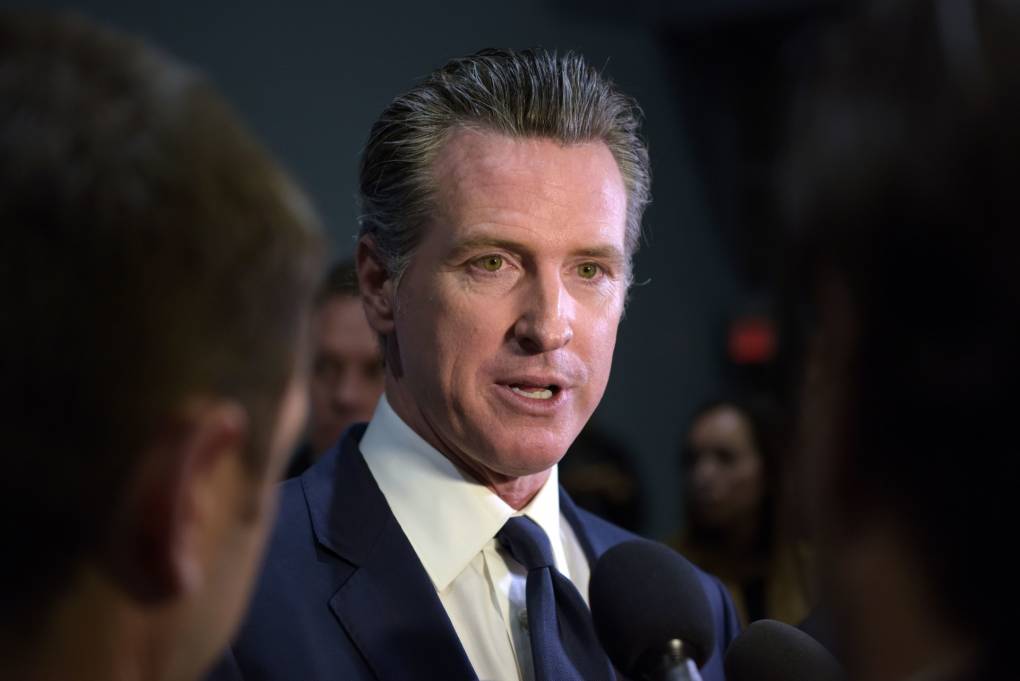
"caption": "'We feel a deep sense of gratitude for people that are in fear of deportation, but are still addressing the essential needs of tens of millions of Californians,' said Gov. Gavin Newsom during an April briefing on the coronavirus pandemic.",
"description": "'We feel a deep sense of gratitude for people that are in fear of deportation, but are still addressing the essential needs of tens of millions of Californians,' said Gov. Gavin Newsom during an April briefing on the coronavirus pandemic.",
"title": "US-VOTE-2020-DEMOCRATS-DEBATE",
"credit": "Agustin Paullier/AFP via Getty Images",
"status": "inherit",
"isLoading": false,
"fetchFailed": false
},
"news_11818327": {
"type": "attachments",
"id": "news_11818327",
"meta": {
"index": "attachments_1716263798",
"site": "news",
"id": "11818327",
"found": true
},
"parent": 11818184,
"imgSizes": {
"apple_news_ca_landscape_5_5": {
"file": "https://ww2.kqed.org/app/uploads/sites/10/2020/05/RS41306_003_KQED_HousingSanFrancisco_02102020-qut-1044x783.jpg",
"width": 1044,
"mimeType": "image/jpeg",
"height": 783
},
"apple_news_ca_square_4_0": {
"file": "https://ww2.kqed.org/app/uploads/sites/10/2020/05/RS41306_003_KQED_HousingSanFrancisco_02102020-qut-470x470.jpg",
"width": 470,
"mimeType": "image/jpeg",
"height": 470
},
"twentyfourteen-full-width": {
"file": "https://ww2.kqed.org/app/uploads/sites/10/2020/05/RS41306_003_KQED_HousingSanFrancisco_02102020-qut-1038x576.jpg",
"width": 1038,
"mimeType": "image/jpeg",
"height": 576
},
"thumbnail": {
"file": "https://ww2.kqed.org/app/uploads/sites/10/2020/05/RS41306_003_KQED_HousingSanFrancisco_02102020-qut-160x107.jpg",
"width": 160,
"mimeType": "image/jpeg",
"height": 107
},
"post-thumbnail": {
"file": "https://ww2.kqed.org/app/uploads/sites/10/2020/05/RS41306_003_KQED_HousingSanFrancisco_02102020-qut-672x372.jpg",
"width": 672,
"mimeType": "image/jpeg",
"height": 372
},
"kqedFullSize": {
"file": "https://ww2.kqed.org/app/uploads/sites/10/2020/05/RS41306_003_KQED_HousingSanFrancisco_02102020-qut.jpg",
"width": 1920,
"height": 1280
},
"apple_news_ca_landscape_4_7": {
"file": "https://ww2.kqed.org/app/uploads/sites/10/2020/05/RS41306_003_KQED_HousingSanFrancisco_02102020-qut-632x474.jpg",
"width": 632,
"mimeType": "image/jpeg",
"height": 474
},
"large": {
"file": "https://ww2.kqed.org/app/uploads/sites/10/2020/05/RS41306_003_KQED_HousingSanFrancisco_02102020-qut-1020x680.jpg",
"width": 1020,
"mimeType": "image/jpeg",
"height": 680
},
"apple_news_ca_landscape_4_0": {
"file": "https://ww2.kqed.org/app/uploads/sites/10/2020/05/RS41306_003_KQED_HousingSanFrancisco_02102020-qut-536x402.jpg",
"width": 536,
"mimeType": "image/jpeg",
"height": 402
},
"apple_news_ca_portrait_12_9": {
"file": "https://ww2.kqed.org/app/uploads/sites/10/2020/05/RS41306_003_KQED_HousingSanFrancisco_02102020-qut-1122x1280.jpg",
"width": 1122,
"mimeType": "image/jpeg",
"height": 1280
},
"medium": {
"file": "https://ww2.kqed.org/app/uploads/sites/10/2020/05/RS41306_003_KQED_HousingSanFrancisco_02102020-qut-800x533.jpg",
"width": 800,
"mimeType": "image/jpeg",
"height": 533
},
"apple_news_ca_portrait_4_0": {
"file": "https://ww2.kqed.org/app/uploads/sites/10/2020/05/RS41306_003_KQED_HousingSanFrancisco_02102020-qut-354x472.jpg",
"width": 354,
"mimeType": "image/jpeg",
"height": 472
},
"apple_news_ca_portrait_9_7": {
"file": "https://ww2.kqed.org/app/uploads/sites/10/2020/05/RS41306_003_KQED_HousingSanFrancisco_02102020-qut-840x1120.jpg",
"width": 840,
"mimeType": "image/jpeg",
"height": 1120
},
"apple_news_ca_landscape_12_9": {
"file": "https://ww2.kqed.org/app/uploads/sites/10/2020/05/RS41306_003_KQED_HousingSanFrancisco_02102020-qut-1832x1280.jpg",
"width": 1832,
"mimeType": "image/jpeg",
"height": 1280
},
"apple_news_ca_square_9_7": {
"file": "https://ww2.kqed.org/app/uploads/sites/10/2020/05/RS41306_003_KQED_HousingSanFrancisco_02102020-qut-1104x1104.jpg",
"width": 1104,
"mimeType": "image/jpeg",
"height": 1104
},
"apple_news_ca_portrait_4_7": {
"file": "https://ww2.kqed.org/app/uploads/sites/10/2020/05/RS41306_003_KQED_HousingSanFrancisco_02102020-qut-414x552.jpg",
"width": 414,
"mimeType": "image/jpeg",
"height": 552
},
"apple_news_ca_square_12_9": {
"file": "https://ww2.kqed.org/app/uploads/sites/10/2020/05/RS41306_003_KQED_HousingSanFrancisco_02102020-qut-1472x1280.jpg",
"width": 1472,
"mimeType": "image/jpeg",
"height": 1280
},
"apple_news_ca_portrait_5_5": {
"file": "https://ww2.kqed.org/app/uploads/sites/10/2020/05/RS41306_003_KQED_HousingSanFrancisco_02102020-qut-687x916.jpg",
"width": 687,
"mimeType": "image/jpeg",
"height": 916
},
"full-width": {
"file": "https://ww2.kqed.org/app/uploads/sites/10/2020/05/RS41306_003_KQED_HousingSanFrancisco_02102020-qut-1920x1280.jpg",
"width": 1920,
"mimeType": "image/jpeg",
"height": 1280
},
"apple_news_ca_square_4_7": {
"file": "https://ww2.kqed.org/app/uploads/sites/10/2020/05/RS41306_003_KQED_HousingSanFrancisco_02102020-qut-550x550.jpg",
"width": 550,
"mimeType": "image/jpeg",
"height": 550
},
"apple_news_ca_landscape_9_7": {
"file": "https://ww2.kqed.org/app/uploads/sites/10/2020/05/RS41306_003_KQED_HousingSanFrancisco_02102020-qut-1376x1032.jpg",
"width": 1376,
"mimeType": "image/jpeg",
"height": 1032
},
"apple_news_ca_square_5_5": {
"file": "https://ww2.kqed.org/app/uploads/sites/10/2020/05/RS41306_003_KQED_HousingSanFrancisco_02102020-qut-912x912.jpg",
"width": 912,
"mimeType": "image/jpeg",
"height": 912
}
},
"publishDate": 1589484214,
"modified": 1589484345,
"caption": "A view of San Francisco on Feb. 10, 2020. ",
"description": null,
"title": "RS41306_003_KQED_HousingSanFrancisco_02102020-qut",
"credit": "Beth LaBerge/KQED",
"status": "inherit",
"isLoading": false,
"fetchFailed": false
},
"news_11817493": {
"type": "attachments",
"id": "news_11817493",
"meta": {
"index": "attachments_1716263798",
"site": "news",
"id": "11817493",
"found": true
},
"parent": 11817366,
"imgSizes": {
"apple_news_ca_landscape_5_5": {
"file": "https://ww2.kqed.org/app/uploads/sites/10/2020/05/RS43133_IMG_20190916_122605-qut-e1589229148747-1044x783.jpg",
"width": 1044,
"mimeType": "image/jpeg",
"height": 783
},
"apple_news_ca_square_4_0": {
"file": "https://ww2.kqed.org/app/uploads/sites/10/2020/05/RS43133_IMG_20190916_122605-qut-e1589229148747-470x470.jpg",
"width": 470,
"mimeType": "image/jpeg",
"height": 470
},
"twentyfourteen-full-width": {
"file": "https://ww2.kqed.org/app/uploads/sites/10/2020/05/RS43133_IMG_20190916_122605-qut-e1589229148747-1038x576.jpg",
"width": 1038,
"mimeType": "image/jpeg",
"height": 576
},
"thumbnail": {
"file": "https://ww2.kqed.org/app/uploads/sites/10/2020/05/RS43133_IMG_20190916_122605-qut-e1589229148747-160x121.jpg",
"width": 160,
"mimeType": "image/jpeg",
"height": 121
},
"post-thumbnail": {
"file": "https://ww2.kqed.org/app/uploads/sites/10/2020/05/RS43133_IMG_20190916_122605-qut-e1589229148747-672x372.jpg",
"width": 672,
"mimeType": "image/jpeg",
"height": 372
},
"kqedFullSize": {
"file": "https://ww2.kqed.org/app/uploads/sites/10/2020/05/RS43133_IMG_20190916_122605-qut-e1589229148747.jpg",
"width": 1440,
"height": 1089
},
"apple_news_ca_landscape_4_7": {
"file": "https://ww2.kqed.org/app/uploads/sites/10/2020/05/RS43133_IMG_20190916_122605-qut-e1589229148747-632x474.jpg",
"width": 632,
"mimeType": "image/jpeg",
"height": 474
},
"large": {
"file": "https://ww2.kqed.org/app/uploads/sites/10/2020/05/RS43133_IMG_20190916_122605-qut-e1589229148747-1020x771.jpg",
"width": 1020,
"mimeType": "image/jpeg",
"height": 771
},
"apple_news_ca_landscape_4_0": {
"file": "https://ww2.kqed.org/app/uploads/sites/10/2020/05/RS43133_IMG_20190916_122605-qut-e1589229148747-536x402.jpg",
"width": 536,
"mimeType": "image/jpeg",
"height": 402
},
"apple_news_ca_portrait_12_9": {
"file": "https://ww2.kqed.org/app/uploads/sites/10/2020/05/RS43133_IMG_20190916_122605-qut-e1589229148747-1122x1089.jpg",
"width": 1122,
"mimeType": "image/jpeg",
"height": 1089
},
"medium": {
"file": "https://ww2.kqed.org/app/uploads/sites/10/2020/05/RS43133_IMG_20190916_122605-qut-e1589229148747-800x605.jpg",
"width": 800,
"mimeType": "image/jpeg",
"height": 605
},
"apple_news_ca_portrait_4_0": {
"file": "https://ww2.kqed.org/app/uploads/sites/10/2020/05/RS43133_IMG_20190916_122605-qut-e1589229148747-354x472.jpg",
"width": 354,
"mimeType": "image/jpeg",
"height": 472
},
"apple_news_ca_portrait_9_7": {
"file": "https://ww2.kqed.org/app/uploads/sites/10/2020/05/RS43133_IMG_20190916_122605-qut-e1589229148747-840x1089.jpg",
"width": 840,
"mimeType": "image/jpeg",
"height": 1089
},
"apple_news_ca_landscape_12_9": {
"file": "https://ww2.kqed.org/app/uploads/sites/10/2020/05/RS43133_IMG_20190916_122605-qut-e1589221746558-1440x1374.jpg",
"width": 1440,
"mimeType": "image/jpeg",
"height": 1374
},
"apple_news_ca_square_9_7": {
"file": "https://ww2.kqed.org/app/uploads/sites/10/2020/05/RS43133_IMG_20190916_122605-qut-e1589229148747-1104x1089.jpg",
"width": 1104,
"mimeType": "image/jpeg",
"height": 1089
},
"apple_news_ca_portrait_4_7": {
"file": "https://ww2.kqed.org/app/uploads/sites/10/2020/05/RS43133_IMG_20190916_122605-qut-e1589229148747-414x552.jpg",
"width": 414,
"mimeType": "image/jpeg",
"height": 552
},
"apple_news_ca_square_12_9": {
"file": "https://ww2.kqed.org/app/uploads/sites/10/2020/05/RS43133_IMG_20190916_122605-qut-e1589221746558-1440x1472.jpg",
"width": 1440,
"mimeType": "image/jpeg",
"height": 1472
},
"apple_news_ca_portrait_5_5": {
"file": "https://ww2.kqed.org/app/uploads/sites/10/2020/05/RS43133_IMG_20190916_122605-qut-e1589229148747-687x916.jpg",
"width": 687,
"mimeType": "image/jpeg",
"height": 916
},
"full-width": {
"file": "https://ww2.kqed.org/app/uploads/sites/10/2020/05/RS43133_IMG_20190916_122605-qut-1920x1440.jpg",
"width": 1920,
"mimeType": "image/jpeg",
"height": 1440
},
"apple_news_ca_square_4_7": {
"file": "https://ww2.kqed.org/app/uploads/sites/10/2020/05/RS43133_IMG_20190916_122605-qut-e1589229148747-550x550.jpg",
"width": 550,
"mimeType": "image/jpeg",
"height": 550
},
"apple_news_ca_landscape_9_7": {
"file": "https://ww2.kqed.org/app/uploads/sites/10/2020/05/RS43133_IMG_20190916_122605-qut-e1589229148747-1376x1032.jpg",
"width": 1376,
"mimeType": "image/jpeg",
"height": 1032
},
"apple_news_ca_square_5_5": {
"file": "https://ww2.kqed.org/app/uploads/sites/10/2020/05/RS43133_IMG_20190916_122605-qut-e1589229148747-912x912.jpg",
"width": 912,
"mimeType": "image/jpeg",
"height": 912
}
},
"publishDate": 1589221552,
"modified": 1589246691,
"caption": "Rudsdale Newcomer High School students organized a “Fiesta de Patria” event for Central American Independence Day on Sept. 15. They dressed up in their countries’ colors and shared foods from home.",
"description": "Rudsdale Newcomer High School students organized a “Fiesta de Patria” event for Central American Independence Day on Sept. 15. They dressed up in their countries’ colors and shared foods from home.",
"title": "RS43133_IMG_20190916_122605-qut",
"credit": "Courtesy Emma Batten-Bowman",
"status": "inherit",
"isLoading": false,
"fetchFailed": false
},
"news_11780130": {
"type": "attachments",
"id": "news_11780130",
"meta": {
"index": "attachments_1716263798",
"site": "news",
"id": "11780130",
"found": true
},
"parent": 11780040,
"imgSizes": {
"apple_news_ca_landscape_5_5": {
"file": "https://ww2.kqed.org/app/uploads/sites/10/2019/10/RS146_IMG_0236-1044x783.jpg",
"width": 1044,
"mimeType": "image/jpeg",
"height": 783
},
"apple_news_ca_square_4_0": {
"file": "https://ww2.kqed.org/app/uploads/sites/10/2019/10/RS146_IMG_0236-470x470.jpg",
"width": 470,
"mimeType": "image/jpeg",
"height": 470
},
"twentyfourteen-full-width": {
"file": "https://ww2.kqed.org/app/uploads/sites/10/2019/10/RS146_IMG_0236-1038x576.jpg",
"width": 1038,
"mimeType": "image/jpeg",
"height": 576
},
"thumbnail": {
"file": "https://ww2.kqed.org/app/uploads/sites/10/2019/10/RS146_IMG_0236-160x120.jpg",
"width": 160,
"mimeType": "image/jpeg",
"height": 120
},
"post-thumbnail": {
"file": "https://ww2.kqed.org/app/uploads/sites/10/2019/10/RS146_IMG_0236-672x372.jpg",
"width": 672,
"mimeType": "image/jpeg",
"height": 372
},
"kqedFullSize": {
"file": "https://ww2.kqed.org/app/uploads/sites/10/2019/10/RS146_IMG_0236-e1589418765561.jpg",
"width": 1920,
"height": 1440
},
"apple_news_ca_landscape_4_7": {
"file": "https://ww2.kqed.org/app/uploads/sites/10/2019/10/RS146_IMG_0236-632x474.jpg",
"width": 632,
"mimeType": "image/jpeg",
"height": 474
},
"large": {
"file": "https://ww2.kqed.org/app/uploads/sites/10/2019/10/RS146_IMG_0236-1020x765.jpg",
"width": 1020,
"mimeType": "image/jpeg",
"height": 765
},
"complete_open_graph": {
"file": "https://ww2.kqed.org/app/uploads/sites/10/2019/10/RS146_IMG_0236-1200x900.jpg",
"width": 1200,
"mimeType": "image/jpeg",
"height": 900
},
"apple_news_ca_landscape_4_0": {
"file": "https://ww2.kqed.org/app/uploads/sites/10/2019/10/RS146_IMG_0236-536x402.jpg",
"width": 536,
"mimeType": "image/jpeg",
"height": 402
},
"apple_news_ca_portrait_12_9": {
"file": "https://ww2.kqed.org/app/uploads/sites/10/2019/10/RS146_IMG_0236-1122x1496.jpg",
"width": 1122,
"mimeType": "image/jpeg",
"height": 1496
},
"medium": {
"file": "https://ww2.kqed.org/app/uploads/sites/10/2019/10/RS146_IMG_0236-800x600.jpg",
"width": 800,
"mimeType": "image/jpeg",
"height": 600
},
"apple_news_ca_portrait_4_0": {
"file": "https://ww2.kqed.org/app/uploads/sites/10/2019/10/RS146_IMG_0236-354x472.jpg",
"width": 354,
"mimeType": "image/jpeg",
"height": 472
},
"apple_news_ca_portrait_9_7": {
"file": "https://ww2.kqed.org/app/uploads/sites/10/2019/10/RS146_IMG_0236-840x1120.jpg",
"width": 840,
"mimeType": "image/jpeg",
"height": 1120
},
"apple_news_ca_landscape_12_9": {
"file": "https://ww2.kqed.org/app/uploads/sites/10/2019/10/RS146_IMG_0236-1832x1374.jpg",
"width": 1832,
"mimeType": "image/jpeg",
"height": 1374
},
"apple_news_ca_square_9_7": {
"file": "https://ww2.kqed.org/app/uploads/sites/10/2019/10/RS146_IMG_0236-1104x1104.jpg",
"width": 1104,
"mimeType": "image/jpeg",
"height": 1104
},
"apple_news_ca_portrait_4_7": {
"file": "https://ww2.kqed.org/app/uploads/sites/10/2019/10/RS146_IMG_0236-414x552.jpg",
"width": 414,
"mimeType": "image/jpeg",
"height": 552
},
"apple_news_ca_square_12_9": {
"file": "https://ww2.kqed.org/app/uploads/sites/10/2019/10/RS146_IMG_0236-1472x1472.jpg",
"width": 1472,
"mimeType": "image/jpeg",
"height": 1472
},
"apple_news_ca_portrait_5_5": {
"file": "https://ww2.kqed.org/app/uploads/sites/10/2019/10/RS146_IMG_0236-687x916.jpg",
"width": 687,
"mimeType": "image/jpeg",
"height": 916
},
"full-width": {
"file": "https://ww2.kqed.org/app/uploads/sites/10/2019/10/RS146_IMG_0236-1920x1440.jpg",
"width": 1920,
"mimeType": "image/jpeg",
"height": 1440
},
"apple_news_ca_square_4_7": {
"file": "https://ww2.kqed.org/app/uploads/sites/10/2019/10/RS146_IMG_0236-550x550.jpg",
"width": 550,
"mimeType": "image/jpeg",
"height": 550
},
"apple_news_ca_landscape_9_7": {
"file": "https://ww2.kqed.org/app/uploads/sites/10/2019/10/RS146_IMG_0236-1376x1032.jpg",
"width": 1376,
"mimeType": "image/jpeg",
"height": 1032
},
"apple_news_ca_square_5_5": {
"file": "https://ww2.kqed.org/app/uploads/sites/10/2019/10/RS146_IMG_0236-912x912.jpg",
"width": 912,
"mimeType": "image/jpeg",
"height": 912
}
},
"publishDate": 1571155990,
"modified": 1622641554,
"caption": null,
"description": "The state Capitol in Sacramento. ",
"title": "RS146_IMG_0236",
"credit": "Craig Miller/KQED",
"status": "inherit",
"altTag": null,
"isLoading": false,
"fetchFailed": false
},
"news_11818010": {
"type": "attachments",
"id": "news_11818010",
"meta": {
"index": "attachments_1716263798",
"site": "news",
"id": "11818010",
"found": true
},
"parent": 11817990,
"imgSizes": {
"apple_news_ca_landscape_5_5": {
"file": "https://ww2.kqed.org/app/uploads/sites/10/2020/05/cartooning_YTstill-1044x783.jpg",
"width": 1044,
"mimeType": "image/jpeg",
"height": 783
},
"apple_news_ca_square_4_0": {
"file": "https://ww2.kqed.org/app/uploads/sites/10/2020/05/cartooning_YTstill-470x470.jpg",
"width": 470,
"mimeType": "image/jpeg",
"height": 470
},
"twentyfourteen-full-width": {
"file": "https://ww2.kqed.org/app/uploads/sites/10/2020/05/cartooning_YTstill-1038x576.jpg",
"width": 1038,
"mimeType": "image/jpeg",
"height": 576
},
"thumbnail": {
"file": "https://ww2.kqed.org/app/uploads/sites/10/2020/05/cartooning_YTstill-160x90.jpg",
"width": 160,
"mimeType": "image/jpeg",
"height": 90
},
"post-thumbnail": {
"file": "https://ww2.kqed.org/app/uploads/sites/10/2020/05/cartooning_YTstill-672x372.jpg",
"width": 672,
"mimeType": "image/jpeg",
"height": 372
},
"kqedFullSize": {
"file": "https://ww2.kqed.org/app/uploads/sites/10/2020/05/cartooning_YTstill.jpg",
"width": 1920,
"height": 1085
},
"apple_news_ca_landscape_4_7": {
"file": "https://ww2.kqed.org/app/uploads/sites/10/2020/05/cartooning_YTstill-632x474.jpg",
"width": 632,
"mimeType": "image/jpeg",
"height": 474
},
"large": {
"file": "https://ww2.kqed.org/app/uploads/sites/10/2020/05/cartooning_YTstill-1020x576.jpg",
"width": 1020,
"mimeType": "image/jpeg",
"height": 576
},
"apple_news_ca_landscape_4_0": {
"file": "https://ww2.kqed.org/app/uploads/sites/10/2020/05/cartooning_YTstill-536x402.jpg",
"width": 536,
"mimeType": "image/jpeg",
"height": 402
},
"apple_news_ca_portrait_12_9": {
"file": "https://ww2.kqed.org/app/uploads/sites/10/2020/05/cartooning_YTstill-1122x1085.jpg",
"width": 1122,
"mimeType": "image/jpeg",
"height": 1085
},
"medium": {
"file": "https://ww2.kqed.org/app/uploads/sites/10/2020/05/cartooning_YTstill-800x452.jpg",
"width": 800,
"mimeType": "image/jpeg",
"height": 452
},
"apple_news_ca_portrait_4_0": {
"file": "https://ww2.kqed.org/app/uploads/sites/10/2020/05/cartooning_YTstill-354x472.jpg",
"width": 354,
"mimeType": "image/jpeg",
"height": 472
},
"apple_news_ca_portrait_9_7": {
"file": "https://ww2.kqed.org/app/uploads/sites/10/2020/05/cartooning_YTstill-840x1085.jpg",
"width": 840,
"mimeType": "image/jpeg",
"height": 1085
},
"apple_news_ca_landscape_12_9": {
"file": "https://ww2.kqed.org/app/uploads/sites/10/2020/05/cartooning_YTstill-1832x1085.jpg",
"width": 1832,
"mimeType": "image/jpeg",
"height": 1085
},
"apple_news_ca_square_9_7": {
"file": "https://ww2.kqed.org/app/uploads/sites/10/2020/05/cartooning_YTstill-1104x1085.jpg",
"width": 1104,
"mimeType": "image/jpeg",
"height": 1085
},
"apple_news_ca_portrait_4_7": {
"file": "https://ww2.kqed.org/app/uploads/sites/10/2020/05/cartooning_YTstill-414x552.jpg",
"width": 414,
"mimeType": "image/jpeg",
"height": 552
},
"apple_news_ca_square_12_9": {
"file": "https://ww2.kqed.org/app/uploads/sites/10/2020/05/cartooning_YTstill-1472x1085.jpg",
"width": 1472,
"mimeType": "image/jpeg",
"height": 1085
},
"apple_news_ca_portrait_5_5": {
"file": "https://ww2.kqed.org/app/uploads/sites/10/2020/05/cartooning_YTstill-687x916.jpg",
"width": 687,
"mimeType": "image/jpeg",
"height": 916
},
"full-width": {
"file": "https://ww2.kqed.org/app/uploads/sites/10/2020/05/cartooning_YTstill-1920x1085.jpg",
"width": 1920,
"mimeType": "image/jpeg",
"height": 1085
},
"apple_news_ca_square_4_7": {
"file": "https://ww2.kqed.org/app/uploads/sites/10/2020/05/cartooning_YTstill-550x550.jpg",
"width": 550,
"mimeType": "image/jpeg",
"height": 550
},
"apple_news_ca_landscape_9_7": {
"file": "https://ww2.kqed.org/app/uploads/sites/10/2020/05/cartooning_YTstill-1376x1032.jpg",
"width": 1376,
"mimeType": "image/jpeg",
"height": 1032
},
"apple_news_ca_square_5_5": {
"file": "https://ww2.kqed.org/app/uploads/sites/10/2020/05/cartooning_YTstill-912x912.jpg",
"width": 912,
"mimeType": "image/jpeg",
"height": 912
}
},
"publishDate": 1589387013,
"modified": 1589387043,
"caption": null,
"description": null,
"title": "cartooning_YTstill",
"credit": null,
"status": "inherit",
"isLoading": false,
"fetchFailed": false
},
"news_11818104": {
"type": "attachments",
"id": "news_11818104",
"meta": {
"index": "attachments_1716263798",
"site": "news",
"id": "11818104",
"found": true
},
"parent": 11809760,
"imgSizes": {
"apple_news_ca_landscape_5_5": {
"file": "https://ww2.kqed.org/app/uploads/sites/10/2020/03/HaywardCoronavirusTesting-1044x783.jpg",
"width": 1044,
"mimeType": "image/jpeg",
"height": 783
},
"apple_news_ca_square_4_0": {
"file": "https://ww2.kqed.org/app/uploads/sites/10/2020/03/HaywardCoronavirusTesting-470x470.jpg",
"width": 470,
"mimeType": "image/jpeg",
"height": 470
},
"twentyfourteen-full-width": {
"file": "https://ww2.kqed.org/app/uploads/sites/10/2020/03/HaywardCoronavirusTesting-1038x576.jpg",
"width": 1038,
"mimeType": "image/jpeg",
"height": 576
},
"thumbnail": {
"file": "https://ww2.kqed.org/app/uploads/sites/10/2020/03/HaywardCoronavirusTesting-160x104.jpg",
"width": 160,
"mimeType": "image/jpeg",
"height": 104
},
"post-thumbnail": {
"file": "https://ww2.kqed.org/app/uploads/sites/10/2020/03/HaywardCoronavirusTesting-672x372.jpg",
"width": 672,
"mimeType": "image/jpeg",
"height": 372
},
"kqedFullSize": {
"file": "https://ww2.kqed.org/app/uploads/sites/10/2020/03/HaywardCoronavirusTesting.jpg",
"width": 1920,
"height": 1250
},
"apple_news_ca_landscape_4_7": {
"file": "https://ww2.kqed.org/app/uploads/sites/10/2020/03/HaywardCoronavirusTesting-632x474.jpg",
"width": 632,
"mimeType": "image/jpeg",
"height": 474
},
"large": {
"file": "https://ww2.kqed.org/app/uploads/sites/10/2020/03/HaywardCoronavirusTesting-1020x664.jpg",
"width": 1020,
"mimeType": "image/jpeg",
"height": 664
},
"apple_news_ca_landscape_4_0": {
"file": "https://ww2.kqed.org/app/uploads/sites/10/2020/03/HaywardCoronavirusTesting-536x402.jpg",
"width": 536,
"mimeType": "image/jpeg",
"height": 402
},
"apple_news_ca_portrait_12_9": {
"file": "https://ww2.kqed.org/app/uploads/sites/10/2020/03/HaywardCoronavirusTesting-1122x1250.jpg",
"width": 1122,
"mimeType": "image/jpeg",
"height": 1250
},
"medium": {
"file": "https://ww2.kqed.org/app/uploads/sites/10/2020/03/HaywardCoronavirusTesting-800x521.jpg",
"width": 800,
"mimeType": "image/jpeg",
"height": 521
},
"apple_news_ca_portrait_4_0": {
"file": "https://ww2.kqed.org/app/uploads/sites/10/2020/03/HaywardCoronavirusTesting-354x472.jpg",
"width": 354,
"mimeType": "image/jpeg",
"height": 472
},
"apple_news_ca_portrait_9_7": {
"file": "https://ww2.kqed.org/app/uploads/sites/10/2020/03/HaywardCoronavirusTesting-840x1120.jpg",
"width": 840,
"mimeType": "image/jpeg",
"height": 1120
},
"apple_news_ca_landscape_12_9": {
"file": "https://ww2.kqed.org/app/uploads/sites/10/2020/03/HaywardCoronavirusTesting-1832x1250.jpg",
"width": 1832,
"mimeType": "image/jpeg",
"height": 1250
},
"apple_news_ca_square_9_7": {
"file": "https://ww2.kqed.org/app/uploads/sites/10/2020/03/HaywardCoronavirusTesting-1104x1104.jpg",
"width": 1104,
"mimeType": "image/jpeg",
"height": 1104
},
"apple_news_ca_portrait_4_7": {
"file": "https://ww2.kqed.org/app/uploads/sites/10/2020/03/HaywardCoronavirusTesting-414x552.jpg",
"width": 414,
"mimeType": "image/jpeg",
"height": 552
},
"apple_news_ca_square_12_9": {
"file": "https://ww2.kqed.org/app/uploads/sites/10/2020/03/HaywardCoronavirusTesting-1472x1250.jpg",
"width": 1472,
"mimeType": "image/jpeg",
"height": 1250
},
"apple_news_ca_portrait_5_5": {
"file": "https://ww2.kqed.org/app/uploads/sites/10/2020/03/HaywardCoronavirusTesting-687x916.jpg",
"width": 687,
"mimeType": "image/jpeg",
"height": 916
},
"full-width": {
"file": "https://ww2.kqed.org/app/uploads/sites/10/2020/03/HaywardCoronavirusTesting-1920x1250.jpg",
"width": 1920,
"mimeType": "image/jpeg",
"height": 1250
},
"apple_news_ca_square_4_7": {
"file": "https://ww2.kqed.org/app/uploads/sites/10/2020/03/HaywardCoronavirusTesting-550x550.jpg",
"width": 550,
"mimeType": "image/jpeg",
"height": 550
},
"apple_news_ca_landscape_9_7": {
"file": "https://ww2.kqed.org/app/uploads/sites/10/2020/03/HaywardCoronavirusTesting-1376x1032.jpg",
"width": 1376,
"mimeType": "image/jpeg",
"height": 1032
},
"apple_news_ca_square_5_5": {
"file": "https://ww2.kqed.org/app/uploads/sites/10/2020/03/HaywardCoronavirusTesting-912x912.jpg",
"width": 912,
"mimeType": "image/jpeg",
"height": 912
}
},
"publishDate": 1589401157,
"modified": 1590000692,
"caption": "Medical personnel screen patients at a coronavirus testing facility in Hayward on March 23, 2020.",
"description": "Medical personnel screen patients at a coronavirus testing facility in Hayward —one of the first to open in the Bay Area — on Mar. 23, 2020.",
"title": "HaywardCoronavirusTesting",
"credit": "Beth LaBerge/KQED",
"status": "inherit",
"isLoading": false,
"fetchFailed": false
},
"news_11668077": {
"type": "attachments",
"id": "news_11668077",
"meta": {
"index": "attachments_1716263798",
"site": "news",
"id": "11668077",
"found": true
},
"parent": 11668070,
"imgSizes": {
"small": {
"file": "https://ww2.kqed.org/app/uploads/sites/10/2018/05/RS9671_2631101-1180x1107-520x488.jpg",
"width": 520,
"mimeType": "image/jpeg",
"height": 488
},
"twentyfourteen-full-width": {
"file": "https://ww2.kqed.org/app/uploads/sites/10/2018/05/RS9671_2631101-1180x1107-1038x576.jpg",
"width": 1038,
"mimeType": "image/jpeg",
"height": 576
},
"thumbnail": {
"file": "https://ww2.kqed.org/app/uploads/sites/10/2018/05/RS9671_2631101-1180x1107-160x150.jpg",
"width": 160,
"mimeType": "image/jpeg",
"height": 150
},
"fd-sm": {
"file": "https://ww2.kqed.org/app/uploads/sites/10/2018/05/RS9671_2631101-1180x1107-960x901.jpg",
"width": 960,
"mimeType": "image/jpeg",
"height": 901
},
"post-thumbnail": {
"file": "https://ww2.kqed.org/app/uploads/sites/10/2018/05/RS9671_2631101-1180x1107-672x372.jpg",
"width": 672,
"mimeType": "image/jpeg",
"height": 372
},
"xsmall": {
"file": "https://ww2.kqed.org/app/uploads/sites/10/2018/05/RS9671_2631101-1180x1107-375x352.jpg",
"width": 375,
"mimeType": "image/jpeg",
"height": 352
},
"kqedFullSize": {
"file": "https://ww2.kqed.org/app/uploads/sites/10/2018/05/RS9671_2631101-1180x1107.jpg",
"width": 1180,
"height": 1107
},
"large": {
"file": "https://ww2.kqed.org/app/uploads/sites/10/2018/05/RS9671_2631101-1180x1107-1020x957.jpg",
"width": 1020,
"mimeType": "image/jpeg",
"height": 957
},
"xlarge": {
"file": "https://ww2.kqed.org/app/uploads/sites/10/2018/05/RS9671_2631101-1180x1107-1180x1107.jpg",
"width": 1180,
"mimeType": "image/jpeg",
"height": 1107
},
"guest-author-50": {
"file": "https://ww2.kqed.org/app/uploads/sites/10/2018/05/RS9671_2631101-1180x1107-50x50.jpg",
"width": 50,
"mimeType": "image/jpeg",
"height": 50
},
"guest-author-96": {
"file": "https://ww2.kqed.org/app/uploads/sites/10/2018/05/RS9671_2631101-1180x1107-96x96.jpg",
"width": 96,
"mimeType": "image/jpeg",
"height": 96
},
"medium": {
"file": "https://ww2.kqed.org/app/uploads/sites/10/2018/05/RS9671_2631101-1180x1107-800x751.jpg",
"width": 800,
"mimeType": "image/jpeg",
"height": 751
},
"guest-author-64": {
"file": "https://ww2.kqed.org/app/uploads/sites/10/2018/05/RS9671_2631101-1180x1107-64x64.jpg",
"width": 64,
"mimeType": "image/jpeg",
"height": 64
},
"guest-author-32": {
"file": "https://ww2.kqed.org/app/uploads/sites/10/2018/05/RS9671_2631101-1180x1107-32x32.jpg",
"width": 32,
"mimeType": "image/jpeg",
"height": 32
},
"fd-med": {
"file": "https://ww2.kqed.org/app/uploads/sites/10/2018/05/RS9671_2631101-1180x1107-1180x1107.jpg",
"width": 1180,
"mimeType": "image/jpeg",
"height": 1107
},
"detail": {
"file": "https://ww2.kqed.org/app/uploads/sites/10/2018/05/RS9671_2631101-1180x1107-150x150.jpg",
"width": 150,
"mimeType": "image/jpeg",
"height": 150
},
"guest-author-128": {
"file": "https://ww2.kqed.org/app/uploads/sites/10/2018/05/RS9671_2631101-1180x1107-128x128.jpg",
"width": 128,
"mimeType": "image/jpeg",
"height": 128
},
"xxsmall": {
"file": "https://ww2.kqed.org/app/uploads/sites/10/2018/05/RS9671_2631101-1180x1107-240x225.jpg",
"width": 240,
"mimeType": "image/jpeg",
"height": 225
}
},
"publishDate": 1526225784,
"modified": 1560533071,
"caption": "A view of the top of the California Capitol building in Sacramento.",
"description": "A view of the top of the California Capitol building in Sacramento.",
"title": "A detail of the top of the dome of the C",
"credit": "Robyn Beck/AFP/Getty Images",
"status": "inherit",
"isLoading": false,
"fetchFailed": false
},
"news_11817314": {
"type": "attachments",
"id": "news_11817314",
"meta": {
"index": "attachments_1716263798",
"site": "news",
"id": "11817314",
"found": true
},
"parent": 11817285,
"imgSizes": {
"apple_news_ca_landscape_5_5": {
"file": "https://ww2.kqed.org/app/uploads/sites/10/2020/05/RS43125_kayo-qut-1044x783.jpg",
"width": 1044,
"mimeType": "image/jpeg",
"height": 783
},
"apple_news_ca_square_4_0": {
"file": "https://ww2.kqed.org/app/uploads/sites/10/2020/05/RS43125_kayo-qut-470x470.jpg",
"width": 470,
"mimeType": "image/jpeg",
"height": 470
},
"twentyfourteen-full-width": {
"file": "https://ww2.kqed.org/app/uploads/sites/10/2020/05/RS43125_kayo-qut-1038x576.jpg",
"width": 1038,
"mimeType": "image/jpeg",
"height": 576
},
"thumbnail": {
"file": "https://ww2.kqed.org/app/uploads/sites/10/2020/05/RS43125_kayo-qut-160x79.jpg",
"width": 160,
"mimeType": "image/jpeg",
"height": 79
},
"post-thumbnail": {
"file": "https://ww2.kqed.org/app/uploads/sites/10/2020/05/RS43125_kayo-qut-672x372.jpg",
"width": 672,
"mimeType": "image/jpeg",
"height": 372
},
"kqedFullSize": {
"file": "https://ww2.kqed.org/app/uploads/sites/10/2020/05/RS43125_kayo-qut.jpg",
"width": 1920,
"height": 950
},
"apple_news_ca_landscape_4_7": {
"file": "https://ww2.kqed.org/app/uploads/sites/10/2020/05/RS43125_kayo-qut-632x474.jpg",
"width": 632,
"mimeType": "image/jpeg",
"height": 474
},
"large": {
"file": "https://ww2.kqed.org/app/uploads/sites/10/2020/05/RS43125_kayo-qut-1020x505.jpg",
"width": 1020,
"mimeType": "image/jpeg",
"height": 505
},
"apple_news_ca_landscape_4_0": {
"file": "https://ww2.kqed.org/app/uploads/sites/10/2020/05/RS43125_kayo-qut-536x402.jpg",
"width": 536,
"mimeType": "image/jpeg",
"height": 402
},
"apple_news_ca_portrait_12_9": {
"file": "https://ww2.kqed.org/app/uploads/sites/10/2020/05/RS43125_kayo-qut-1122x950.jpg",
"width": 1122,
"mimeType": "image/jpeg",
"height": 950
},
"medium": {
"file": "https://ww2.kqed.org/app/uploads/sites/10/2020/05/RS43125_kayo-qut-800x396.jpg",
"width": 800,
"mimeType": "image/jpeg",
"height": 396
},
"apple_news_ca_portrait_4_0": {
"file": "https://ww2.kqed.org/app/uploads/sites/10/2020/05/RS43125_kayo-qut-354x472.jpg",
"width": 354,
"mimeType": "image/jpeg",
"height": 472
},
"apple_news_ca_portrait_9_7": {
"file": "https://ww2.kqed.org/app/uploads/sites/10/2020/05/RS43125_kayo-qut-840x950.jpg",
"width": 840,
"mimeType": "image/jpeg",
"height": 950
},
"apple_news_ca_landscape_12_9": {
"file": "https://ww2.kqed.org/app/uploads/sites/10/2020/05/RS43125_kayo-qut-1832x950.jpg",
"width": 1832,
"mimeType": "image/jpeg",
"height": 950
},
"apple_news_ca_square_9_7": {
"file": "https://ww2.kqed.org/app/uploads/sites/10/2020/05/RS43125_kayo-qut-1104x950.jpg",
"width": 1104,
"mimeType": "image/jpeg",
"height": 950
},
"apple_news_ca_portrait_4_7": {
"file": "https://ww2.kqed.org/app/uploads/sites/10/2020/05/RS43125_kayo-qut-414x552.jpg",
"width": 414,
"mimeType": "image/jpeg",
"height": 552
},
"apple_news_ca_square_12_9": {
"file": "https://ww2.kqed.org/app/uploads/sites/10/2020/05/RS43125_kayo-qut-1472x950.jpg",
"width": 1472,
"mimeType": "image/jpeg",
"height": 950
},
"apple_news_ca_portrait_5_5": {
"file": "https://ww2.kqed.org/app/uploads/sites/10/2020/05/RS43125_kayo-qut-687x916.jpg",
"width": 687,
"mimeType": "image/jpeg",
"height": 916
},
"full-width": {
"file": "https://ww2.kqed.org/app/uploads/sites/10/2020/05/RS43125_kayo-qut-1920x950.jpg",
"width": 1920,
"mimeType": "image/jpeg",
"height": 950
},
"apple_news_ca_square_4_7": {
"file": "https://ww2.kqed.org/app/uploads/sites/10/2020/05/RS43125_kayo-qut-550x550.jpg",
"width": 550,
"mimeType": "image/jpeg",
"height": 550
},
"apple_news_ca_landscape_9_7": {
"file": "https://ww2.kqed.org/app/uploads/sites/10/2020/05/RS43125_kayo-qut-1376x950.jpg",
"width": 1376,
"mimeType": "image/jpeg",
"height": 950
},
"apple_news_ca_square_5_5": {
"file": "https://ww2.kqed.org/app/uploads/sites/10/2020/05/RS43125_kayo-qut-912x912.jpg",
"width": 912,
"mimeType": "image/jpeg",
"height": 912
}
},
"publishDate": 1588985372,
"modified": 1588985482,
"caption": "Kayo Anderson does a regular singalong online to boost the spirits of people dealing with poverty in Los Angeles on behalf of the Los Angeles Community Action Network.",
"description": "Kayo Anderson does a regular singalong online to boost the spirits of people dealing with poverty in Los Angeles on behalf of the Los Angeles Community Action Network.",
"title": "RS43125_kayo-qut",
"credit": "YouTube screenshot",
"status": "inherit",
"isLoading": false,
"fetchFailed": false
},
"news_11817809": {
"type": "attachments",
"id": "news_11817809",
"meta": {
"index": "attachments_1716263798",
"site": "news",
"id": "11817809",
"found": true
},
"parent": 11817808,
"imgSizes": {
"apple_news_ca_landscape_5_5": {
"file": "https://ww2.kqed.org/app/uploads/sites/10/2020/05/RS42264_006_KQED_Pittsburg_MaliaJohnson_03242020-qut-1044x783.jpg",
"width": 1044,
"mimeType": "image/jpeg",
"height": 783
},
"apple_news_ca_square_4_0": {
"file": "https://ww2.kqed.org/app/uploads/sites/10/2020/05/RS42264_006_KQED_Pittsburg_MaliaJohnson_03242020-qut-470x470.jpg",
"width": 470,
"mimeType": "image/jpeg",
"height": 470
},
"twentyfourteen-full-width": {
"file": "https://ww2.kqed.org/app/uploads/sites/10/2020/05/RS42264_006_KQED_Pittsburg_MaliaJohnson_03242020-qut-1038x576.jpg",
"width": 1038,
"mimeType": "image/jpeg",
"height": 576
},
"thumbnail": {
"file": "https://ww2.kqed.org/app/uploads/sites/10/2020/05/RS42264_006_KQED_Pittsburg_MaliaJohnson_03242020-qut-160x107.jpg",
"width": 160,
"mimeType": "image/jpeg",
"height": 107
},
"post-thumbnail": {
"file": "https://ww2.kqed.org/app/uploads/sites/10/2020/05/RS42264_006_KQED_Pittsburg_MaliaJohnson_03242020-qut-672x372.jpg",
"width": 672,
"mimeType": "image/jpeg",
"height": 372
},
"kqedFullSize": {
"file": "https://ww2.kqed.org/app/uploads/sites/10/2020/05/RS42264_006_KQED_Pittsburg_MaliaJohnson_03242020-qut.jpg",
"width": 1920,
"height": 1280
},
"apple_news_ca_landscape_4_7": {
"file": "https://ww2.kqed.org/app/uploads/sites/10/2020/05/RS42264_006_KQED_Pittsburg_MaliaJohnson_03242020-qut-632x474.jpg",
"width": 632,
"mimeType": "image/jpeg",
"height": 474
},
"large": {
"file": "https://ww2.kqed.org/app/uploads/sites/10/2020/05/RS42264_006_KQED_Pittsburg_MaliaJohnson_03242020-qut-1020x680.jpg",
"width": 1020,
"mimeType": "image/jpeg",
"height": 680
},
"apple_news_ca_landscape_4_0": {
"file": "https://ww2.kqed.org/app/uploads/sites/10/2020/05/RS42264_006_KQED_Pittsburg_MaliaJohnson_03242020-qut-536x402.jpg",
"width": 536,
"mimeType": "image/jpeg",
"height": 402
},
"apple_news_ca_portrait_12_9": {
"file": "https://ww2.kqed.org/app/uploads/sites/10/2020/05/RS42264_006_KQED_Pittsburg_MaliaJohnson_03242020-qut-1122x1280.jpg",
"width": 1122,
"mimeType": "image/jpeg",
"height": 1280
},
"medium": {
"file": "https://ww2.kqed.org/app/uploads/sites/10/2020/05/RS42264_006_KQED_Pittsburg_MaliaJohnson_03242020-qut-800x533.jpg",
"width": 800,
"mimeType": "image/jpeg",
"height": 533
},
"apple_news_ca_portrait_4_0": {
"file": "https://ww2.kqed.org/app/uploads/sites/10/2020/05/RS42264_006_KQED_Pittsburg_MaliaJohnson_03242020-qut-354x472.jpg",
"width": 354,
"mimeType": "image/jpeg",
"height": 472
},
"apple_news_ca_portrait_9_7": {
"file": "https://ww2.kqed.org/app/uploads/sites/10/2020/05/RS42264_006_KQED_Pittsburg_MaliaJohnson_03242020-qut-840x1120.jpg",
"width": 840,
"mimeType": "image/jpeg",
"height": 1120
},
"apple_news_ca_landscape_12_9": {
"file": "https://ww2.kqed.org/app/uploads/sites/10/2020/05/RS42264_006_KQED_Pittsburg_MaliaJohnson_03242020-qut-1832x1280.jpg",
"width": 1832,
"mimeType": "image/jpeg",
"height": 1280
},
"apple_news_ca_square_9_7": {
"file": "https://ww2.kqed.org/app/uploads/sites/10/2020/05/RS42264_006_KQED_Pittsburg_MaliaJohnson_03242020-qut-1104x1104.jpg",
"width": 1104,
"mimeType": "image/jpeg",
"height": 1104
},
"apple_news_ca_portrait_4_7": {
"file": "https://ww2.kqed.org/app/uploads/sites/10/2020/05/RS42264_006_KQED_Pittsburg_MaliaJohnson_03242020-qut-414x552.jpg",
"width": 414,
"mimeType": "image/jpeg",
"height": 552
},
"apple_news_ca_square_12_9": {
"file": "https://ww2.kqed.org/app/uploads/sites/10/2020/05/RS42264_006_KQED_Pittsburg_MaliaJohnson_03242020-qut-1472x1280.jpg",
"width": 1472,
"mimeType": "image/jpeg",
"height": 1280
},
"apple_news_ca_portrait_5_5": {
"file": "https://ww2.kqed.org/app/uploads/sites/10/2020/05/RS42264_006_KQED_Pittsburg_MaliaJohnson_03242020-qut-687x916.jpg",
"width": 687,
"mimeType": "image/jpeg",
"height": 916
},
"full-width": {
"file": "https://ww2.kqed.org/app/uploads/sites/10/2020/05/RS42264_006_KQED_Pittsburg_MaliaJohnson_03242020-qut-1920x1280.jpg",
"width": 1920,
"mimeType": "image/jpeg",
"height": 1280
},
"apple_news_ca_square_4_7": {
"file": "https://ww2.kqed.org/app/uploads/sites/10/2020/05/RS42264_006_KQED_Pittsburg_MaliaJohnson_03242020-qut-550x550.jpg",
"width": 550,
"mimeType": "image/jpeg",
"height": 550
},
"apple_news_ca_landscape_9_7": {
"file": "https://ww2.kqed.org/app/uploads/sites/10/2020/05/RS42264_006_KQED_Pittsburg_MaliaJohnson_03242020-qut-1376x1032.jpg",
"width": 1376,
"mimeType": "image/jpeg",
"height": 1032
},
"apple_news_ca_square_5_5": {
"file": "https://ww2.kqed.org/app/uploads/sites/10/2020/05/RS42264_006_KQED_Pittsburg_MaliaJohnson_03242020-qut-912x912.jpg",
"width": 912,
"mimeType": "image/jpeg",
"height": 912
}
},
"publishDate": 1589320480,
"modified": 1589320526,
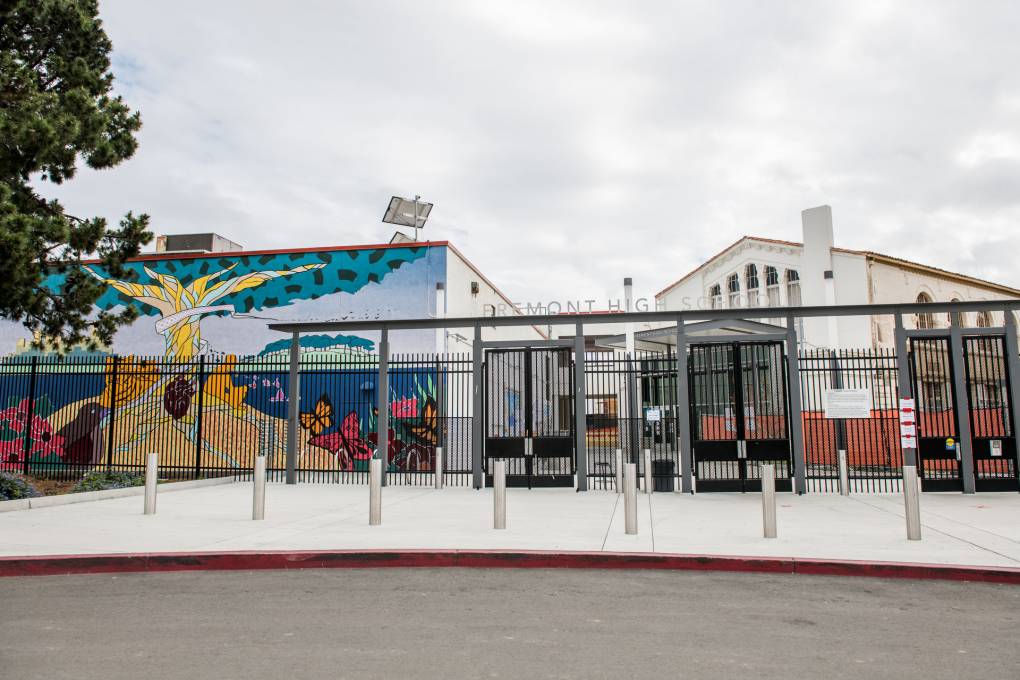
"caption": "Fremont High School in Oakland on Mar. 24, 2020.",
"description": null,
"title": "Fremont High School in Oakland on Mar. 24, 2020.",
"credit": "Beth LaBerge/KQED",
"status": "inherit",
"isLoading": false,
"fetchFailed": false
}
},
"audioPlayerReducer": {
"postId": "stream_live",
"isPaused": true,
"isPlaying": false,
"pfsActive": false,
"pledgeModalIsOpen": true,
"playerDrawerIsOpen": false,
"liveAudioPlayStartedAt": 0,
"liveAudioPlayContext": ""
},
"authorsReducer": {
"byline_news_11817955": {
"type": "authors",
"id": "byline_news_11817955",
"meta": {
"override": true
},
"slug": "byline_news_11817955",
"name": "Adam Beam\u003cbr />Associated Press",
"isLoading": false
},
"lisapickoffwhite-2": {
"type": "authors",
"id": "199",
"meta": {
"index": "authors_1716337520",
"id": "199",
"found": true
},
"name": "Lisa Pickoff-White",
"firstName": "Lisa",
"lastName": "Pickoff-White",
"slug": "lisapickoffwhite-2",
"email": "lpickoffwhite@kqed.org",
"display_author_email": false,
"staff_mastheads": [
"news"
],
"title": "Data Journalist, Senior Producer",
"bio": "Lisa Pickoff-White is KQED's data reporter. Lisa specializes in simplifying complex topics and bringing them to life through compelling visuals, including photography and data visualizations. She previously has worked at the Center for Investigative Reporting and other national outlets. Her work has been honored with awards from the Online News Association, Investigative Reporters and Editors, the Society of Professional Journalists and SXSW Interactive. \u003cstrong> \u003c/strong>",
"avatar": "https://secure.gravatar.com/avatar/5513c5f3967df792aa65bee2501e84d6?s=600&d=blank&r=g",
"twitter": "pickoffwhite",
"facebook": null,
"instagram": null,
"linkedin": null,
"sites": [
{
"site": "",
"roles": [
"editor"
]
},
{
"site": "arts",
"roles": []
},
{
"site": "news",
"roles": [
"administrator"
]
},
{
"site": "about",
"roles": [
"editor"
]
},
{
"site": "stateofhealth",
"roles": [
"administrator"
]
},
{
"site": "science",
"roles": [
"editor"
]
},
{
"site": "quest",
"roles": [
"editor"
]
},
{
"site": "forum",
"roles": [
"editor"
]
}
],
"headData": {
"title": "Lisa Pickoff-White | KQED",
"description": "Data Journalist, Senior Producer",
"ogImgSrc": "https://secure.gravatar.com/avatar/5513c5f3967df792aa65bee2501e84d6?s=600&d=blank&r=g",
"twImgSrc": "https://secure.gravatar.com/avatar/5513c5f3967df792aa65bee2501e84d6?s=600&d=blank&r=g"
},
"isLoading": false,
"link": "/author/lisapickoffwhite-2"
},
"jmcevoy": {
"type": "authors",
"id": "231",
"meta": {
"index": "authors_1716337520",
"id": "231",
"found": true
},
"name": "Julia McEvoy",
"firstName": "Julia",
"lastName": "McEvoy",
"slug": "jmcevoy",
"email": "jmcevoy@KQED.org",
"display_author_email": true,
"staff_mastheads": [
"news"
],
"title": "KQED Senior Editor",
"bio": "Julia McEvoy is KQED's Senior Editor, Education Equity.\r\n\r\nJulia heads KQED’s education coverage examining inequities students face in Bay Area and California schools, and reports on what it will take to educate the next generation.\r\n\r\nJulia's editorial work has received a Peabody Award, a Casey Medal for Coverage of Children and Families, several Edward R. Murrow awards, as well as awards from the Public Radio News Directors Inc. and the Society for Professional Journalists.",
"avatar": "https://secure.gravatar.com/avatar/aec3ce21abe02b302fd33638abd56a22?s=600&d=blank&r=g",
"twitter": "juliamcevoy1",
"facebook": null,
"instagram": null,
"linkedin": null,
"sites": [
{
"site": "news",
"roles": []
},
{
"site": "stateofhealth",
"roles": [
"author"
]
}
],
"headData": {
"title": "Julia McEvoy | KQED",
"description": "KQED Senior Editor",
"ogImgSrc": "https://secure.gravatar.com/avatar/aec3ce21abe02b302fd33638abd56a22?s=600&d=blank&r=g",
"twImgSrc": "https://secure.gravatar.com/avatar/aec3ce21abe02b302fd33638abd56a22?s=600&d=blank&r=g"
},
"isLoading": false,
"link": "/author/jmcevoy"
},
"scottshafer": {
"type": "authors",
"id": "255",
"meta": {
"index": "authors_1716337520",
"id": "255",
"found": true
},
"name": "Scott Shafer",
"firstName": "Scott",
"lastName": "Shafer",
"slug": "scottshafer",
"email": "sshafer@kqed.org",
"display_author_email": false,
"staff_mastheads": [
"news"
],
"title": "KQED Contributor",
"bio": "Scott Shafer is a senior editor with the KQED Politics and Government desk. He is co-host of Political Breakdown, the award-winning radio show and podcast with a personal take on the world of politics. Scott came to KQED in 1998 to host the statewide\u003cem> California Report\u003c/em>. Prior to that he had extended stints in politics and government\u003cem>.\u003c/em> He uses that inside experience at KQED in his, reporting, hosting and analysis for the politics desk. Scott collaborated \u003cem>Political Breakdown a\u003c/em>nd on \u003cem>The Political Mind of Jerry Brown, \u003c/em>an eight-part series about the life and extraordinary political career of the former governor. For fun, he plays water polo with the San Francisco Tsunami.",
"avatar": "https://secure.gravatar.com/avatar/a62ebae45b79d7aed1a39a0e3bf68104?s=600&d=blank&r=g",
"twitter": "scottshafer",
"bluesky": null,
"facebook": null,
"instagram": null,
"linkedin": null,
"sites": [
{
"site": "news",
"roles": [
"editor"
]
},
{
"site": "stateofhealth",
"roles": [
"author"
]
},
{
"site": "science",
"roles": [
"author"
]
},
{
"site": "forum",
"roles": [
"subscriber"
]
},
{
"site": "liveblog",
"roles": [
"author"
]
}
],
"headData": {
"title": "Scott Shafer | KQED",
"description": "KQED Contributor",
"ogImgSrc": "https://secure.gravatar.com/avatar/a62ebae45b79d7aed1a39a0e3bf68104?s=600&d=blank&r=g",
"twImgSrc": "https://secure.gravatar.com/avatar/a62ebae45b79d7aed1a39a0e3bf68104?s=600&d=blank&r=g"
},
"isLoading": false,
"link": "/author/scottshafer"
},
"markfiore": {
"type": "authors",
"id": "3236",
"meta": {
"index": "authors_1716337520",
"id": "3236",
"found": true
},
"name": "Mark Fiore",
"firstName": "Mark",
"lastName": "Fiore",
"slug": "markfiore",
"email": "mark@markfiore.com",
"display_author_email": false,
"staff_mastheads": [
"news"
],
"title": "KQED News Cartoonist",
"bio": "\u003ca href=\"http://www.MarkFiore.com\">MarkFiore.com\u003c/a> | \u003ca href=\"https://twitter.com/markfiore\">Follow on Twitter\u003c/a> | \u003ca href=\"https://www.facebook.com/pages/Mark-Fiore-Animated-Political-Cartoons/94451707396?ref=bookmarks\">Facebook\u003c/a> | \u003ca href=\"mailto:mark@markfiore.com\">email\u003c/a>\r\n\r\nPulitzer Prize-winner, Mark Fiore, who the Wall Street Journal has called “the undisputed guru of the form,” creates animated political cartoons in San Francisco, where his work has been featured regularly on the San Francisco Chronicle’s web site, SFGate.com. His work has appeared on Newsweek.com, Slate.com, CBSNews.com, MotherJones.com, DailyKos.com and NPR’s web site. Fiore’s political animation has appeared on CNN, Frontline, Bill Moyers Journal, Salon.com and cable and broadcast outlets across the globe.\r\n\r\nBeginning his professional life by drawing traditional political cartoons for newspapers, Fiore’s work appeared in publications ranging from the Washington Post to the Los Angeles Times. In the late 1990s, he began to experiment with animating political cartoons and, after a short stint at the San Jose Mercury News as their staff cartoonist, Fiore devoted all his energies to animation.\r\nGrowing up in California, Fiore also spent a good portion of his life in the backwoods of Idaho. It was this combination that shaped him politically. Mark majored in political science at Colorado College, where, in a perfect send-off for a cartoonist, he received his diploma in 1991 as commencement speaker Dick Cheney smiled approvingly.\r\nMark Fiore was awarded the Pulitzer Prize for political cartooning in 2010, a Robert F. Kennedy Journalism Award in 2004 and has twice received an Online Journalism Award for commentary from the Online News Association (2002, 2008). Fiore has received two awards for his work in new media from the National Cartoonists Society (2001, 2002), and in 2006 received The James Madison Freedom of Information Award from The Society of Professional Journalists.",
"avatar": "https://secure.gravatar.com/avatar/fc4e2a612b15b67bad0c6f0e1db4ca9b?s=600&d=blank&r=g",
"twitter": "MarkFiore",
"facebook": null,
"instagram": "https://www.instagram.com/markfiore/?hl=en",
"linkedin": null,
"sites": [
{
"site": "arts",
"roles": [
"contributor"
]
},
{
"site": "news",
"roles": [
"editor"
]
},
{
"site": "futureofyou",
"roles": [
"editor"
]
},
{
"site": "science",
"roles": [
"editor"
]
}
],
"headData": {
"title": "Mark Fiore | KQED",
"description": "KQED News Cartoonist",
"ogImgSrc": "https://secure.gravatar.com/avatar/fc4e2a612b15b67bad0c6f0e1db4ca9b?s=600&d=blank&r=g",
"twImgSrc": "https://secure.gravatar.com/avatar/fc4e2a612b15b67bad0c6f0e1db4ca9b?s=600&d=blank&r=g"
},
"isLoading": false,
"link": "/author/markfiore"
},
"dkatayama": {
"type": "authors",
"id": "7240",
"meta": {
"index": "authors_1716337520",
"id": "7240",
"found": true
},
"name": "Devin Katayama",
"firstName": "Devin",
"lastName": "Katayama",
"slug": "dkatayama",
"email": "dkatayama@kqed.org",
"display_author_email": true,
"staff_mastheads": [
"news"
],
"title": "Editor of Talent and Development",
"bio": "Devin Katayama is former Editor of Talent and Development for KQED. He supported our internship program and on-call staff by looking for equitable opportunities to improve the newsroom.\r\n\r\nHe previously hosted The Bay and American Suburb podcasts from KQED News. Prior to returning to the Bay Area in 2015, Devin was the education reporter for WFPL in Louisville and worked as a producer with radio stations in Chicago and Portland, OR. His work has appeared on NPR’s \u003cem>Morning Edition, All Things Considered, The Takeaway\u003c/em> and \u003cem>Here and Now.\u003c/em>\r\n\r\nDevin earned his MA in Journalism from Columbia College Chicago, where he was a Follett Fellow and the recipient of the 2011 Studs Terkel Community Media Workshop Scholarship for his story on Chicago's homeless youth. He won WBUR's 2014 Daniel Schorr award and a regional RTNDA Edward R. Murrow Award for his documentary \"At Risk\" that looked at issues facing some of Louisville's students. Devin has also received numerous local awards from the Associated Press and the Society of Professional Journalists.",
"avatar": "https://secure.gravatar.com/avatar/d0d2978a31002fb2de107921a8e18405?s=600&d=blank&r=g",
"twitter": "RadioDevin",
"facebook": null,
"instagram": null,
"linkedin": null,
"sites": [
{
"site": "arts",
"roles": []
},
{
"site": "news",
"roles": [
"author"
]
},
{
"site": "stateofhealth",
"roles": [
"author"
]
},
{
"site": "forum",
"roles": [
"editor"
]
},
{
"site": "perspectives",
"roles": [
"editor"
]
}
],
"headData": {
"title": "Devin Katayama | KQED",
"description": "Editor of Talent and Development",
"ogImgSrc": "https://secure.gravatar.com/avatar/d0d2978a31002fb2de107921a8e18405?s=600&d=blank&r=g",
"twImgSrc": "https://secure.gravatar.com/avatar/d0d2978a31002fb2de107921a8e18405?s=600&d=blank&r=g"
},
"isLoading": false,
"link": "/author/dkatayama"
},
"cveltman": {
"type": "authors",
"id": "8608",
"meta": {
"index": "authors_1716337520",
"id": "8608",
"found": true
},
"name": "Chloe Veltman",
"firstName": "Chloe",
"lastName": "Veltman",
"slug": "cveltman",
"email": "cveltman@kqed.org",
"display_author_email": true,
"staff_mastheads": [],
"title": "Arts and Culture Reporter",
"bio": "Chloe Veltman is a former arts and culture reporter for KQED. Prior to joining the organization, she launched and led the arts bureau at Colorado Public Radio, served as the Bay Area's culture columnist for the New York Times, and was the founder, host and executive producer of VoiceBox, a national award-winning weekly podcast/radio show and live events series all about the human voice. Chloe is the recipient of numerous prizes, grants and fellowships including a Webby Award for her work on interactive storytelling, both the John S Knight Journalism Fellowship and Humanities Center Fellowship at Stanford University, the Sundance Arts Writing Fellowship and a Library of Congress Research Fellowship. She is the author of the book \"On Acting\" and has appeared as a guest lecturer at Yale University and the San Francisco Conservatory of Music among other institutions. She holds a BA in english literature from King's College, Cambridge, and a Masters in Dramaturgy from the Central School of Speech and Drama/Harvard Institute for Advanced Theater Training.\r\n\u003ca href=\"https://www.chloeveltman.com\">www.chloeveltman.com\u003c/a>",
"avatar": "https://secure.gravatar.com/avatar/55403394b00a1ddab683952c2eb2cf85?s=600&d=blank&r=g",
"twitter": "chloeveltman",
"facebook": null,
"instagram": null,
"linkedin": null,
"sites": [
{
"site": "arts",
"roles": []
},
{
"site": "news",
"roles": [
"author"
]
},
{
"site": "pop",
"roles": [
"editor"
]
},
{
"site": "science",
"roles": []
}
],
"headData": {
"title": "Chloe Veltman | KQED",
"description": "Arts and Culture Reporter",
"ogImgSrc": "https://secure.gravatar.com/avatar/55403394b00a1ddab683952c2eb2cf85?s=600&d=blank&r=g",
"twImgSrc": "https://secure.gravatar.com/avatar/55403394b00a1ddab683952c2eb2cf85?s=600&d=blank&r=g"
},
"isLoading": false,
"link": "/author/cveltman"
},
"ecruzguevarra": {
"type": "authors",
"id": "8654",
"meta": {
"index": "authors_1716337520",
"id": "8654",
"found": true
},
"name": "Ericka Cruz Guevarra",
"firstName": "Ericka",
"lastName": "Cruz Guevarra",
"slug": "ecruzguevarra",
"email": "ecruzguevarra@kqed.org",
"display_author_email": true,
"staff_mastheads": [
"news"
],
"title": "Producer, The Bay Podcast",
"bio": "Ericka Cruz Guevarra is host of \u003ca href=\"https://www.kqed.org/podcasts/thebay\">\u003cem>The Bay\u003c/em>\u003c/a> podcast at KQED. Before host, she was the show’s producer. Her work in that capacity includes a three-part reported series on policing in Vallejo, which won a 2020 excellence in journalism award from the Society of Professional Journalists. Ericka has worked as a breaking news reporter at Oregon Public Broadcasting, helped produce the Code Switch podcast, and was KQED’s inaugural Raul Ramirez Diversity Fund intern. She’s also an alumna of NPR’s Next Generation Radio program. Send her an email if you have strong feelings about whether Fairfield and Suisun City are the Bay. Ericka is represented by SAG-AFTRA.",
"avatar": "https://secure.gravatar.com/avatar/accefc1de4bafc7e234b69bcb9b6f6536c130fd84709bc3069ef11a78787e1bb?s=600&d=blank&r=g",
"twitter": "NotoriousECG",
"bluesky": null,
"facebook": null,
"instagram": null,
"linkedin": null,
"sites": [
{
"site": "arts",
"roles": [
"subscriber"
]
},
{
"site": "news",
"roles": [
"editor",
"manage_categories"
]
},
{
"site": "futureofyou",
"roles": [
"subscriber"
]
},
{
"site": "stateofhealth",
"roles": [
"subscriber"
]
},
{
"site": "science",
"roles": [
"editor"
]
},
{
"site": "forum",
"roles": [
"subscriber"
]
}
],
"headData": {
"title": "Ericka Cruz Guevarra | KQED",
"description": "Producer, The Bay Podcast",
"ogImgSrc": "https://secure.gravatar.com/avatar/accefc1de4bafc7e234b69bcb9b6f6536c130fd84709bc3069ef11a78787e1bb?s=600&d=blank&r=g",
"twImgSrc": "https://secure.gravatar.com/avatar/accefc1de4bafc7e234b69bcb9b6f6536c130fd84709bc3069ef11a78787e1bb?s=600&d=blank&r=g"
},
"isLoading": false,
"link": "/author/ecruzguevarra"
},
"korr": {
"type": "authors",
"id": "11200",
"meta": {
"index": "authors_1716337520",
"id": "11200",
"found": true
},
"name": "Katie Orr",
"firstName": "Katie",
"lastName": "Orr",
"slug": "korr",
"email": "korr@kqed.org",
"display_author_email": false,
"staff_mastheads": [],
"title": "KQED Contributor",
"bio": "Katie Orr was a Sacramento-based reporter for KQED's Politics and Government Desk, covering the state Capitol and a variety of issues including women in politics, voting and elections and legislation. Prior to joining KQED in 2016, Katie was state government reporter for Capital Public Radio in Sacramento. She's also worked for KPBS in San Diego, where she covered City Hall.\r\n\r\nKatie received her masters degree in political science from San Diego State University and holds a Bachelors degree in broadcast journalism from Arizona State University.\r\n\r\nIn 2015 Katie won a national Clarion Award for a series of stories she did on women in California politics. She's been honored by the Society for Professional Journalists and, in 2013, was named by \u003cem>The Washington Post\u003c/em> as one of the country's top state Capitol reporters. She's also reported for the award-winning documentary series \u003cem>The View from Here \u003c/em>and was part of the team that won national PRNDI and Gabriel Awards in 2015. She lives in Sacramento with her husband. Twitter: @1KatieOrr",
"avatar": "https://secure.gravatar.com/avatar/41a40b25845adc78f50808670860449e?s=600&d=blank&r=g",
"twitter": "1katieorr",
"facebook": null,
"instagram": null,
"linkedin": null,
"sites": [
{
"site": "news",
"roles": [
"subscriber"
]
},
{
"site": "stateofhealth",
"roles": [
"author"
]
},
{
"site": "forum",
"roles": [
"author"
]
}
],
"headData": {
"title": "Katie Orr | KQED",
"description": "KQED Contributor",
"ogImgSrc": "https://secure.gravatar.com/avatar/41a40b25845adc78f50808670860449e?s=600&d=blank&r=g",
"twImgSrc": "https://secure.gravatar.com/avatar/41a40b25845adc78f50808670860449e?s=600&d=blank&r=g"
},
"isLoading": false,
"link": "/author/korr"
},
"vrancano": {
"type": "authors",
"id": "11276",
"meta": {
"index": "authors_1716337520",
"id": "11276",
"found": true
},
"name": "Vanessa Rancaño",
"firstName": "Vanessa",
"lastName": "Rancaño",
"slug": "vrancano",
"email": "vrancano@kqed.org",
"display_author_email": false,
"staff_mastheads": [
"news"
],
"title": "Reporter",
"bio": "Vanessa Rancaño is a features reporter for KQED. She’s also covered homelessness and education for the station and reported from the Central Valley. Her work has aired across public radio, from flagship national news shows to longform narrative podcasts. Before taking up a mic, she worked as a freelance print journalist. She’s been recognized with a number of national and regional awards. Vanessa grew up in California's Central Valley. She's a former NPR Kroc Fellow, and a graduate of the UC Berkeley Graduate School of Journalism.",
"avatar": "https://secure.gravatar.com/avatar/b3a383dfb0e7ee1c17568f2cf067904ab654d6e3de9743fc661f3c788ade1bed?s=600&d=blank&r=g",
"twitter": "vanessarancano",
"bluesky": null,
"facebook": null,
"instagram": null,
"linkedin": null,
"sites": [
{
"site": "arts",
"roles": [
"editor"
]
},
{
"site": "news",
"roles": [
"editor"
]
},
{
"site": "liveblog",
"roles": [
"contributor"
]
}
],
"headData": {
"title": "Vanessa Rancaño | KQED",
"description": "Reporter",
"ogImgSrc": "https://secure.gravatar.com/avatar/b3a383dfb0e7ee1c17568f2cf067904ab654d6e3de9743fc661f3c788ade1bed?s=600&d=blank&r=g",
"twImgSrc": "https://secure.gravatar.com/avatar/b3a383dfb0e7ee1c17568f2cf067904ab654d6e3de9743fc661f3c788ade1bed?s=600&d=blank&r=g"
},
"isLoading": false,
"link": "/author/vrancano"
},
"amontecillo": {
"type": "authors",
"id": "11649",
"meta": {
"index": "authors_1716337520",
"id": "11649",
"found": true
},
"name": "Alan Montecillo",
"firstName": "Alan",
"lastName": "Montecillo",
"slug": "amontecillo",
"email": "amontecillo@kqed.org",
"display_author_email": false,
"staff_mastheads": [
"news"
],
"title": "KQED Contributor",
"bio": "Alan Montecillo is the senior editor of \u003cem>\u003ca href=\"http://kqed.org/thebay\">The Bay\u003c/a>, \u003c/em> KQED's local news podcast. Before moving to the Bay Area, he worked as a senior talk show producer for WILL in Champaign-Urbana, Illinois and at Oregon Public Broadcasting in Portland, Oregon. He has won journalism awards from the Society of Professional Journalists Northern California, the Public Media Journalists Association, The Signal Awards, and has also received a regional Edward R. Murrow award. Alan is a Filipino American from Hong Kong and a graduate of Reed College.",
"avatar": "https://secure.gravatar.com/avatar/268f53a2066899ea9efdd8a5900218b17c822d9862cbc9326cccec53ef41d349?s=600&d=blank&r=g",
"twitter": "alanmontecillo",
"bluesky": null,
"facebook": null,
"instagram": null,
"linkedin": null,
"sites": [
{
"site": "",
"roles": [
"editor"
]
},
{
"site": "news",
"roles": [
"editor",
"manage_categories"
]
}
],
"headData": {
"title": "Alan Montecillo | KQED",
"description": "KQED Contributor",
"ogImgSrc": "https://secure.gravatar.com/avatar/268f53a2066899ea9efdd8a5900218b17c822d9862cbc9326cccec53ef41d349?s=600&d=blank&r=g",
"twImgSrc": "https://secure.gravatar.com/avatar/268f53a2066899ea9efdd8a5900218b17c822d9862cbc9326cccec53ef41d349?s=600&d=blank&r=g"
},
"isLoading": false,
"link": "/author/amontecillo"
},
"msolomon": {
"type": "authors",
"id": "11651",
"meta": {
"index": "authors_1716337520",
"id": "11651",
"found": true
},
"name": "Molly Solomon",
"firstName": "Molly",
"lastName": "Solomon",
"slug": "msolomon",
"email": "msolomon@KQED.org",
"display_author_email": false,
"staff_mastheads": [
"news"
],
"title": "Senior Editor",
"bio": "Molly Solomon is the senior editor of KQED's California Politics and Government Desk. Previously, she was the station's editor-at-large, with a focus on editing early childhood education, politics, and criminal justice. Before that, she managed and edited statewide election coverage for The California Newsroom, a collaboration of local public radio stations, CalMatters and NPR. Molly joined KQED in 2019 to launch the station’s housing affordability desk, where she reported on homelessness, evictions and is the co-host of KQED’s housing podcast, SOLD OUT: Rethinking Housing in America. Before that, she was the Southwest Washington Bureau Chief for Oregon Public Broadcasting and a reporter at Hawaii Public Radio. Her stories have aired on NPR’s \u003cem>Morning Edition\u003c/em>, \u003cem>All Things Considered\u003c/em>, \u003cem>Here & Now\u003c/em>, \u003cem>Science Friday\u003c/em> and \u003cem>Marketplace\u003c/em>. Molly's award-winning reporting has been honored by the Best of the West, Edward R. Murrow awards, Society of Professional Journalists, National Headliner Awards, and the Asian American Journalists Association. Born and raised in Berkeley, Molly is a big fan of burritos and her scruffy terrier, Ollie.",
"avatar": "https://secure.gravatar.com/avatar/9ad9794616923d81c9a79897161545bd?s=600&d=blank&r=g",
"twitter": "solomonout",
"facebook": null,
"instagram": null,
"linkedin": null,
"sites": [
{
"site": "news",
"roles": [
"editor"
]
},
{
"site": "science",
"roles": [
"editor"
]
}
],
"headData": {
"title": "Molly Solomon | KQED",
"description": "Senior Editor",
"ogImgSrc": "https://secure.gravatar.com/avatar/9ad9794616923d81c9a79897161545bd?s=600&d=blank&r=g",
"twImgSrc": "https://secure.gravatar.com/avatar/9ad9794616923d81c9a79897161545bd?s=600&d=blank&r=g"
},
"isLoading": false,
"link": "/author/msolomon"
},
"ebaldassari": {
"type": "authors",
"id": "11652",
"meta": {
"index": "authors_1716337520",
"id": "11652",
"found": true
},
"name": "Erin Baldassari",
"firstName": "Erin",
"lastName": "Baldassari",
"slug": "ebaldassari",
"email": "ebaldassari@KQED.org",
"display_author_email": true,
"staff_mastheads": [
"news"
],
"title": "Staff Writer",
"bio": "Erin Baldassari covers housing for KQED. She's a former print journalist and most recently worked as the transportation reporter for the \u003cem>Mercury News\u003c/em> and \u003cem>East Bay Times. \u003c/em>There, she focused on how the Bay Area’s housing shortage has changed the way people move around the region. She also served on the \u003cem>East Bay Times\u003c/em>’ 2017 Pulitzer Prize-winning team for coverage of the Ghost Ship Fire in Oakland. Prior to that, Erin worked as a breaking news and general assignment reporter for a variety of outlets in the Bay Area and the greater Boston area. A Tufts University alumna, Erin grew up in the foothills of the Sierra Nevada mountains and in Sonoma County. She is a life-long KQED listener.",
"avatar": "https://secure.gravatar.com/avatar/5e95cad64a8ca08288082212e199d2b0cbeb4fd8e8ef5339395f361032bbe005?s=600&d=blank&r=g",
"twitter": "e_baldi",
"bluesky": null,
"facebook": null,
"instagram": null,
"linkedin": null,
"sites": [
{
"site": "news",
"roles": [
"edit_others_posts",
"editor"
]
},
{
"site": "science",
"roles": [
"editor"
]
},
{
"site": "liveblog",
"roles": [
"editor"
]
}
],
"headData": {
"title": "Erin Baldassari | KQED",
"description": "Staff Writer",
"ogImgSrc": "https://secure.gravatar.com/avatar/5e95cad64a8ca08288082212e199d2b0cbeb4fd8e8ef5339395f361032bbe005?s=600&d=blank&r=g",
"twImgSrc": "https://secure.gravatar.com/avatar/5e95cad64a8ca08288082212e199d2b0cbeb4fd8e8ef5339395f361032bbe005?s=600&d=blank&r=g"
},
"isLoading": false,
"link": "/author/ebaldassari"
},
"abandlamudi": {
"type": "authors",
"id": "11672",
"meta": {
"index": "authors_1716337520",
"id": "11672",
"found": true
},
"name": "Adhiti Bandlamudi",
"firstName": "Adhiti",
"lastName": "Bandlamudi",
"slug": "abandlamudi",
"email": "abandlamudi@kqed.org",
"display_author_email": false,
"staff_mastheads": [
"news"
],
"title": "KQED Housing Reporter",
"bio": "Adhiti Bandlamudi reports for KQED's Housing desk. She focuses on how housing gets built across the Bay Area. Before joining KQED in 2020, she reported for WUNC in Durham, North Carolina, WABE in Atlanta, Georgia and Capital Public Radio in Sacramento. In 2017, she was awarded a Kroc Fellowship at NPR where she reported on everything from sprinkles to the Golden State Killer's arrest. When she's not reporting, she's baking new recipes in her kitchen or watching movies with friends and family. She's originally from Georgia and has strong opinions about Great British Bake Off.",
"avatar": "https://secure.gravatar.com/avatar/868129c8b257bb99a3500e2c86a65400?s=600&d=mm&r=g",
"twitter": "oddity_adhiti",
"facebook": null,
"instagram": null,
"linkedin": null,
"sites": [
{
"site": "arts",
"roles": [
"author"
]
},
{
"site": "news",
"roles": [
"editor"
]
},
{
"site": "liveblog",
"roles": [
"author"
]
}
],
"headData": {
"title": "Adhiti Bandlamudi | KQED",
"description": "KQED Housing Reporter",
"ogImgSrc": "https://secure.gravatar.com/avatar/868129c8b257bb99a3500e2c86a65400?s=600&d=mm&r=g",
"twImgSrc": "https://secure.gravatar.com/avatar/868129c8b257bb99a3500e2c86a65400?s=600&d=mm&r=g"
},
"isLoading": false,
"link": "/author/abandlamudi"
}
},
"pagesReducer": {
"news_tag_covid-19": {
"type": "terms",
"id": "news_27504",
"meta": {
"index": "terms_1716263798",
"site": "news",
"id": "27504",
"score": 8.558294
},
"featImg": null,
"name": "covid-19",
"description": null,
"taxonomy": "tag",
"headData": {
"twImgId": null,
"twTitle": null,
"ogTitle": null,
"ogImgId": null,
"twDescription": null,
"description": null,
"title": "covid-19 Archives | KQED News",
"ogDescription": null
},
"ttid": 27521,
"slug": "covid-19",
"isLoading": false,
"title": "covid-19",
"pageMeta": {
"site": "news",
"WpPageTemplate": "page-topic-editorial",
"currentPage": 64
},
"blocks": [
{
"blockName": "kqed/post-list",
"attrs": {
"layout": "cardArticle2",
"query": "posts/news?tag=covid-19",
"seeMore": false,
"paginated": true,
"page": 64
}
},
{
"blockName": "kqed/ad"
}
]
}
},
"pfsSessionReducer": {},
"postsReducer": {
"stream_live": {
"type": "live",
"id": "stream_live",
"audioUrl": "https://streams.kqed.org/kqedradio",
"title": "Live Stream",
"excerpt": "Live Stream information currently unavailable.",
"link": "/radio",
"featImg": "",
"label": {
"name": "KQED Live",
"link": "/"
}
},
"stream_kqedNewscast": {
"type": "posts",
"id": "stream_kqedNewscast",
"audioUrl": "https://www.kqed.org/.stream/anon/radio/RDnews/newscast.mp3?_=1",
"title": "KQED Newscast",
"featImg": "",
"label": {
"name": "88.5 FM",
"link": "/"
}
},
"news_11818246": {
"type": "posts",
"id": "news_11818246",
"meta": {
"index": "posts_1716263798",
"site": "news",
"id": "11818246",
"score": null,
"sort": [
1589551278000
]
},
"guestAuthors": [],
"slug": "bars-with-food-are-open-for-curbside-cocktails-but-many-neighborhood-dives-are-hurting",
"title": "Bars With Food Are Open for 'Curbside Cocktails' — But Many Neighborhood Dives Are Hurting",
"publishDate": 1589551278,
"format": "standard",
"headTitle": "Bars With Food Are Open for ‘Curbside Cocktails’ — But Many Neighborhood Dives Are Hurting | KQED",
"labelTerm": {},
"content": "\u003cp>Many restaurant bars in California – and bars that collaborate with restaurants – have found a way to stay open during the COVID-19 pandemic: selling “curbside” cocktails along with takeout food. It’s a combination required by law for to-go alcohol sales.\u003c/p>\n\u003cp>So what do you do when you run a straight-ahead bar that typically just sells alcohol? For some bar owners, it’s turning out to be a recipe for disaster.\u003c/p>\n\u003cp>Consider the story of Christos Louvis, who’s been running downtown San Jose’s \u003ca href=\"https://www.sjdivebar.com/\">Dive Bar\u003c/a> with his parents since 2012.\u003c/p>\n\u003cp>“We always joke in the bar business that it’s recession proof,” Louvis said. “If anything, people drink more because they have more problems. They’re trying to just get out and enjoy themselves.”\u003c/p>\n\u003cp>Dive Bar prides itself on being a neighborhood joint: sports on the televisions, pool tables in the back and drink specials for the students a few blocks away at San Jose State University.\u003c/p>\n\u003cp>The bar has a \u003ca href=\"https://www.abc.ca.gov/licensing/license-types/\">Type 48 liquor license\u003c/a>, which allows it to sell alcohol without food. Because of that, the bar can’t remain open under Santa Clara County’s \u003ca href=\"https://www.sccgov.org/sites/covid19/Pages/public-health-orders.aspx#faq\">shelter-in-place restrictions\u003c/a>.\u003c/p>\n\u003cp>[ad fullwidth]\u003c/p>\n\u003cp>Louvis feels like he’s up against a wall.\u003c/p>\n\u003cp>“Allow us to [sell] a closed beer or a to-go cup of a drink,” he said. “Allow us to fight!”\u003c/p>\n\u003cp>Louvis did apply for a Paycheck Protection Program (PPP) loan through Wells Fargo, but his application was denied. He applied again for the second round of funding, but he’s now worried that if the loan does come through, his laid-off employees will refuse the money, because, with unemployment benefits, they can make \u003ca href=\"https://www.sfchronicle.com/business/networth/article/How-to-lure-back-California-workers-making-more-15258416.php\">roughly $2,400\u003c/a> a month – significantly more than he can afford to pay them.\u003c/p>\n\u003cp>“Our employees are like family. We’ve been with each other for so long,” Louvis said. “I don’t blame them, but I honestly don’t think they’d come back.”\u003c/p>\n\u003cp>[aside label='Coronavirus Coverage' tag='coronavirus']Teague Kernan can sympathize. He runs two bars in San Francisco’s North Beach neighborhood, \u003ca href=\"http://tupelosf.com/\">Tupelo\u003c/a>, which offers Southern soul food and creative cocktails, and \u003ca href=\"http://thebellecora.com/\">Belle Cora\u003c/a>, a bistro and bar for new American fare. Even though he’s allowed to sell to-go alcohol thanks to the food, Kernan said they’re still struggling hard and that stand-alone bars are in even bigger trouble.\u003c/p>\n\u003cp>“Bars will probably be closed longer than any other establishment or business,” Kernan said. “Owners are all looking at this like, if we can break even and not make any money in the next year, that would be a win.”\u003c/p>\n\u003cp>Kernan’s bars thrive when there are live concerts and sports seasons for people to watch together.\u003c/p>\n\u003cp>“We’re going to have to pretty much completely reconfigure our business model to try to adapt,” Kernan said.\u003c/p>\n\u003cp>After restrictions lift, Louvis isn’t sure he’ll even have customers left. His landlords have deferred rent for the next few months, but at some point, that rent will come due. In August, he’s also expecting a rent hike.\u003c/p>\n\u003cp>To save money, Louvis has moved out of his San Jose apartment and in with his parents. They’re also taking money out of their retirement savings to keep the lights on at Dive Bar for as long as they can.\u003c/p>\n\u003cp>“God forbid we lose the business without being able to sell it down the line,” Louvis said. “If they just take it from us, that’s it. That’s all we have.”\u003c/p>\n\u003cp>\u003c/p>\n",
"blocks": [],
"excerpt": "The age-old adage of bars being recession proof isn't exactly proving out for all bar owners during the coronavirus pandemic.",
"status": "publish",
"parent": 0,
"modified": 1726006959,
"stats": {
"hasAudio": false,
"hasVideo": false,
"hasChartOrMap": false,
"iframeSrcs": [],
"hasGoogleForm": false,
"hasGallery": false,
"hasHearkenModule": false,
"hasPolis": false,
"paragraphCount": 19,
"wordCount": 640
},
"headData": {
"title": "Bars With Food Are Open for 'Curbside Cocktails' — But Many Neighborhood Dives Are Hurting | KQED",
"description": "The age-old adage of bars being recession proof isn't exactly proving out during the coronavirus pandemic.",
"ogTitle": "",
"ogDescription": "",
"ogImgId": "",
"twTitle": "",
"twDescription": "",
"twImgId": "",
"socialDescription": "The age-old adage of bars being recession proof isn't exactly proving out during the coronavirus pandemic.",
"schema": {
"@context": "https://schema.org",
"@type": "NewsArticle",
"headline": "Bars With Food Are Open for 'Curbside Cocktails' — But Many Neighborhood Dives Are Hurting",
"datePublished": "2020-05-15T07:01:18-07:00",
"dateModified": "2024-09-10T15:22:39-07:00",
"image": "https://cdn.kqed.org/wp-content/uploads/2020/02/KQED-OG-Image@1x.png",
"isAccessibleForFree": "True",
"publisher": {
"@type": "NewsMediaOrganization",
"@id": "https://www.kqed.org/#organization",
"name": "KQED",
"logo": "https://cdn.kqed.org/wp-content/uploads/2020/02/KQED-OG-Image@1x.png",
"url": "https://www.kqed.org",
"sameAs": [
"https://www.facebook.com/KQED",
"https://twitter.com/KQED",
"https://www.instagram.com/kqed/",
"https://www.tiktok.com/@kqedofficial",
"https://www.linkedin.com/company/kqed",
"https://www.youtube.com/channel/UCeC0IOo7i1P_61zVUWbJ4nw"
]
}
}
},
"source": "Coronavirus",
"sourceUrl": "https://www.kqed.org/coronavirus",
"audioUrl": "https://traffic.omny.fm/d/clips/0af137ef-751e-4b19-a055-aaef00d2d578/ffca7e9f-6831-41c5-bcaf-aaef00f5a073/175a45c8-8f26-443b-9748-abba01319826/audio.mp3",
"sticky": false,
"path": "/news/11818246/bars-with-food-are-open-for-curbside-cocktails-but-many-neighborhood-dives-are-hurting",
"audioTrackLength": null,
"parsedContent": [
{
"type": "contentString",
"content": "\u003cdiv class=\"post-body\">\u003cp>\u003cp>Many restaurant bars in California – and bars that collaborate with restaurants – have found a way to stay open during the COVID-19 pandemic: selling “curbside” cocktails along with takeout food. It’s a combination required by law for to-go alcohol sales.\u003c/p>\n\u003cp>So what do you do when you run a straight-ahead bar that typically just sells alcohol? For some bar owners, it’s turning out to be a recipe for disaster.\u003c/p>\n\u003cp>Consider the story of Christos Louvis, who’s been running downtown San Jose’s \u003ca href=\"https://www.sjdivebar.com/\">Dive Bar\u003c/a> with his parents since 2012.\u003c/p>\n\u003cp>“We always joke in the bar business that it’s recession proof,” Louvis said. “If anything, people drink more because they have more problems. They’re trying to just get out and enjoy themselves.”\u003c/p>\n\u003cp>Dive Bar prides itself on being a neighborhood joint: sports on the televisions, pool tables in the back and drink specials for the students a few blocks away at San Jose State University.\u003c/p>\n\u003cp>The bar has a \u003ca href=\"https://www.abc.ca.gov/licensing/license-types/\">Type 48 liquor license\u003c/a>, which allows it to sell alcohol without food. Because of that, the bar can’t remain open under Santa Clara County’s \u003ca href=\"https://www.sccgov.org/sites/covid19/Pages/public-health-orders.aspx#faq\">shelter-in-place restrictions\u003c/a>.\u003c/p>\n\u003cp>\u003c/p>\u003c/div>",
"attributes": {
"named": {},
"numeric": []
}
},
{
"type": "component",
"content": "",
"name": "ad",
"attributes": {
"named": {
"label": "fullwidth"
},
"numeric": [
"fullwidth"
]
}
},
{
"type": "contentString",
"content": "\u003cdiv class=\"post-body\">\u003cp>\u003c/p>\n\u003cp>Louvis feels like he’s up against a wall.\u003c/p>\n\u003cp>“Allow us to [sell] a closed beer or a to-go cup of a drink,” he said. “Allow us to fight!”\u003c/p>\n\u003cp>Louvis did apply for a Paycheck Protection Program (PPP) loan through Wells Fargo, but his application was denied. He applied again for the second round of funding, but he’s now worried that if the loan does come through, his laid-off employees will refuse the money, because, with unemployment benefits, they can make \u003ca href=\"https://www.sfchronicle.com/business/networth/article/How-to-lure-back-California-workers-making-more-15258416.php\">roughly $2,400\u003c/a> a month – significantly more than he can afford to pay them.\u003c/p>\n\u003cp>“Our employees are like family. We’ve been with each other for so long,” Louvis said. “I don’t blame them, but I honestly don’t think they’d come back.”\u003c/p>\n\u003cp>\u003c/p>\u003c/div>",
"attributes": {
"named": {},
"numeric": []
}
},
{
"type": "component",
"content": "",
"name": "aside",
"attributes": {
"named": {
"label": "Coronavirus Coverage ",
"tag": "coronavirus"
},
"numeric": []
}
},
{
"type": "contentString",
"content": "\u003cdiv class=\"post-body\">\u003cp>Teague Kernan can sympathize. He runs two bars in San Francisco’s North Beach neighborhood, \u003ca href=\"http://tupelosf.com/\">Tupelo\u003c/a>, which offers Southern soul food and creative cocktails, and \u003ca href=\"http://thebellecora.com/\">Belle Cora\u003c/a>, a bistro and bar for new American fare. Even though he’s allowed to sell to-go alcohol thanks to the food, Kernan said they’re still struggling hard and that stand-alone bars are in even bigger trouble.\u003c/p>\n\u003cp>“Bars will probably be closed longer than any other establishment or business,” Kernan said. “Owners are all looking at this like, if we can break even and not make any money in the next year, that would be a win.”\u003c/p>\n\u003cp>Kernan’s bars thrive when there are live concerts and sports seasons for people to watch together.\u003c/p>\n\u003cp>“We’re going to have to pretty much completely reconfigure our business model to try to adapt,” Kernan said.\u003c/p>\n\u003cp>After restrictions lift, Louvis isn’t sure he’ll even have customers left. His landlords have deferred rent for the next few months, but at some point, that rent will come due. In August, he’s also expecting a rent hike.\u003c/p>\n\u003cp>To save money, Louvis has moved out of his San Jose apartment and in with his parents. They’re also taking money out of their retirement savings to keep the lights on at Dive Bar for as long as they can.\u003c/p>\n\u003cp>“God forbid we lose the business without being able to sell it down the line,” Louvis said. “If they just take it from us, that’s it. That’s all we have.”\u003c/p>\n\u003cp>\u003c/p>\n\u003c/div>\u003c/p>",
"attributes": {
"named": {},
"numeric": []
}
}
],
"link": "/news/11818246/bars-with-food-are-open-for-curbside-cocktails-but-many-neighborhood-dives-are-hurting",
"authors": [
"11672"
],
"categories": [
"news_223",
"news_1758",
"news_24114",
"news_457",
"news_8"
],
"tags": [
"news_27510",
"news_20353",
"news_24050",
"news_27350",
"news_27504",
"news_18543",
"news_27814",
"news_26943",
"news_38",
"news_18541",
"news_1405",
"news_2424"
],
"featImg": "news_11818400",
"label": "source_news_11818246"
},
"news_11818462": {
"type": "posts",
"id": "news_11818462",
"meta": {
"index": "posts_1716263798",
"site": "news",
"id": "11818462",
"score": null,
"sort": [
1589503707000
]
},
"guestAuthors": [],
"slug": "newsoms-budget-puts-new-focus-on-buying-hotels-to-house-homeless",
"title": "Newsom’s Budget Puts New Focus on Buying Hotels to House Homeless",
"publishDate": 1589503707,
"format": "standard",
"headTitle": "Newsom’s Budget Puts New Focus on Buying Hotels to House Homeless | KQED",
"labelTerm": {},
"content": "\u003cp>California Gov. Gavin Newsom unveiled Thursday a scaled-back plan to address housing and homelessness in California as part of a revised budget that attempts to tackle a projected $54.3 billion deficit brought on by the economic impact of COVID-19.\u003c/p>\n\u003cp>“We’re going to be dealing with challenges we haven’t faced in some time,” Newsom said.\u003c/p>\n\u003cp>Under his revised plan, the state will use $750 million, which his office says was procured through a federal relief package, to buy hotels and motels that are now leased through \u003ca href=\"https://www.gov.ca.gov/2020/04/03/at-newly-converted-motel-governor-newsom-launches-project-roomkey-a-first-in-the-nation-initiative-to-secure-hotel-motel-rooms-to-protect-homeless-individuals-from-covid-19/\" target=\"_blank\" rel=\"noopener noreferrer\">Project Roomkey\u003c/a>, a program to house homeless people during the coronavirus pandemic. The state will then turn them over to local governments to transition into permanent supportive housing.\u003c/p>\n\u003cp>“Purchasing the hotels is really a tremendous opportunity,” said Anya Lawler, a housing policy advocate with the Western Center on Law & Poverty.\u003c/p>\n\u003cp>What’s gone from the budget is a $1 billion homelessness fund Newsom originally proposed to pay for rental assistance, support communities to build more affordable housing and help stabilize board and care homes.\u003c/p>\n\u003cp>[ad fullwidth]\u003c/p>\n\u003cp>“I am disappointed to see funding for cities to address homelessness eliminated,” said Assemblyman David Chiu, D-San Francisco, who chairs of the Assembly’s housing committee.\u003c/p>\n\u003cp>“Our housing crisis has made people poorer, sicker and more vulnerable to COVID-19. We cannot let up on addressing this issue,” he said in a statement.\u003c/p>\n\u003cp>Housing advocates were relieved to see that Newsom had committed to keeping $500 million for the state’s low-income housing tax credit program, a key tool used to spur affordable housing development.\u003c/p>\n\u003cp>“I am really impressed at the governor’s commitment to not sacrifice critical investments in housing the homeless and creating more affordable homes when we most need them, despite the record deficits the state is facing,” said Matt Schwartz, president and CEO of the nonprofit California Housing Partnership.\u003c/p>\n\u003cp>California will also receive $532 million in federal CARES Act funding for housing and homelessness programs. The additional money will be used for “acquiring housing for people experiencing homelessness, as well as securing low- and moderate-income housing in response to the COVID-19 pandemic.”\u003c/p>\n\u003cp>An additional $331 million from the National Mortgage Settlement will be used to help homeowners avoid foreclosures and provide legal aid to renters facing eviction. The budget did not include emergency rent relief, which tenants’ rights groups have been fighting for as many renters have lost income during shelter-in-place orders.\u003c/p>\n\u003cp>The revised budget also slashed nearly half a million dollars for mixed-income developments and urban affordable housing projects.\u003c/p>\n\u003cp>The economic outlook for housing production remained bleak, according to the state’s Department of Finance. The department predicted shrinking homeownership, a 21% reduction in housing construction permits this year and a reluctance to build homes during an economic downturn.\u003c/p>\n\u003cp>“I don’t want us to lose sight, even in this moment, that we still have to set some pretty audacious goals in bringing homeless people indoors,” said Tomiquia Moss, founder and chief executive of All Home, a Bay Area organization dedicated to tackling homelessness.\u003c/p>\n\u003cp>\u003c/p>\n\u003cp>“We need to look at who’s at risk of homelessness and make sure we’re helping those people first,” Moss said. “Otherwise the bottom will just keep sinking further down.”\u003c/p>\n\n",
"blocks": [],
"excerpt": "$750 million procured through a federal relief package would buy hotels for local governments to convert into permanent supportive housing.",
"status": "publish",
"parent": 0,
"modified": 1721124811,
"stats": {
"hasAudio": false,
"hasVideo": false,
"hasChartOrMap": false,
"iframeSrcs": [],
"hasGoogleForm": false,
"hasGallery": false,
"hasHearkenModule": false,
"hasPolis": false,
"paragraphCount": 17,
"wordCount": 574
},
"headData": {
"title": "Newsom’s Budget Puts New Focus on Buying Hotels to House Homeless | KQED",
"description": "$750 million procured through a federal relief package would buy hotels for local governments to convert into permanent supportive housing.",
"ogTitle": "",
"ogDescription": "",
"ogImgId": "",
"twTitle": "",
"twDescription": "",
"twImgId": "",
"schema": {
"@context": "https://schema.org",
"@type": "NewsArticle",
"headline": "Newsom’s Budget Puts New Focus on Buying Hotels to House Homeless",
"datePublished": "2020-05-14T17:48:27-07:00",
"dateModified": "2024-07-16T03:13:31-07:00",
"image": "https://cdn.kqed.org/wp-content/uploads/2020/02/KQED-OG-Image@1x.png",
"isAccessibleForFree": "True",
"publisher": {
"@type": "NewsMediaOrganization",
"@id": "https://www.kqed.org/#organization",
"name": "KQED",
"logo": "https://cdn.kqed.org/wp-content/uploads/2020/02/KQED-OG-Image@1x.png",
"url": "https://www.kqed.org",
"sameAs": [
"https://www.facebook.com/KQED",
"https://twitter.com/KQED",
"https://www.instagram.com/kqed/",
"https://www.tiktok.com/@kqedofficial",
"https://www.linkedin.com/company/kqed",
"https://www.youtube.com/channel/UCeC0IOo7i1P_61zVUWbJ4nw"
]
}
}
},
"source": "Coronavirus",
"sourceUrl": "https://www.kqed.org/coronavirus",
"audioUrl": "https://traffic.omny.fm/d/clips/0af137ef-751e-4b19-a055-aaef00d2d578/ffca7e9f-6831-41c5-bcaf-aaef00f5a073/f99af479-7918-4600-b771-abbc0115921e/audio.mp3",
"sticky": false,
"path": "/news/11818462/newsoms-budget-puts-new-focus-on-buying-hotels-to-house-homeless",
"audioTrackLength": null,
"parsedContent": [
{
"type": "contentString",
"content": "\u003cdiv class=\"post-body\">\u003cp>\u003cp>California Gov. Gavin Newsom unveiled Thursday a scaled-back plan to address housing and homelessness in California as part of a revised budget that attempts to tackle a projected $54.3 billion deficit brought on by the economic impact of COVID-19.\u003c/p>\n\u003cp>“We’re going to be dealing with challenges we haven’t faced in some time,” Newsom said.\u003c/p>\n\u003cp>Under his revised plan, the state will use $750 million, which his office says was procured through a federal relief package, to buy hotels and motels that are now leased through \u003ca href=\"https://www.gov.ca.gov/2020/04/03/at-newly-converted-motel-governor-newsom-launches-project-roomkey-a-first-in-the-nation-initiative-to-secure-hotel-motel-rooms-to-protect-homeless-individuals-from-covid-19/\" target=\"_blank\" rel=\"noopener noreferrer\">Project Roomkey\u003c/a>, a program to house homeless people during the coronavirus pandemic. The state will then turn them over to local governments to transition into permanent supportive housing.\u003c/p>\n\u003cp>“Purchasing the hotels is really a tremendous opportunity,” said Anya Lawler, a housing policy advocate with the Western Center on Law & Poverty.\u003c/p>\n\u003cp>What’s gone from the budget is a $1 billion homelessness fund Newsom originally proposed to pay for rental assistance, support communities to build more affordable housing and help stabilize board and care homes.\u003c/p>\n\u003cp>\u003c/p>\u003c/div>",
"attributes": {
"named": {},
"numeric": []
}
},
{
"type": "component",
"content": "",
"name": "ad",
"attributes": {
"named": {
"label": "fullwidth"
},
"numeric": [
"fullwidth"
]
}
},
{
"type": "contentString",
"content": "\u003cdiv class=\"post-body\">\u003cp>\u003c/p>\n\u003cp>“I am disappointed to see funding for cities to address homelessness eliminated,” said Assemblyman David Chiu, D-San Francisco, who chairs of the Assembly’s housing committee.\u003c/p>\n\u003cp>“Our housing crisis has made people poorer, sicker and more vulnerable to COVID-19. We cannot let up on addressing this issue,” he said in a statement.\u003c/p>\n\u003cp>Housing advocates were relieved to see that Newsom had committed to keeping $500 million for the state’s low-income housing tax credit program, a key tool used to spur affordable housing development.\u003c/p>\n\u003cp>“I am really impressed at the governor’s commitment to not sacrifice critical investments in housing the homeless and creating more affordable homes when we most need them, despite the record deficits the state is facing,” said Matt Schwartz, president and CEO of the nonprofit California Housing Partnership.\u003c/p>\n\u003cp>California will also receive $532 million in federal CARES Act funding for housing and homelessness programs. The additional money will be used for “acquiring housing for people experiencing homelessness, as well as securing low- and moderate-income housing in response to the COVID-19 pandemic.”\u003c/p>\n\u003cp>An additional $331 million from the National Mortgage Settlement will be used to help homeowners avoid foreclosures and provide legal aid to renters facing eviction. The budget did not include emergency rent relief, which tenants’ rights groups have been fighting for as many renters have lost income during shelter-in-place orders.\u003c/p>\n\u003cp>The revised budget also slashed nearly half a million dollars for mixed-income developments and urban affordable housing projects.\u003c/p>\n\u003cp>The economic outlook for housing production remained bleak, according to the state’s Department of Finance. The department predicted shrinking homeownership, a 21% reduction in housing construction permits this year and a reluctance to build homes during an economic downturn.\u003c/p>\n\u003cp>“I don’t want us to lose sight, even in this moment, that we still have to set some pretty audacious goals in bringing homeless people indoors,” said Tomiquia Moss, founder and chief executive of All Home, a Bay Area organization dedicated to tackling homelessness.\u003c/p>\n\u003cp>\u003c/p>\n\u003cp>“We need to look at who’s at risk of homelessness and make sure we’re helping those people first,” Moss said. “Otherwise the bottom will just keep sinking further down.”\u003c/p>\n\n\u003c/div>\u003c/p>",
"attributes": {
"named": {},
"numeric": []
}
}
],
"link": "/news/11818462/newsoms-budget-puts-new-focus-on-buying-hotels-to-house-homeless",
"authors": [
"11651"
],
"categories": [
"news_1758",
"news_6266",
"news_8",
"news_13"
],
"tags": [
"news_27350",
"news_27504",
"news_16",
"news_4020",
"news_1775",
"news_17968",
"news_28146"
],
"featImg": "news_11818490",
"label": "source_news_11818462"
},
"news_11818417": {
"type": "posts",
"id": "news_11818417",
"meta": {
"index": "posts_1716263798",
"site": "news",
"id": "11818417",
"score": null,
"sort": [
1589497940000
]
},
"guestAuthors": [],
"slug": "always-look-on-the-bright-side",
"title": "Always Look on the Bright Side",
"publishDate": 1589497940,
"format": "standard",
"headTitle": "Always Look on the Bright Side | KQED",
"labelTerm": {
"term": 18515,
"site": "news"
},
"content": "\u003cp>With a \u003ca href=\"https://bit.ly/fiorenewsomrevise\">projected budget deficit of $54 billion\u003c/a> as a backdrop, Gov. Gavin Newsom reminded Californians of the state’s strong financial position going into this recession.\u003c/p>\n\u003cp>The governor began his presentation on his revised state budget by pointing out that before the coronavirus-induced recession began, California stashed away $16 billion in a rainy day fund and paid down billions in debt.\u003c/p>\n\u003cp>But with unemployment in the state expected to peak at nearly 25%, unfortunately, the current COVID-19 rainy day has made short work of that fund.\u003c/p>\n\u003cp>[ad fullwidth]\u003c/p>\n\u003cp>\u003c/p>\n",
"blocks": [],
"excerpt": "With a projected budget deficit of $54 billion as a backdrop, Gov. Gavin Newsom reminded Californians of the state's strong financial position going into this recession.",
"status": "publish",
"parent": 0,
"modified": 1721155579,
"stats": {
"hasAudio": false,
"hasVideo": false,
"hasChartOrMap": false,
"iframeSrcs": [],
"hasGoogleForm": false,
"hasGallery": false,
"hasHearkenModule": false,
"hasPolis": false,
"paragraphCount": 5,
"wordCount": 92
},
"headData": {
"title": "Always Look on the Bright Side | KQED",
"description": "With a projected budget deficit of $54 billion as a backdrop, Gov. Gavin Newsom reminded Californians of the state's strong financial position going into this recession.",
"ogTitle": "",
"ogDescription": "",
"ogImgId": "",
"twTitle": "",
"twDescription": "",
"twImgId": "",
"schema": {
"@context": "https://schema.org",
"@type": "NewsArticle",
"headline": "Always Look on the Bright Side",
"datePublished": "2020-05-14T16:12:20-07:00",
"dateModified": "2024-07-16T11:46:19-07:00",
"image": "https://cdn.kqed.org/wp-content/uploads/2020/02/KQED-OG-Image@1x.png",
"isAccessibleForFree": "True",
"publisher": {
"@type": "NewsMediaOrganization",
"@id": "https://www.kqed.org/#organization",
"name": "KQED",
"logo": "https://cdn.kqed.org/wp-content/uploads/2020/02/KQED-OG-Image@1x.png",
"url": "https://www.kqed.org",
"sameAs": [
"https://www.facebook.com/KQED",
"https://twitter.com/KQED",
"https://www.instagram.com/kqed/",
"https://www.tiktok.com/@kqedofficial",
"https://www.linkedin.com/company/kqed",
"https://www.youtube.com/channel/UCeC0IOo7i1P_61zVUWbJ4nw"
]
}
}
},
"sticky": false,
"path": "/news/11818417/always-look-on-the-bright-side",
"audioTrackLength": null,
"parsedContent": [
{
"type": "contentString",
"content": "\u003cdiv class=\"post-body\">\u003cp>\u003cp>With a \u003ca href=\"https://bit.ly/fiorenewsomrevise\">projected budget deficit of $54 billion\u003c/a> as a backdrop, Gov. Gavin Newsom reminded Californians of the state’s strong financial position going into this recession.\u003c/p>\n\u003cp>The governor began his presentation on his revised state budget by pointing out that before the coronavirus-induced recession began, California stashed away $16 billion in a rainy day fund and paid down billions in debt.\u003c/p>\n\u003cp>But with unemployment in the state expected to peak at nearly 25%, unfortunately, the current COVID-19 rainy day has made short work of that fund.\u003c/p>\n\u003cp>\u003c/p>\u003c/div>",
"attributes": {
"named": {},
"numeric": []
}
},
{
"type": "component",
"content": "",
"name": "ad",
"attributes": {
"named": {
"label": "fullwidth"
},
"numeric": [
"fullwidth"
]
}
},
{
"type": "contentString",
"content": "\u003cdiv class=\"post-body\">\u003cp>\u003c/p>\n\u003cp>\u003c/p>\n\u003c/div>\u003c/p>",
"attributes": {
"named": {},
"numeric": []
}
}
],
"link": "/news/11818417/always-look-on-the-bright-side",
"authors": [
"3236"
],
"series": [
"news_18515"
],
"categories": [
"news_1758",
"news_13"
],
"tags": [
"news_402",
"news_27350",
"news_27504",
"news_16",
"news_20949",
"news_70"
],
"featImg": "news_11818427",
"label": "news_18515"
},
"news_11818289": {
"type": "posts",
"id": "news_11818289",
"meta": {
"index": "posts_1716263798",
"site": "news",
"id": "11818289",
"score": null,
"sort": [
1589484191000
]
},
"guestAuthors": [],
"slug": "newsoms-revised-budget-cancels-6-billion-in-planned-program-expansions",
"title": "Newsom's Revised Budget Cancels $6 Billion in Planned Program Expansions",
"publishDate": 1589484191,
"format": "standard",
"headTitle": "Newsom’s Revised Budget Cancels $6 Billion in Planned Program Expansions | KQED",
"labelTerm": {
"site": "news"
},
"content": "\u003cp>Gov. Gavin Newsom unveiled a revised \u003ca href=\"http://www.ebudget.ca.gov/FullBudgetSummary.pdf\" target=\"_blank\" rel=\"noopener noreferrer\">state budget\u003c/a> Thursday that reflects the economic devastation wrought by the COVID-19 pandemic, shaving $19 billion off the January spending plan he released when state coffers were brimming with money.\u003c/p>\n\u003cp>Newsom proposed canceling $6.1 billion in program expansions from his original budget, asking state workers to take a 10% pay cut and ordering state agencies to shave 5% off spending in general. The budget also proposes deep cuts to virtually all state programs.\u003c/p>\n\u003cp>“This is no normal year. And this no ordinary May Revision,” Newsom noted in his message to the Legislature.\u003c/p>\n\u003cp>The revised plan reflects a 22% drop in revenue and calls for general fund spending of $133.9 billion, down from $153 billion in January. The total state budget is pegged at $203 billion, a $19 billion drop from just four months ago.\u003c/p>\n\u003cp class=\"Component-root-0-2-140 Component-p-0-2-132\">The cuts are part of a plan to cover a $54.3 billion budget deficit caused by plummeting state revenues after a mandatory, statewide stay-at-home order forced most businesses to close and put more than 4.7 million people out of work.\u003c/p>\n\u003cp>[ad fullwidth]\u003c/p>\n\u003cp class=\"Component-root-0-2-140 Component-p-0-2-132\">Newsom proposed to fill that hole through a combination of cuts, tax increases, canceled spending, internal borrowing and tapping state reserves. He also proposed a 10% pay cut for all state workers, including himself.\u003c/p>\n\u003cp class=\"Component-root-0-2-140 Component-p-0-2-132\">“Nothing breaks my heart more than having to make budget cuts,” he said. “There’s a human being behind every single number.”\u003c/p>\n\u003cp class=\"Component-root-0-2-140 Component-p-0-2-132\">Under Newsom’s proposal, K-12 education would take a major hit, with a $6.9 billion reduction in general fund dollars, a 12% decrease from last year. Newsom said he aimed to soften the blow with around $6 billion in federal CARES Act (Coronavirus Aid, Relief, and Economic Security) funding, in part to address “learning loss” from COVID-19 related school closures.\u003c/p>\n\u003cp>Newsom also called on the federal government to step up and help support the states, saying Congress and the Trump administration have a “moral, ethical and economic obligation to help support the states” by supporting the so-called HEROES (Health and Economic Recovery Omnibus Emergency Solutions) Act proposed by House Speaker Nancy Pelosi.\u003c/p>\n\u003cp>“Help support America and Americans. The HEROES Act is the best approach,” he said.\u003c/p>\n\u003cp>“As someone who came to the Legislature while California was still struggling in the Great Recession, I know how important it is during this current budget emergency that we build on lessons learned and avoid mistakes of the past,” said state Senate President Pro Tem Toni Atkins, D-San Diego. She said the governor’s revised budget presented “a challenging path ahead — but a path made more manageable by the decade of responsible budgeting and sound fiscal practices we put in place.”\u003c/p>\n\u003cp>State Sen. Pat Bates, R-Laguna Niguel, said she approves of the governor’s focus on public health, public safety and education. But she criticized his reliance on federal money.\u003c/p>\n\u003cp>“While additional federal assistance can help cover some of the deficit, expecting Uncle Sam to come to the rescue is wishful thinking,” Bates said.\u003c/p>\n\u003cp>The plan is a first crack at dealing with a more than $54 billion, two-year deficit the governor’s Department of Finance is projecting. The Legislature must pass the 2020-21 budget by June 15 to meet a constitutional deadline, but will likely have to revise it again after income tax revenues are paid in mid-July. The greatest share of state revenue comes from personal income taxes.\u003c/p>\n\u003cp>[aside postID=news_11816775 hero='https://ww2.kqed.org/app/uploads/sites/10/2020/05/747b1340-gettyimages-56531571-e1548006348391-1020x680-1020x680.jpg']While presenting his revised May budget proposal today, Newsom acknowledged the havoc the pandemic has wreaked on the state’s finances.\u003c/p>\n\u003cp>The nonpartisan Legislative Analyst’s Office largely agrees with the Newsom administration’s projections. In its Spring Fiscal Outlook report, the LAO said the state can expect budget deficits until \u003ca href=\"https://lao.ca.gov/Publications/Report/4228\">at least the 2023-2024 fiscal year\u003c/a>, with shortfalls up to $126 billion in some scenarios. It recommends a combination of approaches to address the budget problem, including tapping reserves, making budget cuts, finding new sources of revenues and shifting costs around.\u003c/p>\n\u003cp>The state Assembly is already preparing to take quick action. Assembly Budget Committee Chair Phil Ting, D-San Francisco, initially said he had anticipated passing a budget that continues the funding currently in place until tax revenues come in. But \u003ca href=\"https://abgt.assembly.ca.gov/sites/abgt.assembly.ca.gov/files/Budget%20Update%2C%20May%2011%2C%202020.pdf\">in a recent memo\u003c/a>, he said the Legislature has to act sooner.\u003c/p>\n\u003cp>“We cannot afford to delay action and will need to make difficult decisions in the coming month,” Ting wrote. “We expect that on June 15, the Assembly will have to make difficult decisions to ensure California’s budget is balanced.”\u003c/p>\n\u003cp>The current budget situation is a dramatic swing from January when Newsom’s administration was projecting a $6 billion surplus. The governor was proposing substantial spending on housing and extending Medi-Cal to income-eligible undocumented seniors 65 and older. He had proposed increasing state-funded preschool slots and creating a new Department of Early Childhood Development. Much of that may be put on hold as the state grapples with its new budget reality.\u003c/p>\n\u003cp>Softening the blow somewhat will be the estimated $16 billion in the state’s Budget Stabilization Account, commonly called the “rainy day fund,” which remains untapped. It’s unclear whether the state can legally use some of those funds in the current fiscal year, which ends June 30.\u003c/p>\n\u003cp>\u003c/p>\n\u003cp>\u003cem>This is a breaking story and will be updated.\u003c/em>\u003c/p>\n\n",
"blocks": [],
"excerpt": "What was once a promising budget scenario for California has been decimated by the COVID-19 pandemic.",
"status": "publish",
"parent": 0,
"modified": 1721155583,
"stats": {
"hasAudio": false,
"hasVideo": false,
"hasChartOrMap": false,
"iframeSrcs": [],
"hasGoogleForm": false,
"hasGallery": false,
"hasHearkenModule": false,
"hasPolis": false,
"paragraphCount": 19,
"wordCount": 956
},
"headData": {
"title": "Newsom's Revised Budget Cancels $6 Billion in Planned Program Expansions | KQED",
"description": "What was once a promising budget scenario for California has been decimated by the COVID-19 pandemic.",
"ogTitle": "",
"ogDescription": "",
"ogImgId": "",
"twTitle": "",
"twDescription": "",
"twImgId": "",
"schema": {
"@context": "https://schema.org",
"@type": "NewsArticle",
"headline": "Newsom's Revised Budget Cancels $6 Billion in Planned Program Expansions",
"datePublished": "2020-05-14T12:23:11-07:00",
"dateModified": "2024-07-16T11:46:23-07:00",
"image": "https://cdn.kqed.org/wp-content/uploads/2020/02/KQED-OG-Image@1x.png",
"isAccessibleForFree": "True",
"publisher": {
"@type": "NewsMediaOrganization",
"@id": "https://www.kqed.org/#organization",
"name": "KQED",
"logo": "https://cdn.kqed.org/wp-content/uploads/2020/02/KQED-OG-Image@1x.png",
"url": "https://www.kqed.org",
"sameAs": [
"https://www.facebook.com/KQED",
"https://twitter.com/KQED",
"https://www.instagram.com/kqed/",
"https://www.tiktok.com/@kqedofficial",
"https://www.linkedin.com/company/kqed",
"https://www.youtube.com/channel/UCeC0IOo7i1P_61zVUWbJ4nw"
]
}
}
},
"sticky": false,
"path": "/news/11818289/newsoms-revised-budget-cancels-6-billion-in-planned-program-expansions",
"audioTrackLength": null,
"parsedContent": [
{
"type": "contentString",
"content": "\u003cdiv class=\"post-body\">\u003cp>\u003cp>Gov. Gavin Newsom unveiled a revised \u003ca href=\"http://www.ebudget.ca.gov/FullBudgetSummary.pdf\" target=\"_blank\" rel=\"noopener noreferrer\">state budget\u003c/a> Thursday that reflects the economic devastation wrought by the COVID-19 pandemic, shaving $19 billion off the January spending plan he released when state coffers were brimming with money.\u003c/p>\n\u003cp>Newsom proposed canceling $6.1 billion in program expansions from his original budget, asking state workers to take a 10% pay cut and ordering state agencies to shave 5% off spending in general. The budget also proposes deep cuts to virtually all state programs.\u003c/p>\n\u003cp>“This is no normal year. And this no ordinary May Revision,” Newsom noted in his message to the Legislature.\u003c/p>\n\u003cp>The revised plan reflects a 22% drop in revenue and calls for general fund spending of $133.9 billion, down from $153 billion in January. The total state budget is pegged at $203 billion, a $19 billion drop from just four months ago.\u003c/p>\n\u003cp class=\"Component-root-0-2-140 Component-p-0-2-132\">The cuts are part of a plan to cover a $54.3 billion budget deficit caused by plummeting state revenues after a mandatory, statewide stay-at-home order forced most businesses to close and put more than 4.7 million people out of work.\u003c/p>\n\u003cp>\u003c/p>\u003c/div>",
"attributes": {
"named": {},
"numeric": []
}
},
{
"type": "component",
"content": "",
"name": "ad",
"attributes": {
"named": {
"label": "fullwidth"
},
"numeric": [
"fullwidth"
]
}
},
{
"type": "contentString",
"content": "\u003cdiv class=\"post-body\">\u003cp>\u003c/p>\n\u003cp class=\"Component-root-0-2-140 Component-p-0-2-132\">Newsom proposed to fill that hole through a combination of cuts, tax increases, canceled spending, internal borrowing and tapping state reserves. He also proposed a 10% pay cut for all state workers, including himself.\u003c/p>\n\u003cp class=\"Component-root-0-2-140 Component-p-0-2-132\">“Nothing breaks my heart more than having to make budget cuts,” he said. “There’s a human being behind every single number.”\u003c/p>\n\u003cp class=\"Component-root-0-2-140 Component-p-0-2-132\">Under Newsom’s proposal, K-12 education would take a major hit, with a $6.9 billion reduction in general fund dollars, a 12% decrease from last year. Newsom said he aimed to soften the blow with around $6 billion in federal CARES Act (Coronavirus Aid, Relief, and Economic Security) funding, in part to address “learning loss” from COVID-19 related school closures.\u003c/p>\n\u003cp>Newsom also called on the federal government to step up and help support the states, saying Congress and the Trump administration have a “moral, ethical and economic obligation to help support the states” by supporting the so-called HEROES (Health and Economic Recovery Omnibus Emergency Solutions) Act proposed by House Speaker Nancy Pelosi.\u003c/p>\n\u003cp>“Help support America and Americans. The HEROES Act is the best approach,” he said.\u003c/p>\n\u003cp>“As someone who came to the Legislature while California was still struggling in the Great Recession, I know how important it is during this current budget emergency that we build on lessons learned and avoid mistakes of the past,” said state Senate President Pro Tem Toni Atkins, D-San Diego. She said the governor’s revised budget presented “a challenging path ahead — but a path made more manageable by the decade of responsible budgeting and sound fiscal practices we put in place.”\u003c/p>\n\u003cp>State Sen. Pat Bates, R-Laguna Niguel, said she approves of the governor’s focus on public health, public safety and education. But she criticized his reliance on federal money.\u003c/p>\n\u003cp>“While additional federal assistance can help cover some of the deficit, expecting Uncle Sam to come to the rescue is wishful thinking,” Bates said.\u003c/p>\n\u003cp>The plan is a first crack at dealing with a more than $54 billion, two-year deficit the governor’s Department of Finance is projecting. The Legislature must pass the 2020-21 budget by June 15 to meet a constitutional deadline, but will likely have to revise it again after income tax revenues are paid in mid-July. The greatest share of state revenue comes from personal income taxes.\u003c/p>\n\u003cp>\u003c/p>\u003c/div>",
"attributes": {
"named": {},
"numeric": []
}
},
{
"type": "component",
"content": "",
"name": "aside",
"attributes": {
"named": {
"postid": "news_11816775",
"hero": "https://ww2.kqed.org/app/uploads/sites/10/2020/05/747b1340-gettyimages-56531571-e1548006348391-1020x680-1020x680.jpg",
"label": ""
},
"numeric": []
}
},
{
"type": "contentString",
"content": "\u003cdiv class=\"post-body\">\u003cp>While presenting his revised May budget proposal today, Newsom acknowledged the havoc the pandemic has wreaked on the state’s finances.\u003c/p>\n\u003cp>The nonpartisan Legislative Analyst’s Office largely agrees with the Newsom administration’s projections. In its Spring Fiscal Outlook report, the LAO said the state can expect budget deficits until \u003ca href=\"https://lao.ca.gov/Publications/Report/4228\">at least the 2023-2024 fiscal year\u003c/a>, with shortfalls up to $126 billion in some scenarios. It recommends a combination of approaches to address the budget problem, including tapping reserves, making budget cuts, finding new sources of revenues and shifting costs around.\u003c/p>\n\u003cp>The state Assembly is already preparing to take quick action. Assembly Budget Committee Chair Phil Ting, D-San Francisco, initially said he had anticipated passing a budget that continues the funding currently in place until tax revenues come in. But \u003ca href=\"https://abgt.assembly.ca.gov/sites/abgt.assembly.ca.gov/files/Budget%20Update%2C%20May%2011%2C%202020.pdf\">in a recent memo\u003c/a>, he said the Legislature has to act sooner.\u003c/p>\n\u003cp>“We cannot afford to delay action and will need to make difficult decisions in the coming month,” Ting wrote. “We expect that on June 15, the Assembly will have to make difficult decisions to ensure California’s budget is balanced.”\u003c/p>\n\u003cp>The current budget situation is a dramatic swing from January when Newsom’s administration was projecting a $6 billion surplus. The governor was proposing substantial spending on housing and extending Medi-Cal to income-eligible undocumented seniors 65 and older. He had proposed increasing state-funded preschool slots and creating a new Department of Early Childhood Development. Much of that may be put on hold as the state grapples with its new budget reality.\u003c/p>\n\u003cp>Softening the blow somewhat will be the estimated $16 billion in the state’s Budget Stabilization Account, commonly called the “rainy day fund,” which remains untapped. It’s unclear whether the state can legally use some of those funds in the current fiscal year, which ends June 30.\u003c/p>\n\u003cp>\u003c/p>\n\u003cp>\u003cem>This is a breaking story and will be updated.\u003c/em>\u003c/p>\n\n\u003c/div>\u003c/p>",
"attributes": {
"named": {},
"numeric": []
}
}
],
"link": "/news/11818289/newsoms-revised-budget-cancels-6-billion-in-planned-program-expansions",
"authors": [
"11200",
"255"
],
"categories": [
"news_1758",
"news_8",
"news_13"
],
"tags": [
"news_1759",
"news_27350",
"news_27504",
"news_16",
"news_1852",
"news_17968"
],
"featImg": "news_11810710",
"label": "news"
},
"news_11818184": {
"type": "posts",
"id": "news_11818184",
"meta": {
"index": "posts_1716263798",
"site": "news",
"id": "11818184",
"score": null,
"sort": [
1589483421000
]
},
"parent": 0,
"labelTerm": {},
"blocks": [],
"publishDate": 1589483421,
"format": "standard",
"disqusTitle": "Bay Area Housing Post-Pandemic: What’s in Store?",
"title": "Bay Area Housing Post-Pandemic: What’s in Store?",
"headTitle": "KQED News",
"content": "\u003cp>Real estate experts around the Bay Area knew the region’s red-hot housing market was due for a cool down, but few expected the deep freeze brought on by the coronavirus pandemic.\u003c/p>\n\u003cp>Overnight, as \u003ca href=\"https://www.kqed.org/news/11806988/sheltering-in-place-what-you-need-to-know\">shelter-in-place orders\u003c/a> were issued, the Bay Area’s roaring housing machine ground to a halt. More than 10% of renters haven’t paid rent, and the number of homes for sale has fallen in every Bay Area market.\u003c/p>\n\u003cp>“No one was prepared for this,” said Gustavo Lopez, a realtor and property manager for a dozen rentals in the San Francisco Bay Area. “No one.”\u003c/p>\n\u003cp>So what does that mean for an industry in overdrive? We spoke to 10 real estate experts, including economists, affordable- and market-rate housing developers, and rental property owners, to hear what they predict will be in store for the Bay Area’s housing market.\u003c/p>\n\u003cp>\u003cem>The conversations have been edited for clarity and brevity.\u003c/em>\u003c/p>\n\u003ch3>Rents Will Soften\u003c/h3>\n\u003cp>\u003cstrong>Carol Galante, faculty director for the Terner Center for Housing Innovation at UC Berkeley:\u003c/strong> You're likely going to see some softening of rents, or concessions, particularly in the upper end of the market, because, they're just going to want to start to lease those properties as soon as things do go back to some level of normalcy. In order to do that, they're probably going to have to make adjustments in their rents to get people to move.\u003c/p>\n\u003cp>[pullquote size=\"medium\" align=\"right\" citation=\"Mike Ghielmetti, founder and president of Signature Housing Development\"]'I do believe the Bay Area will weather this better than most of the country as well. That does not say that there hasn't and won't be pain felt by individuals and businesses.'[/pullquote]\u003c/p>\n\u003cp>\u003cstrong>Mike Ghielmetti, founder and president of Signature Development Group, a residential and commercial property developer based in Oakland:\u003c/strong> I think there has been a lot of supply — not near as much as needed to satisfy the housing demand — but there's been, relatively speaking, a lot of supply in the Oakland, Berkeley, San Francisco, San Jose markets, which is a good thing for consumers. And there ought to be some really good deals in the next year or two.\u003c/p>\n\u003cp>\u003cstrong>Gustavo Lopez, realtor:\u003c/strong> It used to be that renters were moving fast to get a place, and they were also overbidding and sometimes they were coming over [saying], “I will pay six months in advance if I get this place.” Now, it's all the opposite, and the landlords are saying, “Hey, I’ll give you free utilities for six months or I discount $2,000 from these rentals for three months or four months.” So, it’s that level of desperation.\u003c/p>\n\u003cfigure id=\"attachment_11811558\" class=\"wp-caption aligncenter\" style=\"max-width: 1920px\">\u003cimg class=\"size-full wp-image-11811558\" src=\"https://ww2.kqed.org/app/uploads/sites/10/2020/04/RS27919_GettyImages-74418004-qut.jpg\" alt=\"\" width=\"1920\" height=\"1236\" srcset=\"https://ww2.kqed.org/app/uploads/sites/10/2020/04/RS27919_GettyImages-74418004-qut.jpg 1920w, https://ww2.kqed.org/app/uploads/sites/10/2020/04/RS27919_GettyImages-74418004-qut-160x103.jpg 160w, https://ww2.kqed.org/app/uploads/sites/10/2020/04/RS27919_GettyImages-74418004-qut-800x515.jpg 800w, https://ww2.kqed.org/app/uploads/sites/10/2020/04/RS27919_GettyImages-74418004-qut-1020x657.jpg 1020w\" sizes=\"(max-width: 1920px) 100vw, 1920px\">\u003cfigcaption class=\"wp-caption-text\">Rows of houses stand June 6, 2007 in San Francisco, California. (Justin Sullivan/Getty Images)\u003c/figcaption>\u003c/figure>\n\u003ch3>Housing Prices May Not Come Down\u003c/h3>\n\u003cp>\u003cstrong>Issi Romem, economist and founder of MetroSight, and affiliated researcher at the Silicon Valley Institute for Regional Studies:\u003c/strong> A lot of people kind of presume prices are going to fall now because everything is bad in the economy and people aren't buying. But that's not actually what we're seeing. What could make them fall are the real effects on the economy. If people are out of jobs and can't afford to buy houses, that will affect housing prices.\u003c/p>\n\u003cp>\u003cstrong>Igor Popov, chief economist at Apartment List:\u003c/strong> There's still a lot of optimism for home values going forward. That's going to be compounded by really tight inventory. In these moments of tight inventory, which I think we'll see, at least in the short run, I don't think the home values will actually fall all that much, because the buyers that are still out there are still going to be the ones that are really bullish on their local economies and their ability to bounce back from this.\u003c/p>\n\u003ch3>Income Inequality Will Grow\u003c/h3>\n\u003cp>\u003cstrong>Matt Schwartz, president and CEO of the California Housing Partnership:\u003c/strong> People who were previously not in need of assistance are now going to need it. People who previously needed some assistance are going to need more, at least for an interim period. That's something we're all very concerned about. We had around \u003ca href=\"https://chpc.net/resources/2020-statewide-housing-needs-report/\" target=\"_blank\" rel=\"noopener noreferrer\">1.4 to 1.3 million households \u003c/a>who were living without an affordable place in California. Now that number is going to grow.\u003c/p>\n\u003cp>\u003cstrong>Igor Popov:\u003c/strong> Right now what we're finding in our data is the best predictor of who's able to pay their housing costs, who's able to keep working, is the ability to work remotely. There are some people who can carry about their jobs because their jobs are relying on emails, on phone calls, on meetings that can be held virtually. Whereas people who work jobs that require face-to-face interaction are really being left behind.\u003c/p>\n\u003cp>The big problem is that those two kinds of jobs correlate really strongly with income. High earners are much more likely to be able to be working from home right now and are much more likely to continue to make their salary, afford their housing, whereas those occupations that cannot work from home are also disproportionately high poverty occupations.\u003c/p>\n\u003ch3>Working From Home May Change Where We Live\u003c/h3>\n\u003cp>\u003cstrong>Issi Romem:\u003c/strong> I think mostly employers are going to realize that they have a lot to gain by allowing people to work from home, even if that's not fully working from home the whole time.\u003c/p>\n\u003cp>[pullquote size=\"medium\" align=\"right\" citation=\"Ian Winters, executive director of the Northern California Land Trust\"]'We are in this moment where there is an opportunity to put things back together a little bit different or a whole lot different.'[/pullquote]\u003c/p>\n\u003cp>That's going to allow people to live in different places than they used to. If you only have to get to work twice a week instead of five days a week, you can handle a longer commute. That could re-energize sprawl. In a place like California, where we are, that could mean that communities out in the Bay Area or the L.A. mega-regions could see more pressure on them.\u003c/p>\n\u003cp>I don't think this is the end of the city, the way that some people are prognosticating. I think we will have a temporary backlash against dense urban places. The fundamental forces that keep cities in place and the pro-city tilt in public opinion of the last 30 years are probably going to survive this.\u003cbr>\n[ad fullwidth]\u003c/p>\n\u003ch3>New Housing Construction May Slow\u003c/h3>\n\u003cp>\u003cstrong>Sid Lakireddy, president of the California Rental Housing Association:\u003c/strong> New development tends to taper off in a recession, and they won't be so quick to start new housing projects. But it was that pressure release valve that was needed because the cost of construction had gotten so high, that it did not make sense for a lot of projects to be built anymore. You saw a lot of projects in San Francisco not being built right before this happened. So, yes, I think you're going to see a cooling off in construction, unfortunately, as well.\u003c/p>\n\u003cp>\u003cstrong>Mike Ghielmetti:\u003c/strong> We have one building we were hoping to start sometime this summer or fall, and we still hope to do that. We’re working with prospective lenders and partners to try to actually start that. I think overall, there are a number of projects that were in the pipeline already, so the amount of supply in the balance of 2020 and into 2021 will still be a healthy amount, which will benefit consumers and tenants. And then, I think the amount of new starts will go down because of the economic climate and the reduced availability of capital.\u003c/p>\n\u003cfigure id=\"attachment_11814940\" class=\"wp-caption aligncenter\" style=\"max-width: 1920px\">\u003cimg class=\"size-full wp-image-11814940\" src=\"https://ww2.kqed.org/app/uploads/sites/10/2020/03/RS42470_001_KQED_SanFrancisco_RentStrike_03312020-qut.jpg\" alt=\"San Francisco houses\" width=\"1920\" height=\"1280\" srcset=\"https://ww2.kqed.org/app/uploads/sites/10/2020/03/RS42470_001_KQED_SanFrancisco_RentStrike_03312020-qut.jpg 1920w, https://ww2.kqed.org/app/uploads/sites/10/2020/03/RS42470_001_KQED_SanFrancisco_RentStrike_03312020-qut-160x107.jpg 160w, https://ww2.kqed.org/app/uploads/sites/10/2020/03/RS42470_001_KQED_SanFrancisco_RentStrike_03312020-qut-800x533.jpg 800w, https://ww2.kqed.org/app/uploads/sites/10/2020/03/RS42470_001_KQED_SanFrancisco_RentStrike_03312020-qut-1020x680.jpg 1020w\" sizes=\"(max-width: 1920px) 100vw, 1920px\">\u003cfigcaption class=\"wp-caption-text\">A row of houses in the Mission District of San Francisco on March 31, 2020. (Beth LaBerge/KQED) \u003ccite>(Beth LaBerge/KQED)\u003c/cite>\u003c/figcaption>\u003c/figure>\n\u003ch3>The Bay Area Economy Is Likely to Recover More Quickly Than Others\u003c/h3>\n\u003cp>\u003cstrong>Mike Ghielmetti:\u003c/strong> In the Bay Area, we weathered the financial crisis of 12 years ago relatively well, against the backdrop of the balance of the country. And I do believe the Bay Area will weather this better than most of the country as well. That does not say that there hasn't and won't be pain felt by individuals and businesses. It will be terrible. But I think we will weather it.\u003c/p>\n\u003cp>\u003cstrong>Margaret O’Mara, history professor at the University of Washington and affiliated researcher at the Silicon Valley Institute for Regional Studies:\u003c/strong> The Bay Area is a resilient economy. It's had many lives. It is a boom and bust economy. I think that downturns create opportunities that can go a lot of different directions.\u003c/p>\n\u003cp>What sort of opportunity does this moment create for addressing the problems that were around before this moment, the problems that the Bay Area has been wrestling with in terms of affordable housing, in terms of equity, in terms of maintaining economic and socioeconomic diversity across different communities and not forcing people to have these mega-commutes from Salinas in order to be part of the Bay Area economy?\u003c/p>\n\u003ch3>Who Will Benefit?\u003c/h3>\n\u003cp>\u003cstrong>Issi Romem:\u003c/strong> Those players that are deep pocketed — think large private equity firms or pension funds or tech companies that have enough piles of cash that can last for years — will be seeking opportunities. And if I think about development, that could mean buying land on better terms that could be developed 10 years down the line.\u003c/p>\n\u003cp>\u003cstrong>Gustavo Lopez:\u003c/strong> Investors — the ones at the top, that have the money in reserve — those guys are basically just going to come over and buy for cheap. Those guys are the guys that will win, and they always win because they have the resources, they have the money, they have the reserves.\u003c/p>\n\u003cfigure id=\"attachment_11818196\" class=\"wp-caption aligncenter\" style=\"max-width: 1440px\">\u003cimg class=\"size-full wp-image-11818196\" src=\"https://ww2.kqed.org/app/uploads/sites/10/2020/05/RS14289_Mission-Coop_JRaff-5-of-7-qut.jpg\" alt=\"\" width=\"1440\" height=\"960\" srcset=\"https://ww2.kqed.org/app/uploads/sites/10/2020/05/RS14289_Mission-Coop_JRaff-5-of-7-qut.jpg 1440w, https://ww2.kqed.org/app/uploads/sites/10/2020/05/RS14289_Mission-Coop_JRaff-5-of-7-qut-160x107.jpg 160w, https://ww2.kqed.org/app/uploads/sites/10/2020/05/RS14289_Mission-Coop_JRaff-5-of-7-qut-800x533.jpg 800w, https://ww2.kqed.org/app/uploads/sites/10/2020/05/RS14289_Mission-Coop_JRaff-5-of-7-qut-1020x680.jpg 1020w\" sizes=\"(max-width: 1440px) 100vw, 1440px\">\u003cfigcaption class=\"wp-caption-text\">Homes in San Francisco's Mission District. (Jeremy Raff/KQED)\u003c/figcaption>\u003c/figure>\n\u003ch3>It Doesn’t Have to Be Just the Big Investors Who Win\u003c/h3>\n\u003cp>\u003cstrong>Ian Winters, executive director of the Northern California Land Trust:\u003c/strong> We are in this moment where there is an opportunity to put things back together a little bit different or a whole lot different. It's pretty clear we need to have an equitable economic structure that takes care of people and also shares the risk of what's happening across society rather than concentrating it. We have an opportunity to change that. And we have a lot of work to do.\u003c/p>\n\u003cp>[aside postID=\"news_11809833,news_11809099\" label=\"What You Need to Know About Rent\" hero=\"https://cdn.kqed.org/wp-content/uploads/sites/10/2020/03/RS41773_007_KQED_HousingSanFrancisco_02102020_2898-qut-1020x680.jpg\"]\u003c/p>\n\u003cp>\u003cstrong>Matt Schwartz:\u003c/strong> We are now at historically low interest rates. There is no better time for the state to borrow than today. So we want the state to think big about this, to think big about what it can get from Congress and what it can repurpose, but also to think about borrowing against the future. Because in moments of crisis like this, we cannot be bound completely by the requirement of a balanced budget or we will fail at addressing this crisis. We will have tens of thousands of new homeless folks who should never have become homeless.\u003c/p>\n\u003cp>\u003cstrong>Carol Galante:\u003c/strong> There’s been a lot of effort to house the unsheltered. And because there's a lot of money being spent putting people in hotels, putting people in temporary housing, what are we going to do when this is over? Are we just going to let everybody go back out on the street? And it seems to me like maybe there's an opportunity that people will say, “We've got to keep people housed.” I'm not saying that will happen, but I think there's impetus there to not go backwards.\u003c/p>\n\u003cp>[ad floatright]\u003c/p>\n",
"disqusIdentifier": "11818184 https://ww2.kqed.org/news/?p=11818184",
"disqusUrl": "https://ww2.kqed.org/news/2020/05/14/bay-area-housing-post-pandemic-whats-in-store/",
"stats": {
"hasVideo": false,
"hasChartOrMap": false,
"hasAudio": false,
"hasPolis": false,
"wordCount": 1978,
"hasGoogleForm": false,
"hasGallery": false,
"hasHearkenModule": false,
"iframeSrcs": [],
"paragraphCount": 30
},
"modified": 1589567322,
"excerpt": "Rents are expected to go down, but home prices may stay high. Low-income earners will be hit the hardest, while those with the deepest pockets are likely to come out of sheltering in place unscathed.",
"headData": {
"twImgId": "",
"twTitle": "",
"ogTitle": "",
"ogImgId": "",
"twDescription": "",
"description": "Rents are expected to go down, but home prices may stay high. Low-income earners will be hit the hardest, while those with the deepest pockets are likely to come out of sheltering in place unscathed.",
"title": "Bay Area Housing Post-Pandemic: What’s in Store? | KQED",
"ogDescription": "",
"schema": {
"@context": "https://schema.org",
"@type": "NewsArticle",
"headline": "Bay Area Housing Post-Pandemic: What’s in Store?",
"datePublished": "2020-05-14T12:10:21-07:00",
"dateModified": "2020-05-15T11:28:42-07:00",
"image": "https://cdn.kqed.org/wp-content/uploads/2020/02/KQED-OG-Image@1x.png",
"isAccessibleForFree": "True",
"publisher": {
"@type": "NewsMediaOrganization",
"@id": "https://www.kqed.org/#organization",
"name": "KQED",
"logo": "https://cdn.kqed.org/wp-content/uploads/2020/02/KQED-OG-Image@1x.png",
"url": "https://www.kqed.org",
"sameAs": [
"https://www.facebook.com/KQED",
"https://twitter.com/KQED",
"https://www.instagram.com/kqed/",
"https://www.tiktok.com/@kqedofficial",
"https://www.linkedin.com/company/kqed",
"https://www.youtube.com/channel/UCeC0IOo7i1P_61zVUWbJ4nw"
]
}
}
},
"guestAuthors": [],
"slug": "bay-area-housing-post-pandemic-whats-in-store",
"status": "publish",
"sourceUrl": "https://www.kqed.org/coronavirus",
"source": "Coronavirus",
"path": "/news/11818184/bay-area-housing-post-pandemic-whats-in-store",
"audioTrackLength": null,
"parsedContent": [
{
"type": "contentString",
"content": "\u003cdiv class=\"post-body\">\u003cp>\u003cp>Real estate experts around the Bay Area knew the region’s red-hot housing market was due for a cool down, but few expected the deep freeze brought on by the coronavirus pandemic.\u003c/p>\n\u003cp>Overnight, as \u003ca href=\"https://www.kqed.org/news/11806988/sheltering-in-place-what-you-need-to-know\">shelter-in-place orders\u003c/a> were issued, the Bay Area’s roaring housing machine ground to a halt. More than 10% of renters haven’t paid rent, and the number of homes for sale has fallen in every Bay Area market.\u003c/p>\n\u003cp>“No one was prepared for this,” said Gustavo Lopez, a realtor and property manager for a dozen rentals in the San Francisco Bay Area. “No one.”\u003c/p>\n\u003cp>So what does that mean for an industry in overdrive? We spoke to 10 real estate experts, including economists, affordable- and market-rate housing developers, and rental property owners, to hear what they predict will be in store for the Bay Area’s housing market.\u003c/p>\n\u003cp>\u003cem>The conversations have been edited for clarity and brevity.\u003c/em>\u003c/p>\n\u003ch3>Rents Will Soften\u003c/h3>\n\u003cp>\u003cstrong>Carol Galante, faculty director for the Terner Center for Housing Innovation at UC Berkeley:\u003c/strong> You're likely going to see some softening of rents, or concessions, particularly in the upper end of the market, because, they're just going to want to start to lease those properties as soon as things do go back to some level of normalcy. In order to do that, they're probably going to have to make adjustments in their rents to get people to move.\u003c/p>\n\u003cp>\u003c/p>\u003c/div>",
"attributes": {
"named": {},
"numeric": []
}
},
{
"type": "component",
"content": "'I do believe the Bay Area will weather this better than most of the country as well. That does not say that there hasn't and won't be pain felt by individuals and businesses.'",
"name": "pullquote",
"attributes": {
"named": {
"size": "medium",
"align": "right",
"citation": "Mike Ghielmetti, founder and president of Signature Housing Development",
"label": ""
},
"numeric": []
}
},
{
"type": "contentString",
"content": "\u003cdiv class=\"post-body\">\u003cp>\u003c/p>\n\u003cp>\u003cstrong>Mike Ghielmetti, founder and president of Signature Development Group, a residential and commercial property developer based in Oakland:\u003c/strong> I think there has been a lot of supply — not near as much as needed to satisfy the housing demand — but there's been, relatively speaking, a lot of supply in the Oakland, Berkeley, San Francisco, San Jose markets, which is a good thing for consumers. And there ought to be some really good deals in the next year or two.\u003c/p>\n\u003cp>\u003cstrong>Gustavo Lopez, realtor:\u003c/strong> It used to be that renters were moving fast to get a place, and they were also overbidding and sometimes they were coming over [saying], “I will pay six months in advance if I get this place.” Now, it's all the opposite, and the landlords are saying, “Hey, I’ll give you free utilities for six months or I discount $2,000 from these rentals for three months or four months.” So, it’s that level of desperation.\u003c/p>\n\u003cfigure id=\"attachment_11811558\" class=\"wp-caption aligncenter\" style=\"max-width: 1920px\">\u003cimg class=\"size-full wp-image-11811558\" src=\"https://ww2.kqed.org/app/uploads/sites/10/2020/04/RS27919_GettyImages-74418004-qut.jpg\" alt=\"\" width=\"1920\" height=\"1236\" srcset=\"https://ww2.kqed.org/app/uploads/sites/10/2020/04/RS27919_GettyImages-74418004-qut.jpg 1920w, https://ww2.kqed.org/app/uploads/sites/10/2020/04/RS27919_GettyImages-74418004-qut-160x103.jpg 160w, https://ww2.kqed.org/app/uploads/sites/10/2020/04/RS27919_GettyImages-74418004-qut-800x515.jpg 800w, https://ww2.kqed.org/app/uploads/sites/10/2020/04/RS27919_GettyImages-74418004-qut-1020x657.jpg 1020w\" sizes=\"(max-width: 1920px) 100vw, 1920px\">\u003cfigcaption class=\"wp-caption-text\">Rows of houses stand June 6, 2007 in San Francisco, California. (Justin Sullivan/Getty Images)\u003c/figcaption>\u003c/figure>\n\u003ch3>Housing Prices May Not Come Down\u003c/h3>\n\u003cp>\u003cstrong>Issi Romem, economist and founder of MetroSight, and affiliated researcher at the Silicon Valley Institute for Regional Studies:\u003c/strong> A lot of people kind of presume prices are going to fall now because everything is bad in the economy and people aren't buying. But that's not actually what we're seeing. What could make them fall are the real effects on the economy. If people are out of jobs and can't afford to buy houses, that will affect housing prices.\u003c/p>\n\u003cp>\u003cstrong>Igor Popov, chief economist at Apartment List:\u003c/strong> There's still a lot of optimism for home values going forward. That's going to be compounded by really tight inventory. In these moments of tight inventory, which I think we'll see, at least in the short run, I don't think the home values will actually fall all that much, because the buyers that are still out there are still going to be the ones that are really bullish on their local economies and their ability to bounce back from this.\u003c/p>\n\u003ch3>Income Inequality Will Grow\u003c/h3>\n\u003cp>\u003cstrong>Matt Schwartz, president and CEO of the California Housing Partnership:\u003c/strong> People who were previously not in need of assistance are now going to need it. People who previously needed some assistance are going to need more, at least for an interim period. That's something we're all very concerned about. We had around \u003ca href=\"https://chpc.net/resources/2020-statewide-housing-needs-report/\" target=\"_blank\" rel=\"noopener noreferrer\">1.4 to 1.3 million households \u003c/a>who were living without an affordable place in California. Now that number is going to grow.\u003c/p>\n\u003cp>\u003cstrong>Igor Popov:\u003c/strong> Right now what we're finding in our data is the best predictor of who's able to pay their housing costs, who's able to keep working, is the ability to work remotely. There are some people who can carry about their jobs because their jobs are relying on emails, on phone calls, on meetings that can be held virtually. Whereas people who work jobs that require face-to-face interaction are really being left behind.\u003c/p>\n\u003cp>The big problem is that those two kinds of jobs correlate really strongly with income. High earners are much more likely to be able to be working from home right now and are much more likely to continue to make their salary, afford their housing, whereas those occupations that cannot work from home are also disproportionately high poverty occupations.\u003c/p>\n\u003ch3>Working From Home May Change Where We Live\u003c/h3>\n\u003cp>\u003cstrong>Issi Romem:\u003c/strong> I think mostly employers are going to realize that they have a lot to gain by allowing people to work from home, even if that's not fully working from home the whole time.\u003c/p>\n\u003cp>\u003c/p>\u003c/div>",
"attributes": {
"named": {},
"numeric": []
}
},
{
"type": "component",
"content": "'We are in this moment where there is an opportunity to put things back together a little bit different or a whole lot different.'",
"name": "pullquote",
"attributes": {
"named": {
"size": "medium",
"align": "right",
"citation": "Ian Winters, executive director of the Northern California Land Trust",
"label": ""
},
"numeric": []
}
},
{
"type": "contentString",
"content": "\u003cdiv class=\"post-body\">\u003cp>\u003c/p>\n\u003cp>That's going to allow people to live in different places than they used to. If you only have to get to work twice a week instead of five days a week, you can handle a longer commute. That could re-energize sprawl. In a place like California, where we are, that could mean that communities out in the Bay Area or the L.A. mega-regions could see more pressure on them.\u003c/p>\n\u003cp>I don't think this is the end of the city, the way that some people are prognosticating. I think we will have a temporary backlash against dense urban places. The fundamental forces that keep cities in place and the pro-city tilt in public opinion of the last 30 years are probably going to survive this.\u003cbr>\n\u003c/p>\u003c/div>",
"attributes": {
"named": {},
"numeric": []
}
},
{
"type": "component",
"content": "",
"name": "ad",
"attributes": {
"named": {
"label": "fullwidth"
},
"numeric": [
"fullwidth"
]
}
},
{
"type": "contentString",
"content": "\u003cdiv class=\"post-body\">\u003cp>\u003c/p>\n\u003ch3>New Housing Construction May Slow\u003c/h3>\n\u003cp>\u003cstrong>Sid Lakireddy, president of the California Rental Housing Association:\u003c/strong> New development tends to taper off in a recession, and they won't be so quick to start new housing projects. But it was that pressure release valve that was needed because the cost of construction had gotten so high, that it did not make sense for a lot of projects to be built anymore. You saw a lot of projects in San Francisco not being built right before this happened. So, yes, I think you're going to see a cooling off in construction, unfortunately, as well.\u003c/p>\n\u003cp>\u003cstrong>Mike Ghielmetti:\u003c/strong> We have one building we were hoping to start sometime this summer or fall, and we still hope to do that. We’re working with prospective lenders and partners to try to actually start that. I think overall, there are a number of projects that were in the pipeline already, so the amount of supply in the balance of 2020 and into 2021 will still be a healthy amount, which will benefit consumers and tenants. And then, I think the amount of new starts will go down because of the economic climate and the reduced availability of capital.\u003c/p>\n\u003cfigure id=\"attachment_11814940\" class=\"wp-caption aligncenter\" style=\"max-width: 1920px\">\u003cimg class=\"size-full wp-image-11814940\" src=\"https://ww2.kqed.org/app/uploads/sites/10/2020/03/RS42470_001_KQED_SanFrancisco_RentStrike_03312020-qut.jpg\" alt=\"San Francisco houses\" width=\"1920\" height=\"1280\" srcset=\"https://ww2.kqed.org/app/uploads/sites/10/2020/03/RS42470_001_KQED_SanFrancisco_RentStrike_03312020-qut.jpg 1920w, https://ww2.kqed.org/app/uploads/sites/10/2020/03/RS42470_001_KQED_SanFrancisco_RentStrike_03312020-qut-160x107.jpg 160w, https://ww2.kqed.org/app/uploads/sites/10/2020/03/RS42470_001_KQED_SanFrancisco_RentStrike_03312020-qut-800x533.jpg 800w, https://ww2.kqed.org/app/uploads/sites/10/2020/03/RS42470_001_KQED_SanFrancisco_RentStrike_03312020-qut-1020x680.jpg 1020w\" sizes=\"(max-width: 1920px) 100vw, 1920px\">\u003cfigcaption class=\"wp-caption-text\">A row of houses in the Mission District of San Francisco on March 31, 2020. (Beth LaBerge/KQED) \u003ccite>(Beth LaBerge/KQED)\u003c/cite>\u003c/figcaption>\u003c/figure>\n\u003ch3>The Bay Area Economy Is Likely to Recover More Quickly Than Others\u003c/h3>\n\u003cp>\u003cstrong>Mike Ghielmetti:\u003c/strong> In the Bay Area, we weathered the financial crisis of 12 years ago relatively well, against the backdrop of the balance of the country. And I do believe the Bay Area will weather this better than most of the country as well. That does not say that there hasn't and won't be pain felt by individuals and businesses. It will be terrible. But I think we will weather it.\u003c/p>\n\u003cp>\u003cstrong>Margaret O’Mara, history professor at the University of Washington and affiliated researcher at the Silicon Valley Institute for Regional Studies:\u003c/strong> The Bay Area is a resilient economy. It's had many lives. It is a boom and bust economy. I think that downturns create opportunities that can go a lot of different directions.\u003c/p>\n\u003cp>What sort of opportunity does this moment create for addressing the problems that were around before this moment, the problems that the Bay Area has been wrestling with in terms of affordable housing, in terms of equity, in terms of maintaining economic and socioeconomic diversity across different communities and not forcing people to have these mega-commutes from Salinas in order to be part of the Bay Area economy?\u003c/p>\n\u003ch3>Who Will Benefit?\u003c/h3>\n\u003cp>\u003cstrong>Issi Romem:\u003c/strong> Those players that are deep pocketed — think large private equity firms or pension funds or tech companies that have enough piles of cash that can last for years — will be seeking opportunities. And if I think about development, that could mean buying land on better terms that could be developed 10 years down the line.\u003c/p>\n\u003cp>\u003cstrong>Gustavo Lopez:\u003c/strong> Investors — the ones at the top, that have the money in reserve — those guys are basically just going to come over and buy for cheap. Those guys are the guys that will win, and they always win because they have the resources, they have the money, they have the reserves.\u003c/p>\n\u003cfigure id=\"attachment_11818196\" class=\"wp-caption aligncenter\" style=\"max-width: 1440px\">\u003cimg class=\"size-full wp-image-11818196\" src=\"https://ww2.kqed.org/app/uploads/sites/10/2020/05/RS14289_Mission-Coop_JRaff-5-of-7-qut.jpg\" alt=\"\" width=\"1440\" height=\"960\" srcset=\"https://ww2.kqed.org/app/uploads/sites/10/2020/05/RS14289_Mission-Coop_JRaff-5-of-7-qut.jpg 1440w, https://ww2.kqed.org/app/uploads/sites/10/2020/05/RS14289_Mission-Coop_JRaff-5-of-7-qut-160x107.jpg 160w, https://ww2.kqed.org/app/uploads/sites/10/2020/05/RS14289_Mission-Coop_JRaff-5-of-7-qut-800x533.jpg 800w, https://ww2.kqed.org/app/uploads/sites/10/2020/05/RS14289_Mission-Coop_JRaff-5-of-7-qut-1020x680.jpg 1020w\" sizes=\"(max-width: 1440px) 100vw, 1440px\">\u003cfigcaption class=\"wp-caption-text\">Homes in San Francisco's Mission District. (Jeremy Raff/KQED)\u003c/figcaption>\u003c/figure>\n\u003ch3>It Doesn’t Have to Be Just the Big Investors Who Win\u003c/h3>\n\u003cp>\u003cstrong>Ian Winters, executive director of the Northern California Land Trust:\u003c/strong> We are in this moment where there is an opportunity to put things back together a little bit different or a whole lot different. It's pretty clear we need to have an equitable economic structure that takes care of people and also shares the risk of what's happening across society rather than concentrating it. We have an opportunity to change that. And we have a lot of work to do.\u003c/p>\n\u003cp>\u003c/p>\u003c/div>",
"attributes": {
"named": {},
"numeric": []
}
},
{
"type": "component",
"content": "",
"name": "aside",
"attributes": {
"named": {
"postid": "news_11809833,news_11809099",
"label": "What You Need to Know About Rent ",
"hero": "https://cdn.kqed.org/wp-content/uploads/sites/10/2020/03/RS41773_007_KQED_HousingSanFrancisco_02102020_2898-qut-1020x680.jpg"
},
"numeric": []
}
},
{
"type": "contentString",
"content": "\u003cdiv class=\"post-body\">\u003cp>\u003c/p>\n\u003cp>\u003cstrong>Matt Schwartz:\u003c/strong> We are now at historically low interest rates. There is no better time for the state to borrow than today. So we want the state to think big about this, to think big about what it can get from Congress and what it can repurpose, but also to think about borrowing against the future. Because in moments of crisis like this, we cannot be bound completely by the requirement of a balanced budget or we will fail at addressing this crisis. We will have tens of thousands of new homeless folks who should never have become homeless.\u003c/p>\n\u003cp>\u003cstrong>Carol Galante:\u003c/strong> There’s been a lot of effort to house the unsheltered. And because there's a lot of money being spent putting people in hotels, putting people in temporary housing, what are we going to do when this is over? Are we just going to let everybody go back out on the street? And it seems to me like maybe there's an opportunity that people will say, “We've got to keep people housed.” I'm not saying that will happen, but I think there's impetus there to not go backwards.\u003c/p>\n\u003cp>\u003c/p>\u003c/div>",
"attributes": {
"named": {},
"numeric": []
}
},
{
"type": "component",
"content": "",
"name": "ad",
"attributes": {
"named": {
"label": "floatright"
},
"numeric": [
"floatright"
]
}
},
{
"type": "contentString",
"content": "\u003cdiv class=\"post-body\">\u003cp>\u003c/p>\n\u003c/div>\u003c/p>",
"attributes": {
"named": {},
"numeric": []
}
}
],
"link": "/news/11818184/bay-area-housing-post-pandemic-whats-in-store",
"authors": [
"11652",
"11651"
],
"categories": [
"news_6266",
"news_8",
"news_13"
],
"tags": [
"news_3921",
"news_27350",
"news_27504",
"news_27626",
"news_1775"
],
"featImg": "news_11818327",
"label": "source_news_11818184"
},
"news_11817366": {
"type": "posts",
"id": "news_11817366",
"meta": {
"index": "posts_1716263798",
"site": "news",
"id": "11817366",
"score": null,
"sort": [
1589468404000
]
},
"guestAuthors": [],
"slug": "jobs-laptops-food-how-rudsdale-high-teachers-are-helping-newcomer-students-during-covid-19",
"title": "Jobs, Laptops, Food: How Rudsdale High Teachers Are Helping Newcomer Students During COVID-19",
"publishDate": 1589468404,
"format": "standard",
"headTitle": "Jobs, Laptops, Food: How Rudsdale High Teachers Are Helping Newcomer Students During COVID-19 | KQED",
"labelTerm": {},
"content": "\u003cp>\u003cem>\u003ca href=\"https://bit.ly/ElCoronavirusRusdale\" target=\"_blank\" rel=\"noopener noreferrer\">Leer en español\u003c/a>. \u003c/em>\u003c/p>\n\u003cp>Oakland high school student Evelin Solis lost her job at a coffee shop a day after Bay Area shelter-in-place orders were issued. A week later, her dad lost his job painting houses.\u003c/p>\n\u003cp>Since they arrived from Guatemala in 2017, Solis and her dad have split their expenses 50-50. With both out of work, they barely scraped together April’s rent of $900 for a room they share.\u003c/p>\n\u003cp>With no job, computer or home internet, Solis has been relying upon the support of her teachers at Rudsdale Newcomer High School. Her math and English instructors have become advocates, employment agents and grant writers, while teaching students remotely.\u003c/p>\n\u003cp>Nearly one in five high school students in Oakland Unified School District is new to the country. Like other schools in the district, Rudsdale High has become an essential service provider for these newcomers during the coronavirus pandemic, providing students with food and laptops and advising them on how to navigate social services and other support.\u003c/p>\n\u003cfigure id=\"attachment_11817492\" class=\"wp-caption aligncenter\" style=\"max-width: 800px\">\u003cimg loading=\"lazy\" decoding=\"async\" class=\"size-medium wp-image-11817492\" src=\"https://ww2.kqed.org/app/uploads/sites/10/2020/05/RS43132_IMG_20190904_113113-qut-800x600.jpg\" alt=\"\" width=\"800\" height=\"600\" srcset=\"https://cdn.kqed.org/wp-content/uploads/sites/10/2020/05/RS43132_IMG_20190904_113113-qut-800x600.jpg 800w, https://cdn.kqed.org/wp-content/uploads/sites/10/2020/05/RS43132_IMG_20190904_113113-qut-160x120.jpg 160w, https://cdn.kqed.org/wp-content/uploads/sites/10/2020/05/RS43132_IMG_20190904_113113-qut-1020x765.jpg 1020w, https://cdn.kqed.org/wp-content/uploads/sites/10/2020/05/RS43132_IMG_20190904_113113-qut.jpg 1920w, https://cdn.kqed.org/wp-content/uploads/sites/10/2020/05/RS43132_IMG_20190904_113113-qut-1832x1374.jpg 1832w, https://cdn.kqed.org/wp-content/uploads/sites/10/2020/05/RS43132_IMG_20190904_113113-qut-1376x1032.jpg 1376w, https://cdn.kqed.org/wp-content/uploads/sites/10/2020/05/RS43132_IMG_20190904_113113-qut-1044x783.jpg 1044w, https://cdn.kqed.org/wp-content/uploads/sites/10/2020/05/RS43132_IMG_20190904_113113-qut-632x474.jpg 632w, https://cdn.kqed.org/wp-content/uploads/sites/10/2020/05/RS43132_IMG_20190904_113113-qut-536x402.jpg 536w\" sizes=\"(max-width: 800px) 100vw, 800px\">\u003cfigcaption class=\"wp-caption-text\">Rudsdale Newcomer, a continuation school, was founded in 2017 to support recently arrived immigrant students at risk for dropping out. \u003ccite>(Courtesy Emma Batten-Bowman)\u003c/cite>\u003c/figcaption>\u003c/figure>\n\u003ch3>Teachers Help Outside the Classroom\u003c/h3>\n\u003cp>Since campuses closed, Rudsdale High literacy specialist Kathleen Mitchell has been moonlighting as a manager of the school’s food delivery operation.\u003c/p>\n\u003cp>[ad fullwidth]\u003c/p>\n\u003cp>“Food is like ground zero,” she said. “We have to have wraparound supports around food.”\u003c/p>\n\u003cp>Over the last seven weeks, she’s helped distribute 5,400 pounds of food to most of the school’s 150 students and their families, including Solis and her dad.\u003c/p>\n\u003cp>“They bring the essentials,” Solis said. “When we can’t go pick up food it really helps us that they drop it off.”\u003c/p>\n\u003cp>Solis and her father don’t have a car, and she said it feels too risky to take public transportation during the pandemic. They’ve been relying on a friend to take them to the school district’s food distribution sites or other food pantries when possible.\u003c/p>\n\u003cp>When Mitchell surveyed the students and their households — a total of about 700 people — she was stunned to learn that among the 90% of students who said they needed food support, nearly half hadn’t been able to get to an OUSD pickup site.\u003c/p>\n\u003cp>“There’s definitely a gap between the students who absolutely need food and the students who are getting to the Oakland sites,” Mitchell said. “It’s just not accessible for the families that seem to be some of the most vulnerable. They are going hungry for sure.”\u003c/p>\n\u003cp>For Solis and her dad, another concern is rent — they couldn’t pay anything for May.\u003c/p>\n\u003cp>“From now on, the truth is we don’t know what we’re going to do,” Solis said. “We’re worried because the landlord is a little demanding.”\u003c/p>\n\u003cp>Rudsdale teachers say many students are in similar situations. One English teacher recruited his father, a lawyer, to draft a letter students could use to explain their rights under the eviction moratorium.\u003c/p>\n\u003cp>“I am representing your tenants,” it reads in part. “This letter is intended to comply with the governor’s order that tenants unable to pay all or a portion of their rent inform the landlord of that situation within 7 days of the first of the month.”\u003c/p>\n\u003cp>Solis has a copy in hand, but she’s skeptical.\u003c/p>\n\u003cp>“I’m not sure he’s going to take it well,” she said of her landlord. “We’ll see what happens, because when he comes, he always wants to take some money with him.”\u003c/p>\n\u003cp>She has reason to doubt. Some students are still being threatened with eviction, according to Abraham Falk-Rood, the English teacher who enlisted his father’s help. In one case, a landlord tried throwing out a student’s belongings in the middle of the night, he said.\u003c/p>\n\u003cfigure id=\"attachment_11817494\" class=\"wp-caption alignnone\" style=\"max-width: 800px\">\u003cimg loading=\"lazy\" decoding=\"async\" class=\"size-medium wp-image-11817494\" src=\"https://ww2.kqed.org/app/uploads/sites/10/2020/05/RS43134_IMG_20190916_144033-qut-e1589227625174-800x629.jpg\" alt=\"Rudsdale English teacher Abraham Falk-Rood, math teacher Nick Johnson and history teacher Steven Moreno wearing their ties from a trip to Guatemala last summer.\" width=\"800\" height=\"629\" srcset=\"https://cdn.kqed.org/wp-content/uploads/sites/10/2020/05/RS43134_IMG_20190916_144033-qut-e1589227625174-800x629.jpg 800w, https://cdn.kqed.org/wp-content/uploads/sites/10/2020/05/RS43134_IMG_20190916_144033-qut-e1589227625174-160x126.jpg 160w, https://cdn.kqed.org/wp-content/uploads/sites/10/2020/05/RS43134_IMG_20190916_144033-qut-e1589227625174-1020x802.jpg 1020w, https://cdn.kqed.org/wp-content/uploads/sites/10/2020/05/RS43134_IMG_20190916_144033-qut-e1589227625174.jpg 1440w\" sizes=\"(max-width: 800px) 100vw, 800px\">\u003cfigcaption class=\"wp-caption-text\">Rudsdale High English teacher Abraham Falk-Rood, math teacher Nick Johnson and history teacher Steven Moreno wearing their ties from a trip to Guatemala last summer. \u003ccite>(Courtesy Emma Batten-Bowman)\u003c/cite>\u003c/figcaption>\u003c/figure>\n\u003cp>To support students like Solis, teachers and administrators have managed to raise around $43,000 through a combination of a \u003ca href=\"https://www.gofundme.com/f/help-rudsdale039s-immigrant-amp-unaccompanied-youth\" target=\"_blank\" rel=\"noopener noreferrer\">GoFundMe campaign\u003c/a>, \u003ca href=\"https://stimuluspledge.org/schools-partners/\" target=\"_blank\" rel=\"noopener noreferrer\">stimulus check pledge\u003c/a> and grant from the Rogers Family Foundation.\u003c/p>\n\u003cp>So far, Rudsdale administrators have given out relief funds to about half the school’s students. Solis recently got $200 that she said she’ll use mostly to cover her phone bills.\u003c/p>\n\u003cp>Falk-Rood is also helping Solis and her father apply for unemployment. Though both are eligible, they hadn’t applied because they struggled to navigate the process.\u003c/p>\n\u003ch3>Juggling Academics and Jobs\u003c/h3>\n\u003cp>Even before the pandemic, Rudsdale’s students were among those most likely to drop out of school. The majority are older, came to the United States alone and don’t have parents here. They not only support themselves financially, but often their families back home, too. Many are also undocumented and juggle appointments with lawyers and appearances in immigration court.\u003c/p>\n\u003cp>With so many responsibilities, prioritizing school isn’t easy, and teachers worry the new hurdles created by the pandemic will make it all but impossible.\u003c/p>\n\u003cp>The first step toward making online learning feasible was distributing Chromebooks to the 80% of students who didn’t have computers at home.\u003c/p>\n\u003cp>Solis was glad to get one, but without an internet connection it was mostly useless.\u003c/p>\n\u003cp>“Students immediately started texting us, ‘Hey, the Chromebooks don’t work. I can’t get on the internet,’ ” said Rudsdale math teacher Nick Johnson, who’s in charge of getting students the tools they need for distance learning. “They needed Wi-Fi access, and that’s been a lot more complicated.”\u003c/p>\n\u003cp>Sixty percent of Rudsdale students surveyed didn’t have home internet. And while companies have advertised free service, students are struggling to access it. Johnson has spent weeks walking students through applications by phone, troubleshooting one hurdle after another.\u003c/p>\n\u003cp>After Solis tried to sign up, she got a letter in the mail asking for proof she’s low income. She didn’t have it. With others running into the same problem, teachers stepped in to write letters confirming students are eligible for school nutrition programs.\u003c/p>\n\u003cp>“It’s hard not to feel like some of the companies weren’t more concerned with getting good publicity than they were with making it an easy process for our students to get connected,” Johnson said.\u003c/p>\n\u003cp>Weeks later, Solis still doesn’t have home internet — and neither do a third of Rudsdale students.\u003c/p>\n\u003cfigure id=\"attachment_11817498\" class=\"wp-caption alignnone\" style=\"max-width: 800px\">\u003cimg loading=\"lazy\" decoding=\"async\" class=\"wp-image-11817498 size-medium\" src=\"https://ww2.kqed.org/app/uploads/sites/10/2020/05/RS43137_IMG_20191114_115011-qut-800x600.jpg\" alt=\"Rudsdale college and career counselor, Natalie Lizardo-Sarellano poses in a graduation hat with two recent graduates, Sulma Vasquez and Diana de Paz Chepio. \" width=\"800\" height=\"600\" srcset=\"https://cdn.kqed.org/wp-content/uploads/sites/10/2020/05/RS43137_IMG_20191114_115011-qut-800x600.jpg 800w, https://cdn.kqed.org/wp-content/uploads/sites/10/2020/05/RS43137_IMG_20191114_115011-qut-160x120.jpg 160w, https://cdn.kqed.org/wp-content/uploads/sites/10/2020/05/RS43137_IMG_20191114_115011-qut-1020x765.jpg 1020w, https://cdn.kqed.org/wp-content/uploads/sites/10/2020/05/RS43137_IMG_20191114_115011-qut.jpg 1920w, https://cdn.kqed.org/wp-content/uploads/sites/10/2020/05/RS43137_IMG_20191114_115011-qut-1832x1374.jpg 1832w, https://cdn.kqed.org/wp-content/uploads/sites/10/2020/05/RS43137_IMG_20191114_115011-qut-1376x1032.jpg 1376w, https://cdn.kqed.org/wp-content/uploads/sites/10/2020/05/RS43137_IMG_20191114_115011-qut-1044x783.jpg 1044w, https://cdn.kqed.org/wp-content/uploads/sites/10/2020/05/RS43137_IMG_20191114_115011-qut-632x474.jpg 632w, https://cdn.kqed.org/wp-content/uploads/sites/10/2020/05/RS43137_IMG_20191114_115011-qut-536x402.jpg 536w\" sizes=\"(max-width: 800px) 100vw, 800px\">\u003cfigcaption class=\"wp-caption-text\">Rudsdale college and career counselor Natalie Lizardo-Sarellano poses in a graduation hat with two recent graduates, Sulma Vasquez and Diana de Paz Chepio. \u003ccite>(Courtesy Emma Batten-Bowman)\u003c/cite>\u003c/figcaption>\u003c/figure>\n\u003cp>Administrators think that’s the primary reason the attendance rate for the first two weeks of online classes was less than 40%.\u003c/p>\n\u003cp>Solis is trying to participate in online classes with her phone, but has found it frustrating.\u003c/p>\n\u003cp>In Johnson’s Zoom math classes, the experience for students joining by phone is hardly ideal. They try to follow along with the math problems on screen while toggling back and forth between the Zoom app and their phone calculators.\u003c/p>\n\u003cp>Between the economic impact of the crisis and the barriers to online learning, Johnson said some of his best students are falling behind. One student lost his job working nights at Denny’s because of the pandemic, so Johnson said that student is now picking up construction jobs during the day.\u003c/p>\n\u003cp>“He just doesn’t have time to deal with getting online and trying to do homework anymore,” Johnson said.\u003c/p>\n\u003cp>Of Rudsdale’s 150 students, nearly all of whom were working before the pandemic, only about 10 still have jobs. So along with homework instructions, one teacher made a video showing students how to apply for a job online.\u003c/p>\n\u003cfigure id=\"attachment_11817495\" class=\"wp-caption alignnone\" style=\"max-width: 800px\">\u003cimg loading=\"lazy\" decoding=\"async\" class=\"size-medium wp-image-11817495\" src=\"https://ww2.kqed.org/app/uploads/sites/10/2020/05/RS43135_IMG_20190919_160027-qut-e1589221697456-800x600.jpg\" alt=\"Rudsdale High Vice Principal Emma Batten-Bowman (center) pictured with Rudsdale High students.\" width=\"800\" height=\"600\" srcset=\"https://cdn.kqed.org/wp-content/uploads/sites/10/2020/05/RS43135_IMG_20190919_160027-qut-e1589221697456-800x600.jpg 800w, https://cdn.kqed.org/wp-content/uploads/sites/10/2020/05/RS43135_IMG_20190919_160027-qut-e1589221697456-160x120.jpg 160w, https://cdn.kqed.org/wp-content/uploads/sites/10/2020/05/RS43135_IMG_20190919_160027-qut-e1589221697456-1020x765.jpg 1020w, https://cdn.kqed.org/wp-content/uploads/sites/10/2020/05/RS43135_IMG_20190919_160027-qut-e1589221697456.jpg 1920w, https://cdn.kqed.org/wp-content/uploads/sites/10/2020/05/RS43135_IMG_20190919_160027-qut-e1589221697456-1832x1374.jpg 1832w, https://cdn.kqed.org/wp-content/uploads/sites/10/2020/05/RS43135_IMG_20190919_160027-qut-e1589221697456-1376x1032.jpg 1376w, https://cdn.kqed.org/wp-content/uploads/sites/10/2020/05/RS43135_IMG_20190919_160027-qut-e1589221697456-1044x783.jpg 1044w, https://cdn.kqed.org/wp-content/uploads/sites/10/2020/05/RS43135_IMG_20190919_160027-qut-e1589221697456-632x474.jpg 632w, https://cdn.kqed.org/wp-content/uploads/sites/10/2020/05/RS43135_IMG_20190919_160027-qut-e1589221697456-536x402.jpg 536w\" sizes=\"(max-width: 800px) 100vw, 800px\">\u003cfigcaption class=\"wp-caption-text\">Rudsdale High Vice Principal Emma Batten-Bowman (center) pictured with Rudsdale High students. \u003ccite>(Courtesy Emma Batten-Bowman)\u003c/cite>\u003c/figcaption>\u003c/figure>\n\u003cp>“I really am concerned when we come back, school’s not going to be able to be a priority,” said Rudsdale Vice Principal Emma Batten-Bowman. “They’re just going to have to work.”\u003c/p>\n\u003cp>She knows school was never the easy choice for her students. Still, she hopes the current crisis may spur the development of an online learning system that offers students more flexibility in how they learn, making it a little easier to choose to stay in school.\u003c/p>\n\u003cp>Solis, for her part, is eager to get back to Rudsdale in person as soon as it’s safe.\u003c/p>\n\u003cp>[ad floatright]\u003c/p>\n\u003cp>“I miss school more than ever,” she said.\u003c/p>\n\n",
"blocks": [],
"excerpt": "Teachers and staff at one Oakland high school have become essential service providers for students, many of whom are recent immigrants, during the coronavirus pandemic. ",
"status": "publish",
"parent": 0,
"modified": 1721155546,
"stats": {
"hasAudio": false,
"hasVideo": false,
"hasChartOrMap": false,
"iframeSrcs": [],
"hasGoogleForm": false,
"hasGallery": false,
"hasHearkenModule": false,
"hasPolis": false,
"paragraphCount": 43,
"wordCount": 1513
},
"headData": {
"title": "Jobs, Laptops, Food: How Rudsdale High Teachers Are Helping Newcomer Students During COVID-19 | KQED",
"description": "Teachers and staff at one Oakland high school have become essential service providers for students, many of whom are recent immigrants, during the coronavirus pandemic. ",
"ogTitle": "",
"ogDescription": "",
"ogImgId": "",
"twTitle": "",
"twDescription": "",
"twImgId": "",
"schema": {
"@context": "https://schema.org",
"@type": "NewsArticle",
"headline": "Jobs, Laptops, Food: How Rudsdale High Teachers Are Helping Newcomer Students During COVID-19",
"datePublished": "2020-05-14T08:00:04-07:00",
"dateModified": "2024-07-16T11:45:46-07:00",
"image": "https://cdn.kqed.org/wp-content/uploads/2020/02/KQED-OG-Image@1x.png",
"isAccessibleForFree": "True",
"publisher": {
"@type": "NewsMediaOrganization",
"@id": "https://www.kqed.org/#organization",
"name": "KQED",
"logo": "https://cdn.kqed.org/wp-content/uploads/2020/02/KQED-OG-Image@1x.png",
"url": "https://www.kqed.org",
"sameAs": [
"https://www.facebook.com/KQED",
"https://twitter.com/KQED",
"https://www.instagram.com/kqed/",
"https://www.tiktok.com/@kqedofficial",
"https://www.linkedin.com/company/kqed",
"https://www.youtube.com/channel/UCeC0IOo7i1P_61zVUWbJ4nw"
]
}
}
},
"source": "coronavirus",
"sourceUrl": "https://www.kqed.org/coronavirus",
"sticky": false,
"path": "/news/11817366/jobs-laptops-food-how-rudsdale-high-teachers-are-helping-newcomer-students-during-covid-19",
"audioTrackLength": null,
"parsedContent": [
{
"type": "contentString",
"content": "\u003cdiv class=\"post-body\">\u003cp>\u003cp>\u003cem>\u003ca href=\"https://bit.ly/ElCoronavirusRusdale\" target=\"_blank\" rel=\"noopener noreferrer\">Leer en español\u003c/a>. \u003c/em>\u003c/p>\n\u003cp>Oakland high school student Evelin Solis lost her job at a coffee shop a day after Bay Area shelter-in-place orders were issued. A week later, her dad lost his job painting houses.\u003c/p>\n\u003cp>Since they arrived from Guatemala in 2017, Solis and her dad have split their expenses 50-50. With both out of work, they barely scraped together April’s rent of $900 for a room they share.\u003c/p>\n\u003cp>With no job, computer or home internet, Solis has been relying upon the support of her teachers at Rudsdale Newcomer High School. Her math and English instructors have become advocates, employment agents and grant writers, while teaching students remotely.\u003c/p>\n\u003cp>Nearly one in five high school students in Oakland Unified School District is new to the country. Like other schools in the district, Rudsdale High has become an essential service provider for these newcomers during the coronavirus pandemic, providing students with food and laptops and advising them on how to navigate social services and other support.\u003c/p>\n\u003cfigure id=\"attachment_11817492\" class=\"wp-caption aligncenter\" style=\"max-width: 800px\">\u003cimg loading=\"lazy\" decoding=\"async\" class=\"size-medium wp-image-11817492\" src=\"https://ww2.kqed.org/app/uploads/sites/10/2020/05/RS43132_IMG_20190904_113113-qut-800x600.jpg\" alt=\"\" width=\"800\" height=\"600\" srcset=\"https://cdn.kqed.org/wp-content/uploads/sites/10/2020/05/RS43132_IMG_20190904_113113-qut-800x600.jpg 800w, https://cdn.kqed.org/wp-content/uploads/sites/10/2020/05/RS43132_IMG_20190904_113113-qut-160x120.jpg 160w, https://cdn.kqed.org/wp-content/uploads/sites/10/2020/05/RS43132_IMG_20190904_113113-qut-1020x765.jpg 1020w, https://cdn.kqed.org/wp-content/uploads/sites/10/2020/05/RS43132_IMG_20190904_113113-qut.jpg 1920w, https://cdn.kqed.org/wp-content/uploads/sites/10/2020/05/RS43132_IMG_20190904_113113-qut-1832x1374.jpg 1832w, https://cdn.kqed.org/wp-content/uploads/sites/10/2020/05/RS43132_IMG_20190904_113113-qut-1376x1032.jpg 1376w, https://cdn.kqed.org/wp-content/uploads/sites/10/2020/05/RS43132_IMG_20190904_113113-qut-1044x783.jpg 1044w, https://cdn.kqed.org/wp-content/uploads/sites/10/2020/05/RS43132_IMG_20190904_113113-qut-632x474.jpg 632w, https://cdn.kqed.org/wp-content/uploads/sites/10/2020/05/RS43132_IMG_20190904_113113-qut-536x402.jpg 536w\" sizes=\"(max-width: 800px) 100vw, 800px\">\u003cfigcaption class=\"wp-caption-text\">Rudsdale Newcomer, a continuation school, was founded in 2017 to support recently arrived immigrant students at risk for dropping out. \u003ccite>(Courtesy Emma Batten-Bowman)\u003c/cite>\u003c/figcaption>\u003c/figure>\n\u003ch3>Teachers Help Outside the Classroom\u003c/h3>\n\u003cp>Since campuses closed, Rudsdale High literacy specialist Kathleen Mitchell has been moonlighting as a manager of the school’s food delivery operation.\u003c/p>\n\u003cp>\u003c/p>\u003c/div>",
"attributes": {
"named": {},
"numeric": []
}
},
{
"type": "component",
"content": "",
"name": "ad",
"attributes": {
"named": {
"label": "fullwidth"
},
"numeric": [
"fullwidth"
]
}
},
{
"type": "contentString",
"content": "\u003cdiv class=\"post-body\">\u003cp>\u003c/p>\n\u003cp>“Food is like ground zero,” she said. “We have to have wraparound supports around food.”\u003c/p>\n\u003cp>Over the last seven weeks, she’s helped distribute 5,400 pounds of food to most of the school’s 150 students and their families, including Solis and her dad.\u003c/p>\n\u003cp>“They bring the essentials,” Solis said. “When we can’t go pick up food it really helps us that they drop it off.”\u003c/p>\n\u003cp>Solis and her father don’t have a car, and she said it feels too risky to take public transportation during the pandemic. They’ve been relying on a friend to take them to the school district’s food distribution sites or other food pantries when possible.\u003c/p>\n\u003cp>When Mitchell surveyed the students and their households — a total of about 700 people — she was stunned to learn that among the 90% of students who said they needed food support, nearly half hadn’t been able to get to an OUSD pickup site.\u003c/p>\n\u003cp>“There’s definitely a gap between the students who absolutely need food and the students who are getting to the Oakland sites,” Mitchell said. “It’s just not accessible for the families that seem to be some of the most vulnerable. They are going hungry for sure.”\u003c/p>\n\u003cp>For Solis and her dad, another concern is rent — they couldn’t pay anything for May.\u003c/p>\n\u003cp>“From now on, the truth is we don’t know what we’re going to do,” Solis said. “We’re worried because the landlord is a little demanding.”\u003c/p>\n\u003cp>Rudsdale teachers say many students are in similar situations. One English teacher recruited his father, a lawyer, to draft a letter students could use to explain their rights under the eviction moratorium.\u003c/p>\n\u003cp>“I am representing your tenants,” it reads in part. “This letter is intended to comply with the governor’s order that tenants unable to pay all or a portion of their rent inform the landlord of that situation within 7 days of the first of the month.”\u003c/p>\n\u003cp>Solis has a copy in hand, but she’s skeptical.\u003c/p>\n\u003cp>“I’m not sure he’s going to take it well,” she said of her landlord. “We’ll see what happens, because when he comes, he always wants to take some money with him.”\u003c/p>\n\u003cp>She has reason to doubt. Some students are still being threatened with eviction, according to Abraham Falk-Rood, the English teacher who enlisted his father’s help. In one case, a landlord tried throwing out a student’s belongings in the middle of the night, he said.\u003c/p>\n\u003cfigure id=\"attachment_11817494\" class=\"wp-caption alignnone\" style=\"max-width: 800px\">\u003cimg loading=\"lazy\" decoding=\"async\" class=\"size-medium wp-image-11817494\" src=\"https://ww2.kqed.org/app/uploads/sites/10/2020/05/RS43134_IMG_20190916_144033-qut-e1589227625174-800x629.jpg\" alt=\"Rudsdale English teacher Abraham Falk-Rood, math teacher Nick Johnson and history teacher Steven Moreno wearing their ties from a trip to Guatemala last summer.\" width=\"800\" height=\"629\" srcset=\"https://cdn.kqed.org/wp-content/uploads/sites/10/2020/05/RS43134_IMG_20190916_144033-qut-e1589227625174-800x629.jpg 800w, https://cdn.kqed.org/wp-content/uploads/sites/10/2020/05/RS43134_IMG_20190916_144033-qut-e1589227625174-160x126.jpg 160w, https://cdn.kqed.org/wp-content/uploads/sites/10/2020/05/RS43134_IMG_20190916_144033-qut-e1589227625174-1020x802.jpg 1020w, https://cdn.kqed.org/wp-content/uploads/sites/10/2020/05/RS43134_IMG_20190916_144033-qut-e1589227625174.jpg 1440w\" sizes=\"(max-width: 800px) 100vw, 800px\">\u003cfigcaption class=\"wp-caption-text\">Rudsdale High English teacher Abraham Falk-Rood, math teacher Nick Johnson and history teacher Steven Moreno wearing their ties from a trip to Guatemala last summer. \u003ccite>(Courtesy Emma Batten-Bowman)\u003c/cite>\u003c/figcaption>\u003c/figure>\n\u003cp>To support students like Solis, teachers and administrators have managed to raise around $43,000 through a combination of a \u003ca href=\"https://www.gofundme.com/f/help-rudsdale039s-immigrant-amp-unaccompanied-youth\" target=\"_blank\" rel=\"noopener noreferrer\">GoFundMe campaign\u003c/a>, \u003ca href=\"https://stimuluspledge.org/schools-partners/\" target=\"_blank\" rel=\"noopener noreferrer\">stimulus check pledge\u003c/a> and grant from the Rogers Family Foundation.\u003c/p>\n\u003cp>So far, Rudsdale administrators have given out relief funds to about half the school’s students. Solis recently got $200 that she said she’ll use mostly to cover her phone bills.\u003c/p>\n\u003cp>Falk-Rood is also helping Solis and her father apply for unemployment. Though both are eligible, they hadn’t applied because they struggled to navigate the process.\u003c/p>\n\u003ch3>Juggling Academics and Jobs\u003c/h3>\n\u003cp>Even before the pandemic, Rudsdale’s students were among those most likely to drop out of school. The majority are older, came to the United States alone and don’t have parents here. They not only support themselves financially, but often their families back home, too. Many are also undocumented and juggle appointments with lawyers and appearances in immigration court.\u003c/p>\n\u003cp>With so many responsibilities, prioritizing school isn’t easy, and teachers worry the new hurdles created by the pandemic will make it all but impossible.\u003c/p>\n\u003cp>The first step toward making online learning feasible was distributing Chromebooks to the 80% of students who didn’t have computers at home.\u003c/p>\n\u003cp>Solis was glad to get one, but without an internet connection it was mostly useless.\u003c/p>\n\u003cp>“Students immediately started texting us, ‘Hey, the Chromebooks don’t work. I can’t get on the internet,’ ” said Rudsdale math teacher Nick Johnson, who’s in charge of getting students the tools they need for distance learning. “They needed Wi-Fi access, and that’s been a lot more complicated.”\u003c/p>\n\u003cp>Sixty percent of Rudsdale students surveyed didn’t have home internet. And while companies have advertised free service, students are struggling to access it. Johnson has spent weeks walking students through applications by phone, troubleshooting one hurdle after another.\u003c/p>\n\u003cp>After Solis tried to sign up, she got a letter in the mail asking for proof she’s low income. She didn’t have it. With others running into the same problem, teachers stepped in to write letters confirming students are eligible for school nutrition programs.\u003c/p>\n\u003cp>“It’s hard not to feel like some of the companies weren’t more concerned with getting good publicity than they were with making it an easy process for our students to get connected,” Johnson said.\u003c/p>\n\u003cp>Weeks later, Solis still doesn’t have home internet — and neither do a third of Rudsdale students.\u003c/p>\n\u003cfigure id=\"attachment_11817498\" class=\"wp-caption alignnone\" style=\"max-width: 800px\">\u003cimg loading=\"lazy\" decoding=\"async\" class=\"wp-image-11817498 size-medium\" src=\"https://ww2.kqed.org/app/uploads/sites/10/2020/05/RS43137_IMG_20191114_115011-qut-800x600.jpg\" alt=\"Rudsdale college and career counselor, Natalie Lizardo-Sarellano poses in a graduation hat with two recent graduates, Sulma Vasquez and Diana de Paz Chepio. \" width=\"800\" height=\"600\" srcset=\"https://cdn.kqed.org/wp-content/uploads/sites/10/2020/05/RS43137_IMG_20191114_115011-qut-800x600.jpg 800w, https://cdn.kqed.org/wp-content/uploads/sites/10/2020/05/RS43137_IMG_20191114_115011-qut-160x120.jpg 160w, https://cdn.kqed.org/wp-content/uploads/sites/10/2020/05/RS43137_IMG_20191114_115011-qut-1020x765.jpg 1020w, https://cdn.kqed.org/wp-content/uploads/sites/10/2020/05/RS43137_IMG_20191114_115011-qut.jpg 1920w, https://cdn.kqed.org/wp-content/uploads/sites/10/2020/05/RS43137_IMG_20191114_115011-qut-1832x1374.jpg 1832w, https://cdn.kqed.org/wp-content/uploads/sites/10/2020/05/RS43137_IMG_20191114_115011-qut-1376x1032.jpg 1376w, https://cdn.kqed.org/wp-content/uploads/sites/10/2020/05/RS43137_IMG_20191114_115011-qut-1044x783.jpg 1044w, https://cdn.kqed.org/wp-content/uploads/sites/10/2020/05/RS43137_IMG_20191114_115011-qut-632x474.jpg 632w, https://cdn.kqed.org/wp-content/uploads/sites/10/2020/05/RS43137_IMG_20191114_115011-qut-536x402.jpg 536w\" sizes=\"(max-width: 800px) 100vw, 800px\">\u003cfigcaption class=\"wp-caption-text\">Rudsdale college and career counselor Natalie Lizardo-Sarellano poses in a graduation hat with two recent graduates, Sulma Vasquez and Diana de Paz Chepio. \u003ccite>(Courtesy Emma Batten-Bowman)\u003c/cite>\u003c/figcaption>\u003c/figure>\n\u003cp>Administrators think that’s the primary reason the attendance rate for the first two weeks of online classes was less than 40%.\u003c/p>\n\u003cp>Solis is trying to participate in online classes with her phone, but has found it frustrating.\u003c/p>\n\u003cp>In Johnson’s Zoom math classes, the experience for students joining by phone is hardly ideal. They try to follow along with the math problems on screen while toggling back and forth between the Zoom app and their phone calculators.\u003c/p>\n\u003cp>Between the economic impact of the crisis and the barriers to online learning, Johnson said some of his best students are falling behind. One student lost his job working nights at Denny’s because of the pandemic, so Johnson said that student is now picking up construction jobs during the day.\u003c/p>\n\u003cp>“He just doesn’t have time to deal with getting online and trying to do homework anymore,” Johnson said.\u003c/p>\n\u003cp>Of Rudsdale’s 150 students, nearly all of whom were working before the pandemic, only about 10 still have jobs. So along with homework instructions, one teacher made a video showing students how to apply for a job online.\u003c/p>\n\u003cfigure id=\"attachment_11817495\" class=\"wp-caption alignnone\" style=\"max-width: 800px\">\u003cimg loading=\"lazy\" decoding=\"async\" class=\"size-medium wp-image-11817495\" src=\"https://ww2.kqed.org/app/uploads/sites/10/2020/05/RS43135_IMG_20190919_160027-qut-e1589221697456-800x600.jpg\" alt=\"Rudsdale High Vice Principal Emma Batten-Bowman (center) pictured with Rudsdale High students.\" width=\"800\" height=\"600\" srcset=\"https://cdn.kqed.org/wp-content/uploads/sites/10/2020/05/RS43135_IMG_20190919_160027-qut-e1589221697456-800x600.jpg 800w, https://cdn.kqed.org/wp-content/uploads/sites/10/2020/05/RS43135_IMG_20190919_160027-qut-e1589221697456-160x120.jpg 160w, https://cdn.kqed.org/wp-content/uploads/sites/10/2020/05/RS43135_IMG_20190919_160027-qut-e1589221697456-1020x765.jpg 1020w, https://cdn.kqed.org/wp-content/uploads/sites/10/2020/05/RS43135_IMG_20190919_160027-qut-e1589221697456.jpg 1920w, https://cdn.kqed.org/wp-content/uploads/sites/10/2020/05/RS43135_IMG_20190919_160027-qut-e1589221697456-1832x1374.jpg 1832w, https://cdn.kqed.org/wp-content/uploads/sites/10/2020/05/RS43135_IMG_20190919_160027-qut-e1589221697456-1376x1032.jpg 1376w, https://cdn.kqed.org/wp-content/uploads/sites/10/2020/05/RS43135_IMG_20190919_160027-qut-e1589221697456-1044x783.jpg 1044w, https://cdn.kqed.org/wp-content/uploads/sites/10/2020/05/RS43135_IMG_20190919_160027-qut-e1589221697456-632x474.jpg 632w, https://cdn.kqed.org/wp-content/uploads/sites/10/2020/05/RS43135_IMG_20190919_160027-qut-e1589221697456-536x402.jpg 536w\" sizes=\"(max-width: 800px) 100vw, 800px\">\u003cfigcaption class=\"wp-caption-text\">Rudsdale High Vice Principal Emma Batten-Bowman (center) pictured with Rudsdale High students. \u003ccite>(Courtesy Emma Batten-Bowman)\u003c/cite>\u003c/figcaption>\u003c/figure>\n\u003cp>“I really am concerned when we come back, school’s not going to be able to be a priority,” said Rudsdale Vice Principal Emma Batten-Bowman. “They’re just going to have to work.”\u003c/p>\n\u003cp>She knows school was never the easy choice for her students. Still, she hopes the current crisis may spur the development of an online learning system that offers students more flexibility in how they learn, making it a little easier to choose to stay in school.\u003c/p>\n\u003cp>Solis, for her part, is eager to get back to Rudsdale in person as soon as it’s safe.\u003c/p>\n\u003cp>\u003c/p>\u003c/div>",
"attributes": {
"named": {},
"numeric": []
}
},
{
"type": "component",
"content": "",
"name": "ad",
"attributes": {
"named": {
"label": "floatright"
},
"numeric": [
"floatright"
]
}
},
{
"type": "contentString",
"content": "\u003cdiv class=\"post-body\">\u003cp>\u003c/p>\n\u003cp>“I miss school more than ever,” she said.\u003c/p>\n\n\u003c/div>\u003c/p>",
"attributes": {
"named": {},
"numeric": []
}
}
],
"link": "/news/11817366/jobs-laptops-food-how-rudsdale-high-teachers-are-helping-newcomer-students-during-covid-19",
"authors": [
"11276"
],
"categories": [
"news_18540",
"news_8"
],
"tags": [
"news_27350",
"news_27504",
"news_20013",
"news_27924",
"news_27923"
],
"featImg": "news_11817493",
"label": "source_news_11817366"
},
"news_11817853": {
"type": "posts",
"id": "news_11817853",
"meta": {
"index": "posts_1716263798",
"site": "news",
"id": "11817853",
"score": null,
"sort": [
1589443216000
]
},
"guestAuthors": [],
"slug": "despite-54-billion-deficit-gov-newsom-to-present-revised-state-budget-today",
"title": "COVID-19 Messed Up the State's Bottom Line and Budget Timeline: Now What?",
"publishDate": 1589443216,
"format": "standard",
"headTitle": "COVID-19 Messed Up the State’s Bottom Line and Budget Timeline: Now What? | KQED",
"labelTerm": {},
"content": "\u003cp>Back in January, everything looked on track for California financially. The state was even looking at a $6 billion surplus and had accumulated a healthy “rainy day fund” of $18 billion.\u003c/p>\n\u003cp>That’s all changed since the coronavirus swept around the world and decimated the economy. The state of California is now looking at a projected $54 billion deficit.\u003c/p>\n\u003cp>The virus hasn’t just upended the economy, it has disrupted the state’s entire budget cycle. Normally, the governor must present the initial balanced budget proposal to the Legislature by Jan. 10. After that, the Senate and Assembly Budget Committees get an overview of the governor’s proposal. All of that happened as planned this year.\u003c/p>\n\u003cp>In the spring, between March and May, the various budget subcommittees start conducting deep dives into specific departments and agencies with the goal of sending suggested changes to the full budget committees. Those subcommittee hearings had just gotten underway when the Legislature suddenly recessed because of the coronavirus pandemic.\u003c/p>\n\u003cp>While the subcommittees are meeting, the governor and his team usually work on an updated budget proposal, known as the May Revise — reflecting the tax revenue California took in following the April 15 tax filing deadline. But this year, with the deadline pushed to July to help taxpayers adjust to the new economic realities, the state won’t be certain how much money it has to work with until the middle of summer.\u003c/p>\n\u003cp>[ad fullwidth]\u003c/p>\n\u003cp>The show must go on. Gov. Gavin Newsom is still planning to present his May Revise on time Thursday.\u003c/p>\n\u003cp>The Legislature was out of session in the weeks it would ordinarily hold hearings and take testimony from the public to refine its own budget priorities in anticipation of negotiations with the governor. Now, the entire process has been shortened.[aside tag=\"politics\" label=\"More Related Stories\"]\u003c/p>\n\u003cp>Newsom and the Legislature must still move forward because the state Constitution mandates lawmakers pass a balanced budget by June 15. However, what they pass next month will be far less complete than the standard budget.\u003c/p>\n\u003cp>It’s likely the Legislature will pass a continuation of the state’s current budget and work on a revised budget for next fiscal year after the new July tax filing deadline.\u003c/p>\n\u003cp>\u003c/p>\n\u003cp>Given the impact of the pandemic on current economic realities, budgets will be tightened in almost every aspect of state government. The ripple will be felt across the state for tens of millions of Californians who rely on state funding for everything from K-12 public schools to higher education, health care and public safety.\u003c/p>\n\n",
"blocks": [],
"excerpt": "The state of California is looking at a projected $54.3 billion deficit — here's how the state is moving forward. ",
"status": "publish",
"parent": 0,
"modified": 1722644629,
"stats": {
"hasAudio": false,
"hasVideo": false,
"hasChartOrMap": false,
"iframeSrcs": [],
"hasGoogleForm": false,
"hasGallery": false,
"hasHearkenModule": false,
"hasPolis": false,
"paragraphCount": 12,
"wordCount": 439
},
"headData": {
"title": "COVID-19 Messed Up the State's Bottom Line and Budget Timeline: Now What? | KQED",
"description": "The state of California is looking at a projected $54.3 billion deficit — here's how the state is moving forward. ",
"ogTitle": "",
"ogDescription": "",
"ogImgId": "",
"twTitle": "",
"twDescription": "",
"twImgId": "",
"schema": {
"@context": "https://schema.org",
"@type": "NewsArticle",
"headline": "COVID-19 Messed Up the State's Bottom Line and Budget Timeline: Now What?",
"datePublished": "2020-05-14T01:00:16-07:00",
"dateModified": "2024-08-02T17:23:49-07:00",
"image": "https://cdn.kqed.org/wp-content/uploads/2020/02/KQED-OG-Image@1x.png",
"isAccessibleForFree": "True",
"publisher": {
"@type": "NewsMediaOrganization",
"@id": "https://www.kqed.org/#organization",
"name": "KQED",
"logo": "https://cdn.kqed.org/wp-content/uploads/2020/02/KQED-OG-Image@1x.png",
"url": "https://www.kqed.org",
"sameAs": [
"https://www.facebook.com/KQED",
"https://twitter.com/KQED",
"https://www.instagram.com/kqed/",
"https://www.tiktok.com/@kqedofficial",
"https://www.linkedin.com/company/kqed",
"https://www.youtube.com/channel/UCeC0IOo7i1P_61zVUWbJ4nw"
]
}
}
},
"source": "Coronavirus",
"sourceUrl": "https://www.kqed.org/coronavirus",
"sticky": false,
"path": "/news/11817853/despite-54-billion-deficit-gov-newsom-to-present-revised-state-budget-today",
"audioTrackLength": null,
"parsedContent": [
{
"type": "contentString",
"content": "\u003cdiv class=\"post-body\">\u003cp>\u003cp>Back in January, everything looked on track for California financially. The state was even looking at a $6 billion surplus and had accumulated a healthy “rainy day fund” of $18 billion.\u003c/p>\n\u003cp>That’s all changed since the coronavirus swept around the world and decimated the economy. The state of California is now looking at a projected $54 billion deficit.\u003c/p>\n\u003cp>The virus hasn’t just upended the economy, it has disrupted the state’s entire budget cycle. Normally, the governor must present the initial balanced budget proposal to the Legislature by Jan. 10. After that, the Senate and Assembly Budget Committees get an overview of the governor’s proposal. All of that happened as planned this year.\u003c/p>\n\u003cp>In the spring, between March and May, the various budget subcommittees start conducting deep dives into specific departments and agencies with the goal of sending suggested changes to the full budget committees. Those subcommittee hearings had just gotten underway when the Legislature suddenly recessed because of the coronavirus pandemic.\u003c/p>\n\u003cp>While the subcommittees are meeting, the governor and his team usually work on an updated budget proposal, known as the May Revise — reflecting the tax revenue California took in following the April 15 tax filing deadline. But this year, with the deadline pushed to July to help taxpayers adjust to the new economic realities, the state won’t be certain how much money it has to work with until the middle of summer.\u003c/p>\n\u003cp>\u003c/p>\u003c/div>",
"attributes": {
"named": {},
"numeric": []
}
},
{
"type": "component",
"content": "",
"name": "ad",
"attributes": {
"named": {
"label": "fullwidth"
},
"numeric": [
"fullwidth"
]
}
},
{
"type": "contentString",
"content": "\u003cdiv class=\"post-body\">\u003cp>\u003c/p>\n\u003cp>The show must go on. Gov. Gavin Newsom is still planning to present his May Revise on time Thursday.\u003c/p>\n\u003cp>The Legislature was out of session in the weeks it would ordinarily hold hearings and take testimony from the public to refine its own budget priorities in anticipation of negotiations with the governor. Now, the entire process has been shortened.\u003c/p>\u003c/div>",
"attributes": {
"named": {},
"numeric": []
}
},
{
"type": "component",
"content": "",
"name": "aside",
"attributes": {
"named": {
"tag": "politics",
"label": "More Related Stories "
},
"numeric": []
}
},
{
"type": "contentString",
"content": "\u003cdiv class=\"post-body\">\u003cp>\u003c/p>\n\u003cp>Newsom and the Legislature must still move forward because the state Constitution mandates lawmakers pass a balanced budget by June 15. However, what they pass next month will be far less complete than the standard budget.\u003c/p>\n\u003cp>It’s likely the Legislature will pass a continuation of the state’s current budget and work on a revised budget for next fiscal year after the new July tax filing deadline.\u003c/p>\n\u003cp>\u003c/p>\n\u003cp>Given the impact of the pandemic on current economic realities, budgets will be tightened in almost every aspect of state government. The ripple will be felt across the state for tens of millions of Californians who rely on state funding for everything from K-12 public schools to higher education, health care and public safety.\u003c/p>\n\n\u003c/div>\u003c/p>",
"attributes": {
"named": {},
"numeric": []
}
}
],
"link": "/news/11817853/despite-54-billion-deficit-gov-newsom-to-present-revised-state-budget-today",
"authors": [
"11200"
],
"categories": [
"news_8",
"news_13"
],
"tags": [
"news_1759",
"news_2704",
"news_27350",
"news_27504",
"news_27626",
"news_16",
"news_17968",
"news_70"
],
"featImg": "news_11780130",
"label": "source_news_11817853"
},
"news_11817990": {
"type": "posts",
"id": "news_11817990",
"meta": {
"index": "posts_1716263798",
"site": "news",
"id": "11817990",
"score": null,
"sort": [
1589407910000
]
},
"parent": 0,
"labelTerm": {
"site": "news",
"term": 18515
},
"blocks": [],
"publishDate": 1589407910,
"format": "aside",
"disqusTitle": "Cartooning-in-Place: Learn How to Cartoon in Our New Tutorial Series",
"title": "Cartooning-in-Place: Learn How to Cartoon in Our New Tutorial Series",
"headTitle": "Mark Fiore: Drawn to the Bay | KQED News",
"content": "\u003cp>Are you a kid (or grown-up) who wants to learn how to draw cartoons?\u003c/p>\n\u003cp>Do you have a little more time on your hands during this seemingly never-ending shelter in place?\u003c/p>\n\u003cp>We created this cartoon tutorial series for you!\u003c/p>\n\u003cp>https://www.youtube.com/watch?v=K65ln_OJRRg\u003c/p>\n\u003cp>Every week, I'll be teaching you some tips and tricks I've learned over my many years of cartooning.\u003c/p>\n\u003cp>Whether you're the kid in class who is always drawing or if you think you can't even draw a straight line, I'll show you some fun things to draw in an easy step-by-step way.\u003c/p>\n\u003cp>And by the way, in cartooning, you don't have to draw straight lines if you don't want to!\u003c/p>\n\u003cp>We'll start by making a simple smiley face turn older or younger just by moving the eye position and will work our way into cartooning everything from Bay Area wildlife to ships on the bay to the basics of caricaturing politicians.\u003c/p>\n\u003cp>When I'm not showing you how to cartoon, I create a daily cartoon for KQED called \u003ca href=\"https://www.kqed.org/mark-fiore-drawn-to-the-bay\">Drawn to the Bay\u003c/a> and a \u003ca href=\"http://www.markfiore.com/january-march-2020/2020/3/19/keep-your-distance\">weekly political animation\u003c/a>.\u003c/p>\n\u003cp>Now let's draw together!\u003c/p>\n\u003cp>\u003cem>Have a request for something you'd like to learn to draw? Send an email to \u003ca href=\"mailto:cartoons@kqed.org\">cartoons@kqed.org\u003c/a>. And if you want to share a cartoon you've drawn after watching Cartooning-in-Place, send it in! We may feature it in a future episode.\u003c/em>\u003c/p>\n\u003cp>[ad fullwidth]\u003c/p>\n\u003cp>\u003c/p>\n",
"disqusIdentifier": "11817990 https://ww2.kqed.org/news/?p=11817990",
"disqusUrl": "https://ww2.kqed.org/news/2020/05/13/cartooning-in-place-learn-how-to-cartoon-in-our-new-tutorial-series/",
"stats": {
"hasVideo": true,
"hasChartOrMap": false,
"hasAudio": false,
"hasPolis": false,
"wordCount": 248,
"hasGoogleForm": false,
"hasGallery": false,
"hasHearkenModule": false,
"iframeSrcs": [],
"paragraphCount": 12
},
"modified": 1589411055,
"excerpt": "Learn to draw a cartoon baby, grandma or even President Donald Trump with just a few quick strokes in this video tutorial.",
"headData": {
"twImgId": "",
"twTitle": "",
"ogTitle": "",
"ogImgId": "",
"twDescription": "",
"description": "Learn to draw a cartoon baby, grandma or even President Donald Trump with just a few quick strokes in this video tutorial.",
"title": "Cartooning-in-Place: Learn How to Cartoon in Our New Tutorial Series | KQED",
"ogDescription": "",
"schema": {
"@context": "https://schema.org",
"@type": "NewsArticle",
"headline": "Cartooning-in-Place: Learn How to Cartoon in Our New Tutorial Series",
"datePublished": "2020-05-13T15:11:50-07:00",
"dateModified": "2020-05-13T16:04:15-07:00",
"image": "https://cdn.kqed.org/wp-content/uploads/2020/02/KQED-OG-Image@1x.png",
"isAccessibleForFree": "True",
"publisher": {
"@type": "NewsMediaOrganization",
"@id": "https://www.kqed.org/#organization",
"name": "KQED",
"logo": "https://cdn.kqed.org/wp-content/uploads/2020/02/KQED-OG-Image@1x.png",
"url": "https://www.kqed.org",
"sameAs": [
"https://www.facebook.com/KQED",
"https://twitter.com/KQED",
"https://www.instagram.com/kqed/",
"https://www.tiktok.com/@kqedofficial",
"https://www.linkedin.com/company/kqed",
"https://www.youtube.com/channel/UCeC0IOo7i1P_61zVUWbJ4nw"
]
}
}
},
"guestAuthors": [],
"slug": "cartooning-in-place-learn-how-to-cartoon-in-our-new-tutorial-series",
"status": "publish",
"videoEmbed": "https://www.youtube.com/watch?v=K65ln_OJRRg",
"path": "/news/11817990/cartooning-in-place-learn-how-to-cartoon-in-our-new-tutorial-series",
"audioTrackLength": null,
"parsedContent": [
{
"type": "contentString",
"content": "\u003cdiv class=\"post-body\">\u003cp>\u003cp>Are you a kid (or grown-up) who wants to learn how to draw cartoons?\u003c/p>\n\u003cp>Do you have a little more time on your hands during this seemingly never-ending shelter in place?\u003c/p>\n\u003cp>We created this cartoon tutorial series for you!\u003c/p>\u003c/p>\u003cp>\u003cspan class='utils-parseShortcode-shortcodes-__youtubeShortcode__embedYoutube'>\n \u003cspan class='utils-parseShortcode-shortcodes-__youtubeShortcode__embedYoutubeInside'>\n \u003ciframe\n loading='lazy'\n class='utils-parseShortcode-shortcodes-__youtubeShortcode__youtubePlayer'\n type='text/html'\n src='//www.youtube.com/embed/K65ln_OJRRg'\n title='//www.youtube.com/embed/K65ln_OJRRg'\n allowfullscreen='true'\n style='border:0;'>\u003c/iframe>\n \u003c/span>\n \u003c/span>\u003c/p>\u003cp>\u003cp>Every week, I'll be teaching you some tips and tricks I've learned over my many years of cartooning.\u003c/p>\n\u003cp>Whether you're the kid in class who is always drawing or if you think you can't even draw a straight line, I'll show you some fun things to draw in an easy step-by-step way.\u003c/p>\n\u003cp>And by the way, in cartooning, you don't have to draw straight lines if you don't want to!\u003c/p>\n\u003cp>We'll start by making a simple smiley face turn older or younger just by moving the eye position and will work our way into cartooning everything from Bay Area wildlife to ships on the bay to the basics of caricaturing politicians.\u003c/p>\n\u003cp>When I'm not showing you how to cartoon, I create a daily cartoon for KQED called \u003ca href=\"https://www.kqed.org/mark-fiore-drawn-to-the-bay\">Drawn to the Bay\u003c/a> and a \u003ca href=\"http://www.markfiore.com/january-march-2020/2020/3/19/keep-your-distance\">weekly political animation\u003c/a>.\u003c/p>\n\u003cp>Now let's draw together!\u003c/p>\n\u003cp>\u003cem>Have a request for something you'd like to learn to draw? Send an email to \u003ca href=\"mailto:cartoons@kqed.org\">cartoons@kqed.org\u003c/a>. And if you want to share a cartoon you've drawn after watching Cartooning-in-Place, send it in! We may feature it in a future episode.\u003c/em>\u003c/p>\n\u003cp>\u003c/p>\u003c/div>",
"attributes": {
"named": {},
"numeric": []
}
},
{
"type": "component",
"content": "",
"name": "ad",
"attributes": {
"named": {
"label": "fullwidth"
},
"numeric": [
"fullwidth"
]
}
},
{
"type": "contentString",
"content": "\u003cdiv class=\"post-body\">\u003cp>\u003c/p>\n\u003cp>\u003c/p>\n\u003c/div>\u003c/p>",
"attributes": {
"named": {},
"numeric": []
}
}
],
"link": "/news/11817990/cartooning-in-place-learn-how-to-cartoon-in-our-new-tutorial-series",
"authors": [
"3236"
],
"series": [
"news_18515"
],
"categories": [
"news_223",
"news_18540",
"news_8"
],
"tags": [
"news_27932",
"news_27934",
"news_27350",
"news_27504",
"news_20949",
"news_4921",
"news_27660",
"news_27638",
"news_27933"
],
"featImg": "news_11818010",
"label": "news_18515"
},
"news_11809760": {
"type": "posts",
"id": "news_11809760",
"meta": {
"index": "posts_1716263798",
"site": "news",
"id": "11809760",
"score": null,
"sort": [
1589400116000
]
},
"parent": 0,
"labelTerm": {},
"blocks": [],
"publishDate": 1589400116,
"format": "aside",
"disqusTitle": "How Many Coronavirus Cases Are in California? See Latest Numbers by County",
"title": "How Many Coronavirus Cases Are in California? See Latest Numbers by County",
"headTitle": "KQED News",
"content": "\u003cp>Since California's first COVID-19 patient was confirmed in January, cases of the disease caused by the novel coronavirus have continued to increase in the state.\u003c/p>\n\u003cp>As the virus spreads in communities, it’s important to understand the scale of the outbreak in your local region. Here, you can track the number of reported cases and deaths over time in your county. You can also examine the prevalence of certain risk factors for more serious COVID-19 cases in your county.\u003c/p>\n\u003cdiv>\n\u003c!-- iframe plugin v.4.3 wordpress.org/plugins/iframe/ -->\u003cbr>\n\u003ciframe src=\"https://projects.capradio.org/california-coronavirus-tracker/california/\" width=\"1000\" height=\"2300\" scrolling=\"yes\" class=\"iframe-class\" frameborder=\"0\">\u003c/iframe>\n\u003c/div>\n\u003cp>\u003cem>This post was originally published on March 31, and has been updated.\u003c/em>\u003c/p>\n\u003cp>\u003cem>Created by Allie Kanik, formerly at Louisville Public Media, Lisa Pickoff-White at KQED, Emily Zentner at CapRadio, & Dana Amihere, formerly at KPCC\u003c/em>\u003c/p>\n\u003cp>Dan Brekke, Molly Peterson, Lakshmi Sarah and Patti Stoltz also contributed to this report.\u003c/p>\n\u003cp>[ad fullwidth]\u003c/p>\n\u003cp>\u003c/p>\n",
"disqusIdentifier": "11809760 https://ww2.kqed.org/news/?p=11809760",
"disqusUrl": "https://ww2.kqed.org/news/2020/05/13/how-many-california-coronavirus-cases-see-latest-numbers-by-county/",
"stats": {
"hasVideo": false,
"hasChartOrMap": true,
"hasAudio": false,
"hasPolis": false,
"wordCount": 135,
"hasGoogleForm": false,
"hasGallery": false,
"hasHearkenModule": false,
"iframeSrcs": [
"https://projects.capradio.org/california-coronavirus-tracker/california/"
],
"paragraphCount": 7
},
"modified": 1630704664,
"excerpt": "Find out how many confirmed cases of coronavirus and deaths due to COVID-19 are in your community, and about risk factors.",
"headData": {
"twImgId": "",
"twTitle": "",
"ogTitle": "",
"ogImgId": "",
"twDescription": "",
"description": "Find out how many confirmed cases of coronavirus and deaths due to COVID-19 are in your community, and about risk factors.",
"title": "How Many Coronavirus Cases Are in California? See Latest Numbers by County | KQED",
"ogDescription": "",
"schema": {
"@context": "https://schema.org",
"@type": "NewsArticle",
"headline": "How Many Coronavirus Cases Are in California? See Latest Numbers by County",
"datePublished": "2020-05-13T13:01:56-07:00",
"dateModified": "2021-09-03T14:31:04-07:00",
"image": "https://cdn.kqed.org/wp-content/uploads/2020/02/KQED-OG-Image@1x.png",
"isAccessibleForFree": "True",
"publisher": {
"@type": "NewsMediaOrganization",
"@id": "https://www.kqed.org/#organization",
"name": "KQED",
"logo": "https://cdn.kqed.org/wp-content/uploads/2020/02/KQED-OG-Image@1x.png",
"url": "https://www.kqed.org",
"sameAs": [
"https://www.facebook.com/KQED",
"https://twitter.com/KQED",
"https://www.instagram.com/kqed/",
"https://www.tiktok.com/@kqedofficial",
"https://www.linkedin.com/company/kqed",
"https://www.youtube.com/channel/UCeC0IOo7i1P_61zVUWbJ4nw"
]
}
}
},
"guestAuthors": [],
"slug": "how-many-california-coronavirus-cases-see-latest-numbers-by-county",
"status": "publish",
"sourceUrl": "https://www.kqed.org/coronavirus",
"source": "Coronavirus",
"path": "/news/11809760/how-many-california-coronavirus-cases-see-latest-numbers-by-county",
"audioTrackLength": null,
"parsedContent": [
{
"type": "contentString",
"content": "\u003cdiv class=\"post-body\">\u003cp>\u003cp>Since California's first COVID-19 patient was confirmed in January, cases of the disease caused by the novel coronavirus have continued to increase in the state.\u003c/p>\n\u003cp>As the virus spreads in communities, it’s important to understand the scale of the outbreak in your local region. Here, you can track the number of reported cases and deaths over time in your county. You can also examine the prevalence of certain risk factors for more serious COVID-19 cases in your county.\u003c/p>\n\u003cdiv>\n\u003c!-- iframe plugin v.4.3 wordpress.org/plugins/iframe/ -->\u003cbr>\n\u003ciframe src=\"https://projects.capradio.org/california-coronavirus-tracker/california/\" width=\"1000\" height=\"2300\" scrolling=\"yes\" class=\"iframe-class\" frameborder=\"0\">\u003c/iframe>\n\u003c/div>\n\u003cp>\u003cem>This post was originally published on March 31, and has been updated.\u003c/em>\u003c/p>\n\u003cp>\u003cem>Created by Allie Kanik, formerly at Louisville Public Media, Lisa Pickoff-White at KQED, Emily Zentner at CapRadio, & Dana Amihere, formerly at KPCC\u003c/em>\u003c/p>\n\u003cp>Dan Brekke, Molly Peterson, Lakshmi Sarah and Patti Stoltz also contributed to this report.\u003c/p>\n\u003cp>\u003c/p>\u003c/div>",
"attributes": {
"named": {},
"numeric": []
}
},
{
"type": "component",
"content": "",
"name": "ad",
"attributes": {
"named": {
"label": "fullwidth"
},
"numeric": [
"fullwidth"
]
}
},
{
"type": "contentString",
"content": "\u003cdiv class=\"post-body\">\u003cp>\u003c/p>\n\u003cp>\u003c/p>\n\u003c/div>\u003c/p>",
"attributes": {
"named": {},
"numeric": []
}
}
],
"link": "/news/11809760/how-many-california-coronavirus-cases-see-latest-numbers-by-county",
"authors": [
"199"
],
"categories": [
"news_457",
"news_8"
],
"tags": [
"news_27350",
"news_29029",
"news_27504"
],
"featImg": "news_11818104",
"label": "source_news_11809760"
},
"news_11817955": {
"type": "posts",
"id": "news_11817955",
"meta": {
"index": "posts_1716263798",
"site": "news",
"id": "11817955",
"score": null,
"sort": [
1589378424000
]
},
"parent": 0,
"labelTerm": {
"site": "news",
"term": 72
},
"blocks": [],
"publishDate": 1589378424,
"format": "standard",
"disqusTitle": "California Senate Proposal Tackles Rents, Economic Recovery",
"title": "California Senate Proposal Tackles Rents, Economic Recovery",
"headTitle": "The California Report | KQED News",
"content": "\u003cp>Californians unable to pay their rent because of the coronavirus crisis could have their payments covered by the state Legislature, Senate leaders announced Tuesday, as part of a massive $25 billion aid package that looks to the future to pay for relief needed today.\u003c/p>\n\u003cp>California has been under a mandatory stay-at-home order since March 19, shuttering most of the state’s economy and sending 4.5 million people to file for unemployment benefits. State and local officials have moved to delay evictions during the crisis, prompting concerns from landlords who could face foreclosure with no rent payments.\u003c/p>\n\u003cp>The Senate’s solution to this is to give landlords tax credits equal to the value of their missed payments. Landlords could keep the credits, which would lower their state tax bills from 2024 through 2033, or they could sell them for cash.\u003c/p>\n\u003cp>Tenants would have 10 years to pay back their missed rents to the state, with some not having to pay the full amount because of an unspecified hardship exemption. The state would not charge interest.\u003c/p>\n\u003cp>The program would be voluntary, meaning both tenants and landlords must agree to it. If no tenants paid the money back, lawmakers estimate it would cost the state about $500 million.\u003c/p>\n\u003cp>[ad fullwidth]\u003c/p>\n\u003cp>“This is not a giveaway to anyone,” Democratic Sen. Steven Bradford said. “Our goal is to keep tenants housed and keep landlords out of foreclosure.”\u003c/p>\n\u003cp>California Apartment Association CEO Tom Bannon called the proposal a “creative effort,” but said he wants “to refine” the plan. He did not give details.\u003c/p>\n\u003cp>The proposal is the first significant COVID-19 relief package from the state Senate, which returned to work this week after taking its first unscheduled work stoppage in 158 years. The virus has upended the legislative session, with lawmakers searching for ways to aid the state’s economic recovery while facing an estimated $54.3 billion budget deficit of their own.\u003c/p>\n\u003cp>[pullquote size='medium' align='left' citation=\"Sen. Steven Bradford\"]'This is not a giveaway to anyone. Our goal is to keep tenants housed and keep landlords out of foreclosure.'[/pullquote]\u003c/p>\n\u003cp>Monday offered the first draft of what a state aid package might look like. Senate leaders endorsed a $25 billion economic recovery fund that small businesses, nonprofits and local governments could tap to help weather the virus-induced downturn.\u003c/p>\n\u003cp>To get the money, lawmakers would entice taxpayers to pay their future taxes early in exchange for a discount. It’s a tradeoff for the state. Lawmakers would get the money up front, which they could start spending sooner to help the economy recover. But beginning in 2024, state revenues would be $3 billion less each year for the next 10 years.\u003c/p>\n\u003cp>Legislative leaders believe the economic crisis will have passed and the state’s normal annual operating budget of more than $200 billion could easily absorb the losses.\u003c/p>\n\u003cp>“The ultimate effect of course would enable taxpayers to invest in California to help California struggling through this very challenging crisis,” Democratic Sen. Bob Hertzberg said.\u003c/p>\n\u003cp>[aside label=\"Coronavirus Coverage\" tag=\"coronavirus\"]\u003c/p>\n\u003cp>Last week, Gov. Gavin Newsom projected the state’s unemployment rate would hit 18%, or 46% higher than the height of the Great Recession a decade ago. With so many people out of work, state tax collections have dropped so much that Newsom is now projecting a budget deficit of $54.3 billion.\u003c/p>\n\u003cp>Newsom is scheduled to reveal his updated spending plan Thursday. On Tuesday, Senate President Pro Tempore Toni Atkins vowed the chamber would avoid major ongoing program cuts or broad middle class tax increases, saying those options work in the short-term but “actually cause more economic damage and prolong our budget struggles.”\u003c/p>\n\u003cp>Senate Budget Committee Chair Holly Mitchell, a Democrat from Los Angeles, said lawmakers have identified savings of nearly $95 billion over the next two years. About $41 billion would come from the state’s reserves and other budget maneuvers that include internal borrowing and shifting some costs to future years.\u003c/p>\n\u003cp>[pullquote size='medium' align='left' citation=\"Senate Budget Committee Chair Holly Mitchell\"]'I know that California is strong and we will meet this challenge.'[/pullquote]\u003c/p>\n\u003cp>The rest would come from the federal government, with lawmakers estimating they would get $33 billion from what they hope will be an upcoming aid package.\u003c/p>\n\u003cp>“I know that California is strong and we will meet this challenge,” Mitchell said.\u003c/p>\n\u003cp>But some Republicans were skeptical, with state Sen. John Moorlach calling the plan “a typical status quo response.”\u003c/p>\n\u003cp>“Smoke and mirrors has worked before, but it all comes home to roost,” he said.\u003c/p>\n\u003cp>Newsom and leaders from four other Western states signed a letter to Congress on Monday asking for $1 trillion in aid for state and local governments. But some Republican leaders have warned not to count on that money. Senate Republican Leader Shannon Grove, who represents Bakersfield, did not sign the letter asking Congress for the help.\u003c/p>\n\u003cp>“I could not support an effort that continues to allow our state government to run (amok) without protecting industries by streamlining burdensome government regulations, reforming unsustainable projects, and supporting private businesses which are California’s vital economic engine,” she said.\u003c/p>\n\u003cp>\u003c/p>\n\u003cp>For most people, the coronavirus causes mild or moderate symptoms, such as fever and cough that clear up in two to three weeks. For some, especially older adults and people with existing health problems, it can cause more severe illness, including pneumonia and death.\u003c/p>\n\n",
"disqusIdentifier": "11817955 https://ww2.kqed.org/news/?p=11817955",
"disqusUrl": "https://ww2.kqed.org/news/2020/05/13/california-senate-proposal-tackles-rents-economic-recovery/",
"stats": {
"hasVideo": false,
"hasChartOrMap": false,
"hasAudio": false,
"hasPolis": false,
"wordCount": 932,
"hasGoogleForm": false,
"hasGallery": false,
"hasHearkenModule": false,
"iframeSrcs": [],
"paragraphCount": 27
},
"modified": 1589396026,
"excerpt": "The state Senate proposal would give landlords tax credits equal to the value of their missed payments. Landlords could keep the credits, which would lower their state tax bills from 2024 through 2033, or they could sell them for cash.\r\n",
"headData": {
"twImgId": "",
"twTitle": "",
"ogTitle": "",
"ogImgId": "",
"twDescription": "",
"description": "The state Senate proposal would give landlords tax credits equal to the value of their missed payments. Landlords could keep the credits, which would lower their state tax bills from 2024 through 2033, or they could sell them for cash.\r\n",
"title": "California Senate Proposal Tackles Rents, Economic Recovery | KQED",
"ogDescription": "",
"schema": {
"@context": "https://schema.org",
"@type": "NewsArticle",
"headline": "California Senate Proposal Tackles Rents, Economic Recovery",
"datePublished": "2020-05-13T07:00:24-07:00",
"dateModified": "2020-05-13T11:53:46-07:00",
"image": "https://cdn.kqed.org/wp-content/uploads/2020/02/KQED-OG-Image@1x.png",
"isAccessibleForFree": "True",
"publisher": {
"@type": "NewsMediaOrganization",
"@id": "https://www.kqed.org/#organization",
"name": "KQED",
"logo": "https://cdn.kqed.org/wp-content/uploads/2020/02/KQED-OG-Image@1x.png",
"url": "https://www.kqed.org",
"sameAs": [
"https://www.facebook.com/KQED",
"https://twitter.com/KQED",
"https://www.instagram.com/kqed/",
"https://www.tiktok.com/@kqedofficial",
"https://www.linkedin.com/company/kqed",
"https://www.youtube.com/channel/UCeC0IOo7i1P_61zVUWbJ4nw"
]
}
}
},
"guestAuthors": [],
"slug": "california-senate-proposal-tackles-rents-economic-recovery",
"status": "publish",
"nprByline": "Adam Beam\u003cbr />Associated Press",
"path": "/news/11817955/california-senate-proposal-tackles-rents-economic-recovery",
"audioTrackLength": null,
"parsedContent": [
{
"type": "contentString",
"content": "\u003cdiv class=\"post-body\">\u003cp>\u003cp>Californians unable to pay their rent because of the coronavirus crisis could have their payments covered by the state Legislature, Senate leaders announced Tuesday, as part of a massive $25 billion aid package that looks to the future to pay for relief needed today.\u003c/p>\n\u003cp>California has been under a mandatory stay-at-home order since March 19, shuttering most of the state’s economy and sending 4.5 million people to file for unemployment benefits. State and local officials have moved to delay evictions during the crisis, prompting concerns from landlords who could face foreclosure with no rent payments.\u003c/p>\n\u003cp>The Senate’s solution to this is to give landlords tax credits equal to the value of their missed payments. Landlords could keep the credits, which would lower their state tax bills from 2024 through 2033, or they could sell them for cash.\u003c/p>\n\u003cp>Tenants would have 10 years to pay back their missed rents to the state, with some not having to pay the full amount because of an unspecified hardship exemption. The state would not charge interest.\u003c/p>\n\u003cp>The program would be voluntary, meaning both tenants and landlords must agree to it. If no tenants paid the money back, lawmakers estimate it would cost the state about $500 million.\u003c/p>\n\u003cp>\u003c/p>\u003c/div>",
"attributes": {
"named": {},
"numeric": []
}
},
{
"type": "component",
"content": "",
"name": "ad",
"attributes": {
"named": {
"label": "fullwidth"
},
"numeric": [
"fullwidth"
]
}
},
{
"type": "contentString",
"content": "\u003cdiv class=\"post-body\">\u003cp>\u003c/p>\n\u003cp>“This is not a giveaway to anyone,” Democratic Sen. Steven Bradford said. “Our goal is to keep tenants housed and keep landlords out of foreclosure.”\u003c/p>\n\u003cp>California Apartment Association CEO Tom Bannon called the proposal a “creative effort,” but said he wants “to refine” the plan. He did not give details.\u003c/p>\n\u003cp>The proposal is the first significant COVID-19 relief package from the state Senate, which returned to work this week after taking its first unscheduled work stoppage in 158 years. The virus has upended the legislative session, with lawmakers searching for ways to aid the state’s economic recovery while facing an estimated $54.3 billion budget deficit of their own.\u003c/p>\n\u003cp>\u003c/p>\u003c/div>",
"attributes": {
"named": {},
"numeric": []
}
},
{
"type": "component",
"content": "'This is not a giveaway to anyone. Our goal is to keep tenants housed and keep landlords out of foreclosure.'",
"name": "pullquote",
"attributes": {
"named": {
"size": "medium",
"align": "left",
"citation": "Sen. Steven Bradford",
"label": ""
},
"numeric": []
}
},
{
"type": "contentString",
"content": "\u003cdiv class=\"post-body\">\u003cp>\u003c/p>\n\u003cp>Monday offered the first draft of what a state aid package might look like. Senate leaders endorsed a $25 billion economic recovery fund that small businesses, nonprofits and local governments could tap to help weather the virus-induced downturn.\u003c/p>\n\u003cp>To get the money, lawmakers would entice taxpayers to pay their future taxes early in exchange for a discount. It’s a tradeoff for the state. Lawmakers would get the money up front, which they could start spending sooner to help the economy recover. But beginning in 2024, state revenues would be $3 billion less each year for the next 10 years.\u003c/p>\n\u003cp>Legislative leaders believe the economic crisis will have passed and the state’s normal annual operating budget of more than $200 billion could easily absorb the losses.\u003c/p>\n\u003cp>“The ultimate effect of course would enable taxpayers to invest in California to help California struggling through this very challenging crisis,” Democratic Sen. Bob Hertzberg said.\u003c/p>\n\u003cp>\u003c/p>\u003c/div>",
"attributes": {
"named": {},
"numeric": []
}
},
{
"type": "component",
"content": "",
"name": "aside",
"attributes": {
"named": {
"label": "Coronavirus Coverage ",
"tag": "coronavirus"
},
"numeric": []
}
},
{
"type": "contentString",
"content": "\u003cdiv class=\"post-body\">\u003cp>\u003c/p>\n\u003cp>Last week, Gov. Gavin Newsom projected the state’s unemployment rate would hit 18%, or 46% higher than the height of the Great Recession a decade ago. With so many people out of work, state tax collections have dropped so much that Newsom is now projecting a budget deficit of $54.3 billion.\u003c/p>\n\u003cp>Newsom is scheduled to reveal his updated spending plan Thursday. On Tuesday, Senate President Pro Tempore Toni Atkins vowed the chamber would avoid major ongoing program cuts or broad middle class tax increases, saying those options work in the short-term but “actually cause more economic damage and prolong our budget struggles.”\u003c/p>\n\u003cp>Senate Budget Committee Chair Holly Mitchell, a Democrat from Los Angeles, said lawmakers have identified savings of nearly $95 billion over the next two years. About $41 billion would come from the state’s reserves and other budget maneuvers that include internal borrowing and shifting some costs to future years.\u003c/p>\n\u003cp>\u003c/p>\u003c/div>",
"attributes": {
"named": {},
"numeric": []
}
},
{
"type": "component",
"content": "'I know that California is strong and we will meet this challenge.'",
"name": "pullquote",
"attributes": {
"named": {
"size": "medium",
"align": "left",
"citation": "Senate Budget Committee Chair Holly Mitchell",
"label": ""
},
"numeric": []
}
},
{
"type": "contentString",
"content": "\u003cdiv class=\"post-body\">\u003cp>\u003c/p>\n\u003cp>The rest would come from the federal government, with lawmakers estimating they would get $33 billion from what they hope will be an upcoming aid package.\u003c/p>\n\u003cp>“I know that California is strong and we will meet this challenge,” Mitchell said.\u003c/p>\n\u003cp>But some Republicans were skeptical, with state Sen. John Moorlach calling the plan “a typical status quo response.”\u003c/p>\n\u003cp>“Smoke and mirrors has worked before, but it all comes home to roost,” he said.\u003c/p>\n\u003cp>Newsom and leaders from four other Western states signed a letter to Congress on Monday asking for $1 trillion in aid for state and local governments. But some Republican leaders have warned not to count on that money. Senate Republican Leader Shannon Grove, who represents Bakersfield, did not sign the letter asking Congress for the help.\u003c/p>\n\u003cp>“I could not support an effort that continues to allow our state government to run (amok) without protecting industries by streamlining burdensome government regulations, reforming unsustainable projects, and supporting private businesses which are California’s vital economic engine,” she said.\u003c/p>\n\u003cp>\u003c/p>\n\u003cp>For most people, the coronavirus causes mild or moderate symptoms, such as fever and cough that clear up in two to three weeks. For some, especially older adults and people with existing health problems, it can cause more severe illness, including pneumonia and death.\u003c/p>\n\n\u003c/div>\u003c/p>",
"attributes": {
"named": {},
"numeric": []
}
}
],
"link": "/news/11817955/california-senate-proposal-tackles-rents-economic-recovery",
"authors": [
"byline_news_11817955"
],
"programs": [
"news_72"
],
"categories": [
"news_1758",
"news_8",
"news_13"
],
"tags": [
"news_914",
"news_27350",
"news_27504",
"news_18545",
"news_2582"
],
"featImg": "news_11668077",
"label": "news_72"
},
"news_11817285": {
"type": "posts",
"id": "news_11817285",
"meta": {
"index": "posts_1716263798",
"site": "news",
"id": "11817285",
"score": null,
"sort": [
1589374856000
]
},
"parent": 0,
"labelTerm": {
"site": "news"
},
"blocks": [],
"publishDate": 1589374856,
"format": "audio",
"disqusTitle": "California Arts Advocates Make Case for Artists as 'Second Responders' to Pandemic",
"title": "California Arts Advocates Make Case for Artists as 'Second Responders' to Pandemic",
"headTitle": "KQED News",
"content": "\u003cp>It didn’t take long for California’s artists to spring into action after the coronavirus pandemic hit. Illustrator \u003ca href=\"http://wendymacnaughton.com/\" target=\"_blank\" rel=\"noopener noreferrer\">Wendy MacNaughton\u003c/a> started offering free virtual drawing classes to keep confined kids busy from San Francisco. Musician Kayo Anderson conducts singalongs on behalf of the low-income and homelessness non-profit, \u003ca href=\"https://cangress.org/\" target=\"_blank\" rel=\"noopener noreferrer\">Los Angeles Community Action Network,\u003c/a> to help boost people dealing with poverty.\u003c/p>\n\u003cp>When facing disasters like wildfires and global pandemics, California looks to workers like firefighters and nurses to save lives. But what about rebuilding those lives after they’ve been saved? Arts advocates say that’s where arts and culture workers prove to be essential.\u003c/p>\n\u003cp>Examples of arts stepping in to bring healing, to uplift and offer reflection to depressed and anxious communities are flourishing across the state right now, despite the fact many artists and cultural groups have been hit hard by the failing economy.\u003c/p>\n\u003cp>https://youtu.be/ieUJaRDRrKE\u003c/p>\n\u003cp>According to a recent \u003ca href=\"https://view.publitas.com/ca-arts-council/covid-19-california-arts-culture-sector-early-impact-survey/page/1\" target=\"_blank\" rel=\"noopener noreferrer\">California Arts Council study\u003c/a> looking at the early economic impact of the coronavirus pandemic, the total losses for arts organizations across the state stood at more than $35 million at the end of April. Organizations estimated an average revenue loss of $193,642 each, and individual artists estimated an average personal income loss of $23,857 each.\u003c/p>\n\u003cp>\"We're absolutely decimated right now,\" said Julie Baker, executive director of the advocacy group \u003ca href=\"https://www.californiansforthearts.org/\" target=\"_blank\" rel=\"noopener noreferrer\">Californians for the Arts\u003c/a>. \"The arts and culture sector were the first to shut down and likely will be the last to fully reopen.\"\u003c/p>\n\u003cp>With California currently facing a more than \u003ca href=\"https://www.kqed.org/news/11816775/state-facing-54-3-billion-deficit-due-to-covid-19\" target=\"_blank\" rel=\"noopener noreferrer\">$54 billion budget deficit\u003c/a>, Baker is worried about the future of the state’s financial support for the beleaguered cultural community. The arts budget currently stands at $26 million, putting it about halfway down the list nationally for state support of arts and culture programs.\u003c/p>\n\u003cp>\"Our goal right now is to see the California Arts Council's budget protected,\" Baker said. \"But if there are going to be cuts across state agencies, do not cut the arts budget in greater number than any other agency.\"\u003c/p>\n\u003cp>[ad fullwidth]\u003c/p>\n\u003cp>Arts advocates like Baker are planning to pursue these goals by persuading lawmakers that cultural workers are essential to the disaster recovery process. She wants them to be thought of as \"second responders,\" stepping into the fray soon after the mobilization of first responders, like healthcare workers and firefighters.\u003c/p>\n\u003cp>\"A first responder comes in and saves a life,\" Baker said. \"A second responder comes in and helps to rebuild a life.\"\u003c/p>\n\u003cp>Making a case for artists as second responders — an idea previously floated in the aftermath of the 2017 Sonoma County wildfires — could help bolster funding for the arts.\u003c/p>\n\u003cp>[aside label=\"More Coronavirus Coverage\" tag=\"coronavirus\"]\u003c/p>\n\u003cp>\"Arts advocates have got to carry whatever flag will fly the highest in the eyes of policymakers, decision-makers, government, private foundations,\" said Bay Area-based arts consultant \u003ca href=\"https://www.voglconsulting.com/\" target=\"_blank\" rel=\"noopener noreferrer\">Marc Vogl\u003c/a>.\u003c/p>\n\u003cp>But Vogl cautions against the temptation to see all art through a therapeutic lens.\u003c/p>\n\u003cp>\"There will be a lot of chafing around, and frustration among many artists that their programming has to be further constrained,\" he said.\u003c/p>\n\u003cp>Meanwhile, Gov. Gavin Newsom’s \u003ca href=\"https://www.gov.ca.gov/2020/04/17/governor-newsom-taps-california-business-labor-health-care-and-community-leaders-for-new-task-force-on-business-and-jobs-recovery/\" target=\"_blank\" rel=\"noopener noreferrer\">Task Force on Business and Jobs Recovery\u003c/a> has one or two corporate entertainment executives among its ranks, from Disney and Netflix. But as yet, \u003ca href=\"https://www.gov.ca.gov/wp-content/uploads/2020/05/Governors-Task-Force-on-Business-Jobs-Recovery.pdf\" target=\"_blank\" rel=\"noopener noreferrer\">does not include a single leader from the arts and culture world\u003c/a>. (The governor's office declined to grant KQED an interview for this story.)\u003c/p>\n\u003cp>\"It's disappointing because Gavin Newsom has been very supportive of the arts, both as a governor and as a mayor,\" said Brad Erickson, executive director of \u003ca href=\"https://www.theatrebayarea.org/\" target=\"_blank\" rel=\"noopener noreferrer\">Theatre Bay Area\u003c/a>, a regional performing arts service organization. \"I've heard him talk about how the arts are great for our souls, for the life of our city, and also how they're a real part of the economy.\"\u003c/p>\n\u003cp>And even though many lawmakers like to tout the fact that the creative sector is a major economic driver in California, advocates know that public funding for arts and culture is a tough sell at the best of times — and especially so during periods of financial hardship.\u003c/p>\n\u003cp>\"A number of conservative lawmakers are arts donors themselves,\" Erickson said. \"But they don't believe that public monies should go to the arts.\"\u003c/p>\n\u003cp>\u003c/p>\n",
"disqusIdentifier": "11817285 https://ww2.kqed.org/news/?p=11817285",
"disqusUrl": "https://ww2.kqed.org/news/2020/05/13/california-arts-advocates-make-case-for-artists-as-second-responders-to-pandemic/",
"stats": {
"hasVideo": false,
"hasChartOrMap": false,
"hasAudio": false,
"hasPolis": false,
"wordCount": 723,
"hasGoogleForm": false,
"hasGallery": false,
"hasHearkenModule": false,
"iframeSrcs": [],
"paragraphCount": 20
},
"modified": 1589391440,
"excerpt": "When facing disasters, California looks to workers like firefighters and nurses to save lives. But what about rebuilding those lives after they’ve been saved?",
"headData": {
"twImgId": "",
"twTitle": "",
"ogTitle": "",
"ogImgId": "",
"twDescription": "",
"description": "When facing disasters, California looks to workers like firefighters and nurses to save lives. But what about rebuilding those lives after they’ve been saved?",
"title": "California Arts Advocates Make Case for Artists as 'Second Responders' to Pandemic | KQED",
"ogDescription": "",
"schema": {
"@context": "https://schema.org",
"@type": "NewsArticle",
"headline": "California Arts Advocates Make Case for Artists as 'Second Responders' to Pandemic",
"datePublished": "2020-05-13T06:00:56-07:00",
"dateModified": "2020-05-13T10:37:20-07:00",
"image": "https://cdn.kqed.org/wp-content/uploads/2020/02/KQED-OG-Image@1x.png",
"isAccessibleForFree": "True",
"publisher": {
"@type": "NewsMediaOrganization",
"@id": "https://www.kqed.org/#organization",
"name": "KQED",
"logo": "https://cdn.kqed.org/wp-content/uploads/2020/02/KQED-OG-Image@1x.png",
"url": "https://www.kqed.org",
"sameAs": [
"https://www.facebook.com/KQED",
"https://twitter.com/KQED",
"https://www.instagram.com/kqed/",
"https://www.tiktok.com/@kqedofficial",
"https://www.linkedin.com/company/kqed",
"https://www.youtube.com/channel/UCeC0IOo7i1P_61zVUWbJ4nw"
]
}
}
},
"guestAuthors": [],
"slug": "california-arts-advocates-make-case-for-artists-as-second-responders-to-pandemic",
"status": "publish",
"audioUrl": "https://traffic.omny.fm/d/clips/0af137ef-751e-4b19-a055-aaef00d2d578/ffca7e9f-6831-41c5-bcaf-aaef00f5a073/9b5389a2-ac70-4427-80a8-abba010a73d6/audio.mp3",
"path": "/news/11817285/california-arts-advocates-make-case-for-artists-as-second-responders-to-pandemic",
"audioDuration": 180000,
"audioTrackLength": null,
"parsedContent": [
{
"type": "contentString",
"content": "\u003cdiv class=\"post-body\">\u003cp>\u003cp>It didn’t take long for California’s artists to spring into action after the coronavirus pandemic hit. Illustrator \u003ca href=\"http://wendymacnaughton.com/\" target=\"_blank\" rel=\"noopener noreferrer\">Wendy MacNaughton\u003c/a> started offering free virtual drawing classes to keep confined kids busy from San Francisco. Musician Kayo Anderson conducts singalongs on behalf of the low-income and homelessness non-profit, \u003ca href=\"https://cangress.org/\" target=\"_blank\" rel=\"noopener noreferrer\">Los Angeles Community Action Network,\u003c/a> to help boost people dealing with poverty.\u003c/p>\n\u003cp>When facing disasters like wildfires and global pandemics, California looks to workers like firefighters and nurses to save lives. But what about rebuilding those lives after they’ve been saved? Arts advocates say that’s where arts and culture workers prove to be essential.\u003c/p>\n\u003cp>Examples of arts stepping in to bring healing, to uplift and offer reflection to depressed and anxious communities are flourishing across the state right now, despite the fact many artists and cultural groups have been hit hard by the failing economy.\u003c/p>\u003c/p>\u003cp>\u003cspan class='utils-parseShortcode-shortcodes-__youtubeShortcode__embedYoutube'>\n \u003cspan class='utils-parseShortcode-shortcodes-__youtubeShortcode__embedYoutubeInside'>\n \u003ciframe\n loading='lazy'\n class='utils-parseShortcode-shortcodes-__youtubeShortcode__youtubePlayer'\n type='text/html'\n src='//www.youtube.com/embed/ieUJaRDRrKE'\n title='//www.youtube.com/embed/ieUJaRDRrKE'\n allowfullscreen='true'\n style='border:0;'>\u003c/iframe>\n \u003c/span>\n \u003c/span>\u003c/p>\u003cp>\u003cp>According to a recent \u003ca href=\"https://view.publitas.com/ca-arts-council/covid-19-california-arts-culture-sector-early-impact-survey/page/1\" target=\"_blank\" rel=\"noopener noreferrer\">California Arts Council study\u003c/a> looking at the early economic impact of the coronavirus pandemic, the total losses for arts organizations across the state stood at more than $35 million at the end of April. Organizations estimated an average revenue loss of $193,642 each, and individual artists estimated an average personal income loss of $23,857 each.\u003c/p>\n\u003cp>\"We're absolutely decimated right now,\" said Julie Baker, executive director of the advocacy group \u003ca href=\"https://www.californiansforthearts.org/\" target=\"_blank\" rel=\"noopener noreferrer\">Californians for the Arts\u003c/a>. \"The arts and culture sector were the first to shut down and likely will be the last to fully reopen.\"\u003c/p>\n\u003cp>With California currently facing a more than \u003ca href=\"https://www.kqed.org/news/11816775/state-facing-54-3-billion-deficit-due-to-covid-19\" target=\"_blank\" rel=\"noopener noreferrer\">$54 billion budget deficit\u003c/a>, Baker is worried about the future of the state’s financial support for the beleaguered cultural community. The arts budget currently stands at $26 million, putting it about halfway down the list nationally for state support of arts and culture programs.\u003c/p>\n\u003cp>\"Our goal right now is to see the California Arts Council's budget protected,\" Baker said. \"But if there are going to be cuts across state agencies, do not cut the arts budget in greater number than any other agency.\"\u003c/p>\n\u003cp>\u003c/p>\u003c/div>",
"attributes": {
"named": {},
"numeric": []
}
},
{
"type": "component",
"content": "",
"name": "ad",
"attributes": {
"named": {
"label": "fullwidth"
},
"numeric": [
"fullwidth"
]
}
},
{
"type": "contentString",
"content": "\u003cdiv class=\"post-body\">\u003cp>\u003c/p>\n\u003cp>Arts advocates like Baker are planning to pursue these goals by persuading lawmakers that cultural workers are essential to the disaster recovery process. She wants them to be thought of as \"second responders,\" stepping into the fray soon after the mobilization of first responders, like healthcare workers and firefighters.\u003c/p>\n\u003cp>\"A first responder comes in and saves a life,\" Baker said. \"A second responder comes in and helps to rebuild a life.\"\u003c/p>\n\u003cp>Making a case for artists as second responders — an idea previously floated in the aftermath of the 2017 Sonoma County wildfires — could help bolster funding for the arts.\u003c/p>\n\u003cp>\u003c/p>\u003c/div>",
"attributes": {
"named": {},
"numeric": []
}
},
{
"type": "component",
"content": "",
"name": "aside",
"attributes": {
"named": {
"label": "More Coronavirus Coverage ",
"tag": "coronavirus"
},
"numeric": []
}
},
{
"type": "contentString",
"content": "\u003cdiv class=\"post-body\">\u003cp>\u003c/p>\n\u003cp>\"Arts advocates have got to carry whatever flag will fly the highest in the eyes of policymakers, decision-makers, government, private foundations,\" said Bay Area-based arts consultant \u003ca href=\"https://www.voglconsulting.com/\" target=\"_blank\" rel=\"noopener noreferrer\">Marc Vogl\u003c/a>.\u003c/p>\n\u003cp>But Vogl cautions against the temptation to see all art through a therapeutic lens.\u003c/p>\n\u003cp>\"There will be a lot of chafing around, and frustration among many artists that their programming has to be further constrained,\" he said.\u003c/p>\n\u003cp>Meanwhile, Gov. Gavin Newsom’s \u003ca href=\"https://www.gov.ca.gov/2020/04/17/governor-newsom-taps-california-business-labor-health-care-and-community-leaders-for-new-task-force-on-business-and-jobs-recovery/\" target=\"_blank\" rel=\"noopener noreferrer\">Task Force on Business and Jobs Recovery\u003c/a> has one or two corporate entertainment executives among its ranks, from Disney and Netflix. But as yet, \u003ca href=\"https://www.gov.ca.gov/wp-content/uploads/2020/05/Governors-Task-Force-on-Business-Jobs-Recovery.pdf\" target=\"_blank\" rel=\"noopener noreferrer\">does not include a single leader from the arts and culture world\u003c/a>. (The governor's office declined to grant KQED an interview for this story.)\u003c/p>\n\u003cp>\"It's disappointing because Gavin Newsom has been very supportive of the arts, both as a governor and as a mayor,\" said Brad Erickson, executive director of \u003ca href=\"https://www.theatrebayarea.org/\" target=\"_blank\" rel=\"noopener noreferrer\">Theatre Bay Area\u003c/a>, a regional performing arts service organization. \"I've heard him talk about how the arts are great for our souls, for the life of our city, and also how they're a real part of the economy.\"\u003c/p>\n\u003cp>And even though many lawmakers like to tout the fact that the creative sector is a major economic driver in California, advocates know that public funding for arts and culture is a tough sell at the best of times — and especially so during periods of financial hardship.\u003c/p>\n\u003cp>\"A number of conservative lawmakers are arts donors themselves,\" Erickson said. \"But they don't believe that public monies should go to the arts.\"\u003c/p>\n\u003cp>\u003c/p>\n\u003c/div>\u003c/p>",
"attributes": {
"named": {},
"numeric": []
}
}
],
"link": "/news/11817285/california-arts-advocates-make-case-for-artists-as-second-responders-to-pandemic",
"authors": [
"8608"
],
"categories": [
"news_223",
"news_8"
],
"tags": [
"news_27350",
"news_27504",
"news_27626"
],
"featImg": "news_11817314",
"label": "news"
},
"news_11817808": {
"type": "posts",
"id": "news_11817808",
"meta": {
"index": "posts_1716263798",
"site": "news",
"id": "11817808",
"score": null,
"sort": [
1589364052000
]
},
"parent": 0,
"labelTerm": {},
"blocks": [],
"publishDate": 1589364052,
"format": "audio",
"title": "How Virtual Learning Exposed Inequities In Education",
"headTitle": "How Virtual Learning Exposed Inequities In Education | KQED",
"content": "\u003cp>Around 1.2 million California students lack adequate access to the internet right now, despite the fact that public schools have moved classes online. That’s created a tough scenario for teachers who have a harder time keeping tabs on students, and some educators are worried about what this means to education inequities that existed long before COVID-19.\u003c/p>\n\u003cp>Guest: \u003ca href=\"https://www.kqed.org/author/jmcevoy\">Julia McEvoy\u003c/a>, senior editor for KQED’s education and equity desk\u003c/p>\n\u003cp>\u003cem>The Bay won a Regional Edward R. Murrow Award for Excellence in Innovation! Listen to our episode, \u003ca href=\"https://www.kqed.org/news/11784071/in-latino-heavy-sonoma-a-tiny-radio-station-relays-critical-fire-information-in-indigenous-languages\">“The Tiny Radio Station Relaying Critical Kincade Fire Information in Indigenous Languages.”\u003c/a> Congratulations to KQED for winning six regional Murrow awards this year!\u003c/em>\u003c/p>\n\u003cp>\u003cem>We’re hosting a live (virtual) taping of The Bay on Wednesday, May 13 at 5:30 pm. RSVP for free \u003ca href=\"https://www.eventbrite.com/e/the-bay-virtual-live-podcast-tickets-103873283788?aff=erelexpmlt\">\u003cstrong>here\u003c/strong>\u003c/a>.\u003c/em>\u003c/p>\n\u003cp>[ad fullwidth]\u003c/p>\u003cp>\u003c/p>\n",
"stats": {
"hasVideo": false,
"hasChartOrMap": false,
"hasAudio": false,
"hasPolis": false,
"wordCount": 141,
"hasGoogleForm": false,
"hasGallery": false,
"hasHearkenModule": false,
"iframeSrcs": [],
"paragraphCount": 6
},
"modified": 1700694205,
"excerpt": null,
"headData": {
"twImgId": "",
"twTitle": "",
"ogTitle": "",
"ogImgId": "",
"twDescription": "",
"description": "Around 1.2 million California students lack adequate access to the internet right now, despite the fact that public schools have moved classes online. That's created a tough scenario for teachers who have a harder time keeping tabs on students, and some educators are worried about what this means to education inequities that existed long before",
"title": "How Virtual Learning Exposed Inequities In Education | KQED",
"ogDescription": "",
"schema": {
"@context": "https://schema.org",
"@type": "NewsArticle",
"headline": "How Virtual Learning Exposed Inequities In Education",
"datePublished": "2020-05-13T03:00:52-07:00",
"dateModified": "2023-11-22T15:03:25-08:00",
"image": "https://cdn.kqed.org/wp-content/uploads/2020/02/KQED-OG-Image@1x.png",
"isAccessibleForFree": "True",
"publisher": {
"@type": "NewsMediaOrganization",
"@id": "https://www.kqed.org/#organization",
"name": "KQED",
"logo": "https://cdn.kqed.org/wp-content/uploads/2020/02/KQED-OG-Image@1x.png",
"url": "https://www.kqed.org",
"sameAs": [
"https://www.facebook.com/KQED",
"https://twitter.com/KQED",
"https://www.instagram.com/kqed/",
"https://www.tiktok.com/@kqedofficial",
"https://www.linkedin.com/company/kqed",
"https://www.youtube.com/channel/UCeC0IOo7i1P_61zVUWbJ4nw"
]
}
}
},
"guestAuthors": [],
"slug": "how-virtual-learning-exposed-inequities-in-education",
"status": "publish",
"sourceUrl": "https://www.kqed.org/podcasts/thebay",
"audioUrl": "https://traffic.megaphone.fm/KQINC1655093431.mp3",
"source": "The Bay",
"path": "/news/11817808/how-virtual-learning-exposed-inequities-in-education",
"audioTrackLength": null,
"parsedContent": [
{
"type": "contentString",
"content": "\u003cdiv class=\"post-body\">\u003cp>\u003cp>Around 1.2 million California students lack adequate access to the internet right now, despite the fact that public schools have moved classes online. That’s created a tough scenario for teachers who have a harder time keeping tabs on students, and some educators are worried about what this means to education inequities that existed long before COVID-19.\u003c/p>\n\u003cp>Guest: \u003ca href=\"https://www.kqed.org/author/jmcevoy\">Julia McEvoy\u003c/a>, senior editor for KQED’s education and equity desk\u003c/p>\n\u003cp>\u003cem>The Bay won a Regional Edward R. Murrow Award for Excellence in Innovation! Listen to our episode, \u003ca href=\"https://www.kqed.org/news/11784071/in-latino-heavy-sonoma-a-tiny-radio-station-relays-critical-fire-information-in-indigenous-languages\">“The Tiny Radio Station Relaying Critical Kincade Fire Information in Indigenous Languages.”\u003c/a> Congratulations to KQED for winning six regional Murrow awards this year!\u003c/em>\u003c/p>\n\u003cp>\u003cem>We’re hosting a live (virtual) taping of The Bay on Wednesday, May 13 at 5:30 pm. RSVP for free \u003ca href=\"https://www.eventbrite.com/e/the-bay-virtual-live-podcast-tickets-103873283788?aff=erelexpmlt\">\u003cstrong>here\u003c/strong>\u003c/a>.\u003c/em>\u003c/p>\n\u003cp>\u003c/p>\u003c/div>",
"attributes": {
"named": {},
"numeric": []
}
},
{
"type": "component",
"content": "",
"name": "ad",
"attributes": {
"named": {
"label": "fullwidth"
},
"numeric": [
"fullwidth"
]
}
},
{
"type": "contentString",
"content": "\u003cdiv class=\"post-body\">\u003cp>\u003c/p>\u003cp>\u003c/p>\n\u003c/div>\u003c/p>",
"attributes": {
"named": {},
"numeric": []
}
}
],
"link": "/news/11817808/how-virtual-learning-exposed-inequities-in-education",
"authors": [
"7240",
"231",
"8654",
"11649"
],
"programs": [
"news_28779"
],
"categories": [
"news_8",
"news_33520"
],
"tags": [
"news_27504",
"news_20013",
"news_5605",
"news_22598"
],
"featImg": "news_11817809",
"label": "source_news_11817808"
}
},
"podcastsReducer": {
"isFetching": false,
"fetchFailed": false,
"hasFetched": false,
"podcasts": {}
},
"radioProgramsReducer": {
"isFetching": false,
"fetchFailed": false,
"hasFetched": false,
"radioPrograms": {}
},
"radioSearchSegmentsReducer": {},
"programsReducer": {
"all-things-considered": {
"id": "all-things-considered",
"title": "All Things Considered",
"info": "Every weekday, \u003cem>All Things Considered\u003c/em> hosts Robert Siegel, Audie Cornish, Ari Shapiro, and Kelly McEvers present the program's trademark mix of news, interviews, commentaries, reviews, and offbeat features. Michel Martin hosts on the weekends.",
"airtime": "MON-FRI 1pm-2pm, 4:30pm-6:30pm\u003cbr />SAT-SUN 5pm-6pm",
"imageSrc": "https://cdn.kqed.org/wp-content/uploads/2024/04/All-Things-Considered-Podcast-Tile-360x360-1.jpg",
"officialWebsiteLink": "https://www.npr.org/programs/all-things-considered/",
"meta": {
"site": "news",
"source": "npr"
},
"link": "/radio/program/all-things-considered"
},
"american-suburb-podcast": {
"id": "american-suburb-podcast",
"title": "American Suburb: The Podcast",
"tagline": "The flip side of gentrification, told through one town",
"info": "Gentrification is changing cities across America, forcing people from neighborhoods they have long called home. Call them the displaced. Now those priced out of the Bay Area are looking for a better life in an unlikely place. American Suburb follows this migration to one California town along the Delta, 45 miles from San Francisco. But is this once sleepy suburb ready for them?",
"imageSrc": "https://cdn.kqed.org/wp-content/uploads/2024/04/American-Suburb-Podcast-Tile-703x703-1.jpg",
"officialWebsiteLink": "/news/series/american-suburb-podcast",
"meta": {
"site": "news",
"source": "kqed",
"order": 19
},
"link": "/news/series/american-suburb-podcast/",
"subscribe": {
"npr": "https://rpb3r.app.goo.gl/RBrW",
"apple": "https://itunes.apple.com/WebObjects/MZStore.woa/wa/viewPodcast?mt=2&id=1287748328",
"tuneIn": "https://tunein.com/radio/American-Suburb-p1086805/",
"rss": "https://ww2.kqed.org/news/series/american-suburb-podcast/feed/podcast",
"google": "https://podcasts.google.com/feed/aHR0cHM6Ly9mZWVkcy5tZWdhcGhvbmUuZm0vS1FJTkMzMDExODgxNjA5"
}
},
"baycurious": {
"id": "baycurious",
"title": "Bay Curious",
"tagline": "Exploring the Bay Area, one question at a time",
"info": "KQED’s new podcast, Bay Curious, gets to the bottom of the mysteries — both profound and peculiar — that give the Bay Area its unique identity. And we’ll do it with your help! You ask the questions. You decide what Bay Curious investigates. And you join us on the journey to find the answers.",
"imageSrc": "https://cdn.kqed.org/wp-content/uploads/2024/04/Bay-Curious-Podcast-Tile-703x703-1.jpg",
"imageAlt": "KQED Bay Curious",
"officialWebsiteLink": "/news/series/baycurious",
"meta": {
"site": "news",
"source": "kqed",
"order": 3
},
"link": "/podcasts/baycurious",
"subscribe": {
"apple": "https://podcasts.apple.com/us/podcast/bay-curious/id1172473406",
"npr": "https://www.npr.org/podcasts/500557090/bay-curious",
"rss": "https://ww2.kqed.org/news/category/bay-curious-podcast/feed/podcast",
"amazon": "https://music.amazon.com/podcasts/9a90d476-aa04-455d-9a4c-0871ed6216d4/bay-curious",
"stitcher": "https://www.stitcher.com/podcast/kqed/bay-curious",
"spotify": "https://open.spotify.com/show/6O76IdmhixfijmhTZLIJ8k"
}
},
"bbc-world-service": {
"id": "bbc-world-service",
"title": "BBC World Service",
"info": "The day's top stories from BBC News compiled twice daily in the week, once at weekends.",
"airtime": "MON-FRI 9pm-10pm, TUE-FRI 1am-2am",
"imageSrc": "https://cdn.kqed.org/wp-content/uploads/2024/04/BBC-World-Service-Podcast-Tile-360x360-1.jpg",
"officialWebsiteLink": "https://www.bbc.co.uk/sounds/play/live:bbc_world_service",
"meta": {
"site": "news",
"source": "BBC World Service"
},
"link": "/radio/program/bbc-world-service",
"subscribe": {
"apple": "https://itunes.apple.com/us/podcast/global-news-podcast/id135067274?mt=2",
"tuneIn": "https://tunein.com/radio/BBC-World-Service-p455581/",
"rss": "https://podcasts.files.bbci.co.uk/p02nq0gn.rss"
}
},
"californiareport": {
"id": "californiareport",
"title": "The California Report",
"tagline": "California, day by day",
"info": "KQED’s statewide radio news program providing daily coverage of issues, trends and public policy decisions.",
"imageSrc": "https://cdn.kqed.org/wp-content/uploads/2024/04/The-California-Report-Podcast-Tile-703x703-1.jpg",
"imageAlt": "KQED The California Report",
"officialWebsiteLink": "/californiareport",
"meta": {
"site": "news",
"source": "kqed",
"order": 8
},
"link": "/californiareport",
"subscribe": {
"apple": "https://podcasts.apple.com/us/podcast/kqeds-the-california-report/id79681292",
"amazon": "https://music.amazon.com/podcasts/26099305-72af-4542-9dde-ac1807fe36d5/kqed-s-the-california-report",
"npr": "https://www.npr.org/podcasts/432285393/the-california-report",
"stitcher": "https://www.stitcher.com/podcast/kqedfm-kqeds-the-california-report-podcast-8838",
"rss": "https://ww2.kqed.org/news/tag/tcram/feed/podcast"
}
},
"californiareportmagazine": {
"id": "californiareportmagazine",
"title": "The California Report Magazine",
"tagline": "Your state, your stories",
"info": "Every week, The California Report Magazine takes you on a road trip for the ears: to visit the places and meet the people who make California unique. The in-depth storytelling podcast from the California Report.",
"airtime": "FRI 4:30pm-5pm, 6:30pm-7pm, 11pm-11:30pm",
"imageSrc": "https://cdn.kqed.org/wp-content/uploads/2024/04/The-California-Report-Magazine-Podcast-Tile-703x703-1.jpg",
"imageAlt": "KQED The California Report Magazine",
"officialWebsiteLink": "/californiareportmagazine",
"meta": {
"site": "news",
"source": "kqed",
"order": 10
},
"link": "/californiareportmagazine",
"subscribe": {
"apple": "https://podcasts.apple.com/us/podcast/the-california-report-magazine/id1314750545",
"google": "https://podcasts.google.com/feed/aHR0cHM6Ly9mZWVkcy5tZWdhcGhvbmUuZm0vS1FJTkM3NjkwNjk1OTAz",
"npr": "https://www.npr.org/podcasts/564733126/the-california-report-magazine",
"stitcher": "https://www.stitcher.com/podcast/kqed/the-california-report-magazine",
"rss": "https://ww2.kqed.org/news/tag/tcrmag/feed/podcast"
}
},
"city-arts": {
"id": "city-arts",
"title": "City Arts & Lectures",
"info": "A one-hour radio program to hear celebrated writers, artists and thinkers address contemporary ideas and values, often discussing the creative process. Please note: tapes or transcripts are not available",
"imageSrc": "https://ww2.kqed.org/radio/wp-content/uploads/sites/50/2018/05/cityartsandlecture-300x300.jpg",
"officialWebsiteLink": "https://www.cityarts.net/",
"airtime": "SUN 1pm-2pm, TUE 10pm, WED 1am",
"meta": {
"site": "news",
"source": "City Arts & Lectures"
},
"link": "https://www.cityarts.net",
"subscribe": {
"tuneIn": "https://tunein.com/radio/City-Arts-and-Lectures-p692/",
"rss": "https://www.cityarts.net/feed/"
}
},
"closealltabs": {
"id": "closealltabs",
"title": "Close All Tabs",
"tagline": "Your irreverent guide to the trends redefining our world",
"info": "Close All Tabs breaks down how digital culture shapes our world through thoughtful insights and irreverent humor.",
"imageSrc": "https://cdn.kqed.org/wp-content/uploads/2025/02/CAT_2_Tile-scaled.jpg",
"imageAlt": "KQED Close All Tabs",
"officialWebsiteLink": "/podcasts/closealltabs",
"meta": {
"site": "news",
"source": "kqed",
"order": 1
},
"link": "/podcasts/closealltabs",
"subscribe": {
"apple": "https://podcasts.apple.com/us/podcast/close-all-tabs/id214663465",
"rss": "https://feeds.megaphone.fm/KQINC6993880386",
"amazon": "https://music.amazon.com/podcasts/92d9d4ac-67a3-4eed-b10a-fb45d45b1ef2/close-all-tabs",
"spotify": "https://open.spotify.com/show/6LAJFHnGK1pYXYzv6SIol6?si=deb0cae19813417c"
}
},
"code-switch-life-kit": {
"id": "code-switch-life-kit",
"title": "Code Switch / Life Kit",
"info": "\u003cem>Code Switch\u003c/em>, which listeners will hear in the first part of the hour, has fearless and much-needed conversations about race. Hosted by journalists of color, the show tackles the subject of race head-on, exploring how it impacts every part of society — from politics and pop culture to history, sports and more.\u003cbr />\u003cbr />\u003cem>Life Kit\u003c/em>, which will be in the second part of the hour, guides you through spaces and feelings no one prepares you for — from finances to mental health, from workplace microaggressions to imposter syndrome, from relationships to parenting. The show features experts with real world experience and shares their knowledge. Because everyone needs a little help being human.\u003cbr />\u003cbr />\u003ca href=\"https://www.npr.org/podcasts/510312/codeswitch\">\u003cem>Code Switch\u003c/em> offical site and podcast\u003c/a>\u003cbr />\u003ca href=\"https://www.npr.org/lifekit\">\u003cem>Life Kit\u003c/em> offical site and podcast\u003c/a>\u003cbr />",
"airtime": "SUN 9pm-10pm",
"imageSrc": "https://cdn.kqed.org/wp-content/uploads/2024/04/Code-Switch-Life-Kit-Podcast-Tile-360x360-1.jpg",
"meta": {
"site": "radio",
"source": "npr"
},
"link": "/radio/program/code-switch-life-kit",
"subscribe": {
"apple": "https://podcasts.apple.com/podcast/1112190608?mt=2&at=11l79Y&ct=nprdirectory",
"google": "https://podcasts.google.com/feed/aHR0cHM6Ly93d3cubnByLm9yZy9yc3MvcG9kY2FzdC5waHA_aWQ9NTEwMzEy",
"spotify": "https://open.spotify.com/show/3bExJ9JQpkwNhoHvaIIuyV",
"rss": "https://feeds.npr.org/510312/podcast.xml"
}
},
"commonwealth-club": {
"id": "commonwealth-club",
"title": "Commonwealth Club of California Podcast",
"info": "The Commonwealth Club of California is the nation's oldest and largest public affairs forum. As a non-partisan forum, The Club brings to the public airwaves diverse viewpoints on important topics. The Club's weekly radio broadcast - the oldest in the U.S., dating back to 1924 - is carried across the nation on public radio stations and is now podcasting. Our website archive features audio of our recent programs, as well as selected speeches from our long and distinguished history. This podcast feed is usually updated twice a week and is always un-edited.",
"airtime": "THU 10pm, FRI 1am",
"imageSrc": "https://cdn.kqed.org/wp-content/uploads/2024/04/Commonwealth-Club-Podcast-Tile-360x360-1.jpg",
"officialWebsiteLink": "https://www.commonwealthclub.org/podcasts",
"meta": {
"site": "news",
"source": "Commonwealth Club of California"
},
"link": "/radio/program/commonwealth-club",
"subscribe": {
"apple": "https://itunes.apple.com/us/podcast/commonwealth-club-of-california-podcast/id976334034?mt=2",
"google": "https://podcasts.google.com/feed/aHR0cDovL3d3dy5jb21tb253ZWFsdGhjbHViLm9yZy9hdWRpby9wb2RjYXN0L3dlZWtseS54bWw",
"tuneIn": "https://tunein.com/radio/Commonwealth-Club-of-California-p1060/"
}
},
"forum": {
"id": "forum",
"title": "Forum",
"tagline": "The conversation starts here",
"info": "KQED’s live call-in program discussing local, state, national and international issues, as well as in-depth interviews.",
"airtime": "MON-FRI 9am-11am, 10pm-11pm",
"imageSrc": "https://cdn.kqed.org/wp-content/uploads/2024/04/Forum-Podcast-Tile-703x703-1.jpg",
"imageAlt": "KQED Forum with Mina Kim and Alexis Madrigal",
"officialWebsiteLink": "/forum",
"meta": {
"site": "news",
"source": "kqed",
"order": 9
},
"link": "/forum",
"subscribe": {
"apple": "https://podcasts.apple.com/us/podcast/kqeds-forum/id73329719",
"google": "https://podcasts.google.com/feed/aHR0cHM6Ly9mZWVkcy5tZWdhcGhvbmUuZm0vS1FJTkM5NTU3MzgxNjMz",
"npr": "https://www.npr.org/podcasts/432307980/forum",
"stitcher": "https://www.stitcher.com/podcast/kqedfm-kqeds-forum-podcast",
"rss": "https://feeds.megaphone.fm/KQINC9557381633"
}
},
"freakonomics-radio": {
"id": "freakonomics-radio",
"title": "Freakonomics Radio",
"info": "Freakonomics Radio is a one-hour award-winning podcast and public-radio project hosted by Stephen Dubner, with co-author Steve Levitt as a regular guest. It is produced in partnership with WNYC.",
"imageSrc": "https://ww2.kqed.org/news/wp-content/uploads/sites/10/2018/05/freakonomicsRadio.png",
"officialWebsiteLink": "http://freakonomics.com/",
"airtime": "SUN 1am-2am, SAT 3pm-4pm",
"meta": {
"site": "radio",
"source": "WNYC"
},
"link": "/radio/program/freakonomics-radio",
"subscribe": {
"npr": "https://rpb3r.app.goo.gl/4s8b",
"apple": "https://itunes.apple.com/us/podcast/freakonomics-radio/id354668519",
"tuneIn": "https://tunein.com/podcasts/WNYC-Podcasts/Freakonomics-Radio-p272293/",
"rss": "https://feeds.feedburner.com/freakonomicsradio"
}
},
"fresh-air": {
"id": "fresh-air",
"title": "Fresh Air",
"info": "Hosted by Terry Gross, \u003cem>Fresh Air from WHYY\u003c/em> is the Peabody Award-winning weekday magazine of contemporary arts and issues. One of public radio's most popular programs, Fresh Air features intimate conversations with today's biggest luminaries.",
"airtime": "MON-FRI 7pm-8pm",
"imageSrc": "https://cdn.kqed.org/wp-content/uploads/2024/04/Fresh-Air-Podcast-Tile-360x360-1.jpg",
"officialWebsiteLink": "https://www.npr.org/programs/fresh-air/",
"meta": {
"site": "radio",
"source": "npr"
},
"link": "/radio/program/fresh-air",
"subscribe": {
"npr": "https://rpb3r.app.goo.gl/4s8b",
"apple": "https://itunes.apple.com/WebObjects/MZStore.woa/wa/viewPodcast?s=143441&mt=2&id=214089682&at=11l79Y&ct=nprdirectory",
"tuneIn": "https://tunein.com/radio/Fresh-Air-p17/",
"rss": "https://feeds.npr.org/381444908/podcast.xml"
}
},
"here-and-now": {
"id": "here-and-now",
"title": "Here & Now",
"info": "A live production of NPR and WBUR Boston, in collaboration with stations across the country, Here & Now reflects the fluid world of news as it's happening in the middle of the day, with timely, in-depth news, interviews and conversation. Hosted by Robin Young, Jeremy Hobson and Tonya Mosley.",
"airtime": "MON-THU 11am-12pm",
"imageSrc": "https://cdn.kqed.org/wp-content/uploads/2024/04/Here-And-Now-Podcast-Tile-360x360-1.jpg",
"officialWebsiteLink": "http://www.wbur.org/hereandnow",
"meta": {
"site": "news",
"source": "npr"
},
"link": "/radio/program/here-and-now",
"subsdcribe": {
"apple": "https://itunes.apple.com/WebObjects/MZStore.woa/wa/viewPodcast?mt=2&id=426698661",
"tuneIn": "https://tunein.com/radio/Here--Now-p211/",
"rss": "https://feeds.npr.org/510051/podcast.xml"
}
},
"hidden-brain": {
"id": "hidden-brain",
"title": "Hidden Brain",
"info": "Shankar Vedantam uses science and storytelling to reveal the unconscious patterns that drive human behavior, shape our choices and direct our relationships.",
"imageSrc": "https://ww2.kqed.org/radio/wp-content/uploads/sites/50/2018/05/hiddenbrain.jpg",
"officialWebsiteLink": "https://www.npr.org/series/423302056/hidden-brain",
"airtime": "SUN 7pm-8pm",
"meta": {
"site": "news",
"source": "NPR"
},
"link": "/radio/program/hidden-brain",
"subscribe": {
"apple": "https://itunes.apple.com/us/podcast/hidden-brain/id1028908750?mt=2",
"tuneIn": "https://tunein.com/podcasts/Science-Podcasts/Hidden-Brain-p787503/",
"rss": "https://feeds.npr.org/510308/podcast.xml"
}
},
"how-i-built-this": {
"id": "how-i-built-this",
"title": "How I Built This with Guy Raz",
"info": "Guy Raz dives into the stories behind some of the world's best known companies. How I Built This weaves a narrative journey about innovators, entrepreneurs and idealists—and the movements they built.",
"imageSrc": "https://ww2.kqed.org/news/wp-content/uploads/sites/10/2018/05/howIBuiltThis.png",
"officialWebsiteLink": "https://www.npr.org/podcasts/510313/how-i-built-this",
"airtime": "SUN 7:30pm-8pm",
"meta": {
"site": "news",
"source": "npr"
},
"link": "/radio/program/how-i-built-this",
"subscribe": {
"npr": "https://rpb3r.app.goo.gl/3zxy",
"apple": "https://itunes.apple.com/us/podcast/how-i-built-this-with-guy-raz/id1150510297?mt=2",
"tuneIn": "https://tunein.com/podcasts/Arts--Culture-Podcasts/How-I-Built-This-p910896/",
"rss": "https://feeds.npr.org/510313/podcast.xml"
}
},
"hyphenacion": {
"id": "hyphenacion",
"title": "Hyphenación",
"tagline": "Where conversation and cultura meet",
"info": "What kind of no sabo word is Hyphenación? For us, it’s about living within a hyphenation. Like being a third-gen Mexican-American from the Texas border now living that Bay Area Chicano life. Like Xorje! Each week we bring together a couple of hyphenated Latinos to talk all about personal life choices: family, careers, relationships, belonging … everything is on the table. ",
"imageSrc": "https://cdn.kqed.org/wp-content/uploads/2025/03/Hyphenacion_FinalAssets_PodcastTile.png",
"imageAlt": "KQED Hyphenación",
"officialWebsiteLink": "/podcasts/hyphenacion",
"meta": {
"site": "news",
"source": "kqed",
"order": 15
},
"link": "/podcasts/hyphenacion",
"subscribe": {
"apple": "https://podcasts.apple.com/us/podcast/hyphenaci%C3%B3n/id1191591838",
"spotify": "https://open.spotify.com/show/2p3Fifq96nw9BPcmFdIq0o?si=39209f7b25774f38",
"youtube": "https://www.youtube.com/c/kqedarts",
"amazon": "https://music.amazon.com/podcasts/6c3dd23c-93fb-4aab-97ba-1725fa6315f1/hyphenaci%C3%B3n",
"rss": "https://feeds.megaphone.fm/KQINC2275451163"
}
},
"jerrybrown": {
"id": "jerrybrown",
"title": "The Political Mind of Jerry Brown",
"tagline": "Lessons from a lifetime in politics",
"info": "The Political Mind of Jerry Brown brings listeners the wisdom of the former Governor, Mayor, and presidential candidate. Scott Shafer interviewed Brown for more than 40 hours, covering the former governor's life and half-century in the political game – and Brown has some lessons he'd like to share. ",
"imageSrc": "https://cdn.kqed.org/wp-content/uploads/2024/04/The-Political-Mind-of-Jerry-Brown-Podcast-Tile-703x703-1.jpg",
"imageAlt": "KQED The Political Mind of Jerry Brown",
"officialWebsiteLink": "/podcasts/jerrybrown",
"meta": {
"site": "news",
"source": "kqed",
"order": 18
},
"link": "/podcasts/jerrybrown",
"subscribe": {
"npr": "https://www.npr.org/podcasts/790253322/the-political-mind-of-jerry-brown",
"apple": "https://itunes.apple.com/us/podcast/id1492194549",
"rss": "https://ww2.kqed.org/news/series/jerrybrown/feed/podcast/",
"tuneIn": "http://tun.in/pjGcK",
"stitcher": "https://www.stitcher.com/podcast/kqed/the-political-mind-of-jerry-brown",
"spotify": "https://open.spotify.com/show/54C1dmuyFyKMFttY6X2j6r?si=K8SgRCoISNK6ZbjpXrX5-w",
"amazon": "https://music.amazon.com/podcasts/44420f75-3b0e-4301-ab3b-16da6b09e543/the-political-mind-of-jerry-brown"
}
},
"latino-usa": {
"id": "latino-usa",
"title": "Latino USA",
"airtime": "MON 1am-2am, SUN 6pm-7pm",
"info": "Latino USA, the radio journal of news and culture, is the only national, English-language radio program produced from a Latino perspective.",
"imageSrc": "https://ww2.kqed.org/radio/wp-content/uploads/sites/50/2018/04/latinoUsa.jpg",
"officialWebsiteLink": "http://latinousa.org/",
"meta": {
"site": "news",
"source": "npr"
},
"link": "/radio/program/latino-usa",
"subscribe": {
"npr": "https://rpb3r.app.goo.gl/xtTd",
"apple": "https://itunes.apple.com/WebObjects/MZStore.woa/wa/viewPodcast?s=143441&mt=2&id=79681317&at=11l79Y&ct=nprdirectory",
"tuneIn": "https://tunein.com/radio/Latino-USA-p621/",
"rss": "https://feeds.npr.org/510016/podcast.xml"
}
},
"marketplace": {
"id": "marketplace",
"title": "Marketplace",
"info": "Our flagship program, helmed by Kai Ryssdal, examines what the day in money delivered, through stories, conversations, newsworthy numbers and more. Updated Monday through Friday at about 3:30 p.m. PT.",
"airtime": "MON-FRI 4pm-4:30pm, MON-WED 6:30pm-7pm",
"imageSrc": "https://cdn.kqed.org/wp-content/uploads/2024/04/Marketplace-Podcast-Tile-360x360-1.jpg",
"officialWebsiteLink": "https://www.marketplace.org/",
"meta": {
"site": "news",
"source": "American Public Media"
},
"link": "/radio/program/marketplace",
"subscribe": {
"apple": "https://itunes.apple.com/WebObjects/MZStore.woa/wa/viewPodcast?s=143441&mt=2&id=201853034&at=11l79Y&ct=nprdirectory",
"tuneIn": "https://tunein.com/radio/APM-Marketplace-p88/",
"rss": "https://feeds.publicradio.org/public_feeds/marketplace-pm/rss/rss"
}
},
"masters-of-scale": {
"id": "masters-of-scale",
"title": "Masters of Scale",
"info": "Masters of Scale is an original podcast in which LinkedIn co-founder and Greylock Partner Reid Hoffman sets out to describe and prove theories that explain how great entrepreneurs take their companies from zero to a gazillion in ingenious fashion.",
"airtime": "Every other Wednesday June 12 through October 16 at 8pm (repeats Thursdays at 2am)",
"imageSrc": "https://cdn.kqed.org/wp-content/uploads/2024/04/Masters-of-Scale-Podcast-Tile-360x360-1.jpg",
"officialWebsiteLink": "https://mastersofscale.com/",
"meta": {
"site": "radio",
"source": "WaitWhat"
},
"link": "/radio/program/masters-of-scale",
"subscribe": {
"apple": "http://mastersofscale.app.link/",
"rss": "https://rss.art19.com/masters-of-scale"
}
},
"mindshift": {
"id": "mindshift",
"title": "MindShift",
"tagline": "A podcast about the future of learning and how we raise our kids",
"info": "The MindShift podcast explores the innovations in education that are shaping how kids learn. Hosts Ki Sung and Katrina Schwartz introduce listeners to educators, researchers, parents and students who are developing effective ways to improve how kids learn. We cover topics like how fed-up administrators are developing surprising tactics to deal with classroom disruptions; how listening to podcasts are helping kids develop reading skills; the consequences of overparenting; and why interdisciplinary learning can engage students on all ends of the traditional achievement spectrum. This podcast is part of the MindShift education site, a division of KQED News. KQED is an NPR/PBS member station based in San Francisco. You can also visit the MindShift website for episodes and supplemental blog posts or tweet us \u003ca href=\"https://twitter.com/MindShiftKQED\">@MindShiftKQED\u003c/a> or visit us at \u003ca href=\"/mindshift\">MindShift.KQED.org\u003c/a>",
"imageSrc": "https://cdn.kqed.org/wp-content/uploads/2024/04/Mindshift-Podcast-Tile-703x703-1.jpg",
"imageAlt": "KQED MindShift: How We Will Learn",
"officialWebsiteLink": "/mindshift/",
"meta": {
"site": "news",
"source": "kqed",
"order": 12
},
"link": "/podcasts/mindshift",
"subscribe": {
"apple": "https://podcasts.apple.com/us/podcast/mindshift-podcast/id1078765985",
"google": "https://podcasts.google.com/feed/aHR0cHM6Ly9mZWVkcy5tZWdhcGhvbmUuZm0vS1FJTkM1NzY0NjAwNDI5",
"npr": "https://www.npr.org/podcasts/464615685/mind-shift-podcast",
"stitcher": "https://www.stitcher.com/podcast/kqed/stories-teachers-share",
"spotify": "https://open.spotify.com/show/0MxSpNYZKNprFLCl7eEtyx"
}
},
"morning-edition": {
"id": "morning-edition",
"title": "Morning Edition",
"info": "\u003cem>Morning Edition\u003c/em> takes listeners around the country and the world with multi-faceted stories and commentaries every weekday. Hosts Steve Inskeep, David Greene and Rachel Martin bring you the latest breaking news and features to prepare you for the day.",
"airtime": "MON-FRI 3am-9am",
"imageSrc": "https://cdn.kqed.org/wp-content/uploads/2024/04/Morning-Edition-Podcast-Tile-360x360-1.jpg",
"officialWebsiteLink": "https://www.npr.org/programs/morning-edition/",
"meta": {
"site": "news",
"source": "npr"
},
"link": "/radio/program/morning-edition"
},
"onourwatch": {
"id": "onourwatch",
"title": "On Our Watch",
"tagline": "Deeply-reported investigative journalism",
"info": "For decades, the process for how police police themselves has been inconsistent – if not opaque. In some states, like California, these proceedings were completely hidden. After a new police transparency law unsealed scores of internal affairs files, our reporters set out to examine these cases and the shadow world of police discipline. On Our Watch brings listeners into the rooms where officers are questioned and witnesses are interrogated to find out who this system is really protecting. Is it the officers, or the public they've sworn to serve?",
"imageSrc": "https://cdn.kqed.org/wp-content/uploads/2024/04/On-Our-Watch-Podcast-Tile-703x703-1.jpg",
"imageAlt": "On Our Watch from NPR and KQED",
"officialWebsiteLink": "/podcasts/onourwatch",
"meta": {
"site": "news",
"source": "kqed",
"order": 11
},
"link": "/podcasts/onourwatch",
"subscribe": {
"apple": "https://podcasts.apple.com/podcast/id1567098962",
"google": "https://podcasts.google.com/feed/aHR0cHM6Ly9mZWVkcy5ucHIub3JnLzUxMDM2MC9wb2RjYXN0LnhtbD9zYz1nb29nbGVwb2RjYXN0cw",
"npr": "https://rpb3r.app.goo.gl/onourwatch",
"spotify": "https://open.spotify.com/show/0OLWoyizopu6tY1XiuX70x",
"tuneIn": "https://tunein.com/radio/On-Our-Watch-p1436229/",
"stitcher": "https://www.stitcher.com/show/on-our-watch",
"rss": "https://feeds.npr.org/510360/podcast.xml"
}
},
"on-the-media": {
"id": "on-the-media",
"title": "On The Media",
"info": "Our weekly podcast explores how the media 'sausage' is made, casts an incisive eye on fluctuations in the marketplace of ideas, and examines threats to the freedom of information and expression in America and abroad. For one hour a week, the show tries to lift the veil from the process of \"making media,\" especially news media, because it's through that lens that we see the world and the world sees us",
"airtime": "SUN 2pm-3pm, MON 12am-1am",
"imageSrc": "https://ww2.kqed.org/radio/wp-content/uploads/sites/50/2018/04/onTheMedia.png",
"officialWebsiteLink": "https://www.wnycstudios.org/shows/otm",
"meta": {
"site": "news",
"source": "wnyc"
},
"link": "/radio/program/on-the-media",
"subscribe": {
"apple": "https://itunes.apple.com/us/podcast/on-the-media/id73330715?mt=2",
"tuneIn": "https://tunein.com/radio/On-the-Media-p69/",
"rss": "http://feeds.wnyc.org/onthemedia"
}
},
"pbs-newshour": {
"id": "pbs-newshour",
"title": "PBS NewsHour",
"info": "Analysis, background reports and updates from the PBS NewsHour putting today's news in context.",
"airtime": "MON-FRI 3pm-4pm",
"imageSrc": "https://cdn.kqed.org/wp-content/uploads/2024/04/PBS-News-Hour-Podcast-Tile-360x360-1.jpg",
"officialWebsiteLink": "https://www.pbs.org/newshour/",
"meta": {
"site": "news",
"source": "pbs"
},
"link": "/radio/program/pbs-newshour",
"subscribe": {
"apple": "https://itunes.apple.com/us/podcast/pbs-newshour-full-show/id394432287?mt=2",
"tuneIn": "https://tunein.com/radio/PBS-NewsHour---Full-Show-p425698/",
"rss": "https://www.pbs.org/newshour/feeds/rss/podcasts/show"
}
},
"perspectives": {
"id": "perspectives",
"title": "Perspectives",
"tagline": "KQED's series of daily listener commentaries since 1991",
"info": "KQED's series of daily listener commentaries since 1991.",
"imageSrc": "https://cdn.kqed.org/wp-content/uploads/2025/01/Perspectives_Tile_Final.jpg",
"imageAlt": "KQED Perspectives",
"officialWebsiteLink": "/perspectives/",
"meta": {
"site": "radio",
"source": "kqed",
"order": 14
},
"link": "/perspectives",
"subscribe": {
"apple": "https://podcasts.apple.com/us/podcast/id73801135",
"npr": "https://www.npr.org/podcasts/432309616/perspectives",
"rss": "https://ww2.kqed.org/perspectives/category/perspectives/feed/",
"google": "https://podcasts.google.com/feed/aHR0cHM6Ly93dzIua3FlZC5vcmcvcGVyc3BlY3RpdmVzL2NhdGVnb3J5L3BlcnNwZWN0aXZlcy9mZWVkLw"
}
},
"planet-money": {
"id": "planet-money",
"title": "Planet Money",
"info": "The economy explained. Imagine you could call up a friend and say, Meet me at the bar and tell me what's going on with the economy. Now imagine that's actually a fun evening.",
"airtime": "SUN 3pm-4pm",
"imageSrc": "https://ww2.kqed.org/radio/wp-content/uploads/sites/50/2018/04/planetmoney.jpg",
"officialWebsiteLink": "https://www.npr.org/sections/money/",
"meta": {
"site": "news",
"source": "npr"
},
"link": "/radio/program/planet-money",
"subscribe": {
"npr": "https://rpb3r.app.goo.gl/M4f5",
"apple": "https://itunes.apple.com/us/podcast/planet-money/id290783428?mt=2",
"tuneIn": "https://tunein.com/podcasts/Business--Economics-Podcasts/Planet-Money-p164680/",
"rss": "https://feeds.npr.org/510289/podcast.xml"
}
},
"politicalbreakdown": {
"id": "politicalbreakdown",
"title": "Political Breakdown",
"tagline": "Politics from a personal perspective",
"info": "Political Breakdown is a new series that explores the political intersection of California and the nation. Each week hosts Scott Shafer and Marisa Lagos are joined with a new special guest to unpack politics -- with personality — and offer an insider’s glimpse at how politics happens.",
"airtime": "THU 6:30pm-7pm",
"imageSrc": "https://cdn.kqed.org/wp-content/uploads/2024/04/Political-Breakdown-2024-Podcast-Tile-703x703-1.jpg",
"imageAlt": "KQED Political Breakdown",
"officialWebsiteLink": "/podcasts/politicalbreakdown",
"meta": {
"site": "radio",
"source": "kqed",
"order": 5
},
"link": "/podcasts/politicalbreakdown",
"subscribe": {
"apple": "https://podcasts.apple.com/us/podcast/political-breakdown/id1327641087",
"amazon": "https://music.amazon.com/podcasts/e0c2d153-ad36-4c8d-901d-f1da6a724824/political-breakdown",
"npr": "https://www.npr.org/podcasts/572155894/political-breakdown",
"stitcher": "https://www.stitcher.com/podcast/kqed/political-breakdown",
"spotify": "https://open.spotify.com/show/07RVyIjIdk2WDuVehvBMoN",
"rss": "https://ww2.kqed.org/news/tag/political-breakdown/feed/podcast"
}
},
"possible": {
"id": "possible",
"title": "Possible",
"info": "Possible is hosted by entrepreneur Reid Hoffman and writer Aria Finger. Together in Possible, Hoffman and Finger lead enlightening discussions about building a brighter collective future. The show features interviews with visionary guests like Trevor Noah, Sam Altman and Janette Sadik-Khan. Possible paints an optimistic portrait of the world we can create through science, policy, business, art and our shared humanity. It asks: What if everything goes right for once? How can we get there? Each episode also includes a short fiction story generated by advanced AI GPT-4, serving as a thought-provoking springboard to speculate how humanity could leverage technology for good.",
"airtime": "SUN 2pm",
"imageSrc": "https://cdn.kqed.org/wp-content/uploads/2024/04/Possible-Podcast-Tile-360x360-1.jpg",
"officialWebsiteLink": "https://www.possible.fm/",
"meta": {
"site": "news",
"source": "Possible"
},
"link": "/radio/program/possible",
"subscribe": {
"apple": "https://podcasts.apple.com/us/podcast/possible/id1677184070",
"spotify": "https://open.spotify.com/show/730YpdUSNlMyPQwNnyjp4k"
}
},
"pri-the-world": {
"id": "pri-the-world",
"title": "PRI's The World: Latest Edition",
"info": "Each weekday, host Marco Werman and his team of producers bring you the world's most interesting stories in an hour of radio that reminds us just how small our planet really is.",
"airtime": "MON-FRI 2pm-3pm",
"imageSrc": "https://cdn.kqed.org/wp-content/uploads/2024/04/The-World-Podcast-Tile-360x360-1.jpg",
"officialWebsiteLink": "https://www.pri.org/programs/the-world",
"meta": {
"site": "news",
"source": "PRI"
},
"link": "/radio/program/pri-the-world",
"subscribe": {
"apple": "https://itunes.apple.com/us/podcast/pris-the-world-latest-edition/id278196007?mt=2",
"tuneIn": "https://tunein.com/podcasts/News--Politics-Podcasts/PRIs-The-World-p24/",
"rss": "http://feeds.feedburner.com/pri/theworld"
}
},
"radiolab": {
"id": "radiolab",
"title": "Radiolab",
"info": "A two-time Peabody Award-winner, Radiolab is an investigation told through sounds and stories, and centered around one big idea. In the Radiolab world, information sounds like music and science and culture collide. Hosted by Jad Abumrad and Robert Krulwich, the show is designed for listeners who demand skepticism, but appreciate wonder. WNYC Studios is the producer of other leading podcasts including Freakonomics Radio, Death, Sex & Money, On the Media and many more.",
"airtime": "SUN 12am-1am, SAT 2pm-3pm",
"imageSrc": "https://ww2.kqed.org/radio/wp-content/uploads/sites/50/2018/04/radiolab1400.png",
"officialWebsiteLink": "https://www.wnycstudios.org/shows/radiolab/",
"meta": {
"site": "science",
"source": "WNYC"
},
"link": "/radio/program/radiolab",
"subscribe": {
"apple": "https://itunes.apple.com/us/podcast/radiolab/id152249110?mt=2",
"tuneIn": "https://tunein.com/radio/RadioLab-p68032/",
"rss": "https://feeds.wnyc.org/radiolab"
}
},
"reveal": {
"id": "reveal",
"title": "Reveal",
"info": "Created by The Center for Investigative Reporting and PRX, Reveal is public radios first one-hour weekly radio show and podcast dedicated to investigative reporting. Credible, fact based and without a partisan agenda, Reveal combines the power and artistry of driveway moment storytelling with data-rich reporting on critically important issues. The result is stories that inform and inspire, arming our listeners with information to right injustices, hold the powerful accountable and improve lives.Reveal is hosted by Al Letson and showcases the award-winning work of CIR and newsrooms large and small across the nation. In a radio and podcast market crowded with choices, Reveal focuses on important and often surprising stories that illuminate the world for our listeners.",
"airtime": "SAT 4pm-5pm",
"imageSrc": "https://ww2.kqed.org/radio/wp-content/uploads/sites/50/2018/04/reveal300px.png",
"officialWebsiteLink": "https://www.revealnews.org/episodes/",
"meta": {
"site": "news",
"source": "npr"
},
"link": "/radio/program/reveal",
"subscribe": {
"apple": "https://itunes.apple.com/us/podcast/reveal/id886009669",
"tuneIn": "https://tunein.com/radio/Reveal-p679597/",
"rss": "http://feeds.revealradio.org/revealpodcast"
}
},
"rightnowish": {
"id": "rightnowish",
"title": "Rightnowish",
"tagline": "Art is where you find it",
"info": "Rightnowish digs into life in the Bay Area right now… ish. Journalist Pendarvis Harshaw takes us to galleries painted on the sides of liquor stores in West Oakland. We'll dance in warehouses in the Bayview, make smoothies with kids in South Berkeley, and listen to classical music in a 1984 Cutlass Supreme in Richmond. Every week, Pen talks to movers and shakers about how the Bay Area shapes what they create, and how they shape the place we call home.",
"imageSrc": "https://cdn.kqed.org/wp-content/uploads/2024/04/Rightnowish-Podcast-Tile-500x500-1.jpg",
"imageAlt": "KQED Rightnowish with Pendarvis Harshaw",
"officialWebsiteLink": "/podcasts/rightnowish",
"meta": {
"site": "arts",
"source": "kqed",
"order": 16
},
"link": "/podcasts/rightnowish",
"subscribe": {
"npr": "https://www.npr.org/podcasts/721590300/rightnowish",
"rss": "https://ww2.kqed.org/arts/programs/rightnowish/feed/podcast",
"apple": "https://podcasts.apple.com/us/podcast/rightnowish/id1482187648",
"stitcher": "https://www.stitcher.com/podcast/kqed/rightnowish",
"google": "https://podcasts.google.com/feed/aHR0cHM6Ly9mZWVkcy5tZWdhcGhvbmUuZm0vS1FJTkMxMjU5MTY3NDc4",
"spotify": "https://open.spotify.com/show/7kEJuafTzTVan7B78ttz1I"
}
},
"science-friday": {
"id": "science-friday",
"title": "Science Friday",
"info": "Science Friday is a weekly science talk show, broadcast live over public radio stations nationwide. Each week, the show focuses on science topics that are in the news and tries to bring an educated, balanced discussion to bear on the scientific issues at hand. Panels of expert guests join host Ira Flatow, a veteran science journalist, to discuss science and to take questions from listeners during the call-in portion of the program.",
"airtime": "FRI 11am-1pm",
"imageSrc": "https://cdn.kqed.org/wp-content/uploads/2024/04/Science-Friday-Podcast-Tile-360x360-1.jpg",
"officialWebsiteLink": "https://www.wnycstudios.org/shows/science-friday",
"meta": {
"site": "news",
"source": "npr"
},
"link": "/radio/program/science-friday",
"subscribe": {
"apple": "https://itunes.apple.com/WebObjects/MZStore.woa/wa/viewPodcast?s=143441&mt=2&id=73329284&at=11l79Y&ct=nprdirectory",
"tuneIn": "https://tunein.com/radio/Science-Friday-p394/",
"rss": "http://feeds.wnyc.org/science-friday"
}
},
"snap-judgment": {
"id": "snap-judgment",
"title": "Snap Judgment",
"tagline": "Real stories with killer beats",
"info": "The Snap Judgment radio show and podcast mixes real stories with killer beats to produce cinematic, dramatic radio. Snap's musical brand of storytelling dares listeners to see the world through the eyes of another. This is storytelling... with a BEAT!! Snap first aired on public radio stations nationwide in July 2010. Today, Snap Judgment airs on over 450 public radio stations and is brought to the airwaves by KQED & PRX.",
"airtime": "SAT 1pm-2pm, 9pm-10pm",
"imageSrc": "https://cdn.kqed.org/wp-content/uploads/2024/05/Snap-Judgment-Podcast-Tile-703x703-1.jpg",
"imageAlt": "KQED Snap Judgment",
"officialWebsiteLink": "https://snapjudgment.org",
"meta": {
"site": "arts",
"source": "kqed",
"order": 4
},
"link": "https://snapjudgment.org",
"subscribe": {
"apple": "https://podcasts.apple.com/us/podcast/snap-judgment/id283657561",
"npr": "https://www.npr.org/podcasts/449018144/snap-judgment",
"stitcher": "https://www.pandora.com/podcast/snap-judgment/PC:241?source=stitcher-sunset",
"spotify": "https://open.spotify.com/show/3Cct7ZWmxHNAtLgBTqjC5v",
"rss": "https://snap.feed.snapjudgment.org/"
}
},
"soldout": {
"id": "soldout",
"title": "SOLD OUT: Rethinking Housing in America",
"tagline": "A new future for housing",
"info": "Sold Out: Rethinking Housing in America",
"imageSrc": "https://cdn.kqed.org/wp-content/uploads/2024/04/Sold-Out-Podcast-Tile-703x703-1.jpg",
"imageAlt": "KQED Sold Out: Rethinking Housing in America",
"officialWebsiteLink": "/podcasts/soldout",
"meta": {
"site": "news",
"source": "kqed",
"order": 13
},
"link": "/podcasts/soldout",
"subscribe": {
"npr": "https://www.npr.org/podcasts/911586047/s-o-l-d-o-u-t-a-new-future-for-housing",
"apple": "https://podcasts.apple.com/us/podcast/introducing-sold-out-rethinking-housing-in-america/id1531354937",
"rss": "https://feeds.megaphone.fm/soldout",
"spotify": "https://open.spotify.com/show/38dTBSk2ISFoPiyYNoKn1X",
"stitcher": "https://www.stitcher.com/podcast/kqed/sold-out-rethinking-housing-in-america",
"tunein": "https://tunein.com/radio/SOLD-OUT-Rethinking-Housing-in-America-p1365871/"
}
},
"spooked": {
"id": "spooked",
"title": "Spooked",
"tagline": "True-life supernatural stories",
"info": "",
"imageSrc": "https://cdn.kqed.org/wp-content/uploads/2024/10/Spooked-Podcast-Tile-703x703-1.jpg",
"imageAlt": "KQED Spooked",
"officialWebsiteLink": "https://spookedpodcast.org/",
"meta": {
"site": "news",
"source": "kqed",
"order": 7
},
"link": "https://spookedpodcast.org/",
"subscribe": {
"apple": "https://podcasts.apple.com/us/podcast/spooked/id1279361017",
"npr": "https://www.npr.org/podcasts/549547848/snap-judgment-presents-spooked",
"spotify": "https://open.spotify.com/show/76571Rfl3m7PLJQZKQIGCT",
"rss": "https://feeds.simplecast.com/TBotaapn"
}
},
"tech-nation": {
"id": "tech-nation",
"title": "Tech Nation Radio Podcast",
"info": "Tech Nation is a weekly public radio program, hosted by Dr. Moira Gunn. Founded in 1993, it has grown from a simple interview show to a multi-faceted production, featuring conversations with noted technology and science leaders, and a weekly science and technology-related commentary.",
"airtime": "FRI 10pm",
"imageSrc": "https://cdn.kqed.org/wp-content/uploads/2024/04/Tech-Nation-Radio-Podcast-Tile-360x360-1.jpg",
"officialWebsiteLink": "http://technation.podomatic.com/",
"meta": {
"site": "science",
"source": "Tech Nation Media"
},
"link": "/radio/program/tech-nation",
"subscribe": {
"rss": "https://technation.podomatic.com/rss2.xml"
}
},
"ted-radio-hour": {
"id": "ted-radio-hour",
"title": "TED Radio Hour",
"info": "The TED Radio Hour is a journey through fascinating ideas, astonishing inventions, fresh approaches to old problems, and new ways to think and create.",
"airtime": "SUN 3pm-4pm, SAT 10pm-11pm",
"imageSrc": "https://ww2.kqed.org/radio/wp-content/uploads/sites/50/2018/04/tedRadioHour.jpg",
"officialWebsiteLink": "https://www.npr.org/programs/ted-radio-hour/?showDate=2018-06-22",
"meta": {
"site": "news",
"source": "npr"
},
"link": "/radio/program/ted-radio-hour",
"subscribe": {
"npr": "https://rpb3r.app.goo.gl/8vsS",
"apple": "https://itunes.apple.com/WebObjects/MZStore.woa/wa/viewPodcast?s=143441&mt=2&id=523121474&at=11l79Y&ct=nprdirectory",
"tuneIn": "https://tunein.com/radio/TED-Radio-Hour-p418021/",
"rss": "https://feeds.npr.org/510298/podcast.xml"
}
},
"thebay": {
"id": "thebay",
"title": "The Bay",
"tagline": "Local news to keep you rooted",
"info": "Host Devin Katayama walks you through the biggest story of the day with reporters and newsmakers.",
"imageSrc": "https://cdn.kqed.org/wp-content/uploads/2024/04/The-Bay-Podcast-Tile-703x703-1.jpg",
"imageAlt": "KQED The Bay",
"officialWebsiteLink": "/podcasts/thebay",
"meta": {
"site": "radio",
"source": "kqed",
"order": 2
},
"link": "/podcasts/thebay",
"subscribe": {
"apple": "https://podcasts.apple.com/us/podcast/the-bay/id1350043452",
"amazon": "https://music.amazon.com/podcasts/d800ea4c-7a2c-42f2-b861-edaf78a5db0b/the-bay",
"npr": "https://www.npr.org/podcasts/586725995/the-bay",
"stitcher": "https://www.stitcher.com/podcast/kqed/the-bay",
"spotify": "https://open.spotify.com/show/4BIKBKIujizLHlIlBNaAqQ",
"rss": "https://feeds.megaphone.fm/KQINC8259786327"
}
},
"thelatest": {
"id": "thelatest",
"title": "The Latest",
"tagline": "Trusted local news in real time",
"info": "",
"imageSrc": "https://cdn.kqed.org/wp-content/uploads/2025/05/The-Latest-2025-Podcast-Tile-703x703-1.jpg",
"imageAlt": "KQED The Latest",
"officialWebsiteLink": "/thelatest",
"meta": {
"site": "news",
"source": "kqed",
"order": 6
},
"link": "/thelatest",
"subscribe": {
"apple": "https://podcasts.apple.com/us/podcast/the-latest-from-kqed/id1197721799",
"npr": "https://www.npr.org/podcasts/1257949365/the-latest-from-k-q-e-d",
"spotify": "https://open.spotify.com/show/5KIIXMgM9GTi5AepwOYvIZ?si=bd3053fec7244dba",
"rss": "https://feeds.megaphone.fm/KQINC9137121918"
}
},
"theleap": {
"id": "theleap",
"title": "The Leap",
"tagline": "What if you closed your eyes, and jumped?",
"info": "Stories about people making dramatic, risky changes, told by award-winning public radio reporter Judy Campbell.",
"imageSrc": "https://cdn.kqed.org/wp-content/uploads/2024/04/The-Leap-Podcast-Tile-703x703-1.jpg",
"imageAlt": "KQED The Leap",
"officialWebsiteLink": "/podcasts/theleap",
"meta": {
"site": "news",
"source": "kqed",
"order": 17
},
"link": "/podcasts/theleap",
"subscribe": {
"apple": "https://podcasts.apple.com/us/podcast/the-leap/id1046668171",
"npr": "https://www.npr.org/podcasts/447248267/the-leap",
"stitcher": "https://www.stitcher.com/podcast/kqed/the-leap",
"spotify": "https://open.spotify.com/show/3sSlVHHzU0ytLwuGs1SD1U",
"rss": "https://ww2.kqed.org/news/programs/the-leap/feed/podcast"
}
},
"the-moth-radio-hour": {
"id": "the-moth-radio-hour",
"title": "The Moth Radio Hour",
"info": "Since its launch in 1997, The Moth has presented thousands of true stories, told live and without notes, to standing-room-only crowds worldwide. Moth storytellers stand alone, under a spotlight, with only a microphone and a roomful of strangers. The storyteller and the audience embark on a high-wire act of shared experience which is both terrifying and exhilarating. Since 2008, The Moth podcast has featured many of our favorite stories told live on Moth stages around the country. For information on all of our programs and live events, visit themoth.org.",
"airtime": "SAT 8pm-9pm and SUN 11am-12pm",
"imageSrc": "https://ww2.kqed.org/radio/wp-content/uploads/sites/50/2018/04/theMoth.jpg",
"officialWebsiteLink": "https://themoth.org/",
"meta": {
"site": "arts",
"source": "prx"
},
"link": "/radio/program/the-moth-radio-hour",
"subscribe": {
"apple": "https://itunes.apple.com/us/podcast/the-moth-podcast/id275699983?mt=2",
"tuneIn": "https://tunein.com/radio/The-Moth-p273888/",
"rss": "http://feeds.themoth.org/themothpodcast"
}
},
"the-new-yorker-radio-hour": {
"id": "the-new-yorker-radio-hour",
"title": "The New Yorker Radio Hour",
"info": "The New Yorker Radio Hour is a weekly program presented by the magazine's editor, David Remnick, and produced by WNYC Studios and The New Yorker. Each episode features a diverse mix of interviews, profiles, storytelling, and an occasional burst of humor inspired by the magazine, and shaped by its writers, artists, and editors. This isn't a radio version of a magazine, but something all its own, reflecting the rich possibilities of audio storytelling and conversation. Theme music for the show was composed and performed by Merrill Garbus of tUnE-YArDs.",
"airtime": "SAT 10am-11am",
"imageSrc": "https://cdn.kqed.org/wp-content/uploads/2024/04/The-New-Yorker-Podcast-Tile-360x360-1.jpg",
"officialWebsiteLink": "https://www.wnycstudios.org/shows/tnyradiohour",
"meta": {
"site": "arts",
"source": "WNYC"
},
"link": "/radio/program/the-new-yorker-radio-hour",
"subscribe": {
"apple": "https://itunes.apple.com/us/podcast/id1050430296",
"tuneIn": "https://tunein.com/podcasts/WNYC-Podcasts/New-Yorker-Radio-Hour-p803804/",
"rss": "https://feeds.feedburner.com/newyorkerradiohour"
}
},
"the-sam-sanders-show": {
"id": "the-sam-sanders-show",
"title": "The Sam Sanders Show",
"info": "One of public radio's most dynamic voices, Sam Sanders helped launch The NPR Politics Podcast and hosted NPR's hit show It's Been A Minute. Now, the award-winning host returns with something brand new, The Sam Sanders Show. Every week, Sam Sanders and friends dig into the culture that shapes our lives: what's driving the biggest trends, how artists really think, and even the memes you can't stop scrolling past. Sam is beloved for his way of unpacking the world and bringing you up close to fresh currents and engaging conversations. The Sam Sanders Show is smart, funny and always a good time.",
"airtime": "FRI 12-1pm AND SAT 11am-12pm",
"imageSrc": "https://cdn.kqed.org/wp-content/uploads/2025/11/The-Sam-Sanders-Show-Podcast-Tile-400x400-1.jpg",
"officialWebsiteLink": "https://www.kcrw.com/shows/the-sam-sanders-show/latest",
"meta": {
"site": "arts",
"source": "KCRW"
},
"link": "https://www.kcrw.com/shows/the-sam-sanders-show/latest",
"subscribe": {
"rss": "https://feed.cdnstream1.com/zjb/feed/download/ac/28/59/ac28594c-e1d0-4231-8728-61865cdc80e8.xml"
}
},
"the-splendid-table": {
"id": "the-splendid-table",
"title": "The Splendid Table",
"info": "\u003cem>The Splendid Table\u003c/em> hosts our nation's conversations about cooking, sustainability and food culture.",
"imageSrc": "https://cdn.kqed.org/wp-content/uploads/2024/04/The-Splendid-Table-Podcast-Tile-360x360-1.jpg",
"officialWebsiteLink": "https://www.splendidtable.org/",
"airtime": "SUN 10-11 pm",
"meta": {
"site": "radio",
"source": "npr"
},
"link": "/radio/program/the-splendid-table"
},
"this-american-life": {
"id": "this-american-life",
"title": "This American Life",
"info": "This American Life is a weekly public radio show, heard by 2.2 million people on more than 500 stations. Another 2.5 million people download the weekly podcast. It is hosted by Ira Glass, produced in collaboration with Chicago Public Media, delivered to stations by PRX The Public Radio Exchange, and has won all of the major broadcasting awards.",
"airtime": "SAT 12pm-1pm, 7pm-8pm",
"imageSrc": "https://ww2.kqed.org/radio/wp-content/uploads/sites/50/2018/04/thisAmericanLife.png",
"officialWebsiteLink": "https://www.thisamericanlife.org/",
"meta": {
"site": "news",
"source": "wbez"
},
"link": "/radio/program/this-american-life",
"subscribe": {
"apple": "https://itunes.apple.com/WebObjects/MZStore.woa/wa/viewPodcast?s=143441&mt=2&id=201671138&at=11l79Y&ct=nprdirectory",
"rss": "https://www.thisamericanlife.org/podcast/rss.xml"
}
},
"tinydeskradio": {
"id": "tinydeskradio",
"title": "Tiny Desk Radio",
"info": "We're bringing the best of Tiny Desk to the airwaves, only on public radio.",
"airtime": "SUN 8pm and SAT 9pm",
"imageSrc": "https://cdn.kqed.org/wp-content/uploads/2025/04/300x300-For-Member-Station-Logo-Tiny-Desk-Radio-@2x.png",
"officialWebsiteLink": "https://www.npr.org/series/g-s1-52030/tiny-desk-radio",
"meta": {
"site": "news",
"source": "npr"
},
"link": "/radio/program/tinydeskradio",
"subscribe": {
"rss": "https://feeds.npr.org/g-s1-52030/rss.xml"
}
},
"wait-wait-dont-tell-me": {
"id": "wait-wait-dont-tell-me",
"title": "Wait Wait... Don't Tell Me!",
"info": "Peter Sagal and Bill Kurtis host the weekly NPR News quiz show alongside some of the best and brightest news and entertainment personalities.",
"airtime": "SUN 10am-11am, SAT 11am-12pm, SAT 6pm-7pm",
"imageSrc": "https://cdn.kqed.org/wp-content/uploads/2024/04/Wait-Wait-Podcast-Tile-300x300-1.jpg",
"officialWebsiteLink": "https://www.npr.org/programs/wait-wait-dont-tell-me/",
"meta": {
"site": "news",
"source": "npr"
},
"link": "/radio/program/wait-wait-dont-tell-me",
"subscribe": {
"npr": "https://rpb3r.app.goo.gl/Xogv",
"apple": "https://itunes.apple.com/WebObjects/MZStore.woa/wa/viewPodcast?s=143441&mt=2&id=121493804&at=11l79Y&ct=nprdirectory",
"tuneIn": "https://tunein.com/radio/Wait-Wait-Dont-Tell-Me-p46/",
"rss": "https://feeds.npr.org/344098539/podcast.xml"
}
},
"weekend-edition-saturday": {
"id": "weekend-edition-saturday",
"title": "Weekend Edition Saturday",
"info": "Weekend Edition Saturday wraps up the week's news and offers a mix of analysis and features on a wide range of topics, including arts, sports, entertainment, and human interest stories. The two-hour program is hosted by NPR's Peabody Award-winning Scott Simon.",
"airtime": "SAT 5am-10am",
"imageSrc": "https://cdn.kqed.org/wp-content/uploads/2024/04/Weekend-Edition-Podcast-Tile-360x360-1.jpg",
"officialWebsiteLink": "https://www.npr.org/programs/weekend-edition-saturday/",
"meta": {
"site": "news",
"source": "npr"
},
"link": "/radio/program/weekend-edition-saturday"
},
"weekend-edition-sunday": {
"id": "weekend-edition-sunday",
"title": "Weekend Edition Sunday",
"info": "Weekend Edition Sunday features interviews with newsmakers, artists, scientists, politicians, musicians, writers, theologians and historians. The program has covered news events from Nelson Mandela's 1990 release from a South African prison to the capture of Saddam Hussein.",
"airtime": "SUN 5am-10am",
"imageSrc": "https://cdn.kqed.org/wp-content/uploads/2024/04/Weekend-Edition-Podcast-Tile-360x360-1.jpg",
"officialWebsiteLink": "https://www.npr.org/programs/weekend-edition-sunday/",
"meta": {
"site": "news",
"source": "npr"
},
"link": "/radio/program/weekend-edition-sunday"
}
},
"racesReducer": {},
"racesGenElectionReducer": {},
"racesGenElection2026Reducer": {},
"racesGenElection2026PresidentialReducer": {},
"radioSchedulesReducer": {},
"listsReducer": {
"posts/news?tag=covid-19": {
"isFetching": false,
"latestQuery": {
"from": 756,
"size": 12
},
"vitalsOnly": false,
"totalRequested": 12,
"isLoading": false,
"isLoadingMore": true,
"total": {
"value": 1100,
"relation": "eq"
},
"items": [
"news_11818246",
"news_11818462",
"news_11818417",
"news_11818289",
"news_11818184",
"news_11817366",
"news_11817853",
"news_11817990",
"news_11809760",
"news_11817955",
"news_11817285",
"news_11817808"
],
"complete": true
}
},
"recallGuideReducer": {
"intros": {},
"policy": {},
"candidates": {}
},
"savedArticleReducer": {
"articles": [],
"status": {}
},
"newslettersReducer": {
"isFetching": false,
"fetchFailed": false,
"hasFetched": false,
"newsletters": {},
"isSubscribing": false,
"isUnsubscribing": false,
"subscribedNewsletters": {}
},
"termsReducer": {
"about": {
"name": "About",
"type": "terms",
"id": "about",
"slug": "about",
"link": "/about",
"taxonomy": "site"
},
"arts": {
"name": "Arts & Culture",
"grouping": [
"arts",
"pop",
"trulyca"
],
"description": "KQED Arts provides daily in-depth coverage of the Bay Area's music, art, film, performing arts, literature and arts news, as well as cultural commentary and criticism.",
"type": "terms",
"id": "arts",
"slug": "arts",
"link": "/arts",
"taxonomy": "site"
},
"artschool": {
"name": "Art School",
"parent": "arts",
"type": "terms",
"id": "artschool",
"slug": "artschool",
"link": "/artschool",
"taxonomy": "site"
},
"bayareabites": {
"name": "KQED food",
"grouping": [
"food",
"bayareabites",
"checkplease"
],
"parent": "food",
"type": "terms",
"id": "bayareabites",
"slug": "bayareabites",
"link": "/food",
"taxonomy": "site"
},
"bayareahiphop": {
"name": "Bay Area Hiphop",
"type": "terms",
"id": "bayareahiphop",
"slug": "bayareahiphop",
"link": "/bayareahiphop",
"taxonomy": "site"
},
"campaign21": {
"name": "Campaign 21",
"type": "terms",
"id": "campaign21",
"slug": "campaign21",
"link": "/campaign21",
"taxonomy": "site"
},
"careers": {
"name": "Careers",
"type": "terms",
"id": "careers",
"slug": "careers",
"link": "/careers",
"taxonomy": "site"
},
"checkplease": {
"name": "KQED food",
"grouping": [
"food",
"bayareabites",
"checkplease"
],
"parent": "food",
"type": "terms",
"id": "checkplease",
"slug": "checkplease",
"link": "/food",
"taxonomy": "site"
},
"education": {
"name": "Education",
"grouping": [
"education"
],
"type": "terms",
"id": "education",
"slug": "education",
"link": "/education",
"taxonomy": "site"
},
"elections": {
"name": "Elections",
"type": "terms",
"id": "elections",
"slug": "elections",
"link": "/elections",
"taxonomy": "site"
},
"events": {
"name": "Events",
"type": "terms",
"id": "events",
"slug": "events",
"link": "/events",
"taxonomy": "site"
},
"event": {
"name": "Event",
"alias": "events",
"type": "terms",
"id": "event",
"slug": "event",
"link": "/event",
"taxonomy": "site"
},
"filmschoolshorts": {
"name": "Film School Shorts",
"type": "terms",
"id": "filmschoolshorts",
"slug": "filmschoolshorts",
"link": "/filmschoolshorts",
"taxonomy": "site"
},
"food": {
"name": "KQED food",
"grouping": [
"food",
"bayareabites",
"checkplease"
],
"type": "terms",
"id": "food",
"slug": "food",
"link": "/food",
"taxonomy": "site"
},
"forum": {
"name": "Forum",
"relatedContentQuery": "posts/forum?",
"parent": "news",
"type": "terms",
"id": "forum",
"slug": "forum",
"link": "/forum",
"taxonomy": "site"
},
"futureofyou": {
"name": "Future of You",
"grouping": [
"science",
"futureofyou"
],
"parent": "science",
"type": "terms",
"id": "futureofyou",
"slug": "futureofyou",
"link": "/futureofyou",
"taxonomy": "site"
},
"jpepinheart": {
"name": "KQED food",
"relatedContentQuery": "posts/food,bayareabites,checkplease",
"parent": "food",
"type": "terms",
"id": "jpepinheart",
"slug": "jpepinheart",
"link": "/food",
"taxonomy": "site"
},
"liveblog": {
"name": "Live Blog",
"type": "terms",
"id": "liveblog",
"slug": "liveblog",
"link": "/liveblog",
"taxonomy": "site"
},
"livetv": {
"name": "Live TV",
"parent": "tv",
"type": "terms",
"id": "livetv",
"slug": "livetv",
"link": "/livetv",
"taxonomy": "site"
},
"lowdown": {
"name": "The Lowdown",
"relatedContentQuery": "posts/lowdown?",
"parent": "news",
"type": "terms",
"id": "lowdown",
"slug": "lowdown",
"link": "/lowdown",
"taxonomy": "site"
},
"mindshift": {
"name": "Mindshift",
"parent": "news",
"description": "MindShift explores the future of education by highlighting the innovative – and sometimes counterintuitive – ways educators and parents are helping all children succeed.",
"type": "terms",
"id": "mindshift",
"slug": "mindshift",
"link": "/mindshift",
"taxonomy": "site"
},
"news": {
"name": "News",
"grouping": [
"news",
"forum"
],
"type": "terms",
"id": "news",
"slug": "news",
"link": "/news",
"taxonomy": "site"
},
"newsletters": {
"name": "newsletters",
"type": "terms",
"id": "newsletters",
"slug": "newsletters",
"link": "/newsletters",
"taxonomy": "site"
},
"perspectives": {
"name": "Perspectives",
"parent": "radio",
"type": "terms",
"id": "perspectives",
"slug": "perspectives",
"link": "/perspectives",
"taxonomy": "site"
},
"podcasts": {
"name": "Podcasts",
"type": "terms",
"id": "podcasts",
"slug": "podcasts",
"link": "/podcasts",
"taxonomy": "site"
},
"pop": {
"name": "Pop",
"parent": "arts",
"type": "terms",
"id": "pop",
"slug": "pop",
"link": "/pop",
"taxonomy": "site"
},
"pressroom": {
"name": "Pressroom",
"type": "terms",
"id": "pressroom",
"slug": "pressroom",
"link": "/pressroom",
"taxonomy": "site"
},
"quest": {
"name": "Quest",
"parent": "science",
"type": "terms",
"id": "quest",
"slug": "quest",
"link": "/quest",
"taxonomy": "site"
},
"radio": {
"name": "Radio",
"grouping": [
"forum",
"perspectives"
],
"description": "Listen to KQED Public Radio – home of Forum and The California Report – on 88.5 FM in San Francisco, 89.3 FM in Sacramento, 88.3 FM in Santa Rosa and 88.1 FM in Martinez.",
"type": "terms",
"id": "radio",
"slug": "radio",
"link": "/radio",
"taxonomy": "site"
},
"root": {
"name": "KQED",
"image": "https://ww2.kqed.org/app/uploads/2020/02/KQED-OG-Image@1x.png",
"imageWidth": 1200,
"imageHeight": 630,
"headData": {
"title": "KQED | News, Radio, Podcasts, TV | Public Media for Northern California",
"description": "KQED provides public radio, television, and independent reporting on issues that matter to the Bay Area. We’re the NPR and PBS member station for Northern California."
},
"type": "terms",
"id": "root",
"slug": "root",
"link": "/root",
"taxonomy": "site"
},
"science": {
"name": "Science",
"grouping": [
"science",
"futureofyou"
],
"description": "KQED Science brings you award-winning science and environment coverage from the Bay Area and beyond.",
"type": "terms",
"id": "science",
"slug": "science",
"link": "/science",
"taxonomy": "site"
},
"stateofhealth": {
"name": "State of Health",
"parent": "science",
"type": "terms",
"id": "stateofhealth",
"slug": "stateofhealth",
"link": "/stateofhealth",
"taxonomy": "site"
},
"support": {
"name": "Support",
"type": "terms",
"id": "support",
"slug": "support",
"link": "/support",
"taxonomy": "site"
},
"thedolist": {
"name": "The Do List",
"parent": "arts",
"type": "terms",
"id": "thedolist",
"slug": "thedolist",
"link": "/thedolist",
"taxonomy": "site"
},
"trulyca": {
"name": "Truly CA",
"grouping": [
"arts",
"pop",
"trulyca"
],
"parent": "arts",
"type": "terms",
"id": "trulyca",
"slug": "trulyca",
"link": "/trulyca",
"taxonomy": "site"
},
"tv": {
"name": "TV",
"type": "terms",
"id": "tv",
"slug": "tv",
"link": "/tv",
"taxonomy": "site"
},
"voterguide": {
"name": "Voter Guide",
"parent": "elections",
"alias": "elections",
"type": "terms",
"id": "voterguide",
"slug": "voterguide",
"link": "/voterguide",
"taxonomy": "site"
},
"guiaelectoral": {
"name": "Guia Electoral",
"parent": "elections",
"alias": "elections",
"type": "terms",
"id": "guiaelectoral",
"slug": "guiaelectoral",
"link": "/guiaelectoral",
"taxonomy": "site"
},
"news_tag_covid-19": {
"isLoading": true
},
"news_27504": {
"type": "terms",
"id": "news_27504",
"meta": {
"index": "terms_1716263798",
"site": "news",
"id": "27504",
"found": true
},
"relationships": {},
"featImg": null,
"name": "covid-19",
"description": null,
"taxonomy": "tag",
"headData": {
"twImgId": null,
"twTitle": null,
"ogTitle": null,
"ogImgId": null,
"twDescription": null,
"description": null,
"title": "covid-19 Archives | KQED News",
"ogDescription": null
},
"ttid": 27521,
"slug": "covid-19",
"isLoading": false,
"link": "/news/tag/covid-19"
},
"source_news_11818246": {
"type": "terms",
"id": "source_news_11818246",
"meta": {
"override": true
},
"name": "Coronavirus",
"link": "https://www.kqed.org/coronavirus",
"isLoading": false
},
"source_news_11818462": {
"type": "terms",
"id": "source_news_11818462",
"meta": {
"override": true
},
"name": "Coronavirus",
"link": "https://www.kqed.org/coronavirus",
"isLoading": false
},
"source_news_11818184": {
"type": "terms",
"id": "source_news_11818184",
"meta": {
"override": true
},
"name": "Coronavirus",
"link": "https://www.kqed.org/coronavirus",
"isLoading": false
},
"source_news_11817366": {
"type": "terms",
"id": "source_news_11817366",
"meta": {
"override": true
},
"name": "coronavirus",
"link": "https://www.kqed.org/coronavirus",
"isLoading": false
},
"source_news_11817853": {
"type": "terms",
"id": "source_news_11817853",
"meta": {
"override": true
},
"name": "Coronavirus",
"link": "https://www.kqed.org/coronavirus",
"isLoading": false
},
"source_news_11809760": {
"type": "terms",
"id": "source_news_11809760",
"meta": {
"override": true
},
"name": "Coronavirus",
"link": "https://www.kqed.org/coronavirus",
"isLoading": false
},
"source_news_11817808": {
"type": "terms",
"id": "source_news_11817808",
"meta": {
"override": true
},
"name": "The Bay",
"link": "https://www.kqed.org/podcasts/thebay",
"isLoading": false
},
"news_223": {
"type": "terms",
"id": "news_223",
"meta": {
"index": "terms_1716263798",
"site": "news",
"id": "223",
"found": true
},
"relationships": {},
"featImg": null,
"name": "Arts and Culture",
"description": null,
"taxonomy": "category",
"headData": {
"twImgId": null,
"twTitle": null,
"ogTitle": null,
"ogImgId": null,
"twDescription": null,
"description": null,
"title": "Arts and Culture Archives | KQED News",
"ogDescription": null
},
"ttid": 231,
"slug": "arts-and-culture",
"isLoading": false,
"link": "/news/category/arts-and-culture"
},
"news_1758": {
"type": "terms",
"id": "news_1758",
"meta": {
"index": "terms_1716263798",
"site": "news",
"id": "1758",
"found": true
},
"relationships": {},
"featImg": null,
"name": "Economy",
"description": null,
"taxonomy": "category",
"headData": {
"twImgId": null,
"twTitle": null,
"ogTitle": null,
"ogImgId": null,
"twDescription": null,
"description": "Full coverage of the economy",
"title": "Economy Archives | KQED News",
"ogDescription": null
},
"ttid": 2648,
"slug": "economy",
"isLoading": false,
"link": "/news/category/economy"
},
"news_24114": {
"type": "terms",
"id": "news_24114",
"meta": {
"index": "terms_1716263798",
"site": "news",
"id": "24114",
"found": true
},
"relationships": {},
"featImg": null,
"name": "Food",
"description": null,
"taxonomy": "category",
"headData": {
"twImgId": null,
"twTitle": null,
"ogTitle": null,
"ogImgId": null,
"twDescription": null,
"description": null,
"title": "Food Archives | KQED News",
"ogDescription": null
},
"ttid": 24131,
"slug": "food",
"isLoading": false,
"link": "/news/category/food"
},
"news_457": {
"type": "terms",
"id": "news_457",
"meta": {
"index": "terms_1716263798",
"site": "news",
"id": "457",
"found": true
},
"relationships": {},
"featImg": null,
"name": "Health",
"description": null,
"taxonomy": "category",
"headData": {
"twImgId": null,
"twTitle": null,
"ogTitle": null,
"ogImgId": null,
"twDescription": null,
"description": null,
"title": "Health Archives | KQED News",
"ogDescription": null
},
"ttid": 16998,
"slug": "health",
"isLoading": false,
"link": "/news/category/health"
},
"news_8": {
"type": "terms",
"id": "news_8",
"meta": {
"index": "terms_1716263798",
"site": "news",
"id": "8",
"found": true
},
"relationships": {},
"featImg": null,
"name": "News",
"description": null,
"taxonomy": "category",
"headData": {
"twImgId": null,
"twTitle": null,
"ogTitle": null,
"ogImgId": null,
"twDescription": null,
"description": null,
"title": "News Archives | KQED News",
"ogDescription": null
},
"ttid": 8,
"slug": "news",
"isLoading": false,
"link": "/news/category/news"
},
"news_27510": {
"type": "terms",
"id": "news_27510",
"meta": {
"index": "terms_1716263798",
"site": "news",
"id": "27510",
"found": true
},
"relationships": {},
"featImg": null,
"name": "Adhiti Bandlamudi",
"description": null,
"taxonomy": "tag",
"headData": {
"twImgId": null,
"twTitle": null,
"ogTitle": null,
"ogImgId": null,
"twDescription": null,
"description": null,
"title": "Adhiti Bandlamudi Archives | KQED News",
"ogDescription": null
},
"ttid": 27527,
"slug": "adhiti-bandlamudi",
"isLoading": false,
"link": "/news/tag/adhiti-bandlamudi"
},
"news_20353": {
"type": "terms",
"id": "news_20353",
"meta": {
"index": "terms_1716263798",
"site": "news",
"id": "20353",
"found": true
},
"relationships": {},
"name": "alcohol",
"slug": "alcohol",
"taxonomy": "tag",
"description": null,
"featImg": null,
"headData": {
"title": "alcohol | KQED News",
"description": null,
"ogTitle": null,
"ogDescription": null,
"ogImgId": null,
"twTitle": null,
"twDescription": null,
"twImgId": null,
"metaRobotsNoIndex": "noindex"
},
"ttid": 20370,
"isLoading": false,
"link": "/news/tag/alcohol"
},
"news_24050": {
"type": "terms",
"id": "news_24050",
"meta": {
"index": "terms_1716263798",
"site": "news",
"id": "24050",
"found": true
},
"relationships": {},
"featImg": null,
"name": "bars",
"description": null,
"taxonomy": "tag",
"headData": {
"twImgId": null,
"twTitle": null,
"ogTitle": null,
"ogImgId": null,
"twDescription": null,
"description": null,
"title": "bars Archives | KQED News",
"ogDescription": null
},
"ttid": 24067,
"slug": "bars",
"isLoading": false,
"link": "/news/tag/bars"
},
"news_27350": {
"type": "terms",
"id": "news_27350",
"meta": {
"index": "terms_1716263798",
"site": "news",
"id": "27350",
"found": true
},
"relationships": {},
"featImg": null,
"name": "coronavirus",
"description": null,
"taxonomy": "tag",
"headData": {
"twImgId": null,
"twTitle": null,
"ogTitle": null,
"ogImgId": null,
"twDescription": null,
"description": null,
"title": "coronavirus Archives | KQED News",
"ogDescription": null
},
"ttid": 27367,
"slug": "coronavirus",
"isLoading": false,
"link": "/news/tag/coronavirus"
},
"news_18543": {
"type": "terms",
"id": "news_18543",
"meta": {
"index": "terms_1716263798",
"site": "news",
"id": "18543",
"found": true
},
"relationships": {},
"featImg": null,
"name": "Health",
"description": null,
"taxonomy": "tag",
"headData": {
"twImgId": null,
"twTitle": null,
"ogTitle": null,
"ogImgId": null,
"twDescription": null,
"description": null,
"title": "Health Archives | KQED News",
"ogDescription": null
},
"ttid": 466,
"slug": "health",
"isLoading": false,
"link": "/news/tag/health"
},
"news_27814": {
"type": "terms",
"id": "news_27814",
"meta": {
"index": "terms_1716263798",
"site": "news",
"id": "27814",
"found": true
},
"relationships": {},
"featImg": null,
"name": "Paycheck Protection Program",
"description": null,
"taxonomy": "tag",
"headData": {
"twImgId": null,
"twTitle": null,
"ogTitle": null,
"ogImgId": null,
"twDescription": null,
"description": null,
"title": "Paycheck Protection Program Archives | KQED News",
"ogDescription": null
},
"ttid": 27831,
"slug": "paycheck-protection-program",
"isLoading": false,
"link": "/news/tag/paycheck-protection-program"
},
"news_26943": {
"type": "terms",
"id": "news_26943",
"meta": {
"index": "terms_1716263798",
"site": "news",
"id": "26943",
"found": true
},
"relationships": {},
"featImg": null,
"name": "restaurant",
"description": null,
"taxonomy": "tag",
"headData": {
"twImgId": null,
"twTitle": null,
"ogTitle": null,
"ogImgId": null,
"twDescription": null,
"description": null,
"title": "restaurant Archives | KQED News",
"ogDescription": null
},
"ttid": 26960,
"slug": "restaurant",
"isLoading": false,
"link": "/news/tag/restaurant"
},
"news_38": {
"type": "terms",
"id": "news_38",
"meta": {
"index": "terms_1716263798",
"site": "news",
"id": "38",
"found": true
},
"relationships": {},
"featImg": null,
"name": "San Francisco",
"description": null,
"taxonomy": "tag",
"headData": {
"twImgId": null,
"twTitle": null,
"ogTitle": null,
"ogImgId": null,
"twDescription": null,
"description": null,
"title": "San Francisco Archives | KQED News",
"ogDescription": null
},
"ttid": 58,
"slug": "san-francisco",
"isLoading": false,
"link": "/news/tag/san-francisco"
},
"news_18541": {
"type": "terms",
"id": "news_18541",
"meta": {
"index": "terms_1716263798",
"site": "news",
"id": "18541",
"found": true
},
"relationships": {},
"featImg": null,
"name": "San Jose",
"description": null,
"taxonomy": "tag",
"headData": {
"twImgId": null,
"twTitle": null,
"ogTitle": null,
"ogImgId": null,
"twDescription": null,
"description": null,
"title": "San Jose Archives | KQED News",
"ogDescription": null
},
"ttid": 91,
"slug": "san-jose",
"isLoading": false,
"link": "/news/tag/san-jose"
},
"news_1405": {
"type": "terms",
"id": "news_1405",
"meta": {
"index": "terms_1716263798",
"site": "news",
"id": "1405",
"found": true
},
"relationships": {},
"featImg": null,
"name": "San Jose State",
"description": null,
"taxonomy": "tag",
"headData": {
"twImgId": null,
"twTitle": null,
"ogTitle": null,
"ogImgId": null,
"twDescription": null,
"description": null,
"title": "San Jose State Archives | KQED News",
"ogDescription": null
},
"ttid": 1417,
"slug": "san-jose-state",
"isLoading": false,
"link": "/news/tag/san-jose-state"
},
"news_2424": {
"type": "terms",
"id": "news_2424",
"meta": {
"index": "terms_1716263798",
"site": "news",
"id": "2424",
"found": true
},
"relationships": {},
"featImg": null,
"name": "Wells Fargo",
"description": null,
"taxonomy": "tag",
"headData": {
"twImgId": null,
"twTitle": null,
"ogTitle": null,
"ogImgId": null,
"twDescription": null,
"description": null,
"title": "Wells Fargo Archives | KQED News",
"ogDescription": null
},
"ttid": 2439,
"slug": "wells-fargo",
"isLoading": false,
"link": "/news/tag/wells-fargo"
},
"news_6266": {
"type": "terms",
"id": "news_6266",
"meta": {
"index": "terms_1716263798",
"site": "news",
"id": "6266",
"found": true
},
"relationships": {},
"featImg": null,
"name": "Housing",
"description": null,
"taxonomy": "category",
"headData": {
"twImgId": null,
"twTitle": null,
"ogTitle": null,
"ogImgId": null,
"twDescription": null,
"description": null,
"title": "Housing Archives | KQED News",
"ogDescription": null
},
"ttid": 6290,
"slug": "housing",
"isLoading": false,
"link": "/news/category/housing"
},
"news_13": {
"type": "terms",
"id": "news_13",
"meta": {
"index": "terms_1716263798",
"site": "news",
"id": "13",
"found": true
},
"relationships": {},
"name": "Politics",
"slug": "politics",
"taxonomy": "category",
"description": null,
"featImg": null,
"headData": {
"title": "Politics | KQED News",
"description": null,
"ogTitle": null,
"ogDescription": null,
"ogImgId": null,
"twTitle": null,
"twDescription": null,
"twImgId": null
},
"ttid": 13,
"isLoading": false,
"link": "/news/category/politics"
},
"news_16": {
"type": "terms",
"id": "news_16",
"meta": {
"index": "terms_1716263798",
"site": "news",
"id": "16",
"found": true
},
"relationships": {},
"featImg": null,
"name": "Gavin Newsom",
"description": null,
"taxonomy": "tag",
"headData": {
"twImgId": null,
"twTitle": null,
"ogTitle": null,
"ogImgId": null,
"twDescription": null,
"description": null,
"title": "Gavin Newsom Archives | KQED News",
"ogDescription": null
},
"ttid": 16,
"slug": "gavin-newsom",
"isLoading": false,
"link": "/news/tag/gavin-newsom"
},
"news_4020": {
"type": "terms",
"id": "news_4020",
"meta": {
"index": "terms_1716263798",
"site": "news",
"id": "4020",
"found": true
},
"relationships": {},
"name": "Homelessness",
"slug": "homelessness",
"taxonomy": "tag",
"description": null,
"featImg": null,
"headData": {
"title": "Homelessness | KQED News",
"description": null,
"ogTitle": null,
"ogDescription": null,
"ogImgId": null,
"twTitle": null,
"twDescription": null,
"twImgId": null,
"metaRobotsNoIndex": "index"
},
"ttid": 4039,
"isLoading": false,
"link": "/news/tag/homelessness"
},
"news_1775": {
"type": "terms",
"id": "news_1775",
"meta": {
"index": "terms_1716263798",
"site": "news",
"id": "1775",
"found": true
},
"relationships": {},
"featImg": null,
"name": "housing",
"description": null,
"taxonomy": "tag",
"headData": {
"twImgId": null,
"twTitle": null,
"ogTitle": null,
"ogImgId": null,
"twDescription": null,
"description": null,
"title": "housing Archives | KQED News",
"ogDescription": null
},
"ttid": 1790,
"slug": "housing",
"isLoading": false,
"link": "/news/tag/housing"
},
"news_17968": {
"type": "terms",
"id": "news_17968",
"meta": {
"index": "terms_1716263798",
"site": "news",
"id": "17968",
"found": true
},
"relationships": {},
"name": "Politics",
"slug": "politics",
"taxonomy": "tag",
"description": null,
"featImg": null,
"headData": {
"title": "Politics | KQED News",
"description": null,
"ogTitle": null,
"ogDescription": null,
"ogImgId": null,
"twTitle": null,
"twDescription": null,
"twImgId": null
},
"ttid": 18002,
"isLoading": false,
"link": "/news/tag/politics"
},
"news_28146": {
"type": "terms",
"id": "news_28146",
"meta": {
"index": "terms_1716263798",
"site": "news",
"id": "28146",
"found": true
},
"relationships": {},
"featImg": null,
"name": "project roomkey",
"description": null,
"taxonomy": "tag",
"headData": {
"twImgId": null,
"twTitle": null,
"ogTitle": null,
"ogImgId": null,
"twDescription": null,
"description": null,
"title": "project roomkey Archives | KQED News",
"ogDescription": null
},
"ttid": 28163,
"slug": "project-roomkey",
"isLoading": false,
"link": "/news/tag/project-roomkey"
},
"news_18515": {
"type": "terms",
"id": "news_18515",
"meta": {
"index": "terms_1716263798",
"site": "news",
"id": "18515",
"found": true
},
"relationships": {},
"featImg": "https://ww2.kqed.org/app/uploads/sites/10/2015/09/DrawnBayHeader.jpg",
"name": "Mark Fiore: Drawn to the Bay",
"description": "\"Mark Fiore: Drawn to the Bay\" is a look at the Bay Area through the eyes of a longtime local cartoonist. Sometimes current, sometimes quirky, always interesting and engaging, you can find Drawn to the Bay here and on KQED’s Facebook, Twitter and Instagram feeds Monday through Friday. Mark Fiore is a Pulitzer Prize-winning political animator and cartoonist who hatched in California before the Intertubes were even invented.\r\n",
"taxonomy": "series",
"headData": {
"twImgId": null,
"twTitle": null,
"ogTitle": null,
"ogImgId": null,
"twDescription": null,
"description": "\"Mark Fiore: Drawn to the Bay\" is a look at the Bay Area through the eyes of a longtime local cartoonist. Sometimes current, sometimes quirky, always interesting and engaging, you can find Drawn to the Bay here and on KQED’s Facebook, Twitter and Instagram feeds Monday through Friday. Mark Fiore is a Pulitzer Prize-winning political animator and cartoonist who hatched in California before the Intertubes were even invented.",
"title": "Mark Fiore: Drawn to the Bay Archives | KQED News",
"ogDescription": null
},
"ttid": 18549,
"slug": "mark-fiore-drawn-to-the-bay",
"isLoading": false,
"link": "/news/series/mark-fiore-drawn-to-the-bay"
},
"news_402": {
"type": "terms",
"id": "news_402",
"meta": {
"index": "terms_1716263798",
"site": "news",
"id": "402",
"found": true
},
"relationships": {},
"featImg": null,
"name": "California budget",
"description": null,
"taxonomy": "tag",
"headData": {
"twImgId": null,
"twTitle": null,
"ogTitle": null,
"ogImgId": null,
"twDescription": null,
"description": null,
"title": "California budget Archives | KQED News",
"ogDescription": null
},
"ttid": 410,
"slug": "california-budget",
"isLoading": false,
"link": "/news/tag/california-budget"
},
"news_20949": {
"type": "terms",
"id": "news_20949",
"meta": {
"index": "terms_1716263798",
"site": "news",
"id": "20949",
"found": true
},
"relationships": {},
"featImg": null,
"name": "mark-fiore-drawn-to-the-bay-featured",
"description": null,
"taxonomy": "tag",
"headData": {
"twImgId": null,
"twTitle": null,
"ogTitle": null,
"ogImgId": null,
"twDescription": null,
"description": null,
"title": "mark-fiore-drawn-to-the-bay-featured Archives | KQED News",
"ogDescription": null
},
"ttid": 20966,
"slug": "mark-fiore-drawn-to-the-bay-featured",
"isLoading": false,
"link": "/news/tag/mark-fiore-drawn-to-the-bay-featured"
},
"news_70": {
"type": "terms",
"id": "news_70",
"meta": {
"index": "terms_1716263798",
"site": "news",
"id": "70",
"found": true
},
"relationships": {},
"featImg": null,
"name": "state budget",
"description": null,
"taxonomy": "tag",
"headData": {
"twImgId": null,
"twTitle": null,
"ogTitle": null,
"ogImgId": null,
"twDescription": null,
"description": null,
"title": "state budget Archives | KQED News",
"ogDescription": null
},
"ttid": 71,
"slug": "state-budget",
"isLoading": false,
"link": "/news/tag/state-budget"
},
"news_1759": {
"type": "terms",
"id": "news_1759",
"meta": {
"index": "terms_1716263798",
"site": "news",
"id": "1759",
"found": true
},
"relationships": {},
"featImg": null,
"name": "budget",
"description": null,
"taxonomy": "tag",
"headData": {
"twImgId": null,
"twTitle": null,
"ogTitle": null,
"ogImgId": null,
"twDescription": null,
"description": null,
"title": "budget Archives | KQED News",
"ogDescription": null
},
"ttid": 1772,
"slug": "budget",
"isLoading": false,
"link": "/news/tag/budget"
},
"news_1852": {
"type": "terms",
"id": "news_1852",
"meta": {
"index": "terms_1716263798",
"site": "news",
"id": "1852",
"found": true
},
"relationships": {},
"featImg": null,
"name": "legislature",
"description": null,
"taxonomy": "tag",
"headData": {
"twImgId": null,
"twTitle": null,
"ogTitle": null,
"ogImgId": null,
"twDescription": null,
"description": null,
"title": "legislature Archives | KQED News",
"ogDescription": null
},
"ttid": 1867,
"slug": "legislature",
"isLoading": false,
"link": "/news/tag/legislature"
},
"news_3921": {
"type": "terms",
"id": "news_3921",
"meta": {
"index": "terms_1716263798",
"site": "news",
"id": "3921",
"found": true
},
"relationships": {},
"featImg": null,
"name": "affordable housing",
"description": null,
"taxonomy": "tag",
"headData": {
"twImgId": null,
"twTitle": null,
"ogTitle": null,
"ogImgId": null,
"twDescription": null,
"description": null,
"title": "affordable housing Archives | KQED News",
"ogDescription": null
},
"ttid": 3940,
"slug": "affordable-housing",
"isLoading": false,
"link": "/news/tag/affordable-housing"
},
"news_27626": {
"type": "terms",
"id": "news_27626",
"meta": {
"index": "terms_1716263798",
"site": "news",
"id": "27626",
"found": true
},
"relationships": {},
"featImg": null,
"name": "featured-news",
"description": null,
"taxonomy": "tag",
"headData": {
"twImgId": null,
"twTitle": null,
"ogTitle": null,
"ogImgId": null,
"twDescription": null,
"description": null,
"title": "featured-news Archives | KQED News",
"ogDescription": null
},
"ttid": 27643,
"slug": "featured-news",
"isLoading": false,
"link": "/news/tag/featured-news"
},
"news_18540": {
"type": "terms",
"id": "news_18540",
"meta": {
"index": "terms_1716263798",
"site": "news",
"id": "18540",
"found": true
},
"relationships": {},
"featImg": null,
"name": "Education",
"description": null,
"taxonomy": "category",
"headData": {
"twImgId": null,
"twTitle": null,
"ogTitle": null,
"ogImgId": null,
"twDescription": null,
"description": null,
"title": "Education Archives | KQED News",
"ogDescription": null
},
"ttid": 2595,
"slug": "education",
"isLoading": false,
"link": "/news/category/education"
},
"news_20013": {
"type": "terms",
"id": "news_20013",
"meta": {
"index": "terms_1716263798",
"site": "news",
"id": "20013",
"found": true
},
"relationships": {},
"featImg": null,
"name": "education",
"description": null,
"taxonomy": "tag",
"headData": {
"twImgId": null,
"twTitle": null,
"ogTitle": null,
"ogImgId": null,
"twDescription": null,
"description": null,
"title": "education Archives | KQED News",
"ogDescription": null
},
"ttid": 20030,
"slug": "education",
"isLoading": false,
"link": "/news/tag/education"
},
"news_27924": {
"type": "terms",
"id": "news_27924",
"meta": {
"index": "terms_1716263798",
"site": "news",
"id": "27924",
"found": true
},
"relationships": {},
"featImg": null,
"name": "immigrant students",
"description": null,
"taxonomy": "tag",
"headData": {
"twImgId": null,
"twTitle": null,
"ogTitle": null,
"ogImgId": null,
"twDescription": null,
"description": null,
"title": "immigrant students Archives | KQED News",
"ogDescription": null
},
"ttid": 27941,
"slug": "immigrant-students",
"isLoading": false,
"link": "/news/tag/immigrant-students"
},
"news_27923": {
"type": "terms",
"id": "news_27923",
"meta": {
"index": "terms_1716263798",
"site": "news",
"id": "27923",
"found": true
},
"relationships": {},
"name": "Rudsdale Newcomer High School",
"slug": "rudsdale-newcomer-high-school",
"taxonomy": "tag",
"description": null,
"featImg": null,
"headData": {
"title": "Rudsdale Newcomer High School | KQED News",
"description": null,
"ogTitle": null,
"ogDescription": null,
"ogImgId": null,
"twTitle": null,
"twDescription": null,
"twImgId": null,
"metaRobotsNoIndex": "noindex"
},
"ttid": 27940,
"isLoading": false,
"link": "/news/tag/rudsdale-newcomer-high-school"
},
"news_2704": {
"type": "terms",
"id": "news_2704",
"meta": {
"index": "terms_1716263798",
"site": "news",
"id": "2704",
"found": true
},
"relationships": {},
"featImg": null,
"name": "California Legislature",
"description": null,
"taxonomy": "tag",
"headData": {
"twImgId": null,
"twTitle": null,
"ogTitle": null,
"ogImgId": null,
"twDescription": null,
"description": null,
"title": "California Legislature Archives | KQED News",
"ogDescription": null
},
"ttid": 2722,
"slug": "california-legislature",
"isLoading": false,
"link": "/news/tag/california-legislature"
},
"news_27932": {
"type": "terms",
"id": "news_27932",
"meta": {
"index": "terms_1716263798",
"site": "news",
"id": "27932",
"found": true
},
"relationships": {},
"featImg": null,
"name": "cartooning-in-place",
"description": null,
"taxonomy": "tag",
"headData": {
"twImgId": null,
"twTitle": null,
"ogTitle": null,
"ogImgId": null,
"twDescription": null,
"description": null,
"title": "cartooning-in-place Archives | KQED News",
"ogDescription": null
},
"ttid": 27949,
"slug": "cartooning-in-place",
"isLoading": false,
"link": "/news/tag/cartooning-in-place"
},
"news_27934": {
"type": "terms",
"id": "news_27934",
"meta": {
"index": "terms_1716263798",
"site": "news",
"id": "27934",
"found": true
},
"relationships": {},
"featImg": null,
"name": "cartoons",
"description": null,
"taxonomy": "tag",
"headData": {
"twImgId": null,
"twTitle": null,
"ogTitle": null,
"ogImgId": null,
"twDescription": null,
"description": null,
"title": "cartoons Archives | KQED News",
"ogDescription": null
},
"ttid": 27951,
"slug": "cartoons",
"isLoading": false,
"link": "/news/tag/cartoons"
},
"news_4921": {
"type": "terms",
"id": "news_4921",
"meta": {
"index": "terms_1716263798",
"site": "news",
"id": "4921",
"found": true
},
"relationships": {},
"featImg": null,
"name": "middle school",
"description": null,
"taxonomy": "tag",
"headData": {
"twImgId": null,
"twTitle": null,
"ogTitle": null,
"ogImgId": null,
"twDescription": null,
"description": null,
"title": "middle school Archives | KQED News",
"ogDescription": null
},
"ttid": 4940,
"slug": "middle-school",
"isLoading": false,
"link": "/news/tag/middle-school"
},
"news_27660": {
"type": "terms",
"id": "news_27660",
"meta": {
"index": "terms_1716263798",
"site": "news",
"id": "27660",
"found": true
},
"relationships": {},
"featImg": null,
"name": "pandemic",
"description": null,
"taxonomy": "tag",
"headData": {
"twImgId": null,
"twTitle": null,
"ogTitle": null,
"ogImgId": null,
"twDescription": null,
"description": null,
"title": "pandemic Archives | KQED News",
"ogDescription": null
},
"ttid": 27677,
"slug": "pandemic",
"isLoading": false,
"link": "/news/tag/pandemic"
},
"news_27638": {
"type": "terms",
"id": "news_27638",
"meta": {
"index": "terms_1716263798",
"site": "news",
"id": "27638",
"found": true
},
"relationships": {},
"featImg": null,
"name": "shelter-in-place",
"description": null,
"taxonomy": "tag",
"headData": {
"twImgId": null,
"twTitle": null,
"ogTitle": null,
"ogImgId": null,
"twDescription": null,
"description": null,
"title": "shelter-in-place Archives | KQED News",
"ogDescription": null
},
"ttid": 27655,
"slug": "shelter-in-place",
"isLoading": false,
"link": "/news/tag/shelter-in-place"
},
"news_27933": {
"type": "terms",
"id": "news_27933",
"meta": {
"index": "terms_1716263798",
"site": "news",
"id": "27933",
"found": true
},
"relationships": {},
"featImg": null,
"name": "tutorial",
"description": null,
"taxonomy": "tag",
"headData": {
"twImgId": null,
"twTitle": null,
"ogTitle": null,
"ogImgId": null,
"twDescription": null,
"description": null,
"title": "tutorial Archives | KQED News",
"ogDescription": null
},
"ttid": 27950,
"slug": "tutorial",
"isLoading": false,
"link": "/news/tag/tutorial"
},
"news_29029": {
"type": "terms",
"id": "news_29029",
"meta": {
"index": "terms_1716263798",
"site": "news",
"id": "29029",
"found": true
},
"relationships": {},
"featImg": null,
"name": "Coronavirus Resources and Explainers",
"description": null,
"taxonomy": "tag",
"headData": {
"twImgId": null,
"twTitle": null,
"ogTitle": null,
"ogImgId": null,
"twDescription": null,
"description": null,
"title": "Coronavirus Resources and Explainers Archives | KQED News",
"ogDescription": null
},
"ttid": 29046,
"slug": "coronavirus-resources-and-explainers",
"isLoading": false,
"link": "/news/tag/coronavirus-resources-and-explainers"
},
"news_72": {
"type": "terms",
"id": "news_72",
"meta": {
"index": "terms_1716263798",
"site": "news",
"id": "72",
"found": true
},
"relationships": {},
"featImg": "https://ww2.kqed.org/app/uploads/sites/10/2014/10/TCR-2-Logo-Web-Banners-03.png",
"name": "The California Report",
"description": null,
"taxonomy": "program",
"headData": {
"twImgId": null,
"twTitle": null,
"ogTitle": null,
"ogImgId": null,
"twDescription": null,
"description": null,
"title": "The California Report Archives | KQED News",
"ogDescription": null
},
"ttid": 6969,
"slug": "the-california-report",
"isLoading": false,
"link": "/news/program/the-california-report"
},
"news_914": {
"type": "terms",
"id": "news_914",
"meta": {
"index": "terms_1716263798",
"site": "news",
"id": "914",
"found": true
},
"relationships": {},
"featImg": null,
"name": "California Senate",
"description": null,
"taxonomy": "tag",
"headData": {
"twImgId": null,
"twTitle": null,
"ogTitle": null,
"ogImgId": null,
"twDescription": null,
"description": null,
"title": "California Senate Archives | KQED News",
"ogDescription": null
},
"ttid": 924,
"slug": "california-senate",
"isLoading": false,
"link": "/news/tag/california-senate"
},
"news_18545": {
"type": "terms",
"id": "news_18545",
"meta": {
"index": "terms_1716263798",
"site": "news",
"id": "18545",
"found": true
},
"relationships": {},
"featImg": null,
"name": "Economy",
"description": null,
"taxonomy": "tag",
"headData": {
"twImgId": null,
"twTitle": null,
"ogTitle": null,
"ogImgId": null,
"twDescription": null,
"description": null,
"title": "Economy Archives | KQED News",
"ogDescription": null
},
"ttid": 1771,
"slug": "economy",
"isLoading": false,
"link": "/news/tag/economy"
},
"news_2582": {
"type": "terms",
"id": "news_2582",
"meta": {
"index": "terms_1716263798",
"site": "news",
"id": "2582",
"found": true
},
"relationships": {},
"featImg": null,
"name": "government",
"description": null,
"taxonomy": "tag",
"headData": {
"twImgId": null,
"twTitle": null,
"ogTitle": null,
"ogImgId": null,
"twDescription": null,
"description": null,
"title": "government Archives | KQED News",
"ogDescription": null
},
"ttid": 2598,
"slug": "government-2",
"isLoading": false,
"link": "/news/tag/government-2"
},
"news_28779": {
"type": "terms",
"id": "news_28779",
"meta": {
"index": "terms_1716263798",
"site": "news",
"id": "28779",
"found": true
},
"relationships": {},
"featImg": null,
"name": "The Bay",
"description": null,
"taxonomy": "program",
"headData": {
"twImgId": null,
"twTitle": null,
"ogTitle": null,
"ogImgId": null,
"twDescription": null,
"description": "The Bay is a daily news and culture program from KQED that covers the latest headlines, trends, and stories that matter to the Bay Area.",
"title": "The Bay Area Archives | KQED",
"ogDescription": null
},
"ttid": 28796,
"slug": "the-bay",
"isLoading": false,
"link": "/news/program/the-bay"
},
"news_33520": {
"type": "terms",
"id": "news_33520",
"meta": {
"index": "terms_1716263798",
"site": "news",
"id": "33520",
"found": true
},
"relationships": {},
"featImg": null,
"name": "Podcast",
"description": null,
"taxonomy": "category",
"headData": {
"twImgId": null,
"twTitle": null,
"ogTitle": null,
"ogImgId": null,
"twDescription": null,
"description": null,
"title": "Podcast Archives | KQED News",
"ogDescription": null
},
"ttid": 33537,
"slug": "podcast",
"isLoading": false,
"link": "/news/category/podcast"
},
"news_5605": {
"type": "terms",
"id": "news_5605",
"meta": {
"index": "terms_1716263798",
"site": "news",
"id": "5605",
"found": true
},
"relationships": {},
"featImg": null,
"name": "inequality",
"description": null,
"taxonomy": "tag",
"headData": {
"twImgId": null,
"twTitle": null,
"ogTitle": null,
"ogImgId": null,
"twDescription": null,
"description": null,
"title": "inequality Archives | KQED News",
"ogDescription": null
},
"ttid": 5629,
"slug": "inequality",
"isLoading": false,
"link": "/news/tag/inequality"
},
"news_22598": {
"type": "terms",
"id": "news_22598",
"meta": {
"index": "terms_1716263798",
"site": "news",
"id": "22598",
"found": true
},
"relationships": {},
"featImg": null,
"name": "The Bay",
"description": "\u003cimg class=\"alignnone size-medium wp-image-11638190\" src=\"https://ww2.kqed.org/news/wp-content/uploads/sites/10/2018/02/TheBay_1200x6301.png\" alt=\"\" />\r\n\u003cbr/>\r\n\r\nEvery good story starts local. So that’s where we start. \u003ci>The Bay\u003c/i> is storytelling for daily news. KQED host Devin Katayama talks with reporters to help us make sense of what’s happening in the Bay Area. One story. One conversation. One idea.\r\n\r\n\u003cstrong>Subscribe to The Bay:\u003c/strong>\r\n\r\n\u003ca href=\"https://itunes.apple.com/us/podcast/the-bay/id1350043452?mt=2\">\u003cimg src=\"https://ww2.kqed.org/news/wp-content/uploads/sites/10/2018/01/Listen_on_Apple_Podcasts_sRGB_US-e1515635079510.png\" />\u003c/a>",
"taxonomy": "tag",
"headData": {
"twImgId": null,
"twTitle": null,
"ogTitle": null,
"ogImgId": null,
"twDescription": null,
"description": "Every good story starts local. So that’s where we start. The Bay is storytelling for daily news. KQED host Devin Katayama talks with reporters to help us make sense of what’s happening in the Bay Area. One story. One conversation. One idea. Subscribe to The Bay:",
"title": "The Bay Archives | KQED News",
"ogDescription": null
},
"ttid": 22615,
"slug": "the-bay",
"isLoading": false,
"link": "/news/tag/the-bay"
}
},
"userPermissionsReducer": {
"wpLoggedIn": false
},
"eventsReducer": {},
"fssReducer": {},
"tvDailyScheduleReducer": {},
"tvWeeklyScheduleReducer": {},
"tvPrimetimeScheduleReducer": {},
"tvMonthlyScheduleReducer": {},
"userAccountReducer": {
"user": {
"email": null,
"emailStatus": "EMAIL_UNVALIDATED",
"loggedStatus": "LOGGED_OUT",
"loggingChecked": false,
"articles": [],
"firstName": null,
"lastName": null,
"phoneNumber": null,
"fetchingMembership": false,
"membershipError": false,
"memberships": [
{
"id": null,
"startDate": null,
"firstName": null,
"lastName": null,
"familyNumber": null,
"memberNumber": null,
"memberSince": null,
"expirationDate": null,
"pfsEligible": false,
"isSustaining": false,
"membershipLevel": "Prospect",
"membershipStatus": "Non Member",
"lastGiftDate": null,
"renewalDate": null,
"lastDonationAmount": null
}
]
},
"authModal": {
"isOpen": false,
"view": "LANDING_VIEW"
},
"error": null
},
"youthMediaReducer": {},
"checkPleaseReducer": {
"filterData": {
"region": {
"key": "Restaurant Region",
"filters": [
"Any Region"
]
},
"cuisine": {
"key": "Restaurant Cuisine",
"filters": [
"Any Cuisine"
]
}
},
"restaurantDataById": {},
"restaurantIdsSorted": [],
"error": null
},
"userAgentReducer": {
"userAgent": "Mozilla/5.0 AppleWebKit/537.36 (KHTML, like Gecko; compatible; ClaudeBot/1.0; +claudebot@anthropic.com)",
"isBot": true
},
"requestOutcomesReducer": {
"notFound": []
}
}