window.__IS_SSR__=true
window.__INITIAL_STATE__={
"attachmentsReducer": {
"audio_0": {
"type": "attachments",
"id": "audio_0",
"imgSizes": {
"kqedFullSize": {
"file": "https://ww2.kqed.org/news/wp-content/themes/KQED-unified/img/audio_bgs/background0.jpg"
}
}
},
"audio_1": {
"type": "attachments",
"id": "audio_1",
"imgSizes": {
"kqedFullSize": {
"file": "https://ww2.kqed.org/news/wp-content/themes/KQED-unified/img/audio_bgs/background1.jpg"
}
}
},
"audio_2": {
"type": "attachments",
"id": "audio_2",
"imgSizes": {
"kqedFullSize": {
"file": "https://ww2.kqed.org/news/wp-content/themes/KQED-unified/img/audio_bgs/background2.jpg"
}
}
},
"audio_3": {
"type": "attachments",
"id": "audio_3",
"imgSizes": {
"kqedFullSize": {
"file": "https://ww2.kqed.org/news/wp-content/themes/KQED-unified/img/audio_bgs/background3.jpg"
}
}
},
"audio_4": {
"type": "attachments",
"id": "audio_4",
"imgSizes": {
"kqedFullSize": {
"file": "https://ww2.kqed.org/news/wp-content/themes/KQED-unified/img/audio_bgs/background4.jpg"
}
}
},
"placeholder": {
"type": "attachments",
"id": "placeholder",
"imgSizes": {
"thumbnail": {
"file": "https://cdn.kqed.org/wp-content/uploads/2024/12/KQED-Default-Image-816638274-2000x1333-1-160x107.jpg",
"width": 160,
"height": 107,
"mimeType": "image/jpeg"
},
"medium": {
"file": "https://cdn.kqed.org/wp-content/uploads/2024/12/KQED-Default-Image-816638274-2000x1333-1-800x533.jpg",
"width": 800,
"height": 533,
"mimeType": "image/jpeg"
},
"medium_large": {
"file": "https://cdn.kqed.org/wp-content/uploads/2024/12/KQED-Default-Image-816638274-2000x1333-1-768x512.jpg",
"width": 768,
"height": 512,
"mimeType": "image/jpeg"
},
"large": {
"file": "https://cdn.kqed.org/wp-content/uploads/2024/12/KQED-Default-Image-816638274-2000x1333-1-1020x680.jpg",
"width": 1020,
"height": 680,
"mimeType": "image/jpeg"
},
"1536x1536": {
"file": "https://cdn.kqed.org/wp-content/uploads/2024/12/KQED-Default-Image-816638274-2000x1333-1-1536x1024.jpg",
"width": 1536,
"height": 1024,
"mimeType": "image/jpeg"
},
"fd-lrg": {
"file": "https://cdn.kqed.org/wp-content/uploads/2024/12/KQED-Default-Image-816638274-2000x1333-1-1536x1024.jpg",
"width": 1536,
"height": 1024,
"mimeType": "image/jpeg"
},
"fd-med": {
"file": "https://cdn.kqed.org/wp-content/uploads/2024/12/KQED-Default-Image-816638274-2000x1333-1-1020x680.jpg",
"width": 1020,
"height": 680,
"mimeType": "image/jpeg"
},
"fd-sm": {
"file": "https://cdn.kqed.org/wp-content/uploads/2024/12/KQED-Default-Image-816638274-2000x1333-1-800x533.jpg",
"width": 800,
"height": 533,
"mimeType": "image/jpeg"
},
"post-thumbnail": {
"file": "https://cdn.kqed.org/wp-content/uploads/2024/12/KQED-Default-Image-816638274-2000x1333-1-672x372.jpg",
"width": 672,
"height": 372,
"mimeType": "image/jpeg"
},
"twentyfourteen-full-width": {
"file": "https://cdn.kqed.org/wp-content/uploads/2024/12/KQED-Default-Image-816638274-2000x1333-1-1038x576.jpg",
"width": 1038,
"height": 576,
"mimeType": "image/jpeg"
},
"xxsmall": {
"file": "https://cdn.kqed.org/wp-content/uploads/2024/12/KQED-Default-Image-816638274-2000x1333-1-160x107.jpg",
"width": 160,
"height": 107,
"mimeType": "image/jpeg"
},
"xsmall": {
"file": "https://cdn.kqed.org/wp-content/uploads/2024/12/KQED-Default-Image-816638274-2000x1333-1-672x372.jpg",
"width": 672,
"height": 372,
"mimeType": "image/jpeg"
},
"small": {
"file": "https://cdn.kqed.org/wp-content/uploads/2024/12/KQED-Default-Image-816638274-2000x1333-1-672x372.jpg",
"width": 672,
"height": 372,
"mimeType": "image/jpeg"
},
"xlarge": {
"file": "https://cdn.kqed.org/wp-content/uploads/2024/12/KQED-Default-Image-816638274-2000x1333-1-1020x680.jpg",
"width": 1020,
"height": 680,
"mimeType": "image/jpeg"
},
"full-width": {
"file": "https://cdn.kqed.org/wp-content/uploads/2024/12/KQED-Default-Image-816638274-2000x1333-1-1920x1280.jpg",
"width": 1920,
"height": 1280,
"mimeType": "image/jpeg"
},
"guest-author-32": {
"file": "https://cdn.kqed.org/wp-content/uploads/2025/01/KQED-Default-Image-816638274-1333x1333-1-160x160.jpg",
"width": 32,
"height": 32,
"mimeType": "image/jpeg"
},
"guest-author-50": {
"file": "https://cdn.kqed.org/wp-content/uploads/2025/01/KQED-Default-Image-816638274-1333x1333-1-160x160.jpg",
"width": 50,
"height": 50,
"mimeType": "image/jpeg"
},
"guest-author-64": {
"file": "https://cdn.kqed.org/wp-content/uploads/2025/01/KQED-Default-Image-816638274-1333x1333-1-160x160.jpg",
"width": 64,
"height": 64,
"mimeType": "image/jpeg"
},
"guest-author-96": {
"file": "https://cdn.kqed.org/wp-content/uploads/2025/01/KQED-Default-Image-816638274-1333x1333-1-160x160.jpg",
"width": 96,
"height": 96,
"mimeType": "image/jpeg"
},
"guest-author-128": {
"file": "https://cdn.kqed.org/wp-content/uploads/2025/01/KQED-Default-Image-816638274-1333x1333-1-160x160.jpg",
"width": 128,
"height": 128,
"mimeType": "image/jpeg"
},
"detail": {
"file": "https://cdn.kqed.org/wp-content/uploads/2025/01/KQED-Default-Image-816638274-1333x1333-1-160x160.jpg",
"width": 160,
"height": 160,
"mimeType": "image/jpeg"
},
"kqedFullSize": {
"file": "https://cdn.kqed.org/wp-content/uploads/2024/12/KQED-Default-Image-816638274-2000x1333-1.jpg",
"width": 2000,
"height": 1333
}
}
},
"news_11819613": {
"type": "attachments",
"id": "news_11819613",
"meta": {
"index": "attachments_1716263798",
"site": "news",
"id": "11819613",
"found": true
},
"parent": 11819610,
"imgSizes": {
"apple_news_ca_landscape_5_5": {
"file": "https://ww2.kqed.org/app/uploads/sites/10/2020/05/Rosalind-Palmer-Ono-e1590009214607-1044x783.jpeg",
"width": 1044,
"mimeType": "image/jpeg",
"height": 783
},
"apple_news_ca_square_4_0": {
"file": "https://ww2.kqed.org/app/uploads/sites/10/2020/05/Rosalind-Palmer-Ono-e1590009214607-470x470.jpeg",
"width": 470,
"mimeType": "image/jpeg",
"height": 470
},
"twentyfourteen-full-width": {
"file": "https://ww2.kqed.org/app/uploads/sites/10/2020/05/Rosalind-Palmer-Ono-e1590009214607-1038x576.jpeg",
"width": 1038,
"mimeType": "image/jpeg",
"height": 576
},
"thumbnail": {
"file": "https://ww2.kqed.org/app/uploads/sites/10/2020/05/Rosalind-Palmer-Ono-e1590009214607-160x120.jpeg",
"width": 160,
"mimeType": "image/jpeg",
"height": 120
},
"post-thumbnail": {
"file": "https://ww2.kqed.org/app/uploads/sites/10/2020/05/Rosalind-Palmer-Ono-e1590009214607-672x372.jpeg",
"width": 672,
"mimeType": "image/jpeg",
"height": 372
},
"kqedFullSize": {
"file": "https://ww2.kqed.org/app/uploads/sites/10/2020/05/Rosalind-Palmer-Ono-e1590009295307.jpeg",
"width": 1280,
"height": 960
},
"apple_news_ca_landscape_4_7": {
"file": "https://ww2.kqed.org/app/uploads/sites/10/2020/05/Rosalind-Palmer-Ono-e1590009214607-632x474.jpeg",
"width": 632,
"mimeType": "image/jpeg",
"height": 474
},
"large": {
"file": "https://ww2.kqed.org/app/uploads/sites/10/2020/05/Rosalind-Palmer-Ono-e1590009214607-1020x765.jpeg",
"width": 1020,
"mimeType": "image/jpeg",
"height": 765
},
"apple_news_ca_landscape_4_0": {
"file": "https://ww2.kqed.org/app/uploads/sites/10/2020/05/Rosalind-Palmer-Ono-e1590009214607-536x402.jpeg",
"width": 536,
"mimeType": "image/jpeg",
"height": 402
},
"apple_news_ca_portrait_12_9": {
"file": "https://ww2.kqed.org/app/uploads/sites/10/2020/05/Rosalind-Palmer-Ono-e1590009214607-1122x960.jpeg",
"width": 1122,
"mimeType": "image/jpeg",
"height": 960
},
"medium": {
"file": "https://ww2.kqed.org/app/uploads/sites/10/2020/05/Rosalind-Palmer-Ono-e1590009214607-800x600.jpeg",
"width": 800,
"mimeType": "image/jpeg",
"height": 600
},
"apple_news_ca_portrait_4_0": {
"file": "https://ww2.kqed.org/app/uploads/sites/10/2020/05/Rosalind-Palmer-Ono-e1590009214607-354x472.jpeg",
"width": 354,
"mimeType": "image/jpeg",
"height": 472
},
"apple_news_ca_portrait_9_7": {
"file": "https://ww2.kqed.org/app/uploads/sites/10/2020/05/Rosalind-Palmer-Ono-e1590009214607-840x960.jpeg",
"width": 840,
"mimeType": "image/jpeg",
"height": 960
},
"apple_news_ca_square_9_7": {
"file": "https://ww2.kqed.org/app/uploads/sites/10/2020/05/Rosalind-Palmer-Ono-e1590009214607-1104x960.jpeg",
"width": 1104,
"mimeType": "image/jpeg",
"height": 960
},
"apple_news_ca_portrait_4_7": {
"file": "https://ww2.kqed.org/app/uploads/sites/10/2020/05/Rosalind-Palmer-Ono-e1590009214607-414x552.jpeg",
"width": 414,
"mimeType": "image/jpeg",
"height": 552
},
"apple_news_ca_portrait_5_5": {
"file": "https://ww2.kqed.org/app/uploads/sites/10/2020/05/Rosalind-Palmer-Ono-e1590009214607-687x916.jpeg",
"width": 687,
"mimeType": "image/jpeg",
"height": 916
},
"apple_news_ca_square_4_7": {
"file": "https://ww2.kqed.org/app/uploads/sites/10/2020/05/Rosalind-Palmer-Ono-e1590009214607-550x550.jpeg",
"width": 550,
"mimeType": "image/jpeg",
"height": 550
},
"apple_news_ca_square_5_5": {
"file": "https://ww2.kqed.org/app/uploads/sites/10/2020/05/Rosalind-Palmer-Ono-e1590009214607-912x912.jpeg",
"width": 912,
"mimeType": "image/jpeg",
"height": 912
}
},
"publishDate": 1590009161,
"modified": 1590009487,
"caption": "Rosalind Palmer Ono sits with her husband Michio Ed Ono at Kaiser Hospital in Oakland after she was treated for a heart attack on May 14.",
"description": null,
"title": "Rosalind Palmer Ono",
"credit": "Courtesy of Rosalind Palmer Ono",
"status": "inherit",
"isLoading": false,
"fetchFailed": false
},
"news_11819591": {
"type": "attachments",
"id": "news_11819591",
"meta": {
"index": "attachments_1716263798",
"site": "news",
"id": "11819591",
"found": true
},
"parent": 11819509,
"imgSizes": {
"apple_news_ca_landscape_5_5": {
"file": "https://ww2.kqed.org/app/uploads/sites/10/2020/05/RS43252_009_KQED_SanFrancisco_GoldenGateCrossfit_05192020-qut-1044x783.jpg",
"width": 1044,
"mimeType": "image/jpeg",
"height": 783
},
"apple_news_ca_square_4_0": {
"file": "https://ww2.kqed.org/app/uploads/sites/10/2020/05/RS43252_009_KQED_SanFrancisco_GoldenGateCrossfit_05192020-qut-470x470.jpg",
"width": 470,
"mimeType": "image/jpeg",
"height": 470
},
"twentyfourteen-full-width": {
"file": "https://ww2.kqed.org/app/uploads/sites/10/2020/05/RS43252_009_KQED_SanFrancisco_GoldenGateCrossfit_05192020-qut-1038x576.jpg",
"width": 1038,
"mimeType": "image/jpeg",
"height": 576
},
"thumbnail": {
"file": "https://ww2.kqed.org/app/uploads/sites/10/2020/05/RS43252_009_KQED_SanFrancisco_GoldenGateCrossfit_05192020-qut-160x107.jpg",
"width": 160,
"mimeType": "image/jpeg",
"height": 107
},
"post-thumbnail": {
"file": "https://ww2.kqed.org/app/uploads/sites/10/2020/05/RS43252_009_KQED_SanFrancisco_GoldenGateCrossfit_05192020-qut-672x372.jpg",
"width": 672,
"mimeType": "image/jpeg",
"height": 372
},
"kqedFullSize": {
"file": "https://ww2.kqed.org/app/uploads/sites/10/2020/05/RS43252_009_KQED_SanFrancisco_GoldenGateCrossfit_05192020-qut.jpg",
"width": 1920,
"height": 1280
},
"apple_news_ca_landscape_4_7": {
"file": "https://ww2.kqed.org/app/uploads/sites/10/2020/05/RS43252_009_KQED_SanFrancisco_GoldenGateCrossfit_05192020-qut-632x474.jpg",
"width": 632,
"mimeType": "image/jpeg",
"height": 474
},
"large": {
"file": "https://ww2.kqed.org/app/uploads/sites/10/2020/05/RS43252_009_KQED_SanFrancisco_GoldenGateCrossfit_05192020-qut-1020x680.jpg",
"width": 1020,
"mimeType": "image/jpeg",
"height": 680
},
"apple_news_ca_landscape_4_0": {
"file": "https://ww2.kqed.org/app/uploads/sites/10/2020/05/RS43252_009_KQED_SanFrancisco_GoldenGateCrossfit_05192020-qut-536x402.jpg",
"width": 536,
"mimeType": "image/jpeg",
"height": 402
},
"apple_news_ca_portrait_12_9": {
"file": "https://ww2.kqed.org/app/uploads/sites/10/2020/05/RS43252_009_KQED_SanFrancisco_GoldenGateCrossfit_05192020-qut-1122x1280.jpg",
"width": 1122,
"mimeType": "image/jpeg",
"height": 1280
},
"medium": {
"file": "https://ww2.kqed.org/app/uploads/sites/10/2020/05/RS43252_009_KQED_SanFrancisco_GoldenGateCrossfit_05192020-qut-800x533.jpg",
"width": 800,
"mimeType": "image/jpeg",
"height": 533
},
"apple_news_ca_portrait_4_0": {
"file": "https://ww2.kqed.org/app/uploads/sites/10/2020/05/RS43252_009_KQED_SanFrancisco_GoldenGateCrossfit_05192020-qut-354x472.jpg",
"width": 354,
"mimeType": "image/jpeg",
"height": 472
},
"apple_news_ca_portrait_9_7": {
"file": "https://ww2.kqed.org/app/uploads/sites/10/2020/05/RS43252_009_KQED_SanFrancisco_GoldenGateCrossfit_05192020-qut-840x1120.jpg",
"width": 840,
"mimeType": "image/jpeg",
"height": 1120
},
"apple_news_ca_landscape_12_9": {
"file": "https://ww2.kqed.org/app/uploads/sites/10/2020/05/RS43252_009_KQED_SanFrancisco_GoldenGateCrossfit_05192020-qut-1832x1280.jpg",
"width": 1832,
"mimeType": "image/jpeg",
"height": 1280
},
"apple_news_ca_square_9_7": {
"file": "https://ww2.kqed.org/app/uploads/sites/10/2020/05/RS43252_009_KQED_SanFrancisco_GoldenGateCrossfit_05192020-qut-1104x1104.jpg",
"width": 1104,
"mimeType": "image/jpeg",
"height": 1104
},
"apple_news_ca_portrait_4_7": {
"file": "https://ww2.kqed.org/app/uploads/sites/10/2020/05/RS43252_009_KQED_SanFrancisco_GoldenGateCrossfit_05192020-qut-414x552.jpg",
"width": 414,
"mimeType": "image/jpeg",
"height": 552
},
"apple_news_ca_square_12_9": {
"file": "https://ww2.kqed.org/app/uploads/sites/10/2020/05/RS43252_009_KQED_SanFrancisco_GoldenGateCrossfit_05192020-qut-1472x1280.jpg",
"width": 1472,
"mimeType": "image/jpeg",
"height": 1280
},
"apple_news_ca_portrait_5_5": {
"file": "https://ww2.kqed.org/app/uploads/sites/10/2020/05/RS43252_009_KQED_SanFrancisco_GoldenGateCrossfit_05192020-qut-687x916.jpg",
"width": 687,
"mimeType": "image/jpeg",
"height": 916
},
"full-width": {
"file": "https://ww2.kqed.org/app/uploads/sites/10/2020/05/RS43252_009_KQED_SanFrancisco_GoldenGateCrossfit_05192020-qut-1920x1280.jpg",
"width": 1920,
"mimeType": "image/jpeg",
"height": 1280
},
"apple_news_ca_square_4_7": {
"file": "https://ww2.kqed.org/app/uploads/sites/10/2020/05/RS43252_009_KQED_SanFrancisco_GoldenGateCrossfit_05192020-qut-550x550.jpg",
"width": 550,
"mimeType": "image/jpeg",
"height": 550
},
"apple_news_ca_landscape_9_7": {
"file": "https://ww2.kqed.org/app/uploads/sites/10/2020/05/RS43252_009_KQED_SanFrancisco_GoldenGateCrossfit_05192020-qut-1376x1032.jpg",
"width": 1376,
"mimeType": "image/jpeg",
"height": 1032
},
"apple_news_ca_square_5_5": {
"file": "https://ww2.kqed.org/app/uploads/sites/10/2020/05/RS43252_009_KQED_SanFrancisco_GoldenGateCrossfit_05192020-qut-912x912.jpg",
"width": 912,
"mimeType": "image/jpeg",
"height": 912
}
},
"publishDate": 1590006976,
"modified": 1590032826,
"caption": "CrossFit Golden Gate, which typically hosts private and group classes, has been closed since the shelter-in-place ordinance went into effect for San Francisco.",
"description": "CrossFit Golden Gate, which typically hosts private and group classes, has been closed since the shelter-in-place ordinance went into effect for San Francisco.",
"title": "RS43252_009_KQED_SanFrancisco_GoldenGateCrossfit_05192020-qut",
"credit": "Beth LaBerge/KQED",
"status": "inherit",
"isLoading": false,
"fetchFailed": false
},
"news_11819318": {
"type": "attachments",
"id": "news_11819318",
"meta": {
"index": "attachments_1716263798",
"site": "news",
"id": "11819318",
"found": true
},
"parent": 11819082,
"imgSizes": {
"apple_news_ca_landscape_5_5": {
"file": "https://ww2.kqed.org/app/uploads/sites/10/2020/05/thumbnailfiore-1044x783.jpg",
"width": 1044,
"mimeType": "image/jpeg",
"height": 783
},
"apple_news_ca_square_4_0": {
"file": "https://ww2.kqed.org/app/uploads/sites/10/2020/05/thumbnailfiore-470x470.jpg",
"width": 470,
"mimeType": "image/jpeg",
"height": 470
},
"twentyfourteen-full-width": {
"file": "https://ww2.kqed.org/app/uploads/sites/10/2020/05/thumbnailfiore-1038x576.jpg",
"width": 1038,
"mimeType": "image/jpeg",
"height": 576
},
"thumbnail": {
"file": "https://ww2.kqed.org/app/uploads/sites/10/2020/05/thumbnailfiore-160x90.jpg",
"width": 160,
"mimeType": "image/jpeg",
"height": 90
},
"post-thumbnail": {
"file": "https://ww2.kqed.org/app/uploads/sites/10/2020/05/thumbnailfiore-672x372.jpg",
"width": 672,
"mimeType": "image/jpeg",
"height": 372
},
"kqedFullSize": {
"file": "https://ww2.kqed.org/app/uploads/sites/10/2020/05/thumbnailfiore.jpg",
"width": 1920,
"height": 1080
},
"apple_news_ca_landscape_4_7": {
"file": "https://ww2.kqed.org/app/uploads/sites/10/2020/05/thumbnailfiore-632x474.jpg",
"width": 632,
"mimeType": "image/jpeg",
"height": 474
},
"large": {
"file": "https://ww2.kqed.org/app/uploads/sites/10/2020/05/thumbnailfiore-1020x574.jpg",
"width": 1020,
"mimeType": "image/jpeg",
"height": 574
},
"apple_news_ca_landscape_4_0": {
"file": "https://ww2.kqed.org/app/uploads/sites/10/2020/05/thumbnailfiore-536x402.jpg",
"width": 536,
"mimeType": "image/jpeg",
"height": 402
},
"apple_news_ca_portrait_12_9": {
"file": "https://ww2.kqed.org/app/uploads/sites/10/2020/05/thumbnailfiore-1122x1080.jpg",
"width": 1122,
"mimeType": "image/jpeg",
"height": 1080
},
"medium": {
"file": "https://ww2.kqed.org/app/uploads/sites/10/2020/05/thumbnailfiore-800x450.jpg",
"width": 800,
"mimeType": "image/jpeg",
"height": 450
},
"apple_news_ca_portrait_4_0": {
"file": "https://ww2.kqed.org/app/uploads/sites/10/2020/05/thumbnailfiore-354x472.jpg",
"width": 354,
"mimeType": "image/jpeg",
"height": 472
},
"apple_news_ca_portrait_9_7": {
"file": "https://ww2.kqed.org/app/uploads/sites/10/2020/05/thumbnailfiore-840x1080.jpg",
"width": 840,
"mimeType": "image/jpeg",
"height": 1080
},
"apple_news_ca_landscape_12_9": {
"file": "https://ww2.kqed.org/app/uploads/sites/10/2020/05/thumbnailfiore-1832x1080.jpg",
"width": 1832,
"mimeType": "image/jpeg",
"height": 1080
},
"apple_news_ca_square_9_7": {
"file": "https://ww2.kqed.org/app/uploads/sites/10/2020/05/thumbnailfiore-1104x1080.jpg",
"width": 1104,
"mimeType": "image/jpeg",
"height": 1080
},
"apple_news_ca_portrait_4_7": {
"file": "https://ww2.kqed.org/app/uploads/sites/10/2020/05/thumbnailfiore-414x552.jpg",
"width": 414,
"mimeType": "image/jpeg",
"height": 552
},
"apple_news_ca_square_12_9": {
"file": "https://ww2.kqed.org/app/uploads/sites/10/2020/05/thumbnailfiore-1472x1080.jpg",
"width": 1472,
"mimeType": "image/jpeg",
"height": 1080
},
"apple_news_ca_portrait_5_5": {
"file": "https://ww2.kqed.org/app/uploads/sites/10/2020/05/thumbnailfiore-687x916.jpg",
"width": 687,
"mimeType": "image/jpeg",
"height": 916
},
"full-width": {
"file": "https://ww2.kqed.org/app/uploads/sites/10/2020/05/thumbnailfiore-1920x1080.jpg",
"width": 1920,
"mimeType": "image/jpeg",
"height": 1080
},
"apple_news_ca_square_4_7": {
"file": "https://ww2.kqed.org/app/uploads/sites/10/2020/05/thumbnailfiore-550x550.jpg",
"width": 550,
"mimeType": "image/jpeg",
"height": 550
},
"apple_news_ca_landscape_9_7": {
"file": "https://ww2.kqed.org/app/uploads/sites/10/2020/05/thumbnailfiore-1376x1032.jpg",
"width": 1376,
"mimeType": "image/jpeg",
"height": 1032
},
"apple_news_ca_square_5_5": {
"file": "https://ww2.kqed.org/app/uploads/sites/10/2020/05/thumbnailfiore-912x912.jpg",
"width": 912,
"mimeType": "image/jpeg",
"height": 912
}
},
"publishDate": 1589927969,
"modified": 1589928445,
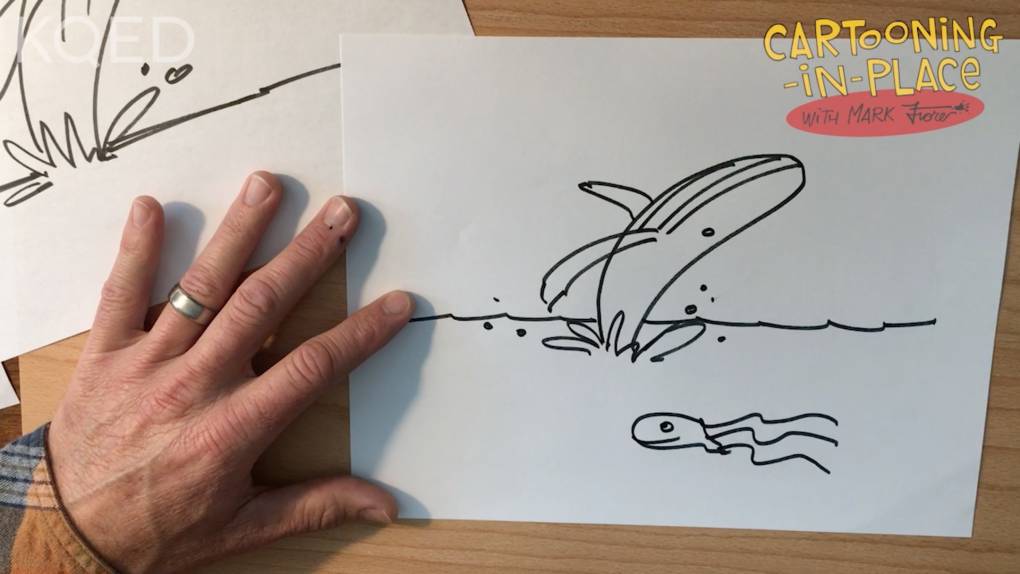
"caption": "Learn to draw fish and whales and seals (oh my!) this week with Mark Fiore. ",
"description": "Learn to draw fish and whales and seals (oh my!) this week with Mark Fiore. ",
"title": "Cartooning-in-Place",
"credit": "Mark Fiore",
"status": "inherit",
"isLoading": false,
"fetchFailed": false
},
"news_11819494": {
"type": "attachments",
"id": "news_11819494",
"meta": {
"index": "attachments_1716263798",
"site": "news",
"id": "11819494",
"found": true
},
"parent": 11819411,
"imgSizes": {
"apple_news_ca_landscape_5_5": {
"file": "https://ww2.kqed.org/app/uploads/sites/10/2020/05/RS40871_006_KQED_CarFreeMarketSt_01222020_8373-qut-1044x783.jpg",
"width": 1044,
"mimeType": "image/jpeg",
"height": 783
},
"apple_news_ca_square_4_0": {
"file": "https://ww2.kqed.org/app/uploads/sites/10/2020/05/RS40871_006_KQED_CarFreeMarketSt_01222020_8373-qut-470x470.jpg",
"width": 470,
"mimeType": "image/jpeg",
"height": 470
},
"twentyfourteen-full-width": {
"file": "https://ww2.kqed.org/app/uploads/sites/10/2020/05/RS40871_006_KQED_CarFreeMarketSt_01222020_8373-qut-1038x576.jpg",
"width": 1038,
"mimeType": "image/jpeg",
"height": 576
},
"thumbnail": {
"file": "https://ww2.kqed.org/app/uploads/sites/10/2020/05/RS40871_006_KQED_CarFreeMarketSt_01222020_8373-qut-160x107.jpg",
"width": 160,
"mimeType": "image/jpeg",
"height": 107
},
"post-thumbnail": {
"file": "https://ww2.kqed.org/app/uploads/sites/10/2020/05/RS40871_006_KQED_CarFreeMarketSt_01222020_8373-qut-672x372.jpg",
"width": 672,
"mimeType": "image/jpeg",
"height": 372
},
"kqedFullSize": {
"file": "https://ww2.kqed.org/app/uploads/sites/10/2020/05/RS40871_006_KQED_CarFreeMarketSt_01222020_8373-qut.jpg",
"width": 1920,
"height": 1280
},
"apple_news_ca_landscape_4_7": {
"file": "https://ww2.kqed.org/app/uploads/sites/10/2020/05/RS40871_006_KQED_CarFreeMarketSt_01222020_8373-qut-632x474.jpg",
"width": 632,
"mimeType": "image/jpeg",
"height": 474
},
"large": {
"file": "https://ww2.kqed.org/app/uploads/sites/10/2020/05/RS40871_006_KQED_CarFreeMarketSt_01222020_8373-qut-1020x680.jpg",
"width": 1020,
"mimeType": "image/jpeg",
"height": 680
},
"apple_news_ca_landscape_4_0": {
"file": "https://ww2.kqed.org/app/uploads/sites/10/2020/05/RS40871_006_KQED_CarFreeMarketSt_01222020_8373-qut-536x402.jpg",
"width": 536,
"mimeType": "image/jpeg",
"height": 402
},
"apple_news_ca_portrait_12_9": {
"file": "https://ww2.kqed.org/app/uploads/sites/10/2020/05/RS40871_006_KQED_CarFreeMarketSt_01222020_8373-qut-1122x1280.jpg",
"width": 1122,
"mimeType": "image/jpeg",
"height": 1280
},
"medium": {
"file": "https://ww2.kqed.org/app/uploads/sites/10/2020/05/RS40871_006_KQED_CarFreeMarketSt_01222020_8373-qut-800x533.jpg",
"width": 800,
"mimeType": "image/jpeg",
"height": 533
},
"apple_news_ca_portrait_4_0": {
"file": "https://ww2.kqed.org/app/uploads/sites/10/2020/05/RS40871_006_KQED_CarFreeMarketSt_01222020_8373-qut-354x472.jpg",
"width": 354,
"mimeType": "image/jpeg",
"height": 472
},
"apple_news_ca_portrait_9_7": {
"file": "https://ww2.kqed.org/app/uploads/sites/10/2020/05/RS40871_006_KQED_CarFreeMarketSt_01222020_8373-qut-840x1120.jpg",
"width": 840,
"mimeType": "image/jpeg",
"height": 1120
},
"apple_news_ca_landscape_12_9": {
"file": "https://ww2.kqed.org/app/uploads/sites/10/2020/05/RS40871_006_KQED_CarFreeMarketSt_01222020_8373-qut-1832x1280.jpg",
"width": 1832,
"mimeType": "image/jpeg",
"height": 1280
},
"apple_news_ca_square_9_7": {
"file": "https://ww2.kqed.org/app/uploads/sites/10/2020/05/RS40871_006_KQED_CarFreeMarketSt_01222020_8373-qut-1104x1104.jpg",
"width": 1104,
"mimeType": "image/jpeg",
"height": 1104
},
"apple_news_ca_portrait_4_7": {
"file": "https://ww2.kqed.org/app/uploads/sites/10/2020/05/RS40871_006_KQED_CarFreeMarketSt_01222020_8373-qut-414x552.jpg",
"width": 414,
"mimeType": "image/jpeg",
"height": 552
},
"apple_news_ca_square_12_9": {
"file": "https://ww2.kqed.org/app/uploads/sites/10/2020/05/RS40871_006_KQED_CarFreeMarketSt_01222020_8373-qut-1472x1280.jpg",
"width": 1472,
"mimeType": "image/jpeg",
"height": 1280
},
"apple_news_ca_portrait_5_5": {
"file": "https://ww2.kqed.org/app/uploads/sites/10/2020/05/RS40871_006_KQED_CarFreeMarketSt_01222020_8373-qut-687x916.jpg",
"width": 687,
"mimeType": "image/jpeg",
"height": 916
},
"full-width": {
"file": "https://ww2.kqed.org/app/uploads/sites/10/2020/05/RS40871_006_KQED_CarFreeMarketSt_01222020_8373-qut-1920x1280.jpg",
"width": 1920,
"mimeType": "image/jpeg",
"height": 1280
},
"apple_news_ca_square_4_7": {
"file": "https://ww2.kqed.org/app/uploads/sites/10/2020/05/RS40871_006_KQED_CarFreeMarketSt_01222020_8373-qut-550x550.jpg",
"width": 550,
"mimeType": "image/jpeg",
"height": 550
},
"apple_news_ca_landscape_9_7": {
"file": "https://ww2.kqed.org/app/uploads/sites/10/2020/05/RS40871_006_KQED_CarFreeMarketSt_01222020_8373-qut-1376x1032.jpg",
"width": 1376,
"mimeType": "image/jpeg",
"height": 1032
},
"apple_news_ca_square_5_5": {
"file": "https://ww2.kqed.org/app/uploads/sites/10/2020/05/RS40871_006_KQED_CarFreeMarketSt_01222020_8373-qut-912x912.jpg",
"width": 912,
"mimeType": "image/jpeg",
"height": 912
}
},
"publishDate": 1589996921,
"modified": 1589997119,
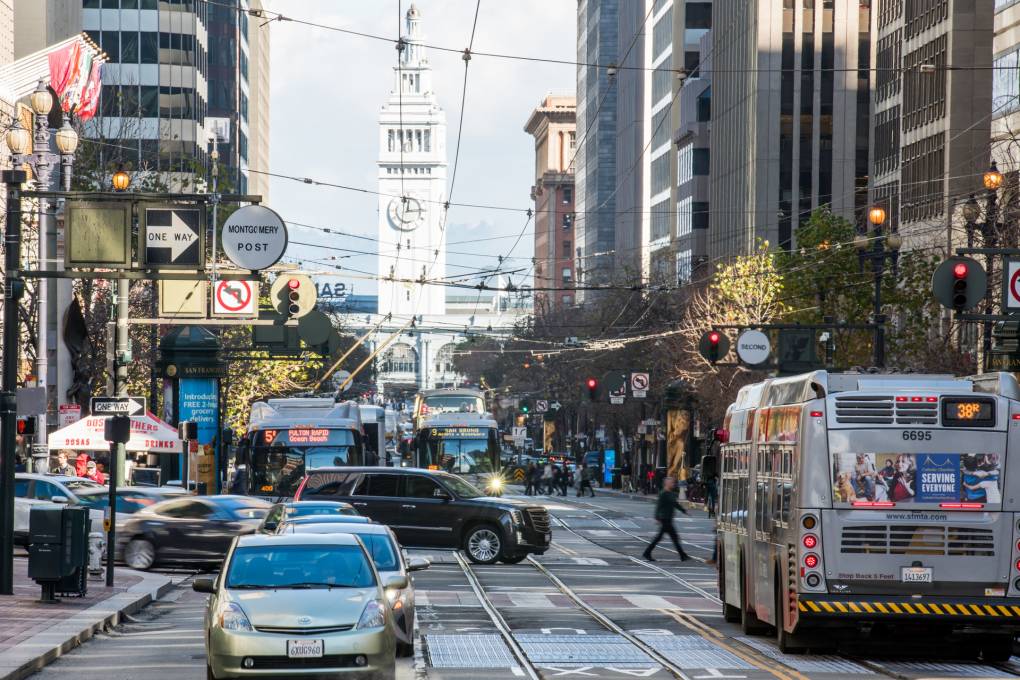
"caption": "Cars drove down Market Street in San Francisco on January 22, 2020. Now, officials are trying to determine how early people began dying of COVID-19 in the United States.",
"description": "Cars drove down Market Street in San Francisco on January 22, 2020. Now, officials are trying to determine how early people began dying of COVID-19 in the United States.",
"title": "RS40871_006_KQED_CarFreeMarketSt_01222020_8373-qut",
"credit": "Beth LaBerge/KQED",
"status": "inherit",
"isLoading": false,
"fetchFailed": false
},
"news_11819370": {
"type": "attachments",
"id": "news_11819370",
"meta": {
"index": "attachments_1716263798",
"site": "news",
"id": "11819370",
"found": true
},
"parent": 11819319,
"imgSizes": {
"apple_news_ca_landscape_5_5": {
"file": "https://ww2.kqed.org/app/uploads/sites/10/2020/05/Image-from-iOS-1044x783.jpg",
"width": 1044,
"mimeType": "image/jpeg",
"height": 783
},
"apple_news_ca_square_4_0": {
"file": "https://ww2.kqed.org/app/uploads/sites/10/2020/05/Image-from-iOS-470x470.jpg",
"width": 470,
"mimeType": "image/jpeg",
"height": 470
},
"twentyfourteen-full-width": {
"file": "https://ww2.kqed.org/app/uploads/sites/10/2020/05/Image-from-iOS-1038x576.jpg",
"width": 1038,
"mimeType": "image/jpeg",
"height": 576
},
"thumbnail": {
"file": "https://ww2.kqed.org/app/uploads/sites/10/2020/05/Image-from-iOS-160x120.jpg",
"width": 160,
"mimeType": "image/jpeg",
"height": 120
},
"post-thumbnail": {
"file": "https://ww2.kqed.org/app/uploads/sites/10/2020/05/Image-from-iOS-672x372.jpg",
"width": 672,
"mimeType": "image/jpeg",
"height": 372
},
"kqedFullSize": {
"file": "https://ww2.kqed.org/app/uploads/sites/10/2020/05/Image-from-iOS.jpg",
"width": 4032,
"height": 3024
},
"apple_news_ca_landscape_4_7": {
"file": "https://ww2.kqed.org/app/uploads/sites/10/2020/05/Image-from-iOS-632x474.jpg",
"width": 632,
"mimeType": "image/jpeg",
"height": 474
},
"large": {
"file": "https://ww2.kqed.org/app/uploads/sites/10/2020/05/Image-from-iOS-1020x765.jpg",
"width": 1020,
"mimeType": "image/jpeg",
"height": 765
},
"apple_news_ca_landscape_4_0": {
"file": "https://ww2.kqed.org/app/uploads/sites/10/2020/05/Image-from-iOS-536x402.jpg",
"width": 536,
"mimeType": "image/jpeg",
"height": 402
},
"apple_news_ca_portrait_12_9": {
"file": "https://ww2.kqed.org/app/uploads/sites/10/2020/05/Image-from-iOS-1122x1496.jpg",
"width": 1122,
"mimeType": "image/jpeg",
"height": 1496
},
"medium": {
"file": "https://ww2.kqed.org/app/uploads/sites/10/2020/05/Image-from-iOS-800x600.jpg",
"width": 800,
"mimeType": "image/jpeg",
"height": 600
},
"apple_news_ca_portrait_4_0": {
"file": "https://ww2.kqed.org/app/uploads/sites/10/2020/05/Image-from-iOS-354x472.jpg",
"width": 354,
"mimeType": "image/jpeg",
"height": 472
},
"apple_news_ca_portrait_9_7": {
"file": "https://ww2.kqed.org/app/uploads/sites/10/2020/05/Image-from-iOS-840x1120.jpg",
"width": 840,
"mimeType": "image/jpeg",
"height": 1120
},
"apple_news_ca_landscape_12_9": {
"file": "https://ww2.kqed.org/app/uploads/sites/10/2020/05/Image-from-iOS-1832x1374.jpg",
"width": 1832,
"mimeType": "image/jpeg",
"height": 1374
},
"apple_news_ca_square_9_7": {
"file": "https://ww2.kqed.org/app/uploads/sites/10/2020/05/Image-from-iOS-1104x1104.jpg",
"width": 1104,
"mimeType": "image/jpeg",
"height": 1104
},
"apple_news_ca_portrait_4_7": {
"file": "https://ww2.kqed.org/app/uploads/sites/10/2020/05/Image-from-iOS-414x552.jpg",
"width": 414,
"mimeType": "image/jpeg",
"height": 552
},
"apple_news_ca_square_12_9": {
"file": "https://ww2.kqed.org/app/uploads/sites/10/2020/05/Image-from-iOS-1472x1472.jpg",
"width": 1472,
"mimeType": "image/jpeg",
"height": 1472
},
"apple_news_ca_portrait_5_5": {
"file": "https://ww2.kqed.org/app/uploads/sites/10/2020/05/Image-from-iOS-687x916.jpg",
"width": 687,
"mimeType": "image/jpeg",
"height": 916
},
"full-width": {
"file": "https://ww2.kqed.org/app/uploads/sites/10/2020/05/Image-from-iOS-1920x1440.jpg",
"width": 1920,
"mimeType": "image/jpeg",
"height": 1440
},
"apple_news_ca_square_4_7": {
"file": "https://ww2.kqed.org/app/uploads/sites/10/2020/05/Image-from-iOS-550x550.jpg",
"width": 550,
"mimeType": "image/jpeg",
"height": 550
},
"apple_news_ca_landscape_9_7": {
"file": "https://ww2.kqed.org/app/uploads/sites/10/2020/05/Image-from-iOS-1376x1032.jpg",
"width": 1376,
"mimeType": "image/jpeg",
"height": 1032
},
"apple_news_ca_square_5_5": {
"file": "https://ww2.kqed.org/app/uploads/sites/10/2020/05/Image-from-iOS-912x912.jpg",
"width": 912,
"mimeType": "image/jpeg",
"height": 912
}
},
"publishDate": 1589933093,
"modified": 1589933206,
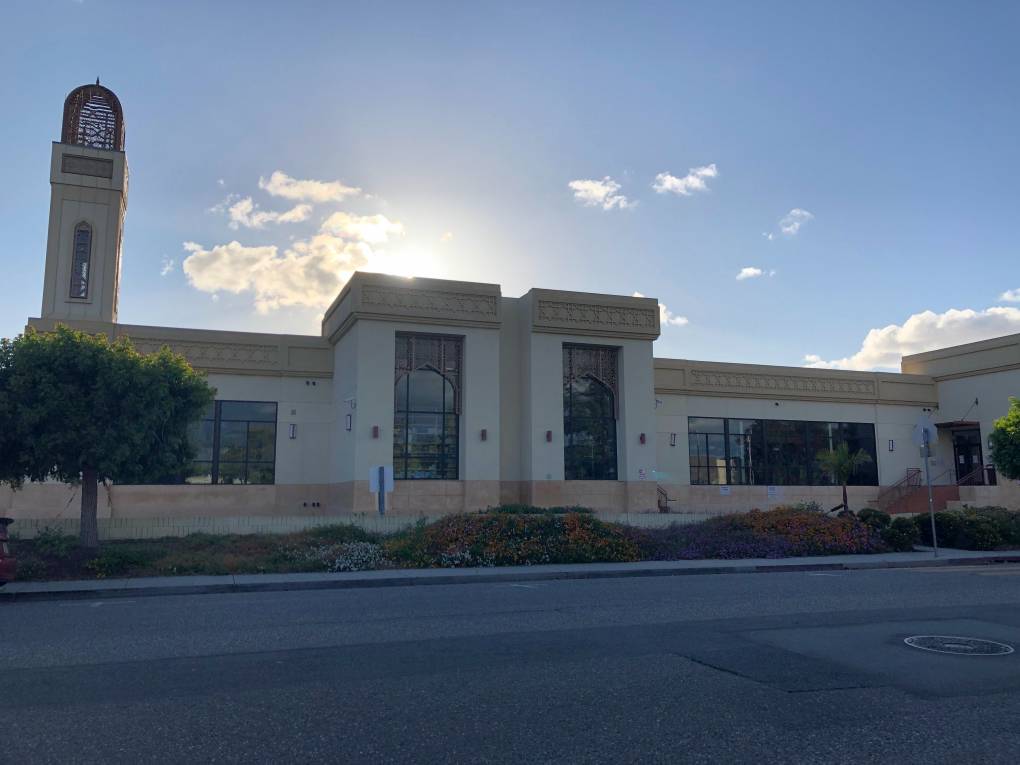
"caption": "The Muslim Community Association building in Santa Clara, Calif.",
"description": null,
"title": "Image from iOS",
"credit": "Adhiti Bandlamudi",
"status": "inherit",
"isLoading": false,
"fetchFailed": false
},
"news_11819442": {
"type": "attachments",
"id": "news_11819442",
"meta": {
"index": "attachments_1716263798",
"site": "news",
"id": "11819442",
"found": true
},
"parent": 11819441,
"imgSizes": {
"apple_news_ca_square_4_0": {
"file": "https://ww2.kqed.org/app/uploads/sites/10/2020/05/800-470x470.jpeg",
"width": 470,
"mimeType": "image/jpeg",
"height": 470
},
"thumbnail": {
"file": "https://ww2.kqed.org/app/uploads/sites/10/2020/05/800-160x107.jpeg",
"width": 160,
"mimeType": "image/jpeg",
"height": 107
},
"post-thumbnail": {
"file": "https://ww2.kqed.org/app/uploads/sites/10/2020/05/800-672x372.jpeg",
"width": 672,
"mimeType": "image/jpeg",
"height": 372
},
"kqedFullSize": {
"file": "https://ww2.kqed.org/app/uploads/sites/10/2020/05/800.jpeg",
"width": 800,
"height": 533
},
"apple_news_ca_landscape_4_7": {
"file": "https://ww2.kqed.org/app/uploads/sites/10/2020/05/800-632x474.jpeg",
"width": 632,
"mimeType": "image/jpeg",
"height": 474
},
"apple_news_ca_portrait_4_7": {
"file": "https://ww2.kqed.org/app/uploads/sites/10/2020/05/800-414x533.jpeg",
"width": 414,
"mimeType": "image/jpeg",
"height": 533
},
"apple_news_ca_portrait_5_5": {
"file": "https://ww2.kqed.org/app/uploads/sites/10/2020/05/800-687x533.jpeg",
"width": 687,
"mimeType": "image/jpeg",
"height": 533
},
"apple_news_ca_square_4_7": {
"file": "https://ww2.kqed.org/app/uploads/sites/10/2020/05/800-550x533.jpeg",
"width": 550,
"mimeType": "image/jpeg",
"height": 533
},
"apple_news_ca_landscape_4_0": {
"file": "https://ww2.kqed.org/app/uploads/sites/10/2020/05/800-536x402.jpeg",
"width": 536,
"mimeType": "image/jpeg",
"height": 402
},
"medium": {
"file": "https://ww2.kqed.org/app/uploads/sites/10/2020/05/800-800x533.jpeg",
"width": 800,
"mimeType": "image/jpeg",
"height": 533
},
"apple_news_ca_portrait_4_0": {
"file": "https://ww2.kqed.org/app/uploads/sites/10/2020/05/800-354x472.jpeg",
"width": 354,
"mimeType": "image/jpeg",
"height": 472
}
},
"publishDate": 1589951719,
"modified": 1589951955,
"caption": "Pastor Nicolas Sanchez, center left, celebrates Easter Vigil Mass at his empty church in North Hollywood, California. The head of the federal Justice Department's Civil Rights Division told Gov. Gavin Newsom that his plan to reopen California discriminates against churches. ",
"description": null,
"title": "800",
"credit": "Damian Dovarganes/AP Photo",
"status": "inherit",
"isLoading": false,
"fetchFailed": false
},
"news_11819362": {
"type": "attachments",
"id": "news_11819362",
"meta": {
"index": "attachments_1716263798",
"site": "news",
"id": "11819362",
"found": true
},
"parent": 11819356,
"imgSizes": {
"apple_news_ca_landscape_5_5": {
"file": "https://ww2.kqed.org/app/uploads/sites/10/2020/05/phasetwo_051920_final-1044x783.png",
"width": 1044,
"mimeType": "image/png",
"height": 783
},
"apple_news_ca_square_4_0": {
"file": "https://ww2.kqed.org/app/uploads/sites/10/2020/05/phasetwo_051920_final-470x470.png",
"width": 470,
"mimeType": "image/png",
"height": 470
},
"twentyfourteen-full-width": {
"file": "https://ww2.kqed.org/app/uploads/sites/10/2020/05/phasetwo_051920_final-1038x576.png",
"width": 1038,
"mimeType": "image/png",
"height": 576
},
"thumbnail": {
"file": "https://ww2.kqed.org/app/uploads/sites/10/2020/05/phasetwo_051920_final-160x116.png",
"width": 160,
"mimeType": "image/png",
"height": 116
},
"post-thumbnail": {
"file": "https://ww2.kqed.org/app/uploads/sites/10/2020/05/phasetwo_051920_final-672x372.png",
"width": 672,
"mimeType": "image/png",
"height": 372
},
"kqedFullSize": {
"file": "https://ww2.kqed.org/app/uploads/sites/10/2020/05/phasetwo_051920_final.png",
"width": 1920,
"height": 1388
},
"apple_news_ca_landscape_4_7": {
"file": "https://ww2.kqed.org/app/uploads/sites/10/2020/05/phasetwo_051920_final-632x474.png",
"width": 632,
"mimeType": "image/png",
"height": 474
},
"large": {
"file": "https://ww2.kqed.org/app/uploads/sites/10/2020/05/phasetwo_051920_final-1020x737.png",
"width": 1020,
"mimeType": "image/png",
"height": 737
},
"apple_news_ca_landscape_4_0": {
"file": "https://ww2.kqed.org/app/uploads/sites/10/2020/05/phasetwo_051920_final-536x402.png",
"width": 536,
"mimeType": "image/png",
"height": 402
},
"apple_news_ca_portrait_12_9": {
"file": "https://ww2.kqed.org/app/uploads/sites/10/2020/05/phasetwo_051920_final-1122x1388.png",
"width": 1122,
"mimeType": "image/png",
"height": 1388
},
"medium": {
"file": "https://ww2.kqed.org/app/uploads/sites/10/2020/05/phasetwo_051920_final-800x578.png",
"width": 800,
"mimeType": "image/png",
"height": 578
},
"apple_news_ca_portrait_4_0": {
"file": "https://ww2.kqed.org/app/uploads/sites/10/2020/05/phasetwo_051920_final-354x472.png",
"width": 354,
"mimeType": "image/png",
"height": 472
},
"apple_news_ca_portrait_9_7": {
"file": "https://ww2.kqed.org/app/uploads/sites/10/2020/05/phasetwo_051920_final-840x1120.png",
"width": 840,
"mimeType": "image/png",
"height": 1120
},
"apple_news_ca_landscape_12_9": {
"file": "https://ww2.kqed.org/app/uploads/sites/10/2020/05/phasetwo_051920_final-1832x1374.png",
"width": 1832,
"mimeType": "image/png",
"height": 1374
},
"apple_news_ca_square_9_7": {
"file": "https://ww2.kqed.org/app/uploads/sites/10/2020/05/phasetwo_051920_final-1104x1104.png",
"width": 1104,
"mimeType": "image/png",
"height": 1104
},
"apple_news_ca_portrait_4_7": {
"file": "https://ww2.kqed.org/app/uploads/sites/10/2020/05/phasetwo_051920_final-414x552.png",
"width": 414,
"mimeType": "image/png",
"height": 552
},
"apple_news_ca_square_12_9": {
"file": "https://ww2.kqed.org/app/uploads/sites/10/2020/05/phasetwo_051920_final-1472x1388.png",
"width": 1472,
"mimeType": "image/png",
"height": 1388
},
"apple_news_ca_portrait_5_5": {
"file": "https://ww2.kqed.org/app/uploads/sites/10/2020/05/phasetwo_051920_final-687x916.png",
"width": 687,
"mimeType": "image/png",
"height": 916
},
"full-width": {
"file": "https://ww2.kqed.org/app/uploads/sites/10/2020/05/phasetwo_051920_final-1920x1388.png",
"width": 1920,
"mimeType": "image/png",
"height": 1388
},
"apple_news_ca_square_4_7": {
"file": "https://ww2.kqed.org/app/uploads/sites/10/2020/05/phasetwo_051920_final-550x550.png",
"width": 550,
"mimeType": "image/png",
"height": 550
},
"apple_news_ca_landscape_9_7": {
"file": "https://ww2.kqed.org/app/uploads/sites/10/2020/05/phasetwo_051920_final-1376x1032.png",
"width": 1376,
"mimeType": "image/png",
"height": 1032
},
"apple_news_ca_square_5_5": {
"file": "https://ww2.kqed.org/app/uploads/sites/10/2020/05/phasetwo_051920_final-912x912.png",
"width": 912,
"mimeType": "image/png",
"height": 912
}
},
"publishDate": 1589932234,
"modified": 1589932275,
"caption": null,
"description": null,
"title": "phasetwo_051920_final",
"credit": null,
"status": "inherit",
"isLoading": false,
"fetchFailed": false
},
"news_11819266": {
"type": "attachments",
"id": "news_11819266",
"meta": {
"index": "attachments_1716263798",
"site": "news",
"id": "11819266",
"found": true
},
"parent": 11819069,
"imgSizes": {
"apple_news_ca_landscape_5_5": {
"file": "https://ww2.kqed.org/app/uploads/sites/10/2020/05/RS1369_IMG_1902_1920x-1044x783.jpg",
"width": 1044,
"mimeType": "image/jpeg",
"height": 783
},
"apple_news_ca_square_4_0": {
"file": "https://ww2.kqed.org/app/uploads/sites/10/2020/05/RS1369_IMG_1902_1920x-470x470.jpg",
"width": 470,
"mimeType": "image/jpeg",
"height": 470
},
"twentyfourteen-full-width": {
"file": "https://ww2.kqed.org/app/uploads/sites/10/2020/05/RS1369_IMG_1902_1920x-1038x576.jpg",
"width": 1038,
"mimeType": "image/jpeg",
"height": 576
},
"thumbnail": {
"file": "https://ww2.kqed.org/app/uploads/sites/10/2020/05/RS1369_IMG_1902_1920x-160x120.jpg",
"width": 160,
"mimeType": "image/jpeg",
"height": 120
},
"post-thumbnail": {
"file": "https://ww2.kqed.org/app/uploads/sites/10/2020/05/RS1369_IMG_1902_1920x-672x372.jpg",
"width": 672,
"mimeType": "image/jpeg",
"height": 372
},
"kqedFullSize": {
"file": "https://ww2.kqed.org/app/uploads/sites/10/2020/05/RS1369_IMG_1902_1920x.jpg",
"width": 1920,
"height": 1440
},
"apple_news_ca_landscape_4_7": {
"file": "https://ww2.kqed.org/app/uploads/sites/10/2020/05/RS1369_IMG_1902_1920x-632x474.jpg",
"width": 632,
"mimeType": "image/jpeg",
"height": 474
},
"large": {
"file": "https://ww2.kqed.org/app/uploads/sites/10/2020/05/RS1369_IMG_1902_1920x-1020x765.jpg",
"width": 1020,
"mimeType": "image/jpeg",
"height": 765
},
"apple_news_ca_landscape_4_0": {
"file": "https://ww2.kqed.org/app/uploads/sites/10/2020/05/RS1369_IMG_1902_1920x-536x402.jpg",
"width": 536,
"mimeType": "image/jpeg",
"height": 402
},
"apple_news_ca_portrait_12_9": {
"file": "https://ww2.kqed.org/app/uploads/sites/10/2020/05/RS1369_IMG_1902_1920x-1122x1440.jpg",
"width": 1122,
"mimeType": "image/jpeg",
"height": 1440
},
"medium": {
"file": "https://ww2.kqed.org/app/uploads/sites/10/2020/05/RS1369_IMG_1902_1920x-800x600.jpg",
"width": 800,
"mimeType": "image/jpeg",
"height": 600
},
"apple_news_ca_portrait_4_0": {
"file": "https://ww2.kqed.org/app/uploads/sites/10/2020/05/RS1369_IMG_1902_1920x-354x472.jpg",
"width": 354,
"mimeType": "image/jpeg",
"height": 472
},
"apple_news_ca_portrait_9_7": {
"file": "https://ww2.kqed.org/app/uploads/sites/10/2020/05/RS1369_IMG_1902_1920x-840x1120.jpg",
"width": 840,
"mimeType": "image/jpeg",
"height": 1120
},
"apple_news_ca_landscape_12_9": {
"file": "https://ww2.kqed.org/app/uploads/sites/10/2020/05/RS1369_IMG_1902_1920x-1832x1374.jpg",
"width": 1832,
"mimeType": "image/jpeg",
"height": 1374
},
"apple_news_ca_square_9_7": {
"file": "https://ww2.kqed.org/app/uploads/sites/10/2020/05/RS1369_IMG_1902_1920x-1104x1104.jpg",
"width": 1104,
"mimeType": "image/jpeg",
"height": 1104
},
"apple_news_ca_portrait_4_7": {
"file": "https://ww2.kqed.org/app/uploads/sites/10/2020/05/RS1369_IMG_1902_1920x-414x552.jpg",
"width": 414,
"mimeType": "image/jpeg",
"height": 552
},
"apple_news_ca_square_12_9": {
"file": "https://ww2.kqed.org/app/uploads/sites/10/2020/05/RS1369_IMG_1902_1920x-1472x1440.jpg",
"width": 1472,
"mimeType": "image/jpeg",
"height": 1440
},
"apple_news_ca_portrait_5_5": {
"file": "https://ww2.kqed.org/app/uploads/sites/10/2020/05/RS1369_IMG_1902_1920x-687x916.jpg",
"width": 687,
"mimeType": "image/jpeg",
"height": 916
},
"full-width": {
"file": "https://ww2.kqed.org/app/uploads/sites/10/2020/05/RS1369_IMG_1902_1920x-1920x1440.jpg",
"width": 1920,
"mimeType": "image/jpeg",
"height": 1440
},
"apple_news_ca_square_4_7": {
"file": "https://ww2.kqed.org/app/uploads/sites/10/2020/05/RS1369_IMG_1902_1920x-550x550.jpg",
"width": 550,
"mimeType": "image/jpeg",
"height": 550
},
"apple_news_ca_landscape_9_7": {
"file": "https://ww2.kqed.org/app/uploads/sites/10/2020/05/RS1369_IMG_1902_1920x-1376x1032.jpg",
"width": 1376,
"mimeType": "image/jpeg",
"height": 1032
},
"apple_news_ca_square_5_5": {
"file": "https://ww2.kqed.org/app/uploads/sites/10/2020/05/RS1369_IMG_1902_1920x-912x912.jpg",
"width": 912,
"mimeType": "image/jpeg",
"height": 912
}
},
"publishDate": 1589917084,
"modified": 1613660073,
"caption": null,
"description": "The California state capitol. Some state legislators are hoping to learn from the 2008 budget crisis in hopes of avoiding past mistakes.",
"title": "RS1369_IMG_1902_1920x",
"credit": "Craig Miller/KQED",
"status": "inherit",
"altTag": null,
"isLoading": false,
"fetchFailed": false
},
"news_11818947": {
"type": "attachments",
"id": "news_11818947",
"meta": {
"index": "attachments_1716263798",
"site": "news",
"id": "11818947",
"found": true
},
"parent": 11818938,
"imgSizes": {
"apple_news_ca_landscape_5_5": {
"file": "https://ww2.kqed.org/app/uploads/sites/10/2020/05/tesla200512-1044x783.jpg",
"width": 1044,
"mimeType": "image/jpeg",
"height": 783
},
"apple_news_ca_square_4_0": {
"file": "https://ww2.kqed.org/app/uploads/sites/10/2020/05/tesla200512-470x470.jpg",
"width": 470,
"mimeType": "image/jpeg",
"height": 470
},
"twentyfourteen-full-width": {
"file": "https://ww2.kqed.org/app/uploads/sites/10/2020/05/tesla200512-1038x576.jpg",
"width": 1038,
"mimeType": "image/jpeg",
"height": 576
},
"thumbnail": {
"file": "https://ww2.kqed.org/app/uploads/sites/10/2020/05/tesla200512-160x107.jpg",
"width": 160,
"mimeType": "image/jpeg",
"height": 107
},
"post-thumbnail": {
"file": "https://ww2.kqed.org/app/uploads/sites/10/2020/05/tesla200512-672x372.jpg",
"width": 672,
"mimeType": "image/jpeg",
"height": 372
},
"kqedFullSize": {
"file": "https://ww2.kqed.org/app/uploads/sites/10/2020/05/tesla200512.jpg",
"width": 1920,
"height": 1280
},
"apple_news_ca_landscape_4_7": {
"file": "https://ww2.kqed.org/app/uploads/sites/10/2020/05/tesla200512-632x474.jpg",
"width": 632,
"mimeType": "image/jpeg",
"height": 474
},
"large": {
"file": "https://ww2.kqed.org/app/uploads/sites/10/2020/05/tesla200512-1020x680.jpg",
"width": 1020,
"mimeType": "image/jpeg",
"height": 680
},
"apple_news_ca_landscape_4_0": {
"file": "https://ww2.kqed.org/app/uploads/sites/10/2020/05/tesla200512-536x402.jpg",
"width": 536,
"mimeType": "image/jpeg",
"height": 402
},
"apple_news_ca_portrait_12_9": {
"file": "https://ww2.kqed.org/app/uploads/sites/10/2020/05/tesla200512-1122x1280.jpg",
"width": 1122,
"mimeType": "image/jpeg",
"height": 1280
},
"medium": {
"file": "https://ww2.kqed.org/app/uploads/sites/10/2020/05/tesla200512-800x533.jpg",
"width": 800,
"mimeType": "image/jpeg",
"height": 533
},
"apple_news_ca_portrait_4_0": {
"file": "https://ww2.kqed.org/app/uploads/sites/10/2020/05/tesla200512-354x472.jpg",
"width": 354,
"mimeType": "image/jpeg",
"height": 472
},
"apple_news_ca_portrait_9_7": {
"file": "https://ww2.kqed.org/app/uploads/sites/10/2020/05/tesla200512-840x1120.jpg",
"width": 840,
"mimeType": "image/jpeg",
"height": 1120
},
"apple_news_ca_landscape_12_9": {
"file": "https://ww2.kqed.org/app/uploads/sites/10/2020/05/tesla200512-1832x1280.jpg",
"width": 1832,
"mimeType": "image/jpeg",
"height": 1280
},
"apple_news_ca_square_9_7": {
"file": "https://ww2.kqed.org/app/uploads/sites/10/2020/05/tesla200512-1104x1104.jpg",
"width": 1104,
"mimeType": "image/jpeg",
"height": 1104
},
"apple_news_ca_portrait_4_7": {
"file": "https://ww2.kqed.org/app/uploads/sites/10/2020/05/tesla200512-414x552.jpg",
"width": 414,
"mimeType": "image/jpeg",
"height": 552
},
"apple_news_ca_square_12_9": {
"file": "https://ww2.kqed.org/app/uploads/sites/10/2020/05/tesla200512-1472x1280.jpg",
"width": 1472,
"mimeType": "image/jpeg",
"height": 1280
},
"apple_news_ca_portrait_5_5": {
"file": "https://ww2.kqed.org/app/uploads/sites/10/2020/05/tesla200512-687x916.jpg",
"width": 687,
"mimeType": "image/jpeg",
"height": 916
},
"full-width": {
"file": "https://ww2.kqed.org/app/uploads/sites/10/2020/05/tesla200512-1920x1280.jpg",
"width": 1920,
"mimeType": "image/jpeg",
"height": 1280
},
"apple_news_ca_square_4_7": {
"file": "https://ww2.kqed.org/app/uploads/sites/10/2020/05/tesla200512-550x550.jpg",
"width": 550,
"mimeType": "image/jpeg",
"height": 550
},
"apple_news_ca_landscape_9_7": {
"file": "https://ww2.kqed.org/app/uploads/sites/10/2020/05/tesla200512-1376x1032.jpg",
"width": 1376,
"mimeType": "image/jpeg",
"height": 1032
},
"apple_news_ca_square_5_5": {
"file": "https://ww2.kqed.org/app/uploads/sites/10/2020/05/tesla200512-912x912.jpg",
"width": 912,
"mimeType": "image/jpeg",
"height": 912
}
},
"publishDate": 1589784650,
"modified": 1589910871,
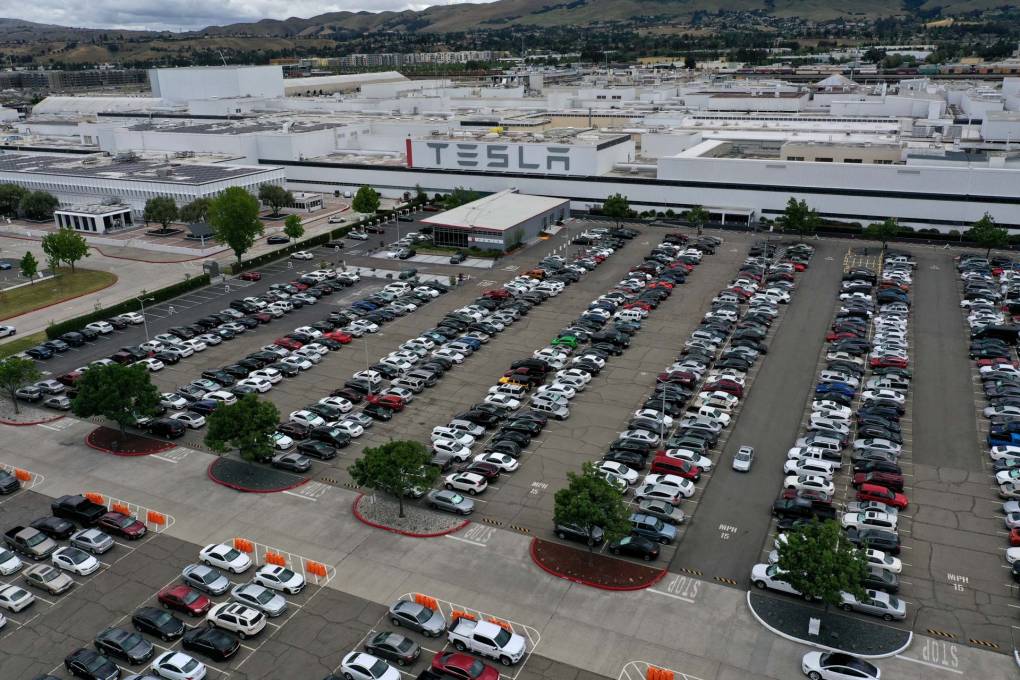
"caption": "An aerial view of Tesla's plant in Fremont on May 12, 2020, the day after CEO Elon Musk declared he had opened the facility \"against Alameda County rules\" that shut down production in late March. Local officials described the reopening as ramping up \"minimum basic operations.\" The company is expected to be in full production this week.",
"description": "An aerial view of Tesla's plant in Fremont on May 12, 2020, the day after CEO Elon Musk declared he had opened the facility \"against Alameda County rules\" that shut down production in late March. Local officials described the reopening as ramping up \"minimum basic operations.\" The company is expected to be in full production this week.",
"title": "Tesla-Fremont Plant",
"credit": "Justin Sullivan/Getty Images",
"status": "inherit",
"isLoading": false,
"fetchFailed": false
},
"news_11819140": {
"type": "attachments",
"id": "news_11819140",
"meta": {
"index": "attachments_1716263798",
"site": "news",
"id": "11819140",
"found": true
},
"parent": 11819077,
"imgSizes": {
"apple_news_ca_square_4_0": {
"file": "https://ww2.kqed.org/app/uploads/sites/10/2020/05/GettyImages-1212169044-470x470.jpg",
"width": 470,
"mimeType": "image/jpeg",
"height": 470
},
"twentyfourteen-full-width": {
"file": "https://ww2.kqed.org/app/uploads/sites/10/2020/05/GettyImages-1212169044-1024x576.jpg",
"width": 1024,
"mimeType": "image/jpeg",
"height": 576
},
"thumbnail": {
"file": "https://ww2.kqed.org/app/uploads/sites/10/2020/05/GettyImages-1212169044-160x107.jpg",
"width": 160,
"mimeType": "image/jpeg",
"height": 107
},
"post-thumbnail": {
"file": "https://ww2.kqed.org/app/uploads/sites/10/2020/05/GettyImages-1212169044-672x372.jpg",
"width": 672,
"mimeType": "image/jpeg",
"height": 372
},
"kqedFullSize": {
"file": "https://ww2.kqed.org/app/uploads/sites/10/2020/05/GettyImages-1212169044.jpg",
"width": 1024,
"height": 683
},
"apple_news_ca_landscape_4_7": {
"file": "https://ww2.kqed.org/app/uploads/sites/10/2020/05/GettyImages-1212169044-632x474.jpg",
"width": 632,
"mimeType": "image/jpeg",
"height": 474
},
"large": {
"file": "https://ww2.kqed.org/app/uploads/sites/10/2020/05/GettyImages-1212169044-1020x680.jpg",
"width": 1020,
"mimeType": "image/jpeg",
"height": 680
},
"apple_news_ca_landscape_4_0": {
"file": "https://ww2.kqed.org/app/uploads/sites/10/2020/05/GettyImages-1212169044-536x402.jpg",
"width": 536,
"mimeType": "image/jpeg",
"height": 402
},
"medium": {
"file": "https://ww2.kqed.org/app/uploads/sites/10/2020/05/GettyImages-1212169044-800x534.jpg",
"width": 800,
"mimeType": "image/jpeg",
"height": 534
},
"apple_news_ca_portrait_4_0": {
"file": "https://ww2.kqed.org/app/uploads/sites/10/2020/05/GettyImages-1212169044-354x472.jpg",
"width": 354,
"mimeType": "image/jpeg",
"height": 472
},
"apple_news_ca_portrait_9_7": {
"file": "https://ww2.kqed.org/app/uploads/sites/10/2020/05/GettyImages-1212169044-840x683.jpg",
"width": 840,
"mimeType": "image/jpeg",
"height": 683
},
"apple_news_ca_portrait_4_7": {
"file": "https://ww2.kqed.org/app/uploads/sites/10/2020/05/GettyImages-1212169044-414x552.jpg",
"width": 414,
"mimeType": "image/jpeg",
"height": 552
},
"apple_news_ca_portrait_5_5": {
"file": "https://ww2.kqed.org/app/uploads/sites/10/2020/05/GettyImages-1212169044-687x683.jpg",
"width": 687,
"mimeType": "image/jpeg",
"height": 683
},
"apple_news_ca_square_4_7": {
"file": "https://ww2.kqed.org/app/uploads/sites/10/2020/05/GettyImages-1212169044-550x550.jpg",
"width": 550,
"mimeType": "image/jpeg",
"height": 550
},
"apple_news_ca_square_5_5": {
"file": "https://ww2.kqed.org/app/uploads/sites/10/2020/05/GettyImages-1212169044-912x683.jpg",
"width": 912,
"mimeType": "image/jpeg",
"height": 683
}
},
"publishDate": 1589845216,
"modified": 1589846753,
"caption": "A phone operator works in a 'contact tracing' call center in Brussels, Belgium, on May 8, 2020, part of that government's effort to map how many people have contracted COVID-19.",
"description": null,
"title": "BELGIUM-HEALTH-VIRUS-TECHNOLOGY",
"credit": "Laurie Dieffembacq/BELGA/AFP via Getty Images",
"status": "inherit",
"isLoading": false,
"fetchFailed": false
},
"news_11819047": {
"type": "attachments",
"id": "news_11819047",
"meta": {
"index": "attachments_1716263798",
"site": "news",
"id": "11819047",
"found": true
},
"parent": 11819027,
"imgSizes": {
"apple_news_ca_landscape_5_5": {
"file": "https://ww2.kqed.org/app/uploads/sites/10/2020/05/RS42826_003_KQED_SanFrancisco_HandSanitizer_04172020-qut-1044x783.jpg",
"width": 1044,
"mimeType": "image/jpeg",
"height": 783
},
"apple_news_ca_square_4_0": {
"file": "https://ww2.kqed.org/app/uploads/sites/10/2020/05/RS42826_003_KQED_SanFrancisco_HandSanitizer_04172020-qut-470x470.jpg",
"width": 470,
"mimeType": "image/jpeg",
"height": 470
},
"twentyfourteen-full-width": {
"file": "https://ww2.kqed.org/app/uploads/sites/10/2020/05/RS42826_003_KQED_SanFrancisco_HandSanitizer_04172020-qut-1038x576.jpg",
"width": 1038,
"mimeType": "image/jpeg",
"height": 576
},
"thumbnail": {
"file": "https://ww2.kqed.org/app/uploads/sites/10/2020/05/RS42826_003_KQED_SanFrancisco_HandSanitizer_04172020-qut-160x107.jpg",
"width": 160,
"mimeType": "image/jpeg",
"height": 107
},
"post-thumbnail": {
"file": "https://ww2.kqed.org/app/uploads/sites/10/2020/05/RS42826_003_KQED_SanFrancisco_HandSanitizer_04172020-qut-672x372.jpg",
"width": 672,
"mimeType": "image/jpeg",
"height": 372
},
"kqedFullSize": {
"file": "https://ww2.kqed.org/app/uploads/sites/10/2020/05/RS42826_003_KQED_SanFrancisco_HandSanitizer_04172020-qut.jpg",
"width": 1920,
"height": 1280
},
"apple_news_ca_landscape_4_7": {
"file": "https://ww2.kqed.org/app/uploads/sites/10/2020/05/RS42826_003_KQED_SanFrancisco_HandSanitizer_04172020-qut-632x474.jpg",
"width": 632,
"mimeType": "image/jpeg",
"height": 474
},
"large": {
"file": "https://ww2.kqed.org/app/uploads/sites/10/2020/05/RS42826_003_KQED_SanFrancisco_HandSanitizer_04172020-qut-1020x680.jpg",
"width": 1020,
"mimeType": "image/jpeg",
"height": 680
},
"apple_news_ca_landscape_4_0": {
"file": "https://ww2.kqed.org/app/uploads/sites/10/2020/05/RS42826_003_KQED_SanFrancisco_HandSanitizer_04172020-qut-536x402.jpg",
"width": 536,
"mimeType": "image/jpeg",
"height": 402
},
"apple_news_ca_portrait_12_9": {
"file": "https://ww2.kqed.org/app/uploads/sites/10/2020/05/RS42826_003_KQED_SanFrancisco_HandSanitizer_04172020-qut-1122x1280.jpg",
"width": 1122,
"mimeType": "image/jpeg",
"height": 1280
},
"medium": {
"file": "https://ww2.kqed.org/app/uploads/sites/10/2020/05/RS42826_003_KQED_SanFrancisco_HandSanitizer_04172020-qut-800x533.jpg",
"width": 800,
"mimeType": "image/jpeg",
"height": 533
},
"apple_news_ca_portrait_4_0": {
"file": "https://ww2.kqed.org/app/uploads/sites/10/2020/05/RS42826_003_KQED_SanFrancisco_HandSanitizer_04172020-qut-354x472.jpg",
"width": 354,
"mimeType": "image/jpeg",
"height": 472
},
"apple_news_ca_portrait_9_7": {
"file": "https://ww2.kqed.org/app/uploads/sites/10/2020/05/RS42826_003_KQED_SanFrancisco_HandSanitizer_04172020-qut-840x1120.jpg",
"width": 840,
"mimeType": "image/jpeg",
"height": 1120
},
"apple_news_ca_landscape_12_9": {
"file": "https://ww2.kqed.org/app/uploads/sites/10/2020/05/RS42826_003_KQED_SanFrancisco_HandSanitizer_04172020-qut-1832x1280.jpg",
"width": 1832,
"mimeType": "image/jpeg",
"height": 1280
},
"apple_news_ca_square_9_7": {
"file": "https://ww2.kqed.org/app/uploads/sites/10/2020/05/RS42826_003_KQED_SanFrancisco_HandSanitizer_04172020-qut-1104x1104.jpg",
"width": 1104,
"mimeType": "image/jpeg",
"height": 1104
},
"apple_news_ca_portrait_4_7": {
"file": "https://ww2.kqed.org/app/uploads/sites/10/2020/05/RS42826_003_KQED_SanFrancisco_HandSanitizer_04172020-qut-414x552.jpg",
"width": 414,
"mimeType": "image/jpeg",
"height": 552
},
"apple_news_ca_square_12_9": {
"file": "https://ww2.kqed.org/app/uploads/sites/10/2020/05/RS42826_003_KQED_SanFrancisco_HandSanitizer_04172020-qut-1472x1280.jpg",
"width": 1472,
"mimeType": "image/jpeg",
"height": 1280
},
"apple_news_ca_portrait_5_5": {
"file": "https://ww2.kqed.org/app/uploads/sites/10/2020/05/RS42826_003_KQED_SanFrancisco_HandSanitizer_04172020-qut-687x916.jpg",
"width": 687,
"mimeType": "image/jpeg",
"height": 916
},
"full-width": {
"file": "https://ww2.kqed.org/app/uploads/sites/10/2020/05/RS42826_003_KQED_SanFrancisco_HandSanitizer_04172020-qut-1920x1280.jpg",
"width": 1920,
"mimeType": "image/jpeg",
"height": 1280
},
"apple_news_ca_square_4_7": {
"file": "https://ww2.kqed.org/app/uploads/sites/10/2020/05/RS42826_003_KQED_SanFrancisco_HandSanitizer_04172020-qut-550x550.jpg",
"width": 550,
"mimeType": "image/jpeg",
"height": 550
},
"apple_news_ca_landscape_9_7": {
"file": "https://ww2.kqed.org/app/uploads/sites/10/2020/05/RS42826_003_KQED_SanFrancisco_HandSanitizer_04172020-qut-1376x1032.jpg",
"width": 1376,
"mimeType": "image/jpeg",
"height": 1032
},
"apple_news_ca_square_5_5": {
"file": "https://ww2.kqed.org/app/uploads/sites/10/2020/05/RS42826_003_KQED_SanFrancisco_HandSanitizer_04172020-qut-912x912.jpg",
"width": 912,
"mimeType": "image/jpeg",
"height": 912
}
},
"publishDate": 1589833313,
"modified": 1592506648,
"caption": "Chelsea Riley (right) and her father James Riley line up to receive free hand sanitizer and a face mask in the Fillmore on April 17, 2020. If you're intending to join a gathering or protest, remember to observe COVID-19 safety practices.",
"description": "Chelsea Riley (right) and her father James Riley line up to receive free hand sanitizer and a face mask in the Fillmore on April 17, 2020.",
"title": "RS42826_003_KQED_SanFrancisco_HandSanitizer_04172020-qut",
"credit": "Beth LaBerge/KQED",
"status": "inherit",
"isLoading": false,
"fetchFailed": false
},
"news_11818443": {
"type": "attachments",
"id": "news_11818443",
"meta": {
"index": "attachments_1716263798",
"site": "news",
"id": "11818443",
"found": true
},
"parent": 11818429,
"imgSizes": {
"apple_news_ca_landscape_5_5": {
"file": "https://ww2.kqed.org/app/uploads/sites/10/2020/05/andre-hunter-AQ908FfdAMw-unsplash-2-1044x783.jpg",
"width": 1044,
"mimeType": "image/jpeg",
"height": 783
},
"apple_news_ca_square_4_0": {
"file": "https://ww2.kqed.org/app/uploads/sites/10/2020/05/andre-hunter-AQ908FfdAMw-unsplash-2-470x470.jpg",
"width": 470,
"mimeType": "image/jpeg",
"height": 470
},
"twentyfourteen-full-width": {
"file": "https://ww2.kqed.org/app/uploads/sites/10/2020/05/andre-hunter-AQ908FfdAMw-unsplash-2-1038x576.jpg",
"width": 1038,
"mimeType": "image/jpeg",
"height": 576
},
"thumbnail": {
"file": "https://ww2.kqed.org/app/uploads/sites/10/2020/05/andre-hunter-AQ908FfdAMw-unsplash-2-160x107.jpg",
"width": 160,
"mimeType": "image/jpeg",
"height": 107
},
"post-thumbnail": {
"file": "https://ww2.kqed.org/app/uploads/sites/10/2020/05/andre-hunter-AQ908FfdAMw-unsplash-2-672x372.jpg",
"width": 672,
"mimeType": "image/jpeg",
"height": 372
},
"kqedFullSize": {
"file": "https://ww2.kqed.org/app/uploads/sites/10/2020/05/andre-hunter-AQ908FfdAMw-unsplash-2.jpg",
"width": 7768,
"height": 5181
},
"apple_news_ca_landscape_4_7": {
"file": "https://ww2.kqed.org/app/uploads/sites/10/2020/05/andre-hunter-AQ908FfdAMw-unsplash-2-632x474.jpg",
"width": 632,
"mimeType": "image/jpeg",
"height": 474
},
"large": {
"file": "https://ww2.kqed.org/app/uploads/sites/10/2020/05/andre-hunter-AQ908FfdAMw-unsplash-2-1020x680.jpg",
"width": 1020,
"mimeType": "image/jpeg",
"height": 680
},
"apple_news_ca_landscape_4_0": {
"file": "https://ww2.kqed.org/app/uploads/sites/10/2020/05/andre-hunter-AQ908FfdAMw-unsplash-2-536x402.jpg",
"width": 536,
"mimeType": "image/jpeg",
"height": 402
},
"apple_news_ca_portrait_12_9": {
"file": "https://ww2.kqed.org/app/uploads/sites/10/2020/05/andre-hunter-AQ908FfdAMw-unsplash-2-1122x1496.jpg",
"width": 1122,
"mimeType": "image/jpeg",
"height": 1496
},
"medium": {
"file": "https://ww2.kqed.org/app/uploads/sites/10/2020/05/andre-hunter-AQ908FfdAMw-unsplash-2-800x534.jpg",
"width": 800,
"mimeType": "image/jpeg",
"height": 534
},
"apple_news_ca_portrait_4_0": {
"file": "https://ww2.kqed.org/app/uploads/sites/10/2020/05/andre-hunter-AQ908FfdAMw-unsplash-2-354x472.jpg",
"width": 354,
"mimeType": "image/jpeg",
"height": 472
},
"apple_news_ca_portrait_9_7": {
"file": "https://ww2.kqed.org/app/uploads/sites/10/2020/05/andre-hunter-AQ908FfdAMw-unsplash-2-840x1120.jpg",
"width": 840,
"mimeType": "image/jpeg",
"height": 1120
},
"apple_news_ca_landscape_12_9": {
"file": "https://ww2.kqed.org/app/uploads/sites/10/2020/05/andre-hunter-AQ908FfdAMw-unsplash-2-1832x1374.jpg",
"width": 1832,
"mimeType": "image/jpeg",
"height": 1374
},
"apple_news_ca_square_9_7": {
"file": "https://ww2.kqed.org/app/uploads/sites/10/2020/05/andre-hunter-AQ908FfdAMw-unsplash-2-1104x1104.jpg",
"width": 1104,
"mimeType": "image/jpeg",
"height": 1104
},
"apple_news_ca_portrait_4_7": {
"file": "https://ww2.kqed.org/app/uploads/sites/10/2020/05/andre-hunter-AQ908FfdAMw-unsplash-2-414x552.jpg",
"width": 414,
"mimeType": "image/jpeg",
"height": 552
},
"apple_news_ca_square_12_9": {
"file": "https://ww2.kqed.org/app/uploads/sites/10/2020/05/andre-hunter-AQ908FfdAMw-unsplash-2-1472x1472.jpg",
"width": 1472,
"mimeType": "image/jpeg",
"height": 1472
},
"apple_news_ca_portrait_5_5": {
"file": "https://ww2.kqed.org/app/uploads/sites/10/2020/05/andre-hunter-AQ908FfdAMw-unsplash-2-687x916.jpg",
"width": 687,
"mimeType": "image/jpeg",
"height": 916
},
"full-width": {
"file": "https://ww2.kqed.org/app/uploads/sites/10/2020/05/andre-hunter-AQ908FfdAMw-unsplash-2-1920x1281.jpg",
"width": 1920,
"mimeType": "image/jpeg",
"height": 1281
},
"apple_news_ca_square_4_7": {
"file": "https://ww2.kqed.org/app/uploads/sites/10/2020/05/andre-hunter-AQ908FfdAMw-unsplash-2-550x550.jpg",
"width": 550,
"mimeType": "image/jpeg",
"height": 550
},
"apple_news_ca_landscape_9_7": {
"file": "https://ww2.kqed.org/app/uploads/sites/10/2020/05/andre-hunter-AQ908FfdAMw-unsplash-2-1376x1032.jpg",
"width": 1376,
"mimeType": "image/jpeg",
"height": 1032
},
"apple_news_ca_square_5_5": {
"file": "https://ww2.kqed.org/app/uploads/sites/10/2020/05/andre-hunter-AQ908FfdAMw-unsplash-2-912x912.jpg",
"width": 912,
"mimeType": "image/jpeg",
"height": 912
}
},
"publishDate": 1589497715,
"modified": 1589497779,
"caption": null,
"description": null,
"title": "andre-hunter-AQ908FfdAMw-unsplash (2)",
"credit": "Andre Hunter / iStock",
"status": "inherit",
"isLoading": false,
"fetchFailed": false
}
},
"audioPlayerReducer": {
"postId": "stream_live",
"isPaused": true,
"isPlaying": false,
"pfsActive": false,
"pledgeModalIsOpen": true,
"playerDrawerIsOpen": false,
"liveAudioPlayStartedAt": 0,
"liveAudioPlayContext": ""
},
"authorsReducer": {
"byline_news_11819441": {
"type": "authors",
"id": "byline_news_11819441",
"meta": {
"override": true
},
"slug": "byline_news_11819441",
"name": "Robert Jablon, \u003ca href=\"https://apnews.com\">Associated Press\u003c/a>",
"isLoading": false
},
"byline_news_11819077": {
"type": "authors",
"id": "byline_news_11819077",
"meta": {
"override": true
},
"slug": "byline_news_11819077",
"name": "Matt O'Brien\u003cbr>Associated Press",
"isLoading": false
},
"danbrekke": {
"type": "authors",
"id": "222",
"meta": {
"index": "authors_1716337520",
"id": "222",
"found": true
},
"name": "Dan Brekke",
"firstName": "Dan",
"lastName": "Brekke",
"slug": "danbrekke",
"email": "dbrekke@kqed.org",
"display_author_email": true,
"staff_mastheads": [
"news",
"science"
],
"title": "KQED Editor and Reporter",
"bio": "Dan Brekke is a reporter and editor for KQED News, responsible for coverage of topics ranging from California water issues to the Bay Area's transportation challenges. In a newsroom career that began in Chicago in 1972, Dan has worked for \u003cem>The San Francisco Examiner,\u003c/em> Wired and TechTV and has been published in The New York Times, The New York Times Magazine, Business 2.0, Salon and elsewhere.\r\n\r\nSince joining KQED in 2007, Dan has reported, edited and produced both radio and online features and breaking news pieces. He has shared as both editor and reporter in four Society of Professional Journalists Norcal Excellence in Journalism awards and one Edward R. Murrow regional award. He was chosen for a spring 2017 residency at the Mesa Refuge to advance his research on California salmon.\r\n\r\nEmail Dan at: \u003ca href=\"mailto:dbrekke@kqed.org\">dbrekke@kqed.org\u003c/a>\r\n\r\n\u003cstrong>Twitter:\u003c/strong> \u003ca href=\"https://twitter.com/danbrekke\" rel=\"noopener noreferrer\">twitter.com/danbrekke\u003c/a>\r\n\u003cstrong>Facebook:\u003c/strong> \u003ca href=\"https://www.facebook.com/danbrekke\" rel=\"noopener noreferrer\">www.facebook.com/danbrekke\u003c/a>\r\n\u003cstrong>LinkedIn:\u003c/strong> \u003ca href=\"https://www.linkedin.com/in/danbrekke\" rel=\"noopener noreferrer\">www.linkedin.com/in/danbrekke\u003c/a>",
"avatar": "https://secure.gravatar.com/avatar/8f1f0d2a978fb3b23426c922c7e2af558fa36905b49c4ce76a97dc3c72d27226?s=600&d=mm&r=g",
"twitter": "danbrekke",
"bluesky": null,
"facebook": null,
"instagram": "https://www.instagram.com/dan.brekke/",
"linkedin": "https://www.linkedin.com/in/danbrekke/",
"sites": [
{
"site": "news",
"roles": [
"administrator",
"create_posts"
]
},
{
"site": "stateofhealth",
"roles": [
"editor"
]
},
{
"site": "science",
"roles": [
"editor"
]
},
{
"site": "quest",
"roles": [
"contributor"
]
},
{
"site": "food",
"roles": [
"contributor"
]
},
{
"site": "forum",
"roles": [
"contributor"
]
},
{
"site": "elections",
"roles": [
"editor"
]
},
{
"site": "liveblog",
"roles": [
"editor"
]
}
],
"headData": {
"title": "Dan Brekke | KQED",
"description": "KQED Editor and Reporter",
"ogImgSrc": "https://secure.gravatar.com/avatar/8f1f0d2a978fb3b23426c922c7e2af558fa36905b49c4ce76a97dc3c72d27226?s=600&d=mm&r=g",
"twImgSrc": "https://secure.gravatar.com/avatar/8f1f0d2a978fb3b23426c922c7e2af558fa36905b49c4ce76a97dc3c72d27226?s=600&d=mm&r=g"
},
"isLoading": false,
"link": "/author/danbrekke"
},
"katrinaschwartz": {
"type": "authors",
"id": "234",
"meta": {
"index": "authors_1716337520",
"id": "234",
"found": true
},
"name": "Katrina Schwartz",
"firstName": "Katrina",
"lastName": "Schwartz",
"slug": "katrinaschwartz",
"email": "kschwartz@kqed.org",
"display_author_email": false,
"staff_mastheads": [
"news"
],
"title": "Producer",
"bio": "Katrina Schwartz is a journalist based in San Francisco. She's worked at KPCC public radio in LA and has reported on air and online for KQED since 2010. She covered how teaching and learning is changing for MindShift between 2012 and 2020. She is the co-host of the MindShift podcast and now produces KQED's Bay Curious podcast.",
"avatar": "https://secure.gravatar.com/avatar/edb4ee79070447a018538c9aae6eeecf28786515b8a0c30e43b6b7dce5aa44c8?s=600&d=blank&r=g",
"twitter": "kschwart",
"bluesky": null,
"facebook": null,
"instagram": null,
"linkedin": null,
"sites": [
{
"site": "",
"roles": [
"editor"
]
},
{
"site": "news",
"roles": [
"editor"
]
},
{
"site": "mindshift",
"roles": [
"administrator"
]
},
{
"site": "stateofhealth",
"roles": [
"author"
]
},
{
"site": "science",
"roles": [
"editor"
]
}
],
"headData": {
"title": "Katrina Schwartz | KQED",
"description": "Producer",
"ogImgSrc": "https://secure.gravatar.com/avatar/edb4ee79070447a018538c9aae6eeecf28786515b8a0c30e43b6b7dce5aa44c8?s=600&d=blank&r=g",
"twImgSrc": "https://secure.gravatar.com/avatar/edb4ee79070447a018538c9aae6eeecf28786515b8a0c30e43b6b7dce5aa44c8?s=600&d=blank&r=g"
},
"isLoading": false,
"link": "/author/katrinaschwartz"
},
"scottshafer": {
"type": "authors",
"id": "255",
"meta": {
"index": "authors_1716337520",
"id": "255",
"found": true
},
"name": "Scott Shafer",
"firstName": "Scott",
"lastName": "Shafer",
"slug": "scottshafer",
"email": "sshafer@kqed.org",
"display_author_email": false,
"staff_mastheads": [
"news"
],
"title": "KQED Contributor",
"bio": "Scott Shafer is a senior editor with the KQED Politics and Government desk. He is co-host of Political Breakdown, the award-winning radio show and podcast with a personal take on the world of politics. Scott came to KQED in 1998 to host the statewide\u003cem> California Report\u003c/em>. Prior to that he had extended stints in politics and government\u003cem>.\u003c/em> He uses that inside experience at KQED in his, reporting, hosting and analysis for the politics desk. Scott collaborated \u003cem>Political Breakdown a\u003c/em>nd on \u003cem>The Political Mind of Jerry Brown, \u003c/em>an eight-part series about the life and extraordinary political career of the former governor. For fun, he plays water polo with the San Francisco Tsunami.",
"avatar": "https://secure.gravatar.com/avatar/a62ebae45b79d7aed1a39a0e3bf68104?s=600&d=blank&r=g",
"twitter": "scottshafer",
"bluesky": null,
"facebook": null,
"instagram": null,
"linkedin": null,
"sites": [
{
"site": "news",
"roles": [
"editor"
]
},
{
"site": "stateofhealth",
"roles": [
"author"
]
},
{
"site": "science",
"roles": [
"author"
]
},
{
"site": "forum",
"roles": [
"subscriber"
]
},
{
"site": "liveblog",
"roles": [
"author"
]
}
],
"headData": {
"title": "Scott Shafer | KQED",
"description": "KQED Contributor",
"ogImgSrc": "https://secure.gravatar.com/avatar/a62ebae45b79d7aed1a39a0e3bf68104?s=600&d=blank&r=g",
"twImgSrc": "https://secure.gravatar.com/avatar/a62ebae45b79d7aed1a39a0e3bf68104?s=600&d=blank&r=g"
},
"isLoading": false,
"link": "/author/scottshafer"
},
"adembosky": {
"type": "authors",
"id": "3205",
"meta": {
"index": "authors_1716337520",
"id": "3205",
"found": true
},
"name": "April Dembosky",
"firstName": "April",
"lastName": "Dembosky",
"slug": "adembosky",
"email": "adembosky@kqed.org",
"display_author_email": false,
"staff_mastheads": [
"news",
"science"
],
"title": "KQED Health Correspondent",
"bio": "April Dembosky is the health correspondent for KQED News and a regular contributor to NPR. She specializes in covering altered states of mind, from postpartum depression to methamphetamine-induced psychosis to the insanity defense. Her investigative series on insurance companies sidestepping mental health laws won multiple awards, including first place in beat reporting from the national Association of Health Care Journalists. She is the recipient of numerous other prizes and fellowships, including a national Edward R. Murrow award for investigative reporting, a Society of Professional Journalists award for long-form storytelling, and a Carter Center Fellowship for Mental Health Journalism.\r\n\r\nDembosky reported and produced \u003cem>Soundtrack of Silence\u003c/em>, an audio documentary about music and memory that is currently being made into a feature film by Paramount Pictures.\r\n\r\nBefore joining KQED in 2013, Dembosky covered technology and Silicon Valley for \u003cem>The Financial Times of London,\u003c/em> and contributed business and arts stories to \u003cem>Marketplace \u003c/em>and \u003cem>The New York Times.\u003c/em> She got her undergraduate degree in philosophy from Smith College and her master's in journalism from the University of California, Berkeley. She is a classically trained violinist and proud alum of the first symphony orchestra at Burning Man.",
"avatar": "https://secure.gravatar.com/avatar/ef92999be4ceb9ea60701e7dc276f813?s=600&d=blank&r=g",
"twitter": "adembosky",
"facebook": null,
"instagram": null,
"linkedin": null,
"sites": [
{
"site": "arts",
"roles": [
"author"
]
},
{
"site": "news",
"roles": [
"editor"
]
},
{
"site": "futureofyou",
"roles": [
"author"
]
},
{
"site": "stateofhealth",
"roles": [
"editor"
]
},
{
"site": "science",
"roles": [
"editor"
]
},
{
"site": "forum",
"roles": [
"editor"
]
}
],
"headData": {
"title": "April Dembosky | KQED",
"description": "KQED Health Correspondent",
"ogImgSrc": "https://secure.gravatar.com/avatar/ef92999be4ceb9ea60701e7dc276f813?s=600&d=blank&r=g",
"twImgSrc": "https://secure.gravatar.com/avatar/ef92999be4ceb9ea60701e7dc276f813?s=600&d=blank&r=g"
},
"isLoading": false,
"link": "/author/adembosky"
},
"markfiore": {
"type": "authors",
"id": "3236",
"meta": {
"index": "authors_1716337520",
"id": "3236",
"found": true
},
"name": "Mark Fiore",
"firstName": "Mark",
"lastName": "Fiore",
"slug": "markfiore",
"email": "mark@markfiore.com",
"display_author_email": false,
"staff_mastheads": [
"news"
],
"title": "KQED News Cartoonist",
"bio": "\u003ca href=\"http://www.MarkFiore.com\">MarkFiore.com\u003c/a> | \u003ca href=\"https://twitter.com/markfiore\">Follow on Twitter\u003c/a> | \u003ca href=\"https://www.facebook.com/pages/Mark-Fiore-Animated-Political-Cartoons/94451707396?ref=bookmarks\">Facebook\u003c/a> | \u003ca href=\"mailto:mark@markfiore.com\">email\u003c/a>\r\n\r\nPulitzer Prize-winner, Mark Fiore, who the Wall Street Journal has called “the undisputed guru of the form,” creates animated political cartoons in San Francisco, where his work has been featured regularly on the San Francisco Chronicle’s web site, SFGate.com. His work has appeared on Newsweek.com, Slate.com, CBSNews.com, MotherJones.com, DailyKos.com and NPR’s web site. Fiore’s political animation has appeared on CNN, Frontline, Bill Moyers Journal, Salon.com and cable and broadcast outlets across the globe.\r\n\r\nBeginning his professional life by drawing traditional political cartoons for newspapers, Fiore’s work appeared in publications ranging from the Washington Post to the Los Angeles Times. In the late 1990s, he began to experiment with animating political cartoons and, after a short stint at the San Jose Mercury News as their staff cartoonist, Fiore devoted all his energies to animation.\r\nGrowing up in California, Fiore also spent a good portion of his life in the backwoods of Idaho. It was this combination that shaped him politically. Mark majored in political science at Colorado College, where, in a perfect send-off for a cartoonist, he received his diploma in 1991 as commencement speaker Dick Cheney smiled approvingly.\r\nMark Fiore was awarded the Pulitzer Prize for political cartooning in 2010, a Robert F. Kennedy Journalism Award in 2004 and has twice received an Online Journalism Award for commentary from the Online News Association (2002, 2008). Fiore has received two awards for his work in new media from the National Cartoonists Society (2001, 2002), and in 2006 received The James Madison Freedom of Information Award from The Society of Professional Journalists.",
"avatar": "https://secure.gravatar.com/avatar/fc4e2a612b15b67bad0c6f0e1db4ca9b?s=600&d=blank&r=g",
"twitter": "MarkFiore",
"facebook": null,
"instagram": "https://www.instagram.com/markfiore/?hl=en",
"linkedin": null,
"sites": [
{
"site": "arts",
"roles": [
"contributor"
]
},
{
"site": "news",
"roles": [
"editor"
]
},
{
"site": "futureofyou",
"roles": [
"editor"
]
},
{
"site": "science",
"roles": [
"editor"
]
}
],
"headData": {
"title": "Mark Fiore | KQED",
"description": "KQED News Cartoonist",
"ogImgSrc": "https://secure.gravatar.com/avatar/fc4e2a612b15b67bad0c6f0e1db4ca9b?s=600&d=blank&r=g",
"twImgSrc": "https://secure.gravatar.com/avatar/fc4e2a612b15b67bad0c6f0e1db4ca9b?s=600&d=blank&r=g"
},
"isLoading": false,
"link": "/author/markfiore"
},
"carlysevern": {
"type": "authors",
"id": "3243",
"meta": {
"index": "authors_1716337520",
"id": "3243",
"found": true
},
"name": "Carly Severn",
"firstName": "Carly",
"lastName": "Severn",
"slug": "carlysevern",
"email": "csevern@kqed.org",
"display_author_email": false,
"staff_mastheads": [
"news"
],
"title": "Senior Editor, Audience News ",
"bio": "Carly is KQED's Senior Editor of Audience News on the Digital News team, and has reported for the California Report Magazine, Bay Curious and KQED Arts. She's formerly the host of \u003ca href=\"http://ww2.kqed.org/pop/category/the-cooler/\" rel=\"noopener noreferrer\">The Cooler\u003c/a> podcast.",
"avatar": "https://secure.gravatar.com/avatar/54037bf5c128fe678f0ef26cec97a93f2e7f220a22d7285703328f12c42c1b1d?s=600&d=blank&r=g",
"twitter": "teacupinthebay",
"bluesky": null,
"facebook": null,
"instagram": null,
"linkedin": null,
"sites": [
{
"site": "",
"roles": [
"editor"
]
},
{
"site": "arts",
"roles": [
"editor"
]
},
{
"site": "news",
"roles": [
"administrator"
]
},
{
"site": "pop",
"roles": [
"editor"
]
},
{
"site": "futureofyou",
"roles": [
"editor"
]
},
{
"site": "about",
"roles": [
"administrator"
]
},
{
"site": "mindshift",
"roles": [
"editor"
]
},
{
"site": "bayareabites",
"roles": [
"editor"
]
},
{
"site": "stateofhealth",
"roles": [
"editor"
]
},
{
"site": "science",
"roles": [
"editor"
]
},
{
"site": "food",
"roles": [
"contributor"
]
},
{
"site": "forum",
"roles": [
"editor"
]
},
{
"site": "perspectives",
"roles": [
"administrator"
]
},
{
"site": "liveblog",
"roles": [
"editor"
]
}
],
"headData": {
"title": "Carly Severn | KQED",
"description": "Senior Editor, Audience News ",
"ogImgSrc": "https://secure.gravatar.com/avatar/54037bf5c128fe678f0ef26cec97a93f2e7f220a22d7285703328f12c42c1b1d?s=600&d=blank&r=g",
"twImgSrc": "https://secure.gravatar.com/avatar/54037bf5c128fe678f0ef26cec97a93f2e7f220a22d7285703328f12c42c1b1d?s=600&d=blank&r=g"
},
"isLoading": false,
"link": "/author/carlysevern"
},
"jsmall": {
"type": "authors",
"id": "6625",
"meta": {
"index": "authors_1716337520",
"id": "6625",
"found": true
},
"name": "Julie Small",
"firstName": "Julie",
"lastName": "Small",
"slug": "jsmall",
"email": "jsmall@kqed.org",
"display_author_email": true,
"staff_mastheads": [
"news"
],
"title": "KQED Contributor",
"bio": "Julie Small reports on criminal justice and immigration.\r\n\r\nShe was part of a team at KQED awarded a regional 2019 Edward R. Murrow award for continuing coverage of the Trump Administration's family separation policy.\r\n\r\nThe Society for Professional Journalists recognized Julie's 2018 \u003ca href=\"https://www.kqed.org/news/11636262/the-officer-tased-him-31-times-the-sheriff-called-his-death-an-accident\">reporting\u003c/a> on the San Joaquin County Sheriff's \u003ca href=\"https://www.kqed.org/news/11634689/autopsy-doctors-sheriff-overrode-death-findings-to-protect-law-enforcement\">interference\u003c/a> in death investigations with an Excellence in Journalism Award for Ongoing Coverage.\r\n\r\nJulie's\u003ca href=\"https://www.kqed.org/news/11039666/two-mentally-ill-inmates-died-one-month-in-santa-clara\"> reporting\u003c/a> with Lisa Pickoff-White on the treatment of mentally ill offenders in California jails earned a 2017 regional Edward R. Murrow Award for news reporting and an investigative reporting award from the SPJ of Northern California.\r\n\r\nBefore joining KQED, Julie covered government and politics in Sacramento for Southern California Public Radio (SCPR). Her 2010 \u003ca href=\"https://www.scpr.org/specials/prisonmedical/\">series\u003c/a> on lapses in California’s prison medical care also won a regional Edward R. Murrow Award for investigative reporting and a Golden Mic Award from the RTNDA of Southern California.\r\n\r\nJulie began her career in journalism in 2000 as the deputy foreign editor for public radio's \u003cem>Marketplace, \u003c/em>while earning her master's degree in journalism from USC’s Annenberg School of Communication.",
"avatar": "https://secure.gravatar.com/avatar/4baedf201468df97be97c2a9dd7585d0?s=600&d=blank&r=g",
"twitter": "@SmallRadio2",
"facebook": null,
"instagram": null,
"linkedin": null,
"sites": [
{
"site": "news",
"roles": [
"editor"
]
},
{
"site": "stateofhealth",
"roles": [
"author"
]
},
{
"site": "science",
"roles": [
"author"
]
}
],
"headData": {
"title": "Julie Small | KQED",
"description": "KQED Contributor",
"ogImgSrc": "https://secure.gravatar.com/avatar/4baedf201468df97be97c2a9dd7585d0?s=600&d=blank&r=g",
"twImgSrc": "https://secure.gravatar.com/avatar/4baedf201468df97be97c2a9dd7585d0?s=600&d=blank&r=g"
},
"isLoading": false,
"link": "/author/jsmall"
},
"dkatayama": {
"type": "authors",
"id": "7240",
"meta": {
"index": "authors_1716337520",
"id": "7240",
"found": true
},
"name": "Devin Katayama",
"firstName": "Devin",
"lastName": "Katayama",
"slug": "dkatayama",
"email": "dkatayama@kqed.org",
"display_author_email": true,
"staff_mastheads": [
"news"
],
"title": "Editor of Talent and Development",
"bio": "Devin Katayama is former Editor of Talent and Development for KQED. He supported our internship program and on-call staff by looking for equitable opportunities to improve the newsroom.\r\n\r\nHe previously hosted The Bay and American Suburb podcasts from KQED News. Prior to returning to the Bay Area in 2015, Devin was the education reporter for WFPL in Louisville and worked as a producer with radio stations in Chicago and Portland, OR. His work has appeared on NPR’s \u003cem>Morning Edition, All Things Considered, The Takeaway\u003c/em> and \u003cem>Here and Now.\u003c/em>\r\n\r\nDevin earned his MA in Journalism from Columbia College Chicago, where he was a Follett Fellow and the recipient of the 2011 Studs Terkel Community Media Workshop Scholarship for his story on Chicago's homeless youth. He won WBUR's 2014 Daniel Schorr award and a regional RTNDA Edward R. Murrow Award for his documentary \"At Risk\" that looked at issues facing some of Louisville's students. Devin has also received numerous local awards from the Associated Press and the Society of Professional Journalists.",
"avatar": "https://secure.gravatar.com/avatar/d0d2978a31002fb2de107921a8e18405?s=600&d=blank&r=g",
"twitter": "RadioDevin",
"facebook": null,
"instagram": null,
"linkedin": null,
"sites": [
{
"site": "arts",
"roles": []
},
{
"site": "news",
"roles": [
"author"
]
},
{
"site": "stateofhealth",
"roles": [
"author"
]
},
{
"site": "forum",
"roles": [
"editor"
]
},
{
"site": "perspectives",
"roles": [
"editor"
]
}
],
"headData": {
"title": "Devin Katayama | KQED",
"description": "Editor of Talent and Development",
"ogImgSrc": "https://secure.gravatar.com/avatar/d0d2978a31002fb2de107921a8e18405?s=600&d=blank&r=g",
"twImgSrc": "https://secure.gravatar.com/avatar/d0d2978a31002fb2de107921a8e18405?s=600&d=blank&r=g"
},
"isLoading": false,
"link": "/author/dkatayama"
},
"ecruzguevarra": {
"type": "authors",
"id": "8654",
"meta": {
"index": "authors_1716337520",
"id": "8654",
"found": true
},
"name": "Ericka Cruz Guevarra",
"firstName": "Ericka",
"lastName": "Cruz Guevarra",
"slug": "ecruzguevarra",
"email": "ecruzguevarra@kqed.org",
"display_author_email": true,
"staff_mastheads": [
"news"
],
"title": "Producer, The Bay Podcast",
"bio": "Ericka Cruz Guevarra is host of \u003ca href=\"https://www.kqed.org/podcasts/thebay\">\u003cem>The Bay\u003c/em>\u003c/a> podcast at KQED. Before host, she was the show’s producer. Her work in that capacity includes a three-part reported series on policing in Vallejo, which won a 2020 excellence in journalism award from the Society of Professional Journalists. Ericka has worked as a breaking news reporter at Oregon Public Broadcasting, helped produce the Code Switch podcast, and was KQED’s inaugural Raul Ramirez Diversity Fund intern. She’s also an alumna of NPR’s Next Generation Radio program. Send her an email if you have strong feelings about whether Fairfield and Suisun City are the Bay. Ericka is represented by SAG-AFTRA.",
"avatar": "https://secure.gravatar.com/avatar/accefc1de4bafc7e234b69bcb9b6f6536c130fd84709bc3069ef11a78787e1bb?s=600&d=blank&r=g",
"twitter": "NotoriousECG",
"bluesky": null,
"facebook": null,
"instagram": null,
"linkedin": null,
"sites": [
{
"site": "arts",
"roles": [
"subscriber"
]
},
{
"site": "news",
"roles": [
"editor",
"manage_categories"
]
},
{
"site": "futureofyou",
"roles": [
"subscriber"
]
},
{
"site": "stateofhealth",
"roles": [
"subscriber"
]
},
{
"site": "science",
"roles": [
"editor"
]
},
{
"site": "forum",
"roles": [
"subscriber"
]
}
],
"headData": {
"title": "Ericka Cruz Guevarra | KQED",
"description": "Producer, The Bay Podcast",
"ogImgSrc": "https://secure.gravatar.com/avatar/accefc1de4bafc7e234b69bcb9b6f6536c130fd84709bc3069ef11a78787e1bb?s=600&d=blank&r=g",
"twImgSrc": "https://secure.gravatar.com/avatar/accefc1de4bafc7e234b69bcb9b6f6536c130fd84709bc3069ef11a78787e1bb?s=600&d=blank&r=g"
},
"isLoading": false,
"link": "/author/ecruzguevarra"
},
"amontecillo": {
"type": "authors",
"id": "11649",
"meta": {
"index": "authors_1716337520",
"id": "11649",
"found": true
},
"name": "Alan Montecillo",
"firstName": "Alan",
"lastName": "Montecillo",
"slug": "amontecillo",
"email": "amontecillo@kqed.org",
"display_author_email": false,
"staff_mastheads": [
"news"
],
"title": "KQED Contributor",
"bio": "Alan Montecillo is the senior editor of \u003cem>\u003ca href=\"http://kqed.org/thebay\">The Bay\u003c/a>, \u003c/em> KQED's local news podcast. Before moving to the Bay Area, he worked as a senior talk show producer for WILL in Champaign-Urbana, Illinois and at Oregon Public Broadcasting in Portland, Oregon. He has won journalism awards from the Society of Professional Journalists Northern California, the Public Media Journalists Association, The Signal Awards, and has also received a regional Edward R. Murrow award. Alan is a Filipino American from Hong Kong and a graduate of Reed College.",
"avatar": "https://secure.gravatar.com/avatar/268f53a2066899ea9efdd8a5900218b17c822d9862cbc9326cccec53ef41d349?s=600&d=blank&r=g",
"twitter": "alanmontecillo",
"bluesky": null,
"facebook": null,
"instagram": null,
"linkedin": null,
"sites": [
{
"site": "",
"roles": [
"editor"
]
},
{
"site": "news",
"roles": [
"editor",
"manage_categories"
]
}
],
"headData": {
"title": "Alan Montecillo | KQED",
"description": "KQED Contributor",
"ogImgSrc": "https://secure.gravatar.com/avatar/268f53a2066899ea9efdd8a5900218b17c822d9862cbc9326cccec53ef41d349?s=600&d=blank&r=g",
"twImgSrc": "https://secure.gravatar.com/avatar/268f53a2066899ea9efdd8a5900218b17c822d9862cbc9326cccec53ef41d349?s=600&d=blank&r=g"
},
"isLoading": false,
"link": "/author/amontecillo"
},
"abandlamudi": {
"type": "authors",
"id": "11672",
"meta": {
"index": "authors_1716337520",
"id": "11672",
"found": true
},
"name": "Adhiti Bandlamudi",
"firstName": "Adhiti",
"lastName": "Bandlamudi",
"slug": "abandlamudi",
"email": "abandlamudi@kqed.org",
"display_author_email": false,
"staff_mastheads": [
"news"
],
"title": "KQED Housing Reporter",
"bio": "Adhiti Bandlamudi reports for KQED's Housing desk. She focuses on how housing gets built across the Bay Area. Before joining KQED in 2020, she reported for WUNC in Durham, North Carolina, WABE in Atlanta, Georgia and Capital Public Radio in Sacramento. In 2017, she was awarded a Kroc Fellowship at NPR where she reported on everything from sprinkles to the Golden State Killer's arrest. When she's not reporting, she's baking new recipes in her kitchen or watching movies with friends and family. She's originally from Georgia and has strong opinions about Great British Bake Off.",
"avatar": "https://secure.gravatar.com/avatar/868129c8b257bb99a3500e2c86a65400?s=600&d=mm&r=g",
"twitter": "oddity_adhiti",
"facebook": null,
"instagram": null,
"linkedin": null,
"sites": [
{
"site": "arts",
"roles": [
"author"
]
},
{
"site": "news",
"roles": [
"editor"
]
},
{
"site": "liveblog",
"roles": [
"author"
]
}
],
"headData": {
"title": "Adhiti Bandlamudi | KQED",
"description": "KQED Housing Reporter",
"ogImgSrc": "https://secure.gravatar.com/avatar/868129c8b257bb99a3500e2c86a65400?s=600&d=mm&r=g",
"twImgSrc": "https://secure.gravatar.com/avatar/868129c8b257bb99a3500e2c86a65400?s=600&d=mm&r=g"
},
"isLoading": false,
"link": "/author/abandlamudi"
},
"jrodriguez": {
"type": "authors",
"id": "11690",
"meta": {
"index": "authors_1716337520",
"id": "11690",
"found": true
},
"name": "Joe Fitzgerald Rodriguez",
"firstName": "Joe",
"lastName": "Fitzgerald Rodriguez",
"slug": "jrodriguez",
"email": "jrodriguez@kqed.org",
"display_author_email": true,
"staff_mastheads": [
"news"
],
"title": "Reporter and Producer",
"bio": "Joe Fitzgerald Rodriguez is a reporter and digital producer for KQED covering politics. Joe most recently wrote for the \u003cem>San Francisco Examiner\u003c/em> as a political columnist covering The City. He was raised in San Francisco and has spent his reporting career in his beloved, foggy, city by the bay. Joe was 12-years-old when he conducted his first interview in journalism, grilling former San Francisco Mayor Willie Brown for the Marina Middle School newspaper, \u003cem>The Penguin Press, \u003c/em>and he continues to report on the San Francisco Bay Area to this day.",
"avatar": "https://secure.gravatar.com/avatar/2247beb0564c1e9c62228d5649d2edac?s=600&d=blank&r=g",
"twitter": "FitztheReporter",
"facebook": null,
"instagram": "https://www.instagram.com/fitzthereporter/",
"linkedin": null,
"sites": [
{
"site": "",
"roles": [
"editor"
]
},
{
"site": "arts",
"roles": [
"editor"
]
},
{
"site": "news",
"roles": [
"editor"
]
},
{
"site": "science",
"roles": [
"editor"
]
},
{
"site": "elections",
"roles": [
"editor"
]
},
{
"site": "liveblog",
"roles": [
"editor"
]
}
],
"headData": {
"title": "Joe Fitzgerald Rodriguez | KQED",
"description": "Reporter and Producer",
"ogImgSrc": "https://secure.gravatar.com/avatar/2247beb0564c1e9c62228d5649d2edac?s=600&d=blank&r=g",
"twImgSrc": "https://secure.gravatar.com/avatar/2247beb0564c1e9c62228d5649d2edac?s=600&d=blank&r=g"
},
"isLoading": false,
"link": "/author/jrodriguez"
}
},
"pagesReducer": {
"news_tag_covid-19": {
"type": "terms",
"id": "news_27504",
"meta": {
"index": "terms_1716263798",
"site": "news",
"id": "27504",
"score": 8.558313
},
"featImg": null,
"name": "covid-19",
"description": null,
"taxonomy": "tag",
"headData": {
"twImgId": null,
"twTitle": null,
"ogTitle": null,
"ogImgId": null,
"twDescription": null,
"description": null,
"title": "covid-19 Archives | KQED News",
"ogDescription": null
},
"ttid": 27521,
"slug": "covid-19",
"isLoading": false,
"title": "covid-19",
"pageMeta": {
"site": "news",
"WpPageTemplate": "page-topic-editorial",
"currentPage": 63
},
"blocks": [
{
"blockName": "kqed/post-list",
"attrs": {
"layout": "cardArticle2",
"query": "posts/news?tag=covid-19",
"seeMore": false,
"paginated": true,
"page": 63
}
},
{
"blockName": "kqed/ad"
}
]
}
},
"pfsSessionReducer": {},
"postsReducer": {
"stream_live": {
"type": "live",
"id": "stream_live",
"audioUrl": "https://streams.kqed.org/kqedradio",
"title": "Live Stream",
"excerpt": "Live Stream information currently unavailable.",
"link": "/radio",
"featImg": "",
"label": {
"name": "KQED Live",
"link": "/"
}
},
"stream_kqedNewscast": {
"type": "posts",
"id": "stream_kqedNewscast",
"audioUrl": "https://www.kqed.org/.stream/anon/radio/RDnews/newscast.mp3?_=1",
"title": "KQED Newscast",
"featImg": "",
"label": {
"name": "88.5 FM",
"link": "/"
}
},
"news_11819610": {
"type": "posts",
"id": "news_11819610",
"meta": {
"index": "posts_1716263798",
"site": "news",
"id": "11819610",
"score": null,
"sort": [
1590012902000
]
},
"guestAuthors": [],
"slug": "doctors-concerned-covid-19-keeps-patients-away-as-heart-attack-hospitalizations-plummet",
"title": "Doctors Concerned COVID-19 Keeps Patients Away as Heart Attack Hospitalizations Plummet",
"publishDate": 1590012902,
"format": "standard",
"headTitle": "Doctors Concerned COVID-19 Keeps Patients Away as Heart Attack Hospitalizations Plummet | KQED",
"labelTerm": {
"site": "news"
},
"content": "\u003cp>Last Thursday, after Rosalind Palmer Ono finished eating lunch — sausage, crackers and 7 Up — she went upstairs to do some ironing and started feeling gas pains.\u003c/p>\n\u003cp>She took a Gas-X and an aspirin, but the pain got worse. Her husband insisted on calling the advice nurse, who told them to call 911 and go to the hospital because people often confuse indigestion with symptoms of a heart attack. But Rosalind didn’t want to go.\u003c/p>\n\u003cp>“I said, ‘Oh, no. I don’t want to go down there where the coronavirus is. I don’t want to go down there where all the other people are,’ ” Palmer Ono recalled. “I said, ‘All I have is gas, let’s not bother.’ ”\u003c/p>\n\u003cp>She did go, but a new \u003ca href=\"https://www.nejm.org/doi/full/10.1056/NEJMc2015630\" target=\"_blank\" rel=\"noopener noreferrer\">data analysis\u003c/a> of Kaiser Permanente’s 4.4 million patients in Northern California shows that Palmer Ono is far from alone in her reluctance to go to the emergency room.\u003c/p>\n\u003cp>[pullquote size=\"medium\" align=\"right\" citation=\"cardiologist Matt Solomon\"]‘These patients were repeatedly messaged that they were higher risk if they did contract COVID-19, and we worry that they stayed at home and suffered their heart attacks without getting any care.’[/pullquote]\u003c/p>\n\u003cp>Since the first COVID-19 death was reported in early March, the number of weekly hospital admissions for heart attacks dropped 50%.\u003c/p>\n\u003cp>“There is no intervention that we know of that can reduce heart attack rates by 50%,” said cardiologist Matt Solomon, who conducted the study released Tuesday using Kaiser’s extensive electronic medical record system.\u003c/p>\n\u003cp>If anything, heart attack rates tend to go up in times of societal stress, he said, as they have after earthquakes or terrorist attacks.\u003c/p>\n\u003cp>During the shelter-at-home orders, patients over 65 and those with a history of heart disease were the least likely to come in, the Kaiser data showed.\u003c/p>\n\u003cp>“These patients were repeatedly messaged that they were higher risk if they did contract COVID-19, and we worry that they stayed at home and suffered their heart attacks without getting any care,” Solomon said.\u003cbr>\n[ad fullwidth]\u003c/p>\n\u003cp>That fear only compounded an existing trend of patients discounting or dismissing heart attack symptoms, especially if they’re mild.\u003c/p>\n\u003cp>“They may mimic indigestion, they may mimic musculoskeletal pain in the chest, and patients might be reluctant to follow up and seek care,” Soloman said. “But if it is truly a heart attack, those can be just as deadly as a severe heart attack.”\u003c/p>\n\u003cp>[aside postID=\"news_11815219\" label=\"Related coverage\" hero=\"https://cdn.kqed.org/wp-content/uploads/sites/10/2020/04/RS42953_004_KQED_SanPablo_NohemiJimenez_04282020-qut-1020x680.jpg\"]\u003c/p>\n\u003cp>Now Solomon is trying to reframe the pandemic messaging to remind people that the hospital is safe. If people don’t get care right away, he said, they could suffer repeat heart attacks, heart failure or life-threatening arrhythmias — if they survive the heart attack at all.\u003c/p>\n\u003cp>Rosalind Palmer Ono said she got to the hospital just in time. She had a heart attack in the emergency room.\u003c/p>\n\u003cp>“They put the nitroglycerin under my tongue, and in 10 minutes, they’re pushing me into this area to perform this cardiac catheterization and put the stent in me,” she said.\u003c/p>\n\u003cp>Rosalind is at home recovering now, eager to get back to her retirement projects and neighborhood walks. Even after telling her friends what happened, some of them still confess they wouldn’t want to go to the hospital.\u003c/p>\n\u003cp>“Don’t hesitate,” she tells them. “I did, but I’m one of the lucky ones.”\u003c/p>\n\u003cp>\u003c/p>\n",
"blocks": [],
"excerpt": "A new study from Kaiser Permanente shows hospital admissions for heart attacks dropped 50% after the first COVID-19 death was reported in the Bay Area.",
"status": "publish",
"parent": 0,
"modified": 1726006953,
"stats": {
"hasAudio": false,
"hasVideo": false,
"hasChartOrMap": false,
"iframeSrcs": [],
"hasGoogleForm": false,
"hasGallery": false,
"hasHearkenModule": false,
"hasPolis": false,
"paragraphCount": 19,
"wordCount": 622
},
"headData": {
"title": "Doctors Concerned COVID-19 Keeps Patients Away as Heart Attack Hospitalizations Plummet | KQED",
"description": "A new study from Kaiser Permanente shows hospital admissions for heart attacks dropped 50% after the first COVID-19 death was reported in the Bay Area.",
"ogTitle": "",
"ogDescription": "",
"ogImgId": "",
"twTitle": "",
"twDescription": "",
"twImgId": "",
"schema": {
"@context": "https://schema.org",
"@type": "NewsArticle",
"headline": "Doctors Concerned COVID-19 Keeps Patients Away as Heart Attack Hospitalizations Plummet",
"datePublished": "2020-05-20T15:15:02-07:00",
"dateModified": "2024-09-10T15:22:33-07:00",
"image": "https://cdn.kqed.org/wp-content/uploads/2020/02/KQED-OG-Image@1x.png",
"isAccessibleForFree": "True",
"publisher": {
"@type": "NewsMediaOrganization",
"@id": "https://www.kqed.org/#organization",
"name": "KQED",
"logo": "https://cdn.kqed.org/wp-content/uploads/2020/02/KQED-OG-Image@1x.png",
"url": "https://www.kqed.org",
"sameAs": [
"https://www.facebook.com/KQED",
"https://twitter.com/KQED",
"https://www.instagram.com/kqed/",
"https://www.tiktok.com/@kqedofficial",
"https://www.linkedin.com/company/kqed",
"https://www.youtube.com/channel/UCeC0IOo7i1P_61zVUWbJ4nw"
]
}
}
},
"audioUrl": "https://traffic.omny.fm/d/clips/0af137ef-751e-4b19-a055-aaef00d2d578/ffca7e9f-6831-41c5-bcaf-aaef00f5a073/ffadc88a-8c22-4552-9517-abc1010fb3a1/audio.mp3",
"sticky": false,
"path": "/news/11819610/doctors-concerned-covid-19-keeps-patients-away-as-heart-attack-hospitalizations-plummet",
"audioTrackLength": null,
"parsedContent": [
{
"type": "contentString",
"content": "\u003cdiv class=\"post-body\">\u003cp>\u003cp>Last Thursday, after Rosalind Palmer Ono finished eating lunch — sausage, crackers and 7 Up — she went upstairs to do some ironing and started feeling gas pains.\u003c/p>\n\u003cp>She took a Gas-X and an aspirin, but the pain got worse. Her husband insisted on calling the advice nurse, who told them to call 911 and go to the hospital because people often confuse indigestion with symptoms of a heart attack. But Rosalind didn’t want to go.\u003c/p>\n\u003cp>“I said, ‘Oh, no. I don’t want to go down there where the coronavirus is. I don’t want to go down there where all the other people are,’ ” Palmer Ono recalled. “I said, ‘All I have is gas, let’s not bother.’ ”\u003c/p>\n\u003cp>She did go, but a new \u003ca href=\"https://www.nejm.org/doi/full/10.1056/NEJMc2015630\" target=\"_blank\" rel=\"noopener noreferrer\">data analysis\u003c/a> of Kaiser Permanente’s 4.4 million patients in Northern California shows that Palmer Ono is far from alone in her reluctance to go to the emergency room.\u003c/p>\n\u003cp>\u003c/p>\u003c/div>",
"attributes": {
"named": {},
"numeric": []
}
},
{
"type": "component",
"content": "‘These patients were repeatedly messaged that they were higher risk if they did contract COVID-19, and we worry that they stayed at home and suffered their heart attacks without getting any care.’",
"name": "pullquote",
"attributes": {
"named": {
"size": "medium",
"align": "right",
"citation": "cardiologist Matt Solomon",
"label": ""
},
"numeric": []
}
},
{
"type": "contentString",
"content": "\u003cdiv class=\"post-body\">\u003cp>\u003c/p>\n\u003cp>Since the first COVID-19 death was reported in early March, the number of weekly hospital admissions for heart attacks dropped 50%.\u003c/p>\n\u003cp>“There is no intervention that we know of that can reduce heart attack rates by 50%,” said cardiologist Matt Solomon, who conducted the study released Tuesday using Kaiser’s extensive electronic medical record system.\u003c/p>\n\u003cp>If anything, heart attack rates tend to go up in times of societal stress, he said, as they have after earthquakes or terrorist attacks.\u003c/p>\n\u003cp>During the shelter-at-home orders, patients over 65 and those with a history of heart disease were the least likely to come in, the Kaiser data showed.\u003c/p>\n\u003cp>“These patients were repeatedly messaged that they were higher risk if they did contract COVID-19, and we worry that they stayed at home and suffered their heart attacks without getting any care,” Solomon said.\u003cbr>\n\u003c/p>\u003c/div>",
"attributes": {
"named": {},
"numeric": []
}
},
{
"type": "component",
"content": "",
"name": "ad",
"attributes": {
"named": {
"label": "fullwidth"
},
"numeric": [
"fullwidth"
]
}
},
{
"type": "contentString",
"content": "\u003cdiv class=\"post-body\">\u003cp>\u003c/p>\n\u003cp>That fear only compounded an existing trend of patients discounting or dismissing heart attack symptoms, especially if they’re mild.\u003c/p>\n\u003cp>“They may mimic indigestion, they may mimic musculoskeletal pain in the chest, and patients might be reluctant to follow up and seek care,” Soloman said. “But if it is truly a heart attack, those can be just as deadly as a severe heart attack.”\u003c/p>\n\u003cp>\u003c/p>\u003c/div>",
"attributes": {
"named": {},
"numeric": []
}
},
{
"type": "component",
"content": "",
"name": "aside",
"attributes": {
"named": {
"postid": "news_11815219",
"label": "Related coverage ",
"hero": "https://cdn.kqed.org/wp-content/uploads/sites/10/2020/04/RS42953_004_KQED_SanPablo_NohemiJimenez_04282020-qut-1020x680.jpg"
},
"numeric": []
}
},
{
"type": "contentString",
"content": "\u003cdiv class=\"post-body\">\u003cp>\u003c/p>\n\u003cp>Now Solomon is trying to reframe the pandemic messaging to remind people that the hospital is safe. If people don’t get care right away, he said, they could suffer repeat heart attacks, heart failure or life-threatening arrhythmias — if they survive the heart attack at all.\u003c/p>\n\u003cp>Rosalind Palmer Ono said she got to the hospital just in time. She had a heart attack in the emergency room.\u003c/p>\n\u003cp>“They put the nitroglycerin under my tongue, and in 10 minutes, they’re pushing me into this area to perform this cardiac catheterization and put the stent in me,” she said.\u003c/p>\n\u003cp>Rosalind is at home recovering now, eager to get back to her retirement projects and neighborhood walks. Even after telling her friends what happened, some of them still confess they wouldn’t want to go to the hospital.\u003c/p>\n\u003cp>“Don’t hesitate,” she tells them. “I did, but I’m one of the lucky ones.”\u003c/p>\n\u003cp>\u003c/p>\n\u003c/div>\u003c/p>",
"attributes": {
"named": {},
"numeric": []
}
}
],
"link": "/news/11819610/doctors-concerned-covid-19-keeps-patients-away-as-heart-attack-hospitalizations-plummet",
"authors": [
"3205"
],
"categories": [
"news_457",
"news_8"
],
"tags": [
"news_27350",
"news_27504",
"news_18543",
"news_27660"
],
"featImg": "news_11819613",
"label": "news"
},
"news_11819509": {
"type": "posts",
"id": "news_11819509",
"meta": {
"index": "posts_1716263798",
"site": "news",
"id": "11819509",
"score": null,
"sort": [
1590009366000
]
},
"parent": 0,
"labelTerm": {},
"blocks": [],
"publishDate": 1590009366,
"format": "image",
"disqusTitle": "From Barbershops to Gyms, What Now for SF Business Owners Who Can't Do 'Curbside'?",
"title": "From Barbershops to Gyms, What Now for SF Business Owners Who Can't Do 'Curbside'?",
"headTitle": "KQED News",
"content": "\u003cp>Across San Francisco, shop doors are swinging open and merchants are breathing a sigh of relief.\u003c/p>\n\u003cp>Ninety-five percent of the city’s businesses were allowed to reopen Monday, according to Mayor London Breed, to provide curbside pickup for their wares. And they're not alone.\u003c/p>\n\u003cp>The city of Berkeley, as well as Santa Clara, Marin, Contra Costa and Alameda counties all made the same move this week, transitioning into what Gov. Gavin Newsom has dubbed Stage 2 of his California Resilience Roadmap, a guide to why, and when, shelter-in-place orders will ease.\u003c/p>\n\u003cp>Still, thousands of merchants, the entrepreneurs whose dreams weave together into the unique fabric that is San Francisco, remain closed.\u003c/p>\n\u003cp>Their futures remain as cloudy as the city’s fitful fog.\u003c/p>\n\u003cp>Those remaining 5% of San Francisco businesses — from Breed’s estimate — include gyms, barbershops, nail salons, tattoo parlors and any service that requires physical presence in a room.\u003c/p>\n\u003cp>The known science behind the pandemic suggests they are “high-risk” businesses for COVID-19 transmission, in California parlance, and will only be given the green light to reopen when the state transitions to Stage 3.\u003c/p>\n\u003cp>But when will that day come? And will those so-called high-risk businesses survive until then?\u003c/p>\n\u003cp>https://twitter.com/CAgovernor/status/1255221341894123522\u003c/p>\n\u003cp>Roughly 3,397 retail stores reopened Monday, according to city officials. But they did not provide specific counts of other types of merchants that remain closed, like gyms or barbershops\u003c/p>\n\u003cp>And while it is difficult to figure out the exact number of still-closed merchants in San Francisco, the city has 257,000 registered businesses that pay local taxes annually, \u003ca href=\"https://data.sfgov.org/Economy-and-Community/Registered-Business-Locations-San-Francisco/g8m3-pdis/data\">according to public data\u003c/a>.\u003c/p>\n\u003cp>That data includes many types of businesses without storefronts, an important caveat, but 5% of that number is roughly 13,000 — suggesting thousands of stores may still be closed.\u003c/p>\n\u003cp>Merchants who are still closed, speaking to KQED, fear repercussions across their respective industries.\u003c/p>\n\u003cp>Maryo Mogannam, president of the San Francisco Council of District Merchants Associations, worries financial assistance available to small businesses is too limited. Several merchant groups have publicly reported numerous merchants are still awaiting approval for federal loans. And what city could possibly provide enough money to save tens of thousands of ailing merchants, alone?\u003c/p>\n\u003cp>“Losing these last businesses, even as others open, would be devastating to us,” Mongannam said. “I mean, can you imagine all the barbers, you know, just suddenly shut down?”\u003c/p>\n\u003cp>Not everyone has to imagine.\u003c/p>\n\u003cfigure id=\"attachment_11819592\" class=\"wp-caption aligncenter\" style=\"max-width: 1920px\">\u003cimg class=\"size-full wp-image-11819592\" src=\"https://ww2.kqed.org/app/uploads/sites/10/2020/05/RS43240_005_KQED_SanFrancisco_MomsBodyShop_05192020-qut.jpg\" alt=\"\" width=\"1920\" height=\"1280\" srcset=\"https://ww2.kqed.org/app/uploads/sites/10/2020/05/RS43240_005_KQED_SanFrancisco_MomsBodyShop_05192020-qut.jpg 1920w, https://ww2.kqed.org/app/uploads/sites/10/2020/05/RS43240_005_KQED_SanFrancisco_MomsBodyShop_05192020-qut-160x107.jpg 160w, https://ww2.kqed.org/app/uploads/sites/10/2020/05/RS43240_005_KQED_SanFrancisco_MomsBodyShop_05192020-qut-800x533.jpg 800w, https://ww2.kqed.org/app/uploads/sites/10/2020/05/RS43240_005_KQED_SanFrancisco_MomsBodyShop_05192020-qut-1020x680.jpg 1020w\" sizes=\"(max-width: 1920px) 100vw, 1920px\">\u003cfigcaption class=\"wp-caption-text\">Dave Groeschel, owner of Mom's Body Shop in the Upper Haight, on May 19, 2020. Grosechsel’s nine-or-so independent contractors are all without work, now, and his five paid staff aren’t working either \u003ccite>(Beth LaBerge/KQED)\u003c/cite>\u003c/figcaption>\u003c/figure>\n\u003ch3>\u003cstrong>‘Devastating’ closure\u003c/strong>\u003c/h3>\n\u003cp>Jonah Buffa and his brother Sam own and operate Fellow Barber, a chain of six barbershops in New York City and two in San Francisco, one of which is downtown, while the other is on Valencia and 18th streets — in the heart of the Mission District.\u003c/p>\n\u003cp>In normal times, San Franciscans in Fellow Barber on Valencia are treated to a chorus of snips while they watch customers flow in and out of Taqueria El Buen Sabor across the street, emerging with shiny aluminum treasures.\u003c/p>\n\u003cp>[pullquote size='medium' align='right' citation='Jonah Buffa']'It was surreal and devastating and really sad to build something up over 10 years and then to literally dismantle it yourself. To basically pull the lever that brings the entire train to a screeching halt'[/pullquote]\u003c/p>\n\u003cp>These are far from normal times.\u003c/p>\n\u003cp>When the shelter-in-place order arrived in March, Jonah Buffa laid off 45 of his employees in San Francisco. The staff is small, and he knew many of them and their families well.\u003c/p>\n\u003cp>“It was surreal and devastating and really sad to build something up over ten years and then to literally dismantle it yourself. To basically pull the lever that brings the entire train to a screeching halt,\" he said.\u003c/p>\n\u003cp>That’s a feeling David Groeschel knows all too well. A San Francisco native and graduate of George Washington High School, Groeschel owns Mom’s Body Shop, a tattoo parlor that has inked the skin of San Franciscans in the Haight-Ashbury neighborhood for 22 years.\u003c/p>\n\u003cp>Groeschel’s nine-or-so independent contractors are all without work now. His five paid staff aren’t working either. He remembers the last tattoo his shop inked before the shutdown: an artwork mashup of a cartoon rabbit and Jason, the hockey mask-wearing antagonist of the movie \"Friday the 13th,\" by tattoo artist Paul Block.\u003c/p>\n\u003cfigure id=\"attachment_11819595\" class=\"wp-caption aligncenter\" style=\"max-width: 1920px\">\u003cimg class=\"size-full wp-image-11819595\" src=\"https://ww2.kqed.org/app/uploads/sites/10/2020/05/RS43237_002_KQED_SanFrancisco_MomsBodyShop_05192020-qut.jpg\" alt=\"\" width=\"1920\" height=\"1280\" srcset=\"https://ww2.kqed.org/app/uploads/sites/10/2020/05/RS43237_002_KQED_SanFrancisco_MomsBodyShop_05192020-qut.jpg 1920w, https://ww2.kqed.org/app/uploads/sites/10/2020/05/RS43237_002_KQED_SanFrancisco_MomsBodyShop_05192020-qut-160x107.jpg 160w, https://ww2.kqed.org/app/uploads/sites/10/2020/05/RS43237_002_KQED_SanFrancisco_MomsBodyShop_05192020-qut-800x533.jpg 800w, https://ww2.kqed.org/app/uploads/sites/10/2020/05/RS43237_002_KQED_SanFrancisco_MomsBodyShop_05192020-qut-1020x680.jpg 1020w\" sizes=\"(max-width: 1920px) 100vw, 1920px\">\u003cfigcaption class=\"wp-caption-text\">Dave Groeschel, owner of Mom's Body Shop in the Upper Haight, shows a photo on his phone of the last tattoo completed before closing the shop due to COVID-19. The tattoo is by artist Paul Block. \u003ccite>(Beth LaBerge/KQED)\u003c/cite>\u003c/figcaption>\u003c/figure>\n\u003cp>That tattoo was inked on Friday, March 13, four days before the shutdown — perhaps an omen.\u003c/p>\n\u003cp>While San Francisco life nowadays may not resemble a horror movie, it certainly resembles a post-apocalyptic one, boarded-up windows and all. And though Groeschel believes his business will survive, getting to the proverbial other side will hurt far worse than a tattoo needle by the time it’s over.\u003c/p>\n\u003cp>“None of us can pay our rent, so we're deferring,” he said. “If this doesn't end soon, we're gonna be tens of thousands of dollars in debt, each one of us trying to pay back our landlords.”\u003c/p>\n\u003cp>While San Francisco’s tax-paying business database does not allow search by business type, the combined total of businesses whose names include the words “salon, hair, barber” or “cuts” in San Francisco number 1,926 — from Ken’s Hair Design in Chinatown to Pink Pearl Beauty Salon in the Richmond District. The database shows 135 San Francisco shops with the word “tattoo” in its name, like Ed Hardy’s Tattoo City in North Beach.\u003c/p>\n\u003cp>They’re all waiting on the city, and the state, to hear when they can join in reopening, too.\u003c/p>\n\u003cp>[ad fullwidth]\u003c/p>\n\u003ch3>\u003cstrong>Give it a month, maybe\u003c/strong>\u003c/h3>\n\u003cp>In a publicly televised press conference one week into May, Newsom said California may be about a month away from moving into Stage 3 of the California Resilience Roadmap, when high-risk businesses can reopen.\u003c/p>\n\u003cp>Bay Area counties have set stricter guidelines to reopening, \u003ca href=\"https://www.kqed.org/science/1963889/coronavirus-some-bay-area-counties-are-about-to-open-up-more-heres-where-your-county-stands#SanFrancisco\">which KQED has reported previously\u003c/a>, which include a decrease in newly identified COVID-19 cases; the ability to test 200 people per day per 100,000 residents; and no more than half of hospital beds occupied by COVID-19 patients, among other requirements.\u003c/p>\n\u003cp>[aside tag=\"coronavirus\" label=\"related coverage\"]\u003c/p>\n\u003cp>As KQED reported this week, San Francisco Department of Public Health Director Grant Colfax estimates Bay Area counties are still two to four weeks away from its next phase of openings.\u003c/p>\n\u003cp>While this may be tantalizing news for some, Jay Cheng, a spokesperson for the San Francisco Chamber of Commerce, cautioned against haste. Beyond the health risks of opening too quickly, there’s a \u003cem>business\u003c/em> risk, too.\u003c/p>\n\u003cp>“We've seen in other states like Georgia, where the economy's just been thrown wide open. And the problem is consumer confidence isn't there,” Cheng explained.\u003c/p>\n\u003cp>And that’s not just a lack of confidence in the economy, but in public health.\u003c/p>\n\u003cp>“The public was not sure if it was safe to go shopping in the way that the state said it was safe to go shopping. And so they didn't go shopping,” Cheng said.\u003c/p>\n\u003cp>Those businesses staffed up and spent major cash on reopening, but that cash didn’t see returns. In late April, local news outlets in Georgia featured headlines like, “\u003ca href=\"https://www.youtube.com/watch?v=_9Z6s_9cG_w\">Some Georgia businesses announced they would open, then almost immediately regretted it.\u003c/a>”\u003c/p>\n\u003cp>Cheng said that even when businesses reopen, barbershops like Buffa’s may not be able to help as many clients in as many barber chairs as before to allow for social distancing. Tattoo parlors like Groeschel’s may need to bolster their sanitization methods, too.\u003c/p>\n\u003cp>This “last 5%” of businesses that have yet to reopen, Cheng said, “are going to go through a really difficult time for a very long time. And I think that's just a reality that we're facing at this point. They're going to need significant help to get restarted and they have to rethink a lot of their business model.”\u003c/p>\n\u003cp>Groeschel’s plans are already being drawn along those lines.\u003c/p>\n\u003cp>“Our thinking in the tattoo industry is like we know how to do this. We're like up there with hospitals (with) sterilization,” he said. “Tell the mayor and the health department, like, you know, get on the ball here and let's get us open safely.”\u003c/p>\n\u003cp>Some businesses feel they won’t survive the timelines laid out by city and state leaders.\u003c/p>\n\u003cfigure id=\"attachment_11819600\" class=\"wp-caption aligncenter\" style=\"max-width: 1920px\">\u003cimg class=\"size-full wp-image-11819600\" src=\"https://ww2.kqed.org/app/uploads/sites/10/2020/05/RS43244_001_KQED_SanFrancisco_GoldenGateCrossfit_05192020-qut.jpg\" alt=\"\" width=\"1920\" height=\"1280\" srcset=\"https://ww2.kqed.org/app/uploads/sites/10/2020/05/RS43244_001_KQED_SanFrancisco_GoldenGateCrossfit_05192020-qut.jpg 1920w, https://ww2.kqed.org/app/uploads/sites/10/2020/05/RS43244_001_KQED_SanFrancisco_GoldenGateCrossfit_05192020-qut-160x107.jpg 160w, https://ww2.kqed.org/app/uploads/sites/10/2020/05/RS43244_001_KQED_SanFrancisco_GoldenGateCrossfit_05192020-qut-800x533.jpg 800w, https://ww2.kqed.org/app/uploads/sites/10/2020/05/RS43244_001_KQED_SanFrancisco_GoldenGateCrossfit_05192020-qut-1020x680.jpg 1020w\" sizes=\"(max-width: 1920px) 100vw, 1920px\">\u003cfigcaption class=\"wp-caption-text\">“I have a trickle of income left. My business has been completely wiped out. It's been totally devastating,” Danielle Rabkin said, owner of Crossfit Golden Gate on Sutter Street in San Francisco. \u003ccite>(Beth LaBerge/KQED)\u003c/cite>\u003c/figcaption>\u003c/figure>\n\u003ch3>\u003cstrong>Outta Frisco\u003c/strong>\u003c/h3>\n\u003cp>Before every merchant in San Francisco flung their “CLOSED” signs up for the COVID-19 pandemic, Danielle Rabkin’s Crossfit Golden Gate suffered heavy financial losses from a far more hyperlocal merchant crisis: the construction of the Van Ness Improvement Project, which dug up the corridor for sewer improvements and future bus platforms.\u003c/p>\n\u003cp>\u003ca href=\"https://www.kqed.org/news/10830141/san-francisco-looks-to-ease-disruptions-during-major-street-renovations\">The torn-up sidewalks\u003c/a> convinced potential customers her gym was closed, and dust kicked up by nearby giant yellow construction machines blanketed the barbells from one end of her gym to the other. After her customers ebbed, she moved her gym some blocks away, and began the heavy lift of financial recovery.\u003c/p>\n\u003cp>“March was starting to look really good for me,” she said. Then the pandemic hit.\u003c/p>\n\u003cp>For Rabkin, it was among the worst years in the eight-year run of her gym. “I have a trickle of income left. My business has been completely wiped out. It's been totally devastating,” she said.\u003c/p>\n\u003cp>The city did not recompense her after the Van Ness construction project, though local officials later changed city rules to bake in merchant compensation into future projects, citing frustrated entrepreneurs like Rabkin. She garnered just as little government aid during the COVID-19 pandemic, she said. At this point, she just wants to work again.\u003c/p>\n\u003cp>“Our hospitals are empty and our curve is flat. There should be easing of restrictions. And I'm not talking about flipping a switch, but the gradual opening should be happening faster,” she said, “or there's going to be permanent closure of business.”\u003c/p>\n\u003cp>[pullquote size='medium' align='right' citation='Danielle Rabkin']'I've spent eight years building this business, to even think about having to consider an exit strategy for something that is of no fault of my own is devastating'[/pullquote]\u003c/p>\n\u003cp>San Francisco’s tax database shows about 470 businesses with the words “crossfit,\" \"gym” or “fitness” in its business name. Cheng, from the Chamber of Commerce, said Rabkin’s story illustrates a sad reality of the COVID-19 pandemic: Some small businesses will simply close, and there’s little that can be done about it.\u003c/p>\n\u003cp>The city must prepare for what comes next.\u003c/p>\n\u003cp>Cheng said the city, and merchants groups like his own, need to invest in those business owners, even if their local barbershops, tattoo parlors or gyms go under.\u003c/p>\n\u003cp>“The gym owner on Van Ness, she knows how to run a successful business. She knows what a successful gym looks like. We can't lose that talent,” Cheng said. “And so we can, after this pandemic passes, re-inspire her to give it another go in San Francisco. You know, she'll create those jobs again.”\u003c/p>\n\u003cp>Like the front-line workers, artists and city leaders, entrepreneurs will be among those who will rebuild San Francisco, Cheng said. People across the Bay Area, far and wide, know small businesses are the building blocks of thriving neighborhoods like North Beach or Chinatown, the Ingleside or Haight-Ashbury.\u003c/p>\n\u003cp>Rabkin is a fighter. She just may start anew. But, she said, shutting down her gym — her dream — is almost inconceivable.\u003c/p>\n\u003cp>“I've spent eight years building this business,” she said, “to even think about having to consider an exit strategy for something that is of no fault of my own is devastating.”\u003c/p>\n\u003cp>And if businesses like hers close, it may be devastating to San Francisco, too.\u003c/p>\n\u003cp>[ad floatright]\u003c/p>\n",
"disqusIdentifier": "11819509 https://ww2.kqed.org/news/?p=11819509",
"disqusUrl": "https://ww2.kqed.org/news/2020/05/20/from-barbershops-to-gyms-what-now-for-sf-business-owners-who-cant-do-curbside/",
"stats": {
"hasVideo": false,
"hasChartOrMap": false,
"hasAudio": false,
"hasPolis": false,
"wordCount": 2157,
"hasGoogleForm": false,
"hasGallery": false,
"hasHearkenModule": false,
"iframeSrcs": [],
"paragraphCount": 59
},
"modified": 1590022635,
"excerpt": "The remaining five percent of San Francisco businesses still closed, from Mayor London Breed’s estimate, include gyms, barbershops, nail salons, tattoo parlors and any service that requires physical presence in a room.",
"headData": {
"twImgId": "",
"twTitle": "",
"ogTitle": "",
"ogImgId": "",
"twDescription": "",
"description": "The remaining five percent of San Francisco businesses still closed, from Mayor London Breed’s estimate, include gyms, barbershops, nail salons, tattoo parlors and any service that requires physical presence in a room.",
"title": "From Barbershops to Gyms, What Now for SF Business Owners Who Can't Do 'Curbside'? | KQED",
"ogDescription": "",
"schema": {
"@context": "https://schema.org",
"@type": "NewsArticle",
"headline": "From Barbershops to Gyms, What Now for SF Business Owners Who Can't Do 'Curbside'?",
"datePublished": "2020-05-20T14:16:06-07:00",
"dateModified": "2020-05-20T17:57:15-07:00",
"image": "https://cdn.kqed.org/wp-content/uploads/2020/02/KQED-OG-Image@1x.png",
"isAccessibleForFree": "True",
"publisher": {
"@type": "NewsMediaOrganization",
"@id": "https://www.kqed.org/#organization",
"name": "KQED",
"logo": "https://cdn.kqed.org/wp-content/uploads/2020/02/KQED-OG-Image@1x.png",
"url": "https://www.kqed.org",
"sameAs": [
"https://www.facebook.com/KQED",
"https://twitter.com/KQED",
"https://www.instagram.com/kqed/",
"https://www.tiktok.com/@kqedofficial",
"https://www.linkedin.com/company/kqed",
"https://www.youtube.com/channel/UCeC0IOo7i1P_61zVUWbJ4nw"
]
}
}
},
"guestAuthors": [],
"slug": "from-barbershops-to-gyms-what-now-for-sf-business-owners-who-cant-do-curbside",
"status": "publish",
"sourceUrl": "http://www.kqed.org/coronavirus",
"audioUrl": "https://www.kqed.org/.stream/anon/radio/RDnews/2020/05/RodriguezClosedSFBusinesses.mp3",
"source": "coronavirus",
"path": "/news/11819509/from-barbershops-to-gyms-what-now-for-sf-business-owners-who-cant-do-curbside",
"audioTrackLength": null,
"parsedContent": [
{
"type": "contentString",
"content": "\u003cdiv class=\"post-body\">\u003cp>\u003cp>Across San Francisco, shop doors are swinging open and merchants are breathing a sigh of relief.\u003c/p>\n\u003cp>Ninety-five percent of the city’s businesses were allowed to reopen Monday, according to Mayor London Breed, to provide curbside pickup for their wares. And they're not alone.\u003c/p>\n\u003cp>The city of Berkeley, as well as Santa Clara, Marin, Contra Costa and Alameda counties all made the same move this week, transitioning into what Gov. Gavin Newsom has dubbed Stage 2 of his California Resilience Roadmap, a guide to why, and when, shelter-in-place orders will ease.\u003c/p>\n\u003cp>Still, thousands of merchants, the entrepreneurs whose dreams weave together into the unique fabric that is San Francisco, remain closed.\u003c/p>\n\u003cp>Their futures remain as cloudy as the city’s fitful fog.\u003c/p>\n\u003cp>Those remaining 5% of San Francisco businesses — from Breed’s estimate — include gyms, barbershops, nail salons, tattoo parlors and any service that requires physical presence in a room.\u003c/p>\n\u003cp>The known science behind the pandemic suggests they are “high-risk” businesses for COVID-19 transmission, in California parlance, and will only be given the green light to reopen when the state transitions to Stage 3.\u003c/p>\n\u003cp>But when will that day come? And will those so-called high-risk businesses survive until then?\u003c/p>\u003c/p>\u003c/div>",
"attributes": {
"named": {},
"numeric": []
}
},
{
"type": "component",
"content": "",
"name": "singleTwitterStatus",
"attributes": {
"named": {
"id": "1255221341894123522"
},
"numeric": []
}
},
{
"type": "contentString",
"content": "\u003cdiv class=\"post-body\">\u003cp>\n\u003cp>Roughly 3,397 retail stores reopened Monday, according to city officials. But they did not provide specific counts of other types of merchants that remain closed, like gyms or barbershops\u003c/p>\n\u003cp>And while it is difficult to figure out the exact number of still-closed merchants in San Francisco, the city has 257,000 registered businesses that pay local taxes annually, \u003ca href=\"https://data.sfgov.org/Economy-and-Community/Registered-Business-Locations-San-Francisco/g8m3-pdis/data\">according to public data\u003c/a>.\u003c/p>\n\u003cp>That data includes many types of businesses without storefronts, an important caveat, but 5% of that number is roughly 13,000 — suggesting thousands of stores may still be closed.\u003c/p>\n\u003cp>Merchants who are still closed, speaking to KQED, fear repercussions across their respective industries.\u003c/p>\n\u003cp>Maryo Mogannam, president of the San Francisco Council of District Merchants Associations, worries financial assistance available to small businesses is too limited. Several merchant groups have publicly reported numerous merchants are still awaiting approval for federal loans. And what city could possibly provide enough money to save tens of thousands of ailing merchants, alone?\u003c/p>\n\u003cp>“Losing these last businesses, even as others open, would be devastating to us,” Mongannam said. “I mean, can you imagine all the barbers, you know, just suddenly shut down?”\u003c/p>\n\u003cp>Not everyone has to imagine.\u003c/p>\n\u003cfigure id=\"attachment_11819592\" class=\"wp-caption aligncenter\" style=\"max-width: 1920px\">\u003cimg class=\"size-full wp-image-11819592\" src=\"https://ww2.kqed.org/app/uploads/sites/10/2020/05/RS43240_005_KQED_SanFrancisco_MomsBodyShop_05192020-qut.jpg\" alt=\"\" width=\"1920\" height=\"1280\" srcset=\"https://ww2.kqed.org/app/uploads/sites/10/2020/05/RS43240_005_KQED_SanFrancisco_MomsBodyShop_05192020-qut.jpg 1920w, https://ww2.kqed.org/app/uploads/sites/10/2020/05/RS43240_005_KQED_SanFrancisco_MomsBodyShop_05192020-qut-160x107.jpg 160w, https://ww2.kqed.org/app/uploads/sites/10/2020/05/RS43240_005_KQED_SanFrancisco_MomsBodyShop_05192020-qut-800x533.jpg 800w, https://ww2.kqed.org/app/uploads/sites/10/2020/05/RS43240_005_KQED_SanFrancisco_MomsBodyShop_05192020-qut-1020x680.jpg 1020w\" sizes=\"(max-width: 1920px) 100vw, 1920px\">\u003cfigcaption class=\"wp-caption-text\">Dave Groeschel, owner of Mom's Body Shop in the Upper Haight, on May 19, 2020. Grosechsel’s nine-or-so independent contractors are all without work, now, and his five paid staff aren’t working either \u003ccite>(Beth LaBerge/KQED)\u003c/cite>\u003c/figcaption>\u003c/figure>\n\u003ch3>\u003cstrong>‘Devastating’ closure\u003c/strong>\u003c/h3>\n\u003cp>Jonah Buffa and his brother Sam own and operate Fellow Barber, a chain of six barbershops in New York City and two in San Francisco, one of which is downtown, while the other is on Valencia and 18th streets — in the heart of the Mission District.\u003c/p>\n\u003cp>In normal times, San Franciscans in Fellow Barber on Valencia are treated to a chorus of snips while they watch customers flow in and out of Taqueria El Buen Sabor across the street, emerging with shiny aluminum treasures.\u003c/p>\n\u003cp>\u003c/p>\u003c/div>",
"attributes": {
"named": {},
"numeric": []
}
},
{
"type": "component",
"content": "'It was surreal and devastating and really sad to build something up over 10 years and then to literally dismantle it yourself. To basically pull the lever that brings the entire train to a screeching halt'",
"name": "pullquote",
"attributes": {
"named": {
"size": "medium",
"align": "right",
"citation": "Jonah Buffa",
"label": ""
},
"numeric": []
}
},
{
"type": "contentString",
"content": "\u003cdiv class=\"post-body\">\u003cp>\u003c/p>\n\u003cp>These are far from normal times.\u003c/p>\n\u003cp>When the shelter-in-place order arrived in March, Jonah Buffa laid off 45 of his employees in San Francisco. The staff is small, and he knew many of them and their families well.\u003c/p>\n\u003cp>“It was surreal and devastating and really sad to build something up over ten years and then to literally dismantle it yourself. To basically pull the lever that brings the entire train to a screeching halt,\" he said.\u003c/p>\n\u003cp>That’s a feeling David Groeschel knows all too well. A San Francisco native and graduate of George Washington High School, Groeschel owns Mom’s Body Shop, a tattoo parlor that has inked the skin of San Franciscans in the Haight-Ashbury neighborhood for 22 years.\u003c/p>\n\u003cp>Groeschel’s nine-or-so independent contractors are all without work now. His five paid staff aren’t working either. He remembers the last tattoo his shop inked before the shutdown: an artwork mashup of a cartoon rabbit and Jason, the hockey mask-wearing antagonist of the movie \"Friday the 13th,\" by tattoo artist Paul Block.\u003c/p>\n\u003cfigure id=\"attachment_11819595\" class=\"wp-caption aligncenter\" style=\"max-width: 1920px\">\u003cimg class=\"size-full wp-image-11819595\" src=\"https://ww2.kqed.org/app/uploads/sites/10/2020/05/RS43237_002_KQED_SanFrancisco_MomsBodyShop_05192020-qut.jpg\" alt=\"\" width=\"1920\" height=\"1280\" srcset=\"https://ww2.kqed.org/app/uploads/sites/10/2020/05/RS43237_002_KQED_SanFrancisco_MomsBodyShop_05192020-qut.jpg 1920w, https://ww2.kqed.org/app/uploads/sites/10/2020/05/RS43237_002_KQED_SanFrancisco_MomsBodyShop_05192020-qut-160x107.jpg 160w, https://ww2.kqed.org/app/uploads/sites/10/2020/05/RS43237_002_KQED_SanFrancisco_MomsBodyShop_05192020-qut-800x533.jpg 800w, https://ww2.kqed.org/app/uploads/sites/10/2020/05/RS43237_002_KQED_SanFrancisco_MomsBodyShop_05192020-qut-1020x680.jpg 1020w\" sizes=\"(max-width: 1920px) 100vw, 1920px\">\u003cfigcaption class=\"wp-caption-text\">Dave Groeschel, owner of Mom's Body Shop in the Upper Haight, shows a photo on his phone of the last tattoo completed before closing the shop due to COVID-19. The tattoo is by artist Paul Block. \u003ccite>(Beth LaBerge/KQED)\u003c/cite>\u003c/figcaption>\u003c/figure>\n\u003cp>That tattoo was inked on Friday, March 13, four days before the shutdown — perhaps an omen.\u003c/p>\n\u003cp>While San Francisco life nowadays may not resemble a horror movie, it certainly resembles a post-apocalyptic one, boarded-up windows and all. And though Groeschel believes his business will survive, getting to the proverbial other side will hurt far worse than a tattoo needle by the time it’s over.\u003c/p>\n\u003cp>“None of us can pay our rent, so we're deferring,” he said. “If this doesn't end soon, we're gonna be tens of thousands of dollars in debt, each one of us trying to pay back our landlords.”\u003c/p>\n\u003cp>While San Francisco’s tax-paying business database does not allow search by business type, the combined total of businesses whose names include the words “salon, hair, barber” or “cuts” in San Francisco number 1,926 — from Ken’s Hair Design in Chinatown to Pink Pearl Beauty Salon in the Richmond District. The database shows 135 San Francisco shops with the word “tattoo” in its name, like Ed Hardy’s Tattoo City in North Beach.\u003c/p>\n\u003cp>They’re all waiting on the city, and the state, to hear when they can join in reopening, too.\u003c/p>\n\u003cp>\u003c/p>\u003c/div>",
"attributes": {
"named": {},
"numeric": []
}
},
{
"type": "component",
"content": "",
"name": "ad",
"attributes": {
"named": {
"label": "fullwidth"
},
"numeric": [
"fullwidth"
]
}
},
{
"type": "contentString",
"content": "\u003cdiv class=\"post-body\">\u003cp>\u003c/p>\n\u003ch3>\u003cstrong>Give it a month, maybe\u003c/strong>\u003c/h3>\n\u003cp>In a publicly televised press conference one week into May, Newsom said California may be about a month away from moving into Stage 3 of the California Resilience Roadmap, when high-risk businesses can reopen.\u003c/p>\n\u003cp>Bay Area counties have set stricter guidelines to reopening, \u003ca href=\"https://www.kqed.org/science/1963889/coronavirus-some-bay-area-counties-are-about-to-open-up-more-heres-where-your-county-stands#SanFrancisco\">which KQED has reported previously\u003c/a>, which include a decrease in newly identified COVID-19 cases; the ability to test 200 people per day per 100,000 residents; and no more than half of hospital beds occupied by COVID-19 patients, among other requirements.\u003c/p>\n\u003cp>\u003c/p>\u003c/div>",
"attributes": {
"named": {},
"numeric": []
}
},
{
"type": "component",
"content": "",
"name": "aside",
"attributes": {
"named": {
"tag": "coronavirus",
"label": "related coverage "
},
"numeric": []
}
},
{
"type": "contentString",
"content": "\u003cdiv class=\"post-body\">\u003cp>\u003c/p>\n\u003cp>As KQED reported this week, San Francisco Department of Public Health Director Grant Colfax estimates Bay Area counties are still two to four weeks away from its next phase of openings.\u003c/p>\n\u003cp>While this may be tantalizing news for some, Jay Cheng, a spokesperson for the San Francisco Chamber of Commerce, cautioned against haste. Beyond the health risks of opening too quickly, there’s a \u003cem>business\u003c/em> risk, too.\u003c/p>\n\u003cp>“We've seen in other states like Georgia, where the economy's just been thrown wide open. And the problem is consumer confidence isn't there,” Cheng explained.\u003c/p>\n\u003cp>And that’s not just a lack of confidence in the economy, but in public health.\u003c/p>\n\u003cp>“The public was not sure if it was safe to go shopping in the way that the state said it was safe to go shopping. And so they didn't go shopping,” Cheng said.\u003c/p>\n\u003cp>Those businesses staffed up and spent major cash on reopening, but that cash didn’t see returns. In late April, local news outlets in Georgia featured headlines like, “\u003ca href=\"https://www.youtube.com/watch?v=_9Z6s_9cG_w\">Some Georgia businesses announced they would open, then almost immediately regretted it.\u003c/a>”\u003c/p>\n\u003cp>Cheng said that even when businesses reopen, barbershops like Buffa’s may not be able to help as many clients in as many barber chairs as before to allow for social distancing. Tattoo parlors like Groeschel’s may need to bolster their sanitization methods, too.\u003c/p>\n\u003cp>This “last 5%” of businesses that have yet to reopen, Cheng said, “are going to go through a really difficult time for a very long time. And I think that's just a reality that we're facing at this point. They're going to need significant help to get restarted and they have to rethink a lot of their business model.”\u003c/p>\n\u003cp>Groeschel’s plans are already being drawn along those lines.\u003c/p>\n\u003cp>“Our thinking in the tattoo industry is like we know how to do this. We're like up there with hospitals (with) sterilization,” he said. “Tell the mayor and the health department, like, you know, get on the ball here and let's get us open safely.”\u003c/p>\n\u003cp>Some businesses feel they won’t survive the timelines laid out by city and state leaders.\u003c/p>\n\u003cfigure id=\"attachment_11819600\" class=\"wp-caption aligncenter\" style=\"max-width: 1920px\">\u003cimg class=\"size-full wp-image-11819600\" src=\"https://ww2.kqed.org/app/uploads/sites/10/2020/05/RS43244_001_KQED_SanFrancisco_GoldenGateCrossfit_05192020-qut.jpg\" alt=\"\" width=\"1920\" height=\"1280\" srcset=\"https://ww2.kqed.org/app/uploads/sites/10/2020/05/RS43244_001_KQED_SanFrancisco_GoldenGateCrossfit_05192020-qut.jpg 1920w, https://ww2.kqed.org/app/uploads/sites/10/2020/05/RS43244_001_KQED_SanFrancisco_GoldenGateCrossfit_05192020-qut-160x107.jpg 160w, https://ww2.kqed.org/app/uploads/sites/10/2020/05/RS43244_001_KQED_SanFrancisco_GoldenGateCrossfit_05192020-qut-800x533.jpg 800w, https://ww2.kqed.org/app/uploads/sites/10/2020/05/RS43244_001_KQED_SanFrancisco_GoldenGateCrossfit_05192020-qut-1020x680.jpg 1020w\" sizes=\"(max-width: 1920px) 100vw, 1920px\">\u003cfigcaption class=\"wp-caption-text\">“I have a trickle of income left. My business has been completely wiped out. It's been totally devastating,” Danielle Rabkin said, owner of Crossfit Golden Gate on Sutter Street in San Francisco. \u003ccite>(Beth LaBerge/KQED)\u003c/cite>\u003c/figcaption>\u003c/figure>\n\u003ch3>\u003cstrong>Outta Frisco\u003c/strong>\u003c/h3>\n\u003cp>Before every merchant in San Francisco flung their “CLOSED” signs up for the COVID-19 pandemic, Danielle Rabkin’s Crossfit Golden Gate suffered heavy financial losses from a far more hyperlocal merchant crisis: the construction of the Van Ness Improvement Project, which dug up the corridor for sewer improvements and future bus platforms.\u003c/p>\n\u003cp>\u003ca href=\"https://www.kqed.org/news/10830141/san-francisco-looks-to-ease-disruptions-during-major-street-renovations\">The torn-up sidewalks\u003c/a> convinced potential customers her gym was closed, and dust kicked up by nearby giant yellow construction machines blanketed the barbells from one end of her gym to the other. After her customers ebbed, she moved her gym some blocks away, and began the heavy lift of financial recovery.\u003c/p>\n\u003cp>“March was starting to look really good for me,” she said. Then the pandemic hit.\u003c/p>\n\u003cp>For Rabkin, it was among the worst years in the eight-year run of her gym. “I have a trickle of income left. My business has been completely wiped out. It's been totally devastating,” she said.\u003c/p>\n\u003cp>The city did not recompense her after the Van Ness construction project, though local officials later changed city rules to bake in merchant compensation into future projects, citing frustrated entrepreneurs like Rabkin. She garnered just as little government aid during the COVID-19 pandemic, she said. At this point, she just wants to work again.\u003c/p>\n\u003cp>“Our hospitals are empty and our curve is flat. There should be easing of restrictions. And I'm not talking about flipping a switch, but the gradual opening should be happening faster,” she said, “or there's going to be permanent closure of business.”\u003c/p>\n\u003cp>\u003c/p>\u003c/div>",
"attributes": {
"named": {},
"numeric": []
}
},
{
"type": "component",
"content": "'I've spent eight years building this business, to even think about having to consider an exit strategy for something that is of no fault of my own is devastating'",
"name": "pullquote",
"attributes": {
"named": {
"size": "medium",
"align": "right",
"citation": "Danielle Rabkin",
"label": ""
},
"numeric": []
}
},
{
"type": "contentString",
"content": "\u003cdiv class=\"post-body\">\u003cp>\u003c/p>\n\u003cp>San Francisco’s tax database shows about 470 businesses with the words “crossfit,\" \"gym” or “fitness” in its business name. Cheng, from the Chamber of Commerce, said Rabkin’s story illustrates a sad reality of the COVID-19 pandemic: Some small businesses will simply close, and there’s little that can be done about it.\u003c/p>\n\u003cp>The city must prepare for what comes next.\u003c/p>\n\u003cp>Cheng said the city, and merchants groups like his own, need to invest in those business owners, even if their local barbershops, tattoo parlors or gyms go under.\u003c/p>\n\u003cp>“The gym owner on Van Ness, she knows how to run a successful business. She knows what a successful gym looks like. We can't lose that talent,” Cheng said. “And so we can, after this pandemic passes, re-inspire her to give it another go in San Francisco. You know, she'll create those jobs again.”\u003c/p>\n\u003cp>Like the front-line workers, artists and city leaders, entrepreneurs will be among those who will rebuild San Francisco, Cheng said. People across the Bay Area, far and wide, know small businesses are the building blocks of thriving neighborhoods like North Beach or Chinatown, the Ingleside or Haight-Ashbury.\u003c/p>\n\u003cp>Rabkin is a fighter. She just may start anew. But, she said, shutting down her gym — her dream — is almost inconceivable.\u003c/p>\n\u003cp>“I've spent eight years building this business,” she said, “to even think about having to consider an exit strategy for something that is of no fault of my own is devastating.”\u003c/p>\n\u003cp>And if businesses like hers close, it may be devastating to San Francisco, too.\u003c/p>\n\u003cp>\u003c/p>\u003c/div>",
"attributes": {
"named": {},
"numeric": []
}
},
{
"type": "component",
"content": "",
"name": "ad",
"attributes": {
"named": {
"label": "floatright"
},
"numeric": [
"floatright"
]
}
},
{
"type": "contentString",
"content": "\u003cdiv class=\"post-body\">\u003cp>\u003c/p>\n\u003c/div>\u003c/p>",
"attributes": {
"named": {},
"numeric": []
}
}
],
"link": "/news/11819509/from-barbershops-to-gyms-what-now-for-sf-business-owners-who-cant-do-curbside",
"authors": [
"11690"
],
"categories": [
"news_1758",
"news_457",
"news_8"
],
"tags": [
"news_27350",
"news_27504",
"news_27626",
"news_38",
"news_27638",
"news_20920",
"news_27734"
],
"featImg": "news_11819591",
"label": "source_news_11819509"
},
"news_11819082": {
"type": "posts",
"id": "news_11819082",
"meta": {
"index": "posts_1716263798",
"site": "news",
"id": "11819082",
"score": null,
"sort": [
1590000929000
]
},
"parent": 0,
"labelTerm": {
"site": "news",
"term": 18515
},
"blocks": [],
"publishDate": 1590000929,
"format": "aside",
"title": "Cartooning-in-Place: Learn How to Draw Bay Area Sea Animals",
"headTitle": "Cartooning-in-Place: Learn How to Draw Bay Area Sea Animals | KQED",
"content": "\u003cp>Missing Bay Area wildlife? Or just feeling ready to toss your TV into the bay?\u003c/p>\n\u003cp>KQED’s Mark Fiore is back with another episode of his cartoon tutorial series, and this week we’re going underwater. (No snorkel required.)\u003c/p>\n\u003cp>https://www.youtube.com/watch?v=lFIYvPWW2oM\u003c/p>\n\u003cp>Grab some paper and something to sketch with (a marker, pencil or crayons will do just fine), and join Mark as he shows you how to draw jellyfish, whales and more! Try your hand at making your own underwater scene.\u003c/p>\n\u003cp>When he’s not showing you how to cartoon, Mark creates daily cartoons for KQED called \u003ca href=\"https://www.kqed.org/mark-fiore-drawn-to-the-bay\">Drawn to the Bay\u003c/a> and a \u003ca href=\"http://www.markfiore.com/january-march-2020/2020/3/19/keep-your-distance\">weekly political animation\u003c/a>.\u003c/p>\n\u003cp>[ad fullwidth]\u003c/p>\n\u003cp>\u003c/p>\n\u003cp>\u003cem>Have a request for something you’d like to learn to draw? Send an email to \u003ca href=\"mailto:cartoons@kqed.org\">cartoons@kqed.org\u003c/a>. And if you want to share a cartoon you’ve drawn after watching Cartooning-in-Place, send it in! We may feature it in a future episode.\u003c/em>\u003c/p>\n\n",
"stats": {
"hasVideo": true,
"hasChartOrMap": false,
"hasAudio": false,
"hasPolis": false,
"wordCount": 164,
"hasGoogleForm": false,
"hasGallery": false,
"hasHearkenModule": false,
"iframeSrcs": [],
"paragraphCount": 7
},
"modified": 1590014873,
"excerpt": "Learn to draw jellyfish, whales and all kinds of fish with this video tutorial.",
"headData": {
"twImgId": "",
"twTitle": "",
"ogTitle": "",
"ogImgId": "",
"twDescription": "",
"description": "Learn to draw jellyfish, whales and all kinds of fish with this video tutorial.",
"title": "Cartooning-in-Place: Learn How to Draw Bay Area Sea Animals | KQED",
"ogDescription": "",
"schema": {
"@context": "https://schema.org",
"@type": "NewsArticle",
"headline": "Cartooning-in-Place: Learn How to Draw Bay Area Sea Animals",
"datePublished": "2020-05-20T11:55:29-07:00",
"dateModified": "2020-05-20T15:47:53-07:00",
"image": "https://cdn.kqed.org/wp-content/uploads/2020/02/KQED-OG-Image@1x.png",
"isAccessibleForFree": "True",
"publisher": {
"@type": "NewsMediaOrganization",
"@id": "https://www.kqed.org/#organization",
"name": "KQED",
"logo": "https://cdn.kqed.org/wp-content/uploads/2020/02/KQED-OG-Image@1x.png",
"url": "https://www.kqed.org",
"sameAs": [
"https://www.facebook.com/KQED",
"https://twitter.com/KQED",
"https://www.instagram.com/kqed/",
"https://www.tiktok.com/@kqedofficial",
"https://www.linkedin.com/company/kqed",
"https://www.youtube.com/channel/UCeC0IOo7i1P_61zVUWbJ4nw"
]
}
}
},
"guestAuthors": [],
"slug": "cartooning-in-place-learn-how-to-draw-bay-area-sea-animals",
"status": "publish",
"path": "/news/11819082/cartooning-in-place-learn-how-to-draw-bay-area-sea-animals",
"audioTrackLength": null,
"parsedContent": [
{
"type": "contentString",
"content": "\u003cdiv class=\"post-body\">\u003cp>\u003cp>Missing Bay Area wildlife? Or just feeling ready to toss your TV into the bay?\u003c/p>\n\u003cp>KQED’s Mark Fiore is back with another episode of his cartoon tutorial series, and this week we’re going underwater. (No snorkel required.)\u003c/p>\u003c/p>\u003cp>\u003cspan class='utils-parseShortcode-shortcodes-__youtubeShortcode__embedYoutube'>\n \u003cspan class='utils-parseShortcode-shortcodes-__youtubeShortcode__embedYoutubeInside'>\n \u003ciframe\n loading='lazy'\n class='utils-parseShortcode-shortcodes-__youtubeShortcode__youtubePlayer'\n type='text/html'\n src='//www.youtube.com/embed/lFIYvPWW2oM'\n title='//www.youtube.com/embed/lFIYvPWW2oM'\n allowfullscreen='true'\n style='border:0;'>\u003c/iframe>\n \u003c/span>\n \u003c/span>\u003c/p>\u003cp>\u003cp>Grab some paper and something to sketch with (a marker, pencil or crayons will do just fine), and join Mark as he shows you how to draw jellyfish, whales and more! Try your hand at making your own underwater scene.\u003c/p>\n\u003cp>When he’s not showing you how to cartoon, Mark creates daily cartoons for KQED called \u003ca href=\"https://www.kqed.org/mark-fiore-drawn-to-the-bay\">Drawn to the Bay\u003c/a> and a \u003ca href=\"http://www.markfiore.com/january-march-2020/2020/3/19/keep-your-distance\">weekly political animation\u003c/a>.\u003c/p>\n\u003cp>\u003c/p>\u003c/div>",
"attributes": {
"named": {},
"numeric": []
}
},
{
"type": "component",
"content": "",
"name": "ad",
"attributes": {
"named": {
"label": "fullwidth"
},
"numeric": [
"fullwidth"
]
}
},
{
"type": "contentString",
"content": "\u003cdiv class=\"post-body\">\u003cp>\u003c/p>\n\u003cp>\u003c/p>\n\u003cp>\u003cem>Have a request for something you’d like to learn to draw? Send an email to \u003ca href=\"mailto:cartoons@kqed.org\">cartoons@kqed.org\u003c/a>. And if you want to share a cartoon you’ve drawn after watching Cartooning-in-Place, send it in! We may feature it in a future episode.\u003c/em>\u003c/p>\n\n\u003c/div>\u003c/p>",
"attributes": {
"named": {},
"numeric": []
}
}
],
"link": "/news/11819082/cartooning-in-place-learn-how-to-draw-bay-area-sea-animals",
"authors": [
"3236"
],
"series": [
"news_18515"
],
"categories": [
"news_223",
"news_18540",
"news_8"
],
"tags": [
"news_27932",
"news_27934",
"news_27350",
"news_27504",
"news_20949",
"news_4921",
"news_27660",
"news_27638",
"news_27933"
],
"featImg": "news_11819318",
"label": "news_18515"
},
"news_11819411": {
"type": "posts",
"id": "news_11819411",
"meta": {
"index": "posts_1716263798",
"site": "news",
"id": "11819411",
"score": null,
"sort": [
1589986815000
]
},
"parent": 0,
"labelTerm": {},
"blocks": [],
"publishDate": 1589986815,
"format": "standard",
"disqusTitle": "How Early Did COVID-19 Actually Hit California? Full Picture May Never Come",
"title": "How Early Did COVID-19 Actually Hit California? Full Picture May Never Come",
"headTitle": "KQED News",
"content": "\u003cp>Public health officials across California have begun a search to identify deaths from COVID-19 that occurred before widespread awareness of the disease. But the review could fall short because of inadequate state guidelines and stringent federal testing protocols, experts say, calling into question the effort to understand when and how the disease spread and how many people it killed.\u003c/p>\n\u003cp>Gov. Gavin Newsom called for a statewide review of deaths last month after the Centers for Disease Control and Prevention confirmed that the Feb. 6 death of a San Jose woman was the first known COVID-19 fatality in the United States. Patricia Dowd, 57, died a full month earlier than the Feb. 29 death of a Washington state man, previously believed to be the first U.S. fatality from the virus.\u003c/p>\n\u003cp>On April 22, the day after the CDC confirmed that Dowd had died from COVID-19, Newsom called on coroners and medical examiners across the state “to dig even deeper” into deaths that occurred as early as December “to ultimately help guide a deeper understanding of when this pandemic really started to impact Californians directly.”\u003c/p>\n\u003cp>Then on April 29, Dr. Sonia Angell, the state public health officer and director of the California Department of Public Health, issued the administration’s criteria for the review in a letter to county coroners and medical examiners, which stated: “The goal is to assess whether there were cases and deaths associated with COVID-19 in California during the pandemic at a time when testing was more limited and when wide community transmission of COVID-19 had not yet been recognized.”\u003c/p>\n\u003cp>[documentcloud url=\"https://www.documentcloud.org/documents/6895428-2020-04-29-Medical-Examiner-and-Coroner-Letter.html\" responsive=true]\u003c/p>\n\u003cp>Similar reviews of deaths are likely occurring all over the country, according to Dr. Sally Aiken, a medical examiner in Spokane, Washington, and president of the National Association of Medical Examiners.\u003c/p>\n\u003cp>[ad fullwidth]\u003c/p>\n\u003cp>“We don't really know the full number of deaths because of limited post-mortem testing in some areas and we don't really know the denominator either,” Aiken said. “We don't know how many people have had COVID-19 infections, so that the actual mortality rate from COVID is unknown.”\u003c/p>\n\u003cp>Aiken said getting that data is crucial to understanding how to prevent more deaths.\u003c/p>\n\u003cp>As of May 18, 3,334 people are known to have died of COVID-19 in California.\u003c/p>\n\u003ch3>Focus On Early Months of COVID-19 Spread\u003c/h3>\n\u003cp>Angell, the California Department of Public Health director, instructed county officials to review death records for people who died between Dec. 17, 2019, two weeks before China officially identified COVID-19, and March 16, 2020, the date when six Bay Area counties implemented stay-at-home orders to slow the spread of the disease.\u003c/p>\n\u003cp>Angell told coroners and medical examiners in California’s 58 counties to look for cases where the cause of death was uncertain and the person had symptoms of the flu, viral pneumonia or acute respiratory distress, or a history of recent travel at the time of their death.\u003c/p>\n\u003cp>But the criteria she spelled out did not include several key symptoms that have come to be associated with the disease, according to Dr. Judy Melinek, a Bay Area independent forensic pathologist.\u003c/p>\n\u003cp>Patricia Dowd, the first known American to die of COVID-19, did not exhibit any of the symptoms on Angell’s list, according to Melinek, who reviewed the autopsy report of the woman’s death.\u003c/p>\n\u003cp>“She died of cardiac tamponade, which is a ruptured heart, and that's not on the search criteria,” Melinek said. “We wouldn't have even captured her using these guidelines.”\u003c/p>\n\u003cp>Melinek said the criteria should be expanded to include additional conditions and symptoms, including heart attacks, blood clots and a kind of body inflammation identified in some children with the virus.\u003c/p>\n\u003cp>“You're going to have to look for all of the symptoms, not just what we initially identified as the atypical pneumonia that COVID-19 was first described as,” Melinek said. “You have to look at all the potential things that it can cause.”\u003c/p>\n\u003ch3>Decedents’ Tissue Samples and Swabs Could be Used to Test for COVID-19\u003c/h3>\n\u003cp>Another challenge for county coroners and medical examiners seeking to identify previously overlooked deaths from the coronavirus is that their tissue sampling protocols don’t always align with the requirements of the CDC, which performs the post-mortem COVID-19 tests.\u003c/p>\n\u003cp>Santa Clara County’s medical examiner confirmed Dowd’s COVID-19 infection by submitting lung tissue, taken as part of the autopsy, to the CDC.\u003c/p>\n\u003cp>Even in cases where no autopsy is necessary, forensic pathologists will usually take some swabs and freeze them or preserve them. Those tissue samples can later be sent for testing, and that’s what officials are relying on to confirm previously overlooked COVID-19 deaths.\u003c/p>\n\u003cp>But in California, coroners and medical examiners in different counties can have differing policies on specimen and tissue collection – and they may not satisfy the CDC’s requirements.\u003c/p>\n\u003cp>For example, the CDC’s lab will not accept samples older than two weeks if they are submitted in formalin. But that mixture of water and formaldehyde is commonly used in California to store samples.\u003c/p>\n\u003ch3>The State Won’t Review Most Deaths at Hospitals or Nursing Homes\u003c/h3>\n\u003cp>Another weakness in California’s plan to identify earlier COVID-19 deaths is that it relies entirely on medical examiners and coroners to conduct the reviews. But those offices typically only handle unexpected, violent or sudden deaths that occur at home or in public.\u003c/p>\n\u003cp>Dowd died at home, so the Santa Clara County Office of the Medical Examiner-Coroner took jurisdiction of her case, performed an autopsy and sent tissue samples to the CDC to test for COVID-19.\u003c/p>\n\u003cp>[aside postID=news_11816135 hero='https://ww2.kqed.org/app/uploads/sites/10/2020/05/Santa-Clara-County-Medical-Examiner-1020x802.jpg']But most of the confirmed COVID-19 deaths in California have occurred in hospitals and nursing homes. That suggests that earlier deaths that may have been due to the coronavirus likely took place in those settings as well.\u003c/p>\n\u003cp>By law, physicians at hospitals and nursing homes are supposed to report to the county medical examiner or coroner any death they suspect was caused by a contagious disease. But in the search for early COVID-19 deaths, the California Department of Public Health doesn’t plan to investigate whether they’ve done so. Instead, officials say they’re relying on hospital doctors to correctly report suspected coronavirus deaths.\u003c/p>\n\u003cp>“The focus of this effort is on unexplained deaths,” a Public Health Department spokesperson told KQED. “Medical examiners and coroners would typically be informed of deaths with an unknown cause, including those in hospitals.”\u003c/p>\n\u003cp>If a person died in a hospital or nursing home and their family members suspect the deceased person had COVID-19, survivors can ask doctors there to conduct a post-mortem test if tissue samples or swabs were taken. Relatives can also report their suspicions to the county’s coroner or medical examiner.\u003c/p>\n\u003ch3>State to Update COVID-19 Count\u003c/h3>\n\u003cp>Once medical examiners and coroners compile lists of suspected COVID-19 deaths, state officials have requested that they work with their county public health departments to prioritize which cases should be tested first.\u003c/p>\n\u003cp>Staff at the Los Angeles County Medical Examiner-Coroner department have been reviewing cases going back to December and determining whether they have tissue samples that can be submitted to the CDC, according to spokeswoman Sarah Ardalani.\u003c/p>\n\u003cp>“At this time, there are a handful of cases that might work, but we are still assessing testing feasibility,” Ardalani wrote in a May 12 email. “We are looking at which cases are appropriate for testing, including the consideration of relevant history, symptoms, and available specimens.”\u003c/p>\n\u003cp>Of the 1,839 known COVID-19 deaths in Los Angeles County, as of May 18, the medical examiner has identified 30 of them.\u003c/p>\n\u003cp>[ad floatright]\u003c/p>\n\u003cp>If medical examiners and coroners discover additional people who died from the virus, they are expected to notify California’s Department of Public Health of a change to the person’s cause of death. The state will notify the CDC and the National Center for Health Statistics of any changes so those deaths are counted.\u003c/p>\n\n",
"disqusIdentifier": "11819411 https://ww2.kqed.org/news/?p=11819411",
"disqusUrl": "https://ww2.kqed.org/news/2020/05/20/californias-review-of-early-covid-19-deaths-falls-short/",
"stats": {
"hasVideo": false,
"hasChartOrMap": false,
"hasAudio": false,
"hasPolis": false,
"wordCount": 1427,
"hasGoogleForm": false,
"hasGallery": false,
"hasHearkenModule": false,
"iframeSrcs": [],
"paragraphCount": 34
},
"modified": 1590008026,
"excerpt": "Narrow criteria, such as inadequate state guidelines and stringent federal testing protocols, hinders California's search for early COVID-19 deaths.",
"headData": {
"twImgId": "",
"twTitle": "",
"ogTitle": "",
"ogImgId": "",
"twDescription": "",
"description": "Narrow criteria, such as inadequate state guidelines and stringent federal testing protocols, hinders California's search for early COVID-19 deaths.",
"title": "How Early Did COVID-19 Actually Hit California? Full Picture May Never Come | KQED",
"ogDescription": "",
"schema": {
"@context": "https://schema.org",
"@type": "NewsArticle",
"headline": "How Early Did COVID-19 Actually Hit California? Full Picture May Never Come",
"datePublished": "2020-05-20T08:00:15-07:00",
"dateModified": "2020-05-20T13:53:46-07:00",
"image": "https://cdn.kqed.org/wp-content/uploads/2020/02/KQED-OG-Image@1x.png",
"isAccessibleForFree": "True",
"publisher": {
"@type": "NewsMediaOrganization",
"@id": "https://www.kqed.org/#organization",
"name": "KQED",
"logo": "https://cdn.kqed.org/wp-content/uploads/2020/02/KQED-OG-Image@1x.png",
"url": "https://www.kqed.org",
"sameAs": [
"https://www.facebook.com/KQED",
"https://twitter.com/KQED",
"https://www.instagram.com/kqed/",
"https://www.tiktok.com/@kqedofficial",
"https://www.linkedin.com/company/kqed",
"https://www.youtube.com/channel/UCeC0IOo7i1P_61zVUWbJ4nw"
]
}
}
},
"guestAuthors": [],
"slug": "californias-review-of-early-covid-19-deaths-falls-short",
"status": "publish",
"sourceUrl": "https://www.kqed.org/coronavirus",
"source": "Coronavirus",
"path": "/news/11819411/californias-review-of-early-covid-19-deaths-falls-short",
"audioTrackLength": null,
"parsedContent": [
{
"type": "contentString",
"content": "\u003cdiv class=\"post-body\">\u003cp>\u003cp>Public health officials across California have begun a search to identify deaths from COVID-19 that occurred before widespread awareness of the disease. But the review could fall short because of inadequate state guidelines and stringent federal testing protocols, experts say, calling into question the effort to understand when and how the disease spread and how many people it killed.\u003c/p>\n\u003cp>Gov. Gavin Newsom called for a statewide review of deaths last month after the Centers for Disease Control and Prevention confirmed that the Feb. 6 death of a San Jose woman was the first known COVID-19 fatality in the United States. Patricia Dowd, 57, died a full month earlier than the Feb. 29 death of a Washington state man, previously believed to be the first U.S. fatality from the virus.\u003c/p>\n\u003cp>On April 22, the day after the CDC confirmed that Dowd had died from COVID-19, Newsom called on coroners and medical examiners across the state “to dig even deeper” into deaths that occurred as early as December “to ultimately help guide a deeper understanding of when this pandemic really started to impact Californians directly.”\u003c/p>\n\u003cp>Then on April 29, Dr. Sonia Angell, the state public health officer and director of the California Department of Public Health, issued the administration’s criteria for the review in a letter to county coroners and medical examiners, which stated: “The goal is to assess whether there were cases and deaths associated with COVID-19 in California during the pandemic at a time when testing was more limited and when wide community transmission of COVID-19 had not yet been recognized.”\u003c/p>\n\u003cp>\u003c/p>\u003c/div>",
"attributes": {
"named": {},
"numeric": []
}
},
{
"type": "component",
"content": "",
"name": "documentcloud",
"attributes": {
"named": {
"url": "https://www.documentcloud.org/documents/6895428-2020-04-29-Medical-Examiner-and-Coroner-Letter.html",
"responsive": "true",
"label": ""
},
"numeric": []
}
},
{
"type": "contentString",
"content": "\u003cdiv class=\"post-body\">\u003cp>\u003c/p>\n\u003cp>Similar reviews of deaths are likely occurring all over the country, according to Dr. Sally Aiken, a medical examiner in Spokane, Washington, and president of the National Association of Medical Examiners.\u003c/p>\n\u003cp>\u003c/p>\u003c/div>",
"attributes": {
"named": {},
"numeric": []
}
},
{
"type": "component",
"content": "",
"name": "ad",
"attributes": {
"named": {
"label": "fullwidth"
},
"numeric": [
"fullwidth"
]
}
},
{
"type": "contentString",
"content": "\u003cdiv class=\"post-body\">\u003cp>\u003c/p>\n\u003cp>“We don't really know the full number of deaths because of limited post-mortem testing in some areas and we don't really know the denominator either,” Aiken said. “We don't know how many people have had COVID-19 infections, so that the actual mortality rate from COVID is unknown.”\u003c/p>\n\u003cp>Aiken said getting that data is crucial to understanding how to prevent more deaths.\u003c/p>\n\u003cp>As of May 18, 3,334 people are known to have died of COVID-19 in California.\u003c/p>\n\u003ch3>Focus On Early Months of COVID-19 Spread\u003c/h3>\n\u003cp>Angell, the California Department of Public Health director, instructed county officials to review death records for people who died between Dec. 17, 2019, two weeks before China officially identified COVID-19, and March 16, 2020, the date when six Bay Area counties implemented stay-at-home orders to slow the spread of the disease.\u003c/p>\n\u003cp>Angell told coroners and medical examiners in California’s 58 counties to look for cases where the cause of death was uncertain and the person had symptoms of the flu, viral pneumonia or acute respiratory distress, or a history of recent travel at the time of their death.\u003c/p>\n\u003cp>But the criteria she spelled out did not include several key symptoms that have come to be associated with the disease, according to Dr. Judy Melinek, a Bay Area independent forensic pathologist.\u003c/p>\n\u003cp>Patricia Dowd, the first known American to die of COVID-19, did not exhibit any of the symptoms on Angell’s list, according to Melinek, who reviewed the autopsy report of the woman’s death.\u003c/p>\n\u003cp>“She died of cardiac tamponade, which is a ruptured heart, and that's not on the search criteria,” Melinek said. “We wouldn't have even captured her using these guidelines.”\u003c/p>\n\u003cp>Melinek said the criteria should be expanded to include additional conditions and symptoms, including heart attacks, blood clots and a kind of body inflammation identified in some children with the virus.\u003c/p>\n\u003cp>“You're going to have to look for all of the symptoms, not just what we initially identified as the atypical pneumonia that COVID-19 was first described as,” Melinek said. “You have to look at all the potential things that it can cause.”\u003c/p>\n\u003ch3>Decedents’ Tissue Samples and Swabs Could be Used to Test for COVID-19\u003c/h3>\n\u003cp>Another challenge for county coroners and medical examiners seeking to identify previously overlooked deaths from the coronavirus is that their tissue sampling protocols don’t always align with the requirements of the CDC, which performs the post-mortem COVID-19 tests.\u003c/p>\n\u003cp>Santa Clara County’s medical examiner confirmed Dowd’s COVID-19 infection by submitting lung tissue, taken as part of the autopsy, to the CDC.\u003c/p>\n\u003cp>Even in cases where no autopsy is necessary, forensic pathologists will usually take some swabs and freeze them or preserve them. Those tissue samples can later be sent for testing, and that’s what officials are relying on to confirm previously overlooked COVID-19 deaths.\u003c/p>\n\u003cp>But in California, coroners and medical examiners in different counties can have differing policies on specimen and tissue collection – and they may not satisfy the CDC’s requirements.\u003c/p>\n\u003cp>For example, the CDC’s lab will not accept samples older than two weeks if they are submitted in formalin. But that mixture of water and formaldehyde is commonly used in California to store samples.\u003c/p>\n\u003ch3>The State Won’t Review Most Deaths at Hospitals or Nursing Homes\u003c/h3>\n\u003cp>Another weakness in California’s plan to identify earlier COVID-19 deaths is that it relies entirely on medical examiners and coroners to conduct the reviews. But those offices typically only handle unexpected, violent or sudden deaths that occur at home or in public.\u003c/p>\n\u003cp>Dowd died at home, so the Santa Clara County Office of the Medical Examiner-Coroner took jurisdiction of her case, performed an autopsy and sent tissue samples to the CDC to test for COVID-19.\u003c/p>\n\u003cp>\u003c/p>\u003c/div>",
"attributes": {
"named": {},
"numeric": []
}
},
{
"type": "component",
"content": "",
"name": "aside",
"attributes": {
"named": {
"postid": "news_11816135",
"hero": "https://ww2.kqed.org/app/uploads/sites/10/2020/05/Santa-Clara-County-Medical-Examiner-1020x802.jpg",
"label": ""
},
"numeric": []
}
},
{
"type": "contentString",
"content": "\u003cdiv class=\"post-body\">\u003cp>But most of the confirmed COVID-19 deaths in California have occurred in hospitals and nursing homes. That suggests that earlier deaths that may have been due to the coronavirus likely took place in those settings as well.\u003c/p>\n\u003cp>By law, physicians at hospitals and nursing homes are supposed to report to the county medical examiner or coroner any death they suspect was caused by a contagious disease. But in the search for early COVID-19 deaths, the California Department of Public Health doesn’t plan to investigate whether they’ve done so. Instead, officials say they’re relying on hospital doctors to correctly report suspected coronavirus deaths.\u003c/p>\n\u003cp>“The focus of this effort is on unexplained deaths,” a Public Health Department spokesperson told KQED. “Medical examiners and coroners would typically be informed of deaths with an unknown cause, including those in hospitals.”\u003c/p>\n\u003cp>If a person died in a hospital or nursing home and their family members suspect the deceased person had COVID-19, survivors can ask doctors there to conduct a post-mortem test if tissue samples or swabs were taken. Relatives can also report their suspicions to the county’s coroner or medical examiner.\u003c/p>\n\u003ch3>State to Update COVID-19 Count\u003c/h3>\n\u003cp>Once medical examiners and coroners compile lists of suspected COVID-19 deaths, state officials have requested that they work with their county public health departments to prioritize which cases should be tested first.\u003c/p>\n\u003cp>Staff at the Los Angeles County Medical Examiner-Coroner department have been reviewing cases going back to December and determining whether they have tissue samples that can be submitted to the CDC, according to spokeswoman Sarah Ardalani.\u003c/p>\n\u003cp>“At this time, there are a handful of cases that might work, but we are still assessing testing feasibility,” Ardalani wrote in a May 12 email. “We are looking at which cases are appropriate for testing, including the consideration of relevant history, symptoms, and available specimens.”\u003c/p>\n\u003cp>Of the 1,839 known COVID-19 deaths in Los Angeles County, as of May 18, the medical examiner has identified 30 of them.\u003c/p>\n\u003cp>\u003c/p>\u003c/div>",
"attributes": {
"named": {},
"numeric": []
}
},
{
"type": "component",
"content": "",
"name": "ad",
"attributes": {
"named": {
"label": "floatright"
},
"numeric": [
"floatright"
]
}
},
{
"type": "contentString",
"content": "\u003cdiv class=\"post-body\">\u003cp>\u003c/p>\n\u003cp>If medical examiners and coroners discover additional people who died from the virus, they are expected to notify California’s Department of Public Health of a change to the person’s cause of death. The state will notify the CDC and the National Center for Health Statistics of any changes so those deaths are counted.\u003c/p>\n\n\u003c/div>\u003c/p>",
"attributes": {
"named": {},
"numeric": []
}
}
],
"link": "/news/11819411/californias-review-of-early-covid-19-deaths-falls-short",
"authors": [
"6625"
],
"categories": [
"news_457",
"news_8"
],
"tags": [
"news_27350",
"news_27980",
"news_27504",
"news_23360",
"news_27979"
],
"featImg": "news_11819494",
"label": "source_news_11819411"
},
"news_11819319": {
"type": "posts",
"id": "news_11819319",
"meta": {
"index": "posts_1716263798",
"site": "news",
"id": "11819319",
"score": null,
"sort": [
1589968838000
]
},
"parent": 0,
"labelTerm": {},
"blocks": [],
"publishDate": 1589968838,
"format": "audio",
"title": "What Isolation During Ramadan Has Meant for Bay Area Mosques",
"headTitle": "What Isolation During Ramadan Has Meant for Bay Area Mosques | KQED",
"content": "\u003cp>Ramadan is an important time for mosques to receive donations that help them operate throughout the year.\u003c/p>\n\u003cp>But fundraising is hard when people can’t attend mosques to pray, be with people and donate. While some Bay Area mosques have moved services online, the money hasn’t necessarily followed. And where a mosque is located and who it serves may determine whether they can adapt at all.\u003c/p>\n\u003cp>\u003cstrong>Guest\u003c/strong>: \u003ca href=\"https://twitter.com/oddity_adhiti\">Adhiti Bandlamudi\u003c/a>, reporter for KQED’s Silicon Valley Desk\u003c/p>\n\u003cp>[ad fullwidth]\u003c/p>\u003cp>\u003c/p>\n",
"stats": {
"hasVideo": false,
"hasChartOrMap": false,
"hasAudio": false,
"hasPolis": false,
"wordCount": 82,
"hasGoogleForm": false,
"hasGallery": false,
"hasHearkenModule": false,
"iframeSrcs": [],
"paragraphCount": 5
},
"modified": 1700694186,
"excerpt": null,
"headData": {
"twImgId": "",
"twTitle": "",
"ogTitle": "",
"ogImgId": "",
"twDescription": "",
"description": "Ramadan is an important time for mosques to receive donations that help them operate throughout the year. But fundraising is hard when people can't attend mosques to pray, be with people and donate. While some Bay Area mosques have moved services online, the money hasn’t necessarily followed. And where a mosque is located and who",
"title": "What Isolation During Ramadan Has Meant for Bay Area Mosques | KQED",
"ogDescription": "",
"schema": {
"@context": "https://schema.org",
"@type": "NewsArticle",
"headline": "What Isolation During Ramadan Has Meant for Bay Area Mosques",
"datePublished": "2020-05-20T03:00:38-07:00",
"dateModified": "2023-11-22T15:03:06-08:00",
"image": "https://cdn.kqed.org/wp-content/uploads/2020/02/KQED-OG-Image@1x.png",
"isAccessibleForFree": "True",
"publisher": {
"@type": "NewsMediaOrganization",
"@id": "https://www.kqed.org/#organization",
"name": "KQED",
"logo": "https://cdn.kqed.org/wp-content/uploads/2020/02/KQED-OG-Image@1x.png",
"url": "https://www.kqed.org",
"sameAs": [
"https://www.facebook.com/KQED",
"https://twitter.com/KQED",
"https://www.instagram.com/kqed/",
"https://www.tiktok.com/@kqedofficial",
"https://www.linkedin.com/company/kqed",
"https://www.youtube.com/channel/UCeC0IOo7i1P_61zVUWbJ4nw"
]
}
}
},
"guestAuthors": [],
"slug": "what-isolation-during-ramadan-has-meant-for-bay-area-mosques",
"status": "publish",
"sourceUrl": "https://www.kqed.org/podcasts/",
"audioUrl": "https://traffic.megaphone.fm/KQINC7567240258.mp3",
"source": "The Bay",
"path": "/news/11819319/what-isolation-during-ramadan-has-meant-for-bay-area-mosques",
"audioTrackLength": null,
"parsedContent": [
{
"type": "contentString",
"content": "\u003cdiv class=\"post-body\">\u003cp>\u003cp>Ramadan is an important time for mosques to receive donations that help them operate throughout the year.\u003c/p>\n\u003cp>But fundraising is hard when people can’t attend mosques to pray, be with people and donate. While some Bay Area mosques have moved services online, the money hasn’t necessarily followed. And where a mosque is located and who it serves may determine whether they can adapt at all.\u003c/p>\n\u003cp>\u003cstrong>Guest\u003c/strong>: \u003ca href=\"https://twitter.com/oddity_adhiti\">Adhiti Bandlamudi\u003c/a>, reporter for KQED’s Silicon Valley Desk\u003c/p>\n\u003cp>\u003c/p>\u003c/div>",
"attributes": {
"named": {},
"numeric": []
}
},
{
"type": "component",
"content": "",
"name": "ad",
"attributes": {
"named": {
"label": "fullwidth"
},
"numeric": [
"fullwidth"
]
}
},
{
"type": "contentString",
"content": "\u003cdiv class=\"post-body\">\u003cp>\u003c/p>\u003cp>\u003c/p>\n\u003c/div>\u003c/p>",
"attributes": {
"named": {},
"numeric": []
}
}
],
"link": "/news/11819319/what-isolation-during-ramadan-has-meant-for-bay-area-mosques",
"authors": [
"7240",
"11672",
"8654",
"11649"
],
"programs": [
"news_28779"
],
"categories": [
"news_8",
"news_33520"
],
"tags": [
"news_27504",
"news_1767",
"news_22598"
],
"featImg": "news_11819370",
"label": "source_news_11819319"
},
"news_11819441": {
"type": "posts",
"id": "news_11819441",
"meta": {
"index": "posts_1716263798",
"site": "news",
"id": "11819441",
"score": null,
"sort": [
1589953142000
]
},
"parent": 0,
"labelTerm": {},
"blocks": [],
"publishDate": 1589953142,
"format": "standard",
"disqusTitle": "US Says California Order Discriminates Against Churches",
"title": "US Says California Order Discriminates Against Churches",
"headTitle": "KQED News",
"content": "\u003cp>The head of the federal Justice Department’s Civil Rights Division told Gov. Gavin Newsom Tuesday that his plan to reopen California discriminates against churches.\u003c/p>\n\u003cp>In a letter to the governor, Eric S. Dreiband said that despite a coronavirus pandemic “that is unprecedented in our lifetimes,” Newsom should allow some in-person worship under the current second phase of his four-part reopening plan.\u003c/p>\n\u003cp>Restaurants and other secular businesses are being allowed to reopen under social distancing guidelines but not churches, which are limited to online and similar services.\u003c/p>\n\u003cp>That places an “unfair burden” on them that violates civil rights protections through “unequal treatment of faith communities,” the letter said.\u003c/p>\n\u003cp>“Simply put, there is no pandemic exception to the U.S. Constitution and its Bill of Rights,” said the letter.\u003c/p>\n\u003cp>[ad fullwidth]\u003c/p>\n\u003cp>A message seeking comment from the governor’s office wasn’t immediately returned.\u003c/p>\n\u003cp>Newsom this week further relaxed guidelines for counties to reopen more businesses closed under his March stay-at-home order that barred nonessential businesses to slow the spread of the coronavirus. He said churches and other religious institutions could start welcoming back the faithful for in-person services in the coming weeks.\u003c/p>\n\u003cp>A few churches have defied the ban on such services and sued to reopen, so far unsuccessfully.\u003c/p>\n\u003cp>Two Republican state lawmakers on Tuesday introduced a resolution to curtail the governor’s emergency powers.[pullquote size=\"medium\" align=\"right\" citation=\"Letter from Eric S. Dreiband, head of the federal Justice Department's Civil Rights Division\"]'Simply put, there is no pandemic exception to the U.S. Constitution and its Bill of Rights.'[/pullquote]\u003c/p>\n\u003cp>Assemblymember Kevin Kiley, R-Rocklin, said the extraordinary powers are for a governor “under conditions of extreme peril” and “were not meant to give a single person the ability to remake all of California law indefinitely.”\u003c/p>\n\u003cp>San Diego County supervisors voted Tuesday to ask the state to allow California’s second-most populous county to be a test case for more rapidly reopening businesses and allowing more gatherings and recreational options, including outdoor religious services with restrictions.\u003c/p>\n\u003cp>Sacramento County health officials said they received approval from the state Tuesday to accelerate reopening, and the county will allow “drive-through” religious services.\u003c/p>\n\u003cp>States and local governments have differed on whether houses of worship must meet social distancing rules. Some states have provided a degree of exemption for religious activity.\u003c/p>\n\u003cp>The letter by Dreiband and four U.S. attorneys for California cites a statement issued in April by Attorney General William Barr that argued the government can’t impose “special restrictions” on religious activity. Barr had taken the rare step of filing papers to side with a Mississippi church suing after several parishioners were ticketed for violating a stay-at-home order by attending drive-in services.\u003c/p>\n\u003cp>With federal prosecutors now weighing in, the national debate over how far coronavirus gathering limits can go to restrict religion could get even louder. President Trump’s reelection appeal to devout conservative voters rests in part on his vocal advocacy for religious freedom, making the issue a politically potent one for his administration to take up.\u003c/p>\n\u003cp>The letter to Newsom doesn’t threaten immediate legal action but appears to be a warning to the nation’s most populous state. The prosecutors follow a line of argument used in the church lawsuits in saying that the religious groups can provide safe, socially distanced worship.\u003c/p>\n\u003cp>\u003c/p>\n\u003cp>“Religion and religious worship continue to be central to the lives of millions of Americans. This is true now more than ever,” the letter said. “Religious communities have rallied to protect their communities from the spread of this disease by making services available online, in parking lots, or outdoors, by indoor services with a majority of pews empty, and in numerous other creative ways that otherwise comply with social distancing and sanitation guidelines.”\u003c/p>\n\n",
"disqusIdentifier": "11819441 https://ww2.kqed.org/news/?p=11819441",
"disqusUrl": "https://ww2.kqed.org/news/2020/05/19/us-says-california-order-discriminates-against-churches/",
"stats": {
"hasVideo": false,
"hasChartOrMap": false,
"hasAudio": false,
"hasPolis": false,
"wordCount": 669,
"hasGoogleForm": false,
"hasGallery": false,
"hasHearkenModule": false,
"iframeSrcs": [],
"paragraphCount": 19
},
"modified": 1590000059,
"excerpt": "The U.S. Department of Justice warns Gov. Gavin Newsom that not including churches in California's reopening plan violates civil rights protections.",
"headData": {
"twImgId": "",
"twTitle": "",
"ogTitle": "",
"ogImgId": "",
"twDescription": "",
"description": "The U.S. Department of Justice warns Gov. Gavin Newsom that not including churches in California's reopening plan violates civil rights protections.",
"title": "US Says California Order Discriminates Against Churches | KQED",
"ogDescription": "",
"schema": {
"@context": "https://schema.org",
"@type": "NewsArticle",
"headline": "US Says California Order Discriminates Against Churches",
"datePublished": "2020-05-19T22:39:02-07:00",
"dateModified": "2020-05-20T11:40:59-07:00",
"image": "https://cdn.kqed.org/wp-content/uploads/2020/02/KQED-OG-Image@1x.png",
"isAccessibleForFree": "True",
"publisher": {
"@type": "NewsMediaOrganization",
"@id": "https://www.kqed.org/#organization",
"name": "KQED",
"logo": "https://cdn.kqed.org/wp-content/uploads/2020/02/KQED-OG-Image@1x.png",
"url": "https://www.kqed.org",
"sameAs": [
"https://www.facebook.com/KQED",
"https://twitter.com/KQED",
"https://www.instagram.com/kqed/",
"https://www.tiktok.com/@kqedofficial",
"https://www.linkedin.com/company/kqed",
"https://www.youtube.com/channel/UCeC0IOo7i1P_61zVUWbJ4nw"
]
}
}
},
"guestAuthors": [],
"slug": "us-says-california-order-discriminates-against-churches",
"status": "publish",
"sourceUrl": "https://www.kqed.org/coronavirus",
"nprByline": "Robert Jablon, \u003ca href=\"https://apnews.com\">Associated Press\u003c/a>",
"source": "Coronavirus",
"path": "/news/11819441/us-says-california-order-discriminates-against-churches",
"audioTrackLength": null,
"parsedContent": [
{
"type": "contentString",
"content": "\u003cdiv class=\"post-body\">\u003cp>\u003cp>The head of the federal Justice Department’s Civil Rights Division told Gov. Gavin Newsom Tuesday that his plan to reopen California discriminates against churches.\u003c/p>\n\u003cp>In a letter to the governor, Eric S. Dreiband said that despite a coronavirus pandemic “that is unprecedented in our lifetimes,” Newsom should allow some in-person worship under the current second phase of his four-part reopening plan.\u003c/p>\n\u003cp>Restaurants and other secular businesses are being allowed to reopen under social distancing guidelines but not churches, which are limited to online and similar services.\u003c/p>\n\u003cp>That places an “unfair burden” on them that violates civil rights protections through “unequal treatment of faith communities,” the letter said.\u003c/p>\n\u003cp>“Simply put, there is no pandemic exception to the U.S. Constitution and its Bill of Rights,” said the letter.\u003c/p>\n\u003cp>\u003c/p>\u003c/div>",
"attributes": {
"named": {},
"numeric": []
}
},
{
"type": "component",
"content": "",
"name": "ad",
"attributes": {
"named": {
"label": "fullwidth"
},
"numeric": [
"fullwidth"
]
}
},
{
"type": "contentString",
"content": "\u003cdiv class=\"post-body\">\u003cp>\u003c/p>\n\u003cp>A message seeking comment from the governor’s office wasn’t immediately returned.\u003c/p>\n\u003cp>Newsom this week further relaxed guidelines for counties to reopen more businesses closed under his March stay-at-home order that barred nonessential businesses to slow the spread of the coronavirus. He said churches and other religious institutions could start welcoming back the faithful for in-person services in the coming weeks.\u003c/p>\n\u003cp>A few churches have defied the ban on such services and sued to reopen, so far unsuccessfully.\u003c/p>\n\u003cp>Two Republican state lawmakers on Tuesday introduced a resolution to curtail the governor’s emergency powers.\u003c/p>\u003c/div>",
"attributes": {
"named": {},
"numeric": []
}
},
{
"type": "component",
"content": "'Simply put, there is no pandemic exception to the U.S. Constitution and its Bill of Rights.'",
"name": "pullquote",
"attributes": {
"named": {
"size": "medium",
"align": "right",
"citation": "Letter from Eric S. Dreiband, head of the federal Justice Department's Civil Rights Division",
"label": ""
},
"numeric": []
}
},
{
"type": "contentString",
"content": "\u003cdiv class=\"post-body\">\u003cp>\u003c/p>\n\u003cp>Assemblymember Kevin Kiley, R-Rocklin, said the extraordinary powers are for a governor “under conditions of extreme peril” and “were not meant to give a single person the ability to remake all of California law indefinitely.”\u003c/p>\n\u003cp>San Diego County supervisors voted Tuesday to ask the state to allow California’s second-most populous county to be a test case for more rapidly reopening businesses and allowing more gatherings and recreational options, including outdoor religious services with restrictions.\u003c/p>\n\u003cp>Sacramento County health officials said they received approval from the state Tuesday to accelerate reopening, and the county will allow “drive-through” religious services.\u003c/p>\n\u003cp>States and local governments have differed on whether houses of worship must meet social distancing rules. Some states have provided a degree of exemption for religious activity.\u003c/p>\n\u003cp>The letter by Dreiband and four U.S. attorneys for California cites a statement issued in April by Attorney General William Barr that argued the government can’t impose “special restrictions” on religious activity. Barr had taken the rare step of filing papers to side with a Mississippi church suing after several parishioners were ticketed for violating a stay-at-home order by attending drive-in services.\u003c/p>\n\u003cp>With federal prosecutors now weighing in, the national debate over how far coronavirus gathering limits can go to restrict religion could get even louder. President Trump’s reelection appeal to devout conservative voters rests in part on his vocal advocacy for religious freedom, making the issue a politically potent one for his administration to take up.\u003c/p>\n\u003cp>The letter to Newsom doesn’t threaten immediate legal action but appears to be a warning to the nation’s most populous state. The prosecutors follow a line of argument used in the church lawsuits in saying that the religious groups can provide safe, socially distanced worship.\u003c/p>\n\u003cp>\u003c/p>\n\u003cp>“Religion and religious worship continue to be central to the lives of millions of Americans. This is true now more than ever,” the letter said. “Religious communities have rallied to protect their communities from the spread of this disease by making services available online, in parking lots, or outdoors, by indoor services with a majority of pews empty, and in numerous other creative ways that otherwise comply with social distancing and sanitation guidelines.”\u003c/p>\n\n\u003c/div>\u003c/p>",
"attributes": {
"named": {},
"numeric": []
}
}
],
"link": "/news/11819441/us-says-california-order-discriminates-against-churches",
"authors": [
"byline_news_11819441"
],
"categories": [
"news_8"
],
"tags": [
"news_18538",
"news_27350",
"news_27504",
"news_4016",
"news_16",
"news_856"
],
"featImg": "news_11819442",
"label": "source_news_11819441"
},
"news_11819356": {
"type": "posts",
"id": "news_11819356",
"meta": {
"index": "posts_1716263798",
"site": "news",
"id": "11819356",
"score": null,
"sort": [
1589932704000
]
},
"parent": 0,
"labelTerm": {
"site": "news",
"term": 18515
},
"blocks": [],
"publishDate": 1589932704,
"format": "standard",
"disqusTitle": "We're Not Out of the Woods Yet...",
"title": "We're Not Out of the Woods Yet...",
"headTitle": "Mark Fiore: Drawn to the Bay | KQED News",
"content": "\u003cp>With Phase 2 of Gov. Gavin Newsom's reopening plan under way and \u003ca href=\"https://bit.ly/fiorephase2\">restrictions easing in the Bay Area\u003c/a>, public health experts are hopeful social distancing will continue to slow the spread of COVID-19.\u003c/p>\n\u003cp>How soon restrictions are lifted even further will be determined by how things go under current guidelines.\u003c/p>\n\u003cp>In other words, don't screw this up, people.\u003c/p>\n\u003cp>Masks and social distancing are still an essential part of the plans enacted by state and county health officials.\u003c/p>\n\u003cp>The more doofuses (doofusi?) unsafely \u003ca href=\"https://twitter.com/KQEDnews/status/1261806705836351491\">crowd around bars\u003c/a> in San Francisco's Marina district or \u003ca href=\"https://www.kqed.org/news/11814612/taking-the-i-out-of-social-distancing\">beaches in Southern California\u003c/a> during a deadly pandemic, the more people will become infected.\u003c/p>\n\u003cp>And at this point, more infections lead to more deaths, restrictions and economic calamity.\u003c/p>\n\u003cp>[ad fullwidth]\u003c/p>\n\u003cp>\u003c/p>\n",
"disqusIdentifier": "11819356 https://ww2.kqed.org/news/?p=11819356",
"disqusUrl": "https://ww2.kqed.org/news/2020/05/19/were-not-out-of-the-woods-yet/",
"stats": {
"hasVideo": false,
"hasChartOrMap": false,
"hasAudio": false,
"hasPolis": false,
"wordCount": 125,
"hasGoogleForm": false,
"hasGallery": false,
"hasHearkenModule": false,
"iframeSrcs": [],
"paragraphCount": 8
},
"modified": 1589932704,
"excerpt": "With Phase 2 of Gov. Newsom's reopening plan under way and restrictions easing in the Bay Area, public health experts are hopeful social distancing will continue to slow the spread of COVID-19.",
"headData": {
"twImgId": "",
"twTitle": "",
"ogTitle": "",
"ogImgId": "",
"twDescription": "",
"description": "With Phase 2 of Gov. Newsom's reopening plan under way and restrictions easing in the Bay Area, public health experts are hopeful social distancing will continue to slow the spread of COVID-19.",
"title": "We're Not Out of the Woods Yet... | KQED",
"ogDescription": "",
"schema": {
"@context": "https://schema.org",
"@type": "NewsArticle",
"headline": "We're Not Out of the Woods Yet...",
"datePublished": "2020-05-19T16:58:24-07:00",
"dateModified": "2020-05-19T16:58:24-07:00",
"image": "https://cdn.kqed.org/wp-content/uploads/2020/02/KQED-OG-Image@1x.png",
"isAccessibleForFree": "True",
"publisher": {
"@type": "NewsMediaOrganization",
"@id": "https://www.kqed.org/#organization",
"name": "KQED",
"logo": "https://cdn.kqed.org/wp-content/uploads/2020/02/KQED-OG-Image@1x.png",
"url": "https://www.kqed.org",
"sameAs": [
"https://www.facebook.com/KQED",
"https://twitter.com/KQED",
"https://www.instagram.com/kqed/",
"https://www.tiktok.com/@kqedofficial",
"https://www.linkedin.com/company/kqed",
"https://www.youtube.com/channel/UCeC0IOo7i1P_61zVUWbJ4nw"
]
}
}
},
"guestAuthors": [],
"slug": "were-not-out-of-the-woods-yet",
"status": "publish",
"path": "/news/11819356/were-not-out-of-the-woods-yet",
"audioTrackLength": null,
"parsedContent": [
{
"type": "contentString",
"content": "\u003cdiv class=\"post-body\">\u003cp>\u003cp>With Phase 2 of Gov. Gavin Newsom's reopening plan under way and \u003ca href=\"https://bit.ly/fiorephase2\">restrictions easing in the Bay Area\u003c/a>, public health experts are hopeful social distancing will continue to slow the spread of COVID-19.\u003c/p>\n\u003cp>How soon restrictions are lifted even further will be determined by how things go under current guidelines.\u003c/p>\n\u003cp>In other words, don't screw this up, people.\u003c/p>\n\u003cp>Masks and social distancing are still an essential part of the plans enacted by state and county health officials.\u003c/p>\n\u003cp>The more doofuses (doofusi?) unsafely \u003ca href=\"https://twitter.com/KQEDnews/status/1261806705836351491\">crowd around bars\u003c/a> in San Francisco's Marina district or \u003ca href=\"https://www.kqed.org/news/11814612/taking-the-i-out-of-social-distancing\">beaches in Southern California\u003c/a> during a deadly pandemic, the more people will become infected.\u003c/p>\n\u003cp>And at this point, more infections lead to more deaths, restrictions and economic calamity.\u003c/p>\n\u003cp>\u003c/p>\u003c/div>",
"attributes": {
"named": {},
"numeric": []
}
},
{
"type": "component",
"content": "",
"name": "ad",
"attributes": {
"named": {
"label": "fullwidth"
},
"numeric": [
"fullwidth"
]
}
},
{
"type": "contentString",
"content": "\u003cdiv class=\"post-body\">\u003cp>\u003c/p>\n\u003cp>\u003c/p>\n\u003c/div>\u003c/p>",
"attributes": {
"named": {},
"numeric": []
}
}
],
"link": "/news/11819356/were-not-out-of-the-woods-yet",
"authors": [
"3236"
],
"series": [
"news_18515"
],
"categories": [
"news_457",
"news_13"
],
"tags": [
"news_27350",
"news_27504",
"news_27804",
"news_16",
"news_20949",
"news_27651",
"news_27637"
],
"featImg": "news_11819362",
"label": "news_18515"
},
"news_11819069": {
"type": "posts",
"id": "news_11819069",
"meta": {
"index": "posts_1716263798",
"site": "news",
"id": "11819069",
"score": null,
"sort": [
1589917614000
]
},
"guestAuthors": [],
"slug": "what-lawmakers-learned-from-the-last-budget-crisis",
"title": "What Lawmakers Learned From the Last Budget Crisis",
"publishDate": 1589917614,
"format": "audio",
"headTitle": "What Lawmakers Learned From the Last Budget Crisis | KQED",
"labelTerm": {},
"content": "\u003cp>As the state Legislature takes up Gov. Gavin Newsom’s budget — the one with \u003ca href=\"https://www.kqed.org/news/11818289/newsoms-revised-budget-cancels-6-billion-in-planned-program-expansions\">$19 billion less\u003c/a> than before the coronavirus pandemic struck — some legislators say they’re hoping to put to use lessons learned from the last state budget crisis in hopes of avoiding some of the same mistakes.\u003c/p>\n\u003cp>Mark Leno was elected to the state Senate in 2008, just as the economy was in free fall. What he remembers are the lines of people who came to the state Capitol to plead for their favorite programs before the Health and Human Services budget subcommittee.\u003c/p>\n\u003cp>“That’s the committee where those cuts are made and hundreds of people make their way from throughout the state to line up at public comment to get a minute or two or three to tell us they’re very sad. Real-life tales. You see the faces, you see the tears and you hear the cries for help,” Leno said recently.\u003c/p>\n\u003cp>[pullquote size='medium' align='right' citation='Sen. Mark Leno']‘And, of course, the social safety net was just destroyed. It took us years and years and years to begin to put it back together.’[/pullquote]\u003c/p>\n\u003cp>As Leno recalls, the state’s credit rating was dropping and Republican Gov. Arnold Schwarzenegger was resisting tax increases. “So it was as black as could be,” Leno said.\u003c/p>\n\u003cp>Eventually, Schwarzenegger agreed to raise taxes and borrow money to help balance the budget. But the problem wasn’t fixed and Leno, who went on to chair the state Senate Budget Committee, said the decisions they ultimately made to balance the budget then caused long-term damage.\u003c/p>\n\u003cp>“And, of course, the social safety net was just destroyed. It took us years and years and years to begin to put it back together,” Leno said. “Those with the least suffer the most.”\u003c/p>\n\u003cp>Around that time, a woman named Holly Mitchell traveled to Sacramento to lobby against a proposed billion-dollar cut to subsidized child care. At the time she led a nonprofit organization in Los Angeles. Today, Mitchell chairs the Senate Budget Committee and wields considerable influence around the Capitol. She said it was the last budget crisis that landed her where she is today.\u003c/p>\n\u003cp>“I sat in that hearing room and I listened to the kind of questions they asked and I saw them take that action. And I decided to run for the Assembly literally in that hearing room,” state Sen. Mitchell said recently. [ad fullwidth]\u003c/p>\n\u003cp>Mitchell won an Assembly seat in 2010 — the same year Jerry Brown was elected governor. But if Democrats thought protecting education and the social safety net would be easier when Schwarzenegger was replaced by Brown, they were mistaken.\u003c/p>\n\u003cp>“All I can say is that you can’t provide money you don’t have,” the newly elected Brown said in dealing with the $26 billion deficit he inherited. “You either cut or you tax, there’s no third way.”\u003c/p>\n\u003cp>When Democrats passed the first “Brown budget” in 2011, the governor vetoed it.\u003c/p>\n\u003cp>[aside tag=\"state-budget\" label=\"related coverage\"]\u003c/p>\n\u003cp>“We said it was balanced. He said it wasn’t. And I can smile as I recall this now, but at the time it was very infuriating,” Leno said. “I think Jerry did that specifically to show there was a new sheriff in town, that it wasn’t going to be the same.”\u003c/p>\n\u003cp>Darrell Steinberg, who was state Senate president pro tem at the time, recalls that after years of deficits, Democrats had run out of patience with slashing programs.\u003c/p>\n\u003cp>“And the fight was about additional $200 million in cuts he wanted in Health and Human Services and we said: No, we had done enough,” Steinberg recalls.\u003c/p>\n\u003cp>State Sen. Mitchell said she can understand the logic of trimming programs. But now she also appreciates that some short-term cuts have long-term implications, like getting rid of dental care for the poorest Californians and how difficult it was to get that program back on line.\u003c/p>\n\u003cp>This time around, Mitchell said she’ll be looking for ways to tighten budgets without decimating services.\u003c/p>\n\u003cp>“How we cut around the edges as opposed to the absolute core of a program. It’s a scalpel approach versus a sledgehammer,” Mitchell said.\u003c/p>\n\u003cp>But sometimes what Democrats see as essential programs, Republicans see as nice, but not necessary. Or even wasteful.\u003c/p>\n\u003cp>\u003cspan style=\"font-weight: 400\">[pullquote size='medium' align='right' citation='Sen. Holly Mitchell']‘How we cut around the edges as opposed to the absolute core of a program. It’s a scalpel approach versus a sledgehammer.’[/pullquote]\u003c/span>\u003c/p>\n\u003cp>“We’ve expected too much from our government,” said state Sen. Jim Nielsen, R-Tehama. Nielsen has a very long budget memory, having served in the Legislature when Brown was governor in the 1970s. Like Brown, he returned to Sacramento and today is vice chair of the Senate Budget Committee. For him, the lesson of the last budget disaster is simple.\u003c/p>\n\u003cp>“I think we learned the value of the rainy day fund. Being prudent. Putting some money aside, retiring long-term debt,” Nielsen said this week. He gives Newsom high marks for trying to balance competing budgetary needs, although he’s steamed about the governor eliminating $7.3 million for the Paradise Irrigation District, which was decimated by the 2018 Camp Fire.\u003c/p>\n\u003cp>Fiscal caution and the inevitable recession — those were Jerry Brown’s mantras. But Newsom has a soft spot for government programs.\u003c/p>\n\u003cp>“Because one thing I know about cuts — there’s a human being behind every single number,” Newsom said at his budget press conference last week. “Behind every category is a dream that is either deferred — in some cases a dream that is denied.”\u003c/p>\n\u003cp>Democrats are counting on that sentiment to help protect the social safety net. But in the end, it may come down to Washington — not Sacramento — and how much COVID-19 recovery money the federal government sends California’s way.\u003c/p>\n\u003cp>\u003c/p>\n",
"blocks": [],
"excerpt": "With California looking at significant financial losses in the upcoming budget, lawmakers are hoping to avoid the same mistakes made in the past. ",
"status": "publish",
"parent": 0,
"modified": 1722644617,
"stats": {
"hasAudio": false,
"hasVideo": false,
"hasChartOrMap": false,
"iframeSrcs": [],
"hasGoogleForm": false,
"hasGallery": false,
"hasHearkenModule": false,
"hasPolis": false,
"paragraphCount": 27,
"wordCount": 1043
},
"headData": {
"title": "What Lawmakers Learned From the Last Budget Crisis | KQED",
"description": "With California looking at significant financial losses in the upcoming budget, lawmakers are hoping to avoid the same mistakes made in the past. ",
"ogTitle": "",
"ogDescription": "",
"ogImgId": "",
"twTitle": "",
"twDescription": "",
"twImgId": "",
"schema": {
"@context": "https://schema.org",
"@type": "NewsArticle",
"headline": "What Lawmakers Learned From the Last Budget Crisis",
"datePublished": "2020-05-19T12:46:54-07:00",
"dateModified": "2024-08-02T17:23:37-07:00",
"image": "https://cdn.kqed.org/wp-content/uploads/2020/02/KQED-OG-Image@1x.png",
"isAccessibleForFree": "True",
"publisher": {
"@type": "NewsMediaOrganization",
"@id": "https://www.kqed.org/#organization",
"name": "KQED",
"logo": "https://cdn.kqed.org/wp-content/uploads/2020/02/KQED-OG-Image@1x.png",
"url": "https://www.kqed.org",
"sameAs": [
"https://www.facebook.com/KQED",
"https://twitter.com/KQED",
"https://www.instagram.com/kqed/",
"https://www.tiktok.com/@kqedofficial",
"https://www.linkedin.com/company/kqed",
"https://www.youtube.com/channel/UCeC0IOo7i1P_61zVUWbJ4nw"
]
}
}
},
"source": "coronavirus",
"sourceUrl": "http://www.kqed.org/coronavirus",
"audioUrl": "https://traffic.omny.fm/d/clips/0af137ef-751e-4b19-a055-aaef00d2d578/ffca7e9f-6831-41c5-bcaf-aaef00f5a073/ea5e08a1-2618-4ec2-bb61-abc001251b3a/audio.mp3",
"sticky": false,
"path": "/news/11819069/what-lawmakers-learned-from-the-last-budget-crisis",
"audioTrackLength": null,
"parsedContent": [
{
"type": "contentString",
"content": "\u003cdiv class=\"post-body\">\u003cp>\u003cp>As the state Legislature takes up Gov. Gavin Newsom’s budget — the one with \u003ca href=\"https://www.kqed.org/news/11818289/newsoms-revised-budget-cancels-6-billion-in-planned-program-expansions\">$19 billion less\u003c/a> than before the coronavirus pandemic struck — some legislators say they’re hoping to put to use lessons learned from the last state budget crisis in hopes of avoiding some of the same mistakes.\u003c/p>\n\u003cp>Mark Leno was elected to the state Senate in 2008, just as the economy was in free fall. What he remembers are the lines of people who came to the state Capitol to plead for their favorite programs before the Health and Human Services budget subcommittee.\u003c/p>\n\u003cp>“That’s the committee where those cuts are made and hundreds of people make their way from throughout the state to line up at public comment to get a minute or two or three to tell us they’re very sad. Real-life tales. You see the faces, you see the tears and you hear the cries for help,” Leno said recently.\u003c/p>\n\u003cp>\u003c/p>\u003c/div>",
"attributes": {
"named": {},
"numeric": []
}
},
{
"type": "component",
"content": "‘And, of course, the social safety net was just destroyed. It took us years and years and years to begin to put it back together.’",
"name": "pullquote",
"attributes": {
"named": {
"size": "medium",
"align": "right",
"citation": "Sen. Mark Leno",
"label": ""
},
"numeric": []
}
},
{
"type": "contentString",
"content": "\u003cdiv class=\"post-body\">\u003cp>\u003c/p>\n\u003cp>As Leno recalls, the state’s credit rating was dropping and Republican Gov. Arnold Schwarzenegger was resisting tax increases. “So it was as black as could be,” Leno said.\u003c/p>\n\u003cp>Eventually, Schwarzenegger agreed to raise taxes and borrow money to help balance the budget. But the problem wasn’t fixed and Leno, who went on to chair the state Senate Budget Committee, said the decisions they ultimately made to balance the budget then caused long-term damage.\u003c/p>\n\u003cp>“And, of course, the social safety net was just destroyed. It took us years and years and years to begin to put it back together,” Leno said. “Those with the least suffer the most.”\u003c/p>\n\u003cp>Around that time, a woman named Holly Mitchell traveled to Sacramento to lobby against a proposed billion-dollar cut to subsidized child care. At the time she led a nonprofit organization in Los Angeles. Today, Mitchell chairs the Senate Budget Committee and wields considerable influence around the Capitol. She said it was the last budget crisis that landed her where she is today.\u003c/p>\n\u003cp>“I sat in that hearing room and I listened to the kind of questions they asked and I saw them take that action. And I decided to run for the Assembly literally in that hearing room,” state Sen. Mitchell said recently. \u003c/p>\u003c/div>",
"attributes": {
"named": {},
"numeric": []
}
},
{
"type": "component",
"content": "",
"name": "ad",
"attributes": {
"named": {
"label": "fullwidth"
},
"numeric": [
"fullwidth"
]
}
},
{
"type": "contentString",
"content": "\u003cdiv class=\"post-body\">\u003cp>\u003c/p>\n\u003cp>Mitchell won an Assembly seat in 2010 — the same year Jerry Brown was elected governor. But if Democrats thought protecting education and the social safety net would be easier when Schwarzenegger was replaced by Brown, they were mistaken.\u003c/p>\n\u003cp>“All I can say is that you can’t provide money you don’t have,” the newly elected Brown said in dealing with the $26 billion deficit he inherited. “You either cut or you tax, there’s no third way.”\u003c/p>\n\u003cp>When Democrats passed the first “Brown budget” in 2011, the governor vetoed it.\u003c/p>\n\u003cp>\u003c/p>\u003c/div>",
"attributes": {
"named": {},
"numeric": []
}
},
{
"type": "component",
"content": "",
"name": "aside",
"attributes": {
"named": {
"tag": "state-budget",
"label": "related coverage "
},
"numeric": []
}
},
{
"type": "contentString",
"content": "\u003cdiv class=\"post-body\">\u003cp>\u003c/p>\n\u003cp>“We said it was balanced. He said it wasn’t. And I can smile as I recall this now, but at the time it was very infuriating,” Leno said. “I think Jerry did that specifically to show there was a new sheriff in town, that it wasn’t going to be the same.”\u003c/p>\n\u003cp>Darrell Steinberg, who was state Senate president pro tem at the time, recalls that after years of deficits, Democrats had run out of patience with slashing programs.\u003c/p>\n\u003cp>“And the fight was about additional $200 million in cuts he wanted in Health and Human Services and we said: No, we had done enough,” Steinberg recalls.\u003c/p>\n\u003cp>State Sen. Mitchell said she can understand the logic of trimming programs. But now she also appreciates that some short-term cuts have long-term implications, like getting rid of dental care for the poorest Californians and how difficult it was to get that program back on line.\u003c/p>\n\u003cp>This time around, Mitchell said she’ll be looking for ways to tighten budgets without decimating services.\u003c/p>\n\u003cp>“How we cut around the edges as opposed to the absolute core of a program. It’s a scalpel approach versus a sledgehammer,” Mitchell said.\u003c/p>\n\u003cp>But sometimes what Democrats see as essential programs, Republicans see as nice, but not necessary. Or even wasteful.\u003c/p>\n\u003cp>\u003cspan style=\"font-weight: 400\">\u003c/p>\u003c/div>",
"attributes": {
"named": {},
"numeric": []
}
},
{
"type": "component",
"content": "‘How we cut around the edges as opposed to the absolute core of a program. It’s a scalpel approach versus a sledgehammer.’",
"name": "pullquote",
"attributes": {
"named": {
"size": "medium",
"align": "right",
"citation": "Sen. Holly Mitchell",
"label": ""
},
"numeric": []
}
},
{
"type": "contentString",
"content": "\u003cdiv class=\"post-body\">\u003cp>\u003c/span>\u003c/p>\n\u003cp>“We’ve expected too much from our government,” said state Sen. Jim Nielsen, R-Tehama. Nielsen has a very long budget memory, having served in the Legislature when Brown was governor in the 1970s. Like Brown, he returned to Sacramento and today is vice chair of the Senate Budget Committee. For him, the lesson of the last budget disaster is simple.\u003c/p>\n\u003cp>“I think we learned the value of the rainy day fund. Being prudent. Putting some money aside, retiring long-term debt,” Nielsen said this week. He gives Newsom high marks for trying to balance competing budgetary needs, although he’s steamed about the governor eliminating $7.3 million for the Paradise Irrigation District, which was decimated by the 2018 Camp Fire.\u003c/p>\n\u003cp>Fiscal caution and the inevitable recession — those were Jerry Brown’s mantras. But Newsom has a soft spot for government programs.\u003c/p>\n\u003cp>“Because one thing I know about cuts — there’s a human being behind every single number,” Newsom said at his budget press conference last week. “Behind every category is a dream that is either deferred — in some cases a dream that is denied.”\u003c/p>\n\u003cp>Democrats are counting on that sentiment to help protect the social safety net. But in the end, it may come down to Washington — not Sacramento — and how much COVID-19 recovery money the federal government sends California’s way.\u003c/p>\n\u003cp>\u003c/p>\n\u003c/div>\u003c/p>",
"attributes": {
"named": {},
"numeric": []
}
}
],
"link": "/news/11819069/what-lawmakers-learned-from-the-last-budget-crisis",
"authors": [
"255"
],
"categories": [
"news_8",
"news_13"
],
"tags": [
"news_27504",
"news_16",
"news_17968",
"news_70"
],
"featImg": "news_11819266",
"label": "source_news_11819069"
},
"news_11818938": {
"type": "posts",
"id": "news_11818938",
"meta": {
"index": "posts_1716263798",
"site": "news",
"id": "11818938",
"score": null,
"sort": [
1589848815000
]
},
"guestAuthors": [],
"slug": "tesla-reopens-but-battle-between-carmaker-and-alameda-county-isnt-over",
"title": "Tesla Reopens, But Battle Between Carmaker and Alameda County Isn't Over",
"publishDate": 1589848815,
"format": "image",
"headTitle": "Tesla Reopens, But Battle Between Carmaker and Alameda County Isn’t Over | KQED",
"labelTerm": {
"site": "news"
},
"content": "\u003cp>A week after welcoming thousands of workers back to its electric car plant in Fremont in defiance of Alameda County health orders, Tesla is officially \u003ca href=\"https://www.sfchronicle.com/business/article/Tesla-tells-employees-that-Fremont-factory-got-15276512.php\" rel=\"noopener noreferrer\" target=\"_blank\">resuming full production\u003c/a> at the facility. \u003c/p>\n\u003cp>At the same time, Alameda County joined other jurisdictions in the region Monday in taking the next step toward reopening businesses on a broader scale. With the number of new coronavirus cases and COVID-19 deaths leveling off, the county \u003ca href=\"http://www.acphd.org/media/577747/press%20release%202020.05.18.pdf\" rel=\"noopener noreferrer\" target=\"_blank\">will allow\u003c/a> curbside retail along with manufacturing and warehouse firms.\u003c/p>\n\u003cp>But the battle between the company and the county is not over, with \u003ca href=\"https://assets.documentcloud.org/documents/6887676/Tesla-v-Alameda-County.pdf\" rel=\"noopener noreferrer\" target=\"_blank\">a Tesla lawsuit\u003c/a> challenging the health officials’ authority to shut down the plant during the coronavirus pandemic still pending in federal court. \u003c/p>\n\u003cp>And some critics of Tesla CEO Elon Musk say issues raised by his false and inflammatory statements about shelter-at-home orders, threats to move the company, personal insults to health officials and open contempt for directives intended to protect company workers remain unresolved.\u003c/p>\n\u003cp>[pullquote size=\"medium\" align=\"right\" citation=\"Robert Reich, UC Berkeley professor of public policy and former US secretary of labor\"]‘Who is calling the shots here? Public health authorities … who are there to protect people, or a very wealthy billionaire businessman who is there basically to maximize shareholder value and his own wealth?’[/pullquote]\u003c/p>\n\u003cp>Musk \u003ca href=\"https://www.theguardian.com/technology/2020/may/12/elon-musk-tesla-reopening-lockdown-timeline\" rel=\"noopener noreferrer\" target=\"_blank\">has publicly questioned\u003c/a> the seriousness of the coronavirus threat ever since pandemic began. When six Bay Area counties and the city of Berkeley imposed the nation’s first shelter-at-home orders in mid-March, Musk told Tesla employees he intended to continue working. The Fremont plant shut down a week late and only after a public dispute involving the Alameda County Sheriff’s Office. \u003c/p>\n\u003cp>Musk’s displeasure with the COVID-19 measures spilled out in a Tesla earnings call on April 29, when he noted that the Fremont factory’s continued closure posed a “serious risk” to the company’s financial performance. \u003c/p>\n\u003cp>He went on to describe the health orders, which had just been extended, as “forcibly imprisoning people in their homes against all their constitutional rights, in my opinion, and breaking people’s freedom in ways that are horrible and wrong and not why people came to America or built this country.” \u003c/p>\n\u003cp>He wasn’t finished. In answer to another question, he repeated his baseless claim that people were subject to arrest if they left home.\u003c/p>\n\u003cp>“This is fascist,” he said. “This is not democratic. This is not freedom. Give the people back their goddamn freedom.” \u003c/p>\n\u003cp>[ad fullwidth]\u003c/p>\n\u003cp>Fast forward to the week before last. In the midst of discussions between Alameda County and Tesla plant officials that appeared \u003ca href=\"https://www.nytimes.com/2020/05/09/business/coronavirus-elon-musk-tesla-california.html\" rel=\"noopener noreferrer\" target=\"_blank\">headed toward an agreement\u003c/a> to open the Fremont facility on May 18, Musk began agitating for an immediate restart. \u003c/p>\n\u003cp>Tesla filed suit, arguing that county health orders were in conflict with state directives that allowed some manufacturing to resume. Musk also took a swipe at Alameda County’s interim health officer, Dr. Erica Pan — calling her “ignorant and unelected”— and warned that he was ready to move his company out of California altogether. \u003c/p>\n\u003cp>https://twitter.com/elonmusk/status/1259162367285317633\u003c/p>\n\u003cp>Then came last week’s reopening — signaled first by the appearance of thousands of employee cars at the plant, then by Musk’s tweet that the plant was resuming production and that he was willing to be arrested, and finally by Alameda County’s repeated conciliatory statements that it was working things out with plant managers and that the company had a satisfactory plan to go ahead with a ramp up from “basic minimum operations” in preparation for a restart. \u003c/p>\n\u003cp>Asked on CNN’s “State of the Union” program on Sunday whether Tesla had been given preferential treatment when it suffered no legal consequences for disobeying the health orders, Gov. Gavin Newsom praised \u003ca href=\"https://www.cnn.com/videos/politics/2020/05/17/sotu-newsom-tesla-treatment.cnn\" rel=\"noopener noreferrer\" target=\"_blank\">what he called\u003c/a> “the spirit of cooperation” shown by the county and company. \u003c/p>\n\u003cp>Newsom’s remarks were in line with sentiments expressed last week by Jim Wunderman, president and CEO of the Bay Area Council, a group representing hundreds of businesses and public agencies in the region. \u003c/p>\n\u003cp>“We have the world’s most iconic automobile manufacturer here in the Bay Area, which we’d like to keep,” Wunderman said in an interview. “It’s not just an auto manufacturer. They’re making the kind of vehicles that are the future of the world. They’re contributing something very special.” \u003c/p>\n\u003cp>He said the council was “very satisfied” with Tesla getting back to work, though “under no circumstances are we suggesting any business owner violate any regs or anything like that. We didn’t in this case, and we wouldn’t in any other case.”\u003c/p>\n\u003cp>Asked what he would make of the situation if he were a bookseller or florist or other small business owner required to remain closed while Musk and Tesla defied the Alameda County orders, Wunderman said the automaker’s situation is unique. \u003c/p>\n\u003cp>“Look, in the real world, as a bookseller or a florist — and we love our booksellers and we revere our florists — they don’t have the leverage Tesla had with 10,000 employees and the kind of financial value and impact that a plant like (Fremont) has,” Wunderman said. \u003c/p>\n\u003cp>[aside postID=\"news_11817565,news_11801138,news_11788180\" label=\"Elon Musk and Tesla\"]Wunderman said the Bay Area counties had been “heroes — they save maybe hundreds or thousands of lives” by imposing shelter-at-home orders when they did. \u003c/p>\n\u003cp>“Let’s not kid around about that — they did a great job,” he said. “But now they have to do the great job of getting folks back to work.” \u003c/p>\n\u003cp>But Robert Reich, former secretary of labor and a professor of public policy at UC Berkeley, says the way Tesla went about its reopening sets a terrible precedent. \u003c/p>\n\u003cp>“It puts every business owner in an awkward and difficult position, because if you have enough wealth and power, you have political clout and you can defy orders and you can get what you want,” Reich said. “But most people who are in business can’t do that and should not do that. They understand that they have to obey the law, that they have certain social responsibilities.”\u003c/p>\n\u003cp>Reich said Musk failed in those responsibilities by reopening the plant before health authorities had signed off on the company’s safety measures. He was especially critical of Musk for putting employees who have exhausted their paid time off in the position of having to report to work amid the pandemic or not get paid. \u003c/p>\n\u003cp>“That is the worst and most inhumane choice you can impose,” Reich said. \u003c/p>\n\u003cp>Reich said he believes Tesla and Musk should face some state sanction for defying the county health orders. \u003c/p>\n\u003cp>“Who is calling the shots here?” he asked. “Public health authorities and authorities who are there to protect people or a very wealthy billionaire businessman who is there basically to maximize shareholder value and his own wealth?”\u003c/p>\n\u003cp>Ann Skeet, senior director of leadership ethics at Santa Clara University’s Markkula Center for Applied Ethics, said last week that Musk’s behavior followed a familiar arc.\u003c/p>\n\u003cp>“Silicon Valley leaders unfortunately have a reputation for disregard for laws and regulations, and they tend to wear it as a badge of honor,” Skeet said. “It’s not necessarily productive, and it’s certainly not considerate of the rest of the community and the broader society they’re operating in.”\u003c/p>\n\u003cp>Skeet said there were other aspects of Musk’s confrontation with county authorities that “were not a good look.” \u003c/p>\n\u003cp>“Another overlay that’s really unfortunate is a highly qualified female authority being challenged by a male tech CEO in a community, Silicon Valley, that already has not a great reputation for gender relationships,” she said.\u003c/p>\n\u003cp>Skeet said she believes that companies’ behavior will have lasting effects. \u003c/p>\n\u003cp>“People are going to have long memories on how leaders have responded in this moment,” she said. “And leaders who have put the health and well-being of their workers and customers front and center are going to bounce back more quickly, I think, than those that haven’t.”\u003c/p>\n\u003cp>[ad floatright]\u003c/p>\n",
"blocks": [],
"excerpt": "Company's federal lawsuit challenging health orders is still pending. And critics of CEO Elon Musk say issues raised by his behavior during dispute remain unresolved.",
"status": "publish",
"parent": 0,
"modified": 1721110237,
"stats": {
"hasAudio": false,
"hasVideo": false,
"hasChartOrMap": false,
"iframeSrcs": [],
"hasGoogleForm": false,
"hasGallery": false,
"hasHearkenModule": false,
"hasPolis": false,
"paragraphCount": 35,
"wordCount": 1440
},
"headData": {
"title": "Tesla Reopens, But Battle Between Carmaker and Alameda County Isn't Over | KQED",
"description": "Company's lawsuit challenging health orders is pending. And critics of CEO Elon Musk say issues raised by his behavior during dispute remain unresolved.",
"ogTitle": "",
"ogDescription": "",
"ogImgId": "",
"twTitle": "",
"twDescription": "",
"twImgId": "",
"socialDescription": "Company's lawsuit challenging health orders is pending. And critics of CEO Elon Musk say issues raised by his behavior during dispute remain unresolved.",
"schema": {
"@context": "https://schema.org",
"@type": "NewsArticle",
"headline": "Tesla Reopens, But Battle Between Carmaker and Alameda County Isn't Over",
"datePublished": "2020-05-18T17:40:15-07:00",
"dateModified": "2024-07-15T23:10:37-07:00",
"image": "https://cdn.kqed.org/wp-content/uploads/2020/02/KQED-OG-Image@1x.png",
"isAccessibleForFree": "True",
"publisher": {
"@type": "NewsMediaOrganization",
"@id": "https://www.kqed.org/#organization",
"name": "KQED",
"logo": "https://cdn.kqed.org/wp-content/uploads/2020/02/KQED-OG-Image@1x.png",
"url": "https://www.kqed.org",
"sameAs": [
"https://www.facebook.com/KQED",
"https://twitter.com/KQED",
"https://www.instagram.com/kqed/",
"https://www.tiktok.com/@kqedofficial",
"https://www.linkedin.com/company/kqed",
"https://www.youtube.com/channel/UCeC0IOo7i1P_61zVUWbJ4nw"
]
}
}
},
"audioUrl": "https://traffic.omny.fm/d/clips/0af137ef-751e-4b19-a055-aaef00d2d578/ffca7e9f-6831-41c5-bcaf-aaef00f5a073/4479254f-cbbb-4c8a-9f0d-abbf0128f095/audio.mp3",
"sticky": false,
"path": "/news/11818938/tesla-reopens-but-battle-between-carmaker-and-alameda-county-isnt-over",
"audioTrackLength": null,
"parsedContent": [
{
"type": "contentString",
"content": "\u003cdiv class=\"post-body\">\u003cp>\u003cp>A week after welcoming thousands of workers back to its electric car plant in Fremont in defiance of Alameda County health orders, Tesla is officially \u003ca href=\"https://www.sfchronicle.com/business/article/Tesla-tells-employees-that-Fremont-factory-got-15276512.php\" rel=\"noopener noreferrer\" target=\"_blank\">resuming full production\u003c/a> at the facility. \u003c/p>\n\u003cp>At the same time, Alameda County joined other jurisdictions in the region Monday in taking the next step toward reopening businesses on a broader scale. With the number of new coronavirus cases and COVID-19 deaths leveling off, the county \u003ca href=\"http://www.acphd.org/media/577747/press%20release%202020.05.18.pdf\" rel=\"noopener noreferrer\" target=\"_blank\">will allow\u003c/a> curbside retail along with manufacturing and warehouse firms.\u003c/p>\n\u003cp>But the battle between the company and the county is not over, with \u003ca href=\"https://assets.documentcloud.org/documents/6887676/Tesla-v-Alameda-County.pdf\" rel=\"noopener noreferrer\" target=\"_blank\">a Tesla lawsuit\u003c/a> challenging the health officials’ authority to shut down the plant during the coronavirus pandemic still pending in federal court. \u003c/p>\n\u003cp>And some critics of Tesla CEO Elon Musk say issues raised by his false and inflammatory statements about shelter-at-home orders, threats to move the company, personal insults to health officials and open contempt for directives intended to protect company workers remain unresolved.\u003c/p>\n\u003cp>\u003c/p>\u003c/div>",
"attributes": {
"named": {},
"numeric": []
}
},
{
"type": "component",
"content": "‘Who is calling the shots here? Public health authorities … who are there to protect people, or a very wealthy billionaire businessman who is there basically to maximize shareholder value and his own wealth?’",
"name": "pullquote",
"attributes": {
"named": {
"size": "medium",
"align": "right",
"citation": "Robert Reich, UC Berkeley professor of public policy and former US secretary of labor",
"label": ""
},
"numeric": []
}
},
{
"type": "contentString",
"content": "\u003cdiv class=\"post-body\">\u003cp>\u003c/p>\n\u003cp>Musk \u003ca href=\"https://www.theguardian.com/technology/2020/may/12/elon-musk-tesla-reopening-lockdown-timeline\" rel=\"noopener noreferrer\" target=\"_blank\">has publicly questioned\u003c/a> the seriousness of the coronavirus threat ever since pandemic began. When six Bay Area counties and the city of Berkeley imposed the nation’s first shelter-at-home orders in mid-March, Musk told Tesla employees he intended to continue working. The Fremont plant shut down a week late and only after a public dispute involving the Alameda County Sheriff’s Office. \u003c/p>\n\u003cp>Musk’s displeasure with the COVID-19 measures spilled out in a Tesla earnings call on April 29, when he noted that the Fremont factory’s continued closure posed a “serious risk” to the company’s financial performance. \u003c/p>\n\u003cp>He went on to describe the health orders, which had just been extended, as “forcibly imprisoning people in their homes against all their constitutional rights, in my opinion, and breaking people’s freedom in ways that are horrible and wrong and not why people came to America or built this country.” \u003c/p>\n\u003cp>He wasn’t finished. In answer to another question, he repeated his baseless claim that people were subject to arrest if they left home.\u003c/p>\n\u003cp>“This is fascist,” he said. “This is not democratic. This is not freedom. Give the people back their goddamn freedom.” \u003c/p>\n\u003cp>\u003c/p>\u003c/div>",
"attributes": {
"named": {},
"numeric": []
}
},
{
"type": "component",
"content": "",
"name": "ad",
"attributes": {
"named": {
"label": "fullwidth"
},
"numeric": [
"fullwidth"
]
}
},
{
"type": "contentString",
"content": "\u003cdiv class=\"post-body\">\u003cp>\u003c/p>\n\u003cp>Fast forward to the week before last. In the midst of discussions between Alameda County and Tesla plant officials that appeared \u003ca href=\"https://www.nytimes.com/2020/05/09/business/coronavirus-elon-musk-tesla-california.html\" rel=\"noopener noreferrer\" target=\"_blank\">headed toward an agreement\u003c/a> to open the Fremont facility on May 18, Musk began agitating for an immediate restart. \u003c/p>\n\u003cp>Tesla filed suit, arguing that county health orders were in conflict with state directives that allowed some manufacturing to resume. Musk also took a swipe at Alameda County’s interim health officer, Dr. Erica Pan — calling her “ignorant and unelected”— and warned that he was ready to move his company out of California altogether. \u003c/p>\u003c/p>\u003c/div>",
"attributes": {
"named": {},
"numeric": []
}
},
{
"type": "component",
"content": "",
"name": "singleTwitterStatus",
"attributes": {
"named": {
"id": "1259162367285317633"
},
"numeric": []
}
},
{
"type": "contentString",
"content": "\u003cdiv class=\"post-body\">\u003cp>\n\u003cp>Then came last week’s reopening — signaled first by the appearance of thousands of employee cars at the plant, then by Musk’s tweet that the plant was resuming production and that he was willing to be arrested, and finally by Alameda County’s repeated conciliatory statements that it was working things out with plant managers and that the company had a satisfactory plan to go ahead with a ramp up from “basic minimum operations” in preparation for a restart. \u003c/p>\n\u003cp>Asked on CNN’s “State of the Union” program on Sunday whether Tesla had been given preferential treatment when it suffered no legal consequences for disobeying the health orders, Gov. Gavin Newsom praised \u003ca href=\"https://www.cnn.com/videos/politics/2020/05/17/sotu-newsom-tesla-treatment.cnn\" rel=\"noopener noreferrer\" target=\"_blank\">what he called\u003c/a> “the spirit of cooperation” shown by the county and company. \u003c/p>\n\u003cp>Newsom’s remarks were in line with sentiments expressed last week by Jim Wunderman, president and CEO of the Bay Area Council, a group representing hundreds of businesses and public agencies in the region. \u003c/p>\n\u003cp>“We have the world’s most iconic automobile manufacturer here in the Bay Area, which we’d like to keep,” Wunderman said in an interview. “It’s not just an auto manufacturer. They’re making the kind of vehicles that are the future of the world. They’re contributing something very special.” \u003c/p>\n\u003cp>He said the council was “very satisfied” with Tesla getting back to work, though “under no circumstances are we suggesting any business owner violate any regs or anything like that. We didn’t in this case, and we wouldn’t in any other case.”\u003c/p>\n\u003cp>Asked what he would make of the situation if he were a bookseller or florist or other small business owner required to remain closed while Musk and Tesla defied the Alameda County orders, Wunderman said the automaker’s situation is unique. \u003c/p>\n\u003cp>“Look, in the real world, as a bookseller or a florist — and we love our booksellers and we revere our florists — they don’t have the leverage Tesla had with 10,000 employees and the kind of financial value and impact that a plant like (Fremont) has,” Wunderman said. \u003c/p>\n\u003cp>\u003c/p>\u003c/div>",
"attributes": {
"named": {},
"numeric": []
}
},
{
"type": "component",
"content": "",
"name": "aside",
"attributes": {
"named": {
"postid": "news_11817565,news_11801138,news_11788180",
"label": "Elon Musk and Tesla "
},
"numeric": []
}
},
{
"type": "contentString",
"content": "\u003cdiv class=\"post-body\">\u003cp>Wunderman said the Bay Area counties had been “heroes — they save maybe hundreds or thousands of lives” by imposing shelter-at-home orders when they did. \u003c/p>\n\u003cp>“Let’s not kid around about that — they did a great job,” he said. “But now they have to do the great job of getting folks back to work.” \u003c/p>\n\u003cp>But Robert Reich, former secretary of labor and a professor of public policy at UC Berkeley, says the way Tesla went about its reopening sets a terrible precedent. \u003c/p>\n\u003cp>“It puts every business owner in an awkward and difficult position, because if you have enough wealth and power, you have political clout and you can defy orders and you can get what you want,” Reich said. “But most people who are in business can’t do that and should not do that. They understand that they have to obey the law, that they have certain social responsibilities.”\u003c/p>\n\u003cp>Reich said Musk failed in those responsibilities by reopening the plant before health authorities had signed off on the company’s safety measures. He was especially critical of Musk for putting employees who have exhausted their paid time off in the position of having to report to work amid the pandemic or not get paid. \u003c/p>\n\u003cp>“That is the worst and most inhumane choice you can impose,” Reich said. \u003c/p>\n\u003cp>Reich said he believes Tesla and Musk should face some state sanction for defying the county health orders. \u003c/p>\n\u003cp>“Who is calling the shots here?” he asked. “Public health authorities and authorities who are there to protect people or a very wealthy billionaire businessman who is there basically to maximize shareholder value and his own wealth?”\u003c/p>\n\u003cp>Ann Skeet, senior director of leadership ethics at Santa Clara University’s Markkula Center for Applied Ethics, said last week that Musk’s behavior followed a familiar arc.\u003c/p>\n\u003cp>“Silicon Valley leaders unfortunately have a reputation for disregard for laws and regulations, and they tend to wear it as a badge of honor,” Skeet said. “It’s not necessarily productive, and it’s certainly not considerate of the rest of the community and the broader society they’re operating in.”\u003c/p>\n\u003cp>Skeet said there were other aspects of Musk’s confrontation with county authorities that “were not a good look.” \u003c/p>\n\u003cp>“Another overlay that’s really unfortunate is a highly qualified female authority being challenged by a male tech CEO in a community, Silicon Valley, that already has not a great reputation for gender relationships,” she said.\u003c/p>\n\u003cp>Skeet said she believes that companies’ behavior will have lasting effects. \u003c/p>\n\u003cp>“People are going to have long memories on how leaders have responded in this moment,” she said. “And leaders who have put the health and well-being of their workers and customers front and center are going to bounce back more quickly, I think, than those that haven’t.”\u003c/p>\n\u003cp>\u003c/p>\u003c/div>",
"attributes": {
"named": {},
"numeric": []
}
},
{
"type": "component",
"content": "",
"name": "ad",
"attributes": {
"named": {
"label": "floatright"
},
"numeric": [
"floatright"
]
}
},
{
"type": "contentString",
"content": "\u003cdiv class=\"post-body\">\u003cp>\u003c/p>\n\u003c/div>\u003c/p>",
"attributes": {
"named": {},
"numeric": []
}
}
],
"link": "/news/11818938/tesla-reopens-but-battle-between-carmaker-and-alameda-county-isnt-over",
"authors": [
"222"
],
"categories": [
"news_6188",
"news_8",
"news_248",
"news_1397"
],
"tags": [
"news_260",
"news_17611",
"news_27350",
"news_27504",
"news_3897",
"news_66",
"news_2075",
"news_1631",
"news_57"
],
"featImg": "news_11818947",
"label": "news"
},
"news_11819077": {
"type": "posts",
"id": "news_11819077",
"meta": {
"index": "posts_1716263798",
"site": "news",
"id": "11819077",
"score": null,
"sort": [
1589845572000
]
},
"parent": 0,
"labelTerm": {},
"blocks": [],
"publishDate": 1589845572,
"format": "standard",
"disqusTitle": "The Many Challenges and Pitfalls of Tech-Assisted COVID-19 Contact Tracing",
"title": "The Many Challenges and Pitfalls of Tech-Assisted COVID-19 Contact Tracing",
"headTitle": "KQED News",
"content": "\u003cp>Harnessing today's technology to the task of fighting the coronavirus pandemic is turning out to be more complicated than it first appeared.\u003c/p>\n\u003cp>The first U.S. states that \u003ca href=\"https://apnews.com/15c028c48502db395681ebca0099de5a\">rolled out smartphone apps\u003c/a> for tracing the contacts of COVID-19 patients are dealing with technical glitches and a general lack of interest by their residents. A second wave of tech-assisted pandemic surveillance tools is on its way, this time with the imprimatur of tech giants Apple and Google. But those face their own issues, among them potential accuracy problems and the fact that they won't share any information with governments that could help track the spread of the illness.\u003c/p>\n\u003cp>[pullquote align=\"right\" size=\"medium\" citation=\"Rhode Island Democratic Gov. Gina Raimondo\"]'It’s only as good as a lot of us using it.'[/pullquote] \u003c/p>\n\u003cp>Contact tracing is a pillar of infection control. It's traditionally conducted by trained public health workers who interview those who may have been exposed, then urge them to get tested and isolate themselves. Some estimates call for as many as 300,000 U.S. workers to do the work effectively, but so far those \u003ca href=\"https://apnews.com/588a99e650336bd3e2dda838e0725a67\">efforts have lagged\u003c/a>.\u003c/p>\n\u003cp>Other tech companies like Salesforce have offered database tools to assist manual tracing efforts, although those also raise privacy concerns because of the need to collect and store detailed information about people's social connections, health status and whereabouts.\u003c/p>\n\u003cp>[ad fullwidth]\u003c/p>\n\u003cp>Privacy advocates warn that the danger of creating new government surveillance powers for the pandemic could lead to much bigger problems in the future. In a new \u003ca href=\"https://www.aclu.org/other/aclu-white-paper-government-safeguards-tech-assisted-contact-tracing\">policy paper\u003c/a> shared with The Associated Press, the American Civil Liberties Union is warning state governments to tread more carefully and establish stricter privacy procedures before deploying technology meant to detect and curb new coronavirus outbreaks.\u003c/p>\n\u003cp>Even the most privacy-minded tools, such as those to be released soon by Apple and Google, require constraints so that they don’t become instruments of surveillance or oppression. “The risks of getting it wrong are enormous,” said Neema Singh Guliani, a senior legislative counsel with the ACLU.\u003c/p>\n\u003cp>The ACLU’s report says the most intrusive location-tracking technology should be rejected outright, such as apps that track individual movements via satellite-based GPS technology and feed sensitive personal data into centralized government databases. “Good designs don’t require you to gather people’s location information and store that,” Singh Guliani said.\u003c/p>\n\u003cp>She urged governments to set rules addressing both privacy and efficacy so that surveillance tools don't interfere with more conventional public health methods.\u003c/p>\n\u003cp>Utah, North Dakota and South Dakota were the first U.S. states to launch voluntary phone apps that enable public health departments to track the location and connections of people who test positive for the coronavirus. But governors haven’t had much luck getting the widespread participation needed for them to work effectively.\u003c/p>\n\u003cp>The state with the highest known rate of participation so far is South Dakota, where last week about 2% of residents had the Care19 app on their phones. Last week was also the first time it recorded a single infection. The same app is getting even less support in North Dakota.\u003c/p>\n\u003cp>“This is a red state,” said Crystal Wolfrum, a paralegal in Minot, North Dakota, who says she’s one of the only people among her neighbors and friends to download the app. “They don’t want to wear masks. They don’t want to be told what to do. A lot of people I talk to are, like, ‘Nope, you’re not going to track me.’ ”\u003c/p>\n\u003cp>[aside label=\"related coverage\" tag=\"contact-tracing\"]Wolfrum said she’s doubtful that the app will be useful, both because of people's wariness and its poor performance. She gave it a bad review on Google’s app store after it failed to notice lengthy shopping trips she made one weekend to Walmart and Target stores.\u003c/p>\n\u003cp>North Dakota is now looking at starting a second app based on the Apple-Google technology. “It was rushed to market,” because of the urgent need, Vern Dosch, the state’s contact tracing facilitator, \u003ca href=\"https://www.kfyrtv.com/content/news/Care-19-users-concerned-over-accuracy-developers-release-new-version-570489251.html\">told KFYR-TV\u003c/a> in Bismarck. “We knew that it wouldn’t be perfect.”\u003c/p>\n\u003cp>The ACLU is taking a more measured approach to the Apple and Google method, which will use Bluetooth wireless technology to automatically notify people about potential COVID-19 exposure without revealing anyone's identity to the government.\u003c/p>\n\u003cp>But even if the app is described as voluntary and personal health information never leaves the phone, the ACLU says it’s important for governments to set additional safeguards to ensure that businesses and public agencies don’t make showing the app a condition of access to jobs, public transit, grocery stores and other services.\u003c/p>\n\u003cp>Among the governments experimenting with the Apple-Google approach are the state of Washington and several European countries.\u003c/p>\n\u003cp>Swiss epidemiologist Marcel Salathé said all COVID-19 apps so far are “fundamentally broken” because they collect too much irrelevant information and don't work well with Android and iPhone operating software. Salathé authored a paper favoring the privacy-protecting approach that the tech giants have since adopted, and he considers it the best hope for a tool that could actually help isolate infected people before they show symptoms and spread the disease.\u003c/p>\n\u003cp>“You will remember your work colleagues but you will not remember the random person next to you on a train or really close to you at the bar,” he said.\u003c/p>\n\u003cp>Other U.S. governors are looking at technology designed to supplement manual contact-tracing efforts. As early as this week, Rhode Island has said it is set to launch a contact-tracing database system mostly built by software giant Salesforce, which has said it is also working with Massachusetts, California, Louisiana and New York City on a similar approach.\u003c/p>\n\u003cp>Salesforce says it can use data-management software to help trained crews trace “relationships across people, places and events” and identify virus clusters down to the level of a neighborhood hardware store. It will rely on manual input of information gathered through conversations by phone, text or email.\u003c/p>\n\u003cp>“It’s only as good as a lot of us using it,” Rhode Island Democratic Gov. Gina Raimondo said at a news conference last week. “If 10% of Rhode Island’s population opts in, this won’t be effective.” The state hasn't yet outlined what people are expected to opt in to.\u003c/p>\n\u003cp>[ad floatright]\u003c/p>\n\u003cp>The ACLU hasn't yet weighed in on the Salesforce model, but has urged contact-tracing public health departments to protect people from unnecessary disclosure of personal information and to not criminalize the requirement for self-isolation.\u003c/p>\n\n",
"disqusIdentifier": "11819077 https://ww2.kqed.org/news/?p=11819077",
"disqusUrl": "https://ww2.kqed.org/news/2020/05/18/the-many-challenges-and-pitfalls-of-tech-assisted-covid-19-contact-tracing/",
"stats": {
"hasVideo": false,
"hasChartOrMap": false,
"hasAudio": false,
"hasPolis": false,
"wordCount": 1162,
"hasGoogleForm": false,
"hasGallery": false,
"hasHearkenModule": false,
"iframeSrcs": [],
"paragraphCount": 25
},
"modified": 1589846761,
"excerpt": "The first U.S. states that rolled out smartphone apps for tracing the contacts of COVID-19 patients are dealing with technical glitches, security concerns and a general lack of interest by their residents.",
"headData": {
"twImgId": "",
"twTitle": "",
"ogTitle": "",
"ogImgId": "",
"twDescription": "",
"description": "The first U.S. states that rolled out smartphone apps for tracing the contacts of COVID-19 patients are dealing with technical glitches, security concerns and a general lack of interest by their residents.",
"title": "The Many Challenges and Pitfalls of Tech-Assisted COVID-19 Contact Tracing | KQED",
"ogDescription": "",
"schema": {
"@context": "https://schema.org",
"@type": "NewsArticle",
"headline": "The Many Challenges and Pitfalls of Tech-Assisted COVID-19 Contact Tracing",
"datePublished": "2020-05-18T16:46:12-07:00",
"dateModified": "2020-05-18T17:06:01-07:00",
"image": "https://cdn.kqed.org/wp-content/uploads/2020/02/KQED-OG-Image@1x.png",
"isAccessibleForFree": "True",
"publisher": {
"@type": "NewsMediaOrganization",
"@id": "https://www.kqed.org/#organization",
"name": "KQED",
"logo": "https://cdn.kqed.org/wp-content/uploads/2020/02/KQED-OG-Image@1x.png",
"url": "https://www.kqed.org",
"sameAs": [
"https://www.facebook.com/KQED",
"https://twitter.com/KQED",
"https://www.instagram.com/kqed/",
"https://www.tiktok.com/@kqedofficial",
"https://www.linkedin.com/company/kqed",
"https://www.youtube.com/channel/UCeC0IOo7i1P_61zVUWbJ4nw"
]
}
}
},
"guestAuthors": [],
"slug": "the-many-challenges-and-pitfalls-of-tech-assisted-covid-19-contact-tracing",
"status": "publish",
"sourceUrl": "https://www.kqed.org/coronavirus",
"nprByline": "Matt O'Brien\u003cbr>Associated Press",
"source": "Coronavirus",
"path": "/news/11819077/the-many-challenges-and-pitfalls-of-tech-assisted-covid-19-contact-tracing",
"audioTrackLength": null,
"parsedContent": [
{
"type": "contentString",
"content": "\u003cdiv class=\"post-body\">\u003cp>\u003cp>Harnessing today's technology to the task of fighting the coronavirus pandemic is turning out to be more complicated than it first appeared.\u003c/p>\n\u003cp>The first U.S. states that \u003ca href=\"https://apnews.com/15c028c48502db395681ebca0099de5a\">rolled out smartphone apps\u003c/a> for tracing the contacts of COVID-19 patients are dealing with technical glitches and a general lack of interest by their residents. A second wave of tech-assisted pandemic surveillance tools is on its way, this time with the imprimatur of tech giants Apple and Google. But those face their own issues, among them potential accuracy problems and the fact that they won't share any information with governments that could help track the spread of the illness.\u003c/p>\n\u003cp>\u003c/p>\u003c/div>",
"attributes": {
"named": {},
"numeric": []
}
},
{
"type": "component",
"content": "'It’s only as good as a lot of us using it.'",
"name": "pullquote",
"attributes": {
"named": {
"align": "right",
"size": "medium",
"citation": "Rhode Island Democratic Gov. Gina Raimondo",
"label": ""
},
"numeric": []
}
},
{
"type": "contentString",
"content": "\u003cdiv class=\"post-body\">\u003cp> \u003c/p>\n\u003cp>Contact tracing is a pillar of infection control. It's traditionally conducted by trained public health workers who interview those who may have been exposed, then urge them to get tested and isolate themselves. Some estimates call for as many as 300,000 U.S. workers to do the work effectively, but so far those \u003ca href=\"https://apnews.com/588a99e650336bd3e2dda838e0725a67\">efforts have lagged\u003c/a>.\u003c/p>\n\u003cp>Other tech companies like Salesforce have offered database tools to assist manual tracing efforts, although those also raise privacy concerns because of the need to collect and store detailed information about people's social connections, health status and whereabouts.\u003c/p>\n\u003cp>\u003c/p>\u003c/div>",
"attributes": {
"named": {},
"numeric": []
}
},
{
"type": "component",
"content": "",
"name": "ad",
"attributes": {
"named": {
"label": "fullwidth"
},
"numeric": [
"fullwidth"
]
}
},
{
"type": "contentString",
"content": "\u003cdiv class=\"post-body\">\u003cp>\u003c/p>\n\u003cp>Privacy advocates warn that the danger of creating new government surveillance powers for the pandemic could lead to much bigger problems in the future. In a new \u003ca href=\"https://www.aclu.org/other/aclu-white-paper-government-safeguards-tech-assisted-contact-tracing\">policy paper\u003c/a> shared with The Associated Press, the American Civil Liberties Union is warning state governments to tread more carefully and establish stricter privacy procedures before deploying technology meant to detect and curb new coronavirus outbreaks.\u003c/p>\n\u003cp>Even the most privacy-minded tools, such as those to be released soon by Apple and Google, require constraints so that they don’t become instruments of surveillance or oppression. “The risks of getting it wrong are enormous,” said Neema Singh Guliani, a senior legislative counsel with the ACLU.\u003c/p>\n\u003cp>The ACLU’s report says the most intrusive location-tracking technology should be rejected outright, such as apps that track individual movements via satellite-based GPS technology and feed sensitive personal data into centralized government databases. “Good designs don’t require you to gather people’s location information and store that,” Singh Guliani said.\u003c/p>\n\u003cp>She urged governments to set rules addressing both privacy and efficacy so that surveillance tools don't interfere with more conventional public health methods.\u003c/p>\n\u003cp>Utah, North Dakota and South Dakota were the first U.S. states to launch voluntary phone apps that enable public health departments to track the location and connections of people who test positive for the coronavirus. But governors haven’t had much luck getting the widespread participation needed for them to work effectively.\u003c/p>\n\u003cp>The state with the highest known rate of participation so far is South Dakota, where last week about 2% of residents had the Care19 app on their phones. Last week was also the first time it recorded a single infection. The same app is getting even less support in North Dakota.\u003c/p>\n\u003cp>“This is a red state,” said Crystal Wolfrum, a paralegal in Minot, North Dakota, who says she’s one of the only people among her neighbors and friends to download the app. “They don’t want to wear masks. They don’t want to be told what to do. A lot of people I talk to are, like, ‘Nope, you’re not going to track me.’ ”\u003c/p>\n\u003cp>\u003c/p>\u003c/div>",
"attributes": {
"named": {},
"numeric": []
}
},
{
"type": "component",
"content": "",
"name": "aside",
"attributes": {
"named": {
"label": "related coverage ",
"tag": "contact-tracing"
},
"numeric": []
}
},
{
"type": "contentString",
"content": "\u003cdiv class=\"post-body\">\u003cp>Wolfrum said she’s doubtful that the app will be useful, both because of people's wariness and its poor performance. She gave it a bad review on Google’s app store after it failed to notice lengthy shopping trips she made one weekend to Walmart and Target stores.\u003c/p>\n\u003cp>North Dakota is now looking at starting a second app based on the Apple-Google technology. “It was rushed to market,” because of the urgent need, Vern Dosch, the state’s contact tracing facilitator, \u003ca href=\"https://www.kfyrtv.com/content/news/Care-19-users-concerned-over-accuracy-developers-release-new-version-570489251.html\">told KFYR-TV\u003c/a> in Bismarck. “We knew that it wouldn’t be perfect.”\u003c/p>\n\u003cp>The ACLU is taking a more measured approach to the Apple and Google method, which will use Bluetooth wireless technology to automatically notify people about potential COVID-19 exposure without revealing anyone's identity to the government.\u003c/p>\n\u003cp>But even if the app is described as voluntary and personal health information never leaves the phone, the ACLU says it’s important for governments to set additional safeguards to ensure that businesses and public agencies don’t make showing the app a condition of access to jobs, public transit, grocery stores and other services.\u003c/p>\n\u003cp>Among the governments experimenting with the Apple-Google approach are the state of Washington and several European countries.\u003c/p>\n\u003cp>Swiss epidemiologist Marcel Salathé said all COVID-19 apps so far are “fundamentally broken” because they collect too much irrelevant information and don't work well with Android and iPhone operating software. Salathé authored a paper favoring the privacy-protecting approach that the tech giants have since adopted, and he considers it the best hope for a tool that could actually help isolate infected people before they show symptoms and spread the disease.\u003c/p>\n\u003cp>“You will remember your work colleagues but you will not remember the random person next to you on a train or really close to you at the bar,” he said.\u003c/p>\n\u003cp>Other U.S. governors are looking at technology designed to supplement manual contact-tracing efforts. As early as this week, Rhode Island has said it is set to launch a contact-tracing database system mostly built by software giant Salesforce, which has said it is also working with Massachusetts, California, Louisiana and New York City on a similar approach.\u003c/p>\n\u003cp>Salesforce says it can use data-management software to help trained crews trace “relationships across people, places and events” and identify virus clusters down to the level of a neighborhood hardware store. It will rely on manual input of information gathered through conversations by phone, text or email.\u003c/p>\n\u003cp>“It’s only as good as a lot of us using it,” Rhode Island Democratic Gov. Gina Raimondo said at a news conference last week. “If 10% of Rhode Island’s population opts in, this won’t be effective.” The state hasn't yet outlined what people are expected to opt in to.\u003c/p>\n\u003cp>\u003c/p>\u003c/div>",
"attributes": {
"named": {},
"numeric": []
}
},
{
"type": "component",
"content": "",
"name": "ad",
"attributes": {
"named": {
"label": "floatright"
},
"numeric": [
"floatright"
]
}
},
{
"type": "contentString",
"content": "\u003cdiv class=\"post-body\">\u003cp>\u003c/p>\n\u003cp>The ACLU hasn't yet weighed in on the Salesforce model, but has urged contact-tracing public health departments to protect people from unnecessary disclosure of personal information and to not criminalize the requirement for self-isolation.\u003c/p>\n\n\u003c/div>\u003c/p>",
"attributes": {
"named": {},
"numeric": []
}
}
],
"link": "/news/11819077/the-many-challenges-and-pitfalls-of-tech-assisted-covid-19-contact-tracing",
"authors": [
"byline_news_11819077"
],
"categories": [
"news_457",
"news_8",
"news_248"
],
"tags": [
"news_27828",
"news_27350",
"news_27504",
"news_22844",
"news_1859"
],
"featImg": "news_11819140",
"label": "source_news_11819077"
},
"news_11819027": {
"type": "posts",
"id": "news_11819027",
"meta": {
"index": "posts_1716263798",
"site": "news",
"id": "11819027",
"score": null,
"sort": [
1589842206000
]
},
"parent": 0,
"labelTerm": {},
"blocks": [],
"publishDate": 1589842206,
"format": "standard",
"disqusTitle": "As Shelter in Place Loosens, What Do New Bay Area Guidelines Mean For You?",
"title": "As Shelter in Place Loosens, What Do New Bay Area Guidelines Mean For You?",
"headTitle": "KQED News",
"content": "\u003cp>Five Bay Area counties and the city of Berkeley announced they are \u003ca href=\"https://www.kqed.org/coronavirusliveupdates/news/11818956/san-francisco-san-mateo-and-marin-open-for-curbside-pickup\">loosening some shelter-in-place restrictions\u003c/a> starting Monday, May 18. The city of Berkeley, San Francisco, Alameda, Marin, Contra Costa and Santa Clara counties will now allow retail businesses to operate curbside pickup, and manufacturing and warehouses to resume if they meet detailed guidelines for safe operation.\u003c/p>\n\u003cp>Public health officials say they’ve been monitoring the number of new cases and hospitalizations since May 4, when they last eased restrictions, and are ready for Phase 2 of Gov. Gavin Newsom’s \u003ca href=\"https://covid19.ca.gov/roadmap/\">reopening roadmap\u003c/a>. They applaud the many Bay Area residents who are following public health guidelines, which have worked to keep instances of new hospitalizations low. And they recognize the need to begin \u003ca href=\"https://www.kqed.org/science/1963889/coronavirus-some-bay-area-counties-are-about-to-open-up-more-heres-where-your-county-stands#SanFrancisco\">slowly reopening\u003c/a> shuttered businesses.\u003c/p>\n\u003cfigure id=\"attachment_11819209\" class=\"wp-caption aligncenter\" style=\"max-width: 2133px\">\u003cimg class=\"size-full wp-image-11819209\" src=\"https://ww2.kqed.org/app/uploads/sites/10/2020/05/Screen-Shot-2020-05-18-at-5.26.42-PM.png\" alt=\"Gov. Gavin Newsom's roadmap for reopening.\" width=\"2133\" height=\"1274\" srcset=\"https://ww2.kqed.org/app/uploads/sites/10/2020/05/Screen-Shot-2020-05-18-at-5.26.42-PM.png 2133w, https://ww2.kqed.org/app/uploads/sites/10/2020/05/Screen-Shot-2020-05-18-at-5.26.42-PM-160x96.png 160w, https://ww2.kqed.org/app/uploads/sites/10/2020/05/Screen-Shot-2020-05-18-at-5.26.42-PM-800x478.png 800w, https://ww2.kqed.org/app/uploads/sites/10/2020/05/Screen-Shot-2020-05-18-at-5.26.42-PM-1020x609.png 1020w, https://ww2.kqed.org/app/uploads/sites/10/2020/05/Screen-Shot-2020-05-18-at-5.26.42-PM-1920x1147.png 1920w\" sizes=\"(max-width: 2133px) 100vw, 2133px\">\u003cfigcaption class=\"wp-caption-text\">Gov. Gavin Newsom's roadmap for reopening.\u003c/figcaption>\u003c/figure>\n\u003cp>“We need to do all these different layers to continue to slow this virus,” said Alameda County Interim Health Officer Dr. Erica Pan on \u003ca href=\"https://www.kqed.org/forum/2010101877571/three-bay-area-counties-move-into-phase-two-of-reopening\">KQED’s Forum program\u003c/a>. “We also need to slowly resume some things that we think are low risk and that people can do safely.”\u003c/p>\n\u003cp>[pullquote size=\"medium\" align=\"right\" citation=\"Erin Allday, San Francisco Chronicle health reporter\"]'Part of the reason people can’t find guidelines for those specific things is because they still don’t want people doing those things.'[/pullquote]\u003c/p>\n\u003cp>As restrictions loosen, public health officers do expect to see more cases of COVID-19, but feel more prepared to handle those cases now than when the shelter-in-place order was first issued in mid-March. However, officials could tighten restrictions again if they see cases and hospitalizations spiking.\u003c/p>\n\u003cp>While no county is yet hitting testing goals, all have made \u003ca href=\"https://www.kqed.org/science/1964106/covid-19-testing-supply-shortages-have-been-resolved-bay-area-health-officers-say\">substantial progress\u003c/a>. Public health officials say a combination of testing and \u003ca href=\"https://www.kqed.org/science/1962231/for-society-to-reopen-america-needs-massive-contract-tracing-heres-what-that-is\">contact tracing\u003c/a> will be crucial as more businesses and activities open up.\u003c/p>\n\u003cp>Now, health officials will watch how recently loosened guidelines around curbside pickup and manufacturing affect confirmed cases and hospitalizations before moving onto the next phase, which would include adapting and reopening indoor retail spaces, schools, day cares and offices. San Francisco Department of Public Health Director Grant Colfax estimates the counties are still two to four weeks away from that next phase.\u003c/p>\n\u003cp>[ad fullwidth]\u003c/p>\n\u003ch3>\u003cstrong>Social Gatherings\u003c/strong>\u003c/h3>\n\u003cp>Many people are tired of communicating with friends and loved ones entirely through technology. They’re eager to begin seeing people in person and are frustrated that public health officials haven’t posted guidelines for how to do so safely.\u003c/p>\n\u003cp>\u003cimg class=\"aligncenter wp-image-11819042 size-full\" src=\"https://ww2.kqed.org/app/uploads/sites/10/2020/05/sf-TW.jpg\" alt=\"\" width=\"1024\" height=\"512\" srcset=\"https://ww2.kqed.org/app/uploads/sites/10/2020/05/sf-TW.jpg 1024w, https://ww2.kqed.org/app/uploads/sites/10/2020/05/sf-TW-160x80.jpg 160w, https://ww2.kqed.org/app/uploads/sites/10/2020/05/sf-TW-800x400.jpg 800w, https://ww2.kqed.org/app/uploads/sites/10/2020/05/sf-TW-1020x510.jpg 1020w\" sizes=\"(max-width: 1024px) 100vw, 1024px\">\u003c/p>\n\u003cp>“It’s a huge issue,” said \u003ca href=\"https://www.sfchronicle.com/author/erin-allday/\">San Francisco Chronicle health reporter Erin Allday\u003c/a> on Forum. “Part of the reason people can’t find guidelines for those specific things is because they still don’t want people doing those things.”\u003c/p>\n\u003cp>That means the official public health guidance is still no small gatherings, no backyard parties and no visits to extended families. Up until now, Bay Area public health officers have made their determinations based on data, and they still don’t have data to support allowing these types of social activities, Allday said.\u003c/p>\n\u003cp>At the same time, public health officials understand that Bay Area residents are getting antsy under quarantine, and many are beginning to make their own subjective risk assessments.\u003c/p>\n\u003cp>“They recognize this can’t go on forever, this complete isolation, families not interacting,” Allday said.\u003c/p>\n\u003cp>The problem is, they’re not sure yet how people can safely “expand their bubbles” without dramatically increasing the risk of infection. One thing they all agree on, however, is that universal adoption of masks would help.\u003c/p>\n\u003cp>“Masks are a clear intervention that reduces transmission,” Colfax said. “Remember, if you are wearing a mask, you are protecting others in case you are potentially infected with the virus.”\u003c/p>\n\u003ch3>\u003cstrong>\u003cbr>\nWorkplace Safety\u003c/strong>\u003c/h3>\n\u003cp>Businesses that are reopening for curbside retail or manufacturing must follow \u003ca href=\"https://covid19.ca.gov/industry-guidance/\">state safety guidelines\u003c/a> and post a detailed plan for keeping both customers and workers safe.\u003c/p>\n\u003cp>[pullquote size=\"medium\" align=\"right\" citation=\"Grant Colfax, San Francisco Department of Public Health director\"]'I think it’s very important that people realize the virus is still here. The virus doesn’t have a timeline and we need to learn how to best reduce risk as we move forward.'[/pullquote]\u003c/p>\n\u003cp>Some of those requirements include things like signage, plans to keep workers and customers 6 feet from one another, training employees, staggering shifts and making sure they know the symptoms of the virus. Businesses are also expected to report suspected cases to their public health offices and document them so the \u003ca href=\"https://www.kqed.org/news/11814009/coronavirus-detectives-heres-how-counties-try-to-track-everyone-exposed\">county can trace and contain\u003c/a> its spread.\u003c/p>\n\u003cp>Some care providers, like dentists, report they’ve received notification that patients must have been tested for COVID-19 seven days before coming in for an appointment. Colfax says people need to get used to the idea that frequent testing will be part of the new normal for many businesses.\u003c/p>\n\u003cp>“As we issue new guidelines and directives, various businesses and care providers are going to have to adjust to this new normal,” Colfax said.\u003c/p>\n\u003ch3>\u003cimg class=\"aligncenter size-full wp-image-11819051\" src=\"https://ww2.kqed.org/app/uploads/sites/10/2020/05/marin-TW.jpg\" alt=\"\" width=\"1024\" height=\"512\" srcset=\"https://ww2.kqed.org/app/uploads/sites/10/2020/05/marin-TW.jpg 1024w, https://ww2.kqed.org/app/uploads/sites/10/2020/05/marin-TW-160x80.jpg 160w, https://ww2.kqed.org/app/uploads/sites/10/2020/05/marin-TW-800x400.jpg 800w, https://ww2.kqed.org/app/uploads/sites/10/2020/05/marin-TW-1020x510.jpg 1020w\" sizes=\"(max-width: 1024px) 100vw, 1024px\">\u003cbr>\n\u003cstrong>When Will Schools and Summer Camps Reopen?\u003c/strong>\u003c/h3>\n\u003cp>Many parents and caregivers are getting tired of facilitating distance learning and are eager to know if summer camps will be open this year. The answer: It’s hard to know, but almost certainly not for another month or so at the earliest. Allday said that’s based on a rough, back-of-the-napkin calculation that public health officers wait two weeks to see how the change affects new cases and hospitalizations with each step of loosening restrictions.\u003c/p>\n\u003cp>[aside tag=\"resource\" label=\"Coronavirus resources\"]\u003c/p>\n\u003cp>“Taking it all the way out to summer camps — it’s really hard to manage social distancing with summer camps — it’s going to be awhile before we talk about that,” Allday predicted.\u003c/p>\n\u003cp>State education officials are currently working on what school could look like in the fall. But even if kids head back to school, it will likely include some form of distance learning so not all kids are physically in the building at the same time, Allday said. And many parents fear sending their children back to school, especially if they live in a multigenerational household.\u003c/p>\n\u003cp>“I think it’s very important that people realize the virus is still here,” Colfax said. “The virus doesn’t have a timeline and we need to learn how to best reduce risk as we move forward.”\u003c/p>\n\u003cp>While some restrictions have eased a little bit, the general public health guidance remains the same: Stay home as much as you can. When you go out, wear a mask and stay at least 6 feet away from other people. Practice basic hygiene and be mindful of surfaces other people have touched. All these steps continue to slow the spread of the disease and give officials more time to procure test kits, train contact tracing teams and ensure hospitals can provide the best care possible to people who do contract COVID-19.\u003c/p>\n\u003cp>“I’m hopeful that as we take these incremental steps to the new normal, which will include wearing masks, social distancing, basic hygiene to slow the spread of COVID-19 that the virus will be slowed,” Colfax said.\u003c/p>\n\u003cp>[ad floatright]\u003c/p>\n",
"disqusIdentifier": "11819027 https://ww2.kqed.org/news/?p=11819027",
"disqusUrl": "https://ww2.kqed.org/news/2020/05/18/as-shelter-in-place-loosens-what-do-new-bay-area-guidelines-mean-for-you/",
"stats": {
"hasVideo": false,
"hasChartOrMap": false,
"hasAudio": false,
"hasPolis": false,
"wordCount": 1238,
"hasGoogleForm": false,
"hasGallery": false,
"hasHearkenModule": false,
"iframeSrcs": [],
"paragraphCount": 29
},
"modified": 1590107924,
"excerpt": "The city of Berkeley, San Francisco, Alameda, Marin, Contra Costa and Santa Clara counties are moving into Phase 2 of Gov. Newsom's reopening plan. Here's how this might affect your daily life.",
"headData": {
"twImgId": "",
"twTitle": "",
"ogTitle": "",
"ogImgId": "",
"twDescription": "",
"description": "The city of Berkeley, San Francisco, Alameda, Marin, Contra Costa and Santa Clara counties are moving into Phase 2 of Gov. Newsom's reopening plan. Here's how this might affect your daily life.",
"title": "As Shelter in Place Loosens, What Do New Bay Area Guidelines Mean For You? | KQED",
"ogDescription": "",
"schema": {
"@context": "https://schema.org",
"@type": "NewsArticle",
"headline": "As Shelter in Place Loosens, What Do New Bay Area Guidelines Mean For You?",
"datePublished": "2020-05-18T15:50:06-07:00",
"dateModified": "2020-05-21T17:38:44-07:00",
"image": "https://cdn.kqed.org/wp-content/uploads/2020/02/KQED-OG-Image@1x.png",
"isAccessibleForFree": "True",
"publisher": {
"@type": "NewsMediaOrganization",
"@id": "https://www.kqed.org/#organization",
"name": "KQED",
"logo": "https://cdn.kqed.org/wp-content/uploads/2020/02/KQED-OG-Image@1x.png",
"url": "https://www.kqed.org",
"sameAs": [
"https://www.facebook.com/KQED",
"https://twitter.com/KQED",
"https://www.instagram.com/kqed/",
"https://www.tiktok.com/@kqedofficial",
"https://www.linkedin.com/company/kqed",
"https://www.youtube.com/channel/UCeC0IOo7i1P_61zVUWbJ4nw"
]
}
}
},
"guestAuthors": [],
"slug": "as-shelter-in-place-loosens-what-do-new-bay-area-guidelines-mean-for-you",
"status": "publish",
"sourceUrl": "https://www.kqed.org/coronavirus",
"source": "Coronavirus",
"path": "/news/11819027/as-shelter-in-place-loosens-what-do-new-bay-area-guidelines-mean-for-you",
"audioTrackLength": null,
"parsedContent": [
{
"type": "contentString",
"content": "\u003cdiv class=\"post-body\">\u003cp>\u003cp>Five Bay Area counties and the city of Berkeley announced they are \u003ca href=\"https://www.kqed.org/coronavirusliveupdates/news/11818956/san-francisco-san-mateo-and-marin-open-for-curbside-pickup\">loosening some shelter-in-place restrictions\u003c/a> starting Monday, May 18. The city of Berkeley, San Francisco, Alameda, Marin, Contra Costa and Santa Clara counties will now allow retail businesses to operate curbside pickup, and manufacturing and warehouses to resume if they meet detailed guidelines for safe operation.\u003c/p>\n\u003cp>Public health officials say they’ve been monitoring the number of new cases and hospitalizations since May 4, when they last eased restrictions, and are ready for Phase 2 of Gov. Gavin Newsom’s \u003ca href=\"https://covid19.ca.gov/roadmap/\">reopening roadmap\u003c/a>. They applaud the many Bay Area residents who are following public health guidelines, which have worked to keep instances of new hospitalizations low. And they recognize the need to begin \u003ca href=\"https://www.kqed.org/science/1963889/coronavirus-some-bay-area-counties-are-about-to-open-up-more-heres-where-your-county-stands#SanFrancisco\">slowly reopening\u003c/a> shuttered businesses.\u003c/p>\n\u003cfigure id=\"attachment_11819209\" class=\"wp-caption aligncenter\" style=\"max-width: 2133px\">\u003cimg class=\"size-full wp-image-11819209\" src=\"https://ww2.kqed.org/app/uploads/sites/10/2020/05/Screen-Shot-2020-05-18-at-5.26.42-PM.png\" alt=\"Gov. Gavin Newsom's roadmap for reopening.\" width=\"2133\" height=\"1274\" srcset=\"https://ww2.kqed.org/app/uploads/sites/10/2020/05/Screen-Shot-2020-05-18-at-5.26.42-PM.png 2133w, https://ww2.kqed.org/app/uploads/sites/10/2020/05/Screen-Shot-2020-05-18-at-5.26.42-PM-160x96.png 160w, https://ww2.kqed.org/app/uploads/sites/10/2020/05/Screen-Shot-2020-05-18-at-5.26.42-PM-800x478.png 800w, https://ww2.kqed.org/app/uploads/sites/10/2020/05/Screen-Shot-2020-05-18-at-5.26.42-PM-1020x609.png 1020w, https://ww2.kqed.org/app/uploads/sites/10/2020/05/Screen-Shot-2020-05-18-at-5.26.42-PM-1920x1147.png 1920w\" sizes=\"(max-width: 2133px) 100vw, 2133px\">\u003cfigcaption class=\"wp-caption-text\">Gov. Gavin Newsom's roadmap for reopening.\u003c/figcaption>\u003c/figure>\n\u003cp>“We need to do all these different layers to continue to slow this virus,” said Alameda County Interim Health Officer Dr. Erica Pan on \u003ca href=\"https://www.kqed.org/forum/2010101877571/three-bay-area-counties-move-into-phase-two-of-reopening\">KQED’s Forum program\u003c/a>. “We also need to slowly resume some things that we think are low risk and that people can do safely.”\u003c/p>\n\u003cp>\u003c/p>\u003c/div>",
"attributes": {
"named": {},
"numeric": []
}
},
{
"type": "component",
"content": "'Part of the reason people can’t find guidelines for those specific things is because they still don’t want people doing those things.'",
"name": "pullquote",
"attributes": {
"named": {
"size": "medium",
"align": "right",
"citation": "Erin Allday, San Francisco Chronicle health reporter",
"label": ""
},
"numeric": []
}
},
{
"type": "contentString",
"content": "\u003cdiv class=\"post-body\">\u003cp>\u003c/p>\n\u003cp>As restrictions loosen, public health officers do expect to see more cases of COVID-19, but feel more prepared to handle those cases now than when the shelter-in-place order was first issued in mid-March. However, officials could tighten restrictions again if they see cases and hospitalizations spiking.\u003c/p>\n\u003cp>While no county is yet hitting testing goals, all have made \u003ca href=\"https://www.kqed.org/science/1964106/covid-19-testing-supply-shortages-have-been-resolved-bay-area-health-officers-say\">substantial progress\u003c/a>. Public health officials say a combination of testing and \u003ca href=\"https://www.kqed.org/science/1962231/for-society-to-reopen-america-needs-massive-contract-tracing-heres-what-that-is\">contact tracing\u003c/a> will be crucial as more businesses and activities open up.\u003c/p>\n\u003cp>Now, health officials will watch how recently loosened guidelines around curbside pickup and manufacturing affect confirmed cases and hospitalizations before moving onto the next phase, which would include adapting and reopening indoor retail spaces, schools, day cares and offices. San Francisco Department of Public Health Director Grant Colfax estimates the counties are still two to four weeks away from that next phase.\u003c/p>\n\u003cp>\u003c/p>\u003c/div>",
"attributes": {
"named": {},
"numeric": []
}
},
{
"type": "component",
"content": "",
"name": "ad",
"attributes": {
"named": {
"label": "fullwidth"
},
"numeric": [
"fullwidth"
]
}
},
{
"type": "contentString",
"content": "\u003cdiv class=\"post-body\">\u003cp>\u003c/p>\n\u003ch3>\u003cstrong>Social Gatherings\u003c/strong>\u003c/h3>\n\u003cp>Many people are tired of communicating with friends and loved ones entirely through technology. They’re eager to begin seeing people in person and are frustrated that public health officials haven’t posted guidelines for how to do so safely.\u003c/p>\n\u003cp>\u003cimg class=\"aligncenter wp-image-11819042 size-full\" src=\"https://ww2.kqed.org/app/uploads/sites/10/2020/05/sf-TW.jpg\" alt=\"\" width=\"1024\" height=\"512\" srcset=\"https://ww2.kqed.org/app/uploads/sites/10/2020/05/sf-TW.jpg 1024w, https://ww2.kqed.org/app/uploads/sites/10/2020/05/sf-TW-160x80.jpg 160w, https://ww2.kqed.org/app/uploads/sites/10/2020/05/sf-TW-800x400.jpg 800w, https://ww2.kqed.org/app/uploads/sites/10/2020/05/sf-TW-1020x510.jpg 1020w\" sizes=\"(max-width: 1024px) 100vw, 1024px\">\u003c/p>\n\u003cp>“It’s a huge issue,” said \u003ca href=\"https://www.sfchronicle.com/author/erin-allday/\">San Francisco Chronicle health reporter Erin Allday\u003c/a> on Forum. “Part of the reason people can’t find guidelines for those specific things is because they still don’t want people doing those things.”\u003c/p>\n\u003cp>That means the official public health guidance is still no small gatherings, no backyard parties and no visits to extended families. Up until now, Bay Area public health officers have made their determinations based on data, and they still don’t have data to support allowing these types of social activities, Allday said.\u003c/p>\n\u003cp>At the same time, public health officials understand that Bay Area residents are getting antsy under quarantine, and many are beginning to make their own subjective risk assessments.\u003c/p>\n\u003cp>“They recognize this can’t go on forever, this complete isolation, families not interacting,” Allday said.\u003c/p>\n\u003cp>The problem is, they’re not sure yet how people can safely “expand their bubbles” without dramatically increasing the risk of infection. One thing they all agree on, however, is that universal adoption of masks would help.\u003c/p>\n\u003cp>“Masks are a clear intervention that reduces transmission,” Colfax said. “Remember, if you are wearing a mask, you are protecting others in case you are potentially infected with the virus.”\u003c/p>\n\u003ch3>\u003cstrong>\u003cbr>\nWorkplace Safety\u003c/strong>\u003c/h3>\n\u003cp>Businesses that are reopening for curbside retail or manufacturing must follow \u003ca href=\"https://covid19.ca.gov/industry-guidance/\">state safety guidelines\u003c/a> and post a detailed plan for keeping both customers and workers safe.\u003c/p>\n\u003cp>\u003c/p>\u003c/div>",
"attributes": {
"named": {},
"numeric": []
}
},
{
"type": "component",
"content": "'I think it’s very important that people realize the virus is still here. The virus doesn’t have a timeline and we need to learn how to best reduce risk as we move forward.'",
"name": "pullquote",
"attributes": {
"named": {
"size": "medium",
"align": "right",
"citation": "Grant Colfax, San Francisco Department of Public Health director",
"label": ""
},
"numeric": []
}
},
{
"type": "contentString",
"content": "\u003cdiv class=\"post-body\">\u003cp>\u003c/p>\n\u003cp>Some of those requirements include things like signage, plans to keep workers and customers 6 feet from one another, training employees, staggering shifts and making sure they know the symptoms of the virus. Businesses are also expected to report suspected cases to their public health offices and document them so the \u003ca href=\"https://www.kqed.org/news/11814009/coronavirus-detectives-heres-how-counties-try-to-track-everyone-exposed\">county can trace and contain\u003c/a> its spread.\u003c/p>\n\u003cp>Some care providers, like dentists, report they’ve received notification that patients must have been tested for COVID-19 seven days before coming in for an appointment. Colfax says people need to get used to the idea that frequent testing will be part of the new normal for many businesses.\u003c/p>\n\u003cp>“As we issue new guidelines and directives, various businesses and care providers are going to have to adjust to this new normal,” Colfax said.\u003c/p>\n\u003ch3>\u003cimg class=\"aligncenter size-full wp-image-11819051\" src=\"https://ww2.kqed.org/app/uploads/sites/10/2020/05/marin-TW.jpg\" alt=\"\" width=\"1024\" height=\"512\" srcset=\"https://ww2.kqed.org/app/uploads/sites/10/2020/05/marin-TW.jpg 1024w, https://ww2.kqed.org/app/uploads/sites/10/2020/05/marin-TW-160x80.jpg 160w, https://ww2.kqed.org/app/uploads/sites/10/2020/05/marin-TW-800x400.jpg 800w, https://ww2.kqed.org/app/uploads/sites/10/2020/05/marin-TW-1020x510.jpg 1020w\" sizes=\"(max-width: 1024px) 100vw, 1024px\">\u003cbr>\n\u003cstrong>When Will Schools and Summer Camps Reopen?\u003c/strong>\u003c/h3>\n\u003cp>Many parents and caregivers are getting tired of facilitating distance learning and are eager to know if summer camps will be open this year. The answer: It’s hard to know, but almost certainly not for another month or so at the earliest. Allday said that’s based on a rough, back-of-the-napkin calculation that public health officers wait two weeks to see how the change affects new cases and hospitalizations with each step of loosening restrictions.\u003c/p>\n\u003cp>\u003c/p>\u003c/div>",
"attributes": {
"named": {},
"numeric": []
}
},
{
"type": "component",
"content": "",
"name": "aside",
"attributes": {
"named": {
"tag": "resource",
"label": "Coronavirus resources "
},
"numeric": []
}
},
{
"type": "contentString",
"content": "\u003cdiv class=\"post-body\">\u003cp>\u003c/p>\n\u003cp>“Taking it all the way out to summer camps — it’s really hard to manage social distancing with summer camps — it’s going to be awhile before we talk about that,” Allday predicted.\u003c/p>\n\u003cp>State education officials are currently working on what school could look like in the fall. But even if kids head back to school, it will likely include some form of distance learning so not all kids are physically in the building at the same time, Allday said. And many parents fear sending their children back to school, especially if they live in a multigenerational household.\u003c/p>\n\u003cp>“I think it’s very important that people realize the virus is still here,” Colfax said. “The virus doesn’t have a timeline and we need to learn how to best reduce risk as we move forward.”\u003c/p>\n\u003cp>While some restrictions have eased a little bit, the general public health guidance remains the same: Stay home as much as you can. When you go out, wear a mask and stay at least 6 feet away from other people. Practice basic hygiene and be mindful of surfaces other people have touched. All these steps continue to slow the spread of the disease and give officials more time to procure test kits, train contact tracing teams and ensure hospitals can provide the best care possible to people who do contract COVID-19.\u003c/p>\n\u003cp>“I’m hopeful that as we take these incremental steps to the new normal, which will include wearing masks, social distancing, basic hygiene to slow the spread of COVID-19 that the virus will be slowed,” Colfax said.\u003c/p>\n\u003cp>\u003c/p>\u003c/div>",
"attributes": {
"named": {},
"numeric": []
}
},
{
"type": "component",
"content": "",
"name": "ad",
"attributes": {
"named": {
"label": "floatright"
},
"numeric": [
"floatright"
]
}
},
{
"type": "contentString",
"content": "\u003cdiv class=\"post-body\">\u003cp>\u003c/p>\n\u003c/div>\u003c/p>",
"attributes": {
"named": {},
"numeric": []
}
}
],
"link": "/news/11819027/as-shelter-in-place-loosens-what-do-new-bay-area-guidelines-mean-for-you",
"authors": [
"234"
],
"categories": [
"news_1758",
"news_457",
"news_8"
],
"tags": [
"news_18538",
"news_27350",
"news_27504",
"news_27626",
"news_16",
"news_27808",
"news_27638"
],
"featImg": "news_11819047",
"label": "source_news_11819027"
},
"news_11818429": {
"type": "posts",
"id": "news_11818429",
"meta": {
"index": "posts_1716263798",
"site": "news",
"id": "11818429",
"score": null,
"sort": [
1589558425000
]
},
"guestAuthors": [],
"slug": "be-creative-with-what-you-have-now-your-advice-for-the-class-of-2020",
"title": "'Be Creative With What You Have Now': Your Advice for the Class of 2020",
"publishDate": 1589558425,
"format": "image",
"headTitle": "‘Be Creative With What You Have Now’: Your Advice for the Class of 2020 | KQED",
"labelTerm": {
"term": 17986,
"site": "news"
},
"content": "\u003cp>Everyone in the Bay Area is going though a lot right now — but it’s \u003cem>definitely\u003c/em> not easy for our high school seniors.\u003c/p>\n\u003cp>After our \u003ca href=\"https://www.kqed.org/news/11816571/prom-canceled-graduation-canceled-high-schoolers-share-their-worlds-with-us\">recent “Bay Curious” episode\u003c/a> delving into the ways teens are coping with their canceled graduations, postponed proms and upended plans during COVID-19, we asked \u003cem>you\u003c/em> for your specific words of encouragement for high school seniors right now via our \u003ca href=\"https://www.facebook.com/KQED/photos/a.10151510849866191/10156903588666191/?type=3&theater\">Facebook\u003c/a>, \u003ca href=\"https://www.instagram.com/p/CAEu5XbhTba/\">Instagram\u003c/a> and \u003ca href=\"https://twitter.com/home\">Twitter\u003c/a> accounts, plus our “\u003ca href=\"https://www.kqed.org/about/community-updates-get-texts-from-kqed\">text with KQED\u003c/a>” service.\u003c/p>\n\u003cp>What you wrote wound up being applicable not just to teens feeling the pressure, but to many of us in the Bay Area right now. Take a look at some of the inspiring, compassionate and downright practical advice you shared. (And if you’d like to sign up to get texts from us, too, you can do so \u003ca href=\"https://www.kqed.org/about/community-updates-get-texts-from-kqed\">here\u003c/a>!)\u003c/p>\n\u003cp>\u003cem>Responses have been edited as necessary for length and clarity.\u003c/em>\u003c/p>\n\u003cfigure id=\"attachment_11816763\" class=\"wp-caption aligncenter\" style=\"max-width: 1920px\">\u003cimg loading=\"lazy\" decoding=\"async\" class=\"wp-image-11816763 size-full\" src=\"https://ww2.kqed.org/app/uploads/sites/10/2020/05/RS43075_010_KQED_BayCurious_TailaLee_05042020-qut.jpg\" alt=\"\" width=\"1920\" height=\"1278\" srcset=\"https://cdn.kqed.org/wp-content/uploads/sites/10/2020/05/RS43075_010_KQED_BayCurious_TailaLee_05042020-qut.jpg 1920w, https://cdn.kqed.org/wp-content/uploads/sites/10/2020/05/RS43075_010_KQED_BayCurious_TailaLee_05042020-qut-160x107.jpg 160w, https://cdn.kqed.org/wp-content/uploads/sites/10/2020/05/RS43075_010_KQED_BayCurious_TailaLee_05042020-qut-800x533.jpg 800w, https://cdn.kqed.org/wp-content/uploads/sites/10/2020/05/RS43075_010_KQED_BayCurious_TailaLee_05042020-qut-1020x679.jpg 1020w\" sizes=\"(max-width: 1920px) 100vw, 1920px\">\u003cfigcaption class=\"wp-caption-text\">High school senior Taila Lee holds her prom dress at her home in San Carlos on April 4, 2020. \u003ccite>(Beth LaBerge/KQED)\u003c/cite>\u003c/figcaption>\u003c/figure>\n\u003ch3>\u003cstrong>High school seniors: your community is here for you…\u003c/strong>\u003c/h3>\n\u003cp>“Things are rough, but you’ve got the wisdom, maturity, and support to get through this craziness. We’ll be here as you step into adulthood… and if you could help us work our phones, that would be great.”\u003cbr>\n\u003cem>Aleintheoffice via Instagram\u003c/em>\u003c/p>\n\u003cp>[ad fullwidth]\u003c/p>\n\u003cp>“We are all still here for you, even after graduation. We want the best for you. Ask for help when you need it. We don’t expect you to be an expert.”\u003cbr>\n\u003cem>Masuyotobi_85, via Instagram\u003c/em>\u003c/p>\n\u003cp>“I recently worked in a high school district. I can assure all boomers [\u003cem>commenter says she’s a boomer!\u003c/em>] and others that we are in good hands. This graduating class is an impressive collection of bright minds and good hearts!”\u003cbr>\n\u003cem>Cynthia Rust Greaves, via Facebook\u003c/em>\u003c/p>\n\u003ch3>… and they’re proud of your strength!\u003c/h3>\n\u003cp>“Covid19 Senior Class of 2020 has kept it real, not by choice but by necessity. Be proud!”\u003cbr>\n\u003cem>Amy, via text\u003c/em>\u003c/p>\n\u003cp>“You are my inspiration! I’m so impressed at how resilient you all are given the circumstances you now find yourselves in. It does remind me a bit about my parents and their challenging times in graduating from high school as WWII started. (I know that’s almost two lifetimes ago.)”\u003cbr>\n\u003cem>Suzanne, via text\u003c/em>\u003c/p>\n\u003cp>“You’ve achieved more than you know. Adapting to this time is no small feat, and in many ways, it’s a great metaphor for all the ways in which life will present you opportunities to use your strength, wisdom, and creativity to bend with change and transition … I’m deeply sorry for the ways in which this chapter looks and feels different than you had hoped and expected. But thank you for doing what you can to make the most of it.”\u003cbr>\n\u003cem>Ali.lawrence.510, via Instagram\u003c/em>\u003c/p>\n\u003cfigure id=\"attachment_11817448\" class=\"wp-caption aligncenter\" style=\"max-width: 1920px\">\u003cimg loading=\"lazy\" decoding=\"async\" class=\"wp-image-11817448 size-full\" src=\"https://ww2.kqed.org/app/uploads/sites/10/2020/05/RS43097_004_KQED_BayCurious_Julisa_05062020-qut.jpg\" alt=\"\" width=\"1920\" height=\"1280\" srcset=\"https://cdn.kqed.org/wp-content/uploads/sites/10/2020/05/RS43097_004_KQED_BayCurious_Julisa_05062020-qut.jpg 1920w, https://cdn.kqed.org/wp-content/uploads/sites/10/2020/05/RS43097_004_KQED_BayCurious_Julisa_05062020-qut-160x107.jpg 160w, https://cdn.kqed.org/wp-content/uploads/sites/10/2020/05/RS43097_004_KQED_BayCurious_Julisa_05062020-qut-800x533.jpg 800w, https://cdn.kqed.org/wp-content/uploads/sites/10/2020/05/RS43097_004_KQED_BayCurious_Julisa_05062020-qut-1020x680.jpg 1020w\" sizes=\"(max-width: 1920px) 100vw, 1920px\">\u003cfigcaption class=\"wp-caption-text\">Julisa Gomez Reyes, a high school junior, holds a poster from a protest in her backyard on April 6, 2020. \u003ccite>(Beth LaBerge/KQED)\u003c/cite>\u003c/figcaption>\u003c/figure>\n\u003ch3>You’re living through history — with us all\u003c/h3>\n\u003cp>“This virus is something that you will remember all your lives. Let this test be an iron, engraved into your heart and soul, to carry you to great things!”\u003cbr>\n\u003cem>Joseph, via text\u003c/em>\u003c/p>\n\u003cp>“You guys will have the greatest grad stories two, five, 10, 20+ years from now. If we only knew what the folks dealt with from the Spanish Flu and more of what life was like then.”\u003cbr>\n\u003cem>Robertvallejosm.yee, via Instagram\u003c/em>\u003c/p>\n\u003cp>“You may someday realize that you learned a lot about yourself and others while sheltering in place. You can always ask a new acquaintance about what they did during the lockdown and trade stories about it. This can build bridges for people.”\u003cbr>\n\u003cem>Katherine, via text\u003c/em>\u003c/p>\n\u003ch3>Look to a brighter future …\u003c/h3>\n\u003cp>“Stay well and hang in there. Some of the best years of your life are right around the corner!”\u003cbr>\n\u003cem>Amy, via text\u003c/em>\u003c/p>\n\u003cp>“I can imagine it must be a scary time to be a senior, imagining what your next step will be in the midst of huge turmoil, financial insecurity and a pandemic no less! The flipside is that it is becoming clear that new ways of thinking and being in the world are more necessary than ever… As we watch old systems crumble, take heart. This crumbling leaves an opening for the new world to be created by all of you. It’s your turn and we will all be here watching and cheering you on!”\u003cbr>\n\u003cem>Michelle, via text\u003c/em>\u003c/p>\n\u003cp>“I believe you’ll look back on this time, years from now, as a time to get to know your families and yourselves, a bit better. I’m so counting on you to continue to make this a better world as I think you see that we need some real changes in how we treat the world around us and each other. Good luck.”\u003cbr>\n\u003cem>Suzanne, via text\u003c/em>\u003c/p>\n\u003cfigure id=\"attachment_11817449\" class=\"wp-caption alignnone\" style=\"max-width: 1920px\">\u003cimg loading=\"lazy\" decoding=\"async\" class=\"wp-image-11817449 size-full\" src=\"https://ww2.kqed.org/app/uploads/sites/10/2020/05/RS43090_007_KQED_BayCurious_QadirScott_05062020-qut.jpg\" alt=\"\" width=\"1920\" height=\"1280\" srcset=\"https://cdn.kqed.org/wp-content/uploads/sites/10/2020/05/RS43090_007_KQED_BayCurious_QadirScott_05062020-qut.jpg 1920w, https://cdn.kqed.org/wp-content/uploads/sites/10/2020/05/RS43090_007_KQED_BayCurious_QadirScott_05062020-qut-160x107.jpg 160w, https://cdn.kqed.org/wp-content/uploads/sites/10/2020/05/RS43090_007_KQED_BayCurious_QadirScott_05062020-qut-800x533.jpg 800w, https://cdn.kqed.org/wp-content/uploads/sites/10/2020/05/RS43090_007_KQED_BayCurious_QadirScott_05062020-qut-1020x680.jpg 1020w\" sizes=\"(max-width: 1920px) 100vw, 1920px\">\u003cfigcaption class=\"wp-caption-text\">Qadir Scott, a senior at Oakland Technical High School, skateboards in Alameda on April 6, 2020. \u003ccite>(Beth LaBerge/KQED)\u003c/cite>\u003c/figcaption>\u003c/figure>\n\u003ch3>… but don’t forget to enjoy the present\u003c/h3>\n\u003cp>“You’re at an empowering crossroads of knowing yourself more deeply and having a lot of options ahead of you. There is no right or wrong choice — whatever you choose will teach you, and those choices never have an expiration date… Be creative with what you have now, until the road opens up again.”\u003cbr>\n\u003cem>Brianna, via text\u003c/em>\u003c/p>\n\u003cp>“Leo Tolstoy said you need only know two things: what you’re doing now and what you’re doing next.”\u003cbr>\n\u003cem>Judith, via text\u003c/em>\u003c/p>\n\u003cp>“Look for joy in the unexpected. Discover things that may not have been available or likely in the graduation you expected. Remember that life is full of crappy stuff you can’t control; it’s how you choose to react and deal that is in your control.”\u003cbr>\n\u003cem>Annie, via text\u003c/em>\u003c/p>\n\u003cfigure id=\"attachment_11817447\" class=\"wp-caption aligncenter\" style=\"max-width: 1920px\">\u003cimg loading=\"lazy\" decoding=\"async\" class=\"wp-image-11817447 size-full\" src=\"https://ww2.kqed.org/app/uploads/sites/10/2020/05/RS43082_007_KQED_BayCurious_GenevieveSchweitzer_05062020-qut.jpg\" alt=\"\" width=\"1920\" height=\"1280\" srcset=\"https://cdn.kqed.org/wp-content/uploads/sites/10/2020/05/RS43082_007_KQED_BayCurious_GenevieveSchweitzer_05062020-qut.jpg 1920w, https://cdn.kqed.org/wp-content/uploads/sites/10/2020/05/RS43082_007_KQED_BayCurious_GenevieveSchweitzer_05062020-qut-160x107.jpg 160w, https://cdn.kqed.org/wp-content/uploads/sites/10/2020/05/RS43082_007_KQED_BayCurious_GenevieveSchweitzer_05062020-qut-800x533.jpg 800w, https://cdn.kqed.org/wp-content/uploads/sites/10/2020/05/RS43082_007_KQED_BayCurious_GenevieveSchweitzer_05062020-qut-1020x680.jpg 1020w\" sizes=\"(max-width: 1920px) 100vw, 1920px\">\u003cfigcaption class=\"wp-caption-text\">Genevieve Schweitzer (right), a junior in high school, and her sister Julia study Spanish in their backyard on April 6, 2020. \u003ccite>(Beth LaBerge/KQED)\u003c/cite>\u003c/figcaption>\u003c/figure>\n\u003ch3>Take care of your community — but also yourself\u003c/h3>\n\u003cp>“Always look for opportunities to improve the world during challenging times. And make sure you have fun, because this is your only precious life.”\u003cbr>\n\u003cem>Jeanie, via text\u003c/em>\u003c/p>\n\u003cp>“Stay healthy by eating good nutritious food, by exercising and most important, keeping in touch with those that you love. We can do this!”\u003cbr>\n\u003cem>Elizabeth, via text\u003c/em>\u003c/p>\n\u003cp>“We are a young species and we are evolving second by second. Keep your hearts kind, your mind sharp, and remember how important all the work you have done will be for your amazing life happening now! Love, a mom of an 18-year-old 2020 grad!”\u003cbr>\n\u003cem>Annika, via text\u003c/em>\u003c/p>\n\u003cp>“In the weeks ahead find one little thing, where you would love to give a helping hand for the cause to bring some kindness, smiles, and positive action to your community. You’ll meet a world of good there. Change is normal throughout every life; make your choice to bring and be a part of positive change.”\u003cbr>\n\u003cem>Diane, via Facebook\u003c/em>\u003c/p>\n\u003cfigure id=\"attachment_11816766\" class=\"wp-caption aligncenter\" style=\"max-width: 1920px\">\u003cimg loading=\"lazy\" decoding=\"async\" class=\"wp-image-11816766 size-full\" src=\"https://ww2.kqed.org/app/uploads/sites/10/2020/05/RS43096_003_KQED_BayCurious_Julisa_05062020-qut.jpg\" alt=\"\" width=\"1920\" height=\"1280\" srcset=\"https://cdn.kqed.org/wp-content/uploads/sites/10/2020/05/RS43096_003_KQED_BayCurious_Julisa_05062020-qut.jpg 1920w, https://cdn.kqed.org/wp-content/uploads/sites/10/2020/05/RS43096_003_KQED_BayCurious_Julisa_05062020-qut-160x107.jpg 160w, https://cdn.kqed.org/wp-content/uploads/sites/10/2020/05/RS43096_003_KQED_BayCurious_Julisa_05062020-qut-800x533.jpg 800w, https://cdn.kqed.org/wp-content/uploads/sites/10/2020/05/RS43096_003_KQED_BayCurious_Julisa_05062020-qut-1020x680.jpg 1020w\" sizes=\"(max-width: 1920px) 100vw, 1920px\">\u003cfigcaption class=\"wp-caption-text\">Julisa Gomez Reyes, a high school junior, at her home in San Jose on April 6, 2020. \u003ccite>(Beth LaBerge/KQED)\u003c/cite>\u003c/figcaption>\u003c/figure>\n\u003ch3>And finally … don’t get hung up on canceled celebrations\u003c/h3>\n\u003cp>“I just want our seniors of 2020 to know that their achievements are no less just because we cannot celebrate them the usual way… You are loved and appreciated no less than any other years, if not more!”\u003cbr>\n\u003cem>Sabinagg5, via Instagram\u003c/em>\u003c/p>\n\u003cp>[ad floatright]\u003c/p>\n\u003cp>“You can have a celebration even with two people. Be thankful for what you’ve accomplished. That’s the thing. Not the gathering.”\u003cbr>\n\u003cem>Crazikaren, via Instagram\u003c/em>\u003c/p>\n\n",
"blocks": [],
"excerpt": "We asked our audiences what they'd tell the Bay Area's high school seniors as they cope with COVID-19.",
"status": "publish",
"parent": 0,
"modified": 1721124871,
"stats": {
"hasAudio": false,
"hasVideo": false,
"hasChartOrMap": false,
"iframeSrcs": [],
"hasGoogleForm": false,
"hasGallery": false,
"hasHearkenModule": false,
"hasPolis": false,
"paragraphCount": 27,
"wordCount": 1349
},
"headData": {
"title": "'Be Creative With What You Have Now': Your Advice for the Class of 2020 | KQED",
"description": "We asked our audiences what they'd tell the Bay Area's high school seniors as they cope with COVID-19.",
"ogTitle": "",
"ogDescription": "",
"ogImgId": "",
"twTitle": "",
"twDescription": "",
"twImgId": "",
"schema": {
"@context": "https://schema.org",
"@type": "NewsArticle",
"headline": "'Be Creative With What You Have Now': Your Advice for the Class of 2020",
"datePublished": "2020-05-15T09:00:25-07:00",
"dateModified": "2024-07-16T03:14:31-07:00",
"image": "https://cdn.kqed.org/wp-content/uploads/2020/02/KQED-OG-Image@1x.png",
"isAccessibleForFree": "True",
"publisher": {
"@type": "NewsMediaOrganization",
"@id": "https://www.kqed.org/#organization",
"name": "KQED",
"logo": "https://cdn.kqed.org/wp-content/uploads/2020/02/KQED-OG-Image@1x.png",
"url": "https://www.kqed.org",
"sameAs": [
"https://www.facebook.com/KQED",
"https://twitter.com/KQED",
"https://www.instagram.com/kqed/",
"https://www.tiktok.com/@kqedofficial",
"https://www.linkedin.com/company/kqed",
"https://www.youtube.com/channel/UCeC0IOo7i1P_61zVUWbJ4nw"
]
}
}
},
"sticky": false,
"path": "/news/11818429/be-creative-with-what-you-have-now-your-advice-for-the-class-of-2020",
"audioTrackLength": null,
"parsedContent": [
{
"type": "contentString",
"content": "\u003cdiv class=\"post-body\">\u003cp>\u003cp>Everyone in the Bay Area is going though a lot right now — but it’s \u003cem>definitely\u003c/em> not easy for our high school seniors.\u003c/p>\n\u003cp>After our \u003ca href=\"https://www.kqed.org/news/11816571/prom-canceled-graduation-canceled-high-schoolers-share-their-worlds-with-us\">recent “Bay Curious” episode\u003c/a> delving into the ways teens are coping with their canceled graduations, postponed proms and upended plans during COVID-19, we asked \u003cem>you\u003c/em> for your specific words of encouragement for high school seniors right now via our \u003ca href=\"https://www.facebook.com/KQED/photos/a.10151510849866191/10156903588666191/?type=3&theater\">Facebook\u003c/a>, \u003ca href=\"https://www.instagram.com/p/CAEu5XbhTba/\">Instagram\u003c/a> and \u003ca href=\"https://twitter.com/home\">Twitter\u003c/a> accounts, plus our “\u003ca href=\"https://www.kqed.org/about/community-updates-get-texts-from-kqed\">text with KQED\u003c/a>” service.\u003c/p>\n\u003cp>What you wrote wound up being applicable not just to teens feeling the pressure, but to many of us in the Bay Area right now. Take a look at some of the inspiring, compassionate and downright practical advice you shared. (And if you’d like to sign up to get texts from us, too, you can do so \u003ca href=\"https://www.kqed.org/about/community-updates-get-texts-from-kqed\">here\u003c/a>!)\u003c/p>\n\u003cp>\u003cem>Responses have been edited as necessary for length and clarity.\u003c/em>\u003c/p>\n\u003cfigure id=\"attachment_11816763\" class=\"wp-caption aligncenter\" style=\"max-width: 1920px\">\u003cimg loading=\"lazy\" decoding=\"async\" class=\"wp-image-11816763 size-full\" src=\"https://ww2.kqed.org/app/uploads/sites/10/2020/05/RS43075_010_KQED_BayCurious_TailaLee_05042020-qut.jpg\" alt=\"\" width=\"1920\" height=\"1278\" srcset=\"https://cdn.kqed.org/wp-content/uploads/sites/10/2020/05/RS43075_010_KQED_BayCurious_TailaLee_05042020-qut.jpg 1920w, https://cdn.kqed.org/wp-content/uploads/sites/10/2020/05/RS43075_010_KQED_BayCurious_TailaLee_05042020-qut-160x107.jpg 160w, https://cdn.kqed.org/wp-content/uploads/sites/10/2020/05/RS43075_010_KQED_BayCurious_TailaLee_05042020-qut-800x533.jpg 800w, https://cdn.kqed.org/wp-content/uploads/sites/10/2020/05/RS43075_010_KQED_BayCurious_TailaLee_05042020-qut-1020x679.jpg 1020w\" sizes=\"(max-width: 1920px) 100vw, 1920px\">\u003cfigcaption class=\"wp-caption-text\">High school senior Taila Lee holds her prom dress at her home in San Carlos on April 4, 2020. \u003ccite>(Beth LaBerge/KQED)\u003c/cite>\u003c/figcaption>\u003c/figure>\n\u003ch3>\u003cstrong>High school seniors: your community is here for you…\u003c/strong>\u003c/h3>\n\u003cp>“Things are rough, but you’ve got the wisdom, maturity, and support to get through this craziness. We’ll be here as you step into adulthood… and if you could help us work our phones, that would be great.”\u003cbr>\n\u003cem>Aleintheoffice via Instagram\u003c/em>\u003c/p>\n\u003cp>\u003c/p>\u003c/div>",
"attributes": {
"named": {},
"numeric": []
}
},
{
"type": "component",
"content": "",
"name": "ad",
"attributes": {
"named": {
"label": "fullwidth"
},
"numeric": [
"fullwidth"
]
}
},
{
"type": "contentString",
"content": "\u003cdiv class=\"post-body\">\u003cp>\u003c/p>\n\u003cp>“We are all still here for you, even after graduation. We want the best for you. Ask for help when you need it. We don’t expect you to be an expert.”\u003cbr>\n\u003cem>Masuyotobi_85, via Instagram\u003c/em>\u003c/p>\n\u003cp>“I recently worked in a high school district. I can assure all boomers [\u003cem>commenter says she’s a boomer!\u003c/em>] and others that we are in good hands. This graduating class is an impressive collection of bright minds and good hearts!”\u003cbr>\n\u003cem>Cynthia Rust Greaves, via Facebook\u003c/em>\u003c/p>\n\u003ch3>… and they’re proud of your strength!\u003c/h3>\n\u003cp>“Covid19 Senior Class of 2020 has kept it real, not by choice but by necessity. Be proud!”\u003cbr>\n\u003cem>Amy, via text\u003c/em>\u003c/p>\n\u003cp>“You are my inspiration! I’m so impressed at how resilient you all are given the circumstances you now find yourselves in. It does remind me a bit about my parents and their challenging times in graduating from high school as WWII started. (I know that’s almost two lifetimes ago.)”\u003cbr>\n\u003cem>Suzanne, via text\u003c/em>\u003c/p>\n\u003cp>“You’ve achieved more than you know. Adapting to this time is no small feat, and in many ways, it’s a great metaphor for all the ways in which life will present you opportunities to use your strength, wisdom, and creativity to bend with change and transition … I’m deeply sorry for the ways in which this chapter looks and feels different than you had hoped and expected. But thank you for doing what you can to make the most of it.”\u003cbr>\n\u003cem>Ali.lawrence.510, via Instagram\u003c/em>\u003c/p>\n\u003cfigure id=\"attachment_11817448\" class=\"wp-caption aligncenter\" style=\"max-width: 1920px\">\u003cimg loading=\"lazy\" decoding=\"async\" class=\"wp-image-11817448 size-full\" src=\"https://ww2.kqed.org/app/uploads/sites/10/2020/05/RS43097_004_KQED_BayCurious_Julisa_05062020-qut.jpg\" alt=\"\" width=\"1920\" height=\"1280\" srcset=\"https://cdn.kqed.org/wp-content/uploads/sites/10/2020/05/RS43097_004_KQED_BayCurious_Julisa_05062020-qut.jpg 1920w, https://cdn.kqed.org/wp-content/uploads/sites/10/2020/05/RS43097_004_KQED_BayCurious_Julisa_05062020-qut-160x107.jpg 160w, https://cdn.kqed.org/wp-content/uploads/sites/10/2020/05/RS43097_004_KQED_BayCurious_Julisa_05062020-qut-800x533.jpg 800w, https://cdn.kqed.org/wp-content/uploads/sites/10/2020/05/RS43097_004_KQED_BayCurious_Julisa_05062020-qut-1020x680.jpg 1020w\" sizes=\"(max-width: 1920px) 100vw, 1920px\">\u003cfigcaption class=\"wp-caption-text\">Julisa Gomez Reyes, a high school junior, holds a poster from a protest in her backyard on April 6, 2020. \u003ccite>(Beth LaBerge/KQED)\u003c/cite>\u003c/figcaption>\u003c/figure>\n\u003ch3>You’re living through history — with us all\u003c/h3>\n\u003cp>“This virus is something that you will remember all your lives. Let this test be an iron, engraved into your heart and soul, to carry you to great things!”\u003cbr>\n\u003cem>Joseph, via text\u003c/em>\u003c/p>\n\u003cp>“You guys will have the greatest grad stories two, five, 10, 20+ years from now. If we only knew what the folks dealt with from the Spanish Flu and more of what life was like then.”\u003cbr>\n\u003cem>Robertvallejosm.yee, via Instagram\u003c/em>\u003c/p>\n\u003cp>“You may someday realize that you learned a lot about yourself and others while sheltering in place. You can always ask a new acquaintance about what they did during the lockdown and trade stories about it. This can build bridges for people.”\u003cbr>\n\u003cem>Katherine, via text\u003c/em>\u003c/p>\n\u003ch3>Look to a brighter future …\u003c/h3>\n\u003cp>“Stay well and hang in there. Some of the best years of your life are right around the corner!”\u003cbr>\n\u003cem>Amy, via text\u003c/em>\u003c/p>\n\u003cp>“I can imagine it must be a scary time to be a senior, imagining what your next step will be in the midst of huge turmoil, financial insecurity and a pandemic no less! The flipside is that it is becoming clear that new ways of thinking and being in the world are more necessary than ever… As we watch old systems crumble, take heart. This crumbling leaves an opening for the new world to be created by all of you. It’s your turn and we will all be here watching and cheering you on!”\u003cbr>\n\u003cem>Michelle, via text\u003c/em>\u003c/p>\n\u003cp>“I believe you’ll look back on this time, years from now, as a time to get to know your families and yourselves, a bit better. I’m so counting on you to continue to make this a better world as I think you see that we need some real changes in how we treat the world around us and each other. Good luck.”\u003cbr>\n\u003cem>Suzanne, via text\u003c/em>\u003c/p>\n\u003cfigure id=\"attachment_11817449\" class=\"wp-caption alignnone\" style=\"max-width: 1920px\">\u003cimg loading=\"lazy\" decoding=\"async\" class=\"wp-image-11817449 size-full\" src=\"https://ww2.kqed.org/app/uploads/sites/10/2020/05/RS43090_007_KQED_BayCurious_QadirScott_05062020-qut.jpg\" alt=\"\" width=\"1920\" height=\"1280\" srcset=\"https://cdn.kqed.org/wp-content/uploads/sites/10/2020/05/RS43090_007_KQED_BayCurious_QadirScott_05062020-qut.jpg 1920w, https://cdn.kqed.org/wp-content/uploads/sites/10/2020/05/RS43090_007_KQED_BayCurious_QadirScott_05062020-qut-160x107.jpg 160w, https://cdn.kqed.org/wp-content/uploads/sites/10/2020/05/RS43090_007_KQED_BayCurious_QadirScott_05062020-qut-800x533.jpg 800w, https://cdn.kqed.org/wp-content/uploads/sites/10/2020/05/RS43090_007_KQED_BayCurious_QadirScott_05062020-qut-1020x680.jpg 1020w\" sizes=\"(max-width: 1920px) 100vw, 1920px\">\u003cfigcaption class=\"wp-caption-text\">Qadir Scott, a senior at Oakland Technical High School, skateboards in Alameda on April 6, 2020. \u003ccite>(Beth LaBerge/KQED)\u003c/cite>\u003c/figcaption>\u003c/figure>\n\u003ch3>… but don’t forget to enjoy the present\u003c/h3>\n\u003cp>“You’re at an empowering crossroads of knowing yourself more deeply and having a lot of options ahead of you. There is no right or wrong choice — whatever you choose will teach you, and those choices never have an expiration date… Be creative with what you have now, until the road opens up again.”\u003cbr>\n\u003cem>Brianna, via text\u003c/em>\u003c/p>\n\u003cp>“Leo Tolstoy said you need only know two things: what you’re doing now and what you’re doing next.”\u003cbr>\n\u003cem>Judith, via text\u003c/em>\u003c/p>\n\u003cp>“Look for joy in the unexpected. Discover things that may not have been available or likely in the graduation you expected. Remember that life is full of crappy stuff you can’t control; it’s how you choose to react and deal that is in your control.”\u003cbr>\n\u003cem>Annie, via text\u003c/em>\u003c/p>\n\u003cfigure id=\"attachment_11817447\" class=\"wp-caption aligncenter\" style=\"max-width: 1920px\">\u003cimg loading=\"lazy\" decoding=\"async\" class=\"wp-image-11817447 size-full\" src=\"https://ww2.kqed.org/app/uploads/sites/10/2020/05/RS43082_007_KQED_BayCurious_GenevieveSchweitzer_05062020-qut.jpg\" alt=\"\" width=\"1920\" height=\"1280\" srcset=\"https://cdn.kqed.org/wp-content/uploads/sites/10/2020/05/RS43082_007_KQED_BayCurious_GenevieveSchweitzer_05062020-qut.jpg 1920w, https://cdn.kqed.org/wp-content/uploads/sites/10/2020/05/RS43082_007_KQED_BayCurious_GenevieveSchweitzer_05062020-qut-160x107.jpg 160w, https://cdn.kqed.org/wp-content/uploads/sites/10/2020/05/RS43082_007_KQED_BayCurious_GenevieveSchweitzer_05062020-qut-800x533.jpg 800w, https://cdn.kqed.org/wp-content/uploads/sites/10/2020/05/RS43082_007_KQED_BayCurious_GenevieveSchweitzer_05062020-qut-1020x680.jpg 1020w\" sizes=\"(max-width: 1920px) 100vw, 1920px\">\u003cfigcaption class=\"wp-caption-text\">Genevieve Schweitzer (right), a junior in high school, and her sister Julia study Spanish in their backyard on April 6, 2020. \u003ccite>(Beth LaBerge/KQED)\u003c/cite>\u003c/figcaption>\u003c/figure>\n\u003ch3>Take care of your community — but also yourself\u003c/h3>\n\u003cp>“Always look for opportunities to improve the world during challenging times. And make sure you have fun, because this is your only precious life.”\u003cbr>\n\u003cem>Jeanie, via text\u003c/em>\u003c/p>\n\u003cp>“Stay healthy by eating good nutritious food, by exercising and most important, keeping in touch with those that you love. We can do this!”\u003cbr>\n\u003cem>Elizabeth, via text\u003c/em>\u003c/p>\n\u003cp>“We are a young species and we are evolving second by second. Keep your hearts kind, your mind sharp, and remember how important all the work you have done will be for your amazing life happening now! Love, a mom of an 18-year-old 2020 grad!”\u003cbr>\n\u003cem>Annika, via text\u003c/em>\u003c/p>\n\u003cp>“In the weeks ahead find one little thing, where you would love to give a helping hand for the cause to bring some kindness, smiles, and positive action to your community. You’ll meet a world of good there. Change is normal throughout every life; make your choice to bring and be a part of positive change.”\u003cbr>\n\u003cem>Diane, via Facebook\u003c/em>\u003c/p>\n\u003cfigure id=\"attachment_11816766\" class=\"wp-caption aligncenter\" style=\"max-width: 1920px\">\u003cimg loading=\"lazy\" decoding=\"async\" class=\"wp-image-11816766 size-full\" src=\"https://ww2.kqed.org/app/uploads/sites/10/2020/05/RS43096_003_KQED_BayCurious_Julisa_05062020-qut.jpg\" alt=\"\" width=\"1920\" height=\"1280\" srcset=\"https://cdn.kqed.org/wp-content/uploads/sites/10/2020/05/RS43096_003_KQED_BayCurious_Julisa_05062020-qut.jpg 1920w, https://cdn.kqed.org/wp-content/uploads/sites/10/2020/05/RS43096_003_KQED_BayCurious_Julisa_05062020-qut-160x107.jpg 160w, https://cdn.kqed.org/wp-content/uploads/sites/10/2020/05/RS43096_003_KQED_BayCurious_Julisa_05062020-qut-800x533.jpg 800w, https://cdn.kqed.org/wp-content/uploads/sites/10/2020/05/RS43096_003_KQED_BayCurious_Julisa_05062020-qut-1020x680.jpg 1020w\" sizes=\"(max-width: 1920px) 100vw, 1920px\">\u003cfigcaption class=\"wp-caption-text\">Julisa Gomez Reyes, a high school junior, at her home in San Jose on April 6, 2020. \u003ccite>(Beth LaBerge/KQED)\u003c/cite>\u003c/figcaption>\u003c/figure>\n\u003ch3>And finally … don’t get hung up on canceled celebrations\u003c/h3>\n\u003cp>“I just want our seniors of 2020 to know that their achievements are no less just because we cannot celebrate them the usual way… You are loved and appreciated no less than any other years, if not more!”\u003cbr>\n\u003cem>Sabinagg5, via Instagram\u003c/em>\u003c/p>\n\u003cp>\u003c/p>\u003c/div>",
"attributes": {
"named": {},
"numeric": []
}
},
{
"type": "component",
"content": "",
"name": "ad",
"attributes": {
"named": {
"label": "floatright"
},
"numeric": [
"floatright"
]
}
},
{
"type": "contentString",
"content": "\u003cdiv class=\"post-body\">\u003cp>\u003c/p>\n\u003cp>“You can have a celebration even with two people. Be thankful for what you’ve accomplished. That’s the thing. Not the gathering.”\u003cbr>\n\u003cem>Crazikaren, via Instagram\u003c/em>\u003c/p>\n\n\u003c/div>\u003c/p>",
"attributes": {
"named": {},
"numeric": []
}
}
],
"link": "/news/11818429/be-creative-with-what-you-have-now-your-advice-for-the-class-of-2020",
"authors": [
"3243"
],
"series": [
"news_17986"
],
"categories": [
"news_18540",
"news_8"
],
"tags": [
"news_27350",
"news_27504",
"news_20013"
],
"featImg": "news_11818443",
"label": "news_17986"
}
},
"podcastsReducer": {
"isFetching": false,
"fetchFailed": false,
"hasFetched": false,
"podcasts": {}
},
"radioProgramsReducer": {
"isFetching": false,
"fetchFailed": false,
"hasFetched": false,
"radioPrograms": {}
},
"radioSearchSegmentsReducer": {},
"programsReducer": {
"all-things-considered": {
"id": "all-things-considered",
"title": "All Things Considered",
"info": "Every weekday, \u003cem>All Things Considered\u003c/em> hosts Robert Siegel, Audie Cornish, Ari Shapiro, and Kelly McEvers present the program's trademark mix of news, interviews, commentaries, reviews, and offbeat features. Michel Martin hosts on the weekends.",
"airtime": "MON-FRI 1pm-2pm, 4:30pm-6:30pm\u003cbr />SAT-SUN 5pm-6pm",
"imageSrc": "https://cdn.kqed.org/wp-content/uploads/2024/04/All-Things-Considered-Podcast-Tile-360x360-1.jpg",
"officialWebsiteLink": "https://www.npr.org/programs/all-things-considered/",
"meta": {
"site": "news",
"source": "npr"
},
"link": "/radio/program/all-things-considered"
},
"american-suburb-podcast": {
"id": "american-suburb-podcast",
"title": "American Suburb: The Podcast",
"tagline": "The flip side of gentrification, told through one town",
"info": "Gentrification is changing cities across America, forcing people from neighborhoods they have long called home. Call them the displaced. Now those priced out of the Bay Area are looking for a better life in an unlikely place. American Suburb follows this migration to one California town along the Delta, 45 miles from San Francisco. But is this once sleepy suburb ready for them?",
"imageSrc": "https://cdn.kqed.org/wp-content/uploads/2024/04/American-Suburb-Podcast-Tile-703x703-1.jpg",
"officialWebsiteLink": "/news/series/american-suburb-podcast",
"meta": {
"site": "news",
"source": "kqed",
"order": 19
},
"link": "/news/series/american-suburb-podcast/",
"subscribe": {
"npr": "https://rpb3r.app.goo.gl/RBrW",
"apple": "https://itunes.apple.com/WebObjects/MZStore.woa/wa/viewPodcast?mt=2&id=1287748328",
"tuneIn": "https://tunein.com/radio/American-Suburb-p1086805/",
"rss": "https://ww2.kqed.org/news/series/american-suburb-podcast/feed/podcast",
"google": "https://podcasts.google.com/feed/aHR0cHM6Ly9mZWVkcy5tZWdhcGhvbmUuZm0vS1FJTkMzMDExODgxNjA5"
}
},
"baycurious": {
"id": "baycurious",
"title": "Bay Curious",
"tagline": "Exploring the Bay Area, one question at a time",
"info": "KQED’s new podcast, Bay Curious, gets to the bottom of the mysteries — both profound and peculiar — that give the Bay Area its unique identity. And we’ll do it with your help! You ask the questions. You decide what Bay Curious investigates. And you join us on the journey to find the answers.",
"imageSrc": "https://cdn.kqed.org/wp-content/uploads/2024/04/Bay-Curious-Podcast-Tile-703x703-1.jpg",
"imageAlt": "KQED Bay Curious",
"officialWebsiteLink": "/news/series/baycurious",
"meta": {
"site": "news",
"source": "kqed",
"order": 3
},
"link": "/podcasts/baycurious",
"subscribe": {
"apple": "https://podcasts.apple.com/us/podcast/bay-curious/id1172473406",
"npr": "https://www.npr.org/podcasts/500557090/bay-curious",
"rss": "https://ww2.kqed.org/news/category/bay-curious-podcast/feed/podcast",
"amazon": "https://music.amazon.com/podcasts/9a90d476-aa04-455d-9a4c-0871ed6216d4/bay-curious",
"stitcher": "https://www.stitcher.com/podcast/kqed/bay-curious",
"spotify": "https://open.spotify.com/show/6O76IdmhixfijmhTZLIJ8k"
}
},
"bbc-world-service": {
"id": "bbc-world-service",
"title": "BBC World Service",
"info": "The day's top stories from BBC News compiled twice daily in the week, once at weekends.",
"airtime": "MON-FRI 9pm-10pm, TUE-FRI 1am-2am",
"imageSrc": "https://cdn.kqed.org/wp-content/uploads/2024/04/BBC-World-Service-Podcast-Tile-360x360-1.jpg",
"officialWebsiteLink": "https://www.bbc.co.uk/sounds/play/live:bbc_world_service",
"meta": {
"site": "news",
"source": "BBC World Service"
},
"link": "/radio/program/bbc-world-service",
"subscribe": {
"apple": "https://itunes.apple.com/us/podcast/global-news-podcast/id135067274?mt=2",
"tuneIn": "https://tunein.com/radio/BBC-World-Service-p455581/",
"rss": "https://podcasts.files.bbci.co.uk/p02nq0gn.rss"
}
},
"californiareport": {
"id": "californiareport",
"title": "The California Report",
"tagline": "California, day by day",
"info": "KQED’s statewide radio news program providing daily coverage of issues, trends and public policy decisions.",
"imageSrc": "https://cdn.kqed.org/wp-content/uploads/2024/04/The-California-Report-Podcast-Tile-703x703-1.jpg",
"imageAlt": "KQED The California Report",
"officialWebsiteLink": "/californiareport",
"meta": {
"site": "news",
"source": "kqed",
"order": 8
},
"link": "/californiareport",
"subscribe": {
"apple": "https://podcasts.apple.com/us/podcast/kqeds-the-california-report/id79681292",
"amazon": "https://music.amazon.com/podcasts/26099305-72af-4542-9dde-ac1807fe36d5/kqed-s-the-california-report",
"npr": "https://www.npr.org/podcasts/432285393/the-california-report",
"stitcher": "https://www.stitcher.com/podcast/kqedfm-kqeds-the-california-report-podcast-8838",
"rss": "https://ww2.kqed.org/news/tag/tcram/feed/podcast"
}
},
"californiareportmagazine": {
"id": "californiareportmagazine",
"title": "The California Report Magazine",
"tagline": "Your state, your stories",
"info": "Every week, The California Report Magazine takes you on a road trip for the ears: to visit the places and meet the people who make California unique. The in-depth storytelling podcast from the California Report.",
"airtime": "FRI 4:30pm-5pm, 6:30pm-7pm, 11pm-11:30pm",
"imageSrc": "https://cdn.kqed.org/wp-content/uploads/2024/04/The-California-Report-Magazine-Podcast-Tile-703x703-1.jpg",
"imageAlt": "KQED The California Report Magazine",
"officialWebsiteLink": "/californiareportmagazine",
"meta": {
"site": "news",
"source": "kqed",
"order": 10
},
"link": "/californiareportmagazine",
"subscribe": {
"apple": "https://podcasts.apple.com/us/podcast/the-california-report-magazine/id1314750545",
"google": "https://podcasts.google.com/feed/aHR0cHM6Ly9mZWVkcy5tZWdhcGhvbmUuZm0vS1FJTkM3NjkwNjk1OTAz",
"npr": "https://www.npr.org/podcasts/564733126/the-california-report-magazine",
"stitcher": "https://www.stitcher.com/podcast/kqed/the-california-report-magazine",
"rss": "https://ww2.kqed.org/news/tag/tcrmag/feed/podcast"
}
},
"city-arts": {
"id": "city-arts",
"title": "City Arts & Lectures",
"info": "A one-hour radio program to hear celebrated writers, artists and thinkers address contemporary ideas and values, often discussing the creative process. Please note: tapes or transcripts are not available",
"imageSrc": "https://ww2.kqed.org/radio/wp-content/uploads/sites/50/2018/05/cityartsandlecture-300x300.jpg",
"officialWebsiteLink": "https://www.cityarts.net/",
"airtime": "SUN 1pm-2pm, TUE 10pm, WED 1am",
"meta": {
"site": "news",
"source": "City Arts & Lectures"
},
"link": "https://www.cityarts.net",
"subscribe": {
"tuneIn": "https://tunein.com/radio/City-Arts-and-Lectures-p692/",
"rss": "https://www.cityarts.net/feed/"
}
},
"closealltabs": {
"id": "closealltabs",
"title": "Close All Tabs",
"tagline": "Your irreverent guide to the trends redefining our world",
"info": "Close All Tabs breaks down how digital culture shapes our world through thoughtful insights and irreverent humor.",
"imageSrc": "https://cdn.kqed.org/wp-content/uploads/2025/02/CAT_2_Tile-scaled.jpg",
"imageAlt": "KQED Close All Tabs",
"officialWebsiteLink": "/podcasts/closealltabs",
"meta": {
"site": "news",
"source": "kqed",
"order": 1
},
"link": "/podcasts/closealltabs",
"subscribe": {
"apple": "https://podcasts.apple.com/us/podcast/close-all-tabs/id214663465",
"rss": "https://feeds.megaphone.fm/KQINC6993880386",
"amazon": "https://music.amazon.com/podcasts/92d9d4ac-67a3-4eed-b10a-fb45d45b1ef2/close-all-tabs",
"spotify": "https://open.spotify.com/show/6LAJFHnGK1pYXYzv6SIol6?si=deb0cae19813417c"
}
},
"code-switch-life-kit": {
"id": "code-switch-life-kit",
"title": "Code Switch / Life Kit",
"info": "\u003cem>Code Switch\u003c/em>, which listeners will hear in the first part of the hour, has fearless and much-needed conversations about race. Hosted by journalists of color, the show tackles the subject of race head-on, exploring how it impacts every part of society — from politics and pop culture to history, sports and more.\u003cbr />\u003cbr />\u003cem>Life Kit\u003c/em>, which will be in the second part of the hour, guides you through spaces and feelings no one prepares you for — from finances to mental health, from workplace microaggressions to imposter syndrome, from relationships to parenting. The show features experts with real world experience and shares their knowledge. Because everyone needs a little help being human.\u003cbr />\u003cbr />\u003ca href=\"https://www.npr.org/podcasts/510312/codeswitch\">\u003cem>Code Switch\u003c/em> offical site and podcast\u003c/a>\u003cbr />\u003ca href=\"https://www.npr.org/lifekit\">\u003cem>Life Kit\u003c/em> offical site and podcast\u003c/a>\u003cbr />",
"airtime": "SUN 9pm-10pm",
"imageSrc": "https://cdn.kqed.org/wp-content/uploads/2024/04/Code-Switch-Life-Kit-Podcast-Tile-360x360-1.jpg",
"meta": {
"site": "radio",
"source": "npr"
},
"link": "/radio/program/code-switch-life-kit",
"subscribe": {
"apple": "https://podcasts.apple.com/podcast/1112190608?mt=2&at=11l79Y&ct=nprdirectory",
"google": "https://podcasts.google.com/feed/aHR0cHM6Ly93d3cubnByLm9yZy9yc3MvcG9kY2FzdC5waHA_aWQ9NTEwMzEy",
"spotify": "https://open.spotify.com/show/3bExJ9JQpkwNhoHvaIIuyV",
"rss": "https://feeds.npr.org/510312/podcast.xml"
}
},
"commonwealth-club": {
"id": "commonwealth-club",
"title": "Commonwealth Club of California Podcast",
"info": "The Commonwealth Club of California is the nation's oldest and largest public affairs forum. As a non-partisan forum, The Club brings to the public airwaves diverse viewpoints on important topics. The Club's weekly radio broadcast - the oldest in the U.S., dating back to 1924 - is carried across the nation on public radio stations and is now podcasting. Our website archive features audio of our recent programs, as well as selected speeches from our long and distinguished history. This podcast feed is usually updated twice a week and is always un-edited.",
"airtime": "THU 10pm, FRI 1am",
"imageSrc": "https://cdn.kqed.org/wp-content/uploads/2024/04/Commonwealth-Club-Podcast-Tile-360x360-1.jpg",
"officialWebsiteLink": "https://www.commonwealthclub.org/podcasts",
"meta": {
"site": "news",
"source": "Commonwealth Club of California"
},
"link": "/radio/program/commonwealth-club",
"subscribe": {
"apple": "https://itunes.apple.com/us/podcast/commonwealth-club-of-california-podcast/id976334034?mt=2",
"google": "https://podcasts.google.com/feed/aHR0cDovL3d3dy5jb21tb253ZWFsdGhjbHViLm9yZy9hdWRpby9wb2RjYXN0L3dlZWtseS54bWw",
"tuneIn": "https://tunein.com/radio/Commonwealth-Club-of-California-p1060/"
}
},
"forum": {
"id": "forum",
"title": "Forum",
"tagline": "The conversation starts here",
"info": "KQED’s live call-in program discussing local, state, national and international issues, as well as in-depth interviews.",
"airtime": "MON-FRI 9am-11am, 10pm-11pm",
"imageSrc": "https://cdn.kqed.org/wp-content/uploads/2024/04/Forum-Podcast-Tile-703x703-1.jpg",
"imageAlt": "KQED Forum with Mina Kim and Alexis Madrigal",
"officialWebsiteLink": "/forum",
"meta": {
"site": "news",
"source": "kqed",
"order": 9
},
"link": "/forum",
"subscribe": {
"apple": "https://podcasts.apple.com/us/podcast/kqeds-forum/id73329719",
"google": "https://podcasts.google.com/feed/aHR0cHM6Ly9mZWVkcy5tZWdhcGhvbmUuZm0vS1FJTkM5NTU3MzgxNjMz",
"npr": "https://www.npr.org/podcasts/432307980/forum",
"stitcher": "https://www.stitcher.com/podcast/kqedfm-kqeds-forum-podcast",
"rss": "https://feeds.megaphone.fm/KQINC9557381633"
}
},
"freakonomics-radio": {
"id": "freakonomics-radio",
"title": "Freakonomics Radio",
"info": "Freakonomics Radio is a one-hour award-winning podcast and public-radio project hosted by Stephen Dubner, with co-author Steve Levitt as a regular guest. It is produced in partnership with WNYC.",
"imageSrc": "https://ww2.kqed.org/news/wp-content/uploads/sites/10/2018/05/freakonomicsRadio.png",
"officialWebsiteLink": "http://freakonomics.com/",
"airtime": "SUN 1am-2am, SAT 3pm-4pm",
"meta": {
"site": "radio",
"source": "WNYC"
},
"link": "/radio/program/freakonomics-radio",
"subscribe": {
"npr": "https://rpb3r.app.goo.gl/4s8b",
"apple": "https://itunes.apple.com/us/podcast/freakonomics-radio/id354668519",
"tuneIn": "https://tunein.com/podcasts/WNYC-Podcasts/Freakonomics-Radio-p272293/",
"rss": "https://feeds.feedburner.com/freakonomicsradio"
}
},
"fresh-air": {
"id": "fresh-air",
"title": "Fresh Air",
"info": "Hosted by Terry Gross, \u003cem>Fresh Air from WHYY\u003c/em> is the Peabody Award-winning weekday magazine of contemporary arts and issues. One of public radio's most popular programs, Fresh Air features intimate conversations with today's biggest luminaries.",
"airtime": "MON-FRI 7pm-8pm",
"imageSrc": "https://cdn.kqed.org/wp-content/uploads/2024/04/Fresh-Air-Podcast-Tile-360x360-1.jpg",
"officialWebsiteLink": "https://www.npr.org/programs/fresh-air/",
"meta": {
"site": "radio",
"source": "npr"
},
"link": "/radio/program/fresh-air",
"subscribe": {
"npr": "https://rpb3r.app.goo.gl/4s8b",
"apple": "https://itunes.apple.com/WebObjects/MZStore.woa/wa/viewPodcast?s=143441&mt=2&id=214089682&at=11l79Y&ct=nprdirectory",
"tuneIn": "https://tunein.com/radio/Fresh-Air-p17/",
"rss": "https://feeds.npr.org/381444908/podcast.xml"
}
},
"here-and-now": {
"id": "here-and-now",
"title": "Here & Now",
"info": "A live production of NPR and WBUR Boston, in collaboration with stations across the country, Here & Now reflects the fluid world of news as it's happening in the middle of the day, with timely, in-depth news, interviews and conversation. Hosted by Robin Young, Jeremy Hobson and Tonya Mosley.",
"airtime": "MON-THU 11am-12pm",
"imageSrc": "https://cdn.kqed.org/wp-content/uploads/2024/04/Here-And-Now-Podcast-Tile-360x360-1.jpg",
"officialWebsiteLink": "http://www.wbur.org/hereandnow",
"meta": {
"site": "news",
"source": "npr"
},
"link": "/radio/program/here-and-now",
"subsdcribe": {
"apple": "https://itunes.apple.com/WebObjects/MZStore.woa/wa/viewPodcast?mt=2&id=426698661",
"tuneIn": "https://tunein.com/radio/Here--Now-p211/",
"rss": "https://feeds.npr.org/510051/podcast.xml"
}
},
"hidden-brain": {
"id": "hidden-brain",
"title": "Hidden Brain",
"info": "Shankar Vedantam uses science and storytelling to reveal the unconscious patterns that drive human behavior, shape our choices and direct our relationships.",
"imageSrc": "https://ww2.kqed.org/radio/wp-content/uploads/sites/50/2018/05/hiddenbrain.jpg",
"officialWebsiteLink": "https://www.npr.org/series/423302056/hidden-brain",
"airtime": "SUN 7pm-8pm",
"meta": {
"site": "news",
"source": "NPR"
},
"link": "/radio/program/hidden-brain",
"subscribe": {
"apple": "https://itunes.apple.com/us/podcast/hidden-brain/id1028908750?mt=2",
"tuneIn": "https://tunein.com/podcasts/Science-Podcasts/Hidden-Brain-p787503/",
"rss": "https://feeds.npr.org/510308/podcast.xml"
}
},
"how-i-built-this": {
"id": "how-i-built-this",
"title": "How I Built This with Guy Raz",
"info": "Guy Raz dives into the stories behind some of the world's best known companies. How I Built This weaves a narrative journey about innovators, entrepreneurs and idealists—and the movements they built.",
"imageSrc": "https://ww2.kqed.org/news/wp-content/uploads/sites/10/2018/05/howIBuiltThis.png",
"officialWebsiteLink": "https://www.npr.org/podcasts/510313/how-i-built-this",
"airtime": "SUN 7:30pm-8pm",
"meta": {
"site": "news",
"source": "npr"
},
"link": "/radio/program/how-i-built-this",
"subscribe": {
"npr": "https://rpb3r.app.goo.gl/3zxy",
"apple": "https://itunes.apple.com/us/podcast/how-i-built-this-with-guy-raz/id1150510297?mt=2",
"tuneIn": "https://tunein.com/podcasts/Arts--Culture-Podcasts/How-I-Built-This-p910896/",
"rss": "https://feeds.npr.org/510313/podcast.xml"
}
},
"hyphenacion": {
"id": "hyphenacion",
"title": "Hyphenación",
"tagline": "Where conversation and cultura meet",
"info": "What kind of no sabo word is Hyphenación? For us, it’s about living within a hyphenation. Like being a third-gen Mexican-American from the Texas border now living that Bay Area Chicano life. Like Xorje! Each week we bring together a couple of hyphenated Latinos to talk all about personal life choices: family, careers, relationships, belonging … everything is on the table. ",
"imageSrc": "https://cdn.kqed.org/wp-content/uploads/2025/03/Hyphenacion_FinalAssets_PodcastTile.png",
"imageAlt": "KQED Hyphenación",
"officialWebsiteLink": "/podcasts/hyphenacion",
"meta": {
"site": "news",
"source": "kqed",
"order": 15
},
"link": "/podcasts/hyphenacion",
"subscribe": {
"apple": "https://podcasts.apple.com/us/podcast/hyphenaci%C3%B3n/id1191591838",
"spotify": "https://open.spotify.com/show/2p3Fifq96nw9BPcmFdIq0o?si=39209f7b25774f38",
"youtube": "https://www.youtube.com/c/kqedarts",
"amazon": "https://music.amazon.com/podcasts/6c3dd23c-93fb-4aab-97ba-1725fa6315f1/hyphenaci%C3%B3n",
"rss": "https://feeds.megaphone.fm/KQINC2275451163"
}
},
"jerrybrown": {
"id": "jerrybrown",
"title": "The Political Mind of Jerry Brown",
"tagline": "Lessons from a lifetime in politics",
"info": "The Political Mind of Jerry Brown brings listeners the wisdom of the former Governor, Mayor, and presidential candidate. Scott Shafer interviewed Brown for more than 40 hours, covering the former governor's life and half-century in the political game – and Brown has some lessons he'd like to share. ",
"imageSrc": "https://cdn.kqed.org/wp-content/uploads/2024/04/The-Political-Mind-of-Jerry-Brown-Podcast-Tile-703x703-1.jpg",
"imageAlt": "KQED The Political Mind of Jerry Brown",
"officialWebsiteLink": "/podcasts/jerrybrown",
"meta": {
"site": "news",
"source": "kqed",
"order": 18
},
"link": "/podcasts/jerrybrown",
"subscribe": {
"npr": "https://www.npr.org/podcasts/790253322/the-political-mind-of-jerry-brown",
"apple": "https://itunes.apple.com/us/podcast/id1492194549",
"rss": "https://ww2.kqed.org/news/series/jerrybrown/feed/podcast/",
"tuneIn": "http://tun.in/pjGcK",
"stitcher": "https://www.stitcher.com/podcast/kqed/the-political-mind-of-jerry-brown",
"spotify": "https://open.spotify.com/show/54C1dmuyFyKMFttY6X2j6r?si=K8SgRCoISNK6ZbjpXrX5-w",
"amazon": "https://music.amazon.com/podcasts/44420f75-3b0e-4301-ab3b-16da6b09e543/the-political-mind-of-jerry-brown"
}
},
"latino-usa": {
"id": "latino-usa",
"title": "Latino USA",
"airtime": "MON 1am-2am, SUN 6pm-7pm",
"info": "Latino USA, the radio journal of news and culture, is the only national, English-language radio program produced from a Latino perspective.",
"imageSrc": "https://ww2.kqed.org/radio/wp-content/uploads/sites/50/2018/04/latinoUsa.jpg",
"officialWebsiteLink": "http://latinousa.org/",
"meta": {
"site": "news",
"source": "npr"
},
"link": "/radio/program/latino-usa",
"subscribe": {
"npr": "https://rpb3r.app.goo.gl/xtTd",
"apple": "https://itunes.apple.com/WebObjects/MZStore.woa/wa/viewPodcast?s=143441&mt=2&id=79681317&at=11l79Y&ct=nprdirectory",
"tuneIn": "https://tunein.com/radio/Latino-USA-p621/",
"rss": "https://feeds.npr.org/510016/podcast.xml"
}
},
"marketplace": {
"id": "marketplace",
"title": "Marketplace",
"info": "Our flagship program, helmed by Kai Ryssdal, examines what the day in money delivered, through stories, conversations, newsworthy numbers and more. Updated Monday through Friday at about 3:30 p.m. PT.",
"airtime": "MON-FRI 4pm-4:30pm, MON-WED 6:30pm-7pm",
"imageSrc": "https://cdn.kqed.org/wp-content/uploads/2024/04/Marketplace-Podcast-Tile-360x360-1.jpg",
"officialWebsiteLink": "https://www.marketplace.org/",
"meta": {
"site": "news",
"source": "American Public Media"
},
"link": "/radio/program/marketplace",
"subscribe": {
"apple": "https://itunes.apple.com/WebObjects/MZStore.woa/wa/viewPodcast?s=143441&mt=2&id=201853034&at=11l79Y&ct=nprdirectory",
"tuneIn": "https://tunein.com/radio/APM-Marketplace-p88/",
"rss": "https://feeds.publicradio.org/public_feeds/marketplace-pm/rss/rss"
}
},
"masters-of-scale": {
"id": "masters-of-scale",
"title": "Masters of Scale",
"info": "Masters of Scale is an original podcast in which LinkedIn co-founder and Greylock Partner Reid Hoffman sets out to describe and prove theories that explain how great entrepreneurs take their companies from zero to a gazillion in ingenious fashion.",
"airtime": "Every other Wednesday June 12 through October 16 at 8pm (repeats Thursdays at 2am)",
"imageSrc": "https://cdn.kqed.org/wp-content/uploads/2024/04/Masters-of-Scale-Podcast-Tile-360x360-1.jpg",
"officialWebsiteLink": "https://mastersofscale.com/",
"meta": {
"site": "radio",
"source": "WaitWhat"
},
"link": "/radio/program/masters-of-scale",
"subscribe": {
"apple": "http://mastersofscale.app.link/",
"rss": "https://rss.art19.com/masters-of-scale"
}
},
"mindshift": {
"id": "mindshift",
"title": "MindShift",
"tagline": "A podcast about the future of learning and how we raise our kids",
"info": "The MindShift podcast explores the innovations in education that are shaping how kids learn. Hosts Ki Sung and Katrina Schwartz introduce listeners to educators, researchers, parents and students who are developing effective ways to improve how kids learn. We cover topics like how fed-up administrators are developing surprising tactics to deal with classroom disruptions; how listening to podcasts are helping kids develop reading skills; the consequences of overparenting; and why interdisciplinary learning can engage students on all ends of the traditional achievement spectrum. This podcast is part of the MindShift education site, a division of KQED News. KQED is an NPR/PBS member station based in San Francisco. You can also visit the MindShift website for episodes and supplemental blog posts or tweet us \u003ca href=\"https://twitter.com/MindShiftKQED\">@MindShiftKQED\u003c/a> or visit us at \u003ca href=\"/mindshift\">MindShift.KQED.org\u003c/a>",
"imageSrc": "https://cdn.kqed.org/wp-content/uploads/2024/04/Mindshift-Podcast-Tile-703x703-1.jpg",
"imageAlt": "KQED MindShift: How We Will Learn",
"officialWebsiteLink": "/mindshift/",
"meta": {
"site": "news",
"source": "kqed",
"order": 12
},
"link": "/podcasts/mindshift",
"subscribe": {
"apple": "https://podcasts.apple.com/us/podcast/mindshift-podcast/id1078765985",
"google": "https://podcasts.google.com/feed/aHR0cHM6Ly9mZWVkcy5tZWdhcGhvbmUuZm0vS1FJTkM1NzY0NjAwNDI5",
"npr": "https://www.npr.org/podcasts/464615685/mind-shift-podcast",
"stitcher": "https://www.stitcher.com/podcast/kqed/stories-teachers-share",
"spotify": "https://open.spotify.com/show/0MxSpNYZKNprFLCl7eEtyx"
}
},
"morning-edition": {
"id": "morning-edition",
"title": "Morning Edition",
"info": "\u003cem>Morning Edition\u003c/em> takes listeners around the country and the world with multi-faceted stories and commentaries every weekday. Hosts Steve Inskeep, David Greene and Rachel Martin bring you the latest breaking news and features to prepare you for the day.",
"airtime": "MON-FRI 3am-9am",
"imageSrc": "https://cdn.kqed.org/wp-content/uploads/2024/04/Morning-Edition-Podcast-Tile-360x360-1.jpg",
"officialWebsiteLink": "https://www.npr.org/programs/morning-edition/",
"meta": {
"site": "news",
"source": "npr"
},
"link": "/radio/program/morning-edition"
},
"onourwatch": {
"id": "onourwatch",
"title": "On Our Watch",
"tagline": "Deeply-reported investigative journalism",
"info": "For decades, the process for how police police themselves has been inconsistent – if not opaque. In some states, like California, these proceedings were completely hidden. After a new police transparency law unsealed scores of internal affairs files, our reporters set out to examine these cases and the shadow world of police discipline. On Our Watch brings listeners into the rooms where officers are questioned and witnesses are interrogated to find out who this system is really protecting. Is it the officers, or the public they've sworn to serve?",
"imageSrc": "https://cdn.kqed.org/wp-content/uploads/2024/04/On-Our-Watch-Podcast-Tile-703x703-1.jpg",
"imageAlt": "On Our Watch from NPR and KQED",
"officialWebsiteLink": "/podcasts/onourwatch",
"meta": {
"site": "news",
"source": "kqed",
"order": 11
},
"link": "/podcasts/onourwatch",
"subscribe": {
"apple": "https://podcasts.apple.com/podcast/id1567098962",
"google": "https://podcasts.google.com/feed/aHR0cHM6Ly9mZWVkcy5ucHIub3JnLzUxMDM2MC9wb2RjYXN0LnhtbD9zYz1nb29nbGVwb2RjYXN0cw",
"npr": "https://rpb3r.app.goo.gl/onourwatch",
"spotify": "https://open.spotify.com/show/0OLWoyizopu6tY1XiuX70x",
"tuneIn": "https://tunein.com/radio/On-Our-Watch-p1436229/",
"stitcher": "https://www.stitcher.com/show/on-our-watch",
"rss": "https://feeds.npr.org/510360/podcast.xml"
}
},
"on-the-media": {
"id": "on-the-media",
"title": "On The Media",
"info": "Our weekly podcast explores how the media 'sausage' is made, casts an incisive eye on fluctuations in the marketplace of ideas, and examines threats to the freedom of information and expression in America and abroad. For one hour a week, the show tries to lift the veil from the process of \"making media,\" especially news media, because it's through that lens that we see the world and the world sees us",
"airtime": "SUN 2pm-3pm, MON 12am-1am",
"imageSrc": "https://ww2.kqed.org/radio/wp-content/uploads/sites/50/2018/04/onTheMedia.png",
"officialWebsiteLink": "https://www.wnycstudios.org/shows/otm",
"meta": {
"site": "news",
"source": "wnyc"
},
"link": "/radio/program/on-the-media",
"subscribe": {
"apple": "https://itunes.apple.com/us/podcast/on-the-media/id73330715?mt=2",
"tuneIn": "https://tunein.com/radio/On-the-Media-p69/",
"rss": "http://feeds.wnyc.org/onthemedia"
}
},
"pbs-newshour": {
"id": "pbs-newshour",
"title": "PBS NewsHour",
"info": "Analysis, background reports and updates from the PBS NewsHour putting today's news in context.",
"airtime": "MON-FRI 3pm-4pm",
"imageSrc": "https://cdn.kqed.org/wp-content/uploads/2024/04/PBS-News-Hour-Podcast-Tile-360x360-1.jpg",
"officialWebsiteLink": "https://www.pbs.org/newshour/",
"meta": {
"site": "news",
"source": "pbs"
},
"link": "/radio/program/pbs-newshour",
"subscribe": {
"apple": "https://itunes.apple.com/us/podcast/pbs-newshour-full-show/id394432287?mt=2",
"tuneIn": "https://tunein.com/radio/PBS-NewsHour---Full-Show-p425698/",
"rss": "https://www.pbs.org/newshour/feeds/rss/podcasts/show"
}
},
"perspectives": {
"id": "perspectives",
"title": "Perspectives",
"tagline": "KQED's series of daily listener commentaries since 1991",
"info": "KQED's series of daily listener commentaries since 1991.",
"imageSrc": "https://cdn.kqed.org/wp-content/uploads/2025/01/Perspectives_Tile_Final.jpg",
"imageAlt": "KQED Perspectives",
"officialWebsiteLink": "/perspectives/",
"meta": {
"site": "radio",
"source": "kqed",
"order": 14
},
"link": "/perspectives",
"subscribe": {
"apple": "https://podcasts.apple.com/us/podcast/id73801135",
"npr": "https://www.npr.org/podcasts/432309616/perspectives",
"rss": "https://ww2.kqed.org/perspectives/category/perspectives/feed/",
"google": "https://podcasts.google.com/feed/aHR0cHM6Ly93dzIua3FlZC5vcmcvcGVyc3BlY3RpdmVzL2NhdGVnb3J5L3BlcnNwZWN0aXZlcy9mZWVkLw"
}
},
"planet-money": {
"id": "planet-money",
"title": "Planet Money",
"info": "The economy explained. Imagine you could call up a friend and say, Meet me at the bar and tell me what's going on with the economy. Now imagine that's actually a fun evening.",
"airtime": "SUN 3pm-4pm",
"imageSrc": "https://ww2.kqed.org/radio/wp-content/uploads/sites/50/2018/04/planetmoney.jpg",
"officialWebsiteLink": "https://www.npr.org/sections/money/",
"meta": {
"site": "news",
"source": "npr"
},
"link": "/radio/program/planet-money",
"subscribe": {
"npr": "https://rpb3r.app.goo.gl/M4f5",
"apple": "https://itunes.apple.com/us/podcast/planet-money/id290783428?mt=2",
"tuneIn": "https://tunein.com/podcasts/Business--Economics-Podcasts/Planet-Money-p164680/",
"rss": "https://feeds.npr.org/510289/podcast.xml"
}
},
"politicalbreakdown": {
"id": "politicalbreakdown",
"title": "Political Breakdown",
"tagline": "Politics from a personal perspective",
"info": "Political Breakdown is a new series that explores the political intersection of California and the nation. Each week hosts Scott Shafer and Marisa Lagos are joined with a new special guest to unpack politics -- with personality — and offer an insider’s glimpse at how politics happens.",
"airtime": "THU 6:30pm-7pm",
"imageSrc": "https://cdn.kqed.org/wp-content/uploads/2024/04/Political-Breakdown-2024-Podcast-Tile-703x703-1.jpg",
"imageAlt": "KQED Political Breakdown",
"officialWebsiteLink": "/podcasts/politicalbreakdown",
"meta": {
"site": "radio",
"source": "kqed",
"order": 5
},
"link": "/podcasts/politicalbreakdown",
"subscribe": {
"apple": "https://podcasts.apple.com/us/podcast/political-breakdown/id1327641087",
"amazon": "https://music.amazon.com/podcasts/e0c2d153-ad36-4c8d-901d-f1da6a724824/political-breakdown",
"npr": "https://www.npr.org/podcasts/572155894/political-breakdown",
"stitcher": "https://www.stitcher.com/podcast/kqed/political-breakdown",
"spotify": "https://open.spotify.com/show/07RVyIjIdk2WDuVehvBMoN",
"rss": "https://ww2.kqed.org/news/tag/political-breakdown/feed/podcast"
}
},
"possible": {
"id": "possible",
"title": "Possible",
"info": "Possible is hosted by entrepreneur Reid Hoffman and writer Aria Finger. Together in Possible, Hoffman and Finger lead enlightening discussions about building a brighter collective future. The show features interviews with visionary guests like Trevor Noah, Sam Altman and Janette Sadik-Khan. Possible paints an optimistic portrait of the world we can create through science, policy, business, art and our shared humanity. It asks: What if everything goes right for once? How can we get there? Each episode also includes a short fiction story generated by advanced AI GPT-4, serving as a thought-provoking springboard to speculate how humanity could leverage technology for good.",
"airtime": "SUN 2pm",
"imageSrc": "https://cdn.kqed.org/wp-content/uploads/2024/04/Possible-Podcast-Tile-360x360-1.jpg",
"officialWebsiteLink": "https://www.possible.fm/",
"meta": {
"site": "news",
"source": "Possible"
},
"link": "/radio/program/possible",
"subscribe": {
"apple": "https://podcasts.apple.com/us/podcast/possible/id1677184070",
"spotify": "https://open.spotify.com/show/730YpdUSNlMyPQwNnyjp4k"
}
},
"pri-the-world": {
"id": "pri-the-world",
"title": "PRI's The World: Latest Edition",
"info": "Each weekday, host Marco Werman and his team of producers bring you the world's most interesting stories in an hour of radio that reminds us just how small our planet really is.",
"airtime": "MON-FRI 2pm-3pm",
"imageSrc": "https://cdn.kqed.org/wp-content/uploads/2024/04/The-World-Podcast-Tile-360x360-1.jpg",
"officialWebsiteLink": "https://www.pri.org/programs/the-world",
"meta": {
"site": "news",
"source": "PRI"
},
"link": "/radio/program/pri-the-world",
"subscribe": {
"apple": "https://itunes.apple.com/us/podcast/pris-the-world-latest-edition/id278196007?mt=2",
"tuneIn": "https://tunein.com/podcasts/News--Politics-Podcasts/PRIs-The-World-p24/",
"rss": "http://feeds.feedburner.com/pri/theworld"
}
},
"radiolab": {
"id": "radiolab",
"title": "Radiolab",
"info": "A two-time Peabody Award-winner, Radiolab is an investigation told through sounds and stories, and centered around one big idea. In the Radiolab world, information sounds like music and science and culture collide. Hosted by Jad Abumrad and Robert Krulwich, the show is designed for listeners who demand skepticism, but appreciate wonder. WNYC Studios is the producer of other leading podcasts including Freakonomics Radio, Death, Sex & Money, On the Media and many more.",
"airtime": "SUN 12am-1am, SAT 2pm-3pm",
"imageSrc": "https://ww2.kqed.org/radio/wp-content/uploads/sites/50/2018/04/radiolab1400.png",
"officialWebsiteLink": "https://www.wnycstudios.org/shows/radiolab/",
"meta": {
"site": "science",
"source": "WNYC"
},
"link": "/radio/program/radiolab",
"subscribe": {
"apple": "https://itunes.apple.com/us/podcast/radiolab/id152249110?mt=2",
"tuneIn": "https://tunein.com/radio/RadioLab-p68032/",
"rss": "https://feeds.wnyc.org/radiolab"
}
},
"reveal": {
"id": "reveal",
"title": "Reveal",
"info": "Created by The Center for Investigative Reporting and PRX, Reveal is public radios first one-hour weekly radio show and podcast dedicated to investigative reporting. Credible, fact based and without a partisan agenda, Reveal combines the power and artistry of driveway moment storytelling with data-rich reporting on critically important issues. The result is stories that inform and inspire, arming our listeners with information to right injustices, hold the powerful accountable and improve lives.Reveal is hosted by Al Letson and showcases the award-winning work of CIR and newsrooms large and small across the nation. In a radio and podcast market crowded with choices, Reveal focuses on important and often surprising stories that illuminate the world for our listeners.",
"airtime": "SAT 4pm-5pm",
"imageSrc": "https://ww2.kqed.org/radio/wp-content/uploads/sites/50/2018/04/reveal300px.png",
"officialWebsiteLink": "https://www.revealnews.org/episodes/",
"meta": {
"site": "news",
"source": "npr"
},
"link": "/radio/program/reveal",
"subscribe": {
"apple": "https://itunes.apple.com/us/podcast/reveal/id886009669",
"tuneIn": "https://tunein.com/radio/Reveal-p679597/",
"rss": "http://feeds.revealradio.org/revealpodcast"
}
},
"rightnowish": {
"id": "rightnowish",
"title": "Rightnowish",
"tagline": "Art is where you find it",
"info": "Rightnowish digs into life in the Bay Area right now… ish. Journalist Pendarvis Harshaw takes us to galleries painted on the sides of liquor stores in West Oakland. We'll dance in warehouses in the Bayview, make smoothies with kids in South Berkeley, and listen to classical music in a 1984 Cutlass Supreme in Richmond. Every week, Pen talks to movers and shakers about how the Bay Area shapes what they create, and how they shape the place we call home.",
"imageSrc": "https://cdn.kqed.org/wp-content/uploads/2024/04/Rightnowish-Podcast-Tile-500x500-1.jpg",
"imageAlt": "KQED Rightnowish with Pendarvis Harshaw",
"officialWebsiteLink": "/podcasts/rightnowish",
"meta": {
"site": "arts",
"source": "kqed",
"order": 16
},
"link": "/podcasts/rightnowish",
"subscribe": {
"npr": "https://www.npr.org/podcasts/721590300/rightnowish",
"rss": "https://ww2.kqed.org/arts/programs/rightnowish/feed/podcast",
"apple": "https://podcasts.apple.com/us/podcast/rightnowish/id1482187648",
"stitcher": "https://www.stitcher.com/podcast/kqed/rightnowish",
"google": "https://podcasts.google.com/feed/aHR0cHM6Ly9mZWVkcy5tZWdhcGhvbmUuZm0vS1FJTkMxMjU5MTY3NDc4",
"spotify": "https://open.spotify.com/show/7kEJuafTzTVan7B78ttz1I"
}
},
"science-friday": {
"id": "science-friday",
"title": "Science Friday",
"info": "Science Friday is a weekly science talk show, broadcast live over public radio stations nationwide. Each week, the show focuses on science topics that are in the news and tries to bring an educated, balanced discussion to bear on the scientific issues at hand. Panels of expert guests join host Ira Flatow, a veteran science journalist, to discuss science and to take questions from listeners during the call-in portion of the program.",
"airtime": "FRI 11am-1pm",
"imageSrc": "https://cdn.kqed.org/wp-content/uploads/2024/04/Science-Friday-Podcast-Tile-360x360-1.jpg",
"officialWebsiteLink": "https://www.wnycstudios.org/shows/science-friday",
"meta": {
"site": "news",
"source": "npr"
},
"link": "/radio/program/science-friday",
"subscribe": {
"apple": "https://itunes.apple.com/WebObjects/MZStore.woa/wa/viewPodcast?s=143441&mt=2&id=73329284&at=11l79Y&ct=nprdirectory",
"tuneIn": "https://tunein.com/radio/Science-Friday-p394/",
"rss": "http://feeds.wnyc.org/science-friday"
}
},
"snap-judgment": {
"id": "snap-judgment",
"title": "Snap Judgment",
"tagline": "Real stories with killer beats",
"info": "The Snap Judgment radio show and podcast mixes real stories with killer beats to produce cinematic, dramatic radio. Snap's musical brand of storytelling dares listeners to see the world through the eyes of another. This is storytelling... with a BEAT!! Snap first aired on public radio stations nationwide in July 2010. Today, Snap Judgment airs on over 450 public radio stations and is brought to the airwaves by KQED & PRX.",
"airtime": "SAT 1pm-2pm, 9pm-10pm",
"imageSrc": "https://cdn.kqed.org/wp-content/uploads/2024/05/Snap-Judgment-Podcast-Tile-703x703-1.jpg",
"imageAlt": "KQED Snap Judgment",
"officialWebsiteLink": "https://snapjudgment.org",
"meta": {
"site": "arts",
"source": "kqed",
"order": 4
},
"link": "https://snapjudgment.org",
"subscribe": {
"apple": "https://podcasts.apple.com/us/podcast/snap-judgment/id283657561",
"npr": "https://www.npr.org/podcasts/449018144/snap-judgment",
"stitcher": "https://www.pandora.com/podcast/snap-judgment/PC:241?source=stitcher-sunset",
"spotify": "https://open.spotify.com/show/3Cct7ZWmxHNAtLgBTqjC5v",
"rss": "https://snap.feed.snapjudgment.org/"
}
},
"soldout": {
"id": "soldout",
"title": "SOLD OUT: Rethinking Housing in America",
"tagline": "A new future for housing",
"info": "Sold Out: Rethinking Housing in America",
"imageSrc": "https://cdn.kqed.org/wp-content/uploads/2024/04/Sold-Out-Podcast-Tile-703x703-1.jpg",
"imageAlt": "KQED Sold Out: Rethinking Housing in America",
"officialWebsiteLink": "/podcasts/soldout",
"meta": {
"site": "news",
"source": "kqed",
"order": 13
},
"link": "/podcasts/soldout",
"subscribe": {
"npr": "https://www.npr.org/podcasts/911586047/s-o-l-d-o-u-t-a-new-future-for-housing",
"apple": "https://podcasts.apple.com/us/podcast/introducing-sold-out-rethinking-housing-in-america/id1531354937",
"rss": "https://feeds.megaphone.fm/soldout",
"spotify": "https://open.spotify.com/show/38dTBSk2ISFoPiyYNoKn1X",
"stitcher": "https://www.stitcher.com/podcast/kqed/sold-out-rethinking-housing-in-america",
"tunein": "https://tunein.com/radio/SOLD-OUT-Rethinking-Housing-in-America-p1365871/"
}
},
"spooked": {
"id": "spooked",
"title": "Spooked",
"tagline": "True-life supernatural stories",
"info": "",
"imageSrc": "https://cdn.kqed.org/wp-content/uploads/2024/10/Spooked-Podcast-Tile-703x703-1.jpg",
"imageAlt": "KQED Spooked",
"officialWebsiteLink": "https://spookedpodcast.org/",
"meta": {
"site": "news",
"source": "kqed",
"order": 7
},
"link": "https://spookedpodcast.org/",
"subscribe": {
"apple": "https://podcasts.apple.com/us/podcast/spooked/id1279361017",
"npr": "https://www.npr.org/podcasts/549547848/snap-judgment-presents-spooked",
"spotify": "https://open.spotify.com/show/76571Rfl3m7PLJQZKQIGCT",
"rss": "https://feeds.simplecast.com/TBotaapn"
}
},
"tech-nation": {
"id": "tech-nation",
"title": "Tech Nation Radio Podcast",
"info": "Tech Nation is a weekly public radio program, hosted by Dr. Moira Gunn. Founded in 1993, it has grown from a simple interview show to a multi-faceted production, featuring conversations with noted technology and science leaders, and a weekly science and technology-related commentary.",
"airtime": "FRI 10pm",
"imageSrc": "https://cdn.kqed.org/wp-content/uploads/2024/04/Tech-Nation-Radio-Podcast-Tile-360x360-1.jpg",
"officialWebsiteLink": "http://technation.podomatic.com/",
"meta": {
"site": "science",
"source": "Tech Nation Media"
},
"link": "/radio/program/tech-nation",
"subscribe": {
"rss": "https://technation.podomatic.com/rss2.xml"
}
},
"ted-radio-hour": {
"id": "ted-radio-hour",
"title": "TED Radio Hour",
"info": "The TED Radio Hour is a journey through fascinating ideas, astonishing inventions, fresh approaches to old problems, and new ways to think and create.",
"airtime": "SUN 3pm-4pm, SAT 10pm-11pm",
"imageSrc": "https://ww2.kqed.org/radio/wp-content/uploads/sites/50/2018/04/tedRadioHour.jpg",
"officialWebsiteLink": "https://www.npr.org/programs/ted-radio-hour/?showDate=2018-06-22",
"meta": {
"site": "news",
"source": "npr"
},
"link": "/radio/program/ted-radio-hour",
"subscribe": {
"npr": "https://rpb3r.app.goo.gl/8vsS",
"apple": "https://itunes.apple.com/WebObjects/MZStore.woa/wa/viewPodcast?s=143441&mt=2&id=523121474&at=11l79Y&ct=nprdirectory",
"tuneIn": "https://tunein.com/radio/TED-Radio-Hour-p418021/",
"rss": "https://feeds.npr.org/510298/podcast.xml"
}
},
"thebay": {
"id": "thebay",
"title": "The Bay",
"tagline": "Local news to keep you rooted",
"info": "Host Devin Katayama walks you through the biggest story of the day with reporters and newsmakers.",
"imageSrc": "https://cdn.kqed.org/wp-content/uploads/2024/04/The-Bay-Podcast-Tile-703x703-1.jpg",
"imageAlt": "KQED The Bay",
"officialWebsiteLink": "/podcasts/thebay",
"meta": {
"site": "radio",
"source": "kqed",
"order": 2
},
"link": "/podcasts/thebay",
"subscribe": {
"apple": "https://podcasts.apple.com/us/podcast/the-bay/id1350043452",
"amazon": "https://music.amazon.com/podcasts/d800ea4c-7a2c-42f2-b861-edaf78a5db0b/the-bay",
"npr": "https://www.npr.org/podcasts/586725995/the-bay",
"stitcher": "https://www.stitcher.com/podcast/kqed/the-bay",
"spotify": "https://open.spotify.com/show/4BIKBKIujizLHlIlBNaAqQ",
"rss": "https://feeds.megaphone.fm/KQINC8259786327"
}
},
"thelatest": {
"id": "thelatest",
"title": "The Latest",
"tagline": "Trusted local news in real time",
"info": "",
"imageSrc": "https://cdn.kqed.org/wp-content/uploads/2025/05/The-Latest-2025-Podcast-Tile-703x703-1.jpg",
"imageAlt": "KQED The Latest",
"officialWebsiteLink": "/thelatest",
"meta": {
"site": "news",
"source": "kqed",
"order": 6
},
"link": "/thelatest",
"subscribe": {
"apple": "https://podcasts.apple.com/us/podcast/the-latest-from-kqed/id1197721799",
"npr": "https://www.npr.org/podcasts/1257949365/the-latest-from-k-q-e-d",
"spotify": "https://open.spotify.com/show/5KIIXMgM9GTi5AepwOYvIZ?si=bd3053fec7244dba",
"rss": "https://feeds.megaphone.fm/KQINC9137121918"
}
},
"theleap": {
"id": "theleap",
"title": "The Leap",
"tagline": "What if you closed your eyes, and jumped?",
"info": "Stories about people making dramatic, risky changes, told by award-winning public radio reporter Judy Campbell.",
"imageSrc": "https://cdn.kqed.org/wp-content/uploads/2024/04/The-Leap-Podcast-Tile-703x703-1.jpg",
"imageAlt": "KQED The Leap",
"officialWebsiteLink": "/podcasts/theleap",
"meta": {
"site": "news",
"source": "kqed",
"order": 17
},
"link": "/podcasts/theleap",
"subscribe": {
"apple": "https://podcasts.apple.com/us/podcast/the-leap/id1046668171",
"npr": "https://www.npr.org/podcasts/447248267/the-leap",
"stitcher": "https://www.stitcher.com/podcast/kqed/the-leap",
"spotify": "https://open.spotify.com/show/3sSlVHHzU0ytLwuGs1SD1U",
"rss": "https://ww2.kqed.org/news/programs/the-leap/feed/podcast"
}
},
"the-moth-radio-hour": {
"id": "the-moth-radio-hour",
"title": "The Moth Radio Hour",
"info": "Since its launch in 1997, The Moth has presented thousands of true stories, told live and without notes, to standing-room-only crowds worldwide. Moth storytellers stand alone, under a spotlight, with only a microphone and a roomful of strangers. The storyteller and the audience embark on a high-wire act of shared experience which is both terrifying and exhilarating. Since 2008, The Moth podcast has featured many of our favorite stories told live on Moth stages around the country. For information on all of our programs and live events, visit themoth.org.",
"airtime": "SAT 8pm-9pm and SUN 11am-12pm",
"imageSrc": "https://ww2.kqed.org/radio/wp-content/uploads/sites/50/2018/04/theMoth.jpg",
"officialWebsiteLink": "https://themoth.org/",
"meta": {
"site": "arts",
"source": "prx"
},
"link": "/radio/program/the-moth-radio-hour",
"subscribe": {
"apple": "https://itunes.apple.com/us/podcast/the-moth-podcast/id275699983?mt=2",
"tuneIn": "https://tunein.com/radio/The-Moth-p273888/",
"rss": "http://feeds.themoth.org/themothpodcast"
}
},
"the-new-yorker-radio-hour": {
"id": "the-new-yorker-radio-hour",
"title": "The New Yorker Radio Hour",
"info": "The New Yorker Radio Hour is a weekly program presented by the magazine's editor, David Remnick, and produced by WNYC Studios and The New Yorker. Each episode features a diverse mix of interviews, profiles, storytelling, and an occasional burst of humor inspired by the magazine, and shaped by its writers, artists, and editors. This isn't a radio version of a magazine, but something all its own, reflecting the rich possibilities of audio storytelling and conversation. Theme music for the show was composed and performed by Merrill Garbus of tUnE-YArDs.",
"airtime": "SAT 10am-11am",
"imageSrc": "https://cdn.kqed.org/wp-content/uploads/2024/04/The-New-Yorker-Podcast-Tile-360x360-1.jpg",
"officialWebsiteLink": "https://www.wnycstudios.org/shows/tnyradiohour",
"meta": {
"site": "arts",
"source": "WNYC"
},
"link": "/radio/program/the-new-yorker-radio-hour",
"subscribe": {
"apple": "https://itunes.apple.com/us/podcast/id1050430296",
"tuneIn": "https://tunein.com/podcasts/WNYC-Podcasts/New-Yorker-Radio-Hour-p803804/",
"rss": "https://feeds.feedburner.com/newyorkerradiohour"
}
},
"the-sam-sanders-show": {
"id": "the-sam-sanders-show",
"title": "The Sam Sanders Show",
"info": "One of public radio's most dynamic voices, Sam Sanders helped launch The NPR Politics Podcast and hosted NPR's hit show It's Been A Minute. Now, the award-winning host returns with something brand new, The Sam Sanders Show. Every week, Sam Sanders and friends dig into the culture that shapes our lives: what's driving the biggest trends, how artists really think, and even the memes you can't stop scrolling past. Sam is beloved for his way of unpacking the world and bringing you up close to fresh currents and engaging conversations. The Sam Sanders Show is smart, funny and always a good time.",
"airtime": "FRI 12-1pm AND SAT 11am-12pm",
"imageSrc": "https://cdn.kqed.org/wp-content/uploads/2025/11/The-Sam-Sanders-Show-Podcast-Tile-400x400-1.jpg",
"officialWebsiteLink": "https://www.kcrw.com/shows/the-sam-sanders-show/latest",
"meta": {
"site": "arts",
"source": "KCRW"
},
"link": "https://www.kcrw.com/shows/the-sam-sanders-show/latest",
"subscribe": {
"rss": "https://feed.cdnstream1.com/zjb/feed/download/ac/28/59/ac28594c-e1d0-4231-8728-61865cdc80e8.xml"
}
},
"the-splendid-table": {
"id": "the-splendid-table",
"title": "The Splendid Table",
"info": "\u003cem>The Splendid Table\u003c/em> hosts our nation's conversations about cooking, sustainability and food culture.",
"imageSrc": "https://cdn.kqed.org/wp-content/uploads/2024/04/The-Splendid-Table-Podcast-Tile-360x360-1.jpg",
"officialWebsiteLink": "https://www.splendidtable.org/",
"airtime": "SUN 10-11 pm",
"meta": {
"site": "radio",
"source": "npr"
},
"link": "/radio/program/the-splendid-table"
},
"this-american-life": {
"id": "this-american-life",
"title": "This American Life",
"info": "This American Life is a weekly public radio show, heard by 2.2 million people on more than 500 stations. Another 2.5 million people download the weekly podcast. It is hosted by Ira Glass, produced in collaboration with Chicago Public Media, delivered to stations by PRX The Public Radio Exchange, and has won all of the major broadcasting awards.",
"airtime": "SAT 12pm-1pm, 7pm-8pm",
"imageSrc": "https://ww2.kqed.org/radio/wp-content/uploads/sites/50/2018/04/thisAmericanLife.png",
"officialWebsiteLink": "https://www.thisamericanlife.org/",
"meta": {
"site": "news",
"source": "wbez"
},
"link": "/radio/program/this-american-life",
"subscribe": {
"apple": "https://itunes.apple.com/WebObjects/MZStore.woa/wa/viewPodcast?s=143441&mt=2&id=201671138&at=11l79Y&ct=nprdirectory",
"rss": "https://www.thisamericanlife.org/podcast/rss.xml"
}
},
"tinydeskradio": {
"id": "tinydeskradio",
"title": "Tiny Desk Radio",
"info": "We're bringing the best of Tiny Desk to the airwaves, only on public radio.",
"airtime": "SUN 8pm and SAT 9pm",
"imageSrc": "https://cdn.kqed.org/wp-content/uploads/2025/04/300x300-For-Member-Station-Logo-Tiny-Desk-Radio-@2x.png",
"officialWebsiteLink": "https://www.npr.org/series/g-s1-52030/tiny-desk-radio",
"meta": {
"site": "news",
"source": "npr"
},
"link": "/radio/program/tinydeskradio",
"subscribe": {
"rss": "https://feeds.npr.org/g-s1-52030/rss.xml"
}
},
"wait-wait-dont-tell-me": {
"id": "wait-wait-dont-tell-me",
"title": "Wait Wait... Don't Tell Me!",
"info": "Peter Sagal and Bill Kurtis host the weekly NPR News quiz show alongside some of the best and brightest news and entertainment personalities.",
"airtime": "SUN 10am-11am, SAT 11am-12pm, SAT 6pm-7pm",
"imageSrc": "https://cdn.kqed.org/wp-content/uploads/2024/04/Wait-Wait-Podcast-Tile-300x300-1.jpg",
"officialWebsiteLink": "https://www.npr.org/programs/wait-wait-dont-tell-me/",
"meta": {
"site": "news",
"source": "npr"
},
"link": "/radio/program/wait-wait-dont-tell-me",
"subscribe": {
"npr": "https://rpb3r.app.goo.gl/Xogv",
"apple": "https://itunes.apple.com/WebObjects/MZStore.woa/wa/viewPodcast?s=143441&mt=2&id=121493804&at=11l79Y&ct=nprdirectory",
"tuneIn": "https://tunein.com/radio/Wait-Wait-Dont-Tell-Me-p46/",
"rss": "https://feeds.npr.org/344098539/podcast.xml"
}
},
"weekend-edition-saturday": {
"id": "weekend-edition-saturday",
"title": "Weekend Edition Saturday",
"info": "Weekend Edition Saturday wraps up the week's news and offers a mix of analysis and features on a wide range of topics, including arts, sports, entertainment, and human interest stories. The two-hour program is hosted by NPR's Peabody Award-winning Scott Simon.",
"airtime": "SAT 5am-10am",
"imageSrc": "https://cdn.kqed.org/wp-content/uploads/2024/04/Weekend-Edition-Podcast-Tile-360x360-1.jpg",
"officialWebsiteLink": "https://www.npr.org/programs/weekend-edition-saturday/",
"meta": {
"site": "news",
"source": "npr"
},
"link": "/radio/program/weekend-edition-saturday"
},
"weekend-edition-sunday": {
"id": "weekend-edition-sunday",
"title": "Weekend Edition Sunday",
"info": "Weekend Edition Sunday features interviews with newsmakers, artists, scientists, politicians, musicians, writers, theologians and historians. The program has covered news events from Nelson Mandela's 1990 release from a South African prison to the capture of Saddam Hussein.",
"airtime": "SUN 5am-10am",
"imageSrc": "https://cdn.kqed.org/wp-content/uploads/2024/04/Weekend-Edition-Podcast-Tile-360x360-1.jpg",
"officialWebsiteLink": "https://www.npr.org/programs/weekend-edition-sunday/",
"meta": {
"site": "news",
"source": "npr"
},
"link": "/radio/program/weekend-edition-sunday"
}
},
"racesReducer": {},
"racesGenElectionReducer": {},
"racesGenElection2026Reducer": {},
"racesGenElection2026PresidentialReducer": {},
"radioSchedulesReducer": {},
"listsReducer": {
"posts/news?tag=covid-19": {
"isFetching": false,
"latestQuery": {
"from": 744,
"size": 12
},
"vitalsOnly": false,
"totalRequested": 12,
"isLoading": false,
"isLoadingMore": true,
"total": {
"value": 1100,
"relation": "eq"
},
"items": [
"news_11819610",
"news_11819509",
"news_11819082",
"news_11819411",
"news_11819319",
"news_11819441",
"news_11819356",
"news_11819069",
"news_11818938",
"news_11819077",
"news_11819027",
"news_11818429"
],
"complete": true
}
},
"recallGuideReducer": {
"intros": {},
"policy": {},
"candidates": {}
},
"savedArticleReducer": {
"articles": [],
"status": {}
},
"newslettersReducer": {
"isFetching": false,
"fetchFailed": false,
"hasFetched": false,
"newsletters": {},
"isSubscribing": false,
"isUnsubscribing": false,
"subscribedNewsletters": {}
},
"termsReducer": {
"about": {
"name": "About",
"type": "terms",
"id": "about",
"slug": "about",
"link": "/about",
"taxonomy": "site"
},
"arts": {
"name": "Arts & Culture",
"grouping": [
"arts",
"pop",
"trulyca"
],
"description": "KQED Arts provides daily in-depth coverage of the Bay Area's music, art, film, performing arts, literature and arts news, as well as cultural commentary and criticism.",
"type": "terms",
"id": "arts",
"slug": "arts",
"link": "/arts",
"taxonomy": "site"
},
"artschool": {
"name": "Art School",
"parent": "arts",
"type": "terms",
"id": "artschool",
"slug": "artschool",
"link": "/artschool",
"taxonomy": "site"
},
"bayareabites": {
"name": "KQED food",
"grouping": [
"food",
"bayareabites",
"checkplease"
],
"parent": "food",
"type": "terms",
"id": "bayareabites",
"slug": "bayareabites",
"link": "/food",
"taxonomy": "site"
},
"bayareahiphop": {
"name": "Bay Area Hiphop",
"type": "terms",
"id": "bayareahiphop",
"slug": "bayareahiphop",
"link": "/bayareahiphop",
"taxonomy": "site"
},
"campaign21": {
"name": "Campaign 21",
"type": "terms",
"id": "campaign21",
"slug": "campaign21",
"link": "/campaign21",
"taxonomy": "site"
},
"careers": {
"name": "Careers",
"type": "terms",
"id": "careers",
"slug": "careers",
"link": "/careers",
"taxonomy": "site"
},
"checkplease": {
"name": "KQED food",
"grouping": [
"food",
"bayareabites",
"checkplease"
],
"parent": "food",
"type": "terms",
"id": "checkplease",
"slug": "checkplease",
"link": "/food",
"taxonomy": "site"
},
"education": {
"name": "Education",
"grouping": [
"education"
],
"type": "terms",
"id": "education",
"slug": "education",
"link": "/education",
"taxonomy": "site"
},
"elections": {
"name": "Elections",
"type": "terms",
"id": "elections",
"slug": "elections",
"link": "/elections",
"taxonomy": "site"
},
"events": {
"name": "Events",
"type": "terms",
"id": "events",
"slug": "events",
"link": "/events",
"taxonomy": "site"
},
"event": {
"name": "Event",
"alias": "events",
"type": "terms",
"id": "event",
"slug": "event",
"link": "/event",
"taxonomy": "site"
},
"filmschoolshorts": {
"name": "Film School Shorts",
"type": "terms",
"id": "filmschoolshorts",
"slug": "filmschoolshorts",
"link": "/filmschoolshorts",
"taxonomy": "site"
},
"food": {
"name": "KQED food",
"grouping": [
"food",
"bayareabites",
"checkplease"
],
"type": "terms",
"id": "food",
"slug": "food",
"link": "/food",
"taxonomy": "site"
},
"forum": {
"name": "Forum",
"relatedContentQuery": "posts/forum?",
"parent": "news",
"type": "terms",
"id": "forum",
"slug": "forum",
"link": "/forum",
"taxonomy": "site"
},
"futureofyou": {
"name": "Future of You",
"grouping": [
"science",
"futureofyou"
],
"parent": "science",
"type": "terms",
"id": "futureofyou",
"slug": "futureofyou",
"link": "/futureofyou",
"taxonomy": "site"
},
"jpepinheart": {
"name": "KQED food",
"relatedContentQuery": "posts/food,bayareabites,checkplease",
"parent": "food",
"type": "terms",
"id": "jpepinheart",
"slug": "jpepinheart",
"link": "/food",
"taxonomy": "site"
},
"liveblog": {
"name": "Live Blog",
"type": "terms",
"id": "liveblog",
"slug": "liveblog",
"link": "/liveblog",
"taxonomy": "site"
},
"livetv": {
"name": "Live TV",
"parent": "tv",
"type": "terms",
"id": "livetv",
"slug": "livetv",
"link": "/livetv",
"taxonomy": "site"
},
"lowdown": {
"name": "The Lowdown",
"relatedContentQuery": "posts/lowdown?",
"parent": "news",
"type": "terms",
"id": "lowdown",
"slug": "lowdown",
"link": "/lowdown",
"taxonomy": "site"
},
"mindshift": {
"name": "Mindshift",
"parent": "news",
"description": "MindShift explores the future of education by highlighting the innovative – and sometimes counterintuitive – ways educators and parents are helping all children succeed.",
"type": "terms",
"id": "mindshift",
"slug": "mindshift",
"link": "/mindshift",
"taxonomy": "site"
},
"news": {
"name": "News",
"grouping": [
"news",
"forum"
],
"type": "terms",
"id": "news",
"slug": "news",
"link": "/news",
"taxonomy": "site"
},
"newsletters": {
"name": "newsletters",
"type": "terms",
"id": "newsletters",
"slug": "newsletters",
"link": "/newsletters",
"taxonomy": "site"
},
"perspectives": {
"name": "Perspectives",
"parent": "radio",
"type": "terms",
"id": "perspectives",
"slug": "perspectives",
"link": "/perspectives",
"taxonomy": "site"
},
"podcasts": {
"name": "Podcasts",
"type": "terms",
"id": "podcasts",
"slug": "podcasts",
"link": "/podcasts",
"taxonomy": "site"
},
"pop": {
"name": "Pop",
"parent": "arts",
"type": "terms",
"id": "pop",
"slug": "pop",
"link": "/pop",
"taxonomy": "site"
},
"pressroom": {
"name": "Pressroom",
"type": "terms",
"id": "pressroom",
"slug": "pressroom",
"link": "/pressroom",
"taxonomy": "site"
},
"quest": {
"name": "Quest",
"parent": "science",
"type": "terms",
"id": "quest",
"slug": "quest",
"link": "/quest",
"taxonomy": "site"
},
"radio": {
"name": "Radio",
"grouping": [
"forum",
"perspectives"
],
"description": "Listen to KQED Public Radio – home of Forum and The California Report – on 88.5 FM in San Francisco, 89.3 FM in Sacramento, 88.3 FM in Santa Rosa and 88.1 FM in Martinez.",
"type": "terms",
"id": "radio",
"slug": "radio",
"link": "/radio",
"taxonomy": "site"
},
"root": {
"name": "KQED",
"image": "https://ww2.kqed.org/app/uploads/2020/02/KQED-OG-Image@1x.png",
"imageWidth": 1200,
"imageHeight": 630,
"headData": {
"title": "KQED | News, Radio, Podcasts, TV | Public Media for Northern California",
"description": "KQED provides public radio, television, and independent reporting on issues that matter to the Bay Area. We’re the NPR and PBS member station for Northern California."
},
"type": "terms",
"id": "root",
"slug": "root",
"link": "/root",
"taxonomy": "site"
},
"science": {
"name": "Science",
"grouping": [
"science",
"futureofyou"
],
"description": "KQED Science brings you award-winning science and environment coverage from the Bay Area and beyond.",
"type": "terms",
"id": "science",
"slug": "science",
"link": "/science",
"taxonomy": "site"
},
"stateofhealth": {
"name": "State of Health",
"parent": "science",
"type": "terms",
"id": "stateofhealth",
"slug": "stateofhealth",
"link": "/stateofhealth",
"taxonomy": "site"
},
"support": {
"name": "Support",
"type": "terms",
"id": "support",
"slug": "support",
"link": "/support",
"taxonomy": "site"
},
"thedolist": {
"name": "The Do List",
"parent": "arts",
"type": "terms",
"id": "thedolist",
"slug": "thedolist",
"link": "/thedolist",
"taxonomy": "site"
},
"trulyca": {
"name": "Truly CA",
"grouping": [
"arts",
"pop",
"trulyca"
],
"parent": "arts",
"type": "terms",
"id": "trulyca",
"slug": "trulyca",
"link": "/trulyca",
"taxonomy": "site"
},
"tv": {
"name": "TV",
"type": "terms",
"id": "tv",
"slug": "tv",
"link": "/tv",
"taxonomy": "site"
},
"voterguide": {
"name": "Voter Guide",
"parent": "elections",
"alias": "elections",
"type": "terms",
"id": "voterguide",
"slug": "voterguide",
"link": "/voterguide",
"taxonomy": "site"
},
"guiaelectoral": {
"name": "Guia Electoral",
"parent": "elections",
"alias": "elections",
"type": "terms",
"id": "guiaelectoral",
"slug": "guiaelectoral",
"link": "/guiaelectoral",
"taxonomy": "site"
},
"news_tag_covid-19": {
"isLoading": true
},
"news_27504": {
"type": "terms",
"id": "news_27504",
"meta": {
"index": "terms_1716263798",
"site": "news",
"id": "27504",
"found": true
},
"relationships": {},
"featImg": null,
"name": "covid-19",
"description": null,
"taxonomy": "tag",
"headData": {
"twImgId": null,
"twTitle": null,
"ogTitle": null,
"ogImgId": null,
"twDescription": null,
"description": null,
"title": "covid-19 Archives | KQED News",
"ogDescription": null
},
"ttid": 27521,
"slug": "covid-19",
"isLoading": false,
"link": "/news/tag/covid-19"
},
"source_news_11819509": {
"type": "terms",
"id": "source_news_11819509",
"meta": {
"override": true
},
"name": "coronavirus",
"link": "http://www.kqed.org/coronavirus",
"isLoading": false
},
"source_news_11819411": {
"type": "terms",
"id": "source_news_11819411",
"meta": {
"override": true
},
"name": "Coronavirus",
"link": "https://www.kqed.org/coronavirus",
"isLoading": false
},
"source_news_11819319": {
"type": "terms",
"id": "source_news_11819319",
"meta": {
"override": true
},
"name": "The Bay",
"link": "https://www.kqed.org/podcasts/",
"isLoading": false
},
"source_news_11819441": {
"type": "terms",
"id": "source_news_11819441",
"meta": {
"override": true
},
"name": "Coronavirus",
"link": "https://www.kqed.org/coronavirus",
"isLoading": false
},
"source_news_11819069": {
"type": "terms",
"id": "source_news_11819069",
"meta": {
"override": true
},
"name": "coronavirus",
"link": "http://www.kqed.org/coronavirus",
"isLoading": false
},
"source_news_11819077": {
"type": "terms",
"id": "source_news_11819077",
"meta": {
"override": true
},
"name": "Coronavirus",
"link": "https://www.kqed.org/coronavirus",
"isLoading": false
},
"source_news_11819027": {
"type": "terms",
"id": "source_news_11819027",
"meta": {
"override": true
},
"name": "Coronavirus",
"link": "https://www.kqed.org/coronavirus",
"isLoading": false
},
"news_457": {
"type": "terms",
"id": "news_457",
"meta": {
"index": "terms_1716263798",
"site": "news",
"id": "457",
"found": true
},
"relationships": {},
"featImg": null,
"name": "Health",
"description": null,
"taxonomy": "category",
"headData": {
"twImgId": null,
"twTitle": null,
"ogTitle": null,
"ogImgId": null,
"twDescription": null,
"description": null,
"title": "Health Archives | KQED News",
"ogDescription": null
},
"ttid": 16998,
"slug": "health",
"isLoading": false,
"link": "/news/category/health"
},
"news_8": {
"type": "terms",
"id": "news_8",
"meta": {
"index": "terms_1716263798",
"site": "news",
"id": "8",
"found": true
},
"relationships": {},
"featImg": null,
"name": "News",
"description": null,
"taxonomy": "category",
"headData": {
"twImgId": null,
"twTitle": null,
"ogTitle": null,
"ogImgId": null,
"twDescription": null,
"description": null,
"title": "News Archives | KQED News",
"ogDescription": null
},
"ttid": 8,
"slug": "news",
"isLoading": false,
"link": "/news/category/news"
},
"news_27350": {
"type": "terms",
"id": "news_27350",
"meta": {
"index": "terms_1716263798",
"site": "news",
"id": "27350",
"found": true
},
"relationships": {},
"featImg": null,
"name": "coronavirus",
"description": null,
"taxonomy": "tag",
"headData": {
"twImgId": null,
"twTitle": null,
"ogTitle": null,
"ogImgId": null,
"twDescription": null,
"description": null,
"title": "coronavirus Archives | KQED News",
"ogDescription": null
},
"ttid": 27367,
"slug": "coronavirus",
"isLoading": false,
"link": "/news/tag/coronavirus"
},
"news_18543": {
"type": "terms",
"id": "news_18543",
"meta": {
"index": "terms_1716263798",
"site": "news",
"id": "18543",
"found": true
},
"relationships": {},
"featImg": null,
"name": "Health",
"description": null,
"taxonomy": "tag",
"headData": {
"twImgId": null,
"twTitle": null,
"ogTitle": null,
"ogImgId": null,
"twDescription": null,
"description": null,
"title": "Health Archives | KQED News",
"ogDescription": null
},
"ttid": 466,
"slug": "health",
"isLoading": false,
"link": "/news/tag/health"
},
"news_27660": {
"type": "terms",
"id": "news_27660",
"meta": {
"index": "terms_1716263798",
"site": "news",
"id": "27660",
"found": true
},
"relationships": {},
"featImg": null,
"name": "pandemic",
"description": null,
"taxonomy": "tag",
"headData": {
"twImgId": null,
"twTitle": null,
"ogTitle": null,
"ogImgId": null,
"twDescription": null,
"description": null,
"title": "pandemic Archives | KQED News",
"ogDescription": null
},
"ttid": 27677,
"slug": "pandemic",
"isLoading": false,
"link": "/news/tag/pandemic"
},
"news_1758": {
"type": "terms",
"id": "news_1758",
"meta": {
"index": "terms_1716263798",
"site": "news",
"id": "1758",
"found": true
},
"relationships": {},
"featImg": null,
"name": "Economy",
"description": null,
"taxonomy": "category",
"headData": {
"twImgId": null,
"twTitle": null,
"ogTitle": null,
"ogImgId": null,
"twDescription": null,
"description": "Full coverage of the economy",
"title": "Economy Archives | KQED News",
"ogDescription": null
},
"ttid": 2648,
"slug": "economy",
"isLoading": false,
"link": "/news/category/economy"
},
"news_27626": {
"type": "terms",
"id": "news_27626",
"meta": {
"index": "terms_1716263798",
"site": "news",
"id": "27626",
"found": true
},
"relationships": {},
"featImg": null,
"name": "featured-news",
"description": null,
"taxonomy": "tag",
"headData": {
"twImgId": null,
"twTitle": null,
"ogTitle": null,
"ogImgId": null,
"twDescription": null,
"description": null,
"title": "featured-news Archives | KQED News",
"ogDescription": null
},
"ttid": 27643,
"slug": "featured-news",
"isLoading": false,
"link": "/news/tag/featured-news"
},
"news_38": {
"type": "terms",
"id": "news_38",
"meta": {
"index": "terms_1716263798",
"site": "news",
"id": "38",
"found": true
},
"relationships": {},
"featImg": null,
"name": "San Francisco",
"description": null,
"taxonomy": "tag",
"headData": {
"twImgId": null,
"twTitle": null,
"ogTitle": null,
"ogImgId": null,
"twDescription": null,
"description": null,
"title": "San Francisco Archives | KQED News",
"ogDescription": null
},
"ttid": 58,
"slug": "san-francisco",
"isLoading": false,
"link": "/news/tag/san-francisco"
},
"news_27638": {
"type": "terms",
"id": "news_27638",
"meta": {
"index": "terms_1716263798",
"site": "news",
"id": "27638",
"found": true
},
"relationships": {},
"featImg": null,
"name": "shelter-in-place",
"description": null,
"taxonomy": "tag",
"headData": {
"twImgId": null,
"twTitle": null,
"ogTitle": null,
"ogImgId": null,
"twDescription": null,
"description": null,
"title": "shelter-in-place Archives | KQED News",
"ogDescription": null
},
"ttid": 27655,
"slug": "shelter-in-place",
"isLoading": false,
"link": "/news/tag/shelter-in-place"
},
"news_20920": {
"type": "terms",
"id": "news_20920",
"meta": {
"index": "terms_1716263798",
"site": "news",
"id": "20920",
"found": true
},
"relationships": {},
"featImg": null,
"name": "small business",
"description": null,
"taxonomy": "tag",
"headData": {
"twImgId": null,
"twTitle": null,
"ogTitle": null,
"ogImgId": null,
"twDescription": null,
"description": null,
"title": "small business Archives | KQED News",
"ogDescription": null
},
"ttid": 20937,
"slug": "small-business",
"isLoading": false,
"link": "/news/tag/small-business"
},
"news_27734": {
"type": "terms",
"id": "news_27734",
"meta": {
"index": "terms_1716263798",
"site": "news",
"id": "27734",
"found": true
},
"relationships": {},
"featImg": null,
"name": "small businesses",
"description": null,
"taxonomy": "tag",
"headData": {
"twImgId": null,
"twTitle": null,
"ogTitle": null,
"ogImgId": null,
"twDescription": null,
"description": null,
"title": "small businesses Archives | KQED News",
"ogDescription": null
},
"ttid": 27751,
"slug": "small-businesses",
"isLoading": false,
"link": "/news/tag/small-businesses"
},
"news_18515": {
"type": "terms",
"id": "news_18515",
"meta": {
"index": "terms_1716263798",
"site": "news",
"id": "18515",
"found": true
},
"relationships": {},
"featImg": "https://ww2.kqed.org/app/uploads/sites/10/2015/09/DrawnBayHeader.jpg",
"name": "Mark Fiore: Drawn to the Bay",
"description": "\"Mark Fiore: Drawn to the Bay\" is a look at the Bay Area through the eyes of a longtime local cartoonist. Sometimes current, sometimes quirky, always interesting and engaging, you can find Drawn to the Bay here and on KQED’s Facebook, Twitter and Instagram feeds Monday through Friday. Mark Fiore is a Pulitzer Prize-winning political animator and cartoonist who hatched in California before the Intertubes were even invented.\r\n",
"taxonomy": "series",
"headData": {
"twImgId": null,
"twTitle": null,
"ogTitle": null,
"ogImgId": null,
"twDescription": null,
"description": "\"Mark Fiore: Drawn to the Bay\" is a look at the Bay Area through the eyes of a longtime local cartoonist. Sometimes current, sometimes quirky, always interesting and engaging, you can find Drawn to the Bay here and on KQED’s Facebook, Twitter and Instagram feeds Monday through Friday. Mark Fiore is a Pulitzer Prize-winning political animator and cartoonist who hatched in California before the Intertubes were even invented.",
"title": "Mark Fiore: Drawn to the Bay Archives | KQED News",
"ogDescription": null
},
"ttid": 18549,
"slug": "mark-fiore-drawn-to-the-bay",
"isLoading": false,
"link": "/news/series/mark-fiore-drawn-to-the-bay"
},
"news_223": {
"type": "terms",
"id": "news_223",
"meta": {
"index": "terms_1716263798",
"site": "news",
"id": "223",
"found": true
},
"relationships": {},
"featImg": null,
"name": "Arts and Culture",
"description": null,
"taxonomy": "category",
"headData": {
"twImgId": null,
"twTitle": null,
"ogTitle": null,
"ogImgId": null,
"twDescription": null,
"description": null,
"title": "Arts and Culture Archives | KQED News",
"ogDescription": null
},
"ttid": 231,
"slug": "arts-and-culture",
"isLoading": false,
"link": "/news/category/arts-and-culture"
},
"news_18540": {
"type": "terms",
"id": "news_18540",
"meta": {
"index": "terms_1716263798",
"site": "news",
"id": "18540",
"found": true
},
"relationships": {},
"featImg": null,
"name": "Education",
"description": null,
"taxonomy": "category",
"headData": {
"twImgId": null,
"twTitle": null,
"ogTitle": null,
"ogImgId": null,
"twDescription": null,
"description": null,
"title": "Education Archives | KQED News",
"ogDescription": null
},
"ttid": 2595,
"slug": "education",
"isLoading": false,
"link": "/news/category/education"
},
"news_27932": {
"type": "terms",
"id": "news_27932",
"meta": {
"index": "terms_1716263798",
"site": "news",
"id": "27932",
"found": true
},
"relationships": {},
"featImg": null,
"name": "cartooning-in-place",
"description": null,
"taxonomy": "tag",
"headData": {
"twImgId": null,
"twTitle": null,
"ogTitle": null,
"ogImgId": null,
"twDescription": null,
"description": null,
"title": "cartooning-in-place Archives | KQED News",
"ogDescription": null
},
"ttid": 27949,
"slug": "cartooning-in-place",
"isLoading": false,
"link": "/news/tag/cartooning-in-place"
},
"news_27934": {
"type": "terms",
"id": "news_27934",
"meta": {
"index": "terms_1716263798",
"site": "news",
"id": "27934",
"found": true
},
"relationships": {},
"featImg": null,
"name": "cartoons",
"description": null,
"taxonomy": "tag",
"headData": {
"twImgId": null,
"twTitle": null,
"ogTitle": null,
"ogImgId": null,
"twDescription": null,
"description": null,
"title": "cartoons Archives | KQED News",
"ogDescription": null
},
"ttid": 27951,
"slug": "cartoons",
"isLoading": false,
"link": "/news/tag/cartoons"
},
"news_20949": {
"type": "terms",
"id": "news_20949",
"meta": {
"index": "terms_1716263798",
"site": "news",
"id": "20949",
"found": true
},
"relationships": {},
"featImg": null,
"name": "mark-fiore-drawn-to-the-bay-featured",
"description": null,
"taxonomy": "tag",
"headData": {
"twImgId": null,
"twTitle": null,
"ogTitle": null,
"ogImgId": null,
"twDescription": null,
"description": null,
"title": "mark-fiore-drawn-to-the-bay-featured Archives | KQED News",
"ogDescription": null
},
"ttid": 20966,
"slug": "mark-fiore-drawn-to-the-bay-featured",
"isLoading": false,
"link": "/news/tag/mark-fiore-drawn-to-the-bay-featured"
},
"news_4921": {
"type": "terms",
"id": "news_4921",
"meta": {
"index": "terms_1716263798",
"site": "news",
"id": "4921",
"found": true
},
"relationships": {},
"featImg": null,
"name": "middle school",
"description": null,
"taxonomy": "tag",
"headData": {
"twImgId": null,
"twTitle": null,
"ogTitle": null,
"ogImgId": null,
"twDescription": null,
"description": null,
"title": "middle school Archives | KQED News",
"ogDescription": null
},
"ttid": 4940,
"slug": "middle-school",
"isLoading": false,
"link": "/news/tag/middle-school"
},
"news_27933": {
"type": "terms",
"id": "news_27933",
"meta": {
"index": "terms_1716263798",
"site": "news",
"id": "27933",
"found": true
},
"relationships": {},
"featImg": null,
"name": "tutorial",
"description": null,
"taxonomy": "tag",
"headData": {
"twImgId": null,
"twTitle": null,
"ogTitle": null,
"ogImgId": null,
"twDescription": null,
"description": null,
"title": "tutorial Archives | KQED News",
"ogDescription": null
},
"ttid": 27950,
"slug": "tutorial",
"isLoading": false,
"link": "/news/tag/tutorial"
},
"news_27980": {
"type": "terms",
"id": "news_27980",
"meta": {
"index": "terms_1716263798",
"site": "news",
"id": "27980",
"found": true
},
"relationships": {},
"featImg": null,
"name": "Coronavirus deaths",
"description": null,
"taxonomy": "tag",
"headData": {
"twImgId": null,
"twTitle": null,
"ogTitle": null,
"ogImgId": null,
"twDescription": null,
"description": null,
"title": "Coronavirus deaths Archives | KQED News",
"ogDescription": null
},
"ttid": 27997,
"slug": "coronavirus-deaths",
"isLoading": false,
"link": "/news/tag/coronavirus-deaths"
},
"news_23360": {
"type": "terms",
"id": "news_23360",
"meta": {
"index": "terms_1716263798",
"site": "news",
"id": "23360",
"found": true
},
"relationships": {},
"featImg": null,
"name": "medical examiner",
"description": null,
"taxonomy": "tag",
"headData": {
"twImgId": null,
"twTitle": null,
"ogTitle": null,
"ogImgId": null,
"twDescription": null,
"description": null,
"title": "medical examiner Archives | KQED News",
"ogDescription": null
},
"ttid": 23377,
"slug": "medical-examiner",
"isLoading": false,
"link": "/news/tag/medical-examiner"
},
"news_28779": {
"type": "terms",
"id": "news_28779",
"meta": {
"index": "terms_1716263798",
"site": "news",
"id": "28779",
"found": true
},
"relationships": {},
"featImg": null,
"name": "The Bay",
"description": null,
"taxonomy": "program",
"headData": {
"twImgId": null,
"twTitle": null,
"ogTitle": null,
"ogImgId": null,
"twDescription": null,
"description": "The Bay is a daily news and culture program from KQED that covers the latest headlines, trends, and stories that matter to the Bay Area.",
"title": "The Bay Area Archives | KQED",
"ogDescription": null
},
"ttid": 28796,
"slug": "the-bay",
"isLoading": false,
"link": "/news/program/the-bay"
},
"news_33520": {
"type": "terms",
"id": "news_33520",
"meta": {
"index": "terms_1716263798",
"site": "news",
"id": "33520",
"found": true
},
"relationships": {},
"featImg": null,
"name": "Podcast",
"description": null,
"taxonomy": "category",
"headData": {
"twImgId": null,
"twTitle": null,
"ogTitle": null,
"ogImgId": null,
"twDescription": null,
"description": null,
"title": "Podcast Archives | KQED News",
"ogDescription": null
},
"ttid": 33537,
"slug": "podcast",
"isLoading": false,
"link": "/news/category/podcast"
},
"news_1767": {
"type": "terms",
"id": "news_1767",
"meta": {
"index": "terms_1716263798",
"site": "news",
"id": "1767",
"found": true
},
"relationships": {},
"featImg": null,
"name": "Ramadan",
"description": null,
"taxonomy": "tag",
"headData": {
"twImgId": null,
"twTitle": null,
"ogTitle": null,
"ogImgId": null,
"twDescription": null,
"description": null,
"title": "Ramadan Archives | KQED News",
"ogDescription": null
},
"ttid": 1781,
"slug": "ramadan",
"isLoading": false,
"link": "/news/tag/ramadan"
},
"news_22598": {
"type": "terms",
"id": "news_22598",
"meta": {
"index": "terms_1716263798",
"site": "news",
"id": "22598",
"found": true
},
"relationships": {},
"featImg": null,
"name": "The Bay",
"description": "\u003cimg class=\"alignnone size-medium wp-image-11638190\" src=\"https://ww2.kqed.org/news/wp-content/uploads/sites/10/2018/02/TheBay_1200x6301.png\" alt=\"\" />\r\n\u003cbr/>\r\n\r\nEvery good story starts local. So that’s where we start. \u003ci>The Bay\u003c/i> is storytelling for daily news. KQED host Devin Katayama talks with reporters to help us make sense of what’s happening in the Bay Area. One story. One conversation. One idea.\r\n\r\n\u003cstrong>Subscribe to The Bay:\u003c/strong>\r\n\r\n\u003ca href=\"https://itunes.apple.com/us/podcast/the-bay/id1350043452?mt=2\">\u003cimg src=\"https://ww2.kqed.org/news/wp-content/uploads/sites/10/2018/01/Listen_on_Apple_Podcasts_sRGB_US-e1515635079510.png\" />\u003c/a>",
"taxonomy": "tag",
"headData": {
"twImgId": null,
"twTitle": null,
"ogTitle": null,
"ogImgId": null,
"twDescription": null,
"description": "Every good story starts local. So that’s where we start. The Bay is storytelling for daily news. KQED host Devin Katayama talks with reporters to help us make sense of what’s happening in the Bay Area. One story. One conversation. One idea. Subscribe to The Bay:",
"title": "The Bay Archives | KQED News",
"ogDescription": null
},
"ttid": 22615,
"slug": "the-bay",
"isLoading": false,
"link": "/news/tag/the-bay"
},
"news_18538": {
"type": "terms",
"id": "news_18538",
"meta": {
"index": "terms_1716263798",
"site": "news",
"id": "18538",
"found": true
},
"relationships": {},
"featImg": null,
"name": "California",
"description": null,
"taxonomy": "tag",
"headData": {
"twImgId": null,
"twTitle": null,
"ogTitle": null,
"ogImgId": null,
"twDescription": null,
"description": null,
"title": "California Archives | KQED News",
"ogDescription": null
},
"ttid": 31,
"slug": "california",
"isLoading": false,
"link": "/news/tag/california"
},
"news_4016": {
"type": "terms",
"id": "news_4016",
"meta": {
"index": "terms_1716263798",
"site": "news",
"id": "4016",
"found": true
},
"relationships": {},
"featImg": null,
"name": "Department of Justice",
"description": null,
"taxonomy": "tag",
"headData": {
"twImgId": null,
"twTitle": null,
"ogTitle": null,
"ogImgId": null,
"twDescription": null,
"description": null,
"title": "Department of Justice Archives | KQED News",
"ogDescription": null
},
"ttid": 4035,
"slug": "department-of-justice",
"isLoading": false,
"link": "/news/tag/department-of-justice"
},
"news_16": {
"type": "terms",
"id": "news_16",
"meta": {
"index": "terms_1716263798",
"site": "news",
"id": "16",
"found": true
},
"relationships": {},
"featImg": null,
"name": "Gavin Newsom",
"description": null,
"taxonomy": "tag",
"headData": {
"twImgId": null,
"twTitle": null,
"ogTitle": null,
"ogImgId": null,
"twDescription": null,
"description": null,
"title": "Gavin Newsom Archives | KQED News",
"ogDescription": null
},
"ttid": 16,
"slug": "gavin-newsom",
"isLoading": false,
"link": "/news/tag/gavin-newsom"
},
"news_856": {
"type": "terms",
"id": "news_856",
"meta": {
"index": "terms_1716263798",
"site": "news",
"id": "856",
"found": true
},
"relationships": {},
"featImg": null,
"name": "Religion",
"description": null,
"taxonomy": "tag",
"headData": {
"twImgId": null,
"twTitle": null,
"ogTitle": null,
"ogImgId": null,
"twDescription": null,
"description": null,
"title": "Religion Archives | KQED News",
"ogDescription": null
},
"ttid": 866,
"slug": "religion",
"isLoading": false,
"link": "/news/tag/religion"
},
"news_13": {
"type": "terms",
"id": "news_13",
"meta": {
"index": "terms_1716263798",
"site": "news",
"id": "13",
"found": true
},
"relationships": {},
"name": "Politics",
"slug": "politics",
"taxonomy": "category",
"description": null,
"featImg": null,
"headData": {
"title": "Politics | KQED News",
"description": null,
"ogTitle": null,
"ogDescription": null,
"ogImgId": null,
"twTitle": null,
"twDescription": null,
"twImgId": null
},
"ttid": 13,
"isLoading": false,
"link": "/news/category/politics"
},
"news_27804": {
"type": "terms",
"id": "news_27804",
"meta": {
"index": "terms_1716263798",
"site": "news",
"id": "27804",
"found": true
},
"relationships": {},
"featImg": null,
"name": "face masks",
"description": null,
"taxonomy": "tag",
"headData": {
"twImgId": null,
"twTitle": null,
"ogTitle": null,
"ogImgId": null,
"twDescription": null,
"description": null,
"title": "face masks Archives | KQED News",
"ogDescription": null
},
"ttid": 27821,
"slug": "face-masks",
"isLoading": false,
"link": "/news/tag/face-masks"
},
"news_27651": {
"type": "terms",
"id": "news_27651",
"meta": {
"index": "terms_1716263798",
"site": "news",
"id": "27651",
"found": true
},
"relationships": {},
"featImg": null,
"name": "masks",
"description": null,
"taxonomy": "tag",
"headData": {
"twImgId": null,
"twTitle": null,
"ogTitle": null,
"ogImgId": null,
"twDescription": null,
"description": null,
"title": "masks Archives | KQED News",
"ogDescription": null
},
"ttid": 27668,
"slug": "masks",
"isLoading": false,
"link": "/news/tag/masks"
},
"news_27637": {
"type": "terms",
"id": "news_27637",
"meta": {
"index": "terms_1716263798",
"site": "news",
"id": "27637",
"found": true
},
"relationships": {},
"featImg": null,
"name": "social distancing",
"description": null,
"taxonomy": "tag",
"headData": {
"twImgId": null,
"twTitle": null,
"ogTitle": null,
"ogImgId": null,
"twDescription": null,
"description": null,
"title": "social distancing Archives | KQED News",
"ogDescription": null
},
"ttid": 27654,
"slug": "social-distancing",
"isLoading": false,
"link": "/news/tag/social-distancing"
},
"news_17968": {
"type": "terms",
"id": "news_17968",
"meta": {
"index": "terms_1716263798",
"site": "news",
"id": "17968",
"found": true
},
"relationships": {},
"name": "Politics",
"slug": "politics",
"taxonomy": "tag",
"description": null,
"featImg": null,
"headData": {
"title": "Politics | KQED News",
"description": null,
"ogTitle": null,
"ogDescription": null,
"ogImgId": null,
"twTitle": null,
"twDescription": null,
"twImgId": null
},
"ttid": 18002,
"isLoading": false,
"link": "/news/tag/politics"
},
"news_70": {
"type": "terms",
"id": "news_70",
"meta": {
"index": "terms_1716263798",
"site": "news",
"id": "70",
"found": true
},
"relationships": {},
"featImg": null,
"name": "state budget",
"description": null,
"taxonomy": "tag",
"headData": {
"twImgId": null,
"twTitle": null,
"ogTitle": null,
"ogImgId": null,
"twDescription": null,
"description": null,
"title": "state budget Archives | KQED News",
"ogDescription": null
},
"ttid": 71,
"slug": "state-budget",
"isLoading": false,
"link": "/news/tag/state-budget"
},
"news_6188": {
"type": "terms",
"id": "news_6188",
"meta": {
"index": "terms_1716263798",
"site": "news",
"id": "6188",
"found": true
},
"relationships": {},
"featImg": null,
"name": "Law and Justice",
"description": null,
"taxonomy": "category",
"headData": {
"twImgId": null,
"twTitle": null,
"ogTitle": null,
"ogImgId": null,
"twDescription": null,
"description": null,
"title": "Law and Justice Archives | KQED News",
"ogDescription": null
},
"ttid": 6212,
"slug": "law-and-justice",
"isLoading": false,
"link": "/news/category/law-and-justice"
},
"news_248": {
"type": "terms",
"id": "news_248",
"meta": {
"index": "terms_1716263798",
"site": "news",
"id": "248",
"found": true
},
"relationships": {},
"featImg": null,
"name": "Technology",
"description": null,
"taxonomy": "category",
"headData": {
"twImgId": null,
"twTitle": null,
"ogTitle": null,
"ogImgId": null,
"twDescription": null,
"description": null,
"title": "Technology Archives | KQED News",
"ogDescription": null
},
"ttid": 256,
"slug": "technology",
"isLoading": false,
"link": "/news/category/technology"
},
"news_1397": {
"type": "terms",
"id": "news_1397",
"meta": {
"index": "terms_1716263798",
"site": "news",
"id": "1397",
"found": true
},
"relationships": {},
"featImg": null,
"name": "Transportation",
"description": null,
"taxonomy": "category",
"headData": {
"twImgId": null,
"twTitle": null,
"ogTitle": null,
"ogImgId": null,
"twDescription": null,
"description": null,
"title": "Transportation Archives | KQED News",
"ogDescription": null
},
"ttid": 1409,
"slug": "transportation",
"isLoading": false,
"link": "/news/category/transportation"
},
"news_260": {
"type": "terms",
"id": "news_260",
"meta": {
"index": "terms_1716263798",
"site": "news",
"id": "260",
"found": true
},
"relationships": {},
"featImg": null,
"name": "Alameda County",
"description": null,
"taxonomy": "tag",
"headData": {
"twImgId": null,
"twTitle": null,
"ogTitle": null,
"ogImgId": null,
"twDescription": null,
"description": null,
"title": "Alameda County Archives | KQED News",
"ogDescription": null
},
"ttid": 268,
"slug": "alameda-county",
"isLoading": false,
"link": "/news/tag/alameda-county"
},
"news_17611": {
"type": "terms",
"id": "news_17611",
"meta": {
"index": "terms_1716263798",
"site": "news",
"id": "17611",
"found": true
},
"relationships": {},
"featImg": null,
"name": "business",
"description": null,
"taxonomy": "tag",
"headData": {
"twImgId": null,
"twTitle": null,
"ogTitle": null,
"ogImgId": null,
"twDescription": null,
"description": null,
"title": "business Archives | KQED News",
"ogDescription": null
},
"ttid": 17645,
"slug": "business",
"isLoading": false,
"link": "/news/tag/business"
},
"news_3897": {
"type": "terms",
"id": "news_3897",
"meta": {
"index": "terms_1716263798",
"site": "news",
"id": "3897",
"found": true
},
"relationships": {},
"featImg": null,
"name": "Elon Musk",
"description": null,
"taxonomy": "tag",
"headData": {
"twImgId": null,
"twTitle": null,
"ogTitle": null,
"ogImgId": null,
"twDescription": null,
"description": null,
"title": "Elon Musk Archives | KQED News",
"ogDescription": null
},
"ttid": 3916,
"slug": "elon-musk",
"isLoading": false,
"link": "/news/tag/elon-musk"
},
"news_66": {
"type": "terms",
"id": "news_66",
"meta": {
"index": "terms_1716263798",
"site": "news",
"id": "66",
"found": true
},
"relationships": {},
"featImg": null,
"name": "Fremont",
"description": null,
"taxonomy": "tag",
"headData": {
"twImgId": null,
"twTitle": null,
"ogTitle": null,
"ogImgId": null,
"twDescription": null,
"description": null,
"title": "Fremont Archives | KQED News",
"ogDescription": null
},
"ttid": 67,
"slug": "fremont",
"isLoading": false,
"link": "/news/tag/fremont"
},
"news_2075": {
"type": "terms",
"id": "news_2075",
"meta": {
"index": "terms_1716263798",
"site": "news",
"id": "2075",
"found": true
},
"relationships": {},
"name": "Robert Reich",
"slug": "robert-reich",
"taxonomy": "tag",
"description": null,
"featImg": null,
"headData": {
"title": "Robert Reich | KQED News",
"description": null,
"ogTitle": null,
"ogDescription": null,
"ogImgId": null,
"twTitle": null,
"twDescription": null,
"twImgId": null,
"metaRobotsNoIndex": "noindex"
},
"ttid": 2090,
"isLoading": false,
"link": "/news/tag/robert-reich"
},
"news_1631": {
"type": "terms",
"id": "news_1631",
"meta": {
"index": "terms_1716263798",
"site": "news",
"id": "1631",
"found": true
},
"relationships": {},
"name": "Technology",
"slug": "technology",
"taxonomy": "tag",
"description": null,
"featImg": null,
"headData": {
"title": "Technology | KQED News",
"description": null,
"ogTitle": null,
"ogDescription": null,
"ogImgId": null,
"twTitle": null,
"twDescription": null,
"twImgId": null
},
"ttid": 1643,
"isLoading": false,
"link": "/news/tag/technology"
},
"news_57": {
"type": "terms",
"id": "news_57",
"meta": {
"index": "terms_1716263798",
"site": "news",
"id": "57",
"found": true
},
"relationships": {},
"featImg": null,
"name": "Tesla",
"description": null,
"taxonomy": "tag",
"headData": {
"twImgId": null,
"twTitle": null,
"ogTitle": null,
"ogImgId": null,
"twDescription": null,
"description": null,
"title": "Tesla Archives | KQED News",
"ogDescription": null
},
"ttid": 57,
"slug": "tesla",
"isLoading": false,
"link": "/news/tag/tesla"
},
"news_27828": {
"type": "terms",
"id": "news_27828",
"meta": {
"index": "terms_1716263798",
"site": "news",
"id": "27828",
"found": true
},
"relationships": {},
"featImg": null,
"name": "contact tracing",
"description": null,
"taxonomy": "tag",
"headData": {
"twImgId": null,
"twTitle": null,
"ogTitle": null,
"ogImgId": null,
"twDescription": null,
"description": null,
"title": "contact tracing Archives | KQED News",
"ogDescription": null
},
"ttid": 27845,
"slug": "contact-tracing",
"isLoading": false,
"link": "/news/tag/contact-tracing"
},
"news_22844": {
"type": "terms",
"id": "news_22844",
"meta": {
"index": "terms_1716263798",
"site": "news",
"id": "22844",
"found": true
},
"relationships": {},
"featImg": null,
"name": "Data Privacy",
"description": null,
"taxonomy": "tag",
"headData": {
"twImgId": null,
"twTitle": null,
"ogTitle": null,
"ogImgId": null,
"twDescription": null,
"description": null,
"title": "Data Privacy Archives | KQED News",
"ogDescription": null
},
"ttid": 22861,
"slug": "data-privacy",
"isLoading": false,
"link": "/news/tag/data-privacy"
},
"news_1859": {
"type": "terms",
"id": "news_1859",
"meta": {
"index": "terms_1716263798",
"site": "news",
"id": "1859",
"found": true
},
"relationships": {},
"featImg": null,
"name": "privacy",
"description": null,
"taxonomy": "tag",
"headData": {
"twImgId": null,
"twTitle": null,
"ogTitle": null,
"ogImgId": null,
"twDescription": null,
"description": null,
"title": "privacy Archives | KQED News",
"ogDescription": null
},
"ttid": 1874,
"slug": "privacy",
"isLoading": false,
"link": "/news/tag/privacy"
},
"news_27808": {
"type": "terms",
"id": "news_27808",
"meta": {
"index": "terms_1716263798",
"site": "news",
"id": "27808",
"found": true
},
"relationships": {},
"featImg": null,
"name": "resource",
"description": null,
"taxonomy": "tag",
"headData": {
"twImgId": null,
"twTitle": null,
"ogTitle": null,
"ogImgId": null,
"twDescription": null,
"description": null,
"title": "resource Archives | KQED News",
"ogDescription": null
},
"ttid": 27825,
"slug": "resource",
"isLoading": false,
"link": "/news/tag/resource"
},
"news_17986": {
"type": "terms",
"id": "news_17986",
"meta": {
"index": "terms_1716263798",
"site": "news",
"id": "17986",
"found": true
},
"relationships": {},
"featImg": "https://ww2.kqed.org/app/uploads/sites/10/2016/11/BayCuriousLogoFinal01-e1493662037229.png",
"name": "Bay Curious",
"description": "\u003ch2>A podcast exploring the Bay Area one question at a time\u003c/h2>\r\n\r\n\u003caside>\r\n\u003cdiv style=\"width: 100%; padding-right: 20px;\">\r\n\r\nKQED’s \u003cstrong>Bay Curious\u003c/strong> gets to the bottom of the mysteries — both profound and peculiar — that give the Bay Area its unique identity. And we’ll do it with your help! You ask the questions. You decide what Bay Curious investigates. And you join us on the journey to find the answers.\r\n\u003cbr />\r\n\u003cspan class=\"alignleft\">\u003ca href=\"https://itunes.apple.com/us/podcast/id1172473406\">\u003cimg width=\"75px\" src=\"https://ww2.kqed.org/news/wp-content/uploads/sites/10/2016/11/DownloadOniTunes_100x100.png\">\u003c/a> \u003ca href=\"https://goo.gl/app/playmusic?ibi=com.google.PlayMusic&isi=691797987&ius=googleplaymusic&link=https://play.google.com/music/m/Ipi2mc5aqfen4nr2daayiziiyuy?t%3DBay_Curious\">\u003cimg width=\"75px\" src=\"https://ww2.kqed.org/news/wp-content/uploads/sites/10/2016/11/Google_Play_100x100.png\">\u003c/a>\u003c/span>\u003c/div>\r\n\u003c/aside> \r\n\u003ch2>What's your question?\u003c/h2>\r\n\u003cdiv id=\"huxq6\" class=\"curiosity-module\" data-pym-src=\"//modules.wearehearken.com/kqed/curiosity_modules/133\">\u003c/div>\r\n\u003cscript src=\"//assets.wearehearken.com/production/thirdparty/p.m.js\">\u003c/script>\r\n\u003ch2>Bay Curious monthly newsletter\u003c/h2>\r\nWe're launching it soon! \u003ca href=\"https://docs.google.com/forms/d/e/1FAIpQLSdEtzbyNbSQkRHCCAkKhoGiAl3Bd0zWxhk0ZseJ1KH_o_ZDjQ/viewform\" target=\"_blank\">Sign up\u003c/a> so you don't miss it when it drops.\r\n",
"taxonomy": "series",
"headData": {
"twImgId": null,
"twTitle": null,
"ogTitle": null,
"ogImgId": null,
"twDescription": null,
"description": "A podcast exploring the Bay Area one question at a time KQED’s Bay Curious gets to the bottom of the mysteries — both profound and peculiar — that give the Bay Area its unique identity. And we’ll do it with your help! You ask the questions. You decide what Bay Curious investigates. And you join us on the journey to find the answers. What's your question? Bay Curious monthly newsletter We're launching it soon! Sign up so you don't miss it when it drops.",
"title": "Bay Curious Archives | KQED News",
"ogDescription": null
},
"ttid": 18020,
"slug": "baycurious",
"isLoading": false,
"link": "/news/series/baycurious"
},
"news_20013": {
"type": "terms",
"id": "news_20013",
"meta": {
"index": "terms_1716263798",
"site": "news",
"id": "20013",
"found": true
},
"relationships": {},
"featImg": null,
"name": "education",
"description": null,
"taxonomy": "tag",
"headData": {
"twImgId": null,
"twTitle": null,
"ogTitle": null,
"ogImgId": null,
"twDescription": null,
"description": null,
"title": "education Archives | KQED News",
"ogDescription": null
},
"ttid": 20030,
"slug": "education",
"isLoading": false,
"link": "/news/tag/education"
}
},
"userPermissionsReducer": {
"wpLoggedIn": false
},
"eventsReducer": {},
"fssReducer": {},
"tvDailyScheduleReducer": {},
"tvWeeklyScheduleReducer": {},
"tvPrimetimeScheduleReducer": {},
"tvMonthlyScheduleReducer": {},
"userAccountReducer": {
"user": {
"email": null,
"emailStatus": "EMAIL_UNVALIDATED",
"loggedStatus": "LOGGED_OUT",
"loggingChecked": false,
"articles": [],
"firstName": null,
"lastName": null,
"phoneNumber": null,
"fetchingMembership": false,
"membershipError": false,
"memberships": [
{
"id": null,
"startDate": null,
"firstName": null,
"lastName": null,
"familyNumber": null,
"memberNumber": null,
"memberSince": null,
"expirationDate": null,
"pfsEligible": false,
"isSustaining": false,
"membershipLevel": "Prospect",
"membershipStatus": "Non Member",
"lastGiftDate": null,
"renewalDate": null,
"lastDonationAmount": null
}
]
},
"authModal": {
"isOpen": false,
"view": "LANDING_VIEW"
},
"error": null
},
"youthMediaReducer": {},
"checkPleaseReducer": {
"filterData": {
"region": {
"key": "Restaurant Region",
"filters": [
"Any Region"
]
},
"cuisine": {
"key": "Restaurant Cuisine",
"filters": [
"Any Cuisine"
]
}
},
"restaurantDataById": {},
"restaurantIdsSorted": [],
"error": null
},
"userAgentReducer": {
"userAgent": "Mozilla/5.0 AppleWebKit/537.36 (KHTML, like Gecko; compatible; ClaudeBot/1.0; +claudebot@anthropic.com)",
"isBot": true
},
"requestOutcomesReducer": {
"notFound": []
}
}