window.__IS_SSR__=true
window.__INITIAL_STATE__={
"attachmentsReducer": {
"audio_0": {
"type": "attachments",
"id": "audio_0",
"imgSizes": {
"kqedFullSize": {
"file": "https://ww2.kqed.org/news/wp-content/themes/KQED-unified/img/audio_bgs/background0.jpg"
}
}
},
"audio_1": {
"type": "attachments",
"id": "audio_1",
"imgSizes": {
"kqedFullSize": {
"file": "https://ww2.kqed.org/news/wp-content/themes/KQED-unified/img/audio_bgs/background1.jpg"
}
}
},
"audio_2": {
"type": "attachments",
"id": "audio_2",
"imgSizes": {
"kqedFullSize": {
"file": "https://ww2.kqed.org/news/wp-content/themes/KQED-unified/img/audio_bgs/background2.jpg"
}
}
},
"audio_3": {
"type": "attachments",
"id": "audio_3",
"imgSizes": {
"kqedFullSize": {
"file": "https://ww2.kqed.org/news/wp-content/themes/KQED-unified/img/audio_bgs/background3.jpg"
}
}
},
"audio_4": {
"type": "attachments",
"id": "audio_4",
"imgSizes": {
"kqedFullSize": {
"file": "https://ww2.kqed.org/news/wp-content/themes/KQED-unified/img/audio_bgs/background4.jpg"
}
}
},
"placeholder": {
"type": "attachments",
"id": "placeholder",
"imgSizes": {
"thumbnail": {
"file": "https://cdn.kqed.org/wp-content/uploads/2024/12/KQED-Default-Image-816638274-2000x1333-1-160x107.jpg",
"width": 160,
"height": 107,
"mimeType": "image/jpeg"
},
"medium": {
"file": "https://cdn.kqed.org/wp-content/uploads/2024/12/KQED-Default-Image-816638274-2000x1333-1-800x533.jpg",
"width": 800,
"height": 533,
"mimeType": "image/jpeg"
},
"medium_large": {
"file": "https://cdn.kqed.org/wp-content/uploads/2024/12/KQED-Default-Image-816638274-2000x1333-1-768x512.jpg",
"width": 768,
"height": 512,
"mimeType": "image/jpeg"
},
"large": {
"file": "https://cdn.kqed.org/wp-content/uploads/2024/12/KQED-Default-Image-816638274-2000x1333-1-1020x680.jpg",
"width": 1020,
"height": 680,
"mimeType": "image/jpeg"
},
"1536x1536": {
"file": "https://cdn.kqed.org/wp-content/uploads/2024/12/KQED-Default-Image-816638274-2000x1333-1-1536x1024.jpg",
"width": 1536,
"height": 1024,
"mimeType": "image/jpeg"
},
"fd-lrg": {
"file": "https://cdn.kqed.org/wp-content/uploads/2024/12/KQED-Default-Image-816638274-2000x1333-1-1536x1024.jpg",
"width": 1536,
"height": 1024,
"mimeType": "image/jpeg"
},
"fd-med": {
"file": "https://cdn.kqed.org/wp-content/uploads/2024/12/KQED-Default-Image-816638274-2000x1333-1-1020x680.jpg",
"width": 1020,
"height": 680,
"mimeType": "image/jpeg"
},
"fd-sm": {
"file": "https://cdn.kqed.org/wp-content/uploads/2024/12/KQED-Default-Image-816638274-2000x1333-1-800x533.jpg",
"width": 800,
"height": 533,
"mimeType": "image/jpeg"
},
"post-thumbnail": {
"file": "https://cdn.kqed.org/wp-content/uploads/2024/12/KQED-Default-Image-816638274-2000x1333-1-672x372.jpg",
"width": 672,
"height": 372,
"mimeType": "image/jpeg"
},
"twentyfourteen-full-width": {
"file": "https://cdn.kqed.org/wp-content/uploads/2024/12/KQED-Default-Image-816638274-2000x1333-1-1038x576.jpg",
"width": 1038,
"height": 576,
"mimeType": "image/jpeg"
},
"xxsmall": {
"file": "https://cdn.kqed.org/wp-content/uploads/2024/12/KQED-Default-Image-816638274-2000x1333-1-160x107.jpg",
"width": 160,
"height": 107,
"mimeType": "image/jpeg"
},
"xsmall": {
"file": "https://cdn.kqed.org/wp-content/uploads/2024/12/KQED-Default-Image-816638274-2000x1333-1-672x372.jpg",
"width": 672,
"height": 372,
"mimeType": "image/jpeg"
},
"small": {
"file": "https://cdn.kqed.org/wp-content/uploads/2024/12/KQED-Default-Image-816638274-2000x1333-1-672x372.jpg",
"width": 672,
"height": 372,
"mimeType": "image/jpeg"
},
"xlarge": {
"file": "https://cdn.kqed.org/wp-content/uploads/2024/12/KQED-Default-Image-816638274-2000x1333-1-1020x680.jpg",
"width": 1020,
"height": 680,
"mimeType": "image/jpeg"
},
"full-width": {
"file": "https://cdn.kqed.org/wp-content/uploads/2024/12/KQED-Default-Image-816638274-2000x1333-1-1920x1280.jpg",
"width": 1920,
"height": 1280,
"mimeType": "image/jpeg"
},
"guest-author-32": {
"file": "https://cdn.kqed.org/wp-content/uploads/2025/01/KQED-Default-Image-816638274-1333x1333-1-160x160.jpg",
"width": 32,
"height": 32,
"mimeType": "image/jpeg"
},
"guest-author-50": {
"file": "https://cdn.kqed.org/wp-content/uploads/2025/01/KQED-Default-Image-816638274-1333x1333-1-160x160.jpg",
"width": 50,
"height": 50,
"mimeType": "image/jpeg"
},
"guest-author-64": {
"file": "https://cdn.kqed.org/wp-content/uploads/2025/01/KQED-Default-Image-816638274-1333x1333-1-160x160.jpg",
"width": 64,
"height": 64,
"mimeType": "image/jpeg"
},
"guest-author-96": {
"file": "https://cdn.kqed.org/wp-content/uploads/2025/01/KQED-Default-Image-816638274-1333x1333-1-160x160.jpg",
"width": 96,
"height": 96,
"mimeType": "image/jpeg"
},
"guest-author-128": {
"file": "https://cdn.kqed.org/wp-content/uploads/2025/01/KQED-Default-Image-816638274-1333x1333-1-160x160.jpg",
"width": 128,
"height": 128,
"mimeType": "image/jpeg"
},
"detail": {
"file": "https://cdn.kqed.org/wp-content/uploads/2025/01/KQED-Default-Image-816638274-1333x1333-1-160x160.jpg",
"width": 160,
"height": 160,
"mimeType": "image/jpeg"
},
"kqedFullSize": {
"file": "https://cdn.kqed.org/wp-content/uploads/2024/12/KQED-Default-Image-816638274-2000x1333-1.jpg",
"width": 2000,
"height": 1333
}
}
},
"news_11820438": {
"type": "attachments",
"id": "news_11820438",
"meta": {
"index": "attachments_1716263798",
"site": "news",
"id": "11820438",
"found": true
},
"parent": 11820340,
"imgSizes": {
"apple_news_ca_landscape_5_5": {
"file": "https://ww2.kqed.org/app/uploads/sites/10/2020/05/RS43270_GettyImages-1214738217-qut-1044x783.jpg",
"width": 1044,
"mimeType": "image/jpeg",
"height": 783
},
"apple_news_ca_square_4_0": {
"file": "https://ww2.kqed.org/app/uploads/sites/10/2020/05/RS43270_GettyImages-1214738217-qut-470x470.jpg",
"width": 470,
"mimeType": "image/jpeg",
"height": 470
},
"twentyfourteen-full-width": {
"file": "https://ww2.kqed.org/app/uploads/sites/10/2020/05/RS43270_GettyImages-1214738217-qut-1038x576.jpg",
"width": 1038,
"mimeType": "image/jpeg",
"height": 576
},
"thumbnail": {
"file": "https://ww2.kqed.org/app/uploads/sites/10/2020/05/RS43270_GettyImages-1214738217-qut-160x93.jpg",
"width": 160,
"mimeType": "image/jpeg",
"height": 93
},
"post-thumbnail": {
"file": "https://ww2.kqed.org/app/uploads/sites/10/2020/05/RS43270_GettyImages-1214738217-qut-672x372.jpg",
"width": 672,
"mimeType": "image/jpeg",
"height": 372
},
"kqedFullSize": {
"file": "https://ww2.kqed.org/app/uploads/sites/10/2020/05/RS43270_GettyImages-1214738217-qut.jpg",
"width": 1920,
"height": 1115
},
"apple_news_ca_landscape_4_7": {
"file": "https://ww2.kqed.org/app/uploads/sites/10/2020/05/RS43270_GettyImages-1214738217-qut-632x474.jpg",
"width": 632,
"mimeType": "image/jpeg",
"height": 474
},
"large": {
"file": "https://ww2.kqed.org/app/uploads/sites/10/2020/05/RS43270_GettyImages-1214738217-qut-1020x592.jpg",
"width": 1020,
"mimeType": "image/jpeg",
"height": 592
},
"apple_news_ca_landscape_4_0": {
"file": "https://ww2.kqed.org/app/uploads/sites/10/2020/05/RS43270_GettyImages-1214738217-qut-536x402.jpg",
"width": 536,
"mimeType": "image/jpeg",
"height": 402
},
"apple_news_ca_portrait_12_9": {
"file": "https://ww2.kqed.org/app/uploads/sites/10/2020/05/RS43270_GettyImages-1214738217-qut-1122x1115.jpg",
"width": 1122,
"mimeType": "image/jpeg",
"height": 1115
},
"medium": {
"file": "https://ww2.kqed.org/app/uploads/sites/10/2020/05/RS43270_GettyImages-1214738217-qut-800x465.jpg",
"width": 800,
"mimeType": "image/jpeg",
"height": 465
},
"apple_news_ca_portrait_4_0": {
"file": "https://ww2.kqed.org/app/uploads/sites/10/2020/05/RS43270_GettyImages-1214738217-qut-354x472.jpg",
"width": 354,
"mimeType": "image/jpeg",
"height": 472
},
"apple_news_ca_portrait_9_7": {
"file": "https://ww2.kqed.org/app/uploads/sites/10/2020/05/RS43270_GettyImages-1214738217-qut-840x1115.jpg",
"width": 840,
"mimeType": "image/jpeg",
"height": 1115
},
"apple_news_ca_landscape_12_9": {
"file": "https://ww2.kqed.org/app/uploads/sites/10/2020/05/RS43270_GettyImages-1214738217-qut-1832x1115.jpg",
"width": 1832,
"mimeType": "image/jpeg",
"height": 1115
},
"apple_news_ca_square_9_7": {
"file": "https://ww2.kqed.org/app/uploads/sites/10/2020/05/RS43270_GettyImages-1214738217-qut-1104x1104.jpg",
"width": 1104,
"mimeType": "image/jpeg",
"height": 1104
},
"apple_news_ca_portrait_4_7": {
"file": "https://ww2.kqed.org/app/uploads/sites/10/2020/05/RS43270_GettyImages-1214738217-qut-414x552.jpg",
"width": 414,
"mimeType": "image/jpeg",
"height": 552
},
"apple_news_ca_square_12_9": {
"file": "https://ww2.kqed.org/app/uploads/sites/10/2020/05/RS43270_GettyImages-1214738217-qut-1472x1115.jpg",
"width": 1472,
"mimeType": "image/jpeg",
"height": 1115
},
"apple_news_ca_portrait_5_5": {
"file": "https://ww2.kqed.org/app/uploads/sites/10/2020/05/RS43270_GettyImages-1214738217-qut-687x916.jpg",
"width": 687,
"mimeType": "image/jpeg",
"height": 916
},
"full-width": {
"file": "https://ww2.kqed.org/app/uploads/sites/10/2020/05/RS43270_GettyImages-1214738217-qut-1920x1115.jpg",
"width": 1920,
"mimeType": "image/jpeg",
"height": 1115
},
"apple_news_ca_square_4_7": {
"file": "https://ww2.kqed.org/app/uploads/sites/10/2020/05/RS43270_GettyImages-1214738217-qut-550x550.jpg",
"width": 550,
"mimeType": "image/jpeg",
"height": 550
},
"apple_news_ca_landscape_9_7": {
"file": "https://ww2.kqed.org/app/uploads/sites/10/2020/05/RS43270_GettyImages-1214738217-qut-1376x1032.jpg",
"width": 1376,
"mimeType": "image/jpeg",
"height": 1032
},
"apple_news_ca_square_5_5": {
"file": "https://ww2.kqed.org/app/uploads/sites/10/2020/05/RS43270_GettyImages-1214738217-qut-912x912.jpg",
"width": 912,
"mimeType": "image/jpeg",
"height": 912
}
},
"publishDate": 1590205888,
"modified": 1590205952,
"caption": "An aerial view shows painted circles in the grass to encourage people to social distance at Washington Square Park in San Francisco, California, on May 22, 2020, amid the novel coronavirus pandemic.",
"description": null,
"title": "US-HEALTH-VIRUS",
"credit": "Josh Edelson/AFP via Getty Images",
"status": "inherit",
"isLoading": false,
"fetchFailed": false
},
"news_11819596": {
"type": "attachments",
"id": "news_11819596",
"meta": {
"index": "attachments_1716263798",
"site": "news",
"id": "11819596",
"found": true
},
"parent": 11819539,
"imgSizes": {
"apple_news_ca_landscape_5_5": {
"file": "https://ww2.kqed.org/app/uploads/sites/10/2020/05/RS43258_HEADSHOT-3-aw-qut-1044x783.jpg",
"width": 1044,
"mimeType": "image/jpeg",
"height": 783
},
"apple_news_ca_square_4_0": {
"file": "https://ww2.kqed.org/app/uploads/sites/10/2020/05/RS43258_HEADSHOT-3-aw-qut-470x470.jpg",
"width": 470,
"mimeType": "image/jpeg",
"height": 470
},
"twentyfourteen-full-width": {
"file": "https://ww2.kqed.org/app/uploads/sites/10/2020/05/RS43258_HEADSHOT-3-aw-qut-1038x576.jpg",
"width": 1038,
"mimeType": "image/jpeg",
"height": 576
},
"thumbnail": {
"file": "https://ww2.kqed.org/app/uploads/sites/10/2020/05/RS43258_HEADSHOT-3-aw-qut-160x160.jpg",
"width": 160,
"mimeType": "image/jpeg",
"height": 160
},
"post-thumbnail": {
"file": "https://ww2.kqed.org/app/uploads/sites/10/2020/05/RS43258_HEADSHOT-3-aw-qut-672x372.jpg",
"width": 672,
"mimeType": "image/jpeg",
"height": 372
},
"kqedFullSize": {
"file": "https://ww2.kqed.org/app/uploads/sites/10/2020/05/RS43258_HEADSHOT-3-aw-qut.jpg",
"width": 1080,
"height": 1080
},
"apple_news_ca_landscape_4_7": {
"file": "https://ww2.kqed.org/app/uploads/sites/10/2020/05/RS43258_HEADSHOT-3-aw-qut-632x474.jpg",
"width": 632,
"mimeType": "image/jpeg",
"height": 474
},
"large": {
"file": "https://ww2.kqed.org/app/uploads/sites/10/2020/05/RS43258_HEADSHOT-3-aw-qut-1020x1020.jpg",
"width": 1020,
"mimeType": "image/jpeg",
"height": 1020
},
"apple_news_ca_landscape_4_0": {
"file": "https://ww2.kqed.org/app/uploads/sites/10/2020/05/RS43258_HEADSHOT-3-aw-qut-536x402.jpg",
"width": 536,
"mimeType": "image/jpeg",
"height": 402
},
"medium": {
"file": "https://ww2.kqed.org/app/uploads/sites/10/2020/05/RS43258_HEADSHOT-3-aw-qut-800x800.jpg",
"width": 800,
"mimeType": "image/jpeg",
"height": 800
},
"apple_news_ca_portrait_4_0": {
"file": "https://ww2.kqed.org/app/uploads/sites/10/2020/05/RS43258_HEADSHOT-3-aw-qut-354x472.jpg",
"width": 354,
"mimeType": "image/jpeg",
"height": 472
},
"apple_news_ca_portrait_9_7": {
"file": "https://ww2.kqed.org/app/uploads/sites/10/2020/05/RS43258_HEADSHOT-3-aw-qut-840x1080.jpg",
"width": 840,
"mimeType": "image/jpeg",
"height": 1080
},
"apple_news_ca_portrait_4_7": {
"file": "https://ww2.kqed.org/app/uploads/sites/10/2020/05/RS43258_HEADSHOT-3-aw-qut-414x552.jpg",
"width": 414,
"mimeType": "image/jpeg",
"height": 552
},
"apple_news_ca_portrait_5_5": {
"file": "https://ww2.kqed.org/app/uploads/sites/10/2020/05/RS43258_HEADSHOT-3-aw-qut-687x916.jpg",
"width": 687,
"mimeType": "image/jpeg",
"height": 916
},
"apple_news_ca_square_4_7": {
"file": "https://ww2.kqed.org/app/uploads/sites/10/2020/05/RS43258_HEADSHOT-3-aw-qut-550x550.jpg",
"width": 550,
"mimeType": "image/jpeg",
"height": 550
},
"apple_news_ca_landscape_9_7": {
"file": "https://ww2.kqed.org/app/uploads/sites/10/2020/05/RS43258_HEADSHOT-3-aw-qut-1080x1032.jpg",
"width": 1080,
"mimeType": "image/jpeg",
"height": 1032
},
"apple_news_ca_square_5_5": {
"file": "https://ww2.kqed.org/app/uploads/sites/10/2020/05/RS43258_HEADSHOT-3-aw-qut-912x912.jpg",
"width": 912,
"mimeType": "image/jpeg",
"height": 912
}
},
"publishDate": 1590007225,
"modified": 1611968955,
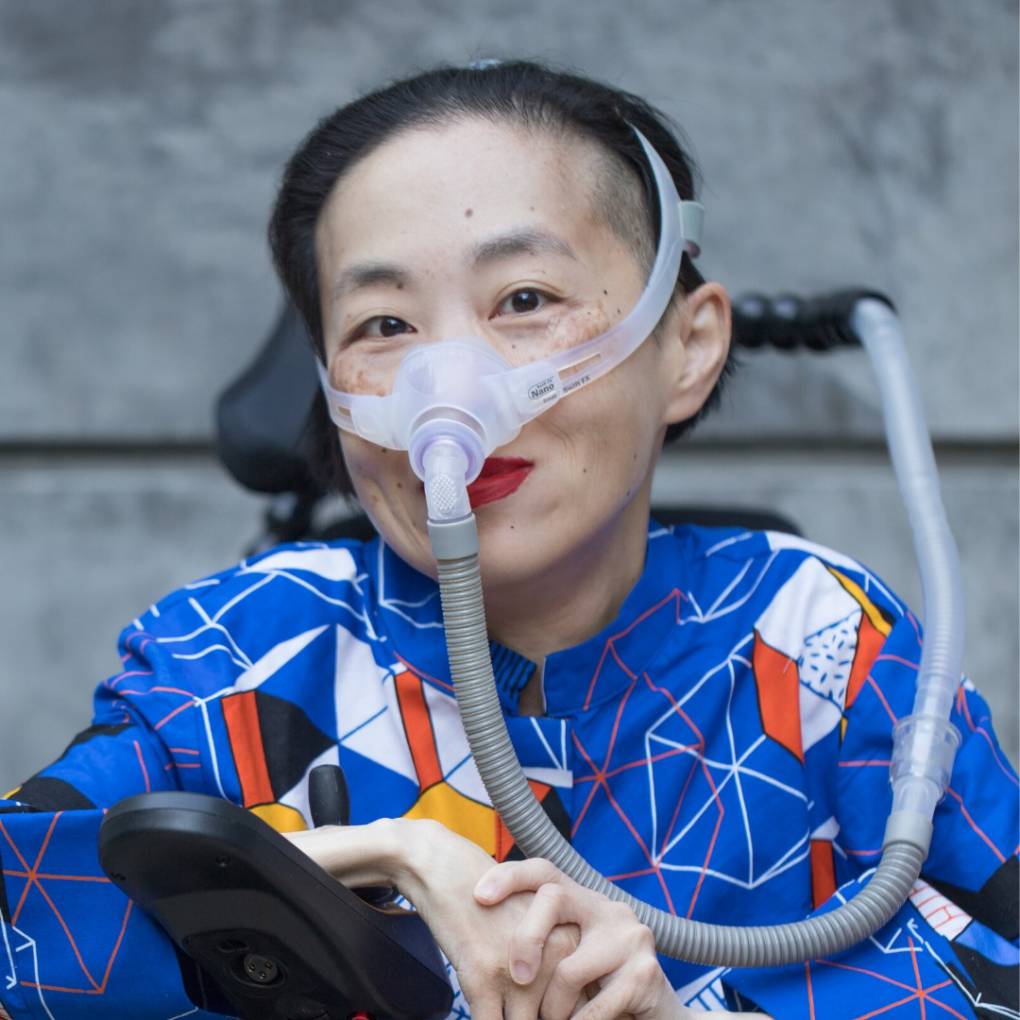
"caption": "Alice Wong, a San Francisco-based disability rights activist and the host of the Disability Visibility podcast, said she was dismayed to find out about the state's new vaccine prioritization plan.",
"description": "Alice Wong is a San Francisco-based disability rights activist and the host of the podcast \"Disability/Visibility.\"",
"title": "RS43258_HEADSHOT 3 aw-qut",
"credit": "Eddie Hernandez Photography",
"status": "inherit",
"altTag": "Alice Wong is a San Francisco-based disability rights activist and the host of the podcast \"Disability/Visibility.\"",
"isLoading": false,
"fetchFailed": false
},
"news_11820392": {
"type": "attachments",
"id": "news_11820392",
"meta": {
"index": "attachments_1716263798",
"site": "news",
"id": "11820392",
"found": true
},
"parent": 11820384,
"imgSizes": {
"apple_news_ca_landscape_5_5": {
"file": "https://ww2.kqed.org/app/uploads/sites/10/2020/05/greetingsfrom_052220_final-1044x783.png",
"width": 1044,
"mimeType": "image/png",
"height": 783
},
"apple_news_ca_square_4_0": {
"file": "https://ww2.kqed.org/app/uploads/sites/10/2020/05/greetingsfrom_052220_final-470x470.png",
"width": 470,
"mimeType": "image/png",
"height": 470
},
"twentyfourteen-full-width": {
"file": "https://ww2.kqed.org/app/uploads/sites/10/2020/05/greetingsfrom_052220_final-1038x576.png",
"width": 1038,
"mimeType": "image/png",
"height": 576
},
"thumbnail": {
"file": "https://ww2.kqed.org/app/uploads/sites/10/2020/05/greetingsfrom_052220_final-160x118.png",
"width": 160,
"mimeType": "image/png",
"height": 118
},
"post-thumbnail": {
"file": "https://ww2.kqed.org/app/uploads/sites/10/2020/05/greetingsfrom_052220_final-672x372.png",
"width": 672,
"mimeType": "image/png",
"height": 372
},
"kqedFullSize": {
"file": "https://ww2.kqed.org/app/uploads/sites/10/2020/05/greetingsfrom_052220_final.png",
"width": 1920,
"height": 1415
},
"apple_news_ca_landscape_4_7": {
"file": "https://ww2.kqed.org/app/uploads/sites/10/2020/05/greetingsfrom_052220_final-632x474.png",
"width": 632,
"mimeType": "image/png",
"height": 474
},
"large": {
"file": "https://ww2.kqed.org/app/uploads/sites/10/2020/05/greetingsfrom_052220_final-1020x752.png",
"width": 1020,
"mimeType": "image/png",
"height": 752
},
"apple_news_ca_landscape_4_0": {
"file": "https://ww2.kqed.org/app/uploads/sites/10/2020/05/greetingsfrom_052220_final-536x402.png",
"width": 536,
"mimeType": "image/png",
"height": 402
},
"apple_news_ca_portrait_12_9": {
"file": "https://ww2.kqed.org/app/uploads/sites/10/2020/05/greetingsfrom_052220_final-1122x1415.png",
"width": 1122,
"mimeType": "image/png",
"height": 1415
},
"medium": {
"file": "https://ww2.kqed.org/app/uploads/sites/10/2020/05/greetingsfrom_052220_final-800x590.png",
"width": 800,
"mimeType": "image/png",
"height": 590
},
"apple_news_ca_portrait_4_0": {
"file": "https://ww2.kqed.org/app/uploads/sites/10/2020/05/greetingsfrom_052220_final-354x472.png",
"width": 354,
"mimeType": "image/png",
"height": 472
},
"apple_news_ca_portrait_9_7": {
"file": "https://ww2.kqed.org/app/uploads/sites/10/2020/05/greetingsfrom_052220_final-840x1120.png",
"width": 840,
"mimeType": "image/png",
"height": 1120
},
"apple_news_ca_landscape_12_9": {
"file": "https://ww2.kqed.org/app/uploads/sites/10/2020/05/greetingsfrom_052220_final-1832x1374.png",
"width": 1832,
"mimeType": "image/png",
"height": 1374
},
"apple_news_ca_square_9_7": {
"file": "https://ww2.kqed.org/app/uploads/sites/10/2020/05/greetingsfrom_052220_final-1104x1104.png",
"width": 1104,
"mimeType": "image/png",
"height": 1104
},
"apple_news_ca_portrait_4_7": {
"file": "https://ww2.kqed.org/app/uploads/sites/10/2020/05/greetingsfrom_052220_final-414x552.png",
"width": 414,
"mimeType": "image/png",
"height": 552
},
"apple_news_ca_square_12_9": {
"file": "https://ww2.kqed.org/app/uploads/sites/10/2020/05/greetingsfrom_052220_final-1472x1415.png",
"width": 1472,
"mimeType": "image/png",
"height": 1415
},
"apple_news_ca_portrait_5_5": {
"file": "https://ww2.kqed.org/app/uploads/sites/10/2020/05/greetingsfrom_052220_final-687x916.png",
"width": 687,
"mimeType": "image/png",
"height": 916
},
"full-width": {
"file": "https://ww2.kqed.org/app/uploads/sites/10/2020/05/greetingsfrom_052220_final-1920x1415.png",
"width": 1920,
"mimeType": "image/png",
"height": 1415
},
"apple_news_ca_square_4_7": {
"file": "https://ww2.kqed.org/app/uploads/sites/10/2020/05/greetingsfrom_052220_final-550x550.png",
"width": 550,
"mimeType": "image/png",
"height": 550
},
"apple_news_ca_landscape_9_7": {
"file": "https://ww2.kqed.org/app/uploads/sites/10/2020/05/greetingsfrom_052220_final-1376x1032.png",
"width": 1376,
"mimeType": "image/png",
"height": 1032
},
"apple_news_ca_square_5_5": {
"file": "https://ww2.kqed.org/app/uploads/sites/10/2020/05/greetingsfrom_052220_final-912x912.png",
"width": 912,
"mimeType": "image/png",
"height": 912
}
},
"publishDate": 1590191964,
"modified": 1590191995,
"caption": null,
"description": null,
"title": "greetingsfrom_052220_final",
"credit": null,
"status": "inherit",
"isLoading": false,
"fetchFailed": false
},
"news_11820427": {
"type": "attachments",
"id": "news_11820427",
"meta": {
"index": "attachments_1716263798",
"site": "news",
"id": "11820427",
"found": true
},
"parent": 11820316,
"imgSizes": {
"apple_news_ca_landscape_5_5": {
"file": "https://ww2.kqed.org/app/uploads/sites/10/2020/05/RS42584_004_KQED_SanFrancisco_SmallBusinesses_04072020-qut-1-1044x783.jpg",
"width": 1044,
"mimeType": "image/jpeg",
"height": 783
},
"apple_news_ca_square_4_0": {
"file": "https://ww2.kqed.org/app/uploads/sites/10/2020/05/RS42584_004_KQED_SanFrancisco_SmallBusinesses_04072020-qut-1-470x470.jpg",
"width": 470,
"mimeType": "image/jpeg",
"height": 470
},
"twentyfourteen-full-width": {
"file": "https://ww2.kqed.org/app/uploads/sites/10/2020/05/RS42584_004_KQED_SanFrancisco_SmallBusinesses_04072020-qut-1-1038x576.jpg",
"width": 1038,
"mimeType": "image/jpeg",
"height": 576
},
"thumbnail": {
"file": "https://ww2.kqed.org/app/uploads/sites/10/2020/05/RS42584_004_KQED_SanFrancisco_SmallBusinesses_04072020-qut-1-160x107.jpg",
"width": 160,
"mimeType": "image/jpeg",
"height": 107
},
"post-thumbnail": {
"file": "https://ww2.kqed.org/app/uploads/sites/10/2020/05/RS42584_004_KQED_SanFrancisco_SmallBusinesses_04072020-qut-1-672x372.jpg",
"width": 672,
"mimeType": "image/jpeg",
"height": 372
},
"kqedFullSize": {
"file": "https://ww2.kqed.org/app/uploads/sites/10/2020/05/RS42584_004_KQED_SanFrancisco_SmallBusinesses_04072020-qut-1.jpg",
"width": 1920,
"height": 1280
},
"apple_news_ca_landscape_4_7": {
"file": "https://ww2.kqed.org/app/uploads/sites/10/2020/05/RS42584_004_KQED_SanFrancisco_SmallBusinesses_04072020-qut-1-632x474.jpg",
"width": 632,
"mimeType": "image/jpeg",
"height": 474
},
"large": {
"file": "https://ww2.kqed.org/app/uploads/sites/10/2020/05/RS42584_004_KQED_SanFrancisco_SmallBusinesses_04072020-qut-1-1020x680.jpg",
"width": 1020,
"mimeType": "image/jpeg",
"height": 680
},
"apple_news_ca_landscape_4_0": {
"file": "https://ww2.kqed.org/app/uploads/sites/10/2020/05/RS42584_004_KQED_SanFrancisco_SmallBusinesses_04072020-qut-1-536x402.jpg",
"width": 536,
"mimeType": "image/jpeg",
"height": 402
},
"apple_news_ca_portrait_12_9": {
"file": "https://ww2.kqed.org/app/uploads/sites/10/2020/05/RS42584_004_KQED_SanFrancisco_SmallBusinesses_04072020-qut-1-1122x1280.jpg",
"width": 1122,
"mimeType": "image/jpeg",
"height": 1280
},
"medium": {
"file": "https://ww2.kqed.org/app/uploads/sites/10/2020/05/RS42584_004_KQED_SanFrancisco_SmallBusinesses_04072020-qut-1-800x533.jpg",
"width": 800,
"mimeType": "image/jpeg",
"height": 533
},
"apple_news_ca_portrait_4_0": {
"file": "https://ww2.kqed.org/app/uploads/sites/10/2020/05/RS42584_004_KQED_SanFrancisco_SmallBusinesses_04072020-qut-1-354x472.jpg",
"width": 354,
"mimeType": "image/jpeg",
"height": 472
},
"apple_news_ca_portrait_9_7": {
"file": "https://ww2.kqed.org/app/uploads/sites/10/2020/05/RS42584_004_KQED_SanFrancisco_SmallBusinesses_04072020-qut-1-840x1120.jpg",
"width": 840,
"mimeType": "image/jpeg",
"height": 1120
},
"apple_news_ca_landscape_12_9": {
"file": "https://ww2.kqed.org/app/uploads/sites/10/2020/05/RS42584_004_KQED_SanFrancisco_SmallBusinesses_04072020-qut-1-1832x1280.jpg",
"width": 1832,
"mimeType": "image/jpeg",
"height": 1280
},
"apple_news_ca_square_9_7": {
"file": "https://ww2.kqed.org/app/uploads/sites/10/2020/05/RS42584_004_KQED_SanFrancisco_SmallBusinesses_04072020-qut-1-1104x1104.jpg",
"width": 1104,
"mimeType": "image/jpeg",
"height": 1104
},
"apple_news_ca_portrait_4_7": {
"file": "https://ww2.kqed.org/app/uploads/sites/10/2020/05/RS42584_004_KQED_SanFrancisco_SmallBusinesses_04072020-qut-1-414x552.jpg",
"width": 414,
"mimeType": "image/jpeg",
"height": 552
},
"apple_news_ca_square_12_9": {
"file": "https://ww2.kqed.org/app/uploads/sites/10/2020/05/RS42584_004_KQED_SanFrancisco_SmallBusinesses_04072020-qut-1-1472x1280.jpg",
"width": 1472,
"mimeType": "image/jpeg",
"height": 1280
},
"apple_news_ca_portrait_5_5": {
"file": "https://ww2.kqed.org/app/uploads/sites/10/2020/05/RS42584_004_KQED_SanFrancisco_SmallBusinesses_04072020-qut-1-687x916.jpg",
"width": 687,
"mimeType": "image/jpeg",
"height": 916
},
"full-width": {
"file": "https://ww2.kqed.org/app/uploads/sites/10/2020/05/RS42584_004_KQED_SanFrancisco_SmallBusinesses_04072020-qut-1-1920x1280.jpg",
"width": 1920,
"mimeType": "image/jpeg",
"height": 1280
},
"apple_news_ca_square_4_7": {
"file": "https://ww2.kqed.org/app/uploads/sites/10/2020/05/RS42584_004_KQED_SanFrancisco_SmallBusinesses_04072020-qut-1-550x550.jpg",
"width": 550,
"mimeType": "image/jpeg",
"height": 550
},
"apple_news_ca_landscape_9_7": {
"file": "https://ww2.kqed.org/app/uploads/sites/10/2020/05/RS42584_004_KQED_SanFrancisco_SmallBusinesses_04072020-qut-1-1376x1032.jpg",
"width": 1376,
"mimeType": "image/jpeg",
"height": 1032
},
"apple_news_ca_square_5_5": {
"file": "https://ww2.kqed.org/app/uploads/sites/10/2020/05/RS42584_004_KQED_SanFrancisco_SmallBusinesses_04072020-qut-1-912x912.jpg",
"width": 912,
"mimeType": "image/jpeg",
"height": 912
}
},
"publishDate": 1590197788,
"modified": 1590197895,
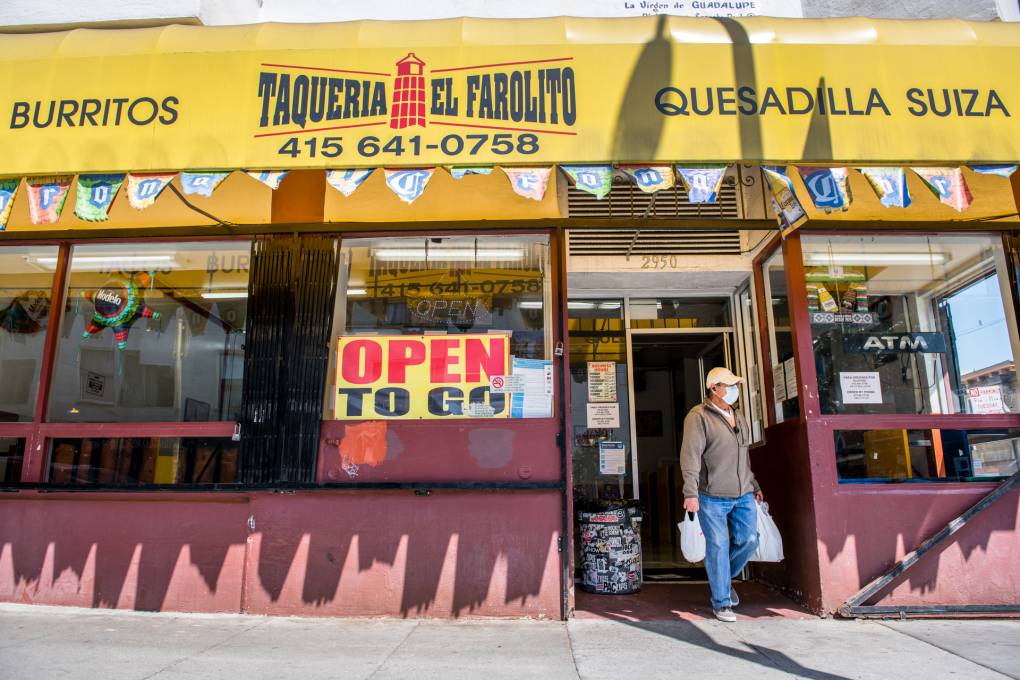
"caption": "A small business in San Francisco's Mission District.",
"description": null,
"title": "RS42584_004_KQED_SanFrancisco_SmallBusinesses_04072020-qut",
"credit": "Beth LaBerge/KQED",
"status": "inherit",
"isLoading": false,
"fetchFailed": false
},
"news_11820148": {
"type": "attachments",
"id": "news_11820148",
"meta": {
"index": "attachments_1716263798",
"site": "news",
"id": "11820148",
"found": true
},
"parent": 11820133,
"imgSizes": {
"apple_news_ca_landscape_5_5": {
"file": "https://ww2.kqed.org/app/uploads/sites/10/2020/05/RS20259_160719_The-Stud-Bar_bhs05-qut-1044x783.jpg",
"width": 1044,
"mimeType": "image/jpeg",
"height": 783
},
"apple_news_ca_square_4_0": {
"file": "https://ww2.kqed.org/app/uploads/sites/10/2020/05/RS20259_160719_The-Stud-Bar_bhs05-qut-470x470.jpg",
"width": 470,
"mimeType": "image/jpeg",
"height": 470
},
"twentyfourteen-full-width": {
"file": "https://ww2.kqed.org/app/uploads/sites/10/2020/05/RS20259_160719_The-Stud-Bar_bhs05-qut-1038x576.jpg",
"width": 1038,
"mimeType": "image/jpeg",
"height": 576
},
"thumbnail": {
"file": "https://ww2.kqed.org/app/uploads/sites/10/2020/05/RS20259_160719_The-Stud-Bar_bhs05-qut-160x109.jpg",
"width": 160,
"mimeType": "image/jpeg",
"height": 109
},
"post-thumbnail": {
"file": "https://ww2.kqed.org/app/uploads/sites/10/2020/05/RS20259_160719_The-Stud-Bar_bhs05-qut-672x372.jpg",
"width": 672,
"mimeType": "image/jpeg",
"height": 372
},
"kqedFullSize": {
"file": "https://ww2.kqed.org/app/uploads/sites/10/2020/05/RS20259_160719_The-Stud-Bar_bhs05-qut.jpg",
"width": 1920,
"height": 1303
},
"apple_news_ca_landscape_4_7": {
"file": "https://ww2.kqed.org/app/uploads/sites/10/2020/05/RS20259_160719_The-Stud-Bar_bhs05-qut-632x474.jpg",
"width": 632,
"mimeType": "image/jpeg",
"height": 474
},
"large": {
"file": "https://ww2.kqed.org/app/uploads/sites/10/2020/05/RS20259_160719_The-Stud-Bar_bhs05-qut-1020x692.jpg",
"width": 1020,
"mimeType": "image/jpeg",
"height": 692
},
"apple_news_ca_landscape_4_0": {
"file": "https://ww2.kqed.org/app/uploads/sites/10/2020/05/RS20259_160719_The-Stud-Bar_bhs05-qut-536x402.jpg",
"width": 536,
"mimeType": "image/jpeg",
"height": 402
},
"apple_news_ca_portrait_12_9": {
"file": "https://ww2.kqed.org/app/uploads/sites/10/2020/05/RS20259_160719_The-Stud-Bar_bhs05-qut-1122x1303.jpg",
"width": 1122,
"mimeType": "image/jpeg",
"height": 1303
},
"medium": {
"file": "https://ww2.kqed.org/app/uploads/sites/10/2020/05/RS20259_160719_The-Stud-Bar_bhs05-qut-800x543.jpg",
"width": 800,
"mimeType": "image/jpeg",
"height": 543
},
"apple_news_ca_portrait_4_0": {
"file": "https://ww2.kqed.org/app/uploads/sites/10/2020/05/RS20259_160719_The-Stud-Bar_bhs05-qut-354x472.jpg",
"width": 354,
"mimeType": "image/jpeg",
"height": 472
},
"apple_news_ca_portrait_9_7": {
"file": "https://ww2.kqed.org/app/uploads/sites/10/2020/05/RS20259_160719_The-Stud-Bar_bhs05-qut-840x1120.jpg",
"width": 840,
"mimeType": "image/jpeg",
"height": 1120
},
"apple_news_ca_landscape_12_9": {
"file": "https://ww2.kqed.org/app/uploads/sites/10/2020/05/RS20259_160719_The-Stud-Bar_bhs05-qut-1832x1303.jpg",
"width": 1832,
"mimeType": "image/jpeg",
"height": 1303
},
"apple_news_ca_square_9_7": {
"file": "https://ww2.kqed.org/app/uploads/sites/10/2020/05/RS20259_160719_The-Stud-Bar_bhs05-qut-1104x1104.jpg",
"width": 1104,
"mimeType": "image/jpeg",
"height": 1104
},
"apple_news_ca_portrait_4_7": {
"file": "https://ww2.kqed.org/app/uploads/sites/10/2020/05/RS20259_160719_The-Stud-Bar_bhs05-qut-414x552.jpg",
"width": 414,
"mimeType": "image/jpeg",
"height": 552
},
"apple_news_ca_square_12_9": {
"file": "https://ww2.kqed.org/app/uploads/sites/10/2020/05/RS20259_160719_The-Stud-Bar_bhs05-qut-1472x1303.jpg",
"width": 1472,
"mimeType": "image/jpeg",
"height": 1303
},
"apple_news_ca_portrait_5_5": {
"file": "https://ww2.kqed.org/app/uploads/sites/10/2020/05/RS20259_160719_The-Stud-Bar_bhs05-qut-687x916.jpg",
"width": 687,
"mimeType": "image/jpeg",
"height": 916
},
"full-width": {
"file": "https://ww2.kqed.org/app/uploads/sites/10/2020/05/RS20259_160719_The-Stud-Bar_bhs05-qut-1920x1303.jpg",
"width": 1920,
"mimeType": "image/jpeg",
"height": 1303
},
"apple_news_ca_square_4_7": {
"file": "https://ww2.kqed.org/app/uploads/sites/10/2020/05/RS20259_160719_The-Stud-Bar_bhs05-qut-550x550.jpg",
"width": 550,
"mimeType": "image/jpeg",
"height": 550
},
"apple_news_ca_landscape_9_7": {
"file": "https://ww2.kqed.org/app/uploads/sites/10/2020/05/RS20259_160719_The-Stud-Bar_bhs05-qut-1376x1032.jpg",
"width": 1376,
"mimeType": "image/jpeg",
"height": 1032
},
"apple_news_ca_square_5_5": {
"file": "https://ww2.kqed.org/app/uploads/sites/10/2020/05/RS20259_160719_The-Stud-Bar_bhs05-qut-912x912.jpg",
"width": 912,
"mimeType": "image/jpeg",
"height": 912
}
},
"publishDate": 1590119520,
"modified": 1590127736,
"caption": "Founded in 1966, The Stud is San Francisco’s oldest operating gay bar. The bar's co-owners announced the closure of its current location this week.",
"description": "Founded in 1966, The Stud is San Francisco’s oldest operating gay bar. The bar's co-owners announced the closure of its current location this week.",
"title": "RS20259_160719_The Stud Bar_bhs05-qut",
"credit": "Brittany Hosea-Small/KQED",
"status": "inherit",
"isLoading": false,
"fetchFailed": false
},
"news_11819995": {
"type": "attachments",
"id": "news_11819995",
"meta": {
"index": "attachments_1716263798",
"site": "news",
"id": "11819995",
"found": true
},
"parent": 11819990,
"imgSizes": {
"apple_news_ca_landscape_5_5": {
"file": "https://ww2.kqed.org/app/uploads/sites/10/2020/05/IMG_6286-e1590093888574-1044x783.jpg",
"width": 1044,
"mimeType": "image/jpeg",
"height": 783
},
"apple_news_ca_square_4_0": {
"file": "https://ww2.kqed.org/app/uploads/sites/10/2020/05/IMG_6286-e1590093888574-470x470.jpg",
"width": 470,
"mimeType": "image/jpeg",
"height": 470
},
"twentyfourteen-full-width": {
"file": "https://ww2.kqed.org/app/uploads/sites/10/2020/05/IMG_6286-e1590093888574-1038x576.jpg",
"width": 1038,
"mimeType": "image/jpeg",
"height": 576
},
"thumbnail": {
"file": "https://ww2.kqed.org/app/uploads/sites/10/2020/05/IMG_6286-e1590093888574-160x128.jpg",
"width": 160,
"mimeType": "image/jpeg",
"height": 128
},
"post-thumbnail": {
"file": "https://ww2.kqed.org/app/uploads/sites/10/2020/05/IMG_6286-e1590093888574-672x372.jpg",
"width": 672,
"mimeType": "image/jpeg",
"height": 372
},
"kqedFullSize": {
"file": "https://ww2.kqed.org/app/uploads/sites/10/2020/05/IMG_6286-e1590093888574.jpg",
"width": 3013,
"height": 2409
},
"apple_news_ca_landscape_4_7": {
"file": "https://ww2.kqed.org/app/uploads/sites/10/2020/05/IMG_6286-e1590093888574-632x474.jpg",
"width": 632,
"mimeType": "image/jpeg",
"height": 474
},
"large": {
"file": "https://ww2.kqed.org/app/uploads/sites/10/2020/05/IMG_6286-e1590093888574-1020x816.jpg",
"width": 1020,
"mimeType": "image/jpeg",
"height": 816
},
"apple_news_ca_landscape_4_0": {
"file": "https://ww2.kqed.org/app/uploads/sites/10/2020/05/IMG_6286-e1590093888574-536x402.jpg",
"width": 536,
"mimeType": "image/jpeg",
"height": 402
},
"apple_news_ca_portrait_12_9": {
"file": "https://ww2.kqed.org/app/uploads/sites/10/2020/05/IMG_6286-e1590093888574-1122x1496.jpg",
"width": 1122,
"mimeType": "image/jpeg",
"height": 1496
},
"medium": {
"file": "https://ww2.kqed.org/app/uploads/sites/10/2020/05/IMG_6286-e1590093888574-800x640.jpg",
"width": 800,
"mimeType": "image/jpeg",
"height": 640
},
"apple_news_ca_portrait_4_0": {
"file": "https://ww2.kqed.org/app/uploads/sites/10/2020/05/IMG_6286-e1590093888574-354x472.jpg",
"width": 354,
"mimeType": "image/jpeg",
"height": 472
},
"apple_news_ca_portrait_9_7": {
"file": "https://ww2.kqed.org/app/uploads/sites/10/2020/05/IMG_6286-e1590093888574-840x1120.jpg",
"width": 840,
"mimeType": "image/jpeg",
"height": 1120
},
"apple_news_ca_landscape_12_9": {
"file": "https://ww2.kqed.org/app/uploads/sites/10/2020/05/IMG_6286-e1590093888574-1832x1374.jpg",
"width": 1832,
"mimeType": "image/jpeg",
"height": 1374
},
"apple_news_ca_square_9_7": {
"file": "https://ww2.kqed.org/app/uploads/sites/10/2020/05/IMG_6286-e1590093888574-1104x1104.jpg",
"width": 1104,
"mimeType": "image/jpeg",
"height": 1104
},
"apple_news_ca_portrait_4_7": {
"file": "https://ww2.kqed.org/app/uploads/sites/10/2020/05/IMG_6286-e1590093888574-414x552.jpg",
"width": 414,
"mimeType": "image/jpeg",
"height": 552
},
"apple_news_ca_square_12_9": {
"file": "https://ww2.kqed.org/app/uploads/sites/10/2020/05/IMG_6286-e1590093888574-1472x1472.jpg",
"width": 1472,
"mimeType": "image/jpeg",
"height": 1472
},
"apple_news_ca_portrait_5_5": {
"file": "https://ww2.kqed.org/app/uploads/sites/10/2020/05/IMG_6286-e1590093888574-687x916.jpg",
"width": 687,
"mimeType": "image/jpeg",
"height": 916
},
"full-width": {
"file": "https://ww2.kqed.org/app/uploads/sites/10/2020/05/IMG_6286-e1590093888574-1920x1535.jpg",
"width": 1920,
"mimeType": "image/jpeg",
"height": 1535
},
"apple_news_ca_square_4_7": {
"file": "https://ww2.kqed.org/app/uploads/sites/10/2020/05/IMG_6286-e1590093888574-550x550.jpg",
"width": 550,
"mimeType": "image/jpeg",
"height": 550
},
"apple_news_ca_landscape_9_7": {
"file": "https://ww2.kqed.org/app/uploads/sites/10/2020/05/IMG_6286-e1590093888574-1376x1032.jpg",
"width": 1376,
"mimeType": "image/jpeg",
"height": 1032
},
"apple_news_ca_square_5_5": {
"file": "https://ww2.kqed.org/app/uploads/sites/10/2020/05/IMG_6286-e1590093888574-912x912.jpg",
"width": 912,
"mimeType": "image/jpeg",
"height": 912
}
},
"publishDate": 1590093818,
"modified": 1590093934,
"caption": "Evelyn Legarte is a retired nurse based in the Bay Area.",
"description": null,
"title": "IMG_6286",
"credit": "Courtesy of Evelyn Legarte",
"status": "inherit",
"isLoading": false,
"fetchFailed": false
},
"news_11820073": {
"type": "attachments",
"id": "news_11820073",
"meta": {
"index": "attachments_1716263798",
"site": "news",
"id": "11820073",
"found": true
},
"parent": 11820003,
"imgSizes": {
"apple_news_ca_landscape_5_5": {
"file": "https://ww2.kqed.org/app/uploads/sites/10/2020/05/baybridge200401-1044x783.jpg",
"width": 1044,
"mimeType": "image/jpeg",
"height": 783
},
"apple_news_ca_square_4_0": {
"file": "https://ww2.kqed.org/app/uploads/sites/10/2020/05/baybridge200401-470x470.jpg",
"width": 470,
"mimeType": "image/jpeg",
"height": 470
},
"twentyfourteen-full-width": {
"file": "https://ww2.kqed.org/app/uploads/sites/10/2020/05/baybridge200401-1038x576.jpg",
"width": 1038,
"mimeType": "image/jpeg",
"height": 576
},
"thumbnail": {
"file": "https://ww2.kqed.org/app/uploads/sites/10/2020/05/baybridge200401-160x106.jpg",
"width": 160,
"mimeType": "image/jpeg",
"height": 106
},
"post-thumbnail": {
"file": "https://ww2.kqed.org/app/uploads/sites/10/2020/05/baybridge200401-672x372.jpg",
"width": 672,
"mimeType": "image/jpeg",
"height": 372
},
"kqedFullSize": {
"file": "https://ww2.kqed.org/app/uploads/sites/10/2020/05/baybridge200401.jpg",
"width": 1920,
"height": 1268
},
"apple_news_ca_landscape_4_7": {
"file": "https://ww2.kqed.org/app/uploads/sites/10/2020/05/baybridge200401-632x474.jpg",
"width": 632,
"mimeType": "image/jpeg",
"height": 474
},
"large": {
"file": "https://ww2.kqed.org/app/uploads/sites/10/2020/05/baybridge200401-1020x674.jpg",
"width": 1020,
"mimeType": "image/jpeg",
"height": 674
},
"apple_news_ca_landscape_4_0": {
"file": "https://ww2.kqed.org/app/uploads/sites/10/2020/05/baybridge200401-536x402.jpg",
"width": 536,
"mimeType": "image/jpeg",
"height": 402
},
"apple_news_ca_portrait_12_9": {
"file": "https://ww2.kqed.org/app/uploads/sites/10/2020/05/baybridge200401-1122x1268.jpg",
"width": 1122,
"mimeType": "image/jpeg",
"height": 1268
},
"medium": {
"file": "https://ww2.kqed.org/app/uploads/sites/10/2020/05/baybridge200401-800x528.jpg",
"width": 800,
"mimeType": "image/jpeg",
"height": 528
},
"apple_news_ca_portrait_4_0": {
"file": "https://ww2.kqed.org/app/uploads/sites/10/2020/05/baybridge200401-354x472.jpg",
"width": 354,
"mimeType": "image/jpeg",
"height": 472
},
"apple_news_ca_portrait_9_7": {
"file": "https://ww2.kqed.org/app/uploads/sites/10/2020/05/baybridge200401-840x1120.jpg",
"width": 840,
"mimeType": "image/jpeg",
"height": 1120
},
"apple_news_ca_landscape_12_9": {
"file": "https://ww2.kqed.org/app/uploads/sites/10/2020/05/baybridge200401-1832x1268.jpg",
"width": 1832,
"mimeType": "image/jpeg",
"height": 1268
},
"apple_news_ca_square_9_7": {
"file": "https://ww2.kqed.org/app/uploads/sites/10/2020/05/baybridge200401-1104x1104.jpg",
"width": 1104,
"mimeType": "image/jpeg",
"height": 1104
},
"apple_news_ca_portrait_4_7": {
"file": "https://ww2.kqed.org/app/uploads/sites/10/2020/05/baybridge200401-414x552.jpg",
"width": 414,
"mimeType": "image/jpeg",
"height": 552
},
"apple_news_ca_square_12_9": {
"file": "https://ww2.kqed.org/app/uploads/sites/10/2020/05/baybridge200401-1472x1268.jpg",
"width": 1472,
"mimeType": "image/jpeg",
"height": 1268
},
"apple_news_ca_portrait_5_5": {
"file": "https://ww2.kqed.org/app/uploads/sites/10/2020/05/baybridge200401-687x916.jpg",
"width": 687,
"mimeType": "image/jpeg",
"height": 916
},
"full-width": {
"file": "https://ww2.kqed.org/app/uploads/sites/10/2020/05/baybridge200401-1920x1268.jpg",
"width": 1920,
"mimeType": "image/jpeg",
"height": 1268
},
"apple_news_ca_square_4_7": {
"file": "https://ww2.kqed.org/app/uploads/sites/10/2020/05/baybridge200401-550x550.jpg",
"width": 550,
"mimeType": "image/jpeg",
"height": 550
},
"apple_news_ca_landscape_9_7": {
"file": "https://ww2.kqed.org/app/uploads/sites/10/2020/05/baybridge200401-1376x1032.jpg",
"width": 1376,
"mimeType": "image/jpeg",
"height": 1032
},
"apple_news_ca_square_5_5": {
"file": "https://ww2.kqed.org/app/uploads/sites/10/2020/05/baybridge200401-912x912.jpg",
"width": 912,
"mimeType": "image/jpeg",
"height": 912
}
},
"publishDate": 1590104279,
"modified": 1590104410,
"caption": "The Bay Bridge on April 1, 2020, as traffic volumes plummeted due to the coronavirus pandemic and shelter-at-home orders. ",
"description": null,
"title": "Bay Bridge-No Traffic",
"credit": "Justin Sullivan/Getty Images",
"status": "inherit",
"isLoading": false,
"fetchFailed": false
},
"news_11820049": {
"type": "attachments",
"id": "news_11820049",
"meta": {
"index": "attachments_1716263798",
"site": "news",
"id": "11820049",
"found": true
},
"parent": 11820038,
"imgSizes": {
"apple_news_ca_landscape_5_5": {
"file": "https://ww2.kqed.org/app/uploads/sites/10/2020/05/hurry_052120_final-1044x783.png",
"width": 1044,
"mimeType": "image/png",
"height": 783
},
"apple_news_ca_square_4_0": {
"file": "https://ww2.kqed.org/app/uploads/sites/10/2020/05/hurry_052120_final-470x470.png",
"width": 470,
"mimeType": "image/png",
"height": 470
},
"twentyfourteen-full-width": {
"file": "https://ww2.kqed.org/app/uploads/sites/10/2020/05/hurry_052120_final-1038x576.png",
"width": 1038,
"mimeType": "image/png",
"height": 576
},
"thumbnail": {
"file": "https://ww2.kqed.org/app/uploads/sites/10/2020/05/hurry_052120_final-160x113.png",
"width": 160,
"mimeType": "image/png",
"height": 113
},
"post-thumbnail": {
"file": "https://ww2.kqed.org/app/uploads/sites/10/2020/05/hurry_052120_final-672x372.png",
"width": 672,
"mimeType": "image/png",
"height": 372
},
"kqedFullSize": {
"file": "https://ww2.kqed.org/app/uploads/sites/10/2020/05/hurry_052120_final.png",
"width": 1920,
"height": 1355
},
"apple_news_ca_landscape_4_7": {
"file": "https://ww2.kqed.org/app/uploads/sites/10/2020/05/hurry_052120_final-632x474.png",
"width": 632,
"mimeType": "image/png",
"height": 474
},
"large": {
"file": "https://ww2.kqed.org/app/uploads/sites/10/2020/05/hurry_052120_final-1020x720.png",
"width": 1020,
"mimeType": "image/png",
"height": 720
},
"apple_news_ca_landscape_4_0": {
"file": "https://ww2.kqed.org/app/uploads/sites/10/2020/05/hurry_052120_final-536x402.png",
"width": 536,
"mimeType": "image/png",
"height": 402
},
"apple_news_ca_portrait_12_9": {
"file": "https://ww2.kqed.org/app/uploads/sites/10/2020/05/hurry_052120_final-1122x1355.png",
"width": 1122,
"mimeType": "image/png",
"height": 1355
},
"medium": {
"file": "https://ww2.kqed.org/app/uploads/sites/10/2020/05/hurry_052120_final-800x565.png",
"width": 800,
"mimeType": "image/png",
"height": 565
},
"apple_news_ca_portrait_4_0": {
"file": "https://ww2.kqed.org/app/uploads/sites/10/2020/05/hurry_052120_final-354x472.png",
"width": 354,
"mimeType": "image/png",
"height": 472
},
"apple_news_ca_portrait_9_7": {
"file": "https://ww2.kqed.org/app/uploads/sites/10/2020/05/hurry_052120_final-840x1120.png",
"width": 840,
"mimeType": "image/png",
"height": 1120
},
"apple_news_ca_landscape_12_9": {
"file": "https://ww2.kqed.org/app/uploads/sites/10/2020/05/hurry_052120_final-1832x1355.png",
"width": 1832,
"mimeType": "image/png",
"height": 1355
},
"apple_news_ca_square_9_7": {
"file": "https://ww2.kqed.org/app/uploads/sites/10/2020/05/hurry_052120_final-1104x1104.png",
"width": 1104,
"mimeType": "image/png",
"height": 1104
},
"apple_news_ca_portrait_4_7": {
"file": "https://ww2.kqed.org/app/uploads/sites/10/2020/05/hurry_052120_final-414x552.png",
"width": 414,
"mimeType": "image/png",
"height": 552
},
"apple_news_ca_square_12_9": {
"file": "https://ww2.kqed.org/app/uploads/sites/10/2020/05/hurry_052120_final-1472x1355.png",
"width": 1472,
"mimeType": "image/png",
"height": 1355
},
"apple_news_ca_portrait_5_5": {
"file": "https://ww2.kqed.org/app/uploads/sites/10/2020/05/hurry_052120_final-687x916.png",
"width": 687,
"mimeType": "image/png",
"height": 916
},
"full-width": {
"file": "https://ww2.kqed.org/app/uploads/sites/10/2020/05/hurry_052120_final-1920x1355.png",
"width": 1920,
"mimeType": "image/png",
"height": 1355
},
"apple_news_ca_square_4_7": {
"file": "https://ww2.kqed.org/app/uploads/sites/10/2020/05/hurry_052120_final-550x550.png",
"width": 550,
"mimeType": "image/png",
"height": 550
},
"apple_news_ca_landscape_9_7": {
"file": "https://ww2.kqed.org/app/uploads/sites/10/2020/05/hurry_052120_final-1376x1032.png",
"width": 1376,
"mimeType": "image/png",
"height": 1032
},
"apple_news_ca_square_5_5": {
"file": "https://ww2.kqed.org/app/uploads/sites/10/2020/05/hurry_052120_final-912x912.png",
"width": 912,
"mimeType": "image/png",
"height": 912
}
},
"publishDate": 1590100602,
"modified": 1590100634,
"caption": null,
"description": null,
"title": "hurry_052120_final",
"credit": null,
"status": "inherit",
"isLoading": false,
"fetchFailed": false
},
"news_11819852": {
"type": "attachments",
"id": "news_11819852",
"meta": {
"index": "attachments_1716263798",
"site": "news",
"id": "11819852",
"found": true
},
"parent": 11819264,
"imgSizes": {
"apple_news_ca_landscape_5_5": {
"file": "https://ww2.kqed.org/app/uploads/sites/10/2020/05/1920_mosque-1044x783.jpg",
"width": 1044,
"mimeType": "image/jpeg",
"height": 783
},
"apple_news_ca_square_4_0": {
"file": "https://ww2.kqed.org/app/uploads/sites/10/2020/05/1920_mosque-470x470.jpg",
"width": 470,
"mimeType": "image/jpeg",
"height": 470
},
"twentyfourteen-full-width": {
"file": "https://ww2.kqed.org/app/uploads/sites/10/2020/05/1920_mosque-1038x576.jpg",
"width": 1038,
"mimeType": "image/jpeg",
"height": 576
},
"thumbnail": {
"file": "https://ww2.kqed.org/app/uploads/sites/10/2020/05/1920_mosque-160x124.jpg",
"width": 160,
"mimeType": "image/jpeg",
"height": 124
},
"post-thumbnail": {
"file": "https://ww2.kqed.org/app/uploads/sites/10/2020/05/1920_mosque-672x372.jpg",
"width": 672,
"mimeType": "image/jpeg",
"height": 372
},
"kqedFullSize": {
"file": "https://ww2.kqed.org/app/uploads/sites/10/2020/05/1920_mosque-e1590031667198.jpg",
"width": 1920,
"height": 1486
},
"apple_news_ca_landscape_4_7": {
"file": "https://ww2.kqed.org/app/uploads/sites/10/2020/05/1920_mosque-632x474.jpg",
"width": 632,
"mimeType": "image/jpeg",
"height": 474
},
"large": {
"file": "https://ww2.kqed.org/app/uploads/sites/10/2020/05/1920_mosque-1020x789.jpg",
"width": 1020,
"mimeType": "image/jpeg",
"height": 789
},
"apple_news_ca_landscape_4_0": {
"file": "https://ww2.kqed.org/app/uploads/sites/10/2020/05/1920_mosque-536x402.jpg",
"width": 536,
"mimeType": "image/jpeg",
"height": 402
},
"apple_news_ca_portrait_12_9": {
"file": "https://ww2.kqed.org/app/uploads/sites/10/2020/05/1920_mosque-1122x1496.jpg",
"width": 1122,
"mimeType": "image/jpeg",
"height": 1496
},
"medium": {
"file": "https://ww2.kqed.org/app/uploads/sites/10/2020/05/1920_mosque-800x619.jpg",
"width": 800,
"mimeType": "image/jpeg",
"height": 619
},
"apple_news_ca_portrait_4_0": {
"file": "https://ww2.kqed.org/app/uploads/sites/10/2020/05/1920_mosque-354x472.jpg",
"width": 354,
"mimeType": "image/jpeg",
"height": 472
},
"apple_news_ca_portrait_9_7": {
"file": "https://ww2.kqed.org/app/uploads/sites/10/2020/05/1920_mosque-840x1120.jpg",
"width": 840,
"mimeType": "image/jpeg",
"height": 1120
},
"apple_news_ca_landscape_12_9": {
"file": "https://ww2.kqed.org/app/uploads/sites/10/2020/05/1920_mosque-1832x1374.jpg",
"width": 1832,
"mimeType": "image/jpeg",
"height": 1374
},
"apple_news_ca_square_9_7": {
"file": "https://ww2.kqed.org/app/uploads/sites/10/2020/05/1920_mosque-1104x1104.jpg",
"width": 1104,
"mimeType": "image/jpeg",
"height": 1104
},
"apple_news_ca_portrait_4_7": {
"file": "https://ww2.kqed.org/app/uploads/sites/10/2020/05/1920_mosque-414x552.jpg",
"width": 414,
"mimeType": "image/jpeg",
"height": 552
},
"apple_news_ca_square_12_9": {
"file": "https://ww2.kqed.org/app/uploads/sites/10/2020/05/1920_mosque-1472x1472.jpg",
"width": 1472,
"mimeType": "image/jpeg",
"height": 1472
},
"apple_news_ca_portrait_5_5": {
"file": "https://ww2.kqed.org/app/uploads/sites/10/2020/05/1920_mosque-687x916.jpg",
"width": 687,
"mimeType": "image/jpeg",
"height": 916
},
"full-width": {
"file": "https://ww2.kqed.org/app/uploads/sites/10/2020/05/1920_mosque-1920x1486.jpg",
"width": 1920,
"mimeType": "image/jpeg",
"height": 1486
},
"apple_news_ca_square_4_7": {
"file": "https://ww2.kqed.org/app/uploads/sites/10/2020/05/1920_mosque-550x550.jpg",
"width": 550,
"mimeType": "image/jpeg",
"height": 550
},
"apple_news_ca_landscape_9_7": {
"file": "https://ww2.kqed.org/app/uploads/sites/10/2020/05/1920_mosque-1376x1032.jpg",
"width": 1376,
"mimeType": "image/jpeg",
"height": 1032
},
"apple_news_ca_square_5_5": {
"file": "https://ww2.kqed.org/app/uploads/sites/10/2020/05/1920_mosque-912x912.jpg",
"width": 912,
"mimeType": "image/jpeg",
"height": 912
}
},
"publishDate": 1590031620,
"modified": 1590031702,
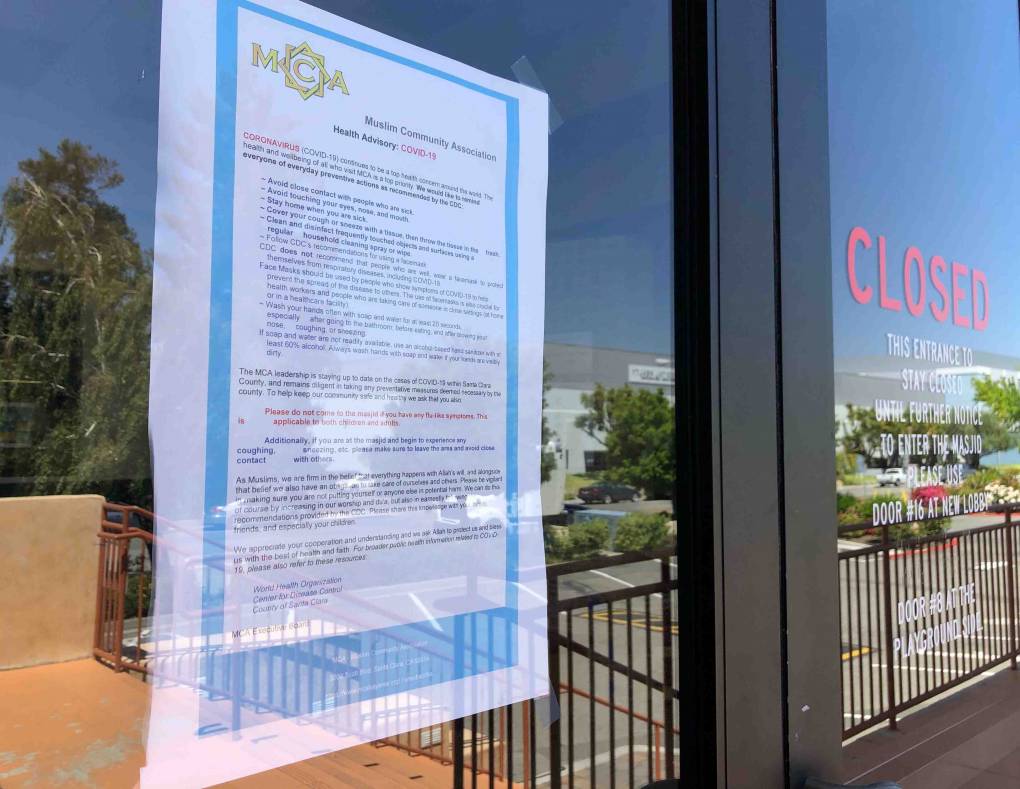
"caption": "Muslim Community Association (MCA) is one of the largest mosques in the Bay Area with more than two thousand worshippers. But without people coming into the mosque to donate money, fundraising during the month of Ramadan is at an all-time low.",
"description": null,
"title": "1920_mosque",
"credit": "Adhiti Bandlamudi/KQED",
"status": "inherit",
"isLoading": false,
"fetchFailed": false
},
"news_11819862": {
"type": "attachments",
"id": "news_11819862",
"meta": {
"index": "attachments_1716263798",
"site": "news",
"id": "11819862",
"found": true
},
"parent": 11819858,
"imgSizes": {
"apple_news_ca_landscape_5_5": {
"file": "https://ww2.kqed.org/app/uploads/sites/10/2020/05/RS43264_GettyImages-1210404266-qut-1044x783.jpg",
"width": 1044,
"mimeType": "image/jpeg",
"height": 783
},
"apple_news_ca_square_4_0": {
"file": "https://ww2.kqed.org/app/uploads/sites/10/2020/05/RS43264_GettyImages-1210404266-qut-470x470.jpg",
"width": 470,
"mimeType": "image/jpeg",
"height": 470
},
"twentyfourteen-full-width": {
"file": "https://ww2.kqed.org/app/uploads/sites/10/2020/05/RS43264_GettyImages-1210404266-qut-1038x576.jpg",
"width": 1038,
"mimeType": "image/jpeg",
"height": 576
},
"thumbnail": {
"file": "https://ww2.kqed.org/app/uploads/sites/10/2020/05/RS43264_GettyImages-1210404266-qut-160x107.jpg",
"width": 160,
"mimeType": "image/jpeg",
"height": 107
},
"post-thumbnail": {
"file": "https://ww2.kqed.org/app/uploads/sites/10/2020/05/RS43264_GettyImages-1210404266-qut-672x372.jpg",
"width": 672,
"mimeType": "image/jpeg",
"height": 372
},
"kqedFullSize": {
"file": "https://ww2.kqed.org/app/uploads/sites/10/2020/05/RS43264_GettyImages-1210404266-qut.jpg",
"width": 1920,
"height": 1280
},
"apple_news_ca_landscape_4_7": {
"file": "https://ww2.kqed.org/app/uploads/sites/10/2020/05/RS43264_GettyImages-1210404266-qut-632x474.jpg",
"width": 632,
"mimeType": "image/jpeg",
"height": 474
},
"large": {
"file": "https://ww2.kqed.org/app/uploads/sites/10/2020/05/RS43264_GettyImages-1210404266-qut-1020x680.jpg",
"width": 1020,
"mimeType": "image/jpeg",
"height": 680
},
"apple_news_ca_landscape_4_0": {
"file": "https://ww2.kqed.org/app/uploads/sites/10/2020/05/RS43264_GettyImages-1210404266-qut-536x402.jpg",
"width": 536,
"mimeType": "image/jpeg",
"height": 402
},
"apple_news_ca_portrait_12_9": {
"file": "https://ww2.kqed.org/app/uploads/sites/10/2020/05/RS43264_GettyImages-1210404266-qut-1122x1280.jpg",
"width": 1122,
"mimeType": "image/jpeg",
"height": 1280
},
"medium": {
"file": "https://ww2.kqed.org/app/uploads/sites/10/2020/05/RS43264_GettyImages-1210404266-qut-800x533.jpg",
"width": 800,
"mimeType": "image/jpeg",
"height": 533
},
"apple_news_ca_portrait_4_0": {
"file": "https://ww2.kqed.org/app/uploads/sites/10/2020/05/RS43264_GettyImages-1210404266-qut-354x472.jpg",
"width": 354,
"mimeType": "image/jpeg",
"height": 472
},
"apple_news_ca_portrait_9_7": {
"file": "https://ww2.kqed.org/app/uploads/sites/10/2020/05/RS43264_GettyImages-1210404266-qut-840x1120.jpg",
"width": 840,
"mimeType": "image/jpeg",
"height": 1120
},
"apple_news_ca_landscape_12_9": {
"file": "https://ww2.kqed.org/app/uploads/sites/10/2020/05/RS43264_GettyImages-1210404266-qut-1832x1280.jpg",
"width": 1832,
"mimeType": "image/jpeg",
"height": 1280
},
"apple_news_ca_square_9_7": {
"file": "https://ww2.kqed.org/app/uploads/sites/10/2020/05/RS43264_GettyImages-1210404266-qut-1104x1104.jpg",
"width": 1104,
"mimeType": "image/jpeg",
"height": 1104
},
"apple_news_ca_portrait_4_7": {
"file": "https://ww2.kqed.org/app/uploads/sites/10/2020/05/RS43264_GettyImages-1210404266-qut-414x552.jpg",
"width": 414,
"mimeType": "image/jpeg",
"height": 552
},
"apple_news_ca_square_12_9": {
"file": "https://ww2.kqed.org/app/uploads/sites/10/2020/05/RS43264_GettyImages-1210404266-qut-1472x1280.jpg",
"width": 1472,
"mimeType": "image/jpeg",
"height": 1280
},
"apple_news_ca_portrait_5_5": {
"file": "https://ww2.kqed.org/app/uploads/sites/10/2020/05/RS43264_GettyImages-1210404266-qut-687x916.jpg",
"width": 687,
"mimeType": "image/jpeg",
"height": 916
},
"full-width": {
"file": "https://ww2.kqed.org/app/uploads/sites/10/2020/05/RS43264_GettyImages-1210404266-qut-1920x1280.jpg",
"width": 1920,
"mimeType": "image/jpeg",
"height": 1280
},
"apple_news_ca_square_4_7": {
"file": "https://ww2.kqed.org/app/uploads/sites/10/2020/05/RS43264_GettyImages-1210404266-qut-550x550.jpg",
"width": 550,
"mimeType": "image/jpeg",
"height": 550
},
"apple_news_ca_landscape_9_7": {
"file": "https://ww2.kqed.org/app/uploads/sites/10/2020/05/RS43264_GettyImages-1210404266-qut-1376x1032.jpg",
"width": 1376,
"mimeType": "image/jpeg",
"height": 1032
},
"apple_news_ca_square_5_5": {
"file": "https://ww2.kqed.org/app/uploads/sites/10/2020/05/RS43264_GettyImages-1210404266-qut-912x912.jpg",
"width": 912,
"mimeType": "image/jpeg",
"height": 912
}
},
"publishDate": 1590034065,
"modified": 1590034612,
"caption": "Simon Cooper offers prayers to people who attended an on line Sunday Service inside their cars at the Christian '412 Church Murrieta' parking lot on April 19, 2020 in Murrieta, California. The pastor was threatening to sue Riverside County over prohibitions against religious gatherings under the coronavirus-related public health crisis. The number of deaths from the new coronavirus in the United States topped 40,000, according to a running tally by Johns Hopkins University.",
"description": null,
"title": "US-HEALTH-VIRUS-RELIGION",
"credit": "Apu Gomes/AFP",
"status": "inherit",
"isLoading": false,
"fetchFailed": false
},
"news_11819803": {
"type": "attachments",
"id": "news_11819803",
"meta": {
"index": "attachments_1716263798",
"site": "news",
"id": "11819803",
"found": true
},
"parent": 11819296,
"imgSizes": {
"apple_news_ca_landscape_5_5": {
"file": "https://ww2.kqed.org/app/uploads/sites/10/2020/05/Joshua-Tree-Masks-1044x783.jpg",
"width": 1044,
"mimeType": "image/jpeg",
"height": 783
},
"apple_news_ca_square_4_0": {
"file": "https://ww2.kqed.org/app/uploads/sites/10/2020/05/Joshua-Tree-Masks-470x470.jpg",
"width": 470,
"mimeType": "image/jpeg",
"height": 470
},
"twentyfourteen-full-width": {
"file": "https://ww2.kqed.org/app/uploads/sites/10/2020/05/Joshua-Tree-Masks-1038x576.jpg",
"width": 1038,
"mimeType": "image/jpeg",
"height": 576
},
"thumbnail": {
"file": "https://ww2.kqed.org/app/uploads/sites/10/2020/05/Joshua-Tree-Masks-160x103.jpg",
"width": 160,
"mimeType": "image/jpeg",
"height": 103
},
"post-thumbnail": {
"file": "https://ww2.kqed.org/app/uploads/sites/10/2020/05/Joshua-Tree-Masks-672x372.jpg",
"width": 672,
"mimeType": "image/jpeg",
"height": 372
},
"kqedFullSize": {
"file": "https://ww2.kqed.org/app/uploads/sites/10/2020/05/Joshua-Tree-Masks.jpg",
"width": 1920,
"height": 1230
},
"apple_news_ca_landscape_4_7": {
"file": "https://ww2.kqed.org/app/uploads/sites/10/2020/05/Joshua-Tree-Masks-632x474.jpg",
"width": 632,
"mimeType": "image/jpeg",
"height": 474
},
"large": {
"file": "https://ww2.kqed.org/app/uploads/sites/10/2020/05/Joshua-Tree-Masks-1020x653.jpg",
"width": 1020,
"mimeType": "image/jpeg",
"height": 653
},
"apple_news_ca_landscape_4_0": {
"file": "https://ww2.kqed.org/app/uploads/sites/10/2020/05/Joshua-Tree-Masks-536x402.jpg",
"width": 536,
"mimeType": "image/jpeg",
"height": 402
},
"apple_news_ca_portrait_12_9": {
"file": "https://ww2.kqed.org/app/uploads/sites/10/2020/05/Joshua-Tree-Masks-1122x1230.jpg",
"width": 1122,
"mimeType": "image/jpeg",
"height": 1230
},
"medium": {
"file": "https://ww2.kqed.org/app/uploads/sites/10/2020/05/Joshua-Tree-Masks-800x513.jpg",
"width": 800,
"mimeType": "image/jpeg",
"height": 513
},
"apple_news_ca_portrait_4_0": {
"file": "https://ww2.kqed.org/app/uploads/sites/10/2020/05/Joshua-Tree-Masks-354x472.jpg",
"width": 354,
"mimeType": "image/jpeg",
"height": 472
},
"apple_news_ca_portrait_9_7": {
"file": "https://ww2.kqed.org/app/uploads/sites/10/2020/05/Joshua-Tree-Masks-840x1120.jpg",
"width": 840,
"mimeType": "image/jpeg",
"height": 1120
},
"apple_news_ca_landscape_12_9": {
"file": "https://ww2.kqed.org/app/uploads/sites/10/2020/05/Joshua-Tree-Masks-1832x1230.jpg",
"width": 1832,
"mimeType": "image/jpeg",
"height": 1230
},
"apple_news_ca_square_9_7": {
"file": "https://ww2.kqed.org/app/uploads/sites/10/2020/05/Joshua-Tree-Masks-1104x1104.jpg",
"width": 1104,
"mimeType": "image/jpeg",
"height": 1104
},
"apple_news_ca_portrait_4_7": {
"file": "https://ww2.kqed.org/app/uploads/sites/10/2020/05/Joshua-Tree-Masks-414x552.jpg",
"width": 414,
"mimeType": "image/jpeg",
"height": 552
},
"apple_news_ca_square_12_9": {
"file": "https://ww2.kqed.org/app/uploads/sites/10/2020/05/Joshua-Tree-Masks-1472x1230.jpg",
"width": 1472,
"mimeType": "image/jpeg",
"height": 1230
},
"apple_news_ca_portrait_5_5": {
"file": "https://ww2.kqed.org/app/uploads/sites/10/2020/05/Joshua-Tree-Masks-687x916.jpg",
"width": 687,
"mimeType": "image/jpeg",
"height": 916
},
"full-width": {
"file": "https://ww2.kqed.org/app/uploads/sites/10/2020/05/Joshua-Tree-Masks-1920x1230.jpg",
"width": 1920,
"mimeType": "image/jpeg",
"height": 1230
},
"apple_news_ca_square_4_7": {
"file": "https://ww2.kqed.org/app/uploads/sites/10/2020/05/Joshua-Tree-Masks-550x550.jpg",
"width": 550,
"mimeType": "image/jpeg",
"height": 550
},
"apple_news_ca_landscape_9_7": {
"file": "https://ww2.kqed.org/app/uploads/sites/10/2020/05/Joshua-Tree-Masks-1376x1032.jpg",
"width": 1376,
"mimeType": "image/jpeg",
"height": 1032
},
"apple_news_ca_square_5_5": {
"file": "https://ww2.kqed.org/app/uploads/sites/10/2020/05/Joshua-Tree-Masks-912x912.jpg",
"width": 912,
"mimeType": "image/jpeg",
"height": 912
}
},
"publishDate": 1590019965,
"modified": 1590020055,
"caption": "Visitors wear face masks on a walking path in Joshua Tree National Park on May 18, one day after the park reopened after being closed due to the coronavirus pandemic.",
"description": "Visitors wear face masks on a walking path in Joshua Tree National Park on May 18, one day after the park reopened after being closed due to the coronavirus pandemic.",
"title": "Joshua-Tree-Masks",
"credit": "Mario Tama/Getty Images",
"status": "inherit",
"isLoading": false,
"fetchFailed": false
},
"news_11819713": {
"type": "attachments",
"id": "news_11819713",
"meta": {
"index": "attachments_1716263798",
"site": "news",
"id": "11819713",
"found": true
},
"parent": 11813362,
"imgSizes": {
"apple_news_ca_landscape_5_5": {
"file": "https://ww2.kqed.org/app/uploads/sites/10/2020/05/030_KQED_Oakland_MedicalWorkers_Derrick_05142020-1044x783.jpg",
"width": 1044,
"mimeType": "image/jpeg",
"height": 783
},
"apple_news_ca_square_4_0": {
"file": "https://ww2.kqed.org/app/uploads/sites/10/2020/05/030_KQED_Oakland_MedicalWorkers_Derrick_05142020-470x470.jpg",
"width": 470,
"mimeType": "image/jpeg",
"height": 470
},
"twentyfourteen-full-width": {
"file": "https://ww2.kqed.org/app/uploads/sites/10/2020/05/030_KQED_Oakland_MedicalWorkers_Derrick_05142020-1038x576.jpg",
"width": 1038,
"mimeType": "image/jpeg",
"height": 576
},
"thumbnail": {
"file": "https://ww2.kqed.org/app/uploads/sites/10/2020/05/030_KQED_Oakland_MedicalWorkers_Derrick_05142020-160x107.jpg",
"width": 160,
"mimeType": "image/jpeg",
"height": 107
},
"post-thumbnail": {
"file": "https://ww2.kqed.org/app/uploads/sites/10/2020/05/030_KQED_Oakland_MedicalWorkers_Derrick_05142020-672x372.jpg",
"width": 672,
"mimeType": "image/jpeg",
"height": 372
},
"kqedFullSize": {
"file": "https://ww2.kqed.org/app/uploads/sites/10/2020/05/030_KQED_Oakland_MedicalWorkers_Derrick_05142020.jpg",
"width": 1920,
"height": 1280
},
"apple_news_ca_landscape_4_7": {
"file": "https://ww2.kqed.org/app/uploads/sites/10/2020/05/030_KQED_Oakland_MedicalWorkers_Derrick_05142020-632x474.jpg",
"width": 632,
"mimeType": "image/jpeg",
"height": 474
},
"large": {
"file": "https://ww2.kqed.org/app/uploads/sites/10/2020/05/030_KQED_Oakland_MedicalWorkers_Derrick_05142020-1020x680.jpg",
"width": 1020,
"mimeType": "image/jpeg",
"height": 680
},
"apple_news_ca_landscape_4_0": {
"file": "https://ww2.kqed.org/app/uploads/sites/10/2020/05/030_KQED_Oakland_MedicalWorkers_Derrick_05142020-536x402.jpg",
"width": 536,
"mimeType": "image/jpeg",
"height": 402
},
"apple_news_ca_portrait_12_9": {
"file": "https://ww2.kqed.org/app/uploads/sites/10/2020/05/030_KQED_Oakland_MedicalWorkers_Derrick_05142020-1122x1280.jpg",
"width": 1122,
"mimeType": "image/jpeg",
"height": 1280
},
"medium": {
"file": "https://ww2.kqed.org/app/uploads/sites/10/2020/05/030_KQED_Oakland_MedicalWorkers_Derrick_05142020-800x533.jpg",
"width": 800,
"mimeType": "image/jpeg",
"height": 533
},
"apple_news_ca_portrait_4_0": {
"file": "https://ww2.kqed.org/app/uploads/sites/10/2020/05/030_KQED_Oakland_MedicalWorkers_Derrick_05142020-354x472.jpg",
"width": 354,
"mimeType": "image/jpeg",
"height": 472
},
"apple_news_ca_portrait_9_7": {
"file": "https://ww2.kqed.org/app/uploads/sites/10/2020/05/030_KQED_Oakland_MedicalWorkers_Derrick_05142020-840x1120.jpg",
"width": 840,
"mimeType": "image/jpeg",
"height": 1120
},
"apple_news_ca_landscape_12_9": {
"file": "https://ww2.kqed.org/app/uploads/sites/10/2020/05/030_KQED_Oakland_MedicalWorkers_Derrick_05142020-1832x1280.jpg",
"width": 1832,
"mimeType": "image/jpeg",
"height": 1280
},
"apple_news_ca_square_9_7": {
"file": "https://ww2.kqed.org/app/uploads/sites/10/2020/05/030_KQED_Oakland_MedicalWorkers_Derrick_05142020-1104x1104.jpg",
"width": 1104,
"mimeType": "image/jpeg",
"height": 1104
},
"apple_news_ca_portrait_4_7": {
"file": "https://ww2.kqed.org/app/uploads/sites/10/2020/05/030_KQED_Oakland_MedicalWorkers_Derrick_05142020-414x552.jpg",
"width": 414,
"mimeType": "image/jpeg",
"height": 552
},
"apple_news_ca_square_12_9": {
"file": "https://ww2.kqed.org/app/uploads/sites/10/2020/05/030_KQED_Oakland_MedicalWorkers_Derrick_05142020-1472x1280.jpg",
"width": 1472,
"mimeType": "image/jpeg",
"height": 1280
},
"apple_news_ca_portrait_5_5": {
"file": "https://ww2.kqed.org/app/uploads/sites/10/2020/05/030_KQED_Oakland_MedicalWorkers_Derrick_05142020-687x916.jpg",
"width": 687,
"mimeType": "image/jpeg",
"height": 916
},
"full-width": {
"file": "https://ww2.kqed.org/app/uploads/sites/10/2020/05/030_KQED_Oakland_MedicalWorkers_Derrick_05142020-1920x1280.jpg",
"width": 1920,
"mimeType": "image/jpeg",
"height": 1280
},
"apple_news_ca_square_4_7": {
"file": "https://ww2.kqed.org/app/uploads/sites/10/2020/05/030_KQED_Oakland_MedicalWorkers_Derrick_05142020-550x550.jpg",
"width": 550,
"mimeType": "image/jpeg",
"height": 550
},
"apple_news_ca_landscape_9_7": {
"file": "https://ww2.kqed.org/app/uploads/sites/10/2020/05/030_KQED_Oakland_MedicalWorkers_Derrick_05142020-1376x1032.jpg",
"width": 1376,
"mimeType": "image/jpeg",
"height": 1032
},
"apple_news_ca_square_5_5": {
"file": "https://ww2.kqed.org/app/uploads/sites/10/2020/05/030_KQED_Oakland_MedicalWorkers_Derrick_05142020-912x912.jpg",
"width": 912,
"mimeType": "image/jpeg",
"height": 912
}
},
"publishDate": 1590015749,
"modified": 1590015799,
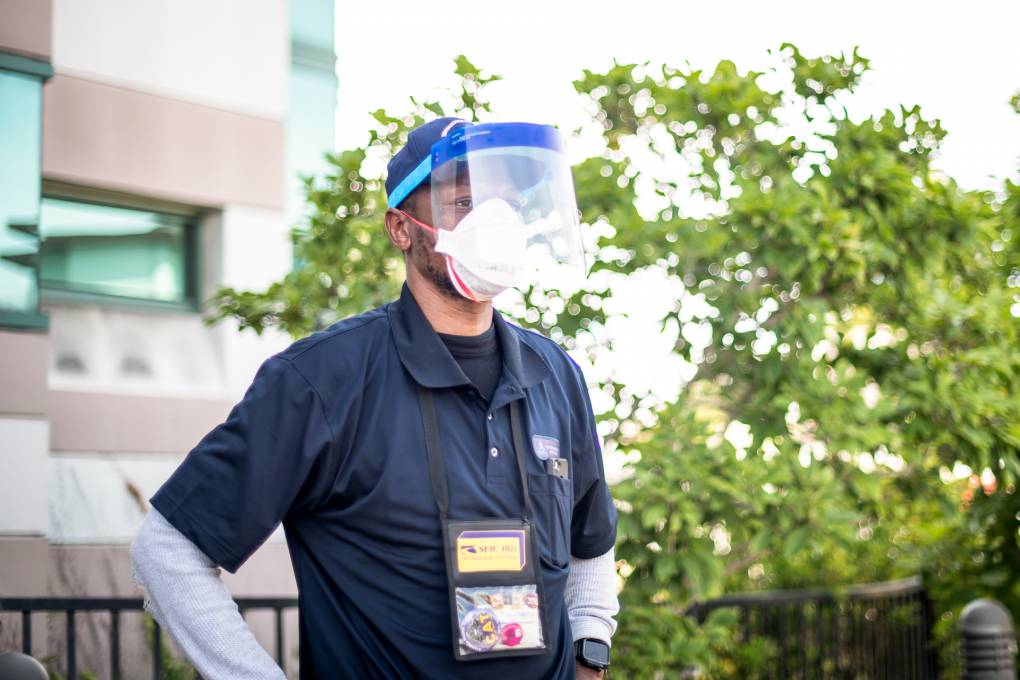
"caption": "Derrick Boutte has worked for 21 years in environmental services at Highland Hospital, where he's responsible for cleaning and sanitizing hospital rooms.",
"description": "Derrick Boutte has worked for 21 years in environmental services at Highland Hospital, where he's responsible for cleaning and sanitizing hospital rooms.",
"title": "Medical Worker Derrick Boutte",
"credit": "Beth LaBerge/KQED",
"status": "inherit",
"isLoading": false,
"fetchFailed": false
}
},
"audioPlayerReducer": {
"postId": "stream_live",
"isPaused": true,
"isPlaying": false,
"pfsActive": false,
"pledgeModalIsOpen": true,
"playerDrawerIsOpen": false,
"liveAudioPlayStartedAt": 0,
"liveAudioPlayContext": ""
},
"authorsReducer": {
"byline_news_11819858": {
"type": "authors",
"id": "byline_news_11819858",
"meta": {
"override": true
},
"slug": "byline_news_11819858",
"name": "Adam Beam \u003cbr> Associated Press",
"isLoading": false
},
"danbrekke": {
"type": "authors",
"id": "222",
"meta": {
"index": "authors_1716337520",
"id": "222",
"found": true
},
"name": "Dan Brekke",
"firstName": "Dan",
"lastName": "Brekke",
"slug": "danbrekke",
"email": "dbrekke@kqed.org",
"display_author_email": true,
"staff_mastheads": [
"news",
"science"
],
"title": "KQED Editor and Reporter",
"bio": "Dan Brekke is a reporter and editor for KQED News, responsible for coverage of topics ranging from California water issues to the Bay Area's transportation challenges. In a newsroom career that began in Chicago in 1972, Dan has worked for \u003cem>The San Francisco Examiner,\u003c/em> Wired and TechTV and has been published in The New York Times, The New York Times Magazine, Business 2.0, Salon and elsewhere.\r\n\r\nSince joining KQED in 2007, Dan has reported, edited and produced both radio and online features and breaking news pieces. He has shared as both editor and reporter in four Society of Professional Journalists Norcal Excellence in Journalism awards and one Edward R. Murrow regional award. He was chosen for a spring 2017 residency at the Mesa Refuge to advance his research on California salmon.\r\n\r\nEmail Dan at: \u003ca href=\"mailto:dbrekke@kqed.org\">dbrekke@kqed.org\u003c/a>\r\n\r\n\u003cstrong>Twitter:\u003c/strong> \u003ca href=\"https://twitter.com/danbrekke\" rel=\"noopener noreferrer\">twitter.com/danbrekke\u003c/a>\r\n\u003cstrong>Facebook:\u003c/strong> \u003ca href=\"https://www.facebook.com/danbrekke\" rel=\"noopener noreferrer\">www.facebook.com/danbrekke\u003c/a>\r\n\u003cstrong>LinkedIn:\u003c/strong> \u003ca href=\"https://www.linkedin.com/in/danbrekke\" rel=\"noopener noreferrer\">www.linkedin.com/in/danbrekke\u003c/a>",
"avatar": "https://secure.gravatar.com/avatar/8f1f0d2a978fb3b23426c922c7e2af558fa36905b49c4ce76a97dc3c72d27226?s=600&d=mm&r=g",
"twitter": "danbrekke",
"bluesky": null,
"facebook": null,
"instagram": "https://www.instagram.com/dan.brekke/",
"linkedin": "https://www.linkedin.com/in/danbrekke/",
"sites": [
{
"site": "news",
"roles": [
"administrator",
"create_posts"
]
},
{
"site": "stateofhealth",
"roles": [
"editor"
]
},
{
"site": "science",
"roles": [
"editor"
]
},
{
"site": "quest",
"roles": [
"contributor"
]
},
{
"site": "food",
"roles": [
"contributor"
]
},
{
"site": "forum",
"roles": [
"contributor"
]
},
{
"site": "elections",
"roles": [
"editor"
]
},
{
"site": "liveblog",
"roles": [
"editor"
]
}
],
"headData": {
"title": "Dan Brekke | KQED",
"description": "KQED Editor and Reporter",
"ogImgSrc": "https://secure.gravatar.com/avatar/8f1f0d2a978fb3b23426c922c7e2af558fa36905b49c4ce76a97dc3c72d27226?s=600&d=mm&r=g",
"twImgSrc": "https://secure.gravatar.com/avatar/8f1f0d2a978fb3b23426c922c7e2af558fa36905b49c4ce76a97dc3c72d27226?s=600&d=mm&r=g"
},
"isLoading": false,
"link": "/author/danbrekke"
},
"sasha-khokha": {
"type": "authors",
"id": "254",
"meta": {
"index": "authors_1716337520",
"id": "254",
"found": true
},
"name": "Sasha Khokha",
"firstName": "Sasha",
"lastName": "Khokha",
"slug": "sasha-khokha",
"email": "skhokha@kqed.org",
"display_author_email": true,
"staff_mastheads": [
"news"
],
"title": "Host, The California Report Magazine",
"bio": "Sasha Khokha is the host of \u003cem>The California Report's \u003c/em> weekly magazine program, which takes listeners on sound-rich excursions to meet the people that make the Golden State unique -- through audio documentaries and long-form stories. As \u003cem>The California Report's\u003c/em> Central Valley Bureau Chief based in Fresno for nearly a dozen years, Sasha brought the lives and concerns of rural Californians to listeners around the state. Her reporting helped expose the hidden price immigrant women janitors and farmworkers may pay to keep their jobs: sexual assault at work. It inspired two new California laws to protect them from sexual harassment. She was a key member of the reporting team for the Frontline film \u003cem>Rape on the Night Shift, \u003c/em>which was nominated for two national Emmys. Sasha has also won a national Edward R. Murrow and a national PRNDI award for investigative reporting, as well as multiple prizes from the Society for Professional Journalists. Sasha is a proud alum of the UC Berkeley Graduate School of Journalism and Brown University and a member of the South Asian Journalists Association.",
"avatar": "https://secure.gravatar.com/avatar/e4b5e1541aaeea2aa356aa1fb2a68950?s=600&d=blank&r=g",
"twitter": "KQEDSashaKhokha",
"facebook": null,
"instagram": null,
"linkedin": null,
"sites": [
{
"site": "news",
"roles": [
"editor"
]
},
{
"site": "stateofhealth",
"roles": [
"author"
]
},
{
"site": "science",
"roles": [
"author"
]
},
{
"site": "quest",
"roles": [
"subscriber"
]
}
],
"headData": {
"title": "Sasha Khokha | KQED",
"description": "Host, The California Report Magazine",
"ogImgSrc": "https://secure.gravatar.com/avatar/e4b5e1541aaeea2aa356aa1fb2a68950?s=600&d=blank&r=g",
"twImgSrc": "https://secure.gravatar.com/avatar/e4b5e1541aaeea2aa356aa1fb2a68950?s=600&d=blank&r=g"
},
"isLoading": false,
"link": "/author/sasha-khokha"
},
"markfiore": {
"type": "authors",
"id": "3236",
"meta": {
"index": "authors_1716337520",
"id": "3236",
"found": true
},
"name": "Mark Fiore",
"firstName": "Mark",
"lastName": "Fiore",
"slug": "markfiore",
"email": "mark@markfiore.com",
"display_author_email": false,
"staff_mastheads": [
"news"
],
"title": "KQED News Cartoonist",
"bio": "\u003ca href=\"http://www.MarkFiore.com\">MarkFiore.com\u003c/a> | \u003ca href=\"https://twitter.com/markfiore\">Follow on Twitter\u003c/a> | \u003ca href=\"https://www.facebook.com/pages/Mark-Fiore-Animated-Political-Cartoons/94451707396?ref=bookmarks\">Facebook\u003c/a> | \u003ca href=\"mailto:mark@markfiore.com\">email\u003c/a>\r\n\r\nPulitzer Prize-winner, Mark Fiore, who the Wall Street Journal has called “the undisputed guru of the form,” creates animated political cartoons in San Francisco, where his work has been featured regularly on the San Francisco Chronicle’s web site, SFGate.com. His work has appeared on Newsweek.com, Slate.com, CBSNews.com, MotherJones.com, DailyKos.com and NPR’s web site. Fiore’s political animation has appeared on CNN, Frontline, Bill Moyers Journal, Salon.com and cable and broadcast outlets across the globe.\r\n\r\nBeginning his professional life by drawing traditional political cartoons for newspapers, Fiore’s work appeared in publications ranging from the Washington Post to the Los Angeles Times. In the late 1990s, he began to experiment with animating political cartoons and, after a short stint at the San Jose Mercury News as their staff cartoonist, Fiore devoted all his energies to animation.\r\nGrowing up in California, Fiore also spent a good portion of his life in the backwoods of Idaho. It was this combination that shaped him politically. Mark majored in political science at Colorado College, where, in a perfect send-off for a cartoonist, he received his diploma in 1991 as commencement speaker Dick Cheney smiled approvingly.\r\nMark Fiore was awarded the Pulitzer Prize for political cartooning in 2010, a Robert F. Kennedy Journalism Award in 2004 and has twice received an Online Journalism Award for commentary from the Online News Association (2002, 2008). Fiore has received two awards for his work in new media from the National Cartoonists Society (2001, 2002), and in 2006 received The James Madison Freedom of Information Award from The Society of Professional Journalists.",
"avatar": "https://secure.gravatar.com/avatar/fc4e2a612b15b67bad0c6f0e1db4ca9b?s=600&d=blank&r=g",
"twitter": "MarkFiore",
"facebook": null,
"instagram": "https://www.instagram.com/markfiore/?hl=en",
"linkedin": null,
"sites": [
{
"site": "arts",
"roles": [
"contributor"
]
},
{
"site": "news",
"roles": [
"editor"
]
},
{
"site": "futureofyou",
"roles": [
"editor"
]
},
{
"site": "science",
"roles": [
"editor"
]
}
],
"headData": {
"title": "Mark Fiore | KQED",
"description": "KQED News Cartoonist",
"ogImgSrc": "https://secure.gravatar.com/avatar/fc4e2a612b15b67bad0c6f0e1db4ca9b?s=600&d=blank&r=g",
"twImgSrc": "https://secure.gravatar.com/avatar/fc4e2a612b15b67bad0c6f0e1db4ca9b?s=600&d=blank&r=g"
},
"isLoading": false,
"link": "/author/markfiore"
},
"jsmall": {
"type": "authors",
"id": "6625",
"meta": {
"index": "authors_1716337520",
"id": "6625",
"found": true
},
"name": "Julie Small",
"firstName": "Julie",
"lastName": "Small",
"slug": "jsmall",
"email": "jsmall@kqed.org",
"display_author_email": true,
"staff_mastheads": [
"news"
],
"title": "KQED Contributor",
"bio": "Julie Small reports on criminal justice and immigration.\r\n\r\nShe was part of a team at KQED awarded a regional 2019 Edward R. Murrow award for continuing coverage of the Trump Administration's family separation policy.\r\n\r\nThe Society for Professional Journalists recognized Julie's 2018 \u003ca href=\"https://www.kqed.org/news/11636262/the-officer-tased-him-31-times-the-sheriff-called-his-death-an-accident\">reporting\u003c/a> on the San Joaquin County Sheriff's \u003ca href=\"https://www.kqed.org/news/11634689/autopsy-doctors-sheriff-overrode-death-findings-to-protect-law-enforcement\">interference\u003c/a> in death investigations with an Excellence in Journalism Award for Ongoing Coverage.\r\n\r\nJulie's\u003ca href=\"https://www.kqed.org/news/11039666/two-mentally-ill-inmates-died-one-month-in-santa-clara\"> reporting\u003c/a> with Lisa Pickoff-White on the treatment of mentally ill offenders in California jails earned a 2017 regional Edward R. Murrow Award for news reporting and an investigative reporting award from the SPJ of Northern California.\r\n\r\nBefore joining KQED, Julie covered government and politics in Sacramento for Southern California Public Radio (SCPR). Her 2010 \u003ca href=\"https://www.scpr.org/specials/prisonmedical/\">series\u003c/a> on lapses in California’s prison medical care also won a regional Edward R. Murrow Award for investigative reporting and a Golden Mic Award from the RTNDA of Southern California.\r\n\r\nJulie began her career in journalism in 2000 as the deputy foreign editor for public radio's \u003cem>Marketplace, \u003c/em>while earning her master's degree in journalism from USC’s Annenberg School of Communication.",
"avatar": "https://secure.gravatar.com/avatar/4baedf201468df97be97c2a9dd7585d0?s=600&d=blank&r=g",
"twitter": "@SmallRadio2",
"facebook": null,
"instagram": null,
"linkedin": null,
"sites": [
{
"site": "news",
"roles": [
"editor"
]
},
{
"site": "stateofhealth",
"roles": [
"author"
]
},
{
"site": "science",
"roles": [
"author"
]
}
],
"headData": {
"title": "Julie Small | KQED",
"description": "KQED Contributor",
"ogImgSrc": "https://secure.gravatar.com/avatar/4baedf201468df97be97c2a9dd7585d0?s=600&d=blank&r=g",
"twImgSrc": "https://secure.gravatar.com/avatar/4baedf201468df97be97c2a9dd7585d0?s=600&d=blank&r=g"
},
"isLoading": false,
"link": "/author/jsmall"
},
"dkatayama": {
"type": "authors",
"id": "7240",
"meta": {
"index": "authors_1716337520",
"id": "7240",
"found": true
},
"name": "Devin Katayama",
"firstName": "Devin",
"lastName": "Katayama",
"slug": "dkatayama",
"email": "dkatayama@kqed.org",
"display_author_email": true,
"staff_mastheads": [
"news"
],
"title": "Editor of Talent and Development",
"bio": "Devin Katayama is former Editor of Talent and Development for KQED. He supported our internship program and on-call staff by looking for equitable opportunities to improve the newsroom.\r\n\r\nHe previously hosted The Bay and American Suburb podcasts from KQED News. Prior to returning to the Bay Area in 2015, Devin was the education reporter for WFPL in Louisville and worked as a producer with radio stations in Chicago and Portland, OR. His work has appeared on NPR’s \u003cem>Morning Edition, All Things Considered, The Takeaway\u003c/em> and \u003cem>Here and Now.\u003c/em>\r\n\r\nDevin earned his MA in Journalism from Columbia College Chicago, where he was a Follett Fellow and the recipient of the 2011 Studs Terkel Community Media Workshop Scholarship for his story on Chicago's homeless youth. He won WBUR's 2014 Daniel Schorr award and a regional RTNDA Edward R. Murrow Award for his documentary \"At Risk\" that looked at issues facing some of Louisville's students. Devin has also received numerous local awards from the Associated Press and the Society of Professional Journalists.",
"avatar": "https://secure.gravatar.com/avatar/d0d2978a31002fb2de107921a8e18405?s=600&d=blank&r=g",
"twitter": "RadioDevin",
"facebook": null,
"instagram": null,
"linkedin": null,
"sites": [
{
"site": "arts",
"roles": []
},
{
"site": "news",
"roles": [
"author"
]
},
{
"site": "stateofhealth",
"roles": [
"author"
]
},
{
"site": "forum",
"roles": [
"editor"
]
},
{
"site": "perspectives",
"roles": [
"editor"
]
}
],
"headData": {
"title": "Devin Katayama | KQED",
"description": "Editor of Talent and Development",
"ogImgSrc": "https://secure.gravatar.com/avatar/d0d2978a31002fb2de107921a8e18405?s=600&d=blank&r=g",
"twImgSrc": "https://secure.gravatar.com/avatar/d0d2978a31002fb2de107921a8e18405?s=600&d=blank&r=g"
},
"isLoading": false,
"link": "/author/dkatayama"
},
"ecruzguevarra": {
"type": "authors",
"id": "8654",
"meta": {
"index": "authors_1716337520",
"id": "8654",
"found": true
},
"name": "Ericka Cruz Guevarra",
"firstName": "Ericka",
"lastName": "Cruz Guevarra",
"slug": "ecruzguevarra",
"email": "ecruzguevarra@kqed.org",
"display_author_email": true,
"staff_mastheads": [
"news"
],
"title": "Producer, The Bay Podcast",
"bio": "Ericka Cruz Guevarra is host of \u003ca href=\"https://www.kqed.org/podcasts/thebay\">\u003cem>The Bay\u003c/em>\u003c/a> podcast at KQED. Before host, she was the show’s producer. Her work in that capacity includes a three-part reported series on policing in Vallejo, which won a 2020 excellence in journalism award from the Society of Professional Journalists. Ericka has worked as a breaking news reporter at Oregon Public Broadcasting, helped produce the Code Switch podcast, and was KQED’s inaugural Raul Ramirez Diversity Fund intern. She’s also an alumna of NPR’s Next Generation Radio program. Send her an email if you have strong feelings about whether Fairfield and Suisun City are the Bay. Ericka is represented by SAG-AFTRA.",
"avatar": "https://secure.gravatar.com/avatar/accefc1de4bafc7e234b69bcb9b6f6536c130fd84709bc3069ef11a78787e1bb?s=600&d=blank&r=g",
"twitter": "NotoriousECG",
"bluesky": null,
"facebook": null,
"instagram": null,
"linkedin": null,
"sites": [
{
"site": "arts",
"roles": [
"subscriber"
]
},
{
"site": "news",
"roles": [
"editor",
"manage_categories"
]
},
{
"site": "futureofyou",
"roles": [
"subscriber"
]
},
{
"site": "stateofhealth",
"roles": [
"subscriber"
]
},
{
"site": "science",
"roles": [
"editor"
]
},
{
"site": "forum",
"roles": [
"subscriber"
]
}
],
"headData": {
"title": "Ericka Cruz Guevarra | KQED",
"description": "Producer, The Bay Podcast",
"ogImgSrc": "https://secure.gravatar.com/avatar/accefc1de4bafc7e234b69bcb9b6f6536c130fd84709bc3069ef11a78787e1bb?s=600&d=blank&r=g",
"twImgSrc": "https://secure.gravatar.com/avatar/accefc1de4bafc7e234b69bcb9b6f6536c130fd84709bc3069ef11a78787e1bb?s=600&d=blank&r=g"
},
"isLoading": false,
"link": "/author/ecruzguevarra"
},
"agarces": {
"type": "authors",
"id": "11367",
"meta": {
"index": "authors_1716337520",
"id": "11367",
"found": true
},
"name": "Audrey Garces",
"firstName": "Audrey",
"lastName": "Garces",
"slug": "agarces",
"email": "agarces@kqed.org",
"display_author_email": false,
"staff_mastheads": [
"news"
],
"title": "Digital Producer",
"bio": "Audrey is a former digital producer at KQED News. Previously, she was a KQED Raul Ramirez Diversity Fund intern where she developed stories that focused on highlighting diverse voices in journalism. Prior to her work at KQED, she worked as a news intern at the San Francisco Examiner. Audrey graduated from San Francisco State University with a B.A. in journalism and a minor in political science.",
"avatar": "https://secure.gravatar.com/avatar/5211bc2e6a809b9956da169e35ce63d5?s=600&d=blank&r=g",
"twitter": "audgar",
"facebook": null,
"instagram": null,
"linkedin": null,
"sites": [
{
"site": "arts",
"roles": []
},
{
"site": "news",
"roles": [
"subscriber"
]
},
{
"site": "science",
"roles": [
"editor"
]
},
{
"site": "forum",
"roles": [
"editor"
]
},
{
"site": "perspectives",
"roles": [
"administrator"
]
}
],
"headData": {
"title": "Audrey Garces | KQED",
"description": "Digital Producer",
"ogImgSrc": "https://secure.gravatar.com/avatar/5211bc2e6a809b9956da169e35ce63d5?s=600&d=blank&r=g",
"twImgSrc": "https://secure.gravatar.com/avatar/5211bc2e6a809b9956da169e35ce63d5?s=600&d=blank&r=g"
},
"isLoading": false,
"link": "/author/agarces"
},
"mwiley": {
"type": "authors",
"id": "11526",
"meta": {
"index": "authors_1716337520",
"id": "11526",
"found": true
},
"name": "Michelle Wiley",
"firstName": "Michelle",
"lastName": "Wiley",
"slug": "mwiley",
"email": "mwiley@KQED.org",
"display_author_email": true,
"staff_mastheads": [],
"title": null,
"bio": "Michelle Wiley was the senior editor of weekends.",
"avatar": "https://secure.gravatar.com/avatar/3b897d82a09e8587e8e73fa69fbcc635?s=600&d=blank&r=g",
"twitter": "michelleewiley",
"facebook": null,
"instagram": null,
"linkedin": null,
"sites": [
{
"site": "",
"roles": [
"editor"
]
},
{
"site": "arts",
"roles": [
"editor"
]
},
{
"site": "news",
"roles": [
"subscriber"
]
},
{
"site": "lowdown",
"roles": [
"editor"
]
},
{
"site": "science",
"roles": [
"editor"
]
},
{
"site": "podcasts",
"roles": [
"editor"
]
}
],
"headData": {
"title": "Michelle Wiley | KQED",
"description": null,
"ogImgSrc": "https://secure.gravatar.com/avatar/3b897d82a09e8587e8e73fa69fbcc635?s=600&d=blank&r=g",
"twImgSrc": "https://secure.gravatar.com/avatar/3b897d82a09e8587e8e73fa69fbcc635?s=600&d=blank&r=g"
},
"isLoading": false,
"link": "/author/mwiley"
},
"amontecillo": {
"type": "authors",
"id": "11649",
"meta": {
"index": "authors_1716337520",
"id": "11649",
"found": true
},
"name": "Alan Montecillo",
"firstName": "Alan",
"lastName": "Montecillo",
"slug": "amontecillo",
"email": "amontecillo@kqed.org",
"display_author_email": false,
"staff_mastheads": [
"news"
],
"title": "KQED Contributor",
"bio": "Alan Montecillo is the senior editor of \u003cem>\u003ca href=\"http://kqed.org/thebay\">The Bay\u003c/a>, \u003c/em> KQED's local news podcast. Before moving to the Bay Area, he worked as a senior talk show producer for WILL in Champaign-Urbana, Illinois and at Oregon Public Broadcasting in Portland, Oregon. He has won journalism awards from the Society of Professional Journalists Northern California, the Public Media Journalists Association, The Signal Awards, and has also received a regional Edward R. Murrow award. Alan is a Filipino American from Hong Kong and a graduate of Reed College.",
"avatar": "https://secure.gravatar.com/avatar/268f53a2066899ea9efdd8a5900218b17c822d9862cbc9326cccec53ef41d349?s=600&d=blank&r=g",
"twitter": "alanmontecillo",
"bluesky": null,
"facebook": null,
"instagram": null,
"linkedin": null,
"sites": [
{
"site": "",
"roles": [
"editor"
]
},
{
"site": "news",
"roles": [
"editor",
"manage_categories"
]
}
],
"headData": {
"title": "Alan Montecillo | KQED",
"description": "KQED Contributor",
"ogImgSrc": "https://secure.gravatar.com/avatar/268f53a2066899ea9efdd8a5900218b17c822d9862cbc9326cccec53ef41d349?s=600&d=blank&r=g",
"twImgSrc": "https://secure.gravatar.com/avatar/268f53a2066899ea9efdd8a5900218b17c822d9862cbc9326cccec53ef41d349?s=600&d=blank&r=g"
},
"isLoading": false,
"link": "/author/amontecillo"
},
"nsparling": {
"type": "authors",
"id": "11655",
"meta": {
"index": "authors_1716337520",
"id": "11655",
"found": true
},
"name": "Nina Sparling",
"firstName": "Nina",
"lastName": "Sparling",
"slug": "nsparling",
"email": "nsparling@kqed.org",
"display_author_email": false,
"staff_mastheads": [],
"title": "KQED Contributor",
"bio": null,
"avatar": "https://secure.gravatar.com/avatar/4f605141f48bfba20520677de109f9bc?s=600&d=blank&r=g",
"twitter": null,
"facebook": null,
"instagram": null,
"linkedin": null,
"sites": [
{
"site": "",
"roles": [
"editor"
]
},
{
"site": "news",
"roles": [
"author"
]
},
{
"site": "forum",
"roles": [
"editor"
]
},
{
"site": "perspectives",
"roles": [
"editor"
]
}
],
"headData": {
"title": "Nina Sparling | KQED",
"description": "KQED Contributor",
"ogImgSrc": "https://secure.gravatar.com/avatar/4f605141f48bfba20520677de109f9bc?s=600&d=blank&r=g",
"twImgSrc": "https://secure.gravatar.com/avatar/4f605141f48bfba20520677de109f9bc?s=600&d=blank&r=g"
},
"isLoading": false,
"link": "/author/nsparling"
},
"amarkowitz": {
"type": "authors",
"id": "11660",
"meta": {
"index": "authors_1716337520",
"id": "11660",
"found": true
},
"name": "Ariella Markowitz",
"firstName": "Ariella",
"lastName": "Markowitz",
"slug": "amarkowitz",
"email": "amarkowitz@kqed.org",
"display_author_email": false,
"staff_mastheads": [],
"title": "KQED Contributor",
"bio": "Ariella is a former intern for the California Report Magazine. Before that, she helped mobilize freelance journalists with Association of Independents in Radio (AIR) and made radio features for KALW. Ariella loves investigative reporting, personal stories that interrogate power, and spicy vegan cooking.",
"avatar": "https://secure.gravatar.com/avatar/7076c77064fecef602a2c779f2b9e1d33cb6f9b5fa13542bd1a6e2846a7c85a9?s=600&d=blank&r=g",
"twitter": "ariellaudio",
"bluesky": null,
"facebook": null,
"instagram": null,
"linkedin": null,
"sites": [
{
"site": "news",
"roles": [
"author"
]
},
{
"site": "forum",
"roles": [
"editor"
]
},
{
"site": "perspectives",
"roles": [
"administrator"
]
}
],
"headData": {
"title": "Ariella Markowitz | KQED",
"description": "KQED Contributor",
"ogImgSrc": "https://secure.gravatar.com/avatar/7076c77064fecef602a2c779f2b9e1d33cb6f9b5fa13542bd1a6e2846a7c85a9?s=600&d=blank&r=g",
"twImgSrc": "https://secure.gravatar.com/avatar/7076c77064fecef602a2c779f2b9e1d33cb6f9b5fa13542bd1a6e2846a7c85a9?s=600&d=blank&r=g"
},
"isLoading": false,
"link": "/author/amarkowitz"
},
"blaberge": {
"type": "authors",
"id": "11667",
"meta": {
"index": "authors_1716337520",
"id": "11667",
"found": true
},
"name": "Beth LaBerge",
"firstName": "Beth",
"lastName": "LaBerge",
"slug": "blaberge",
"email": "blaberge@KQED.org",
"display_author_email": true,
"staff_mastheads": [
"news"
],
"title": "Photographer, News",
"bio": "Beth LaBerge is a visual journalist for \u003ca href=\"https://www.kqed.org/news\">KQED News\u003c/a>.",
"avatar": "https://secure.gravatar.com/avatar/ce49ecd7a1306685637b45a1f6f5dedfc4ae9481966eb596fea5160466dd6319?s=600&d=blank&r=g",
"twitter": null,
"bluesky": null,
"facebook": null,
"instagram": "https://www.instagram.com/bethlaberge/",
"linkedin": null,
"sites": [
{
"site": "arts",
"roles": [
"editor",
"manage_categories"
]
},
{
"site": "news",
"roles": [
"editor",
"edit_plugins",
"manage_categories"
]
},
{
"site": "science",
"roles": [
"editor",
"contributor",
"author",
"manage_categories"
]
},
{
"site": "perspectives",
"roles": [
"editor"
]
},
{
"site": "liveblog",
"roles": [
"editor"
]
}
],
"headData": {
"title": "Beth LaBerge | KQED",
"description": "Photographer, News",
"ogImgSrc": "https://secure.gravatar.com/avatar/ce49ecd7a1306685637b45a1f6f5dedfc4ae9481966eb596fea5160466dd6319?s=600&d=blank&r=g",
"twImgSrc": "https://secure.gravatar.com/avatar/ce49ecd7a1306685637b45a1f6f5dedfc4ae9481966eb596fea5160466dd6319?s=600&d=blank&r=g"
},
"isLoading": false,
"link": "/author/blaberge"
},
"abandlamudi": {
"type": "authors",
"id": "11672",
"meta": {
"index": "authors_1716337520",
"id": "11672",
"found": true
},
"name": "Adhiti Bandlamudi",
"firstName": "Adhiti",
"lastName": "Bandlamudi",
"slug": "abandlamudi",
"email": "abandlamudi@kqed.org",
"display_author_email": false,
"staff_mastheads": [
"news"
],
"title": "KQED Housing Reporter",
"bio": "Adhiti Bandlamudi reports for KQED's Housing desk. She focuses on how housing gets built across the Bay Area. Before joining KQED in 2020, she reported for WUNC in Durham, North Carolina, WABE in Atlanta, Georgia and Capital Public Radio in Sacramento. In 2017, she was awarded a Kroc Fellowship at NPR where she reported on everything from sprinkles to the Golden State Killer's arrest. When she's not reporting, she's baking new recipes in her kitchen or watching movies with friends and family. She's originally from Georgia and has strong opinions about Great British Bake Off.",
"avatar": "https://secure.gravatar.com/avatar/868129c8b257bb99a3500e2c86a65400?s=600&d=mm&r=g",
"twitter": "oddity_adhiti",
"facebook": null,
"instagram": null,
"linkedin": null,
"sites": [
{
"site": "arts",
"roles": [
"author"
]
},
{
"site": "news",
"roles": [
"editor"
]
},
{
"site": "liveblog",
"roles": [
"author"
]
}
],
"headData": {
"title": "Adhiti Bandlamudi | KQED",
"description": "KQED Housing Reporter",
"ogImgSrc": "https://secure.gravatar.com/avatar/868129c8b257bb99a3500e2c86a65400?s=600&d=mm&r=g",
"twImgSrc": "https://secure.gravatar.com/avatar/868129c8b257bb99a3500e2c86a65400?s=600&d=mm&r=g"
},
"isLoading": false,
"link": "/author/abandlamudi"
}
},
"pagesReducer": {
"news_tag_covid-19": {
"type": "terms",
"id": "news_27504",
"meta": {
"index": "terms_1716263798",
"site": "news",
"id": "27504",
"score": 8.558294
},
"featImg": null,
"name": "covid-19",
"description": null,
"taxonomy": "tag",
"headData": {
"twImgId": null,
"twTitle": null,
"ogTitle": null,
"ogImgId": null,
"twDescription": null,
"description": null,
"title": "covid-19 Archives | KQED News",
"ogDescription": null
},
"ttid": 27521,
"slug": "covid-19",
"isLoading": false,
"title": "covid-19",
"pageMeta": {
"site": "news",
"WpPageTemplate": "page-topic-editorial",
"currentPage": 62
},
"blocks": [
{
"blockName": "kqed/post-list",
"attrs": {
"layout": "cardArticle2",
"query": "posts/news?tag=covid-19",
"seeMore": false,
"paginated": true,
"page": 62
}
},
{
"blockName": "kqed/ad"
}
]
}
},
"pfsSessionReducer": {},
"postsReducer": {
"stream_live": {
"type": "live",
"id": "stream_live",
"audioUrl": "https://streams.kqed.org/kqedradio",
"title": "Live Stream",
"excerpt": "Live Stream information currently unavailable.",
"link": "/radio",
"featImg": "",
"label": {
"name": "KQED Live",
"link": "/"
}
},
"stream_kqedNewscast": {
"type": "posts",
"id": "stream_kqedNewscast",
"audioUrl": "https://www.kqed.org/.stream/anon/radio/RDnews/newscast.mp3?_=1",
"title": "KQED Newscast",
"featImg": "",
"label": {
"name": "88.5 FM",
"link": "/"
}
},
"news_11820340": {
"type": "posts",
"id": "news_11820340",
"meta": {
"index": "posts_1716263798",
"site": "news",
"id": "11820340",
"score": null,
"sort": [
1590238863000
]
},
"guestAuthors": [],
"slug": "is-sfs-covid-19-death-count-the-complete-picture",
"title": "Is SF's COVID-19 Death Count the Complete Picture?",
"publishDate": 1590238863,
"format": "audio",
"headTitle": "Is SF’s COVID-19 Death Count the Complete Picture? | KQED",
"labelTerm": {},
"content": "\u003cp>So far, San Francisco has had a relatively small number of deaths from COVID-19, compared to most other large Bay Area counties. But hundreds of deaths in San Francisco are still being investigated by the medical examiner’s office, raising questions about whether the true death count is as low as it seems.\u003c/p>\n\u003cp>As of Friday, 40 people had died from COVID-19 in San Francisco, according to the city’s public health department. But the cause of 243 other deaths, reported to the county morgue from December through April, remain unresolved. And the medical examiner’s office had exceeded a 90-day deadline for closing more than a quarter of those cases.\u003c/p>\n\u003cp>San Francisco Supervisor Aaron Peskin suspects those pending results could push the COVID-19 death rate closer to other Bay Area counties, including Alameda, Santa Clara and San Mateo.\u003c/p>\n\u003cp>“I’ve been asking the same questions that many people are wondering: how many un-processed cases at the medical examiner’s office that are pending investigation could be due to COVID-19?” said Peskin, who sits on the committee that oversees the medical examiner. “We have seen cities and countries around the world that have actually raised their official COVID-19 death counts as they’ve slowly gone back through unknown deaths.”\u003c/p>\n\u003cp>Backlogs at the medical examiner’s office have been a problem in the past.\u003c/p>\n\u003cp>[ad fullwidth]\u003c/p>\n\u003cp>In 2014 then-Chief Medical Examiner Amy Hart stepped down from the top position after families complained of having to wait six months for the final results of autopsies on their loved ones. Dr. Hart is now the acting chief, since her boss took a job in another county.\u003c/p>\n\u003cp>Bill Barnes with the San Francisco City Administrator’s Office, said the cases pending now should not be considered a backlog.\u003c/p>\n\u003cp>“To the extent that in the past, the medical examiner had a fairly extensive backlog in services, I don’t think this shows that,” Barnes said. “What it shows is that there are lots of cases that are actively being investigated.” Barnes said most of the pending cases are waiting on lab tests, which can take weeks to complete.\u003c/p>\n\u003cp>“You have a situation where the toxicologist has to review it, sign off on it, and then the forensic pathologist, a medical doctor has to review it,” Barnes explained. “People rely on the final cause of death to settle their family’s affairs and so it’s important that the final report be correct.”\u003c/p>\n\u003cp>Supervisor Peskin thinks that shouldn’t preclude the medical examiner from providing details about the pending cases. He said sharing information about the kinds of people who died, and the kinds of places they lived, could help San Francisco officials better respond to the pandemic.\u003c/p>\n\u003cp>“Were they people from congregate settings — be they nursing homes or S.R.O’s (Single-Room Occupancy Hotels) — from the streets of San Francisco or other places?” Peskin asked. “The public has a right to know.”\u003c/p>\n\u003cp>At the start of the pandemic, the medical examiner’s office had to send tissue samples to the overwhelmed Centers for Disease Control and Prevention in order to find out if a person who died had COVID-19. But in March, officials began testing post mortem samples at the county’s own lab, which allowed for quicker results.\u003c/p>\n\u003cp>The San Francisco Department of Public Health is compiling the complete list of COVID-19 deaths, including those reported by hospitals and funeral homes, as well as those cases that are handled by the medical examiner, whose job is to investigate violent, sudden and unexplained deaths.\u003c/p>\n\u003cp>The first San Francisco resident confirmed to have died from the virus — on March 27 — was identified by the medical examiner. But most coronavirus deaths have been reported by doctors.\u003c/p>\n\u003cp>As of Thursday, the medical examiner had submitted 40 specimens for COVID-19 testing and four had come back positive, according to a spokeswoman for the city’s Department of Public Health.\u003c/p>\n\u003cp>One of those four cases is not being counted as a COVID-19 death because the person died of another cause, according to Barnes. [aside tag=\"coronavirus, san francisco\" label=\"More Coronavirus Coverage\"]\u003c/p>\n\u003cp>For now the confirmed COVID-19 fatalities in San Francisco remain far below some other Bay Area counties. In Santa Clara County 138 people had succumbed to the virus as of Friday, while San Mateo County reported 76 fatalities, and Alameda County reported 86.\u003c/p>\n\u003cp>“I suspect that San Francisco’s COVID-19 death rate is higher than we know,” said Peskin, who pointed out that, in other countries, additional cases of coronavirus have been identified months later. “I suspect that there were a number of deaths as early as February and into March that were attributable to coronavirus that we have yet to discover.”\u003c/p>\n\u003cp>Public health officials say that if a person suspects their relative died from COVID-19, they should ask the attending physician to conduct a post mortem test for the virus and then report the result to their county’s public health department.\u003c/p>\n\u003cp>\u003cem>Lisa Pickoff-White contributed to this report. \u003c/em>\u003c/p>\n\u003cp>\u003c/p>\n\u003cp>Matt Kiefer, a John S. Knight Journalism Fellow at Stanford, contributed to this report as part of COVID Public Info, a non-profit news collaboration.\u003c/p>\n\n",
"blocks": [],
"excerpt": "There have been more than 200 deaths in SF since the pandemic began, and they are still being investigated by the medical examiner.",
"status": "publish",
"parent": 0,
"modified": 1721124996,
"stats": {
"hasAudio": false,
"hasVideo": false,
"hasChartOrMap": false,
"iframeSrcs": [],
"hasGoogleForm": false,
"hasGallery": false,
"hasHearkenModule": false,
"hasPolis": false,
"paragraphCount": 23,
"wordCount": 916
},
"headData": {
"title": "Is SF's COVID-19 Death Count the Complete Picture? | KQED",
"description": "There have been more than 200 deaths in SF since the pandemic began, and they are still being investigated by the medical examiner.",
"ogTitle": "",
"ogDescription": "",
"ogImgId": "",
"twTitle": "",
"twDescription": "",
"twImgId": "",
"schema": {
"@context": "https://schema.org",
"@type": "NewsArticle",
"headline": "Is SF's COVID-19 Death Count the Complete Picture?",
"datePublished": "2020-05-23T06:01:03-07:00",
"dateModified": "2024-07-16T03:16:36-07:00",
"image": "https://cdn.kqed.org/wp-content/uploads/2020/02/KQED-OG-Image@1x.png",
"isAccessibleForFree": "True",
"publisher": {
"@type": "NewsMediaOrganization",
"@id": "https://www.kqed.org/#organization",
"name": "KQED",
"logo": "https://cdn.kqed.org/wp-content/uploads/2020/02/KQED-OG-Image@1x.png",
"url": "https://www.kqed.org",
"sameAs": [
"https://www.facebook.com/KQED",
"https://twitter.com/KQED",
"https://www.instagram.com/kqed/",
"https://www.tiktok.com/@kqedofficial",
"https://www.linkedin.com/company/kqed",
"https://www.youtube.com/channel/UCeC0IOo7i1P_61zVUWbJ4nw"
]
}
}
},
"source": "Coronavirus",
"sourceUrl": "https://www.kqed.org/coronavirus",
"audioUrl": "https://www.kqed.org/.stream/anon/radio/RDnews/2020/05/SmallSFMedicalExaminer.mp3",
"sticky": false,
"path": "/news/11820340/is-sfs-covid-19-death-count-the-complete-picture",
"audioTrackLength": null,
"parsedContent": [
{
"type": "contentString",
"content": "\u003cdiv class=\"post-body\">\u003cp>\u003cp>So far, San Francisco has had a relatively small number of deaths from COVID-19, compared to most other large Bay Area counties. But hundreds of deaths in San Francisco are still being investigated by the medical examiner’s office, raising questions about whether the true death count is as low as it seems.\u003c/p>\n\u003cp>As of Friday, 40 people had died from COVID-19 in San Francisco, according to the city’s public health department. But the cause of 243 other deaths, reported to the county morgue from December through April, remain unresolved. And the medical examiner’s office had exceeded a 90-day deadline for closing more than a quarter of those cases.\u003c/p>\n\u003cp>San Francisco Supervisor Aaron Peskin suspects those pending results could push the COVID-19 death rate closer to other Bay Area counties, including Alameda, Santa Clara and San Mateo.\u003c/p>\n\u003cp>“I’ve been asking the same questions that many people are wondering: how many un-processed cases at the medical examiner’s office that are pending investigation could be due to COVID-19?” said Peskin, who sits on the committee that oversees the medical examiner. “We have seen cities and countries around the world that have actually raised their official COVID-19 death counts as they’ve slowly gone back through unknown deaths.”\u003c/p>\n\u003cp>Backlogs at the medical examiner’s office have been a problem in the past.\u003c/p>\n\u003cp>\u003c/p>\u003c/div>",
"attributes": {
"named": {},
"numeric": []
}
},
{
"type": "component",
"content": "",
"name": "ad",
"attributes": {
"named": {
"label": "fullwidth"
},
"numeric": [
"fullwidth"
]
}
},
{
"type": "contentString",
"content": "\u003cdiv class=\"post-body\">\u003cp>\u003c/p>\n\u003cp>In 2014 then-Chief Medical Examiner Amy Hart stepped down from the top position after families complained of having to wait six months for the final results of autopsies on their loved ones. Dr. Hart is now the acting chief, since her boss took a job in another county.\u003c/p>\n\u003cp>Bill Barnes with the San Francisco City Administrator’s Office, said the cases pending now should not be considered a backlog.\u003c/p>\n\u003cp>“To the extent that in the past, the medical examiner had a fairly extensive backlog in services, I don’t think this shows that,” Barnes said. “What it shows is that there are lots of cases that are actively being investigated.” Barnes said most of the pending cases are waiting on lab tests, which can take weeks to complete.\u003c/p>\n\u003cp>“You have a situation where the toxicologist has to review it, sign off on it, and then the forensic pathologist, a medical doctor has to review it,” Barnes explained. “People rely on the final cause of death to settle their family’s affairs and so it’s important that the final report be correct.”\u003c/p>\n\u003cp>Supervisor Peskin thinks that shouldn’t preclude the medical examiner from providing details about the pending cases. He said sharing information about the kinds of people who died, and the kinds of places they lived, could help San Francisco officials better respond to the pandemic.\u003c/p>\n\u003cp>“Were they people from congregate settings — be they nursing homes or S.R.O’s (Single-Room Occupancy Hotels) — from the streets of San Francisco or other places?” Peskin asked. “The public has a right to know.”\u003c/p>\n\u003cp>At the start of the pandemic, the medical examiner’s office had to send tissue samples to the overwhelmed Centers for Disease Control and Prevention in order to find out if a person who died had COVID-19. But in March, officials began testing post mortem samples at the county’s own lab, which allowed for quicker results.\u003c/p>\n\u003cp>The San Francisco Department of Public Health is compiling the complete list of COVID-19 deaths, including those reported by hospitals and funeral homes, as well as those cases that are handled by the medical examiner, whose job is to investigate violent, sudden and unexplained deaths.\u003c/p>\n\u003cp>The first San Francisco resident confirmed to have died from the virus — on March 27 — was identified by the medical examiner. But most coronavirus deaths have been reported by doctors.\u003c/p>\n\u003cp>As of Thursday, the medical examiner had submitted 40 specimens for COVID-19 testing and four had come back positive, according to a spokeswoman for the city’s Department of Public Health.\u003c/p>\n\u003cp>One of those four cases is not being counted as a COVID-19 death because the person died of another cause, according to Barnes. \u003c/p>\u003c/div>",
"attributes": {
"named": {},
"numeric": []
}
},
{
"type": "component",
"content": "",
"name": "aside",
"attributes": {
"named": {
"tag": "coronavirus, san francisco",
"label": "More Coronavirus Coverage "
},
"numeric": []
}
},
{
"type": "contentString",
"content": "\u003cdiv class=\"post-body\">\u003cp>\u003c/p>\n\u003cp>For now the confirmed COVID-19 fatalities in San Francisco remain far below some other Bay Area counties. In Santa Clara County 138 people had succumbed to the virus as of Friday, while San Mateo County reported 76 fatalities, and Alameda County reported 86.\u003c/p>\n\u003cp>“I suspect that San Francisco’s COVID-19 death rate is higher than we know,” said Peskin, who pointed out that, in other countries, additional cases of coronavirus have been identified months later. “I suspect that there were a number of deaths as early as February and into March that were attributable to coronavirus that we have yet to discover.”\u003c/p>\n\u003cp>Public health officials say that if a person suspects their relative died from COVID-19, they should ask the attending physician to conduct a post mortem test for the virus and then report the result to their county’s public health department.\u003c/p>\n\u003cp>\u003cem>Lisa Pickoff-White contributed to this report. \u003c/em>\u003c/p>\n\u003cp>\u003c/p>\n\u003cp>Matt Kiefer, a John S. Knight Journalism Fellow at Stanford, contributed to this report as part of COVID Public Info, a non-profit news collaboration.\u003c/p>\n\n\u003c/div>\u003c/p>",
"attributes": {
"named": {},
"numeric": []
}
}
],
"link": "/news/11820340/is-sfs-covid-19-death-count-the-complete-picture",
"authors": [
"6625"
],
"categories": [
"news_457",
"news_6188",
"news_8",
"news_13"
],
"tags": [
"news_27350",
"news_27504",
"news_28005",
"news_23360",
"news_38"
],
"featImg": "news_11820438",
"label": "source_news_11820340"
},
"news_11819539": {
"type": "posts",
"id": "news_11819539",
"meta": {
"index": "posts_1716263798",
"site": "news",
"id": "11819539",
"score": null,
"sort": [
1590238852000
]
},
"guestAuthors": [],
"slug": "it-just-burns-me-up-disability-activist-alice-wong-reminds-california-this-pandemic-is-far-from-over",
"title": "'It Just Burns Me Up': Disability Activist Alice Wong Reminds California This Pandemic Is Far From Over",
"publishDate": 1590238852,
"format": "audio",
"headTitle": "‘It Just Burns Me Up’: Disability Activist Alice Wong Reminds California This Pandemic Is Far From Over | KQED",
"labelTerm": {},
"content": "\u003cp>Alice Wong is an influential disability rights activist, media maker and podcaster who hosts the podcast \u003ca href=\"https://disabilityvisibilityproject.com/podcast/\">Disability/Visibility \u003c/a>from her home in San Francisco.\u003c/p>\n\u003cp>Here are some highlights from her recent conversation with California Report Magazine host Sasha Khokha.\u003c/p>\n\u003cp>\u003cem>Comments have been edited for brevity and clarity. \u003c/em>\u003c/p>\n\u003cp>\u003cstrong>What’s most troubling about the COVID-19 pandemic:\u003c/strong>\u003c/p>\n\u003cp>Seeing so many people go outside and really, absolutely not social distancing, not wearing masks. It just burns me up, the way people are so ready to be over the pandemic. I don’t think we’re anywhere close to it. They’re going to actually create more infections and subsequently more deaths.\u003c/p>\n\u003cp>[pullquote size=\"medium\" align=\"right\" citation=\"Alice Wong, disability rights activist\"]“We’ve learned how to make do with living in a world that’s rather hostile and never designed for us in the first place. There’s a lot of lessons and insight that disabled folks have to share.”[/pullquote]\u003c/p>\n\u003cp>They’re still advising high-risk people like myself to just stay at home. I feel like this sets up this very unfair dynamic where the burden of staying safe and healthy falls upon those who are the most marginalized and the most impacted. It’s going to create additional complications, consequences that all of us are going to suffer.\u003c/p>\n\u003cp>\u003cstrong>On her recent \u003ca href=\"https://www.vox.com/first-person/2020/4/4/21204261/coronavirus-covid-19-disabled-people-disabilities-triage\">Vox essay\u003c/a>, “I’m Disabled and I need a ventilator to live. Am I expendable during this pandemic?”\u003c/strong>\u003c/p>\n\u003cp>It doesn’t surprise me that state guidelines or health systems would say, “We have only this many ventilators or this many staff or resources. You know, we really need to think about who are the most likely to benefit.” Any sort of calculus about who’s the most worthy often takes into account issues about quality of life. I do know that people see me with my wheelchair, with my ventilator on, and they just can’t imagine living this way. Some people just straight up feel like this kind of life is a life not worth living. These kinds of attitudes end up really excluding and discriminating against folks like me.\u003c/p>\n\u003cp>[aside tag=\"disability\" label=\"related coverage\"]\u003c/p>\n\u003cp>\u003cstrong>How the pandemic has highlighted the importance of accessibility:\u003c/strong>\u003c/p>\n\u003cp>I think it’s bittersweet. It’s wonderful that people are suddenly realizing, “Oh, you know, we should make this concert live streaming!” That working from home should be more flexible, or learning from home. Realizing and seeing how access really does benefit everyone.\u003c/p>\n\u003cp>But I also feel some concern, and also some irritation, because disabled people have been advocating for this kind of thing for 30 years after the passage of the Americans With Disabilities Act. There’s still this idea that requesting accommodations and advocating for them is somehow asking for something extra, some unfair advantage. These kinds of adaptations should absolutely remain and become a part of the default in the ways we organize and the ways we connect as people.\u003c/p>\n\u003cp>\u003cstrong>The importance of caregivers:\u003c/strong>\u003c/p>\n\u003cp>For a lot of us, like myself, it’s basically impossible to social distance and isolate ourselves. I can’t get out of bed without help. If I’m infected or if my [caregiver] is infected, there’s really no way to protect myself from exposure.\u003c/p>\n\u003cp>[pullquote size=\"medium\" align=\"right\" citation=\"Alice Wong, disability rights activist\"]“It’s so troubling to see people so ready to get the economy jump-started and just relaxing everything, while so many people are dying behind closed doors. I don’t understand why there isn’t more outrage over these deaths.”[/pullquote]\u003c/p>\n\u003cp>I want the people who help me to have all the protections, equipment and everything they need. This is a workforce that’s under the category of “essential workers,” but they truly aren’t valued in our society in terms of caregiving. This is a very gendered profession where so many of the workers are women of color or immigrants. I’d like to see an increase in wages and benefits for this workforce. Access to protective gear for anyone that does this kind of work, [including] family caregivers.\u003c/p>\n\u003cp>One thing that’s really distressing to me is the number of workers and people living at nursing homes and other long-term care facilities all over California and nationally that are dying and infected with COVID-19.\u003c/p>\n\u003cp>It’s so troubling to see people so ready to get the economy jump-started and just relaxing everything, while so many people are dying behind closed doors. I don’t understand why there isn’t more outrage over these deaths, because these systems, these institutions are broken. This a really important time to think about, to rethink, about why these systems exist and to really question them.\u003c/p>\n\u003cfigure id=\"attachment_11819587\" class=\"wp-caption alignnone\" style=\"max-width: 800px\">\u003cimg loading=\"lazy\" decoding=\"async\" class=\"size-medium wp-image-11819587\" src=\"https://ww2.kqed.org/app/uploads/sites/10/2020/05/RS43260_podcast-katt-qut-800x600.jpg\" alt=\"Disability rights activist Alice Wong podcasting at her desk at home.\" width=\"800\" height=\"600\" srcset=\"https://cdn.kqed.org/wp-content/uploads/sites/10/2020/05/RS43260_podcast-katt-qut-800x600.jpg 800w, https://cdn.kqed.org/wp-content/uploads/sites/10/2020/05/RS43260_podcast-katt-qut-160x120.jpg 160w, https://cdn.kqed.org/wp-content/uploads/sites/10/2020/05/RS43260_podcast-katt-qut-1020x765.jpg 1020w, https://cdn.kqed.org/wp-content/uploads/sites/10/2020/05/RS43260_podcast-katt-qut.jpg 1920w, https://cdn.kqed.org/wp-content/uploads/sites/10/2020/05/RS43260_podcast-katt-qut-1832x1374.jpg 1832w, https://cdn.kqed.org/wp-content/uploads/sites/10/2020/05/RS43260_podcast-katt-qut-1376x1032.jpg 1376w, https://cdn.kqed.org/wp-content/uploads/sites/10/2020/05/RS43260_podcast-katt-qut-1044x783.jpg 1044w, https://cdn.kqed.org/wp-content/uploads/sites/10/2020/05/RS43260_podcast-katt-qut-632x474.jpg 632w, https://cdn.kqed.org/wp-content/uploads/sites/10/2020/05/RS43260_podcast-katt-qut-536x402.jpg 536w\" sizes=\"(max-width: 800px) 100vw, 800px\">\u003cfigcaption class=\"wp-caption-text\">Disability rights activist Alice Wong podcasting at her desk at home. \u003ccite>(Eddie Hernandez Photography)\u003c/cite>\u003c/figcaption>\u003c/figure>\n\u003cp>\u003cstrong>What she’s hearing from her podcast listeners:\u003c/strong>\u003c/p>\n\u003cp>We really need more stories and perspectives by the people who are most impacted by this pandemic. I’m talking about multiply-marginalized people, like black, disabled, chronically ill folks. Because we can’t separate the racism and the ableism and classism from this experience. This wasn’t the first crisis that disabled folks faced. This is just one of a long kind of arc. We’ve learned how to make do with living in a world that’s rather hostile and never designed for us in the first place. There’s a lot of lessons and insight that disabled folks have to share.\u003c/p>\n\u003cp>[ad fullwidth]\u003c/p>\n\u003cp>\u003cstrong>What it would take to build an inclusive future:\u003c/strong>\u003c/p>\n\u003cp>I think the future could look so different. I think so much of what’s happened during the pandemic and the flaws in the structures and systems we have are basically a failure of imagination. What if we designed ways that people could be integrated into society with the supports and services in place so they have as much autonomy as possible? This kind of work is already happening. By communities of color, queer communities, disabled communities, in the way that we provide \u003ca href=\"https://www.kqed.org/news/11806414/coronavirus-how-these-disabled-activists-are-taking-matters-into-their-own-sanitized-hand\">mutual aid\u003c/a> and care for one another.\u003c/p>\n\u003cp>There’s such an opportunity to kind of take these lessons and scale it up so that we really can have people living the lives that they want. I feel like that’s absolutely possible. But it’s just it’s a matter of a culture shift and political will.\u003c/p>\n\u003cfigure id=\"attachment_11819597\" class=\"wp-caption aligncenter\" style=\"max-width: 389px\">\u003cimg loading=\"lazy\" decoding=\"async\" class=\"wp-image-11819597\" src=\"https://ww2.kqed.org/app/uploads/sites/10/2020/05/RS43259_Disability_Visibility6-qut.jpg\" alt=\"Alice Wong's book, Disability/Visibility: First Person Stories for the 21st Century, comes out in June 2020.\" width=\"389\" height=\"600\" srcset=\"https://cdn.kqed.org/wp-content/uploads/sites/10/2020/05/RS43259_Disability_Visibility6-qut.jpg 778w, https://cdn.kqed.org/wp-content/uploads/sites/10/2020/05/RS43259_Disability_Visibility6-qut-160x247.jpg 160w\" sizes=\"(max-width: 389px) 100vw, 389px\">\u003cfigcaption class=\"wp-caption-text\">Alice Wong’s book, “Disability/Visibility: First Person Stories for the 21st Century,” comes out in June 2020. \u003ccite>(Courtesy of Alice Wong)\u003c/cite>\u003c/figcaption>\u003c/figure>\n\u003cp>Wong’s book “\u003ca href=\"https://disabilityvisibilityproject.com/book/\">Disability/Visibility: First Person Stories for the 21st Century\u003c/a>” comes out in June.\u003c/p>\n\u003cp>[ad floatright]\u003c/p>\n",
"blocks": [],
"excerpt": "Influential activist and podcaster Alice Wong talks about lessons learned from the coronavirus pandemic and her hopes for a more inclusive future.",
"status": "publish",
"parent": 0,
"modified": 1726006949,
"stats": {
"hasAudio": false,
"hasVideo": false,
"hasChartOrMap": false,
"iframeSrcs": [],
"hasGoogleForm": false,
"hasGallery": false,
"hasHearkenModule": false,
"hasPolis": false,
"paragraphCount": 27,
"wordCount": 1174
},
"headData": {
"title": "'It Just Burns Me Up': Disability Activist Alice Wong Reminds California This Pandemic Is Far From Over | KQED",
"description": "Influential activist and podcaster Alice Wong talks about lessons learned from the coronavirus pandemic and her hopes for a more inclusive future.",
"ogTitle": "",
"ogDescription": "",
"ogImgId": "",
"twTitle": "",
"twDescription": "",
"twImgId": "",
"schema": {
"@context": "https://schema.org",
"@type": "NewsArticle",
"headline": "'It Just Burns Me Up': Disability Activist Alice Wong Reminds California This Pandemic Is Far From Over",
"datePublished": "2020-05-23T06:00:52-07:00",
"dateModified": "2024-09-10T15:22:29-07:00",
"image": "https://cdn.kqed.org/wp-content/uploads/2020/02/KQED-OG-Image@1x.png",
"isAccessibleForFree": "True",
"publisher": {
"@type": "NewsMediaOrganization",
"@id": "https://www.kqed.org/#organization",
"name": "KQED",
"logo": "https://cdn.kqed.org/wp-content/uploads/2020/02/KQED-OG-Image@1x.png",
"url": "https://www.kqed.org",
"sameAs": [
"https://www.facebook.com/KQED",
"https://twitter.com/KQED",
"https://www.instagram.com/kqed/",
"https://www.tiktok.com/@kqedofficial",
"https://www.linkedin.com/company/kqed",
"https://www.youtube.com/channel/UCeC0IOo7i1P_61zVUWbJ4nw"
]
}
}
},
"source": "coronavirus",
"sourceUrl": "https://www.kqed.org/coronavirus",
"audioUrl": "https://traffic.omny.fm/d/clips/0af137ef-751e-4b19-a055-aaef00d2d578/ffca7e9f-6831-41c5-bcaf-aaef00f5a073/48ee046a-7628-403e-be71-abc4002c2b61/audio.mp3",
"sticky": false,
"path": "/news/11819539/it-just-burns-me-up-disability-activist-alice-wong-reminds-california-this-pandemic-is-far-from-over",
"audioTrackLength": null,
"parsedContent": [
{
"type": "contentString",
"content": "\u003cdiv class=\"post-body\">\u003cp>\u003cp>Alice Wong is an influential disability rights activist, media maker and podcaster who hosts the podcast \u003ca href=\"https://disabilityvisibilityproject.com/podcast/\">Disability/Visibility \u003c/a>from her home in San Francisco.\u003c/p>\n\u003cp>Here are some highlights from her recent conversation with California Report Magazine host Sasha Khokha.\u003c/p>\n\u003cp>\u003cem>Comments have been edited for brevity and clarity. \u003c/em>\u003c/p>\n\u003cp>\u003cstrong>What’s most troubling about the COVID-19 pandemic:\u003c/strong>\u003c/p>\n\u003cp>Seeing so many people go outside and really, absolutely not social distancing, not wearing masks. It just burns me up, the way people are so ready to be over the pandemic. I don’t think we’re anywhere close to it. They’re going to actually create more infections and subsequently more deaths.\u003c/p>\n\u003cp>\u003c/p>\u003c/div>",
"attributes": {
"named": {},
"numeric": []
}
},
{
"type": "component",
"content": "“We’ve learned how to make do with living in a world that’s rather hostile and never designed for us in the first place. There’s a lot of lessons and insight that disabled folks have to share.”",
"name": "pullquote",
"attributes": {
"named": {
"size": "medium",
"align": "right",
"citation": "Alice Wong, disability rights activist",
"label": ""
},
"numeric": []
}
},
{
"type": "contentString",
"content": "\u003cdiv class=\"post-body\">\u003cp>\u003c/p>\n\u003cp>They’re still advising high-risk people like myself to just stay at home. I feel like this sets up this very unfair dynamic where the burden of staying safe and healthy falls upon those who are the most marginalized and the most impacted. It’s going to create additional complications, consequences that all of us are going to suffer.\u003c/p>\n\u003cp>\u003cstrong>On her recent \u003ca href=\"https://www.vox.com/first-person/2020/4/4/21204261/coronavirus-covid-19-disabled-people-disabilities-triage\">Vox essay\u003c/a>, “I’m Disabled and I need a ventilator to live. Am I expendable during this pandemic?”\u003c/strong>\u003c/p>\n\u003cp>It doesn’t surprise me that state guidelines or health systems would say, “We have only this many ventilators or this many staff or resources. You know, we really need to think about who are the most likely to benefit.” Any sort of calculus about who’s the most worthy often takes into account issues about quality of life. I do know that people see me with my wheelchair, with my ventilator on, and they just can’t imagine living this way. Some people just straight up feel like this kind of life is a life not worth living. These kinds of attitudes end up really excluding and discriminating against folks like me.\u003c/p>\n\u003cp>\u003c/p>\u003c/div>",
"attributes": {
"named": {},
"numeric": []
}
},
{
"type": "component",
"content": "",
"name": "aside",
"attributes": {
"named": {
"tag": "disability",
"label": "related coverage "
},
"numeric": []
}
},
{
"type": "contentString",
"content": "\u003cdiv class=\"post-body\">\u003cp>\u003c/p>\n\u003cp>\u003cstrong>How the pandemic has highlighted the importance of accessibility:\u003c/strong>\u003c/p>\n\u003cp>I think it’s bittersweet. It’s wonderful that people are suddenly realizing, “Oh, you know, we should make this concert live streaming!” That working from home should be more flexible, or learning from home. Realizing and seeing how access really does benefit everyone.\u003c/p>\n\u003cp>But I also feel some concern, and also some irritation, because disabled people have been advocating for this kind of thing for 30 years after the passage of the Americans With Disabilities Act. There’s still this idea that requesting accommodations and advocating for them is somehow asking for something extra, some unfair advantage. These kinds of adaptations should absolutely remain and become a part of the default in the ways we organize and the ways we connect as people.\u003c/p>\n\u003cp>\u003cstrong>The importance of caregivers:\u003c/strong>\u003c/p>\n\u003cp>For a lot of us, like myself, it’s basically impossible to social distance and isolate ourselves. I can’t get out of bed without help. If I’m infected or if my [caregiver] is infected, there’s really no way to protect myself from exposure.\u003c/p>\n\u003cp>\u003c/p>\u003c/div>",
"attributes": {
"named": {},
"numeric": []
}
},
{
"type": "component",
"content": "“It’s so troubling to see people so ready to get the economy jump-started and just relaxing everything, while so many people are dying behind closed doors. I don’t understand why there isn’t more outrage over these deaths.”",
"name": "pullquote",
"attributes": {
"named": {
"size": "medium",
"align": "right",
"citation": "Alice Wong, disability rights activist",
"label": ""
},
"numeric": []
}
},
{
"type": "contentString",
"content": "\u003cdiv class=\"post-body\">\u003cp>\u003c/p>\n\u003cp>I want the people who help me to have all the protections, equipment and everything they need. This is a workforce that’s under the category of “essential workers,” but they truly aren’t valued in our society in terms of caregiving. This is a very gendered profession where so many of the workers are women of color or immigrants. I’d like to see an increase in wages and benefits for this workforce. Access to protective gear for anyone that does this kind of work, [including] family caregivers.\u003c/p>\n\u003cp>One thing that’s really distressing to me is the number of workers and people living at nursing homes and other long-term care facilities all over California and nationally that are dying and infected with COVID-19.\u003c/p>\n\u003cp>It’s so troubling to see people so ready to get the economy jump-started and just relaxing everything, while so many people are dying behind closed doors. I don’t understand why there isn’t more outrage over these deaths, because these systems, these institutions are broken. This a really important time to think about, to rethink, about why these systems exist and to really question them.\u003c/p>\n\u003cfigure id=\"attachment_11819587\" class=\"wp-caption alignnone\" style=\"max-width: 800px\">\u003cimg loading=\"lazy\" decoding=\"async\" class=\"size-medium wp-image-11819587\" src=\"https://ww2.kqed.org/app/uploads/sites/10/2020/05/RS43260_podcast-katt-qut-800x600.jpg\" alt=\"Disability rights activist Alice Wong podcasting at her desk at home.\" width=\"800\" height=\"600\" srcset=\"https://cdn.kqed.org/wp-content/uploads/sites/10/2020/05/RS43260_podcast-katt-qut-800x600.jpg 800w, https://cdn.kqed.org/wp-content/uploads/sites/10/2020/05/RS43260_podcast-katt-qut-160x120.jpg 160w, https://cdn.kqed.org/wp-content/uploads/sites/10/2020/05/RS43260_podcast-katt-qut-1020x765.jpg 1020w, https://cdn.kqed.org/wp-content/uploads/sites/10/2020/05/RS43260_podcast-katt-qut.jpg 1920w, https://cdn.kqed.org/wp-content/uploads/sites/10/2020/05/RS43260_podcast-katt-qut-1832x1374.jpg 1832w, https://cdn.kqed.org/wp-content/uploads/sites/10/2020/05/RS43260_podcast-katt-qut-1376x1032.jpg 1376w, https://cdn.kqed.org/wp-content/uploads/sites/10/2020/05/RS43260_podcast-katt-qut-1044x783.jpg 1044w, https://cdn.kqed.org/wp-content/uploads/sites/10/2020/05/RS43260_podcast-katt-qut-632x474.jpg 632w, https://cdn.kqed.org/wp-content/uploads/sites/10/2020/05/RS43260_podcast-katt-qut-536x402.jpg 536w\" sizes=\"(max-width: 800px) 100vw, 800px\">\u003cfigcaption class=\"wp-caption-text\">Disability rights activist Alice Wong podcasting at her desk at home. \u003ccite>(Eddie Hernandez Photography)\u003c/cite>\u003c/figcaption>\u003c/figure>\n\u003cp>\u003cstrong>What she’s hearing from her podcast listeners:\u003c/strong>\u003c/p>\n\u003cp>We really need more stories and perspectives by the people who are most impacted by this pandemic. I’m talking about multiply-marginalized people, like black, disabled, chronically ill folks. Because we can’t separate the racism and the ableism and classism from this experience. This wasn’t the first crisis that disabled folks faced. This is just one of a long kind of arc. We’ve learned how to make do with living in a world that’s rather hostile and never designed for us in the first place. There’s a lot of lessons and insight that disabled folks have to share.\u003c/p>\n\u003cp>\u003c/p>\u003c/div>",
"attributes": {
"named": {},
"numeric": []
}
},
{
"type": "component",
"content": "",
"name": "ad",
"attributes": {
"named": {
"label": "fullwidth"
},
"numeric": [
"fullwidth"
]
}
},
{
"type": "contentString",
"content": "\u003cdiv class=\"post-body\">\u003cp>\u003c/p>\n\u003cp>\u003cstrong>What it would take to build an inclusive future:\u003c/strong>\u003c/p>\n\u003cp>I think the future could look so different. I think so much of what’s happened during the pandemic and the flaws in the structures and systems we have are basically a failure of imagination. What if we designed ways that people could be integrated into society with the supports and services in place so they have as much autonomy as possible? This kind of work is already happening. By communities of color, queer communities, disabled communities, in the way that we provide \u003ca href=\"https://www.kqed.org/news/11806414/coronavirus-how-these-disabled-activists-are-taking-matters-into-their-own-sanitized-hand\">mutual aid\u003c/a> and care for one another.\u003c/p>\n\u003cp>There’s such an opportunity to kind of take these lessons and scale it up so that we really can have people living the lives that they want. I feel like that’s absolutely possible. But it’s just it’s a matter of a culture shift and political will.\u003c/p>\n\u003cfigure id=\"attachment_11819597\" class=\"wp-caption aligncenter\" style=\"max-width: 389px\">\u003cimg loading=\"lazy\" decoding=\"async\" class=\"wp-image-11819597\" src=\"https://ww2.kqed.org/app/uploads/sites/10/2020/05/RS43259_Disability_Visibility6-qut.jpg\" alt=\"Alice Wong's book, Disability/Visibility: First Person Stories for the 21st Century, comes out in June 2020.\" width=\"389\" height=\"600\" srcset=\"https://cdn.kqed.org/wp-content/uploads/sites/10/2020/05/RS43259_Disability_Visibility6-qut.jpg 778w, https://cdn.kqed.org/wp-content/uploads/sites/10/2020/05/RS43259_Disability_Visibility6-qut-160x247.jpg 160w\" sizes=\"(max-width: 389px) 100vw, 389px\">\u003cfigcaption class=\"wp-caption-text\">Alice Wong’s book, “Disability/Visibility: First Person Stories for the 21st Century,” comes out in June 2020. \u003ccite>(Courtesy of Alice Wong)\u003c/cite>\u003c/figcaption>\u003c/figure>\n\u003cp>Wong’s book “\u003ca href=\"https://disabilityvisibilityproject.com/book/\">Disability/Visibility: First Person Stories for the 21st Century\u003c/a>” comes out in June.\u003c/p>\n\u003cp>\u003c/p>\u003c/div>",
"attributes": {
"named": {},
"numeric": []
}
},
{
"type": "component",
"content": "",
"name": "ad",
"attributes": {
"named": {
"label": "floatright"
},
"numeric": [
"floatright"
]
}
},
{
"type": "contentString",
"content": "\u003cdiv class=\"post-body\">\u003cp>\u003c/p>\n\u003c/div>\u003c/p>",
"attributes": {
"named": {},
"numeric": []
}
}
],
"link": "/news/11819539/it-just-burns-me-up-disability-activist-alice-wong-reminds-california-this-pandemic-is-far-from-over",
"authors": [
"11660",
"254"
],
"programs": [
"news_26731"
],
"categories": [
"news_457",
"news_8"
],
"tags": [
"news_28002",
"news_28001",
"news_26991",
"news_27350",
"news_27504",
"news_21845",
"news_29228",
"news_25262",
"news_27626",
"news_18543"
],
"featImg": "news_11819596",
"label": "source_news_11819539"
},
"news_11820384": {
"type": "posts",
"id": "news_11820384",
"meta": {
"index": "posts_1716263798",
"site": "news",
"id": "11820384",
"score": null,
"sort": [
1590238827000
]
},
"parent": 0,
"labelTerm": {
"site": "news",
"term": 18515
},
"blocks": [],
"publishDate": 1590238827,
"format": "standard",
"disqusTitle": "Happy (Shelter-in-Place) Memorial Day Weekend",
"title": "Happy (Shelter-in-Place) Memorial Day Weekend",
"headTitle": "Mark Fiore: Drawn to the Bay | KQED News",
"content": "\u003cp>Even though it's Memorial Day weekend, \u003ca href=\"https://bit.ly/fiorememorialday\" target=\"_blank\" rel=\"noopener noreferrer\">health officials warn\u003c/a> that \"gatherings outside of your household are a big risk.\"\u003c/p>\n\u003cp>With restrictions lifting, it's easy to forget that we're still under shelter-in-place orders in the Bay Area.\u003c/p>\n\u003cp>Go ahead, though, barbecue in your backyard (but only with members of your household).\u003c/p>\n\u003cp>Go to the beach, \u003ca href=\"https://www.kqed.org/news/11819296/some-california-parks-open-again-heres-what-visitors-need-to-know-map\" target=\"_blank\" rel=\"noopener noreferrer\">provided you can walk there from home and it's open\u003c/a>.\u003c/p>\n\u003cp>No matter what you do this weekend, keep practicing social distancing so this Memorial Day is a long weekend and not day one of a new COVID-19 incubation period.\u003c/p>\n\u003cp>[ad fullwidth]\u003c/p>\u003cp>\u003c/p>\n",
"disqusIdentifier": "11820384 https://ww2.kqed.org/news/?p=11820384",
"disqusUrl": "https://ww2.kqed.org/news/2020/05/23/happy-shelter-in-place-memorial-day-weekend/",
"stats": {
"hasVideo": false,
"hasChartOrMap": false,
"hasAudio": false,
"hasPolis": false,
"wordCount": 102,
"hasGoogleForm": false,
"hasGallery": false,
"hasHearkenModule": false,
"iframeSrcs": [],
"paragraphCount": 7
},
"modified": 1590194683,
"excerpt": "Even though it's Memorial Day weekend, health officials warn that \"gatherings outside of your household are a big risk.\" ",
"headData": {
"twImgId": "",
"twTitle": "",
"ogTitle": "",
"ogImgId": "",
"twDescription": "",
"description": "Even though it's Memorial Day weekend, health officials warn that "gatherings outside of your household are a big risk." ",
"title": "Happy (Shelter-in-Place) Memorial Day Weekend | KQED",
"ogDescription": "",
"schema": {
"@context": "https://schema.org",
"@type": "NewsArticle",
"headline": "Happy (Shelter-in-Place) Memorial Day Weekend",
"datePublished": "2020-05-23T06:00:27-07:00",
"dateModified": "2020-05-22T17:44:43-07:00",
"image": "https://cdn.kqed.org/wp-content/uploads/2020/02/KQED-OG-Image@1x.png",
"isAccessibleForFree": "True",
"publisher": {
"@type": "NewsMediaOrganization",
"@id": "https://www.kqed.org/#organization",
"name": "KQED",
"logo": "https://cdn.kqed.org/wp-content/uploads/2020/02/KQED-OG-Image@1x.png",
"url": "https://www.kqed.org",
"sameAs": [
"https://www.facebook.com/KQED",
"https://twitter.com/KQED",
"https://www.instagram.com/kqed/",
"https://www.tiktok.com/@kqedofficial",
"https://www.linkedin.com/company/kqed",
"https://www.youtube.com/channel/UCeC0IOo7i1P_61zVUWbJ4nw"
]
}
}
},
"guestAuthors": [],
"slug": "happy-shelter-in-place-memorial-day-weekend",
"status": "publish",
"path": "/news/11820384/happy-shelter-in-place-memorial-day-weekend",
"audioTrackLength": null,
"parsedContent": [
{
"type": "contentString",
"content": "\u003cdiv class=\"post-body\">\u003cp>\u003cp>Even though it's Memorial Day weekend, \u003ca href=\"https://bit.ly/fiorememorialday\" target=\"_blank\" rel=\"noopener noreferrer\">health officials warn\u003c/a> that \"gatherings outside of your household are a big risk.\"\u003c/p>\n\u003cp>With restrictions lifting, it's easy to forget that we're still under shelter-in-place orders in the Bay Area.\u003c/p>\n\u003cp>Go ahead, though, barbecue in your backyard (but only with members of your household).\u003c/p>\n\u003cp>Go to the beach, \u003ca href=\"https://www.kqed.org/news/11819296/some-california-parks-open-again-heres-what-visitors-need-to-know-map\" target=\"_blank\" rel=\"noopener noreferrer\">provided you can walk there from home and it's open\u003c/a>.\u003c/p>\n\u003cp>No matter what you do this weekend, keep practicing social distancing so this Memorial Day is a long weekend and not day one of a new COVID-19 incubation period.\u003c/p>\n\u003cp>\u003c/p>\u003c/div>",
"attributes": {
"named": {},
"numeric": []
}
},
{
"type": "component",
"content": "",
"name": "ad",
"attributes": {
"named": {
"label": "fullwidth"
},
"numeric": [
"fullwidth"
]
}
},
{
"type": "contentString",
"content": "\u003cdiv class=\"post-body\">\u003cp>\u003c/p>\u003cp>\u003c/p>\n\u003c/div>\u003c/p>",
"attributes": {
"named": {},
"numeric": []
}
}
],
"link": "/news/11820384/happy-shelter-in-place-memorial-day-weekend",
"authors": [
"3236"
],
"series": [
"news_18515"
],
"categories": [
"news_457",
"news_8"
],
"tags": [
"news_27350",
"news_27504",
"news_20949",
"news_18146",
"news_27660",
"news_27638",
"news_27637"
],
"featImg": "news_11820392",
"label": "news_18515"
},
"news_11820316": {
"type": "posts",
"id": "news_11820316",
"meta": {
"index": "posts_1716263798",
"site": "news",
"id": "11820316",
"score": null,
"sort": [
1590198050000
]
},
"parent": 0,
"labelTerm": {},
"blocks": [],
"publishDate": 1590198050,
"format": "standard",
"disqusTitle": "California Sees Record Unemployment — But Bay Area is Spared Worst",
"title": "California Sees Record Unemployment — But Bay Area is Spared Worst",
"headTitle": "KQED News",
"content": "\u003cp>The unemployment rate rose to 16.1% in California in April, the highest rate in state history. But the Bay Area has some of the lowest unemployment rates in the state, according to data from the California Employment Development Department.\u003c/p>\n\u003cp>Marin County currently has the lowest unemployment rate of any county in the state at 11.1% with San Francisco, San Mateo, and Santa Clara close behind.\u003c/p>\n\u003cp>“We probably have more people in the Bay Area who can work from home so they were able to keep their jobs,” Sylvia Allegretto of the Institute for Research on Labor & Employment at the University of California, Berkeley said.\u003c/p>\n\u003cp>\u003c!-- iframe plugin v.4.3 wordpress.org/plugins/iframe/ -->\u003cbr>\n\u003ciframe title=\"Bay Area Unemployment\" aria-label=\"Map\" id=\"datawrapper-chart-8aidp\" src=\"https://datawrapper.dwcdn.net/8aidp/1/\" scrolling=\"no\" frameborder=\"0\" style=\"border: none;\" width=\"600\" height=\"400\" class=\"iframe-class\">\u003c/iframe>\u003c/p>\n\u003cp>Nevertheless, there are stark differences county-to-county, even within the Bay Area. Napa County currently has the highest unemployment rate in the Bay Area, at 15.9%, just below the state average. Solano and Sonoma Counties are close behind, with about 15% unemployment each.\u003c/p>\n\u003cp>[ad fullwidth]\u003c/p>\n\u003cp>The difference in unemployment rates have a lot to do with what kind of work people in a given county do. “That's definitely going to play a role,” Allegretto said. And it can make it hard to parse the numbers.\u003c/p>\n\u003cp>Take San Francisco: The county is home to a lot of tech workers, many of whom have been able to work from home without disruption. But a huge share of the labor force works in restaurants and bars, which have been among the hardest hit by the pandemic. The relatively low unemployment rate of 12.6% may be misleading.\u003c/p>\n\u003cp>Workers in the leisure and hospitality industry, which includes restaurants and bars, account for the single largest group of people to file for unemployment insurance. 866,200 people lost their jobs in April or about 44% of the workforce in that sector. 280,400 education and health service workers filed claims, too, but that’s just a small portion of the more than 2.5 million workers in that sector.\u003c/p>\n\u003cp>\u003c!-- iframe plugin v.4.3 wordpress.org/plugins/iframe/ -->\u003cbr>\n\u003ciframe title=\"Job Losses by Industry\" aria-label=\"Grouped Bars\" id=\"datawrapper-chart-t43eY\" src=\"https://datawrapper.dwcdn.net/t43eY/1/\" scrolling=\"no\" frameborder=\"0\" style=\"border: none;\" width=\"600\" height=\"625\" class=\"iframe-class\">\u003c/iframe>\u003c/p>\n\u003cp>[aside tag=\"unemployment, labor\" label=\"More Related Stories\"]Meanwhile, many in the tech industry transitioned to working from home relatively easily. Tech saw just 40,500 people file for unemployment insurance in April 2020. Last month’s numbers show us the immediate hit of the pandemic.\u003c/p>\n\u003cp>Compared to March 2019, the tech industry has lost 8,900 jobs, and the financial sector just 16,500. The leisure and hospitality industry, though, faces nearly a million jobs lost in the same timeframe, most in the past month. The construction industry looks similar: 132,100 people lost their jobs in April, the vast majority of the 133,1000 jobs lost in the past year.\u003c/p>\n\u003cp>\u003c/p>\n\u003cp>In many ways, the pandemic amplified well-known trends, Allegretto said. “You have big differences that existed before this happened.” And as counties start to open back up one by one, the numbers will only get more complicated.\u003c/p>\n\n",
"disqusIdentifier": "11820316 https://ww2.kqed.org/news/?p=11820316",
"disqusUrl": "https://ww2.kqed.org/news/2020/05/22/california-sees-record-unemployment-but-bay-area-is-spared-worst/",
"stats": {
"hasVideo": false,
"hasChartOrMap": false,
"hasAudio": false,
"hasPolis": false,
"wordCount": 482,
"hasGoogleForm": false,
"hasGallery": false,
"hasHearkenModule": false,
"iframeSrcs": [],
"paragraphCount": 14
},
"modified": 1590198050,
"excerpt": "The unemployment rate in California rose to 16.1% in April. But the Bay Area has some of the lowest unemployment rates in the state.",
"headData": {
"twImgId": "",
"twTitle": "",
"ogTitle": "",
"ogImgId": "",
"twDescription": "",
"description": "The unemployment rate in California rose to 16.1% in April. But the Bay Area has some of the lowest unemployment rates in the state.",
"title": "California Sees Record Unemployment — But Bay Area is Spared Worst | KQED",
"ogDescription": "",
"schema": {
"@context": "https://schema.org",
"@type": "NewsArticle",
"headline": "California Sees Record Unemployment — But Bay Area is Spared Worst",
"datePublished": "2020-05-22T18:40:50-07:00",
"dateModified": "2020-05-22T18:40:50-07:00",
"image": "https://cdn.kqed.org/wp-content/uploads/2020/02/KQED-OG-Image@1x.png",
"isAccessibleForFree": "True",
"publisher": {
"@type": "NewsMediaOrganization",
"@id": "https://www.kqed.org/#organization",
"name": "KQED",
"logo": "https://cdn.kqed.org/wp-content/uploads/2020/02/KQED-OG-Image@1x.png",
"url": "https://www.kqed.org",
"sameAs": [
"https://www.facebook.com/KQED",
"https://twitter.com/KQED",
"https://www.instagram.com/kqed/",
"https://www.tiktok.com/@kqedofficial",
"https://www.linkedin.com/company/kqed",
"https://www.youtube.com/channel/UCeC0IOo7i1P_61zVUWbJ4nw"
]
}
}
},
"guestAuthors": [],
"slug": "california-sees-record-unemployment-but-bay-area-is-spared-worst",
"status": "publish",
"sourceUrl": "https://www.kqed.org/coronavirus",
"source": "Coronavirus",
"path": "/news/11820316/california-sees-record-unemployment-but-bay-area-is-spared-worst",
"audioTrackLength": null,
"parsedContent": [
{
"type": "contentString",
"content": "\u003cdiv class=\"post-body\">\u003cp>\u003cp>The unemployment rate rose to 16.1% in California in April, the highest rate in state history. But the Bay Area has some of the lowest unemployment rates in the state, according to data from the California Employment Development Department.\u003c/p>\n\u003cp>Marin County currently has the lowest unemployment rate of any county in the state at 11.1% with San Francisco, San Mateo, and Santa Clara close behind.\u003c/p>\n\u003cp>“We probably have more people in the Bay Area who can work from home so they were able to keep their jobs,” Sylvia Allegretto of the Institute for Research on Labor & Employment at the University of California, Berkeley said.\u003c/p>\n\u003cp>\u003c!-- iframe plugin v.4.3 wordpress.org/plugins/iframe/ -->\u003cbr>\n\u003ciframe title=\"Bay Area Unemployment\" aria-label=\"Map\" id=\"datawrapper-chart-8aidp\" src=\"https://datawrapper.dwcdn.net/8aidp/1/\" scrolling=\"no\" frameborder=\"0\" style=\"border: none;\" width=\"600\" height=\"400\" class=\"iframe-class\">\u003c/iframe>\u003c/p>\n\u003cp>Nevertheless, there are stark differences county-to-county, even within the Bay Area. Napa County currently has the highest unemployment rate in the Bay Area, at 15.9%, just below the state average. Solano and Sonoma Counties are close behind, with about 15% unemployment each.\u003c/p>\n\u003cp>\u003c/p>\u003c/div>",
"attributes": {
"named": {},
"numeric": []
}
},
{
"type": "component",
"content": "",
"name": "ad",
"attributes": {
"named": {
"label": "fullwidth"
},
"numeric": [
"fullwidth"
]
}
},
{
"type": "contentString",
"content": "\u003cdiv class=\"post-body\">\u003cp>\u003c/p>\n\u003cp>The difference in unemployment rates have a lot to do with what kind of work people in a given county do. “That's definitely going to play a role,” Allegretto said. And it can make it hard to parse the numbers.\u003c/p>\n\u003cp>Take San Francisco: The county is home to a lot of tech workers, many of whom have been able to work from home without disruption. But a huge share of the labor force works in restaurants and bars, which have been among the hardest hit by the pandemic. The relatively low unemployment rate of 12.6% may be misleading.\u003c/p>\n\u003cp>Workers in the leisure and hospitality industry, which includes restaurants and bars, account for the single largest group of people to file for unemployment insurance. 866,200 people lost their jobs in April or about 44% of the workforce in that sector. 280,400 education and health service workers filed claims, too, but that’s just a small portion of the more than 2.5 million workers in that sector.\u003c/p>\n\u003cp>\u003c!-- iframe plugin v.4.3 wordpress.org/plugins/iframe/ -->\u003cbr>\n\u003ciframe title=\"Job Losses by Industry\" aria-label=\"Grouped Bars\" id=\"datawrapper-chart-t43eY\" src=\"https://datawrapper.dwcdn.net/t43eY/1/\" scrolling=\"no\" frameborder=\"0\" style=\"border: none;\" width=\"600\" height=\"625\" class=\"iframe-class\">\u003c/iframe>\u003c/p>\n\u003cp>\u003c/p>\u003c/div>",
"attributes": {
"named": {},
"numeric": []
}
},
{
"type": "component",
"content": "",
"name": "aside",
"attributes": {
"named": {
"tag": "unemployment, labor",
"label": "More Related Stories "
},
"numeric": []
}
},
{
"type": "contentString",
"content": "\u003cdiv class=\"post-body\">\u003cp>Meanwhile, many in the tech industry transitioned to working from home relatively easily. Tech saw just 40,500 people file for unemployment insurance in April 2020. Last month’s numbers show us the immediate hit of the pandemic.\u003c/p>\n\u003cp>Compared to March 2019, the tech industry has lost 8,900 jobs, and the financial sector just 16,500. The leisure and hospitality industry, though, faces nearly a million jobs lost in the same timeframe, most in the past month. The construction industry looks similar: 132,100 people lost their jobs in April, the vast majority of the 133,1000 jobs lost in the past year.\u003c/p>\n\u003cp>\u003c/p>\n\u003cp>In many ways, the pandemic amplified well-known trends, Allegretto said. “You have big differences that existed before this happened.” And as counties start to open back up one by one, the numbers will only get more complicated.\u003c/p>\n\n\u003c/div>\u003c/p>",
"attributes": {
"named": {},
"numeric": []
}
}
],
"link": "/news/11820316/california-sees-record-unemployment-but-bay-area-is-spared-worst",
"authors": [
"11655"
],
"categories": [
"news_1758",
"news_8"
],
"tags": [
"news_1386",
"news_27350",
"news_27504",
"news_21593",
"news_631"
],
"featImg": "news_11820427",
"label": "source_news_11820316"
},
"news_11820133": {
"type": "posts",
"id": "news_11820133",
"meta": {
"index": "posts_1716263798",
"site": "news",
"id": "11820133",
"score": null,
"sort": [
1590156082000
]
},
"parent": 0,
"labelTerm": {
"site": "news"
},
"blocks": [],
"publishDate": 1590156082,
"format": "image",
"disqusTitle": "As SF Loses The Stud, Lawmakers Push to Fight Nightlife Extinction",
"title": "As SF Loses The Stud, Lawmakers Push to Fight Nightlife Extinction",
"headTitle": "KQED News",
"content": "\u003cp>The Stud, San Francisco’s oldest operating gay bar, is \u003ca href=\"https://48hills.org/2020/05/the-stud-closes-its-location-in-order-to-save-itself-for-the-future/\" target=\"_blank\" rel=\"noopener noreferrer\">permanently closing\u003c/a> its current SoMa location after 33 years.\u003c/p>\n\u003cp>Anyone who's frequented The Stud's cozy location at Ninth and Harrison streets knows it’s not just a venue — it’s a resilient community space and a second home for many. During its 55-year existence in San Francisco – the bar was formerly located on Folsom Street – it has survived the AIDS epidemic, two tech booms and a tripled rent hike.\u003c/p>\n\u003cp>But with the coronavirus pandemic, the 17-member collective that owns the bar faced what co-owner Marke Bieschke called a \"\u003ca href=\"https://48hills.org/2020/05/the-stud-closes-its-location-in-order-to-save-itself-for-the-future/\">desperate situation\u003c/a>\" felt by many small bars in the city that aren't getting a suspension or any breaks on rent.\u003c/p>\n\u003cp>For now, the bar’s co-owners are determined to reopen at a new location as soon as possible. And state lawmakers are pushing for legislation to help other spaces like The Stud survive the economic devastation caused by the coronavirus pandemic by renegotiating their leases.\u003c/p>\n\u003ch3>Fighting a Mass Extinction of Nightlife\u003c/h3>\n\u003cp>Across California, commercial tenants like The Stud are facing the unprecedented challenge of continuing to pay rent even though their businesses have to operate at severely limited capacity or have been forced to shutter altogether. Even as the state moves toward easing restrictions, the reality is that it’ll be a long time before many businesses can reopen at full capacity.\u003c/p>\n\u003cp>[pullquote size=\"medium\" align=\"right\" citation=\"State Sen. Scott Wiener, D-San Francisco\"]'These are places where we find our community, where so many generations of LGBTQ people have gone to nightlife venues to find their community, to understand that they're not alone.'[/pullquote]\u003c/p>\n\u003cp>Enter California \u003ca href=\"https://leginfo.legislature.ca.gov/faces/billTextClient.xhtml?bill_id=201920200SB939\">Senate Bill 939\u003c/a>, proposed legislation introduced in February by state Sens. Scott Wiener, D-San Francisco, and Lena Gonzalez, D-Long Beach, who amended it last week with the aim of helping struggling businesses like The Stud by allowing commercial tenants to use their current income as a basis for negotiating reduced rent with their landlords. Under the bill, businesses like bars and restaurants could renegotiate their lease if they've lost over 40% of their revenue due to COVID-19 restrictions — and if they have to operate at reduced capacity because of social distancing requirements.\u003c/p>\n\u003cp>The negotiation process would be formalized into a 30-day period requiring at least two meetings between landlords and tenants. If the parties are unable to reach an agreement, tenants could then choose to terminate their lease without a penalty.\u003c/p>\n\u003cp>\"Although there are landlords doing the right thing, there are others who are not,\" Wiener said in a press briefing Thursday. \"And what this means is that these businesses will fold and the owners will potentially be driven into bankruptcy.\"\u003c/p>\n\u003cfigure id=\"attachment_11820145\" class=\"wp-caption aligncenter\" style=\"max-width: 1920px\">\u003cimg class=\"size-full wp-image-11820145\" src=\"https://ww2.kqed.org/app/uploads/sites/10/2020/05/1920_Stud_Cash-e1590125600476.jpg\" alt=\"Militia Towers takes to the Black Fridays stage at The Stud on Sept. 22, 2017.\" width=\"1920\" height=\"1080\">\u003cfigcaption class=\"wp-caption-text\">Militia Towers takes to the Black Fridays stage at The Stud on Sept. 22, 2017. \u003ccite>(Audrey Garces/KQED)\u003c/cite>\u003c/figcaption>\u003c/figure>\n\u003cp>Wiener hopes the bill, scheduled for a hearing before the Senate Judiciary Committee on Friday, will help curb mass closures of restaurants, cafes and bars in California.\u003c/p>\n\u003cp>He said the legislation is especially important for LGBTQ spaces like The Stud.\u003c/p>\n\u003cp>“These are community spaces,” Wiener said. “These are places where we find our community, where so many generations of LGBTQ people have gone to nightlife venues to find their community, to understand that they're not alone.”\u003c/p>\n\u003cp>The Stud was forced to close its doors under shelter-in-place orders beginning in mid-March, and wasn’t permitted to offer cocktails-to-go as the venue doesn't have a kitchen. The owners organized \u003ca href=\"https://www.kqed.org/arts/13878042/the-stud-reopens-virtually-with-a-weekly-drag-night\" target=\"_blank\" rel=\"noopener noreferrer\">virtual drag shows\u003c/a> that encouraged viewers to pay a cover charge, but the funds didn’t come close to covering the $444 daily rent.\u003c/p>\n\u003cp>[ad fullwidth]\u003c/p>\n\u003cp>Luckily for The Stud, the building’s landlords were “generous” and allowed them to terminate their lease early and vacate by May 31, according to the bar’s owners during a press briefing on Thursday. The co-op was merely breaking even before the pandemic, and this move saved them from accruing a massive amount of debt.\u003c/p>\n\u003cp>Not all commercial landlords are allowing tenants to break their leases early, and Wiener wants to change that.\u003c/p>\n\u003cp>“This pandemic will end. It will be over,” Wiener said. “But we need to make sure that going back to normal doesn't mean we permanently lose so much of what made us strong and vibrant as a community.”\u003c/p>\n\u003cfigure id=\"attachment_11820146\" class=\"wp-caption aligncenter\" style=\"max-width: 800px\">\u003cimg class=\"size-medium wp-image-11820146\" src=\"https://ww2.kqed.org/app/uploads/sites/10/2020/05/1920_Stud-800x450.jpg\" alt=\"\" width=\"800\" height=\"450\" srcset=\"https://ww2.kqed.org/app/uploads/sites/10/2020/05/1920_Stud-800x450.jpg 800w, https://ww2.kqed.org/app/uploads/sites/10/2020/05/1920_Stud-160x90.jpg 160w, https://ww2.kqed.org/app/uploads/sites/10/2020/05/1920_Stud-1020x574.jpg 1020w, https://ww2.kqed.org/app/uploads/sites/10/2020/05/1920_Stud-1920x1080.jpg 1920w\" sizes=\"(max-width: 800px) 100vw, 800px\">\u003cfigcaption class=\"wp-caption-text\">Bionka Simone enters the stage for Black Fridays on Sept. 22, 2017. \u003ccite>(Audrey Garces/KQED)\u003c/cite>\u003c/figcaption>\u003c/figure>\n\u003ch3>Ready for Another Impossible Feat\u003c/h3>\n\u003cp>It’s not the first time The Stud has faced the threat of permanent closure: In 2016, a group of community members \u003ca href=\"https://www.kqed.org/news/11041284/sfs-historic-stud-bar-appears-saved-from-closure-for-now\" target=\"_blank\" rel=\"noopener noreferrer\">banded together to form its current collective ownership\u003c/a> and saved The Stud after the landlords tripled the bar’s rent.\u003c/p>\n\u003cp>“It was really like an impossible, very unlikely and ridiculous idea that 17 independent, strong-minded individual leaders could come together and somehow buy a bar together and then open it and keep it,” said Stud co-owner and drag queen VivvyAnne ForeverMORE, in a press briefing Thursday.\u003c/p>\n\u003cp>Now, the co-op faces another “impossible” challenge. But the owners are determined to reopen, and are keeping their liquor license while they search for a new space.\u003c/p>\n\u003cp>[aside postID=arts_13880884 hero='https://ww2.kqed.org/app/uploads/sites/2/2020/05/The-Stud-1991-photo-by-Melissa-Hawkins.jpg']San Francisco Supervisor Matt Haney, whose district covers The Stud’s neighborhood, said he will work to find the bar a permanent home. His office is working closely with Honey Mahogany — co-owner of The Stud, community activist and alum of RuPaul's Drag Race — to draft a local proposal that supports San Francisco’s nightlife.\u003c/p>\n\u003cp>“We are going to have to be completely outside of the box to be able to support our small businesses and especially our nightlife and our entertainment, which is not just about the money that comes in the door,” Haney said. “This is our community.”\u003c/p>\n\u003cp>But securing a new location, especially during a pandemic, is difficult. Mahogany said moving to a new space will realistically cost somewhere between $700,000 to $1 million, so The Stud started a \u003ca href=\"https://www.gofundme.com/f/stud-in-exile\" target=\"_blank\" rel=\"noopener noreferrer\">GoFundMe\u003c/a> to fundraise for “start-up and buildout costs ... and to support the newly social-distanced reality of that in the interim.”\u003c/p>\n\u003cfigure id=\"attachment_11820147\" class=\"wp-caption aligncenter\" style=\"max-width: 1920px\">\u003cimg class=\"size-full wp-image-11820147\" src=\"https://ww2.kqed.org/app/uploads/sites/10/2020/05/RS20266_160719_The-Stud-Bar_bhs12-qut.jpg\" alt=\"Posters supporting The Stud were taped along the sides of the bar outside the entrance, from July 2016.\" width=\"1920\" height=\"1341\" srcset=\"https://ww2.kqed.org/app/uploads/sites/10/2020/05/RS20266_160719_The-Stud-Bar_bhs12-qut.jpg 1920w, https://ww2.kqed.org/app/uploads/sites/10/2020/05/RS20266_160719_The-Stud-Bar_bhs12-qut-160x112.jpg 160w, https://ww2.kqed.org/app/uploads/sites/10/2020/05/RS20266_160719_The-Stud-Bar_bhs12-qut-800x559.jpg 800w, https://ww2.kqed.org/app/uploads/sites/10/2020/05/RS20266_160719_The-Stud-Bar_bhs12-qut-1020x712.jpg 1020w\" sizes=\"(max-width: 1920px) 100vw, 1920px\">\u003cfigcaption class=\"wp-caption-text\">Posters supporting The Stud were taped along the sides of the bar outside the entrance, from July 2016. \u003ccite>(Brittany Hosea-Small/KQED)\u003c/cite>\u003c/figcaption>\u003c/figure>\n\u003ch3>A Goodbye in Style\u003c/h3>\n\u003cp>For community members wanting to help right now, ForeverMORE said the best thing to do is support the virtual events they’re holding — which include \u003ca href=\"https://www.studsf.com/drag-alive\" target=\"_blank\" rel=\"noopener noreferrer\">Drag Alive every Saturday at 7 p.m.\u003c/a>, Turbo Pageant on Wednesdays and Princess every other Thursday.\u003c/p>\n\u003cp>[pullquote size=\"medium\" align=\"right\" citation=\"— VivvyAnne ForeverMORE\"]'We're doing our best to create community online in the ways that we can figure out, so that we can be together even though we are not together.'[/pullquote]\u003c/p>\n\u003cp>“Just come and chat on the Twitch. Even if you hate it, come for five minutes. Tip the queen, throw the cover charge in there and that's a real way to support,” ForeverMORE said. “We're doing our best to create community online in the ways that we can figure out, so that we can be together even though we are not together.”\u003c/p>\n\u003cp>To mourn the loss of the current space and celebrate The Stud’s community, the bar’s owners are planning a livestream funeral on their Drag Alive show on May 31.\u003c/p>\n\u003cp>ForeverMORE encourages viewers to rummage through their likely ignored closets, find their best all-black ensemble and celebrate the legacy of San Francisco’s oldest gay bar.\u003c/p>\n\u003cp>“You know, we're drag queens, so we're gonna do it in style,” ForeverMORE said.\u003c/p>\n\u003cp>The owners released a callout to any community members who want to perform, and they already have a star-studded lineup of drag queens, including Jinkx Monsoon, Alaska Thunderfuck and San Francisco’s Juanita MORE!. To top it off, the \u003ca href=\"https://www.thesisters.org\" target=\"_blank\" rel=\"noopener noreferrer\">Sisters of Perpetual Indulgence\u003c/a> will perform a goodbye blessing.\u003c/p>\n\u003cp>But it likely won’t be a goodbye forever.\u003c/p>\n\u003cp>“We are making this sacrifice in closing down in order to continue and fight another day,” Mahogany told KQED. “I think this decision will make The Stud even stronger, and we'll come back with something cool that will continue its legacy.”\u003c/p>\n\u003cp>\u003cem>KQED's Holly McDede and Shannon Lin contributed to this report.\u003c/em>\u003c/p>\n\u003cp>[ad floatright]\u003c/p>\n",
"disqusIdentifier": "11820133 https://ww2.kqed.org/news/?p=11820133",
"disqusUrl": "https://ww2.kqed.org/news/2020/05/22/as-sf-loses-the-stud-lawmakers-push-to-fight-nightlife-extinction/",
"stats": {
"hasVideo": false,
"hasChartOrMap": false,
"hasAudio": false,
"hasPolis": false,
"wordCount": 1462,
"hasGoogleForm": false,
"hasGallery": false,
"hasHearkenModule": false,
"iframeSrcs": [],
"paragraphCount": 34
},
"modified": 1590198337,
"excerpt": "San Francisco's famed LGBTQ bar is closing its current location. A state Senate bill aims to help spaces like it survive the coronavirus' economic devastation.",
"headData": {
"twImgId": "",
"twTitle": "",
"ogTitle": "",
"ogImgId": "",
"twDescription": "",
"description": "San Francisco's famed LGBTQ bar is closing its current location. A new bill aims to help spaces like it survive the coronavirus' economic devastation.",
"title": "As SF Loses The Stud, Lawmakers Push to Fight Nightlife Extinction | KQED",
"ogDescription": "",
"schema": {
"@context": "https://schema.org",
"@type": "NewsArticle",
"headline": "As SF Loses The Stud, Lawmakers Push to Fight Nightlife Extinction",
"datePublished": "2020-05-22T07:01:22-07:00",
"dateModified": "2020-05-22T18:45:37-07:00",
"image": "https://cdn.kqed.org/wp-content/uploads/2020/02/KQED-OG-Image@1x.png",
"isAccessibleForFree": "True",
"publisher": {
"@type": "NewsMediaOrganization",
"@id": "https://www.kqed.org/#organization",
"name": "KQED",
"logo": "https://cdn.kqed.org/wp-content/uploads/2020/02/KQED-OG-Image@1x.png",
"url": "https://www.kqed.org",
"sameAs": [
"https://www.facebook.com/KQED",
"https://twitter.com/KQED",
"https://www.instagram.com/kqed/",
"https://www.tiktok.com/@kqedofficial",
"https://www.linkedin.com/company/kqed",
"https://www.youtube.com/channel/UCeC0IOo7i1P_61zVUWbJ4nw"
]
}
}
},
"guestAuthors": [],
"slug": "as-sf-loses-the-stud-lawmakers-push-to-fight-nightlife-extinction",
"status": "publish",
"path": "/news/11820133/as-sf-loses-the-stud-lawmakers-push-to-fight-nightlife-extinction",
"audioTrackLength": null,
"parsedContent": [
{
"type": "contentString",
"content": "\u003cdiv class=\"post-body\">\u003cp>\u003cp>The Stud, San Francisco’s oldest operating gay bar, is \u003ca href=\"https://48hills.org/2020/05/the-stud-closes-its-location-in-order-to-save-itself-for-the-future/\" target=\"_blank\" rel=\"noopener noreferrer\">permanently closing\u003c/a> its current SoMa location after 33 years.\u003c/p>\n\u003cp>Anyone who's frequented The Stud's cozy location at Ninth and Harrison streets knows it’s not just a venue — it’s a resilient community space and a second home for many. During its 55-year existence in San Francisco – the bar was formerly located on Folsom Street – it has survived the AIDS epidemic, two tech booms and a tripled rent hike.\u003c/p>\n\u003cp>But with the coronavirus pandemic, the 17-member collective that owns the bar faced what co-owner Marke Bieschke called a \"\u003ca href=\"https://48hills.org/2020/05/the-stud-closes-its-location-in-order-to-save-itself-for-the-future/\">desperate situation\u003c/a>\" felt by many small bars in the city that aren't getting a suspension or any breaks on rent.\u003c/p>\n\u003cp>For now, the bar’s co-owners are determined to reopen at a new location as soon as possible. And state lawmakers are pushing for legislation to help other spaces like The Stud survive the economic devastation caused by the coronavirus pandemic by renegotiating their leases.\u003c/p>\n\u003ch3>Fighting a Mass Extinction of Nightlife\u003c/h3>\n\u003cp>Across California, commercial tenants like The Stud are facing the unprecedented challenge of continuing to pay rent even though their businesses have to operate at severely limited capacity or have been forced to shutter altogether. Even as the state moves toward easing restrictions, the reality is that it’ll be a long time before many businesses can reopen at full capacity.\u003c/p>\n\u003cp>\u003c/p>\u003c/div>",
"attributes": {
"named": {},
"numeric": []
}
},
{
"type": "component",
"content": "'These are places where we find our community, where so many generations of LGBTQ people have gone to nightlife venues to find their community, to understand that they're not alone.'",
"name": "pullquote",
"attributes": {
"named": {
"size": "medium",
"align": "right",
"citation": "State Sen. Scott Wiener, D-San Francisco",
"label": ""
},
"numeric": []
}
},
{
"type": "contentString",
"content": "\u003cdiv class=\"post-body\">\u003cp>\u003c/p>\n\u003cp>Enter California \u003ca href=\"https://leginfo.legislature.ca.gov/faces/billTextClient.xhtml?bill_id=201920200SB939\">Senate Bill 939\u003c/a>, proposed legislation introduced in February by state Sens. Scott Wiener, D-San Francisco, and Lena Gonzalez, D-Long Beach, who amended it last week with the aim of helping struggling businesses like The Stud by allowing commercial tenants to use their current income as a basis for negotiating reduced rent with their landlords. Under the bill, businesses like bars and restaurants could renegotiate their lease if they've lost over 40% of their revenue due to COVID-19 restrictions — and if they have to operate at reduced capacity because of social distancing requirements.\u003c/p>\n\u003cp>The negotiation process would be formalized into a 30-day period requiring at least two meetings between landlords and tenants. If the parties are unable to reach an agreement, tenants could then choose to terminate their lease without a penalty.\u003c/p>\n\u003cp>\"Although there are landlords doing the right thing, there are others who are not,\" Wiener said in a press briefing Thursday. \"And what this means is that these businesses will fold and the owners will potentially be driven into bankruptcy.\"\u003c/p>\n\u003cfigure id=\"attachment_11820145\" class=\"wp-caption aligncenter\" style=\"max-width: 1920px\">\u003cimg class=\"size-full wp-image-11820145\" src=\"https://ww2.kqed.org/app/uploads/sites/10/2020/05/1920_Stud_Cash-e1590125600476.jpg\" alt=\"Militia Towers takes to the Black Fridays stage at The Stud on Sept. 22, 2017.\" width=\"1920\" height=\"1080\">\u003cfigcaption class=\"wp-caption-text\">Militia Towers takes to the Black Fridays stage at The Stud on Sept. 22, 2017. \u003ccite>(Audrey Garces/KQED)\u003c/cite>\u003c/figcaption>\u003c/figure>\n\u003cp>Wiener hopes the bill, scheduled for a hearing before the Senate Judiciary Committee on Friday, will help curb mass closures of restaurants, cafes and bars in California.\u003c/p>\n\u003cp>He said the legislation is especially important for LGBTQ spaces like The Stud.\u003c/p>\n\u003cp>“These are community spaces,” Wiener said. “These are places where we find our community, where so many generations of LGBTQ people have gone to nightlife venues to find their community, to understand that they're not alone.”\u003c/p>\n\u003cp>The Stud was forced to close its doors under shelter-in-place orders beginning in mid-March, and wasn’t permitted to offer cocktails-to-go as the venue doesn't have a kitchen. The owners organized \u003ca href=\"https://www.kqed.org/arts/13878042/the-stud-reopens-virtually-with-a-weekly-drag-night\" target=\"_blank\" rel=\"noopener noreferrer\">virtual drag shows\u003c/a> that encouraged viewers to pay a cover charge, but the funds didn’t come close to covering the $444 daily rent.\u003c/p>\n\u003cp>\u003c/p>\u003c/div>",
"attributes": {
"named": {},
"numeric": []
}
},
{
"type": "component",
"content": "",
"name": "ad",
"attributes": {
"named": {
"label": "fullwidth"
},
"numeric": [
"fullwidth"
]
}
},
{
"type": "contentString",
"content": "\u003cdiv class=\"post-body\">\u003cp>\u003c/p>\n\u003cp>Luckily for The Stud, the building’s landlords were “generous” and allowed them to terminate their lease early and vacate by May 31, according to the bar’s owners during a press briefing on Thursday. The co-op was merely breaking even before the pandemic, and this move saved them from accruing a massive amount of debt.\u003c/p>\n\u003cp>Not all commercial landlords are allowing tenants to break their leases early, and Wiener wants to change that.\u003c/p>\n\u003cp>“This pandemic will end. It will be over,” Wiener said. “But we need to make sure that going back to normal doesn't mean we permanently lose so much of what made us strong and vibrant as a community.”\u003c/p>\n\u003cfigure id=\"attachment_11820146\" class=\"wp-caption aligncenter\" style=\"max-width: 800px\">\u003cimg class=\"size-medium wp-image-11820146\" src=\"https://ww2.kqed.org/app/uploads/sites/10/2020/05/1920_Stud-800x450.jpg\" alt=\"\" width=\"800\" height=\"450\" srcset=\"https://ww2.kqed.org/app/uploads/sites/10/2020/05/1920_Stud-800x450.jpg 800w, https://ww2.kqed.org/app/uploads/sites/10/2020/05/1920_Stud-160x90.jpg 160w, https://ww2.kqed.org/app/uploads/sites/10/2020/05/1920_Stud-1020x574.jpg 1020w, https://ww2.kqed.org/app/uploads/sites/10/2020/05/1920_Stud-1920x1080.jpg 1920w\" sizes=\"(max-width: 800px) 100vw, 800px\">\u003cfigcaption class=\"wp-caption-text\">Bionka Simone enters the stage for Black Fridays on Sept. 22, 2017. \u003ccite>(Audrey Garces/KQED)\u003c/cite>\u003c/figcaption>\u003c/figure>\n\u003ch3>Ready for Another Impossible Feat\u003c/h3>\n\u003cp>It’s not the first time The Stud has faced the threat of permanent closure: In 2016, a group of community members \u003ca href=\"https://www.kqed.org/news/11041284/sfs-historic-stud-bar-appears-saved-from-closure-for-now\" target=\"_blank\" rel=\"noopener noreferrer\">banded together to form its current collective ownership\u003c/a> and saved The Stud after the landlords tripled the bar’s rent.\u003c/p>\n\u003cp>“It was really like an impossible, very unlikely and ridiculous idea that 17 independent, strong-minded individual leaders could come together and somehow buy a bar together and then open it and keep it,” said Stud co-owner and drag queen VivvyAnne ForeverMORE, in a press briefing Thursday.\u003c/p>\n\u003cp>Now, the co-op faces another “impossible” challenge. But the owners are determined to reopen, and are keeping their liquor license while they search for a new space.\u003c/p>\n\u003cp>\u003c/p>\u003c/div>",
"attributes": {
"named": {},
"numeric": []
}
},
{
"type": "component",
"content": "",
"name": "aside",
"attributes": {
"named": {
"postid": "arts_13880884",
"hero": "https://ww2.kqed.org/app/uploads/sites/2/2020/05/The-Stud-1991-photo-by-Melissa-Hawkins.jpg",
"label": ""
},
"numeric": []
}
},
{
"type": "contentString",
"content": "\u003cdiv class=\"post-body\">\u003cp>San Francisco Supervisor Matt Haney, whose district covers The Stud’s neighborhood, said he will work to find the bar a permanent home. His office is working closely with Honey Mahogany — co-owner of The Stud, community activist and alum of RuPaul's Drag Race — to draft a local proposal that supports San Francisco’s nightlife.\u003c/p>\n\u003cp>“We are going to have to be completely outside of the box to be able to support our small businesses and especially our nightlife and our entertainment, which is not just about the money that comes in the door,” Haney said. “This is our community.”\u003c/p>\n\u003cp>But securing a new location, especially during a pandemic, is difficult. Mahogany said moving to a new space will realistically cost somewhere between $700,000 to $1 million, so The Stud started a \u003ca href=\"https://www.gofundme.com/f/stud-in-exile\" target=\"_blank\" rel=\"noopener noreferrer\">GoFundMe\u003c/a> to fundraise for “start-up and buildout costs ... and to support the newly social-distanced reality of that in the interim.”\u003c/p>\n\u003cfigure id=\"attachment_11820147\" class=\"wp-caption aligncenter\" style=\"max-width: 1920px\">\u003cimg class=\"size-full wp-image-11820147\" src=\"https://ww2.kqed.org/app/uploads/sites/10/2020/05/RS20266_160719_The-Stud-Bar_bhs12-qut.jpg\" alt=\"Posters supporting The Stud were taped along the sides of the bar outside the entrance, from July 2016.\" width=\"1920\" height=\"1341\" srcset=\"https://ww2.kqed.org/app/uploads/sites/10/2020/05/RS20266_160719_The-Stud-Bar_bhs12-qut.jpg 1920w, https://ww2.kqed.org/app/uploads/sites/10/2020/05/RS20266_160719_The-Stud-Bar_bhs12-qut-160x112.jpg 160w, https://ww2.kqed.org/app/uploads/sites/10/2020/05/RS20266_160719_The-Stud-Bar_bhs12-qut-800x559.jpg 800w, https://ww2.kqed.org/app/uploads/sites/10/2020/05/RS20266_160719_The-Stud-Bar_bhs12-qut-1020x712.jpg 1020w\" sizes=\"(max-width: 1920px) 100vw, 1920px\">\u003cfigcaption class=\"wp-caption-text\">Posters supporting The Stud were taped along the sides of the bar outside the entrance, from July 2016. \u003ccite>(Brittany Hosea-Small/KQED)\u003c/cite>\u003c/figcaption>\u003c/figure>\n\u003ch3>A Goodbye in Style\u003c/h3>\n\u003cp>For community members wanting to help right now, ForeverMORE said the best thing to do is support the virtual events they’re holding — which include \u003ca href=\"https://www.studsf.com/drag-alive\" target=\"_blank\" rel=\"noopener noreferrer\">Drag Alive every Saturday at 7 p.m.\u003c/a>, Turbo Pageant on Wednesdays and Princess every other Thursday.\u003c/p>\n\u003cp>\u003c/p>\u003c/div>",
"attributes": {
"named": {},
"numeric": []
}
},
{
"type": "component",
"content": "'We're doing our best to create community online in the ways that we can figure out, so that we can be together even though we are not together.'",
"name": "pullquote",
"attributes": {
"named": {
"size": "medium",
"align": "right",
"citation": "— VivvyAnne ForeverMORE",
"label": ""
},
"numeric": []
}
},
{
"type": "contentString",
"content": "\u003cdiv class=\"post-body\">\u003cp>\u003c/p>\n\u003cp>“Just come and chat on the Twitch. Even if you hate it, come for five minutes. Tip the queen, throw the cover charge in there and that's a real way to support,” ForeverMORE said. “We're doing our best to create community online in the ways that we can figure out, so that we can be together even though we are not together.”\u003c/p>\n\u003cp>To mourn the loss of the current space and celebrate The Stud’s community, the bar’s owners are planning a livestream funeral on their Drag Alive show on May 31.\u003c/p>\n\u003cp>ForeverMORE encourages viewers to rummage through their likely ignored closets, find their best all-black ensemble and celebrate the legacy of San Francisco’s oldest gay bar.\u003c/p>\n\u003cp>“You know, we're drag queens, so we're gonna do it in style,” ForeverMORE said.\u003c/p>\n\u003cp>The owners released a callout to any community members who want to perform, and they already have a star-studded lineup of drag queens, including Jinkx Monsoon, Alaska Thunderfuck and San Francisco’s Juanita MORE!. To top it off, the \u003ca href=\"https://www.thesisters.org\" target=\"_blank\" rel=\"noopener noreferrer\">Sisters of Perpetual Indulgence\u003c/a> will perform a goodbye blessing.\u003c/p>\n\u003cp>But it likely won’t be a goodbye forever.\u003c/p>\n\u003cp>“We are making this sacrifice in closing down in order to continue and fight another day,” Mahogany told KQED. “I think this decision will make The Stud even stronger, and we'll come back with something cool that will continue its legacy.”\u003c/p>\n\u003cp>\u003cem>KQED's Holly McDede and Shannon Lin contributed to this report.\u003c/em>\u003c/p>\n\u003cp>\u003c/p>\u003c/div>",
"attributes": {
"named": {},
"numeric": []
}
},
{
"type": "component",
"content": "",
"name": "ad",
"attributes": {
"named": {
"label": "floatright"
},
"numeric": [
"floatright"
]
}
},
{
"type": "contentString",
"content": "\u003cdiv class=\"post-body\">\u003cp>\u003c/p>\n\u003c/div>\u003c/p>",
"attributes": {
"named": {},
"numeric": []
}
}
],
"link": "/news/11820133/as-sf-loses-the-stud-lawmakers-push-to-fight-nightlife-extinction",
"authors": [
"11367"
],
"categories": [
"news_223",
"news_8",
"news_13"
],
"tags": [
"news_17611",
"news_27350",
"news_27504",
"news_27626",
"news_82",
"news_20004",
"news_20967",
"news_1217",
"news_27996"
],
"featImg": "news_11820148",
"label": "news"
},
"news_11819990": {
"type": "posts",
"id": "news_11819990",
"meta": {
"index": "posts_1716263798",
"site": "news",
"id": "11819990",
"score": null,
"sort": [
1590141617000
]
},
"parent": 0,
"labelTerm": {},
"blocks": [],
"publishDate": 1590141617,
"format": "audio",
"title": "One Bay Area Filipina Nurse's Long History of Caring for People",
"headTitle": "One Bay Area Filipina Nurse’s Long History of Caring for People | KQED",
"content": "\u003cp>When Evelyn Legarte migrated from the Philippines to the Bay Area in 1980, she was part of a \u003ca href=\"https://www.zocalopublicsquare.org/2019/09/30/why-are-there-so-many-filipino-nurses-in-california/ideas/essay/\">growing number of Filipinos\u003c/a> that now make up 20% of nurses in California. \u003ca href=\"https://www.nytimes.com/2020/04/20/world/asia/coronavirus-philippines-nurses.html\">Many of them are on the front lines\u003c/a> of the coronavirus pandemic and caring for people like they’ve done in past public health crises.\u003c/p>\n\u003cp>\u003cstrong>Guest\u003c/strong>: Evelyn Legarte, retired Bay Area nurse\u003c/p>\n\u003cp>[ad fullwidth]\u003c/p>\u003cp>\u003c/p>\n",
"stats": {
"hasVideo": false,
"hasChartOrMap": false,
"hasAudio": false,
"hasPolis": false,
"wordCount": 66,
"hasGoogleForm": false,
"hasGallery": false,
"hasHearkenModule": false,
"iframeSrcs": [],
"paragraphCount": 4
},
"modified": 1700694179,
"excerpt": null,
"headData": {
"twImgId": "",
"twTitle": "",
"ogTitle": "",
"ogImgId": "",
"twDescription": "",
"description": "When Evelyn Legarte migrated from the Philippines to the Bay Area in 1980, she was part of a growing number of Filipinos that now make up 20% of nurses in California. Many of them are on the front lines of the coronavirus pandemic and caring for people like they’ve done in past public health crises.",
"title": "One Bay Area Filipina Nurse's Long History of Caring for People | KQED",
"ogDescription": "",
"schema": {
"@context": "https://schema.org",
"@type": "NewsArticle",
"headline": "One Bay Area Filipina Nurse's Long History of Caring for People",
"datePublished": "2020-05-22T03:00:17-07:00",
"dateModified": "2023-11-22T15:02:59-08:00",
"image": "https://cdn.kqed.org/wp-content/uploads/2020/02/KQED-OG-Image@1x.png",
"isAccessibleForFree": "True",
"publisher": {
"@type": "NewsMediaOrganization",
"@id": "https://www.kqed.org/#organization",
"name": "KQED",
"logo": "https://cdn.kqed.org/wp-content/uploads/2020/02/KQED-OG-Image@1x.png",
"url": "https://www.kqed.org",
"sameAs": [
"https://www.facebook.com/KQED",
"https://twitter.com/KQED",
"https://www.instagram.com/kqed/",
"https://www.tiktok.com/@kqedofficial",
"https://www.linkedin.com/company/kqed",
"https://www.youtube.com/channel/UCeC0IOo7i1P_61zVUWbJ4nw"
]
}
}
},
"guestAuthors": [],
"slug": "one-bay-area-filipina-nurses-long-history-of-taking-care-of-people",
"status": "publish",
"sourceUrl": "https://www.kqed.org/podcasts/thebay",
"audioUrl": "https://traffic.megaphone.fm/KQINC8334077354.mp3",
"source": "The Bay",
"path": "/news/11819990/one-bay-area-filipina-nurses-long-history-of-taking-care-of-people",
"audioTrackLength": null,
"parsedContent": [
{
"type": "contentString",
"content": "\u003cdiv class=\"post-body\">\u003cp>\u003cp>When Evelyn Legarte migrated from the Philippines to the Bay Area in 1980, she was part of a \u003ca href=\"https://www.zocalopublicsquare.org/2019/09/30/why-are-there-so-many-filipino-nurses-in-california/ideas/essay/\">growing number of Filipinos\u003c/a> that now make up 20% of nurses in California. \u003ca href=\"https://www.nytimes.com/2020/04/20/world/asia/coronavirus-philippines-nurses.html\">Many of them are on the front lines\u003c/a> of the coronavirus pandemic and caring for people like they’ve done in past public health crises.\u003c/p>\n\u003cp>\u003cstrong>Guest\u003c/strong>: Evelyn Legarte, retired Bay Area nurse\u003c/p>\n\u003cp>\u003c/p>\u003c/div>",
"attributes": {
"named": {},
"numeric": []
}
},
{
"type": "component",
"content": "",
"name": "ad",
"attributes": {
"named": {
"label": "fullwidth"
},
"numeric": [
"fullwidth"
]
}
},
{
"type": "contentString",
"content": "\u003cdiv class=\"post-body\">\u003cp>\u003c/p>\u003cp>\u003c/p>\n\u003c/div>\u003c/p>",
"attributes": {
"named": {},
"numeric": []
}
}
],
"link": "/news/11819990/one-bay-area-filipina-nurses-long-history-of-taking-care-of-people",
"authors": [
"8654",
"7240",
"11649"
],
"programs": [
"news_28779"
],
"categories": [
"news_8",
"news_33520"
],
"tags": [
"news_27504",
"news_5056",
"news_22598"
],
"featImg": "news_11819995",
"label": "source_news_11819990"
},
"news_11820003": {
"type": "posts",
"id": "news_11820003",
"meta": {
"index": "posts_1716263798",
"site": "news",
"id": "11820003",
"score": null,
"sort": [
1590130890000
]
},
"parent": 0,
"labelTerm": {
"site": "news"
},
"blocks": [],
"publishDate": 1590130890,
"format": "standard",
"disqusTitle": "CHARTS: Traffic Is Still Way Down Across the Bay Area — But It's Making a Comeback",
"title": "CHARTS: Traffic Is Still Way Down Across the Bay Area — But It's Making a Comeback",
"headTitle": "KQED News",
"content": "\u003cp>[dropcap]M[/dropcap]ost traffic on streets and highways around the Bay Area — and around most of the rest of California, for that matter — vanished in a matter of days in early March as the coronavirus pandemic arrived here and health authorities imposed shelter-at-home orders.\u003c/p>\n\u003cp>But data on our travel habits bears out what we're seeing on traffic maps and on the streets around us: Slowly but surely, traffic is building again throughout the Bay Area.\u003c/p>\n\u003cp>Analysts have worked out \u003ca href=\"https://www.kqed.org/news/11815037/six-ways-to-view-bay-area-compliance-with-coronavirus-shelter-orders\" target=\"_blank\" rel=\"noopener noreferrer\">a variety of ways\u003c/a> to use location information captured by our mobile devices to watch travel patterns and assess the impact of the shelter orders.\u003c/p>\n\u003cp>One basic metric derived from the mobile data is the total number of vehicle miles traveled, or VMT, in communities across the country. San Francisco's StreetLight Data has partnered with another data firm, New York-based Cuebiq, and put together \u003ca href=\"https://www.streetlightdata.com/VMT-monitor-by-county/#emergency-map-response\" target=\"_blank\" rel=\"noopener noreferrer\">an interactive map\u003c/a> tracking how VMT has changed during the pandemic compared to a January baseline.\u003c/p>\n\u003cp>The first chart below shows VMT for all nine Bay Area counties between Sunday, March 1, and Friday, May 15. Highlights:\u003c/p>\n\u003cul>\n\u003cli>Traffic across the region in those first few days of March was at or above that recorded in January, which StreetLight is using as a baseline month.\u003c/li>\n\u003cli>As businesses began adopting telecommuting, travel dropped precipitously in the second week of the month.\u003c/li>\n\u003cli>Travel plummeted further on March 17 when shelter orders forced the closure of \"non-essential\" businesses.\u003c/li>\n\u003cli>All nine counties recorded their lowest traffic days between April 8 and April 12. Travel has begun a slow rebound since then.\u003c/li>\n\u003c/ul>\n\u003cp>\u003c!-- iframe plugin v.4.3 wordpress.org/plugins/iframe/ -->\u003cbr>\n\u003ciframe title=\"Getting Off Of and Back Onto the Road\" aria-label=\"Interactive line chart\" id=\"datawrapper-chart-J62v0\" src=\"https://datawrapper.dwcdn.net/J62v0/1/\" scrolling=\"no\" frameborder=\"0\" style=\"border: none;\" width=\"800\" height=\"700\" class=\"iframe-class\">\u003c/iframe>\u003c/p>\n\u003cp>The chart below gives a snapshot of the extent to which Bay Area VMT has recovered since the April low point. The chart reports Friday traffic for five consecutive Fridays starting April 10. Highlights:\u003c/p>\n\u003cul>\n\u003cli>Overall, traffic in the nine counties has surged 61% from its nadir.\u003c/li>\n\u003cli>However, traffic in the nine counties is still 73% \u003cstrong>below\u003c/strong> its March 1 level.\u003c/li>\n\u003cli>The counties with the highest percentage increases since April 10: Contra Costa (85), Santa Clara (75) and Napa (66).\u003c/li>\n\u003cli>The counties with the lowest percentage increases since April 10: Sonoma (38), Alameda (43) and San Francisco (45).\u003c/li>\n\u003c/ul>\n\u003cp>\u003c!-- iframe plugin v.4.3 wordpress.org/plugins/iframe/ -->\u003cbr>\n\u003ciframe title=\"Moving Out From Shelter at Home\" aria-label=\"Interactive line chart\" id=\"datawrapper-chart-TJ0Xo\" src=\"https://datawrapper.dwcdn.net/TJ0Xo/4/\" scrolling=\"no\" frameborder=\"0\" style=\"border: none;\" width=\"600\" height=\"600\" class=\"iframe-class\">\u003c/iframe>\u003c/p>\n\u003cp>And finally: A look at per capita driving numbers across the region. Solano County has consistently recorded by far the highest numbers. San Francisco and Marin have had the lowest numbers. \u003c/p>\n\u003cp>\u003c!-- iframe plugin v.4.3 wordpress.org/plugins/iframe/ -->\u003cbr>\n\u003ciframe title=\"Bay Area Pandemic Traffic: Per Capita VMT\" aria-label=\"Interactive line chart\" id=\"datawrapper-chart-WPU6Z\" src=\"https://datawrapper.dwcdn.net/WPU6Z/2/\" scrolling=\"no\" frameborder=\"0\" style=\"border: none;\" width=\"800\" height=\"800\" class=\"iframe-class\">\u003c/iframe>\u003c/p>\n\u003cp>[ad fullwidth]\u003c/p>\n\u003cp>\u003c/p>\n",
"disqusIdentifier": "11820003 https://ww2.kqed.org/news/?p=11820003",
"disqusUrl": "https://ww2.kqed.org/news/2020/05/22/charts-traffic-is-still-way-down-across-the-bay-area-but-its-making-a-comeback/",
"stats": {
"hasVideo": false,
"hasChartOrMap": false,
"hasAudio": false,
"hasPolis": false,
"wordCount": 398,
"hasGoogleForm": false,
"hasGallery": false,
"hasHearkenModule": false,
"iframeSrcs": [],
"paragraphCount": 12
},
"modified": 1590178369,
"excerpt": "Location data from mobile devices shows how Bay Area traffic volumes plummeted at the outset of coronavirus shelter-at-home orders — and documents how it's slowly but surely returning.",
"headData": {
"twImgId": "",
"twTitle": "",
"ogTitle": "",
"ogImgId": "",
"twDescription": "",
"description": "Location data from mobile devices shows how Bay Area traffic volumes plummeted at the outset of coronavirus shelter-at-home orders — and documents how it's slowly but surely returning.",
"title": "CHARTS: Traffic Is Still Way Down Across the Bay Area — But It's Making a Comeback | KQED",
"ogDescription": "",
"schema": {
"@context": "https://schema.org",
"@type": "NewsArticle",
"headline": "CHARTS: Traffic Is Still Way Down Across the Bay Area — But It's Making a Comeback",
"datePublished": "2020-05-22T00:01:30-07:00",
"dateModified": "2020-05-22T13:12:49-07:00",
"image": "https://cdn.kqed.org/wp-content/uploads/2020/02/KQED-OG-Image@1x.png",
"isAccessibleForFree": "True",
"publisher": {
"@type": "NewsMediaOrganization",
"@id": "https://www.kqed.org/#organization",
"name": "KQED",
"logo": "https://cdn.kqed.org/wp-content/uploads/2020/02/KQED-OG-Image@1x.png",
"url": "https://www.kqed.org",
"sameAs": [
"https://www.facebook.com/KQED",
"https://twitter.com/KQED",
"https://www.instagram.com/kqed/",
"https://www.tiktok.com/@kqedofficial",
"https://www.linkedin.com/company/kqed",
"https://www.youtube.com/channel/UCeC0IOo7i1P_61zVUWbJ4nw"
]
}
}
},
"guestAuthors": [],
"slug": "charts-traffic-is-still-way-down-across-the-bay-area-but-its-making-a-comeback",
"status": "publish",
"path": "/news/11820003/charts-traffic-is-still-way-down-across-the-bay-area-but-its-making-a-comeback",
"audioTrackLength": null,
"parsedContent": [
{
"type": "contentString",
"content": "\u003cdiv class=\"post-body\">\u003cp>\u003cp>\u003c/p>\u003cp>\u003cspan class=\"utils-parseShortcode-shortcodes-__dropcapShortcode__dropcap\">M\u003c/span>\u003c/p>\u003cp>ost traffic on streets and highways around the Bay Area — and around most of the rest of California, for that matter — vanished in a matter of days in early March as the coronavirus pandemic arrived here and health authorities imposed shelter-at-home orders.\u003c/p>\n\u003cp>But data on our travel habits bears out what we're seeing on traffic maps and on the streets around us: Slowly but surely, traffic is building again throughout the Bay Area.\u003c/p>\n\u003cp>Analysts have worked out \u003ca href=\"https://www.kqed.org/news/11815037/six-ways-to-view-bay-area-compliance-with-coronavirus-shelter-orders\" target=\"_blank\" rel=\"noopener noreferrer\">a variety of ways\u003c/a> to use location information captured by our mobile devices to watch travel patterns and assess the impact of the shelter orders.\u003c/p>\n\u003cp>One basic metric derived from the mobile data is the total number of vehicle miles traveled, or VMT, in communities across the country. San Francisco's StreetLight Data has partnered with another data firm, New York-based Cuebiq, and put together \u003ca href=\"https://www.streetlightdata.com/VMT-monitor-by-county/#emergency-map-response\" target=\"_blank\" rel=\"noopener noreferrer\">an interactive map\u003c/a> tracking how VMT has changed during the pandemic compared to a January baseline.\u003c/p>\n\u003cp>The first chart below shows VMT for all nine Bay Area counties between Sunday, March 1, and Friday, May 15. Highlights:\u003c/p>\n\u003cul>\n\u003cli>Traffic across the region in those first few days of March was at or above that recorded in January, which StreetLight is using as a baseline month.\u003c/li>\n\u003cli>As businesses began adopting telecommuting, travel dropped precipitously in the second week of the month.\u003c/li>\n\u003cli>Travel plummeted further on March 17 when shelter orders forced the closure of \"non-essential\" businesses.\u003c/li>\n\u003cli>All nine counties recorded their lowest traffic days between April 8 and April 12. Travel has begun a slow rebound since then.\u003c/li>\n\u003c/ul>\n\u003cp>\u003c!-- iframe plugin v.4.3 wordpress.org/plugins/iframe/ -->\u003cbr>\n\u003ciframe title=\"Getting Off Of and Back Onto the Road\" aria-label=\"Interactive line chart\" id=\"datawrapper-chart-J62v0\" src=\"https://datawrapper.dwcdn.net/J62v0/1/\" scrolling=\"no\" frameborder=\"0\" style=\"border: none;\" width=\"800\" height=\"700\" class=\"iframe-class\">\u003c/iframe>\u003c/p>\n\u003cp>The chart below gives a snapshot of the extent to which Bay Area VMT has recovered since the April low point. The chart reports Friday traffic for five consecutive Fridays starting April 10. Highlights:\u003c/p>\n\u003cul>\n\u003cli>Overall, traffic in the nine counties has surged 61% from its nadir.\u003c/li>\n\u003cli>However, traffic in the nine counties is still 73% \u003cstrong>below\u003c/strong> its March 1 level.\u003c/li>\n\u003cli>The counties with the highest percentage increases since April 10: Contra Costa (85), Santa Clara (75) and Napa (66).\u003c/li>\n\u003cli>The counties with the lowest percentage increases since April 10: Sonoma (38), Alameda (43) and San Francisco (45).\u003c/li>\n\u003c/ul>\n\u003cp>\u003c!-- iframe plugin v.4.3 wordpress.org/plugins/iframe/ -->\u003cbr>\n\u003ciframe title=\"Moving Out From Shelter at Home\" aria-label=\"Interactive line chart\" id=\"datawrapper-chart-TJ0Xo\" src=\"https://datawrapper.dwcdn.net/TJ0Xo/4/\" scrolling=\"no\" frameborder=\"0\" style=\"border: none;\" width=\"600\" height=\"600\" class=\"iframe-class\">\u003c/iframe>\u003c/p>\n\u003cp>And finally: A look at per capita driving numbers across the region. Solano County has consistently recorded by far the highest numbers. San Francisco and Marin have had the lowest numbers. \u003c/p>\n\u003cp>\u003c!-- iframe plugin v.4.3 wordpress.org/plugins/iframe/ -->\u003cbr>\n\u003ciframe title=\"Bay Area Pandemic Traffic: Per Capita VMT\" aria-label=\"Interactive line chart\" id=\"datawrapper-chart-WPU6Z\" src=\"https://datawrapper.dwcdn.net/WPU6Z/2/\" scrolling=\"no\" frameborder=\"0\" style=\"border: none;\" width=\"800\" height=\"800\" class=\"iframe-class\">\u003c/iframe>\u003c/p>\n\u003cp>\u003c/p>\u003c/div>",
"attributes": {
"named": {},
"numeric": []
}
},
{
"type": "component",
"content": "",
"name": "ad",
"attributes": {
"named": {
"label": "fullwidth"
},
"numeric": [
"fullwidth"
]
}
},
{
"type": "contentString",
"content": "\u003cdiv class=\"post-body\">\u003cp>\u003c/p>\n\u003cp>\u003c/p>\n\u003c/div>\u003c/p>",
"attributes": {
"named": {},
"numeric": []
}
}
],
"link": "/news/11820003/charts-traffic-is-still-way-down-across-the-bay-area-but-its-making-a-comeback",
"authors": [
"222"
],
"categories": [
"news_8",
"news_356",
"news_1397"
],
"tags": [
"news_4090",
"news_27350",
"news_27504",
"news_92"
],
"featImg": "news_11820073",
"label": "news"
},
"news_11820038": {
"type": "posts",
"id": "news_11820038",
"meta": {
"index": "posts_1716263798",
"site": "news",
"id": "11820038",
"score": null,
"sort": [
1590101647000
]
},
"parent": 0,
"labelTerm": {
"site": "news",
"term": 18515
},
"blocks": [],
"publishDate": 1590101647,
"format": "standard",
"disqusTitle": "The Rush to Reopen",
"title": "The Rush to Reopen",
"headTitle": "Mark Fiore: Drawn to the Bay | KQED News",
"content": "\u003cp>More than 1,200 California pastors plan to resume in-person services \u003ca href=\"https://bit.ly/fiorepastors\">in defiance of public health orders\u003c/a> issued by Gov. Newsom.\u003c/p>\n\u003cp>Churches aren't the only ones telling the governor to take a hike. The Tulare County Board of Supervisors \u003ca href=\"https://www.kqed.org/coronavirusliveupdates/news/11819467/tulare-county-reopens-in-defiance-of-health-orders\">voted to reopen\u003c/a> barber shops, movie theaters and shopping malls.\u003c/p>\n\u003cp>I have a \u003ca href=\"https://apnews.com/d5ccfc90185fec5fadbca9c10bbf2775\">bad feeling\u003c/a> about \u003ca href=\"https://www.washingtonpost.com/religion/2020/05/19/two-churches-reclose-after-faith-leaders-congregants-get-coronavirus/\">this\u003c/a>.\u003c/p>\n\u003cp>https://youtu.be/S74rvpc6W60?t=11\u003c/p>\n\u003cp>[ad fullwidth]\u003c/p>\n\u003cp>\u003c/p>\n",
"disqusIdentifier": "11820038 https://ww2.kqed.org/news/?p=11820038",
"disqusUrl": "https://ww2.kqed.org/news/2020/05/21/the-rush-to-reopen/",
"stats": {
"hasVideo": false,
"hasChartOrMap": false,
"hasAudio": false,
"hasPolis": false,
"wordCount": 66,
"hasGoogleForm": false,
"hasGallery": false,
"hasHearkenModule": false,
"iframeSrcs": [],
"paragraphCount": 5
},
"modified": 1590101647,
"excerpt": "More than 1,200 California pastors plan to resume in-person services in defiance of public health orders issued by Gov. Gavin Newsom.",
"headData": {
"twImgId": "",
"twTitle": "",
"ogTitle": "",
"ogImgId": "",
"twDescription": "",
"description": "More than 1,200 California pastors plan to resume in-person services in defiance of public health orders issued by Gov. Gavin Newsom.",
"title": "The Rush to Reopen | KQED",
"ogDescription": "",
"schema": {
"@context": "https://schema.org",
"@type": "NewsArticle",
"headline": "The Rush to Reopen",
"datePublished": "2020-05-21T15:54:07-07:00",
"dateModified": "2020-05-21T15:54:07-07:00",
"image": "https://cdn.kqed.org/wp-content/uploads/2020/02/KQED-OG-Image@1x.png",
"isAccessibleForFree": "True",
"publisher": {
"@type": "NewsMediaOrganization",
"@id": "https://www.kqed.org/#organization",
"name": "KQED",
"logo": "https://cdn.kqed.org/wp-content/uploads/2020/02/KQED-OG-Image@1x.png",
"url": "https://www.kqed.org",
"sameAs": [
"https://www.facebook.com/KQED",
"https://twitter.com/KQED",
"https://www.instagram.com/kqed/",
"https://www.tiktok.com/@kqedofficial",
"https://www.linkedin.com/company/kqed",
"https://www.youtube.com/channel/UCeC0IOo7i1P_61zVUWbJ4nw"
]
}
}
},
"guestAuthors": [],
"slug": "the-rush-to-reopen",
"status": "publish",
"path": "/news/11820038/the-rush-to-reopen",
"audioTrackLength": null,
"parsedContent": [
{
"type": "contentString",
"content": "\u003cdiv class=\"post-body\">\u003cp>\u003cp>More than 1,200 California pastors plan to resume in-person services \u003ca href=\"https://bit.ly/fiorepastors\">in defiance of public health orders\u003c/a> issued by Gov. Newsom.\u003c/p>\n\u003cp>Churches aren't the only ones telling the governor to take a hike. The Tulare County Board of Supervisors \u003ca href=\"https://www.kqed.org/coronavirusliveupdates/news/11819467/tulare-county-reopens-in-defiance-of-health-orders\">voted to reopen\u003c/a> barber shops, movie theaters and shopping malls.\u003c/p>\n\u003cp>I have a \u003ca href=\"https://apnews.com/d5ccfc90185fec5fadbca9c10bbf2775\">bad feeling\u003c/a> about \u003ca href=\"https://www.washingtonpost.com/religion/2020/05/19/two-churches-reclose-after-faith-leaders-congregants-get-coronavirus/\">this\u003c/a>.\u003c/p>\u003c/p>\u003cp>\u003cspan class='utils-parseShortcode-shortcodes-__youtubeShortcode__embedYoutube'>\n \u003cspan class='utils-parseShortcode-shortcodes-__youtubeShortcode__embedYoutubeInside'>\n \u003ciframe\n loading='lazy'\n class='utils-parseShortcode-shortcodes-__youtubeShortcode__youtubePlayer'\n type='text/html'\n src='//www.youtube.com/embed/S74rvpc6W60'\n title='//www.youtube.com/embed/S74rvpc6W60'\n allowfullscreen='true'\n style='border:0;'>\u003c/iframe>\n \u003c/span>\n \u003c/span>\u003c/p>\u003cp>\u003cp>\u003c/p>\u003c/div>",
"attributes": {
"named": {},
"numeric": []
}
},
{
"type": "component",
"content": "",
"name": "ad",
"attributes": {
"named": {
"label": "fullwidth"
},
"numeric": [
"fullwidth"
]
}
},
{
"type": "contentString",
"content": "\u003cdiv class=\"post-body\">\u003cp>\u003c/p>\n\u003cp>\u003c/p>\n\u003c/div>\u003c/p>",
"attributes": {
"named": {},
"numeric": []
}
}
],
"link": "/news/11820038/the-rush-to-reopen",
"authors": [
"3236"
],
"series": [
"news_18515"
],
"categories": [
"news_457",
"news_13"
],
"tags": [
"news_21641",
"news_27350",
"news_27504",
"news_16",
"news_20949",
"news_27881",
"news_18699"
],
"featImg": "news_11820049",
"label": "news_18515"
},
"news_11819264": {
"type": "posts",
"id": "news_11819264",
"meta": {
"index": "posts_1716263798",
"site": "news",
"id": "11819264",
"score": null,
"sort": [
1590073245000
]
},
"guestAuthors": [],
"slug": "bay-area-mosques-struggle-to-fundraise-during-the-pandemic",
"title": "Bay Area Mosques Struggle to Fundraise During the Pandemic",
"publishDate": 1590073245,
"format": "standard",
"headTitle": "Bay Area Mosques Struggle to Fundraise During the Pandemic | KQED",
"labelTerm": {},
"content": "\u003cp>Ramadan is coming to a close with a shelter-in-place version of Eid this weekend.\u003c/p>\n\u003cp>In a typical year, families come to a mosque for evening prayers, where they’re confronted with a host of collection boxes for different charities. Zakat, one of the pillars of the Muslim faith, requires people give 2.5% of their savings to charity, if they are able.\u003c/p>\n\u003cp>During Ramadan, according to belief, extra donations lead to extra blessings, and mosques typically raise most of their annual budget during this time. This year, it’s a different story. Bay Area mosques report fundraising has hit an all-time low.\u003c/p>\n\u003cp>Junaid Shaikh is a board member of \u003ca href=\"https://www.mcabayarea.org/\" target=\"_blank\" rel=\"noopener noreferrer\">Muslim Community Association\u003c/a>, a “mega-mosque” in Santa Clara with more than 2,000 worshippers. “It’s a month of fasting, but it’s also a month of giving,” Shaikh said. “It’s like about eight to 10 times more than regular months. That’s how much Muslims give.”\u003c/p>\n\u003cp>Because of the pandemic, mosques are holding online services, and they’re fundraising digitally, too. However, results have been disappointing for many mosques.\u003c/p>\n\u003cp>[ad fullwidth]\u003c/p>\n\u003cp>For example, MCA runs the \u003ca href=\"https://www.granadaschool.org/\" target=\"_blank\" rel=\"noopener noreferrer\">Granada Islamic School\u003c/a>, a private Islamic schools for grades K-12. On May 15, the school held a \u003ca href=\"https://www.facebook.com/128289646540/videos/237500914016848/\" target=\"_blank\" rel=\"noopener noreferrer\">Facebook Live fundraiser\u003c/a> with special guest speakers urging people to donate.\u003c/p>\n\u003cp>The school hoped to raise $100,000 by the end of Ramadan, but they’ve only raised half that, and the community association wanted to raise $1.5 million by the end of this week, but they’re \u003ca href=\"http://live.mcabayarea.org/\" target=\"_blank\" rel=\"noopener noreferrer\">far behind\u003c/a> the goal.\u003c/p>\n\u003cp>Shaikh believes online fundraising simply isn’t as effective as traditional, in-person methods. “People can tune out anytime, versus in a physical space [like a mosque], the doors are closed,” he joked.\u003c/p>\n\u003cfigure id=\"attachment_11819853\" class=\"wp-caption alignnone\" style=\"max-width: 800px\">\u003cimg loading=\"lazy\" decoding=\"async\" class=\"size-medium wp-image-11819853\" src=\"https://ww2.kqed.org/app/uploads/sites/10/2020/05/1920-800x519.jpg\" alt=\"\" width=\"800\" height=\"519\" srcset=\"https://cdn.kqed.org/wp-content/uploads/sites/10/2020/05/1920-800x519.jpg 800w, https://cdn.kqed.org/wp-content/uploads/sites/10/2020/05/1920-160x104.jpg 160w, https://cdn.kqed.org/wp-content/uploads/sites/10/2020/05/1920-1020x661.jpg 1020w, https://cdn.kqed.org/wp-content/uploads/sites/10/2020/05/1920-1920x1245.jpg 1920w\" sizes=\"(max-width: 800px) 100vw, 800px\">\u003cfigcaption class=\"wp-caption-text\">One of the largest mosques in the Bay Area, the Muslim Community Association says that without people coming into the mosque to donate money, fundraising is significantly lower than usual. \u003ccite>(Adhiti Bandlamudi/KQED)\u003c/cite>\u003c/figcaption>\u003c/figure>\n\u003ch3>The Smaller the Mosque, the Harder the Time\u003c/h3>\n\u003cp>Hatem Bazian, chair of the nonprofit \u003ca href=\"https://www.norcalcouncil.org/\" target=\"_blank\" rel=\"noopener noreferrer\">Northern California Islamic Council (NCIC)\u003c/a>, works with mosques across the Bay Area. Smaller mosques, he said, employ “one to two employees at most, and it’s part-time employment at best.” [aside tag=\"religion\" label=\"related coverage\"]\u003c/p>\n\u003cp>Bazian added that smaller mosques don’t have the digital resources bigger mosques do. “What we need is to figure out how to make sure that the larger mosques support the smaller mosques and begin to plan for long-term strategy,” he said.\u003c/p>\n\u003cp>The NCIC is helping smaller mosques fundraise, but Bazian is unsure how much longer they can survive under shelter-in-place restrictions. For now, houses of worship won’t be allowed to open until the third phase \u003ca href=\"https://www.kqed.org/news/11814720/beginning-of-california-reopening-businesses-is-weeks-away-says-newsom\" target=\"_blank\" rel=\"noopener noreferrer\">outlined by Gov. Gavin Newsom\u003c/a>.\u003c/p>\n\u003cp>\u003ca href=\"https://www.icfbayarea.com/\" target=\"_blank\" rel=\"noopener noreferrer\">The Islamic Center of Fremont\u003c/a> is a mid-size mosque that has been around for 20 years. They too have struggled to switch to virtual services since Alameda County’s shelter-in-place restrictions were enacted. \u003c/p>\n\u003cp>“There are a lot of people from different backgrounds, like India, Pakistan, Bangladesh, Afghanistan,” said Salim Mastan, an ICF volunteer. Mastan said they serve a variety of people with mixed incomes.\u003c/p>\n\u003cp>ICF is doing the best they can to fundraise, but again, it’s hard to reach people online. ICF usually holds an Eid celebration at Fremont’s popular Lake Elizabeth.\u003c/p>\n\u003cp>\u003c/p>\n\u003cp>This year, they likely won’t be able to have their Eid prayers at the lake. “That would [have] a very huge financial impact, not getting the funds that would be collected on Eid,” Mastan said.\u003c/p>\n\n",
"blocks": [],
"excerpt": "Bay Area Mosques make most of their annual budget during Ramadan. But with congregants staying home during the pandemic, donations have dropped drastically.",
"status": "publish",
"parent": 0,
"modified": 1721125034,
"stats": {
"hasAudio": false,
"hasVideo": false,
"hasChartOrMap": false,
"iframeSrcs": [],
"hasGoogleForm": false,
"hasGallery": false,
"hasHearkenModule": false,
"hasPolis": false,
"paragraphCount": 17,
"wordCount": 632
},
"headData": {
"title": "Bay Area Mosques Struggle to Fundraise During the Pandemic | KQED",
"description": "Bay Area Mosques make most of their annual budget during Ramadan. But with congregants staying home during the pandemic, donations have dropped drastically.",
"ogTitle": "",
"ogDescription": "",
"ogImgId": "",
"twTitle": "",
"twDescription": "",
"twImgId": "",
"schema": {
"@context": "https://schema.org",
"@type": "NewsArticle",
"headline": "Bay Area Mosques Struggle to Fundraise During the Pandemic",
"datePublished": "2020-05-21T08:00:45-07:00",
"dateModified": "2024-07-16T03:17:14-07:00",
"image": "https://cdn.kqed.org/wp-content/uploads/2020/02/KQED-OG-Image@1x.png",
"isAccessibleForFree": "True",
"publisher": {
"@type": "NewsMediaOrganization",
"@id": "https://www.kqed.org/#organization",
"name": "KQED",
"logo": "https://cdn.kqed.org/wp-content/uploads/2020/02/KQED-OG-Image@1x.png",
"url": "https://www.kqed.org",
"sameAs": [
"https://www.facebook.com/KQED",
"https://twitter.com/KQED",
"https://www.instagram.com/kqed/",
"https://www.tiktok.com/@kqedofficial",
"https://www.linkedin.com/company/kqed",
"https://www.youtube.com/channel/UCeC0IOo7i1P_61zVUWbJ4nw"
]
}
}
},
"source": "Coronavirus",
"sourceUrl": "https://www.kqed.org/coronavirus",
"audioUrl": "https://traffic.omny.fm/d/clips/0af137ef-751e-4b19-a055-aaef00d2d578/ffca7e9f-6831-41c5-bcaf-aaef00f5a073/5f451d62-54f9-43f3-a66c-abc00125ca89/audio.mp3",
"sticky": false,
"path": "/news/11819264/bay-area-mosques-struggle-to-fundraise-during-the-pandemic",
"audioDuration": 183000,
"audioTrackLength": null,
"parsedContent": [
{
"type": "contentString",
"content": "\u003cdiv class=\"post-body\">\u003cp>\u003cp>Ramadan is coming to a close with a shelter-in-place version of Eid this weekend.\u003c/p>\n\u003cp>In a typical year, families come to a mosque for evening prayers, where they’re confronted with a host of collection boxes for different charities. Zakat, one of the pillars of the Muslim faith, requires people give 2.5% of their savings to charity, if they are able.\u003c/p>\n\u003cp>During Ramadan, according to belief, extra donations lead to extra blessings, and mosques typically raise most of their annual budget during this time. This year, it’s a different story. Bay Area mosques report fundraising has hit an all-time low.\u003c/p>\n\u003cp>Junaid Shaikh is a board member of \u003ca href=\"https://www.mcabayarea.org/\" target=\"_blank\" rel=\"noopener noreferrer\">Muslim Community Association\u003c/a>, a “mega-mosque” in Santa Clara with more than 2,000 worshippers. “It’s a month of fasting, but it’s also a month of giving,” Shaikh said. “It’s like about eight to 10 times more than regular months. That’s how much Muslims give.”\u003c/p>\n\u003cp>Because of the pandemic, mosques are holding online services, and they’re fundraising digitally, too. However, results have been disappointing for many mosques.\u003c/p>\n\u003cp>\u003c/p>\u003c/div>",
"attributes": {
"named": {},
"numeric": []
}
},
{
"type": "component",
"content": "",
"name": "ad",
"attributes": {
"named": {
"label": "fullwidth"
},
"numeric": [
"fullwidth"
]
}
},
{
"type": "contentString",
"content": "\u003cdiv class=\"post-body\">\u003cp>\u003c/p>\n\u003cp>For example, MCA runs the \u003ca href=\"https://www.granadaschool.org/\" target=\"_blank\" rel=\"noopener noreferrer\">Granada Islamic School\u003c/a>, a private Islamic schools for grades K-12. On May 15, the school held a \u003ca href=\"https://www.facebook.com/128289646540/videos/237500914016848/\" target=\"_blank\" rel=\"noopener noreferrer\">Facebook Live fundraiser\u003c/a> with special guest speakers urging people to donate.\u003c/p>\n\u003cp>The school hoped to raise $100,000 by the end of Ramadan, but they’ve only raised half that, and the community association wanted to raise $1.5 million by the end of this week, but they’re \u003ca href=\"http://live.mcabayarea.org/\" target=\"_blank\" rel=\"noopener noreferrer\">far behind\u003c/a> the goal.\u003c/p>\n\u003cp>Shaikh believes online fundraising simply isn’t as effective as traditional, in-person methods. “People can tune out anytime, versus in a physical space [like a mosque], the doors are closed,” he joked.\u003c/p>\n\u003cfigure id=\"attachment_11819853\" class=\"wp-caption alignnone\" style=\"max-width: 800px\">\u003cimg loading=\"lazy\" decoding=\"async\" class=\"size-medium wp-image-11819853\" src=\"https://ww2.kqed.org/app/uploads/sites/10/2020/05/1920-800x519.jpg\" alt=\"\" width=\"800\" height=\"519\" srcset=\"https://cdn.kqed.org/wp-content/uploads/sites/10/2020/05/1920-800x519.jpg 800w, https://cdn.kqed.org/wp-content/uploads/sites/10/2020/05/1920-160x104.jpg 160w, https://cdn.kqed.org/wp-content/uploads/sites/10/2020/05/1920-1020x661.jpg 1020w, https://cdn.kqed.org/wp-content/uploads/sites/10/2020/05/1920-1920x1245.jpg 1920w\" sizes=\"(max-width: 800px) 100vw, 800px\">\u003cfigcaption class=\"wp-caption-text\">One of the largest mosques in the Bay Area, the Muslim Community Association says that without people coming into the mosque to donate money, fundraising is significantly lower than usual. \u003ccite>(Adhiti Bandlamudi/KQED)\u003c/cite>\u003c/figcaption>\u003c/figure>\n\u003ch3>The Smaller the Mosque, the Harder the Time\u003c/h3>\n\u003cp>Hatem Bazian, chair of the nonprofit \u003ca href=\"https://www.norcalcouncil.org/\" target=\"_blank\" rel=\"noopener noreferrer\">Northern California Islamic Council (NCIC)\u003c/a>, works with mosques across the Bay Area. Smaller mosques, he said, employ “one to two employees at most, and it’s part-time employment at best.” \u003c/p>\u003c/div>",
"attributes": {
"named": {},
"numeric": []
}
},
{
"type": "component",
"content": "",
"name": "aside",
"attributes": {
"named": {
"tag": "religion",
"label": "related coverage "
},
"numeric": []
}
},
{
"type": "contentString",
"content": "\u003cdiv class=\"post-body\">\u003cp>\u003c/p>\n\u003cp>Bazian added that smaller mosques don’t have the digital resources bigger mosques do. “What we need is to figure out how to make sure that the larger mosques support the smaller mosques and begin to plan for long-term strategy,” he said.\u003c/p>\n\u003cp>The NCIC is helping smaller mosques fundraise, but Bazian is unsure how much longer they can survive under shelter-in-place restrictions. For now, houses of worship won’t be allowed to open until the third phase \u003ca href=\"https://www.kqed.org/news/11814720/beginning-of-california-reopening-businesses-is-weeks-away-says-newsom\" target=\"_blank\" rel=\"noopener noreferrer\">outlined by Gov. Gavin Newsom\u003c/a>.\u003c/p>\n\u003cp>\u003ca href=\"https://www.icfbayarea.com/\" target=\"_blank\" rel=\"noopener noreferrer\">The Islamic Center of Fremont\u003c/a> is a mid-size mosque that has been around for 20 years. They too have struggled to switch to virtual services since Alameda County’s shelter-in-place restrictions were enacted. \u003c/p>\n\u003cp>“There are a lot of people from different backgrounds, like India, Pakistan, Bangladesh, Afghanistan,” said Salim Mastan, an ICF volunteer. Mastan said they serve a variety of people with mixed incomes.\u003c/p>\n\u003cp>ICF is doing the best they can to fundraise, but again, it’s hard to reach people online. ICF usually holds an Eid celebration at Fremont’s popular Lake Elizabeth.\u003c/p>\n\u003cp>\u003c/p>\n\u003cp>This year, they likely won’t be able to have their Eid prayers at the lake. “That would [have] a very huge financial impact, not getting the funds that would be collected on Eid,” Mastan said.\u003c/p>\n\n\u003c/div>\u003c/p>",
"attributes": {
"named": {},
"numeric": []
}
}
],
"link": "/news/11819264/bay-area-mosques-struggle-to-fundraise-during-the-pandemic",
"authors": [
"11672"
],
"categories": [
"news_223",
"news_18540",
"news_8"
],
"tags": [
"news_27510",
"news_1006",
"news_27504",
"news_66",
"news_6034",
"news_1768",
"news_1767",
"news_856",
"news_1749",
"news_27638",
"news_353"
],
"featImg": "news_11819852",
"label": "source_news_11819264"
},
"news_11819858": {
"type": "posts",
"id": "news_11819858",
"meta": {
"index": "posts_1716263798",
"site": "news",
"id": "11819858",
"score": null,
"sort": [
1590034934000
]
},
"guestAuthors": [],
"slug": "1200-california-pastors-say-they-will-reopen-may-31",
"title": "Attorney: 1,200 California Pastors Agree to Resume In-Person Services May 31",
"publishDate": 1590034934,
"format": "standard",
"headTitle": "Attorney: 1,200 California Pastors Agree to Resume In-Person Services May 31 | KQED",
"labelTerm": {},
"content": "\u003cp>More than 1,200 California pastors say they will resume in-person services on May 31 in defiance of Gov. Gavin Newsom’s stay-at-home order to slow the spread of the coronavirus.\u003c/p>\n\u003cp>Newsom has gradually allowed some businesses to reopen as the state’s number of virus-related hospitalizations has flattened. But churches are still banned, along with hair salons and sporting events. Newsom said Monday churches could reopen in weeks, not months.\u003c/p>\n\u003cp>But many churches are tired of waiting. Wednesday, a lawyer representing a church in Lodi that has sued Newsom said more than 1,200 pastors have signed a “declaration of essentiality” that announces their plan to reopen on May 31 while observing physical distancing and other precautions.\u003c/p>\n\u003cp>Attorney Robert Tyler said some pastors represent multiple churches. He expects as many as 3,000 churches across California could have in-person services on May 31.\u003c/p>\n\u003cp>“This letter was not sent for the purposes of asking for permission,” he said.\u003c/p>\n\u003cp>[ad fullwidth]\u003c/p>\n\u003cp>The letter comes one day after the head of the U.S. Justice Department’s Civil Rights Division told Newsom in a letter that his stay-at-home order discriminates against churches and places an “unfair burden” on them.\u003c/p>\n\u003cp>Representatives from Newsom’s office and the California Department of Public Health did not respond to a request for comment.\u003c/p>\n\u003cp>California has more than 85,700 coronavirus cases and more than 3,400 deaths, according to data complied by Johns Hopkins University. The number of people infected is likely higher because of a lack of testing.\u003c/p>\n\u003cp>California was the first state to issue a mandatory stay-at-home order to slow the spread of the coronavirus. Nearly all of the state’s churches complied with the order, with most holding services online for people to worship in their homes.\u003c/p>\n\u003cp>But that’s been a problem for Temple Ner Simcha in Westlake Village. Rabbi Michael Barclay has been streaming his services, but he says some of his congregants are orthodox Jews and cannot use electricity on the Sabbath.\u003c/p>\n\u003cp>“It’s been extremely difficult to stay in contact with people, especially to deal with people and their psychological, emotional and spiritual needs,” said Barclay, who signed the letter and plans to resume services on May 31. “It really has hurt the psyche and the spirit of people.”\u003c/p>\n\u003cp>Barclay said his 300-seat sanctuary has enough room for about 40 families to practice physical distancing “without a problem.” [aside tag=\"coronavirus, religion\" label=\"More Coronavirus Coverage\"]\u003c/p>\n\u003cp>The Cross Culture Christian Center in Lodi was one of the few churches that tried to keep meeting despite the stay-at-home order. Local police entered the church during a service in March to tell them they were violating the governor’s order. The church’s landlord later changed the locks, and police threatened to cite anyone who entered the property.\u003c/p>\n\u003cp>The church sued. A federal judge earlier this month sided with Newsom, saying he had the right to ban church services in the interest of public health. Tyler said the church has appealed the ruling.\u003c/p>\n\u003cp>\u003c/p>\n\u003cp>Earlier this month, a federal judge in Kentucky ruled overturned Gov. Andy Beshear’s temporary ban of religious services, saying he did not give a “compelling reason” to limit people’s right to freely practice religion.\u003c/p>\n\n",
"blocks": [],
"excerpt": null,
"status": "publish",
"parent": 0,
"modified": 1721125045,
"stats": {
"hasAudio": false,
"hasVideo": false,
"hasChartOrMap": false,
"iframeSrcs": [],
"hasGoogleForm": false,
"hasGallery": false,
"hasHearkenModule": false,
"hasPolis": false,
"paragraphCount": 17,
"wordCount": 575
},
"headData": {
"title": "Attorney: 1,200 California Pastors Agree to Resume In-Person Services May 31 | KQED",
"description": "More than 1,200 California pastors say they will resume in-person services on May 31 in defiance of Gov. Gavin Newsom’s stay-at-home order to slow the spread of the coronavirus. Newsom has gradually allowed some businesses to reopen as the state’s number of virus-related hospitalizations has flattened. But churches are still banned, along with hair salons",
"ogTitle": "",
"ogDescription": "",
"ogImgId": "",
"twTitle": "",
"twDescription": "",
"twImgId": "",
"schema": {
"@context": "https://schema.org",
"@type": "NewsArticle",
"headline": "Attorney: 1,200 California Pastors Agree to Resume In-Person Services May 31",
"datePublished": "2020-05-20T21:22:14-07:00",
"dateModified": "2024-07-16T03:17:25-07:00",
"image": "https://cdn.kqed.org/wp-content/uploads/2020/02/KQED-OG-Image@1x.png",
"isAccessibleForFree": "True",
"publisher": {
"@type": "NewsMediaOrganization",
"@id": "https://www.kqed.org/#organization",
"name": "KQED",
"logo": "https://cdn.kqed.org/wp-content/uploads/2020/02/KQED-OG-Image@1x.png",
"url": "https://www.kqed.org",
"sameAs": [
"https://www.facebook.com/KQED",
"https://twitter.com/KQED",
"https://www.instagram.com/kqed/",
"https://www.tiktok.com/@kqedofficial",
"https://www.linkedin.com/company/kqed",
"https://www.youtube.com/channel/UCeC0IOo7i1P_61zVUWbJ4nw"
]
}
}
},
"source": "Coronavirus",
"sourceUrl": "https://www.kqed.org/coronavirus",
"sticky": false,
"nprByline": "Adam Beam \u003cbr> Associated Press",
"path": "/news/11819858/1200-california-pastors-say-they-will-reopen-may-31",
"audioTrackLength": null,
"parsedContent": [
{
"type": "contentString",
"content": "\u003cdiv class=\"post-body\">\u003cp>\u003cp>More than 1,200 California pastors say they will resume in-person services on May 31 in defiance of Gov. Gavin Newsom’s stay-at-home order to slow the spread of the coronavirus.\u003c/p>\n\u003cp>Newsom has gradually allowed some businesses to reopen as the state’s number of virus-related hospitalizations has flattened. But churches are still banned, along with hair salons and sporting events. Newsom said Monday churches could reopen in weeks, not months.\u003c/p>\n\u003cp>But many churches are tired of waiting. Wednesday, a lawyer representing a church in Lodi that has sued Newsom said more than 1,200 pastors have signed a “declaration of essentiality” that announces their plan to reopen on May 31 while observing physical distancing and other precautions.\u003c/p>\n\u003cp>Attorney Robert Tyler said some pastors represent multiple churches. He expects as many as 3,000 churches across California could have in-person services on May 31.\u003c/p>\n\u003cp>“This letter was not sent for the purposes of asking for permission,” he said.\u003c/p>\n\u003cp>\u003c/p>\u003c/div>",
"attributes": {
"named": {},
"numeric": []
}
},
{
"type": "component",
"content": "",
"name": "ad",
"attributes": {
"named": {
"label": "fullwidth"
},
"numeric": [
"fullwidth"
]
}
},
{
"type": "contentString",
"content": "\u003cdiv class=\"post-body\">\u003cp>\u003c/p>\n\u003cp>The letter comes one day after the head of the U.S. Justice Department’s Civil Rights Division told Newsom in a letter that his stay-at-home order discriminates against churches and places an “unfair burden” on them.\u003c/p>\n\u003cp>Representatives from Newsom’s office and the California Department of Public Health did not respond to a request for comment.\u003c/p>\n\u003cp>California has more than 85,700 coronavirus cases and more than 3,400 deaths, according to data complied by Johns Hopkins University. The number of people infected is likely higher because of a lack of testing.\u003c/p>\n\u003cp>California was the first state to issue a mandatory stay-at-home order to slow the spread of the coronavirus. Nearly all of the state’s churches complied with the order, with most holding services online for people to worship in their homes.\u003c/p>\n\u003cp>But that’s been a problem for Temple Ner Simcha in Westlake Village. Rabbi Michael Barclay has been streaming his services, but he says some of his congregants are orthodox Jews and cannot use electricity on the Sabbath.\u003c/p>\n\u003cp>“It’s been extremely difficult to stay in contact with people, especially to deal with people and their psychological, emotional and spiritual needs,” said Barclay, who signed the letter and plans to resume services on May 31. “It really has hurt the psyche and the spirit of people.”\u003c/p>\n\u003cp>Barclay said his 300-seat sanctuary has enough room for about 40 families to practice physical distancing “without a problem.” \u003c/p>\u003c/div>",
"attributes": {
"named": {},
"numeric": []
}
},
{
"type": "component",
"content": "",
"name": "aside",
"attributes": {
"named": {
"tag": "coronavirus, religion",
"label": "More Coronavirus Coverage "
},
"numeric": []
}
},
{
"type": "contentString",
"content": "\u003cdiv class=\"post-body\">\u003cp>\u003c/p>\n\u003cp>The Cross Culture Christian Center in Lodi was one of the few churches that tried to keep meeting despite the stay-at-home order. Local police entered the church during a service in March to tell them they were violating the governor’s order. The church’s landlord later changed the locks, and police threatened to cite anyone who entered the property.\u003c/p>\n\u003cp>The church sued. A federal judge earlier this month sided with Newsom, saying he had the right to ban church services in the interest of public health. Tyler said the church has appealed the ruling.\u003c/p>\n\u003cp>\u003c/p>\n\u003cp>Earlier this month, a federal judge in Kentucky ruled overturned Gov. Andy Beshear’s temporary ban of religious services, saying he did not give a “compelling reason” to limit people’s right to freely practice religion.\u003c/p>\n\n\u003c/div>\u003c/p>",
"attributes": {
"named": {},
"numeric": []
}
}
],
"link": "/news/11819858/1200-california-pastors-say-they-will-reopen-may-31",
"authors": [
"byline_news_11819858"
],
"categories": [
"news_8"
],
"tags": [
"news_18538",
"news_27350",
"news_27989",
"news_27504",
"news_856",
"news_27879"
],
"featImg": "news_11819862",
"label": "source_news_11819858"
},
"news_11819296": {
"type": "posts",
"id": "news_11819296",
"meta": {
"index": "posts_1716263798",
"site": "news",
"id": "11819296",
"score": null,
"sort": [
1590020235000
]
},
"guestAuthors": [],
"slug": "some-california-parks-open-again-heres-what-visitors-need-to-know-map",
"title": "Some California Parks Open Again – Here's What Visitors Need to Know",
"publishDate": 1590020235,
"format": "image",
"headTitle": "Some California Parks Open Again – Here’s What Visitors Need to Know | KQED",
"labelTerm": {
"site": "news"
},
"content": "\u003cp>After Joshua Tree National Park \u003ca href=\"https://www.kqed.org/coronavirusliveupdates/news/11819238/joshua-tree-national-park-reopening-with-limitations\">opened this week\u003c/a> for the first time since the coronavirus pandemic hit, Friends of Joshua Tree Executive Director John Lauretig said the park looked beautiful.\u003c/p>\n\u003cp>Plants were greener and vegetation fuller, with foliage spreading over normally well-worn trails, he said – a physical reminder that the park has been closed to visitors since April 1.\u003c/p>\n\u003cp>Lauretig said he hadn’t seen many people yet. But the ones he saw seemed unclear about whether or not they should wear masks.\u003c/p>\n\u003cp>“Some folks were hiking with masks, some folks were hiking with mask-in-hand in case they came across people,” Lauretig said. “And some didn’t have any masks at all.”\u003c/p>\n\u003cp>Memorial Day weekend is one of the few national holidays deeply associated with getting out of the house and exploring the great outdoors. And while the COVID-19 pandemic has upended many family outings, some park restrictions are easing.\u003c/p>\n\u003cp>[ad fullwidth]\u003c/p>\n\u003cp>Two national parks in California — \u003ca href=\"https://www.nps.gov/jotr/index.htm\">Joshua Tree National Park\u003c/a> and \u003ca href=\"https://www.nps.gov/redw/index.htm\">Redwood National Park\u003c/a> — have announced partial reopening with some restrictions. Officials at \u003ca href=\"https://www.nps.gov/yose/index.htm\">Yosemite National Park\u003c/a> have drawn up a plan to \u003ca href=\"https://www.kqed.org/coronavirusliveupdates/news/11819673/yosemite-could-be-open-by-june\">reopen as early as June\u003c/a>. And parks across the state are allowing for some vehicle access to parking lots, which have been closed for weeks. But with more options opening up, guidance for how to keep yourself and others safe in the great outdoors can be confusing.\u003c/p>\n\u003cp>That’s because, in part, counties across California are in \u003ca href=\"https://www.kqed.org/science/1963889/coronavirus-some-bay-area-counties-are-about-to-open-up-more-heres-where-your-county-stands\">different stages\u003c/a> of Gov. Gavin Newsom’s shelter-in-place order, with varying public health guidelines applying.\u003c/p>\n\u003cp>Gloria Sandoval, deputy director of public affairs for California State Parks, understands how confusing that can be, and said the best thing visitors can do before Memorial Day – and throughout the summer months – is to check online before heading out.\u003c/p>\n\u003cp>“By doing that, they will find out what regulations are in place, restrictions, whether the park is even open, if there’s any parking,” Sandoval said. “That will ensure that they’re prepared to responsibly recreate in the outdoors.”\u003c/p>\n\u003cp>Planning ahead is even more important with many local businesses still closed, or doing pickup only with limited hours. In some places that means if you forget an essential item — like sunscreen or water — you might be out of luck. Visitor centers will also be closed, so Lauretig said you should come prepared with a map of the park.\u003c/p>\n\u003cp>And you should also make sure to have a backup plan.\u003c/p>\n\u003cp>“Before you even get into the park, think about some other hikes or other places you want to go visit,” Lauretig said. “Maybe Joshua Tree National Park is way too busy to go visit on Memorial Day weekend, there’s plenty of places to explore.”\u003c/p>\n\u003cp>Before you get ready to head out, here are some recommendations:\u003c/p>\n\u003ch3>Check out the park before you go\u003c/h3>\n\u003cp>Some parks only have 50% parking lot capacity, some are only open for day use and others are closed entirely. Before you leave, call the park or check online to make sure you know the restrictions before you head out.\u003c/p>\n\u003ch3>Plan ahead\u003c/h3>\n\u003cp>Remember: Most bathroom facilities at parks are not open or will not have essential hygiene materials like soap or hand sanitizer. With many businesses closed, or operating with limited hours, make sure to pack what you need.\u003c/p>\n\u003cp>Here’s a short list to get you started:\u003c/p>\n\u003cul>\n\u003cli>Water\u003c/li>\n\u003cli>Sunscreen\u003c/li>\n\u003cli>Hand sanitizer\u003c/li>\n\u003cli>Map of the park\u003c/li>\n\u003c/ul>\n\u003ch3>Make a backup plan\u003c/h3>\n\u003cp>Let’s say you get to a state park and the parking lot is absolutely packed. Or you can see from the sidewalk that there are definitely too many people at this trailhead to allow for safe social distancing.\u003c/p>\n\u003cp>What’s your next best option? Make a mental (or physical) list of places you could go instead and make a backup plan for that.\u003c/p>\n\u003ch3>Keep an eye out for wild animals\u003c/h3>\n\u003cp>With reports across the state of increased coyote sightings and rattlesnakes sunning in the middle of park paths, Sandoval said visitors should be cautious since some wild animals have become accustomed to a human-free environment.\u003c/p>\n\u003cp>“Don’t put your hands and your feet where your eyes have not seen,” Lauretig said.\u003c/p>\n\u003cp>Folks driving to Joshua Tree and other desert parks should also be cautious of tortoises along the roadway, said Lauretig.\u003c/p>\n\u003cp>“The tortoises are foraging on all this green food and flowers and things,” he said. “So folks need to slow down and really be careful about when they pull off the road, or if they see something round down the road in front of them.”\u003c/p>\n\u003cfigure id=\"attachment_11819800\" class=\"wp-caption aligncenter\" style=\"max-width: 1920px\">\u003cimg loading=\"lazy\" decoding=\"async\" class=\"size-full wp-image-11819800\" src=\"https://ww2.kqed.org/app/uploads/sites/10/2020/05/Slow-for-Tortoise-Joshua-Tree.jpg\" alt=\"A sign reads 'Slow For Tortoise' in Joshua Tree National Park on May 18, one day after the park reopened after being closed due to the coronavirus pandemic.\" width=\"1920\" height=\"1183\" srcset=\"https://cdn.kqed.org/wp-content/uploads/sites/10/2020/05/Slow-for-Tortoise-Joshua-Tree.jpg 1920w, https://cdn.kqed.org/wp-content/uploads/sites/10/2020/05/Slow-for-Tortoise-Joshua-Tree-160x99.jpg 160w, https://cdn.kqed.org/wp-content/uploads/sites/10/2020/05/Slow-for-Tortoise-Joshua-Tree-800x493.jpg 800w, https://cdn.kqed.org/wp-content/uploads/sites/10/2020/05/Slow-for-Tortoise-Joshua-Tree-1020x628.jpg 1020w\" sizes=\"(max-width: 1920px) 100vw, 1920px\">\u003cfigcaption class=\"wp-caption-text\">A sign reads ‘Slow for Tortoise’ in Joshua Tree National Park on May 18, one day after the park reopened after being closed due to the coronavirus pandemic. \u003ccite>(Mario Tama/Getty Images)\u003c/cite>\u003c/figcaption>\u003c/figure>\n\u003ch3>Follow park rules\u003c/h3>\n\u003cp>True before the pandemic and still true now: It’s a good idea to follow the rules at a public park.\u003c/p>\n\u003cp>Sandoval said because there’s less park staff in the area due to COVID-19, visitors should take extra care to leave no trace.\u003c/p>\n\u003ch3>Keep it moving\u003c/h3>\n\u003cp>While park facilities are opening up for hiking and walking, visitors are being asked, for the most part, not to stick around in one area for too long.\u003c/p>\n\u003cp>“At the majority of the beaches, we’re asking people not to bring coolers, chairs, not to linger. Only active recreation is allowed,” Sandoval said.\u003c/p>\n\u003cp>A good rule of thumb? Don’t bring anything you don’t want to carry around all day.\u003c/p>\n\u003ch3>Stay safe!\u003c/h3>\n\u003cp>While it can be easy to forget the state of the world while standing under towering redwoods or staring at the vastness of the ocean, remember: The standard coronavirus health guidelines still apply.\u003c/p>\n\u003cp>Make sure to maintain at least 6 feet of distance from others, carry a mask with you and don’t gather with people you don’t live with.\u003c/p>\n\u003cp>\u003c/p>\n",
"blocks": [],
"excerpt": "With some state and national parks in California easing restrictions ahead of Memorial Day weekend, here's what you should keep in mind before heading out.",
"status": "publish",
"parent": 0,
"modified": 1721107111,
"stats": {
"hasAudio": false,
"hasVideo": false,
"hasChartOrMap": false,
"iframeSrcs": [],
"hasGoogleForm": false,
"hasGallery": false,
"hasHearkenModule": false,
"hasPolis": false,
"paragraphCount": 31,
"wordCount": 1026
},
"headData": {
"title": "Some California Parks Open Again – Here's What Visitors Need to Know | KQED",
"description": "With some state and national parks in California easing restrictions ahead of Memorial Day weekend, here's what you should keep in mind before heading out.",
"ogTitle": "",
"ogDescription": "",
"ogImgId": "",
"twTitle": "",
"twDescription": "",
"twImgId": "",
"socialDescription": "With some state and national parks in California easing restrictions ahead of Memorial Day weekend, here's what you should keep in mind before heading out.",
"schema": {
"@context": "https://schema.org",
"@type": "NewsArticle",
"headline": "Some California Parks Open Again – Here's What Visitors Need to Know",
"datePublished": "2020-05-20T17:17:15-07:00",
"dateModified": "2024-07-15T22:18:31-07:00",
"image": "https://cdn.kqed.org/wp-content/uploads/2020/02/KQED-OG-Image@1x.png",
"isAccessibleForFree": "True",
"publisher": {
"@type": "NewsMediaOrganization",
"@id": "https://www.kqed.org/#organization",
"name": "KQED",
"logo": "https://cdn.kqed.org/wp-content/uploads/2020/02/KQED-OG-Image@1x.png",
"url": "https://www.kqed.org",
"sameAs": [
"https://www.facebook.com/KQED",
"https://twitter.com/KQED",
"https://www.instagram.com/kqed/",
"https://www.tiktok.com/@kqedofficial",
"https://www.linkedin.com/company/kqed",
"https://www.youtube.com/channel/UCeC0IOo7i1P_61zVUWbJ4nw"
]
}
}
},
"sticky": false,
"excludeFromSiteSearch": "Include",
"articleAge": "0",
"path": "/news/11819296/some-california-parks-open-again-heres-what-visitors-need-to-know-map",
"audioTrackLength": null,
"parsedContent": [
{
"type": "contentString",
"content": "\u003cdiv class=\"post-body\">\u003cp>\u003cp>After Joshua Tree National Park \u003ca href=\"https://www.kqed.org/coronavirusliveupdates/news/11819238/joshua-tree-national-park-reopening-with-limitations\">opened this week\u003c/a> for the first time since the coronavirus pandemic hit, Friends of Joshua Tree Executive Director John Lauretig said the park looked beautiful.\u003c/p>\n\u003cp>Plants were greener and vegetation fuller, with foliage spreading over normally well-worn trails, he said – a physical reminder that the park has been closed to visitors since April 1.\u003c/p>\n\u003cp>Lauretig said he hadn’t seen many people yet. But the ones he saw seemed unclear about whether or not they should wear masks.\u003c/p>\n\u003cp>“Some folks were hiking with masks, some folks were hiking with mask-in-hand in case they came across people,” Lauretig said. “And some didn’t have any masks at all.”\u003c/p>\n\u003cp>Memorial Day weekend is one of the few national holidays deeply associated with getting out of the house and exploring the great outdoors. And while the COVID-19 pandemic has upended many family outings, some park restrictions are easing.\u003c/p>\n\u003cp>\u003c/p>\u003c/div>",
"attributes": {
"named": {},
"numeric": []
}
},
{
"type": "component",
"content": "",
"name": "ad",
"attributes": {
"named": {
"label": "fullwidth"
},
"numeric": [
"fullwidth"
]
}
},
{
"type": "contentString",
"content": "\u003cdiv class=\"post-body\">\u003cp>\u003c/p>\n\u003cp>Two national parks in California — \u003ca href=\"https://www.nps.gov/jotr/index.htm\">Joshua Tree National Park\u003c/a> and \u003ca href=\"https://www.nps.gov/redw/index.htm\">Redwood National Park\u003c/a> — have announced partial reopening with some restrictions. Officials at \u003ca href=\"https://www.nps.gov/yose/index.htm\">Yosemite National Park\u003c/a> have drawn up a plan to \u003ca href=\"https://www.kqed.org/coronavirusliveupdates/news/11819673/yosemite-could-be-open-by-june\">reopen as early as June\u003c/a>. And parks across the state are allowing for some vehicle access to parking lots, which have been closed for weeks. But with more options opening up, guidance for how to keep yourself and others safe in the great outdoors can be confusing.\u003c/p>\n\u003cp>That’s because, in part, counties across California are in \u003ca href=\"https://www.kqed.org/science/1963889/coronavirus-some-bay-area-counties-are-about-to-open-up-more-heres-where-your-county-stands\">different stages\u003c/a> of Gov. Gavin Newsom’s shelter-in-place order, with varying public health guidelines applying.\u003c/p>\n\u003cp>Gloria Sandoval, deputy director of public affairs for California State Parks, understands how confusing that can be, and said the best thing visitors can do before Memorial Day – and throughout the summer months – is to check online before heading out.\u003c/p>\n\u003cp>“By doing that, they will find out what regulations are in place, restrictions, whether the park is even open, if there’s any parking,” Sandoval said. “That will ensure that they’re prepared to responsibly recreate in the outdoors.”\u003c/p>\n\u003cp>Planning ahead is even more important with many local businesses still closed, or doing pickup only with limited hours. In some places that means if you forget an essential item — like sunscreen or water — you might be out of luck. Visitor centers will also be closed, so Lauretig said you should come prepared with a map of the park.\u003c/p>\n\u003cp>And you should also make sure to have a backup plan.\u003c/p>\n\u003cp>“Before you even get into the park, think about some other hikes or other places you want to go visit,” Lauretig said. “Maybe Joshua Tree National Park is way too busy to go visit on Memorial Day weekend, there’s plenty of places to explore.”\u003c/p>\n\u003cp>Before you get ready to head out, here are some recommendations:\u003c/p>\n\u003ch3>Check out the park before you go\u003c/h3>\n\u003cp>Some parks only have 50% parking lot capacity, some are only open for day use and others are closed entirely. Before you leave, call the park or check online to make sure you know the restrictions before you head out.\u003c/p>\n\u003ch3>Plan ahead\u003c/h3>\n\u003cp>Remember: Most bathroom facilities at parks are not open or will not have essential hygiene materials like soap or hand sanitizer. With many businesses closed, or operating with limited hours, make sure to pack what you need.\u003c/p>\n\u003cp>Here’s a short list to get you started:\u003c/p>\n\u003cul>\n\u003cli>Water\u003c/li>\n\u003cli>Sunscreen\u003c/li>\n\u003cli>Hand sanitizer\u003c/li>\n\u003cli>Map of the park\u003c/li>\n\u003c/ul>\n\u003ch3>Make a backup plan\u003c/h3>\n\u003cp>Let’s say you get to a state park and the parking lot is absolutely packed. Or you can see from the sidewalk that there are definitely too many people at this trailhead to allow for safe social distancing.\u003c/p>\n\u003cp>What’s your next best option? Make a mental (or physical) list of places you could go instead and make a backup plan for that.\u003c/p>\n\u003ch3>Keep an eye out for wild animals\u003c/h3>\n\u003cp>With reports across the state of increased coyote sightings and rattlesnakes sunning in the middle of park paths, Sandoval said visitors should be cautious since some wild animals have become accustomed to a human-free environment.\u003c/p>\n\u003cp>“Don’t put your hands and your feet where your eyes have not seen,” Lauretig said.\u003c/p>\n\u003cp>Folks driving to Joshua Tree and other desert parks should also be cautious of tortoises along the roadway, said Lauretig.\u003c/p>\n\u003cp>“The tortoises are foraging on all this green food and flowers and things,” he said. “So folks need to slow down and really be careful about when they pull off the road, or if they see something round down the road in front of them.”\u003c/p>\n\u003cfigure id=\"attachment_11819800\" class=\"wp-caption aligncenter\" style=\"max-width: 1920px\">\u003cimg loading=\"lazy\" decoding=\"async\" class=\"size-full wp-image-11819800\" src=\"https://ww2.kqed.org/app/uploads/sites/10/2020/05/Slow-for-Tortoise-Joshua-Tree.jpg\" alt=\"A sign reads 'Slow For Tortoise' in Joshua Tree National Park on May 18, one day after the park reopened after being closed due to the coronavirus pandemic.\" width=\"1920\" height=\"1183\" srcset=\"https://cdn.kqed.org/wp-content/uploads/sites/10/2020/05/Slow-for-Tortoise-Joshua-Tree.jpg 1920w, https://cdn.kqed.org/wp-content/uploads/sites/10/2020/05/Slow-for-Tortoise-Joshua-Tree-160x99.jpg 160w, https://cdn.kqed.org/wp-content/uploads/sites/10/2020/05/Slow-for-Tortoise-Joshua-Tree-800x493.jpg 800w, https://cdn.kqed.org/wp-content/uploads/sites/10/2020/05/Slow-for-Tortoise-Joshua-Tree-1020x628.jpg 1020w\" sizes=\"(max-width: 1920px) 100vw, 1920px\">\u003cfigcaption class=\"wp-caption-text\">A sign reads ‘Slow for Tortoise’ in Joshua Tree National Park on May 18, one day after the park reopened after being closed due to the coronavirus pandemic. \u003ccite>(Mario Tama/Getty Images)\u003c/cite>\u003c/figcaption>\u003c/figure>\n\u003ch3>Follow park rules\u003c/h3>\n\u003cp>True before the pandemic and still true now: It’s a good idea to follow the rules at a public park.\u003c/p>\n\u003cp>Sandoval said because there’s less park staff in the area due to COVID-19, visitors should take extra care to leave no trace.\u003c/p>\n\u003ch3>Keep it moving\u003c/h3>\n\u003cp>While park facilities are opening up for hiking and walking, visitors are being asked, for the most part, not to stick around in one area for too long.\u003c/p>\n\u003cp>“At the majority of the beaches, we’re asking people not to bring coolers, chairs, not to linger. Only active recreation is allowed,” Sandoval said.\u003c/p>\n\u003cp>A good rule of thumb? Don’t bring anything you don’t want to carry around all day.\u003c/p>\n\u003ch3>Stay safe!\u003c/h3>\n\u003cp>While it can be easy to forget the state of the world while standing under towering redwoods or staring at the vastness of the ocean, remember: The standard coronavirus health guidelines still apply.\u003c/p>\n\u003cp>Make sure to maintain at least 6 feet of distance from others, carry a mask with you and don’t gather with people you don’t live with.\u003c/p>\n\u003cp>\u003c/p>\n\u003c/div>\u003c/p>",
"attributes": {
"named": {},
"numeric": []
}
}
],
"link": "/news/11819296/some-california-parks-open-again-heres-what-visitors-need-to-know-map",
"authors": [
"11526"
],
"categories": [
"news_19906",
"news_457",
"news_8"
],
"tags": [
"news_18538",
"news_24345",
"news_27350",
"news_29029",
"news_27504",
"news_21370",
"news_2905",
"news_383",
"news_27808"
],
"featImg": "news_11819803",
"label": "news"
},
"news_11813362": {
"type": "posts",
"id": "news_11813362",
"meta": {
"index": "posts_1716263798",
"site": "news",
"id": "11813362",
"score": null,
"sort": [
1590016090000
]
},
"guestAuthors": [],
"slug": "four-stories-from-the-coronavirus-frontlines-medical-workers-in-their-own-words",
"title": "Four Stories From the Coronavirus Front Lines: Medical Workers in Their Own Words",
"publishDate": 1590016090,
"format": "image",
"headTitle": "Four Stories From the Coronavirus Front Lines: Medical Workers in Their Own Words | KQED",
"labelTerm": {},
"content": "\u003cp>From caring for COVID-19 patients to disinfecting hospital rooms to counseling victims of domestic abuse, medical workers are on the front lines of the battle against the coronavirus pandemic.\u003c/p>\n\u003cp>As they work to help patients across the Bay Area, they’re also trying to juggle their own health and safety — and that of their families.\u003c/p>\n\u003cp>Four medical workers share their stories here — stories of dedication, bravery, teamwork and an ability to adapt to the constantly changing demands of life under COVID-19.\u003c/p>\n\u003cfigure id=\"attachment_11813389\" class=\"wp-caption alignnone\" style=\"max-width: 800px\">\u003cimg loading=\"lazy\" decoding=\"async\" class=\"size-medium wp-image-11813389\" src=\"https://ww2.kqed.org/app/uploads/sites/10/2020/04/003_KQED_Oakland_MedicalWorkers_ShelekaCarter_04192020-800x533.jpg\" alt=\"Sheleka Carter responds to cases in the emergency room at Highland Hospital that involve domestic violence, sexual assault, or human trafficking.\" width=\"800\" height=\"533\" srcset=\"https://cdn.kqed.org/wp-content/uploads/sites/10/2020/04/003_KQED_Oakland_MedicalWorkers_ShelekaCarter_04192020-800x533.jpg 800w, https://cdn.kqed.org/wp-content/uploads/sites/10/2020/04/003_KQED_Oakland_MedicalWorkers_ShelekaCarter_04192020-160x107.jpg 160w, https://cdn.kqed.org/wp-content/uploads/sites/10/2020/04/003_KQED_Oakland_MedicalWorkers_ShelekaCarter_04192020-1020x680.jpg 1020w, https://cdn.kqed.org/wp-content/uploads/sites/10/2020/04/003_KQED_Oakland_MedicalWorkers_ShelekaCarter_04192020.jpg 1920w\" sizes=\"(max-width: 800px) 100vw, 800px\">\u003cfigcaption class=\"wp-caption-text\">Sheleka Carter responds to cases in the emergency room at Highland Hospital that involve domestic violence, sexual assault or human trafficking. \u003ccite>(Beth LaBerge/KQED)\u003c/cite>\u003c/figcaption>\u003c/figure>\n\u003ch3>Sheleka Carter, Highland Hospital\u003c/h3>\n\u003cp>Sheleka Carter is a domestic violence advocate at Highland Hospital in Oakland, where she responds to cases in the emergency room that involve domestic violence, sexual assault or human trafficking.\u003c/p>\n\u003cp>Under the current public health crisis, Carter said she’s seen a rise in domestic violence cases.\u003c/p>\n\u003cp>“There has been a spike in a lot of domestic violence cases that I’m noticing,” she said. “A lot of women are coming in, specifically women.”\u003c/p>\n\u003cp>On a typical day, she can spend up to six hours at the bedside of a patient in the emergency department. While many organizations have transitioned to virtual advocacy, she and her team continue in-person visits despite concerns for their health.\u003c/p>\n\u003cp>Carter said she tries to build a relationship with her patients, make them laugh and get their mind off of what’s happened to them. Wearing a face mask to protect against the spread of COVID-19 has made it more difficult to build rapport with patients who have just experienced trauma, Carter said.\u003c/p>\n\u003cp>“Your face shows your emotions, your expressions,” she said. “We have to wear masks. And so it changes the dynamic of the interaction and the intimacy and the compassion of the job as a whole.”\u003c/p>\n\u003cp>But concern can go both ways, Carter said, recalling one woman who was referred to her recently because of a domestic violence situation.\u003c/p>\n\u003cp>“She was laying in the bed, and I was talking to her, and I had the mask on, and the masks when you wear them … it makes you feel really hot. So I started sweating,” Carter recalled.\u003c/p>\n\u003cp>She could see the worry on the face of her patient.\u003c/p>\n\u003cp>“I mean, she had just gone through her worst day and she was looking at me with concern,” Carter said.\u003c/p>\n\u003cp>Carter continues to advocate not only for her patients but for her fellow health workers, taking on leadership roles within her union, Service Employees International Union Local 1021. During this time of increased challenges, “everybody’s sort of in their trauma response, and I think I’m fighting right now,” she said.\u003c/p>\n\u003cp>[ad fullwidth]\u003c/p>\n\u003cfigure id=\"attachment_11813364\" class=\"wp-caption alignnone\" style=\"max-width: 800px\">\u003cimg loading=\"lazy\" decoding=\"async\" class=\"size-medium wp-image-11813364\" src=\"https://ww2.kqed.org/app/uploads/sites/10/2020/04/007_KQED_DalyCity_MedicalWorkers_ShaneWard_04192020-800x533.jpg\" alt=\"Shane Ward is a medical-surgical nurse at Seton Medical Center in Daly City. Her department has transitioned to becoming strictly a COVID-19 unit.\" width=\"800\" height=\"533\" srcset=\"https://cdn.kqed.org/wp-content/uploads/sites/10/2020/04/007_KQED_DalyCity_MedicalWorkers_ShaneWard_04192020-800x533.jpg 800w, https://cdn.kqed.org/wp-content/uploads/sites/10/2020/04/007_KQED_DalyCity_MedicalWorkers_ShaneWard_04192020-160x107.jpg 160w, https://cdn.kqed.org/wp-content/uploads/sites/10/2020/04/007_KQED_DalyCity_MedicalWorkers_ShaneWard_04192020-1020x680.jpg 1020w, https://cdn.kqed.org/wp-content/uploads/sites/10/2020/04/007_KQED_DalyCity_MedicalWorkers_ShaneWard_04192020.jpg 1920w\" sizes=\"(max-width: 800px) 100vw, 800px\">\u003cfigcaption class=\"wp-caption-text\">Shane Ward is a medical-surgical nurse at Seton Medical Center in Daly City. Her department has transitioned to becoming strictly a COVID-19 unit. \u003ccite>(Beth LaBerge/KQED)\u003c/cite>\u003c/figcaption>\u003c/figure>\n\u003ch3>Shane Ward, Seton Medical Center\u003c/h3>\n\u003cp>Shane Ward is a medical-surgical nurse at Seton Medical Center in Daly City, where she’s often treating patients in critical condition.\u003c/p>\n\u003cp>After the state leased more than half of the beds at Seton to treat people with COVID-19, Ward’s department transitioned to caring solely for those patients, many of whom need constant monitoring and care.\u003c/p>\n\u003cp>[pullquote size=\"medium\" align=\"right\" citation=\"Shane Ward, medical-surgical nurse, Seton Medical Center\"]“It’s just a lot of high stress waiting for the surge that you think is going to hit you any second. Then it doesn’t. And they’re like, oh, no, no, it’s coming. It’s coming the next day.”[/pullquote]\u003c/p>\n\u003cp>“It’s tough. I mean, I’m gonna go to work, I’m gonna do my job, we’re gonna take care of the patients. We’re all trained to do that,” Ward said. “We’ve been doing it for years.”\u003c/p>\n\u003cp>Ward said she continuously worries about a potential surge in coronavirus cases and whether there’s enough personal protective equipment (PPE) for hospital staff.\u003c/p>\n\u003cp>“It’s just a lot of high stress waiting for the surge that you think is going to hit you any second,” she said. “Then it doesn’t. And they’re like, oh, no, no, it’s coming. It’s coming the next day.”\u003c/p>\n\u003cp>In early April, nurses at Seton had \u003ca href=\"https://www.kqed.org/news/11810376/nurses-at-daly-city-coronavirus-hospital-sound-alarm-over-shortage-of-n95-masks-medical-supplies\">rallied\u003c/a> to protest what they said was insufficient supplies of protective masks and gowns at the hospital. Ward said she’s dedicated to her work, but to do it well, needs to stay safe herself.\u003c/p>\n\u003cp>“A lot of people like me are considered technically a vulnerable population, or immunocompromised,” Ward said. “You can’t go into something … if it’s going to endanger yourself. Once you assess that it is [safe], then you go in and do everything that you possibly can to help save that life.”\u003c/p>\n\u003cp>From doctors and nurses to lab technicians and respiratory therapists, staff at the hospital have pulled together, Ward said. For example, if someone’s gown has come open, someone else will stop and help secure it, she said.\u003c/p>\n\u003cp>“Everybody’s worried, everybody’s stressed. We’re just doing the best we can to look out for each other,” Ward said. “We always work as a team, but this has really, really brought us together.”\u003c/p>\n\u003cfigure id=\"attachment_11819577\" class=\"wp-caption alignnone\" style=\"max-width: 800px\">\u003cimg loading=\"lazy\" decoding=\"async\" class=\"size-medium wp-image-11819577\" src=\"https://ww2.kqed.org/app/uploads/sites/10/2020/05/027_KQED_MedicalWorker_DerrickBoutte_05162020-800x533.jpg\" alt=\"Derrick Boutte is an environmental services worker at Highland Hospital in Oakland, where he often cleans up to 15 hospital rooms a day.\" width=\"800\" height=\"533\" srcset=\"https://cdn.kqed.org/wp-content/uploads/sites/10/2020/05/027_KQED_MedicalWorker_DerrickBoutte_05162020-800x533.jpg 800w, https://cdn.kqed.org/wp-content/uploads/sites/10/2020/05/027_KQED_MedicalWorker_DerrickBoutte_05162020-160x107.jpg 160w, https://cdn.kqed.org/wp-content/uploads/sites/10/2020/05/027_KQED_MedicalWorker_DerrickBoutte_05162020-1020x680.jpg 1020w, https://cdn.kqed.org/wp-content/uploads/sites/10/2020/05/027_KQED_MedicalWorker_DerrickBoutte_05162020.jpg 1920w\" sizes=\"(max-width: 800px) 100vw, 800px\">\u003cfigcaption class=\"wp-caption-text\">Derrick Boutte is an environmental services worker at Highland Hospital in Oakland, where he often cleans up to 15 hospital rooms a day. \u003ccite>(Beth LaBerge/KQED)\u003c/cite>\u003c/figcaption>\u003c/figure>\n\u003ch3>Derrick Boutte, Highland Hospital\u003c/h3>\n\u003cp>Derrick Boutte has worked for 21 years in environmental services at Highland Hospital, where he’s responsible for cleaning and sanitizing hospital rooms.\u003c/p>\n\u003cp>Over the past weeks and months, he and his team have been trying to properly sanitize for COVID-19, even though, he says, there’s been scant guidance on how best to battle the virus. Doctors and nurses are passing along information as they receive it, but much remains unknown.\u003c/p>\n\u003cp>Boutte often cleans up to 15 rooms a day, taking 35 to 45 minutes each, depending on the type of risk factors.\u003c/p>\n\u003cp>[pullquote size=\"medium\" align=\"right\" citation=\"Derrick Boutte, environmental services worker, Highland Hospital\"]“Knowing that you could potentially infect family members that you love and care about is, you know, it’s a dreadful thought every day.”[/pullquote]\u003c/p>\n\u003cp>He and his team are concerned, as many people are, about having the correct types of cleaning supplies and proper personal protective equipment for their job.\u003c/p>\n\u003cp>“Us as employees, we’re just trying to understand how we’re supposed to be prepped and prepared to actually do a job that eliminates infections being caused by the coronavirus,” Boutte said. “Just knowing that any mistake you possibly do make, it can be vital. … We want to always be for sure.”\u003c/p>\n\u003cp>Yet he and many of his colleagues still show up to work, even if they are worried or scared. Boutte said of his colleagues, “They’re so dedicated to doing their jobs and needing to provide for their families that they’re putting their selves out there on the front line to make sure that we’re protecting this community.”\u003c/p>\n\u003cp>Every day when Boutte returns home from work, he sheds all of his clothes in the backyard and immediately showers, he said. He worries the most about his family, he said — for now, his daughters, who are home from college, are staying with their grandmother.\u003c/p>\n\u003cp>Boutte said that if his daughters were living with him, he would most likely be sleeping in his car.\u003c/p>\n\u003cp>“Knowing that my daughters were at home, I wouldn’t even come home,” he said. “Knowing that you could potentially infect family members that you love and care about is, you know, it’s a dreadful thought every day.”\u003c/p>\n\u003cfigure id=\"attachment_11814088\" class=\"wp-caption alignnone\" style=\"max-width: 800px\">\u003cimg loading=\"lazy\" decoding=\"async\" class=\"size-medium wp-image-11814088\" src=\"https://ww2.kqed.org/app/uploads/sites/10/2020/04/004_KQED_PaloAlto_CarolynBenson_04222020-800x533.jpg\" alt=\"Carolyn Benson is a nurse educator at Sutter Health's Palo Alto Medical Foundation, where she works closely with patients before, during, and after a major surgery.\" width=\"800\" height=\"533\" srcset=\"https://cdn.kqed.org/wp-content/uploads/sites/10/2020/04/004_KQED_PaloAlto_CarolynBenson_04222020-800x533.jpg 800w, https://cdn.kqed.org/wp-content/uploads/sites/10/2020/04/004_KQED_PaloAlto_CarolynBenson_04222020-160x107.jpg 160w, https://cdn.kqed.org/wp-content/uploads/sites/10/2020/04/004_KQED_PaloAlto_CarolynBenson_04222020-1020x680.jpg 1020w, https://cdn.kqed.org/wp-content/uploads/sites/10/2020/04/004_KQED_PaloAlto_CarolynBenson_04222020.jpg 1920w\" sizes=\"(max-width: 800px) 100vw, 800px\">\u003cfigcaption class=\"wp-caption-text\">Carolyn Benson is a nurse educator at Sutter Health’s Palo Alto Medical Foundation, where she works closely with patients before, during, and after a major surgery. \u003ccite>(Beth LaBerge/KQED)\u003c/cite>\u003c/figcaption>\u003c/figure>\n\u003ch3>Carolyn Benson, Palo Alto Medical Foundation\u003c/h3>\n\u003cp>Carolyn Benson is a registered nurse with Sutter Health’s Palo Alto Medical Foundation. She is currently a nurse educator who works closely with patients to prepare them for every step of the surgery process — for her department, chest surgeries of the heart or lung or for cancer.\u003c/p>\n\u003cp>She spends hours talking with patients, getting to know them, their family and their friends, she said. Often for a serious operation, patients want their loved ones involved in the process, she said. But because of the coronavirus, many typical in-person visits have been shifted to video chats.\u003c/p>\n\u003cp>[aside tag=\"coronavirus\" label=\"related coverage\"]\u003c/p>\n\u003cp>The amount of surgeries has also declined during COVID-19, Benson said, primarily because of patient concerns about being exposed to the virus in the hospital.\u003c/p>\n\u003cp>“We had a lot of people put their surgeries on hold. Some were super elective, some had cancer,” she said. “They asked the surgeon, ‘Can I wait? I really don’t want to go in. I don’t want to go near a hospital.’ ”\u003c/p>\n\u003cp>As a cancer survivor herself, Benson said she feels for these patients.\u003c/p>\n\u003cp>“I knew how I felt going into my operation with my diagnosis of cancer,” she said. “I wanted to go in as quick as possible to get it out.”\u003c/p>\n\u003cp>Some patients were told that their surgeries could not wait, Benson said. When those patients asked whether they would be safe at the hospital or how many cases of COVID-19 were at the hospital, she could only reassure them that staff had put in place all necessary protocols to keep patients safe.\u003c/p>\n\u003cp>Recently, Benson said that her team was able to shift back to in-person post-operative visits, an important development because, “for heart patients, you almost have to look at them. You have to see the color of their skin.”\u003c/p>\n\u003cp>“You have to look in their eyes,” she added. “Eyes change after heart surgery. They look brighter.”\u003c/p>\n\u003cp>[ad floatright]\u003c/p>\n",
"blocks": [],
"excerpt": "From caring for COVID-19 patients to disinfecting hospital rooms to prepping people for surgery, four medical workers discuss how the coronavirus pandemic has affected their work and home life.",
"status": "publish",
"parent": 0,
"modified": 1721104988,
"stats": {
"hasAudio": false,
"hasVideo": false,
"hasChartOrMap": false,
"iframeSrcs": [],
"hasGoogleForm": false,
"hasGallery": false,
"hasHearkenModule": false,
"hasPolis": false,
"paragraphCount": 46,
"wordCount": 1768
},
"headData": {
"title": "Four Stories From the Coronavirus Front Lines: Medical Workers in Their Own Words | KQED",
"description": "From caring for COVID-19 patients to disinfecting hospital rooms to prepping people for surgery, four medical workers discuss how the coronavirus pandemic has affected their work and home life.",
"ogTitle": "",
"ogDescription": "",
"ogImgId": "",
"twTitle": "",
"twDescription": "",
"twImgId": "",
"schema": {
"@context": "https://schema.org",
"@type": "NewsArticle",
"headline": "Four Stories From the Coronavirus Front Lines: Medical Workers in Their Own Words",
"datePublished": "2020-05-20T16:08:10-07:00",
"dateModified": "2024-07-15T21:43:08-07:00",
"image": "https://cdn.kqed.org/wp-content/uploads/2020/02/KQED-OG-Image@1x.png",
"isAccessibleForFree": "True",
"publisher": {
"@type": "NewsMediaOrganization",
"@id": "https://www.kqed.org/#organization",
"name": "KQED",
"logo": "https://cdn.kqed.org/wp-content/uploads/2020/02/KQED-OG-Image@1x.png",
"url": "https://www.kqed.org",
"sameAs": [
"https://www.facebook.com/KQED",
"https://twitter.com/KQED",
"https://www.instagram.com/kqed/",
"https://www.tiktok.com/@kqedofficial",
"https://www.linkedin.com/company/kqed",
"https://www.youtube.com/channel/UCeC0IOo7i1P_61zVUWbJ4nw"
]
}
}
},
"source": "coronavirus",
"sourceUrl": "https://www.kqed.org/coronavirus",
"sticky": false,
"path": "/news/11813362/four-stories-from-the-coronavirus-frontlines-medical-workers-in-their-own-words",
"audioTrackLength": null,
"parsedContent": [
{
"type": "contentString",
"content": "\u003cdiv class=\"post-body\">\u003cp>\u003cp>From caring for COVID-19 patients to disinfecting hospital rooms to counseling victims of domestic abuse, medical workers are on the front lines of the battle against the coronavirus pandemic.\u003c/p>\n\u003cp>As they work to help patients across the Bay Area, they’re also trying to juggle their own health and safety — and that of their families.\u003c/p>\n\u003cp>Four medical workers share their stories here — stories of dedication, bravery, teamwork and an ability to adapt to the constantly changing demands of life under COVID-19.\u003c/p>\n\u003cfigure id=\"attachment_11813389\" class=\"wp-caption alignnone\" style=\"max-width: 800px\">\u003cimg loading=\"lazy\" decoding=\"async\" class=\"size-medium wp-image-11813389\" src=\"https://ww2.kqed.org/app/uploads/sites/10/2020/04/003_KQED_Oakland_MedicalWorkers_ShelekaCarter_04192020-800x533.jpg\" alt=\"Sheleka Carter responds to cases in the emergency room at Highland Hospital that involve domestic violence, sexual assault, or human trafficking.\" width=\"800\" height=\"533\" srcset=\"https://cdn.kqed.org/wp-content/uploads/sites/10/2020/04/003_KQED_Oakland_MedicalWorkers_ShelekaCarter_04192020-800x533.jpg 800w, https://cdn.kqed.org/wp-content/uploads/sites/10/2020/04/003_KQED_Oakland_MedicalWorkers_ShelekaCarter_04192020-160x107.jpg 160w, https://cdn.kqed.org/wp-content/uploads/sites/10/2020/04/003_KQED_Oakland_MedicalWorkers_ShelekaCarter_04192020-1020x680.jpg 1020w, https://cdn.kqed.org/wp-content/uploads/sites/10/2020/04/003_KQED_Oakland_MedicalWorkers_ShelekaCarter_04192020.jpg 1920w\" sizes=\"(max-width: 800px) 100vw, 800px\">\u003cfigcaption class=\"wp-caption-text\">Sheleka Carter responds to cases in the emergency room at Highland Hospital that involve domestic violence, sexual assault or human trafficking. \u003ccite>(Beth LaBerge/KQED)\u003c/cite>\u003c/figcaption>\u003c/figure>\n\u003ch3>Sheleka Carter, Highland Hospital\u003c/h3>\n\u003cp>Sheleka Carter is a domestic violence advocate at Highland Hospital in Oakland, where she responds to cases in the emergency room that involve domestic violence, sexual assault or human trafficking.\u003c/p>\n\u003cp>Under the current public health crisis, Carter said she’s seen a rise in domestic violence cases.\u003c/p>\n\u003cp>“There has been a spike in a lot of domestic violence cases that I’m noticing,” she said. “A lot of women are coming in, specifically women.”\u003c/p>\n\u003cp>On a typical day, she can spend up to six hours at the bedside of a patient in the emergency department. While many organizations have transitioned to virtual advocacy, she and her team continue in-person visits despite concerns for their health.\u003c/p>\n\u003cp>Carter said she tries to build a relationship with her patients, make them laugh and get their mind off of what’s happened to them. Wearing a face mask to protect against the spread of COVID-19 has made it more difficult to build rapport with patients who have just experienced trauma, Carter said.\u003c/p>\n\u003cp>“Your face shows your emotions, your expressions,” she said. “We have to wear masks. And so it changes the dynamic of the interaction and the intimacy and the compassion of the job as a whole.”\u003c/p>\n\u003cp>But concern can go both ways, Carter said, recalling one woman who was referred to her recently because of a domestic violence situation.\u003c/p>\n\u003cp>“She was laying in the bed, and I was talking to her, and I had the mask on, and the masks when you wear them … it makes you feel really hot. So I started sweating,” Carter recalled.\u003c/p>\n\u003cp>She could see the worry on the face of her patient.\u003c/p>\n\u003cp>“I mean, she had just gone through her worst day and she was looking at me with concern,” Carter said.\u003c/p>\n\u003cp>Carter continues to advocate not only for her patients but for her fellow health workers, taking on leadership roles within her union, Service Employees International Union Local 1021. During this time of increased challenges, “everybody’s sort of in their trauma response, and I think I’m fighting right now,” she said.\u003c/p>\n\u003cp>\u003c/p>\u003c/div>",
"attributes": {
"named": {},
"numeric": []
}
},
{
"type": "component",
"content": "",
"name": "ad",
"attributes": {
"named": {
"label": "fullwidth"
},
"numeric": [
"fullwidth"
]
}
},
{
"type": "contentString",
"content": "\u003cdiv class=\"post-body\">\u003cp>\u003c/p>\n\u003cfigure id=\"attachment_11813364\" class=\"wp-caption alignnone\" style=\"max-width: 800px\">\u003cimg loading=\"lazy\" decoding=\"async\" class=\"size-medium wp-image-11813364\" src=\"https://ww2.kqed.org/app/uploads/sites/10/2020/04/007_KQED_DalyCity_MedicalWorkers_ShaneWard_04192020-800x533.jpg\" alt=\"Shane Ward is a medical-surgical nurse at Seton Medical Center in Daly City. Her department has transitioned to becoming strictly a COVID-19 unit.\" width=\"800\" height=\"533\" srcset=\"https://cdn.kqed.org/wp-content/uploads/sites/10/2020/04/007_KQED_DalyCity_MedicalWorkers_ShaneWard_04192020-800x533.jpg 800w, https://cdn.kqed.org/wp-content/uploads/sites/10/2020/04/007_KQED_DalyCity_MedicalWorkers_ShaneWard_04192020-160x107.jpg 160w, https://cdn.kqed.org/wp-content/uploads/sites/10/2020/04/007_KQED_DalyCity_MedicalWorkers_ShaneWard_04192020-1020x680.jpg 1020w, https://cdn.kqed.org/wp-content/uploads/sites/10/2020/04/007_KQED_DalyCity_MedicalWorkers_ShaneWard_04192020.jpg 1920w\" sizes=\"(max-width: 800px) 100vw, 800px\">\u003cfigcaption class=\"wp-caption-text\">Shane Ward is a medical-surgical nurse at Seton Medical Center in Daly City. Her department has transitioned to becoming strictly a COVID-19 unit. \u003ccite>(Beth LaBerge/KQED)\u003c/cite>\u003c/figcaption>\u003c/figure>\n\u003ch3>Shane Ward, Seton Medical Center\u003c/h3>\n\u003cp>Shane Ward is a medical-surgical nurse at Seton Medical Center in Daly City, where she’s often treating patients in critical condition.\u003c/p>\n\u003cp>After the state leased more than half of the beds at Seton to treat people with COVID-19, Ward’s department transitioned to caring solely for those patients, many of whom need constant monitoring and care.\u003c/p>\n\u003cp>\u003c/p>\u003c/div>",
"attributes": {
"named": {},
"numeric": []
}
},
{
"type": "component",
"content": "“It’s just a lot of high stress waiting for the surge that you think is going to hit you any second. Then it doesn’t. And they’re like, oh, no, no, it’s coming. It’s coming the next day.”",
"name": "pullquote",
"attributes": {
"named": {
"size": "medium",
"align": "right",
"citation": "Shane Ward, medical-surgical nurse, Seton Medical Center",
"label": ""
},
"numeric": []
}
},
{
"type": "contentString",
"content": "\u003cdiv class=\"post-body\">\u003cp>\u003c/p>\n\u003cp>“It’s tough. I mean, I’m gonna go to work, I’m gonna do my job, we’re gonna take care of the patients. We’re all trained to do that,” Ward said. “We’ve been doing it for years.”\u003c/p>\n\u003cp>Ward said she continuously worries about a potential surge in coronavirus cases and whether there’s enough personal protective equipment (PPE) for hospital staff.\u003c/p>\n\u003cp>“It’s just a lot of high stress waiting for the surge that you think is going to hit you any second,” she said. “Then it doesn’t. And they’re like, oh, no, no, it’s coming. It’s coming the next day.”\u003c/p>\n\u003cp>In early April, nurses at Seton had \u003ca href=\"https://www.kqed.org/news/11810376/nurses-at-daly-city-coronavirus-hospital-sound-alarm-over-shortage-of-n95-masks-medical-supplies\">rallied\u003c/a> to protest what they said was insufficient supplies of protective masks and gowns at the hospital. Ward said she’s dedicated to her work, but to do it well, needs to stay safe herself.\u003c/p>\n\u003cp>“A lot of people like me are considered technically a vulnerable population, or immunocompromised,” Ward said. “You can’t go into something … if it’s going to endanger yourself. Once you assess that it is [safe], then you go in and do everything that you possibly can to help save that life.”\u003c/p>\n\u003cp>From doctors and nurses to lab technicians and respiratory therapists, staff at the hospital have pulled together, Ward said. For example, if someone’s gown has come open, someone else will stop and help secure it, she said.\u003c/p>\n\u003cp>“Everybody’s worried, everybody’s stressed. We’re just doing the best we can to look out for each other,” Ward said. “We always work as a team, but this has really, really brought us together.”\u003c/p>\n\u003cfigure id=\"attachment_11819577\" class=\"wp-caption alignnone\" style=\"max-width: 800px\">\u003cimg loading=\"lazy\" decoding=\"async\" class=\"size-medium wp-image-11819577\" src=\"https://ww2.kqed.org/app/uploads/sites/10/2020/05/027_KQED_MedicalWorker_DerrickBoutte_05162020-800x533.jpg\" alt=\"Derrick Boutte is an environmental services worker at Highland Hospital in Oakland, where he often cleans up to 15 hospital rooms a day.\" width=\"800\" height=\"533\" srcset=\"https://cdn.kqed.org/wp-content/uploads/sites/10/2020/05/027_KQED_MedicalWorker_DerrickBoutte_05162020-800x533.jpg 800w, https://cdn.kqed.org/wp-content/uploads/sites/10/2020/05/027_KQED_MedicalWorker_DerrickBoutte_05162020-160x107.jpg 160w, https://cdn.kqed.org/wp-content/uploads/sites/10/2020/05/027_KQED_MedicalWorker_DerrickBoutte_05162020-1020x680.jpg 1020w, https://cdn.kqed.org/wp-content/uploads/sites/10/2020/05/027_KQED_MedicalWorker_DerrickBoutte_05162020.jpg 1920w\" sizes=\"(max-width: 800px) 100vw, 800px\">\u003cfigcaption class=\"wp-caption-text\">Derrick Boutte is an environmental services worker at Highland Hospital in Oakland, where he often cleans up to 15 hospital rooms a day. \u003ccite>(Beth LaBerge/KQED)\u003c/cite>\u003c/figcaption>\u003c/figure>\n\u003ch3>Derrick Boutte, Highland Hospital\u003c/h3>\n\u003cp>Derrick Boutte has worked for 21 years in environmental services at Highland Hospital, where he’s responsible for cleaning and sanitizing hospital rooms.\u003c/p>\n\u003cp>Over the past weeks and months, he and his team have been trying to properly sanitize for COVID-19, even though, he says, there’s been scant guidance on how best to battle the virus. Doctors and nurses are passing along information as they receive it, but much remains unknown.\u003c/p>\n\u003cp>Boutte often cleans up to 15 rooms a day, taking 35 to 45 minutes each, depending on the type of risk factors.\u003c/p>\n\u003cp>\u003c/p>\u003c/div>",
"attributes": {
"named": {},
"numeric": []
}
},
{
"type": "component",
"content": "“Knowing that you could potentially infect family members that you love and care about is, you know, it’s a dreadful thought every day.”",
"name": "pullquote",
"attributes": {
"named": {
"size": "medium",
"align": "right",
"citation": "Derrick Boutte, environmental services worker, Highland Hospital",
"label": ""
},
"numeric": []
}
},
{
"type": "contentString",
"content": "\u003cdiv class=\"post-body\">\u003cp>\u003c/p>\n\u003cp>He and his team are concerned, as many people are, about having the correct types of cleaning supplies and proper personal protective equipment for their job.\u003c/p>\n\u003cp>“Us as employees, we’re just trying to understand how we’re supposed to be prepped and prepared to actually do a job that eliminates infections being caused by the coronavirus,” Boutte said. “Just knowing that any mistake you possibly do make, it can be vital. … We want to always be for sure.”\u003c/p>\n\u003cp>Yet he and many of his colleagues still show up to work, even if they are worried or scared. Boutte said of his colleagues, “They’re so dedicated to doing their jobs and needing to provide for their families that they’re putting their selves out there on the front line to make sure that we’re protecting this community.”\u003c/p>\n\u003cp>Every day when Boutte returns home from work, he sheds all of his clothes in the backyard and immediately showers, he said. He worries the most about his family, he said — for now, his daughters, who are home from college, are staying with their grandmother.\u003c/p>\n\u003cp>Boutte said that if his daughters were living with him, he would most likely be sleeping in his car.\u003c/p>\n\u003cp>“Knowing that my daughters were at home, I wouldn’t even come home,” he said. “Knowing that you could potentially infect family members that you love and care about is, you know, it’s a dreadful thought every day.”\u003c/p>\n\u003cfigure id=\"attachment_11814088\" class=\"wp-caption alignnone\" style=\"max-width: 800px\">\u003cimg loading=\"lazy\" decoding=\"async\" class=\"size-medium wp-image-11814088\" src=\"https://ww2.kqed.org/app/uploads/sites/10/2020/04/004_KQED_PaloAlto_CarolynBenson_04222020-800x533.jpg\" alt=\"Carolyn Benson is a nurse educator at Sutter Health's Palo Alto Medical Foundation, where she works closely with patients before, during, and after a major surgery.\" width=\"800\" height=\"533\" srcset=\"https://cdn.kqed.org/wp-content/uploads/sites/10/2020/04/004_KQED_PaloAlto_CarolynBenson_04222020-800x533.jpg 800w, https://cdn.kqed.org/wp-content/uploads/sites/10/2020/04/004_KQED_PaloAlto_CarolynBenson_04222020-160x107.jpg 160w, https://cdn.kqed.org/wp-content/uploads/sites/10/2020/04/004_KQED_PaloAlto_CarolynBenson_04222020-1020x680.jpg 1020w, https://cdn.kqed.org/wp-content/uploads/sites/10/2020/04/004_KQED_PaloAlto_CarolynBenson_04222020.jpg 1920w\" sizes=\"(max-width: 800px) 100vw, 800px\">\u003cfigcaption class=\"wp-caption-text\">Carolyn Benson is a nurse educator at Sutter Health’s Palo Alto Medical Foundation, where she works closely with patients before, during, and after a major surgery. \u003ccite>(Beth LaBerge/KQED)\u003c/cite>\u003c/figcaption>\u003c/figure>\n\u003ch3>Carolyn Benson, Palo Alto Medical Foundation\u003c/h3>\n\u003cp>Carolyn Benson is a registered nurse with Sutter Health’s Palo Alto Medical Foundation. She is currently a nurse educator who works closely with patients to prepare them for every step of the surgery process — for her department, chest surgeries of the heart or lung or for cancer.\u003c/p>\n\u003cp>She spends hours talking with patients, getting to know them, their family and their friends, she said. Often for a serious operation, patients want their loved ones involved in the process, she said. But because of the coronavirus, many typical in-person visits have been shifted to video chats.\u003c/p>\n\u003cp>\u003c/p>\u003c/div>",
"attributes": {
"named": {},
"numeric": []
}
},
{
"type": "component",
"content": "",
"name": "aside",
"attributes": {
"named": {
"tag": "coronavirus",
"label": "related coverage "
},
"numeric": []
}
},
{
"type": "contentString",
"content": "\u003cdiv class=\"post-body\">\u003cp>\u003c/p>\n\u003cp>The amount of surgeries has also declined during COVID-19, Benson said, primarily because of patient concerns about being exposed to the virus in the hospital.\u003c/p>\n\u003cp>“We had a lot of people put their surgeries on hold. Some were super elective, some had cancer,” she said. “They asked the surgeon, ‘Can I wait? I really don’t want to go in. I don’t want to go near a hospital.’ ”\u003c/p>\n\u003cp>As a cancer survivor herself, Benson said she feels for these patients.\u003c/p>\n\u003cp>“I knew how I felt going into my operation with my diagnosis of cancer,” she said. “I wanted to go in as quick as possible to get it out.”\u003c/p>\n\u003cp>Some patients were told that their surgeries could not wait, Benson said. When those patients asked whether they would be safe at the hospital or how many cases of COVID-19 were at the hospital, she could only reassure them that staff had put in place all necessary protocols to keep patients safe.\u003c/p>\n\u003cp>Recently, Benson said that her team was able to shift back to in-person post-operative visits, an important development because, “for heart patients, you almost have to look at them. You have to see the color of their skin.”\u003c/p>\n\u003cp>“You have to look in their eyes,” she added. “Eyes change after heart surgery. They look brighter.”\u003c/p>\n\u003cp>\u003c/p>\u003c/div>",
"attributes": {
"named": {},
"numeric": []
}
},
{
"type": "component",
"content": "",
"name": "ad",
"attributes": {
"named": {
"label": "floatright"
},
"numeric": [
"floatright"
]
}
},
{
"type": "contentString",
"content": "\u003cdiv class=\"post-body\">\u003cp>\u003c/p>\n\u003c/div>\u003c/p>",
"attributes": {
"named": {},
"numeric": []
}
}
],
"link": "/news/11813362/four-stories-from-the-coronavirus-frontlines-medical-workers-in-their-own-words",
"authors": [
"11667"
],
"categories": [
"news_8"
],
"tags": [
"news_27350",
"news_27504",
"news_19904"
],
"featImg": "news_11819713",
"label": "source_news_11813362"
}
},
"podcastsReducer": {
"isFetching": false,
"fetchFailed": false,
"hasFetched": false,
"podcasts": {}
},
"radioProgramsReducer": {
"isFetching": false,
"fetchFailed": false,
"hasFetched": false,
"radioPrograms": {}
},
"radioSearchSegmentsReducer": {},
"programsReducer": {
"all-things-considered": {
"id": "all-things-considered",
"title": "All Things Considered",
"info": "Every weekday, \u003cem>All Things Considered\u003c/em> hosts Robert Siegel, Audie Cornish, Ari Shapiro, and Kelly McEvers present the program's trademark mix of news, interviews, commentaries, reviews, and offbeat features. Michel Martin hosts on the weekends.",
"airtime": "MON-FRI 1pm-2pm, 4:30pm-6:30pm\u003cbr />SAT-SUN 5pm-6pm",
"imageSrc": "https://cdn.kqed.org/wp-content/uploads/2024/04/All-Things-Considered-Podcast-Tile-360x360-1.jpg",
"officialWebsiteLink": "https://www.npr.org/programs/all-things-considered/",
"meta": {
"site": "news",
"source": "npr"
},
"link": "/radio/program/all-things-considered"
},
"american-suburb-podcast": {
"id": "american-suburb-podcast",
"title": "American Suburb: The Podcast",
"tagline": "The flip side of gentrification, told through one town",
"info": "Gentrification is changing cities across America, forcing people from neighborhoods they have long called home. Call them the displaced. Now those priced out of the Bay Area are looking for a better life in an unlikely place. American Suburb follows this migration to one California town along the Delta, 45 miles from San Francisco. But is this once sleepy suburb ready for them?",
"imageSrc": "https://cdn.kqed.org/wp-content/uploads/2024/04/American-Suburb-Podcast-Tile-703x703-1.jpg",
"officialWebsiteLink": "/news/series/american-suburb-podcast",
"meta": {
"site": "news",
"source": "kqed",
"order": 19
},
"link": "/news/series/american-suburb-podcast/",
"subscribe": {
"npr": "https://rpb3r.app.goo.gl/RBrW",
"apple": "https://itunes.apple.com/WebObjects/MZStore.woa/wa/viewPodcast?mt=2&id=1287748328",
"tuneIn": "https://tunein.com/radio/American-Suburb-p1086805/",
"rss": "https://ww2.kqed.org/news/series/american-suburb-podcast/feed/podcast",
"google": "https://podcasts.google.com/feed/aHR0cHM6Ly9mZWVkcy5tZWdhcGhvbmUuZm0vS1FJTkMzMDExODgxNjA5"
}
},
"baycurious": {
"id": "baycurious",
"title": "Bay Curious",
"tagline": "Exploring the Bay Area, one question at a time",
"info": "KQED’s new podcast, Bay Curious, gets to the bottom of the mysteries — both profound and peculiar — that give the Bay Area its unique identity. And we’ll do it with your help! You ask the questions. You decide what Bay Curious investigates. And you join us on the journey to find the answers.",
"imageSrc": "https://cdn.kqed.org/wp-content/uploads/2024/04/Bay-Curious-Podcast-Tile-703x703-1.jpg",
"imageAlt": "KQED Bay Curious",
"officialWebsiteLink": "/news/series/baycurious",
"meta": {
"site": "news",
"source": "kqed",
"order": 3
},
"link": "/podcasts/baycurious",
"subscribe": {
"apple": "https://podcasts.apple.com/us/podcast/bay-curious/id1172473406",
"npr": "https://www.npr.org/podcasts/500557090/bay-curious",
"rss": "https://ww2.kqed.org/news/category/bay-curious-podcast/feed/podcast",
"amazon": "https://music.amazon.com/podcasts/9a90d476-aa04-455d-9a4c-0871ed6216d4/bay-curious",
"stitcher": "https://www.stitcher.com/podcast/kqed/bay-curious",
"spotify": "https://open.spotify.com/show/6O76IdmhixfijmhTZLIJ8k"
}
},
"bbc-world-service": {
"id": "bbc-world-service",
"title": "BBC World Service",
"info": "The day's top stories from BBC News compiled twice daily in the week, once at weekends.",
"airtime": "MON-FRI 9pm-10pm, TUE-FRI 1am-2am",
"imageSrc": "https://cdn.kqed.org/wp-content/uploads/2024/04/BBC-World-Service-Podcast-Tile-360x360-1.jpg",
"officialWebsiteLink": "https://www.bbc.co.uk/sounds/play/live:bbc_world_service",
"meta": {
"site": "news",
"source": "BBC World Service"
},
"link": "/radio/program/bbc-world-service",
"subscribe": {
"apple": "https://itunes.apple.com/us/podcast/global-news-podcast/id135067274?mt=2",
"tuneIn": "https://tunein.com/radio/BBC-World-Service-p455581/",
"rss": "https://podcasts.files.bbci.co.uk/p02nq0gn.rss"
}
},
"californiareport": {
"id": "californiareport",
"title": "The California Report",
"tagline": "California, day by day",
"info": "KQED’s statewide radio news program providing daily coverage of issues, trends and public policy decisions.",
"imageSrc": "https://cdn.kqed.org/wp-content/uploads/2024/04/The-California-Report-Podcast-Tile-703x703-1.jpg",
"imageAlt": "KQED The California Report",
"officialWebsiteLink": "/californiareport",
"meta": {
"site": "news",
"source": "kqed",
"order": 8
},
"link": "/californiareport",
"subscribe": {
"apple": "https://podcasts.apple.com/us/podcast/kqeds-the-california-report/id79681292",
"amazon": "https://music.amazon.com/podcasts/26099305-72af-4542-9dde-ac1807fe36d5/kqed-s-the-california-report",
"npr": "https://www.npr.org/podcasts/432285393/the-california-report",
"stitcher": "https://www.stitcher.com/podcast/kqedfm-kqeds-the-california-report-podcast-8838",
"rss": "https://ww2.kqed.org/news/tag/tcram/feed/podcast"
}
},
"californiareportmagazine": {
"id": "californiareportmagazine",
"title": "The California Report Magazine",
"tagline": "Your state, your stories",
"info": "Every week, The California Report Magazine takes you on a road trip for the ears: to visit the places and meet the people who make California unique. The in-depth storytelling podcast from the California Report.",
"airtime": "FRI 4:30pm-5pm, 6:30pm-7pm, 11pm-11:30pm",
"imageSrc": "https://cdn.kqed.org/wp-content/uploads/2024/04/The-California-Report-Magazine-Podcast-Tile-703x703-1.jpg",
"imageAlt": "KQED The California Report Magazine",
"officialWebsiteLink": "/californiareportmagazine",
"meta": {
"site": "news",
"source": "kqed",
"order": 10
},
"link": "/californiareportmagazine",
"subscribe": {
"apple": "https://podcasts.apple.com/us/podcast/the-california-report-magazine/id1314750545",
"google": "https://podcasts.google.com/feed/aHR0cHM6Ly9mZWVkcy5tZWdhcGhvbmUuZm0vS1FJTkM3NjkwNjk1OTAz",
"npr": "https://www.npr.org/podcasts/564733126/the-california-report-magazine",
"stitcher": "https://www.stitcher.com/podcast/kqed/the-california-report-magazine",
"rss": "https://ww2.kqed.org/news/tag/tcrmag/feed/podcast"
}
},
"city-arts": {
"id": "city-arts",
"title": "City Arts & Lectures",
"info": "A one-hour radio program to hear celebrated writers, artists and thinkers address contemporary ideas and values, often discussing the creative process. Please note: tapes or transcripts are not available",
"imageSrc": "https://ww2.kqed.org/radio/wp-content/uploads/sites/50/2018/05/cityartsandlecture-300x300.jpg",
"officialWebsiteLink": "https://www.cityarts.net/",
"airtime": "SUN 1pm-2pm, TUE 10pm, WED 1am",
"meta": {
"site": "news",
"source": "City Arts & Lectures"
},
"link": "https://www.cityarts.net",
"subscribe": {
"tuneIn": "https://tunein.com/radio/City-Arts-and-Lectures-p692/",
"rss": "https://www.cityarts.net/feed/"
}
},
"closealltabs": {
"id": "closealltabs",
"title": "Close All Tabs",
"tagline": "Your irreverent guide to the trends redefining our world",
"info": "Close All Tabs breaks down how digital culture shapes our world through thoughtful insights and irreverent humor.",
"imageSrc": "https://cdn.kqed.org/wp-content/uploads/2025/02/CAT_2_Tile-scaled.jpg",
"imageAlt": "KQED Close All Tabs",
"officialWebsiteLink": "/podcasts/closealltabs",
"meta": {
"site": "news",
"source": "kqed",
"order": 1
},
"link": "/podcasts/closealltabs",
"subscribe": {
"apple": "https://podcasts.apple.com/us/podcast/close-all-tabs/id214663465",
"rss": "https://feeds.megaphone.fm/KQINC6993880386",
"amazon": "https://music.amazon.com/podcasts/92d9d4ac-67a3-4eed-b10a-fb45d45b1ef2/close-all-tabs",
"spotify": "https://open.spotify.com/show/6LAJFHnGK1pYXYzv6SIol6?si=deb0cae19813417c"
}
},
"code-switch-life-kit": {
"id": "code-switch-life-kit",
"title": "Code Switch / Life Kit",
"info": "\u003cem>Code Switch\u003c/em>, which listeners will hear in the first part of the hour, has fearless and much-needed conversations about race. Hosted by journalists of color, the show tackles the subject of race head-on, exploring how it impacts every part of society — from politics and pop culture to history, sports and more.\u003cbr />\u003cbr />\u003cem>Life Kit\u003c/em>, which will be in the second part of the hour, guides you through spaces and feelings no one prepares you for — from finances to mental health, from workplace microaggressions to imposter syndrome, from relationships to parenting. The show features experts with real world experience and shares their knowledge. Because everyone needs a little help being human.\u003cbr />\u003cbr />\u003ca href=\"https://www.npr.org/podcasts/510312/codeswitch\">\u003cem>Code Switch\u003c/em> offical site and podcast\u003c/a>\u003cbr />\u003ca href=\"https://www.npr.org/lifekit\">\u003cem>Life Kit\u003c/em> offical site and podcast\u003c/a>\u003cbr />",
"airtime": "SUN 9pm-10pm",
"imageSrc": "https://cdn.kqed.org/wp-content/uploads/2024/04/Code-Switch-Life-Kit-Podcast-Tile-360x360-1.jpg",
"meta": {
"site": "radio",
"source": "npr"
},
"link": "/radio/program/code-switch-life-kit",
"subscribe": {
"apple": "https://podcasts.apple.com/podcast/1112190608?mt=2&at=11l79Y&ct=nprdirectory",
"google": "https://podcasts.google.com/feed/aHR0cHM6Ly93d3cubnByLm9yZy9yc3MvcG9kY2FzdC5waHA_aWQ9NTEwMzEy",
"spotify": "https://open.spotify.com/show/3bExJ9JQpkwNhoHvaIIuyV",
"rss": "https://feeds.npr.org/510312/podcast.xml"
}
},
"commonwealth-club": {
"id": "commonwealth-club",
"title": "Commonwealth Club of California Podcast",
"info": "The Commonwealth Club of California is the nation's oldest and largest public affairs forum. As a non-partisan forum, The Club brings to the public airwaves diverse viewpoints on important topics. The Club's weekly radio broadcast - the oldest in the U.S., dating back to 1924 - is carried across the nation on public radio stations and is now podcasting. Our website archive features audio of our recent programs, as well as selected speeches from our long and distinguished history. This podcast feed is usually updated twice a week and is always un-edited.",
"airtime": "THU 10pm, FRI 1am",
"imageSrc": "https://cdn.kqed.org/wp-content/uploads/2024/04/Commonwealth-Club-Podcast-Tile-360x360-1.jpg",
"officialWebsiteLink": "https://www.commonwealthclub.org/podcasts",
"meta": {
"site": "news",
"source": "Commonwealth Club of California"
},
"link": "/radio/program/commonwealth-club",
"subscribe": {
"apple": "https://itunes.apple.com/us/podcast/commonwealth-club-of-california-podcast/id976334034?mt=2",
"google": "https://podcasts.google.com/feed/aHR0cDovL3d3dy5jb21tb253ZWFsdGhjbHViLm9yZy9hdWRpby9wb2RjYXN0L3dlZWtseS54bWw",
"tuneIn": "https://tunein.com/radio/Commonwealth-Club-of-California-p1060/"
}
},
"forum": {
"id": "forum",
"title": "Forum",
"tagline": "The conversation starts here",
"info": "KQED’s live call-in program discussing local, state, national and international issues, as well as in-depth interviews.",
"airtime": "MON-FRI 9am-11am, 10pm-11pm",
"imageSrc": "https://cdn.kqed.org/wp-content/uploads/2024/04/Forum-Podcast-Tile-703x703-1.jpg",
"imageAlt": "KQED Forum with Mina Kim and Alexis Madrigal",
"officialWebsiteLink": "/forum",
"meta": {
"site": "news",
"source": "kqed",
"order": 9
},
"link": "/forum",
"subscribe": {
"apple": "https://podcasts.apple.com/us/podcast/kqeds-forum/id73329719",
"google": "https://podcasts.google.com/feed/aHR0cHM6Ly9mZWVkcy5tZWdhcGhvbmUuZm0vS1FJTkM5NTU3MzgxNjMz",
"npr": "https://www.npr.org/podcasts/432307980/forum",
"stitcher": "https://www.stitcher.com/podcast/kqedfm-kqeds-forum-podcast",
"rss": "https://feeds.megaphone.fm/KQINC9557381633"
}
},
"freakonomics-radio": {
"id": "freakonomics-radio",
"title": "Freakonomics Radio",
"info": "Freakonomics Radio is a one-hour award-winning podcast and public-radio project hosted by Stephen Dubner, with co-author Steve Levitt as a regular guest. It is produced in partnership with WNYC.",
"imageSrc": "https://ww2.kqed.org/news/wp-content/uploads/sites/10/2018/05/freakonomicsRadio.png",
"officialWebsiteLink": "http://freakonomics.com/",
"airtime": "SUN 1am-2am, SAT 3pm-4pm",
"meta": {
"site": "radio",
"source": "WNYC"
},
"link": "/radio/program/freakonomics-radio",
"subscribe": {
"npr": "https://rpb3r.app.goo.gl/4s8b",
"apple": "https://itunes.apple.com/us/podcast/freakonomics-radio/id354668519",
"tuneIn": "https://tunein.com/podcasts/WNYC-Podcasts/Freakonomics-Radio-p272293/",
"rss": "https://feeds.feedburner.com/freakonomicsradio"
}
},
"fresh-air": {
"id": "fresh-air",
"title": "Fresh Air",
"info": "Hosted by Terry Gross, \u003cem>Fresh Air from WHYY\u003c/em> is the Peabody Award-winning weekday magazine of contemporary arts and issues. One of public radio's most popular programs, Fresh Air features intimate conversations with today's biggest luminaries.",
"airtime": "MON-FRI 7pm-8pm",
"imageSrc": "https://cdn.kqed.org/wp-content/uploads/2024/04/Fresh-Air-Podcast-Tile-360x360-1.jpg",
"officialWebsiteLink": "https://www.npr.org/programs/fresh-air/",
"meta": {
"site": "radio",
"source": "npr"
},
"link": "/radio/program/fresh-air",
"subscribe": {
"npr": "https://rpb3r.app.goo.gl/4s8b",
"apple": "https://itunes.apple.com/WebObjects/MZStore.woa/wa/viewPodcast?s=143441&mt=2&id=214089682&at=11l79Y&ct=nprdirectory",
"tuneIn": "https://tunein.com/radio/Fresh-Air-p17/",
"rss": "https://feeds.npr.org/381444908/podcast.xml"
}
},
"here-and-now": {
"id": "here-and-now",
"title": "Here & Now",
"info": "A live production of NPR and WBUR Boston, in collaboration with stations across the country, Here & Now reflects the fluid world of news as it's happening in the middle of the day, with timely, in-depth news, interviews and conversation. Hosted by Robin Young, Jeremy Hobson and Tonya Mosley.",
"airtime": "MON-THU 11am-12pm",
"imageSrc": "https://cdn.kqed.org/wp-content/uploads/2024/04/Here-And-Now-Podcast-Tile-360x360-1.jpg",
"officialWebsiteLink": "http://www.wbur.org/hereandnow",
"meta": {
"site": "news",
"source": "npr"
},
"link": "/radio/program/here-and-now",
"subsdcribe": {
"apple": "https://itunes.apple.com/WebObjects/MZStore.woa/wa/viewPodcast?mt=2&id=426698661",
"tuneIn": "https://tunein.com/radio/Here--Now-p211/",
"rss": "https://feeds.npr.org/510051/podcast.xml"
}
},
"hidden-brain": {
"id": "hidden-brain",
"title": "Hidden Brain",
"info": "Shankar Vedantam uses science and storytelling to reveal the unconscious patterns that drive human behavior, shape our choices and direct our relationships.",
"imageSrc": "https://ww2.kqed.org/radio/wp-content/uploads/sites/50/2018/05/hiddenbrain.jpg",
"officialWebsiteLink": "https://www.npr.org/series/423302056/hidden-brain",
"airtime": "SUN 7pm-8pm",
"meta": {
"site": "news",
"source": "NPR"
},
"link": "/radio/program/hidden-brain",
"subscribe": {
"apple": "https://itunes.apple.com/us/podcast/hidden-brain/id1028908750?mt=2",
"tuneIn": "https://tunein.com/podcasts/Science-Podcasts/Hidden-Brain-p787503/",
"rss": "https://feeds.npr.org/510308/podcast.xml"
}
},
"how-i-built-this": {
"id": "how-i-built-this",
"title": "How I Built This with Guy Raz",
"info": "Guy Raz dives into the stories behind some of the world's best known companies. How I Built This weaves a narrative journey about innovators, entrepreneurs and idealists—and the movements they built.",
"imageSrc": "https://ww2.kqed.org/news/wp-content/uploads/sites/10/2018/05/howIBuiltThis.png",
"officialWebsiteLink": "https://www.npr.org/podcasts/510313/how-i-built-this",
"airtime": "SUN 7:30pm-8pm",
"meta": {
"site": "news",
"source": "npr"
},
"link": "/radio/program/how-i-built-this",
"subscribe": {
"npr": "https://rpb3r.app.goo.gl/3zxy",
"apple": "https://itunes.apple.com/us/podcast/how-i-built-this-with-guy-raz/id1150510297?mt=2",
"tuneIn": "https://tunein.com/podcasts/Arts--Culture-Podcasts/How-I-Built-This-p910896/",
"rss": "https://feeds.npr.org/510313/podcast.xml"
}
},
"hyphenacion": {
"id": "hyphenacion",
"title": "Hyphenación",
"tagline": "Where conversation and cultura meet",
"info": "What kind of no sabo word is Hyphenación? For us, it’s about living within a hyphenation. Like being a third-gen Mexican-American from the Texas border now living that Bay Area Chicano life. Like Xorje! Each week we bring together a couple of hyphenated Latinos to talk all about personal life choices: family, careers, relationships, belonging … everything is on the table. ",
"imageSrc": "https://cdn.kqed.org/wp-content/uploads/2025/03/Hyphenacion_FinalAssets_PodcastTile.png",
"imageAlt": "KQED Hyphenación",
"officialWebsiteLink": "/podcasts/hyphenacion",
"meta": {
"site": "news",
"source": "kqed",
"order": 15
},
"link": "/podcasts/hyphenacion",
"subscribe": {
"apple": "https://podcasts.apple.com/us/podcast/hyphenaci%C3%B3n/id1191591838",
"spotify": "https://open.spotify.com/show/2p3Fifq96nw9BPcmFdIq0o?si=39209f7b25774f38",
"youtube": "https://www.youtube.com/c/kqedarts",
"amazon": "https://music.amazon.com/podcasts/6c3dd23c-93fb-4aab-97ba-1725fa6315f1/hyphenaci%C3%B3n",
"rss": "https://feeds.megaphone.fm/KQINC2275451163"
}
},
"jerrybrown": {
"id": "jerrybrown",
"title": "The Political Mind of Jerry Brown",
"tagline": "Lessons from a lifetime in politics",
"info": "The Political Mind of Jerry Brown brings listeners the wisdom of the former Governor, Mayor, and presidential candidate. Scott Shafer interviewed Brown for more than 40 hours, covering the former governor's life and half-century in the political game – and Brown has some lessons he'd like to share. ",
"imageSrc": "https://cdn.kqed.org/wp-content/uploads/2024/04/The-Political-Mind-of-Jerry-Brown-Podcast-Tile-703x703-1.jpg",
"imageAlt": "KQED The Political Mind of Jerry Brown",
"officialWebsiteLink": "/podcasts/jerrybrown",
"meta": {
"site": "news",
"source": "kqed",
"order": 18
},
"link": "/podcasts/jerrybrown",
"subscribe": {
"npr": "https://www.npr.org/podcasts/790253322/the-political-mind-of-jerry-brown",
"apple": "https://itunes.apple.com/us/podcast/id1492194549",
"rss": "https://ww2.kqed.org/news/series/jerrybrown/feed/podcast/",
"tuneIn": "http://tun.in/pjGcK",
"stitcher": "https://www.stitcher.com/podcast/kqed/the-political-mind-of-jerry-brown",
"spotify": "https://open.spotify.com/show/54C1dmuyFyKMFttY6X2j6r?si=K8SgRCoISNK6ZbjpXrX5-w",
"amazon": "https://music.amazon.com/podcasts/44420f75-3b0e-4301-ab3b-16da6b09e543/the-political-mind-of-jerry-brown"
}
},
"latino-usa": {
"id": "latino-usa",
"title": "Latino USA",
"airtime": "MON 1am-2am, SUN 6pm-7pm",
"info": "Latino USA, the radio journal of news and culture, is the only national, English-language radio program produced from a Latino perspective.",
"imageSrc": "https://ww2.kqed.org/radio/wp-content/uploads/sites/50/2018/04/latinoUsa.jpg",
"officialWebsiteLink": "http://latinousa.org/",
"meta": {
"site": "news",
"source": "npr"
},
"link": "/radio/program/latino-usa",
"subscribe": {
"npr": "https://rpb3r.app.goo.gl/xtTd",
"apple": "https://itunes.apple.com/WebObjects/MZStore.woa/wa/viewPodcast?s=143441&mt=2&id=79681317&at=11l79Y&ct=nprdirectory",
"tuneIn": "https://tunein.com/radio/Latino-USA-p621/",
"rss": "https://feeds.npr.org/510016/podcast.xml"
}
},
"marketplace": {
"id": "marketplace",
"title": "Marketplace",
"info": "Our flagship program, helmed by Kai Ryssdal, examines what the day in money delivered, through stories, conversations, newsworthy numbers and more. Updated Monday through Friday at about 3:30 p.m. PT.",
"airtime": "MON-FRI 4pm-4:30pm, MON-WED 6:30pm-7pm",
"imageSrc": "https://cdn.kqed.org/wp-content/uploads/2024/04/Marketplace-Podcast-Tile-360x360-1.jpg",
"officialWebsiteLink": "https://www.marketplace.org/",
"meta": {
"site": "news",
"source": "American Public Media"
},
"link": "/radio/program/marketplace",
"subscribe": {
"apple": "https://itunes.apple.com/WebObjects/MZStore.woa/wa/viewPodcast?s=143441&mt=2&id=201853034&at=11l79Y&ct=nprdirectory",
"tuneIn": "https://tunein.com/radio/APM-Marketplace-p88/",
"rss": "https://feeds.publicradio.org/public_feeds/marketplace-pm/rss/rss"
}
},
"masters-of-scale": {
"id": "masters-of-scale",
"title": "Masters of Scale",
"info": "Masters of Scale is an original podcast in which LinkedIn co-founder and Greylock Partner Reid Hoffman sets out to describe and prove theories that explain how great entrepreneurs take their companies from zero to a gazillion in ingenious fashion.",
"airtime": "Every other Wednesday June 12 through October 16 at 8pm (repeats Thursdays at 2am)",
"imageSrc": "https://cdn.kqed.org/wp-content/uploads/2024/04/Masters-of-Scale-Podcast-Tile-360x360-1.jpg",
"officialWebsiteLink": "https://mastersofscale.com/",
"meta": {
"site": "radio",
"source": "WaitWhat"
},
"link": "/radio/program/masters-of-scale",
"subscribe": {
"apple": "http://mastersofscale.app.link/",
"rss": "https://rss.art19.com/masters-of-scale"
}
},
"mindshift": {
"id": "mindshift",
"title": "MindShift",
"tagline": "A podcast about the future of learning and how we raise our kids",
"info": "The MindShift podcast explores the innovations in education that are shaping how kids learn. Hosts Ki Sung and Katrina Schwartz introduce listeners to educators, researchers, parents and students who are developing effective ways to improve how kids learn. We cover topics like how fed-up administrators are developing surprising tactics to deal with classroom disruptions; how listening to podcasts are helping kids develop reading skills; the consequences of overparenting; and why interdisciplinary learning can engage students on all ends of the traditional achievement spectrum. This podcast is part of the MindShift education site, a division of KQED News. KQED is an NPR/PBS member station based in San Francisco. You can also visit the MindShift website for episodes and supplemental blog posts or tweet us \u003ca href=\"https://twitter.com/MindShiftKQED\">@MindShiftKQED\u003c/a> or visit us at \u003ca href=\"/mindshift\">MindShift.KQED.org\u003c/a>",
"imageSrc": "https://cdn.kqed.org/wp-content/uploads/2024/04/Mindshift-Podcast-Tile-703x703-1.jpg",
"imageAlt": "KQED MindShift: How We Will Learn",
"officialWebsiteLink": "/mindshift/",
"meta": {
"site": "news",
"source": "kqed",
"order": 12
},
"link": "/podcasts/mindshift",
"subscribe": {
"apple": "https://podcasts.apple.com/us/podcast/mindshift-podcast/id1078765985",
"google": "https://podcasts.google.com/feed/aHR0cHM6Ly9mZWVkcy5tZWdhcGhvbmUuZm0vS1FJTkM1NzY0NjAwNDI5",
"npr": "https://www.npr.org/podcasts/464615685/mind-shift-podcast",
"stitcher": "https://www.stitcher.com/podcast/kqed/stories-teachers-share",
"spotify": "https://open.spotify.com/show/0MxSpNYZKNprFLCl7eEtyx"
}
},
"morning-edition": {
"id": "morning-edition",
"title": "Morning Edition",
"info": "\u003cem>Morning Edition\u003c/em> takes listeners around the country and the world with multi-faceted stories and commentaries every weekday. Hosts Steve Inskeep, David Greene and Rachel Martin bring you the latest breaking news and features to prepare you for the day.",
"airtime": "MON-FRI 3am-9am",
"imageSrc": "https://cdn.kqed.org/wp-content/uploads/2024/04/Morning-Edition-Podcast-Tile-360x360-1.jpg",
"officialWebsiteLink": "https://www.npr.org/programs/morning-edition/",
"meta": {
"site": "news",
"source": "npr"
},
"link": "/radio/program/morning-edition"
},
"onourwatch": {
"id": "onourwatch",
"title": "On Our Watch",
"tagline": "Deeply-reported investigative journalism",
"info": "For decades, the process for how police police themselves has been inconsistent – if not opaque. In some states, like California, these proceedings were completely hidden. After a new police transparency law unsealed scores of internal affairs files, our reporters set out to examine these cases and the shadow world of police discipline. On Our Watch brings listeners into the rooms where officers are questioned and witnesses are interrogated to find out who this system is really protecting. Is it the officers, or the public they've sworn to serve?",
"imageSrc": "https://cdn.kqed.org/wp-content/uploads/2024/04/On-Our-Watch-Podcast-Tile-703x703-1.jpg",
"imageAlt": "On Our Watch from NPR and KQED",
"officialWebsiteLink": "/podcasts/onourwatch",
"meta": {
"site": "news",
"source": "kqed",
"order": 11
},
"link": "/podcasts/onourwatch",
"subscribe": {
"apple": "https://podcasts.apple.com/podcast/id1567098962",
"google": "https://podcasts.google.com/feed/aHR0cHM6Ly9mZWVkcy5ucHIub3JnLzUxMDM2MC9wb2RjYXN0LnhtbD9zYz1nb29nbGVwb2RjYXN0cw",
"npr": "https://rpb3r.app.goo.gl/onourwatch",
"spotify": "https://open.spotify.com/show/0OLWoyizopu6tY1XiuX70x",
"tuneIn": "https://tunein.com/radio/On-Our-Watch-p1436229/",
"stitcher": "https://www.stitcher.com/show/on-our-watch",
"rss": "https://feeds.npr.org/510360/podcast.xml"
}
},
"on-the-media": {
"id": "on-the-media",
"title": "On The Media",
"info": "Our weekly podcast explores how the media 'sausage' is made, casts an incisive eye on fluctuations in the marketplace of ideas, and examines threats to the freedom of information and expression in America and abroad. For one hour a week, the show tries to lift the veil from the process of \"making media,\" especially news media, because it's through that lens that we see the world and the world sees us",
"airtime": "SUN 2pm-3pm, MON 12am-1am",
"imageSrc": "https://ww2.kqed.org/radio/wp-content/uploads/sites/50/2018/04/onTheMedia.png",
"officialWebsiteLink": "https://www.wnycstudios.org/shows/otm",
"meta": {
"site": "news",
"source": "wnyc"
},
"link": "/radio/program/on-the-media",
"subscribe": {
"apple": "https://itunes.apple.com/us/podcast/on-the-media/id73330715?mt=2",
"tuneIn": "https://tunein.com/radio/On-the-Media-p69/",
"rss": "http://feeds.wnyc.org/onthemedia"
}
},
"pbs-newshour": {
"id": "pbs-newshour",
"title": "PBS NewsHour",
"info": "Analysis, background reports and updates from the PBS NewsHour putting today's news in context.",
"airtime": "MON-FRI 3pm-4pm",
"imageSrc": "https://cdn.kqed.org/wp-content/uploads/2024/04/PBS-News-Hour-Podcast-Tile-360x360-1.jpg",
"officialWebsiteLink": "https://www.pbs.org/newshour/",
"meta": {
"site": "news",
"source": "pbs"
},
"link": "/radio/program/pbs-newshour",
"subscribe": {
"apple": "https://itunes.apple.com/us/podcast/pbs-newshour-full-show/id394432287?mt=2",
"tuneIn": "https://tunein.com/radio/PBS-NewsHour---Full-Show-p425698/",
"rss": "https://www.pbs.org/newshour/feeds/rss/podcasts/show"
}
},
"perspectives": {
"id": "perspectives",
"title": "Perspectives",
"tagline": "KQED's series of daily listener commentaries since 1991",
"info": "KQED's series of daily listener commentaries since 1991.",
"imageSrc": "https://cdn.kqed.org/wp-content/uploads/2025/01/Perspectives_Tile_Final.jpg",
"imageAlt": "KQED Perspectives",
"officialWebsiteLink": "/perspectives/",
"meta": {
"site": "radio",
"source": "kqed",
"order": 14
},
"link": "/perspectives",
"subscribe": {
"apple": "https://podcasts.apple.com/us/podcast/id73801135",
"npr": "https://www.npr.org/podcasts/432309616/perspectives",
"rss": "https://ww2.kqed.org/perspectives/category/perspectives/feed/",
"google": "https://podcasts.google.com/feed/aHR0cHM6Ly93dzIua3FlZC5vcmcvcGVyc3BlY3RpdmVzL2NhdGVnb3J5L3BlcnNwZWN0aXZlcy9mZWVkLw"
}
},
"planet-money": {
"id": "planet-money",
"title": "Planet Money",
"info": "The economy explained. Imagine you could call up a friend and say, Meet me at the bar and tell me what's going on with the economy. Now imagine that's actually a fun evening.",
"airtime": "SUN 3pm-4pm",
"imageSrc": "https://ww2.kqed.org/radio/wp-content/uploads/sites/50/2018/04/planetmoney.jpg",
"officialWebsiteLink": "https://www.npr.org/sections/money/",
"meta": {
"site": "news",
"source": "npr"
},
"link": "/radio/program/planet-money",
"subscribe": {
"npr": "https://rpb3r.app.goo.gl/M4f5",
"apple": "https://itunes.apple.com/us/podcast/planet-money/id290783428?mt=2",
"tuneIn": "https://tunein.com/podcasts/Business--Economics-Podcasts/Planet-Money-p164680/",
"rss": "https://feeds.npr.org/510289/podcast.xml"
}
},
"politicalbreakdown": {
"id": "politicalbreakdown",
"title": "Political Breakdown",
"tagline": "Politics from a personal perspective",
"info": "Political Breakdown is a new series that explores the political intersection of California and the nation. Each week hosts Scott Shafer and Marisa Lagos are joined with a new special guest to unpack politics -- with personality — and offer an insider’s glimpse at how politics happens.",
"airtime": "THU 6:30pm-7pm",
"imageSrc": "https://cdn.kqed.org/wp-content/uploads/2024/04/Political-Breakdown-2024-Podcast-Tile-703x703-1.jpg",
"imageAlt": "KQED Political Breakdown",
"officialWebsiteLink": "/podcasts/politicalbreakdown",
"meta": {
"site": "radio",
"source": "kqed",
"order": 5
},
"link": "/podcasts/politicalbreakdown",
"subscribe": {
"apple": "https://podcasts.apple.com/us/podcast/political-breakdown/id1327641087",
"amazon": "https://music.amazon.com/podcasts/e0c2d153-ad36-4c8d-901d-f1da6a724824/political-breakdown",
"npr": "https://www.npr.org/podcasts/572155894/political-breakdown",
"stitcher": "https://www.stitcher.com/podcast/kqed/political-breakdown",
"spotify": "https://open.spotify.com/show/07RVyIjIdk2WDuVehvBMoN",
"rss": "https://ww2.kqed.org/news/tag/political-breakdown/feed/podcast"
}
},
"possible": {
"id": "possible",
"title": "Possible",
"info": "Possible is hosted by entrepreneur Reid Hoffman and writer Aria Finger. Together in Possible, Hoffman and Finger lead enlightening discussions about building a brighter collective future. The show features interviews with visionary guests like Trevor Noah, Sam Altman and Janette Sadik-Khan. Possible paints an optimistic portrait of the world we can create through science, policy, business, art and our shared humanity. It asks: What if everything goes right for once? How can we get there? Each episode also includes a short fiction story generated by advanced AI GPT-4, serving as a thought-provoking springboard to speculate how humanity could leverage technology for good.",
"airtime": "SUN 2pm",
"imageSrc": "https://cdn.kqed.org/wp-content/uploads/2024/04/Possible-Podcast-Tile-360x360-1.jpg",
"officialWebsiteLink": "https://www.possible.fm/",
"meta": {
"site": "news",
"source": "Possible"
},
"link": "/radio/program/possible",
"subscribe": {
"apple": "https://podcasts.apple.com/us/podcast/possible/id1677184070",
"spotify": "https://open.spotify.com/show/730YpdUSNlMyPQwNnyjp4k"
}
},
"pri-the-world": {
"id": "pri-the-world",
"title": "PRI's The World: Latest Edition",
"info": "Each weekday, host Marco Werman and his team of producers bring you the world's most interesting stories in an hour of radio that reminds us just how small our planet really is.",
"airtime": "MON-FRI 2pm-3pm",
"imageSrc": "https://cdn.kqed.org/wp-content/uploads/2024/04/The-World-Podcast-Tile-360x360-1.jpg",
"officialWebsiteLink": "https://www.pri.org/programs/the-world",
"meta": {
"site": "news",
"source": "PRI"
},
"link": "/radio/program/pri-the-world",
"subscribe": {
"apple": "https://itunes.apple.com/us/podcast/pris-the-world-latest-edition/id278196007?mt=2",
"tuneIn": "https://tunein.com/podcasts/News--Politics-Podcasts/PRIs-The-World-p24/",
"rss": "http://feeds.feedburner.com/pri/theworld"
}
},
"radiolab": {
"id": "radiolab",
"title": "Radiolab",
"info": "A two-time Peabody Award-winner, Radiolab is an investigation told through sounds and stories, and centered around one big idea. In the Radiolab world, information sounds like music and science and culture collide. Hosted by Jad Abumrad and Robert Krulwich, the show is designed for listeners who demand skepticism, but appreciate wonder. WNYC Studios is the producer of other leading podcasts including Freakonomics Radio, Death, Sex & Money, On the Media and many more.",
"airtime": "SUN 12am-1am, SAT 2pm-3pm",
"imageSrc": "https://ww2.kqed.org/radio/wp-content/uploads/sites/50/2018/04/radiolab1400.png",
"officialWebsiteLink": "https://www.wnycstudios.org/shows/radiolab/",
"meta": {
"site": "science",
"source": "WNYC"
},
"link": "/radio/program/radiolab",
"subscribe": {
"apple": "https://itunes.apple.com/us/podcast/radiolab/id152249110?mt=2",
"tuneIn": "https://tunein.com/radio/RadioLab-p68032/",
"rss": "https://feeds.wnyc.org/radiolab"
}
},
"reveal": {
"id": "reveal",
"title": "Reveal",
"info": "Created by The Center for Investigative Reporting and PRX, Reveal is public radios first one-hour weekly radio show and podcast dedicated to investigative reporting. Credible, fact based and without a partisan agenda, Reveal combines the power and artistry of driveway moment storytelling with data-rich reporting on critically important issues. The result is stories that inform and inspire, arming our listeners with information to right injustices, hold the powerful accountable and improve lives.Reveal is hosted by Al Letson and showcases the award-winning work of CIR and newsrooms large and small across the nation. In a radio and podcast market crowded with choices, Reveal focuses on important and often surprising stories that illuminate the world for our listeners.",
"airtime": "SAT 4pm-5pm",
"imageSrc": "https://ww2.kqed.org/radio/wp-content/uploads/sites/50/2018/04/reveal300px.png",
"officialWebsiteLink": "https://www.revealnews.org/episodes/",
"meta": {
"site": "news",
"source": "npr"
},
"link": "/radio/program/reveal",
"subscribe": {
"apple": "https://itunes.apple.com/us/podcast/reveal/id886009669",
"tuneIn": "https://tunein.com/radio/Reveal-p679597/",
"rss": "http://feeds.revealradio.org/revealpodcast"
}
},
"rightnowish": {
"id": "rightnowish",
"title": "Rightnowish",
"tagline": "Art is where you find it",
"info": "Rightnowish digs into life in the Bay Area right now… ish. Journalist Pendarvis Harshaw takes us to galleries painted on the sides of liquor stores in West Oakland. We'll dance in warehouses in the Bayview, make smoothies with kids in South Berkeley, and listen to classical music in a 1984 Cutlass Supreme in Richmond. Every week, Pen talks to movers and shakers about how the Bay Area shapes what they create, and how they shape the place we call home.",
"imageSrc": "https://cdn.kqed.org/wp-content/uploads/2024/04/Rightnowish-Podcast-Tile-500x500-1.jpg",
"imageAlt": "KQED Rightnowish with Pendarvis Harshaw",
"officialWebsiteLink": "/podcasts/rightnowish",
"meta": {
"site": "arts",
"source": "kqed",
"order": 16
},
"link": "/podcasts/rightnowish",
"subscribe": {
"npr": "https://www.npr.org/podcasts/721590300/rightnowish",
"rss": "https://ww2.kqed.org/arts/programs/rightnowish/feed/podcast",
"apple": "https://podcasts.apple.com/us/podcast/rightnowish/id1482187648",
"stitcher": "https://www.stitcher.com/podcast/kqed/rightnowish",
"google": "https://podcasts.google.com/feed/aHR0cHM6Ly9mZWVkcy5tZWdhcGhvbmUuZm0vS1FJTkMxMjU5MTY3NDc4",
"spotify": "https://open.spotify.com/show/7kEJuafTzTVan7B78ttz1I"
}
},
"science-friday": {
"id": "science-friday",
"title": "Science Friday",
"info": "Science Friday is a weekly science talk show, broadcast live over public radio stations nationwide. Each week, the show focuses on science topics that are in the news and tries to bring an educated, balanced discussion to bear on the scientific issues at hand. Panels of expert guests join host Ira Flatow, a veteran science journalist, to discuss science and to take questions from listeners during the call-in portion of the program.",
"airtime": "FRI 11am-1pm",
"imageSrc": "https://cdn.kqed.org/wp-content/uploads/2024/04/Science-Friday-Podcast-Tile-360x360-1.jpg",
"officialWebsiteLink": "https://www.wnycstudios.org/shows/science-friday",
"meta": {
"site": "news",
"source": "npr"
},
"link": "/radio/program/science-friday",
"subscribe": {
"apple": "https://itunes.apple.com/WebObjects/MZStore.woa/wa/viewPodcast?s=143441&mt=2&id=73329284&at=11l79Y&ct=nprdirectory",
"tuneIn": "https://tunein.com/radio/Science-Friday-p394/",
"rss": "http://feeds.wnyc.org/science-friday"
}
},
"snap-judgment": {
"id": "snap-judgment",
"title": "Snap Judgment",
"tagline": "Real stories with killer beats",
"info": "The Snap Judgment radio show and podcast mixes real stories with killer beats to produce cinematic, dramatic radio. Snap's musical brand of storytelling dares listeners to see the world through the eyes of another. This is storytelling... with a BEAT!! Snap first aired on public radio stations nationwide in July 2010. Today, Snap Judgment airs on over 450 public radio stations and is brought to the airwaves by KQED & PRX.",
"airtime": "SAT 1pm-2pm, 9pm-10pm",
"imageSrc": "https://cdn.kqed.org/wp-content/uploads/2024/05/Snap-Judgment-Podcast-Tile-703x703-1.jpg",
"imageAlt": "KQED Snap Judgment",
"officialWebsiteLink": "https://snapjudgment.org",
"meta": {
"site": "arts",
"source": "kqed",
"order": 4
},
"link": "https://snapjudgment.org",
"subscribe": {
"apple": "https://podcasts.apple.com/us/podcast/snap-judgment/id283657561",
"npr": "https://www.npr.org/podcasts/449018144/snap-judgment",
"stitcher": "https://www.pandora.com/podcast/snap-judgment/PC:241?source=stitcher-sunset",
"spotify": "https://open.spotify.com/show/3Cct7ZWmxHNAtLgBTqjC5v",
"rss": "https://snap.feed.snapjudgment.org/"
}
},
"soldout": {
"id": "soldout",
"title": "SOLD OUT: Rethinking Housing in America",
"tagline": "A new future for housing",
"info": "Sold Out: Rethinking Housing in America",
"imageSrc": "https://cdn.kqed.org/wp-content/uploads/2024/04/Sold-Out-Podcast-Tile-703x703-1.jpg",
"imageAlt": "KQED Sold Out: Rethinking Housing in America",
"officialWebsiteLink": "/podcasts/soldout",
"meta": {
"site": "news",
"source": "kqed",
"order": 13
},
"link": "/podcasts/soldout",
"subscribe": {
"npr": "https://www.npr.org/podcasts/911586047/s-o-l-d-o-u-t-a-new-future-for-housing",
"apple": "https://podcasts.apple.com/us/podcast/introducing-sold-out-rethinking-housing-in-america/id1531354937",
"rss": "https://feeds.megaphone.fm/soldout",
"spotify": "https://open.spotify.com/show/38dTBSk2ISFoPiyYNoKn1X",
"stitcher": "https://www.stitcher.com/podcast/kqed/sold-out-rethinking-housing-in-america",
"tunein": "https://tunein.com/radio/SOLD-OUT-Rethinking-Housing-in-America-p1365871/"
}
},
"spooked": {
"id": "spooked",
"title": "Spooked",
"tagline": "True-life supernatural stories",
"info": "",
"imageSrc": "https://cdn.kqed.org/wp-content/uploads/2024/10/Spooked-Podcast-Tile-703x703-1.jpg",
"imageAlt": "KQED Spooked",
"officialWebsiteLink": "https://spookedpodcast.org/",
"meta": {
"site": "news",
"source": "kqed",
"order": 7
},
"link": "https://spookedpodcast.org/",
"subscribe": {
"apple": "https://podcasts.apple.com/us/podcast/spooked/id1279361017",
"npr": "https://www.npr.org/podcasts/549547848/snap-judgment-presents-spooked",
"spotify": "https://open.spotify.com/show/76571Rfl3m7PLJQZKQIGCT",
"rss": "https://feeds.simplecast.com/TBotaapn"
}
},
"tech-nation": {
"id": "tech-nation",
"title": "Tech Nation Radio Podcast",
"info": "Tech Nation is a weekly public radio program, hosted by Dr. Moira Gunn. Founded in 1993, it has grown from a simple interview show to a multi-faceted production, featuring conversations with noted technology and science leaders, and a weekly science and technology-related commentary.",
"airtime": "FRI 10pm",
"imageSrc": "https://cdn.kqed.org/wp-content/uploads/2024/04/Tech-Nation-Radio-Podcast-Tile-360x360-1.jpg",
"officialWebsiteLink": "http://technation.podomatic.com/",
"meta": {
"site": "science",
"source": "Tech Nation Media"
},
"link": "/radio/program/tech-nation",
"subscribe": {
"rss": "https://technation.podomatic.com/rss2.xml"
}
},
"ted-radio-hour": {
"id": "ted-radio-hour",
"title": "TED Radio Hour",
"info": "The TED Radio Hour is a journey through fascinating ideas, astonishing inventions, fresh approaches to old problems, and new ways to think and create.",
"airtime": "SUN 3pm-4pm, SAT 10pm-11pm",
"imageSrc": "https://ww2.kqed.org/radio/wp-content/uploads/sites/50/2018/04/tedRadioHour.jpg",
"officialWebsiteLink": "https://www.npr.org/programs/ted-radio-hour/?showDate=2018-06-22",
"meta": {
"site": "news",
"source": "npr"
},
"link": "/radio/program/ted-radio-hour",
"subscribe": {
"npr": "https://rpb3r.app.goo.gl/8vsS",
"apple": "https://itunes.apple.com/WebObjects/MZStore.woa/wa/viewPodcast?s=143441&mt=2&id=523121474&at=11l79Y&ct=nprdirectory",
"tuneIn": "https://tunein.com/radio/TED-Radio-Hour-p418021/",
"rss": "https://feeds.npr.org/510298/podcast.xml"
}
},
"thebay": {
"id": "thebay",
"title": "The Bay",
"tagline": "Local news to keep you rooted",
"info": "Host Devin Katayama walks you through the biggest story of the day with reporters and newsmakers.",
"imageSrc": "https://cdn.kqed.org/wp-content/uploads/2024/04/The-Bay-Podcast-Tile-703x703-1.jpg",
"imageAlt": "KQED The Bay",
"officialWebsiteLink": "/podcasts/thebay",
"meta": {
"site": "radio",
"source": "kqed",
"order": 2
},
"link": "/podcasts/thebay",
"subscribe": {
"apple": "https://podcasts.apple.com/us/podcast/the-bay/id1350043452",
"amazon": "https://music.amazon.com/podcasts/d800ea4c-7a2c-42f2-b861-edaf78a5db0b/the-bay",
"npr": "https://www.npr.org/podcasts/586725995/the-bay",
"stitcher": "https://www.stitcher.com/podcast/kqed/the-bay",
"spotify": "https://open.spotify.com/show/4BIKBKIujizLHlIlBNaAqQ",
"rss": "https://feeds.megaphone.fm/KQINC8259786327"
}
},
"thelatest": {
"id": "thelatest",
"title": "The Latest",
"tagline": "Trusted local news in real time",
"info": "",
"imageSrc": "https://cdn.kqed.org/wp-content/uploads/2025/05/The-Latest-2025-Podcast-Tile-703x703-1.jpg",
"imageAlt": "KQED The Latest",
"officialWebsiteLink": "/thelatest",
"meta": {
"site": "news",
"source": "kqed",
"order": 6
},
"link": "/thelatest",
"subscribe": {
"apple": "https://podcasts.apple.com/us/podcast/the-latest-from-kqed/id1197721799",
"npr": "https://www.npr.org/podcasts/1257949365/the-latest-from-k-q-e-d",
"spotify": "https://open.spotify.com/show/5KIIXMgM9GTi5AepwOYvIZ?si=bd3053fec7244dba",
"rss": "https://feeds.megaphone.fm/KQINC9137121918"
}
},
"theleap": {
"id": "theleap",
"title": "The Leap",
"tagline": "What if you closed your eyes, and jumped?",
"info": "Stories about people making dramatic, risky changes, told by award-winning public radio reporter Judy Campbell.",
"imageSrc": "https://cdn.kqed.org/wp-content/uploads/2024/04/The-Leap-Podcast-Tile-703x703-1.jpg",
"imageAlt": "KQED The Leap",
"officialWebsiteLink": "/podcasts/theleap",
"meta": {
"site": "news",
"source": "kqed",
"order": 17
},
"link": "/podcasts/theleap",
"subscribe": {
"apple": "https://podcasts.apple.com/us/podcast/the-leap/id1046668171",
"npr": "https://www.npr.org/podcasts/447248267/the-leap",
"stitcher": "https://www.stitcher.com/podcast/kqed/the-leap",
"spotify": "https://open.spotify.com/show/3sSlVHHzU0ytLwuGs1SD1U",
"rss": "https://ww2.kqed.org/news/programs/the-leap/feed/podcast"
}
},
"the-moth-radio-hour": {
"id": "the-moth-radio-hour",
"title": "The Moth Radio Hour",
"info": "Since its launch in 1997, The Moth has presented thousands of true stories, told live and without notes, to standing-room-only crowds worldwide. Moth storytellers stand alone, under a spotlight, with only a microphone and a roomful of strangers. The storyteller and the audience embark on a high-wire act of shared experience which is both terrifying and exhilarating. Since 2008, The Moth podcast has featured many of our favorite stories told live on Moth stages around the country. For information on all of our programs and live events, visit themoth.org.",
"airtime": "SAT 8pm-9pm and SUN 11am-12pm",
"imageSrc": "https://ww2.kqed.org/radio/wp-content/uploads/sites/50/2018/04/theMoth.jpg",
"officialWebsiteLink": "https://themoth.org/",
"meta": {
"site": "arts",
"source": "prx"
},
"link": "/radio/program/the-moth-radio-hour",
"subscribe": {
"apple": "https://itunes.apple.com/us/podcast/the-moth-podcast/id275699983?mt=2",
"tuneIn": "https://tunein.com/radio/The-Moth-p273888/",
"rss": "http://feeds.themoth.org/themothpodcast"
}
},
"the-new-yorker-radio-hour": {
"id": "the-new-yorker-radio-hour",
"title": "The New Yorker Radio Hour",
"info": "The New Yorker Radio Hour is a weekly program presented by the magazine's editor, David Remnick, and produced by WNYC Studios and The New Yorker. Each episode features a diverse mix of interviews, profiles, storytelling, and an occasional burst of humor inspired by the magazine, and shaped by its writers, artists, and editors. This isn't a radio version of a magazine, but something all its own, reflecting the rich possibilities of audio storytelling and conversation. Theme music for the show was composed and performed by Merrill Garbus of tUnE-YArDs.",
"airtime": "SAT 10am-11am",
"imageSrc": "https://cdn.kqed.org/wp-content/uploads/2024/04/The-New-Yorker-Podcast-Tile-360x360-1.jpg",
"officialWebsiteLink": "https://www.wnycstudios.org/shows/tnyradiohour",
"meta": {
"site": "arts",
"source": "WNYC"
},
"link": "/radio/program/the-new-yorker-radio-hour",
"subscribe": {
"apple": "https://itunes.apple.com/us/podcast/id1050430296",
"tuneIn": "https://tunein.com/podcasts/WNYC-Podcasts/New-Yorker-Radio-Hour-p803804/",
"rss": "https://feeds.feedburner.com/newyorkerradiohour"
}
},
"the-sam-sanders-show": {
"id": "the-sam-sanders-show",
"title": "The Sam Sanders Show",
"info": "One of public radio's most dynamic voices, Sam Sanders helped launch The NPR Politics Podcast and hosted NPR's hit show It's Been A Minute. Now, the award-winning host returns with something brand new, The Sam Sanders Show. Every week, Sam Sanders and friends dig into the culture that shapes our lives: what's driving the biggest trends, how artists really think, and even the memes you can't stop scrolling past. Sam is beloved for his way of unpacking the world and bringing you up close to fresh currents and engaging conversations. The Sam Sanders Show is smart, funny and always a good time.",
"airtime": "FRI 12-1pm AND SAT 11am-12pm",
"imageSrc": "https://cdn.kqed.org/wp-content/uploads/2025/11/The-Sam-Sanders-Show-Podcast-Tile-400x400-1.jpg",
"officialWebsiteLink": "https://www.kcrw.com/shows/the-sam-sanders-show/latest",
"meta": {
"site": "arts",
"source": "KCRW"
},
"link": "https://www.kcrw.com/shows/the-sam-sanders-show/latest",
"subscribe": {
"rss": "https://feed.cdnstream1.com/zjb/feed/download/ac/28/59/ac28594c-e1d0-4231-8728-61865cdc80e8.xml"
}
},
"the-splendid-table": {
"id": "the-splendid-table",
"title": "The Splendid Table",
"info": "\u003cem>The Splendid Table\u003c/em> hosts our nation's conversations about cooking, sustainability and food culture.",
"imageSrc": "https://cdn.kqed.org/wp-content/uploads/2024/04/The-Splendid-Table-Podcast-Tile-360x360-1.jpg",
"officialWebsiteLink": "https://www.splendidtable.org/",
"airtime": "SUN 10-11 pm",
"meta": {
"site": "radio",
"source": "npr"
},
"link": "/radio/program/the-splendid-table"
},
"this-american-life": {
"id": "this-american-life",
"title": "This American Life",
"info": "This American Life is a weekly public radio show, heard by 2.2 million people on more than 500 stations. Another 2.5 million people download the weekly podcast. It is hosted by Ira Glass, produced in collaboration with Chicago Public Media, delivered to stations by PRX The Public Radio Exchange, and has won all of the major broadcasting awards.",
"airtime": "SAT 12pm-1pm, 7pm-8pm",
"imageSrc": "https://ww2.kqed.org/radio/wp-content/uploads/sites/50/2018/04/thisAmericanLife.png",
"officialWebsiteLink": "https://www.thisamericanlife.org/",
"meta": {
"site": "news",
"source": "wbez"
},
"link": "/radio/program/this-american-life",
"subscribe": {
"apple": "https://itunes.apple.com/WebObjects/MZStore.woa/wa/viewPodcast?s=143441&mt=2&id=201671138&at=11l79Y&ct=nprdirectory",
"rss": "https://www.thisamericanlife.org/podcast/rss.xml"
}
},
"tinydeskradio": {
"id": "tinydeskradio",
"title": "Tiny Desk Radio",
"info": "We're bringing the best of Tiny Desk to the airwaves, only on public radio.",
"airtime": "SUN 8pm and SAT 9pm",
"imageSrc": "https://cdn.kqed.org/wp-content/uploads/2025/04/300x300-For-Member-Station-Logo-Tiny-Desk-Radio-@2x.png",
"officialWebsiteLink": "https://www.npr.org/series/g-s1-52030/tiny-desk-radio",
"meta": {
"site": "news",
"source": "npr"
},
"link": "/radio/program/tinydeskradio",
"subscribe": {
"rss": "https://feeds.npr.org/g-s1-52030/rss.xml"
}
},
"wait-wait-dont-tell-me": {
"id": "wait-wait-dont-tell-me",
"title": "Wait Wait... Don't Tell Me!",
"info": "Peter Sagal and Bill Kurtis host the weekly NPR News quiz show alongside some of the best and brightest news and entertainment personalities.",
"airtime": "SUN 10am-11am, SAT 11am-12pm, SAT 6pm-7pm",
"imageSrc": "https://cdn.kqed.org/wp-content/uploads/2024/04/Wait-Wait-Podcast-Tile-300x300-1.jpg",
"officialWebsiteLink": "https://www.npr.org/programs/wait-wait-dont-tell-me/",
"meta": {
"site": "news",
"source": "npr"
},
"link": "/radio/program/wait-wait-dont-tell-me",
"subscribe": {
"npr": "https://rpb3r.app.goo.gl/Xogv",
"apple": "https://itunes.apple.com/WebObjects/MZStore.woa/wa/viewPodcast?s=143441&mt=2&id=121493804&at=11l79Y&ct=nprdirectory",
"tuneIn": "https://tunein.com/radio/Wait-Wait-Dont-Tell-Me-p46/",
"rss": "https://feeds.npr.org/344098539/podcast.xml"
}
},
"weekend-edition-saturday": {
"id": "weekend-edition-saturday",
"title": "Weekend Edition Saturday",
"info": "Weekend Edition Saturday wraps up the week's news and offers a mix of analysis and features on a wide range of topics, including arts, sports, entertainment, and human interest stories. The two-hour program is hosted by NPR's Peabody Award-winning Scott Simon.",
"airtime": "SAT 5am-10am",
"imageSrc": "https://cdn.kqed.org/wp-content/uploads/2024/04/Weekend-Edition-Podcast-Tile-360x360-1.jpg",
"officialWebsiteLink": "https://www.npr.org/programs/weekend-edition-saturday/",
"meta": {
"site": "news",
"source": "npr"
},
"link": "/radio/program/weekend-edition-saturday"
},
"weekend-edition-sunday": {
"id": "weekend-edition-sunday",
"title": "Weekend Edition Sunday",
"info": "Weekend Edition Sunday features interviews with newsmakers, artists, scientists, politicians, musicians, writers, theologians and historians. The program has covered news events from Nelson Mandela's 1990 release from a South African prison to the capture of Saddam Hussein.",
"airtime": "SUN 5am-10am",
"imageSrc": "https://cdn.kqed.org/wp-content/uploads/2024/04/Weekend-Edition-Podcast-Tile-360x360-1.jpg",
"officialWebsiteLink": "https://www.npr.org/programs/weekend-edition-sunday/",
"meta": {
"site": "news",
"source": "npr"
},
"link": "/radio/program/weekend-edition-sunday"
}
},
"racesReducer": {},
"racesGenElectionReducer": {},
"racesGenElection2026Reducer": {},
"racesGenElection2026PresidentialReducer": {},
"radioSchedulesReducer": {},
"listsReducer": {
"posts/news?tag=covid-19": {
"isFetching": false,
"latestQuery": {
"from": 732,
"size": 12
},
"vitalsOnly": false,
"totalRequested": 12,
"isLoading": false,
"isLoadingMore": true,
"total": {
"value": 1100,
"relation": "eq"
},
"items": [
"news_11820340",
"news_11819539",
"news_11820384",
"news_11820316",
"news_11820133",
"news_11819990",
"news_11820003",
"news_11820038",
"news_11819264",
"news_11819858",
"news_11819296",
"news_11813362"
],
"complete": true
}
},
"recallGuideReducer": {
"intros": {},
"policy": {},
"candidates": {}
},
"savedArticleReducer": {
"articles": [],
"status": {}
},
"newslettersReducer": {
"isFetching": false,
"fetchFailed": false,
"hasFetched": false,
"newsletters": {},
"isSubscribing": false,
"isUnsubscribing": false,
"subscribedNewsletters": {}
},
"termsReducer": {
"about": {
"name": "About",
"type": "terms",
"id": "about",
"slug": "about",
"link": "/about",
"taxonomy": "site"
},
"arts": {
"name": "Arts & Culture",
"grouping": [
"arts",
"pop",
"trulyca"
],
"description": "KQED Arts provides daily in-depth coverage of the Bay Area's music, art, film, performing arts, literature and arts news, as well as cultural commentary and criticism.",
"type": "terms",
"id": "arts",
"slug": "arts",
"link": "/arts",
"taxonomy": "site"
},
"artschool": {
"name": "Art School",
"parent": "arts",
"type": "terms",
"id": "artschool",
"slug": "artschool",
"link": "/artschool",
"taxonomy": "site"
},
"bayareabites": {
"name": "KQED food",
"grouping": [
"food",
"bayareabites",
"checkplease"
],
"parent": "food",
"type": "terms",
"id": "bayareabites",
"slug": "bayareabites",
"link": "/food",
"taxonomy": "site"
},
"bayareahiphop": {
"name": "Bay Area Hiphop",
"type": "terms",
"id": "bayareahiphop",
"slug": "bayareahiphop",
"link": "/bayareahiphop",
"taxonomy": "site"
},
"campaign21": {
"name": "Campaign 21",
"type": "terms",
"id": "campaign21",
"slug": "campaign21",
"link": "/campaign21",
"taxonomy": "site"
},
"careers": {
"name": "Careers",
"type": "terms",
"id": "careers",
"slug": "careers",
"link": "/careers",
"taxonomy": "site"
},
"checkplease": {
"name": "KQED food",
"grouping": [
"food",
"bayareabites",
"checkplease"
],
"parent": "food",
"type": "terms",
"id": "checkplease",
"slug": "checkplease",
"link": "/food",
"taxonomy": "site"
},
"education": {
"name": "Education",
"grouping": [
"education"
],
"type": "terms",
"id": "education",
"slug": "education",
"link": "/education",
"taxonomy": "site"
},
"elections": {
"name": "Elections",
"type": "terms",
"id": "elections",
"slug": "elections",
"link": "/elections",
"taxonomy": "site"
},
"events": {
"name": "Events",
"type": "terms",
"id": "events",
"slug": "events",
"link": "/events",
"taxonomy": "site"
},
"event": {
"name": "Event",
"alias": "events",
"type": "terms",
"id": "event",
"slug": "event",
"link": "/event",
"taxonomy": "site"
},
"filmschoolshorts": {
"name": "Film School Shorts",
"type": "terms",
"id": "filmschoolshorts",
"slug": "filmschoolshorts",
"link": "/filmschoolshorts",
"taxonomy": "site"
},
"food": {
"name": "KQED food",
"grouping": [
"food",
"bayareabites",
"checkplease"
],
"type": "terms",
"id": "food",
"slug": "food",
"link": "/food",
"taxonomy": "site"
},
"forum": {
"name": "Forum",
"relatedContentQuery": "posts/forum?",
"parent": "news",
"type": "terms",
"id": "forum",
"slug": "forum",
"link": "/forum",
"taxonomy": "site"
},
"futureofyou": {
"name": "Future of You",
"grouping": [
"science",
"futureofyou"
],
"parent": "science",
"type": "terms",
"id": "futureofyou",
"slug": "futureofyou",
"link": "/futureofyou",
"taxonomy": "site"
},
"jpepinheart": {
"name": "KQED food",
"relatedContentQuery": "posts/food,bayareabites,checkplease",
"parent": "food",
"type": "terms",
"id": "jpepinheart",
"slug": "jpepinheart",
"link": "/food",
"taxonomy": "site"
},
"liveblog": {
"name": "Live Blog",
"type": "terms",
"id": "liveblog",
"slug": "liveblog",
"link": "/liveblog",
"taxonomy": "site"
},
"livetv": {
"name": "Live TV",
"parent": "tv",
"type": "terms",
"id": "livetv",
"slug": "livetv",
"link": "/livetv",
"taxonomy": "site"
},
"lowdown": {
"name": "The Lowdown",
"relatedContentQuery": "posts/lowdown?",
"parent": "news",
"type": "terms",
"id": "lowdown",
"slug": "lowdown",
"link": "/lowdown",
"taxonomy": "site"
},
"mindshift": {
"name": "Mindshift",
"parent": "news",
"description": "MindShift explores the future of education by highlighting the innovative – and sometimes counterintuitive – ways educators and parents are helping all children succeed.",
"type": "terms",
"id": "mindshift",
"slug": "mindshift",
"link": "/mindshift",
"taxonomy": "site"
},
"news": {
"name": "News",
"grouping": [
"news",
"forum"
],
"type": "terms",
"id": "news",
"slug": "news",
"link": "/news",
"taxonomy": "site"
},
"newsletters": {
"name": "newsletters",
"type": "terms",
"id": "newsletters",
"slug": "newsletters",
"link": "/newsletters",
"taxonomy": "site"
},
"perspectives": {
"name": "Perspectives",
"parent": "radio",
"type": "terms",
"id": "perspectives",
"slug": "perspectives",
"link": "/perspectives",
"taxonomy": "site"
},
"podcasts": {
"name": "Podcasts",
"type": "terms",
"id": "podcasts",
"slug": "podcasts",
"link": "/podcasts",
"taxonomy": "site"
},
"pop": {
"name": "Pop",
"parent": "arts",
"type": "terms",
"id": "pop",
"slug": "pop",
"link": "/pop",
"taxonomy": "site"
},
"pressroom": {
"name": "Pressroom",
"type": "terms",
"id": "pressroom",
"slug": "pressroom",
"link": "/pressroom",
"taxonomy": "site"
},
"quest": {
"name": "Quest",
"parent": "science",
"type": "terms",
"id": "quest",
"slug": "quest",
"link": "/quest",
"taxonomy": "site"
},
"radio": {
"name": "Radio",
"grouping": [
"forum",
"perspectives"
],
"description": "Listen to KQED Public Radio – home of Forum and The California Report – on 88.5 FM in San Francisco, 89.3 FM in Sacramento, 88.3 FM in Santa Rosa and 88.1 FM in Martinez.",
"type": "terms",
"id": "radio",
"slug": "radio",
"link": "/radio",
"taxonomy": "site"
},
"root": {
"name": "KQED",
"image": "https://ww2.kqed.org/app/uploads/2020/02/KQED-OG-Image@1x.png",
"imageWidth": 1200,
"imageHeight": 630,
"headData": {
"title": "KQED | News, Radio, Podcasts, TV | Public Media for Northern California",
"description": "KQED provides public radio, television, and independent reporting on issues that matter to the Bay Area. We’re the NPR and PBS member station for Northern California."
},
"type": "terms",
"id": "root",
"slug": "root",
"link": "/root",
"taxonomy": "site"
},
"science": {
"name": "Science",
"grouping": [
"science",
"futureofyou"
],
"description": "KQED Science brings you award-winning science and environment coverage from the Bay Area and beyond.",
"type": "terms",
"id": "science",
"slug": "science",
"link": "/science",
"taxonomy": "site"
},
"stateofhealth": {
"name": "State of Health",
"parent": "science",
"type": "terms",
"id": "stateofhealth",
"slug": "stateofhealth",
"link": "/stateofhealth",
"taxonomy": "site"
},
"support": {
"name": "Support",
"type": "terms",
"id": "support",
"slug": "support",
"link": "/support",
"taxonomy": "site"
},
"thedolist": {
"name": "The Do List",
"parent": "arts",
"type": "terms",
"id": "thedolist",
"slug": "thedolist",
"link": "/thedolist",
"taxonomy": "site"
},
"trulyca": {
"name": "Truly CA",
"grouping": [
"arts",
"pop",
"trulyca"
],
"parent": "arts",
"type": "terms",
"id": "trulyca",
"slug": "trulyca",
"link": "/trulyca",
"taxonomy": "site"
},
"tv": {
"name": "TV",
"type": "terms",
"id": "tv",
"slug": "tv",
"link": "/tv",
"taxonomy": "site"
},
"voterguide": {
"name": "Voter Guide",
"parent": "elections",
"alias": "elections",
"type": "terms",
"id": "voterguide",
"slug": "voterguide",
"link": "/voterguide",
"taxonomy": "site"
},
"guiaelectoral": {
"name": "Guia Electoral",
"parent": "elections",
"alias": "elections",
"type": "terms",
"id": "guiaelectoral",
"slug": "guiaelectoral",
"link": "/guiaelectoral",
"taxonomy": "site"
},
"news_tag_covid-19": {
"isLoading": true
},
"news_27504": {
"type": "terms",
"id": "news_27504",
"meta": {
"index": "terms_1716263798",
"site": "news",
"id": "27504",
"found": true
},
"relationships": {},
"featImg": null,
"name": "covid-19",
"description": null,
"taxonomy": "tag",
"headData": {
"twImgId": null,
"twTitle": null,
"ogTitle": null,
"ogImgId": null,
"twDescription": null,
"description": null,
"title": "covid-19 Archives | KQED News",
"ogDescription": null
},
"ttid": 27521,
"slug": "covid-19",
"isLoading": false,
"link": "/news/tag/covid-19"
},
"source_news_11820340": {
"type": "terms",
"id": "source_news_11820340",
"meta": {
"override": true
},
"name": "Coronavirus",
"link": "https://www.kqed.org/coronavirus",
"isLoading": false
},
"source_news_11819539": {
"type": "terms",
"id": "source_news_11819539",
"meta": {
"override": true
},
"name": "coronavirus",
"link": "https://www.kqed.org/coronavirus",
"isLoading": false
},
"source_news_11820316": {
"type": "terms",
"id": "source_news_11820316",
"meta": {
"override": true
},
"name": "Coronavirus",
"link": "https://www.kqed.org/coronavirus",
"isLoading": false
},
"source_news_11819990": {
"type": "terms",
"id": "source_news_11819990",
"meta": {
"override": true
},
"name": "The Bay",
"link": "https://www.kqed.org/podcasts/thebay",
"isLoading": false
},
"source_news_11819264": {
"type": "terms",
"id": "source_news_11819264",
"meta": {
"override": true
},
"name": "Coronavirus",
"link": "https://www.kqed.org/coronavirus",
"isLoading": false
},
"source_news_11819858": {
"type": "terms",
"id": "source_news_11819858",
"meta": {
"override": true
},
"name": "Coronavirus",
"link": "https://www.kqed.org/coronavirus",
"isLoading": false
},
"source_news_11813362": {
"type": "terms",
"id": "source_news_11813362",
"meta": {
"override": true
},
"name": "coronavirus",
"link": "https://www.kqed.org/coronavirus",
"isLoading": false
},
"news_457": {
"type": "terms",
"id": "news_457",
"meta": {
"index": "terms_1716263798",
"site": "news",
"id": "457",
"found": true
},
"relationships": {},
"featImg": null,
"name": "Health",
"description": null,
"taxonomy": "category",
"headData": {
"twImgId": null,
"twTitle": null,
"ogTitle": null,
"ogImgId": null,
"twDescription": null,
"description": null,
"title": "Health Archives | KQED News",
"ogDescription": null
},
"ttid": 16998,
"slug": "health",
"isLoading": false,
"link": "/news/category/health"
},
"news_6188": {
"type": "terms",
"id": "news_6188",
"meta": {
"index": "terms_1716263798",
"site": "news",
"id": "6188",
"found": true
},
"relationships": {},
"featImg": null,
"name": "Law and Justice",
"description": null,
"taxonomy": "category",
"headData": {
"twImgId": null,
"twTitle": null,
"ogTitle": null,
"ogImgId": null,
"twDescription": null,
"description": null,
"title": "Law and Justice Archives | KQED News",
"ogDescription": null
},
"ttid": 6212,
"slug": "law-and-justice",
"isLoading": false,
"link": "/news/category/law-and-justice"
},
"news_8": {
"type": "terms",
"id": "news_8",
"meta": {
"index": "terms_1716263798",
"site": "news",
"id": "8",
"found": true
},
"relationships": {},
"featImg": null,
"name": "News",
"description": null,
"taxonomy": "category",
"headData": {
"twImgId": null,
"twTitle": null,
"ogTitle": null,
"ogImgId": null,
"twDescription": null,
"description": null,
"title": "News Archives | KQED News",
"ogDescription": null
},
"ttid": 8,
"slug": "news",
"isLoading": false,
"link": "/news/category/news"
},
"news_13": {
"type": "terms",
"id": "news_13",
"meta": {
"index": "terms_1716263798",
"site": "news",
"id": "13",
"found": true
},
"relationships": {},
"name": "Politics",
"slug": "politics",
"taxonomy": "category",
"description": null,
"featImg": null,
"headData": {
"title": "Politics | KQED News",
"description": null,
"ogTitle": null,
"ogDescription": null,
"ogImgId": null,
"twTitle": null,
"twDescription": null,
"twImgId": null
},
"ttid": 13,
"isLoading": false,
"link": "/news/category/politics"
},
"news_27350": {
"type": "terms",
"id": "news_27350",
"meta": {
"index": "terms_1716263798",
"site": "news",
"id": "27350",
"found": true
},
"relationships": {},
"featImg": null,
"name": "coronavirus",
"description": null,
"taxonomy": "tag",
"headData": {
"twImgId": null,
"twTitle": null,
"ogTitle": null,
"ogImgId": null,
"twDescription": null,
"description": null,
"title": "coronavirus Archives | KQED News",
"ogDescription": null
},
"ttid": 27367,
"slug": "coronavirus",
"isLoading": false,
"link": "/news/tag/coronavirus"
},
"news_28005": {
"type": "terms",
"id": "news_28005",
"meta": {
"index": "terms_1716263798",
"site": "news",
"id": "28005",
"found": true
},
"relationships": {},
"featImg": null,
"name": "covid-19 deaths",
"description": null,
"taxonomy": "tag",
"headData": {
"twImgId": null,
"twTitle": null,
"ogTitle": null,
"ogImgId": null,
"twDescription": null,
"description": null,
"title": "covid-19 deaths Archives | KQED News",
"ogDescription": null
},
"ttid": 28022,
"slug": "covid-19-deaths",
"isLoading": false,
"link": "/news/tag/covid-19-deaths"
},
"news_23360": {
"type": "terms",
"id": "news_23360",
"meta": {
"index": "terms_1716263798",
"site": "news",
"id": "23360",
"found": true
},
"relationships": {},
"featImg": null,
"name": "medical examiner",
"description": null,
"taxonomy": "tag",
"headData": {
"twImgId": null,
"twTitle": null,
"ogTitle": null,
"ogImgId": null,
"twDescription": null,
"description": null,
"title": "medical examiner Archives | KQED News",
"ogDescription": null
},
"ttid": 23377,
"slug": "medical-examiner",
"isLoading": false,
"link": "/news/tag/medical-examiner"
},
"news_38": {
"type": "terms",
"id": "news_38",
"meta": {
"index": "terms_1716263798",
"site": "news",
"id": "38",
"found": true
},
"relationships": {},
"featImg": null,
"name": "San Francisco",
"description": null,
"taxonomy": "tag",
"headData": {
"twImgId": null,
"twTitle": null,
"ogTitle": null,
"ogImgId": null,
"twDescription": null,
"description": null,
"title": "San Francisco Archives | KQED News",
"ogDescription": null
},
"ttid": 58,
"slug": "san-francisco",
"isLoading": false,
"link": "/news/tag/san-francisco"
},
"news_26731": {
"type": "terms",
"id": "news_26731",
"meta": {
"index": "terms_1716263798",
"site": "news",
"id": "26731",
"found": true
},
"relationships": {},
"featImg": null,
"name": "The California Report Magazine",
"description": null,
"taxonomy": "program",
"headData": {
"twImgId": null,
"twTitle": null,
"ogTitle": null,
"ogImgId": null,
"twDescription": null,
"description": null,
"title": "The California Report Magazine Archives | KQED News",
"ogDescription": null
},
"ttid": 26748,
"slug": "the-california-report-magazine",
"isLoading": false,
"link": "/news/program/the-california-report-magazine"
},
"news_28002": {
"type": "terms",
"id": "news_28002",
"meta": {
"index": "terms_1716263798",
"site": "news",
"id": "28002",
"found": true
},
"relationships": {},
"name": "ADA",
"slug": "ada",
"taxonomy": "tag",
"description": null,
"featImg": null,
"headData": {
"title": "ADA | KQED News",
"description": null,
"ogTitle": null,
"ogDescription": null,
"ogImgId": null,
"twTitle": null,
"twDescription": null,
"twImgId": null,
"metaRobotsNoIndex": "noindex"
},
"ttid": 28019,
"isLoading": false,
"link": "/news/tag/ada"
},
"news_28001": {
"type": "terms",
"id": "news_28001",
"meta": {
"index": "terms_1716263798",
"site": "news",
"id": "28001",
"found": true
},
"relationships": {},
"name": "Alice Wong",
"slug": "alice-wong",
"taxonomy": "tag",
"description": null,
"featImg": null,
"headData": {
"title": "Alice Wong | KQED News",
"description": null,
"ogTitle": null,
"ogDescription": null,
"ogImgId": null,
"twTitle": null,
"twDescription": null,
"twImgId": null,
"metaRobotsNoIndex": "noindex"
},
"ttid": 28018,
"isLoading": false,
"link": "/news/tag/alice-wong"
},
"news_26991": {
"type": "terms",
"id": "news_26991",
"meta": {
"index": "terms_1716263798",
"site": "news",
"id": "26991",
"found": true
},
"relationships": {},
"featImg": null,
"name": "Americans With Disabilities Act",
"description": null,
"taxonomy": "tag",
"headData": {
"twImgId": null,
"twTitle": null,
"ogTitle": null,
"ogImgId": null,
"twDescription": null,
"description": null,
"title": "Americans With Disabilities Act Archives | KQED News",
"ogDescription": null
},
"ttid": 27008,
"slug": "americans-with-disabilities-act",
"isLoading": false,
"link": "/news/tag/americans-with-disabilities-act"
},
"news_21845": {
"type": "terms",
"id": "news_21845",
"meta": {
"index": "terms_1716263798",
"site": "news",
"id": "21845",
"found": true
},
"relationships": {},
"featImg": null,
"name": "disability",
"description": null,
"taxonomy": "tag",
"headData": {
"twImgId": null,
"twTitle": null,
"ogTitle": null,
"ogImgId": null,
"twDescription": null,
"description": null,
"title": "disability Archives | KQED News",
"ogDescription": null
},
"ttid": 21862,
"slug": "disability",
"isLoading": false,
"link": "/news/tag/disability"
},
"news_29228": {
"type": "terms",
"id": "news_29228",
"meta": {
"index": "terms_1716263798",
"site": "news",
"id": "29228",
"found": true
},
"relationships": {},
"featImg": null,
"name": "disability community",
"description": null,
"taxonomy": "tag",
"headData": {
"twImgId": null,
"twTitle": null,
"ogTitle": null,
"ogImgId": null,
"twDescription": null,
"description": null,
"title": "disability community Archives | KQED News",
"ogDescription": null
},
"ttid": 29245,
"slug": "disability-community",
"isLoading": false,
"link": "/news/tag/disability-community"
},
"news_25262": {
"type": "terms",
"id": "news_25262",
"meta": {
"index": "terms_1716263798",
"site": "news",
"id": "25262",
"found": true
},
"relationships": {},
"featImg": null,
"name": "disability rights",
"description": null,
"taxonomy": "tag",
"headData": {
"twImgId": null,
"twTitle": null,
"ogTitle": null,
"ogImgId": null,
"twDescription": null,
"description": null,
"title": "disability rights Archives | KQED News",
"ogDescription": null
},
"ttid": 25279,
"slug": "disability-rights",
"isLoading": false,
"link": "/news/tag/disability-rights"
},
"news_27626": {
"type": "terms",
"id": "news_27626",
"meta": {
"index": "terms_1716263798",
"site": "news",
"id": "27626",
"found": true
},
"relationships": {},
"featImg": null,
"name": "featured-news",
"description": null,
"taxonomy": "tag",
"headData": {
"twImgId": null,
"twTitle": null,
"ogTitle": null,
"ogImgId": null,
"twDescription": null,
"description": null,
"title": "featured-news Archives | KQED News",
"ogDescription": null
},
"ttid": 27643,
"slug": "featured-news",
"isLoading": false,
"link": "/news/tag/featured-news"
},
"news_18543": {
"type": "terms",
"id": "news_18543",
"meta": {
"index": "terms_1716263798",
"site": "news",
"id": "18543",
"found": true
},
"relationships": {},
"featImg": null,
"name": "Health",
"description": null,
"taxonomy": "tag",
"headData": {
"twImgId": null,
"twTitle": null,
"ogTitle": null,
"ogImgId": null,
"twDescription": null,
"description": null,
"title": "Health Archives | KQED News",
"ogDescription": null
},
"ttid": 466,
"slug": "health",
"isLoading": false,
"link": "/news/tag/health"
},
"news_18515": {
"type": "terms",
"id": "news_18515",
"meta": {
"index": "terms_1716263798",
"site": "news",
"id": "18515",
"found": true
},
"relationships": {},
"featImg": "https://ww2.kqed.org/app/uploads/sites/10/2015/09/DrawnBayHeader.jpg",
"name": "Mark Fiore: Drawn to the Bay",
"description": "\"Mark Fiore: Drawn to the Bay\" is a look at the Bay Area through the eyes of a longtime local cartoonist. Sometimes current, sometimes quirky, always interesting and engaging, you can find Drawn to the Bay here and on KQED’s Facebook, Twitter and Instagram feeds Monday through Friday. Mark Fiore is a Pulitzer Prize-winning political animator and cartoonist who hatched in California before the Intertubes were even invented.\r\n",
"taxonomy": "series",
"headData": {
"twImgId": null,
"twTitle": null,
"ogTitle": null,
"ogImgId": null,
"twDescription": null,
"description": "\"Mark Fiore: Drawn to the Bay\" is a look at the Bay Area through the eyes of a longtime local cartoonist. Sometimes current, sometimes quirky, always interesting and engaging, you can find Drawn to the Bay here and on KQED’s Facebook, Twitter and Instagram feeds Monday through Friday. Mark Fiore is a Pulitzer Prize-winning political animator and cartoonist who hatched in California before the Intertubes were even invented.",
"title": "Mark Fiore: Drawn to the Bay Archives | KQED News",
"ogDescription": null
},
"ttid": 18549,
"slug": "mark-fiore-drawn-to-the-bay",
"isLoading": false,
"link": "/news/series/mark-fiore-drawn-to-the-bay"
},
"news_20949": {
"type": "terms",
"id": "news_20949",
"meta": {
"index": "terms_1716263798",
"site": "news",
"id": "20949",
"found": true
},
"relationships": {},
"featImg": null,
"name": "mark-fiore-drawn-to-the-bay-featured",
"description": null,
"taxonomy": "tag",
"headData": {
"twImgId": null,
"twTitle": null,
"ogTitle": null,
"ogImgId": null,
"twDescription": null,
"description": null,
"title": "mark-fiore-drawn-to-the-bay-featured Archives | KQED News",
"ogDescription": null
},
"ttid": 20966,
"slug": "mark-fiore-drawn-to-the-bay-featured",
"isLoading": false,
"link": "/news/tag/mark-fiore-drawn-to-the-bay-featured"
},
"news_18146": {
"type": "terms",
"id": "news_18146",
"meta": {
"index": "terms_1716263798",
"site": "news",
"id": "18146",
"found": true
},
"relationships": {},
"featImg": null,
"name": "Memorial Day",
"description": null,
"taxonomy": "tag",
"headData": {
"twImgId": null,
"twTitle": null,
"ogTitle": null,
"ogImgId": null,
"twDescription": null,
"description": null,
"title": "Memorial Day Archives | KQED News",
"ogDescription": null
},
"ttid": 18180,
"slug": "memorial-day",
"isLoading": false,
"link": "/news/tag/memorial-day"
},
"news_27660": {
"type": "terms",
"id": "news_27660",
"meta": {
"index": "terms_1716263798",
"site": "news",
"id": "27660",
"found": true
},
"relationships": {},
"featImg": null,
"name": "pandemic",
"description": null,
"taxonomy": "tag",
"headData": {
"twImgId": null,
"twTitle": null,
"ogTitle": null,
"ogImgId": null,
"twDescription": null,
"description": null,
"title": "pandemic Archives | KQED News",
"ogDescription": null
},
"ttid": 27677,
"slug": "pandemic",
"isLoading": false,
"link": "/news/tag/pandemic"
},
"news_27638": {
"type": "terms",
"id": "news_27638",
"meta": {
"index": "terms_1716263798",
"site": "news",
"id": "27638",
"found": true
},
"relationships": {},
"featImg": null,
"name": "shelter-in-place",
"description": null,
"taxonomy": "tag",
"headData": {
"twImgId": null,
"twTitle": null,
"ogTitle": null,
"ogImgId": null,
"twDescription": null,
"description": null,
"title": "shelter-in-place Archives | KQED News",
"ogDescription": null
},
"ttid": 27655,
"slug": "shelter-in-place",
"isLoading": false,
"link": "/news/tag/shelter-in-place"
},
"news_27637": {
"type": "terms",
"id": "news_27637",
"meta": {
"index": "terms_1716263798",
"site": "news",
"id": "27637",
"found": true
},
"relationships": {},
"featImg": null,
"name": "social distancing",
"description": null,
"taxonomy": "tag",
"headData": {
"twImgId": null,
"twTitle": null,
"ogTitle": null,
"ogImgId": null,
"twDescription": null,
"description": null,
"title": "social distancing Archives | KQED News",
"ogDescription": null
},
"ttid": 27654,
"slug": "social-distancing",
"isLoading": false,
"link": "/news/tag/social-distancing"
},
"news_1758": {
"type": "terms",
"id": "news_1758",
"meta": {
"index": "terms_1716263798",
"site": "news",
"id": "1758",
"found": true
},
"relationships": {},
"featImg": null,
"name": "Economy",
"description": null,
"taxonomy": "category",
"headData": {
"twImgId": null,
"twTitle": null,
"ogTitle": null,
"ogImgId": null,
"twDescription": null,
"description": "Full coverage of the economy",
"title": "Economy Archives | KQED News",
"ogDescription": null
},
"ttid": 2648,
"slug": "economy",
"isLoading": false,
"link": "/news/category/economy"
},
"news_1386": {
"type": "terms",
"id": "news_1386",
"meta": {
"index": "terms_1716263798",
"site": "news",
"id": "1386",
"found": true
},
"relationships": {},
"featImg": null,
"name": "Bay Area",
"description": null,
"taxonomy": "tag",
"headData": {
"twImgId": null,
"twTitle": null,
"ogTitle": null,
"ogImgId": null,
"twDescription": null,
"description": null,
"title": "Bay Area Archives | KQED News",
"ogDescription": null
},
"ttid": 1398,
"slug": "bay-area",
"isLoading": false,
"link": "/news/tag/bay-area"
},
"news_21593": {
"type": "terms",
"id": "news_21593",
"meta": {
"index": "terms_1716263798",
"site": "news",
"id": "21593",
"found": true
},
"relationships": {},
"featImg": null,
"name": "data",
"description": null,
"taxonomy": "tag",
"headData": {
"twImgId": null,
"twTitle": null,
"ogTitle": null,
"ogImgId": null,
"twDescription": null,
"description": null,
"title": "data Archives | KQED News",
"ogDescription": null
},
"ttid": 21610,
"slug": "data",
"isLoading": false,
"link": "/news/tag/data"
},
"news_631": {
"type": "terms",
"id": "news_631",
"meta": {
"index": "terms_1716263798",
"site": "news",
"id": "631",
"found": true
},
"relationships": {},
"featImg": null,
"name": "unemployment",
"description": null,
"taxonomy": "tag",
"headData": {
"twImgId": null,
"twTitle": null,
"ogTitle": null,
"ogImgId": null,
"twDescription": null,
"description": null,
"title": "unemployment Archives | KQED News",
"ogDescription": null
},
"ttid": 640,
"slug": "unemployment",
"isLoading": false,
"link": "/news/tag/unemployment"
},
"news_223": {
"type": "terms",
"id": "news_223",
"meta": {
"index": "terms_1716263798",
"site": "news",
"id": "223",
"found": true
},
"relationships": {},
"featImg": null,
"name": "Arts and Culture",
"description": null,
"taxonomy": "category",
"headData": {
"twImgId": null,
"twTitle": null,
"ogTitle": null,
"ogImgId": null,
"twDescription": null,
"description": null,
"title": "Arts and Culture Archives | KQED News",
"ogDescription": null
},
"ttid": 231,
"slug": "arts-and-culture",
"isLoading": false,
"link": "/news/category/arts-and-culture"
},
"news_17611": {
"type": "terms",
"id": "news_17611",
"meta": {
"index": "terms_1716263798",
"site": "news",
"id": "17611",
"found": true
},
"relationships": {},
"featImg": null,
"name": "business",
"description": null,
"taxonomy": "tag",
"headData": {
"twImgId": null,
"twTitle": null,
"ogTitle": null,
"ogImgId": null,
"twDescription": null,
"description": null,
"title": "business Archives | KQED News",
"ogDescription": null
},
"ttid": 17645,
"slug": "business",
"isLoading": false,
"link": "/news/tag/business"
},
"news_82": {
"type": "terms",
"id": "news_82",
"meta": {
"index": "terms_1716263798",
"site": "news",
"id": "82",
"found": true
},
"relationships": {},
"featImg": null,
"name": "LGBT",
"description": null,
"taxonomy": "tag",
"headData": {
"twImgId": null,
"twTitle": null,
"ogTitle": null,
"ogImgId": null,
"twDescription": null,
"description": null,
"title": "LGBT Archives | KQED News",
"ogDescription": null
},
"ttid": 83,
"slug": "lgbt",
"isLoading": false,
"link": "/news/tag/lgbt"
},
"news_20004": {
"type": "terms",
"id": "news_20004",
"meta": {
"index": "terms_1716263798",
"site": "news",
"id": "20004",
"found": true
},
"relationships": {},
"featImg": null,
"name": "LGBTQ",
"description": null,
"taxonomy": "tag",
"headData": {
"twImgId": null,
"twTitle": null,
"ogTitle": null,
"ogImgId": null,
"twDescription": null,
"description": null,
"title": "LGBTQ Archives | KQED News",
"ogDescription": null
},
"ttid": 20021,
"slug": "lgbtq",
"isLoading": false,
"link": "/news/tag/lgbtq"
},
"news_20967": {
"type": "terms",
"id": "news_20967",
"meta": {
"index": "terms_1716263798",
"site": "news",
"id": "20967",
"found": true
},
"relationships": {},
"featImg": null,
"name": "Rent",
"description": null,
"taxonomy": "tag",
"headData": {
"twImgId": null,
"twTitle": null,
"ogTitle": null,
"ogImgId": null,
"twDescription": null,
"description": null,
"title": "Rent Archives | KQED News",
"ogDescription": null
},
"ttid": 20984,
"slug": "rent",
"isLoading": false,
"link": "/news/tag/rent"
},
"news_1217": {
"type": "terms",
"id": "news_1217",
"meta": {
"index": "terms_1716263798",
"site": "news",
"id": "1217",
"found": true
},
"relationships": {},
"featImg": null,
"name": "Scott Wiener",
"description": null,
"taxonomy": "tag",
"headData": {
"twImgId": null,
"twTitle": null,
"ogTitle": null,
"ogImgId": null,
"twDescription": null,
"description": null,
"title": "Scott Wiener Archives | KQED News",
"ogDescription": null
},
"ttid": 1229,
"slug": "scott-wiener",
"isLoading": false,
"link": "/news/tag/scott-wiener"
},
"news_28779": {
"type": "terms",
"id": "news_28779",
"meta": {
"index": "terms_1716263798",
"site": "news",
"id": "28779",
"found": true
},
"relationships": {},
"featImg": null,
"name": "The Bay",
"description": null,
"taxonomy": "program",
"headData": {
"twImgId": null,
"twTitle": null,
"ogTitle": null,
"ogImgId": null,
"twDescription": null,
"description": "The Bay is a daily news and culture program from KQED that covers the latest headlines, trends, and stories that matter to the Bay Area.",
"title": "The Bay Area Archives | KQED",
"ogDescription": null
},
"ttid": 28796,
"slug": "the-bay",
"isLoading": false,
"link": "/news/program/the-bay"
},
"news_33520": {
"type": "terms",
"id": "news_33520",
"meta": {
"index": "terms_1716263798",
"site": "news",
"id": "33520",
"found": true
},
"relationships": {},
"featImg": null,
"name": "Podcast",
"description": null,
"taxonomy": "category",
"headData": {
"twImgId": null,
"twTitle": null,
"ogTitle": null,
"ogImgId": null,
"twDescription": null,
"description": null,
"title": "Podcast Archives | KQED News",
"ogDescription": null
},
"ttid": 33537,
"slug": "podcast",
"isLoading": false,
"link": "/news/category/podcast"
},
"news_5056": {
"type": "terms",
"id": "news_5056",
"meta": {
"index": "terms_1716263798",
"site": "news",
"id": "5056",
"found": true
},
"relationships": {},
"featImg": null,
"name": "Filipino Americans",
"description": null,
"taxonomy": "tag",
"headData": {
"twImgId": null,
"twTitle": null,
"ogTitle": null,
"ogImgId": null,
"twDescription": null,
"description": null,
"title": "Filipino Americans Archives | KQED News",
"ogDescription": null
},
"ttid": 5077,
"slug": "filipino-americans",
"isLoading": false,
"link": "/news/tag/filipino-americans"
},
"news_22598": {
"type": "terms",
"id": "news_22598",
"meta": {
"index": "terms_1716263798",
"site": "news",
"id": "22598",
"found": true
},
"relationships": {},
"featImg": null,
"name": "The Bay",
"description": "\u003cimg class=\"alignnone size-medium wp-image-11638190\" src=\"https://ww2.kqed.org/news/wp-content/uploads/sites/10/2018/02/TheBay_1200x6301.png\" alt=\"\" />\r\n\u003cbr/>\r\n\r\nEvery good story starts local. So that’s where we start. \u003ci>The Bay\u003c/i> is storytelling for daily news. KQED host Devin Katayama talks with reporters to help us make sense of what’s happening in the Bay Area. One story. One conversation. One idea.\r\n\r\n\u003cstrong>Subscribe to The Bay:\u003c/strong>\r\n\r\n\u003ca href=\"https://itunes.apple.com/us/podcast/the-bay/id1350043452?mt=2\">\u003cimg src=\"https://ww2.kqed.org/news/wp-content/uploads/sites/10/2018/01/Listen_on_Apple_Podcasts_sRGB_US-e1515635079510.png\" />\u003c/a>",
"taxonomy": "tag",
"headData": {
"twImgId": null,
"twTitle": null,
"ogTitle": null,
"ogImgId": null,
"twDescription": null,
"description": "Every good story starts local. So that’s where we start. The Bay is storytelling for daily news. KQED host Devin Katayama talks with reporters to help us make sense of what’s happening in the Bay Area. One story. One conversation. One idea. Subscribe to The Bay:",
"title": "The Bay Archives | KQED News",
"ogDescription": null
},
"ttid": 22615,
"slug": "the-bay",
"isLoading": false,
"link": "/news/tag/the-bay"
},
"news_356": {
"type": "terms",
"id": "news_356",
"meta": {
"index": "terms_1716263798",
"site": "news",
"id": "356",
"found": true
},
"relationships": {},
"featImg": null,
"name": "Science",
"description": null,
"taxonomy": "category",
"headData": {
"twImgId": null,
"twTitle": null,
"ogTitle": null,
"ogImgId": null,
"twDescription": null,
"description": null,
"title": "Science Archives | KQED News",
"ogDescription": null
},
"ttid": 364,
"slug": "science",
"isLoading": false,
"link": "/news/category/science"
},
"news_1397": {
"type": "terms",
"id": "news_1397",
"meta": {
"index": "terms_1716263798",
"site": "news",
"id": "1397",
"found": true
},
"relationships": {},
"featImg": null,
"name": "Transportation",
"description": null,
"taxonomy": "category",
"headData": {
"twImgId": null,
"twTitle": null,
"ogTitle": null,
"ogImgId": null,
"twDescription": null,
"description": null,
"title": "Transportation Archives | KQED News",
"ogDescription": null
},
"ttid": 1409,
"slug": "transportation",
"isLoading": false,
"link": "/news/category/transportation"
},
"news_4090": {
"type": "terms",
"id": "news_4090",
"meta": {
"index": "terms_1716263798",
"site": "news",
"id": "4090",
"found": true
},
"relationships": {},
"featImg": null,
"name": "Bay Area Traffic",
"description": null,
"taxonomy": "tag",
"headData": {
"twImgId": null,
"twTitle": null,
"ogTitle": null,
"ogImgId": null,
"twDescription": null,
"description": "KQED's Bay Area Traffic is your go-to source for the latest updates on traffic conditions. We share real-time traffic reports to help commuters stay informed.",
"title": "Bay Area Traffic Archives | KQED News",
"ogDescription": null
},
"ttid": 4109,
"slug": "bay-area-traffic",
"isLoading": false,
"link": "/news/tag/bay-area-traffic"
},
"news_92": {
"type": "terms",
"id": "news_92",
"meta": {
"index": "terms_1716263798",
"site": "news",
"id": "92",
"found": true
},
"relationships": {},
"featImg": null,
"name": "traffic",
"description": null,
"taxonomy": "tag",
"headData": {
"twImgId": null,
"twTitle": null,
"ogTitle": null,
"ogImgId": null,
"twDescription": null,
"description": null,
"title": "traffic Archives | KQED News",
"ogDescription": null
},
"ttid": 95,
"slug": "traffic",
"isLoading": false,
"link": "/news/tag/traffic"
},
"news_21641": {
"type": "terms",
"id": "news_21641",
"meta": {
"index": "terms_1716263798",
"site": "news",
"id": "21641",
"found": true
},
"relationships": {},
"featImg": null,
"name": "churches",
"description": null,
"taxonomy": "tag",
"headData": {
"twImgId": null,
"twTitle": null,
"ogTitle": null,
"ogImgId": null,
"twDescription": null,
"description": null,
"title": "churches Archives | KQED News",
"ogDescription": null
},
"ttid": 21658,
"slug": "churches",
"isLoading": false,
"link": "/news/tag/churches"
},
"news_16": {
"type": "terms",
"id": "news_16",
"meta": {
"index": "terms_1716263798",
"site": "news",
"id": "16",
"found": true
},
"relationships": {},
"featImg": null,
"name": "Gavin Newsom",
"description": null,
"taxonomy": "tag",
"headData": {
"twImgId": null,
"twTitle": null,
"ogTitle": null,
"ogImgId": null,
"twDescription": null,
"description": null,
"title": "Gavin Newsom Archives | KQED News",
"ogDescription": null
},
"ttid": 16,
"slug": "gavin-newsom",
"isLoading": false,
"link": "/news/tag/gavin-newsom"
},
"news_27881": {
"type": "terms",
"id": "news_27881",
"meta": {
"index": "terms_1716263798",
"site": "news",
"id": "27881",
"found": true
},
"relationships": {},
"featImg": null,
"name": "reopening",
"description": null,
"taxonomy": "tag",
"headData": {
"twImgId": null,
"twTitle": null,
"ogTitle": null,
"ogImgId": null,
"twDescription": null,
"description": null,
"title": "reopening Archives | KQED News",
"ogDescription": null
},
"ttid": 27898,
"slug": "reopening",
"isLoading": false,
"link": "/news/tag/reopening"
},
"news_18699": {
"type": "terms",
"id": "news_18699",
"meta": {
"index": "terms_1716263798",
"site": "news",
"id": "18699",
"found": true
},
"relationships": {},
"featImg": null,
"name": "Tulare",
"description": null,
"taxonomy": "tag",
"headData": {
"twImgId": null,
"twTitle": null,
"ogTitle": null,
"ogImgId": null,
"twDescription": null,
"description": null,
"title": "Tulare Archives | KQED News",
"ogDescription": null
},
"ttid": 18716,
"slug": "tulare",
"isLoading": false,
"link": "/news/tag/tulare"
},
"news_18540": {
"type": "terms",
"id": "news_18540",
"meta": {
"index": "terms_1716263798",
"site": "news",
"id": "18540",
"found": true
},
"relationships": {},
"featImg": null,
"name": "Education",
"description": null,
"taxonomy": "category",
"headData": {
"twImgId": null,
"twTitle": null,
"ogTitle": null,
"ogImgId": null,
"twDescription": null,
"description": null,
"title": "Education Archives | KQED News",
"ogDescription": null
},
"ttid": 2595,
"slug": "education",
"isLoading": false,
"link": "/news/category/education"
},
"news_27510": {
"type": "terms",
"id": "news_27510",
"meta": {
"index": "terms_1716263798",
"site": "news",
"id": "27510",
"found": true
},
"relationships": {},
"featImg": null,
"name": "Adhiti Bandlamudi",
"description": null,
"taxonomy": "tag",
"headData": {
"twImgId": null,
"twTitle": null,
"ogTitle": null,
"ogImgId": null,
"twDescription": null,
"description": null,
"title": "Adhiti Bandlamudi Archives | KQED News",
"ogDescription": null
},
"ttid": 27527,
"slug": "adhiti-bandlamudi",
"isLoading": false,
"link": "/news/tag/adhiti-bandlamudi"
},
"news_1006": {
"type": "terms",
"id": "news_1006",
"meta": {
"index": "terms_1716263798",
"site": "news",
"id": "1006",
"found": true
},
"relationships": {},
"featImg": null,
"name": "American Muslims",
"description": null,
"taxonomy": "tag",
"headData": {
"twImgId": null,
"twTitle": null,
"ogTitle": null,
"ogImgId": null,
"twDescription": null,
"description": null,
"title": "American Muslims Archives | KQED News",
"ogDescription": null
},
"ttid": 1016,
"slug": "american-muslims",
"isLoading": false,
"link": "/news/tag/american-muslims"
},
"news_66": {
"type": "terms",
"id": "news_66",
"meta": {
"index": "terms_1716263798",
"site": "news",
"id": "66",
"found": true
},
"relationships": {},
"featImg": null,
"name": "Fremont",
"description": null,
"taxonomy": "tag",
"headData": {
"twImgId": null,
"twTitle": null,
"ogTitle": null,
"ogImgId": null,
"twDescription": null,
"description": null,
"title": "Fremont Archives | KQED News",
"ogDescription": null
},
"ttid": 67,
"slug": "fremont",
"isLoading": false,
"link": "/news/tag/fremont"
},
"news_6034": {
"type": "terms",
"id": "news_6034",
"meta": {
"index": "terms_1716263798",
"site": "news",
"id": "6034",
"found": true
},
"relationships": {},
"featImg": null,
"name": "fundraising",
"description": null,
"taxonomy": "tag",
"headData": {
"twImgId": null,
"twTitle": null,
"ogTitle": null,
"ogImgId": null,
"twDescription": null,
"description": null,
"title": "fundraising Archives | KQED News",
"ogDescription": null
},
"ttid": 6058,
"slug": "fundraising",
"isLoading": false,
"link": "/news/tag/fundraising"
},
"news_1768": {
"type": "terms",
"id": "news_1768",
"meta": {
"index": "terms_1716263798",
"site": "news",
"id": "1768",
"found": true
},
"relationships": {},
"featImg": null,
"name": "Islam",
"description": null,
"taxonomy": "tag",
"headData": {
"twImgId": null,
"twTitle": null,
"ogTitle": null,
"ogImgId": null,
"twDescription": null,
"description": null,
"title": "Islam Archives | KQED News",
"ogDescription": null
},
"ttid": 1782,
"slug": "islam",
"isLoading": false,
"link": "/news/tag/islam"
},
"news_1767": {
"type": "terms",
"id": "news_1767",
"meta": {
"index": "terms_1716263798",
"site": "news",
"id": "1767",
"found": true
},
"relationships": {},
"featImg": null,
"name": "Ramadan",
"description": null,
"taxonomy": "tag",
"headData": {
"twImgId": null,
"twTitle": null,
"ogTitle": null,
"ogImgId": null,
"twDescription": null,
"description": null,
"title": "Ramadan Archives | KQED News",
"ogDescription": null
},
"ttid": 1781,
"slug": "ramadan",
"isLoading": false,
"link": "/news/tag/ramadan"
},
"news_856": {
"type": "terms",
"id": "news_856",
"meta": {
"index": "terms_1716263798",
"site": "news",
"id": "856",
"found": true
},
"relationships": {},
"featImg": null,
"name": "Religion",
"description": null,
"taxonomy": "tag",
"headData": {
"twImgId": null,
"twTitle": null,
"ogTitle": null,
"ogImgId": null,
"twDescription": null,
"description": null,
"title": "Religion Archives | KQED News",
"ogDescription": null
},
"ttid": 866,
"slug": "religion",
"isLoading": false,
"link": "/news/tag/religion"
},
"news_1749": {
"type": "terms",
"id": "news_1749",
"meta": {
"index": "terms_1716263798",
"site": "news",
"id": "1749",
"found": true
},
"relationships": {},
"featImg": null,
"name": "Santa Clara",
"description": null,
"taxonomy": "tag",
"headData": {
"twImgId": null,
"twTitle": null,
"ogTitle": null,
"ogImgId": null,
"twDescription": null,
"description": null,
"title": "Santa Clara Archives | KQED News",
"ogDescription": null
},
"ttid": 1761,
"slug": "santa-clara",
"isLoading": false,
"link": "/news/tag/santa-clara"
},
"news_18538": {
"type": "terms",
"id": "news_18538",
"meta": {
"index": "terms_1716263798",
"site": "news",
"id": "18538",
"found": true
},
"relationships": {},
"featImg": null,
"name": "California",
"description": null,
"taxonomy": "tag",
"headData": {
"twImgId": null,
"twTitle": null,
"ogTitle": null,
"ogImgId": null,
"twDescription": null,
"description": null,
"title": "California Archives | KQED News",
"ogDescription": null
},
"ttid": 31,
"slug": "california",
"isLoading": false,
"link": "/news/tag/california"
},
"news_27989": {
"type": "terms",
"id": "news_27989",
"meta": {
"index": "terms_1716263798",
"site": "news",
"id": "27989",
"found": true
},
"relationships": {},
"featImg": null,
"name": "covid",
"description": null,
"taxonomy": "tag",
"headData": {
"twImgId": null,
"twTitle": null,
"ogTitle": null,
"ogImgId": null,
"twDescription": null,
"description": null,
"title": "covid Archives | KQED News",
"ogDescription": null
},
"ttid": 28006,
"slug": "covid",
"isLoading": false,
"link": "/news/tag/covid"
},
"news_27879": {
"type": "terms",
"id": "news_27879",
"meta": {
"index": "terms_1716263798",
"site": "news",
"id": "27879",
"found": true
},
"relationships": {},
"featImg": null,
"name": "stay-at-home",
"description": null,
"taxonomy": "tag",
"headData": {
"twImgId": null,
"twTitle": null,
"ogTitle": null,
"ogImgId": null,
"twDescription": null,
"description": null,
"title": "stay-at-home Archives | KQED News",
"ogDescription": null
},
"ttid": 27896,
"slug": "stay-at-home",
"isLoading": false,
"link": "/news/tag/stay-at-home"
},
"news_19906": {
"type": "terms",
"id": "news_19906",
"meta": {
"index": "terms_1716263798",
"site": "news",
"id": "19906",
"found": true
},
"relationships": {},
"featImg": null,
"name": "Environment",
"description": null,
"taxonomy": "category",
"headData": {
"twImgId": null,
"twTitle": null,
"ogTitle": null,
"ogImgId": null,
"twDescription": null,
"description": null,
"title": "Environment Archives | KQED News",
"ogDescription": null
},
"ttid": 19923,
"slug": "environment",
"isLoading": false,
"link": "/news/category/environment"
},
"news_24345": {
"type": "terms",
"id": "news_24345",
"meta": {
"index": "terms_1716263798",
"site": "news",
"id": "24345",
"found": true
},
"relationships": {},
"featImg": null,
"name": "California State Parks",
"description": null,
"taxonomy": "tag",
"headData": {
"twImgId": null,
"twTitle": null,
"ogTitle": null,
"ogImgId": null,
"twDescription": null,
"description": null,
"title": "California State Parks Archives | KQED News",
"ogDescription": null
},
"ttid": 24362,
"slug": "california-state-parks",
"isLoading": false,
"link": "/news/tag/california-state-parks"
},
"news_29029": {
"type": "terms",
"id": "news_29029",
"meta": {
"index": "terms_1716263798",
"site": "news",
"id": "29029",
"found": true
},
"relationships": {},
"featImg": null,
"name": "Coronavirus Resources and Explainers",
"description": null,
"taxonomy": "tag",
"headData": {
"twImgId": null,
"twTitle": null,
"ogTitle": null,
"ogImgId": null,
"twDescription": null,
"description": null,
"title": "Coronavirus Resources and Explainers Archives | KQED News",
"ogDescription": null
},
"ttid": 29046,
"slug": "coronavirus-resources-and-explainers",
"isLoading": false,
"link": "/news/tag/coronavirus-resources-and-explainers"
},
"news_21370": {
"type": "terms",
"id": "news_21370",
"meta": {
"index": "terms_1716263798",
"site": "news",
"id": "21370",
"found": true
},
"relationships": {},
"featImg": null,
"name": "Joshua Tree National Park",
"description": null,
"taxonomy": "tag",
"headData": {
"twImgId": null,
"twTitle": null,
"ogTitle": null,
"ogImgId": null,
"twDescription": null,
"description": null,
"title": "Joshua Tree National Park Archives | KQED News",
"ogDescription": null
},
"ttid": 21387,
"slug": "joshua-tree-national-park",
"isLoading": false,
"link": "/news/tag/joshua-tree-national-park"
},
"news_2905": {
"type": "terms",
"id": "news_2905",
"meta": {
"index": "terms_1716263798",
"site": "news",
"id": "2905",
"found": true
},
"relationships": {},
"featImg": null,
"name": "parks",
"description": null,
"taxonomy": "tag",
"headData": {
"twImgId": null,
"twTitle": null,
"ogTitle": null,
"ogImgId": null,
"twDescription": null,
"description": null,
"title": "parks Archives | KQED News",
"ogDescription": null
},
"ttid": 2923,
"slug": "parks",
"isLoading": false,
"link": "/news/tag/parks"
},
"news_383": {
"type": "terms",
"id": "news_383",
"meta": {
"index": "terms_1716263798",
"site": "news",
"id": "383",
"found": true
},
"relationships": {},
"featImg": null,
"name": "Recreation",
"description": null,
"taxonomy": "tag",
"headData": {
"twImgId": null,
"twTitle": null,
"ogTitle": null,
"ogImgId": null,
"twDescription": null,
"description": null,
"title": "Recreation Archives | KQED News",
"ogDescription": null
},
"ttid": 391,
"slug": "recreation",
"isLoading": false,
"link": "/news/tag/recreation"
},
"news_27808": {
"type": "terms",
"id": "news_27808",
"meta": {
"index": "terms_1716263798",
"site": "news",
"id": "27808",
"found": true
},
"relationships": {},
"featImg": null,
"name": "resource",
"description": null,
"taxonomy": "tag",
"headData": {
"twImgId": null,
"twTitle": null,
"ogTitle": null,
"ogImgId": null,
"twDescription": null,
"description": null,
"title": "resource Archives | KQED News",
"ogDescription": null
},
"ttid": 27825,
"slug": "resource",
"isLoading": false,
"link": "/news/tag/resource"
},
"news_19904": {
"type": "terms",
"id": "news_19904",
"meta": {
"index": "terms_1716263798",
"site": "news",
"id": "19904",
"found": true
},
"relationships": {},
"name": "Labor",
"slug": "labor",
"taxonomy": "tag",
"description": null,
"featImg": null,
"headData": {
"title": "Labor | KQED News",
"description": null,
"ogTitle": null,
"ogDescription": null,
"ogImgId": null,
"twTitle": null,
"twDescription": null,
"twImgId": null
},
"ttid": 19921,
"isLoading": false,
"link": "/news/tag/labor"
}
},
"userPermissionsReducer": {
"wpLoggedIn": false
},
"eventsReducer": {},
"fssReducer": {},
"tvDailyScheduleReducer": {},
"tvWeeklyScheduleReducer": {},
"tvPrimetimeScheduleReducer": {},
"tvMonthlyScheduleReducer": {},
"userAccountReducer": {
"user": {
"email": null,
"emailStatus": "EMAIL_UNVALIDATED",
"loggedStatus": "LOGGED_OUT",
"loggingChecked": false,
"articles": [],
"firstName": null,
"lastName": null,
"phoneNumber": null,
"fetchingMembership": false,
"membershipError": false,
"memberships": [
{
"id": null,
"startDate": null,
"firstName": null,
"lastName": null,
"familyNumber": null,
"memberNumber": null,
"memberSince": null,
"expirationDate": null,
"pfsEligible": false,
"isSustaining": false,
"membershipLevel": "Prospect",
"membershipStatus": "Non Member",
"lastGiftDate": null,
"renewalDate": null,
"lastDonationAmount": null
}
]
},
"authModal": {
"isOpen": false,
"view": "LANDING_VIEW"
},
"error": null
},
"youthMediaReducer": {},
"checkPleaseReducer": {
"filterData": {
"region": {
"key": "Restaurant Region",
"filters": [
"Any Region"
]
},
"cuisine": {
"key": "Restaurant Cuisine",
"filters": [
"Any Cuisine"
]
}
},
"restaurantDataById": {},
"restaurantIdsSorted": [],
"error": null
},
"userAgentReducer": {
"userAgent": "Mozilla/5.0 AppleWebKit/537.36 (KHTML, like Gecko; compatible; ClaudeBot/1.0; +claudebot@anthropic.com)",
"isBot": true
},
"requestOutcomesReducer": {
"notFound": []
}
}