window.__IS_SSR__=true
window.__INITIAL_STATE__={
"attachmentsReducer": {
"audio_0": {
"type": "attachments",
"id": "audio_0",
"imgSizes": {
"kqedFullSize": {
"file": "https://ww2.kqed.org/news/wp-content/themes/KQED-unified/img/audio_bgs/background0.jpg"
}
}
},
"audio_1": {
"type": "attachments",
"id": "audio_1",
"imgSizes": {
"kqedFullSize": {
"file": "https://ww2.kqed.org/news/wp-content/themes/KQED-unified/img/audio_bgs/background1.jpg"
}
}
},
"audio_2": {
"type": "attachments",
"id": "audio_2",
"imgSizes": {
"kqedFullSize": {
"file": "https://ww2.kqed.org/news/wp-content/themes/KQED-unified/img/audio_bgs/background2.jpg"
}
}
},
"audio_3": {
"type": "attachments",
"id": "audio_3",
"imgSizes": {
"kqedFullSize": {
"file": "https://ww2.kqed.org/news/wp-content/themes/KQED-unified/img/audio_bgs/background3.jpg"
}
}
},
"audio_4": {
"type": "attachments",
"id": "audio_4",
"imgSizes": {
"kqedFullSize": {
"file": "https://ww2.kqed.org/news/wp-content/themes/KQED-unified/img/audio_bgs/background4.jpg"
}
}
},
"placeholder": {
"type": "attachments",
"id": "placeholder",
"imgSizes": {
"thumbnail": {
"file": "https://cdn.kqed.org/wp-content/uploads/2024/12/KQED-Default-Image-816638274-2000x1333-1-160x107.jpg",
"width": 160,
"height": 107,
"mimeType": "image/jpeg"
},
"medium": {
"file": "https://cdn.kqed.org/wp-content/uploads/2024/12/KQED-Default-Image-816638274-2000x1333-1-800x533.jpg",
"width": 800,
"height": 533,
"mimeType": "image/jpeg"
},
"medium_large": {
"file": "https://cdn.kqed.org/wp-content/uploads/2024/12/KQED-Default-Image-816638274-2000x1333-1-768x512.jpg",
"width": 768,
"height": 512,
"mimeType": "image/jpeg"
},
"large": {
"file": "https://cdn.kqed.org/wp-content/uploads/2024/12/KQED-Default-Image-816638274-2000x1333-1-1020x680.jpg",
"width": 1020,
"height": 680,
"mimeType": "image/jpeg"
},
"1536x1536": {
"file": "https://cdn.kqed.org/wp-content/uploads/2024/12/KQED-Default-Image-816638274-2000x1333-1-1536x1024.jpg",
"width": 1536,
"height": 1024,
"mimeType": "image/jpeg"
},
"fd-lrg": {
"file": "https://cdn.kqed.org/wp-content/uploads/2024/12/KQED-Default-Image-816638274-2000x1333-1-1536x1024.jpg",
"width": 1536,
"height": 1024,
"mimeType": "image/jpeg"
},
"fd-med": {
"file": "https://cdn.kqed.org/wp-content/uploads/2024/12/KQED-Default-Image-816638274-2000x1333-1-1020x680.jpg",
"width": 1020,
"height": 680,
"mimeType": "image/jpeg"
},
"fd-sm": {
"file": "https://cdn.kqed.org/wp-content/uploads/2024/12/KQED-Default-Image-816638274-2000x1333-1-800x533.jpg",
"width": 800,
"height": 533,
"mimeType": "image/jpeg"
},
"post-thumbnail": {
"file": "https://cdn.kqed.org/wp-content/uploads/2024/12/KQED-Default-Image-816638274-2000x1333-1-672x372.jpg",
"width": 672,
"height": 372,
"mimeType": "image/jpeg"
},
"twentyfourteen-full-width": {
"file": "https://cdn.kqed.org/wp-content/uploads/2024/12/KQED-Default-Image-816638274-2000x1333-1-1038x576.jpg",
"width": 1038,
"height": 576,
"mimeType": "image/jpeg"
},
"xxsmall": {
"file": "https://cdn.kqed.org/wp-content/uploads/2024/12/KQED-Default-Image-816638274-2000x1333-1-160x107.jpg",
"width": 160,
"height": 107,
"mimeType": "image/jpeg"
},
"xsmall": {
"file": "https://cdn.kqed.org/wp-content/uploads/2024/12/KQED-Default-Image-816638274-2000x1333-1-672x372.jpg",
"width": 672,
"height": 372,
"mimeType": "image/jpeg"
},
"small": {
"file": "https://cdn.kqed.org/wp-content/uploads/2024/12/KQED-Default-Image-816638274-2000x1333-1-672x372.jpg",
"width": 672,
"height": 372,
"mimeType": "image/jpeg"
},
"xlarge": {
"file": "https://cdn.kqed.org/wp-content/uploads/2024/12/KQED-Default-Image-816638274-2000x1333-1-1020x680.jpg",
"width": 1020,
"height": 680,
"mimeType": "image/jpeg"
},
"full-width": {
"file": "https://cdn.kqed.org/wp-content/uploads/2024/12/KQED-Default-Image-816638274-2000x1333-1-1920x1280.jpg",
"width": 1920,
"height": 1280,
"mimeType": "image/jpeg"
},
"guest-author-32": {
"file": "https://cdn.kqed.org/wp-content/uploads/2025/01/KQED-Default-Image-816638274-1333x1333-1-160x160.jpg",
"width": 32,
"height": 32,
"mimeType": "image/jpeg"
},
"guest-author-50": {
"file": "https://cdn.kqed.org/wp-content/uploads/2025/01/KQED-Default-Image-816638274-1333x1333-1-160x160.jpg",
"width": 50,
"height": 50,
"mimeType": "image/jpeg"
},
"guest-author-64": {
"file": "https://cdn.kqed.org/wp-content/uploads/2025/01/KQED-Default-Image-816638274-1333x1333-1-160x160.jpg",
"width": 64,
"height": 64,
"mimeType": "image/jpeg"
},
"guest-author-96": {
"file": "https://cdn.kqed.org/wp-content/uploads/2025/01/KQED-Default-Image-816638274-1333x1333-1-160x160.jpg",
"width": 96,
"height": 96,
"mimeType": "image/jpeg"
},
"guest-author-128": {
"file": "https://cdn.kqed.org/wp-content/uploads/2025/01/KQED-Default-Image-816638274-1333x1333-1-160x160.jpg",
"width": 128,
"height": 128,
"mimeType": "image/jpeg"
},
"detail": {
"file": "https://cdn.kqed.org/wp-content/uploads/2025/01/KQED-Default-Image-816638274-1333x1333-1-160x160.jpg",
"width": 160,
"height": 160,
"mimeType": "image/jpeg"
},
"kqedFullSize": {
"file": "https://cdn.kqed.org/wp-content/uploads/2024/12/KQED-Default-Image-816638274-2000x1333-1.jpg",
"width": 2000,
"height": 1333
}
}
},
"news_11824763": {
"type": "attachments",
"id": "news_11824763",
"meta": {
"index": "attachments_1716263798",
"site": "news",
"id": "11824763",
"found": true
},
"parent": 11824758,
"imgSizes": {
"apple_news_ca_landscape_5_5": {
"file": "https://ww2.kqed.org/app/uploads/sites/10/2020/06/RS42564_001_KQED_SanFrancisco_Muni_04062020-qut-1044x783.jpg",
"width": 1044,
"mimeType": "image/jpeg",
"height": 783
},
"apple_news_ca_square_4_0": {
"file": "https://ww2.kqed.org/app/uploads/sites/10/2020/06/RS42564_001_KQED_SanFrancisco_Muni_04062020-qut-470x470.jpg",
"width": 470,
"mimeType": "image/jpeg",
"height": 470
},
"twentyfourteen-full-width": {
"file": "https://ww2.kqed.org/app/uploads/sites/10/2020/06/RS42564_001_KQED_SanFrancisco_Muni_04062020-qut-1038x576.jpg",
"width": 1038,
"mimeType": "image/jpeg",
"height": 576
},
"thumbnail": {
"file": "https://ww2.kqed.org/app/uploads/sites/10/2020/06/RS42564_001_KQED_SanFrancisco_Muni_04062020-qut-160x107.jpg",
"width": 160,
"mimeType": "image/jpeg",
"height": 107
},
"post-thumbnail": {
"file": "https://ww2.kqed.org/app/uploads/sites/10/2020/06/RS42564_001_KQED_SanFrancisco_Muni_04062020-qut-672x372.jpg",
"width": 672,
"mimeType": "image/jpeg",
"height": 372
},
"kqedFullSize": {
"file": "https://ww2.kqed.org/app/uploads/sites/10/2020/06/RS42564_001_KQED_SanFrancisco_Muni_04062020-qut.jpg",
"width": 1920,
"height": 1280
},
"apple_news_ca_landscape_4_7": {
"file": "https://ww2.kqed.org/app/uploads/sites/10/2020/06/RS42564_001_KQED_SanFrancisco_Muni_04062020-qut-632x474.jpg",
"width": 632,
"mimeType": "image/jpeg",
"height": 474
},
"large": {
"file": "https://ww2.kqed.org/app/uploads/sites/10/2020/06/RS42564_001_KQED_SanFrancisco_Muni_04062020-qut-1020x680.jpg",
"width": 1020,
"mimeType": "image/jpeg",
"height": 680
},
"apple_news_ca_landscape_4_0": {
"file": "https://ww2.kqed.org/app/uploads/sites/10/2020/06/RS42564_001_KQED_SanFrancisco_Muni_04062020-qut-536x402.jpg",
"width": 536,
"mimeType": "image/jpeg",
"height": 402
},
"apple_news_ca_portrait_12_9": {
"file": "https://ww2.kqed.org/app/uploads/sites/10/2020/06/RS42564_001_KQED_SanFrancisco_Muni_04062020-qut-1122x1280.jpg",
"width": 1122,
"mimeType": "image/jpeg",
"height": 1280
},
"medium": {
"file": "https://ww2.kqed.org/app/uploads/sites/10/2020/06/RS42564_001_KQED_SanFrancisco_Muni_04062020-qut-800x533.jpg",
"width": 800,
"mimeType": "image/jpeg",
"height": 533
},
"apple_news_ca_portrait_4_0": {
"file": "https://ww2.kqed.org/app/uploads/sites/10/2020/06/RS42564_001_KQED_SanFrancisco_Muni_04062020-qut-354x472.jpg",
"width": 354,
"mimeType": "image/jpeg",
"height": 472
},
"apple_news_ca_portrait_9_7": {
"file": "https://ww2.kqed.org/app/uploads/sites/10/2020/06/RS42564_001_KQED_SanFrancisco_Muni_04062020-qut-840x1120.jpg",
"width": 840,
"mimeType": "image/jpeg",
"height": 1120
},
"apple_news_ca_landscape_12_9": {
"file": "https://ww2.kqed.org/app/uploads/sites/10/2020/06/RS42564_001_KQED_SanFrancisco_Muni_04062020-qut-1832x1280.jpg",
"width": 1832,
"mimeType": "image/jpeg",
"height": 1280
},
"apple_news_ca_square_9_7": {
"file": "https://ww2.kqed.org/app/uploads/sites/10/2020/06/RS42564_001_KQED_SanFrancisco_Muni_04062020-qut-1104x1104.jpg",
"width": 1104,
"mimeType": "image/jpeg",
"height": 1104
},
"apple_news_ca_portrait_4_7": {
"file": "https://ww2.kqed.org/app/uploads/sites/10/2020/06/RS42564_001_KQED_SanFrancisco_Muni_04062020-qut-414x552.jpg",
"width": 414,
"mimeType": "image/jpeg",
"height": 552
},
"apple_news_ca_square_12_9": {
"file": "https://ww2.kqed.org/app/uploads/sites/10/2020/06/RS42564_001_KQED_SanFrancisco_Muni_04062020-qut-1472x1280.jpg",
"width": 1472,
"mimeType": "image/jpeg",
"height": 1280
},
"apple_news_ca_portrait_5_5": {
"file": "https://ww2.kqed.org/app/uploads/sites/10/2020/06/RS42564_001_KQED_SanFrancisco_Muni_04062020-qut-687x916.jpg",
"width": 687,
"mimeType": "image/jpeg",
"height": 916
},
"full-width": {
"file": "https://ww2.kqed.org/app/uploads/sites/10/2020/06/RS42564_001_KQED_SanFrancisco_Muni_04062020-qut-1920x1280.jpg",
"width": 1920,
"mimeType": "image/jpeg",
"height": 1280
},
"apple_news_ca_square_4_7": {
"file": "https://ww2.kqed.org/app/uploads/sites/10/2020/06/RS42564_001_KQED_SanFrancisco_Muni_04062020-qut-550x550.jpg",
"width": 550,
"mimeType": "image/jpeg",
"height": 550
},
"apple_news_ca_landscape_9_7": {
"file": "https://ww2.kqed.org/app/uploads/sites/10/2020/06/RS42564_001_KQED_SanFrancisco_Muni_04062020-qut-1376x1032.jpg",
"width": 1376,
"mimeType": "image/jpeg",
"height": 1032
},
"apple_news_ca_square_5_5": {
"file": "https://ww2.kqed.org/app/uploads/sites/10/2020/06/RS42564_001_KQED_SanFrancisco_Muni_04062020-qut-912x912.jpg",
"width": 912,
"mimeType": "image/jpeg",
"height": 912
}
},
"publishDate": 1592359899,
"modified": 1592441387,
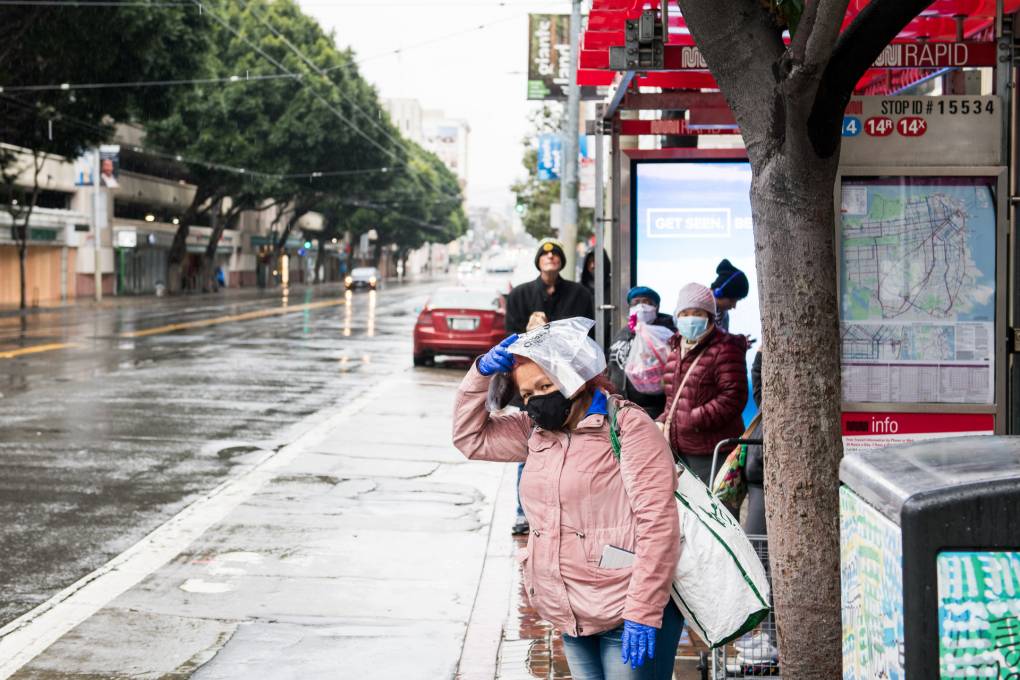
"caption": "Passengers wait for the 14-Mission on 4th and Mission Streets in San Francisco on April 6, 2020.",
"description": "Passengers wait for the 14-Mission on 4th and Mission Streets in San Francisco on April 6, 2020.",
"title": "RS42564_001_KQED_SanFrancisco_Muni_04062020-qut",
"credit": "Beth LaBerge/KQED",
"status": "inherit",
"isLoading": false,
"fetchFailed": false
},
"news_11824887": {
"type": "attachments",
"id": "news_11824887",
"meta": {
"index": "attachments_1716263798",
"site": "news",
"id": "11824887",
"found": true
},
"parent": 11824885,
"imgSizes": {
"apple_news_ca_landscape_5_5": {
"file": "https://ww2.kqed.org/app/uploads/sites/10/2020/06/threats_061720_final-1044x783.png",
"width": 1044,
"mimeType": "image/png",
"height": 783
},
"apple_news_ca_square_4_0": {
"file": "https://ww2.kqed.org/app/uploads/sites/10/2020/06/threats_061720_final-470x470.png",
"width": 470,
"mimeType": "image/png",
"height": 470
},
"twentyfourteen-full-width": {
"file": "https://ww2.kqed.org/app/uploads/sites/10/2020/06/threats_061720_final-1038x576.png",
"width": 1038,
"mimeType": "image/png",
"height": 576
},
"thumbnail": {
"file": "https://ww2.kqed.org/app/uploads/sites/10/2020/06/threats_061720_final-160x111.png",
"width": 160,
"mimeType": "image/png",
"height": 111
},
"post-thumbnail": {
"file": "https://ww2.kqed.org/app/uploads/sites/10/2020/06/threats_061720_final-672x372.png",
"width": 672,
"mimeType": "image/png",
"height": 372
},
"kqedFullSize": {
"file": "https://ww2.kqed.org/app/uploads/sites/10/2020/06/threats_061720_final.png",
"width": 1920,
"height": 1332
},
"apple_news_ca_landscape_4_7": {
"file": "https://ww2.kqed.org/app/uploads/sites/10/2020/06/threats_061720_final-632x474.png",
"width": 632,
"mimeType": "image/png",
"height": 474
},
"large": {
"file": "https://ww2.kqed.org/app/uploads/sites/10/2020/06/threats_061720_final-1020x708.png",
"width": 1020,
"mimeType": "image/png",
"height": 708
},
"apple_news_ca_landscape_4_0": {
"file": "https://ww2.kqed.org/app/uploads/sites/10/2020/06/threats_061720_final-536x402.png",
"width": 536,
"mimeType": "image/png",
"height": 402
},
"apple_news_ca_portrait_12_9": {
"file": "https://ww2.kqed.org/app/uploads/sites/10/2020/06/threats_061720_final-1122x1332.png",
"width": 1122,
"mimeType": "image/png",
"height": 1332
},
"medium": {
"file": "https://ww2.kqed.org/app/uploads/sites/10/2020/06/threats_061720_final-800x555.png",
"width": 800,
"mimeType": "image/png",
"height": 555
},
"apple_news_ca_portrait_4_0": {
"file": "https://ww2.kqed.org/app/uploads/sites/10/2020/06/threats_061720_final-354x472.png",
"width": 354,
"mimeType": "image/png",
"height": 472
},
"apple_news_ca_portrait_9_7": {
"file": "https://ww2.kqed.org/app/uploads/sites/10/2020/06/threats_061720_final-840x1120.png",
"width": 840,
"mimeType": "image/png",
"height": 1120
},
"apple_news_ca_landscape_12_9": {
"file": "https://ww2.kqed.org/app/uploads/sites/10/2020/06/threats_061720_final-1832x1332.png",
"width": 1832,
"mimeType": "image/png",
"height": 1332
},
"apple_news_ca_square_9_7": {
"file": "https://ww2.kqed.org/app/uploads/sites/10/2020/06/threats_061720_final-1104x1104.png",
"width": 1104,
"mimeType": "image/png",
"height": 1104
},
"apple_news_ca_portrait_4_7": {
"file": "https://ww2.kqed.org/app/uploads/sites/10/2020/06/threats_061720_final-414x552.png",
"width": 414,
"mimeType": "image/png",
"height": 552
},
"apple_news_ca_square_12_9": {
"file": "https://ww2.kqed.org/app/uploads/sites/10/2020/06/threats_061720_final-1472x1332.png",
"width": 1472,
"mimeType": "image/png",
"height": 1332
},
"apple_news_ca_portrait_5_5": {
"file": "https://ww2.kqed.org/app/uploads/sites/10/2020/06/threats_061720_final-687x916.png",
"width": 687,
"mimeType": "image/png",
"height": 916
},
"full-width": {
"file": "https://ww2.kqed.org/app/uploads/sites/10/2020/06/threats_061720_final-1920x1332.png",
"width": 1920,
"mimeType": "image/png",
"height": 1332
},
"apple_news_ca_square_4_7": {
"file": "https://ww2.kqed.org/app/uploads/sites/10/2020/06/threats_061720_final-550x550.png",
"width": 550,
"mimeType": "image/png",
"height": 550
},
"apple_news_ca_landscape_9_7": {
"file": "https://ww2.kqed.org/app/uploads/sites/10/2020/06/threats_061720_final-1376x1032.png",
"width": 1376,
"mimeType": "image/png",
"height": 1032
},
"apple_news_ca_square_5_5": {
"file": "https://ww2.kqed.org/app/uploads/sites/10/2020/06/threats_061720_final-912x912.png",
"width": 912,
"mimeType": "image/png",
"height": 912
}
},
"publishDate": 1592427904,
"modified": 1592427940,
"caption": null,
"description": null,
"title": "threats_061720_final",
"credit": null,
"status": "inherit",
"isLoading": false,
"fetchFailed": false
},
"news_11824822": {
"type": "attachments",
"id": "news_11824822",
"meta": {
"index": "attachments_1716263798",
"site": "news",
"id": "11824822",
"found": true
},
"parent": 11824483,
"imgSizes": {
"apple_news_ca_landscape_5_5": {
"file": "https://ww2.kqed.org/app/uploads/sites/10/2021/06/CRTN105_thumb_YT-1044x783.png",
"width": 1044,
"mimeType": "image/png",
"height": 783
},
"apple_news_ca_square_4_0": {
"file": "https://ww2.kqed.org/app/uploads/sites/10/2021/06/CRTN105_thumb_YT-470x470.png",
"width": 470,
"mimeType": "image/png",
"height": 470
},
"twentyfourteen-full-width": {
"file": "https://ww2.kqed.org/app/uploads/sites/10/2021/06/CRTN105_thumb_YT-1038x576.png",
"width": 1038,
"mimeType": "image/png",
"height": 576
},
"thumbnail": {
"file": "https://ww2.kqed.org/app/uploads/sites/10/2021/06/CRTN105_thumb_YT-160x90.png",
"width": 160,
"mimeType": "image/png",
"height": 90
},
"post-thumbnail": {
"file": "https://ww2.kqed.org/app/uploads/sites/10/2021/06/CRTN105_thumb_YT-672x372.png",
"width": 672,
"mimeType": "image/png",
"height": 372
},
"kqedFullSize": {
"file": "https://ww2.kqed.org/app/uploads/sites/10/2021/06/CRTN105_thumb_YT.png",
"width": 1920,
"height": 1080
},
"apple_news_ca_landscape_4_7": {
"file": "https://ww2.kqed.org/app/uploads/sites/10/2021/06/CRTN105_thumb_YT-632x474.png",
"width": 632,
"mimeType": "image/png",
"height": 474
},
"large": {
"file": "https://ww2.kqed.org/app/uploads/sites/10/2021/06/CRTN105_thumb_YT-1020x574.png",
"width": 1020,
"mimeType": "image/png",
"height": 574
},
"apple_news_ca_landscape_4_0": {
"file": "https://ww2.kqed.org/app/uploads/sites/10/2021/06/CRTN105_thumb_YT-536x402.png",
"width": 536,
"mimeType": "image/png",
"height": 402
},
"apple_news_ca_portrait_12_9": {
"file": "https://ww2.kqed.org/app/uploads/sites/10/2021/06/CRTN105_thumb_YT-1122x1080.png",
"width": 1122,
"mimeType": "image/png",
"height": 1080
},
"medium": {
"file": "https://ww2.kqed.org/app/uploads/sites/10/2021/06/CRTN105_thumb_YT-800x450.png",
"width": 800,
"mimeType": "image/png",
"height": 450
},
"apple_news_ca_portrait_4_0": {
"file": "https://ww2.kqed.org/app/uploads/sites/10/2021/06/CRTN105_thumb_YT-354x472.png",
"width": 354,
"mimeType": "image/png",
"height": 472
},
"apple_news_ca_portrait_9_7": {
"file": "https://ww2.kqed.org/app/uploads/sites/10/2021/06/CRTN105_thumb_YT-840x1080.png",
"width": 840,
"mimeType": "image/png",
"height": 1080
},
"apple_news_ca_landscape_12_9": {
"file": "https://ww2.kqed.org/app/uploads/sites/10/2021/06/CRTN105_thumb_YT-1832x1080.png",
"width": 1832,
"mimeType": "image/png",
"height": 1080
},
"apple_news_ca_square_9_7": {
"file": "https://ww2.kqed.org/app/uploads/sites/10/2021/06/CRTN105_thumb_YT-1104x1080.png",
"width": 1104,
"mimeType": "image/png",
"height": 1080
},
"apple_news_ca_portrait_4_7": {
"file": "https://ww2.kqed.org/app/uploads/sites/10/2021/06/CRTN105_thumb_YT-414x552.png",
"width": 414,
"mimeType": "image/png",
"height": 552
},
"apple_news_ca_square_12_9": {
"file": "https://ww2.kqed.org/app/uploads/sites/10/2021/06/CRTN105_thumb_YT-1472x1080.png",
"width": 1472,
"mimeType": "image/png",
"height": 1080
},
"apple_news_ca_portrait_5_5": {
"file": "https://ww2.kqed.org/app/uploads/sites/10/2021/06/CRTN105_thumb_YT-687x916.png",
"width": 687,
"mimeType": "image/png",
"height": 916
},
"full-width": {
"file": "https://ww2.kqed.org/app/uploads/sites/10/2021/06/CRTN105_thumb_YT-1920x1080.png",
"width": 1920,
"mimeType": "image/png",
"height": 1080
},
"apple_news_ca_square_4_7": {
"file": "https://ww2.kqed.org/app/uploads/sites/10/2021/06/CRTN105_thumb_YT-550x550.png",
"width": 550,
"mimeType": "image/png",
"height": 550
},
"apple_news_ca_landscape_9_7": {
"file": "https://ww2.kqed.org/app/uploads/sites/10/2021/06/CRTN105_thumb_YT-1376x1032.png",
"width": 1376,
"mimeType": "image/png",
"height": 1032
},
"apple_news_ca_square_5_5": {
"file": "https://ww2.kqed.org/app/uploads/sites/10/2021/06/CRTN105_thumb_YT-912x912.png",
"width": 912,
"mimeType": "image/png",
"height": 912
}
},
"publishDate": 1592412554,
"modified": 1592412614,
"caption": "In this episode of Cartooning-in-Place, KQED’s Mark Fiore takes you into his creative process. From rough sketches to complex composition, color and lettering, he’ll show you how he uses journalism, pictures and words to craft a political cartoon.",
"description": "In this episode of Cartooning-in-Place, KQED’s Mark Fiore takes you into his creative process. From rough sketches to complex composition, color and lettering, he’ll show you how he uses journalism, pictures and words to craft a political cartoon.",
"title": "Mark Fiore Cartooning in Place 5",
"credit": "Mark Fiore/KQED",
"status": "inherit",
"isLoading": false,
"fetchFailed": false
},
"news_11824831": {
"type": "attachments",
"id": "news_11824831",
"meta": {
"index": "attachments_1716263798",
"site": "news",
"id": "11824831",
"found": true
},
"parent": 11824749,
"imgSizes": {
"apple_news_ca_landscape_5_5": {
"file": "https://ww2.kqed.org/app/uploads/sites/10/2020/06/ImperialCounty-1044x783.jpg",
"width": 1044,
"mimeType": "image/jpeg",
"height": 783
},
"apple_news_ca_square_4_0": {
"file": "https://ww2.kqed.org/app/uploads/sites/10/2020/06/ImperialCounty-470x470.jpg",
"width": 470,
"mimeType": "image/jpeg",
"height": 470
},
"twentyfourteen-full-width": {
"file": "https://ww2.kqed.org/app/uploads/sites/10/2020/06/ImperialCounty-1038x576.jpg",
"width": 1038,
"mimeType": "image/jpeg",
"height": 576
},
"thumbnail": {
"file": "https://ww2.kqed.org/app/uploads/sites/10/2020/06/ImperialCounty-160x112.jpg",
"width": 160,
"mimeType": "image/jpeg",
"height": 112
},
"post-thumbnail": {
"file": "https://ww2.kqed.org/app/uploads/sites/10/2020/06/ImperialCounty-672x372.jpg",
"width": 672,
"mimeType": "image/jpeg",
"height": 372
},
"kqedFullSize": {
"file": "https://ww2.kqed.org/app/uploads/sites/10/2020/06/ImperialCounty.jpg",
"width": 1200,
"height": 840
},
"apple_news_ca_landscape_4_7": {
"file": "https://ww2.kqed.org/app/uploads/sites/10/2020/06/ImperialCounty-632x474.jpg",
"width": 632,
"mimeType": "image/jpeg",
"height": 474
},
"large": {
"file": "https://ww2.kqed.org/app/uploads/sites/10/2020/06/ImperialCounty-1020x714.jpg",
"width": 1020,
"mimeType": "image/jpeg",
"height": 714
},
"apple_news_ca_landscape_4_0": {
"file": "https://ww2.kqed.org/app/uploads/sites/10/2020/06/ImperialCounty-536x402.jpg",
"width": 536,
"mimeType": "image/jpeg",
"height": 402
},
"apple_news_ca_portrait_12_9": {
"file": "https://ww2.kqed.org/app/uploads/sites/10/2020/06/ImperialCounty-1122x840.jpg",
"width": 1122,
"mimeType": "image/jpeg",
"height": 840
},
"medium": {
"file": "https://ww2.kqed.org/app/uploads/sites/10/2020/06/ImperialCounty-800x560.jpg",
"width": 800,
"mimeType": "image/jpeg",
"height": 560
},
"apple_news_ca_portrait_4_0": {
"file": "https://ww2.kqed.org/app/uploads/sites/10/2020/06/ImperialCounty-354x472.jpg",
"width": 354,
"mimeType": "image/jpeg",
"height": 472
},
"apple_news_ca_portrait_9_7": {
"file": "https://ww2.kqed.org/app/uploads/sites/10/2020/06/ImperialCounty-840x840.jpg",
"width": 840,
"mimeType": "image/jpeg",
"height": 840
},
"apple_news_ca_square_9_7": {
"file": "https://ww2.kqed.org/app/uploads/sites/10/2020/06/ImperialCounty-1104x840.jpg",
"width": 1104,
"mimeType": "image/jpeg",
"height": 840
},
"apple_news_ca_portrait_4_7": {
"file": "https://ww2.kqed.org/app/uploads/sites/10/2020/06/ImperialCounty-414x552.jpg",
"width": 414,
"mimeType": "image/jpeg",
"height": 552
},
"apple_news_ca_portrait_5_5": {
"file": "https://ww2.kqed.org/app/uploads/sites/10/2020/06/ImperialCounty-687x840.jpg",
"width": 687,
"mimeType": "image/jpeg",
"height": 840
},
"apple_news_ca_square_4_7": {
"file": "https://ww2.kqed.org/app/uploads/sites/10/2020/06/ImperialCounty-550x550.jpg",
"width": 550,
"mimeType": "image/jpeg",
"height": 550
},
"apple_news_ca_square_5_5": {
"file": "https://ww2.kqed.org/app/uploads/sites/10/2020/06/ImperialCounty-912x840.jpg",
"width": 912,
"mimeType": "image/jpeg",
"height": 840
}
},
"publishDate": 1592413867,
"modified": 1592433210,
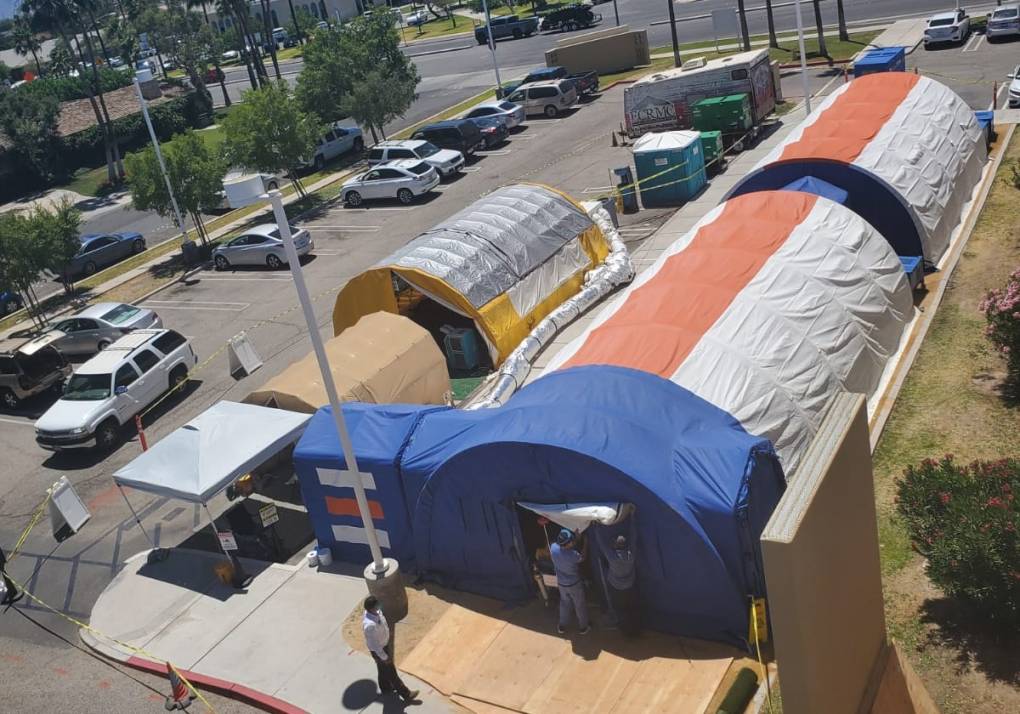
"caption": "An emergency treatment area erected for COVID-19 patients at El Centro Regional Medical Center, Imperial County's largest hospital.",
"description": "An emergency treatment area erected for COVID-19 patients at El Centro Regional Medical Center, Imperial County's largest hospital.",
"title": "ImperialCounty",
"credit": "Courtesy of El Centro Regional Medical Center",
"status": "inherit",
"isLoading": false,
"fetchFailed": false
},
"news_11824649": {
"type": "attachments",
"id": "news_11824649",
"meta": {
"index": "attachments_1716263798",
"site": "news",
"id": "11824649",
"found": true
},
"parent": 11824634,
"imgSizes": {
"apple_news_ca_landscape_5_5": {
"file": "https://ww2.kqed.org/app/uploads/sites/10/2020/06/RS43659_GettyImages-84709618-qut-1044x783.jpg",
"width": 1044,
"mimeType": "image/jpeg",
"height": 783
},
"apple_news_ca_square_4_0": {
"file": "https://ww2.kqed.org/app/uploads/sites/10/2020/06/RS43659_GettyImages-84709618-qut-470x470.jpg",
"width": 470,
"mimeType": "image/jpeg",
"height": 470
},
"twentyfourteen-full-width": {
"file": "https://ww2.kqed.org/app/uploads/sites/10/2020/06/RS43659_GettyImages-84709618-qut-1038x576.jpg",
"width": 1038,
"mimeType": "image/jpeg",
"height": 576
},
"thumbnail": {
"file": "https://ww2.kqed.org/app/uploads/sites/10/2020/06/RS43659_GettyImages-84709618-qut-160x107.jpg",
"width": 160,
"mimeType": "image/jpeg",
"height": 107
},
"post-thumbnail": {
"file": "https://ww2.kqed.org/app/uploads/sites/10/2020/06/RS43659_GettyImages-84709618-qut-672x372.jpg",
"width": 672,
"mimeType": "image/jpeg",
"height": 372
},
"kqedFullSize": {
"file": "https://ww2.kqed.org/app/uploads/sites/10/2020/06/RS43659_GettyImages-84709618-qut.jpg",
"width": 1920,
"height": 1280
},
"apple_news_ca_landscape_4_7": {
"file": "https://ww2.kqed.org/app/uploads/sites/10/2020/06/RS43659_GettyImages-84709618-qut-632x474.jpg",
"width": 632,
"mimeType": "image/jpeg",
"height": 474
},
"large": {
"file": "https://ww2.kqed.org/app/uploads/sites/10/2020/06/RS43659_GettyImages-84709618-qut-1020x680.jpg",
"width": 1020,
"mimeType": "image/jpeg",
"height": 680
},
"apple_news_ca_landscape_4_0": {
"file": "https://ww2.kqed.org/app/uploads/sites/10/2020/06/RS43659_GettyImages-84709618-qut-536x402.jpg",
"width": 536,
"mimeType": "image/jpeg",
"height": 402
},
"apple_news_ca_portrait_12_9": {
"file": "https://ww2.kqed.org/app/uploads/sites/10/2020/06/RS43659_GettyImages-84709618-qut-1122x1280.jpg",
"width": 1122,
"mimeType": "image/jpeg",
"height": 1280
},
"medium": {
"file": "https://ww2.kqed.org/app/uploads/sites/10/2020/06/RS43659_GettyImages-84709618-qut-800x533.jpg",
"width": 800,
"mimeType": "image/jpeg",
"height": 533
},
"apple_news_ca_portrait_4_0": {
"file": "https://ww2.kqed.org/app/uploads/sites/10/2020/06/RS43659_GettyImages-84709618-qut-354x472.jpg",
"width": 354,
"mimeType": "image/jpeg",
"height": 472
},
"apple_news_ca_portrait_9_7": {
"file": "https://ww2.kqed.org/app/uploads/sites/10/2020/06/RS43659_GettyImages-84709618-qut-840x1120.jpg",
"width": 840,
"mimeType": "image/jpeg",
"height": 1120
},
"apple_news_ca_landscape_12_9": {
"file": "https://ww2.kqed.org/app/uploads/sites/10/2020/06/RS43659_GettyImages-84709618-qut-1832x1280.jpg",
"width": 1832,
"mimeType": "image/jpeg",
"height": 1280
},
"apple_news_ca_square_9_7": {
"file": "https://ww2.kqed.org/app/uploads/sites/10/2020/06/RS43659_GettyImages-84709618-qut-1104x1104.jpg",
"width": 1104,
"mimeType": "image/jpeg",
"height": 1104
},
"apple_news_ca_portrait_4_7": {
"file": "https://ww2.kqed.org/app/uploads/sites/10/2020/06/RS43659_GettyImages-84709618-qut-414x552.jpg",
"width": 414,
"mimeType": "image/jpeg",
"height": 552
},
"apple_news_ca_square_12_9": {
"file": "https://ww2.kqed.org/app/uploads/sites/10/2020/06/RS43659_GettyImages-84709618-qut-1472x1280.jpg",
"width": 1472,
"mimeType": "image/jpeg",
"height": 1280
},
"apple_news_ca_portrait_5_5": {
"file": "https://ww2.kqed.org/app/uploads/sites/10/2020/06/RS43659_GettyImages-84709618-qut-687x916.jpg",
"width": 687,
"mimeType": "image/jpeg",
"height": 916
},
"full-width": {
"file": "https://ww2.kqed.org/app/uploads/sites/10/2020/06/RS43659_GettyImages-84709618-qut-1920x1280.jpg",
"width": 1920,
"mimeType": "image/jpeg",
"height": 1280
},
"apple_news_ca_square_4_7": {
"file": "https://ww2.kqed.org/app/uploads/sites/10/2020/06/RS43659_GettyImages-84709618-qut-550x550.jpg",
"width": 550,
"mimeType": "image/jpeg",
"height": 550
},
"apple_news_ca_landscape_9_7": {
"file": "https://ww2.kqed.org/app/uploads/sites/10/2020/06/RS43659_GettyImages-84709618-qut-1376x1032.jpg",
"width": 1376,
"mimeType": "image/jpeg",
"height": 1032
},
"apple_news_ca_square_5_5": {
"file": "https://ww2.kqed.org/app/uploads/sites/10/2020/06/RS43659_GettyImages-84709618-qut-912x912.jpg",
"width": 912,
"mimeType": "image/jpeg",
"height": 912
}
},
"publishDate": 1592344487,
"modified": 1592344564,
"caption": "Four employees and the 10-month-old son of one of the workers at a McDonald's in Oakland filed a public nuisance lawsuit in California Superior Court in Alameda County.",
"description": null,
"title": "McDonald's Same Store Sales Up 7.1 Percent In January",
"credit": "Justin Sullivan/Getty Images",
"status": "inherit",
"isLoading": false,
"fetchFailed": false
},
"news_11824621": {
"type": "attachments",
"id": "news_11824621",
"meta": {
"index": "attachments_1716263798",
"site": "news",
"id": "11824621",
"found": true
},
"parent": 11824593,
"imgSizes": {
"apple_news_ca_landscape_5_5": {
"file": "https://ww2.kqed.org/app/uploads/sites/10/2020/06/mar_slide4-1044x783.jpg",
"width": 1044,
"mimeType": "image/jpeg",
"height": 783
},
"apple_news_ca_square_4_0": {
"file": "https://ww2.kqed.org/app/uploads/sites/10/2020/06/mar_slide4-470x470.jpg",
"width": 470,
"mimeType": "image/jpeg",
"height": 470
},
"twentyfourteen-full-width": {
"file": "https://ww2.kqed.org/app/uploads/sites/10/2020/06/mar_slide4-1038x576.jpg",
"width": 1038,
"mimeType": "image/jpeg",
"height": 576
},
"thumbnail": {
"file": "https://ww2.kqed.org/app/uploads/sites/10/2020/06/mar_slide4-160x107.jpg",
"width": 160,
"mimeType": "image/jpeg",
"height": 107
},
"post-thumbnail": {
"file": "https://ww2.kqed.org/app/uploads/sites/10/2020/06/mar_slide4-672x372.jpg",
"width": 672,
"mimeType": "image/jpeg",
"height": 372
},
"kqedFullSize": {
"file": "https://ww2.kqed.org/app/uploads/sites/10/2020/06/mar_slide4.jpg",
"width": 1732,
"height": 1155
},
"apple_news_ca_landscape_4_7": {
"file": "https://ww2.kqed.org/app/uploads/sites/10/2020/06/mar_slide4-632x474.jpg",
"width": 632,
"mimeType": "image/jpeg",
"height": 474
},
"large": {
"file": "https://ww2.kqed.org/app/uploads/sites/10/2020/06/mar_slide4-1020x680.jpg",
"width": 1020,
"mimeType": "image/jpeg",
"height": 680
},
"apple_news_ca_landscape_4_0": {
"file": "https://ww2.kqed.org/app/uploads/sites/10/2020/06/mar_slide4-536x402.jpg",
"width": 536,
"mimeType": "image/jpeg",
"height": 402
},
"apple_news_ca_portrait_12_9": {
"file": "https://ww2.kqed.org/app/uploads/sites/10/2020/06/mar_slide4-1122x1155.jpg",
"width": 1122,
"mimeType": "image/jpeg",
"height": 1155
},
"medium": {
"file": "https://ww2.kqed.org/app/uploads/sites/10/2020/06/mar_slide4-800x533.jpg",
"width": 800,
"mimeType": "image/jpeg",
"height": 533
},
"apple_news_ca_portrait_4_0": {
"file": "https://ww2.kqed.org/app/uploads/sites/10/2020/06/mar_slide4-354x472.jpg",
"width": 354,
"mimeType": "image/jpeg",
"height": 472
},
"apple_news_ca_portrait_9_7": {
"file": "https://ww2.kqed.org/app/uploads/sites/10/2020/06/mar_slide4-840x1120.jpg",
"width": 840,
"mimeType": "image/jpeg",
"height": 1120
},
"apple_news_ca_square_9_7": {
"file": "https://ww2.kqed.org/app/uploads/sites/10/2020/06/mar_slide4-1104x1104.jpg",
"width": 1104,
"mimeType": "image/jpeg",
"height": 1104
},
"apple_news_ca_portrait_4_7": {
"file": "https://ww2.kqed.org/app/uploads/sites/10/2020/06/mar_slide4-414x552.jpg",
"width": 414,
"mimeType": "image/jpeg",
"height": 552
},
"apple_news_ca_square_12_9": {
"file": "https://ww2.kqed.org/app/uploads/sites/10/2020/06/mar_slide4-1472x1155.jpg",
"width": 1472,
"mimeType": "image/jpeg",
"height": 1155
},
"apple_news_ca_portrait_5_5": {
"file": "https://ww2.kqed.org/app/uploads/sites/10/2020/06/mar_slide4-687x916.jpg",
"width": 687,
"mimeType": "image/jpeg",
"height": 916
},
"apple_news_ca_square_4_7": {
"file": "https://ww2.kqed.org/app/uploads/sites/10/2020/06/mar_slide4-550x550.jpg",
"width": 550,
"mimeType": "image/jpeg",
"height": 550
},
"apple_news_ca_landscape_9_7": {
"file": "https://ww2.kqed.org/app/uploads/sites/10/2020/06/mar_slide4-1376x1032.jpg",
"width": 1376,
"mimeType": "image/jpeg",
"height": 1032
},
"apple_news_ca_square_5_5": {
"file": "https://ww2.kqed.org/app/uploads/sites/10/2020/06/mar_slide4-912x912.jpg",
"width": 912,
"mimeType": "image/jpeg",
"height": 912
}
},
"publishDate": 1592339724,
"modified": 1592341472,
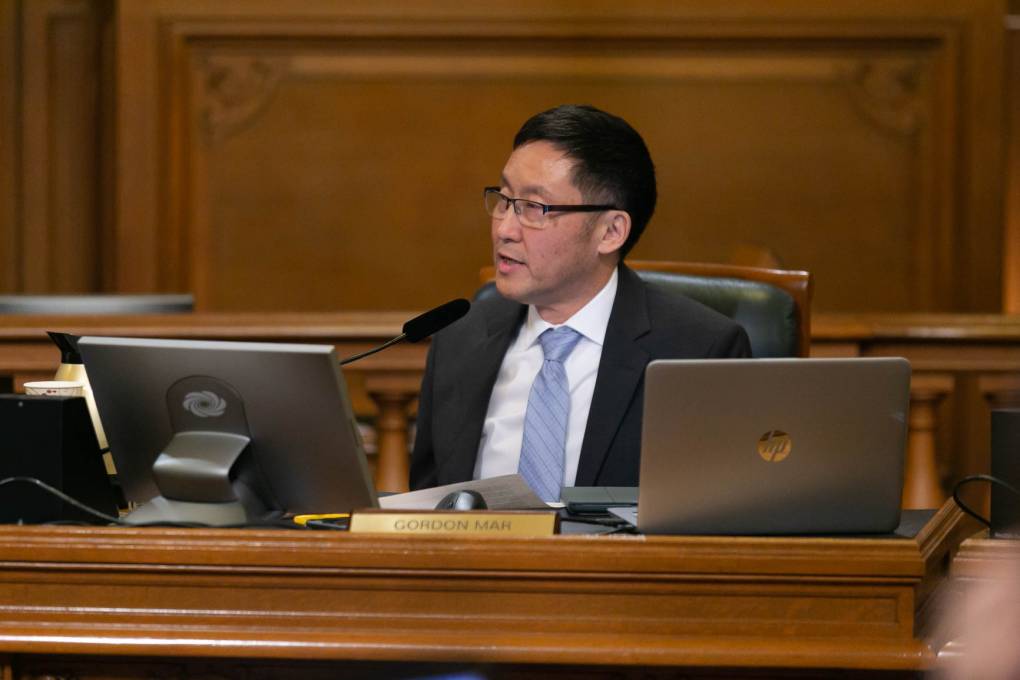
"caption": "San Francisco Supervisor Gordon Mar is proposing a ballot measure to make paid sick leave permanently available during future health crises.",
"description": "San Francisco Supervisor Gordon Mar is proposing a ballot measure to make paid sick leave permanently available during future health crises.",
"title": "mar_slide4",
"credit": "Courtesy SF Board of Supervisors",
"status": "inherit",
"isLoading": false,
"fetchFailed": false
},
"news_11824239": {
"type": "attachments",
"id": "news_11824239",
"meta": {
"index": "attachments_1716263798",
"site": "news",
"id": "11824239",
"found": true
},
"parent": 11820598,
"imgSizes": {
"apple_news_ca_landscape_5_5": {
"file": "https://ww2.kqed.org/app/uploads/sites/10/2020/06/Ameneh-selfie-1044x783.jpg",
"width": 1044,
"mimeType": "image/jpeg",
"height": 783
},
"apple_news_ca_square_4_0": {
"file": "https://ww2.kqed.org/app/uploads/sites/10/2020/06/Ameneh-selfie-470x470.jpg",
"width": 470,
"mimeType": "image/jpeg",
"height": 470
},
"twentyfourteen-full-width": {
"file": "https://ww2.kqed.org/app/uploads/sites/10/2020/06/Ameneh-selfie-1038x576.jpg",
"width": 1038,
"mimeType": "image/jpeg",
"height": 576
},
"thumbnail": {
"file": "https://ww2.kqed.org/app/uploads/sites/10/2020/06/Ameneh-selfie-160x123.jpg",
"width": 160,
"mimeType": "image/jpeg",
"height": 123
},
"post-thumbnail": {
"file": "https://ww2.kqed.org/app/uploads/sites/10/2020/06/Ameneh-selfie-672x372.jpg",
"width": 672,
"mimeType": "image/jpeg",
"height": 372
},
"kqedFullSize": {
"file": "https://ww2.kqed.org/app/uploads/sites/10/2020/06/Ameneh-selfie.jpg",
"width": 1920,
"height": 1472
},
"apple_news_ca_landscape_4_7": {
"file": "https://ww2.kqed.org/app/uploads/sites/10/2020/06/Ameneh-selfie-632x474.jpg",
"width": 632,
"mimeType": "image/jpeg",
"height": 474
},
"large": {
"file": "https://ww2.kqed.org/app/uploads/sites/10/2020/06/Ameneh-selfie-1020x782.jpg",
"width": 1020,
"mimeType": "image/jpeg",
"height": 782
},
"apple_news_ca_landscape_4_0": {
"file": "https://ww2.kqed.org/app/uploads/sites/10/2020/06/Ameneh-selfie-536x402.jpg",
"width": 536,
"mimeType": "image/jpeg",
"height": 402
},
"apple_news_ca_portrait_12_9": {
"file": "https://ww2.kqed.org/app/uploads/sites/10/2020/06/Ameneh-selfie-1122x1472.jpg",
"width": 1122,
"mimeType": "image/jpeg",
"height": 1472
},
"medium": {
"file": "https://ww2.kqed.org/app/uploads/sites/10/2020/06/Ameneh-selfie-800x613.jpg",
"width": 800,
"mimeType": "image/jpeg",
"height": 613
},
"apple_news_ca_portrait_4_0": {
"file": "https://ww2.kqed.org/app/uploads/sites/10/2020/06/Ameneh-selfie-354x472.jpg",
"width": 354,
"mimeType": "image/jpeg",
"height": 472
},
"apple_news_ca_portrait_9_7": {
"file": "https://ww2.kqed.org/app/uploads/sites/10/2020/06/Ameneh-selfie-840x1120.jpg",
"width": 840,
"mimeType": "image/jpeg",
"height": 1120
},
"apple_news_ca_landscape_12_9": {
"file": "https://ww2.kqed.org/app/uploads/sites/10/2020/06/Ameneh-selfie-1832x1374.jpg",
"width": 1832,
"mimeType": "image/jpeg",
"height": 1374
},
"apple_news_ca_square_9_7": {
"file": "https://ww2.kqed.org/app/uploads/sites/10/2020/06/Ameneh-selfie-1104x1104.jpg",
"width": 1104,
"mimeType": "image/jpeg",
"height": 1104
},
"apple_news_ca_portrait_4_7": {
"file": "https://ww2.kqed.org/app/uploads/sites/10/2020/06/Ameneh-selfie-414x552.jpg",
"width": 414,
"mimeType": "image/jpeg",
"height": 552
},
"apple_news_ca_square_12_9": {
"file": "https://ww2.kqed.org/app/uploads/sites/10/2020/06/Ameneh-selfie-1472x1472.jpg",
"width": 1472,
"mimeType": "image/jpeg",
"height": 1472
},
"apple_news_ca_portrait_5_5": {
"file": "https://ww2.kqed.org/app/uploads/sites/10/2020/06/Ameneh-selfie-687x916.jpg",
"width": 687,
"mimeType": "image/jpeg",
"height": 916
},
"full-width": {
"file": "https://ww2.kqed.org/app/uploads/sites/10/2020/06/Ameneh-selfie-1920x1472.jpg",
"width": 1920,
"mimeType": "image/jpeg",
"height": 1472
},
"apple_news_ca_square_4_7": {
"file": "https://ww2.kqed.org/app/uploads/sites/10/2020/06/Ameneh-selfie-550x550.jpg",
"width": 550,
"mimeType": "image/jpeg",
"height": 550
},
"apple_news_ca_landscape_9_7": {
"file": "https://ww2.kqed.org/app/uploads/sites/10/2020/06/Ameneh-selfie-1376x1032.jpg",
"width": 1376,
"mimeType": "image/jpeg",
"height": 1032
},
"apple_news_ca_square_5_5": {
"file": "https://ww2.kqed.org/app/uploads/sites/10/2020/06/Ameneh-selfie-912x912.jpg",
"width": 912,
"mimeType": "image/jpeg",
"height": 912
}
},
"publishDate": 1591998310,
"modified": 1591998355,
"caption": "Ameneh Moghaddam is a nurse practitioner in the Bay Area who's found a slew of creative pursuits to help her get through the coronavirus pandemic.",
"description": "Ameneh Moghaddam is a nurse practitioner in the Bay Area who's found a slew of creative pursuits to help her get through the coronavirus pandemic.",
"title": "Ameneh-selfie",
"credit": "Courtesy Ameneh Moghaddam",
"status": "inherit",
"isLoading": false,
"fetchFailed": false
},
"news_11824119": {
"type": "attachments",
"id": "news_11824119",
"meta": {
"index": "attachments_1716263798",
"site": "news",
"id": "11824119",
"found": true
},
"parent": 11823854,
"imgSizes": {
"apple_news_ca_landscape_5_5": {
"file": "https://ww2.kqed.org/app/uploads/sites/10/2020/06/cheers-1044x783.jpg",
"width": 1044,
"mimeType": "image/jpeg",
"height": 783
},
"apple_news_ca_square_4_0": {
"file": "https://ww2.kqed.org/app/uploads/sites/10/2020/06/cheers-470x470.jpg",
"width": 470,
"mimeType": "image/jpeg",
"height": 470
},
"twentyfourteen-full-width": {
"file": "https://ww2.kqed.org/app/uploads/sites/10/2020/06/cheers-1038x576.jpg",
"width": 1038,
"mimeType": "image/jpeg",
"height": 576
},
"thumbnail": {
"file": "https://ww2.kqed.org/app/uploads/sites/10/2020/06/cheers-160x107.jpg",
"width": 160,
"mimeType": "image/jpeg",
"height": 107
},
"post-thumbnail": {
"file": "https://ww2.kqed.org/app/uploads/sites/10/2020/06/cheers-672x372.jpg",
"width": 672,
"mimeType": "image/jpeg",
"height": 372
},
"kqedFullSize": {
"file": "https://ww2.kqed.org/app/uploads/sites/10/2020/06/cheers.jpg",
"width": 1920,
"height": 1280
},
"apple_news_ca_landscape_4_7": {
"file": "https://ww2.kqed.org/app/uploads/sites/10/2020/06/cheers-632x474.jpg",
"width": 632,
"mimeType": "image/jpeg",
"height": 474
},
"large": {
"file": "https://ww2.kqed.org/app/uploads/sites/10/2020/06/cheers-1020x680.jpg",
"width": 1020,
"mimeType": "image/jpeg",
"height": 680
},
"apple_news_ca_landscape_4_0": {
"file": "https://ww2.kqed.org/app/uploads/sites/10/2020/06/cheers-536x402.jpg",
"width": 536,
"mimeType": "image/jpeg",
"height": 402
},
"apple_news_ca_portrait_12_9": {
"file": "https://ww2.kqed.org/app/uploads/sites/10/2020/06/cheers-1122x1280.jpg",
"width": 1122,
"mimeType": "image/jpeg",
"height": 1280
},
"medium": {
"file": "https://ww2.kqed.org/app/uploads/sites/10/2020/06/cheers-800x533.jpg",
"width": 800,
"mimeType": "image/jpeg",
"height": 533
},
"apple_news_ca_portrait_4_0": {
"file": "https://ww2.kqed.org/app/uploads/sites/10/2020/06/cheers-354x472.jpg",
"width": 354,
"mimeType": "image/jpeg",
"height": 472
},
"apple_news_ca_portrait_9_7": {
"file": "https://ww2.kqed.org/app/uploads/sites/10/2020/06/cheers-840x1120.jpg",
"width": 840,
"mimeType": "image/jpeg",
"height": 1120
},
"apple_news_ca_landscape_12_9": {
"file": "https://ww2.kqed.org/app/uploads/sites/10/2020/06/cheers-1832x1280.jpg",
"width": 1832,
"mimeType": "image/jpeg",
"height": 1280
},
"apple_news_ca_square_9_7": {
"file": "https://ww2.kqed.org/app/uploads/sites/10/2020/06/cheers-1104x1104.jpg",
"width": 1104,
"mimeType": "image/jpeg",
"height": 1104
},
"apple_news_ca_portrait_4_7": {
"file": "https://ww2.kqed.org/app/uploads/sites/10/2020/06/cheers-414x552.jpg",
"width": 414,
"mimeType": "image/jpeg",
"height": 552
},
"apple_news_ca_square_12_9": {
"file": "https://ww2.kqed.org/app/uploads/sites/10/2020/06/cheers-1472x1280.jpg",
"width": 1472,
"mimeType": "image/jpeg",
"height": 1280
},
"apple_news_ca_portrait_5_5": {
"file": "https://ww2.kqed.org/app/uploads/sites/10/2020/06/cheers-687x916.jpg",
"width": 687,
"mimeType": "image/jpeg",
"height": 916
},
"full-width": {
"file": "https://ww2.kqed.org/app/uploads/sites/10/2020/06/cheers-1920x1280.jpg",
"width": 1920,
"mimeType": "image/jpeg",
"height": 1280
},
"apple_news_ca_square_4_7": {
"file": "https://ww2.kqed.org/app/uploads/sites/10/2020/06/cheers-550x550.jpg",
"width": 550,
"mimeType": "image/jpeg",
"height": 550
},
"apple_news_ca_landscape_9_7": {
"file": "https://ww2.kqed.org/app/uploads/sites/10/2020/06/cheers-1376x1032.jpg",
"width": 1376,
"mimeType": "image/jpeg",
"height": 1032
},
"apple_news_ca_square_5_5": {
"file": "https://ww2.kqed.org/app/uploads/sites/10/2020/06/cheers-912x912.jpg",
"width": 912,
"mimeType": "image/jpeg",
"height": 912
}
},
"publishDate": 1591923525,
"modified": 1591925334,
"caption": "Bars and restaurants have been given the green light for further reopening in California, but it won't look quite like this in the Bay Area for a while.",
"description": "Bars and restaurants have been given the green light for further reopening in California, but it won't look quite like this in the Bay Area for a while.",
"title": "cheers",
"credit": "Elevate/Pexels",
"status": "inherit",
"isLoading": false,
"fetchFailed": false
},
"news_11824076": {
"type": "attachments",
"id": "news_11824076",
"meta": {
"index": "attachments_1716263798",
"site": "news",
"id": "11824076",
"found": true
},
"parent": 11823976,
"imgSizes": {
"apple_news_ca_landscape_5_5": {
"file": "https://ww2.kqed.org/app/uploads/sites/10/2020/06/RS43630_SQyard9_v3-qut-1044x783.jpg",
"width": 1044,
"mimeType": "image/jpeg",
"height": 783
},
"apple_news_ca_square_4_0": {
"file": "https://ww2.kqed.org/app/uploads/sites/10/2020/06/RS43630_SQyard9_v3-qut-470x470.jpg",
"width": 470,
"mimeType": "image/jpeg",
"height": 470
},
"twentyfourteen-full-width": {
"file": "https://ww2.kqed.org/app/uploads/sites/10/2020/06/RS43630_SQyard9_v3-qut-1038x576.jpg",
"width": 1038,
"mimeType": "image/jpeg",
"height": 576
},
"thumbnail": {
"file": "https://ww2.kqed.org/app/uploads/sites/10/2020/06/RS43630_SQyard9_v3-qut-160x90.jpg",
"width": 160,
"mimeType": "image/jpeg",
"height": 90
},
"post-thumbnail": {
"file": "https://ww2.kqed.org/app/uploads/sites/10/2020/06/RS43630_SQyard9_v3-qut-672x372.jpg",
"width": 672,
"mimeType": "image/jpeg",
"height": 372
},
"kqedFullSize": {
"file": "https://ww2.kqed.org/app/uploads/sites/10/2020/06/RS43630_SQyard9_v3-qut.jpg",
"width": 1506,
"height": 847
},
"apple_news_ca_landscape_4_7": {
"file": "https://ww2.kqed.org/app/uploads/sites/10/2020/06/RS43630_SQyard9_v3-qut-632x474.jpg",
"width": 632,
"mimeType": "image/jpeg",
"height": 474
},
"large": {
"file": "https://ww2.kqed.org/app/uploads/sites/10/2020/06/RS43630_SQyard9_v3-qut-1020x574.jpg",
"width": 1020,
"mimeType": "image/jpeg",
"height": 574
},
"apple_news_ca_landscape_4_0": {
"file": "https://ww2.kqed.org/app/uploads/sites/10/2020/06/RS43630_SQyard9_v3-qut-536x402.jpg",
"width": 536,
"mimeType": "image/jpeg",
"height": 402
},
"apple_news_ca_portrait_12_9": {
"file": "https://ww2.kqed.org/app/uploads/sites/10/2020/06/RS43630_SQyard9_v3-qut-1122x847.jpg",
"width": 1122,
"mimeType": "image/jpeg",
"height": 847
},
"medium": {
"file": "https://ww2.kqed.org/app/uploads/sites/10/2020/06/RS43630_SQyard9_v3-qut-800x450.jpg",
"width": 800,
"mimeType": "image/jpeg",
"height": 450
},
"apple_news_ca_portrait_4_0": {
"file": "https://ww2.kqed.org/app/uploads/sites/10/2020/06/RS43630_SQyard9_v3-qut-354x472.jpg",
"width": 354,
"mimeType": "image/jpeg",
"height": 472
},
"apple_news_ca_portrait_9_7": {
"file": "https://ww2.kqed.org/app/uploads/sites/10/2020/06/RS43630_SQyard9_v3-qut-840x847.jpg",
"width": 840,
"mimeType": "image/jpeg",
"height": 847
},
"apple_news_ca_square_9_7": {
"file": "https://ww2.kqed.org/app/uploads/sites/10/2020/06/RS43630_SQyard9_v3-qut-1104x847.jpg",
"width": 1104,
"mimeType": "image/jpeg",
"height": 847
},
"apple_news_ca_portrait_4_7": {
"file": "https://ww2.kqed.org/app/uploads/sites/10/2020/06/RS43630_SQyard9_v3-qut-414x552.jpg",
"width": 414,
"mimeType": "image/jpeg",
"height": 552
},
"apple_news_ca_square_12_9": {
"file": "https://ww2.kqed.org/app/uploads/sites/10/2020/06/RS43630_SQyard9_v3-qut-1472x847.jpg",
"width": 1472,
"mimeType": "image/jpeg",
"height": 847
},
"apple_news_ca_portrait_5_5": {
"file": "https://ww2.kqed.org/app/uploads/sites/10/2020/06/RS43630_SQyard9_v3-qut-687x847.jpg",
"width": 687,
"mimeType": "image/jpeg",
"height": 847
},
"apple_news_ca_square_4_7": {
"file": "https://ww2.kqed.org/app/uploads/sites/10/2020/06/RS43630_SQyard9_v3-qut-550x550.jpg",
"width": 550,
"mimeType": "image/jpeg",
"height": 550
},
"apple_news_ca_landscape_9_7": {
"file": "https://ww2.kqed.org/app/uploads/sites/10/2020/06/RS43630_SQyard9_v3-qut-1376x847.jpg",
"width": 1376,
"mimeType": "image/jpeg",
"height": 847
},
"apple_news_ca_square_5_5": {
"file": "https://ww2.kqed.org/app/uploads/sites/10/2020/06/RS43630_SQyard9_v3-qut-912x847.jpg",
"width": 912,
"mimeType": "image/jpeg",
"height": 847
}
},
"publishDate": 1591919020,
"modified": 1591919133,
"caption": "Inmates on the yard at San Quentin State Prison in 2012.",
"description": "Inmates on the yard at San Quentin State Prison in 2012.",
"title": "RS43630_SQyard9_v3-qut",
"credit": "Monica Lam/KQED/CIR",
"status": "inherit",
"isLoading": false,
"fetchFailed": false
},
"news_11823916": {
"type": "attachments",
"id": "news_11823916",
"meta": {
"index": "attachments_1716263798",
"site": "news",
"id": "11823916",
"found": true
},
"parent": 11823891,
"imgSizes": {
"apple_news_ca_landscape_5_5": {
"file": "https://ww2.kqed.org/app/uploads/sites/10/2020/06/RS41398_005_KQED_Housing_MountainView_02192020_3321-qut-1044x783.jpg",
"width": 1044,
"mimeType": "image/jpeg",
"height": 783
},
"apple_news_ca_square_4_0": {
"file": "https://ww2.kqed.org/app/uploads/sites/10/2020/06/RS41398_005_KQED_Housing_MountainView_02192020_3321-qut-470x470.jpg",
"width": 470,
"mimeType": "image/jpeg",
"height": 470
},
"twentyfourteen-full-width": {
"file": "https://ww2.kqed.org/app/uploads/sites/10/2020/06/RS41398_005_KQED_Housing_MountainView_02192020_3321-qut-1038x576.jpg",
"width": 1038,
"mimeType": "image/jpeg",
"height": 576
},
"thumbnail": {
"file": "https://ww2.kqed.org/app/uploads/sites/10/2020/06/RS41398_005_KQED_Housing_MountainView_02192020_3321-qut-160x107.jpg",
"width": 160,
"mimeType": "image/jpeg",
"height": 107
},
"post-thumbnail": {
"file": "https://ww2.kqed.org/app/uploads/sites/10/2020/06/RS41398_005_KQED_Housing_MountainView_02192020_3321-qut-672x372.jpg",
"width": 672,
"mimeType": "image/jpeg",
"height": 372
},
"kqedFullSize": {
"file": "https://ww2.kqed.org/app/uploads/sites/10/2020/06/RS41398_005_KQED_Housing_MountainView_02192020_3321-qut.jpg",
"width": 1920,
"height": 1280
},
"apple_news_ca_landscape_4_7": {
"file": "https://ww2.kqed.org/app/uploads/sites/10/2020/06/RS41398_005_KQED_Housing_MountainView_02192020_3321-qut-632x474.jpg",
"width": 632,
"mimeType": "image/jpeg",
"height": 474
},
"large": {
"file": "https://ww2.kqed.org/app/uploads/sites/10/2020/06/RS41398_005_KQED_Housing_MountainView_02192020_3321-qut-1020x680.jpg",
"width": 1020,
"mimeType": "image/jpeg",
"height": 680
},
"apple_news_ca_landscape_4_0": {
"file": "https://ww2.kqed.org/app/uploads/sites/10/2020/06/RS41398_005_KQED_Housing_MountainView_02192020_3321-qut-536x402.jpg",
"width": 536,
"mimeType": "image/jpeg",
"height": 402
},
"apple_news_ca_portrait_12_9": {
"file": "https://ww2.kqed.org/app/uploads/sites/10/2020/06/RS41398_005_KQED_Housing_MountainView_02192020_3321-qut-1122x1280.jpg",
"width": 1122,
"mimeType": "image/jpeg",
"height": 1280
},
"medium": {
"file": "https://ww2.kqed.org/app/uploads/sites/10/2020/06/RS41398_005_KQED_Housing_MountainView_02192020_3321-qut-800x533.jpg",
"width": 800,
"mimeType": "image/jpeg",
"height": 533
},
"apple_news_ca_portrait_4_0": {
"file": "https://ww2.kqed.org/app/uploads/sites/10/2020/06/RS41398_005_KQED_Housing_MountainView_02192020_3321-qut-354x472.jpg",
"width": 354,
"mimeType": "image/jpeg",
"height": 472
},
"apple_news_ca_portrait_9_7": {
"file": "https://ww2.kqed.org/app/uploads/sites/10/2020/06/RS41398_005_KQED_Housing_MountainView_02192020_3321-qut-840x1120.jpg",
"width": 840,
"mimeType": "image/jpeg",
"height": 1120
},
"apple_news_ca_landscape_12_9": {
"file": "https://ww2.kqed.org/app/uploads/sites/10/2020/06/RS41398_005_KQED_Housing_MountainView_02192020_3321-qut-1832x1280.jpg",
"width": 1832,
"mimeType": "image/jpeg",
"height": 1280
},
"apple_news_ca_square_9_7": {
"file": "https://ww2.kqed.org/app/uploads/sites/10/2020/06/RS41398_005_KQED_Housing_MountainView_02192020_3321-qut-1104x1104.jpg",
"width": 1104,
"mimeType": "image/jpeg",
"height": 1104
},
"apple_news_ca_portrait_4_7": {
"file": "https://ww2.kqed.org/app/uploads/sites/10/2020/06/RS41398_005_KQED_Housing_MountainView_02192020_3321-qut-414x552.jpg",
"width": 414,
"mimeType": "image/jpeg",
"height": 552
},
"apple_news_ca_square_12_9": {
"file": "https://ww2.kqed.org/app/uploads/sites/10/2020/06/RS41398_005_KQED_Housing_MountainView_02192020_3321-qut-1472x1280.jpg",
"width": 1472,
"mimeType": "image/jpeg",
"height": 1280
},
"apple_news_ca_portrait_5_5": {
"file": "https://ww2.kqed.org/app/uploads/sites/10/2020/06/RS41398_005_KQED_Housing_MountainView_02192020_3321-qut-687x916.jpg",
"width": 687,
"mimeType": "image/jpeg",
"height": 916
},
"full-width": {
"file": "https://ww2.kqed.org/app/uploads/sites/10/2020/06/RS41398_005_KQED_Housing_MountainView_02192020_3321-qut-1920x1280.jpg",
"width": 1920,
"mimeType": "image/jpeg",
"height": 1280
},
"apple_news_ca_square_4_7": {
"file": "https://ww2.kqed.org/app/uploads/sites/10/2020/06/RS41398_005_KQED_Housing_MountainView_02192020_3321-qut-550x550.jpg",
"width": 550,
"mimeType": "image/jpeg",
"height": 550
},
"apple_news_ca_landscape_9_7": {
"file": "https://ww2.kqed.org/app/uploads/sites/10/2020/06/RS41398_005_KQED_Housing_MountainView_02192020_3321-qut-1376x1032.jpg",
"width": 1376,
"mimeType": "image/jpeg",
"height": 1032
},
"apple_news_ca_square_5_5": {
"file": "https://ww2.kqed.org/app/uploads/sites/10/2020/06/RS41398_005_KQED_Housing_MountainView_02192020_3321-qut-912x912.jpg",
"width": 912,
"mimeType": "image/jpeg",
"height": 912
}
},
"publishDate": 1591847616,
"modified": 1597355407,
"caption": "Houses in Mountain View, pictured on Feb. 19, 2020.",
"description": "Houses in Mountain View, pictured on Feb. 19, 2020.",
"title": "RS41398_005_KQED_Housing_MountainView_02192020_3321-qut",
"credit": "Beth LaBerge/KQED",
"status": "inherit",
"isLoading": false,
"fetchFailed": false
},
"news_11823110": {
"type": "attachments",
"id": "news_11823110",
"meta": {
"index": "attachments_1716263798",
"site": "news",
"id": "11823110",
"found": true
},
"parent": 11821537,
"imgSizes": {
"apple_news_ca_square_4_0": {
"file": "https://ww2.kqed.org/app/uploads/sites/10/2020/06/image1-470x470.jpeg",
"width": 470,
"mimeType": "image/jpeg",
"height": 470
},
"thumbnail": {
"file": "https://ww2.kqed.org/app/uploads/sites/10/2020/06/image1-160x120.jpeg",
"width": 160,
"mimeType": "image/jpeg",
"height": 120
},
"post-thumbnail": {
"file": "https://ww2.kqed.org/app/uploads/sites/10/2020/06/image1-640x372.jpeg",
"width": 640,
"mimeType": "image/jpeg",
"height": 372
},
"kqedFullSize": {
"file": "https://ww2.kqed.org/app/uploads/sites/10/2020/06/image1.jpeg",
"width": 640,
"height": 480
},
"apple_news_ca_landscape_4_7": {
"file": "https://ww2.kqed.org/app/uploads/sites/10/2020/06/image1-632x474.jpeg",
"width": 632,
"mimeType": "image/jpeg",
"height": 474
},
"apple_news_ca_portrait_4_7": {
"file": "https://ww2.kqed.org/app/uploads/sites/10/2020/06/image1-414x480.jpeg",
"width": 414,
"mimeType": "image/jpeg",
"height": 480
},
"apple_news_ca_square_4_7": {
"file": "https://ww2.kqed.org/app/uploads/sites/10/2020/06/image1-550x480.jpeg",
"width": 550,
"mimeType": "image/jpeg",
"height": 480
},
"apple_news_ca_landscape_4_0": {
"file": "https://ww2.kqed.org/app/uploads/sites/10/2020/06/image1-536x402.jpeg",
"width": 536,
"mimeType": "image/jpeg",
"height": 402
},
"apple_news_ca_portrait_4_0": {
"file": "https://ww2.kqed.org/app/uploads/sites/10/2020/06/image1-354x472.jpeg",
"width": 354,
"mimeType": "image/jpeg",
"height": 472
}
},
"publishDate": 1591384183,
"modified": 1591818699,
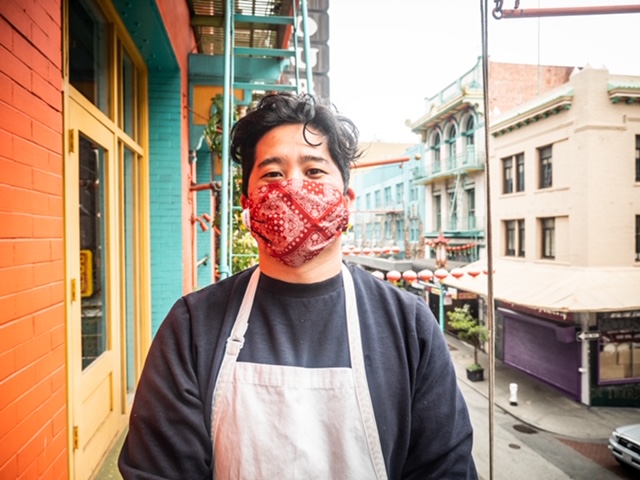
"caption": "Brandon Jew, the owner of San Francisco restaurant Mister Jiu's, has been struggling to keep his business afloat under shelter-in-place restrictions, even as Bay Area cities slowly start to reopen.",
"description": "Brandon Jew, the owner of San Francisco restaurant Mister Jiu's, has been struggling to keep his business afloat under shelter-in-place restrictions, even as Bay Area cities slowly start to reopen.",
"title": "Brandon Jew, the owner of San Francisco restaurant Mister Jiu's, has been struggling to keep his business afloat under Shelter In Place restrictions, even as Bay Area cities slowly start to reopen.",
"credit": "Courtesy of Brandon Jew",
"status": "inherit",
"isLoading": false,
"fetchFailed": false
},
"news_11823692": {
"type": "attachments",
"id": "news_11823692",
"meta": {
"index": "attachments_1716263798",
"site": "news",
"id": "11823692",
"found": true
},
"parent": 11823640,
"imgSizes": {
"apple_news_ca_landscape_5_5": {
"file": "https://ww2.kqed.org/app/uploads/sites/10/2020/06/EP_04_YT-1044x783.png",
"width": 1044,
"mimeType": "image/png",
"height": 783
},
"apple_news_ca_square_4_0": {
"file": "https://ww2.kqed.org/app/uploads/sites/10/2020/06/EP_04_YT-470x470.png",
"width": 470,
"mimeType": "image/png",
"height": 470
},
"twentyfourteen-full-width": {
"file": "https://ww2.kqed.org/app/uploads/sites/10/2020/06/EP_04_YT-1038x576.png",
"width": 1038,
"mimeType": "image/png",
"height": 576
},
"thumbnail": {
"file": "https://ww2.kqed.org/app/uploads/sites/10/2020/06/EP_04_YT-160x90.png",
"width": 160,
"mimeType": "image/png",
"height": 90
},
"post-thumbnail": {
"file": "https://ww2.kqed.org/app/uploads/sites/10/2020/06/EP_04_YT-672x372.png",
"width": 672,
"mimeType": "image/png",
"height": 372
},
"kqedFullSize": {
"file": "https://ww2.kqed.org/app/uploads/sites/10/2020/06/EP_04_YT.png",
"width": 1920,
"height": 1080
},
"apple_news_ca_landscape_4_7": {
"file": "https://ww2.kqed.org/app/uploads/sites/10/2020/06/EP_04_YT-632x474.png",
"width": 632,
"mimeType": "image/png",
"height": 474
},
"large": {
"file": "https://ww2.kqed.org/app/uploads/sites/10/2020/06/EP_04_YT-1020x574.png",
"width": 1020,
"mimeType": "image/png",
"height": 574
},
"apple_news_ca_landscape_4_0": {
"file": "https://ww2.kqed.org/app/uploads/sites/10/2020/06/EP_04_YT-536x402.png",
"width": 536,
"mimeType": "image/png",
"height": 402
},
"apple_news_ca_portrait_12_9": {
"file": "https://ww2.kqed.org/app/uploads/sites/10/2020/06/EP_04_YT-1122x1080.png",
"width": 1122,
"mimeType": "image/png",
"height": 1080
},
"medium": {
"file": "https://ww2.kqed.org/app/uploads/sites/10/2020/06/EP_04_YT-800x450.png",
"width": 800,
"mimeType": "image/png",
"height": 450
},
"apple_news_ca_portrait_4_0": {
"file": "https://ww2.kqed.org/app/uploads/sites/10/2020/06/EP_04_YT-354x472.png",
"width": 354,
"mimeType": "image/png",
"height": 472
},
"apple_news_ca_portrait_9_7": {
"file": "https://ww2.kqed.org/app/uploads/sites/10/2020/06/EP_04_YT-840x1080.png",
"width": 840,
"mimeType": "image/png",
"height": 1080
},
"apple_news_ca_landscape_12_9": {
"file": "https://ww2.kqed.org/app/uploads/sites/10/2020/06/EP_04_YT-1832x1080.png",
"width": 1832,
"mimeType": "image/png",
"height": 1080
},
"apple_news_ca_square_9_7": {
"file": "https://ww2.kqed.org/app/uploads/sites/10/2020/06/EP_04_YT-1104x1080.png",
"width": 1104,
"mimeType": "image/png",
"height": 1080
},
"apple_news_ca_portrait_4_7": {
"file": "https://ww2.kqed.org/app/uploads/sites/10/2020/06/EP_04_YT-414x552.png",
"width": 414,
"mimeType": "image/png",
"height": 552
},
"apple_news_ca_square_12_9": {
"file": "https://ww2.kqed.org/app/uploads/sites/10/2020/06/EP_04_YT-1472x1080.png",
"width": 1472,
"mimeType": "image/png",
"height": 1080
},
"apple_news_ca_portrait_5_5": {
"file": "https://ww2.kqed.org/app/uploads/sites/10/2020/06/EP_04_YT-687x916.png",
"width": 687,
"mimeType": "image/png",
"height": 916
},
"full-width": {
"file": "https://ww2.kqed.org/app/uploads/sites/10/2020/06/EP_04_YT-1920x1080.png",
"width": 1920,
"mimeType": "image/png",
"height": 1080
},
"apple_news_ca_square_4_7": {
"file": "https://ww2.kqed.org/app/uploads/sites/10/2020/06/EP_04_YT-550x550.png",
"width": 550,
"mimeType": "image/png",
"height": 550
},
"apple_news_ca_landscape_9_7": {
"file": "https://ww2.kqed.org/app/uploads/sites/10/2020/06/EP_04_YT-1376x1032.png",
"width": 1376,
"mimeType": "image/png",
"height": 1032
},
"apple_news_ca_square_5_5": {
"file": "https://ww2.kqed.org/app/uploads/sites/10/2020/06/EP_04_YT-912x912.png",
"width": 912,
"mimeType": "image/png",
"height": 912
}
},
"publishDate": 1591739412,
"modified": 1591739482,
"caption": "Mark Fiore explains political caricatures and how to draw some prominent politicians we've seen in a lot of recent headlines, like President Donald Trump and Gov. Gavin Newsom.",
"description": "Mark Fiore explains political caricatures and how to draw some prominent politicians we've seen in a lot of recent headlines, like President Donald Trump and Gov. Gavin Newsom.",
"title": "EP_04_YT",
"credit": "Mark Fiore",
"status": "inherit",
"isLoading": false,
"fetchFailed": false
}
},
"audioPlayerReducer": {
"postId": "stream_live",
"isPaused": true,
"isPlaying": false,
"pfsActive": false,
"pledgeModalIsOpen": true,
"playerDrawerIsOpen": false,
"liveAudioPlayStartedAt": 0,
"liveAudioPlayContext": ""
},
"authorsReducer": {
"danbrekke": {
"type": "authors",
"id": "222",
"meta": {
"index": "authors_1716337520",
"id": "222",
"found": true
},
"name": "Dan Brekke",
"firstName": "Dan",
"lastName": "Brekke",
"slug": "danbrekke",
"email": "dbrekke@kqed.org",
"display_author_email": true,
"staff_mastheads": [
"news",
"science"
],
"title": "KQED Editor and Reporter",
"bio": "Dan Brekke is a reporter and editor for KQED News, responsible for coverage of topics ranging from California water issues to the Bay Area's transportation challenges. In a newsroom career that began in Chicago in 1972, Dan has worked for \u003cem>The San Francisco Examiner,\u003c/em> Wired and TechTV and has been published in The New York Times, The New York Times Magazine, Business 2.0, Salon and elsewhere.\r\n\r\nSince joining KQED in 2007, Dan has reported, edited and produced both radio and online features and breaking news pieces. He has shared as both editor and reporter in four Society of Professional Journalists Norcal Excellence in Journalism awards and one Edward R. Murrow regional award. He was chosen for a spring 2017 residency at the Mesa Refuge to advance his research on California salmon.\r\n\r\nEmail Dan at: \u003ca href=\"mailto:dbrekke@kqed.org\">dbrekke@kqed.org\u003c/a>\r\n\r\n\u003cstrong>Twitter:\u003c/strong> \u003ca href=\"https://twitter.com/danbrekke\" rel=\"noopener noreferrer\">twitter.com/danbrekke\u003c/a>\r\n\u003cstrong>Facebook:\u003c/strong> \u003ca href=\"https://www.facebook.com/danbrekke\" rel=\"noopener noreferrer\">www.facebook.com/danbrekke\u003c/a>\r\n\u003cstrong>LinkedIn:\u003c/strong> \u003ca href=\"https://www.linkedin.com/in/danbrekke\" rel=\"noopener noreferrer\">www.linkedin.com/in/danbrekke\u003c/a>",
"avatar": "https://secure.gravatar.com/avatar/8f1f0d2a978fb3b23426c922c7e2af558fa36905b49c4ce76a97dc3c72d27226?s=600&d=mm&r=g",
"twitter": "danbrekke",
"bluesky": null,
"facebook": null,
"instagram": "https://www.instagram.com/dan.brekke/",
"linkedin": "https://www.linkedin.com/in/danbrekke/",
"sites": [
{
"site": "news",
"roles": [
"administrator",
"create_posts"
]
},
{
"site": "stateofhealth",
"roles": [
"editor"
]
},
{
"site": "science",
"roles": [
"editor"
]
},
{
"site": "quest",
"roles": [
"contributor"
]
},
{
"site": "food",
"roles": [
"contributor"
]
},
{
"site": "forum",
"roles": [
"contributor"
]
},
{
"site": "elections",
"roles": [
"editor"
]
},
{
"site": "liveblog",
"roles": [
"editor"
]
}
],
"headData": {
"title": "Dan Brekke | KQED",
"description": "KQED Editor and Reporter",
"ogImgSrc": "https://secure.gravatar.com/avatar/8f1f0d2a978fb3b23426c922c7e2af558fa36905b49c4ce76a97dc3c72d27226?s=600&d=mm&r=g",
"twImgSrc": "https://secure.gravatar.com/avatar/8f1f0d2a978fb3b23426c922c7e2af558fa36905b49c4ce76a97dc3c72d27226?s=600&d=mm&r=g"
},
"isLoading": false,
"link": "/author/danbrekke"
},
"katrinaschwartz": {
"type": "authors",
"id": "234",
"meta": {
"index": "authors_1716337520",
"id": "234",
"found": true
},
"name": "Katrina Schwartz",
"firstName": "Katrina",
"lastName": "Schwartz",
"slug": "katrinaschwartz",
"email": "kschwartz@kqed.org",
"display_author_email": false,
"staff_mastheads": [
"news"
],
"title": "Producer",
"bio": "Katrina Schwartz is a journalist based in San Francisco. She's worked at KPCC public radio in LA and has reported on air and online for KQED since 2010. She covered how teaching and learning is changing for MindShift between 2012 and 2020. She is the co-host of the MindShift podcast and now produces KQED's Bay Curious podcast.",
"avatar": "https://secure.gravatar.com/avatar/edb4ee79070447a018538c9aae6eeecf28786515b8a0c30e43b6b7dce5aa44c8?s=600&d=blank&r=g",
"twitter": "kschwart",
"bluesky": null,
"facebook": null,
"instagram": null,
"linkedin": null,
"sites": [
{
"site": "",
"roles": [
"editor"
]
},
{
"site": "news",
"roles": [
"editor"
]
},
{
"site": "mindshift",
"roles": [
"administrator"
]
},
{
"site": "stateofhealth",
"roles": [
"author"
]
},
{
"site": "science",
"roles": [
"editor"
]
}
],
"headData": {
"title": "Katrina Schwartz | KQED",
"description": "Producer",
"ogImgSrc": "https://secure.gravatar.com/avatar/edb4ee79070447a018538c9aae6eeecf28786515b8a0c30e43b6b7dce5aa44c8?s=600&d=blank&r=g",
"twImgSrc": "https://secure.gravatar.com/avatar/edb4ee79070447a018538c9aae6eeecf28786515b8a0c30e43b6b7dce5aa44c8?s=600&d=blank&r=g"
},
"isLoading": false,
"link": "/author/katrinaschwartz"
},
"matthewgreen": {
"type": "authors",
"id": "1263",
"meta": {
"index": "authors_1716337520",
"id": "1263",
"found": true
},
"name": "Matthew Green",
"firstName": "Matthew",
"lastName": "Green",
"slug": "matthewgreen",
"email": "mgreen@kqed.org",
"display_author_email": false,
"staff_mastheads": [],
"title": "KQED Editor/Reporter",
"bio": "Matthew Green is a digital media producer for KQED News. He previously produced \u003ca href=\"http://www.kqed.org/lowdown\">The Lowdown\u003c/a>, KQED’s multimedia news education blog. Matthew's written for numerous Bay Area publications, including the Oakland Tribune and San Francisco Chronicle. He also taught journalism classes at Fremont High School in East Oakland.\r\n\r\nEmail: mgreen@kqed.org; Twitter: @MGreenKQED",
"avatar": "https://secure.gravatar.com/avatar/3bf498d1267ca02c8494f33d8cfc575e?s=600&d=blank&r=g",
"twitter": "MGreenKQED",
"facebook": null,
"instagram": null,
"linkedin": null,
"sites": [
{
"site": "news",
"roles": []
},
{
"site": "lowdown",
"roles": []
},
{
"site": "science",
"roles": []
},
{
"site": "education",
"roles": []
},
{
"site": "quest",
"roles": []
},
{
"site": "liveblog",
"roles": []
}
],
"headData": {
"title": "Matthew Green | KQED",
"description": "KQED Editor/Reporter",
"ogImgSrc": "https://secure.gravatar.com/avatar/3bf498d1267ca02c8494f33d8cfc575e?s=600&d=blank&r=g",
"twImgSrc": "https://secure.gravatar.com/avatar/3bf498d1267ca02c8494f33d8cfc575e?s=600&d=blank&r=g"
},
"isLoading": false,
"link": "/author/matthewgreen"
},
"markfiore": {
"type": "authors",
"id": "3236",
"meta": {
"index": "authors_1716337520",
"id": "3236",
"found": true
},
"name": "Mark Fiore",
"firstName": "Mark",
"lastName": "Fiore",
"slug": "markfiore",
"email": "mark@markfiore.com",
"display_author_email": false,
"staff_mastheads": [
"news"
],
"title": "KQED News Cartoonist",
"bio": "\u003ca href=\"http://www.MarkFiore.com\">MarkFiore.com\u003c/a> | \u003ca href=\"https://twitter.com/markfiore\">Follow on Twitter\u003c/a> | \u003ca href=\"https://www.facebook.com/pages/Mark-Fiore-Animated-Political-Cartoons/94451707396?ref=bookmarks\">Facebook\u003c/a> | \u003ca href=\"mailto:mark@markfiore.com\">email\u003c/a>\r\n\r\nPulitzer Prize-winner, Mark Fiore, who the Wall Street Journal has called “the undisputed guru of the form,” creates animated political cartoons in San Francisco, where his work has been featured regularly on the San Francisco Chronicle’s web site, SFGate.com. His work has appeared on Newsweek.com, Slate.com, CBSNews.com, MotherJones.com, DailyKos.com and NPR’s web site. Fiore’s political animation has appeared on CNN, Frontline, Bill Moyers Journal, Salon.com and cable and broadcast outlets across the globe.\r\n\r\nBeginning his professional life by drawing traditional political cartoons for newspapers, Fiore’s work appeared in publications ranging from the Washington Post to the Los Angeles Times. In the late 1990s, he began to experiment with animating political cartoons and, after a short stint at the San Jose Mercury News as their staff cartoonist, Fiore devoted all his energies to animation.\r\nGrowing up in California, Fiore also spent a good portion of his life in the backwoods of Idaho. It was this combination that shaped him politically. Mark majored in political science at Colorado College, where, in a perfect send-off for a cartoonist, he received his diploma in 1991 as commencement speaker Dick Cheney smiled approvingly.\r\nMark Fiore was awarded the Pulitzer Prize for political cartooning in 2010, a Robert F. Kennedy Journalism Award in 2004 and has twice received an Online Journalism Award for commentary from the Online News Association (2002, 2008). Fiore has received two awards for his work in new media from the National Cartoonists Society (2001, 2002), and in 2006 received The James Madison Freedom of Information Award from The Society of Professional Journalists.",
"avatar": "https://secure.gravatar.com/avatar/fc4e2a612b15b67bad0c6f0e1db4ca9b?s=600&d=blank&r=g",
"twitter": "MarkFiore",
"facebook": null,
"instagram": "https://www.instagram.com/markfiore/?hl=en",
"linkedin": null,
"sites": [
{
"site": "arts",
"roles": [
"contributor"
]
},
{
"site": "news",
"roles": [
"editor"
]
},
{
"site": "futureofyou",
"roles": [
"editor"
]
},
{
"site": "science",
"roles": [
"editor"
]
}
],
"headData": {
"title": "Mark Fiore | KQED",
"description": "KQED News Cartoonist",
"ogImgSrc": "https://secure.gravatar.com/avatar/fc4e2a612b15b67bad0c6f0e1db4ca9b?s=600&d=blank&r=g",
"twImgSrc": "https://secure.gravatar.com/avatar/fc4e2a612b15b67bad0c6f0e1db4ca9b?s=600&d=blank&r=g"
},
"isLoading": false,
"link": "/author/markfiore"
},
"carlysevern": {
"type": "authors",
"id": "3243",
"meta": {
"index": "authors_1716337520",
"id": "3243",
"found": true
},
"name": "Carly Severn",
"firstName": "Carly",
"lastName": "Severn",
"slug": "carlysevern",
"email": "csevern@kqed.org",
"display_author_email": false,
"staff_mastheads": [
"news"
],
"title": "Senior Editor, Audience News ",
"bio": "Carly is KQED's Senior Editor of Audience News on the Digital News team, and has reported for the California Report Magazine, Bay Curious and KQED Arts. She's formerly the host of \u003ca href=\"http://ww2.kqed.org/pop/category/the-cooler/\" rel=\"noopener noreferrer\">The Cooler\u003c/a> podcast.",
"avatar": "https://secure.gravatar.com/avatar/54037bf5c128fe678f0ef26cec97a93f2e7f220a22d7285703328f12c42c1b1d?s=600&d=blank&r=g",
"twitter": "teacupinthebay",
"bluesky": null,
"facebook": null,
"instagram": null,
"linkedin": null,
"sites": [
{
"site": "",
"roles": [
"editor"
]
},
{
"site": "arts",
"roles": [
"editor"
]
},
{
"site": "news",
"roles": [
"administrator"
]
},
{
"site": "pop",
"roles": [
"editor"
]
},
{
"site": "futureofyou",
"roles": [
"editor"
]
},
{
"site": "about",
"roles": [
"administrator"
]
},
{
"site": "mindshift",
"roles": [
"editor"
]
},
{
"site": "bayareabites",
"roles": [
"editor"
]
},
{
"site": "stateofhealth",
"roles": [
"editor"
]
},
{
"site": "science",
"roles": [
"editor"
]
},
{
"site": "food",
"roles": [
"contributor"
]
},
{
"site": "forum",
"roles": [
"editor"
]
},
{
"site": "perspectives",
"roles": [
"administrator"
]
},
{
"site": "liveblog",
"roles": [
"editor"
]
}
],
"headData": {
"title": "Carly Severn | KQED",
"description": "Senior Editor, Audience News ",
"ogImgSrc": "https://secure.gravatar.com/avatar/54037bf5c128fe678f0ef26cec97a93f2e7f220a22d7285703328f12c42c1b1d?s=600&d=blank&r=g",
"twImgSrc": "https://secure.gravatar.com/avatar/54037bf5c128fe678f0ef26cec97a93f2e7f220a22d7285703328f12c42c1b1d?s=600&d=blank&r=g"
},
"isLoading": false,
"link": "/author/carlysevern"
},
"jsmall": {
"type": "authors",
"id": "6625",
"meta": {
"index": "authors_1716337520",
"id": "6625",
"found": true
},
"name": "Julie Small",
"firstName": "Julie",
"lastName": "Small",
"slug": "jsmall",
"email": "jsmall@kqed.org",
"display_author_email": true,
"staff_mastheads": [
"news"
],
"title": "KQED Contributor",
"bio": "Julie Small reports on criminal justice and immigration.\r\n\r\nShe was part of a team at KQED awarded a regional 2019 Edward R. Murrow award for continuing coverage of the Trump Administration's family separation policy.\r\n\r\nThe Society for Professional Journalists recognized Julie's 2018 \u003ca href=\"https://www.kqed.org/news/11636262/the-officer-tased-him-31-times-the-sheriff-called-his-death-an-accident\">reporting\u003c/a> on the San Joaquin County Sheriff's \u003ca href=\"https://www.kqed.org/news/11634689/autopsy-doctors-sheriff-overrode-death-findings-to-protect-law-enforcement\">interference\u003c/a> in death investigations with an Excellence in Journalism Award for Ongoing Coverage.\r\n\r\nJulie's\u003ca href=\"https://www.kqed.org/news/11039666/two-mentally-ill-inmates-died-one-month-in-santa-clara\"> reporting\u003c/a> with Lisa Pickoff-White on the treatment of mentally ill offenders in California jails earned a 2017 regional Edward R. Murrow Award for news reporting and an investigative reporting award from the SPJ of Northern California.\r\n\r\nBefore joining KQED, Julie covered government and politics in Sacramento for Southern California Public Radio (SCPR). Her 2010 \u003ca href=\"https://www.scpr.org/specials/prisonmedical/\">series\u003c/a> on lapses in California’s prison medical care also won a regional Edward R. Murrow Award for investigative reporting and a Golden Mic Award from the RTNDA of Southern California.\r\n\r\nJulie began her career in journalism in 2000 as the deputy foreign editor for public radio's \u003cem>Marketplace, \u003c/em>while earning her master's degree in journalism from USC’s Annenberg School of Communication.",
"avatar": "https://secure.gravatar.com/avatar/4baedf201468df97be97c2a9dd7585d0?s=600&d=blank&r=g",
"twitter": "@SmallRadio2",
"facebook": null,
"instagram": null,
"linkedin": null,
"sites": [
{
"site": "news",
"roles": [
"editor"
]
},
{
"site": "stateofhealth",
"roles": [
"author"
]
},
{
"site": "science",
"roles": [
"author"
]
}
],
"headData": {
"title": "Julie Small | KQED",
"description": "KQED Contributor",
"ogImgSrc": "https://secure.gravatar.com/avatar/4baedf201468df97be97c2a9dd7585d0?s=600&d=blank&r=g",
"twImgSrc": "https://secure.gravatar.com/avatar/4baedf201468df97be97c2a9dd7585d0?s=600&d=blank&r=g"
},
"isLoading": false,
"link": "/author/jsmall"
},
"cveltman": {
"type": "authors",
"id": "8608",
"meta": {
"index": "authors_1716337520",
"id": "8608",
"found": true
},
"name": "Chloe Veltman",
"firstName": "Chloe",
"lastName": "Veltman",
"slug": "cveltman",
"email": "cveltman@kqed.org",
"display_author_email": true,
"staff_mastheads": [],
"title": "Arts and Culture Reporter",
"bio": "Chloe Veltman is a former arts and culture reporter for KQED. Prior to joining the organization, she launched and led the arts bureau at Colorado Public Radio, served as the Bay Area's culture columnist for the New York Times, and was the founder, host and executive producer of VoiceBox, a national award-winning weekly podcast/radio show and live events series all about the human voice. Chloe is the recipient of numerous prizes, grants and fellowships including a Webby Award for her work on interactive storytelling, both the John S Knight Journalism Fellowship and Humanities Center Fellowship at Stanford University, the Sundance Arts Writing Fellowship and a Library of Congress Research Fellowship. She is the author of the book \"On Acting\" and has appeared as a guest lecturer at Yale University and the San Francisco Conservatory of Music among other institutions. She holds a BA in english literature from King's College, Cambridge, and a Masters in Dramaturgy from the Central School of Speech and Drama/Harvard Institute for Advanced Theater Training.\r\n\u003ca href=\"https://www.chloeveltman.com\">www.chloeveltman.com\u003c/a>",
"avatar": "https://secure.gravatar.com/avatar/55403394b00a1ddab683952c2eb2cf85?s=600&d=blank&r=g",
"twitter": "chloeveltman",
"facebook": null,
"instagram": null,
"linkedin": null,
"sites": [
{
"site": "arts",
"roles": []
},
{
"site": "news",
"roles": [
"author"
]
},
{
"site": "pop",
"roles": [
"editor"
]
},
{
"site": "science",
"roles": []
}
],
"headData": {
"title": "Chloe Veltman | KQED",
"description": "Arts and Culture Reporter",
"ogImgSrc": "https://secure.gravatar.com/avatar/55403394b00a1ddab683952c2eb2cf85?s=600&d=blank&r=g",
"twImgSrc": "https://secure.gravatar.com/avatar/55403394b00a1ddab683952c2eb2cf85?s=600&d=blank&r=g"
},
"isLoading": false,
"link": "/author/cveltman"
},
"agarces": {
"type": "authors",
"id": "11367",
"meta": {
"index": "authors_1716337520",
"id": "11367",
"found": true
},
"name": "Audrey Garces",
"firstName": "Audrey",
"lastName": "Garces",
"slug": "agarces",
"email": "agarces@kqed.org",
"display_author_email": false,
"staff_mastheads": [
"news"
],
"title": "Digital Producer",
"bio": "Audrey is a former digital producer at KQED News. Previously, she was a KQED Raul Ramirez Diversity Fund intern where she developed stories that focused on highlighting diverse voices in journalism. Prior to her work at KQED, she worked as a news intern at the San Francisco Examiner. Audrey graduated from San Francisco State University with a B.A. in journalism and a minor in political science.",
"avatar": "https://secure.gravatar.com/avatar/5211bc2e6a809b9956da169e35ce63d5?s=600&d=blank&r=g",
"twitter": "audgar",
"facebook": null,
"instagram": null,
"linkedin": null,
"sites": [
{
"site": "arts",
"roles": []
},
{
"site": "news",
"roles": [
"subscriber"
]
},
{
"site": "science",
"roles": [
"editor"
]
},
{
"site": "forum",
"roles": [
"editor"
]
},
{
"site": "perspectives",
"roles": [
"administrator"
]
}
],
"headData": {
"title": "Audrey Garces | KQED",
"description": "Digital Producer",
"ogImgSrc": "https://secure.gravatar.com/avatar/5211bc2e6a809b9956da169e35ce63d5?s=600&d=blank&r=g",
"twImgSrc": "https://secure.gravatar.com/avatar/5211bc2e6a809b9956da169e35ce63d5?s=600&d=blank&r=g"
},
"isLoading": false,
"link": "/author/agarces"
},
"katewolffe": {
"type": "authors",
"id": "11523",
"meta": {
"index": "authors_1716337520",
"id": "11523",
"found": true
},
"name": "Kate Wolffe",
"firstName": "Kate",
"lastName": "Wolffe",
"slug": "katewolffe",
"email": "kwolffe@kqed.org",
"display_author_email": true,
"staff_mastheads": [
"news"
],
"title": "KQED Reporter + Weekend Host",
"bio": "Kate Wolffe reports on local Bay Area happenings for KQED, and hosts the news on weekend afternoons. She joined KQED in 2018 as an intern on the Forum team, before moving to cover topics ranging from politics to criminal justice to homelessness. A Bay Area native and UC Berkeley graduate, Kate loves to discover new corners of the region.",
"avatar": "https://secure.gravatar.com/avatar/22455f14db824a03ee252f73052fe939?s=600&d=blank&r=g",
"twitter": "katewolffe",
"facebook": null,
"instagram": null,
"linkedin": null,
"sites": [
{
"site": "arts",
"roles": [
"editor"
]
},
{
"site": "news",
"roles": [
"author",
"edit_others_posts"
]
},
{
"site": "forum",
"roles": [
"editor"
]
}
],
"headData": {
"title": "Kate Wolffe | KQED",
"description": "KQED Reporter + Weekend Host",
"ogImgSrc": "https://secure.gravatar.com/avatar/22455f14db824a03ee252f73052fe939?s=600&d=blank&r=g",
"twImgSrc": "https://secure.gravatar.com/avatar/22455f14db824a03ee252f73052fe939?s=600&d=blank&r=g"
},
"isLoading": false,
"link": "/author/katewolffe"
},
"msolomon": {
"type": "authors",
"id": "11651",
"meta": {
"index": "authors_1716337520",
"id": "11651",
"found": true
},
"name": "Molly Solomon",
"firstName": "Molly",
"lastName": "Solomon",
"slug": "msolomon",
"email": "msolomon@KQED.org",
"display_author_email": false,
"staff_mastheads": [
"news"
],
"title": "Senior Editor",
"bio": "Molly Solomon is the senior editor of KQED's California Politics and Government Desk. Previously, she was the station's editor-at-large, with a focus on editing early childhood education, politics, and criminal justice. Before that, she managed and edited statewide election coverage for The California Newsroom, a collaboration of local public radio stations, CalMatters and NPR. Molly joined KQED in 2019 to launch the station’s housing affordability desk, where she reported on homelessness, evictions and is the co-host of KQED’s housing podcast, SOLD OUT: Rethinking Housing in America. Before that, she was the Southwest Washington Bureau Chief for Oregon Public Broadcasting and a reporter at Hawaii Public Radio. Her stories have aired on NPR’s \u003cem>Morning Edition\u003c/em>, \u003cem>All Things Considered\u003c/em>, \u003cem>Here & Now\u003c/em>, \u003cem>Science Friday\u003c/em> and \u003cem>Marketplace\u003c/em>. Molly's award-winning reporting has been honored by the Best of the West, Edward R. Murrow awards, Society of Professional Journalists, National Headliner Awards, and the Asian American Journalists Association. Born and raised in Berkeley, Molly is a big fan of burritos and her scruffy terrier, Ollie.",
"avatar": "https://secure.gravatar.com/avatar/9ad9794616923d81c9a79897161545bd?s=600&d=blank&r=g",
"twitter": "solomonout",
"facebook": null,
"instagram": null,
"linkedin": null,
"sites": [
{
"site": "news",
"roles": [
"editor"
]
},
{
"site": "science",
"roles": [
"editor"
]
}
],
"headData": {
"title": "Molly Solomon | KQED",
"description": "Senior Editor",
"ogImgSrc": "https://secure.gravatar.com/avatar/9ad9794616923d81c9a79897161545bd?s=600&d=blank&r=g",
"twImgSrc": "https://secure.gravatar.com/avatar/9ad9794616923d81c9a79897161545bd?s=600&d=blank&r=g"
},
"isLoading": false,
"link": "/author/msolomon"
},
"ebaldassari": {
"type": "authors",
"id": "11652",
"meta": {
"index": "authors_1716337520",
"id": "11652",
"found": true
},
"name": "Erin Baldassari",
"firstName": "Erin",
"lastName": "Baldassari",
"slug": "ebaldassari",
"email": "ebaldassari@KQED.org",
"display_author_email": true,
"staff_mastheads": [
"news"
],
"title": "Staff Writer",
"bio": "Erin Baldassari covers housing for KQED. She's a former print journalist and most recently worked as the transportation reporter for the \u003cem>Mercury News\u003c/em> and \u003cem>East Bay Times. \u003c/em>There, she focused on how the Bay Area’s housing shortage has changed the way people move around the region. She also served on the \u003cem>East Bay Times\u003c/em>’ 2017 Pulitzer Prize-winning team for coverage of the Ghost Ship Fire in Oakland. Prior to that, Erin worked as a breaking news and general assignment reporter for a variety of outlets in the Bay Area and the greater Boston area. A Tufts University alumna, Erin grew up in the foothills of the Sierra Nevada mountains and in Sonoma County. She is a life-long KQED listener.",
"avatar": "https://secure.gravatar.com/avatar/5e95cad64a8ca08288082212e199d2b0cbeb4fd8e8ef5339395f361032bbe005?s=600&d=blank&r=g",
"twitter": "e_baldi",
"bluesky": null,
"facebook": null,
"instagram": null,
"linkedin": null,
"sites": [
{
"site": "news",
"roles": [
"edit_others_posts",
"editor"
]
},
{
"site": "science",
"roles": [
"editor"
]
},
{
"site": "liveblog",
"roles": [
"editor"
]
}
],
"headData": {
"title": "Erin Baldassari | KQED",
"description": "Staff Writer",
"ogImgSrc": "https://secure.gravatar.com/avatar/5e95cad64a8ca08288082212e199d2b0cbeb4fd8e8ef5339395f361032bbe005?s=600&d=blank&r=g",
"twImgSrc": "https://secure.gravatar.com/avatar/5e95cad64a8ca08288082212e199d2b0cbeb4fd8e8ef5339395f361032bbe005?s=600&d=blank&r=g"
},
"isLoading": false,
"link": "/author/ebaldassari"
},
"abandlamudi": {
"type": "authors",
"id": "11672",
"meta": {
"index": "authors_1716337520",
"id": "11672",
"found": true
},
"name": "Adhiti Bandlamudi",
"firstName": "Adhiti",
"lastName": "Bandlamudi",
"slug": "abandlamudi",
"email": "abandlamudi@kqed.org",
"display_author_email": false,
"staff_mastheads": [
"news"
],
"title": "KQED Housing Reporter",
"bio": "Adhiti Bandlamudi reports for KQED's Housing desk. She focuses on how housing gets built across the Bay Area. Before joining KQED in 2020, she reported for WUNC in Durham, North Carolina, WABE in Atlanta, Georgia and Capital Public Radio in Sacramento. In 2017, she was awarded a Kroc Fellowship at NPR where she reported on everything from sprinkles to the Golden State Killer's arrest. When she's not reporting, she's baking new recipes in her kitchen or watching movies with friends and family. She's originally from Georgia and has strong opinions about Great British Bake Off.",
"avatar": "https://secure.gravatar.com/avatar/868129c8b257bb99a3500e2c86a65400?s=600&d=mm&r=g",
"twitter": "oddity_adhiti",
"facebook": null,
"instagram": null,
"linkedin": null,
"sites": [
{
"site": "arts",
"roles": [
"author"
]
},
{
"site": "news",
"roles": [
"editor"
]
},
{
"site": "liveblog",
"roles": [
"author"
]
}
],
"headData": {
"title": "Adhiti Bandlamudi | KQED",
"description": "KQED Housing Reporter",
"ogImgSrc": "https://secure.gravatar.com/avatar/868129c8b257bb99a3500e2c86a65400?s=600&d=mm&r=g",
"twImgSrc": "https://secure.gravatar.com/avatar/868129c8b257bb99a3500e2c86a65400?s=600&d=mm&r=g"
},
"isLoading": false,
"link": "/author/abandlamudi"
}
},
"pagesReducer": {
"news_tag_covid-19": {
"type": "terms",
"id": "news_27504",
"meta": {
"index": "terms_1716263798",
"site": "news",
"id": "27504",
"score": 8.558435
},
"featImg": null,
"name": "covid-19",
"description": null,
"taxonomy": "tag",
"headData": {
"twImgId": null,
"twTitle": null,
"ogTitle": null,
"ogImgId": null,
"twDescription": null,
"description": null,
"title": "covid-19 Archives | KQED News",
"ogDescription": null
},
"ttid": 27521,
"slug": "covid-19",
"isLoading": false,
"title": "covid-19",
"pageMeta": {
"site": "news",
"WpPageTemplate": "page-topic-editorial",
"currentPage": 58
},
"blocks": [
{
"blockName": "kqed/post-list",
"attrs": {
"layout": "cardArticle2",
"query": "posts/news?tag=covid-19",
"seeMore": false,
"paginated": true,
"page": 58
}
},
{
"blockName": "kqed/ad"
}
]
}
},
"pfsSessionReducer": {},
"postsReducer": {
"stream_live": {
"type": "live",
"id": "stream_live",
"audioUrl": "https://streams.kqed.org/kqedradio",
"title": "Live Stream",
"excerpt": "Live Stream information currently unavailable.",
"link": "/radio",
"featImg": "",
"label": {
"name": "KQED Live",
"link": "/"
}
},
"stream_kqedNewscast": {
"type": "posts",
"id": "stream_kqedNewscast",
"audioUrl": "https://www.kqed.org/.stream/anon/radio/RDnews/newscast.mp3?_=1",
"title": "KQED Newscast",
"featImg": "",
"label": {
"name": "88.5 FM",
"link": "/"
}
},
"news_11824758": {
"type": "posts",
"id": "news_11824758",
"meta": {
"index": "posts_1716263798",
"site": "news",
"id": "11824758",
"score": null,
"sort": [
1592492415000
]
},
"parent": 0,
"labelTerm": {
"site": "news"
},
"blocks": [],
"publishDate": 1592492415,
"format": "standard",
"disqusTitle": "How COVID-19 Hit Bay Area Public Transit Hard — and What That Means for You",
"title": "How COVID-19 Hit Bay Area Public Transit Hard — and What That Means for You",
"headTitle": "KQED News",
"content": "\u003cp>\u003cstrong>\u003cem>Skip to the Bay Area public transit you use: \u003c/em>\u003c/strong>\u003c/p>\n\u003cul>\n\u003cli>\u003cstrong>\u003ca href=\"#muni\">San Francisco Muni\u003c/a>\u003c/strong>\u003c/li>\n\u003cli>\u003cstrong>\u003ca href=\"#bart\">BART\u003c/a>\u003c/strong>\u003c/li>\n\u003cli>\u003cstrong>\u003ca href=\"#actransit\">AC Transit\u003c/a>\u003c/strong>\u003c/li>\n\u003cli>\u003cstrong>\u003ca href=\"#ferry\">Ferry Service\u003c/a>\u003c/strong>\u003c/li>\n\u003cli>\u003cstrong>\u003ca href=\"#caltrain\">Caltrain\u003c/a>\u003c/strong>\u003c/li>\n\u003c/ul>\n\u003cp>There’s no other way to put it: Bay Area transit agencies are struggling.\u003c/p>\n\u003cp>When the coronavirus pandemic hit, many businesses told employees to work from home. Local public health authorities mandated that non-essential workers stay home, too. Ridership on all Bay Area public transit systems plummeted as a result.\u003c/p>\n\u003cp>Agencies have struggled to maintain basic service, keep riders and workers safe and avoid mass layoffs. An infusion of emergency aid from the federal government allowed transit systems to survive, but getting back to “normal” is still far in the future. “We are now facing the complete economic devastation that is the aftermath of this pandemic,” San Francisco Municipal Transportation Agency Director of Transportation Jeffrey Tumlin said on Tuesday’s \u003ca href=\"https://www.kqed.org/forum/2010101877803/how-covid-19-is-changing-public-transit\">KQED Forum\u003c/a>.\u003c/p>\n\u003ch3>What About Safety?\u003c/h3>\n\u003cp>Transit operators have lost hundreds of millions of dollars in revenue since shelter-at-home orders were imposed in March. One of the major challenges they face now is convincing patrons that it’s safe to ride again, even with the coronavirus pandemic still simmering.\u003c/p>\n\u003cp>There’s some evidence that transit isn’t to blame for as much transmission of the coronavirus as authorities and the riding public might believe. Studies of outbreaks in various cities around the world have not detected infection clusters linked to public transportation. And a new article from \u003ca href=\"https://www.theatlantic.com/ideas/archive/2020/06/fear-transit-bad-cities/612979/\">The Atlantic\u003c/a> notes that the incidence of COVID-19 has been low in one of the world’s most crowded, transit-reliant cities:\u003c/p>\n\u003cblockquote>\u003cp>If transit itself were a global super-spreader, then a large outbreak would have been expected in Hong Kong, a city of 7.5 million people dependent on a public transportation system that, before the pandemic, was carrying \u003ca href=\"https://www.gov.hk/en/about/abouthk/factsheets/docs/transport.pdf\">12.9 million people a day\u003c/a>. Ridership there … fell considerably less than in other transit systems around the world. Yet Hong Kong has recorded only about \u003ca href=\"https://coronavirus.jhu.edu/map.html\">1,100 COVID-19 cases\u003c/a>, one-tenth the number in Kansas, which has fewer than half as many people. Replicating Hong Kong’s success may involve safety measures, such as mask wearing, that are not yet ingrained in the U.S., but the evidence only underscores that the coronavirus can spread outside of transit and dense urban environments—which are not inherently harmful.\u003c/p>\u003c/blockquote>\n\u003cp>Scroll down for a status report on the Bay Area’s biggest public transit providers, and see how your local service is being impacted — whether that's\u003cstrong> \u003ca href=\"#muni\">SF Muni\u003c/a>\u003c/strong>, \u003cstrong>\u003ca href=\"#bart\">BART\u003c/a>\u003c/strong>, \u003cstrong>\u003ca href=\"#actransit\">AC Transit\u003c/a>\u003c/strong>, \u003cstrong>\u003ca href=\"#ferry\">Bay Area ferries\u003c/a>\u003c/strong> or \u003cstrong>\u003ca href=\"#caltrain\">Caltrain\u003c/a>\u003c/strong>.\u003c/p>\n\u003cp>We've also got a look at \u003cstrong>\u003ca href=\"#next\">what could be next\u003c/a>\u003c/strong>.\u003c/p>\n\u003ch3>\u003ca id=\"muni\">\u003c/a>San Francisco Muni\u003c/h3>\n\u003cfigure id=\"attachment_11814785\" class=\"wp-caption alignnone\" style=\"max-width: 1920px\">\u003cimg class=\"size-full wp-image-11814785\" src=\"https://ww2.kqed.org/app/uploads/sites/10/2020/04/RS42247_009_KQED_SanFrancisco_Mission_03202020_9551-qut.jpg\" alt=\"\" width=\"1920\" height=\"1280\" srcset=\"https://ww2.kqed.org/app/uploads/sites/10/2020/04/RS42247_009_KQED_SanFrancisco_Mission_03202020_9551-qut.jpg 1920w, https://ww2.kqed.org/app/uploads/sites/10/2020/04/RS42247_009_KQED_SanFrancisco_Mission_03202020_9551-qut-160x107.jpg 160w, https://ww2.kqed.org/app/uploads/sites/10/2020/04/RS42247_009_KQED_SanFrancisco_Mission_03202020_9551-qut-800x533.jpg 800w, https://ww2.kqed.org/app/uploads/sites/10/2020/04/RS42247_009_KQED_SanFrancisco_Mission_03202020_9551-qut-1020x680.jpg 1020w\" sizes=\"(max-width: 1920px) 100vw, 1920px\">\u003cfigcaption class=\"wp-caption-text\">A Muni bus stops in front of the nightclub Bruno's, which has a sign that reads, 'Save Lives. Stay Home,' on Mission Street in San Francisco. \u003ccite>(Beth LaBerge/KQED)\u003c/cite>\u003c/figcaption>\u003c/figure>\n\u003cp>Muni has suspended its cable cars, streetcars and subway and light-rail lines — in addition to canceling service on 70 of 89 bus routes. Now, \u003ca href=\"https://www.sfmta.com/blog/muni-service-changes-starting-june-13\">some service is returning\u003c/a>, with a total of 25 lines running. Tumlin says the current all-bus system is safer because vehicles can operate with windows open, which circulates fresh air and reduces the chance of virus transmission on vehicles. However, he says maintaining 6 feet of social distancing on buses translates into an unsustainable 80% reduction in system capacity that will limit the agency's ability to resume more service.\u003c/p>\n\u003cp>[pullquote size='medium' align='left' citation=\"Jeffrey Tumlin, San Francisco Municipal Transportation Agency\"]'Our financial reality is that all of our sources of revenue are down by 30 to 100%, and many of those will not be coming back for a long time.'[/pullquote]\u003c/p>\n\u003cp>“Our financial reality is that all of our sources of revenue are down by 30 to 100%, and many of those will not be coming back for a long time,” Tumlin said. That means he doesn’t expect Muni will be able to restore all the lines it suspended for up to two years.\u003c/p>\n\u003cp>“This is the financial calamity that’s affecting so many households across the nation, and is also affecting every public agency,” Tumlin said.\u003c/p>\n\u003cp>He said Muni is doing everything it can to make buses safe to ride and to operate. Drivers have protective barriers, wear masks and keep the windows down to increase air circulation. Most buses have rear boarding to facilitate passengers spreading out. The buses are cleaned and sterilized at the end of every shift, about three times a day.\u003c/p>\n\u003cp>“And as far as we know, there are no cases of passengers having contracted COVID-19 on Muni,” Tumlin said. He added that there have been just 14 COVID-19 cases among the agency’s 6,000 employees, and all have recovered. None of those are believed to have contracted the virus in the workplace.\u003c/p>\n\u003cp>[aside label='Related Coverage' tag='coronavirus']\u003c/p>\n\u003cp>The pandemic has also revealed interesting equity patterns in ridership. Some lines, like those that run along Mission and out to Visitacion Valley have ridership levels almost at pre-pandemic levels. Muni has been adding service in those areas to reduce congestion.\u003c/p>\n\u003cp>“COVID has revealed the geography of essential workers,” Tumlin said.\u003c/p>\n\u003cp>Tumlin also noted that the SFMTA was not allowed to work on any street projects during shelter-in-place, which set the city back in terms of infrastructure to support biking and walking as alternatives to public transportation. However, the agency has closed streets like the Great Highway, Page, Shotwell and Sanchez to traffic — part of the \u003ca href=\"https://www.sfmta.com/projects/slow-streets-program\">Slow Streets program\u003c/a> — in order to make more safe spaces for residents to get outside and move.\u003c/p>\n\u003cp>“Our next step is to try and knit those pilot projects together, filling in critical gaps, to allow most San Franciscans on their own steam, to get to work, to get groceries, etc,” Tumlin said.\u003c/p>\n\u003cp>[pullquote size='medium' align='left' citation=\"Jeffrey Tumlin, San Francisco Municipal Transportation Agency\"]'Our next step is to try and knit those pilot projects together, filling in critical gaps, to allow most San Franciscans on their own steam, to get to work, to get groceries, etc,.'[/pullquote]\u003c/p>\n\u003cp>SFMTA is considering a massive network of protected bike lanes that could help make many more San Franciscans feel safer getting around by bike, scooter or on foot. He said they are beginning the political process to get approval for such a plan, but noted similar efforts in the past have come up against stiff pushback from citizens that don’t like change.\u003c/p>\n\u003cp>Many people wonder how agencies like Muni and BART will enforce safety protocols like mask-wearing. Tumlin acknowledges this is a delicate matter. Right now, most agencies do not want their frontline workers confronting passengers in order to make them wear masks. Tumlin says Muni drivers have even been assaulted when they tried to shame passengers into wearing masks. And the conversation about mask enforcement comes in the middle of a national reckoning with policing, making the matter even more complex.\u003c/p>\n\u003ch3>\u003ca id=\"bart\">\u003c/a>BART\u003c/h3>\n\u003cfigure id=\"attachment_11806560\" class=\"wp-caption alignnone\" style=\"max-width: 1920px\">\u003cimg class=\"wp-image-11806560 size-full\" style=\"font-weight: bold; background-color: transparent; color: #767676;\" src=\"https://ww2.kqed.org/app/uploads/sites/10/2020/03/RS41952_002_KQED_PublicTransit_03102020_6485-qut.jpg\" alt=\"A mostly empty BART train travels from Oakland to San Francisco on Tuesday, Mar. 10, 2020.\" width=\"1920\" height=\"1280\" srcset=\"https://ww2.kqed.org/app/uploads/sites/10/2020/03/RS41952_002_KQED_PublicTransit_03102020_6485-qut.jpg 1920w, https://ww2.kqed.org/app/uploads/sites/10/2020/03/RS41952_002_KQED_PublicTransit_03102020_6485-qut-160x107.jpg 160w, https://ww2.kqed.org/app/uploads/sites/10/2020/03/RS41952_002_KQED_PublicTransit_03102020_6485-qut-800x533.jpg 800w, https://ww2.kqed.org/app/uploads/sites/10/2020/03/RS41952_002_KQED_PublicTransit_03102020_6485-qut-1020x680.jpg 1020w\" sizes=\"(max-width: 1920px) 100vw, 1920px\">\u003cfigcaption class=\"wp-caption-text\">A mostly empty BART train travels from Oakland to San Francisco on March 10, 2020. \u003ccite>(Beth LaBerge/KQED)\u003c/cite>\u003c/figcaption>\u003c/figure>\n\u003cp>BART ridership, which averaged over 400,000 people per weekday in pre-pandemic times, dropped to the low 20,000s in April. It has inched up to about 40,000 now — but that's still 90% of its former level.\u003c/p>\n\u003cp>Because the agency depends heavily on fare dollars for daily operations, BART, too, slashed service on both its weekday and weekend schedules. The system is currently open from 5 a.m. through 9 p.m. weekdays and 8 a.m. to 9 p.m. on Saturday and Sunday. And instead of running trains every 15 minutes on each of its five lines, it cut service to once every 30 minutes, effectively cutting the number of trains it runs by half.\u003c/p>\n\u003cp>The agency, like others, is working hard to persuade riders it is safe to return to the trains. It has a \u003ca href=\"https://images.magnetmail.net/images/clients/BOMAsf/attach/BART_15_StepWelcomeBackFactSheet.pdf\">15-point plan \u003c/a>to ensure the safety of passengers, including things like fogging the trains every night, sanitizing all touch points at the end of every run, using the longest trains possible so riders can spread out and requiring masks. Some “Forum” listeners commented, though, that they haven’t seen much enforcement of the mask requirement.\u003c/p>\n\u003cp>But one sign of recovery: BART responded to increased ridership on its “Yellow” line, from Antioch to San Francisco International Airport, and has added trains in both the morning and afternoon between Pleasant Hill and Daly City. The new trains restore the former 15-minute headways between Pleasant Hill and the West Bay from 5 a.m. to 7:30 a.m. and from 3:40 p.m. to 5:10 p.m. weekdays.\u003c/p>\n\u003ch3>\u003ca id=\"actransit\">\u003c/a>AC Transit\u003c/h3>\n\u003cfigure id=\"attachment_121589\" class=\"wp-caption alignnone\" style=\"max-width: 1536px\">\u003cimg class=\"wp-image-121589 size-full\" src=\"https://ww2.kqed.org/app/uploads/sites/10/2013/12/RS7039_AC_Transit_14oct2013_0217_web.jpg\" alt=\"\" width=\"1536\" height=\"1024\">\u003cfigcaption class=\"wp-caption-text\">An AC Transit bus in downtown Oakland. \u003ccite>(Sara Bloomberg/KQED)\u003c/cite>\u003c/figcaption>\u003c/figure>\n\u003cp>AC Transit has not suffered quite the ridership loss that Muni has experienced, with patronage falling a maximum of about 83% in April and rebounding to a 72% loss by the end of May. But like Muni, the East Bay operator is running an essentially free service, with riders required to board through rear doors to maintain physical distancing from drivers.\u003c/p>\n\u003cp>AC Transit is running a Sunday schedule on its East Bay lines and is operating just three of its nearly 30 transbay routes — the F from Berkeley and Emeryville, the O from Fruitvale BART and Alameda and the NL from East Oakland. Popular routes like the double-decker J line through Berkeley are sidelined indefinitely.\u003c/p>\n\u003ch3>\u003ca id=\"ferry\">\u003c/a>Ferry Service\u003c/h3>\n\u003cfigure id=\"attachment_11765444\" class=\"wp-caption aligncenter\" style=\"max-width: 1920px\">\u003cimg class=\"wp-image-11765444 size-full\" src=\"https://ww2.kqed.org/app/uploads/sites/10/2019/08/richmondferry190729a.jpg\" alt=\"\" width=\"1920\" height=\"1372\" srcset=\"https://ww2.kqed.org/app/uploads/sites/10/2019/08/richmondferry190729a.jpg 1920w, https://ww2.kqed.org/app/uploads/sites/10/2019/08/richmondferry190729a-160x114.jpg 160w, https://ww2.kqed.org/app/uploads/sites/10/2019/08/richmondferry190729a-800x572.jpg 800w, https://ww2.kqed.org/app/uploads/sites/10/2019/08/richmondferry190729a-1020x729.jpg 1020w, https://ww2.kqed.org/app/uploads/sites/10/2019/08/richmondferry190729a-1200x858.jpg 1200w\" sizes=\"(max-width: 1920px) 100vw, 1920px\">\u003cfigcaption class=\"wp-caption-text\">The Richmond ferry terminal at the Craneway Pavilion, July 2019. \u003ccite>(Dan Brekke/KQED)\u003c/cite>\u003c/figcaption>\u003c/figure>\n\u003cp>Many Bay Area residents say the ferries are their favorite mode of public transit, but a 98% to 99% loss in ridership has forced both San Francisco Bay Ferry and Golden Gate Transit to suspend some service and significantly cut runs that continue.\u003c/p>\n\u003cp>But things are starting to turn around. S.F. Bay Ferry has restored some runs on its popular Vallejo-San Francisco route, and it resumed service Monday on its Richmond-San Francisco route with five weekday runs each way.\u003c/p>\n\u003cp>One piece of good news on the ferry front is that more money may be on the way to help facilitate S.F. Bay Ferry’s planned expansion. Regional Measure 3, a 2018 bridge toll increase to raise funds for dozens of regional transportation projects, would provide $300 million for the system. A lawsuit challenging the measure — and blocking release of funds — lost in San Francisco Superior Court and is now on appeal.\u003c/p>\n\u003ch3>\u003ca id=\"caltrain\">\u003c/a>Caltrain\u003c/h3>\n\u003cfigure id=\"attachment_11472079\" class=\"wp-caption alignnone\" style=\"max-width: 1280px\">\u003cimg class=\"size-full wp-image-11472079\" src=\"https://ww2.kqed.org/app/uploads/sites/10/2017/05/82410343_248ff2bc0e_o-1.jpg\" alt=\"\" width=\"1280\" height=\"960\" srcset=\"https://ww2.kqed.org/app/uploads/sites/10/2017/05/82410343_248ff2bc0e_o-1.jpg 1280w, https://ww2.kqed.org/app/uploads/sites/10/2017/05/82410343_248ff2bc0e_o-1-160x120.jpg 160w, https://ww2.kqed.org/app/uploads/sites/10/2017/05/82410343_248ff2bc0e_o-1-800x600.jpg 800w, https://ww2.kqed.org/app/uploads/sites/10/2017/05/82410343_248ff2bc0e_o-1-1020x765.jpg 1020w, https://ww2.kqed.org/app/uploads/sites/10/2017/05/82410343_248ff2bc0e_o-1-1180x885.jpg 1180w, https://ww2.kqed.org/app/uploads/sites/10/2017/05/82410343_248ff2bc0e_o-1-960x720.jpg 960w, https://ww2.kqed.org/app/uploads/sites/10/2017/05/82410343_248ff2bc0e_o-1-240x180.jpg 240w, https://ww2.kqed.org/app/uploads/sites/10/2017/05/82410343_248ff2bc0e_o-1-375x281.jpg 375w, https://ww2.kqed.org/app/uploads/sites/10/2017/05/82410343_248ff2bc0e_o-1-520x390.jpg 520w\" sizes=\"(max-width: 1280px) 100vw, 1280px\">\u003cfigcaption class=\"wp-caption-text\">Caltrain locomotives at San Francisco's Fourth Street/Townsend station. \u003ccite>(\u003ca href=\"https://flic.kr/p/8hnHZ\" target=\"_blank\">Todd Lappin\u003c/a>)\u003c/cite>\u003c/figcaption>\u003c/figure>\n\u003cp>Caltrain is in an even more precarious situation than other local transit agencies because it has no local tax revenue to help fund it.\u003c/p>\n\u003cp>There is discussion of a one-eighth cent sales tax in counties that Caltrain serves on the November ballot, which would help. However, during the pandemic Caltrain cut down to run fewer than 50 trains, about half of normal. Recently they’ve increased service to around 70 trains.\u003c/p>\n\u003cp>[ad fullwidth]\u003c/p>\n\u003ch3>\u003ca id=\"next\">\u003c/a>So... What's Next?\u003c/h3>\n\u003cfigure id=\"attachment_11814270\" class=\"wp-caption alignnone\" style=\"max-width: 1920px\">\u003cimg class=\"size-full wp-image-11814270\" src=\"https://ww2.kqed.org/app/uploads/sites/10/2020/04/RS42256_030_KQED_SanFrancisco_Mission_03202020_9678-qut.jpg\" alt=\"\" width=\"1920\" height=\"1280\" srcset=\"https://ww2.kqed.org/app/uploads/sites/10/2020/04/RS42256_030_KQED_SanFrancisco_Mission_03202020_9678-qut.jpg 1920w, https://ww2.kqed.org/app/uploads/sites/10/2020/04/RS42256_030_KQED_SanFrancisco_Mission_03202020_9678-qut-160x107.jpg 160w, https://ww2.kqed.org/app/uploads/sites/10/2020/04/RS42256_030_KQED_SanFrancisco_Mission_03202020_9678-qut-800x533.jpg 800w, https://ww2.kqed.org/app/uploads/sites/10/2020/04/RS42256_030_KQED_SanFrancisco_Mission_03202020_9678-qut-1020x680.jpg 1020w\" sizes=\"(max-width: 1920px) 100vw, 1920px\">\u003cfigcaption class=\"wp-caption-text\">The 24th Street BART Station in San Francisco on March 20, 2020. \u003ccite>(Beth LaBerge/KQED)\u003c/cite>\u003c/figcaption>\u003c/figure>\n\u003cp>All the local transit agencies are appealing for more federal funds to get them through the next few years. Without it, most agencies won’t be able to afford to return to pre-pandemic levels of service, especially because new cleaning and distancing rules cost money.\u003c/p>\n\u003cp>State Sen. Scott Wiener from San Francisco has \u003ca href=\"https://leginfo.legislature.ca.gov/faces/billCompareClient.xhtml?bill_id=201920200SB288\">introduced legislation\u003c/a> that would allow local agencies with readily available funds to use them quickly, sidestepping the often cumbersome and drawn out California Environmental Quality Act process. That bill has only just begun to make its way through the legislative process, and wouldn’t produce change until September or October at the earliest.\u003c/p>\n\u003cp>[ad floatright]\u003c/p>\n",
"disqusIdentifier": "11824758 https://ww2.kqed.org/news/?p=11824758",
"disqusUrl": "https://ww2.kqed.org/news/2020/06/18/how-coronavirus-is-affecting-public-transit-and-what-that-means-for-you/",
"stats": {
"hasVideo": false,
"hasChartOrMap": false,
"hasAudio": false,
"hasPolis": false,
"wordCount": 2008,
"hasGoogleForm": false,
"hasGallery": false,
"hasHearkenModule": false,
"iframeSrcs": [],
"paragraphCount": 38
},
"modified": 1610569205,
"excerpt": "From BART and Muni to Caltrain and the ferry, COVID-19's impact on Bay Area public transit has been stark. What does that mean for you, and what's next? ",
"headData": {
"twImgId": "",
"twTitle": "",
"ogTitle": "",
"ogImgId": "",
"twDescription": "",
"description": "From BART and Muni to Caltrain and the ferry, COVID-19's impact on Bay Area public transit has been stark. What does that mean for you, and what's next?",
"title": "How COVID-19 Hit Bay Area Public Transit Hard — and What That Means for You | KQED",
"ogDescription": "",
"schema": {
"@context": "https://schema.org",
"@type": "NewsArticle",
"headline": "How COVID-19 Hit Bay Area Public Transit Hard — and What That Means for You",
"datePublished": "2020-06-18T08:00:15-07:00",
"dateModified": "2021-01-13T12:20:05-08:00",
"image": "https://cdn.kqed.org/wp-content/uploads/2020/02/KQED-OG-Image@1x.png",
"isAccessibleForFree": "True",
"publisher": {
"@type": "NewsMediaOrganization",
"@id": "https://www.kqed.org/#organization",
"name": "KQED",
"logo": "https://cdn.kqed.org/wp-content/uploads/2020/02/KQED-OG-Image@1x.png",
"url": "https://www.kqed.org",
"sameAs": [
"https://www.facebook.com/KQED",
"https://twitter.com/KQED",
"https://www.instagram.com/kqed/",
"https://www.tiktok.com/@kqedofficial",
"https://www.linkedin.com/company/kqed",
"https://www.youtube.com/channel/UCeC0IOo7i1P_61zVUWbJ4nw"
]
}
}
},
"guestAuthors": [],
"slug": "how-coronavirus-is-affecting-public-transit-and-what-that-means-for-you",
"status": "publish",
"path": "/news/11824758/how-coronavirus-is-affecting-public-transit-and-what-that-means-for-you",
"audioTrackLength": null,
"parsedContent": [
{
"type": "contentString",
"content": "\u003cdiv class=\"post-body\">\u003cp>\u003cp>\u003cstrong>\u003cem>Skip to the Bay Area public transit you use: \u003c/em>\u003c/strong>\u003c/p>\n\u003cul>\n\u003cli>\u003cstrong>\u003ca href=\"#muni\">San Francisco Muni\u003c/a>\u003c/strong>\u003c/li>\n\u003cli>\u003cstrong>\u003ca href=\"#bart\">BART\u003c/a>\u003c/strong>\u003c/li>\n\u003cli>\u003cstrong>\u003ca href=\"#actransit\">AC Transit\u003c/a>\u003c/strong>\u003c/li>\n\u003cli>\u003cstrong>\u003ca href=\"#ferry\">Ferry Service\u003c/a>\u003c/strong>\u003c/li>\n\u003cli>\u003cstrong>\u003ca href=\"#caltrain\">Caltrain\u003c/a>\u003c/strong>\u003c/li>\n\u003c/ul>\n\u003cp>There’s no other way to put it: Bay Area transit agencies are struggling.\u003c/p>\n\u003cp>When the coronavirus pandemic hit, many businesses told employees to work from home. Local public health authorities mandated that non-essential workers stay home, too. Ridership on all Bay Area public transit systems plummeted as a result.\u003c/p>\n\u003cp>Agencies have struggled to maintain basic service, keep riders and workers safe and avoid mass layoffs. An infusion of emergency aid from the federal government allowed transit systems to survive, but getting back to “normal” is still far in the future. “We are now facing the complete economic devastation that is the aftermath of this pandemic,” San Francisco Municipal Transportation Agency Director of Transportation Jeffrey Tumlin said on Tuesday’s \u003ca href=\"https://www.kqed.org/forum/2010101877803/how-covid-19-is-changing-public-transit\">KQED Forum\u003c/a>.\u003c/p>\n\u003ch3>What About Safety?\u003c/h3>\n\u003cp>Transit operators have lost hundreds of millions of dollars in revenue since shelter-at-home orders were imposed in March. One of the major challenges they face now is convincing patrons that it’s safe to ride again, even with the coronavirus pandemic still simmering.\u003c/p>\n\u003cp>There’s some evidence that transit isn’t to blame for as much transmission of the coronavirus as authorities and the riding public might believe. Studies of outbreaks in various cities around the world have not detected infection clusters linked to public transportation. And a new article from \u003ca href=\"https://www.theatlantic.com/ideas/archive/2020/06/fear-transit-bad-cities/612979/\">The Atlantic\u003c/a> notes that the incidence of COVID-19 has been low in one of the world’s most crowded, transit-reliant cities:\u003c/p>\n\u003cblockquote>\u003cp>If transit itself were a global super-spreader, then a large outbreak would have been expected in Hong Kong, a city of 7.5 million people dependent on a public transportation system that, before the pandemic, was carrying \u003ca href=\"https://www.gov.hk/en/about/abouthk/factsheets/docs/transport.pdf\">12.9 million people a day\u003c/a>. Ridership there … fell considerably less than in other transit systems around the world. Yet Hong Kong has recorded only about \u003ca href=\"https://coronavirus.jhu.edu/map.html\">1,100 COVID-19 cases\u003c/a>, one-tenth the number in Kansas, which has fewer than half as many people. Replicating Hong Kong’s success may involve safety measures, such as mask wearing, that are not yet ingrained in the U.S., but the evidence only underscores that the coronavirus can spread outside of transit and dense urban environments—which are not inherently harmful.\u003c/p>\u003c/blockquote>\n\u003cp>Scroll down for a status report on the Bay Area’s biggest public transit providers, and see how your local service is being impacted — whether that's\u003cstrong> \u003ca href=\"#muni\">SF Muni\u003c/a>\u003c/strong>, \u003cstrong>\u003ca href=\"#bart\">BART\u003c/a>\u003c/strong>, \u003cstrong>\u003ca href=\"#actransit\">AC Transit\u003c/a>\u003c/strong>, \u003cstrong>\u003ca href=\"#ferry\">Bay Area ferries\u003c/a>\u003c/strong> or \u003cstrong>\u003ca href=\"#caltrain\">Caltrain\u003c/a>\u003c/strong>.\u003c/p>\n\u003cp>We've also got a look at \u003cstrong>\u003ca href=\"#next\">what could be next\u003c/a>\u003c/strong>.\u003c/p>\n\u003ch3>\u003ca id=\"muni\">\u003c/a>San Francisco Muni\u003c/h3>\n\u003cfigure id=\"attachment_11814785\" class=\"wp-caption alignnone\" style=\"max-width: 1920px\">\u003cimg class=\"size-full wp-image-11814785\" src=\"https://ww2.kqed.org/app/uploads/sites/10/2020/04/RS42247_009_KQED_SanFrancisco_Mission_03202020_9551-qut.jpg\" alt=\"\" width=\"1920\" height=\"1280\" srcset=\"https://ww2.kqed.org/app/uploads/sites/10/2020/04/RS42247_009_KQED_SanFrancisco_Mission_03202020_9551-qut.jpg 1920w, https://ww2.kqed.org/app/uploads/sites/10/2020/04/RS42247_009_KQED_SanFrancisco_Mission_03202020_9551-qut-160x107.jpg 160w, https://ww2.kqed.org/app/uploads/sites/10/2020/04/RS42247_009_KQED_SanFrancisco_Mission_03202020_9551-qut-800x533.jpg 800w, https://ww2.kqed.org/app/uploads/sites/10/2020/04/RS42247_009_KQED_SanFrancisco_Mission_03202020_9551-qut-1020x680.jpg 1020w\" sizes=\"(max-width: 1920px) 100vw, 1920px\">\u003cfigcaption class=\"wp-caption-text\">A Muni bus stops in front of the nightclub Bruno's, which has a sign that reads, 'Save Lives. Stay Home,' on Mission Street in San Francisco. \u003ccite>(Beth LaBerge/KQED)\u003c/cite>\u003c/figcaption>\u003c/figure>\n\u003cp>Muni has suspended its cable cars, streetcars and subway and light-rail lines — in addition to canceling service on 70 of 89 bus routes. Now, \u003ca href=\"https://www.sfmta.com/blog/muni-service-changes-starting-june-13\">some service is returning\u003c/a>, with a total of 25 lines running. Tumlin says the current all-bus system is safer because vehicles can operate with windows open, which circulates fresh air and reduces the chance of virus transmission on vehicles. However, he says maintaining 6 feet of social distancing on buses translates into an unsustainable 80% reduction in system capacity that will limit the agency's ability to resume more service.\u003c/p>\n\u003cp>\u003c/p>\u003c/div>",
"attributes": {
"named": {},
"numeric": []
}
},
{
"type": "component",
"content": "'Our financial reality is that all of our sources of revenue are down by 30 to 100%, and many of those will not be coming back for a long time.'",
"name": "pullquote",
"attributes": {
"named": {
"size": "medium",
"align": "left",
"citation": "Jeffrey Tumlin, San Francisco Municipal Transportation Agency",
"label": ""
},
"numeric": []
}
},
{
"type": "contentString",
"content": "\u003cdiv class=\"post-body\">\u003cp>\u003c/p>\n\u003cp>“Our financial reality is that all of our sources of revenue are down by 30 to 100%, and many of those will not be coming back for a long time,” Tumlin said. That means he doesn’t expect Muni will be able to restore all the lines it suspended for up to two years.\u003c/p>\n\u003cp>“This is the financial calamity that’s affecting so many households across the nation, and is also affecting every public agency,” Tumlin said.\u003c/p>\n\u003cp>He said Muni is doing everything it can to make buses safe to ride and to operate. Drivers have protective barriers, wear masks and keep the windows down to increase air circulation. Most buses have rear boarding to facilitate passengers spreading out. The buses are cleaned and sterilized at the end of every shift, about three times a day.\u003c/p>\n\u003cp>“And as far as we know, there are no cases of passengers having contracted COVID-19 on Muni,” Tumlin said. He added that there have been just 14 COVID-19 cases among the agency’s 6,000 employees, and all have recovered. None of those are believed to have contracted the virus in the workplace.\u003c/p>\n\u003cp>\u003c/p>\u003c/div>",
"attributes": {
"named": {},
"numeric": []
}
},
{
"type": "component",
"content": "",
"name": "aside",
"attributes": {
"named": {
"label": "Related Coverage ",
"tag": "coronavirus"
},
"numeric": []
}
},
{
"type": "contentString",
"content": "\u003cdiv class=\"post-body\">\u003cp>\u003c/p>\n\u003cp>The pandemic has also revealed interesting equity patterns in ridership. Some lines, like those that run along Mission and out to Visitacion Valley have ridership levels almost at pre-pandemic levels. Muni has been adding service in those areas to reduce congestion.\u003c/p>\n\u003cp>“COVID has revealed the geography of essential workers,” Tumlin said.\u003c/p>\n\u003cp>Tumlin also noted that the SFMTA was not allowed to work on any street projects during shelter-in-place, which set the city back in terms of infrastructure to support biking and walking as alternatives to public transportation. However, the agency has closed streets like the Great Highway, Page, Shotwell and Sanchez to traffic — part of the \u003ca href=\"https://www.sfmta.com/projects/slow-streets-program\">Slow Streets program\u003c/a> — in order to make more safe spaces for residents to get outside and move.\u003c/p>\n\u003cp>“Our next step is to try and knit those pilot projects together, filling in critical gaps, to allow most San Franciscans on their own steam, to get to work, to get groceries, etc,” Tumlin said.\u003c/p>\n\u003cp>\u003c/p>\u003c/div>",
"attributes": {
"named": {},
"numeric": []
}
},
{
"type": "component",
"content": "'Our next step is to try and knit those pilot projects together, filling in critical gaps, to allow most San Franciscans on their own steam, to get to work, to get groceries, etc,.'",
"name": "pullquote",
"attributes": {
"named": {
"size": "medium",
"align": "left",
"citation": "Jeffrey Tumlin, San Francisco Municipal Transportation Agency",
"label": ""
},
"numeric": []
}
},
{
"type": "contentString",
"content": "\u003cdiv class=\"post-body\">\u003cp>\u003c/p>\n\u003cp>SFMTA is considering a massive network of protected bike lanes that could help make many more San Franciscans feel safer getting around by bike, scooter or on foot. He said they are beginning the political process to get approval for such a plan, but noted similar efforts in the past have come up against stiff pushback from citizens that don’t like change.\u003c/p>\n\u003cp>Many people wonder how agencies like Muni and BART will enforce safety protocols like mask-wearing. Tumlin acknowledges this is a delicate matter. Right now, most agencies do not want their frontline workers confronting passengers in order to make them wear masks. Tumlin says Muni drivers have even been assaulted when they tried to shame passengers into wearing masks. And the conversation about mask enforcement comes in the middle of a national reckoning with policing, making the matter even more complex.\u003c/p>\n\u003ch3>\u003ca id=\"bart\">\u003c/a>BART\u003c/h3>\n\u003cfigure id=\"attachment_11806560\" class=\"wp-caption alignnone\" style=\"max-width: 1920px\">\u003cimg class=\"wp-image-11806560 size-full\" style=\"font-weight: bold; background-color: transparent; color: #767676;\" src=\"https://ww2.kqed.org/app/uploads/sites/10/2020/03/RS41952_002_KQED_PublicTransit_03102020_6485-qut.jpg\" alt=\"A mostly empty BART train travels from Oakland to San Francisco on Tuesday, Mar. 10, 2020.\" width=\"1920\" height=\"1280\" srcset=\"https://ww2.kqed.org/app/uploads/sites/10/2020/03/RS41952_002_KQED_PublicTransit_03102020_6485-qut.jpg 1920w, https://ww2.kqed.org/app/uploads/sites/10/2020/03/RS41952_002_KQED_PublicTransit_03102020_6485-qut-160x107.jpg 160w, https://ww2.kqed.org/app/uploads/sites/10/2020/03/RS41952_002_KQED_PublicTransit_03102020_6485-qut-800x533.jpg 800w, https://ww2.kqed.org/app/uploads/sites/10/2020/03/RS41952_002_KQED_PublicTransit_03102020_6485-qut-1020x680.jpg 1020w\" sizes=\"(max-width: 1920px) 100vw, 1920px\">\u003cfigcaption class=\"wp-caption-text\">A mostly empty BART train travels from Oakland to San Francisco on March 10, 2020. \u003ccite>(Beth LaBerge/KQED)\u003c/cite>\u003c/figcaption>\u003c/figure>\n\u003cp>BART ridership, which averaged over 400,000 people per weekday in pre-pandemic times, dropped to the low 20,000s in April. It has inched up to about 40,000 now — but that's still 90% of its former level.\u003c/p>\n\u003cp>Because the agency depends heavily on fare dollars for daily operations, BART, too, slashed service on both its weekday and weekend schedules. The system is currently open from 5 a.m. through 9 p.m. weekdays and 8 a.m. to 9 p.m. on Saturday and Sunday. And instead of running trains every 15 minutes on each of its five lines, it cut service to once every 30 minutes, effectively cutting the number of trains it runs by half.\u003c/p>\n\u003cp>The agency, like others, is working hard to persuade riders it is safe to return to the trains. It has a \u003ca href=\"https://images.magnetmail.net/images/clients/BOMAsf/attach/BART_15_StepWelcomeBackFactSheet.pdf\">15-point plan \u003c/a>to ensure the safety of passengers, including things like fogging the trains every night, sanitizing all touch points at the end of every run, using the longest trains possible so riders can spread out and requiring masks. Some “Forum” listeners commented, though, that they haven’t seen much enforcement of the mask requirement.\u003c/p>\n\u003cp>But one sign of recovery: BART responded to increased ridership on its “Yellow” line, from Antioch to San Francisco International Airport, and has added trains in both the morning and afternoon between Pleasant Hill and Daly City. The new trains restore the former 15-minute headways between Pleasant Hill and the West Bay from 5 a.m. to 7:30 a.m. and from 3:40 p.m. to 5:10 p.m. weekdays.\u003c/p>\n\u003ch3>\u003ca id=\"actransit\">\u003c/a>AC Transit\u003c/h3>\n\u003cfigure id=\"attachment_121589\" class=\"wp-caption alignnone\" style=\"max-width: 1536px\">\u003cimg class=\"wp-image-121589 size-full\" src=\"https://ww2.kqed.org/app/uploads/sites/10/2013/12/RS7039_AC_Transit_14oct2013_0217_web.jpg\" alt=\"\" width=\"1536\" height=\"1024\">\u003cfigcaption class=\"wp-caption-text\">An AC Transit bus in downtown Oakland. \u003ccite>(Sara Bloomberg/KQED)\u003c/cite>\u003c/figcaption>\u003c/figure>\n\u003cp>AC Transit has not suffered quite the ridership loss that Muni has experienced, with patronage falling a maximum of about 83% in April and rebounding to a 72% loss by the end of May. But like Muni, the East Bay operator is running an essentially free service, with riders required to board through rear doors to maintain physical distancing from drivers.\u003c/p>\n\u003cp>AC Transit is running a Sunday schedule on its East Bay lines and is operating just three of its nearly 30 transbay routes — the F from Berkeley and Emeryville, the O from Fruitvale BART and Alameda and the NL from East Oakland. Popular routes like the double-decker J line through Berkeley are sidelined indefinitely.\u003c/p>\n\u003ch3>\u003ca id=\"ferry\">\u003c/a>Ferry Service\u003c/h3>\n\u003cfigure id=\"attachment_11765444\" class=\"wp-caption aligncenter\" style=\"max-width: 1920px\">\u003cimg class=\"wp-image-11765444 size-full\" src=\"https://ww2.kqed.org/app/uploads/sites/10/2019/08/richmondferry190729a.jpg\" alt=\"\" width=\"1920\" height=\"1372\" srcset=\"https://ww2.kqed.org/app/uploads/sites/10/2019/08/richmondferry190729a.jpg 1920w, https://ww2.kqed.org/app/uploads/sites/10/2019/08/richmondferry190729a-160x114.jpg 160w, https://ww2.kqed.org/app/uploads/sites/10/2019/08/richmondferry190729a-800x572.jpg 800w, https://ww2.kqed.org/app/uploads/sites/10/2019/08/richmondferry190729a-1020x729.jpg 1020w, https://ww2.kqed.org/app/uploads/sites/10/2019/08/richmondferry190729a-1200x858.jpg 1200w\" sizes=\"(max-width: 1920px) 100vw, 1920px\">\u003cfigcaption class=\"wp-caption-text\">The Richmond ferry terminal at the Craneway Pavilion, July 2019. \u003ccite>(Dan Brekke/KQED)\u003c/cite>\u003c/figcaption>\u003c/figure>\n\u003cp>Many Bay Area residents say the ferries are their favorite mode of public transit, but a 98% to 99% loss in ridership has forced both San Francisco Bay Ferry and Golden Gate Transit to suspend some service and significantly cut runs that continue.\u003c/p>\n\u003cp>But things are starting to turn around. S.F. Bay Ferry has restored some runs on its popular Vallejo-San Francisco route, and it resumed service Monday on its Richmond-San Francisco route with five weekday runs each way.\u003c/p>\n\u003cp>One piece of good news on the ferry front is that more money may be on the way to help facilitate S.F. Bay Ferry’s planned expansion. Regional Measure 3, a 2018 bridge toll increase to raise funds for dozens of regional transportation projects, would provide $300 million for the system. A lawsuit challenging the measure — and blocking release of funds — lost in San Francisco Superior Court and is now on appeal.\u003c/p>\n\u003ch3>\u003ca id=\"caltrain\">\u003c/a>Caltrain\u003c/h3>\n\u003cfigure id=\"attachment_11472079\" class=\"wp-caption alignnone\" style=\"max-width: 1280px\">\u003cimg class=\"size-full wp-image-11472079\" src=\"https://ww2.kqed.org/app/uploads/sites/10/2017/05/82410343_248ff2bc0e_o-1.jpg\" alt=\"\" width=\"1280\" height=\"960\" srcset=\"https://ww2.kqed.org/app/uploads/sites/10/2017/05/82410343_248ff2bc0e_o-1.jpg 1280w, https://ww2.kqed.org/app/uploads/sites/10/2017/05/82410343_248ff2bc0e_o-1-160x120.jpg 160w, https://ww2.kqed.org/app/uploads/sites/10/2017/05/82410343_248ff2bc0e_o-1-800x600.jpg 800w, https://ww2.kqed.org/app/uploads/sites/10/2017/05/82410343_248ff2bc0e_o-1-1020x765.jpg 1020w, https://ww2.kqed.org/app/uploads/sites/10/2017/05/82410343_248ff2bc0e_o-1-1180x885.jpg 1180w, https://ww2.kqed.org/app/uploads/sites/10/2017/05/82410343_248ff2bc0e_o-1-960x720.jpg 960w, https://ww2.kqed.org/app/uploads/sites/10/2017/05/82410343_248ff2bc0e_o-1-240x180.jpg 240w, https://ww2.kqed.org/app/uploads/sites/10/2017/05/82410343_248ff2bc0e_o-1-375x281.jpg 375w, https://ww2.kqed.org/app/uploads/sites/10/2017/05/82410343_248ff2bc0e_o-1-520x390.jpg 520w\" sizes=\"(max-width: 1280px) 100vw, 1280px\">\u003cfigcaption class=\"wp-caption-text\">Caltrain locomotives at San Francisco's Fourth Street/Townsend station. \u003ccite>(\u003ca href=\"https://flic.kr/p/8hnHZ\" target=\"_blank\">Todd Lappin\u003c/a>)\u003c/cite>\u003c/figcaption>\u003c/figure>\n\u003cp>Caltrain is in an even more precarious situation than other local transit agencies because it has no local tax revenue to help fund it.\u003c/p>\n\u003cp>There is discussion of a one-eighth cent sales tax in counties that Caltrain serves on the November ballot, which would help. However, during the pandemic Caltrain cut down to run fewer than 50 trains, about half of normal. Recently they’ve increased service to around 70 trains.\u003c/p>\n\u003cp>\u003c/p>\u003c/div>",
"attributes": {
"named": {},
"numeric": []
}
},
{
"type": "component",
"content": "",
"name": "ad",
"attributes": {
"named": {
"label": "fullwidth"
},
"numeric": [
"fullwidth"
]
}
},
{
"type": "contentString",
"content": "\u003cdiv class=\"post-body\">\u003cp>\u003c/p>\n\u003ch3>\u003ca id=\"next\">\u003c/a>So... What's Next?\u003c/h3>\n\u003cfigure id=\"attachment_11814270\" class=\"wp-caption alignnone\" style=\"max-width: 1920px\">\u003cimg class=\"size-full wp-image-11814270\" src=\"https://ww2.kqed.org/app/uploads/sites/10/2020/04/RS42256_030_KQED_SanFrancisco_Mission_03202020_9678-qut.jpg\" alt=\"\" width=\"1920\" height=\"1280\" srcset=\"https://ww2.kqed.org/app/uploads/sites/10/2020/04/RS42256_030_KQED_SanFrancisco_Mission_03202020_9678-qut.jpg 1920w, https://ww2.kqed.org/app/uploads/sites/10/2020/04/RS42256_030_KQED_SanFrancisco_Mission_03202020_9678-qut-160x107.jpg 160w, https://ww2.kqed.org/app/uploads/sites/10/2020/04/RS42256_030_KQED_SanFrancisco_Mission_03202020_9678-qut-800x533.jpg 800w, https://ww2.kqed.org/app/uploads/sites/10/2020/04/RS42256_030_KQED_SanFrancisco_Mission_03202020_9678-qut-1020x680.jpg 1020w\" sizes=\"(max-width: 1920px) 100vw, 1920px\">\u003cfigcaption class=\"wp-caption-text\">The 24th Street BART Station in San Francisco on March 20, 2020. \u003ccite>(Beth LaBerge/KQED)\u003c/cite>\u003c/figcaption>\u003c/figure>\n\u003cp>All the local transit agencies are appealing for more federal funds to get them through the next few years. Without it, most agencies won’t be able to afford to return to pre-pandemic levels of service, especially because new cleaning and distancing rules cost money.\u003c/p>\n\u003cp>State Sen. Scott Wiener from San Francisco has \u003ca href=\"https://leginfo.legislature.ca.gov/faces/billCompareClient.xhtml?bill_id=201920200SB288\">introduced legislation\u003c/a> that would allow local agencies with readily available funds to use them quickly, sidestepping the often cumbersome and drawn out California Environmental Quality Act process. That bill has only just begun to make its way through the legislative process, and wouldn’t produce change until September or October at the earliest.\u003c/p>\n\u003cp>\u003c/p>\u003c/div>",
"attributes": {
"named": {},
"numeric": []
}
},
{
"type": "component",
"content": "",
"name": "ad",
"attributes": {
"named": {
"label": "floatright"
},
"numeric": [
"floatright"
]
}
},
{
"type": "contentString",
"content": "\u003cdiv class=\"post-body\">\u003cp>\u003c/p>\n\u003c/div>\u003c/p>",
"attributes": {
"named": {},
"numeric": []
}
}
],
"link": "/news/11824758/how-coronavirus-is-affecting-public-transit-and-what-that-means-for-you",
"authors": [
"234",
"222"
],
"categories": [
"news_8",
"news_1397"
],
"tags": [
"news_2505",
"news_269",
"news_510",
"news_27350",
"news_29029",
"news_27504",
"news_27645",
"news_320",
"news_27808",
"news_20887"
],
"featImg": "news_11824763",
"label": "news"
},
"news_11824885": {
"type": "posts",
"id": "news_11824885",
"meta": {
"index": "posts_1716263798",
"site": "news",
"id": "11824885",
"score": null,
"sort": [
1592430087000
]
},
"parent": 0,
"labelTerm": {
"site": "news",
"term": 18515
},
"blocks": [],
"publishDate": 1592430087,
"format": "standard",
"disqusTitle": "Public Health Meets a Public Menace",
"title": "Public Health Meets a Public Menace",
"headTitle": "Mark Fiore: Drawn to the Bay | KQED News",
"content": "\u003cp>Public health officers in California and across the country are getting harassed and \u003ca href=\"https://bit.ly/fiorepublichealth\">even receiving death threats\u003c/a> by people fed up with COVID-19 restrictions.\u003c/p>\n\u003cp>At a time when we should be united in fighting the coronavirus death threat, some people are choosing to instead threaten, badger and torment the very people who are trying to keep us alive.\u003c/p>\n\u003cp>From armed protesters \u003ca href=\"https://www.npr.org/2020/05/14/855918852/heavily-armed-protesters-gather-again-at-michigans-capitol-denouncing-home-order\">taking over a state capitol building in Michigan\u003c/a> to people running public health officers out of their jobs, the bully pulpit has been \u003ca href=\"https://twitter.com/realDonaldTrump/status/1251169217531056130\">aimed squarely against the health of the public\u003c/a>.\u003c/p>\n\u003cp>Local health officials getting ousted is just the latest skirmish in an ongoing anti-science campaign.\u003c/p>\n\u003cp>[ad fullwidth]\u003c/p>\n\u003cp>\u003c/p>\n",
"disqusIdentifier": "11824885 https://ww2.kqed.org/news/?p=11824885",
"disqusUrl": "https://ww2.kqed.org/news/2020/06/17/public-health-meets-a-public-menace/",
"stats": {
"hasVideo": false,
"hasChartOrMap": false,
"hasAudio": false,
"hasPolis": false,
"wordCount": 111,
"hasGoogleForm": false,
"hasGallery": false,
"hasHearkenModule": false,
"iframeSrcs": [],
"paragraphCount": 6
},
"modified": 1592436906,
"excerpt": "Public health officers in California and across the country are getting harassed and even receiving death threats by people fed up with COVID-19 restrictions. ",
"headData": {
"twImgId": "",
"twTitle": "",
"ogTitle": "",
"ogImgId": "",
"twDescription": "",
"description": "Public health officers in California and across the country are getting harassed and even receiving death threats by people fed up with COVID-19 restrictions. ",
"title": "Public Health Meets a Public Menace | KQED",
"ogDescription": "",
"schema": {
"@context": "https://schema.org",
"@type": "NewsArticle",
"headline": "Public Health Meets a Public Menace",
"datePublished": "2020-06-17T14:41:27-07:00",
"dateModified": "2020-06-17T16:35:06-07:00",
"image": "https://cdn.kqed.org/wp-content/uploads/2020/02/KQED-OG-Image@1x.png",
"isAccessibleForFree": "True",
"publisher": {
"@type": "NewsMediaOrganization",
"@id": "https://www.kqed.org/#organization",
"name": "KQED",
"logo": "https://cdn.kqed.org/wp-content/uploads/2020/02/KQED-OG-Image@1x.png",
"url": "https://www.kqed.org",
"sameAs": [
"https://www.facebook.com/KQED",
"https://twitter.com/KQED",
"https://www.instagram.com/kqed/",
"https://www.tiktok.com/@kqedofficial",
"https://www.linkedin.com/company/kqed",
"https://www.youtube.com/channel/UCeC0IOo7i1P_61zVUWbJ4nw"
]
}
}
},
"guestAuthors": [],
"slug": "public-health-meets-a-public-menace",
"status": "publish",
"path": "/news/11824885/public-health-meets-a-public-menace",
"audioTrackLength": null,
"parsedContent": [
{
"type": "contentString",
"content": "\u003cdiv class=\"post-body\">\u003cp>\u003cp>Public health officers in California and across the country are getting harassed and \u003ca href=\"https://bit.ly/fiorepublichealth\">even receiving death threats\u003c/a> by people fed up with COVID-19 restrictions.\u003c/p>\n\u003cp>At a time when we should be united in fighting the coronavirus death threat, some people are choosing to instead threaten, badger and torment the very people who are trying to keep us alive.\u003c/p>\n\u003cp>From armed protesters \u003ca href=\"https://www.npr.org/2020/05/14/855918852/heavily-armed-protesters-gather-again-at-michigans-capitol-denouncing-home-order\">taking over a state capitol building in Michigan\u003c/a> to people running public health officers out of their jobs, the bully pulpit has been \u003ca href=\"https://twitter.com/realDonaldTrump/status/1251169217531056130\">aimed squarely against the health of the public\u003c/a>.\u003c/p>\n\u003cp>Local health officials getting ousted is just the latest skirmish in an ongoing anti-science campaign.\u003c/p>\n\u003cp>\u003c/p>\u003c/div>",
"attributes": {
"named": {},
"numeric": []
}
},
{
"type": "component",
"content": "",
"name": "ad",
"attributes": {
"named": {
"label": "fullwidth"
},
"numeric": [
"fullwidth"
]
}
},
{
"type": "contentString",
"content": "\u003cdiv class=\"post-body\">\u003cp>\u003c/p>\n\u003cp>\u003c/p>\n\u003c/div>\u003c/p>",
"attributes": {
"named": {},
"numeric": []
}
}
],
"link": "/news/11824885/public-health-meets-a-public-menace",
"authors": [
"3236"
],
"series": [
"news_18515"
],
"categories": [
"news_457",
"news_13"
],
"tags": [
"news_27350",
"news_27504",
"news_20949",
"news_18371",
"news_27660",
"news_19960"
],
"featImg": "news_11824887",
"label": "news_18515"
},
"news_11824483": {
"type": "posts",
"id": "news_11824483",
"meta": {
"index": "posts_1716263798",
"site": "news",
"id": "11824483",
"score": null,
"sort": [
1592420428000
]
},
"parent": 0,
"labelTerm": {
"site": "news",
"term": 18515
},
"blocks": [],
"publishDate": 1592420428,
"format": "aside",
"disqusTitle": "Cartooning-in-Place: What Happens Inside a Cartoonist's Brain?",
"title": "Cartooning-in-Place: What Happens Inside a Cartoonist's Brain?",
"headTitle": "Mark Fiore: Drawn to the Bay | KQED News",
"content": "\u003cp>It often begins with a headline or a quote from a news story — like recently, when a \u003ca href=\"https://www.kqed.org/news/11821961/san-francisco-joins-renewed-bay-area-protests-against-george-floyd-killing\">protester said\u003c/a> that marching for human rights is “just as essential as going to the grocery store.”\u003c/p>\n\u003cp>That quote became the spark for one of Mark Fiore's recent political cartoons, which tackled the issue of protests against police violence.\u003c/p>\n\u003cp>In this episode of Cartooning-in-Place, he’ll take you into the cartoonists' creative process: From messy thumbnail sketches to carefully composed drawings with full color and lettering, Mark will show you how he uses reporting, pictures and words to craft a thought-provoking political cartoon.\u003c/p>\n\u003cp>https://youtu.be/sLa7YAz5Yoo\u003c/p>\n\u003cp>When he's not showing you how to cartoon, Mark creates daily cartoons for KQED called \u003ca href=\"https://www.kqed.org/mark-fiore-drawn-to-the-bay\">Drawn to the Bay\u003c/a> and a \u003ca href=\"http://www.markfiore.com/january-march-2020/2020/3/19/keep-your-distance\">weekly political animation\u003c/a>.\u003c/p>\n\u003cp>You can catch more wore video tutorials with Mark \u003ca href=\"https://www.youtube.com/playlist?list=PLCxtKFQXBuRhNvgC-PnGiYHGALe8W84Qp\">here\u003c/a>.\u003c/p>\n\u003cp>\u003cem>Have a request for something you'd like to learn to draw? Send an email to \u003ca href=\"mailto:cartoons@kqed.org\">cartoons@kqed.org\u003c/a>. And if you want to share a cartoon you've drawn after watching Cartooning-in-Place, send it in! We may feature it in a future episode.\u003c/em>\u003c/p>\n\u003cp>[ad fullwidth]\u003c/p>\n\u003cp>\u003c/p>\n",
"disqusIdentifier": "11824483 https://ww2.kqed.org/news/?p=11824483",
"disqusUrl": "https://ww2.kqed.org/news/2020/06/17/cartooning-in-place-what-happens-inside-a-cartoonists-brain/",
"stats": {
"hasVideo": false,
"hasChartOrMap": false,
"hasAudio": false,
"hasPolis": false,
"wordCount": 195,
"hasGoogleForm": false,
"hasGallery": false,
"hasHearkenModule": false,
"iframeSrcs": [],
"paragraphCount": 8
},
"modified": 1592436766,
"excerpt": "Dive into the creative process of KQED's Mark Fiore as he shows you how he gets his ideas for political cartoons.",
"headData": {
"twImgId": "",
"twTitle": "",
"ogTitle": "",
"ogImgId": "",
"twDescription": "",
"description": "Dive into the creative process of KQED's Mark Fiore as he shows you how he gets his ideas for political cartoons.",
"title": "Cartooning-in-Place: What Happens Inside a Cartoonist's Brain? | KQED",
"ogDescription": "",
"schema": {
"@context": "https://schema.org",
"@type": "NewsArticle",
"headline": "Cartooning-in-Place: What Happens Inside a Cartoonist's Brain?",
"datePublished": "2020-06-17T12:00:28-07:00",
"dateModified": "2020-06-17T16:32:46-07:00",
"image": "https://cdn.kqed.org/wp-content/uploads/2020/02/KQED-OG-Image@1x.png",
"isAccessibleForFree": "True",
"publisher": {
"@type": "NewsMediaOrganization",
"@id": "https://www.kqed.org/#organization",
"name": "KQED",
"logo": "https://cdn.kqed.org/wp-content/uploads/2020/02/KQED-OG-Image@1x.png",
"url": "https://www.kqed.org",
"sameAs": [
"https://www.facebook.com/KQED",
"https://twitter.com/KQED",
"https://www.instagram.com/kqed/",
"https://www.tiktok.com/@kqedofficial",
"https://www.linkedin.com/company/kqed",
"https://www.youtube.com/channel/UCeC0IOo7i1P_61zVUWbJ4nw"
]
}
}
},
"guestAuthors": [],
"slug": "cartooning-in-place-what-happens-inside-a-cartoonists-brain",
"status": "publish",
"path": "/news/11824483/cartooning-in-place-what-happens-inside-a-cartoonists-brain",
"audioTrackLength": null,
"parsedContent": [
{
"type": "contentString",
"content": "\u003cdiv class=\"post-body\">\u003cp>\u003cp>It often begins with a headline or a quote from a news story — like recently, when a \u003ca href=\"https://www.kqed.org/news/11821961/san-francisco-joins-renewed-bay-area-protests-against-george-floyd-killing\">protester said\u003c/a> that marching for human rights is “just as essential as going to the grocery store.”\u003c/p>\n\u003cp>That quote became the spark for one of Mark Fiore's recent political cartoons, which tackled the issue of protests against police violence.\u003c/p>\n\u003cp>In this episode of Cartooning-in-Place, he’ll take you into the cartoonists' creative process: From messy thumbnail sketches to carefully composed drawings with full color and lettering, Mark will show you how he uses reporting, pictures and words to craft a thought-provoking political cartoon.\u003c/p>\u003c/p>\u003cp>\u003cspan class='utils-parseShortcode-shortcodes-__youtubeShortcode__embedYoutube'>\n \u003cspan class='utils-parseShortcode-shortcodes-__youtubeShortcode__embedYoutubeInside'>\n \u003ciframe\n loading='lazy'\n class='utils-parseShortcode-shortcodes-__youtubeShortcode__youtubePlayer'\n type='text/html'\n src='//www.youtube.com/embed/sLa7YAz5Yoo'\n title='//www.youtube.com/embed/sLa7YAz5Yoo'\n allowfullscreen='true'\n style='border:0;'>\u003c/iframe>\n \u003c/span>\n \u003c/span>\u003c/p>\u003cp>\u003cp>When he's not showing you how to cartoon, Mark creates daily cartoons for KQED called \u003ca href=\"https://www.kqed.org/mark-fiore-drawn-to-the-bay\">Drawn to the Bay\u003c/a> and a \u003ca href=\"http://www.markfiore.com/january-march-2020/2020/3/19/keep-your-distance\">weekly political animation\u003c/a>.\u003c/p>\n\u003cp>You can catch more wore video tutorials with Mark \u003ca href=\"https://www.youtube.com/playlist?list=PLCxtKFQXBuRhNvgC-PnGiYHGALe8W84Qp\">here\u003c/a>.\u003c/p>\n\u003cp>\u003cem>Have a request for something you'd like to learn to draw? Send an email to \u003ca href=\"mailto:cartoons@kqed.org\">cartoons@kqed.org\u003c/a>. And if you want to share a cartoon you've drawn after watching Cartooning-in-Place, send it in! We may feature it in a future episode.\u003c/em>\u003c/p>\n\u003cp>\u003c/p>\u003c/div>",
"attributes": {
"named": {},
"numeric": []
}
},
{
"type": "component",
"content": "",
"name": "ad",
"attributes": {
"named": {
"label": "fullwidth"
},
"numeric": [
"fullwidth"
]
}
},
{
"type": "contentString",
"content": "\u003cdiv class=\"post-body\">\u003cp>\u003c/p>\n\u003cp>\u003c/p>\n\u003c/div>\u003c/p>",
"attributes": {
"named": {},
"numeric": []
}
}
],
"link": "/news/11824483/cartooning-in-place-what-happens-inside-a-cartoonists-brain",
"authors": [
"3236"
],
"series": [
"news_18515"
],
"categories": [
"news_223",
"news_18540",
"news_8"
],
"tags": [
"news_27932",
"news_27934",
"news_27350",
"news_27504",
"news_20949",
"news_4921",
"news_27660",
"news_27638",
"news_27933"
],
"featImg": "news_11824822",
"label": "news_18515"
},
"news_11824749": {
"type": "posts",
"id": "news_11824749",
"meta": {
"index": "posts_1716263798",
"site": "news",
"id": "11824749",
"score": null,
"sort": [
1592398839000
]
},
"guestAuthors": [],
"slug": "whats-behind-a-covid-19-spike-in-imperial-county",
"title": "What's Behind a COVID-19 Spike in Imperial County",
"publishDate": 1592398839,
"format": "standard",
"headTitle": "What’s Behind a COVID-19 Spike in Imperial County | KQED",
"labelTerm": {
"term": 72,
"site": "news"
},
"content": "\u003cp>In late March, Imperial County had just nine confirmed cases of COVID-19, and the head of the largest hospital there thought his community had dodged a bullet. But Dr. Adolphe Edward soon realized his assessment was premature.\u003c/p>\n\u003cp>“All of a sudden, we had 65 patients with COVID,” Edward recounted during a recent interview, “which was over 70 percent of my hospital admissions.”\u003c/p>\n\u003cp>Today, the rural county on the U.S.-Mexico border with 180,000 residents has the highest coronavirus infection rate per capita of any California county.\u003c/p>\n\u003cp>As of June 16, the county’s public health department \u003ca href=\"http://www.icphd.org/health-information-and-resources/healthy-facts/covid-19/\" target=\"_blank\" rel=\"noopener noreferrer\">reported\u003c/a> that 4,389 people had tested positive, and 52 people had died with the virus.\u003c/p>\n\u003cp>[ad fullwidth]\u003c/p>\n\u003cp>\u003cstrong>Cross-Border Lives\u003c/strong>\u003c/p>\n\u003cp>The surge in cases is partly due to the county’s location right on the international boundary, health officials say. Edward’s hospital, the 150-bed El Centro Regional Medical Center, is just a half-hour drive north of Mexicali, a city with over a million residents in Baja California that has become the epicenter of the pandemic in Mexico.\u003c/p>\n\u003cp>Edward said he expected that when COVID-19 hit Mexicali hard, the sickness would hit his hospital too. And in fact, many of the patients seeking treatment at the medical center were U.S. citizens or legal U.S. residents who live in Mexicali, he said.\u003c/p>\n\u003cp>[pullquote size='medium' align='right' citation=\"Dr. Adolphe Edward, El Centro Regional Medical Center\"]‘Disease does not know borders, does not know boundaries. We’re really the community of Imperial County and Mexicali, and what happens over there comes to us, and what happens over here affects them.’[/pullquote]\u003c/p>\n\u003cp>“Disease does not know borders, does not know boundaries,” Edward said. “We’re really the community of Imperial County and Mexicali and what happens over there comes to us, and what happens over here affects them.”\u003c/p>\n\u003cp>Edward added that 60 of his employees live in Mexicali and commute across the border to work each day.\u003c/p>\n\u003cp>“I’m not sure if people are aware of just how common that is for us,” said Andrea Bowers, a spokeswoman for the Imperial County Public Health Department.\u003c/p>\n\u003cp>Thousands of people live on one side of the border and work or go to school on the other side, a practice that’s common in most border communities.\u003c/p>\n\u003cp>On Tuesday, the U.S. and Mexico extended until July 21, an \u003ca href=\"https://www.dhs.gov/news/2020/06/16/fact-sheet-dhs-measures-border-limit-further-spread-coronavirus\">agreement\u003c/a> to restrict “non-essential” travel between the countries.\u003c/p>\n\u003cp>“I’m always afraid that people are imagining this rush on the border,” Bowers said. “It’s just folks living their everyday life.”\u003c/p>\n\u003cfigure id=\"attachment_11824836\" class=\"wp-caption alignleft\" style=\"max-width: 800px\">\u003cimg loading=\"lazy\" decoding=\"async\" class=\"size-medium wp-image-11824836\" src=\"https://ww2.kqed.org/app/uploads/sites/10/2020/06/IMG_1489-2-800x602.jpg\" alt=\"\" width=\"800\" height=\"602\" srcset=\"https://cdn.kqed.org/wp-content/uploads/sites/10/2020/06/IMG_1489-2-800x602.jpg 800w, https://cdn.kqed.org/wp-content/uploads/sites/10/2020/06/IMG_1489-2-160x120.jpg 160w, https://cdn.kqed.org/wp-content/uploads/sites/10/2020/06/IMG_1489-2-1020x767.jpg 1020w, https://cdn.kqed.org/wp-content/uploads/sites/10/2020/06/IMG_1489-2-536x402.jpg 536w, https://cdn.kqed.org/wp-content/uploads/sites/10/2020/06/IMG_1489-2.jpg 1440w\" sizes=\"(max-width: 800px) 100vw, 800px\">\u003cfigcaption class=\"wp-caption-text\">An emergency treatment area erected for COVID-19 patients at El Centro Regional Medical Center, Imperial County’s largest hospital. \u003ccite>(Courtesy of El Centro Regional Medical Center)\u003c/cite>\u003c/figcaption>\u003c/figure>\n\u003cp>\u003cstrong>Deaths Exceed Morgue Capacity\u003c/strong>\u003c/p>\n\u003cp>Although Imperial County is part of a binational region, the agricultural county has only two mortuaries. Only one, Frye Chapel & Mortuary, is taking the bodies of people who die with COVID-19. In addition, the county coroner’s office lacks a facility of its own and uses space at Frye for the county morgue.\u003c/p>\n\u003cp>Managing owner, Sheila Kruger, says the mortuary is holding more than double the number of decedents it had last year.\u003c/p>\n\u003cp>“I’m it,” Kruger said. “We are bursting at the seams, literally.”\u003c/p>\n\u003cp>With the mortuary handling all of the coronavirus funerals in the county, Kruger worries that the disease could keep spreading among the grieving families, who were often caring for their loved ones who died of the virus.\u003c/p>\n\u003cp>“These families that have been with the people that have COVID… they actually should be quarantined,” Kruger said. “[But] they come out here and try to make funeral arrangements.”\u003c/p>\n\u003cp>[aside label=\"Coronavirus Coverage\" tag=\"coronavirus\"]\u003c/p>\n\u003cp>Kruger says she will now only make plans for services by phone or email. And she says funerals are restricted to ten people at a time inside the chapel.\u003c/p>\n\u003cp>“What people have been doing is they’ll come in for a few minutes, and then they’ll leave, and another set will come in,” Kruger said.\u003c/p>\n\u003cp>The ability for larger numbers of people to take turns paying their last respects means a lot to the families, she said, but it can increase the risk of infection because the funeral-goers typically will congregate in the parking lot.\u003c/p>\n\u003cp>“We’ve asked them to stay in their cars until it’s time for them to come in, but they don’t follow that,” said Kruger.\u003c/p>\n\u003cp>Large family gatherings are also a problem in other settings, according to Edward, the hospital director, who said the coronavirus cases spiked about a week after two recent holidays.\u003c/p>\n\u003cp>“There were a lot of parties around Mother’s Day. There’s a lot of get-togethers on Memorial Day,” Edward said. “[And] I still see people out in the community that are not wearing their masks.”\u003c/p>\n\u003cp>Public health officials have warned residents against congregating, and they are issuing guidelines in English and Spanish urging people to wear masks and keep a safe distance from one another.\u003c/p>\n\u003cp>Baja officials are also urging residents to wipe their hands, disinfect and always wear masks in public.\u003c/p>\n\u003cp>The Baja California government\u003ca href=\"http://www.bajacalifornia.gob.mx/coronavirus?id=1\" target=\"_blank\" rel=\"noopener noreferrer\"> website\u003c/a> reported 3,826 confirmed cases of COVID-19 in Mexicali, as of Tuesday. That’s fewer than the number of cases in Imperial County. However, Mexicali had 664 reported deaths from COVID-19, and health services there have been strained.\u003c/p>\n\u003cp>\u003cstrong>Imperial County Wants More Control Over Safe Reopening\u003c/strong>\u003c/p>\n\u003cp>Imperial is one of six counties in California that had not yet received state approval for advanced stage 2 reopening. It’s one of 11 counties on a state monitoring\u003ca href=\"https://www.cdph.ca.gov/Programs/CID/DCDC/Pages/COVID-19/CountyMonitoringDataStep2.aspx\" target=\"_blank\" rel=\"noopener noreferrer\"> list\u003c/a> for “targeted engagement” from the California Department of Public Health.\u003c/p>\n\u003cp>[pullquote size='medium' align='right' citation=\"Luis Plancarte, Chairman Imperial County Board of Supervisors\"]‘Employees are starting to say we want to work. Bills are stacking up.’[/pullquote]\u003c/p>\n\u003cp>“Imperial County is experiencing elevated disease transmission,” according to the department’s website. “Drivers of this include U.S. citizens coming across the Mexican border seeking healthcare and continued need for staffing solutions at hospitals.”\u003c/p>\n\u003cp>Despite the high caseload, the Imperial County Board of Supervisors wrote to Gov. Gavin Newsom June 3 requesting that the state give the county’s health officer discretion over how and when to reopen parts of the economy.\u003c/p>\n\u003cfigure id=\"attachment_11824838\" class=\"wp-caption alignleft\" style=\"max-width: 800px\">\u003cimg loading=\"lazy\" decoding=\"async\" class=\"size-medium wp-image-11824838\" src=\"https://ww2.kqed.org/app/uploads/sites/10/2020/06/RS43662_RE__KQED_request_for_Photograph_of_Dr._Edward___And_or_tented_area_of_hospital_for_Covid-19_patients_-qut-800x1000.jpg\" alt=\"\" width=\"800\" height=\"1000\" srcset=\"https://cdn.kqed.org/wp-content/uploads/sites/10/2020/06/RS43662_RE__KQED_request_for_Photograph_of_Dr._Edward___And_or_tented_area_of_hospital_for_Covid-19_patients_-qut-800x1000.jpg 800w, https://cdn.kqed.org/wp-content/uploads/sites/10/2020/06/RS43662_RE__KQED_request_for_Photograph_of_Dr._Edward___And_or_tented_area_of_hospital_for_Covid-19_patients_-qut-160x200.jpg 160w, https://cdn.kqed.org/wp-content/uploads/sites/10/2020/06/RS43662_RE__KQED_request_for_Photograph_of_Dr._Edward___And_or_tented_area_of_hospital_for_Covid-19_patients_-qut-1020x1275.jpg 1020w, https://cdn.kqed.org/wp-content/uploads/sites/10/2020/06/RS43662_RE__KQED_request_for_Photograph_of_Dr._Edward___And_or_tented_area_of_hospital_for_Covid-19_patients_-qut.jpg 1920w\" sizes=\"(max-width: 800px) 100vw, 800px\">\u003cfigcaption class=\"wp-caption-text\">Dr. Adolphe Edward is the chief executive officer for El Centro Regional Medical Center in Imperial County, a rural region on the U.S.-Mexico border that has the highest coronavirus infection rate per capita of any California county. \u003ccite>(Courtesy of El Centro Regional Medical Center)\u003c/cite>\u003c/figcaption>\u003c/figure>\n\u003cp>Imperial County has a high rate of poverty and unemployment. According to 2018 U.S. Census data, 21% of county residents lived in poverty compared with 13% statewide average, and the median household income was $46,000 compared to the state median of $71,000.\u003c/p>\n\u003cp>“Employees are starting to say we want to work,” Chairman Luis Plancarte said on a recent press call. “Bills are stacking up.”\u003c/p>\n\u003cp>The board wants to reopen restaurants and retail stores to get the economy rolling again and says small businesses are committed to doing so safely.\u003c/p>\n\u003cp>County officials said Tuesday they will meet with leaders in the California Department of Public Health on Thursday to discuss the request.\u003c/p>\n\u003cp>In the meantime, state health officials have stepped in to help supplement local medical resources — sending teams of doctors and nurses.\u003c/p>\n\u003cp>Since April 1, hospitals around California have accepted 300 patients from Imperial County who need higher levels of care. The state helped airlift them to hospitals in neighboring San Diego and Riverside counties and as far north as Santa Clara and San Mateo counties.\u003c/p>\n\u003cp>Edward said the assistance is giving his staff a much-needed breather.\u003c/p>\n\u003cp>“We’re nonstop,” he said. “There is no Friday. There’s no Saturday. There’s no Sunday.”\u003c/p>\n\u003cp>[ad floatright]\u003c/p>\n",
"blocks": [],
"excerpt": "Expats in Baja are returning to rural Imperial County for COVID-19 treatment.",
"status": "publish",
"parent": 0,
"modified": 1726006934,
"stats": {
"hasAudio": false,
"hasVideo": false,
"hasChartOrMap": false,
"iframeSrcs": [],
"hasGoogleForm": false,
"hasGallery": false,
"hasHearkenModule": false,
"hasPolis": false,
"paragraphCount": 45,
"wordCount": 1387
},
"headData": {
"title": "What's Behind a COVID-19 Spike in Imperial County | KQED",
"description": "Expats in Baja are returning to rural Imperial County for COVID-19 treatment.",
"ogTitle": "",
"ogDescription": "",
"ogImgId": "",
"twTitle": "",
"twDescription": "",
"twImgId": "",
"schema": {
"@context": "https://schema.org",
"@type": "NewsArticle",
"headline": "What's Behind a COVID-19 Spike in Imperial County",
"datePublished": "2020-06-17T06:00:39-07:00",
"dateModified": "2024-09-10T15:22:14-07:00",
"image": "https://cdn.kqed.org/wp-content/uploads/2020/02/KQED-OG-Image@1x.png",
"isAccessibleForFree": "True",
"publisher": {
"@type": "NewsMediaOrganization",
"@id": "https://www.kqed.org/#organization",
"name": "KQED",
"logo": "https://cdn.kqed.org/wp-content/uploads/2020/02/KQED-OG-Image@1x.png",
"url": "https://www.kqed.org",
"sameAs": [
"https://www.facebook.com/KQED",
"https://twitter.com/KQED",
"https://www.instagram.com/kqed/",
"https://www.tiktok.com/@kqedofficial",
"https://www.linkedin.com/company/kqed",
"https://www.youtube.com/channel/UCeC0IOo7i1P_61zVUWbJ4nw"
]
}
}
},
"sticky": false,
"path": "/news/11824749/whats-behind-a-covid-19-spike-in-imperial-county",
"audioUrl": "https://traffic.omny.fm/d/clips/0af137ef-751e-4b19-a055-aaef00d2d578/ffca7e9f-6831-41c5-bcaf-aaef00f5a073/f721467c-93de-45a4-a46c-abdb0105acf8/audio.mp3",
"audioDuration": 237000,
"audioTrackLength": null,
"parsedContent": [
{
"type": "contentString",
"content": "\u003cdiv class=\"post-body\">\u003cp>\u003cp>In late March, Imperial County had just nine confirmed cases of COVID-19, and the head of the largest hospital there thought his community had dodged a bullet. But Dr. Adolphe Edward soon realized his assessment was premature.\u003c/p>\n\u003cp>“All of a sudden, we had 65 patients with COVID,” Edward recounted during a recent interview, “which was over 70 percent of my hospital admissions.”\u003c/p>\n\u003cp>Today, the rural county on the U.S.-Mexico border with 180,000 residents has the highest coronavirus infection rate per capita of any California county.\u003c/p>\n\u003cp>As of June 16, the county’s public health department \u003ca href=\"http://www.icphd.org/health-information-and-resources/healthy-facts/covid-19/\" target=\"_blank\" rel=\"noopener noreferrer\">reported\u003c/a> that 4,389 people had tested positive, and 52 people had died with the virus.\u003c/p>\n\u003cp>\u003c/p>\u003c/div>",
"attributes": {
"named": {},
"numeric": []
}
},
{
"type": "component",
"content": "",
"name": "ad",
"attributes": {
"named": {
"label": "fullwidth"
},
"numeric": [
"fullwidth"
]
}
},
{
"type": "contentString",
"content": "\u003cdiv class=\"post-body\">\u003cp>\u003c/p>\n\u003cp>\u003cstrong>Cross-Border Lives\u003c/strong>\u003c/p>\n\u003cp>The surge in cases is partly due to the county’s location right on the international boundary, health officials say. Edward’s hospital, the 150-bed El Centro Regional Medical Center, is just a half-hour drive north of Mexicali, a city with over a million residents in Baja California that has become the epicenter of the pandemic in Mexico.\u003c/p>\n\u003cp>Edward said he expected that when COVID-19 hit Mexicali hard, the sickness would hit his hospital too. And in fact, many of the patients seeking treatment at the medical center were U.S. citizens or legal U.S. residents who live in Mexicali, he said.\u003c/p>\n\u003cp>\u003c/p>\u003c/div>",
"attributes": {
"named": {},
"numeric": []
}
},
{
"type": "component",
"content": "‘Disease does not know borders, does not know boundaries. We’re really the community of Imperial County and Mexicali, and what happens over there comes to us, and what happens over here affects them.’",
"name": "pullquote",
"attributes": {
"named": {
"size": "medium",
"align": "right",
"citation": "Dr. Adolphe Edward, El Centro Regional Medical Center",
"label": ""
},
"numeric": []
}
},
{
"type": "contentString",
"content": "\u003cdiv class=\"post-body\">\u003cp>\u003c/p>\n\u003cp>“Disease does not know borders, does not know boundaries,” Edward said. “We’re really the community of Imperial County and Mexicali and what happens over there comes to us, and what happens over here affects them.”\u003c/p>\n\u003cp>Edward added that 60 of his employees live in Mexicali and commute across the border to work each day.\u003c/p>\n\u003cp>“I’m not sure if people are aware of just how common that is for us,” said Andrea Bowers, a spokeswoman for the Imperial County Public Health Department.\u003c/p>\n\u003cp>Thousands of people live on one side of the border and work or go to school on the other side, a practice that’s common in most border communities.\u003c/p>\n\u003cp>On Tuesday, the U.S. and Mexico extended until July 21, an \u003ca href=\"https://www.dhs.gov/news/2020/06/16/fact-sheet-dhs-measures-border-limit-further-spread-coronavirus\">agreement\u003c/a> to restrict “non-essential” travel between the countries.\u003c/p>\n\u003cp>“I’m always afraid that people are imagining this rush on the border,” Bowers said. “It’s just folks living their everyday life.”\u003c/p>\n\u003cfigure id=\"attachment_11824836\" class=\"wp-caption alignleft\" style=\"max-width: 800px\">\u003cimg loading=\"lazy\" decoding=\"async\" class=\"size-medium wp-image-11824836\" src=\"https://ww2.kqed.org/app/uploads/sites/10/2020/06/IMG_1489-2-800x602.jpg\" alt=\"\" width=\"800\" height=\"602\" srcset=\"https://cdn.kqed.org/wp-content/uploads/sites/10/2020/06/IMG_1489-2-800x602.jpg 800w, https://cdn.kqed.org/wp-content/uploads/sites/10/2020/06/IMG_1489-2-160x120.jpg 160w, https://cdn.kqed.org/wp-content/uploads/sites/10/2020/06/IMG_1489-2-1020x767.jpg 1020w, https://cdn.kqed.org/wp-content/uploads/sites/10/2020/06/IMG_1489-2-536x402.jpg 536w, https://cdn.kqed.org/wp-content/uploads/sites/10/2020/06/IMG_1489-2.jpg 1440w\" sizes=\"(max-width: 800px) 100vw, 800px\">\u003cfigcaption class=\"wp-caption-text\">An emergency treatment area erected for COVID-19 patients at El Centro Regional Medical Center, Imperial County’s largest hospital. \u003ccite>(Courtesy of El Centro Regional Medical Center)\u003c/cite>\u003c/figcaption>\u003c/figure>\n\u003cp>\u003cstrong>Deaths Exceed Morgue Capacity\u003c/strong>\u003c/p>\n\u003cp>Although Imperial County is part of a binational region, the agricultural county has only two mortuaries. Only one, Frye Chapel & Mortuary, is taking the bodies of people who die with COVID-19. In addition, the county coroner’s office lacks a facility of its own and uses space at Frye for the county morgue.\u003c/p>\n\u003cp>Managing owner, Sheila Kruger, says the mortuary is holding more than double the number of decedents it had last year.\u003c/p>\n\u003cp>“I’m it,” Kruger said. “We are bursting at the seams, literally.”\u003c/p>\n\u003cp>With the mortuary handling all of the coronavirus funerals in the county, Kruger worries that the disease could keep spreading among the grieving families, who were often caring for their loved ones who died of the virus.\u003c/p>\n\u003cp>“These families that have been with the people that have COVID… they actually should be quarantined,” Kruger said. “[But] they come out here and try to make funeral arrangements.”\u003c/p>\n\u003cp>\u003c/p>\u003c/div>",
"attributes": {
"named": {},
"numeric": []
}
},
{
"type": "component",
"content": "",
"name": "aside",
"attributes": {
"named": {
"label": "Coronavirus Coverage ",
"tag": "coronavirus"
},
"numeric": []
}
},
{
"type": "contentString",
"content": "\u003cdiv class=\"post-body\">\u003cp>\u003c/p>\n\u003cp>Kruger says she will now only make plans for services by phone or email. And she says funerals are restricted to ten people at a time inside the chapel.\u003c/p>\n\u003cp>“What people have been doing is they’ll come in for a few minutes, and then they’ll leave, and another set will come in,” Kruger said.\u003c/p>\n\u003cp>The ability for larger numbers of people to take turns paying their last respects means a lot to the families, she said, but it can increase the risk of infection because the funeral-goers typically will congregate in the parking lot.\u003c/p>\n\u003cp>“We’ve asked them to stay in their cars until it’s time for them to come in, but they don’t follow that,” said Kruger.\u003c/p>\n\u003cp>Large family gatherings are also a problem in other settings, according to Edward, the hospital director, who said the coronavirus cases spiked about a week after two recent holidays.\u003c/p>\n\u003cp>“There were a lot of parties around Mother’s Day. There’s a lot of get-togethers on Memorial Day,” Edward said. “[And] I still see people out in the community that are not wearing their masks.”\u003c/p>\n\u003cp>Public health officials have warned residents against congregating, and they are issuing guidelines in English and Spanish urging people to wear masks and keep a safe distance from one another.\u003c/p>\n\u003cp>Baja officials are also urging residents to wipe their hands, disinfect and always wear masks in public.\u003c/p>\n\u003cp>The Baja California government\u003ca href=\"http://www.bajacalifornia.gob.mx/coronavirus?id=1\" target=\"_blank\" rel=\"noopener noreferrer\"> website\u003c/a> reported 3,826 confirmed cases of COVID-19 in Mexicali, as of Tuesday. That’s fewer than the number of cases in Imperial County. However, Mexicali had 664 reported deaths from COVID-19, and health services there have been strained.\u003c/p>\n\u003cp>\u003cstrong>Imperial County Wants More Control Over Safe Reopening\u003c/strong>\u003c/p>\n\u003cp>Imperial is one of six counties in California that had not yet received state approval for advanced stage 2 reopening. It’s one of 11 counties on a state monitoring\u003ca href=\"https://www.cdph.ca.gov/Programs/CID/DCDC/Pages/COVID-19/CountyMonitoringDataStep2.aspx\" target=\"_blank\" rel=\"noopener noreferrer\"> list\u003c/a> for “targeted engagement” from the California Department of Public Health.\u003c/p>\n\u003cp>\u003c/p>\u003c/div>",
"attributes": {
"named": {},
"numeric": []
}
},
{
"type": "component",
"content": "‘Employees are starting to say we want to work. Bills are stacking up.’",
"name": "pullquote",
"attributes": {
"named": {
"size": "medium",
"align": "right",
"citation": "Luis Plancarte, Chairman Imperial County Board of Supervisors",
"label": ""
},
"numeric": []
}
},
{
"type": "contentString",
"content": "\u003cdiv class=\"post-body\">\u003cp>\u003c/p>\n\u003cp>“Imperial County is experiencing elevated disease transmission,” according to the department’s website. “Drivers of this include U.S. citizens coming across the Mexican border seeking healthcare and continued need for staffing solutions at hospitals.”\u003c/p>\n\u003cp>Despite the high caseload, the Imperial County Board of Supervisors wrote to Gov. Gavin Newsom June 3 requesting that the state give the county’s health officer discretion over how and when to reopen parts of the economy.\u003c/p>\n\u003cfigure id=\"attachment_11824838\" class=\"wp-caption alignleft\" style=\"max-width: 800px\">\u003cimg loading=\"lazy\" decoding=\"async\" class=\"size-medium wp-image-11824838\" src=\"https://ww2.kqed.org/app/uploads/sites/10/2020/06/RS43662_RE__KQED_request_for_Photograph_of_Dr._Edward___And_or_tented_area_of_hospital_for_Covid-19_patients_-qut-800x1000.jpg\" alt=\"\" width=\"800\" height=\"1000\" srcset=\"https://cdn.kqed.org/wp-content/uploads/sites/10/2020/06/RS43662_RE__KQED_request_for_Photograph_of_Dr._Edward___And_or_tented_area_of_hospital_for_Covid-19_patients_-qut-800x1000.jpg 800w, https://cdn.kqed.org/wp-content/uploads/sites/10/2020/06/RS43662_RE__KQED_request_for_Photograph_of_Dr._Edward___And_or_tented_area_of_hospital_for_Covid-19_patients_-qut-160x200.jpg 160w, https://cdn.kqed.org/wp-content/uploads/sites/10/2020/06/RS43662_RE__KQED_request_for_Photograph_of_Dr._Edward___And_or_tented_area_of_hospital_for_Covid-19_patients_-qut-1020x1275.jpg 1020w, https://cdn.kqed.org/wp-content/uploads/sites/10/2020/06/RS43662_RE__KQED_request_for_Photograph_of_Dr._Edward___And_or_tented_area_of_hospital_for_Covid-19_patients_-qut.jpg 1920w\" sizes=\"(max-width: 800px) 100vw, 800px\">\u003cfigcaption class=\"wp-caption-text\">Dr. Adolphe Edward is the chief executive officer for El Centro Regional Medical Center in Imperial County, a rural region on the U.S.-Mexico border that has the highest coronavirus infection rate per capita of any California county. \u003ccite>(Courtesy of El Centro Regional Medical Center)\u003c/cite>\u003c/figcaption>\u003c/figure>\n\u003cp>Imperial County has a high rate of poverty and unemployment. According to 2018 U.S. Census data, 21% of county residents lived in poverty compared with 13% statewide average, and the median household income was $46,000 compared to the state median of $71,000.\u003c/p>\n\u003cp>“Employees are starting to say we want to work,” Chairman Luis Plancarte said on a recent press call. “Bills are stacking up.”\u003c/p>\n\u003cp>The board wants to reopen restaurants and retail stores to get the economy rolling again and says small businesses are committed to doing so safely.\u003c/p>\n\u003cp>County officials said Tuesday they will meet with leaders in the California Department of Public Health on Thursday to discuss the request.\u003c/p>\n\u003cp>In the meantime, state health officials have stepped in to help supplement local medical resources — sending teams of doctors and nurses.\u003c/p>\n\u003cp>Since April 1, hospitals around California have accepted 300 patients from Imperial County who need higher levels of care. The state helped airlift them to hospitals in neighboring San Diego and Riverside counties and as far north as Santa Clara and San Mateo counties.\u003c/p>\n\u003cp>Edward said the assistance is giving his staff a much-needed breather.\u003c/p>\n\u003cp>“We’re nonstop,” he said. “There is no Friday. There’s no Saturday. There’s no Sunday.”\u003c/p>\n\u003cp>\u003c/p>\u003c/div>",
"attributes": {
"named": {},
"numeric": []
}
},
{
"type": "component",
"content": "",
"name": "ad",
"attributes": {
"named": {
"label": "floatright"
},
"numeric": [
"floatright"
]
}
},
{
"type": "contentString",
"content": "\u003cdiv class=\"post-body\">\u003cp>\u003c/p>\n\u003c/div>\u003c/p>",
"attributes": {
"named": {},
"numeric": []
}
}
],
"link": "/news/11824749/whats-behind-a-covid-19-spike-in-imperial-county",
"authors": [
"6625"
],
"programs": [
"news_72"
],
"categories": [
"news_457",
"news_8"
],
"tags": [
"news_20458",
"news_23602",
"news_27350",
"news_27504",
"news_27626",
"news_18543",
"news_28126",
"news_28128"
],
"featImg": "news_11824831",
"label": "news_72"
},
"news_11824634": {
"type": "posts",
"id": "news_11824634",
"meta": {
"index": "posts_1716263798",
"site": "news",
"id": "11824634",
"score": null,
"sort": [
1592353814000
]
},
"guestAuthors": [],
"slug": "oakland-mcdonalds-workers-sue-management-over-covid-19-outbreak",
"title": "Oakland McDonald's Workers Sue Management Over COVID-19 Outbreak",
"publishDate": 1592353814,
"format": "standard",
"headTitle": "Oakland McDonald’s Workers Sue Management Over COVID-19 Outbreak | KQED",
"labelTerm": {},
"content": "\u003cp>Workers at a McDonald’s in Oakland filed a lawsuit Tuesday against restaurant management for allegedly ignoring rising COVID-19 infection rates among employees, and implementing policies that accelerated the spread of the virus.\u003c/p>\n\u003cp>Four workers at the McDonald’s franchise on 4514 Telegraph Avenue filed the public nuisance suit in Alameda County Superior Court. According to the 20-page complaint, management failed to provide adequate personal protective equipment, forced workers to continue working while showing virus symptoms and discouraged them from using their paid sick leave.\u003c/p>\n\u003cp>[pullquote size=\"medium\" align=\"right\" citation=\"Plaintiff Yamilette Olimara Osoy Hernandez\"]‘I believe the outbreak in the East Bay is a direct result of McDonald’s putting profits ahead of the safety of workers of color who are risking our lives to sell the company’s burgers and fries during this pandemic.’[/pullquote]\u003c/p>\n\u003cp>This led to an outbreak that caused the virus to spread to at least 11 workers at the restaurant, six of their family members and at least seven workers at another McDonald’s location in Berkeley, the complaint alleges.\u003c/p>\n\u003cp>The Oakland location in question has been closed since May 26, when employees went on strike in response to the lack of health precautions. According to the suit, some workers were instructed by management to wear face coverings made out of unused dog diapers or coffee filters when they ran out of standard masks.\u003c/p>\n\u003cp>“Store managers do not enforce social distancing, and they do not give us proper gloves or sufficient masks,” lead attorney B.J. Chisholm of Altshuler Berzon said on behalf of plaintiff Yamilette Olimara Osoy Hernandez during a press call Tuesday. Her client said, “First, I had to buy masks with my own money. And at one point, the manager tried to give us dog diapers to use as masks.”\u003c/p>\n\u003cp>Osoy Hernandez also said her 10-month-old son contracted the virus from her, and is technically included as a plaintiff in the suit.\u003c/p>\n\u003cp>The lawsuit says the franchise failed to conduct appropriate deep cleaning and never asked workers about their symptoms before shifts or advised confirmed positive employees — and coworkers who came within close contact of them — to self-quarantine.\u003c/p>\n\u003cp>According to the lawsuit, almost all of the workers at that McDonald’s location are Latino, a population \u003ca href=\"https://www.kqed.org/news/11813696/latinos-around-the-bay-area-are-disproportionately-affected-by-covid-19\">disproportionately affected\u003c/a> by the COVID-19 pandemic in the Bay Area.\u003c/p>\n\u003cp>[ad fullwidth]\u003c/p>\n\u003cp>“I had a headache and body aches, and wearing a mask made it feel too hard to breathe, but when I told my manager I wanted to go home, he said, ‘There is no one to cover for you, just pull the mask down,’” Osoy Hernandez said in a statement. “I believe the outbreak in the East Bay is a direct result of McDonald’s putting profits ahead of the safety of workers of color who are risking our lives to sell the company’s burgers and fries during this pandemic.”\u003c/p>\n\u003cp>[aside tag=\"coronavirus\" label=\"related coverage\"]\u003c/p>\n\u003cp>The McDonald’s restaurant has not responded to KQED’s request for comment.\u003c/p>\n\u003cp>Michael Smith, the owner of the Telegraph Ave. location, has previously denied his employees’ allegations and \u003ca href=\"https://www.mercurynews.com/2020/05/26/allegedly-told-to-wear-masks-out-of-dog-diapers-oakland-mcdonalds-workers-strike-after-covid-19-outbreak/\">told the San Jose Mercury News last month\u003c/a> that the restaurant was following the Centers for Disease Control and Prevention and state-level safety guidelines. He said employees at his restaurant were required to wear PPE and were never asked to wear coffee filters or dog diapers as masks.\u003c/p>\n\u003cp>The workers and their families are requesting a temporary restraining order to ensure the location complies with COVID-19 health and safety standards and provides them with monetary damages.\u003c/p>\n\u003cp>“The company knowingly, recklessly and callously exacerbated the spread of COVID-19 in its restaurant and the community at large,” Chisholm said in a statement. “Because this McDonald’s failed to prioritize safety, we are asking the court to step in, for the well-being of the workers and the community.”\u003c/p>\n\u003cp>\u003cem>KQED’s Jasmin Purifoy contributed to this report.\u003c/em>\u003c/p>\n\u003cp>\u003c/p>\n",
"blocks": [],
"excerpt": "Four workers at McDonald’s in Oakland filed a lawsuit against restaurant management for allegedly ignoring rising COVID-19 infection rates and implementing policies that accelerated an outbreak of the virus among employees.",
"status": "publish",
"parent": 0,
"modified": 1721125343,
"stats": {
"hasAudio": false,
"hasVideo": false,
"hasChartOrMap": false,
"iframeSrcs": [],
"hasGoogleForm": false,
"hasGallery": false,
"hasHearkenModule": false,
"hasPolis": false,
"paragraphCount": 18,
"wordCount": 688
},
"headData": {
"title": "Oakland McDonald's Workers Sue Management Over COVID-19 Outbreak | KQED",
"description": "Four workers at McDonald’s in Oakland filed a lawsuit against restaurant management for allegedly ignoring rising COVID-19 infection rates and implementing policies that accelerated an outbreak of the virus among employees.",
"ogTitle": "",
"ogDescription": "",
"ogImgId": "",
"twTitle": "",
"twDescription": "",
"twImgId": "",
"schema": {
"@context": "https://schema.org",
"@type": "NewsArticle",
"headline": "Oakland McDonald's Workers Sue Management Over COVID-19 Outbreak",
"datePublished": "2020-06-16T17:30:14-07:00",
"dateModified": "2024-07-16T03:22:23-07:00",
"image": "https://cdn.kqed.org/wp-content/uploads/2020/02/KQED-OG-Image@1x.png",
"isAccessibleForFree": "True",
"publisher": {
"@type": "NewsMediaOrganization",
"@id": "https://www.kqed.org/#organization",
"name": "KQED",
"logo": "https://cdn.kqed.org/wp-content/uploads/2020/02/KQED-OG-Image@1x.png",
"url": "https://www.kqed.org",
"sameAs": [
"https://www.facebook.com/KQED",
"https://twitter.com/KQED",
"https://www.instagram.com/kqed/",
"https://www.tiktok.com/@kqedofficial",
"https://www.linkedin.com/company/kqed",
"https://www.youtube.com/channel/UCeC0IOo7i1P_61zVUWbJ4nw"
]
}
}
},
"sticky": false,
"path": "/news/11824634/oakland-mcdonalds-workers-sue-management-over-covid-19-outbreak",
"audioTrackLength": null,
"parsedContent": [
{
"type": "contentString",
"content": "\u003cdiv class=\"post-body\">\u003cp>\u003cp>Workers at a McDonald’s in Oakland filed a lawsuit Tuesday against restaurant management for allegedly ignoring rising COVID-19 infection rates among employees, and implementing policies that accelerated the spread of the virus.\u003c/p>\n\u003cp>Four workers at the McDonald’s franchise on 4514 Telegraph Avenue filed the public nuisance suit in Alameda County Superior Court. According to the 20-page complaint, management failed to provide adequate personal protective equipment, forced workers to continue working while showing virus symptoms and discouraged them from using their paid sick leave.\u003c/p>\n\u003cp>\u003c/p>\u003c/div>",
"attributes": {
"named": {},
"numeric": []
}
},
{
"type": "component",
"content": "‘I believe the outbreak in the East Bay is a direct result of McDonald’s putting profits ahead of the safety of workers of color who are risking our lives to sell the company’s burgers and fries during this pandemic.’",
"name": "pullquote",
"attributes": {
"named": {
"size": "medium",
"align": "right",
"citation": "Plaintiff Yamilette Olimara Osoy Hernandez",
"label": ""
},
"numeric": []
}
},
{
"type": "contentString",
"content": "\u003cdiv class=\"post-body\">\u003cp>\u003c/p>\n\u003cp>This led to an outbreak that caused the virus to spread to at least 11 workers at the restaurant, six of their family members and at least seven workers at another McDonald’s location in Berkeley, the complaint alleges.\u003c/p>\n\u003cp>The Oakland location in question has been closed since May 26, when employees went on strike in response to the lack of health precautions. According to the suit, some workers were instructed by management to wear face coverings made out of unused dog diapers or coffee filters when they ran out of standard masks.\u003c/p>\n\u003cp>“Store managers do not enforce social distancing, and they do not give us proper gloves or sufficient masks,” lead attorney B.J. Chisholm of Altshuler Berzon said on behalf of plaintiff Yamilette Olimara Osoy Hernandez during a press call Tuesday. Her client said, “First, I had to buy masks with my own money. And at one point, the manager tried to give us dog diapers to use as masks.”\u003c/p>\n\u003cp>Osoy Hernandez also said her 10-month-old son contracted the virus from her, and is technically included as a plaintiff in the suit.\u003c/p>\n\u003cp>The lawsuit says the franchise failed to conduct appropriate deep cleaning and never asked workers about their symptoms before shifts or advised confirmed positive employees — and coworkers who came within close contact of them — to self-quarantine.\u003c/p>\n\u003cp>According to the lawsuit, almost all of the workers at that McDonald’s location are Latino, a population \u003ca href=\"https://www.kqed.org/news/11813696/latinos-around-the-bay-area-are-disproportionately-affected-by-covid-19\">disproportionately affected\u003c/a> by the COVID-19 pandemic in the Bay Area.\u003c/p>\n\u003cp>\u003c/p>\u003c/div>",
"attributes": {
"named": {},
"numeric": []
}
},
{
"type": "component",
"content": "",
"name": "ad",
"attributes": {
"named": {
"label": "fullwidth"
},
"numeric": [
"fullwidth"
]
}
},
{
"type": "contentString",
"content": "\u003cdiv class=\"post-body\">\u003cp>\u003c/p>\n\u003cp>“I had a headache and body aches, and wearing a mask made it feel too hard to breathe, but when I told my manager I wanted to go home, he said, ‘There is no one to cover for you, just pull the mask down,’” Osoy Hernandez said in a statement. “I believe the outbreak in the East Bay is a direct result of McDonald’s putting profits ahead of the safety of workers of color who are risking our lives to sell the company’s burgers and fries during this pandemic.”\u003c/p>\n\u003cp>\u003c/p>\u003c/div>",
"attributes": {
"named": {},
"numeric": []
}
},
{
"type": "component",
"content": "",
"name": "aside",
"attributes": {
"named": {
"tag": "coronavirus",
"label": "related coverage "
},
"numeric": []
}
},
{
"type": "contentString",
"content": "\u003cdiv class=\"post-body\">\u003cp>\u003c/p>\n\u003cp>The McDonald’s restaurant has not responded to KQED’s request for comment.\u003c/p>\n\u003cp>Michael Smith, the owner of the Telegraph Ave. location, has previously denied his employees’ allegations and \u003ca href=\"https://www.mercurynews.com/2020/05/26/allegedly-told-to-wear-masks-out-of-dog-diapers-oakland-mcdonalds-workers-strike-after-covid-19-outbreak/\">told the San Jose Mercury News last month\u003c/a> that the restaurant was following the Centers for Disease Control and Prevention and state-level safety guidelines. He said employees at his restaurant were required to wear PPE and were never asked to wear coffee filters or dog diapers as masks.\u003c/p>\n\u003cp>The workers and their families are requesting a temporary restraining order to ensure the location complies with COVID-19 health and safety standards and provides them with monetary damages.\u003c/p>\n\u003cp>“The company knowingly, recklessly and callously exacerbated the spread of COVID-19 in its restaurant and the community at large,” Chisholm said in a statement. “Because this McDonald’s failed to prioritize safety, we are asking the court to step in, for the well-being of the workers and the community.”\u003c/p>\n\u003cp>\u003cem>KQED’s Jasmin Purifoy contributed to this report.\u003c/em>\u003c/p>\n\u003cp>\u003c/p>\n\u003c/div>\u003c/p>",
"attributes": {
"named": {},
"numeric": []
}
}
],
"link": "/news/11824634/oakland-mcdonalds-workers-sue-management-over-covid-19-outbreak",
"authors": [
"11367"
],
"categories": [
"news_24114",
"news_6188",
"news_8"
],
"tags": [
"news_27350",
"news_27504",
"news_27698",
"news_28120"
],
"featImg": "news_11824649",
"label": "news"
},
"news_11824593": {
"type": "posts",
"id": "news_11824593",
"meta": {
"index": "posts_1716263798",
"site": "news",
"id": "11824593",
"score": null,
"sort": [
1592342153000
]
},
"parent": 0,
"labelTerm": {},
"blocks": [],
"publishDate": 1592342153,
"format": "standard",
"disqusTitle": "San Francisco Considers Making Public Health Emergency Leave Permanent",
"title": "San Francisco Considers Making Public Health Emergency Leave Permanent",
"headTitle": "KQED News",
"content": "\u003cp>Under a newly proposed ballot measure, many San Francisco workers would be able to receive additional paid sick leave benefits during future public health crises or unhealthy air days.\u003c/p>\n\u003cp>The measure, introduced Tuesday by Supervisor Gordon Mar, seeks to make permanent the city's current emergency benefit, which requires large San Francisco employers to grant two weeks of paid leave per year to some 200,000 workers affected by the COVID-19 pandemic. The proposal would make paid leave automatically available during any future public health emergency, such as a resurgence of the virus. It would also include coverage for disruptive unhealthy air quality days, like those caused by smoke from the 2018 Camp Fire.\u003c/p>\n\u003cp>[aside label=\"related coverage\" tag=\"paid-sick-leave\"]San Francisco workers — not just residents — at private companies with 500 or more employees would be eligible for the benefit, in addition to any other benefits employees already receive. It would be automatically available during declared public emergencies if workers get sick or have to care for a family member or if their work places are closed and they're unable to work remotely.\u003c/p>\n\u003cp>“We’re in the middle — or maybe just the start — of an historic pandemic with no clear end in sight,\" Mar, who represents the Sunset District, said in a statement. “Climate change continues to exacerbate our wildfire seasons, and future fires may be more dangerous than any before. We need laws that reflect the urgency and the grave reality of these threats and provide safety and security in the face of them.”\u003c/p>\n\u003cp>The proposal comes as the city and state continue to significantly loosen shelter-in-place restrictions, allowing many businesses to reopen, even as cases of the coronavirus continue to rise.\u003c/p>\n\u003cp>The United States is one of the few industrialized nations in the world where workers are not guaranteed paid sick leave, and in California, employers are only required to provide three days of paid sick leave.\u003c/p>\n\u003cp>Like the current emergency paid leave bill, the proposed measure would have no impact on city budgets, as the onus would rest entirely on employers, said Edward Wright, Mar's legislative aid.\u003c/p>\n\u003cp>“That's part of the reason why we focused on large employers,” he said, noting the strain it could place on small businesses. “They're better suited and more capable of providing this kind of benefit to their workers.”\u003c/p>\n\u003cp>[ad fullwidth]\u003c/p>\n\u003cp>The measure needs six votes from the Board of Supervisors to be placed on the November ballot, where it would require approval from a majority of San Francisco voters. If it passes, San Francisco would be one of the first cities in the nation to permanently guarantee paid sick leave to workers during future emergencies.\u003c/p>\n\u003cp>\"We weren't the first city to do an emergency version of this, [but] I'm not aware of any that have made it permanent to anticipate future emergencies. We may be the first on that,\" Wright said.\u003c/p>\n\u003cp>\u003c/p>\n",
"disqusIdentifier": "11824593 https://ww2.kqed.org/news/?p=11824593",
"disqusUrl": "https://ww2.kqed.org/news/2020/06/16/sf-supervisor-introduces-measure-to-make-public-health-emergency-leave-permanent/",
"stats": {
"hasVideo": false,
"hasChartOrMap": false,
"hasAudio": false,
"hasPolis": false,
"wordCount": 503,
"hasGoogleForm": false,
"hasGallery": false,
"hasHearkenModule": false,
"iframeSrcs": [],
"paragraphCount": 12
},
"modified": 1592344941,
"excerpt": "A proposed ballot measure introduced by city Supervisor Gordon Mar would make permanent the city's current emergency paid sick leave requirement, allowing some 200,000 San Francisco workers to receive compensation during future health crises.\r\n",
"headData": {
"twImgId": "",
"twTitle": "",
"ogTitle": "",
"ogImgId": "",
"twDescription": "",
"description": "A proposed ballot measure introduced by city Supervisor Gordon Mar would make permanent the city's current emergency paid sick leave requirement, allowing some 200,000 San Francisco workers to receive compensation during future health crises.\r\n",
"title": "San Francisco Considers Making Public Health Emergency Leave Permanent | KQED",
"ogDescription": "",
"schema": {
"@context": "https://schema.org",
"@type": "NewsArticle",
"headline": "San Francisco Considers Making Public Health Emergency Leave Permanent",
"datePublished": "2020-06-16T14:15:53-07:00",
"dateModified": "2020-06-16T15:02:21-07:00",
"image": "https://cdn.kqed.org/wp-content/uploads/2020/02/KQED-OG-Image@1x.png",
"isAccessibleForFree": "True",
"publisher": {
"@type": "NewsMediaOrganization",
"@id": "https://www.kqed.org/#organization",
"name": "KQED",
"logo": "https://cdn.kqed.org/wp-content/uploads/2020/02/KQED-OG-Image@1x.png",
"url": "https://www.kqed.org",
"sameAs": [
"https://www.facebook.com/KQED",
"https://twitter.com/KQED",
"https://www.instagram.com/kqed/",
"https://www.tiktok.com/@kqedofficial",
"https://www.linkedin.com/company/kqed",
"https://www.youtube.com/channel/UCeC0IOo7i1P_61zVUWbJ4nw"
]
}
}
},
"guestAuthors": [],
"slug": "sf-supervisor-introduces-measure-to-make-public-health-emergency-leave-permanent",
"status": "publish",
"sourceUrl": "https://www.kqed.org/coronavirus",
"source": "Coronavirus",
"path": "/news/11824593/sf-supervisor-introduces-measure-to-make-public-health-emergency-leave-permanent",
"audioTrackLength": null,
"parsedContent": [
{
"type": "contentString",
"content": "\u003cdiv class=\"post-body\">\u003cp>\u003cp>Under a newly proposed ballot measure, many San Francisco workers would be able to receive additional paid sick leave benefits during future public health crises or unhealthy air days.\u003c/p>\n\u003cp>The measure, introduced Tuesday by Supervisor Gordon Mar, seeks to make permanent the city's current emergency benefit, which requires large San Francisco employers to grant two weeks of paid leave per year to some 200,000 workers affected by the COVID-19 pandemic. The proposal would make paid leave automatically available during any future public health emergency, such as a resurgence of the virus. It would also include coverage for disruptive unhealthy air quality days, like those caused by smoke from the 2018 Camp Fire.\u003c/p>\n\u003cp>\u003c/p>\u003c/div>",
"attributes": {
"named": {},
"numeric": []
}
},
{
"type": "component",
"content": "",
"name": "aside",
"attributes": {
"named": {
"label": "related coverage ",
"tag": "paid-sick-leave"
},
"numeric": []
}
},
{
"type": "contentString",
"content": "\u003cdiv class=\"post-body\">\u003cp>San Francisco workers — not just residents — at private companies with 500 or more employees would be eligible for the benefit, in addition to any other benefits employees already receive. It would be automatically available during declared public emergencies if workers get sick or have to care for a family member or if their work places are closed and they're unable to work remotely.\u003c/p>\n\u003cp>“We’re in the middle — or maybe just the start — of an historic pandemic with no clear end in sight,\" Mar, who represents the Sunset District, said in a statement. “Climate change continues to exacerbate our wildfire seasons, and future fires may be more dangerous than any before. We need laws that reflect the urgency and the grave reality of these threats and provide safety and security in the face of them.”\u003c/p>\n\u003cp>The proposal comes as the city and state continue to significantly loosen shelter-in-place restrictions, allowing many businesses to reopen, even as cases of the coronavirus continue to rise.\u003c/p>\n\u003cp>The United States is one of the few industrialized nations in the world where workers are not guaranteed paid sick leave, and in California, employers are only required to provide three days of paid sick leave.\u003c/p>\n\u003cp>Like the current emergency paid leave bill, the proposed measure would have no impact on city budgets, as the onus would rest entirely on employers, said Edward Wright, Mar's legislative aid.\u003c/p>\n\u003cp>“That's part of the reason why we focused on large employers,” he said, noting the strain it could place on small businesses. “They're better suited and more capable of providing this kind of benefit to their workers.”\u003c/p>\n\u003cp>\u003c/p>\u003c/div>",
"attributes": {
"named": {},
"numeric": []
}
},
{
"type": "component",
"content": "",
"name": "ad",
"attributes": {
"named": {
"label": "fullwidth"
},
"numeric": [
"fullwidth"
]
}
},
{
"type": "contentString",
"content": "\u003cdiv class=\"post-body\">\u003cp>\u003c/p>\n\u003cp>The measure needs six votes from the Board of Supervisors to be placed on the November ballot, where it would require approval from a majority of San Francisco voters. If it passes, San Francisco would be one of the first cities in the nation to permanently guarantee paid sick leave to workers during future emergencies.\u003c/p>\n\u003cp>\"We weren't the first city to do an emergency version of this, [but] I'm not aware of any that have made it permanent to anticipate future emergencies. We may be the first on that,\" Wright said.\u003c/p>\n\u003cp>\u003c/p>\n\u003c/div>\u003c/p>",
"attributes": {
"named": {},
"numeric": []
}
}
],
"link": "/news/11824593/sf-supervisor-introduces-measure-to-make-public-health-emergency-leave-permanent",
"authors": [
"1263"
],
"categories": [
"news_1758",
"news_8"
],
"tags": [
"news_27350",
"news_27504",
"news_27412",
"news_6703",
"news_38"
],
"featImg": "news_11824621",
"label": "source_news_11824593"
},
"news_11820598": {
"type": "posts",
"id": "news_11820598",
"meta": {
"index": "posts_1716263798",
"site": "news",
"id": "11820598",
"score": null,
"sort": [
1592000038000
]
},
"guestAuthors": [],
"slug": "creative-passions-help-a-frontline-health-care-worker-stay-grounded",
"title": "Creative Passions Help a Frontline Health Care Worker Stay Grounded",
"publishDate": 1592000038,
"format": "audio",
"headTitle": "Creative Passions Help a Frontline Health Care Worker Stay Grounded | KQED",
"labelTerm": {
"term": 26731,
"site": "news"
},
"content": "\u003cp>Every day after work, Ameneh Moghaddam heads out into nature with her husband and teenage son.\u003c/p>\n\u003cp>“Walking and hiking for our family, that’s our biggest joy,” she told KQED in a video interview.\u003c/p>\n\u003cp>Lately, she’s started bringing a camera along on these walks down by the water near her home in Benicia, a town about 40 miles northeast of San Francisco. Moghaddam snaps pictures of whatever captures her interest — birds, waves, flowers. She admits she’s not much of a photographer.\u003c/p>\n\u003cp>“When I see the actual nature, I feel like it’s going to be that beautiful in the picture,” she said. “But then I look at the picture, it’s like, ‘Oh, my God, this is nothing like what is actually outside!'”\u003c/p>\n\u003cp>Snapping and then posting her favorite photos on social media is one thing that’s helping this nurse practitioner get through her day.\u003c/p>\n\u003cp>“Since this COVID thing, I’m paying more attention to the beauty of the nature,” Moghaddam said. “I feel like the sky is more blue.”\u003c/p>\n\u003cfigure id=\"attachment_11820603\" class=\"wp-caption alignright\" style=\"max-width: 691px\">\u003cimg loading=\"lazy\" decoding=\"async\" class=\"size-full wp-image-11820603\" src=\"https://ww2.kqed.org/app/uploads/sites/10/2020/05/RS43334_flowers-qut-e1591999671355.jpg\" alt=\"A photo Moghaddam snapped on a recent stroll near her home in Benicia.\" width=\"691\" height=\"623\">\u003cfigcaption class=\"wp-caption-text\">A photo Moghaddam snapped on a recent stroll near her home in Benicia. \u003ccite>(Courtesy Ameneh Moghaddam)\u003c/cite>\u003c/figcaption>\u003c/figure>\n\u003cp>As if risking exposure to the coronavirus weren’t stressful enough, frontline health care workers have also been facing high burnout rates from the pressures of taking care of patients in overloaded hospitals and clinics.\u003c/p>\n\u003cp>Moghaddam is one California nurse who’s figured out creative ways to stay grounded in these challenging times.\u003c/p>\n\u003cp>Her newfound photography habit stands in stark contrast to her working life. Right now, she’s spending a lot of it in a sweaty tent, sticking swabs up people’s noses.\u003c/p>\n\u003cp>“So I’m going to put this swab inside your nose for 20 seconds, so put your head back and relax,” she said, gently coaxing a nervous patient during one of her recent shifts testing people for the COVID-19 virus. “You can do this.”\u003c/p>\n\u003cp>[ad fullwidth]\u003c/p>\n\u003cp>Moghaddam usually works in primary care and cardiology at \u003ca href=\"https://cchealth.org/medicalcenter/\" target=\"_blank\" rel=\"noopener noreferrer\">Contra Costa Regional Medical Center\u003c/a> in Martinez. She’s volunteering her time in the testing tent.\u003c/p>\n\u003cp>She said when she was a little girl growing up in Iran during the Islamic Revolution, her mom showed her the importance of putting others first.\u003c/p>\n\u003cp>“My mom was very involved in helping the soldiers, helping everybody,” she said. “So it’s kind of like, in situations like that, you feel like you have to go help.”\u003c/p>\n\u003cfigure id=\"attachment_11824241\" class=\"wp-caption aligncenter\" style=\"max-width: 1920px\">\u003cimg loading=\"lazy\" decoding=\"async\" class=\"size-full wp-image-11824241\" src=\"https://ww2.kqed.org/app/uploads/sites/10/2020/06/Ameneh-in-PPE.jpg\" alt=\"Ameneh Moghaddam dressed in PPE for work as a COVID-19 tester at the Contra Costa Regional Medical Center in Martinez.\" width=\"1920\" height=\"1436\" srcset=\"https://cdn.kqed.org/wp-content/uploads/sites/10/2020/06/Ameneh-in-PPE.jpg 1920w, https://cdn.kqed.org/wp-content/uploads/sites/10/2020/06/Ameneh-in-PPE-160x120.jpg 160w, https://cdn.kqed.org/wp-content/uploads/sites/10/2020/06/Ameneh-in-PPE-800x598.jpg 800w, https://cdn.kqed.org/wp-content/uploads/sites/10/2020/06/Ameneh-in-PPE-1020x763.jpg 1020w, https://cdn.kqed.org/wp-content/uploads/sites/10/2020/06/Ameneh-in-PPE-632x474.jpg 632w, https://cdn.kqed.org/wp-content/uploads/sites/10/2020/06/Ameneh-in-PPE-536x402.jpg 536w\" sizes=\"auto, (max-width: 1920px) 100vw, 1920px\">\u003cfigcaption class=\"wp-caption-text\">Moghaddam dressed in PPE for work as a COVID-19 tester at the Contra Costa Regional Medical Center in Martinez. \u003ccite>(Courtesy Ameneh Moghaddam)\u003c/cite>\u003c/figcaption>\u003c/figure>\n\u003cp>She spent her early career helping soldiers who had returned with PTSD from the war in Afghanistan. But dealing with the current pandemic is pushing this resilient professional to her emotional limits.\u003c/p>\n\u003cp>“Whenever I swab and the test comes positive a few days later, something in my heart drops,” she said. “I’m like, ‘uh oh.’ I get scared every time.”\u003c/p>\n\u003cp>We’re just starting to get a sense of the psychological impacts of COVID-19 on health care workers. In a recent \u003ca href=\"https://pubmed.ncbi.nlm.nih.gov/32202646/\" target=\"_blank\" rel=\"noopener noreferrer\">Journal of the American Medical Association survey\u003c/a> of more than 1,800 nurses and doctors in China, around 44 percent of the respondents said they were suffering from anxiety and 34 percent reported bouts of insomnia.\u003c/p>\n\u003cp>Moghaddam has also struggled.\u003c/p>\n\u003cp>“I started having these really, really bad nightmares,” she said.\u003c/p>\n\u003cp>Her sister-in-law in Iran suggested she write down whatever’s on her mind. So recently, Moghaddam started keeping a journal. Sometimes, she writes about tough encounters with patients.\u003c/p>\n\u003cp>[pullquote size='medium' align='right' citation='Ameneh Moghaddam']‘Whenever I swab and the test comes positive a few days later, something in my heart drops’[/pullquote]“Either I keep them and look at them later, or I just shred them,” she said of the entries. “This way, it’s kind of coming out of your mind.”\u003c/p>\n\u003cp>Other times, she fills the pages of her journal with other stuff going on in her life, like what she’s up to in the kitchen.\u003c/p>\n\u003cp>“Cooking makes me very happy,” Moghaddam said. “But it doesn’t make my husband very happy, because I think we both have gained some weight.”\u003c/p>\n\u003cp>She’s taken up baking with a passion during the coronavirus lockdown.\u003c/p>\n\u003cp>“Yesterday I made a strawberry banana cheesecake,” she said. “My son, he likes moist chocolate cakes. So I made that last week. ”\u003c/p>\n\u003cp>Moghaddam’s college-age son, Kaveh Boostanpour, said when his mom comes home from a hard day at the hospital, she doesn’t lay on the couch or watch TV. She heads straight to the kitchen and starts cooking.\u003c/p>\n\u003cp>“It’s a way for her to let go and release all her stress and anxiety, and put it in something that she’s very passionate about and that she’s very good at,” he said.\u003c/p>\n\u003cp>Moghaddam routinely brings her homemade dishes to the \u003ca href=\"https://iccnc.org/\" target=\"_blank\" rel=\"noopener noreferrer\">Islamic Cultural Center of Northern California\u003c/a> in Oakland.\u003c/p>\n\u003cfigure id=\"attachment_11820787\" class=\"wp-caption alignright\" style=\"max-width: 800px\">\u003cimg loading=\"lazy\" decoding=\"async\" class=\"wp-image-11820787 size-medium\" src=\"https://ww2.kqed.org/app/uploads/sites/10/2020/05/RS43340_food-delivery-qut-800x600.jpg\" alt=\"\" width=\"800\" height=\"600\">\u003cfigcaption class=\"wp-caption-text\">Ameneh Moghaddam routinely brings her homemade dishes to the Islamic Cultural Center of Northern California in Oakland. She’s active in the center’s program to feed local homeless people. \u003ccite>(Courtesy of Ameneh Moghaddam)\u003c/cite>\u003c/figcaption>\u003c/figure>\n\u003cp>She’s active in the center’s program to feed local homeless people. Moghaddam said cooking and donating food gives her a sense of purpose.\u003c/p>\n\u003cp>Moghaddam said she plans to continue to make food for her community, take more nature pictures, and chronicle her experiences in her journal.\u003c/p>\n\u003cp>“A lot of sad and unfortunate things have been going on,” she said. “But I try to focus on the good things. Otherwise, it’s very hard for me to live.”\u003c/p>\n\u003cp>\u003c/p>\n",
"blocks": [],
"excerpt": "Amid high health care worker burnout rates, one California nurse has figured out creative ways to stay sane in these crazy times.",
"status": "publish",
"parent": 0,
"modified": 1738186596,
"stats": {
"hasAudio": false,
"hasVideo": false,
"hasChartOrMap": false,
"iframeSrcs": [],
"hasGoogleForm": false,
"hasGallery": false,
"hasHearkenModule": false,
"hasPolis": false,
"paragraphCount": 32,
"wordCount": 1013
},
"headData": {
"title": "Creative Passions Help a Frontline Health Care Worker Stay Grounded | KQED",
"description": "Amid high health care worker burnout rates, one California nurse has figured out creative ways to stay sane in these crazy times.",
"ogTitle": "",
"ogDescription": "",
"ogImgId": "",
"twTitle": "",
"twDescription": "",
"twImgId": "",
"schema": {
"@context": "https://schema.org",
"@type": "NewsArticle",
"headline": "Creative Passions Help a Frontline Health Care Worker Stay Grounded",
"datePublished": "2020-06-12T15:13:58-07:00",
"dateModified": "2025-01-29T13:36:36-08:00",
"image": "https://cdn.kqed.org/wp-content/uploads/2020/02/KQED-OG-Image@1x.png",
"isAccessibleForFree": "True",
"publisher": {
"@type": "NewsMediaOrganization",
"@id": "https://www.kqed.org/#organization",
"name": "KQED",
"logo": "https://cdn.kqed.org/wp-content/uploads/2020/02/KQED-OG-Image@1x.png",
"url": "https://www.kqed.org",
"sameAs": [
"https://www.facebook.com/KQED",
"https://twitter.com/KQED",
"https://www.instagram.com/kqed/",
"https://www.tiktok.com/@kqedofficial",
"https://www.linkedin.com/company/kqed",
"https://www.youtube.com/channel/UCeC0IOo7i1P_61zVUWbJ4nw"
]
}
}
},
"audioUrl": "https://traffic.omny.fm/d/clips/0af137ef-751e-4b19-a055-aaef00d2d578/ffca7e9f-6831-41c5-bcaf-aaef00f5a073/6d0e65b1-8473-4f37-b3e6-abca0182e680/audio.mp3",
"sticky": false,
"path": "/news/11820598/creative-passions-help-a-frontline-health-care-worker-stay-grounded",
"audioTrackLength": null,
"parsedContent": [
{
"type": "contentString",
"content": "\u003cdiv class=\"post-body\">\u003cp>\u003cp>Every day after work, Ameneh Moghaddam heads out into nature with her husband and teenage son.\u003c/p>\n\u003cp>“Walking and hiking for our family, that’s our biggest joy,” she told KQED in a video interview.\u003c/p>\n\u003cp>Lately, she’s started bringing a camera along on these walks down by the water near her home in Benicia, a town about 40 miles northeast of San Francisco. Moghaddam snaps pictures of whatever captures her interest — birds, waves, flowers. She admits she’s not much of a photographer.\u003c/p>\n\u003cp>“When I see the actual nature, I feel like it’s going to be that beautiful in the picture,” she said. “But then I look at the picture, it’s like, ‘Oh, my God, this is nothing like what is actually outside!'”\u003c/p>\n\u003cp>Snapping and then posting her favorite photos on social media is one thing that’s helping this nurse practitioner get through her day.\u003c/p>\n\u003cp>“Since this COVID thing, I’m paying more attention to the beauty of the nature,” Moghaddam said. “I feel like the sky is more blue.”\u003c/p>\n\u003cfigure id=\"attachment_11820603\" class=\"wp-caption alignright\" style=\"max-width: 691px\">\u003cimg loading=\"lazy\" decoding=\"async\" class=\"size-full wp-image-11820603\" src=\"https://ww2.kqed.org/app/uploads/sites/10/2020/05/RS43334_flowers-qut-e1591999671355.jpg\" alt=\"A photo Moghaddam snapped on a recent stroll near her home in Benicia.\" width=\"691\" height=\"623\">\u003cfigcaption class=\"wp-caption-text\">A photo Moghaddam snapped on a recent stroll near her home in Benicia. \u003ccite>(Courtesy Ameneh Moghaddam)\u003c/cite>\u003c/figcaption>\u003c/figure>\n\u003cp>As if risking exposure to the coronavirus weren’t stressful enough, frontline health care workers have also been facing high burnout rates from the pressures of taking care of patients in overloaded hospitals and clinics.\u003c/p>\n\u003cp>Moghaddam is one California nurse who’s figured out creative ways to stay grounded in these challenging times.\u003c/p>\n\u003cp>Her newfound photography habit stands in stark contrast to her working life. Right now, she’s spending a lot of it in a sweaty tent, sticking swabs up people’s noses.\u003c/p>\n\u003cp>“So I’m going to put this swab inside your nose for 20 seconds, so put your head back and relax,” she said, gently coaxing a nervous patient during one of her recent shifts testing people for the COVID-19 virus. “You can do this.”\u003c/p>\n\u003cp>\u003c/p>\u003c/div>",
"attributes": {
"named": {},
"numeric": []
}
},
{
"type": "component",
"content": "",
"name": "ad",
"attributes": {
"named": {
"label": "fullwidth"
},
"numeric": [
"fullwidth"
]
}
},
{
"type": "contentString",
"content": "\u003cdiv class=\"post-body\">\u003cp>\u003c/p>\n\u003cp>Moghaddam usually works in primary care and cardiology at \u003ca href=\"https://cchealth.org/medicalcenter/\" target=\"_blank\" rel=\"noopener noreferrer\">Contra Costa Regional Medical Center\u003c/a> in Martinez. She’s volunteering her time in the testing tent.\u003c/p>\n\u003cp>She said when she was a little girl growing up in Iran during the Islamic Revolution, her mom showed her the importance of putting others first.\u003c/p>\n\u003cp>“My mom was very involved in helping the soldiers, helping everybody,” she said. “So it’s kind of like, in situations like that, you feel like you have to go help.”\u003c/p>\n\u003cfigure id=\"attachment_11824241\" class=\"wp-caption aligncenter\" style=\"max-width: 1920px\">\u003cimg loading=\"lazy\" decoding=\"async\" class=\"size-full wp-image-11824241\" src=\"https://ww2.kqed.org/app/uploads/sites/10/2020/06/Ameneh-in-PPE.jpg\" alt=\"Ameneh Moghaddam dressed in PPE for work as a COVID-19 tester at the Contra Costa Regional Medical Center in Martinez.\" width=\"1920\" height=\"1436\" srcset=\"https://cdn.kqed.org/wp-content/uploads/sites/10/2020/06/Ameneh-in-PPE.jpg 1920w, https://cdn.kqed.org/wp-content/uploads/sites/10/2020/06/Ameneh-in-PPE-160x120.jpg 160w, https://cdn.kqed.org/wp-content/uploads/sites/10/2020/06/Ameneh-in-PPE-800x598.jpg 800w, https://cdn.kqed.org/wp-content/uploads/sites/10/2020/06/Ameneh-in-PPE-1020x763.jpg 1020w, https://cdn.kqed.org/wp-content/uploads/sites/10/2020/06/Ameneh-in-PPE-632x474.jpg 632w, https://cdn.kqed.org/wp-content/uploads/sites/10/2020/06/Ameneh-in-PPE-536x402.jpg 536w\" sizes=\"auto, (max-width: 1920px) 100vw, 1920px\">\u003cfigcaption class=\"wp-caption-text\">Moghaddam dressed in PPE for work as a COVID-19 tester at the Contra Costa Regional Medical Center in Martinez. \u003ccite>(Courtesy Ameneh Moghaddam)\u003c/cite>\u003c/figcaption>\u003c/figure>\n\u003cp>She spent her early career helping soldiers who had returned with PTSD from the war in Afghanistan. But dealing with the current pandemic is pushing this resilient professional to her emotional limits.\u003c/p>\n\u003cp>“Whenever I swab and the test comes positive a few days later, something in my heart drops,” she said. “I’m like, ‘uh oh.’ I get scared every time.”\u003c/p>\n\u003cp>We’re just starting to get a sense of the psychological impacts of COVID-19 on health care workers. In a recent \u003ca href=\"https://pubmed.ncbi.nlm.nih.gov/32202646/\" target=\"_blank\" rel=\"noopener noreferrer\">Journal of the American Medical Association survey\u003c/a> of more than 1,800 nurses and doctors in China, around 44 percent of the respondents said they were suffering from anxiety and 34 percent reported bouts of insomnia.\u003c/p>\n\u003cp>Moghaddam has also struggled.\u003c/p>\n\u003cp>“I started having these really, really bad nightmares,” she said.\u003c/p>\n\u003cp>Her sister-in-law in Iran suggested she write down whatever’s on her mind. So recently, Moghaddam started keeping a journal. Sometimes, she writes about tough encounters with patients.\u003c/p>\n\u003cp>\u003c/p>\u003c/div>",
"attributes": {
"named": {},
"numeric": []
}
},
{
"type": "component",
"content": "‘Whenever I swab and the test comes positive a few days later, something in my heart drops’",
"name": "pullquote",
"attributes": {
"named": {
"size": "medium",
"align": "right",
"citation": "Ameneh Moghaddam",
"label": ""
},
"numeric": []
}
},
{
"type": "contentString",
"content": "\u003cdiv class=\"post-body\">\u003cp>“Either I keep them and look at them later, or I just shred them,” she said of the entries. “This way, it’s kind of coming out of your mind.”\u003c/p>\n\u003cp>Other times, she fills the pages of her journal with other stuff going on in her life, like what she’s up to in the kitchen.\u003c/p>\n\u003cp>“Cooking makes me very happy,” Moghaddam said. “But it doesn’t make my husband very happy, because I think we both have gained some weight.”\u003c/p>\n\u003cp>She’s taken up baking with a passion during the coronavirus lockdown.\u003c/p>\n\u003cp>“Yesterday I made a strawberry banana cheesecake,” she said. “My son, he likes moist chocolate cakes. So I made that last week. ”\u003c/p>\n\u003cp>Moghaddam’s college-age son, Kaveh Boostanpour, said when his mom comes home from a hard day at the hospital, she doesn’t lay on the couch or watch TV. She heads straight to the kitchen and starts cooking.\u003c/p>\n\u003cp>“It’s a way for her to let go and release all her stress and anxiety, and put it in something that she’s very passionate about and that she’s very good at,” he said.\u003c/p>\n\u003cp>Moghaddam routinely brings her homemade dishes to the \u003ca href=\"https://iccnc.org/\" target=\"_blank\" rel=\"noopener noreferrer\">Islamic Cultural Center of Northern California\u003c/a> in Oakland.\u003c/p>\n\u003cfigure id=\"attachment_11820787\" class=\"wp-caption alignright\" style=\"max-width: 800px\">\u003cimg loading=\"lazy\" decoding=\"async\" class=\"wp-image-11820787 size-medium\" src=\"https://ww2.kqed.org/app/uploads/sites/10/2020/05/RS43340_food-delivery-qut-800x600.jpg\" alt=\"\" width=\"800\" height=\"600\">\u003cfigcaption class=\"wp-caption-text\">Ameneh Moghaddam routinely brings her homemade dishes to the Islamic Cultural Center of Northern California in Oakland. She’s active in the center’s program to feed local homeless people. \u003ccite>(Courtesy of Ameneh Moghaddam)\u003c/cite>\u003c/figcaption>\u003c/figure>\n\u003cp>She’s active in the center’s program to feed local homeless people. Moghaddam said cooking and donating food gives her a sense of purpose.\u003c/p>\n\u003cp>Moghaddam said she plans to continue to make food for her community, take more nature pictures, and chronicle her experiences in her journal.\u003c/p>\n\u003cp>“A lot of sad and unfortunate things have been going on,” she said. “But I try to focus on the good things. Otherwise, it’s very hard for me to live.”\u003c/p>\n\u003cp>\u003c/p>\n\u003c/div>\u003c/p>",
"attributes": {
"named": {},
"numeric": []
}
}
],
"link": "/news/11820598/creative-passions-help-a-frontline-health-care-worker-stay-grounded",
"authors": [
"8608"
],
"programs": [
"news_26731"
],
"categories": [
"news_457"
],
"tags": [
"news_27350",
"news_27504",
"news_27698",
"news_18543"
],
"featImg": "news_11824239",
"label": "news_26731"
},
"news_11823854": {
"type": "posts",
"id": "news_11823854",
"meta": {
"index": "posts_1716263798",
"site": "news",
"id": "11823854",
"score": null,
"sort": [
1591924084000
]
},
"parent": 0,
"labelTerm": {
"site": "news"
},
"blocks": [],
"publishDate": 1591924084,
"format": "image",
"disqusTitle": "Newsom Orders Statewide Shutdown of All Bars, Indoor Restaurants, Entertainment Centers",
"title": "Newsom Orders Statewide Shutdown of All Bars, Indoor Restaurants, Entertainment Centers",
"headTitle": "KQED News",
"content": "\u003cp>\u003cstrong>\u003cem>Last updated July 17, 3:45pm. \u003c/em>\u003c/strong>\u003c/p>\n\u003cp>\u003cstrong>\u003cem>Looking for the latest reopening news? This post is no longer being updated, but click \u003ca href=\"https://www.kqed.org/science/1963889/coronavirus-some-bay-area-counties-are-about-to-open-up-more-heres-where-your-county-stands\">here\u003c/a> for up-to-date \u003ca href=\"https://www.kqed.org/science/1963889/coronavirus-some-bay-area-counties-are-about-to-open-up-more-heres-where-your-county-stands\">information\u003c/a> on what's open (or closed) in your county.\u003c/em>\u003c/strong>\u003c/p>\n\u003cp>Gov. Gavin Newsom always said that his approach to reopening California during the COVID-19 pandemic would be \u003ca href=\"https://www.kqed.org/news/11812296/newsoms-roadmap-to-guide-california-out-of-isolation\">more of a \"dimmer switch\"\u003c/a> than an on/off button —\u003cem> \u003c/em>and now we're seeing how drastically that switch can move down as well as up.\u003c/p>\n\u003cp>As COVID-19 cases and hospitalizations continue to surge across much of California, on July 13 Newsom \u003ca href=\"https://covid19.ca.gov/roadmap-counties/\">ordered every county in the state\u003c/a> to \u003ca href=\"https://twitter.com/CAPublicHealth/status/1283068880747978753\">immediately shutter\u003c/a> all bars and shut down indoor service in restaurants, wineries, zoos, museums, cardrooms, movie theaters and family entertainment centers (like bowling alleys and batting cages). Additionally, he ordered 30 counties — comprising about 80% of the state's population — to close indoor operations at fitness centers, places of worship, non-essential business offices, personal care services, malls, hair salons and barbershops.\u003c/p>\n\u003cp>https://twitter.com/CAPublicHealth/status/1283068880747978753\u003c/p>\n\u003cp>Newsom \u003cem>has\u003c/em> targeted the indoor operations of businesses like bars and restaurants — but not on this statewide scale. Just days before the July holiday, he announced the\u003ca href=\"https://www.kqed.org/news/11827083/newsoms-california-closures-ahead-of-july-4th-what-you-need-to-know\"> three-week closure of many commercial indoor activities\u003c/a> in 19 counties, to address the increase in confirmed cases of the coronavirus in the state.\u003c/p>\n\u003cp>The state's COVID-19 \u003ca href=\"https://www.cdph.ca.gov/Programs/CID/DCDC/Pages/COVID-19/COVID19CountyDataTable.aspx\">watch list \u003c/a>now includes San Francisco, Alameda, Contra Costa, Solano, Marin, Sonoma, Santa Clara and Napa in the Bay Area.\u003c/p>\n\u003ch3>Closures Come One Month After \"Reopening\"\u003c/h3>\n\u003cp>Newsom's last major statewide order, back on June 12, was about \u003cem>reopening\u003c/em> not closing. While much of the Bay Area chose to hold back, many counties across California were able to \u003ca href=\"https://www.cdph.ca.gov/Programs/OPA/Pages/NR20-113.aspx#\">reopen public businesses\u003c/a> including movie theaters, gyms and bars, after getting a green light from the state's Department of Public Health. Many of these were the same businesses that are now being ordered to close back up.\u003c/p>\n\u003cp>That June loosening of COVID-19-related restrictions represented California’s shift into \u003ca href=\"https://covid19.ca.gov/roadmap/#top\">Stage 3\u003c/a> of its reopening plans. The majority of California’s counties — including Napa, Solano and Sonoma — were quickly approved by the state to move into this next phase, pending clearance from local public health officials.\u003c/p>\n\u003cp>While the Bay Area's six other counties — San Francisco, Alameda, Contra Costa, Marin, San Mateo and Santa Clara — initially opted for a slower, more cautious reopening timeline, they all then also chose to apply for this \"variance attestation\" to follow the state's timeline, with Alameda as \u003ca href=\"https://www.nbcbayarea.com/news/local/east-bay/oakland-zoo-may-reopen-soon-after-county-votes-to-support-covid-19-variance/2326079/\">the last to apply\u003c/a>.\u003c/p>\n\u003cp>As COVID-19 cases began to rise again locally, San Francisco's surge toward and then \u003cem>away\u003c/em> from reopening was perhaps one of the most dramatic in the Bay Area. In mid-June, S.F. applied for its variance alongside a \u003ca href=\"https://www.sfexaminer.com/news/supes-support-greater-flexibility-in-easing-covid-19-restrictions/\">newly-accelerated timeline\u003c/a> that would have seen \u003ca href=\"https://sf.gov/step-by-step/reopening-san-francisco\">businesses like outdoor bars reopening\u003c/a> on June 29, several weeks before originally projected. On June 26 those plans were then \"temporarily\" placed on hold by Mayor London Breed, who attributed her decision to the number of COVID-19 cases in the city \u003ca href=\"https://twitter.com/LondonBreed/status/1276596917770715136?s=20\">\"rapidly rising.\" \u003c/a>A revised date of July 13 was set for these S.F. reopenings, but on July 7 that projection was \u003cem>also\u003c/em> put on pause, with \u003ca href=\"https://twitter.com/LondonBreed/status/1280573763239596032\">Breed saying\u003c/a> \"our public health experts feel it is not safe to move forward.\"\u003c/p>\n\u003cp>Scroll down to see what's still cleared for reopening in California from that June order, what's been closed again by the most recent announcement, and whether these new rules will apply to \u003cem>your\u003c/em> county ... or not.\u003c/p>\n\u003cp>[ad fullwidth]\u003c/p>\n\u003ch3>Gyms\u003c/h3>\n\u003cfigure id=\"attachment_11824024\" class=\"wp-caption aligncenter\" style=\"max-width: 1900px\">\u003cimg class=\"wp-image-11824024 size-full\" src=\"https://ww2.kqed.org/app/uploads/sites/10/2020/06/10-lb-rogue-weight-plate-near-people-gathered-703016-NEW.jpg\" alt=\"\" width=\"1900\" height=\"1267\" srcset=\"https://ww2.kqed.org/app/uploads/sites/10/2020/06/10-lb-rogue-weight-plate-near-people-gathered-703016-NEW.jpg 1900w, https://ww2.kqed.org/app/uploads/sites/10/2020/06/10-lb-rogue-weight-plate-near-people-gathered-703016-NEW-160x107.jpg 160w, https://ww2.kqed.org/app/uploads/sites/10/2020/06/10-lb-rogue-weight-plate-near-people-gathered-703016-NEW-800x533.jpg 800w, https://ww2.kqed.org/app/uploads/sites/10/2020/06/10-lb-rogue-weight-plate-near-people-gathered-703016-NEW-1020x680.jpg 1020w\" sizes=\"(max-width: 1900px) 100vw, 1900px\">\u003cfigcaption class=\"wp-caption-text\">California has given the green light to gyms reopening in the state. But don't expect to see the Bay Area's fitness facilities opening up en masse any time soon. \u003ccite>(Victor Freitas/Pexels)\u003c/cite>\u003c/figcaption>\u003c/figure>\n\u003cp>California's gyms were \u003ca href=\"https://covid19.ca.gov/pdf/guidance-fitness.pdf\">permitted to open their doors again\u003c/a> starting June 12 in approved counties, but counties on the state's watch list have now been \u003ca href=\"https://twitter.com/CAPublicHealth/status/1283068880747978753/photo/2\">ordered to close them\u003c/a>.\u003c/p>\n\u003cp>State guidance (understandably) emphasizes the cleaning and disinfecting of exercise equipment and locker rooms and the provision of sanitation products like hand sanitizer and sanitizing wipes for gym-goers. It also recommends facilities provide special gym hours for seniors and the medically vulnerable, and limit exercise class sizes. Swimming pools can reopen, but saunas and steam rooms must stay closed.\u003c/p>\n\u003cp>\u003cstrong>What about the Bay Area?\u003c/strong>\u003c/p>\n\u003cp>Alameda, Contra Costa, Solano, Marin, Sonoma, Santa Clara and Napa are on the state's watch list, which means their gyms must now shut — or pause any plans for reopening.\u003c/p>\n\u003cp>What does that look like? \u003ca href=\"https://www.solanocounty.com/civicax/filebank/blobdload.aspx?BlobID=32289\">Solano\u003c/a>, \u003ca href=\"https://www.smcgov.org/smc-reopening\">San Mateo\u003c/a>, \u003ca href=\"https://socoemergency.org/order-of-the-health-officer-c19-15-stay-well-sonoma-county/\">Sonoma\u003c/a>, \u003ca href=\"https://www.countyofnapa.org/2840/Industry-Guidance\">Napa\u003c/a> counties \u003cem>had\u003c/em> already reopened gyms, and now only San Mateo can keep theirs open. Marin had planned to \u003ca href=\"https://www.kqed.org/science/1963889/coronavirus-some-bay-area-counties-are-about-to-open-up-more-heres-where-your-county-stands#Marin\">reopen gyms on June 29\u003c/a>, but postponed after a spike in COVID-19 cases. Santa Clara previously wanted to \u003ca href=\"https://www.sccgov.org/sites/covid19/Documents/07-02-20_executive_summary.pdf\">open its gyms\u003c/a> soon after its application to join the state's reopening timeline is approved (if it \u003cem>is\u003c/em> approved.) Alameda had \u003ca href=\"http://www.acphd.org/media/584319/alameda-county-covid-19-reopening-plan-english.pdf\">listed gym reopening\u003c/a> in its plan, but provided no set timeframe.\u003c/p>\n\u003cp>Contra Costa \u003ca href=\"https://cchealth.org/press-releases/2020/0629-Postpone-COVID-19-Reopening-Timeline.php\">postponed its July 1 reopening of gyms\u003c/a> after being placed on the state Department of Public Health watch list for rising COVID-19 cases, and on July 2 announced a \u003ca href=\"https://www.sccgov.org/sites/covid19/Pages/order-health-officer-07-13-20.aspx\" target=\"_blank\" rel=\"noopener noreferrer\">new health order\u003c/a> establishing mandatory criteria that businesses must meet to reopen. The new order does not include \"phases\" or specific dates when businesses might reopen — a \u003ca href=\"https://www.sccgov.org/sites/covid19/Documents/07-02-20_executive_summary.pdf\" target=\"_blank\" rel=\"noopener noreferrer\">strategy\u003c/a> that county officials say is about long-term risk reduction.\u003c/p>\n\u003cp>What about counties \u003cem>not\u003c/em> on the watch list? San Francisco \u003ca href=\"https://sf.gov/information/reopening-san-francisco\">says its gyms will reopen\u003c/a> in its \"August and beyond\" period for Phase 3, but has also declared\u003ca href=\"https://www.kqed.org/news/11829432/san-francisco-added-to-states-covid-19-watch-list-reopening-plans-paused-indefinitely\"> all reopening plans on pause\u003c/a> now the county is on the state watch list. Other Bay Area counties have opted to not yet specifically address gyms in their reopening schedules, or have not provided a projected date.\u003c/p>\n\u003cp>Gyms have been among the businesses hit especially hard by the coronavirus closures. The San Ramon-headquartered gym chain 24 Hour Fitness\u003ca href=\"https://www.sfchronicle.com/business/article/24-Hour-Fitness-closes-10-Bay-Area-clubs-15339441.php\"> announced on June 15\u003c/a> that it was filing for bankruptcy and permanently closing over 100 of its locations, \u003ca href=\"https://www.24hourfitness.com/health_clubs/club-closures/\">including these 13 in the Bay Area\u003c/a>.\u003c/p>\n\u003ch3>Bars\u003c/h3>\n\u003cfigure id=\"attachment_11824058\" class=\"wp-caption aligncenter\" style=\"max-width: 1920px\">\u003cimg class=\"size-full wp-image-11824058\" src=\"https://ww2.kqed.org/app/uploads/sites/10/2020/06/bars.jpg\" alt=\"\" width=\"1920\" height=\"1280\" srcset=\"https://ww2.kqed.org/app/uploads/sites/10/2020/06/bars.jpg 1920w, https://ww2.kqed.org/app/uploads/sites/10/2020/06/bars-160x107.jpg 160w, https://ww2.kqed.org/app/uploads/sites/10/2020/06/bars-800x533.jpg 800w, https://ww2.kqed.org/app/uploads/sites/10/2020/06/bars-1020x680.jpg 1020w\" sizes=\"(max-width: 1920px) 100vw, 1920px\">\u003cfigcaption class=\"wp-caption-text\">Are Bay Area bars reopening? It's... complicated. \u003ccite>(Chris F/Pexels)\u003c/cite>\u003c/figcaption>\u003c/figure>\n\u003cp>Newsom's statewide order now mandates the closure of all bars in California, regardless of whether a county is on the state monitoring list.\u003c/p>\n\u003cp>California's bars had previously got the state's greenlight to reopen starting June 12, although only ones in counties that met the state's requirements. That guidance also\u003ca href=\"https://www.abc.ca.gov/modification-of-covid-19-relief-regarding-on-premises-meal-requirements/\"> removed the previous stipulation\u003c/a> that a bar had to serve food to be able to serve alcohol, although this rule still applied to bars offering to-go drinks.\u003c/p>\n\u003cp>Because of their potential to enable the spread of COVID-19, Newsom had previously targeted bars for widepread closure back on June 28, when he ordered the \u003ca href=\"https://www.kqed.org/news/11826532/newsom-orders-bars-closed-in-7-counties-hit-hardest-by-covid-19\">mandatory and immediate closure of all bars for 14 days or more\u003c/a> in the other counties on the state's \"County Monitoring List,\" citing the need for Californians to \"remain vigilant against this virus\" amid rising case numbers.\u003c/p>\n\u003cp>The rules for bars that were allowed to remain open were much like those for \u003ca href=\"#restaurants\">restaurants\u003c/a>, although bars with games like pool tables or shuffleboard are directed to follow the state's \u003ca href=\"https://covid19.ca.gov/pdf/guidance-family-entertainment.pdf\">guidelines for Family Entertainment Centers\u003c/a>, which encourage the disinfecting of equipment and the use of partitions between activity spaces to maintain social distancing. Like restaurants, bars were also not yet permitted to host any concerts, performances or private parties.\u003c/p>\n\u003cp>Like at a restaurant, you could have expected to be screened for COVID-19 symptoms upon arrival, asked to use hand sanitizer and asked to wear a face covering when you were not eating or drinking. An establishment could also cancel your reservation if you arrived with symptoms.\u003c/p>\n\u003cp>\u003cstrong>What about the Bay Area?\u003c/strong>\u003c/p>\n\u003cp>All bars in the Bay Area must now shut, or pause any plans for reopening. Previously, bars were able to reopen whenever the county you live in allowed it (provided your county met the state's reopening requirements).\u003c/p>\n\u003cp>The statewide order does allows bars, pubs, brewpubs, and breweries, to \u003ca href=\"https://www.cdph.ca.gov/Programs/CID/DCDC/CDPH%20Document%20Library/COVID-19/SHO%20Order%20Dimming%20Entire%20State%207-13-2020.pdf\">continue \u003cem>outdoor\u003c/em> operations\u003c/a> if they are \"offering sit-down, outdoor, dine-in meals.\"\u003c/p>\n\u003cp>Newsom's July 1 three-week closure order for bars, wineries and tasting rooms had already affected Solano, where bars and wineries \u003cem>had\u003c/em> opened, and Santa Clara and Contra Costa, which paused any existing plans to reopen these establishments.\u003c/p>\n\u003cp>Wineries and tasting rooms are included in the statewide closure order, but \u003ca href=\"https://www.cdph.ca.gov/Programs/CID/DCDC/CDPH%20Document%20Library/COVID-19/SHO%20Order%20Dimming%20Entire%20State%207-13-2020.pdf\">are permitted\u003c/a> to keep their outdoor operations open. \u003ca href=\"https://www.kqed.org/bayareabites/137342/wine-country-reopens-for-tastings\">Wineries had opened their doors again several weeks ago\u003c/a> in Sonoma and Napa. Sonoma's \u003ca href=\"https://socoemergency.org/17932-2/\">guidance\u003c/a> had allowed wineries and breweries to reopen but not bars, while \u003ca href=\"https://www.countyofnapa.org/2840/Industry-Guidance\">Napa\u003c/a> \u003cem>did\u003c/em> also permit their bars to reopen. San Mateo had announced its bars were allowed to \u003ca href=\"https://www.smcgov.org/smc-reopening\">reopen on June 17.\u003c/a>\u003c/p>\n\u003cp>Even without the new closure order, the rest of the Bay Area was being cautious when it came to bars. San Francisco originally set a tentative date of \"August and beyond\" for its booze-only bars, then moved that up to June 29 (and then July 13) for its outdoor bars \u003cem>if\u003c/em> the state approved \u003ca href=\"https://sf.gov/step-by-step/reopening-san-francisco\">its newly-accelerated timeline for certain businesses \u003c/a>— but declared those plans \"on hold\" due to rising numbers of COVID-19 cases. No other Bay Area counties have given dates for bars to reopen ... yet.\u003c/p>\n\u003ch3>\u003ca id=\"restaurants\">\u003c/a>Restaurants\u003c/h3>\n\u003cfigure id=\"attachment_11824061\" class=\"wp-caption aligncenter\" style=\"max-width: 1920px\">\u003cimg class=\"size-full wp-image-11824061\" src=\"https://ww2.kqed.org/app/uploads/sites/10/2020/06/restaurants.jpg\" alt=\"\" width=\"1920\" height=\"1280\" srcset=\"https://ww2.kqed.org/app/uploads/sites/10/2020/06/restaurants.jpg 1920w, https://ww2.kqed.org/app/uploads/sites/10/2020/06/restaurants-160x107.jpg 160w, https://ww2.kqed.org/app/uploads/sites/10/2020/06/restaurants-800x533.jpg 800w, https://ww2.kqed.org/app/uploads/sites/10/2020/06/restaurants-1020x680.jpg 1020w\" sizes=\"(max-width: 1920px) 100vw, 1920px\">\u003cfigcaption class=\"wp-caption-text\">Outdoor dining has reopened around the Bay Area, but dine-in services will be a while longer. \u003ccite>(Creative Vix/Pexels)\u003c/cite>\u003c/figcaption>\u003c/figure>\n\u003cp>Newsom has ordered the closure of all indoor restaurant operations in California, regardless of whether a county is on the state monitoring list.\u003c/p>\n\u003cp>California had previously \u003ca href=\"https://www.kqed.org/coronavirusliveupdates/news/11817749/gov-newsom-announces-guidance-for-reopening-dine-in-restaurants\">permitted the reopening of restaurants\u003c/a> in state-approved counties back in May, but then began \u003ca href=\"https://www.kqed.org/news/11827083/newsoms-california-closures-ahead-of-july-4th-what-you-need-to-know\">mandating closures\u003c/a> in counties on the state's watch list. The statewide reopening advisory included \u003ca href=\"https://covid19.ca.gov/pdf/guidance-restaurants-bars.pdf\">additional guidance\u003c/a> for restaurants, including cleaning protocols, temperature checks for workers, the use of face coverings when not actively drinking or eating and keeping restaurant music low so servers could keep their distance from diners and still hear their orders.\u003c/p>\n\u003cp>[aside postID=bayareabites_137434 hero='https://ww2.kqed.org/app/uploads/sites/24/2020/06/ZAK02755-1038x576.jpg']\u003c/p>\n\u003cp>\u003cstrong>What about the Bay Area?\u003c/strong>\u003c/p>\n\u003cp>All indoor restaurant operations in the Bay Area must now shut — or pause any plans for reopening.\u003c/p>\n\u003cp>\u003ca href=\"https://www.kqed.org/bayareabites/137434/this-is-what-restaurant-reopening-looks-like-bizarre-and-confusing\">Dine-in restaurant service\u003c/a> had previously returned to several Bay Area counties including Sonoma, Napa and San Mateo — and \u003cem>had\u003c/em> returned to Solano and Marin, which had already been forced to close those establishments owing to their spots on the state's watch list. Likewise, Santa Clara and Contra Costa had to halt their plans for reopening indoor restaurants. All the while, more Bay Area counties were actively planning for the return of indoor dining, although on July 7 San Francisco announced it was \u003ca href=\"https://twitter.com/LondonBreed/status/1280573763239596032\">hitting pause\u003c/a> on its planned reopening date of\u003ca href=\"https://sf.gov/step-by-step/reopening-san-francisco\"> July 13\u003c/a>.\u003c/p>\n\u003cp>Outdoor dining service has already been reintroduced in all Bay Area counties, where it can still continue even as indoor operations shut.\u003c/p>\n\u003cp>Alameda was the last county to reopen outdoor restaurant operations, \u003ca href=\"http://www.acphd.org/media/584319/alameda-county-covid-19-reopening-plan-english.pdf\">on June 19 ,\u003c/a> and was initially \u003ca href=\"https://www.sfgate.com/bayarea/article/Alameda-County-outdoor-dining-reopening-variance-15401548.php\">ordered to \u003cem>close\u003c/em> it again\u003c/a> by the state — because the county hadn't yet applied for a variance attestation. As of July 15, with Alameda's newly-approved variance, they've been \u003ca href=\"https://www.nbcbayarea.com/news/local/east-bay/oakland-zoo-may-reopen-soon-after-county-votes-to-support-covid-19-variance/2326079/\">ok-ed to open outdoor dining\u003c/a> once more.\u003c/p>\n\u003cp>Check where your county stands \u003ca href=\"https://www.kqed.org/science/1963889/coronavirus-some-bay-area-counties-are-about-to-open-up-more-heres-where-your-county-stands\">here\u003c/a>.\u003c/p>\n\u003ch3>Movie Theaters\u003c/h3>\n\u003cfigure id=\"attachment_11824062\" class=\"wp-caption aligncenter\" style=\"max-width: 1920px\">\u003ca href=\"heatr\">\u003cimg class=\"size-full wp-image-11824062\" src=\"https://ww2.kqed.org/app/uploads/sites/10/2020/06/cinema.jpg\" alt=\"\" width=\"1920\" height=\"1280\" srcset=\"https://ww2.kqed.org/app/uploads/sites/10/2020/06/cinema.jpg 1920w, https://ww2.kqed.org/app/uploads/sites/10/2020/06/cinema-160x107.jpg 160w, https://ww2.kqed.org/app/uploads/sites/10/2020/06/cinema-800x533.jpg 800w, https://ww2.kqed.org/app/uploads/sites/10/2020/06/cinema-1020x680.jpg 1020w\" sizes=\"(max-width: 1920px) 100vw, 1920px\">\u003c/a>\u003cfigcaption class=\"wp-caption-text\">Movie theaters have been cleared to reopen in California -- with caveats. \u003ccite>(Donald Tong/Pexels)\u003c/cite>\u003c/figcaption>\u003c/figure>\n\u003cp>All movie theaters in California have been ordered to close. Movie theaters in California \u003ca href=\"https://covid19.ca.gov/pdf/guidance-family-entertainment.pdf\">were previously permitted to reopen\u003c/a> if they limited theater capacity to 25% or no more than 100 attendees, but more and more counties on the state's watch list were then \u003ca href=\"https://www.kqed.org/news/11827083/newsoms-california-closures-ahead-of-july-4th-what-you-need-to-know\">ordered to close them\u003c/a>.\u003c/p>\n\u003cp>State guidance recommended movie theaters implement reservation systems, designate arrival times and assign certain seats that people can use so that moviegoers could maintain 6 feet of distance from other groups. Patrons were asked, at a minimum, wear face coverings when entering and exiting the theater or buying concessions.\u003c/p>\n\u003cp>\u003cstrong>What about the Bay Area?\u003c/strong>\u003c/p>\n\u003cp>Only \u003ca href=\"http://www.solanocounty.com/depts/ph/coronavirus_links/roadmap_to_recovery.asp\">Solano\u003c/a> and \u003ca href=\"https://www.smcgov.org/smc-reopening\">San Mateo\u003c/a> counties had permitted movie theaters to reopen at 25%, capacity per state guidance — and they must now close their operations.\u003c/p>\n\u003cp>We're not seeing any counties with active plans to reopen their indoor movie theaters … yet. That said, \u003ca href=\"https://www.kqed.org/arts/13879772/hooray-you-can-go-to-the-movies-again-at-a-drive-in-theater\">a few drive-in movie theaters have reopened\u003c/a> in the Bay Area.\u003c/p>\n\u003ch3>Schools\u003c/h3>\n\u003cfigure id=\"attachment_11824064\" class=\"wp-caption aligncenter\" style=\"max-width: 1920px\">\u003cimg class=\"size-full wp-image-11824064\" src=\"https://ww2.kqed.org/app/uploads/sites/10/2020/06/school.jpg\" alt=\"\" width=\"1920\" height=\"1280\" srcset=\"https://ww2.kqed.org/app/uploads/sites/10/2020/06/school.jpg 1920w, https://ww2.kqed.org/app/uploads/sites/10/2020/06/school-160x107.jpg 160w, https://ww2.kqed.org/app/uploads/sites/10/2020/06/school-800x533.jpg 800w, https://ww2.kqed.org/app/uploads/sites/10/2020/06/school-1020x680.jpg 1020w\" sizes=\"(max-width: 1920px) 100vw, 1920px\">\u003cfigcaption class=\"wp-caption-text\">California just released new guidelines for schools reopening. \u003ccite>(Caleb Oquendo/Pexels)\u003c/cite>\u003c/figcaption>\u003c/figure>\n\u003cp>While the new guidance for California's public schools technically started on June 12, most will reopen with the new school year. In that guidance, \u003ca href=\"https://www.kqed.org/news/11823500/california-schools-reopening-education-chief-details-plan\">California’s education chief\u003c/a> provided a glimpse of what 6.2 million California students can expect when they return to school, including temperature checks upon entering schools and buses, extensive hand washing throughout the day, physical distancing requirements and face coverings for students and staff at all times except when eating and drinking.\u003c/p>\n\u003cp>\u003cstrong>What about the Bay Area?\u003c/strong>\u003c/p>\n\u003cp>The region's public schools remain closed, and still plan to reopen in the fall, along with most other schools in California, although districts are divided on whether instruction will be in-person or remote. Schools in Napa County \u003ca href=\"https://www.kqed.org/science/1963889/coronavirus-some-bay-area-counties-are-about-to-open-up-more-heres-where-your-county-stands#Napa\">were actually permitted to reopen\u003c/a> June 1 subject to rules and modifications — but the county opted to continue to suspend teaching through the end of the school year.\u003c/p>\n\u003ch3>Museums\u003c/h3>\n\u003cfigure id=\"attachment_11824068\" class=\"wp-caption aligncenter\" style=\"max-width: 1920px\">\u003cimg class=\"wp-image-11824068 size-full\" src=\"https://ww2.kqed.org/app/uploads/sites/10/2020/06/museums.jpg\" alt=\"Indoor museums are cleared for reopening in California — but the Bay Area isn't following suit immediately.\" width=\"1920\" height=\"1280\" srcset=\"https://ww2.kqed.org/app/uploads/sites/10/2020/06/museums.jpg 1920w, https://ww2.kqed.org/app/uploads/sites/10/2020/06/museums-160x107.jpg 160w, https://ww2.kqed.org/app/uploads/sites/10/2020/06/museums-800x533.jpg 800w, https://ww2.kqed.org/app/uploads/sites/10/2020/06/museums-1020x680.jpg 1020w\" sizes=\"(max-width: 1920px) 100vw, 1920px\">\u003cfigcaption class=\"wp-caption-text\">Indoor museums are cleared for reopening in California — but the Bay Area isn't following suit immediately. \u003ccite>(Una Laurencic/Pexels)\u003c/cite>\u003c/figcaption>\u003c/figure>\n\u003cp>All museums in California have been ordered to close with Newsom's latest announcement. California had \u003ca href=\"https://covid19.ca.gov/pdf/guidance-zoos-museums.pdf\">OK'd the reopening of \u003cem>outdoor\u003c/em> museums\u003c/a> back in May, and then permitted the state's indoor museums to reopen too — including galleries, botanical gardens, zoos and aquariums. Museums were already being closed in counties on the state watch list with that July 1 closure order.\u003c/p>\n\u003cp>The state guidance for these establishments didn't apply to amusement, theme or water parks, which must remain closed. The guidance issued emphasized facilitating social distancing and one-way movement through exhibits, and cleaning protocols for shared areas.\u003c/p>\n\u003cp>\u003cstrong>What about the Bay Area?\u003c/strong>\u003c/p>\n\u003cp>\u003ca href=\"https://www.solanocounty.com/civicax/filebank/blobdload.aspx?BlobID=32398\">Solano \u003c/a>and \u003ca href=\"https://www.smcgov.org/smc-reopening\">San Mateo\u003c/a> were the only Bay Area counties to have reopened their indoor museums, which must now stay closed after their \u003cem>initial\u003c/em> closure due to being on the state's watch list.\u003c/p>\n\u003cp>All other Bay Area counties must now keep their plans for reopening indoor museums on pause. Contra Costa County had already postponed the return of indoor museums when they opted to\u003ca href=\"https://cchealth.org/press-releases/2020/0629-Postpone-COVID-19-Reopening-Timeline.php\"> pause their July 1 reopening plans\u003c/a>, even before they were included in Newsom's closure order for being on the watch list. San Francisco originally set indoor museum reopenings for \"August and beyond,\" and then moved that up to June 29, according to its newly-accelerated timeline for certain businesses, but \u003cem>then\u003c/em> the city\u003ca href=\"https://sf.gov/step-by-step/reopening-san-francisco\"> declared the reopening \"on hold.\"\u003c/a> Alameda County was planning for indoor museums to be \u003ca href=\"http://www.acphd.org/media/584319/alameda-county-covid-19-reopening-plan-english.pdf\">still \u003cem>several\u003c/em> phases of reopening away\u003c/a>.\u003c/p>\n\u003ch3>A Final Reminder\u003c/h3>\n\u003cp>Remember: certain businesses and activities remain firmly \u003cem>off\u003c/em> California’s list for imminent reopening, including live theater, saunas and steam rooms, nightclubs, concert venues, festivals and theme parks. This means it’ll definitely be more time before you see any of \u003cem>those\u003c/em> open back up in the Bay Area, even if Newsom and the state Department of Public Health decide to give the green light.\u003c/p>\n\u003cp>Regardless of what state officials announce, whether \u003cem>you\u003c/em> can finally return to your gym, hair salon or beloved bar in the future is almost entirely dependent on what your particular county decides. How far a county can “reopen” depends on whether it meets certain metrics, including number of cases, positive test rates and testing and tracing capabilities. We're tracking what's reopening around the Bay Area \u003ca href=\"https://www.kqed.org/science/1963889/coronavirus-some-bay-area-counties-are-about-to-open-up-more-heres-where-your-county-stands#Marin\">here\u003c/a>, but if in doubt, check your county's reopening plans directly below:\u003c/p>\n\u003cul>\n\u003cli>\u003ca href=\"http://www.acphd.org/2019-ncov.aspx\">Alameda \u003c/a>\u003c/li>\n\u003cli>\u003ca href=\"https://www.coronavirus.cchealth.org/\">Contra Costa\u003c/a>\u003c/li>\n\u003cli>\u003ca href=\"https://marinrecovers.com/\">Marin\u003c/a>\u003c/li>\n\u003cli>\u003ca href=\"https://www.countyofnapa.org/2840/Industry-Guidance\">Napa\u003c/a>\u003c/li>\n\u003cli>\u003ca href=\"https://sf.gov/information/reopening-san-francisco\">San Francisco\u003c/a>\u003c/li>\n\u003cli>\u003ca href=\"https://www.smcgov.org/shelter-place-faqs\">San Mateo\u003c/a>\u003c/li>\n\u003cli>\u003ca href=\"https://www.sccgov.org/sites/covid19/Pages/public-health-orders.aspx\">Santa Clara\u003c/a>\u003c/li>\n\u003cli>\u003ca href=\"https://www.solanocounty.com/depts/ph/coronavirus_links/roadmap_to_recovery.asp\">Solano\u003c/a>\u003c/li>\n\u003cli>\u003ca href=\"https://socoemergency.org/emergency/novel-coronavirus/?v=1\">Sonoma\u003c/a>\u003c/li>\n\u003c/ul>\n\u003cdiv>\n\u003c!-- iframe plugin v.4.3 wordpress.org/plugins/iframe/ -->\u003cbr>\n\u003ciframe src=\"https://laist.com/projects/2020/coronavirus-tracker/app/california/index.html\" width=\"1000\" height=\"2300\" scrolling=\"yes\" class=\"iframe-class\" frameborder=\"0\">\u003c/iframe>\n\u003c/div>\n\u003cp>\u003cem>This story has been updated.\u003c/em>\u003c/p>\n\u003cp>[ad floatright]\u003c/p>\n",
"disqusIdentifier": "11823854 https://ww2.kqed.org/news/?p=11823854",
"disqusUrl": "https://ww2.kqed.org/news/2020/06/11/california-reopening-bars-gyms-movie-theaters-friday-but-not-so-fast-bay-area/",
"stats": {
"hasVideo": false,
"hasChartOrMap": false,
"hasAudio": false,
"hasPolis": false,
"wordCount": 2703,
"hasGoogleForm": false,
"hasGallery": false,
"hasHearkenModule": false,
"iframeSrcs": [],
"paragraphCount": 57
},
"modified": 1595025642,
"excerpt": "Just weeks after allowing counties across California to reopen their bars, indoor restaurants and other indoor businesses, Newsom in early July ordered a large portion of the state to reverse course, amid spiking coronavirus cases. Now that shutdown order has been expanded statewide.",
"headData": {
"twImgId": "",
"twTitle": "",
"ogTitle": "",
"ogImgId": "",
"twDescription": "",
"description": "Residents of Solano, Santa Clara, Alameda, Contra Costa, San Francisco and more: check your county's reopening schedule here.",
"title": "California Reopening Gyms, Bars and Movie Theaters – But Not So Fast, Bay Area | KQED",
"ogDescription": "",
"schema": {
"@context": "https://schema.org",
"@type": "NewsArticle",
"headline": "Newsom Orders Statewide Shutdown of All Bars, Indoor Restaurants, Entertainment Centers",
"datePublished": "2020-06-11T18:08:04-07:00",
"dateModified": "2020-07-17T15:40:42-07:00",
"image": "https://cdn.kqed.org/wp-content/uploads/2020/02/KQED-OG-Image@1x.png",
"isAccessibleForFree": "True",
"publisher": {
"@type": "NewsMediaOrganization",
"@id": "https://www.kqed.org/#organization",
"name": "KQED",
"logo": "https://cdn.kqed.org/wp-content/uploads/2020/02/KQED-OG-Image@1x.png",
"url": "https://www.kqed.org",
"sameAs": [
"https://www.facebook.com/KQED",
"https://twitter.com/KQED",
"https://www.instagram.com/kqed/",
"https://www.tiktok.com/@kqedofficial",
"https://www.linkedin.com/company/kqed",
"https://www.youtube.com/channel/UCeC0IOo7i1P_61zVUWbJ4nw"
]
}
}
},
"guestAuthors": [],
"slug": "california-reopening-bars-gyms-movie-theaters-friday-but-not-so-fast-bay-area",
"status": "publish",
"path": "/news/11823854/california-reopening-bars-gyms-movie-theaters-friday-but-not-so-fast-bay-area",
"audioTrackLength": null,
"parsedContent": [
{
"type": "contentString",
"content": "\u003cdiv class=\"post-body\">\u003cp>\u003cp>\u003cstrong>\u003cem>Last updated July 17, 3:45pm. \u003c/em>\u003c/strong>\u003c/p>\n\u003cp>\u003cstrong>\u003cem>Looking for the latest reopening news? This post is no longer being updated, but click \u003ca href=\"https://www.kqed.org/science/1963889/coronavirus-some-bay-area-counties-are-about-to-open-up-more-heres-where-your-county-stands\">here\u003c/a> for up-to-date \u003ca href=\"https://www.kqed.org/science/1963889/coronavirus-some-bay-area-counties-are-about-to-open-up-more-heres-where-your-county-stands\">information\u003c/a> on what's open (or closed) in your county.\u003c/em>\u003c/strong>\u003c/p>\n\u003cp>Gov. Gavin Newsom always said that his approach to reopening California during the COVID-19 pandemic would be \u003ca href=\"https://www.kqed.org/news/11812296/newsoms-roadmap-to-guide-california-out-of-isolation\">more of a \"dimmer switch\"\u003c/a> than an on/off button —\u003cem> \u003c/em>and now we're seeing how drastically that switch can move down as well as up.\u003c/p>\n\u003cp>As COVID-19 cases and hospitalizations continue to surge across much of California, on July 13 Newsom \u003ca href=\"https://covid19.ca.gov/roadmap-counties/\">ordered every county in the state\u003c/a> to \u003ca href=\"https://twitter.com/CAPublicHealth/status/1283068880747978753\">immediately shutter\u003c/a> all bars and shut down indoor service in restaurants, wineries, zoos, museums, cardrooms, movie theaters and family entertainment centers (like bowling alleys and batting cages). Additionally, he ordered 30 counties — comprising about 80% of the state's population — to close indoor operations at fitness centers, places of worship, non-essential business offices, personal care services, malls, hair salons and barbershops.\u003c/p>\u003c/p>\u003c/div>",
"attributes": {
"named": {},
"numeric": []
}
},
{
"type": "component",
"content": "",
"name": "singleTwitterStatus",
"attributes": {
"named": {
"id": "1283068880747978753"
},
"numeric": []
}
},
{
"type": "contentString",
"content": "\u003cdiv class=\"post-body\">\u003cp>\n\u003cp>Newsom \u003cem>has\u003c/em> targeted the indoor operations of businesses like bars and restaurants — but not on this statewide scale. Just days before the July holiday, he announced the\u003ca href=\"https://www.kqed.org/news/11827083/newsoms-california-closures-ahead-of-july-4th-what-you-need-to-know\"> three-week closure of many commercial indoor activities\u003c/a> in 19 counties, to address the increase in confirmed cases of the coronavirus in the state.\u003c/p>\n\u003cp>The state's COVID-19 \u003ca href=\"https://www.cdph.ca.gov/Programs/CID/DCDC/Pages/COVID-19/COVID19CountyDataTable.aspx\">watch list \u003c/a>now includes San Francisco, Alameda, Contra Costa, Solano, Marin, Sonoma, Santa Clara and Napa in the Bay Area.\u003c/p>\n\u003ch3>Closures Come One Month After \"Reopening\"\u003c/h3>\n\u003cp>Newsom's last major statewide order, back on June 12, was about \u003cem>reopening\u003c/em> not closing. While much of the Bay Area chose to hold back, many counties across California were able to \u003ca href=\"https://www.cdph.ca.gov/Programs/OPA/Pages/NR20-113.aspx#\">reopen public businesses\u003c/a> including movie theaters, gyms and bars, after getting a green light from the state's Department of Public Health. Many of these were the same businesses that are now being ordered to close back up.\u003c/p>\n\u003cp>That June loosening of COVID-19-related restrictions represented California’s shift into \u003ca href=\"https://covid19.ca.gov/roadmap/#top\">Stage 3\u003c/a> of its reopening plans. The majority of California’s counties — including Napa, Solano and Sonoma — were quickly approved by the state to move into this next phase, pending clearance from local public health officials.\u003c/p>\n\u003cp>While the Bay Area's six other counties — San Francisco, Alameda, Contra Costa, Marin, San Mateo and Santa Clara — initially opted for a slower, more cautious reopening timeline, they all then also chose to apply for this \"variance attestation\" to follow the state's timeline, with Alameda as \u003ca href=\"https://www.nbcbayarea.com/news/local/east-bay/oakland-zoo-may-reopen-soon-after-county-votes-to-support-covid-19-variance/2326079/\">the last to apply\u003c/a>.\u003c/p>\n\u003cp>As COVID-19 cases began to rise again locally, San Francisco's surge toward and then \u003cem>away\u003c/em> from reopening was perhaps one of the most dramatic in the Bay Area. In mid-June, S.F. applied for its variance alongside a \u003ca href=\"https://www.sfexaminer.com/news/supes-support-greater-flexibility-in-easing-covid-19-restrictions/\">newly-accelerated timeline\u003c/a> that would have seen \u003ca href=\"https://sf.gov/step-by-step/reopening-san-francisco\">businesses like outdoor bars reopening\u003c/a> on June 29, several weeks before originally projected. On June 26 those plans were then \"temporarily\" placed on hold by Mayor London Breed, who attributed her decision to the number of COVID-19 cases in the city \u003ca href=\"https://twitter.com/LondonBreed/status/1276596917770715136?s=20\">\"rapidly rising.\" \u003c/a>A revised date of July 13 was set for these S.F. reopenings, but on July 7 that projection was \u003cem>also\u003c/em> put on pause, with \u003ca href=\"https://twitter.com/LondonBreed/status/1280573763239596032\">Breed saying\u003c/a> \"our public health experts feel it is not safe to move forward.\"\u003c/p>\n\u003cp>Scroll down to see what's still cleared for reopening in California from that June order, what's been closed again by the most recent announcement, and whether these new rules will apply to \u003cem>your\u003c/em> county ... or not.\u003c/p>\n\u003cp>\u003c/p>\u003c/div>",
"attributes": {
"named": {},
"numeric": []
}
},
{
"type": "component",
"content": "",
"name": "ad",
"attributes": {
"named": {
"label": "fullwidth"
},
"numeric": [
"fullwidth"
]
}
},
{
"type": "contentString",
"content": "\u003cdiv class=\"post-body\">\u003cp>\u003c/p>\n\u003ch3>Gyms\u003c/h3>\n\u003cfigure id=\"attachment_11824024\" class=\"wp-caption aligncenter\" style=\"max-width: 1900px\">\u003cimg class=\"wp-image-11824024 size-full\" src=\"https://ww2.kqed.org/app/uploads/sites/10/2020/06/10-lb-rogue-weight-plate-near-people-gathered-703016-NEW.jpg\" alt=\"\" width=\"1900\" height=\"1267\" srcset=\"https://ww2.kqed.org/app/uploads/sites/10/2020/06/10-lb-rogue-weight-plate-near-people-gathered-703016-NEW.jpg 1900w, https://ww2.kqed.org/app/uploads/sites/10/2020/06/10-lb-rogue-weight-plate-near-people-gathered-703016-NEW-160x107.jpg 160w, https://ww2.kqed.org/app/uploads/sites/10/2020/06/10-lb-rogue-weight-plate-near-people-gathered-703016-NEW-800x533.jpg 800w, https://ww2.kqed.org/app/uploads/sites/10/2020/06/10-lb-rogue-weight-plate-near-people-gathered-703016-NEW-1020x680.jpg 1020w\" sizes=\"(max-width: 1900px) 100vw, 1900px\">\u003cfigcaption class=\"wp-caption-text\">California has given the green light to gyms reopening in the state. But don't expect to see the Bay Area's fitness facilities opening up en masse any time soon. \u003ccite>(Victor Freitas/Pexels)\u003c/cite>\u003c/figcaption>\u003c/figure>\n\u003cp>California's gyms were \u003ca href=\"https://covid19.ca.gov/pdf/guidance-fitness.pdf\">permitted to open their doors again\u003c/a> starting June 12 in approved counties, but counties on the state's watch list have now been \u003ca href=\"https://twitter.com/CAPublicHealth/status/1283068880747978753/photo/2\">ordered to close them\u003c/a>.\u003c/p>\n\u003cp>State guidance (understandably) emphasizes the cleaning and disinfecting of exercise equipment and locker rooms and the provision of sanitation products like hand sanitizer and sanitizing wipes for gym-goers. It also recommends facilities provide special gym hours for seniors and the medically vulnerable, and limit exercise class sizes. Swimming pools can reopen, but saunas and steam rooms must stay closed.\u003c/p>\n\u003cp>\u003cstrong>What about the Bay Area?\u003c/strong>\u003c/p>\n\u003cp>Alameda, Contra Costa, Solano, Marin, Sonoma, Santa Clara and Napa are on the state's watch list, which means their gyms must now shut — or pause any plans for reopening.\u003c/p>\n\u003cp>What does that look like? \u003ca href=\"https://www.solanocounty.com/civicax/filebank/blobdload.aspx?BlobID=32289\">Solano\u003c/a>, \u003ca href=\"https://www.smcgov.org/smc-reopening\">San Mateo\u003c/a>, \u003ca href=\"https://socoemergency.org/order-of-the-health-officer-c19-15-stay-well-sonoma-county/\">Sonoma\u003c/a>, \u003ca href=\"https://www.countyofnapa.org/2840/Industry-Guidance\">Napa\u003c/a> counties \u003cem>had\u003c/em> already reopened gyms, and now only San Mateo can keep theirs open. Marin had planned to \u003ca href=\"https://www.kqed.org/science/1963889/coronavirus-some-bay-area-counties-are-about-to-open-up-more-heres-where-your-county-stands#Marin\">reopen gyms on June 29\u003c/a>, but postponed after a spike in COVID-19 cases. Santa Clara previously wanted to \u003ca href=\"https://www.sccgov.org/sites/covid19/Documents/07-02-20_executive_summary.pdf\">open its gyms\u003c/a> soon after its application to join the state's reopening timeline is approved (if it \u003cem>is\u003c/em> approved.) Alameda had \u003ca href=\"http://www.acphd.org/media/584319/alameda-county-covid-19-reopening-plan-english.pdf\">listed gym reopening\u003c/a> in its plan, but provided no set timeframe.\u003c/p>\n\u003cp>Contra Costa \u003ca href=\"https://cchealth.org/press-releases/2020/0629-Postpone-COVID-19-Reopening-Timeline.php\">postponed its July 1 reopening of gyms\u003c/a> after being placed on the state Department of Public Health watch list for rising COVID-19 cases, and on July 2 announced a \u003ca href=\"https://www.sccgov.org/sites/covid19/Pages/order-health-officer-07-13-20.aspx\" target=\"_blank\" rel=\"noopener noreferrer\">new health order\u003c/a> establishing mandatory criteria that businesses must meet to reopen. The new order does not include \"phases\" or specific dates when businesses might reopen — a \u003ca href=\"https://www.sccgov.org/sites/covid19/Documents/07-02-20_executive_summary.pdf\" target=\"_blank\" rel=\"noopener noreferrer\">strategy\u003c/a> that county officials say is about long-term risk reduction.\u003c/p>\n\u003cp>What about counties \u003cem>not\u003c/em> on the watch list? San Francisco \u003ca href=\"https://sf.gov/information/reopening-san-francisco\">says its gyms will reopen\u003c/a> in its \"August and beyond\" period for Phase 3, but has also declared\u003ca href=\"https://www.kqed.org/news/11829432/san-francisco-added-to-states-covid-19-watch-list-reopening-plans-paused-indefinitely\"> all reopening plans on pause\u003c/a> now the county is on the state watch list. Other Bay Area counties have opted to not yet specifically address gyms in their reopening schedules, or have not provided a projected date.\u003c/p>\n\u003cp>Gyms have been among the businesses hit especially hard by the coronavirus closures. The San Ramon-headquartered gym chain 24 Hour Fitness\u003ca href=\"https://www.sfchronicle.com/business/article/24-Hour-Fitness-closes-10-Bay-Area-clubs-15339441.php\"> announced on June 15\u003c/a> that it was filing for bankruptcy and permanently closing over 100 of its locations, \u003ca href=\"https://www.24hourfitness.com/health_clubs/club-closures/\">including these 13 in the Bay Area\u003c/a>.\u003c/p>\n\u003ch3>Bars\u003c/h3>\n\u003cfigure id=\"attachment_11824058\" class=\"wp-caption aligncenter\" style=\"max-width: 1920px\">\u003cimg class=\"size-full wp-image-11824058\" src=\"https://ww2.kqed.org/app/uploads/sites/10/2020/06/bars.jpg\" alt=\"\" width=\"1920\" height=\"1280\" srcset=\"https://ww2.kqed.org/app/uploads/sites/10/2020/06/bars.jpg 1920w, https://ww2.kqed.org/app/uploads/sites/10/2020/06/bars-160x107.jpg 160w, https://ww2.kqed.org/app/uploads/sites/10/2020/06/bars-800x533.jpg 800w, https://ww2.kqed.org/app/uploads/sites/10/2020/06/bars-1020x680.jpg 1020w\" sizes=\"(max-width: 1920px) 100vw, 1920px\">\u003cfigcaption class=\"wp-caption-text\">Are Bay Area bars reopening? It's... complicated. \u003ccite>(Chris F/Pexels)\u003c/cite>\u003c/figcaption>\u003c/figure>\n\u003cp>Newsom's statewide order now mandates the closure of all bars in California, regardless of whether a county is on the state monitoring list.\u003c/p>\n\u003cp>California's bars had previously got the state's greenlight to reopen starting June 12, although only ones in counties that met the state's requirements. That guidance also\u003ca href=\"https://www.abc.ca.gov/modification-of-covid-19-relief-regarding-on-premises-meal-requirements/\"> removed the previous stipulation\u003c/a> that a bar had to serve food to be able to serve alcohol, although this rule still applied to bars offering to-go drinks.\u003c/p>\n\u003cp>Because of their potential to enable the spread of COVID-19, Newsom had previously targeted bars for widepread closure back on June 28, when he ordered the \u003ca href=\"https://www.kqed.org/news/11826532/newsom-orders-bars-closed-in-7-counties-hit-hardest-by-covid-19\">mandatory and immediate closure of all bars for 14 days or more\u003c/a> in the other counties on the state's \"County Monitoring List,\" citing the need for Californians to \"remain vigilant against this virus\" amid rising case numbers.\u003c/p>\n\u003cp>The rules for bars that were allowed to remain open were much like those for \u003ca href=\"#restaurants\">restaurants\u003c/a>, although bars with games like pool tables or shuffleboard are directed to follow the state's \u003ca href=\"https://covid19.ca.gov/pdf/guidance-family-entertainment.pdf\">guidelines for Family Entertainment Centers\u003c/a>, which encourage the disinfecting of equipment and the use of partitions between activity spaces to maintain social distancing. Like restaurants, bars were also not yet permitted to host any concerts, performances or private parties.\u003c/p>\n\u003cp>Like at a restaurant, you could have expected to be screened for COVID-19 symptoms upon arrival, asked to use hand sanitizer and asked to wear a face covering when you were not eating or drinking. An establishment could also cancel your reservation if you arrived with symptoms.\u003c/p>\n\u003cp>\u003cstrong>What about the Bay Area?\u003c/strong>\u003c/p>\n\u003cp>All bars in the Bay Area must now shut, or pause any plans for reopening. Previously, bars were able to reopen whenever the county you live in allowed it (provided your county met the state's reopening requirements).\u003c/p>\n\u003cp>The statewide order does allows bars, pubs, brewpubs, and breweries, to \u003ca href=\"https://www.cdph.ca.gov/Programs/CID/DCDC/CDPH%20Document%20Library/COVID-19/SHO%20Order%20Dimming%20Entire%20State%207-13-2020.pdf\">continue \u003cem>outdoor\u003c/em> operations\u003c/a> if they are \"offering sit-down, outdoor, dine-in meals.\"\u003c/p>\n\u003cp>Newsom's July 1 three-week closure order for bars, wineries and tasting rooms had already affected Solano, where bars and wineries \u003cem>had\u003c/em> opened, and Santa Clara and Contra Costa, which paused any existing plans to reopen these establishments.\u003c/p>\n\u003cp>Wineries and tasting rooms are included in the statewide closure order, but \u003ca href=\"https://www.cdph.ca.gov/Programs/CID/DCDC/CDPH%20Document%20Library/COVID-19/SHO%20Order%20Dimming%20Entire%20State%207-13-2020.pdf\">are permitted\u003c/a> to keep their outdoor operations open. \u003ca href=\"https://www.kqed.org/bayareabites/137342/wine-country-reopens-for-tastings\">Wineries had opened their doors again several weeks ago\u003c/a> in Sonoma and Napa. Sonoma's \u003ca href=\"https://socoemergency.org/17932-2/\">guidance\u003c/a> had allowed wineries and breweries to reopen but not bars, while \u003ca href=\"https://www.countyofnapa.org/2840/Industry-Guidance\">Napa\u003c/a> \u003cem>did\u003c/em> also permit their bars to reopen. San Mateo had announced its bars were allowed to \u003ca href=\"https://www.smcgov.org/smc-reopening\">reopen on June 17.\u003c/a>\u003c/p>\n\u003cp>Even without the new closure order, the rest of the Bay Area was being cautious when it came to bars. San Francisco originally set a tentative date of \"August and beyond\" for its booze-only bars, then moved that up to June 29 (and then July 13) for its outdoor bars \u003cem>if\u003c/em> the state approved \u003ca href=\"https://sf.gov/step-by-step/reopening-san-francisco\">its newly-accelerated timeline for certain businesses \u003c/a>— but declared those plans \"on hold\" due to rising numbers of COVID-19 cases. No other Bay Area counties have given dates for bars to reopen ... yet.\u003c/p>\n\u003ch3>\u003ca id=\"restaurants\">\u003c/a>Restaurants\u003c/h3>\n\u003cfigure id=\"attachment_11824061\" class=\"wp-caption aligncenter\" style=\"max-width: 1920px\">\u003cimg class=\"size-full wp-image-11824061\" src=\"https://ww2.kqed.org/app/uploads/sites/10/2020/06/restaurants.jpg\" alt=\"\" width=\"1920\" height=\"1280\" srcset=\"https://ww2.kqed.org/app/uploads/sites/10/2020/06/restaurants.jpg 1920w, https://ww2.kqed.org/app/uploads/sites/10/2020/06/restaurants-160x107.jpg 160w, https://ww2.kqed.org/app/uploads/sites/10/2020/06/restaurants-800x533.jpg 800w, https://ww2.kqed.org/app/uploads/sites/10/2020/06/restaurants-1020x680.jpg 1020w\" sizes=\"(max-width: 1920px) 100vw, 1920px\">\u003cfigcaption class=\"wp-caption-text\">Outdoor dining has reopened around the Bay Area, but dine-in services will be a while longer. \u003ccite>(Creative Vix/Pexels)\u003c/cite>\u003c/figcaption>\u003c/figure>\n\u003cp>Newsom has ordered the closure of all indoor restaurant operations in California, regardless of whether a county is on the state monitoring list.\u003c/p>\n\u003cp>California had previously \u003ca href=\"https://www.kqed.org/coronavirusliveupdates/news/11817749/gov-newsom-announces-guidance-for-reopening-dine-in-restaurants\">permitted the reopening of restaurants\u003c/a> in state-approved counties back in May, but then began \u003ca href=\"https://www.kqed.org/news/11827083/newsoms-california-closures-ahead-of-july-4th-what-you-need-to-know\">mandating closures\u003c/a> in counties on the state's watch list. The statewide reopening advisory included \u003ca href=\"https://covid19.ca.gov/pdf/guidance-restaurants-bars.pdf\">additional guidance\u003c/a> for restaurants, including cleaning protocols, temperature checks for workers, the use of face coverings when not actively drinking or eating and keeping restaurant music low so servers could keep their distance from diners and still hear their orders.\u003c/p>\n\u003cp>\u003c/p>\u003c/div>",
"attributes": {
"named": {},
"numeric": []
}
},
{
"type": "component",
"content": "",
"name": "aside",
"attributes": {
"named": {
"postid": "bayareabites_137434",
"hero": "https://ww2.kqed.org/app/uploads/sites/24/2020/06/ZAK02755-1038x576.jpg",
"label": ""
},
"numeric": []
}
},
{
"type": "contentString",
"content": "\u003cdiv class=\"post-body\">\u003cp>\u003c/p>\n\u003cp>\u003cstrong>What about the Bay Area?\u003c/strong>\u003c/p>\n\u003cp>All indoor restaurant operations in the Bay Area must now shut — or pause any plans for reopening.\u003c/p>\n\u003cp>\u003ca href=\"https://www.kqed.org/bayareabites/137434/this-is-what-restaurant-reopening-looks-like-bizarre-and-confusing\">Dine-in restaurant service\u003c/a> had previously returned to several Bay Area counties including Sonoma, Napa and San Mateo — and \u003cem>had\u003c/em> returned to Solano and Marin, which had already been forced to close those establishments owing to their spots on the state's watch list. Likewise, Santa Clara and Contra Costa had to halt their plans for reopening indoor restaurants. All the while, more Bay Area counties were actively planning for the return of indoor dining, although on July 7 San Francisco announced it was \u003ca href=\"https://twitter.com/LondonBreed/status/1280573763239596032\">hitting pause\u003c/a> on its planned reopening date of\u003ca href=\"https://sf.gov/step-by-step/reopening-san-francisco\"> July 13\u003c/a>.\u003c/p>\n\u003cp>Outdoor dining service has already been reintroduced in all Bay Area counties, where it can still continue even as indoor operations shut.\u003c/p>\n\u003cp>Alameda was the last county to reopen outdoor restaurant operations, \u003ca href=\"http://www.acphd.org/media/584319/alameda-county-covid-19-reopening-plan-english.pdf\">on June 19 ,\u003c/a> and was initially \u003ca href=\"https://www.sfgate.com/bayarea/article/Alameda-County-outdoor-dining-reopening-variance-15401548.php\">ordered to \u003cem>close\u003c/em> it again\u003c/a> by the state — because the county hadn't yet applied for a variance attestation. As of July 15, with Alameda's newly-approved variance, they've been \u003ca href=\"https://www.nbcbayarea.com/news/local/east-bay/oakland-zoo-may-reopen-soon-after-county-votes-to-support-covid-19-variance/2326079/\">ok-ed to open outdoor dining\u003c/a> once more.\u003c/p>\n\u003cp>Check where your county stands \u003ca href=\"https://www.kqed.org/science/1963889/coronavirus-some-bay-area-counties-are-about-to-open-up-more-heres-where-your-county-stands\">here\u003c/a>.\u003c/p>\n\u003ch3>Movie Theaters\u003c/h3>\n\u003cfigure id=\"attachment_11824062\" class=\"wp-caption aligncenter\" style=\"max-width: 1920px\">\u003ca href=\"heatr\">\u003cimg class=\"size-full wp-image-11824062\" src=\"https://ww2.kqed.org/app/uploads/sites/10/2020/06/cinema.jpg\" alt=\"\" width=\"1920\" height=\"1280\" srcset=\"https://ww2.kqed.org/app/uploads/sites/10/2020/06/cinema.jpg 1920w, https://ww2.kqed.org/app/uploads/sites/10/2020/06/cinema-160x107.jpg 160w, https://ww2.kqed.org/app/uploads/sites/10/2020/06/cinema-800x533.jpg 800w, https://ww2.kqed.org/app/uploads/sites/10/2020/06/cinema-1020x680.jpg 1020w\" sizes=\"(max-width: 1920px) 100vw, 1920px\">\u003c/a>\u003cfigcaption class=\"wp-caption-text\">Movie theaters have been cleared to reopen in California -- with caveats. \u003ccite>(Donald Tong/Pexels)\u003c/cite>\u003c/figcaption>\u003c/figure>\n\u003cp>All movie theaters in California have been ordered to close. Movie theaters in California \u003ca href=\"https://covid19.ca.gov/pdf/guidance-family-entertainment.pdf\">were previously permitted to reopen\u003c/a> if they limited theater capacity to 25% or no more than 100 attendees, but more and more counties on the state's watch list were then \u003ca href=\"https://www.kqed.org/news/11827083/newsoms-california-closures-ahead-of-july-4th-what-you-need-to-know\">ordered to close them\u003c/a>.\u003c/p>\n\u003cp>State guidance recommended movie theaters implement reservation systems, designate arrival times and assign certain seats that people can use so that moviegoers could maintain 6 feet of distance from other groups. Patrons were asked, at a minimum, wear face coverings when entering and exiting the theater or buying concessions.\u003c/p>\n\u003cp>\u003cstrong>What about the Bay Area?\u003c/strong>\u003c/p>\n\u003cp>Only \u003ca href=\"http://www.solanocounty.com/depts/ph/coronavirus_links/roadmap_to_recovery.asp\">Solano\u003c/a> and \u003ca href=\"https://www.smcgov.org/smc-reopening\">San Mateo\u003c/a> counties had permitted movie theaters to reopen at 25%, capacity per state guidance — and they must now close their operations.\u003c/p>\n\u003cp>We're not seeing any counties with active plans to reopen their indoor movie theaters … yet. That said, \u003ca href=\"https://www.kqed.org/arts/13879772/hooray-you-can-go-to-the-movies-again-at-a-drive-in-theater\">a few drive-in movie theaters have reopened\u003c/a> in the Bay Area.\u003c/p>\n\u003ch3>Schools\u003c/h3>\n\u003cfigure id=\"attachment_11824064\" class=\"wp-caption aligncenter\" style=\"max-width: 1920px\">\u003cimg class=\"size-full wp-image-11824064\" src=\"https://ww2.kqed.org/app/uploads/sites/10/2020/06/school.jpg\" alt=\"\" width=\"1920\" height=\"1280\" srcset=\"https://ww2.kqed.org/app/uploads/sites/10/2020/06/school.jpg 1920w, https://ww2.kqed.org/app/uploads/sites/10/2020/06/school-160x107.jpg 160w, https://ww2.kqed.org/app/uploads/sites/10/2020/06/school-800x533.jpg 800w, https://ww2.kqed.org/app/uploads/sites/10/2020/06/school-1020x680.jpg 1020w\" sizes=\"(max-width: 1920px) 100vw, 1920px\">\u003cfigcaption class=\"wp-caption-text\">California just released new guidelines for schools reopening. \u003ccite>(Caleb Oquendo/Pexels)\u003c/cite>\u003c/figcaption>\u003c/figure>\n\u003cp>While the new guidance for California's public schools technically started on June 12, most will reopen with the new school year. In that guidance, \u003ca href=\"https://www.kqed.org/news/11823500/california-schools-reopening-education-chief-details-plan\">California’s education chief\u003c/a> provided a glimpse of what 6.2 million California students can expect when they return to school, including temperature checks upon entering schools and buses, extensive hand washing throughout the day, physical distancing requirements and face coverings for students and staff at all times except when eating and drinking.\u003c/p>\n\u003cp>\u003cstrong>What about the Bay Area?\u003c/strong>\u003c/p>\n\u003cp>The region's public schools remain closed, and still plan to reopen in the fall, along with most other schools in California, although districts are divided on whether instruction will be in-person or remote. Schools in Napa County \u003ca href=\"https://www.kqed.org/science/1963889/coronavirus-some-bay-area-counties-are-about-to-open-up-more-heres-where-your-county-stands#Napa\">were actually permitted to reopen\u003c/a> June 1 subject to rules and modifications — but the county opted to continue to suspend teaching through the end of the school year.\u003c/p>\n\u003ch3>Museums\u003c/h3>\n\u003cfigure id=\"attachment_11824068\" class=\"wp-caption aligncenter\" style=\"max-width: 1920px\">\u003cimg class=\"wp-image-11824068 size-full\" src=\"https://ww2.kqed.org/app/uploads/sites/10/2020/06/museums.jpg\" alt=\"Indoor museums are cleared for reopening in California — but the Bay Area isn't following suit immediately.\" width=\"1920\" height=\"1280\" srcset=\"https://ww2.kqed.org/app/uploads/sites/10/2020/06/museums.jpg 1920w, https://ww2.kqed.org/app/uploads/sites/10/2020/06/museums-160x107.jpg 160w, https://ww2.kqed.org/app/uploads/sites/10/2020/06/museums-800x533.jpg 800w, https://ww2.kqed.org/app/uploads/sites/10/2020/06/museums-1020x680.jpg 1020w\" sizes=\"(max-width: 1920px) 100vw, 1920px\">\u003cfigcaption class=\"wp-caption-text\">Indoor museums are cleared for reopening in California — but the Bay Area isn't following suit immediately. \u003ccite>(Una Laurencic/Pexels)\u003c/cite>\u003c/figcaption>\u003c/figure>\n\u003cp>All museums in California have been ordered to close with Newsom's latest announcement. California had \u003ca href=\"https://covid19.ca.gov/pdf/guidance-zoos-museums.pdf\">OK'd the reopening of \u003cem>outdoor\u003c/em> museums\u003c/a> back in May, and then permitted the state's indoor museums to reopen too — including galleries, botanical gardens, zoos and aquariums. Museums were already being closed in counties on the state watch list with that July 1 closure order.\u003c/p>\n\u003cp>The state guidance for these establishments didn't apply to amusement, theme or water parks, which must remain closed. The guidance issued emphasized facilitating social distancing and one-way movement through exhibits, and cleaning protocols for shared areas.\u003c/p>\n\u003cp>\u003cstrong>What about the Bay Area?\u003c/strong>\u003c/p>\n\u003cp>\u003ca href=\"https://www.solanocounty.com/civicax/filebank/blobdload.aspx?BlobID=32398\">Solano \u003c/a>and \u003ca href=\"https://www.smcgov.org/smc-reopening\">San Mateo\u003c/a> were the only Bay Area counties to have reopened their indoor museums, which must now stay closed after their \u003cem>initial\u003c/em> closure due to being on the state's watch list.\u003c/p>\n\u003cp>All other Bay Area counties must now keep their plans for reopening indoor museums on pause. Contra Costa County had already postponed the return of indoor museums when they opted to\u003ca href=\"https://cchealth.org/press-releases/2020/0629-Postpone-COVID-19-Reopening-Timeline.php\"> pause their July 1 reopening plans\u003c/a>, even before they were included in Newsom's closure order for being on the watch list. San Francisco originally set indoor museum reopenings for \"August and beyond,\" and then moved that up to June 29, according to its newly-accelerated timeline for certain businesses, but \u003cem>then\u003c/em> the city\u003ca href=\"https://sf.gov/step-by-step/reopening-san-francisco\"> declared the reopening \"on hold.\"\u003c/a> Alameda County was planning for indoor museums to be \u003ca href=\"http://www.acphd.org/media/584319/alameda-county-covid-19-reopening-plan-english.pdf\">still \u003cem>several\u003c/em> phases of reopening away\u003c/a>.\u003c/p>\n\u003ch3>A Final Reminder\u003c/h3>\n\u003cp>Remember: certain businesses and activities remain firmly \u003cem>off\u003c/em> California’s list for imminent reopening, including live theater, saunas and steam rooms, nightclubs, concert venues, festivals and theme parks. This means it’ll definitely be more time before you see any of \u003cem>those\u003c/em> open back up in the Bay Area, even if Newsom and the state Department of Public Health decide to give the green light.\u003c/p>\n\u003cp>Regardless of what state officials announce, whether \u003cem>you\u003c/em> can finally return to your gym, hair salon or beloved bar in the future is almost entirely dependent on what your particular county decides. How far a county can “reopen” depends on whether it meets certain metrics, including number of cases, positive test rates and testing and tracing capabilities. We're tracking what's reopening around the Bay Area \u003ca href=\"https://www.kqed.org/science/1963889/coronavirus-some-bay-area-counties-are-about-to-open-up-more-heres-where-your-county-stands#Marin\">here\u003c/a>, but if in doubt, check your county's reopening plans directly below:\u003c/p>\n\u003cul>\n\u003cli>\u003ca href=\"http://www.acphd.org/2019-ncov.aspx\">Alameda \u003c/a>\u003c/li>\n\u003cli>\u003ca href=\"https://www.coronavirus.cchealth.org/\">Contra Costa\u003c/a>\u003c/li>\n\u003cli>\u003ca href=\"https://marinrecovers.com/\">Marin\u003c/a>\u003c/li>\n\u003cli>\u003ca href=\"https://www.countyofnapa.org/2840/Industry-Guidance\">Napa\u003c/a>\u003c/li>\n\u003cli>\u003ca href=\"https://sf.gov/information/reopening-san-francisco\">San Francisco\u003c/a>\u003c/li>\n\u003cli>\u003ca href=\"https://www.smcgov.org/shelter-place-faqs\">San Mateo\u003c/a>\u003c/li>\n\u003cli>\u003ca href=\"https://www.sccgov.org/sites/covid19/Pages/public-health-orders.aspx\">Santa Clara\u003c/a>\u003c/li>\n\u003cli>\u003ca href=\"https://www.solanocounty.com/depts/ph/coronavirus_links/roadmap_to_recovery.asp\">Solano\u003c/a>\u003c/li>\n\u003cli>\u003ca href=\"https://socoemergency.org/emergency/novel-coronavirus/?v=1\">Sonoma\u003c/a>\u003c/li>\n\u003c/ul>\n\u003cdiv>\n\u003c!-- iframe plugin v.4.3 wordpress.org/plugins/iframe/ -->\u003cbr>\n\u003ciframe src=\"https://laist.com/projects/2020/coronavirus-tracker/app/california/index.html\" width=\"1000\" height=\"2300\" scrolling=\"yes\" class=\"iframe-class\" frameborder=\"0\">\u003c/iframe>\n\u003c/div>\n\u003cp>\u003cem>This story has been updated.\u003c/em>\u003c/p>\n\u003cp>\u003c/p>\u003c/div>",
"attributes": {
"named": {},
"numeric": []
}
},
{
"type": "component",
"content": "",
"name": "ad",
"attributes": {
"named": {
"label": "floatright"
},
"numeric": [
"floatright"
]
}
},
{
"type": "contentString",
"content": "\u003cdiv class=\"post-body\">\u003cp>\u003c/p>\n\u003c/div>\u003c/p>",
"attributes": {
"named": {},
"numeric": []
}
}
],
"link": "/news/11823854/california-reopening-bars-gyms-movie-theaters-friday-but-not-so-fast-bay-area",
"authors": [
"3243"
],
"categories": [
"news_1758",
"news_24114",
"news_457",
"news_8"
],
"tags": [
"news_17611",
"news_18538",
"news_27350",
"news_27504",
"news_27626",
"news_27645",
"news_27881",
"news_27808"
],
"featImg": "news_11824119",
"label": "news"
},
"news_11823976": {
"type": "posts",
"id": "news_11823976",
"meta": {
"index": "posts_1716263798",
"site": "news",
"id": "11823976",
"score": null,
"sort": [
1591919557000
]
},
"guestAuthors": [],
"slug": "botched-outbreak-of-covid-19-at-san-quentin-was-preventable-lawmaker-says",
"title": "'Botched': Outbreak of COVID-19 at San Quentin Was Preventable, Lawmaker Says",
"publishDate": 1591919557,
"format": "audio",
"headTitle": "‘Botched’: Outbreak of COVID-19 at San Quentin Was Preventable, Lawmaker Says | KQED",
"labelTerm": {},
"content": "\u003cp>An effort to test all prison staff at San Quentin State Prison for COVID-19 is underway this week after 16 inmates who recently transferred there have tested positive for the virus.\u003c/p>\n\u003cp>For months, the state’s oldest prison battled back the coronavirus in its inmate population — even as some members of its staff tested positive. Now, after a controversial inmate transfer from another prison, some officials are worried that an outbreak could spread rapidly.\u003c/p>\n\u003cp>In late May, the California Department of Corrections and Rehabilitation (CDCR) transferred about 120 “potentially higher risk” men from the California Institution for Men (CIM) in Chino to San Quentin.\u003c/p>\n\u003cp>CIM was the location of the \u003ca href=\"https://www.kqed.org/news/11816272/cluster-of-covid-19-cases-in-chino-prison-alarms-advocates\">first serious outbreak\u003c/a> in the state prison system, and 13 people incarcerated there have died from complications related to the virus as of Thursday.\u003c/p>\n\u003cp>Brian Asey, who is serving a life sentence at San Quentin, said he and fellow inmates had already been worried about the coronavirus and the inability to physically distance within the prison. The transfer of new people added a layer of concern.\u003c/p>\n\u003cp>[ad fullwidth]\u003c/p>\n\u003cp>“A lot of people worried about that. Like ‘Man, I don’t want any of these dudes up in here,’” he said in a phone interview.\u003c/p>\n\u003cp>CDCR said that all inmates recently transferred to San Quentin had been previously tested and had been screened by health professionals shortly before traveling. A department spokesperson said in an email that when prisoners arrived at San Quentin, they “remained cohorted in celled housing and have been placed on 14-day quarantine and are undergoing additional testing for COVID-19.”\u003c/p>\n\u003cp>But state Assemblymember Marc Levine, who represents the North Bay district where San Quentin is based, said Wednesday that the transfer was “botched” and the department didn’t take enough precautionary measures.\u003c/p>\n\u003cp>“What occurred was a series of preventable errors that will likely cause an outbreak at San Quentin,” he said. Levine said that state officials didn’t test close enough to the transfer date.\u003c/p>\n\u003cp>“To claim that a prisoner was tested prior to transfer when that test occurred as long as a month ago is just not accurate,” he said. “It does nothing to protect the health and safety of the prisoners and staff at San Quentin.”\u003c/p>\n\u003cp>Levine is calling for CDCR to conduct a review of the transfer and for them to create an incident command center at San Quentin and develop a public containment and prevention plan.\u003c/p>\n\u003cp>[aside tag=\"cdcr\" label=\"related coverage\"]\u003c/p>\n\u003cp>In an email, a CDCR spokesperson said that future transfers will require that a test be performed within seven days of the transfer date.\u003c/p>\n\u003cp>Marin County’s public health officer, Dr. Matt Willis, said he is worried that the situation at San Quentin could get much worse.\u003c/p>\n\u003cp>“The way these outbreaks have occurred in other prisons across the nation and the state, you know that it’s hard to feel reassured that we’re not going to see another outbreak here,” he said.\u003c/p>\n\u003cp>Willis said testing San Quentin’s 1,800 staff members is a good step, but managing this new COVID-19 outbreak at San Quentin will be “an uphill battle” for the state corrections department.\u003c/p>\n\u003cp>“In a facility like that, where it’s at near capacity, there may not be a lot of places to put people where they can be successfully isolated from others,” he said.\u003c/p>\n\u003cp>CDCR said all of the current positive cases are isolated in secure cells.\u003c/p>\n\u003cp>\u003c/p>\n\u003cp>The state’s Office of the Inspector General is currently looking into the state prison system’s handling of COVID-19, at the request of the Speaker of the Assembly, Anthony Rendon.\u003c/p>\n\n",
"blocks": [],
"excerpt": "16 inmates who were recently transferred to San Quentin tested positive for the coronavirus. Officials worry that curbing the spread of the virus will be an \"uphill battle.\"",
"status": "publish",
"parent": 0,
"modified": 1738778318,
"stats": {
"hasAudio": false,
"hasVideo": false,
"hasChartOrMap": false,
"iframeSrcs": [],
"hasGoogleForm": false,
"hasGallery": false,
"hasHearkenModule": false,
"hasPolis": false,
"paragraphCount": 21,
"wordCount": 639
},
"headData": {
"title": "'Botched': Outbreak of COVID-19 at San Quentin Was Preventable, Lawmaker Says | KQED",
"description": "16 inmates who were recently transferred to San Quentin tested positive for the coronavirus. Officials worry that curbing the spread of the virus will be an "uphill battle."",
"ogTitle": "",
"ogDescription": "",
"ogImgId": "",
"twTitle": "",
"twDescription": "",
"twImgId": "",
"schema": {
"@context": "https://schema.org",
"@type": "NewsArticle",
"headline": "'Botched': Outbreak of COVID-19 at San Quentin Was Preventable, Lawmaker Says",
"datePublished": "2020-06-11T16:52:37-07:00",
"dateModified": "2025-02-05T09:58:38-08:00",
"image": "https://cdn.kqed.org/wp-content/uploads/2020/02/KQED-OG-Image@1x.png",
"isAccessibleForFree": "True",
"publisher": {
"@type": "NewsMediaOrganization",
"@id": "https://www.kqed.org/#organization",
"name": "KQED",
"logo": "https://cdn.kqed.org/wp-content/uploads/2020/02/KQED-OG-Image@1x.png",
"url": "https://www.kqed.org",
"sameAs": [
"https://www.facebook.com/KQED",
"https://twitter.com/KQED",
"https://www.instagram.com/kqed/",
"https://www.tiktok.com/@kqedofficial",
"https://www.linkedin.com/company/kqed",
"https://www.youtube.com/channel/UCeC0IOo7i1P_61zVUWbJ4nw"
]
}
}
},
"source": "Coronavirus",
"sourceUrl": "https://www.kqed.org/coronavirus",
"audioUrl": "https://www.kqed.org/.stream/anon/radio/RDnews/2020/06/WolffeSanQuentinFolo.mp3",
"sticky": false,
"path": "/news/11823976/botched-outbreak-of-covid-19-at-san-quentin-was-preventable-lawmaker-says",
"audioTrackLength": null,
"parsedContent": [
{
"type": "contentString",
"content": "\u003cdiv class=\"post-body\">\u003cp>\u003cp>An effort to test all prison staff at San Quentin State Prison for COVID-19 is underway this week after 16 inmates who recently transferred there have tested positive for the virus.\u003c/p>\n\u003cp>For months, the state’s oldest prison battled back the coronavirus in its inmate population — even as some members of its staff tested positive. Now, after a controversial inmate transfer from another prison, some officials are worried that an outbreak could spread rapidly.\u003c/p>\n\u003cp>In late May, the California Department of Corrections and Rehabilitation (CDCR) transferred about 120 “potentially higher risk” men from the California Institution for Men (CIM) in Chino to San Quentin.\u003c/p>\n\u003cp>CIM was the location of the \u003ca href=\"https://www.kqed.org/news/11816272/cluster-of-covid-19-cases-in-chino-prison-alarms-advocates\">first serious outbreak\u003c/a> in the state prison system, and 13 people incarcerated there have died from complications related to the virus as of Thursday.\u003c/p>\n\u003cp>Brian Asey, who is serving a life sentence at San Quentin, said he and fellow inmates had already been worried about the coronavirus and the inability to physically distance within the prison. The transfer of new people added a layer of concern.\u003c/p>\n\u003cp>\u003c/p>\u003c/div>",
"attributes": {
"named": {},
"numeric": []
}
},
{
"type": "component",
"content": "",
"name": "ad",
"attributes": {
"named": {
"label": "fullwidth"
},
"numeric": [
"fullwidth"
]
}
},
{
"type": "contentString",
"content": "\u003cdiv class=\"post-body\">\u003cp>\u003c/p>\n\u003cp>“A lot of people worried about that. Like ‘Man, I don’t want any of these dudes up in here,’” he said in a phone interview.\u003c/p>\n\u003cp>CDCR said that all inmates recently transferred to San Quentin had been previously tested and had been screened by health professionals shortly before traveling. A department spokesperson said in an email that when prisoners arrived at San Quentin, they “remained cohorted in celled housing and have been placed on 14-day quarantine and are undergoing additional testing for COVID-19.”\u003c/p>\n\u003cp>But state Assemblymember Marc Levine, who represents the North Bay district where San Quentin is based, said Wednesday that the transfer was “botched” and the department didn’t take enough precautionary measures.\u003c/p>\n\u003cp>“What occurred was a series of preventable errors that will likely cause an outbreak at San Quentin,” he said. Levine said that state officials didn’t test close enough to the transfer date.\u003c/p>\n\u003cp>“To claim that a prisoner was tested prior to transfer when that test occurred as long as a month ago is just not accurate,” he said. “It does nothing to protect the health and safety of the prisoners and staff at San Quentin.”\u003c/p>\n\u003cp>Levine is calling for CDCR to conduct a review of the transfer and for them to create an incident command center at San Quentin and develop a public containment and prevention plan.\u003c/p>\n\u003cp>\u003c/p>\u003c/div>",
"attributes": {
"named": {},
"numeric": []
}
},
{
"type": "component",
"content": "",
"name": "aside",
"attributes": {
"named": {
"tag": "cdcr",
"label": "related coverage "
},
"numeric": []
}
},
{
"type": "contentString",
"content": "\u003cdiv class=\"post-body\">\u003cp>\u003c/p>\n\u003cp>In an email, a CDCR spokesperson said that future transfers will require that a test be performed within seven days of the transfer date.\u003c/p>\n\u003cp>Marin County’s public health officer, Dr. Matt Willis, said he is worried that the situation at San Quentin could get much worse.\u003c/p>\n\u003cp>“The way these outbreaks have occurred in other prisons across the nation and the state, you know that it’s hard to feel reassured that we’re not going to see another outbreak here,” he said.\u003c/p>\n\u003cp>Willis said testing San Quentin’s 1,800 staff members is a good step, but managing this new COVID-19 outbreak at San Quentin will be “an uphill battle” for the state corrections department.\u003c/p>\n\u003cp>“In a facility like that, where it’s at near capacity, there may not be a lot of places to put people where they can be successfully isolated from others,” he said.\u003c/p>\n\u003cp>CDCR said all of the current positive cases are isolated in secure cells.\u003c/p>\n\u003cp>\u003c/p>\n\u003cp>The state’s Office of the Inspector General is currently looking into the state prison system’s handling of COVID-19, at the request of the Speaker of the Assembly, Anthony Rendon.\u003c/p>\n\n\u003c/div>\u003c/p>",
"attributes": {
"named": {},
"numeric": []
}
}
],
"link": "/news/11823976/botched-outbreak-of-covid-19-at-san-quentin-was-preventable-lawmaker-says",
"authors": [
"11523"
],
"categories": [
"news_457",
"news_6188",
"news_8"
],
"tags": [
"news_1628",
"news_616",
"news_1629",
"news_27350",
"news_27504",
"news_1471",
"news_486"
],
"featImg": "news_11824076",
"label": "source_news_11823976"
},
"news_11823891": {
"type": "posts",
"id": "news_11823891",
"meta": {
"index": "posts_1716263798",
"site": "news",
"id": "11823891",
"score": null,
"sort": [
1591848365000
]
},
"parent": 0,
"labelTerm": {},
"blocks": [],
"publishDate": 1591848365,
"format": "standard",
"disqusTitle": "California Courts Halt Plan to Lift Eviction Moratorium in August",
"title": "California Courts Halt Plan to Lift Eviction Moratorium in August",
"headTitle": "KQED News",
"content": "\u003cp>Tenant groups and advocates are breathing a sigh of relief after the Judicial Council of California postponed a vote this week to remove emergency protections for renters and homeowners who have fallen behind on payments during the pandemic.\u003c/p>\n\u003cp>The council, which oversees policy decisions in the state’s courts, \u003ca href=\"https://jcc.legistar.com/View.ashx?M=F&ID=8234474&GUID=79611543-6A40-465C-8B8B-D324F5CAE349\" target=\"_blank\" rel=\"noopener noreferrer\">first voted to halt new evictions and foreclosure filings on April 6\u003c/a>, as courts were closing due to the coronavirus.\u003c/p>\n\u003cp>“I’m so relieved,” said Michelle Pariset, a policy advocate with Public Advocates. “Advocates, assembly members, senators and all kinds of people have been talking to the Judicial Council … encouraging them to not change the rules right now, because we aren’t ready.”\u003c/p>\n\u003cp>On Monday, \u003ca href=\"https://newsroom.courts.ca.gov/news/judicial-council-chief-justice-consider-ending-some-emergency-measures-as-california-and-courts-expand-reopening\" target=\"_blank\" rel=\"noopener noreferrer\">the council floated the idea of ending the protections on August 3\u003c/a>, but reversed course after consulting with Gov. Gavin Newsom, lawmakers and residents, California Chief Justice Tani Cantil-Sakauye \u003ca href=\"https://newsroom.courts.ca.gov/news/chief-justice-suspends-vote-on-eviction-foreclosure-emergency-rules\" target=\"_blank\" rel=\"noopener noreferrer\">said Wednesday in a statement\u003c/a>. Initially, the protections were set to expire 90 days after the governor lifted the state of emergency in California.\u003c/p>\n\u003cp>“We are at a point with the pandemic with no guidance in history, law, or precedent,” she said. “The rules we promulgated are temporary measures designed to protect the health and safety of the public while ensuring that access to justice remains available.”\u003c/p>\n\u003cp>[ad fullwidth]\u003c/p>\n\u003cp>Rental housing providers were disappointed with the decision to extend the order, which they called overly broad.\u003c/p>\n\u003cp>“Obviously, we were looking forward to a decision today so that rental housing providers could have some certainty about when court actions would resume,” said Tom Bannon, the California Apartment Association’s chief executive officer. “Until the courts reopen, rental property owners are without the legal tools necessary to preserve the peaceful, quiet enjoyment of their rental communities.”\u003c/p>\n\u003cp>Cantil-Sakauye said the council would work with the governor and Legislature on an updated time frame for when the emergency protections would sunset.\u003c/p>\n\u003cp>“I believe the executive and legislative branches will need more time to sort through various policy proposals,” Cantil-Sakauye said.\u003c/p>\n\u003cp>On Wednesday, Assemblymember David Chiu, D-San Francisco, introduced a bill to codify protections for renters into state law, in an effort to prevent millions of Californians who have lost income from getting kicked out of their homes.\u003c/p>\n\u003cp>“We cannot allow a wave of mass evictions,” Chiu said. “That would have catastrophic consequences for California.”\u003c/p>\n\u003cp>\u003ca href=\"http://leginfo.legislature.ca.gov/faces/billNavClient.xhtml?bill_id=201920200AB1436\">AB 1436\u003c/a> would bar landlords from evicting tenants for up to 90 days after the state of emergency is lifted, and would prohibit landlords from using nonpayment of rent during the pandemic as grounds for an eviction in the future. It would also give tenants 15 months to pay back rent from that time period, after which landlords could claim any unpaid rent in civil court. However, tenants would still have to keep up with current rent after the state of emergency is lifted, or face possible eviction.\u003c/p>\n\u003cp>Brian Augusta with the California Rural Legal Assistance Foundation was among several tenant advocates who praised the proposal.\u003c/p>\n\u003cp>“This is an unprecedented crisis and we need an unprecedented solution,” Augusta said.\u003c/p>\n\u003cp>Local governments — including San Francisco, San Jose and Oakland — have passed policies that freeze evictions and protect renters, but those are likely to expire in the coming months. And Newsom’s order \u003ca href=\"https://www.gov.ca.gov/wp-content/uploads/2020/05/5.29.20-EO-N-66-20-text.pdf\" target=\"_blank\" rel=\"noopener noreferrer\">halting eviction enforcement is set to expire at the end of July\u003c/a>.\u003c/p>\n\u003cp>Meanwhile, tenant attorneys are seeing a high demand for legal services, as the pandemic and its financial impacts drag on. The Law Foundation of Silicon Valley has fielded some 1,400 inquiries from renters, according to Michael Trujillo, a staff attorney with the group. Problems include landlords who have locked tenants out of their homes without filing an eviction lawsuit, or demanding tenants use unemployment assistance and stimulus checks to pay rent. [aside tag=\"housing, rent\" label=\"More Related Stories\"]\u003c/p>\n\u003cp>“There’s still the issue of unpayable rent debt,” Trujillo said. “There's a clear need for something to be done about that rent debt.”\u003c/p>\n\u003cp>That’s where some renter and landlord groups agree. The California Rental Housing Association has been urging cities and counties to use some of the money from the CARES Act, \u003ca href=\"https://www.npr.org/2020/03/26/821457551/whats-inside-the-senate-s-2-trillion-coronavirus-aid-package\" target=\"_blank\" rel=\"noopener noreferrer\">the $2 trillion stimulus bill Congress passed in March\u003c/a>, to assist tenants in paying the rent.\u003c/p>\n\u003cp>A statewide rent relief fund would help both renters and landlords, said Jack Schwartz, Jr., a board member for the association. Many landlords depend on the rental income to pay for insurance, property taxes, upkeep and mortgages, he said.\u003c/p>\n\u003cp>\u003c/p>\n\u003cp>“Until there is something at the state level that addresses the economic needs of housing providers, as well as renters, we’ll be in a world of hurt,” Schwartz said. “Everyone will be in a world of hurt.\"\u003c/p>\n\n",
"disqusIdentifier": "11823891 https://ww2.kqed.org/news/?p=11823891",
"disqusUrl": "https://ww2.kqed.org/news/2020/06/10/california-courts-halt-plan-to-lift-eviction-moratorium-in-august/",
"stats": {
"hasVideo": false,
"hasChartOrMap": false,
"hasAudio": false,
"hasPolis": false,
"wordCount": 817,
"hasGoogleForm": false,
"hasGallery": false,
"hasHearkenModule": false,
"iframeSrcs": [],
"paragraphCount": 22
},
"modified": 1591916338,
"excerpt": "Bay Area lawmakers propose legislation to bar landlords from evicting tenants who have fallen behind on rent during the pandemic.",
"headData": {
"twImgId": "",
"twTitle": "",
"ogTitle": "",
"ogImgId": "",
"twDescription": "",
"description": "Bay Area lawmakers propose legislation to bar landlords from evicting tenants who have fallen behind on rent during the pandemic.",
"title": "California Courts Halt Plan to Lift Eviction Moratorium in August | KQED",
"ogDescription": "",
"schema": {
"@context": "https://schema.org",
"@type": "NewsArticle",
"headline": "California Courts Halt Plan to Lift Eviction Moratorium in August",
"datePublished": "2020-06-10T21:06:05-07:00",
"dateModified": "2020-06-11T15:58:58-07:00",
"image": "https://cdn.kqed.org/wp-content/uploads/2020/02/KQED-OG-Image@1x.png",
"isAccessibleForFree": "True",
"publisher": {
"@type": "NewsMediaOrganization",
"@id": "https://www.kqed.org/#organization",
"name": "KQED",
"logo": "https://cdn.kqed.org/wp-content/uploads/2020/02/KQED-OG-Image@1x.png",
"url": "https://www.kqed.org",
"sameAs": [
"https://www.facebook.com/KQED",
"https://twitter.com/KQED",
"https://www.instagram.com/kqed/",
"https://www.tiktok.com/@kqedofficial",
"https://www.linkedin.com/company/kqed",
"https://www.youtube.com/channel/UCeC0IOo7i1P_61zVUWbJ4nw"
]
}
}
},
"guestAuthors": [],
"slug": "california-courts-halt-plan-to-lift-eviction-moratorium-in-august",
"status": "publish",
"sourceUrl": "http://kqed.org/news",
"audioUrl": "https://www.kqed.org/.stream/anon/radio/RDnews/2020/06/BaldassariEvictions.mp3",
"source": "News",
"path": "/news/11823891/california-courts-halt-plan-to-lift-eviction-moratorium-in-august",
"audioTrackLength": null,
"parsedContent": [
{
"type": "contentString",
"content": "\u003cdiv class=\"post-body\">\u003cp>\u003cp>Tenant groups and advocates are breathing a sigh of relief after the Judicial Council of California postponed a vote this week to remove emergency protections for renters and homeowners who have fallen behind on payments during the pandemic.\u003c/p>\n\u003cp>The council, which oversees policy decisions in the state’s courts, \u003ca href=\"https://jcc.legistar.com/View.ashx?M=F&ID=8234474&GUID=79611543-6A40-465C-8B8B-D324F5CAE349\" target=\"_blank\" rel=\"noopener noreferrer\">first voted to halt new evictions and foreclosure filings on April 6\u003c/a>, as courts were closing due to the coronavirus.\u003c/p>\n\u003cp>“I’m so relieved,” said Michelle Pariset, a policy advocate with Public Advocates. “Advocates, assembly members, senators and all kinds of people have been talking to the Judicial Council … encouraging them to not change the rules right now, because we aren’t ready.”\u003c/p>\n\u003cp>On Monday, \u003ca href=\"https://newsroom.courts.ca.gov/news/judicial-council-chief-justice-consider-ending-some-emergency-measures-as-california-and-courts-expand-reopening\" target=\"_blank\" rel=\"noopener noreferrer\">the council floated the idea of ending the protections on August 3\u003c/a>, but reversed course after consulting with Gov. Gavin Newsom, lawmakers and residents, California Chief Justice Tani Cantil-Sakauye \u003ca href=\"https://newsroom.courts.ca.gov/news/chief-justice-suspends-vote-on-eviction-foreclosure-emergency-rules\" target=\"_blank\" rel=\"noopener noreferrer\">said Wednesday in a statement\u003c/a>. Initially, the protections were set to expire 90 days after the governor lifted the state of emergency in California.\u003c/p>\n\u003cp>“We are at a point with the pandemic with no guidance in history, law, or precedent,” she said. “The rules we promulgated are temporary measures designed to protect the health and safety of the public while ensuring that access to justice remains available.”\u003c/p>\n\u003cp>\u003c/p>\u003c/div>",
"attributes": {
"named": {},
"numeric": []
}
},
{
"type": "component",
"content": "",
"name": "ad",
"attributes": {
"named": {
"label": "fullwidth"
},
"numeric": [
"fullwidth"
]
}
},
{
"type": "contentString",
"content": "\u003cdiv class=\"post-body\">\u003cp>\u003c/p>\n\u003cp>Rental housing providers were disappointed with the decision to extend the order, which they called overly broad.\u003c/p>\n\u003cp>“Obviously, we were looking forward to a decision today so that rental housing providers could have some certainty about when court actions would resume,” said Tom Bannon, the California Apartment Association’s chief executive officer. “Until the courts reopen, rental property owners are without the legal tools necessary to preserve the peaceful, quiet enjoyment of their rental communities.”\u003c/p>\n\u003cp>Cantil-Sakauye said the council would work with the governor and Legislature on an updated time frame for when the emergency protections would sunset.\u003c/p>\n\u003cp>“I believe the executive and legislative branches will need more time to sort through various policy proposals,” Cantil-Sakauye said.\u003c/p>\n\u003cp>On Wednesday, Assemblymember David Chiu, D-San Francisco, introduced a bill to codify protections for renters into state law, in an effort to prevent millions of Californians who have lost income from getting kicked out of their homes.\u003c/p>\n\u003cp>“We cannot allow a wave of mass evictions,” Chiu said. “That would have catastrophic consequences for California.”\u003c/p>\n\u003cp>\u003ca href=\"http://leginfo.legislature.ca.gov/faces/billNavClient.xhtml?bill_id=201920200AB1436\">AB 1436\u003c/a> would bar landlords from evicting tenants for up to 90 days after the state of emergency is lifted, and would prohibit landlords from using nonpayment of rent during the pandemic as grounds for an eviction in the future. It would also give tenants 15 months to pay back rent from that time period, after which landlords could claim any unpaid rent in civil court. However, tenants would still have to keep up with current rent after the state of emergency is lifted, or face possible eviction.\u003c/p>\n\u003cp>Brian Augusta with the California Rural Legal Assistance Foundation was among several tenant advocates who praised the proposal.\u003c/p>\n\u003cp>“This is an unprecedented crisis and we need an unprecedented solution,” Augusta said.\u003c/p>\n\u003cp>Local governments — including San Francisco, San Jose and Oakland — have passed policies that freeze evictions and protect renters, but those are likely to expire in the coming months. And Newsom’s order \u003ca href=\"https://www.gov.ca.gov/wp-content/uploads/2020/05/5.29.20-EO-N-66-20-text.pdf\" target=\"_blank\" rel=\"noopener noreferrer\">halting eviction enforcement is set to expire at the end of July\u003c/a>.\u003c/p>\n\u003cp>Meanwhile, tenant attorneys are seeing a high demand for legal services, as the pandemic and its financial impacts drag on. The Law Foundation of Silicon Valley has fielded some 1,400 inquiries from renters, according to Michael Trujillo, a staff attorney with the group. Problems include landlords who have locked tenants out of their homes without filing an eviction lawsuit, or demanding tenants use unemployment assistance and stimulus checks to pay rent. \u003c/p>\u003c/div>",
"attributes": {
"named": {},
"numeric": []
}
},
{
"type": "component",
"content": "",
"name": "aside",
"attributes": {
"named": {
"tag": "housing, rent",
"label": "More Related Stories "
},
"numeric": []
}
},
{
"type": "contentString",
"content": "\u003cdiv class=\"post-body\">\u003cp>\u003c/p>\n\u003cp>“There’s still the issue of unpayable rent debt,” Trujillo said. “There's a clear need for something to be done about that rent debt.”\u003c/p>\n\u003cp>That’s where some renter and landlord groups agree. The California Rental Housing Association has been urging cities and counties to use some of the money from the CARES Act, \u003ca href=\"https://www.npr.org/2020/03/26/821457551/whats-inside-the-senate-s-2-trillion-coronavirus-aid-package\" target=\"_blank\" rel=\"noopener noreferrer\">the $2 trillion stimulus bill Congress passed in March\u003c/a>, to assist tenants in paying the rent.\u003c/p>\n\u003cp>A statewide rent relief fund would help both renters and landlords, said Jack Schwartz, Jr., a board member for the association. Many landlords depend on the rental income to pay for insurance, property taxes, upkeep and mortgages, he said.\u003c/p>\n\u003cp>\u003c/p>\n\u003cp>“Until there is something at the state level that addresses the economic needs of housing providers, as well as renters, we’ll be in a world of hurt,” Schwartz said. “Everyone will be in a world of hurt.\"\u003c/p>\n\n\u003c/div>\u003c/p>",
"attributes": {
"named": {},
"numeric": []
}
}
],
"link": "/news/11823891/california-courts-halt-plan-to-lift-eviction-moratorium-in-august",
"authors": [
"11651",
"11652"
],
"categories": [
"news_6266",
"news_6188",
"news_8",
"news_13"
],
"tags": [
"news_3921",
"news_27350",
"news_27504",
"news_21883",
"news_27701",
"news_27626",
"news_1775",
"news_28082",
"news_20967"
],
"featImg": "news_11823916",
"label": "source_news_11823891"
},
"news_11821537": {
"type": "posts",
"id": "news_11821537",
"meta": {
"index": "posts_1716263798",
"site": "news",
"id": "11821537",
"score": null,
"sort": [
1591824069000
]
},
"guestAuthors": [],
"slug": "outdoor-dinings-back-but-local-restaurants-are-hanging-by-a-thread",
"title": "Outdoor Dining's Back — But Local Restaurants Are Hanging by a Thread",
"publishDate": 1591824069,
"format": "standard",
"headTitle": "Outdoor Dining’s Back — But Local Restaurants Are Hanging by a Thread | KQED",
"labelTerm": {},
"content": "\u003cp>Konan Pi runs \u003ca href=\"https://homkoreankitchen.com/\">Hom Korean Kitchen\u003c/a>, a casual Korean restaurant with three locations in Santa Cruz, San Jose and San Francisco. He received a Paycheck Protection Program (PPP) loan in late April, but he is burning through that money to keep his restaurants afloat.\u003c/p>\n\u003cp>“$10,000 really doesn’t go far,” Pi said. “I think we’ll probably use the rest here in [June]. I don’t see it lasting much longer.”\u003c/p>\n\u003cp>The restaurant industry has suffered heavily under the pandemic’s shelter-in-place restrictions, and even as the state slowly reopens, restaurants like Hom Korean Kitchen may not be able to survive long enough to bounce back.\u003c/p>\n\u003cp>Already, Pi is preparing to permanently close his weakest location in Santa Cruz by the end of June because the restaurant can’t make enough money.\u003c/p>\n\u003cp>“We had to go into debt to get through the winter,” Pi said. “We were really hoping for a summer that would help us push forward.” The summer season is typically a strong one for the chain, but it’s not clear how many people will return to eating at restaurants even after local guidelines allow them to do so.\u003c/p>\n\u003cp>[ad fullwidth]\u003c/p>\n\u003cp>[pullquote size=\"medium\" align=\"right\" citation=\"Konan Pi, owner of Hom Korean Kitchen\"]‘It’s all kind of at risk of just being washed down. And the thing is, I feel like I didn’t do anything wrong.’[/pullquote]\u003c/p>\n\u003cp>On June 5, \u003ca href=\"https://www.kqed.org/coronavirusliveupdates/news/11822226/santa-clara-county-allowing-outdoor-dining-and-in-store-shopping\">Santa Clara County\u003c/a> started allowing restaurants to offer outdoor dining so customers can socially distance while sitting down for a meal, and San Francisco will begin allowing outdoor dining \u003ca href=\"https://www.kqed.org/coronavirusliveupdates/news/11823655/san-francisco-allows-outdoor-restaurant-dining-starting-friday\">this weekend\u003c/a>. Pi opened the patio of his San Jose location, but only a few customers are coming by each day.\u003c/p>\n\u003cp>He believes Hom Korean Kitchen also wouldn’t last if there were a second shutdown. He’s put everything he has into his restaurant over the last five years.\u003c/p>\n\u003cp>“It’s all kind of at risk of just being washed down,” Pi said. “And the thing is, I feel like I didn’t do anything wrong!”\u003c/p>\n\u003cp>Pi doesn’t see how foot traffic will ever be the same again in downtown San Jose or mid-market San Francisco. And even if people eventually return, it won’t be soon enough for him and his restaurants.\u003c/p>\n\u003cp>As he struggles to keep his other restaurants afloat, Pi watches in exasperation as some national chains thrive, like \u003ca href=\"https://www.businessinsider.com/chipotle-grows-app-digital-business-amid-coronavirus-2020-4\">Chipotle\u003c/a>, which reported an increase in March sales of about 100% compared to the same time last year.\u003c/p>\n\u003cp>“How can we lose 70% of our business but they actually not only retain it but they grow during this time?” Pi said.\u003c/p>\n\u003ch3 style=\"line-height: 1.09091\">Delivery Apps Not Much Help\u003c/h3>\n\u003cp>Pi also feels he is competing for customers’ attention on online food delivery services like Grubhub and DoorDash. So, he looked into working with companies like Olo or Chowhound that could create a standalone mobile ordering app for his restaurant chain. But that would cost Pi $2,000 per month, which is unfeasible right now.\u003c/p>\n\u003cp>“I’m a bit paralyzed by the fear if I don’t move and adapt and change, then we’re going to slowly waste away.” Pi said. “If we take a risk and put money into developing an app, that could either hasten our demise or save us.”\u003c/p>\n\u003cp>[aside tag=\"coronavirus\" label=\"related coverage\"]\u003c/p>\n\u003cp>Pi is also contemplating turning his restaurant into a ghost kitchen, where he would loan his space to other restaurants to prepare meals for delivery.\u003c/p>\n\u003cp>Andrew Freeman, a publicist for the \u003ca href=\"http://ggra.org/\">Golden Gate Restaurant Association\u003c/a>, said that concept is just two years old, but it has been attracting new converts during the pandemic.\u003c/p>\n\u003cp>“You can have multiple brands going at the same time and it’s all delivery. The end user doesn’t know where it’s coming from,” Freeman said.\u003c/p>\n\u003cp>But Freeman cautions restaurateurs like Pi from making rash decisions they could wind up regretting two months from now. “You have to really be careful because everything is changing so fast,” he said.\u003c/p>\n\u003cp>Pi is hardly alone in his struggle to keep his restaurant alive during the pandemic. Brandon Jew, the chef behind Michelin-star restaurant \u003ca href=\"http://misterjius.com/\">Mister Jiu’s\u003c/a> in San Francisco, said he’s also hanging on by a thread.\u003c/p>\n\u003cp>Jew said he believes few independently owned restaurants have a big enough safety net to protect them from the financial repercussions of shelter-in-place orders.\u003c/p>\n\u003cfigure id=\"attachment_11823112\" class=\"wp-caption alignnone\" style=\"max-width: 640px\">\u003cimg loading=\"lazy\" decoding=\"async\" class=\"size-full wp-image-11823112\" src=\"https://ww2.kqed.org/app/uploads/sites/10/2020/06/image2.jpeg\" alt=\"Remaining kitchen staff at Mister Jiu's create meal kits for customers to order online. Jew said he has had to learn how to market his food online, a skill he didn't have before the pandemic started. \" width=\"640\" height=\"480\" srcset=\"https://cdn.kqed.org/wp-content/uploads/sites/10/2020/06/image2.jpeg 640w, https://cdn.kqed.org/wp-content/uploads/sites/10/2020/06/image2-160x120.jpeg 160w, https://cdn.kqed.org/wp-content/uploads/sites/10/2020/06/image2-632x474.jpeg 632w, https://cdn.kqed.org/wp-content/uploads/sites/10/2020/06/image2-536x402.jpeg 536w\" sizes=\"(max-width: 640px) 100vw, 640px\">\u003cfigcaption class=\"wp-caption-text\">Remaining kitchen staff at Mister Jiu’s create meal kits for customers to order online. Jew said he has had to learn how to market his food online, a skill he didn’t have before the pandemic started. \u003ccite>(Courtesy of Brandon Jew)\u003c/cite>\u003c/figcaption>\u003c/figure>\n\u003cp>He is convinced another wave of the coronavirus could kill Mister Jiu’s, so he’s reopening his restaurant slowly and cautiously.\u003c/p>\n\u003cp>“If I have this operation that I’m trying to ramp up and then I have to just shut it down again, we wouldn’t last,” Jew said.\u003c/p>\n\u003cp>“The fight to get the restaurant back is to get our employees back and to give them a job again and to get the restaurant back to where it was,” Jew said. “And I don’t think that’s realistic.”\u003c/p>\n\u003cp>Beyond his desire to keep his business going, Jew said he also wants that visceral confirmation he gets watching a room full of people happily eating the food that he made, with a team of people he works with.\u003c/p>\n\u003cp>\u003c/p>\n\u003cp>\u003cem>Editor’s note: KQED is among the local businesses and media organizations that have received a PPP loan. This helps us continue to provide essential information and service to our audiences during the COVID-19 pandemic.\u003c/em>\u003c/p>\n\n",
"blocks": [],
"excerpt": "Bay Area cities are slowly starting to reopen, but restaurants are barely hanging on — if they haven't shut down altogether.",
"status": "publish",
"parent": 0,
"modified": 1729028154,
"stats": {
"hasAudio": false,
"hasVideo": false,
"hasChartOrMap": false,
"iframeSrcs": [],
"hasGoogleForm": false,
"hasGallery": false,
"hasHearkenModule": false,
"hasPolis": false,
"paragraphCount": 28,
"wordCount": 1007
},
"headData": {
"title": "Outdoor Dining's Back — But Local Restaurants Are Hanging by a Thread | KQED",
"description": "Bay Area cities are slowly starting to reopen, but restaurants are barely hanging on — if they haven't shut down altogether.",
"ogTitle": "",
"ogDescription": "",
"ogImgId": "",
"twTitle": "",
"twDescription": "",
"twImgId": "",
"schema": {
"@context": "https://schema.org",
"@type": "NewsArticle",
"headline": "Outdoor Dining's Back — But Local Restaurants Are Hanging by a Thread",
"datePublished": "2020-06-10T14:21:09-07:00",
"dateModified": "2024-10-15T14:35:54-07:00",
"image": "https://cdn.kqed.org/wp-content/uploads/2020/02/KQED-OG-Image@1x.png",
"isAccessibleForFree": "True",
"publisher": {
"@type": "NewsMediaOrganization",
"@id": "https://www.kqed.org/#organization",
"name": "KQED",
"logo": "https://cdn.kqed.org/wp-content/uploads/2020/02/KQED-OG-Image@1x.png",
"url": "https://www.kqed.org",
"sameAs": [
"https://www.facebook.com/KQED",
"https://twitter.com/KQED",
"https://www.instagram.com/kqed/",
"https://www.tiktok.com/@kqedofficial",
"https://www.linkedin.com/company/kqed",
"https://www.youtube.com/channel/UCeC0IOo7i1P_61zVUWbJ4nw"
]
}
}
},
"source": "Coronavirus",
"sourceUrl": "https://www.kqed.org/coronavirus",
"audioUrl": "https://www.kqed.org/.stream/anon/radio/RDnews/2020/06/BandlamudiKoreanRestaurant.mp3",
"sticky": false,
"path": "/news/11821537/outdoor-dinings-back-but-local-restaurants-are-hanging-by-a-thread",
"audioTrackLength": null,
"parsedContent": [
{
"type": "contentString",
"content": "\u003cdiv class=\"post-body\">\u003cp>\u003cp>Konan Pi runs \u003ca href=\"https://homkoreankitchen.com/\">Hom Korean Kitchen\u003c/a>, a casual Korean restaurant with three locations in Santa Cruz, San Jose and San Francisco. He received a Paycheck Protection Program (PPP) loan in late April, but he is burning through that money to keep his restaurants afloat.\u003c/p>\n\u003cp>“$10,000 really doesn’t go far,” Pi said. “I think we’ll probably use the rest here in [June]. I don’t see it lasting much longer.”\u003c/p>\n\u003cp>The restaurant industry has suffered heavily under the pandemic’s shelter-in-place restrictions, and even as the state slowly reopens, restaurants like Hom Korean Kitchen may not be able to survive long enough to bounce back.\u003c/p>\n\u003cp>Already, Pi is preparing to permanently close his weakest location in Santa Cruz by the end of June because the restaurant can’t make enough money.\u003c/p>\n\u003cp>“We had to go into debt to get through the winter,” Pi said. “We were really hoping for a summer that would help us push forward.” The summer season is typically a strong one for the chain, but it’s not clear how many people will return to eating at restaurants even after local guidelines allow them to do so.\u003c/p>\n\u003cp>\u003c/p>\u003c/div>",
"attributes": {
"named": {},
"numeric": []
}
},
{
"type": "component",
"content": "",
"name": "ad",
"attributes": {
"named": {
"label": "fullwidth"
},
"numeric": [
"fullwidth"
]
}
},
{
"type": "contentString",
"content": "\u003cdiv class=\"post-body\">\u003cp>\u003c/p>\n\u003cp>\u003c/p>\u003c/div>",
"attributes": {
"named": {},
"numeric": []
}
},
{
"type": "component",
"content": "‘It’s all kind of at risk of just being washed down. And the thing is, I feel like I didn’t do anything wrong.’",
"name": "pullquote",
"attributes": {
"named": {
"size": "medium",
"align": "right",
"citation": "Konan Pi, owner of Hom Korean Kitchen",
"label": ""
},
"numeric": []
}
},
{
"type": "contentString",
"content": "\u003cdiv class=\"post-body\">\u003cp>\u003c/p>\n\u003cp>On June 5, \u003ca href=\"https://www.kqed.org/coronavirusliveupdates/news/11822226/santa-clara-county-allowing-outdoor-dining-and-in-store-shopping\">Santa Clara County\u003c/a> started allowing restaurants to offer outdoor dining so customers can socially distance while sitting down for a meal, and San Francisco will begin allowing outdoor dining \u003ca href=\"https://www.kqed.org/coronavirusliveupdates/news/11823655/san-francisco-allows-outdoor-restaurant-dining-starting-friday\">this weekend\u003c/a>. Pi opened the patio of his San Jose location, but only a few customers are coming by each day.\u003c/p>\n\u003cp>He believes Hom Korean Kitchen also wouldn’t last if there were a second shutdown. He’s put everything he has into his restaurant over the last five years.\u003c/p>\n\u003cp>“It’s all kind of at risk of just being washed down,” Pi said. “And the thing is, I feel like I didn’t do anything wrong!”\u003c/p>\n\u003cp>Pi doesn’t see how foot traffic will ever be the same again in downtown San Jose or mid-market San Francisco. And even if people eventually return, it won’t be soon enough for him and his restaurants.\u003c/p>\n\u003cp>As he struggles to keep his other restaurants afloat, Pi watches in exasperation as some national chains thrive, like \u003ca href=\"https://www.businessinsider.com/chipotle-grows-app-digital-business-amid-coronavirus-2020-4\">Chipotle\u003c/a>, which reported an increase in March sales of about 100% compared to the same time last year.\u003c/p>\n\u003cp>“How can we lose 70% of our business but they actually not only retain it but they grow during this time?” Pi said.\u003c/p>\n\u003ch3 style=\"line-height: 1.09091\">Delivery Apps Not Much Help\u003c/h3>\n\u003cp>Pi also feels he is competing for customers’ attention on online food delivery services like Grubhub and DoorDash. So, he looked into working with companies like Olo or Chowhound that could create a standalone mobile ordering app for his restaurant chain. But that would cost Pi $2,000 per month, which is unfeasible right now.\u003c/p>\n\u003cp>“I’m a bit paralyzed by the fear if I don’t move and adapt and change, then we’re going to slowly waste away.” Pi said. “If we take a risk and put money into developing an app, that could either hasten our demise or save us.”\u003c/p>\n\u003cp>\u003c/p>\u003c/div>",
"attributes": {
"named": {},
"numeric": []
}
},
{
"type": "component",
"content": "",
"name": "aside",
"attributes": {
"named": {
"tag": "coronavirus",
"label": "related coverage "
},
"numeric": []
}
},
{
"type": "contentString",
"content": "\u003cdiv class=\"post-body\">\u003cp>\u003c/p>\n\u003cp>Pi is also contemplating turning his restaurant into a ghost kitchen, where he would loan his space to other restaurants to prepare meals for delivery.\u003c/p>\n\u003cp>Andrew Freeman, a publicist for the \u003ca href=\"http://ggra.org/\">Golden Gate Restaurant Association\u003c/a>, said that concept is just two years old, but it has been attracting new converts during the pandemic.\u003c/p>\n\u003cp>“You can have multiple brands going at the same time and it’s all delivery. The end user doesn’t know where it’s coming from,” Freeman said.\u003c/p>\n\u003cp>But Freeman cautions restaurateurs like Pi from making rash decisions they could wind up regretting two months from now. “You have to really be careful because everything is changing so fast,” he said.\u003c/p>\n\u003cp>Pi is hardly alone in his struggle to keep his restaurant alive during the pandemic. Brandon Jew, the chef behind Michelin-star restaurant \u003ca href=\"http://misterjius.com/\">Mister Jiu’s\u003c/a> in San Francisco, said he’s also hanging on by a thread.\u003c/p>\n\u003cp>Jew said he believes few independently owned restaurants have a big enough safety net to protect them from the financial repercussions of shelter-in-place orders.\u003c/p>\n\u003cfigure id=\"attachment_11823112\" class=\"wp-caption alignnone\" style=\"max-width: 640px\">\u003cimg loading=\"lazy\" decoding=\"async\" class=\"size-full wp-image-11823112\" src=\"https://ww2.kqed.org/app/uploads/sites/10/2020/06/image2.jpeg\" alt=\"Remaining kitchen staff at Mister Jiu's create meal kits for customers to order online. Jew said he has had to learn how to market his food online, a skill he didn't have before the pandemic started. \" width=\"640\" height=\"480\" srcset=\"https://cdn.kqed.org/wp-content/uploads/sites/10/2020/06/image2.jpeg 640w, https://cdn.kqed.org/wp-content/uploads/sites/10/2020/06/image2-160x120.jpeg 160w, https://cdn.kqed.org/wp-content/uploads/sites/10/2020/06/image2-632x474.jpeg 632w, https://cdn.kqed.org/wp-content/uploads/sites/10/2020/06/image2-536x402.jpeg 536w\" sizes=\"(max-width: 640px) 100vw, 640px\">\u003cfigcaption class=\"wp-caption-text\">Remaining kitchen staff at Mister Jiu’s create meal kits for customers to order online. Jew said he has had to learn how to market his food online, a skill he didn’t have before the pandemic started. \u003ccite>(Courtesy of Brandon Jew)\u003c/cite>\u003c/figcaption>\u003c/figure>\n\u003cp>He is convinced another wave of the coronavirus could kill Mister Jiu’s, so he’s reopening his restaurant slowly and cautiously.\u003c/p>\n\u003cp>“If I have this operation that I’m trying to ramp up and then I have to just shut it down again, we wouldn’t last,” Jew said.\u003c/p>\n\u003cp>“The fight to get the restaurant back is to get our employees back and to give them a job again and to get the restaurant back to where it was,” Jew said. “And I don’t think that’s realistic.”\u003c/p>\n\u003cp>Beyond his desire to keep his business going, Jew said he also wants that visceral confirmation he gets watching a room full of people happily eating the food that he made, with a team of people he works with.\u003c/p>\n\u003cp>\u003c/p>\n\u003cp>\u003cem>Editor’s note: KQED is among the local businesses and media organizations that have received a PPP loan. This helps us continue to provide essential information and service to our audiences during the COVID-19 pandemic.\u003c/em>\u003c/p>\n\n\u003c/div>\u003c/p>",
"attributes": {
"named": {},
"numeric": []
}
}
],
"link": "/news/11821537/outdoor-dinings-back-but-local-restaurants-are-hanging-by-a-thread",
"authors": [
"11672"
],
"categories": [
"news_1758",
"news_24114",
"news_8",
"news_248"
],
"tags": [
"news_27510",
"news_393",
"news_27350",
"news_27504",
"news_26532",
"news_27814",
"news_26943",
"news_38",
"news_18541",
"news_27638",
"news_1631"
],
"featImg": "news_11823110",
"label": "source_news_11821537"
},
"news_11823640": {
"type": "posts",
"id": "news_11823640",
"meta": {
"index": "posts_1716263798",
"site": "news",
"id": "11823640",
"score": null,
"sort": [
1591815568000
]
},
"parent": 0,
"labelTerm": {
"site": "news",
"term": 18515
},
"blocks": [],
"publishDate": 1591815568,
"format": "aside",
"disqusTitle": "Cartooning-in-Place: Drawing Political Caricatures",
"title": "Cartooning-in-Place: Drawing Political Caricatures",
"headTitle": "Mark Fiore: Drawn to the Bay | KQED News",
"content": "\u003cp>In this week's episode of Cartooning-in-Place, KQED's Mark Fiore talks about drawing people for political cartoons. \u003c/p>\n\u003cp>Watch below as he explains political caricatures and how to draw some prominent politicians we've seen in a lot of recent headlines, like President Donald Trump and Gov. Gavin Newsom.\u003c/p>\n\u003cp>https://www.youtube.com/watch?v=9gryOFpoR_8\u003c/p>\n\u003cp>Can you try your hand at conveying different emotions and stories with facial expressions? \u003c/p>\n\u003cp>When he's not showing you how to cartoon, Mark creates daily cartoons for KQED called \u003ca href=\"https://www.kqed.org/mark-fiore-drawn-to-the-bay\">Drawn to the Bay\u003c/a> and a \u003ca href=\"http://www.markfiore.com/january-march-2020/2020/3/19/keep-your-distance\">weekly political animation\u003c/a>.\u003c/p>\n\u003cp>[ad fullwidth]\u003c/p>\n\u003cp>\u003c/p>\n\u003cp>\u003cem>Have a request for something you'd like to learn to draw? Send an email to \u003ca href=\"mailto:cartoons@kqed.org\">cartoons@kqed.org\u003c/a>. And if you want to share a cartoon you've drawn after watching Cartooning-in-Place, send it in! We may feature it in a future episode.\u003c/em>\u003c/p>\n\n",
"disqusIdentifier": "11823640 https://ww2.kqed.org/news/?p=11823640",
"disqusUrl": "https://ww2.kqed.org/news/2020/06/10/cartooning-in-place-drawing-political-caricatures/",
"stats": {
"hasVideo": true,
"hasChartOrMap": false,
"hasAudio": false,
"hasPolis": false,
"wordCount": 145,
"hasGoogleForm": false,
"hasGallery": false,
"hasHearkenModule": false,
"iframeSrcs": [],
"paragraphCount": 7
},
"modified": 1591815568,
"excerpt": "Learn to draw political caricatures of prominent politicians in a lot of recent headlines, like President Donald Trump and Gov. Gavin Newsom.",
"headData": {
"twImgId": "",
"twTitle": "",
"ogTitle": "",
"ogImgId": "",
"twDescription": "",
"description": "Learn to draw political caricatures of prominent politicians in a lot of recent headlines, like President Donald Trump and Gov. Gavin Newsom.",
"title": "Cartooning-in-Place: Drawing Political Caricatures | KQED",
"ogDescription": "",
"schema": {
"@context": "https://schema.org",
"@type": "NewsArticle",
"headline": "Cartooning-in-Place: Drawing Political Caricatures",
"datePublished": "2020-06-10T11:59:28-07:00",
"dateModified": "2020-06-10T11:59:28-07:00",
"image": "https://cdn.kqed.org/wp-content/uploads/2020/02/KQED-OG-Image@1x.png",
"isAccessibleForFree": "True",
"publisher": {
"@type": "NewsMediaOrganization",
"@id": "https://www.kqed.org/#organization",
"name": "KQED",
"logo": "https://cdn.kqed.org/wp-content/uploads/2020/02/KQED-OG-Image@1x.png",
"url": "https://www.kqed.org",
"sameAs": [
"https://www.facebook.com/KQED",
"https://twitter.com/KQED",
"https://www.instagram.com/kqed/",
"https://www.tiktok.com/@kqedofficial",
"https://www.linkedin.com/company/kqed",
"https://www.youtube.com/channel/UCeC0IOo7i1P_61zVUWbJ4nw"
]
}
}
},
"guestAuthors": [],
"slug": "cartooning-in-place-drawing-political-caricatures",
"status": "publish",
"path": "/news/11823640/cartooning-in-place-drawing-political-caricatures",
"audioTrackLength": null,
"parsedContent": [
{
"type": "contentString",
"content": "\u003cdiv class=\"post-body\">\u003cp>\u003cp>In this week's episode of Cartooning-in-Place, KQED's Mark Fiore talks about drawing people for political cartoons. \u003c/p>\n\u003cp>Watch below as he explains political caricatures and how to draw some prominent politicians we've seen in a lot of recent headlines, like President Donald Trump and Gov. Gavin Newsom.\u003c/p>\u003c/p>\u003cp>\u003cspan class='utils-parseShortcode-shortcodes-__youtubeShortcode__embedYoutube'>\n \u003cspan class='utils-parseShortcode-shortcodes-__youtubeShortcode__embedYoutubeInside'>\n \u003ciframe\n loading='lazy'\n class='utils-parseShortcode-shortcodes-__youtubeShortcode__youtubePlayer'\n type='text/html'\n src='//www.youtube.com/embed/9gryOFpoR_8'\n title='//www.youtube.com/embed/9gryOFpoR_8'\n allowfullscreen='true'\n style='border:0;'>\u003c/iframe>\n \u003c/span>\n \u003c/span>\u003c/p>\u003cp>\u003cp>Can you try your hand at conveying different emotions and stories with facial expressions? \u003c/p>\n\u003cp>When he's not showing you how to cartoon, Mark creates daily cartoons for KQED called \u003ca href=\"https://www.kqed.org/mark-fiore-drawn-to-the-bay\">Drawn to the Bay\u003c/a> and a \u003ca href=\"http://www.markfiore.com/january-march-2020/2020/3/19/keep-your-distance\">weekly political animation\u003c/a>.\u003c/p>\n\u003cp>\u003c/p>\u003c/div>",
"attributes": {
"named": {},
"numeric": []
}
},
{
"type": "component",
"content": "",
"name": "ad",
"attributes": {
"named": {
"label": "fullwidth"
},
"numeric": [
"fullwidth"
]
}
},
{
"type": "contentString",
"content": "\u003cdiv class=\"post-body\">\u003cp>\u003c/p>\n\u003cp>\u003c/p>\n\u003cp>\u003cem>Have a request for something you'd like to learn to draw? Send an email to \u003ca href=\"mailto:cartoons@kqed.org\">cartoons@kqed.org\u003c/a>. And if you want to share a cartoon you've drawn after watching Cartooning-in-Place, send it in! We may feature it in a future episode.\u003c/em>\u003c/p>\n\n\u003c/div>\u003c/p>",
"attributes": {
"named": {},
"numeric": []
}
}
],
"link": "/news/11823640/cartooning-in-place-drawing-political-caricatures",
"authors": [
"3236"
],
"series": [
"news_18515"
],
"categories": [
"news_223",
"news_18540",
"news_8"
],
"tags": [
"news_27932",
"news_27934",
"news_27350",
"news_27504",
"news_20949",
"news_4921",
"news_27660",
"news_27933"
],
"featImg": "news_11823692",
"label": "news_18515"
}
},
"podcastsReducer": {
"isFetching": false,
"fetchFailed": false,
"hasFetched": false,
"podcasts": {}
},
"radioProgramsReducer": {
"isFetching": false,
"fetchFailed": false,
"hasFetched": false,
"radioPrograms": {}
},
"radioSearchSegmentsReducer": {},
"programsReducer": {
"all-things-considered": {
"id": "all-things-considered",
"title": "All Things Considered",
"info": "Every weekday, \u003cem>All Things Considered\u003c/em> hosts Robert Siegel, Audie Cornish, Ari Shapiro, and Kelly McEvers present the program's trademark mix of news, interviews, commentaries, reviews, and offbeat features. Michel Martin hosts on the weekends.",
"airtime": "MON-FRI 1pm-2pm, 4:30pm-6:30pm\u003cbr />SAT-SUN 5pm-6pm",
"imageSrc": "https://cdn.kqed.org/wp-content/uploads/2024/04/All-Things-Considered-Podcast-Tile-360x360-1.jpg",
"officialWebsiteLink": "https://www.npr.org/programs/all-things-considered/",
"meta": {
"site": "news",
"source": "npr"
},
"link": "/radio/program/all-things-considered"
},
"american-suburb-podcast": {
"id": "american-suburb-podcast",
"title": "American Suburb: The Podcast",
"tagline": "The flip side of gentrification, told through one town",
"info": "Gentrification is changing cities across America, forcing people from neighborhoods they have long called home. Call them the displaced. Now those priced out of the Bay Area are looking for a better life in an unlikely place. American Suburb follows this migration to one California town along the Delta, 45 miles from San Francisco. But is this once sleepy suburb ready for them?",
"imageSrc": "https://cdn.kqed.org/wp-content/uploads/2024/04/American-Suburb-Podcast-Tile-703x703-1.jpg",
"officialWebsiteLink": "/news/series/american-suburb-podcast",
"meta": {
"site": "news",
"source": "kqed",
"order": 19
},
"link": "/news/series/american-suburb-podcast/",
"subscribe": {
"npr": "https://rpb3r.app.goo.gl/RBrW",
"apple": "https://itunes.apple.com/WebObjects/MZStore.woa/wa/viewPodcast?mt=2&id=1287748328",
"tuneIn": "https://tunein.com/radio/American-Suburb-p1086805/",
"rss": "https://ww2.kqed.org/news/series/american-suburb-podcast/feed/podcast",
"google": "https://podcasts.google.com/feed/aHR0cHM6Ly9mZWVkcy5tZWdhcGhvbmUuZm0vS1FJTkMzMDExODgxNjA5"
}
},
"baycurious": {
"id": "baycurious",
"title": "Bay Curious",
"tagline": "Exploring the Bay Area, one question at a time",
"info": "KQED’s new podcast, Bay Curious, gets to the bottom of the mysteries — both profound and peculiar — that give the Bay Area its unique identity. And we’ll do it with your help! You ask the questions. You decide what Bay Curious investigates. And you join us on the journey to find the answers.",
"imageSrc": "https://cdn.kqed.org/wp-content/uploads/2024/04/Bay-Curious-Podcast-Tile-703x703-1.jpg",
"imageAlt": "KQED Bay Curious",
"officialWebsiteLink": "/news/series/baycurious",
"meta": {
"site": "news",
"source": "kqed",
"order": 3
},
"link": "/podcasts/baycurious",
"subscribe": {
"apple": "https://podcasts.apple.com/us/podcast/bay-curious/id1172473406",
"npr": "https://www.npr.org/podcasts/500557090/bay-curious",
"rss": "https://ww2.kqed.org/news/category/bay-curious-podcast/feed/podcast",
"amazon": "https://music.amazon.com/podcasts/9a90d476-aa04-455d-9a4c-0871ed6216d4/bay-curious",
"stitcher": "https://www.stitcher.com/podcast/kqed/bay-curious",
"spotify": "https://open.spotify.com/show/6O76IdmhixfijmhTZLIJ8k"
}
},
"bbc-world-service": {
"id": "bbc-world-service",
"title": "BBC World Service",
"info": "The day's top stories from BBC News compiled twice daily in the week, once at weekends.",
"airtime": "MON-FRI 9pm-10pm, TUE-FRI 1am-2am",
"imageSrc": "https://cdn.kqed.org/wp-content/uploads/2024/04/BBC-World-Service-Podcast-Tile-360x360-1.jpg",
"officialWebsiteLink": "https://www.bbc.co.uk/sounds/play/live:bbc_world_service",
"meta": {
"site": "news",
"source": "BBC World Service"
},
"link": "/radio/program/bbc-world-service",
"subscribe": {
"apple": "https://itunes.apple.com/us/podcast/global-news-podcast/id135067274?mt=2",
"tuneIn": "https://tunein.com/radio/BBC-World-Service-p455581/",
"rss": "https://podcasts.files.bbci.co.uk/p02nq0gn.rss"
}
},
"californiareport": {
"id": "californiareport",
"title": "The California Report",
"tagline": "California, day by day",
"info": "KQED’s statewide radio news program providing daily coverage of issues, trends and public policy decisions.",
"imageSrc": "https://cdn.kqed.org/wp-content/uploads/2024/04/The-California-Report-Podcast-Tile-703x703-1.jpg",
"imageAlt": "KQED The California Report",
"officialWebsiteLink": "/californiareport",
"meta": {
"site": "news",
"source": "kqed",
"order": 8
},
"link": "/californiareport",
"subscribe": {
"apple": "https://podcasts.apple.com/us/podcast/kqeds-the-california-report/id79681292",
"amazon": "https://music.amazon.com/podcasts/26099305-72af-4542-9dde-ac1807fe36d5/kqed-s-the-california-report",
"npr": "https://www.npr.org/podcasts/432285393/the-california-report",
"stitcher": "https://www.stitcher.com/podcast/kqedfm-kqeds-the-california-report-podcast-8838",
"rss": "https://ww2.kqed.org/news/tag/tcram/feed/podcast"
}
},
"californiareportmagazine": {
"id": "californiareportmagazine",
"title": "The California Report Magazine",
"tagline": "Your state, your stories",
"info": "Every week, The California Report Magazine takes you on a road trip for the ears: to visit the places and meet the people who make California unique. The in-depth storytelling podcast from the California Report.",
"airtime": "FRI 4:30pm-5pm, 6:30pm-7pm, 11pm-11:30pm",
"imageSrc": "https://cdn.kqed.org/wp-content/uploads/2024/04/The-California-Report-Magazine-Podcast-Tile-703x703-1.jpg",
"imageAlt": "KQED The California Report Magazine",
"officialWebsiteLink": "/californiareportmagazine",
"meta": {
"site": "news",
"source": "kqed",
"order": 10
},
"link": "/californiareportmagazine",
"subscribe": {
"apple": "https://podcasts.apple.com/us/podcast/the-california-report-magazine/id1314750545",
"google": "https://podcasts.google.com/feed/aHR0cHM6Ly9mZWVkcy5tZWdhcGhvbmUuZm0vS1FJTkM3NjkwNjk1OTAz",
"npr": "https://www.npr.org/podcasts/564733126/the-california-report-magazine",
"stitcher": "https://www.stitcher.com/podcast/kqed/the-california-report-magazine",
"rss": "https://ww2.kqed.org/news/tag/tcrmag/feed/podcast"
}
},
"city-arts": {
"id": "city-arts",
"title": "City Arts & Lectures",
"info": "A one-hour radio program to hear celebrated writers, artists and thinkers address contemporary ideas and values, often discussing the creative process. Please note: tapes or transcripts are not available",
"imageSrc": "https://ww2.kqed.org/radio/wp-content/uploads/sites/50/2018/05/cityartsandlecture-300x300.jpg",
"officialWebsiteLink": "https://www.cityarts.net/",
"airtime": "SUN 1pm-2pm, TUE 10pm, WED 1am",
"meta": {
"site": "news",
"source": "City Arts & Lectures"
},
"link": "https://www.cityarts.net",
"subscribe": {
"tuneIn": "https://tunein.com/radio/City-Arts-and-Lectures-p692/",
"rss": "https://www.cityarts.net/feed/"
}
},
"closealltabs": {
"id": "closealltabs",
"title": "Close All Tabs",
"tagline": "Your irreverent guide to the trends redefining our world",
"info": "Close All Tabs breaks down how digital culture shapes our world through thoughtful insights and irreverent humor.",
"imageSrc": "https://cdn.kqed.org/wp-content/uploads/2025/02/CAT_2_Tile-scaled.jpg",
"imageAlt": "KQED Close All Tabs",
"officialWebsiteLink": "/podcasts/closealltabs",
"meta": {
"site": "news",
"source": "kqed",
"order": 1
},
"link": "/podcasts/closealltabs",
"subscribe": {
"apple": "https://podcasts.apple.com/us/podcast/close-all-tabs/id214663465",
"rss": "https://feeds.megaphone.fm/KQINC6993880386",
"amazon": "https://music.amazon.com/podcasts/92d9d4ac-67a3-4eed-b10a-fb45d45b1ef2/close-all-tabs",
"spotify": "https://open.spotify.com/show/6LAJFHnGK1pYXYzv6SIol6?si=deb0cae19813417c"
}
},
"code-switch-life-kit": {
"id": "code-switch-life-kit",
"title": "Code Switch / Life Kit",
"info": "\u003cem>Code Switch\u003c/em>, which listeners will hear in the first part of the hour, has fearless and much-needed conversations about race. Hosted by journalists of color, the show tackles the subject of race head-on, exploring how it impacts every part of society — from politics and pop culture to history, sports and more.\u003cbr />\u003cbr />\u003cem>Life Kit\u003c/em>, which will be in the second part of the hour, guides you through spaces and feelings no one prepares you for — from finances to mental health, from workplace microaggressions to imposter syndrome, from relationships to parenting. The show features experts with real world experience and shares their knowledge. Because everyone needs a little help being human.\u003cbr />\u003cbr />\u003ca href=\"https://www.npr.org/podcasts/510312/codeswitch\">\u003cem>Code Switch\u003c/em> offical site and podcast\u003c/a>\u003cbr />\u003ca href=\"https://www.npr.org/lifekit\">\u003cem>Life Kit\u003c/em> offical site and podcast\u003c/a>\u003cbr />",
"airtime": "SUN 9pm-10pm",
"imageSrc": "https://cdn.kqed.org/wp-content/uploads/2024/04/Code-Switch-Life-Kit-Podcast-Tile-360x360-1.jpg",
"meta": {
"site": "radio",
"source": "npr"
},
"link": "/radio/program/code-switch-life-kit",
"subscribe": {
"apple": "https://podcasts.apple.com/podcast/1112190608?mt=2&at=11l79Y&ct=nprdirectory",
"google": "https://podcasts.google.com/feed/aHR0cHM6Ly93d3cubnByLm9yZy9yc3MvcG9kY2FzdC5waHA_aWQ9NTEwMzEy",
"spotify": "https://open.spotify.com/show/3bExJ9JQpkwNhoHvaIIuyV",
"rss": "https://feeds.npr.org/510312/podcast.xml"
}
},
"commonwealth-club": {
"id": "commonwealth-club",
"title": "Commonwealth Club of California Podcast",
"info": "The Commonwealth Club of California is the nation's oldest and largest public affairs forum. As a non-partisan forum, The Club brings to the public airwaves diverse viewpoints on important topics. The Club's weekly radio broadcast - the oldest in the U.S., dating back to 1924 - is carried across the nation on public radio stations and is now podcasting. Our website archive features audio of our recent programs, as well as selected speeches from our long and distinguished history. This podcast feed is usually updated twice a week and is always un-edited.",
"airtime": "THU 10pm, FRI 1am",
"imageSrc": "https://cdn.kqed.org/wp-content/uploads/2024/04/Commonwealth-Club-Podcast-Tile-360x360-1.jpg",
"officialWebsiteLink": "https://www.commonwealthclub.org/podcasts",
"meta": {
"site": "news",
"source": "Commonwealth Club of California"
},
"link": "/radio/program/commonwealth-club",
"subscribe": {
"apple": "https://itunes.apple.com/us/podcast/commonwealth-club-of-california-podcast/id976334034?mt=2",
"google": "https://podcasts.google.com/feed/aHR0cDovL3d3dy5jb21tb253ZWFsdGhjbHViLm9yZy9hdWRpby9wb2RjYXN0L3dlZWtseS54bWw",
"tuneIn": "https://tunein.com/radio/Commonwealth-Club-of-California-p1060/"
}
},
"forum": {
"id": "forum",
"title": "Forum",
"tagline": "The conversation starts here",
"info": "KQED’s live call-in program discussing local, state, national and international issues, as well as in-depth interviews.",
"airtime": "MON-FRI 9am-11am, 10pm-11pm",
"imageSrc": "https://cdn.kqed.org/wp-content/uploads/2024/04/Forum-Podcast-Tile-703x703-1.jpg",
"imageAlt": "KQED Forum with Mina Kim and Alexis Madrigal",
"officialWebsiteLink": "/forum",
"meta": {
"site": "news",
"source": "kqed",
"order": 9
},
"link": "/forum",
"subscribe": {
"apple": "https://podcasts.apple.com/us/podcast/kqeds-forum/id73329719",
"google": "https://podcasts.google.com/feed/aHR0cHM6Ly9mZWVkcy5tZWdhcGhvbmUuZm0vS1FJTkM5NTU3MzgxNjMz",
"npr": "https://www.npr.org/podcasts/432307980/forum",
"stitcher": "https://www.stitcher.com/podcast/kqedfm-kqeds-forum-podcast",
"rss": "https://feeds.megaphone.fm/KQINC9557381633"
}
},
"freakonomics-radio": {
"id": "freakonomics-radio",
"title": "Freakonomics Radio",
"info": "Freakonomics Radio is a one-hour award-winning podcast and public-radio project hosted by Stephen Dubner, with co-author Steve Levitt as a regular guest. It is produced in partnership with WNYC.",
"imageSrc": "https://ww2.kqed.org/news/wp-content/uploads/sites/10/2018/05/freakonomicsRadio.png",
"officialWebsiteLink": "http://freakonomics.com/",
"airtime": "SUN 1am-2am, SAT 3pm-4pm",
"meta": {
"site": "radio",
"source": "WNYC"
},
"link": "/radio/program/freakonomics-radio",
"subscribe": {
"npr": "https://rpb3r.app.goo.gl/4s8b",
"apple": "https://itunes.apple.com/us/podcast/freakonomics-radio/id354668519",
"tuneIn": "https://tunein.com/podcasts/WNYC-Podcasts/Freakonomics-Radio-p272293/",
"rss": "https://feeds.feedburner.com/freakonomicsradio"
}
},
"fresh-air": {
"id": "fresh-air",
"title": "Fresh Air",
"info": "Hosted by Terry Gross, \u003cem>Fresh Air from WHYY\u003c/em> is the Peabody Award-winning weekday magazine of contemporary arts and issues. One of public radio's most popular programs, Fresh Air features intimate conversations with today's biggest luminaries.",
"airtime": "MON-FRI 7pm-8pm",
"imageSrc": "https://cdn.kqed.org/wp-content/uploads/2024/04/Fresh-Air-Podcast-Tile-360x360-1.jpg",
"officialWebsiteLink": "https://www.npr.org/programs/fresh-air/",
"meta": {
"site": "radio",
"source": "npr"
},
"link": "/radio/program/fresh-air",
"subscribe": {
"npr": "https://rpb3r.app.goo.gl/4s8b",
"apple": "https://itunes.apple.com/WebObjects/MZStore.woa/wa/viewPodcast?s=143441&mt=2&id=214089682&at=11l79Y&ct=nprdirectory",
"tuneIn": "https://tunein.com/radio/Fresh-Air-p17/",
"rss": "https://feeds.npr.org/381444908/podcast.xml"
}
},
"here-and-now": {
"id": "here-and-now",
"title": "Here & Now",
"info": "A live production of NPR and WBUR Boston, in collaboration with stations across the country, Here & Now reflects the fluid world of news as it's happening in the middle of the day, with timely, in-depth news, interviews and conversation. Hosted by Robin Young, Jeremy Hobson and Tonya Mosley.",
"airtime": "MON-THU 11am-12pm",
"imageSrc": "https://cdn.kqed.org/wp-content/uploads/2024/04/Here-And-Now-Podcast-Tile-360x360-1.jpg",
"officialWebsiteLink": "http://www.wbur.org/hereandnow",
"meta": {
"site": "news",
"source": "npr"
},
"link": "/radio/program/here-and-now",
"subsdcribe": {
"apple": "https://itunes.apple.com/WebObjects/MZStore.woa/wa/viewPodcast?mt=2&id=426698661",
"tuneIn": "https://tunein.com/radio/Here--Now-p211/",
"rss": "https://feeds.npr.org/510051/podcast.xml"
}
},
"hidden-brain": {
"id": "hidden-brain",
"title": "Hidden Brain",
"info": "Shankar Vedantam uses science and storytelling to reveal the unconscious patterns that drive human behavior, shape our choices and direct our relationships.",
"imageSrc": "https://ww2.kqed.org/radio/wp-content/uploads/sites/50/2018/05/hiddenbrain.jpg",
"officialWebsiteLink": "https://www.npr.org/series/423302056/hidden-brain",
"airtime": "SUN 7pm-8pm",
"meta": {
"site": "news",
"source": "NPR"
},
"link": "/radio/program/hidden-brain",
"subscribe": {
"apple": "https://itunes.apple.com/us/podcast/hidden-brain/id1028908750?mt=2",
"tuneIn": "https://tunein.com/podcasts/Science-Podcasts/Hidden-Brain-p787503/",
"rss": "https://feeds.npr.org/510308/podcast.xml"
}
},
"how-i-built-this": {
"id": "how-i-built-this",
"title": "How I Built This with Guy Raz",
"info": "Guy Raz dives into the stories behind some of the world's best known companies. How I Built This weaves a narrative journey about innovators, entrepreneurs and idealists—and the movements they built.",
"imageSrc": "https://ww2.kqed.org/news/wp-content/uploads/sites/10/2018/05/howIBuiltThis.png",
"officialWebsiteLink": "https://www.npr.org/podcasts/510313/how-i-built-this",
"airtime": "SUN 7:30pm-8pm",
"meta": {
"site": "news",
"source": "npr"
},
"link": "/radio/program/how-i-built-this",
"subscribe": {
"npr": "https://rpb3r.app.goo.gl/3zxy",
"apple": "https://itunes.apple.com/us/podcast/how-i-built-this-with-guy-raz/id1150510297?mt=2",
"tuneIn": "https://tunein.com/podcasts/Arts--Culture-Podcasts/How-I-Built-This-p910896/",
"rss": "https://feeds.npr.org/510313/podcast.xml"
}
},
"hyphenacion": {
"id": "hyphenacion",
"title": "Hyphenación",
"tagline": "Where conversation and cultura meet",
"info": "What kind of no sabo word is Hyphenación? For us, it’s about living within a hyphenation. Like being a third-gen Mexican-American from the Texas border now living that Bay Area Chicano life. Like Xorje! Each week we bring together a couple of hyphenated Latinos to talk all about personal life choices: family, careers, relationships, belonging … everything is on the table. ",
"imageSrc": "https://cdn.kqed.org/wp-content/uploads/2025/03/Hyphenacion_FinalAssets_PodcastTile.png",
"imageAlt": "KQED Hyphenación",
"officialWebsiteLink": "/podcasts/hyphenacion",
"meta": {
"site": "news",
"source": "kqed",
"order": 15
},
"link": "/podcasts/hyphenacion",
"subscribe": {
"apple": "https://podcasts.apple.com/us/podcast/hyphenaci%C3%B3n/id1191591838",
"spotify": "https://open.spotify.com/show/2p3Fifq96nw9BPcmFdIq0o?si=39209f7b25774f38",
"youtube": "https://www.youtube.com/c/kqedarts",
"amazon": "https://music.amazon.com/podcasts/6c3dd23c-93fb-4aab-97ba-1725fa6315f1/hyphenaci%C3%B3n",
"rss": "https://feeds.megaphone.fm/KQINC2275451163"
}
},
"jerrybrown": {
"id": "jerrybrown",
"title": "The Political Mind of Jerry Brown",
"tagline": "Lessons from a lifetime in politics",
"info": "The Political Mind of Jerry Brown brings listeners the wisdom of the former Governor, Mayor, and presidential candidate. Scott Shafer interviewed Brown for more than 40 hours, covering the former governor's life and half-century in the political game – and Brown has some lessons he'd like to share. ",
"imageSrc": "https://cdn.kqed.org/wp-content/uploads/2024/04/The-Political-Mind-of-Jerry-Brown-Podcast-Tile-703x703-1.jpg",
"imageAlt": "KQED The Political Mind of Jerry Brown",
"officialWebsiteLink": "/podcasts/jerrybrown",
"meta": {
"site": "news",
"source": "kqed",
"order": 18
},
"link": "/podcasts/jerrybrown",
"subscribe": {
"npr": "https://www.npr.org/podcasts/790253322/the-political-mind-of-jerry-brown",
"apple": "https://itunes.apple.com/us/podcast/id1492194549",
"rss": "https://ww2.kqed.org/news/series/jerrybrown/feed/podcast/",
"tuneIn": "http://tun.in/pjGcK",
"stitcher": "https://www.stitcher.com/podcast/kqed/the-political-mind-of-jerry-brown",
"spotify": "https://open.spotify.com/show/54C1dmuyFyKMFttY6X2j6r?si=K8SgRCoISNK6ZbjpXrX5-w",
"amazon": "https://music.amazon.com/podcasts/44420f75-3b0e-4301-ab3b-16da6b09e543/the-political-mind-of-jerry-brown"
}
},
"latino-usa": {
"id": "latino-usa",
"title": "Latino USA",
"airtime": "MON 1am-2am, SUN 6pm-7pm",
"info": "Latino USA, the radio journal of news and culture, is the only national, English-language radio program produced from a Latino perspective.",
"imageSrc": "https://ww2.kqed.org/radio/wp-content/uploads/sites/50/2018/04/latinoUsa.jpg",
"officialWebsiteLink": "http://latinousa.org/",
"meta": {
"site": "news",
"source": "npr"
},
"link": "/radio/program/latino-usa",
"subscribe": {
"npr": "https://rpb3r.app.goo.gl/xtTd",
"apple": "https://itunes.apple.com/WebObjects/MZStore.woa/wa/viewPodcast?s=143441&mt=2&id=79681317&at=11l79Y&ct=nprdirectory",
"tuneIn": "https://tunein.com/radio/Latino-USA-p621/",
"rss": "https://feeds.npr.org/510016/podcast.xml"
}
},
"marketplace": {
"id": "marketplace",
"title": "Marketplace",
"info": "Our flagship program, helmed by Kai Ryssdal, examines what the day in money delivered, through stories, conversations, newsworthy numbers and more. Updated Monday through Friday at about 3:30 p.m. PT.",
"airtime": "MON-FRI 4pm-4:30pm, MON-WED 6:30pm-7pm",
"imageSrc": "https://cdn.kqed.org/wp-content/uploads/2024/04/Marketplace-Podcast-Tile-360x360-1.jpg",
"officialWebsiteLink": "https://www.marketplace.org/",
"meta": {
"site": "news",
"source": "American Public Media"
},
"link": "/radio/program/marketplace",
"subscribe": {
"apple": "https://itunes.apple.com/WebObjects/MZStore.woa/wa/viewPodcast?s=143441&mt=2&id=201853034&at=11l79Y&ct=nprdirectory",
"tuneIn": "https://tunein.com/radio/APM-Marketplace-p88/",
"rss": "https://feeds.publicradio.org/public_feeds/marketplace-pm/rss/rss"
}
},
"masters-of-scale": {
"id": "masters-of-scale",
"title": "Masters of Scale",
"info": "Masters of Scale is an original podcast in which LinkedIn co-founder and Greylock Partner Reid Hoffman sets out to describe and prove theories that explain how great entrepreneurs take their companies from zero to a gazillion in ingenious fashion.",
"airtime": "Every other Wednesday June 12 through October 16 at 8pm (repeats Thursdays at 2am)",
"imageSrc": "https://cdn.kqed.org/wp-content/uploads/2024/04/Masters-of-Scale-Podcast-Tile-360x360-1.jpg",
"officialWebsiteLink": "https://mastersofscale.com/",
"meta": {
"site": "radio",
"source": "WaitWhat"
},
"link": "/radio/program/masters-of-scale",
"subscribe": {
"apple": "http://mastersofscale.app.link/",
"rss": "https://rss.art19.com/masters-of-scale"
}
},
"mindshift": {
"id": "mindshift",
"title": "MindShift",
"tagline": "A podcast about the future of learning and how we raise our kids",
"info": "The MindShift podcast explores the innovations in education that are shaping how kids learn. Hosts Ki Sung and Katrina Schwartz introduce listeners to educators, researchers, parents and students who are developing effective ways to improve how kids learn. We cover topics like how fed-up administrators are developing surprising tactics to deal with classroom disruptions; how listening to podcasts are helping kids develop reading skills; the consequences of overparenting; and why interdisciplinary learning can engage students on all ends of the traditional achievement spectrum. This podcast is part of the MindShift education site, a division of KQED News. KQED is an NPR/PBS member station based in San Francisco. You can also visit the MindShift website for episodes and supplemental blog posts or tweet us \u003ca href=\"https://twitter.com/MindShiftKQED\">@MindShiftKQED\u003c/a> or visit us at \u003ca href=\"/mindshift\">MindShift.KQED.org\u003c/a>",
"imageSrc": "https://cdn.kqed.org/wp-content/uploads/2024/04/Mindshift-Podcast-Tile-703x703-1.jpg",
"imageAlt": "KQED MindShift: How We Will Learn",
"officialWebsiteLink": "/mindshift/",
"meta": {
"site": "news",
"source": "kqed",
"order": 12
},
"link": "/podcasts/mindshift",
"subscribe": {
"apple": "https://podcasts.apple.com/us/podcast/mindshift-podcast/id1078765985",
"google": "https://podcasts.google.com/feed/aHR0cHM6Ly9mZWVkcy5tZWdhcGhvbmUuZm0vS1FJTkM1NzY0NjAwNDI5",
"npr": "https://www.npr.org/podcasts/464615685/mind-shift-podcast",
"stitcher": "https://www.stitcher.com/podcast/kqed/stories-teachers-share",
"spotify": "https://open.spotify.com/show/0MxSpNYZKNprFLCl7eEtyx"
}
},
"morning-edition": {
"id": "morning-edition",
"title": "Morning Edition",
"info": "\u003cem>Morning Edition\u003c/em> takes listeners around the country and the world with multi-faceted stories and commentaries every weekday. Hosts Steve Inskeep, David Greene and Rachel Martin bring you the latest breaking news and features to prepare you for the day.",
"airtime": "MON-FRI 3am-9am",
"imageSrc": "https://cdn.kqed.org/wp-content/uploads/2024/04/Morning-Edition-Podcast-Tile-360x360-1.jpg",
"officialWebsiteLink": "https://www.npr.org/programs/morning-edition/",
"meta": {
"site": "news",
"source": "npr"
},
"link": "/radio/program/morning-edition"
},
"onourwatch": {
"id": "onourwatch",
"title": "On Our Watch",
"tagline": "Deeply-reported investigative journalism",
"info": "For decades, the process for how police police themselves has been inconsistent – if not opaque. In some states, like California, these proceedings were completely hidden. After a new police transparency law unsealed scores of internal affairs files, our reporters set out to examine these cases and the shadow world of police discipline. On Our Watch brings listeners into the rooms where officers are questioned and witnesses are interrogated to find out who this system is really protecting. Is it the officers, or the public they've sworn to serve?",
"imageSrc": "https://cdn.kqed.org/wp-content/uploads/2024/04/On-Our-Watch-Podcast-Tile-703x703-1.jpg",
"imageAlt": "On Our Watch from NPR and KQED",
"officialWebsiteLink": "/podcasts/onourwatch",
"meta": {
"site": "news",
"source": "kqed",
"order": 11
},
"link": "/podcasts/onourwatch",
"subscribe": {
"apple": "https://podcasts.apple.com/podcast/id1567098962",
"google": "https://podcasts.google.com/feed/aHR0cHM6Ly9mZWVkcy5ucHIub3JnLzUxMDM2MC9wb2RjYXN0LnhtbD9zYz1nb29nbGVwb2RjYXN0cw",
"npr": "https://rpb3r.app.goo.gl/onourwatch",
"spotify": "https://open.spotify.com/show/0OLWoyizopu6tY1XiuX70x",
"tuneIn": "https://tunein.com/radio/On-Our-Watch-p1436229/",
"stitcher": "https://www.stitcher.com/show/on-our-watch",
"rss": "https://feeds.npr.org/510360/podcast.xml"
}
},
"on-the-media": {
"id": "on-the-media",
"title": "On The Media",
"info": "Our weekly podcast explores how the media 'sausage' is made, casts an incisive eye on fluctuations in the marketplace of ideas, and examines threats to the freedom of information and expression in America and abroad. For one hour a week, the show tries to lift the veil from the process of \"making media,\" especially news media, because it's through that lens that we see the world and the world sees us",
"airtime": "SUN 2pm-3pm, MON 12am-1am",
"imageSrc": "https://ww2.kqed.org/radio/wp-content/uploads/sites/50/2018/04/onTheMedia.png",
"officialWebsiteLink": "https://www.wnycstudios.org/shows/otm",
"meta": {
"site": "news",
"source": "wnyc"
},
"link": "/radio/program/on-the-media",
"subscribe": {
"apple": "https://itunes.apple.com/us/podcast/on-the-media/id73330715?mt=2",
"tuneIn": "https://tunein.com/radio/On-the-Media-p69/",
"rss": "http://feeds.wnyc.org/onthemedia"
}
},
"pbs-newshour": {
"id": "pbs-newshour",
"title": "PBS NewsHour",
"info": "Analysis, background reports and updates from the PBS NewsHour putting today's news in context.",
"airtime": "MON-FRI 3pm-4pm",
"imageSrc": "https://cdn.kqed.org/wp-content/uploads/2024/04/PBS-News-Hour-Podcast-Tile-360x360-1.jpg",
"officialWebsiteLink": "https://www.pbs.org/newshour/",
"meta": {
"site": "news",
"source": "pbs"
},
"link": "/radio/program/pbs-newshour",
"subscribe": {
"apple": "https://itunes.apple.com/us/podcast/pbs-newshour-full-show/id394432287?mt=2",
"tuneIn": "https://tunein.com/radio/PBS-NewsHour---Full-Show-p425698/",
"rss": "https://www.pbs.org/newshour/feeds/rss/podcasts/show"
}
},
"perspectives": {
"id": "perspectives",
"title": "Perspectives",
"tagline": "KQED's series of daily listener commentaries since 1991",
"info": "KQED's series of daily listener commentaries since 1991.",
"imageSrc": "https://cdn.kqed.org/wp-content/uploads/2025/01/Perspectives_Tile_Final.jpg",
"imageAlt": "KQED Perspectives",
"officialWebsiteLink": "/perspectives/",
"meta": {
"site": "radio",
"source": "kqed",
"order": 14
},
"link": "/perspectives",
"subscribe": {
"apple": "https://podcasts.apple.com/us/podcast/id73801135",
"npr": "https://www.npr.org/podcasts/432309616/perspectives",
"rss": "https://ww2.kqed.org/perspectives/category/perspectives/feed/",
"google": "https://podcasts.google.com/feed/aHR0cHM6Ly93dzIua3FlZC5vcmcvcGVyc3BlY3RpdmVzL2NhdGVnb3J5L3BlcnNwZWN0aXZlcy9mZWVkLw"
}
},
"planet-money": {
"id": "planet-money",
"title": "Planet Money",
"info": "The economy explained. Imagine you could call up a friend and say, Meet me at the bar and tell me what's going on with the economy. Now imagine that's actually a fun evening.",
"airtime": "SUN 3pm-4pm",
"imageSrc": "https://ww2.kqed.org/radio/wp-content/uploads/sites/50/2018/04/planetmoney.jpg",
"officialWebsiteLink": "https://www.npr.org/sections/money/",
"meta": {
"site": "news",
"source": "npr"
},
"link": "/radio/program/planet-money",
"subscribe": {
"npr": "https://rpb3r.app.goo.gl/M4f5",
"apple": "https://itunes.apple.com/us/podcast/planet-money/id290783428?mt=2",
"tuneIn": "https://tunein.com/podcasts/Business--Economics-Podcasts/Planet-Money-p164680/",
"rss": "https://feeds.npr.org/510289/podcast.xml"
}
},
"politicalbreakdown": {
"id": "politicalbreakdown",
"title": "Political Breakdown",
"tagline": "Politics from a personal perspective",
"info": "Political Breakdown is a new series that explores the political intersection of California and the nation. Each week hosts Scott Shafer and Marisa Lagos are joined with a new special guest to unpack politics -- with personality — and offer an insider’s glimpse at how politics happens.",
"airtime": "THU 6:30pm-7pm",
"imageSrc": "https://cdn.kqed.org/wp-content/uploads/2024/04/Political-Breakdown-2024-Podcast-Tile-703x703-1.jpg",
"imageAlt": "KQED Political Breakdown",
"officialWebsiteLink": "/podcasts/politicalbreakdown",
"meta": {
"site": "radio",
"source": "kqed",
"order": 5
},
"link": "/podcasts/politicalbreakdown",
"subscribe": {
"apple": "https://podcasts.apple.com/us/podcast/political-breakdown/id1327641087",
"amazon": "https://music.amazon.com/podcasts/e0c2d153-ad36-4c8d-901d-f1da6a724824/political-breakdown",
"npr": "https://www.npr.org/podcasts/572155894/political-breakdown",
"stitcher": "https://www.stitcher.com/podcast/kqed/political-breakdown",
"spotify": "https://open.spotify.com/show/07RVyIjIdk2WDuVehvBMoN",
"rss": "https://ww2.kqed.org/news/tag/political-breakdown/feed/podcast"
}
},
"possible": {
"id": "possible",
"title": "Possible",
"info": "Possible is hosted by entrepreneur Reid Hoffman and writer Aria Finger. Together in Possible, Hoffman and Finger lead enlightening discussions about building a brighter collective future. The show features interviews with visionary guests like Trevor Noah, Sam Altman and Janette Sadik-Khan. Possible paints an optimistic portrait of the world we can create through science, policy, business, art and our shared humanity. It asks: What if everything goes right for once? How can we get there? Each episode also includes a short fiction story generated by advanced AI GPT-4, serving as a thought-provoking springboard to speculate how humanity could leverage technology for good.",
"airtime": "SUN 2pm",
"imageSrc": "https://cdn.kqed.org/wp-content/uploads/2024/04/Possible-Podcast-Tile-360x360-1.jpg",
"officialWebsiteLink": "https://www.possible.fm/",
"meta": {
"site": "news",
"source": "Possible"
},
"link": "/radio/program/possible",
"subscribe": {
"apple": "https://podcasts.apple.com/us/podcast/possible/id1677184070",
"spotify": "https://open.spotify.com/show/730YpdUSNlMyPQwNnyjp4k"
}
},
"pri-the-world": {
"id": "pri-the-world",
"title": "PRI's The World: Latest Edition",
"info": "Each weekday, host Marco Werman and his team of producers bring you the world's most interesting stories in an hour of radio that reminds us just how small our planet really is.",
"airtime": "MON-FRI 2pm-3pm",
"imageSrc": "https://cdn.kqed.org/wp-content/uploads/2024/04/The-World-Podcast-Tile-360x360-1.jpg",
"officialWebsiteLink": "https://www.pri.org/programs/the-world",
"meta": {
"site": "news",
"source": "PRI"
},
"link": "/radio/program/pri-the-world",
"subscribe": {
"apple": "https://itunes.apple.com/us/podcast/pris-the-world-latest-edition/id278196007?mt=2",
"tuneIn": "https://tunein.com/podcasts/News--Politics-Podcasts/PRIs-The-World-p24/",
"rss": "http://feeds.feedburner.com/pri/theworld"
}
},
"radiolab": {
"id": "radiolab",
"title": "Radiolab",
"info": "A two-time Peabody Award-winner, Radiolab is an investigation told through sounds and stories, and centered around one big idea. In the Radiolab world, information sounds like music and science and culture collide. Hosted by Jad Abumrad and Robert Krulwich, the show is designed for listeners who demand skepticism, but appreciate wonder. WNYC Studios is the producer of other leading podcasts including Freakonomics Radio, Death, Sex & Money, On the Media and many more.",
"airtime": "SUN 12am-1am, SAT 2pm-3pm",
"imageSrc": "https://ww2.kqed.org/radio/wp-content/uploads/sites/50/2018/04/radiolab1400.png",
"officialWebsiteLink": "https://www.wnycstudios.org/shows/radiolab/",
"meta": {
"site": "science",
"source": "WNYC"
},
"link": "/radio/program/radiolab",
"subscribe": {
"apple": "https://itunes.apple.com/us/podcast/radiolab/id152249110?mt=2",
"tuneIn": "https://tunein.com/radio/RadioLab-p68032/",
"rss": "https://feeds.wnyc.org/radiolab"
}
},
"reveal": {
"id": "reveal",
"title": "Reveal",
"info": "Created by The Center for Investigative Reporting and PRX, Reveal is public radios first one-hour weekly radio show and podcast dedicated to investigative reporting. Credible, fact based and without a partisan agenda, Reveal combines the power and artistry of driveway moment storytelling with data-rich reporting on critically important issues. The result is stories that inform and inspire, arming our listeners with information to right injustices, hold the powerful accountable and improve lives.Reveal is hosted by Al Letson and showcases the award-winning work of CIR and newsrooms large and small across the nation. In a radio and podcast market crowded with choices, Reveal focuses on important and often surprising stories that illuminate the world for our listeners.",
"airtime": "SAT 4pm-5pm",
"imageSrc": "https://ww2.kqed.org/radio/wp-content/uploads/sites/50/2018/04/reveal300px.png",
"officialWebsiteLink": "https://www.revealnews.org/episodes/",
"meta": {
"site": "news",
"source": "npr"
},
"link": "/radio/program/reveal",
"subscribe": {
"apple": "https://itunes.apple.com/us/podcast/reveal/id886009669",
"tuneIn": "https://tunein.com/radio/Reveal-p679597/",
"rss": "http://feeds.revealradio.org/revealpodcast"
}
},
"rightnowish": {
"id": "rightnowish",
"title": "Rightnowish",
"tagline": "Art is where you find it",
"info": "Rightnowish digs into life in the Bay Area right now… ish. Journalist Pendarvis Harshaw takes us to galleries painted on the sides of liquor stores in West Oakland. We'll dance in warehouses in the Bayview, make smoothies with kids in South Berkeley, and listen to classical music in a 1984 Cutlass Supreme in Richmond. Every week, Pen talks to movers and shakers about how the Bay Area shapes what they create, and how they shape the place we call home.",
"imageSrc": "https://cdn.kqed.org/wp-content/uploads/2024/04/Rightnowish-Podcast-Tile-500x500-1.jpg",
"imageAlt": "KQED Rightnowish with Pendarvis Harshaw",
"officialWebsiteLink": "/podcasts/rightnowish",
"meta": {
"site": "arts",
"source": "kqed",
"order": 16
},
"link": "/podcasts/rightnowish",
"subscribe": {
"npr": "https://www.npr.org/podcasts/721590300/rightnowish",
"rss": "https://ww2.kqed.org/arts/programs/rightnowish/feed/podcast",
"apple": "https://podcasts.apple.com/us/podcast/rightnowish/id1482187648",
"stitcher": "https://www.stitcher.com/podcast/kqed/rightnowish",
"google": "https://podcasts.google.com/feed/aHR0cHM6Ly9mZWVkcy5tZWdhcGhvbmUuZm0vS1FJTkMxMjU5MTY3NDc4",
"spotify": "https://open.spotify.com/show/7kEJuafTzTVan7B78ttz1I"
}
},
"science-friday": {
"id": "science-friday",
"title": "Science Friday",
"info": "Science Friday is a weekly science talk show, broadcast live over public radio stations nationwide. Each week, the show focuses on science topics that are in the news and tries to bring an educated, balanced discussion to bear on the scientific issues at hand. Panels of expert guests join host Ira Flatow, a veteran science journalist, to discuss science and to take questions from listeners during the call-in portion of the program.",
"airtime": "FRI 11am-1pm",
"imageSrc": "https://cdn.kqed.org/wp-content/uploads/2024/04/Science-Friday-Podcast-Tile-360x360-1.jpg",
"officialWebsiteLink": "https://www.wnycstudios.org/shows/science-friday",
"meta": {
"site": "news",
"source": "npr"
},
"link": "/radio/program/science-friday",
"subscribe": {
"apple": "https://itunes.apple.com/WebObjects/MZStore.woa/wa/viewPodcast?s=143441&mt=2&id=73329284&at=11l79Y&ct=nprdirectory",
"tuneIn": "https://tunein.com/radio/Science-Friday-p394/",
"rss": "http://feeds.wnyc.org/science-friday"
}
},
"snap-judgment": {
"id": "snap-judgment",
"title": "Snap Judgment",
"tagline": "Real stories with killer beats",
"info": "The Snap Judgment radio show and podcast mixes real stories with killer beats to produce cinematic, dramatic radio. Snap's musical brand of storytelling dares listeners to see the world through the eyes of another. This is storytelling... with a BEAT!! Snap first aired on public radio stations nationwide in July 2010. Today, Snap Judgment airs on over 450 public radio stations and is brought to the airwaves by KQED & PRX.",
"airtime": "SAT 1pm-2pm, 9pm-10pm",
"imageSrc": "https://cdn.kqed.org/wp-content/uploads/2024/05/Snap-Judgment-Podcast-Tile-703x703-1.jpg",
"imageAlt": "KQED Snap Judgment",
"officialWebsiteLink": "https://snapjudgment.org",
"meta": {
"site": "arts",
"source": "kqed",
"order": 4
},
"link": "https://snapjudgment.org",
"subscribe": {
"apple": "https://podcasts.apple.com/us/podcast/snap-judgment/id283657561",
"npr": "https://www.npr.org/podcasts/449018144/snap-judgment",
"stitcher": "https://www.pandora.com/podcast/snap-judgment/PC:241?source=stitcher-sunset",
"spotify": "https://open.spotify.com/show/3Cct7ZWmxHNAtLgBTqjC5v",
"rss": "https://snap.feed.snapjudgment.org/"
}
},
"soldout": {
"id": "soldout",
"title": "SOLD OUT: Rethinking Housing in America",
"tagline": "A new future for housing",
"info": "Sold Out: Rethinking Housing in America",
"imageSrc": "https://cdn.kqed.org/wp-content/uploads/2024/04/Sold-Out-Podcast-Tile-703x703-1.jpg",
"imageAlt": "KQED Sold Out: Rethinking Housing in America",
"officialWebsiteLink": "/podcasts/soldout",
"meta": {
"site": "news",
"source": "kqed",
"order": 13
},
"link": "/podcasts/soldout",
"subscribe": {
"npr": "https://www.npr.org/podcasts/911586047/s-o-l-d-o-u-t-a-new-future-for-housing",
"apple": "https://podcasts.apple.com/us/podcast/introducing-sold-out-rethinking-housing-in-america/id1531354937",
"rss": "https://feeds.megaphone.fm/soldout",
"spotify": "https://open.spotify.com/show/38dTBSk2ISFoPiyYNoKn1X",
"stitcher": "https://www.stitcher.com/podcast/kqed/sold-out-rethinking-housing-in-america",
"tunein": "https://tunein.com/radio/SOLD-OUT-Rethinking-Housing-in-America-p1365871/"
}
},
"spooked": {
"id": "spooked",
"title": "Spooked",
"tagline": "True-life supernatural stories",
"info": "",
"imageSrc": "https://cdn.kqed.org/wp-content/uploads/2024/10/Spooked-Podcast-Tile-703x703-1.jpg",
"imageAlt": "KQED Spooked",
"officialWebsiteLink": "https://spookedpodcast.org/",
"meta": {
"site": "news",
"source": "kqed",
"order": 7
},
"link": "https://spookedpodcast.org/",
"subscribe": {
"apple": "https://podcasts.apple.com/us/podcast/spooked/id1279361017",
"npr": "https://www.npr.org/podcasts/549547848/snap-judgment-presents-spooked",
"spotify": "https://open.spotify.com/show/76571Rfl3m7PLJQZKQIGCT",
"rss": "https://feeds.simplecast.com/TBotaapn"
}
},
"tech-nation": {
"id": "tech-nation",
"title": "Tech Nation Radio Podcast",
"info": "Tech Nation is a weekly public radio program, hosted by Dr. Moira Gunn. Founded in 1993, it has grown from a simple interview show to a multi-faceted production, featuring conversations with noted technology and science leaders, and a weekly science and technology-related commentary.",
"airtime": "FRI 10pm",
"imageSrc": "https://cdn.kqed.org/wp-content/uploads/2024/04/Tech-Nation-Radio-Podcast-Tile-360x360-1.jpg",
"officialWebsiteLink": "http://technation.podomatic.com/",
"meta": {
"site": "science",
"source": "Tech Nation Media"
},
"link": "/radio/program/tech-nation",
"subscribe": {
"rss": "https://technation.podomatic.com/rss2.xml"
}
},
"ted-radio-hour": {
"id": "ted-radio-hour",
"title": "TED Radio Hour",
"info": "The TED Radio Hour is a journey through fascinating ideas, astonishing inventions, fresh approaches to old problems, and new ways to think and create.",
"airtime": "SUN 3pm-4pm, SAT 10pm-11pm",
"imageSrc": "https://ww2.kqed.org/radio/wp-content/uploads/sites/50/2018/04/tedRadioHour.jpg",
"officialWebsiteLink": "https://www.npr.org/programs/ted-radio-hour/?showDate=2018-06-22",
"meta": {
"site": "news",
"source": "npr"
},
"link": "/radio/program/ted-radio-hour",
"subscribe": {
"npr": "https://rpb3r.app.goo.gl/8vsS",
"apple": "https://itunes.apple.com/WebObjects/MZStore.woa/wa/viewPodcast?s=143441&mt=2&id=523121474&at=11l79Y&ct=nprdirectory",
"tuneIn": "https://tunein.com/radio/TED-Radio-Hour-p418021/",
"rss": "https://feeds.npr.org/510298/podcast.xml"
}
},
"thebay": {
"id": "thebay",
"title": "The Bay",
"tagline": "Local news to keep you rooted",
"info": "Host Devin Katayama walks you through the biggest story of the day with reporters and newsmakers.",
"imageSrc": "https://cdn.kqed.org/wp-content/uploads/2024/04/The-Bay-Podcast-Tile-703x703-1.jpg",
"imageAlt": "KQED The Bay",
"officialWebsiteLink": "/podcasts/thebay",
"meta": {
"site": "radio",
"source": "kqed",
"order": 2
},
"link": "/podcasts/thebay",
"subscribe": {
"apple": "https://podcasts.apple.com/us/podcast/the-bay/id1350043452",
"amazon": "https://music.amazon.com/podcasts/d800ea4c-7a2c-42f2-b861-edaf78a5db0b/the-bay",
"npr": "https://www.npr.org/podcasts/586725995/the-bay",
"stitcher": "https://www.stitcher.com/podcast/kqed/the-bay",
"spotify": "https://open.spotify.com/show/4BIKBKIujizLHlIlBNaAqQ",
"rss": "https://feeds.megaphone.fm/KQINC8259786327"
}
},
"thelatest": {
"id": "thelatest",
"title": "The Latest",
"tagline": "Trusted local news in real time",
"info": "",
"imageSrc": "https://cdn.kqed.org/wp-content/uploads/2025/05/The-Latest-2025-Podcast-Tile-703x703-1.jpg",
"imageAlt": "KQED The Latest",
"officialWebsiteLink": "/thelatest",
"meta": {
"site": "news",
"source": "kqed",
"order": 6
},
"link": "/thelatest",
"subscribe": {
"apple": "https://podcasts.apple.com/us/podcast/the-latest-from-kqed/id1197721799",
"npr": "https://www.npr.org/podcasts/1257949365/the-latest-from-k-q-e-d",
"spotify": "https://open.spotify.com/show/5KIIXMgM9GTi5AepwOYvIZ?si=bd3053fec7244dba",
"rss": "https://feeds.megaphone.fm/KQINC9137121918"
}
},
"theleap": {
"id": "theleap",
"title": "The Leap",
"tagline": "What if you closed your eyes, and jumped?",
"info": "Stories about people making dramatic, risky changes, told by award-winning public radio reporter Judy Campbell.",
"imageSrc": "https://cdn.kqed.org/wp-content/uploads/2024/04/The-Leap-Podcast-Tile-703x703-1.jpg",
"imageAlt": "KQED The Leap",
"officialWebsiteLink": "/podcasts/theleap",
"meta": {
"site": "news",
"source": "kqed",
"order": 17
},
"link": "/podcasts/theleap",
"subscribe": {
"apple": "https://podcasts.apple.com/us/podcast/the-leap/id1046668171",
"npr": "https://www.npr.org/podcasts/447248267/the-leap",
"stitcher": "https://www.stitcher.com/podcast/kqed/the-leap",
"spotify": "https://open.spotify.com/show/3sSlVHHzU0ytLwuGs1SD1U",
"rss": "https://ww2.kqed.org/news/programs/the-leap/feed/podcast"
}
},
"the-moth-radio-hour": {
"id": "the-moth-radio-hour",
"title": "The Moth Radio Hour",
"info": "Since its launch in 1997, The Moth has presented thousands of true stories, told live and without notes, to standing-room-only crowds worldwide. Moth storytellers stand alone, under a spotlight, with only a microphone and a roomful of strangers. The storyteller and the audience embark on a high-wire act of shared experience which is both terrifying and exhilarating. Since 2008, The Moth podcast has featured many of our favorite stories told live on Moth stages around the country. For information on all of our programs and live events, visit themoth.org.",
"airtime": "SAT 8pm-9pm and SUN 11am-12pm",
"imageSrc": "https://ww2.kqed.org/radio/wp-content/uploads/sites/50/2018/04/theMoth.jpg",
"officialWebsiteLink": "https://themoth.org/",
"meta": {
"site": "arts",
"source": "prx"
},
"link": "/radio/program/the-moth-radio-hour",
"subscribe": {
"apple": "https://itunes.apple.com/us/podcast/the-moth-podcast/id275699983?mt=2",
"tuneIn": "https://tunein.com/radio/The-Moth-p273888/",
"rss": "http://feeds.themoth.org/themothpodcast"
}
},
"the-new-yorker-radio-hour": {
"id": "the-new-yorker-radio-hour",
"title": "The New Yorker Radio Hour",
"info": "The New Yorker Radio Hour is a weekly program presented by the magazine's editor, David Remnick, and produced by WNYC Studios and The New Yorker. Each episode features a diverse mix of interviews, profiles, storytelling, and an occasional burst of humor inspired by the magazine, and shaped by its writers, artists, and editors. This isn't a radio version of a magazine, but something all its own, reflecting the rich possibilities of audio storytelling and conversation. Theme music for the show was composed and performed by Merrill Garbus of tUnE-YArDs.",
"airtime": "SAT 10am-11am",
"imageSrc": "https://cdn.kqed.org/wp-content/uploads/2024/04/The-New-Yorker-Podcast-Tile-360x360-1.jpg",
"officialWebsiteLink": "https://www.wnycstudios.org/shows/tnyradiohour",
"meta": {
"site": "arts",
"source": "WNYC"
},
"link": "/radio/program/the-new-yorker-radio-hour",
"subscribe": {
"apple": "https://itunes.apple.com/us/podcast/id1050430296",
"tuneIn": "https://tunein.com/podcasts/WNYC-Podcasts/New-Yorker-Radio-Hour-p803804/",
"rss": "https://feeds.feedburner.com/newyorkerradiohour"
}
},
"the-sam-sanders-show": {
"id": "the-sam-sanders-show",
"title": "The Sam Sanders Show",
"info": "One of public radio's most dynamic voices, Sam Sanders helped launch The NPR Politics Podcast and hosted NPR's hit show It's Been A Minute. Now, the award-winning host returns with something brand new, The Sam Sanders Show. Every week, Sam Sanders and friends dig into the culture that shapes our lives: what's driving the biggest trends, how artists really think, and even the memes you can't stop scrolling past. Sam is beloved for his way of unpacking the world and bringing you up close to fresh currents and engaging conversations. The Sam Sanders Show is smart, funny and always a good time.",
"airtime": "FRI 12-1pm AND SAT 11am-12pm",
"imageSrc": "https://cdn.kqed.org/wp-content/uploads/2025/11/The-Sam-Sanders-Show-Podcast-Tile-400x400-1.jpg",
"officialWebsiteLink": "https://www.kcrw.com/shows/the-sam-sanders-show/latest",
"meta": {
"site": "arts",
"source": "KCRW"
},
"link": "https://www.kcrw.com/shows/the-sam-sanders-show/latest",
"subscribe": {
"rss": "https://feed.cdnstream1.com/zjb/feed/download/ac/28/59/ac28594c-e1d0-4231-8728-61865cdc80e8.xml"
}
},
"the-splendid-table": {
"id": "the-splendid-table",
"title": "The Splendid Table",
"info": "\u003cem>The Splendid Table\u003c/em> hosts our nation's conversations about cooking, sustainability and food culture.",
"imageSrc": "https://cdn.kqed.org/wp-content/uploads/2024/04/The-Splendid-Table-Podcast-Tile-360x360-1.jpg",
"officialWebsiteLink": "https://www.splendidtable.org/",
"airtime": "SUN 10-11 pm",
"meta": {
"site": "radio",
"source": "npr"
},
"link": "/radio/program/the-splendid-table"
},
"this-american-life": {
"id": "this-american-life",
"title": "This American Life",
"info": "This American Life is a weekly public radio show, heard by 2.2 million people on more than 500 stations. Another 2.5 million people download the weekly podcast. It is hosted by Ira Glass, produced in collaboration with Chicago Public Media, delivered to stations by PRX The Public Radio Exchange, and has won all of the major broadcasting awards.",
"airtime": "SAT 12pm-1pm, 7pm-8pm",
"imageSrc": "https://ww2.kqed.org/radio/wp-content/uploads/sites/50/2018/04/thisAmericanLife.png",
"officialWebsiteLink": "https://www.thisamericanlife.org/",
"meta": {
"site": "news",
"source": "wbez"
},
"link": "/radio/program/this-american-life",
"subscribe": {
"apple": "https://itunes.apple.com/WebObjects/MZStore.woa/wa/viewPodcast?s=143441&mt=2&id=201671138&at=11l79Y&ct=nprdirectory",
"rss": "https://www.thisamericanlife.org/podcast/rss.xml"
}
},
"tinydeskradio": {
"id": "tinydeskradio",
"title": "Tiny Desk Radio",
"info": "We're bringing the best of Tiny Desk to the airwaves, only on public radio.",
"airtime": "SUN 8pm and SAT 9pm",
"imageSrc": "https://cdn.kqed.org/wp-content/uploads/2025/04/300x300-For-Member-Station-Logo-Tiny-Desk-Radio-@2x.png",
"officialWebsiteLink": "https://www.npr.org/series/g-s1-52030/tiny-desk-radio",
"meta": {
"site": "news",
"source": "npr"
},
"link": "/radio/program/tinydeskradio",
"subscribe": {
"rss": "https://feeds.npr.org/g-s1-52030/rss.xml"
}
},
"wait-wait-dont-tell-me": {
"id": "wait-wait-dont-tell-me",
"title": "Wait Wait... Don't Tell Me!",
"info": "Peter Sagal and Bill Kurtis host the weekly NPR News quiz show alongside some of the best and brightest news and entertainment personalities.",
"airtime": "SUN 10am-11am, SAT 11am-12pm, SAT 6pm-7pm",
"imageSrc": "https://cdn.kqed.org/wp-content/uploads/2024/04/Wait-Wait-Podcast-Tile-300x300-1.jpg",
"officialWebsiteLink": "https://www.npr.org/programs/wait-wait-dont-tell-me/",
"meta": {
"site": "news",
"source": "npr"
},
"link": "/radio/program/wait-wait-dont-tell-me",
"subscribe": {
"npr": "https://rpb3r.app.goo.gl/Xogv",
"apple": "https://itunes.apple.com/WebObjects/MZStore.woa/wa/viewPodcast?s=143441&mt=2&id=121493804&at=11l79Y&ct=nprdirectory",
"tuneIn": "https://tunein.com/radio/Wait-Wait-Dont-Tell-Me-p46/",
"rss": "https://feeds.npr.org/344098539/podcast.xml"
}
},
"weekend-edition-saturday": {
"id": "weekend-edition-saturday",
"title": "Weekend Edition Saturday",
"info": "Weekend Edition Saturday wraps up the week's news and offers a mix of analysis and features on a wide range of topics, including arts, sports, entertainment, and human interest stories. The two-hour program is hosted by NPR's Peabody Award-winning Scott Simon.",
"airtime": "SAT 5am-10am",
"imageSrc": "https://cdn.kqed.org/wp-content/uploads/2024/04/Weekend-Edition-Podcast-Tile-360x360-1.jpg",
"officialWebsiteLink": "https://www.npr.org/programs/weekend-edition-saturday/",
"meta": {
"site": "news",
"source": "npr"
},
"link": "/radio/program/weekend-edition-saturday"
},
"weekend-edition-sunday": {
"id": "weekend-edition-sunday",
"title": "Weekend Edition Sunday",
"info": "Weekend Edition Sunday features interviews with newsmakers, artists, scientists, politicians, musicians, writers, theologians and historians. The program has covered news events from Nelson Mandela's 1990 release from a South African prison to the capture of Saddam Hussein.",
"airtime": "SUN 5am-10am",
"imageSrc": "https://cdn.kqed.org/wp-content/uploads/2024/04/Weekend-Edition-Podcast-Tile-360x360-1.jpg",
"officialWebsiteLink": "https://www.npr.org/programs/weekend-edition-sunday/",
"meta": {
"site": "news",
"source": "npr"
},
"link": "/radio/program/weekend-edition-sunday"
}
},
"racesReducer": {},
"racesGenElectionReducer": {},
"racesGenElection2026Reducer": {},
"racesGenElection2026PresidentialReducer": {},
"radioSchedulesReducer": {},
"listsReducer": {
"posts/news?tag=covid-19": {
"isFetching": false,
"latestQuery": {
"from": 684,
"size": 12
},
"vitalsOnly": false,
"totalRequested": 12,
"isLoading": false,
"isLoadingMore": true,
"total": {
"value": 1100,
"relation": "eq"
},
"items": [
"news_11824758",
"news_11824885",
"news_11824483",
"news_11824749",
"news_11824634",
"news_11824593",
"news_11820598",
"news_11823854",
"news_11823976",
"news_11823891",
"news_11821537",
"news_11823640"
],
"complete": true
}
},
"recallGuideReducer": {
"intros": {},
"policy": {},
"candidates": {}
},
"savedArticleReducer": {
"articles": [],
"status": {}
},
"newslettersReducer": {
"isFetching": false,
"fetchFailed": false,
"hasFetched": false,
"newsletters": {},
"isSubscribing": false,
"isUnsubscribing": false,
"subscribedNewsletters": {}
},
"termsReducer": {
"about": {
"name": "About",
"type": "terms",
"id": "about",
"slug": "about",
"link": "/about",
"taxonomy": "site"
},
"arts": {
"name": "Arts & Culture",
"grouping": [
"arts",
"pop",
"trulyca"
],
"description": "KQED Arts provides daily in-depth coverage of the Bay Area's music, art, film, performing arts, literature and arts news, as well as cultural commentary and criticism.",
"type": "terms",
"id": "arts",
"slug": "arts",
"link": "/arts",
"taxonomy": "site"
},
"artschool": {
"name": "Art School",
"parent": "arts",
"type": "terms",
"id": "artschool",
"slug": "artschool",
"link": "/artschool",
"taxonomy": "site"
},
"bayareabites": {
"name": "KQED food",
"grouping": [
"food",
"bayareabites",
"checkplease"
],
"parent": "food",
"type": "terms",
"id": "bayareabites",
"slug": "bayareabites",
"link": "/food",
"taxonomy": "site"
},
"bayareahiphop": {
"name": "Bay Area Hiphop",
"type": "terms",
"id": "bayareahiphop",
"slug": "bayareahiphop",
"link": "/bayareahiphop",
"taxonomy": "site"
},
"campaign21": {
"name": "Campaign 21",
"type": "terms",
"id": "campaign21",
"slug": "campaign21",
"link": "/campaign21",
"taxonomy": "site"
},
"careers": {
"name": "Careers",
"type": "terms",
"id": "careers",
"slug": "careers",
"link": "/careers",
"taxonomy": "site"
},
"checkplease": {
"name": "KQED food",
"grouping": [
"food",
"bayareabites",
"checkplease"
],
"parent": "food",
"type": "terms",
"id": "checkplease",
"slug": "checkplease",
"link": "/food",
"taxonomy": "site"
},
"education": {
"name": "Education",
"grouping": [
"education"
],
"type": "terms",
"id": "education",
"slug": "education",
"link": "/education",
"taxonomy": "site"
},
"elections": {
"name": "Elections",
"type": "terms",
"id": "elections",
"slug": "elections",
"link": "/elections",
"taxonomy": "site"
},
"events": {
"name": "Events",
"type": "terms",
"id": "events",
"slug": "events",
"link": "/events",
"taxonomy": "site"
},
"event": {
"name": "Event",
"alias": "events",
"type": "terms",
"id": "event",
"slug": "event",
"link": "/event",
"taxonomy": "site"
},
"filmschoolshorts": {
"name": "Film School Shorts",
"type": "terms",
"id": "filmschoolshorts",
"slug": "filmschoolshorts",
"link": "/filmschoolshorts",
"taxonomy": "site"
},
"food": {
"name": "KQED food",
"grouping": [
"food",
"bayareabites",
"checkplease"
],
"type": "terms",
"id": "food",
"slug": "food",
"link": "/food",
"taxonomy": "site"
},
"forum": {
"name": "Forum",
"relatedContentQuery": "posts/forum?",
"parent": "news",
"type": "terms",
"id": "forum",
"slug": "forum",
"link": "/forum",
"taxonomy": "site"
},
"futureofyou": {
"name": "Future of You",
"grouping": [
"science",
"futureofyou"
],
"parent": "science",
"type": "terms",
"id": "futureofyou",
"slug": "futureofyou",
"link": "/futureofyou",
"taxonomy": "site"
},
"jpepinheart": {
"name": "KQED food",
"relatedContentQuery": "posts/food,bayareabites,checkplease",
"parent": "food",
"type": "terms",
"id": "jpepinheart",
"slug": "jpepinheart",
"link": "/food",
"taxonomy": "site"
},
"liveblog": {
"name": "Live Blog",
"type": "terms",
"id": "liveblog",
"slug": "liveblog",
"link": "/liveblog",
"taxonomy": "site"
},
"livetv": {
"name": "Live TV",
"parent": "tv",
"type": "terms",
"id": "livetv",
"slug": "livetv",
"link": "/livetv",
"taxonomy": "site"
},
"lowdown": {
"name": "The Lowdown",
"relatedContentQuery": "posts/lowdown?",
"parent": "news",
"type": "terms",
"id": "lowdown",
"slug": "lowdown",
"link": "/lowdown",
"taxonomy": "site"
},
"mindshift": {
"name": "Mindshift",
"parent": "news",
"description": "MindShift explores the future of education by highlighting the innovative – and sometimes counterintuitive – ways educators and parents are helping all children succeed.",
"type": "terms",
"id": "mindshift",
"slug": "mindshift",
"link": "/mindshift",
"taxonomy": "site"
},
"news": {
"name": "News",
"grouping": [
"news",
"forum"
],
"type": "terms",
"id": "news",
"slug": "news",
"link": "/news",
"taxonomy": "site"
},
"newsletters": {
"name": "newsletters",
"type": "terms",
"id": "newsletters",
"slug": "newsletters",
"link": "/newsletters",
"taxonomy": "site"
},
"perspectives": {
"name": "Perspectives",
"parent": "radio",
"type": "terms",
"id": "perspectives",
"slug": "perspectives",
"link": "/perspectives",
"taxonomy": "site"
},
"podcasts": {
"name": "Podcasts",
"type": "terms",
"id": "podcasts",
"slug": "podcasts",
"link": "/podcasts",
"taxonomy": "site"
},
"pop": {
"name": "Pop",
"parent": "arts",
"type": "terms",
"id": "pop",
"slug": "pop",
"link": "/pop",
"taxonomy": "site"
},
"pressroom": {
"name": "Pressroom",
"type": "terms",
"id": "pressroom",
"slug": "pressroom",
"link": "/pressroom",
"taxonomy": "site"
},
"quest": {
"name": "Quest",
"parent": "science",
"type": "terms",
"id": "quest",
"slug": "quest",
"link": "/quest",
"taxonomy": "site"
},
"radio": {
"name": "Radio",
"grouping": [
"forum",
"perspectives"
],
"description": "Listen to KQED Public Radio – home of Forum and The California Report – on 88.5 FM in San Francisco, 89.3 FM in Sacramento, 88.3 FM in Santa Rosa and 88.1 FM in Martinez.",
"type": "terms",
"id": "radio",
"slug": "radio",
"link": "/radio",
"taxonomy": "site"
},
"root": {
"name": "KQED",
"image": "https://ww2.kqed.org/app/uploads/2020/02/KQED-OG-Image@1x.png",
"imageWidth": 1200,
"imageHeight": 630,
"headData": {
"title": "KQED | News, Radio, Podcasts, TV | Public Media for Northern California",
"description": "KQED provides public radio, television, and independent reporting on issues that matter to the Bay Area. We’re the NPR and PBS member station for Northern California."
},
"type": "terms",
"id": "root",
"slug": "root",
"link": "/root",
"taxonomy": "site"
},
"science": {
"name": "Science",
"grouping": [
"science",
"futureofyou"
],
"description": "KQED Science brings you award-winning science and environment coverage from the Bay Area and beyond.",
"type": "terms",
"id": "science",
"slug": "science",
"link": "/science",
"taxonomy": "site"
},
"stateofhealth": {
"name": "State of Health",
"parent": "science",
"type": "terms",
"id": "stateofhealth",
"slug": "stateofhealth",
"link": "/stateofhealth",
"taxonomy": "site"
},
"support": {
"name": "Support",
"type": "terms",
"id": "support",
"slug": "support",
"link": "/support",
"taxonomy": "site"
},
"thedolist": {
"name": "The Do List",
"parent": "arts",
"type": "terms",
"id": "thedolist",
"slug": "thedolist",
"link": "/thedolist",
"taxonomy": "site"
},
"trulyca": {
"name": "Truly CA",
"grouping": [
"arts",
"pop",
"trulyca"
],
"parent": "arts",
"type": "terms",
"id": "trulyca",
"slug": "trulyca",
"link": "/trulyca",
"taxonomy": "site"
},
"tv": {
"name": "TV",
"type": "terms",
"id": "tv",
"slug": "tv",
"link": "/tv",
"taxonomy": "site"
},
"voterguide": {
"name": "Voter Guide",
"parent": "elections",
"alias": "elections",
"type": "terms",
"id": "voterguide",
"slug": "voterguide",
"link": "/voterguide",
"taxonomy": "site"
},
"guiaelectoral": {
"name": "Guia Electoral",
"parent": "elections",
"alias": "elections",
"type": "terms",
"id": "guiaelectoral",
"slug": "guiaelectoral",
"link": "/guiaelectoral",
"taxonomy": "site"
},
"news_tag_covid-19": {
"isLoading": true
},
"news_27504": {
"type": "terms",
"id": "news_27504",
"meta": {
"index": "terms_1716263798",
"site": "news",
"id": "27504",
"found": true
},
"relationships": {},
"featImg": null,
"name": "covid-19",
"description": null,
"taxonomy": "tag",
"headData": {
"twImgId": null,
"twTitle": null,
"ogTitle": null,
"ogImgId": null,
"twDescription": null,
"description": null,
"title": "covid-19 Archives | KQED News",
"ogDescription": null
},
"ttid": 27521,
"slug": "covid-19",
"isLoading": false,
"link": "/news/tag/covid-19"
},
"source_news_11824593": {
"type": "terms",
"id": "source_news_11824593",
"meta": {
"override": true
},
"name": "Coronavirus",
"link": "https://www.kqed.org/coronavirus",
"isLoading": false
},
"source_news_11823976": {
"type": "terms",
"id": "source_news_11823976",
"meta": {
"override": true
},
"name": "Coronavirus",
"link": "https://www.kqed.org/coronavirus",
"isLoading": false
},
"source_news_11823891": {
"type": "terms",
"id": "source_news_11823891",
"meta": {
"override": true
},
"name": "News",
"link": "http://kqed.org/news",
"isLoading": false
},
"source_news_11821537": {
"type": "terms",
"id": "source_news_11821537",
"meta": {
"override": true
},
"name": "Coronavirus",
"link": "https://www.kqed.org/coronavirus",
"isLoading": false
},
"news_8": {
"type": "terms",
"id": "news_8",
"meta": {
"index": "terms_1716263798",
"site": "news",
"id": "8",
"found": true
},
"relationships": {},
"featImg": null,
"name": "News",
"description": null,
"taxonomy": "category",
"headData": {
"twImgId": null,
"twTitle": null,
"ogTitle": null,
"ogImgId": null,
"twDescription": null,
"description": null,
"title": "News Archives | KQED News",
"ogDescription": null
},
"ttid": 8,
"slug": "news",
"isLoading": false,
"link": "/news/category/news"
},
"news_1397": {
"type": "terms",
"id": "news_1397",
"meta": {
"index": "terms_1716263798",
"site": "news",
"id": "1397",
"found": true
},
"relationships": {},
"featImg": null,
"name": "Transportation",
"description": null,
"taxonomy": "category",
"headData": {
"twImgId": null,
"twTitle": null,
"ogTitle": null,
"ogImgId": null,
"twDescription": null,
"description": null,
"title": "Transportation Archives | KQED News",
"ogDescription": null
},
"ttid": 1409,
"slug": "transportation",
"isLoading": false,
"link": "/news/category/transportation"
},
"news_2505": {
"type": "terms",
"id": "news_2505",
"meta": {
"index": "terms_1716263798",
"site": "news",
"id": "2505",
"found": true
},
"relationships": {},
"featImg": null,
"name": "AC Transit",
"description": null,
"taxonomy": "tag",
"headData": {
"twImgId": null,
"twTitle": null,
"ogTitle": null,
"ogImgId": null,
"twDescription": null,
"description": null,
"title": "AC Transit Archives | KQED News",
"ogDescription": null
},
"ttid": 2520,
"slug": "ac-transit",
"isLoading": false,
"link": "/news/tag/ac-transit"
},
"news_269": {
"type": "terms",
"id": "news_269",
"meta": {
"index": "terms_1716263798",
"site": "news",
"id": "269",
"found": true
},
"relationships": {},
"featImg": null,
"name": "BART",
"description": null,
"taxonomy": "tag",
"headData": {
"twImgId": null,
"twTitle": null,
"ogTitle": null,
"ogImgId": null,
"twDescription": null,
"description": null,
"title": "BART Archives | KQED News",
"ogDescription": null
},
"ttid": 277,
"slug": "bart",
"isLoading": false,
"link": "/news/tag/bart"
},
"news_510": {
"type": "terms",
"id": "news_510",
"meta": {
"index": "terms_1716263798",
"site": "news",
"id": "510",
"found": true
},
"relationships": {},
"featImg": null,
"name": "Caltrain",
"description": null,
"taxonomy": "tag",
"headData": {
"twImgId": null,
"twTitle": null,
"ogTitle": null,
"ogImgId": null,
"twDescription": null,
"description": null,
"title": "Caltrain Archives | KQED News",
"ogDescription": null
},
"ttid": 519,
"slug": "caltrain",
"isLoading": false,
"link": "/news/tag/caltrain"
},
"news_27350": {
"type": "terms",
"id": "news_27350",
"meta": {
"index": "terms_1716263798",
"site": "news",
"id": "27350",
"found": true
},
"relationships": {},
"featImg": null,
"name": "coronavirus",
"description": null,
"taxonomy": "tag",
"headData": {
"twImgId": null,
"twTitle": null,
"ogTitle": null,
"ogImgId": null,
"twDescription": null,
"description": null,
"title": "coronavirus Archives | KQED News",
"ogDescription": null
},
"ttid": 27367,
"slug": "coronavirus",
"isLoading": false,
"link": "/news/tag/coronavirus"
},
"news_29029": {
"type": "terms",
"id": "news_29029",
"meta": {
"index": "terms_1716263798",
"site": "news",
"id": "29029",
"found": true
},
"relationships": {},
"featImg": null,
"name": "Coronavirus Resources and Explainers",
"description": null,
"taxonomy": "tag",
"headData": {
"twImgId": null,
"twTitle": null,
"ogTitle": null,
"ogImgId": null,
"twDescription": null,
"description": null,
"title": "Coronavirus Resources and Explainers Archives | KQED News",
"ogDescription": null
},
"ttid": 29046,
"slug": "coronavirus-resources-and-explainers",
"isLoading": false,
"link": "/news/tag/coronavirus-resources-and-explainers"
},
"news_320": {
"type": "terms",
"id": "news_320",
"meta": {
"index": "terms_1716263798",
"site": "news",
"id": "320",
"found": true
},
"relationships": {},
"featImg": null,
"name": "Muni",
"description": null,
"taxonomy": "tag",
"headData": {
"twImgId": null,
"twTitle": null,
"ogTitle": null,
"ogImgId": null,
"twDescription": null,
"description": null,
"title": "Muni Archives | KQED News",
"ogDescription": null
},
"ttid": 328,
"slug": "muni",
"isLoading": false,
"link": "/news/tag/muni"
},
"news_27808": {
"type": "terms",
"id": "news_27808",
"meta": {
"index": "terms_1716263798",
"site": "news",
"id": "27808",
"found": true
},
"relationships": {},
"featImg": null,
"name": "resource",
"description": null,
"taxonomy": "tag",
"headData": {
"twImgId": null,
"twTitle": null,
"ogTitle": null,
"ogImgId": null,
"twDescription": null,
"description": null,
"title": "resource Archives | KQED News",
"ogDescription": null
},
"ttid": 27825,
"slug": "resource",
"isLoading": false,
"link": "/news/tag/resource"
},
"news_20887": {
"type": "terms",
"id": "news_20887",
"meta": {
"index": "terms_1716263798",
"site": "news",
"id": "20887",
"found": true
},
"relationships": {},
"featImg": null,
"name": "San Francisco Bay Ferry",
"description": null,
"taxonomy": "tag",
"headData": {
"twImgId": null,
"twTitle": null,
"ogTitle": null,
"ogImgId": null,
"twDescription": null,
"description": null,
"title": "San Francisco Bay Ferry Archives | KQED News",
"ogDescription": null
},
"ttid": 20904,
"slug": "san-francisco-bay-ferry",
"isLoading": false,
"link": "/news/tag/san-francisco-bay-ferry"
},
"news_18515": {
"type": "terms",
"id": "news_18515",
"meta": {
"index": "terms_1716263798",
"site": "news",
"id": "18515",
"found": true
},
"relationships": {},
"featImg": "https://ww2.kqed.org/app/uploads/sites/10/2015/09/DrawnBayHeader.jpg",
"name": "Mark Fiore: Drawn to the Bay",
"description": "\"Mark Fiore: Drawn to the Bay\" is a look at the Bay Area through the eyes of a longtime local cartoonist. Sometimes current, sometimes quirky, always interesting and engaging, you can find Drawn to the Bay here and on KQED’s Facebook, Twitter and Instagram feeds Monday through Friday. Mark Fiore is a Pulitzer Prize-winning political animator and cartoonist who hatched in California before the Intertubes were even invented.\r\n",
"taxonomy": "series",
"headData": {
"twImgId": null,
"twTitle": null,
"ogTitle": null,
"ogImgId": null,
"twDescription": null,
"description": "\"Mark Fiore: Drawn to the Bay\" is a look at the Bay Area through the eyes of a longtime local cartoonist. Sometimes current, sometimes quirky, always interesting and engaging, you can find Drawn to the Bay here and on KQED’s Facebook, Twitter and Instagram feeds Monday through Friday. Mark Fiore is a Pulitzer Prize-winning political animator and cartoonist who hatched in California before the Intertubes were even invented.",
"title": "Mark Fiore: Drawn to the Bay Archives | KQED News",
"ogDescription": null
},
"ttid": 18549,
"slug": "mark-fiore-drawn-to-the-bay",
"isLoading": false,
"link": "/news/series/mark-fiore-drawn-to-the-bay"
},
"news_457": {
"type": "terms",
"id": "news_457",
"meta": {
"index": "terms_1716263798",
"site": "news",
"id": "457",
"found": true
},
"relationships": {},
"featImg": null,
"name": "Health",
"description": null,
"taxonomy": "category",
"headData": {
"twImgId": null,
"twTitle": null,
"ogTitle": null,
"ogImgId": null,
"twDescription": null,
"description": null,
"title": "Health Archives | KQED News",
"ogDescription": null
},
"ttid": 16998,
"slug": "health",
"isLoading": false,
"link": "/news/category/health"
},
"news_13": {
"type": "terms",
"id": "news_13",
"meta": {
"index": "terms_1716263798",
"site": "news",
"id": "13",
"found": true
},
"relationships": {},
"name": "Politics",
"slug": "politics",
"taxonomy": "category",
"description": null,
"featImg": null,
"headData": {
"title": "Politics | KQED News",
"description": null,
"ogTitle": null,
"ogDescription": null,
"ogImgId": null,
"twTitle": null,
"twDescription": null,
"twImgId": null
},
"ttid": 13,
"isLoading": false,
"link": "/news/category/politics"
},
"news_20949": {
"type": "terms",
"id": "news_20949",
"meta": {
"index": "terms_1716263798",
"site": "news",
"id": "20949",
"found": true
},
"relationships": {},
"featImg": null,
"name": "mark-fiore-drawn-to-the-bay-featured",
"description": null,
"taxonomy": "tag",
"headData": {
"twImgId": null,
"twTitle": null,
"ogTitle": null,
"ogImgId": null,
"twDescription": null,
"description": null,
"title": "mark-fiore-drawn-to-the-bay-featured Archives | KQED News",
"ogDescription": null
},
"ttid": 20966,
"slug": "mark-fiore-drawn-to-the-bay-featured",
"isLoading": false,
"link": "/news/tag/mark-fiore-drawn-to-the-bay-featured"
},
"news_18371": {
"type": "terms",
"id": "news_18371",
"meta": {
"index": "terms_1716263798",
"site": "news",
"id": "18371",
"found": true
},
"relationships": {},
"featImg": null,
"name": "orange county",
"description": null,
"taxonomy": "tag",
"headData": {
"twImgId": null,
"twTitle": null,
"ogTitle": null,
"ogImgId": null,
"twDescription": null,
"description": null,
"title": "orange county Archives | KQED News",
"ogDescription": null
},
"ttid": 18405,
"slug": "orange-county",
"isLoading": false,
"link": "/news/tag/orange-county"
},
"news_27660": {
"type": "terms",
"id": "news_27660",
"meta": {
"index": "terms_1716263798",
"site": "news",
"id": "27660",
"found": true
},
"relationships": {},
"featImg": null,
"name": "pandemic",
"description": null,
"taxonomy": "tag",
"headData": {
"twImgId": null,
"twTitle": null,
"ogTitle": null,
"ogImgId": null,
"twDescription": null,
"description": null,
"title": "pandemic Archives | KQED News",
"ogDescription": null
},
"ttid": 27677,
"slug": "pandemic",
"isLoading": false,
"link": "/news/tag/pandemic"
},
"news_19960": {
"type": "terms",
"id": "news_19960",
"meta": {
"index": "terms_1716263798",
"site": "news",
"id": "19960",
"found": true
},
"relationships": {},
"featImg": null,
"name": "public health",
"description": null,
"taxonomy": "tag",
"headData": {
"twImgId": null,
"twTitle": null,
"ogTitle": null,
"ogImgId": null,
"twDescription": null,
"description": null,
"title": "public health Archives | KQED News",
"ogDescription": null
},
"ttid": 19977,
"slug": "public-health",
"isLoading": false,
"link": "/news/tag/public-health"
},
"news_223": {
"type": "terms",
"id": "news_223",
"meta": {
"index": "terms_1716263798",
"site": "news",
"id": "223",
"found": true
},
"relationships": {},
"featImg": null,
"name": "Arts and Culture",
"description": null,
"taxonomy": "category",
"headData": {
"twImgId": null,
"twTitle": null,
"ogTitle": null,
"ogImgId": null,
"twDescription": null,
"description": null,
"title": "Arts and Culture Archives | KQED News",
"ogDescription": null
},
"ttid": 231,
"slug": "arts-and-culture",
"isLoading": false,
"link": "/news/category/arts-and-culture"
},
"news_18540": {
"type": "terms",
"id": "news_18540",
"meta": {
"index": "terms_1716263798",
"site": "news",
"id": "18540",
"found": true
},
"relationships": {},
"featImg": null,
"name": "Education",
"description": null,
"taxonomy": "category",
"headData": {
"twImgId": null,
"twTitle": null,
"ogTitle": null,
"ogImgId": null,
"twDescription": null,
"description": null,
"title": "Education Archives | KQED News",
"ogDescription": null
},
"ttid": 2595,
"slug": "education",
"isLoading": false,
"link": "/news/category/education"
},
"news_27932": {
"type": "terms",
"id": "news_27932",
"meta": {
"index": "terms_1716263798",
"site": "news",
"id": "27932",
"found": true
},
"relationships": {},
"featImg": null,
"name": "cartooning-in-place",
"description": null,
"taxonomy": "tag",
"headData": {
"twImgId": null,
"twTitle": null,
"ogTitle": null,
"ogImgId": null,
"twDescription": null,
"description": null,
"title": "cartooning-in-place Archives | KQED News",
"ogDescription": null
},
"ttid": 27949,
"slug": "cartooning-in-place",
"isLoading": false,
"link": "/news/tag/cartooning-in-place"
},
"news_27934": {
"type": "terms",
"id": "news_27934",
"meta": {
"index": "terms_1716263798",
"site": "news",
"id": "27934",
"found": true
},
"relationships": {},
"featImg": null,
"name": "cartoons",
"description": null,
"taxonomy": "tag",
"headData": {
"twImgId": null,
"twTitle": null,
"ogTitle": null,
"ogImgId": null,
"twDescription": null,
"description": null,
"title": "cartoons Archives | KQED News",
"ogDescription": null
},
"ttid": 27951,
"slug": "cartoons",
"isLoading": false,
"link": "/news/tag/cartoons"
},
"news_4921": {
"type": "terms",
"id": "news_4921",
"meta": {
"index": "terms_1716263798",
"site": "news",
"id": "4921",
"found": true
},
"relationships": {},
"featImg": null,
"name": "middle school",
"description": null,
"taxonomy": "tag",
"headData": {
"twImgId": null,
"twTitle": null,
"ogTitle": null,
"ogImgId": null,
"twDescription": null,
"description": null,
"title": "middle school Archives | KQED News",
"ogDescription": null
},
"ttid": 4940,
"slug": "middle-school",
"isLoading": false,
"link": "/news/tag/middle-school"
},
"news_27638": {
"type": "terms",
"id": "news_27638",
"meta": {
"index": "terms_1716263798",
"site": "news",
"id": "27638",
"found": true
},
"relationships": {},
"featImg": null,
"name": "shelter-in-place",
"description": null,
"taxonomy": "tag",
"headData": {
"twImgId": null,
"twTitle": null,
"ogTitle": null,
"ogImgId": null,
"twDescription": null,
"description": null,
"title": "shelter-in-place Archives | KQED News",
"ogDescription": null
},
"ttid": 27655,
"slug": "shelter-in-place",
"isLoading": false,
"link": "/news/tag/shelter-in-place"
},
"news_27933": {
"type": "terms",
"id": "news_27933",
"meta": {
"index": "terms_1716263798",
"site": "news",
"id": "27933",
"found": true
},
"relationships": {},
"featImg": null,
"name": "tutorial",
"description": null,
"taxonomy": "tag",
"headData": {
"twImgId": null,
"twTitle": null,
"ogTitle": null,
"ogImgId": null,
"twDescription": null,
"description": null,
"title": "tutorial Archives | KQED News",
"ogDescription": null
},
"ttid": 27950,
"slug": "tutorial",
"isLoading": false,
"link": "/news/tag/tutorial"
},
"news_72": {
"type": "terms",
"id": "news_72",
"meta": {
"index": "terms_1716263798",
"site": "news",
"id": "72",
"found": true
},
"relationships": {},
"featImg": "https://ww2.kqed.org/app/uploads/sites/10/2014/10/TCR-2-Logo-Web-Banners-03.png",
"name": "The California Report",
"description": null,
"taxonomy": "program",
"headData": {
"twImgId": null,
"twTitle": null,
"ogTitle": null,
"ogImgId": null,
"twDescription": null,
"description": null,
"title": "The California Report Archives | KQED News",
"ogDescription": null
},
"ttid": 6969,
"slug": "the-california-report",
"isLoading": false,
"link": "/news/program/the-california-report"
},
"news_20458": {
"type": "terms",
"id": "news_20458",
"meta": {
"index": "terms_1716263798",
"site": "news",
"id": "20458",
"found": true
},
"relationships": {},
"featImg": null,
"name": "border",
"description": null,
"taxonomy": "tag",
"headData": {
"twImgId": null,
"twTitle": null,
"ogTitle": null,
"ogImgId": null,
"twDescription": null,
"description": null,
"title": "border Archives | KQED News",
"ogDescription": null
},
"ttid": 20475,
"slug": "border",
"isLoading": false,
"link": "/news/tag/border"
},
"news_23602": {
"type": "terms",
"id": "news_23602",
"meta": {
"index": "terms_1716263798",
"site": "news",
"id": "23602",
"found": true
},
"relationships": {},
"featImg": null,
"name": "border crossing",
"description": null,
"taxonomy": "tag",
"headData": {
"twImgId": null,
"twTitle": null,
"ogTitle": null,
"ogImgId": null,
"twDescription": null,
"description": null,
"title": "border crossing Archives | KQED News",
"ogDescription": null
},
"ttid": 23619,
"slug": "border-crossing",
"isLoading": false,
"link": "/news/tag/border-crossing"
},
"news_27626": {
"type": "terms",
"id": "news_27626",
"meta": {
"index": "terms_1716263798",
"site": "news",
"id": "27626",
"found": true
},
"relationships": {},
"featImg": null,
"name": "featured-news",
"description": null,
"taxonomy": "tag",
"headData": {
"twImgId": null,
"twTitle": null,
"ogTitle": null,
"ogImgId": null,
"twDescription": null,
"description": null,
"title": "featured-news Archives | KQED News",
"ogDescription": null
},
"ttid": 27643,
"slug": "featured-news",
"isLoading": false,
"link": "/news/tag/featured-news"
},
"news_18543": {
"type": "terms",
"id": "news_18543",
"meta": {
"index": "terms_1716263798",
"site": "news",
"id": "18543",
"found": true
},
"relationships": {},
"featImg": null,
"name": "Health",
"description": null,
"taxonomy": "tag",
"headData": {
"twImgId": null,
"twTitle": null,
"ogTitle": null,
"ogImgId": null,
"twDescription": null,
"description": null,
"title": "Health Archives | KQED News",
"ogDescription": null
},
"ttid": 466,
"slug": "health",
"isLoading": false,
"link": "/news/tag/health"
},
"news_28126": {
"type": "terms",
"id": "news_28126",
"meta": {
"index": "terms_1716263798",
"site": "news",
"id": "28126",
"found": true
},
"relationships": {},
"featImg": null,
"name": "imperial county",
"description": null,
"taxonomy": "tag",
"headData": {
"twImgId": null,
"twTitle": null,
"ogTitle": null,
"ogImgId": null,
"twDescription": null,
"description": null,
"title": "imperial county Archives | KQED News",
"ogDescription": null
},
"ttid": 28143,
"slug": "imperial-county",
"isLoading": false,
"link": "/news/tag/imperial-county"
},
"news_28128": {
"type": "terms",
"id": "news_28128",
"meta": {
"index": "terms_1716263798",
"site": "news",
"id": "28128",
"found": true
},
"relationships": {},
"name": "mexicali",
"slug": "mexicali",
"taxonomy": "tag",
"description": null,
"featImg": null,
"headData": {
"title": "mexicali | KQED News",
"description": null,
"ogTitle": null,
"ogDescription": null,
"ogImgId": null,
"twTitle": null,
"twDescription": null,
"twImgId": null,
"metaRobotsNoIndex": "noindex"
},
"ttid": 28145,
"isLoading": false,
"link": "/news/tag/mexicali"
},
"news_24114": {
"type": "terms",
"id": "news_24114",
"meta": {
"index": "terms_1716263798",
"site": "news",
"id": "24114",
"found": true
},
"relationships": {},
"featImg": null,
"name": "Food",
"description": null,
"taxonomy": "category",
"headData": {
"twImgId": null,
"twTitle": null,
"ogTitle": null,
"ogImgId": null,
"twDescription": null,
"description": null,
"title": "Food Archives | KQED News",
"ogDescription": null
},
"ttid": 24131,
"slug": "food",
"isLoading": false,
"link": "/news/category/food"
},
"news_6188": {
"type": "terms",
"id": "news_6188",
"meta": {
"index": "terms_1716263798",
"site": "news",
"id": "6188",
"found": true
},
"relationships": {},
"featImg": null,
"name": "Law and Justice",
"description": null,
"taxonomy": "category",
"headData": {
"twImgId": null,
"twTitle": null,
"ogTitle": null,
"ogImgId": null,
"twDescription": null,
"description": null,
"title": "Law and Justice Archives | KQED News",
"ogDescription": null
},
"ttid": 6212,
"slug": "law-and-justice",
"isLoading": false,
"link": "/news/category/law-and-justice"
},
"news_27698": {
"type": "terms",
"id": "news_27698",
"meta": {
"index": "terms_1716263798",
"site": "news",
"id": "27698",
"found": true
},
"relationships": {},
"featImg": null,
"name": "essential workers",
"description": null,
"taxonomy": "tag",
"headData": {
"twImgId": null,
"twTitle": null,
"ogTitle": null,
"ogImgId": null,
"twDescription": null,
"description": null,
"title": "essential workers Archives | KQED News",
"ogDescription": null
},
"ttid": 27715,
"slug": "essential-workers",
"isLoading": false,
"link": "/news/tag/essential-workers"
},
"news_28120": {
"type": "terms",
"id": "news_28120",
"meta": {
"index": "terms_1716263798",
"site": "news",
"id": "28120",
"found": true
},
"relationships": {},
"featImg": null,
"name": "McDonald's",
"description": null,
"taxonomy": "tag",
"headData": {
"twImgId": null,
"twTitle": null,
"ogTitle": null,
"ogImgId": null,
"twDescription": null,
"description": null,
"title": "McDonald's Archives | KQED News",
"ogDescription": null
},
"ttid": 28137,
"slug": "mcdonalds",
"isLoading": false,
"link": "/news/tag/mcdonalds"
},
"news_1758": {
"type": "terms",
"id": "news_1758",
"meta": {
"index": "terms_1716263798",
"site": "news",
"id": "1758",
"found": true
},
"relationships": {},
"featImg": null,
"name": "Economy",
"description": null,
"taxonomy": "category",
"headData": {
"twImgId": null,
"twTitle": null,
"ogTitle": null,
"ogImgId": null,
"twDescription": null,
"description": "Full coverage of the economy",
"title": "Economy Archives | KQED News",
"ogDescription": null
},
"ttid": 2648,
"slug": "economy",
"isLoading": false,
"link": "/news/category/economy"
},
"news_27412": {
"type": "terms",
"id": "news_27412",
"meta": {
"index": "terms_1716263798",
"site": "news",
"id": "27412",
"found": true
},
"relationships": {},
"featImg": null,
"name": "gordon mar",
"description": null,
"taxonomy": "tag",
"headData": {
"twImgId": null,
"twTitle": null,
"ogTitle": null,
"ogImgId": null,
"twDescription": null,
"description": null,
"title": "gordon mar Archives | KQED News",
"ogDescription": null
},
"ttid": 27429,
"slug": "gordon-mar",
"isLoading": false,
"link": "/news/tag/gordon-mar"
},
"news_6703": {
"type": "terms",
"id": "news_6703",
"meta": {
"index": "terms_1716263798",
"site": "news",
"id": "6703",
"found": true
},
"relationships": {},
"featImg": null,
"name": "Paid Sick Leave",
"description": null,
"taxonomy": "tag",
"headData": {
"twImgId": null,
"twTitle": null,
"ogTitle": null,
"ogImgId": null,
"twDescription": null,
"description": null,
"title": "Paid Sick Leave Archives | KQED News",
"ogDescription": null
},
"ttid": 6727,
"slug": "paid-sick-leave",
"isLoading": false,
"link": "/news/tag/paid-sick-leave"
},
"news_38": {
"type": "terms",
"id": "news_38",
"meta": {
"index": "terms_1716263798",
"site": "news",
"id": "38",
"found": true
},
"relationships": {},
"featImg": null,
"name": "San Francisco",
"description": null,
"taxonomy": "tag",
"headData": {
"twImgId": null,
"twTitle": null,
"ogTitle": null,
"ogImgId": null,
"twDescription": null,
"description": null,
"title": "San Francisco Archives | KQED News",
"ogDescription": null
},
"ttid": 58,
"slug": "san-francisco",
"isLoading": false,
"link": "/news/tag/san-francisco"
},
"news_26731": {
"type": "terms",
"id": "news_26731",
"meta": {
"index": "terms_1716263798",
"site": "news",
"id": "26731",
"found": true
},
"relationships": {},
"featImg": null,
"name": "The California Report Magazine",
"description": null,
"taxonomy": "program",
"headData": {
"twImgId": null,
"twTitle": null,
"ogTitle": null,
"ogImgId": null,
"twDescription": null,
"description": null,
"title": "The California Report Magazine Archives | KQED News",
"ogDescription": null
},
"ttid": 26748,
"slug": "the-california-report-magazine",
"isLoading": false,
"link": "/news/program/the-california-report-magazine"
},
"news_17611": {
"type": "terms",
"id": "news_17611",
"meta": {
"index": "terms_1716263798",
"site": "news",
"id": "17611",
"found": true
},
"relationships": {},
"featImg": null,
"name": "business",
"description": null,
"taxonomy": "tag",
"headData": {
"twImgId": null,
"twTitle": null,
"ogTitle": null,
"ogImgId": null,
"twDescription": null,
"description": null,
"title": "business Archives | KQED News",
"ogDescription": null
},
"ttid": 17645,
"slug": "business",
"isLoading": false,
"link": "/news/tag/business"
},
"news_18538": {
"type": "terms",
"id": "news_18538",
"meta": {
"index": "terms_1716263798",
"site": "news",
"id": "18538",
"found": true
},
"relationships": {},
"featImg": null,
"name": "California",
"description": null,
"taxonomy": "tag",
"headData": {
"twImgId": null,
"twTitle": null,
"ogTitle": null,
"ogImgId": null,
"twDescription": null,
"description": null,
"title": "California Archives | KQED News",
"ogDescription": null
},
"ttid": 31,
"slug": "california",
"isLoading": false,
"link": "/news/tag/california"
},
"news_27881": {
"type": "terms",
"id": "news_27881",
"meta": {
"index": "terms_1716263798",
"site": "news",
"id": "27881",
"found": true
},
"relationships": {},
"featImg": null,
"name": "reopening",
"description": null,
"taxonomy": "tag",
"headData": {
"twImgId": null,
"twTitle": null,
"ogTitle": null,
"ogImgId": null,
"twDescription": null,
"description": null,
"title": "reopening Archives | KQED News",
"ogDescription": null
},
"ttid": 27898,
"slug": "reopening",
"isLoading": false,
"link": "/news/tag/reopening"
},
"news_1628": {
"type": "terms",
"id": "news_1628",
"meta": {
"index": "terms_1716263798",
"site": "news",
"id": "1628",
"found": true
},
"relationships": {},
"featImg": null,
"name": "California Department of Corrections and Rehabilitation",
"description": null,
"taxonomy": "tag",
"headData": {
"twImgId": null,
"twTitle": null,
"ogTitle": null,
"ogImgId": null,
"twDescription": null,
"description": null,
"title": "California Department of Corrections and Rehabilitation Archives | KQED News",
"ogDescription": null
},
"ttid": 1640,
"slug": "california-department-of-corrections-and-rehabilitation",
"isLoading": false,
"link": "/news/tag/california-department-of-corrections-and-rehabilitation"
},
"news_616": {
"type": "terms",
"id": "news_616",
"meta": {
"index": "terms_1716263798",
"site": "news",
"id": "616",
"found": true
},
"relationships": {},
"featImg": null,
"name": "California prisons",
"description": null,
"taxonomy": "tag",
"headData": {
"twImgId": null,
"twTitle": null,
"ogTitle": null,
"ogImgId": null,
"twDescription": null,
"description": null,
"title": "California prisons Archives | KQED News",
"ogDescription": null
},
"ttid": 625,
"slug": "california-prisons",
"isLoading": false,
"link": "/news/tag/california-prisons"
},
"news_1629": {
"type": "terms",
"id": "news_1629",
"meta": {
"index": "terms_1716263798",
"site": "news",
"id": "1629",
"found": true
},
"relationships": {},
"featImg": null,
"name": "CDCR",
"description": null,
"taxonomy": "tag",
"headData": {
"twImgId": null,
"twTitle": null,
"ogTitle": null,
"ogImgId": null,
"twDescription": null,
"description": null,
"title": "CDCR Archives | KQED News",
"ogDescription": null
},
"ttid": 1641,
"slug": "cdcr",
"isLoading": false,
"link": "/news/tag/cdcr"
},
"news_1471": {
"type": "terms",
"id": "news_1471",
"meta": {
"index": "terms_1716263798",
"site": "news",
"id": "1471",
"found": true
},
"relationships": {},
"featImg": null,
"name": "prisons",
"description": null,
"taxonomy": "tag",
"headData": {
"twImgId": null,
"twTitle": null,
"ogTitle": null,
"ogImgId": null,
"twDescription": null,
"description": null,
"title": "prisons Archives | KQED News",
"ogDescription": null
},
"ttid": 1483,
"slug": "prisons",
"isLoading": false,
"link": "/news/tag/prisons"
},
"news_486": {
"type": "terms",
"id": "news_486",
"meta": {
"index": "terms_1716263798",
"site": "news",
"id": "486",
"found": true
},
"relationships": {},
"featImg": null,
"name": "San Quentin",
"description": null,
"taxonomy": "tag",
"headData": {
"twImgId": null,
"twTitle": null,
"ogTitle": null,
"ogImgId": null,
"twDescription": null,
"description": null,
"title": "San Quentin Archives | KQED News",
"ogDescription": null
},
"ttid": 495,
"slug": "san-quentin",
"isLoading": false,
"link": "/news/tag/san-quentin"
},
"news_6266": {
"type": "terms",
"id": "news_6266",
"meta": {
"index": "terms_1716263798",
"site": "news",
"id": "6266",
"found": true
},
"relationships": {},
"featImg": null,
"name": "Housing",
"description": null,
"taxonomy": "category",
"headData": {
"twImgId": null,
"twTitle": null,
"ogTitle": null,
"ogImgId": null,
"twDescription": null,
"description": null,
"title": "Housing Archives | KQED News",
"ogDescription": null
},
"ttid": 6290,
"slug": "housing",
"isLoading": false,
"link": "/news/category/housing"
},
"news_3921": {
"type": "terms",
"id": "news_3921",
"meta": {
"index": "terms_1716263798",
"site": "news",
"id": "3921",
"found": true
},
"relationships": {},
"featImg": null,
"name": "affordable housing",
"description": null,
"taxonomy": "tag",
"headData": {
"twImgId": null,
"twTitle": null,
"ogTitle": null,
"ogImgId": null,
"twDescription": null,
"description": null,
"title": "affordable housing Archives | KQED News",
"ogDescription": null
},
"ttid": 3940,
"slug": "affordable-housing",
"isLoading": false,
"link": "/news/tag/affordable-housing"
},
"news_21883": {
"type": "terms",
"id": "news_21883",
"meta": {
"index": "terms_1716263798",
"site": "news",
"id": "21883",
"found": true
},
"relationships": {},
"featImg": null,
"name": "eviction",
"description": null,
"taxonomy": "tag",
"headData": {
"twImgId": null,
"twTitle": null,
"ogTitle": null,
"ogImgId": null,
"twDescription": null,
"description": null,
"title": "eviction Archives | KQED News",
"ogDescription": null
},
"ttid": 21900,
"slug": "eviction",
"isLoading": false,
"link": "/news/tag/eviction"
},
"news_27701": {
"type": "terms",
"id": "news_27701",
"meta": {
"index": "terms_1716263798",
"site": "news",
"id": "27701",
"found": true
},
"relationships": {},
"featImg": null,
"name": "eviction moratorium",
"description": null,
"taxonomy": "tag",
"headData": {
"twImgId": null,
"twTitle": null,
"ogTitle": null,
"ogImgId": null,
"twDescription": null,
"description": null,
"title": "eviction moratorium Archives | KQED News",
"ogDescription": null
},
"ttid": 27718,
"slug": "eviction-moratorium",
"isLoading": false,
"link": "/news/tag/eviction-moratorium"
},
"news_1775": {
"type": "terms",
"id": "news_1775",
"meta": {
"index": "terms_1716263798",
"site": "news",
"id": "1775",
"found": true
},
"relationships": {},
"featImg": null,
"name": "housing",
"description": null,
"taxonomy": "tag",
"headData": {
"twImgId": null,
"twTitle": null,
"ogTitle": null,
"ogImgId": null,
"twDescription": null,
"description": null,
"title": "housing Archives | KQED News",
"ogDescription": null
},
"ttid": 1790,
"slug": "housing",
"isLoading": false,
"link": "/news/tag/housing"
},
"news_28082": {
"type": "terms",
"id": "news_28082",
"meta": {
"index": "terms_1716263798",
"site": "news",
"id": "28082",
"found": true
},
"relationships": {},
"featImg": null,
"name": "landlord",
"description": null,
"taxonomy": "tag",
"headData": {
"twImgId": null,
"twTitle": null,
"ogTitle": null,
"ogImgId": null,
"twDescription": null,
"description": null,
"title": "landlord Archives | KQED News",
"ogDescription": null
},
"ttid": 28099,
"slug": "landlord",
"isLoading": false,
"link": "/news/tag/landlord"
},
"news_20967": {
"type": "terms",
"id": "news_20967",
"meta": {
"index": "terms_1716263798",
"site": "news",
"id": "20967",
"found": true
},
"relationships": {},
"featImg": null,
"name": "Rent",
"description": null,
"taxonomy": "tag",
"headData": {
"twImgId": null,
"twTitle": null,
"ogTitle": null,
"ogImgId": null,
"twDescription": null,
"description": null,
"title": "Rent Archives | KQED News",
"ogDescription": null
},
"ttid": 20984,
"slug": "rent",
"isLoading": false,
"link": "/news/tag/rent"
},
"news_248": {
"type": "terms",
"id": "news_248",
"meta": {
"index": "terms_1716263798",
"site": "news",
"id": "248",
"found": true
},
"relationships": {},
"featImg": null,
"name": "Technology",
"description": null,
"taxonomy": "category",
"headData": {
"twImgId": null,
"twTitle": null,
"ogTitle": null,
"ogImgId": null,
"twDescription": null,
"description": null,
"title": "Technology Archives | KQED News",
"ogDescription": null
},
"ttid": 256,
"slug": "technology",
"isLoading": false,
"link": "/news/category/technology"
},
"news_27510": {
"type": "terms",
"id": "news_27510",
"meta": {
"index": "terms_1716263798",
"site": "news",
"id": "27510",
"found": true
},
"relationships": {},
"featImg": null,
"name": "Adhiti Bandlamudi",
"description": null,
"taxonomy": "tag",
"headData": {
"twImgId": null,
"twTitle": null,
"ogTitle": null,
"ogImgId": null,
"twDescription": null,
"description": null,
"title": "Adhiti Bandlamudi Archives | KQED News",
"ogDescription": null
},
"ttid": 27527,
"slug": "adhiti-bandlamudi",
"isLoading": false,
"link": "/news/tag/adhiti-bandlamudi"
},
"news_393": {
"type": "terms",
"id": "news_393",
"meta": {
"index": "terms_1716263798",
"site": "news",
"id": "393",
"found": true
},
"relationships": {},
"featImg": null,
"name": "Chinatown",
"description": null,
"taxonomy": "tag",
"headData": {
"twImgId": null,
"twTitle": null,
"ogTitle": null,
"ogImgId": null,
"twDescription": null,
"description": null,
"title": "Chinatown Archives | KQED News",
"ogDescription": null
},
"ttid": 401,
"slug": "chinatown",
"isLoading": false,
"link": "/news/tag/chinatown"
},
"news_26532": {
"type": "terms",
"id": "news_26532",
"meta": {
"index": "terms_1716263798",
"site": "news",
"id": "26532",
"found": true
},
"relationships": {},
"featImg": null,
"name": "doordash",
"description": null,
"taxonomy": "tag",
"headData": {
"twImgId": null,
"twTitle": null,
"ogTitle": null,
"ogImgId": null,
"twDescription": null,
"description": null,
"title": "doordash Archives | KQED News",
"ogDescription": null
},
"ttid": 26549,
"slug": "doordash",
"isLoading": false,
"link": "/news/tag/doordash"
},
"news_27814": {
"type": "terms",
"id": "news_27814",
"meta": {
"index": "terms_1716263798",
"site": "news",
"id": "27814",
"found": true
},
"relationships": {},
"featImg": null,
"name": "Paycheck Protection Program",
"description": null,
"taxonomy": "tag",
"headData": {
"twImgId": null,
"twTitle": null,
"ogTitle": null,
"ogImgId": null,
"twDescription": null,
"description": null,
"title": "Paycheck Protection Program Archives | KQED News",
"ogDescription": null
},
"ttid": 27831,
"slug": "paycheck-protection-program",
"isLoading": false,
"link": "/news/tag/paycheck-protection-program"
},
"news_26943": {
"type": "terms",
"id": "news_26943",
"meta": {
"index": "terms_1716263798",
"site": "news",
"id": "26943",
"found": true
},
"relationships": {},
"featImg": null,
"name": "restaurant",
"description": null,
"taxonomy": "tag",
"headData": {
"twImgId": null,
"twTitle": null,
"ogTitle": null,
"ogImgId": null,
"twDescription": null,
"description": null,
"title": "restaurant Archives | KQED News",
"ogDescription": null
},
"ttid": 26960,
"slug": "restaurant",
"isLoading": false,
"link": "/news/tag/restaurant"
},
"news_18541": {
"type": "terms",
"id": "news_18541",
"meta": {
"index": "terms_1716263798",
"site": "news",
"id": "18541",
"found": true
},
"relationships": {},
"featImg": null,
"name": "San Jose",
"description": null,
"taxonomy": "tag",
"headData": {
"twImgId": null,
"twTitle": null,
"ogTitle": null,
"ogImgId": null,
"twDescription": null,
"description": null,
"title": "San Jose Archives | KQED News",
"ogDescription": null
},
"ttid": 91,
"slug": "san-jose",
"isLoading": false,
"link": "/news/tag/san-jose"
},
"news_1631": {
"type": "terms",
"id": "news_1631",
"meta": {
"index": "terms_1716263798",
"site": "news",
"id": "1631",
"found": true
},
"relationships": {},
"name": "Technology",
"slug": "technology",
"taxonomy": "tag",
"description": null,
"featImg": null,
"headData": {
"title": "Technology | KQED News",
"description": null,
"ogTitle": null,
"ogDescription": null,
"ogImgId": null,
"twTitle": null,
"twDescription": null,
"twImgId": null
},
"ttid": 1643,
"isLoading": false,
"link": "/news/tag/technology"
}
},
"userPermissionsReducer": {
"wpLoggedIn": false
},
"eventsReducer": {},
"fssReducer": {},
"tvDailyScheduleReducer": {},
"tvWeeklyScheduleReducer": {},
"tvPrimetimeScheduleReducer": {},
"tvMonthlyScheduleReducer": {},
"userAccountReducer": {
"user": {
"email": null,
"emailStatus": "EMAIL_UNVALIDATED",
"loggedStatus": "LOGGED_OUT",
"loggingChecked": false,
"articles": [],
"firstName": null,
"lastName": null,
"phoneNumber": null,
"fetchingMembership": false,
"membershipError": false,
"memberships": [
{
"id": null,
"startDate": null,
"firstName": null,
"lastName": null,
"familyNumber": null,
"memberNumber": null,
"memberSince": null,
"expirationDate": null,
"pfsEligible": false,
"isSustaining": false,
"membershipLevel": "Prospect",
"membershipStatus": "Non Member",
"lastGiftDate": null,
"renewalDate": null,
"lastDonationAmount": null
}
]
},
"authModal": {
"isOpen": false,
"view": "LANDING_VIEW"
},
"error": null
},
"youthMediaReducer": {},
"checkPleaseReducer": {
"filterData": {
"region": {
"key": "Restaurant Region",
"filters": [
"Any Region"
]
},
"cuisine": {
"key": "Restaurant Cuisine",
"filters": [
"Any Cuisine"
]
}
},
"restaurantDataById": {},
"restaurantIdsSorted": [],
"error": null
},
"userAgentReducer": {
"userAgent": "Mozilla/5.0 AppleWebKit/537.36 (KHTML, like Gecko; compatible; ClaudeBot/1.0; +claudebot@anthropic.com)",
"isBot": true
},
"requestOutcomesReducer": {
"notFound": []
}
}