window.__IS_SSR__=true
window.__INITIAL_STATE__={
"attachmentsReducer": {
"audio_0": {
"type": "attachments",
"id": "audio_0",
"imgSizes": {
"kqedFullSize": {
"file": "https://ww2.kqed.org/news/wp-content/themes/KQED-unified/img/audio_bgs/background0.jpg"
}
}
},
"audio_1": {
"type": "attachments",
"id": "audio_1",
"imgSizes": {
"kqedFullSize": {
"file": "https://ww2.kqed.org/news/wp-content/themes/KQED-unified/img/audio_bgs/background1.jpg"
}
}
},
"audio_2": {
"type": "attachments",
"id": "audio_2",
"imgSizes": {
"kqedFullSize": {
"file": "https://ww2.kqed.org/news/wp-content/themes/KQED-unified/img/audio_bgs/background2.jpg"
}
}
},
"audio_3": {
"type": "attachments",
"id": "audio_3",
"imgSizes": {
"kqedFullSize": {
"file": "https://ww2.kqed.org/news/wp-content/themes/KQED-unified/img/audio_bgs/background3.jpg"
}
}
},
"audio_4": {
"type": "attachments",
"id": "audio_4",
"imgSizes": {
"kqedFullSize": {
"file": "https://ww2.kqed.org/news/wp-content/themes/KQED-unified/img/audio_bgs/background4.jpg"
}
}
},
"placeholder": {
"type": "attachments",
"id": "placeholder",
"imgSizes": {
"thumbnail": {
"file": "https://cdn.kqed.org/wp-content/uploads/2024/12/KQED-Default-Image-816638274-2000x1333-1-160x107.jpg",
"width": 160,
"height": 107,
"mimeType": "image/jpeg"
},
"medium": {
"file": "https://cdn.kqed.org/wp-content/uploads/2024/12/KQED-Default-Image-816638274-2000x1333-1-800x533.jpg",
"width": 800,
"height": 533,
"mimeType": "image/jpeg"
},
"medium_large": {
"file": "https://cdn.kqed.org/wp-content/uploads/2024/12/KQED-Default-Image-816638274-2000x1333-1-768x512.jpg",
"width": 768,
"height": 512,
"mimeType": "image/jpeg"
},
"large": {
"file": "https://cdn.kqed.org/wp-content/uploads/2024/12/KQED-Default-Image-816638274-2000x1333-1-1020x680.jpg",
"width": 1020,
"height": 680,
"mimeType": "image/jpeg"
},
"1536x1536": {
"file": "https://cdn.kqed.org/wp-content/uploads/2024/12/KQED-Default-Image-816638274-2000x1333-1-1536x1024.jpg",
"width": 1536,
"height": 1024,
"mimeType": "image/jpeg"
},
"fd-lrg": {
"file": "https://cdn.kqed.org/wp-content/uploads/2024/12/KQED-Default-Image-816638274-2000x1333-1-1536x1024.jpg",
"width": 1536,
"height": 1024,
"mimeType": "image/jpeg"
},
"fd-med": {
"file": "https://cdn.kqed.org/wp-content/uploads/2024/12/KQED-Default-Image-816638274-2000x1333-1-1020x680.jpg",
"width": 1020,
"height": 680,
"mimeType": "image/jpeg"
},
"fd-sm": {
"file": "https://cdn.kqed.org/wp-content/uploads/2024/12/KQED-Default-Image-816638274-2000x1333-1-800x533.jpg",
"width": 800,
"height": 533,
"mimeType": "image/jpeg"
},
"post-thumbnail": {
"file": "https://cdn.kqed.org/wp-content/uploads/2024/12/KQED-Default-Image-816638274-2000x1333-1-672x372.jpg",
"width": 672,
"height": 372,
"mimeType": "image/jpeg"
},
"twentyfourteen-full-width": {
"file": "https://cdn.kqed.org/wp-content/uploads/2024/12/KQED-Default-Image-816638274-2000x1333-1-1038x576.jpg",
"width": 1038,
"height": 576,
"mimeType": "image/jpeg"
},
"xxsmall": {
"file": "https://cdn.kqed.org/wp-content/uploads/2024/12/KQED-Default-Image-816638274-2000x1333-1-160x107.jpg",
"width": 160,
"height": 107,
"mimeType": "image/jpeg"
},
"xsmall": {
"file": "https://cdn.kqed.org/wp-content/uploads/2024/12/KQED-Default-Image-816638274-2000x1333-1-672x372.jpg",
"width": 672,
"height": 372,
"mimeType": "image/jpeg"
},
"small": {
"file": "https://cdn.kqed.org/wp-content/uploads/2024/12/KQED-Default-Image-816638274-2000x1333-1-672x372.jpg",
"width": 672,
"height": 372,
"mimeType": "image/jpeg"
},
"xlarge": {
"file": "https://cdn.kqed.org/wp-content/uploads/2024/12/KQED-Default-Image-816638274-2000x1333-1-1020x680.jpg",
"width": 1020,
"height": 680,
"mimeType": "image/jpeg"
},
"full-width": {
"file": "https://cdn.kqed.org/wp-content/uploads/2024/12/KQED-Default-Image-816638274-2000x1333-1-1920x1280.jpg",
"width": 1920,
"height": 1280,
"mimeType": "image/jpeg"
},
"guest-author-32": {
"file": "https://cdn.kqed.org/wp-content/uploads/2025/01/KQED-Default-Image-816638274-1333x1333-1-160x160.jpg",
"width": 32,
"height": 32,
"mimeType": "image/jpeg"
},
"guest-author-50": {
"file": "https://cdn.kqed.org/wp-content/uploads/2025/01/KQED-Default-Image-816638274-1333x1333-1-160x160.jpg",
"width": 50,
"height": 50,
"mimeType": "image/jpeg"
},
"guest-author-64": {
"file": "https://cdn.kqed.org/wp-content/uploads/2025/01/KQED-Default-Image-816638274-1333x1333-1-160x160.jpg",
"width": 64,
"height": 64,
"mimeType": "image/jpeg"
},
"guest-author-96": {
"file": "https://cdn.kqed.org/wp-content/uploads/2025/01/KQED-Default-Image-816638274-1333x1333-1-160x160.jpg",
"width": 96,
"height": 96,
"mimeType": "image/jpeg"
},
"guest-author-128": {
"file": "https://cdn.kqed.org/wp-content/uploads/2025/01/KQED-Default-Image-816638274-1333x1333-1-160x160.jpg",
"width": 128,
"height": 128,
"mimeType": "image/jpeg"
},
"detail": {
"file": "https://cdn.kqed.org/wp-content/uploads/2025/01/KQED-Default-Image-816638274-1333x1333-1-160x160.jpg",
"width": 160,
"height": 160,
"mimeType": "image/jpeg"
},
"kqedFullSize": {
"file": "https://cdn.kqed.org/wp-content/uploads/2024/12/KQED-Default-Image-816638274-2000x1333-1.jpg",
"width": 2000,
"height": 1333
}
}
},
"news_11831372": {
"type": "attachments",
"id": "news_11831372",
"meta": {
"index": "attachments_1716263798",
"site": "news",
"id": "11831372",
"found": true
},
"parent": 11831370,
"imgSizes": {
"apple_news_ca_landscape_5_5": {
"file": "https://ww2.kqed.org/app/uploads/sites/10/2020/07/RS42887_002_KQED_SanFrancisco_ClosedBusiness_04202020-qut-1044x783.jpg",
"width": 1044,
"mimeType": "image/jpeg",
"height": 783
},
"apple_news_ca_square_4_0": {
"file": "https://ww2.kqed.org/app/uploads/sites/10/2020/07/RS42887_002_KQED_SanFrancisco_ClosedBusiness_04202020-qut-470x470.jpg",
"width": 470,
"mimeType": "image/jpeg",
"height": 470
},
"twentyfourteen-full-width": {
"file": "https://ww2.kqed.org/app/uploads/sites/10/2020/07/RS42887_002_KQED_SanFrancisco_ClosedBusiness_04202020-qut-1038x576.jpg",
"width": 1038,
"mimeType": "image/jpeg",
"height": 576
},
"thumbnail": {
"file": "https://ww2.kqed.org/app/uploads/sites/10/2020/07/RS42887_002_KQED_SanFrancisco_ClosedBusiness_04202020-qut-160x107.jpg",
"width": 160,
"mimeType": "image/jpeg",
"height": 107
},
"post-thumbnail": {
"file": "https://ww2.kqed.org/app/uploads/sites/10/2020/07/RS42887_002_KQED_SanFrancisco_ClosedBusiness_04202020-qut-672x372.jpg",
"width": 672,
"mimeType": "image/jpeg",
"height": 372
},
"kqedFullSize": {
"file": "https://ww2.kqed.org/app/uploads/sites/10/2020/07/RS42887_002_KQED_SanFrancisco_ClosedBusiness_04202020-qut.jpg",
"width": 1920,
"height": 1280
},
"apple_news_ca_landscape_4_7": {
"file": "https://ww2.kqed.org/app/uploads/sites/10/2020/07/RS42887_002_KQED_SanFrancisco_ClosedBusiness_04202020-qut-632x474.jpg",
"width": 632,
"mimeType": "image/jpeg",
"height": 474
},
"large": {
"file": "https://ww2.kqed.org/app/uploads/sites/10/2020/07/RS42887_002_KQED_SanFrancisco_ClosedBusiness_04202020-qut-1020x680.jpg",
"width": 1020,
"mimeType": "image/jpeg",
"height": 680
},
"apple_news_ca_landscape_4_0": {
"file": "https://ww2.kqed.org/app/uploads/sites/10/2020/07/RS42887_002_KQED_SanFrancisco_ClosedBusiness_04202020-qut-536x402.jpg",
"width": 536,
"mimeType": "image/jpeg",
"height": 402
},
"apple_news_ca_portrait_12_9": {
"file": "https://ww2.kqed.org/app/uploads/sites/10/2020/07/RS42887_002_KQED_SanFrancisco_ClosedBusiness_04202020-qut-1122x1280.jpg",
"width": 1122,
"mimeType": "image/jpeg",
"height": 1280
},
"medium": {
"file": "https://ww2.kqed.org/app/uploads/sites/10/2020/07/RS42887_002_KQED_SanFrancisco_ClosedBusiness_04202020-qut-800x533.jpg",
"width": 800,
"mimeType": "image/jpeg",
"height": 533
},
"apple_news_ca_portrait_4_0": {
"file": "https://ww2.kqed.org/app/uploads/sites/10/2020/07/RS42887_002_KQED_SanFrancisco_ClosedBusiness_04202020-qut-354x472.jpg",
"width": 354,
"mimeType": "image/jpeg",
"height": 472
},
"apple_news_ca_portrait_9_7": {
"file": "https://ww2.kqed.org/app/uploads/sites/10/2020/07/RS42887_002_KQED_SanFrancisco_ClosedBusiness_04202020-qut-840x1120.jpg",
"width": 840,
"mimeType": "image/jpeg",
"height": 1120
},
"apple_news_ca_landscape_12_9": {
"file": "https://ww2.kqed.org/app/uploads/sites/10/2020/07/RS42887_002_KQED_SanFrancisco_ClosedBusiness_04202020-qut-1832x1280.jpg",
"width": 1832,
"mimeType": "image/jpeg",
"height": 1280
},
"apple_news_ca_square_9_7": {
"file": "https://ww2.kqed.org/app/uploads/sites/10/2020/07/RS42887_002_KQED_SanFrancisco_ClosedBusiness_04202020-qut-1104x1104.jpg",
"width": 1104,
"mimeType": "image/jpeg",
"height": 1104
},
"1536x1536": {
"file": "https://ww2.kqed.org/app/uploads/sites/10/2020/07/RS42887_002_KQED_SanFrancisco_ClosedBusiness_04202020-qut-1536x1024.jpg",
"width": 1536,
"mimeType": "image/jpeg",
"height": 1024
},
"apple_news_ca_portrait_4_7": {
"file": "https://ww2.kqed.org/app/uploads/sites/10/2020/07/RS42887_002_KQED_SanFrancisco_ClosedBusiness_04202020-qut-414x552.jpg",
"width": 414,
"mimeType": "image/jpeg",
"height": 552
},
"apple_news_ca_square_12_9": {
"file": "https://ww2.kqed.org/app/uploads/sites/10/2020/07/RS42887_002_KQED_SanFrancisco_ClosedBusiness_04202020-qut-1472x1280.jpg",
"width": 1472,
"mimeType": "image/jpeg",
"height": 1280
},
"apple_news_ca_portrait_5_5": {
"file": "https://ww2.kqed.org/app/uploads/sites/10/2020/07/RS42887_002_KQED_SanFrancisco_ClosedBusiness_04202020-qut-687x916.jpg",
"width": 687,
"mimeType": "image/jpeg",
"height": 916
},
"apple_news_ca_square_4_7": {
"file": "https://ww2.kqed.org/app/uploads/sites/10/2020/07/RS42887_002_KQED_SanFrancisco_ClosedBusiness_04202020-qut-550x550.jpg",
"width": 550,
"mimeType": "image/jpeg",
"height": 550
},
"apple_news_ca_landscape_9_7": {
"file": "https://ww2.kqed.org/app/uploads/sites/10/2020/07/RS42887_002_KQED_SanFrancisco_ClosedBusiness_04202020-qut-1376x1032.jpg",
"width": 1376,
"mimeType": "image/jpeg",
"height": 1032
},
"apple_news_ca_square_5_5": {
"file": "https://ww2.kqed.org/app/uploads/sites/10/2020/07/RS42887_002_KQED_SanFrancisco_ClosedBusiness_04202020-qut-912x912.jpg",
"width": 912,
"mimeType": "image/jpeg",
"height": 912
}
},
"publishDate": 1596167812,
"modified": 1596167844,
"caption": "A bicyclist rides past closed shops in Fisherman's Wharf on April 20, 2020.",
"description": null,
"title": "A bicyclist rides past closed shops in Fisherman's Wharf on April 20, 2020.",
"credit": "Beth LaBerge/KQED",
"status": "inherit",
"isLoading": false,
"fetchFailed": false
},
"news_11831251": {
"type": "attachments",
"id": "news_11831251",
"meta": {
"index": "attachments_1716263798",
"site": "news",
"id": "11831251",
"found": true
},
"parent": 11831239,
"imgSizes": {
"apple_news_ca_landscape_5_5": {
"file": "https://ww2.kqed.org/app/uploads/sites/10/2020/07/CensusKiosk07.29.20-1044x783.jpg",
"width": 1044,
"mimeType": "image/jpeg",
"height": 783
},
"apple_news_ca_square_4_0": {
"file": "https://ww2.kqed.org/app/uploads/sites/10/2020/07/CensusKiosk07.29.20-470x470.jpg",
"width": 470,
"mimeType": "image/jpeg",
"height": 470
},
"twentyfourteen-full-width": {
"file": "https://ww2.kqed.org/app/uploads/sites/10/2020/07/CensusKiosk07.29.20-1038x576.jpg",
"width": 1038,
"mimeType": "image/jpeg",
"height": 576
},
"thumbnail": {
"file": "https://ww2.kqed.org/app/uploads/sites/10/2020/07/CensusKiosk07.29.20-160x107.jpg",
"width": 160,
"mimeType": "image/jpeg",
"height": 107
},
"post-thumbnail": {
"file": "https://ww2.kqed.org/app/uploads/sites/10/2020/07/CensusKiosk07.29.20-672x372.jpg",
"width": 672,
"mimeType": "image/jpeg",
"height": 372
},
"kqedFullSize": {
"file": "https://ww2.kqed.org/app/uploads/sites/10/2020/07/CensusKiosk07.29.20-scaled.jpg",
"width": 2560,
"height": 1707
},
"2048x2048": {
"file": "https://ww2.kqed.org/app/uploads/sites/10/2020/07/CensusKiosk07.29.20-2048x1365.jpg",
"width": 2048,
"mimeType": "image/jpeg",
"height": 1365
},
"apple_news_ca_landscape_4_7": {
"file": "https://ww2.kqed.org/app/uploads/sites/10/2020/07/CensusKiosk07.29.20-632x474.jpg",
"width": 632,
"mimeType": "image/jpeg",
"height": 474
},
"large": {
"file": "https://ww2.kqed.org/app/uploads/sites/10/2020/07/CensusKiosk07.29.20-1020x680.jpg",
"width": 1020,
"mimeType": "image/jpeg",
"height": 680
},
"apple_news_ca_landscape_4_0": {
"file": "https://ww2.kqed.org/app/uploads/sites/10/2020/07/CensusKiosk07.29.20-536x402.jpg",
"width": 536,
"mimeType": "image/jpeg",
"height": 402
},
"apple_news_ca_portrait_12_9": {
"file": "https://ww2.kqed.org/app/uploads/sites/10/2020/07/CensusKiosk07.29.20-1122x1496.jpg",
"width": 1122,
"mimeType": "image/jpeg",
"height": 1496
},
"medium": {
"file": "https://ww2.kqed.org/app/uploads/sites/10/2020/07/CensusKiosk07.29.20-800x533.jpg",
"width": 800,
"mimeType": "image/jpeg",
"height": 533
},
"apple_news_ca_portrait_4_0": {
"file": "https://ww2.kqed.org/app/uploads/sites/10/2020/07/CensusKiosk07.29.20-354x472.jpg",
"width": 354,
"mimeType": "image/jpeg",
"height": 472
},
"apple_news_ca_portrait_9_7": {
"file": "https://ww2.kqed.org/app/uploads/sites/10/2020/07/CensusKiosk07.29.20-840x1120.jpg",
"width": 840,
"mimeType": "image/jpeg",
"height": 1120
},
"apple_news_ca_landscape_12_9": {
"file": "https://ww2.kqed.org/app/uploads/sites/10/2020/07/CensusKiosk07.29.20-1832x1374.jpg",
"width": 1832,
"mimeType": "image/jpeg",
"height": 1374
},
"apple_news_ca_square_9_7": {
"file": "https://ww2.kqed.org/app/uploads/sites/10/2020/07/CensusKiosk07.29.20-1104x1104.jpg",
"width": 1104,
"mimeType": "image/jpeg",
"height": 1104
},
"1536x1536": {
"file": "https://ww2.kqed.org/app/uploads/sites/10/2020/07/CensusKiosk07.29.20-1536x1024.jpg",
"width": 1536,
"mimeType": "image/jpeg",
"height": 1024
},
"apple_news_ca_portrait_4_7": {
"file": "https://ww2.kqed.org/app/uploads/sites/10/2020/07/CensusKiosk07.29.20-414x552.jpg",
"width": 414,
"mimeType": "image/jpeg",
"height": 552
},
"apple_news_ca_square_12_9": {
"file": "https://ww2.kqed.org/app/uploads/sites/10/2020/07/CensusKiosk07.29.20-1472x1472.jpg",
"width": 1472,
"mimeType": "image/jpeg",
"height": 1472
},
"apple_news_ca_portrait_5_5": {
"file": "https://ww2.kqed.org/app/uploads/sites/10/2020/07/CensusKiosk07.29.20-687x916.jpg",
"width": 687,
"mimeType": "image/jpeg",
"height": 916
},
"full-width": {
"file": "https://ww2.kqed.org/app/uploads/sites/10/2020/07/CensusKiosk07.29.20-1920x1280.jpg",
"width": 1920,
"mimeType": "image/jpeg",
"height": 1280
},
"apple_news_ca_square_4_7": {
"file": "https://ww2.kqed.org/app/uploads/sites/10/2020/07/CensusKiosk07.29.20-550x550.jpg",
"width": 550,
"mimeType": "image/jpeg",
"height": 550
},
"apple_news_ca_landscape_9_7": {
"file": "https://ww2.kqed.org/app/uploads/sites/10/2020/07/CensusKiosk07.29.20-1376x1032.jpg",
"width": 1376,
"mimeType": "image/jpeg",
"height": 1032
},
"apple_news_ca_square_5_5": {
"file": "https://ww2.kqed.org/app/uploads/sites/10/2020/07/CensusKiosk07.29.20-912x912.jpg",
"width": 912,
"mimeType": "image/jpeg",
"height": 912
}
},
"publishDate": 1596137533,
"modified": 1596137653,
"caption": "One of the new Santa Clara County census kiosks that will be set up at COVID-19 pop-up testing sites.",
"description": null,
"title": "CensusKiosk07.29.20",
"credit": "Jana Kadah/Bay City News",
"status": "inherit",
"isLoading": false,
"fetchFailed": false
},
"news_11831189": {
"type": "attachments",
"id": "news_11831189",
"meta": {
"index": "attachments_1716263798",
"site": "news",
"id": "11831189",
"found": true
},
"parent": 11831182,
"imgSizes": {
"apple_news_ca_landscape_5_5": {
"file": "https://ww2.kqed.org/app/uploads/sites/10/2020/07/1920_1080_GettyImages-1262021719-1044x783.jpg",
"width": 1044,
"mimeType": "image/jpeg",
"height": 783
},
"apple_news_ca_square_4_0": {
"file": "https://ww2.kqed.org/app/uploads/sites/10/2020/07/1920_1080_GettyImages-1262021719-470x470.jpg",
"width": 470,
"mimeType": "image/jpeg",
"height": 470
},
"twentyfourteen-full-width": {
"file": "https://ww2.kqed.org/app/uploads/sites/10/2020/07/1920_1080_GettyImages-1262021719-1038x576.jpg",
"width": 1038,
"mimeType": "image/jpeg",
"height": 576
},
"thumbnail": {
"file": "https://ww2.kqed.org/app/uploads/sites/10/2020/07/1920_1080_GettyImages-1262021719-160x90.jpg",
"width": 160,
"mimeType": "image/jpeg",
"height": 90
},
"post-thumbnail": {
"file": "https://ww2.kqed.org/app/uploads/sites/10/2020/07/1920_1080_GettyImages-1262021719-672x372.jpg",
"width": 672,
"mimeType": "image/jpeg",
"height": 372
},
"kqedFullSize": {
"file": "https://ww2.kqed.org/app/uploads/sites/10/2020/07/1920_1080_GettyImages-1262021719-scaled.jpg",
"width": 2560,
"height": 1439
},
"2048x2048": {
"file": "https://ww2.kqed.org/app/uploads/sites/10/2020/07/1920_1080_GettyImages-1262021719-2048x1151.jpg",
"width": 2048,
"mimeType": "image/jpeg",
"height": 1151
},
"apple_news_ca_landscape_4_7": {
"file": "https://ww2.kqed.org/app/uploads/sites/10/2020/07/1920_1080_GettyImages-1262021719-632x474.jpg",
"width": 632,
"mimeType": "image/jpeg",
"height": 474
},
"large": {
"file": "https://ww2.kqed.org/app/uploads/sites/10/2020/07/1920_1080_GettyImages-1262021719-1020x573.jpg",
"width": 1020,
"mimeType": "image/jpeg",
"height": 573
},
"apple_news_ca_landscape_4_0": {
"file": "https://ww2.kqed.org/app/uploads/sites/10/2020/07/1920_1080_GettyImages-1262021719-536x402.jpg",
"width": 536,
"mimeType": "image/jpeg",
"height": 402
},
"apple_news_ca_portrait_12_9": {
"file": "https://ww2.kqed.org/app/uploads/sites/10/2020/07/1920_1080_GettyImages-1262021719-1122x1496.jpg",
"width": 1122,
"mimeType": "image/jpeg",
"height": 1496
},
"medium": {
"file": "https://ww2.kqed.org/app/uploads/sites/10/2020/07/1920_1080_GettyImages-1262021719-800x450.jpg",
"width": 800,
"mimeType": "image/jpeg",
"height": 450
},
"apple_news_ca_portrait_4_0": {
"file": "https://ww2.kqed.org/app/uploads/sites/10/2020/07/1920_1080_GettyImages-1262021719-354x472.jpg",
"width": 354,
"mimeType": "image/jpeg",
"height": 472
},
"apple_news_ca_portrait_9_7": {
"file": "https://ww2.kqed.org/app/uploads/sites/10/2020/07/1920_1080_GettyImages-1262021719-840x1120.jpg",
"width": 840,
"mimeType": "image/jpeg",
"height": 1120
},
"apple_news_ca_landscape_12_9": {
"file": "https://ww2.kqed.org/app/uploads/sites/10/2020/07/1920_1080_GettyImages-1262021719-1832x1374.jpg",
"width": 1832,
"mimeType": "image/jpeg",
"height": 1374
},
"apple_news_ca_square_9_7": {
"file": "https://ww2.kqed.org/app/uploads/sites/10/2020/07/1920_1080_GettyImages-1262021719-1104x1104.jpg",
"width": 1104,
"mimeType": "image/jpeg",
"height": 1104
},
"1536x1536": {
"file": "https://ww2.kqed.org/app/uploads/sites/10/2020/07/1920_1080_GettyImages-1262021719-1536x864.jpg",
"width": 1536,
"mimeType": "image/jpeg",
"height": 864
},
"apple_news_ca_portrait_4_7": {
"file": "https://ww2.kqed.org/app/uploads/sites/10/2020/07/1920_1080_GettyImages-1262021719-414x552.jpg",
"width": 414,
"mimeType": "image/jpeg",
"height": 552
},
"apple_news_ca_square_12_9": {
"file": "https://ww2.kqed.org/app/uploads/sites/10/2020/07/1920_1080_GettyImages-1262021719-1472x1472.jpg",
"width": 1472,
"mimeType": "image/jpeg",
"height": 1472
},
"apple_news_ca_portrait_5_5": {
"file": "https://ww2.kqed.org/app/uploads/sites/10/2020/07/1920_1080_GettyImages-1262021719-687x916.jpg",
"width": 687,
"mimeType": "image/jpeg",
"height": 916
},
"full-width": {
"file": "https://ww2.kqed.org/app/uploads/sites/10/2020/07/1920_1080_GettyImages-1262021719-1920x1080.jpg",
"width": 1920,
"mimeType": "image/jpeg",
"height": 1080
},
"apple_news_ca_square_4_7": {
"file": "https://ww2.kqed.org/app/uploads/sites/10/2020/07/1920_1080_GettyImages-1262021719-550x550.jpg",
"width": 550,
"mimeType": "image/jpeg",
"height": 550
},
"apple_news_ca_landscape_9_7": {
"file": "https://ww2.kqed.org/app/uploads/sites/10/2020/07/1920_1080_GettyImages-1262021719-1376x1032.jpg",
"width": 1376,
"mimeType": "image/jpeg",
"height": 1032
},
"apple_news_ca_square_5_5": {
"file": "https://ww2.kqed.org/app/uploads/sites/10/2020/07/1920_1080_GettyImages-1262021719-912x912.jpg",
"width": 912,
"mimeType": "image/jpeg",
"height": 912
}
},
"publishDate": 1596079642,
"modified": 1596079719,
"caption": "A nurse cares for a COVID-19 patient in the Intensive Care Unit at El Centro Regional Medical Center in hard-hit Imperial County on July 28, 2020 in El Centro, California. Imperial County currently suffers from the highest mortality and near-highest infection rates from COVID-19 in California. The rural county, which is 85 percent Latino, borders Mexico and Arizona and endures high poverty rates and air pollution while also being medically underserved. In California, Latinos make up about 39 percent of the population but account for 55 percent of confirmed COVID-19 cases amid the pandemic.",
"description": null,
"title": "Hospital In El Centro, California Copes With Area's Rise In Coronavirus Infections",
"credit": "Mario Tama/Getty Images",
"status": "inherit",
"isLoading": false,
"fetchFailed": false
},
"news_11831116": {
"type": "attachments",
"id": "news_11831116",
"meta": {
"index": "attachments_1716263798",
"site": "news",
"id": "11831116",
"found": true
},
"parent": 11831012,
"imgSizes": {
"apple_news_ca_landscape_5_5": {
"file": "https://ww2.kqed.org/app/uploads/sites/10/2020/07/Enough-is-Enough-COVID-Mask-1044x783.jpg",
"width": 1044,
"mimeType": "image/jpeg",
"height": 783
},
"apple_news_ca_square_4_0": {
"file": "https://ww2.kqed.org/app/uploads/sites/10/2020/07/Enough-is-Enough-COVID-Mask-470x470.jpg",
"width": 470,
"mimeType": "image/jpeg",
"height": 470
},
"twentyfourteen-full-width": {
"file": "https://ww2.kqed.org/app/uploads/sites/10/2020/07/Enough-is-Enough-COVID-Mask-1038x576.jpg",
"width": 1038,
"mimeType": "image/jpeg",
"height": 576
},
"thumbnail": {
"file": "https://ww2.kqed.org/app/uploads/sites/10/2020/07/Enough-is-Enough-COVID-Mask-160x108.jpg",
"width": 160,
"mimeType": "image/jpeg",
"height": 108
},
"post-thumbnail": {
"file": "https://ww2.kqed.org/app/uploads/sites/10/2020/07/Enough-is-Enough-COVID-Mask-672x372.jpg",
"width": 672,
"mimeType": "image/jpeg",
"height": 372
},
"kqedFullSize": {
"file": "https://ww2.kqed.org/app/uploads/sites/10/2020/07/Enough-is-Enough-COVID-Mask.jpg",
"width": 1920,
"height": 1299
},
"apple_news_ca_landscape_4_7": {
"file": "https://ww2.kqed.org/app/uploads/sites/10/2020/07/Enough-is-Enough-COVID-Mask-632x474.jpg",
"width": 632,
"mimeType": "image/jpeg",
"height": 474
},
"large": {
"file": "https://ww2.kqed.org/app/uploads/sites/10/2020/07/Enough-is-Enough-COVID-Mask-1020x690.jpg",
"width": 1020,
"mimeType": "image/jpeg",
"height": 690
},
"apple_news_ca_landscape_4_0": {
"file": "https://ww2.kqed.org/app/uploads/sites/10/2020/07/Enough-is-Enough-COVID-Mask-536x402.jpg",
"width": 536,
"mimeType": "image/jpeg",
"height": 402
},
"apple_news_ca_portrait_12_9": {
"file": "https://ww2.kqed.org/app/uploads/sites/10/2020/07/Enough-is-Enough-COVID-Mask-1122x1299.jpg",
"width": 1122,
"mimeType": "image/jpeg",
"height": 1299
},
"medium": {
"file": "https://ww2.kqed.org/app/uploads/sites/10/2020/07/Enough-is-Enough-COVID-Mask-800x541.jpg",
"width": 800,
"mimeType": "image/jpeg",
"height": 541
},
"apple_news_ca_portrait_4_0": {
"file": "https://ww2.kqed.org/app/uploads/sites/10/2020/07/Enough-is-Enough-COVID-Mask-354x472.jpg",
"width": 354,
"mimeType": "image/jpeg",
"height": 472
},
"apple_news_ca_portrait_9_7": {
"file": "https://ww2.kqed.org/app/uploads/sites/10/2020/07/Enough-is-Enough-COVID-Mask-840x1120.jpg",
"width": 840,
"mimeType": "image/jpeg",
"height": 1120
},
"apple_news_ca_landscape_12_9": {
"file": "https://ww2.kqed.org/app/uploads/sites/10/2020/07/Enough-is-Enough-COVID-Mask-1832x1299.jpg",
"width": 1832,
"mimeType": "image/jpeg",
"height": 1299
},
"apple_news_ca_square_9_7": {
"file": "https://ww2.kqed.org/app/uploads/sites/10/2020/07/Enough-is-Enough-COVID-Mask-1104x1104.jpg",
"width": 1104,
"mimeType": "image/jpeg",
"height": 1104
},
"1536x1536": {
"file": "https://ww2.kqed.org/app/uploads/sites/10/2020/07/Enough-is-Enough-COVID-Mask-1536x1039.jpg",
"width": 1536,
"mimeType": "image/jpeg",
"height": 1039
},
"apple_news_ca_portrait_4_7": {
"file": "https://ww2.kqed.org/app/uploads/sites/10/2020/07/Enough-is-Enough-COVID-Mask-414x552.jpg",
"width": 414,
"mimeType": "image/jpeg",
"height": 552
},
"apple_news_ca_square_12_9": {
"file": "https://ww2.kqed.org/app/uploads/sites/10/2020/07/Enough-is-Enough-COVID-Mask-1472x1299.jpg",
"width": 1472,
"mimeType": "image/jpeg",
"height": 1299
},
"apple_news_ca_portrait_5_5": {
"file": "https://ww2.kqed.org/app/uploads/sites/10/2020/07/Enough-is-Enough-COVID-Mask-687x916.jpg",
"width": 687,
"mimeType": "image/jpeg",
"height": 916
},
"apple_news_ca_square_4_7": {
"file": "https://ww2.kqed.org/app/uploads/sites/10/2020/07/Enough-is-Enough-COVID-Mask-550x550.jpg",
"width": 550,
"mimeType": "image/jpeg",
"height": 550
},
"apple_news_ca_landscape_9_7": {
"file": "https://ww2.kqed.org/app/uploads/sites/10/2020/07/Enough-is-Enough-COVID-Mask-1376x1032.jpg",
"width": 1376,
"mimeType": "image/jpeg",
"height": 1032
},
"apple_news_ca_square_5_5": {
"file": "https://ww2.kqed.org/app/uploads/sites/10/2020/07/Enough-is-Enough-COVID-Mask-912x912.jpg",
"width": 912,
"mimeType": "image/jpeg",
"height": 912
}
},
"publishDate": 1596066070,
"modified": 1596069037,
"caption": "A protester takes part in a Bike Rides for Black Lives demonstration in Los Angeles on July 12. California's Black and Latino voters are the most concerned about the health impacts of COVID-19, pollution and climate change, according to a new PPIC poll.",
"description": "A protester takes part in a Bike Rides for Black Lives demonstration in Los Angeles on July 12. California's Black and Latino voters are the most concerned about the health impacts of COVID-19, pollution and climate change, according to a new PPIC poll.",
"title": "Enough-is-Enough-COVID-Mask",
"credit": "MICHAEL TRAN/AFP via Getty Images",
"status": "inherit",
"isLoading": false,
"fetchFailed": false
},
"news_11831128": {
"type": "attachments",
"id": "news_11831128",
"meta": {
"index": "attachments_1716263798",
"site": "news",
"id": "11831128",
"found": true
},
"parent": 11831039,
"imgSizes": {
"apple_news_ca_landscape_5_5": {
"file": "https://ww2.kqed.org/app/uploads/sites/10/2020/07/Grizzly1-1044x783.jpg",
"width": 1044,
"mimeType": "image/jpeg",
"height": 783
},
"apple_news_ca_square_4_0": {
"file": "https://ww2.kqed.org/app/uploads/sites/10/2020/07/Grizzly1-470x470.jpg",
"width": 470,
"mimeType": "image/jpeg",
"height": 470
},
"twentyfourteen-full-width": {
"file": "https://ww2.kqed.org/app/uploads/sites/10/2020/07/Grizzly1-1038x576.jpg",
"width": 1038,
"mimeType": "image/jpeg",
"height": 576
},
"thumbnail": {
"file": "https://ww2.kqed.org/app/uploads/sites/10/2020/07/Grizzly1-160x107.jpg",
"width": 160,
"mimeType": "image/jpeg",
"height": 107
},
"post-thumbnail": {
"file": "https://ww2.kqed.org/app/uploads/sites/10/2020/07/Grizzly1-672x372.jpg",
"width": 672,
"mimeType": "image/jpeg",
"height": 372
},
"kqedFullSize": {
"file": "https://ww2.kqed.org/app/uploads/sites/10/2020/07/Grizzly1-scaled-e1596068157424.jpg",
"width": 1920,
"height": 1282
},
"2048x2048": {
"file": "https://ww2.kqed.org/app/uploads/sites/10/2020/07/Grizzly1-2048x1367.jpg",
"width": 2048,
"mimeType": "image/jpeg",
"height": 1367
},
"apple_news_ca_landscape_4_7": {
"file": "https://ww2.kqed.org/app/uploads/sites/10/2020/07/Grizzly1-632x474.jpg",
"width": 632,
"mimeType": "image/jpeg",
"height": 474
},
"large": {
"file": "https://ww2.kqed.org/app/uploads/sites/10/2020/07/Grizzly1-1020x681.jpg",
"width": 1020,
"mimeType": "image/jpeg",
"height": 681
},
"apple_news_ca_landscape_4_0": {
"file": "https://ww2.kqed.org/app/uploads/sites/10/2020/07/Grizzly1-536x402.jpg",
"width": 536,
"mimeType": "image/jpeg",
"height": 402
},
"apple_news_ca_portrait_12_9": {
"file": "https://ww2.kqed.org/app/uploads/sites/10/2020/07/Grizzly1-1122x1496.jpg",
"width": 1122,
"mimeType": "image/jpeg",
"height": 1496
},
"medium": {
"file": "https://ww2.kqed.org/app/uploads/sites/10/2020/07/Grizzly1-800x534.jpg",
"width": 800,
"mimeType": "image/jpeg",
"height": 534
},
"apple_news_ca_portrait_4_0": {
"file": "https://ww2.kqed.org/app/uploads/sites/10/2020/07/Grizzly1-354x472.jpg",
"width": 354,
"mimeType": "image/jpeg",
"height": 472
},
"apple_news_ca_portrait_9_7": {
"file": "https://ww2.kqed.org/app/uploads/sites/10/2020/07/Grizzly1-840x1120.jpg",
"width": 840,
"mimeType": "image/jpeg",
"height": 1120
},
"apple_news_ca_landscape_12_9": {
"file": "https://ww2.kqed.org/app/uploads/sites/10/2020/07/Grizzly1-1832x1374.jpg",
"width": 1832,
"mimeType": "image/jpeg",
"height": 1374
},
"apple_news_ca_square_9_7": {
"file": "https://ww2.kqed.org/app/uploads/sites/10/2020/07/Grizzly1-1104x1104.jpg",
"width": 1104,
"mimeType": "image/jpeg",
"height": 1104
},
"1536x1536": {
"file": "https://ww2.kqed.org/app/uploads/sites/10/2020/07/Grizzly1-1536x1025.jpg",
"width": 1536,
"mimeType": "image/jpeg",
"height": 1025
},
"apple_news_ca_portrait_4_7": {
"file": "https://ww2.kqed.org/app/uploads/sites/10/2020/07/Grizzly1-414x552.jpg",
"width": 414,
"mimeType": "image/jpeg",
"height": 552
},
"apple_news_ca_square_12_9": {
"file": "https://ww2.kqed.org/app/uploads/sites/10/2020/07/Grizzly1-1472x1472.jpg",
"width": 1472,
"mimeType": "image/jpeg",
"height": 1472
},
"apple_news_ca_portrait_5_5": {
"file": "https://ww2.kqed.org/app/uploads/sites/10/2020/07/Grizzly1-687x916.jpg",
"width": 687,
"mimeType": "image/jpeg",
"height": 916
},
"full-width": {
"file": "https://ww2.kqed.org/app/uploads/sites/10/2020/07/Grizzly1-1920x1281.jpg",
"width": 1920,
"mimeType": "image/jpeg",
"height": 1281
},
"apple_news_ca_square_4_7": {
"file": "https://ww2.kqed.org/app/uploads/sites/10/2020/07/Grizzly1-550x550.jpg",
"width": 550,
"mimeType": "image/jpeg",
"height": 550
},
"apple_news_ca_landscape_9_7": {
"file": "https://ww2.kqed.org/app/uploads/sites/10/2020/07/Grizzly1-1376x1032.jpg",
"width": 1376,
"mimeType": "image/jpeg",
"height": 1032
},
"apple_news_ca_square_5_5": {
"file": "https://ww2.kqed.org/app/uploads/sites/10/2020/07/Grizzly1-912x912.jpg",
"width": 912,
"mimeType": "image/jpeg",
"height": 912
}
},
"publishDate": 1596067641,
"modified": 1596070559,
"caption": "Children at the Oakland Zoo, which reopened to the general public on Wednesday for the first time in more than four months, get as close as they can to the grizzly bears. The bears have apparently missed human connection during the pandemic, according to zookeepers.",
"description": null,
"title": "Grizzly1",
"credit": "Stephanie Lister/KQED",
"status": "inherit",
"isLoading": false,
"fetchFailed": false
},
"news_11830938": {
"type": "attachments",
"id": "news_11830938",
"meta": {
"index": "attachments_1716263798",
"site": "news",
"id": "11830938",
"found": true
},
"parent": 11830937,
"imgSizes": {
"apple_news_ca_landscape_5_5": {
"file": "https://ww2.kqed.org/app/uploads/sites/10/2020/07/RS41536_009_KQED_Housing_Oakland_02212020_3511-qut-1044x783.jpg",
"width": 1044,
"mimeType": "image/jpeg",
"height": 783
},
"apple_news_ca_square_4_0": {
"file": "https://ww2.kqed.org/app/uploads/sites/10/2020/07/RS41536_009_KQED_Housing_Oakland_02212020_3511-qut-470x470.jpg",
"width": 470,
"mimeType": "image/jpeg",
"height": 470
},
"twentyfourteen-full-width": {
"file": "https://ww2.kqed.org/app/uploads/sites/10/2020/07/RS41536_009_KQED_Housing_Oakland_02212020_3511-qut-1038x576.jpg",
"width": 1038,
"mimeType": "image/jpeg",
"height": 576
},
"thumbnail": {
"file": "https://ww2.kqed.org/app/uploads/sites/10/2020/07/RS41536_009_KQED_Housing_Oakland_02212020_3511-qut-160x107.jpg",
"width": 160,
"mimeType": "image/jpeg",
"height": 107
},
"post-thumbnail": {
"file": "https://ww2.kqed.org/app/uploads/sites/10/2020/07/RS41536_009_KQED_Housing_Oakland_02212020_3511-qut-672x372.jpg",
"width": 672,
"mimeType": "image/jpeg",
"height": 372
},
"kqedFullSize": {
"file": "https://ww2.kqed.org/app/uploads/sites/10/2020/07/RS41536_009_KQED_Housing_Oakland_02212020_3511-qut.jpg",
"width": 1920,
"height": 1280
},
"apple_news_ca_landscape_4_7": {
"file": "https://ww2.kqed.org/app/uploads/sites/10/2020/07/RS41536_009_KQED_Housing_Oakland_02212020_3511-qut-632x474.jpg",
"width": 632,
"mimeType": "image/jpeg",
"height": 474
},
"large": {
"file": "https://ww2.kqed.org/app/uploads/sites/10/2020/07/RS41536_009_KQED_Housing_Oakland_02212020_3511-qut-1020x680.jpg",
"width": 1020,
"mimeType": "image/jpeg",
"height": 680
},
"apple_news_ca_landscape_4_0": {
"file": "https://ww2.kqed.org/app/uploads/sites/10/2020/07/RS41536_009_KQED_Housing_Oakland_02212020_3511-qut-536x402.jpg",
"width": 536,
"mimeType": "image/jpeg",
"height": 402
},
"apple_news_ca_portrait_12_9": {
"file": "https://ww2.kqed.org/app/uploads/sites/10/2020/07/RS41536_009_KQED_Housing_Oakland_02212020_3511-qut-1122x1280.jpg",
"width": 1122,
"mimeType": "image/jpeg",
"height": 1280
},
"medium": {
"file": "https://ww2.kqed.org/app/uploads/sites/10/2020/07/RS41536_009_KQED_Housing_Oakland_02212020_3511-qut-800x533.jpg",
"width": 800,
"mimeType": "image/jpeg",
"height": 533
},
"apple_news_ca_portrait_4_0": {
"file": "https://ww2.kqed.org/app/uploads/sites/10/2020/07/RS41536_009_KQED_Housing_Oakland_02212020_3511-qut-354x472.jpg",
"width": 354,
"mimeType": "image/jpeg",
"height": 472
},
"apple_news_ca_portrait_9_7": {
"file": "https://ww2.kqed.org/app/uploads/sites/10/2020/07/RS41536_009_KQED_Housing_Oakland_02212020_3511-qut-840x1120.jpg",
"width": 840,
"mimeType": "image/jpeg",
"height": 1120
},
"apple_news_ca_landscape_12_9": {
"file": "https://ww2.kqed.org/app/uploads/sites/10/2020/07/RS41536_009_KQED_Housing_Oakland_02212020_3511-qut-1832x1280.jpg",
"width": 1832,
"mimeType": "image/jpeg",
"height": 1280
},
"apple_news_ca_square_9_7": {
"file": "https://ww2.kqed.org/app/uploads/sites/10/2020/07/RS41536_009_KQED_Housing_Oakland_02212020_3511-qut-1104x1104.jpg",
"width": 1104,
"mimeType": "image/jpeg",
"height": 1104
},
"1536x1536": {
"file": "https://ww2.kqed.org/app/uploads/sites/10/2020/07/RS41536_009_KQED_Housing_Oakland_02212020_3511-qut-1536x1024.jpg",
"width": 1536,
"mimeType": "image/jpeg",
"height": 1024
},
"apple_news_ca_portrait_4_7": {
"file": "https://ww2.kqed.org/app/uploads/sites/10/2020/07/RS41536_009_KQED_Housing_Oakland_02212020_3511-qut-414x552.jpg",
"width": 414,
"mimeType": "image/jpeg",
"height": 552
},
"apple_news_ca_square_12_9": {
"file": "https://ww2.kqed.org/app/uploads/sites/10/2020/07/RS41536_009_KQED_Housing_Oakland_02212020_3511-qut-1472x1280.jpg",
"width": 1472,
"mimeType": "image/jpeg",
"height": 1280
},
"apple_news_ca_portrait_5_5": {
"file": "https://ww2.kqed.org/app/uploads/sites/10/2020/07/RS41536_009_KQED_Housing_Oakland_02212020_3511-qut-687x916.jpg",
"width": 687,
"mimeType": "image/jpeg",
"height": 916
},
"apple_news_ca_square_4_7": {
"file": "https://ww2.kqed.org/app/uploads/sites/10/2020/07/RS41536_009_KQED_Housing_Oakland_02212020_3511-qut-550x550.jpg",
"width": 550,
"mimeType": "image/jpeg",
"height": 550
},
"apple_news_ca_landscape_9_7": {
"file": "https://ww2.kqed.org/app/uploads/sites/10/2020/07/RS41536_009_KQED_Housing_Oakland_02212020_3511-qut-1376x1032.jpg",
"width": 1376,
"mimeType": "image/jpeg",
"height": 1032
},
"apple_news_ca_square_5_5": {
"file": "https://ww2.kqed.org/app/uploads/sites/10/2020/07/RS41536_009_KQED_Housing_Oakland_02212020_3511-qut-912x912.jpg",
"width": 912,
"mimeType": "image/jpeg",
"height": 912
}
},
"publishDate": 1595991766,
"modified": 1595991852,
"caption": "Single-family homes near MacArthur BART station in Oakland, on Feb. 21, 2020.",
"description": "Single-family homes near MacArthur BART station in Oakland, on Feb. 21, 2020.",
"title": "RS41536_009_KQED_Housing_Oakland_02212020_3511-qut",
"credit": "Beth LaBerge/KQED",
"status": "inherit",
"isLoading": false,
"fetchFailed": false
},
"news_11830964": {
"type": "attachments",
"id": "news_11830964",
"meta": {
"index": "attachments_1716263798",
"site": "news",
"id": "11830964",
"found": true
},
"parent": 11830944,
"imgSizes": {
"apple_news_ca_landscape_5_5": {
"file": "https://ww2.kqed.org/app/uploads/sites/10/2020/07/1920_1080_RS42413_058_KQED_BethLaBerge_BloomEnergy_Newsom_03282020-qut-1044x783.jpg",
"width": 1044,
"mimeType": "image/jpeg",
"height": 783
},
"apple_news_ca_square_4_0": {
"file": "https://ww2.kqed.org/app/uploads/sites/10/2020/07/1920_1080_RS42413_058_KQED_BethLaBerge_BloomEnergy_Newsom_03282020-qut-470x470.jpg",
"width": 470,
"mimeType": "image/jpeg",
"height": 470
},
"twentyfourteen-full-width": {
"file": "https://ww2.kqed.org/app/uploads/sites/10/2020/07/1920_1080_RS42413_058_KQED_BethLaBerge_BloomEnergy_Newsom_03282020-qut-1038x576.jpg",
"width": 1038,
"mimeType": "image/jpeg",
"height": 576
},
"thumbnail": {
"file": "https://ww2.kqed.org/app/uploads/sites/10/2020/07/1920_1080_RS42413_058_KQED_BethLaBerge_BloomEnergy_Newsom_03282020-qut-160x90.jpg",
"width": 160,
"mimeType": "image/jpeg",
"height": 90
},
"post-thumbnail": {
"file": "https://ww2.kqed.org/app/uploads/sites/10/2020/07/1920_1080_RS42413_058_KQED_BethLaBerge_BloomEnergy_Newsom_03282020-qut-672x372.jpg",
"width": 672,
"mimeType": "image/jpeg",
"height": 372
},
"kqedFullSize": {
"file": "https://ww2.kqed.org/app/uploads/sites/10/2020/07/1920_1080_RS42413_058_KQED_BethLaBerge_BloomEnergy_Newsom_03282020-qut.jpg",
"width": 1848,
"height": 1040
},
"apple_news_ca_landscape_4_7": {
"file": "https://ww2.kqed.org/app/uploads/sites/10/2020/07/1920_1080_RS42413_058_KQED_BethLaBerge_BloomEnergy_Newsom_03282020-qut-632x474.jpg",
"width": 632,
"mimeType": "image/jpeg",
"height": 474
},
"large": {
"file": "https://ww2.kqed.org/app/uploads/sites/10/2020/07/1920_1080_RS42413_058_KQED_BethLaBerge_BloomEnergy_Newsom_03282020-qut-1020x574.jpg",
"width": 1020,
"mimeType": "image/jpeg",
"height": 574
},
"apple_news_ca_landscape_4_0": {
"file": "https://ww2.kqed.org/app/uploads/sites/10/2020/07/1920_1080_RS42413_058_KQED_BethLaBerge_BloomEnergy_Newsom_03282020-qut-536x402.jpg",
"width": 536,
"mimeType": "image/jpeg",
"height": 402
},
"apple_news_ca_portrait_12_9": {
"file": "https://ww2.kqed.org/app/uploads/sites/10/2020/07/1920_1080_RS42413_058_KQED_BethLaBerge_BloomEnergy_Newsom_03282020-qut-1122x1040.jpg",
"width": 1122,
"mimeType": "image/jpeg",
"height": 1040
},
"medium": {
"file": "https://ww2.kqed.org/app/uploads/sites/10/2020/07/1920_1080_RS42413_058_KQED_BethLaBerge_BloomEnergy_Newsom_03282020-qut-800x450.jpg",
"width": 800,
"mimeType": "image/jpeg",
"height": 450
},
"apple_news_ca_portrait_4_0": {
"file": "https://ww2.kqed.org/app/uploads/sites/10/2020/07/1920_1080_RS42413_058_KQED_BethLaBerge_BloomEnergy_Newsom_03282020-qut-354x472.jpg",
"width": 354,
"mimeType": "image/jpeg",
"height": 472
},
"apple_news_ca_portrait_9_7": {
"file": "https://ww2.kqed.org/app/uploads/sites/10/2020/07/1920_1080_RS42413_058_KQED_BethLaBerge_BloomEnergy_Newsom_03282020-qut-840x1040.jpg",
"width": 840,
"mimeType": "image/jpeg",
"height": 1040
},
"apple_news_ca_landscape_12_9": {
"file": "https://ww2.kqed.org/app/uploads/sites/10/2020/07/1920_1080_RS42413_058_KQED_BethLaBerge_BloomEnergy_Newsom_03282020-qut-1832x1040.jpg",
"width": 1832,
"mimeType": "image/jpeg",
"height": 1040
},
"apple_news_ca_square_9_7": {
"file": "https://ww2.kqed.org/app/uploads/sites/10/2020/07/1920_1080_RS42413_058_KQED_BethLaBerge_BloomEnergy_Newsom_03282020-qut-1104x1040.jpg",
"width": 1104,
"mimeType": "image/jpeg",
"height": 1040
},
"1536x1536": {
"file": "https://ww2.kqed.org/app/uploads/sites/10/2020/07/1920_1080_RS42413_058_KQED_BethLaBerge_BloomEnergy_Newsom_03282020-qut-1536x864.jpg",
"width": 1536,
"mimeType": "image/jpeg",
"height": 864
},
"apple_news_ca_portrait_4_7": {
"file": "https://ww2.kqed.org/app/uploads/sites/10/2020/07/1920_1080_RS42413_058_KQED_BethLaBerge_BloomEnergy_Newsom_03282020-qut-414x552.jpg",
"width": 414,
"mimeType": "image/jpeg",
"height": 552
},
"apple_news_ca_square_12_9": {
"file": "https://ww2.kqed.org/app/uploads/sites/10/2020/07/1920_1080_RS42413_058_KQED_BethLaBerge_BloomEnergy_Newsom_03282020-qut-1472x1040.jpg",
"width": 1472,
"mimeType": "image/jpeg",
"height": 1040
},
"apple_news_ca_portrait_5_5": {
"file": "https://ww2.kqed.org/app/uploads/sites/10/2020/07/1920_1080_RS42413_058_KQED_BethLaBerge_BloomEnergy_Newsom_03282020-qut-687x916.jpg",
"width": 687,
"mimeType": "image/jpeg",
"height": 916
},
"apple_news_ca_square_4_7": {
"file": "https://ww2.kqed.org/app/uploads/sites/10/2020/07/1920_1080_RS42413_058_KQED_BethLaBerge_BloomEnergy_Newsom_03282020-qut-550x550.jpg",
"width": 550,
"mimeType": "image/jpeg",
"height": 550
},
"apple_news_ca_landscape_9_7": {
"file": "https://ww2.kqed.org/app/uploads/sites/10/2020/07/1920_1080_RS42413_058_KQED_BethLaBerge_BloomEnergy_Newsom_03282020-qut-1376x1032.jpg",
"width": 1376,
"mimeType": "image/jpeg",
"height": 1032
},
"apple_news_ca_square_5_5": {
"file": "https://ww2.kqed.org/app/uploads/sites/10/2020/07/1920_1080_RS42413_058_KQED_BethLaBerge_BloomEnergy_Newsom_03282020-qut-912x912.jpg",
"width": 912,
"mimeType": "image/jpeg",
"height": 912
}
},
"publishDate": 1596040674,
"modified": 1641854637,
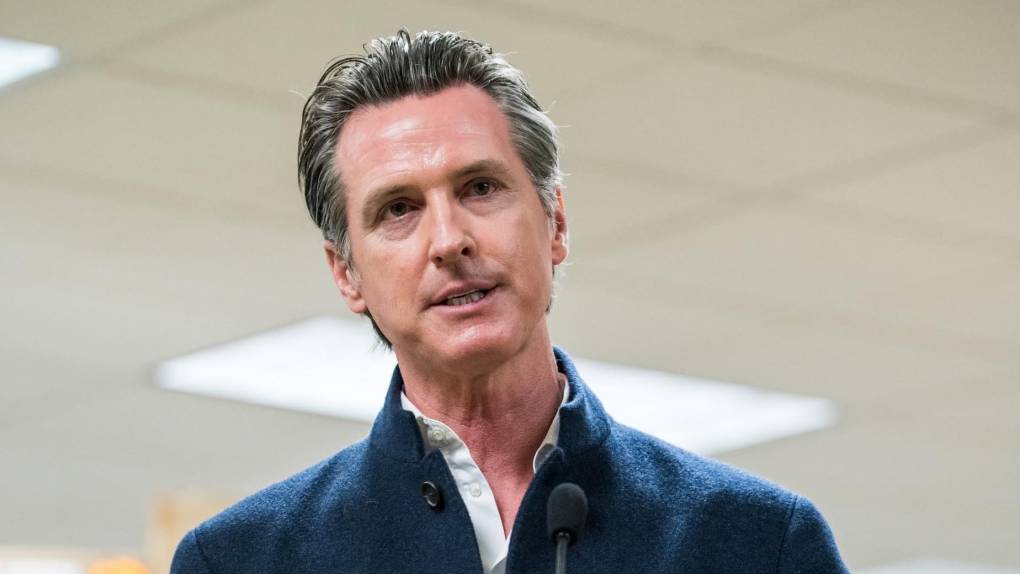
"caption": "California Gov. Gavin Newsom speaks during a press conference at the Bloom Energy Sunnyvale campus on March 28, 2020. ",
"description": null,
"title": "1920_1080_RS42413_058_KQED_BethLaBerge_BloomEnergy_Newsom_03282020-qut",
"credit": "Beth LaBerge/KQED",
"status": "inherit",
"altTag": "A close up of Gavin Newsom.",
"isLoading": false,
"fetchFailed": false
},
"news_11830897": {
"type": "attachments",
"id": "news_11830897",
"meta": {
"index": "attachments_1716263798",
"site": "news",
"id": "11830897",
"found": true
},
"parent": 11830889,
"imgSizes": {
"apple_news_ca_landscape_5_5": {
"file": "https://ww2.kqed.org/app/uploads/sites/10/2020/07/zoo_072820_final-1044x783.png",
"width": 1044,
"mimeType": "image/png",
"height": 783
},
"apple_news_ca_square_4_0": {
"file": "https://ww2.kqed.org/app/uploads/sites/10/2020/07/zoo_072820_final-470x470.png",
"width": 470,
"mimeType": "image/png",
"height": 470
},
"twentyfourteen-full-width": {
"file": "https://ww2.kqed.org/app/uploads/sites/10/2020/07/zoo_072820_final-1038x576.png",
"width": 1038,
"mimeType": "image/png",
"height": 576
},
"thumbnail": {
"file": "https://ww2.kqed.org/app/uploads/sites/10/2020/07/zoo_072820_final-160x119.png",
"width": 160,
"mimeType": "image/png",
"height": 119
},
"post-thumbnail": {
"file": "https://ww2.kqed.org/app/uploads/sites/10/2020/07/zoo_072820_final-672x372.png",
"width": 672,
"mimeType": "image/png",
"height": 372
},
"kqedFullSize": {
"file": "https://ww2.kqed.org/app/uploads/sites/10/2020/07/zoo_072820_final.png",
"width": 1920,
"height": 1423
},
"apple_news_ca_landscape_4_7": {
"file": "https://ww2.kqed.org/app/uploads/sites/10/2020/07/zoo_072820_final-632x474.png",
"width": 632,
"mimeType": "image/png",
"height": 474
},
"large": {
"file": "https://ww2.kqed.org/app/uploads/sites/10/2020/07/zoo_072820_final-1020x756.png",
"width": 1020,
"mimeType": "image/png",
"height": 756
},
"apple_news_ca_landscape_4_0": {
"file": "https://ww2.kqed.org/app/uploads/sites/10/2020/07/zoo_072820_final-536x402.png",
"width": 536,
"mimeType": "image/png",
"height": 402
},
"apple_news_ca_portrait_12_9": {
"file": "https://ww2.kqed.org/app/uploads/sites/10/2020/07/zoo_072820_final-1122x1423.png",
"width": 1122,
"mimeType": "image/png",
"height": 1423
},
"medium": {
"file": "https://ww2.kqed.org/app/uploads/sites/10/2020/07/zoo_072820_final-800x593.png",
"width": 800,
"mimeType": "image/png",
"height": 593
},
"apple_news_ca_portrait_4_0": {
"file": "https://ww2.kqed.org/app/uploads/sites/10/2020/07/zoo_072820_final-354x472.png",
"width": 354,
"mimeType": "image/png",
"height": 472
},
"apple_news_ca_portrait_9_7": {
"file": "https://ww2.kqed.org/app/uploads/sites/10/2020/07/zoo_072820_final-840x1120.png",
"width": 840,
"mimeType": "image/png",
"height": 1120
},
"apple_news_ca_landscape_12_9": {
"file": "https://ww2.kqed.org/app/uploads/sites/10/2020/07/zoo_072820_final-1832x1374.png",
"width": 1832,
"mimeType": "image/png",
"height": 1374
},
"apple_news_ca_square_9_7": {
"file": "https://ww2.kqed.org/app/uploads/sites/10/2020/07/zoo_072820_final-1104x1104.png",
"width": 1104,
"mimeType": "image/png",
"height": 1104
},
"1536x1536": {
"file": "https://ww2.kqed.org/app/uploads/sites/10/2020/07/zoo_072820_final-1536x1138.png",
"width": 1536,
"mimeType": "image/png",
"height": 1138
},
"apple_news_ca_portrait_4_7": {
"file": "https://ww2.kqed.org/app/uploads/sites/10/2020/07/zoo_072820_final-414x552.png",
"width": 414,
"mimeType": "image/png",
"height": 552
},
"apple_news_ca_square_12_9": {
"file": "https://ww2.kqed.org/app/uploads/sites/10/2020/07/zoo_072820_final-1472x1423.png",
"width": 1472,
"mimeType": "image/png",
"height": 1423
},
"apple_news_ca_portrait_5_5": {
"file": "https://ww2.kqed.org/app/uploads/sites/10/2020/07/zoo_072820_final-687x916.png",
"width": 687,
"mimeType": "image/png",
"height": 916
},
"apple_news_ca_square_4_7": {
"file": "https://ww2.kqed.org/app/uploads/sites/10/2020/07/zoo_072820_final-550x550.png",
"width": 550,
"mimeType": "image/png",
"height": 550
},
"apple_news_ca_landscape_9_7": {
"file": "https://ww2.kqed.org/app/uploads/sites/10/2020/07/zoo_072820_final-1376x1032.png",
"width": 1376,
"mimeType": "image/png",
"height": 1032
},
"apple_news_ca_square_5_5": {
"file": "https://ww2.kqed.org/app/uploads/sites/10/2020/07/zoo_072820_final-912x912.png",
"width": 912,
"mimeType": "image/png",
"height": 912
}
},
"publishDate": 1595978900,
"modified": 1595978944,
"caption": null,
"description": null,
"title": "zoo_072820_final",
"credit": null,
"status": "inherit",
"isLoading": false,
"fetchFailed": false
},
"news_11830766": {
"type": "attachments",
"id": "news_11830766",
"meta": {
"index": "attachments_1716263798",
"site": "news",
"id": "11830766",
"found": true
},
"parent": 11830733,
"imgSizes": {
"apple_news_ca_landscape_5_5": {
"file": "https://ww2.kqed.org/app/uploads/sites/10/2020/07/RS44048_003_KQED_SanPablo_NaturalizationApplication_07242020-qut-1044x783.jpg",
"width": 1044,
"mimeType": "image/jpeg",
"height": 783
},
"apple_news_ca_square_4_0": {
"file": "https://ww2.kqed.org/app/uploads/sites/10/2020/07/RS44048_003_KQED_SanPablo_NaturalizationApplication_07242020-qut-470x470.jpg",
"width": 470,
"mimeType": "image/jpeg",
"height": 470
},
"twentyfourteen-full-width": {
"file": "https://ww2.kqed.org/app/uploads/sites/10/2020/07/RS44048_003_KQED_SanPablo_NaturalizationApplication_07242020-qut-1038x576.jpg",
"width": 1038,
"mimeType": "image/jpeg",
"height": 576
},
"thumbnail": {
"file": "https://ww2.kqed.org/app/uploads/sites/10/2020/07/RS44048_003_KQED_SanPablo_NaturalizationApplication_07242020-qut-160x107.jpg",
"width": 160,
"mimeType": "image/jpeg",
"height": 107
},
"post-thumbnail": {
"file": "https://ww2.kqed.org/app/uploads/sites/10/2020/07/RS44048_003_KQED_SanPablo_NaturalizationApplication_07242020-qut-672x372.jpg",
"width": 672,
"mimeType": "image/jpeg",
"height": 372
},
"kqedFullSize": {
"file": "https://ww2.kqed.org/app/uploads/sites/10/2020/07/RS44048_003_KQED_SanPablo_NaturalizationApplication_07242020-qut.jpg",
"width": 1920,
"height": 1280
},
"apple_news_ca_landscape_4_7": {
"file": "https://ww2.kqed.org/app/uploads/sites/10/2020/07/RS44048_003_KQED_SanPablo_NaturalizationApplication_07242020-qut-632x474.jpg",
"width": 632,
"mimeType": "image/jpeg",
"height": 474
},
"large": {
"file": "https://ww2.kqed.org/app/uploads/sites/10/2020/07/RS44048_003_KQED_SanPablo_NaturalizationApplication_07242020-qut-1020x680.jpg",
"width": 1020,
"mimeType": "image/jpeg",
"height": 680
},
"apple_news_ca_landscape_4_0": {
"file": "https://ww2.kqed.org/app/uploads/sites/10/2020/07/RS44048_003_KQED_SanPablo_NaturalizationApplication_07242020-qut-536x402.jpg",
"width": 536,
"mimeType": "image/jpeg",
"height": 402
},
"apple_news_ca_portrait_12_9": {
"file": "https://ww2.kqed.org/app/uploads/sites/10/2020/07/RS44048_003_KQED_SanPablo_NaturalizationApplication_07242020-qut-1122x1280.jpg",
"width": 1122,
"mimeType": "image/jpeg",
"height": 1280
},
"medium": {
"file": "https://ww2.kqed.org/app/uploads/sites/10/2020/07/RS44048_003_KQED_SanPablo_NaturalizationApplication_07242020-qut-800x533.jpg",
"width": 800,
"mimeType": "image/jpeg",
"height": 533
},
"apple_news_ca_portrait_4_0": {
"file": "https://ww2.kqed.org/app/uploads/sites/10/2020/07/RS44048_003_KQED_SanPablo_NaturalizationApplication_07242020-qut-354x472.jpg",
"width": 354,
"mimeType": "image/jpeg",
"height": 472
},
"apple_news_ca_portrait_9_7": {
"file": "https://ww2.kqed.org/app/uploads/sites/10/2020/07/RS44048_003_KQED_SanPablo_NaturalizationApplication_07242020-qut-840x1120.jpg",
"width": 840,
"mimeType": "image/jpeg",
"height": 1120
},
"apple_news_ca_landscape_12_9": {
"file": "https://ww2.kqed.org/app/uploads/sites/10/2020/07/RS44048_003_KQED_SanPablo_NaturalizationApplication_07242020-qut-1832x1280.jpg",
"width": 1832,
"mimeType": "image/jpeg",
"height": 1280
},
"apple_news_ca_square_9_7": {
"file": "https://ww2.kqed.org/app/uploads/sites/10/2020/07/RS44048_003_KQED_SanPablo_NaturalizationApplication_07242020-qut-1104x1104.jpg",
"width": 1104,
"mimeType": "image/jpeg",
"height": 1104
},
"1536x1536": {
"file": "https://ww2.kqed.org/app/uploads/sites/10/2020/07/RS44048_003_KQED_SanPablo_NaturalizationApplication_07242020-qut-1536x1024.jpg",
"width": 1536,
"mimeType": "image/jpeg",
"height": 1024
},
"apple_news_ca_portrait_4_7": {
"file": "https://ww2.kqed.org/app/uploads/sites/10/2020/07/RS44048_003_KQED_SanPablo_NaturalizationApplication_07242020-qut-414x552.jpg",
"width": 414,
"mimeType": "image/jpeg",
"height": 552
},
"apple_news_ca_square_12_9": {
"file": "https://ww2.kqed.org/app/uploads/sites/10/2020/07/RS44048_003_KQED_SanPablo_NaturalizationApplication_07242020-qut-1472x1280.jpg",
"width": 1472,
"mimeType": "image/jpeg",
"height": 1280
},
"apple_news_ca_portrait_5_5": {
"file": "https://ww2.kqed.org/app/uploads/sites/10/2020/07/RS44048_003_KQED_SanPablo_NaturalizationApplication_07242020-qut-687x916.jpg",
"width": 687,
"mimeType": "image/jpeg",
"height": 916
},
"apple_news_ca_square_4_7": {
"file": "https://ww2.kqed.org/app/uploads/sites/10/2020/07/RS44048_003_KQED_SanPablo_NaturalizationApplication_07242020-qut-550x550.jpg",
"width": 550,
"mimeType": "image/jpeg",
"height": 550
},
"apple_news_ca_landscape_9_7": {
"file": "https://ww2.kqed.org/app/uploads/sites/10/2020/07/RS44048_003_KQED_SanPablo_NaturalizationApplication_07242020-qut-1376x1032.jpg",
"width": 1376,
"mimeType": "image/jpeg",
"height": 1032
},
"apple_news_ca_square_5_5": {
"file": "https://ww2.kqed.org/app/uploads/sites/10/2020/07/RS44048_003_KQED_SanPablo_NaturalizationApplication_07242020-qut-912x912.jpg",
"width": 912,
"mimeType": "image/jpeg",
"height": 912
}
},
"publishDate": 1595903513,
"modified": 1595903545,
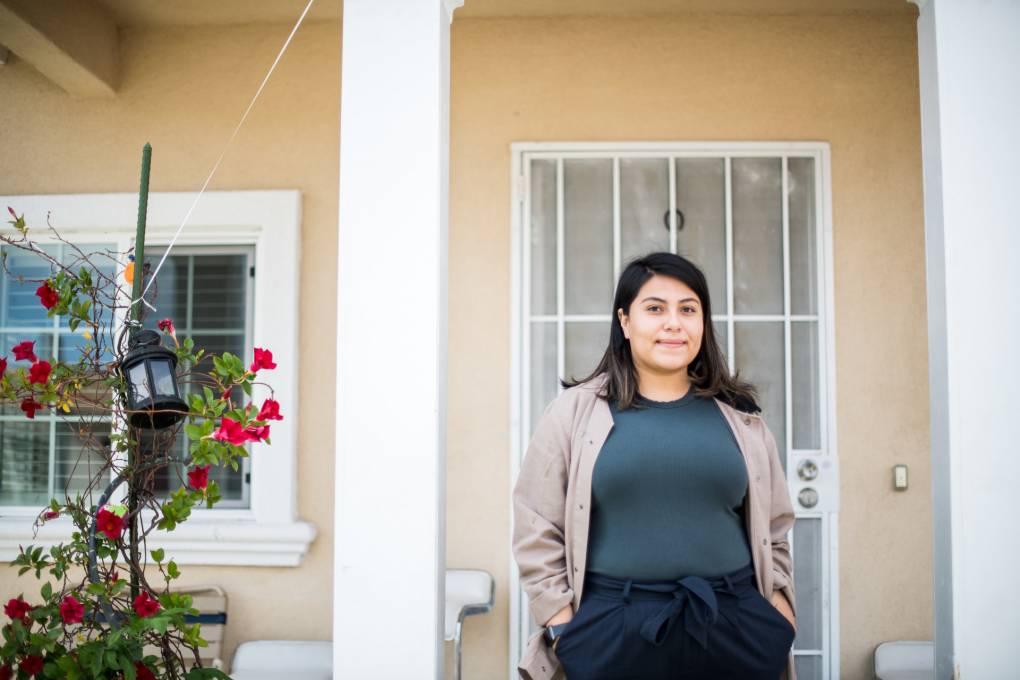
"caption": "Magdalena Olvera at her home in San Pablo on July 24, 2020.",
"description": "Magdalena Olvera at her home in San Pablo on July 24, 2020.",
"title": "Magdalena Olvera at her home in San Pablo on July 24, 2020.",
"credit": "Beth LaBerge/KQED",
"status": "inherit",
"isLoading": false,
"fetchFailed": false
},
"news_11830668": {
"type": "attachments",
"id": "news_11830668",
"meta": {
"index": "attachments_1716263798",
"site": "news",
"id": "11830668",
"found": true
},
"parent": 11830634,
"imgSizes": {
"apple_news_ca_square_4_0": {
"file": "https://ww2.kqed.org/app/uploads/sites/10/2020/07/Newsom_Protest-470x470.jpg",
"width": 470,
"mimeType": "image/jpeg",
"height": 470
},
"twentyfourteen-full-width": {
"file": "https://ww2.kqed.org/app/uploads/sites/10/2020/07/Newsom_Protest-1026x576.jpg",
"width": 1026,
"mimeType": "image/jpeg",
"height": 576
},
"thumbnail": {
"file": "https://ww2.kqed.org/app/uploads/sites/10/2020/07/Newsom_Protest-160x107.jpg",
"width": 160,
"mimeType": "image/jpeg",
"height": 107
},
"post-thumbnail": {
"file": "https://ww2.kqed.org/app/uploads/sites/10/2020/07/Newsom_Protest-672x372.jpg",
"width": 672,
"mimeType": "image/jpeg",
"height": 372
},
"kqedFullSize": {
"file": "https://ww2.kqed.org/app/uploads/sites/10/2020/07/Newsom_Protest.jpg",
"width": 1026,
"height": 683
},
"apple_news_ca_landscape_4_7": {
"file": "https://ww2.kqed.org/app/uploads/sites/10/2020/07/Newsom_Protest-632x474.jpg",
"width": 632,
"mimeType": "image/jpeg",
"height": 474
},
"large": {
"file": "https://ww2.kqed.org/app/uploads/sites/10/2020/07/Newsom_Protest-1020x679.jpg",
"width": 1020,
"mimeType": "image/jpeg",
"height": 679
},
"apple_news_ca_landscape_4_0": {
"file": "https://ww2.kqed.org/app/uploads/sites/10/2020/07/Newsom_Protest-536x402.jpg",
"width": 536,
"mimeType": "image/jpeg",
"height": 402
},
"medium": {
"file": "https://ww2.kqed.org/app/uploads/sites/10/2020/07/Newsom_Protest-800x533.jpg",
"width": 800,
"mimeType": "image/jpeg",
"height": 533
},
"apple_news_ca_portrait_4_0": {
"file": "https://ww2.kqed.org/app/uploads/sites/10/2020/07/Newsom_Protest-354x472.jpg",
"width": 354,
"mimeType": "image/jpeg",
"height": 472
},
"apple_news_ca_portrait_9_7": {
"file": "https://ww2.kqed.org/app/uploads/sites/10/2020/07/Newsom_Protest-840x683.jpg",
"width": 840,
"mimeType": "image/jpeg",
"height": 683
},
"apple_news_ca_portrait_4_7": {
"file": "https://ww2.kqed.org/app/uploads/sites/10/2020/07/Newsom_Protest-414x552.jpg",
"width": 414,
"mimeType": "image/jpeg",
"height": 552
},
"apple_news_ca_portrait_5_5": {
"file": "https://ww2.kqed.org/app/uploads/sites/10/2020/07/Newsom_Protest-687x683.jpg",
"width": 687,
"mimeType": "image/jpeg",
"height": 683
},
"apple_news_ca_square_4_7": {
"file": "https://ww2.kqed.org/app/uploads/sites/10/2020/07/Newsom_Protest-550x550.jpg",
"width": 550,
"mimeType": "image/jpeg",
"height": 550
},
"apple_news_ca_square_5_5": {
"file": "https://ww2.kqed.org/app/uploads/sites/10/2020/07/Newsom_Protest-912x683.jpg",
"width": 912,
"mimeType": "image/jpeg",
"height": 683
}
},
"publishDate": 1595887779,
"modified": 1595889579,
"caption": "Demonstrators calling for mass inmate releases, locked themselves to the front gate of Gov. Gavin Newsom's residence in Fair Oaks, California on Monday, July 27, 2020. ",
"description": null,
"title": "Newsom_Protest",
"credit": "Courtesy of \u003ca href=\"https://www.movementphotographer.com/\">Brooke Anderson/@movementphotographer\u003c/a>",
"status": "inherit",
"isLoading": false,
"fetchFailed": false
},
"news_11830553": {
"type": "attachments",
"id": "news_11830553",
"meta": {
"index": "attachments_1716263798",
"site": "news",
"id": "11830553",
"found": true
},
"parent": 11830532,
"imgSizes": {
"apple_news_ca_landscape_5_5": {
"file": "https://ww2.kqed.org/app/uploads/sites/10/2020/07/IMG_4203-1044x783.jpg",
"width": 1044,
"mimeType": "image/jpeg",
"height": 783
},
"apple_news_ca_square_4_0": {
"file": "https://ww2.kqed.org/app/uploads/sites/10/2020/07/IMG_4203-470x470.jpg",
"width": 470,
"mimeType": "image/jpeg",
"height": 470
},
"twentyfourteen-full-width": {
"file": "https://ww2.kqed.org/app/uploads/sites/10/2020/07/IMG_4203-1038x576.jpg",
"width": 1038,
"mimeType": "image/jpeg",
"height": 576
},
"thumbnail": {
"file": "https://ww2.kqed.org/app/uploads/sites/10/2020/07/IMG_4203-160x120.jpg",
"width": 160,
"mimeType": "image/jpeg",
"height": 120
},
"post-thumbnail": {
"file": "https://ww2.kqed.org/app/uploads/sites/10/2020/07/IMG_4203-672x372.jpg",
"width": 672,
"mimeType": "image/jpeg",
"height": 372
},
"kqedFullSize": {
"file": "https://ww2.kqed.org/app/uploads/sites/10/2020/07/IMG_4203-e1595637622536.jpg",
"width": 1920,
"height": 1440
},
"apple_news_ca_landscape_4_7": {
"file": "https://ww2.kqed.org/app/uploads/sites/10/2020/07/IMG_4203-632x474.jpg",
"width": 632,
"mimeType": "image/jpeg",
"height": 474
},
"large": {
"file": "https://ww2.kqed.org/app/uploads/sites/10/2020/07/IMG_4203-1020x765.jpg",
"width": 1020,
"mimeType": "image/jpeg",
"height": 765
},
"apple_news_ca_landscape_4_0": {
"file": "https://ww2.kqed.org/app/uploads/sites/10/2020/07/IMG_4203-536x402.jpg",
"width": 536,
"mimeType": "image/jpeg",
"height": 402
},
"apple_news_ca_portrait_12_9": {
"file": "https://ww2.kqed.org/app/uploads/sites/10/2020/07/IMG_4203-1122x1496.jpg",
"width": 1122,
"mimeType": "image/jpeg",
"height": 1496
},
"medium": {
"file": "https://ww2.kqed.org/app/uploads/sites/10/2020/07/IMG_4203-800x600.jpg",
"width": 800,
"mimeType": "image/jpeg",
"height": 600
},
"apple_news_ca_portrait_4_0": {
"file": "https://ww2.kqed.org/app/uploads/sites/10/2020/07/IMG_4203-354x472.jpg",
"width": 354,
"mimeType": "image/jpeg",
"height": 472
},
"apple_news_ca_portrait_9_7": {
"file": "https://ww2.kqed.org/app/uploads/sites/10/2020/07/IMG_4203-840x1120.jpg",
"width": 840,
"mimeType": "image/jpeg",
"height": 1120
},
"apple_news_ca_landscape_12_9": {
"file": "https://ww2.kqed.org/app/uploads/sites/10/2020/07/IMG_4203-1832x1374.jpg",
"width": 1832,
"mimeType": "image/jpeg",
"height": 1374
},
"apple_news_ca_square_9_7": {
"file": "https://ww2.kqed.org/app/uploads/sites/10/2020/07/IMG_4203-1104x1104.jpg",
"width": 1104,
"mimeType": "image/jpeg",
"height": 1104
},
"1536x1536": {
"file": "https://ww2.kqed.org/app/uploads/sites/10/2020/07/IMG_4203-1536x1152.jpg",
"width": 1536,
"mimeType": "image/jpeg",
"height": 1152
},
"apple_news_ca_portrait_4_7": {
"file": "https://ww2.kqed.org/app/uploads/sites/10/2020/07/IMG_4203-414x552.jpg",
"width": 414,
"mimeType": "image/jpeg",
"height": 552
},
"apple_news_ca_square_12_9": {
"file": "https://ww2.kqed.org/app/uploads/sites/10/2020/07/IMG_4203-1472x1472.jpg",
"width": 1472,
"mimeType": "image/jpeg",
"height": 1472
},
"apple_news_ca_portrait_5_5": {
"file": "https://ww2.kqed.org/app/uploads/sites/10/2020/07/IMG_4203-687x916.jpg",
"width": 687,
"mimeType": "image/jpeg",
"height": 916
},
"full-width": {
"file": "https://ww2.kqed.org/app/uploads/sites/10/2020/07/IMG_4203-1920x1440.jpg",
"width": 1920,
"mimeType": "image/jpeg",
"height": 1440
},
"apple_news_ca_square_4_7": {
"file": "https://ww2.kqed.org/app/uploads/sites/10/2020/07/IMG_4203-550x550.jpg",
"width": 550,
"mimeType": "image/jpeg",
"height": 550
},
"apple_news_ca_landscape_9_7": {
"file": "https://ww2.kqed.org/app/uploads/sites/10/2020/07/IMG_4203-1376x1032.jpg",
"width": 1376,
"mimeType": "image/jpeg",
"height": 1032
},
"apple_news_ca_square_5_5": {
"file": "https://ww2.kqed.org/app/uploads/sites/10/2020/07/IMG_4203-912x912.jpg",
"width": 912,
"mimeType": "image/jpeg",
"height": 912
}
},
"publishDate": 1595637549,
"modified": 1595637661,
"caption": "The Oaklandish store on Broadway in downtown Oakland.",
"description": null,
"title": "IMG_4203",
"credit": "Raquel Maria Dillon/KQED",
"status": "inherit",
"isLoading": false,
"fetchFailed": false
},
"news_11830475": {
"type": "attachments",
"id": "news_11830475",
"meta": {
"index": "attachments_1716263798",
"site": "news",
"id": "11830475",
"found": true
},
"parent": 11830463,
"imgSizes": {
"apple_news_ca_landscape_5_5": {
"file": "https://ww2.kqed.org/app/uploads/sites/10/2020/07/RS44036_GettyImages-1257627413-qut-1044x783.jpg",
"width": 1044,
"mimeType": "image/jpeg",
"height": 783
},
"apple_news_ca_square_4_0": {
"file": "https://ww2.kqed.org/app/uploads/sites/10/2020/07/RS44036_GettyImages-1257627413-qut-470x470.jpg",
"width": 470,
"mimeType": "image/jpeg",
"height": 470
},
"twentyfourteen-full-width": {
"file": "https://ww2.kqed.org/app/uploads/sites/10/2020/07/RS44036_GettyImages-1257627413-qut-1038x576.jpg",
"width": 1038,
"mimeType": "image/jpeg",
"height": 576
},
"thumbnail": {
"file": "https://ww2.kqed.org/app/uploads/sites/10/2020/07/RS44036_GettyImages-1257627413-qut-160x107.jpg",
"width": 160,
"mimeType": "image/jpeg",
"height": 107
},
"post-thumbnail": {
"file": "https://ww2.kqed.org/app/uploads/sites/10/2020/07/RS44036_GettyImages-1257627413-qut-672x372.jpg",
"width": 672,
"mimeType": "image/jpeg",
"height": 372
},
"kqedFullSize": {
"file": "https://ww2.kqed.org/app/uploads/sites/10/2020/07/RS44036_GettyImages-1257627413-qut.jpg",
"width": 1920,
"height": 1280
},
"apple_news_ca_landscape_4_7": {
"file": "https://ww2.kqed.org/app/uploads/sites/10/2020/07/RS44036_GettyImages-1257627413-qut-632x474.jpg",
"width": 632,
"mimeType": "image/jpeg",
"height": 474
},
"large": {
"file": "https://ww2.kqed.org/app/uploads/sites/10/2020/07/RS44036_GettyImages-1257627413-qut-1020x680.jpg",
"width": 1020,
"mimeType": "image/jpeg",
"height": 680
},
"apple_news_ca_landscape_4_0": {
"file": "https://ww2.kqed.org/app/uploads/sites/10/2020/07/RS44036_GettyImages-1257627413-qut-536x402.jpg",
"width": 536,
"mimeType": "image/jpeg",
"height": 402
},
"apple_news_ca_portrait_12_9": {
"file": "https://ww2.kqed.org/app/uploads/sites/10/2020/07/RS44036_GettyImages-1257627413-qut-1122x1280.jpg",
"width": 1122,
"mimeType": "image/jpeg",
"height": 1280
},
"medium": {
"file": "https://ww2.kqed.org/app/uploads/sites/10/2020/07/RS44036_GettyImages-1257627413-qut-800x533.jpg",
"width": 800,
"mimeType": "image/jpeg",
"height": 533
},
"apple_news_ca_portrait_4_0": {
"file": "https://ww2.kqed.org/app/uploads/sites/10/2020/07/RS44036_GettyImages-1257627413-qut-354x472.jpg",
"width": 354,
"mimeType": "image/jpeg",
"height": 472
},
"apple_news_ca_portrait_9_7": {
"file": "https://ww2.kqed.org/app/uploads/sites/10/2020/07/RS44036_GettyImages-1257627413-qut-840x1120.jpg",
"width": 840,
"mimeType": "image/jpeg",
"height": 1120
},
"apple_news_ca_landscape_12_9": {
"file": "https://ww2.kqed.org/app/uploads/sites/10/2020/07/RS44036_GettyImages-1257627413-qut-1832x1280.jpg",
"width": 1832,
"mimeType": "image/jpeg",
"height": 1280
},
"apple_news_ca_square_9_7": {
"file": "https://ww2.kqed.org/app/uploads/sites/10/2020/07/RS44036_GettyImages-1257627413-qut-1104x1104.jpg",
"width": 1104,
"mimeType": "image/jpeg",
"height": 1104
},
"1536x1536": {
"file": "https://ww2.kqed.org/app/uploads/sites/10/2020/07/RS44036_GettyImages-1257627413-qut-1536x1024.jpg",
"width": 1536,
"mimeType": "image/jpeg",
"height": 1024
},
"apple_news_ca_portrait_4_7": {
"file": "https://ww2.kqed.org/app/uploads/sites/10/2020/07/RS44036_GettyImages-1257627413-qut-414x552.jpg",
"width": 414,
"mimeType": "image/jpeg",
"height": 552
},
"apple_news_ca_square_12_9": {
"file": "https://ww2.kqed.org/app/uploads/sites/10/2020/07/RS44036_GettyImages-1257627413-qut-1472x1280.jpg",
"width": 1472,
"mimeType": "image/jpeg",
"height": 1280
},
"apple_news_ca_portrait_5_5": {
"file": "https://ww2.kqed.org/app/uploads/sites/10/2020/07/RS44036_GettyImages-1257627413-qut-687x916.jpg",
"width": 687,
"mimeType": "image/jpeg",
"height": 916
},
"apple_news_ca_square_4_7": {
"file": "https://ww2.kqed.org/app/uploads/sites/10/2020/07/RS44036_GettyImages-1257627413-qut-550x550.jpg",
"width": 550,
"mimeType": "image/jpeg",
"height": 550
},
"apple_news_ca_landscape_9_7": {
"file": "https://ww2.kqed.org/app/uploads/sites/10/2020/07/RS44036_GettyImages-1257627413-qut-1376x1032.jpg",
"width": 1376,
"mimeType": "image/jpeg",
"height": 1032
},
"apple_news_ca_square_5_5": {
"file": "https://ww2.kqed.org/app/uploads/sites/10/2020/07/RS44036_GettyImages-1257627413-qut-912x912.jpg",
"width": 912,
"mimeType": "image/jpeg",
"height": 912
}
},
"publishDate": 1595615371,
"modified": 1595615513,
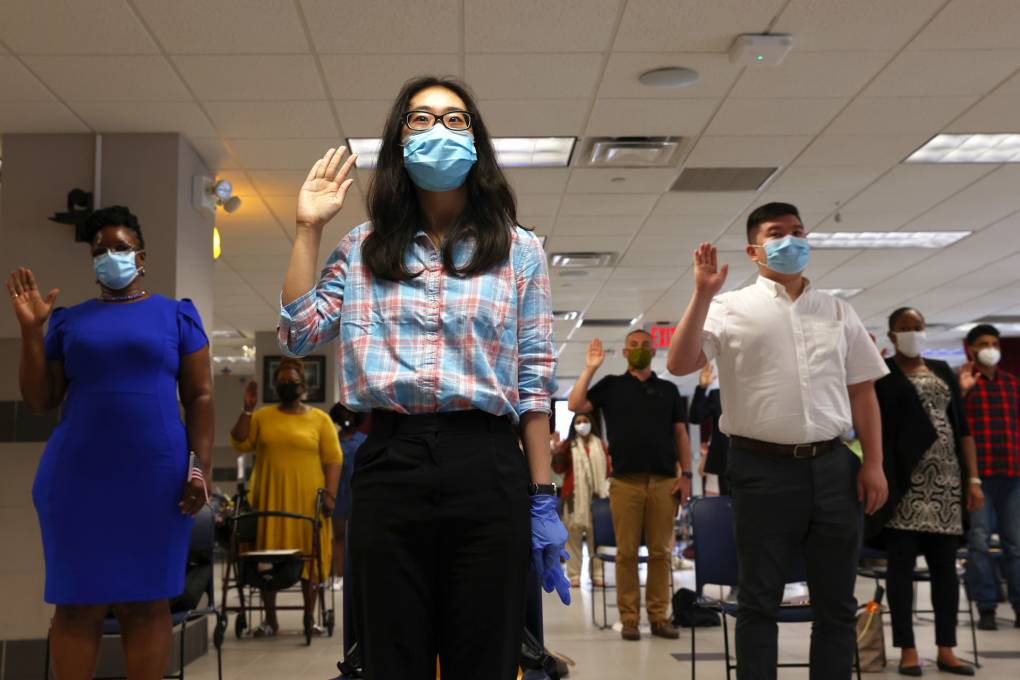
"caption": "People raise their hands to take an oath during a USCIS naturalization ceremony in New York City. Just months before the November election, the agency is struggling through a backlog of hundreds of thousands of immigrants applying to become U.S. citizens, many of whom are hoping to be able to vote for the first time.",
"description": "People raise their hands to take an oath during a USCIS naturalization ceremony in New York City. Just months before the November election, the agency is struggling through a backlog of hundreds of thousands of immigrants applying to become U.S. citizens, many of whom are hoping to be able to vote for the first time.",
"title": "Naturalization Ceremony Held In NYC After Delays Due To Coronavirus",
"credit": "Michael M. Santiago/Getty Images)",
"status": "inherit",
"isLoading": false,
"fetchFailed": false
}
},
"audioPlayerReducer": {
"postId": "stream_live",
"isPaused": true,
"isPlaying": false,
"pfsActive": false,
"pledgeModalIsOpen": true,
"playerDrawerIsOpen": false,
"liveAudioPlayStartedAt": 0,
"liveAudioPlayContext": ""
},
"authorsReducer": {
"byline_news_11831370": {
"type": "authors",
"id": "byline_news_11831370",
"meta": {
"override": true
},
"slug": "byline_news_11831370",
"name": "Kathleen Ronayne \u003cbr> Associated Press ",
"isLoading": false
},
"byline_news_11831239": {
"type": "authors",
"id": "byline_news_11831239",
"meta": {
"override": true
},
"slug": "byline_news_11831239",
"name": "Jana Kadah\u003cbr>Bay City News",
"isLoading": false
},
"byline_news_11831182": {
"type": "authors",
"id": "byline_news_11831182",
"meta": {
"override": true
},
"slug": "byline_news_11831182",
"name": "\u003ca href=\"https://calmatters.org/author/matt-levin/\"> Matt Levin \u003ca />",
"isLoading": false
},
"byline_news_11830944": {
"type": "authors",
"id": "byline_news_11830944",
"meta": {
"override": true
},
"slug": "byline_news_11830944",
"name": "Don Thompson \u003cbr> Associated Press",
"isLoading": false
},
"byline_news_11830634": {
"type": "authors",
"id": "byline_news_11830634",
"meta": {
"override": true
},
"slug": "byline_news_11830634",
"name": "Don Thompson\u003cbr>Associated Press",
"isLoading": false
},
"matthewgreen": {
"type": "authors",
"id": "1263",
"meta": {
"index": "authors_1716337520",
"id": "1263",
"found": true
},
"name": "Matthew Green",
"firstName": "Matthew",
"lastName": "Green",
"slug": "matthewgreen",
"email": "mgreen@kqed.org",
"display_author_email": false,
"staff_mastheads": [],
"title": "KQED Editor/Reporter",
"bio": "Matthew Green is a digital media producer for KQED News. He previously produced \u003ca href=\"http://www.kqed.org/lowdown\">The Lowdown\u003c/a>, KQED’s multimedia news education blog. Matthew's written for numerous Bay Area publications, including the Oakland Tribune and San Francisco Chronicle. He also taught journalism classes at Fremont High School in East Oakland.\r\n\r\nEmail: mgreen@kqed.org; Twitter: @MGreenKQED",
"avatar": "https://secure.gravatar.com/avatar/3bf498d1267ca02c8494f33d8cfc575e?s=600&d=blank&r=g",
"twitter": "MGreenKQED",
"facebook": null,
"instagram": null,
"linkedin": null,
"sites": [
{
"site": "news",
"roles": []
},
{
"site": "lowdown",
"roles": []
},
{
"site": "science",
"roles": []
},
{
"site": "education",
"roles": []
},
{
"site": "quest",
"roles": []
},
{
"site": "liveblog",
"roles": []
}
],
"headData": {
"title": "Matthew Green | KQED",
"description": "KQED Editor/Reporter",
"ogImgSrc": "https://secure.gravatar.com/avatar/3bf498d1267ca02c8494f33d8cfc575e?s=600&d=blank&r=g",
"twImgSrc": "https://secure.gravatar.com/avatar/3bf498d1267ca02c8494f33d8cfc575e?s=600&d=blank&r=g"
},
"isLoading": false,
"link": "/author/matthewgreen"
},
"ekelly": {
"type": "authors",
"id": "3211",
"meta": {
"index": "authors_1716337520",
"id": "3211",
"found": true
},
"name": "Erika Kelly",
"firstName": "Erika",
"lastName": "Kelly",
"slug": "ekelly",
"email": "ekelly@KQED.org",
"display_author_email": true,
"staff_mastheads": [
"news"
],
"title": "Deputy Managing Editor",
"bio": "Erika Kelly is deputy managing editor of KQED's newsroom, working with teams covering housing, climate, health, labor and the arts. Previously, she was the senior editor of KQED’s housing affordability desk, leading the team that produced the award winning podcast Sold Out: Rethinking Housing in America. She is a graduate of the Medill School of Journalism and a native of the Greater Chicagoland Area.",
"avatar": "https://secure.gravatar.com/avatar/3653973f475e2af06d52444628a0023a48f83905a9d7ce3a4e45e5ecebcb4230?s=600&d=blank&r=g",
"twitter": null,
"bluesky": null,
"facebook": null,
"instagram": null,
"linkedin": null,
"sites": [
{
"site": "",
"roles": [
"editor"
]
},
{
"site": "arts",
"roles": [
"administrator"
]
},
{
"site": "news",
"roles": [
"administrator"
]
},
{
"site": "science",
"roles": [
"administrator"
]
},
{
"site": "liveblog",
"roles": [
"administrator"
]
}
],
"headData": {
"title": "Erika Kelly | KQED",
"description": "Deputy Managing Editor",
"ogImgSrc": "https://secure.gravatar.com/avatar/3653973f475e2af06d52444628a0023a48f83905a9d7ce3a4e45e5ecebcb4230?s=600&d=blank&r=g",
"twImgSrc": "https://secure.gravatar.com/avatar/3653973f475e2af06d52444628a0023a48f83905a9d7ce3a4e45e5ecebcb4230?s=600&d=blank&r=g"
},
"isLoading": false,
"link": "/author/ekelly"
},
"markfiore": {
"type": "authors",
"id": "3236",
"meta": {
"index": "authors_1716337520",
"id": "3236",
"found": true
},
"name": "Mark Fiore",
"firstName": "Mark",
"lastName": "Fiore",
"slug": "markfiore",
"email": "mark@markfiore.com",
"display_author_email": false,
"staff_mastheads": [
"news"
],
"title": "KQED News Cartoonist",
"bio": "\u003ca href=\"http://www.MarkFiore.com\">MarkFiore.com\u003c/a> | \u003ca href=\"https://twitter.com/markfiore\">Follow on Twitter\u003c/a> | \u003ca href=\"https://www.facebook.com/pages/Mark-Fiore-Animated-Political-Cartoons/94451707396?ref=bookmarks\">Facebook\u003c/a> | \u003ca href=\"mailto:mark@markfiore.com\">email\u003c/a>\r\n\r\nPulitzer Prize-winner, Mark Fiore, who the Wall Street Journal has called “the undisputed guru of the form,” creates animated political cartoons in San Francisco, where his work has been featured regularly on the San Francisco Chronicle’s web site, SFGate.com. His work has appeared on Newsweek.com, Slate.com, CBSNews.com, MotherJones.com, DailyKos.com and NPR’s web site. Fiore’s political animation has appeared on CNN, Frontline, Bill Moyers Journal, Salon.com and cable and broadcast outlets across the globe.\r\n\r\nBeginning his professional life by drawing traditional political cartoons for newspapers, Fiore’s work appeared in publications ranging from the Washington Post to the Los Angeles Times. In the late 1990s, he began to experiment with animating political cartoons and, after a short stint at the San Jose Mercury News as their staff cartoonist, Fiore devoted all his energies to animation.\r\nGrowing up in California, Fiore also spent a good portion of his life in the backwoods of Idaho. It was this combination that shaped him politically. Mark majored in political science at Colorado College, where, in a perfect send-off for a cartoonist, he received his diploma in 1991 as commencement speaker Dick Cheney smiled approvingly.\r\nMark Fiore was awarded the Pulitzer Prize for political cartooning in 2010, a Robert F. Kennedy Journalism Award in 2004 and has twice received an Online Journalism Award for commentary from the Online News Association (2002, 2008). Fiore has received two awards for his work in new media from the National Cartoonists Society (2001, 2002), and in 2006 received The James Madison Freedom of Information Award from The Society of Professional Journalists.",
"avatar": "https://secure.gravatar.com/avatar/fc4e2a612b15b67bad0c6f0e1db4ca9b?s=600&d=blank&r=g",
"twitter": "MarkFiore",
"facebook": null,
"instagram": "https://www.instagram.com/markfiore/?hl=en",
"linkedin": null,
"sites": [
{
"site": "arts",
"roles": [
"contributor"
]
},
{
"site": "news",
"roles": [
"editor"
]
},
{
"site": "futureofyou",
"roles": [
"editor"
]
},
{
"site": "science",
"roles": [
"editor"
]
}
],
"headData": {
"title": "Mark Fiore | KQED",
"description": "KQED News Cartoonist",
"ogImgSrc": "https://secure.gravatar.com/avatar/fc4e2a612b15b67bad0c6f0e1db4ca9b?s=600&d=blank&r=g",
"twImgSrc": "https://secure.gravatar.com/avatar/fc4e2a612b15b67bad0c6f0e1db4ca9b?s=600&d=blank&r=g"
},
"isLoading": false,
"link": "/author/markfiore"
},
"mlagos": {
"type": "authors",
"id": "3239",
"meta": {
"index": "authors_1716337520",
"id": "3239",
"found": true
},
"name": "Marisa Lagos",
"firstName": "Marisa",
"lastName": "Lagos",
"slug": "mlagos",
"email": "mlagos@kqed.org",
"display_author_email": false,
"staff_mastheads": [
"news"
],
"title": "KQED Contributor",
"bio": "Marisa Lagos is a correspondent for KQED’s California Politics and Government Desk and co-hosts the award-winning show and podcast, Political Breakdown. At KQED, Lagos also conducts reporting, analysis and investigations into state, local and national politics for radio, TV, online and onstage. In 2022, she and co-host, Scott Shafer, moderated the only gubernatorial debate in California. In 2020, the \u003ci>Washington Post\u003c/i> named her one of the top political journalists in California; she was nominated for a Peabody and won several other awards for her work investigating the 2017 California wildfires. She has worked at the \u003ci>San Francisco Chronicle\u003c/i>, \u003ci>San Francisco Examiner\u003c/i> and \u003ci>Los Angeles Times\u003c/i>. A UC Santa Barbara graduate, she lives in San Francisco with her two sons and husband.",
"avatar": "https://secure.gravatar.com/avatar/a261a0d3696fc066871ef96b85b5e7d2?s=600&d=blank&r=g",
"twitter": "@mlagos",
"facebook": null,
"instagram": null,
"linkedin": null,
"sites": [
{
"site": "arts",
"roles": [
"author"
]
},
{
"site": "news",
"roles": [
"editor"
]
},
{
"site": "science",
"roles": [
"editor"
]
},
{
"site": "forum",
"roles": [
"author"
]
},
{
"site": "liveblog",
"roles": [
"author"
]
}
],
"headData": {
"title": "Marisa Lagos | KQED",
"description": "KQED Contributor",
"ogImgSrc": "https://secure.gravatar.com/avatar/a261a0d3696fc066871ef96b85b5e7d2?s=600&d=blank&r=g",
"twImgSrc": "https://secure.gravatar.com/avatar/a261a0d3696fc066871ef96b85b5e7d2?s=600&d=blank&r=g"
},
"isLoading": false,
"link": "/author/mlagos"
},
"fjhabvala": {
"type": "authors",
"id": "8659",
"meta": {
"index": "authors_1716337520",
"id": "8659",
"found": true
},
"name": "Farida Jhabvala Romero",
"firstName": "Farida",
"lastName": "Jhabvala Romero",
"slug": "fjhabvala",
"email": "fjhabvala@kqed.org",
"display_author_email": true,
"staff_mastheads": [
"news"
],
"title": "KQED Contributor",
"bio": "Farida Jhabvala Romero is a Labor Correspondent for KQED. She previously covered immigration. Farida was \u003ca href=\"https://www.ccnma.org/2022-most-influential-latina-journalists\">named\u003c/a> one of the 10 Most Influential Latina Journalists in California in 2022 by the California Chicano News Media Association. Her work has won awards from the Society of Professional Journalists (Northern California), as well as a national and regional Edward M. Murrow Award for the collaborative reporting projects “Dangerous Air” and “Graying California.” Before joining KQED, Farida worked as a producer at Radio Bilingüe, a national public radio network. Farida earned her master’s degree in journalism from Stanford University.",
"avatar": "https://secure.gravatar.com/avatar/f9f022d4e2609741874222a1e9d41f48fea74011aa7c615eef91d9a50c944ebe?s=600&d=blank&r=g",
"twitter": "FaridaJhabvala",
"bluesky": null,
"facebook": null,
"instagram": null,
"linkedin": "https://www.linkedin.com/in/faridajhabvala/",
"sites": [
{
"site": "news",
"roles": [
"editor"
]
},
{
"site": "stateofhealth",
"roles": [
"author"
]
},
{
"site": "liveblog",
"roles": [
"author"
]
}
],
"headData": {
"title": "Farida Jhabvala Romero | KQED",
"description": "KQED Contributor",
"ogImgSrc": "https://secure.gravatar.com/avatar/f9f022d4e2609741874222a1e9d41f48fea74011aa7c615eef91d9a50c944ebe?s=600&d=blank&r=g",
"twImgSrc": "https://secure.gravatar.com/avatar/f9f022d4e2609741874222a1e9d41f48fea74011aa7c615eef91d9a50c944ebe?s=600&d=blank&r=g"
},
"isLoading": false,
"link": "/author/fjhabvala"
},
"rdillon": {
"type": "authors",
"id": "11495",
"meta": {
"index": "authors_1716337520",
"id": "11495",
"found": true
},
"name": "Raquel Maria Dillon",
"firstName": "Raquel Maria",
"lastName": "Dillon",
"slug": "rdillon",
"email": "rdillon@kqed.org",
"display_author_email": false,
"staff_mastheads": [],
"title": null,
"bio": "Raquel Maria Dillon was a reporter and host for KQED News. Previously, she produced the daily statewide California Report, edited newscasts, and covered health and education stories. Before returning to the Bay Area in 2016, she worked in Los Angeles as a wire reporter and one-woman-band video journalist for the Associated Press, where she shot, edited and reported breaking news and features across the West. Her work has appeared online and in print around the globe, and also on NPR’s Morning Edition, All Things Considered, Here and Now, Marketplace, On The Media, and Studio 360. She previously edited and mentored up-and-coming reporters at KALW, produced social videos for Timeline.com, and was a local TV news videographer for KTVU and digital producer for KNTV. She got her start as a Radio News Trainee at KQED, produced a weekly public affairs roundtable show for OPB, and covered health and politics at New Hampshire Public Radio. She has a BA in political science from Barnard College and a MA in video journalism from UC Berkeley, where she was awarded the Faith Fancher Scholarship and a Student Emmy. She has received numerous local awards from the Associated Press and the Society of Professional Journalists.",
"avatar": "https://secure.gravatar.com/avatar/b8e02ae982913d0950df605910267c1b?s=600&d=blank&r=g",
"twitter": "RaquelMDillon",
"facebook": null,
"instagram": null,
"linkedin": null,
"sites": [
{
"site": "news",
"roles": [
"subscriber"
]
},
{
"site": "stateofhealth",
"roles": [
"editor"
]
},
{
"site": "science",
"roles": [
"editor"
]
},
{
"site": "forum",
"roles": [
"editor"
]
}
],
"headData": {
"title": "Raquel Maria Dillon | KQED",
"description": null,
"ogImgSrc": "https://secure.gravatar.com/avatar/b8e02ae982913d0950df605910267c1b?s=600&d=blank&r=g",
"twImgSrc": "https://secure.gravatar.com/avatar/b8e02ae982913d0950df605910267c1b?s=600&d=blank&r=g"
},
"isLoading": false,
"link": "/author/rdillon"
},
"slister": {
"type": "authors",
"id": "11582",
"meta": {
"index": "authors_1716337520",
"id": "11582",
"found": true
},
"name": "Stephanie Lister",
"firstName": "Stephanie",
"lastName": "Lister",
"slug": "slister",
"email": "slister@kqed.org",
"display_author_email": false,
"staff_mastheads": [],
"title": "KQED Contributor",
"bio": null,
"avatar": "https://secure.gravatar.com/avatar/5393644d68259d7bd1c83bcfc9725ca5?s=600&d=blank&r=g",
"twitter": null,
"facebook": null,
"instagram": null,
"linkedin": null,
"sites": [
{
"site": "news",
"roles": [
"subscriber"
]
}
],
"headData": {
"title": "Stephanie Lister | KQED",
"description": "KQED Contributor",
"ogImgSrc": "https://secure.gravatar.com/avatar/5393644d68259d7bd1c83bcfc9725ca5?s=600&d=blank&r=g",
"twImgSrc": "https://secure.gravatar.com/avatar/5393644d68259d7bd1c83bcfc9725ca5?s=600&d=blank&r=g"
},
"isLoading": false,
"link": "/author/slister"
},
"msolomon": {
"type": "authors",
"id": "11651",
"meta": {
"index": "authors_1716337520",
"id": "11651",
"found": true
},
"name": "Molly Solomon",
"firstName": "Molly",
"lastName": "Solomon",
"slug": "msolomon",
"email": "msolomon@KQED.org",
"display_author_email": false,
"staff_mastheads": [
"news"
],
"title": "Senior Editor",
"bio": "Molly Solomon is the senior editor of KQED's California Politics and Government Desk. Previously, she was the station's editor-at-large, with a focus on editing early childhood education, politics, and criminal justice. Before that, she managed and edited statewide election coverage for The California Newsroom, a collaboration of local public radio stations, CalMatters and NPR. Molly joined KQED in 2019 to launch the station’s housing affordability desk, where she reported on homelessness, evictions and is the co-host of KQED’s housing podcast, SOLD OUT: Rethinking Housing in America. Before that, she was the Southwest Washington Bureau Chief for Oregon Public Broadcasting and a reporter at Hawaii Public Radio. Her stories have aired on NPR’s \u003cem>Morning Edition\u003c/em>, \u003cem>All Things Considered\u003c/em>, \u003cem>Here & Now\u003c/em>, \u003cem>Science Friday\u003c/em> and \u003cem>Marketplace\u003c/em>. Molly's award-winning reporting has been honored by the Best of the West, Edward R. Murrow awards, Society of Professional Journalists, National Headliner Awards, and the Asian American Journalists Association. Born and raised in Berkeley, Molly is a big fan of burritos and her scruffy terrier, Ollie.",
"avatar": "https://secure.gravatar.com/avatar/9ad9794616923d81c9a79897161545bd?s=600&d=blank&r=g",
"twitter": "solomonout",
"facebook": null,
"instagram": null,
"linkedin": null,
"sites": [
{
"site": "news",
"roles": [
"editor"
]
},
{
"site": "science",
"roles": [
"editor"
]
}
],
"headData": {
"title": "Molly Solomon | KQED",
"description": "Senior Editor",
"ogImgSrc": "https://secure.gravatar.com/avatar/9ad9794616923d81c9a79897161545bd?s=600&d=blank&r=g",
"twImgSrc": "https://secure.gravatar.com/avatar/9ad9794616923d81c9a79897161545bd?s=600&d=blank&r=g"
},
"isLoading": false,
"link": "/author/msolomon"
},
"ebaldassari": {
"type": "authors",
"id": "11652",
"meta": {
"index": "authors_1716337520",
"id": "11652",
"found": true
},
"name": "Erin Baldassari",
"firstName": "Erin",
"lastName": "Baldassari",
"slug": "ebaldassari",
"email": "ebaldassari@KQED.org",
"display_author_email": true,
"staff_mastheads": [
"news"
],
"title": "Staff Writer",
"bio": "Erin Baldassari covers housing for KQED. She's a former print journalist and most recently worked as the transportation reporter for the \u003cem>Mercury News\u003c/em> and \u003cem>East Bay Times. \u003c/em>There, she focused on how the Bay Area’s housing shortage has changed the way people move around the region. She also served on the \u003cem>East Bay Times\u003c/em>’ 2017 Pulitzer Prize-winning team for coverage of the Ghost Ship Fire in Oakland. Prior to that, Erin worked as a breaking news and general assignment reporter for a variety of outlets in the Bay Area and the greater Boston area. A Tufts University alumna, Erin grew up in the foothills of the Sierra Nevada mountains and in Sonoma County. She is a life-long KQED listener.",
"avatar": "https://secure.gravatar.com/avatar/5e95cad64a8ca08288082212e199d2b0cbeb4fd8e8ef5339395f361032bbe005?s=600&d=blank&r=g",
"twitter": "e_baldi",
"bluesky": null,
"facebook": null,
"instagram": null,
"linkedin": null,
"sites": [
{
"site": "news",
"roles": [
"edit_others_posts",
"editor"
]
},
{
"site": "science",
"roles": [
"editor"
]
},
{
"site": "liveblog",
"roles": [
"editor"
]
}
],
"headData": {
"title": "Erin Baldassari | KQED",
"description": "Staff Writer",
"ogImgSrc": "https://secure.gravatar.com/avatar/5e95cad64a8ca08288082212e199d2b0cbeb4fd8e8ef5339395f361032bbe005?s=600&d=blank&r=g",
"twImgSrc": "https://secure.gravatar.com/avatar/5e95cad64a8ca08288082212e199d2b0cbeb4fd8e8ef5339395f361032bbe005?s=600&d=blank&r=g"
},
"isLoading": false,
"link": "/author/ebaldassari"
},
"jrodriguez": {
"type": "authors",
"id": "11690",
"meta": {
"index": "authors_1716337520",
"id": "11690",
"found": true
},
"name": "Joe Fitzgerald Rodriguez",
"firstName": "Joe",
"lastName": "Fitzgerald Rodriguez",
"slug": "jrodriguez",
"email": "jrodriguez@kqed.org",
"display_author_email": true,
"staff_mastheads": [
"news"
],
"title": "Reporter and Producer",
"bio": "Joe Fitzgerald Rodriguez is a reporter and digital producer for KQED covering politics. Joe most recently wrote for the \u003cem>San Francisco Examiner\u003c/em> as a political columnist covering The City. He was raised in San Francisco and has spent his reporting career in his beloved, foggy, city by the bay. Joe was 12-years-old when he conducted his first interview in journalism, grilling former San Francisco Mayor Willie Brown for the Marina Middle School newspaper, \u003cem>The Penguin Press, \u003c/em>and he continues to report on the San Francisco Bay Area to this day.",
"avatar": "https://secure.gravatar.com/avatar/2247beb0564c1e9c62228d5649d2edac?s=600&d=blank&r=g",
"twitter": "FitztheReporter",
"facebook": null,
"instagram": "https://www.instagram.com/fitzthereporter/",
"linkedin": null,
"sites": [
{
"site": "",
"roles": [
"editor"
]
},
{
"site": "arts",
"roles": [
"editor"
]
},
{
"site": "news",
"roles": [
"editor"
]
},
{
"site": "science",
"roles": [
"editor"
]
},
{
"site": "elections",
"roles": [
"editor"
]
},
{
"site": "liveblog",
"roles": [
"editor"
]
}
],
"headData": {
"title": "Joe Fitzgerald Rodriguez | KQED",
"description": "Reporter and Producer",
"ogImgSrc": "https://secure.gravatar.com/avatar/2247beb0564c1e9c62228d5649d2edac?s=600&d=blank&r=g",
"twImgSrc": "https://secure.gravatar.com/avatar/2247beb0564c1e9c62228d5649d2edac?s=600&d=blank&r=g"
},
"isLoading": false,
"link": "/author/jrodriguez"
}
},
"pagesReducer": {
"news_tag_covid-19": {
"type": "terms",
"id": "news_27504",
"meta": {
"index": "terms_1716263798",
"site": "news",
"id": "27504",
"score": 8.558557
},
"featImg": null,
"name": "covid-19",
"description": null,
"taxonomy": "tag",
"headData": {
"twImgId": null,
"twTitle": null,
"ogTitle": null,
"ogImgId": null,
"twDescription": null,
"description": null,
"title": "covid-19 Archives | KQED News",
"ogDescription": null
},
"ttid": 27521,
"slug": "covid-19",
"isLoading": false,
"title": "covid-19",
"pageMeta": {
"site": "news",
"WpPageTemplate": "page-topic-editorial",
"currentPage": 51
},
"blocks": [
{
"blockName": "kqed/post-list",
"attrs": {
"layout": "cardArticle2",
"query": "posts/news?tag=covid-19",
"seeMore": false,
"paginated": true,
"page": 51
}
},
{
"blockName": "kqed/ad"
}
]
}
},
"pfsSessionReducer": {},
"postsReducer": {
"stream_live": {
"type": "live",
"id": "stream_live",
"audioUrl": "https://streams.kqed.org/kqedradio",
"title": "Live Stream",
"excerpt": "Live Stream information currently unavailable.",
"link": "/radio",
"featImg": "",
"label": {
"name": "KQED Live",
"link": "/"
}
},
"stream_kqedNewscast": {
"type": "posts",
"id": "stream_kqedNewscast",
"audioUrl": "https://www.kqed.org/.stream/anon/radio/RDnews/newscast.mp3?_=1",
"title": "KQED Newscast",
"featImg": "",
"label": {
"name": "88.5 FM",
"link": "/"
}
},
"news_11831370": {
"type": "posts",
"id": "news_11831370",
"meta": {
"index": "posts_1716263798",
"site": "news",
"id": "11831370",
"score": null,
"sort": [
1596204125000
]
},
"guestAuthors": [],
"slug": "california-lawmakers-slam-employment-agency-for-slow-payouts",
"title": "California Lawmakers Slam Employment Agency for Slow Payouts",
"publishDate": 1596204125,
"format": "standard",
"headTitle": "California Lawmakers Slam Employment Agency for Slow Payouts | KQED",
"labelTerm": {},
"content": "\u003cp>California lawmakers accused the leader of the state’s unemployment department of failing the public in a tense hearing Thursday that featured stories of people waiting weeks or months to receive their benefits after losing their jobs because of the pandemic.\u003c/p>\n\u003cp>More than 1.2 million claims, about a fifth of all applications, haven’t been paid out, either because the applicants haven’t taken the right steps or they are ineligible, said Sharon Hilliard, head of the Employment Development Department. It will take until September to process about 239,000 of those that are mostly ready to go but backlogged, she said.\u003c/p>\n\u003cp>“It’s difficult to say this as someone who generally believes in government’s ability to help, but EDD has been failing California,” said Democratic Assemblymember David Chiu. “Our constituents are depleting their life savings, going into extreme debt, having trouble paying rent and putting food on the table.”\u003c/p>\n\u003cp>[pullquote size=\"medium\" align=\"right\" citation=\"Democratic Assemblymember David Chiu\"]‘Our constituents are depleting their life savings, going into extreme debt, having trouble paying rent and putting food on the table.’[/pullquote]\u003c/p>\n\u003cp>The coronavirus pandemic caused millions of Californians to lose their jobs starting in March, and the state has paid out $55 billion, including federal dollars, across 9.3 million claims, Hilliard said. Applications skyrocketed by more than 3,000% from March to May compared to January and February, according to the agency.\u003c/p>\n\u003cp>The hearing came a day after Gov. Gavin Newsom announced a new “strike team” to improve the department. The agency has already spent millions contracting with outside vendors to improve its technology and provide more call center workers. By October, it plans to award a contract to completely redo its information technology system, a timeline lawmakers said wasn’t nearly quick enough.\u003c/p>\n\u003cp>[ad fullwidth]\u003c/p>\n\u003cp>Chiu accused Hilliard of lying to the public about the unemployment data, another lawmaker said she had no faith in Hilliard or the agency, and members of the public called the state services “abominable” and suggested Hilliard be fired. Some who called in for public comment say they still haven’t received any payment.\u003c/p>\n\u003cp>Hilliard defended the battered agency. She told lawmakers the agency has hired or redirected thousands of workers and plans to bring on more. She said common reasons payments are delayed is because the state needs more information to verify the applicant’s identity or conduct a wage investigation.\u003c/p>\n\u003cp>“We remain laser focused on those claims that require additional action. Our staffers care deeply about the livelihood of our neighbors and our communities, which is why we continue to work round-the-clock in a committed effort to evolve our operations,” Hilliard said. [aside postID=\"news_11820299\" label='More Related Coverage']\u003c/p>\n\u003cp>A call center that can handle questions around specific claims has just 100 people working from 8 a.m. to 12 p.m., she said. The rest of the calls go through a line open seven days a week from 8 a.m. to 8 p.m. that can handle more basic calls. It takes on average four to six weeks for people to get a call back, Hilliard said.\u003c/p>\n\u003cp>The agency is working to merge the call centers and train more workers to handle complex calls to eliminate the need for call backs, Hilliard said. But she could not give a timeline for when that would happen despite repeated questions from Democratic Assemblymember Cottie Petrie-Norris. Other lawmakers said it was unacceptable that so few workers are able to answer questions about claims over the phone.\u003c/p>\n\u003cp>“All of these timelines just seem totally out of step with the urgency of the moment that we are in,” Petrie-Norris said.\u003c/p>\n\u003cp>The department is experiencing vastly more claims than at the height of the Great Recession, when the most claims processed in a single month was around 115,000. During a single week in late March, the state processed more than 1 million claims, said Chas Alamo, a policy analyst at the nonpartisan Legislative Analyst’s Office. The federal government sets a goal of 87% of new claims being paid out within three weeks; California is currently paying out 62% of claims within that time frame, Alamo said. That’s lower than the 50-state average. [aside tag=\"unemployment, jobs\" label=\"More Reporting on Unemployment\"]\u003c/p>\n\u003cp>Things could get even more complicated if Congress extends supplemental federal unemployment benefits, which gave people up to $600 in an additional weekly payments but just expired. The new program could require more complex calculations to determine payment amounts, and preparing the state’s system to handle it could take 12 to 20 weeks, Hilliard said.\u003c/p>\n\u003cp>“I think that the level of outrage that you’re hearing today would be nothing compared with the level of outrage if we were to tell the people of California it was going to take almost half a year to process their federal unemployment insurance supplement,” said Republican Assemblymember Jay Obernolte.\u003c/p>\n\u003cp>The strike team Newsom created will have 45 days to produce a report on how to make the agency more digital and consumer friendly. The agency will also begin weekly outreach to applicants who need to send in more information or certify their claims, which much be done every two weeks.\u003c/p>\n\u003cp>\u003cem>Developments and guidance on how to file for unemployment insurance has been changing rapidly. For additional support, please refer to \u003ca href=\"https://www.kqed.org/news/11806938/how-to-file-for-unemployment-in-california-during-the-coronavirus-pandemic\" target=\"_blank\" rel=\"noopener noreferrer\">KQED’s guide\u003c/a>, the official \u003ca href=\"http://edd.ca.gov/\" target=\"_blank\" rel=\"noopener noreferrer\">EDD website\u003c/a>, or \u003ca href=\"https://www.faqcaui.com/\" target=\"_blank\" rel=\"noopener noreferrer\">FAQCAUI\u003c/a>.\u003c/em>\u003c/p>\n\u003cp>\u003c/p>\n",
"blocks": [],
"excerpt": "More than 1.2 million claims haven’t been paid out, either because applicants haven’t taken the right steps or they are ineligible, said the head of the Employment Development Department.",
"status": "publish",
"parent": 0,
"modified": 1721125074,
"stats": {
"hasAudio": false,
"hasVideo": false,
"hasChartOrMap": false,
"iframeSrcs": [],
"hasGoogleForm": false,
"hasGallery": false,
"hasHearkenModule": false,
"hasPolis": false,
"paragraphCount": 19,
"wordCount": 936
},
"headData": {
"title": "California Lawmakers Slam Employment Agency for Slow Payouts | KQED",
"description": "More than 1.2 million claims haven’t been paid out, either because applicants haven’t taken the right steps or they are ineligible, said the head of the Employment Development Department.",
"ogTitle": "",
"ogDescription": "",
"ogImgId": "",
"twTitle": "",
"twDescription": "",
"twImgId": "",
"schema": {
"@context": "https://schema.org",
"@type": "NewsArticle",
"headline": "California Lawmakers Slam Employment Agency for Slow Payouts",
"datePublished": "2020-07-31T07:02:05-07:00",
"dateModified": "2024-07-16T03:17:54-07:00",
"image": "https://cdn.kqed.org/wp-content/uploads/2020/02/KQED-OG-Image@1x.png",
"isAccessibleForFree": "True",
"publisher": {
"@type": "NewsMediaOrganization",
"@id": "https://www.kqed.org/#organization",
"name": "KQED",
"logo": "https://cdn.kqed.org/wp-content/uploads/2020/02/KQED-OG-Image@1x.png",
"url": "https://www.kqed.org",
"sameAs": [
"https://www.facebook.com/KQED",
"https://twitter.com/KQED",
"https://www.instagram.com/kqed/",
"https://www.tiktok.com/@kqedofficial",
"https://www.linkedin.com/company/kqed",
"https://www.youtube.com/channel/UCeC0IOo7i1P_61zVUWbJ4nw"
]
}
}
},
"source": "Coronavirus",
"sourceUrl": "http://kqed.org/",
"sticky": false,
"nprByline": "Kathleen Ronayne \u003cbr> Associated Press ",
"path": "/news/11831370/california-lawmakers-slam-employment-agency-for-slow-payouts",
"audioTrackLength": null,
"parsedContent": [
{
"type": "contentString",
"content": "\u003cdiv class=\"post-body\">\u003cp>\u003cp>California lawmakers accused the leader of the state’s unemployment department of failing the public in a tense hearing Thursday that featured stories of people waiting weeks or months to receive their benefits after losing their jobs because of the pandemic.\u003c/p>\n\u003cp>More than 1.2 million claims, about a fifth of all applications, haven’t been paid out, either because the applicants haven’t taken the right steps or they are ineligible, said Sharon Hilliard, head of the Employment Development Department. It will take until September to process about 239,000 of those that are mostly ready to go but backlogged, she said.\u003c/p>\n\u003cp>“It’s difficult to say this as someone who generally believes in government’s ability to help, but EDD has been failing California,” said Democratic Assemblymember David Chiu. “Our constituents are depleting their life savings, going into extreme debt, having trouble paying rent and putting food on the table.”\u003c/p>\n\u003cp>\u003c/p>\u003c/div>",
"attributes": {
"named": {},
"numeric": []
}
},
{
"type": "component",
"content": "‘Our constituents are depleting their life savings, going into extreme debt, having trouble paying rent and putting food on the table.’",
"name": "pullquote",
"attributes": {
"named": {
"size": "medium",
"align": "right",
"citation": "Democratic Assemblymember David Chiu",
"label": ""
},
"numeric": []
}
},
{
"type": "contentString",
"content": "\u003cdiv class=\"post-body\">\u003cp>\u003c/p>\n\u003cp>The coronavirus pandemic caused millions of Californians to lose their jobs starting in March, and the state has paid out $55 billion, including federal dollars, across 9.3 million claims, Hilliard said. Applications skyrocketed by more than 3,000% from March to May compared to January and February, according to the agency.\u003c/p>\n\u003cp>The hearing came a day after Gov. Gavin Newsom announced a new “strike team” to improve the department. The agency has already spent millions contracting with outside vendors to improve its technology and provide more call center workers. By October, it plans to award a contract to completely redo its information technology system, a timeline lawmakers said wasn’t nearly quick enough.\u003c/p>\n\u003cp>\u003c/p>\u003c/div>",
"attributes": {
"named": {},
"numeric": []
}
},
{
"type": "component",
"content": "",
"name": "ad",
"attributes": {
"named": {
"label": "fullwidth"
},
"numeric": [
"fullwidth"
]
}
},
{
"type": "contentString",
"content": "\u003cdiv class=\"post-body\">\u003cp>\u003c/p>\n\u003cp>Chiu accused Hilliard of lying to the public about the unemployment data, another lawmaker said she had no faith in Hilliard or the agency, and members of the public called the state services “abominable” and suggested Hilliard be fired. Some who called in for public comment say they still haven’t received any payment.\u003c/p>\n\u003cp>Hilliard defended the battered agency. She told lawmakers the agency has hired or redirected thousands of workers and plans to bring on more. She said common reasons payments are delayed is because the state needs more information to verify the applicant’s identity or conduct a wage investigation.\u003c/p>\n\u003cp>“We remain laser focused on those claims that require additional action. Our staffers care deeply about the livelihood of our neighbors and our communities, which is why we continue to work round-the-clock in a committed effort to evolve our operations,” Hilliard said. \u003c/p>\u003c/div>",
"attributes": {
"named": {},
"numeric": []
}
},
{
"type": "component",
"content": "",
"name": "aside",
"attributes": {
"named": {
"postid": "news_11820299",
"label": "More Related Coverage "
},
"numeric": []
}
},
{
"type": "contentString",
"content": "\u003cdiv class=\"post-body\">\u003cp>\u003c/p>\n\u003cp>A call center that can handle questions around specific claims has just 100 people working from 8 a.m. to 12 p.m., she said. The rest of the calls go through a line open seven days a week from 8 a.m. to 8 p.m. that can handle more basic calls. It takes on average four to six weeks for people to get a call back, Hilliard said.\u003c/p>\n\u003cp>The agency is working to merge the call centers and train more workers to handle complex calls to eliminate the need for call backs, Hilliard said. But she could not give a timeline for when that would happen despite repeated questions from Democratic Assemblymember Cottie Petrie-Norris. Other lawmakers said it was unacceptable that so few workers are able to answer questions about claims over the phone.\u003c/p>\n\u003cp>“All of these timelines just seem totally out of step with the urgency of the moment that we are in,” Petrie-Norris said.\u003c/p>\n\u003cp>The department is experiencing vastly more claims than at the height of the Great Recession, when the most claims processed in a single month was around 115,000. During a single week in late March, the state processed more than 1 million claims, said Chas Alamo, a policy analyst at the nonpartisan Legislative Analyst’s Office. The federal government sets a goal of 87% of new claims being paid out within three weeks; California is currently paying out 62% of claims within that time frame, Alamo said. That’s lower than the 50-state average. \u003c/p>\u003c/div>",
"attributes": {
"named": {},
"numeric": []
}
},
{
"type": "component",
"content": "",
"name": "aside",
"attributes": {
"named": {
"tag": "unemployment, jobs",
"label": "More Reporting on Unemployment "
},
"numeric": []
}
},
{
"type": "contentString",
"content": "\u003cdiv class=\"post-body\">\u003cp>\u003c/p>\n\u003cp>Things could get even more complicated if Congress extends supplemental federal unemployment benefits, which gave people up to $600 in an additional weekly payments but just expired. The new program could require more complex calculations to determine payment amounts, and preparing the state’s system to handle it could take 12 to 20 weeks, Hilliard said.\u003c/p>\n\u003cp>“I think that the level of outrage that you’re hearing today would be nothing compared with the level of outrage if we were to tell the people of California it was going to take almost half a year to process their federal unemployment insurance supplement,” said Republican Assemblymember Jay Obernolte.\u003c/p>\n\u003cp>The strike team Newsom created will have 45 days to produce a report on how to make the agency more digital and consumer friendly. The agency will also begin weekly outreach to applicants who need to send in more information or certify their claims, which much be done every two weeks.\u003c/p>\n\u003cp>\u003cem>Developments and guidance on how to file for unemployment insurance has been changing rapidly. For additional support, please refer to \u003ca href=\"https://www.kqed.org/news/11806938/how-to-file-for-unemployment-in-california-during-the-coronavirus-pandemic\" target=\"_blank\" rel=\"noopener noreferrer\">KQED’s guide\u003c/a>, the official \u003ca href=\"http://edd.ca.gov/\" target=\"_blank\" rel=\"noopener noreferrer\">EDD website\u003c/a>, or \u003ca href=\"https://www.faqcaui.com/\" target=\"_blank\" rel=\"noopener noreferrer\">FAQCAUI\u003c/a>.\u003c/em>\u003c/p>\n\u003cp>\u003c/p>\n\u003c/div>\u003c/p>",
"attributes": {
"named": {},
"numeric": []
}
}
],
"link": "/news/11831370/california-lawmakers-slam-employment-agency-for-slow-payouts",
"authors": [
"byline_news_11831370"
],
"categories": [
"news_1758",
"news_8"
],
"tags": [
"news_18538",
"news_3651",
"news_27350",
"news_27504",
"news_18545",
"news_1760",
"news_1631",
"news_631",
"news_27765"
],
"featImg": "news_11831372",
"label": "source_news_11831370"
},
"news_11831239": {
"type": "posts",
"id": "news_11831239",
"meta": {
"index": "posts_1716263798",
"site": "news",
"id": "11831239",
"score": null,
"sort": [
1596138105000
]
},
"parent": 0,
"labelTerm": {
"site": "news"
},
"blocks": [],
"publishDate": 1596138105,
"format": "standard",
"disqusTitle": "Santa Clara County to Put US Census Kiosks at Pop-up Coronavirus Testing Sites",
"title": "Santa Clara County to Put US Census Kiosks at Pop-up Coronavirus Testing Sites",
"headTitle": "KQED News",
"content": "\u003cp>Census 2020 electronic kiosks will soon be placed at pop-up COVID-19 testing sites throughout Santa Clara County, officials announced Wednesday.\u003c/p>\n\u003cp>The move, they said, is being made in part to mitigate the potential impact of President Trump's recently renewed efforts to exclude undocumented immigrants from the count.\u003c/p>\n\u003cp>The kiosks are also part of a larger effort to ensure that all county residents are counted in the once-a-decade survey, \u003ca href=\"https://2020census.gov/en/census-data.html\">which determines\u003c/a> congressional representation and redistricting and informs how hundreds of billions of dollars in federal spending are locally allocated each year. That funding is used for schools, roads and hospitals, among many other public resources.\u003c/p>\n\u003cp>[pullquote align=\"right\" size=\"medium\" citation=\"Nick Kuwada, Santa Clara County census manager\"]'When you fill out the census, you are helping yourself, you are helping your community, especially in this time of COVID-19.'[/pullquote]\u003c/p>\n\u003cp>Electronic tablets will be available for people to fill out their census forms while waiting to get tested.\u003c/p>\n\u003cp>“Our team is committed to make sure we have a full count here in Santa Clara County because that is our right,\" said Nick Kuwada, manager of the county's census effort. “When you fill out the census, you are helping yourself, you are helping your community, especially in this time of COVID-19.”\u003c/p>\n\u003cp>Thirty percent of households in Santa Clara County have not yet participated in this year's census, according to county data.\u003c/p>\n\u003cp>[ad fullwidth]\u003cbr>\n“Right now, we are using 2010 data to distribute COVID-19 resources and I can tell you that the effects of this pandemic range far beyond the next couple of years,” Kuwada said. “We need to be prepared, make sure our voice is heard and get the money we deserve so we can have equitable relief here in Santa Clara County.”\u003c/p>\n\u003cp>Last week, \u003ca href=\"https://www.usatoday.com/story/news/politics/2020/07/21/trump-tell-census-not-count-undocumented-immigrants/5459873002/\">Trump signed a memo\u003c/a> that seeks to have the U.S.\u003cbr>\nDepartment of Commerce, which oversees the Census Bureau, count only citizens and certain immigrants when determining congressional seats. The directive, though, won't have any practical impact because the census does not ask whether immigrants are undocumented, and federal law bars the use of estimates in redistricting.\u003c/p>\n\u003cp>In 2019, the U.S. Supreme Court \u003ca href=\"https://www.npr.org/2019/06/27/717635291/supreme-court-leaves-citizenship-question-blocked-from-2020-census\">rejected\u003c/a> the administration's efforts to place a citizenship question on the census.\u003c/p>\n\u003cp>“As we look across the country, we have watched on a national level the president of the United States try to erase voices,” Santa Clara Supervisor Cindy Chavez said. “Whether you are a citizen or not, making sure we are not erased is really important.”\u003c/p>\n\u003cp>[aside label=\"more census coverage tag=\"census-2020\"]Santa Clara County has about 200,000 undocumented residents, or roughly 10% of the population, according to a \u003ca href=\"https://www.pewresearch.org/hispanic/interactives/unauthorized-immigrants-by-metro-area-table/\">2019 Pew Research Center study\u003c/a>.\u003c/p>\n\u003cp>Information collected by the census is kept confidential, ensuring undocumented residents are not at risk if they participate, according to David Campos, Santa Clara's deputy county executive.\u003c/p>\n\u003cp>“To make it very clear, the motivations behind the president's\u003cbr>\nmemo are purely political,” said Efraín Delgado, a community organizer with the Asian Law Alliance, one of the groups working with the county to boost census participation. “He seeks to suppress census participation in order to skew the congressional map.”\u003c/p>\n\u003cp>In mid-March, invitations to participate in the census were mailed to every U.S. household, regardless of citizenship status. This is the first year the census questionnaire can be completed online — as well as by mail or phone. For households that have not yet completed it, Census Bureau employees will begin in-person interviews at people's homes starting on Aug. 11. Forms must be completed by Oct. 31.\u003c/p>\n\u003cp>Residents can complete the census questionnaire \u003ca href=\"https://my2020census.gov/\">online here\u003c/a> or by calling 844 330-2020, toll-free.\u003c/p>\n\u003cp>\u003c/p>\n",
"disqusIdentifier": "11831239 https://ww2.kqed.org/news/?p=11831239",
"disqusUrl": "https://ww2.kqed.org/news/2020/07/30/santa-clara-county-to-put-u-s-census-kiosks-at-pop-up-coronavirus-testing-sites/",
"stats": {
"hasVideo": false,
"hasChartOrMap": false,
"hasAudio": false,
"hasPolis": false,
"wordCount": 642,
"hasGoogleForm": false,
"hasGallery": false,
"hasHearkenModule": false,
"iframeSrcs": [],
"paragraphCount": 17
},
"modified": 1596151169,
"excerpt": "The census kiosks, part of the county's efforts to boost participation in the decennial survey, are a reaction in part to President Trump's recent efforts to exclude undocumented residents from participating.",
"headData": {
"twImgId": "",
"twTitle": "",
"ogTitle": "",
"ogImgId": "",
"twDescription": "",
"description": "The census kiosks, part of the county's efforts to boost participation in the decennial survey, are a reaction in part to President Trump's recent efforts to exclude undocumented residents from participating.",
"title": "Santa Clara County to Put US Census Kiosks at Pop-up Coronavirus Testing Sites | KQED",
"ogDescription": "",
"schema": {
"@context": "https://schema.org",
"@type": "NewsArticle",
"headline": "Santa Clara County to Put US Census Kiosks at Pop-up Coronavirus Testing Sites",
"datePublished": "2020-07-30T12:41:45-07:00",
"dateModified": "2020-07-30T16:19:29-07:00",
"image": "https://cdn.kqed.org/wp-content/uploads/2020/02/KQED-OG-Image@1x.png",
"isAccessibleForFree": "True",
"publisher": {
"@type": "NewsMediaOrganization",
"@id": "https://www.kqed.org/#organization",
"name": "KQED",
"logo": "https://cdn.kqed.org/wp-content/uploads/2020/02/KQED-OG-Image@1x.png",
"url": "https://www.kqed.org",
"sameAs": [
"https://www.facebook.com/KQED",
"https://twitter.com/KQED",
"https://www.instagram.com/kqed/",
"https://www.tiktok.com/@kqedofficial",
"https://www.linkedin.com/company/kqed",
"https://www.youtube.com/channel/UCeC0IOo7i1P_61zVUWbJ4nw"
]
}
}
},
"guestAuthors": [],
"slug": "santa-clara-county-to-put-u-s-census-kiosks-at-pop-up-coronavirus-testing-sites",
"status": "publish",
"nprByline": "Jana Kadah\u003cbr>Bay City News",
"path": "/news/11831239/santa-clara-county-to-put-u-s-census-kiosks-at-pop-up-coronavirus-testing-sites",
"audioTrackLength": null,
"parsedContent": [
{
"type": "contentString",
"content": "\u003cdiv class=\"post-body\">\u003cp>\u003cp>Census 2020 electronic kiosks will soon be placed at pop-up COVID-19 testing sites throughout Santa Clara County, officials announced Wednesday.\u003c/p>\n\u003cp>The move, they said, is being made in part to mitigate the potential impact of President Trump's recently renewed efforts to exclude undocumented immigrants from the count.\u003c/p>\n\u003cp>The kiosks are also part of a larger effort to ensure that all county residents are counted in the once-a-decade survey, \u003ca href=\"https://2020census.gov/en/census-data.html\">which determines\u003c/a> congressional representation and redistricting and informs how hundreds of billions of dollars in federal spending are locally allocated each year. That funding is used for schools, roads and hospitals, among many other public resources.\u003c/p>\n\u003cp>\u003c/p>\u003c/div>",
"attributes": {
"named": {},
"numeric": []
}
},
{
"type": "component",
"content": "'When you fill out the census, you are helping yourself, you are helping your community, especially in this time of COVID-19.'",
"name": "pullquote",
"attributes": {
"named": {
"align": "right",
"size": "medium",
"citation": "Nick Kuwada, Santa Clara County census manager",
"label": ""
},
"numeric": []
}
},
{
"type": "contentString",
"content": "\u003cdiv class=\"post-body\">\u003cp>\u003c/p>\n\u003cp>Electronic tablets will be available for people to fill out their census forms while waiting to get tested.\u003c/p>\n\u003cp>“Our team is committed to make sure we have a full count here in Santa Clara County because that is our right,\" said Nick Kuwada, manager of the county's census effort. “When you fill out the census, you are helping yourself, you are helping your community, especially in this time of COVID-19.”\u003c/p>\n\u003cp>Thirty percent of households in Santa Clara County have not yet participated in this year's census, according to county data.\u003c/p>\n\u003cp>\u003c/p>\u003c/div>",
"attributes": {
"named": {},
"numeric": []
}
},
{
"type": "component",
"content": "",
"name": "ad",
"attributes": {
"named": {
"label": "fullwidth"
},
"numeric": [
"fullwidth"
]
}
},
{
"type": "contentString",
"content": "\u003cdiv class=\"post-body\">\u003cp>\u003cbr>\n“Right now, we are using 2010 data to distribute COVID-19 resources and I can tell you that the effects of this pandemic range far beyond the next couple of years,” Kuwada said. “We need to be prepared, make sure our voice is heard and get the money we deserve so we can have equitable relief here in Santa Clara County.”\u003c/p>\n\u003cp>Last week, \u003ca href=\"https://www.usatoday.com/story/news/politics/2020/07/21/trump-tell-census-not-count-undocumented-immigrants/5459873002/\">Trump signed a memo\u003c/a> that seeks to have the U.S.\u003cbr>\nDepartment of Commerce, which oversees the Census Bureau, count only citizens and certain immigrants when determining congressional seats. The directive, though, won't have any practical impact because the census does not ask whether immigrants are undocumented, and federal law bars the use of estimates in redistricting.\u003c/p>\n\u003cp>In 2019, the U.S. Supreme Court \u003ca href=\"https://www.npr.org/2019/06/27/717635291/supreme-court-leaves-citizenship-question-blocked-from-2020-census\">rejected\u003c/a> the administration's efforts to place a citizenship question on the census.\u003c/p>\n\u003cp>“As we look across the country, we have watched on a national level the president of the United States try to erase voices,” Santa Clara Supervisor Cindy Chavez said. “Whether you are a citizen or not, making sure we are not erased is really important.”\u003c/p>\n\u003cp>\u003c/p>\u003c/div>",
"attributes": {
"named": {},
"numeric": []
}
},
{
"type": "component",
"content": "",
"name": "aside",
"attributes": {
"named": {
"tag": "census-2020",
"label": "label=\"more census coverage"
},
"numeric": [
"label=\"more",
"census",
"coverage"
]
}
},
{
"type": "contentString",
"content": "\u003cdiv class=\"post-body\">\u003cp>Santa Clara County has about 200,000 undocumented residents, or roughly 10% of the population, according to a \u003ca href=\"https://www.pewresearch.org/hispanic/interactives/unauthorized-immigrants-by-metro-area-table/\">2019 Pew Research Center study\u003c/a>.\u003c/p>\n\u003cp>Information collected by the census is kept confidential, ensuring undocumented residents are not at risk if they participate, according to David Campos, Santa Clara's deputy county executive.\u003c/p>\n\u003cp>“To make it very clear, the motivations behind the president's\u003cbr>\nmemo are purely political,” said Efraín Delgado, a community organizer with the Asian Law Alliance, one of the groups working with the county to boost census participation. “He seeks to suppress census participation in order to skew the congressional map.”\u003c/p>\n\u003cp>In mid-March, invitations to participate in the census were mailed to every U.S. household, regardless of citizenship status. This is the first year the census questionnaire can be completed online — as well as by mail or phone. For households that have not yet completed it, Census Bureau employees will begin in-person interviews at people's homes starting on Aug. 11. Forms must be completed by Oct. 31.\u003c/p>\n\u003cp>Residents can complete the census questionnaire \u003ca href=\"https://my2020census.gov/\">online here\u003c/a> or by calling 844 330-2020, toll-free.\u003c/p>\n\u003cp>\u003c/p>\n\u003c/div>\u003c/p>",
"attributes": {
"named": {},
"numeric": []
}
}
],
"link": "/news/11831239/santa-clara-county-to-put-u-s-census-kiosks-at-pop-up-coronavirus-testing-sites",
"authors": [
"byline_news_11831239"
],
"categories": [
"news_8"
],
"tags": [
"news_26244",
"news_25535",
"news_27350",
"news_27504",
"news_18188",
"news_994",
"news_27553"
],
"featImg": "news_11831251",
"label": "news"
},
"news_11831182": {
"type": "posts",
"id": "news_11831182",
"meta": {
"index": "posts_1716263798",
"site": "news",
"id": "11831182",
"score": null,
"sort": [
1596114001000
]
},
"parent": 0,
"labelTerm": {},
"blocks": [],
"publishDate": 1596114001,
"format": "standard",
"disqusTitle": "California County With Highest COVID-19 Death Rate Violated Court Rules for Evictions",
"title": "California County With Highest COVID-19 Death Rate Violated Court Rules for Evictions",
"headTitle": "KQED News",
"content": "\u003cp>Imperial County, the rural county in southeastern California beset with \u003ca href=\"https://www.latimes.com/california/story/2020-07-17/imperial-county-medical-air-teams-work-around-clock-to-move-covid-19-patients\">overrun hospitals\u003c/a> and the highest COVID-19 mortality rate in the state, has allowed landlords to pursue court-ordered evictions during the novel coronavirus pandemic — despite state judicial rules barring such proceedings.\u003c/p>\n\u003cp>The Imperial County Superior Court has issued notices of eviction lawsuits to renters and engaged in other eviction proceedings that violate state judicial protocols, according to documents reviewed by CalMatters. The documents were provided by the Imperial County chapter of California Rural Legal Assistance Inc, a statewide legal aid organization.\u003c/p>\n\u003cp>The state Judicial Council — the governing body for the state court system chaired by state Supreme Court Chief Justice Tani G. Cantil-Sakauye — issued an \u003ca href=\"https://www.nolo.com/legal-encyclopedia/coronavirus-covid-19-california-eviction-bans-and-tenant-protections.html\" target=\"_blank\" rel=\"noopener noreferrer\">emergency rule\u003c/a> on April 6 barring local courts from going forward with most eviction cases, with the exception of cases involving threats to public health and safety. The council then extended the ban.\u003c/p>\n\u003cp>“People being evicted from their homes is a public health and safety problem,” said Adriane Bracciale, directing attorney for the legal aid organization’s office in El Centro, the county seat. “That’s why this emergency rule was instituted so that people aren’t being kicked out of their homes during a contagious, deadly pandemic.”\u003c/p>\n\u003cp>Bracciale said she discovered the issue when three separate renter households approached her legal aid clinic in the past few weeks with eviction “summonses” — orders for a renter to either challenge an eviction lawsuit in court or lose an eviction case by default. The first client who approached her office was being evicted for not paying rent after the pandemic hit, and claimed they couldn’t afford rent because of COVID-related financial hardship.\u003c/p>\n\u003cp>[ad fullwidth]\u003c/p>\n\u003cp>While the three eviction cases were ultimately rescinded once court officers were informed of the mistake, it is unclear how many other evictions may have proceeded in Imperial County in violation of the state Judicial Council rules.\u003c/p>\n\u003cp>Before the pandemic emergency rules, landlords could file eviction lawsuits against renters in local civil courts. The civil courts would in turn send a summons to the renter notifying them of the lawsuit. The summons required a response within five days. If the renter did not respond in those five days, the court would enter a default judgment in favor of the landlord and the renter would be ordered to leave. If a renter lost an eviction case, the courts would issue an order a landlord could take to the local sheriff’s department to physically enforce the eviction.\u003c/p>\n\u003cp>The April 6 order should have stopped that process entirely, at least for the time being.\u003c/p>\n\u003cp>Many renters do not seek legal counsel when faced with eviction lawsuits. Other renters confronting legal eviction documents may simply decide to vacate, unaware of new protections afforded during the pandemic.\u003c/p>\n\u003cp>“I don’t know if residents are aware that evictions should not be happening during the state of emergency as it’s explained under the emergency rule,” said Bracciale.\u003c/p>\n\u003cp>Imperial County Superior Court Presiding Judge L. Brooks Anderholt did not return multiple requests for comment. Other court employees declined to answer questions on how many default judgments against renters the court may have mistakenly allowed, or how the evictions could have proceeded in light of the Judicial Council rule.\u003c/p>\n\u003cp>Arimai Heredia, who oversees eviction lockouts for the Imperial County Sheriff’s Department, says deputies carried out two evictions in the past two weeks but could not say whether those evictions were processed by the court in violation of state rules. Eviction lockouts in cases already resolved by the courts by April 6 — prior to the judicial order — are still allowed, as are evictions in cases involving threats to public health and safety.\u003c/p>\n\u003cp>[pullquote size=\"medium\" align=\"right\" citation=\"—Adriane Bracciale, California Rural Legal Assistance\"]'I don’t know if residents are aware that evictions should not be happening during the state of emergency as it’s explained under the emergency rule.'[/pullquote]\u003c/p>\n\u003cp>Citing the health risks of removing renters during the pandemic, some sheriff’s departments in other parts of the state \u003ca href=\"https://calmatters.org/housing/2020/04/california-coronavirus-evictions-moratorium-newsom/\" target=\"_blank\" rel=\"noopener noreferrer\">have stopped “enforcing writs”\u003c/a> — legalese for performing evictions — even in cases not barred by the Judicial Council emergency rule.\u003c/p>\n\u003cp>“It’s not up to us to question,” said Heredia. “We don’t have any documents to go by and determine, that would be the court. If the court issues the writs, then we’ll enforce it.”\u003c/p>\n\u003cp>Heredia said to her knowledge the two lockouts performed in the past two weeks were the only evictions carried out by the Imperial County Sheriff’s Departments since April. However, renters who receive eviction notices do not necessarily end up on a sheriff department’s lockout docket.\u003c/p>\n\u003cp>In a letter addressed to Judge Anderholdt, Bracciale details that court officers told her in early July that no information about the Judicial Council’s eviction moratorium had been relayed to Imperial County Superior Court clerks who manage eviction proceedings, and that court employees had not received instructions to stop issuing court summonses in eviction cases.\u003c/p>\n\u003cp>The letter details that court officers, once notified of the emergency ban on eviction proceedings by Bracciale, told her they would work on a plan to adopt the rules going forward.\u003c/p>\n\u003cp>Bracciale also filed the letter with the state Judicial Council, but has not yet received an answer.\u003c/p>\n\u003cp>Responding to questions from CalMatters, Judicial Council spokesperson Cathal Conneely wrote via email, “As the recipient of this letter, the Imperial County Superior Court, an independent constitutional entity, is best positioned to respond to any allegations.”\u003c/p>\n\u003cp>Imperial County, where one in four residents live below the poverty line, has been ravaged by the novel coronavirus. In late June, Newsom urged local elected officials to reinstate stay-at-home orders because of the severity of the outbreak. Only two intensive care unit beds are available in the county as of Tuesday, according to a Los Angeles Times tracker, and patients are being airlifted to hospitals in nearby San Diego and elsewhere in Southern California.\u003c/p>\n\u003cp>The Newsom administration did not respond to requests for comment on this story.\u003c/p>\n\u003cp>In recent public remarks, state Supreme Court Chief Justice Cantil-Sakauye said the Judicial Council will vote on allowing courts to resume eviction proceedings as early as August 14. State lawmakers are scrambling to pass eviction protection and landlord relief measures before that date.\u003c/p>\n\u003cp>[ad floatright]\u003c/p>\n\u003cp>\u003cem>CalMatters reporter Nigel Duara contributed to this story.\u003c/em>\u003c/p>\n\n",
"disqusIdentifier": "11831182 https://ww2.kqed.org/news/?p=11831182",
"disqusUrl": "https://ww2.kqed.org/news/2020/07/30/california-county-with-highest-covid-19-death-rate-violated-court-rules-for-evictions/",
"stats": {
"hasVideo": false,
"hasChartOrMap": false,
"hasAudio": false,
"hasPolis": false,
"wordCount": 1105,
"hasGoogleForm": false,
"hasGallery": false,
"hasHearkenModule": false,
"iframeSrcs": [],
"paragraphCount": 26
},
"modified": 1596760598,
"excerpt": "Virus hot spot Imperial County went forward with eviction proceedings barred by the state judicial system.",
"headData": {
"twImgId": "",
"twTitle": "",
"ogTitle": "",
"ogImgId": "",
"twDescription": "",
"description": "Virus hot spot Imperial County went forward with eviction proceedings barred by the state judicial system.",
"title": "California County With Highest COVID-19 Death Rate Violated Court Rules for Evictions | KQED",
"ogDescription": "",
"schema": {
"@context": "https://schema.org",
"@type": "NewsArticle",
"headline": "California County With Highest COVID-19 Death Rate Violated Court Rules for Evictions",
"datePublished": "2020-07-30T06:00:01-07:00",
"dateModified": "2020-08-06T17:36:38-07:00",
"image": "https://cdn.kqed.org/wp-content/uploads/2020/02/KQED-OG-Image@1x.png",
"isAccessibleForFree": "True",
"publisher": {
"@type": "NewsMediaOrganization",
"@id": "https://www.kqed.org/#organization",
"name": "KQED",
"logo": "https://cdn.kqed.org/wp-content/uploads/2020/02/KQED-OG-Image@1x.png",
"url": "https://www.kqed.org",
"sameAs": [
"https://www.facebook.com/KQED",
"https://twitter.com/KQED",
"https://www.instagram.com/kqed/",
"https://www.tiktok.com/@kqedofficial",
"https://www.linkedin.com/company/kqed",
"https://www.youtube.com/channel/UCeC0IOo7i1P_61zVUWbJ4nw"
]
}
}
},
"guestAuthors": [],
"slug": "california-county-with-highest-covid-19-death-rate-violated-court-rules-for-evictions",
"status": "publish",
"sourceUrl": "calmatters.org",
"nprByline": "\u003ca href=\"https://calmatters.org/author/matt-levin/\"> Matt Levin \u003ca />",
"source": "Calmatters",
"path": "/news/11831182/california-county-with-highest-covid-19-death-rate-violated-court-rules-for-evictions",
"audioTrackLength": null,
"parsedContent": [
{
"type": "contentString",
"content": "\u003cdiv class=\"post-body\">\u003cp>\u003cp>Imperial County, the rural county in southeastern California beset with \u003ca href=\"https://www.latimes.com/california/story/2020-07-17/imperial-county-medical-air-teams-work-around-clock-to-move-covid-19-patients\">overrun hospitals\u003c/a> and the highest COVID-19 mortality rate in the state, has allowed landlords to pursue court-ordered evictions during the novel coronavirus pandemic — despite state judicial rules barring such proceedings.\u003c/p>\n\u003cp>The Imperial County Superior Court has issued notices of eviction lawsuits to renters and engaged in other eviction proceedings that violate state judicial protocols, according to documents reviewed by CalMatters. The documents were provided by the Imperial County chapter of California Rural Legal Assistance Inc, a statewide legal aid organization.\u003c/p>\n\u003cp>The state Judicial Council — the governing body for the state court system chaired by state Supreme Court Chief Justice Tani G. Cantil-Sakauye — issued an \u003ca href=\"https://www.nolo.com/legal-encyclopedia/coronavirus-covid-19-california-eviction-bans-and-tenant-protections.html\" target=\"_blank\" rel=\"noopener noreferrer\">emergency rule\u003c/a> on April 6 barring local courts from going forward with most eviction cases, with the exception of cases involving threats to public health and safety. The council then extended the ban.\u003c/p>\n\u003cp>“People being evicted from their homes is a public health and safety problem,” said Adriane Bracciale, directing attorney for the legal aid organization’s office in El Centro, the county seat. “That’s why this emergency rule was instituted so that people aren’t being kicked out of their homes during a contagious, deadly pandemic.”\u003c/p>\n\u003cp>Bracciale said she discovered the issue when three separate renter households approached her legal aid clinic in the past few weeks with eviction “summonses” — orders for a renter to either challenge an eviction lawsuit in court or lose an eviction case by default. The first client who approached her office was being evicted for not paying rent after the pandemic hit, and claimed they couldn’t afford rent because of COVID-related financial hardship.\u003c/p>\n\u003cp>\u003c/p>\u003c/div>",
"attributes": {
"named": {},
"numeric": []
}
},
{
"type": "component",
"content": "",
"name": "ad",
"attributes": {
"named": {
"label": "fullwidth"
},
"numeric": [
"fullwidth"
]
}
},
{
"type": "contentString",
"content": "\u003cdiv class=\"post-body\">\u003cp>\u003c/p>\n\u003cp>While the three eviction cases were ultimately rescinded once court officers were informed of the mistake, it is unclear how many other evictions may have proceeded in Imperial County in violation of the state Judicial Council rules.\u003c/p>\n\u003cp>Before the pandemic emergency rules, landlords could file eviction lawsuits against renters in local civil courts. The civil courts would in turn send a summons to the renter notifying them of the lawsuit. The summons required a response within five days. If the renter did not respond in those five days, the court would enter a default judgment in favor of the landlord and the renter would be ordered to leave. If a renter lost an eviction case, the courts would issue an order a landlord could take to the local sheriff’s department to physically enforce the eviction.\u003c/p>\n\u003cp>The April 6 order should have stopped that process entirely, at least for the time being.\u003c/p>\n\u003cp>Many renters do not seek legal counsel when faced with eviction lawsuits. Other renters confronting legal eviction documents may simply decide to vacate, unaware of new protections afforded during the pandemic.\u003c/p>\n\u003cp>“I don’t know if residents are aware that evictions should not be happening during the state of emergency as it’s explained under the emergency rule,” said Bracciale.\u003c/p>\n\u003cp>Imperial County Superior Court Presiding Judge L. Brooks Anderholt did not return multiple requests for comment. Other court employees declined to answer questions on how many default judgments against renters the court may have mistakenly allowed, or how the evictions could have proceeded in light of the Judicial Council rule.\u003c/p>\n\u003cp>Arimai Heredia, who oversees eviction lockouts for the Imperial County Sheriff’s Department, says deputies carried out two evictions in the past two weeks but could not say whether those evictions were processed by the court in violation of state rules. Eviction lockouts in cases already resolved by the courts by April 6 — prior to the judicial order — are still allowed, as are evictions in cases involving threats to public health and safety.\u003c/p>\n\u003cp>\u003c/p>\u003c/div>",
"attributes": {
"named": {},
"numeric": []
}
},
{
"type": "component",
"content": "'I don’t know if residents are aware that evictions should not be happening during the state of emergency as it’s explained under the emergency rule.'",
"name": "pullquote",
"attributes": {
"named": {
"size": "medium",
"align": "right",
"citation": "—Adriane Bracciale, California Rural Legal Assistance",
"label": ""
},
"numeric": []
}
},
{
"type": "contentString",
"content": "\u003cdiv class=\"post-body\">\u003cp>\u003c/p>\n\u003cp>Citing the health risks of removing renters during the pandemic, some sheriff’s departments in other parts of the state \u003ca href=\"https://calmatters.org/housing/2020/04/california-coronavirus-evictions-moratorium-newsom/\" target=\"_blank\" rel=\"noopener noreferrer\">have stopped “enforcing writs”\u003c/a> — legalese for performing evictions — even in cases not barred by the Judicial Council emergency rule.\u003c/p>\n\u003cp>“It’s not up to us to question,” said Heredia. “We don’t have any documents to go by and determine, that would be the court. If the court issues the writs, then we’ll enforce it.”\u003c/p>\n\u003cp>Heredia said to her knowledge the two lockouts performed in the past two weeks were the only evictions carried out by the Imperial County Sheriff’s Departments since April. However, renters who receive eviction notices do not necessarily end up on a sheriff department’s lockout docket.\u003c/p>\n\u003cp>In a letter addressed to Judge Anderholdt, Bracciale details that court officers told her in early July that no information about the Judicial Council’s eviction moratorium had been relayed to Imperial County Superior Court clerks who manage eviction proceedings, and that court employees had not received instructions to stop issuing court summonses in eviction cases.\u003c/p>\n\u003cp>The letter details that court officers, once notified of the emergency ban on eviction proceedings by Bracciale, told her they would work on a plan to adopt the rules going forward.\u003c/p>\n\u003cp>Bracciale also filed the letter with the state Judicial Council, but has not yet received an answer.\u003c/p>\n\u003cp>Responding to questions from CalMatters, Judicial Council spokesperson Cathal Conneely wrote via email, “As the recipient of this letter, the Imperial County Superior Court, an independent constitutional entity, is best positioned to respond to any allegations.”\u003c/p>\n\u003cp>Imperial County, where one in four residents live below the poverty line, has been ravaged by the novel coronavirus. In late June, Newsom urged local elected officials to reinstate stay-at-home orders because of the severity of the outbreak. Only two intensive care unit beds are available in the county as of Tuesday, according to a Los Angeles Times tracker, and patients are being airlifted to hospitals in nearby San Diego and elsewhere in Southern California.\u003c/p>\n\u003cp>The Newsom administration did not respond to requests for comment on this story.\u003c/p>\n\u003cp>In recent public remarks, state Supreme Court Chief Justice Cantil-Sakauye said the Judicial Council will vote on allowing courts to resume eviction proceedings as early as August 14. State lawmakers are scrambling to pass eviction protection and landlord relief measures before that date.\u003c/p>\n\u003cp>\u003c/p>\u003c/div>",
"attributes": {
"named": {},
"numeric": []
}
},
{
"type": "component",
"content": "",
"name": "ad",
"attributes": {
"named": {
"label": "floatright"
},
"numeric": [
"floatright"
]
}
},
{
"type": "contentString",
"content": "\u003cdiv class=\"post-body\">\u003cp>\u003c/p>\n\u003cp>\u003cem>CalMatters reporter Nigel Duara contributed to this story.\u003c/em>\u003c/p>\n\n\u003c/div>\u003c/p>",
"attributes": {
"named": {},
"numeric": []
}
}
],
"link": "/news/11831182/california-county-with-highest-covid-19-death-rate-violated-court-rules-for-evictions",
"authors": [
"byline_news_11831182"
],
"categories": [
"news_457",
"news_6266",
"news_8"
],
"tags": [
"news_3921",
"news_18538",
"news_27350",
"news_27504",
"news_21883",
"news_27701",
"news_1775",
"news_28328",
"news_28126"
],
"featImg": "news_11831189",
"label": "source_news_11831182"
},
"news_11831012": {
"type": "posts",
"id": "news_11831012",
"meta": {
"index": "posts_1716263798",
"site": "news",
"id": "11831012",
"score": null,
"sort": [
1596081619000
]
},
"guestAuthors": [],
"slug": "climate-pollution-and-mask-wearing-the-issues-uniting-californians-in-a-pandemic",
"title": "Climate, Pollution and Masks Unite Californians – But Black and Latino Voters Most Concerned",
"publishDate": 1596081619,
"format": "standard",
"headTitle": "Climate, Pollution and Masks Unite Californians – But Black and Latino Voters Most Concerned | KQED",
"labelTerm": {
"site": "news"
},
"content": "\u003cp>Strong majorities of Californians remain concerned about the impacts of climate change and pollution, \u003ca href=\"http://www.ppic.org/publication/ppic-statewide-survey-californians-and-the-environment-july-2020/\">according to a new poll\u003c/a>, with voters of color more worried about the potential health impacts than white voters.\u003c/p>\n\u003cp>The Public Policy Institute of California survey found that Californians still support state policies aimed at tackling global warming — even in the middle of a global pandemic that 80% of state residents say has has disrupted their lives.\u003c/p>\n\u003cp>That support may derive from Californians’ deep concerns about pollution: Nearly two-thirds of those polled said they view air pollution as a health threat to themselves and their family, while almost half are worried about polluted water.\u003c/p>\n\u003cp>Most concerned about those pollutants and their health impacts were Latino and Black Californians, the poll found.\u003c/p>\n\u003cp>“African Americans and Latinos are more likely than others to say that air and water pollution in their part of California are very serious health threats to themselves and their families,” stated PPIC President Mark Baldassare.\u003c/p>\n\u003cp>Baldassare said Californians place greater importance on addressing climate change than Americans do overall, citing national polls, and that 73% of those polled in the Golden State say they are willing to make major lifestyle changes to address global warming.\u003c/p>\n\u003cp>“In the midst of the unprecedented COVID-19 crisis, Californians are highly supportive of the state’s policies to address global warming,” he said.\u003c/p>\n\u003cp>[ad fullwidth]\u003c/p>\n\u003cp>Those policies include the state law requiring greenhouse gas emissions to be reduced to 40 percent below 1990 levels by 2030; that all commercial trucks sold in California be zero emission by 2045; and that all electricity come from renewable sources by 2045.\u003c/p>\n\u003cp>In all three cases, 77% of poll respondents said they support those policies.\u003c/p>\n\u003ch3>Latinos Most Concerned Over COVID-19, Whites Least Concerned\u003c/h3>\n\u003cp>The poll also found deep concern among voters about getting sick from COVID-19 and about the pandemic’s impact on their personal finances.\u003c/p>\n\u003cp>Latinos are the most concerned about a family member getting sick (61%) and about their financial security (56%), while whites are the least concerned (28% and 22%, respectively).\u003c/p>\n\u003cp>“Latinos, more than any other racial and ethnic group, say they are very worried about the personal health and financial impacts of the COVID-19 crisis,” Baldassare said.\u003c/p>\n\u003cp>That concern is reinforced by \u003ca href=\"https://update.covid19.ca.gov/\">state data\u003c/a>, which show that while Latinos represent 39% of California’s population, they comprise 56% of the state’s COVID-19 cases. Latinos are the only disproportionately represented racial or ethnic group in terms of total cases of the coronavirus.\u003c/p>\n\u003cp>[aside postID=news_11822601 hero='https://ww2.kqed.org/app/uploads/sites/10/2020/06/RS42895_004_KQED_SanFrancisco_Mission_04232020-qut-1020x680.jpg']One area where the poll found broad agreement was around masks: 74% of Californians, including 57% of Republicans, say that people in their community should always wear a mask in public.\u003c/p>\n\u003cp>That included solid majorities across geographic regions, with only 3% of respondents saying people should never wear a mask in public.\u003c/p>\n\u003cp>“An overwhelming majority of Californians say that people in their local area should always wear masks — and few say never — when they go to public places where they may be near others,” Baldassare said.\u003c/p>\n\u003cp>Californians are also more likely to trust state government (53%) to tackle climate change over the federal government (24%); and 83% said a candidates’ environmental positions will have a role in determining who they vote for in November.\u003c/p>\n\u003cp>“When it comes to handling environmental issues, trust in the state government is much higher than the federal government, and approval of Gov. Newsom and the California Legislature is much higher than President Trump and Congress,” Baldassare said. “Eight in ten California likely voters say the presidential candidates’ positions on the environment are important in determining their vote, and seven in 10 say that Joe Biden would do a better job than Donald Trump on environmental issues.”\u003c/p>\n\u003cp>The poll also found overwhelming opposition (73%) to expanding offshore oil drilling, something the Trump administration has been exploring. Baldassare said most Californians believe the conditions of the state’s beaches and oceans are “important to the state’s future.”\u003c/p>\n\u003cp>The poll, conducted between July 8 and 17, surveyed 1,561 California adult residents in both English and Spanish. The margin of error is plus or minus 3.4%.\u003c/p>\n\u003cp>\u003c/p>\n",
"blocks": [],
"excerpt": "California's Black and Latino voters are the most concerned about the health impacts of COVID-19, pollution and climate change, according to a new PPIC poll.",
"status": "publish",
"parent": 0,
"modified": 1726004086,
"stats": {
"hasAudio": false,
"hasVideo": false,
"hasChartOrMap": false,
"iframeSrcs": [],
"hasGoogleForm": false,
"hasGallery": false,
"hasHearkenModule": false,
"hasPolis": false,
"paragraphCount": 22,
"wordCount": 736
},
"headData": {
"title": "Climate, Pollution and Masks Unite Californians – But Black and Latino Voters Most Concerned | KQED",
"description": "Strong majorities of California voters are worried over the impacts of climate change, pollution and COVID-19 - but Black and Latino voters are the most concerned, according to a new poll.",
"ogTitle": "",
"ogDescription": "",
"ogImgId": "",
"twTitle": "",
"twDescription": "",
"twImgId": "",
"socialDescription": "Strong majorities of California voters are worried over the impacts of climate change, pollution and COVID-19 - but Black and Latino voters are the most concerned, according to a new poll.",
"schema": {
"@context": "https://schema.org",
"@type": "NewsArticle",
"headline": "Climate, Pollution and Masks Unite Californians – But Black and Latino Voters Most Concerned",
"datePublished": "2020-07-29T21:00:19-07:00",
"dateModified": "2024-09-10T14:34:46-07:00",
"image": "https://cdn.kqed.org/wp-content/uploads/2020/02/KQED-OG-Image@1x.png",
"isAccessibleForFree": "True",
"publisher": {
"@type": "NewsMediaOrganization",
"@id": "https://www.kqed.org/#organization",
"name": "KQED",
"logo": "https://cdn.kqed.org/wp-content/uploads/2020/02/KQED-OG-Image@1x.png",
"url": "https://www.kqed.org",
"sameAs": [
"https://www.facebook.com/KQED",
"https://twitter.com/KQED",
"https://www.instagram.com/kqed/",
"https://www.tiktok.com/@kqedofficial",
"https://www.linkedin.com/company/kqed",
"https://www.youtube.com/channel/UCeC0IOo7i1P_61zVUWbJ4nw"
]
}
}
},
"sticky": false,
"path": "/news/11831012/climate-pollution-and-mask-wearing-the-issues-uniting-californians-in-a-pandemic",
"audioTrackLength": null,
"parsedContent": [
{
"type": "contentString",
"content": "\u003cdiv class=\"post-body\">\u003cp>\u003cp>Strong majorities of Californians remain concerned about the impacts of climate change and pollution, \u003ca href=\"http://www.ppic.org/publication/ppic-statewide-survey-californians-and-the-environment-july-2020/\">according to a new poll\u003c/a>, with voters of color more worried about the potential health impacts than white voters.\u003c/p>\n\u003cp>The Public Policy Institute of California survey found that Californians still support state policies aimed at tackling global warming — even in the middle of a global pandemic that 80% of state residents say has has disrupted their lives.\u003c/p>\n\u003cp>That support may derive from Californians’ deep concerns about pollution: Nearly two-thirds of those polled said they view air pollution as a health threat to themselves and their family, while almost half are worried about polluted water.\u003c/p>\n\u003cp>Most concerned about those pollutants and their health impacts were Latino and Black Californians, the poll found.\u003c/p>\n\u003cp>“African Americans and Latinos are more likely than others to say that air and water pollution in their part of California are very serious health threats to themselves and their families,” stated PPIC President Mark Baldassare.\u003c/p>\n\u003cp>Baldassare said Californians place greater importance on addressing climate change than Americans do overall, citing national polls, and that 73% of those polled in the Golden State say they are willing to make major lifestyle changes to address global warming.\u003c/p>\n\u003cp>“In the midst of the unprecedented COVID-19 crisis, Californians are highly supportive of the state’s policies to address global warming,” he said.\u003c/p>\n\u003cp>\u003c/p>\u003c/div>",
"attributes": {
"named": {},
"numeric": []
}
},
{
"type": "component",
"content": "",
"name": "ad",
"attributes": {
"named": {
"label": "fullwidth"
},
"numeric": [
"fullwidth"
]
}
},
{
"type": "contentString",
"content": "\u003cdiv class=\"post-body\">\u003cp>\u003c/p>\n\u003cp>Those policies include the state law requiring greenhouse gas emissions to be reduced to 40 percent below 1990 levels by 2030; that all commercial trucks sold in California be zero emission by 2045; and that all electricity come from renewable sources by 2045.\u003c/p>\n\u003cp>In all three cases, 77% of poll respondents said they support those policies.\u003c/p>\n\u003ch3>Latinos Most Concerned Over COVID-19, Whites Least Concerned\u003c/h3>\n\u003cp>The poll also found deep concern among voters about getting sick from COVID-19 and about the pandemic’s impact on their personal finances.\u003c/p>\n\u003cp>Latinos are the most concerned about a family member getting sick (61%) and about their financial security (56%), while whites are the least concerned (28% and 22%, respectively).\u003c/p>\n\u003cp>“Latinos, more than any other racial and ethnic group, say they are very worried about the personal health and financial impacts of the COVID-19 crisis,” Baldassare said.\u003c/p>\n\u003cp>That concern is reinforced by \u003ca href=\"https://update.covid19.ca.gov/\">state data\u003c/a>, which show that while Latinos represent 39% of California’s population, they comprise 56% of the state’s COVID-19 cases. Latinos are the only disproportionately represented racial or ethnic group in terms of total cases of the coronavirus.\u003c/p>\n\u003cp>\u003c/p>\u003c/div>",
"attributes": {
"named": {},
"numeric": []
}
},
{
"type": "component",
"content": "",
"name": "aside",
"attributes": {
"named": {
"postid": "news_11822601",
"hero": "https://ww2.kqed.org/app/uploads/sites/10/2020/06/RS42895_004_KQED_SanFrancisco_Mission_04232020-qut-1020x680.jpg",
"label": ""
},
"numeric": []
}
},
{
"type": "contentString",
"content": "\u003cdiv class=\"post-body\">\u003cp>One area where the poll found broad agreement was around masks: 74% of Californians, including 57% of Republicans, say that people in their community should always wear a mask in public.\u003c/p>\n\u003cp>That included solid majorities across geographic regions, with only 3% of respondents saying people should never wear a mask in public.\u003c/p>\n\u003cp>“An overwhelming majority of Californians say that people in their local area should always wear masks — and few say never — when they go to public places where they may be near others,” Baldassare said.\u003c/p>\n\u003cp>Californians are also more likely to trust state government (53%) to tackle climate change over the federal government (24%); and 83% said a candidates’ environmental positions will have a role in determining who they vote for in November.\u003c/p>\n\u003cp>“When it comes to handling environmental issues, trust in the state government is much higher than the federal government, and approval of Gov. Newsom and the California Legislature is much higher than President Trump and Congress,” Baldassare said. “Eight in ten California likely voters say the presidential candidates’ positions on the environment are important in determining their vote, and seven in 10 say that Joe Biden would do a better job than Donald Trump on environmental issues.”\u003c/p>\n\u003cp>The poll also found overwhelming opposition (73%) to expanding offshore oil drilling, something the Trump administration has been exploring. Baldassare said most Californians believe the conditions of the state’s beaches and oceans are “important to the state’s future.”\u003c/p>\n\u003cp>The poll, conducted between July 8 and 17, surveyed 1,561 California adult residents in both English and Spanish. The margin of error is plus or minus 3.4%.\u003c/p>\n\u003cp>\u003c/p>\n\u003c/div>\u003c/p>",
"attributes": {
"named": {},
"numeric": []
}
}
],
"link": "/news/11831012/climate-pollution-and-mask-wearing-the-issues-uniting-californians-in-a-pandemic",
"authors": [
"3239"
],
"categories": [
"news_34165",
"news_19906",
"news_8",
"news_13",
"news_356"
],
"tags": [
"news_18538",
"news_255",
"news_27350",
"news_27504",
"news_27626",
"news_328",
"news_18142",
"news_17968",
"news_24473",
"news_347"
],
"featImg": "news_11831116",
"label": "news"
},
"news_11831039": {
"type": "posts",
"id": "news_11831039",
"meta": {
"index": "posts_1716263798",
"site": "news",
"id": "11831039",
"score": null,
"sort": [
1596070048000
]
},
"parent": 0,
"labelTerm": {
"site": "news"
},
"blocks": [],
"publishDate": 1596070048,
"format": "standard",
"disqusTitle": "Oakland Zoo Reopens — and Apparently Some of the Animals Even Missed Us",
"title": "Oakland Zoo Reopens — and Apparently Some of the Animals Even Missed Us",
"headTitle": "KQED News",
"content": "\u003cp>The Oakland Zoo welcomed back visitors this week for the first time since mid-March, when it was forced to close due to COVID-19 restrictions.\u003c/p>\n\u003cp>[pullquote align=\"right\" size=\"medium\" citation=\"Rita Graham from Alameda, who brought her 2-year-old son Asher to opening day at the zoo\"]'It’s a really important educational experience to have a little kid sit down and watch gibbons for 15 minutes.'[/pullquote]On Wednesday, just weeks after announcing it was facing the threat of \u003ca href=\"https://www.kqed.org/forum/2010101878491/oakland-zoo-at-risk-of-permanent-closure-unless-allowed-to-re-open-soon\">permanent closure\u003c/a>, the zoo reopened its doors to the general public, resuming a seven-day-a-week schedule, with significantly reduced attendance, \u003ca href=\"https://www.kqed.org/coronavirusliveupdates/news/11830717/oakland-zoo-reopens-for-the-first-time-since-march\">strict safety requirements\u003c/a> and no access to indoor exhibits or most concessions and rides. Visitors can now \u003ca href=\"https://www.oaklandzoo.org/admission\">buy tickets online\u003c/a> in advance for a specific time window, with daily attendance capped at 2,500 people — about a third of normal summer capacity.\u003c/p>\n\u003cp>And as they did Wednesday, tickets are expected to continue selling out quickly through the remainder of the summer, with throngs of eager quarantine-fatigued kids and adults chomping at the bit to see their favorite creatures.\u003c/p>\n\u003cp>[ad fullwidth]\u003c/p>\n\u003cp>“It's been a lonely place at the zoo without any people there,” said Erin Harrison, a zoo spokeswoman. “And animals like our giraffes and our primates and our otters and our grizzly bears, they like seeing people, it's enriching for them. We're just really excited to finally be able to reopen and welcome people back and give people a safe place to enjoy themselves at.\"\u003c/p>\n\u003cp>To capture the moment, KQED sent photographer Stephanie Lister to the zoo for the grand reopening.\u003c/p>\n\u003cfigure id=\"attachment_11831132\" class=\"wp-caption aligncenter\" style=\"max-width: 1920px\">\u003ca href=\"https://ww2.kqed.org/app/uploads/sites/10/2020/07/RitaAsher-scaled-e1596068612864.jpg\">\u003cimg class=\"size-full wp-image-11831132\" src=\"https://ww2.kqed.org/app/uploads/sites/10/2020/07/RitaAsher-scaled-e1596068612864.jpg\" alt=\"\" width=\"1920\" height=\"1282\">\u003c/a>\u003cfigcaption class=\"wp-caption-text\">Asher, 2, and his mom Rita Graham, from Alameda, watch frolicking otters at the Oakland Zoo on Wednesday. \u003ccite>(Stephanie Lister/KQED)\u003c/cite>\u003c/figcaption>\u003c/figure>\n\u003cp>Rita Graham, from Alameda, didn't hesitate to bring her 2-year-old son Asher to opening day at the zoo, which she said felt safe because everything is outside.\u003c/p>\n\u003cp>“It’s a really important educational experience to have a little kid sit down and watch gibbons for 15 minutes,” Graham said. “It’s wonderful, especially considering kids haven’t had very many educational opportunities or to speak to one another; to see one another. This is probably the greatest number of kids he’s seen in one place in months. It’s important to see other human beings and animals.”\u003c/p>\n\u003cfigure id=\"attachment_11831130\" class=\"wp-caption aligncenter\" style=\"max-width: 1920px\">\u003ca href=\"https://ww2.kqed.org/app/uploads/sites/10/2020/07/BabyAluna-scaled-e1596068959595.jpg\">\u003cimg class=\"size-full wp-image-11831130\" src=\"https://ww2.kqed.org/app/uploads/sites/10/2020/07/BabyAluna-scaled-e1596068959595.jpg\" alt=\"\" width=\"1920\" height=\"1281\">\u003c/a>\u003cfigcaption class=\"wp-caption-text\">New baboon parents tend to their baby, Aluna, who was born in June while the zoo was closed. \u003ccite>(Stephanie Lister/KQED)\u003c/cite>\u003c/figcaption>\u003c/figure>\n\u003cp>Since it closed in March, the zoo has also had some exciting new arrivals, said Dr. Joel Parrott, the zoo's president and CEO.\u003c/p>\n\u003cp>“We've brought in a new young giraffe. We had a baby baboon. We’ve had seven bison calves born,” he said. “Those are just some examples of the things that are new that no one has seen because they've been gone.”\u003c/p>\n\u003cp>The baby baboon — named Aluna — is about “80% ears,” he added.\u003c/p>\n\u003cfigure id=\"attachment_11831187\" class=\"wp-caption aligncenter\" style=\"max-width: 2560px\">\u003ca href=\"https://ww2.kqed.org/app/uploads/sites/10/2020/07/Image-from-iOS-2-2-scaled.jpg\">\u003cimg class=\"size-full wp-image-11831187\" src=\"https://ww2.kqed.org/app/uploads/sites/10/2020/07/Image-from-iOS-2-2-scaled.jpg\" alt=\"\" width=\"2560\" height=\"1920\" srcset=\"https://ww2.kqed.org/app/uploads/sites/10/2020/07/Image-from-iOS-2-2-scaled.jpg 2560w, https://ww2.kqed.org/app/uploads/sites/10/2020/07/Image-from-iOS-2-2-800x600.jpg 800w, https://ww2.kqed.org/app/uploads/sites/10/2020/07/Image-from-iOS-2-2-1020x765.jpg 1020w, https://ww2.kqed.org/app/uploads/sites/10/2020/07/Image-from-iOS-2-2-160x120.jpg 160w, https://ww2.kqed.org/app/uploads/sites/10/2020/07/Image-from-iOS-2-2-1536x1152.jpg 1536w, https://ww2.kqed.org/app/uploads/sites/10/2020/07/Image-from-iOS-2-2-2048x1536.jpg 2048w, https://ww2.kqed.org/app/uploads/sites/10/2020/07/Image-from-iOS-2-2-1920x1440.jpg 1920w, https://ww2.kqed.org/app/uploads/sites/10/2020/07/Image-from-iOS-2-2-1832x1374.jpg 1832w, https://ww2.kqed.org/app/uploads/sites/10/2020/07/Image-from-iOS-2-2-1376x1032.jpg 1376w, https://ww2.kqed.org/app/uploads/sites/10/2020/07/Image-from-iOS-2-2-1044x783.jpg 1044w, https://ww2.kqed.org/app/uploads/sites/10/2020/07/Image-from-iOS-2-2-632x474.jpg 632w, https://ww2.kqed.org/app/uploads/sites/10/2020/07/Image-from-iOS-2-2-536x402.jpg 536w\" sizes=\"(max-width: 2560px) 100vw, 2560px\">\u003c/a>\u003cfigcaption class=\"wp-caption-text\">Oakland Zoo President and CEO Dr. Joel Parrott takes a photo of a giraffe on opening day. 'I’ve been here 37 years and never get enough photos,' he said.\u003c/figcaption>\u003c/figure>\n\u003cp>Parrott said a number of species in the zoo seemed to really notice and respond to the lack of crowds over the last four-plus months.\u003c/p>\n\u003cp>“The outgoing species, the really intelligent ones, tend to really like the public being around,” he said. “So the chimpanzees, the gibbons, the grizzly bears, they really notice that and they miss us when we're gone. Other species, like the eagles, probably couldn't care less one way or the other. So it really depends.”\u003c/p>\n\u003cfigure id=\"attachment_11831186\" class=\"wp-caption aligncenter\" style=\"max-width: 1920px\">\u003ca href=\"https://ww2.kqed.org/app/uploads/sites/10/2020/07/Image-from-iOS-1-1-scaled-e1596079186589.jpg\">\u003cimg class=\"size-full wp-image-11831186\" src=\"https://ww2.kqed.org/app/uploads/sites/10/2020/07/Image-from-iOS-1-1-scaled-e1596079186589.jpg\" alt=\"\" width=\"1920\" height=\"1440\">\u003c/a>\u003cfigcaption class=\"wp-caption-text\">Kids get up close and personal with the grizzly bears, among the most popular animals at the Oakland Zoo. \u003ccite>(Stephanie Lister/KQED)\u003c/cite>\u003c/figcaption>\u003c/figure>\n\u003cp>Zoo's have plenty of detractors — those who argue it's flatly inhumane to keep wild animals in confined spaces, far from their natural habitats, for the benefit of spectators.\u003c/p>\n\u003cp>But Parrott said he believes a visit to the zoo can increase people's appreciation of wildlife and nature, and hopefully inspire them to support conservation efforts.\u003c/p>\n\u003cp>\u003cb>\u003c/b>“(It's) to really understand that wildlife is not pictures in a book. And it's not just a movie,” he added. “They're actually living creatures. And I think when you actually come to the zoo, you really begin to understand that.”\u003c/p>\n\u003cfigure id=\"attachment_11831144\" class=\"wp-caption aligncenter\" style=\"max-width: 1920px\">\u003ca href=\"https://ww2.kqed.org/app/uploads/sites/10/2020/07/GondolaCleaning-scaled-e1596068847114.jpg\">\u003cimg class=\"size-full wp-image-11831144\" src=\"https://ww2.kqed.org/app/uploads/sites/10/2020/07/GondolaCleaning-scaled-e1596068847114.jpg\" alt=\"\" width=\"1920\" height=\"1282\">\u003c/a>\u003cfigcaption class=\"wp-caption-text\">A zoo employee sanitizes the gondola — which is fully operating — after each ride. \u003ccite>(Stephanie Lister/KQED)\u003c/cite>\u003c/figcaption>\u003c/figure>\n\u003cp>Like most of California, Alameda County is currently on the state's COVID-19 “watch list,” which requires the closure of multiple types of businesses, including zoos. The Oakland Zoo, however, worked with the county to establish strict safety protocols, and successfully applied for a “variance” — or exception — from the state, allowing it to reopen. Along with significantly reduced attendance, the zoo is requiring all visitors to wear face masks and keep at least 6-feet apart from other groups.\u003c/p>\n\u003cp>Food for purchase is still available, but only for curbside pickup.\u003c/p>\n\u003cp>Additionally, all indoor exhibits are closed (sorry reptile and bug enthusiasts) as are high-touch areas like the goat and sheep petting yard, as well as children’s play areas and rides.\u003c/p>\n\u003cp>But — and this is a big one — the gondola is fully operational, with staff on hand to wipe everything down after each ride.\u003c/p>\n\u003cfigure id=\"attachment_11831133\" class=\"wp-caption aligncenter\" style=\"max-width: 2560px\">\u003ca href=\"https://ww2.kqed.org/app/uploads/sites/10/2020/07/DSC9894-scaled.jpg\">\u003cimg class=\"size-full wp-image-11831133\" src=\"https://ww2.kqed.org/app/uploads/sites/10/2020/07/DSC9894-scaled.jpg\" alt=\"\" width=\"2560\" height=\"1709\" srcset=\"https://ww2.kqed.org/app/uploads/sites/10/2020/07/DSC9894-scaled.jpg 2560w, https://ww2.kqed.org/app/uploads/sites/10/2020/07/DSC9894-800x534.jpg 800w, https://ww2.kqed.org/app/uploads/sites/10/2020/07/DSC9894-1020x681.jpg 1020w, https://ww2.kqed.org/app/uploads/sites/10/2020/07/DSC9894-160x107.jpg 160w, https://ww2.kqed.org/app/uploads/sites/10/2020/07/DSC9894-1536x1025.jpg 1536w, https://ww2.kqed.org/app/uploads/sites/10/2020/07/DSC9894-2048x1367.jpg 2048w, https://ww2.kqed.org/app/uploads/sites/10/2020/07/DSC9894-1920x1282.jpg 1920w\" sizes=\"(max-width: 2560px) 100vw, 2560px\">\u003c/a>\u003cfigcaption class=\"wp-caption-text\">Because of limited attendance, zoo visitors on Wednesday had plenty of space to socially distance on Wednesday while observing the animals. \u003ccite>(Stephanie Lister/KQED)\u003c/cite>\u003c/figcaption>\u003c/figure>\n\u003cp>Even at the beginning of July, the Oakland Zoo's future was far from guaranteed. Zoo officials at the time said they had \u003ca href=\"https://www.sfchronicle.com/bayarea/article/Coronavirus-Oakland-Zoo-losing-2-million-a-15380577.php\">already used all the emergency federal funding\u003c/a> they received and were hemorrhaging about $2 million a month.\u003c/p>\n\u003cp>“Because of all the media attention we got, we got an amazing amount of donations — over $2 million in donations over the last month,” Harrison said, the zoo's spokeswoman. That boost, she said, and then finally getting the OK to reopen, saved the operation from having to permanently shutter.\u003c/p>\n\u003cp>Nonetheless, she added, the zoo has taken a serious financial hit. “It's going to take us years to make up for all the losses,” Harrison said. “\u003cspan style=\"font-weight: 400\">But I'm happy that we’re at least open.”\u003c/span>\u003c/p>\n\u003cfigure id=\"attachment_11831147\" class=\"wp-caption aligncenter\" style=\"max-width: 1920px\">\u003ca href=\"https://ww2.kqed.org/app/uploads/sites/10/2020/07/Giraffes1-scaled-e1596069441121.jpg\">\u003cimg class=\"size-full wp-image-11831147\" src=\"https://ww2.kqed.org/app/uploads/sites/10/2020/07/Giraffes1-scaled-e1596069441121.jpg\" alt=\"\" width=\"1920\" height=\"1282\">\u003c/a>\u003cfigcaption class=\"wp-caption-text\">The giraffes, a consistent crowd pleaser. \u003ccite>(Stephanie Lister/KQED)\u003c/cite>\u003c/figcaption>\u003c/figure>\n\u003cp>“People have been talking about how excited they are to see the elephants, grizzlies and giraffes,” Harrison said, while observing the crowd on Wednesday. “They seem to be most excited about them.”\u003c/p>\n\u003cfigure id=\"attachment_11831135\" class=\"wp-caption aligncenter\" style=\"max-width: 1920px\">\u003ca href=\"https://ww2.kqed.org/app/uploads/sites/10/2020/07/Image-from-iOS-9-scaled-e1596069226316.jpg\">\u003cimg class=\"size-full wp-image-11831135\" src=\"https://ww2.kqed.org/app/uploads/sites/10/2020/07/Image-from-iOS-9-scaled-e1596069226316.jpg\" alt=\"\" width=\"1920\" height=\"1440\">\u003c/a>\u003cfigcaption class=\"wp-caption-text\">A masked bear statue greets visitors at the zoo on Wednesday. \u003ccite>(Stephanie Lister/KQED)\u003c/cite>\u003c/figcaption>\u003c/figure>\n\u003cp>\u003cem>KQED's Hannah Hagemann contributed to this report.\u003c/em>\u003c/p>\n\u003cp>[ad floatright]\u003c/p>\n",
"disqusIdentifier": "11831039 https://ww2.kqed.org/news/?p=11831039",
"disqusUrl": "https://ww2.kqed.org/news/2020/07/29/photos-oakland-zoo-opens-doors/",
"stats": {
"hasVideo": false,
"hasChartOrMap": false,
"hasAudio": false,
"hasPolis": false,
"wordCount": 1162,
"hasGoogleForm": false,
"hasGallery": false,
"hasHearkenModule": false,
"iframeSrcs": [],
"paragraphCount": 26
},
"modified": 1596210614,
"excerpt": "On Wednesday, just weeks after announcing it was facing the threat of permanent closure, the zoo reopened its doors to the general public.",
"headData": {
"twImgId": "",
"twTitle": "",
"ogTitle": "",
"ogImgId": "",
"twDescription": "",
"description": "On Wednesday, just weeks after announcing it was facing the threat of permanent closure, the zoo reopened its doors to the general public.",
"title": "Oakland Zoo Reopens — and Apparently Some of the Animals Even Missed Us | KQED",
"ogDescription": "",
"schema": {
"@context": "https://schema.org",
"@type": "NewsArticle",
"headline": "Oakland Zoo Reopens — and Apparently Some of the Animals Even Missed Us",
"datePublished": "2020-07-29T17:47:28-07:00",
"dateModified": "2020-07-31T08:50:14-07:00",
"image": "https://cdn.kqed.org/wp-content/uploads/2020/02/KQED-OG-Image@1x.png",
"isAccessibleForFree": "True",
"publisher": {
"@type": "NewsMediaOrganization",
"@id": "https://www.kqed.org/#organization",
"name": "KQED",
"logo": "https://cdn.kqed.org/wp-content/uploads/2020/02/KQED-OG-Image@1x.png",
"url": "https://www.kqed.org",
"sameAs": [
"https://www.facebook.com/KQED",
"https://twitter.com/KQED",
"https://www.instagram.com/kqed/",
"https://www.tiktok.com/@kqedofficial",
"https://www.linkedin.com/company/kqed",
"https://www.youtube.com/channel/UCeC0IOo7i1P_61zVUWbJ4nw"
]
}
}
},
"guestAuthors": [],
"slug": "photos-oakland-zoo-opens-doors",
"status": "publish",
"path": "/news/11831039/photos-oakland-zoo-opens-doors",
"audioTrackLength": null,
"parsedContent": [
{
"type": "contentString",
"content": "\u003cdiv class=\"post-body\">\u003cp>\u003cp>The Oakland Zoo welcomed back visitors this week for the first time since mid-March, when it was forced to close due to COVID-19 restrictions.\u003c/p>\n\u003cp>\u003c/p>\u003c/div>",
"attributes": {
"named": {},
"numeric": []
}
},
{
"type": "component",
"content": "'It’s a really important educational experience to have a little kid sit down and watch gibbons for 15 minutes.'",
"name": "pullquote",
"attributes": {
"named": {
"align": "right",
"size": "medium",
"citation": "Rita Graham from Alameda, who brought her 2-year-old son Asher to opening day at the zoo",
"label": ""
},
"numeric": []
}
},
{
"type": "contentString",
"content": "\u003cdiv class=\"post-body\">\u003cp>On Wednesday, just weeks after announcing it was facing the threat of \u003ca href=\"https://www.kqed.org/forum/2010101878491/oakland-zoo-at-risk-of-permanent-closure-unless-allowed-to-re-open-soon\">permanent closure\u003c/a>, the zoo reopened its doors to the general public, resuming a seven-day-a-week schedule, with significantly reduced attendance, \u003ca href=\"https://www.kqed.org/coronavirusliveupdates/news/11830717/oakland-zoo-reopens-for-the-first-time-since-march\">strict safety requirements\u003c/a> and no access to indoor exhibits or most concessions and rides. Visitors can now \u003ca href=\"https://www.oaklandzoo.org/admission\">buy tickets online\u003c/a> in advance for a specific time window, with daily attendance capped at 2,500 people — about a third of normal summer capacity.\u003c/p>\n\u003cp>And as they did Wednesday, tickets are expected to continue selling out quickly through the remainder of the summer, with throngs of eager quarantine-fatigued kids and adults chomping at the bit to see their favorite creatures.\u003c/p>\n\u003cp>\u003c/p>\u003c/div>",
"attributes": {
"named": {},
"numeric": []
}
},
{
"type": "component",
"content": "",
"name": "ad",
"attributes": {
"named": {
"label": "fullwidth"
},
"numeric": [
"fullwidth"
]
}
},
{
"type": "contentString",
"content": "\u003cdiv class=\"post-body\">\u003cp>\u003c/p>\n\u003cp>“It's been a lonely place at the zoo without any people there,” said Erin Harrison, a zoo spokeswoman. “And animals like our giraffes and our primates and our otters and our grizzly bears, they like seeing people, it's enriching for them. We're just really excited to finally be able to reopen and welcome people back and give people a safe place to enjoy themselves at.\"\u003c/p>\n\u003cp>To capture the moment, KQED sent photographer Stephanie Lister to the zoo for the grand reopening.\u003c/p>\n\u003cfigure id=\"attachment_11831132\" class=\"wp-caption aligncenter\" style=\"max-width: 1920px\">\u003ca href=\"https://ww2.kqed.org/app/uploads/sites/10/2020/07/RitaAsher-scaled-e1596068612864.jpg\">\u003cimg class=\"size-full wp-image-11831132\" src=\"https://ww2.kqed.org/app/uploads/sites/10/2020/07/RitaAsher-scaled-e1596068612864.jpg\" alt=\"\" width=\"1920\" height=\"1282\">\u003c/a>\u003cfigcaption class=\"wp-caption-text\">Asher, 2, and his mom Rita Graham, from Alameda, watch frolicking otters at the Oakland Zoo on Wednesday. \u003ccite>(Stephanie Lister/KQED)\u003c/cite>\u003c/figcaption>\u003c/figure>\n\u003cp>Rita Graham, from Alameda, didn't hesitate to bring her 2-year-old son Asher to opening day at the zoo, which she said felt safe because everything is outside.\u003c/p>\n\u003cp>“It’s a really important educational experience to have a little kid sit down and watch gibbons for 15 minutes,” Graham said. “It’s wonderful, especially considering kids haven’t had very many educational opportunities or to speak to one another; to see one another. This is probably the greatest number of kids he’s seen in one place in months. It’s important to see other human beings and animals.”\u003c/p>\n\u003cfigure id=\"attachment_11831130\" class=\"wp-caption aligncenter\" style=\"max-width: 1920px\">\u003ca href=\"https://ww2.kqed.org/app/uploads/sites/10/2020/07/BabyAluna-scaled-e1596068959595.jpg\">\u003cimg class=\"size-full wp-image-11831130\" src=\"https://ww2.kqed.org/app/uploads/sites/10/2020/07/BabyAluna-scaled-e1596068959595.jpg\" alt=\"\" width=\"1920\" height=\"1281\">\u003c/a>\u003cfigcaption class=\"wp-caption-text\">New baboon parents tend to their baby, Aluna, who was born in June while the zoo was closed. \u003ccite>(Stephanie Lister/KQED)\u003c/cite>\u003c/figcaption>\u003c/figure>\n\u003cp>Since it closed in March, the zoo has also had some exciting new arrivals, said Dr. Joel Parrott, the zoo's president and CEO.\u003c/p>\n\u003cp>“We've brought in a new young giraffe. We had a baby baboon. We’ve had seven bison calves born,” he said. “Those are just some examples of the things that are new that no one has seen because they've been gone.”\u003c/p>\n\u003cp>The baby baboon — named Aluna — is about “80% ears,” he added.\u003c/p>\n\u003cfigure id=\"attachment_11831187\" class=\"wp-caption aligncenter\" style=\"max-width: 2560px\">\u003ca href=\"https://ww2.kqed.org/app/uploads/sites/10/2020/07/Image-from-iOS-2-2-scaled.jpg\">\u003cimg class=\"size-full wp-image-11831187\" src=\"https://ww2.kqed.org/app/uploads/sites/10/2020/07/Image-from-iOS-2-2-scaled.jpg\" alt=\"\" width=\"2560\" height=\"1920\" srcset=\"https://ww2.kqed.org/app/uploads/sites/10/2020/07/Image-from-iOS-2-2-scaled.jpg 2560w, https://ww2.kqed.org/app/uploads/sites/10/2020/07/Image-from-iOS-2-2-800x600.jpg 800w, https://ww2.kqed.org/app/uploads/sites/10/2020/07/Image-from-iOS-2-2-1020x765.jpg 1020w, https://ww2.kqed.org/app/uploads/sites/10/2020/07/Image-from-iOS-2-2-160x120.jpg 160w, https://ww2.kqed.org/app/uploads/sites/10/2020/07/Image-from-iOS-2-2-1536x1152.jpg 1536w, https://ww2.kqed.org/app/uploads/sites/10/2020/07/Image-from-iOS-2-2-2048x1536.jpg 2048w, https://ww2.kqed.org/app/uploads/sites/10/2020/07/Image-from-iOS-2-2-1920x1440.jpg 1920w, https://ww2.kqed.org/app/uploads/sites/10/2020/07/Image-from-iOS-2-2-1832x1374.jpg 1832w, https://ww2.kqed.org/app/uploads/sites/10/2020/07/Image-from-iOS-2-2-1376x1032.jpg 1376w, https://ww2.kqed.org/app/uploads/sites/10/2020/07/Image-from-iOS-2-2-1044x783.jpg 1044w, https://ww2.kqed.org/app/uploads/sites/10/2020/07/Image-from-iOS-2-2-632x474.jpg 632w, https://ww2.kqed.org/app/uploads/sites/10/2020/07/Image-from-iOS-2-2-536x402.jpg 536w\" sizes=\"(max-width: 2560px) 100vw, 2560px\">\u003c/a>\u003cfigcaption class=\"wp-caption-text\">Oakland Zoo President and CEO Dr. Joel Parrott takes a photo of a giraffe on opening day. 'I’ve been here 37 years and never get enough photos,' he said.\u003c/figcaption>\u003c/figure>\n\u003cp>Parrott said a number of species in the zoo seemed to really notice and respond to the lack of crowds over the last four-plus months.\u003c/p>\n\u003cp>“The outgoing species, the really intelligent ones, tend to really like the public being around,” he said. “So the chimpanzees, the gibbons, the grizzly bears, they really notice that and they miss us when we're gone. Other species, like the eagles, probably couldn't care less one way or the other. So it really depends.”\u003c/p>\n\u003cfigure id=\"attachment_11831186\" class=\"wp-caption aligncenter\" style=\"max-width: 1920px\">\u003ca href=\"https://ww2.kqed.org/app/uploads/sites/10/2020/07/Image-from-iOS-1-1-scaled-e1596079186589.jpg\">\u003cimg class=\"size-full wp-image-11831186\" src=\"https://ww2.kqed.org/app/uploads/sites/10/2020/07/Image-from-iOS-1-1-scaled-e1596079186589.jpg\" alt=\"\" width=\"1920\" height=\"1440\">\u003c/a>\u003cfigcaption class=\"wp-caption-text\">Kids get up close and personal with the grizzly bears, among the most popular animals at the Oakland Zoo. \u003ccite>(Stephanie Lister/KQED)\u003c/cite>\u003c/figcaption>\u003c/figure>\n\u003cp>Zoo's have plenty of detractors — those who argue it's flatly inhumane to keep wild animals in confined spaces, far from their natural habitats, for the benefit of spectators.\u003c/p>\n\u003cp>But Parrott said he believes a visit to the zoo can increase people's appreciation of wildlife and nature, and hopefully inspire them to support conservation efforts.\u003c/p>\n\u003cp>\u003cb>\u003c/b>“(It's) to really understand that wildlife is not pictures in a book. And it's not just a movie,” he added. “They're actually living creatures. And I think when you actually come to the zoo, you really begin to understand that.”\u003c/p>\n\u003cfigure id=\"attachment_11831144\" class=\"wp-caption aligncenter\" style=\"max-width: 1920px\">\u003ca href=\"https://ww2.kqed.org/app/uploads/sites/10/2020/07/GondolaCleaning-scaled-e1596068847114.jpg\">\u003cimg class=\"size-full wp-image-11831144\" src=\"https://ww2.kqed.org/app/uploads/sites/10/2020/07/GondolaCleaning-scaled-e1596068847114.jpg\" alt=\"\" width=\"1920\" height=\"1282\">\u003c/a>\u003cfigcaption class=\"wp-caption-text\">A zoo employee sanitizes the gondola — which is fully operating — after each ride. \u003ccite>(Stephanie Lister/KQED)\u003c/cite>\u003c/figcaption>\u003c/figure>\n\u003cp>Like most of California, Alameda County is currently on the state's COVID-19 “watch list,” which requires the closure of multiple types of businesses, including zoos. The Oakland Zoo, however, worked with the county to establish strict safety protocols, and successfully applied for a “variance” — or exception — from the state, allowing it to reopen. Along with significantly reduced attendance, the zoo is requiring all visitors to wear face masks and keep at least 6-feet apart from other groups.\u003c/p>\n\u003cp>Food for purchase is still available, but only for curbside pickup.\u003c/p>\n\u003cp>Additionally, all indoor exhibits are closed (sorry reptile and bug enthusiasts) as are high-touch areas like the goat and sheep petting yard, as well as children’s play areas and rides.\u003c/p>\n\u003cp>But — and this is a big one — the gondola is fully operational, with staff on hand to wipe everything down after each ride.\u003c/p>\n\u003cfigure id=\"attachment_11831133\" class=\"wp-caption aligncenter\" style=\"max-width: 2560px\">\u003ca href=\"https://ww2.kqed.org/app/uploads/sites/10/2020/07/DSC9894-scaled.jpg\">\u003cimg class=\"size-full wp-image-11831133\" src=\"https://ww2.kqed.org/app/uploads/sites/10/2020/07/DSC9894-scaled.jpg\" alt=\"\" width=\"2560\" height=\"1709\" srcset=\"https://ww2.kqed.org/app/uploads/sites/10/2020/07/DSC9894-scaled.jpg 2560w, https://ww2.kqed.org/app/uploads/sites/10/2020/07/DSC9894-800x534.jpg 800w, https://ww2.kqed.org/app/uploads/sites/10/2020/07/DSC9894-1020x681.jpg 1020w, https://ww2.kqed.org/app/uploads/sites/10/2020/07/DSC9894-160x107.jpg 160w, https://ww2.kqed.org/app/uploads/sites/10/2020/07/DSC9894-1536x1025.jpg 1536w, https://ww2.kqed.org/app/uploads/sites/10/2020/07/DSC9894-2048x1367.jpg 2048w, https://ww2.kqed.org/app/uploads/sites/10/2020/07/DSC9894-1920x1282.jpg 1920w\" sizes=\"(max-width: 2560px) 100vw, 2560px\">\u003c/a>\u003cfigcaption class=\"wp-caption-text\">Because of limited attendance, zoo visitors on Wednesday had plenty of space to socially distance on Wednesday while observing the animals. \u003ccite>(Stephanie Lister/KQED)\u003c/cite>\u003c/figcaption>\u003c/figure>\n\u003cp>Even at the beginning of July, the Oakland Zoo's future was far from guaranteed. Zoo officials at the time said they had \u003ca href=\"https://www.sfchronicle.com/bayarea/article/Coronavirus-Oakland-Zoo-losing-2-million-a-15380577.php\">already used all the emergency federal funding\u003c/a> they received and were hemorrhaging about $2 million a month.\u003c/p>\n\u003cp>“Because of all the media attention we got, we got an amazing amount of donations — over $2 million in donations over the last month,” Harrison said, the zoo's spokeswoman. That boost, she said, and then finally getting the OK to reopen, saved the operation from having to permanently shutter.\u003c/p>\n\u003cp>Nonetheless, she added, the zoo has taken a serious financial hit. “It's going to take us years to make up for all the losses,” Harrison said. “\u003cspan style=\"font-weight: 400\">But I'm happy that we’re at least open.”\u003c/span>\u003c/p>\n\u003cfigure id=\"attachment_11831147\" class=\"wp-caption aligncenter\" style=\"max-width: 1920px\">\u003ca href=\"https://ww2.kqed.org/app/uploads/sites/10/2020/07/Giraffes1-scaled-e1596069441121.jpg\">\u003cimg class=\"size-full wp-image-11831147\" src=\"https://ww2.kqed.org/app/uploads/sites/10/2020/07/Giraffes1-scaled-e1596069441121.jpg\" alt=\"\" width=\"1920\" height=\"1282\">\u003c/a>\u003cfigcaption class=\"wp-caption-text\">The giraffes, a consistent crowd pleaser. \u003ccite>(Stephanie Lister/KQED)\u003c/cite>\u003c/figcaption>\u003c/figure>\n\u003cp>“People have been talking about how excited they are to see the elephants, grizzlies and giraffes,” Harrison said, while observing the crowd on Wednesday. “They seem to be most excited about them.”\u003c/p>\n\u003cfigure id=\"attachment_11831135\" class=\"wp-caption aligncenter\" style=\"max-width: 1920px\">\u003ca href=\"https://ww2.kqed.org/app/uploads/sites/10/2020/07/Image-from-iOS-9-scaled-e1596069226316.jpg\">\u003cimg class=\"size-full wp-image-11831135\" src=\"https://ww2.kqed.org/app/uploads/sites/10/2020/07/Image-from-iOS-9-scaled-e1596069226316.jpg\" alt=\"\" width=\"1920\" height=\"1440\">\u003c/a>\u003cfigcaption class=\"wp-caption-text\">A masked bear statue greets visitors at the zoo on Wednesday. \u003ccite>(Stephanie Lister/KQED)\u003c/cite>\u003c/figcaption>\u003c/figure>\n\u003cp>\u003cem>KQED's Hannah Hagemann contributed to this report.\u003c/em>\u003c/p>\n\u003cp>\u003c/p>\u003c/div>",
"attributes": {
"named": {},
"numeric": []
}
},
{
"type": "component",
"content": "",
"name": "ad",
"attributes": {
"named": {
"label": "floatright"
},
"numeric": [
"floatright"
]
}
},
{
"type": "contentString",
"content": "\u003cdiv class=\"post-body\">\u003cp>\u003c/p>\n\u003c/div>\u003c/p>",
"attributes": {
"named": {},
"numeric": []
}
}
],
"link": "/news/11831039/photos-oakland-zoo-opens-doors",
"authors": [
"1263",
"11582"
],
"categories": [
"news_19906",
"news_8"
],
"tags": [
"news_27350",
"news_27504",
"news_1353",
"news_27881"
],
"featImg": "news_11831128",
"label": "news"
},
"news_11830937": {
"type": "posts",
"id": "news_11830937",
"meta": {
"index": "posts_1716263798",
"site": "news",
"id": "11830937",
"score": null,
"sort": [
1596031225000
]
},
"parent": 0,
"labelTerm": {},
"blocks": [],
"publishDate": 1596031225,
"format": "standard",
"disqusTitle": "Stressed About Paying August Rent? Check Here First",
"title": "Stressed About Paying August Rent? Check Here First",
"headTitle": "KQED News",
"content": "\u003cp>\u003cem>A previous version of this story was published on June 30.\u003c/em>\u003c/p>\n\u003cp>A federal eviction moratorium put in place at the beginning of the coronavirus pandemic expired last week, and the extra $600 a week in federal Unemployment Insurance benefits are set to run out this week. With Republicans and Democrats in Congress at odds over how much to keep paying people who are out of work, renters, lawmakers and advocates across the country are raising the alarm about a possible wave of evictions.\u003c/p>\n\u003cp>Renters in California are protected, for now, by state and local eviction moratoriums. But some of those provisions are set to expire in August. Most notably, the California Judicial Council announced that its statewide eviction moratorium could sunset as soon as Aug. 14. The provision has been in place since April, and prevents court actions on evictions and judicial foreclosures, effectively halting most evictions in the state.\u003c/p>\n\u003cp>With the Aug. 14 deadline looming, state leaders are now scrambling to come up with long-term fix that would protect renters and property owners who have lost income during the pandemic.\u003c/p>\n\u003cp>Gov. Gavin Newsom said last Friday that he is working with state legislative leaders to craft a plan. He specifically named Assemblyman David Chiu, D-San Francisco, and state Sen. Anna Caballero, D-Salinas, both of whom authored renter and landlord protection bills that are scheduled for committee hearings on Aug. 12. A deal from the governor and the Legislature is likely to include elements of both of their bills.\u003c/p>\n\u003cp>Assembly Bill 1436, co-authored by Chiu, would bar landlords from evicting tenants for up to 90 days after the state of emergency is lifted, and would prohibit landlords from using nonpayment of rent during the pandemic as grounds for an eviction in the future. It would also give tenants 15 months to pay back rent from that time period.\u003c/p>\n\u003cp>Chiu announced this week that the bill has been updated to include protections for property owners as well. The bill would allow owners of properties with four units or less to receive a year of mortgage forbearance — reduced or delayed payments. The timeline would be capped at six months for larger properties.\u003c/p>\n\u003cp>“Mortgage owners are experiencing particular hardships during this pandemic, and particularly property owners who rely on rent from their tenants to get by and make their mortgages,” Chiu said. “We can’t afford to have a wave of evictions and foreclosures like we did during the great recession.”\u003c/p>\n\u003cp>More than 4 million renters in California have slight or no confidence that they will be able to pay their rent next month, according to a survey from the Census Bureau. More than 1.7 million California homeowners are similarly concerned about making their mortgage payments.\u003c/p>\n\u003cp>Senate Bill 1410, authored by Caballero, would give landlords tax credits to make up for missed rent payments. Tenants would then have 10 years to pay back their back rent to the state.\u003c/p>\n\u003cp>But Chiu acknowledged the Legislature is working on a tight timeline. To buy more time, he suggested the Judicial Council could consider extending its moratorium until the end of August, which coincides with the end of the legislative session.\u003c/p>\n\u003cp>“I am concerned that if we’re not able to get an agreement with the governor and the Legislature by Aug. 14, you could very well see a rush to the courts of landlords filing eviction notices for tenants who have been unable to pay rent in recent months,” Chiu said. \"That could be catastrophic. We have to avoid a wave of mass evictions. That would be terrible for homelessness, for this pandemic and COVID-19 spread.”\u003c/p>\n\u003cp>Meanwhile, many local cities and counties have voted to continue their local eviction moratoriums, as job losses from the pandemic continue.\u003c/p>\n\u003ch3>Alameda County\u003c/h3>\n\u003cp>Expires: Sept. 30\u003cbr>\nRepayment term: up to 12 months after end of moratorium\u003cbr>\nFor more info, \u003ca href=\"http://acgov.org/documents/ACEvictionMoratorium-Update-FAQ.pdf\" target=\"_blank\" rel=\"noopener noreferrer\">click here\u003c/a>.\u003c/p>\n\u003ch3>Contra Costa County\u003c/h3>\n\u003cp>Expires: Sept. 30\u003cbr>\nRepayment term: until Nov. 15, 2020\u003cbr>\nFor more info, \u003ca href=\"https://www.contracosta.ca.gov/DocumentCenter/View/67175/Board-of-Supervisors-Extends-a-Modified-Eviction-Protection--Rent-Freeze-Ordinance-News-Release-5262020\" target=\"_blank\" rel=\"noopener noreferrer\">click here\u003c/a>.\u003c/p>\n\u003ch3>Marin County\u003c/h3>\n\u003cp>Expires: Sept. 30\u003cbr>\nRepayment term: up to 90 days after the end of moratorium\u003cbr>\nFor more info, \u003ca href=\"https://www.marincounty.org/main/county-press-releases/press-releases/2020/cda-covid-evictionmoratorium-052220\" target=\"_blank\" rel=\"noopener noreferrer\">click here\u003c/a>.\u003c/p>\n\u003ch3>San Francisco County\u003c/h3>\n\u003cp>Expires: Aug. 31\u003cbr>\nRepayment term: until Jan. 31, 2021\u003cbr>\nFor more info, \u003ca href=\"https://sfrb.org/temporary-eviction-moratorium\" target=\"_blank\" rel=\"noopener noreferrer\">click here\u003c/a>.\u003c/p>\n\u003ch3>San Mateo County\u003c/h3>\n\u003cp>Expires: Aug. 31\u003cbr>\nRepayment term: up to 90 days after the end of state of emergency, with three, one-month extensions\u003cbr>\nFor more info, \u003ca href=\"https://housing.smcgov.org/covid-19-smc-eviction-regulations\" target=\"_blank\" rel=\"noopener noreferrer\">click here.\u003c/a>\u003c/p>\n\u003ch3>Santa Clara County\u003c/h3>\n\u003cp>Expires: Aug. 31\u003cbr>\nRepayment term: up to six months after moratorium ends to repay at least 50% of the past-due rent, and up to 12 months after moratorium ends to repay past-due in full\u003cbr>\nFor more info, \u003ca href=\"https://www.sccgov.org/sites/osh/EvictionMoratorium/Pages/home.aspx\" target=\"_blank\" rel=\"noopener noreferrer\">click here\u003c/a>.\u003c/p>\n\u003ch3>Solano County\u003c/h3>\n\u003cp>Expires: 90 days after state of emergency ends\u003cbr>\nRepayment term: up to 12 months after state of emergency ends\u003cbr>\nFor more info, \u003ca href=\"https://caanet.org/app/uploads/2020/04/Solano-County-BOS-Countywide-Eviction-Moratorium.pdf\" target=\"_blank\" rel=\"noopener noreferrer\">click here\u003c/a>.\u003c/p>\n\u003ch3>Sonoma County\u003c/h3>\n\u003cp>Expires: 60 days after state of emergency ends\u003cbr>\nRepayment term: up to two months after state of emergency ends\u003cbr>\nFor more info, \u003ca href=\"https://sonomacounty.ca.gov/CAO/Press-Releases/Board-of-Supervisors-Approves-Eviction-Defense-Ordinance/#:~:text=The%20ordinance%20prevents%20evictions%20for,to%20make%20up%20unpaid%20rent.&text=The%20Ordinance%20is%20available%20here,B3CB%2DFDAA3D9F69E6%26Options%3D%26Search%3D.\" target=\"_blank\" rel=\"noopener noreferrer\">click here\u003c/a>.\u003c/p>\n\u003ch3>What else is available to tenants?\u003c/h3>\n\u003cp>\u003cstrong>Reminder:\u003c/strong> There is currently no rent freeze or moratorium on rent in California. So if you can't pay, action is likely required on your part.\u003c/p>\n\u003cp>\u003cstrong>And remember:\u003c/strong> Partial payment of rent does not prevent your landlord or property manager from starting the eviction process, unless you get a written agreement.\u003c/p>\n\u003ch3>Do I have to pay rent?\u003c/h3>\n\u003cp>If you can afford it, yes.\u003c/p>\n\u003cp>State and local eviction moratoriums \u003cstrong>do not\u003c/strong> prevent rent from being due, and local officials are encouraging those who are healthy and employed to pay it.\u003c/p>\n\u003ch3>What do I do if I can't pay rent?\u003c/h3>\n\u003cp>If you can't pay rent due to coronavirus-related circumstances, here's what you should do:\u003c/p>\n\u003cul>\n\u003cli>\u003cstrong>Put your case in writing: \u003c/strong>Declare, in writing, the reason you cannot pay your rent. The advocacy group Tenants Together created \u003ca href=\"https://docs.google.com/document/d/1N9RIovWtkDwPnKg0ruXxHsQoGMM07Hx2_EoSXaEPVVY/edit\">this sample letter\u003c/a> you can use.\u003c/li>\n\u003cli>\u003cstrong>Provide specific documentation\u003c/strong>\u003cstrong>: \u003c/strong>Include documents that show your income has been impacted by the pandemic and resulting shelter-in-place orders. That could be a letter or text from your employer detailing a reduction in work hours, pay stubs showing a decrease in wages or some documentation demonstrating a loss of available work opportunity — like decreases in Lyft rides or Postmates deliveries.\u003c/li>\n\u003cli>\u003cstrong>Submit documents\u003c/strong> \u003cstrong>to your landlord or property manager\u003c/strong>: Ideally, you'd do this before rent is due. So make sure you get it in as soon as possible.\u003c/li>\n\u003cli>\u003cstrong>Keep a copy of all documentation for your records:\u003c/strong> If your landlord decides to pursue the eviction, or take you to small claims court, you'll need these documents. Store them somewhere safe!\u003c/li>\n\u003cli>\u003cstrong>Reach out to a lawyer or advocate\u003c/strong>: To get ahead of any potential court proceeding, you can reach out to an attorney or legal aid office ahead of time. Check \u003ca href=\"#resources\">here\u003c/a> for more resources.\u003c/li>\n\u003c/ul>\n\u003cp>[ad fullwidth]\u003c/p>\n\u003ch3>How do local and statewide eviction moratoriums work?\u003c/h3>\n\u003cp>In early April, the Judicial Council of California adopted an emergency rule that effectively prevents evictions, other than those necessary for health and safety. This is a much stronger ruling that the \u003ca href=\"https://www.kqed.org/news/11809328/newsoms-eviction-moratorium-useless-misleading-tenants-groups-say\">statewide eviction moratorium\u003c/a> set by Gov. Gavin Newsom in March.\u003c/p>\n\u003cp>Here's what the new rule does:\u003c/p>\n\u003cul>\n\u003cli>\u003cstrong>Prevents a court from issuing a summons\u003c/strong> \u003cstrong>after a landlord files an eviction case: \u003c/strong>Except when necessary to protect health and safety, this means that tenants will not be under the normal five-day response deadline and will instead have time to respond up until the courts' emergency rule is lifted.\u003c/li>\n\u003cli>\u003cstrong>Prevents default judgments: \u003c/strong>Normally, if the tenant failed to file a response, the court would issue a default judgment. Often siding with the landlord. This prevents that, except in cases of health and safety. Or if the tenant failed to file a response before the statewide order was lifted.\u003c/li>\n\u003cli>\u003cstrong>Extends time for trials\u003c/strong>: If an eviction case is already in process, and the tenant has already responded or appeared, judges must set the hearing for a time that is 60 days after the date requested, unless necessary to set it earlier for health and safety.\u003c/li>\n\u003c/ul>\n\u003cp>You can read more about the rule, including how it applies to foreclosures, \u003ca href=\"https://wclp.org/summary-california-courts-emergency-rule-on-evictions-and-foreclosures/\">here\u003c/a>.\u003c/p>\n\u003cp>[aside label=\"related coverage\" tag=\"evictions\"]\u003c/p>\n\u003ch3>What if I get an eviction notice?\u003c/h3>\n\u003cp>If for some reason you do receive an eviction notice, \u003cstrong>get in touch with a lawyer or legal aid office as soon as possible\u003c/strong>. Many local legal aid offices are still operating — albeit remotely — and should have the best resources to help navigate through the particular rules in your city and county.\u003c/p>\n\u003cp>Here are a few tenant resources you can use for help with an eviction notice:\u003c/p>\n\u003cp>San Francisco:\u003c/p>\n\u003cul>\n\u003cli>\u003ca href=\"https://evictiondefense.org\">Eviction Defense Collaborative\u003c/a>: For legal assistance, contact the clinic at 415-659-9184 or email legal@evictiondefense.org.\u003c/li>\n\u003cli>\u003ca href=\"http://hrcsf.org\">Housing Rights Committee of San Francisco\u003c/a>: If you're in the Mission District, call 415-703-8644. In the Richmond District, call 415-947-9085.\u003c/li>\n\u003cli>\u003ca href=\"https://www.sftu.org\">San Francisco Tenants Union\u003c/a>: For counseling hours, call 415-282-6622 or sign up \u003ca href=\"https://www.sftu.org/drop-in-clinic/\">here\u003c/a>.\u003c/li>\n\u003cli>\u003ca href=\"https://www.chinatowncdc.org\">Chinatown Community Development Center\u003c/a>: For counseling, call 415-984-2728 to make an appointment.\u003c/li>\n\u003c/ul>\n\u003cp>Alameda County:\u003c/p>\n\u003cul>\n\u003cli>\u003ca href=\"https://ebclc.org\">East Bay Community Law Center\u003c/a>: Call 510-548-4040 to schedule a free legal consultation.\u003c/li>\n\u003cli>\u003ca href=\"https://www.evictiondefensecenteroakland.org\">Eviction Defense Center\u003c/a>: Call 510-452-4541 for free and low-cost legal services.\u003c/li>\n\u003cli>\u003ca href=\"https://www.centrolegal.org\">Centro Legal de la Raza\u003c/a>: Reach out via 510-437-1554 to request legal consults and assistance.\u003c/li>\n\u003cli>\u003ca href=\"https://baylegal.org\">Bay Area Legal Aid\u003c/a>: The Housing Unit is available for telephone counsel and advice through the Tenants Rights Line (for Alameda County residents) at 866-346-3405, or the Legal Advice Line at 800-551-5554 (for residents of all other counties in their service area).\u003c/li>\n\u003c/ul>\n\u003cp>Santa Clara County:\u003c/p>\n\u003cul>\n\u003cli>\u003ca href=\"https://www.lawfoundation.org\">Law Foundation of Silicon Valley\u003c/a>: Contact the Law Foundation at 408-280-2424.\u003c/li>\n\u003cli>\u003ca href=\"https://sacredheartcs.org\">Sacred Heart Community Services\u003c/a>: You can apply \u003ca href=\"https://sacredheartcs.org/covid19/\">here\u003c/a> if you need financial assistance related to COVID-19\u003c/li>\n\u003c/ul>\n\u003cp>San Mateo County:\u003c/p>\n\u003cul>\n\u003cli>\u003ca href=\"https://www.legalaidsmc.org\">The Legal Aid Society of San Mateo County\u003c/a>: If you need legal assistance, call 650-558-0915.\u003c/li>\n\u003c/ul>\n\u003cp>Tenants Together has also compiled a list of resources for renters \u003ca href=\"http://www.tenantstogether.org/resource-directory\">here \u003c/a>and \u003ca href=\"https://docs.google.com/document/d/1G-n_wK1JXuNHc2drqFjq3JdY-8ILG343zvbM5q8Ykx8/edit?fbclid=IwAR2A2royDMtVAM6b6yYM5GkMGhwmD0Lm5Ploz2lDcL2jIBpqxJ3OkebAef0\">here\u003c/a>.\u003c/p>\n\u003cp>\u003cem>A version of this story was originally published March 31.\u003c/em>\u003c/p>\n\u003cp>[ad floatright]\u003c/p>\n",
"disqusIdentifier": "11830937 https://ww2.kqed.org/news/?p=11830937",
"disqusUrl": "https://ww2.kqed.org/news/2020/07/29/stressed-about-paying-august-rent-check-here-first/",
"stats": {
"hasVideo": false,
"hasChartOrMap": false,
"hasAudio": false,
"hasPolis": false,
"wordCount": 1697,
"hasGoogleForm": false,
"hasGallery": false,
"hasHearkenModule": false,
"iframeSrcs": [],
"paragraphCount": 40
},
"modified": 1610567002,
"excerpt": "If you're unable to pay your August rent due to COVID-19, check here to see what steps you might need to take. ",
"headData": {
"twImgId": "",
"twTitle": "",
"ogTitle": "",
"ogImgId": "",
"twDescription": "",
"description": "If you're unable to pay your August rent due to COVID-19, check here to see what steps you might need to take. ",
"title": "Stressed About Paying August Rent? Check Here First | KQED",
"ogDescription": "",
"schema": {
"@context": "https://schema.org",
"@type": "NewsArticle",
"headline": "Stressed About Paying August Rent? Check Here First",
"datePublished": "2020-07-29T07:00:25-07:00",
"dateModified": "2021-01-13T11:43:22-08:00",
"image": "https://cdn.kqed.org/wp-content/uploads/2020/02/KQED-OG-Image@1x.png",
"isAccessibleForFree": "True",
"publisher": {
"@type": "NewsMediaOrganization",
"@id": "https://www.kqed.org/#organization",
"name": "KQED",
"logo": "https://cdn.kqed.org/wp-content/uploads/2020/02/KQED-OG-Image@1x.png",
"url": "https://www.kqed.org",
"sameAs": [
"https://www.facebook.com/KQED",
"https://twitter.com/KQED",
"https://www.instagram.com/kqed/",
"https://www.tiktok.com/@kqedofficial",
"https://www.linkedin.com/company/kqed",
"https://www.youtube.com/channel/UCeC0IOo7i1P_61zVUWbJ4nw"
]
}
}
},
"guestAuthors": [],
"slug": "stressed-about-paying-august-rent-check-here-first",
"status": "publish",
"sourceUrl": "http://kqed.org/coronavirus",
"source": "Coronavirus",
"path": "/news/11830937/stressed-about-paying-august-rent-check-here-first",
"audioTrackLength": null,
"parsedContent": [
{
"type": "contentString",
"content": "\u003cdiv class=\"post-body\">\u003cp>\u003cp>\u003cem>A previous version of this story was published on June 30.\u003c/em>\u003c/p>\n\u003cp>A federal eviction moratorium put in place at the beginning of the coronavirus pandemic expired last week, and the extra $600 a week in federal Unemployment Insurance benefits are set to run out this week. With Republicans and Democrats in Congress at odds over how much to keep paying people who are out of work, renters, lawmakers and advocates across the country are raising the alarm about a possible wave of evictions.\u003c/p>\n\u003cp>Renters in California are protected, for now, by state and local eviction moratoriums. But some of those provisions are set to expire in August. Most notably, the California Judicial Council announced that its statewide eviction moratorium could sunset as soon as Aug. 14. The provision has been in place since April, and prevents court actions on evictions and judicial foreclosures, effectively halting most evictions in the state.\u003c/p>\n\u003cp>With the Aug. 14 deadline looming, state leaders are now scrambling to come up with long-term fix that would protect renters and property owners who have lost income during the pandemic.\u003c/p>\n\u003cp>Gov. Gavin Newsom said last Friday that he is working with state legislative leaders to craft a plan. He specifically named Assemblyman David Chiu, D-San Francisco, and state Sen. Anna Caballero, D-Salinas, both of whom authored renter and landlord protection bills that are scheduled for committee hearings on Aug. 12. A deal from the governor and the Legislature is likely to include elements of both of their bills.\u003c/p>\n\u003cp>Assembly Bill 1436, co-authored by Chiu, would bar landlords from evicting tenants for up to 90 days after the state of emergency is lifted, and would prohibit landlords from using nonpayment of rent during the pandemic as grounds for an eviction in the future. It would also give tenants 15 months to pay back rent from that time period.\u003c/p>\n\u003cp>Chiu announced this week that the bill has been updated to include protections for property owners as well. The bill would allow owners of properties with four units or less to receive a year of mortgage forbearance — reduced or delayed payments. The timeline would be capped at six months for larger properties.\u003c/p>\n\u003cp>“Mortgage owners are experiencing particular hardships during this pandemic, and particularly property owners who rely on rent from their tenants to get by and make their mortgages,” Chiu said. “We can’t afford to have a wave of evictions and foreclosures like we did during the great recession.”\u003c/p>\n\u003cp>More than 4 million renters in California have slight or no confidence that they will be able to pay their rent next month, according to a survey from the Census Bureau. More than 1.7 million California homeowners are similarly concerned about making their mortgage payments.\u003c/p>\n\u003cp>Senate Bill 1410, authored by Caballero, would give landlords tax credits to make up for missed rent payments. Tenants would then have 10 years to pay back their back rent to the state.\u003c/p>\n\u003cp>But Chiu acknowledged the Legislature is working on a tight timeline. To buy more time, he suggested the Judicial Council could consider extending its moratorium until the end of August, which coincides with the end of the legislative session.\u003c/p>\n\u003cp>“I am concerned that if we’re not able to get an agreement with the governor and the Legislature by Aug. 14, you could very well see a rush to the courts of landlords filing eviction notices for tenants who have been unable to pay rent in recent months,” Chiu said. \"That could be catastrophic. We have to avoid a wave of mass evictions. That would be terrible for homelessness, for this pandemic and COVID-19 spread.”\u003c/p>\n\u003cp>Meanwhile, many local cities and counties have voted to continue their local eviction moratoriums, as job losses from the pandemic continue.\u003c/p>\n\u003ch3>Alameda County\u003c/h3>\n\u003cp>Expires: Sept. 30\u003cbr>\nRepayment term: up to 12 months after end of moratorium\u003cbr>\nFor more info, \u003ca href=\"http://acgov.org/documents/ACEvictionMoratorium-Update-FAQ.pdf\" target=\"_blank\" rel=\"noopener noreferrer\">click here\u003c/a>.\u003c/p>\n\u003ch3>Contra Costa County\u003c/h3>\n\u003cp>Expires: Sept. 30\u003cbr>\nRepayment term: until Nov. 15, 2020\u003cbr>\nFor more info, \u003ca href=\"https://www.contracosta.ca.gov/DocumentCenter/View/67175/Board-of-Supervisors-Extends-a-Modified-Eviction-Protection--Rent-Freeze-Ordinance-News-Release-5262020\" target=\"_blank\" rel=\"noopener noreferrer\">click here\u003c/a>.\u003c/p>\n\u003ch3>Marin County\u003c/h3>\n\u003cp>Expires: Sept. 30\u003cbr>\nRepayment term: up to 90 days after the end of moratorium\u003cbr>\nFor more info, \u003ca href=\"https://www.marincounty.org/main/county-press-releases/press-releases/2020/cda-covid-evictionmoratorium-052220\" target=\"_blank\" rel=\"noopener noreferrer\">click here\u003c/a>.\u003c/p>\n\u003ch3>San Francisco County\u003c/h3>\n\u003cp>Expires: Aug. 31\u003cbr>\nRepayment term: until Jan. 31, 2021\u003cbr>\nFor more info, \u003ca href=\"https://sfrb.org/temporary-eviction-moratorium\" target=\"_blank\" rel=\"noopener noreferrer\">click here\u003c/a>.\u003c/p>\n\u003ch3>San Mateo County\u003c/h3>\n\u003cp>Expires: Aug. 31\u003cbr>\nRepayment term: up to 90 days after the end of state of emergency, with three, one-month extensions\u003cbr>\nFor more info, \u003ca href=\"https://housing.smcgov.org/covid-19-smc-eviction-regulations\" target=\"_blank\" rel=\"noopener noreferrer\">click here.\u003c/a>\u003c/p>\n\u003ch3>Santa Clara County\u003c/h3>\n\u003cp>Expires: Aug. 31\u003cbr>\nRepayment term: up to six months after moratorium ends to repay at least 50% of the past-due rent, and up to 12 months after moratorium ends to repay past-due in full\u003cbr>\nFor more info, \u003ca href=\"https://www.sccgov.org/sites/osh/EvictionMoratorium/Pages/home.aspx\" target=\"_blank\" rel=\"noopener noreferrer\">click here\u003c/a>.\u003c/p>\n\u003ch3>Solano County\u003c/h3>\n\u003cp>Expires: 90 days after state of emergency ends\u003cbr>\nRepayment term: up to 12 months after state of emergency ends\u003cbr>\nFor more info, \u003ca href=\"https://caanet.org/app/uploads/2020/04/Solano-County-BOS-Countywide-Eviction-Moratorium.pdf\" target=\"_blank\" rel=\"noopener noreferrer\">click here\u003c/a>.\u003c/p>\n\u003ch3>Sonoma County\u003c/h3>\n\u003cp>Expires: 60 days after state of emergency ends\u003cbr>\nRepayment term: up to two months after state of emergency ends\u003cbr>\nFor more info, \u003ca href=\"https://sonomacounty.ca.gov/CAO/Press-Releases/Board-of-Supervisors-Approves-Eviction-Defense-Ordinance/#:~:text=The%20ordinance%20prevents%20evictions%20for,to%20make%20up%20unpaid%20rent.&text=The%20Ordinance%20is%20available%20here,B3CB%2DFDAA3D9F69E6%26Options%3D%26Search%3D.\" target=\"_blank\" rel=\"noopener noreferrer\">click here\u003c/a>.\u003c/p>\n\u003ch3>What else is available to tenants?\u003c/h3>\n\u003cp>\u003cstrong>Reminder:\u003c/strong> There is currently no rent freeze or moratorium on rent in California. So if you can't pay, action is likely required on your part.\u003c/p>\n\u003cp>\u003cstrong>And remember:\u003c/strong> Partial payment of rent does not prevent your landlord or property manager from starting the eviction process, unless you get a written agreement.\u003c/p>\n\u003ch3>Do I have to pay rent?\u003c/h3>\n\u003cp>If you can afford it, yes.\u003c/p>\n\u003cp>State and local eviction moratoriums \u003cstrong>do not\u003c/strong> prevent rent from being due, and local officials are encouraging those who are healthy and employed to pay it.\u003c/p>\n\u003ch3>What do I do if I can't pay rent?\u003c/h3>\n\u003cp>If you can't pay rent due to coronavirus-related circumstances, here's what you should do:\u003c/p>\n\u003cul>\n\u003cli>\u003cstrong>Put your case in writing: \u003c/strong>Declare, in writing, the reason you cannot pay your rent. The advocacy group Tenants Together created \u003ca href=\"https://docs.google.com/document/d/1N9RIovWtkDwPnKg0ruXxHsQoGMM07Hx2_EoSXaEPVVY/edit\">this sample letter\u003c/a> you can use.\u003c/li>\n\u003cli>\u003cstrong>Provide specific documentation\u003c/strong>\u003cstrong>: \u003c/strong>Include documents that show your income has been impacted by the pandemic and resulting shelter-in-place orders. That could be a letter or text from your employer detailing a reduction in work hours, pay stubs showing a decrease in wages or some documentation demonstrating a loss of available work opportunity — like decreases in Lyft rides or Postmates deliveries.\u003c/li>\n\u003cli>\u003cstrong>Submit documents\u003c/strong> \u003cstrong>to your landlord or property manager\u003c/strong>: Ideally, you'd do this before rent is due. So make sure you get it in as soon as possible.\u003c/li>\n\u003cli>\u003cstrong>Keep a copy of all documentation for your records:\u003c/strong> If your landlord decides to pursue the eviction, or take you to small claims court, you'll need these documents. Store them somewhere safe!\u003c/li>\n\u003cli>\u003cstrong>Reach out to a lawyer or advocate\u003c/strong>: To get ahead of any potential court proceeding, you can reach out to an attorney or legal aid office ahead of time. Check \u003ca href=\"#resources\">here\u003c/a> for more resources.\u003c/li>\n\u003c/ul>\n\u003cp>\u003c/p>\u003c/div>",
"attributes": {
"named": {},
"numeric": []
}
},
{
"type": "component",
"content": "",
"name": "ad",
"attributes": {
"named": {
"label": "fullwidth"
},
"numeric": [
"fullwidth"
]
}
},
{
"type": "contentString",
"content": "\u003cdiv class=\"post-body\">\u003cp>\u003c/p>\n\u003ch3>How do local and statewide eviction moratoriums work?\u003c/h3>\n\u003cp>In early April, the Judicial Council of California adopted an emergency rule that effectively prevents evictions, other than those necessary for health and safety. This is a much stronger ruling that the \u003ca href=\"https://www.kqed.org/news/11809328/newsoms-eviction-moratorium-useless-misleading-tenants-groups-say\">statewide eviction moratorium\u003c/a> set by Gov. Gavin Newsom in March.\u003c/p>\n\u003cp>Here's what the new rule does:\u003c/p>\n\u003cul>\n\u003cli>\u003cstrong>Prevents a court from issuing a summons\u003c/strong> \u003cstrong>after a landlord files an eviction case: \u003c/strong>Except when necessary to protect health and safety, this means that tenants will not be under the normal five-day response deadline and will instead have time to respond up until the courts' emergency rule is lifted.\u003c/li>\n\u003cli>\u003cstrong>Prevents default judgments: \u003c/strong>Normally, if the tenant failed to file a response, the court would issue a default judgment. Often siding with the landlord. This prevents that, except in cases of health and safety. Or if the tenant failed to file a response before the statewide order was lifted.\u003c/li>\n\u003cli>\u003cstrong>Extends time for trials\u003c/strong>: If an eviction case is already in process, and the tenant has already responded or appeared, judges must set the hearing for a time that is 60 days after the date requested, unless necessary to set it earlier for health and safety.\u003c/li>\n\u003c/ul>\n\u003cp>You can read more about the rule, including how it applies to foreclosures, \u003ca href=\"https://wclp.org/summary-california-courts-emergency-rule-on-evictions-and-foreclosures/\">here\u003c/a>.\u003c/p>\n\u003cp>\u003c/p>\u003c/div>",
"attributes": {
"named": {},
"numeric": []
}
},
{
"type": "component",
"content": "",
"name": "aside",
"attributes": {
"named": {
"label": "related coverage ",
"tag": "evictions"
},
"numeric": []
}
},
{
"type": "contentString",
"content": "\u003cdiv class=\"post-body\">\u003cp>\u003c/p>\n\u003ch3>What if I get an eviction notice?\u003c/h3>\n\u003cp>If for some reason you do receive an eviction notice, \u003cstrong>get in touch with a lawyer or legal aid office as soon as possible\u003c/strong>. Many local legal aid offices are still operating — albeit remotely — and should have the best resources to help navigate through the particular rules in your city and county.\u003c/p>\n\u003cp>Here are a few tenant resources you can use for help with an eviction notice:\u003c/p>\n\u003cp>San Francisco:\u003c/p>\n\u003cul>\n\u003cli>\u003ca href=\"https://evictiondefense.org\">Eviction Defense Collaborative\u003c/a>: For legal assistance, contact the clinic at 415-659-9184 or email legal@evictiondefense.org.\u003c/li>\n\u003cli>\u003ca href=\"http://hrcsf.org\">Housing Rights Committee of San Francisco\u003c/a>: If you're in the Mission District, call 415-703-8644. In the Richmond District, call 415-947-9085.\u003c/li>\n\u003cli>\u003ca href=\"https://www.sftu.org\">San Francisco Tenants Union\u003c/a>: For counseling hours, call 415-282-6622 or sign up \u003ca href=\"https://www.sftu.org/drop-in-clinic/\">here\u003c/a>.\u003c/li>\n\u003cli>\u003ca href=\"https://www.chinatowncdc.org\">Chinatown Community Development Center\u003c/a>: For counseling, call 415-984-2728 to make an appointment.\u003c/li>\n\u003c/ul>\n\u003cp>Alameda County:\u003c/p>\n\u003cul>\n\u003cli>\u003ca href=\"https://ebclc.org\">East Bay Community Law Center\u003c/a>: Call 510-548-4040 to schedule a free legal consultation.\u003c/li>\n\u003cli>\u003ca href=\"https://www.evictiondefensecenteroakland.org\">Eviction Defense Center\u003c/a>: Call 510-452-4541 for free and low-cost legal services.\u003c/li>\n\u003cli>\u003ca href=\"https://www.centrolegal.org\">Centro Legal de la Raza\u003c/a>: Reach out via 510-437-1554 to request legal consults and assistance.\u003c/li>\n\u003cli>\u003ca href=\"https://baylegal.org\">Bay Area Legal Aid\u003c/a>: The Housing Unit is available for telephone counsel and advice through the Tenants Rights Line (for Alameda County residents) at 866-346-3405, or the Legal Advice Line at 800-551-5554 (for residents of all other counties in their service area).\u003c/li>\n\u003c/ul>\n\u003cp>Santa Clara County:\u003c/p>\n\u003cul>\n\u003cli>\u003ca href=\"https://www.lawfoundation.org\">Law Foundation of Silicon Valley\u003c/a>: Contact the Law Foundation at 408-280-2424.\u003c/li>\n\u003cli>\u003ca href=\"https://sacredheartcs.org\">Sacred Heart Community Services\u003c/a>: You can apply \u003ca href=\"https://sacredheartcs.org/covid19/\">here\u003c/a> if you need financial assistance related to COVID-19\u003c/li>\n\u003c/ul>\n\u003cp>San Mateo County:\u003c/p>\n\u003cul>\n\u003cli>\u003ca href=\"https://www.legalaidsmc.org\">The Legal Aid Society of San Mateo County\u003c/a>: If you need legal assistance, call 650-558-0915.\u003c/li>\n\u003c/ul>\n\u003cp>Tenants Together has also compiled a list of resources for renters \u003ca href=\"http://www.tenantstogether.org/resource-directory\">here \u003c/a>and \u003ca href=\"https://docs.google.com/document/d/1G-n_wK1JXuNHc2drqFjq3JdY-8ILG343zvbM5q8Ykx8/edit?fbclid=IwAR2A2royDMtVAM6b6yYM5GkMGhwmD0Lm5Ploz2lDcL2jIBpqxJ3OkebAef0\">here\u003c/a>.\u003c/p>\n\u003cp>\u003cem>A version of this story was originally published March 31.\u003c/em>\u003c/p>\n\u003cp>\u003c/p>\u003c/div>",
"attributes": {
"named": {},
"numeric": []
}
},
{
"type": "component",
"content": "",
"name": "ad",
"attributes": {
"named": {
"label": "floatright"
},
"numeric": [
"floatright"
]
}
},
{
"type": "contentString",
"content": "\u003cdiv class=\"post-body\">\u003cp>\u003c/p>\n\u003c/div>\u003c/p>",
"attributes": {
"named": {},
"numeric": []
}
}
],
"link": "/news/11830937/stressed-about-paying-august-rent-check-here-first",
"authors": [
"3211",
"11651",
"11652",
"11690"
],
"categories": [
"news_6266",
"news_8"
],
"tags": [
"news_3921",
"news_28320",
"news_27350",
"news_29029",
"news_27504",
"news_21883",
"news_27701",
"news_1775",
"news_28319",
"news_20967",
"news_27808"
],
"featImg": "news_11830938",
"label": "source_news_11830937"
},
"news_11830944": {
"type": "posts",
"id": "news_11830944",
"meta": {
"index": "posts_1716263798",
"site": "news",
"id": "11830944",
"score": null,
"sort": [
1596027931000
]
},
"parent": 0,
"labelTerm": {},
"blocks": [],
"publishDate": 1596027931,
"format": "standard",
"disqusTitle": "State Withholds Virus Money From 2 Cities That Defied Health Orders",
"title": "State Withholds Virus Money From 2 Cities That Defied Health Orders",
"headTitle": "KQED News",
"content": "\u003cp>Gov. Gavin Newsom is using new powers to withhold money from two cities in the Central Valley that are defying his health orders by allowing all businesses to open during the pandemic.\u003c/p>\n\u003cp>Newsom blocked nearly $65,000 from Atwater in Merced County and more than $35,000 from Coalinga in Fresno County, the first installments of $2.5 billion in federal funds that cities and counties across the state risk losing if they don’t toe the line on coronavirus safeguards.\u003c/p>\n\u003cp>The state’s Office of Emergency Services sent letters to the cities last week notifying officials that they risked losing more money if they didn’t withdraw resolutions defying the state’s orders. The city councils in both cities met Monday and stuck with their resolutions.\u003c/p>\n\u003cp>“We chose our path and we prepared for it,” Atwater Mayor Paul Creighton said.\u003c/p>\n\u003cp>Creighton said the governor is abandoning the small city even as he devotes more resources and federal money to combat a virus surge in the Central Valley. Creighton said sentiment in his city of 29,000 seems to be running about 80-20 in defiance of the governor.\u003c/p>\n\u003cp>[ad fullwidth]\u003c/p>\n\u003cp>Newsom was granted the power to block the money in the new state budget that took effect earlier this month. The cities lost the first one-sixth of their money but can get the rest if they rescind their resolutions, Office of Emergency Services spokesman Brian Ferguson said.\u003c/p>\n\u003cp>Atwater is eligible for $389,000 and Coalinga for $216,000 in assistance through the state’s Coronavirus Relief Fund.\u003c/p>\n\u003cp>On Monday, Newsom announced he would spend $52 million in the Central Valley to improve virus testing and provide other help to residents in the region. The state is also sending strike teams of health care workers to help hospitals handle the additional cases.\u003c/p>\n\u003cp>California Health and Human Services Secretary Dr. Mark Ghaly said Tuesday the rate of hospitalizations statewide is slowing and in some parts even flattening.\u003c/p>\n\u003cp>“We don’t see that in the Central Valley,” he said.\u003c/p>\n\u003cp>Merced County on Monday reported its highest-ever number of virus hospitalizations, while Fresno County is just below its highest level. Health officials in the two counties did not respond to telephone and email requests for comment on the cities’ defiance.[aside tag=\"coronavirus\" label=\"More Related Stories\"]\u003c/p>\n\u003cp>Virus cases in California started surging in early June, and in early July Newsom reimposed shutdown orders on many businesses while also barring indoor religious services and in-school instruction for students in most of the state.\u003c/p>\n\u003cp>Atwater’s City Council made it clear it won’t enforce the state’s public health order and Coalinga’s City Council approved a resolution calling all businesses “essential” and thus able to remain open despite the state’s shutdown orders.\u003c/p>\n\u003cp>The money from the state fund would have gone to help local businesses hard hit during the pandemic, to buy more personal protective equipment, and to more education and outreach, he said.\u003c/p>\n\u003cp>“Everything we need that money to do, we’re not going to be able to do now,” Creighton said.\u003c/p>\n\u003cp>\u003c/p>\n\u003cp>City officials would like to sue the state, he said, but can’t afford to fight that battle.\u003c/p>\n\n",
"disqusIdentifier": "11830944 https://ww2.kqed.org/news/?p=11830944",
"disqusUrl": "https://ww2.kqed.org/news/2020/07/29/state-withholds-virus-money-from-2-cities-in-merced-and-fresno-county/",
"stats": {
"hasVideo": false,
"hasChartOrMap": false,
"hasAudio": false,
"hasPolis": false,
"wordCount": 555,
"hasGoogleForm": false,
"hasGallery": false,
"hasHearkenModule": false,
"iframeSrcs": [],
"paragraphCount": 18
},
"modified": 1596064788,
"excerpt": "In the new state budget that took effect earlier this month, Gov. Gavin Newsom was granted the power to block federal funds from going to municipalities that defy health orders.",
"headData": {
"twImgId": "",
"twTitle": "",
"ogTitle": "",
"ogImgId": "",
"twDescription": "",
"description": "In the new state budget that took effect earlier this month, Gov. Gavin Newsom was granted the power to block federal funds from going to municipalities that defy health orders.",
"title": "State Withholds Virus Money From 2 Cities That Defied Health Orders | KQED",
"ogDescription": "",
"schema": {
"@context": "https://schema.org",
"@type": "NewsArticle",
"headline": "State Withholds Virus Money From 2 Cities That Defied Health Orders",
"datePublished": "2020-07-29T06:05:31-07:00",
"dateModified": "2020-07-29T16:19:48-07:00",
"image": "https://cdn.kqed.org/wp-content/uploads/2020/02/KQED-OG-Image@1x.png",
"isAccessibleForFree": "True",
"publisher": {
"@type": "NewsMediaOrganization",
"@id": "https://www.kqed.org/#organization",
"name": "KQED",
"logo": "https://cdn.kqed.org/wp-content/uploads/2020/02/KQED-OG-Image@1x.png",
"url": "https://www.kqed.org",
"sameAs": [
"https://www.facebook.com/KQED",
"https://twitter.com/KQED",
"https://www.instagram.com/kqed/",
"https://www.tiktok.com/@kqedofficial",
"https://www.linkedin.com/company/kqed",
"https://www.youtube.com/channel/UCeC0IOo7i1P_61zVUWbJ4nw"
]
}
}
},
"guestAuthors": [],
"slug": "state-withholds-virus-money-from-2-cities-in-merced-and-fresno-county",
"status": "publish",
"sourceUrl": "https://www.kqed.org/coronavirus",
"nprByline": "Don Thompson \u003cbr> Associated Press",
"source": "Coronavirus",
"path": "/news/11830944/state-withholds-virus-money-from-2-cities-in-merced-and-fresno-county",
"audioTrackLength": null,
"parsedContent": [
{
"type": "contentString",
"content": "\u003cdiv class=\"post-body\">\u003cp>\u003cp>Gov. Gavin Newsom is using new powers to withhold money from two cities in the Central Valley that are defying his health orders by allowing all businesses to open during the pandemic.\u003c/p>\n\u003cp>Newsom blocked nearly $65,000 from Atwater in Merced County and more than $35,000 from Coalinga in Fresno County, the first installments of $2.5 billion in federal funds that cities and counties across the state risk losing if they don’t toe the line on coronavirus safeguards.\u003c/p>\n\u003cp>The state’s Office of Emergency Services sent letters to the cities last week notifying officials that they risked losing more money if they didn’t withdraw resolutions defying the state’s orders. The city councils in both cities met Monday and stuck with their resolutions.\u003c/p>\n\u003cp>“We chose our path and we prepared for it,” Atwater Mayor Paul Creighton said.\u003c/p>\n\u003cp>Creighton said the governor is abandoning the small city even as he devotes more resources and federal money to combat a virus surge in the Central Valley. Creighton said sentiment in his city of 29,000 seems to be running about 80-20 in defiance of the governor.\u003c/p>\n\u003cp>\u003c/p>\u003c/div>",
"attributes": {
"named": {},
"numeric": []
}
},
{
"type": "component",
"content": "",
"name": "ad",
"attributes": {
"named": {
"label": "fullwidth"
},
"numeric": [
"fullwidth"
]
}
},
{
"type": "contentString",
"content": "\u003cdiv class=\"post-body\">\u003cp>\u003c/p>\n\u003cp>Newsom was granted the power to block the money in the new state budget that took effect earlier this month. The cities lost the first one-sixth of their money but can get the rest if they rescind their resolutions, Office of Emergency Services spokesman Brian Ferguson said.\u003c/p>\n\u003cp>Atwater is eligible for $389,000 and Coalinga for $216,000 in assistance through the state’s Coronavirus Relief Fund.\u003c/p>\n\u003cp>On Monday, Newsom announced he would spend $52 million in the Central Valley to improve virus testing and provide other help to residents in the region. The state is also sending strike teams of health care workers to help hospitals handle the additional cases.\u003c/p>\n\u003cp>California Health and Human Services Secretary Dr. Mark Ghaly said Tuesday the rate of hospitalizations statewide is slowing and in some parts even flattening.\u003c/p>\n\u003cp>“We don’t see that in the Central Valley,” he said.\u003c/p>\n\u003cp>Merced County on Monday reported its highest-ever number of virus hospitalizations, while Fresno County is just below its highest level. Health officials in the two counties did not respond to telephone and email requests for comment on the cities’ defiance.\u003c/p>\u003c/div>",
"attributes": {
"named": {},
"numeric": []
}
},
{
"type": "component",
"content": "",
"name": "aside",
"attributes": {
"named": {
"tag": "coronavirus",
"label": "More Related Stories "
},
"numeric": []
}
},
{
"type": "contentString",
"content": "\u003cdiv class=\"post-body\">\u003cp>\u003c/p>\n\u003cp>Virus cases in California started surging in early June, and in early July Newsom reimposed shutdown orders on many businesses while also barring indoor religious services and in-school instruction for students in most of the state.\u003c/p>\n\u003cp>Atwater’s City Council made it clear it won’t enforce the state’s public health order and Coalinga’s City Council approved a resolution calling all businesses “essential” and thus able to remain open despite the state’s shutdown orders.\u003c/p>\n\u003cp>The money from the state fund would have gone to help local businesses hard hit during the pandemic, to buy more personal protective equipment, and to more education and outreach, he said.\u003c/p>\n\u003cp>“Everything we need that money to do, we’re not going to be able to do now,” Creighton said.\u003c/p>\n\u003cp>\u003c/p>\n\u003cp>City officials would like to sue the state, he said, but can’t afford to fight that battle.\u003c/p>\n\n\u003c/div>\u003c/p>",
"attributes": {
"named": {},
"numeric": []
}
}
],
"link": "/news/11830944/state-withholds-virus-money-from-2-cities-in-merced-and-fresno-county",
"authors": [
"byline_news_11830944"
],
"categories": [
"news_1758",
"news_457",
"news_8"
],
"tags": [
"news_311",
"news_27350",
"news_27504",
"news_16",
"news_24721"
],
"featImg": "news_11830964",
"label": "source_news_11830944"
},
"news_11830889": {
"type": "posts",
"id": "news_11830889",
"meta": {
"index": "posts_1716263798",
"site": "news",
"id": "11830889",
"score": null,
"sort": [
1595980625000
]
},
"parent": 0,
"labelTerm": {
"site": "news",
"term": 18515
},
"blocks": [],
"publishDate": 1595980625,
"format": "standard",
"disqusTitle": "Primates & Pachyderms Amid the Pandemic",
"title": "Primates & Pachyderms Amid the Pandemic",
"headTitle": "Mark Fiore: Drawn to the Bay | KQED News",
"content": "\u003cp>Lions and elephants and bears, oh my!\u003c/p>\n\u003cp>The Oakland Zoo \u003ca href=\"https://bit.ly/fioreoaklandzoo\">reopens to the general public\u003c/a> on Wednesday for the first time since March, after first opening its doors to members.\u003c/p>\n\u003cp>In order to maintain social distancing, the zoo is requiring people to \u003ca href=\"https://www.oaklandzoo.org/reopening\">reserve tickets online\u003c/a>.\u003c/p>\n\u003cp>And if bugs creep you out, you're in luck, indoor spaces like the Zimmer Bug House are closed.\u003c/p>\n\u003cp>[ad fullwidth]\u003c/p>\n\u003cp>\u003c/p>\n",
"disqusIdentifier": "11830889 https://ww2.kqed.org/news/?p=11830889",
"disqusUrl": "https://ww2.kqed.org/news/2020/07/28/primates-pachyderms-amid-the-pandemic/",
"stats": {
"hasVideo": false,
"hasChartOrMap": false,
"hasAudio": false,
"hasPolis": false,
"wordCount": 66,
"hasGoogleForm": false,
"hasGallery": false,
"hasHearkenModule": false,
"iframeSrcs": [],
"paragraphCount": 6
},
"modified": 1595980625,
"excerpt": "Lions and elephants and bears, oh my! The Oakland Zoo reopens to the general public on Wednesday for the first time since March, after first opening its doors to members. ",
"headData": {
"twImgId": "",
"twTitle": "",
"ogTitle": "",
"ogImgId": "",
"twDescription": "",
"description": "Lions and elephants and bears, oh my! The Oakland Zoo reopens to the general public on Wednesday for the first time since March, after first opening its doors to members. ",
"title": "Primates & Pachyderms Amid the Pandemic | KQED",
"ogDescription": "",
"schema": {
"@context": "https://schema.org",
"@type": "NewsArticle",
"headline": "Primates & Pachyderms Amid the Pandemic",
"datePublished": "2020-07-28T16:57:05-07:00",
"dateModified": "2020-07-28T16:57:05-07:00",
"image": "https://cdn.kqed.org/wp-content/uploads/2020/02/KQED-OG-Image@1x.png",
"isAccessibleForFree": "True",
"publisher": {
"@type": "NewsMediaOrganization",
"@id": "https://www.kqed.org/#organization",
"name": "KQED",
"logo": "https://cdn.kqed.org/wp-content/uploads/2020/02/KQED-OG-Image@1x.png",
"url": "https://www.kqed.org",
"sameAs": [
"https://www.facebook.com/KQED",
"https://twitter.com/KQED",
"https://www.instagram.com/kqed/",
"https://www.tiktok.com/@kqedofficial",
"https://www.linkedin.com/company/kqed",
"https://www.youtube.com/channel/UCeC0IOo7i1P_61zVUWbJ4nw"
]
}
}
},
"guestAuthors": [],
"slug": "primates-pachyderms-amid-the-pandemic",
"status": "publish",
"path": "/news/11830889/primates-pachyderms-amid-the-pandemic",
"audioTrackLength": null,
"parsedContent": [
{
"type": "contentString",
"content": "\u003cdiv class=\"post-body\">\u003cp>\u003cp>Lions and elephants and bears, oh my!\u003c/p>\n\u003cp>The Oakland Zoo \u003ca href=\"https://bit.ly/fioreoaklandzoo\">reopens to the general public\u003c/a> on Wednesday for the first time since March, after first opening its doors to members.\u003c/p>\n\u003cp>In order to maintain social distancing, the zoo is requiring people to \u003ca href=\"https://www.oaklandzoo.org/reopening\">reserve tickets online\u003c/a>.\u003c/p>\n\u003cp>And if bugs creep you out, you're in luck, indoor spaces like the Zimmer Bug House are closed.\u003c/p>\n\u003cp>\u003c/p>\u003c/div>",
"attributes": {
"named": {},
"numeric": []
}
},
{
"type": "component",
"content": "",
"name": "ad",
"attributes": {
"named": {
"label": "fullwidth"
},
"numeric": [
"fullwidth"
]
}
},
{
"type": "contentString",
"content": "\u003cdiv class=\"post-body\">\u003cp>\u003c/p>\n\u003cp>\u003c/p>\n\u003c/div>\u003c/p>",
"attributes": {
"named": {},
"numeric": []
}
}
],
"link": "/news/11830889/primates-pachyderms-amid-the-pandemic",
"authors": [
"3236"
],
"series": [
"news_18515"
],
"categories": [
"news_19906",
"news_457"
],
"tags": [
"news_27350",
"news_27504",
"news_20949",
"news_18",
"news_1353",
"news_27881"
],
"featImg": "news_11830897",
"label": "news_18515"
},
"news_11830733": {
"type": "posts",
"id": "news_11830733",
"meta": {
"index": "posts_1716263798",
"site": "news",
"id": "11830733",
"score": null,
"sort": [
1595937661000
]
},
"guestAuthors": [],
"slug": "citizenship-backlog-could-prevent-hundreds-of-thousands-from-voting",
"title": "Citizenship Backlog Could Prevent Hundreds of Thousands From Voting",
"publishDate": 1595937661,
"format": "standard",
"headTitle": "Citizenship Backlog Could Prevent Hundreds of Thousands From Voting | KQED",
"labelTerm": {
"term": 72,
"site": "news"
},
"content": "\u003cp>Magdalena Olvera dreamed of becoming a U.S. citizen for years. At age 7, her mother brought her from Mexico to live in the Bay Area. Both were undocumented, but they were able to legalize their immigration status in 2012 after her mother married a man who was able to sponsor them because he was a legal resident with a green card.\u003c/p>\n\u003cp>“Definitely since I became a lawful permanent resident, I just couldn’t wait to become a citizen,” Olvera said, who’s now 25 years old. [pullquote size='medium' align='right' citation='— Magdalena Olvera']‘I was just really excited to finally be able to vote and to have a voice in the election. And not just for me, but also for the people who cannot.’[/pullquote]\u003c/p>\n\u003cp>But Olvera was required to wait another five years to be eligible for naturalization. Finally, last August, she submitted her application to the federal agency that processes such petitions, U.S. Citizenship and Immigration Services. She believed that turning in her application more than a year before the November elections would give her plenty of time to naturalize and then register to vote.\u003c/p>\n\u003cp>“I was just really excited to finally be able to vote and to have a voice in the election. And not just for me, but also for the people who cannot,” Olvera, a graduate of UC Santa Cruz, said.\u003c/p>\n\u003cp>But Olvera, and hundreds of thousands of other lawful immigrants applying to become American citizens, may be shut out on Election Day because of massive delays at USCIS, according to analysts. Those delays are expected to get a lot worse if the agency \u003ca href=\"https://www.kqed.org/news/11830463/federal-citizenship-agency-delays-furloughs-for-two-thirds-of-its-staff\">furloughs more than two-thirds of its staff\u003c/a> later this summer, as officials plan to do unless Congress intervenes.\u003c/p>\n\u003cfigure id=\"attachment_11830767\" class=\"wp-caption aligncenter\" style=\"max-width: 1920px\">\u003cimg loading=\"lazy\" decoding=\"async\" class=\"size-full wp-image-11830767\" src=\"https://ww2.kqed.org/app/uploads/sites/10/2020/07/RS44047_002_KQED_SanPablo_NaturalizationApplication_07242020-qut.jpg\" alt=\"\" width=\"1920\" height=\"1280\" srcset=\"https://cdn.kqed.org/wp-content/uploads/sites/10/2020/07/RS44047_002_KQED_SanPablo_NaturalizationApplication_07242020-qut.jpg 1920w, https://cdn.kqed.org/wp-content/uploads/sites/10/2020/07/RS44047_002_KQED_SanPablo_NaturalizationApplication_07242020-qut-800x533.jpg 800w, https://cdn.kqed.org/wp-content/uploads/sites/10/2020/07/RS44047_002_KQED_SanPablo_NaturalizationApplication_07242020-qut-1020x680.jpg 1020w, https://cdn.kqed.org/wp-content/uploads/sites/10/2020/07/RS44047_002_KQED_SanPablo_NaturalizationApplication_07242020-qut-160x107.jpg 160w, https://cdn.kqed.org/wp-content/uploads/sites/10/2020/07/RS44047_002_KQED_SanPablo_NaturalizationApplication_07242020-qut-1536x1024.jpg 1536w\" sizes=\"(max-width: 1920px) 100vw, 1920px\">\u003cfigcaption class=\"wp-caption-text\">Magdalena Olvera, an immigration legal assistant, works at her home office on July 24, 2020. \u003ccite>(Beth LaBerge/KQED)\u003c/cite>\u003c/figcaption>\u003c/figure>\n\u003cp>At the end of March — the month the pandemic was declared — more than 700,000 people had \u003ca href=\"https://www.uscis.gov/sites/default/files/document/data/N400_performancedata_fy2020_qtr2.pdf\">pending naturalization applications\u003c/a> with USCIS. About 20% of them, including Olvera, were in California.\u003c/p>\n\u003cp>Due to fears of COVID-19 transmission, the agency closed its offices to the public on March 18 and canceled naturalization interviews. Offices \u003ca href=\"https://www.uscis.gov/about-us/uscis-office-closings\">began reopening\u003c/a> June 4, but some remain shuttered. And although USCIS has resumed in-person services, it is not operating at full capacity because of social distancing requirements.\u003c/p>\n\u003cp>The agency has focused on rescheduling oath ceremonies for most of the 110,000 immigrants who had already been approved in March, said USCIS spokeswoman Jessica Collins.\u003c/p>\n\u003cp>“Our top priority has been to resume naturalization ceremonies for those whose ceremonies were postponed due to the COVID-19 pandemic,” Collins said in a statement.\u003c/p>\n\u003cp>But most of the 700,000 immigrants awaiting approval in March are likely still waiting, and the backlog may have grown since then, although USCIS hasn’t released up-to-date statistics. [aside tag=\"immigration,uscis\" label=\"more coverage\"]\u003c/p>\n\u003cp>Earlier this year, the average processing time for a citizenship petition was 8.6 months — up from 5.6 months in 2016. Under normal circumstances, Olvera would likely be an American by now. But \u003ca href=\"https://egov.uscis.gov/processing-times/\">processing times\u003c/a> have skyrocketed — taking up to 20 months at the USCIS office in San Francisco, and even longer in some other cities.\u003c/p>\n\u003cp>“I haven’t been scheduled for an interview yet. I don’t think that it might happen this year,” Olvera said, a legal assistant at an immigration law office, who also said more of her clients have been rejected for asylum and other benefits under President Trump.\u003c/p>\n\u003cp>“I feel pretty angry and disempowered,” she added.\u003c/p>\n\u003cp>Trump’s anti-immigrant rhetoric and the cost of applying for citizenship — which is set to increase nearly 40% to $1,170 in the fall — are motivating more people to try to naturalize now, said Louis DeSipio, professor of political science and Chicano/Latino studies at UC Irvine.\u003c/p>\n\u003cp>But the delays at USCIS may prevent as many as half a million immigrants from becoming voters by November — and that could impact the presidential election in battleground states such as Florida and Arizona, he said.\u003c/p>\n\u003cp>Newly naturalized citizens aren’t likely to affect the presidential outcome in deep blue California, but they could tip the election in close congressional races, including in the Fresno area, where freshman Democratic Rep. TJ Cox is trying to hold on to his seat.\u003c/p>\n\u003cp>“The more dramatic impact will be seen in local races and congressional races where you have smaller electorates and adding a few thousand people one way or another to a group of potential voters could really make a difference,” DeSipio said. [pullquote size='medium' align='right' citation='— Louis DeSipio, professor of political science and Chicano/Latino studies at UC Irvine']‘It’s violating the compact that we have with immigrants in U.S. society that if you play by the rules … we’ll give (you) a fair hearing.’[/pullquote]\u003c/p>\n\u003cp>The current naturalization delays could lengthen still further if USCIS \u003ca href=\"https://www.kqed.org/news/11830463/federal-citizenship-agency-delays-furloughs-for-two-thirds-of-its-staff\">furloughs\u003c/a> more than two-thirds of its staff — as officials have warned they’ll do on Aug. 30 unless Congress provides a $1.2 billion bailout to the agency.\u003c/p>\n\u003cp>DeSipio said the furloughs, which would impact 2,300 USCIS employees in California, could mean immigrants will wait more than three years to become American citizens. By that point, some applicants may have died or given up on the process, he said.\u003c/p>\n\u003cp>“I mean, that’s criminal, really,” he said. “It’s violating the compact that we have with immigrants in U.S. society that if you play by the rules … we’ll give (you) a fair hearing.”\u003c/p>\n\u003cp>Another factor in the delays is that applying for citizenship has become more burdensome under the Trump administration, in part because USCIS officials have increased vetting and scrutiny for each petition, according to a recent \u003ca href=\"https://www.migrationpolicy.org/research/changing-uscis-naturalization-procedures\">report\u003c/a> by the Migration Policy Institute, a nonpartisan think tank.\u003c/p>\n\u003cfigure id=\"attachment_11830768\" class=\"wp-caption aligncenter\" style=\"max-width: 1920px\">\u003cimg loading=\"lazy\" decoding=\"async\" class=\"size-full wp-image-11830768\" src=\"https://ww2.kqed.org/app/uploads/sites/10/2020/07/RS44046_001_KQED_SanPablo_NaturalizationApplication_07242020-qut.jpg\" alt=\"\" width=\"1920\" height=\"1280\" srcset=\"https://cdn.kqed.org/wp-content/uploads/sites/10/2020/07/RS44046_001_KQED_SanPablo_NaturalizationApplication_07242020-qut.jpg 1920w, https://cdn.kqed.org/wp-content/uploads/sites/10/2020/07/RS44046_001_KQED_SanPablo_NaturalizationApplication_07242020-qut-800x533.jpg 800w, https://cdn.kqed.org/wp-content/uploads/sites/10/2020/07/RS44046_001_KQED_SanPablo_NaturalizationApplication_07242020-qut-1020x680.jpg 1020w, https://cdn.kqed.org/wp-content/uploads/sites/10/2020/07/RS44046_001_KQED_SanPablo_NaturalizationApplication_07242020-qut-160x107.jpg 160w, https://cdn.kqed.org/wp-content/uploads/sites/10/2020/07/RS44046_001_KQED_SanPablo_NaturalizationApplication_07242020-qut-1536x1024.jpg 1536w\" sizes=\"(max-width: 1920px) 100vw, 1920px\">\u003cfigcaption class=\"wp-caption-text\">Magdalena Olvera, an immigration legal assistant, looks at an Application for Naturalization at her home office on July 24, 2020. \u003ccite>(Beth LaBerge/KQED)\u003c/cite>\u003c/figcaption>\u003c/figure>\n\u003cp>The survey of more than 100 naturalization service providers found evidence that naturalization interviews have increased in length, and that the agency often requires applicants to submit additional documentation proving tax compliance and other requirements.\u003c/p>\n\u003cp>“It’s not just that it’s taking longer. It’s more difficult and frustrating,” said Randy Capps, director of research for U.S. programs at the Migration Policy Institute, and the report’s lead author. “And it’s more intimidating. It may intimidate people from applying because the process has become harder.”\u003c/p>\n\u003cp>Collins, the USCIS spokeswoman, said the agency reached an 11-year high in new oaths of citizenship in 2019, and she said the agency aimed to protect the integrity of the immigration system.\u003c/p>\n\u003cp>“Ensuring that candidates for citizenship are well-vetted and meet all statutory and regulatory requirements for naturalization is a standard on which USCIS cannot and will not waver,” she said.\u003c/p>\n\u003cp>Another green card holder waiting to become a citizen is Ivan, a 40-year-old asylee from Mexico, who submitted his application in the spring of 2019. He requested KQED withhold his last name because he worried that speaking publicly about his petition might jeopardize it. [ad fullwidth]\u003c/p>\n\u003cp>Ivan, who’s a social worker at the Mission Neighborhood Health Center, said he hopes to encourage other eligible immigrants in San Francisco to naturalize. And he wants to have a say in the political process.\u003c/p>\n\u003cp>“I would like to join citizens to vote so that my voice is there, too,” Ivan said. “It’s one of the ways that I can better support my community.”\u003c/p>\n\u003cp>Ivan said his naturalization interview was canceled in March, but he hopes it will be rescheduled soon.\u003c/p>\n\u003cp>“If it’s before the election, nice. If not, that’s OK, I’ll have to wait,” Ivan said.\u003c/p>\n\u003cp>Olvera, the legal assistant, was less forgiving. She said she won’t feel secure until she becomes an American, especially under this administration. She worries her green card could be taken away, and avoids participating in protests for fear an arrest by police could lead to problems with immigration authorities.\u003c/p>\n\u003cp>“It’s just always in the back of my head that I’m not a citizen and that my stay here may not be permanent,” she said.\u003c/p>\n\u003cp>In past elections, Olvera volunteered at polling places. She plans to do so again if she can’t naturalize before November.\u003c/p>\n\u003cp>“I think it’s really important for me to participate,” she said. “If I can’t vote, I guess I can participate by helping other people vote.”\u003c/p>\n\u003cp>[ad floatright]\u003c/p>\n",
"blocks": [],
"excerpt": "Naturalization wait times are growing with the pandemic and restrictive Trump-era policies, and could leave many immigrants out on Election Day.\r\n",
"status": "publish",
"parent": 0,
"modified": 1722892026,
"stats": {
"hasAudio": false,
"hasVideo": false,
"hasChartOrMap": false,
"iframeSrcs": [],
"hasGoogleForm": false,
"hasGallery": false,
"hasHearkenModule": false,
"hasPolis": false,
"paragraphCount": 35,
"wordCount": 1505
},
"headData": {
"title": "Citizenship Backlog Could Prevent Hundreds of Thousands From Voting | KQED",
"description": "Naturalization wait times are growing with the pandemic and restrictive Trump-era policies, and could leave many immigrants out on Election Day.\r\n",
"ogTitle": "",
"ogDescription": "",
"ogImgId": "",
"twTitle": "",
"twDescription": "",
"twImgId": "",
"schema": {
"@context": "https://schema.org",
"@type": "NewsArticle",
"headline": "Citizenship Backlog Could Prevent Hundreds of Thousands From Voting",
"datePublished": "2020-07-28T05:01:01-07:00",
"dateModified": "2024-08-05T14:07:06-07:00",
"image": "https://cdn.kqed.org/wp-content/uploads/2020/02/KQED-OG-Image@1x.png",
"isAccessibleForFree": "True",
"publisher": {
"@type": "NewsMediaOrganization",
"@id": "https://www.kqed.org/#organization",
"name": "KQED",
"logo": "https://cdn.kqed.org/wp-content/uploads/2020/02/KQED-OG-Image@1x.png",
"url": "https://www.kqed.org",
"sameAs": [
"https://www.facebook.com/KQED",
"https://twitter.com/KQED",
"https://www.instagram.com/kqed/",
"https://www.tiktok.com/@kqedofficial",
"https://www.linkedin.com/company/kqed",
"https://www.youtube.com/channel/UCeC0IOo7i1P_61zVUWbJ4nw"
]
}
}
},
"audioUrl": "https://traffic.omny.fm/d/clips/0af137ef-751e-4b19-a055-aaef00d2d578/ffca7e9f-6831-41c5-bcaf-aaef00f5a073/003b2b77-72f6-4e96-8e44-ac05010cb6d9/audio.mp3",
"sticky": false,
"path": "/news/11830733/citizenship-backlog-could-prevent-hundreds-of-thousands-from-voting",
"audioTrackLength": null,
"parsedContent": [
{
"type": "contentString",
"content": "\u003cdiv class=\"post-body\">\u003cp>\u003cp>Magdalena Olvera dreamed of becoming a U.S. citizen for years. At age 7, her mother brought her from Mexico to live in the Bay Area. Both were undocumented, but they were able to legalize their immigration status in 2012 after her mother married a man who was able to sponsor them because he was a legal resident with a green card.\u003c/p>\n\u003cp>“Definitely since I became a lawful permanent resident, I just couldn’t wait to become a citizen,” Olvera said, who’s now 25 years old. \u003c/p>\u003c/div>",
"attributes": {
"named": {},
"numeric": []
}
},
{
"type": "component",
"content": "‘I was just really excited to finally be able to vote and to have a voice in the election. And not just for me, but also for the people who cannot.’",
"name": "pullquote",
"attributes": {
"named": {
"size": "medium",
"align": "right",
"citation": "— Magdalena Olvera",
"label": ""
},
"numeric": []
}
},
{
"type": "contentString",
"content": "\u003cdiv class=\"post-body\">\u003cp>\u003c/p>\n\u003cp>But Olvera was required to wait another five years to be eligible for naturalization. Finally, last August, she submitted her application to the federal agency that processes such petitions, U.S. Citizenship and Immigration Services. She believed that turning in her application more than a year before the November elections would give her plenty of time to naturalize and then register to vote.\u003c/p>\n\u003cp>“I was just really excited to finally be able to vote and to have a voice in the election. And not just for me, but also for the people who cannot,” Olvera, a graduate of UC Santa Cruz, said.\u003c/p>\n\u003cp>But Olvera, and hundreds of thousands of other lawful immigrants applying to become American citizens, may be shut out on Election Day because of massive delays at USCIS, according to analysts. Those delays are expected to get a lot worse if the agency \u003ca href=\"https://www.kqed.org/news/11830463/federal-citizenship-agency-delays-furloughs-for-two-thirds-of-its-staff\">furloughs more than two-thirds of its staff\u003c/a> later this summer, as officials plan to do unless Congress intervenes.\u003c/p>\n\u003cfigure id=\"attachment_11830767\" class=\"wp-caption aligncenter\" style=\"max-width: 1920px\">\u003cimg loading=\"lazy\" decoding=\"async\" class=\"size-full wp-image-11830767\" src=\"https://ww2.kqed.org/app/uploads/sites/10/2020/07/RS44047_002_KQED_SanPablo_NaturalizationApplication_07242020-qut.jpg\" alt=\"\" width=\"1920\" height=\"1280\" srcset=\"https://cdn.kqed.org/wp-content/uploads/sites/10/2020/07/RS44047_002_KQED_SanPablo_NaturalizationApplication_07242020-qut.jpg 1920w, https://cdn.kqed.org/wp-content/uploads/sites/10/2020/07/RS44047_002_KQED_SanPablo_NaturalizationApplication_07242020-qut-800x533.jpg 800w, https://cdn.kqed.org/wp-content/uploads/sites/10/2020/07/RS44047_002_KQED_SanPablo_NaturalizationApplication_07242020-qut-1020x680.jpg 1020w, https://cdn.kqed.org/wp-content/uploads/sites/10/2020/07/RS44047_002_KQED_SanPablo_NaturalizationApplication_07242020-qut-160x107.jpg 160w, https://cdn.kqed.org/wp-content/uploads/sites/10/2020/07/RS44047_002_KQED_SanPablo_NaturalizationApplication_07242020-qut-1536x1024.jpg 1536w\" sizes=\"(max-width: 1920px) 100vw, 1920px\">\u003cfigcaption class=\"wp-caption-text\">Magdalena Olvera, an immigration legal assistant, works at her home office on July 24, 2020. \u003ccite>(Beth LaBerge/KQED)\u003c/cite>\u003c/figcaption>\u003c/figure>\n\u003cp>At the end of March — the month the pandemic was declared — more than 700,000 people had \u003ca href=\"https://www.uscis.gov/sites/default/files/document/data/N400_performancedata_fy2020_qtr2.pdf\">pending naturalization applications\u003c/a> with USCIS. About 20% of them, including Olvera, were in California.\u003c/p>\n\u003cp>Due to fears of COVID-19 transmission, the agency closed its offices to the public on March 18 and canceled naturalization interviews. Offices \u003ca href=\"https://www.uscis.gov/about-us/uscis-office-closings\">began reopening\u003c/a> June 4, but some remain shuttered. And although USCIS has resumed in-person services, it is not operating at full capacity because of social distancing requirements.\u003c/p>\n\u003cp>The agency has focused on rescheduling oath ceremonies for most of the 110,000 immigrants who had already been approved in March, said USCIS spokeswoman Jessica Collins.\u003c/p>\n\u003cp>“Our top priority has been to resume naturalization ceremonies for those whose ceremonies were postponed due to the COVID-19 pandemic,” Collins said in a statement.\u003c/p>\n\u003cp>But most of the 700,000 immigrants awaiting approval in March are likely still waiting, and the backlog may have grown since then, although USCIS hasn’t released up-to-date statistics. \u003c/p>\u003c/div>",
"attributes": {
"named": {},
"numeric": []
}
},
{
"type": "component",
"content": "",
"name": "aside",
"attributes": {
"named": {
"tag": "immigration,uscis",
"label": "more coverage "
},
"numeric": []
}
},
{
"type": "contentString",
"content": "\u003cdiv class=\"post-body\">\u003cp>\u003c/p>\n\u003cp>Earlier this year, the average processing time for a citizenship petition was 8.6 months — up from 5.6 months in 2016. Under normal circumstances, Olvera would likely be an American by now. But \u003ca href=\"https://egov.uscis.gov/processing-times/\">processing times\u003c/a> have skyrocketed — taking up to 20 months at the USCIS office in San Francisco, and even longer in some other cities.\u003c/p>\n\u003cp>“I haven’t been scheduled for an interview yet. I don’t think that it might happen this year,” Olvera said, a legal assistant at an immigration law office, who also said more of her clients have been rejected for asylum and other benefits under President Trump.\u003c/p>\n\u003cp>“I feel pretty angry and disempowered,” she added.\u003c/p>\n\u003cp>Trump’s anti-immigrant rhetoric and the cost of applying for citizenship — which is set to increase nearly 40% to $1,170 in the fall — are motivating more people to try to naturalize now, said Louis DeSipio, professor of political science and Chicano/Latino studies at UC Irvine.\u003c/p>\n\u003cp>But the delays at USCIS may prevent as many as half a million immigrants from becoming voters by November — and that could impact the presidential election in battleground states such as Florida and Arizona, he said.\u003c/p>\n\u003cp>Newly naturalized citizens aren’t likely to affect the presidential outcome in deep blue California, but they could tip the election in close congressional races, including in the Fresno area, where freshman Democratic Rep. TJ Cox is trying to hold on to his seat.\u003c/p>\n\u003cp>“The more dramatic impact will be seen in local races and congressional races where you have smaller electorates and adding a few thousand people one way or another to a group of potential voters could really make a difference,” DeSipio said. \u003c/p>\u003c/div>",
"attributes": {
"named": {},
"numeric": []
}
},
{
"type": "component",
"content": "‘It’s violating the compact that we have with immigrants in U.S. society that if you play by the rules … we’ll give (you) a fair hearing.’",
"name": "pullquote",
"attributes": {
"named": {
"size": "medium",
"align": "right",
"citation": "— Louis DeSipio, professor of political science and Chicano/Latino studies at UC Irvine",
"label": ""
},
"numeric": []
}
},
{
"type": "contentString",
"content": "\u003cdiv class=\"post-body\">\u003cp>\u003c/p>\n\u003cp>The current naturalization delays could lengthen still further if USCIS \u003ca href=\"https://www.kqed.org/news/11830463/federal-citizenship-agency-delays-furloughs-for-two-thirds-of-its-staff\">furloughs\u003c/a> more than two-thirds of its staff — as officials have warned they’ll do on Aug. 30 unless Congress provides a $1.2 billion bailout to the agency.\u003c/p>\n\u003cp>DeSipio said the furloughs, which would impact 2,300 USCIS employees in California, could mean immigrants will wait more than three years to become American citizens. By that point, some applicants may have died or given up on the process, he said.\u003c/p>\n\u003cp>“I mean, that’s criminal, really,” he said. “It’s violating the compact that we have with immigrants in U.S. society that if you play by the rules … we’ll give (you) a fair hearing.”\u003c/p>\n\u003cp>Another factor in the delays is that applying for citizenship has become more burdensome under the Trump administration, in part because USCIS officials have increased vetting and scrutiny for each petition, according to a recent \u003ca href=\"https://www.migrationpolicy.org/research/changing-uscis-naturalization-procedures\">report\u003c/a> by the Migration Policy Institute, a nonpartisan think tank.\u003c/p>\n\u003cfigure id=\"attachment_11830768\" class=\"wp-caption aligncenter\" style=\"max-width: 1920px\">\u003cimg loading=\"lazy\" decoding=\"async\" class=\"size-full wp-image-11830768\" src=\"https://ww2.kqed.org/app/uploads/sites/10/2020/07/RS44046_001_KQED_SanPablo_NaturalizationApplication_07242020-qut.jpg\" alt=\"\" width=\"1920\" height=\"1280\" srcset=\"https://cdn.kqed.org/wp-content/uploads/sites/10/2020/07/RS44046_001_KQED_SanPablo_NaturalizationApplication_07242020-qut.jpg 1920w, https://cdn.kqed.org/wp-content/uploads/sites/10/2020/07/RS44046_001_KQED_SanPablo_NaturalizationApplication_07242020-qut-800x533.jpg 800w, https://cdn.kqed.org/wp-content/uploads/sites/10/2020/07/RS44046_001_KQED_SanPablo_NaturalizationApplication_07242020-qut-1020x680.jpg 1020w, https://cdn.kqed.org/wp-content/uploads/sites/10/2020/07/RS44046_001_KQED_SanPablo_NaturalizationApplication_07242020-qut-160x107.jpg 160w, https://cdn.kqed.org/wp-content/uploads/sites/10/2020/07/RS44046_001_KQED_SanPablo_NaturalizationApplication_07242020-qut-1536x1024.jpg 1536w\" sizes=\"(max-width: 1920px) 100vw, 1920px\">\u003cfigcaption class=\"wp-caption-text\">Magdalena Olvera, an immigration legal assistant, looks at an Application for Naturalization at her home office on July 24, 2020. \u003ccite>(Beth LaBerge/KQED)\u003c/cite>\u003c/figcaption>\u003c/figure>\n\u003cp>The survey of more than 100 naturalization service providers found evidence that naturalization interviews have increased in length, and that the agency often requires applicants to submit additional documentation proving tax compliance and other requirements.\u003c/p>\n\u003cp>“It’s not just that it’s taking longer. It’s more difficult and frustrating,” said Randy Capps, director of research for U.S. programs at the Migration Policy Institute, and the report’s lead author. “And it’s more intimidating. It may intimidate people from applying because the process has become harder.”\u003c/p>\n\u003cp>Collins, the USCIS spokeswoman, said the agency reached an 11-year high in new oaths of citizenship in 2019, and she said the agency aimed to protect the integrity of the immigration system.\u003c/p>\n\u003cp>“Ensuring that candidates for citizenship are well-vetted and meet all statutory and regulatory requirements for naturalization is a standard on which USCIS cannot and will not waver,” she said.\u003c/p>\n\u003cp>Another green card holder waiting to become a citizen is Ivan, a 40-year-old asylee from Mexico, who submitted his application in the spring of 2019. He requested KQED withhold his last name because he worried that speaking publicly about his petition might jeopardize it. \u003c/p>\u003c/div>",
"attributes": {
"named": {},
"numeric": []
}
},
{
"type": "component",
"content": "",
"name": "ad",
"attributes": {
"named": {
"label": "fullwidth"
},
"numeric": [
"fullwidth"
]
}
},
{
"type": "contentString",
"content": "\u003cdiv class=\"post-body\">\u003cp>\u003c/p>\n\u003cp>Ivan, who’s a social worker at the Mission Neighborhood Health Center, said he hopes to encourage other eligible immigrants in San Francisco to naturalize. And he wants to have a say in the political process.\u003c/p>\n\u003cp>“I would like to join citizens to vote so that my voice is there, too,” Ivan said. “It’s one of the ways that I can better support my community.”\u003c/p>\n\u003cp>Ivan said his naturalization interview was canceled in March, but he hopes it will be rescheduled soon.\u003c/p>\n\u003cp>“If it’s before the election, nice. If not, that’s OK, I’ll have to wait,” Ivan said.\u003c/p>\n\u003cp>Olvera, the legal assistant, was less forgiving. She said she won’t feel secure until she becomes an American, especially under this administration. She worries her green card could be taken away, and avoids participating in protests for fear an arrest by police could lead to problems with immigration authorities.\u003c/p>\n\u003cp>“It’s just always in the back of my head that I’m not a citizen and that my stay here may not be permanent,” she said.\u003c/p>\n\u003cp>In past elections, Olvera volunteered at polling places. She plans to do so again if she can’t naturalize before November.\u003c/p>\n\u003cp>“I think it’s really important for me to participate,” she said. “If I can’t vote, I guess I can participate by helping other people vote.”\u003c/p>\n\u003cp>\u003c/p>\u003c/div>",
"attributes": {
"named": {},
"numeric": []
}
},
{
"type": "component",
"content": "",
"name": "ad",
"attributes": {
"named": {
"label": "floatright"
},
"numeric": [
"floatright"
]
}
},
{
"type": "contentString",
"content": "\u003cdiv class=\"post-body\">\u003cp>\u003c/p>\n\u003c/div>\u003c/p>",
"attributes": {
"named": {},
"numeric": []
}
}
],
"link": "/news/11830733/citizenship-backlog-could-prevent-hundreds-of-thousands-from-voting",
"authors": [
"8659"
],
"programs": [
"news_72"
],
"categories": [
"news_1169",
"news_8",
"news_13"
],
"tags": [
"news_22883",
"news_27350",
"news_27504",
"news_28756",
"news_27626",
"news_20202",
"news_27660",
"news_22530",
"news_2027"
],
"featImg": "news_11830766",
"label": "news_72"
},
"news_11830634": {
"type": "posts",
"id": "news_11830634",
"meta": {
"index": "posts_1716263798",
"site": "news",
"id": "11830634",
"score": null,
"sort": [
1595889273000
]
},
"parent": 0,
"labelTerm": {
"site": "news"
},
"blocks": [],
"publishDate": 1595889273,
"format": "standard",
"disqusTitle": "Protesters Chain Themselves to Gate of Newsom's Home Demanding Mass Inmate Releases",
"title": "Protesters Chain Themselves to Gate of Newsom's Home Demanding Mass Inmate Releases",
"headTitle": "KQED News",
"content": "\u003cp>Demonstrators chained themselves to a fence outside Gov. Gavin Newsom's home on Monday, calling for mass inmate releases and an end to immigration transfers, as outbreaks of the coronavirus continue to ravage a number of prisons and detention facilities throughout the state.\u003c/p>\n\u003cp>After about two hours, California Highway Patrol officers cut the chains used by protesters to lock themselves to the front gate of the governor's residence in suburban Sacramento. It was not immediately clear how many arrests were made.\u003c/p>\n\u003cp>https://twitter.com/karmadfox40/status/1287760151349350400\u003c/p>\n\u003cp>Television footage showed 14 demonstrators sitting cross-legged and chained to each other and the front gate, wearing masks and plastic face shields to keep from spreading the virus.\u003c/p>\n\u003cp>Organized by the California Liberation Collective, the protest included several community organizers who are in the country illegally, as well as immigration attorneys whose clients are at risk of becoming infected.\u003c/p>\n\u003cp>[ad fullwidth]\u003c/p>\n\u003cp>The 14 demonstrators were backed by dozens of other protesters calling for more prison releases because of recent major outbreaks, including the most severe instance at San Quentin State Prison, where \u003ca href=\"https://www.cdcr.ca.gov/covid19/population-status-tracking/\">more than 2,100 inmates\u003c/a> have been infected with the virus in the last two months and 19 have died.\u003c/p>\n\u003cp>More than 1,800 inmates statewide have active COVID-19 infections, \u003ca href=\"https://www.cdcr.ca.gov/covid19/population-status-tracking/\">according to prison officials\u003c/a>, while over 5,600 have contracted but recovered from it. Across the state, 47 inmates have died so far of suspected virus complications.\u003c/p>\n\u003cp>[aside label=\"related coverage\" tag=\"prisons\"]At San Quentin, there are now upward of 500 active cases, more than the next two hardest-hit prisons combined.\u003c/p>\n\u003cp>Demonstrators want Newsom to grant mass clemency and order more early releases to reduce the prison population, the collective said in a statement. The governor previously ordered steps projected to lead to the early release of about 10,000 inmates, or nearly 10% of the inmate population.\u003c/p>\n\u003cp>The collective called that “too little, too late.\" The 14 chained protesters were backed by a banner hanging from the Newsom's gate saying “Free Them All.”\u003c/p>\n\u003cp>The group accused Newsom of “hypocrisy” for placing a moratorium on executions but presiding “over dozens of preventable deaths in state prisons\" and issuing “hollow statements about racial justice while leaving Black and Brown people to die in squalid cells.”\u003c/p>\n\u003cp>Newsom's office did not respond to a request for comment.\u003c/p>\n\u003cp>The collective also called on Newsom, a Democrat, to halt transfers of inmates from state and local custody to federal immigration officials, and to stop the expansion of immigration detention — even though California already has laws blocking immigration facilities and limiting law enforcement agencies' cooperation with immigration officials.\u003c/p>\n\u003cp>It said he “criticizes Trump when convenient, but ... turns incarcerated Californians who are eligible for release over to ICE instead of their loved ones.”\u003c/p>\n\u003cp>https://twitter.com/karmadfox40/status/1287783675266883584\u003c/p>\n\u003cp> \u003c/p>\n\u003cp>Also on Monday, more than 100 UCSF doctors were among the 750 people who signed a statement delivered to Newsom calling for more prison releases. The move was organized by UCSF's chapter of White Coats For Black Lives, which said the signers also include nurses and other medical and mental health providers, students and community members.\u003c/p>\n\u003cp>They and the collective both called for reducing San Quentin's inmate population by half to slow the spread of the virus.\u003c/p>\n\u003cp>On Sunday, condemned San Quentin inmate Johnny Avila Jr., 62, was the latest inmate at the facility — and 10th on its death row — to die of suspected complications from the coronavirus.\u003c/p>\n\u003cp>\u003c/p>\n\u003cp>Avila was among three men convicted in 1994 of two counts of first-degree murder for the 1991 slayings of two young women. The other two men were sentenced to life prison terms.\u003c/p>\n\n",
"disqusIdentifier": "11830634 https://ww2.kqed.org/news/?p=11830634",
"disqusUrl": "https://ww2.kqed.org/news/2020/07/27/protesters-chain-themselves-to-front-gate-of-newsoms-home-demanding-mass-inmate-releases/",
"stats": {
"hasVideo": false,
"hasChartOrMap": false,
"hasAudio": false,
"hasPolis": false,
"wordCount": 626,
"hasGoogleForm": false,
"hasGallery": false,
"hasHearkenModule": false,
"iframeSrcs": [],
"paragraphCount": 19
},
"modified": 1595890001,
"excerpt": "Demonstrators want Gov. Gavin Newsom to grant mass clemency and order more early releases to significantly reduce the state's prison population, as COVID-19 cases and deaths increase. ",
"headData": {
"twImgId": "",
"twTitle": "",
"ogTitle": "",
"ogImgId": "",
"twDescription": "",
"description": "Demonstrators want Gov. Gavin Newsom to grant mass clemency and order more early releases to significantly reduce the state's prison population, as COVID-19 cases and deaths increase. ",
"title": "Protesters Chain Themselves to Gate of Newsom's Home Demanding Mass Inmate Releases | KQED",
"ogDescription": "",
"schema": {
"@context": "https://schema.org",
"@type": "NewsArticle",
"headline": "Protesters Chain Themselves to Gate of Newsom's Home Demanding Mass Inmate Releases",
"datePublished": "2020-07-27T15:34:33-07:00",
"dateModified": "2020-07-27T15:46:41-07:00",
"image": "https://cdn.kqed.org/wp-content/uploads/2020/02/KQED-OG-Image@1x.png",
"isAccessibleForFree": "True",
"publisher": {
"@type": "NewsMediaOrganization",
"@id": "https://www.kqed.org/#organization",
"name": "KQED",
"logo": "https://cdn.kqed.org/wp-content/uploads/2020/02/KQED-OG-Image@1x.png",
"url": "https://www.kqed.org",
"sameAs": [
"https://www.facebook.com/KQED",
"https://twitter.com/KQED",
"https://www.instagram.com/kqed/",
"https://www.tiktok.com/@kqedofficial",
"https://www.linkedin.com/company/kqed",
"https://www.youtube.com/channel/UCeC0IOo7i1P_61zVUWbJ4nw"
]
}
}
},
"guestAuthors": [],
"slug": "protesters-chain-themselves-to-front-gate-of-newsoms-home-demanding-mass-inmate-releases",
"status": "publish",
"nprByline": "Don Thompson\u003cbr>Associated Press",
"path": "/news/11830634/protesters-chain-themselves-to-front-gate-of-newsoms-home-demanding-mass-inmate-releases",
"audioTrackLength": null,
"parsedContent": [
{
"type": "contentString",
"content": "\u003cdiv class=\"post-body\">\u003cp>\u003cp>Demonstrators chained themselves to a fence outside Gov. Gavin Newsom's home on Monday, calling for mass inmate releases and an end to immigration transfers, as outbreaks of the coronavirus continue to ravage a number of prisons and detention facilities throughout the state.\u003c/p>\n\u003cp>After about two hours, California Highway Patrol officers cut the chains used by protesters to lock themselves to the front gate of the governor's residence in suburban Sacramento. It was not immediately clear how many arrests were made.\u003c/p>\u003c/p>\u003c/div>",
"attributes": {
"named": {},
"numeric": []
}
},
{
"type": "component",
"content": "",
"name": "singleTwitterStatus",
"attributes": {
"named": {
"id": "1287760151349350400"
},
"numeric": []
}
},
{
"type": "contentString",
"content": "\u003cdiv class=\"post-body\">\u003cp>\n\u003cp>Television footage showed 14 demonstrators sitting cross-legged and chained to each other and the front gate, wearing masks and plastic face shields to keep from spreading the virus.\u003c/p>\n\u003cp>Organized by the California Liberation Collective, the protest included several community organizers who are in the country illegally, as well as immigration attorneys whose clients are at risk of becoming infected.\u003c/p>\n\u003cp>\u003c/p>\u003c/div>",
"attributes": {
"named": {},
"numeric": []
}
},
{
"type": "component",
"content": "",
"name": "ad",
"attributes": {
"named": {
"label": "fullwidth"
},
"numeric": [
"fullwidth"
]
}
},
{
"type": "contentString",
"content": "\u003cdiv class=\"post-body\">\u003cp>\u003c/p>\n\u003cp>The 14 demonstrators were backed by dozens of other protesters calling for more prison releases because of recent major outbreaks, including the most severe instance at San Quentin State Prison, where \u003ca href=\"https://www.cdcr.ca.gov/covid19/population-status-tracking/\">more than 2,100 inmates\u003c/a> have been infected with the virus in the last two months and 19 have died.\u003c/p>\n\u003cp>More than 1,800 inmates statewide have active COVID-19 infections, \u003ca href=\"https://www.cdcr.ca.gov/covid19/population-status-tracking/\">according to prison officials\u003c/a>, while over 5,600 have contracted but recovered from it. Across the state, 47 inmates have died so far of suspected virus complications.\u003c/p>\n\u003cp>\u003c/p>\u003c/div>",
"attributes": {
"named": {},
"numeric": []
}
},
{
"type": "component",
"content": "",
"name": "aside",
"attributes": {
"named": {
"label": "related coverage ",
"tag": "prisons"
},
"numeric": []
}
},
{
"type": "contentString",
"content": "\u003cdiv class=\"post-body\">\u003cp>At San Quentin, there are now upward of 500 active cases, more than the next two hardest-hit prisons combined.\u003c/p>\n\u003cp>Demonstrators want Newsom to grant mass clemency and order more early releases to reduce the prison population, the collective said in a statement. The governor previously ordered steps projected to lead to the early release of about 10,000 inmates, or nearly 10% of the inmate population.\u003c/p>\n\u003cp>The collective called that “too little, too late.\" The 14 chained protesters were backed by a banner hanging from the Newsom's gate saying “Free Them All.”\u003c/p>\n\u003cp>The group accused Newsom of “hypocrisy” for placing a moratorium on executions but presiding “over dozens of preventable deaths in state prisons\" and issuing “hollow statements about racial justice while leaving Black and Brown people to die in squalid cells.”\u003c/p>\n\u003cp>Newsom's office did not respond to a request for comment.\u003c/p>\n\u003cp>The collective also called on Newsom, a Democrat, to halt transfers of inmates from state and local custody to federal immigration officials, and to stop the expansion of immigration detention — even though California already has laws blocking immigration facilities and limiting law enforcement agencies' cooperation with immigration officials.\u003c/p>\n\u003cp>It said he “criticizes Trump when convenient, but ... turns incarcerated Californians who are eligible for release over to ICE instead of their loved ones.”\u003c/p>\u003c/p>\u003c/div>",
"attributes": {
"named": {},
"numeric": []
}
},
{
"type": "component",
"content": "",
"name": "singleTwitterStatus",
"attributes": {
"named": {
"id": "1287783675266883584"
},
"numeric": []
}
},
{
"type": "contentString",
"content": "\u003cdiv class=\"post-body\">\u003cp>\n\u003cp> \u003c/p>\n\u003cp>Also on Monday, more than 100 UCSF doctors were among the 750 people who signed a statement delivered to Newsom calling for more prison releases. The move was organized by UCSF's chapter of White Coats For Black Lives, which said the signers also include nurses and other medical and mental health providers, students and community members.\u003c/p>\n\u003cp>They and the collective both called for reducing San Quentin's inmate population by half to slow the spread of the virus.\u003c/p>\n\u003cp>On Sunday, condemned San Quentin inmate Johnny Avila Jr., 62, was the latest inmate at the facility — and 10th on its death row — to die of suspected complications from the coronavirus.\u003c/p>\n\u003cp>\u003c/p>\n\u003cp>Avila was among three men convicted in 1994 of two counts of first-degree murder for the 1991 slayings of two young women. The other two men were sentenced to life prison terms.\u003c/p>\n\n\u003c/div>\u003c/p>",
"attributes": {
"named": {},
"numeric": []
}
}
],
"link": "/news/11830634/protesters-chain-themselves-to-front-gate-of-newsoms-home-demanding-mass-inmate-releases",
"authors": [
"byline_news_11830634"
],
"categories": [
"news_457",
"news_6188",
"news_8"
],
"tags": [
"news_26658",
"news_1629",
"news_27350",
"news_27504",
"news_27626",
"news_16",
"news_23"
],
"featImg": "news_11830668",
"label": "news"
},
"news_11830532": {
"type": "posts",
"id": "news_11830532",
"meta": {
"index": "posts_1716263798",
"site": "news",
"id": "11830532",
"score": null,
"sort": [
1595637949000
]
},
"guestAuthors": [],
"slug": "beloved-east-bay-brand-oaklandish-sues-insurer-over-coronavirus-losses",
"title": "Beloved East Bay Brand Oaklandish Sues Insurer Over Coronavirus Losses",
"publishDate": 1595637949,
"format": "audio",
"headTitle": "Beloved East Bay Brand Oaklandish Sues Insurer Over Coronavirus Losses | KQED",
"labelTerm": {
"site": "news"
},
"content": "\u003cp>Oaklandish, the popular local apparel brand, is joining a growing list of small businesses suing their insurers over unpaid claims for losses sustained during state-mandated coronavirus closures.\u003c/p>\n\u003cp>The Oakland-based company filed a class-action suit Monday against Sentinel Insurance Company in U.S. District Court in San Francisco. According to the lawsuit, Sentinel’s failure to pay “leaves Oaklandish in financial straits — precisely the situation it sought to avoid when it obtained coverage for business interruptions.”\u003c/p>\n\u003cp>Oaklandish’s CEO and creative director, Angela Tsay, said revenue is down more than 75% after the company was forced to shut down retail operations in mid-March and lay off or furlough most of its roughly 30 employees. Its two Oakland retail operations have since reopened, but business is slow.\u003c/p>\n\u003cp>[aside label=\"related coverage\" tag=\"small-businesses\"]“We’re just trying to keep it all together now,” Tsay said. “It’s going to take years before we get back to where we were. We were lucky enough to have cash on hand to make it through the initial weeks of the shutdown. But like many other businesses, large and small, we’re operating on borrowed money.”\u003c/p>\n\u003cp>Small business owners who relied on borrowed money to weather the pandemic were counting on their insurance companies to pay out claims, Tsay said. Without that, she predicts, a spate of small businesses will be forced to default on their loans.\u003c/p>\n\u003cp>Oaklandish is known for its stylized oak tree logo that has come to symbolize pride in “The Town” among native Oaklanders and transplants alike. The company also provides local nonprofits with discounted T-shirt printing.\u003c/p>\n\u003cp>In response to the suit, The Hartford, an affiliate of Sentinel, said its business interruption coverage doesn’t cover the kind of losses Oaklandish experienced.\u003c/p>\n\u003cp>“Unfortunately, viruses are generally outside the scope of business interruption coverage,” said The Hartford spokesman Matthew Sturdevant in a statement. “These policies do not cover this exposure and, accordingly, premiums were never collected for it.”\u003c/p>\n\u003cp>[ad fullwidth]\u003c/p>\n\u003cp>But Tsay counters that Oaklandish bought comprehensive coverage for this very reason — as a safeguard during a major crisis. Business interruption insurance, she thought, meant her company would be covered in the event it couldn’t do business as usual — period.\u003c/p>\n\u003cp>“We filed the claim online and just received a form letter email response and then a letter in the mail,” Tsay said. “We were just a case number to them. We didn’t appeal. They made it very clear that there was nothing to talk about.”\u003c/p>\n\u003cp>She added, “Having some sort of compensation from the insurance companies that we’ve been paying for so long would be extremely helpful.”\u003c/p>\n\u003cp>\u003c/p>\n",
"blocks": [],
"excerpt": "The popular Oakland-based apparel brand is joining a growing list of small businesses suing their insurers over unpaid claims for losses sustained during state-mandated coronavirus closures.",
"status": "publish",
"parent": 0,
"modified": 1721125774,
"stats": {
"hasAudio": false,
"hasVideo": false,
"hasChartOrMap": false,
"iframeSrcs": [],
"hasGoogleForm": false,
"hasGallery": false,
"hasHearkenModule": false,
"hasPolis": false,
"paragraphCount": 13,
"wordCount": 474
},
"headData": {
"title": "Beloved East Bay Brand Oaklandish Sues Insurer Over Coronavirus Losses | KQED",
"description": "The popular Oakland-based apparel brand is joining a growing list of small businesses suing their insurers over unpaid claims for losses sustained during state-mandated coronavirus closures.",
"ogTitle": "",
"ogDescription": "",
"ogImgId": "",
"twTitle": "",
"twDescription": "",
"twImgId": "",
"schema": {
"@context": "https://schema.org",
"@type": "NewsArticle",
"headline": "Beloved East Bay Brand Oaklandish Sues Insurer Over Coronavirus Losses",
"datePublished": "2020-07-24T17:45:49-07:00",
"dateModified": "2024-07-16T03:29:34-07:00",
"image": "https://cdn.kqed.org/wp-content/uploads/2020/02/KQED-OG-Image@1x.png",
"isAccessibleForFree": "True",
"publisher": {
"@type": "NewsMediaOrganization",
"@id": "https://www.kqed.org/#organization",
"name": "KQED",
"logo": "https://cdn.kqed.org/wp-content/uploads/2020/02/KQED-OG-Image@1x.png",
"url": "https://www.kqed.org",
"sameAs": [
"https://www.facebook.com/KQED",
"https://twitter.com/KQED",
"https://www.instagram.com/kqed/",
"https://www.tiktok.com/@kqedofficial",
"https://www.linkedin.com/company/kqed",
"https://www.youtube.com/channel/UCeC0IOo7i1P_61zVUWbJ4nw"
]
}
}
},
"audioUrl": "https://www.kqed.org/.stream/anon/radio/RDnews/2020/07/DillonOaklandishBusinessInsurance.mp3",
"sticky": false,
"path": "/news/11830532/beloved-east-bay-brand-oaklandish-sues-insurer-over-coronavirus-losses",
"audioTrackLength": null,
"parsedContent": [
{
"type": "contentString",
"content": "\u003cdiv class=\"post-body\">\u003cp>\u003cp>Oaklandish, the popular local apparel brand, is joining a growing list of small businesses suing their insurers over unpaid claims for losses sustained during state-mandated coronavirus closures.\u003c/p>\n\u003cp>The Oakland-based company filed a class-action suit Monday against Sentinel Insurance Company in U.S. District Court in San Francisco. According to the lawsuit, Sentinel’s failure to pay “leaves Oaklandish in financial straits — precisely the situation it sought to avoid when it obtained coverage for business interruptions.”\u003c/p>\n\u003cp>Oaklandish’s CEO and creative director, Angela Tsay, said revenue is down more than 75% after the company was forced to shut down retail operations in mid-March and lay off or furlough most of its roughly 30 employees. Its two Oakland retail operations have since reopened, but business is slow.\u003c/p>\n\u003cp>\u003c/p>\u003c/div>",
"attributes": {
"named": {},
"numeric": []
}
},
{
"type": "component",
"content": "",
"name": "aside",
"attributes": {
"named": {
"label": "related coverage ",
"tag": "small-businesses"
},
"numeric": []
}
},
{
"type": "contentString",
"content": "\u003cdiv class=\"post-body\">\u003cp>“We’re just trying to keep it all together now,” Tsay said. “It’s going to take years before we get back to where we were. We were lucky enough to have cash on hand to make it through the initial weeks of the shutdown. But like many other businesses, large and small, we’re operating on borrowed money.”\u003c/p>\n\u003cp>Small business owners who relied on borrowed money to weather the pandemic were counting on their insurance companies to pay out claims, Tsay said. Without that, she predicts, a spate of small businesses will be forced to default on their loans.\u003c/p>\n\u003cp>Oaklandish is known for its stylized oak tree logo that has come to symbolize pride in “The Town” among native Oaklanders and transplants alike. The company also provides local nonprofits with discounted T-shirt printing.\u003c/p>\n\u003cp>In response to the suit, The Hartford, an affiliate of Sentinel, said its business interruption coverage doesn’t cover the kind of losses Oaklandish experienced.\u003c/p>\n\u003cp>“Unfortunately, viruses are generally outside the scope of business interruption coverage,” said The Hartford spokesman Matthew Sturdevant in a statement. “These policies do not cover this exposure and, accordingly, premiums were never collected for it.”\u003c/p>\n\u003cp>\u003c/p>\u003c/div>",
"attributes": {
"named": {},
"numeric": []
}
},
{
"type": "component",
"content": "",
"name": "ad",
"attributes": {
"named": {
"label": "fullwidth"
},
"numeric": [
"fullwidth"
]
}
},
{
"type": "contentString",
"content": "\u003cdiv class=\"post-body\">\u003cp>\u003c/p>\n\u003cp>But Tsay counters that Oaklandish bought comprehensive coverage for this very reason — as a safeguard during a major crisis. Business interruption insurance, she thought, meant her company would be covered in the event it couldn’t do business as usual — period.\u003c/p>\n\u003cp>“We filed the claim online and just received a form letter email response and then a letter in the mail,” Tsay said. “We were just a case number to them. We didn’t appeal. They made it very clear that there was nothing to talk about.”\u003c/p>\n\u003cp>She added, “Having some sort of compensation from the insurance companies that we’ve been paying for so long would be extremely helpful.”\u003c/p>\n\u003cp>\u003c/p>\n\u003c/div>\u003c/p>",
"attributes": {
"named": {},
"numeric": []
}
}
],
"link": "/news/11830532/beloved-east-bay-brand-oaklandish-sues-insurer-over-coronavirus-losses",
"authors": [
"11495"
],
"categories": [
"news_8"
],
"tags": [
"news_27350",
"news_27504",
"news_27626",
"news_34054",
"news_27734"
],
"featImg": "news_11830553",
"label": "news"
},
"news_11830463": {
"type": "posts",
"id": "news_11830463",
"meta": {
"index": "posts_1716263798",
"site": "news",
"id": "11830463",
"score": null,
"sort": [
1595615768000
]
},
"parent": 0,
"labelTerm": {
"site": "news"
},
"blocks": [],
"publishDate": 1595615768,
"format": "standard",
"disqusTitle": "Federal Citizenship Agency Delays Furloughs for Two-Thirds of Its Staff",
"title": "Federal Citizenship Agency Delays Furloughs for Two-Thirds of Its Staff",
"headTitle": "KQED News",
"content": "\u003cp>U.S. Citizenship and Immigration Services is delaying its planned furlough of 13,400 employees nationwide, including 2,300 in California, through Aug. 30, the agency confirmed Friday morning.\u003c/p>\n\u003cp>USCIS spokeswoman Jessica Collins attributed the change in plans to an uptick in application fees and “assurances from Congress” that they’ll procure a financial bailout for the struggling agency.\u003c/p>\n\u003cp>“This delay is intended to allow Congress enough time to act and provide USCIS with the funding needed in order to avert the administrative furlough all together,” Collins said in a statement.\u003c/p>\n\u003cp>U.S. Sen. Patrick Leahy, D-Vermont, Senate Appropriations Committee vice chairman, said he got an assurance by phone from Joseph Edlow, USCIS deputy director for policy, that the furloughs, which were scheduled to go into effect Aug. 3, would be postponed. [aside tag=\"uscis\" label=\"more coverage\"]\u003c/p>\n\u003cp>“Furloughing thousands of public servants in the middle of a pandemic and at record unemployment would have upended the lives of the dedicated women and men working at USCIS and impacted thousands who rely on their services,” Leahy said in a \u003ca href=\"https://www.appropriations.senate.gov/news/minority/leahy-announces-that-uscis-is-postponing-furloughs-of-13000-public-servants\">statement\u003c/a>. “After new revenue estimates showed the agency ending the fiscal year with a surplus it was completely unjustifiable.”\u003c/p>\n\u003cp>Unlike other federal agencies, USCIS depends on application fees to fund the vast majority of its operations.\u003c/p>\n\u003cp>On May 15, the agency notified Congress that the COVID-19 pandemic had decimated its budget and that it needed $1.2 billion to \u003ca href=\"https://www.kqed.org/news/11829870/thousands-in-california-to-face-delays-if-feds-furlough-immigration-workers\">avoid furloughing more than two-thirds\u003c/a> of its staff. All operations would be impacted, the agency said.\u003c/p>\n\u003cp>Earlier this month, USCIS revised its fiscal outlook to reflect more revenue. But Collins said a bailout is still needed to keep the agency running.\u003c/p>\n\u003cp>“USCIS’ funding request of $1.2 billion remains unchanged, and the agency is depending on Congress to provide emergency funding to ensure agency operations continue uninterrupted,” she said. [ad fullwidth]\u003c/p>\n\u003cp>Democratic lawmakers have been working to include funds for USCIS in the next COVID-19 stimulus package, but the two parties must resolve several disagreements before approving that bill. With less than two weeks before the furloughs were set to kick in, observers doubted the relief would come in time.\u003c/p>\n\u003cp>Hundreds of thousands of immigrants in California, as well as their American employers and relatives, rely on USCIS for naturalization, green cards, work permits and other benefits.\u003c/p>\n\u003cp>Just months before the November election, the agency is struggling through a backlog of hundreds of thousands of immigrants applying to become U.S. citizens, many of whom are hoping to be able to vote for the first time.\u003c/p>\n\u003cp>\u003c/p>\n",
"disqusIdentifier": "11830463 https://ww2.kqed.org/news/?p=11830463",
"disqusUrl": "https://ww2.kqed.org/news/2020/07/24/federal-citizenship-agency-delays-furloughs-for-two-thirds-of-its-staff/",
"stats": {
"hasVideo": false,
"hasChartOrMap": false,
"hasAudio": false,
"hasPolis": false,
"wordCount": 440,
"hasGoogleForm": false,
"hasGallery": false,
"hasHearkenModule": false,
"iframeSrcs": [],
"paragraphCount": 13
},
"modified": 1595629445,
"excerpt": "U.S. Citizenship and Immigration Services is delaying its planned furlough of 13,400 employees nationwide, including 2,300 in California, through Aug. 30, the agency confirmed Friday morning.",
"headData": {
"twImgId": "",
"twTitle": "",
"ogTitle": "",
"ogImgId": "",
"twDescription": "",
"description": "U.S. Citizenship and Immigration Services is delaying its planned furlough of 13,400 employees nationwide, including 2,300 in California, through Aug. 30, the agency confirmed Friday morning.",
"title": "Federal Citizenship Agency Delays Furloughs for Two-Thirds of Its Staff | KQED",
"ogDescription": "",
"schema": {
"@context": "https://schema.org",
"@type": "NewsArticle",
"headline": "Federal Citizenship Agency Delays Furloughs for Two-Thirds of Its Staff",
"datePublished": "2020-07-24T11:36:08-07:00",
"dateModified": "2020-07-24T15:24:05-07:00",
"image": "https://cdn.kqed.org/wp-content/uploads/2020/02/KQED-OG-Image@1x.png",
"isAccessibleForFree": "True",
"publisher": {
"@type": "NewsMediaOrganization",
"@id": "https://www.kqed.org/#organization",
"name": "KQED",
"logo": "https://cdn.kqed.org/wp-content/uploads/2020/02/KQED-OG-Image@1x.png",
"url": "https://www.kqed.org",
"sameAs": [
"https://www.facebook.com/KQED",
"https://twitter.com/KQED",
"https://www.instagram.com/kqed/",
"https://www.tiktok.com/@kqedofficial",
"https://www.linkedin.com/company/kqed",
"https://www.youtube.com/channel/UCeC0IOo7i1P_61zVUWbJ4nw"
]
}
}
},
"guestAuthors": [],
"slug": "federal-citizenship-agency-delays-furloughs-for-two-thirds-of-its-staff",
"status": "publish",
"path": "/news/11830463/federal-citizenship-agency-delays-furloughs-for-two-thirds-of-its-staff",
"audioTrackLength": null,
"parsedContent": [
{
"type": "contentString",
"content": "\u003cdiv class=\"post-body\">\u003cp>\u003cp>U.S. Citizenship and Immigration Services is delaying its planned furlough of 13,400 employees nationwide, including 2,300 in California, through Aug. 30, the agency confirmed Friday morning.\u003c/p>\n\u003cp>USCIS spokeswoman Jessica Collins attributed the change in plans to an uptick in application fees and “assurances from Congress” that they’ll procure a financial bailout for the struggling agency.\u003c/p>\n\u003cp>“This delay is intended to allow Congress enough time to act and provide USCIS with the funding needed in order to avert the administrative furlough all together,” Collins said in a statement.\u003c/p>\n\u003cp>U.S. Sen. Patrick Leahy, D-Vermont, Senate Appropriations Committee vice chairman, said he got an assurance by phone from Joseph Edlow, USCIS deputy director for policy, that the furloughs, which were scheduled to go into effect Aug. 3, would be postponed. \u003c/p>\u003c/div>",
"attributes": {
"named": {},
"numeric": []
}
},
{
"type": "component",
"content": "",
"name": "aside",
"attributes": {
"named": {
"tag": "uscis",
"label": "more coverage "
},
"numeric": []
}
},
{
"type": "contentString",
"content": "\u003cdiv class=\"post-body\">\u003cp>\u003c/p>\n\u003cp>“Furloughing thousands of public servants in the middle of a pandemic and at record unemployment would have upended the lives of the dedicated women and men working at USCIS and impacted thousands who rely on their services,” Leahy said in a \u003ca href=\"https://www.appropriations.senate.gov/news/minority/leahy-announces-that-uscis-is-postponing-furloughs-of-13000-public-servants\">statement\u003c/a>. “After new revenue estimates showed the agency ending the fiscal year with a surplus it was completely unjustifiable.”\u003c/p>\n\u003cp>Unlike other federal agencies, USCIS depends on application fees to fund the vast majority of its operations.\u003c/p>\n\u003cp>On May 15, the agency notified Congress that the COVID-19 pandemic had decimated its budget and that it needed $1.2 billion to \u003ca href=\"https://www.kqed.org/news/11829870/thousands-in-california-to-face-delays-if-feds-furlough-immigration-workers\">avoid furloughing more than two-thirds\u003c/a> of its staff. All operations would be impacted, the agency said.\u003c/p>\n\u003cp>Earlier this month, USCIS revised its fiscal outlook to reflect more revenue. But Collins said a bailout is still needed to keep the agency running.\u003c/p>\n\u003cp>“USCIS’ funding request of $1.2 billion remains unchanged, and the agency is depending on Congress to provide emergency funding to ensure agency operations continue uninterrupted,” she said. \u003c/p>\u003c/div>",
"attributes": {
"named": {},
"numeric": []
}
},
{
"type": "component",
"content": "",
"name": "ad",
"attributes": {
"named": {
"label": "fullwidth"
},
"numeric": [
"fullwidth"
]
}
},
{
"type": "contentString",
"content": "\u003cdiv class=\"post-body\">\u003cp>\u003c/p>\n\u003cp>Democratic lawmakers have been working to include funds for USCIS in the next COVID-19 stimulus package, but the two parties must resolve several disagreements before approving that bill. With less than two weeks before the furloughs were set to kick in, observers doubted the relief would come in time.\u003c/p>\n\u003cp>Hundreds of thousands of immigrants in California, as well as their American employers and relatives, rely on USCIS for naturalization, green cards, work permits and other benefits.\u003c/p>\n\u003cp>Just months before the November election, the agency is struggling through a backlog of hundreds of thousands of immigrants applying to become U.S. citizens, many of whom are hoping to be able to vote for the first time.\u003c/p>\n\u003cp>\u003c/p>\n\u003c/div>\u003c/p>",
"attributes": {
"named": {},
"numeric": []
}
}
],
"link": "/news/11830463/federal-citizenship-agency-delays-furloughs-for-two-thirds-of-its-staff",
"authors": [
"8659"
],
"categories": [
"news_1169",
"news_8"
],
"tags": [
"news_27989",
"news_27504",
"news_488",
"news_20202",
"news_26537"
],
"featImg": "news_11830475",
"label": "news"
}
},
"podcastsReducer": {
"isFetching": false,
"fetchFailed": false,
"hasFetched": false,
"podcasts": {}
},
"radioProgramsReducer": {
"isFetching": false,
"fetchFailed": false,
"hasFetched": false,
"radioPrograms": {}
},
"radioSearchSegmentsReducer": {},
"programsReducer": {
"all-things-considered": {
"id": "all-things-considered",
"title": "All Things Considered",
"info": "Every weekday, \u003cem>All Things Considered\u003c/em> hosts Robert Siegel, Audie Cornish, Ari Shapiro, and Kelly McEvers present the program's trademark mix of news, interviews, commentaries, reviews, and offbeat features. Michel Martin hosts on the weekends.",
"airtime": "MON-FRI 1pm-2pm, 4:30pm-6:30pm\u003cbr />SAT-SUN 5pm-6pm",
"imageSrc": "https://cdn.kqed.org/wp-content/uploads/2024/04/All-Things-Considered-Podcast-Tile-360x360-1.jpg",
"officialWebsiteLink": "https://www.npr.org/programs/all-things-considered/",
"meta": {
"site": "news",
"source": "npr"
},
"link": "/radio/program/all-things-considered"
},
"american-suburb-podcast": {
"id": "american-suburb-podcast",
"title": "American Suburb: The Podcast",
"tagline": "The flip side of gentrification, told through one town",
"info": "Gentrification is changing cities across America, forcing people from neighborhoods they have long called home. Call them the displaced. Now those priced out of the Bay Area are looking for a better life in an unlikely place. American Suburb follows this migration to one California town along the Delta, 45 miles from San Francisco. But is this once sleepy suburb ready for them?",
"imageSrc": "https://cdn.kqed.org/wp-content/uploads/2024/04/American-Suburb-Podcast-Tile-703x703-1.jpg",
"officialWebsiteLink": "/news/series/american-suburb-podcast",
"meta": {
"site": "news",
"source": "kqed",
"order": 19
},
"link": "/news/series/american-suburb-podcast/",
"subscribe": {
"npr": "https://rpb3r.app.goo.gl/RBrW",
"apple": "https://itunes.apple.com/WebObjects/MZStore.woa/wa/viewPodcast?mt=2&id=1287748328",
"tuneIn": "https://tunein.com/radio/American-Suburb-p1086805/",
"rss": "https://ww2.kqed.org/news/series/american-suburb-podcast/feed/podcast",
"google": "https://podcasts.google.com/feed/aHR0cHM6Ly9mZWVkcy5tZWdhcGhvbmUuZm0vS1FJTkMzMDExODgxNjA5"
}
},
"baycurious": {
"id": "baycurious",
"title": "Bay Curious",
"tagline": "Exploring the Bay Area, one question at a time",
"info": "KQED’s new podcast, Bay Curious, gets to the bottom of the mysteries — both profound and peculiar — that give the Bay Area its unique identity. And we’ll do it with your help! You ask the questions. You decide what Bay Curious investigates. And you join us on the journey to find the answers.",
"imageSrc": "https://cdn.kqed.org/wp-content/uploads/2024/04/Bay-Curious-Podcast-Tile-703x703-1.jpg",
"imageAlt": "KQED Bay Curious",
"officialWebsiteLink": "/news/series/baycurious",
"meta": {
"site": "news",
"source": "kqed",
"order": 3
},
"link": "/podcasts/baycurious",
"subscribe": {
"apple": "https://podcasts.apple.com/us/podcast/bay-curious/id1172473406",
"npr": "https://www.npr.org/podcasts/500557090/bay-curious",
"rss": "https://ww2.kqed.org/news/category/bay-curious-podcast/feed/podcast",
"amazon": "https://music.amazon.com/podcasts/9a90d476-aa04-455d-9a4c-0871ed6216d4/bay-curious",
"stitcher": "https://www.stitcher.com/podcast/kqed/bay-curious",
"spotify": "https://open.spotify.com/show/6O76IdmhixfijmhTZLIJ8k"
}
},
"bbc-world-service": {
"id": "bbc-world-service",
"title": "BBC World Service",
"info": "The day's top stories from BBC News compiled twice daily in the week, once at weekends.",
"airtime": "MON-FRI 9pm-10pm, TUE-FRI 1am-2am",
"imageSrc": "https://cdn.kqed.org/wp-content/uploads/2024/04/BBC-World-Service-Podcast-Tile-360x360-1.jpg",
"officialWebsiteLink": "https://www.bbc.co.uk/sounds/play/live:bbc_world_service",
"meta": {
"site": "news",
"source": "BBC World Service"
},
"link": "/radio/program/bbc-world-service",
"subscribe": {
"apple": "https://itunes.apple.com/us/podcast/global-news-podcast/id135067274?mt=2",
"tuneIn": "https://tunein.com/radio/BBC-World-Service-p455581/",
"rss": "https://podcasts.files.bbci.co.uk/p02nq0gn.rss"
}
},
"californiareport": {
"id": "californiareport",
"title": "The California Report",
"tagline": "California, day by day",
"info": "KQED’s statewide radio news program providing daily coverage of issues, trends and public policy decisions.",
"imageSrc": "https://cdn.kqed.org/wp-content/uploads/2024/04/The-California-Report-Podcast-Tile-703x703-1.jpg",
"imageAlt": "KQED The California Report",
"officialWebsiteLink": "/californiareport",
"meta": {
"site": "news",
"source": "kqed",
"order": 8
},
"link": "/californiareport",
"subscribe": {
"apple": "https://podcasts.apple.com/us/podcast/kqeds-the-california-report/id79681292",
"amazon": "https://music.amazon.com/podcasts/26099305-72af-4542-9dde-ac1807fe36d5/kqed-s-the-california-report",
"npr": "https://www.npr.org/podcasts/432285393/the-california-report",
"stitcher": "https://www.stitcher.com/podcast/kqedfm-kqeds-the-california-report-podcast-8838",
"rss": "https://ww2.kqed.org/news/tag/tcram/feed/podcast"
}
},
"californiareportmagazine": {
"id": "californiareportmagazine",
"title": "The California Report Magazine",
"tagline": "Your state, your stories",
"info": "Every week, The California Report Magazine takes you on a road trip for the ears: to visit the places and meet the people who make California unique. The in-depth storytelling podcast from the California Report.",
"airtime": "FRI 4:30pm-5pm, 6:30pm-7pm, 11pm-11:30pm",
"imageSrc": "https://cdn.kqed.org/wp-content/uploads/2024/04/The-California-Report-Magazine-Podcast-Tile-703x703-1.jpg",
"imageAlt": "KQED The California Report Magazine",
"officialWebsiteLink": "/californiareportmagazine",
"meta": {
"site": "news",
"source": "kqed",
"order": 10
},
"link": "/californiareportmagazine",
"subscribe": {
"apple": "https://podcasts.apple.com/us/podcast/the-california-report-magazine/id1314750545",
"google": "https://podcasts.google.com/feed/aHR0cHM6Ly9mZWVkcy5tZWdhcGhvbmUuZm0vS1FJTkM3NjkwNjk1OTAz",
"npr": "https://www.npr.org/podcasts/564733126/the-california-report-magazine",
"stitcher": "https://www.stitcher.com/podcast/kqed/the-california-report-magazine",
"rss": "https://ww2.kqed.org/news/tag/tcrmag/feed/podcast"
}
},
"city-arts": {
"id": "city-arts",
"title": "City Arts & Lectures",
"info": "A one-hour radio program to hear celebrated writers, artists and thinkers address contemporary ideas and values, often discussing the creative process. Please note: tapes or transcripts are not available",
"imageSrc": "https://ww2.kqed.org/radio/wp-content/uploads/sites/50/2018/05/cityartsandlecture-300x300.jpg",
"officialWebsiteLink": "https://www.cityarts.net/",
"airtime": "SUN 1pm-2pm, TUE 10pm, WED 1am",
"meta": {
"site": "news",
"source": "City Arts & Lectures"
},
"link": "https://www.cityarts.net",
"subscribe": {
"tuneIn": "https://tunein.com/radio/City-Arts-and-Lectures-p692/",
"rss": "https://www.cityarts.net/feed/"
}
},
"closealltabs": {
"id": "closealltabs",
"title": "Close All Tabs",
"tagline": "Your irreverent guide to the trends redefining our world",
"info": "Close All Tabs breaks down how digital culture shapes our world through thoughtful insights and irreverent humor.",
"imageSrc": "https://cdn.kqed.org/wp-content/uploads/2025/02/CAT_2_Tile-scaled.jpg",
"imageAlt": "KQED Close All Tabs",
"officialWebsiteLink": "/podcasts/closealltabs",
"meta": {
"site": "news",
"source": "kqed",
"order": 1
},
"link": "/podcasts/closealltabs",
"subscribe": {
"apple": "https://podcasts.apple.com/us/podcast/close-all-tabs/id214663465",
"rss": "https://feeds.megaphone.fm/KQINC6993880386",
"amazon": "https://music.amazon.com/podcasts/92d9d4ac-67a3-4eed-b10a-fb45d45b1ef2/close-all-tabs",
"spotify": "https://open.spotify.com/show/6LAJFHnGK1pYXYzv6SIol6?si=deb0cae19813417c"
}
},
"code-switch-life-kit": {
"id": "code-switch-life-kit",
"title": "Code Switch / Life Kit",
"info": "\u003cem>Code Switch\u003c/em>, which listeners will hear in the first part of the hour, has fearless and much-needed conversations about race. Hosted by journalists of color, the show tackles the subject of race head-on, exploring how it impacts every part of society — from politics and pop culture to history, sports and more.\u003cbr />\u003cbr />\u003cem>Life Kit\u003c/em>, which will be in the second part of the hour, guides you through spaces and feelings no one prepares you for — from finances to mental health, from workplace microaggressions to imposter syndrome, from relationships to parenting. The show features experts with real world experience and shares their knowledge. Because everyone needs a little help being human.\u003cbr />\u003cbr />\u003ca href=\"https://www.npr.org/podcasts/510312/codeswitch\">\u003cem>Code Switch\u003c/em> offical site and podcast\u003c/a>\u003cbr />\u003ca href=\"https://www.npr.org/lifekit\">\u003cem>Life Kit\u003c/em> offical site and podcast\u003c/a>\u003cbr />",
"airtime": "SUN 9pm-10pm",
"imageSrc": "https://cdn.kqed.org/wp-content/uploads/2024/04/Code-Switch-Life-Kit-Podcast-Tile-360x360-1.jpg",
"meta": {
"site": "radio",
"source": "npr"
},
"link": "/radio/program/code-switch-life-kit",
"subscribe": {
"apple": "https://podcasts.apple.com/podcast/1112190608?mt=2&at=11l79Y&ct=nprdirectory",
"google": "https://podcasts.google.com/feed/aHR0cHM6Ly93d3cubnByLm9yZy9yc3MvcG9kY2FzdC5waHA_aWQ9NTEwMzEy",
"spotify": "https://open.spotify.com/show/3bExJ9JQpkwNhoHvaIIuyV",
"rss": "https://feeds.npr.org/510312/podcast.xml"
}
},
"commonwealth-club": {
"id": "commonwealth-club",
"title": "Commonwealth Club of California Podcast",
"info": "The Commonwealth Club of California is the nation's oldest and largest public affairs forum. As a non-partisan forum, The Club brings to the public airwaves diverse viewpoints on important topics. The Club's weekly radio broadcast - the oldest in the U.S., dating back to 1924 - is carried across the nation on public radio stations and is now podcasting. Our website archive features audio of our recent programs, as well as selected speeches from our long and distinguished history. This podcast feed is usually updated twice a week and is always un-edited.",
"airtime": "THU 10pm, FRI 1am",
"imageSrc": "https://cdn.kqed.org/wp-content/uploads/2024/04/Commonwealth-Club-Podcast-Tile-360x360-1.jpg",
"officialWebsiteLink": "https://www.commonwealthclub.org/podcasts",
"meta": {
"site": "news",
"source": "Commonwealth Club of California"
},
"link": "/radio/program/commonwealth-club",
"subscribe": {
"apple": "https://itunes.apple.com/us/podcast/commonwealth-club-of-california-podcast/id976334034?mt=2",
"google": "https://podcasts.google.com/feed/aHR0cDovL3d3dy5jb21tb253ZWFsdGhjbHViLm9yZy9hdWRpby9wb2RjYXN0L3dlZWtseS54bWw",
"tuneIn": "https://tunein.com/radio/Commonwealth-Club-of-California-p1060/"
}
},
"forum": {
"id": "forum",
"title": "Forum",
"tagline": "The conversation starts here",
"info": "KQED’s live call-in program discussing local, state, national and international issues, as well as in-depth interviews.",
"airtime": "MON-FRI 9am-11am, 10pm-11pm",
"imageSrc": "https://cdn.kqed.org/wp-content/uploads/2024/04/Forum-Podcast-Tile-703x703-1.jpg",
"imageAlt": "KQED Forum with Mina Kim and Alexis Madrigal",
"officialWebsiteLink": "/forum",
"meta": {
"site": "news",
"source": "kqed",
"order": 9
},
"link": "/forum",
"subscribe": {
"apple": "https://podcasts.apple.com/us/podcast/kqeds-forum/id73329719",
"google": "https://podcasts.google.com/feed/aHR0cHM6Ly9mZWVkcy5tZWdhcGhvbmUuZm0vS1FJTkM5NTU3MzgxNjMz",
"npr": "https://www.npr.org/podcasts/432307980/forum",
"stitcher": "https://www.stitcher.com/podcast/kqedfm-kqeds-forum-podcast",
"rss": "https://feeds.megaphone.fm/KQINC9557381633"
}
},
"freakonomics-radio": {
"id": "freakonomics-radio",
"title": "Freakonomics Radio",
"info": "Freakonomics Radio is a one-hour award-winning podcast and public-radio project hosted by Stephen Dubner, with co-author Steve Levitt as a regular guest. It is produced in partnership with WNYC.",
"imageSrc": "https://ww2.kqed.org/news/wp-content/uploads/sites/10/2018/05/freakonomicsRadio.png",
"officialWebsiteLink": "http://freakonomics.com/",
"airtime": "SUN 1am-2am, SAT 3pm-4pm",
"meta": {
"site": "radio",
"source": "WNYC"
},
"link": "/radio/program/freakonomics-radio",
"subscribe": {
"npr": "https://rpb3r.app.goo.gl/4s8b",
"apple": "https://itunes.apple.com/us/podcast/freakonomics-radio/id354668519",
"tuneIn": "https://tunein.com/podcasts/WNYC-Podcasts/Freakonomics-Radio-p272293/",
"rss": "https://feeds.feedburner.com/freakonomicsradio"
}
},
"fresh-air": {
"id": "fresh-air",
"title": "Fresh Air",
"info": "Hosted by Terry Gross, \u003cem>Fresh Air from WHYY\u003c/em> is the Peabody Award-winning weekday magazine of contemporary arts and issues. One of public radio's most popular programs, Fresh Air features intimate conversations with today's biggest luminaries.",
"airtime": "MON-FRI 7pm-8pm",
"imageSrc": "https://cdn.kqed.org/wp-content/uploads/2024/04/Fresh-Air-Podcast-Tile-360x360-1.jpg",
"officialWebsiteLink": "https://www.npr.org/programs/fresh-air/",
"meta": {
"site": "radio",
"source": "npr"
},
"link": "/radio/program/fresh-air",
"subscribe": {
"npr": "https://rpb3r.app.goo.gl/4s8b",
"apple": "https://itunes.apple.com/WebObjects/MZStore.woa/wa/viewPodcast?s=143441&mt=2&id=214089682&at=11l79Y&ct=nprdirectory",
"tuneIn": "https://tunein.com/radio/Fresh-Air-p17/",
"rss": "https://feeds.npr.org/381444908/podcast.xml"
}
},
"here-and-now": {
"id": "here-and-now",
"title": "Here & Now",
"info": "A live production of NPR and WBUR Boston, in collaboration with stations across the country, Here & Now reflects the fluid world of news as it's happening in the middle of the day, with timely, in-depth news, interviews and conversation. Hosted by Robin Young, Jeremy Hobson and Tonya Mosley.",
"airtime": "MON-THU 11am-12pm",
"imageSrc": "https://cdn.kqed.org/wp-content/uploads/2024/04/Here-And-Now-Podcast-Tile-360x360-1.jpg",
"officialWebsiteLink": "http://www.wbur.org/hereandnow",
"meta": {
"site": "news",
"source": "npr"
},
"link": "/radio/program/here-and-now",
"subsdcribe": {
"apple": "https://itunes.apple.com/WebObjects/MZStore.woa/wa/viewPodcast?mt=2&id=426698661",
"tuneIn": "https://tunein.com/radio/Here--Now-p211/",
"rss": "https://feeds.npr.org/510051/podcast.xml"
}
},
"hidden-brain": {
"id": "hidden-brain",
"title": "Hidden Brain",
"info": "Shankar Vedantam uses science and storytelling to reveal the unconscious patterns that drive human behavior, shape our choices and direct our relationships.",
"imageSrc": "https://ww2.kqed.org/radio/wp-content/uploads/sites/50/2018/05/hiddenbrain.jpg",
"officialWebsiteLink": "https://www.npr.org/series/423302056/hidden-brain",
"airtime": "SUN 7pm-8pm",
"meta": {
"site": "news",
"source": "NPR"
},
"link": "/radio/program/hidden-brain",
"subscribe": {
"apple": "https://itunes.apple.com/us/podcast/hidden-brain/id1028908750?mt=2",
"tuneIn": "https://tunein.com/podcasts/Science-Podcasts/Hidden-Brain-p787503/",
"rss": "https://feeds.npr.org/510308/podcast.xml"
}
},
"how-i-built-this": {
"id": "how-i-built-this",
"title": "How I Built This with Guy Raz",
"info": "Guy Raz dives into the stories behind some of the world's best known companies. How I Built This weaves a narrative journey about innovators, entrepreneurs and idealists—and the movements they built.",
"imageSrc": "https://ww2.kqed.org/news/wp-content/uploads/sites/10/2018/05/howIBuiltThis.png",
"officialWebsiteLink": "https://www.npr.org/podcasts/510313/how-i-built-this",
"airtime": "SUN 7:30pm-8pm",
"meta": {
"site": "news",
"source": "npr"
},
"link": "/radio/program/how-i-built-this",
"subscribe": {
"npr": "https://rpb3r.app.goo.gl/3zxy",
"apple": "https://itunes.apple.com/us/podcast/how-i-built-this-with-guy-raz/id1150510297?mt=2",
"tuneIn": "https://tunein.com/podcasts/Arts--Culture-Podcasts/How-I-Built-This-p910896/",
"rss": "https://feeds.npr.org/510313/podcast.xml"
}
},
"hyphenacion": {
"id": "hyphenacion",
"title": "Hyphenación",
"tagline": "Where conversation and cultura meet",
"info": "What kind of no sabo word is Hyphenación? For us, it’s about living within a hyphenation. Like being a third-gen Mexican-American from the Texas border now living that Bay Area Chicano life. Like Xorje! Each week we bring together a couple of hyphenated Latinos to talk all about personal life choices: family, careers, relationships, belonging … everything is on the table. ",
"imageSrc": "https://cdn.kqed.org/wp-content/uploads/2025/03/Hyphenacion_FinalAssets_PodcastTile.png",
"imageAlt": "KQED Hyphenación",
"officialWebsiteLink": "/podcasts/hyphenacion",
"meta": {
"site": "news",
"source": "kqed",
"order": 15
},
"link": "/podcasts/hyphenacion",
"subscribe": {
"apple": "https://podcasts.apple.com/us/podcast/hyphenaci%C3%B3n/id1191591838",
"spotify": "https://open.spotify.com/show/2p3Fifq96nw9BPcmFdIq0o?si=39209f7b25774f38",
"youtube": "https://www.youtube.com/c/kqedarts",
"amazon": "https://music.amazon.com/podcasts/6c3dd23c-93fb-4aab-97ba-1725fa6315f1/hyphenaci%C3%B3n",
"rss": "https://feeds.megaphone.fm/KQINC2275451163"
}
},
"jerrybrown": {
"id": "jerrybrown",
"title": "The Political Mind of Jerry Brown",
"tagline": "Lessons from a lifetime in politics",
"info": "The Political Mind of Jerry Brown brings listeners the wisdom of the former Governor, Mayor, and presidential candidate. Scott Shafer interviewed Brown for more than 40 hours, covering the former governor's life and half-century in the political game – and Brown has some lessons he'd like to share. ",
"imageSrc": "https://cdn.kqed.org/wp-content/uploads/2024/04/The-Political-Mind-of-Jerry-Brown-Podcast-Tile-703x703-1.jpg",
"imageAlt": "KQED The Political Mind of Jerry Brown",
"officialWebsiteLink": "/podcasts/jerrybrown",
"meta": {
"site": "news",
"source": "kqed",
"order": 18
},
"link": "/podcasts/jerrybrown",
"subscribe": {
"npr": "https://www.npr.org/podcasts/790253322/the-political-mind-of-jerry-brown",
"apple": "https://itunes.apple.com/us/podcast/id1492194549",
"rss": "https://ww2.kqed.org/news/series/jerrybrown/feed/podcast/",
"tuneIn": "http://tun.in/pjGcK",
"stitcher": "https://www.stitcher.com/podcast/kqed/the-political-mind-of-jerry-brown",
"spotify": "https://open.spotify.com/show/54C1dmuyFyKMFttY6X2j6r?si=K8SgRCoISNK6ZbjpXrX5-w",
"amazon": "https://music.amazon.com/podcasts/44420f75-3b0e-4301-ab3b-16da6b09e543/the-political-mind-of-jerry-brown"
}
},
"latino-usa": {
"id": "latino-usa",
"title": "Latino USA",
"airtime": "MON 1am-2am, SUN 6pm-7pm",
"info": "Latino USA, the radio journal of news and culture, is the only national, English-language radio program produced from a Latino perspective.",
"imageSrc": "https://ww2.kqed.org/radio/wp-content/uploads/sites/50/2018/04/latinoUsa.jpg",
"officialWebsiteLink": "http://latinousa.org/",
"meta": {
"site": "news",
"source": "npr"
},
"link": "/radio/program/latino-usa",
"subscribe": {
"npr": "https://rpb3r.app.goo.gl/xtTd",
"apple": "https://itunes.apple.com/WebObjects/MZStore.woa/wa/viewPodcast?s=143441&mt=2&id=79681317&at=11l79Y&ct=nprdirectory",
"tuneIn": "https://tunein.com/radio/Latino-USA-p621/",
"rss": "https://feeds.npr.org/510016/podcast.xml"
}
},
"marketplace": {
"id": "marketplace",
"title": "Marketplace",
"info": "Our flagship program, helmed by Kai Ryssdal, examines what the day in money delivered, through stories, conversations, newsworthy numbers and more. Updated Monday through Friday at about 3:30 p.m. PT.",
"airtime": "MON-FRI 4pm-4:30pm, MON-WED 6:30pm-7pm",
"imageSrc": "https://cdn.kqed.org/wp-content/uploads/2024/04/Marketplace-Podcast-Tile-360x360-1.jpg",
"officialWebsiteLink": "https://www.marketplace.org/",
"meta": {
"site": "news",
"source": "American Public Media"
},
"link": "/radio/program/marketplace",
"subscribe": {
"apple": "https://itunes.apple.com/WebObjects/MZStore.woa/wa/viewPodcast?s=143441&mt=2&id=201853034&at=11l79Y&ct=nprdirectory",
"tuneIn": "https://tunein.com/radio/APM-Marketplace-p88/",
"rss": "https://feeds.publicradio.org/public_feeds/marketplace-pm/rss/rss"
}
},
"masters-of-scale": {
"id": "masters-of-scale",
"title": "Masters of Scale",
"info": "Masters of Scale is an original podcast in which LinkedIn co-founder and Greylock Partner Reid Hoffman sets out to describe and prove theories that explain how great entrepreneurs take their companies from zero to a gazillion in ingenious fashion.",
"airtime": "Every other Wednesday June 12 through October 16 at 8pm (repeats Thursdays at 2am)",
"imageSrc": "https://cdn.kqed.org/wp-content/uploads/2024/04/Masters-of-Scale-Podcast-Tile-360x360-1.jpg",
"officialWebsiteLink": "https://mastersofscale.com/",
"meta": {
"site": "radio",
"source": "WaitWhat"
},
"link": "/radio/program/masters-of-scale",
"subscribe": {
"apple": "http://mastersofscale.app.link/",
"rss": "https://rss.art19.com/masters-of-scale"
}
},
"mindshift": {
"id": "mindshift",
"title": "MindShift",
"tagline": "A podcast about the future of learning and how we raise our kids",
"info": "The MindShift podcast explores the innovations in education that are shaping how kids learn. Hosts Ki Sung and Katrina Schwartz introduce listeners to educators, researchers, parents and students who are developing effective ways to improve how kids learn. We cover topics like how fed-up administrators are developing surprising tactics to deal with classroom disruptions; how listening to podcasts are helping kids develop reading skills; the consequences of overparenting; and why interdisciplinary learning can engage students on all ends of the traditional achievement spectrum. This podcast is part of the MindShift education site, a division of KQED News. KQED is an NPR/PBS member station based in San Francisco. You can also visit the MindShift website for episodes and supplemental blog posts or tweet us \u003ca href=\"https://twitter.com/MindShiftKQED\">@MindShiftKQED\u003c/a> or visit us at \u003ca href=\"/mindshift\">MindShift.KQED.org\u003c/a>",
"imageSrc": "https://cdn.kqed.org/wp-content/uploads/2024/04/Mindshift-Podcast-Tile-703x703-1.jpg",
"imageAlt": "KQED MindShift: How We Will Learn",
"officialWebsiteLink": "/mindshift/",
"meta": {
"site": "news",
"source": "kqed",
"order": 12
},
"link": "/podcasts/mindshift",
"subscribe": {
"apple": "https://podcasts.apple.com/us/podcast/mindshift-podcast/id1078765985",
"google": "https://podcasts.google.com/feed/aHR0cHM6Ly9mZWVkcy5tZWdhcGhvbmUuZm0vS1FJTkM1NzY0NjAwNDI5",
"npr": "https://www.npr.org/podcasts/464615685/mind-shift-podcast",
"stitcher": "https://www.stitcher.com/podcast/kqed/stories-teachers-share",
"spotify": "https://open.spotify.com/show/0MxSpNYZKNprFLCl7eEtyx"
}
},
"morning-edition": {
"id": "morning-edition",
"title": "Morning Edition",
"info": "\u003cem>Morning Edition\u003c/em> takes listeners around the country and the world with multi-faceted stories and commentaries every weekday. Hosts Steve Inskeep, David Greene and Rachel Martin bring you the latest breaking news and features to prepare you for the day.",
"airtime": "MON-FRI 3am-9am",
"imageSrc": "https://cdn.kqed.org/wp-content/uploads/2024/04/Morning-Edition-Podcast-Tile-360x360-1.jpg",
"officialWebsiteLink": "https://www.npr.org/programs/morning-edition/",
"meta": {
"site": "news",
"source": "npr"
},
"link": "/radio/program/morning-edition"
},
"onourwatch": {
"id": "onourwatch",
"title": "On Our Watch",
"tagline": "Deeply-reported investigative journalism",
"info": "For decades, the process for how police police themselves has been inconsistent – if not opaque. In some states, like California, these proceedings were completely hidden. After a new police transparency law unsealed scores of internal affairs files, our reporters set out to examine these cases and the shadow world of police discipline. On Our Watch brings listeners into the rooms where officers are questioned and witnesses are interrogated to find out who this system is really protecting. Is it the officers, or the public they've sworn to serve?",
"imageSrc": "https://cdn.kqed.org/wp-content/uploads/2024/04/On-Our-Watch-Podcast-Tile-703x703-1.jpg",
"imageAlt": "On Our Watch from NPR and KQED",
"officialWebsiteLink": "/podcasts/onourwatch",
"meta": {
"site": "news",
"source": "kqed",
"order": 11
},
"link": "/podcasts/onourwatch",
"subscribe": {
"apple": "https://podcasts.apple.com/podcast/id1567098962",
"google": "https://podcasts.google.com/feed/aHR0cHM6Ly9mZWVkcy5ucHIub3JnLzUxMDM2MC9wb2RjYXN0LnhtbD9zYz1nb29nbGVwb2RjYXN0cw",
"npr": "https://rpb3r.app.goo.gl/onourwatch",
"spotify": "https://open.spotify.com/show/0OLWoyizopu6tY1XiuX70x",
"tuneIn": "https://tunein.com/radio/On-Our-Watch-p1436229/",
"stitcher": "https://www.stitcher.com/show/on-our-watch",
"rss": "https://feeds.npr.org/510360/podcast.xml"
}
},
"on-the-media": {
"id": "on-the-media",
"title": "On The Media",
"info": "Our weekly podcast explores how the media 'sausage' is made, casts an incisive eye on fluctuations in the marketplace of ideas, and examines threats to the freedom of information and expression in America and abroad. For one hour a week, the show tries to lift the veil from the process of \"making media,\" especially news media, because it's through that lens that we see the world and the world sees us",
"airtime": "SUN 2pm-3pm, MON 12am-1am",
"imageSrc": "https://ww2.kqed.org/radio/wp-content/uploads/sites/50/2018/04/onTheMedia.png",
"officialWebsiteLink": "https://www.wnycstudios.org/shows/otm",
"meta": {
"site": "news",
"source": "wnyc"
},
"link": "/radio/program/on-the-media",
"subscribe": {
"apple": "https://itunes.apple.com/us/podcast/on-the-media/id73330715?mt=2",
"tuneIn": "https://tunein.com/radio/On-the-Media-p69/",
"rss": "http://feeds.wnyc.org/onthemedia"
}
},
"pbs-newshour": {
"id": "pbs-newshour",
"title": "PBS NewsHour",
"info": "Analysis, background reports and updates from the PBS NewsHour putting today's news in context.",
"airtime": "MON-FRI 3pm-4pm",
"imageSrc": "https://cdn.kqed.org/wp-content/uploads/2024/04/PBS-News-Hour-Podcast-Tile-360x360-1.jpg",
"officialWebsiteLink": "https://www.pbs.org/newshour/",
"meta": {
"site": "news",
"source": "pbs"
},
"link": "/radio/program/pbs-newshour",
"subscribe": {
"apple": "https://itunes.apple.com/us/podcast/pbs-newshour-full-show/id394432287?mt=2",
"tuneIn": "https://tunein.com/radio/PBS-NewsHour---Full-Show-p425698/",
"rss": "https://www.pbs.org/newshour/feeds/rss/podcasts/show"
}
},
"perspectives": {
"id": "perspectives",
"title": "Perspectives",
"tagline": "KQED's series of daily listener commentaries since 1991",
"info": "KQED's series of daily listener commentaries since 1991.",
"imageSrc": "https://cdn.kqed.org/wp-content/uploads/2025/01/Perspectives_Tile_Final.jpg",
"imageAlt": "KQED Perspectives",
"officialWebsiteLink": "/perspectives/",
"meta": {
"site": "radio",
"source": "kqed",
"order": 14
},
"link": "/perspectives",
"subscribe": {
"apple": "https://podcasts.apple.com/us/podcast/id73801135",
"npr": "https://www.npr.org/podcasts/432309616/perspectives",
"rss": "https://ww2.kqed.org/perspectives/category/perspectives/feed/",
"google": "https://podcasts.google.com/feed/aHR0cHM6Ly93dzIua3FlZC5vcmcvcGVyc3BlY3RpdmVzL2NhdGVnb3J5L3BlcnNwZWN0aXZlcy9mZWVkLw"
}
},
"planet-money": {
"id": "planet-money",
"title": "Planet Money",
"info": "The economy explained. Imagine you could call up a friend and say, Meet me at the bar and tell me what's going on with the economy. Now imagine that's actually a fun evening.",
"airtime": "SUN 3pm-4pm",
"imageSrc": "https://ww2.kqed.org/radio/wp-content/uploads/sites/50/2018/04/planetmoney.jpg",
"officialWebsiteLink": "https://www.npr.org/sections/money/",
"meta": {
"site": "news",
"source": "npr"
},
"link": "/radio/program/planet-money",
"subscribe": {
"npr": "https://rpb3r.app.goo.gl/M4f5",
"apple": "https://itunes.apple.com/us/podcast/planet-money/id290783428?mt=2",
"tuneIn": "https://tunein.com/podcasts/Business--Economics-Podcasts/Planet-Money-p164680/",
"rss": "https://feeds.npr.org/510289/podcast.xml"
}
},
"politicalbreakdown": {
"id": "politicalbreakdown",
"title": "Political Breakdown",
"tagline": "Politics from a personal perspective",
"info": "Political Breakdown is a new series that explores the political intersection of California and the nation. Each week hosts Scott Shafer and Marisa Lagos are joined with a new special guest to unpack politics -- with personality — and offer an insider’s glimpse at how politics happens.",
"airtime": "THU 6:30pm-7pm",
"imageSrc": "https://cdn.kqed.org/wp-content/uploads/2024/04/Political-Breakdown-2024-Podcast-Tile-703x703-1.jpg",
"imageAlt": "KQED Political Breakdown",
"officialWebsiteLink": "/podcasts/politicalbreakdown",
"meta": {
"site": "radio",
"source": "kqed",
"order": 5
},
"link": "/podcasts/politicalbreakdown",
"subscribe": {
"apple": "https://podcasts.apple.com/us/podcast/political-breakdown/id1327641087",
"amazon": "https://music.amazon.com/podcasts/e0c2d153-ad36-4c8d-901d-f1da6a724824/political-breakdown",
"npr": "https://www.npr.org/podcasts/572155894/political-breakdown",
"stitcher": "https://www.stitcher.com/podcast/kqed/political-breakdown",
"spotify": "https://open.spotify.com/show/07RVyIjIdk2WDuVehvBMoN",
"rss": "https://ww2.kqed.org/news/tag/political-breakdown/feed/podcast"
}
},
"possible": {
"id": "possible",
"title": "Possible",
"info": "Possible is hosted by entrepreneur Reid Hoffman and writer Aria Finger. Together in Possible, Hoffman and Finger lead enlightening discussions about building a brighter collective future. The show features interviews with visionary guests like Trevor Noah, Sam Altman and Janette Sadik-Khan. Possible paints an optimistic portrait of the world we can create through science, policy, business, art and our shared humanity. It asks: What if everything goes right for once? How can we get there? Each episode also includes a short fiction story generated by advanced AI GPT-4, serving as a thought-provoking springboard to speculate how humanity could leverage technology for good.",
"airtime": "SUN 2pm",
"imageSrc": "https://cdn.kqed.org/wp-content/uploads/2024/04/Possible-Podcast-Tile-360x360-1.jpg",
"officialWebsiteLink": "https://www.possible.fm/",
"meta": {
"site": "news",
"source": "Possible"
},
"link": "/radio/program/possible",
"subscribe": {
"apple": "https://podcasts.apple.com/us/podcast/possible/id1677184070",
"spotify": "https://open.spotify.com/show/730YpdUSNlMyPQwNnyjp4k"
}
},
"pri-the-world": {
"id": "pri-the-world",
"title": "PRI's The World: Latest Edition",
"info": "Each weekday, host Marco Werman and his team of producers bring you the world's most interesting stories in an hour of radio that reminds us just how small our planet really is.",
"airtime": "MON-FRI 2pm-3pm",
"imageSrc": "https://cdn.kqed.org/wp-content/uploads/2024/04/The-World-Podcast-Tile-360x360-1.jpg",
"officialWebsiteLink": "https://www.pri.org/programs/the-world",
"meta": {
"site": "news",
"source": "PRI"
},
"link": "/radio/program/pri-the-world",
"subscribe": {
"apple": "https://itunes.apple.com/us/podcast/pris-the-world-latest-edition/id278196007?mt=2",
"tuneIn": "https://tunein.com/podcasts/News--Politics-Podcasts/PRIs-The-World-p24/",
"rss": "http://feeds.feedburner.com/pri/theworld"
}
},
"radiolab": {
"id": "radiolab",
"title": "Radiolab",
"info": "A two-time Peabody Award-winner, Radiolab is an investigation told through sounds and stories, and centered around one big idea. In the Radiolab world, information sounds like music and science and culture collide. Hosted by Jad Abumrad and Robert Krulwich, the show is designed for listeners who demand skepticism, but appreciate wonder. WNYC Studios is the producer of other leading podcasts including Freakonomics Radio, Death, Sex & Money, On the Media and many more.",
"airtime": "SUN 12am-1am, SAT 2pm-3pm",
"imageSrc": "https://ww2.kqed.org/radio/wp-content/uploads/sites/50/2018/04/radiolab1400.png",
"officialWebsiteLink": "https://www.wnycstudios.org/shows/radiolab/",
"meta": {
"site": "science",
"source": "WNYC"
},
"link": "/radio/program/radiolab",
"subscribe": {
"apple": "https://itunes.apple.com/us/podcast/radiolab/id152249110?mt=2",
"tuneIn": "https://tunein.com/radio/RadioLab-p68032/",
"rss": "https://feeds.wnyc.org/radiolab"
}
},
"reveal": {
"id": "reveal",
"title": "Reveal",
"info": "Created by The Center for Investigative Reporting and PRX, Reveal is public radios first one-hour weekly radio show and podcast dedicated to investigative reporting. Credible, fact based and without a partisan agenda, Reveal combines the power and artistry of driveway moment storytelling with data-rich reporting on critically important issues. The result is stories that inform and inspire, arming our listeners with information to right injustices, hold the powerful accountable and improve lives.Reveal is hosted by Al Letson and showcases the award-winning work of CIR and newsrooms large and small across the nation. In a radio and podcast market crowded with choices, Reveal focuses on important and often surprising stories that illuminate the world for our listeners.",
"airtime": "SAT 4pm-5pm",
"imageSrc": "https://ww2.kqed.org/radio/wp-content/uploads/sites/50/2018/04/reveal300px.png",
"officialWebsiteLink": "https://www.revealnews.org/episodes/",
"meta": {
"site": "news",
"source": "npr"
},
"link": "/radio/program/reveal",
"subscribe": {
"apple": "https://itunes.apple.com/us/podcast/reveal/id886009669",
"tuneIn": "https://tunein.com/radio/Reveal-p679597/",
"rss": "http://feeds.revealradio.org/revealpodcast"
}
},
"rightnowish": {
"id": "rightnowish",
"title": "Rightnowish",
"tagline": "Art is where you find it",
"info": "Rightnowish digs into life in the Bay Area right now… ish. Journalist Pendarvis Harshaw takes us to galleries painted on the sides of liquor stores in West Oakland. We'll dance in warehouses in the Bayview, make smoothies with kids in South Berkeley, and listen to classical music in a 1984 Cutlass Supreme in Richmond. Every week, Pen talks to movers and shakers about how the Bay Area shapes what they create, and how they shape the place we call home.",
"imageSrc": "https://cdn.kqed.org/wp-content/uploads/2024/04/Rightnowish-Podcast-Tile-500x500-1.jpg",
"imageAlt": "KQED Rightnowish with Pendarvis Harshaw",
"officialWebsiteLink": "/podcasts/rightnowish",
"meta": {
"site": "arts",
"source": "kqed",
"order": 16
},
"link": "/podcasts/rightnowish",
"subscribe": {
"npr": "https://www.npr.org/podcasts/721590300/rightnowish",
"rss": "https://ww2.kqed.org/arts/programs/rightnowish/feed/podcast",
"apple": "https://podcasts.apple.com/us/podcast/rightnowish/id1482187648",
"stitcher": "https://www.stitcher.com/podcast/kqed/rightnowish",
"google": "https://podcasts.google.com/feed/aHR0cHM6Ly9mZWVkcy5tZWdhcGhvbmUuZm0vS1FJTkMxMjU5MTY3NDc4",
"spotify": "https://open.spotify.com/show/7kEJuafTzTVan7B78ttz1I"
}
},
"science-friday": {
"id": "science-friday",
"title": "Science Friday",
"info": "Science Friday is a weekly science talk show, broadcast live over public radio stations nationwide. Each week, the show focuses on science topics that are in the news and tries to bring an educated, balanced discussion to bear on the scientific issues at hand. Panels of expert guests join host Ira Flatow, a veteran science journalist, to discuss science and to take questions from listeners during the call-in portion of the program.",
"airtime": "FRI 11am-1pm",
"imageSrc": "https://cdn.kqed.org/wp-content/uploads/2024/04/Science-Friday-Podcast-Tile-360x360-1.jpg",
"officialWebsiteLink": "https://www.wnycstudios.org/shows/science-friday",
"meta": {
"site": "news",
"source": "npr"
},
"link": "/radio/program/science-friday",
"subscribe": {
"apple": "https://itunes.apple.com/WebObjects/MZStore.woa/wa/viewPodcast?s=143441&mt=2&id=73329284&at=11l79Y&ct=nprdirectory",
"tuneIn": "https://tunein.com/radio/Science-Friday-p394/",
"rss": "http://feeds.wnyc.org/science-friday"
}
},
"snap-judgment": {
"id": "snap-judgment",
"title": "Snap Judgment",
"tagline": "Real stories with killer beats",
"info": "The Snap Judgment radio show and podcast mixes real stories with killer beats to produce cinematic, dramatic radio. Snap's musical brand of storytelling dares listeners to see the world through the eyes of another. This is storytelling... with a BEAT!! Snap first aired on public radio stations nationwide in July 2010. Today, Snap Judgment airs on over 450 public radio stations and is brought to the airwaves by KQED & PRX.",
"airtime": "SAT 1pm-2pm, 9pm-10pm",
"imageSrc": "https://cdn.kqed.org/wp-content/uploads/2024/05/Snap-Judgment-Podcast-Tile-703x703-1.jpg",
"imageAlt": "KQED Snap Judgment",
"officialWebsiteLink": "https://snapjudgment.org",
"meta": {
"site": "arts",
"source": "kqed",
"order": 4
},
"link": "https://snapjudgment.org",
"subscribe": {
"apple": "https://podcasts.apple.com/us/podcast/snap-judgment/id283657561",
"npr": "https://www.npr.org/podcasts/449018144/snap-judgment",
"stitcher": "https://www.pandora.com/podcast/snap-judgment/PC:241?source=stitcher-sunset",
"spotify": "https://open.spotify.com/show/3Cct7ZWmxHNAtLgBTqjC5v",
"rss": "https://snap.feed.snapjudgment.org/"
}
},
"soldout": {
"id": "soldout",
"title": "SOLD OUT: Rethinking Housing in America",
"tagline": "A new future for housing",
"info": "Sold Out: Rethinking Housing in America",
"imageSrc": "https://cdn.kqed.org/wp-content/uploads/2024/04/Sold-Out-Podcast-Tile-703x703-1.jpg",
"imageAlt": "KQED Sold Out: Rethinking Housing in America",
"officialWebsiteLink": "/podcasts/soldout",
"meta": {
"site": "news",
"source": "kqed",
"order": 13
},
"link": "/podcasts/soldout",
"subscribe": {
"npr": "https://www.npr.org/podcasts/911586047/s-o-l-d-o-u-t-a-new-future-for-housing",
"apple": "https://podcasts.apple.com/us/podcast/introducing-sold-out-rethinking-housing-in-america/id1531354937",
"rss": "https://feeds.megaphone.fm/soldout",
"spotify": "https://open.spotify.com/show/38dTBSk2ISFoPiyYNoKn1X",
"stitcher": "https://www.stitcher.com/podcast/kqed/sold-out-rethinking-housing-in-america",
"tunein": "https://tunein.com/radio/SOLD-OUT-Rethinking-Housing-in-America-p1365871/"
}
},
"spooked": {
"id": "spooked",
"title": "Spooked",
"tagline": "True-life supernatural stories",
"info": "",
"imageSrc": "https://cdn.kqed.org/wp-content/uploads/2024/10/Spooked-Podcast-Tile-703x703-1.jpg",
"imageAlt": "KQED Spooked",
"officialWebsiteLink": "https://spookedpodcast.org/",
"meta": {
"site": "news",
"source": "kqed",
"order": 7
},
"link": "https://spookedpodcast.org/",
"subscribe": {
"apple": "https://podcasts.apple.com/us/podcast/spooked/id1279361017",
"npr": "https://www.npr.org/podcasts/549547848/snap-judgment-presents-spooked",
"spotify": "https://open.spotify.com/show/76571Rfl3m7PLJQZKQIGCT",
"rss": "https://feeds.simplecast.com/TBotaapn"
}
},
"tech-nation": {
"id": "tech-nation",
"title": "Tech Nation Radio Podcast",
"info": "Tech Nation is a weekly public radio program, hosted by Dr. Moira Gunn. Founded in 1993, it has grown from a simple interview show to a multi-faceted production, featuring conversations with noted technology and science leaders, and a weekly science and technology-related commentary.",
"airtime": "FRI 10pm",
"imageSrc": "https://cdn.kqed.org/wp-content/uploads/2024/04/Tech-Nation-Radio-Podcast-Tile-360x360-1.jpg",
"officialWebsiteLink": "http://technation.podomatic.com/",
"meta": {
"site": "science",
"source": "Tech Nation Media"
},
"link": "/radio/program/tech-nation",
"subscribe": {
"rss": "https://technation.podomatic.com/rss2.xml"
}
},
"ted-radio-hour": {
"id": "ted-radio-hour",
"title": "TED Radio Hour",
"info": "The TED Radio Hour is a journey through fascinating ideas, astonishing inventions, fresh approaches to old problems, and new ways to think and create.",
"airtime": "SUN 3pm-4pm, SAT 10pm-11pm",
"imageSrc": "https://ww2.kqed.org/radio/wp-content/uploads/sites/50/2018/04/tedRadioHour.jpg",
"officialWebsiteLink": "https://www.npr.org/programs/ted-radio-hour/?showDate=2018-06-22",
"meta": {
"site": "news",
"source": "npr"
},
"link": "/radio/program/ted-radio-hour",
"subscribe": {
"npr": "https://rpb3r.app.goo.gl/8vsS",
"apple": "https://itunes.apple.com/WebObjects/MZStore.woa/wa/viewPodcast?s=143441&mt=2&id=523121474&at=11l79Y&ct=nprdirectory",
"tuneIn": "https://tunein.com/radio/TED-Radio-Hour-p418021/",
"rss": "https://feeds.npr.org/510298/podcast.xml"
}
},
"thebay": {
"id": "thebay",
"title": "The Bay",
"tagline": "Local news to keep you rooted",
"info": "Host Devin Katayama walks you through the biggest story of the day with reporters and newsmakers.",
"imageSrc": "https://cdn.kqed.org/wp-content/uploads/2024/04/The-Bay-Podcast-Tile-703x703-1.jpg",
"imageAlt": "KQED The Bay",
"officialWebsiteLink": "/podcasts/thebay",
"meta": {
"site": "radio",
"source": "kqed",
"order": 2
},
"link": "/podcasts/thebay",
"subscribe": {
"apple": "https://podcasts.apple.com/us/podcast/the-bay/id1350043452",
"amazon": "https://music.amazon.com/podcasts/d800ea4c-7a2c-42f2-b861-edaf78a5db0b/the-bay",
"npr": "https://www.npr.org/podcasts/586725995/the-bay",
"stitcher": "https://www.stitcher.com/podcast/kqed/the-bay",
"spotify": "https://open.spotify.com/show/4BIKBKIujizLHlIlBNaAqQ",
"rss": "https://feeds.megaphone.fm/KQINC8259786327"
}
},
"thelatest": {
"id": "thelatest",
"title": "The Latest",
"tagline": "Trusted local news in real time",
"info": "",
"imageSrc": "https://cdn.kqed.org/wp-content/uploads/2025/05/The-Latest-2025-Podcast-Tile-703x703-1.jpg",
"imageAlt": "KQED The Latest",
"officialWebsiteLink": "/thelatest",
"meta": {
"site": "news",
"source": "kqed",
"order": 6
},
"link": "/thelatest",
"subscribe": {
"apple": "https://podcasts.apple.com/us/podcast/the-latest-from-kqed/id1197721799",
"npr": "https://www.npr.org/podcasts/1257949365/the-latest-from-k-q-e-d",
"spotify": "https://open.spotify.com/show/5KIIXMgM9GTi5AepwOYvIZ?si=bd3053fec7244dba",
"rss": "https://feeds.megaphone.fm/KQINC9137121918"
}
},
"theleap": {
"id": "theleap",
"title": "The Leap",
"tagline": "What if you closed your eyes, and jumped?",
"info": "Stories about people making dramatic, risky changes, told by award-winning public radio reporter Judy Campbell.",
"imageSrc": "https://cdn.kqed.org/wp-content/uploads/2024/04/The-Leap-Podcast-Tile-703x703-1.jpg",
"imageAlt": "KQED The Leap",
"officialWebsiteLink": "/podcasts/theleap",
"meta": {
"site": "news",
"source": "kqed",
"order": 17
},
"link": "/podcasts/theleap",
"subscribe": {
"apple": "https://podcasts.apple.com/us/podcast/the-leap/id1046668171",
"npr": "https://www.npr.org/podcasts/447248267/the-leap",
"stitcher": "https://www.stitcher.com/podcast/kqed/the-leap",
"spotify": "https://open.spotify.com/show/3sSlVHHzU0ytLwuGs1SD1U",
"rss": "https://ww2.kqed.org/news/programs/the-leap/feed/podcast"
}
},
"the-moth-radio-hour": {
"id": "the-moth-radio-hour",
"title": "The Moth Radio Hour",
"info": "Since its launch in 1997, The Moth has presented thousands of true stories, told live and without notes, to standing-room-only crowds worldwide. Moth storytellers stand alone, under a spotlight, with only a microphone and a roomful of strangers. The storyteller and the audience embark on a high-wire act of shared experience which is both terrifying and exhilarating. Since 2008, The Moth podcast has featured many of our favorite stories told live on Moth stages around the country. For information on all of our programs and live events, visit themoth.org.",
"airtime": "SAT 8pm-9pm and SUN 11am-12pm",
"imageSrc": "https://ww2.kqed.org/radio/wp-content/uploads/sites/50/2018/04/theMoth.jpg",
"officialWebsiteLink": "https://themoth.org/",
"meta": {
"site": "arts",
"source": "prx"
},
"link": "/radio/program/the-moth-radio-hour",
"subscribe": {
"apple": "https://itunes.apple.com/us/podcast/the-moth-podcast/id275699983?mt=2",
"tuneIn": "https://tunein.com/radio/The-Moth-p273888/",
"rss": "http://feeds.themoth.org/themothpodcast"
}
},
"the-new-yorker-radio-hour": {
"id": "the-new-yorker-radio-hour",
"title": "The New Yorker Radio Hour",
"info": "The New Yorker Radio Hour is a weekly program presented by the magazine's editor, David Remnick, and produced by WNYC Studios and The New Yorker. Each episode features a diverse mix of interviews, profiles, storytelling, and an occasional burst of humor inspired by the magazine, and shaped by its writers, artists, and editors. This isn't a radio version of a magazine, but something all its own, reflecting the rich possibilities of audio storytelling and conversation. Theme music for the show was composed and performed by Merrill Garbus of tUnE-YArDs.",
"airtime": "SAT 10am-11am",
"imageSrc": "https://cdn.kqed.org/wp-content/uploads/2024/04/The-New-Yorker-Podcast-Tile-360x360-1.jpg",
"officialWebsiteLink": "https://www.wnycstudios.org/shows/tnyradiohour",
"meta": {
"site": "arts",
"source": "WNYC"
},
"link": "/radio/program/the-new-yorker-radio-hour",
"subscribe": {
"apple": "https://itunes.apple.com/us/podcast/id1050430296",
"tuneIn": "https://tunein.com/podcasts/WNYC-Podcasts/New-Yorker-Radio-Hour-p803804/",
"rss": "https://feeds.feedburner.com/newyorkerradiohour"
}
},
"the-sam-sanders-show": {
"id": "the-sam-sanders-show",
"title": "The Sam Sanders Show",
"info": "One of public radio's most dynamic voices, Sam Sanders helped launch The NPR Politics Podcast and hosted NPR's hit show It's Been A Minute. Now, the award-winning host returns with something brand new, The Sam Sanders Show. Every week, Sam Sanders and friends dig into the culture that shapes our lives: what's driving the biggest trends, how artists really think, and even the memes you can't stop scrolling past. Sam is beloved for his way of unpacking the world and bringing you up close to fresh currents and engaging conversations. The Sam Sanders Show is smart, funny and always a good time.",
"airtime": "FRI 12-1pm AND SAT 11am-12pm",
"imageSrc": "https://cdn.kqed.org/wp-content/uploads/2025/11/The-Sam-Sanders-Show-Podcast-Tile-400x400-1.jpg",
"officialWebsiteLink": "https://www.kcrw.com/shows/the-sam-sanders-show/latest",
"meta": {
"site": "arts",
"source": "KCRW"
},
"link": "https://www.kcrw.com/shows/the-sam-sanders-show/latest",
"subscribe": {
"rss": "https://feed.cdnstream1.com/zjb/feed/download/ac/28/59/ac28594c-e1d0-4231-8728-61865cdc80e8.xml"
}
},
"the-splendid-table": {
"id": "the-splendid-table",
"title": "The Splendid Table",
"info": "\u003cem>The Splendid Table\u003c/em> hosts our nation's conversations about cooking, sustainability and food culture.",
"imageSrc": "https://cdn.kqed.org/wp-content/uploads/2024/04/The-Splendid-Table-Podcast-Tile-360x360-1.jpg",
"officialWebsiteLink": "https://www.splendidtable.org/",
"airtime": "SUN 10-11 pm",
"meta": {
"site": "radio",
"source": "npr"
},
"link": "/radio/program/the-splendid-table"
},
"this-american-life": {
"id": "this-american-life",
"title": "This American Life",
"info": "This American Life is a weekly public radio show, heard by 2.2 million people on more than 500 stations. Another 2.5 million people download the weekly podcast. It is hosted by Ira Glass, produced in collaboration with Chicago Public Media, delivered to stations by PRX The Public Radio Exchange, and has won all of the major broadcasting awards.",
"airtime": "SAT 12pm-1pm, 7pm-8pm",
"imageSrc": "https://ww2.kqed.org/radio/wp-content/uploads/sites/50/2018/04/thisAmericanLife.png",
"officialWebsiteLink": "https://www.thisamericanlife.org/",
"meta": {
"site": "news",
"source": "wbez"
},
"link": "/radio/program/this-american-life",
"subscribe": {
"apple": "https://itunes.apple.com/WebObjects/MZStore.woa/wa/viewPodcast?s=143441&mt=2&id=201671138&at=11l79Y&ct=nprdirectory",
"rss": "https://www.thisamericanlife.org/podcast/rss.xml"
}
},
"tinydeskradio": {
"id": "tinydeskradio",
"title": "Tiny Desk Radio",
"info": "We're bringing the best of Tiny Desk to the airwaves, only on public radio.",
"airtime": "SUN 8pm and SAT 9pm",
"imageSrc": "https://cdn.kqed.org/wp-content/uploads/2025/04/300x300-For-Member-Station-Logo-Tiny-Desk-Radio-@2x.png",
"officialWebsiteLink": "https://www.npr.org/series/g-s1-52030/tiny-desk-radio",
"meta": {
"site": "news",
"source": "npr"
},
"link": "/radio/program/tinydeskradio",
"subscribe": {
"rss": "https://feeds.npr.org/g-s1-52030/rss.xml"
}
},
"wait-wait-dont-tell-me": {
"id": "wait-wait-dont-tell-me",
"title": "Wait Wait... Don't Tell Me!",
"info": "Peter Sagal and Bill Kurtis host the weekly NPR News quiz show alongside some of the best and brightest news and entertainment personalities.",
"airtime": "SUN 10am-11am, SAT 11am-12pm, SAT 6pm-7pm",
"imageSrc": "https://cdn.kqed.org/wp-content/uploads/2024/04/Wait-Wait-Podcast-Tile-300x300-1.jpg",
"officialWebsiteLink": "https://www.npr.org/programs/wait-wait-dont-tell-me/",
"meta": {
"site": "news",
"source": "npr"
},
"link": "/radio/program/wait-wait-dont-tell-me",
"subscribe": {
"npr": "https://rpb3r.app.goo.gl/Xogv",
"apple": "https://itunes.apple.com/WebObjects/MZStore.woa/wa/viewPodcast?s=143441&mt=2&id=121493804&at=11l79Y&ct=nprdirectory",
"tuneIn": "https://tunein.com/radio/Wait-Wait-Dont-Tell-Me-p46/",
"rss": "https://feeds.npr.org/344098539/podcast.xml"
}
},
"weekend-edition-saturday": {
"id": "weekend-edition-saturday",
"title": "Weekend Edition Saturday",
"info": "Weekend Edition Saturday wraps up the week's news and offers a mix of analysis and features on a wide range of topics, including arts, sports, entertainment, and human interest stories. The two-hour program is hosted by NPR's Peabody Award-winning Scott Simon.",
"airtime": "SAT 5am-10am",
"imageSrc": "https://cdn.kqed.org/wp-content/uploads/2024/04/Weekend-Edition-Podcast-Tile-360x360-1.jpg",
"officialWebsiteLink": "https://www.npr.org/programs/weekend-edition-saturday/",
"meta": {
"site": "news",
"source": "npr"
},
"link": "/radio/program/weekend-edition-saturday"
},
"weekend-edition-sunday": {
"id": "weekend-edition-sunday",
"title": "Weekend Edition Sunday",
"info": "Weekend Edition Sunday features interviews with newsmakers, artists, scientists, politicians, musicians, writers, theologians and historians. The program has covered news events from Nelson Mandela's 1990 release from a South African prison to the capture of Saddam Hussein.",
"airtime": "SUN 5am-10am",
"imageSrc": "https://cdn.kqed.org/wp-content/uploads/2024/04/Weekend-Edition-Podcast-Tile-360x360-1.jpg",
"officialWebsiteLink": "https://www.npr.org/programs/weekend-edition-sunday/",
"meta": {
"site": "news",
"source": "npr"
},
"link": "/radio/program/weekend-edition-sunday"
}
},
"racesReducer": {},
"racesGenElectionReducer": {},
"racesGenElection2026Reducer": {},
"racesGenElection2026PresidentialReducer": {},
"radioSchedulesReducer": {},
"listsReducer": {
"posts/news?tag=covid-19": {
"isFetching": false,
"latestQuery": {
"from": 600,
"size": 12
},
"vitalsOnly": false,
"totalRequested": 12,
"isLoading": false,
"isLoadingMore": true,
"total": {
"value": 1100,
"relation": "eq"
},
"items": [
"news_11831370",
"news_11831239",
"news_11831182",
"news_11831012",
"news_11831039",
"news_11830937",
"news_11830944",
"news_11830889",
"news_11830733",
"news_11830634",
"news_11830532",
"news_11830463"
],
"complete": true
}
},
"recallGuideReducer": {
"intros": {},
"policy": {},
"candidates": {}
},
"savedArticleReducer": {
"articles": [],
"status": {}
},
"newslettersReducer": {
"isFetching": false,
"fetchFailed": false,
"hasFetched": false,
"newsletters": {},
"isSubscribing": false,
"isUnsubscribing": false,
"subscribedNewsletters": {}
},
"termsReducer": {
"about": {
"name": "About",
"type": "terms",
"id": "about",
"slug": "about",
"link": "/about",
"taxonomy": "site"
},
"arts": {
"name": "Arts & Culture",
"grouping": [
"arts",
"pop",
"trulyca"
],
"description": "KQED Arts provides daily in-depth coverage of the Bay Area's music, art, film, performing arts, literature and arts news, as well as cultural commentary and criticism.",
"type": "terms",
"id": "arts",
"slug": "arts",
"link": "/arts",
"taxonomy": "site"
},
"artschool": {
"name": "Art School",
"parent": "arts",
"type": "terms",
"id": "artschool",
"slug": "artschool",
"link": "/artschool",
"taxonomy": "site"
},
"bayareabites": {
"name": "KQED food",
"grouping": [
"food",
"bayareabites",
"checkplease"
],
"parent": "food",
"type": "terms",
"id": "bayareabites",
"slug": "bayareabites",
"link": "/food",
"taxonomy": "site"
},
"bayareahiphop": {
"name": "Bay Area Hiphop",
"type": "terms",
"id": "bayareahiphop",
"slug": "bayareahiphop",
"link": "/bayareahiphop",
"taxonomy": "site"
},
"campaign21": {
"name": "Campaign 21",
"type": "terms",
"id": "campaign21",
"slug": "campaign21",
"link": "/campaign21",
"taxonomy": "site"
},
"careers": {
"name": "Careers",
"type": "terms",
"id": "careers",
"slug": "careers",
"link": "/careers",
"taxonomy": "site"
},
"checkplease": {
"name": "KQED food",
"grouping": [
"food",
"bayareabites",
"checkplease"
],
"parent": "food",
"type": "terms",
"id": "checkplease",
"slug": "checkplease",
"link": "/food",
"taxonomy": "site"
},
"education": {
"name": "Education",
"grouping": [
"education"
],
"type": "terms",
"id": "education",
"slug": "education",
"link": "/education",
"taxonomy": "site"
},
"elections": {
"name": "Elections",
"type": "terms",
"id": "elections",
"slug": "elections",
"link": "/elections",
"taxonomy": "site"
},
"events": {
"name": "Events",
"type": "terms",
"id": "events",
"slug": "events",
"link": "/events",
"taxonomy": "site"
},
"event": {
"name": "Event",
"alias": "events",
"type": "terms",
"id": "event",
"slug": "event",
"link": "/event",
"taxonomy": "site"
},
"filmschoolshorts": {
"name": "Film School Shorts",
"type": "terms",
"id": "filmschoolshorts",
"slug": "filmschoolshorts",
"link": "/filmschoolshorts",
"taxonomy": "site"
},
"food": {
"name": "KQED food",
"grouping": [
"food",
"bayareabites",
"checkplease"
],
"type": "terms",
"id": "food",
"slug": "food",
"link": "/food",
"taxonomy": "site"
},
"forum": {
"name": "Forum",
"relatedContentQuery": "posts/forum?",
"parent": "news",
"type": "terms",
"id": "forum",
"slug": "forum",
"link": "/forum",
"taxonomy": "site"
},
"futureofyou": {
"name": "Future of You",
"grouping": [
"science",
"futureofyou"
],
"parent": "science",
"type": "terms",
"id": "futureofyou",
"slug": "futureofyou",
"link": "/futureofyou",
"taxonomy": "site"
},
"jpepinheart": {
"name": "KQED food",
"relatedContentQuery": "posts/food,bayareabites,checkplease",
"parent": "food",
"type": "terms",
"id": "jpepinheart",
"slug": "jpepinheart",
"link": "/food",
"taxonomy": "site"
},
"liveblog": {
"name": "Live Blog",
"type": "terms",
"id": "liveblog",
"slug": "liveblog",
"link": "/liveblog",
"taxonomy": "site"
},
"livetv": {
"name": "Live TV",
"parent": "tv",
"type": "terms",
"id": "livetv",
"slug": "livetv",
"link": "/livetv",
"taxonomy": "site"
},
"lowdown": {
"name": "The Lowdown",
"relatedContentQuery": "posts/lowdown?",
"parent": "news",
"type": "terms",
"id": "lowdown",
"slug": "lowdown",
"link": "/lowdown",
"taxonomy": "site"
},
"mindshift": {
"name": "Mindshift",
"parent": "news",
"description": "MindShift explores the future of education by highlighting the innovative – and sometimes counterintuitive – ways educators and parents are helping all children succeed.",
"type": "terms",
"id": "mindshift",
"slug": "mindshift",
"link": "/mindshift",
"taxonomy": "site"
},
"news": {
"name": "News",
"grouping": [
"news",
"forum"
],
"type": "terms",
"id": "news",
"slug": "news",
"link": "/news",
"taxonomy": "site"
},
"newsletters": {
"name": "newsletters",
"type": "terms",
"id": "newsletters",
"slug": "newsletters",
"link": "/newsletters",
"taxonomy": "site"
},
"perspectives": {
"name": "Perspectives",
"parent": "radio",
"type": "terms",
"id": "perspectives",
"slug": "perspectives",
"link": "/perspectives",
"taxonomy": "site"
},
"podcasts": {
"name": "Podcasts",
"type": "terms",
"id": "podcasts",
"slug": "podcasts",
"link": "/podcasts",
"taxonomy": "site"
},
"pop": {
"name": "Pop",
"parent": "arts",
"type": "terms",
"id": "pop",
"slug": "pop",
"link": "/pop",
"taxonomy": "site"
},
"pressroom": {
"name": "Pressroom",
"type": "terms",
"id": "pressroom",
"slug": "pressroom",
"link": "/pressroom",
"taxonomy": "site"
},
"quest": {
"name": "Quest",
"parent": "science",
"type": "terms",
"id": "quest",
"slug": "quest",
"link": "/quest",
"taxonomy": "site"
},
"radio": {
"name": "Radio",
"grouping": [
"forum",
"perspectives"
],
"description": "Listen to KQED Public Radio – home of Forum and The California Report – on 88.5 FM in San Francisco, 89.3 FM in Sacramento, 88.3 FM in Santa Rosa and 88.1 FM in Martinez.",
"type": "terms",
"id": "radio",
"slug": "radio",
"link": "/radio",
"taxonomy": "site"
},
"root": {
"name": "KQED",
"image": "https://ww2.kqed.org/app/uploads/2020/02/KQED-OG-Image@1x.png",
"imageWidth": 1200,
"imageHeight": 630,
"headData": {
"title": "KQED | News, Radio, Podcasts, TV | Public Media for Northern California",
"description": "KQED provides public radio, television, and independent reporting on issues that matter to the Bay Area. We’re the NPR and PBS member station for Northern California."
},
"type": "terms",
"id": "root",
"slug": "root",
"link": "/root",
"taxonomy": "site"
},
"science": {
"name": "Science",
"grouping": [
"science",
"futureofyou"
],
"description": "KQED Science brings you award-winning science and environment coverage from the Bay Area and beyond.",
"type": "terms",
"id": "science",
"slug": "science",
"link": "/science",
"taxonomy": "site"
},
"stateofhealth": {
"name": "State of Health",
"parent": "science",
"type": "terms",
"id": "stateofhealth",
"slug": "stateofhealth",
"link": "/stateofhealth",
"taxonomy": "site"
},
"support": {
"name": "Support",
"type": "terms",
"id": "support",
"slug": "support",
"link": "/support",
"taxonomy": "site"
},
"thedolist": {
"name": "The Do List",
"parent": "arts",
"type": "terms",
"id": "thedolist",
"slug": "thedolist",
"link": "/thedolist",
"taxonomy": "site"
},
"trulyca": {
"name": "Truly CA",
"grouping": [
"arts",
"pop",
"trulyca"
],
"parent": "arts",
"type": "terms",
"id": "trulyca",
"slug": "trulyca",
"link": "/trulyca",
"taxonomy": "site"
},
"tv": {
"name": "TV",
"type": "terms",
"id": "tv",
"slug": "tv",
"link": "/tv",
"taxonomy": "site"
},
"voterguide": {
"name": "Voter Guide",
"parent": "elections",
"alias": "elections",
"type": "terms",
"id": "voterguide",
"slug": "voterguide",
"link": "/voterguide",
"taxonomy": "site"
},
"guiaelectoral": {
"name": "Guia Electoral",
"parent": "elections",
"alias": "elections",
"type": "terms",
"id": "guiaelectoral",
"slug": "guiaelectoral",
"link": "/guiaelectoral",
"taxonomy": "site"
},
"news_tag_covid-19": {
"isLoading": true
},
"news_27504": {
"type": "terms",
"id": "news_27504",
"meta": {
"index": "terms_1716263798",
"site": "news",
"id": "27504",
"found": true
},
"relationships": {},
"featImg": null,
"name": "covid-19",
"description": null,
"taxonomy": "tag",
"headData": {
"twImgId": null,
"twTitle": null,
"ogTitle": null,
"ogImgId": null,
"twDescription": null,
"description": null,
"title": "covid-19 Archives | KQED News",
"ogDescription": null
},
"ttid": 27521,
"slug": "covid-19",
"isLoading": false,
"link": "/news/tag/covid-19"
},
"source_news_11831370": {
"type": "terms",
"id": "source_news_11831370",
"meta": {
"override": true
},
"name": "Coronavirus",
"link": "http://kqed.org/",
"isLoading": false
},
"source_news_11831182": {
"type": "terms",
"id": "source_news_11831182",
"meta": {
"override": true
},
"name": "Calmatters",
"link": "calmatters.org",
"isLoading": false
},
"source_news_11830937": {
"type": "terms",
"id": "source_news_11830937",
"meta": {
"override": true
},
"name": "Coronavirus",
"link": "http://kqed.org/coronavirus",
"isLoading": false
},
"source_news_11830944": {
"type": "terms",
"id": "source_news_11830944",
"meta": {
"override": true
},
"name": "Coronavirus",
"link": "https://www.kqed.org/coronavirus",
"isLoading": false
},
"news_1758": {
"type": "terms",
"id": "news_1758",
"meta": {
"index": "terms_1716263798",
"site": "news",
"id": "1758",
"found": true
},
"relationships": {},
"featImg": null,
"name": "Economy",
"description": null,
"taxonomy": "category",
"headData": {
"twImgId": null,
"twTitle": null,
"ogTitle": null,
"ogImgId": null,
"twDescription": null,
"description": "Full coverage of the economy",
"title": "Economy Archives | KQED News",
"ogDescription": null
},
"ttid": 2648,
"slug": "economy",
"isLoading": false,
"link": "/news/category/economy"
},
"news_8": {
"type": "terms",
"id": "news_8",
"meta": {
"index": "terms_1716263798",
"site": "news",
"id": "8",
"found": true
},
"relationships": {},
"featImg": null,
"name": "News",
"description": null,
"taxonomy": "category",
"headData": {
"twImgId": null,
"twTitle": null,
"ogTitle": null,
"ogImgId": null,
"twDescription": null,
"description": null,
"title": "News Archives | KQED News",
"ogDescription": null
},
"ttid": 8,
"slug": "news",
"isLoading": false,
"link": "/news/category/news"
},
"news_18538": {
"type": "terms",
"id": "news_18538",
"meta": {
"index": "terms_1716263798",
"site": "news",
"id": "18538",
"found": true
},
"relationships": {},
"featImg": null,
"name": "California",
"description": null,
"taxonomy": "tag",
"headData": {
"twImgId": null,
"twTitle": null,
"ogTitle": null,
"ogImgId": null,
"twDescription": null,
"description": null,
"title": "California Archives | KQED News",
"ogDescription": null
},
"ttid": 31,
"slug": "california",
"isLoading": false,
"link": "/news/tag/california"
},
"news_3651": {
"type": "terms",
"id": "news_3651",
"meta": {
"index": "terms_1716263798",
"site": "news",
"id": "3651",
"found": true
},
"relationships": {},
"featImg": null,
"name": "California economy",
"description": null,
"taxonomy": "tag",
"headData": {
"twImgId": null,
"twTitle": null,
"ogTitle": null,
"ogImgId": null,
"twDescription": null,
"description": null,
"title": "California economy Archives | KQED News",
"ogDescription": null
},
"ttid": 3669,
"slug": "california-economy",
"isLoading": false,
"link": "/news/tag/california-economy"
},
"news_27350": {
"type": "terms",
"id": "news_27350",
"meta": {
"index": "terms_1716263798",
"site": "news",
"id": "27350",
"found": true
},
"relationships": {},
"featImg": null,
"name": "coronavirus",
"description": null,
"taxonomy": "tag",
"headData": {
"twImgId": null,
"twTitle": null,
"ogTitle": null,
"ogImgId": null,
"twDescription": null,
"description": null,
"title": "coronavirus Archives | KQED News",
"ogDescription": null
},
"ttid": 27367,
"slug": "coronavirus",
"isLoading": false,
"link": "/news/tag/coronavirus"
},
"news_18545": {
"type": "terms",
"id": "news_18545",
"meta": {
"index": "terms_1716263798",
"site": "news",
"id": "18545",
"found": true
},
"relationships": {},
"featImg": null,
"name": "Economy",
"description": null,
"taxonomy": "tag",
"headData": {
"twImgId": null,
"twTitle": null,
"ogTitle": null,
"ogImgId": null,
"twDescription": null,
"description": null,
"title": "Economy Archives | KQED News",
"ogDescription": null
},
"ttid": 1771,
"slug": "economy",
"isLoading": false,
"link": "/news/tag/economy"
},
"news_1760": {
"type": "terms",
"id": "news_1760",
"meta": {
"index": "terms_1716263798",
"site": "news",
"id": "1760",
"found": true
},
"relationships": {},
"featImg": null,
"name": "Jobs",
"description": null,
"taxonomy": "tag",
"headData": {
"twImgId": null,
"twTitle": null,
"ogTitle": null,
"ogImgId": null,
"twDescription": null,
"description": null,
"title": "Jobs Archives | KQED News",
"ogDescription": null
},
"ttid": 1773,
"slug": "jobs",
"isLoading": false,
"link": "/news/tag/jobs"
},
"news_1631": {
"type": "terms",
"id": "news_1631",
"meta": {
"index": "terms_1716263798",
"site": "news",
"id": "1631",
"found": true
},
"relationships": {},
"name": "Technology",
"slug": "technology",
"taxonomy": "tag",
"description": null,
"featImg": null,
"headData": {
"title": "Technology | KQED News",
"description": null,
"ogTitle": null,
"ogDescription": null,
"ogImgId": null,
"twTitle": null,
"twDescription": null,
"twImgId": null
},
"ttid": 1643,
"isLoading": false,
"link": "/news/tag/technology"
},
"news_631": {
"type": "terms",
"id": "news_631",
"meta": {
"index": "terms_1716263798",
"site": "news",
"id": "631",
"found": true
},
"relationships": {},
"featImg": null,
"name": "unemployment",
"description": null,
"taxonomy": "tag",
"headData": {
"twImgId": null,
"twTitle": null,
"ogTitle": null,
"ogImgId": null,
"twDescription": null,
"description": null,
"title": "unemployment Archives | KQED News",
"ogDescription": null
},
"ttid": 640,
"slug": "unemployment",
"isLoading": false,
"link": "/news/tag/unemployment"
},
"news_27765": {
"type": "terms",
"id": "news_27765",
"meta": {
"index": "terms_1716263798",
"site": "news",
"id": "27765",
"found": true
},
"relationships": {},
"featImg": null,
"name": "unemployment insurance",
"description": null,
"taxonomy": "tag",
"headData": {
"twImgId": null,
"twTitle": null,
"ogTitle": null,
"ogImgId": null,
"twDescription": null,
"description": null,
"title": "unemployment insurance Archives | KQED News",
"ogDescription": null
},
"ttid": 27782,
"slug": "unemployment-insurance",
"isLoading": false,
"link": "/news/tag/unemployment-insurance"
},
"news_26244": {
"type": "terms",
"id": "news_26244",
"meta": {
"index": "terms_1716263798",
"site": "news",
"id": "26244",
"found": true
},
"relationships": {},
"name": "2020 census",
"slug": "2020-census",
"taxonomy": "tag",
"description": null,
"featImg": null,
"headData": {
"title": "2020 census | KQED News",
"description": null,
"ogTitle": null,
"ogDescription": null,
"ogImgId": null,
"twTitle": null,
"twDescription": null,
"twImgId": null,
"metaRobotsNoIndex": "noindex"
},
"ttid": 26261,
"isLoading": false,
"link": "/news/tag/2020-census"
},
"news_25535": {
"type": "terms",
"id": "news_25535",
"meta": {
"index": "terms_1716263798",
"site": "news",
"id": "25535",
"found": true
},
"relationships": {},
"featImg": null,
"name": "Census 2020",
"description": null,
"taxonomy": "tag",
"headData": {
"twImgId": null,
"twTitle": null,
"ogTitle": null,
"ogImgId": null,
"twDescription": null,
"description": null,
"title": "Census 2020 Archives | KQED News",
"ogDescription": null
},
"ttid": 25552,
"slug": "census-2020",
"isLoading": false,
"link": "/news/tag/census-2020"
},
"news_18188": {
"type": "terms",
"id": "news_18188",
"meta": {
"index": "terms_1716263798",
"site": "news",
"id": "18188",
"found": true
},
"relationships": {},
"featImg": null,
"name": "Santa Clara County",
"description": null,
"taxonomy": "tag",
"headData": {
"twImgId": null,
"twTitle": null,
"ogTitle": null,
"ogImgId": null,
"twDescription": null,
"description": null,
"title": "Santa Clara County Archives | KQED News",
"ogDescription": null
},
"ttid": 18222,
"slug": "santa-clara-county",
"isLoading": false,
"link": "/news/tag/santa-clara-county"
},
"news_994": {
"type": "terms",
"id": "news_994",
"meta": {
"index": "terms_1716263798",
"site": "news",
"id": "994",
"found": true
},
"relationships": {},
"featImg": null,
"name": "U.S. Census",
"description": null,
"taxonomy": "tag",
"headData": {
"twImgId": null,
"twTitle": null,
"ogTitle": null,
"ogImgId": null,
"twDescription": null,
"description": null,
"title": "U.S. Census Archives | KQED News",
"ogDescription": null
},
"ttid": 1004,
"slug": "u-s-census",
"isLoading": false,
"link": "/news/tag/u-s-census"
},
"news_27553": {
"type": "terms",
"id": "news_27553",
"meta": {
"index": "terms_1716263798",
"site": "news",
"id": "27553",
"found": true
},
"relationships": {},
"featImg": null,
"name": "U.S. Census Bureau",
"description": null,
"taxonomy": "tag",
"headData": {
"twImgId": null,
"twTitle": null,
"ogTitle": null,
"ogImgId": null,
"twDescription": null,
"description": null,
"title": "U.S. Census Bureau Archives | KQED News",
"ogDescription": null
},
"ttid": 27570,
"slug": "u-s-census-bureau",
"isLoading": false,
"link": "/news/tag/u-s-census-bureau"
},
"news_457": {
"type": "terms",
"id": "news_457",
"meta": {
"index": "terms_1716263798",
"site": "news",
"id": "457",
"found": true
},
"relationships": {},
"featImg": null,
"name": "Health",
"description": null,
"taxonomy": "category",
"headData": {
"twImgId": null,
"twTitle": null,
"ogTitle": null,
"ogImgId": null,
"twDescription": null,
"description": null,
"title": "Health Archives | KQED News",
"ogDescription": null
},
"ttid": 16998,
"slug": "health",
"isLoading": false,
"link": "/news/category/health"
},
"news_6266": {
"type": "terms",
"id": "news_6266",
"meta": {
"index": "terms_1716263798",
"site": "news",
"id": "6266",
"found": true
},
"relationships": {},
"featImg": null,
"name": "Housing",
"description": null,
"taxonomy": "category",
"headData": {
"twImgId": null,
"twTitle": null,
"ogTitle": null,
"ogImgId": null,
"twDescription": null,
"description": null,
"title": "Housing Archives | KQED News",
"ogDescription": null
},
"ttid": 6290,
"slug": "housing",
"isLoading": false,
"link": "/news/category/housing"
},
"news_3921": {
"type": "terms",
"id": "news_3921",
"meta": {
"index": "terms_1716263798",
"site": "news",
"id": "3921",
"found": true
},
"relationships": {},
"featImg": null,
"name": "affordable housing",
"description": null,
"taxonomy": "tag",
"headData": {
"twImgId": null,
"twTitle": null,
"ogTitle": null,
"ogImgId": null,
"twDescription": null,
"description": null,
"title": "affordable housing Archives | KQED News",
"ogDescription": null
},
"ttid": 3940,
"slug": "affordable-housing",
"isLoading": false,
"link": "/news/tag/affordable-housing"
},
"news_21883": {
"type": "terms",
"id": "news_21883",
"meta": {
"index": "terms_1716263798",
"site": "news",
"id": "21883",
"found": true
},
"relationships": {},
"featImg": null,
"name": "eviction",
"description": null,
"taxonomy": "tag",
"headData": {
"twImgId": null,
"twTitle": null,
"ogTitle": null,
"ogImgId": null,
"twDescription": null,
"description": null,
"title": "eviction Archives | KQED News",
"ogDescription": null
},
"ttid": 21900,
"slug": "eviction",
"isLoading": false,
"link": "/news/tag/eviction"
},
"news_27701": {
"type": "terms",
"id": "news_27701",
"meta": {
"index": "terms_1716263798",
"site": "news",
"id": "27701",
"found": true
},
"relationships": {},
"featImg": null,
"name": "eviction moratorium",
"description": null,
"taxonomy": "tag",
"headData": {
"twImgId": null,
"twTitle": null,
"ogTitle": null,
"ogImgId": null,
"twDescription": null,
"description": null,
"title": "eviction moratorium Archives | KQED News",
"ogDescription": null
},
"ttid": 27718,
"slug": "eviction-moratorium",
"isLoading": false,
"link": "/news/tag/eviction-moratorium"
},
"news_1775": {
"type": "terms",
"id": "news_1775",
"meta": {
"index": "terms_1716263798",
"site": "news",
"id": "1775",
"found": true
},
"relationships": {},
"featImg": null,
"name": "housing",
"description": null,
"taxonomy": "tag",
"headData": {
"twImgId": null,
"twTitle": null,
"ogTitle": null,
"ogImgId": null,
"twDescription": null,
"description": null,
"title": "housing Archives | KQED News",
"ogDescription": null
},
"ttid": 1790,
"slug": "housing",
"isLoading": false,
"link": "/news/tag/housing"
},
"news_28126": {
"type": "terms",
"id": "news_28126",
"meta": {
"index": "terms_1716263798",
"site": "news",
"id": "28126",
"found": true
},
"relationships": {},
"featImg": null,
"name": "imperial county",
"description": null,
"taxonomy": "tag",
"headData": {
"twImgId": null,
"twTitle": null,
"ogTitle": null,
"ogImgId": null,
"twDescription": null,
"description": null,
"title": "imperial county Archives | KQED News",
"ogDescription": null
},
"ttid": 28143,
"slug": "imperial-county",
"isLoading": false,
"link": "/news/tag/imperial-county"
},
"news_34165": {
"type": "terms",
"id": "news_34165",
"meta": {
"index": "terms_1716263798",
"site": "news",
"id": "34165",
"found": true
},
"relationships": {},
"name": "Climate",
"slug": "climate",
"taxonomy": "category",
"description": null,
"featImg": null,
"headData": {
"title": "Climate Archives | KQED News",
"description": null,
"ogTitle": null,
"ogDescription": null,
"ogImgId": null,
"twTitle": null,
"twDescription": null,
"twImgId": null
},
"ttid": 34182,
"isLoading": false,
"link": "/news/category/climate"
},
"news_19906": {
"type": "terms",
"id": "news_19906",
"meta": {
"index": "terms_1716263798",
"site": "news",
"id": "19906",
"found": true
},
"relationships": {},
"featImg": null,
"name": "Environment",
"description": null,
"taxonomy": "category",
"headData": {
"twImgId": null,
"twTitle": null,
"ogTitle": null,
"ogImgId": null,
"twDescription": null,
"description": null,
"title": "Environment Archives | KQED News",
"ogDescription": null
},
"ttid": 19923,
"slug": "environment",
"isLoading": false,
"link": "/news/category/environment"
},
"news_13": {
"type": "terms",
"id": "news_13",
"meta": {
"index": "terms_1716263798",
"site": "news",
"id": "13",
"found": true
},
"relationships": {},
"name": "Politics",
"slug": "politics",
"taxonomy": "category",
"description": null,
"featImg": null,
"headData": {
"title": "Politics | KQED News",
"description": null,
"ogTitle": null,
"ogDescription": null,
"ogImgId": null,
"twTitle": null,
"twDescription": null,
"twImgId": null
},
"ttid": 13,
"isLoading": false,
"link": "/news/category/politics"
},
"news_356": {
"type": "terms",
"id": "news_356",
"meta": {
"index": "terms_1716263798",
"site": "news",
"id": "356",
"found": true
},
"relationships": {},
"featImg": null,
"name": "Science",
"description": null,
"taxonomy": "category",
"headData": {
"twImgId": null,
"twTitle": null,
"ogTitle": null,
"ogImgId": null,
"twDescription": null,
"description": null,
"title": "Science Archives | KQED News",
"ogDescription": null
},
"ttid": 364,
"slug": "science",
"isLoading": false,
"link": "/news/category/science"
},
"news_255": {
"type": "terms",
"id": "news_255",
"meta": {
"index": "terms_1716263798",
"site": "news",
"id": "255",
"found": true
},
"relationships": {},
"featImg": null,
"name": "climate change",
"description": null,
"taxonomy": "tag",
"headData": {
"twImgId": null,
"twTitle": null,
"ogTitle": null,
"ogImgId": null,
"twDescription": null,
"description": null,
"title": "climate change Archives | KQED News",
"ogDescription": null
},
"ttid": 263,
"slug": "climate-change",
"isLoading": false,
"link": "/news/tag/climate-change"
},
"news_27626": {
"type": "terms",
"id": "news_27626",
"meta": {
"index": "terms_1716263798",
"site": "news",
"id": "27626",
"found": true
},
"relationships": {},
"featImg": null,
"name": "featured-news",
"description": null,
"taxonomy": "tag",
"headData": {
"twImgId": null,
"twTitle": null,
"ogTitle": null,
"ogImgId": null,
"twDescription": null,
"description": null,
"title": "featured-news Archives | KQED News",
"ogDescription": null
},
"ttid": 27643,
"slug": "featured-news",
"isLoading": false,
"link": "/news/tag/featured-news"
},
"news_328": {
"type": "terms",
"id": "news_328",
"meta": {
"index": "terms_1716263798",
"site": "news",
"id": "328",
"found": true
},
"relationships": {},
"featImg": null,
"name": "global warming",
"description": null,
"taxonomy": "tag",
"headData": {
"twImgId": null,
"twTitle": null,
"ogTitle": null,
"ogImgId": null,
"twDescription": null,
"description": null,
"title": "global warming Archives | KQED News",
"ogDescription": null
},
"ttid": 336,
"slug": "global-warming",
"isLoading": false,
"link": "/news/tag/global-warming"
},
"news_18142": {
"type": "terms",
"id": "news_18142",
"meta": {
"index": "terms_1716263798",
"site": "news",
"id": "18142",
"found": true
},
"relationships": {},
"featImg": null,
"name": "Latinos",
"description": null,
"taxonomy": "tag",
"headData": {
"twImgId": null,
"twTitle": null,
"ogTitle": null,
"ogImgId": null,
"twDescription": null,
"description": null,
"title": "Latinos Archives | KQED News",
"ogDescription": null
},
"ttid": 18176,
"slug": "latinos",
"isLoading": false,
"link": "/news/tag/latinos"
},
"news_17968": {
"type": "terms",
"id": "news_17968",
"meta": {
"index": "terms_1716263798",
"site": "news",
"id": "17968",
"found": true
},
"relationships": {},
"name": "Politics",
"slug": "politics",
"taxonomy": "tag",
"description": null,
"featImg": null,
"headData": {
"title": "Politics | KQED News",
"description": null,
"ogTitle": null,
"ogDescription": null,
"ogImgId": null,
"twTitle": null,
"twDescription": null,
"twImgId": null
},
"ttid": 18002,
"isLoading": false,
"link": "/news/tag/politics"
},
"news_24473": {
"type": "terms",
"id": "news_24473",
"meta": {
"index": "terms_1716263798",
"site": "news",
"id": "24473",
"found": true
},
"relationships": {},
"featImg": null,
"name": "polls",
"description": null,
"taxonomy": "tag",
"headData": {
"twImgId": null,
"twTitle": null,
"ogTitle": null,
"ogImgId": null,
"twDescription": null,
"description": null,
"title": "polls Archives | KQED News",
"ogDescription": null
},
"ttid": 24490,
"slug": "polls",
"isLoading": false,
"link": "/news/tag/polls"
},
"news_347": {
"type": "terms",
"id": "news_347",
"meta": {
"index": "terms_1716263798",
"site": "news",
"id": "347",
"found": true
},
"relationships": {},
"featImg": null,
"name": "PPIC",
"description": null,
"taxonomy": "tag",
"headData": {
"twImgId": null,
"twTitle": null,
"ogTitle": null,
"ogImgId": null,
"twDescription": null,
"description": null,
"title": "PPIC Archives | KQED News",
"ogDescription": null
},
"ttid": 355,
"slug": "ppic",
"isLoading": false,
"link": "/news/tag/ppic"
},
"news_1353": {
"type": "terms",
"id": "news_1353",
"meta": {
"index": "terms_1716263798",
"site": "news",
"id": "1353",
"found": true
},
"relationships": {},
"featImg": null,
"name": "Oakland Zoo",
"description": null,
"taxonomy": "tag",
"headData": {
"twImgId": null,
"twTitle": null,
"ogTitle": null,
"ogImgId": null,
"twDescription": null,
"description": null,
"title": "Oakland Zoo Archives | KQED News",
"ogDescription": null
},
"ttid": 1365,
"slug": "oakland-zoo",
"isLoading": false,
"link": "/news/tag/oakland-zoo"
},
"news_27881": {
"type": "terms",
"id": "news_27881",
"meta": {
"index": "terms_1716263798",
"site": "news",
"id": "27881",
"found": true
},
"relationships": {},
"featImg": null,
"name": "reopening",
"description": null,
"taxonomy": "tag",
"headData": {
"twImgId": null,
"twTitle": null,
"ogTitle": null,
"ogImgId": null,
"twDescription": null,
"description": null,
"title": "reopening Archives | KQED News",
"ogDescription": null
},
"ttid": 27898,
"slug": "reopening",
"isLoading": false,
"link": "/news/tag/reopening"
},
"news_29029": {
"type": "terms",
"id": "news_29029",
"meta": {
"index": "terms_1716263798",
"site": "news",
"id": "29029",
"found": true
},
"relationships": {},
"featImg": null,
"name": "Coronavirus Resources and Explainers",
"description": null,
"taxonomy": "tag",
"headData": {
"twImgId": null,
"twTitle": null,
"ogTitle": null,
"ogImgId": null,
"twDescription": null,
"description": null,
"title": "Coronavirus Resources and Explainers Archives | KQED News",
"ogDescription": null
},
"ttid": 29046,
"slug": "coronavirus-resources-and-explainers",
"isLoading": false,
"link": "/news/tag/coronavirus-resources-and-explainers"
},
"news_20967": {
"type": "terms",
"id": "news_20967",
"meta": {
"index": "terms_1716263798",
"site": "news",
"id": "20967",
"found": true
},
"relationships": {},
"featImg": null,
"name": "Rent",
"description": null,
"taxonomy": "tag",
"headData": {
"twImgId": null,
"twTitle": null,
"ogTitle": null,
"ogImgId": null,
"twDescription": null,
"description": null,
"title": "Rent Archives | KQED News",
"ogDescription": null
},
"ttid": 20984,
"slug": "rent",
"isLoading": false,
"link": "/news/tag/rent"
},
"news_27808": {
"type": "terms",
"id": "news_27808",
"meta": {
"index": "terms_1716263798",
"site": "news",
"id": "27808",
"found": true
},
"relationships": {},
"featImg": null,
"name": "resource",
"description": null,
"taxonomy": "tag",
"headData": {
"twImgId": null,
"twTitle": null,
"ogTitle": null,
"ogImgId": null,
"twDescription": null,
"description": null,
"title": "resource Archives | KQED News",
"ogDescription": null
},
"ttid": 27825,
"slug": "resource",
"isLoading": false,
"link": "/news/tag/resource"
},
"news_311": {
"type": "terms",
"id": "news_311",
"meta": {
"index": "terms_1716263798",
"site": "news",
"id": "311",
"found": true
},
"relationships": {},
"featImg": null,
"name": "Central Valley",
"description": null,
"taxonomy": "tag",
"headData": {
"twImgId": null,
"twTitle": null,
"ogTitle": null,
"ogImgId": null,
"twDescription": null,
"description": null,
"title": "Central Valley Archives | KQED News",
"ogDescription": null
},
"ttid": 319,
"slug": "central-valley",
"isLoading": false,
"link": "/news/tag/central-valley"
},
"news_16": {
"type": "terms",
"id": "news_16",
"meta": {
"index": "terms_1716263798",
"site": "news",
"id": "16",
"found": true
},
"relationships": {},
"featImg": null,
"name": "Gavin Newsom",
"description": null,
"taxonomy": "tag",
"headData": {
"twImgId": null,
"twTitle": null,
"ogTitle": null,
"ogImgId": null,
"twDescription": null,
"description": null,
"title": "Gavin Newsom Archives | KQED News",
"ogDescription": null
},
"ttid": 16,
"slug": "gavin-newsom",
"isLoading": false,
"link": "/news/tag/gavin-newsom"
},
"news_24721": {
"type": "terms",
"id": "news_24721",
"meta": {
"index": "terms_1716263798",
"site": "news",
"id": "24721",
"found": true
},
"relationships": {},
"featImg": null,
"name": "testing",
"description": null,
"taxonomy": "tag",
"headData": {
"twImgId": null,
"twTitle": null,
"ogTitle": null,
"ogImgId": null,
"twDescription": null,
"description": null,
"title": "testing Archives | KQED News",
"ogDescription": null
},
"ttid": 24738,
"slug": "testing",
"isLoading": false,
"link": "/news/tag/testing"
},
"news_18515": {
"type": "terms",
"id": "news_18515",
"meta": {
"index": "terms_1716263798",
"site": "news",
"id": "18515",
"found": true
},
"relationships": {},
"featImg": "https://ww2.kqed.org/app/uploads/sites/10/2015/09/DrawnBayHeader.jpg",
"name": "Mark Fiore: Drawn to the Bay",
"description": "\"Mark Fiore: Drawn to the Bay\" is a look at the Bay Area through the eyes of a longtime local cartoonist. Sometimes current, sometimes quirky, always interesting and engaging, you can find Drawn to the Bay here and on KQED’s Facebook, Twitter and Instagram feeds Monday through Friday. Mark Fiore is a Pulitzer Prize-winning political animator and cartoonist who hatched in California before the Intertubes were even invented.\r\n",
"taxonomy": "series",
"headData": {
"twImgId": null,
"twTitle": null,
"ogTitle": null,
"ogImgId": null,
"twDescription": null,
"description": "\"Mark Fiore: Drawn to the Bay\" is a look at the Bay Area through the eyes of a longtime local cartoonist. Sometimes current, sometimes quirky, always interesting and engaging, you can find Drawn to the Bay here and on KQED’s Facebook, Twitter and Instagram feeds Monday through Friday. Mark Fiore is a Pulitzer Prize-winning political animator and cartoonist who hatched in California before the Intertubes were even invented.",
"title": "Mark Fiore: Drawn to the Bay Archives | KQED News",
"ogDescription": null
},
"ttid": 18549,
"slug": "mark-fiore-drawn-to-the-bay",
"isLoading": false,
"link": "/news/series/mark-fiore-drawn-to-the-bay"
},
"news_20949": {
"type": "terms",
"id": "news_20949",
"meta": {
"index": "terms_1716263798",
"site": "news",
"id": "20949",
"found": true
},
"relationships": {},
"featImg": null,
"name": "mark-fiore-drawn-to-the-bay-featured",
"description": null,
"taxonomy": "tag",
"headData": {
"twImgId": null,
"twTitle": null,
"ogTitle": null,
"ogImgId": null,
"twDescription": null,
"description": null,
"title": "mark-fiore-drawn-to-the-bay-featured Archives | KQED News",
"ogDescription": null
},
"ttid": 20966,
"slug": "mark-fiore-drawn-to-the-bay-featured",
"isLoading": false,
"link": "/news/tag/mark-fiore-drawn-to-the-bay-featured"
},
"news_72": {
"type": "terms",
"id": "news_72",
"meta": {
"index": "terms_1716263798",
"site": "news",
"id": "72",
"found": true
},
"relationships": {},
"featImg": "https://ww2.kqed.org/app/uploads/sites/10/2014/10/TCR-2-Logo-Web-Banners-03.png",
"name": "The California Report",
"description": null,
"taxonomy": "program",
"headData": {
"twImgId": null,
"twTitle": null,
"ogTitle": null,
"ogImgId": null,
"twDescription": null,
"description": null,
"title": "The California Report Archives | KQED News",
"ogDescription": null
},
"ttid": 6969,
"slug": "the-california-report",
"isLoading": false,
"link": "/news/program/the-california-report"
},
"news_1169": {
"type": "terms",
"id": "news_1169",
"meta": {
"index": "terms_1716263798",
"site": "news",
"id": "1169",
"found": true
},
"relationships": {},
"featImg": null,
"name": "Immigration",
"description": null,
"taxonomy": "category",
"headData": {
"twImgId": null,
"twTitle": null,
"ogTitle": null,
"ogImgId": null,
"twDescription": null,
"description": null,
"title": "Immigration Archives | KQED News",
"ogDescription": null
},
"ttid": 1180,
"slug": "immigration",
"isLoading": false,
"link": "/news/category/immigration"
},
"news_22883": {
"type": "terms",
"id": "news_22883",
"meta": {
"index": "terms_1716263798",
"site": "news",
"id": "22883",
"found": true
},
"relationships": {},
"featImg": null,
"name": "citizenship",
"description": null,
"taxonomy": "tag",
"headData": {
"twImgId": null,
"twTitle": null,
"ogTitle": null,
"ogImgId": null,
"twDescription": null,
"description": null,
"title": "citizenship Archives | KQED News",
"ogDescription": null
},
"ttid": 22900,
"slug": "citizenship",
"isLoading": false,
"link": "/news/tag/citizenship"
},
"news_28756": {
"type": "terms",
"id": "news_28756",
"meta": {
"index": "terms_1716263798",
"site": "news",
"id": "28756",
"found": true
},
"relationships": {},
"name": "Election 2020",
"slug": "election-2020",
"taxonomy": "tag",
"description": null,
"featImg": null,
"headData": {
"title": "Election 2020 | KQED News",
"description": null,
"ogTitle": null,
"ogDescription": null,
"ogImgId": null,
"twTitle": null,
"twDescription": null,
"twImgId": null
},
"ttid": 28773,
"isLoading": false,
"link": "/news/tag/election-2020"
},
"news_20202": {
"type": "terms",
"id": "news_20202",
"meta": {
"index": "terms_1716263798",
"site": "news",
"id": "20202",
"found": true
},
"relationships": {},
"featImg": null,
"name": "immigration",
"description": null,
"taxonomy": "tag",
"headData": {
"twImgId": null,
"twTitle": null,
"ogTitle": null,
"ogImgId": null,
"twDescription": null,
"description": null,
"title": "immigration Archives | KQED News",
"ogDescription": null
},
"ttid": 20219,
"slug": "immigration",
"isLoading": false,
"link": "/news/tag/immigration"
},
"news_27660": {
"type": "terms",
"id": "news_27660",
"meta": {
"index": "terms_1716263798",
"site": "news",
"id": "27660",
"found": true
},
"relationships": {},
"featImg": null,
"name": "pandemic",
"description": null,
"taxonomy": "tag",
"headData": {
"twImgId": null,
"twTitle": null,
"ogTitle": null,
"ogImgId": null,
"twDescription": null,
"description": null,
"title": "pandemic Archives | KQED News",
"ogDescription": null
},
"ttid": 27677,
"slug": "pandemic",
"isLoading": false,
"link": "/news/tag/pandemic"
},
"news_22530": {
"type": "terms",
"id": "news_22530",
"meta": {
"index": "terms_1716263798",
"site": "news",
"id": "22530",
"found": true
},
"relationships": {},
"featImg": null,
"name": "U.S.Citizenship and Immigration Services",
"description": null,
"taxonomy": "tag",
"headData": {
"twImgId": null,
"twTitle": null,
"ogTitle": null,
"ogImgId": null,
"twDescription": null,
"description": null,
"title": "U.S.Citizenship and Immigration Services Archives | KQED News",
"ogDescription": null
},
"ttid": 22547,
"slug": "u-s-citizenship-and-immigration-services",
"isLoading": false,
"link": "/news/tag/u-s-citizenship-and-immigration-services"
},
"news_2027": {
"type": "terms",
"id": "news_2027",
"meta": {
"index": "terms_1716263798",
"site": "news",
"id": "2027",
"found": true
},
"relationships": {},
"featImg": null,
"name": "voting",
"description": null,
"taxonomy": "tag",
"headData": {
"twImgId": null,
"twTitle": null,
"ogTitle": null,
"ogImgId": null,
"twDescription": null,
"description": null,
"title": "voting Archives | KQED News",
"ogDescription": null
},
"ttid": 2042,
"slug": "voting",
"isLoading": false,
"link": "/news/tag/voting"
},
"news_6188": {
"type": "terms",
"id": "news_6188",
"meta": {
"index": "terms_1716263798",
"site": "news",
"id": "6188",
"found": true
},
"relationships": {},
"featImg": null,
"name": "Law and Justice",
"description": null,
"taxonomy": "category",
"headData": {
"twImgId": null,
"twTitle": null,
"ogTitle": null,
"ogImgId": null,
"twDescription": null,
"description": null,
"title": "Law and Justice Archives | KQED News",
"ogDescription": null
},
"ttid": 6212,
"slug": "law-and-justice",
"isLoading": false,
"link": "/news/category/law-and-justice"
},
"news_26658": {
"type": "terms",
"id": "news_26658",
"meta": {
"index": "terms_1716263798",
"site": "news",
"id": "26658",
"found": true
},
"relationships": {},
"featImg": null,
"name": "California Department of Correction and Rehabilitation",
"description": null,
"taxonomy": "tag",
"headData": {
"twImgId": null,
"twTitle": null,
"ogTitle": null,
"ogImgId": null,
"twDescription": null,
"description": null,
"title": "California Department of Correction and Rehabilitation Archives | KQED News",
"ogDescription": null
},
"ttid": 26675,
"slug": "california-department-of-correction-and-rehabilitation",
"isLoading": false,
"link": "/news/tag/california-department-of-correction-and-rehabilitation"
},
"news_1629": {
"type": "terms",
"id": "news_1629",
"meta": {
"index": "terms_1716263798",
"site": "news",
"id": "1629",
"found": true
},
"relationships": {},
"featImg": null,
"name": "CDCR",
"description": null,
"taxonomy": "tag",
"headData": {
"twImgId": null,
"twTitle": null,
"ogTitle": null,
"ogImgId": null,
"twDescription": null,
"description": null,
"title": "CDCR Archives | KQED News",
"ogDescription": null
},
"ttid": 1641,
"slug": "cdcr",
"isLoading": false,
"link": "/news/tag/cdcr"
},
"news_23": {
"type": "terms",
"id": "news_23",
"meta": {
"index": "terms_1716263798",
"site": "news",
"id": "23",
"found": true
},
"relationships": {},
"featImg": null,
"name": "San Quentin State Prison",
"description": null,
"taxonomy": "tag",
"headData": {
"twImgId": null,
"twTitle": null,
"ogTitle": null,
"ogImgId": null,
"twDescription": null,
"description": null,
"title": "San Quentin State Prison Archives | KQED News",
"ogDescription": null
},
"ttid": 23,
"slug": "san-quentin-state-prison",
"isLoading": false,
"link": "/news/tag/san-quentin-state-prison"
},
"news_34054": {
"type": "terms",
"id": "news_34054",
"meta": {
"index": "terms_1716263798",
"site": "news",
"id": "34054",
"found": true
},
"relationships": {},
"featImg": null,
"name": "oakland",
"description": null,
"taxonomy": "tag",
"headData": {
"twImgId": null,
"twTitle": null,
"ogTitle": null,
"ogImgId": null,
"twDescription": null,
"description": null,
"title": "oakland Archives | KQED News",
"ogDescription": null
},
"ttid": 34071,
"slug": "oakland",
"isLoading": false,
"link": "/news/tag/oakland"
},
"news_27734": {
"type": "terms",
"id": "news_27734",
"meta": {
"index": "terms_1716263798",
"site": "news",
"id": "27734",
"found": true
},
"relationships": {},
"featImg": null,
"name": "small businesses",
"description": null,
"taxonomy": "tag",
"headData": {
"twImgId": null,
"twTitle": null,
"ogTitle": null,
"ogImgId": null,
"twDescription": null,
"description": null,
"title": "small businesses Archives | KQED News",
"ogDescription": null
},
"ttid": 27751,
"slug": "small-businesses",
"isLoading": false,
"link": "/news/tag/small-businesses"
},
"news_27989": {
"type": "terms",
"id": "news_27989",
"meta": {
"index": "terms_1716263798",
"site": "news",
"id": "27989",
"found": true
},
"relationships": {},
"featImg": null,
"name": "covid",
"description": null,
"taxonomy": "tag",
"headData": {
"twImgId": null,
"twTitle": null,
"ogTitle": null,
"ogImgId": null,
"twDescription": null,
"description": null,
"title": "covid Archives | KQED News",
"ogDescription": null
},
"ttid": 28006,
"slug": "covid",
"isLoading": false,
"link": "/news/tag/covid"
},
"news_488": {
"type": "terms",
"id": "news_488",
"meta": {
"index": "terms_1716263798",
"site": "news",
"id": "488",
"found": true
},
"relationships": {},
"name": "furloughs",
"slug": "furloughs",
"taxonomy": "tag",
"description": null,
"featImg": null,
"headData": {
"title": "furloughs | KQED News",
"description": null,
"ogTitle": null,
"ogDescription": null,
"ogImgId": null,
"twTitle": null,
"twDescription": null,
"twImgId": null,
"metaRobotsNoIndex": "noindex"
},
"ttid": 497,
"isLoading": false,
"link": "/news/tag/furloughs"
},
"news_26537": {
"type": "terms",
"id": "news_26537",
"meta": {
"index": "terms_1716263798",
"site": "news",
"id": "26537",
"found": true
},
"relationships": {},
"featImg": null,
"name": "USCIS",
"description": null,
"taxonomy": "tag",
"headData": {
"twImgId": null,
"twTitle": null,
"ogTitle": null,
"ogImgId": null,
"twDescription": null,
"description": null,
"title": "USCIS Archives | KQED News",
"ogDescription": null
},
"ttid": 26554,
"slug": "uscis",
"isLoading": false,
"link": "/news/tag/uscis"
}
},
"userPermissionsReducer": {
"wpLoggedIn": false
},
"eventsReducer": {},
"fssReducer": {},
"tvDailyScheduleReducer": {},
"tvWeeklyScheduleReducer": {},
"tvPrimetimeScheduleReducer": {},
"tvMonthlyScheduleReducer": {},
"userAccountReducer": {
"user": {
"email": null,
"emailStatus": "EMAIL_UNVALIDATED",
"loggedStatus": "LOGGED_OUT",
"loggingChecked": false,
"articles": [],
"firstName": null,
"lastName": null,
"phoneNumber": null,
"fetchingMembership": false,
"membershipError": false,
"memberships": [
{
"id": null,
"startDate": null,
"firstName": null,
"lastName": null,
"familyNumber": null,
"memberNumber": null,
"memberSince": null,
"expirationDate": null,
"pfsEligible": false,
"isSustaining": false,
"membershipLevel": "Prospect",
"membershipStatus": "Non Member",
"lastGiftDate": null,
"renewalDate": null,
"lastDonationAmount": null
}
]
},
"authModal": {
"isOpen": false,
"view": "LANDING_VIEW"
},
"error": null
},
"youthMediaReducer": {},
"checkPleaseReducer": {
"filterData": {
"region": {
"key": "Restaurant Region",
"filters": [
"Any Region"
]
},
"cuisine": {
"key": "Restaurant Cuisine",
"filters": [
"Any Cuisine"
]
}
},
"restaurantDataById": {},
"restaurantIdsSorted": [],
"error": null
},
"userAgentReducer": {
"userAgent": "Mozilla/5.0 AppleWebKit/537.36 (KHTML, like Gecko; compatible; ClaudeBot/1.0; +claudebot@anthropic.com)",
"isBot": true
},
"requestOutcomesReducer": {
"notFound": []
}
}