window.__IS_SSR__=true
window.__INITIAL_STATE__={
"attachmentsReducer": {
"audio_0": {
"type": "attachments",
"id": "audio_0",
"imgSizes": {
"kqedFullSize": {
"file": "https://ww2.kqed.org/news/wp-content/themes/KQED-unified/img/audio_bgs/background0.jpg"
}
}
},
"audio_1": {
"type": "attachments",
"id": "audio_1",
"imgSizes": {
"kqedFullSize": {
"file": "https://ww2.kqed.org/news/wp-content/themes/KQED-unified/img/audio_bgs/background1.jpg"
}
}
},
"audio_2": {
"type": "attachments",
"id": "audio_2",
"imgSizes": {
"kqedFullSize": {
"file": "https://ww2.kqed.org/news/wp-content/themes/KQED-unified/img/audio_bgs/background2.jpg"
}
}
},
"audio_3": {
"type": "attachments",
"id": "audio_3",
"imgSizes": {
"kqedFullSize": {
"file": "https://ww2.kqed.org/news/wp-content/themes/KQED-unified/img/audio_bgs/background3.jpg"
}
}
},
"audio_4": {
"type": "attachments",
"id": "audio_4",
"imgSizes": {
"kqedFullSize": {
"file": "https://ww2.kqed.org/news/wp-content/themes/KQED-unified/img/audio_bgs/background4.jpg"
}
}
},
"placeholder": {
"type": "attachments",
"id": "placeholder",
"imgSizes": {
"thumbnail": {
"file": "https://cdn.kqed.org/wp-content/uploads/2024/12/KQED-Default-Image-816638274-2000x1333-1-160x107.jpg",
"width": 160,
"height": 107,
"mimeType": "image/jpeg"
},
"medium": {
"file": "https://cdn.kqed.org/wp-content/uploads/2024/12/KQED-Default-Image-816638274-2000x1333-1-800x533.jpg",
"width": 800,
"height": 533,
"mimeType": "image/jpeg"
},
"medium_large": {
"file": "https://cdn.kqed.org/wp-content/uploads/2024/12/KQED-Default-Image-816638274-2000x1333-1-768x512.jpg",
"width": 768,
"height": 512,
"mimeType": "image/jpeg"
},
"large": {
"file": "https://cdn.kqed.org/wp-content/uploads/2024/12/KQED-Default-Image-816638274-2000x1333-1-1020x680.jpg",
"width": 1020,
"height": 680,
"mimeType": "image/jpeg"
},
"1536x1536": {
"file": "https://cdn.kqed.org/wp-content/uploads/2024/12/KQED-Default-Image-816638274-2000x1333-1-1536x1024.jpg",
"width": 1536,
"height": 1024,
"mimeType": "image/jpeg"
},
"fd-lrg": {
"file": "https://cdn.kqed.org/wp-content/uploads/2024/12/KQED-Default-Image-816638274-2000x1333-1-1536x1024.jpg",
"width": 1536,
"height": 1024,
"mimeType": "image/jpeg"
},
"fd-med": {
"file": "https://cdn.kqed.org/wp-content/uploads/2024/12/KQED-Default-Image-816638274-2000x1333-1-1020x680.jpg",
"width": 1020,
"height": 680,
"mimeType": "image/jpeg"
},
"fd-sm": {
"file": "https://cdn.kqed.org/wp-content/uploads/2024/12/KQED-Default-Image-816638274-2000x1333-1-800x533.jpg",
"width": 800,
"height": 533,
"mimeType": "image/jpeg"
},
"post-thumbnail": {
"file": "https://cdn.kqed.org/wp-content/uploads/2024/12/KQED-Default-Image-816638274-2000x1333-1-672x372.jpg",
"width": 672,
"height": 372,
"mimeType": "image/jpeg"
},
"twentyfourteen-full-width": {
"file": "https://cdn.kqed.org/wp-content/uploads/2024/12/KQED-Default-Image-816638274-2000x1333-1-1038x576.jpg",
"width": 1038,
"height": 576,
"mimeType": "image/jpeg"
},
"xxsmall": {
"file": "https://cdn.kqed.org/wp-content/uploads/2024/12/KQED-Default-Image-816638274-2000x1333-1-160x107.jpg",
"width": 160,
"height": 107,
"mimeType": "image/jpeg"
},
"xsmall": {
"file": "https://cdn.kqed.org/wp-content/uploads/2024/12/KQED-Default-Image-816638274-2000x1333-1-672x372.jpg",
"width": 672,
"height": 372,
"mimeType": "image/jpeg"
},
"small": {
"file": "https://cdn.kqed.org/wp-content/uploads/2024/12/KQED-Default-Image-816638274-2000x1333-1-672x372.jpg",
"width": 672,
"height": 372,
"mimeType": "image/jpeg"
},
"xlarge": {
"file": "https://cdn.kqed.org/wp-content/uploads/2024/12/KQED-Default-Image-816638274-2000x1333-1-1020x680.jpg",
"width": 1020,
"height": 680,
"mimeType": "image/jpeg"
},
"full-width": {
"file": "https://cdn.kqed.org/wp-content/uploads/2024/12/KQED-Default-Image-816638274-2000x1333-1-1920x1280.jpg",
"width": 1920,
"height": 1280,
"mimeType": "image/jpeg"
},
"guest-author-32": {
"file": "https://cdn.kqed.org/wp-content/uploads/2025/01/KQED-Default-Image-816638274-1333x1333-1-160x160.jpg",
"width": 32,
"height": 32,
"mimeType": "image/jpeg"
},
"guest-author-50": {
"file": "https://cdn.kqed.org/wp-content/uploads/2025/01/KQED-Default-Image-816638274-1333x1333-1-160x160.jpg",
"width": 50,
"height": 50,
"mimeType": "image/jpeg"
},
"guest-author-64": {
"file": "https://cdn.kqed.org/wp-content/uploads/2025/01/KQED-Default-Image-816638274-1333x1333-1-160x160.jpg",
"width": 64,
"height": 64,
"mimeType": "image/jpeg"
},
"guest-author-96": {
"file": "https://cdn.kqed.org/wp-content/uploads/2025/01/KQED-Default-Image-816638274-1333x1333-1-160x160.jpg",
"width": 96,
"height": 96,
"mimeType": "image/jpeg"
},
"guest-author-128": {
"file": "https://cdn.kqed.org/wp-content/uploads/2025/01/KQED-Default-Image-816638274-1333x1333-1-160x160.jpg",
"width": 128,
"height": 128,
"mimeType": "image/jpeg"
},
"detail": {
"file": "https://cdn.kqed.org/wp-content/uploads/2025/01/KQED-Default-Image-816638274-1333x1333-1-160x160.jpg",
"width": 160,
"height": 160,
"mimeType": "image/jpeg"
},
"kqedFullSize": {
"file": "https://cdn.kqed.org/wp-content/uploads/2024/12/KQED-Default-Image-816638274-2000x1333-1.jpg",
"width": 2000,
"height": 1333
}
}
},
"news_11846952": {
"type": "attachments",
"id": "news_11846952",
"meta": {
"index": "attachments_1716263798",
"site": "news",
"id": "11846952",
"found": true
},
"parent": 11846937,
"imgSizes": {
"apple_news_ca_landscape_5_5": {
"file": "https://ww2.kqed.org/app/uploads/sites/10/2020/11/thanksgiving2020_111020_finalwide-1044x783.png",
"width": 1044,
"mimeType": "image/png",
"height": 783
},
"apple_news_ca_square_4_0": {
"file": "https://ww2.kqed.org/app/uploads/sites/10/2020/11/thanksgiving2020_111020_finalwide-470x470.png",
"width": 470,
"mimeType": "image/png",
"height": 470
},
"twentyfourteen-full-width": {
"file": "https://ww2.kqed.org/app/uploads/sites/10/2020/11/thanksgiving2020_111020_finalwide-1038x576.png",
"width": 1038,
"mimeType": "image/png",
"height": 576
},
"thumbnail": {
"file": "https://ww2.kqed.org/app/uploads/sites/10/2020/11/thanksgiving2020_111020_finalwide-160x102.png",
"width": 160,
"mimeType": "image/png",
"height": 102
},
"post-thumbnail": {
"file": "https://ww2.kqed.org/app/uploads/sites/10/2020/11/thanksgiving2020_111020_finalwide-672x372.png",
"width": 672,
"mimeType": "image/png",
"height": 372
},
"kqedFullSize": {
"file": "https://ww2.kqed.org/app/uploads/sites/10/2020/11/thanksgiving2020_111020_finalwide.png",
"width": 1920,
"height": 1229
},
"apple_news_ca_landscape_4_7": {
"file": "https://ww2.kqed.org/app/uploads/sites/10/2020/11/thanksgiving2020_111020_finalwide-632x474.png",
"width": 632,
"mimeType": "image/png",
"height": 474
},
"large": {
"file": "https://ww2.kqed.org/app/uploads/sites/10/2020/11/thanksgiving2020_111020_finalwide-1020x653.png",
"width": 1020,
"mimeType": "image/png",
"height": 653
},
"apple_news_ca_landscape_4_0": {
"file": "https://ww2.kqed.org/app/uploads/sites/10/2020/11/thanksgiving2020_111020_finalwide-536x402.png",
"width": 536,
"mimeType": "image/png",
"height": 402
},
"apple_news_ca_portrait_12_9": {
"file": "https://ww2.kqed.org/app/uploads/sites/10/2020/11/thanksgiving2020_111020_finalwide-1122x1229.png",
"width": 1122,
"mimeType": "image/png",
"height": 1229
},
"medium": {
"file": "https://ww2.kqed.org/app/uploads/sites/10/2020/11/thanksgiving2020_111020_finalwide-800x512.png",
"width": 800,
"mimeType": "image/png",
"height": 512
},
"apple_news_ca_portrait_4_0": {
"file": "https://ww2.kqed.org/app/uploads/sites/10/2020/11/thanksgiving2020_111020_finalwide-354x472.png",
"width": 354,
"mimeType": "image/png",
"height": 472
},
"apple_news_ca_portrait_9_7": {
"file": "https://ww2.kqed.org/app/uploads/sites/10/2020/11/thanksgiving2020_111020_finalwide-840x1120.png",
"width": 840,
"mimeType": "image/png",
"height": 1120
},
"apple_news_ca_landscape_12_9": {
"file": "https://ww2.kqed.org/app/uploads/sites/10/2020/11/thanksgiving2020_111020_finalwide-1832x1229.png",
"width": 1832,
"mimeType": "image/png",
"height": 1229
},
"apple_news_ca_square_9_7": {
"file": "https://ww2.kqed.org/app/uploads/sites/10/2020/11/thanksgiving2020_111020_finalwide-1104x1104.png",
"width": 1104,
"mimeType": "image/png",
"height": 1104
},
"1536x1536": {
"file": "https://ww2.kqed.org/app/uploads/sites/10/2020/11/thanksgiving2020_111020_finalwide-1536x983.png",
"width": 1536,
"mimeType": "image/png",
"height": 983
},
"apple_news_ca_portrait_4_7": {
"file": "https://ww2.kqed.org/app/uploads/sites/10/2020/11/thanksgiving2020_111020_finalwide-414x552.png",
"width": 414,
"mimeType": "image/png",
"height": 552
},
"apple_news_ca_square_12_9": {
"file": "https://ww2.kqed.org/app/uploads/sites/10/2020/11/thanksgiving2020_111020_finalwide-1472x1229.png",
"width": 1472,
"mimeType": "image/png",
"height": 1229
},
"apple_news_ca_portrait_5_5": {
"file": "https://ww2.kqed.org/app/uploads/sites/10/2020/11/thanksgiving2020_111020_finalwide-687x916.png",
"width": 687,
"mimeType": "image/png",
"height": 916
},
"apple_news_ca_square_4_7": {
"file": "https://ww2.kqed.org/app/uploads/sites/10/2020/11/thanksgiving2020_111020_finalwide-550x550.png",
"width": 550,
"mimeType": "image/png",
"height": 550
},
"apple_news_ca_landscape_9_7": {
"file": "https://ww2.kqed.org/app/uploads/sites/10/2020/11/thanksgiving2020_111020_finalwide-1376x1032.png",
"width": 1376,
"mimeType": "image/png",
"height": 1032
},
"apple_news_ca_square_5_5": {
"file": "https://ww2.kqed.org/app/uploads/sites/10/2020/11/thanksgiving2020_111020_finalwide-912x912.png",
"width": 912,
"mimeType": "image/png",
"height": 912
}
},
"publishDate": 1605051932,
"modified": 1606256895,
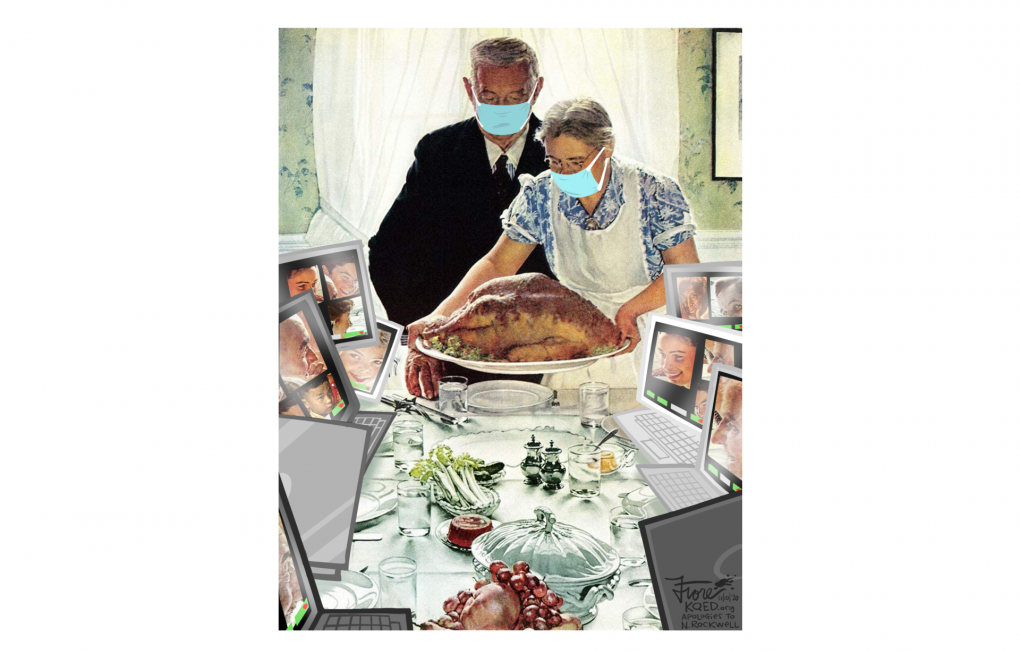
"caption": "To keep you and your loved ones safe, this is shaping up to be the Thanksgiving to stay home, forgo travel and skip those large family gatherings.",
"description": null,
"title": "thanksgiving2020_111020_finalwide",
"credit": "Mark Fiore/KQED",
"status": "inherit",
"isLoading": false,
"fetchFailed": false
},
"news_11846885": {
"type": "attachments",
"id": "news_11846885",
"meta": {
"index": "attachments_1716263798",
"site": "news",
"id": "11846885",
"found": true
},
"parent": 11846759,
"imgSizes": {
"apple_news_ca_landscape_5_5": {
"file": "https://ww2.kqed.org/app/uploads/sites/10/2020/11/phone2-1044x783.png",
"width": 1044,
"mimeType": "image/png",
"height": 783
},
"apple_news_ca_square_4_0": {
"file": "https://ww2.kqed.org/app/uploads/sites/10/2020/11/phone2-470x470.png",
"width": 470,
"mimeType": "image/png",
"height": 470
},
"twentyfourteen-full-width": {
"file": "https://ww2.kqed.org/app/uploads/sites/10/2020/11/phone2-1038x576.png",
"width": 1038,
"mimeType": "image/png",
"height": 576
},
"thumbnail": {
"file": "https://ww2.kqed.org/app/uploads/sites/10/2020/11/phone2-160x107.png",
"width": 160,
"mimeType": "image/png",
"height": 107
},
"post-thumbnail": {
"file": "https://ww2.kqed.org/app/uploads/sites/10/2020/11/phone2-672x372.png",
"width": 672,
"mimeType": "image/png",
"height": 372
},
"kqedFullSize": {
"file": "https://ww2.kqed.org/app/uploads/sites/10/2020/11/phone2.png",
"width": 1920,
"height": 1280
},
"apple_news_ca_landscape_4_7": {
"file": "https://ww2.kqed.org/app/uploads/sites/10/2020/11/phone2-632x474.png",
"width": 632,
"mimeType": "image/png",
"height": 474
},
"large": {
"file": "https://ww2.kqed.org/app/uploads/sites/10/2020/11/phone2-1020x680.png",
"width": 1020,
"mimeType": "image/png",
"height": 680
},
"apple_news_ca_landscape_4_0": {
"file": "https://ww2.kqed.org/app/uploads/sites/10/2020/11/phone2-536x402.png",
"width": 536,
"mimeType": "image/png",
"height": 402
},
"apple_news_ca_portrait_12_9": {
"file": "https://ww2.kqed.org/app/uploads/sites/10/2020/11/phone2-1122x1280.png",
"width": 1122,
"mimeType": "image/png",
"height": 1280
},
"medium": {
"file": "https://ww2.kqed.org/app/uploads/sites/10/2020/11/phone2-800x533.png",
"width": 800,
"mimeType": "image/png",
"height": 533
},
"apple_news_ca_portrait_4_0": {
"file": "https://ww2.kqed.org/app/uploads/sites/10/2020/11/phone2-354x472.png",
"width": 354,
"mimeType": "image/png",
"height": 472
},
"apple_news_ca_portrait_9_7": {
"file": "https://ww2.kqed.org/app/uploads/sites/10/2020/11/phone2-840x1120.png",
"width": 840,
"mimeType": "image/png",
"height": 1120
},
"apple_news_ca_landscape_12_9": {
"file": "https://ww2.kqed.org/app/uploads/sites/10/2020/11/phone2-1832x1280.png",
"width": 1832,
"mimeType": "image/png",
"height": 1280
},
"apple_news_ca_square_9_7": {
"file": "https://ww2.kqed.org/app/uploads/sites/10/2020/11/phone2-1104x1104.png",
"width": 1104,
"mimeType": "image/png",
"height": 1104
},
"1536x1536": {
"file": "https://ww2.kqed.org/app/uploads/sites/10/2020/11/phone2-1536x1024.png",
"width": 1536,
"mimeType": "image/png",
"height": 1024
},
"apple_news_ca_portrait_4_7": {
"file": "https://ww2.kqed.org/app/uploads/sites/10/2020/11/phone2-414x552.png",
"width": 414,
"mimeType": "image/png",
"height": 552
},
"apple_news_ca_square_12_9": {
"file": "https://ww2.kqed.org/app/uploads/sites/10/2020/11/phone2-1472x1280.png",
"width": 1472,
"mimeType": "image/png",
"height": 1280
},
"apple_news_ca_portrait_5_5": {
"file": "https://ww2.kqed.org/app/uploads/sites/10/2020/11/phone2-687x916.png",
"width": 687,
"mimeType": "image/png",
"height": 916
},
"apple_news_ca_square_4_7": {
"file": "https://ww2.kqed.org/app/uploads/sites/10/2020/11/phone2-550x550.png",
"width": 550,
"mimeType": "image/png",
"height": 550
},
"apple_news_ca_landscape_9_7": {
"file": "https://ww2.kqed.org/app/uploads/sites/10/2020/11/phone2-1376x1032.png",
"width": 1376,
"mimeType": "image/png",
"height": 1032
},
"apple_news_ca_square_5_5": {
"file": "https://ww2.kqed.org/app/uploads/sites/10/2020/11/phone2-912x912.png",
"width": 912,
"mimeType": "image/png",
"height": 912
}
},
"publishDate": 1605044706,
"modified": 1605051399,
"caption": "Dreading telling your family you won't be coming home for Thanksgiving this year? We have advice.",
"description": null,
"title": "thanksgiving-covid-travel",
"credit": "Ketut Subiyanto/Pexels",
"status": "inherit",
"isLoading": false,
"fetchFailed": false
},
"news_11846803": {
"type": "attachments",
"id": "news_11846803",
"meta": {
"index": "attachments_1716263798",
"site": "news",
"id": "11846803",
"found": true
},
"parent": 11846796,
"imgSizes": {
"apple_news_ca_landscape_5_5": {
"file": "https://ww2.kqed.org/app/uploads/sites/10/2020/11/RS44777_060_KQED_Japantown_Businesses_09022020-1044x783.jpg",
"width": 1044,
"mimeType": "image/jpeg",
"height": 783
},
"apple_news_ca_square_4_0": {
"file": "https://ww2.kqed.org/app/uploads/sites/10/2020/11/RS44777_060_KQED_Japantown_Businesses_09022020-470x470.jpg",
"width": 470,
"mimeType": "image/jpeg",
"height": 470
},
"twentyfourteen-full-width": {
"file": "https://ww2.kqed.org/app/uploads/sites/10/2020/11/RS44777_060_KQED_Japantown_Businesses_09022020-1038x576.jpg",
"width": 1038,
"mimeType": "image/jpeg",
"height": 576
},
"thumbnail": {
"file": "https://ww2.kqed.org/app/uploads/sites/10/2020/11/RS44777_060_KQED_Japantown_Businesses_09022020-160x107.jpg",
"width": 160,
"mimeType": "image/jpeg",
"height": 107
},
"post-thumbnail": {
"file": "https://ww2.kqed.org/app/uploads/sites/10/2020/11/RS44777_060_KQED_Japantown_Businesses_09022020-672x372.jpg",
"width": 672,
"mimeType": "image/jpeg",
"height": 372
},
"kqedFullSize": {
"file": "https://ww2.kqed.org/app/uploads/sites/10/2020/11/RS44777_060_KQED_Japantown_Businesses_09022020-scaled.jpg",
"width": 2560,
"height": 1707
},
"2048x2048": {
"file": "https://ww2.kqed.org/app/uploads/sites/10/2020/11/RS44777_060_KQED_Japantown_Businesses_09022020-2048x1365.jpg",
"width": 2048,
"mimeType": "image/jpeg",
"height": 1365
},
"apple_news_ca_landscape_4_7": {
"file": "https://ww2.kqed.org/app/uploads/sites/10/2020/11/RS44777_060_KQED_Japantown_Businesses_09022020-632x474.jpg",
"width": 632,
"mimeType": "image/jpeg",
"height": 474
},
"large": {
"file": "https://ww2.kqed.org/app/uploads/sites/10/2020/11/RS44777_060_KQED_Japantown_Businesses_09022020-1020x680.jpg",
"width": 1020,
"mimeType": "image/jpeg",
"height": 680
},
"apple_news_ca_landscape_4_0": {
"file": "https://ww2.kqed.org/app/uploads/sites/10/2020/11/RS44777_060_KQED_Japantown_Businesses_09022020-536x402.jpg",
"width": 536,
"mimeType": "image/jpeg",
"height": 402
},
"apple_news_ca_portrait_12_9": {
"file": "https://ww2.kqed.org/app/uploads/sites/10/2020/11/RS44777_060_KQED_Japantown_Businesses_09022020-1122x1496.jpg",
"width": 1122,
"mimeType": "image/jpeg",
"height": 1496
},
"medium": {
"file": "https://ww2.kqed.org/app/uploads/sites/10/2020/11/RS44777_060_KQED_Japantown_Businesses_09022020-800x533.jpg",
"width": 800,
"mimeType": "image/jpeg",
"height": 533
},
"apple_news_ca_portrait_4_0": {
"file": "https://ww2.kqed.org/app/uploads/sites/10/2020/11/RS44777_060_KQED_Japantown_Businesses_09022020-354x472.jpg",
"width": 354,
"mimeType": "image/jpeg",
"height": 472
},
"apple_news_ca_portrait_9_7": {
"file": "https://ww2.kqed.org/app/uploads/sites/10/2020/11/RS44777_060_KQED_Japantown_Businesses_09022020-840x1120.jpg",
"width": 840,
"mimeType": "image/jpeg",
"height": 1120
},
"apple_news_ca_landscape_12_9": {
"file": "https://ww2.kqed.org/app/uploads/sites/10/2020/11/RS44777_060_KQED_Japantown_Businesses_09022020-1832x1374.jpg",
"width": 1832,
"mimeType": "image/jpeg",
"height": 1374
},
"apple_news_ca_square_9_7": {
"file": "https://ww2.kqed.org/app/uploads/sites/10/2020/11/RS44777_060_KQED_Japantown_Businesses_09022020-1104x1104.jpg",
"width": 1104,
"mimeType": "image/jpeg",
"height": 1104
},
"1536x1536": {
"file": "https://ww2.kqed.org/app/uploads/sites/10/2020/11/RS44777_060_KQED_Japantown_Businesses_09022020-1536x1024.jpg",
"width": 1536,
"mimeType": "image/jpeg",
"height": 1024
},
"apple_news_ca_portrait_4_7": {
"file": "https://ww2.kqed.org/app/uploads/sites/10/2020/11/RS44777_060_KQED_Japantown_Businesses_09022020-414x552.jpg",
"width": 414,
"mimeType": "image/jpeg",
"height": 552
},
"apple_news_ca_square_12_9": {
"file": "https://ww2.kqed.org/app/uploads/sites/10/2020/11/RS44777_060_KQED_Japantown_Businesses_09022020-1472x1472.jpg",
"width": 1472,
"mimeType": "image/jpeg",
"height": 1472
},
"apple_news_ca_portrait_5_5": {
"file": "https://ww2.kqed.org/app/uploads/sites/10/2020/11/RS44777_060_KQED_Japantown_Businesses_09022020-687x916.jpg",
"width": 687,
"mimeType": "image/jpeg",
"height": 916
},
"full-width": {
"file": "https://ww2.kqed.org/app/uploads/sites/10/2020/11/RS44777_060_KQED_Japantown_Businesses_09022020-1920x1280.jpg",
"width": 1920,
"mimeType": "image/jpeg",
"height": 1280
},
"apple_news_ca_square_4_7": {
"file": "https://ww2.kqed.org/app/uploads/sites/10/2020/11/RS44777_060_KQED_Japantown_Businesses_09022020-550x550.jpg",
"width": 550,
"mimeType": "image/jpeg",
"height": 550
},
"apple_news_ca_landscape_9_7": {
"file": "https://ww2.kqed.org/app/uploads/sites/10/2020/11/RS44777_060_KQED_Japantown_Businesses_09022020-1376x1032.jpg",
"width": 1376,
"mimeType": "image/jpeg",
"height": 1032
},
"apple_news_ca_square_5_5": {
"file": "https://ww2.kqed.org/app/uploads/sites/10/2020/11/RS44777_060_KQED_Japantown_Businesses_09022020-912x912.jpg",
"width": 912,
"mimeType": "image/jpeg",
"height": 912
}
},
"publishDate": 1604990491,
"modified": 1605029801,
"caption": "Xiao Feng brings out an order at the Matcha Cafe Maiko at the Japan Center West Mall on Sep. 2, 2020.",
"description": "Xiao Feng brings out an order at the Matcha Cafe Maiko at the Japan Center West Mall on Sep. 2, 2020.",
"title": "RS44777_060_KQED_Japantown_Businesses_09022020",
"credit": "Beth LaBerge/KQED",
"status": "inherit",
"isLoading": false,
"fetchFailed": false
},
"news_11846076": {
"type": "attachments",
"id": "news_11846076",
"meta": {
"index": "attachments_1716263798",
"site": "news",
"id": "11846076",
"found": true
},
"parent": 11845904,
"imgSizes": {
"apple_news_ca_landscape_5_5": {
"file": "https://ww2.kqed.org/app/uploads/sites/10/2020/11/RS45678_people-waiting-for-alcatraz-qut_v2-1044x783.jpg",
"width": 1044,
"mimeType": "image/jpeg",
"height": 783
},
"apple_news_ca_square_4_0": {
"file": "https://ww2.kqed.org/app/uploads/sites/10/2020/11/RS45678_people-waiting-for-alcatraz-qut_v2-470x470.jpg",
"width": 470,
"mimeType": "image/jpeg",
"height": 470
},
"twentyfourteen-full-width": {
"file": "https://ww2.kqed.org/app/uploads/sites/10/2020/11/RS45678_people-waiting-for-alcatraz-qut_v2-1038x576.jpg",
"width": 1038,
"mimeType": "image/jpeg",
"height": 576
},
"thumbnail": {
"file": "https://ww2.kqed.org/app/uploads/sites/10/2020/11/RS45678_people-waiting-for-alcatraz-qut_v2-160x120.jpg",
"width": 160,
"mimeType": "image/jpeg",
"height": 120
},
"post-thumbnail": {
"file": "https://ww2.kqed.org/app/uploads/sites/10/2020/11/RS45678_people-waiting-for-alcatraz-qut_v2-672x372.jpg",
"width": 672,
"mimeType": "image/jpeg",
"height": 372
},
"kqedFullSize": {
"file": "https://ww2.kqed.org/app/uploads/sites/10/2020/11/RS45678_people-waiting-for-alcatraz-qut_v2.jpg",
"width": 1920,
"height": 1440
},
"apple_news_ca_landscape_4_7": {
"file": "https://ww2.kqed.org/app/uploads/sites/10/2020/11/RS45678_people-waiting-for-alcatraz-qut_v2-632x474.jpg",
"width": 632,
"mimeType": "image/jpeg",
"height": 474
},
"large": {
"file": "https://ww2.kqed.org/app/uploads/sites/10/2020/11/RS45678_people-waiting-for-alcatraz-qut_v2-1020x765.jpg",
"width": 1020,
"mimeType": "image/jpeg",
"height": 765
},
"apple_news_ca_landscape_4_0": {
"file": "https://ww2.kqed.org/app/uploads/sites/10/2020/11/RS45678_people-waiting-for-alcatraz-qut_v2-536x402.jpg",
"width": 536,
"mimeType": "image/jpeg",
"height": 402
},
"apple_news_ca_portrait_12_9": {
"file": "https://ww2.kqed.org/app/uploads/sites/10/2020/11/RS45678_people-waiting-for-alcatraz-qut_v2-1122x1440.jpg",
"width": 1122,
"mimeType": "image/jpeg",
"height": 1440
},
"medium": {
"file": "https://ww2.kqed.org/app/uploads/sites/10/2020/11/RS45678_people-waiting-for-alcatraz-qut_v2-800x600.jpg",
"width": 800,
"mimeType": "image/jpeg",
"height": 600
},
"apple_news_ca_portrait_4_0": {
"file": "https://ww2.kqed.org/app/uploads/sites/10/2020/11/RS45678_people-waiting-for-alcatraz-qut_v2-354x472.jpg",
"width": 354,
"mimeType": "image/jpeg",
"height": 472
},
"apple_news_ca_portrait_9_7": {
"file": "https://ww2.kqed.org/app/uploads/sites/10/2020/11/RS45678_people-waiting-for-alcatraz-qut_v2-840x1120.jpg",
"width": 840,
"mimeType": "image/jpeg",
"height": 1120
},
"apple_news_ca_landscape_12_9": {
"file": "https://ww2.kqed.org/app/uploads/sites/10/2020/11/RS45678_people-waiting-for-alcatraz-qut_v2-1832x1374.jpg",
"width": 1832,
"mimeType": "image/jpeg",
"height": 1374
},
"apple_news_ca_square_9_7": {
"file": "https://ww2.kqed.org/app/uploads/sites/10/2020/11/RS45678_people-waiting-for-alcatraz-qut_v2-1104x1104.jpg",
"width": 1104,
"mimeType": "image/jpeg",
"height": 1104
},
"1536x1536": {
"file": "https://ww2.kqed.org/app/uploads/sites/10/2020/11/RS45678_people-waiting-for-alcatraz-qut_v2-1536x1152.jpg",
"width": 1536,
"mimeType": "image/jpeg",
"height": 1152
},
"apple_news_ca_portrait_4_7": {
"file": "https://ww2.kqed.org/app/uploads/sites/10/2020/11/RS45678_people-waiting-for-alcatraz-qut_v2-414x552.jpg",
"width": 414,
"mimeType": "image/jpeg",
"height": 552
},
"apple_news_ca_square_12_9": {
"file": "https://ww2.kqed.org/app/uploads/sites/10/2020/11/RS45678_people-waiting-for-alcatraz-qut_v2-1472x1440.jpg",
"width": 1472,
"mimeType": "image/jpeg",
"height": 1440
},
"apple_news_ca_portrait_5_5": {
"file": "https://ww2.kqed.org/app/uploads/sites/10/2020/11/RS45678_people-waiting-for-alcatraz-qut_v2-687x916.jpg",
"width": 687,
"mimeType": "image/jpeg",
"height": 916
},
"apple_news_ca_square_4_7": {
"file": "https://ww2.kqed.org/app/uploads/sites/10/2020/11/RS45678_people-waiting-for-alcatraz-qut_v2-550x550.jpg",
"width": 550,
"mimeType": "image/jpeg",
"height": 550
},
"apple_news_ca_landscape_9_7": {
"file": "https://ww2.kqed.org/app/uploads/sites/10/2020/11/RS45678_people-waiting-for-alcatraz-qut_v2-1376x1032.jpg",
"width": 1376,
"mimeType": "image/jpeg",
"height": 1032
},
"apple_news_ca_square_5_5": {
"file": "https://ww2.kqed.org/app/uploads/sites/10/2020/11/RS45678_people-waiting-for-alcatraz-qut_v2-912x912.jpg",
"width": 912,
"mimeType": "image/jpeg",
"height": 912
}
},
"publishDate": 1604621635,
"modified": 1604699195,
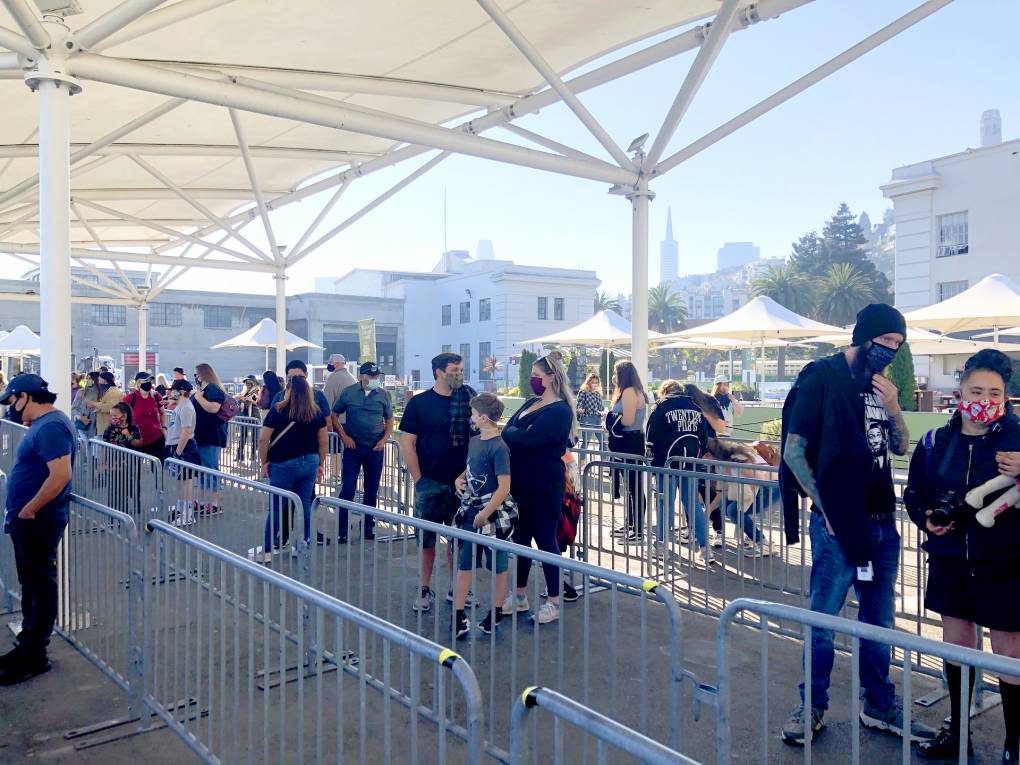
"caption": "Visitors stand in line for the first ferry of the day to Alcatraz Island on Nov. 2, 2020. Since the famous landmark reopened in August, the majority of visitors have been California residents.",
"description": "Visitors stand in line for the first ferry of the day to Alcatraz Island on Nov. 2 2020. Since the famous landmark reopened in August, the majority of visitors have been California residents.",
"title": "RS45678_people-waiting-for-alcatraz-qut_v2",
"credit": "Chloe Veltman/KQED",
"status": "inherit",
"isLoading": false,
"fetchFailed": false
},
"news_11845026": {
"type": "attachments",
"id": "news_11845026",
"meta": {
"index": "attachments_1716263798",
"site": "news",
"id": "11845026",
"found": true
},
"parent": 11843752,
"imgSizes": {
"apple_news_ca_landscape_5_5": {
"file": "https://ww2.kqed.org/app/uploads/sites/10/2020/11/USS-Makin-Island-1044x783.jpg",
"width": 1044,
"mimeType": "image/jpeg",
"height": 783
},
"apple_news_ca_square_4_0": {
"file": "https://ww2.kqed.org/app/uploads/sites/10/2020/11/USS-Makin-Island-470x470.jpg",
"width": 470,
"mimeType": "image/jpeg",
"height": 470
},
"twentyfourteen-full-width": {
"file": "https://ww2.kqed.org/app/uploads/sites/10/2020/11/USS-Makin-Island-1038x576.jpg",
"width": 1038,
"mimeType": "image/jpeg",
"height": 576
},
"thumbnail": {
"file": "https://ww2.kqed.org/app/uploads/sites/10/2020/11/USS-Makin-Island-160x85.jpg",
"width": 160,
"mimeType": "image/jpeg",
"height": 85
},
"post-thumbnail": {
"file": "https://ww2.kqed.org/app/uploads/sites/10/2020/11/USS-Makin-Island-672x372.jpg",
"width": 672,
"mimeType": "image/jpeg",
"height": 372
},
"kqedFullSize": {
"file": "https://ww2.kqed.org/app/uploads/sites/10/2020/11/USS-Makin-Island.jpg",
"width": 1920,
"height": 1018
},
"apple_news_ca_landscape_4_7": {
"file": "https://ww2.kqed.org/app/uploads/sites/10/2020/11/USS-Makin-Island-632x474.jpg",
"width": 632,
"mimeType": "image/jpeg",
"height": 474
},
"large": {
"file": "https://ww2.kqed.org/app/uploads/sites/10/2020/11/USS-Makin-Island-1020x541.jpg",
"width": 1020,
"mimeType": "image/jpeg",
"height": 541
},
"apple_news_ca_landscape_4_0": {
"file": "https://ww2.kqed.org/app/uploads/sites/10/2020/11/USS-Makin-Island-536x402.jpg",
"width": 536,
"mimeType": "image/jpeg",
"height": 402
},
"apple_news_ca_portrait_12_9": {
"file": "https://ww2.kqed.org/app/uploads/sites/10/2020/11/USS-Makin-Island-1122x1018.jpg",
"width": 1122,
"mimeType": "image/jpeg",
"height": 1018
},
"medium": {
"file": "https://ww2.kqed.org/app/uploads/sites/10/2020/11/USS-Makin-Island-800x424.jpg",
"width": 800,
"mimeType": "image/jpeg",
"height": 424
},
"apple_news_ca_portrait_4_0": {
"file": "https://ww2.kqed.org/app/uploads/sites/10/2020/11/USS-Makin-Island-354x472.jpg",
"width": 354,
"mimeType": "image/jpeg",
"height": 472
},
"apple_news_ca_portrait_9_7": {
"file": "https://ww2.kqed.org/app/uploads/sites/10/2020/11/USS-Makin-Island-840x1018.jpg",
"width": 840,
"mimeType": "image/jpeg",
"height": 1018
},
"apple_news_ca_landscape_12_9": {
"file": "https://ww2.kqed.org/app/uploads/sites/10/2020/11/USS-Makin-Island-1832x1018.jpg",
"width": 1832,
"mimeType": "image/jpeg",
"height": 1018
},
"apple_news_ca_square_9_7": {
"file": "https://ww2.kqed.org/app/uploads/sites/10/2020/11/USS-Makin-Island-1104x1018.jpg",
"width": 1104,
"mimeType": "image/jpeg",
"height": 1018
},
"1536x1536": {
"file": "https://ww2.kqed.org/app/uploads/sites/10/2020/11/USS-Makin-Island-1536x814.jpg",
"width": 1536,
"mimeType": "image/jpeg",
"height": 814
},
"apple_news_ca_portrait_4_7": {
"file": "https://ww2.kqed.org/app/uploads/sites/10/2020/11/USS-Makin-Island-414x552.jpg",
"width": 414,
"mimeType": "image/jpeg",
"height": 552
},
"apple_news_ca_square_12_9": {
"file": "https://ww2.kqed.org/app/uploads/sites/10/2020/11/USS-Makin-Island-1472x1018.jpg",
"width": 1472,
"mimeType": "image/jpeg",
"height": 1018
},
"apple_news_ca_portrait_5_5": {
"file": "https://ww2.kqed.org/app/uploads/sites/10/2020/11/USS-Makin-Island-687x916.jpg",
"width": 687,
"mimeType": "image/jpeg",
"height": 916
},
"apple_news_ca_square_4_7": {
"file": "https://ww2.kqed.org/app/uploads/sites/10/2020/11/USS-Makin-Island-550x550.jpg",
"width": 550,
"mimeType": "image/jpeg",
"height": 550
},
"apple_news_ca_landscape_9_7": {
"file": "https://ww2.kqed.org/app/uploads/sites/10/2020/11/USS-Makin-Island-1376x1018.jpg",
"width": 1376,
"mimeType": "image/jpeg",
"height": 1018
},
"apple_news_ca_square_5_5": {
"file": "https://ww2.kqed.org/app/uploads/sites/10/2020/11/USS-Makin-Island-912x912.jpg",
"width": 912,
"mimeType": "image/jpeg",
"height": 912
}
},
"publishDate": 1604361251,
"modified": 1604361404,
"caption": "Navy officials confirmed a COVID-19 outbreak on the USS Makin Island.",
"description": "Navy officials confirmed a COVID-19 outbreak on the USS Makin Island.",
"title": "USS-Makin-Island",
"credit": "U.S. Navy/YouTube",
"status": "inherit",
"isLoading": false,
"fetchFailed": false
},
"news_11844718": {
"type": "attachments",
"id": "news_11844718",
"meta": {
"index": "attachments_1716263798",
"site": "news",
"id": "11844718",
"found": true
},
"parent": 11844713,
"imgSizes": {
"apple_news_ca_landscape_5_5": {
"file": "https://ww2.kqed.org/app/uploads/sites/10/2020/10/RS45598_GettyImages-1208909843-qut-1044x783.jpg",
"width": 1044,
"mimeType": "image/jpeg",
"height": 783
},
"apple_news_ca_square_4_0": {
"file": "https://ww2.kqed.org/app/uploads/sites/10/2020/10/RS45598_GettyImages-1208909843-qut-470x470.jpg",
"width": 470,
"mimeType": "image/jpeg",
"height": 470
},
"twentyfourteen-full-width": {
"file": "https://ww2.kqed.org/app/uploads/sites/10/2020/10/RS45598_GettyImages-1208909843-qut-1038x576.jpg",
"width": 1038,
"mimeType": "image/jpeg",
"height": 576
},
"thumbnail": {
"file": "https://ww2.kqed.org/app/uploads/sites/10/2020/10/RS45598_GettyImages-1208909843-qut-160x109.jpg",
"width": 160,
"mimeType": "image/jpeg",
"height": 109
},
"post-thumbnail": {
"file": "https://ww2.kqed.org/app/uploads/sites/10/2020/10/RS45598_GettyImages-1208909843-qut-672x372.jpg",
"width": 672,
"mimeType": "image/jpeg",
"height": 372
},
"kqedFullSize": {
"file": "https://ww2.kqed.org/app/uploads/sites/10/2020/10/RS45598_GettyImages-1208909843-qut.jpg",
"width": 1920,
"height": 1308
},
"apple_news_ca_landscape_4_7": {
"file": "https://ww2.kqed.org/app/uploads/sites/10/2020/10/RS45598_GettyImages-1208909843-qut-632x474.jpg",
"width": 632,
"mimeType": "image/jpeg",
"height": 474
},
"large": {
"file": "https://ww2.kqed.org/app/uploads/sites/10/2020/10/RS45598_GettyImages-1208909843-qut-1020x695.jpg",
"width": 1020,
"mimeType": "image/jpeg",
"height": 695
},
"apple_news_ca_landscape_4_0": {
"file": "https://ww2.kqed.org/app/uploads/sites/10/2020/10/RS45598_GettyImages-1208909843-qut-536x402.jpg",
"width": 536,
"mimeType": "image/jpeg",
"height": 402
},
"apple_news_ca_portrait_12_9": {
"file": "https://ww2.kqed.org/app/uploads/sites/10/2020/10/RS45598_GettyImages-1208909843-qut-1122x1308.jpg",
"width": 1122,
"mimeType": "image/jpeg",
"height": 1308
},
"medium": {
"file": "https://ww2.kqed.org/app/uploads/sites/10/2020/10/RS45598_GettyImages-1208909843-qut-800x545.jpg",
"width": 800,
"mimeType": "image/jpeg",
"height": 545
},
"apple_news_ca_portrait_4_0": {
"file": "https://ww2.kqed.org/app/uploads/sites/10/2020/10/RS45598_GettyImages-1208909843-qut-354x472.jpg",
"width": 354,
"mimeType": "image/jpeg",
"height": 472
},
"apple_news_ca_portrait_9_7": {
"file": "https://ww2.kqed.org/app/uploads/sites/10/2020/10/RS45598_GettyImages-1208909843-qut-840x1120.jpg",
"width": 840,
"mimeType": "image/jpeg",
"height": 1120
},
"apple_news_ca_landscape_12_9": {
"file": "https://ww2.kqed.org/app/uploads/sites/10/2020/10/RS45598_GettyImages-1208909843-qut-1832x1308.jpg",
"width": 1832,
"mimeType": "image/jpeg",
"height": 1308
},
"apple_news_ca_square_9_7": {
"file": "https://ww2.kqed.org/app/uploads/sites/10/2020/10/RS45598_GettyImages-1208909843-qut-1104x1104.jpg",
"width": 1104,
"mimeType": "image/jpeg",
"height": 1104
},
"1536x1536": {
"file": "https://ww2.kqed.org/app/uploads/sites/10/2020/10/RS45598_GettyImages-1208909843-qut-1536x1046.jpg",
"width": 1536,
"mimeType": "image/jpeg",
"height": 1046
},
"apple_news_ca_portrait_4_7": {
"file": "https://ww2.kqed.org/app/uploads/sites/10/2020/10/RS45598_GettyImages-1208909843-qut-414x552.jpg",
"width": 414,
"mimeType": "image/jpeg",
"height": 552
},
"apple_news_ca_square_12_9": {
"file": "https://ww2.kqed.org/app/uploads/sites/10/2020/10/RS45598_GettyImages-1208909843-qut-1472x1308.jpg",
"width": 1472,
"mimeType": "image/jpeg",
"height": 1308
},
"apple_news_ca_portrait_5_5": {
"file": "https://ww2.kqed.org/app/uploads/sites/10/2020/10/RS45598_GettyImages-1208909843-qut-687x916.jpg",
"width": 687,
"mimeType": "image/jpeg",
"height": 916
},
"apple_news_ca_square_4_7": {
"file": "https://ww2.kqed.org/app/uploads/sites/10/2020/10/RS45598_GettyImages-1208909843-qut-550x550.jpg",
"width": 550,
"mimeType": "image/jpeg",
"height": 550
},
"apple_news_ca_landscape_9_7": {
"file": "https://ww2.kqed.org/app/uploads/sites/10/2020/10/RS45598_GettyImages-1208909843-qut-1376x1032.jpg",
"width": 1376,
"mimeType": "image/jpeg",
"height": 1032
},
"apple_news_ca_square_5_5": {
"file": "https://ww2.kqed.org/app/uploads/sites/10/2020/10/RS45598_GettyImages-1208909843-qut-912x912.jpg",
"width": 912,
"mimeType": "image/jpeg",
"height": 912
}
},
"publishDate": 1604096157,
"modified": 1606227590,
"caption": null,
"description": null,
"title": "RS45598_GettyImages-1208909843-qut",
"credit": "JOSH EDELSON/AFP via Getty Images",
"status": "inherit",
"isLoading": false,
"fetchFailed": false
},
"news_11843899": {
"type": "attachments",
"id": "news_11843899",
"meta": {
"index": "attachments_1716263798",
"site": "news",
"id": "11843899",
"found": true
},
"parent": 11843885,
"imgSizes": {
"apple_news_ca_landscape_5_5": {
"file": "https://ww2.kqed.org/app/uploads/sites/10/2020/10/RS45452_GettyImages-1212788680-qut-1044x783.jpg",
"width": 1044,
"mimeType": "image/jpeg",
"height": 783
},
"apple_news_ca_square_4_0": {
"file": "https://ww2.kqed.org/app/uploads/sites/10/2020/10/RS45452_GettyImages-1212788680-qut-470x470.jpg",
"width": 470,
"mimeType": "image/jpeg",
"height": 470
},
"twentyfourteen-full-width": {
"file": "https://ww2.kqed.org/app/uploads/sites/10/2020/10/RS45452_GettyImages-1212788680-qut-1038x576.jpg",
"width": 1038,
"mimeType": "image/jpeg",
"height": 576
},
"thumbnail": {
"file": "https://ww2.kqed.org/app/uploads/sites/10/2020/10/RS45452_GettyImages-1212788680-qut-160x109.jpg",
"width": 160,
"mimeType": "image/jpeg",
"height": 109
},
"post-thumbnail": {
"file": "https://ww2.kqed.org/app/uploads/sites/10/2020/10/RS45452_GettyImages-1212788680-qut-672x372.jpg",
"width": 672,
"mimeType": "image/jpeg",
"height": 372
},
"kqedFullSize": {
"file": "https://ww2.kqed.org/app/uploads/sites/10/2020/10/RS45452_GettyImages-1212788680-qut.jpg",
"width": 1920,
"height": 1304
},
"apple_news_ca_landscape_4_7": {
"file": "https://ww2.kqed.org/app/uploads/sites/10/2020/10/RS45452_GettyImages-1212788680-qut-632x474.jpg",
"width": 632,
"mimeType": "image/jpeg",
"height": 474
},
"large": {
"file": "https://ww2.kqed.org/app/uploads/sites/10/2020/10/RS45452_GettyImages-1212788680-qut-1020x693.jpg",
"width": 1020,
"mimeType": "image/jpeg",
"height": 693
},
"apple_news_ca_landscape_4_0": {
"file": "https://ww2.kqed.org/app/uploads/sites/10/2020/10/RS45452_GettyImages-1212788680-qut-536x402.jpg",
"width": 536,
"mimeType": "image/jpeg",
"height": 402
},
"apple_news_ca_portrait_12_9": {
"file": "https://ww2.kqed.org/app/uploads/sites/10/2020/10/RS45452_GettyImages-1212788680-qut-1122x1304.jpg",
"width": 1122,
"mimeType": "image/jpeg",
"height": 1304
},
"medium": {
"file": "https://ww2.kqed.org/app/uploads/sites/10/2020/10/RS45452_GettyImages-1212788680-qut-800x543.jpg",
"width": 800,
"mimeType": "image/jpeg",
"height": 543
},
"apple_news_ca_portrait_4_0": {
"file": "https://ww2.kqed.org/app/uploads/sites/10/2020/10/RS45452_GettyImages-1212788680-qut-354x472.jpg",
"width": 354,
"mimeType": "image/jpeg",
"height": 472
},
"apple_news_ca_portrait_9_7": {
"file": "https://ww2.kqed.org/app/uploads/sites/10/2020/10/RS45452_GettyImages-1212788680-qut-840x1120.jpg",
"width": 840,
"mimeType": "image/jpeg",
"height": 1120
},
"apple_news_ca_landscape_12_9": {
"file": "https://ww2.kqed.org/app/uploads/sites/10/2020/10/RS45452_GettyImages-1212788680-qut-1832x1304.jpg",
"width": 1832,
"mimeType": "image/jpeg",
"height": 1304
},
"apple_news_ca_square_9_7": {
"file": "https://ww2.kqed.org/app/uploads/sites/10/2020/10/RS45452_GettyImages-1212788680-qut-1104x1104.jpg",
"width": 1104,
"mimeType": "image/jpeg",
"height": 1104
},
"1536x1536": {
"file": "https://ww2.kqed.org/app/uploads/sites/10/2020/10/RS45452_GettyImages-1212788680-qut-1536x1043.jpg",
"width": 1536,
"mimeType": "image/jpeg",
"height": 1043
},
"apple_news_ca_portrait_4_7": {
"file": "https://ww2.kqed.org/app/uploads/sites/10/2020/10/RS45452_GettyImages-1212788680-qut-414x552.jpg",
"width": 414,
"mimeType": "image/jpeg",
"height": 552
},
"apple_news_ca_square_12_9": {
"file": "https://ww2.kqed.org/app/uploads/sites/10/2020/10/RS45452_GettyImages-1212788680-qut-1472x1304.jpg",
"width": 1472,
"mimeType": "image/jpeg",
"height": 1304
},
"apple_news_ca_portrait_5_5": {
"file": "https://ww2.kqed.org/app/uploads/sites/10/2020/10/RS45452_GettyImages-1212788680-qut-687x916.jpg",
"width": 687,
"mimeType": "image/jpeg",
"height": 916
},
"apple_news_ca_square_4_7": {
"file": "https://ww2.kqed.org/app/uploads/sites/10/2020/10/RS45452_GettyImages-1212788680-qut-550x550.jpg",
"width": 550,
"mimeType": "image/jpeg",
"height": 550
},
"apple_news_ca_landscape_9_7": {
"file": "https://ww2.kqed.org/app/uploads/sites/10/2020/10/RS45452_GettyImages-1212788680-qut-1376x1032.jpg",
"width": 1376,
"mimeType": "image/jpeg",
"height": 1032
},
"apple_news_ca_square_5_5": {
"file": "https://ww2.kqed.org/app/uploads/sites/10/2020/10/RS45452_GettyImages-1212788680-qut-912x912.jpg",
"width": 912,
"mimeType": "image/jpeg",
"height": 912
}
},
"publishDate": 1603825811,
"modified": 1603835500,
"caption": "Medical personnel surround a car going through a drive-thru coronavirus testing clinic run by Verily at the San Mateo County Event Center on March 16, 2020. San Francisco and Alameda counties have severed ties with Verily over the past several months..",
"description": "Medical personnel surround a car going through a drive-thru coronavirus testing clinic run by Verily at the San Mateo County Event Center on March 16, 2020. San Francisco and Alameda counties have severed ties with Verily over the past several months..",
"title": "Google Sister Company Verily Opens Coronavirus Testing Sites In Bay Area",
"credit": "Justin Sullivan/Getty Images",
"status": "inherit",
"isLoading": false,
"fetchFailed": false
},
"news_11843567": {
"type": "attachments",
"id": "news_11843567",
"meta": {
"index": "attachments_1716263798",
"site": "news",
"id": "11843567",
"found": true
},
"parent": 11843559,
"imgSizes": {
"apple_news_ca_landscape_5_5": {
"file": "https://ww2.kqed.org/app/uploads/sites/10/2020/10/costumes_102320_final-1044x783.png",
"width": 1044,
"mimeType": "image/png",
"height": 783
},
"apple_news_ca_square_4_0": {
"file": "https://ww2.kqed.org/app/uploads/sites/10/2020/10/costumes_102320_final-470x470.png",
"width": 470,
"mimeType": "image/png",
"height": 470
},
"twentyfourteen-full-width": {
"file": "https://ww2.kqed.org/app/uploads/sites/10/2020/10/costumes_102320_final-1038x576.png",
"width": 1038,
"mimeType": "image/png",
"height": 576
},
"thumbnail": {
"file": "https://ww2.kqed.org/app/uploads/sites/10/2020/10/costumes_102320_final-160x109.png",
"width": 160,
"mimeType": "image/png",
"height": 109
},
"post-thumbnail": {
"file": "https://ww2.kqed.org/app/uploads/sites/10/2020/10/costumes_102320_final-672x372.png",
"width": 672,
"mimeType": "image/png",
"height": 372
},
"kqedFullSize": {
"file": "https://ww2.kqed.org/app/uploads/sites/10/2020/10/costumes_102320_final.png",
"width": 3545,
"height": 2418
},
"2048x2048": {
"file": "https://ww2.kqed.org/app/uploads/sites/10/2020/10/costumes_102320_final-2048x1397.png",
"width": 2048,
"mimeType": "image/png",
"height": 1397
},
"apple_news_ca_landscape_4_7": {
"file": "https://ww2.kqed.org/app/uploads/sites/10/2020/10/costumes_102320_final-632x474.png",
"width": 632,
"mimeType": "image/png",
"height": 474
},
"large": {
"file": "https://ww2.kqed.org/app/uploads/sites/10/2020/10/costumes_102320_final-1020x696.png",
"width": 1020,
"mimeType": "image/png",
"height": 696
},
"apple_news_ca_landscape_4_0": {
"file": "https://ww2.kqed.org/app/uploads/sites/10/2020/10/costumes_102320_final-536x402.png",
"width": 536,
"mimeType": "image/png",
"height": 402
},
"apple_news_ca_portrait_12_9": {
"file": "https://ww2.kqed.org/app/uploads/sites/10/2020/10/costumes_102320_final-1122x1496.png",
"width": 1122,
"mimeType": "image/png",
"height": 1496
},
"medium": {
"file": "https://ww2.kqed.org/app/uploads/sites/10/2020/10/costumes_102320_final-800x546.png",
"width": 800,
"mimeType": "image/png",
"height": 546
},
"apple_news_ca_portrait_4_0": {
"file": "https://ww2.kqed.org/app/uploads/sites/10/2020/10/costumes_102320_final-354x472.png",
"width": 354,
"mimeType": "image/png",
"height": 472
},
"apple_news_ca_portrait_9_7": {
"file": "https://ww2.kqed.org/app/uploads/sites/10/2020/10/costumes_102320_final-840x1120.png",
"width": 840,
"mimeType": "image/png",
"height": 1120
},
"apple_news_ca_landscape_12_9": {
"file": "https://ww2.kqed.org/app/uploads/sites/10/2020/10/costumes_102320_final-1832x1374.png",
"width": 1832,
"mimeType": "image/png",
"height": 1374
},
"apple_news_ca_square_9_7": {
"file": "https://ww2.kqed.org/app/uploads/sites/10/2020/10/costumes_102320_final-1104x1104.png",
"width": 1104,
"mimeType": "image/png",
"height": 1104
},
"1536x1536": {
"file": "https://ww2.kqed.org/app/uploads/sites/10/2020/10/costumes_102320_final-1536x1048.png",
"width": 1536,
"mimeType": "image/png",
"height": 1048
},
"apple_news_ca_portrait_4_7": {
"file": "https://ww2.kqed.org/app/uploads/sites/10/2020/10/costumes_102320_final-414x552.png",
"width": 414,
"mimeType": "image/png",
"height": 552
},
"apple_news_ca_square_12_9": {
"file": "https://ww2.kqed.org/app/uploads/sites/10/2020/10/costumes_102320_final-1472x1472.png",
"width": 1472,
"mimeType": "image/png",
"height": 1472
},
"apple_news_ca_portrait_5_5": {
"file": "https://ww2.kqed.org/app/uploads/sites/10/2020/10/costumes_102320_final-687x916.png",
"width": 687,
"mimeType": "image/png",
"height": 916
},
"full-width": {
"file": "https://ww2.kqed.org/app/uploads/sites/10/2020/10/costumes_102320_final-1920x1310.png",
"width": 1920,
"mimeType": "image/png",
"height": 1310
},
"apple_news_ca_square_4_7": {
"file": "https://ww2.kqed.org/app/uploads/sites/10/2020/10/costumes_102320_final-550x550.png",
"width": 550,
"mimeType": "image/png",
"height": 550
},
"apple_news_ca_landscape_9_7": {
"file": "https://ww2.kqed.org/app/uploads/sites/10/2020/10/costumes_102320_final-1376x1032.png",
"width": 1376,
"mimeType": "image/png",
"height": 1032
},
"apple_news_ca_square_5_5": {
"file": "https://ww2.kqed.org/app/uploads/sites/10/2020/10/costumes_102320_final-912x912.png",
"width": 912,
"mimeType": "image/png",
"height": 912
}
},
"publishDate": 1603492569,
"modified": 1603492615,
"caption": null,
"description": null,
"title": "costumes_102320_final",
"credit": null,
"status": "inherit",
"isLoading": false,
"fetchFailed": false
},
"news_11843434": {
"type": "attachments",
"id": "news_11843434",
"meta": {
"index": "attachments_1716263798",
"site": "news",
"id": "11843434",
"found": true
},
"parent": 11843335,
"imgSizes": {
"apple_news_ca_square_4_0": {
"file": "https://ww2.kqed.org/app/uploads/sites/10/2020/10/1920_Avenal-470x470.jpg",
"width": 470,
"mimeType": "image/jpeg",
"height": 470
},
"thumbnail": {
"file": "https://ww2.kqed.org/app/uploads/sites/10/2020/10/1920_Avenal-160x90.jpg",
"width": 160,
"mimeType": "image/jpeg",
"height": 90
},
"post-thumbnail": {
"file": "https://ww2.kqed.org/app/uploads/sites/10/2020/10/1920_Avenal-672x372.jpg",
"width": 672,
"mimeType": "image/jpeg",
"height": 372
},
"kqedFullSize": {
"file": "https://ww2.kqed.org/app/uploads/sites/10/2020/10/1920_Avenal.jpg",
"width": 1023,
"height": 576
},
"apple_news_ca_landscape_4_7": {
"file": "https://ww2.kqed.org/app/uploads/sites/10/2020/10/1920_Avenal-632x474.jpg",
"width": 632,
"mimeType": "image/jpeg",
"height": 474
},
"large": {
"file": "https://ww2.kqed.org/app/uploads/sites/10/2020/10/1920_Avenal-1020x574.jpg",
"width": 1020,
"mimeType": "image/jpeg",
"height": 574
},
"apple_news_ca_landscape_4_0": {
"file": "https://ww2.kqed.org/app/uploads/sites/10/2020/10/1920_Avenal-536x402.jpg",
"width": 536,
"mimeType": "image/jpeg",
"height": 402
},
"medium": {
"file": "https://ww2.kqed.org/app/uploads/sites/10/2020/10/1920_Avenal-800x450.jpg",
"width": 800,
"mimeType": "image/jpeg",
"height": 450
},
"apple_news_ca_portrait_4_0": {
"file": "https://ww2.kqed.org/app/uploads/sites/10/2020/10/1920_Avenal-354x472.jpg",
"width": 354,
"mimeType": "image/jpeg",
"height": 472
},
"apple_news_ca_portrait_9_7": {
"file": "https://ww2.kqed.org/app/uploads/sites/10/2020/10/1920_Avenal-840x576.jpg",
"width": 840,
"mimeType": "image/jpeg",
"height": 576
},
"apple_news_ca_portrait_4_7": {
"file": "https://ww2.kqed.org/app/uploads/sites/10/2020/10/1920_Avenal-414x552.jpg",
"width": 414,
"mimeType": "image/jpeg",
"height": 552
},
"apple_news_ca_portrait_5_5": {
"file": "https://ww2.kqed.org/app/uploads/sites/10/2020/10/1920_Avenal-687x576.jpg",
"width": 687,
"mimeType": "image/jpeg",
"height": 576
},
"apple_news_ca_square_4_7": {
"file": "https://ww2.kqed.org/app/uploads/sites/10/2020/10/1920_Avenal-550x550.jpg",
"width": 550,
"mimeType": "image/jpeg",
"height": 550
},
"apple_news_ca_square_5_5": {
"file": "https://ww2.kqed.org/app/uploads/sites/10/2020/10/1920_Avenal-912x576.jpg",
"width": 912,
"mimeType": "image/jpeg",
"height": 576
}
},
"publishDate": 1603417815,
"modified": 1603417922,
"caption": "The advocacy group Families United to End Life Without Parole organized a protest at Avenal State Prison on June 6 to demand better living conditions and early releases for medically vulnerable inmates amidst the ongoing COVID-19 pandemic.",
"description": null,
"title": "1920_Avenal",
"credit": "Courtesy of Families United to End Life Without Parole",
"status": "inherit",
"isLoading": false,
"fetchFailed": false
},
"news_11843330": {
"type": "attachments",
"id": "news_11843330",
"meta": {
"index": "attachments_1716263798",
"site": "news",
"id": "11843330",
"found": true
},
"parent": 11843120,
"imgSizes": {
"apple_news_ca_landscape_5_5": {
"file": "https://ww2.kqed.org/app/uploads/sites/10/2020/10/Photo-by-Gabby-K-from-Pexels-1044x783.png",
"width": 1044,
"mimeType": "image/png",
"height": 783
},
"apple_news_ca_square_4_0": {
"file": "https://ww2.kqed.org/app/uploads/sites/10/2020/10/Photo-by-Gabby-K-from-Pexels-470x470.png",
"width": 470,
"mimeType": "image/png",
"height": 470
},
"twentyfourteen-full-width": {
"file": "https://ww2.kqed.org/app/uploads/sites/10/2020/10/Photo-by-Gabby-K-from-Pexels-1038x576.png",
"width": 1038,
"mimeType": "image/png",
"height": 576
},
"thumbnail": {
"file": "https://ww2.kqed.org/app/uploads/sites/10/2020/10/Photo-by-Gabby-K-from-Pexels-160x107.png",
"width": 160,
"mimeType": "image/png",
"height": 107
},
"post-thumbnail": {
"file": "https://ww2.kqed.org/app/uploads/sites/10/2020/10/Photo-by-Gabby-K-from-Pexels-672x372.png",
"width": 672,
"mimeType": "image/png",
"height": 372
},
"kqedFullSize": {
"file": "https://ww2.kqed.org/app/uploads/sites/10/2020/10/Photo-by-Gabby-K-from-Pexels.png",
"width": 1920,
"height": 1280
},
"apple_news_ca_landscape_4_7": {
"file": "https://ww2.kqed.org/app/uploads/sites/10/2020/10/Photo-by-Gabby-K-from-Pexels-632x474.png",
"width": 632,
"mimeType": "image/png",
"height": 474
},
"large": {
"file": "https://ww2.kqed.org/app/uploads/sites/10/2020/10/Photo-by-Gabby-K-from-Pexels-1020x680.png",
"width": 1020,
"mimeType": "image/png",
"height": 680
},
"apple_news_ca_landscape_4_0": {
"file": "https://ww2.kqed.org/app/uploads/sites/10/2020/10/Photo-by-Gabby-K-from-Pexels-536x402.png",
"width": 536,
"mimeType": "image/png",
"height": 402
},
"apple_news_ca_portrait_12_9": {
"file": "https://ww2.kqed.org/app/uploads/sites/10/2020/10/Photo-by-Gabby-K-from-Pexels-1122x1280.png",
"width": 1122,
"mimeType": "image/png",
"height": 1280
},
"medium": {
"file": "https://ww2.kqed.org/app/uploads/sites/10/2020/10/Photo-by-Gabby-K-from-Pexels-800x533.png",
"width": 800,
"mimeType": "image/png",
"height": 533
},
"apple_news_ca_portrait_4_0": {
"file": "https://ww2.kqed.org/app/uploads/sites/10/2020/10/Photo-by-Gabby-K-from-Pexels-354x472.png",
"width": 354,
"mimeType": "image/png",
"height": 472
},
"apple_news_ca_portrait_9_7": {
"file": "https://ww2.kqed.org/app/uploads/sites/10/2020/10/Photo-by-Gabby-K-from-Pexels-840x1120.png",
"width": 840,
"mimeType": "image/png",
"height": 1120
},
"apple_news_ca_landscape_12_9": {
"file": "https://ww2.kqed.org/app/uploads/sites/10/2020/10/Photo-by-Gabby-K-from-Pexels-1832x1280.png",
"width": 1832,
"mimeType": "image/png",
"height": 1280
},
"apple_news_ca_square_9_7": {
"file": "https://ww2.kqed.org/app/uploads/sites/10/2020/10/Photo-by-Gabby-K-from-Pexels-1104x1104.png",
"width": 1104,
"mimeType": "image/png",
"height": 1104
},
"1536x1536": {
"file": "https://ww2.kqed.org/app/uploads/sites/10/2020/10/Photo-by-Gabby-K-from-Pexels-1536x1024.png",
"width": 1536,
"mimeType": "image/png",
"height": 1024
},
"apple_news_ca_portrait_4_7": {
"file": "https://ww2.kqed.org/app/uploads/sites/10/2020/10/Photo-by-Gabby-K-from-Pexels-414x552.png",
"width": 414,
"mimeType": "image/png",
"height": 552
},
"apple_news_ca_square_12_9": {
"file": "https://ww2.kqed.org/app/uploads/sites/10/2020/10/Photo-by-Gabby-K-from-Pexels-1472x1280.png",
"width": 1472,
"mimeType": "image/png",
"height": 1280
},
"apple_news_ca_portrait_5_5": {
"file": "https://ww2.kqed.org/app/uploads/sites/10/2020/10/Photo-by-Gabby-K-from-Pexels-687x916.png",
"width": 687,
"mimeType": "image/png",
"height": 916
},
"apple_news_ca_square_4_7": {
"file": "https://ww2.kqed.org/app/uploads/sites/10/2020/10/Photo-by-Gabby-K-from-Pexels-550x550.png",
"width": 550,
"mimeType": "image/png",
"height": 550
},
"apple_news_ca_landscape_9_7": {
"file": "https://ww2.kqed.org/app/uploads/sites/10/2020/10/Photo-by-Gabby-K-from-Pexels-1376x1032.png",
"width": 1376,
"mimeType": "image/png",
"height": 1032
},
"apple_news_ca_square_5_5": {
"file": "https://ww2.kqed.org/app/uploads/sites/10/2020/10/Photo-by-Gabby-K-from-Pexels-912x912.png",
"width": 912,
"mimeType": "image/png",
"height": 912
}
},
"publishDate": 1603401124,
"modified": 1603401335,
"caption": "Ideas for a safe, distanced Halloween this year",
"description": null,
"title": "halloween2020",
"credit": "Gabby K/Pexels",
"status": "inherit",
"isLoading": false,
"fetchFailed": false
},
"news_11827465": {
"type": "attachments",
"id": "news_11827465",
"meta": {
"index": "attachments_1716263798",
"site": "news",
"id": "11827465",
"found": true
},
"parent": 11827453,
"imgSizes": {
"apple_news_ca_landscape_5_5": {
"file": "https://ww2.kqed.org/app/uploads/sites/10/2020/07/RS43857_GettyImages-1253315032-qut-1044x783.jpg",
"width": 1044,
"mimeType": "image/jpeg",
"height": 783
},
"apple_news_ca_square_4_0": {
"file": "https://ww2.kqed.org/app/uploads/sites/10/2020/07/RS43857_GettyImages-1253315032-qut-470x470.jpg",
"width": 470,
"mimeType": "image/jpeg",
"height": 470
},
"twentyfourteen-full-width": {
"file": "https://ww2.kqed.org/app/uploads/sites/10/2020/07/RS43857_GettyImages-1253315032-qut-1038x576.jpg",
"width": 1038,
"mimeType": "image/jpeg",
"height": 576
},
"thumbnail": {
"file": "https://ww2.kqed.org/app/uploads/sites/10/2020/07/RS43857_GettyImages-1253315032-qut-160x107.jpg",
"width": 160,
"mimeType": "image/jpeg",
"height": 107
},
"post-thumbnail": {
"file": "https://ww2.kqed.org/app/uploads/sites/10/2020/07/RS43857_GettyImages-1253315032-qut-672x372.jpg",
"width": 672,
"mimeType": "image/jpeg",
"height": 372
},
"kqedFullSize": {
"file": "https://ww2.kqed.org/app/uploads/sites/10/2020/07/RS43857_GettyImages-1253315032-qut.jpg",
"width": 1920,
"height": 1280
},
"apple_news_ca_landscape_4_7": {
"file": "https://ww2.kqed.org/app/uploads/sites/10/2020/07/RS43857_GettyImages-1253315032-qut-632x474.jpg",
"width": 632,
"mimeType": "image/jpeg",
"height": 474
},
"large": {
"file": "https://ww2.kqed.org/app/uploads/sites/10/2020/07/RS43857_GettyImages-1253315032-qut-1020x680.jpg",
"width": 1020,
"mimeType": "image/jpeg",
"height": 680
},
"apple_news_ca_landscape_4_0": {
"file": "https://ww2.kqed.org/app/uploads/sites/10/2020/07/RS43857_GettyImages-1253315032-qut-536x402.jpg",
"width": 536,
"mimeType": "image/jpeg",
"height": 402
},
"apple_news_ca_portrait_12_9": {
"file": "https://ww2.kqed.org/app/uploads/sites/10/2020/07/RS43857_GettyImages-1253315032-qut-1122x1280.jpg",
"width": 1122,
"mimeType": "image/jpeg",
"height": 1280
},
"medium": {
"file": "https://ww2.kqed.org/app/uploads/sites/10/2020/07/RS43857_GettyImages-1253315032-qut-800x533.jpg",
"width": 800,
"mimeType": "image/jpeg",
"height": 533
},
"apple_news_ca_portrait_4_0": {
"file": "https://ww2.kqed.org/app/uploads/sites/10/2020/07/RS43857_GettyImages-1253315032-qut-354x472.jpg",
"width": 354,
"mimeType": "image/jpeg",
"height": 472
},
"apple_news_ca_portrait_9_7": {
"file": "https://ww2.kqed.org/app/uploads/sites/10/2020/07/RS43857_GettyImages-1253315032-qut-840x1120.jpg",
"width": 840,
"mimeType": "image/jpeg",
"height": 1120
},
"apple_news_ca_landscape_12_9": {
"file": "https://ww2.kqed.org/app/uploads/sites/10/2020/07/RS43857_GettyImages-1253315032-qut-1832x1280.jpg",
"width": 1832,
"mimeType": "image/jpeg",
"height": 1280
},
"apple_news_ca_square_9_7": {
"file": "https://ww2.kqed.org/app/uploads/sites/10/2020/07/RS43857_GettyImages-1253315032-qut-1104x1104.jpg",
"width": 1104,
"mimeType": "image/jpeg",
"height": 1104
},
"1536x1536": {
"file": "https://ww2.kqed.org/app/uploads/sites/10/2020/07/RS43857_GettyImages-1253315032-qut-1536x1024.jpg",
"width": 1536,
"mimeType": "image/jpeg",
"height": 1024
},
"apple_news_ca_portrait_4_7": {
"file": "https://ww2.kqed.org/app/uploads/sites/10/2020/07/RS43857_GettyImages-1253315032-qut-414x552.jpg",
"width": 414,
"mimeType": "image/jpeg",
"height": 552
},
"apple_news_ca_square_12_9": {
"file": "https://ww2.kqed.org/app/uploads/sites/10/2020/07/RS43857_GettyImages-1253315032-qut-1472x1280.jpg",
"width": 1472,
"mimeType": "image/jpeg",
"height": 1280
},
"apple_news_ca_portrait_5_5": {
"file": "https://ww2.kqed.org/app/uploads/sites/10/2020/07/RS43857_GettyImages-1253315032-qut-687x916.jpg",
"width": 687,
"mimeType": "image/jpeg",
"height": 916
},
"apple_news_ca_square_4_7": {
"file": "https://ww2.kqed.org/app/uploads/sites/10/2020/07/RS43857_GettyImages-1253315032-qut-550x550.jpg",
"width": 550,
"mimeType": "image/jpeg",
"height": 550
},
"apple_news_ca_landscape_9_7": {
"file": "https://ww2.kqed.org/app/uploads/sites/10/2020/07/RS43857_GettyImages-1253315032-qut-1376x1032.jpg",
"width": 1376,
"mimeType": "image/jpeg",
"height": 1032
},
"apple_news_ca_square_5_5": {
"file": "https://ww2.kqed.org/app/uploads/sites/10/2020/07/RS43857_GettyImages-1253315032-qut-912x912.jpg",
"width": 912,
"mimeType": "image/jpeg",
"height": 912
}
},
"publishDate": 1593824444,
"modified": 1603419416,
"caption": null,
"description": null,
"title": "Coronavirus Cases Surge To Over A Thousand At San Quentin Prison",
"credit": "Justin Sullivan/Getty Images",
"status": "inherit",
"isLoading": false,
"fetchFailed": false
},
"news_11842996": {
"type": "attachments",
"id": "news_11842996",
"meta": {
"index": "attachments_1716263798",
"site": "news",
"id": "11842996",
"found": true
},
"parent": 11842983,
"imgSizes": {
"apple_news_ca_landscape_5_5": {
"file": "https://ww2.kqed.org/app/uploads/sites/10/2020/10/1920_GettyImages-1270511274-copy-1044x783.jpg",
"width": 1044,
"mimeType": "image/jpeg",
"height": 783
},
"apple_news_ca_square_4_0": {
"file": "https://ww2.kqed.org/app/uploads/sites/10/2020/10/1920_GettyImages-1270511274-copy-470x470.jpg",
"width": 470,
"mimeType": "image/jpeg",
"height": 470
},
"twentyfourteen-full-width": {
"file": "https://ww2.kqed.org/app/uploads/sites/10/2020/10/1920_GettyImages-1270511274-copy-1038x576.jpg",
"width": 1038,
"mimeType": "image/jpeg",
"height": 576
},
"thumbnail": {
"file": "https://ww2.kqed.org/app/uploads/sites/10/2020/10/1920_GettyImages-1270511274-copy-160x90.jpg",
"width": 160,
"mimeType": "image/jpeg",
"height": 90
},
"post-thumbnail": {
"file": "https://ww2.kqed.org/app/uploads/sites/10/2020/10/1920_GettyImages-1270511274-copy-672x372.jpg",
"width": 672,
"mimeType": "image/jpeg",
"height": 372
},
"kqedFullSize": {
"file": "https://ww2.kqed.org/app/uploads/sites/10/2020/10/1920_GettyImages-1270511274-copy-scaled.jpg",
"width": 2560,
"height": 1440
},
"2048x2048": {
"file": "https://ww2.kqed.org/app/uploads/sites/10/2020/10/1920_GettyImages-1270511274-copy-2048x1152.jpg",
"width": 2048,
"mimeType": "image/jpeg",
"height": 1152
},
"apple_news_ca_landscape_4_7": {
"file": "https://ww2.kqed.org/app/uploads/sites/10/2020/10/1920_GettyImages-1270511274-copy-632x474.jpg",
"width": 632,
"mimeType": "image/jpeg",
"height": 474
},
"large": {
"file": "https://ww2.kqed.org/app/uploads/sites/10/2020/10/1920_GettyImages-1270511274-copy-1020x574.jpg",
"width": 1020,
"mimeType": "image/jpeg",
"height": 574
},
"apple_news_ca_landscape_4_0": {
"file": "https://ww2.kqed.org/app/uploads/sites/10/2020/10/1920_GettyImages-1270511274-copy-536x402.jpg",
"width": 536,
"mimeType": "image/jpeg",
"height": 402
},
"apple_news_ca_portrait_12_9": {
"file": "https://ww2.kqed.org/app/uploads/sites/10/2020/10/1920_GettyImages-1270511274-copy-1122x1496.jpg",
"width": 1122,
"mimeType": "image/jpeg",
"height": 1496
},
"medium": {
"file": "https://ww2.kqed.org/app/uploads/sites/10/2020/10/1920_GettyImages-1270511274-copy-800x450.jpg",
"width": 800,
"mimeType": "image/jpeg",
"height": 450
},
"apple_news_ca_portrait_4_0": {
"file": "https://ww2.kqed.org/app/uploads/sites/10/2020/10/1920_GettyImages-1270511274-copy-354x472.jpg",
"width": 354,
"mimeType": "image/jpeg",
"height": 472
},
"apple_news_ca_portrait_9_7": {
"file": "https://ww2.kqed.org/app/uploads/sites/10/2020/10/1920_GettyImages-1270511274-copy-840x1120.jpg",
"width": 840,
"mimeType": "image/jpeg",
"height": 1120
},
"apple_news_ca_landscape_12_9": {
"file": "https://ww2.kqed.org/app/uploads/sites/10/2020/10/1920_GettyImages-1270511274-copy-1832x1374.jpg",
"width": 1832,
"mimeType": "image/jpeg",
"height": 1374
},
"apple_news_ca_square_9_7": {
"file": "https://ww2.kqed.org/app/uploads/sites/10/2020/10/1920_GettyImages-1270511274-copy-1104x1104.jpg",
"width": 1104,
"mimeType": "image/jpeg",
"height": 1104
},
"1536x1536": {
"file": "https://ww2.kqed.org/app/uploads/sites/10/2020/10/1920_GettyImages-1270511274-copy-1536x864.jpg",
"width": 1536,
"mimeType": "image/jpeg",
"height": 864
},
"apple_news_ca_portrait_4_7": {
"file": "https://ww2.kqed.org/app/uploads/sites/10/2020/10/1920_GettyImages-1270511274-copy-414x552.jpg",
"width": 414,
"mimeType": "image/jpeg",
"height": 552
},
"apple_news_ca_square_12_9": {
"file": "https://ww2.kqed.org/app/uploads/sites/10/2020/10/1920_GettyImages-1270511274-copy-1472x1472.jpg",
"width": 1472,
"mimeType": "image/jpeg",
"height": 1472
},
"apple_news_ca_portrait_5_5": {
"file": "https://ww2.kqed.org/app/uploads/sites/10/2020/10/1920_GettyImages-1270511274-copy-687x916.jpg",
"width": 687,
"mimeType": "image/jpeg",
"height": 916
},
"full-width": {
"file": "https://ww2.kqed.org/app/uploads/sites/10/2020/10/1920_GettyImages-1270511274-copy-1920x1080.jpg",
"width": 1920,
"mimeType": "image/jpeg",
"height": 1080
},
"apple_news_ca_square_4_7": {
"file": "https://ww2.kqed.org/app/uploads/sites/10/2020/10/1920_GettyImages-1270511274-copy-550x550.jpg",
"width": 550,
"mimeType": "image/jpeg",
"height": 550
},
"apple_news_ca_landscape_9_7": {
"file": "https://ww2.kqed.org/app/uploads/sites/10/2020/10/1920_GettyImages-1270511274-copy-1376x1032.jpg",
"width": 1376,
"mimeType": "image/jpeg",
"height": 1032
},
"apple_news_ca_square_5_5": {
"file": "https://ww2.kqed.org/app/uploads/sites/10/2020/10/1920_GettyImages-1270511274-copy-912x912.jpg",
"width": 912,
"mimeType": "image/jpeg",
"height": 912
}
},
"publishDate": 1603230935,
"modified": 1603232805,
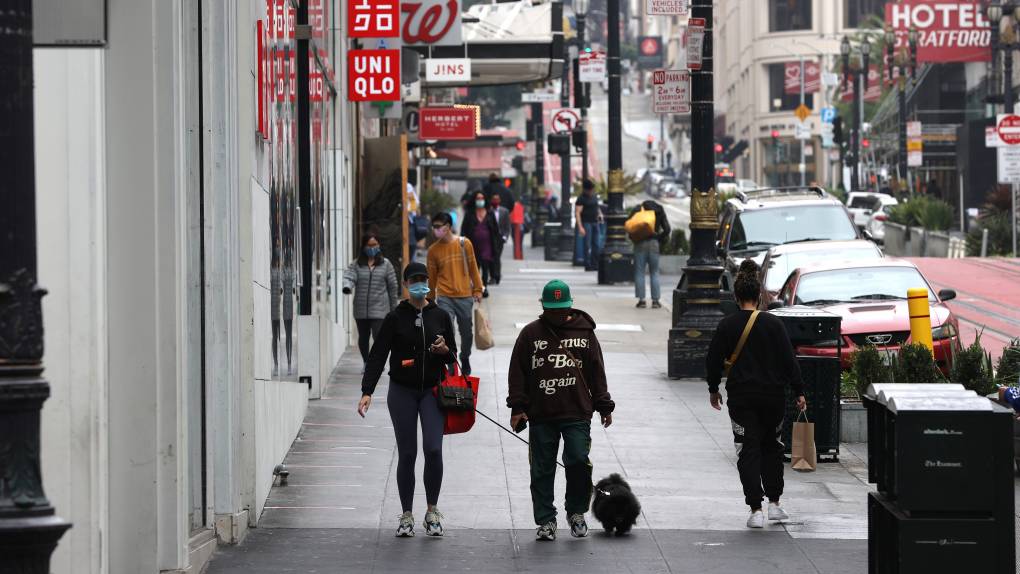
"caption": "People walk through San Francisco's Union Square shopping district on Sept. 3, 2020.",
"description": "People walk through San Francisco's Union Square shopping district on Sept. 3, 2020.",
"title": "San Francisco Businesses Shutter Their Doors Amid Coronavirus Economic Downturn",
"credit": "Justin Sullivan/Getty Images",
"status": "inherit",
"isLoading": false,
"fetchFailed": false
}
},
"audioPlayerReducer": {
"postId": "stream_live",
"isPaused": true,
"isPlaying": false,
"pfsActive": false,
"pledgeModalIsOpen": true,
"playerDrawerIsOpen": false,
"liveAudioPlayStartedAt": 0,
"liveAudioPlayContext": ""
},
"authorsReducer": {
"byline_news_11843885": {
"type": "authors",
"id": "byline_news_11843885",
"meta": {
"override": true
},
"slug": "byline_news_11843885",
"name": "\u003ca href=\"https://khn.org/news/author/jenny-gold/\">Jenny Gold\u003c/a> and \u003ca href=\"https://khn.org/news/author/rachana-pradhan/\">Rachana Pradhan\u003c/a>",
"isLoading": false
},
"byline_news_11843335": {
"type": "authors",
"id": "byline_news_11843335",
"meta": {
"override": true
},
"slug": "byline_news_11843335",
"name": "\u003ca href=\"https://www.kvpr.org/people/kerry-klein\">Kerry Klein\u003c/a> \u003cbr> Valley Public Radio",
"isLoading": false
},
"mlam": {
"type": "authors",
"id": "244",
"meta": {
"index": "authors_1716337520",
"id": "244",
"found": true
},
"name": "Monica Lam",
"firstName": "Monica Z.",
"lastName": "Lam",
"slug": "mlam",
"email": "mlam@kqed.org",
"display_author_email": true,
"staff_mastheads": [
"news"
],
"title": "KQED Senior Producer",
"bio": "Monica is senior producer of the weekly current affairs program, \"KQED Newsroom.\" She's also served as senior editor of digital content at KQED. She likes to report and edit as well as produce video and take photos.\r\n\r\nBefore joining KQED, Monica worked at the Center for Investigative Reporting, where she examined conditions inside \u003cspan style=\"font-weight: 400;\">maximum security \u003c/span>prisons and abuse in state-run institutions for the developmentally disabled. Prior to that, she produced and directed \u003cem>Journey of the Bonesetter's Daughter,\u003c/em> a documentary that follows novelist Amy Tan as she creates an opera based on her family history.\r\n\r\nMonica's work has been honored with a duPont Award, five Emmys, regional and national Murrow Awards, and has been recognized by Investigative Reporters and Editors, the Society of Professional Journalists, Religion Newswriters Association and the San Francisco Peninsula Press Club. Monica studied urban studies at Stanford University and earned a master's in journalism at University of California at Berkeley. Follow her on twitter: @monicazlam",
"avatar": "https://secure.gravatar.com/avatar/018c474b2b71f43e0e6ca9b15a0ad36f?s=600&d=blank&r=g",
"twitter": "@monicazlam",
"facebook": null,
"instagram": null,
"linkedin": null,
"sites": [
{
"site": "arts",
"roles": [
"administrator"
]
},
{
"site": "news",
"roles": [
"editor"
]
},
{
"site": "trulyca",
"roles": [
"editor"
]
},
{
"site": "science",
"roles": [
"editor"
]
},
{
"site": "breakingnews",
"roles": [
"editor"
]
}
],
"headData": {
"title": "Monica Lam | KQED",
"description": "KQED Senior Producer",
"ogImgSrc": "https://secure.gravatar.com/avatar/018c474b2b71f43e0e6ca9b15a0ad36f?s=600&d=blank&r=g",
"twImgSrc": "https://secure.gravatar.com/avatar/018c474b2b71f43e0e6ca9b15a0ad36f?s=600&d=blank&r=g"
},
"isLoading": false,
"link": "/author/mlam"
},
"markfiore": {
"type": "authors",
"id": "3236",
"meta": {
"index": "authors_1716337520",
"id": "3236",
"found": true
},
"name": "Mark Fiore",
"firstName": "Mark",
"lastName": "Fiore",
"slug": "markfiore",
"email": "mark@markfiore.com",
"display_author_email": false,
"staff_mastheads": [
"news"
],
"title": "KQED News Cartoonist",
"bio": "\u003ca href=\"http://www.MarkFiore.com\">MarkFiore.com\u003c/a> | \u003ca href=\"https://twitter.com/markfiore\">Follow on Twitter\u003c/a> | \u003ca href=\"https://www.facebook.com/pages/Mark-Fiore-Animated-Political-Cartoons/94451707396?ref=bookmarks\">Facebook\u003c/a> | \u003ca href=\"mailto:mark@markfiore.com\">email\u003c/a>\r\n\r\nPulitzer Prize-winner, Mark Fiore, who the Wall Street Journal has called “the undisputed guru of the form,” creates animated political cartoons in San Francisco, where his work has been featured regularly on the San Francisco Chronicle’s web site, SFGate.com. His work has appeared on Newsweek.com, Slate.com, CBSNews.com, MotherJones.com, DailyKos.com and NPR’s web site. Fiore’s political animation has appeared on CNN, Frontline, Bill Moyers Journal, Salon.com and cable and broadcast outlets across the globe.\r\n\r\nBeginning his professional life by drawing traditional political cartoons for newspapers, Fiore’s work appeared in publications ranging from the Washington Post to the Los Angeles Times. In the late 1990s, he began to experiment with animating political cartoons and, after a short stint at the San Jose Mercury News as their staff cartoonist, Fiore devoted all his energies to animation.\r\nGrowing up in California, Fiore also spent a good portion of his life in the backwoods of Idaho. It was this combination that shaped him politically. Mark majored in political science at Colorado College, where, in a perfect send-off for a cartoonist, he received his diploma in 1991 as commencement speaker Dick Cheney smiled approvingly.\r\nMark Fiore was awarded the Pulitzer Prize for political cartooning in 2010, a Robert F. Kennedy Journalism Award in 2004 and has twice received an Online Journalism Award for commentary from the Online News Association (2002, 2008). Fiore has received two awards for his work in new media from the National Cartoonists Society (2001, 2002), and in 2006 received The James Madison Freedom of Information Award from The Society of Professional Journalists.",
"avatar": "https://secure.gravatar.com/avatar/fc4e2a612b15b67bad0c6f0e1db4ca9b?s=600&d=blank&r=g",
"twitter": "MarkFiore",
"facebook": null,
"instagram": "https://www.instagram.com/markfiore/?hl=en",
"linkedin": null,
"sites": [
{
"site": "arts",
"roles": [
"contributor"
]
},
{
"site": "news",
"roles": [
"editor"
]
},
{
"site": "futureofyou",
"roles": [
"editor"
]
},
{
"site": "science",
"roles": [
"editor"
]
}
],
"headData": {
"title": "Mark Fiore | KQED",
"description": "KQED News Cartoonist",
"ogImgSrc": "https://secure.gravatar.com/avatar/fc4e2a612b15b67bad0c6f0e1db4ca9b?s=600&d=blank&r=g",
"twImgSrc": "https://secure.gravatar.com/avatar/fc4e2a612b15b67bad0c6f0e1db4ca9b?s=600&d=blank&r=g"
},
"isLoading": false,
"link": "/author/markfiore"
},
"carlysevern": {
"type": "authors",
"id": "3243",
"meta": {
"index": "authors_1716337520",
"id": "3243",
"found": true
},
"name": "Carly Severn",
"firstName": "Carly",
"lastName": "Severn",
"slug": "carlysevern",
"email": "csevern@kqed.org",
"display_author_email": false,
"staff_mastheads": [
"news"
],
"title": "Senior Editor, Audience News ",
"bio": "Carly is KQED's Senior Editor of Audience News on the Digital News team, and has reported for the California Report Magazine, Bay Curious and KQED Arts. She's formerly the host of \u003ca href=\"http://ww2.kqed.org/pop/category/the-cooler/\" rel=\"noopener noreferrer\">The Cooler\u003c/a> podcast.",
"avatar": "https://secure.gravatar.com/avatar/54037bf5c128fe678f0ef26cec97a93f2e7f220a22d7285703328f12c42c1b1d?s=600&d=blank&r=g",
"twitter": "teacupinthebay",
"bluesky": null,
"facebook": null,
"instagram": null,
"linkedin": null,
"sites": [
{
"site": "",
"roles": [
"editor"
]
},
{
"site": "arts",
"roles": [
"editor"
]
},
{
"site": "news",
"roles": [
"administrator"
]
},
{
"site": "pop",
"roles": [
"editor"
]
},
{
"site": "futureofyou",
"roles": [
"editor"
]
},
{
"site": "about",
"roles": [
"administrator"
]
},
{
"site": "mindshift",
"roles": [
"editor"
]
},
{
"site": "bayareabites",
"roles": [
"editor"
]
},
{
"site": "stateofhealth",
"roles": [
"editor"
]
},
{
"site": "science",
"roles": [
"editor"
]
},
{
"site": "food",
"roles": [
"contributor"
]
},
{
"site": "forum",
"roles": [
"editor"
]
},
{
"site": "perspectives",
"roles": [
"administrator"
]
},
{
"site": "liveblog",
"roles": [
"editor"
]
}
],
"headData": {
"title": "Carly Severn | KQED",
"description": "Senior Editor, Audience News ",
"ogImgSrc": "https://secure.gravatar.com/avatar/54037bf5c128fe678f0ef26cec97a93f2e7f220a22d7285703328f12c42c1b1d?s=600&d=blank&r=g",
"twImgSrc": "https://secure.gravatar.com/avatar/54037bf5c128fe678f0ef26cec97a93f2e7f220a22d7285703328f12c42c1b1d?s=600&d=blank&r=g"
},
"isLoading": false,
"link": "/author/carlysevern"
},
"dkatayama": {
"type": "authors",
"id": "7240",
"meta": {
"index": "authors_1716337520",
"id": "7240",
"found": true
},
"name": "Devin Katayama",
"firstName": "Devin",
"lastName": "Katayama",
"slug": "dkatayama",
"email": "dkatayama@kqed.org",
"display_author_email": true,
"staff_mastheads": [
"news"
],
"title": "Editor of Talent and Development",
"bio": "Devin Katayama is former Editor of Talent and Development for KQED. He supported our internship program and on-call staff by looking for equitable opportunities to improve the newsroom.\r\n\r\nHe previously hosted The Bay and American Suburb podcasts from KQED News. Prior to returning to the Bay Area in 2015, Devin was the education reporter for WFPL in Louisville and worked as a producer with radio stations in Chicago and Portland, OR. His work has appeared on NPR’s \u003cem>Morning Edition, All Things Considered, The Takeaway\u003c/em> and \u003cem>Here and Now.\u003c/em>\r\n\r\nDevin earned his MA in Journalism from Columbia College Chicago, where he was a Follett Fellow and the recipient of the 2011 Studs Terkel Community Media Workshop Scholarship for his story on Chicago's homeless youth. He won WBUR's 2014 Daniel Schorr award and a regional RTNDA Edward R. Murrow Award for his documentary \"At Risk\" that looked at issues facing some of Louisville's students. Devin has also received numerous local awards from the Associated Press and the Society of Professional Journalists.",
"avatar": "https://secure.gravatar.com/avatar/d0d2978a31002fb2de107921a8e18405?s=600&d=blank&r=g",
"twitter": "RadioDevin",
"facebook": null,
"instagram": null,
"linkedin": null,
"sites": [
{
"site": "arts",
"roles": []
},
{
"site": "news",
"roles": [
"author"
]
},
{
"site": "stateofhealth",
"roles": [
"author"
]
},
{
"site": "forum",
"roles": [
"editor"
]
},
{
"site": "perspectives",
"roles": [
"editor"
]
}
],
"headData": {
"title": "Devin Katayama | KQED",
"description": "Editor of Talent and Development",
"ogImgSrc": "https://secure.gravatar.com/avatar/d0d2978a31002fb2de107921a8e18405?s=600&d=blank&r=g",
"twImgSrc": "https://secure.gravatar.com/avatar/d0d2978a31002fb2de107921a8e18405?s=600&d=blank&r=g"
},
"isLoading": false,
"link": "/author/dkatayama"
},
"cveltman": {
"type": "authors",
"id": "8608",
"meta": {
"index": "authors_1716337520",
"id": "8608",
"found": true
},
"name": "Chloe Veltman",
"firstName": "Chloe",
"lastName": "Veltman",
"slug": "cveltman",
"email": "cveltman@kqed.org",
"display_author_email": true,
"staff_mastheads": [],
"title": "Arts and Culture Reporter",
"bio": "Chloe Veltman is a former arts and culture reporter for KQED. Prior to joining the organization, she launched and led the arts bureau at Colorado Public Radio, served as the Bay Area's culture columnist for the New York Times, and was the founder, host and executive producer of VoiceBox, a national award-winning weekly podcast/radio show and live events series all about the human voice. Chloe is the recipient of numerous prizes, grants and fellowships including a Webby Award for her work on interactive storytelling, both the John S Knight Journalism Fellowship and Humanities Center Fellowship at Stanford University, the Sundance Arts Writing Fellowship and a Library of Congress Research Fellowship. She is the author of the book \"On Acting\" and has appeared as a guest lecturer at Yale University and the San Francisco Conservatory of Music among other institutions. She holds a BA in english literature from King's College, Cambridge, and a Masters in Dramaturgy from the Central School of Speech and Drama/Harvard Institute for Advanced Theater Training.\r\n\u003ca href=\"https://www.chloeveltman.com\">www.chloeveltman.com\u003c/a>",
"avatar": "https://secure.gravatar.com/avatar/55403394b00a1ddab683952c2eb2cf85?s=600&d=blank&r=g",
"twitter": "chloeveltman",
"facebook": null,
"instagram": null,
"linkedin": null,
"sites": [
{
"site": "arts",
"roles": []
},
{
"site": "news",
"roles": [
"author"
]
},
{
"site": "pop",
"roles": [
"editor"
]
},
{
"site": "science",
"roles": []
}
],
"headData": {
"title": "Chloe Veltman | KQED",
"description": "Arts and Culture Reporter",
"ogImgSrc": "https://secure.gravatar.com/avatar/55403394b00a1ddab683952c2eb2cf85?s=600&d=blank&r=g",
"twImgSrc": "https://secure.gravatar.com/avatar/55403394b00a1ddab683952c2eb2cf85?s=600&d=blank&r=g"
},
"isLoading": false,
"link": "/author/cveltman"
},
"clei": {
"type": "authors",
"id": "8617",
"meta": {
"index": "authors_1716337520",
"id": "8617",
"found": true
},
"name": "Cecilia Lei",
"firstName": "Cecilia",
"lastName": "Lei",
"slug": "clei",
"email": "clei@KQED.org",
"display_author_email": false,
"staff_mastheads": [],
"title": "KQED Contributor",
"bio": "Cecilia Lei is an on-call host and producer for KQED News and Podcasts. Previously, she was the executive producer and host of the San Francisco Chronicle's daily news podcast, 'Fifth and Mission'. Cecilia is a graduate of UC Berkeley’s Graduate School of Journalism and the former president of the Asian American Journalists Association San Francisco Bay Area chapter.",
"avatar": "https://secure.gravatar.com/avatar/40975f1f88fccf628ee537bf6ffc2af8?s=600&d=blank&r=g",
"twitter": null,
"facebook": null,
"instagram": null,
"linkedin": null,
"sites": [
{
"site": "arts",
"roles": [
"contributor"
]
},
{
"site": "news",
"roles": [
"author",
"read_private_posts"
]
},
{
"site": "about",
"roles": [
"editor"
]
}
],
"headData": {
"title": "Cecilia Lei | KQED",
"description": "KQED Contributor",
"ogImgSrc": "https://secure.gravatar.com/avatar/40975f1f88fccf628ee537bf6ffc2af8?s=600&d=blank&r=g",
"twImgSrc": "https://secure.gravatar.com/avatar/40975f1f88fccf628ee537bf6ffc2af8?s=600&d=blank&r=g"
},
"isLoading": false,
"link": "/author/clei"
},
"ecruzguevarra": {
"type": "authors",
"id": "8654",
"meta": {
"index": "authors_1716337520",
"id": "8654",
"found": true
},
"name": "Ericka Cruz Guevarra",
"firstName": "Ericka",
"lastName": "Cruz Guevarra",
"slug": "ecruzguevarra",
"email": "ecruzguevarra@kqed.org",
"display_author_email": true,
"staff_mastheads": [
"news"
],
"title": "Producer, The Bay Podcast",
"bio": "Ericka Cruz Guevarra is host of \u003ca href=\"https://www.kqed.org/podcasts/thebay\">\u003cem>The Bay\u003c/em>\u003c/a> podcast at KQED. Before host, she was the show’s producer. Her work in that capacity includes a three-part reported series on policing in Vallejo, which won a 2020 excellence in journalism award from the Society of Professional Journalists. Ericka has worked as a breaking news reporter at Oregon Public Broadcasting, helped produce the Code Switch podcast, and was KQED’s inaugural Raul Ramirez Diversity Fund intern. She’s also an alumna of NPR’s Next Generation Radio program. Send her an email if you have strong feelings about whether Fairfield and Suisun City are the Bay. Ericka is represented by SAG-AFTRA.",
"avatar": "https://secure.gravatar.com/avatar/accefc1de4bafc7e234b69bcb9b6f6536c130fd84709bc3069ef11a78787e1bb?s=600&d=blank&r=g",
"twitter": "NotoriousECG",
"bluesky": null,
"facebook": null,
"instagram": null,
"linkedin": null,
"sites": [
{
"site": "arts",
"roles": [
"subscriber"
]
},
{
"site": "news",
"roles": [
"editor",
"manage_categories"
]
},
{
"site": "futureofyou",
"roles": [
"subscriber"
]
},
{
"site": "stateofhealth",
"roles": [
"subscriber"
]
},
{
"site": "science",
"roles": [
"editor"
]
},
{
"site": "forum",
"roles": [
"subscriber"
]
}
],
"headData": {
"title": "Ericka Cruz Guevarra | KQED",
"description": "Producer, The Bay Podcast",
"ogImgSrc": "https://secure.gravatar.com/avatar/accefc1de4bafc7e234b69bcb9b6f6536c130fd84709bc3069ef11a78787e1bb?s=600&d=blank&r=g",
"twImgSrc": "https://secure.gravatar.com/avatar/accefc1de4bafc7e234b69bcb9b6f6536c130fd84709bc3069ef11a78787e1bb?s=600&d=blank&r=g"
},
"isLoading": false,
"link": "/author/ecruzguevarra"
},
"rdillon": {
"type": "authors",
"id": "11495",
"meta": {
"index": "authors_1716337520",
"id": "11495",
"found": true
},
"name": "Raquel Maria Dillon",
"firstName": "Raquel Maria",
"lastName": "Dillon",
"slug": "rdillon",
"email": "rdillon@kqed.org",
"display_author_email": false,
"staff_mastheads": [],
"title": null,
"bio": "Raquel Maria Dillon was a reporter and host for KQED News. Previously, she produced the daily statewide California Report, edited newscasts, and covered health and education stories. Before returning to the Bay Area in 2016, she worked in Los Angeles as a wire reporter and one-woman-band video journalist for the Associated Press, where she shot, edited and reported breaking news and features across the West. Her work has appeared online and in print around the globe, and also on NPR’s Morning Edition, All Things Considered, Here and Now, Marketplace, On The Media, and Studio 360. She previously edited and mentored up-and-coming reporters at KALW, produced social videos for Timeline.com, and was a local TV news videographer for KTVU and digital producer for KNTV. She got her start as a Radio News Trainee at KQED, produced a weekly public affairs roundtable show for OPB, and covered health and politics at New Hampshire Public Radio. She has a BA in political science from Barnard College and a MA in video journalism from UC Berkeley, where she was awarded the Faith Fancher Scholarship and a Student Emmy. She has received numerous local awards from the Associated Press and the Society of Professional Journalists.",
"avatar": "https://secure.gravatar.com/avatar/b8e02ae982913d0950df605910267c1b?s=600&d=blank&r=g",
"twitter": "RaquelMDillon",
"facebook": null,
"instagram": null,
"linkedin": null,
"sites": [
{
"site": "news",
"roles": [
"subscriber"
]
},
{
"site": "stateofhealth",
"roles": [
"editor"
]
},
{
"site": "science",
"roles": [
"editor"
]
},
{
"site": "forum",
"roles": [
"editor"
]
}
],
"headData": {
"title": "Raquel Maria Dillon | KQED",
"description": null,
"ogImgSrc": "https://secure.gravatar.com/avatar/b8e02ae982913d0950df605910267c1b?s=600&d=blank&r=g",
"twImgSrc": "https://secure.gravatar.com/avatar/b8e02ae982913d0950df605910267c1b?s=600&d=blank&r=g"
},
"isLoading": false,
"link": "/author/rdillon"
},
"katewolffe": {
"type": "authors",
"id": "11523",
"meta": {
"index": "authors_1716337520",
"id": "11523",
"found": true
},
"name": "Kate Wolffe",
"firstName": "Kate",
"lastName": "Wolffe",
"slug": "katewolffe",
"email": "kwolffe@kqed.org",
"display_author_email": true,
"staff_mastheads": [
"news"
],
"title": "KQED Reporter + Weekend Host",
"bio": "Kate Wolffe reports on local Bay Area happenings for KQED, and hosts the news on weekend afternoons. She joined KQED in 2018 as an intern on the Forum team, before moving to cover topics ranging from politics to criminal justice to homelessness. A Bay Area native and UC Berkeley graduate, Kate loves to discover new corners of the region.",
"avatar": "https://secure.gravatar.com/avatar/22455f14db824a03ee252f73052fe939?s=600&d=blank&r=g",
"twitter": "katewolffe",
"facebook": null,
"instagram": null,
"linkedin": null,
"sites": [
{
"site": "arts",
"roles": [
"editor"
]
},
{
"site": "news",
"roles": [
"author",
"edit_others_posts"
]
},
{
"site": "forum",
"roles": [
"editor"
]
}
],
"headData": {
"title": "Kate Wolffe | KQED",
"description": "KQED Reporter + Weekend Host",
"ogImgSrc": "https://secure.gravatar.com/avatar/22455f14db824a03ee252f73052fe939?s=600&d=blank&r=g",
"twImgSrc": "https://secure.gravatar.com/avatar/22455f14db824a03ee252f73052fe939?s=600&d=blank&r=g"
},
"isLoading": false,
"link": "/author/katewolffe"
},
"mwiley": {
"type": "authors",
"id": "11526",
"meta": {
"index": "authors_1716337520",
"id": "11526",
"found": true
},
"name": "Michelle Wiley",
"firstName": "Michelle",
"lastName": "Wiley",
"slug": "mwiley",
"email": "mwiley@KQED.org",
"display_author_email": true,
"staff_mastheads": [],
"title": null,
"bio": "Michelle Wiley was the senior editor of weekends.",
"avatar": "https://secure.gravatar.com/avatar/3b897d82a09e8587e8e73fa69fbcc635?s=600&d=blank&r=g",
"twitter": "michelleewiley",
"facebook": null,
"instagram": null,
"linkedin": null,
"sites": [
{
"site": "",
"roles": [
"editor"
]
},
{
"site": "arts",
"roles": [
"editor"
]
},
{
"site": "news",
"roles": [
"subscriber"
]
},
{
"site": "lowdown",
"roles": [
"editor"
]
},
{
"site": "science",
"roles": [
"editor"
]
},
{
"site": "podcasts",
"roles": [
"editor"
]
}
],
"headData": {
"title": "Michelle Wiley | KQED",
"description": null,
"ogImgSrc": "https://secure.gravatar.com/avatar/3b897d82a09e8587e8e73fa69fbcc635?s=600&d=blank&r=g",
"twImgSrc": "https://secure.gravatar.com/avatar/3b897d82a09e8587e8e73fa69fbcc635?s=600&d=blank&r=g"
},
"isLoading": false,
"link": "/author/mwiley"
},
"kevinstark": {
"type": "authors",
"id": "11608",
"meta": {
"index": "authors_1716337520",
"id": "11608",
"found": true
},
"name": "Kevin Stark",
"firstName": "Kevin",
"lastName": "Stark",
"slug": "kevinstark",
"email": "kstark@kqed.org",
"display_author_email": true,
"staff_mastheads": [
"science"
],
"title": "Senior Editor",
"bio": "Kevin is a senior editor for KQED Science, managing the station's health and climate desks. His journalism career began in the Pacific Northwest, and he later became a lead reporter for the San Francisco Public Press. His work has appeared in Pacific Standard magazine, the Energy News Network, the Center for Investigative Reporting's Reveal and WBEZ in Chicago. Kevin joined KQED in 2019, and has covered issues related to energy, wildfire, climate change and the environment.",
"avatar": "https://secure.gravatar.com/avatar/365aaa4b597d3a8374f67504ff0facd323d7906e8eb4be0a7efd2427408e802c?s=600&d=blank&r=g",
"twitter": "starkkev",
"bluesky": null,
"facebook": null,
"instagram": null,
"linkedin": null,
"sites": [
{
"site": "",
"roles": [
"editor"
]
},
{
"site": "news",
"roles": [
"editor"
]
},
{
"site": "science",
"roles": [
"administrator"
]
}
],
"headData": {
"title": "Kevin Stark | KQED",
"description": "Senior Editor",
"ogImgSrc": "https://secure.gravatar.com/avatar/365aaa4b597d3a8374f67504ff0facd323d7906e8eb4be0a7efd2427408e802c?s=600&d=blank&r=g",
"twImgSrc": "https://secure.gravatar.com/avatar/365aaa4b597d3a8374f67504ff0facd323d7906e8eb4be0a7efd2427408e802c?s=600&d=blank&r=g"
},
"isLoading": false,
"link": "/author/kevinstark"
},
"amontecillo": {
"type": "authors",
"id": "11649",
"meta": {
"index": "authors_1716337520",
"id": "11649",
"found": true
},
"name": "Alan Montecillo",
"firstName": "Alan",
"lastName": "Montecillo",
"slug": "amontecillo",
"email": "amontecillo@kqed.org",
"display_author_email": false,
"staff_mastheads": [
"news"
],
"title": "KQED Contributor",
"bio": "Alan Montecillo is the senior editor of \u003cem>\u003ca href=\"http://kqed.org/thebay\">The Bay\u003c/a>, \u003c/em> KQED's local news podcast. Before moving to the Bay Area, he worked as a senior talk show producer for WILL in Champaign-Urbana, Illinois and at Oregon Public Broadcasting in Portland, Oregon. He has won journalism awards from the Society of Professional Journalists Northern California, the Public Media Journalists Association, The Signal Awards, and has also received a regional Edward R. Murrow award. Alan is a Filipino American from Hong Kong and a graduate of Reed College.",
"avatar": "https://secure.gravatar.com/avatar/268f53a2066899ea9efdd8a5900218b17c822d9862cbc9326cccec53ef41d349?s=600&d=blank&r=g",
"twitter": "alanmontecillo",
"bluesky": null,
"facebook": null,
"instagram": null,
"linkedin": null,
"sites": [
{
"site": "",
"roles": [
"editor"
]
},
{
"site": "news",
"roles": [
"editor",
"manage_categories"
]
}
],
"headData": {
"title": "Alan Montecillo | KQED",
"description": "KQED Contributor",
"ogImgSrc": "https://secure.gravatar.com/avatar/268f53a2066899ea9efdd8a5900218b17c822d9862cbc9326cccec53ef41d349?s=600&d=blank&r=g",
"twImgSrc": "https://secure.gravatar.com/avatar/268f53a2066899ea9efdd8a5900218b17c822d9862cbc9326cccec53ef41d349?s=600&d=blank&r=g"
},
"isLoading": false,
"link": "/author/amontecillo"
}
},
"pagesReducer": {
"news_tag_covid-19": {
"type": "terms",
"id": "news_27504",
"meta": {
"index": "terms_1716263798",
"site": "news",
"id": "27504",
"score": 8.558537
},
"featImg": null,
"name": "covid-19",
"description": null,
"taxonomy": "tag",
"headData": {
"twImgId": null,
"twTitle": null,
"ogTitle": null,
"ogImgId": null,
"twDescription": null,
"description": null,
"title": "covid-19 Archives | KQED News",
"ogDescription": null
},
"ttid": 27521,
"slug": "covid-19",
"isLoading": false,
"title": "covid-19",
"pageMeta": {
"site": "news",
"WpPageTemplate": "page-topic-editorial",
"currentPage": 43
},
"blocks": [
{
"blockName": "kqed/post-list",
"attrs": {
"layout": "cardArticle2",
"query": "posts/news?tag=covid-19",
"seeMore": false,
"paginated": true,
"page": 43
}
},
{
"blockName": "kqed/ad"
}
]
}
},
"pfsSessionReducer": {},
"postsReducer": {
"stream_live": {
"type": "live",
"id": "stream_live",
"audioUrl": "https://streams.kqed.org/kqedradio",
"title": "Live Stream",
"excerpt": "Live Stream information currently unavailable.",
"link": "/radio",
"featImg": "",
"label": {
"name": "KQED Live",
"link": "/"
}
},
"stream_kqedNewscast": {
"type": "posts",
"id": "stream_kqedNewscast",
"audioUrl": "https://www.kqed.org/.stream/anon/radio/RDnews/newscast.mp3?_=1",
"title": "KQED Newscast",
"featImg": "",
"label": {
"name": "88.5 FM",
"link": "/"
}
},
"news_11846937": {
"type": "posts",
"id": "news_11846937",
"meta": {
"index": "posts_1716263798",
"site": "news",
"id": "11846937",
"score": null,
"sort": [
1605053962000
]
},
"parent": 0,
"labelTerm": {
"site": "news",
"term": 18515
},
"blocks": [],
"publishDate": 1605053962,
"format": "standard",
"disqusTitle": "Turkeys Can't Really Fly Either",
"title": "Turkeys Can't Really Fly Either",
"headTitle": "Mark Fiore: Drawn to the Bay | KQED News",
"content": "\u003cp>To keep you and your loved ones safe, this is shaping up to be the Thanksgiving to stay home, forgo travel and \u003ca href=\"https://bit.ly/fiorecovidthanksgiving\">skip those large family gatherings\u003c/a>.\u003c/p>\n\u003cp>I wanted to reimagine the classic Norman Rockwell \u003ca href=\"https://en.wikipedia.org/wiki/Freedom_from_Want\">painting of Thanksgiving dinner\u003c/a> because while some might rejoice that they don't have to go anywhere during what are usually the busiest travel days, many people haven't seen their extended family for many months because of the pandemic.\u003c/p>\n\u003cp>It's of course safest to lay low and celebrate from afar, but if you absolutely have to travel to see family, there are ways you can \u003ca href=\"https://www.kqed.org/science/1970886/visiting-family-over-the-holidays-heres-how-to-lower-your-risk-for-covid-19\">reduce the health risks\u003c/a> for you and your family.\u003c/p>\n\u003cp>In short, this sucks but stay safe and don't kill people.\u003c/p>\n\u003cp>[ad fullwidth]\u003c/p>\n\u003cp>\u003c/p>\n",
"disqusIdentifier": "11846937 https://ww2.kqed.org/news/?p=11846937",
"disqusUrl": "https://ww2.kqed.org/news/2020/11/10/turkeys-cant-really-fly-either/",
"stats": {
"hasVideo": false,
"hasChartOrMap": false,
"hasAudio": false,
"hasPolis": false,
"wordCount": 125,
"hasGoogleForm": false,
"hasGallery": false,
"hasHearkenModule": false,
"iframeSrcs": [],
"paragraphCount": 6
},
"modified": 1605053962,
"excerpt": "To keep you and your loved ones safe, this is shaping up to be the Thanksgiving to stay home, forgo travel and skip those large family gatherings.",
"headData": {
"twImgId": "",
"twTitle": "",
"ogTitle": "",
"ogImgId": "",
"twDescription": "",
"description": "To keep you and your loved ones safe, this is shaping up to be the Thanksgiving to stay home, forgo travel and skip those large family gatherings.",
"title": "Turkeys Can't Really Fly Either | KQED",
"ogDescription": "",
"schema": {
"@context": "https://schema.org",
"@type": "NewsArticle",
"headline": "Turkeys Can't Really Fly Either",
"datePublished": "2020-11-10T16:19:22-08:00",
"dateModified": "2020-11-10T16:19:22-08:00",
"image": "https://cdn.kqed.org/wp-content/uploads/2020/02/KQED-OG-Image@1x.png",
"isAccessibleForFree": "True",
"publisher": {
"@type": "NewsMediaOrganization",
"@id": "https://www.kqed.org/#organization",
"name": "KQED",
"logo": "https://cdn.kqed.org/wp-content/uploads/2020/02/KQED-OG-Image@1x.png",
"url": "https://www.kqed.org",
"sameAs": [
"https://www.facebook.com/KQED",
"https://twitter.com/KQED",
"https://www.instagram.com/kqed/",
"https://www.tiktok.com/@kqedofficial",
"https://www.linkedin.com/company/kqed",
"https://www.youtube.com/channel/UCeC0IOo7i1P_61zVUWbJ4nw"
]
}
}
},
"guestAuthors": [],
"slug": "turkeys-cant-really-fly-either",
"status": "publish",
"path": "/news/11846937/turkeys-cant-really-fly-either",
"audioTrackLength": null,
"parsedContent": [
{
"type": "contentString",
"content": "\u003cdiv class=\"post-body\">\u003cp>\u003cp>To keep you and your loved ones safe, this is shaping up to be the Thanksgiving to stay home, forgo travel and \u003ca href=\"https://bit.ly/fiorecovidthanksgiving\">skip those large family gatherings\u003c/a>.\u003c/p>\n\u003cp>I wanted to reimagine the classic Norman Rockwell \u003ca href=\"https://en.wikipedia.org/wiki/Freedom_from_Want\">painting of Thanksgiving dinner\u003c/a> because while some might rejoice that they don't have to go anywhere during what are usually the busiest travel days, many people haven't seen their extended family for many months because of the pandemic.\u003c/p>\n\u003cp>It's of course safest to lay low and celebrate from afar, but if you absolutely have to travel to see family, there are ways you can \u003ca href=\"https://www.kqed.org/science/1970886/visiting-family-over-the-holidays-heres-how-to-lower-your-risk-for-covid-19\">reduce the health risks\u003c/a> for you and your family.\u003c/p>\n\u003cp>In short, this sucks but stay safe and don't kill people.\u003c/p>\n\u003cp>\u003c/p>\u003c/div>",
"attributes": {
"named": {},
"numeric": []
}
},
{
"type": "component",
"content": "",
"name": "ad",
"attributes": {
"named": {
"label": "fullwidth"
},
"numeric": [
"fullwidth"
]
}
},
{
"type": "contentString",
"content": "\u003cdiv class=\"post-body\">\u003cp>\u003c/p>\n\u003cp>\u003c/p>\n\u003c/div>\u003c/p>",
"attributes": {
"named": {},
"numeric": []
}
}
],
"link": "/news/11846937/turkeys-cant-really-fly-either",
"authors": [
"3236"
],
"series": [
"news_18515"
],
"categories": [
"news_19906",
"news_457",
"news_1397"
],
"tags": [
"news_27350",
"news_27504",
"news_20949",
"news_27660",
"news_293"
],
"featImg": "news_11846952",
"label": "news_18515"
},
"news_11846759": {
"type": "posts",
"id": "news_11846759",
"meta": {
"index": "posts_1716263798",
"site": "news",
"id": "11846759",
"score": null,
"sort": [
1605050621000
]
},
"parent": 0,
"labelTerm": {
"site": "news"
},
"blocks": [],
"publishDate": 1605050621,
"format": "standard",
"disqusTitle": "Saying No to the Holidays During COVID-19? How to Break It to Family (or Friends)",
"title": "Saying No to the Holidays During COVID-19? How to Break It to Family (or Friends)",
"headTitle": "KQED News",
"content": "\u003cp>\u003cem>Updated Dec. 1 at 11:30 a.m.\u003c/em>\u003c/p>\n\u003cp>Traveling during the COVID-19 pandemic raises a person's risk of contracting — or spreading — the coronavirus. Gathering in groups with other households, especially indoors, does just the same.\u003c/p>\n\u003cp>Put these two facts together and it's clear: Even when following all advised precautions, traveling to visit your family for the holidays carries undeniable risk factors.\u003c/p>\n\u003cp>Nationally, the Centers for Disease Control and Prevention strongly\u003ca href=\"https://www.npr.org/sections/coronavirus-live-updates/2020/11/19/936715870/dont-travel-for-thanksgiving-cdc-warns\"> recommended that people stay home for Thanksgiving\u003c/a> last month. In California, nonessential travel outside of the state was already strongly discouraged by Gov. Gavin Newsom's \u003ca href=\"https://www.kqed.org/coronavirusliveupdates/news/11847404/newsom-urges-against-out-of-state-travel-advises-quarantine-for-those-who-do\">travel advisory\u003c/a> issued before Thanksgiving, which continues to ask people to self-quarantine for 14 days after arriving from another state or country.\u003c/p>\n\u003cp>This state guidance comes on the heels of \u003ca href=\"https://cchealth.org/press-releases/2020/1109-ABAHO-Holiday-Recommendations.pdf\" target=\"_blank\" rel=\"noopener noreferrer\">recommendations\u003c/a> that were recently released by the nine Bay Area counties plus the city of Berkeley around travel, with the holidays specifically in mind. The guidance states that \"nonessential travel, including holiday travel, is not recommended. Traveling outside the Bay Area will increase your chance of getting infected and spreading the virus to others after your return.\"\u003c/p>\n\u003cp>So it's no surprise that many people chose to forgo Thanksgiving with their families and friends altogether, and are planning on doing the same for Hanukkah, Christmas or Kwanzaa during the pandemic. But how can you have that tricky conversation with loved ones without creating a rift, or unduly hurting someone's feelings?\u003c/p>\n\u003cul>\n\u003cli>\u003cstrong>\u003ca href=\"https://www.kqed.org/science/1970886/visiting-family-over-the-holidays-heres-how-to-lower-your-risk-for-covid-19\">Determined to visit family or friends for the holidays after all? Get prep tips and harm reduction guidance from experts\u003c/a>\u003c/strong>\u003c/li>\n\u003c/ul>\n\u003ch3>Remember: This Is \u003cem>Always\u003c/em> Your Choice\u003c/h3>\n\u003cp>Let’s get this out of the way: Even in a holiday season without a pandemic to consider, your movements and actions regarding an event like Thanksgiving are always yours to decide. Regardless of what others — family, friends, strangers — may think, your time and your personal space are completely and utterly your business and yours to direct as you see fit.\u003c/p>\n\u003cp>[aside postID=\"science_1970886\" hero=\"https://ww2.kqed.org/app/uploads/sites/35/2020/11/GettyImages-1214738416-1020x682.jpg\"]There are many reasons why a person might not welcome visiting with family over the holidays. Money issues around travel, scarcity of vacation time, simmering family drama, tension with relatives over core beliefs or their failure to respect your identity, your lifestyle or your boundaries, a lack of desire to mark certain holidays or just \u003cem>wanting to sit your behind at home instead;\u003c/em> these are all 100% valid reasons to forgo a family gathering — pandemic or no pandemic.\u003c/p>\n\u003cp>Yet in the most communicative of family dynamics, telling loved ones that you won’t be joining their gathering is still no picnic. As a teacher and sex educator in the Bay Area, \u003ca href=\"https://www.givingthetalk.com/\">Julia Feldman\u003c/a> advises on navigating delicate, difficult conversations when it comes to health and harm reduction. She's previously shared her advice for clear, respectful communication around \u003ca href=\"https://www.kqed.org/news/11825738/negotiating-safe-socializing-has-a-lot-in-common-with-negotiating-safe-sex\">socializing\u003c/a> and \u003ca href=\"https://www.kqed.org/news/11826988/sex-and-dating-during-coronavirus-from-masks-to-kissing-a-guide-to-your-risks\">dating during the pandemic\u003c/a>, and \"COVID Thanksgiving\" was a subject particularly close to Feldman's heart.\u003c/p>\n\u003cp>That's because she herself made the decision to decline a wider family Thanksgiving this year because of the pandemic and the need to preserve her own family's \"pod.\"\u003c/p>\n\u003cp>\"We kept trying to find a way to make it work,\" Feldman said. \"And at a certain point realized that like a lot of things this year, we just need to approach things differently.\"\u003c/p>\n\u003cp>Why \u003cem>does\u003c/em> it feel so much tougher declining an invitation to a family holiday gathering than, say, a party or a birthday?\u003c/p>\n\u003cp>\"There's a lot of sentimentality, and a lot of history and a lot of tradition there,\" Feldman explains. \"And so it's a lot for people to let go of.\"\u003c/p>\n\u003ch3>Be Firm, But Lead With Feelings\u003c/h3>\n\u003cp>When navigating a difficult conversation, or delivering \"bad news,\" there can sometimes be a temptation to stay extra-firm and resolute in your communication — in case the recipient interprets any hesitation as a cause for hope that you haven't \u003cem>really\u003c/em> made up your mind. Being firm in what we can and cannot do is great, Feldman says, but don't let that stop you from \"expressing [your] sadness and regret,\" she says.\u003c/p>\n\u003cp>[aside postID=\"news_11836745\" hero=\"https://ww2.kqed.org/app/uploads/sites/10/2020/09/open-road-1-1038x576.jpg\"]Many of us are taught that to effectively traverse tough talks, we need to be \"very decisive, and and maybe even kind of emotionless or unemotional about it,\" Feldman says. But rather than shying away from emotion in such a discussion, it's actually better to embrace it, and in this case, \"express our genuine sadness.\"\u003c/p>\n\u003cp>Of her own Thanksgiving situation, Feldman says, \"I needed to be able to tell my family 'I really wish we could be with you, and it's really hard for us that we can't.' \" Being honest about the difficulty of the decision \u003cem>and\u003c/em> the pain it's causing — for you and for your family — is the best way to ask for and hopefully achieve some understanding.\u003c/p>\n\u003cp>Ultimately, you're making this decision to reduce your family's risk of contracting and spreading COVID-19, and it's your way of keeping them safe from harm. \"That is an ultimate act of care and we need to focus on that,\" Feldman says.\u003c/p>\n\u003ch3>Acknowledge That This Sucks ...\u003c/h3>\n\u003cp>Addressing the pain your decision may cause can be productive — and so can acknowledging the magnitude of it, and how disappointing it is. Over these last eight months, the pandemic has forced many people to cancel dearly anticipated plans and forgo contact with loved ones. Rather than minimizing the impact of your decision and the disruption caused by the virus that led you to \u003cem>make\u003c/em> it, make it clear, advises Feldman, that this is nobody's ideal, and, frankly, it sucks.\u003c/p>\n\u003cp>It perhaps becomes even harder to make and stick to a decision like this because of a collective fatigue with the pandemic and its pernicious ability to alter seemingly every plan in our lives. And yes, it's tempting to throw your hands up in the air and soften those boundaries you might have firmly held at the beginning of shelter-in-place.\u003c/p>\n\u003cp>Staying strong is tough, but \u003cem>you\u003c/em> know why you're doing this: to keep your loved ones safe. Pretending it's not a big deal isn't being truthful, and you — and your family — are \u003cem>allowed\u003c/em> to be saddened, frustrated or downright pissed off about it.\u003c/p>\n\u003cp>\"If we deny that,\" Feldman says, \"there's going to be a lot of pent-up resentment and sadness and miscommunication later on.\"\u003c/p>\n\u003cfigure id=\"attachment_11846886\" class=\"wp-caption aligncenter\" style=\"max-width: 1920px\">\u003cimg class=\"size-full wp-image-11846886\" src=\"https://ww2.kqed.org/app/uploads/sites/10/2020/11/pexels-breakingpic-3056.jpg\" alt=\"\" width=\"1920\" height=\"1280\" srcset=\"https://ww2.kqed.org/app/uploads/sites/10/2020/11/pexels-breakingpic-3056.jpg 1920w, https://ww2.kqed.org/app/uploads/sites/10/2020/11/pexels-breakingpic-3056-800x533.jpg 800w, https://ww2.kqed.org/app/uploads/sites/10/2020/11/pexels-breakingpic-3056-1020x680.jpg 1020w, https://ww2.kqed.org/app/uploads/sites/10/2020/11/pexels-breakingpic-3056-160x107.jpg 160w, https://ww2.kqed.org/app/uploads/sites/10/2020/11/pexels-breakingpic-3056-1536x1024.jpg 1536w\" sizes=\"(max-width: 1920px) 100vw, 1920px\">\u003cfigcaption class=\"wp-caption-text\">Changing plans for the holidays because of the COVID-19 pandemic can result in difficult conversations with loved ones. \u003ccite>(Ketut Subiyanto/Pexels)\u003c/cite>\u003c/figcaption>\u003c/figure>\n\u003ch3>... But Make Your New Plans Clear\u003c/h3>\n\u003cp>During difficult discussions, you might find that family members are holding out hope you'll change your mind — whether they articulate that or not.\u003c/p>\n\u003cp>Communicating that you have new plans for the holidays can greatly aid your kind-but-clear efforts to let folks know you're not changing your mind.\u003c/p>\n\u003cp>For Feldman, ordering her own turkey for her different Thanksgiving this year was a big deal.\u003c/p>\n\u003cp>\"For me, that was kind of like a decisive move,\" she says, and one which she actually found helpful to communicate to her family. To introduce this conversation, Feldman says a helpful phrase might be: \"I've decided to make other plans so that I can feel like I'm celebrating this holiday.\"\u003c/p>\n\u003cp>Again, you can keep it real with your family, and convey the strangeness or jarring nature of your new plans to sustain that crucial emotional honesty: \"This is what I'm going to do this year, and it feels right in the context of this crazy world that's going on right now,\" suggests Feldman. You don't have to convey that you're thrilled with your new plans — only that you \u003cem>have\u003c/em> them, and you're sticking to them.\u003c/p>\n\u003ch3>What if Your Family Downplays COVID-19?\u003c/h3>\n\u003cp>If your family — incorrectly — believes that the pandemic isn't \"that big a deal,\" or doesn't think it's enough reason to forgo the usual holiday gatherings, that's undeniably a tough situation to navigate.\u003c/p>\n\u003cp>Trying to \"convince\" your loved ones of the pandemic's devastating seriousness by sending them statistics and literature probably isn't going to change their minds at this point, Feldman says. So, what can you do?\u003c/p>\n\u003cp>\"You just really have to come from an emotional place of being honest,\" Feldman says.\u003c/p>\n\u003cp>Be clear with your family that the travel process alone puts both you and them at a heightened risk of contracting or spreading COVID-19 — and that regardless of their feelings about that, you're personally committed to your responsibility to keep your family safe. Be honest that you know the decision could cause some hurt, but because your priority is their safety, \"you're still acting from a place of love, and that's going to have to guide you,\" Feldman says.\u003c/p>\n\u003cp>This is, after all, your way of showing your care for the people you love.\u003c/p>\n\u003ch3>What if It's Friends, Not Family?\u003c/h3>\n\u003cp>Because of the variance between family dynamic and friend/peer dynamics, declining to gather with friends for a holiday celebration will be quite a different conversation to have. In some cases, it might feel even \u003cem>harder\u003c/em> to inform your best friend than your family.\u003c/p>\n\u003cp>Our friendships can be complex in origin, form and dynamics, so emotions between peers can be highly mixed — and can quickly get fraught. Friends can also have very different expectations from each other, Feldman says: \"So I could imagine that a friend could feel like you have a sense of loyalty, or maybe a sense of responsibility, or maybe that you respect them and trust them,\" in a way that you \u003cem>don't\u003c/em> necessarily trust your relatives. Which might make hearing your decision even tougher for a pal.\u003c/p>\n\u003cp>[pullquote size=\"medium\" align=\"right\" citation=\"Julia Feldman\"]'[L]et's focus on being thankful for what we have ... And not be reckless now, at the expense of of all the things we're thankful for, or at the expense of loved ones.'[/pullquote]Feldman recommends that you navigate holiday discussions with the same honesty, frankness and emotional openness that you'd bring to your family. If it's breaking your heart that you can't celebrate with your friend, tell them that — and propose any ideas you might have for how to meet virtually or at a distance outside instead.\u003c/p>\n\u003cp>One extra element to remember where friends are concerned: Make sure that they know that you trust and respect them, especially when it comes to their conduct around COVID-19. When you decline a holiday gathering, bear in mind that many folks can — even unconsciously — infer moral judgments around socializing during the pandemic. They might think that you don't feel comfortable gathering with \u003cem>them\u003c/em>, because of how they've been behaving during the pandemic.\u003c/p>\n\u003cp>\"There's a lot of reading into this that people can do,\" Feldman says, \"that somehow you're suggesting that people aren't being careful, or being safe, because you're not going to celebrate with them.\"\u003c/p>\n\u003cp>[ad fullwidth]\u003c/p>\n\u003cp>If you sense that a friend suspects you're declining their holiday gathering because you don't trust them, be sure to reassure them — and bring it back to the big picture.\u003c/p>\n\u003cp>\"It has nothing to do about someone being 'safe' or 'careful,' \" Feldman says. \"Our priority is to make sure that everyone that we want to celebrate with next year is going to be alive, and healthy, and well, and able to do that. And this year, we're making a lot of sacrifices. We've got bigger goals here.\"\u003c/p>\n\u003cp>\"[L]et's really focus on being thankful for what we have and thankful for the future that we can have,\" Feldman says. \"And not be reckless now, at the expense of of all the things we're thankful for, or at the expense of loved ones.\"\u003c/p>\n\u003cp>[ad floatright]\u003c/p>\n",
"disqusIdentifier": "11846759 https://ww2.kqed.org/news/?p=11846759",
"disqusUrl": "https://ww2.kqed.org/news/2020/11/10/saying-no-to-a-covid-thanksgiving-holidays-how-to-break-it-to-family-or-friends/",
"stats": {
"hasVideo": false,
"hasChartOrMap": false,
"hasAudio": false,
"hasPolis": false,
"wordCount": 2045,
"hasGoogleForm": false,
"hasGallery": false,
"hasHearkenModule": false,
"iframeSrcs": [],
"paragraphCount": 41
},
"modified": 1610566465,
"excerpt": "So you've decided not to visit family for the holidays. How do you broach that conversation?",
"headData": {
"twImgId": "",
"twTitle": "",
"ogTitle": "",
"ogImgId": "",
"twDescription": "",
"description": "So you've decided not to visit family for the holidays. How do you broach that conversation?",
"title": "Saying No to the Holidays During COVID-19? How to Break It to Family (or Friends) | KQED",
"ogDescription": "",
"schema": {
"@context": "https://schema.org",
"@type": "NewsArticle",
"headline": "Saying No to the Holidays During COVID-19? How to Break It to Family (or Friends)",
"datePublished": "2020-11-10T15:23:41-08:00",
"dateModified": "2021-01-13T11:34:25-08:00",
"image": "https://cdn.kqed.org/wp-content/uploads/2020/02/KQED-OG-Image@1x.png",
"isAccessibleForFree": "True",
"publisher": {
"@type": "NewsMediaOrganization",
"@id": "https://www.kqed.org/#organization",
"name": "KQED",
"logo": "https://cdn.kqed.org/wp-content/uploads/2020/02/KQED-OG-Image@1x.png",
"url": "https://www.kqed.org",
"sameAs": [
"https://www.facebook.com/KQED",
"https://twitter.com/KQED",
"https://www.instagram.com/kqed/",
"https://www.tiktok.com/@kqedofficial",
"https://www.linkedin.com/company/kqed",
"https://www.youtube.com/channel/UCeC0IOo7i1P_61zVUWbJ4nw"
]
}
}
},
"guestAuthors": [],
"slug": "saying-no-to-a-covid-thanksgiving-holidays-how-to-break-it-to-family-or-friends",
"status": "publish",
"path": "/news/11846759/saying-no-to-a-covid-thanksgiving-holidays-how-to-break-it-to-family-or-friends",
"audioTrackLength": null,
"parsedContent": [
{
"type": "contentString",
"content": "\u003cdiv class=\"post-body\">\u003cp>\u003cp>\u003cem>Updated Dec. 1 at 11:30 a.m.\u003c/em>\u003c/p>\n\u003cp>Traveling during the COVID-19 pandemic raises a person's risk of contracting — or spreading — the coronavirus. Gathering in groups with other households, especially indoors, does just the same.\u003c/p>\n\u003cp>Put these two facts together and it's clear: Even when following all advised precautions, traveling to visit your family for the holidays carries undeniable risk factors.\u003c/p>\n\u003cp>Nationally, the Centers for Disease Control and Prevention strongly\u003ca href=\"https://www.npr.org/sections/coronavirus-live-updates/2020/11/19/936715870/dont-travel-for-thanksgiving-cdc-warns\"> recommended that people stay home for Thanksgiving\u003c/a> last month. In California, nonessential travel outside of the state was already strongly discouraged by Gov. Gavin Newsom's \u003ca href=\"https://www.kqed.org/coronavirusliveupdates/news/11847404/newsom-urges-against-out-of-state-travel-advises-quarantine-for-those-who-do\">travel advisory\u003c/a> issued before Thanksgiving, which continues to ask people to self-quarantine for 14 days after arriving from another state or country.\u003c/p>\n\u003cp>This state guidance comes on the heels of \u003ca href=\"https://cchealth.org/press-releases/2020/1109-ABAHO-Holiday-Recommendations.pdf\" target=\"_blank\" rel=\"noopener noreferrer\">recommendations\u003c/a> that were recently released by the nine Bay Area counties plus the city of Berkeley around travel, with the holidays specifically in mind. The guidance states that \"nonessential travel, including holiday travel, is not recommended. Traveling outside the Bay Area will increase your chance of getting infected and spreading the virus to others after your return.\"\u003c/p>\n\u003cp>So it's no surprise that many people chose to forgo Thanksgiving with their families and friends altogether, and are planning on doing the same for Hanukkah, Christmas or Kwanzaa during the pandemic. But how can you have that tricky conversation with loved ones without creating a rift, or unduly hurting someone's feelings?\u003c/p>\n\u003cul>\n\u003cli>\u003cstrong>\u003ca href=\"https://www.kqed.org/science/1970886/visiting-family-over-the-holidays-heres-how-to-lower-your-risk-for-covid-19\">Determined to visit family or friends for the holidays after all? Get prep tips and harm reduction guidance from experts\u003c/a>\u003c/strong>\u003c/li>\n\u003c/ul>\n\u003ch3>Remember: This Is \u003cem>Always\u003c/em> Your Choice\u003c/h3>\n\u003cp>Let’s get this out of the way: Even in a holiday season without a pandemic to consider, your movements and actions regarding an event like Thanksgiving are always yours to decide. Regardless of what others — family, friends, strangers — may think, your time and your personal space are completely and utterly your business and yours to direct as you see fit.\u003c/p>\n\u003cp>\u003c/p>\u003c/div>",
"attributes": {
"named": {},
"numeric": []
}
},
{
"type": "component",
"content": "",
"name": "aside",
"attributes": {
"named": {
"postid": "science_1970886",
"hero": "https://ww2.kqed.org/app/uploads/sites/35/2020/11/GettyImages-1214738416-1020x682.jpg",
"label": ""
},
"numeric": []
}
},
{
"type": "contentString",
"content": "\u003cdiv class=\"post-body\">\u003cp>There are many reasons why a person might not welcome visiting with family over the holidays. Money issues around travel, scarcity of vacation time, simmering family drama, tension with relatives over core beliefs or their failure to respect your identity, your lifestyle or your boundaries, a lack of desire to mark certain holidays or just \u003cem>wanting to sit your behind at home instead;\u003c/em> these are all 100% valid reasons to forgo a family gathering — pandemic or no pandemic.\u003c/p>\n\u003cp>Yet in the most communicative of family dynamics, telling loved ones that you won’t be joining their gathering is still no picnic. As a teacher and sex educator in the Bay Area, \u003ca href=\"https://www.givingthetalk.com/\">Julia Feldman\u003c/a> advises on navigating delicate, difficult conversations when it comes to health and harm reduction. She's previously shared her advice for clear, respectful communication around \u003ca href=\"https://www.kqed.org/news/11825738/negotiating-safe-socializing-has-a-lot-in-common-with-negotiating-safe-sex\">socializing\u003c/a> and \u003ca href=\"https://www.kqed.org/news/11826988/sex-and-dating-during-coronavirus-from-masks-to-kissing-a-guide-to-your-risks\">dating during the pandemic\u003c/a>, and \"COVID Thanksgiving\" was a subject particularly close to Feldman's heart.\u003c/p>\n\u003cp>That's because she herself made the decision to decline a wider family Thanksgiving this year because of the pandemic and the need to preserve her own family's \"pod.\"\u003c/p>\n\u003cp>\"We kept trying to find a way to make it work,\" Feldman said. \"And at a certain point realized that like a lot of things this year, we just need to approach things differently.\"\u003c/p>\n\u003cp>Why \u003cem>does\u003c/em> it feel so much tougher declining an invitation to a family holiday gathering than, say, a party or a birthday?\u003c/p>\n\u003cp>\"There's a lot of sentimentality, and a lot of history and a lot of tradition there,\" Feldman explains. \"And so it's a lot for people to let go of.\"\u003c/p>\n\u003ch3>Be Firm, But Lead With Feelings\u003c/h3>\n\u003cp>When navigating a difficult conversation, or delivering \"bad news,\" there can sometimes be a temptation to stay extra-firm and resolute in your communication — in case the recipient interprets any hesitation as a cause for hope that you haven't \u003cem>really\u003c/em> made up your mind. Being firm in what we can and cannot do is great, Feldman says, but don't let that stop you from \"expressing [your] sadness and regret,\" she says.\u003c/p>\n\u003cp>\u003c/p>\u003c/div>",
"attributes": {
"named": {},
"numeric": []
}
},
{
"type": "component",
"content": "",
"name": "aside",
"attributes": {
"named": {
"postid": "news_11836745",
"hero": "https://ww2.kqed.org/app/uploads/sites/10/2020/09/open-road-1-1038x576.jpg",
"label": ""
},
"numeric": []
}
},
{
"type": "contentString",
"content": "\u003cdiv class=\"post-body\">\u003cp>Many of us are taught that to effectively traverse tough talks, we need to be \"very decisive, and and maybe even kind of emotionless or unemotional about it,\" Feldman says. But rather than shying away from emotion in such a discussion, it's actually better to embrace it, and in this case, \"express our genuine sadness.\"\u003c/p>\n\u003cp>Of her own Thanksgiving situation, Feldman says, \"I needed to be able to tell my family 'I really wish we could be with you, and it's really hard for us that we can't.' \" Being honest about the difficulty of the decision \u003cem>and\u003c/em> the pain it's causing — for you and for your family — is the best way to ask for and hopefully achieve some understanding.\u003c/p>\n\u003cp>Ultimately, you're making this decision to reduce your family's risk of contracting and spreading COVID-19, and it's your way of keeping them safe from harm. \"That is an ultimate act of care and we need to focus on that,\" Feldman says.\u003c/p>\n\u003ch3>Acknowledge That This Sucks ...\u003c/h3>\n\u003cp>Addressing the pain your decision may cause can be productive — and so can acknowledging the magnitude of it, and how disappointing it is. Over these last eight months, the pandemic has forced many people to cancel dearly anticipated plans and forgo contact with loved ones. Rather than minimizing the impact of your decision and the disruption caused by the virus that led you to \u003cem>make\u003c/em> it, make it clear, advises Feldman, that this is nobody's ideal, and, frankly, it sucks.\u003c/p>\n\u003cp>It perhaps becomes even harder to make and stick to a decision like this because of a collective fatigue with the pandemic and its pernicious ability to alter seemingly every plan in our lives. And yes, it's tempting to throw your hands up in the air and soften those boundaries you might have firmly held at the beginning of shelter-in-place.\u003c/p>\n\u003cp>Staying strong is tough, but \u003cem>you\u003c/em> know why you're doing this: to keep your loved ones safe. Pretending it's not a big deal isn't being truthful, and you — and your family — are \u003cem>allowed\u003c/em> to be saddened, frustrated or downright pissed off about it.\u003c/p>\n\u003cp>\"If we deny that,\" Feldman says, \"there's going to be a lot of pent-up resentment and sadness and miscommunication later on.\"\u003c/p>\n\u003cfigure id=\"attachment_11846886\" class=\"wp-caption aligncenter\" style=\"max-width: 1920px\">\u003cimg class=\"size-full wp-image-11846886\" src=\"https://ww2.kqed.org/app/uploads/sites/10/2020/11/pexels-breakingpic-3056.jpg\" alt=\"\" width=\"1920\" height=\"1280\" srcset=\"https://ww2.kqed.org/app/uploads/sites/10/2020/11/pexels-breakingpic-3056.jpg 1920w, https://ww2.kqed.org/app/uploads/sites/10/2020/11/pexels-breakingpic-3056-800x533.jpg 800w, https://ww2.kqed.org/app/uploads/sites/10/2020/11/pexels-breakingpic-3056-1020x680.jpg 1020w, https://ww2.kqed.org/app/uploads/sites/10/2020/11/pexels-breakingpic-3056-160x107.jpg 160w, https://ww2.kqed.org/app/uploads/sites/10/2020/11/pexels-breakingpic-3056-1536x1024.jpg 1536w\" sizes=\"(max-width: 1920px) 100vw, 1920px\">\u003cfigcaption class=\"wp-caption-text\">Changing plans for the holidays because of the COVID-19 pandemic can result in difficult conversations with loved ones. \u003ccite>(Ketut Subiyanto/Pexels)\u003c/cite>\u003c/figcaption>\u003c/figure>\n\u003ch3>... But Make Your New Plans Clear\u003c/h3>\n\u003cp>During difficult discussions, you might find that family members are holding out hope you'll change your mind — whether they articulate that or not.\u003c/p>\n\u003cp>Communicating that you have new plans for the holidays can greatly aid your kind-but-clear efforts to let folks know you're not changing your mind.\u003c/p>\n\u003cp>For Feldman, ordering her own turkey for her different Thanksgiving this year was a big deal.\u003c/p>\n\u003cp>\"For me, that was kind of like a decisive move,\" she says, and one which she actually found helpful to communicate to her family. To introduce this conversation, Feldman says a helpful phrase might be: \"I've decided to make other plans so that I can feel like I'm celebrating this holiday.\"\u003c/p>\n\u003cp>Again, you can keep it real with your family, and convey the strangeness or jarring nature of your new plans to sustain that crucial emotional honesty: \"This is what I'm going to do this year, and it feels right in the context of this crazy world that's going on right now,\" suggests Feldman. You don't have to convey that you're thrilled with your new plans — only that you \u003cem>have\u003c/em> them, and you're sticking to them.\u003c/p>\n\u003ch3>What if Your Family Downplays COVID-19?\u003c/h3>\n\u003cp>If your family — incorrectly — believes that the pandemic isn't \"that big a deal,\" or doesn't think it's enough reason to forgo the usual holiday gatherings, that's undeniably a tough situation to navigate.\u003c/p>\n\u003cp>Trying to \"convince\" your loved ones of the pandemic's devastating seriousness by sending them statistics and literature probably isn't going to change their minds at this point, Feldman says. So, what can you do?\u003c/p>\n\u003cp>\"You just really have to come from an emotional place of being honest,\" Feldman says.\u003c/p>\n\u003cp>Be clear with your family that the travel process alone puts both you and them at a heightened risk of contracting or spreading COVID-19 — and that regardless of their feelings about that, you're personally committed to your responsibility to keep your family safe. Be honest that you know the decision could cause some hurt, but because your priority is their safety, \"you're still acting from a place of love, and that's going to have to guide you,\" Feldman says.\u003c/p>\n\u003cp>This is, after all, your way of showing your care for the people you love.\u003c/p>\n\u003ch3>What if It's Friends, Not Family?\u003c/h3>\n\u003cp>Because of the variance between family dynamic and friend/peer dynamics, declining to gather with friends for a holiday celebration will be quite a different conversation to have. In some cases, it might feel even \u003cem>harder\u003c/em> to inform your best friend than your family.\u003c/p>\n\u003cp>Our friendships can be complex in origin, form and dynamics, so emotions between peers can be highly mixed — and can quickly get fraught. Friends can also have very different expectations from each other, Feldman says: \"So I could imagine that a friend could feel like you have a sense of loyalty, or maybe a sense of responsibility, or maybe that you respect them and trust them,\" in a way that you \u003cem>don't\u003c/em> necessarily trust your relatives. Which might make hearing your decision even tougher for a pal.\u003c/p>\n\u003cp>\u003c/p>\u003c/div>",
"attributes": {
"named": {},
"numeric": []
}
},
{
"type": "component",
"content": "'[L]et's focus on being thankful for what we have ... And not be reckless now, at the expense of of all the things we're thankful for, or at the expense of loved ones.'",
"name": "pullquote",
"attributes": {
"named": {
"size": "medium",
"align": "right",
"citation": "Julia Feldman",
"label": ""
},
"numeric": []
}
},
{
"type": "contentString",
"content": "\u003cdiv class=\"post-body\">\u003cp>Feldman recommends that you navigate holiday discussions with the same honesty, frankness and emotional openness that you'd bring to your family. If it's breaking your heart that you can't celebrate with your friend, tell them that — and propose any ideas you might have for how to meet virtually or at a distance outside instead.\u003c/p>\n\u003cp>One extra element to remember where friends are concerned: Make sure that they know that you trust and respect them, especially when it comes to their conduct around COVID-19. When you decline a holiday gathering, bear in mind that many folks can — even unconsciously — infer moral judgments around socializing during the pandemic. They might think that you don't feel comfortable gathering with \u003cem>them\u003c/em>, because of how they've been behaving during the pandemic.\u003c/p>\n\u003cp>\"There's a lot of reading into this that people can do,\" Feldman says, \"that somehow you're suggesting that people aren't being careful, or being safe, because you're not going to celebrate with them.\"\u003c/p>\n\u003cp>\u003c/p>\u003c/div>",
"attributes": {
"named": {},
"numeric": []
}
},
{
"type": "component",
"content": "",
"name": "ad",
"attributes": {
"named": {
"label": "fullwidth"
},
"numeric": [
"fullwidth"
]
}
},
{
"type": "contentString",
"content": "\u003cdiv class=\"post-body\">\u003cp>\u003c/p>\n\u003cp>If you sense that a friend suspects you're declining their holiday gathering because you don't trust them, be sure to reassure them — and bring it back to the big picture.\u003c/p>\n\u003cp>\"It has nothing to do about someone being 'safe' or 'careful,' \" Feldman says. \"Our priority is to make sure that everyone that we want to celebrate with next year is going to be alive, and healthy, and well, and able to do that. And this year, we're making a lot of sacrifices. We've got bigger goals here.\"\u003c/p>\n\u003cp>\"[L]et's really focus on being thankful for what we have and thankful for the future that we can have,\" Feldman says. \"And not be reckless now, at the expense of of all the things we're thankful for, or at the expense of loved ones.\"\u003c/p>\n\u003cp>\u003c/p>\u003c/div>",
"attributes": {
"named": {},
"numeric": []
}
},
{
"type": "component",
"content": "",
"name": "ad",
"attributes": {
"named": {
"label": "floatright"
},
"numeric": [
"floatright"
]
}
},
{
"type": "contentString",
"content": "\u003cdiv class=\"post-body\">\u003cp>\u003c/p>\n\u003c/div>\u003c/p>",
"attributes": {
"named": {},
"numeric": []
}
}
],
"link": "/news/11846759/saying-no-to-a-covid-thanksgiving-holidays-how-to-break-it-to-family-or-friends",
"authors": [
"3243"
],
"categories": [
"news_457",
"news_8"
],
"tags": [
"news_27350",
"news_29029",
"news_27504",
"news_18143",
"news_20138",
"news_27808",
"news_293"
],
"featImg": "news_11846885",
"label": "news"
},
"news_11846796": {
"type": "posts",
"id": "news_11846796",
"meta": {
"index": "posts_1716263798",
"site": "news",
"id": "11846796",
"score": null,
"sort": [
1605036493000
]
},
"parent": 0,
"labelTerm": {
"site": "news"
},
"blocks": [],
"publishDate": 1605036493,
"format": "standard",
"disqusTitle": "Could a New SF Commercial Eviction Ordinance Save Japantown?",
"title": "Could a New SF Commercial Eviction Ordinance Save Japantown?",
"headTitle": "KQED News",
"content": "\u003cp>\u003cstrong>Update, 10:35 p.m., Tuesday: \u003c/strong>San Francisco's Board of Supervisors voted unanimously to pass the commercial eviction ordinance. The sponsors of the legislation are: Supervisors Aaron Peskin, Dean Preston, Gordon Mar, Shamann Walton, Ahsha Safaí, Hillary Ronen, Rafael Mandelman, Matt Haney, Sandra Lee Fewer and Norman Yee.\u003c/p>\n\u003cp>\u003cstrong>Original post: \u003c/strong>\u003cbr>\nOn Tuesday, San Francisco’s Board of Supervisors will vote on an ordinance that would extend the city’s existing commercial eviction moratorium through March 31, 2021, and provide a pathway for rent repayment negotiations between landlords and struggling business owners who continue to face tremendous revenue losses and growing debt during the coronavirus pandemic.\u003c/p>\n\u003cp>The proposed ordinance would be the city’s most robust lifeline yet for small business owners across the city, providing long-term tenant protections for retail businesses, including legacy mom-and-pop shops that community members say are the heartbeat of \u003ca href=\"https://www.kqed.org/news/11837511/whats-lost-in-bay-area-asian-culture-when-sf-eviction-moratorium-ends\">San Francisco’s beloved Asian cultural districts and neighborhoods\u003c/a>.\u003c/p>\n\u003cp>[pullquote size=\"medium\" align=\"right\" citation=\"Supervisor Aaron Peskin\"]'We as lawmakers have an imperative ... to make this a matter of law, to allow these businesses that are the backbone of our economy to make it through the pandemic.'[/pullquote]\u003c/p>\n\u003cp>The vote comes on the heels of high anxieties for some San Francisco communities of color, in particular in Japantown where the fate of dozens of beloved businesses inside the Japan Center mall are in the hands of only two corporate landlords.\u003c/p>\n\u003cp>\u003ca href=\"https://www.kqed.org/news/11837511/whats-lost-in-bay-area-asian-culture-when-sf-eviction-moratorium-ends\">As KQED reported in September\u003c/a>, attempts by business owners to negotiate a rent repayment structure with the landlords — including for the months when businesses were inoperable during the COVID-19 shutdown — have gone unanswered. Additionally, the landlords have \u003ca href=\"https://sf.eater.com/21524071/japantown-japan-center-restaurants-sf-rent-negotiations-takara-kui-shin-bo\">started to demand full and immediate repayment\u003c/a> from tenants, heightening eviction concerns that have galvanized community members, including generations of Bay Area Japanese Americans.\u003c/p>\n\u003cp>The new \u003ca href=\"https://sfgov.legistar.com/View.ashx?M=F&ID=8907760&GUID=3F229F31-6F83-4709-85DD-BCCAF6CC3D6E\">ordinance\u003c/a>, sponsored by Supervisors Aaron Peskin, Dean Preston and Ahsha Safaí, would match the timing of the state’s current commercial eviction moratorium. Gov. Gavin Newsom has extended that statewide moratorium, which allows local jurisdictions to continue banning evictions of commercial tenants affected by the pandemic, until March 31.\u003c/p>\n\u003cp>[aside postID=news_11837511 hero='https://ww2.kqed.org/app/uploads/sites/10/2020/09/RS44728_006_KQED_Chinatown_Businesses_09022020-qut-1020x680.jpg']The city’s \u003ca href=\"https://oewd.org/sites/default/files/Documents/Guidance%20Temporary%20Moratorium%20on%20Commercial%20Evictions_v10.29.2020%20expires%2011.30.20.pdf\">current moratorium\u003c/a>, which has been extended by a series of monthly mayoral executive orders since the start of COVID-19-related shutdowns, is set to expire on Nov. 30.\u003c/p>\n\u003cp>Chris Chin, owner of \u003ca href=\"https://www.matchacafe-maiko.com/eng/store/index.html?country=usa®ion=ca&target=ca-sanfran\">Matcha Cafe Maiko\u003c/a>, is hoping the ordinance will pass so that he knows how to chart the territory ahead. He has three store locations in San Francisco, including in Chinatown and Japantown, and has had to lay off about 75% of his full-time employees. The popular cafe, which serves authentic Japanese desserts and treats, has suffered a 70% drop in business.\u003c/p>\n\u003cp>“Right now it's really helped that we haven't paid any rent yet, but I know it's all gonna come down,” Chin said. He says it’s been a slow climb back as the city has gradually progressed in reopening, but the months of unpaid rent loom. “We're going to have to pay it all back.”\u003c/p>\n\u003cfigure id=\"attachment_11846799\" class=\"wp-caption aligncenter\" style=\"max-width: 800px\">\u003cimg class=\"size-medium wp-image-11846799\" src=\"https://ww2.kqed.org/app/uploads/sites/10/2020/11/RS44780_063_KQED_Japantown_Businesses_09022020-800x533.jpg\" alt=\"\" width=\"800\" height=\"533\" srcset=\"https://ww2.kqed.org/app/uploads/sites/10/2020/11/RS44780_063_KQED_Japantown_Businesses_09022020-800x533.jpg 800w, https://ww2.kqed.org/app/uploads/sites/10/2020/11/RS44780_063_KQED_Japantown_Businesses_09022020-1020x680.jpg 1020w, https://ww2.kqed.org/app/uploads/sites/10/2020/11/RS44780_063_KQED_Japantown_Businesses_09022020-160x107.jpg 160w, https://ww2.kqed.org/app/uploads/sites/10/2020/11/RS44780_063_KQED_Japantown_Businesses_09022020-1536x1024.jpg 1536w, https://ww2.kqed.org/app/uploads/sites/10/2020/11/RS44780_063_KQED_Japantown_Businesses_09022020-2048x1365.jpg 2048w, https://ww2.kqed.org/app/uploads/sites/10/2020/11/RS44780_063_KQED_Japantown_Businesses_09022020-1920x1280.jpg 1920w\" sizes=\"(max-width: 800px) 100vw, 800px\">\u003cfigcaption class=\"wp-caption-text\">The Japantown Peace Plaza outside of Japan Center mall, which houses specialty Japanese shops, including legacy businesses that have been around for decades. \u003ccite>(Beth LaBerge/KQED)\u003c/cite>\u003c/figcaption>\u003c/figure>\n\u003cp>The new ordinance pays particular attention to the hardships of San Francisco’s most vulnerable small businesses that have annual gross receipts that are equal to or less than $25 million based on 2019 figures.\u003c/p>\n\u003cp>The legislation has a tiered repayment approach: of top priority are commercial tenants that employ fewer than 10 full-time employees. If eligible, these \"Tier 1\" tenants would have up to 24 months after the statewide eviction moratorium’s end to pay back any unpaid rent, without facing the threat of eviction. They would also have the opportunity to terminate their leases early without penalty. Businesses that have between 10 and 24 employees would have 18 months to pay back unpaid rent, those that have between 25 and 49 employees would have one year and those that employ 50 or more would have until the moratorium’s expiration date.\u003c/p>\n\u003cp>Supervisor Peskin, during a Land Use and Transportation Committee meeting on Monday, said that about 80% of businesses in San Francisco employ fewer than 10 people, making this proposed ordinance broadly impactful across the city. He added that an estimated 164,000 people in San Francisco are employed by small businesses, according to his office’s calculations.\u003c/p>\n\u003cp>“We as lawmakers have an imperative, actually, to make this a matter of law, to allow these businesses that are the backbone of our economy to make it through the pandemic,” Peskin said during the meeting.\u003c/p>\n\u003cp>[ad fullwidth]\u003c/p>\n\u003cp>Excluded from the ordinance’s protections are for-profit tenants in office spaces; the legislation is engineered to help retail businesses that don’t have the benefit of being able to operate remotely.\u003c/p>\n\u003cp>Real estate attorney Allan Low of San Francisco-based law firm Perkins Coie is helping to represent the 41 tenants inside Japan Center Mall. He also helped advise the legislation, and said that \u003ca href=\"https://oewd.org/sites/default/files/Documents/Guidance%20Temporary%20Moratorium%20on%20Commercial%20Evictions_v10.29.2020%20expires%2011.30.20.pdf\">the current moratorium\u003c/a> hasn’t addressed the issue of mounting unpaid rent, which is why the new ordinance’s proposed repayment structure is especially significant.\u003c/p>\n\u003cp>“The mayor's order really relied on the good faith of the two parties to work out their deals, or to resolve their disputes,” said Low, who emphasized that hasn’t been largely the case. To address this, the ordinance functions “kind of like the guard rails on either side of the road, where hopefully you could meet somewhere in the middle of the road.”\u003c/p>\n\u003cp>Low said many commercial landlords across the city are not coming to the negotiating table at all, which has left business owners — like Chin of Matcha Cafe Maiko — riddled with the anxiety of enormous debt, a burden that becomes heavier with each passing month.\u003c/p>\n\u003cp>“I'm not asking to not pay at all,” Chin said. “I don't know what's happening. The landlord is not really saying anything to us and we're just kinda hanging in the air right now ... they just send us the bills that say, ‘OK, this is how much you owe now, so make payments.’ OK, but how are we going to work this out?”\u003c/p>\n\u003cfigure id=\"attachment_11846801\" class=\"wp-caption aligncenter\" style=\"max-width: 800px\">\u003cimg class=\"size-medium wp-image-11846801\" src=\"https://ww2.kqed.org/app/uploads/sites/10/2020/11/RS44774_057_KQED_Japantown_Businesses_09022020-qut-800x533.jpg\" alt=\"Naoya Morishita, the store manager, works at the Kinokuniya Book Store in the Japan Center West Mall on Sep. 2, 2020.\" width=\"800\" height=\"533\" srcset=\"https://ww2.kqed.org/app/uploads/sites/10/2020/11/RS44774_057_KQED_Japantown_Businesses_09022020-qut-800x533.jpg 800w, https://ww2.kqed.org/app/uploads/sites/10/2020/11/RS44774_057_KQED_Japantown_Businesses_09022020-qut-1020x680.jpg 1020w, https://ww2.kqed.org/app/uploads/sites/10/2020/11/RS44774_057_KQED_Japantown_Businesses_09022020-qut-160x107.jpg 160w, https://ww2.kqed.org/app/uploads/sites/10/2020/11/RS44774_057_KQED_Japantown_Businesses_09022020-qut-1536x1024.jpg 1536w, https://ww2.kqed.org/app/uploads/sites/10/2020/11/RS44774_057_KQED_Japantown_Businesses_09022020-qut.jpg 1920w\" sizes=\"(max-width: 800px) 100vw, 800px\">\u003cfigcaption class=\"wp-caption-text\">Naoya Morishita, the store manager, works at the Kinokuniya Book Store in the Japan Center West Mall on Sep. 2, 2020. \u003ccite>(Beth LaBerge/KQED)\u003c/cite>\u003c/figcaption>\u003c/figure>\n\u003cp>Supervisor Peskin adds that the ordinance addresses this problem head-on by providing a starting point for negotiations between landlords and tenants, in particular by giving leverage to small businesses.\u003c/p>\n\u003cp>Community members say leverage is desperately needed in Japantown’s Japan Center mall. Dozens of public comments were submitted in hearings ahead of Tuesday’s vote, as well as many emails, from generations of Bay Area residents who expressed their treasured memories of San Francisco’s Japantown and the cultural significance it plays in their lives. The neighborhood is one of only three remaining Japantowns in the entire country.\u003c/p>\n\u003cp>To date, conversations with Japan Center’s two corporate landlords — Kinokuniya Bookstores of America and 3D Investments — have mostly stalled or been ignored: monthly invoices continue to be delivered to tenants and attempts by legal representation to negotiate rent repayment have gone unanswered. And now, demands for full and immediate repayment of all outstanding rent and charges have started, according to \u003ca href=\"https://sf.eater.com/21524071/japantown-japan-center-restaurants-sf-rent-negotiations-takara-kui-shin-bo\">a recent report from Eater SF\u003c/a>. Requests for comment from both Kinokuniya Bookstores of America and 3D Investments have not yet been returned.\u003c/p>\n\u003cp>Low said business slowdown has resulted in his clients losing massive amounts of money each month, ranging from $5,000 to $20,000 per month. A particular point of contention are high common area maintenance (CAM) fees that have skyrocketed exponentially for many of the tenants over the years, and are included in the monthly outstanding invoices. According to Low, 3D Investments has already begun efforts to try to evict one Japan Center tenant.\u003c/p>\n\u003cp>Low acknowledged that many landlords are hurting during the pandemic as well. He noted that the ordinance also offers protections for some commercial property owners: those who own less than 25,000 square feet in San Francisco, for example, can apply for a waiver demonstrating significant financial hardship and move forward with eviction for non-payment by tenants.\u003c/p>\n\u003cp>He hopes, though, that the ordinance will highlight the necessity of keeping tenants in place, especially for larger landlords like Kinokuniya and 3D Investments. The survival of San Francisco’s Japantown, which was established centuries ago, depends on it: “It should incentivize landlords to realize that there’s not a line of tenants that are lined up to take the space,” he said, noting the deep uncertainty of economic recovery ahead without additional federal aid yet in sight. “Let’s try to work with the people that are already there.”\u003c/p>\n\u003cp>[ad floatright]\u003c/p>\n",
"disqusIdentifier": "11846796 https://ww2.kqed.org/news/?p=11846796",
"disqusUrl": "https://ww2.kqed.org/news/2020/11/10/could-a-new-sf-commercial-eviction-ordinance-save-japantown/",
"stats": {
"hasVideo": false,
"hasChartOrMap": false,
"hasAudio": false,
"hasPolis": false,
"wordCount": 1541,
"hasGoogleForm": false,
"hasGallery": false,
"hasHearkenModule": false,
"iframeSrcs": [],
"paragraphCount": 27
},
"modified": 1605078107,
"excerpt": "It would be the city’s most robust lifeline yet for legacy mom-and-pop shops that are the heartbeat of San Francisco’s beloved Asian cultural districts.",
"headData": {
"twImgId": "",
"twTitle": "",
"ogTitle": "",
"ogImgId": "",
"twDescription": "",
"description": "It would be the city’s most robust lifeline yet for legacy mom-and-pop shops that are the heartbeat of San Francisco’s beloved Asian cultural districts.",
"title": "Could a New SF Commercial Eviction Ordinance Save Japantown? | KQED",
"ogDescription": "",
"schema": {
"@context": "https://schema.org",
"@type": "NewsArticle",
"headline": "Could a New SF Commercial Eviction Ordinance Save Japantown?",
"datePublished": "2020-11-10T11:28:13-08:00",
"dateModified": "2020-11-10T23:01:47-08:00",
"image": "https://cdn.kqed.org/wp-content/uploads/2020/02/KQED-OG-Image@1x.png",
"isAccessibleForFree": "True",
"publisher": {
"@type": "NewsMediaOrganization",
"@id": "https://www.kqed.org/#organization",
"name": "KQED",
"logo": "https://cdn.kqed.org/wp-content/uploads/2020/02/KQED-OG-Image@1x.png",
"url": "https://www.kqed.org",
"sameAs": [
"https://www.facebook.com/KQED",
"https://twitter.com/KQED",
"https://www.instagram.com/kqed/",
"https://www.tiktok.com/@kqedofficial",
"https://www.linkedin.com/company/kqed",
"https://www.youtube.com/channel/UCeC0IOo7i1P_61zVUWbJ4nw"
]
}
}
},
"guestAuthors": [],
"slug": "could-a-new-sf-commercial-eviction-ordinance-save-japantown",
"status": "publish",
"path": "/news/11846796/could-a-new-sf-commercial-eviction-ordinance-save-japantown",
"audioTrackLength": null,
"parsedContent": [
{
"type": "contentString",
"content": "\u003cdiv class=\"post-body\">\u003cp>\u003cp>\u003cstrong>Update, 10:35 p.m., Tuesday: \u003c/strong>San Francisco's Board of Supervisors voted unanimously to pass the commercial eviction ordinance. The sponsors of the legislation are: Supervisors Aaron Peskin, Dean Preston, Gordon Mar, Shamann Walton, Ahsha Safaí, Hillary Ronen, Rafael Mandelman, Matt Haney, Sandra Lee Fewer and Norman Yee.\u003c/p>\n\u003cp>\u003cstrong>Original post: \u003c/strong>\u003cbr>\nOn Tuesday, San Francisco’s Board of Supervisors will vote on an ordinance that would extend the city’s existing commercial eviction moratorium through March 31, 2021, and provide a pathway for rent repayment negotiations between landlords and struggling business owners who continue to face tremendous revenue losses and growing debt during the coronavirus pandemic.\u003c/p>\n\u003cp>The proposed ordinance would be the city’s most robust lifeline yet for small business owners across the city, providing long-term tenant protections for retail businesses, including legacy mom-and-pop shops that community members say are the heartbeat of \u003ca href=\"https://www.kqed.org/news/11837511/whats-lost-in-bay-area-asian-culture-when-sf-eviction-moratorium-ends\">San Francisco’s beloved Asian cultural districts and neighborhoods\u003c/a>.\u003c/p>\n\u003cp>\u003c/p>\u003c/div>",
"attributes": {
"named": {},
"numeric": []
}
},
{
"type": "component",
"content": "'We as lawmakers have an imperative ... to make this a matter of law, to allow these businesses that are the backbone of our economy to make it through the pandemic.'",
"name": "pullquote",
"attributes": {
"named": {
"size": "medium",
"align": "right",
"citation": "Supervisor Aaron Peskin",
"label": ""
},
"numeric": []
}
},
{
"type": "contentString",
"content": "\u003cdiv class=\"post-body\">\u003cp>\u003c/p>\n\u003cp>The vote comes on the heels of high anxieties for some San Francisco communities of color, in particular in Japantown where the fate of dozens of beloved businesses inside the Japan Center mall are in the hands of only two corporate landlords.\u003c/p>\n\u003cp>\u003ca href=\"https://www.kqed.org/news/11837511/whats-lost-in-bay-area-asian-culture-when-sf-eviction-moratorium-ends\">As KQED reported in September\u003c/a>, attempts by business owners to negotiate a rent repayment structure with the landlords — including for the months when businesses were inoperable during the COVID-19 shutdown — have gone unanswered. Additionally, the landlords have \u003ca href=\"https://sf.eater.com/21524071/japantown-japan-center-restaurants-sf-rent-negotiations-takara-kui-shin-bo\">started to demand full and immediate repayment\u003c/a> from tenants, heightening eviction concerns that have galvanized community members, including generations of Bay Area Japanese Americans.\u003c/p>\n\u003cp>The new \u003ca href=\"https://sfgov.legistar.com/View.ashx?M=F&ID=8907760&GUID=3F229F31-6F83-4709-85DD-BCCAF6CC3D6E\">ordinance\u003c/a>, sponsored by Supervisors Aaron Peskin, Dean Preston and Ahsha Safaí, would match the timing of the state’s current commercial eviction moratorium. Gov. Gavin Newsom has extended that statewide moratorium, which allows local jurisdictions to continue banning evictions of commercial tenants affected by the pandemic, until March 31.\u003c/p>\n\u003cp>\u003c/p>\u003c/div>",
"attributes": {
"named": {},
"numeric": []
}
},
{
"type": "component",
"content": "",
"name": "aside",
"attributes": {
"named": {
"postid": "news_11837511",
"hero": "https://ww2.kqed.org/app/uploads/sites/10/2020/09/RS44728_006_KQED_Chinatown_Businesses_09022020-qut-1020x680.jpg",
"label": ""
},
"numeric": []
}
},
{
"type": "contentString",
"content": "\u003cdiv class=\"post-body\">\u003cp>The city’s \u003ca href=\"https://oewd.org/sites/default/files/Documents/Guidance%20Temporary%20Moratorium%20on%20Commercial%20Evictions_v10.29.2020%20expires%2011.30.20.pdf\">current moratorium\u003c/a>, which has been extended by a series of monthly mayoral executive orders since the start of COVID-19-related shutdowns, is set to expire on Nov. 30.\u003c/p>\n\u003cp>Chris Chin, owner of \u003ca href=\"https://www.matchacafe-maiko.com/eng/store/index.html?country=usa®ion=ca&target=ca-sanfran\">Matcha Cafe Maiko\u003c/a>, is hoping the ordinance will pass so that he knows how to chart the territory ahead. He has three store locations in San Francisco, including in Chinatown and Japantown, and has had to lay off about 75% of his full-time employees. The popular cafe, which serves authentic Japanese desserts and treats, has suffered a 70% drop in business.\u003c/p>\n\u003cp>“Right now it's really helped that we haven't paid any rent yet, but I know it's all gonna come down,” Chin said. He says it’s been a slow climb back as the city has gradually progressed in reopening, but the months of unpaid rent loom. “We're going to have to pay it all back.”\u003c/p>\n\u003cfigure id=\"attachment_11846799\" class=\"wp-caption aligncenter\" style=\"max-width: 800px\">\u003cimg class=\"size-medium wp-image-11846799\" src=\"https://ww2.kqed.org/app/uploads/sites/10/2020/11/RS44780_063_KQED_Japantown_Businesses_09022020-800x533.jpg\" alt=\"\" width=\"800\" height=\"533\" srcset=\"https://ww2.kqed.org/app/uploads/sites/10/2020/11/RS44780_063_KQED_Japantown_Businesses_09022020-800x533.jpg 800w, https://ww2.kqed.org/app/uploads/sites/10/2020/11/RS44780_063_KQED_Japantown_Businesses_09022020-1020x680.jpg 1020w, https://ww2.kqed.org/app/uploads/sites/10/2020/11/RS44780_063_KQED_Japantown_Businesses_09022020-160x107.jpg 160w, https://ww2.kqed.org/app/uploads/sites/10/2020/11/RS44780_063_KQED_Japantown_Businesses_09022020-1536x1024.jpg 1536w, https://ww2.kqed.org/app/uploads/sites/10/2020/11/RS44780_063_KQED_Japantown_Businesses_09022020-2048x1365.jpg 2048w, https://ww2.kqed.org/app/uploads/sites/10/2020/11/RS44780_063_KQED_Japantown_Businesses_09022020-1920x1280.jpg 1920w\" sizes=\"(max-width: 800px) 100vw, 800px\">\u003cfigcaption class=\"wp-caption-text\">The Japantown Peace Plaza outside of Japan Center mall, which houses specialty Japanese shops, including legacy businesses that have been around for decades. \u003ccite>(Beth LaBerge/KQED)\u003c/cite>\u003c/figcaption>\u003c/figure>\n\u003cp>The new ordinance pays particular attention to the hardships of San Francisco’s most vulnerable small businesses that have annual gross receipts that are equal to or less than $25 million based on 2019 figures.\u003c/p>\n\u003cp>The legislation has a tiered repayment approach: of top priority are commercial tenants that employ fewer than 10 full-time employees. If eligible, these \"Tier 1\" tenants would have up to 24 months after the statewide eviction moratorium’s end to pay back any unpaid rent, without facing the threat of eviction. They would also have the opportunity to terminate their leases early without penalty. Businesses that have between 10 and 24 employees would have 18 months to pay back unpaid rent, those that have between 25 and 49 employees would have one year and those that employ 50 or more would have until the moratorium’s expiration date.\u003c/p>\n\u003cp>Supervisor Peskin, during a Land Use and Transportation Committee meeting on Monday, said that about 80% of businesses in San Francisco employ fewer than 10 people, making this proposed ordinance broadly impactful across the city. He added that an estimated 164,000 people in San Francisco are employed by small businesses, according to his office’s calculations.\u003c/p>\n\u003cp>“We as lawmakers have an imperative, actually, to make this a matter of law, to allow these businesses that are the backbone of our economy to make it through the pandemic,” Peskin said during the meeting.\u003c/p>\n\u003cp>\u003c/p>\u003c/div>",
"attributes": {
"named": {},
"numeric": []
}
},
{
"type": "component",
"content": "",
"name": "ad",
"attributes": {
"named": {
"label": "fullwidth"
},
"numeric": [
"fullwidth"
]
}
},
{
"type": "contentString",
"content": "\u003cdiv class=\"post-body\">\u003cp>\u003c/p>\n\u003cp>Excluded from the ordinance’s protections are for-profit tenants in office spaces; the legislation is engineered to help retail businesses that don’t have the benefit of being able to operate remotely.\u003c/p>\n\u003cp>Real estate attorney Allan Low of San Francisco-based law firm Perkins Coie is helping to represent the 41 tenants inside Japan Center Mall. He also helped advise the legislation, and said that \u003ca href=\"https://oewd.org/sites/default/files/Documents/Guidance%20Temporary%20Moratorium%20on%20Commercial%20Evictions_v10.29.2020%20expires%2011.30.20.pdf\">the current moratorium\u003c/a> hasn’t addressed the issue of mounting unpaid rent, which is why the new ordinance’s proposed repayment structure is especially significant.\u003c/p>\n\u003cp>“The mayor's order really relied on the good faith of the two parties to work out their deals, or to resolve their disputes,” said Low, who emphasized that hasn’t been largely the case. To address this, the ordinance functions “kind of like the guard rails on either side of the road, where hopefully you could meet somewhere in the middle of the road.”\u003c/p>\n\u003cp>Low said many commercial landlords across the city are not coming to the negotiating table at all, which has left business owners — like Chin of Matcha Cafe Maiko — riddled with the anxiety of enormous debt, a burden that becomes heavier with each passing month.\u003c/p>\n\u003cp>“I'm not asking to not pay at all,” Chin said. “I don't know what's happening. The landlord is not really saying anything to us and we're just kinda hanging in the air right now ... they just send us the bills that say, ‘OK, this is how much you owe now, so make payments.’ OK, but how are we going to work this out?”\u003c/p>\n\u003cfigure id=\"attachment_11846801\" class=\"wp-caption aligncenter\" style=\"max-width: 800px\">\u003cimg class=\"size-medium wp-image-11846801\" src=\"https://ww2.kqed.org/app/uploads/sites/10/2020/11/RS44774_057_KQED_Japantown_Businesses_09022020-qut-800x533.jpg\" alt=\"Naoya Morishita, the store manager, works at the Kinokuniya Book Store in the Japan Center West Mall on Sep. 2, 2020.\" width=\"800\" height=\"533\" srcset=\"https://ww2.kqed.org/app/uploads/sites/10/2020/11/RS44774_057_KQED_Japantown_Businesses_09022020-qut-800x533.jpg 800w, https://ww2.kqed.org/app/uploads/sites/10/2020/11/RS44774_057_KQED_Japantown_Businesses_09022020-qut-1020x680.jpg 1020w, https://ww2.kqed.org/app/uploads/sites/10/2020/11/RS44774_057_KQED_Japantown_Businesses_09022020-qut-160x107.jpg 160w, https://ww2.kqed.org/app/uploads/sites/10/2020/11/RS44774_057_KQED_Japantown_Businesses_09022020-qut-1536x1024.jpg 1536w, https://ww2.kqed.org/app/uploads/sites/10/2020/11/RS44774_057_KQED_Japantown_Businesses_09022020-qut.jpg 1920w\" sizes=\"(max-width: 800px) 100vw, 800px\">\u003cfigcaption class=\"wp-caption-text\">Naoya Morishita, the store manager, works at the Kinokuniya Book Store in the Japan Center West Mall on Sep. 2, 2020. \u003ccite>(Beth LaBerge/KQED)\u003c/cite>\u003c/figcaption>\u003c/figure>\n\u003cp>Supervisor Peskin adds that the ordinance addresses this problem head-on by providing a starting point for negotiations between landlords and tenants, in particular by giving leverage to small businesses.\u003c/p>\n\u003cp>Community members say leverage is desperately needed in Japantown’s Japan Center mall. Dozens of public comments were submitted in hearings ahead of Tuesday’s vote, as well as many emails, from generations of Bay Area residents who expressed their treasured memories of San Francisco’s Japantown and the cultural significance it plays in their lives. The neighborhood is one of only three remaining Japantowns in the entire country.\u003c/p>\n\u003cp>To date, conversations with Japan Center’s two corporate landlords — Kinokuniya Bookstores of America and 3D Investments — have mostly stalled or been ignored: monthly invoices continue to be delivered to tenants and attempts by legal representation to negotiate rent repayment have gone unanswered. And now, demands for full and immediate repayment of all outstanding rent and charges have started, according to \u003ca href=\"https://sf.eater.com/21524071/japantown-japan-center-restaurants-sf-rent-negotiations-takara-kui-shin-bo\">a recent report from Eater SF\u003c/a>. Requests for comment from both Kinokuniya Bookstores of America and 3D Investments have not yet been returned.\u003c/p>\n\u003cp>Low said business slowdown has resulted in his clients losing massive amounts of money each month, ranging from $5,000 to $20,000 per month. A particular point of contention are high common area maintenance (CAM) fees that have skyrocketed exponentially for many of the tenants over the years, and are included in the monthly outstanding invoices. According to Low, 3D Investments has already begun efforts to try to evict one Japan Center tenant.\u003c/p>\n\u003cp>Low acknowledged that many landlords are hurting during the pandemic as well. He noted that the ordinance also offers protections for some commercial property owners: those who own less than 25,000 square feet in San Francisco, for example, can apply for a waiver demonstrating significant financial hardship and move forward with eviction for non-payment by tenants.\u003c/p>\n\u003cp>He hopes, though, that the ordinance will highlight the necessity of keeping tenants in place, especially for larger landlords like Kinokuniya and 3D Investments. The survival of San Francisco’s Japantown, which was established centuries ago, depends on it: “It should incentivize landlords to realize that there’s not a line of tenants that are lined up to take the space,” he said, noting the deep uncertainty of economic recovery ahead without additional federal aid yet in sight. “Let’s try to work with the people that are already there.”\u003c/p>\n\u003cp>\u003c/p>\u003c/div>",
"attributes": {
"named": {},
"numeric": []
}
},
{
"type": "component",
"content": "",
"name": "ad",
"attributes": {
"named": {
"label": "floatright"
},
"numeric": [
"floatright"
]
}
},
{
"type": "contentString",
"content": "\u003cdiv class=\"post-body\">\u003cp>\u003c/p>\n\u003c/div>\u003c/p>",
"attributes": {
"named": {},
"numeric": []
}
}
],
"link": "/news/11846796/could-a-new-sf-commercial-eviction-ordinance-save-japantown",
"authors": [
"8617"
],
"categories": [
"news_1758",
"news_24114",
"news_6266",
"news_8",
"news_13"
],
"tags": [
"news_195",
"news_28255",
"news_27350",
"news_27504",
"news_27045",
"news_21883",
"news_27701",
"news_27626",
"news_23056",
"news_38"
],
"featImg": "news_11846803",
"label": "news"
},
"news_11845904": {
"type": "posts",
"id": "news_11845904",
"meta": {
"index": "posts_1716263798",
"site": "news",
"id": "11845904",
"score": null,
"sort": [
1604682012000
]
},
"parent": 0,
"labelTerm": {},
"blocks": [],
"publishDate": 1604682012,
"format": "audio",
"disqusTitle": "Tourism Trickles Back as SF Recommends (But Doesn't Require) a Quarantine for Holiday Season Travelers",
"title": "Tourism Trickles Back as SF Recommends (But Doesn't Require) a Quarantine for Holiday Season Travelers",
"headTitle": "KQED News",
"content": "\u003cp>One of the most obvious signs of tourism’s potential comeback to San Francisco ought to be the sight of the massive \u003ca href=\"https://www.skystarwheel.com/\" target=\"_blank\" rel=\"noopener noreferrer\">SkyStar Observation Wheel\u003c/a>, creating countless Instagram moments as it gently rotates above the tree tops of Golden Gate Park.\u003c/p>\n\u003cp>Or so you’d think.\u003c/p>\n\u003cp>On a sunny weekday afternoon, dozens of people wait in line to take the 10-minute to 12-minute ride on the Ferris wheel-style attraction.\u003c/p>\n\u003cp>But those riders generally aren't visitors to the Bay Area.\u003c/p>\n\u003cp>\"We're mainly seeing San Francisco locals and people from surrounding counties,\" said SkyStar greeter David Saffold as he checked people's temperatures at the ride's entrance and directed them to the line. Saffold said he’s yet to meet a single real tourist since the wheel finally opened for business on Oct. 21 — an opening that had been delayed for many months because of COVID-19 shelter-in-place orders.\u003c/p>\n\u003cfigure id=\"attachment_11845985\" class=\"wp-caption aligncenter\" style=\"max-width: 800px\">\u003cimg class=\"wp-image-11845985 size-medium\" src=\"https://ww2.kqed.org/app/uploads/sites/10/2020/11/RS45677_david-safford-qut-800x600.jpg\" alt=\"SkyStar Observation Wheel greeter David Saffold says most of the people riding the new Ferris wheel-style attraction in Golden Gate Park are Bay Area locals.\" width=\"800\" height=\"600\" srcset=\"https://ww2.kqed.org/app/uploads/sites/10/2020/11/RS45677_david-safford-qut-800x600.jpg 800w, https://ww2.kqed.org/app/uploads/sites/10/2020/11/RS45677_david-safford-qut-1020x765.jpg 1020w, https://ww2.kqed.org/app/uploads/sites/10/2020/11/RS45677_david-safford-qut-160x120.jpg 160w, https://ww2.kqed.org/app/uploads/sites/10/2020/11/RS45677_david-safford-qut-1536x1152.jpg 1536w, https://ww2.kqed.org/app/uploads/sites/10/2020/11/RS45677_david-safford-qut-1832x1374.jpg 1832w, https://ww2.kqed.org/app/uploads/sites/10/2020/11/RS45677_david-safford-qut-1376x1032.jpg 1376w, https://ww2.kqed.org/app/uploads/sites/10/2020/11/RS45677_david-safford-qut-1044x783.jpg 1044w, https://ww2.kqed.org/app/uploads/sites/10/2020/11/RS45677_david-safford-qut-632x474.jpg 632w, https://ww2.kqed.org/app/uploads/sites/10/2020/11/RS45677_david-safford-qut-536x402.jpg 536w, https://ww2.kqed.org/app/uploads/sites/10/2020/11/RS45677_david-safford-qut.jpg 1920w\" sizes=\"(max-width: 800px) 100vw, 800px\">\u003cfigcaption class=\"wp-caption-text\">SkyStar Observation Wheel greeter David Saffold says most of the people riding the new Ferris wheel-style attraction in Golden Gate Park are Bay Area locals. \u003ccite>(Chloe Veltman/KQED)\u003c/cite>\u003c/figcaption>\u003c/figure>\n\u003cp>But he said people from San Francisco and surrounding counties have been showing up in droves, despite the $18-per-adult ticket price. (Kids and seniors pay $12 to ride.)\u003c/p>\n\u003cp>[ad fullwidth]\u003c/p>\n\u003cp>\"This is great for the locals,\" said Saffold. \"It gives people something to do, something to enjoy during these mad times.\"\u003c/p>\n\u003cp>Tourism is San Francisco’s largest industry. It supports more than 80,000 jobs and contributed nearly $800 million in tax revenue to the city last year.\u003c/p>\n\u003cp>Most of those jobs and dollars disappeared during the pandemic.\u003c/p>\n\u003cp>According to the \u003ca href=\"https://www.sftravel.com/\" target=\"_blank\" rel=\"noopener noreferrer\">San Francisco Travel Association\u003c/a> (SF Travel), which promotes the city by the bay as a destination for business and leisure travel around the country and the world, \u003ca href=\"https://sftravel.ent.box.com/s/88i61maeqrxlqa1l93mhtx8rpsidimn0\" target=\"_blank\" rel=\"noopener noreferrer\">visitor numbers are down more than 53% compared to last year and tourist spending has plunged by 67%\u003c/a>.\u003c/p>\n\u003cfigure id=\"attachment_11845988\" class=\"wp-caption aligncenter\" style=\"max-width: 800px\">\u003cimg class=\"wp-image-11845988 size-medium\" src=\"https://ww2.kqed.org/app/uploads/sites/10/2020/11/RS45675_the-wheel-qut-800x600.jpg\" alt=\"\" width=\"800\" height=\"600\" srcset=\"https://ww2.kqed.org/app/uploads/sites/10/2020/11/RS45675_the-wheel-qut-800x600.jpg 800w, https://ww2.kqed.org/app/uploads/sites/10/2020/11/RS45675_the-wheel-qut-1020x765.jpg 1020w, https://ww2.kqed.org/app/uploads/sites/10/2020/11/RS45675_the-wheel-qut-160x120.jpg 160w, https://ww2.kqed.org/app/uploads/sites/10/2020/11/RS45675_the-wheel-qut-1536x1152.jpg 1536w, https://ww2.kqed.org/app/uploads/sites/10/2020/11/RS45675_the-wheel-qut-1832x1374.jpg 1832w, https://ww2.kqed.org/app/uploads/sites/10/2020/11/RS45675_the-wheel-qut-1376x1032.jpg 1376w, https://ww2.kqed.org/app/uploads/sites/10/2020/11/RS45675_the-wheel-qut-1044x783.jpg 1044w, https://ww2.kqed.org/app/uploads/sites/10/2020/11/RS45675_the-wheel-qut-632x474.jpg 632w, https://ww2.kqed.org/app/uploads/sites/10/2020/11/RS45675_the-wheel-qut-536x402.jpg 536w, https://ww2.kqed.org/app/uploads/sites/10/2020/11/RS45675_the-wheel-qut.jpg 1920w\" sizes=\"(max-width: 800px) 100vw, 800px\">\u003cfigcaption class=\"wp-caption-text\">San Francisco's newest attraction, the SkyStar Observation Wheel. \u003ccite>(Chloe Veltman/KQED)\u003c/cite>\u003c/figcaption>\u003c/figure>\n\u003cp>So while Bay Area residents have been making the most of touristy attractions they might normally avoid, SF Travel has started vigorously marketing the city to \u003cem>actual\u003c/em> tourists once again.\u003c/p>\n\u003cp>Since San Francisco officials softened restrictions on hotels, restaurants and attractions in line with health guidelines in mid-September, SF Travel has launched campaigns in collaboration with \u003ca href=\"https://news.airbnb.com/airbnb-and-sftravel/\" target=\"_blank\" rel=\"noopener noreferrer\">Airbnb\u003c/a> and the nonprofit \u003ca href=\"https://www.visitcalifornia.com/places-to-visit/san-francisco/\" target=\"_blank\" rel=\"noopener noreferrer\">Visit California.\u003c/a> There's also a series of YouTube videos promoting San Francisco featuring local celebrities like filmmaker Francis Ford Coppola, Mayor London Breed and former San Francisco Giants’ player Hunter Pence.\u003c/p>\n\u003cp>https://www.youtube.com/watch?v=RhUw6H0dFwg&t=2s\u003c/p>\n\u003cp>SF Travel has also instituted the \"\u003ca href=\"https://www.sftravel.com/article/take-san-francisco-safe-travel-pledge\" target=\"_blank\" rel=\"noopener noreferrer\">San Francisco Safe Travel Pledge\u003c/a>\", asking potential visitors to fill out an online form agreeing to adhere to 10 health and safety requirements, such as wearing a face covering when in public spaces and maintaining physical distance from others while exploring the city. At the time of writing, 869 people had taken the pledge.\u003c/p>\n\u003cp>[pullquote size=\"medium\" align=\"right\" citation=\"Josephine Santos, tourist\"]'There's less people around, so you can kind of enjoy San Francisco almost like a local. It's a little bit refreshing, actually.'[/pullquote]\u003c/p>\n\u003cp>Howard Pickett, SF Travel’s executive vice president and chief marketing officer, said he’s cautiously optimistic about tourism’s return to San Francisco, though it could be a long time before the most lucrative segment, international travelers, sees an upswing.\u003c/p>\n\u003cp>\"It's coming back very, very slowly,\" Pickett said.\u003c/p>\n\u003cp>The numbers are nowhere near what they were last year, of course. Yet SF Travel data shows hotel occupancy has risen from just over 15% to around 35% since April. And the number of passengers flying into San Francisco International Airport has almost doubled over the past four months, according to SFO's \u003ca href=\"https://www.flysfo.com/media/facts-statistics/air-traffic-statistics/2020\" target=\"_blank\" rel=\"noopener noreferrer\">monthly traffic statistics\u003c/a>. Steep hotel and flight price reductions in recent months may have something to do with the recent growth.\u003c/p>\n\u003cfigure id=\"attachment_11845966\" class=\"wp-caption alignnone\" style=\"max-width: 691px\">\u003cimg class=\"size-full wp-image-11845966\" src=\"https://ww2.kqed.org/app/uploads/sites/10/2020/11/monthly-occupancy.png\" alt=\"Hotel monthly occupancy data from SF Travel.\" width=\"691\" height=\"335\" srcset=\"https://ww2.kqed.org/app/uploads/sites/10/2020/11/monthly-occupancy.png 691w, https://ww2.kqed.org/app/uploads/sites/10/2020/11/monthly-occupancy-160x78.png 160w\" sizes=\"(max-width: 691px) 100vw, 691px\">\u003cfigcaption class=\"wp-caption-text\">Hotel monthly occupancy data from SF Travel. \u003ccite>(Courtesy SF Travel)\u003c/cite>\u003c/figcaption>\u003c/figure>\n\u003cp>[aside tag=\"covid-19\" label=\"related coverage\"]But because the \u003ca href=\"https://www.iatatravelcentre.com/world.php\" target=\"_blank\" rel=\"noopener noreferrer\">U.S. currently restricts many international travelers from entering the country\u003c/a>, and lots of people are \u003ca href=\"https://www.washingtonpost.com/travel/tips/drive-fly-safe-covid/\" target=\"_blank\" rel=\"noopener noreferrer\">still feeling jittery\u003c/a> about boarding even domestic flights, Pickett said his target audience for now is mostly Californians.\u003c/p>\n\u003cp>\"While the recovery is starting now, it's really focused on domestic visitors, and frankly, even just in-state and regional visitors,\" he said.\u003c/p>\n\u003cp>A recent visit to San Francisco’s main tourist hot spot, \u003ca href=\"https://www.visitfishermanswharf.com/\" target=\"_blank\" rel=\"noopener noreferrer\">Fisherman’s Wharf\u003c/a>, bears this out.\u003c/p>\n\u003cp>\"I do see some tourists,\" said Mia Harriman, general manager of \u003ca href=\"http://cioppinos.letseat.at/\" target=\"_blank\" rel=\"noopener noreferrer\">Cioppino’s,\u003c/a> a longtime seafood restaurant with a big, umbrella’d outdoor patio right there on the main drag. \"We had people from Texas the other day. They said that they flew out and that was fine, except for the fact there was no bar on the plane. That was their biggest complaint.\"\u003c/p>\n\u003cfigure id=\"attachment_11845989\" class=\"wp-caption aligncenter\" style=\"max-width: 800px\">\u003cimg class=\"wp-image-11845989 size-medium\" src=\"https://ww2.kqed.org/app/uploads/sites/10/2020/11/RS45676_mia-harriman-qut-800x600.jpg\" alt=\"\" width=\"800\" height=\"600\" srcset=\"https://ww2.kqed.org/app/uploads/sites/10/2020/11/RS45676_mia-harriman-qut-800x600.jpg 800w, https://ww2.kqed.org/app/uploads/sites/10/2020/11/RS45676_mia-harriman-qut-1020x765.jpg 1020w, https://ww2.kqed.org/app/uploads/sites/10/2020/11/RS45676_mia-harriman-qut-160x120.jpg 160w, https://ww2.kqed.org/app/uploads/sites/10/2020/11/RS45676_mia-harriman-qut-1536x1152.jpg 1536w, https://ww2.kqed.org/app/uploads/sites/10/2020/11/RS45676_mia-harriman-qut-1832x1374.jpg 1832w, https://ww2.kqed.org/app/uploads/sites/10/2020/11/RS45676_mia-harriman-qut-1376x1032.jpg 1376w, https://ww2.kqed.org/app/uploads/sites/10/2020/11/RS45676_mia-harriman-qut-1044x783.jpg 1044w, https://ww2.kqed.org/app/uploads/sites/10/2020/11/RS45676_mia-harriman-qut-632x474.jpg 632w, https://ww2.kqed.org/app/uploads/sites/10/2020/11/RS45676_mia-harriman-qut-536x402.jpg 536w, https://ww2.kqed.org/app/uploads/sites/10/2020/11/RS45676_mia-harriman-qut.jpg 1920w\" sizes=\"(max-width: 800px) 100vw, 800px\">\u003cfigcaption class=\"wp-caption-text\">Mia Harriman, general manager of Cioppino’s, a longtime seafood restaurant on Fisherman's Wharf. \u003ccite>(Chloe Veltman/KQED)\u003c/cite>\u003c/figcaption>\u003c/figure>\n\u003cp>But Harriman said the overwhelming majority of customers she's met haven’t traveled nearly as far to sample Cioppino’s signature seafood stew and cocktails.\u003c/p>\n\u003cp>\"We've seen quite a few from San Diego and Los Angeles,\" Harriman said. \"So it seems like a lot of people are coming from Southern California. And they are driving up.\"\u003c/p>\n\u003cp>The same thing goes for \u003ca href=\"https://www.nps.gov/alca/index.htm\" target=\"_blank\" rel=\"noopener noreferrer\">Alcatraz Island\u003c/a>, another of the city's major tourist destinations.\u003c/p>\n\u003cp>\"Recent visitors to Alcatraz are mostly from Northern and Southern California,\" wrote a spokesman for ferry operator \u003ca href=\"https://www.alcatrazcruises.com/\" target=\"_blank\" rel=\"noopener noreferrer\">Alcatraz Cruises\u003c/a>, in an email.\u003c/p>\n\u003cp>But an intrepid few are flying in from out of state, like Josephine Santos and Tito Arcos of Jersey City, New Jersey.\u003c/p>\n\u003cfigure id=\"attachment_11845991\" class=\"wp-caption aligncenter\" style=\"max-width: 800px\">\u003cimg class=\"wp-image-11845991 size-medium\" src=\"https://ww2.kqed.org/app/uploads/sites/10/2020/11/RS45679_josephine-and-tito-qut-800x600.jpg\" alt=\"\" width=\"800\" height=\"600\" srcset=\"https://ww2.kqed.org/app/uploads/sites/10/2020/11/RS45679_josephine-and-tito-qut-800x600.jpg 800w, https://ww2.kqed.org/app/uploads/sites/10/2020/11/RS45679_josephine-and-tito-qut-1020x765.jpg 1020w, https://ww2.kqed.org/app/uploads/sites/10/2020/11/RS45679_josephine-and-tito-qut-160x120.jpg 160w, https://ww2.kqed.org/app/uploads/sites/10/2020/11/RS45679_josephine-and-tito-qut-1536x1152.jpg 1536w, https://ww2.kqed.org/app/uploads/sites/10/2020/11/RS45679_josephine-and-tito-qut-1832x1374.jpg 1832w, https://ww2.kqed.org/app/uploads/sites/10/2020/11/RS45679_josephine-and-tito-qut-1376x1032.jpg 1376w, https://ww2.kqed.org/app/uploads/sites/10/2020/11/RS45679_josephine-and-tito-qut-1044x783.jpg 1044w, https://ww2.kqed.org/app/uploads/sites/10/2020/11/RS45679_josephine-and-tito-qut-632x474.jpg 632w, https://ww2.kqed.org/app/uploads/sites/10/2020/11/RS45679_josephine-and-tito-qut-536x402.jpg 536w, https://ww2.kqed.org/app/uploads/sites/10/2020/11/RS45679_josephine-and-tito-qut.jpg 1920w\" sizes=\"(max-width: 800px) 100vw, 800px\">\u003cfigcaption class=\"wp-caption-text\">Josephine Santos and Tito Arcos are on vacation in San Francisco from New Jersey. It's the couple's third visit to the city. \u003ccite>(Chloe Veltman/KQED)\u003c/cite>\u003c/figcaption>\u003c/figure>\n\u003cp>\"There's less people around, so you can kind of enjoy San Francisco almost like a local,\" said Santos, standing in line for the Alcatraz ferry on her third visit to the city. \"It's a little bit refreshing, actually.\"\u003c/p>\n\u003cp>The couple is slightly disappointed that some of the infamous prison's inside spaces, including the cell block, are off-limits right now for COVID-19 distancing safety reasons and a long-awaited seismic retrofit construction project.\u003c/p>\n\u003cp>But Arcos and Santos are relieved San Francisco is taking visitors’ well-being so seriously. Boats to Alcatraz are operating at reduced capacity, only a maximum of 750 people are allowed on the island per day (down from roughly 5,000 before the pandemic), and there are multiple hand sanitizing stations on the dock, on the ferry and on the island.\u003c/p>\n\u003cfigure id=\"attachment_11845993\" class=\"wp-caption aligncenter\" style=\"max-width: 800px\">\u003cimg class=\"wp-image-11845993 size-medium\" src=\"https://ww2.kqed.org/app/uploads/sites/10/2020/11/RS45680_alcatraz-qut-800x600.jpg\" alt=\"\" width=\"800\" height=\"600\" srcset=\"https://ww2.kqed.org/app/uploads/sites/10/2020/11/RS45680_alcatraz-qut-800x600.jpg 800w, https://ww2.kqed.org/app/uploads/sites/10/2020/11/RS45680_alcatraz-qut-1020x765.jpg 1020w, https://ww2.kqed.org/app/uploads/sites/10/2020/11/RS45680_alcatraz-qut-160x120.jpg 160w, https://ww2.kqed.org/app/uploads/sites/10/2020/11/RS45680_alcatraz-qut-1536x1152.jpg 1536w, https://ww2.kqed.org/app/uploads/sites/10/2020/11/RS45680_alcatraz-qut-1832x1374.jpg 1832w, https://ww2.kqed.org/app/uploads/sites/10/2020/11/RS45680_alcatraz-qut-1376x1032.jpg 1376w, https://ww2.kqed.org/app/uploads/sites/10/2020/11/RS45680_alcatraz-qut-1044x783.jpg 1044w, https://ww2.kqed.org/app/uploads/sites/10/2020/11/RS45680_alcatraz-qut-632x474.jpg 632w, https://ww2.kqed.org/app/uploads/sites/10/2020/11/RS45680_alcatraz-qut-536x402.jpg 536w, https://ww2.kqed.org/app/uploads/sites/10/2020/11/RS45680_alcatraz-qut.jpg 1920w\" sizes=\"(max-width: 800px) 100vw, 800px\">\u003cfigcaption class=\"wp-caption-text\">A view of Alcatraz Island. The famous tourist destination reopened to visitors in August. \u003ccite>(Chloe Veltman/KQED)\u003c/cite>\u003c/figcaption>\u003c/figure>\n\u003cp>\"It's good to see how many people are wearing masks, socially distancing and following all the rules,\" said Santos.\u003c/p>\n\u003cp>\"I'm glad that San Francisco is taking the proper precautions, because this is a really big city,\" Arcos added. \"They're handling it well.\"\u003c/p>\n\u003cp>[ad floatright]\u003c/p>\n\u003cp>Current city guidelines recommend that people quarantine themselves for two weeks after arriving (or returning) to San Francisco. While self-quarantining isn't required, city officials are considering emphasizing its role in preventing a possible travel-related spike in COVID-19 cases during the holiday season.\u003c/p>\n\n",
"disqusIdentifier": "11845904 https://ww2.kqed.org/news/?p=11845904",
"disqusUrl": "https://ww2.kqed.org/news/2020/11/06/tourism-trickles-back-as-sf-recommends-but-doesnt-require-a-quarantine-for-holiday-season-travelers/",
"stats": {
"hasVideo": true,
"hasChartOrMap": false,
"hasAudio": false,
"hasPolis": false,
"wordCount": 1243,
"hasGoogleForm": false,
"hasGallery": false,
"hasHearkenModule": false,
"iframeSrcs": [],
"paragraphCount": 34
},
"modified": 1604699227,
"excerpt": "Some data show that hotel occupancy has risen from about 15% to around 35% since April, while the number of people flying into San Francisco International Airport has almost doubled over the past four months. ",
"headData": {
"twImgId": "",
"twTitle": "",
"ogTitle": "",
"ogImgId": "",
"twDescription": "",
"description": "Some data show that hotel occupancy has risen from about 15% to around 35% since April, while the number of people flying into San Francisco International Airport has almost doubled over the past four months. ",
"title": "Tourism Trickles Back as SF Recommends (But Doesn't Require) a Quarantine for Holiday Season Travelers | KQED",
"ogDescription": "",
"schema": {
"@context": "https://schema.org",
"@type": "NewsArticle",
"headline": "Tourism Trickles Back as SF Recommends (But Doesn't Require) a Quarantine for Holiday Season Travelers",
"datePublished": "2020-11-06T09:00:12-08:00",
"dateModified": "2020-11-06T13:47:07-08:00",
"image": "https://cdn.kqed.org/wp-content/uploads/2020/02/KQED-OG-Image@1x.png",
"isAccessibleForFree": "True",
"publisher": {
"@type": "NewsMediaOrganization",
"@id": "https://www.kqed.org/#organization",
"name": "KQED",
"logo": "https://cdn.kqed.org/wp-content/uploads/2020/02/KQED-OG-Image@1x.png",
"url": "https://www.kqed.org",
"sameAs": [
"https://www.facebook.com/KQED",
"https://twitter.com/KQED",
"https://www.instagram.com/kqed/",
"https://www.tiktok.com/@kqedofficial",
"https://www.linkedin.com/company/kqed",
"https://www.youtube.com/channel/UCeC0IOo7i1P_61zVUWbJ4nw"
]
}
}
},
"guestAuthors": [],
"slug": "tourism-trickles-back-as-sf-recommends-but-doesnt-require-a-quarantine-for-holiday-season-travelers",
"status": "publish",
"sourceUrl": "https://www.kqed.org/coronavirus",
"audioUrl": "https://traffic.omny.fm/d/clips/0af137ef-751e-4b19-a055-aaef00d2d578/ffca7e9f-6831-41c5-bcaf-aaef00f5a073/972ac174-f018-4f11-bcaf-ac6b01430c18/audio.mp3",
"source": "coronavirus",
"path": "/news/11845904/tourism-trickles-back-as-sf-recommends-but-doesnt-require-a-quarantine-for-holiday-season-travelers",
"audioDuration": 264000,
"audioTrackLength": null,
"parsedContent": [
{
"type": "contentString",
"content": "\u003cdiv class=\"post-body\">\u003cp>\u003cp>One of the most obvious signs of tourism’s potential comeback to San Francisco ought to be the sight of the massive \u003ca href=\"https://www.skystarwheel.com/\" target=\"_blank\" rel=\"noopener noreferrer\">SkyStar Observation Wheel\u003c/a>, creating countless Instagram moments as it gently rotates above the tree tops of Golden Gate Park.\u003c/p>\n\u003cp>Or so you’d think.\u003c/p>\n\u003cp>On a sunny weekday afternoon, dozens of people wait in line to take the 10-minute to 12-minute ride on the Ferris wheel-style attraction.\u003c/p>\n\u003cp>But those riders generally aren't visitors to the Bay Area.\u003c/p>\n\u003cp>\"We're mainly seeing San Francisco locals and people from surrounding counties,\" said SkyStar greeter David Saffold as he checked people's temperatures at the ride's entrance and directed them to the line. Saffold said he’s yet to meet a single real tourist since the wheel finally opened for business on Oct. 21 — an opening that had been delayed for many months because of COVID-19 shelter-in-place orders.\u003c/p>\n\u003cfigure id=\"attachment_11845985\" class=\"wp-caption aligncenter\" style=\"max-width: 800px\">\u003cimg class=\"wp-image-11845985 size-medium\" src=\"https://ww2.kqed.org/app/uploads/sites/10/2020/11/RS45677_david-safford-qut-800x600.jpg\" alt=\"SkyStar Observation Wheel greeter David Saffold says most of the people riding the new Ferris wheel-style attraction in Golden Gate Park are Bay Area locals.\" width=\"800\" height=\"600\" srcset=\"https://ww2.kqed.org/app/uploads/sites/10/2020/11/RS45677_david-safford-qut-800x600.jpg 800w, https://ww2.kqed.org/app/uploads/sites/10/2020/11/RS45677_david-safford-qut-1020x765.jpg 1020w, https://ww2.kqed.org/app/uploads/sites/10/2020/11/RS45677_david-safford-qut-160x120.jpg 160w, https://ww2.kqed.org/app/uploads/sites/10/2020/11/RS45677_david-safford-qut-1536x1152.jpg 1536w, https://ww2.kqed.org/app/uploads/sites/10/2020/11/RS45677_david-safford-qut-1832x1374.jpg 1832w, https://ww2.kqed.org/app/uploads/sites/10/2020/11/RS45677_david-safford-qut-1376x1032.jpg 1376w, https://ww2.kqed.org/app/uploads/sites/10/2020/11/RS45677_david-safford-qut-1044x783.jpg 1044w, https://ww2.kqed.org/app/uploads/sites/10/2020/11/RS45677_david-safford-qut-632x474.jpg 632w, https://ww2.kqed.org/app/uploads/sites/10/2020/11/RS45677_david-safford-qut-536x402.jpg 536w, https://ww2.kqed.org/app/uploads/sites/10/2020/11/RS45677_david-safford-qut.jpg 1920w\" sizes=\"(max-width: 800px) 100vw, 800px\">\u003cfigcaption class=\"wp-caption-text\">SkyStar Observation Wheel greeter David Saffold says most of the people riding the new Ferris wheel-style attraction in Golden Gate Park are Bay Area locals. \u003ccite>(Chloe Veltman/KQED)\u003c/cite>\u003c/figcaption>\u003c/figure>\n\u003cp>But he said people from San Francisco and surrounding counties have been showing up in droves, despite the $18-per-adult ticket price. (Kids and seniors pay $12 to ride.)\u003c/p>\n\u003cp>\u003c/p>\u003c/div>",
"attributes": {
"named": {},
"numeric": []
}
},
{
"type": "component",
"content": "",
"name": "ad",
"attributes": {
"named": {
"label": "fullwidth"
},
"numeric": [
"fullwidth"
]
}
},
{
"type": "contentString",
"content": "\u003cdiv class=\"post-body\">\u003cp>\u003c/p>\n\u003cp>\"This is great for the locals,\" said Saffold. \"It gives people something to do, something to enjoy during these mad times.\"\u003c/p>\n\u003cp>Tourism is San Francisco’s largest industry. It supports more than 80,000 jobs and contributed nearly $800 million in tax revenue to the city last year.\u003c/p>\n\u003cp>Most of those jobs and dollars disappeared during the pandemic.\u003c/p>\n\u003cp>According to the \u003ca href=\"https://www.sftravel.com/\" target=\"_blank\" rel=\"noopener noreferrer\">San Francisco Travel Association\u003c/a> (SF Travel), which promotes the city by the bay as a destination for business and leisure travel around the country and the world, \u003ca href=\"https://sftravel.ent.box.com/s/88i61maeqrxlqa1l93mhtx8rpsidimn0\" target=\"_blank\" rel=\"noopener noreferrer\">visitor numbers are down more than 53% compared to last year and tourist spending has plunged by 67%\u003c/a>.\u003c/p>\n\u003cfigure id=\"attachment_11845988\" class=\"wp-caption aligncenter\" style=\"max-width: 800px\">\u003cimg class=\"wp-image-11845988 size-medium\" src=\"https://ww2.kqed.org/app/uploads/sites/10/2020/11/RS45675_the-wheel-qut-800x600.jpg\" alt=\"\" width=\"800\" height=\"600\" srcset=\"https://ww2.kqed.org/app/uploads/sites/10/2020/11/RS45675_the-wheel-qut-800x600.jpg 800w, https://ww2.kqed.org/app/uploads/sites/10/2020/11/RS45675_the-wheel-qut-1020x765.jpg 1020w, https://ww2.kqed.org/app/uploads/sites/10/2020/11/RS45675_the-wheel-qut-160x120.jpg 160w, https://ww2.kqed.org/app/uploads/sites/10/2020/11/RS45675_the-wheel-qut-1536x1152.jpg 1536w, https://ww2.kqed.org/app/uploads/sites/10/2020/11/RS45675_the-wheel-qut-1832x1374.jpg 1832w, https://ww2.kqed.org/app/uploads/sites/10/2020/11/RS45675_the-wheel-qut-1376x1032.jpg 1376w, https://ww2.kqed.org/app/uploads/sites/10/2020/11/RS45675_the-wheel-qut-1044x783.jpg 1044w, https://ww2.kqed.org/app/uploads/sites/10/2020/11/RS45675_the-wheel-qut-632x474.jpg 632w, https://ww2.kqed.org/app/uploads/sites/10/2020/11/RS45675_the-wheel-qut-536x402.jpg 536w, https://ww2.kqed.org/app/uploads/sites/10/2020/11/RS45675_the-wheel-qut.jpg 1920w\" sizes=\"(max-width: 800px) 100vw, 800px\">\u003cfigcaption class=\"wp-caption-text\">San Francisco's newest attraction, the SkyStar Observation Wheel. \u003ccite>(Chloe Veltman/KQED)\u003c/cite>\u003c/figcaption>\u003c/figure>\n\u003cp>So while Bay Area residents have been making the most of touristy attractions they might normally avoid, SF Travel has started vigorously marketing the city to \u003cem>actual\u003c/em> tourists once again.\u003c/p>\n\u003cp>Since San Francisco officials softened restrictions on hotels, restaurants and attractions in line with health guidelines in mid-September, SF Travel has launched campaigns in collaboration with \u003ca href=\"https://news.airbnb.com/airbnb-and-sftravel/\" target=\"_blank\" rel=\"noopener noreferrer\">Airbnb\u003c/a> and the nonprofit \u003ca href=\"https://www.visitcalifornia.com/places-to-visit/san-francisco/\" target=\"_blank\" rel=\"noopener noreferrer\">Visit California.\u003c/a> There's also a series of YouTube videos promoting San Francisco featuring local celebrities like filmmaker Francis Ford Coppola, Mayor London Breed and former San Francisco Giants’ player Hunter Pence.\u003c/p>\u003c/p>\u003cp>\u003cspan class='utils-parseShortcode-shortcodes-__youtubeShortcode__embedYoutube'>\n \u003cspan class='utils-parseShortcode-shortcodes-__youtubeShortcode__embedYoutubeInside'>\n \u003ciframe\n loading='lazy'\n class='utils-parseShortcode-shortcodes-__youtubeShortcode__youtubePlayer'\n type='text/html'\n src='//www.youtube.com/embed/RhUw6H0dFwg'\n title='//www.youtube.com/embed/RhUw6H0dFwg'\n allowfullscreen='true'\n style='border:0;'>\u003c/iframe>\n \u003c/span>\n \u003c/span>\u003c/p>\u003cp>\u003cp>SF Travel has also instituted the \"\u003ca href=\"https://www.sftravel.com/article/take-san-francisco-safe-travel-pledge\" target=\"_blank\" rel=\"noopener noreferrer\">San Francisco Safe Travel Pledge\u003c/a>\", asking potential visitors to fill out an online form agreeing to adhere to 10 health and safety requirements, such as wearing a face covering when in public spaces and maintaining physical distance from others while exploring the city. At the time of writing, 869 people had taken the pledge.\u003c/p>\n\u003cp>\u003c/p>\u003c/div>",
"attributes": {
"named": {},
"numeric": []
}
},
{
"type": "component",
"content": "'There's less people around, so you can kind of enjoy San Francisco almost like a local. It's a little bit refreshing, actually.'",
"name": "pullquote",
"attributes": {
"named": {
"size": "medium",
"align": "right",
"citation": "Josephine Santos, tourist",
"label": ""
},
"numeric": []
}
},
{
"type": "contentString",
"content": "\u003cdiv class=\"post-body\">\u003cp>\u003c/p>\n\u003cp>Howard Pickett, SF Travel’s executive vice president and chief marketing officer, said he’s cautiously optimistic about tourism’s return to San Francisco, though it could be a long time before the most lucrative segment, international travelers, sees an upswing.\u003c/p>\n\u003cp>\"It's coming back very, very slowly,\" Pickett said.\u003c/p>\n\u003cp>The numbers are nowhere near what they were last year, of course. Yet SF Travel data shows hotel occupancy has risen from just over 15% to around 35% since April. And the number of passengers flying into San Francisco International Airport has almost doubled over the past four months, according to SFO's \u003ca href=\"https://www.flysfo.com/media/facts-statistics/air-traffic-statistics/2020\" target=\"_blank\" rel=\"noopener noreferrer\">monthly traffic statistics\u003c/a>. Steep hotel and flight price reductions in recent months may have something to do with the recent growth.\u003c/p>\n\u003cfigure id=\"attachment_11845966\" class=\"wp-caption alignnone\" style=\"max-width: 691px\">\u003cimg class=\"size-full wp-image-11845966\" src=\"https://ww2.kqed.org/app/uploads/sites/10/2020/11/monthly-occupancy.png\" alt=\"Hotel monthly occupancy data from SF Travel.\" width=\"691\" height=\"335\" srcset=\"https://ww2.kqed.org/app/uploads/sites/10/2020/11/monthly-occupancy.png 691w, https://ww2.kqed.org/app/uploads/sites/10/2020/11/monthly-occupancy-160x78.png 160w\" sizes=\"(max-width: 691px) 100vw, 691px\">\u003cfigcaption class=\"wp-caption-text\">Hotel monthly occupancy data from SF Travel. \u003ccite>(Courtesy SF Travel)\u003c/cite>\u003c/figcaption>\u003c/figure>\n\u003cp>\u003c/p>\u003c/div>",
"attributes": {
"named": {},
"numeric": []
}
},
{
"type": "component",
"content": "",
"name": "aside",
"attributes": {
"named": {
"tag": "covid-19",
"label": "related coverage "
},
"numeric": []
}
},
{
"type": "contentString",
"content": "\u003cdiv class=\"post-body\">\u003cp>But because the \u003ca href=\"https://www.iatatravelcentre.com/world.php\" target=\"_blank\" rel=\"noopener noreferrer\">U.S. currently restricts many international travelers from entering the country\u003c/a>, and lots of people are \u003ca href=\"https://www.washingtonpost.com/travel/tips/drive-fly-safe-covid/\" target=\"_blank\" rel=\"noopener noreferrer\">still feeling jittery\u003c/a> about boarding even domestic flights, Pickett said his target audience for now is mostly Californians.\u003c/p>\n\u003cp>\"While the recovery is starting now, it's really focused on domestic visitors, and frankly, even just in-state and regional visitors,\" he said.\u003c/p>\n\u003cp>A recent visit to San Francisco’s main tourist hot spot, \u003ca href=\"https://www.visitfishermanswharf.com/\" target=\"_blank\" rel=\"noopener noreferrer\">Fisherman’s Wharf\u003c/a>, bears this out.\u003c/p>\n\u003cp>\"I do see some tourists,\" said Mia Harriman, general manager of \u003ca href=\"http://cioppinos.letseat.at/\" target=\"_blank\" rel=\"noopener noreferrer\">Cioppino’s,\u003c/a> a longtime seafood restaurant with a big, umbrella’d outdoor patio right there on the main drag. \"We had people from Texas the other day. They said that they flew out and that was fine, except for the fact there was no bar on the plane. That was their biggest complaint.\"\u003c/p>\n\u003cfigure id=\"attachment_11845989\" class=\"wp-caption aligncenter\" style=\"max-width: 800px\">\u003cimg class=\"wp-image-11845989 size-medium\" src=\"https://ww2.kqed.org/app/uploads/sites/10/2020/11/RS45676_mia-harriman-qut-800x600.jpg\" alt=\"\" width=\"800\" height=\"600\" srcset=\"https://ww2.kqed.org/app/uploads/sites/10/2020/11/RS45676_mia-harriman-qut-800x600.jpg 800w, https://ww2.kqed.org/app/uploads/sites/10/2020/11/RS45676_mia-harriman-qut-1020x765.jpg 1020w, https://ww2.kqed.org/app/uploads/sites/10/2020/11/RS45676_mia-harriman-qut-160x120.jpg 160w, https://ww2.kqed.org/app/uploads/sites/10/2020/11/RS45676_mia-harriman-qut-1536x1152.jpg 1536w, https://ww2.kqed.org/app/uploads/sites/10/2020/11/RS45676_mia-harriman-qut-1832x1374.jpg 1832w, https://ww2.kqed.org/app/uploads/sites/10/2020/11/RS45676_mia-harriman-qut-1376x1032.jpg 1376w, https://ww2.kqed.org/app/uploads/sites/10/2020/11/RS45676_mia-harriman-qut-1044x783.jpg 1044w, https://ww2.kqed.org/app/uploads/sites/10/2020/11/RS45676_mia-harriman-qut-632x474.jpg 632w, https://ww2.kqed.org/app/uploads/sites/10/2020/11/RS45676_mia-harriman-qut-536x402.jpg 536w, https://ww2.kqed.org/app/uploads/sites/10/2020/11/RS45676_mia-harriman-qut.jpg 1920w\" sizes=\"(max-width: 800px) 100vw, 800px\">\u003cfigcaption class=\"wp-caption-text\">Mia Harriman, general manager of Cioppino’s, a longtime seafood restaurant on Fisherman's Wharf. \u003ccite>(Chloe Veltman/KQED)\u003c/cite>\u003c/figcaption>\u003c/figure>\n\u003cp>But Harriman said the overwhelming majority of customers she's met haven’t traveled nearly as far to sample Cioppino’s signature seafood stew and cocktails.\u003c/p>\n\u003cp>\"We've seen quite a few from San Diego and Los Angeles,\" Harriman said. \"So it seems like a lot of people are coming from Southern California. And they are driving up.\"\u003c/p>\n\u003cp>The same thing goes for \u003ca href=\"https://www.nps.gov/alca/index.htm\" target=\"_blank\" rel=\"noopener noreferrer\">Alcatraz Island\u003c/a>, another of the city's major tourist destinations.\u003c/p>\n\u003cp>\"Recent visitors to Alcatraz are mostly from Northern and Southern California,\" wrote a spokesman for ferry operator \u003ca href=\"https://www.alcatrazcruises.com/\" target=\"_blank\" rel=\"noopener noreferrer\">Alcatraz Cruises\u003c/a>, in an email.\u003c/p>\n\u003cp>But an intrepid few are flying in from out of state, like Josephine Santos and Tito Arcos of Jersey City, New Jersey.\u003c/p>\n\u003cfigure id=\"attachment_11845991\" class=\"wp-caption aligncenter\" style=\"max-width: 800px\">\u003cimg class=\"wp-image-11845991 size-medium\" src=\"https://ww2.kqed.org/app/uploads/sites/10/2020/11/RS45679_josephine-and-tito-qut-800x600.jpg\" alt=\"\" width=\"800\" height=\"600\" srcset=\"https://ww2.kqed.org/app/uploads/sites/10/2020/11/RS45679_josephine-and-tito-qut-800x600.jpg 800w, https://ww2.kqed.org/app/uploads/sites/10/2020/11/RS45679_josephine-and-tito-qut-1020x765.jpg 1020w, https://ww2.kqed.org/app/uploads/sites/10/2020/11/RS45679_josephine-and-tito-qut-160x120.jpg 160w, https://ww2.kqed.org/app/uploads/sites/10/2020/11/RS45679_josephine-and-tito-qut-1536x1152.jpg 1536w, https://ww2.kqed.org/app/uploads/sites/10/2020/11/RS45679_josephine-and-tito-qut-1832x1374.jpg 1832w, https://ww2.kqed.org/app/uploads/sites/10/2020/11/RS45679_josephine-and-tito-qut-1376x1032.jpg 1376w, https://ww2.kqed.org/app/uploads/sites/10/2020/11/RS45679_josephine-and-tito-qut-1044x783.jpg 1044w, https://ww2.kqed.org/app/uploads/sites/10/2020/11/RS45679_josephine-and-tito-qut-632x474.jpg 632w, https://ww2.kqed.org/app/uploads/sites/10/2020/11/RS45679_josephine-and-tito-qut-536x402.jpg 536w, https://ww2.kqed.org/app/uploads/sites/10/2020/11/RS45679_josephine-and-tito-qut.jpg 1920w\" sizes=\"(max-width: 800px) 100vw, 800px\">\u003cfigcaption class=\"wp-caption-text\">Josephine Santos and Tito Arcos are on vacation in San Francisco from New Jersey. It's the couple's third visit to the city. \u003ccite>(Chloe Veltman/KQED)\u003c/cite>\u003c/figcaption>\u003c/figure>\n\u003cp>\"There's less people around, so you can kind of enjoy San Francisco almost like a local,\" said Santos, standing in line for the Alcatraz ferry on her third visit to the city. \"It's a little bit refreshing, actually.\"\u003c/p>\n\u003cp>The couple is slightly disappointed that some of the infamous prison's inside spaces, including the cell block, are off-limits right now for COVID-19 distancing safety reasons and a long-awaited seismic retrofit construction project.\u003c/p>\n\u003cp>But Arcos and Santos are relieved San Francisco is taking visitors’ well-being so seriously. Boats to Alcatraz are operating at reduced capacity, only a maximum of 750 people are allowed on the island per day (down from roughly 5,000 before the pandemic), and there are multiple hand sanitizing stations on the dock, on the ferry and on the island.\u003c/p>\n\u003cfigure id=\"attachment_11845993\" class=\"wp-caption aligncenter\" style=\"max-width: 800px\">\u003cimg class=\"wp-image-11845993 size-medium\" src=\"https://ww2.kqed.org/app/uploads/sites/10/2020/11/RS45680_alcatraz-qut-800x600.jpg\" alt=\"\" width=\"800\" height=\"600\" srcset=\"https://ww2.kqed.org/app/uploads/sites/10/2020/11/RS45680_alcatraz-qut-800x600.jpg 800w, https://ww2.kqed.org/app/uploads/sites/10/2020/11/RS45680_alcatraz-qut-1020x765.jpg 1020w, https://ww2.kqed.org/app/uploads/sites/10/2020/11/RS45680_alcatraz-qut-160x120.jpg 160w, https://ww2.kqed.org/app/uploads/sites/10/2020/11/RS45680_alcatraz-qut-1536x1152.jpg 1536w, https://ww2.kqed.org/app/uploads/sites/10/2020/11/RS45680_alcatraz-qut-1832x1374.jpg 1832w, https://ww2.kqed.org/app/uploads/sites/10/2020/11/RS45680_alcatraz-qut-1376x1032.jpg 1376w, https://ww2.kqed.org/app/uploads/sites/10/2020/11/RS45680_alcatraz-qut-1044x783.jpg 1044w, https://ww2.kqed.org/app/uploads/sites/10/2020/11/RS45680_alcatraz-qut-632x474.jpg 632w, https://ww2.kqed.org/app/uploads/sites/10/2020/11/RS45680_alcatraz-qut-536x402.jpg 536w, https://ww2.kqed.org/app/uploads/sites/10/2020/11/RS45680_alcatraz-qut.jpg 1920w\" sizes=\"(max-width: 800px) 100vw, 800px\">\u003cfigcaption class=\"wp-caption-text\">A view of Alcatraz Island. The famous tourist destination reopened to visitors in August. \u003ccite>(Chloe Veltman/KQED)\u003c/cite>\u003c/figcaption>\u003c/figure>\n\u003cp>\"It's good to see how many people are wearing masks, socially distancing and following all the rules,\" said Santos.\u003c/p>\n\u003cp>\"I'm glad that San Francisco is taking the proper precautions, because this is a really big city,\" Arcos added. \"They're handling it well.\"\u003c/p>\n\u003cp>\u003c/p>\u003c/div>",
"attributes": {
"named": {},
"numeric": []
}
},
{
"type": "component",
"content": "",
"name": "ad",
"attributes": {
"named": {
"label": "floatright"
},
"numeric": [
"floatright"
]
}
},
{
"type": "contentString",
"content": "\u003cdiv class=\"post-body\">\u003cp>\u003c/p>\n\u003cp>Current city guidelines recommend that people quarantine themselves for two weeks after arriving (or returning) to San Francisco. While self-quarantining isn't required, city officials are considering emphasizing its role in preventing a possible travel-related spike in COVID-19 cases during the holiday season.\u003c/p>\n\n\u003c/div>\u003c/p>",
"attributes": {
"named": {},
"numeric": []
}
}
],
"link": "/news/11845904/tourism-trickles-back-as-sf-recommends-but-doesnt-require-a-quarantine-for-holiday-season-travelers",
"authors": [
"8608"
],
"categories": [
"news_223",
"news_1758",
"news_8"
],
"tags": [
"news_27350",
"news_27504",
"news_743",
"news_823",
"news_38",
"news_566"
],
"featImg": "news_11846076",
"label": "source_news_11845904"
},
"news_11843752": {
"type": "posts",
"id": "news_11843752",
"meta": {
"index": "posts_1716263798",
"site": "news",
"id": "11843752",
"score": null,
"sort": [
1604361679000
]
},
"parent": 0,
"labelTerm": {
"site": "news"
},
"blocks": [],
"publishDate": 1604361679,
"format": "standard",
"disqusTitle": "Navy Officials Confirm COVID-19 Outbreak on San Diego-Based Vessel",
"title": "Navy Officials Confirm COVID-19 Outbreak on San Diego-Based Vessel",
"headTitle": "KQED News",
"content": "\u003cp>Military officials have confirmed an outbreak of the coronavirus on the USS Makin Island, a Navy vessel that normally docks in San Diego County and is currently performing its mission off California's coast. The first positive case was confirmed on Oct. 6, according to Navy officials, while the vessel was underway.\u003c/p>\n\u003cp>\"Personnel assigned to the Makin Island Amphibious Ready Group (ARG)/15th Marine Expeditionary Unit (15th MEU), tested positive for Coronavirus Disease 2019 (COVID-19),\" said spokesman Lt. Logan Taylor in a statement, but he emphasized that the team \"remains able to meet its mission.\"\u003c/p>\n\u003cp>According to Navy officials, before service members arrive on the vessel, they're required to quarantine for two weeks. Then once they're on board, they quarantine again for another two weeks before the vessel can depart. If a sailor is confirmed positive with COVID-19, they're placed in isolation on the ship until they can be safely taken to shore, according to Cmdr. Sean Robertson, special assistant for public affairs to commander, U.S. Third Fleet.\u003c/p>\n\u003cp>But the total number of personnel who have contracted the virus on the USS Makin Island remains unclear – and that has raised concerns among some family members of the Marines and Navy personnel onboard.\u003c/p>\n\u003cp>It's always nerve-wracking for Nicole, whose last name we're not using for fear of retribution, when her husband is deployed. He's currently serving aboard the USS Makin Island. And during the coronavirus pandemic, her concerns are even more acute.\u003c/p>\n\u003cp>So when her husband told her there were confirmed coronavirus cases on the vessel, she was very worried.\u003c/p>\n\u003cp>\"It's stressful and it's upsetting for me because I would do anything to change this whole situation if I could,\" she said. \"You know, he'd be sitting next to me right now and not being put in those positions where he's susceptible to actually getting sick.\"\u003c/p>\n\u003cp>[ad fullwidth]\u003c/p>\n\u003cp>Nicole said her husband heard there were several hundred confirmed cases in a statement made over the vessel's intercom system.\u003c/p>\n\u003cp>Military officials have strongly disputed that number and the account, but refuse to give exact numbers. Robertson said they could not discuss confirmed positives at the \"unit level\" due to national security reasons.\u003c/p>\n\u003cp>[aside label='Coronavirus Coverage' tag='coronavirus']But Nicole said she feels like they're downplaying the situation.\u003c/p>\n\u003cp>\"I just feel like they're just trying to, like, downplay it and make it seem like it's not a big deal,\" she said.\u003c/p>\n\u003cp>Her concerns increased after she received a video from her spouse, taken during his first few days on the ship, of the conditions there. In the video, which KQED has reviewed, sailors appear to mingle in close quarters, with some of them clearly not wearing masks.\u003c/p>\n\u003cp>\"I feel like that's why so many people that were getting sick is because people weren't wearing masks,\" Nicole said. \"And ... you can see in the video how close quarters people were, from where they were sleeping and where they were sitting, and that there's just not a lot of space to be able to stay away from people.\"\u003c/p>\n\u003cp>Cmdr. Robertson said sailors are required to wear masks on the vessel, and are generally \"self-policing\" to ensure others on the ship are wearing them.\u003c/p>\n\u003cp>Lt. Taylor said that leadership is \"committed to taking every measure possible to protect the health of our force,\" and that the Navy and the Marine Corps \"remain in close coordination with state and federal authorities and public health authorities to ensure the well-being of our personnel.\"\u003c/p>\n\u003cp>\u003c/p>\n",
"disqusIdentifier": "11843752 https://ww2.kqed.org/news/?p=11843752",
"disqusUrl": "https://ww2.kqed.org/news/2020/11/02/navy-officials-confirm-covid-19-outbreak-on-san-diego-based-vessel/",
"stats": {
"hasVideo": false,
"hasChartOrMap": false,
"hasAudio": false,
"hasPolis": false,
"wordCount": 601,
"hasGoogleForm": false,
"hasGallery": false,
"hasHearkenModule": false,
"iframeSrcs": [],
"paragraphCount": 17
},
"modified": 1604366144,
"excerpt": "The first positive coronavirus case on board the USS Makin Island was confirmed in early October, according to Navy officials.",
"headData": {
"twImgId": "",
"twTitle": "",
"ogTitle": "",
"ogImgId": "",
"twDescription": "",
"description": "The first positive coronavirus case on board the USS Makin Island was confirmed in early October, according to Navy officials.",
"title": "Navy Officials Confirm COVID-19 Outbreak on San Diego-Based Vessel | KQED",
"ogDescription": "",
"schema": {
"@context": "https://schema.org",
"@type": "NewsArticle",
"headline": "Navy Officials Confirm COVID-19 Outbreak on San Diego-Based Vessel",
"datePublished": "2020-11-02T16:01:19-08:00",
"dateModified": "2020-11-02T17:15:44-08:00",
"image": "https://cdn.kqed.org/wp-content/uploads/2020/02/KQED-OG-Image@1x.png",
"isAccessibleForFree": "True",
"publisher": {
"@type": "NewsMediaOrganization",
"@id": "https://www.kqed.org/#organization",
"name": "KQED",
"logo": "https://cdn.kqed.org/wp-content/uploads/2020/02/KQED-OG-Image@1x.png",
"url": "https://www.kqed.org",
"sameAs": [
"https://www.facebook.com/KQED",
"https://twitter.com/KQED",
"https://www.instagram.com/kqed/",
"https://www.tiktok.com/@kqedofficial",
"https://www.linkedin.com/company/kqed",
"https://www.youtube.com/channel/UCeC0IOo7i1P_61zVUWbJ4nw"
]
}
}
},
"guestAuthors": [],
"slug": "navy-officials-confirm-covid-19-outbreak-on-san-diego-based-vessel",
"status": "publish",
"path": "/news/11843752/navy-officials-confirm-covid-19-outbreak-on-san-diego-based-vessel",
"audioTrackLength": null,
"parsedContent": [
{
"type": "contentString",
"content": "\u003cdiv class=\"post-body\">\u003cp>\u003cp>Military officials have confirmed an outbreak of the coronavirus on the USS Makin Island, a Navy vessel that normally docks in San Diego County and is currently performing its mission off California's coast. The first positive case was confirmed on Oct. 6, according to Navy officials, while the vessel was underway.\u003c/p>\n\u003cp>\"Personnel assigned to the Makin Island Amphibious Ready Group (ARG)/15th Marine Expeditionary Unit (15th MEU), tested positive for Coronavirus Disease 2019 (COVID-19),\" said spokesman Lt. Logan Taylor in a statement, but he emphasized that the team \"remains able to meet its mission.\"\u003c/p>\n\u003cp>According to Navy officials, before service members arrive on the vessel, they're required to quarantine for two weeks. Then once they're on board, they quarantine again for another two weeks before the vessel can depart. If a sailor is confirmed positive with COVID-19, they're placed in isolation on the ship until they can be safely taken to shore, according to Cmdr. Sean Robertson, special assistant for public affairs to commander, U.S. Third Fleet.\u003c/p>\n\u003cp>But the total number of personnel who have contracted the virus on the USS Makin Island remains unclear – and that has raised concerns among some family members of the Marines and Navy personnel onboard.\u003c/p>\n\u003cp>It's always nerve-wracking for Nicole, whose last name we're not using for fear of retribution, when her husband is deployed. He's currently serving aboard the USS Makin Island. And during the coronavirus pandemic, her concerns are even more acute.\u003c/p>\n\u003cp>So when her husband told her there were confirmed coronavirus cases on the vessel, she was very worried.\u003c/p>\n\u003cp>\"It's stressful and it's upsetting for me because I would do anything to change this whole situation if I could,\" she said. \"You know, he'd be sitting next to me right now and not being put in those positions where he's susceptible to actually getting sick.\"\u003c/p>\n\u003cp>\u003c/p>\u003c/div>",
"attributes": {
"named": {},
"numeric": []
}
},
{
"type": "component",
"content": "",
"name": "ad",
"attributes": {
"named": {
"label": "fullwidth"
},
"numeric": [
"fullwidth"
]
}
},
{
"type": "contentString",
"content": "\u003cdiv class=\"post-body\">\u003cp>\u003c/p>\n\u003cp>Nicole said her husband heard there were several hundred confirmed cases in a statement made over the vessel's intercom system.\u003c/p>\n\u003cp>Military officials have strongly disputed that number and the account, but refuse to give exact numbers. Robertson said they could not discuss confirmed positives at the \"unit level\" due to national security reasons.\u003c/p>\n\u003cp>\u003c/p>\u003c/div>",
"attributes": {
"named": {},
"numeric": []
}
},
{
"type": "component",
"content": "",
"name": "aside",
"attributes": {
"named": {
"label": "Coronavirus Coverage ",
"tag": "coronavirus"
},
"numeric": []
}
},
{
"type": "contentString",
"content": "\u003cdiv class=\"post-body\">\u003cp>But Nicole said she feels like they're downplaying the situation.\u003c/p>\n\u003cp>\"I just feel like they're just trying to, like, downplay it and make it seem like it's not a big deal,\" she said.\u003c/p>\n\u003cp>Her concerns increased after she received a video from her spouse, taken during his first few days on the ship, of the conditions there. In the video, which KQED has reviewed, sailors appear to mingle in close quarters, with some of them clearly not wearing masks.\u003c/p>\n\u003cp>\"I feel like that's why so many people that were getting sick is because people weren't wearing masks,\" Nicole said. \"And ... you can see in the video how close quarters people were, from where they were sleeping and where they were sitting, and that there's just not a lot of space to be able to stay away from people.\"\u003c/p>\n\u003cp>Cmdr. Robertson said sailors are required to wear masks on the vessel, and are generally \"self-policing\" to ensure others on the ship are wearing them.\u003c/p>\n\u003cp>Lt. Taylor said that leadership is \"committed to taking every measure possible to protect the health of our force,\" and that the Navy and the Marine Corps \"remain in close coordination with state and federal authorities and public health authorities to ensure the well-being of our personnel.\"\u003c/p>\n\u003cp>\u003c/p>\n\u003c/div>\u003c/p>",
"attributes": {
"named": {},
"numeric": []
}
}
],
"link": "/news/11843752/navy-officials-confirm-covid-19-outbreak-on-san-diego-based-vessel",
"authors": [
"11526"
],
"categories": [
"news_457",
"news_8"
],
"tags": [
"news_18538",
"news_27350",
"news_27504",
"news_4486",
"news_4220"
],
"featImg": "news_11845026",
"label": "news"
},
"news_11844713": {
"type": "posts",
"id": "news_11844713",
"meta": {
"index": "posts_1716263798",
"site": "news",
"id": "11844713",
"score": null,
"sort": [
1604100288000
]
},
"parent": 0,
"labelTerm": {},
"blocks": [],
"publishDate": 1604100288,
"format": "audio",
"disqusTitle": "San Francisco Hits Pause on Reopening With COVID-19 Cases Ticking Up",
"title": "San Francisco Hits Pause on Reopening With COVID-19 Cases Ticking Up",
"headTitle": "KQED News",
"content": "\u003cp>San Francisco is pressing pause on its reopening plans, Mayor London Breed and Grant Colfax, director of the public health department, announced in a press conference Friday.\u003c/p>\n\u003cp>City statistics show that coronavirus cases and hospitalizations are once again rising, albeit at a much slower pace than in the spikes and surges across the Midwest and elsewhere in the U.S.\u003c/p>\n\u003cp>“It's a reminder that we are in the midst of this pandemic,” Breed said, announcing that some reopenings that had been planned for next week would be delayed.\u003c/p>\n\u003cp>“The last thing we want to do is tell a business or a school or some place that they can open and then tell them that they have to close,” she said. “So, we're proceeding with caution.”\u003c/p>\n\u003cp>A majority of the businesses that were preparing to reopen for the first time in months on Tuesday, including indoor pools and bowling alleys — will now have to wait. The city has also put the brakes on allowing restaurants, places of worship and museums to increase their indoor capacity from 25% to 50%.\u003c/p>\n\u003cp class=\"p1\">The city will not restrict business operations that are currently permitted, and it's moving ahead with its plan to reopen some private schools next week.\u003c/p>\n\u003cp>In the past two weeks, San Francisco's case rate rose from around three to four people, about a 25% increase, according to Colfax. At the same time, the number of coronavirus hospitalizations in the city went from 23 to 37.\u003c/p>\n\u003cp class=\"p1\">“That might not sound like a lot, but when this virus starts taking off, it takes off quickly,” Colfax said, adding that “data are telling us it is time to pause and to extend the time before we reopen the next phase of indoor activities.”\u003c/p>\n\u003cp>Bob Wachter, chair of UCSF's Department of Medicine, said San Francisco is acting prudently and described the uptick in cases and hospitalizations as \"early warning signals that we might be heading in the wrong direction.\"\u003c/p>\n\u003cp>\"They are absolutely nothing like we're seeing in the rest of the country,\" he said. \"They are little blips in some of the measures that show that things might be getting a little hotter here.\"\u003c/p>\n\u003cp>Wachter said the city could consider its COVID-19 prevention efforts successful even \"if the numbers go a little bit in the wrong direction.\"\u003c/p>\n\u003cp>\"We'll have announcements like the ones we had today, and we'll pull back on the opening a little bit,\" he said. \"People will begin thinking about their behavior and say: 'Yeah, I have gotten a little complacent. I've been getting together with friends. I don't always wear the mask.' And then take it seriously and turn it around again.\"\u003c/p>\n\u003cp>https://www.youtube.com/watch?v=TniWt8p1Q84\u003c/p>\n\u003cp>San Francisco remains the only Bay Area county in the state’s yellow tier for reopening. The city last week \u003ca href=\"https://www.kqed.org/news/11842983/sf-moves-to-least-restrictive-covid-19-tier-state-oks-some-theme-park-and-stadium-reopenings\">\u003cspan class=\"s1\">became\u003c/span>\u003c/a> the first large, urban county to be assigned to that least restrictive category in the state’s \u003ca href=\"https://covid19.ca.gov/safer-economy/\">\u003cspan class=\"s1\">color-coded system\u003c/span>\u003c/a> that governs what businesses and activities can resume during the coronavirus pandemic.\u003c/p>\n\u003cp class=\"p1\">Colfax said the city had expected \"to see the virus circulate” as additional activities were allowed.\u003c/p>\n\u003cp class=\"p1\">“We have always focused on making sure our health care system can handle cases, and while system capacity remains adequate, we know this virus can move fast, so we are pausing to evaluate and to ensure we can continue to manage the impacts of the virus and keep our communities safe,\" he said.\u003c/p>\n\u003cp class=\"p1\">Speaking on KQED’s Forum radio \u003ca href=\"https://twitter.com/KQEDForum/status/1322206880849166341?s=20\">\u003cspan class=\"s1\">program\u003c/span>\u003c/a> earlier in the day, Colfax urged San Franciscans to avoid large holiday celebrations in person.\u003c/p>\n\u003cp>“Do a Zoom holiday,” he said. “Do a Zoom Thanksgiving. The virus is counting on us going back to our normal behavior. That’s how this virus has spread so quickly across the country. We need to hold our ground.”\u003c/p>\n\u003cp>https://twitter.com/LondonBreed/status/1322248490630606848?s=20\u003c/p>\n\u003cp class=\"p1\">While more than 100 private schools have applied to resume live instruction, San Francisco appears no closer to opening its public schools.\u003c/p>\n\u003cp>Breed acknowledged that many families in San Francisco are frustrated and said it’s “very sad that so many children in this city are still not back in school.”\u003c/p>\n\u003cp>“We're still having some challenges with getting our public schools to a place where they are planning to open,” she said.\u003c/p>\n\u003cp class=\"p1\">Breed said her office is working with the school district to evaluate facilities and to build testing capacity.\u003c/p>\n\u003cp>[ad fullwidth]\u003c/p>\n\u003cp>\u003c/p>\n",
"disqusIdentifier": "11844713 https://ww2.kqed.org/news/?p=11844713",
"disqusUrl": "https://ww2.kqed.org/news/2020/10/30/san-francisco-hits-pause-on-reopening-with-covid-19-cases-ticking-up/",
"stats": {
"hasVideo": true,
"hasChartOrMap": false,
"hasAudio": false,
"hasPolis": false,
"wordCount": 770,
"hasGoogleForm": false,
"hasGallery": false,
"hasHearkenModule": false,
"iframeSrcs": [],
"paragraphCount": 16
},
"modified": 1611269106,
"excerpt": "City statistics show that coronavirus cases and hospitalizations are once again rising.",
"headData": {
"twImgId": "",
"twTitle": "",
"ogTitle": "",
"ogImgId": "",
"twDescription": "",
"description": "City statistics show that coronavirus cases and hospitalizations are once again rising.",
"title": "San Francisco Hits Pause on Reopening With COVID-19 Cases Ticking Up | KQED",
"ogDescription": "",
"schema": {
"@context": "https://schema.org",
"@type": "NewsArticle",
"headline": "San Francisco Hits Pause on Reopening With COVID-19 Cases Ticking Up",
"datePublished": "2020-10-30T16:24:48-07:00",
"dateModified": "2021-01-21T14:45:06-08:00",
"image": "https://cdn.kqed.org/wp-content/uploads/2020/02/KQED-OG-Image@1x.png",
"isAccessibleForFree": "True",
"publisher": {
"@type": "NewsMediaOrganization",
"@id": "https://www.kqed.org/#organization",
"name": "KQED",
"logo": "https://cdn.kqed.org/wp-content/uploads/2020/02/KQED-OG-Image@1x.png",
"url": "https://www.kqed.org",
"sameAs": [
"https://www.facebook.com/KQED",
"https://twitter.com/KQED",
"https://www.instagram.com/kqed/",
"https://www.tiktok.com/@kqedofficial",
"https://www.linkedin.com/company/kqed",
"https://www.youtube.com/channel/UCeC0IOo7i1P_61zVUWbJ4nw"
]
}
}
},
"guestAuthors": [],
"slug": "san-francisco-hits-pause-on-reopening-with-covid-19-cases-ticking-up",
"status": "publish",
"audioUrl": "https://www.kqed.org/.stream/anon/radio/RDnews/2020/10/DillionWachter2way.mp3",
"source": "Coronavirus ",
"path": "/news/11844713/san-francisco-hits-pause-on-reopening-with-covid-19-cases-ticking-up",
"audioTrackLength": null,
"parsedContent": [
{
"type": "contentString",
"content": "\u003cdiv class=\"post-body\">\u003cp>\u003cp>San Francisco is pressing pause on its reopening plans, Mayor London Breed and Grant Colfax, director of the public health department, announced in a press conference Friday.\u003c/p>\n\u003cp>City statistics show that coronavirus cases and hospitalizations are once again rising, albeit at a much slower pace than in the spikes and surges across the Midwest and elsewhere in the U.S.\u003c/p>\n\u003cp>“It's a reminder that we are in the midst of this pandemic,” Breed said, announcing that some reopenings that had been planned for next week would be delayed.\u003c/p>\n\u003cp>“The last thing we want to do is tell a business or a school or some place that they can open and then tell them that they have to close,” she said. “So, we're proceeding with caution.”\u003c/p>\n\u003cp>A majority of the businesses that were preparing to reopen for the first time in months on Tuesday, including indoor pools and bowling alleys — will now have to wait. The city has also put the brakes on allowing restaurants, places of worship and museums to increase their indoor capacity from 25% to 50%.\u003c/p>\n\u003cp class=\"p1\">The city will not restrict business operations that are currently permitted, and it's moving ahead with its plan to reopen some private schools next week.\u003c/p>\n\u003cp>In the past two weeks, San Francisco's case rate rose from around three to four people, about a 25% increase, according to Colfax. At the same time, the number of coronavirus hospitalizations in the city went from 23 to 37.\u003c/p>\n\u003cp class=\"p1\">“That might not sound like a lot, but when this virus starts taking off, it takes off quickly,” Colfax said, adding that “data are telling us it is time to pause and to extend the time before we reopen the next phase of indoor activities.”\u003c/p>\n\u003cp>Bob Wachter, chair of UCSF's Department of Medicine, said San Francisco is acting prudently and described the uptick in cases and hospitalizations as \"early warning signals that we might be heading in the wrong direction.\"\u003c/p>\n\u003cp>\"They are absolutely nothing like we're seeing in the rest of the country,\" he said. \"They are little blips in some of the measures that show that things might be getting a little hotter here.\"\u003c/p>\n\u003cp>Wachter said the city could consider its COVID-19 prevention efforts successful even \"if the numbers go a little bit in the wrong direction.\"\u003c/p>\n\u003cp>\"We'll have announcements like the ones we had today, and we'll pull back on the opening a little bit,\" he said. \"People will begin thinking about their behavior and say: 'Yeah, I have gotten a little complacent. I've been getting together with friends. I don't always wear the mask.' And then take it seriously and turn it around again.\"\u003c/p>\u003c/p>\u003cp>\u003cspan class='utils-parseShortcode-shortcodes-__youtubeShortcode__embedYoutube'>\n \u003cspan class='utils-parseShortcode-shortcodes-__youtubeShortcode__embedYoutubeInside'>\n \u003ciframe\n loading='lazy'\n class='utils-parseShortcode-shortcodes-__youtubeShortcode__youtubePlayer'\n type='text/html'\n src='//www.youtube.com/embed/TniWt8p1Q84'\n title='//www.youtube.com/embed/TniWt8p1Q84'\n allowfullscreen='true'\n style='border:0;'>\u003c/iframe>\n \u003c/span>\n \u003c/span>\u003c/p>\u003cp>\u003cp>San Francisco remains the only Bay Area county in the state’s yellow tier for reopening. The city last week \u003ca href=\"https://www.kqed.org/news/11842983/sf-moves-to-least-restrictive-covid-19-tier-state-oks-some-theme-park-and-stadium-reopenings\">\u003cspan class=\"s1\">became\u003c/span>\u003c/a> the first large, urban county to be assigned to that least restrictive category in the state’s \u003ca href=\"https://covid19.ca.gov/safer-economy/\">\u003cspan class=\"s1\">color-coded system\u003c/span>\u003c/a> that governs what businesses and activities can resume during the coronavirus pandemic.\u003c/p>\n\u003cp class=\"p1\">Colfax said the city had expected \"to see the virus circulate” as additional activities were allowed.\u003c/p>\n\u003cp class=\"p1\">“We have always focused on making sure our health care system can handle cases, and while system capacity remains adequate, we know this virus can move fast, so we are pausing to evaluate and to ensure we can continue to manage the impacts of the virus and keep our communities safe,\" he said.\u003c/p>\n\u003cp class=\"p1\">Speaking on KQED’s Forum radio \u003ca href=\"https://twitter.com/KQEDForum/status/1322206880849166341?s=20\">\u003cspan class=\"s1\">program\u003c/span>\u003c/a> earlier in the day, Colfax urged San Franciscans to avoid large holiday celebrations in person.\u003c/p>\n\u003cp>“Do a Zoom holiday,” he said. “Do a Zoom Thanksgiving. The virus is counting on us going back to our normal behavior. That’s how this virus has spread so quickly across the country. We need to hold our ground.”\u003c/p>\u003c/p>\u003c/div>",
"attributes": {
"named": {},
"numeric": []
}
},
{
"type": "component",
"content": "",
"name": "singleTwitterStatus",
"attributes": {
"named": {
"id": "1322248490630606848"
},
"numeric": []
}
},
{
"type": "contentString",
"content": "\u003cdiv class=\"post-body\">\u003cp>\n\u003cp class=\"p1\">While more than 100 private schools have applied to resume live instruction, San Francisco appears no closer to opening its public schools.\u003c/p>\n\u003cp>Breed acknowledged that many families in San Francisco are frustrated and said it’s “very sad that so many children in this city are still not back in school.”\u003c/p>\n\u003cp>“We're still having some challenges with getting our public schools to a place where they are planning to open,” she said.\u003c/p>\n\u003cp class=\"p1\">Breed said her office is working with the school district to evaluate facilities and to build testing capacity.\u003c/p>\n\u003cp>\u003c/p>\u003c/div>",
"attributes": {
"named": {},
"numeric": []
}
},
{
"type": "component",
"content": "",
"name": "ad",
"attributes": {
"named": {
"label": "fullwidth"
},
"numeric": [
"fullwidth"
]
}
},
{
"type": "contentString",
"content": "\u003cdiv class=\"post-body\">\u003cp>\u003c/p>\n\u003cp>\u003c/p>\n\u003c/div>\u003c/p>",
"attributes": {
"named": {},
"numeric": []
}
}
],
"link": "/news/11844713/san-francisco-hits-pause-on-reopening-with-covid-19-cases-ticking-up",
"authors": [
"11608",
"11495"
],
"categories": [
"news_457",
"news_8",
"news_356"
],
"tags": [
"news_27350",
"news_27504",
"news_6931",
"news_38"
],
"featImg": "news_11844718",
"label": "source_news_11844713"
},
"news_11843885": {
"type": "posts",
"id": "news_11843885",
"meta": {
"index": "posts_1716263798",
"site": "news",
"id": "11843885",
"score": null,
"sort": [
1603837252000
]
},
"guestAuthors": [],
"slug": "verilys-covid-19-testing-program-halted-in-sf-oakland-over-equity-and-privacy-concerns",
"title": "Verily's COVID-19 Testing Program Halted in SF, Oakland Over Equity and Privacy Concerns",
"publishDate": 1603837252,
"format": "audio",
"headTitle": "Verily’s COVID-19 Testing Program Halted in SF, Oakland Over Equity and Privacy Concerns | KQED",
"labelTerm": {},
"content": "\u003cp>Amid fanfare in March, California officials celebrated the launch of a multimillion-dollar contract with Verily — Google’s health-focused sister company — that they said would vastly expand COVID-19 testing among the state’s impoverished and underserved communities.\u003c/p>\n\u003cp>But seven months later, San Francisco and Alameda counties — two of the state’s most populous — have severed ties with the company’s testing sites amid concerns about patients’ data privacy and complaints that funding intended to boost testing in low-income Black and Latino neighborhoods instead was benefiting higher-income residents in other communities.\u003c/p>\n\u003cp>San Francisco and Alameda are among at least 28 counties, including Los Angeles, where California has paid Verily to boost testing capacity through contracts collectively worth $55 million, according to a spokesperson for the California Governor’s Office of Emergency Services. About half of them have received COVID-19 tests through six mobile units that travel among rural areas.\u003c/p>\n\u003cp>[aside postID=news_11818312 hero='https://ww2.kqed.org/app/uploads/sites/10/2020/03/HaywardCoronavirusTesting-1020x664.jpg']Gov. Gavin Newsom has heralded the investment as a game changer in addressing persistent inequities in access to COVID-19 testing across the state that tend to fall along lines of ethnicity and income. The goal, he said in April, touting six new Verily testing sites, was to “make sure we’re truly testing California broadly defined, not just parts of California and those that somehow have the privilege of getting ahead of the line.”\u003c/p>\n\u003cp>Yet the roadblocks for getting underrepresented populations to use the program soon became apparent to Alameda County officials. \u003ca href=\"https://khn.org/wp-content/uploads/sites/2/2020/10/Letter-to-Dr.-Ghaly-on-Testing-Platform.pdf\">In a June letter\u003c/a> to California Secretary of Health Mark Ghaly, Oakland Mayor Libby Schaaf and other members of the county’s COVID-19 Racial Disparities Task Force raised numerous concerns about the Verily protocols.\u003c/p>\n\u003cp>Among their complaints: People signing up for a test through Verily had to do so online, using an existing or newly created Gmail account; the sign-ups were offered only in English or Spanish; and participants were asked to provide sensitive personal information, including their home address and whether they were managing chronic health conditions such as diabetes, obesity or congestive heart failure, which could expose their data to third-party use.\u003c/p>\n\u003cp>“It is critical in this crisis that we continue to build trust between government and healthcare providers and vulnerable communities,” the task force members wrote.\u003c/p>\n\u003cp>[ad fullwidth]\u003c/p>\n\u003cp>Verily had two sites in Alameda County, and one was shuttered by May. The second, located at an Oakland church, closed in August and is set to reopen using a different testing vendor. Alameda County testing director Dr. Jocelyn Freeman Garrick said that while the Verily sites helped the county reach testing goals in terms of raw numbers, they were phased out because of long wait times of a week or more for results, and because the tests were not reaching the residents in greatest need.\u003c/p>\n\u003cp>Verily does not manufacture the COVID-19 tests used at its California sites. It contracts with major corporations such as Quest Diagnostics and Thermo Fisher Scientific to provide the test kits and perform the lab work. What Verily provides is a digital platform where people are screened for symptoms, schedule testing appointments at participating sites and check back for test results.\u003c/p>\n\u003cp>[pullquote citation=\"Dr. Noha Aboelata, CEO of Roots Community Health Center\" size=\"medium\" align=\"right\"]‘Corporations that are not really invested in the community come helicoptering in, bearing gifts, but what they’re taking away is much more valuable.’[/pullquote]Dr. Noha Aboelata is CEO of Roots Community Health Center, an East Oakland clinic that serves mostly African Americans and is one of the original Verily sites in Oakland. Her experience with Verily is best described as a tale of two lines.\u003c/p>\n\u003cp>In May, Aboelata worked with Verily to establish a walk-up site at her clinic, rather than the drive-thru model the company typically uses. There would be two lines: one for people who scheduled their appointments through Verily’s online portal; and a second for people who had not preregistered with Verily. Roots would staff both lines, and Verily would supply test kits and personal protective equipment including masks, which were “like gold” at the time, Aboelata said.\u003c/p>\n\u003cp>Problems emerged almost immediately, she said. People were suspicious of the requirement that they sign up with a Gmail account, and the request for personal information, such as health status and risk factors. “You don’t necessarily want to share that with Google,” Aboelata said.\u003c/p>\n\u003cp>Then there was the language in the privacy policy that allows for sharing data with third parties. “That always is going to raise suspicion and concern in our community,” she said.\u003c/p>\n\u003cp>The people who ended up in the Verily-registered line, she said, tended to be white and to come from wealthier ZIP codes outside East Oakland. And because Verily never changed the website language describing Roots as a drive-thru site, many were angry at having to walk up.\u003c/p>\n\u003cp>“We had people coming from all over the Bay Area who were frustrated that they had to park in Oakland, where they had probably never been and didn’t seem to want to be,” she said. “They were creating quite a scene, and some were saying, ‘I want to talk to the manager.’” She had to ask a few people to leave. “One of them was saying, ‘This is so Oakland, and I hope you all get the virus.’ It was pretty awful.”\u003c/p>\n\u003cp>The Roots line for clients who did not register through Verily, on the other hand, was made up mostly of people of color from the community who long had come to the clinic for medical care, she said.\u003c/p>\n\u003cfigure id=\"attachment_11843963\" class=\"wp-caption aligncenter\" style=\"max-width: 1350px\">\u003cimg loading=\"lazy\" decoding=\"async\" src=\"https://ww2.kqed.org/app/uploads/sites/10/2020/10/verily_01_1350.jpg\" alt=\"a Roots Community Health Center tent\" width=\"1350\" height=\"900\" class=\"size-full wp-image-11843963\" srcset=\"https://cdn.kqed.org/wp-content/uploads/sites/10/2020/10/verily_01_1350.jpg 1350w, https://cdn.kqed.org/wp-content/uploads/sites/10/2020/10/verily_01_1350-800x533.jpg 800w, https://cdn.kqed.org/wp-content/uploads/sites/10/2020/10/verily_01_1350-1020x680.jpg 1020w, https://cdn.kqed.org/wp-content/uploads/sites/10/2020/10/verily_01_1350-160x107.jpg 160w\" sizes=\"(max-width: 1350px) 100vw, 1350px\">\u003cfigcaption class=\"wp-caption-text\">Roots Community Health Center in East Oakland is among the Alameda County COVID-19 testing sites that have severed ties with Verily. People were suspicious of the requirement that they sign up for testing with a Gmail account and the request for personal information, according to center officials. \u003ccite>(Roots Community Health Center)\u003c/cite>\u003c/figcaption>\u003c/figure>\n\u003cp>When Aboelata looked at the data, the disparities were obvious: 12.9% of people tested in the non-Verily line were positive for COVID-19, while just 1.5% of people tested in the Verily-registered line were positive. For Aboelata, it was clear that the two lines were testing two entirely different populations.\u003c/p>\n\u003cp>After just six days of testing, Aboelata asked Verily to leave.\u003c/p>\n\u003cp>“From where we sit, this is an old story,” she said. “Corporations that are not really invested in the community come helicoptering in, bearing gifts, but what they’re taking away is much more valuable.” That thing of value, Aboelata believes, is the data Verily requests from everyone who signs up for a test.\u003c/p>\n\u003cp>[aside tag=\"coronavirus-testing\" label=\"related coverage\"]In San Francisco, Verily mobile testing clinics have also been sidelined. County officials declined to provide an explanation. However, multiple people with knowledge of the testing efforts said the Verily registration process proved chaotic for homeless people and others in the Tenderloin district, one of the city’s poorest neighborhoods.\u003c/p>\n\u003cp>Kenneth Kim, clinical director of Glide, an outreach center that helped run the Tenderloin site, said many homeless residents coming in for testing had Gmail accounts, as Verily required, but could not remember their passwords. When staffers at the testing site tried to help them retrieve their passwords, they found that Google’s two-factor authentication process required users to have the same phone number as when they signed up, which few of the homeless participants did.\u003c/p>\n\u003cp>Dr. Jonathan Fuchs, who leads San Francisco County’s testing strategy at the Department of Public Health, confirmed that the partnership with Verily was “currently on hold.” He declined to provide further details.\u003c/p>\n\u003cp>In response to questions, Verily spokesperson Kathleen Parkes said the program requires users to register with Gmail accounts because Google’s authentication procedures safeguard sensitive data and protect “against unknown individuals sending or receiving information with serious consequences for health or well-being.”\u003c/p>\n\u003cp>Conversations with San Francisco and Alameda remain “active,” Parkes said. The company did not respond to specific questions about the testing disparities cited by community leaders.\u003c/p>\n\u003cp>Verily’s role in COVID-19 testing has been shadowed by controversy since President Donald Trump told reporters at a Rose Garden news conference in March that “Google” was developing a screening website and testing tool. “Google has 1,700 engineers working on this right now,” he said. “They’ve made tremendous progress.”\u003c/p>\n\u003cp>At the time, COVID-19 tests were in short supply and Trump was under pressure to increase capacity as infections ballooned in California, New York and other states. But Google was not building such a website. Instead, Verily, another Alphabet Inc. subsidiary focused on life sciences, was in the early stages of developing a website to help triage people in need of COVID-19 testing, \u003ca href=\"https://twitter.com/Google_Comms/status/1238574670686928906\">Google clarified in a tweet\u003c/a>. It planned to unveil a pilot program in two Bay Area counties.\u003c/p>\n\u003cp>Days later, Newsom announced a California partnership with Verily that so far has paid the company $55 million to establish both mobile and brick-and-mortar testing sites. In addition, Verily has partnered with Rite Aid to manage testing at approximately 300 sites in multiple states under a \u003ca href=\"https://www.usaspending.gov/award/CONT_AWD_75P00120C00030_7570_-NONE-_-NONE-\">$122.6 million federal contract\u003c/a> between the pharmacy chain and the U.S. Department of Health and Human Services. California’s Verily contracts are in place through Nov. 30; the HHS contract is set to expire in January.\u003c/p>\n\u003cp>Participants in the Verily initiative sign an authorization form that says their information can be shared with multiple third parties involved in the testing program, including unnamed contractors and state and federal health authorities.\u003c/p>\n\u003cp>“While the form tells you that Verily may share data with ‘entities that assist with the testing program,’ it doesn’t say who those entities are. If one of those unnamed and unknown entities violates your privacy by misusing your data, you have no way to know and no way to hold them accountable,” said Lee Tien, senior staff attorney for the Electronic Frontier Foundation, a nonprofit that advocates for digital privacy.\u003c/p>\n\u003cp>The policy states Verily will not use the data collected for its own research or meld it with other Google products without the user’s permission. But it notes participants may be invited to share their data for such research, and the testing portal prominently features links inviting participants to sign up for other Verily research.\u003c/p>\n\u003cp>[pullquote citation=\"Dr. Margot Kushel, director of UCSF Benioff Homelessness and Housing Initiative\" size=\"medium\" align=\"right\"]‘It turns out that in public health, the highest-tech solution is usually not the right one.’[/pullquote]In California, as of Oct. 8, the Verily sites had processed an average of 1,583 patient samples per day over the prior seven days, according to the California Department of Public Health. Verily, the state health department and Alameda County all declined requests to provide race and ethnicity data by testing site.\u003c/p>\n\u003cp>Dr. Kim Rhoads, a UCSF professor and former colorectal surgeon who leads a COVID-19 testing project for Black communities, said Aboelata’s experience with Verily is emblematic of widespread racial disparities in the testing and treatment of COVID-19. “We can’t keep talking about the consequences being unintended,” Rhoads said. “We are six months into this pandemic and anyone who is surprised by the repetitive findings of inequity in testing, the spread of virus and COVID-19 mortality just isn’t paying attention.”\u003c/p>\n\u003cp>In an interview, Ghaly, California’s health secretary, said he believed the state’s partnerships with Verily and other companies continue to be a national model for addressing problems with testing disparities, including setting up venues for minority and rural populations. For example, in counties in northern parts of the state, sometimes the only regular testing available was through mobile testing set up under the program, he said.\u003c/p>\n\u003cp>“I think there’s lots of success and lots of lessons learned and we continue to apply them,” Ghaly said. “Until the entire effort is completed, I always look at where we are as part success and part opportunity to keep learning.”\u003c/p>\n\u003cp>In \u003ca href=\"https://khn.org/wp-content/uploads/sites/2/2020/10/Secretary-Ghalys-Response-to-Oakland-Mayor-and-Racial-Disparities-Task-Force.pdf\">a September response\u003c/a> to the Oakland COVID-19 disparities task force, Ghaly outlined several actions the state had taken or would take in response to the concerns, including having Verily update its platform to include additional languages and work with testing vendors on alternative methods for data collection to address privacy concerns.\u003c/p>\n\u003cp>“Some of the things we learned specifically in our experience in Alameda and other parts of the Bay Area is language matters,” Ghaly told Kaiser Health News.\u003c/p>\n\u003cp>After working with the homeless for 25 years, Dr. Margot Kushel, director of the UCSF Benioff Homelessness and Housing Initiative, said she wasn’t surprised to learn some community leaders ran into problems with Verily.\u003c/p>\n\u003cp>“It turns out that in public health, the highest-tech solution is usually not the right one,” she said. To bring COVID cases down, she explained, requires a “laser focus” on the highest-risk communities. And people in those communities often don’t want to turn over the protected information Verily asks for, whether because of fears about their immigration status or a history of mistrust of the medical establishment and policing.\u003c/p>\n\u003cp>“You can imagine a million and a half reasons why people would distrust it,” Kushel said. “The very structure of this is set up to fail. And by failing the communities who need it most, we fail everybody.”\u003c/p>\n\u003cp>\u003cem>California Healthline correspondent Angela Hart contributed to this report.\u003c/em>\u003c/p>\n\u003cp>[ad floatright]\u003c/p>\n",
"blocks": [],
"excerpt": "San Francisco and Alameda counties ended ties with a Google sister company's program amid complaints that funding meant to help low-income neighborhoods was benefiting higher-income residents elsewhere.",
"status": "publish",
"parent": 0,
"modified": 1721125392,
"stats": {
"hasAudio": false,
"hasVideo": false,
"hasChartOrMap": false,
"iframeSrcs": [],
"hasGoogleForm": false,
"hasGallery": false,
"hasHearkenModule": false,
"hasPolis": false,
"paragraphCount": 42,
"wordCount": 2356
},
"headData": {
"title": "Verily's COVID-19 Testing Program Halted in SF, Oakland Over Equity and Privacy Concerns | KQED",
"description": "San Francisco and Alameda counties ended ties with a Google sister company's program amid complaints that funding meant to help low-income neighborhoods was benefiting higher-income residents elsewhere.",
"ogTitle": "",
"ogDescription": "",
"ogImgId": "",
"twTitle": "",
"twDescription": "",
"twImgId": "",
"socialDescription": "San Francisco and Alameda counties ended ties with a Google sister company's program amid complaints that funding meant to help low-income neighborhoods was benefiting higher-income residents elsewhere.",
"canonicalUrl": "https://khn.org/news/verilys-covid-testing-program-halted-in-san-francisco-and-oakland/",
"schema": {
"@context": "https://schema.org",
"@type": "NewsArticle",
"headline": "Verily's COVID-19 Testing Program Halted in SF, Oakland Over Equity and Privacy Concerns",
"datePublished": "2020-10-27T15:20:52-07:00",
"dateModified": "2024-07-16T03:23:12-07:00",
"image": "https://cdn.kqed.org/wp-content/uploads/2020/02/KQED-OG-Image@1x.png",
"isAccessibleForFree": "True",
"publisher": {
"@type": "NewsMediaOrganization",
"@id": "https://www.kqed.org/#organization",
"name": "KQED",
"logo": "https://cdn.kqed.org/wp-content/uploads/2020/02/KQED-OG-Image@1x.png",
"url": "https://www.kqed.org",
"sameAs": [
"https://www.facebook.com/KQED",
"https://twitter.com/KQED",
"https://www.instagram.com/kqed/",
"https://www.tiktok.com/@kqedofficial",
"https://www.linkedin.com/company/kqed",
"https://www.youtube.com/channel/UCeC0IOo7i1P_61zVUWbJ4nw"
]
}
}
},
"source": "Kaiser Health News",
"sourceUrl": "https://khn.org/",
"audioUrl": "https://www.kqed.org/.stream/anon/radio//2020/10/SilerGoldVerilyContract2way.mp3",
"sticky": false,
"nprByline": "\u003ca href=\"https://khn.org/news/author/jenny-gold/\">Jenny Gold\u003c/a> and \u003ca href=\"https://khn.org/news/author/rachana-pradhan/\">Rachana Pradhan\u003c/a>",
"path": "https://khn.org/news/verilys-covid-testing-program-halted-in-san-francisco-and-oakland/",
"redirect": {
"type": "external",
"url": "https://khn.org/news/verilys-covid-testing-program-halted-in-san-francisco-and-oakland/"
},
"audioDuration": 247000,
"audioTrackLength": null,
"parsedContent": [
{
"type": "contentString",
"content": "\u003cdiv class=\"post-body\">\u003cp>\u003cp>Amid fanfare in March, California officials celebrated the launch of a multimillion-dollar contract with Verily — Google’s health-focused sister company — that they said would vastly expand COVID-19 testing among the state’s impoverished and underserved communities.\u003c/p>\n\u003cp>But seven months later, San Francisco and Alameda counties — two of the state’s most populous — have severed ties with the company’s testing sites amid concerns about patients’ data privacy and complaints that funding intended to boost testing in low-income Black and Latino neighborhoods instead was benefiting higher-income residents in other communities.\u003c/p>\n\u003cp>San Francisco and Alameda are among at least 28 counties, including Los Angeles, where California has paid Verily to boost testing capacity through contracts collectively worth $55 million, according to a spokesperson for the California Governor’s Office of Emergency Services. About half of them have received COVID-19 tests through six mobile units that travel among rural areas.\u003c/p>\n\u003cp>\u003c/p>\u003c/div>",
"attributes": {
"named": {},
"numeric": []
}
},
{
"type": "component",
"content": "",
"name": "aside",
"attributes": {
"named": {
"postid": "news_11818312",
"hero": "https://ww2.kqed.org/app/uploads/sites/10/2020/03/HaywardCoronavirusTesting-1020x664.jpg",
"label": ""
},
"numeric": []
}
},
{
"type": "contentString",
"content": "\u003cdiv class=\"post-body\">\u003cp>Gov. Gavin Newsom has heralded the investment as a game changer in addressing persistent inequities in access to COVID-19 testing across the state that tend to fall along lines of ethnicity and income. The goal, he said in April, touting six new Verily testing sites, was to “make sure we’re truly testing California broadly defined, not just parts of California and those that somehow have the privilege of getting ahead of the line.”\u003c/p>\n\u003cp>Yet the roadblocks for getting underrepresented populations to use the program soon became apparent to Alameda County officials. \u003ca href=\"https://khn.org/wp-content/uploads/sites/2/2020/10/Letter-to-Dr.-Ghaly-on-Testing-Platform.pdf\">In a June letter\u003c/a> to California Secretary of Health Mark Ghaly, Oakland Mayor Libby Schaaf and other members of the county’s COVID-19 Racial Disparities Task Force raised numerous concerns about the Verily protocols.\u003c/p>\n\u003cp>Among their complaints: People signing up for a test through Verily had to do so online, using an existing or newly created Gmail account; the sign-ups were offered only in English or Spanish; and participants were asked to provide sensitive personal information, including their home address and whether they were managing chronic health conditions such as diabetes, obesity or congestive heart failure, which could expose their data to third-party use.\u003c/p>\n\u003cp>“It is critical in this crisis that we continue to build trust between government and healthcare providers and vulnerable communities,” the task force members wrote.\u003c/p>\n\u003cp>\u003c/p>\u003c/div>",
"attributes": {
"named": {},
"numeric": []
}
},
{
"type": "component",
"content": "",
"name": "ad",
"attributes": {
"named": {
"label": "fullwidth"
},
"numeric": [
"fullwidth"
]
}
},
{
"type": "contentString",
"content": "\u003cdiv class=\"post-body\">\u003cp>\u003c/p>\n\u003cp>Verily had two sites in Alameda County, and one was shuttered by May. The second, located at an Oakland church, closed in August and is set to reopen using a different testing vendor. Alameda County testing director Dr. Jocelyn Freeman Garrick said that while the Verily sites helped the county reach testing goals in terms of raw numbers, they were phased out because of long wait times of a week or more for results, and because the tests were not reaching the residents in greatest need.\u003c/p>\n\u003cp>Verily does not manufacture the COVID-19 tests used at its California sites. It contracts with major corporations such as Quest Diagnostics and Thermo Fisher Scientific to provide the test kits and perform the lab work. What Verily provides is a digital platform where people are screened for symptoms, schedule testing appointments at participating sites and check back for test results.\u003c/p>\n\u003cp>\u003c/p>\u003c/div>",
"attributes": {
"named": {},
"numeric": []
}
},
{
"type": "component",
"content": "‘Corporations that are not really invested in the community come helicoptering in, bearing gifts, but what they’re taking away is much more valuable.’",
"name": "pullquote",
"attributes": {
"named": {
"citation": "Dr. Noha Aboelata, CEO of Roots Community Health Center",
"size": "medium",
"align": "right",
"label": ""
},
"numeric": []
}
},
{
"type": "contentString",
"content": "\u003cdiv class=\"post-body\">\u003cp>Dr. Noha Aboelata is CEO of Roots Community Health Center, an East Oakland clinic that serves mostly African Americans and is one of the original Verily sites in Oakland. Her experience with Verily is best described as a tale of two lines.\u003c/p>\n\u003cp>In May, Aboelata worked with Verily to establish a walk-up site at her clinic, rather than the drive-thru model the company typically uses. There would be two lines: one for people who scheduled their appointments through Verily’s online portal; and a second for people who had not preregistered with Verily. Roots would staff both lines, and Verily would supply test kits and personal protective equipment including masks, which were “like gold” at the time, Aboelata said.\u003c/p>\n\u003cp>Problems emerged almost immediately, she said. People were suspicious of the requirement that they sign up with a Gmail account, and the request for personal information, such as health status and risk factors. “You don’t necessarily want to share that with Google,” Aboelata said.\u003c/p>\n\u003cp>Then there was the language in the privacy policy that allows for sharing data with third parties. “That always is going to raise suspicion and concern in our community,” she said.\u003c/p>\n\u003cp>The people who ended up in the Verily-registered line, she said, tended to be white and to come from wealthier ZIP codes outside East Oakland. And because Verily never changed the website language describing Roots as a drive-thru site, many were angry at having to walk up.\u003c/p>\n\u003cp>“We had people coming from all over the Bay Area who were frustrated that they had to park in Oakland, where they had probably never been and didn’t seem to want to be,” she said. “They were creating quite a scene, and some were saying, ‘I want to talk to the manager.’” She had to ask a few people to leave. “One of them was saying, ‘This is so Oakland, and I hope you all get the virus.’ It was pretty awful.”\u003c/p>\n\u003cp>The Roots line for clients who did not register through Verily, on the other hand, was made up mostly of people of color from the community who long had come to the clinic for medical care, she said.\u003c/p>\n\u003cfigure id=\"attachment_11843963\" class=\"wp-caption aligncenter\" style=\"max-width: 1350px\">\u003cimg loading=\"lazy\" decoding=\"async\" src=\"https://ww2.kqed.org/app/uploads/sites/10/2020/10/verily_01_1350.jpg\" alt=\"a Roots Community Health Center tent\" width=\"1350\" height=\"900\" class=\"size-full wp-image-11843963\" srcset=\"https://cdn.kqed.org/wp-content/uploads/sites/10/2020/10/verily_01_1350.jpg 1350w, https://cdn.kqed.org/wp-content/uploads/sites/10/2020/10/verily_01_1350-800x533.jpg 800w, https://cdn.kqed.org/wp-content/uploads/sites/10/2020/10/verily_01_1350-1020x680.jpg 1020w, https://cdn.kqed.org/wp-content/uploads/sites/10/2020/10/verily_01_1350-160x107.jpg 160w\" sizes=\"(max-width: 1350px) 100vw, 1350px\">\u003cfigcaption class=\"wp-caption-text\">Roots Community Health Center in East Oakland is among the Alameda County COVID-19 testing sites that have severed ties with Verily. People were suspicious of the requirement that they sign up for testing with a Gmail account and the request for personal information, according to center officials. \u003ccite>(Roots Community Health Center)\u003c/cite>\u003c/figcaption>\u003c/figure>\n\u003cp>When Aboelata looked at the data, the disparities were obvious: 12.9% of people tested in the non-Verily line were positive for COVID-19, while just 1.5% of people tested in the Verily-registered line were positive. For Aboelata, it was clear that the two lines were testing two entirely different populations.\u003c/p>\n\u003cp>After just six days of testing, Aboelata asked Verily to leave.\u003c/p>\n\u003cp>“From where we sit, this is an old story,” she said. “Corporations that are not really invested in the community come helicoptering in, bearing gifts, but what they’re taking away is much more valuable.” That thing of value, Aboelata believes, is the data Verily requests from everyone who signs up for a test.\u003c/p>\n\u003cp>\u003c/p>\u003c/div>",
"attributes": {
"named": {},
"numeric": []
}
},
{
"type": "component",
"content": "",
"name": "aside",
"attributes": {
"named": {
"tag": "coronavirus-testing",
"label": "related coverage "
},
"numeric": []
}
},
{
"type": "contentString",
"content": "\u003cdiv class=\"post-body\">\u003cp>In San Francisco, Verily mobile testing clinics have also been sidelined. County officials declined to provide an explanation. However, multiple people with knowledge of the testing efforts said the Verily registration process proved chaotic for homeless people and others in the Tenderloin district, one of the city’s poorest neighborhoods.\u003c/p>\n\u003cp>Kenneth Kim, clinical director of Glide, an outreach center that helped run the Tenderloin site, said many homeless residents coming in for testing had Gmail accounts, as Verily required, but could not remember their passwords. When staffers at the testing site tried to help them retrieve their passwords, they found that Google’s two-factor authentication process required users to have the same phone number as when they signed up, which few of the homeless participants did.\u003c/p>\n\u003cp>Dr. Jonathan Fuchs, who leads San Francisco County’s testing strategy at the Department of Public Health, confirmed that the partnership with Verily was “currently on hold.” He declined to provide further details.\u003c/p>\n\u003cp>In response to questions, Verily spokesperson Kathleen Parkes said the program requires users to register with Gmail accounts because Google’s authentication procedures safeguard sensitive data and protect “against unknown individuals sending or receiving information with serious consequences for health or well-being.”\u003c/p>\n\u003cp>Conversations with San Francisco and Alameda remain “active,” Parkes said. The company did not respond to specific questions about the testing disparities cited by community leaders.\u003c/p>\n\u003cp>Verily’s role in COVID-19 testing has been shadowed by controversy since President Donald Trump told reporters at a Rose Garden news conference in March that “Google” was developing a screening website and testing tool. “Google has 1,700 engineers working on this right now,” he said. “They’ve made tremendous progress.”\u003c/p>\n\u003cp>At the time, COVID-19 tests were in short supply and Trump was under pressure to increase capacity as infections ballooned in California, New York and other states. But Google was not building such a website. Instead, Verily, another Alphabet Inc. subsidiary focused on life sciences, was in the early stages of developing a website to help triage people in need of COVID-19 testing, \u003ca href=\"https://twitter.com/Google_Comms/status/1238574670686928906\">Google clarified in a tweet\u003c/a>. It planned to unveil a pilot program in two Bay Area counties.\u003c/p>\n\u003cp>Days later, Newsom announced a California partnership with Verily that so far has paid the company $55 million to establish both mobile and brick-and-mortar testing sites. In addition, Verily has partnered with Rite Aid to manage testing at approximately 300 sites in multiple states under a \u003ca href=\"https://www.usaspending.gov/award/CONT_AWD_75P00120C00030_7570_-NONE-_-NONE-\">$122.6 million federal contract\u003c/a> between the pharmacy chain and the U.S. Department of Health and Human Services. California’s Verily contracts are in place through Nov. 30; the HHS contract is set to expire in January.\u003c/p>\n\u003cp>Participants in the Verily initiative sign an authorization form that says their information can be shared with multiple third parties involved in the testing program, including unnamed contractors and state and federal health authorities.\u003c/p>\n\u003cp>“While the form tells you that Verily may share data with ‘entities that assist with the testing program,’ it doesn’t say who those entities are. If one of those unnamed and unknown entities violates your privacy by misusing your data, you have no way to know and no way to hold them accountable,” said Lee Tien, senior staff attorney for the Electronic Frontier Foundation, a nonprofit that advocates for digital privacy.\u003c/p>\n\u003cp>The policy states Verily will not use the data collected for its own research or meld it with other Google products without the user’s permission. But it notes participants may be invited to share their data for such research, and the testing portal prominently features links inviting participants to sign up for other Verily research.\u003c/p>\n\u003cp>\u003c/p>\u003c/div>",
"attributes": {
"named": {},
"numeric": []
}
},
{
"type": "component",
"content": "‘It turns out that in public health, the highest-tech solution is usually not the right one.’",
"name": "pullquote",
"attributes": {
"named": {
"citation": "Dr. Margot Kushel, director of UCSF Benioff Homelessness and Housing Initiative",
"size": "medium",
"align": "right",
"label": ""
},
"numeric": []
}
},
{
"type": "contentString",
"content": "\u003cdiv class=\"post-body\">\u003cp>In California, as of Oct. 8, the Verily sites had processed an average of 1,583 patient samples per day over the prior seven days, according to the California Department of Public Health. Verily, the state health department and Alameda County all declined requests to provide race and ethnicity data by testing site.\u003c/p>\n\u003cp>Dr. Kim Rhoads, a UCSF professor and former colorectal surgeon who leads a COVID-19 testing project for Black communities, said Aboelata’s experience with Verily is emblematic of widespread racial disparities in the testing and treatment of COVID-19. “We can’t keep talking about the consequences being unintended,” Rhoads said. “We are six months into this pandemic and anyone who is surprised by the repetitive findings of inequity in testing, the spread of virus and COVID-19 mortality just isn’t paying attention.”\u003c/p>\n\u003cp>In an interview, Ghaly, California’s health secretary, said he believed the state’s partnerships with Verily and other companies continue to be a national model for addressing problems with testing disparities, including setting up venues for minority and rural populations. For example, in counties in northern parts of the state, sometimes the only regular testing available was through mobile testing set up under the program, he said.\u003c/p>\n\u003cp>“I think there’s lots of success and lots of lessons learned and we continue to apply them,” Ghaly said. “Until the entire effort is completed, I always look at where we are as part success and part opportunity to keep learning.”\u003c/p>\n\u003cp>In \u003ca href=\"https://khn.org/wp-content/uploads/sites/2/2020/10/Secretary-Ghalys-Response-to-Oakland-Mayor-and-Racial-Disparities-Task-Force.pdf\">a September response\u003c/a> to the Oakland COVID-19 disparities task force, Ghaly outlined several actions the state had taken or would take in response to the concerns, including having Verily update its platform to include additional languages and work with testing vendors on alternative methods for data collection to address privacy concerns.\u003c/p>\n\u003cp>“Some of the things we learned specifically in our experience in Alameda and other parts of the Bay Area is language matters,” Ghaly told Kaiser Health News.\u003c/p>\n\u003cp>After working with the homeless for 25 years, Dr. Margot Kushel, director of the UCSF Benioff Homelessness and Housing Initiative, said she wasn’t surprised to learn some community leaders ran into problems with Verily.\u003c/p>\n\u003cp>“It turns out that in public health, the highest-tech solution is usually not the right one,” she said. To bring COVID cases down, she explained, requires a “laser focus” on the highest-risk communities. And people in those communities often don’t want to turn over the protected information Verily asks for, whether because of fears about their immigration status or a history of mistrust of the medical establishment and policing.\u003c/p>\n\u003cp>“You can imagine a million and a half reasons why people would distrust it,” Kushel said. “The very structure of this is set up to fail. And by failing the communities who need it most, we fail everybody.”\u003c/p>\n\u003cp>\u003cem>California Healthline correspondent Angela Hart contributed to this report.\u003c/em>\u003c/p>\n\u003cp>\u003c/p>\u003c/div>",
"attributes": {
"named": {},
"numeric": []
}
},
{
"type": "component",
"content": "",
"name": "ad",
"attributes": {
"named": {
"label": "floatright"
},
"numeric": [
"floatright"
]
}
},
{
"type": "contentString",
"content": "\u003cdiv class=\"post-body\">\u003cp>\u003c/p>\n\u003c/div>\u003c/p>",
"attributes": {
"named": {},
"numeric": []
}
}
],
"link": "https://khn.org/news/verilys-covid-testing-program-halted-in-san-francisco-and-oakland/",
"authors": [
"byline_news_11843885"
],
"categories": [
"news_457",
"news_8",
"news_356",
"news_248"
],
"tags": [
"news_260",
"news_18538",
"news_27350",
"news_27646",
"news_27504",
"news_20013",
"news_21405",
"news_93",
"news_38"
],
"featImg": "news_11843899",
"label": "source_news_11843885"
},
"news_11843559": {
"type": "posts",
"id": "news_11843559",
"meta": {
"index": "posts_1716263798",
"site": "news",
"id": "11843559",
"score": null,
"sort": [
1603494448000
]
},
"parent": 0,
"labelTerm": {
"site": "news",
"term": 18515
},
"blocks": [],
"publishDate": 1603494448,
"format": "standard",
"disqusTitle": "No, Halloween Isn't Cancelled",
"title": "No, Halloween Isn't Cancelled",
"headTitle": "Mark Fiore: Drawn to the Bay | KQED News",
"content": "\u003cp>From trick or treat chutes to catapults, Halloween in pandemic times requires an \u003ca href=\"http://bit.ly/fiorehalloweencovid\">extra dose of creativity\u003c/a>.\u003c/p>\n\u003cp>You'll definitely want to skip the usual Halloween street parties and be sure to keep those hands out of strange bowls of candy – but the holiday must go on.\u003c/p>\n\u003cp>Personally, I haven't decided whether to go with the candy chute or a \u003ca href=\"https://twitter.com/RexChapman/status/1319013932078596096\">pulley system\u003c/a>.\u003c/p>\n\u003cp>[ad fullwidth]\u003c/p>\n\u003cp>\u003c/p>\n",
"disqusIdentifier": "11843559 https://ww2.kqed.org/news/?p=11843559",
"disqusUrl": "https://ww2.kqed.org/news/2020/10/23/no-halloween-isnt-cancelled/",
"stats": {
"hasVideo": false,
"hasChartOrMap": false,
"hasAudio": false,
"hasPolis": false,
"wordCount": 66,
"hasGoogleForm": false,
"hasGallery": false,
"hasHearkenModule": false,
"iframeSrcs": [],
"paragraphCount": 5
},
"modified": 1603494448,
"excerpt": "From trick-or-treat chutes to catapults, Halloween in pandemic times requires an extra dose of creativity.",
"headData": {
"twImgId": "",
"twTitle": "",
"ogTitle": "",
"ogImgId": "",
"twDescription": "",
"description": "From trick-or-treat chutes to catapults, Halloween in pandemic times requires an extra dose of creativity.",
"title": "No, Halloween Isn't Cancelled | KQED",
"ogDescription": "",
"schema": {
"@context": "https://schema.org",
"@type": "NewsArticle",
"headline": "No, Halloween Isn't Cancelled",
"datePublished": "2020-10-23T16:07:28-07:00",
"dateModified": "2020-10-23T16:07:28-07:00",
"image": "https://cdn.kqed.org/wp-content/uploads/2020/02/KQED-OG-Image@1x.png",
"isAccessibleForFree": "True",
"publisher": {
"@type": "NewsMediaOrganization",
"@id": "https://www.kqed.org/#organization",
"name": "KQED",
"logo": "https://cdn.kqed.org/wp-content/uploads/2020/02/KQED-OG-Image@1x.png",
"url": "https://www.kqed.org",
"sameAs": [
"https://www.facebook.com/KQED",
"https://twitter.com/KQED",
"https://www.instagram.com/kqed/",
"https://www.tiktok.com/@kqedofficial",
"https://www.linkedin.com/company/kqed",
"https://www.youtube.com/channel/UCeC0IOo7i1P_61zVUWbJ4nw"
]
}
}
},
"guestAuthors": [],
"slug": "no-halloween-isnt-cancelled",
"status": "publish",
"path": "/news/11843559/no-halloween-isnt-cancelled",
"audioTrackLength": null,
"parsedContent": [
{
"type": "contentString",
"content": "\u003cdiv class=\"post-body\">\u003cp>\u003cp>From trick or treat chutes to catapults, Halloween in pandemic times requires an \u003ca href=\"http://bit.ly/fiorehalloweencovid\">extra dose of creativity\u003c/a>.\u003c/p>\n\u003cp>You'll definitely want to skip the usual Halloween street parties and be sure to keep those hands out of strange bowls of candy – but the holiday must go on.\u003c/p>\n\u003cp>Personally, I haven't decided whether to go with the candy chute or a \u003ca href=\"https://twitter.com/RexChapman/status/1319013932078596096\">pulley system\u003c/a>.\u003c/p>\n\u003cp>\u003c/p>\u003c/div>",
"attributes": {
"named": {},
"numeric": []
}
},
{
"type": "component",
"content": "",
"name": "ad",
"attributes": {
"named": {
"label": "fullwidth"
},
"numeric": [
"fullwidth"
]
}
},
{
"type": "contentString",
"content": "\u003cdiv class=\"post-body\">\u003cp>\u003c/p>\n\u003cp>\u003c/p>\n\u003c/div>\u003c/p>",
"attributes": {
"named": {},
"numeric": []
}
}
],
"link": "/news/11843559/no-halloween-isnt-cancelled",
"authors": [
"3236"
],
"series": [
"news_18515"
],
"categories": [
"news_457"
],
"tags": [
"news_27350",
"news_27504",
"news_18816",
"news_20949",
"news_28712"
],
"featImg": "news_11843567",
"label": "news_18515"
},
"news_11843335": {
"type": "posts",
"id": "news_11843335",
"meta": {
"index": "posts_1716263798",
"site": "news",
"id": "11843335",
"score": null,
"sort": [
1603494170000
]
},
"guestAuthors": [],
"slug": "in-californias-prison-with-the-worst-covid-19-outbreak-men-say-their-mental-health-is-suffering",
"title": "In California's Prison With the Worst COVID-19 Outbreak, Men Say Their Mental Health Is Suffering",
"publishDate": 1603494170,
"format": "standard",
"headTitle": "In California’s Prison With the Worst COVID-19 Outbreak, Men Say Their Mental Health Is Suffering | KQED",
"labelTerm": {
"site": "news"
},
"content": "\u003cp>At first, John Walker wasn’t scared of COVID-19. But that changed in May when the virus infiltrated Avenal State Prison, where he’s been incarcerated for a year.\u003c/p>\n\u003cp>“I was in the block on Alpha yard that got the COVID first,” he said. “One person came in positive and then it spread around like wildfire.”\u003c/p>\n\u003cp>Some of the \u003ca href=\"https://www.nytimes.com/interactive/2020/us/coronavirus-us-cases.html\" target=\"_blank\" rel=\"noopener noreferrer\">largest COVID-19 clusters in the country\u003c/a> are in California’s jails and prisons. At the top of the list is Avenal, located in rural Kings County in the San Joaquin Valley.\u003c/p>\n\u003cp>Walker eventually became one of the \u003ca href=\"https://www.cdcr.ca.gov/covid19/population-status-tracking/\" target=\"_blank\" rel=\"noopener noreferrer\">nearly 3,000 incarcerated men\u003c/a> and \u003ca href=\"https://www.cdcr.ca.gov/covid19/cdcr-cchcs-covid-19-status/\" target=\"_blank\" rel=\"noopener noreferrer\">300 employees\u003c/a> at the prison to contract the virus. Although his case was mild, others were not so fortunate.\u003c/p>\n\u003cp>Avenal’s incarcerated men say they don’t feel safe. With bunkbeds, social distancing for the prison’s 3,500 current inmates is nearly impossible, and the men must often work as janitors in each other’s living spaces. On top of that, dorm assignments keep changing. Family visits and education programs have been halted indefinitely.\u003c/p>\n\u003cp>As officials have struggled to contain the outbreak and policies continually shift, those incarcerated have said the prison’s handling of the virus has been chaotic. Walker said that’s not only taking a toll on their safety, but also their mental health.\u003c/p>\n\u003cp>“This prison has changed their mind dozens of times, and the inmates are victims of it,” Walker said. “They can’t get settled, they can’t relax, the mental health department is filled with cases of people with anxiety and depression over all this crap.”\u003c/p>\n\u003cp>[ad fullwidth]\u003c/p>\n\u003cp>Since March, prison administrators have responded to the pandemic with a \u003ca href=\"https://www.cdcr.ca.gov/covid19/covid-19-response-efforts/#CFC\" target=\"_blank\" rel=\"noopener noreferrer\">variety of safety precautions\u003c/a>. They have rearranged living spaces and limited intermingling among inmates living in different buildings. Staff and the incarcerated population must wear face coverings, and hand sanitizer dispensers have been hung throughout the facility. Gyms and other facilities have been repurposed to house inmates at various stages of the quarantine process.\u003c/p>\n\u003cfigure id=\"attachment_11843436\" class=\"wp-caption alignright\" style=\"max-width: 505px\">\u003cimg loading=\"lazy\" decoding=\"async\" class=\"size-full wp-image-11843436\" src=\"https://ww2.kqed.org/app/uploads/sites/10/2020/10/Benitez1.jpeg\" alt=\"\" width=\"505\" height=\"742\" srcset=\"https://cdn.kqed.org/wp-content/uploads/sites/10/2020/10/Benitez1.jpeg 505w, https://cdn.kqed.org/wp-content/uploads/sites/10/2020/10/Benitez1-160x235.jpeg 160w\" sizes=\"auto, (max-width: 505px) 100vw, 505px\">\u003cfigcaption class=\"wp-caption-text\">Jacob Benitez, incarcerate at Avenal State Prison, said administrators have not been as up-front about the prison’s pandemic response as his inmate-elected Men’s Advisory Council would like. \u003ccite>(Courtesy of Lorina Benitez)\u003c/cite>\u003c/figcaption>\u003c/figure>\n\u003cp>Still, Ed Welker, also incarcerated at Avenal, said it’s impossible to keep up with the changes. After he caught the virus, he was moved to different dorms — twice — while suffering from severe fatigue and a persistent migraine. Although he and other residents of his building were moved according to their exposure and testing status, Welker said they were given little notice before moving.\u003c/p>\n\u003cp>“Everything is kept secret, they’ll come to you and they’ll say ‘Hey, pack your stuff, you’re moving,’” he said. Welker said when he asked why, he was told, “Because Sacramento says you’re moving.”\u003c/p>\n\u003cp>And the men say officials aren’t sharing enough information about the prison’s plan for managing the outbreak.\u003c/p>\n\u003cp>Jacob Benitez is an elected member of a Men’s Advisory Council made up of incarcerated representatives from throughout the prison. It’s one of the prison population’s few direct lines of communication with administrators. But since March, he said, meetings have been sporadic.\u003c/p>\n\u003cp>“This is a big entity that we’re facing, can we at least get some transparency?” he asked.\u003c/p>\n\u003cp>Many men have said they rely on their loved ones on the outside as their news sources, even when it comes to information from other parts of the prison.\u003c/p>\n\u003cp>“Wives on all six yards all communicate well with one another,” said Michelle Tran. Her husband Thai Tran is incarcerated at Avenal.\u003c/p>\n\u003cp>“If something’s going on, somebody will ask a question or send out something on Facebook to where we all can interact with one another,” Tran said. Unlike the Men’s Advisory Council behind bars, an Inmate Family Council — made up mostly of spouses — meets with prison representatives once a week.\u003c/p>\n\u003cfigure id=\"attachment_11843440\" class=\"wp-caption alignnone\" style=\"max-width: 800px\">\u003cimg loading=\"lazy\" decoding=\"async\" class=\"size-medium wp-image-11843440\" src=\"https://ww2.kqed.org/app/uploads/sites/10/2020/10/MichelleThaiTranAvenal-800x566.jpg\" alt=\"\" width=\"800\" height=\"566\" srcset=\"https://cdn.kqed.org/wp-content/uploads/sites/10/2020/10/MichelleThaiTranAvenal-800x566.jpg 800w, https://cdn.kqed.org/wp-content/uploads/sites/10/2020/10/MichelleThaiTranAvenal-1020x722.jpg 1020w, https://cdn.kqed.org/wp-content/uploads/sites/10/2020/10/MichelleThaiTranAvenal-160x113.jpg 160w, https://cdn.kqed.org/wp-content/uploads/sites/10/2020/10/MichelleThaiTranAvenal-1536x1087.jpg 1536w, https://cdn.kqed.org/wp-content/uploads/sites/10/2020/10/MichelleThaiTranAvenal.jpg 1589w\" sizes=\"auto, (max-width: 800px) 100vw, 800px\">\u003cfigcaption class=\"wp-caption-text\">Michelle Tran, whose husband Thai Tran is incarcerated at Avenal State Prison, said her network of spouses on the outside often knows more about what’s happening within the prison’s walls than their husbands do. \u003ccite>(Courtesy of Michelle Tran)\u003c/cite>\u003c/figcaption>\u003c/figure>\n\u003cp>Don Specter, executive director of the Prison Law Office said that traditionally correctional administrators “don’t do the best job of communicating with the people who are incarcerated there.” Specter is currently involved in a number of lawsuits advocating for better medical and mental health care for those incarcerated in California’s state prisons.\u003c/p>\n\u003cp>The absence of information about the prison’s handling of the virus, combined with the lack of control people experience in confinement, “creates an incredible amount of anxiety,” Specter said.\u003c/p>\n\u003cp>The anxiety inmates are feeling can have very real consequences, according to UC Merced psychology professor Jennifer Howell. Her research on the effects of the pandemic in the U.S. and China has revealed high amounts of chronic stress and disrupted sleep, which not only affect eating and exercise, but can also impair immune function, cognition and long-term health. And that’s in communities outside of prison. Howell says the effects are likely much worse for those who are confined.\u003c/p>\n\u003cp>“That kind of environment, where you have a very fixed schedule, where you’re not necessarily in control over how much space you have from other people, when you’re not necessarily in control of government policies that you are sort of being told what to do, I imagine it’s just exacerbating these effects incredibly,” she said.\u003c/p>\n\u003cp>[aside postID=news_11835340,news_11836868 label='Related Coverage']A representative with the California Department of Corrections and Rehabilitation (CDCR) wrote that up-to-date information on the pandemic airs on television channels throughout the state prison system.\u003c/p>\n\u003cp>“Posters and handouts have also been distributed and put up for display on topics such as social distancing, proper handwashing and COVID-19 warning signs,” an email statement said.\u003c/p>\n\u003cp>The agency also said that all inmates get mental health check-ins during daily COVID-19 screenings with nurses, and although the prison has paused some group treatment programs, it has increased its use of telehealth services.\u003c/p>\n\u003cp>“The well-being and safety of the incarcerated population and staff within CDCR … is our top priority,” the statement read. “We understand how vitally important it is to deliver comprehensive mental health services within our institutions at all times, but especially during these extraordinary times of heightened uncertainty.”\u003c/p>\n\u003cp>Many men said they’d feel better if only they could visit with their loved ones. Although the prison has discounted a messaging service used by incarcerated people and their loved ones, and offered a few free call days each month, the men at Avenal have had no face-to-face contact with family or friends for months.\u003c/p>\n\u003cp>Jacob Benitez said not seeing his wife since March is wearing on his marriage.\u003c/p>\n\u003cp>“Just last night I was talking to my wife and she told me that she forgot my face, she forgot what I look like,” he said. “It does put a strain on your relationship.”\u003c/p>\n\u003cp>That’s why Benitez said his inmate council is fighting for video visits as one way to alleviate stress.\u003c/p>\n\u003cp>[ad floatright]\u003c/p>\n",
"blocks": [],
"excerpt": "Some of the largest COVID-19 clusters in the country are in California’s jails and prisons. At the top of the list is Avenal, located in rural Kings County in the San Joaquin Valley.",
"status": "publish",
"parent": 0,
"modified": 1738778270,
"stats": {
"hasAudio": false,
"hasVideo": false,
"hasChartOrMap": false,
"iframeSrcs": [],
"hasGoogleForm": false,
"hasGallery": false,
"hasHearkenModule": false,
"hasPolis": false,
"paragraphCount": 30,
"wordCount": 1275
},
"headData": {
"title": "In California's Prison With the Worst COVID-19 Outbreak, Men Say Their Mental Health Is Suffering | KQED",
"description": "Some of the largest COVID-19 clusters in the country are in California’s jails and prisons. At the top of the list is Avenal, located in rural Kings County in the San Joaquin Valley.",
"ogTitle": "",
"ogDescription": "",
"ogImgId": "",
"twTitle": "",
"twDescription": "",
"twImgId": "",
"schema": {
"@context": "https://schema.org",
"@type": "NewsArticle",
"headline": "In California's Prison With the Worst COVID-19 Outbreak, Men Say Their Mental Health Is Suffering",
"datePublished": "2020-10-23T16:02:50-07:00",
"dateModified": "2025-02-05T09:57:50-08:00",
"image": "https://cdn.kqed.org/wp-content/uploads/2020/02/KQED-OG-Image@1x.png",
"isAccessibleForFree": "True",
"publisher": {
"@type": "NewsMediaOrganization",
"@id": "https://www.kqed.org/#organization",
"name": "KQED",
"logo": "https://cdn.kqed.org/wp-content/uploads/2020/02/KQED-OG-Image@1x.png",
"url": "https://www.kqed.org",
"sameAs": [
"https://www.facebook.com/KQED",
"https://twitter.com/KQED",
"https://www.instagram.com/kqed/",
"https://www.tiktok.com/@kqedofficial",
"https://www.linkedin.com/company/kqed",
"https://www.youtube.com/channel/UCeC0IOo7i1P_61zVUWbJ4nw"
]
}
}
},
"sticky": false,
"nprByline": "\u003ca href=\"https://www.kvpr.org/people/kerry-klein\">Kerry Klein\u003c/a> \u003cbr> Valley Public Radio",
"path": "/news/11843335/in-californias-prison-with-the-worst-covid-19-outbreak-men-say-their-mental-health-is-suffering",
"audioTrackLength": null,
"parsedContent": [
{
"type": "contentString",
"content": "\u003cdiv class=\"post-body\">\u003cp>\u003cp>At first, John Walker wasn’t scared of COVID-19. But that changed in May when the virus infiltrated Avenal State Prison, where he’s been incarcerated for a year.\u003c/p>\n\u003cp>“I was in the block on Alpha yard that got the COVID first,” he said. “One person came in positive and then it spread around like wildfire.”\u003c/p>\n\u003cp>Some of the \u003ca href=\"https://www.nytimes.com/interactive/2020/us/coronavirus-us-cases.html\" target=\"_blank\" rel=\"noopener noreferrer\">largest COVID-19 clusters in the country\u003c/a> are in California’s jails and prisons. At the top of the list is Avenal, located in rural Kings County in the San Joaquin Valley.\u003c/p>\n\u003cp>Walker eventually became one of the \u003ca href=\"https://www.cdcr.ca.gov/covid19/population-status-tracking/\" target=\"_blank\" rel=\"noopener noreferrer\">nearly 3,000 incarcerated men\u003c/a> and \u003ca href=\"https://www.cdcr.ca.gov/covid19/cdcr-cchcs-covid-19-status/\" target=\"_blank\" rel=\"noopener noreferrer\">300 employees\u003c/a> at the prison to contract the virus. Although his case was mild, others were not so fortunate.\u003c/p>\n\u003cp>Avenal’s incarcerated men say they don’t feel safe. With bunkbeds, social distancing for the prison’s 3,500 current inmates is nearly impossible, and the men must often work as janitors in each other’s living spaces. On top of that, dorm assignments keep changing. Family visits and education programs have been halted indefinitely.\u003c/p>\n\u003cp>As officials have struggled to contain the outbreak and policies continually shift, those incarcerated have said the prison’s handling of the virus has been chaotic. Walker said that’s not only taking a toll on their safety, but also their mental health.\u003c/p>\n\u003cp>“This prison has changed their mind dozens of times, and the inmates are victims of it,” Walker said. “They can’t get settled, they can’t relax, the mental health department is filled with cases of people with anxiety and depression over all this crap.”\u003c/p>\n\u003cp>\u003c/p>\u003c/div>",
"attributes": {
"named": {},
"numeric": []
}
},
{
"type": "component",
"content": "",
"name": "ad",
"attributes": {
"named": {
"label": "fullwidth"
},
"numeric": [
"fullwidth"
]
}
},
{
"type": "contentString",
"content": "\u003cdiv class=\"post-body\">\u003cp>\u003c/p>\n\u003cp>Since March, prison administrators have responded to the pandemic with a \u003ca href=\"https://www.cdcr.ca.gov/covid19/covid-19-response-efforts/#CFC\" target=\"_blank\" rel=\"noopener noreferrer\">variety of safety precautions\u003c/a>. They have rearranged living spaces and limited intermingling among inmates living in different buildings. Staff and the incarcerated population must wear face coverings, and hand sanitizer dispensers have been hung throughout the facility. Gyms and other facilities have been repurposed to house inmates at various stages of the quarantine process.\u003c/p>\n\u003cfigure id=\"attachment_11843436\" class=\"wp-caption alignright\" style=\"max-width: 505px\">\u003cimg loading=\"lazy\" decoding=\"async\" class=\"size-full wp-image-11843436\" src=\"https://ww2.kqed.org/app/uploads/sites/10/2020/10/Benitez1.jpeg\" alt=\"\" width=\"505\" height=\"742\" srcset=\"https://cdn.kqed.org/wp-content/uploads/sites/10/2020/10/Benitez1.jpeg 505w, https://cdn.kqed.org/wp-content/uploads/sites/10/2020/10/Benitez1-160x235.jpeg 160w\" sizes=\"auto, (max-width: 505px) 100vw, 505px\">\u003cfigcaption class=\"wp-caption-text\">Jacob Benitez, incarcerate at Avenal State Prison, said administrators have not been as up-front about the prison’s pandemic response as his inmate-elected Men’s Advisory Council would like. \u003ccite>(Courtesy of Lorina Benitez)\u003c/cite>\u003c/figcaption>\u003c/figure>\n\u003cp>Still, Ed Welker, also incarcerated at Avenal, said it’s impossible to keep up with the changes. After he caught the virus, he was moved to different dorms — twice — while suffering from severe fatigue and a persistent migraine. Although he and other residents of his building were moved according to their exposure and testing status, Welker said they were given little notice before moving.\u003c/p>\n\u003cp>“Everything is kept secret, they’ll come to you and they’ll say ‘Hey, pack your stuff, you’re moving,’” he said. Welker said when he asked why, he was told, “Because Sacramento says you’re moving.”\u003c/p>\n\u003cp>And the men say officials aren’t sharing enough information about the prison’s plan for managing the outbreak.\u003c/p>\n\u003cp>Jacob Benitez is an elected member of a Men’s Advisory Council made up of incarcerated representatives from throughout the prison. It’s one of the prison population’s few direct lines of communication with administrators. But since March, he said, meetings have been sporadic.\u003c/p>\n\u003cp>“This is a big entity that we’re facing, can we at least get some transparency?” he asked.\u003c/p>\n\u003cp>Many men have said they rely on their loved ones on the outside as their news sources, even when it comes to information from other parts of the prison.\u003c/p>\n\u003cp>“Wives on all six yards all communicate well with one another,” said Michelle Tran. Her husband Thai Tran is incarcerated at Avenal.\u003c/p>\n\u003cp>“If something’s going on, somebody will ask a question or send out something on Facebook to where we all can interact with one another,” Tran said. Unlike the Men’s Advisory Council behind bars, an Inmate Family Council — made up mostly of spouses — meets with prison representatives once a week.\u003c/p>\n\u003cfigure id=\"attachment_11843440\" class=\"wp-caption alignnone\" style=\"max-width: 800px\">\u003cimg loading=\"lazy\" decoding=\"async\" class=\"size-medium wp-image-11843440\" src=\"https://ww2.kqed.org/app/uploads/sites/10/2020/10/MichelleThaiTranAvenal-800x566.jpg\" alt=\"\" width=\"800\" height=\"566\" srcset=\"https://cdn.kqed.org/wp-content/uploads/sites/10/2020/10/MichelleThaiTranAvenal-800x566.jpg 800w, https://cdn.kqed.org/wp-content/uploads/sites/10/2020/10/MichelleThaiTranAvenal-1020x722.jpg 1020w, https://cdn.kqed.org/wp-content/uploads/sites/10/2020/10/MichelleThaiTranAvenal-160x113.jpg 160w, https://cdn.kqed.org/wp-content/uploads/sites/10/2020/10/MichelleThaiTranAvenal-1536x1087.jpg 1536w, https://cdn.kqed.org/wp-content/uploads/sites/10/2020/10/MichelleThaiTranAvenal.jpg 1589w\" sizes=\"auto, (max-width: 800px) 100vw, 800px\">\u003cfigcaption class=\"wp-caption-text\">Michelle Tran, whose husband Thai Tran is incarcerated at Avenal State Prison, said her network of spouses on the outside often knows more about what’s happening within the prison’s walls than their husbands do. \u003ccite>(Courtesy of Michelle Tran)\u003c/cite>\u003c/figcaption>\u003c/figure>\n\u003cp>Don Specter, executive director of the Prison Law Office said that traditionally correctional administrators “don’t do the best job of communicating with the people who are incarcerated there.” Specter is currently involved in a number of lawsuits advocating for better medical and mental health care for those incarcerated in California’s state prisons.\u003c/p>\n\u003cp>The absence of information about the prison’s handling of the virus, combined with the lack of control people experience in confinement, “creates an incredible amount of anxiety,” Specter said.\u003c/p>\n\u003cp>The anxiety inmates are feeling can have very real consequences, according to UC Merced psychology professor Jennifer Howell. Her research on the effects of the pandemic in the U.S. and China has revealed high amounts of chronic stress and disrupted sleep, which not only affect eating and exercise, but can also impair immune function, cognition and long-term health. And that’s in communities outside of prison. Howell says the effects are likely much worse for those who are confined.\u003c/p>\n\u003cp>“That kind of environment, where you have a very fixed schedule, where you’re not necessarily in control over how much space you have from other people, when you’re not necessarily in control of government policies that you are sort of being told what to do, I imagine it’s just exacerbating these effects incredibly,” she said.\u003c/p>\n\u003cp>\u003c/p>\u003c/div>",
"attributes": {
"named": {},
"numeric": []
}
},
{
"type": "component",
"content": "",
"name": "aside",
"attributes": {
"named": {
"postid": "news_11835340,news_11836868",
"label": "Related Coverage "
},
"numeric": []
}
},
{
"type": "contentString",
"content": "\u003cdiv class=\"post-body\">\u003cp>A representative with the California Department of Corrections and Rehabilitation (CDCR) wrote that up-to-date information on the pandemic airs on television channels throughout the state prison system.\u003c/p>\n\u003cp>“Posters and handouts have also been distributed and put up for display on topics such as social distancing, proper handwashing and COVID-19 warning signs,” an email statement said.\u003c/p>\n\u003cp>The agency also said that all inmates get mental health check-ins during daily COVID-19 screenings with nurses, and although the prison has paused some group treatment programs, it has increased its use of telehealth services.\u003c/p>\n\u003cp>“The well-being and safety of the incarcerated population and staff within CDCR … is our top priority,” the statement read. “We understand how vitally important it is to deliver comprehensive mental health services within our institutions at all times, but especially during these extraordinary times of heightened uncertainty.”\u003c/p>\n\u003cp>Many men said they’d feel better if only they could visit with their loved ones. Although the prison has discounted a messaging service used by incarcerated people and their loved ones, and offered a few free call days each month, the men at Avenal have had no face-to-face contact with family or friends for months.\u003c/p>\n\u003cp>Jacob Benitez said not seeing his wife since March is wearing on his marriage.\u003c/p>\n\u003cp>“Just last night I was talking to my wife and she told me that she forgot my face, she forgot what I look like,” he said. “It does put a strain on your relationship.”\u003c/p>\n\u003cp>That’s why Benitez said his inmate council is fighting for video visits as one way to alleviate stress.\u003c/p>\n\u003cp>\u003c/p>\u003c/div>",
"attributes": {
"named": {},
"numeric": []
}
},
{
"type": "component",
"content": "",
"name": "ad",
"attributes": {
"named": {
"label": "floatright"
},
"numeric": [
"floatright"
]
}
},
{
"type": "contentString",
"content": "\u003cdiv class=\"post-body\">\u003cp>\u003c/p>\n\u003c/div>\u003c/p>",
"attributes": {
"named": {},
"numeric": []
}
}
],
"link": "/news/11843335/in-californias-prison-with-the-worst-covid-19-outbreak-men-say-their-mental-health-is-suffering",
"authors": [
"byline_news_11843335"
],
"categories": [
"news_34167",
"news_457",
"news_1169",
"news_6188",
"news_8"
],
"tags": [
"news_28846",
"news_18538",
"news_1629",
"news_27350",
"news_27504",
"news_17725",
"news_2842",
"news_1471"
],
"featImg": "news_11843434",
"label": "news"
},
"news_11843120": {
"type": "posts",
"id": "news_11843120",
"meta": {
"index": "posts_1716263798",
"site": "news",
"id": "11843120",
"score": null,
"sort": [
1603490343000
]
},
"parent": 0,
"labelTerm": {
"site": "news"
},
"blocks": [],
"publishDate": 1603490343,
"format": "standard",
"disqusTitle": "Halloween 2020: 6 Distanced Ideas for a Night That Doesn't Completely Suck",
"title": "Halloween 2020: 6 Distanced Ideas for a Night That Doesn't Completely Suck",
"headTitle": "KQED News",
"content": "\u003cp>\u003ca href=\"https://www.kqed.org/news/11844239/halloween-2020-6-ideas-para-celebrar-con-distanciamiento-pero-con-diversion-tambien\" target=\"_blank\" rel=\"noopener noreferrer\">\u003cem>Leer en español\u003c/em>\u003c/a>\u003c/p>\n\u003cp>As far back as late 2019, people were \u003cem>already\u003c/em> getting excited about Halloween 2020 falling on a Saturday:\u003c/p>\n\u003cp>https://twitter.com/caliboycomplex/status/1202316814857846784\u003c/p>\n\u003cp>...and it's fair to say even that when the COVID-19 pandemic first took hold, and shelter-in-place orders were imposed in the Bay Area, many of us weren't imagining that social distancing mandates would \u003cem>still \u003c/em>be in effect by Halloween\u003cstrong>. \u003c/strong>\u003c/p>\n\u003cp>But here we are, in late October 2020, with no end to the pandemic yet in sight. It's no wonder then that this changed Halloween might symbolize everything about 2020 that's been denied us.\u003c/p>\n\u003cp>\u003cstrong>Skip to:\u003c/strong>\u003c/p>\n\u003cul>\n\u003cli>\u003cstrong>\u003ca href=\"#trick\">Advice on lower-risk trick-or-treating this year\u003c/a>\u003c/strong>\u003c/li>\n\u003cli>\u003cstrong>\u003ca href=\"#chute\">Making a distanced candy chute\u003c/a>\u003c/strong>\u003c/li>\n\u003cli>\u003cstrong>\u003ca href=\"#horror\">The benefits of horror movies for body and mind\u003c/a>\u003c/strong>\u003c/li>\n\u003c/ul>\n\u003cp>Certainly,\u003ca href=\"https://www.kqed.org/coronavirusliveupdates/news/11842106/californias-halloween-guidance-no-trick-or-treating-no-parties\"> the state's advice for safely celebrating Halloween\u003c/a> during the COVID-19 pandemic focuses mainly on what you \u003cem>can't\u003c/em> do. For a start, traditional trick-or-treating is heavily discouraged.\u003c/p>\n\u003cp>\"The whole act of going door-to-door in groups, ringing doorbells, digging into buckets of delicious candy … create a risk of spreading COVID-19,\" said California Health and Human Services Secretary Dr. Mark Ghaly earlier this month.\u003c/p>\n\u003cfigure id=\"attachment_11843324\" class=\"wp-caption alignnone\" style=\"max-width: 1920px\">\u003cimg class=\"size-full wp-image-11843324\" src=\"https://ww2.kqed.org/app/uploads/sites/10/2020/10/Photo-by-Toni-Cuenca-from-Pexels.png\" alt=\"\" width=\"1920\" height=\"1280\" srcset=\"https://ww2.kqed.org/app/uploads/sites/10/2020/10/Photo-by-Toni-Cuenca-from-Pexels.png 1920w, https://ww2.kqed.org/app/uploads/sites/10/2020/10/Photo-by-Toni-Cuenca-from-Pexels-800x533.png 800w, https://ww2.kqed.org/app/uploads/sites/10/2020/10/Photo-by-Toni-Cuenca-from-Pexels-1020x680.png 1020w, https://ww2.kqed.org/app/uploads/sites/10/2020/10/Photo-by-Toni-Cuenca-from-Pexels-160x107.png 160w, https://ww2.kqed.org/app/uploads/sites/10/2020/10/Photo-by-Toni-Cuenca-from-Pexels-1536x1024.png 1536w\" sizes=\"(max-width: 1920px) 100vw, 1920px\">\u003cfigcaption class=\"wp-caption-text\">A lot of traditional Halloween celebrations are off the table in 2020 due to the coronavirus pandemic \u003ccite>(Toni Cuenca/Pexels)\u003c/cite>\u003c/figcaption>\u003c/figure>\n\u003cp>Large Halloween parties are out too, because of the high risk of transmission. If a small gathering isn't with a household's pandemic \"pod,\" then it should be distanced outdoors, include no more than three separate households and limited to two hours, Ghaly said\u003cstrong>.\u003c/strong>\u003c/p>\n\u003cp>It's also worth noting that October and November mark the beginning of other holidays that center social gatherings, including Día de los Muertos, Diwali and Thanksgiving. So it's especially important to heed ongoing guidance about wearing face coverings, maintaining social distance with people outside of your household.\u003c/p>\n\u003cp>Ultimately, public health officials want you to know that the safest way to celebrate Halloween this year is at home or virtually. But given how much of the pleasures of this holiday are about gathering to celebrate, how \u003cem>can\u003c/em> you make the most of of the holiday if you're distanced from others, or at home?\u003c/p>\n\u003cp>\u003cspan style=\"font-weight: 400;\">[aside postID=\"arts_13886694\"]\u003c/span>\u003c/p>\n\u003cp>Glad you asked. We have six ideas for you that we hope might make Halloween 2020 suck a little less.\u003c/p>\n\u003ch3>\u003ca id=\"trick\">\u003c/a>How Local Health Officials Suggest You Trick-or-Treat at a Distance\u003c/h3>\n\u003cp>The COVID-19 pandemic doesn't mean that \u003cem>all\u003c/em> forms of trick or treat are totally off the table this year. On the understanding that some folks will still head out with their kids on Halloween, Bay Area's county health officials \u003ca href=\"https://covid-19.acgov.org/covid19-assets/docs/press/joint-statement-2020.09.28.pdf\">have categorized\u003c/a> \"one-way trick-or-treating where individually wrapped goodie bags are lined up for families to grab and go\" as a \"moderate risk\" activity — as long as trick-or-treaters continue to physically distance \"such as at the end of a driveway or at the edge of a yard.\"\u003c/p>\n\u003cfigure id=\"attachment_11843325\" class=\"wp-caption alignnone\" style=\"max-width: 1920px\">\u003cimg class=\"size-full wp-image-11843325\" src=\"https://ww2.kqed.org/app/uploads/sites/10/2020/10/Kayla-3-EXPORT.png\" alt=\"\" width=\"1920\" height=\"1280\" srcset=\"https://ww2.kqed.org/app/uploads/sites/10/2020/10/Kayla-3-EXPORT.png 1920w, https://ww2.kqed.org/app/uploads/sites/10/2020/10/Kayla-3-EXPORT-800x533.png 800w, https://ww2.kqed.org/app/uploads/sites/10/2020/10/Kayla-3-EXPORT-1020x680.png 1020w, https://ww2.kqed.org/app/uploads/sites/10/2020/10/Kayla-3-EXPORT-160x107.png 160w, https://ww2.kqed.org/app/uploads/sites/10/2020/10/Kayla-3-EXPORT-1536x1024.png 1536w\" sizes=\"(max-width: 1920px) 100vw, 1920px\">\u003cfigcaption class=\"wp-caption-text\">A spooky front yard in Daly City, set up for distanced trick-or-treating \u003ccite>(Kayla Golub)\u003c/cite>\u003c/figcaption>\u003c/figure>\n\u003cp>Bay Area health officials recommend that distanced trick-or-treaters do the following while kids are out:\u003cem>\u003cbr>\n\u003c/em>\u003c/p>\n\u003cul>\n\u003cli>Bring hand sanitizer and use it frequently, and also wash their hands the minute they return home — especially after handling candy or goodie bags\u003c/li>\n\u003cli>Keep their distance from other trick-or-treaters, and wear a face covering\u003c/li>\n\u003cli>Don't eat the candy they take while you're outside, because that means they're removing their masks and touching wrappers.\u003c/li>\n\u003c/ul>\n\u003cp>Remember, per official guidance, any kind of trick-or-treating this year still holds risk during the pandemic. With that in mind, taking costumed kids on a safe, distanced neighborhood stroll to look at house decorations and enjoy the autumnal chill without collecting any candy might ultimately be the safest, lowest-stress activity a family could plan this Halloween.\u003c/p>\n\u003cp>As Día de los Muertos occurs a few short days after the Halloween weekend, the \u003ca href=\"https://covid-19.acgov.org/covid19-assets/docs/press/joint-statement-2020.09.28.pdf\">official guidance also includes guidelines for how to celebrate safely\u003c/a>. Officials encourage you to honor loved ones who've passed while staying at home, sharing music and memories, preparing family recipes with members of your household and creating an altar for your ancestors within the home.\u003c/p>\n\u003ch3>\u003ca id=\"chute\">\u003c/a>Design Some Distanced Candy Delivery\u003c/h3>\n\u003cp>What if you're staying home and anticipate such distanced trick-or-treaters at your door and don't want to leave them empty-handed? It might be time to get creative with distanced candy delivery.\u003c/p>\n\u003cp>Phoenix Artifex is a Bay Area educator whose Phoenix's Curiosity Cabinet program teaches young people about science through design and manufacture\u003cstrong>. \u003c/strong>Right now they're virtually collaborating with their students to build a grand trick or treat candy catapult — one that could launch sweet treats without the need for physical proximity between giver and taker.\u003c/p>\n\u003cp>Since a catapult probably isn't suitable — or safe — for the average front yard, Artifex recommends that if you're contemplating \u003ca href=\"https://www.npr.org/2020/09/24/916166310/no-trick-or-treat-americans-get-creative-to-celebrate-halloween-safely\">building a distanced candy delivery system\u003c/a> for your own home, you should think about simpler options: like a slide or a chute. You might consider constructing a rudimentary slide out of cardboard boxes — or a pipe made from connected mailing tubes — and then work on adjusting the angles for a truly “practical candy delivery system,\" Artifex says.\u003c/p>\n\u003cfigure id=\"attachment_11843307\" class=\"wp-caption aligncenter\" style=\"max-width: 1900px\">\u003cimg class=\"size-full wp-image-11843307\" src=\"https://ww2.kqed.org/app/uploads/sites/10/2020/10/Kayla-1-EXPORT.png\" alt=\"\" width=\"1900\" height=\"2533\" srcset=\"https://ww2.kqed.org/app/uploads/sites/10/2020/10/Kayla-1-EXPORT.png 1900w, https://ww2.kqed.org/app/uploads/sites/10/2020/10/Kayla-1-EXPORT-800x1067.png 800w, https://ww2.kqed.org/app/uploads/sites/10/2020/10/Kayla-1-EXPORT-1020x1360.png 1020w, https://ww2.kqed.org/app/uploads/sites/10/2020/10/Kayla-1-EXPORT-160x213.png 160w, https://ww2.kqed.org/app/uploads/sites/10/2020/10/Kayla-1-EXPORT-1152x1536.png 1152w, https://ww2.kqed.org/app/uploads/sites/10/2020/10/Kayla-1-EXPORT-1536x2048.png 1536w, https://ww2.kqed.org/app/uploads/sites/10/2020/10/Kayla-1-EXPORT-1122x1496.png 1122w, https://ww2.kqed.org/app/uploads/sites/10/2020/10/Kayla-1-EXPORT-840x1120.png 840w, https://ww2.kqed.org/app/uploads/sites/10/2020/10/Kayla-1-EXPORT-687x916.png 687w, https://ww2.kqed.org/app/uploads/sites/10/2020/10/Kayla-1-EXPORT-414x552.png 414w, https://ww2.kqed.org/app/uploads/sites/10/2020/10/Kayla-1-EXPORT-354x472.png 354w\" sizes=\"(max-width: 1900px) 100vw, 1900px\">\u003cfigcaption class=\"wp-caption-text\">A distanced candy chute built by Beau Logo in Daly City \u003ccite>(Kalya Golub)\u003c/cite>\u003c/figcaption>\u003c/figure>\n\u003cp>Whatever you decide to build, Artifex recommends you think about the scale of your project, the kind of distance you're hoping to cover with your design and the \"scatter field\" your contraption will result in. For safety reasons, bear in mind the force with which you're planning to launch the candy at trick-or-treaters, not to mention the hardness of your candy or goodie bags.\u003c/p>\n\u003cp>Daly City residents Beau Logo and Kayla Golub are one of those who've built a haunted candy chute outside their home, and shared their method with KQED. It's a length of 4\" PVC pipe, selected for its long length. An earlier prototype was made of smaller sections of pipe connected together, but test deployments of candy kept getting stuck in the joints. The black pipe was then covered with orange duct tape, for a suitably \"Halloween\" look.\u003c/p>\n\u003cp>Completing Golub and Logo's yard is their graveyard display through which trick-or-treaters can approach, which was inspired by their favorite Halloween movie, \"Hocus Pocus.\" They've also placed markers on the ground 6 feet apart, \"in case a line forms,\" Golub says. The whole thing is a way for the pair to safely continue inviting people to \"come have fun and enjoy [Logo's] labor of love, especially during this time when we all need a feeling of normalcy and community connection,\" she says.\u003c/p>\n\u003cfigure id=\"attachment_11843308\" class=\"wp-caption aligncenter\" style=\"max-width: 1900px\">\u003cimg class=\"size-full wp-image-11843308\" src=\"https://ww2.kqed.org/app/uploads/sites/10/2020/10/Janelle.png\" alt=\"\" width=\"1900\" height=\"2248\" srcset=\"https://ww2.kqed.org/app/uploads/sites/10/2020/10/Janelle.png 1900w, https://ww2.kqed.org/app/uploads/sites/10/2020/10/Janelle-800x947.png 800w, https://ww2.kqed.org/app/uploads/sites/10/2020/10/Janelle-1020x1207.png 1020w, https://ww2.kqed.org/app/uploads/sites/10/2020/10/Janelle-160x189.png 160w, https://ww2.kqed.org/app/uploads/sites/10/2020/10/Janelle-1298x1536.png 1298w, https://ww2.kqed.org/app/uploads/sites/10/2020/10/Janelle-1731x2048.png 1731w\" sizes=\"(max-width: 1900px) 100vw, 1900px\">\u003cfigcaption class=\"wp-caption-text\">A candy chute built by Beau Logo, accompanied by a Halloween 'Hocus Pocus'-themed yard display \u003ccite>(Janelle Kim)\u003c/cite>\u003c/figcaption>\u003c/figure>\n\u003cp>If you're at home facilitating any form of distanced candy delivery, Bay Area health officials recommend you:\u003c/p>\n\u003cul>\n\u003cli>Wash your hands with soap and water for at least 20 second\u003cstrong>s\u003c/strong> before and after preparing candy or goodie bags\u003c/li>\n\u003cli>Keep your distance from trick-or-treaters, and wear a face covering\u003c/li>\n\u003c/ul>\n\u003ch3>\u003ca id=\"horror\">\u003c/a>Get a 'High' from a Horror Movie...\u003c/h3>\n\u003cp>Sitting down to watch a horror movie on Halloween might sound like kind of an obvious recommendation. But according to \u003ca href=\"https://www.margeekerr.com/\">Margee Kerr\u003c/a>, a sociologist and author of \"Scream: Chilling Adventures in the Science of Fear,\" it could be a surprisingly great way to reap some physical and psychological benefits\u003c/p>\n\u003cp>Why? When you choose to watch a horror movie, and commit to around two hours of thrills, jump scares and screams, you've made the decision to \"suspend disbelief and enter this kind of fantasy world where you're going to get scared,\" Kerr says.\u003c/p>\n\u003cp>That means, she clarifies, all of your regular focus \"essentially is re-prioritized away from critical thinking\" and your day-to-day reality. You're not thinking about your groceries or your bills (or the pandemic, or the election), and your body is instead going into \"fight or flight mode.\"\u003c/p>\n\u003cfigure id=\"attachment_11843315\" class=\"wp-caption alignnone\" style=\"max-width: 1920px\">\u003cimg class=\"size-full wp-image-11843315\" src=\"https://ww2.kqed.org/app/uploads/sites/10/2020/10/Photo-by-Andrea-Piacquadio-from-Pexels.png\" alt=\"\" width=\"1920\" height=\"1280\" srcset=\"https://ww2.kqed.org/app/uploads/sites/10/2020/10/Photo-by-Andrea-Piacquadio-from-Pexels.png 1920w, https://ww2.kqed.org/app/uploads/sites/10/2020/10/Photo-by-Andrea-Piacquadio-from-Pexels-800x533.png 800w, https://ww2.kqed.org/app/uploads/sites/10/2020/10/Photo-by-Andrea-Piacquadio-from-Pexels-1020x680.png 1020w, https://ww2.kqed.org/app/uploads/sites/10/2020/10/Photo-by-Andrea-Piacquadio-from-Pexels-160x107.png 160w, https://ww2.kqed.org/app/uploads/sites/10/2020/10/Photo-by-Andrea-Piacquadio-from-Pexels-1536x1024.png 1536w\" sizes=\"(max-width: 1920px) 100vw, 1920px\">\u003cfigcaption class=\"wp-caption-text\">Watching horror movies can actually produce certain positive effects for your body — and mind \u003ccite>(Andrea Piacquadio/Pexels)\u003c/cite>\u003c/figcaption>\u003c/figure>\n\u003cp>The effect on your body is a highly grounding one, Kerr says, and can make movie-watchers feel extra present and focused. What's more, Kerr says, study participants she's worked with have reported \"higher mood\" after choosing an activity — like watching a horror movie — that brings them into that fight or flight state.\u003c/p>\n\u003cp>Among those people, Kerr says their improvement in positive mood was rooted in feeling like they actually challenged their fears and learned about themselves. \u003cb>\u003c/b>This feeling of empowerment, control and resilience, Kerr says, might feel especially good right now, in the middle of a pandemic with a contentious election looming.\u003c/p>\n\u003cp>\"I think we could all use an opportunity to feel like 'we can do it.'\"\u003c/p>\n\u003ch3>...or Any Intense Movie, Really...\u003c/h3>\n\u003cp>Kerr reminds you that that it's okay not to enjoy certain \u003cem>types\u003c/em> of scary movies; 'body horror,' for example, or violent slashers. You might also decide to choose a lighter, \u003ca href=\"https://www.kqed.org/pop/18538/6-perfect-comedy-horror-movies-to-watch-this-halloween\">comedic horror movie\u003c/a> instead for fewer scares or less gore. If you're watching with younger members of your household, you might opt for a more kid-friendly Halloween movie like, say, \"Hocus Pocus\" or \"Coraline\" (or \"The Nightmare Before Christmas,\" if you're prepared for the inevitable arguments about whether it's a holiday movie or a Halloween movie.)\u003c/p>\n\u003cp>\u003cspan style=\"font-weight: 400;\">[aside postID=\"pop_18538\"]\u003c/span>\u003c/p>\n\u003cp>But what if you're a fan of Halloween who really doesn't like any horror movies? If that's you, you shouldn't force yourself to watch one, or allow anyone else to bully you into it, Kerr says. That's because those physical and psychological benefits that can come from watching a horror movie occur because you've \u003cem>chosen\u003c/em> to watch it.\u003c/p>\n\u003cfigure id=\"attachment_11843321\" class=\"wp-caption alignnone\" style=\"max-width: 1920px\">\u003cimg class=\"size-full wp-image-11843321\" src=\"https://ww2.kqed.org/app/uploads/sites/10/2020/10/Photo-by-August-de-Richelieu-from-Pexels.png\" alt=\"\" width=\"1920\" height=\"1280\" srcset=\"https://ww2.kqed.org/app/uploads/sites/10/2020/10/Photo-by-August-de-Richelieu-from-Pexels.png 1920w, https://ww2.kqed.org/app/uploads/sites/10/2020/10/Photo-by-August-de-Richelieu-from-Pexels-800x533.png 800w, https://ww2.kqed.org/app/uploads/sites/10/2020/10/Photo-by-August-de-Richelieu-from-Pexels-1020x680.png 1020w, https://ww2.kqed.org/app/uploads/sites/10/2020/10/Photo-by-August-de-Richelieu-from-Pexels-160x107.png 160w, https://ww2.kqed.org/app/uploads/sites/10/2020/10/Photo-by-August-de-Richelieu-from-Pexels-1536x1024.png 1536w\" sizes=\"(max-width: 1920px) 100vw, 1920px\">\u003cfigcaption class=\"wp-caption-text\">Watching movies with intense emotions can have positive benefits... and they don't have to be scary ones \u003ccite>(August de Richelieu/Pexels)\u003c/cite>\u003c/figcaption>\u003c/figure>\n\u003cp>It's mainly about seeking out a viewing experience that's going to bring you an experience of intense emotion. For you, that might be more about crying at a romantic weepie or laughing hard at a beloved comedy than screaming at a slasher movie.\u003c/p>\n\u003cp>\"Whenever we choose to do something that takes us to a place of intensity, it's going to make it get us to that point of feeling centered in our body, and feeling like we are more in control,\" she says.\u003c/p>\n\u003cp>\u003cb>\u003c/b>\u003cspan style=\"font-weight: 400;\">[ad fullwidth]\u003c/span>\u003c/p>\n\u003ch3>Find Ways to Get Spooky With Others — Virtually\u003c/h3>\n\u003cp>Speaking of watching scary movies, if you've ever watched one in a movie theater surrounded by strangers experiencing the same gasps, shrieks and laughs as you are, you'll know how fun and meaningful that collective experience can be — or how good it feels to watch an intense movie with a group of people at home with the lights off.\u003c/p>\n\u003cp>That transformative feeling of belonging that comes from togetherness in one place, Kerr says, is what French sociologist Émile Durkheim called \"collective effervescence.\" And unfortunately, with the need to maintain social distancing this Halloween, no parties means no watch parties for shared movie-viewing with multiple friends — outside of your pandemic pod.\u003c/p>\n\u003cp>If you're hoping to recreate the feeling on Zoom with a virtual watch-party — or an online costumed dance party with friends — you should go into it knowing that it \u003cem>can't\u003c/em> be 100% the same as getting together in person, Kerr says. And that you shouldn't feel dejected when it just doesn't feel the same as a \"normal\" Halloween.\u003c/p>\n\u003cfigure id=\"attachment_11843328\" class=\"wp-caption alignnone\" style=\"max-width: 1920px\">\u003cimg class=\"size-full wp-image-11843328\" src=\"https://ww2.kqed.org/app/uploads/sites/10/2020/10/Photo-by-Gabby-K-from-Pexels2.png\" alt=\"\" width=\"1920\" height=\"1280\" srcset=\"https://ww2.kqed.org/app/uploads/sites/10/2020/10/Photo-by-Gabby-K-from-Pexels2.png 1920w, https://ww2.kqed.org/app/uploads/sites/10/2020/10/Photo-by-Gabby-K-from-Pexels2-800x533.png 800w, https://ww2.kqed.org/app/uploads/sites/10/2020/10/Photo-by-Gabby-K-from-Pexels2-1020x680.png 1020w, https://ww2.kqed.org/app/uploads/sites/10/2020/10/Photo-by-Gabby-K-from-Pexels2-160x107.png 160w, https://ww2.kqed.org/app/uploads/sites/10/2020/10/Photo-by-Gabby-K-from-Pexels2-1536x1024.png 1536w\" sizes=\"(max-width: 1920px) 100vw, 1920px\">\u003cfigcaption class=\"wp-caption-text\">The COVID-19 pandemic need not make you feel like you have to spend Halloween 2020 completely alone \u003ccite>(Gabby K/Pexels)\u003c/cite>\u003c/figcaption>\u003c/figure>\n\u003cp>Nonetheless, being online together can still help you build some \"strong social connectedness,\" she advises. Especially if all participants commit to \u003cem>really\u003c/em> being present, to preserve that idea of a completely shared experience. \"I do think that's critical and important that we use any mechanism to stay connected that we can,\" she says.\u003c/p>\n\u003cp>If you can't safely be with other people outside of your household because they're not in your pandemic \"pod,\" \u003cem>and\u003c/em> you really want to leave your house, Kerr suggests investigating drive-in movie theaters near you.\u003c/p>\n\u003cp>The \u003ca href=\"https://www.westwinddi.com/locations/solano\">West Wind drive-in in Solano County\u003c/a>, for example, is showing scary movies like \"I am Legend,\" \"Carrie\" and \"IT\" during Halloween week (plus movies like \"Monsters, Inc.\" for younger moviegoers.) It's a way to get a sense of that shared collective experience — \"where everybody's attention is on the same thing,\" Kerr says — while maintaining social distancing from the comfort of your car.\u003c/p>\n\u003ch3>Finally, Take the Day (and Night) Off 'Doomscrolling'\u003c/h3>\n\u003cp>Halloween is meant to be a time of pleasing terrors, but perhaps consider taking online \"doomscrolling\" \u003cem>off\u003c/em> the monstrous menu this year — especially if you're staying home.\u003c/p>\n\u003cfigure id=\"attachment_11843310\" class=\"wp-caption alignnone\" style=\"max-width: 1920px\">\u003cimg class=\"size-full wp-image-11843310\" src=\"https://ww2.kqed.org/app/uploads/sites/10/2020/10/doomscroll-Photo-by-Ketut-Subiyanto-from-Pexels.png\" alt=\"\" width=\"1920\" height=\"1280\" srcset=\"https://ww2.kqed.org/app/uploads/sites/10/2020/10/doomscroll-Photo-by-Ketut-Subiyanto-from-Pexels.png 1920w, https://ww2.kqed.org/app/uploads/sites/10/2020/10/doomscroll-Photo-by-Ketut-Subiyanto-from-Pexels-800x533.png 800w, https://ww2.kqed.org/app/uploads/sites/10/2020/10/doomscroll-Photo-by-Ketut-Subiyanto-from-Pexels-1020x680.png 1020w, https://ww2.kqed.org/app/uploads/sites/10/2020/10/doomscroll-Photo-by-Ketut-Subiyanto-from-Pexels-160x107.png 160w, https://ww2.kqed.org/app/uploads/sites/10/2020/10/doomscroll-Photo-by-Ketut-Subiyanto-from-Pexels-1536x1024.png 1536w\" sizes=\"(max-width: 1920px) 100vw, 1920px\">\u003cfigcaption class=\"wp-caption-text\">Consider taking Halloween night (and day) off doomscrolling \u003ccite>(Ketut Subiyanto/Pexels)\u003c/cite>\u003c/figcaption>\u003c/figure>\n\u003cp>The term itself — popularized by investigative journalist Karen K. Ho — refers to that \u003ca href=\"https://www.kqed.org/arts/13886630/how-to-stop-doomscrolling-and-start-using-the-internet-mindfully\">compulsive social media browsing and headline consumption\u003c/a> we can all fall prey to. In the words of KQED's Nastia Voynovskaya: it's \"the habit of obsessively refreshing your newsfeed and losing yourself in headlines, tweets and comments about the pandemic, the wildfires, the election and systemic racism.\"\u003c/p>\n\u003cp>So why not commit to making Halloween the one night you \u003cem>don't\u003c/em> read bad news on Twitter?\u003c/p>\n\u003cp>Whether you decide to occupy yourself with operating your homemade Halloween candy contraption for any trick-or-treaters you receive, or dedicating yourself to watching a spooky movie with the lights off, consider trying to stay off the internet and keep away from the doomscroll. Our \u003ca href=\"https://www.kqed.org/arts/13886630/how-to-stop-doomscrolling-and-start-using-the-internet-mindfully\">guide to avoiding doomscrolling\u003c/a> has practical tips for achieving this goal, including which apps might help you limit your consumption.\u003c/p>\n\u003cp>Happy Halloween!\u003c/p>\n\u003cp>[ad floatright]\u003c/p>\n",
"disqusIdentifier": "11843120 https://ww2.kqed.org/news/?p=11843120",
"disqusUrl": "https://ww2.kqed.org/news/2020/10/23/halloween-2020-ideas-covid/",
"stats": {
"hasVideo": false,
"hasChartOrMap": false,
"hasAudio": false,
"hasPolis": false,
"wordCount": 2361,
"hasGoogleForm": false,
"hasGallery": false,
"hasHearkenModule": false,
"iframeSrcs": [],
"paragraphCount": 47
},
"modified": 1610566512,
"excerpt": "Halloween costume parties, trick-or-treating... all the usual holiday trappings are out this year due to the pandemic. Here are some ways to have fun and stay safe.",
"headData": {
"twImgId": "",
"twTitle": "",
"ogTitle": "",
"ogImgId": "",
"twDescription": "",
"description": "Halloween costume parties, trick-or-treating... all the usual holiday trappings are out this year due to the pandemic, so here are some distanced ideas.",
"title": "Halloween 2020: 6 Distanced Ideas for a Night That Doesn't Completely Suck | KQED",
"ogDescription": "",
"schema": {
"@context": "https://schema.org",
"@type": "NewsArticle",
"headline": "Halloween 2020: 6 Distanced Ideas for a Night That Doesn't Completely Suck",
"datePublished": "2020-10-23T14:59:03-07:00",
"dateModified": "2021-01-13T11:35:12-08:00",
"image": "https://cdn.kqed.org/wp-content/uploads/2020/02/KQED-OG-Image@1x.png",
"isAccessibleForFree": "True",
"publisher": {
"@type": "NewsMediaOrganization",
"@id": "https://www.kqed.org/#organization",
"name": "KQED",
"logo": "https://cdn.kqed.org/wp-content/uploads/2020/02/KQED-OG-Image@1x.png",
"url": "https://www.kqed.org",
"sameAs": [
"https://www.facebook.com/KQED",
"https://twitter.com/KQED",
"https://www.instagram.com/kqed/",
"https://www.tiktok.com/@kqedofficial",
"https://www.linkedin.com/company/kqed",
"https://www.youtube.com/channel/UCeC0IOo7i1P_61zVUWbJ4nw"
]
}
}
},
"guestAuthors": [],
"slug": "halloween-2020-ideas-covid",
"status": "publish",
"path": "/news/11843120/halloween-2020-ideas-covid",
"audioTrackLength": null,
"parsedContent": [
{
"type": "contentString",
"content": "\u003cdiv class=\"post-body\">\u003cp>\u003cp>\u003ca href=\"https://www.kqed.org/news/11844239/halloween-2020-6-ideas-para-celebrar-con-distanciamiento-pero-con-diversion-tambien\" target=\"_blank\" rel=\"noopener noreferrer\">\u003cem>Leer en español\u003c/em>\u003c/a>\u003c/p>\n\u003cp>As far back as late 2019, people were \u003cem>already\u003c/em> getting excited about Halloween 2020 falling on a Saturday:\u003c/p>\u003c/p>\u003c/div>",
"attributes": {
"named": {},
"numeric": []
}
},
{
"type": "component",
"content": "",
"name": "singleTwitterStatus",
"attributes": {
"named": {
"id": "1202316814857846784"
},
"numeric": []
}
},
{
"type": "contentString",
"content": "\u003cdiv class=\"post-body\">\u003cp>\n\u003cp>...and it's fair to say even that when the COVID-19 pandemic first took hold, and shelter-in-place orders were imposed in the Bay Area, many of us weren't imagining that social distancing mandates would \u003cem>still \u003c/em>be in effect by Halloween\u003cstrong>. \u003c/strong>\u003c/p>\n\u003cp>But here we are, in late October 2020, with no end to the pandemic yet in sight. It's no wonder then that this changed Halloween might symbolize everything about 2020 that's been denied us.\u003c/p>\n\u003cp>\u003cstrong>Skip to:\u003c/strong>\u003c/p>\n\u003cul>\n\u003cli>\u003cstrong>\u003ca href=\"#trick\">Advice on lower-risk trick-or-treating this year\u003c/a>\u003c/strong>\u003c/li>\n\u003cli>\u003cstrong>\u003ca href=\"#chute\">Making a distanced candy chute\u003c/a>\u003c/strong>\u003c/li>\n\u003cli>\u003cstrong>\u003ca href=\"#horror\">The benefits of horror movies for body and mind\u003c/a>\u003c/strong>\u003c/li>\n\u003c/ul>\n\u003cp>Certainly,\u003ca href=\"https://www.kqed.org/coronavirusliveupdates/news/11842106/californias-halloween-guidance-no-trick-or-treating-no-parties\"> the state's advice for safely celebrating Halloween\u003c/a> during the COVID-19 pandemic focuses mainly on what you \u003cem>can't\u003c/em> do. For a start, traditional trick-or-treating is heavily discouraged.\u003c/p>\n\u003cp>\"The whole act of going door-to-door in groups, ringing doorbells, digging into buckets of delicious candy … create a risk of spreading COVID-19,\" said California Health and Human Services Secretary Dr. Mark Ghaly earlier this month.\u003c/p>\n\u003cfigure id=\"attachment_11843324\" class=\"wp-caption alignnone\" style=\"max-width: 1920px\">\u003cimg class=\"size-full wp-image-11843324\" src=\"https://ww2.kqed.org/app/uploads/sites/10/2020/10/Photo-by-Toni-Cuenca-from-Pexels.png\" alt=\"\" width=\"1920\" height=\"1280\" srcset=\"https://ww2.kqed.org/app/uploads/sites/10/2020/10/Photo-by-Toni-Cuenca-from-Pexels.png 1920w, https://ww2.kqed.org/app/uploads/sites/10/2020/10/Photo-by-Toni-Cuenca-from-Pexels-800x533.png 800w, https://ww2.kqed.org/app/uploads/sites/10/2020/10/Photo-by-Toni-Cuenca-from-Pexels-1020x680.png 1020w, https://ww2.kqed.org/app/uploads/sites/10/2020/10/Photo-by-Toni-Cuenca-from-Pexels-160x107.png 160w, https://ww2.kqed.org/app/uploads/sites/10/2020/10/Photo-by-Toni-Cuenca-from-Pexels-1536x1024.png 1536w\" sizes=\"(max-width: 1920px) 100vw, 1920px\">\u003cfigcaption class=\"wp-caption-text\">A lot of traditional Halloween celebrations are off the table in 2020 due to the coronavirus pandemic \u003ccite>(Toni Cuenca/Pexels)\u003c/cite>\u003c/figcaption>\u003c/figure>\n\u003cp>Large Halloween parties are out too, because of the high risk of transmission. If a small gathering isn't with a household's pandemic \"pod,\" then it should be distanced outdoors, include no more than three separate households and limited to two hours, Ghaly said\u003cstrong>.\u003c/strong>\u003c/p>\n\u003cp>It's also worth noting that October and November mark the beginning of other holidays that center social gatherings, including Día de los Muertos, Diwali and Thanksgiving. So it's especially important to heed ongoing guidance about wearing face coverings, maintaining social distance with people outside of your household.\u003c/p>\n\u003cp>Ultimately, public health officials want you to know that the safest way to celebrate Halloween this year is at home or virtually. But given how much of the pleasures of this holiday are about gathering to celebrate, how \u003cem>can\u003c/em> you make the most of of the holiday if you're distanced from others, or at home?\u003c/p>\n\u003cp>\u003cspan style=\"font-weight: 400;\">\u003c/p>\u003c/div>",
"attributes": {
"named": {},
"numeric": []
}
},
{
"type": "component",
"content": "",
"name": "aside",
"attributes": {
"named": {
"postid": "arts_13886694",
"label": ""
},
"numeric": []
}
},
{
"type": "contentString",
"content": "\u003cdiv class=\"post-body\">\u003cp>\u003c/span>\u003c/p>\n\u003cp>Glad you asked. We have six ideas for you that we hope might make Halloween 2020 suck a little less.\u003c/p>\n\u003ch3>\u003ca id=\"trick\">\u003c/a>How Local Health Officials Suggest You Trick-or-Treat at a Distance\u003c/h3>\n\u003cp>The COVID-19 pandemic doesn't mean that \u003cem>all\u003c/em> forms of trick or treat are totally off the table this year. On the understanding that some folks will still head out with their kids on Halloween, Bay Area's county health officials \u003ca href=\"https://covid-19.acgov.org/covid19-assets/docs/press/joint-statement-2020.09.28.pdf\">have categorized\u003c/a> \"one-way trick-or-treating where individually wrapped goodie bags are lined up for families to grab and go\" as a \"moderate risk\" activity — as long as trick-or-treaters continue to physically distance \"such as at the end of a driveway or at the edge of a yard.\"\u003c/p>\n\u003cfigure id=\"attachment_11843325\" class=\"wp-caption alignnone\" style=\"max-width: 1920px\">\u003cimg class=\"size-full wp-image-11843325\" src=\"https://ww2.kqed.org/app/uploads/sites/10/2020/10/Kayla-3-EXPORT.png\" alt=\"\" width=\"1920\" height=\"1280\" srcset=\"https://ww2.kqed.org/app/uploads/sites/10/2020/10/Kayla-3-EXPORT.png 1920w, https://ww2.kqed.org/app/uploads/sites/10/2020/10/Kayla-3-EXPORT-800x533.png 800w, https://ww2.kqed.org/app/uploads/sites/10/2020/10/Kayla-3-EXPORT-1020x680.png 1020w, https://ww2.kqed.org/app/uploads/sites/10/2020/10/Kayla-3-EXPORT-160x107.png 160w, https://ww2.kqed.org/app/uploads/sites/10/2020/10/Kayla-3-EXPORT-1536x1024.png 1536w\" sizes=\"(max-width: 1920px) 100vw, 1920px\">\u003cfigcaption class=\"wp-caption-text\">A spooky front yard in Daly City, set up for distanced trick-or-treating \u003ccite>(Kayla Golub)\u003c/cite>\u003c/figcaption>\u003c/figure>\n\u003cp>Bay Area health officials recommend that distanced trick-or-treaters do the following while kids are out:\u003cem>\u003cbr>\n\u003c/em>\u003c/p>\n\u003cul>\n\u003cli>Bring hand sanitizer and use it frequently, and also wash their hands the minute they return home — especially after handling candy or goodie bags\u003c/li>\n\u003cli>Keep their distance from other trick-or-treaters, and wear a face covering\u003c/li>\n\u003cli>Don't eat the candy they take while you're outside, because that means they're removing their masks and touching wrappers.\u003c/li>\n\u003c/ul>\n\u003cp>Remember, per official guidance, any kind of trick-or-treating this year still holds risk during the pandemic. With that in mind, taking costumed kids on a safe, distanced neighborhood stroll to look at house decorations and enjoy the autumnal chill without collecting any candy might ultimately be the safest, lowest-stress activity a family could plan this Halloween.\u003c/p>\n\u003cp>As Día de los Muertos occurs a few short days after the Halloween weekend, the \u003ca href=\"https://covid-19.acgov.org/covid19-assets/docs/press/joint-statement-2020.09.28.pdf\">official guidance also includes guidelines for how to celebrate safely\u003c/a>. Officials encourage you to honor loved ones who've passed while staying at home, sharing music and memories, preparing family recipes with members of your household and creating an altar for your ancestors within the home.\u003c/p>\n\u003ch3>\u003ca id=\"chute\">\u003c/a>Design Some Distanced Candy Delivery\u003c/h3>\n\u003cp>What if you're staying home and anticipate such distanced trick-or-treaters at your door and don't want to leave them empty-handed? It might be time to get creative with distanced candy delivery.\u003c/p>\n\u003cp>Phoenix Artifex is a Bay Area educator whose Phoenix's Curiosity Cabinet program teaches young people about science through design and manufacture\u003cstrong>. \u003c/strong>Right now they're virtually collaborating with their students to build a grand trick or treat candy catapult — one that could launch sweet treats without the need for physical proximity between giver and taker.\u003c/p>\n\u003cp>Since a catapult probably isn't suitable — or safe — for the average front yard, Artifex recommends that if you're contemplating \u003ca href=\"https://www.npr.org/2020/09/24/916166310/no-trick-or-treat-americans-get-creative-to-celebrate-halloween-safely\">building a distanced candy delivery system\u003c/a> for your own home, you should think about simpler options: like a slide or a chute. You might consider constructing a rudimentary slide out of cardboard boxes — or a pipe made from connected mailing tubes — and then work on adjusting the angles for a truly “practical candy delivery system,\" Artifex says.\u003c/p>\n\u003cfigure id=\"attachment_11843307\" class=\"wp-caption aligncenter\" style=\"max-width: 1900px\">\u003cimg class=\"size-full wp-image-11843307\" src=\"https://ww2.kqed.org/app/uploads/sites/10/2020/10/Kayla-1-EXPORT.png\" alt=\"\" width=\"1900\" height=\"2533\" srcset=\"https://ww2.kqed.org/app/uploads/sites/10/2020/10/Kayla-1-EXPORT.png 1900w, https://ww2.kqed.org/app/uploads/sites/10/2020/10/Kayla-1-EXPORT-800x1067.png 800w, https://ww2.kqed.org/app/uploads/sites/10/2020/10/Kayla-1-EXPORT-1020x1360.png 1020w, https://ww2.kqed.org/app/uploads/sites/10/2020/10/Kayla-1-EXPORT-160x213.png 160w, https://ww2.kqed.org/app/uploads/sites/10/2020/10/Kayla-1-EXPORT-1152x1536.png 1152w, https://ww2.kqed.org/app/uploads/sites/10/2020/10/Kayla-1-EXPORT-1536x2048.png 1536w, https://ww2.kqed.org/app/uploads/sites/10/2020/10/Kayla-1-EXPORT-1122x1496.png 1122w, https://ww2.kqed.org/app/uploads/sites/10/2020/10/Kayla-1-EXPORT-840x1120.png 840w, https://ww2.kqed.org/app/uploads/sites/10/2020/10/Kayla-1-EXPORT-687x916.png 687w, https://ww2.kqed.org/app/uploads/sites/10/2020/10/Kayla-1-EXPORT-414x552.png 414w, https://ww2.kqed.org/app/uploads/sites/10/2020/10/Kayla-1-EXPORT-354x472.png 354w\" sizes=\"(max-width: 1900px) 100vw, 1900px\">\u003cfigcaption class=\"wp-caption-text\">A distanced candy chute built by Beau Logo in Daly City \u003ccite>(Kalya Golub)\u003c/cite>\u003c/figcaption>\u003c/figure>\n\u003cp>Whatever you decide to build, Artifex recommends you think about the scale of your project, the kind of distance you're hoping to cover with your design and the \"scatter field\" your contraption will result in. For safety reasons, bear in mind the force with which you're planning to launch the candy at trick-or-treaters, not to mention the hardness of your candy or goodie bags.\u003c/p>\n\u003cp>Daly City residents Beau Logo and Kayla Golub are one of those who've built a haunted candy chute outside their home, and shared their method with KQED. It's a length of 4\" PVC pipe, selected for its long length. An earlier prototype was made of smaller sections of pipe connected together, but test deployments of candy kept getting stuck in the joints. The black pipe was then covered with orange duct tape, for a suitably \"Halloween\" look.\u003c/p>\n\u003cp>Completing Golub and Logo's yard is their graveyard display through which trick-or-treaters can approach, which was inspired by their favorite Halloween movie, \"Hocus Pocus.\" They've also placed markers on the ground 6 feet apart, \"in case a line forms,\" Golub says. The whole thing is a way for the pair to safely continue inviting people to \"come have fun and enjoy [Logo's] labor of love, especially during this time when we all need a feeling of normalcy and community connection,\" she says.\u003c/p>\n\u003cfigure id=\"attachment_11843308\" class=\"wp-caption aligncenter\" style=\"max-width: 1900px\">\u003cimg class=\"size-full wp-image-11843308\" src=\"https://ww2.kqed.org/app/uploads/sites/10/2020/10/Janelle.png\" alt=\"\" width=\"1900\" height=\"2248\" srcset=\"https://ww2.kqed.org/app/uploads/sites/10/2020/10/Janelle.png 1900w, https://ww2.kqed.org/app/uploads/sites/10/2020/10/Janelle-800x947.png 800w, https://ww2.kqed.org/app/uploads/sites/10/2020/10/Janelle-1020x1207.png 1020w, https://ww2.kqed.org/app/uploads/sites/10/2020/10/Janelle-160x189.png 160w, https://ww2.kqed.org/app/uploads/sites/10/2020/10/Janelle-1298x1536.png 1298w, https://ww2.kqed.org/app/uploads/sites/10/2020/10/Janelle-1731x2048.png 1731w\" sizes=\"(max-width: 1900px) 100vw, 1900px\">\u003cfigcaption class=\"wp-caption-text\">A candy chute built by Beau Logo, accompanied by a Halloween 'Hocus Pocus'-themed yard display \u003ccite>(Janelle Kim)\u003c/cite>\u003c/figcaption>\u003c/figure>\n\u003cp>If you're at home facilitating any form of distanced candy delivery, Bay Area health officials recommend you:\u003c/p>\n\u003cul>\n\u003cli>Wash your hands with soap and water for at least 20 second\u003cstrong>s\u003c/strong> before and after preparing candy or goodie bags\u003c/li>\n\u003cli>Keep your distance from trick-or-treaters, and wear a face covering\u003c/li>\n\u003c/ul>\n\u003ch3>\u003ca id=\"horror\">\u003c/a>Get a 'High' from a Horror Movie...\u003c/h3>\n\u003cp>Sitting down to watch a horror movie on Halloween might sound like kind of an obvious recommendation. But according to \u003ca href=\"https://www.margeekerr.com/\">Margee Kerr\u003c/a>, a sociologist and author of \"Scream: Chilling Adventures in the Science of Fear,\" it could be a surprisingly great way to reap some physical and psychological benefits\u003c/p>\n\u003cp>Why? When you choose to watch a horror movie, and commit to around two hours of thrills, jump scares and screams, you've made the decision to \"suspend disbelief and enter this kind of fantasy world where you're going to get scared,\" Kerr says.\u003c/p>\n\u003cp>That means, she clarifies, all of your regular focus \"essentially is re-prioritized away from critical thinking\" and your day-to-day reality. You're not thinking about your groceries or your bills (or the pandemic, or the election), and your body is instead going into \"fight or flight mode.\"\u003c/p>\n\u003cfigure id=\"attachment_11843315\" class=\"wp-caption alignnone\" style=\"max-width: 1920px\">\u003cimg class=\"size-full wp-image-11843315\" src=\"https://ww2.kqed.org/app/uploads/sites/10/2020/10/Photo-by-Andrea-Piacquadio-from-Pexels.png\" alt=\"\" width=\"1920\" height=\"1280\" srcset=\"https://ww2.kqed.org/app/uploads/sites/10/2020/10/Photo-by-Andrea-Piacquadio-from-Pexels.png 1920w, https://ww2.kqed.org/app/uploads/sites/10/2020/10/Photo-by-Andrea-Piacquadio-from-Pexels-800x533.png 800w, https://ww2.kqed.org/app/uploads/sites/10/2020/10/Photo-by-Andrea-Piacquadio-from-Pexels-1020x680.png 1020w, https://ww2.kqed.org/app/uploads/sites/10/2020/10/Photo-by-Andrea-Piacquadio-from-Pexels-160x107.png 160w, https://ww2.kqed.org/app/uploads/sites/10/2020/10/Photo-by-Andrea-Piacquadio-from-Pexels-1536x1024.png 1536w\" sizes=\"(max-width: 1920px) 100vw, 1920px\">\u003cfigcaption class=\"wp-caption-text\">Watching horror movies can actually produce certain positive effects for your body — and mind \u003ccite>(Andrea Piacquadio/Pexels)\u003c/cite>\u003c/figcaption>\u003c/figure>\n\u003cp>The effect on your body is a highly grounding one, Kerr says, and can make movie-watchers feel extra present and focused. What's more, Kerr says, study participants she's worked with have reported \"higher mood\" after choosing an activity — like watching a horror movie — that brings them into that fight or flight state.\u003c/p>\n\u003cp>Among those people, Kerr says their improvement in positive mood was rooted in feeling like they actually challenged their fears and learned about themselves. \u003cb>\u003c/b>This feeling of empowerment, control and resilience, Kerr says, might feel especially good right now, in the middle of a pandemic with a contentious election looming.\u003c/p>\n\u003cp>\"I think we could all use an opportunity to feel like 'we can do it.'\"\u003c/p>\n\u003ch3>...or Any Intense Movie, Really...\u003c/h3>\n\u003cp>Kerr reminds you that that it's okay not to enjoy certain \u003cem>types\u003c/em> of scary movies; 'body horror,' for example, or violent slashers. You might also decide to choose a lighter, \u003ca href=\"https://www.kqed.org/pop/18538/6-perfect-comedy-horror-movies-to-watch-this-halloween\">comedic horror movie\u003c/a> instead for fewer scares or less gore. If you're watching with younger members of your household, you might opt for a more kid-friendly Halloween movie like, say, \"Hocus Pocus\" or \"Coraline\" (or \"The Nightmare Before Christmas,\" if you're prepared for the inevitable arguments about whether it's a holiday movie or a Halloween movie.)\u003c/p>\n\u003cp>\u003cspan style=\"font-weight: 400;\">\u003c/p>\u003c/div>",
"attributes": {
"named": {},
"numeric": []
}
},
{
"type": "component",
"content": "",
"name": "aside",
"attributes": {
"named": {
"postid": "pop_18538",
"label": ""
},
"numeric": []
}
},
{
"type": "contentString",
"content": "\u003cdiv class=\"post-body\">\u003cp>\u003c/span>\u003c/p>\n\u003cp>But what if you're a fan of Halloween who really doesn't like any horror movies? If that's you, you shouldn't force yourself to watch one, or allow anyone else to bully you into it, Kerr says. That's because those physical and psychological benefits that can come from watching a horror movie occur because you've \u003cem>chosen\u003c/em> to watch it.\u003c/p>\n\u003cfigure id=\"attachment_11843321\" class=\"wp-caption alignnone\" style=\"max-width: 1920px\">\u003cimg class=\"size-full wp-image-11843321\" src=\"https://ww2.kqed.org/app/uploads/sites/10/2020/10/Photo-by-August-de-Richelieu-from-Pexels.png\" alt=\"\" width=\"1920\" height=\"1280\" srcset=\"https://ww2.kqed.org/app/uploads/sites/10/2020/10/Photo-by-August-de-Richelieu-from-Pexels.png 1920w, https://ww2.kqed.org/app/uploads/sites/10/2020/10/Photo-by-August-de-Richelieu-from-Pexels-800x533.png 800w, https://ww2.kqed.org/app/uploads/sites/10/2020/10/Photo-by-August-de-Richelieu-from-Pexels-1020x680.png 1020w, https://ww2.kqed.org/app/uploads/sites/10/2020/10/Photo-by-August-de-Richelieu-from-Pexels-160x107.png 160w, https://ww2.kqed.org/app/uploads/sites/10/2020/10/Photo-by-August-de-Richelieu-from-Pexels-1536x1024.png 1536w\" sizes=\"(max-width: 1920px) 100vw, 1920px\">\u003cfigcaption class=\"wp-caption-text\">Watching movies with intense emotions can have positive benefits... and they don't have to be scary ones \u003ccite>(August de Richelieu/Pexels)\u003c/cite>\u003c/figcaption>\u003c/figure>\n\u003cp>It's mainly about seeking out a viewing experience that's going to bring you an experience of intense emotion. For you, that might be more about crying at a romantic weepie or laughing hard at a beloved comedy than screaming at a slasher movie.\u003c/p>\n\u003cp>\"Whenever we choose to do something that takes us to a place of intensity, it's going to make it get us to that point of feeling centered in our body, and feeling like we are more in control,\" she says.\u003c/p>\n\u003cp>\u003cb>\u003c/b>\u003cspan style=\"font-weight: 400;\">\u003c/p>\u003c/div>",
"attributes": {
"named": {},
"numeric": []
}
},
{
"type": "component",
"content": "",
"name": "ad",
"attributes": {
"named": {
"label": "fullwidth"
},
"numeric": [
"fullwidth"
]
}
},
{
"type": "contentString",
"content": "\u003cdiv class=\"post-body\">\u003cp>\u003c/span>\u003c/p>\n\u003ch3>Find Ways to Get Spooky With Others — Virtually\u003c/h3>\n\u003cp>Speaking of watching scary movies, if you've ever watched one in a movie theater surrounded by strangers experiencing the same gasps, shrieks and laughs as you are, you'll know how fun and meaningful that collective experience can be — or how good it feels to watch an intense movie with a group of people at home with the lights off.\u003c/p>\n\u003cp>That transformative feeling of belonging that comes from togetherness in one place, Kerr says, is what French sociologist Émile Durkheim called \"collective effervescence.\" And unfortunately, with the need to maintain social distancing this Halloween, no parties means no watch parties for shared movie-viewing with multiple friends — outside of your pandemic pod.\u003c/p>\n\u003cp>If you're hoping to recreate the feeling on Zoom with a virtual watch-party — or an online costumed dance party with friends — you should go into it knowing that it \u003cem>can't\u003c/em> be 100% the same as getting together in person, Kerr says. And that you shouldn't feel dejected when it just doesn't feel the same as a \"normal\" Halloween.\u003c/p>\n\u003cfigure id=\"attachment_11843328\" class=\"wp-caption alignnone\" style=\"max-width: 1920px\">\u003cimg class=\"size-full wp-image-11843328\" src=\"https://ww2.kqed.org/app/uploads/sites/10/2020/10/Photo-by-Gabby-K-from-Pexels2.png\" alt=\"\" width=\"1920\" height=\"1280\" srcset=\"https://ww2.kqed.org/app/uploads/sites/10/2020/10/Photo-by-Gabby-K-from-Pexels2.png 1920w, https://ww2.kqed.org/app/uploads/sites/10/2020/10/Photo-by-Gabby-K-from-Pexels2-800x533.png 800w, https://ww2.kqed.org/app/uploads/sites/10/2020/10/Photo-by-Gabby-K-from-Pexels2-1020x680.png 1020w, https://ww2.kqed.org/app/uploads/sites/10/2020/10/Photo-by-Gabby-K-from-Pexels2-160x107.png 160w, https://ww2.kqed.org/app/uploads/sites/10/2020/10/Photo-by-Gabby-K-from-Pexels2-1536x1024.png 1536w\" sizes=\"(max-width: 1920px) 100vw, 1920px\">\u003cfigcaption class=\"wp-caption-text\">The COVID-19 pandemic need not make you feel like you have to spend Halloween 2020 completely alone \u003ccite>(Gabby K/Pexels)\u003c/cite>\u003c/figcaption>\u003c/figure>\n\u003cp>Nonetheless, being online together can still help you build some \"strong social connectedness,\" she advises. Especially if all participants commit to \u003cem>really\u003c/em> being present, to preserve that idea of a completely shared experience. \"I do think that's critical and important that we use any mechanism to stay connected that we can,\" she says.\u003c/p>\n\u003cp>If you can't safely be with other people outside of your household because they're not in your pandemic \"pod,\" \u003cem>and\u003c/em> you really want to leave your house, Kerr suggests investigating drive-in movie theaters near you.\u003c/p>\n\u003cp>The \u003ca href=\"https://www.westwinddi.com/locations/solano\">West Wind drive-in in Solano County\u003c/a>, for example, is showing scary movies like \"I am Legend,\" \"Carrie\" and \"IT\" during Halloween week (plus movies like \"Monsters, Inc.\" for younger moviegoers.) It's a way to get a sense of that shared collective experience — \"where everybody's attention is on the same thing,\" Kerr says — while maintaining social distancing from the comfort of your car.\u003c/p>\n\u003ch3>Finally, Take the Day (and Night) Off 'Doomscrolling'\u003c/h3>\n\u003cp>Halloween is meant to be a time of pleasing terrors, but perhaps consider taking online \"doomscrolling\" \u003cem>off\u003c/em> the monstrous menu this year — especially if you're staying home.\u003c/p>\n\u003cfigure id=\"attachment_11843310\" class=\"wp-caption alignnone\" style=\"max-width: 1920px\">\u003cimg class=\"size-full wp-image-11843310\" src=\"https://ww2.kqed.org/app/uploads/sites/10/2020/10/doomscroll-Photo-by-Ketut-Subiyanto-from-Pexels.png\" alt=\"\" width=\"1920\" height=\"1280\" srcset=\"https://ww2.kqed.org/app/uploads/sites/10/2020/10/doomscroll-Photo-by-Ketut-Subiyanto-from-Pexels.png 1920w, https://ww2.kqed.org/app/uploads/sites/10/2020/10/doomscroll-Photo-by-Ketut-Subiyanto-from-Pexels-800x533.png 800w, https://ww2.kqed.org/app/uploads/sites/10/2020/10/doomscroll-Photo-by-Ketut-Subiyanto-from-Pexels-1020x680.png 1020w, https://ww2.kqed.org/app/uploads/sites/10/2020/10/doomscroll-Photo-by-Ketut-Subiyanto-from-Pexels-160x107.png 160w, https://ww2.kqed.org/app/uploads/sites/10/2020/10/doomscroll-Photo-by-Ketut-Subiyanto-from-Pexels-1536x1024.png 1536w\" sizes=\"(max-width: 1920px) 100vw, 1920px\">\u003cfigcaption class=\"wp-caption-text\">Consider taking Halloween night (and day) off doomscrolling \u003ccite>(Ketut Subiyanto/Pexels)\u003c/cite>\u003c/figcaption>\u003c/figure>\n\u003cp>The term itself — popularized by investigative journalist Karen K. Ho — refers to that \u003ca href=\"https://www.kqed.org/arts/13886630/how-to-stop-doomscrolling-and-start-using-the-internet-mindfully\">compulsive social media browsing and headline consumption\u003c/a> we can all fall prey to. In the words of KQED's Nastia Voynovskaya: it's \"the habit of obsessively refreshing your newsfeed and losing yourself in headlines, tweets and comments about the pandemic, the wildfires, the election and systemic racism.\"\u003c/p>\n\u003cp>So why not commit to making Halloween the one night you \u003cem>don't\u003c/em> read bad news on Twitter?\u003c/p>\n\u003cp>Whether you decide to occupy yourself with operating your homemade Halloween candy contraption for any trick-or-treaters you receive, or dedicating yourself to watching a spooky movie with the lights off, consider trying to stay off the internet and keep away from the doomscroll. Our \u003ca href=\"https://www.kqed.org/arts/13886630/how-to-stop-doomscrolling-and-start-using-the-internet-mindfully\">guide to avoiding doomscrolling\u003c/a> has practical tips for achieving this goal, including which apps might help you limit your consumption.\u003c/p>\n\u003cp>Happy Halloween!\u003c/p>\n\u003cp>\u003c/p>\u003c/div>",
"attributes": {
"named": {},
"numeric": []
}
},
{
"type": "component",
"content": "",
"name": "ad",
"attributes": {
"named": {
"label": "floatright"
},
"numeric": [
"floatright"
]
}
},
{
"type": "contentString",
"content": "\u003cdiv class=\"post-body\">\u003cp>\u003c/p>\n\u003c/div>\u003c/p>",
"attributes": {
"named": {},
"numeric": []
}
}
],
"link": "/news/11843120/halloween-2020-ideas-covid",
"authors": [
"3243"
],
"categories": [
"news_8"
],
"tags": [
"news_27350",
"news_29029",
"news_27504",
"news_18816",
"news_20138"
],
"featImg": "news_11843330",
"label": "news"
},
"news_11843435": {
"type": "posts",
"id": "news_11843435",
"meta": {
"index": "posts_1716263798",
"site": "news",
"id": "11843435",
"score": null,
"sort": [
1603447214000
]
},
"parent": 0,
"labelTerm": {},
"blocks": [],
"publishDate": 1603447214,
"format": "audio",
"title": "The Beginnings of San Quentin's COVID-19 Outbreak",
"headTitle": "The Beginnings of San Quentin’s COVID-19 Outbreak | KQED",
"content": "\u003cp>On Tuesday, a California court ruled that officials at San Quentin State Prison have to either transfer or release half of the facility’s population. That’s because the outbreak at San Quentin got so bad that roughly 2,200 people got sick with COVID-19. 28 people have died.\u003c/p>\n\u003cp>Today, we’re revisiting how the outbreak first started at the beginning of the summer — and what incarcerated people and their loved ones were warning and worrying about at the time.\u003c/p>\n\u003cp>\u003cstrong>Guest: \u003c/strong>\u003ca href=\"https://twitter.com/katewolffe/\" target=\"_blank\" rel=\"noopener noreferrer\">Kate Wolffe\u003c/a>, KQED reporter\u003c/p>\n\u003cp>\u003cem>This episode originally aired on June 26, 2020.\u003c/em>\u003c/p>\n\u003cp>[ad fullwidth]\u003c/p>\u003cp>\u003c/p>\n",
"stats": {
"hasVideo": false,
"hasChartOrMap": false,
"hasAudio": false,
"hasPolis": false,
"wordCount": 101,
"hasGoogleForm": false,
"hasGallery": false,
"hasHearkenModule": false,
"iframeSrcs": [],
"paragraphCount": 6
},
"modified": 1700693817,
"excerpt": null,
"headData": {
"twImgId": "",
"twTitle": "",
"ogTitle": "",
"ogImgId": "",
"twDescription": "",
"description": "On Tuesday, a California court ruled that officials at San Quentin State Prison have to either transfer or release half of the facility's population. That's because the outbreak at San Quentin got so bad that roughly 2,200 people got sick with COVID-19. 28 people have died. Today, we're revisiting how the outbreak first started at",
"title": "The Beginnings of San Quentin's COVID-19 Outbreak | KQED",
"ogDescription": "",
"schema": {
"@context": "https://schema.org",
"@type": "NewsArticle",
"headline": "The Beginnings of San Quentin's COVID-19 Outbreak",
"datePublished": "2020-10-23T03:00:14-07:00",
"dateModified": "2023-11-22T14:56:57-08:00",
"image": "https://cdn.kqed.org/wp-content/uploads/2020/02/KQED-OG-Image@1x.png",
"isAccessibleForFree": "True",
"publisher": {
"@type": "NewsMediaOrganization",
"@id": "https://www.kqed.org/#organization",
"name": "KQED",
"logo": "https://cdn.kqed.org/wp-content/uploads/2020/02/KQED-OG-Image@1x.png",
"url": "https://www.kqed.org",
"sameAs": [
"https://www.facebook.com/KQED",
"https://twitter.com/KQED",
"https://www.instagram.com/kqed/",
"https://www.tiktok.com/@kqedofficial",
"https://www.linkedin.com/company/kqed",
"https://www.youtube.com/channel/UCeC0IOo7i1P_61zVUWbJ4nw"
]
}
}
},
"guestAuthors": [],
"slug": "the-beginnings-of-san-quentins-covid-19-outbreak",
"status": "publish",
"sourceUrl": "https://www.kqed.org/podcasts/thebay",
"audioUrl": "https://www.podtrac.com/pts/redirect.mp3/traffic.megaphone.fm/KQINC4762854966.mp3?updated=1603419715",
"source": "The Bay",
"path": "/news/11843435/the-beginnings-of-san-quentins-covid-19-outbreak",
"audioTrackLength": null,
"parsedContent": [
{
"type": "contentString",
"content": "\u003cdiv class=\"post-body\">\u003cp>\u003cp>On Tuesday, a California court ruled that officials at San Quentin State Prison have to either transfer or release half of the facility’s population. That’s because the outbreak at San Quentin got so bad that roughly 2,200 people got sick with COVID-19. 28 people have died.\u003c/p>\n\u003cp>Today, we’re revisiting how the outbreak first started at the beginning of the summer — and what incarcerated people and their loved ones were warning and worrying about at the time.\u003c/p>\n\u003cp>\u003cstrong>Guest: \u003c/strong>\u003ca href=\"https://twitter.com/katewolffe/\" target=\"_blank\" rel=\"noopener noreferrer\">Kate Wolffe\u003c/a>, KQED reporter\u003c/p>\n\u003cp>\u003cem>This episode originally aired on June 26, 2020.\u003c/em>\u003c/p>\n\u003cp>\u003c/p>\u003c/div>",
"attributes": {
"named": {},
"numeric": []
}
},
{
"type": "component",
"content": "",
"name": "ad",
"attributes": {
"named": {
"label": "fullwidth"
},
"numeric": [
"fullwidth"
]
}
},
{
"type": "contentString",
"content": "\u003cdiv class=\"post-body\">\u003cp>\u003c/p>\u003cp>\u003c/p>\n\u003c/div>\u003c/p>",
"attributes": {
"named": {},
"numeric": []
}
}
],
"link": "/news/11843435/the-beginnings-of-san-quentins-covid-19-outbreak",
"authors": [
"7240",
"11523",
"8654",
"11649"
],
"programs": [
"news_28779"
],
"categories": [
"news_8",
"news_33520"
],
"tags": [
"news_27504",
"news_486",
"news_22598"
],
"featImg": "news_11827465",
"label": "source_news_11843435"
},
"news_11842983": {
"type": "posts",
"id": "news_11842983",
"meta": {
"index": "posts_1716263798",
"site": "news",
"id": "11842983",
"score": null,
"sort": [
1603233206000
]
},
"parent": 0,
"labelTerm": {},
"blocks": [],
"publishDate": 1603233206,
"format": "standard",
"disqusTitle": "SF Moves to Least Restrictive COVID-19 Tier, State OKs Some Theme Park and Stadium Reopenings",
"title": "SF Moves to Least Restrictive COVID-19 Tier, State OKs Some Theme Park and Stadium Reopenings",
"headTitle": "KQED News",
"content": "\u003cp>San Francisco became the first large, urban county to be assigned to the “yellow tier,” the least restrictive category in the state’s \u003ca href=\"https://covid19.ca.gov/safer-economy/\" target=\"_blank\" rel=\"noopener noreferrer\">color-coded system\u003c/a> for defining what businesses and activities can resume during the coronavirus pandemic, state officials announced Tuesday.\u003c/p>\n\u003cp>Beginning next Tuesday, Oct. 27, “non-essential” offices in San Francisco can reopen at 25% capacity, \u003ca href=\"https://www.kqed.org/bayareabites/139329/san-francisco-indoor-dining-expands-and-includes-bars\" target=\"_blank\" rel=\"noopener noreferrer\">indoor dining can expand\u003c/a>, climbing walls can reopen and fitness centers can increase their indoor capacity to 25%, city officials said.\u003c/p>\n\u003cp>“We continue to make overall progress as a state with the slow and stringent reopening,” said state epidemiologist Dr. Erica Pan in a Zoom press conference.\u003c/p>\n\u003cp>[pullquote szie=\"medium\" align=\"right\" citation=\"San Francisco Mayor London Breed\"]'Thanks to everyone's commitment to wearing face coverings and following public health guidance, we are able to keep moving forward with reopening.'[/pullquote]\u003c/p>\n\u003cp>San Francisco Mayor London Breed also credited the county’s cautious approach for this development.\u003c/p>\n\u003cp>\"San Franciscans have taken COVID-19 seriously from the very beginning, and thanks to everyone's commitment to wearing face coverings and following public health guidance, we are able to keep moving forward with reopening,” said Mayor Breed in a statement. “Today really is a sign of hope for our city and for our economic recovery.\"\u003c/p>\n\u003cp>San Franciscans can look forward to more and more businesses reopening over the next few weeks — including indoor pools and bowling alleys — as laid out in the city’s \u003ca href=\"https://sf.gov/step-by-step/reopening-san-francisco\" target=\"_blank\" rel=\"noopener noreferrer\">timeline\u003c/a>.\u003c/p>\n\u003cp>San Francisco Unified School District said it plans to resume in-person instruction for the youngest grades and those who receive special education services, although no date has been set yet.\u003c/p>\n\u003cp>Currently, other counties in the “yellow tier” for \"minimal\" risk of COVID-19 transmission are less densely populated, like Modoc, Humboldt and Mariposa counties.\u003c/p>\n\u003cp>[aside postID=science_1963889 hero='https://ww2.kqed.org/app/uploads/sites/35/2022/05/Bay-Area-coronavirus-stores-1020x702.jpg']\u003c/p>\n\u003ch3>Theme Parks and Outdoor Stadiums Can Reopen\u003c/h3>\n\u003cp>The state also issued long-awaited guidance concerning amusement parks and outdoor professional sporting events.\u003c/p>\n\u003cp>Theme parks can reopen in counties assigned to the less restrictive orange and yellow tiers.\u003c/p>\n\u003cul>\n\u003cli>Small theme parks, defined as having a capacity of less than 15,000, can reopen in orange tier or \"moderate risk\" counties at 25% capacity or fewer than 500 visitors, whichever is less\u003c/li>\n\u003cli>All theme parks can reopen in counties that are in yellow or \"minimal risk\" tiers at 25% capacity\u003c/li>\n\u003cli>All parks must require advance ticket reservations and screen guests for COVID-19 symptoms\u003c/li>\n\u003cli>Masks be worn at all times except when eating or drinking\u003c/li>\n\u003c/ul>\n\u003cp>For now, that means Disneyland, which is located in Orange County, currently in the red tier, won’t be reopening.\u003c/p>\n\u003cp>Meanwhile, professional sports games can resume at outdoor stadiums in counties assigned to the orange and yellow tiers, with modifications.\u003c/p>\n\u003cul>\n\u003cli>In orange tier or “moderate risk” counties stadiums can reopen at 20% capacity, at at 25% capacity in yellow or “minimal risk” counties\u003c/li>\n\u003cli>Ticket sales must be restricted to customers who live within a 120 mile radius of the stadium\u003c/li>\n\u003cli>Stadiums must provide parking so that visitors don’t park in surrounding neighborhoods\u003c/li>\n\u003cli>Advance ticket reservations, assigned seating and wearing face masks are required\u003c/li>\n\u003cli>Eating and drinking are allowed while in assigned seats\u003c/li>\n\u003cli>No tailgating is allowed\u003c/li>\n\u003c/ul>\n\u003cp>[ad fullwidth]\u003c/p>\n\u003cp>Dr. Mark Ghaly, the state’s health and human services secretary, said theme park guidelines were developed \u003ca href=\"https://www.kqed.org/coronavirusliveupdates/news/11841990/california-weighs-reopening-theme-parks-as-covid-19-hospitalization-rates-decline\" target=\"_blank\" rel=\"noopener noreferrer\">after sending delegations to visit to parks\u003c/a> currently in operation around the country. He said outdoor stadium events are considered lower risk, because visitors have assigned seats and spend less time at sporting events than at amusement parks.\u003c/p>\n\u003cp>Public health officials acknowledged that reopening more businesses may mean an increased risk of spreading the coronavirus.\u003c/p>\n\u003cp>“We must not let our guard down,” said Ghaly as he urged Californians to continue wearing masks, wash their hands and observe social distancing rules.\u003c/p>\n\u003cp>\u003c/p>\n",
"disqusIdentifier": "11842983 https://ww2.kqed.org/news/?p=11842983",
"disqusUrl": "https://ww2.kqed.org/news/2020/10/20/sf-moves-to-least-restrictive-covid-19-tier-state-oks-some-theme-park-and-stadium-reopenings/",
"stats": {
"hasVideo": false,
"hasChartOrMap": false,
"hasAudio": false,
"hasPolis": false,
"wordCount": 669,
"hasGoogleForm": false,
"hasGallery": false,
"hasHearkenModule": false,
"iframeSrcs": [],
"paragraphCount": 19
},
"modified": 1603233444,
"excerpt": "Non-essential offices, indoor dining and other businesses can expand in San Francisco. State officials also issued long-awaited guidance for theme parks and outdoor sporting events.",
"headData": {
"twImgId": "",
"twTitle": "",
"ogTitle": "",
"ogImgId": "",
"twDescription": "",
"description": "Non-essential offices, indoor dining and other businesses can expand in San Francisco. State officials also issued long-awaited guidance for theme parks and outdoor sporting events.",
"title": "SF Moves to Least Restrictive COVID-19 Tier, State OKs Some Theme Park and Stadium Reopenings | KQED",
"ogDescription": "",
"schema": {
"@context": "https://schema.org",
"@type": "NewsArticle",
"headline": "SF Moves to Least Restrictive COVID-19 Tier, State OKs Some Theme Park and Stadium Reopenings",
"datePublished": "2020-10-20T15:33:26-07:00",
"dateModified": "2020-10-20T15:37:24-07:00",
"image": "https://cdn.kqed.org/wp-content/uploads/2020/02/KQED-OG-Image@1x.png",
"isAccessibleForFree": "True",
"publisher": {
"@type": "NewsMediaOrganization",
"@id": "https://www.kqed.org/#organization",
"name": "KQED",
"logo": "https://cdn.kqed.org/wp-content/uploads/2020/02/KQED-OG-Image@1x.png",
"url": "https://www.kqed.org",
"sameAs": [
"https://www.facebook.com/KQED",
"https://twitter.com/KQED",
"https://www.instagram.com/kqed/",
"https://www.tiktok.com/@kqedofficial",
"https://www.linkedin.com/company/kqed",
"https://www.youtube.com/channel/UCeC0IOo7i1P_61zVUWbJ4nw"
]
}
}
},
"guestAuthors": [],
"slug": "sf-moves-to-least-restrictive-covid-19-tier-state-oks-some-theme-park-and-stadium-reopenings",
"status": "publish",
"sourceUrl": "https://www.kqed.org/coronavirus",
"source": "coronavirus",
"path": "/news/11842983/sf-moves-to-least-restrictive-covid-19-tier-state-oks-some-theme-park-and-stadium-reopenings",
"audioTrackLength": null,
"parsedContent": [
{
"type": "contentString",
"content": "\u003cdiv class=\"post-body\">\u003cp>\u003cp>San Francisco became the first large, urban county to be assigned to the “yellow tier,” the least restrictive category in the state’s \u003ca href=\"https://covid19.ca.gov/safer-economy/\" target=\"_blank\" rel=\"noopener noreferrer\">color-coded system\u003c/a> for defining what businesses and activities can resume during the coronavirus pandemic, state officials announced Tuesday.\u003c/p>\n\u003cp>Beginning next Tuesday, Oct. 27, “non-essential” offices in San Francisco can reopen at 25% capacity, \u003ca href=\"https://www.kqed.org/bayareabites/139329/san-francisco-indoor-dining-expands-and-includes-bars\" target=\"_blank\" rel=\"noopener noreferrer\">indoor dining can expand\u003c/a>, climbing walls can reopen and fitness centers can increase their indoor capacity to 25%, city officials said.\u003c/p>\n\u003cp>“We continue to make overall progress as a state with the slow and stringent reopening,” said state epidemiologist Dr. Erica Pan in a Zoom press conference.\u003c/p>\n\u003cp>\u003c/p>\u003c/div>",
"attributes": {
"named": {},
"numeric": []
}
},
{
"type": "component",
"content": "'Thanks to everyone's commitment to wearing face coverings and following public health guidance, we are able to keep moving forward with reopening.'",
"name": "pullquote",
"attributes": {
"named": {
"szie": "medium",
"align": "right",
"citation": "San Francisco Mayor London Breed",
"label": ""
},
"numeric": []
}
},
{
"type": "contentString",
"content": "\u003cdiv class=\"post-body\">\u003cp>\u003c/p>\n\u003cp>San Francisco Mayor London Breed also credited the county’s cautious approach for this development.\u003c/p>\n\u003cp>\"San Franciscans have taken COVID-19 seriously from the very beginning, and thanks to everyone's commitment to wearing face coverings and following public health guidance, we are able to keep moving forward with reopening,” said Mayor Breed in a statement. “Today really is a sign of hope for our city and for our economic recovery.\"\u003c/p>\n\u003cp>San Franciscans can look forward to more and more businesses reopening over the next few weeks — including indoor pools and bowling alleys — as laid out in the city’s \u003ca href=\"https://sf.gov/step-by-step/reopening-san-francisco\" target=\"_blank\" rel=\"noopener noreferrer\">timeline\u003c/a>.\u003c/p>\n\u003cp>San Francisco Unified School District said it plans to resume in-person instruction for the youngest grades and those who receive special education services, although no date has been set yet.\u003c/p>\n\u003cp>Currently, other counties in the “yellow tier” for \"minimal\" risk of COVID-19 transmission are less densely populated, like Modoc, Humboldt and Mariposa counties.\u003c/p>\n\u003cp>\u003c/p>\u003c/div>",
"attributes": {
"named": {},
"numeric": []
}
},
{
"type": "component",
"content": "",
"name": "aside",
"attributes": {
"named": {
"postid": "science_1963889",
"hero": "https://ww2.kqed.org/app/uploads/sites/35/2022/05/Bay-Area-coronavirus-stores-1020x702.jpg",
"label": ""
},
"numeric": []
}
},
{
"type": "contentString",
"content": "\u003cdiv class=\"post-body\">\u003cp>\u003c/p>\n\u003ch3>Theme Parks and Outdoor Stadiums Can Reopen\u003c/h3>\n\u003cp>The state also issued long-awaited guidance concerning amusement parks and outdoor professional sporting events.\u003c/p>\n\u003cp>Theme parks can reopen in counties assigned to the less restrictive orange and yellow tiers.\u003c/p>\n\u003cul>\n\u003cli>Small theme parks, defined as having a capacity of less than 15,000, can reopen in orange tier or \"moderate risk\" counties at 25% capacity or fewer than 500 visitors, whichever is less\u003c/li>\n\u003cli>All theme parks can reopen in counties that are in yellow or \"minimal risk\" tiers at 25% capacity\u003c/li>\n\u003cli>All parks must require advance ticket reservations and screen guests for COVID-19 symptoms\u003c/li>\n\u003cli>Masks be worn at all times except when eating or drinking\u003c/li>\n\u003c/ul>\n\u003cp>For now, that means Disneyland, which is located in Orange County, currently in the red tier, won’t be reopening.\u003c/p>\n\u003cp>Meanwhile, professional sports games can resume at outdoor stadiums in counties assigned to the orange and yellow tiers, with modifications.\u003c/p>\n\u003cul>\n\u003cli>In orange tier or “moderate risk” counties stadiums can reopen at 20% capacity, at at 25% capacity in yellow or “minimal risk” counties\u003c/li>\n\u003cli>Ticket sales must be restricted to customers who live within a 120 mile radius of the stadium\u003c/li>\n\u003cli>Stadiums must provide parking so that visitors don’t park in surrounding neighborhoods\u003c/li>\n\u003cli>Advance ticket reservations, assigned seating and wearing face masks are required\u003c/li>\n\u003cli>Eating and drinking are allowed while in assigned seats\u003c/li>\n\u003cli>No tailgating is allowed\u003c/li>\n\u003c/ul>\n\u003cp>\u003c/p>\u003c/div>",
"attributes": {
"named": {},
"numeric": []
}
},
{
"type": "component",
"content": "",
"name": "ad",
"attributes": {
"named": {
"label": "fullwidth"
},
"numeric": [
"fullwidth"
]
}
},
{
"type": "contentString",
"content": "\u003cdiv class=\"post-body\">\u003cp>\u003c/p>\n\u003cp>Dr. Mark Ghaly, the state’s health and human services secretary, said theme park guidelines were developed \u003ca href=\"https://www.kqed.org/coronavirusliveupdates/news/11841990/california-weighs-reopening-theme-parks-as-covid-19-hospitalization-rates-decline\" target=\"_blank\" rel=\"noopener noreferrer\">after sending delegations to visit to parks\u003c/a> currently in operation around the country. He said outdoor stadium events are considered lower risk, because visitors have assigned seats and spend less time at sporting events than at amusement parks.\u003c/p>\n\u003cp>Public health officials acknowledged that reopening more businesses may mean an increased risk of spreading the coronavirus.\u003c/p>\n\u003cp>“We must not let our guard down,” said Ghaly as he urged Californians to continue wearing masks, wash their hands and observe social distancing rules.\u003c/p>\n\u003cp>\u003c/p>\n\u003c/div>\u003c/p>",
"attributes": {
"named": {},
"numeric": []
}
}
],
"link": "/news/11842983/sf-moves-to-least-restrictive-covid-19-tier-state-oks-some-theme-park-and-stadium-reopenings",
"authors": [
"244"
],
"categories": [
"news_223",
"news_1758",
"news_18540",
"news_457",
"news_8"
],
"tags": [
"news_18538",
"news_27350",
"news_27504",
"news_22568",
"news_27626",
"news_19960",
"news_22714"
],
"featImg": "news_11842996",
"label": "source_news_11842983"
}
},
"podcastsReducer": {
"isFetching": false,
"fetchFailed": false,
"hasFetched": false,
"podcasts": {}
},
"radioProgramsReducer": {
"isFetching": false,
"fetchFailed": false,
"hasFetched": false,
"radioPrograms": {}
},
"radioSearchSegmentsReducer": {},
"programsReducer": {
"all-things-considered": {
"id": "all-things-considered",
"title": "All Things Considered",
"info": "Every weekday, \u003cem>All Things Considered\u003c/em> hosts Robert Siegel, Audie Cornish, Ari Shapiro, and Kelly McEvers present the program's trademark mix of news, interviews, commentaries, reviews, and offbeat features. Michel Martin hosts on the weekends.",
"airtime": "MON-FRI 1pm-2pm, 4:30pm-6:30pm\u003cbr />SAT-SUN 5pm-6pm",
"imageSrc": "https://cdn.kqed.org/wp-content/uploads/2024/04/All-Things-Considered-Podcast-Tile-360x360-1.jpg",
"officialWebsiteLink": "https://www.npr.org/programs/all-things-considered/",
"meta": {
"site": "news",
"source": "npr"
},
"link": "/radio/program/all-things-considered"
},
"american-suburb-podcast": {
"id": "american-suburb-podcast",
"title": "American Suburb: The Podcast",
"tagline": "The flip side of gentrification, told through one town",
"info": "Gentrification is changing cities across America, forcing people from neighborhoods they have long called home. Call them the displaced. Now those priced out of the Bay Area are looking for a better life in an unlikely place. American Suburb follows this migration to one California town along the Delta, 45 miles from San Francisco. But is this once sleepy suburb ready for them?",
"imageSrc": "https://cdn.kqed.org/wp-content/uploads/2024/04/American-Suburb-Podcast-Tile-703x703-1.jpg",
"officialWebsiteLink": "/news/series/american-suburb-podcast",
"meta": {
"site": "news",
"source": "kqed",
"order": 19
},
"link": "/news/series/american-suburb-podcast/",
"subscribe": {
"npr": "https://rpb3r.app.goo.gl/RBrW",
"apple": "https://itunes.apple.com/WebObjects/MZStore.woa/wa/viewPodcast?mt=2&id=1287748328",
"tuneIn": "https://tunein.com/radio/American-Suburb-p1086805/",
"rss": "https://ww2.kqed.org/news/series/american-suburb-podcast/feed/podcast",
"google": "https://podcasts.google.com/feed/aHR0cHM6Ly9mZWVkcy5tZWdhcGhvbmUuZm0vS1FJTkMzMDExODgxNjA5"
}
},
"baycurious": {
"id": "baycurious",
"title": "Bay Curious",
"tagline": "Exploring the Bay Area, one question at a time",
"info": "KQED’s new podcast, Bay Curious, gets to the bottom of the mysteries — both profound and peculiar — that give the Bay Area its unique identity. And we’ll do it with your help! You ask the questions. You decide what Bay Curious investigates. And you join us on the journey to find the answers.",
"imageSrc": "https://cdn.kqed.org/wp-content/uploads/2024/04/Bay-Curious-Podcast-Tile-703x703-1.jpg",
"imageAlt": "KQED Bay Curious",
"officialWebsiteLink": "/news/series/baycurious",
"meta": {
"site": "news",
"source": "kqed",
"order": 3
},
"link": "/podcasts/baycurious",
"subscribe": {
"apple": "https://podcasts.apple.com/us/podcast/bay-curious/id1172473406",
"npr": "https://www.npr.org/podcasts/500557090/bay-curious",
"rss": "https://ww2.kqed.org/news/category/bay-curious-podcast/feed/podcast",
"amazon": "https://music.amazon.com/podcasts/9a90d476-aa04-455d-9a4c-0871ed6216d4/bay-curious",
"stitcher": "https://www.stitcher.com/podcast/kqed/bay-curious",
"spotify": "https://open.spotify.com/show/6O76IdmhixfijmhTZLIJ8k"
}
},
"bbc-world-service": {
"id": "bbc-world-service",
"title": "BBC World Service",
"info": "The day's top stories from BBC News compiled twice daily in the week, once at weekends.",
"airtime": "MON-FRI 9pm-10pm, TUE-FRI 1am-2am",
"imageSrc": "https://cdn.kqed.org/wp-content/uploads/2024/04/BBC-World-Service-Podcast-Tile-360x360-1.jpg",
"officialWebsiteLink": "https://www.bbc.co.uk/sounds/play/live:bbc_world_service",
"meta": {
"site": "news",
"source": "BBC World Service"
},
"link": "/radio/program/bbc-world-service",
"subscribe": {
"apple": "https://itunes.apple.com/us/podcast/global-news-podcast/id135067274?mt=2",
"tuneIn": "https://tunein.com/radio/BBC-World-Service-p455581/",
"rss": "https://podcasts.files.bbci.co.uk/p02nq0gn.rss"
}
},
"californiareport": {
"id": "californiareport",
"title": "The California Report",
"tagline": "California, day by day",
"info": "KQED’s statewide radio news program providing daily coverage of issues, trends and public policy decisions.",
"imageSrc": "https://cdn.kqed.org/wp-content/uploads/2024/04/The-California-Report-Podcast-Tile-703x703-1.jpg",
"imageAlt": "KQED The California Report",
"officialWebsiteLink": "/californiareport",
"meta": {
"site": "news",
"source": "kqed",
"order": 8
},
"link": "/californiareport",
"subscribe": {
"apple": "https://podcasts.apple.com/us/podcast/kqeds-the-california-report/id79681292",
"amazon": "https://music.amazon.com/podcasts/26099305-72af-4542-9dde-ac1807fe36d5/kqed-s-the-california-report",
"npr": "https://www.npr.org/podcasts/432285393/the-california-report",
"stitcher": "https://www.stitcher.com/podcast/kqedfm-kqeds-the-california-report-podcast-8838",
"rss": "https://ww2.kqed.org/news/tag/tcram/feed/podcast"
}
},
"californiareportmagazine": {
"id": "californiareportmagazine",
"title": "The California Report Magazine",
"tagline": "Your state, your stories",
"info": "Every week, The California Report Magazine takes you on a road trip for the ears: to visit the places and meet the people who make California unique. The in-depth storytelling podcast from the California Report.",
"airtime": "FRI 4:30pm-5pm, 6:30pm-7pm, 11pm-11:30pm",
"imageSrc": "https://cdn.kqed.org/wp-content/uploads/2024/04/The-California-Report-Magazine-Podcast-Tile-703x703-1.jpg",
"imageAlt": "KQED The California Report Magazine",
"officialWebsiteLink": "/californiareportmagazine",
"meta": {
"site": "news",
"source": "kqed",
"order": 10
},
"link": "/californiareportmagazine",
"subscribe": {
"apple": "https://podcasts.apple.com/us/podcast/the-california-report-magazine/id1314750545",
"google": "https://podcasts.google.com/feed/aHR0cHM6Ly9mZWVkcy5tZWdhcGhvbmUuZm0vS1FJTkM3NjkwNjk1OTAz",
"npr": "https://www.npr.org/podcasts/564733126/the-california-report-magazine",
"stitcher": "https://www.stitcher.com/podcast/kqed/the-california-report-magazine",
"rss": "https://ww2.kqed.org/news/tag/tcrmag/feed/podcast"
}
},
"city-arts": {
"id": "city-arts",
"title": "City Arts & Lectures",
"info": "A one-hour radio program to hear celebrated writers, artists and thinkers address contemporary ideas and values, often discussing the creative process. Please note: tapes or transcripts are not available",
"imageSrc": "https://ww2.kqed.org/radio/wp-content/uploads/sites/50/2018/05/cityartsandlecture-300x300.jpg",
"officialWebsiteLink": "https://www.cityarts.net/",
"airtime": "SUN 1pm-2pm, TUE 10pm, WED 1am",
"meta": {
"site": "news",
"source": "City Arts & Lectures"
},
"link": "https://www.cityarts.net",
"subscribe": {
"tuneIn": "https://tunein.com/radio/City-Arts-and-Lectures-p692/",
"rss": "https://www.cityarts.net/feed/"
}
},
"closealltabs": {
"id": "closealltabs",
"title": "Close All Tabs",
"tagline": "Your irreverent guide to the trends redefining our world",
"info": "Close All Tabs breaks down how digital culture shapes our world through thoughtful insights and irreverent humor.",
"imageSrc": "https://cdn.kqed.org/wp-content/uploads/2025/02/CAT_2_Tile-scaled.jpg",
"imageAlt": "KQED Close All Tabs",
"officialWebsiteLink": "/podcasts/closealltabs",
"meta": {
"site": "news",
"source": "kqed",
"order": 1
},
"link": "/podcasts/closealltabs",
"subscribe": {
"apple": "https://podcasts.apple.com/us/podcast/close-all-tabs/id214663465",
"rss": "https://feeds.megaphone.fm/KQINC6993880386",
"amazon": "https://music.amazon.com/podcasts/92d9d4ac-67a3-4eed-b10a-fb45d45b1ef2/close-all-tabs",
"spotify": "https://open.spotify.com/show/6LAJFHnGK1pYXYzv6SIol6?si=deb0cae19813417c"
}
},
"code-switch-life-kit": {
"id": "code-switch-life-kit",
"title": "Code Switch / Life Kit",
"info": "\u003cem>Code Switch\u003c/em>, which listeners will hear in the first part of the hour, has fearless and much-needed conversations about race. Hosted by journalists of color, the show tackles the subject of race head-on, exploring how it impacts every part of society — from politics and pop culture to history, sports and more.\u003cbr />\u003cbr />\u003cem>Life Kit\u003c/em>, which will be in the second part of the hour, guides you through spaces and feelings no one prepares you for — from finances to mental health, from workplace microaggressions to imposter syndrome, from relationships to parenting. The show features experts with real world experience and shares their knowledge. Because everyone needs a little help being human.\u003cbr />\u003cbr />\u003ca href=\"https://www.npr.org/podcasts/510312/codeswitch\">\u003cem>Code Switch\u003c/em> offical site and podcast\u003c/a>\u003cbr />\u003ca href=\"https://www.npr.org/lifekit\">\u003cem>Life Kit\u003c/em> offical site and podcast\u003c/a>\u003cbr />",
"airtime": "SUN 9pm-10pm",
"imageSrc": "https://cdn.kqed.org/wp-content/uploads/2024/04/Code-Switch-Life-Kit-Podcast-Tile-360x360-1.jpg",
"meta": {
"site": "radio",
"source": "npr"
},
"link": "/radio/program/code-switch-life-kit",
"subscribe": {
"apple": "https://podcasts.apple.com/podcast/1112190608?mt=2&at=11l79Y&ct=nprdirectory",
"google": "https://podcasts.google.com/feed/aHR0cHM6Ly93d3cubnByLm9yZy9yc3MvcG9kY2FzdC5waHA_aWQ9NTEwMzEy",
"spotify": "https://open.spotify.com/show/3bExJ9JQpkwNhoHvaIIuyV",
"rss": "https://feeds.npr.org/510312/podcast.xml"
}
},
"commonwealth-club": {
"id": "commonwealth-club",
"title": "Commonwealth Club of California Podcast",
"info": "The Commonwealth Club of California is the nation's oldest and largest public affairs forum. As a non-partisan forum, The Club brings to the public airwaves diverse viewpoints on important topics. The Club's weekly radio broadcast - the oldest in the U.S., dating back to 1924 - is carried across the nation on public radio stations and is now podcasting. Our website archive features audio of our recent programs, as well as selected speeches from our long and distinguished history. This podcast feed is usually updated twice a week and is always un-edited.",
"airtime": "THU 10pm, FRI 1am",
"imageSrc": "https://cdn.kqed.org/wp-content/uploads/2024/04/Commonwealth-Club-Podcast-Tile-360x360-1.jpg",
"officialWebsiteLink": "https://www.commonwealthclub.org/podcasts",
"meta": {
"site": "news",
"source": "Commonwealth Club of California"
},
"link": "/radio/program/commonwealth-club",
"subscribe": {
"apple": "https://itunes.apple.com/us/podcast/commonwealth-club-of-california-podcast/id976334034?mt=2",
"google": "https://podcasts.google.com/feed/aHR0cDovL3d3dy5jb21tb253ZWFsdGhjbHViLm9yZy9hdWRpby9wb2RjYXN0L3dlZWtseS54bWw",
"tuneIn": "https://tunein.com/radio/Commonwealth-Club-of-California-p1060/"
}
},
"forum": {
"id": "forum",
"title": "Forum",
"tagline": "The conversation starts here",
"info": "KQED’s live call-in program discussing local, state, national and international issues, as well as in-depth interviews.",
"airtime": "MON-FRI 9am-11am, 10pm-11pm",
"imageSrc": "https://cdn.kqed.org/wp-content/uploads/2024/04/Forum-Podcast-Tile-703x703-1.jpg",
"imageAlt": "KQED Forum with Mina Kim and Alexis Madrigal",
"officialWebsiteLink": "/forum",
"meta": {
"site": "news",
"source": "kqed",
"order": 9
},
"link": "/forum",
"subscribe": {
"apple": "https://podcasts.apple.com/us/podcast/kqeds-forum/id73329719",
"google": "https://podcasts.google.com/feed/aHR0cHM6Ly9mZWVkcy5tZWdhcGhvbmUuZm0vS1FJTkM5NTU3MzgxNjMz",
"npr": "https://www.npr.org/podcasts/432307980/forum",
"stitcher": "https://www.stitcher.com/podcast/kqedfm-kqeds-forum-podcast",
"rss": "https://feeds.megaphone.fm/KQINC9557381633"
}
},
"freakonomics-radio": {
"id": "freakonomics-radio",
"title": "Freakonomics Radio",
"info": "Freakonomics Radio is a one-hour award-winning podcast and public-radio project hosted by Stephen Dubner, with co-author Steve Levitt as a regular guest. It is produced in partnership with WNYC.",
"imageSrc": "https://ww2.kqed.org/news/wp-content/uploads/sites/10/2018/05/freakonomicsRadio.png",
"officialWebsiteLink": "http://freakonomics.com/",
"airtime": "SUN 1am-2am, SAT 3pm-4pm",
"meta": {
"site": "radio",
"source": "WNYC"
},
"link": "/radio/program/freakonomics-radio",
"subscribe": {
"npr": "https://rpb3r.app.goo.gl/4s8b",
"apple": "https://itunes.apple.com/us/podcast/freakonomics-radio/id354668519",
"tuneIn": "https://tunein.com/podcasts/WNYC-Podcasts/Freakonomics-Radio-p272293/",
"rss": "https://feeds.feedburner.com/freakonomicsradio"
}
},
"fresh-air": {
"id": "fresh-air",
"title": "Fresh Air",
"info": "Hosted by Terry Gross, \u003cem>Fresh Air from WHYY\u003c/em> is the Peabody Award-winning weekday magazine of contemporary arts and issues. One of public radio's most popular programs, Fresh Air features intimate conversations with today's biggest luminaries.",
"airtime": "MON-FRI 7pm-8pm",
"imageSrc": "https://cdn.kqed.org/wp-content/uploads/2024/04/Fresh-Air-Podcast-Tile-360x360-1.jpg",
"officialWebsiteLink": "https://www.npr.org/programs/fresh-air/",
"meta": {
"site": "radio",
"source": "npr"
},
"link": "/radio/program/fresh-air",
"subscribe": {
"npr": "https://rpb3r.app.goo.gl/4s8b",
"apple": "https://itunes.apple.com/WebObjects/MZStore.woa/wa/viewPodcast?s=143441&mt=2&id=214089682&at=11l79Y&ct=nprdirectory",
"tuneIn": "https://tunein.com/radio/Fresh-Air-p17/",
"rss": "https://feeds.npr.org/381444908/podcast.xml"
}
},
"here-and-now": {
"id": "here-and-now",
"title": "Here & Now",
"info": "A live production of NPR and WBUR Boston, in collaboration with stations across the country, Here & Now reflects the fluid world of news as it's happening in the middle of the day, with timely, in-depth news, interviews and conversation. Hosted by Robin Young, Jeremy Hobson and Tonya Mosley.",
"airtime": "MON-THU 11am-12pm",
"imageSrc": "https://cdn.kqed.org/wp-content/uploads/2024/04/Here-And-Now-Podcast-Tile-360x360-1.jpg",
"officialWebsiteLink": "http://www.wbur.org/hereandnow",
"meta": {
"site": "news",
"source": "npr"
},
"link": "/radio/program/here-and-now",
"subsdcribe": {
"apple": "https://itunes.apple.com/WebObjects/MZStore.woa/wa/viewPodcast?mt=2&id=426698661",
"tuneIn": "https://tunein.com/radio/Here--Now-p211/",
"rss": "https://feeds.npr.org/510051/podcast.xml"
}
},
"hidden-brain": {
"id": "hidden-brain",
"title": "Hidden Brain",
"info": "Shankar Vedantam uses science and storytelling to reveal the unconscious patterns that drive human behavior, shape our choices and direct our relationships.",
"imageSrc": "https://ww2.kqed.org/radio/wp-content/uploads/sites/50/2018/05/hiddenbrain.jpg",
"officialWebsiteLink": "https://www.npr.org/series/423302056/hidden-brain",
"airtime": "SUN 7pm-8pm",
"meta": {
"site": "news",
"source": "NPR"
},
"link": "/radio/program/hidden-brain",
"subscribe": {
"apple": "https://itunes.apple.com/us/podcast/hidden-brain/id1028908750?mt=2",
"tuneIn": "https://tunein.com/podcasts/Science-Podcasts/Hidden-Brain-p787503/",
"rss": "https://feeds.npr.org/510308/podcast.xml"
}
},
"how-i-built-this": {
"id": "how-i-built-this",
"title": "How I Built This with Guy Raz",
"info": "Guy Raz dives into the stories behind some of the world's best known companies. How I Built This weaves a narrative journey about innovators, entrepreneurs and idealists—and the movements they built.",
"imageSrc": "https://ww2.kqed.org/news/wp-content/uploads/sites/10/2018/05/howIBuiltThis.png",
"officialWebsiteLink": "https://www.npr.org/podcasts/510313/how-i-built-this",
"airtime": "SUN 7:30pm-8pm",
"meta": {
"site": "news",
"source": "npr"
},
"link": "/radio/program/how-i-built-this",
"subscribe": {
"npr": "https://rpb3r.app.goo.gl/3zxy",
"apple": "https://itunes.apple.com/us/podcast/how-i-built-this-with-guy-raz/id1150510297?mt=2",
"tuneIn": "https://tunein.com/podcasts/Arts--Culture-Podcasts/How-I-Built-This-p910896/",
"rss": "https://feeds.npr.org/510313/podcast.xml"
}
},
"hyphenacion": {
"id": "hyphenacion",
"title": "Hyphenación",
"tagline": "Where conversation and cultura meet",
"info": "What kind of no sabo word is Hyphenación? For us, it’s about living within a hyphenation. Like being a third-gen Mexican-American from the Texas border now living that Bay Area Chicano life. Like Xorje! Each week we bring together a couple of hyphenated Latinos to talk all about personal life choices: family, careers, relationships, belonging … everything is on the table. ",
"imageSrc": "https://cdn.kqed.org/wp-content/uploads/2025/03/Hyphenacion_FinalAssets_PodcastTile.png",
"imageAlt": "KQED Hyphenación",
"officialWebsiteLink": "/podcasts/hyphenacion",
"meta": {
"site": "news",
"source": "kqed",
"order": 15
},
"link": "/podcasts/hyphenacion",
"subscribe": {
"apple": "https://podcasts.apple.com/us/podcast/hyphenaci%C3%B3n/id1191591838",
"spotify": "https://open.spotify.com/show/2p3Fifq96nw9BPcmFdIq0o?si=39209f7b25774f38",
"youtube": "https://www.youtube.com/c/kqedarts",
"amazon": "https://music.amazon.com/podcasts/6c3dd23c-93fb-4aab-97ba-1725fa6315f1/hyphenaci%C3%B3n",
"rss": "https://feeds.megaphone.fm/KQINC2275451163"
}
},
"jerrybrown": {
"id": "jerrybrown",
"title": "The Political Mind of Jerry Brown",
"tagline": "Lessons from a lifetime in politics",
"info": "The Political Mind of Jerry Brown brings listeners the wisdom of the former Governor, Mayor, and presidential candidate. Scott Shafer interviewed Brown for more than 40 hours, covering the former governor's life and half-century in the political game – and Brown has some lessons he'd like to share. ",
"imageSrc": "https://cdn.kqed.org/wp-content/uploads/2024/04/The-Political-Mind-of-Jerry-Brown-Podcast-Tile-703x703-1.jpg",
"imageAlt": "KQED The Political Mind of Jerry Brown",
"officialWebsiteLink": "/podcasts/jerrybrown",
"meta": {
"site": "news",
"source": "kqed",
"order": 18
},
"link": "/podcasts/jerrybrown",
"subscribe": {
"npr": "https://www.npr.org/podcasts/790253322/the-political-mind-of-jerry-brown",
"apple": "https://itunes.apple.com/us/podcast/id1492194549",
"rss": "https://ww2.kqed.org/news/series/jerrybrown/feed/podcast/",
"tuneIn": "http://tun.in/pjGcK",
"stitcher": "https://www.stitcher.com/podcast/kqed/the-political-mind-of-jerry-brown",
"spotify": "https://open.spotify.com/show/54C1dmuyFyKMFttY6X2j6r?si=K8SgRCoISNK6ZbjpXrX5-w",
"amazon": "https://music.amazon.com/podcasts/44420f75-3b0e-4301-ab3b-16da6b09e543/the-political-mind-of-jerry-brown"
}
},
"latino-usa": {
"id": "latino-usa",
"title": "Latino USA",
"airtime": "MON 1am-2am, SUN 6pm-7pm",
"info": "Latino USA, the radio journal of news and culture, is the only national, English-language radio program produced from a Latino perspective.",
"imageSrc": "https://ww2.kqed.org/radio/wp-content/uploads/sites/50/2018/04/latinoUsa.jpg",
"officialWebsiteLink": "http://latinousa.org/",
"meta": {
"site": "news",
"source": "npr"
},
"link": "/radio/program/latino-usa",
"subscribe": {
"npr": "https://rpb3r.app.goo.gl/xtTd",
"apple": "https://itunes.apple.com/WebObjects/MZStore.woa/wa/viewPodcast?s=143441&mt=2&id=79681317&at=11l79Y&ct=nprdirectory",
"tuneIn": "https://tunein.com/radio/Latino-USA-p621/",
"rss": "https://feeds.npr.org/510016/podcast.xml"
}
},
"marketplace": {
"id": "marketplace",
"title": "Marketplace",
"info": "Our flagship program, helmed by Kai Ryssdal, examines what the day in money delivered, through stories, conversations, newsworthy numbers and more. Updated Monday through Friday at about 3:30 p.m. PT.",
"airtime": "MON-FRI 4pm-4:30pm, MON-WED 6:30pm-7pm",
"imageSrc": "https://cdn.kqed.org/wp-content/uploads/2024/04/Marketplace-Podcast-Tile-360x360-1.jpg",
"officialWebsiteLink": "https://www.marketplace.org/",
"meta": {
"site": "news",
"source": "American Public Media"
},
"link": "/radio/program/marketplace",
"subscribe": {
"apple": "https://itunes.apple.com/WebObjects/MZStore.woa/wa/viewPodcast?s=143441&mt=2&id=201853034&at=11l79Y&ct=nprdirectory",
"tuneIn": "https://tunein.com/radio/APM-Marketplace-p88/",
"rss": "https://feeds.publicradio.org/public_feeds/marketplace-pm/rss/rss"
}
},
"masters-of-scale": {
"id": "masters-of-scale",
"title": "Masters of Scale",
"info": "Masters of Scale is an original podcast in which LinkedIn co-founder and Greylock Partner Reid Hoffman sets out to describe and prove theories that explain how great entrepreneurs take their companies from zero to a gazillion in ingenious fashion.",
"airtime": "Every other Wednesday June 12 through October 16 at 8pm (repeats Thursdays at 2am)",
"imageSrc": "https://cdn.kqed.org/wp-content/uploads/2024/04/Masters-of-Scale-Podcast-Tile-360x360-1.jpg",
"officialWebsiteLink": "https://mastersofscale.com/",
"meta": {
"site": "radio",
"source": "WaitWhat"
},
"link": "/radio/program/masters-of-scale",
"subscribe": {
"apple": "http://mastersofscale.app.link/",
"rss": "https://rss.art19.com/masters-of-scale"
}
},
"mindshift": {
"id": "mindshift",
"title": "MindShift",
"tagline": "A podcast about the future of learning and how we raise our kids",
"info": "The MindShift podcast explores the innovations in education that are shaping how kids learn. Hosts Ki Sung and Katrina Schwartz introduce listeners to educators, researchers, parents and students who are developing effective ways to improve how kids learn. We cover topics like how fed-up administrators are developing surprising tactics to deal with classroom disruptions; how listening to podcasts are helping kids develop reading skills; the consequences of overparenting; and why interdisciplinary learning can engage students on all ends of the traditional achievement spectrum. This podcast is part of the MindShift education site, a division of KQED News. KQED is an NPR/PBS member station based in San Francisco. You can also visit the MindShift website for episodes and supplemental blog posts or tweet us \u003ca href=\"https://twitter.com/MindShiftKQED\">@MindShiftKQED\u003c/a> or visit us at \u003ca href=\"/mindshift\">MindShift.KQED.org\u003c/a>",
"imageSrc": "https://cdn.kqed.org/wp-content/uploads/2024/04/Mindshift-Podcast-Tile-703x703-1.jpg",
"imageAlt": "KQED MindShift: How We Will Learn",
"officialWebsiteLink": "/mindshift/",
"meta": {
"site": "news",
"source": "kqed",
"order": 12
},
"link": "/podcasts/mindshift",
"subscribe": {
"apple": "https://podcasts.apple.com/us/podcast/mindshift-podcast/id1078765985",
"google": "https://podcasts.google.com/feed/aHR0cHM6Ly9mZWVkcy5tZWdhcGhvbmUuZm0vS1FJTkM1NzY0NjAwNDI5",
"npr": "https://www.npr.org/podcasts/464615685/mind-shift-podcast",
"stitcher": "https://www.stitcher.com/podcast/kqed/stories-teachers-share",
"spotify": "https://open.spotify.com/show/0MxSpNYZKNprFLCl7eEtyx"
}
},
"morning-edition": {
"id": "morning-edition",
"title": "Morning Edition",
"info": "\u003cem>Morning Edition\u003c/em> takes listeners around the country and the world with multi-faceted stories and commentaries every weekday. Hosts Steve Inskeep, David Greene and Rachel Martin bring you the latest breaking news and features to prepare you for the day.",
"airtime": "MON-FRI 3am-9am",
"imageSrc": "https://cdn.kqed.org/wp-content/uploads/2024/04/Morning-Edition-Podcast-Tile-360x360-1.jpg",
"officialWebsiteLink": "https://www.npr.org/programs/morning-edition/",
"meta": {
"site": "news",
"source": "npr"
},
"link": "/radio/program/morning-edition"
},
"onourwatch": {
"id": "onourwatch",
"title": "On Our Watch",
"tagline": "Deeply-reported investigative journalism",
"info": "For decades, the process for how police police themselves has been inconsistent – if not opaque. In some states, like California, these proceedings were completely hidden. After a new police transparency law unsealed scores of internal affairs files, our reporters set out to examine these cases and the shadow world of police discipline. On Our Watch brings listeners into the rooms where officers are questioned and witnesses are interrogated to find out who this system is really protecting. Is it the officers, or the public they've sworn to serve?",
"imageSrc": "https://cdn.kqed.org/wp-content/uploads/2024/04/On-Our-Watch-Podcast-Tile-703x703-1.jpg",
"imageAlt": "On Our Watch from NPR and KQED",
"officialWebsiteLink": "/podcasts/onourwatch",
"meta": {
"site": "news",
"source": "kqed",
"order": 11
},
"link": "/podcasts/onourwatch",
"subscribe": {
"apple": "https://podcasts.apple.com/podcast/id1567098962",
"google": "https://podcasts.google.com/feed/aHR0cHM6Ly9mZWVkcy5ucHIub3JnLzUxMDM2MC9wb2RjYXN0LnhtbD9zYz1nb29nbGVwb2RjYXN0cw",
"npr": "https://rpb3r.app.goo.gl/onourwatch",
"spotify": "https://open.spotify.com/show/0OLWoyizopu6tY1XiuX70x",
"tuneIn": "https://tunein.com/radio/On-Our-Watch-p1436229/",
"stitcher": "https://www.stitcher.com/show/on-our-watch",
"rss": "https://feeds.npr.org/510360/podcast.xml"
}
},
"on-the-media": {
"id": "on-the-media",
"title": "On The Media",
"info": "Our weekly podcast explores how the media 'sausage' is made, casts an incisive eye on fluctuations in the marketplace of ideas, and examines threats to the freedom of information and expression in America and abroad. For one hour a week, the show tries to lift the veil from the process of \"making media,\" especially news media, because it's through that lens that we see the world and the world sees us",
"airtime": "SUN 2pm-3pm, MON 12am-1am",
"imageSrc": "https://ww2.kqed.org/radio/wp-content/uploads/sites/50/2018/04/onTheMedia.png",
"officialWebsiteLink": "https://www.wnycstudios.org/shows/otm",
"meta": {
"site": "news",
"source": "wnyc"
},
"link": "/radio/program/on-the-media",
"subscribe": {
"apple": "https://itunes.apple.com/us/podcast/on-the-media/id73330715?mt=2",
"tuneIn": "https://tunein.com/radio/On-the-Media-p69/",
"rss": "http://feeds.wnyc.org/onthemedia"
}
},
"pbs-newshour": {
"id": "pbs-newshour",
"title": "PBS NewsHour",
"info": "Analysis, background reports and updates from the PBS NewsHour putting today's news in context.",
"airtime": "MON-FRI 3pm-4pm",
"imageSrc": "https://cdn.kqed.org/wp-content/uploads/2024/04/PBS-News-Hour-Podcast-Tile-360x360-1.jpg",
"officialWebsiteLink": "https://www.pbs.org/newshour/",
"meta": {
"site": "news",
"source": "pbs"
},
"link": "/radio/program/pbs-newshour",
"subscribe": {
"apple": "https://itunes.apple.com/us/podcast/pbs-newshour-full-show/id394432287?mt=2",
"tuneIn": "https://tunein.com/radio/PBS-NewsHour---Full-Show-p425698/",
"rss": "https://www.pbs.org/newshour/feeds/rss/podcasts/show"
}
},
"perspectives": {
"id": "perspectives",
"title": "Perspectives",
"tagline": "KQED's series of daily listener commentaries since 1991",
"info": "KQED's series of daily listener commentaries since 1991.",
"imageSrc": "https://cdn.kqed.org/wp-content/uploads/2025/01/Perspectives_Tile_Final.jpg",
"imageAlt": "KQED Perspectives",
"officialWebsiteLink": "/perspectives/",
"meta": {
"site": "radio",
"source": "kqed",
"order": 14
},
"link": "/perspectives",
"subscribe": {
"apple": "https://podcasts.apple.com/us/podcast/id73801135",
"npr": "https://www.npr.org/podcasts/432309616/perspectives",
"rss": "https://ww2.kqed.org/perspectives/category/perspectives/feed/",
"google": "https://podcasts.google.com/feed/aHR0cHM6Ly93dzIua3FlZC5vcmcvcGVyc3BlY3RpdmVzL2NhdGVnb3J5L3BlcnNwZWN0aXZlcy9mZWVkLw"
}
},
"planet-money": {
"id": "planet-money",
"title": "Planet Money",
"info": "The economy explained. Imagine you could call up a friend and say, Meet me at the bar and tell me what's going on with the economy. Now imagine that's actually a fun evening.",
"airtime": "SUN 3pm-4pm",
"imageSrc": "https://ww2.kqed.org/radio/wp-content/uploads/sites/50/2018/04/planetmoney.jpg",
"officialWebsiteLink": "https://www.npr.org/sections/money/",
"meta": {
"site": "news",
"source": "npr"
},
"link": "/radio/program/planet-money",
"subscribe": {
"npr": "https://rpb3r.app.goo.gl/M4f5",
"apple": "https://itunes.apple.com/us/podcast/planet-money/id290783428?mt=2",
"tuneIn": "https://tunein.com/podcasts/Business--Economics-Podcasts/Planet-Money-p164680/",
"rss": "https://feeds.npr.org/510289/podcast.xml"
}
},
"politicalbreakdown": {
"id": "politicalbreakdown",
"title": "Political Breakdown",
"tagline": "Politics from a personal perspective",
"info": "Political Breakdown is a new series that explores the political intersection of California and the nation. Each week hosts Scott Shafer and Marisa Lagos are joined with a new special guest to unpack politics -- with personality — and offer an insider’s glimpse at how politics happens.",
"airtime": "THU 6:30pm-7pm",
"imageSrc": "https://cdn.kqed.org/wp-content/uploads/2024/04/Political-Breakdown-2024-Podcast-Tile-703x703-1.jpg",
"imageAlt": "KQED Political Breakdown",
"officialWebsiteLink": "/podcasts/politicalbreakdown",
"meta": {
"site": "radio",
"source": "kqed",
"order": 5
},
"link": "/podcasts/politicalbreakdown",
"subscribe": {
"apple": "https://podcasts.apple.com/us/podcast/political-breakdown/id1327641087",
"amazon": "https://music.amazon.com/podcasts/e0c2d153-ad36-4c8d-901d-f1da6a724824/political-breakdown",
"npr": "https://www.npr.org/podcasts/572155894/political-breakdown",
"stitcher": "https://www.stitcher.com/podcast/kqed/political-breakdown",
"spotify": "https://open.spotify.com/show/07RVyIjIdk2WDuVehvBMoN",
"rss": "https://ww2.kqed.org/news/tag/political-breakdown/feed/podcast"
}
},
"possible": {
"id": "possible",
"title": "Possible",
"info": "Possible is hosted by entrepreneur Reid Hoffman and writer Aria Finger. Together in Possible, Hoffman and Finger lead enlightening discussions about building a brighter collective future. The show features interviews with visionary guests like Trevor Noah, Sam Altman and Janette Sadik-Khan. Possible paints an optimistic portrait of the world we can create through science, policy, business, art and our shared humanity. It asks: What if everything goes right for once? How can we get there? Each episode also includes a short fiction story generated by advanced AI GPT-4, serving as a thought-provoking springboard to speculate how humanity could leverage technology for good.",
"airtime": "SUN 2pm",
"imageSrc": "https://cdn.kqed.org/wp-content/uploads/2024/04/Possible-Podcast-Tile-360x360-1.jpg",
"officialWebsiteLink": "https://www.possible.fm/",
"meta": {
"site": "news",
"source": "Possible"
},
"link": "/radio/program/possible",
"subscribe": {
"apple": "https://podcasts.apple.com/us/podcast/possible/id1677184070",
"spotify": "https://open.spotify.com/show/730YpdUSNlMyPQwNnyjp4k"
}
},
"pri-the-world": {
"id": "pri-the-world",
"title": "PRI's The World: Latest Edition",
"info": "Each weekday, host Marco Werman and his team of producers bring you the world's most interesting stories in an hour of radio that reminds us just how small our planet really is.",
"airtime": "MON-FRI 2pm-3pm",
"imageSrc": "https://cdn.kqed.org/wp-content/uploads/2024/04/The-World-Podcast-Tile-360x360-1.jpg",
"officialWebsiteLink": "https://www.pri.org/programs/the-world",
"meta": {
"site": "news",
"source": "PRI"
},
"link": "/radio/program/pri-the-world",
"subscribe": {
"apple": "https://itunes.apple.com/us/podcast/pris-the-world-latest-edition/id278196007?mt=2",
"tuneIn": "https://tunein.com/podcasts/News--Politics-Podcasts/PRIs-The-World-p24/",
"rss": "http://feeds.feedburner.com/pri/theworld"
}
},
"radiolab": {
"id": "radiolab",
"title": "Radiolab",
"info": "A two-time Peabody Award-winner, Radiolab is an investigation told through sounds and stories, and centered around one big idea. In the Radiolab world, information sounds like music and science and culture collide. Hosted by Jad Abumrad and Robert Krulwich, the show is designed for listeners who demand skepticism, but appreciate wonder. WNYC Studios is the producer of other leading podcasts including Freakonomics Radio, Death, Sex & Money, On the Media and many more.",
"airtime": "SUN 12am-1am, SAT 2pm-3pm",
"imageSrc": "https://ww2.kqed.org/radio/wp-content/uploads/sites/50/2018/04/radiolab1400.png",
"officialWebsiteLink": "https://www.wnycstudios.org/shows/radiolab/",
"meta": {
"site": "science",
"source": "WNYC"
},
"link": "/radio/program/radiolab",
"subscribe": {
"apple": "https://itunes.apple.com/us/podcast/radiolab/id152249110?mt=2",
"tuneIn": "https://tunein.com/radio/RadioLab-p68032/",
"rss": "https://feeds.wnyc.org/radiolab"
}
},
"reveal": {
"id": "reveal",
"title": "Reveal",
"info": "Created by The Center for Investigative Reporting and PRX, Reveal is public radios first one-hour weekly radio show and podcast dedicated to investigative reporting. Credible, fact based and without a partisan agenda, Reveal combines the power and artistry of driveway moment storytelling with data-rich reporting on critically important issues. The result is stories that inform and inspire, arming our listeners with information to right injustices, hold the powerful accountable and improve lives.Reveal is hosted by Al Letson and showcases the award-winning work of CIR and newsrooms large and small across the nation. In a radio and podcast market crowded with choices, Reveal focuses on important and often surprising stories that illuminate the world for our listeners.",
"airtime": "SAT 4pm-5pm",
"imageSrc": "https://ww2.kqed.org/radio/wp-content/uploads/sites/50/2018/04/reveal300px.png",
"officialWebsiteLink": "https://www.revealnews.org/episodes/",
"meta": {
"site": "news",
"source": "npr"
},
"link": "/radio/program/reveal",
"subscribe": {
"apple": "https://itunes.apple.com/us/podcast/reveal/id886009669",
"tuneIn": "https://tunein.com/radio/Reveal-p679597/",
"rss": "http://feeds.revealradio.org/revealpodcast"
}
},
"rightnowish": {
"id": "rightnowish",
"title": "Rightnowish",
"tagline": "Art is where you find it",
"info": "Rightnowish digs into life in the Bay Area right now… ish. Journalist Pendarvis Harshaw takes us to galleries painted on the sides of liquor stores in West Oakland. We'll dance in warehouses in the Bayview, make smoothies with kids in South Berkeley, and listen to classical music in a 1984 Cutlass Supreme in Richmond. Every week, Pen talks to movers and shakers about how the Bay Area shapes what they create, and how they shape the place we call home.",
"imageSrc": "https://cdn.kqed.org/wp-content/uploads/2024/04/Rightnowish-Podcast-Tile-500x500-1.jpg",
"imageAlt": "KQED Rightnowish with Pendarvis Harshaw",
"officialWebsiteLink": "/podcasts/rightnowish",
"meta": {
"site": "arts",
"source": "kqed",
"order": 16
},
"link": "/podcasts/rightnowish",
"subscribe": {
"npr": "https://www.npr.org/podcasts/721590300/rightnowish",
"rss": "https://ww2.kqed.org/arts/programs/rightnowish/feed/podcast",
"apple": "https://podcasts.apple.com/us/podcast/rightnowish/id1482187648",
"stitcher": "https://www.stitcher.com/podcast/kqed/rightnowish",
"google": "https://podcasts.google.com/feed/aHR0cHM6Ly9mZWVkcy5tZWdhcGhvbmUuZm0vS1FJTkMxMjU5MTY3NDc4",
"spotify": "https://open.spotify.com/show/7kEJuafTzTVan7B78ttz1I"
}
},
"science-friday": {
"id": "science-friday",
"title": "Science Friday",
"info": "Science Friday is a weekly science talk show, broadcast live over public radio stations nationwide. Each week, the show focuses on science topics that are in the news and tries to bring an educated, balanced discussion to bear on the scientific issues at hand. Panels of expert guests join host Ira Flatow, a veteran science journalist, to discuss science and to take questions from listeners during the call-in portion of the program.",
"airtime": "FRI 11am-1pm",
"imageSrc": "https://cdn.kqed.org/wp-content/uploads/2024/04/Science-Friday-Podcast-Tile-360x360-1.jpg",
"officialWebsiteLink": "https://www.wnycstudios.org/shows/science-friday",
"meta": {
"site": "news",
"source": "npr"
},
"link": "/radio/program/science-friday",
"subscribe": {
"apple": "https://itunes.apple.com/WebObjects/MZStore.woa/wa/viewPodcast?s=143441&mt=2&id=73329284&at=11l79Y&ct=nprdirectory",
"tuneIn": "https://tunein.com/radio/Science-Friday-p394/",
"rss": "http://feeds.wnyc.org/science-friday"
}
},
"snap-judgment": {
"id": "snap-judgment",
"title": "Snap Judgment",
"tagline": "Real stories with killer beats",
"info": "The Snap Judgment radio show and podcast mixes real stories with killer beats to produce cinematic, dramatic radio. Snap's musical brand of storytelling dares listeners to see the world through the eyes of another. This is storytelling... with a BEAT!! Snap first aired on public radio stations nationwide in July 2010. Today, Snap Judgment airs on over 450 public radio stations and is brought to the airwaves by KQED & PRX.",
"airtime": "SAT 1pm-2pm, 9pm-10pm",
"imageSrc": "https://cdn.kqed.org/wp-content/uploads/2024/05/Snap-Judgment-Podcast-Tile-703x703-1.jpg",
"imageAlt": "KQED Snap Judgment",
"officialWebsiteLink": "https://snapjudgment.org",
"meta": {
"site": "arts",
"source": "kqed",
"order": 4
},
"link": "https://snapjudgment.org",
"subscribe": {
"apple": "https://podcasts.apple.com/us/podcast/snap-judgment/id283657561",
"npr": "https://www.npr.org/podcasts/449018144/snap-judgment",
"stitcher": "https://www.pandora.com/podcast/snap-judgment/PC:241?source=stitcher-sunset",
"spotify": "https://open.spotify.com/show/3Cct7ZWmxHNAtLgBTqjC5v",
"rss": "https://snap.feed.snapjudgment.org/"
}
},
"soldout": {
"id": "soldout",
"title": "SOLD OUT: Rethinking Housing in America",
"tagline": "A new future for housing",
"info": "Sold Out: Rethinking Housing in America",
"imageSrc": "https://cdn.kqed.org/wp-content/uploads/2024/04/Sold-Out-Podcast-Tile-703x703-1.jpg",
"imageAlt": "KQED Sold Out: Rethinking Housing in America",
"officialWebsiteLink": "/podcasts/soldout",
"meta": {
"site": "news",
"source": "kqed",
"order": 13
},
"link": "/podcasts/soldout",
"subscribe": {
"npr": "https://www.npr.org/podcasts/911586047/s-o-l-d-o-u-t-a-new-future-for-housing",
"apple": "https://podcasts.apple.com/us/podcast/introducing-sold-out-rethinking-housing-in-america/id1531354937",
"rss": "https://feeds.megaphone.fm/soldout",
"spotify": "https://open.spotify.com/show/38dTBSk2ISFoPiyYNoKn1X",
"stitcher": "https://www.stitcher.com/podcast/kqed/sold-out-rethinking-housing-in-america",
"tunein": "https://tunein.com/radio/SOLD-OUT-Rethinking-Housing-in-America-p1365871/"
}
},
"spooked": {
"id": "spooked",
"title": "Spooked",
"tagline": "True-life supernatural stories",
"info": "",
"imageSrc": "https://cdn.kqed.org/wp-content/uploads/2024/10/Spooked-Podcast-Tile-703x703-1.jpg",
"imageAlt": "KQED Spooked",
"officialWebsiteLink": "https://spookedpodcast.org/",
"meta": {
"site": "news",
"source": "kqed",
"order": 7
},
"link": "https://spookedpodcast.org/",
"subscribe": {
"apple": "https://podcasts.apple.com/us/podcast/spooked/id1279361017",
"npr": "https://www.npr.org/podcasts/549547848/snap-judgment-presents-spooked",
"spotify": "https://open.spotify.com/show/76571Rfl3m7PLJQZKQIGCT",
"rss": "https://feeds.simplecast.com/TBotaapn"
}
},
"tech-nation": {
"id": "tech-nation",
"title": "Tech Nation Radio Podcast",
"info": "Tech Nation is a weekly public radio program, hosted by Dr. Moira Gunn. Founded in 1993, it has grown from a simple interview show to a multi-faceted production, featuring conversations with noted technology and science leaders, and a weekly science and technology-related commentary.",
"airtime": "FRI 10pm",
"imageSrc": "https://cdn.kqed.org/wp-content/uploads/2024/04/Tech-Nation-Radio-Podcast-Tile-360x360-1.jpg",
"officialWebsiteLink": "http://technation.podomatic.com/",
"meta": {
"site": "science",
"source": "Tech Nation Media"
},
"link": "/radio/program/tech-nation",
"subscribe": {
"rss": "https://technation.podomatic.com/rss2.xml"
}
},
"ted-radio-hour": {
"id": "ted-radio-hour",
"title": "TED Radio Hour",
"info": "The TED Radio Hour is a journey through fascinating ideas, astonishing inventions, fresh approaches to old problems, and new ways to think and create.",
"airtime": "SUN 3pm-4pm, SAT 10pm-11pm",
"imageSrc": "https://ww2.kqed.org/radio/wp-content/uploads/sites/50/2018/04/tedRadioHour.jpg",
"officialWebsiteLink": "https://www.npr.org/programs/ted-radio-hour/?showDate=2018-06-22",
"meta": {
"site": "news",
"source": "npr"
},
"link": "/radio/program/ted-radio-hour",
"subscribe": {
"npr": "https://rpb3r.app.goo.gl/8vsS",
"apple": "https://itunes.apple.com/WebObjects/MZStore.woa/wa/viewPodcast?s=143441&mt=2&id=523121474&at=11l79Y&ct=nprdirectory",
"tuneIn": "https://tunein.com/radio/TED-Radio-Hour-p418021/",
"rss": "https://feeds.npr.org/510298/podcast.xml"
}
},
"thebay": {
"id": "thebay",
"title": "The Bay",
"tagline": "Local news to keep you rooted",
"info": "Host Devin Katayama walks you through the biggest story of the day with reporters and newsmakers.",
"imageSrc": "https://cdn.kqed.org/wp-content/uploads/2024/04/The-Bay-Podcast-Tile-703x703-1.jpg",
"imageAlt": "KQED The Bay",
"officialWebsiteLink": "/podcasts/thebay",
"meta": {
"site": "radio",
"source": "kqed",
"order": 2
},
"link": "/podcasts/thebay",
"subscribe": {
"apple": "https://podcasts.apple.com/us/podcast/the-bay/id1350043452",
"amazon": "https://music.amazon.com/podcasts/d800ea4c-7a2c-42f2-b861-edaf78a5db0b/the-bay",
"npr": "https://www.npr.org/podcasts/586725995/the-bay",
"stitcher": "https://www.stitcher.com/podcast/kqed/the-bay",
"spotify": "https://open.spotify.com/show/4BIKBKIujizLHlIlBNaAqQ",
"rss": "https://feeds.megaphone.fm/KQINC8259786327"
}
},
"thelatest": {
"id": "thelatest",
"title": "The Latest",
"tagline": "Trusted local news in real time",
"info": "",
"imageSrc": "https://cdn.kqed.org/wp-content/uploads/2025/05/The-Latest-2025-Podcast-Tile-703x703-1.jpg",
"imageAlt": "KQED The Latest",
"officialWebsiteLink": "/thelatest",
"meta": {
"site": "news",
"source": "kqed",
"order": 6
},
"link": "/thelatest",
"subscribe": {
"apple": "https://podcasts.apple.com/us/podcast/the-latest-from-kqed/id1197721799",
"npr": "https://www.npr.org/podcasts/1257949365/the-latest-from-k-q-e-d",
"spotify": "https://open.spotify.com/show/5KIIXMgM9GTi5AepwOYvIZ?si=bd3053fec7244dba",
"rss": "https://feeds.megaphone.fm/KQINC9137121918"
}
},
"theleap": {
"id": "theleap",
"title": "The Leap",
"tagline": "What if you closed your eyes, and jumped?",
"info": "Stories about people making dramatic, risky changes, told by award-winning public radio reporter Judy Campbell.",
"imageSrc": "https://cdn.kqed.org/wp-content/uploads/2024/04/The-Leap-Podcast-Tile-703x703-1.jpg",
"imageAlt": "KQED The Leap",
"officialWebsiteLink": "/podcasts/theleap",
"meta": {
"site": "news",
"source": "kqed",
"order": 17
},
"link": "/podcasts/theleap",
"subscribe": {
"apple": "https://podcasts.apple.com/us/podcast/the-leap/id1046668171",
"npr": "https://www.npr.org/podcasts/447248267/the-leap",
"stitcher": "https://www.stitcher.com/podcast/kqed/the-leap",
"spotify": "https://open.spotify.com/show/3sSlVHHzU0ytLwuGs1SD1U",
"rss": "https://ww2.kqed.org/news/programs/the-leap/feed/podcast"
}
},
"the-moth-radio-hour": {
"id": "the-moth-radio-hour",
"title": "The Moth Radio Hour",
"info": "Since its launch in 1997, The Moth has presented thousands of true stories, told live and without notes, to standing-room-only crowds worldwide. Moth storytellers stand alone, under a spotlight, with only a microphone and a roomful of strangers. The storyteller and the audience embark on a high-wire act of shared experience which is both terrifying and exhilarating. Since 2008, The Moth podcast has featured many of our favorite stories told live on Moth stages around the country. For information on all of our programs and live events, visit themoth.org.",
"airtime": "SAT 8pm-9pm and SUN 11am-12pm",
"imageSrc": "https://ww2.kqed.org/radio/wp-content/uploads/sites/50/2018/04/theMoth.jpg",
"officialWebsiteLink": "https://themoth.org/",
"meta": {
"site": "arts",
"source": "prx"
},
"link": "/radio/program/the-moth-radio-hour",
"subscribe": {
"apple": "https://itunes.apple.com/us/podcast/the-moth-podcast/id275699983?mt=2",
"tuneIn": "https://tunein.com/radio/The-Moth-p273888/",
"rss": "http://feeds.themoth.org/themothpodcast"
}
},
"the-new-yorker-radio-hour": {
"id": "the-new-yorker-radio-hour",
"title": "The New Yorker Radio Hour",
"info": "The New Yorker Radio Hour is a weekly program presented by the magazine's editor, David Remnick, and produced by WNYC Studios and The New Yorker. Each episode features a diverse mix of interviews, profiles, storytelling, and an occasional burst of humor inspired by the magazine, and shaped by its writers, artists, and editors. This isn't a radio version of a magazine, but something all its own, reflecting the rich possibilities of audio storytelling and conversation. Theme music for the show was composed and performed by Merrill Garbus of tUnE-YArDs.",
"airtime": "SAT 10am-11am",
"imageSrc": "https://cdn.kqed.org/wp-content/uploads/2024/04/The-New-Yorker-Podcast-Tile-360x360-1.jpg",
"officialWebsiteLink": "https://www.wnycstudios.org/shows/tnyradiohour",
"meta": {
"site": "arts",
"source": "WNYC"
},
"link": "/radio/program/the-new-yorker-radio-hour",
"subscribe": {
"apple": "https://itunes.apple.com/us/podcast/id1050430296",
"tuneIn": "https://tunein.com/podcasts/WNYC-Podcasts/New-Yorker-Radio-Hour-p803804/",
"rss": "https://feeds.feedburner.com/newyorkerradiohour"
}
},
"the-sam-sanders-show": {
"id": "the-sam-sanders-show",
"title": "The Sam Sanders Show",
"info": "One of public radio's most dynamic voices, Sam Sanders helped launch The NPR Politics Podcast and hosted NPR's hit show It's Been A Minute. Now, the award-winning host returns with something brand new, The Sam Sanders Show. Every week, Sam Sanders and friends dig into the culture that shapes our lives: what's driving the biggest trends, how artists really think, and even the memes you can't stop scrolling past. Sam is beloved for his way of unpacking the world and bringing you up close to fresh currents and engaging conversations. The Sam Sanders Show is smart, funny and always a good time.",
"airtime": "FRI 12-1pm AND SAT 11am-12pm",
"imageSrc": "https://cdn.kqed.org/wp-content/uploads/2025/11/The-Sam-Sanders-Show-Podcast-Tile-400x400-1.jpg",
"officialWebsiteLink": "https://www.kcrw.com/shows/the-sam-sanders-show/latest",
"meta": {
"site": "arts",
"source": "KCRW"
},
"link": "https://www.kcrw.com/shows/the-sam-sanders-show/latest",
"subscribe": {
"rss": "https://feed.cdnstream1.com/zjb/feed/download/ac/28/59/ac28594c-e1d0-4231-8728-61865cdc80e8.xml"
}
},
"the-splendid-table": {
"id": "the-splendid-table",
"title": "The Splendid Table",
"info": "\u003cem>The Splendid Table\u003c/em> hosts our nation's conversations about cooking, sustainability and food culture.",
"imageSrc": "https://cdn.kqed.org/wp-content/uploads/2024/04/The-Splendid-Table-Podcast-Tile-360x360-1.jpg",
"officialWebsiteLink": "https://www.splendidtable.org/",
"airtime": "SUN 10-11 pm",
"meta": {
"site": "radio",
"source": "npr"
},
"link": "/radio/program/the-splendid-table"
},
"this-american-life": {
"id": "this-american-life",
"title": "This American Life",
"info": "This American Life is a weekly public radio show, heard by 2.2 million people on more than 500 stations. Another 2.5 million people download the weekly podcast. It is hosted by Ira Glass, produced in collaboration with Chicago Public Media, delivered to stations by PRX The Public Radio Exchange, and has won all of the major broadcasting awards.",
"airtime": "SAT 12pm-1pm, 7pm-8pm",
"imageSrc": "https://ww2.kqed.org/radio/wp-content/uploads/sites/50/2018/04/thisAmericanLife.png",
"officialWebsiteLink": "https://www.thisamericanlife.org/",
"meta": {
"site": "news",
"source": "wbez"
},
"link": "/radio/program/this-american-life",
"subscribe": {
"apple": "https://itunes.apple.com/WebObjects/MZStore.woa/wa/viewPodcast?s=143441&mt=2&id=201671138&at=11l79Y&ct=nprdirectory",
"rss": "https://www.thisamericanlife.org/podcast/rss.xml"
}
},
"tinydeskradio": {
"id": "tinydeskradio",
"title": "Tiny Desk Radio",
"info": "We're bringing the best of Tiny Desk to the airwaves, only on public radio.",
"airtime": "SUN 8pm and SAT 9pm",
"imageSrc": "https://cdn.kqed.org/wp-content/uploads/2025/04/300x300-For-Member-Station-Logo-Tiny-Desk-Radio-@2x.png",
"officialWebsiteLink": "https://www.npr.org/series/g-s1-52030/tiny-desk-radio",
"meta": {
"site": "news",
"source": "npr"
},
"link": "/radio/program/tinydeskradio",
"subscribe": {
"rss": "https://feeds.npr.org/g-s1-52030/rss.xml"
}
},
"wait-wait-dont-tell-me": {
"id": "wait-wait-dont-tell-me",
"title": "Wait Wait... Don't Tell Me!",
"info": "Peter Sagal and Bill Kurtis host the weekly NPR News quiz show alongside some of the best and brightest news and entertainment personalities.",
"airtime": "SUN 10am-11am, SAT 11am-12pm, SAT 6pm-7pm",
"imageSrc": "https://cdn.kqed.org/wp-content/uploads/2024/04/Wait-Wait-Podcast-Tile-300x300-1.jpg",
"officialWebsiteLink": "https://www.npr.org/programs/wait-wait-dont-tell-me/",
"meta": {
"site": "news",
"source": "npr"
},
"link": "/radio/program/wait-wait-dont-tell-me",
"subscribe": {
"npr": "https://rpb3r.app.goo.gl/Xogv",
"apple": "https://itunes.apple.com/WebObjects/MZStore.woa/wa/viewPodcast?s=143441&mt=2&id=121493804&at=11l79Y&ct=nprdirectory",
"tuneIn": "https://tunein.com/radio/Wait-Wait-Dont-Tell-Me-p46/",
"rss": "https://feeds.npr.org/344098539/podcast.xml"
}
},
"weekend-edition-saturday": {
"id": "weekend-edition-saturday",
"title": "Weekend Edition Saturday",
"info": "Weekend Edition Saturday wraps up the week's news and offers a mix of analysis and features on a wide range of topics, including arts, sports, entertainment, and human interest stories. The two-hour program is hosted by NPR's Peabody Award-winning Scott Simon.",
"airtime": "SAT 5am-10am",
"imageSrc": "https://cdn.kqed.org/wp-content/uploads/2024/04/Weekend-Edition-Podcast-Tile-360x360-1.jpg",
"officialWebsiteLink": "https://www.npr.org/programs/weekend-edition-saturday/",
"meta": {
"site": "news",
"source": "npr"
},
"link": "/radio/program/weekend-edition-saturday"
},
"weekend-edition-sunday": {
"id": "weekend-edition-sunday",
"title": "Weekend Edition Sunday",
"info": "Weekend Edition Sunday features interviews with newsmakers, artists, scientists, politicians, musicians, writers, theologians and historians. The program has covered news events from Nelson Mandela's 1990 release from a South African prison to the capture of Saddam Hussein.",
"airtime": "SUN 5am-10am",
"imageSrc": "https://cdn.kqed.org/wp-content/uploads/2024/04/Weekend-Edition-Podcast-Tile-360x360-1.jpg",
"officialWebsiteLink": "https://www.npr.org/programs/weekend-edition-sunday/",
"meta": {
"site": "news",
"source": "npr"
},
"link": "/radio/program/weekend-edition-sunday"
}
},
"racesReducer": {},
"racesGenElectionReducer": {},
"racesGenElection2026Reducer": {},
"racesGenElection2026PresidentialReducer": {},
"radioSchedulesReducer": {},
"listsReducer": {
"posts/news?tag=covid-19": {
"isFetching": false,
"latestQuery": {
"from": 504,
"size": 12
},
"vitalsOnly": false,
"totalRequested": 12,
"isLoading": false,
"isLoadingMore": true,
"total": {
"value": 1100,
"relation": "eq"
},
"items": [
"news_11846937",
"news_11846759",
"news_11846796",
"news_11845904",
"news_11843752",
"news_11844713",
"news_11843885",
"news_11843559",
"news_11843335",
"news_11843120",
"news_11843435",
"news_11842983"
],
"complete": true
}
},
"recallGuideReducer": {
"intros": {},
"policy": {},
"candidates": {}
},
"savedArticleReducer": {
"articles": [],
"status": {}
},
"newslettersReducer": {
"isFetching": false,
"fetchFailed": false,
"hasFetched": false,
"newsletters": {},
"isSubscribing": false,
"isUnsubscribing": false,
"subscribedNewsletters": {}
},
"termsReducer": {
"about": {
"name": "About",
"type": "terms",
"id": "about",
"slug": "about",
"link": "/about",
"taxonomy": "site"
},
"arts": {
"name": "Arts & Culture",
"grouping": [
"arts",
"pop",
"trulyca"
],
"description": "KQED Arts provides daily in-depth coverage of the Bay Area's music, art, film, performing arts, literature and arts news, as well as cultural commentary and criticism.",
"type": "terms",
"id": "arts",
"slug": "arts",
"link": "/arts",
"taxonomy": "site"
},
"artschool": {
"name": "Art School",
"parent": "arts",
"type": "terms",
"id": "artschool",
"slug": "artschool",
"link": "/artschool",
"taxonomy": "site"
},
"bayareabites": {
"name": "KQED food",
"grouping": [
"food",
"bayareabites",
"checkplease"
],
"parent": "food",
"type": "terms",
"id": "bayareabites",
"slug": "bayareabites",
"link": "/food",
"taxonomy": "site"
},
"bayareahiphop": {
"name": "Bay Area Hiphop",
"type": "terms",
"id": "bayareahiphop",
"slug": "bayareahiphop",
"link": "/bayareahiphop",
"taxonomy": "site"
},
"campaign21": {
"name": "Campaign 21",
"type": "terms",
"id": "campaign21",
"slug": "campaign21",
"link": "/campaign21",
"taxonomy": "site"
},
"careers": {
"name": "Careers",
"type": "terms",
"id": "careers",
"slug": "careers",
"link": "/careers",
"taxonomy": "site"
},
"checkplease": {
"name": "KQED food",
"grouping": [
"food",
"bayareabites",
"checkplease"
],
"parent": "food",
"type": "terms",
"id": "checkplease",
"slug": "checkplease",
"link": "/food",
"taxonomy": "site"
},
"education": {
"name": "Education",
"grouping": [
"education"
],
"type": "terms",
"id": "education",
"slug": "education",
"link": "/education",
"taxonomy": "site"
},
"elections": {
"name": "Elections",
"type": "terms",
"id": "elections",
"slug": "elections",
"link": "/elections",
"taxonomy": "site"
},
"events": {
"name": "Events",
"type": "terms",
"id": "events",
"slug": "events",
"link": "/events",
"taxonomy": "site"
},
"event": {
"name": "Event",
"alias": "events",
"type": "terms",
"id": "event",
"slug": "event",
"link": "/event",
"taxonomy": "site"
},
"filmschoolshorts": {
"name": "Film School Shorts",
"type": "terms",
"id": "filmschoolshorts",
"slug": "filmschoolshorts",
"link": "/filmschoolshorts",
"taxonomy": "site"
},
"food": {
"name": "KQED food",
"grouping": [
"food",
"bayareabites",
"checkplease"
],
"type": "terms",
"id": "food",
"slug": "food",
"link": "/food",
"taxonomy": "site"
},
"forum": {
"name": "Forum",
"relatedContentQuery": "posts/forum?",
"parent": "news",
"type": "terms",
"id": "forum",
"slug": "forum",
"link": "/forum",
"taxonomy": "site"
},
"futureofyou": {
"name": "Future of You",
"grouping": [
"science",
"futureofyou"
],
"parent": "science",
"type": "terms",
"id": "futureofyou",
"slug": "futureofyou",
"link": "/futureofyou",
"taxonomy": "site"
},
"jpepinheart": {
"name": "KQED food",
"relatedContentQuery": "posts/food,bayareabites,checkplease",
"parent": "food",
"type": "terms",
"id": "jpepinheart",
"slug": "jpepinheart",
"link": "/food",
"taxonomy": "site"
},
"liveblog": {
"name": "Live Blog",
"type": "terms",
"id": "liveblog",
"slug": "liveblog",
"link": "/liveblog",
"taxonomy": "site"
},
"livetv": {
"name": "Live TV",
"parent": "tv",
"type": "terms",
"id": "livetv",
"slug": "livetv",
"link": "/livetv",
"taxonomy": "site"
},
"lowdown": {
"name": "The Lowdown",
"relatedContentQuery": "posts/lowdown?",
"parent": "news",
"type": "terms",
"id": "lowdown",
"slug": "lowdown",
"link": "/lowdown",
"taxonomy": "site"
},
"mindshift": {
"name": "Mindshift",
"parent": "news",
"description": "MindShift explores the future of education by highlighting the innovative – and sometimes counterintuitive – ways educators and parents are helping all children succeed.",
"type": "terms",
"id": "mindshift",
"slug": "mindshift",
"link": "/mindshift",
"taxonomy": "site"
},
"news": {
"name": "News",
"grouping": [
"news",
"forum"
],
"type": "terms",
"id": "news",
"slug": "news",
"link": "/news",
"taxonomy": "site"
},
"newsletters": {
"name": "newsletters",
"type": "terms",
"id": "newsletters",
"slug": "newsletters",
"link": "/newsletters",
"taxonomy": "site"
},
"perspectives": {
"name": "Perspectives",
"parent": "radio",
"type": "terms",
"id": "perspectives",
"slug": "perspectives",
"link": "/perspectives",
"taxonomy": "site"
},
"podcasts": {
"name": "Podcasts",
"type": "terms",
"id": "podcasts",
"slug": "podcasts",
"link": "/podcasts",
"taxonomy": "site"
},
"pop": {
"name": "Pop",
"parent": "arts",
"type": "terms",
"id": "pop",
"slug": "pop",
"link": "/pop",
"taxonomy": "site"
},
"pressroom": {
"name": "Pressroom",
"type": "terms",
"id": "pressroom",
"slug": "pressroom",
"link": "/pressroom",
"taxonomy": "site"
},
"quest": {
"name": "Quest",
"parent": "science",
"type": "terms",
"id": "quest",
"slug": "quest",
"link": "/quest",
"taxonomy": "site"
},
"radio": {
"name": "Radio",
"grouping": [
"forum",
"perspectives"
],
"description": "Listen to KQED Public Radio – home of Forum and The California Report – on 88.5 FM in San Francisco, 89.3 FM in Sacramento, 88.3 FM in Santa Rosa and 88.1 FM in Martinez.",
"type": "terms",
"id": "radio",
"slug": "radio",
"link": "/radio",
"taxonomy": "site"
},
"root": {
"name": "KQED",
"image": "https://ww2.kqed.org/app/uploads/2020/02/KQED-OG-Image@1x.png",
"imageWidth": 1200,
"imageHeight": 630,
"headData": {
"title": "KQED | News, Radio, Podcasts, TV | Public Media for Northern California",
"description": "KQED provides public radio, television, and independent reporting on issues that matter to the Bay Area. We’re the NPR and PBS member station for Northern California."
},
"type": "terms",
"id": "root",
"slug": "root",
"link": "/root",
"taxonomy": "site"
},
"science": {
"name": "Science",
"grouping": [
"science",
"futureofyou"
],
"description": "KQED Science brings you award-winning science and environment coverage from the Bay Area and beyond.",
"type": "terms",
"id": "science",
"slug": "science",
"link": "/science",
"taxonomy": "site"
},
"stateofhealth": {
"name": "State of Health",
"parent": "science",
"type": "terms",
"id": "stateofhealth",
"slug": "stateofhealth",
"link": "/stateofhealth",
"taxonomy": "site"
},
"support": {
"name": "Support",
"type": "terms",
"id": "support",
"slug": "support",
"link": "/support",
"taxonomy": "site"
},
"thedolist": {
"name": "The Do List",
"parent": "arts",
"type": "terms",
"id": "thedolist",
"slug": "thedolist",
"link": "/thedolist",
"taxonomy": "site"
},
"trulyca": {
"name": "Truly CA",
"grouping": [
"arts",
"pop",
"trulyca"
],
"parent": "arts",
"type": "terms",
"id": "trulyca",
"slug": "trulyca",
"link": "/trulyca",
"taxonomy": "site"
},
"tv": {
"name": "TV",
"type": "terms",
"id": "tv",
"slug": "tv",
"link": "/tv",
"taxonomy": "site"
},
"voterguide": {
"name": "Voter Guide",
"parent": "elections",
"alias": "elections",
"type": "terms",
"id": "voterguide",
"slug": "voterguide",
"link": "/voterguide",
"taxonomy": "site"
},
"guiaelectoral": {
"name": "Guia Electoral",
"parent": "elections",
"alias": "elections",
"type": "terms",
"id": "guiaelectoral",
"slug": "guiaelectoral",
"link": "/guiaelectoral",
"taxonomy": "site"
},
"news_tag_covid-19": {
"isLoading": true
},
"news_27504": {
"type": "terms",
"id": "news_27504",
"meta": {
"index": "terms_1716263798",
"site": "news",
"id": "27504",
"found": true
},
"relationships": {},
"featImg": null,
"name": "covid-19",
"description": null,
"taxonomy": "tag",
"headData": {
"twImgId": null,
"twTitle": null,
"ogTitle": null,
"ogImgId": null,
"twDescription": null,
"description": null,
"title": "covid-19 Archives | KQED News",
"ogDescription": null
},
"ttid": 27521,
"slug": "covid-19",
"isLoading": false,
"link": "/news/tag/covid-19"
},
"source_news_11845904": {
"type": "terms",
"id": "source_news_11845904",
"meta": {
"override": true
},
"name": "coronavirus",
"link": "https://www.kqed.org/coronavirus",
"isLoading": false
},
"source_news_11844713": {
"type": "terms",
"id": "source_news_11844713",
"meta": {
"override": true
},
"name": "Coronavirus ",
"isLoading": false
},
"source_news_11843885": {
"type": "terms",
"id": "source_news_11843885",
"meta": {
"override": true
},
"name": "Kaiser Health News",
"link": "https://khn.org/",
"isLoading": false
},
"source_news_11843435": {
"type": "terms",
"id": "source_news_11843435",
"meta": {
"override": true
},
"name": "The Bay",
"link": "https://www.kqed.org/podcasts/thebay",
"isLoading": false
},
"source_news_11842983": {
"type": "terms",
"id": "source_news_11842983",
"meta": {
"override": true
},
"name": "coronavirus",
"link": "https://www.kqed.org/coronavirus",
"isLoading": false
},
"news_18515": {
"type": "terms",
"id": "news_18515",
"meta": {
"index": "terms_1716263798",
"site": "news",
"id": "18515",
"found": true
},
"relationships": {},
"featImg": "https://ww2.kqed.org/app/uploads/sites/10/2015/09/DrawnBayHeader.jpg",
"name": "Mark Fiore: Drawn to the Bay",
"description": "\"Mark Fiore: Drawn to the Bay\" is a look at the Bay Area through the eyes of a longtime local cartoonist. Sometimes current, sometimes quirky, always interesting and engaging, you can find Drawn to the Bay here and on KQED’s Facebook, Twitter and Instagram feeds Monday through Friday. Mark Fiore is a Pulitzer Prize-winning political animator and cartoonist who hatched in California before the Intertubes were even invented.\r\n",
"taxonomy": "series",
"headData": {
"twImgId": null,
"twTitle": null,
"ogTitle": null,
"ogImgId": null,
"twDescription": null,
"description": "\"Mark Fiore: Drawn to the Bay\" is a look at the Bay Area through the eyes of a longtime local cartoonist. Sometimes current, sometimes quirky, always interesting and engaging, you can find Drawn to the Bay here and on KQED’s Facebook, Twitter and Instagram feeds Monday through Friday. Mark Fiore is a Pulitzer Prize-winning political animator and cartoonist who hatched in California before the Intertubes were even invented.",
"title": "Mark Fiore: Drawn to the Bay Archives | KQED News",
"ogDescription": null
},
"ttid": 18549,
"slug": "mark-fiore-drawn-to-the-bay",
"isLoading": false,
"link": "/news/series/mark-fiore-drawn-to-the-bay"
},
"news_19906": {
"type": "terms",
"id": "news_19906",
"meta": {
"index": "terms_1716263798",
"site": "news",
"id": "19906",
"found": true
},
"relationships": {},
"featImg": null,
"name": "Environment",
"description": null,
"taxonomy": "category",
"headData": {
"twImgId": null,
"twTitle": null,
"ogTitle": null,
"ogImgId": null,
"twDescription": null,
"description": null,
"title": "Environment Archives | KQED News",
"ogDescription": null
},
"ttid": 19923,
"slug": "environment",
"isLoading": false,
"link": "/news/category/environment"
},
"news_457": {
"type": "terms",
"id": "news_457",
"meta": {
"index": "terms_1716263798",
"site": "news",
"id": "457",
"found": true
},
"relationships": {},
"featImg": null,
"name": "Health",
"description": null,
"taxonomy": "category",
"headData": {
"twImgId": null,
"twTitle": null,
"ogTitle": null,
"ogImgId": null,
"twDescription": null,
"description": null,
"title": "Health Archives | KQED News",
"ogDescription": null
},
"ttid": 16998,
"slug": "health",
"isLoading": false,
"link": "/news/category/health"
},
"news_1397": {
"type": "terms",
"id": "news_1397",
"meta": {
"index": "terms_1716263798",
"site": "news",
"id": "1397",
"found": true
},
"relationships": {},
"featImg": null,
"name": "Transportation",
"description": null,
"taxonomy": "category",
"headData": {
"twImgId": null,
"twTitle": null,
"ogTitle": null,
"ogImgId": null,
"twDescription": null,
"description": null,
"title": "Transportation Archives | KQED News",
"ogDescription": null
},
"ttid": 1409,
"slug": "transportation",
"isLoading": false,
"link": "/news/category/transportation"
},
"news_27350": {
"type": "terms",
"id": "news_27350",
"meta": {
"index": "terms_1716263798",
"site": "news",
"id": "27350",
"found": true
},
"relationships": {},
"featImg": null,
"name": "coronavirus",
"description": null,
"taxonomy": "tag",
"headData": {
"twImgId": null,
"twTitle": null,
"ogTitle": null,
"ogImgId": null,
"twDescription": null,
"description": null,
"title": "coronavirus Archives | KQED News",
"ogDescription": null
},
"ttid": 27367,
"slug": "coronavirus",
"isLoading": false,
"link": "/news/tag/coronavirus"
},
"news_20949": {
"type": "terms",
"id": "news_20949",
"meta": {
"index": "terms_1716263798",
"site": "news",
"id": "20949",
"found": true
},
"relationships": {},
"featImg": null,
"name": "mark-fiore-drawn-to-the-bay-featured",
"description": null,
"taxonomy": "tag",
"headData": {
"twImgId": null,
"twTitle": null,
"ogTitle": null,
"ogImgId": null,
"twDescription": null,
"description": null,
"title": "mark-fiore-drawn-to-the-bay-featured Archives | KQED News",
"ogDescription": null
},
"ttid": 20966,
"slug": "mark-fiore-drawn-to-the-bay-featured",
"isLoading": false,
"link": "/news/tag/mark-fiore-drawn-to-the-bay-featured"
},
"news_27660": {
"type": "terms",
"id": "news_27660",
"meta": {
"index": "terms_1716263798",
"site": "news",
"id": "27660",
"found": true
},
"relationships": {},
"featImg": null,
"name": "pandemic",
"description": null,
"taxonomy": "tag",
"headData": {
"twImgId": null,
"twTitle": null,
"ogTitle": null,
"ogImgId": null,
"twDescription": null,
"description": null,
"title": "pandemic Archives | KQED News",
"ogDescription": null
},
"ttid": 27677,
"slug": "pandemic",
"isLoading": false,
"link": "/news/tag/pandemic"
},
"news_293": {
"type": "terms",
"id": "news_293",
"meta": {
"index": "terms_1716263798",
"site": "news",
"id": "293",
"found": true
},
"relationships": {},
"featImg": null,
"name": "Thanksgiving",
"description": null,
"taxonomy": "tag",
"headData": {
"twImgId": null,
"twTitle": null,
"ogTitle": null,
"ogImgId": null,
"twDescription": null,
"description": null,
"title": "Thanksgiving Archives | KQED News",
"ogDescription": null
},
"ttid": 301,
"slug": "thanksgiving",
"isLoading": false,
"link": "/news/tag/thanksgiving"
},
"news_8": {
"type": "terms",
"id": "news_8",
"meta": {
"index": "terms_1716263798",
"site": "news",
"id": "8",
"found": true
},
"relationships": {},
"featImg": null,
"name": "News",
"description": null,
"taxonomy": "category",
"headData": {
"twImgId": null,
"twTitle": null,
"ogTitle": null,
"ogImgId": null,
"twDescription": null,
"description": null,
"title": "News Archives | KQED News",
"ogDescription": null
},
"ttid": 8,
"slug": "news",
"isLoading": false,
"link": "/news/category/news"
},
"news_29029": {
"type": "terms",
"id": "news_29029",
"meta": {
"index": "terms_1716263798",
"site": "news",
"id": "29029",
"found": true
},
"relationships": {},
"featImg": null,
"name": "Coronavirus Resources and Explainers",
"description": null,
"taxonomy": "tag",
"headData": {
"twImgId": null,
"twTitle": null,
"ogTitle": null,
"ogImgId": null,
"twDescription": null,
"description": null,
"title": "Coronavirus Resources and Explainers Archives | KQED News",
"ogDescription": null
},
"ttid": 29046,
"slug": "coronavirus-resources-and-explainers",
"isLoading": false,
"link": "/news/tag/coronavirus-resources-and-explainers"
},
"news_18143": {
"type": "terms",
"id": "news_18143",
"meta": {
"index": "terms_1716263798",
"site": "news",
"id": "18143",
"found": true
},
"relationships": {},
"featImg": null,
"name": "family",
"description": null,
"taxonomy": "tag",
"headData": {
"twImgId": null,
"twTitle": null,
"ogTitle": null,
"ogImgId": null,
"twDescription": null,
"description": null,
"title": "family Archives | KQED News",
"ogDescription": null
},
"ttid": 18177,
"slug": "family",
"isLoading": false,
"link": "/news/tag/family"
},
"news_20138": {
"type": "terms",
"id": "news_20138",
"meta": {
"index": "terms_1716263798",
"site": "news",
"id": "20138",
"found": true
},
"relationships": {},
"featImg": null,
"name": "holidays",
"description": null,
"taxonomy": "tag",
"headData": {
"twImgId": null,
"twTitle": null,
"ogTitle": null,
"ogImgId": null,
"twDescription": null,
"description": null,
"title": "holidays Archives | KQED News",
"ogDescription": null
},
"ttid": 20155,
"slug": "holidays",
"isLoading": false,
"link": "/news/tag/holidays"
},
"news_27808": {
"type": "terms",
"id": "news_27808",
"meta": {
"index": "terms_1716263798",
"site": "news",
"id": "27808",
"found": true
},
"relationships": {},
"featImg": null,
"name": "resource",
"description": null,
"taxonomy": "tag",
"headData": {
"twImgId": null,
"twTitle": null,
"ogTitle": null,
"ogImgId": null,
"twDescription": null,
"description": null,
"title": "resource Archives | KQED News",
"ogDescription": null
},
"ttid": 27825,
"slug": "resource",
"isLoading": false,
"link": "/news/tag/resource"
},
"news_1758": {
"type": "terms",
"id": "news_1758",
"meta": {
"index": "terms_1716263798",
"site": "news",
"id": "1758",
"found": true
},
"relationships": {},
"featImg": null,
"name": "Economy",
"description": null,
"taxonomy": "category",
"headData": {
"twImgId": null,
"twTitle": null,
"ogTitle": null,
"ogImgId": null,
"twDescription": null,
"description": "Full coverage of the economy",
"title": "Economy Archives | KQED News",
"ogDescription": null
},
"ttid": 2648,
"slug": "economy",
"isLoading": false,
"link": "/news/category/economy"
},
"news_24114": {
"type": "terms",
"id": "news_24114",
"meta": {
"index": "terms_1716263798",
"site": "news",
"id": "24114",
"found": true
},
"relationships": {},
"featImg": null,
"name": "Food",
"description": null,
"taxonomy": "category",
"headData": {
"twImgId": null,
"twTitle": null,
"ogTitle": null,
"ogImgId": null,
"twDescription": null,
"description": null,
"title": "Food Archives | KQED News",
"ogDescription": null
},
"ttid": 24131,
"slug": "food",
"isLoading": false,
"link": "/news/category/food"
},
"news_6266": {
"type": "terms",
"id": "news_6266",
"meta": {
"index": "terms_1716263798",
"site": "news",
"id": "6266",
"found": true
},
"relationships": {},
"featImg": null,
"name": "Housing",
"description": null,
"taxonomy": "category",
"headData": {
"twImgId": null,
"twTitle": null,
"ogTitle": null,
"ogImgId": null,
"twDescription": null,
"description": null,
"title": "Housing Archives | KQED News",
"ogDescription": null
},
"ttid": 6290,
"slug": "housing",
"isLoading": false,
"link": "/news/category/housing"
},
"news_13": {
"type": "terms",
"id": "news_13",
"meta": {
"index": "terms_1716263798",
"site": "news",
"id": "13",
"found": true
},
"relationships": {},
"name": "Politics",
"slug": "politics",
"taxonomy": "category",
"description": null,
"featImg": null,
"headData": {
"title": "Politics | KQED News",
"description": null,
"ogTitle": null,
"ogDescription": null,
"ogImgId": null,
"twTitle": null,
"twDescription": null,
"twImgId": null
},
"ttid": 13,
"isLoading": false,
"link": "/news/category/politics"
},
"news_195": {
"type": "terms",
"id": "news_195",
"meta": {
"index": "terms_1716263798",
"site": "news",
"id": "195",
"found": true
},
"relationships": {},
"featImg": null,
"name": "Aaron Peskin",
"description": null,
"taxonomy": "tag",
"headData": {
"twImgId": null,
"twTitle": null,
"ogTitle": null,
"ogImgId": null,
"twDescription": null,
"description": null,
"title": "Aaron Peskin Archives | KQED News",
"ogDescription": null
},
"ttid": 203,
"slug": "aaron-peskin",
"isLoading": false,
"link": "/news/tag/aaron-peskin"
},
"news_28255": {
"type": "terms",
"id": "news_28255",
"meta": {
"index": "terms_1716263798",
"site": "news",
"id": "28255",
"found": true
},
"relationships": {},
"featImg": null,
"name": "Ahsha Safai",
"description": null,
"taxonomy": "tag",
"headData": {
"twImgId": null,
"twTitle": null,
"ogTitle": null,
"ogImgId": null,
"twDescription": null,
"description": null,
"title": "Ahsha Safai Archives | KQED News",
"ogDescription": null
},
"ttid": 28272,
"slug": "ahsha-safai",
"isLoading": false,
"link": "/news/tag/ahsha-safai"
},
"news_27045": {
"type": "terms",
"id": "news_27045",
"meta": {
"index": "terms_1716263798",
"site": "news",
"id": "27045",
"found": true
},
"relationships": {},
"featImg": null,
"name": "Dean Preston",
"description": null,
"taxonomy": "tag",
"headData": {
"twImgId": null,
"twTitle": null,
"ogTitle": null,
"ogImgId": null,
"twDescription": null,
"description": null,
"title": "Dean Preston Archives | KQED News",
"ogDescription": null
},
"ttid": 27062,
"slug": "dean-preston",
"isLoading": false,
"link": "/news/tag/dean-preston"
},
"news_21883": {
"type": "terms",
"id": "news_21883",
"meta": {
"index": "terms_1716263798",
"site": "news",
"id": "21883",
"found": true
},
"relationships": {},
"featImg": null,
"name": "eviction",
"description": null,
"taxonomy": "tag",
"headData": {
"twImgId": null,
"twTitle": null,
"ogTitle": null,
"ogImgId": null,
"twDescription": null,
"description": null,
"title": "eviction Archives | KQED News",
"ogDescription": null
},
"ttid": 21900,
"slug": "eviction",
"isLoading": false,
"link": "/news/tag/eviction"
},
"news_27701": {
"type": "terms",
"id": "news_27701",
"meta": {
"index": "terms_1716263798",
"site": "news",
"id": "27701",
"found": true
},
"relationships": {},
"featImg": null,
"name": "eviction moratorium",
"description": null,
"taxonomy": "tag",
"headData": {
"twImgId": null,
"twTitle": null,
"ogTitle": null,
"ogImgId": null,
"twDescription": null,
"description": null,
"title": "eviction moratorium Archives | KQED News",
"ogDescription": null
},
"ttid": 27718,
"slug": "eviction-moratorium",
"isLoading": false,
"link": "/news/tag/eviction-moratorium"
},
"news_27626": {
"type": "terms",
"id": "news_27626",
"meta": {
"index": "terms_1716263798",
"site": "news",
"id": "27626",
"found": true
},
"relationships": {},
"featImg": null,
"name": "featured-news",
"description": null,
"taxonomy": "tag",
"headData": {
"twImgId": null,
"twTitle": null,
"ogTitle": null,
"ogImgId": null,
"twDescription": null,
"description": null,
"title": "featured-news Archives | KQED News",
"ogDescription": null
},
"ttid": 27643,
"slug": "featured-news",
"isLoading": false,
"link": "/news/tag/featured-news"
},
"news_23056": {
"type": "terms",
"id": "news_23056",
"meta": {
"index": "terms_1716263798",
"site": "news",
"id": "23056",
"found": true
},
"relationships": {},
"featImg": null,
"name": "japantown",
"description": null,
"taxonomy": "tag",
"headData": {
"twImgId": null,
"twTitle": null,
"ogTitle": null,
"ogImgId": null,
"twDescription": null,
"description": null,
"title": "japantown Archives | KQED News",
"ogDescription": null
},
"ttid": 23073,
"slug": "japantown",
"isLoading": false,
"link": "/news/tag/japantown"
},
"news_38": {
"type": "terms",
"id": "news_38",
"meta": {
"index": "terms_1716263798",
"site": "news",
"id": "38",
"found": true
},
"relationships": {},
"featImg": null,
"name": "San Francisco",
"description": null,
"taxonomy": "tag",
"headData": {
"twImgId": null,
"twTitle": null,
"ogTitle": null,
"ogImgId": null,
"twDescription": null,
"description": null,
"title": "San Francisco Archives | KQED News",
"ogDescription": null
},
"ttid": 58,
"slug": "san-francisco",
"isLoading": false,
"link": "/news/tag/san-francisco"
},
"news_223": {
"type": "terms",
"id": "news_223",
"meta": {
"index": "terms_1716263798",
"site": "news",
"id": "223",
"found": true
},
"relationships": {},
"featImg": null,
"name": "Arts and Culture",
"description": null,
"taxonomy": "category",
"headData": {
"twImgId": null,
"twTitle": null,
"ogTitle": null,
"ogImgId": null,
"twDescription": null,
"description": null,
"title": "Arts and Culture Archives | KQED News",
"ogDescription": null
},
"ttid": 231,
"slug": "arts-and-culture",
"isLoading": false,
"link": "/news/category/arts-and-culture"
},
"news_743": {
"type": "terms",
"id": "news_743",
"meta": {
"index": "terms_1716263798",
"site": "news",
"id": "743",
"found": true
},
"relationships": {},
"featImg": null,
"name": "Fisherman's Wharf",
"description": null,
"taxonomy": "tag",
"headData": {
"twImgId": null,
"twTitle": null,
"ogTitle": null,
"ogImgId": null,
"twDescription": null,
"description": null,
"title": "Fisherman's Wharf Archives | KQED News",
"ogDescription": null
},
"ttid": 752,
"slug": "fishermans-wharf",
"isLoading": false,
"link": "/news/tag/fishermans-wharf"
},
"news_823": {
"type": "terms",
"id": "news_823",
"meta": {
"index": "terms_1716263798",
"site": "news",
"id": "823",
"found": true
},
"relationships": {},
"featImg": null,
"name": "Golden Gate Park",
"description": null,
"taxonomy": "tag",
"headData": {
"twImgId": null,
"twTitle": null,
"ogTitle": null,
"ogImgId": null,
"twDescription": null,
"description": null,
"title": "Golden Gate Park Archives | KQED News",
"ogDescription": null
},
"ttid": 833,
"slug": "golden-gate-park",
"isLoading": false,
"link": "/news/tag/golden-gate-park"
},
"news_566": {
"type": "terms",
"id": "news_566",
"meta": {
"index": "terms_1716263798",
"site": "news",
"id": "566",
"found": true
},
"relationships": {},
"featImg": null,
"name": "Tourism",
"description": null,
"taxonomy": "tag",
"headData": {
"twImgId": null,
"twTitle": null,
"ogTitle": null,
"ogImgId": null,
"twDescription": null,
"description": null,
"title": "Tourism Archives | KQED News",
"ogDescription": null
},
"ttid": 575,
"slug": "tourism",
"isLoading": false,
"link": "/news/tag/tourism"
},
"news_18538": {
"type": "terms",
"id": "news_18538",
"meta": {
"index": "terms_1716263798",
"site": "news",
"id": "18538",
"found": true
},
"relationships": {},
"featImg": null,
"name": "California",
"description": null,
"taxonomy": "tag",
"headData": {
"twImgId": null,
"twTitle": null,
"ogTitle": null,
"ogImgId": null,
"twDescription": null,
"description": null,
"title": "California Archives | KQED News",
"ogDescription": null
},
"ttid": 31,
"slug": "california",
"isLoading": false,
"link": "/news/tag/california"
},
"news_4486": {
"type": "terms",
"id": "news_4486",
"meta": {
"index": "terms_1716263798",
"site": "news",
"id": "4486",
"found": true
},
"relationships": {},
"featImg": null,
"name": "San Diego",
"description": null,
"taxonomy": "tag",
"headData": {
"twImgId": null,
"twTitle": null,
"ogTitle": null,
"ogImgId": null,
"twDescription": null,
"description": null,
"title": "San Diego Archives | KQED News",
"ogDescription": null
},
"ttid": 4505,
"slug": "san-diego",
"isLoading": false,
"link": "/news/tag/san-diego"
},
"news_4220": {
"type": "terms",
"id": "news_4220",
"meta": {
"index": "terms_1716263798",
"site": "news",
"id": "4220",
"found": true
},
"relationships": {},
"featImg": null,
"name": "U.S. Navy",
"description": null,
"taxonomy": "tag",
"headData": {
"twImgId": null,
"twTitle": null,
"ogTitle": null,
"ogImgId": null,
"twDescription": null,
"description": null,
"title": "U.S. Navy Archives | KQED News",
"ogDescription": null
},
"ttid": 4239,
"slug": "u-s-navy",
"isLoading": false,
"link": "/news/tag/u-s-navy"
},
"news_356": {
"type": "terms",
"id": "news_356",
"meta": {
"index": "terms_1716263798",
"site": "news",
"id": "356",
"found": true
},
"relationships": {},
"featImg": null,
"name": "Science",
"description": null,
"taxonomy": "category",
"headData": {
"twImgId": null,
"twTitle": null,
"ogTitle": null,
"ogImgId": null,
"twDescription": null,
"description": null,
"title": "Science Archives | KQED News",
"ogDescription": null
},
"ttid": 364,
"slug": "science",
"isLoading": false,
"link": "/news/category/science"
},
"news_6931": {
"type": "terms",
"id": "news_6931",
"meta": {
"index": "terms_1716263798",
"site": "news",
"id": "6931",
"found": true
},
"relationships": {},
"featImg": null,
"name": "London Breed",
"description": null,
"taxonomy": "tag",
"headData": {
"twImgId": null,
"twTitle": null,
"ogTitle": null,
"ogImgId": null,
"twDescription": null,
"description": null,
"title": "London Breed Archives | KQED News",
"ogDescription": null
},
"ttid": 6955,
"slug": "london-breed",
"isLoading": false,
"link": "/news/tag/london-breed"
},
"news_248": {
"type": "terms",
"id": "news_248",
"meta": {
"index": "terms_1716263798",
"site": "news",
"id": "248",
"found": true
},
"relationships": {},
"featImg": null,
"name": "Technology",
"description": null,
"taxonomy": "category",
"headData": {
"twImgId": null,
"twTitle": null,
"ogTitle": null,
"ogImgId": null,
"twDescription": null,
"description": null,
"title": "Technology Archives | KQED News",
"ogDescription": null
},
"ttid": 256,
"slug": "technology",
"isLoading": false,
"link": "/news/category/technology"
},
"news_260": {
"type": "terms",
"id": "news_260",
"meta": {
"index": "terms_1716263798",
"site": "news",
"id": "260",
"found": true
},
"relationships": {},
"featImg": null,
"name": "Alameda County",
"description": null,
"taxonomy": "tag",
"headData": {
"twImgId": null,
"twTitle": null,
"ogTitle": null,
"ogImgId": null,
"twDescription": null,
"description": null,
"title": "Alameda County Archives | KQED News",
"ogDescription": null
},
"ttid": 268,
"slug": "alameda-county",
"isLoading": false,
"link": "/news/tag/alameda-county"
},
"news_27646": {
"type": "terms",
"id": "news_27646",
"meta": {
"index": "terms_1716263798",
"site": "news",
"id": "27646",
"found": true
},
"relationships": {},
"featImg": null,
"name": "coronavirus testing",
"description": null,
"taxonomy": "tag",
"headData": {
"twImgId": null,
"twTitle": null,
"ogTitle": null,
"ogImgId": null,
"twDescription": null,
"description": null,
"title": "coronavirus testing Archives | KQED News",
"ogDescription": null
},
"ttid": 27663,
"slug": "coronavirus-testing",
"isLoading": false,
"link": "/news/tag/coronavirus-testing"
},
"news_20013": {
"type": "terms",
"id": "news_20013",
"meta": {
"index": "terms_1716263798",
"site": "news",
"id": "20013",
"found": true
},
"relationships": {},
"featImg": null,
"name": "education",
"description": null,
"taxonomy": "tag",
"headData": {
"twImgId": null,
"twTitle": null,
"ogTitle": null,
"ogImgId": null,
"twDescription": null,
"description": null,
"title": "education Archives | KQED News",
"ogDescription": null
},
"ttid": 20030,
"slug": "education",
"isLoading": false,
"link": "/news/tag/education"
},
"news_21405": {
"type": "terms",
"id": "news_21405",
"meta": {
"index": "terms_1716263798",
"site": "news",
"id": "21405",
"found": true
},
"relationships": {},
"featImg": null,
"name": "equity",
"description": null,
"taxonomy": "tag",
"headData": {
"twImgId": null,
"twTitle": null,
"ogTitle": null,
"ogImgId": null,
"twDescription": null,
"description": null,
"title": "equity Archives | KQED News",
"ogDescription": null
},
"ttid": 21422,
"slug": "equity",
"isLoading": false,
"link": "/news/tag/equity"
},
"news_93": {
"type": "terms",
"id": "news_93",
"meta": {
"index": "terms_1716263798",
"site": "news",
"id": "93",
"found": true
},
"relationships": {},
"featImg": null,
"name": "Google",
"description": null,
"taxonomy": "tag",
"headData": {
"twImgId": null,
"twTitle": null,
"ogTitle": null,
"ogImgId": null,
"twDescription": null,
"description": null,
"title": "Google Archives | KQED News",
"ogDescription": null
},
"ttid": 96,
"slug": "google",
"isLoading": false,
"link": "/news/tag/google"
},
"news_18816": {
"type": "terms",
"id": "news_18816",
"meta": {
"index": "terms_1716263798",
"site": "news",
"id": "18816",
"found": true
},
"relationships": {},
"featImg": null,
"name": "Halloween",
"description": null,
"taxonomy": "tag",
"headData": {
"twImgId": null,
"twTitle": null,
"ogTitle": null,
"ogImgId": null,
"twDescription": null,
"description": null,
"title": "Halloween Archives | KQED News",
"ogDescription": null
},
"ttid": 18833,
"slug": "halloween",
"isLoading": false,
"link": "/news/tag/halloween"
},
"news_34167": {
"type": "terms",
"id": "news_34167",
"meta": {
"index": "terms_1716263798",
"site": "news",
"id": "34167",
"found": true
},
"relationships": {},
"name": "Criminal Justice",
"slug": "criminal-justice",
"taxonomy": "category",
"description": null,
"featImg": null,
"headData": {
"title": "Criminal Justice Archives | KQED News",
"description": null,
"ogTitle": null,
"ogDescription": null,
"ogImgId": null,
"twTitle": null,
"twDescription": null,
"twImgId": null
},
"ttid": 34184,
"isLoading": false,
"link": "/news/category/criminal-justice"
},
"news_1169": {
"type": "terms",
"id": "news_1169",
"meta": {
"index": "terms_1716263798",
"site": "news",
"id": "1169",
"found": true
},
"relationships": {},
"featImg": null,
"name": "Immigration",
"description": null,
"taxonomy": "category",
"headData": {
"twImgId": null,
"twTitle": null,
"ogTitle": null,
"ogImgId": null,
"twDescription": null,
"description": null,
"title": "Immigration Archives | KQED News",
"ogDescription": null
},
"ttid": 1180,
"slug": "immigration",
"isLoading": false,
"link": "/news/category/immigration"
},
"news_6188": {
"type": "terms",
"id": "news_6188",
"meta": {
"index": "terms_1716263798",
"site": "news",
"id": "6188",
"found": true
},
"relationships": {},
"featImg": null,
"name": "Law and Justice",
"description": null,
"taxonomy": "category",
"headData": {
"twImgId": null,
"twTitle": null,
"ogTitle": null,
"ogImgId": null,
"twDescription": null,
"description": null,
"title": "Law and Justice Archives | KQED News",
"ogDescription": null
},
"ttid": 6212,
"slug": "law-and-justice",
"isLoading": false,
"link": "/news/category/law-and-justice"
},
"news_28846": {
"type": "terms",
"id": "news_28846",
"meta": {
"index": "terms_1716263798",
"site": "news",
"id": "28846",
"found": true
},
"relationships": {},
"name": "avenal state prison",
"slug": "avenal-state-prison",
"taxonomy": "tag",
"description": null,
"featImg": null,
"headData": {
"title": "avenal state prison | KQED News",
"description": null,
"ogTitle": null,
"ogDescription": null,
"ogImgId": null,
"twTitle": null,
"twDescription": null,
"twImgId": null,
"metaRobotsNoIndex": "noindex"
},
"ttid": 28863,
"isLoading": false,
"link": "/news/tag/avenal-state-prison"
},
"news_1629": {
"type": "terms",
"id": "news_1629",
"meta": {
"index": "terms_1716263798",
"site": "news",
"id": "1629",
"found": true
},
"relationships": {},
"featImg": null,
"name": "CDCR",
"description": null,
"taxonomy": "tag",
"headData": {
"twImgId": null,
"twTitle": null,
"ogTitle": null,
"ogImgId": null,
"twDescription": null,
"description": null,
"title": "CDCR Archives | KQED News",
"ogDescription": null
},
"ttid": 1641,
"slug": "cdcr",
"isLoading": false,
"link": "/news/tag/cdcr"
},
"news_17725": {
"type": "terms",
"id": "news_17725",
"meta": {
"index": "terms_1716263798",
"site": "news",
"id": "17725",
"found": true
},
"relationships": {},
"featImg": null,
"name": "criminal justice",
"description": null,
"taxonomy": "tag",
"headData": {
"twImgId": null,
"twTitle": null,
"ogTitle": null,
"ogImgId": null,
"twDescription": null,
"description": null,
"title": "criminal justice Archives | KQED News",
"ogDescription": null
},
"ttid": 17759,
"slug": "criminal-justice",
"isLoading": false,
"link": "/news/tag/criminal-justice"
},
"news_2842": {
"type": "terms",
"id": "news_2842",
"meta": {
"index": "terms_1716263798",
"site": "news",
"id": "2842",
"found": true
},
"relationships": {},
"featImg": null,
"name": "incarceration",
"description": null,
"taxonomy": "tag",
"headData": {
"twImgId": null,
"twTitle": null,
"ogTitle": null,
"ogImgId": null,
"twDescription": null,
"description": null,
"title": "incarceration Archives | KQED News",
"ogDescription": null
},
"ttid": 2860,
"slug": "incarceration",
"isLoading": false,
"link": "/news/tag/incarceration"
},
"news_1471": {
"type": "terms",
"id": "news_1471",
"meta": {
"index": "terms_1716263798",
"site": "news",
"id": "1471",
"found": true
},
"relationships": {},
"featImg": null,
"name": "prisons",
"description": null,
"taxonomy": "tag",
"headData": {
"twImgId": null,
"twTitle": null,
"ogTitle": null,
"ogImgId": null,
"twDescription": null,
"description": null,
"title": "prisons Archives | KQED News",
"ogDescription": null
},
"ttid": 1483,
"slug": "prisons",
"isLoading": false,
"link": "/news/tag/prisons"
},
"news_28779": {
"type": "terms",
"id": "news_28779",
"meta": {
"index": "terms_1716263798",
"site": "news",
"id": "28779",
"found": true
},
"relationships": {},
"featImg": null,
"name": "The Bay",
"description": null,
"taxonomy": "program",
"headData": {
"twImgId": null,
"twTitle": null,
"ogTitle": null,
"ogImgId": null,
"twDescription": null,
"description": "The Bay is a daily news and culture program from KQED that covers the latest headlines, trends, and stories that matter to the Bay Area.",
"title": "The Bay Area Archives | KQED",
"ogDescription": null
},
"ttid": 28796,
"slug": "the-bay",
"isLoading": false,
"link": "/news/program/the-bay"
},
"news_33520": {
"type": "terms",
"id": "news_33520",
"meta": {
"index": "terms_1716263798",
"site": "news",
"id": "33520",
"found": true
},
"relationships": {},
"featImg": null,
"name": "Podcast",
"description": null,
"taxonomy": "category",
"headData": {
"twImgId": null,
"twTitle": null,
"ogTitle": null,
"ogImgId": null,
"twDescription": null,
"description": null,
"title": "Podcast Archives | KQED News",
"ogDescription": null
},
"ttid": 33537,
"slug": "podcast",
"isLoading": false,
"link": "/news/category/podcast"
},
"news_486": {
"type": "terms",
"id": "news_486",
"meta": {
"index": "terms_1716263798",
"site": "news",
"id": "486",
"found": true
},
"relationships": {},
"featImg": null,
"name": "San Quentin",
"description": null,
"taxonomy": "tag",
"headData": {
"twImgId": null,
"twTitle": null,
"ogTitle": null,
"ogImgId": null,
"twDescription": null,
"description": null,
"title": "San Quentin Archives | KQED News",
"ogDescription": null
},
"ttid": 495,
"slug": "san-quentin",
"isLoading": false,
"link": "/news/tag/san-quentin"
},
"news_22598": {
"type": "terms",
"id": "news_22598",
"meta": {
"index": "terms_1716263798",
"site": "news",
"id": "22598",
"found": true
},
"relationships": {},
"featImg": null,
"name": "The Bay",
"description": "\u003cimg class=\"alignnone size-medium wp-image-11638190\" src=\"https://ww2.kqed.org/news/wp-content/uploads/sites/10/2018/02/TheBay_1200x6301.png\" alt=\"\" />\r\n\u003cbr/>\r\n\r\nEvery good story starts local. So that’s where we start. \u003ci>The Bay\u003c/i> is storytelling for daily news. KQED host Devin Katayama talks with reporters to help us make sense of what’s happening in the Bay Area. One story. One conversation. One idea.\r\n\r\n\u003cstrong>Subscribe to The Bay:\u003c/strong>\r\n\r\n\u003ca href=\"https://itunes.apple.com/us/podcast/the-bay/id1350043452?mt=2\">\u003cimg src=\"https://ww2.kqed.org/news/wp-content/uploads/sites/10/2018/01/Listen_on_Apple_Podcasts_sRGB_US-e1515635079510.png\" />\u003c/a>",
"taxonomy": "tag",
"headData": {
"twImgId": null,
"twTitle": null,
"ogTitle": null,
"ogImgId": null,
"twDescription": null,
"description": "Every good story starts local. So that’s where we start. The Bay is storytelling for daily news. KQED host Devin Katayama talks with reporters to help us make sense of what’s happening in the Bay Area. One story. One conversation. One idea. Subscribe to The Bay:",
"title": "The Bay Archives | KQED News",
"ogDescription": null
},
"ttid": 22615,
"slug": "the-bay",
"isLoading": false,
"link": "/news/tag/the-bay"
},
"news_18540": {
"type": "terms",
"id": "news_18540",
"meta": {
"index": "terms_1716263798",
"site": "news",
"id": "18540",
"found": true
},
"relationships": {},
"featImg": null,
"name": "Education",
"description": null,
"taxonomy": "category",
"headData": {
"twImgId": null,
"twTitle": null,
"ogTitle": null,
"ogImgId": null,
"twDescription": null,
"description": null,
"title": "Education Archives | KQED News",
"ogDescription": null
},
"ttid": 2595,
"slug": "education",
"isLoading": false,
"link": "/news/category/education"
},
"news_22568": {
"type": "terms",
"id": "news_22568",
"meta": {
"index": "terms_1716263798",
"site": "news",
"id": "22568",
"found": true
},
"relationships": {},
"featImg": null,
"name": "disneyland",
"description": null,
"taxonomy": "tag",
"headData": {
"twImgId": null,
"twTitle": null,
"ogTitle": null,
"ogImgId": null,
"twDescription": null,
"description": null,
"title": "disneyland Archives | KQED News",
"ogDescription": null
},
"ttid": 22585,
"slug": "disneyland",
"isLoading": false,
"link": "/news/tag/disneyland"
},
"news_19960": {
"type": "terms",
"id": "news_19960",
"meta": {
"index": "terms_1716263798",
"site": "news",
"id": "19960",
"found": true
},
"relationships": {},
"featImg": null,
"name": "public health",
"description": null,
"taxonomy": "tag",
"headData": {
"twImgId": null,
"twTitle": null,
"ogTitle": null,
"ogImgId": null,
"twDescription": null,
"description": null,
"title": "public health Archives | KQED News",
"ogDescription": null
},
"ttid": 19977,
"slug": "public-health",
"isLoading": false,
"link": "/news/tag/public-health"
},
"news_22714": {
"type": "terms",
"id": "news_22714",
"meta": {
"index": "terms_1716263798",
"site": "news",
"id": "22714",
"found": true
},
"relationships": {},
"featImg": null,
"name": "restaurants",
"description": null,
"taxonomy": "tag",
"headData": {
"twImgId": null,
"twTitle": null,
"ogTitle": null,
"ogImgId": null,
"twDescription": null,
"description": null,
"title": "restaurants Archives | KQED News",
"ogDescription": null
},
"ttid": 22731,
"slug": "restaurants",
"isLoading": false,
"link": "/news/tag/restaurants"
}
},
"userPermissionsReducer": {
"wpLoggedIn": false
},
"eventsReducer": {},
"fssReducer": {},
"tvDailyScheduleReducer": {},
"tvWeeklyScheduleReducer": {},
"tvPrimetimeScheduleReducer": {},
"tvMonthlyScheduleReducer": {},
"userAccountReducer": {
"user": {
"email": null,
"emailStatus": "EMAIL_UNVALIDATED",
"loggedStatus": "LOGGED_OUT",
"loggingChecked": false,
"articles": [],
"firstName": null,
"lastName": null,
"phoneNumber": null,
"fetchingMembership": false,
"membershipError": false,
"memberships": [
{
"id": null,
"startDate": null,
"firstName": null,
"lastName": null,
"familyNumber": null,
"memberNumber": null,
"memberSince": null,
"expirationDate": null,
"pfsEligible": false,
"isSustaining": false,
"membershipLevel": "Prospect",
"membershipStatus": "Non Member",
"lastGiftDate": null,
"renewalDate": null,
"lastDonationAmount": null
}
]
},
"authModal": {
"isOpen": false,
"view": "LANDING_VIEW"
},
"error": null
},
"youthMediaReducer": {},
"checkPleaseReducer": {
"filterData": {
"region": {
"key": "Restaurant Region",
"filters": [
"Any Region"
]
},
"cuisine": {
"key": "Restaurant Cuisine",
"filters": [
"Any Cuisine"
]
}
},
"restaurantDataById": {},
"restaurantIdsSorted": [],
"error": null
},
"userAgentReducer": {
"userAgent": "Mozilla/5.0 AppleWebKit/537.36 (KHTML, like Gecko; compatible; ClaudeBot/1.0; +claudebot@anthropic.com)",
"isBot": true
},
"requestOutcomesReducer": {
"notFound": []
}
}