window.__IS_SSR__=true
window.__INITIAL_STATE__={
"attachmentsReducer": {
"audio_0": {
"type": "attachments",
"id": "audio_0",
"imgSizes": {
"kqedFullSize": {
"file": "https://ww2.kqed.org/news/wp-content/themes/KQED-unified/img/audio_bgs/background0.jpg"
}
}
},
"audio_1": {
"type": "attachments",
"id": "audio_1",
"imgSizes": {
"kqedFullSize": {
"file": "https://ww2.kqed.org/news/wp-content/themes/KQED-unified/img/audio_bgs/background1.jpg"
}
}
},
"audio_2": {
"type": "attachments",
"id": "audio_2",
"imgSizes": {
"kqedFullSize": {
"file": "https://ww2.kqed.org/news/wp-content/themes/KQED-unified/img/audio_bgs/background2.jpg"
}
}
},
"audio_3": {
"type": "attachments",
"id": "audio_3",
"imgSizes": {
"kqedFullSize": {
"file": "https://ww2.kqed.org/news/wp-content/themes/KQED-unified/img/audio_bgs/background3.jpg"
}
}
},
"audio_4": {
"type": "attachments",
"id": "audio_4",
"imgSizes": {
"kqedFullSize": {
"file": "https://ww2.kqed.org/news/wp-content/themes/KQED-unified/img/audio_bgs/background4.jpg"
}
}
},
"placeholder": {
"type": "attachments",
"id": "placeholder",
"imgSizes": {
"thumbnail": {
"file": "https://cdn.kqed.org/wp-content/uploads/2024/12/KQED-Default-Image-816638274-2000x1333-1-160x107.jpg",
"width": 160,
"height": 107,
"mimeType": "image/jpeg"
},
"medium": {
"file": "https://cdn.kqed.org/wp-content/uploads/2024/12/KQED-Default-Image-816638274-2000x1333-1-800x533.jpg",
"width": 800,
"height": 533,
"mimeType": "image/jpeg"
},
"medium_large": {
"file": "https://cdn.kqed.org/wp-content/uploads/2024/12/KQED-Default-Image-816638274-2000x1333-1-768x512.jpg",
"width": 768,
"height": 512,
"mimeType": "image/jpeg"
},
"large": {
"file": "https://cdn.kqed.org/wp-content/uploads/2024/12/KQED-Default-Image-816638274-2000x1333-1-1020x680.jpg",
"width": 1020,
"height": 680,
"mimeType": "image/jpeg"
},
"1536x1536": {
"file": "https://cdn.kqed.org/wp-content/uploads/2024/12/KQED-Default-Image-816638274-2000x1333-1-1536x1024.jpg",
"width": 1536,
"height": 1024,
"mimeType": "image/jpeg"
},
"fd-lrg": {
"file": "https://cdn.kqed.org/wp-content/uploads/2024/12/KQED-Default-Image-816638274-2000x1333-1-1536x1024.jpg",
"width": 1536,
"height": 1024,
"mimeType": "image/jpeg"
},
"fd-med": {
"file": "https://cdn.kqed.org/wp-content/uploads/2024/12/KQED-Default-Image-816638274-2000x1333-1-1020x680.jpg",
"width": 1020,
"height": 680,
"mimeType": "image/jpeg"
},
"fd-sm": {
"file": "https://cdn.kqed.org/wp-content/uploads/2024/12/KQED-Default-Image-816638274-2000x1333-1-800x533.jpg",
"width": 800,
"height": 533,
"mimeType": "image/jpeg"
},
"post-thumbnail": {
"file": "https://cdn.kqed.org/wp-content/uploads/2024/12/KQED-Default-Image-816638274-2000x1333-1-672x372.jpg",
"width": 672,
"height": 372,
"mimeType": "image/jpeg"
},
"twentyfourteen-full-width": {
"file": "https://cdn.kqed.org/wp-content/uploads/2024/12/KQED-Default-Image-816638274-2000x1333-1-1038x576.jpg",
"width": 1038,
"height": 576,
"mimeType": "image/jpeg"
},
"xxsmall": {
"file": "https://cdn.kqed.org/wp-content/uploads/2024/12/KQED-Default-Image-816638274-2000x1333-1-160x107.jpg",
"width": 160,
"height": 107,
"mimeType": "image/jpeg"
},
"xsmall": {
"file": "https://cdn.kqed.org/wp-content/uploads/2024/12/KQED-Default-Image-816638274-2000x1333-1-672x372.jpg",
"width": 672,
"height": 372,
"mimeType": "image/jpeg"
},
"small": {
"file": "https://cdn.kqed.org/wp-content/uploads/2024/12/KQED-Default-Image-816638274-2000x1333-1-672x372.jpg",
"width": 672,
"height": 372,
"mimeType": "image/jpeg"
},
"xlarge": {
"file": "https://cdn.kqed.org/wp-content/uploads/2024/12/KQED-Default-Image-816638274-2000x1333-1-1020x680.jpg",
"width": 1020,
"height": 680,
"mimeType": "image/jpeg"
},
"full-width": {
"file": "https://cdn.kqed.org/wp-content/uploads/2024/12/KQED-Default-Image-816638274-2000x1333-1-1920x1280.jpg",
"width": 1920,
"height": 1280,
"mimeType": "image/jpeg"
},
"guest-author-32": {
"file": "https://cdn.kqed.org/wp-content/uploads/2025/01/KQED-Default-Image-816638274-1333x1333-1-160x160.jpg",
"width": 32,
"height": 32,
"mimeType": "image/jpeg"
},
"guest-author-50": {
"file": "https://cdn.kqed.org/wp-content/uploads/2025/01/KQED-Default-Image-816638274-1333x1333-1-160x160.jpg",
"width": 50,
"height": 50,
"mimeType": "image/jpeg"
},
"guest-author-64": {
"file": "https://cdn.kqed.org/wp-content/uploads/2025/01/KQED-Default-Image-816638274-1333x1333-1-160x160.jpg",
"width": 64,
"height": 64,
"mimeType": "image/jpeg"
},
"guest-author-96": {
"file": "https://cdn.kqed.org/wp-content/uploads/2025/01/KQED-Default-Image-816638274-1333x1333-1-160x160.jpg",
"width": 96,
"height": 96,
"mimeType": "image/jpeg"
},
"guest-author-128": {
"file": "https://cdn.kqed.org/wp-content/uploads/2025/01/KQED-Default-Image-816638274-1333x1333-1-160x160.jpg",
"width": 128,
"height": 128,
"mimeType": "image/jpeg"
},
"detail": {
"file": "https://cdn.kqed.org/wp-content/uploads/2025/01/KQED-Default-Image-816638274-1333x1333-1-160x160.jpg",
"width": 160,
"height": 160,
"mimeType": "image/jpeg"
},
"kqedFullSize": {
"file": "https://cdn.kqed.org/wp-content/uploads/2024/12/KQED-Default-Image-816638274-2000x1333-1.jpg",
"width": 2000,
"height": 1333
}
}
},
"news_12078496": {
"type": "attachments",
"id": "news_12078496",
"meta": {
"index": "attachments_1716263798",
"site": "news",
"id": "12078496",
"found": true
},
"title": "Producer Prices",
"publishDate": 1775161780,
"status": "inherit",
"parent": 12078490,
"modified": 1775161888,
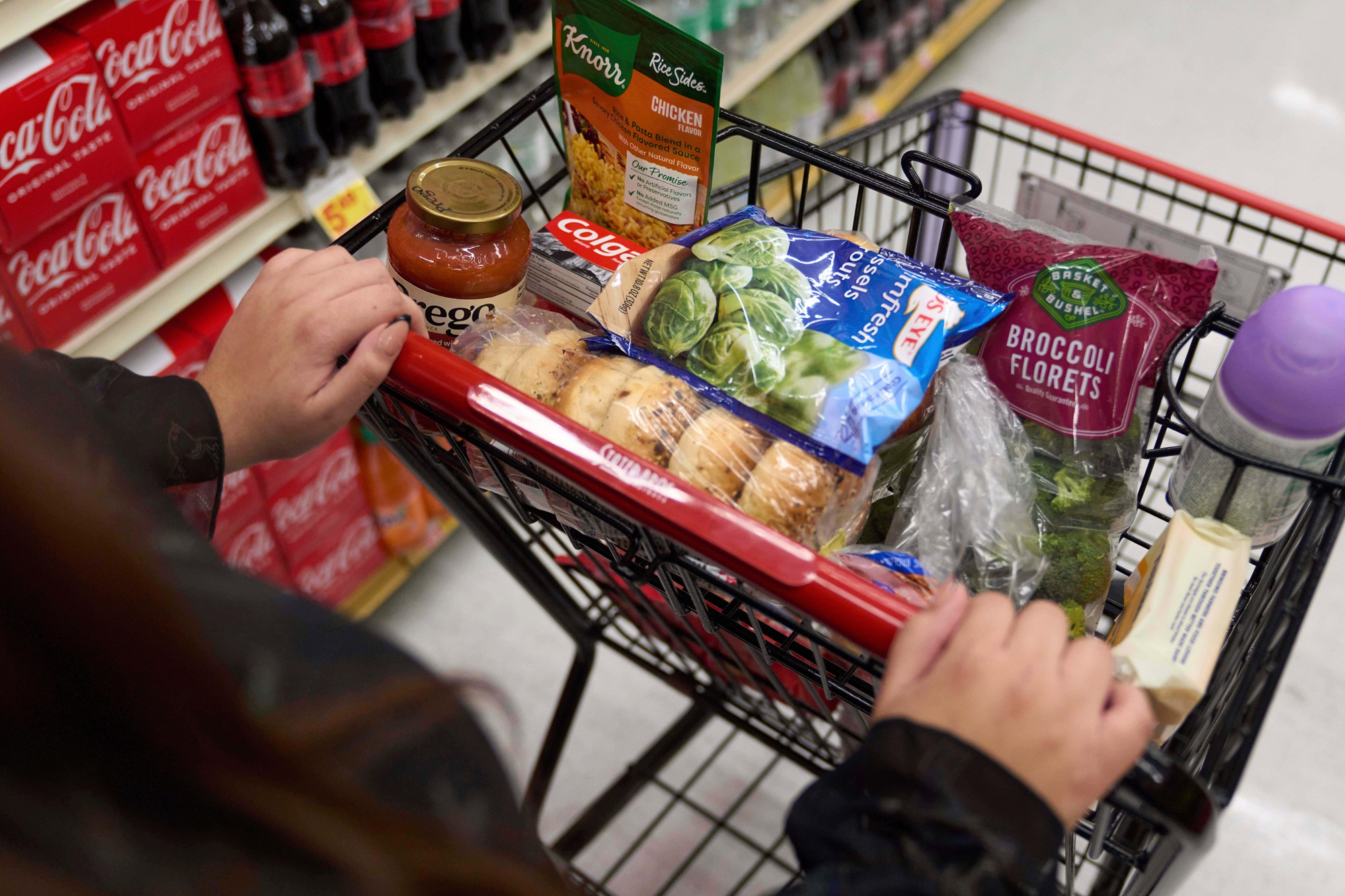
"caption": "A person pushes a cart full of groceries through a supermarket in Bellflower, California, on Feb. 13, 2023.",
"credit": "Allison Dinner/AP Photo",
"altTag": null,
"description": null,
"imgSizes": {
"thumbnail": {
"file": "https://cdn.kqed.org/wp-content/uploads/sites/10/2026/04/GroceriesAP-160x107.jpg",
"width": 160,
"height": 107,
"mimeType": "image/jpeg"
},
"1536x1536": {
"file": "https://cdn.kqed.org/wp-content/uploads/sites/10/2026/04/GroceriesAP-1536x1024.jpg",
"width": 1536,
"height": 1024,
"mimeType": "image/jpeg"
},
"post-thumbnail": {
"file": "https://cdn.kqed.org/wp-content/uploads/sites/10/2026/04/GroceriesAP-672x372.jpg",
"width": 672,
"height": 372,
"mimeType": "image/jpeg"
},
"twentyfourteen-full-width": {
"file": "https://cdn.kqed.org/wp-content/uploads/sites/10/2026/04/GroceriesAP-1038x576.jpg",
"width": 1038,
"height": 576,
"mimeType": "image/jpeg"
},
"npr-cds-wide": {
"file": "https://cdn.kqed.org/wp-content/uploads/sites/10/2026/04/GroceriesAP-1200x675.jpg",
"width": 1200,
"height": 675,
"mimeType": "image/jpeg"
},
"npr-cds-square": {
"file": "https://cdn.kqed.org/wp-content/uploads/sites/10/2026/04/GroceriesAP-600x600.jpg",
"width": 600,
"height": 600,
"mimeType": "image/jpeg"
},
"kqedFullSize": {
"file": "https://cdn.kqed.org/wp-content/uploads/sites/10/2026/04/GroceriesAP.jpg",
"width": 2000,
"height": 1333
}
},
"isLoading": false,
"fetchFailed": false
},
"news_12089605": {
"type": "attachments",
"id": "news_12089605",
"meta": {
"index": "attachments_1716263798",
"site": "news",
"id": "12089605",
"found": true
},
"title": "240215-PreschoolSuspension-32-BL_qed",
"publishDate": 1782935716,
"status": "inherit",
"parent": 12089580,
"modified": 1782935726,
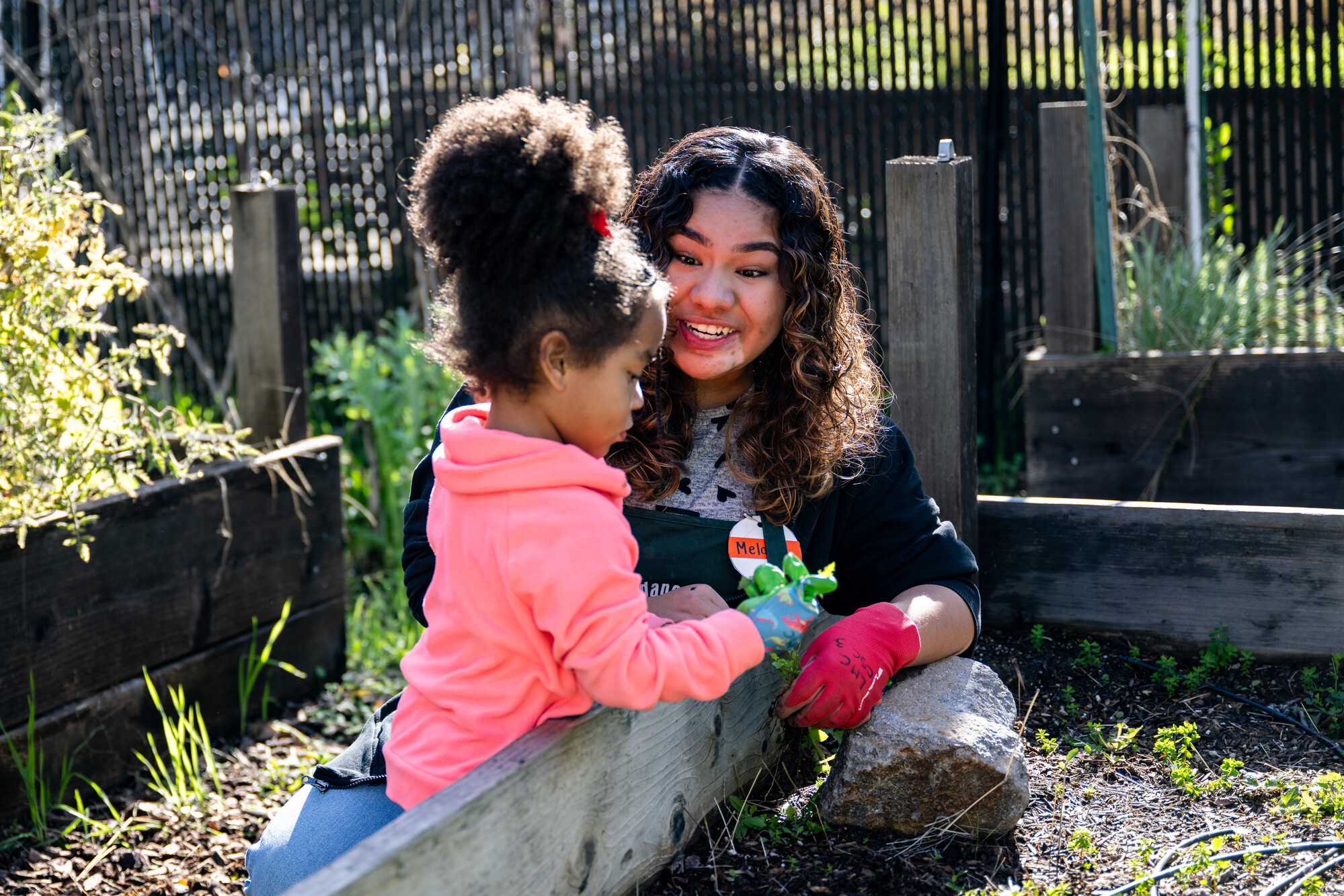
"caption": "Teacher intern Melanie Sandoval works with students in a garden during a preschool class at Los Medanos College Child Study Center in Pittsburg on Feb. 15, 2024.",
"credit": "Beth LaBerge/KQED",
"altTag": null,
"description": null,
"imgSizes": {
"thumbnail": {
"file": "https://cdn.kqed.org/wp-content/uploads/sites/10/2026/07/240215-PreschoolSuspension-32-BL_qed-160x107.jpg",
"width": 160,
"height": 107,
"mimeType": "image/jpeg"
},
"1536x1536": {
"file": "https://cdn.kqed.org/wp-content/uploads/sites/10/2026/07/240215-PreschoolSuspension-32-BL_qed-1536x1024.jpg",
"width": 1536,
"height": 1024,
"mimeType": "image/jpeg"
},
"post-thumbnail": {
"file": "https://cdn.kqed.org/wp-content/uploads/sites/10/2026/07/240215-PreschoolSuspension-32-BL_qed-672x372.jpg",
"width": 672,
"height": 372,
"mimeType": "image/jpeg"
},
"twentyfourteen-full-width": {
"file": "https://cdn.kqed.org/wp-content/uploads/sites/10/2026/07/240215-PreschoolSuspension-32-BL_qed-1038x576.jpg",
"width": 1038,
"height": 576,
"mimeType": "image/jpeg"
},
"npr-cds-wide": {
"file": "https://cdn.kqed.org/wp-content/uploads/sites/10/2026/07/240215-PreschoolSuspension-32-BL_qed-1200x675.jpg",
"width": 1200,
"height": 675,
"mimeType": "image/jpeg"
},
"npr-cds-square": {
"file": "https://cdn.kqed.org/wp-content/uploads/sites/10/2026/07/240215-PreschoolSuspension-32-BL_qed-600x600.jpg",
"width": 600,
"height": 600,
"mimeType": "image/jpeg"
},
"kqedFullSize": {
"file": "https://cdn.kqed.org/wp-content/uploads/sites/10/2026/07/240215-PreschoolSuspension-32-BL_qed.jpg",
"width": 1999,
"height": 1333
}
},
"isLoading": false,
"fetchFailed": false
},
"news_12089327": {
"type": "attachments",
"id": "news_12089327",
"meta": {
"index": "attachments_1716263798",
"site": "news",
"id": "12089327",
"found": true
},
"title": "Governor Gavin Newsom, Compton, Clinton Elementary School",
"publishDate": 1782838933,
"status": "inherit",
"parent": 12089316,
"modified": 1782839294,
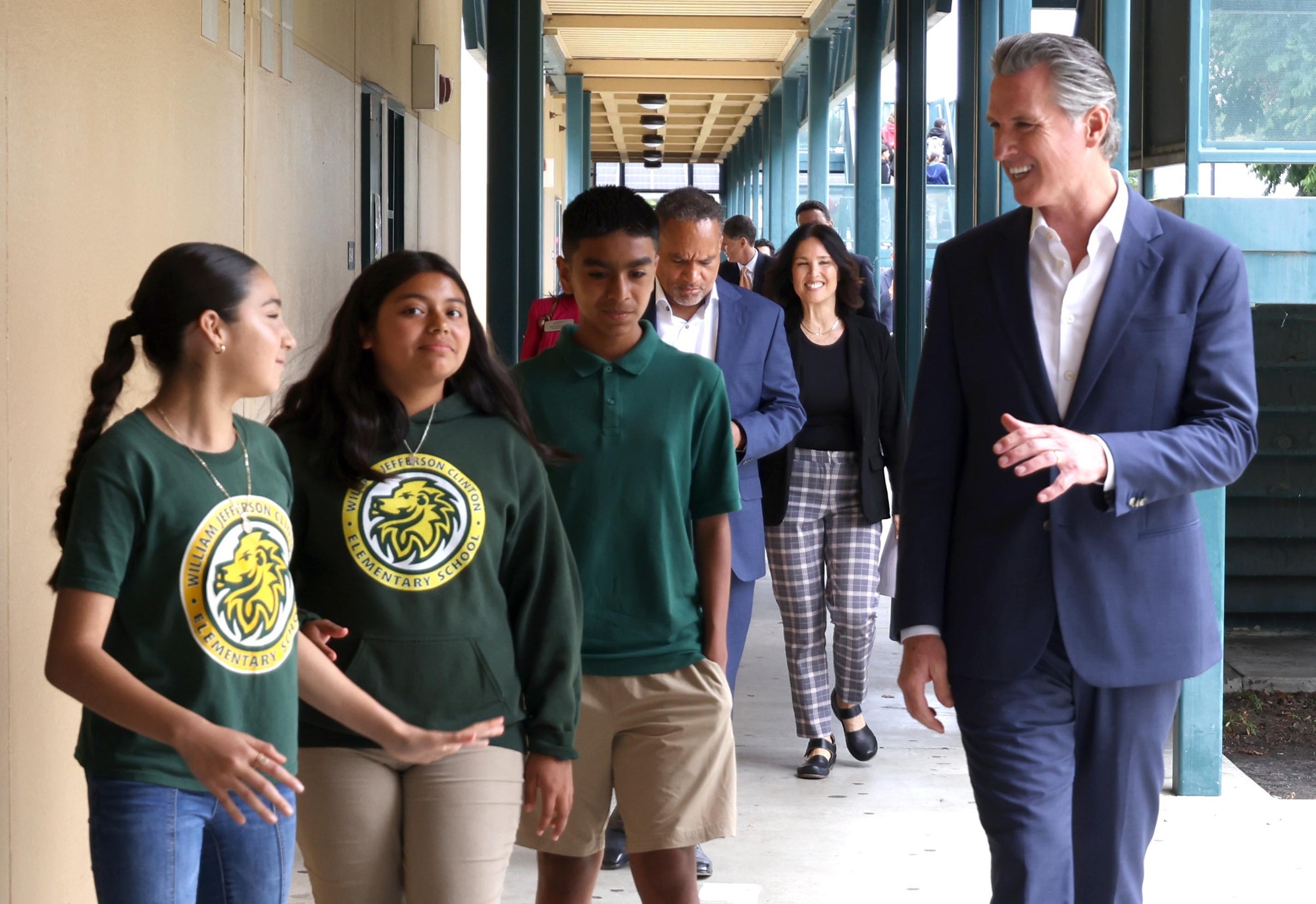
"caption": "Gov. Gavin Newsom walks with students from Clinton Elementary School to announce support for literacy with The Golden State Literacy Plan at Clinton Elementary School in Compton on June 5, 2025. The governor was joined by State Superintendent of Public Instruction Tony Thurmond and other education officials.",
"credit": "Genaro Molina/Los Angeles Times via Getty Images",
"altTag": null,
"description": null,
"imgSizes": {
"thumbnail": {
"file": "https://cdn.kqed.org/wp-content/uploads/sites/10/2026/06/GavinNewsomEducationGetty-160x110.jpg",
"width": 160,
"height": 110,
"mimeType": "image/jpeg"
},
"1536x1536": {
"file": "https://cdn.kqed.org/wp-content/uploads/sites/10/2026/06/GavinNewsomEducationGetty-1536x1055.jpg",
"width": 1536,
"height": 1055,
"mimeType": "image/jpeg"
},
"post-thumbnail": {
"file": "https://cdn.kqed.org/wp-content/uploads/sites/10/2026/06/GavinNewsomEducationGetty-672x372.jpg",
"width": 672,
"height": 372,
"mimeType": "image/jpeg"
},
"twentyfourteen-full-width": {
"file": "https://cdn.kqed.org/wp-content/uploads/sites/10/2026/06/GavinNewsomEducationGetty-1038x576.jpg",
"width": 1038,
"height": 576,
"mimeType": "image/jpeg"
},
"npr-cds-wide": {
"file": "https://cdn.kqed.org/wp-content/uploads/sites/10/2026/06/GavinNewsomEducationGetty-1200x675.jpg",
"width": 1200,
"height": 675,
"mimeType": "image/jpeg"
},
"npr-cds-square": {
"file": "https://cdn.kqed.org/wp-content/uploads/sites/10/2026/06/GavinNewsomEducationGetty-600x600.jpg",
"width": 600,
"height": 600,
"mimeType": "image/jpeg"
},
"kqedFullSize": {
"file": "https://cdn.kqed.org/wp-content/uploads/sites/10/2026/06/GavinNewsomEducationGetty.jpg",
"width": 2000,
"height": 1374
}
},
"isLoading": false,
"fetchFailed": false
},
"news_12087351": {
"type": "attachments",
"id": "news_12087351",
"meta": {
"index": "attachments_1716263798",
"site": "news",
"id": "12087351",
"found": true
},
"title": "260611-OAKLANDAIRPORTWORKERS-14-BL-KQED",
"publishDate": 1781284281,
"status": "inherit",
"parent": 0,
"modified": 1781284316,
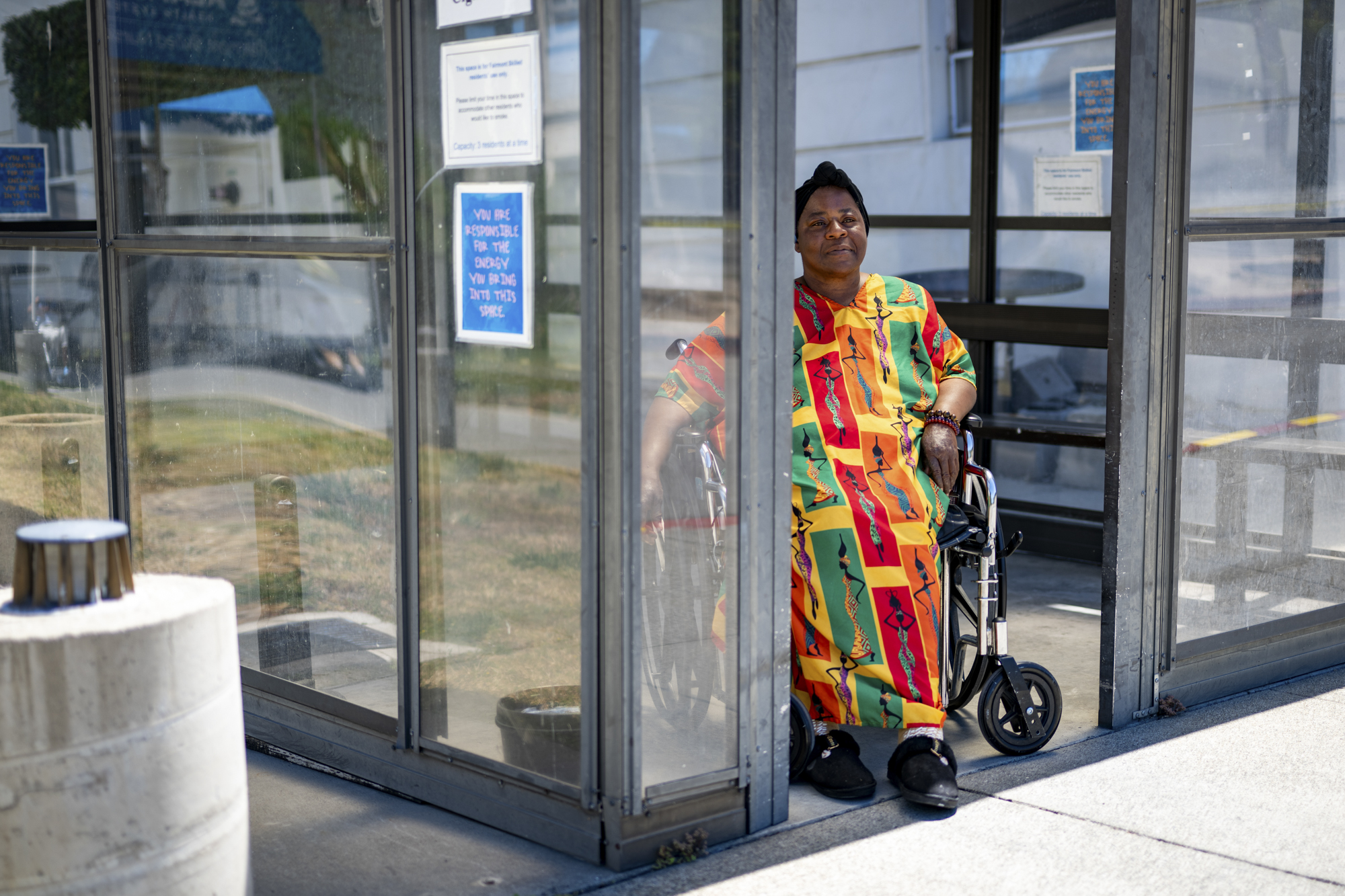
"caption": "Keiana Vernon sits outside Fairmont Skilled Nursing and Rehabilitation Center in San Leandro on June 11, 2026. Vernon suffered a workplace injury while working for an airport services contractor and is now living at the long-term care facility after developing chronic injuries and mobility limitations.",
"credit": "Beth LaBerge/KQED",
"altTag": null,
"description": null,
"imgSizes": {
"thumbnail": {
"file": "https://cdn.kqed.org/wp-content/uploads/sites/10/2026/06/260611-OAKLANDAIRPORTWORKERS-14-BL-KQED-160x107.jpg",
"width": 160,
"height": 107,
"mimeType": "image/jpeg"
},
"1536x1536": {
"file": "https://cdn.kqed.org/wp-content/uploads/sites/10/2026/06/260611-OAKLANDAIRPORTWORKERS-14-BL-KQED-1536x1024.jpg",
"width": 1536,
"height": 1024,
"mimeType": "image/jpeg"
},
"post-thumbnail": {
"file": "https://cdn.kqed.org/wp-content/uploads/sites/10/2026/06/260611-OAKLANDAIRPORTWORKERS-14-BL-KQED-672x372.jpg",
"width": 672,
"height": 372,
"mimeType": "image/jpeg"
},
"twentyfourteen-full-width": {
"file": "https://cdn.kqed.org/wp-content/uploads/sites/10/2026/06/260611-OAKLANDAIRPORTWORKERS-14-BL-KQED-1038x576.jpg",
"width": 1038,
"height": 576,
"mimeType": "image/jpeg"
},
"npr-cds-wide": {
"file": "https://cdn.kqed.org/wp-content/uploads/sites/10/2026/06/260611-OAKLANDAIRPORTWORKERS-14-BL-KQED-1200x675.jpg",
"width": 1200,
"height": 675,
"mimeType": "image/jpeg"
},
"npr-cds-square": {
"file": "https://cdn.kqed.org/wp-content/uploads/sites/10/2026/06/260611-OAKLANDAIRPORTWORKERS-14-BL-KQED-600x600.jpg",
"width": 600,
"height": 600,
"mimeType": "image/jpeg"
},
"kqedFullSize": {
"file": "https://cdn.kqed.org/wp-content/uploads/sites/10/2026/06/260611-OAKLANDAIRPORTWORKERS-14-BL-KQED.jpg",
"width": 2000,
"height": 1333
}
},
"isLoading": false,
"fetchFailed": false
},
"news_12089500": {
"type": "attachments",
"id": "news_12089500",
"meta": {
"index": "attachments_1716263798",
"site": "news",
"id": "12089500",
"found": true
},
"title": "Downtown Rio Vista on May 2, 2024.",
"publishDate": 1782925336,
"status": "inherit",
"parent": 12089233,
"modified": 1782925354,
"caption": "Downtown Rio Vista on May 2, 2024.",
"credit": "Beth LaBerge/KQED",
"altTag": null,
"description": null,
"imgSizes": {
"thumbnail": {
"file": "https://cdn.kqed.org/wp-content/uploads/sites/10/2026/07/240502-CaliforniaForever-58-BL_qed-1-160x107.jpg",
"width": 160,
"height": 107,
"mimeType": "image/jpeg"
},
"1536x1536": {
"file": "https://cdn.kqed.org/wp-content/uploads/sites/10/2026/07/240502-CaliforniaForever-58-BL_qed-1-1536x1024.jpg",
"width": 1536,
"height": 1024,
"mimeType": "image/jpeg"
},
"post-thumbnail": {
"file": "https://cdn.kqed.org/wp-content/uploads/sites/10/2026/07/240502-CaliforniaForever-58-BL_qed-1-672x372.jpg",
"width": 672,
"height": 372,
"mimeType": "image/jpeg"
},
"twentyfourteen-full-width": {
"file": "https://cdn.kqed.org/wp-content/uploads/sites/10/2026/07/240502-CaliforniaForever-58-BL_qed-1-1038x576.jpg",
"width": 1038,
"height": 576,
"mimeType": "image/jpeg"
},
"npr-cds-wide": {
"file": "https://cdn.kqed.org/wp-content/uploads/sites/10/2026/07/240502-CaliforniaForever-58-BL_qed-1-1200x675.jpg",
"width": 1200,
"height": 675,
"mimeType": "image/jpeg"
},
"npr-cds-square": {
"file": "https://cdn.kqed.org/wp-content/uploads/sites/10/2026/07/240502-CaliforniaForever-58-BL_qed-1-600x600.jpg",
"width": 600,
"height": 600,
"mimeType": "image/jpeg"
},
"kqedFullSize": {
"file": "https://cdn.kqed.org/wp-content/uploads/sites/10/2026/07/240502-CaliforniaForever-58-BL_qed-1.jpg",
"width": 2000,
"height": 1333
}
},
"isLoading": false,
"fetchFailed": false
},
"news_12089378": {
"type": "attachments",
"id": "news_12089378",
"meta": {
"index": "attachments_1716263798",
"site": "news",
"id": "12089378",
"found": true
},
"title": "Marshall Gold Discovery State Park",
"publishDate": 1782845992,
"status": "inherit",
"parent": 12089221,
"modified": 1782847887,
"caption": "Coloma, California's Marshall Gold Discovery State Park, where gold was first discovered in 1885.",
"credit": "Education Images/Universal Images Group via Getty Images",
"altTag": null,
"description": null,
"imgSizes": {
"thumbnail": {
"file": "https://cdn.kqed.org/wp-content/uploads/sites/10/2026/06/GettyImages-614276824-160x104.jpg",
"width": 160,
"height": 104,
"mimeType": "image/jpeg"
},
"1536x1536": {
"file": "https://cdn.kqed.org/wp-content/uploads/sites/10/2026/06/GettyImages-614276824-1536x994.jpg",
"width": 1536,
"height": 994,
"mimeType": "image/jpeg"
},
"post-thumbnail": {
"file": "https://cdn.kqed.org/wp-content/uploads/sites/10/2026/06/GettyImages-614276824-672x372.jpg",
"width": 672,
"height": 372,
"mimeType": "image/jpeg"
},
"twentyfourteen-full-width": {
"file": "https://cdn.kqed.org/wp-content/uploads/sites/10/2026/06/GettyImages-614276824-1038x576.jpg",
"width": 1038,
"height": 576,
"mimeType": "image/jpeg"
},
"npr-cds-wide": {
"file": "https://cdn.kqed.org/wp-content/uploads/sites/10/2026/06/GettyImages-614276824-1200x675.jpg",
"width": 1200,
"height": 675,
"mimeType": "image/jpeg"
},
"npr-cds-square": {
"file": "https://cdn.kqed.org/wp-content/uploads/sites/10/2026/06/GettyImages-614276824-600x600.jpg",
"width": 600,
"height": 600,
"mimeType": "image/jpeg"
},
"kqedFullSize": {
"file": "https://cdn.kqed.org/wp-content/uploads/sites/10/2026/06/GettyImages-614276824.jpg",
"width": 1980,
"height": 1281
}
},
"isLoading": false,
"fetchFailed": false
},
"news_12089274": {
"type": "attachments",
"id": "news_12089274",
"meta": {
"index": "attachments_1716263798",
"site": "news",
"id": "12089274",
"found": true
},
"title": "Supreme Court Mail Ballots States",
"publishDate": 1782773320,
"status": "inherit",
"parent": 12089268,
"modified": 1782773355,
"caption": "Ballots are sorted the day after California's primary election at the L.A. County Ballot Processing Center on June 3, 2026, in City of Industry, California.",
"credit": "Jae C. Hong/AP Photo",
"altTag": null,
"description": null,
"imgSizes": {
"thumbnail": {
"file": "https://cdn.kqed.org/wp-content/uploads/sites/10/2026/06/CaliforniaBallotsSupremeCourtAP-160x107.jpg",
"width": 160,
"height": 107,
"mimeType": "image/jpeg"
},
"1536x1536": {
"file": "https://cdn.kqed.org/wp-content/uploads/sites/10/2026/06/CaliforniaBallotsSupremeCourtAP-1536x1024.jpg",
"width": 1536,
"height": 1024,
"mimeType": "image/jpeg"
},
"post-thumbnail": {
"file": "https://cdn.kqed.org/wp-content/uploads/sites/10/2026/06/CaliforniaBallotsSupremeCourtAP-672x372.jpg",
"width": 672,
"height": 372,
"mimeType": "image/jpeg"
},
"twentyfourteen-full-width": {
"file": "https://cdn.kqed.org/wp-content/uploads/sites/10/2026/06/CaliforniaBallotsSupremeCourtAP-1038x576.jpg",
"width": 1038,
"height": 576,
"mimeType": "image/jpeg"
},
"npr-cds-wide": {
"file": "https://cdn.kqed.org/wp-content/uploads/sites/10/2026/06/CaliforniaBallotsSupremeCourtAP-1200x675.jpg",
"width": 1200,
"height": 675,
"mimeType": "image/jpeg"
},
"npr-cds-square": {
"file": "https://cdn.kqed.org/wp-content/uploads/sites/10/2026/06/CaliforniaBallotsSupremeCourtAP-600x600.jpg",
"width": 600,
"height": 600,
"mimeType": "image/jpeg"
},
"kqedFullSize": {
"file": "https://cdn.kqed.org/wp-content/uploads/sites/10/2026/06/CaliforniaBallotsSupremeCourtAP.jpg",
"width": 2000,
"height": 1333
}
},
"isLoading": false,
"fetchFailed": false
},
"news_12089198": {
"type": "attachments",
"id": "news_12089198",
"meta": {
"index": "attachments_1716263798",
"site": "news",
"id": "12089198",
"found": true
},
"title": "20260626_CaliforniaFarmers_GC-07-KQED",
"publishDate": 1782751866,
"status": "inherit",
"parent": 0,
"modified": 1782751927,
"caption": "Farmer Yessica Arellano packages up sweet potatoes at Sweet Valley Produce in Merced on June 26, 2026. Sweet Valley Produce is a farm and produce aggregator in Merced County, specializing in growing and distributing sweet potatoes, while also supplying fresh produce from local family farms.",
"credit": "Gina Castro for KQED",
"altTag": null,
"description": null,
"imgSizes": {
"thumbnail": {
"file": "https://cdn.kqed.org/wp-content/uploads/sites/10/2026/06/20260626_CaliforniaFarmers_GC-07-KQED-160x107.jpg",
"width": 160,
"height": 107,
"mimeType": "image/jpeg"
},
"1536x1536": {
"file": "https://cdn.kqed.org/wp-content/uploads/sites/10/2026/06/20260626_CaliforniaFarmers_GC-07-KQED-1536x1024.jpg",
"width": 1536,
"height": 1024,
"mimeType": "image/jpeg"
},
"post-thumbnail": {
"file": "https://cdn.kqed.org/wp-content/uploads/sites/10/2026/06/20260626_CaliforniaFarmers_GC-07-KQED-672x372.jpg",
"width": 672,
"height": 372,
"mimeType": "image/jpeg"
},
"twentyfourteen-full-width": {
"file": "https://cdn.kqed.org/wp-content/uploads/sites/10/2026/06/20260626_CaliforniaFarmers_GC-07-KQED-1038x576.jpg",
"width": 1038,
"height": 576,
"mimeType": "image/jpeg"
},
"npr-cds-wide": {
"file": "https://cdn.kqed.org/wp-content/uploads/sites/10/2026/06/20260626_CaliforniaFarmers_GC-07-KQED-1200x675.jpg",
"width": 1200,
"height": 675,
"mimeType": "image/jpeg"
},
"npr-cds-square": {
"file": "https://cdn.kqed.org/wp-content/uploads/sites/10/2026/06/20260626_CaliforniaFarmers_GC-07-KQED-600x600.jpg",
"width": 600,
"height": 600,
"mimeType": "image/jpeg"
},
"kqedFullSize": {
"file": "https://cdn.kqed.org/wp-content/uploads/sites/10/2026/06/20260626_CaliforniaFarmers_GC-07-KQED.jpg",
"width": 2000,
"height": 1333
}
},
"isLoading": false,
"fetchFailed": false
},
"news_12089130": {
"type": "attachments",
"id": "news_12089130",
"meta": {
"index": "attachments_1716263798",
"site": "news",
"id": "12089130",
"found": true
},
"title": "Trump Orders California's Offshore Oil Operations To Restart",
"publishDate": 1782512691,
"status": "inherit",
"parent": 12089085,
"modified": 1782513905,
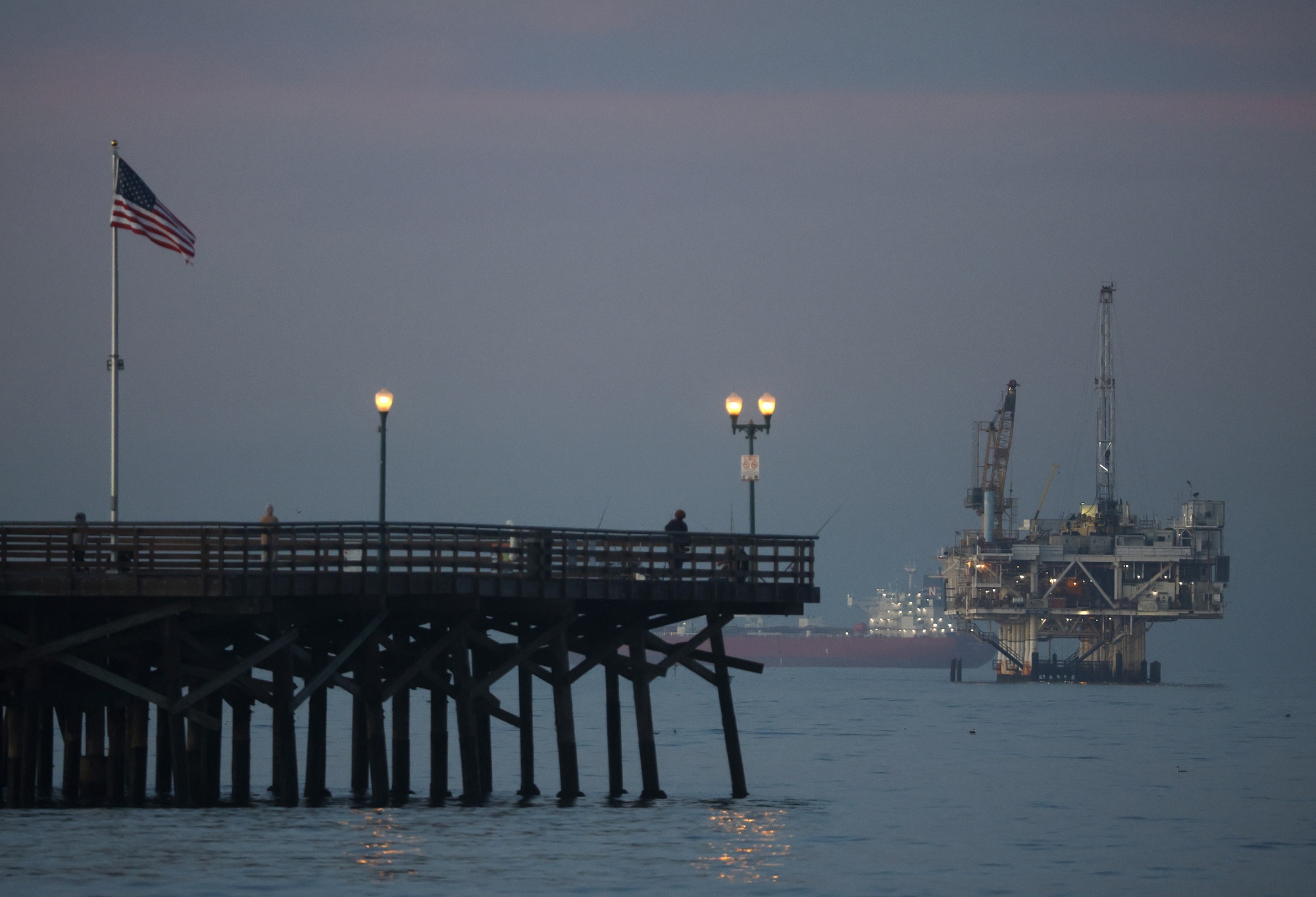
"caption": "A view of the offshore oil and gas platform Esther on March 17, 2026, in Seal Beach, California. Using emergency powers, the Trump administration has ordered oil and gas company Sable Offshore Corp. to resume offshore oil production off California’s coast to boost domestic supply as oil prices rise amid the war with Iran.",
"credit": "Justin Sullivan/Getty Images",
"altTag": null,
"description": null,
"imgSizes": {
"thumbnail": {
"file": "https://cdn.kqed.org/wp-content/uploads/sites/10/2026/06/CaliforniaCoastOilDrillingTrumpGetty-160x109.jpg",
"width": 160,
"height": 109,
"mimeType": "image/jpeg"
},
"1536x1536": {
"file": "https://cdn.kqed.org/wp-content/uploads/sites/10/2026/06/CaliforniaCoastOilDrillingTrumpGetty-1536x1047.jpg",
"width": 1536,
"height": 1047,
"mimeType": "image/jpeg"
},
"post-thumbnail": {
"file": "https://cdn.kqed.org/wp-content/uploads/sites/10/2026/06/CaliforniaCoastOilDrillingTrumpGetty-672x372.jpg",
"width": 672,
"height": 372,
"mimeType": "image/jpeg"
},
"twentyfourteen-full-width": {
"file": "https://cdn.kqed.org/wp-content/uploads/sites/10/2026/06/CaliforniaCoastOilDrillingTrumpGetty-1038x576.jpg",
"width": 1038,
"height": 576,
"mimeType": "image/jpeg"
},
"npr-cds-wide": {
"file": "https://cdn.kqed.org/wp-content/uploads/sites/10/2026/06/CaliforniaCoastOilDrillingTrumpGetty-1200x675.jpg",
"width": 1200,
"height": 675,
"mimeType": "image/jpeg"
},
"npr-cds-square": {
"file": "https://cdn.kqed.org/wp-content/uploads/sites/10/2026/06/CaliforniaCoastOilDrillingTrumpGetty-600x600.jpg",
"width": 600,
"height": 600,
"mimeType": "image/jpeg"
},
"kqedFullSize": {
"file": "https://cdn.kqed.org/wp-content/uploads/sites/10/2026/06/CaliforniaCoastOilDrillingTrumpGetty.jpg",
"width": 2000,
"height": 1363
}
},
"isLoading": false,
"fetchFailed": false
},
"news_12084721": {
"type": "attachments",
"id": "news_12084721",
"meta": {
"index": "attachments_1716263798",
"site": "news",
"id": "12084721",
"found": true
},
"title": "260507-IMMIGRATIONCOURTVOLUNTEERS-02-BL-KQED",
"publishDate": 1779393694,
"status": "inherit",
"parent": 0,
"modified": 1780178250,
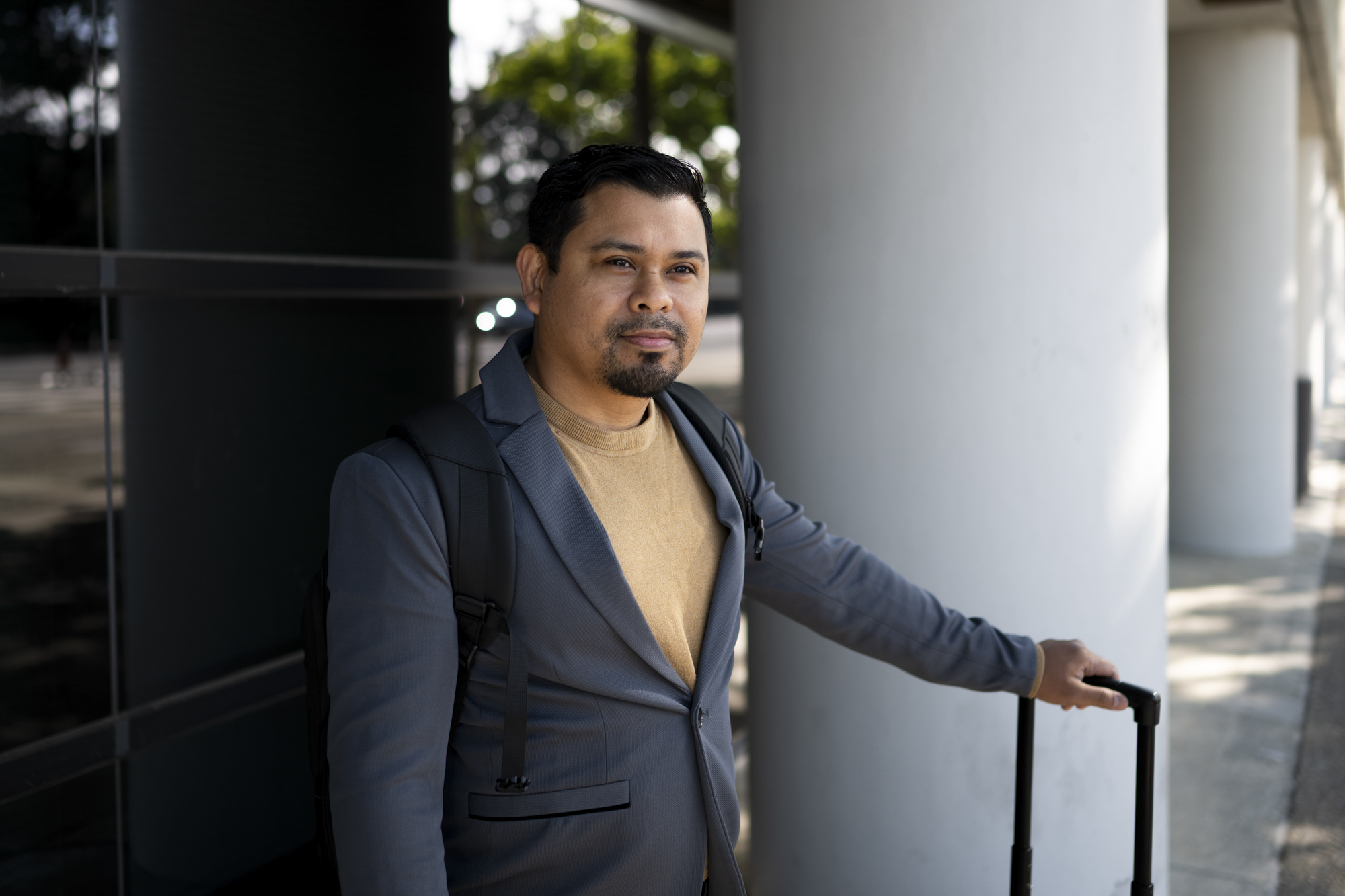
"caption": "Sergio Jaime Lopez, community defense program manager for the SAFE Center, outside the Concord immigration court on May 7, 2026. Jaime helps people in deportation proceedings navigate the court and connect with resources and legal representation.",
"credit": "Beth LaBerge/KQED",
"altTag": null,
"description": null,
"imgSizes": {
"thumbnail": {
"file": "https://cdn.kqed.org/wp-content/uploads/sites/10/2026/05/260507-IMMIGRATIONCOURTVOLUNTEERS-02-BL-KQED-160x107.jpg",
"width": 160,
"height": 107,
"mimeType": "image/jpeg"
},
"1536x1536": {
"file": "https://cdn.kqed.org/wp-content/uploads/sites/10/2026/05/260507-IMMIGRATIONCOURTVOLUNTEERS-02-BL-KQED-1536x1024.jpg",
"width": 1536,
"height": 1024,
"mimeType": "image/jpeg"
},
"post-thumbnail": {
"file": "https://cdn.kqed.org/wp-content/uploads/sites/10/2026/05/260507-IMMIGRATIONCOURTVOLUNTEERS-02-BL-KQED-672x372.jpg",
"width": 672,
"height": 372,
"mimeType": "image/jpeg"
},
"twentyfourteen-full-width": {
"file": "https://cdn.kqed.org/wp-content/uploads/sites/10/2026/05/260507-IMMIGRATIONCOURTVOLUNTEERS-02-BL-KQED-1038x576.jpg",
"width": 1038,
"height": 576,
"mimeType": "image/jpeg"
},
"npr-cds-wide": {
"file": "https://cdn.kqed.org/wp-content/uploads/sites/10/2026/05/260507-IMMIGRATIONCOURTVOLUNTEERS-02-BL-KQED-1200x675.jpg",
"width": 1200,
"height": 675,
"mimeType": "image/jpeg"
},
"npr-cds-square": {
"file": "https://cdn.kqed.org/wp-content/uploads/sites/10/2026/05/260507-IMMIGRATIONCOURTVOLUNTEERS-02-BL-KQED-600x600.jpg",
"width": 600,
"height": 600,
"mimeType": "image/jpeg"
},
"kqedFullSize": {
"file": "https://cdn.kqed.org/wp-content/uploads/sites/10/2026/05/260507-IMMIGRATIONCOURTVOLUNTEERS-02-BL-KQED.jpg",
"width": 2000,
"height": 1333
}
},
"isLoading": false,
"fetchFailed": false
},
"news_12088821": {
"type": "attachments",
"id": "news_12088821",
"meta": {
"index": "attachments_1716263798",
"site": "news",
"id": "12088821",
"found": true
},
"title": "Supreme Court TPS Rally",
"publishDate": 1782342598,
"status": "inherit",
"parent": 12088417,
"modified": 1782342625,
"caption": "Temporary Protected Status holders along with union leaders and advocates rally as the Supreme Court prepares to hear oral arguments in Mullin v. Doe on Wednesday, April 29, 2026. The case will determine whether the Trump Administration may terminate the TPS designations. ",
"credit": "Bill Clark/CQ-Roll Call, Inc via Getty Images",
"altTag": null,
"description": null,
"imgSizes": {
"thumbnail": {
"file": "https://cdn.kqed.org/wp-content/uploads/sites/10/2026/06/TPSGetty-160x107.jpg",
"width": 160,
"height": 107,
"mimeType": "image/jpeg"
},
"1536x1536": {
"file": "https://cdn.kqed.org/wp-content/uploads/sites/10/2026/06/TPSGetty-1536x1024.jpg",
"width": 1536,
"height": 1024,
"mimeType": "image/jpeg"
},
"post-thumbnail": {
"file": "https://cdn.kqed.org/wp-content/uploads/sites/10/2026/06/TPSGetty-672x372.jpg",
"width": 672,
"height": 372,
"mimeType": "image/jpeg"
},
"twentyfourteen-full-width": {
"file": "https://cdn.kqed.org/wp-content/uploads/sites/10/2026/06/TPSGetty-1038x576.jpg",
"width": 1038,
"height": 576,
"mimeType": "image/jpeg"
},
"npr-cds-wide": {
"file": "https://cdn.kqed.org/wp-content/uploads/sites/10/2026/06/TPSGetty-1200x675.jpg",
"width": 1200,
"height": 675,
"mimeType": "image/jpeg"
},
"npr-cds-square": {
"file": "https://cdn.kqed.org/wp-content/uploads/sites/10/2026/06/TPSGetty-600x600.jpg",
"width": 600,
"height": 600,
"mimeType": "image/jpeg"
},
"kqedFullSize": {
"file": "https://cdn.kqed.org/wp-content/uploads/sites/10/2026/06/TPSGetty.jpg",
"width": 2000,
"height": 1333
}
},
"isLoading": false,
"fetchFailed": false
},
"news_12085521": {
"type": "attachments",
"id": "news_12085521",
"meta": {
"index": "attachments_1716263798",
"site": "news",
"id": "12085521",
"found": true
},
"title": "052626LAKE TAHOE _GH_060-KQED",
"publishDate": 1780076579,
"status": "inherit",
"parent": 0,
"modified": 1780076615,
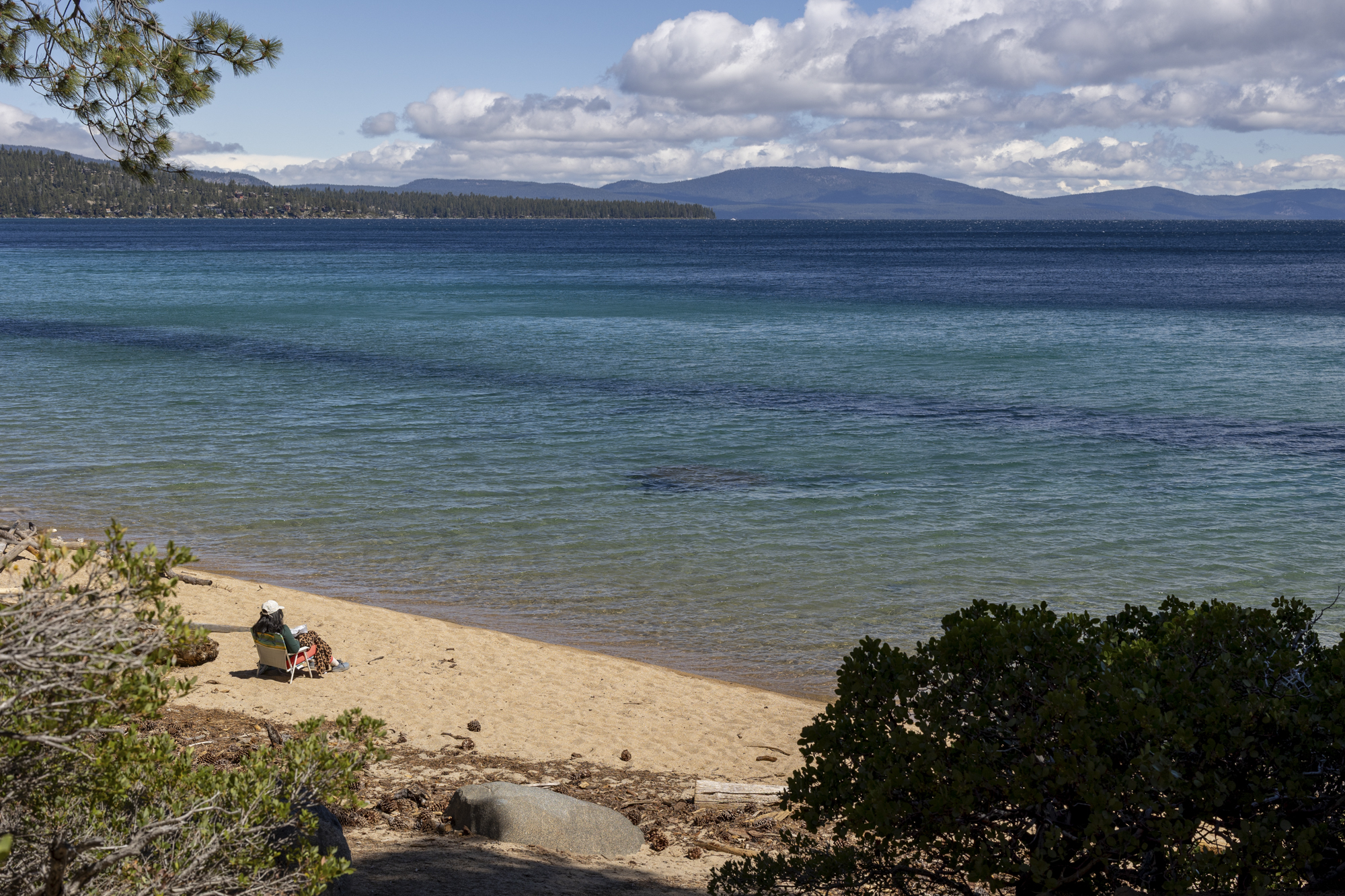
"caption": "A visitor sits on Calawee Cove Beach at D.L. Bliss State Park on May 26, 2026, in the Lake Tahoe Basin.",
"credit": "Gustavo Hernandez/KQED",
"altTag": null,
"description": null,
"imgSizes": {
"thumbnail": {
"file": "https://cdn.kqed.org/wp-content/uploads/sites/10/2026/05/052626LAKE-TAHOE-_GH_060-KQED-160x107.jpg",
"width": 160,
"height": 107,
"mimeType": "image/jpeg"
},
"1536x1536": {
"file": "https://cdn.kqed.org/wp-content/uploads/sites/10/2026/05/052626LAKE-TAHOE-_GH_060-KQED-1536x1024.jpg",
"width": 1536,
"height": 1024,
"mimeType": "image/jpeg"
},
"post-thumbnail": {
"file": "https://cdn.kqed.org/wp-content/uploads/sites/10/2026/05/052626LAKE-TAHOE-_GH_060-KQED-672x372.jpg",
"width": 672,
"height": 372,
"mimeType": "image/jpeg"
},
"twentyfourteen-full-width": {
"file": "https://cdn.kqed.org/wp-content/uploads/sites/10/2026/05/052626LAKE-TAHOE-_GH_060-KQED-1038x576.jpg",
"width": 1038,
"height": 576,
"mimeType": "image/jpeg"
},
"npr-cds-wide": {
"file": "https://cdn.kqed.org/wp-content/uploads/sites/10/2026/05/052626LAKE-TAHOE-_GH_060-KQED-1200x675.jpg",
"width": 1200,
"height": 675,
"mimeType": "image/jpeg"
},
"npr-cds-square": {
"file": "https://cdn.kqed.org/wp-content/uploads/sites/10/2026/05/052626LAKE-TAHOE-_GH_060-KQED-600x600.jpg",
"width": 600,
"height": 600,
"mimeType": "image/jpeg"
},
"kqedFullSize": {
"file": "https://cdn.kqed.org/wp-content/uploads/sites/10/2026/05/052626LAKE-TAHOE-_GH_060-KQED.jpg",
"width": 2000,
"height": 1333
}
},
"isLoading": false,
"fetchFailed": false
}
},
"audioPlayerReducer": {
"postId": "stream_live",
"isPaused": true,
"isPlaying": false,
"pfsActive": false,
"pledgeModalIsOpen": true,
"playerDrawerIsOpen": false,
"liveAudioPlayStartedAt": 0,
"liveAudioPlayContext": ""
},
"authorsReducer": {
"gmarzorati": {
"type": "authors",
"id": "227",
"meta": {
"index": "authors_1716337520",
"id": "227",
"found": true
},
"name": "Guy Marzorati",
"firstName": "Guy",
"lastName": "Marzorati",
"slug": "gmarzorati",
"email": "gmarzorati@KQED.org",
"display_author_email": true,
"staff_mastheads": [
"news"
],
"title": "Correspondent",
"bio": "Guy Marzorati is a correspondent on KQED's California Politics and Government Desk, based in San Jose. A graduate of Santa Clara University, Guy joined KQED in 2013. He reports on state and local politics and produces KQED's digital voter guide.",
"avatar": "https://secure.gravatar.com/avatar/e7038b8dbfd55b104369b76b1cd0b9de?s=600&d=blank&r=g",
"twitter": "guymarzorati",
"facebook": null,
"instagram": null,
"linkedin": null,
"sites": [
{
"site": "",
"roles": [
"editor"
]
},
{
"site": "news",
"roles": [
"editor"
]
},
{
"site": "science",
"roles": [
"editor"
]
},
{
"site": "forum",
"roles": [
"editor"
]
},
{
"site": "elections",
"roles": [
"editor"
]
},
{
"site": "liveblog",
"roles": [
"editor"
]
}
],
"headData": {
"title": "Guy Marzorati | KQED",
"description": "Correspondent",
"ogImgSrc": "https://secure.gravatar.com/avatar/e7038b8dbfd55b104369b76b1cd0b9de?s=600&d=blank&r=g",
"twImgSrc": "https://secure.gravatar.com/avatar/e7038b8dbfd55b104369b76b1cd0b9de?s=600&d=blank&r=g"
},
"isLoading": false,
"link": "/author/gmarzorati"
},
"kqed": {
"type": "authors",
"id": "236",
"meta": {
"index": "authors_1716337520",
"id": "236",
"found": true
},
"name": "KQED News Staff",
"firstName": "KQED News Staff",
"lastName": null,
"slug": "kqed",
"email": "faq@kqed.org",
"display_author_email": false,
"staff_mastheads": [],
"title": null,
"bio": null,
"avatar": "https://secure.gravatar.com/avatar/ef0e801a68c4c54afa9180db14084167?s=600&d=blank&r=g",
"twitter": null,
"facebook": null,
"instagram": null,
"linkedin": null,
"sites": [
{
"site": "arts",
"roles": [
"contributor"
]
},
{
"site": "news",
"roles": [
"editor"
]
},
{
"site": "futureofyou",
"roles": [
"author"
]
}
],
"headData": {
"title": "KQED News Staff | KQED",
"description": null,
"ogImgSrc": "https://secure.gravatar.com/avatar/ef0e801a68c4c54afa9180db14084167?s=600&d=blank&r=g",
"twImgSrc": "https://secure.gravatar.com/avatar/ef0e801a68c4c54afa9180db14084167?s=600&d=blank&r=g"
},
"isLoading": false,
"link": "/author/kqed"
},
"tychehendricks": {
"type": "authors",
"id": "259",
"meta": {
"index": "authors_1716337520",
"id": "259",
"found": true
},
"name": "Tyche Hendricks",
"firstName": "Tyche",
"lastName": "Hendricks",
"slug": "tychehendricks",
"email": "thendricks@kqed.org",
"display_author_email": true,
"staff_mastheads": [
"news"
],
"title": "KQED Senior Editor, Immigration",
"bio": "\u003cspan style=\"font-weight: 400;\">Tyche Hendricks is KQED’s senior editor for immigration, leading coverage of the policy and politics that affect California’s immigrant communities. Her work for KQED’s radio and online audiences is also carried on NPR and other national outlets. She has been recognized with awards from the Radio and Television News Directors Association, the Society for Professional Journalists; the Education Writers Association; the Best of the West and the National Federation of Community Broadcasters. Before joining KQED in 2010, Tyche spent more than a dozen years as a newspaper reporter, notably at the \u003c/span>\u003ci>\u003cspan style=\"font-weight: 400;\">San Francisco Chronicle\u003c/span>\u003c/i>\u003cspan style=\"font-weight: 400;\">. At different times she has covered criminal justice, government and politics and urban planning. Tyche has taught in the MFA Creative Writing program at the University of San Francisco and at UC Berkeley’s Graduate School of Journalism, where she was co-director of a national immigration symposium for professional journalists. She is the author of \u003c/span>\u003ci>\u003cspan style=\"font-weight: 400;\">The Wind Doesn't Need a Passport: Stories from the U.S.-Mexico Borderlands\u003c/span>\u003c/i>\u003cspan style=\"font-weight: 400;\"> (University of California Press). \u003c/span>",
"avatar": "https://secure.gravatar.com/avatar/b8ee458e2731c2d43df86882ce17267e?s=600&d=blank&r=g",
"twitter": "tychehendricks",
"facebook": null,
"instagram": null,
"linkedin": null,
"sites": [
{
"site": "news",
"roles": [
"editor"
]
},
{
"site": "stateofhealth",
"roles": [
"editor"
]
}
],
"headData": {
"title": "Tyche Hendricks | KQED",
"description": "KQED Senior Editor, Immigration",
"ogImgSrc": "https://secure.gravatar.com/avatar/b8ee458e2731c2d43df86882ce17267e?s=600&d=blank&r=g",
"twImgSrc": "https://secure.gravatar.com/avatar/b8ee458e2731c2d43df86882ce17267e?s=600&d=blank&r=g"
},
"isLoading": false,
"link": "/author/tychehendricks"
},
"fjhabvala": {
"type": "authors",
"id": "8659",
"meta": {
"index": "authors_1716337520",
"id": "8659",
"found": true
},
"name": "Farida Jhabvala Romero",
"firstName": "Farida",
"lastName": "Jhabvala Romero",
"slug": "fjhabvala",
"email": "fjhabvala@kqed.org",
"display_author_email": true,
"staff_mastheads": [
"news"
],
"title": "KQED Contributor",
"bio": "Farida Jhabvala Romero is a Labor Correspondent for KQED. She previously covered immigration. Farida was \u003ca href=\"https://www.ccnma.org/2022-most-influential-latina-journalists\">named\u003c/a> one of the 10 Most Influential Latina Journalists in California in 2022 by the California Chicano News Media Association. Her work has won awards from the Society of Professional Journalists (Northern California), as well as a national and regional Edward M. Murrow Award for the collaborative reporting projects “Dangerous Air” and “Graying California.” Before joining KQED, Farida worked as a producer at Radio Bilingüe, a national public radio network. Farida earned her master’s degree in journalism from Stanford University.",
"avatar": "https://secure.gravatar.com/avatar/f9f022d4e2609741874222a1e9d41f48fea74011aa7c615eef91d9a50c944ebe?s=600&d=blank&r=g",
"twitter": "FaridaJhabvala",
"bluesky": null,
"facebook": null,
"instagram": null,
"linkedin": "https://www.linkedin.com/in/faridajhabvala/",
"sites": [
{
"site": "news",
"roles": [
"editor"
]
},
{
"site": "stateofhealth",
"roles": [
"author"
]
},
{
"site": "liveblog",
"roles": [
"author"
]
}
],
"headData": {
"title": "Farida Jhabvala Romero | KQED",
"description": "KQED Contributor",
"ogImgSrc": "https://secure.gravatar.com/avatar/f9f022d4e2609741874222a1e9d41f48fea74011aa7c615eef91d9a50c944ebe?s=600&d=blank&r=g",
"twImgSrc": "https://secure.gravatar.com/avatar/f9f022d4e2609741874222a1e9d41f48fea74011aa7c615eef91d9a50c944ebe?s=600&d=blank&r=g"
},
"isLoading": false,
"link": "/author/fjhabvala"
},
"abandlamudi": {
"type": "authors",
"id": "11672",
"meta": {
"index": "authors_1716337520",
"id": "11672",
"found": true
},
"name": "Adhiti Bandlamudi",
"firstName": "Adhiti",
"lastName": "Bandlamudi",
"slug": "abandlamudi",
"email": "abandlamudi@kqed.org",
"display_author_email": false,
"staff_mastheads": [
"news"
],
"title": "KQED Housing Reporter",
"bio": "Adhiti Bandlamudi reports for KQED's Housing desk. She focuses on how housing gets built across the Bay Area. Before joining KQED in 2020, she reported for WUNC in Durham, North Carolina, WABE in Atlanta, Georgia and Capital Public Radio in Sacramento. In 2017, she was awarded a Kroc Fellowship at NPR where she reported on everything from sprinkles to the Golden State Killer's arrest. When she's not reporting, she's baking new recipes in her kitchen or watching movies with friends and family. She's originally from Georgia and has strong opinions about Great British Bake Off.",
"avatar": "https://secure.gravatar.com/avatar/868129c8b257bb99a3500e2c86a65400?s=600&d=mm&r=g",
"twitter": "oddity_adhiti",
"facebook": null,
"instagram": null,
"linkedin": null,
"sites": [
{
"site": "arts",
"roles": [
"author"
]
},
{
"site": "news",
"roles": [
"editor"
]
},
{
"site": "liveblog",
"roles": [
"author"
]
}
],
"headData": {
"title": "Adhiti Bandlamudi | KQED",
"description": "KQED Housing Reporter",
"ogImgSrc": "https://secure.gravatar.com/avatar/868129c8b257bb99a3500e2c86a65400?s=600&d=mm&r=g",
"twImgSrc": "https://secure.gravatar.com/avatar/868129c8b257bb99a3500e2c86a65400?s=600&d=mm&r=g"
},
"isLoading": false,
"link": "/author/abandlamudi"
},
"eromero": {
"type": "authors",
"id": "11746",
"meta": {
"index": "authors_1716337520",
"id": "11746",
"found": true
},
"name": "Ezra David Romero",
"firstName": "Ezra David",
"lastName": "Romero",
"slug": "eromero",
"email": "eromero@kqed.org",
"display_author_email": true,
"staff_mastheads": [
"news",
"science"
],
"title": "Climate Reporter",
"bio": "Ezra David Romero is a climate reporter for KQED News. He covers the absence and excess of water in the Bay Area — think sea level rise, flooding and drought. For nearly a decade he’s covered how warming temperatures are altering the lives of Californians. He’s reported on farmers worried their pistachio trees aren’t getting enough sleep, families desperate for water, scientists studying dying giant sequoias, and alongside firefighters containing wildfires. His work has appeared on local stations across California and nationally on public radio shows like Morning Edition, Here and Now, All Things Considered and Science Friday. ",
"avatar": "https://secure.gravatar.com/avatar/c76404d287c10ed40224227551ac36e24352c7306f106632caf6fead76f8801f?s=600&d=blank&r=g",
"twitter": "ezraromero",
"bluesky": null,
"facebook": null,
"instagram": null,
"linkedin": null,
"sites": [
{
"site": "arts",
"roles": [
"editor"
]
},
{
"site": "news",
"roles": [
"editor"
]
},
{
"site": "science",
"roles": [
"editor"
]
},
{
"site": "liveblog",
"roles": [
"author"
]
}
],
"headData": {
"title": "Ezra David Romero | KQED",
"description": "Climate Reporter",
"ogImgSrc": "https://secure.gravatar.com/avatar/c76404d287c10ed40224227551ac36e24352c7306f106632caf6fead76f8801f?s=600&d=blank&r=g",
"twImgSrc": "https://secure.gravatar.com/avatar/c76404d287c10ed40224227551ac36e24352c7306f106632caf6fead76f8801f?s=600&d=blank&r=g"
},
"isLoading": false,
"link": "/author/eromero"
},
"ibloom": {
"type": "authors",
"id": "11805",
"meta": {
"index": "authors_1716337520",
"id": "11805",
"found": true
},
"name": "Izzy Bloom",
"firstName": "Izzy",
"lastName": "Bloom",
"slug": "ibloom",
"email": "ibloom@kqed.org",
"display_author_email": false,
"staff_mastheads": [],
"title": "KQED Reporter & Producer",
"bio": "Izzy is a reporter and producer on KQED's California Politics & Government Desk. She joined the desk in 2024 to produce Political Breakdown, covering local and national elections and attending the RNC and DNC in Milwaukee and Chicago. \r\n\r\nBefore that, Izzy was a producer on The California Report and reported long-form stories for The California Report Magazine. She was a finalist for the Third Coast/Richard H. Driehaus Foundation Competition and was awarded for her reporting on indigenous land back by the Society of Professional Journalists. Izzy received her master's in journalism from the University of California, Berkeley.",
"avatar": "https://secure.gravatar.com/avatar/cc4d272ca430783ee1a8efac470a6b1e0fdd082c3beb61da019801d0ff751c8c?s=600&d=blank&r=g",
"twitter": null,
"bluesky": null,
"facebook": null,
"instagram": null,
"linkedin": null,
"sites": [
{
"site": "news",
"roles": [
"editor"
]
},
{
"site": "perspectives",
"roles": [
"editor"
]
}
],
"headData": {
"title": "Izzy Bloom | KQED",
"description": "KQED Reporter & Producer",
"ogImgSrc": "https://secure.gravatar.com/avatar/cc4d272ca430783ee1a8efac470a6b1e0fdd082c3beb61da019801d0ff751c8c?s=600&d=blank&r=g",
"twImgSrc": "https://secure.gravatar.com/avatar/cc4d272ca430783ee1a8efac470a6b1e0fdd082c3beb61da019801d0ff751c8c?s=600&d=blank&r=g"
},
"isLoading": false,
"link": "/author/ibloom"
},
"daisynguyen": {
"type": "authors",
"id": "11829",
"meta": {
"index": "authors_1716337520",
"id": "11829",
"found": true
},
"name": "Daisy Nguyen",
"firstName": "Daisy",
"lastName": "Nguyen",
"slug": "daisynguyen",
"email": "daisynguyen@kqed.org",
"display_author_email": true,
"staff_mastheads": [
"news"
],
"title": "KQED Contributor",
"bio": "I have covered early childhood education and child care for KQED since 2022. I focus on policies aimed at increasing access to early care and education and how they shape individual lives. I've been a journalist for more than two decades, with most of that time devoted to covering breaking news throughout California for The Associated Press. I grew up in San Francisco and studied at UC Davis and Columbia University's Graduate School of Journalism. I live in Oakland with my husband and two kids.",
"avatar": "https://secure.gravatar.com/avatar/2da2127c27f7143b53ebd419800fd55f?s=600&d=blank&r=g",
"twitter": null,
"facebook": null,
"instagram": null,
"linkedin": "https://www.linkedin.com/in/daisynguyen/",
"sites": [
{
"site": "news",
"roles": [
"author"
]
},
{
"site": "liveblog",
"roles": [
"author"
]
}
],
"headData": {
"title": "Daisy Nguyen | KQED",
"description": "KQED Contributor",
"ogImgSrc": "https://secure.gravatar.com/avatar/2da2127c27f7143b53ebd419800fd55f?s=600&d=blank&r=g",
"twImgSrc": "https://secure.gravatar.com/avatar/2da2127c27f7143b53ebd419800fd55f?s=600&d=blank&r=g"
},
"isLoading": false,
"link": "/author/daisynguyen"
},
"kdebenedetti": {
"type": "authors",
"id": "11913",
"meta": {
"index": "authors_1716337520",
"id": "11913",
"found": true
},
"name": "Katie DeBenedetti",
"firstName": "Katie",
"lastName": "DeBenedetti",
"slug": "kdebenedetti",
"email": "kdebenedetti@kqed.org",
"display_author_email": false,
"staff_mastheads": [
"news",
"science"
],
"title": "KQED Contributor",
"bio": "Katie DeBenedetti is a digital reporter covering daily news for the Express Desk. Prior to joining KQED as a culture reporting intern in January 2024, she covered education and city government for the Napa Valley Register.",
"avatar": "https://secure.gravatar.com/avatar/6e31073cb8f7e4214ab03f42771d0f45?s=600&d=blank&r=g",
"twitter": null,
"facebook": null,
"instagram": null,
"linkedin": null,
"sites": [
{
"site": "news",
"roles": [
"author"
]
},
{
"site": "science",
"roles": [
"author"
]
},
{
"site": "liveblog",
"roles": [
"author"
]
}
],
"headData": {
"title": "Katie DeBenedetti | KQED",
"description": "KQED Contributor",
"ogImgSrc": "https://secure.gravatar.com/avatar/6e31073cb8f7e4214ab03f42771d0f45?s=600&d=blank&r=g",
"twImgSrc": "https://secure.gravatar.com/avatar/6e31073cb8f7e4214ab03f42771d0f45?s=600&d=blank&r=g"
},
"isLoading": false,
"link": "/author/kdebenedetti"
},
"emanoukian": {
"type": "authors",
"id": "11925",
"meta": {
"index": "authors_1716337520",
"id": "11925",
"found": true
},
"name": "Elize Manoukian",
"firstName": "Elize",
"lastName": "Manoukian",
"slug": "emanoukian",
"email": "emanoukian@KQED.org",
"display_author_email": false,
"staff_mastheads": [
"news"
],
"title": "Digital News Editor",
"bio": "Elize Manoukian is an award-winning audio producer and Senior Editor on the Express Desk, KQED's digital news platform. Her work has appeared on KPFA, Interlochen Public Radio, Oregon Public Broadcast, the New York Daily News, LA Times and the San Diego Union-Tribune.",
"avatar": "https://secure.gravatar.com/avatar/4525f1a8e46ccb30933b32653d9772064cfefe3fa655eb45b3b3a80341f6bdad?s=600&d=blank&r=g",
"twitter": null,
"bluesky": null,
"facebook": null,
"instagram": null,
"linkedin": null,
"sites": [
{
"site": "arts",
"roles": [
"editor"
]
},
{
"site": "news",
"roles": [
"editor"
]
},
{
"site": "science",
"roles": [
"editor"
]
}
],
"headData": {
"title": "Elize Manoukian | KQED",
"description": "Digital News Editor",
"ogImgSrc": "https://secure.gravatar.com/avatar/4525f1a8e46ccb30933b32653d9772064cfefe3fa655eb45b3b3a80341f6bdad?s=600&d=blank&r=g",
"twImgSrc": "https://secure.gravatar.com/avatar/4525f1a8e46ccb30933b32653d9772064cfefe3fa655eb45b3b3a80341f6bdad?s=600&d=blank&r=g"
},
"isLoading": false,
"link": "/author/emanoukian"
},
"gzada": {
"type": "authors",
"id": "11929",
"meta": {
"index": "authors_1716337520",
"id": "11929",
"found": true
},
"name": "Gilare Zada",
"firstName": "Gilare",
"lastName": "Zada",
"slug": "gzada",
"email": "gzada@kqed.org",
"display_author_email": true,
"staff_mastheads": [
"news"
],
"title": null,
"bio": "Gilare Zada is a Kurdish-American from San Diego, CA. Storytelling, fitness, and binge reading are some of her passions outside of news reporting. Her work has appeared in Mission Local, the Peninsula Press, the San Francisco Press Club, and more. She also writes as a class correspondent for the Stanford Magazine - go Card!",
"avatar": "https://secure.gravatar.com/avatar/33a75f2b947669a488a805edec3fbf3838c1cedaedda710e983770633b4d6a75?s=600&d=blank&r=g",
"twitter": null,
"bluesky": null,
"facebook": null,
"instagram": null,
"linkedin": null,
"sites": [
{
"site": "arts",
"roles": [
"editor"
]
},
{
"site": "news",
"roles": [
"administrator"
]
},
{
"site": "science",
"roles": [
"editor"
]
}
],
"headData": {
"title": "Gilare Zada | KQED",
"description": null,
"ogImgSrc": "https://secure.gravatar.com/avatar/33a75f2b947669a488a805edec3fbf3838c1cedaedda710e983770633b4d6a75?s=600&d=blank&r=g",
"twImgSrc": "https://secure.gravatar.com/avatar/33a75f2b947669a488a805edec3fbf3838c1cedaedda710e983770633b4d6a75?s=600&d=blank&r=g"
},
"isLoading": false,
"link": "/author/gzada"
},
"sarahwright": {
"type": "authors",
"id": "11956",
"meta": {
"index": "authors_1716337520",
"id": "11956",
"found": true
},
"name": "Sarah Wright",
"firstName": "Sarah",
"lastName": "Wright",
"slug": "sarahwright",
"email": "swright@kqed.org",
"display_author_email": true,
"staff_mastheads": [],
"title": "Outdoors Engagement Reporter",
"bio": "Sarah Wright is KQED's Outdoors Engagement Reporter. Originally from Lake Tahoe, she completed a thru-hike of the Pacific Crest Trail in 2019 and was a U.S. Fulbright Program grantee to Argentina in 2023. Her journalism has appeared in The Guardian, The San Francisco Standard, The Palo Alto Weekly and the Half Moon Bay Review.",
"avatar": "https://secure.gravatar.com/avatar/c161a3d6441865cba25e6db4fa561099ad665799e9432e34da2b84d7e371524c?s=600&d=blank&r=g",
"twitter": null,
"bluesky": null,
"facebook": null,
"instagram": null,
"linkedin": null,
"sites": [
{
"site": "arts",
"roles": [
"editor"
]
},
{
"site": "news",
"roles": [
"editor"
]
},
{
"site": "science",
"roles": [
"contributor",
"author"
]
},
{
"site": "forum",
"roles": [
"editor"
]
}
],
"headData": {
"title": "Sarah Wright | KQED",
"description": "Outdoors Engagement Reporter",
"ogImgSrc": "https://secure.gravatar.com/avatar/c161a3d6441865cba25e6db4fa561099ad665799e9432e34da2b84d7e371524c?s=600&d=blank&r=g",
"twImgSrc": "https://secure.gravatar.com/avatar/c161a3d6441865cba25e6db4fa561099ad665799e9432e34da2b84d7e371524c?s=600&d=blank&r=g"
},
"isLoading": false,
"link": "/author/sarahwright"
},
"aaliahmad": {
"type": "authors",
"id": "11986",
"meta": {
"index": "authors_1716337520",
"id": "11986",
"found": true
},
"name": "Ayah Ali-Ahmad",
"firstName": "Ayah",
"lastName": "Ali-Ahmad",
"slug": "aaliahmad",
"email": "aaliahmad@KQED.org",
"display_author_email": false,
"staff_mastheads": [],
"title": "KQED Contributor",
"bio": null,
"avatar": "https://secure.gravatar.com/avatar/1cf54f187a5e1064b2cfef3f3d2f1e4f93e453395d56912aca6382a6071ec3ed?s=600&d=blank&r=g",
"twitter": "ayahaliahmad",
"bluesky": null,
"facebook": null,
"instagram": null,
"linkedin": null,
"sites": [
{
"site": "news",
"roles": [
"subscriber"
]
}
],
"headData": {
"title": "Ayah Ali-Ahmad | KQED",
"description": "KQED Contributor",
"ogImgSrc": "https://secure.gravatar.com/avatar/1cf54f187a5e1064b2cfef3f3d2f1e4f93e453395d56912aca6382a6071ec3ed?s=600&d=blank&r=g",
"twImgSrc": "https://secure.gravatar.com/avatar/1cf54f187a5e1064b2cfef3f3d2f1e4f93e453395d56912aca6382a6071ec3ed?s=600&d=blank&r=g"
},
"isLoading": false,
"link": "/author/aaliahmad"
}
},
"pagesReducer": {
"news_tag_california": {
"type": "terms",
"id": "news_18538",
"meta": {
"index": "terms_1716263798",
"site": "news",
"id": "18538",
"score": 6.847819
},
"featImg": null,
"name": "California",
"description": null,
"taxonomy": "tag",
"headData": {
"twImgId": null,
"twTitle": null,
"ogTitle": null,
"ogImgId": null,
"twDescription": null,
"description": null,
"title": "California Archives | KQED News",
"ogDescription": null
},
"ttid": 31,
"slug": "california",
"isLoading": false,
"title": "California",
"pageMeta": {
"site": "news",
"WpPageTemplate": "page-topic-editorial",
"currentPage": 14
},
"blocks": [
{
"blockName": "kqed/post-list",
"attrs": {
"layout": "cardArticle2",
"query": "posts/news?tag=california",
"seeMore": false,
"paginated": true,
"page": 14
}
},
{
"blockName": "kqed/ad"
}
]
}
},
"pfsSessionReducer": {},
"postsReducer": {
"stream_live": {
"type": "live",
"id": "stream_live",
"audioUrl": "https://streams.kqed.org/kqedradio",
"title": "Live Stream",
"excerpt": "Live Stream information currently unavailable.",
"link": "/radio",
"featImg": "",
"label": {
"name": "KQED Live",
"link": "/"
}
},
"stream_kqedNewscast": {
"type": "posts",
"id": "stream_kqedNewscast",
"audioUrl": "https://www.kqed.org/.stream/anon/radio/RDnews/newscast.mp3?_=1",
"title": "KQED Newscast",
"featImg": "",
"label": {
"name": "88.5 FM",
"link": "/"
}
},
"news_12089236": {
"type": "posts",
"id": "news_12089236",
"meta": {
"index": "posts_1716263798",
"site": "news",
"id": "12089236",
"score": null,
"sort": [
1782938516000
]
},
"guestAuthors": [],
"slug": "new-california-laws-take-effect-including-all-gender-bathrooms-and-food-use-by-dates",
"title": "All-Gender Bathrooms, ‘Use-by’ Dates, Loud Ads: The New California Laws to Know",
"publishDate": 1782938516,
"format": "standard",
"headTitle": "All-Gender Bathrooms, ‘Use-by’ Dates, Loud Ads: The New California Laws to Know | KQED",
"labelTerm": {
"site": "news"
},
"content": "\u003cp>With the start of the \u003ca href=\"https://www.kqed.org/news/12083617/newsom-touts-dominance-of-california-in-final-budget-proposal\">new fiscal year in California\u003c/a> on Wednesday, dozens of laws take effect, including a zoning overhaul to boost denser housing development near transit, requirements for an all-gender bathroom in every school and streamlined rules for food labeling.\u003c/p>\n\u003cp>Because of California’s size and its major role in the U.S. economy, some of its laws are likely to have a cascading effect even for people outside the state.\u003c/p>\n\u003cp>Here are some of the new laws that are now live:\u003c/p>\n\u003cp>[ad fullwidth]\u003c/p>\n\u003ch2>Changes to schools\u003c/h2>\n\u003cp>Several new laws will affect California’s schools and students this year.\u003c/p>\n\u003cp>SB 760 requires every school district, county office of education and charter school serving any grades from kindergarten to grade 12 to provide and maintain at least \u003ca href=\"https://www.kqed.org/news/11941766/all-gender-bathrooms-in-every-k-12-school-proposes-california-bill-but-some-bay-area-districts-are-way-ahead\">one all-gender restroom\u003c/a> at each school.\u003c/p>\n\u003cp>That restroom must include clear signage indicating it’s open to all genders and be unlocked and easily accessible to students. The restrooms are held to the same standards as gendered restrooms, regularly cleaned and stocked with toilet paper, soap and paper towels or hand dryers. Schools can convert an existing restroom to satisfy the requirement.\u003c/p>\n\u003cfigure id=\"attachment_12089436\" class=\"wp-caption aligncenter\" style=\"max-width: 2000px\">\u003cimg loading=\"lazy\" decoding=\"async\" class=\"size-full wp-image-12089436\" src=\"https://cdn.kqed.org/wp-content/uploads/sites/10/2026/06/AllgenderrestroomSFGetty.jpg\" alt=\"\" width=\"2000\" height=\"1333\" srcset=\"https://cdn.kqed.org/wp-content/uploads/sites/10/2026/06/AllgenderrestroomSFGetty.jpg 2000w, https://cdn.kqed.org/wp-content/uploads/sites/10/2026/06/AllgenderrestroomSFGetty-160x107.jpg 160w, https://cdn.kqed.org/wp-content/uploads/sites/10/2026/06/AllgenderrestroomSFGetty-1536x1024.jpg 1536w\" sizes=\"auto, (max-width: 2000px) 100vw, 2000px\">\u003cfigcaption class=\"wp-caption-text\">A gender inclusive restroom sign in the Mission District of San Francisco, California, on July 18, 2019. \u003ccite>(Smith Collection/Gado via Getty Images)\u003c/cite>\u003c/figcaption>\u003c/figure>\n\u003cp>“Across the country, we’ve seen a growing number of states pass laws limiting restroom access for transgender students or requiring students to use facilities based on their sex assigned at birth,” said Jorge Reyes Salinas, the communications director for Equality California, which sponsored the bill. “And California has chosen this different approach, which is expanding options rather than restricting them.”\u003c/p>\n\u003cp>Schools are facing another deadline ahead of the next academic year. Under AB 3216, every school district, charter school and county office of education must now have a policy limiting or \u003ca href=\"https://www.kqed.org/news/12000954/smartphone-bans-havent-worked-in-california-schools-but-some-districts-share-advice-on-what-may-work\">banning the use of smartphones\u003c/a> unless in the case of an emergency.\u003c/p>\n\u003cp>“We know that excessive smartphone use increases anxiety, depression, and other mental health issues — but we have the power to intervene,” Gov. Gavin Newsom said in a press release when he signed the legislation in 2024. “This new law will help students focus on academics, social development, and the world in front of them, not their screens, when they’re in school.”\u003c/p>\n\u003cp>Additionally, public middle and high schools, along with public colleges and universities, must now print the Trevor Project’s \u003ca href=\"https://www.kqed.org/news/12060369/tracking-newsoms-record-on-pro-lgbtq-laws-signed-and-vetoed-this-session\">LGBTQ+ suicide hotline number\u003c/a> on student ID cards.\u003c/p>\n\u003cp>Los Angeles Assemblymember Mark González authored AB 727 last year in direct response to President Donald Trump’s termination of the dedicated LGBTQ+ option for youth who contact the 988 crisis intervention hotline.\u003c/p>\n\u003ch2>New privacy protections for transgender Californians\u003c/h2>\n\u003cp>In California, when transgender and nonbinary people \u003ca href=\"https://www.kqed.org/news/12029428/how-californians-can-start-changing-names-and-gender-markers-on-government-ids\">change their names, gender and sex identifiers\u003c/a> on official documents, those petitions are public records that have, in some cases, led to people being forcibly outed and harassed.[aside postID=news_12089029 hero='https://cdn.kqed.org/wp-content/uploads/sites/10/2026/06/GettyImages-2261843469-scaled.jpg']In 2024, a transgender \u003ca href=\"https://www.sfchronicle.com/politics/article/gender-identity-privacy-ruling-19874612.php\">woman in Stanislaus County\u003c/a> sued for the right to seal her records after she was outed on social media. A state appeals court ruled she had a right to keep those records confidential to avoid threats and harassment.\u003c/p>\n\u003cp>While a 2023 law already required courts to keep those records confidential for minors, the Transgender Privacy Act extends that protection to people of all ages this year.\u003c/p>\n\u003cp>“As the Trump Administration attempts to make transgender and nonbinary people the scapegoats for their fascist takeover, California must stand up to protect them,” state Sen. Scott Wiener, D-San Francisco, said in a press release.\u003c/p>\n\u003cp>SB 59 applies to any petition filed on or after July 1, and people with older records can request their records be made confidential as well. It also prohibits anyone other than the petitioner from posting confidential records online.\u003c/p>\n\u003ch2>Food labeling laws\u003c/h2>\n\u003cp>California is now the first state in the nation to standardize confusing food date labels. Manufacturers use more than 50 different phrases, such as “sell by,” “use by,” “best by,” “expires by,” “freeze by” and “freshest before.”\u003c/p>\n\u003cp>Now, only two labels are permitted: “BEST if Used by” will indicate a food’s peak quality, and “USE by” will signal when a food item is no longer safe to eat.\u003c/p>\n\u003cfigure id=\"attachment_12089242\" class=\"wp-caption aligncenter\" style=\"max-width: 2000px\">\u003cimg loading=\"lazy\" decoding=\"async\" class=\"size-full wp-image-12089242\" src=\"https://cdn.kqed.org/wp-content/uploads/sites/10/2026/06/GroceryStoreAisleGetty.jpg\" alt=\"\" width=\"2000\" height=\"1500\" srcset=\"https://cdn.kqed.org/wp-content/uploads/sites/10/2026/06/GroceryStoreAisleGetty.jpg 2000w, https://cdn.kqed.org/wp-content/uploads/sites/10/2026/06/GroceryStoreAisleGetty-160x120.jpg 160w, https://cdn.kqed.org/wp-content/uploads/sites/10/2026/06/GroceryStoreAisleGetty-1536x1152.jpg 1536w\" sizes=\"auto, (max-width: 2000px) 100vw, 2000px\">\u003cfigcaption class=\"wp-caption-text\">A view down an aisle at a Safeway supermarket in Walnut Creek, California, on July 22, 2025. \u003ccite>(Smith Collection/Gado via Getty Images)\u003c/cite>\u003c/figcaption>\u003c/figure>\n\u003cp>Many of the other labels were meant to help store clerks with inventory management, but they often confuse consumers who may ultimately throw away food out of fear of getting sick, contributing to the state’s \u003ca href=\"https://irwin.asmdc.org/press-releases/20240928-california-becomes-first-state-ban-sell-dates-packaged-foods\">6 million tons of food waste\u003c/a> each year.\u003c/p>\n\u003cp>“AB 660 is a monumental step to keep money in the pockets of consumers while helping the environment and the planet,” said Thousand Oaks Assemblymember Jacqui Irwin, who authored the bill, in a 2024 press release.\u003c/p>\n\u003cp>In another first-in-the-nation food law, California now requires restaurants with 20 or more locations to disclose allergens on their menus, either in physical or digital form. It covers the nine major food allergens: milk, eggs, fish, shellfish, tree nuts, peanuts, wheat, sesame and soybeans.\u003c/p>\n\u003ch2>Denser housing near transit\u003c/h2>\n\u003cp>California passed a wave of \u003ca href=\"https://www.kqed.org/news/12068746/2025-was-a-blockbuster-year-for-housing-laws-what-does-that-mean-for-2026\">blockbuster housing laws\u003c/a> in 2025.\u003c/p>\n\u003cp>In an effort to address the state’s housing crisis, a new law makes it easier to build multi-family housing near transit stops like trains and buses.\u003c/p>\n\u003cp>SB 79, among the \u003ca href=\"https://www.kqed.org/news/12059533/newsom-signs-ambitious-bill-to-boost-housing-density-near-public-transit\">most significant housing bills\u003c/a> in decades, overrides local government zoning restrictions to allow for taller, denser housing within a half-mile of major transit hubs.\u003c/p>\n\u003cfigure id=\"attachment_12042674\" class=\"wp-caption aligncenter\" style=\"max-width: 2000px\">\u003cimg loading=\"lazy\" decoding=\"async\" class=\"wp-image-12042674 size-full\" src=\"https://cdn.kqed.org/wp-content/uploads/sites/10/2025/06/008_KQED_Housing_Oakland_02212020_3485_qed.jpg\" alt=\"\" width=\"2000\" height=\"1333\" srcset=\"https://cdn.kqed.org/wp-content/uploads/sites/10/2025/06/008_KQED_Housing_Oakland_02212020_3485_qed.jpg 2000w, https://cdn.kqed.org/wp-content/uploads/sites/10/2025/06/008_KQED_Housing_Oakland_02212020_3485_qed-800x533.jpg 800w, https://cdn.kqed.org/wp-content/uploads/sites/10/2025/06/008_KQED_Housing_Oakland_02212020_3485_qed-1020x680.jpg 1020w, https://cdn.kqed.org/wp-content/uploads/sites/10/2025/06/008_KQED_Housing_Oakland_02212020_3485_qed-160x107.jpg 160w, https://cdn.kqed.org/wp-content/uploads/sites/10/2025/06/008_KQED_Housing_Oakland_02212020_3485_qed-1536x1024.jpg 1536w, https://cdn.kqed.org/wp-content/uploads/sites/10/2025/06/008_KQED_Housing_Oakland_02212020_3485_qed-1920x1280.jpg 1920w\" sizes=\"auto, (max-width: 2000px) 100vw, 2000px\">\u003cfigcaption class=\"wp-caption-text\">Apartment buildings under construction near MacArthur BART station in Oakland, on Feb. 21, 2020. \u003ccite>(Beth LaBerge/KQED)\u003c/cite>\u003c/figcaption>\u003c/figure>\n\u003cp>Wiener, who authored the bill, argues it gets at the heart of the state’s affordability crisis while also boosting revenue for public transit agencies, many of which have faced severe budget crunches since ridership plummeted during the pandemic.\u003c/p>\n\u003cp>“SB 79 unwinds decades of overly restrictive land use policies that have driven housing costs to astronomical levels, forcing millions of people to move far away from jobs and transit, to face massive commutes, or to leave California entirely,” Wiener said in a statement. “By allowing more homes to be built near public transportation, SB 79 also strengthens our transit systems, increases transit ridership, and reduces traffic congestion and carbon emissions.”\u003c/p>\n\u003ch2>Tighter gun restrictions\u003c/h2>\n\u003cp>California now bans the sale of “Glock-style” handguns, aiming to close a loophole that makes it possible to easily convert certain semiautomatic pistols into fully automatic weapons. The conversion uses a device called a “switch” that can be made at home with a 3D printer and installed with a screwdriver.\u003c/p>\n\u003cp>“No gun sold in California should be just a screwdriver away from becoming a machine gun,” San Francisco Assemblymember Catherine Stefani, who co-authored AB 1127, said in a statement. “We are closing a deadly loophole that has fueled gun violence in our communities.”\u003c/p>\n\u003cfigure id=\"attachment_11766933\" class=\"wp-caption aligncenter\" style=\"max-width: 1920px\">\u003cimg loading=\"lazy\" decoding=\"async\" class=\"wp-image-11766933 size-full\" src=\"https://cdn.kqed.org/wp-content/uploads/sites/10/2019/08/RS14463_159548787-qut.jpg\" alt=\"A second term for Donald Trump could overturn strict gun control laws enacted in Democratic-leaning states such as California. wins a second term next year and Republicans hold the Senate, will take such an expansive view of Second Amendment rights that they might overturn strict gun control laws enacted in Democratic-leaning states.\" width=\"1920\" height=\"1252\" srcset=\"https://cdn.kqed.org/wp-content/uploads/sites/10/2019/08/RS14463_159548787-qut.jpg 1920w, https://cdn.kqed.org/wp-content/uploads/sites/10/2019/08/RS14463_159548787-qut-160x104.jpg 160w, https://cdn.kqed.org/wp-content/uploads/sites/10/2019/08/RS14463_159548787-qut-800x522.jpg 800w, https://cdn.kqed.org/wp-content/uploads/sites/10/2019/08/RS14463_159548787-qut-1020x665.jpg 1020w, https://cdn.kqed.org/wp-content/uploads/sites/10/2019/08/RS14463_159548787-qut-1200x783.jpg 1200w\" sizes=\"auto, (max-width: 1920px) 100vw, 1920px\">\u003cfigcaption class=\"wp-caption-text\">Tighter gun restrictions are a part of a slate of new California laws that take effect on July 1. \u003ccite>(George Frey/Getty Images)\u003c/cite>\u003c/figcaption>\u003c/figure>\n\u003cp>A second law, SB 241, requires firearms dealers to complete an annual training that includes identifying straw purchasers, preventing the theft of firearms and ammunition and recognizing buyers who may use the gun unlawfully or to harm themselves.\u003c/p>\n\u003cp>A third law, signed in 2023 and effective July 1, adds “ghost gun” parts to the definition of a firearm for the purposes of reporting a lost or stolen firearm.\u003c/p>\n\u003cp>Existing law required gun owners to report the loss or theft of a firearm within five days of when they reasonably should have known. Now, AB 725 extends that requirement to firearm frames, receivers and precursor parts, with failure to report punishable as an infraction or misdemeanor.\u003c/p>\n\u003ch2>Retiring Native American mascots\u003c/h2>\n\u003cp>California public schools are now barred from using any derogatory Native American term as a school or athletic team name, mascot or nickname.\u003c/p>\n\u003cp>The bill, AB 3074, expands a 2015 law that banned only the term “Redskins.” It now includes, but is not limited to, Apaches, Big Reds, Braves, Chiefs, Chieftains, Chippewa, Comanches, Indians, Savages, Squaw and Tribe.\u003c/p>\n\u003cp>Schools operated by a tribe or tribal organization are exempted from this law.\u003c/p>\n\u003cp>In 2005, the American Psychological Association called on schools and sports teams to \u003ca href=\"https://www.apa.org/pi/oema/resources/indian-mascots\">retire the use of all American Indian mascots\u003c/a> and symbols, citing research that they have a negative effect on the self-esteem and mental health of Indigenous children.\u003c/p>\n\u003ch2>New rules for tech\u003c/h2>\n\u003cp>No more lunging for the remote when the TV volume spikes at a commercial break. SB 576 stops streaming platforms like Netflix and YouTube from playing ads louder than the video content.\u003c/p>\n\u003cp>The rule builds on a federal law, the Commercial Advertisement Loudness Mitigation (CALM) Act, which already applies to broadcast television stations and cable operators but not streaming services.\u003c/p>\n\u003cp>Another tech-driven change in California will affect autonomous vehicles like Waymo and robotaxis, which can now be cited for traffic violations. Under AB1777, the companies must also set up 24/7 emergency response telephone lines for passengers and first responders.\u003c/p>\n\u003cp>[ad floatright]\u003c/p>\n",
"blocks": [],
"excerpt": "From standardized food date labels to quieter streaming ads, a slate of new California laws takes effect July 1. ",
"status": "publish",
"parent": 0,
"modified": 1782938503,
"stats": {
"hasAudio": false,
"hasVideo": false,
"hasChartOrMap": false,
"iframeSrcs": [],
"hasGoogleForm": false,
"hasGallery": false,
"hasHearkenModule": false,
"hasPolis": false,
"paragraphCount": 39,
"wordCount": 1583
},
"headData": {
"title": "All-Gender Bathrooms, ‘Use-by’ Dates, Loud Ads: The New California Laws to Know | KQED",
"description": "From standardized food date labels to quieter streaming ads, a slate of new California laws takes effect July 1. ",
"ogTitle": "",
"ogDescription": "",
"ogImgId": "",
"twTitle": "",
"twDescription": "",
"twImgId": "",
"schema": {
"@context": "https://schema.org",
"@type": "NewsArticle",
"headline": "All-Gender Bathrooms, ‘Use-by’ Dates, Loud Ads: The New California Laws to Know",
"datePublished": "2026-07-01T13:41:56-07:00",
"dateModified": "2026-07-01T13:41:43-07:00",
"image": "https://cdn.kqed.org/wp-content/uploads/2020/02/KQED-OG-Image@1x.png",
"isAccessibleForFree": "True",
"publisher": {
"@type": "NewsMediaOrganization",
"@id": "https://www.kqed.org/#organization",
"name": "KQED",
"logo": "https://cdn.kqed.org/wp-content/uploads/2020/02/KQED-OG-Image@1x.png",
"url": "https://www.kqed.org",
"sameAs": [
"https://www.facebook.com/KQED",
"https://twitter.com/KQED",
"https://www.instagram.com/kqed/",
"https://www.tiktok.com/@kqedofficial",
"https://www.linkedin.com/company/kqed",
"https://www.youtube.com/channel/UCeC0IOo7i1P_61zVUWbJ4nw"
]
}
}
},
"primaryCategory": {
"termId": 13,
"slug": "politics",
"name": "Politics"
},
"sticky": false,
"nprStoryId": "kqed-12089236",
"templateType": "standard",
"featuredImageType": "standard",
"excludeFromSiteSearch": "Include",
"articleAge": "0",
"path": "/news/12089236/new-california-laws-take-effect-including-all-gender-bathrooms-and-food-use-by-dates",
"audioTrackLength": null,
"parsedContent": [
{
"type": "contentString",
"content": "\u003cdiv class=\"post-body\">\u003cp>\u003cp>With the start of the \u003ca href=\"https://www.kqed.org/news/12083617/newsom-touts-dominance-of-california-in-final-budget-proposal\">new fiscal year in California\u003c/a> on Wednesday, dozens of laws take effect, including a zoning overhaul to boost denser housing development near transit, requirements for an all-gender bathroom in every school and streamlined rules for food labeling.\u003c/p>\n\u003cp>Because of California’s size and its major role in the U.S. economy, some of its laws are likely to have a cascading effect even for people outside the state.\u003c/p>\n\u003cp>Here are some of the new laws that are now live:\u003c/p>\n\u003cp>\u003c/p>\u003c/div>",
"attributes": {
"named": {},
"numeric": []
}
},
{
"type": "component",
"content": "",
"name": "ad",
"attributes": {
"named": {
"label": "fullwidth"
},
"numeric": [
"fullwidth"
]
}
},
{
"type": "contentString",
"content": "\u003cdiv class=\"post-body\">\u003cp>\u003c/p>\n\u003ch2>Changes to schools\u003c/h2>\n\u003cp>Several new laws will affect California’s schools and students this year.\u003c/p>\n\u003cp>SB 760 requires every school district, county office of education and charter school serving any grades from kindergarten to grade 12 to provide and maintain at least \u003ca href=\"https://www.kqed.org/news/11941766/all-gender-bathrooms-in-every-k-12-school-proposes-california-bill-but-some-bay-area-districts-are-way-ahead\">one all-gender restroom\u003c/a> at each school.\u003c/p>\n\u003cp>That restroom must include clear signage indicating it’s open to all genders and be unlocked and easily accessible to students. The restrooms are held to the same standards as gendered restrooms, regularly cleaned and stocked with toilet paper, soap and paper towels or hand dryers. Schools can convert an existing restroom to satisfy the requirement.\u003c/p>\n\u003cfigure id=\"attachment_12089436\" class=\"wp-caption aligncenter\" style=\"max-width: 2000px\">\u003cimg loading=\"lazy\" decoding=\"async\" class=\"size-full wp-image-12089436\" src=\"https://cdn.kqed.org/wp-content/uploads/sites/10/2026/06/AllgenderrestroomSFGetty.jpg\" alt=\"\" width=\"2000\" height=\"1333\" srcset=\"https://cdn.kqed.org/wp-content/uploads/sites/10/2026/06/AllgenderrestroomSFGetty.jpg 2000w, https://cdn.kqed.org/wp-content/uploads/sites/10/2026/06/AllgenderrestroomSFGetty-160x107.jpg 160w, https://cdn.kqed.org/wp-content/uploads/sites/10/2026/06/AllgenderrestroomSFGetty-1536x1024.jpg 1536w\" sizes=\"auto, (max-width: 2000px) 100vw, 2000px\">\u003cfigcaption class=\"wp-caption-text\">A gender inclusive restroom sign in the Mission District of San Francisco, California, on July 18, 2019. \u003ccite>(Smith Collection/Gado via Getty Images)\u003c/cite>\u003c/figcaption>\u003c/figure>\n\u003cp>“Across the country, we’ve seen a growing number of states pass laws limiting restroom access for transgender students or requiring students to use facilities based on their sex assigned at birth,” said Jorge Reyes Salinas, the communications director for Equality California, which sponsored the bill. “And California has chosen this different approach, which is expanding options rather than restricting them.”\u003c/p>\n\u003cp>Schools are facing another deadline ahead of the next academic year. Under AB 3216, every school district, charter school and county office of education must now have a policy limiting or \u003ca href=\"https://www.kqed.org/news/12000954/smartphone-bans-havent-worked-in-california-schools-but-some-districts-share-advice-on-what-may-work\">banning the use of smartphones\u003c/a> unless in the case of an emergency.\u003c/p>\n\u003cp>“We know that excessive smartphone use increases anxiety, depression, and other mental health issues — but we have the power to intervene,” Gov. Gavin Newsom said in a press release when he signed the legislation in 2024. “This new law will help students focus on academics, social development, and the world in front of them, not their screens, when they’re in school.”\u003c/p>\n\u003cp>Additionally, public middle and high schools, along with public colleges and universities, must now print the Trevor Project’s \u003ca href=\"https://www.kqed.org/news/12060369/tracking-newsoms-record-on-pro-lgbtq-laws-signed-and-vetoed-this-session\">LGBTQ+ suicide hotline number\u003c/a> on student ID cards.\u003c/p>\n\u003cp>Los Angeles Assemblymember Mark González authored AB 727 last year in direct response to President Donald Trump’s termination of the dedicated LGBTQ+ option for youth who contact the 988 crisis intervention hotline.\u003c/p>\n\u003ch2>New privacy protections for transgender Californians\u003c/h2>\n\u003cp>In California, when transgender and nonbinary people \u003ca href=\"https://www.kqed.org/news/12029428/how-californians-can-start-changing-names-and-gender-markers-on-government-ids\">change their names, gender and sex identifiers\u003c/a> on official documents, those petitions are public records that have, in some cases, led to people being forcibly outed and harassed.\u003c/p>\u003c/div>",
"attributes": {
"named": {},
"numeric": []
}
},
{
"type": "component",
"content": "",
"name": "aside",
"attributes": {
"named": {
"postid": "news_12089029",
"hero": "https://cdn.kqed.org/wp-content/uploads/sites/10/2026/06/GettyImages-2261843469-scaled.jpg",
"label": ""
},
"numeric": []
}
},
{
"type": "contentString",
"content": "\u003cdiv class=\"post-body\">\u003cp>In 2024, a transgender \u003ca href=\"https://www.sfchronicle.com/politics/article/gender-identity-privacy-ruling-19874612.php\">woman in Stanislaus County\u003c/a> sued for the right to seal her records after she was outed on social media. A state appeals court ruled she had a right to keep those records confidential to avoid threats and harassment.\u003c/p>\n\u003cp>While a 2023 law already required courts to keep those records confidential for minors, the Transgender Privacy Act extends that protection to people of all ages this year.\u003c/p>\n\u003cp>“As the Trump Administration attempts to make transgender and nonbinary people the scapegoats for their fascist takeover, California must stand up to protect them,” state Sen. Scott Wiener, D-San Francisco, said in a press release.\u003c/p>\n\u003cp>SB 59 applies to any petition filed on or after July 1, and people with older records can request their records be made confidential as well. It also prohibits anyone other than the petitioner from posting confidential records online.\u003c/p>\n\u003ch2>Food labeling laws\u003c/h2>\n\u003cp>California is now the first state in the nation to standardize confusing food date labels. Manufacturers use more than 50 different phrases, such as “sell by,” “use by,” “best by,” “expires by,” “freeze by” and “freshest before.”\u003c/p>\n\u003cp>Now, only two labels are permitted: “BEST if Used by” will indicate a food’s peak quality, and “USE by” will signal when a food item is no longer safe to eat.\u003c/p>\n\u003cfigure id=\"attachment_12089242\" class=\"wp-caption aligncenter\" style=\"max-width: 2000px\">\u003cimg loading=\"lazy\" decoding=\"async\" class=\"size-full wp-image-12089242\" src=\"https://cdn.kqed.org/wp-content/uploads/sites/10/2026/06/GroceryStoreAisleGetty.jpg\" alt=\"\" width=\"2000\" height=\"1500\" srcset=\"https://cdn.kqed.org/wp-content/uploads/sites/10/2026/06/GroceryStoreAisleGetty.jpg 2000w, https://cdn.kqed.org/wp-content/uploads/sites/10/2026/06/GroceryStoreAisleGetty-160x120.jpg 160w, https://cdn.kqed.org/wp-content/uploads/sites/10/2026/06/GroceryStoreAisleGetty-1536x1152.jpg 1536w\" sizes=\"auto, (max-width: 2000px) 100vw, 2000px\">\u003cfigcaption class=\"wp-caption-text\">A view down an aisle at a Safeway supermarket in Walnut Creek, California, on July 22, 2025. \u003ccite>(Smith Collection/Gado via Getty Images)\u003c/cite>\u003c/figcaption>\u003c/figure>\n\u003cp>Many of the other labels were meant to help store clerks with inventory management, but they often confuse consumers who may ultimately throw away food out of fear of getting sick, contributing to the state’s \u003ca href=\"https://irwin.asmdc.org/press-releases/20240928-california-becomes-first-state-ban-sell-dates-packaged-foods\">6 million tons of food waste\u003c/a> each year.\u003c/p>\n\u003cp>“AB 660 is a monumental step to keep money in the pockets of consumers while helping the environment and the planet,” said Thousand Oaks Assemblymember Jacqui Irwin, who authored the bill, in a 2024 press release.\u003c/p>\n\u003cp>In another first-in-the-nation food law, California now requires restaurants with 20 or more locations to disclose allergens on their menus, either in physical or digital form. It covers the nine major food allergens: milk, eggs, fish, shellfish, tree nuts, peanuts, wheat, sesame and soybeans.\u003c/p>\n\u003ch2>Denser housing near transit\u003c/h2>\n\u003cp>California passed a wave of \u003ca href=\"https://www.kqed.org/news/12068746/2025-was-a-blockbuster-year-for-housing-laws-what-does-that-mean-for-2026\">blockbuster housing laws\u003c/a> in 2025.\u003c/p>\n\u003cp>In an effort to address the state’s housing crisis, a new law makes it easier to build multi-family housing near transit stops like trains and buses.\u003c/p>\n\u003cp>SB 79, among the \u003ca href=\"https://www.kqed.org/news/12059533/newsom-signs-ambitious-bill-to-boost-housing-density-near-public-transit\">most significant housing bills\u003c/a> in decades, overrides local government zoning restrictions to allow for taller, denser housing within a half-mile of major transit hubs.\u003c/p>\n\u003cfigure id=\"attachment_12042674\" class=\"wp-caption aligncenter\" style=\"max-width: 2000px\">\u003cimg loading=\"lazy\" decoding=\"async\" class=\"wp-image-12042674 size-full\" src=\"https://cdn.kqed.org/wp-content/uploads/sites/10/2025/06/008_KQED_Housing_Oakland_02212020_3485_qed.jpg\" alt=\"\" width=\"2000\" height=\"1333\" srcset=\"https://cdn.kqed.org/wp-content/uploads/sites/10/2025/06/008_KQED_Housing_Oakland_02212020_3485_qed.jpg 2000w, https://cdn.kqed.org/wp-content/uploads/sites/10/2025/06/008_KQED_Housing_Oakland_02212020_3485_qed-800x533.jpg 800w, https://cdn.kqed.org/wp-content/uploads/sites/10/2025/06/008_KQED_Housing_Oakland_02212020_3485_qed-1020x680.jpg 1020w, https://cdn.kqed.org/wp-content/uploads/sites/10/2025/06/008_KQED_Housing_Oakland_02212020_3485_qed-160x107.jpg 160w, https://cdn.kqed.org/wp-content/uploads/sites/10/2025/06/008_KQED_Housing_Oakland_02212020_3485_qed-1536x1024.jpg 1536w, https://cdn.kqed.org/wp-content/uploads/sites/10/2025/06/008_KQED_Housing_Oakland_02212020_3485_qed-1920x1280.jpg 1920w\" sizes=\"auto, (max-width: 2000px) 100vw, 2000px\">\u003cfigcaption class=\"wp-caption-text\">Apartment buildings under construction near MacArthur BART station in Oakland, on Feb. 21, 2020. \u003ccite>(Beth LaBerge/KQED)\u003c/cite>\u003c/figcaption>\u003c/figure>\n\u003cp>Wiener, who authored the bill, argues it gets at the heart of the state’s affordability crisis while also boosting revenue for public transit agencies, many of which have faced severe budget crunches since ridership plummeted during the pandemic.\u003c/p>\n\u003cp>“SB 79 unwinds decades of overly restrictive land use policies that have driven housing costs to astronomical levels, forcing millions of people to move far away from jobs and transit, to face massive commutes, or to leave California entirely,” Wiener said in a statement. “By allowing more homes to be built near public transportation, SB 79 also strengthens our transit systems, increases transit ridership, and reduces traffic congestion and carbon emissions.”\u003c/p>\n\u003ch2>Tighter gun restrictions\u003c/h2>\n\u003cp>California now bans the sale of “Glock-style” handguns, aiming to close a loophole that makes it possible to easily convert certain semiautomatic pistols into fully automatic weapons. The conversion uses a device called a “switch” that can be made at home with a 3D printer and installed with a screwdriver.\u003c/p>\n\u003cp>“No gun sold in California should be just a screwdriver away from becoming a machine gun,” San Francisco Assemblymember Catherine Stefani, who co-authored AB 1127, said in a statement. “We are closing a deadly loophole that has fueled gun violence in our communities.”\u003c/p>\n\u003cfigure id=\"attachment_11766933\" class=\"wp-caption aligncenter\" style=\"max-width: 1920px\">\u003cimg loading=\"lazy\" decoding=\"async\" class=\"wp-image-11766933 size-full\" src=\"https://cdn.kqed.org/wp-content/uploads/sites/10/2019/08/RS14463_159548787-qut.jpg\" alt=\"A second term for Donald Trump could overturn strict gun control laws enacted in Democratic-leaning states such as California. wins a second term next year and Republicans hold the Senate, will take such an expansive view of Second Amendment rights that they might overturn strict gun control laws enacted in Democratic-leaning states.\" width=\"1920\" height=\"1252\" srcset=\"https://cdn.kqed.org/wp-content/uploads/sites/10/2019/08/RS14463_159548787-qut.jpg 1920w, https://cdn.kqed.org/wp-content/uploads/sites/10/2019/08/RS14463_159548787-qut-160x104.jpg 160w, https://cdn.kqed.org/wp-content/uploads/sites/10/2019/08/RS14463_159548787-qut-800x522.jpg 800w, https://cdn.kqed.org/wp-content/uploads/sites/10/2019/08/RS14463_159548787-qut-1020x665.jpg 1020w, https://cdn.kqed.org/wp-content/uploads/sites/10/2019/08/RS14463_159548787-qut-1200x783.jpg 1200w\" sizes=\"auto, (max-width: 1920px) 100vw, 1920px\">\u003cfigcaption class=\"wp-caption-text\">Tighter gun restrictions are a part of a slate of new California laws that take effect on July 1. \u003ccite>(George Frey/Getty Images)\u003c/cite>\u003c/figcaption>\u003c/figure>\n\u003cp>A second law, SB 241, requires firearms dealers to complete an annual training that includes identifying straw purchasers, preventing the theft of firearms and ammunition and recognizing buyers who may use the gun unlawfully or to harm themselves.\u003c/p>\n\u003cp>A third law, signed in 2023 and effective July 1, adds “ghost gun” parts to the definition of a firearm for the purposes of reporting a lost or stolen firearm.\u003c/p>\n\u003cp>Existing law required gun owners to report the loss or theft of a firearm within five days of when they reasonably should have known. Now, AB 725 extends that requirement to firearm frames, receivers and precursor parts, with failure to report punishable as an infraction or misdemeanor.\u003c/p>\n\u003ch2>Retiring Native American mascots\u003c/h2>\n\u003cp>California public schools are now barred from using any derogatory Native American term as a school or athletic team name, mascot or nickname.\u003c/p>\n\u003cp>The bill, AB 3074, expands a 2015 law that banned only the term “Redskins.” It now includes, but is not limited to, Apaches, Big Reds, Braves, Chiefs, Chieftains, Chippewa, Comanches, Indians, Savages, Squaw and Tribe.\u003c/p>\n\u003cp>Schools operated by a tribe or tribal organization are exempted from this law.\u003c/p>\n\u003cp>In 2005, the American Psychological Association called on schools and sports teams to \u003ca href=\"https://www.apa.org/pi/oema/resources/indian-mascots\">retire the use of all American Indian mascots\u003c/a> and symbols, citing research that they have a negative effect on the self-esteem and mental health of Indigenous children.\u003c/p>\n\u003ch2>New rules for tech\u003c/h2>\n\u003cp>No more lunging for the remote when the TV volume spikes at a commercial break. SB 576 stops streaming platforms like Netflix and YouTube from playing ads louder than the video content.\u003c/p>\n\u003cp>The rule builds on a federal law, the Commercial Advertisement Loudness Mitigation (CALM) Act, which already applies to broadcast television stations and cable operators but not streaming services.\u003c/p>\n\u003cp>Another tech-driven change in California will affect autonomous vehicles like Waymo and robotaxis, which can now be cited for traffic violations. Under AB1777, the companies must also set up 24/7 emergency response telephone lines for passengers and first responders.\u003c/p>\n\u003cp>\u003c/p>\u003c/div>",
"attributes": {
"named": {},
"numeric": []
}
},
{
"type": "component",
"content": "",
"name": "ad",
"attributes": {
"named": {
"label": "floatright"
},
"numeric": [
"floatright"
]
}
},
{
"type": "contentString",
"content": "\u003cdiv class=\"post-body\">\u003cp>\u003c/p>\n\u003c/div>\u003c/p>",
"attributes": {
"named": {},
"numeric": []
}
}
],
"link": "/news/12089236/new-california-laws-take-effect-including-all-gender-bathrooms-and-food-use-by-dates",
"authors": [
"11805"
],
"categories": [
"news_31795",
"news_34168",
"news_8",
"news_13"
],
"tags": [
"news_32707",
"news_18538",
"news_22307",
"news_27626",
"news_34377",
"news_37085",
"news_2141",
"news_17968",
"news_4950"
],
"featImg": "news_12078496",
"label": "news"
},
"news_12089580": {
"type": "posts",
"id": "news_12089580",
"meta": {
"index": "posts_1716263798",
"site": "news",
"id": "12089580",
"score": null,
"sort": [
1782936435000
]
},
"guestAuthors": [],
"slug": "california-budget-expands-subsidized-childcare-preschool-for-school-employees",
"title": "California Budget Expands Subsidized Childcare, Preschool for School Employees",
"publishDate": 1782936435,
"format": "standard",
"headTitle": "California Budget Expands Subsidized Childcare, Preschool for School Employees | KQED",
"labelTerm": {
"site": "news"
},
"content": "\u003cp>\u003ca href=\"https://www.kqed.org/news/tag/california\">California\u003c/a> will continue expanding subsidized childcare and make public school employees automatically eligible for state-funded preschools under a $352-billion budget signed by Gov. Gavin Newsom this week.\u003c/p>\n\u003cp>The budget for the 2026-27 fiscal year, which begins Wednesday, includes nearly $1.9 billion in funding to relieve the high cost of childcare for low-income families. Most of that funding will be allocated for childcare vouchers, and the state determined there’s enough existing funds to offer school employees access to the California State Preschool Program, which provides free early education in a variety of settings for families who earn \u003ca href=\"https://www.cde.ca.gov/sp/cd/ci/mb2603.asp\">up to the state median income\u003c/a>.\u003c/p>\n\u003cp>Providers were disappointed by some elements of the budget that they said don’t reflect the actual cost of providing care, but parents who \u003ca href=\"https://www.kqed.org/news/12086244/california-parents-on-waitlist-for-subsidized-childcare-anxious-over-proposed-budget-cuts\">have been waiting for a subsidy to help with childcare\u003c/a> were encouraged by the news.\u003c/p>\n\u003cp>[ad fullwidth]\u003c/p>\n\u003cp>“I can see a light in the tunnel,” said Carmen Perez, a Novato mom who has been waiting more than 18 months for an open slot for her toddler son. “I hope we can get off the waiting list. That would be awesome.”\u003c/p>\n\u003cp>The final budget marks a recent reversal for Newsom, who had vowed in 2021 to dramatically increase access to childcare and fund more than 200,000 slots. But after an early push of adding almost 130,000 placements, the state paused the expansion for three years.\u003c/p>\n\u003cp>The state was supposed to resume the rollout this fiscal year, but in May, Newsom instead proposed cutting 6,800 slots as part of his push to eliminate the state deficit. The Democratic-led legislature countered with a proposal to add 44,000 more before settling on the nearly 23,000 spaces.\u003c/p>\n\u003cfigure id=\"attachment_12089607\" class=\"wp-caption aligncenter\" style=\"max-width: 2000px\">\u003cimg loading=\"lazy\" decoding=\"async\" class=\"size-full wp-image-12089607\" src=\"https://cdn.kqed.org/wp-content/uploads/sites/10/2026/07/240215-PreschoolSuspension-37-BL_qed.jpg\" alt=\"\" width=\"2000\" height=\"1333\" srcset=\"https://cdn.kqed.org/wp-content/uploads/sites/10/2026/07/240215-PreschoolSuspension-37-BL_qed.jpg 2000w, https://cdn.kqed.org/wp-content/uploads/sites/10/2026/07/240215-PreschoolSuspension-37-BL_qed-160x107.jpg 160w, https://cdn.kqed.org/wp-content/uploads/sites/10/2026/07/240215-PreschoolSuspension-37-BL_qed-1536x1024.jpg 1536w\" sizes=\"auto, (max-width: 2000px) 100vw, 2000px\">\u003cfigcaption class=\"wp-caption-text\">Danielle Jorgenson, known to students as Teacher Dani, cheers for students as they jump during a preschool class at Los Medanos College Child Study Center in Pittsburg on Feb. 15, 2024. \u003ccite>(Beth LaBerge/KQED)\u003c/cite>\u003c/figcaption>\u003c/figure>\n\u003cp>Most of that funding will be allocated for vouchers, which families typically use to pay for home-based childcare, with a smaller portion for spaces at childcare centers for children under the age of 3.\u003c/p>\n\u003cp>“Democratic lawmakers reminded the governor of his commitment to young children and families, and the governor somewhat reluctantly did agree to continue his own momentum to lift young kids,” said Bruce Fuller, an education policy professor at UC Berkeley.\u003c/p>\n\u003cp>Fuller and his colleagues at the university’s Equity and Excellence in Early Childhood alliance found that during the period California expanded access to transitional kindergarten for all 4-year-old children, \u003ca href=\"https://www.kqed.org/news/12082904/as-transitional-kindergarten-grows-hundreds-of-child-care-centers-close\">nearly 10% of community-based childcare programs and preschools shut their doors\u003c/a>. These private nonprofits struggled to maintain enrollment as 4-year-olds left for TK at public and charter schools.\u003c/p>\n\u003cp>Some of the shuttered programs relied on state funding to provide the California State Preschool Program. Money for their programs came from the general fund, which can fluctuate depending on the state’s fiscal outlook.[aside postID=news_12086244 hero='https://cdn.kqed.org/wp-content/uploads/sites/10/2026/06/260531-CALIFORNIABUDGETCHILDCARE00510_TV-KQED.jpg']To help stabilize these programs, this year’s budget shifts all funding for the state’s preschool program into Proposition 98, a 1988 ballot measure that guarantees minimum spending on education from the state’s general fund.\u003c/p>\n\u003cp>The California School Board Association and the California Teachers Association opposed the move, saying it would weaken funding for TK-12 graders. Requests for comment from both groups about the final budget have not been returned.\u003c/p>\n\u003cp>Fuller called the compromise to make all public school employees, including those who work for county offices of education and community colleges, eligible for the California State Preschool Program “a pretty good deal.”\u003c/p>\n\u003cp>A single parent earning $100,000 per year or a family of four earning $136,000 per year qualifies for the program. It prioritizes the lowest-income families, as well as children in child protective services or who have exceptional needs. The new rule means that school districts and community college employees could benefit from free early care and education. The budget also extends paid pregnancy leave for them.\u003c/p>\n\u003cp>“Democratic lawmakers were able to put in place a sound policy to protect Pre-K dollars from downstream economic troubles,” Fuller said, adding that the compromise with the teachers’ union benefited both their own children and children around the state.\u003c/p>\n\u003cp>Newsom and lawmakers also agreed to simplify a couple of eligibility rules: Families who live within a high-poverty school district are eligible for the state-funded programs and children can stay enrolled even if their parents earn more money after meeting income requirements.\u003c/p>\n\u003cfigure id=\"attachment_12089615\" class=\"wp-caption aligncenter\" style=\"max-width: 1777px\">\u003cimg loading=\"lazy\" decoding=\"async\" class=\"size-full wp-image-12089615\" src=\"https://cdn.kqed.org/wp-content/uploads/sites/10/2026/07/IMG_6623_qed.jpg\" alt=\"\" width=\"1777\" height=\"1333\" srcset=\"https://cdn.kqed.org/wp-content/uploads/sites/10/2026/07/IMG_6623_qed.jpg 1777w, https://cdn.kqed.org/wp-content/uploads/sites/10/2026/07/IMG_6623_qed-160x120.jpg 160w, https://cdn.kqed.org/wp-content/uploads/sites/10/2026/07/IMG_6623_qed-1536x1152.jpg 1536w\" sizes=\"auto, (max-width: 1777px) 100vw, 1777px\">\u003cfigcaption class=\"wp-caption-text\">The majority of students enrolled in the transitional kindergarten program at Kingsley Elementary School come from Spanish-speaking families. Teacher Ana Quintanilla helps them learn basic letters and words. \u003ccite>(Ana Tintocalis/KQED)\u003c/cite>\u003c/figcaption>\u003c/figure>\n\u003cp>Childcare providers applauded additional funding for the slots but were frustrated that Newsom and lawmakers only offered a 2% cost-of-living adjustment for state-subsidized childcare and preschool workers — less than half of what TK-12th grader teachers will get in the new budget.\u003c/p>\n\u003cp>“We are disappointed that the increase in rates doesn’t match the documented need for providers or the cost-of-living increase offered to our peer educators,” said Max Arias, chief negotiator for Child Care Providers United, a union representing home-based childcare providers.\u003c/p>\n\u003cp>He also criticized the state for imposing more mandates for his members — to undergo emergency and disaster preparedness and response training — without accounting for their cost.\u003c/p>\n\u003cp>“Adding slots alone doesn’t stabilize the childcare system,” said Heather Cleary, CEO of Peninsula Family Service, which runs subsidized childcare programs in San Mateo County. “The bigger challenge is that providers are being asked to do more with funding that doesn’t match the cost of operating high-quality programs, and the budget doesn’t necessarily address this.”\u003c/p>\n\u003cp>\u003c/p>\n",
"blocks": [],
"excerpt": "California’s new budget funds nearly 23,000 subsidized childcare spaces for low-income families and makes school district and community college employees eligible for state-funded preschool programs. ",
"status": "publish",
"parent": 0,
"modified": 1783463242,
"stats": {
"hasAudio": false,
"hasVideo": false,
"hasChartOrMap": false,
"iframeSrcs": [],
"hasGoogleForm": false,
"hasGallery": false,
"hasHearkenModule": false,
"hasPolis": false,
"paragraphCount": 21,
"wordCount": 1011
},
"headData": {
"title": "California Budget Expands Subsidized Childcare, Preschool for School Employees | KQED",
"description": "California’s new budget funds nearly 23,000 subsidized childcare spaces for low-income families and makes school district and community college employees eligible for state-funded preschool programs. ",
"ogTitle": "",
"ogDescription": "",
"ogImgId": "",
"twTitle": "",
"twDescription": "",
"twImgId": "",
"schema": {
"@context": "https://schema.org",
"@type": "NewsArticle",
"headline": "California Budget Expands Subsidized Childcare, Preschool for School Employees",
"datePublished": "2026-07-01T13:07:15-07:00",
"dateModified": "2026-07-07T15:27:22-07:00",
"image": "https://cdn.kqed.org/wp-content/uploads/2020/02/KQED-OG-Image@1x.png",
"isAccessibleForFree": "True",
"publisher": {
"@type": "NewsMediaOrganization",
"@id": "https://www.kqed.org/#organization",
"name": "KQED",
"logo": "https://cdn.kqed.org/wp-content/uploads/2020/02/KQED-OG-Image@1x.png",
"url": "https://www.kqed.org",
"sameAs": [
"https://www.facebook.com/KQED",
"https://twitter.com/KQED",
"https://www.instagram.com/kqed/",
"https://www.tiktok.com/@kqedofficial",
"https://www.linkedin.com/company/kqed",
"https://www.youtube.com/channel/UCeC0IOo7i1P_61zVUWbJ4nw"
]
}
}
},
"primaryCategory": {
"termId": 31795,
"slug": "california",
"name": "California"
},
"sticky": false,
"nprStoryId": "kqed-12089580",
"templateType": "standard",
"featuredImageType": "standard",
"excludeFromSiteSearch": "Include",
"articleAge": "0",
"path": "/news/12089580/california-budget-expands-subsidized-childcare-preschool-for-school-employees",
"audioTrackLength": null,
"parsedContent": [
{
"type": "contentString",
"content": "\u003cdiv class=\"post-body\">\u003cp>\u003cp>\u003ca href=\"https://www.kqed.org/news/tag/california\">California\u003c/a> will continue expanding subsidized childcare and make public school employees automatically eligible for state-funded preschools under a $352-billion budget signed by Gov. Gavin Newsom this week.\u003c/p>\n\u003cp>The budget for the 2026-27 fiscal year, which begins Wednesday, includes nearly $1.9 billion in funding to relieve the high cost of childcare for low-income families. Most of that funding will be allocated for childcare vouchers, and the state determined there’s enough existing funds to offer school employees access to the California State Preschool Program, which provides free early education in a variety of settings for families who earn \u003ca href=\"https://www.cde.ca.gov/sp/cd/ci/mb2603.asp\">up to the state median income\u003c/a>.\u003c/p>\n\u003cp>Providers were disappointed by some elements of the budget that they said don’t reflect the actual cost of providing care, but parents who \u003ca href=\"https://www.kqed.org/news/12086244/california-parents-on-waitlist-for-subsidized-childcare-anxious-over-proposed-budget-cuts\">have been waiting for a subsidy to help with childcare\u003c/a> were encouraged by the news.\u003c/p>\n\u003cp>\u003c/p>\u003c/div>",
"attributes": {
"named": {},
"numeric": []
}
},
{
"type": "component",
"content": "",
"name": "ad",
"attributes": {
"named": {
"label": "fullwidth"
},
"numeric": [
"fullwidth"
]
}
},
{
"type": "contentString",
"content": "\u003cdiv class=\"post-body\">\u003cp>\u003c/p>\n\u003cp>“I can see a light in the tunnel,” said Carmen Perez, a Novato mom who has been waiting more than 18 months for an open slot for her toddler son. “I hope we can get off the waiting list. That would be awesome.”\u003c/p>\n\u003cp>The final budget marks a recent reversal for Newsom, who had vowed in 2021 to dramatically increase access to childcare and fund more than 200,000 slots. But after an early push of adding almost 130,000 placements, the state paused the expansion for three years.\u003c/p>\n\u003cp>The state was supposed to resume the rollout this fiscal year, but in May, Newsom instead proposed cutting 6,800 slots as part of his push to eliminate the state deficit. The Democratic-led legislature countered with a proposal to add 44,000 more before settling on the nearly 23,000 spaces.\u003c/p>\n\u003cfigure id=\"attachment_12089607\" class=\"wp-caption aligncenter\" style=\"max-width: 2000px\">\u003cimg loading=\"lazy\" decoding=\"async\" class=\"size-full wp-image-12089607\" src=\"https://cdn.kqed.org/wp-content/uploads/sites/10/2026/07/240215-PreschoolSuspension-37-BL_qed.jpg\" alt=\"\" width=\"2000\" height=\"1333\" srcset=\"https://cdn.kqed.org/wp-content/uploads/sites/10/2026/07/240215-PreschoolSuspension-37-BL_qed.jpg 2000w, https://cdn.kqed.org/wp-content/uploads/sites/10/2026/07/240215-PreschoolSuspension-37-BL_qed-160x107.jpg 160w, https://cdn.kqed.org/wp-content/uploads/sites/10/2026/07/240215-PreschoolSuspension-37-BL_qed-1536x1024.jpg 1536w\" sizes=\"auto, (max-width: 2000px) 100vw, 2000px\">\u003cfigcaption class=\"wp-caption-text\">Danielle Jorgenson, known to students as Teacher Dani, cheers for students as they jump during a preschool class at Los Medanos College Child Study Center in Pittsburg on Feb. 15, 2024. \u003ccite>(Beth LaBerge/KQED)\u003c/cite>\u003c/figcaption>\u003c/figure>\n\u003cp>Most of that funding will be allocated for vouchers, which families typically use to pay for home-based childcare, with a smaller portion for spaces at childcare centers for children under the age of 3.\u003c/p>\n\u003cp>“Democratic lawmakers reminded the governor of his commitment to young children and families, and the governor somewhat reluctantly did agree to continue his own momentum to lift young kids,” said Bruce Fuller, an education policy professor at UC Berkeley.\u003c/p>\n\u003cp>Fuller and his colleagues at the university’s Equity and Excellence in Early Childhood alliance found that during the period California expanded access to transitional kindergarten for all 4-year-old children, \u003ca href=\"https://www.kqed.org/news/12082904/as-transitional-kindergarten-grows-hundreds-of-child-care-centers-close\">nearly 10% of community-based childcare programs and preschools shut their doors\u003c/a>. These private nonprofits struggled to maintain enrollment as 4-year-olds left for TK at public and charter schools.\u003c/p>\n\u003cp>Some of the shuttered programs relied on state funding to provide the California State Preschool Program. Money for their programs came from the general fund, which can fluctuate depending on the state’s fiscal outlook.\u003c/p>\u003c/div>",
"attributes": {
"named": {},
"numeric": []
}
},
{
"type": "component",
"content": "",
"name": "aside",
"attributes": {
"named": {
"postid": "news_12086244",
"hero": "https://cdn.kqed.org/wp-content/uploads/sites/10/2026/06/260531-CALIFORNIABUDGETCHILDCARE00510_TV-KQED.jpg",
"label": ""
},
"numeric": []
}
},
{
"type": "contentString",
"content": "\u003cdiv class=\"post-body\">\u003cp>To help stabilize these programs, this year’s budget shifts all funding for the state’s preschool program into Proposition 98, a 1988 ballot measure that guarantees minimum spending on education from the state’s general fund.\u003c/p>\n\u003cp>The California School Board Association and the California Teachers Association opposed the move, saying it would weaken funding for TK-12 graders. Requests for comment from both groups about the final budget have not been returned.\u003c/p>\n\u003cp>Fuller called the compromise to make all public school employees, including those who work for county offices of education and community colleges, eligible for the California State Preschool Program “a pretty good deal.”\u003c/p>\n\u003cp>A single parent earning $100,000 per year or a family of four earning $136,000 per year qualifies for the program. It prioritizes the lowest-income families, as well as children in child protective services or who have exceptional needs. The new rule means that school districts and community college employees could benefit from free early care and education. The budget also extends paid pregnancy leave for them.\u003c/p>\n\u003cp>“Democratic lawmakers were able to put in place a sound policy to protect Pre-K dollars from downstream economic troubles,” Fuller said, adding that the compromise with the teachers’ union benefited both their own children and children around the state.\u003c/p>\n\u003cp>Newsom and lawmakers also agreed to simplify a couple of eligibility rules: Families who live within a high-poverty school district are eligible for the state-funded programs and children can stay enrolled even if their parents earn more money after meeting income requirements.\u003c/p>\n\u003cfigure id=\"attachment_12089615\" class=\"wp-caption aligncenter\" style=\"max-width: 1777px\">\u003cimg loading=\"lazy\" decoding=\"async\" class=\"size-full wp-image-12089615\" src=\"https://cdn.kqed.org/wp-content/uploads/sites/10/2026/07/IMG_6623_qed.jpg\" alt=\"\" width=\"1777\" height=\"1333\" srcset=\"https://cdn.kqed.org/wp-content/uploads/sites/10/2026/07/IMG_6623_qed.jpg 1777w, https://cdn.kqed.org/wp-content/uploads/sites/10/2026/07/IMG_6623_qed-160x120.jpg 160w, https://cdn.kqed.org/wp-content/uploads/sites/10/2026/07/IMG_6623_qed-1536x1152.jpg 1536w\" sizes=\"auto, (max-width: 1777px) 100vw, 1777px\">\u003cfigcaption class=\"wp-caption-text\">The majority of students enrolled in the transitional kindergarten program at Kingsley Elementary School come from Spanish-speaking families. Teacher Ana Quintanilla helps them learn basic letters and words. \u003ccite>(Ana Tintocalis/KQED)\u003c/cite>\u003c/figcaption>\u003c/figure>\n\u003cp>Childcare providers applauded additional funding for the slots but were frustrated that Newsom and lawmakers only offered a 2% cost-of-living adjustment for state-subsidized childcare and preschool workers — less than half of what TK-12th grader teachers will get in the new budget.\u003c/p>\n\u003cp>“We are disappointed that the increase in rates doesn’t match the documented need for providers or the cost-of-living increase offered to our peer educators,” said Max Arias, chief negotiator for Child Care Providers United, a union representing home-based childcare providers.\u003c/p>\n\u003cp>He also criticized the state for imposing more mandates for his members — to undergo emergency and disaster preparedness and response training — without accounting for their cost.\u003c/p>\n\u003cp>“Adding slots alone doesn’t stabilize the childcare system,” said Heather Cleary, CEO of Peninsula Family Service, which runs subsidized childcare programs in San Mateo County. “The bigger challenge is that providers are being asked to do more with funding that doesn’t match the cost of operating high-quality programs, and the budget doesn’t necessarily address this.”\u003c/p>\n\u003cp>\u003c/p>\n\u003c/div>\u003c/p>",
"attributes": {
"named": {},
"numeric": []
}
}
],
"link": "/news/12089580/california-budget-expands-subsidized-childcare-preschool-for-school-employees",
"authors": [
"11829"
],
"categories": [
"news_31795",
"news_18540",
"news_8"
],
"tags": [
"news_25647",
"news_18538",
"news_20754",
"news_32102",
"news_32928",
"news_20013",
"news_23333",
"news_35063",
"news_16",
"news_20516",
"news_32709"
],
"featImg": "news_12089605",
"label": "news"
},
"news_12089316": {
"type": "posts",
"id": "news_12089316",
"meta": {
"index": "posts_1716263798",
"site": "news",
"id": "12089316",
"score": null,
"sort": [
1782932988000
]
},
"guestAuthors": [],
"slug": "newsoms-education-overhaul-strips-power-from-californias-next-elected-schools-chief",
"title": "Newsom’s Education Overhaul Strips Power From California’s Next Elected Schools Chief",
"publishDate": 1782932988,
"format": "standard",
"headTitle": "Newsom’s Education Overhaul Strips Power From California’s Next Elected Schools Chief | KQED",
"labelTerm": {
"site": "news"
},
"content": "\u003cp>California’s Department of Education will soon be under the control of the governor’s office, drastically changing the role of the next state superintendent, who \u003ca href=\"https://www.kqed.org/news/12086044/conservative-activist-sonja-shaw-advances-in-state-superintendent-race\">will be elected in November\u003c/a>.\u003c/p>\n\u003cp>The change, pushed through \u003ca href=\"https://www.kqed.org/news/12069239/newsom-proposal-to-restructure-california-education-department-catches-state-superintendent-off-guard\">by Gov. Gavin Newsom\u003c/a> as part of negotiations over the state budget signed this week, makes major revisions to the state’s education governance system, stripping day-to-day management from the elected superintendent.\u003c/p>\n\u003cp>Instead, the governor’s office, via an appointed commissioner, will assume more power over the state’s public school system, which serves more than 6 million students from pre-kindergarten through 12th grade.\u003c/p>\n\u003cp>[ad fullwidth]\u003c/p>\n\u003cp>Supporters say the change will increase efficiency and accountability throughout the state’s school system, but opponents — including both candidates running for state superintendent of public instruction — argue that the governor bypassed voters to pass an unpopular reform that strips them of a voice in education.\u003c/p>\n\u003cp>“The people that have to deal with the Department of Education every day, that seek their guidance, that need their support — all of those groups strongly support this change,” said Ted Lempert, who heads the research and policy organization Children Now, which backed the proposal. “They’re the ones that are relying on the Department of Education on a daily basis.”\u003c/p>\n\u003cp>Newsom said the overhaul eliminates a “‘double-headed’ system” in which the Board of Education sets policy, but the superintendent is in charge of implementing it. Lempert agreed that setup “can be really problematic.”\u003c/p>\n\u003cfigure id=\"attachment_12083052\" class=\"wp-caption aligncenter\" style=\"max-width: 2000px\">\u003cimg loading=\"lazy\" decoding=\"async\" class=\"size-full wp-image-12083052\" src=\"https://cdn.kqed.org/wp-content/uploads/sites/10/2026/05/260508-EXPANSIONCONSEQUENCE-TV-05235-KQED.jpg\" alt=\"\" width=\"2000\" height=\"1333\" srcset=\"https://cdn.kqed.org/wp-content/uploads/sites/10/2026/05/260508-EXPANSIONCONSEQUENCE-TV-05235-KQED.jpg 2000w, https://cdn.kqed.org/wp-content/uploads/sites/10/2026/05/260508-EXPANSIONCONSEQUENCE-TV-05235-KQED-160x107.jpg 160w, https://cdn.kqed.org/wp-content/uploads/sites/10/2026/05/260508-EXPANSIONCONSEQUENCE-TV-05235-KQED-1536x1024.jpg 1536w\" sizes=\"auto, (max-width: 2000px) 100vw, 2000px\">\u003cfigcaption class=\"wp-caption-text\">The interior of a classroom at Carquinez Garden School in Crockett on May 8, 2026. \u003ccite>(Tâm Vũ/KQED)\u003c/cite>\u003c/figcaption>\u003c/figure>\n\u003cp>“We are going to modernize the governance system by unifying the policy-making State Board with the Department of Education that implements those policies,” Newsom said in a statement about his proposal in February. “These critical reforms will bring greater accountability, clarity, and coherence to how we serve our students and schools.”\u003c/p>\n\u003cp>The California Teachers Association, which has a long record of launching its preferred candidates to the state superintendent’s office, criticized the change as “\u003ca href=\"https://www.facebook.com/WeAreCTA/posts/four-times-california-voters-have-rejected-attempts-to-strip-them-of-an-elected-/1481282244040424/\">undemocratic\u003c/a>.” President David Goldberg said removing the superintendent from a managerial role puts “one more roadblock to making the system more accountable to educators and students and families.”\u003c/p>\n\u003cp>Barrett Snider, an education lobbyist with Capitol Advisors, said California’s existing system gives the superintendent more power when they disagree with the governor’s office on legislative priorities.[aside postID=news_12088215 hero='https://cdn.kqed.org/wp-content/uploads/sites/10/2026/06/GettyImages-2255523853.jpg']Though the superintendent doesn’t set policy, they have decided where to direct the department’s dollars, and how rules and programs are enforced in schools.\u003c/p>\n\u003cp>“That dynamic is now going to be completely upended, so the administration is going to have control over all aspects of running the state school system,” Snider told KQED.\u003c/p>\n\u003cp>Under the new structure, the state superintendent will act primarily as an independent advocate for public schools. Executive and administrative functions of the Department of Education will be transferred to the new education commissioner, replacing the state superintendent as the ex officio director of education beginning Jan. 15.\u003c/p>\n\u003cp>The superintendent will gain a vote on the state Board of Education, which will be expanded from 11 to 13 members, including two appointed by the Senate president pro tempore and the speaker of the Assembly. At the collegiate level, the superintendent will join California’s community college board and continue to act in existing roles as a California State University trustee and University of California regent.\u003c/p>\n\u003cp>The newly appointed education commissioner will be required to submit a report recommending further governance streamlining to the governor and Legislature by October 2027.\u003c/p>\n\u003cfigure id=\"attachment_12086385\" class=\"wp-caption aligncenter\" style=\"max-width: 2000px\">\u003cimg loading=\"lazy\" decoding=\"async\" class=\"size-full wp-image-12086385\" src=\"https://cdn.kqed.org/wp-content/uploads/sites/10/2026/06/260603-BerkeleySchoolsLiteracy-11-BL_qed.jpg\" alt=\"\" width=\"2000\" height=\"1333\" srcset=\"https://cdn.kqed.org/wp-content/uploads/sites/10/2026/06/260603-BerkeleySchoolsLiteracy-11-BL_qed.jpg 2000w, https://cdn.kqed.org/wp-content/uploads/sites/10/2026/06/260603-BerkeleySchoolsLiteracy-11-BL_qed-160x107.jpg 160w, https://cdn.kqed.org/wp-content/uploads/sites/10/2026/06/260603-BerkeleySchoolsLiteracy-11-BL_qed-1536x1024.jpg 1536w\" sizes=\"auto, (max-width: 2000px) 100vw, 2000px\">\u003cfigcaption class=\"wp-caption-text\">Students read during class at Sylvia Mendez Elementary School in Berkeley on June 3, 2026. \u003ccite>(Beth LaBerge/KQED)\u003c/cite>\u003c/figcaption>\u003c/figure>\n\u003cp>California is one of only a dozen states with a fractured education governance system, and state policy analysts have long argued that the leadership structure should be overhauled.\u003c/p>\n\u003cp>In December, a report by \u003ca href=\"https://edpolicyinca.org/sites/default/files/2025-11/r_myung-dec2025.pdf\">Policy Analysis of California Education\u003c/a> (PACE) found the state’s system “fragmented,” with unclear roles and division of authority. The governor’s new structure incorporates its proposals for redefining the superintendent’s responsibilities.\u003c/p>\n\u003cp>“The question ‘Who is responsible to whom, and for what?’ remains unresolved in California’s education governance system, resulting in blurred lines of responsibility and difficulty making systemic improvement,” the report reads.\u003c/p>\n\u003cp>Administrator organizations, including the Association of California School Administrators and California County Superintendents, also support the change.\u003c/p>\n\u003cp>Both candidates running for the elected superintendent’s seat have come out against the new governance structure. Republican Sonja Shaw, who serves as Chino Valley’s school board president, said the change is an “unprecedented, unconstitutional power grab” by Newsom.\u003c/p>\n\u003cp>“Voters elect their State Superintendent to serve as an independent voice for California education, not as a figurehead,” she said in a statement. “This bill strips that office of its core duties and hands them to a political appointee. It removes critical checks and balances, and tells parents their votes no longer matter.”\u003c/p>\n\u003cfigure id=\"attachment_12086196\" class=\"wp-caption aligncenter\" style=\"max-width: 2000px\">\u003cimg loading=\"lazy\" decoding=\"async\" class=\"size-full wp-image-12086196\" src=\"https://cdn.kqed.org/wp-content/uploads/sites/10/2026/06/Sonja-Shaw-Getty-1.jpg\" alt=\"\" width=\"2000\" height=\"1372\" srcset=\"https://cdn.kqed.org/wp-content/uploads/sites/10/2026/06/Sonja-Shaw-Getty-1.jpg 2000w, https://cdn.kqed.org/wp-content/uploads/sites/10/2026/06/Sonja-Shaw-Getty-1-160x110.jpg 160w, https://cdn.kqed.org/wp-content/uploads/sites/10/2026/06/Sonja-Shaw-Getty-1-1536x1054.jpg 1536w\" sizes=\"auto, (max-width: 2000px) 100vw, 2000px\">\u003cfigcaption class=\"wp-caption-text\">Sonja Shaw, Chino Valley Unified School District Board President, speaks at the California Policy Center and PERK (Protection of the Educational Rights of Kids) event, “A Line in the Sand A Rally for Parental Rights,” at Rancho Madera Community Park in Simi Valley, California, on Sept. 26, 2023. \u003ccite>(Myung J. Chun/Los Angeles Times via Getty Images)\u003c/cite>\u003c/figcaption>\u003c/figure>\n\u003cp>Democratic candidate and San Diego school board president Richard Barrera said that changing the role of state superintendent has been proposed to voters and rejected multiple times.\u003c/p>\n\u003cp>“This end-around attempt to take away responsibility from the person that the voters are electing to improve our public schools is a bad idea,” he said.\u003c/p>\n\u003cp>Snider said he doesn’t think the changes will have a significant effect on the outcome of November’s election, but the winner will be forced to step into a role far different from the one they set out to run for.\u003c/p>\n\u003cp>“It is going to be an interesting new dynamic — both how does the next administration implement this change, and then how does the next state superintendent exercise what is now more limited authority … through a bully pulpit, if nothing else,” he said. “We’re in totally new territory.”\u003c/p>\n\u003cp>[ad floatright]\u003c/p>\n",
"blocks": [],
"excerpt": "Control of California’s Department of Education will soon shift to a governor-appointed commissioner, drastically changing the role of the state superintendent elected in November.",
"status": "publish",
"parent": 0,
"modified": 1782934180,
"stats": {
"hasAudio": false,
"hasVideo": false,
"hasChartOrMap": false,
"iframeSrcs": [],
"hasGoogleForm": false,
"hasGallery": false,
"hasHearkenModule": false,
"hasPolis": false,
"paragraphCount": 25,
"wordCount": 1107
},
"headData": {
"title": "Newsom’s Education Overhaul Strips Power From California’s Next Elected Schools Chief | KQED",
"description": "Control of California’s Department of Education will soon shift to a governor-appointed commissioner, drastically changing the role of the state superintendent elected in November.",
"ogTitle": "",
"ogDescription": "",
"ogImgId": "",
"twTitle": "",
"twDescription": "",
"twImgId": "",
"schema": {
"@context": "https://schema.org",
"@type": "NewsArticle",
"headline": "Newsom’s Education Overhaul Strips Power From California’s Next Elected Schools Chief",
"datePublished": "2026-07-01T12:09:48-07:00",
"dateModified": "2026-07-01T12:29:40-07:00",
"image": "https://cdn.kqed.org/wp-content/uploads/2020/02/KQED-OG-Image@1x.png",
"isAccessibleForFree": "True",
"publisher": {
"@type": "NewsMediaOrganization",
"@id": "https://www.kqed.org/#organization",
"name": "KQED",
"logo": "https://cdn.kqed.org/wp-content/uploads/2020/02/KQED-OG-Image@1x.png",
"url": "https://www.kqed.org",
"sameAs": [
"https://www.facebook.com/KQED",
"https://twitter.com/KQED",
"https://www.instagram.com/kqed/",
"https://www.tiktok.com/@kqedofficial",
"https://www.linkedin.com/company/kqed",
"https://www.youtube.com/channel/UCeC0IOo7i1P_61zVUWbJ4nw"
]
}
}
},
"primaryCategory": {
"termId": 18540,
"slug": "education",
"name": "Education"
},
"sticky": false,
"nprStoryId": "kqed-12089316",
"templateType": "standard",
"featuredImageType": "standard",
"excludeFromSiteSearch": "Include",
"articleAge": "0",
"path": "/news/12089316/newsoms-education-overhaul-strips-power-from-californias-next-elected-schools-chief",
"audioTrackLength": null,
"parsedContent": [
{
"type": "contentString",
"content": "\u003cdiv class=\"post-body\">\u003cp>\u003cp>California’s Department of Education will soon be under the control of the governor’s office, drastically changing the role of the next state superintendent, who \u003ca href=\"https://www.kqed.org/news/12086044/conservative-activist-sonja-shaw-advances-in-state-superintendent-race\">will be elected in November\u003c/a>.\u003c/p>\n\u003cp>The change, pushed through \u003ca href=\"https://www.kqed.org/news/12069239/newsom-proposal-to-restructure-california-education-department-catches-state-superintendent-off-guard\">by Gov. Gavin Newsom\u003c/a> as part of negotiations over the state budget signed this week, makes major revisions to the state’s education governance system, stripping day-to-day management from the elected superintendent.\u003c/p>\n\u003cp>Instead, the governor’s office, via an appointed commissioner, will assume more power over the state’s public school system, which serves more than 6 million students from pre-kindergarten through 12th grade.\u003c/p>\n\u003cp>\u003c/p>\u003c/div>",
"attributes": {
"named": {},
"numeric": []
}
},
{
"type": "component",
"content": "",
"name": "ad",
"attributes": {
"named": {
"label": "fullwidth"
},
"numeric": [
"fullwidth"
]
}
},
{
"type": "contentString",
"content": "\u003cdiv class=\"post-body\">\u003cp>\u003c/p>\n\u003cp>Supporters say the change will increase efficiency and accountability throughout the state’s school system, but opponents — including both candidates running for state superintendent of public instruction — argue that the governor bypassed voters to pass an unpopular reform that strips them of a voice in education.\u003c/p>\n\u003cp>“The people that have to deal with the Department of Education every day, that seek their guidance, that need their support — all of those groups strongly support this change,” said Ted Lempert, who heads the research and policy organization Children Now, which backed the proposal. “They’re the ones that are relying on the Department of Education on a daily basis.”\u003c/p>\n\u003cp>Newsom said the overhaul eliminates a “‘double-headed’ system” in which the Board of Education sets policy, but the superintendent is in charge of implementing it. Lempert agreed that setup “can be really problematic.”\u003c/p>\n\u003cfigure id=\"attachment_12083052\" class=\"wp-caption aligncenter\" style=\"max-width: 2000px\">\u003cimg loading=\"lazy\" decoding=\"async\" class=\"size-full wp-image-12083052\" src=\"https://cdn.kqed.org/wp-content/uploads/sites/10/2026/05/260508-EXPANSIONCONSEQUENCE-TV-05235-KQED.jpg\" alt=\"\" width=\"2000\" height=\"1333\" srcset=\"https://cdn.kqed.org/wp-content/uploads/sites/10/2026/05/260508-EXPANSIONCONSEQUENCE-TV-05235-KQED.jpg 2000w, https://cdn.kqed.org/wp-content/uploads/sites/10/2026/05/260508-EXPANSIONCONSEQUENCE-TV-05235-KQED-160x107.jpg 160w, https://cdn.kqed.org/wp-content/uploads/sites/10/2026/05/260508-EXPANSIONCONSEQUENCE-TV-05235-KQED-1536x1024.jpg 1536w\" sizes=\"auto, (max-width: 2000px) 100vw, 2000px\">\u003cfigcaption class=\"wp-caption-text\">The interior of a classroom at Carquinez Garden School in Crockett on May 8, 2026. \u003ccite>(Tâm Vũ/KQED)\u003c/cite>\u003c/figcaption>\u003c/figure>\n\u003cp>“We are going to modernize the governance system by unifying the policy-making State Board with the Department of Education that implements those policies,” Newsom said in a statement about his proposal in February. “These critical reforms will bring greater accountability, clarity, and coherence to how we serve our students and schools.”\u003c/p>\n\u003cp>The California Teachers Association, which has a long record of launching its preferred candidates to the state superintendent’s office, criticized the change as “\u003ca href=\"https://www.facebook.com/WeAreCTA/posts/four-times-california-voters-have-rejected-attempts-to-strip-them-of-an-elected-/1481282244040424/\">undemocratic\u003c/a>.” President David Goldberg said removing the superintendent from a managerial role puts “one more roadblock to making the system more accountable to educators and students and families.”\u003c/p>\n\u003cp>Barrett Snider, an education lobbyist with Capitol Advisors, said California’s existing system gives the superintendent more power when they disagree with the governor’s office on legislative priorities.\u003c/p>\u003c/div>",
"attributes": {
"named": {},
"numeric": []
}
},
{
"type": "component",
"content": "",
"name": "aside",
"attributes": {
"named": {
"postid": "news_12088215",
"hero": "https://cdn.kqed.org/wp-content/uploads/sites/10/2026/06/GettyImages-2255523853.jpg",
"label": ""
},
"numeric": []
}
},
{
"type": "contentString",
"content": "\u003cdiv class=\"post-body\">\u003cp>Though the superintendent doesn’t set policy, they have decided where to direct the department’s dollars, and how rules and programs are enforced in schools.\u003c/p>\n\u003cp>“That dynamic is now going to be completely upended, so the administration is going to have control over all aspects of running the state school system,” Snider told KQED.\u003c/p>\n\u003cp>Under the new structure, the state superintendent will act primarily as an independent advocate for public schools. Executive and administrative functions of the Department of Education will be transferred to the new education commissioner, replacing the state superintendent as the ex officio director of education beginning Jan. 15.\u003c/p>\n\u003cp>The superintendent will gain a vote on the state Board of Education, which will be expanded from 11 to 13 members, including two appointed by the Senate president pro tempore and the speaker of the Assembly. At the collegiate level, the superintendent will join California’s community college board and continue to act in existing roles as a California State University trustee and University of California regent.\u003c/p>\n\u003cp>The newly appointed education commissioner will be required to submit a report recommending further governance streamlining to the governor and Legislature by October 2027.\u003c/p>\n\u003cfigure id=\"attachment_12086385\" class=\"wp-caption aligncenter\" style=\"max-width: 2000px\">\u003cimg loading=\"lazy\" decoding=\"async\" class=\"size-full wp-image-12086385\" src=\"https://cdn.kqed.org/wp-content/uploads/sites/10/2026/06/260603-BerkeleySchoolsLiteracy-11-BL_qed.jpg\" alt=\"\" width=\"2000\" height=\"1333\" srcset=\"https://cdn.kqed.org/wp-content/uploads/sites/10/2026/06/260603-BerkeleySchoolsLiteracy-11-BL_qed.jpg 2000w, https://cdn.kqed.org/wp-content/uploads/sites/10/2026/06/260603-BerkeleySchoolsLiteracy-11-BL_qed-160x107.jpg 160w, https://cdn.kqed.org/wp-content/uploads/sites/10/2026/06/260603-BerkeleySchoolsLiteracy-11-BL_qed-1536x1024.jpg 1536w\" sizes=\"auto, (max-width: 2000px) 100vw, 2000px\">\u003cfigcaption class=\"wp-caption-text\">Students read during class at Sylvia Mendez Elementary School in Berkeley on June 3, 2026. \u003ccite>(Beth LaBerge/KQED)\u003c/cite>\u003c/figcaption>\u003c/figure>\n\u003cp>California is one of only a dozen states with a fractured education governance system, and state policy analysts have long argued that the leadership structure should be overhauled.\u003c/p>\n\u003cp>In December, a report by \u003ca href=\"https://edpolicyinca.org/sites/default/files/2025-11/r_myung-dec2025.pdf\">Policy Analysis of California Education\u003c/a> (PACE) found the state’s system “fragmented,” with unclear roles and division of authority. The governor’s new structure incorporates its proposals for redefining the superintendent’s responsibilities.\u003c/p>\n\u003cp>“The question ‘Who is responsible to whom, and for what?’ remains unresolved in California’s education governance system, resulting in blurred lines of responsibility and difficulty making systemic improvement,” the report reads.\u003c/p>\n\u003cp>Administrator organizations, including the Association of California School Administrators and California County Superintendents, also support the change.\u003c/p>\n\u003cp>Both candidates running for the elected superintendent’s seat have come out against the new governance structure. Republican Sonja Shaw, who serves as Chino Valley’s school board president, said the change is an “unprecedented, unconstitutional power grab” by Newsom.\u003c/p>\n\u003cp>“Voters elect their State Superintendent to serve as an independent voice for California education, not as a figurehead,” she said in a statement. “This bill strips that office of its core duties and hands them to a political appointee. It removes critical checks and balances, and tells parents their votes no longer matter.”\u003c/p>\n\u003cfigure id=\"attachment_12086196\" class=\"wp-caption aligncenter\" style=\"max-width: 2000px\">\u003cimg loading=\"lazy\" decoding=\"async\" class=\"size-full wp-image-12086196\" src=\"https://cdn.kqed.org/wp-content/uploads/sites/10/2026/06/Sonja-Shaw-Getty-1.jpg\" alt=\"\" width=\"2000\" height=\"1372\" srcset=\"https://cdn.kqed.org/wp-content/uploads/sites/10/2026/06/Sonja-Shaw-Getty-1.jpg 2000w, https://cdn.kqed.org/wp-content/uploads/sites/10/2026/06/Sonja-Shaw-Getty-1-160x110.jpg 160w, https://cdn.kqed.org/wp-content/uploads/sites/10/2026/06/Sonja-Shaw-Getty-1-1536x1054.jpg 1536w\" sizes=\"auto, (max-width: 2000px) 100vw, 2000px\">\u003cfigcaption class=\"wp-caption-text\">Sonja Shaw, Chino Valley Unified School District Board President, speaks at the California Policy Center and PERK (Protection of the Educational Rights of Kids) event, “A Line in the Sand A Rally for Parental Rights,” at Rancho Madera Community Park in Simi Valley, California, on Sept. 26, 2023. \u003ccite>(Myung J. Chun/Los Angeles Times via Getty Images)\u003c/cite>\u003c/figcaption>\u003c/figure>\n\u003cp>Democratic candidate and San Diego school board president Richard Barrera said that changing the role of state superintendent has been proposed to voters and rejected multiple times.\u003c/p>\n\u003cp>“This end-around attempt to take away responsibility from the person that the voters are electing to improve our public schools is a bad idea,” he said.\u003c/p>\n\u003cp>Snider said he doesn’t think the changes will have a significant effect on the outcome of November’s election, but the winner will be forced to step into a role far different from the one they set out to run for.\u003c/p>\n\u003cp>“It is going to be an interesting new dynamic — both how does the next administration implement this change, and then how does the next state superintendent exercise what is now more limited authority … through a bully pulpit, if nothing else,” he said. “We’re in totally new territory.”\u003c/p>\n\u003cp>\u003c/p>\u003c/div>",
"attributes": {
"named": {},
"numeric": []
}
},
{
"type": "component",
"content": "",
"name": "ad",
"attributes": {
"named": {
"label": "floatright"
},
"numeric": [
"floatright"
]
}
},
{
"type": "contentString",
"content": "\u003cdiv class=\"post-body\">\u003cp>\u003c/p>\n\u003c/div>\u003c/p>",
"attributes": {
"named": {},
"numeric": []
}
}
],
"link": "/news/12089316/newsoms-education-overhaul-strips-power-from-californias-next-elected-schools-chief",
"authors": [
"11913"
],
"categories": [
"news_31795",
"news_18540",
"news_28250",
"news_8",
"news_13"
],
"tags": [
"news_18538",
"news_25612",
"news_18286",
"news_20013",
"news_16",
"news_17968",
"news_20516",
"news_37073",
"news_23313"
],
"featImg": "news_12089327",
"label": "news"
},
"news_12089491": {
"type": "posts",
"id": "news_12089491",
"meta": {
"index": "posts_1716263798",
"site": "news",
"id": "12089491",
"score": null,
"sort": [
1782925282000
]
},
"guestAuthors": [],
"slug": "oakland-airport-skycap-says-workplace-injury-left-her-homeless",
"title": "Oakland Airport Skycap Says Workplace Injury Left Her Homeless",
"publishDate": 1782925282,
"format": "standard",
"headTitle": "Oakland Airport Skycap Says Workplace Injury Left Her Homeless | KQED",
"labelTerm": {
"site": "news"
},
"content": "\u003cp>On the morning of Jan. 1, 2025, Oakland airport skycap Keiana Vernon collapsed while helping passengers check luggage outside Terminal 2. Coworkers rushed to lift her to her feet, but she could barely walk. Pain radiated from the right side of her body, where she said she felt the impact most. Her supervisors were alerted.\u003c/p>\n\u003cp>“I was in excruciating pain,” Vernon, 47, said. “It was very painful to walk on my leg because I lost a lot of movement in my right leg. And that’s what’s bothering me to this day.”\u003c/p>\n\u003cp>The incident and her employer’s response became a turning point that unraveled her life.\u003c/p>\n\u003cp>The once-active Oakland native now spends her days in a wheelchair, living at an Alameda County skilled nursing facility with no income. Vernon blames her employer, Prospect Airport Services, for allegedly failing to follow California’s requirements for responding to workplace injuries. As weeks passed without her returning to work, Vernon’s job was terminated.\u003c/p>\n\u003cp>[ad fullwidth]\u003c/p>\n\u003cp>California’s workers’ compensation system is intended to ensure employees injured on the job quickly receive medical care while claims are investigated. Benefits may also include partial wage replacement during recovery. But interviews with Vernon, several coworkers and a former supervisor suggest those protections may have broken down in her case, illustrating how workers can fall through the system’s cracks with devastating financial and medical consequences.\u003c/p>\n\u003cp>Vernon lost her housing, car and life’s savings after 22 years of working for airline services contractors at the Oakland airport, she said, including five years as a Prospect employee.\u003c/p>\n\u003cp>“It’s unfair. I needed a lot of help throughout the process, and I felt like they failed me. I didn’t know where to begin as far as medical coverage, how to seek any type of support,” Vernon said. “I hit rock bottom. I became homeless because of that.”\u003c/p>\n\u003cfigure id=\"attachment_12087350\" class=\"wp-caption aligncenter\" style=\"max-width: 2000px\">\u003cimg loading=\"lazy\" decoding=\"async\" class=\"wp-image-12087350 size-full\" src=\"https://cdn.kqed.org/wp-content/uploads/sites/10/2026/06/260611-OAKLANDAIRPORTWORKERS-08-BL-KQED.jpg\" alt=\"\" width=\"2000\" height=\"1333\" srcset=\"https://cdn.kqed.org/wp-content/uploads/sites/10/2026/06/260611-OAKLANDAIRPORTWORKERS-08-BL-KQED.jpg 2000w, https://cdn.kqed.org/wp-content/uploads/sites/10/2026/06/260611-OAKLANDAIRPORTWORKERS-08-BL-KQED-160x107.jpg 160w, https://cdn.kqed.org/wp-content/uploads/sites/10/2026/06/260611-OAKLANDAIRPORTWORKERS-08-BL-KQED-1536x1024.jpg 1536w\" sizes=\"auto, (max-width: 2000px) 100vw, 2000px\">\u003cfigcaption class=\"wp-caption-text\">Keiana Vernon holds a photo of herself at work at Oakland San Francisco Bay Airport on her phone outside Fairmont Skilled Nursing and Rehabilitation Center in San Leandro on June 11, 2026. \u003ccite>(Beth LaBerge/KQED)\u003c/cite>\u003c/figcaption>\u003c/figure>\n\u003cp>Most California employers are responsible for arranging prompt medical attention for a work-related injury. State law also required the company to give Vernon a workers’ compensation claim form within a day and report the incident to its insurance company within five days, both critical steps to beginning the benefits process. None of that happened, according to Vernon and a former supervisor.\u003c/p>\n\u003cp>Instead, Vernon said her manager, Salesh Prasad, told her to go home shortly after her fall. He directed a coworker to drive her to the airport employee parking lot, where she was left alone in her car, with no clear guidance about medical care. She tried contacting Prasad in the days that followed, but he became unresponsive, she said, finally asking her to turn in her security badge.\u003c/p>\n\u003cp>Attempts to reach Prospect Airport Services were unsuccessful. Unifi Aviation, which owns Prospect, declined several requests for comment. Unifi, North America’s largest provider of aviation services, operates at more than 240 airports. The Atlanta-based\u003ca href=\"https://www.carlyle.com/media-room/news-release-archive/carlyle-announces-strategic-financing-unifi-aviation\"> company\u003c/a>, which generates about $2 billion in revenue, is a subsidiary of the privately held Argenbright Holdings, its majority owner, and Delta Air Lines.\u003c/p>\n\u003cp>Southwest Airlines, which contracts with Prospect at OAK, deferred questions to the company.\u003c/p>\n\u003cp>According to labor experts, the chain of contractors servicing airlines incentivizes cost-cutting, leaving low-wage workers who push passengers in wheelchairs, clean airplane cabins and handle baggage with eroded benefits and job conditions, particularly if they are not unionized, as is the case with Prospect’s Oakland baggage handlers.[aside postID=news_12084053 hero='https://cdn.kqed.org/wp-content/uploads/sites/10/2026/05/ELEAZAR-RESENDIZ-CORTES-KQED-LEOPO-2026-1438-KQED.jpg']It’s unclear whether the company’s alleged failure to respond to Vernon’s injury as required by law was an isolated incident or part of a broader pattern.\u003c/p>\n\u003cp>Failures to follow workers’ compensation laws are often the result of employers not properly training or overseeing their managers, said Jason Marcus, former president of the California Applicants’ Attorneys Association, whose members represent injured workers in the workers’ compensation system.\u003c/p>\n\u003cp>“I’ve certainly seen my fair share of what we kind of refer to as horror stories,” said Marcus, who has nearly two decades of experience. “Somebody gets hurt, suffers a serious injury, and is kind of left to their own devices without any real help or guidance from their employer. And that’s just not how it’s supposed to work.”\u003c/p>\n\u003cp>By the time Nicole Owens visited Vernon at her home in March, she was dismayed to find her long-time friend mostly immobile, in pain and depressed. The last time the pair — who refer to each other as sisters — had seen each other was in September 2024, when they’d danced together at the Oakland Arena during an Usher show, Vernon’s favorite performer, Owens said.\u003c/p>\n\u003cp>“It was very shocking, I’ll be honest with you, because I’m used to my sister working two jobs and being very mobile, full of life, always moving around,” said Owens, 48, a program manager at PG&E. “So to see her in this state, it was just very disheartening.”\u003c/p>\n\u003cp>Owens said that, after calling Prospect three times without receiving a response, she helped Vernon, who is estranged from relatives, find medical help. Doctors at Alameda Health System have since diagnosed Vernon with a nerve disorder, chronic bilateral low back pain and right-sided sciatica. At the Fairmont Rehabilitation and Wellness Center, where Vernon has lived for about a year, she continues to take cortisone shots to manage her pain. She remains unable to walk without fearing she will fall.\u003c/p>\n\u003cp>A Prospect supervisor who was not present at the airport the morning of Vernon’s accident but later checked on her case in the company’s computer system said he found no evidence of an on-the-job injury report, a medical filing, an insurance claim or other paperwork indicating that proper procedures were followed.\u003c/p>\n\u003cfigure id=\"attachment_12046383\" class=\"wp-caption aligncenter\" style=\"max-width: 2000px\">\u003cimg loading=\"lazy\" decoding=\"async\" class=\"size-full wp-image-12046383\" src=\"https://cdn.kqed.org/wp-content/uploads/sites/10/2025/06/240412-OAKAirport-009-BL_qed.jpg\" alt=\"\" width=\"2000\" height=\"1333\" srcset=\"https://cdn.kqed.org/wp-content/uploads/sites/10/2025/06/240412-OAKAirport-009-BL_qed.jpg 2000w, https://cdn.kqed.org/wp-content/uploads/sites/10/2025/06/240412-OAKAirport-009-BL_qed-160x107.jpg 160w, https://cdn.kqed.org/wp-content/uploads/sites/10/2025/06/240412-OAKAirport-009-BL_qed-1536x1024.jpg 1536w\" sizes=\"auto, (max-width: 2000px) 100vw, 2000px\">\u003cfigcaption class=\"wp-caption-text\">A sign for the Oakland International Airport hangs above a BART station at the airport in Oakland on April 12, 2024. \u003ccite>(Beth LaBerge/KQED)\u003c/cite>\u003c/figcaption>\u003c/figure>\n\u003cp>“It’s a complete negligence on the part of the company,” said Alan Norris, a Prospect training supervisor who said he helped Vernon file a formal complaint with Cal/OSHA, which is investigating. “She should have had a good outcome, at least a reasonable outcome. ‘Hey, she got injured, OK, let’s get you the help.’ But no, she was completely ignored, thrown under the bus.”\u003c/p>\n\u003cp>Norris was fired earlier this year. He believes he was retaliated against for reporting what he described as a “toxic work environment” to Prospect’s human resources department and Southwest. According to Norris, Vernon and a current employee who declined to be identified for fear of retaliation, some Prospect managers allowed favoritism, harassment and other problems to fester at OAK while the company failed to address conduct they described as illegal or incompetent.\u003c/p>\n\u003cp>In 2023, Prospect agreed to a confidential settlement to resolve a lawsuit by a female dispatcher at the airport who alleged she was wrongly terminated after managers, including Prasad, failed to prevent a supervisor’s sexual harassment, which she claimed began weeks after she was hired, according to KQED’s review of public records.\u003c/p>\n\u003cp>Prasad stopped working for Prospect in February, according to his LinkedIn profile. Reached by phone, Prasad confirmed he was no longer working for the company and declined to answer questions about Vernon. “Better contact the company,” he said before hanging up.\u003c/p>\n\u003cfigure id=\"attachment_12087349\" class=\"wp-caption aligncenter\" style=\"max-width: 2000px\">\u003cimg loading=\"lazy\" decoding=\"async\" class=\"size-full wp-image-12087349\" src=\"https://cdn.kqed.org/wp-content/uploads/sites/10/2026/06/260611-OAKLANDAIRPORTWORKERS-05-BL-KQED.jpg\" alt=\"\" width=\"2000\" height=\"1333\" srcset=\"https://cdn.kqed.org/wp-content/uploads/sites/10/2026/06/260611-OAKLANDAIRPORTWORKERS-05-BL-KQED.jpg 2000w, https://cdn.kqed.org/wp-content/uploads/sites/10/2026/06/260611-OAKLANDAIRPORTWORKERS-05-BL-KQED-160x107.jpg 160w, https://cdn.kqed.org/wp-content/uploads/sites/10/2026/06/260611-OAKLANDAIRPORTWORKERS-05-BL-KQED-1536x1024.jpg 1536w\" sizes=\"auto, (max-width: 2000px) 100vw, 2000px\">\u003cfigcaption class=\"wp-caption-text\">Keiana Vernon (center) talks with fellow residents who have become friends outside Fairmont Skilled Nursing and Rehabilitation Center in San Leandro on June 11, 2026. Vernon suffered a workplace injury while working for an airport services contractor and is now living at the long-term care facility after developing chronic injuries and mobility limitations. \u003ccite>(Beth LaBerge/KQED)\u003c/cite>\u003c/figcaption>\u003c/figure>\n\u003cp>In April, Vernon and other airline service contractors at the Oakland airport spoke about safety hazards and other alleged labor law violations before the Port of Oakland Board of Commissioners, which oversees the airport. Accompanying the workers were organizers with SEIU-USWW, calling on the Port to adopt policies that the union said would incentivize regulatory compliance by contractors, which operate under agreements with the airlines — not the airport.\u003c/p>\n\u003cp>The union said the Port is considering a measure that would affirm workers’ rights to unionize without retaliation, similar to one already in place at the San Francisco International Airport.\u003c/p>\n\u003cp>The Port requires all contractors and employers operating at the airport to comply with applicable federal, state and local labor laws, but it’s up to separate enforcement agencies to investigate any alleged violations, said Justin Berton, communications director for the Port. The Port, however, is reviewing its tenant labor standards and discussing the airport contractor concerns raised by workers.\u003c/p>\n\u003cp>“We’re taking these issues very, very seriously,” Andreas Cluver, president of the Oakland Board of Port Commissioners, told workers during the April 9 meeting.\u003c/p>\n\u003cp>[ad floatright]\u003c/p>\n",
"blocks": [],
"excerpt": "Long-time baggage handler accused her former employer, an OAK airline services contractor, of violating California workers’ compensation laws meant to support those injured on the job. ",
"status": "publish",
"parent": 0,
"modified": 1782928869,
"stats": {
"hasAudio": false,
"hasVideo": false,
"hasChartOrMap": false,
"iframeSrcs": [],
"hasGoogleForm": false,
"hasGallery": false,
"hasHearkenModule": false,
"hasPolis": false,
"paragraphCount": 28,
"wordCount": 1579
},
"headData": {
"title": "Oakland Airport Skycap Says Workplace Injury Left Her Homeless | KQED",
"description": "Long-time baggage handler accused her former employer, an OAK airline services contractor, of violating California workers’ compensation laws meant to support those injured on the job. ",
"ogTitle": "",
"ogDescription": "",
"ogImgId": "",
"twTitle": "",
"twDescription": "",
"twImgId": "",
"schema": {
"@context": "https://schema.org",
"@type": "NewsArticle",
"headline": "Oakland Airport Skycap Says Workplace Injury Left Her Homeless",
"datePublished": "2026-07-01T10:01:22-07:00",
"dateModified": "2026-07-01T11:01:09-07:00",
"image": "https://cdn.kqed.org/wp-content/uploads/2020/02/KQED-OG-Image@1x.png",
"isAccessibleForFree": "True",
"publisher": {
"@type": "NewsMediaOrganization",
"@id": "https://www.kqed.org/#organization",
"name": "KQED",
"logo": "https://cdn.kqed.org/wp-content/uploads/2020/02/KQED-OG-Image@1x.png",
"url": "https://www.kqed.org",
"sameAs": [
"https://www.facebook.com/KQED",
"https://twitter.com/KQED",
"https://www.instagram.com/kqed/",
"https://www.tiktok.com/@kqedofficial",
"https://www.linkedin.com/company/kqed",
"https://www.youtube.com/channel/UCeC0IOo7i1P_61zVUWbJ4nw"
]
}
}
},
"primaryCategory": {
"termId": 34551,
"slug": "labor",
"name": "Labor"
},
"audioUrl": "https://traffic.omny.fm/d/clips/0af137ef-751e-4b19-a055-aaef00d2d578/ffca7e9f-6831-41c5-bcaf-aaef00f5a073/fb2d1357-2f79-452a-84e2-b47a010e2ea0/audio.mp3",
"sticky": false,
"nprStoryId": "kqed-12089491",
"templateType": "standard",
"featuredImageType": "standard",
"excludeFromSiteSearch": "Include",
"articleAge": "0",
"path": "/news/12089491/oakland-airport-skycap-says-workplace-injury-left-her-homeless",
"audioTrackLength": null,
"parsedContent": [
{
"type": "contentString",
"content": "\u003cdiv class=\"post-body\">\u003cp>\u003cp>On the morning of Jan. 1, 2025, Oakland airport skycap Keiana Vernon collapsed while helping passengers check luggage outside Terminal 2. Coworkers rushed to lift her to her feet, but she could barely walk. Pain radiated from the right side of her body, where she said she felt the impact most. Her supervisors were alerted.\u003c/p>\n\u003cp>“I was in excruciating pain,” Vernon, 47, said. “It was very painful to walk on my leg because I lost a lot of movement in my right leg. And that’s what’s bothering me to this day.”\u003c/p>\n\u003cp>The incident and her employer’s response became a turning point that unraveled her life.\u003c/p>\n\u003cp>The once-active Oakland native now spends her days in a wheelchair, living at an Alameda County skilled nursing facility with no income. Vernon blames her employer, Prospect Airport Services, for allegedly failing to follow California’s requirements for responding to workplace injuries. As weeks passed without her returning to work, Vernon’s job was terminated.\u003c/p>\n\u003cp>\u003c/p>\u003c/div>",
"attributes": {
"named": {},
"numeric": []
}
},
{
"type": "component",
"content": "",
"name": "ad",
"attributes": {
"named": {
"label": "fullwidth"
},
"numeric": [
"fullwidth"
]
}
},
{
"type": "contentString",
"content": "\u003cdiv class=\"post-body\">\u003cp>\u003c/p>\n\u003cp>California’s workers’ compensation system is intended to ensure employees injured on the job quickly receive medical care while claims are investigated. Benefits may also include partial wage replacement during recovery. But interviews with Vernon, several coworkers and a former supervisor suggest those protections may have broken down in her case, illustrating how workers can fall through the system’s cracks with devastating financial and medical consequences.\u003c/p>\n\u003cp>Vernon lost her housing, car and life’s savings after 22 years of working for airline services contractors at the Oakland airport, she said, including five years as a Prospect employee.\u003c/p>\n\u003cp>“It’s unfair. I needed a lot of help throughout the process, and I felt like they failed me. I didn’t know where to begin as far as medical coverage, how to seek any type of support,” Vernon said. “I hit rock bottom. I became homeless because of that.”\u003c/p>\n\u003cfigure id=\"attachment_12087350\" class=\"wp-caption aligncenter\" style=\"max-width: 2000px\">\u003cimg loading=\"lazy\" decoding=\"async\" class=\"wp-image-12087350 size-full\" src=\"https://cdn.kqed.org/wp-content/uploads/sites/10/2026/06/260611-OAKLANDAIRPORTWORKERS-08-BL-KQED.jpg\" alt=\"\" width=\"2000\" height=\"1333\" srcset=\"https://cdn.kqed.org/wp-content/uploads/sites/10/2026/06/260611-OAKLANDAIRPORTWORKERS-08-BL-KQED.jpg 2000w, https://cdn.kqed.org/wp-content/uploads/sites/10/2026/06/260611-OAKLANDAIRPORTWORKERS-08-BL-KQED-160x107.jpg 160w, https://cdn.kqed.org/wp-content/uploads/sites/10/2026/06/260611-OAKLANDAIRPORTWORKERS-08-BL-KQED-1536x1024.jpg 1536w\" sizes=\"auto, (max-width: 2000px) 100vw, 2000px\">\u003cfigcaption class=\"wp-caption-text\">Keiana Vernon holds a photo of herself at work at Oakland San Francisco Bay Airport on her phone outside Fairmont Skilled Nursing and Rehabilitation Center in San Leandro on June 11, 2026. \u003ccite>(Beth LaBerge/KQED)\u003c/cite>\u003c/figcaption>\u003c/figure>\n\u003cp>Most California employers are responsible for arranging prompt medical attention for a work-related injury. State law also required the company to give Vernon a workers’ compensation claim form within a day and report the incident to its insurance company within five days, both critical steps to beginning the benefits process. None of that happened, according to Vernon and a former supervisor.\u003c/p>\n\u003cp>Instead, Vernon said her manager, Salesh Prasad, told her to go home shortly after her fall. He directed a coworker to drive her to the airport employee parking lot, where she was left alone in her car, with no clear guidance about medical care. She tried contacting Prasad in the days that followed, but he became unresponsive, she said, finally asking her to turn in her security badge.\u003c/p>\n\u003cp>Attempts to reach Prospect Airport Services were unsuccessful. Unifi Aviation, which owns Prospect, declined several requests for comment. Unifi, North America’s largest provider of aviation services, operates at more than 240 airports. The Atlanta-based\u003ca href=\"https://www.carlyle.com/media-room/news-release-archive/carlyle-announces-strategic-financing-unifi-aviation\"> company\u003c/a>, which generates about $2 billion in revenue, is a subsidiary of the privately held Argenbright Holdings, its majority owner, and Delta Air Lines.\u003c/p>\n\u003cp>Southwest Airlines, which contracts with Prospect at OAK, deferred questions to the company.\u003c/p>\n\u003cp>According to labor experts, the chain of contractors servicing airlines incentivizes cost-cutting, leaving low-wage workers who push passengers in wheelchairs, clean airplane cabins and handle baggage with eroded benefits and job conditions, particularly if they are not unionized, as is the case with Prospect’s Oakland baggage handlers.\u003c/p>\u003c/div>",
"attributes": {
"named": {},
"numeric": []
}
},
{
"type": "component",
"content": "",
"name": "aside",
"attributes": {
"named": {
"postid": "news_12084053",
"hero": "https://cdn.kqed.org/wp-content/uploads/sites/10/2026/05/ELEAZAR-RESENDIZ-CORTES-KQED-LEOPO-2026-1438-KQED.jpg",
"label": ""
},
"numeric": []
}
},
{
"type": "contentString",
"content": "\u003cdiv class=\"post-body\">\u003cp>It’s unclear whether the company’s alleged failure to respond to Vernon’s injury as required by law was an isolated incident or part of a broader pattern.\u003c/p>\n\u003cp>Failures to follow workers’ compensation laws are often the result of employers not properly training or overseeing their managers, said Jason Marcus, former president of the California Applicants’ Attorneys Association, whose members represent injured workers in the workers’ compensation system.\u003c/p>\n\u003cp>“I’ve certainly seen my fair share of what we kind of refer to as horror stories,” said Marcus, who has nearly two decades of experience. “Somebody gets hurt, suffers a serious injury, and is kind of left to their own devices without any real help or guidance from their employer. And that’s just not how it’s supposed to work.”\u003c/p>\n\u003cp>By the time Nicole Owens visited Vernon at her home in March, she was dismayed to find her long-time friend mostly immobile, in pain and depressed. The last time the pair — who refer to each other as sisters — had seen each other was in September 2024, when they’d danced together at the Oakland Arena during an Usher show, Vernon’s favorite performer, Owens said.\u003c/p>\n\u003cp>“It was very shocking, I’ll be honest with you, because I’m used to my sister working two jobs and being very mobile, full of life, always moving around,” said Owens, 48, a program manager at PG&E. “So to see her in this state, it was just very disheartening.”\u003c/p>\n\u003cp>Owens said that, after calling Prospect three times without receiving a response, she helped Vernon, who is estranged from relatives, find medical help. Doctors at Alameda Health System have since diagnosed Vernon with a nerve disorder, chronic bilateral low back pain and right-sided sciatica. At the Fairmont Rehabilitation and Wellness Center, where Vernon has lived for about a year, she continues to take cortisone shots to manage her pain. She remains unable to walk without fearing she will fall.\u003c/p>\n\u003cp>A Prospect supervisor who was not present at the airport the morning of Vernon’s accident but later checked on her case in the company’s computer system said he found no evidence of an on-the-job injury report, a medical filing, an insurance claim or other paperwork indicating that proper procedures were followed.\u003c/p>\n\u003cfigure id=\"attachment_12046383\" class=\"wp-caption aligncenter\" style=\"max-width: 2000px\">\u003cimg loading=\"lazy\" decoding=\"async\" class=\"size-full wp-image-12046383\" src=\"https://cdn.kqed.org/wp-content/uploads/sites/10/2025/06/240412-OAKAirport-009-BL_qed.jpg\" alt=\"\" width=\"2000\" height=\"1333\" srcset=\"https://cdn.kqed.org/wp-content/uploads/sites/10/2025/06/240412-OAKAirport-009-BL_qed.jpg 2000w, https://cdn.kqed.org/wp-content/uploads/sites/10/2025/06/240412-OAKAirport-009-BL_qed-160x107.jpg 160w, https://cdn.kqed.org/wp-content/uploads/sites/10/2025/06/240412-OAKAirport-009-BL_qed-1536x1024.jpg 1536w\" sizes=\"auto, (max-width: 2000px) 100vw, 2000px\">\u003cfigcaption class=\"wp-caption-text\">A sign for the Oakland International Airport hangs above a BART station at the airport in Oakland on April 12, 2024. \u003ccite>(Beth LaBerge/KQED)\u003c/cite>\u003c/figcaption>\u003c/figure>\n\u003cp>“It’s a complete negligence on the part of the company,” said Alan Norris, a Prospect training supervisor who said he helped Vernon file a formal complaint with Cal/OSHA, which is investigating. “She should have had a good outcome, at least a reasonable outcome. ‘Hey, she got injured, OK, let’s get you the help.’ But no, she was completely ignored, thrown under the bus.”\u003c/p>\n\u003cp>Norris was fired earlier this year. He believes he was retaliated against for reporting what he described as a “toxic work environment” to Prospect’s human resources department and Southwest. According to Norris, Vernon and a current employee who declined to be identified for fear of retaliation, some Prospect managers allowed favoritism, harassment and other problems to fester at OAK while the company failed to address conduct they described as illegal or incompetent.\u003c/p>\n\u003cp>In 2023, Prospect agreed to a confidential settlement to resolve a lawsuit by a female dispatcher at the airport who alleged she was wrongly terminated after managers, including Prasad, failed to prevent a supervisor’s sexual harassment, which she claimed began weeks after she was hired, according to KQED’s review of public records.\u003c/p>\n\u003cp>Prasad stopped working for Prospect in February, according to his LinkedIn profile. Reached by phone, Prasad confirmed he was no longer working for the company and declined to answer questions about Vernon. “Better contact the company,” he said before hanging up.\u003c/p>\n\u003cfigure id=\"attachment_12087349\" class=\"wp-caption aligncenter\" style=\"max-width: 2000px\">\u003cimg loading=\"lazy\" decoding=\"async\" class=\"size-full wp-image-12087349\" src=\"https://cdn.kqed.org/wp-content/uploads/sites/10/2026/06/260611-OAKLANDAIRPORTWORKERS-05-BL-KQED.jpg\" alt=\"\" width=\"2000\" height=\"1333\" srcset=\"https://cdn.kqed.org/wp-content/uploads/sites/10/2026/06/260611-OAKLANDAIRPORTWORKERS-05-BL-KQED.jpg 2000w, https://cdn.kqed.org/wp-content/uploads/sites/10/2026/06/260611-OAKLANDAIRPORTWORKERS-05-BL-KQED-160x107.jpg 160w, https://cdn.kqed.org/wp-content/uploads/sites/10/2026/06/260611-OAKLANDAIRPORTWORKERS-05-BL-KQED-1536x1024.jpg 1536w\" sizes=\"auto, (max-width: 2000px) 100vw, 2000px\">\u003cfigcaption class=\"wp-caption-text\">Keiana Vernon (center) talks with fellow residents who have become friends outside Fairmont Skilled Nursing and Rehabilitation Center in San Leandro on June 11, 2026. Vernon suffered a workplace injury while working for an airport services contractor and is now living at the long-term care facility after developing chronic injuries and mobility limitations. \u003ccite>(Beth LaBerge/KQED)\u003c/cite>\u003c/figcaption>\u003c/figure>\n\u003cp>In April, Vernon and other airline service contractors at the Oakland airport spoke about safety hazards and other alleged labor law violations before the Port of Oakland Board of Commissioners, which oversees the airport. Accompanying the workers were organizers with SEIU-USWW, calling on the Port to adopt policies that the union said would incentivize regulatory compliance by contractors, which operate under agreements with the airlines — not the airport.\u003c/p>\n\u003cp>The union said the Port is considering a measure that would affirm workers’ rights to unionize without retaliation, similar to one already in place at the San Francisco International Airport.\u003c/p>\n\u003cp>The Port requires all contractors and employers operating at the airport to comply with applicable federal, state and local labor laws, but it’s up to separate enforcement agencies to investigate any alleged violations, said Justin Berton, communications director for the Port. The Port, however, is reviewing its tenant labor standards and discussing the airport contractor concerns raised by workers.\u003c/p>\n\u003cp>“We’re taking these issues very, very seriously,” Andreas Cluver, president of the Oakland Board of Port Commissioners, told workers during the April 9 meeting.\u003c/p>\n\u003cp>\u003c/p>\u003c/div>",
"attributes": {
"named": {},
"numeric": []
}
},
{
"type": "component",
"content": "",
"name": "ad",
"attributes": {
"named": {
"label": "floatright"
},
"numeric": [
"floatright"
]
}
},
{
"type": "contentString",
"content": "\u003cdiv class=\"post-body\">\u003cp>\u003c/p>\n\u003c/div>\u003c/p>",
"attributes": {
"named": {},
"numeric": []
}
}
],
"link": "/news/12089491/oakland-airport-skycap-says-workplace-injury-left-her-homeless",
"authors": [
"8659"
],
"categories": [
"news_34551",
"news_28250",
"news_8"
],
"tags": [
"news_1386",
"news_18538",
"news_18352",
"news_27626",
"news_4020",
"news_19904",
"news_34054",
"news_33915",
"news_34040",
"news_24100",
"news_35754",
"news_23063"
],
"featImg": "news_12087351",
"label": "news"
},
"news_12089233": {
"type": "posts",
"id": "news_12089233",
"meta": {
"index": "posts_1716263798",
"site": "news",
"id": "12089233",
"score": null,
"sort": [
1782921631000
]
},
"guestAuthors": [],
"slug": "california-forevers-bid-to-win-manufacturing-jobs-divides-solano-county-residents",
"title": "California Forever’s Bid to Win Manufacturing Jobs Divides Solano County Residents",
"publishDate": 1782921631,
"format": "standard",
"headTitle": "California Forever’s Bid to Win Manufacturing Jobs Divides Solano County Residents | KQED",
"labelTerm": {
"site": "news"
},
"content": "\u003cp>Solano County residents and local officials have mixed feelings about a draft legislative deal with \u003ca href=\"https://www.kqed.org/news/tag/california-forever\">California Forever\u003c/a> that could speed environmental approvals for proposed \u003ca href=\"https://www.kqed.org/news/12037142/california-forevers-shipbuilding-plans-need-more-details-solano-county-officials-say\">shipbuilding\u003c/a> and \u003ca href=\"https://www.kqed.org/news/12048321/california-forever-wants-to-build-a-manufacturing-town\">advanced manufacturing projects\u003c/a> on company-owned land.\u003c/p>\n\u003cp>Some are lauding the move as a way to bring jobs to a county with the \u003ca href=\"https://vitalsigns.mtc.ca.gov/indicators/unemployment\">highest unemployment rate\u003c/a> in the Bay Area. Others are concerned it could fast-track the projects without sufficient environmental review.\u003c/p>\n\u003cp>“I’m skeptical,” Mayor Edwin Okamura said. His city, Rio Vista, neighbors California Forever’s proposed \u003ca href=\"https://www.kqed.org/news/12059985/california-forever-clears-first-hurdle-in-suisun-city-annexation\">new mega-development\u003c/a>. “I feel like…they’re finding a workaround to getting approvals on their project.”\u003c/p>\n\u003cp>[ad fullwidth]\u003c/p>\n\u003cp>According to the bill’s authors — former Senate President Pro Tempore Darrell Steinberg and former Senate majority leader Bob Hertzberg, who joined California Forever’s team in mid-April as “special counsel” — the draft legislation provides several mechanisms to speed environmental and regulatory approvals for the two proposed projects: a shipyard in Collinsville and the Solano Foundry, an advanced manufacturing site seven miles away. It would also extend to any workforce housing included on either site.\u003c/p>\n\u003cp>It asks for the proposed shipyard to rely on a 2008 environmental impact report the county has already approved for that site. And, it requires any challenges to the two projects under the landmark California Environmental Quality Act (CEQA) be resolved \u003ca href=\"https://lci.ca.gov/ceqa/judicial-streamlining/\">within 270 days\u003c/a>.\u003c/p>\n\u003cp>But there’s a catch: in order to trigger those mechanisms, the company first has to sign a deal with a major manufacturer that promises to bring thousands of jobs to the county.\u003c/p>\n\u003cfigure id=\"attachment_12067288\" class=\"wp-caption aligncenter\" style=\"max-width: 2000px\">\u003cimg loading=\"lazy\" decoding=\"async\" class=\"size-full wp-image-12067288\" src=\"https://cdn.kqed.org/wp-content/uploads/sites/10/2025/12/250513-CALIFORNIAFOREVERANNEXEXPLAINER-17-BL-KQED.jpg\" alt=\"\" width=\"2000\" height=\"1333\" srcset=\"https://cdn.kqed.org/wp-content/uploads/sites/10/2025/12/250513-CALIFORNIAFOREVERANNEXEXPLAINER-17-BL-KQED.jpg 2000w, https://cdn.kqed.org/wp-content/uploads/sites/10/2025/12/250513-CALIFORNIAFOREVERANNEXEXPLAINER-17-BL-KQED-160x107.jpg 160w, https://cdn.kqed.org/wp-content/uploads/sites/10/2025/12/250513-CALIFORNIAFOREVERANNEXEXPLAINER-17-BL-KQED-1536x1024.jpg 1536w\" sizes=\"auto, (max-width: 2000px) 100vw, 2000px\">\u003cfigcaption class=\"wp-caption-text\">The intersection of Highway 12 and Highway 113 in Solano County outside of Suisun City on May 13, 2025. \u003ccite>(Beth LaBerge/KQED)\u003c/cite>\u003c/figcaption>\u003c/figure>\n\u003cp>Since late last year, California Forever has been in talks \u003ca href=\"https://www.sfchronicle.com/bayarea/article/california-forever-drone-ship-factory-solano-21041261.php\">with Saronic\u003c/a>, an autonomous shipbuilding \u003ca href=\"https://www.reuters.com/technology/drone-ship-builder-saronic-valuation-more-than-doubles-9-billion-after-funding-2026-03-31/\">defense startup\u003c/a> valued at more than $9 billion, to see if it might open its $3.2 billion naval shipyard called Port Alpha in Solano County.\u003c/p>\n\u003cp>“We’re trying to create the environment where any of these companies that want to come to California to create these high-wage jobs can actually happen,” Hertzberg told KQED. “And we’re not going to be in a situation where it takes 10 years.”\u003c/p>\n\u003cp>The draft legislation has not been published yet, but company officials said it will be included in a trailer bill to the state’s budget, which lawmakers approved this week. The use of a trailer bill, or a secondary piece of legislation the state can enact to implement the state budget after it has been approved, has been \u003ca href=\"https://calmatters.org/commentary/2024/02/california-trailer-bills-sneaky-law/\">criticized \u003c/a>\u003ca href=\"https://www.kcra.com/article/california-gavin-newsom-criticism-fast-trackbills/44203421\">by some\u003c/a> as a way to sidestep public input.[aside postID=news_12069959 hero='https://cdn.kqed.org/wp-content/uploads/sites/10/2026/01/20250114_Mare-Island_DMB_00333_qed.jpg']Sarah Soroken, a resident of Rio Vista and member of Solano Together, a coalition opposed to California Forever, said she’s deeply concerned this legislation could allow the project to be approved without proper oversight.\u003c/p>\n\u003cp>“This is why transparency in a public process is so important,” she said. “Because if we let decisions happen behind closed doors, there may be factors taken into account that really don’t prioritize the health and well-being of the people.”\u003c/p>\n\u003cp>Job seekers, however, are eager for a change. Last week, labor groups across the state \u003ca href=\"https://drive.google.com/file/d/1aeEocOpjB-RKTsxRoGZxSNh-NC-W9SIy/view?pli=1\">called on\u003c/a> Gov. Gavin Newsom and other state leaders to approve the proposed draft legislation and bring jobs to Solano County.\u003c/p>\n\u003cp>John Kowalski, a union pipe fitter and plumber based in Vacaville, said he has spent most of his career traveling outside the county for work. He pointed to the \u003ca href=\"https://www.cbsnews.com/sacramento/news/fairfield-budweiser-anheuser-busch-closing/\">Budweiser plant\u003c/a> shutting down in Fairfield, the \u003ca href=\"https://www.kqed.org/science/2000877/californias-fuel-fears-threaten-benicias-just-transition-to-green-economy\">Valero plant \u003c/a>shutting down in Benicia and \u003ca href=\"https://www.latimes.com/business/story/2026-02-24/jelly-belly-to-lay-off-close-to-70-employees\">Jelly Belly\u003c/a>, the candy company based in Fairfield, closing its corporate-commercial operations there.\u003c/p>\n\u003cp>“There’s no real industry here,” he said. “With [the Foundry] and the housing that California Forever would like to bring to Solano County, it’s needed.”\u003c/p>\n\u003cfigure id=\"attachment_12036285\" class=\"wp-caption aligncenter\" style=\"max-width: 2000px\">\u003cimg loading=\"lazy\" decoding=\"async\" class=\"size-full wp-image-12036285\" src=\"https://cdn.kqed.org/wp-content/uploads/sites/10/2025/04/231205-SolanoCountyFarmers-39-BL_qed.jpg\" alt=\"\" width=\"2000\" height=\"1333\" srcset=\"https://cdn.kqed.org/wp-content/uploads/sites/10/2025/04/231205-SolanoCountyFarmers-39-BL_qed.jpg 2000w, https://cdn.kqed.org/wp-content/uploads/sites/10/2025/04/231205-SolanoCountyFarmers-39-BL_qed-800x533.jpg 800w, https://cdn.kqed.org/wp-content/uploads/sites/10/2025/04/231205-SolanoCountyFarmers-39-BL_qed-1020x680.jpg 1020w, https://cdn.kqed.org/wp-content/uploads/sites/10/2025/04/231205-SolanoCountyFarmers-39-BL_qed-160x107.jpg 160w, https://cdn.kqed.org/wp-content/uploads/sites/10/2025/04/231205-SolanoCountyFarmers-39-BL_qed-1536x1024.jpg 1536w, https://cdn.kqed.org/wp-content/uploads/sites/10/2025/04/231205-SolanoCountyFarmers-39-BL_qed-1920x1280.jpg 1920w\" sizes=\"auto, (max-width: 2000px) 100vw, 2000px\">\u003cfigcaption class=\"wp-caption-text\">Jan Sramek, CEO of California Forever, speaks during a town hall meeting in Rio Vista on Dec. 5, 2023, for the proposed California city backed by Silicon Valley investors on farmland in eastern Solano County. \u003ccite>(Beth LaBerge/KQED)\u003c/cite>\u003c/figcaption>\u003c/figure>\n\u003cp>Steinberg and Hertzberg told KQED that California Forever would still need to complete environmental impact reports and would need county approval on its projects. But those approvals, they acknowledged, can take years to negotiate, especially with property, sales or other tax-sharing agreements. The draft legislation includes a provision requiring binding arbitration to protect the county from any costs the project could incur.\u003c/p>\n\u003cp>The company is currently pursuing plans for nearby Suisun City to \u003ca href=\"https://www.kqed.org/news/12043295/suisun-city-proposes-annexing-most-of-california-forevers-new-city\">annex some of its land, \u003c/a>including the Foundry site. City Manager Bret Prebula said this legislation would not impact the city’s involvement in that process. Instead, he said, it could free the annexation deal and the development from being caught in bureaucracy that he argued goes beyond common sense.\u003c/p>\n\u003cp>“I would say the majority of people in the state would tell you there’s too much bureaucracy broadly in the state of California,” he said. “This is trying to move towards … a place of what is common sense bureaucracy and what is just process.”\u003c/p>\n\u003cp>Steinberg and Hertzberg said they spent months listening to local elected officials about their concerns, which the legislation attempts to assuage.\u003c/p>\n\u003cp>But Okamura said he wasn’t approached by Steinberg or Hertzberg during that tour, even though his city would be the most impacted. And while he agreed, in principle, with the idea of speedy approvals, he said that in practice, it could lead to bad outcomes, especially for his small town.\u003c/p>\n\u003cfigure id=\"attachment_12043300\" class=\"wp-caption aligncenter\" style=\"max-width: 2000px\">\u003cimg loading=\"lazy\" decoding=\"async\" class=\"size-full wp-image-12043300\" src=\"https://cdn.kqed.org/wp-content/uploads/sites/10/2025/06/250513-CaliforniaForeverAnnexExplainer-02-BL_qed.jpg\" alt=\"\" width=\"2000\" height=\"1333\" srcset=\"https://cdn.kqed.org/wp-content/uploads/sites/10/2025/06/250513-CaliforniaForeverAnnexExplainer-02-BL_qed.jpg 2000w, https://cdn.kqed.org/wp-content/uploads/sites/10/2025/06/250513-CaliforniaForeverAnnexExplainer-02-BL_qed-160x107.jpg 160w, https://cdn.kqed.org/wp-content/uploads/sites/10/2025/06/250513-CaliforniaForeverAnnexExplainer-02-BL_qed-1536x1024.jpg 1536w\" sizes=\"auto, (max-width: 2000px) 100vw, 2000px\">\u003cfigcaption class=\"wp-caption-text\">A sign says, ‘Welcome to Suisun City’ on Highway 12 in Suisun City on May 13, 2025. \u003ccite>(Beth LaBerge/KQED)\u003c/cite>\u003c/figcaption>\u003c/figure>\n\u003cp>“By no means am I a NIMBY; I want that to be very clear,” Okamura said. “I support the shipyard. I don’t support not mitigating challenges that my community will have.”\u003c/p>\n\u003cp>Chris Rico, president and CEO of the Solano Economic Development Corporation, said his county desperately needs these jobs and this project could be a catalyst to turn things around for the county’s economic health. He noted that similar deals have previously been struck to expedite approvals for the Oakland A’s stadium, the Golden State Warriors Arena and the Intuit Dome in Los Angeles, among other projects.\u003c/p>\n\u003cp>“If we’re willing to give CEQA exemptions to [sports] stadiums, we should be willing to give a CEQA exemption to a manufacturer that’s going to bring 10,000 jobs and a $3.2 billion investment,” he said. “It’s kind of a no-brainer.”\u003c/p>\n\u003cp>[ad floatright]\u003c/p>\n",
"blocks": [],
"excerpt": "Company officials are pursuing legislation that would streamline environmental and regulatory reviews for its mega-development in Solano County, but some local residents are concerned it could mean a hasty deal without oversight.\r\n",
"status": "publish",
"parent": 0,
"modified": 1782925391,
"stats": {
"hasAudio": false,
"hasVideo": false,
"hasChartOrMap": false,
"iframeSrcs": [],
"hasGoogleForm": false,
"hasGallery": false,
"hasHearkenModule": false,
"hasPolis": false,
"paragraphCount": 23,
"wordCount": 1153
},
"headData": {
"title": "California Forever’s Bid to Win Manufacturing Jobs Divides Solano County Residents | KQED",
"description": "Company officials are pursuing legislation that would streamline environmental and regulatory reviews for its mega-development in Solano County, but some local residents are concerned it could mean a hasty deal without oversight.\r\n",
"ogTitle": "",
"ogDescription": "",
"ogImgId": "",
"twTitle": "",
"twDescription": "",
"twImgId": "",
"schema": {
"@context": "https://schema.org",
"@type": "NewsArticle",
"headline": "California Forever’s Bid to Win Manufacturing Jobs Divides Solano County Residents",
"datePublished": "2026-07-01T09:00:31-07:00",
"dateModified": "2026-07-01T10:03:11-07:00",
"image": "https://cdn.kqed.org/wp-content/uploads/2020/02/KQED-OG-Image@1x.png",
"isAccessibleForFree": "True",
"publisher": {
"@type": "NewsMediaOrganization",
"@id": "https://www.kqed.org/#organization",
"name": "KQED",
"logo": "https://cdn.kqed.org/wp-content/uploads/2020/02/KQED-OG-Image@1x.png",
"url": "https://www.kqed.org",
"sameAs": [
"https://www.facebook.com/KQED",
"https://twitter.com/KQED",
"https://www.instagram.com/kqed/",
"https://www.tiktok.com/@kqedofficial",
"https://www.linkedin.com/company/kqed",
"https://www.youtube.com/channel/UCeC0IOo7i1P_61zVUWbJ4nw"
]
}
}
},
"primaryCategory": {
"termId": 6266,
"slug": "housing",
"name": "Housing"
},
"sticky": false,
"nprStoryId": "kqed-12089233",
"templateType": "standard",
"featuredImageType": "standard",
"excludeFromSiteSearch": "Include",
"articleAge": "0",
"path": "/news/12089233/california-forevers-bid-to-win-manufacturing-jobs-divides-solano-county-residents",
"audioTrackLength": null,
"parsedContent": [
{
"type": "contentString",
"content": "\u003cdiv class=\"post-body\">\u003cp>\u003cp>Solano County residents and local officials have mixed feelings about a draft legislative deal with \u003ca href=\"https://www.kqed.org/news/tag/california-forever\">California Forever\u003c/a> that could speed environmental approvals for proposed \u003ca href=\"https://www.kqed.org/news/12037142/california-forevers-shipbuilding-plans-need-more-details-solano-county-officials-say\">shipbuilding\u003c/a> and \u003ca href=\"https://www.kqed.org/news/12048321/california-forever-wants-to-build-a-manufacturing-town\">advanced manufacturing projects\u003c/a> on company-owned land.\u003c/p>\n\u003cp>Some are lauding the move as a way to bring jobs to a county with the \u003ca href=\"https://vitalsigns.mtc.ca.gov/indicators/unemployment\">highest unemployment rate\u003c/a> in the Bay Area. Others are concerned it could fast-track the projects without sufficient environmental review.\u003c/p>\n\u003cp>“I’m skeptical,” Mayor Edwin Okamura said. His city, Rio Vista, neighbors California Forever’s proposed \u003ca href=\"https://www.kqed.org/news/12059985/california-forever-clears-first-hurdle-in-suisun-city-annexation\">new mega-development\u003c/a>. “I feel like…they’re finding a workaround to getting approvals on their project.”\u003c/p>\n\u003cp>\u003c/p>\u003c/div>",
"attributes": {
"named": {},
"numeric": []
}
},
{
"type": "component",
"content": "",
"name": "ad",
"attributes": {
"named": {
"label": "fullwidth"
},
"numeric": [
"fullwidth"
]
}
},
{
"type": "contentString",
"content": "\u003cdiv class=\"post-body\">\u003cp>\u003c/p>\n\u003cp>According to the bill’s authors — former Senate President Pro Tempore Darrell Steinberg and former Senate majority leader Bob Hertzberg, who joined California Forever’s team in mid-April as “special counsel” — the draft legislation provides several mechanisms to speed environmental and regulatory approvals for the two proposed projects: a shipyard in Collinsville and the Solano Foundry, an advanced manufacturing site seven miles away. It would also extend to any workforce housing included on either site.\u003c/p>\n\u003cp>It asks for the proposed shipyard to rely on a 2008 environmental impact report the county has already approved for that site. And, it requires any challenges to the two projects under the landmark California Environmental Quality Act (CEQA) be resolved \u003ca href=\"https://lci.ca.gov/ceqa/judicial-streamlining/\">within 270 days\u003c/a>.\u003c/p>\n\u003cp>But there’s a catch: in order to trigger those mechanisms, the company first has to sign a deal with a major manufacturer that promises to bring thousands of jobs to the county.\u003c/p>\n\u003cfigure id=\"attachment_12067288\" class=\"wp-caption aligncenter\" style=\"max-width: 2000px\">\u003cimg loading=\"lazy\" decoding=\"async\" class=\"size-full wp-image-12067288\" src=\"https://cdn.kqed.org/wp-content/uploads/sites/10/2025/12/250513-CALIFORNIAFOREVERANNEXEXPLAINER-17-BL-KQED.jpg\" alt=\"\" width=\"2000\" height=\"1333\" srcset=\"https://cdn.kqed.org/wp-content/uploads/sites/10/2025/12/250513-CALIFORNIAFOREVERANNEXEXPLAINER-17-BL-KQED.jpg 2000w, https://cdn.kqed.org/wp-content/uploads/sites/10/2025/12/250513-CALIFORNIAFOREVERANNEXEXPLAINER-17-BL-KQED-160x107.jpg 160w, https://cdn.kqed.org/wp-content/uploads/sites/10/2025/12/250513-CALIFORNIAFOREVERANNEXEXPLAINER-17-BL-KQED-1536x1024.jpg 1536w\" sizes=\"auto, (max-width: 2000px) 100vw, 2000px\">\u003cfigcaption class=\"wp-caption-text\">The intersection of Highway 12 and Highway 113 in Solano County outside of Suisun City on May 13, 2025. \u003ccite>(Beth LaBerge/KQED)\u003c/cite>\u003c/figcaption>\u003c/figure>\n\u003cp>Since late last year, California Forever has been in talks \u003ca href=\"https://www.sfchronicle.com/bayarea/article/california-forever-drone-ship-factory-solano-21041261.php\">with Saronic\u003c/a>, an autonomous shipbuilding \u003ca href=\"https://www.reuters.com/technology/drone-ship-builder-saronic-valuation-more-than-doubles-9-billion-after-funding-2026-03-31/\">defense startup\u003c/a> valued at more than $9 billion, to see if it might open its $3.2 billion naval shipyard called Port Alpha in Solano County.\u003c/p>\n\u003cp>“We’re trying to create the environment where any of these companies that want to come to California to create these high-wage jobs can actually happen,” Hertzberg told KQED. “And we’re not going to be in a situation where it takes 10 years.”\u003c/p>\n\u003cp>The draft legislation has not been published yet, but company officials said it will be included in a trailer bill to the state’s budget, which lawmakers approved this week. The use of a trailer bill, or a secondary piece of legislation the state can enact to implement the state budget after it has been approved, has been \u003ca href=\"https://calmatters.org/commentary/2024/02/california-trailer-bills-sneaky-law/\">criticized \u003c/a>\u003ca href=\"https://www.kcra.com/article/california-gavin-newsom-criticism-fast-trackbills/44203421\">by some\u003c/a> as a way to sidestep public input.\u003c/p>\u003c/div>",
"attributes": {
"named": {},
"numeric": []
}
},
{
"type": "component",
"content": "",
"name": "aside",
"attributes": {
"named": {
"postid": "news_12069959",
"hero": "https://cdn.kqed.org/wp-content/uploads/sites/10/2026/01/20250114_Mare-Island_DMB_00333_qed.jpg",
"label": ""
},
"numeric": []
}
},
{
"type": "contentString",
"content": "\u003cdiv class=\"post-body\">\u003cp>Sarah Soroken, a resident of Rio Vista and member of Solano Together, a coalition opposed to California Forever, said she’s deeply concerned this legislation could allow the project to be approved without proper oversight.\u003c/p>\n\u003cp>“This is why transparency in a public process is so important,” she said. “Because if we let decisions happen behind closed doors, there may be factors taken into account that really don’t prioritize the health and well-being of the people.”\u003c/p>\n\u003cp>Job seekers, however, are eager for a change. Last week, labor groups across the state \u003ca href=\"https://drive.google.com/file/d/1aeEocOpjB-RKTsxRoGZxSNh-NC-W9SIy/view?pli=1\">called on\u003c/a> Gov. Gavin Newsom and other state leaders to approve the proposed draft legislation and bring jobs to Solano County.\u003c/p>\n\u003cp>John Kowalski, a union pipe fitter and plumber based in Vacaville, said he has spent most of his career traveling outside the county for work. He pointed to the \u003ca href=\"https://www.cbsnews.com/sacramento/news/fairfield-budweiser-anheuser-busch-closing/\">Budweiser plant\u003c/a> shutting down in Fairfield, the \u003ca href=\"https://www.kqed.org/science/2000877/californias-fuel-fears-threaten-benicias-just-transition-to-green-economy\">Valero plant \u003c/a>shutting down in Benicia and \u003ca href=\"https://www.latimes.com/business/story/2026-02-24/jelly-belly-to-lay-off-close-to-70-employees\">Jelly Belly\u003c/a>, the candy company based in Fairfield, closing its corporate-commercial operations there.\u003c/p>\n\u003cp>“There’s no real industry here,” he said. “With [the Foundry] and the housing that California Forever would like to bring to Solano County, it’s needed.”\u003c/p>\n\u003cfigure id=\"attachment_12036285\" class=\"wp-caption aligncenter\" style=\"max-width: 2000px\">\u003cimg loading=\"lazy\" decoding=\"async\" class=\"size-full wp-image-12036285\" src=\"https://cdn.kqed.org/wp-content/uploads/sites/10/2025/04/231205-SolanoCountyFarmers-39-BL_qed.jpg\" alt=\"\" width=\"2000\" height=\"1333\" srcset=\"https://cdn.kqed.org/wp-content/uploads/sites/10/2025/04/231205-SolanoCountyFarmers-39-BL_qed.jpg 2000w, https://cdn.kqed.org/wp-content/uploads/sites/10/2025/04/231205-SolanoCountyFarmers-39-BL_qed-800x533.jpg 800w, https://cdn.kqed.org/wp-content/uploads/sites/10/2025/04/231205-SolanoCountyFarmers-39-BL_qed-1020x680.jpg 1020w, https://cdn.kqed.org/wp-content/uploads/sites/10/2025/04/231205-SolanoCountyFarmers-39-BL_qed-160x107.jpg 160w, https://cdn.kqed.org/wp-content/uploads/sites/10/2025/04/231205-SolanoCountyFarmers-39-BL_qed-1536x1024.jpg 1536w, https://cdn.kqed.org/wp-content/uploads/sites/10/2025/04/231205-SolanoCountyFarmers-39-BL_qed-1920x1280.jpg 1920w\" sizes=\"auto, (max-width: 2000px) 100vw, 2000px\">\u003cfigcaption class=\"wp-caption-text\">Jan Sramek, CEO of California Forever, speaks during a town hall meeting in Rio Vista on Dec. 5, 2023, for the proposed California city backed by Silicon Valley investors on farmland in eastern Solano County. \u003ccite>(Beth LaBerge/KQED)\u003c/cite>\u003c/figcaption>\u003c/figure>\n\u003cp>Steinberg and Hertzberg told KQED that California Forever would still need to complete environmental impact reports and would need county approval on its projects. But those approvals, they acknowledged, can take years to negotiate, especially with property, sales or other tax-sharing agreements. The draft legislation includes a provision requiring binding arbitration to protect the county from any costs the project could incur.\u003c/p>\n\u003cp>The company is currently pursuing plans for nearby Suisun City to \u003ca href=\"https://www.kqed.org/news/12043295/suisun-city-proposes-annexing-most-of-california-forevers-new-city\">annex some of its land, \u003c/a>including the Foundry site. City Manager Bret Prebula said this legislation would not impact the city’s involvement in that process. Instead, he said, it could free the annexation deal and the development from being caught in bureaucracy that he argued goes beyond common sense.\u003c/p>\n\u003cp>“I would say the majority of people in the state would tell you there’s too much bureaucracy broadly in the state of California,” he said. “This is trying to move towards … a place of what is common sense bureaucracy and what is just process.”\u003c/p>\n\u003cp>Steinberg and Hertzberg said they spent months listening to local elected officials about their concerns, which the legislation attempts to assuage.\u003c/p>\n\u003cp>But Okamura said he wasn’t approached by Steinberg or Hertzberg during that tour, even though his city would be the most impacted. And while he agreed, in principle, with the idea of speedy approvals, he said that in practice, it could lead to bad outcomes, especially for his small town.\u003c/p>\n\u003cfigure id=\"attachment_12043300\" class=\"wp-caption aligncenter\" style=\"max-width: 2000px\">\u003cimg loading=\"lazy\" decoding=\"async\" class=\"size-full wp-image-12043300\" src=\"https://cdn.kqed.org/wp-content/uploads/sites/10/2025/06/250513-CaliforniaForeverAnnexExplainer-02-BL_qed.jpg\" alt=\"\" width=\"2000\" height=\"1333\" srcset=\"https://cdn.kqed.org/wp-content/uploads/sites/10/2025/06/250513-CaliforniaForeverAnnexExplainer-02-BL_qed.jpg 2000w, https://cdn.kqed.org/wp-content/uploads/sites/10/2025/06/250513-CaliforniaForeverAnnexExplainer-02-BL_qed-160x107.jpg 160w, https://cdn.kqed.org/wp-content/uploads/sites/10/2025/06/250513-CaliforniaForeverAnnexExplainer-02-BL_qed-1536x1024.jpg 1536w\" sizes=\"auto, (max-width: 2000px) 100vw, 2000px\">\u003cfigcaption class=\"wp-caption-text\">A sign says, ‘Welcome to Suisun City’ on Highway 12 in Suisun City on May 13, 2025. \u003ccite>(Beth LaBerge/KQED)\u003c/cite>\u003c/figcaption>\u003c/figure>\n\u003cp>“By no means am I a NIMBY; I want that to be very clear,” Okamura said. “I support the shipyard. I don’t support not mitigating challenges that my community will have.”\u003c/p>\n\u003cp>Chris Rico, president and CEO of the Solano Economic Development Corporation, said his county desperately needs these jobs and this project could be a catalyst to turn things around for the county’s economic health. He noted that similar deals have previously been struck to expedite approvals for the Oakland A’s stadium, the Golden State Warriors Arena and the Intuit Dome in Los Angeles, among other projects.\u003c/p>\n\u003cp>“If we’re willing to give CEQA exemptions to [sports] stadiums, we should be willing to give a CEQA exemption to a manufacturer that’s going to bring 10,000 jobs and a $3.2 billion investment,” he said. “It’s kind of a no-brainer.”\u003c/p>\n\u003cp>\u003c/p>\u003c/div>",
"attributes": {
"named": {},
"numeric": []
}
},
{
"type": "component",
"content": "",
"name": "ad",
"attributes": {
"named": {
"label": "floatright"
},
"numeric": [
"floatright"
]
}
},
{
"type": "contentString",
"content": "\u003cdiv class=\"post-body\">\u003cp>\u003c/p>\n\u003c/div>\u003c/p>",
"attributes": {
"named": {},
"numeric": []
}
}
],
"link": "/news/12089233/california-forevers-bid-to-win-manufacturing-jobs-divides-solano-county-residents",
"authors": [
"11672"
],
"categories": [
"news_31795",
"news_6266",
"news_8"
],
"tags": [
"news_3921",
"news_1386",
"news_18538",
"news_33689",
"news_27626",
"news_16",
"news_1775",
"news_23938"
],
"featImg": "news_12089500",
"label": "news"
},
"news_12089221": {
"type": "posts",
"id": "news_12089221",
"meta": {
"index": "posts_1716263798",
"site": "news",
"id": "12089221",
"score": null,
"sort": [
1782903601000
]
},
"guestAuthors": [],
"slug": "got-your-free-state-historic-parks-pass-heres-three-ideas-for-where-to-use-it-near-the-bay-area",
"title": "Got Your Free State Historic Parks Pass? Here Are 3 Ideas for Where to Use It Near the Bay Area",
"publishDate": 1782903601,
"format": "standard",
"headTitle": "Got Your Free State Historic Parks Pass? Here Are 3 Ideas for Where to Use It Near the Bay Area | KQED",
"labelTerm": {
"site": "news"
},
"content": "\u003cp>If you’re a California resident, the state is offering you\u003ca href=\"https://www.kqed.org/news/12088039/california-now-offers-free-passes-to-state-historic-parks-just-dont-miss-the-deadline\"> a free pass to all state historical parks\u003c/a> — usually worth $50 — that you can use for the rest of 2026.\u003c/p>\n\u003cp>The California State Parks \u003ca href=\"https://www.kqed.org/news/12088039/california-now-offers-free-passes-to-state-historic-parks-just-dont-miss-the-deadline\">Historian Passport\u003c/a> is available to download for free until July 6, and offers no-cost entry to more than 30 state historic parks — for up to four people — as many times as you like over the next six months.\u003c/p>\n\u003cp>If you’ve already downloaded your free pass from \u003ca href=\"http://reservecalifornia.com\">reservecalifornia.com\u003c/a>, you might be wondering which state historic parks to use it at.\u003c/p>\n\u003cp>[ad fullwidth]\u003c/p>\n\u003cp>That’s why we delved into three spots — each no more than a few hours from the Bay Area — where you can spend the whole day immersed in history, with a taste of outdoors exploration on the side.\u003c/p>\n\u003cp>That’s the main draw of these state historic parks, said Ryan Forbes, spokesperson for California State Parks. Visiting them is “both an adventure and a chance to learn a lot about our past.”\u003c/p>\n\u003cp>Keep reading for three ideas for where to use your free California State Parks Historian Passport. And if you haven’t downloaded yours yet, \u003ca href=\"https://www.kqed.org/news/12088039/california-now-offers-free-passes-to-state-historic-parks-just-dont-miss-the-deadline\">make sure you do so\u003c/a> before the state’s deadline on July 6.\u003c/p>\n\u003ch2>Idea 1: Marshall Gold Discovery State Historic Park, Sierra Foothills\u003c/h2>\n\u003cp>Nestled in the Sierra Foothills in the town of Coloma is \u003ca href=\"https://www.parks.ca.gov/?page_id=484\">Marshall Gold Discovery State Park\u003c/a>, the site of Sutter’s Mill where James Marshall first discovered gold, ushering in the California Gold Rush.\u003c/p>\n\u003cp>Holly Thane, an interpreter at the park, said the park shares this history, its subsequent effect on the indigenous people living in the area and on the natural environment and its agricultural future.\u003c/p>\n\u003cp>If you’ve never been to this state historic park before, Thane suggested taking a \u003ca href=\"https://www.marshallgold.com/gold-discovery-tour\">guided walking tour of the park\u003c/a>, exploring the museum and — if they’re open — popping into the old Coloma buildings.\u003c/p>\n\u003cfigure id=\"attachment_12089381\" class=\"wp-caption aligncenter\" style=\"max-width: 1980px\">\u003cimg loading=\"lazy\" decoding=\"async\" class=\"size-full wp-image-12089381\" src=\"https://cdn.kqed.org/wp-content/uploads/sites/10/2026/06/GettyImages-564090483.jpg\" alt=\"\" width=\"1980\" height=\"1321\" srcset=\"https://cdn.kqed.org/wp-content/uploads/sites/10/2026/06/GettyImages-564090483.jpg 1980w, https://cdn.kqed.org/wp-content/uploads/sites/10/2026/06/GettyImages-564090483-160x107.jpg 160w, https://cdn.kqed.org/wp-content/uploads/sites/10/2026/06/GettyImages-564090483-1536x1025.jpg 1536w\" sizes=\"auto, (max-width: 1980px) 100vw, 1980px\">\u003cfigcaption class=\"wp-caption-text\">The U.S. Post Office in Coloma on the south fork of the American River in El Dorado County, California. \u003ccite>(Carol M. Highsmith/Buyenlarge/Getty Images)\u003c/cite>\u003c/figcaption>\u003c/figure>\n\u003cp>You can also try your luck at panning for gold, either with an instructor in a prepared trough that’s been filled with real gold, fool’s gold and red garnets, which are gemstones or on your own in the South Fork of the American River at the park’s gold panning beach.\u003c/p>\n\u003cp>Just know ahead of time: The walking tour costs $3 per person, and the panning tour is $12 — costs that \u003cem>aren’t \u003c/em>included in your Historian Passport pass. Panning in the river is free, but unless you have one already, you will need to purchase a pan from the gift shop.\u003c/p>\n\u003cp>The plus side? You get to keep any gold you find.\u003c/p>\n\u003cp>Thane suggested coming to the park in the mornings during the summer, as later in the day can get both busy and hot — and staff doesn’t run the tours if the temperature gets above 95 degrees. If you’re heading to the river, Thane stressed that anyone planning to bathe or swim should absolutely use the lifejackets the park supplies, given \u003ca href=\"https://www.kqed.org/news/12045255/south-yuba-state-park-american-river-safety-2025-weather\">how quickly this cold river moves\u003c/a>.[aside postID=news_12088718 hero='https://cdn.kqed.org/wp-content/uploads/sites/10/2026/05/052626LAKE-TAHOE-_GH_060-KQED.jpg']Marshall Gold Discovery is an interactive park, but Thane said first-time visitors are often most surprised by the diversity of the people who came to the area in the 19th century in search of gold, “looking for that opportunity to better their lives, to provide for their families,” she said.\u003c/p>\n\u003cp>\u003cstrong>Want to make it a day trip? \u003c/strong>\u003c/p>\n\u003cp>Experience the South Fork of the American River yourself with a \u003ca href=\"https://www.blm.gov/visit/south-fork-american-river\">rafting trip, or snag a nearby spot\u003c/a> at one of the many campgrounds and make a weekend out of your trip. Thane also suggested visiting the nearby wineries for tastings or tours.\u003c/p>\n\u003ch2>Idea 2: Olompali State Historic Park, Marin\u003c/h2>\n\u003cp>Right here in the Bay Area is our own slice of state history at \u003ca href=\"https://www.parks.ca.gov/?page_id=465\">Olompali State Historic Park\u003c/a>, the site of the \u003ca href=\"https://www.parks.ca.gov/pages/465/files/OlompaliWebBrochure2011.pdf\">oldest surviving house north of the San Francisco Bay.\u003c/a> This structure was built by the head of the Olompali band of the Coast Miwok people, who would go on to become the only Native American to be given a land grant in northern \u003ca href=\"https://postalmuseum.si.edu/exhibition/celebrating-hispanic-heritage-settlements/alta-california\">Alta California\u003c/a>.\u003c/p>\n\u003cp>This place is also oft-overlooked, Forbes said, because it’s right off Highway 101 but easy to miss.\u003c/p>\n\u003cp>“Olompali is one of the places that I would call one of our little hidden treasures,” Forbes said. “Most people don’t think to go to it, but it is a site with probably some of the most rich history that you can find in any of our parks.”\u003c/p>\n\u003cfigure id=\"attachment_12089382\" class=\"wp-caption aligncenter\" style=\"max-width: 1980px\">\u003cimg loading=\"lazy\" decoding=\"async\" class=\"size-full wp-image-12089382\" src=\"https://cdn.kqed.org/wp-content/uploads/sites/10/2026/06/GettyImages-1392638826.jpg\" alt=\"\" width=\"1980\" height=\"1320\" srcset=\"https://cdn.kqed.org/wp-content/uploads/sites/10/2026/06/GettyImages-1392638826.jpg 1980w, https://cdn.kqed.org/wp-content/uploads/sites/10/2026/06/GettyImages-1392638826-160x107.jpg 160w, https://cdn.kqed.org/wp-content/uploads/sites/10/2026/06/GettyImages-1392638826-1536x1024.jpg 1536w\" sizes=\"auto, (max-width: 1980px) 100vw, 1980px\">\u003cfigcaption class=\"wp-caption-text\">Point San Pablo is seen from this drone view in Richmond, California, on Tuesday, March 22, 2022. \u003ccite>(Jane Tyska/Digital First Media/East Bay Times via Getty Images)\u003c/cite>\u003c/figcaption>\u003c/figure>\n\u003cp>People have been living in the area “almost continuously for 8,000 years,” Forbes said. It’s also the site of a brief battle during the \u003ca href=\"https://www.nps.gov/articles/bearflag.htm\">1846 Bear Flag Revolt\u003c/a> and would go on to have many renters and owners, including ranchers, Jesuit priests, the Grateful Dead and members of a hippie commune. “It’s a web of different stories,” Forbes said.\u003c/p>\n\u003cp>You may come to Olompali for the history, but you can stay for the excellent hiking. Once you’re done exploring the historic buildings, you can choose from a \u003ca href=\"https://www.alltrails.com/trail/us/california/olompali-trail\">three-mile loop trail\u003c/a> that meanders through oak woodlands and grassland before opening up onto views of San Pablo Bay or the \u003ca href=\"https://www.alltrails.com/trail/us/california/miwok-to-upper-mt-burdell-trail\">longer 9-mile out-and-back to the top of Mt. Burdell\u003c/a> for a bird’s-eye view of the Bay, “depending on how ambitious you feel,” Forbes said.\u003c/p>\n\u003cp>\u003cstrong>Want to make it a day trip? \u003c/strong>\u003c/p>\n\u003cp>Bring a cooler or bag lunch and set up for a picnic near the historic area, which Forbes said is particularly family-friendly. Or, if you and your family are more the adventurous type, a network of trails connects the state and local parks in this area — so you can explore even farther into Marin County Parks and beyond.\u003c/p>\n\u003ch2>Idea 3: Jack London State Historic Park, Sonoma\u003c/h2>\n\u003cp>Located in Glen Ellen off of Highway 12 between Sonoma and Santa Rosa, \u003ca href=\"https://www.parks.ca.gov/?page_id=478\">Jack London State Historic Park\u003c/a> memorializes the famous writer and the Sonoma Valley home he shared with his wife Charmain. The entire park is 1,400 acres, with more than 26 miles of trails to explore.\u003c/p>\n\u003cp>“It’s an incredibly well-preserved property with redwoods,” Forbes said.\u003c/p>\n\u003cp>For first-time visitors, Forbes suggested starting with the visitor center in “The House of Happy Walls” before heading down a short trail to Wolf House, a mansion the Londons had built but which burned down before they could enjoy it.\u003c/p>\n\u003cfigure id=\"attachment_12089383\" class=\"wp-caption aligncenter\" style=\"max-width: 1980px\">\u003cimg loading=\"lazy\" decoding=\"async\" class=\"size-full wp-image-12089383\" src=\"https://cdn.kqed.org/wp-content/uploads/sites/10/2026/06/GettyImages-1408721159.jpg\" alt=\"\" width=\"1980\" height=\"1275\" srcset=\"https://cdn.kqed.org/wp-content/uploads/sites/10/2026/06/GettyImages-1408721159.jpg 1980w, https://cdn.kqed.org/wp-content/uploads/sites/10/2026/06/GettyImages-1408721159-160x103.jpg 160w, https://cdn.kqed.org/wp-content/uploads/sites/10/2026/06/GettyImages-1408721159-1536x989.jpg 1536w\" sizes=\"auto, (max-width: 1980px) 100vw, 1980px\">\u003cfigcaption class=\"wp-caption-text\">The study where author Jack London did much of his writing is seen in Glen Ellen, California, on April 5, 2013. \u003ccite>(Paul Chinn/The San Francisco Chronicle via Getty Images)\u003c/cite>\u003c/figcaption>\u003c/figure>\n\u003cp>Along the way, you can explore Jack London’s grave before taking on any of the more rugged corners of the park — which has everything from creeks to orchards to meadows to redwood groves.\u003c/p>\n\u003cp>“Keep in mind, if you go to somewhere like Jack London, you might start in the museum and maybe end up on a hike out in the redwoods,” Forbes said. “So, prepare for not just history, but for a full adventure.” In other words, dress accordingly.\u003c/p>\n\u003cp>\u003cstrong>Want to make it a day trip?\u003c/strong>\u003c/p>\n\u003cp>While you’re out visiting Jack London, be sure to stop in the town of Sonoma on your way in, where you can grab lunch and also pop into Sonoma State Historic Park, which is also free under the historian pass.\u003c/p>\n\u003cp>If you’re looking for even more hiking, pop over to \u003ca href=\"https://www.parks.ca.gov/?page_id=481\">Sugarloaf Ridge State Park\u003c/a> or head north to \u003ca href=\"https://www.parks.ca.gov/?page_id=477\">Bothe-Napa Valley State Park,\u003c/a> all the way to \u003ca href=\"https://www.parks.ca.gov/?page_id=472\">Robert Louis Stevenson State Park\u003c/a>, where you can hike to the top of Mt. St. Helena and — on a clear day — see all the way to Mt. Shasta. Don’t forget to stop at the many wineries on the way to make a whole day out of it.\u003c/p>\n\u003ch2>Want even more ideas for state historic parks to visit for free?\u003c/h2>\n\u003cp>\u003ca href=\"https://www.parks.ca.gov/?page_id=485\">\u003cstrong>Sutter’s Fort State Historic Park\u003c/strong>\u003c/a>\u003c/p>\n\u003cp>The first permanent European colonial settlement in the Central Valley, now on display at Sutter’s Fort, is not just a celebration of the Gold Rush, but also a lesson in its founders’ exploits of Native American people and lands — and the ripple effects of the Gold Rush across the state.\u003c/p>\n\u003cp>\u003ca href=\"https://www.parks.ca.gov/?page_id=494\">\u003cstrong>Malakoff Diggins State Historic Park\u003c/strong>\u003c/a>\u003c/p>\n\u003cp>Home to the state’s largest hydraulic gold mine, Malakoff Diggins explores the boom and bust of the Gold Rush, as visitors can explore the historic ghost town of North Bloomfield (formerly known as Humbug) and its more than 20 miles of hiking. The park’s rustic cabins are also a great spot for \u003ca href=\"https://www.kqed.org/news/12044161/bay-area-camping-alternatives-glamping-yurts-cabins-big-sur\">glamping\u003c/a>.\u003c/p>\n\u003cp>\u003ca href=\"https://www.parks.ca.gov/?page_id=509\">\u003cstrong>Bodie State Historic Park\u003c/strong>\u003c/a>\u003c/p>\n\u003cp>This eerie park is a long way away from the Bay, but if ghost towns are your thing, look no further. Making the trek all the way to the Eastern Sierra is worth it to explore \u003ca href=\"https://www.kqed.org/news/11640709/how-this-ghost-towns-curse-backfired-on-park-rangers\">the deserted streets of Bodie\u003c/a>, a former Gold Rush boomtown of around 8,000 people that suffered from extreme population loss and fires and that’s now preserved in “arrested decay.”\u003c/p>\n\u003cp>[ad floatright]\u003c/p>\n",
"blocks": [],
"excerpt": "A free pass for all state historic parks is available to download until July 6 — and it’s good for the rest of the year.",
"status": "publish",
"parent": 0,
"modified": 1782926356,
"stats": {
"hasAudio": false,
"hasVideo": false,
"hasChartOrMap": false,
"iframeSrcs": [],
"hasGoogleForm": false,
"hasGallery": false,
"hasHearkenModule": false,
"hasPolis": false,
"paragraphCount": 38,
"wordCount": 1646
},
"headData": {
"title": "Got Your Free State Historic Parks Pass? Here Are 3 Ideas for Where to Use It Near the Bay Area | KQED",
"description": "A free pass for all state historic parks is available to download until July 6 — and it’s good for the rest of the year.",
"ogTitle": "",
"ogDescription": "",
"ogImgId": "",
"twTitle": "",
"twDescription": "",
"twImgId": "",
"schema": {
"@context": "https://schema.org",
"@type": "NewsArticle",
"headline": "Got Your Free State Historic Parks Pass? Here Are 3 Ideas for Where to Use It Near the Bay Area",
"datePublished": "2026-07-01T04:00:01-07:00",
"dateModified": "2026-07-01T10:19:16-07:00",
"image": "https://cdn.kqed.org/wp-content/uploads/2020/02/KQED-OG-Image@1x.png",
"isAccessibleForFree": "True",
"publisher": {
"@type": "NewsMediaOrganization",
"@id": "https://www.kqed.org/#organization",
"name": "KQED",
"logo": "https://cdn.kqed.org/wp-content/uploads/2020/02/KQED-OG-Image@1x.png",
"url": "https://www.kqed.org",
"sameAs": [
"https://www.facebook.com/KQED",
"https://twitter.com/KQED",
"https://www.instagram.com/kqed/",
"https://www.tiktok.com/@kqedofficial",
"https://www.linkedin.com/company/kqed",
"https://www.youtube.com/channel/UCeC0IOo7i1P_61zVUWbJ4nw"
]
}
}
},
"primaryCategory": {
"termId": 34168,
"slug": "guides-and-explainers",
"name": "Guides and Explainers"
},
"sticky": false,
"nprStoryId": "kqed-12089221",
"templateType": "standard",
"featuredImageType": "standard",
"excludeFromSiteSearch": "Include",
"articleAge": "0",
"path": "/news/12089221/got-your-free-state-historic-parks-pass-heres-three-ideas-for-where-to-use-it-near-the-bay-area",
"audioTrackLength": null,
"parsedContent": [
{
"type": "contentString",
"content": "\u003cdiv class=\"post-body\">\u003cp>\u003cp>If you’re a California resident, the state is offering you\u003ca href=\"https://www.kqed.org/news/12088039/california-now-offers-free-passes-to-state-historic-parks-just-dont-miss-the-deadline\"> a free pass to all state historical parks\u003c/a> — usually worth $50 — that you can use for the rest of 2026.\u003c/p>\n\u003cp>The California State Parks \u003ca href=\"https://www.kqed.org/news/12088039/california-now-offers-free-passes-to-state-historic-parks-just-dont-miss-the-deadline\">Historian Passport\u003c/a> is available to download for free until July 6, and offers no-cost entry to more than 30 state historic parks — for up to four people — as many times as you like over the next six months.\u003c/p>\n\u003cp>If you’ve already downloaded your free pass from \u003ca href=\"http://reservecalifornia.com\">reservecalifornia.com\u003c/a>, you might be wondering which state historic parks to use it at.\u003c/p>\n\u003cp>\u003c/p>\u003c/div>",
"attributes": {
"named": {},
"numeric": []
}
},
{
"type": "component",
"content": "",
"name": "ad",
"attributes": {
"named": {
"label": "fullwidth"
},
"numeric": [
"fullwidth"
]
}
},
{
"type": "contentString",
"content": "\u003cdiv class=\"post-body\">\u003cp>\u003c/p>\n\u003cp>That’s why we delved into three spots — each no more than a few hours from the Bay Area — where you can spend the whole day immersed in history, with a taste of outdoors exploration on the side.\u003c/p>\n\u003cp>That’s the main draw of these state historic parks, said Ryan Forbes, spokesperson for California State Parks. Visiting them is “both an adventure and a chance to learn a lot about our past.”\u003c/p>\n\u003cp>Keep reading for three ideas for where to use your free California State Parks Historian Passport. And if you haven’t downloaded yours yet, \u003ca href=\"https://www.kqed.org/news/12088039/california-now-offers-free-passes-to-state-historic-parks-just-dont-miss-the-deadline\">make sure you do so\u003c/a> before the state’s deadline on July 6.\u003c/p>\n\u003ch2>Idea 1: Marshall Gold Discovery State Historic Park, Sierra Foothills\u003c/h2>\n\u003cp>Nestled in the Sierra Foothills in the town of Coloma is \u003ca href=\"https://www.parks.ca.gov/?page_id=484\">Marshall Gold Discovery State Park\u003c/a>, the site of Sutter’s Mill where James Marshall first discovered gold, ushering in the California Gold Rush.\u003c/p>\n\u003cp>Holly Thane, an interpreter at the park, said the park shares this history, its subsequent effect on the indigenous people living in the area and on the natural environment and its agricultural future.\u003c/p>\n\u003cp>If you’ve never been to this state historic park before, Thane suggested taking a \u003ca href=\"https://www.marshallgold.com/gold-discovery-tour\">guided walking tour of the park\u003c/a>, exploring the museum and — if they’re open — popping into the old Coloma buildings.\u003c/p>\n\u003cfigure id=\"attachment_12089381\" class=\"wp-caption aligncenter\" style=\"max-width: 1980px\">\u003cimg loading=\"lazy\" decoding=\"async\" class=\"size-full wp-image-12089381\" src=\"https://cdn.kqed.org/wp-content/uploads/sites/10/2026/06/GettyImages-564090483.jpg\" alt=\"\" width=\"1980\" height=\"1321\" srcset=\"https://cdn.kqed.org/wp-content/uploads/sites/10/2026/06/GettyImages-564090483.jpg 1980w, https://cdn.kqed.org/wp-content/uploads/sites/10/2026/06/GettyImages-564090483-160x107.jpg 160w, https://cdn.kqed.org/wp-content/uploads/sites/10/2026/06/GettyImages-564090483-1536x1025.jpg 1536w\" sizes=\"auto, (max-width: 1980px) 100vw, 1980px\">\u003cfigcaption class=\"wp-caption-text\">The U.S. Post Office in Coloma on the south fork of the American River in El Dorado County, California. \u003ccite>(Carol M. Highsmith/Buyenlarge/Getty Images)\u003c/cite>\u003c/figcaption>\u003c/figure>\n\u003cp>You can also try your luck at panning for gold, either with an instructor in a prepared trough that’s been filled with real gold, fool’s gold and red garnets, which are gemstones or on your own in the South Fork of the American River at the park’s gold panning beach.\u003c/p>\n\u003cp>Just know ahead of time: The walking tour costs $3 per person, and the panning tour is $12 — costs that \u003cem>aren’t \u003c/em>included in your Historian Passport pass. Panning in the river is free, but unless you have one already, you will need to purchase a pan from the gift shop.\u003c/p>\n\u003cp>The plus side? You get to keep any gold you find.\u003c/p>\n\u003cp>Thane suggested coming to the park in the mornings during the summer, as later in the day can get both busy and hot — and staff doesn’t run the tours if the temperature gets above 95 degrees. If you’re heading to the river, Thane stressed that anyone planning to bathe or swim should absolutely use the lifejackets the park supplies, given \u003ca href=\"https://www.kqed.org/news/12045255/south-yuba-state-park-american-river-safety-2025-weather\">how quickly this cold river moves\u003c/a>.\u003c/p>\u003c/div>",
"attributes": {
"named": {},
"numeric": []
}
},
{
"type": "component",
"content": "",
"name": "aside",
"attributes": {
"named": {
"postid": "news_12088718",
"hero": "https://cdn.kqed.org/wp-content/uploads/sites/10/2026/05/052626LAKE-TAHOE-_GH_060-KQED.jpg",
"label": ""
},
"numeric": []
}
},
{
"type": "contentString",
"content": "\u003cdiv class=\"post-body\">\u003cp>Marshall Gold Discovery is an interactive park, but Thane said first-time visitors are often most surprised by the diversity of the people who came to the area in the 19th century in search of gold, “looking for that opportunity to better their lives, to provide for their families,” she said.\u003c/p>\n\u003cp>\u003cstrong>Want to make it a day trip? \u003c/strong>\u003c/p>\n\u003cp>Experience the South Fork of the American River yourself with a \u003ca href=\"https://www.blm.gov/visit/south-fork-american-river\">rafting trip, or snag a nearby spot\u003c/a> at one of the many campgrounds and make a weekend out of your trip. Thane also suggested visiting the nearby wineries for tastings or tours.\u003c/p>\n\u003ch2>Idea 2: Olompali State Historic Park, Marin\u003c/h2>\n\u003cp>Right here in the Bay Area is our own slice of state history at \u003ca href=\"https://www.parks.ca.gov/?page_id=465\">Olompali State Historic Park\u003c/a>, the site of the \u003ca href=\"https://www.parks.ca.gov/pages/465/files/OlompaliWebBrochure2011.pdf\">oldest surviving house north of the San Francisco Bay.\u003c/a> This structure was built by the head of the Olompali band of the Coast Miwok people, who would go on to become the only Native American to be given a land grant in northern \u003ca href=\"https://postalmuseum.si.edu/exhibition/celebrating-hispanic-heritage-settlements/alta-california\">Alta California\u003c/a>.\u003c/p>\n\u003cp>This place is also oft-overlooked, Forbes said, because it’s right off Highway 101 but easy to miss.\u003c/p>\n\u003cp>“Olompali is one of the places that I would call one of our little hidden treasures,” Forbes said. “Most people don’t think to go to it, but it is a site with probably some of the most rich history that you can find in any of our parks.”\u003c/p>\n\u003cfigure id=\"attachment_12089382\" class=\"wp-caption aligncenter\" style=\"max-width: 1980px\">\u003cimg loading=\"lazy\" decoding=\"async\" class=\"size-full wp-image-12089382\" src=\"https://cdn.kqed.org/wp-content/uploads/sites/10/2026/06/GettyImages-1392638826.jpg\" alt=\"\" width=\"1980\" height=\"1320\" srcset=\"https://cdn.kqed.org/wp-content/uploads/sites/10/2026/06/GettyImages-1392638826.jpg 1980w, https://cdn.kqed.org/wp-content/uploads/sites/10/2026/06/GettyImages-1392638826-160x107.jpg 160w, https://cdn.kqed.org/wp-content/uploads/sites/10/2026/06/GettyImages-1392638826-1536x1024.jpg 1536w\" sizes=\"auto, (max-width: 1980px) 100vw, 1980px\">\u003cfigcaption class=\"wp-caption-text\">Point San Pablo is seen from this drone view in Richmond, California, on Tuesday, March 22, 2022. \u003ccite>(Jane Tyska/Digital First Media/East Bay Times via Getty Images)\u003c/cite>\u003c/figcaption>\u003c/figure>\n\u003cp>People have been living in the area “almost continuously for 8,000 years,” Forbes said. It’s also the site of a brief battle during the \u003ca href=\"https://www.nps.gov/articles/bearflag.htm\">1846 Bear Flag Revolt\u003c/a> and would go on to have many renters and owners, including ranchers, Jesuit priests, the Grateful Dead and members of a hippie commune. “It’s a web of different stories,” Forbes said.\u003c/p>\n\u003cp>You may come to Olompali for the history, but you can stay for the excellent hiking. Once you’re done exploring the historic buildings, you can choose from a \u003ca href=\"https://www.alltrails.com/trail/us/california/olompali-trail\">three-mile loop trail\u003c/a> that meanders through oak woodlands and grassland before opening up onto views of San Pablo Bay or the \u003ca href=\"https://www.alltrails.com/trail/us/california/miwok-to-upper-mt-burdell-trail\">longer 9-mile out-and-back to the top of Mt. Burdell\u003c/a> for a bird’s-eye view of the Bay, “depending on how ambitious you feel,” Forbes said.\u003c/p>\n\u003cp>\u003cstrong>Want to make it a day trip? \u003c/strong>\u003c/p>\n\u003cp>Bring a cooler or bag lunch and set up for a picnic near the historic area, which Forbes said is particularly family-friendly. Or, if you and your family are more the adventurous type, a network of trails connects the state and local parks in this area — so you can explore even farther into Marin County Parks and beyond.\u003c/p>\n\u003ch2>Idea 3: Jack London State Historic Park, Sonoma\u003c/h2>\n\u003cp>Located in Glen Ellen off of Highway 12 between Sonoma and Santa Rosa, \u003ca href=\"https://www.parks.ca.gov/?page_id=478\">Jack London State Historic Park\u003c/a> memorializes the famous writer and the Sonoma Valley home he shared with his wife Charmain. The entire park is 1,400 acres, with more than 26 miles of trails to explore.\u003c/p>\n\u003cp>“It’s an incredibly well-preserved property with redwoods,” Forbes said.\u003c/p>\n\u003cp>For first-time visitors, Forbes suggested starting with the visitor center in “The House of Happy Walls” before heading down a short trail to Wolf House, a mansion the Londons had built but which burned down before they could enjoy it.\u003c/p>\n\u003cfigure id=\"attachment_12089383\" class=\"wp-caption aligncenter\" style=\"max-width: 1980px\">\u003cimg loading=\"lazy\" decoding=\"async\" class=\"size-full wp-image-12089383\" src=\"https://cdn.kqed.org/wp-content/uploads/sites/10/2026/06/GettyImages-1408721159.jpg\" alt=\"\" width=\"1980\" height=\"1275\" srcset=\"https://cdn.kqed.org/wp-content/uploads/sites/10/2026/06/GettyImages-1408721159.jpg 1980w, https://cdn.kqed.org/wp-content/uploads/sites/10/2026/06/GettyImages-1408721159-160x103.jpg 160w, https://cdn.kqed.org/wp-content/uploads/sites/10/2026/06/GettyImages-1408721159-1536x989.jpg 1536w\" sizes=\"auto, (max-width: 1980px) 100vw, 1980px\">\u003cfigcaption class=\"wp-caption-text\">The study where author Jack London did much of his writing is seen in Glen Ellen, California, on April 5, 2013. \u003ccite>(Paul Chinn/The San Francisco Chronicle via Getty Images)\u003c/cite>\u003c/figcaption>\u003c/figure>\n\u003cp>Along the way, you can explore Jack London’s grave before taking on any of the more rugged corners of the park — which has everything from creeks to orchards to meadows to redwood groves.\u003c/p>\n\u003cp>“Keep in mind, if you go to somewhere like Jack London, you might start in the museum and maybe end up on a hike out in the redwoods,” Forbes said. “So, prepare for not just history, but for a full adventure.” In other words, dress accordingly.\u003c/p>\n\u003cp>\u003cstrong>Want to make it a day trip?\u003c/strong>\u003c/p>\n\u003cp>While you’re out visiting Jack London, be sure to stop in the town of Sonoma on your way in, where you can grab lunch and also pop into Sonoma State Historic Park, which is also free under the historian pass.\u003c/p>\n\u003cp>If you’re looking for even more hiking, pop over to \u003ca href=\"https://www.parks.ca.gov/?page_id=481\">Sugarloaf Ridge State Park\u003c/a> or head north to \u003ca href=\"https://www.parks.ca.gov/?page_id=477\">Bothe-Napa Valley State Park,\u003c/a> all the way to \u003ca href=\"https://www.parks.ca.gov/?page_id=472\">Robert Louis Stevenson State Park\u003c/a>, where you can hike to the top of Mt. St. Helena and — on a clear day — see all the way to Mt. Shasta. Don’t forget to stop at the many wineries on the way to make a whole day out of it.\u003c/p>\n\u003ch2>Want even more ideas for state historic parks to visit for free?\u003c/h2>\n\u003cp>\u003ca href=\"https://www.parks.ca.gov/?page_id=485\">\u003cstrong>Sutter’s Fort State Historic Park\u003c/strong>\u003c/a>\u003c/p>\n\u003cp>The first permanent European colonial settlement in the Central Valley, now on display at Sutter’s Fort, is not just a celebration of the Gold Rush, but also a lesson in its founders’ exploits of Native American people and lands — and the ripple effects of the Gold Rush across the state.\u003c/p>\n\u003cp>\u003ca href=\"https://www.parks.ca.gov/?page_id=494\">\u003cstrong>Malakoff Diggins State Historic Park\u003c/strong>\u003c/a>\u003c/p>\n\u003cp>Home to the state’s largest hydraulic gold mine, Malakoff Diggins explores the boom and bust of the Gold Rush, as visitors can explore the historic ghost town of North Bloomfield (formerly known as Humbug) and its more than 20 miles of hiking. The park’s rustic cabins are also a great spot for \u003ca href=\"https://www.kqed.org/news/12044161/bay-area-camping-alternatives-glamping-yurts-cabins-big-sur\">glamping\u003c/a>.\u003c/p>\n\u003cp>\u003ca href=\"https://www.parks.ca.gov/?page_id=509\">\u003cstrong>Bodie State Historic Park\u003c/strong>\u003c/a>\u003c/p>\n\u003cp>This eerie park is a long way away from the Bay, but if ghost towns are your thing, look no further. Making the trek all the way to the Eastern Sierra is worth it to explore \u003ca href=\"https://www.kqed.org/news/11640709/how-this-ghost-towns-curse-backfired-on-park-rangers\">the deserted streets of Bodie\u003c/a>, a former Gold Rush boomtown of around 8,000 people that suffered from extreme population loss and fires and that’s now preserved in “arrested decay.”\u003c/p>\n\u003cp>\u003c/p>\u003c/div>",
"attributes": {
"named": {},
"numeric": []
}
},
{
"type": "component",
"content": "",
"name": "ad",
"attributes": {
"named": {
"label": "floatright"
},
"numeric": [
"floatright"
]
}
},
{
"type": "contentString",
"content": "\u003cdiv class=\"post-body\">\u003cp>\u003c/p>\n\u003c/div>\u003c/p>",
"attributes": {
"named": {},
"numeric": []
}
}
],
"link": "/news/12089221/got-your-free-state-historic-parks-pass-heres-three-ideas-for-where-to-use-it-near-the-bay-area",
"authors": [
"11956"
],
"categories": [
"news_31795",
"news_34168",
"news_28250",
"news_8"
],
"tags": [
"news_32707",
"news_1386",
"news_3631",
"news_18538",
"news_20397",
"news_24345",
"news_35888",
"news_27626",
"news_17925",
"news_36379",
"news_2905"
],
"featImg": "news_12089378",
"label": "news"
},
"news_12089268": {
"type": "posts",
"id": "news_12089268",
"meta": {
"index": "posts_1716263798",
"site": "news",
"id": "12089268",
"score": null,
"sort": [
1782773588000
]
},
"guestAuthors": [],
"slug": "supreme-court-ruling-allows-california-to-continue-accepting-ballots-after-election-day",
"title": "Supreme Court Ruling Allows California to Continue Accepting Ballots After Election Day",
"publishDate": 1782773588,
"format": "standard",
"headTitle": "Supreme Court Ruling Allows California to Continue Accepting Ballots After Election Day | KQED",
"labelTerm": {
"site": "news"
},
"content": "\u003cp>California and other states can continue to count \u003ca href=\"https://www.kqed.org/news/12077491/california-vote-by-mail-faces-legal-political-challenges-from-trump-allies\">vote-by-mail ballots\u003c/a> that are postmarked by Election Day but arrive later, after the Supreme Court on Monday rejected a challenge to a similar law in Mississippi.\u003c/p>\n\u003cp>The case, \u003cem>Watson v. RNC\u003c/em>, centered on a suit brought by the Republican National Committee against grace periods for ballot arrival.\u003c/p>\n\u003cp>Conservatives and Trump administration officials have argued that the practice erodes confidence in elections by slowing down the vote count and opening the door for voter fraud. But supporters of California’s law, which allows election officials to count ballots received up to a week after Election Day, celebrated the decision for protecting ballot access for hundreds of thousands of voters.\u003c/p>\n\u003cp>[ad fullwidth]\u003c/p>\n\u003cp>“The Supreme Court’s ruling today was a win for voting rights,” Sen. Alex Padilla said at a news conference on Monday morning in San Francisco. “And I think a clear message is that Donald Trump does not control elections. It’s the people who drive our democracy, not this president who has a tendency to overreach.”\u003c/p>\n\u003cp>In the court’s 5-4 decision, Justice Amy Coney Barrett, a Trump appointee, wrote that the Election Day laws written by Congress only established a uniform day of voting.\u003c/p>\n\u003cp>“The election-day statutes say nothing about ballot receipt, and we cannot add to the words Congress chose,” Barrett wrote.\u003c/p>\n\u003cfigure id=\"attachment_12046267\" class=\"wp-caption aligncenter\" style=\"max-width: 2000px\">\u003cimg loading=\"lazy\" decoding=\"async\" class=\"size-full wp-image-12046267\" src=\"https://cdn.kqed.org/wp-content/uploads/sites/10/2025/06/gettyimages-2209056030-4-scaled-e1772572598710.jpeg\" alt=\"The U.S. Supreme Court\" width=\"2000\" height=\"1334\">\u003cfigcaption class=\"wp-caption-text\">The U.S. Supreme Court on April 7, 2025, in Washington, D.C. \u003ccite>(Kayla Bartkowski/Getty Images)\u003c/cite>\u003c/figcaption>\u003c/figure>\n\u003cp>Barrett’s opinion was joined by justices Ketanji Brown Jackson, Elena Kagan and Sonia Sotomayor and Chief Justice John Roberts.\u003c/p>\n\u003cp>Justices Samuel Alito, Neil Gorsuch, Brett Kavanaugh and Clarence Thomas dissented.\u003c/p>\n\u003cp>“Allowing absentee ballots to pour in over the days and weeks after election day, by which point preliminary election returns are being publicly reported, creates greater opportunity for fraud and risks further undermining the public’s confidence in election integrity,” Alito wrote.[aside postID=news_12089029 hero='https://cdn.kqed.org/wp-content/uploads/sites/10/2026/06/GettyImages-2261843469-scaled.jpg']President Donald Trump called the ruling “a tremendous loss” in a social media \u003ca href=\"https://truthsocial.com/@realDonaldTrump/posts/116834002761429397\">post\u003c/a>, and he urged Congress to pass legislation that would require voter identification and limit mail-in voting. The Trump administration filed a “friend of the court” brief in the \u003cem>Watson \u003c/em>case, supporting the RNC.\u003c/p>\n\u003cp>During oral arguments in March, Alito pointed to arguments that late-arriving ballots can also erode public confidence by slowing down the counting of votes.\u003c/p>\n\u003cp>In reality, the prolonged vote count in California \u003ca href=\"https://www.kqed.org/news/12087984/three-ways-california-could-speed-up-vote-counting\">is the result\u003c/a> of the large numbers of vote-by-mail ballots received \u003cem>before\u003c/em> the end of Election Day.\u003c/p>\n\u003cp>Three days after the June 2 primary, California election officials reported 2.5 million uncounted ballots received through Election Day, compared to under 400,000 uncounted ballots received in the days after.\u003c/p>\n\u003cp>Election officials have spent years urging voters to return their ballots early — or to a ballot dropbox — to avoid missing the postmark deadline.\u003c/p>\n\u003cp>Still, in the 2024 general election, 406,132 ballots were received after Election Day in California, accounting for 2.5% of the overall turnout.\u003c/p>\n\u003cp>“That’s still a lot of ballots and a lot of voters, and so we’re really relieved to know that our grace period is protected,” said Kim Alexander, president of the California Voter Foundation.\u003c/p>\n\u003cfigure id=\"attachment_12085440\" class=\"wp-caption aligncenter\" style=\"max-width: 1980px\">\u003cimg loading=\"lazy\" decoding=\"async\" class=\"size-full wp-image-12085440\" src=\"https://cdn.kqed.org/wp-content/uploads/sites/10/2026/05/GettyImages-2278677958.jpg\" alt=\"\" width=\"1980\" height=\"1320\" srcset=\"https://cdn.kqed.org/wp-content/uploads/sites/10/2026/05/GettyImages-2278677958.jpg 1980w, https://cdn.kqed.org/wp-content/uploads/sites/10/2026/05/GettyImages-2278677958-160x107.jpg 160w, https://cdn.kqed.org/wp-content/uploads/sites/10/2026/05/GettyImages-2278677958-1536x1024.jpg 1536w\" sizes=\"auto, (max-width: 1980px) 100vw, 1980px\">\u003cfigcaption class=\"wp-caption-text\">Election workers receive vote-by-mail ballots to be tallied at the Los Angeles County Registrar-Recorder/County Clerk Ballot Processing Center on May 28, 2026. \u003ccite>(Gary Coronado/Los Angeles Times via Getty Images)\u003c/cite>\u003c/figcaption>\u003c/figure>\n\u003cp>The state budget agreement announced by Newsom and legislative leaders on Friday \u003ca href=\"https://leginfo.legislature.ca.gov/faces/billNavClient.xhtml?bill_id=202520260SB111\">sets aside\u003c/a> $29 million to help counties hire staff and purchase equipment to help speed up the counting of ballots, as well as $10 million for the secretary of state and counties to encourage voters to return their ballots early.\u003c/p>\n\u003cp>Alexander said challenges to California’s vote-by-mail system will continue beyond the \u003cem>Watson\u003c/em> case — including the Trump administration’s effort to have the U.S. Postal Service check vote-by-mail ballots against a list of eligible voters.\u003c/p>\n\u003cp>The order, which is currently \u003ca href=\"https://www.kqed.org/news/12078711/california-sues-to-block-trumps-order-on-vote-by-mail\">being challenged\u003c/a> in court by California, was blasted by Democratic senators \u003ca href=\"https://www.hsgac.senate.gov/wp-content/uploads/260623_USPS_Absentee_EO_Letter.pdf\">in a letter last week\u003c/a> as an effort to “allow USPS to adjudicate who can and cannot vote by mail.”\u003c/p>\n\u003cp>“The reality is that while this [\u003cem>Watson]\u003c/em> decision is great news for California voters and California elections, we aren’t out of the woods yet with regards to the U.S. Postal Service,” Alexander said.\u003c/p>\n\u003cp>\u003c/p>\n",
"blocks": [],
"excerpt": "California’s law allowing ballots postmarked by Election Day to arrive up to a week later will stand after the court’s ruling in Watson v. RNC.",
"status": "publish",
"parent": 0,
"modified": 1782775798,
"stats": {
"hasAudio": false,
"hasVideo": false,
"hasChartOrMap": false,
"iframeSrcs": [],
"hasGoogleForm": false,
"hasGallery": false,
"hasHearkenModule": false,
"hasPolis": false,
"paragraphCount": 21,
"wordCount": 779
},
"headData": {
"title": "Supreme Court Ruling Allows California to Continue Accepting Ballots After Election Day | KQED",
"description": "California’s law allowing ballots postmarked by Election Day to arrive up to a week later will stand after the court’s ruling in Watson v. RNC.",
"ogTitle": "",
"ogDescription": "",
"ogImgId": "",
"twTitle": "",
"twDescription": "",
"twImgId": "",
"schema": {
"@context": "https://schema.org",
"@type": "NewsArticle",
"headline": "Supreme Court Ruling Allows California to Continue Accepting Ballots After Election Day",
"datePublished": "2026-06-29T15:53:08-07:00",
"dateModified": "2026-06-29T16:29:58-07:00",
"image": "https://cdn.kqed.org/wp-content/uploads/2020/02/KQED-OG-Image@1x.png",
"isAccessibleForFree": "True",
"publisher": {
"@type": "NewsMediaOrganization",
"@id": "https://www.kqed.org/#organization",
"name": "KQED",
"logo": "https://cdn.kqed.org/wp-content/uploads/2020/02/KQED-OG-Image@1x.png",
"url": "https://www.kqed.org",
"sameAs": [
"https://www.facebook.com/KQED",
"https://twitter.com/KQED",
"https://www.instagram.com/kqed/",
"https://www.tiktok.com/@kqedofficial",
"https://www.linkedin.com/company/kqed",
"https://www.youtube.com/channel/UCeC0IOo7i1P_61zVUWbJ4nw"
]
}
}
},
"primaryCategory": {
"termId": 13,
"slug": "politics",
"name": "Politics"
},
"sticky": false,
"nprStoryId": "kqed-12089268",
"templateType": "standard",
"featuredImageType": "standard",
"excludeFromSiteSearch": "Include",
"articleAge": "0",
"path": "/news/12089268/supreme-court-ruling-allows-california-to-continue-accepting-ballots-after-election-day",
"audioTrackLength": null,
"parsedContent": [
{
"type": "contentString",
"content": "\u003cdiv class=\"post-body\">\u003cp>\u003cp>California and other states can continue to count \u003ca href=\"https://www.kqed.org/news/12077491/california-vote-by-mail-faces-legal-political-challenges-from-trump-allies\">vote-by-mail ballots\u003c/a> that are postmarked by Election Day but arrive later, after the Supreme Court on Monday rejected a challenge to a similar law in Mississippi.\u003c/p>\n\u003cp>The case, \u003cem>Watson v. RNC\u003c/em>, centered on a suit brought by the Republican National Committee against grace periods for ballot arrival.\u003c/p>\n\u003cp>Conservatives and Trump administration officials have argued that the practice erodes confidence in elections by slowing down the vote count and opening the door for voter fraud. But supporters of California’s law, which allows election officials to count ballots received up to a week after Election Day, celebrated the decision for protecting ballot access for hundreds of thousands of voters.\u003c/p>\n\u003cp>\u003c/p>\u003c/div>",
"attributes": {
"named": {},
"numeric": []
}
},
{
"type": "component",
"content": "",
"name": "ad",
"attributes": {
"named": {
"label": "fullwidth"
},
"numeric": [
"fullwidth"
]
}
},
{
"type": "contentString",
"content": "\u003cdiv class=\"post-body\">\u003cp>\u003c/p>\n\u003cp>“The Supreme Court’s ruling today was a win for voting rights,” Sen. Alex Padilla said at a news conference on Monday morning in San Francisco. “And I think a clear message is that Donald Trump does not control elections. It’s the people who drive our democracy, not this president who has a tendency to overreach.”\u003c/p>\n\u003cp>In the court’s 5-4 decision, Justice Amy Coney Barrett, a Trump appointee, wrote that the Election Day laws written by Congress only established a uniform day of voting.\u003c/p>\n\u003cp>“The election-day statutes say nothing about ballot receipt, and we cannot add to the words Congress chose,” Barrett wrote.\u003c/p>\n\u003cfigure id=\"attachment_12046267\" class=\"wp-caption aligncenter\" style=\"max-width: 2000px\">\u003cimg loading=\"lazy\" decoding=\"async\" class=\"size-full wp-image-12046267\" src=\"https://cdn.kqed.org/wp-content/uploads/sites/10/2025/06/gettyimages-2209056030-4-scaled-e1772572598710.jpeg\" alt=\"The U.S. Supreme Court\" width=\"2000\" height=\"1334\">\u003cfigcaption class=\"wp-caption-text\">The U.S. Supreme Court on April 7, 2025, in Washington, D.C. \u003ccite>(Kayla Bartkowski/Getty Images)\u003c/cite>\u003c/figcaption>\u003c/figure>\n\u003cp>Barrett’s opinion was joined by justices Ketanji Brown Jackson, Elena Kagan and Sonia Sotomayor and Chief Justice John Roberts.\u003c/p>\n\u003cp>Justices Samuel Alito, Neil Gorsuch, Brett Kavanaugh and Clarence Thomas dissented.\u003c/p>\n\u003cp>“Allowing absentee ballots to pour in over the days and weeks after election day, by which point preliminary election returns are being publicly reported, creates greater opportunity for fraud and risks further undermining the public’s confidence in election integrity,” Alito wrote.\u003c/p>\u003c/div>",
"attributes": {
"named": {},
"numeric": []
}
},
{
"type": "component",
"content": "",
"name": "aside",
"attributes": {
"named": {
"postid": "news_12089029",
"hero": "https://cdn.kqed.org/wp-content/uploads/sites/10/2026/06/GettyImages-2261843469-scaled.jpg",
"label": ""
},
"numeric": []
}
},
{
"type": "contentString",
"content": "\u003cdiv class=\"post-body\">\u003cp>President Donald Trump called the ruling “a tremendous loss” in a social media \u003ca href=\"https://truthsocial.com/@realDonaldTrump/posts/116834002761429397\">post\u003c/a>, and he urged Congress to pass legislation that would require voter identification and limit mail-in voting. The Trump administration filed a “friend of the court” brief in the \u003cem>Watson \u003c/em>case, supporting the RNC.\u003c/p>\n\u003cp>During oral arguments in March, Alito pointed to arguments that late-arriving ballots can also erode public confidence by slowing down the counting of votes.\u003c/p>\n\u003cp>In reality, the prolonged vote count in California \u003ca href=\"https://www.kqed.org/news/12087984/three-ways-california-could-speed-up-vote-counting\">is the result\u003c/a> of the large numbers of vote-by-mail ballots received \u003cem>before\u003c/em> the end of Election Day.\u003c/p>\n\u003cp>Three days after the June 2 primary, California election officials reported 2.5 million uncounted ballots received through Election Day, compared to under 400,000 uncounted ballots received in the days after.\u003c/p>\n\u003cp>Election officials have spent years urging voters to return their ballots early — or to a ballot dropbox — to avoid missing the postmark deadline.\u003c/p>\n\u003cp>Still, in the 2024 general election, 406,132 ballots were received after Election Day in California, accounting for 2.5% of the overall turnout.\u003c/p>\n\u003cp>“That’s still a lot of ballots and a lot of voters, and so we’re really relieved to know that our grace period is protected,” said Kim Alexander, president of the California Voter Foundation.\u003c/p>\n\u003cfigure id=\"attachment_12085440\" class=\"wp-caption aligncenter\" style=\"max-width: 1980px\">\u003cimg loading=\"lazy\" decoding=\"async\" class=\"size-full wp-image-12085440\" src=\"https://cdn.kqed.org/wp-content/uploads/sites/10/2026/05/GettyImages-2278677958.jpg\" alt=\"\" width=\"1980\" height=\"1320\" srcset=\"https://cdn.kqed.org/wp-content/uploads/sites/10/2026/05/GettyImages-2278677958.jpg 1980w, https://cdn.kqed.org/wp-content/uploads/sites/10/2026/05/GettyImages-2278677958-160x107.jpg 160w, https://cdn.kqed.org/wp-content/uploads/sites/10/2026/05/GettyImages-2278677958-1536x1024.jpg 1536w\" sizes=\"auto, (max-width: 1980px) 100vw, 1980px\">\u003cfigcaption class=\"wp-caption-text\">Election workers receive vote-by-mail ballots to be tallied at the Los Angeles County Registrar-Recorder/County Clerk Ballot Processing Center on May 28, 2026. \u003ccite>(Gary Coronado/Los Angeles Times via Getty Images)\u003c/cite>\u003c/figcaption>\u003c/figure>\n\u003cp>The state budget agreement announced by Newsom and legislative leaders on Friday \u003ca href=\"https://leginfo.legislature.ca.gov/faces/billNavClient.xhtml?bill_id=202520260SB111\">sets aside\u003c/a> $29 million to help counties hire staff and purchase equipment to help speed up the counting of ballots, as well as $10 million for the secretary of state and counties to encourage voters to return their ballots early.\u003c/p>\n\u003cp>Alexander said challenges to California’s vote-by-mail system will continue beyond the \u003cem>Watson\u003c/em> case — including the Trump administration’s effort to have the U.S. Postal Service check vote-by-mail ballots against a list of eligible voters.\u003c/p>\n\u003cp>The order, which is currently \u003ca href=\"https://www.kqed.org/news/12078711/california-sues-to-block-trumps-order-on-vote-by-mail\">being challenged\u003c/a> in court by California, was blasted by Democratic senators \u003ca href=\"https://www.hsgac.senate.gov/wp-content/uploads/260623_USPS_Absentee_EO_Letter.pdf\">in a letter last week\u003c/a> as an effort to “allow USPS to adjudicate who can and cannot vote by mail.”\u003c/p>\n\u003cp>“The reality is that while this [\u003cem>Watson]\u003c/em> decision is great news for California voters and California elections, we aren’t out of the woods yet with regards to the U.S. Postal Service,” Alexander said.\u003c/p>\n\u003cp>\u003c/p>\n\u003c/div>\u003c/p>",
"attributes": {
"named": {},
"numeric": []
}
}
],
"link": "/news/12089268/supreme-court-ruling-allows-california-to-continue-accepting-ballots-after-election-day",
"authors": [
"227"
],
"categories": [
"news_6188",
"news_8",
"news_13"
],
"tags": [
"news_35700",
"news_18538",
"news_27166",
"news_36336",
"news_36035",
"news_23394",
"news_27626",
"news_34377",
"news_36335",
"news_28404",
"news_17968",
"news_1172",
"news_19319"
],
"featImg": "news_12089274",
"label": "news"
},
"news_12088977": {
"type": "posts",
"id": "news_12088977",
"meta": {
"index": "posts_1716263798",
"site": "news",
"id": "12088977",
"score": null,
"sort": [
1782756001000
]
},
"guestAuthors": [],
"slug": "a-lifeline-for-californias-small-farms-just-expired-what-comes-next",
"title": "A Lifeline for California’s Small Farms Just Expired. What Comes Next?",
"publishDate": 1782756001,
"format": "standard",
"headTitle": "A Lifeline for California’s Small Farms Just Expired. What Comes Next? | KQED",
"labelTerm": {
"site": "news"
},
"content": "\u003cp>For eight years, Angelica Estrada-Bugarin’s life moved with the lettuce.\u003c/p>\n\u003cp>As a food safety manager for one of the country’s largest salad producers, she followed the harvest the way thousands of agricultural workers do: spring and summer in California’s \u003ca href=\"https://www.kqed.org/news/tag/salinas\">Salinas\u003c/a> Valley, winter in Yuma, Arizona, as the whole operation shifted south so the crop never stopped growing.\u003c/p>\n\u003cp>Growing up in \u003ca href=\"https://www.kqed.org/news/tag/merced-county\">Merced County\u003c/a>, Estrada-Bugarin watched her parents buy produce from small farmers and truck it to terminal markets in Los Angeles and San Francisco.\u003c/p>\n\u003cp>[ad fullwidth]\u003c/p>\n\u003cp>She went on to study managerial economics at UC Davis, learning how big food worked from the inside.\u003c/p>\n\u003cp>Then, she decided to stop moving.\u003c/p>\n\u003cp>“I realized I needed to kind of settle down,” Estrada-Bugarin said.\u003c/p>\n\u003cp>But as she settled, she noticed a problem that kept surfacing: small farmers in the Central Valley — many of them immigrants, many growing without synthetic chemicals — could grow beautiful food but had nowhere reliable to sell it.\u003c/p>\n\u003cfigure id=\"attachment_12089197\" class=\"wp-caption aligncenter\" style=\"max-width: 2000px\">\u003cimg loading=\"lazy\" decoding=\"async\" class=\"size-full wp-image-12089197\" src=\"https://cdn.kqed.org/wp-content/uploads/sites/10/2026/06/20260626_CaliforniaFarmers_GC-04-KQED.jpg\" alt=\"\" width=\"2000\" height=\"1333\" srcset=\"https://cdn.kqed.org/wp-content/uploads/sites/10/2026/06/20260626_CaliforniaFarmers_GC-04-KQED.jpg 2000w, https://cdn.kqed.org/wp-content/uploads/sites/10/2026/06/20260626_CaliforniaFarmers_GC-04-KQED-160x107.jpg 160w, https://cdn.kqed.org/wp-content/uploads/sites/10/2026/06/20260626_CaliforniaFarmers_GC-04-KQED-1536x1024.jpg 1536w\" sizes=\"auto, (max-width: 2000px) 100vw, 2000px\">\u003cfigcaption class=\"wp-caption-text\">Angelica Estrada-Bugarin, founder of Sweet Valley Produce, left, smiles with her mother Maria Elena, right, at Sweet Valley Produce in Merced on June 26, 2026. Angelica felt inspired to work in agriculture after growing up watching her parents buy produce from small farmers and distribute it to a larger market. \u003ccite>(Gina Castro for KQED)\u003c/cite>\u003c/figcaption>\u003c/figure>\n\u003cp>Today, Estrada-Bugarin is the founder and president of \u003ca href=\"https://svproduceinc.com/\">Sweet Valley Produce\u003c/a>, a food hub in Merced County that aggregates fruits and vegetables from small regenerative and organic farms and finds them markets. The beauty of her line of work, she said, lies in connecting growers and eaters “without having to go through a lot of steps in the food chain.”\u003c/p>\n\u003cp>For one year, the program that made that vision work best was a federal one, called the Local Food Purchase Assistance Program, or LFPA. It expired for Sweet Valley Produce in June.\u003c/p>\n\u003cp>The federal LFPA helped hundreds of California farms sell millions of pounds of locally grown food to food banks while paying growers full market prices. Now that the Trump administration has ended the program, California farmers fear losing one of their most reliable markets as state leaders weigh whether to keep it alive.\u003c/p>\n\u003cp>For now, lawmakers have proposed extending state funding for LFPA, and the measure sits on Gov. Gavin Newsom’s desk. Newsom, who has publicly opposed the program’s cancellation, has until Tuesday to decide whether California will fund the program on its own.\u003c/p>\n\u003ch2>A box of vegetables, a family fed\u003c/h2>\n\u003cp>LFPA was born out of the pandemic, when federal money flowed to strengthen local food supply chains. The U.S. Department of Agriculture sent funds to states, which used them to buy food from local farmers and route it to hunger-relief programs.\u003c/p>\n\u003cp>In California, the program was called Farms Together, which was run by three nonprofits — the Community Alliance with Family Farmers, or CAFF, Fresh Approach and the California Association of Food Banks.\u003c/p>\n\u003cp>For Estrada-Bugarin and many other small farms, it worked like this: food banks paid Sweet Valley Produce, which assembled boxes of seven to 12 seasonal items — fruits, vegetables, herbs, plus a monthly value-added product like honey or microgreens — sourced from four or five local farms each.\u003c/p>\n\u003cfigure id=\"attachment_12089203\" class=\"wp-caption aligncenter\" style=\"max-width: 2000px\">\u003cimg loading=\"lazy\" decoding=\"async\" class=\"size-full wp-image-12089203\" src=\"https://cdn.kqed.org/wp-content/uploads/sites/10/2026/06/20260626_CaliforniaFarmers_GC-21-KQED.jpg\" alt=\"\" width=\"2000\" height=\"1333\" srcset=\"https://cdn.kqed.org/wp-content/uploads/sites/10/2026/06/20260626_CaliforniaFarmers_GC-21-KQED.jpg 2000w, https://cdn.kqed.org/wp-content/uploads/sites/10/2026/06/20260626_CaliforniaFarmers_GC-21-KQED-160x107.jpg 160w, https://cdn.kqed.org/wp-content/uploads/sites/10/2026/06/20260626_CaliforniaFarmers_GC-21-KQED-1536x1024.jpg 1536w\" sizes=\"auto, (max-width: 2000px) 100vw, 2000px\">\u003cfigcaption class=\"wp-caption-text\">A fruit and vegetable stand at Sweet Valley Produce in Merced on June 26, 2026. Sweet Valley Produce is a farm and produce aggregator in Merced County specializing in growing and distributing sweet potatoes while also supplying fresh produce from local family farms. \u003ccite>(Gina Castro for KQED)\u003c/cite>\u003c/figcaption>\u003c/figure>\n\u003cp>The boxes went to the Modesto Salvation Army, which told her that many of the recipients were elderly people who couldn’t easily get to a store by themselves.\u003c/p>\n\u003cp>Without the program, she said, those families mostly received dry goods. “They don’t get the nutrient value of the vegetables and the fruits, especially those that are seasonally and locally available.”\u003c/p>\n\u003cp>The scale was substantial. By Estrada-Bugarin and CAFF’s accounts, LFPA worked with roughly 870 farms across over 50 California counties and 50 food banks, moving some 23 million pounds of food and more than $60 million in local purchases.\u003c/p>\n\u003cp>Sweet Valley Produce alone held a contract worth more than $800,000 — money to buy from farms across Stanislaus, Merced, Fresno and Madera counties, and most importantly, money remaining rooted in the region. “When the farmer gets paid that money, they go and spend it within our own economy,” she said.[aside postID=news_12087134 hero='https://cdn.kqed.org/wp-content/uploads/sites/10/2026/06/20260610_LodiWine_GC-8-KQED.jpg']Nearly two hundred miles northwest, in Sonoma County, Dylan Stein watched the same program reshape a different operation.\u003c/p>\n\u003cp>Stein is the wholesale manager and a worker-owner at \u003ca href=\"https://www.feedsonoma.com/\">FEED Cooperative\u003c/a>, a Petaluma food hub jointly owned by the farmers who sell through it and the workers who run it. FEED moves produce for a network of about 70 small North Bay farms, many of them 10 acres or less — tiny by California standards.\u003c/p>\n\u003cp>“In 2024, it comprised like 25% of our sales,” Stein said of LFPA. “That being there just gave an extra outlet for the farms we work with.”\u003c/p>\n\u003cp>“It was kind of a thriving year for a lot of farms in the North Bay,” he added.\u003c/p>\n\u003cp>Food banks noticed the difference. Pallets that might normally have held russet potatoes instead arrived full of leafy greens and herbs picked the day before.\u003c/p>\n\u003cp>“You’re opening these boxes, and it’s almost like gold light is coming out,” Stein said. “It’s the best quality produce that you can find.”\u003c/p>\n\u003cp>Many of FEED’s other customers are high-end restaurants, he noted, meaning that the food banks were getting the same thing.\u003c/p>\n\u003ch2>More than charity\u003c/h2>\n\u003cp>The deeper value of LFPA, the growers said, wasn’t just generosity. It was stability — and the price.\u003c/p>\n\u003cp>“If you pay $3 for a bunch of kale at Sprouts, usually the farmer gets like $1 of that,” Estrada-Bugarin said. “But in this case the money went directly to the farmer, so the farmer got paid $3 a bunch.”\u003c/p>\n\u003cp>That cushion also made it possible for some growers to farm without synthetic chemicals. Regenerative practices, or rebuilding soil through crop rotation, hedgerows and minimal inputs, often result in lower yields. But the better price absorbed the difference.\u003c/p>\n\u003cfigure id=\"attachment_12089201\" class=\"wp-caption aligncenter\" style=\"max-width: 2000px\">\u003cimg loading=\"lazy\" decoding=\"async\" class=\"size-full wp-image-12089201\" src=\"https://cdn.kqed.org/wp-content/uploads/sites/10/2026/06/20260626_CaliforniaFarmers_GC-18-KQED.jpg\" alt=\"\" width=\"2000\" height=\"1333\" srcset=\"https://cdn.kqed.org/wp-content/uploads/sites/10/2026/06/20260626_CaliforniaFarmers_GC-18-KQED.jpg 2000w, https://cdn.kqed.org/wp-content/uploads/sites/10/2026/06/20260626_CaliforniaFarmers_GC-18-KQED-160x107.jpg 160w, https://cdn.kqed.org/wp-content/uploads/sites/10/2026/06/20260626_CaliforniaFarmers_GC-18-KQED-1536x1024.jpg 1536w\" sizes=\"auto, (max-width: 2000px) 100vw, 2000px\">\u003cfigcaption class=\"wp-caption-text\">Sweet potatoes rest in a crate at Sweet Valley Produce in Merced on June 26, 2026. Sweet Valley Produce is based in the Central Valley and specializes in growing and distributing sweet potatoes. \u003ccite>(Gina Castro for KQED)\u003c/cite>\u003c/figcaption>\u003c/figure>\n\u003cp>“I actually had at least two farmers who were transitioning to organic farming from conventional farming because they were able to be supported through this program,” Estrada-Bugarin said.\u003c/p>\n\u003cp>Others, who previously grew a single crop, used it to start diversifying their fields.\u003c/p>\n\u003cp>At FEED, Stein saw similar progress. A grower with a surprise surplus — 80 cases of tomatoes in a year that usually yields 50 — suddenly had somewhere to send the extra load.\u003c/p>\n\u003cp>Over three strong years, farmers accomplished what farm statistics rarely reflect: They expanded. They planted new fields, signed new leases and, in a few cases, bought land.\u003c/p>\n\u003cp>“Usually when you’re hearing about farm stats, it’s like farms closing and acreage downgrading,” Stein said. “So these expansions we saw were a huge deal.”\u003c/p>\n\u003cp>Mike Lavender, policy director at the National Sustainable Agriculture Coalition, said that combination of economic and human value helped the program win bipartisan support.\u003c/p>\n\u003cfigure id=\"attachment_12089200\" class=\"wp-caption aligncenter\" style=\"max-width: 2000px\">\u003cimg loading=\"lazy\" decoding=\"async\" class=\"size-full wp-image-12089200\" src=\"https://cdn.kqed.org/wp-content/uploads/sites/10/2026/06/20260626_CaliforniaFarmers_GC-16-KQED.jpg\" alt=\"\" width=\"2000\" height=\"1333\" srcset=\"https://cdn.kqed.org/wp-content/uploads/sites/10/2026/06/20260626_CaliforniaFarmers_GC-16-KQED.jpg 2000w, https://cdn.kqed.org/wp-content/uploads/sites/10/2026/06/20260626_CaliforniaFarmers_GC-16-KQED-160x107.jpg 160w, https://cdn.kqed.org/wp-content/uploads/sites/10/2026/06/20260626_CaliforniaFarmers_GC-16-KQED-1536x1024.jpg 1536w\" sizes=\"auto, (max-width: 2000px) 100vw, 2000px\">\u003cfigcaption class=\"wp-caption-text\">Cartons of sweet potatoes await sorting in a warehouse at Sweet Valley Produce in Merced on June 26, 2026. \u003ccite>(Gina Castro for KQED)\u003c/cite>\u003c/figcaption>\u003c/figure>\n\u003cp>“Farmers loved it because it improved their viability,” he said. “But they also loved just being able to feed their community on a human level.”\u003c/p>\n\u003cp>Then, in 2025, the second Trump administration terminated the program.\u003c/p>\n\u003cp>Lavender said that the cancellation arrived at the worst possible moment in the agricultural calendar, “just as farmers were purchasing seeds and getting ready for the spring season.”\u003c/p>\n\u003cp>Stein recalled the whiplash.\u003c/p>\n\u003cp>“Even contracts that you’re in the middle of are canceled. They stop delivering.”\u003c/p>\n\u003cp>After pushback, growers were allowed to finish existing agreements, but the roughly three additional years of funding they had planned around simply evaporated.\u003c/p>\n\u003ch2>Land, labor and belonging\u003c/h2>\n\u003cp>A \u003ca href=\"https://caff.org/wp-content/uploads/2026/01/2026-CAFF-Policy-Report-English-Final-Single.pdf\">report\u003c/a> from CAFF found that 5% of landowners control half of California’s cropland, and that the market increasingly favors private equity firms and investors buying large parcels. For a small grower hoping to buy 10 or 20 acres, there’s often nothing within that size range to buy.\u003c/p>\n\u003cp>“Otherwise, you’re stuck renting,” Estrada-Bugarin said, “and then you’re just in this pattern of renting and never really owning the land that you farm.”\u003c/p>\n\u003cp>CAFF also estimates that about 70% of California farmers participating in LFPA identified as socially disadvantaged, a USDA designation for groups that have historically faced barriers to land, credit and federal programs.\u003c/p>\n\u003cfigure id=\"attachment_12089199\" class=\"wp-caption aligncenter\" style=\"max-width: 2000px\">\u003cimg loading=\"lazy\" decoding=\"async\" class=\"size-full wp-image-12089199\" src=\"https://cdn.kqed.org/wp-content/uploads/sites/10/2026/06/20260626_CaliforniaFarmers_GC-09-KQED.jpg\" alt=\"\" width=\"2000\" height=\"1333\" srcset=\"https://cdn.kqed.org/wp-content/uploads/sites/10/2026/06/20260626_CaliforniaFarmers_GC-09-KQED.jpg 2000w, https://cdn.kqed.org/wp-content/uploads/sites/10/2026/06/20260626_CaliforniaFarmers_GC-09-KQED-160x107.jpg 160w, https://cdn.kqed.org/wp-content/uploads/sites/10/2026/06/20260626_CaliforniaFarmers_GC-09-KQED-1536x1024.jpg 1536w\" sizes=\"auto, (max-width: 2000px) 100vw, 2000px\">\u003cfigcaption class=\"wp-caption-text\">The crops of a Laotian farmer, using their harvesting techniques, grow at Sweet Valley Produce in Merced on June 26, 2026. Sweet Valley Produce is a farm and produce aggregator in Merced County, specializing in growing and distributing sweet potatoes, while also supplying fresh produce from local family farms. \u003ccite>(Gina Castro for KQED)\u003c/cite>\u003c/figcaption>\u003c/figure>\n\u003cp>For Estrada-Bugarin, the work is deeply personal. As a Mexican American, she grew up hearing that farming was a dead end.\u003c/p>\n\u003cp>“We were always told, ‘Don’t work in the fields, agriculture is bad, it’s hard work, not well paid.’”\u003c/p>\n\u003cp>One story stands out.\u003c/p>\n\u003cp>During last year’s \u003ca href=\"https://www.kqed.org/news/12043515/more-protests-held-across-southern-california-as-trump-administration-orders-more-national-guard-to-la\">immigration protests\u003c/a> that shut down parts of downtown Los Angeles, a farmer she worked with couldn’t get to his local farmers market for an entire week. He had harvested 80 boxes of plums — and had nowhere to sell them.\u003c/p>\n\u003cp>He called her.\u003c/p>\n\u003cp>Because LFPA existed, the plums went into food-bank boxes instead of the compost.\u003c/p>\n\u003cp>“That’s a very strong example of the power that LFPA had to support us as farmers through these political climates,” she said.\u003c/p>\n\u003cp>The Trump administration’s immigration crackdowns added another obstacle for farmers, Estrada-Bugarin said. Crops went unharvested. Yields and income were lost. She said immigration authorities drove past Sweet Valley Produce at least once. Her employees, although prepared, were rattled.\u003c/p>\n\u003cp>Immigration reform and the farm bill move on separate tracks in Washington, through different congressional committees, Lavender said, so labor policy can’t simply be written into the bill — even though the two are “deeply linked” in the real world.\u003c/p>\n\u003cfigure id=\"attachment_12089202\" class=\"wp-caption aligncenter\" style=\"max-width: 2000px\">\u003cimg loading=\"lazy\" decoding=\"async\" class=\"size-full wp-image-12089202\" src=\"https://cdn.kqed.org/wp-content/uploads/sites/10/2026/06/20260626_CaliforniaFarmers_GC-20-KQED.jpg\" alt=\"\" width=\"2000\" height=\"1313\" srcset=\"https://cdn.kqed.org/wp-content/uploads/sites/10/2026/06/20260626_CaliforniaFarmers_GC-20-KQED.jpg 2000w, https://cdn.kqed.org/wp-content/uploads/sites/10/2026/06/20260626_CaliforniaFarmers_GC-20-KQED-160x105.jpg 160w, https://cdn.kqed.org/wp-content/uploads/sites/10/2026/06/20260626_CaliforniaFarmers_GC-20-KQED-1536x1008.jpg 1536w\" sizes=\"auto, (max-width: 2000px) 100vw, 2000px\">\u003cfigcaption class=\"wp-caption-text\">A farmer tends to their crops at Sweet Valley Produce in Merced on June 26, 2026. \u003ccite>(Gina Castro for KQED)\u003c/cite>\u003c/figcaption>\u003c/figure>\n\u003cp>But Estrada-Bugarin sees the gap from the ground. The industry’s long-running answer to labor uncertainty has been automation, she said.\u003c/p>\n\u003cp>“But what happens with that? You’re pushing out the small farmers, because we don’t have the money to have automation either,” said Estrada-Bugarin, who would rather see programs such as the H-2A agricultural visa become easier for farmers to use. “How to make it more accessible, or how to make it work better for all of us.”\u003c/p>\n\u003cp>Now she’s trying to convince the next generation that there are viable careers in agriculture. The community that Estrada-Bugarin has built reflects that ambition. The growers she works with are Hindu, Laotian, Indian, Mennonite and more.\u003c/p>\n\u003cp>“This whole business is centered around relationship building,” she said.\u003c/p>\n\u003cp>As a first-generation American, she had to build those relationships from scratch, without the established networks that others inherit, the same way her parents farmed on passion without the language or the technology to keep up.\u003c/p>\n\u003ch2>Farm bill uncertainty looms\u003c/h2>\n\u003cp>For now, the future of California’s small farms may depend as much on Sacramento as it does Washington. With Farms Together’s federal funding gone, the coalition has asked the state for $45 million to keep the program alive. Lawmakers included $15 million in their \u003ca href=\"https://leginfo.legislature.ca.gov/faces/billNavClient.xhtml?bill_id=202520260AB109\">budget proposal\u003c/a> that Newsom is reviewing — enough, CAFF estimates, to keep it operating for about another year.\u003c/p>\n\u003cp>In an email, CAFF’s policy and organizing manager Keely Cervantes said that “farmers, food hubs, and food banks across California are urging Governor Newsom to support this vital safety net for both farmers and food insecure families.”\u003c/p>\n\u003cp>At the federal level, the picture is murkier. A new farm bill is being marked up ahead of a Sept. 30 deadline. It includes the Local Farmers Feeding Communities Act, which would create a permanent program similar to LFPA. But the proposal includes no guaranteed funding. Lavender called it “the bones of the house, but there’s no furniture. The lights won’t go on.”\u003c/p>\n\u003cfigure id=\"attachment_12089196\" class=\"wp-caption aligncenter\" style=\"max-width: 2000px\">\u003cimg loading=\"lazy\" decoding=\"async\" class=\"size-full wp-image-12089196\" src=\"https://cdn.kqed.org/wp-content/uploads/sites/10/2026/06/20260626_CaliforniaFarmers_GC-03-KQED.jpg\" alt=\"\" width=\"2000\" height=\"1333\" srcset=\"https://cdn.kqed.org/wp-content/uploads/sites/10/2026/06/20260626_CaliforniaFarmers_GC-03-KQED.jpg 2000w, https://cdn.kqed.org/wp-content/uploads/sites/10/2026/06/20260626_CaliforniaFarmers_GC-03-KQED-160x107.jpg 160w, https://cdn.kqed.org/wp-content/uploads/sites/10/2026/06/20260626_CaliforniaFarmers_GC-03-KQED-1536x1024.jpg 1536w\" sizes=\"auto, (max-width: 2000px) 100vw, 2000px\">\u003cfigcaption class=\"wp-caption-text\">Angelica Estrada-Bugarin, founder of Sweet Valley Produce, poses for a portrait at the entrance to the farm in Merced on June 26, 2026. Sweet Valley Produce is a farm and produce aggregator in Merced County, specializing in growing and distributing sweet potatoes, while also supplying fresh produce from local family farms. \u003ccite>(Gina Castro for KQED)\u003c/cite>\u003c/figcaption>\u003c/figure>\n\u003cp>Estrada-Bugarin said she has heard officials talk about supporting local farmers and putting America first. She would like to see it reach the people who grow the food.\u003c/p>\n\u003cp>“We need to continue supporting, because California is where most of our fresh fruits and vegetables are coming from,” she said.\u003c/p>\n\u003cp>If the funding returns, Estrada-Bugarin said, she will keep building. First refrigeration for her warehouse, food processing after that and then more partnerships with farmers. If it doesn’t, she fears some growers will simply quit. She has already watched several walk away.\u003c/p>\n\u003cp>“I see the need,” Estrada-Bugarin said. “I just work toward whatever I can do to make it happen.”\u003c/p>\n\u003cp>At a recent industry expo, Estrada-Bugarin realized that she was the only small grower in the room. Half the buyers and suppliers, she said, were from other countries.\u003c/p>\n\u003cp>She felt imposter syndrome creeping in. Then she pushed past it.\u003c/p>\n\u003cp>“We need to start taking space and being in these places,” she said.\u003c/p>\n\u003cp>\u003cem>Reporting for this story was supported by the \u003c/em>\u003ca href=\"https://lapressclub.org/\">\u003cem>Los Angeles Press Club’s\u003c/em>\u003c/a>\u003cem> Charles M. Rappleye Investigative Journalism Award.\u003c/em>\u003c/p>\n\u003cp>[ad floatright]\u003c/p>\n",
"blocks": [],
"excerpt": "A popular federal program turned local produce into food bank boxes and gave small farms a stable buyer. Then it was slashed.",
"status": "publish",
"parent": 0,
"modified": 1782756976,
"stats": {
"hasAudio": false,
"hasVideo": false,
"hasChartOrMap": false,
"iframeSrcs": [],
"hasGoogleForm": false,
"hasGallery": false,
"hasHearkenModule": false,
"hasPolis": false,
"paragraphCount": 69,
"wordCount": 2458
},
"headData": {
"title": "A Lifeline for California’s Small Farms Just Expired. What Comes Next? | KQED",
"description": "A popular federal program turned local produce into food bank boxes and gave small farms a stable buyer. Then it was slashed.",
"ogTitle": "",
"ogDescription": "",
"ogImgId": "",
"twTitle": "",
"twDescription": "",
"twImgId": "",
"schema": {
"@context": "https://schema.org",
"@type": "NewsArticle",
"headline": "A Lifeline for California’s Small Farms Just Expired. What Comes Next?",
"datePublished": "2026-06-29T11:00:01-07:00",
"dateModified": "2026-06-29T11:16:16-07:00",
"image": "https://cdn.kqed.org/wp-content/uploads/2020/02/KQED-OG-Image@1x.png",
"isAccessibleForFree": "True",
"publisher": {
"@type": "NewsMediaOrganization",
"@id": "https://www.kqed.org/#organization",
"name": "KQED",
"logo": "https://cdn.kqed.org/wp-content/uploads/2020/02/KQED-OG-Image@1x.png",
"url": "https://www.kqed.org",
"sameAs": [
"https://www.facebook.com/KQED",
"https://twitter.com/KQED",
"https://www.instagram.com/kqed/",
"https://www.tiktok.com/@kqedofficial",
"https://www.linkedin.com/company/kqed",
"https://www.youtube.com/channel/UCeC0IOo7i1P_61zVUWbJ4nw"
]
}
}
},
"primaryCategory": {
"termId": 31795,
"slug": "california",
"name": "California"
},
"sticky": false,
"nprStoryId": "kqed-12088977",
"templateType": "standard",
"featuredImageType": "standard",
"excludeFromSiteSearch": "Include",
"articleAge": "0",
"path": "/news/12088977/a-lifeline-for-californias-small-farms-just-expired-what-comes-next",
"audioTrackLength": null,
"parsedContent": [
{
"type": "contentString",
"content": "\u003cdiv class=\"post-body\">\u003cp>\u003cp>For eight years, Angelica Estrada-Bugarin’s life moved with the lettuce.\u003c/p>\n\u003cp>As a food safety manager for one of the country’s largest salad producers, she followed the harvest the way thousands of agricultural workers do: spring and summer in California’s \u003ca href=\"https://www.kqed.org/news/tag/salinas\">Salinas\u003c/a> Valley, winter in Yuma, Arizona, as the whole operation shifted south so the crop never stopped growing.\u003c/p>\n\u003cp>Growing up in \u003ca href=\"https://www.kqed.org/news/tag/merced-county\">Merced County\u003c/a>, Estrada-Bugarin watched her parents buy produce from small farmers and truck it to terminal markets in Los Angeles and San Francisco.\u003c/p>\n\u003cp>\u003c/p>\u003c/div>",
"attributes": {
"named": {},
"numeric": []
}
},
{
"type": "component",
"content": "",
"name": "ad",
"attributes": {
"named": {
"label": "fullwidth"
},
"numeric": [
"fullwidth"
]
}
},
{
"type": "contentString",
"content": "\u003cdiv class=\"post-body\">\u003cp>\u003c/p>\n\u003cp>She went on to study managerial economics at UC Davis, learning how big food worked from the inside.\u003c/p>\n\u003cp>Then, she decided to stop moving.\u003c/p>\n\u003cp>“I realized I needed to kind of settle down,” Estrada-Bugarin said.\u003c/p>\n\u003cp>But as she settled, she noticed a problem that kept surfacing: small farmers in the Central Valley — many of them immigrants, many growing without synthetic chemicals — could grow beautiful food but had nowhere reliable to sell it.\u003c/p>\n\u003cfigure id=\"attachment_12089197\" class=\"wp-caption aligncenter\" style=\"max-width: 2000px\">\u003cimg loading=\"lazy\" decoding=\"async\" class=\"size-full wp-image-12089197\" src=\"https://cdn.kqed.org/wp-content/uploads/sites/10/2026/06/20260626_CaliforniaFarmers_GC-04-KQED.jpg\" alt=\"\" width=\"2000\" height=\"1333\" srcset=\"https://cdn.kqed.org/wp-content/uploads/sites/10/2026/06/20260626_CaliforniaFarmers_GC-04-KQED.jpg 2000w, https://cdn.kqed.org/wp-content/uploads/sites/10/2026/06/20260626_CaliforniaFarmers_GC-04-KQED-160x107.jpg 160w, https://cdn.kqed.org/wp-content/uploads/sites/10/2026/06/20260626_CaliforniaFarmers_GC-04-KQED-1536x1024.jpg 1536w\" sizes=\"auto, (max-width: 2000px) 100vw, 2000px\">\u003cfigcaption class=\"wp-caption-text\">Angelica Estrada-Bugarin, founder of Sweet Valley Produce, left, smiles with her mother Maria Elena, right, at Sweet Valley Produce in Merced on June 26, 2026. Angelica felt inspired to work in agriculture after growing up watching her parents buy produce from small farmers and distribute it to a larger market. \u003ccite>(Gina Castro for KQED)\u003c/cite>\u003c/figcaption>\u003c/figure>\n\u003cp>Today, Estrada-Bugarin is the founder and president of \u003ca href=\"https://svproduceinc.com/\">Sweet Valley Produce\u003c/a>, a food hub in Merced County that aggregates fruits and vegetables from small regenerative and organic farms and finds them markets. The beauty of her line of work, she said, lies in connecting growers and eaters “without having to go through a lot of steps in the food chain.”\u003c/p>\n\u003cp>For one year, the program that made that vision work best was a federal one, called the Local Food Purchase Assistance Program, or LFPA. It expired for Sweet Valley Produce in June.\u003c/p>\n\u003cp>The federal LFPA helped hundreds of California farms sell millions of pounds of locally grown food to food banks while paying growers full market prices. Now that the Trump administration has ended the program, California farmers fear losing one of their most reliable markets as state leaders weigh whether to keep it alive.\u003c/p>\n\u003cp>For now, lawmakers have proposed extending state funding for LFPA, and the measure sits on Gov. Gavin Newsom’s desk. Newsom, who has publicly opposed the program’s cancellation, has until Tuesday to decide whether California will fund the program on its own.\u003c/p>\n\u003ch2>A box of vegetables, a family fed\u003c/h2>\n\u003cp>LFPA was born out of the pandemic, when federal money flowed to strengthen local food supply chains. The U.S. Department of Agriculture sent funds to states, which used them to buy food from local farmers and route it to hunger-relief programs.\u003c/p>\n\u003cp>In California, the program was called Farms Together, which was run by three nonprofits — the Community Alliance with Family Farmers, or CAFF, Fresh Approach and the California Association of Food Banks.\u003c/p>\n\u003cp>For Estrada-Bugarin and many other small farms, it worked like this: food banks paid Sweet Valley Produce, which assembled boxes of seven to 12 seasonal items — fruits, vegetables, herbs, plus a monthly value-added product like honey or microgreens — sourced from four or five local farms each.\u003c/p>\n\u003cfigure id=\"attachment_12089203\" class=\"wp-caption aligncenter\" style=\"max-width: 2000px\">\u003cimg loading=\"lazy\" decoding=\"async\" class=\"size-full wp-image-12089203\" src=\"https://cdn.kqed.org/wp-content/uploads/sites/10/2026/06/20260626_CaliforniaFarmers_GC-21-KQED.jpg\" alt=\"\" width=\"2000\" height=\"1333\" srcset=\"https://cdn.kqed.org/wp-content/uploads/sites/10/2026/06/20260626_CaliforniaFarmers_GC-21-KQED.jpg 2000w, https://cdn.kqed.org/wp-content/uploads/sites/10/2026/06/20260626_CaliforniaFarmers_GC-21-KQED-160x107.jpg 160w, https://cdn.kqed.org/wp-content/uploads/sites/10/2026/06/20260626_CaliforniaFarmers_GC-21-KQED-1536x1024.jpg 1536w\" sizes=\"auto, (max-width: 2000px) 100vw, 2000px\">\u003cfigcaption class=\"wp-caption-text\">A fruit and vegetable stand at Sweet Valley Produce in Merced on June 26, 2026. Sweet Valley Produce is a farm and produce aggregator in Merced County specializing in growing and distributing sweet potatoes while also supplying fresh produce from local family farms. \u003ccite>(Gina Castro for KQED)\u003c/cite>\u003c/figcaption>\u003c/figure>\n\u003cp>The boxes went to the Modesto Salvation Army, which told her that many of the recipients were elderly people who couldn’t easily get to a store by themselves.\u003c/p>\n\u003cp>Without the program, she said, those families mostly received dry goods. “They don’t get the nutrient value of the vegetables and the fruits, especially those that are seasonally and locally available.”\u003c/p>\n\u003cp>The scale was substantial. By Estrada-Bugarin and CAFF’s accounts, LFPA worked with roughly 870 farms across over 50 California counties and 50 food banks, moving some 23 million pounds of food and more than $60 million in local purchases.\u003c/p>\n\u003cp>Sweet Valley Produce alone held a contract worth more than $800,000 — money to buy from farms across Stanislaus, Merced, Fresno and Madera counties, and most importantly, money remaining rooted in the region. “When the farmer gets paid that money, they go and spend it within our own economy,” she said.\u003c/p>\u003c/div>",
"attributes": {
"named": {},
"numeric": []
}
},
{
"type": "component",
"content": "",
"name": "aside",
"attributes": {
"named": {
"postid": "news_12087134",
"hero": "https://cdn.kqed.org/wp-content/uploads/sites/10/2026/06/20260610_LodiWine_GC-8-KQED.jpg",
"label": ""
},
"numeric": []
}
},
{
"type": "contentString",
"content": "\u003cdiv class=\"post-body\">\u003cp>Nearly two hundred miles northwest, in Sonoma County, Dylan Stein watched the same program reshape a different operation.\u003c/p>\n\u003cp>Stein is the wholesale manager and a worker-owner at \u003ca href=\"https://www.feedsonoma.com/\">FEED Cooperative\u003c/a>, a Petaluma food hub jointly owned by the farmers who sell through it and the workers who run it. FEED moves produce for a network of about 70 small North Bay farms, many of them 10 acres or less — tiny by California standards.\u003c/p>\n\u003cp>“In 2024, it comprised like 25% of our sales,” Stein said of LFPA. “That being there just gave an extra outlet for the farms we work with.”\u003c/p>\n\u003cp>“It was kind of a thriving year for a lot of farms in the North Bay,” he added.\u003c/p>\n\u003cp>Food banks noticed the difference. Pallets that might normally have held russet potatoes instead arrived full of leafy greens and herbs picked the day before.\u003c/p>\n\u003cp>“You’re opening these boxes, and it’s almost like gold light is coming out,” Stein said. “It’s the best quality produce that you can find.”\u003c/p>\n\u003cp>Many of FEED’s other customers are high-end restaurants, he noted, meaning that the food banks were getting the same thing.\u003c/p>\n\u003ch2>More than charity\u003c/h2>\n\u003cp>The deeper value of LFPA, the growers said, wasn’t just generosity. It was stability — and the price.\u003c/p>\n\u003cp>“If you pay $3 for a bunch of kale at Sprouts, usually the farmer gets like $1 of that,” Estrada-Bugarin said. “But in this case the money went directly to the farmer, so the farmer got paid $3 a bunch.”\u003c/p>\n\u003cp>That cushion also made it possible for some growers to farm without synthetic chemicals. Regenerative practices, or rebuilding soil through crop rotation, hedgerows and minimal inputs, often result in lower yields. But the better price absorbed the difference.\u003c/p>\n\u003cfigure id=\"attachment_12089201\" class=\"wp-caption aligncenter\" style=\"max-width: 2000px\">\u003cimg loading=\"lazy\" decoding=\"async\" class=\"size-full wp-image-12089201\" src=\"https://cdn.kqed.org/wp-content/uploads/sites/10/2026/06/20260626_CaliforniaFarmers_GC-18-KQED.jpg\" alt=\"\" width=\"2000\" height=\"1333\" srcset=\"https://cdn.kqed.org/wp-content/uploads/sites/10/2026/06/20260626_CaliforniaFarmers_GC-18-KQED.jpg 2000w, https://cdn.kqed.org/wp-content/uploads/sites/10/2026/06/20260626_CaliforniaFarmers_GC-18-KQED-160x107.jpg 160w, https://cdn.kqed.org/wp-content/uploads/sites/10/2026/06/20260626_CaliforniaFarmers_GC-18-KQED-1536x1024.jpg 1536w\" sizes=\"auto, (max-width: 2000px) 100vw, 2000px\">\u003cfigcaption class=\"wp-caption-text\">Sweet potatoes rest in a crate at Sweet Valley Produce in Merced on June 26, 2026. Sweet Valley Produce is based in the Central Valley and specializes in growing and distributing sweet potatoes. \u003ccite>(Gina Castro for KQED)\u003c/cite>\u003c/figcaption>\u003c/figure>\n\u003cp>“I actually had at least two farmers who were transitioning to organic farming from conventional farming because they were able to be supported through this program,” Estrada-Bugarin said.\u003c/p>\n\u003cp>Others, who previously grew a single crop, used it to start diversifying their fields.\u003c/p>\n\u003cp>At FEED, Stein saw similar progress. A grower with a surprise surplus — 80 cases of tomatoes in a year that usually yields 50 — suddenly had somewhere to send the extra load.\u003c/p>\n\u003cp>Over three strong years, farmers accomplished what farm statistics rarely reflect: They expanded. They planted new fields, signed new leases and, in a few cases, bought land.\u003c/p>\n\u003cp>“Usually when you’re hearing about farm stats, it’s like farms closing and acreage downgrading,” Stein said. “So these expansions we saw were a huge deal.”\u003c/p>\n\u003cp>Mike Lavender, policy director at the National Sustainable Agriculture Coalition, said that combination of economic and human value helped the program win bipartisan support.\u003c/p>\n\u003cfigure id=\"attachment_12089200\" class=\"wp-caption aligncenter\" style=\"max-width: 2000px\">\u003cimg loading=\"lazy\" decoding=\"async\" class=\"size-full wp-image-12089200\" src=\"https://cdn.kqed.org/wp-content/uploads/sites/10/2026/06/20260626_CaliforniaFarmers_GC-16-KQED.jpg\" alt=\"\" width=\"2000\" height=\"1333\" srcset=\"https://cdn.kqed.org/wp-content/uploads/sites/10/2026/06/20260626_CaliforniaFarmers_GC-16-KQED.jpg 2000w, https://cdn.kqed.org/wp-content/uploads/sites/10/2026/06/20260626_CaliforniaFarmers_GC-16-KQED-160x107.jpg 160w, https://cdn.kqed.org/wp-content/uploads/sites/10/2026/06/20260626_CaliforniaFarmers_GC-16-KQED-1536x1024.jpg 1536w\" sizes=\"auto, (max-width: 2000px) 100vw, 2000px\">\u003cfigcaption class=\"wp-caption-text\">Cartons of sweet potatoes await sorting in a warehouse at Sweet Valley Produce in Merced on June 26, 2026. \u003ccite>(Gina Castro for KQED)\u003c/cite>\u003c/figcaption>\u003c/figure>\n\u003cp>“Farmers loved it because it improved their viability,” he said. “But they also loved just being able to feed their community on a human level.”\u003c/p>\n\u003cp>Then, in 2025, the second Trump administration terminated the program.\u003c/p>\n\u003cp>Lavender said that the cancellation arrived at the worst possible moment in the agricultural calendar, “just as farmers were purchasing seeds and getting ready for the spring season.”\u003c/p>\n\u003cp>Stein recalled the whiplash.\u003c/p>\n\u003cp>“Even contracts that you’re in the middle of are canceled. They stop delivering.”\u003c/p>\n\u003cp>After pushback, growers were allowed to finish existing agreements, but the roughly three additional years of funding they had planned around simply evaporated.\u003c/p>\n\u003ch2>Land, labor and belonging\u003c/h2>\n\u003cp>A \u003ca href=\"https://caff.org/wp-content/uploads/2026/01/2026-CAFF-Policy-Report-English-Final-Single.pdf\">report\u003c/a> from CAFF found that 5% of landowners control half of California’s cropland, and that the market increasingly favors private equity firms and investors buying large parcels. For a small grower hoping to buy 10 or 20 acres, there’s often nothing within that size range to buy.\u003c/p>\n\u003cp>“Otherwise, you’re stuck renting,” Estrada-Bugarin said, “and then you’re just in this pattern of renting and never really owning the land that you farm.”\u003c/p>\n\u003cp>CAFF also estimates that about 70% of California farmers participating in LFPA identified as socially disadvantaged, a USDA designation for groups that have historically faced barriers to land, credit and federal programs.\u003c/p>\n\u003cfigure id=\"attachment_12089199\" class=\"wp-caption aligncenter\" style=\"max-width: 2000px\">\u003cimg loading=\"lazy\" decoding=\"async\" class=\"size-full wp-image-12089199\" src=\"https://cdn.kqed.org/wp-content/uploads/sites/10/2026/06/20260626_CaliforniaFarmers_GC-09-KQED.jpg\" alt=\"\" width=\"2000\" height=\"1333\" srcset=\"https://cdn.kqed.org/wp-content/uploads/sites/10/2026/06/20260626_CaliforniaFarmers_GC-09-KQED.jpg 2000w, https://cdn.kqed.org/wp-content/uploads/sites/10/2026/06/20260626_CaliforniaFarmers_GC-09-KQED-160x107.jpg 160w, https://cdn.kqed.org/wp-content/uploads/sites/10/2026/06/20260626_CaliforniaFarmers_GC-09-KQED-1536x1024.jpg 1536w\" sizes=\"auto, (max-width: 2000px) 100vw, 2000px\">\u003cfigcaption class=\"wp-caption-text\">The crops of a Laotian farmer, using their harvesting techniques, grow at Sweet Valley Produce in Merced on June 26, 2026. Sweet Valley Produce is a farm and produce aggregator in Merced County, specializing in growing and distributing sweet potatoes, while also supplying fresh produce from local family farms. \u003ccite>(Gina Castro for KQED)\u003c/cite>\u003c/figcaption>\u003c/figure>\n\u003cp>For Estrada-Bugarin, the work is deeply personal. As a Mexican American, she grew up hearing that farming was a dead end.\u003c/p>\n\u003cp>“We were always told, ‘Don’t work in the fields, agriculture is bad, it’s hard work, not well paid.’”\u003c/p>\n\u003cp>One story stands out.\u003c/p>\n\u003cp>During last year’s \u003ca href=\"https://www.kqed.org/news/12043515/more-protests-held-across-southern-california-as-trump-administration-orders-more-national-guard-to-la\">immigration protests\u003c/a> that shut down parts of downtown Los Angeles, a farmer she worked with couldn’t get to his local farmers market for an entire week. He had harvested 80 boxes of plums — and had nowhere to sell them.\u003c/p>\n\u003cp>He called her.\u003c/p>\n\u003cp>Because LFPA existed, the plums went into food-bank boxes instead of the compost.\u003c/p>\n\u003cp>“That’s a very strong example of the power that LFPA had to support us as farmers through these political climates,” she said.\u003c/p>\n\u003cp>The Trump administration’s immigration crackdowns added another obstacle for farmers, Estrada-Bugarin said. Crops went unharvested. Yields and income were lost. She said immigration authorities drove past Sweet Valley Produce at least once. Her employees, although prepared, were rattled.\u003c/p>\n\u003cp>Immigration reform and the farm bill move on separate tracks in Washington, through different congressional committees, Lavender said, so labor policy can’t simply be written into the bill — even though the two are “deeply linked” in the real world.\u003c/p>\n\u003cfigure id=\"attachment_12089202\" class=\"wp-caption aligncenter\" style=\"max-width: 2000px\">\u003cimg loading=\"lazy\" decoding=\"async\" class=\"size-full wp-image-12089202\" src=\"https://cdn.kqed.org/wp-content/uploads/sites/10/2026/06/20260626_CaliforniaFarmers_GC-20-KQED.jpg\" alt=\"\" width=\"2000\" height=\"1313\" srcset=\"https://cdn.kqed.org/wp-content/uploads/sites/10/2026/06/20260626_CaliforniaFarmers_GC-20-KQED.jpg 2000w, https://cdn.kqed.org/wp-content/uploads/sites/10/2026/06/20260626_CaliforniaFarmers_GC-20-KQED-160x105.jpg 160w, https://cdn.kqed.org/wp-content/uploads/sites/10/2026/06/20260626_CaliforniaFarmers_GC-20-KQED-1536x1008.jpg 1536w\" sizes=\"auto, (max-width: 2000px) 100vw, 2000px\">\u003cfigcaption class=\"wp-caption-text\">A farmer tends to their crops at Sweet Valley Produce in Merced on June 26, 2026. \u003ccite>(Gina Castro for KQED)\u003c/cite>\u003c/figcaption>\u003c/figure>\n\u003cp>But Estrada-Bugarin sees the gap from the ground. The industry’s long-running answer to labor uncertainty has been automation, she said.\u003c/p>\n\u003cp>“But what happens with that? You’re pushing out the small farmers, because we don’t have the money to have automation either,” said Estrada-Bugarin, who would rather see programs such as the H-2A agricultural visa become easier for farmers to use. “How to make it more accessible, or how to make it work better for all of us.”\u003c/p>\n\u003cp>Now she’s trying to convince the next generation that there are viable careers in agriculture. The community that Estrada-Bugarin has built reflects that ambition. The growers she works with are Hindu, Laotian, Indian, Mennonite and more.\u003c/p>\n\u003cp>“This whole business is centered around relationship building,” she said.\u003c/p>\n\u003cp>As a first-generation American, she had to build those relationships from scratch, without the established networks that others inherit, the same way her parents farmed on passion without the language or the technology to keep up.\u003c/p>\n\u003ch2>Farm bill uncertainty looms\u003c/h2>\n\u003cp>For now, the future of California’s small farms may depend as much on Sacramento as it does Washington. With Farms Together’s federal funding gone, the coalition has asked the state for $45 million to keep the program alive. Lawmakers included $15 million in their \u003ca href=\"https://leginfo.legislature.ca.gov/faces/billNavClient.xhtml?bill_id=202520260AB109\">budget proposal\u003c/a> that Newsom is reviewing — enough, CAFF estimates, to keep it operating for about another year.\u003c/p>\n\u003cp>In an email, CAFF’s policy and organizing manager Keely Cervantes said that “farmers, food hubs, and food banks across California are urging Governor Newsom to support this vital safety net for both farmers and food insecure families.”\u003c/p>\n\u003cp>At the federal level, the picture is murkier. A new farm bill is being marked up ahead of a Sept. 30 deadline. It includes the Local Farmers Feeding Communities Act, which would create a permanent program similar to LFPA. But the proposal includes no guaranteed funding. Lavender called it “the bones of the house, but there’s no furniture. The lights won’t go on.”\u003c/p>\n\u003cfigure id=\"attachment_12089196\" class=\"wp-caption aligncenter\" style=\"max-width: 2000px\">\u003cimg loading=\"lazy\" decoding=\"async\" class=\"size-full wp-image-12089196\" src=\"https://cdn.kqed.org/wp-content/uploads/sites/10/2026/06/20260626_CaliforniaFarmers_GC-03-KQED.jpg\" alt=\"\" width=\"2000\" height=\"1333\" srcset=\"https://cdn.kqed.org/wp-content/uploads/sites/10/2026/06/20260626_CaliforniaFarmers_GC-03-KQED.jpg 2000w, https://cdn.kqed.org/wp-content/uploads/sites/10/2026/06/20260626_CaliforniaFarmers_GC-03-KQED-160x107.jpg 160w, https://cdn.kqed.org/wp-content/uploads/sites/10/2026/06/20260626_CaliforniaFarmers_GC-03-KQED-1536x1024.jpg 1536w\" sizes=\"auto, (max-width: 2000px) 100vw, 2000px\">\u003cfigcaption class=\"wp-caption-text\">Angelica Estrada-Bugarin, founder of Sweet Valley Produce, poses for a portrait at the entrance to the farm in Merced on June 26, 2026. Sweet Valley Produce is a farm and produce aggregator in Merced County, specializing in growing and distributing sweet potatoes, while also supplying fresh produce from local family farms. \u003ccite>(Gina Castro for KQED)\u003c/cite>\u003c/figcaption>\u003c/figure>\n\u003cp>Estrada-Bugarin said she has heard officials talk about supporting local farmers and putting America first. She would like to see it reach the people who grow the food.\u003c/p>\n\u003cp>“We need to continue supporting, because California is where most of our fresh fruits and vegetables are coming from,” she said.\u003c/p>\n\u003cp>If the funding returns, Estrada-Bugarin said, she will keep building. First refrigeration for her warehouse, food processing after that and then more partnerships with farmers. If it doesn’t, she fears some growers will simply quit. She has already watched several walk away.\u003c/p>\n\u003cp>“I see the need,” Estrada-Bugarin said. “I just work toward whatever I can do to make it happen.”\u003c/p>\n\u003cp>At a recent industry expo, Estrada-Bugarin realized that she was the only small grower in the room. Half the buyers and suppliers, she said, were from other countries.\u003c/p>\n\u003cp>She felt imposter syndrome creeping in. Then she pushed past it.\u003c/p>\n\u003cp>“We need to start taking space and being in these places,” she said.\u003c/p>\n\u003cp>\u003cem>Reporting for this story was supported by the \u003c/em>\u003ca href=\"https://lapressclub.org/\">\u003cem>Los Angeles Press Club’s\u003c/em>\u003c/a>\u003cem> Charles M. Rappleye Investigative Journalism Award.\u003c/em>\u003c/p>\n\u003cp>\u003c/p>\u003c/div>",
"attributes": {
"named": {},
"numeric": []
}
},
{
"type": "component",
"content": "",
"name": "ad",
"attributes": {
"named": {
"label": "floatright"
},
"numeric": [
"floatright"
]
}
},
{
"type": "contentString",
"content": "\u003cdiv class=\"post-body\">\u003cp>\u003c/p>\n\u003c/div>\u003c/p>",
"attributes": {
"named": {},
"numeric": []
}
}
],
"link": "/news/12088977/a-lifeline-for-californias-small-farms-just-expired-what-comes-next",
"authors": [
"11929"
],
"categories": [
"news_31795",
"news_34551",
"news_8"
],
"tags": [
"news_18538",
"news_36670",
"news_36765",
"news_311",
"news_37067",
"news_37077",
"news_27626",
"news_35558"
],
"featImg": "news_12089198",
"label": "news"
},
"news_12089085": {
"type": "posts",
"id": "news_12089085",
"meta": {
"index": "posts_1716263798",
"site": "news",
"id": "12089085",
"score": null,
"sort": [
1782513183000
]
},
"guestAuthors": [],
"slug": "trump-administration-takes-aim-at-california-coastal-protections",
"title": "Trump Administration Takes Aim at California Coastal Protections",
"publishDate": 1782513183,
"format": "standard",
"headTitle": "Trump Administration Takes Aim at California Coastal Protections | KQED",
"labelTerm": {
"site": "news"
},
"content": "\u003cp>The Trump administration said Friday it will review \u003ca href=\"https://www.kqed.org/news/tag/california-coast\">California’s coastal\u003c/a> management powers, the White House’s latest attempt to undermine the state’s environmental protections.\u003c/p>\n\u003cp>The National Oceanic and Atmospheric Administration announced it will perform a thorough\u003ca href=\"https://www.federalregister.gov/documents/2026/06/26/2026-12907/evaluation-of-the-california-coastal-management-program-notice-of-public-meetings-request-for\"> evaluation\u003c/a> of the state’s coastal management practices, including how watchdogs have addressed — or “failed to address … spaceport infrastructure, offshore oil production, pipeline maintenance, desalination projects, undersea cables, and other key priorities of national importance.”\u003c/p>\n\u003cp>“America must continue to lead in innovation, space exploration, and economic strength,” said U.S. Commerce Secretary Howard Lutnick in a May \u003ca href=\"https://www.commerce.gov/news/press-releases/2026/05/commerce-department-initiates-review-california-coastal-management\">press release\u003c/a>. “Obstructionist policies that delay critical national infrastructure in the name of environmental extremism are unacceptable.”\u003c/p>\n\u003cp>[ad fullwidth]\u003c/p>\n\u003cp>California’s Coastal Management Program includes the California Coastal Commission, the California Coastal Conservancy and the San Francisco Bay Conservation and Development Commission. NOAA will hold an in-person meeting and two virtual public hearings on the topic in August and will accept comments through Aug. 22.\u003c/p>\n\u003cp>Coastal experts said the probe is a not-so-veiled political ploy to force open the door to federal projects that align with the administration’s views and run counter to the state’s environmental goals. But they said the pathway to changing California’s authority isn’t an easy one and would likely result in litigation.\u003c/p>\n\u003cp>“It’s a blatantly political move,” said Mark Lubell, an environmental science and policy professor at UC Davis. “It may be political smoke and mirrors in the long run, but it’s going to take effort to kind of push back on it.”\u003c/p>\n\u003cfigure id=\"attachment_12058095\" class=\"wp-caption aligncenter\" style=\"max-width: 2000px\">\u003cimg loading=\"lazy\" decoding=\"async\" class=\"wp-image-12058095 size-full\" src=\"https://cdn.kqed.org/wp-content/uploads/sites/10/2025/09/GettyImages-2236330121-scaled-e1782512781402.jpg\" alt=\"\" width=\"2000\" height=\"1334\">\u003cfigcaption class=\"wp-caption-text\">U.S. Commerce Secretary Howard Lutnick (center) delivers remarks as President Donald Trump signs an executive order in the Oval Office at the White House on Sept. 19, 2025, in Washington, D.C. \u003ccite>(Andrew Harnik/Getty Images)\u003c/cite>\u003c/figcaption>\u003c/figure>\n\u003cp>The administration said it will review the state’s compliance with the \u003ca href=\"https://www.congress.gov/crs-product/R45460\">Coastal Zone Management Act.\u003c/a> The federal law, established in 1972, allows states to develop programs to protect coastal resources and minimize hazards such as flooding and sea-level rise. It also gives states the power to review federal projects to ensure they comply with state rules.\u003c/p>\n\u003cp>Warner Chabot was part of the campaign that led to the act’s passage. He said the review is a way for the federal government to bypass the state’s objections to developing coastal waters for oil and gas.\u003c/p>\n\u003cp>“The Trump administration wants to gut or decapitate the Coastal Commission so they can have free rein for auctioning California coastal waters for offshore oil drilling, plain and simple,” Chabot said.\u003c/p>\n\u003cp>California Secretary for Natural Resources Wade Crowfoot called the review a “new attack” on the state and federal “collaborative relationship” in managing the coastline.[aside postID=news_12087600 hero='https://cdn.kqed.org/wp-content/uploads/sites/10/2026/06/CoalOaklandGetty.jpg']“The federal government is already working to open California’s coast to new offshore drilling,” Crowfoot said in a statement. “Our $51 billion coastal economy serves as a powerful engine for the state’s prosperity, and the people of our state must keep a seat at the table to protect it.”\u003c/p>\n\u003cp>Jennifer Savage, California policy associate director for Surfrider Foundation, a conservation group, said the review is “an incredibly serious issue” and an attempt to take the state’s authority from managing its coastline. Savage said \u003ca href=\"https://www.surfrider.org/news/the-federal-government-is-reviewing-californias-coastal-management-program.-heres-what-that-means-for-beaches-everywhere\">the outcome\u003c/a> could lead to the removal of oversight of federal projects and the loss of funding for those projects.\u003c/p>\n\u003cp>“It’s clear this is the Trump administration using a federal process to punish California,” Savage said. “We know that the Trump administration does not have California’s protections as their primary interest, and so we need to push back as hard as possible against this effort.”\u003c/p>\n\u003cp>Kristina Hill, a UC Berkeley environmental planning professor and expert in sea level rise issues, said federal efforts to undermine the state could lead to “contamination of the environment, lead to public health risks, beach quality and water quality issues.”\u003c/p>\n\u003cp>“It’s scary to see states’ abilities to protect public health and the environment [potentially] weakened,” Hill said.\u003c/p>\n\u003cp>Hill said that a decision to strip the state of the power to protect the environment would place the onus on local communities to push back against the federal government.\u003c/p>\n\u003cp>\u003c/p>\n",
"blocks": [],
"excerpt": "A new federal review threatens California's power to protect its coastline from oil and gas exploration.",
"status": "publish",
"parent": 0,
"modified": 1782515185,
"stats": {
"hasAudio": false,
"hasVideo": false,
"hasChartOrMap": false,
"iframeSrcs": [],
"hasGoogleForm": false,
"hasGallery": false,
"hasHearkenModule": false,
"hasPolis": false,
"paragraphCount": 17,
"wordCount": 761
},
"headData": {
"title": "Trump Administration Takes Aim at California Coastal Protections | KQED",
"description": "A new federal review threatens California's power to protect its coastline from oil and gas exploration.",
"ogTitle": "",
"ogDescription": "",
"ogImgId": "",
"twTitle": "",
"twDescription": "",
"twImgId": "",
"schema": {
"@context": "https://schema.org",
"@type": "NewsArticle",
"headline": "Trump Administration Takes Aim at California Coastal Protections",
"datePublished": "2026-06-26T15:33:03-07:00",
"dateModified": "2026-06-26T16:06:25-07:00",
"image": "https://cdn.kqed.org/wp-content/uploads/2020/02/KQED-OG-Image@1x.png",
"isAccessibleForFree": "True",
"publisher": {
"@type": "NewsMediaOrganization",
"@id": "https://www.kqed.org/#organization",
"name": "KQED",
"logo": "https://cdn.kqed.org/wp-content/uploads/2020/02/KQED-OG-Image@1x.png",
"url": "https://www.kqed.org",
"sameAs": [
"https://www.facebook.com/KQED",
"https://twitter.com/KQED",
"https://www.instagram.com/kqed/",
"https://www.tiktok.com/@kqedofficial",
"https://www.linkedin.com/company/kqed",
"https://www.youtube.com/channel/UCeC0IOo7i1P_61zVUWbJ4nw"
]
}
}
},
"primaryCategory": {
"termId": 31795,
"slug": "california",
"name": "California"
},
"sticky": false,
"nprStoryId": "kqed-12089085",
"templateType": "standard",
"featuredImageType": "standard",
"excludeFromSiteSearch": "Include",
"articleAge": "0",
"path": "/news/12089085/trump-administration-takes-aim-at-california-coastal-protections",
"audioTrackLength": null,
"parsedContent": [
{
"type": "contentString",
"content": "\u003cdiv class=\"post-body\">\u003cp>\u003cp>The Trump administration said Friday it will review \u003ca href=\"https://www.kqed.org/news/tag/california-coast\">California’s coastal\u003c/a> management powers, the White House’s latest attempt to undermine the state’s environmental protections.\u003c/p>\n\u003cp>The National Oceanic and Atmospheric Administration announced it will perform a thorough\u003ca href=\"https://www.federalregister.gov/documents/2026/06/26/2026-12907/evaluation-of-the-california-coastal-management-program-notice-of-public-meetings-request-for\"> evaluation\u003c/a> of the state’s coastal management practices, including how watchdogs have addressed — or “failed to address … spaceport infrastructure, offshore oil production, pipeline maintenance, desalination projects, undersea cables, and other key priorities of national importance.”\u003c/p>\n\u003cp>“America must continue to lead in innovation, space exploration, and economic strength,” said U.S. Commerce Secretary Howard Lutnick in a May \u003ca href=\"https://www.commerce.gov/news/press-releases/2026/05/commerce-department-initiates-review-california-coastal-management\">press release\u003c/a>. “Obstructionist policies that delay critical national infrastructure in the name of environmental extremism are unacceptable.”\u003c/p>\n\u003cp>\u003c/p>\u003c/div>",
"attributes": {
"named": {},
"numeric": []
}
},
{
"type": "component",
"content": "",
"name": "ad",
"attributes": {
"named": {
"label": "fullwidth"
},
"numeric": [
"fullwidth"
]
}
},
{
"type": "contentString",
"content": "\u003cdiv class=\"post-body\">\u003cp>\u003c/p>\n\u003cp>California’s Coastal Management Program includes the California Coastal Commission, the California Coastal Conservancy and the San Francisco Bay Conservation and Development Commission. NOAA will hold an in-person meeting and two virtual public hearings on the topic in August and will accept comments through Aug. 22.\u003c/p>\n\u003cp>Coastal experts said the probe is a not-so-veiled political ploy to force open the door to federal projects that align with the administration’s views and run counter to the state’s environmental goals. But they said the pathway to changing California’s authority isn’t an easy one and would likely result in litigation.\u003c/p>\n\u003cp>“It’s a blatantly political move,” said Mark Lubell, an environmental science and policy professor at UC Davis. “It may be political smoke and mirrors in the long run, but it’s going to take effort to kind of push back on it.”\u003c/p>\n\u003cfigure id=\"attachment_12058095\" class=\"wp-caption aligncenter\" style=\"max-width: 2000px\">\u003cimg loading=\"lazy\" decoding=\"async\" class=\"wp-image-12058095 size-full\" src=\"https://cdn.kqed.org/wp-content/uploads/sites/10/2025/09/GettyImages-2236330121-scaled-e1782512781402.jpg\" alt=\"\" width=\"2000\" height=\"1334\">\u003cfigcaption class=\"wp-caption-text\">U.S. Commerce Secretary Howard Lutnick (center) delivers remarks as President Donald Trump signs an executive order in the Oval Office at the White House on Sept. 19, 2025, in Washington, D.C. \u003ccite>(Andrew Harnik/Getty Images)\u003c/cite>\u003c/figcaption>\u003c/figure>\n\u003cp>The administration said it will review the state’s compliance with the \u003ca href=\"https://www.congress.gov/crs-product/R45460\">Coastal Zone Management Act.\u003c/a> The federal law, established in 1972, allows states to develop programs to protect coastal resources and minimize hazards such as flooding and sea-level rise. It also gives states the power to review federal projects to ensure they comply with state rules.\u003c/p>\n\u003cp>Warner Chabot was part of the campaign that led to the act’s passage. He said the review is a way for the federal government to bypass the state’s objections to developing coastal waters for oil and gas.\u003c/p>\n\u003cp>“The Trump administration wants to gut or decapitate the Coastal Commission so they can have free rein for auctioning California coastal waters for offshore oil drilling, plain and simple,” Chabot said.\u003c/p>\n\u003cp>California Secretary for Natural Resources Wade Crowfoot called the review a “new attack” on the state and federal “collaborative relationship” in managing the coastline.\u003c/p>\u003c/div>",
"attributes": {
"named": {},
"numeric": []
}
},
{
"type": "component",
"content": "",
"name": "aside",
"attributes": {
"named": {
"postid": "news_12087600",
"hero": "https://cdn.kqed.org/wp-content/uploads/sites/10/2026/06/CoalOaklandGetty.jpg",
"label": ""
},
"numeric": []
}
},
{
"type": "contentString",
"content": "\u003cdiv class=\"post-body\">\u003cp>“The federal government is already working to open California’s coast to new offshore drilling,” Crowfoot said in a statement. “Our $51 billion coastal economy serves as a powerful engine for the state’s prosperity, and the people of our state must keep a seat at the table to protect it.”\u003c/p>\n\u003cp>Jennifer Savage, California policy associate director for Surfrider Foundation, a conservation group, said the review is “an incredibly serious issue” and an attempt to take the state’s authority from managing its coastline. Savage said \u003ca href=\"https://www.surfrider.org/news/the-federal-government-is-reviewing-californias-coastal-management-program.-heres-what-that-means-for-beaches-everywhere\">the outcome\u003c/a> could lead to the removal of oversight of federal projects and the loss of funding for those projects.\u003c/p>\n\u003cp>“It’s clear this is the Trump administration using a federal process to punish California,” Savage said. “We know that the Trump administration does not have California’s protections as their primary interest, and so we need to push back as hard as possible against this effort.”\u003c/p>\n\u003cp>Kristina Hill, a UC Berkeley environmental planning professor and expert in sea level rise issues, said federal efforts to undermine the state could lead to “contamination of the environment, lead to public health risks, beach quality and water quality issues.”\u003c/p>\n\u003cp>“It’s scary to see states’ abilities to protect public health and the environment [potentially] weakened,” Hill said.\u003c/p>\n\u003cp>Hill said that a decision to strip the state of the power to protect the environment would place the onus on local communities to push back against the federal government.\u003c/p>\n\u003cp>\u003c/p>\n\u003c/div>\u003c/p>",
"attributes": {
"named": {},
"numeric": []
}
}
],
"link": "/news/12089085/trump-administration-takes-aim-at-california-coastal-protections",
"authors": [
"11746"
],
"categories": [
"news_31795",
"news_34165",
"news_19906",
"news_8",
"news_13",
"news_356"
],
"tags": [
"news_18538",
"news_34076",
"news_6301",
"news_28708",
"news_19204",
"news_36786",
"news_1323",
"news_20023",
"news_28199",
"news_19092",
"news_22317",
"news_17781",
"news_17968",
"news_3187"
],
"featImg": "news_12089130",
"label": "news"
},
"news_12088602": {
"type": "posts",
"id": "news_12088602",
"meta": {
"index": "posts_1716263798",
"site": "news",
"id": "12088602",
"score": null,
"sort": [
1782499380000
]
},
"guestAuthors": [],
"slug": "how-a-1956-raid-became-a-flashpoint-for-queer-civil-rights-the-volunteers-helping-at-immigration-court",
"title": "How a 1956 Raid Became a Flashpoint for Queer Civil Rights; The Volunteers Helping at Immigration Court",
"publishDate": 1782499380,
"format": "standard",
"headTitle": "How a 1956 Raid Became a Flashpoint for Queer Civil Rights; The Volunteers Helping at Immigration Court | KQED",
"labelTerm": {},
"content": "\u003cp>\u003cem>\u003ca href=\"http://itunes.apple.com/us/podcast/the-california-report-magazine/id1314750545?mt=2\" target=\"_blank\" rel=\"noopener noreferrer\">Listen to this and more in-depth storytelling by subscribing to The California Report Magazine podcast.\u003c/a>\u003c/em>\u003ci> \u003c/i>\u003ci>\u003c/i>\u003cb>\u003c/b>\u003c/p>\n\u003ch2>\u003ca href=\"https://www.kqed.org/news/12069545/how-the-bay-areas-gay-bars-became-a-battleground-for-lgtbq-rights-in-the-1950s\">\u003cb>How a Pacifica Bar Became a Flashpoint for Queer Civil Rights\u003c/b>\u003c/a>\u003c/h2>\n\u003cp>\u003cspan style=\"font-weight: 400\">The San Francisco Bay Area is known as one of the most LGBTQ+ friendly areas in the country but it wasn’t always this way. Back in 1956, the beachside city of Pacifica was the scene of a police raid at a local bar, known to be friendly to the queer community. Hazel’s Inn’s owner, Hazel Nikola had her liquor license revoked and was arrested along with 90 of her patrons. As \u003c/span>\u003cspan style=\"font-weight: 400\">Ana De Almeida Amaral\u003c/span>\u003cspan style=\"font-weight: 400\"> reports for the podcast Bay Curious, the raid would be a blueprint for law enforcement over the next 15 years.\u003c/span>\u003c/p>\n\u003ch2>\u003ca href=\"https://www.kqed.org/news/12084687/like-an-angel-meet-the-helpers-working-at-bay-area-immigration-court\">\u003cb>‘Like an Angel’: Meet the Helpers Working at Bay Area Immigration Court\u003c/b>\u003c/a>\u003c/h2>\n\u003cp>For decades, San Francisco was home to was Northern California’s principal immigration court. Over time, advocates built around it one of the most extensive immigrant-defense networks in the U.S. a web of nonprofit legal organizations, volunteer court companions, rapid-response groups and pro bono attorneys who help immigrants find their way through a system where they’re not guaranteed legal representation. But the Trump Administration has closed the court and by the end of this year, thousands of cases are expected to be transferred to Concord, about 30 miles to the northeast, where the immigration court is only a couple of years old and the support infrastructure around it is still developing. \u003cspan style=\"font-weight: 400\">Sergio Jaime Lopez \u003c/span>\u003cspan style=\"font-weight: 400\">knows the importance of building up that network. He once stood in front of an immigration judge himself and is now one of many local advocates who are helping immigrants navigate the changing U.S. immigration system. \u003c/span>\u003c/p>\n\u003cp>\u003cspan style=\"font-size: 16px;font-weight: 400\">[ad fullwidth]\u003c/span>\u003c/p>\n\u003cp>\u003c/p>\n",
"blocks": [],
"excerpt": null,
"status": "publish",
"parent": 0,
"modified": 1782499544,
"stats": {
"hasAudio": false,
"hasVideo": false,
"hasChartOrMap": false,
"iframeSrcs": [],
"hasGoogleForm": false,
"hasGallery": false,
"hasHearkenModule": false,
"hasPolis": false,
"paragraphCount": 5,
"wordCount": 303
},
"headData": {
"title": "How a 1956 Raid Became a Flashpoint for Queer Civil Rights; The Volunteers Helping at Immigration Court | KQED",
"description": "Listen to this and more in-depth storytelling by subscribing to The California Report Magazine podcast. How a Pacifica Bar Became a Flashpoint for Queer Civil Rights The San Francisco Bay Area is known as one of the most LGBTQ+ friendly areas in the country but it wasn’t always this way. Back in 1956, the beachside city of Pacifica was the scene of a police raid at a local bar, known to be friendly to the queer community. Hazel’s Inn’s owner, Hazel Nikola had her liquor license revoked and was arrested along with 90 of her patrons. As Ana De Almeida",
"ogTitle": "",
"ogDescription": "",
"ogImgId": "",
"twTitle": "",
"twDescription": "",
"twImgId": "",
"schema": {
"@context": "https://schema.org",
"@type": "NewsArticle",
"headline": "How a 1956 Raid Became a Flashpoint for Queer Civil Rights; The Volunteers Helping at Immigration Court",
"datePublished": "2026-06-26T11:43:00-07:00",
"dateModified": "2026-06-26T11:45:44-07:00",
"image": "https://cdn.kqed.org/wp-content/uploads/2020/02/KQED-OG-Image@1x.png",
"isAccessibleForFree": "True",
"publisher": {
"@type": "NewsMediaOrganization",
"@id": "https://www.kqed.org/#organization",
"name": "KQED",
"logo": "https://cdn.kqed.org/wp-content/uploads/2020/02/KQED-OG-Image@1x.png",
"url": "https://www.kqed.org",
"sameAs": [
"https://www.facebook.com/KQED",
"https://twitter.com/KQED",
"https://www.instagram.com/kqed/",
"https://www.tiktok.com/@kqedofficial",
"https://www.linkedin.com/company/kqed",
"https://www.youtube.com/channel/UCeC0IOo7i1P_61zVUWbJ4nw"
]
}
}
},
"primaryCategory": {
"termId": 31795,
"slug": "california",
"name": "California"
},
"source": "The California Report Magazine",
"sourceUrl": "https://www.kqed.org/news/tag/tcrmag/ ",
"audioUrl": "https://www.podtrac.com/pts/redirect.mp3/traffic.megaphone.fm/KQINC3401176297.mp3",
"sticky": false,
"templateType": "standard",
"featuredImageType": "standard",
"excludeFromSiteSearch": "Include",
"articleAge": "0",
"path": "/news/12088602/how-a-1956-raid-became-a-flashpoint-for-queer-civil-rights-the-volunteers-helping-at-immigration-court",
"audioTrackLength": null,
"parsedContent": [
{
"type": "contentString",
"content": "\u003cdiv class=\"post-body\">\u003cp>\u003cp>\u003cem>\u003ca href=\"http://itunes.apple.com/us/podcast/the-california-report-magazine/id1314750545?mt=2\" target=\"_blank\" rel=\"noopener noreferrer\">Listen to this and more in-depth storytelling by subscribing to The California Report Magazine podcast.\u003c/a>\u003c/em>\u003ci> \u003c/i>\u003ci>\u003c/i>\u003cb>\u003c/b>\u003c/p>\n\u003ch2>\u003ca href=\"https://www.kqed.org/news/12069545/how-the-bay-areas-gay-bars-became-a-battleground-for-lgtbq-rights-in-the-1950s\">\u003cb>How a Pacifica Bar Became a Flashpoint for Queer Civil Rights\u003c/b>\u003c/a>\u003c/h2>\n\u003cp>\u003cspan style=\"font-weight: 400\">The San Francisco Bay Area is known as one of the most LGBTQ+ friendly areas in the country but it wasn’t always this way. Back in 1956, the beachside city of Pacifica was the scene of a police raid at a local bar, known to be friendly to the queer community. Hazel’s Inn’s owner, Hazel Nikola had her liquor license revoked and was arrested along with 90 of her patrons. As \u003c/span>\u003cspan style=\"font-weight: 400\">Ana De Almeida Amaral\u003c/span>\u003cspan style=\"font-weight: 400\"> reports for the podcast Bay Curious, the raid would be a blueprint for law enforcement over the next 15 years.\u003c/span>\u003c/p>\n\u003ch2>\u003ca href=\"https://www.kqed.org/news/12084687/like-an-angel-meet-the-helpers-working-at-bay-area-immigration-court\">\u003cb>‘Like an Angel’: Meet the Helpers Working at Bay Area Immigration Court\u003c/b>\u003c/a>\u003c/h2>\n\u003cp>For decades, San Francisco was home to was Northern California’s principal immigration court. Over time, advocates built around it one of the most extensive immigrant-defense networks in the U.S. a web of nonprofit legal organizations, volunteer court companions, rapid-response groups and pro bono attorneys who help immigrants find their way through a system where they’re not guaranteed legal representation. But the Trump Administration has closed the court and by the end of this year, thousands of cases are expected to be transferred to Concord, about 30 miles to the northeast, where the immigration court is only a couple of years old and the support infrastructure around it is still developing. \u003cspan style=\"font-weight: 400\">Sergio Jaime Lopez \u003c/span>\u003cspan style=\"font-weight: 400\">knows the importance of building up that network. He once stood in front of an immigration judge himself and is now one of many local advocates who are helping immigrants navigate the changing U.S. immigration system. \u003c/span>\u003c/p>\n\u003cp>\u003cspan style=\"font-size: 16px;font-weight: 400\">\u003c/p>\u003c/div>",
"attributes": {
"named": {},
"numeric": []
}
},
{
"type": "component",
"content": "",
"name": "ad",
"attributes": {
"named": {
"label": "fullwidth"
},
"numeric": [
"fullwidth"
]
}
},
{
"type": "contentString",
"content": "\u003cdiv class=\"post-body\">\u003cp>\u003c/span>\u003c/p>\n\u003cp>\u003c/p>\n\u003c/div>\u003c/p>",
"attributes": {
"named": {},
"numeric": []
}
}
],
"link": "/news/12088602/how-a-1956-raid-became-a-flashpoint-for-queer-civil-rights-the-volunteers-helping-at-immigration-court",
"authors": [
"236"
],
"programs": [
"news_72",
"news_26731"
],
"categories": [
"news_31795",
"news_33520"
],
"tags": [
"news_18538"
],
"featImg": "news_12084721",
"label": "source_news_12088602"
},
"news_12088417": {
"type": "posts",
"id": "news_12088417",
"meta": {
"index": "posts_1716263798",
"site": "news",
"id": "12088417",
"score": null,
"sort": [
1782409352000
]
},
"guestAuthors": [],
"slug": "supreme-court-immigration-decision-leaves-thousands-of-californians-in-limbo",
"title": "Supreme Court Immigration Decision Leaves Thousands of Californians in Limbo",
"publishDate": 1782409352,
"format": "standard",
"headTitle": "Supreme Court Immigration Decision Leaves Thousands of Californians in Limbo | KQED",
"labelTerm": {
"site": "news"
},
"content": "\u003cp>Thousands of \u003ca href=\"https://www.kqed.org/news/tag/bay-area\">Bay Area\u003c/a> residents who have relied on longstanding immigration protections may now face deportation after the U.S. Supreme Court ruled Thursday that the Trump administration has the power to terminate \u003ca href=\"https://www.kqed.org/news/12020620/thebay-tps-trump\">Temporary Protected Status\u003c/a> without court oversight.\u003c/p>\n\u003cp>In a 6-3 decision, the court cleared the way for the administration to end TPS for hundreds of thousands of people from Haiti and Syria.\u003c/p>\n\u003cp>Lupe Aguirre, deputy director of U.S. Litigation for the International Refugee Assistance Project, described the move as potentially the largest “de-documentation effort in history.” The decision came as a shock for immigrants who, for years or even decades, have been allowed to live and work lawfully in the U.S.\u003c/p>\n\u003cp>[ad fullwidth]\u003c/p>\n\u003cp>“After you’ve been here for like 20 years, it’s not temporary anymore. It’s part of who you are,” said Cristina Morales, a Bay Area educator from El Salvador who was \u003ca href=\"https://www.kqed.org/news/11714388/california-teen-leads-suit-to-keep-hundreds-of-thousands-of-immigrants-in-u-s\">protected under TPS\u003c/a> for over two decades until March, when she became a permanent resident.\u003c/p>\n\u003cp>Even with her own status now secure, she said the ruling left her shaken: “It made me feel so broken, because not many people have the opportunity to adjust their status.”\u003c/p>\n\u003cp>\u003ca href=\"https://www.congress.gov/bill/101st-congress/senate-bill/358\">Congress\u003c/a> established the program as part of the Immigration Act of 1990, for immigrants already living in the U.S. whose home countries are experiencing armed conflict, natural disasters or other “extraordinary conditions.”\u003c/p>\n\u003cfigure id=\"attachment_12082399\" class=\"wp-caption aligncenter\" style=\"max-width: 2000px\">\u003cimg loading=\"lazy\" decoding=\"async\" class=\"size-full wp-image-12082399\" src=\"https://cdn.kqed.org/wp-content/uploads/sites/10/2026/05/GettyImages-2273951119-scaled-e1781111182660.jpg\" alt=\"\" width=\"2000\" height=\"1334\">\u003cfigcaption class=\"wp-caption-text\">The U.S. Supreme Court building on May 4, 2026, in Washington, D.C. \u003ccite>(Andrew Harnik/Getty Images)\u003c/cite>\u003c/figcaption>\u003c/figure>\n\u003cp>Both Democratic and Republican administrations have granted these protections to people from countries in crisis — including many who live in the U.S. without authorization.\u003c/p>\n\u003cp>The decision takes effect in 32 days, said Ahilan Arulanantham, co-director of UCLA’s Center for Immigration Law and Policy and an attorney who presented the case on behalf of the Syrian refugees. At that point, Haitians and Syrians who held work authorization through TPS will most likely lose it — unless a district court intervenes.[aside postID=news_12084545 hero='https://cdn.kqed.org/wp-content/uploads/sites/10/2025/12/20250129_UCBERKELEYRALLY_GC-44-KQED.jpg']TPS provides a shield from deportation and a work permit, but it doesn’t represent permanent legal status.\u003c/p>\n\u003cp>Protections last from six to 18 months, and the government can renew them repeatedly — or terminate them — depending on country conditions.\u003c/p>\n\u003cp>Federal data shows that as of March 2025, \u003ca href=\"https://crsreports.congress.gov/product/pdf/RS/RS20844/79\">roughly 1.3 million people from 17 countries\u003c/a>, ranging from Venezuela and Honduras to Afghanistan and Nepal, have held TPS. Since then, the Trump administration has ended, or tried to end, TPS designations for 13 of those countries, which could expose 1 million people to deportation.\u003c/p>\n\u003cp>The \u003ca href=\"https://www.scotusblog.com/2026/04/court-considers-whether-trump-administration-properly-ended-temporary-protected-status-for-haiti/\">two cases\u003c/a> before the Supreme Court involved \u003ca href=\"https://www.npr.org/2026/04/29/nx-s1-5794042/supeme-court-tps\">migrants from Haiti and Syria\u003c/a>. More than 300,000 Haitians have been living legally in the U.S. since a 2010 earthquake.\u003c/p>\n\u003cp>The U.S. has repeatedly extended their TPS, in light of a cholera epidemic and a political collapse that involved the assassination of Haiti’s president and widespread gang violence.\u003c/p>\n\u003cp>Syrians were first granted TPS in 2012, during a crackdown on dissent by former Syrian dictator Bashar al-Assad. \u003ca href=\"https://www.congress.gov/crs-product/RS20844#_Ref202881937\">Roughly 3,800\u003c/a> Syrians still hold the protections.\u003c/p>\n\u003cfigure id=\"attachment_12055174\" class=\"wp-caption aligncenter\" style=\"max-width: 2000px\">\u003cimg loading=\"lazy\" decoding=\"async\" class=\"size-full wp-image-12055174\" src=\"https://cdn.kqed.org/wp-content/uploads/sites/10/2025/09/Brett-Kavanaugh-Getty.jpg\" alt=\"\" width=\"2000\" height=\"1333\" srcset=\"https://cdn.kqed.org/wp-content/uploads/sites/10/2025/09/Brett-Kavanaugh-Getty.jpg 2000w, https://cdn.kqed.org/wp-content/uploads/sites/10/2025/09/Brett-Kavanaugh-Getty-160x107.jpg 160w, https://cdn.kqed.org/wp-content/uploads/sites/10/2025/09/Brett-Kavanaugh-Getty-1536x1024.jpg 1536w\" sizes=\"auto, (max-width: 2000px) 100vw, 2000px\">\u003cfigcaption class=\"wp-caption-text\">Left to right: Chief Justice of the Supreme Court John Roberts, Justice Elena Kagan, Justice Brett Kavanaugh, Justice Amy Coney Barrett, and retired Justice Anthony Kennedy attend U.S. President Donald Trump’s address to a joint session of Congress at the U.S. Capitol on March 04, 2025 in Washington, D.C. President Trump was expected to address Congress on his early achievements of his presidency and his upcoming legislative agenda. \u003ccite>(Win McNamee/Getty Images)\u003c/cite>\u003c/figcaption>\u003c/figure>\n\u003cp>The Syrian and Haitian lawsuits are among \u003ca href=\"https://www.aila.org/library/practice-alert-tps-and-parole-status-updates-chart\">several\u003c/a> filed by TPS holders challenging Trump administration terminations, on the grounds that the government had not followed proper procedures and, in the Haitian case, that it was motivated by an illegal racial animus toward immigrants from Haiti.\u003c/p>\n\u003cp>The two cases before the high court challenged the way DHS terminated the TPS designations for Syrians and Haitians.\u003c/p>\n\u003cp>The Trump administration argued that it had made those decisions properly, and it went much further, insisting that the courts had no authority to determine whether it was implementing the program as Congress intended. And most justices agreed.\u003c/p>\n\u003cp>Writing for the majority, Justice Samuel Alito wrote that the administration’s statements were not “overtly racial,” and that the language of the TPS statute prohibiting judicial review “is clear, and its plain meaning is very broad.”\u003c/p>\n\u003cp>In a blistering dissent led by Justice Elena Kagan, she wrote that the Haitian and Syrian TPS beneficiaries “ask for only one thing: that they may stay in this country while they continue to litigate their claims. … [T]hey are entitled to that relief, and should not instead be consigned to devastating, and indeed life-threatening, injury.”\u003c/p>\n\u003cfigure id=\"attachment_12088878\" class=\"wp-caption aligncenter\" style=\"max-width: 1980px\">\u003cimg loading=\"lazy\" decoding=\"async\" class=\"size-full wp-image-12088878\" src=\"https://cdn.kqed.org/wp-content/uploads/sites/10/2026/06/GettyImages-2273115711.jpg\" alt=\"\" width=\"1980\" height=\"1312\" srcset=\"https://cdn.kqed.org/wp-content/uploads/sites/10/2026/06/GettyImages-2273115711.jpg 1980w, https://cdn.kqed.org/wp-content/uploads/sites/10/2026/06/GettyImages-2273115711-160x106.jpg 160w, https://cdn.kqed.org/wp-content/uploads/sites/10/2026/06/GettyImages-2273115711-1536x1018.jpg 1536w\" sizes=\"auto, (max-width: 1980px) 100vw, 1980px\">\u003cfigcaption class=\"wp-caption-text\">Members of the National TPS Alliance rally at the U.S. Supreme Court in Washington, D.C., on April 29, 2026. The Supreme Court is examining the revocation of Temporary Protected Status (TPS) for Haitian and Syrian migrants. \u003ccite>(Alex Wroblewski/AFP via Getty Images)\u003c/cite>\u003c/figcaption>\u003c/figure>\n\u003cp>Today’s ruling could essentially give the administration carte blanche to swiftly end TPS for every country — without any judicial review of whether it was complying with the process Congress laid out.\u003c/p>\n\u003cp>“It’s worth understanding this administration is obviously trying to extend its discretionary authority to the broadest extent,” said Theresa Cardinal Brown, an immigration policy expert and nonresident fellow and scholar at Cornell Law School. “And a lot of people who have spent a lot of time in the U.S. in these kinds of discretionary statuses — whether it’s humanitarian parole, deferred action, temporary protected status — are all at risk.”\u003c/p>\n\u003cp>Brown said that people who are in the U.S. under discretionary status “should be thinking and talking to immigration attorneys about what options they may have under the law to try to stay and not necessarily wait on litigation to save them.”\u003c/p>\n\u003cp>The high court’s ruling is not the end of the road for advocates defending the rights of TPS holders to remain in the U.S. lawfully, Arulanantham said. Because the ruling sends the cases back to the lower courts rather than striking the protections outright, a judge must still issue an order before the terminations take effect — though courts could act sooner.\u003c/p>\n\u003cp>Hundreds of thousands of TPS holders nationwide could lose their work permits, forcing their employers to choose between keeping them on illegally or letting them go. And those TPS holders now face the possibility of immigration officers arresting and deporting them at any time.\u003c/p>\n\u003cp>Though the ruling didn’t address El Salvador, the country’s protections cover roughly 170,000 people, and are up for review in September. Some 100,000 Ukrainians have TPS until October. Many of those immigrants, Brown said, will lose their TPS status if they haven’t already, and will have to find other means to stay in the country legally.\u003c/p>\n\u003cp>Morales, who along with her daughter was a plaintiff in a 2018 case to protect \u003ca href=\"https://www.kqed.org/news/12020620/thebay-tps-trump\">TPS during the first Trump administration\u003c/a>, said many in the community feel caught in limbo.\u003c/p>\n\u003cp>“That shadow of deportation, that shadow that family can split; it’s been like a big umbrella around TPS families,” Morales said. “It feels so powerful. But we can pick it up. We have to hold on.”\u003c/p>\n\u003cp>[ad floatright]\u003c/p>\n",
"blocks": [],
"excerpt": "The court allowed President Donald Trump to end Temporary Protected Status, which provides humanitarian relief for hundreds of thousands living and working legally in the U.S.",
"status": "publish",
"parent": 0,
"modified": 1782428290,
"stats": {
"hasAudio": false,
"hasVideo": false,
"hasChartOrMap": false,
"iframeSrcs": [],
"hasGoogleForm": false,
"hasGallery": false,
"hasHearkenModule": false,
"hasPolis": false,
"paragraphCount": 28,
"wordCount": 1277
},
"headData": {
"title": "Supreme Court Immigration Decision Leaves Thousands of Californians in Limbo | KQED",
"description": "The court allowed President Donald Trump to end Temporary Protected Status, which provides humanitarian relief for hundreds of thousands living and working legally in the U.S.",
"ogTitle": "",
"ogDescription": "",
"ogImgId": "",
"twTitle": "",
"twDescription": "",
"twImgId": "",
"schema": {
"@context": "https://schema.org",
"@type": "NewsArticle",
"headline": "Supreme Court Immigration Decision Leaves Thousands of Californians in Limbo",
"datePublished": "2026-06-25T10:42:32-07:00",
"dateModified": "2026-06-25T15:58:10-07:00",
"image": "https://cdn.kqed.org/wp-content/uploads/2020/02/KQED-OG-Image@1x.png",
"isAccessibleForFree": "True",
"publisher": {
"@type": "NewsMediaOrganization",
"@id": "https://www.kqed.org/#organization",
"name": "KQED",
"logo": "https://cdn.kqed.org/wp-content/uploads/2020/02/KQED-OG-Image@1x.png",
"url": "https://www.kqed.org",
"sameAs": [
"https://www.facebook.com/KQED",
"https://twitter.com/KQED",
"https://www.instagram.com/kqed/",
"https://www.tiktok.com/@kqedofficial",
"https://www.linkedin.com/company/kqed",
"https://www.youtube.com/channel/UCeC0IOo7i1P_61zVUWbJ4nw"
]
}
}
},
"primaryCategory": {
"termId": 1169,
"slug": "immigration",
"name": "Immigration"
},
"sticky": false,
"nprStoryId": "kqed-12088417",
"templateType": "standard",
"featuredImageType": "standard",
"excludeFromSiteSearch": "Include",
"articleAge": "0",
"path": "/news/12088417/supreme-court-immigration-decision-leaves-thousands-of-californians-in-limbo",
"audioTrackLength": null,
"parsedContent": [
{
"type": "contentString",
"content": "\u003cdiv class=\"post-body\">\u003cp>\u003cp>Thousands of \u003ca href=\"https://www.kqed.org/news/tag/bay-area\">Bay Area\u003c/a> residents who have relied on longstanding immigration protections may now face deportation after the U.S. Supreme Court ruled Thursday that the Trump administration has the power to terminate \u003ca href=\"https://www.kqed.org/news/12020620/thebay-tps-trump\">Temporary Protected Status\u003c/a> without court oversight.\u003c/p>\n\u003cp>In a 6-3 decision, the court cleared the way for the administration to end TPS for hundreds of thousands of people from Haiti and Syria.\u003c/p>\n\u003cp>Lupe Aguirre, deputy director of U.S. Litigation for the International Refugee Assistance Project, described the move as potentially the largest “de-documentation effort in history.” The decision came as a shock for immigrants who, for years or even decades, have been allowed to live and work lawfully in the U.S.\u003c/p>\n\u003cp>\u003c/p>\u003c/div>",
"attributes": {
"named": {},
"numeric": []
}
},
{
"type": "component",
"content": "",
"name": "ad",
"attributes": {
"named": {
"label": "fullwidth"
},
"numeric": [
"fullwidth"
]
}
},
{
"type": "contentString",
"content": "\u003cdiv class=\"post-body\">\u003cp>\u003c/p>\n\u003cp>“After you’ve been here for like 20 years, it’s not temporary anymore. It’s part of who you are,” said Cristina Morales, a Bay Area educator from El Salvador who was \u003ca href=\"https://www.kqed.org/news/11714388/california-teen-leads-suit-to-keep-hundreds-of-thousands-of-immigrants-in-u-s\">protected under TPS\u003c/a> for over two decades until March, when she became a permanent resident.\u003c/p>\n\u003cp>Even with her own status now secure, she said the ruling left her shaken: “It made me feel so broken, because not many people have the opportunity to adjust their status.”\u003c/p>\n\u003cp>\u003ca href=\"https://www.congress.gov/bill/101st-congress/senate-bill/358\">Congress\u003c/a> established the program as part of the Immigration Act of 1990, for immigrants already living in the U.S. whose home countries are experiencing armed conflict, natural disasters or other “extraordinary conditions.”\u003c/p>\n\u003cfigure id=\"attachment_12082399\" class=\"wp-caption aligncenter\" style=\"max-width: 2000px\">\u003cimg loading=\"lazy\" decoding=\"async\" class=\"size-full wp-image-12082399\" src=\"https://cdn.kqed.org/wp-content/uploads/sites/10/2026/05/GettyImages-2273951119-scaled-e1781111182660.jpg\" alt=\"\" width=\"2000\" height=\"1334\">\u003cfigcaption class=\"wp-caption-text\">The U.S. Supreme Court building on May 4, 2026, in Washington, D.C. \u003ccite>(Andrew Harnik/Getty Images)\u003c/cite>\u003c/figcaption>\u003c/figure>\n\u003cp>Both Democratic and Republican administrations have granted these protections to people from countries in crisis — including many who live in the U.S. without authorization.\u003c/p>\n\u003cp>The decision takes effect in 32 days, said Ahilan Arulanantham, co-director of UCLA’s Center for Immigration Law and Policy and an attorney who presented the case on behalf of the Syrian refugees. At that point, Haitians and Syrians who held work authorization through TPS will most likely lose it — unless a district court intervenes.\u003c/p>\u003c/div>",
"attributes": {
"named": {},
"numeric": []
}
},
{
"type": "component",
"content": "",
"name": "aside",
"attributes": {
"named": {
"postid": "news_12084545",
"hero": "https://cdn.kqed.org/wp-content/uploads/sites/10/2025/12/20250129_UCBERKELEYRALLY_GC-44-KQED.jpg",
"label": ""
},
"numeric": []
}
},
{
"type": "contentString",
"content": "\u003cdiv class=\"post-body\">\u003cp>TPS provides a shield from deportation and a work permit, but it doesn’t represent permanent legal status.\u003c/p>\n\u003cp>Protections last from six to 18 months, and the government can renew them repeatedly — or terminate them — depending on country conditions.\u003c/p>\n\u003cp>Federal data shows that as of March 2025, \u003ca href=\"https://crsreports.congress.gov/product/pdf/RS/RS20844/79\">roughly 1.3 million people from 17 countries\u003c/a>, ranging from Venezuela and Honduras to Afghanistan and Nepal, have held TPS. Since then, the Trump administration has ended, or tried to end, TPS designations for 13 of those countries, which could expose 1 million people to deportation.\u003c/p>\n\u003cp>The \u003ca href=\"https://www.scotusblog.com/2026/04/court-considers-whether-trump-administration-properly-ended-temporary-protected-status-for-haiti/\">two cases\u003c/a> before the Supreme Court involved \u003ca href=\"https://www.npr.org/2026/04/29/nx-s1-5794042/supeme-court-tps\">migrants from Haiti and Syria\u003c/a>. More than 300,000 Haitians have been living legally in the U.S. since a 2010 earthquake.\u003c/p>\n\u003cp>The U.S. has repeatedly extended their TPS, in light of a cholera epidemic and a political collapse that involved the assassination of Haiti’s president and widespread gang violence.\u003c/p>\n\u003cp>Syrians were first granted TPS in 2012, during a crackdown on dissent by former Syrian dictator Bashar al-Assad. \u003ca href=\"https://www.congress.gov/crs-product/RS20844#_Ref202881937\">Roughly 3,800\u003c/a> Syrians still hold the protections.\u003c/p>\n\u003cfigure id=\"attachment_12055174\" class=\"wp-caption aligncenter\" style=\"max-width: 2000px\">\u003cimg loading=\"lazy\" decoding=\"async\" class=\"size-full wp-image-12055174\" src=\"https://cdn.kqed.org/wp-content/uploads/sites/10/2025/09/Brett-Kavanaugh-Getty.jpg\" alt=\"\" width=\"2000\" height=\"1333\" srcset=\"https://cdn.kqed.org/wp-content/uploads/sites/10/2025/09/Brett-Kavanaugh-Getty.jpg 2000w, https://cdn.kqed.org/wp-content/uploads/sites/10/2025/09/Brett-Kavanaugh-Getty-160x107.jpg 160w, https://cdn.kqed.org/wp-content/uploads/sites/10/2025/09/Brett-Kavanaugh-Getty-1536x1024.jpg 1536w\" sizes=\"auto, (max-width: 2000px) 100vw, 2000px\">\u003cfigcaption class=\"wp-caption-text\">Left to right: Chief Justice of the Supreme Court John Roberts, Justice Elena Kagan, Justice Brett Kavanaugh, Justice Amy Coney Barrett, and retired Justice Anthony Kennedy attend U.S. President Donald Trump’s address to a joint session of Congress at the U.S. Capitol on March 04, 2025 in Washington, D.C. President Trump was expected to address Congress on his early achievements of his presidency and his upcoming legislative agenda. \u003ccite>(Win McNamee/Getty Images)\u003c/cite>\u003c/figcaption>\u003c/figure>\n\u003cp>The Syrian and Haitian lawsuits are among \u003ca href=\"https://www.aila.org/library/practice-alert-tps-and-parole-status-updates-chart\">several\u003c/a> filed by TPS holders challenging Trump administration terminations, on the grounds that the government had not followed proper procedures and, in the Haitian case, that it was motivated by an illegal racial animus toward immigrants from Haiti.\u003c/p>\n\u003cp>The two cases before the high court challenged the way DHS terminated the TPS designations for Syrians and Haitians.\u003c/p>\n\u003cp>The Trump administration argued that it had made those decisions properly, and it went much further, insisting that the courts had no authority to determine whether it was implementing the program as Congress intended. And most justices agreed.\u003c/p>\n\u003cp>Writing for the majority, Justice Samuel Alito wrote that the administration’s statements were not “overtly racial,” and that the language of the TPS statute prohibiting judicial review “is clear, and its plain meaning is very broad.”\u003c/p>\n\u003cp>In a blistering dissent led by Justice Elena Kagan, she wrote that the Haitian and Syrian TPS beneficiaries “ask for only one thing: that they may stay in this country while they continue to litigate their claims. … [T]hey are entitled to that relief, and should not instead be consigned to devastating, and indeed life-threatening, injury.”\u003c/p>\n\u003cfigure id=\"attachment_12088878\" class=\"wp-caption aligncenter\" style=\"max-width: 1980px\">\u003cimg loading=\"lazy\" decoding=\"async\" class=\"size-full wp-image-12088878\" src=\"https://cdn.kqed.org/wp-content/uploads/sites/10/2026/06/GettyImages-2273115711.jpg\" alt=\"\" width=\"1980\" height=\"1312\" srcset=\"https://cdn.kqed.org/wp-content/uploads/sites/10/2026/06/GettyImages-2273115711.jpg 1980w, https://cdn.kqed.org/wp-content/uploads/sites/10/2026/06/GettyImages-2273115711-160x106.jpg 160w, https://cdn.kqed.org/wp-content/uploads/sites/10/2026/06/GettyImages-2273115711-1536x1018.jpg 1536w\" sizes=\"auto, (max-width: 1980px) 100vw, 1980px\">\u003cfigcaption class=\"wp-caption-text\">Members of the National TPS Alliance rally at the U.S. Supreme Court in Washington, D.C., on April 29, 2026. The Supreme Court is examining the revocation of Temporary Protected Status (TPS) for Haitian and Syrian migrants. \u003ccite>(Alex Wroblewski/AFP via Getty Images)\u003c/cite>\u003c/figcaption>\u003c/figure>\n\u003cp>Today’s ruling could essentially give the administration carte blanche to swiftly end TPS for every country — without any judicial review of whether it was complying with the process Congress laid out.\u003c/p>\n\u003cp>“It’s worth understanding this administration is obviously trying to extend its discretionary authority to the broadest extent,” said Theresa Cardinal Brown, an immigration policy expert and nonresident fellow and scholar at Cornell Law School. “And a lot of people who have spent a lot of time in the U.S. in these kinds of discretionary statuses — whether it’s humanitarian parole, deferred action, temporary protected status — are all at risk.”\u003c/p>\n\u003cp>Brown said that people who are in the U.S. under discretionary status “should be thinking and talking to immigration attorneys about what options they may have under the law to try to stay and not necessarily wait on litigation to save them.”\u003c/p>\n\u003cp>The high court’s ruling is not the end of the road for advocates defending the rights of TPS holders to remain in the U.S. lawfully, Arulanantham said. Because the ruling sends the cases back to the lower courts rather than striking the protections outright, a judge must still issue an order before the terminations take effect — though courts could act sooner.\u003c/p>\n\u003cp>Hundreds of thousands of TPS holders nationwide could lose their work permits, forcing their employers to choose between keeping them on illegally or letting them go. And those TPS holders now face the possibility of immigration officers arresting and deporting them at any time.\u003c/p>\n\u003cp>Though the ruling didn’t address El Salvador, the country’s protections cover roughly 170,000 people, and are up for review in September. Some 100,000 Ukrainians have TPS until October. Many of those immigrants, Brown said, will lose their TPS status if they haven’t already, and will have to find other means to stay in the country legally.\u003c/p>\n\u003cp>Morales, who along with her daughter was a plaintiff in a 2018 case to protect \u003ca href=\"https://www.kqed.org/news/12020620/thebay-tps-trump\">TPS during the first Trump administration\u003c/a>, said many in the community feel caught in limbo.\u003c/p>\n\u003cp>“That shadow of deportation, that shadow that family can split; it’s been like a big umbrella around TPS families,” Morales said. “It feels so powerful. But we can pick it up. We have to hold on.”\u003c/p>\n\u003cp>\u003c/p>\u003c/div>",
"attributes": {
"named": {},
"numeric": []
}
},
{
"type": "component",
"content": "",
"name": "ad",
"attributes": {
"named": {
"label": "floatright"
},
"numeric": [
"floatright"
]
}
},
{
"type": "contentString",
"content": "\u003cdiv class=\"post-body\">\u003cp>\u003c/p>\n\u003c/div>\u003c/p>",
"attributes": {
"named": {},
"numeric": []
}
}
],
"link": "/news/12088417/supreme-court-immigration-decision-leaves-thousands-of-californians-in-limbo",
"authors": [
"259",
"11925",
"11986"
],
"categories": [
"news_31795",
"news_1169",
"news_8",
"news_13"
],
"tags": [
"news_34903",
"news_18538",
"news_22883",
"news_27626",
"news_17708",
"news_20202",
"news_17968",
"news_18037",
"news_1172"
],
"featImg": "news_12088821",
"label": "news"
},
"news_12088718": {
"type": "posts",
"id": "news_12088718",
"meta": {
"index": "posts_1716263798",
"site": "news",
"id": "12088718",
"score": null,
"sort": [
1782396059000
]
},
"guestAuthors": [],
"slug": "this-iconic-tahoe-campground-just-reopened-heres-how-to-make-the-most-of-it",
"title": "This Iconic Tahoe Campground Just Reopened. Here’s How to Make the Most of It",
"publishDate": 1782396059,
"format": "standard",
"headTitle": "This Iconic Tahoe Campground Just Reopened. Here’s How to Make the Most of It | KQED",
"labelTerm": {
"site": "news"
},
"content": "\u003cp>One of California’s most stunning state parks just reopened this summer after being closed for three years.\u003c/p>\n\u003cp>\u003ca href=\"https://www.parks.ca.gov/?page_id=505\">D.L. Bliss State Park\u003c/a>, on Lake Tahoe’s eastern shore, just a few minutes from Emerald Bay, is one of the most scenic places to enjoy all the lake has to offer — serene views, adventurous hikes like the famous Rubicon Trail and relaxing beaches.\u003c/p>\n\u003cp>Over Memorial Day weekend, its grand reopening, I was lucky enough to snag a campsite at this iconic park through the state parks’ online reservation system ReserveCalifornia.com. And it was worth every penny: A total of $53.35 (the $45 reservation plus $8.25 booking fee) for a premium site just steps from the beach, to be precise.\u003c/p>\n\u003cp>“Every outdoor recreation activity you could want to do in the Tahoe Basin, you can do here at D.L. Bliss,” said Kaytlen Jackson, spokesperson for the Sierra District of California State Parks, who lived in the park for around four years when she was a park aide. “You can go for a run on the Rubicon [Trail] or a hike, you can take your kayak or paddleboard out and then you can just chill on the beach if that’s more your vibe. So this park has it all.”\u003c/p>\n\u003cp>[ad fullwidth]\u003c/p>\n\u003ch2>Emerging from years of closure\u003c/h2>\n\u003cp>D.L. Bliss was \u003ca href=\"https://www.tahoedailytribune.com/news/d-l-bliss-state-park-celebrates-grand-reopening-with-ribbon-cutting-ceremony-after-three-year-closure/\">closed in May of 2023\u003c/a> so that state park workers could dig up and replace the water pipes throughout the entire park: All 2,000 acres of it.\u003c/p>\n\u003cp>The multimillion-dollar project would require tearing out almost three miles of roadway — and because of the limited construction season in Tahoe thanks to snow, this work could only be completed during the summers.\u003c/p>\n\u003cp>While the park was closed, California State Parks also took the opportunity to install new interpretive signs, renovate their visitor center, clean up and repair campsites and do some much-needed vegetation management in the park, like forest thinning and pile burning, Jackson said.\u003c/p>\n\u003cfigure id=\"attachment_12085512\" class=\"wp-caption aligncenter\" style=\"max-width: 2000px\">\u003cimg loading=\"lazy\" decoding=\"async\" class=\"size-full wp-image-12085512\" src=\"https://cdn.kqed.org/wp-content/uploads/sites/10/2026/05/052626LAKE-TAHOE-_GH_019-KQED.jpg\" alt=\"\" width=\"2000\" height=\"1333\" srcset=\"https://cdn.kqed.org/wp-content/uploads/sites/10/2026/05/052626LAKE-TAHOE-_GH_019-KQED.jpg 2000w, https://cdn.kqed.org/wp-content/uploads/sites/10/2026/05/052626LAKE-TAHOE-_GH_019-KQED-160x107.jpg 160w, https://cdn.kqed.org/wp-content/uploads/sites/10/2026/05/052626LAKE-TAHOE-_GH_019-KQED-1536x1024.jpg 1536w\" sizes=\"auto, (max-width: 2000px) 100vw, 2000px\">\u003cfigcaption class=\"wp-caption-text\">Visitors walk along the Rubicon Trail on May 25, 2026, in the Lake Tahoe Basin. \u003ccite>(Gustavo Hernandez/KQED)\u003c/cite>\u003c/figcaption>\u003c/figure>\n\u003cp>“Every summer we built upon what had been done the previous year until the project was completed in the fall of 2025,” she said.\u003c/p>\n\u003cp>The old 1930s water pipes were all removed in favor of new pipes, which can now more reliably bring potable water not just to the park’s many bathrooms, showers and spigots but also its fire hydrants — making the park more resilient should a wildfire come through. (I was delighted to find that my shower at the Beach Camp was both hot and high-pressure.)\u003c/p>\n\u003cp>“We’re getting more and more visitors every year, and the water line couldn’t keep up with the demand,” she said. “Making sure our system was up-to-date enough to protect our visitors and our neighbors in the Tahoe Basin was really important as well.”\u003c/p>\n\u003cfigure id=\"attachment_12085518\" class=\"wp-caption aligncenter\" style=\"max-width: 2000px\">\u003cimg loading=\"lazy\" decoding=\"async\" class=\"size-full wp-image-12085518\" src=\"https://cdn.kqed.org/wp-content/uploads/sites/10/2026/05/052626LAKE-TAHOE-_GH_043-KQED.jpg\" alt=\"\" width=\"2000\" height=\"1333\" srcset=\"https://cdn.kqed.org/wp-content/uploads/sites/10/2026/05/052626LAKE-TAHOE-_GH_043-KQED.jpg 2000w, https://cdn.kqed.org/wp-content/uploads/sites/10/2026/05/052626LAKE-TAHOE-_GH_043-KQED-160x107.jpg 160w, https://cdn.kqed.org/wp-content/uploads/sites/10/2026/05/052626LAKE-TAHOE-_GH_043-KQED-1536x1024.jpg 1536w\" sizes=\"auto, (max-width: 2000px) 100vw, 2000px\">\u003cfigcaption class=\"wp-caption-text\">KQED Outdoors Engagement Reporter Sarah Wright paddles a stand-up paddleboard on Lake Tahoe near Lester Beach in D.L. Bliss State Park on May 25, 2026. \u003ccite>(Gustavo Hernandez/KQED)\u003c/cite>\u003c/figcaption>\u003c/figure>\n\u003cp>The multiyear closure means that for a brief period in 2026, D. L. Bliss could remain somewhat under the radar as a recreation destination. So to make the most of your opportunity, read on for the can’t-miss spots and tips on visiting, many of which I road-tested myself during my Memorial Day visit.\u003c/p>\n\u003cp>One thing to note, though, before we get into it: If you don’t snag a campsite, parking near Lester Beach and the entrance to the Rubicon Trail can fill up very quickly.\u003c/p>\n\u003cp>“On the weekends, sometimes we’re closed for day parking by 9 a.m.,” Jackson said. “On a weekday, it can be a little bit later, but if you’re planning to come enjoy Lester Beach or Calloway Cove in the summer on a weekend, we recommend getting here as early as possible to make sure you have a parking spot.”\u003c/p>\n\u003ch2>Camping at D.L. Bliss State Park\u003c/h2>\n\u003cp>The park has 165 campsites in total, but it doesn’t feel crowded at all, in part because the campsites are scattered all over.\u003c/p>\n\u003cp>\u003ca href=\"https://www.parks.ca.gov/pages/505/files/BlissCampgroundMap061807.pdf\">There are five clusters\u003c/a> of campgrounds: the Upper and Lower Pines, the East and West Ridge and the Beach Camp. The entire park is set on a hill, so the pines campgrounds are farthest from the lake, followed by the ridge sites. Beach Camp, where I stayed, is just a short walk uphill from Lester Beach.\u003c/p>\n\u003cp>Despite their distance from the water, the Upper and Lower Pines Campgrounds are still totally worth staying at — many of the individual sites are set up on a steep slope, so they’re a bit more secluded than the relatively flat beach sites, and many have birds-eye views of the lake. Jackson pointed out site 162, in particular, which she said gets beautiful alpenglow colors at sunrise and sunset.\u003c/p>\n\u003cfigure id=\"attachment_12085519\" class=\"wp-caption aligncenter\" style=\"max-width: 2000px\">\u003cimg loading=\"lazy\" decoding=\"async\" class=\"size-full wp-image-12085519\" src=\"https://cdn.kqed.org/wp-content/uploads/sites/10/2026/05/052626LAKE-TAHOE-_GH_046-KQED.jpg\" alt=\"\" width=\"2000\" height=\"1333\" srcset=\"https://cdn.kqed.org/wp-content/uploads/sites/10/2026/05/052626LAKE-TAHOE-_GH_046-KQED.jpg 2000w, https://cdn.kqed.org/wp-content/uploads/sites/10/2026/05/052626LAKE-TAHOE-_GH_046-KQED-160x107.jpg 160w, https://cdn.kqed.org/wp-content/uploads/sites/10/2026/05/052626LAKE-TAHOE-_GH_046-KQED-1536x1024.jpg 1536w\" sizes=\"auto, (max-width: 2000px) 100vw, 2000px\">\u003cfigcaption class=\"wp-caption-text\">Charlie Gawley, left, and Kathy Gawley sit at their campsite with their Labrador retriever, Kona, at D.L. Bliss State Park on May 25, 2026, in the Lake Tahoe Basin. \u003ccite>(Gustavo Hernandez/KQED)\u003c/cite>\u003c/figcaption>\u003c/figure>\n\u003cp>After I was done setting up camp at site 151, I heard the soft strums of a ukulele nearby.\u003c/p>\n\u003cp>It was Charlie Gawley, signing a tune as his wife, Kathy, walked their 2-year-old dog, Kona. Gawley lives in Fairfield but is originally from San Francisco, and said he and Kathy were regular campers at D.L. Bliss before the closure.\u003c/p>\n\u003cp>“Every year during the renovation [Kathy] kept checking to see if it was going to be open,” he said. “This is the first time we’re really this close to the water.”\u003c/p>\n\u003cfigure id=\"attachment_12085511\" class=\"wp-caption aligncenter\" style=\"max-width: 2000px\">\u003cimg loading=\"lazy\" decoding=\"async\" class=\"size-full wp-image-12085511\" src=\"https://cdn.kqed.org/wp-content/uploads/sites/10/2026/05/052626LAKE-TAHOE-_GH_015-KQED.jpg\" alt=\"\" width=\"2000\" height=\"1333\" srcset=\"https://cdn.kqed.org/wp-content/uploads/sites/10/2026/05/052626LAKE-TAHOE-_GH_015-KQED.jpg 2000w, https://cdn.kqed.org/wp-content/uploads/sites/10/2026/05/052626LAKE-TAHOE-_GH_015-KQED-160x107.jpg 160w, https://cdn.kqed.org/wp-content/uploads/sites/10/2026/05/052626LAKE-TAHOE-_GH_015-KQED-1536x1024.jpg 1536w\" sizes=\"auto, (max-width: 2000px) 100vw, 2000px\">\u003cfigcaption class=\"wp-caption-text\">The Sierra Nevada mountains are seen from the Rubicon Trail at D.L. Bliss State Park on May 25, 2026, near Lake Tahoe. \u003ccite>(Gustavo Hernandez/KQED)\u003c/cite>\u003c/figcaption>\u003c/figure>\n\u003cp>What keeps the couple coming back to D.L. Bliss, they said, is the quiet — “it’s not a party place,” Kathy said. And this time, they said they feel especially lucky to be back the first weekend of the reopening.\u003c/p>\n\u003cp>“Everything’s still new, and maybe it’s a hidden little gem until everybody finds out about it,” Charlie said.\u003c/p>\n\u003cp>\u003cstrong>Pro tip: \u003c/strong>If beach time is your priority, it is more than worth it to shell out for the “premium” campsites at the Beach Campground down by Lester Beach. You’ll have clear lake views, and the shore itself is only a few hundred yards away from most of the sites. Plus, Calowee Cove and the start of the Rubicon Trail are only a few minutes’ walk away.\u003c/p>\n\u003ch2>Hiking at D.L. Bliss State Park\u003c/h2>\n\u003cp>The gem of D.L. Bliss is undeniably its access to the \u003ca href=\"https://www.alltrails.com/trail/us/california/dl-bliss-state-park-to-emerald-bay-state-park-via-rubicon-trail\">Rubicon Trail\u003c/a>, an around 8-mile lakeside jaunt that takes hikers from the state park along the water all the way to Eagle Point Campground in Emerald Bay.\u003c/p>\n\u003cp>During my visit, I hiked around 5 miles, leaving one car at the trailhead and another near the trail to \u003ca href=\"https://www.parks.ca.gov/?page_id=1158\">Vikingsholm\u003c/a>, a historic castle nestled inside Emerald Bay. The hike has a few ups and downs, but offers near-constant reward in the form of lake views and pristine forest.\u003c/p>\n\u003cfigure id=\"attachment_12085522\" class=\"wp-caption aligncenter\" style=\"max-width: 2000px\">\u003cimg loading=\"lazy\" decoding=\"async\" class=\"size-full wp-image-12085522\" src=\"https://cdn.kqed.org/wp-content/uploads/sites/10/2026/05/052626LAKE-TAHOE-_GH_062-KQED.jpg\" alt=\"\" width=\"2000\" height=\"1333\" srcset=\"https://cdn.kqed.org/wp-content/uploads/sites/10/2026/05/052626LAKE-TAHOE-_GH_062-KQED.jpg 2000w, https://cdn.kqed.org/wp-content/uploads/sites/10/2026/05/052626LAKE-TAHOE-_GH_062-KQED-160x107.jpg 160w, https://cdn.kqed.org/wp-content/uploads/sites/10/2026/05/052626LAKE-TAHOE-_GH_062-KQED-1536x1024.jpg 1536w\" sizes=\"auto, (max-width: 2000px) 100vw, 2000px\">\u003cfigcaption class=\"wp-caption-text\">Emerald Bay and Lake Tahoe are seen from D.L. Bliss State Park on May 26, 2026. \u003ccite>(Gustavo Hernandez/KQED)\u003c/cite>\u003c/figcaption>\u003c/figure>\n\u003cp>Along my way, I met Vicki Adams, who grew up in Tahoe and lives part-time here and in Seattle. She said she has been hiking this trail every single year for 40 or 50 years — except during the recent D.L. Bliss closure.\u003c/p>\n\u003cp>Now, “we’re celebrating the fact that it’s open,” she said.\u003c/p>\n\u003cp>During the closure, the Rubicon Trail remained technically open, Jackson said. But there was no parking in the park, making the trail difficult to access from the north.\u003c/p>\n\u003cfigure id=\"attachment_12085514\" class=\"wp-caption aligncenter\" style=\"max-width: 2000px\">\u003cimg loading=\"lazy\" decoding=\"async\" class=\"size-full wp-image-12085514\" src=\"https://cdn.kqed.org/wp-content/uploads/sites/10/2026/05/052626LAKE-TAHOE-_GH_020-KQED.jpg\" alt=\"\" width=\"2000\" height=\"1333\" srcset=\"https://cdn.kqed.org/wp-content/uploads/sites/10/2026/05/052626LAKE-TAHOE-_GH_020-KQED.jpg 2000w, https://cdn.kqed.org/wp-content/uploads/sites/10/2026/05/052626LAKE-TAHOE-_GH_020-KQED-160x107.jpg 160w, https://cdn.kqed.org/wp-content/uploads/sites/10/2026/05/052626LAKE-TAHOE-_GH_020-KQED-1536x1024.jpg 1536w\" sizes=\"auto, (max-width: 2000px) 100vw, 2000px\">\u003cfigcaption class=\"wp-caption-text\">Visitors gather at Vikingsholm Beach in Emerald Bay State Park on May 25, 2026, in the Lake Tahoe Basin. \u003ccite>(Gustavo Hernandez/KQED)\u003c/cite>\u003c/figcaption>\u003c/figure>\n\u003cp>Ruomu Jiang was out with his family, too, visiting from Stanford for their first time at D.L. Bliss.\u003c/p>\n\u003cp>“We heard they were just reopening this weekend, and I wanted to try our luck,” he said. “The scenery is amazing. I think this is definitely the most beautiful spot on this side of the lake.”\u003c/p>\n\u003cp>\u003cstrong>Pro tip: \u003c/strong>If you’re doing a car shuttle like we did, be extra aware of where you leave your vehicle on the highway and make sure it’s in a legal parking area or you will get towed. And if you park near Vikingsholm, know the last mile of your hike will be quite uphill. But you can always reward yourself with a stop at panoramic Eagle Falls to cool down.\u003c/p>\n\u003ch2>Soak up awesome sights at D.L. Bliss State Park\u003c/h2>\n\u003cp>While first-time visitors should absolutely hit the Rubicon Trail, it’s far from the only attraction in the park.\u003c/p>\n\u003cp>\u003ca href=\"https://www.lighthousefriends.com/light.asp?ID=1772\">Rubicon Point Lighthouse\u003c/a>, built in the early 1900s, is among the highest-elevation lighthouses in the country. These days, it’s nonfunctioning, but you can hike around a 2-mile loop to see it.\u003c/p>\n\u003cfigure id=\"attachment_12085517\" class=\"wp-caption aligncenter\" style=\"max-width: 2000px\">\u003cimg loading=\"lazy\" decoding=\"async\" class=\"size-full wp-image-12085517\" src=\"https://cdn.kqed.org/wp-content/uploads/sites/10/2026/05/052626LAKE-TAHOE-_GH_039-KQED.jpg\" alt=\"\" width=\"2000\" height=\"1333\" srcset=\"https://cdn.kqed.org/wp-content/uploads/sites/10/2026/05/052626LAKE-TAHOE-_GH_039-KQED.jpg 2000w, https://cdn.kqed.org/wp-content/uploads/sites/10/2026/05/052626LAKE-TAHOE-_GH_039-KQED-160x107.jpg 160w, https://cdn.kqed.org/wp-content/uploads/sites/10/2026/05/052626LAKE-TAHOE-_GH_039-KQED-1536x1024.jpg 1536w\" sizes=\"auto, (max-width: 2000px) 100vw, 2000px\">\u003cfigcaption class=\"wp-caption-text\">Campsites are seen at D.L. Bliss State Park on May 25, 2026, in the Lake Tahoe Basin. \u003ccite>(Gustavo Hernandez/KQED)\u003c/cite>\u003c/figcaption>\u003c/figure>\n\u003cp>Jackson said the granite features of the park also stand out — especially \u003ca href=\"https://www.parks.ca.gov/?page_id=505\">Balancing Rock\u003c/a>. At the entrance to the (very short) Balancing Rock Trail, greeting visitors is a \u003ca href=\"https://www.sustaintahoe.org/uploads/1/2/7/7/127782591/galis_dungal_article.pdf\">Galis Dungal\u003c/a>, which is a winter home of the indigenous Washoe people. Jackson said a tribal member built it out of incense cedar bark, which is pest- and fire-resistant.\u003c/p>\n\u003cp>The rock itself is giant — thousands of years of wind and water have carved into it, much like the arches found in places like Utah and Arizona. But instead of delicate sandstone, it’s made of solid 130-ton granite.\u003c/p>\n\u003cfigure id=\"attachment_12085516\" class=\"wp-caption aligncenter\" style=\"max-width: 2000px\">\u003cimg loading=\"lazy\" decoding=\"async\" class=\"size-full wp-image-12085516\" src=\"https://cdn.kqed.org/wp-content/uploads/sites/10/2026/05/052626LAKE-TAHOE-_GH_035-KQED.jpg\" alt=\"\" width=\"2000\" height=\"1333\" srcset=\"https://cdn.kqed.org/wp-content/uploads/sites/10/2026/05/052626LAKE-TAHOE-_GH_035-KQED.jpg 2000w, https://cdn.kqed.org/wp-content/uploads/sites/10/2026/05/052626LAKE-TAHOE-_GH_035-KQED-160x107.jpg 160w, https://cdn.kqed.org/wp-content/uploads/sites/10/2026/05/052626LAKE-TAHOE-_GH_035-KQED-1536x1024.jpg 1536w\" sizes=\"auto, (max-width: 2000px) 100vw, 2000px\">\u003cfigcaption class=\"wp-caption-text\">KQED Outdoors Engagement Reporter Sarah Wright prepares a campsite meal at D.L. Bliss State Park on May 25, 2026, in the Lake Tahoe Basin. \u003ccite>(Gustavo Hernandez/KQED)\u003c/cite>\u003c/figcaption>\u003c/figure>\n\u003cp>Similar granite boulders scattered all over the park make it an\u003ca href=\"https://www.mountainproject.com/area/106565355/bliss\"> excellent spot for climbers\u003c/a>, Jackson said.\u003c/p>\n\u003cp>“I have climbed a lot, but these put me to shame very easily,” she said. “There’s a lot of really tough bouldering in this park.”\u003c/p>\n\u003cp>\u003cstrong>Pro tip: \u003c/strong>Visit Balancing Rock at sunrise or sunset (and maybe bring a yoga mat for some meditation) for the most serene experience as you reflect on the precarity and strength of everything around you.\u003c/p>\n\u003ch2>A beach day at D.L. Bliss State Park\u003c/h2>\n\u003cp>Even if you’re not lucky enough to snag a beachfront campsite, \u003ca href=\"https://www.tahoepublicbeaches.org/beaches/d-l-blisslester-beach/\">Calawee Cove and Lester Beach\u003c/a> are worth visiting for a tranquil day soaking up sun and sand. Unlike many areas of the lake, these beaches are relatively protected and calm, making them ideal for families.\u003c/p>\n\u003cp>“You can go for a long swim because it stays shallow quite a ways,” Jackson said. “Especially here at Calawee Cove, it’s a little bit more protected, so we don’t have the massive waves the parts of the lake get.”\u003c/p>\n\u003cfigure id=\"attachment_12085520\" class=\"wp-caption aligncenter\" style=\"max-width: 2000px\">\u003cimg loading=\"lazy\" decoding=\"async\" class=\"size-full wp-image-12085520\" src=\"https://cdn.kqed.org/wp-content/uploads/sites/10/2026/05/052626LAKE-TAHOE-_GH_054-KQED.jpg\" alt=\"\" width=\"2000\" height=\"1333\" srcset=\"https://cdn.kqed.org/wp-content/uploads/sites/10/2026/05/052626LAKE-TAHOE-_GH_054-KQED.jpg 2000w, https://cdn.kqed.org/wp-content/uploads/sites/10/2026/05/052626LAKE-TAHOE-_GH_054-KQED-160x107.jpg 160w, https://cdn.kqed.org/wp-content/uploads/sites/10/2026/05/052626LAKE-TAHOE-_GH_054-KQED-1536x1024.jpg 1536w\" sizes=\"auto, (max-width: 2000px) 100vw, 2000px\">\u003cfigcaption class=\"wp-caption-text\">Dusk falls over Lake Tahoe as seen from D.L. Bliss State Park on May 25, 2026. \u003ccite>(Gustavo Hernandez/KQED)\u003c/cite>\u003c/figcaption>\u003c/figure>\n\u003cp>There are also opportunities for snorkelers and scuba divers to explore the granite features underwater. Right around the corner from the cove is a “massive drop off, like you’re cruising at this turquoise light water, and then all of a sudden it’s black, blue, deep water, right on the other side of that wall,” she said.\u003c/p>\n\u003cp>It’s all part of the \u003ca href=\"https://www.parks.ca.gov/?page_id=29931\">Emerald Bay Maritime Heritage Trail\u003c/a>, a newly designated underwater “trail” with access to historic dive sites and interpretive panels.\u003c/p>\n\u003cp>\u003cstrong>Pro tip: \u003c/strong>The park is also a stop on the \u003ca href=\"https://laketahoewatertrail.org/\">Lake Tahoe Water Trail\u003c/a>, an above-water paddling route that circumnavigates the entirety of Lake Tahoe, so if you book your beachfront campsites far enough in advance, you can even plan an uninterrupted voyage around the lake.\u003c/p>\n\u003ch2>Keep your eyes peeled for wildlife\u003c/h2>\n\u003cp>Kathy and Charlie Gawley told me that every single time they have come camping at D.L. Bliss, they’ve seen a bear.\u003c/p>\n\u003cp>And their luck would continue — not a few minutes later, while I was out paddleboarding on the lake during sunset, I heard car alarms and air horns going off up at the campsite. A large black bear had come down to our campsite, and campers did what they could to scare it away.\u003c/p>\n\u003cfigure id=\"attachment_12085509\" class=\"wp-caption aligncenter\" style=\"max-width: 2000px\">\u003cimg loading=\"lazy\" decoding=\"async\" class=\"size-full wp-image-12085509\" src=\"https://cdn.kqed.org/wp-content/uploads/sites/10/2026/05/052626LAKE-TAHOE-_GH_003-KQED.jpg\" alt=\"\" width=\"2000\" height=\"1333\" srcset=\"https://cdn.kqed.org/wp-content/uploads/sites/10/2026/05/052626LAKE-TAHOE-_GH_003-KQED.jpg 2000w, https://cdn.kqed.org/wp-content/uploads/sites/10/2026/05/052626LAKE-TAHOE-_GH_003-KQED-160x107.jpg 160w, https://cdn.kqed.org/wp-content/uploads/sites/10/2026/05/052626LAKE-TAHOE-_GH_003-KQED-1536x1024.jpg 1536w\" sizes=\"auto, (max-width: 2000px) 100vw, 2000px\">\u003cfigcaption class=\"wp-caption-text\">A Steller’s jay perches on a branch along the Rubicon Trail at D.L. Bliss State Park on May 25, 2026, near Lake Tahoe. \u003ccite>(Gustavo Hernandez/KQED)\u003c/cite>\u003c/figcaption>\u003c/figure>\n\u003cp>Jackson said D.L. Bliss gets so many bears because “they are looking for the most amount of calories for the least amount of work — and we can’t fault them for that,” she said.\u003c/p>\n\u003cp>That’s why, when you check in for your campsite, rangers go over a fairly \u003ca href=\"https://www.kqed.org/news/12002429/california-camping-tahoe-yosemite-bears-safety-what-to-do-bear-spray\">comprehensive set of instructions\u003c/a> on helping keep bears safe in the park. That includes not leaving food in your car or unattended at your campsite and instead using secure bear lockers.\u003c/p>\n\u003cp>The bottom line, Jackson said, is to keep all your food as contained as possible, “so that if a bear were to approach the campsite looking for food, you can quickly gather those items, put them in the bear box and then help us to haze the bear as much as you feel comfortable.”\u003c/p>\n\u003cfigure id=\"attachment_12085510\" class=\"wp-caption aligncenter\" style=\"max-width: 2000px\">\u003cimg loading=\"lazy\" decoding=\"async\" class=\"size-full wp-image-12085510\" src=\"https://cdn.kqed.org/wp-content/uploads/sites/10/2026/05/052626LAKE-TAHOE-_GH_008-KQED.jpg\" alt=\"\" width=\"2000\" height=\"1333\" srcset=\"https://cdn.kqed.org/wp-content/uploads/sites/10/2026/05/052626LAKE-TAHOE-_GH_008-KQED.jpg 2000w, https://cdn.kqed.org/wp-content/uploads/sites/10/2026/05/052626LAKE-TAHOE-_GH_008-KQED-160x107.jpg 160w, https://cdn.kqed.org/wp-content/uploads/sites/10/2026/05/052626LAKE-TAHOE-_GH_008-KQED-1536x1024.jpg 1536w\" sizes=\"auto, (max-width: 2000px) 100vw, 2000px\">\u003cfigcaption class=\"wp-caption-text\">A camper at D.L. Bliss State Park calls out to a young black bear near the Beach Campground area on May 25, 2026, in the Lake Tahoe Basin. \u003ccite>(Gustavo Hernandez/KQED)\u003c/cite>\u003c/figcaption>\u003c/figure>\n\u003cp>It’s not just the bears that are remarkable here. Jackson said that during the closure of the park, their game cameras caught even more animals than they’re used to, like bobcats, pine martens, snowshoe hares, coyotes, osprey, bald eagles, all kinds of songbirds, woodpeckers and more.\u003c/p>\n\u003cp>“That was another cool thing about the closure,” she said. “It kind of gave the park a rest from heavy visitorship.”\u003c/p>\n\u003cp>\u003cstrong>Pro tip: \u003c/strong>Bears aren’t the only animals that will steal your food. Be aware of chipmunks, birds and other animals you might be inadvertently feeding when you leave out snacks. And remember to review \u003ca href=\"https://www.parks.ca.gov/?page_id=29317\">bear safety practices \u003c/a>before you get out into the wilderness.\u003c/p>\n\u003cp>[ad floatright]\u003c/p>\n",
"blocks": [],
"excerpt": "Explore the newly opened D.L. Bliss State Park on the shores of Lake Tahoe now — before everyone else remembers it exists. ",
"status": "publish",
"parent": 0,
"modified": 1782333105,
"stats": {
"hasAudio": false,
"hasVideo": false,
"hasChartOrMap": false,
"iframeSrcs": [],
"hasGoogleForm": false,
"hasGallery": false,
"hasHearkenModule": false,
"hasPolis": false,
"paragraphCount": 52,
"wordCount": 2482
},
"headData": {
"title": "This Iconic Tahoe Campground Just Reopened. Here’s How to Make the Most of It | KQED",
"description": "Explore the newly opened D.L. Bliss State Park on the shores of Lake Tahoe now — before everyone else remembers it exists. ",
"ogTitle": "",
"ogDescription": "",
"ogImgId": "",
"twTitle": "",
"twDescription": "",
"twImgId": "",
"schema": {
"@context": "https://schema.org",
"@type": "NewsArticle",
"headline": "This Iconic Tahoe Campground Just Reopened. Here’s How to Make the Most of It",
"datePublished": "2026-06-25T07:00:59-07:00",
"dateModified": "2026-06-24T13:31:45-07:00",
"image": "https://cdn.kqed.org/wp-content/uploads/2020/02/KQED-OG-Image@1x.png",
"isAccessibleForFree": "True",
"publisher": {
"@type": "NewsMediaOrganization",
"@id": "https://www.kqed.org/#organization",
"name": "KQED",
"logo": "https://cdn.kqed.org/wp-content/uploads/2020/02/KQED-OG-Image@1x.png",
"url": "https://www.kqed.org",
"sameAs": [
"https://www.facebook.com/KQED",
"https://twitter.com/KQED",
"https://www.instagram.com/kqed/",
"https://www.tiktok.com/@kqedofficial",
"https://www.linkedin.com/company/kqed",
"https://www.youtube.com/channel/UCeC0IOo7i1P_61zVUWbJ4nw"
]
}
}
},
"primaryCategory": {
"termId": 34168,
"slug": "guides-and-explainers",
"name": "Guides and Explainers"
},
"sticky": false,
"templateType": "standard",
"featuredImageType": "standard",
"excludeFromSiteSearch": "Include",
"articleAge": "0",
"path": "/news/12088718/this-iconic-tahoe-campground-just-reopened-heres-how-to-make-the-most-of-it",
"audioTrackLength": null,
"parsedContent": [
{
"type": "contentString",
"content": "\u003cdiv class=\"post-body\">\u003cp>\u003cp>One of California’s most stunning state parks just reopened this summer after being closed for three years.\u003c/p>\n\u003cp>\u003ca href=\"https://www.parks.ca.gov/?page_id=505\">D.L. Bliss State Park\u003c/a>, on Lake Tahoe’s eastern shore, just a few minutes from Emerald Bay, is one of the most scenic places to enjoy all the lake has to offer — serene views, adventurous hikes like the famous Rubicon Trail and relaxing beaches.\u003c/p>\n\u003cp>Over Memorial Day weekend, its grand reopening, I was lucky enough to snag a campsite at this iconic park through the state parks’ online reservation system ReserveCalifornia.com. And it was worth every penny: A total of $53.35 (the $45 reservation plus $8.25 booking fee) for a premium site just steps from the beach, to be precise.\u003c/p>\n\u003cp>“Every outdoor recreation activity you could want to do in the Tahoe Basin, you can do here at D.L. Bliss,” said Kaytlen Jackson, spokesperson for the Sierra District of California State Parks, who lived in the park for around four years when she was a park aide. “You can go for a run on the Rubicon [Trail] or a hike, you can take your kayak or paddleboard out and then you can just chill on the beach if that’s more your vibe. So this park has it all.”\u003c/p>\n\u003cp>\u003c/p>\u003c/div>",
"attributes": {
"named": {},
"numeric": []
}
},
{
"type": "component",
"content": "",
"name": "ad",
"attributes": {
"named": {
"label": "fullwidth"
},
"numeric": [
"fullwidth"
]
}
},
{
"type": "contentString",
"content": "\u003cdiv class=\"post-body\">\u003cp>\u003c/p>\n\u003ch2>Emerging from years of closure\u003c/h2>\n\u003cp>D.L. Bliss was \u003ca href=\"https://www.tahoedailytribune.com/news/d-l-bliss-state-park-celebrates-grand-reopening-with-ribbon-cutting-ceremony-after-three-year-closure/\">closed in May of 2023\u003c/a> so that state park workers could dig up and replace the water pipes throughout the entire park: All 2,000 acres of it.\u003c/p>\n\u003cp>The multimillion-dollar project would require tearing out almost three miles of roadway — and because of the limited construction season in Tahoe thanks to snow, this work could only be completed during the summers.\u003c/p>\n\u003cp>While the park was closed, California State Parks also took the opportunity to install new interpretive signs, renovate their visitor center, clean up and repair campsites and do some much-needed vegetation management in the park, like forest thinning and pile burning, Jackson said.\u003c/p>\n\u003cfigure id=\"attachment_12085512\" class=\"wp-caption aligncenter\" style=\"max-width: 2000px\">\u003cimg loading=\"lazy\" decoding=\"async\" class=\"size-full wp-image-12085512\" src=\"https://cdn.kqed.org/wp-content/uploads/sites/10/2026/05/052626LAKE-TAHOE-_GH_019-KQED.jpg\" alt=\"\" width=\"2000\" height=\"1333\" srcset=\"https://cdn.kqed.org/wp-content/uploads/sites/10/2026/05/052626LAKE-TAHOE-_GH_019-KQED.jpg 2000w, https://cdn.kqed.org/wp-content/uploads/sites/10/2026/05/052626LAKE-TAHOE-_GH_019-KQED-160x107.jpg 160w, https://cdn.kqed.org/wp-content/uploads/sites/10/2026/05/052626LAKE-TAHOE-_GH_019-KQED-1536x1024.jpg 1536w\" sizes=\"auto, (max-width: 2000px) 100vw, 2000px\">\u003cfigcaption class=\"wp-caption-text\">Visitors walk along the Rubicon Trail on May 25, 2026, in the Lake Tahoe Basin. \u003ccite>(Gustavo Hernandez/KQED)\u003c/cite>\u003c/figcaption>\u003c/figure>\n\u003cp>“Every summer we built upon what had been done the previous year until the project was completed in the fall of 2025,” she said.\u003c/p>\n\u003cp>The old 1930s water pipes were all removed in favor of new pipes, which can now more reliably bring potable water not just to the park’s many bathrooms, showers and spigots but also its fire hydrants — making the park more resilient should a wildfire come through. (I was delighted to find that my shower at the Beach Camp was both hot and high-pressure.)\u003c/p>\n\u003cp>“We’re getting more and more visitors every year, and the water line couldn’t keep up with the demand,” she said. “Making sure our system was up-to-date enough to protect our visitors and our neighbors in the Tahoe Basin was really important as well.”\u003c/p>\n\u003cfigure id=\"attachment_12085518\" class=\"wp-caption aligncenter\" style=\"max-width: 2000px\">\u003cimg loading=\"lazy\" decoding=\"async\" class=\"size-full wp-image-12085518\" src=\"https://cdn.kqed.org/wp-content/uploads/sites/10/2026/05/052626LAKE-TAHOE-_GH_043-KQED.jpg\" alt=\"\" width=\"2000\" height=\"1333\" srcset=\"https://cdn.kqed.org/wp-content/uploads/sites/10/2026/05/052626LAKE-TAHOE-_GH_043-KQED.jpg 2000w, https://cdn.kqed.org/wp-content/uploads/sites/10/2026/05/052626LAKE-TAHOE-_GH_043-KQED-160x107.jpg 160w, https://cdn.kqed.org/wp-content/uploads/sites/10/2026/05/052626LAKE-TAHOE-_GH_043-KQED-1536x1024.jpg 1536w\" sizes=\"auto, (max-width: 2000px) 100vw, 2000px\">\u003cfigcaption class=\"wp-caption-text\">KQED Outdoors Engagement Reporter Sarah Wright paddles a stand-up paddleboard on Lake Tahoe near Lester Beach in D.L. Bliss State Park on May 25, 2026. \u003ccite>(Gustavo Hernandez/KQED)\u003c/cite>\u003c/figcaption>\u003c/figure>\n\u003cp>The multiyear closure means that for a brief period in 2026, D. L. Bliss could remain somewhat under the radar as a recreation destination. So to make the most of your opportunity, read on for the can’t-miss spots and tips on visiting, many of which I road-tested myself during my Memorial Day visit.\u003c/p>\n\u003cp>One thing to note, though, before we get into it: If you don’t snag a campsite, parking near Lester Beach and the entrance to the Rubicon Trail can fill up very quickly.\u003c/p>\n\u003cp>“On the weekends, sometimes we’re closed for day parking by 9 a.m.,” Jackson said. “On a weekday, it can be a little bit later, but if you’re planning to come enjoy Lester Beach or Calloway Cove in the summer on a weekend, we recommend getting here as early as possible to make sure you have a parking spot.”\u003c/p>\n\u003ch2>Camping at D.L. Bliss State Park\u003c/h2>\n\u003cp>The park has 165 campsites in total, but it doesn’t feel crowded at all, in part because the campsites are scattered all over.\u003c/p>\n\u003cp>\u003ca href=\"https://www.parks.ca.gov/pages/505/files/BlissCampgroundMap061807.pdf\">There are five clusters\u003c/a> of campgrounds: the Upper and Lower Pines, the East and West Ridge and the Beach Camp. The entire park is set on a hill, so the pines campgrounds are farthest from the lake, followed by the ridge sites. Beach Camp, where I stayed, is just a short walk uphill from Lester Beach.\u003c/p>\n\u003cp>Despite their distance from the water, the Upper and Lower Pines Campgrounds are still totally worth staying at — many of the individual sites are set up on a steep slope, so they’re a bit more secluded than the relatively flat beach sites, and many have birds-eye views of the lake. Jackson pointed out site 162, in particular, which she said gets beautiful alpenglow colors at sunrise and sunset.\u003c/p>\n\u003cfigure id=\"attachment_12085519\" class=\"wp-caption aligncenter\" style=\"max-width: 2000px\">\u003cimg loading=\"lazy\" decoding=\"async\" class=\"size-full wp-image-12085519\" src=\"https://cdn.kqed.org/wp-content/uploads/sites/10/2026/05/052626LAKE-TAHOE-_GH_046-KQED.jpg\" alt=\"\" width=\"2000\" height=\"1333\" srcset=\"https://cdn.kqed.org/wp-content/uploads/sites/10/2026/05/052626LAKE-TAHOE-_GH_046-KQED.jpg 2000w, https://cdn.kqed.org/wp-content/uploads/sites/10/2026/05/052626LAKE-TAHOE-_GH_046-KQED-160x107.jpg 160w, https://cdn.kqed.org/wp-content/uploads/sites/10/2026/05/052626LAKE-TAHOE-_GH_046-KQED-1536x1024.jpg 1536w\" sizes=\"auto, (max-width: 2000px) 100vw, 2000px\">\u003cfigcaption class=\"wp-caption-text\">Charlie Gawley, left, and Kathy Gawley sit at their campsite with their Labrador retriever, Kona, at D.L. Bliss State Park on May 25, 2026, in the Lake Tahoe Basin. \u003ccite>(Gustavo Hernandez/KQED)\u003c/cite>\u003c/figcaption>\u003c/figure>\n\u003cp>After I was done setting up camp at site 151, I heard the soft strums of a ukulele nearby.\u003c/p>\n\u003cp>It was Charlie Gawley, signing a tune as his wife, Kathy, walked their 2-year-old dog, Kona. Gawley lives in Fairfield but is originally from San Francisco, and said he and Kathy were regular campers at D.L. Bliss before the closure.\u003c/p>\n\u003cp>“Every year during the renovation [Kathy] kept checking to see if it was going to be open,” he said. “This is the first time we’re really this close to the water.”\u003c/p>\n\u003cfigure id=\"attachment_12085511\" class=\"wp-caption aligncenter\" style=\"max-width: 2000px\">\u003cimg loading=\"lazy\" decoding=\"async\" class=\"size-full wp-image-12085511\" src=\"https://cdn.kqed.org/wp-content/uploads/sites/10/2026/05/052626LAKE-TAHOE-_GH_015-KQED.jpg\" alt=\"\" width=\"2000\" height=\"1333\" srcset=\"https://cdn.kqed.org/wp-content/uploads/sites/10/2026/05/052626LAKE-TAHOE-_GH_015-KQED.jpg 2000w, https://cdn.kqed.org/wp-content/uploads/sites/10/2026/05/052626LAKE-TAHOE-_GH_015-KQED-160x107.jpg 160w, https://cdn.kqed.org/wp-content/uploads/sites/10/2026/05/052626LAKE-TAHOE-_GH_015-KQED-1536x1024.jpg 1536w\" sizes=\"auto, (max-width: 2000px) 100vw, 2000px\">\u003cfigcaption class=\"wp-caption-text\">The Sierra Nevada mountains are seen from the Rubicon Trail at D.L. Bliss State Park on May 25, 2026, near Lake Tahoe. \u003ccite>(Gustavo Hernandez/KQED)\u003c/cite>\u003c/figcaption>\u003c/figure>\n\u003cp>What keeps the couple coming back to D.L. Bliss, they said, is the quiet — “it’s not a party place,” Kathy said. And this time, they said they feel especially lucky to be back the first weekend of the reopening.\u003c/p>\n\u003cp>“Everything’s still new, and maybe it’s a hidden little gem until everybody finds out about it,” Charlie said.\u003c/p>\n\u003cp>\u003cstrong>Pro tip: \u003c/strong>If beach time is your priority, it is more than worth it to shell out for the “premium” campsites at the Beach Campground down by Lester Beach. You’ll have clear lake views, and the shore itself is only a few hundred yards away from most of the sites. Plus, Calowee Cove and the start of the Rubicon Trail are only a few minutes’ walk away.\u003c/p>\n\u003ch2>Hiking at D.L. Bliss State Park\u003c/h2>\n\u003cp>The gem of D.L. Bliss is undeniably its access to the \u003ca href=\"https://www.alltrails.com/trail/us/california/dl-bliss-state-park-to-emerald-bay-state-park-via-rubicon-trail\">Rubicon Trail\u003c/a>, an around 8-mile lakeside jaunt that takes hikers from the state park along the water all the way to Eagle Point Campground in Emerald Bay.\u003c/p>\n\u003cp>During my visit, I hiked around 5 miles, leaving one car at the trailhead and another near the trail to \u003ca href=\"https://www.parks.ca.gov/?page_id=1158\">Vikingsholm\u003c/a>, a historic castle nestled inside Emerald Bay. The hike has a few ups and downs, but offers near-constant reward in the form of lake views and pristine forest.\u003c/p>\n\u003cfigure id=\"attachment_12085522\" class=\"wp-caption aligncenter\" style=\"max-width: 2000px\">\u003cimg loading=\"lazy\" decoding=\"async\" class=\"size-full wp-image-12085522\" src=\"https://cdn.kqed.org/wp-content/uploads/sites/10/2026/05/052626LAKE-TAHOE-_GH_062-KQED.jpg\" alt=\"\" width=\"2000\" height=\"1333\" srcset=\"https://cdn.kqed.org/wp-content/uploads/sites/10/2026/05/052626LAKE-TAHOE-_GH_062-KQED.jpg 2000w, https://cdn.kqed.org/wp-content/uploads/sites/10/2026/05/052626LAKE-TAHOE-_GH_062-KQED-160x107.jpg 160w, https://cdn.kqed.org/wp-content/uploads/sites/10/2026/05/052626LAKE-TAHOE-_GH_062-KQED-1536x1024.jpg 1536w\" sizes=\"auto, (max-width: 2000px) 100vw, 2000px\">\u003cfigcaption class=\"wp-caption-text\">Emerald Bay and Lake Tahoe are seen from D.L. Bliss State Park on May 26, 2026. \u003ccite>(Gustavo Hernandez/KQED)\u003c/cite>\u003c/figcaption>\u003c/figure>\n\u003cp>Along my way, I met Vicki Adams, who grew up in Tahoe and lives part-time here and in Seattle. She said she has been hiking this trail every single year for 40 or 50 years — except during the recent D.L. Bliss closure.\u003c/p>\n\u003cp>Now, “we’re celebrating the fact that it’s open,” she said.\u003c/p>\n\u003cp>During the closure, the Rubicon Trail remained technically open, Jackson said. But there was no parking in the park, making the trail difficult to access from the north.\u003c/p>\n\u003cfigure id=\"attachment_12085514\" class=\"wp-caption aligncenter\" style=\"max-width: 2000px\">\u003cimg loading=\"lazy\" decoding=\"async\" class=\"size-full wp-image-12085514\" src=\"https://cdn.kqed.org/wp-content/uploads/sites/10/2026/05/052626LAKE-TAHOE-_GH_020-KQED.jpg\" alt=\"\" width=\"2000\" height=\"1333\" srcset=\"https://cdn.kqed.org/wp-content/uploads/sites/10/2026/05/052626LAKE-TAHOE-_GH_020-KQED.jpg 2000w, https://cdn.kqed.org/wp-content/uploads/sites/10/2026/05/052626LAKE-TAHOE-_GH_020-KQED-160x107.jpg 160w, https://cdn.kqed.org/wp-content/uploads/sites/10/2026/05/052626LAKE-TAHOE-_GH_020-KQED-1536x1024.jpg 1536w\" sizes=\"auto, (max-width: 2000px) 100vw, 2000px\">\u003cfigcaption class=\"wp-caption-text\">Visitors gather at Vikingsholm Beach in Emerald Bay State Park on May 25, 2026, in the Lake Tahoe Basin. \u003ccite>(Gustavo Hernandez/KQED)\u003c/cite>\u003c/figcaption>\u003c/figure>\n\u003cp>Ruomu Jiang was out with his family, too, visiting from Stanford for their first time at D.L. Bliss.\u003c/p>\n\u003cp>“We heard they were just reopening this weekend, and I wanted to try our luck,” he said. “The scenery is amazing. I think this is definitely the most beautiful spot on this side of the lake.”\u003c/p>\n\u003cp>\u003cstrong>Pro tip: \u003c/strong>If you’re doing a car shuttle like we did, be extra aware of where you leave your vehicle on the highway and make sure it’s in a legal parking area or you will get towed. And if you park near Vikingsholm, know the last mile of your hike will be quite uphill. But you can always reward yourself with a stop at panoramic Eagle Falls to cool down.\u003c/p>\n\u003ch2>Soak up awesome sights at D.L. Bliss State Park\u003c/h2>\n\u003cp>While first-time visitors should absolutely hit the Rubicon Trail, it’s far from the only attraction in the park.\u003c/p>\n\u003cp>\u003ca href=\"https://www.lighthousefriends.com/light.asp?ID=1772\">Rubicon Point Lighthouse\u003c/a>, built in the early 1900s, is among the highest-elevation lighthouses in the country. These days, it’s nonfunctioning, but you can hike around a 2-mile loop to see it.\u003c/p>\n\u003cfigure id=\"attachment_12085517\" class=\"wp-caption aligncenter\" style=\"max-width: 2000px\">\u003cimg loading=\"lazy\" decoding=\"async\" class=\"size-full wp-image-12085517\" src=\"https://cdn.kqed.org/wp-content/uploads/sites/10/2026/05/052626LAKE-TAHOE-_GH_039-KQED.jpg\" alt=\"\" width=\"2000\" height=\"1333\" srcset=\"https://cdn.kqed.org/wp-content/uploads/sites/10/2026/05/052626LAKE-TAHOE-_GH_039-KQED.jpg 2000w, https://cdn.kqed.org/wp-content/uploads/sites/10/2026/05/052626LAKE-TAHOE-_GH_039-KQED-160x107.jpg 160w, https://cdn.kqed.org/wp-content/uploads/sites/10/2026/05/052626LAKE-TAHOE-_GH_039-KQED-1536x1024.jpg 1536w\" sizes=\"auto, (max-width: 2000px) 100vw, 2000px\">\u003cfigcaption class=\"wp-caption-text\">Campsites are seen at D.L. Bliss State Park on May 25, 2026, in the Lake Tahoe Basin. \u003ccite>(Gustavo Hernandez/KQED)\u003c/cite>\u003c/figcaption>\u003c/figure>\n\u003cp>Jackson said the granite features of the park also stand out — especially \u003ca href=\"https://www.parks.ca.gov/?page_id=505\">Balancing Rock\u003c/a>. At the entrance to the (very short) Balancing Rock Trail, greeting visitors is a \u003ca href=\"https://www.sustaintahoe.org/uploads/1/2/7/7/127782591/galis_dungal_article.pdf\">Galis Dungal\u003c/a>, which is a winter home of the indigenous Washoe people. Jackson said a tribal member built it out of incense cedar bark, which is pest- and fire-resistant.\u003c/p>\n\u003cp>The rock itself is giant — thousands of years of wind and water have carved into it, much like the arches found in places like Utah and Arizona. But instead of delicate sandstone, it’s made of solid 130-ton granite.\u003c/p>\n\u003cfigure id=\"attachment_12085516\" class=\"wp-caption aligncenter\" style=\"max-width: 2000px\">\u003cimg loading=\"lazy\" decoding=\"async\" class=\"size-full wp-image-12085516\" src=\"https://cdn.kqed.org/wp-content/uploads/sites/10/2026/05/052626LAKE-TAHOE-_GH_035-KQED.jpg\" alt=\"\" width=\"2000\" height=\"1333\" srcset=\"https://cdn.kqed.org/wp-content/uploads/sites/10/2026/05/052626LAKE-TAHOE-_GH_035-KQED.jpg 2000w, https://cdn.kqed.org/wp-content/uploads/sites/10/2026/05/052626LAKE-TAHOE-_GH_035-KQED-160x107.jpg 160w, https://cdn.kqed.org/wp-content/uploads/sites/10/2026/05/052626LAKE-TAHOE-_GH_035-KQED-1536x1024.jpg 1536w\" sizes=\"auto, (max-width: 2000px) 100vw, 2000px\">\u003cfigcaption class=\"wp-caption-text\">KQED Outdoors Engagement Reporter Sarah Wright prepares a campsite meal at D.L. Bliss State Park on May 25, 2026, in the Lake Tahoe Basin. \u003ccite>(Gustavo Hernandez/KQED)\u003c/cite>\u003c/figcaption>\u003c/figure>\n\u003cp>Similar granite boulders scattered all over the park make it an\u003ca href=\"https://www.mountainproject.com/area/106565355/bliss\"> excellent spot for climbers\u003c/a>, Jackson said.\u003c/p>\n\u003cp>“I have climbed a lot, but these put me to shame very easily,” she said. “There’s a lot of really tough bouldering in this park.”\u003c/p>\n\u003cp>\u003cstrong>Pro tip: \u003c/strong>Visit Balancing Rock at sunrise or sunset (and maybe bring a yoga mat for some meditation) for the most serene experience as you reflect on the precarity and strength of everything around you.\u003c/p>\n\u003ch2>A beach day at D.L. Bliss State Park\u003c/h2>\n\u003cp>Even if you’re not lucky enough to snag a beachfront campsite, \u003ca href=\"https://www.tahoepublicbeaches.org/beaches/d-l-blisslester-beach/\">Calawee Cove and Lester Beach\u003c/a> are worth visiting for a tranquil day soaking up sun and sand. Unlike many areas of the lake, these beaches are relatively protected and calm, making them ideal for families.\u003c/p>\n\u003cp>“You can go for a long swim because it stays shallow quite a ways,” Jackson said. “Especially here at Calawee Cove, it’s a little bit more protected, so we don’t have the massive waves the parts of the lake get.”\u003c/p>\n\u003cfigure id=\"attachment_12085520\" class=\"wp-caption aligncenter\" style=\"max-width: 2000px\">\u003cimg loading=\"lazy\" decoding=\"async\" class=\"size-full wp-image-12085520\" src=\"https://cdn.kqed.org/wp-content/uploads/sites/10/2026/05/052626LAKE-TAHOE-_GH_054-KQED.jpg\" alt=\"\" width=\"2000\" height=\"1333\" srcset=\"https://cdn.kqed.org/wp-content/uploads/sites/10/2026/05/052626LAKE-TAHOE-_GH_054-KQED.jpg 2000w, https://cdn.kqed.org/wp-content/uploads/sites/10/2026/05/052626LAKE-TAHOE-_GH_054-KQED-160x107.jpg 160w, https://cdn.kqed.org/wp-content/uploads/sites/10/2026/05/052626LAKE-TAHOE-_GH_054-KQED-1536x1024.jpg 1536w\" sizes=\"auto, (max-width: 2000px) 100vw, 2000px\">\u003cfigcaption class=\"wp-caption-text\">Dusk falls over Lake Tahoe as seen from D.L. Bliss State Park on May 25, 2026. \u003ccite>(Gustavo Hernandez/KQED)\u003c/cite>\u003c/figcaption>\u003c/figure>\n\u003cp>There are also opportunities for snorkelers and scuba divers to explore the granite features underwater. Right around the corner from the cove is a “massive drop off, like you’re cruising at this turquoise light water, and then all of a sudden it’s black, blue, deep water, right on the other side of that wall,” she said.\u003c/p>\n\u003cp>It’s all part of the \u003ca href=\"https://www.parks.ca.gov/?page_id=29931\">Emerald Bay Maritime Heritage Trail\u003c/a>, a newly designated underwater “trail” with access to historic dive sites and interpretive panels.\u003c/p>\n\u003cp>\u003cstrong>Pro tip: \u003c/strong>The park is also a stop on the \u003ca href=\"https://laketahoewatertrail.org/\">Lake Tahoe Water Trail\u003c/a>, an above-water paddling route that circumnavigates the entirety of Lake Tahoe, so if you book your beachfront campsites far enough in advance, you can even plan an uninterrupted voyage around the lake.\u003c/p>\n\u003ch2>Keep your eyes peeled for wildlife\u003c/h2>\n\u003cp>Kathy and Charlie Gawley told me that every single time they have come camping at D.L. Bliss, they’ve seen a bear.\u003c/p>\n\u003cp>And their luck would continue — not a few minutes later, while I was out paddleboarding on the lake during sunset, I heard car alarms and air horns going off up at the campsite. A large black bear had come down to our campsite, and campers did what they could to scare it away.\u003c/p>\n\u003cfigure id=\"attachment_12085509\" class=\"wp-caption aligncenter\" style=\"max-width: 2000px\">\u003cimg loading=\"lazy\" decoding=\"async\" class=\"size-full wp-image-12085509\" src=\"https://cdn.kqed.org/wp-content/uploads/sites/10/2026/05/052626LAKE-TAHOE-_GH_003-KQED.jpg\" alt=\"\" width=\"2000\" height=\"1333\" srcset=\"https://cdn.kqed.org/wp-content/uploads/sites/10/2026/05/052626LAKE-TAHOE-_GH_003-KQED.jpg 2000w, https://cdn.kqed.org/wp-content/uploads/sites/10/2026/05/052626LAKE-TAHOE-_GH_003-KQED-160x107.jpg 160w, https://cdn.kqed.org/wp-content/uploads/sites/10/2026/05/052626LAKE-TAHOE-_GH_003-KQED-1536x1024.jpg 1536w\" sizes=\"auto, (max-width: 2000px) 100vw, 2000px\">\u003cfigcaption class=\"wp-caption-text\">A Steller’s jay perches on a branch along the Rubicon Trail at D.L. Bliss State Park on May 25, 2026, near Lake Tahoe. \u003ccite>(Gustavo Hernandez/KQED)\u003c/cite>\u003c/figcaption>\u003c/figure>\n\u003cp>Jackson said D.L. Bliss gets so many bears because “they are looking for the most amount of calories for the least amount of work — and we can’t fault them for that,” she said.\u003c/p>\n\u003cp>That’s why, when you check in for your campsite, rangers go over a fairly \u003ca href=\"https://www.kqed.org/news/12002429/california-camping-tahoe-yosemite-bears-safety-what-to-do-bear-spray\">comprehensive set of instructions\u003c/a> on helping keep bears safe in the park. That includes not leaving food in your car or unattended at your campsite and instead using secure bear lockers.\u003c/p>\n\u003cp>The bottom line, Jackson said, is to keep all your food as contained as possible, “so that if a bear were to approach the campsite looking for food, you can quickly gather those items, put them in the bear box and then help us to haze the bear as much as you feel comfortable.”\u003c/p>\n\u003cfigure id=\"attachment_12085510\" class=\"wp-caption aligncenter\" style=\"max-width: 2000px\">\u003cimg loading=\"lazy\" decoding=\"async\" class=\"size-full wp-image-12085510\" src=\"https://cdn.kqed.org/wp-content/uploads/sites/10/2026/05/052626LAKE-TAHOE-_GH_008-KQED.jpg\" alt=\"\" width=\"2000\" height=\"1333\" srcset=\"https://cdn.kqed.org/wp-content/uploads/sites/10/2026/05/052626LAKE-TAHOE-_GH_008-KQED.jpg 2000w, https://cdn.kqed.org/wp-content/uploads/sites/10/2026/05/052626LAKE-TAHOE-_GH_008-KQED-160x107.jpg 160w, https://cdn.kqed.org/wp-content/uploads/sites/10/2026/05/052626LAKE-TAHOE-_GH_008-KQED-1536x1024.jpg 1536w\" sizes=\"auto, (max-width: 2000px) 100vw, 2000px\">\u003cfigcaption class=\"wp-caption-text\">A camper at D.L. Bliss State Park calls out to a young black bear near the Beach Campground area on May 25, 2026, in the Lake Tahoe Basin. \u003ccite>(Gustavo Hernandez/KQED)\u003c/cite>\u003c/figcaption>\u003c/figure>\n\u003cp>It’s not just the bears that are remarkable here. Jackson said that during the closure of the park, their game cameras caught even more animals than they’re used to, like bobcats, pine martens, snowshoe hares, coyotes, osprey, bald eagles, all kinds of songbirds, woodpeckers and more.\u003c/p>\n\u003cp>“That was another cool thing about the closure,” she said. “It kind of gave the park a rest from heavy visitorship.”\u003c/p>\n\u003cp>\u003cstrong>Pro tip: \u003c/strong>Bears aren’t the only animals that will steal your food. Be aware of chipmunks, birds and other animals you might be inadvertently feeding when you leave out snacks. And remember to review \u003ca href=\"https://www.parks.ca.gov/?page_id=29317\">bear safety practices \u003c/a>before you get out into the wilderness.\u003c/p>\n\u003cp>\u003c/p>\u003c/div>",
"attributes": {
"named": {},
"numeric": []
}
},
{
"type": "component",
"content": "",
"name": "ad",
"attributes": {
"named": {
"label": "floatright"
},
"numeric": [
"floatright"
]
}
},
{
"type": "contentString",
"content": "\u003cdiv class=\"post-body\">\u003cp>\u003c/p>\n\u003c/div>\u003c/p>",
"attributes": {
"named": {},
"numeric": []
}
}
],
"link": "/news/12088718/this-iconic-tahoe-campground-just-reopened-heres-how-to-make-the-most-of-it",
"authors": [
"11956"
],
"categories": [
"news_31795",
"news_34168",
"news_8"
],
"tags": [
"news_32707",
"news_18538",
"news_24345",
"news_35888",
"news_17925",
"news_1430",
"news_36379",
"news_1419"
],
"featImg": "news_12085521",
"label": "news"
}
},
"podcastsReducer": {
"isFetching": false,
"fetchFailed": false,
"hasFetched": false,
"podcasts": {}
},
"radioProgramsReducer": {
"isFetching": false,
"fetchFailed": false,
"hasFetched": false,
"radioPrograms": {}
},
"radioSearchSegmentsReducer": {},
"programsReducer": {
"all-things-considered": {
"id": "all-things-considered",
"title": "All Things Considered",
"info": "Every weekday, \u003cem>All Things Considered\u003c/em> hosts Robert Siegel, Audie Cornish, Ari Shapiro, and Kelly McEvers present the program's trademark mix of news, interviews, commentaries, reviews, and offbeat features. Michel Martin hosts on the weekends.",
"airtime": "MON-FRI 1pm-2pm, 4:30pm-6:30pm\u003cbr />SAT-SUN 5pm-6pm",
"imageSrc": "https://cdn.kqed.org/wp-content/uploads/2024/04/All-Things-Considered-Podcast-Tile-360x360-1.jpg",
"officialWebsiteLink": "https://www.npr.org/programs/all-things-considered/",
"meta": {
"site": "news",
"source": "npr"
},
"link": "/radio/program/all-things-considered"
},
"american-suburb-podcast": {
"id": "american-suburb-podcast",
"title": "American Suburb: The Podcast",
"tagline": "The flip side of gentrification, told through one town",
"info": "Gentrification is changing cities across America, forcing people from neighborhoods they have long called home. Call them the displaced. Now those priced out of the Bay Area are looking for a better life in an unlikely place. American Suburb follows this migration to one California town along the Delta, 45 miles from San Francisco. But is this once sleepy suburb ready for them?",
"imageSrc": "https://cdn.kqed.org/wp-content/uploads/2024/04/American-Suburb-Podcast-Tile-703x703-1.jpg",
"officialWebsiteLink": "/news/series/american-suburb-podcast",
"meta": {
"site": "news",
"source": "kqed",
"order": 19
},
"link": "/news/series/american-suburb-podcast/",
"subscribe": {
"npr": "https://rpb3r.app.goo.gl/RBrW",
"apple": "https://itunes.apple.com/WebObjects/MZStore.woa/wa/viewPodcast?mt=2&id=1287748328",
"tuneIn": "https://tunein.com/radio/American-Suburb-p1086805/",
"rss": "https://ww2.kqed.org/news/series/american-suburb-podcast/feed/podcast",
"google": "https://podcasts.google.com/feed/aHR0cHM6Ly9mZWVkcy5tZWdhcGhvbmUuZm0vS1FJTkMzMDExODgxNjA5"
}
},
"baycurious": {
"id": "baycurious",
"title": "Bay Curious",
"tagline": "Exploring the Bay Area, one question at a time",
"info": "KQED’s new podcast, Bay Curious, gets to the bottom of the mysteries — both profound and peculiar — that give the Bay Area its unique identity. And we’ll do it with your help! You ask the questions. You decide what Bay Curious investigates. And you join us on the journey to find the answers.",
"imageSrc": "https://cdn.kqed.org/wp-content/uploads/2024/04/Bay-Curious-Podcast-Tile-703x703-1.jpg",
"imageAlt": "KQED Bay Curious",
"officialWebsiteLink": "/news/series/baycurious",
"meta": {
"site": "news",
"source": "kqed",
"order": 3
},
"link": "/podcasts/baycurious",
"subscribe": {
"apple": "https://podcasts.apple.com/us/podcast/bay-curious/id1172473406",
"npr": "https://www.npr.org/podcasts/500557090/bay-curious",
"rss": "https://ww2.kqed.org/news/category/bay-curious-podcast/feed/podcast",
"amazon": "https://music.amazon.com/podcasts/9a90d476-aa04-455d-9a4c-0871ed6216d4/bay-curious",
"stitcher": "https://www.stitcher.com/podcast/kqed/bay-curious",
"spotify": "https://open.spotify.com/show/6O76IdmhixfijmhTZLIJ8k"
}
},
"bbc-world-service": {
"id": "bbc-world-service",
"title": "BBC World Service",
"info": "The day's top stories from BBC News compiled twice daily in the week, once at weekends.",
"airtime": "MON-FRI 9pm-10pm, TUE-FRI 1am-2am",
"imageSrc": "https://cdn.kqed.org/wp-content/uploads/2024/04/BBC-World-Service-Podcast-Tile-360x360-1.jpg",
"officialWebsiteLink": "https://www.bbc.co.uk/sounds/play/live:bbc_world_service",
"meta": {
"site": "news",
"source": "BBC World Service"
},
"link": "/radio/program/bbc-world-service",
"subscribe": {
"apple": "https://itunes.apple.com/us/podcast/global-news-podcast/id135067274?mt=2",
"tuneIn": "https://tunein.com/radio/BBC-World-Service-p455581/",
"rss": "https://podcasts.files.bbci.co.uk/p02nq0gn.rss"
}
},
"californiareport": {
"id": "californiareport",
"title": "The California Report",
"tagline": "California, day by day",
"info": "KQED’s statewide radio news program providing daily coverage of issues, trends and public policy decisions.",
"imageSrc": "https://cdn.kqed.org/wp-content/uploads/2024/04/The-California-Report-Podcast-Tile-703x703-1.jpg",
"imageAlt": "KQED The California Report",
"officialWebsiteLink": "/californiareport",
"meta": {
"site": "news",
"source": "kqed",
"order": 8
},
"link": "/californiareport",
"subscribe": {
"apple": "https://podcasts.apple.com/us/podcast/kqeds-the-california-report/id79681292",
"amazon": "https://music.amazon.com/podcasts/26099305-72af-4542-9dde-ac1807fe36d5/kqed-s-the-california-report",
"npr": "https://www.npr.org/podcasts/432285393/the-california-report",
"stitcher": "https://www.stitcher.com/podcast/kqedfm-kqeds-the-california-report-podcast-8838",
"rss": "https://ww2.kqed.org/news/tag/tcram/feed/podcast"
}
},
"californiareportmagazine": {
"id": "californiareportmagazine",
"title": "The California Report Magazine",
"tagline": "Your state, your stories",
"info": "Every week, The California Report Magazine takes you on a road trip for the ears: to visit the places and meet the people who make California unique. The in-depth storytelling podcast from the California Report.",
"airtime": "FRI 4:30pm-5pm, 6:30pm-7pm, 11pm-11:30pm",
"imageSrc": "https://cdn.kqed.org/wp-content/uploads/2024/04/The-California-Report-Magazine-Podcast-Tile-703x703-1.jpg",
"imageAlt": "KQED The California Report Magazine",
"officialWebsiteLink": "/californiareportmagazine",
"meta": {
"site": "news",
"source": "kqed",
"order": 10
},
"link": "/californiareportmagazine",
"subscribe": {
"apple": "https://podcasts.apple.com/us/podcast/the-california-report-magazine/id1314750545",
"google": "https://podcasts.google.com/feed/aHR0cHM6Ly9mZWVkcy5tZWdhcGhvbmUuZm0vS1FJTkM3NjkwNjk1OTAz",
"npr": "https://www.npr.org/podcasts/564733126/the-california-report-magazine",
"stitcher": "https://www.stitcher.com/podcast/kqed/the-california-report-magazine",
"rss": "https://ww2.kqed.org/news/tag/tcrmag/feed/podcast"
}
},
"city-arts": {
"id": "city-arts",
"title": "City Arts & Lectures",
"info": "A one-hour radio program to hear celebrated writers, artists and thinkers address contemporary ideas and values, often discussing the creative process. Please note: tapes or transcripts are not available",
"imageSrc": "https://ww2.kqed.org/radio/wp-content/uploads/sites/50/2018/05/cityartsandlecture-300x300.jpg",
"officialWebsiteLink": "https://www.cityarts.net/",
"airtime": "SUN 1pm-2pm, TUE 10pm, WED 1am",
"meta": {
"site": "news",
"source": "City Arts & Lectures"
},
"link": "https://www.cityarts.net",
"subscribe": {
"tuneIn": "https://tunein.com/radio/City-Arts-and-Lectures-p692/",
"rss": "https://www.cityarts.net/feed/"
}
},
"closealltabs": {
"id": "closealltabs",
"title": "Close All Tabs",
"tagline": "Your irreverent guide to the trends redefining our world",
"info": "Close All Tabs breaks down how digital culture shapes our world through thoughtful insights and irreverent humor.",
"imageSrc": "https://cdn.kqed.org/wp-content/uploads/2025/02/CAT_2_Tile-scaled.jpg",
"imageAlt": "KQED Close All Tabs",
"officialWebsiteLink": "/podcasts/closealltabs",
"meta": {
"site": "news",
"source": "kqed",
"order": 1
},
"link": "/podcasts/closealltabs",
"subscribe": {
"apple": "https://podcasts.apple.com/us/podcast/close-all-tabs/id214663465",
"rss": "https://feeds.megaphone.fm/KQINC6993880386",
"amazon": "https://music.amazon.com/podcasts/92d9d4ac-67a3-4eed-b10a-fb45d45b1ef2/close-all-tabs",
"spotify": "https://open.spotify.com/show/6LAJFHnGK1pYXYzv6SIol6?si=deb0cae19813417c"
}
},
"code-switch-life-kit": {
"id": "code-switch-life-kit",
"title": "Code Switch / Life Kit",
"info": "\u003cem>Code Switch\u003c/em>, which listeners will hear in the first part of the hour, has fearless and much-needed conversations about race. Hosted by journalists of color, the show tackles the subject of race head-on, exploring how it impacts every part of society — from politics and pop culture to history, sports and more.\u003cbr />\u003cbr />\u003cem>Life Kit\u003c/em>, which will be in the second part of the hour, guides you through spaces and feelings no one prepares you for — from finances to mental health, from workplace microaggressions to imposter syndrome, from relationships to parenting. The show features experts with real world experience and shares their knowledge. Because everyone needs a little help being human.\u003cbr />\u003cbr />\u003ca href=\"https://www.npr.org/podcasts/510312/codeswitch\">\u003cem>Code Switch\u003c/em> offical site and podcast\u003c/a>\u003cbr />\u003ca href=\"https://www.npr.org/lifekit\">\u003cem>Life Kit\u003c/em> offical site and podcast\u003c/a>\u003cbr />",
"airtime": "SUN 9pm-10pm",
"imageSrc": "https://cdn.kqed.org/wp-content/uploads/2024/04/Code-Switch-Life-Kit-Podcast-Tile-360x360-1.jpg",
"meta": {
"site": "radio",
"source": "npr"
},
"link": "/radio/program/code-switch-life-kit",
"subscribe": {
"apple": "https://podcasts.apple.com/podcast/1112190608?mt=2&at=11l79Y&ct=nprdirectory",
"google": "https://podcasts.google.com/feed/aHR0cHM6Ly93d3cubnByLm9yZy9yc3MvcG9kY2FzdC5waHA_aWQ9NTEwMzEy",
"spotify": "https://open.spotify.com/show/3bExJ9JQpkwNhoHvaIIuyV",
"rss": "https://feeds.npr.org/510312/podcast.xml"
}
},
"commonwealth-club": {
"id": "commonwealth-club",
"title": "Commonwealth Club of California Podcast",
"info": "The Commonwealth Club of California is the nation's oldest and largest public affairs forum. As a non-partisan forum, The Club brings to the public airwaves diverse viewpoints on important topics. The Club's weekly radio broadcast - the oldest in the U.S., dating back to 1924 - is carried across the nation on public radio stations and is now podcasting. Our website archive features audio of our recent programs, as well as selected speeches from our long and distinguished history. This podcast feed is usually updated twice a week and is always un-edited.",
"airtime": "THU 10pm, FRI 1am",
"imageSrc": "https://cdn.kqed.org/wp-content/uploads/2024/04/Commonwealth-Club-Podcast-Tile-360x360-1.jpg",
"officialWebsiteLink": "https://www.commonwealthclub.org/podcasts",
"meta": {
"site": "news",
"source": "Commonwealth Club of California"
},
"link": "/radio/program/commonwealth-club",
"subscribe": {
"apple": "https://itunes.apple.com/us/podcast/commonwealth-club-of-california-podcast/id976334034?mt=2",
"google": "https://podcasts.google.com/feed/aHR0cDovL3d3dy5jb21tb253ZWFsdGhjbHViLm9yZy9hdWRpby9wb2RjYXN0L3dlZWtseS54bWw",
"tuneIn": "https://tunein.com/radio/Commonwealth-Club-of-California-p1060/"
}
},
"forum": {
"id": "forum",
"title": "Forum",
"tagline": "The conversation starts here",
"info": "KQED’s live call-in program discussing local, state, national and international issues, as well as in-depth interviews.",
"airtime": "MON-FRI 9am-11am, 10pm-11pm",
"imageSrc": "https://cdn.kqed.org/wp-content/uploads/2024/04/Forum-Podcast-Tile-703x703-1.jpg",
"imageAlt": "KQED Forum with Mina Kim and Alexis Madrigal",
"officialWebsiteLink": "/forum",
"meta": {
"site": "news",
"source": "kqed",
"order": 9
},
"link": "/forum",
"subscribe": {
"apple": "https://podcasts.apple.com/us/podcast/kqeds-forum/id73329719",
"google": "https://podcasts.google.com/feed/aHR0cHM6Ly9mZWVkcy5tZWdhcGhvbmUuZm0vS1FJTkM5NTU3MzgxNjMz",
"npr": "https://www.npr.org/podcasts/432307980/forum",
"stitcher": "https://www.stitcher.com/podcast/kqedfm-kqeds-forum-podcast",
"rss": "https://feeds.megaphone.fm/KQINC9557381633"
}
},
"freakonomics-radio": {
"id": "freakonomics-radio",
"title": "Freakonomics Radio",
"info": "Freakonomics Radio is a one-hour award-winning podcast and public-radio project hosted by Stephen Dubner, with co-author Steve Levitt as a regular guest. It is produced in partnership with WNYC.",
"imageSrc": "https://ww2.kqed.org/news/wp-content/uploads/sites/10/2018/05/freakonomicsRadio.png",
"officialWebsiteLink": "http://freakonomics.com/",
"airtime": "SUN 1am-2am, SAT 3pm-4pm",
"meta": {
"site": "radio",
"source": "WNYC"
},
"link": "/radio/program/freakonomics-radio",
"subscribe": {
"npr": "https://rpb3r.app.goo.gl/4s8b",
"apple": "https://itunes.apple.com/us/podcast/freakonomics-radio/id354668519",
"tuneIn": "https://tunein.com/podcasts/WNYC-Podcasts/Freakonomics-Radio-p272293/",
"rss": "https://feeds.feedburner.com/freakonomicsradio"
}
},
"fresh-air": {
"id": "fresh-air",
"title": "Fresh Air",
"info": "Hosted by Terry Gross, \u003cem>Fresh Air from WHYY\u003c/em> is the Peabody Award-winning weekday magazine of contemporary arts and issues. One of public radio's most popular programs, Fresh Air features intimate conversations with today's biggest luminaries.",
"airtime": "MON-FRI 7pm-8pm",
"imageSrc": "https://cdn.kqed.org/wp-content/uploads/2024/04/Fresh-Air-Podcast-Tile-360x360-1.jpg",
"officialWebsiteLink": "https://www.npr.org/programs/fresh-air/",
"meta": {
"site": "radio",
"source": "npr"
},
"link": "/radio/program/fresh-air",
"subscribe": {
"npr": "https://rpb3r.app.goo.gl/4s8b",
"apple": "https://itunes.apple.com/WebObjects/MZStore.woa/wa/viewPodcast?s=143441&mt=2&id=214089682&at=11l79Y&ct=nprdirectory",
"tuneIn": "https://tunein.com/radio/Fresh-Air-p17/",
"rss": "https://feeds.npr.org/381444908/podcast.xml"
}
},
"here-and-now": {
"id": "here-and-now",
"title": "Here & Now",
"info": "A live production of NPR and WBUR Boston, in collaboration with stations across the country, Here & Now reflects the fluid world of news as it's happening in the middle of the day, with timely, in-depth news, interviews and conversation. Hosted by Robin Young, Jeremy Hobson and Tonya Mosley.",
"airtime": "MON-THU 11am-12pm",
"imageSrc": "https://cdn.kqed.org/wp-content/uploads/2024/04/Here-And-Now-Podcast-Tile-360x360-1.jpg",
"officialWebsiteLink": "http://www.wbur.org/hereandnow",
"meta": {
"site": "news",
"source": "npr"
},
"link": "/radio/program/here-and-now",
"subsdcribe": {
"apple": "https://itunes.apple.com/WebObjects/MZStore.woa/wa/viewPodcast?mt=2&id=426698661",
"tuneIn": "https://tunein.com/radio/Here--Now-p211/",
"rss": "https://feeds.npr.org/510051/podcast.xml"
}
},
"hidden-brain": {
"id": "hidden-brain",
"title": "Hidden Brain",
"info": "Shankar Vedantam uses science and storytelling to reveal the unconscious patterns that drive human behavior, shape our choices and direct our relationships.",
"imageSrc": "https://ww2.kqed.org/radio/wp-content/uploads/sites/50/2018/05/hiddenbrain.jpg",
"officialWebsiteLink": "https://www.npr.org/series/423302056/hidden-brain",
"airtime": "SUN 7pm-8pm",
"meta": {
"site": "news",
"source": "NPR"
},
"link": "/radio/program/hidden-brain",
"subscribe": {
"apple": "https://itunes.apple.com/us/podcast/hidden-brain/id1028908750?mt=2",
"tuneIn": "https://tunein.com/podcasts/Science-Podcasts/Hidden-Brain-p787503/",
"rss": "https://feeds.npr.org/510308/podcast.xml"
}
},
"how-i-built-this": {
"id": "how-i-built-this",
"title": "How I Built This with Guy Raz",
"info": "Guy Raz dives into the stories behind some of the world's best known companies. How I Built This weaves a narrative journey about innovators, entrepreneurs and idealists—and the movements they built.",
"imageSrc": "https://ww2.kqed.org/news/wp-content/uploads/sites/10/2018/05/howIBuiltThis.png",
"officialWebsiteLink": "https://www.npr.org/podcasts/510313/how-i-built-this",
"airtime": "SUN 7:30pm-8pm",
"meta": {
"site": "news",
"source": "npr"
},
"link": "/radio/program/how-i-built-this",
"subscribe": {
"npr": "https://rpb3r.app.goo.gl/3zxy",
"apple": "https://itunes.apple.com/us/podcast/how-i-built-this-with-guy-raz/id1150510297?mt=2",
"tuneIn": "https://tunein.com/podcasts/Arts--Culture-Podcasts/How-I-Built-This-p910896/",
"rss": "https://feeds.npr.org/510313/podcast.xml"
}
},
"hyphenacion": {
"id": "hyphenacion",
"title": "Hyphenación",
"tagline": "Where conversation and cultura meet",
"info": "What kind of no sabo word is Hyphenación? For us, it’s about living within a hyphenation. Like being a third-gen Mexican-American from the Texas border now living that Bay Area Chicano life. Like Xorje! Each week we bring together a couple of hyphenated Latinos to talk all about personal life choices: family, careers, relationships, belonging … everything is on the table. ",
"imageSrc": "https://cdn.kqed.org/wp-content/uploads/2025/03/Hyphenacion_FinalAssets_PodcastTile.png",
"imageAlt": "KQED Hyphenación",
"officialWebsiteLink": "/podcasts/hyphenacion",
"meta": {
"site": "news",
"source": "kqed",
"order": 15
},
"link": "/podcasts/hyphenacion",
"subscribe": {
"apple": "https://podcasts.apple.com/us/podcast/hyphenaci%C3%B3n/id1191591838",
"spotify": "https://open.spotify.com/show/2p3Fifq96nw9BPcmFdIq0o?si=39209f7b25774f38",
"youtube": "https://www.youtube.com/c/kqedarts",
"amazon": "https://music.amazon.com/podcasts/6c3dd23c-93fb-4aab-97ba-1725fa6315f1/hyphenaci%C3%B3n",
"rss": "https://feeds.megaphone.fm/KQINC2275451163"
}
},
"jerrybrown": {
"id": "jerrybrown",
"title": "The Political Mind of Jerry Brown",
"tagline": "Lessons from a lifetime in politics",
"info": "The Political Mind of Jerry Brown brings listeners the wisdom of the former Governor, Mayor, and presidential candidate. Scott Shafer interviewed Brown for more than 40 hours, covering the former governor's life and half-century in the political game – and Brown has some lessons he'd like to share. ",
"imageSrc": "https://cdn.kqed.org/wp-content/uploads/2024/04/The-Political-Mind-of-Jerry-Brown-Podcast-Tile-703x703-1.jpg",
"imageAlt": "KQED The Political Mind of Jerry Brown",
"officialWebsiteLink": "/podcasts/jerrybrown",
"meta": {
"site": "news",
"source": "kqed",
"order": 18
},
"link": "/podcasts/jerrybrown",
"subscribe": {
"npr": "https://www.npr.org/podcasts/790253322/the-political-mind-of-jerry-brown",
"apple": "https://itunes.apple.com/us/podcast/id1492194549",
"rss": "https://ww2.kqed.org/news/series/jerrybrown/feed/podcast/",
"tuneIn": "http://tun.in/pjGcK",
"stitcher": "https://www.stitcher.com/podcast/kqed/the-political-mind-of-jerry-brown",
"spotify": "https://open.spotify.com/show/54C1dmuyFyKMFttY6X2j6r?si=K8SgRCoISNK6ZbjpXrX5-w",
"amazon": "https://music.amazon.com/podcasts/44420f75-3b0e-4301-ab3b-16da6b09e543/the-political-mind-of-jerry-brown"
}
},
"latino-usa": {
"id": "latino-usa",
"title": "Latino USA",
"airtime": "MON 1am-2am, SUN 6pm-7pm",
"info": "Latino USA, the radio journal of news and culture, is the only national, English-language radio program produced from a Latino perspective.",
"imageSrc": "https://ww2.kqed.org/radio/wp-content/uploads/sites/50/2018/04/latinoUsa.jpg",
"officialWebsiteLink": "http://latinousa.org/",
"meta": {
"site": "news",
"source": "npr"
},
"link": "/radio/program/latino-usa",
"subscribe": {
"npr": "https://rpb3r.app.goo.gl/xtTd",
"apple": "https://itunes.apple.com/WebObjects/MZStore.woa/wa/viewPodcast?s=143441&mt=2&id=79681317&at=11l79Y&ct=nprdirectory",
"tuneIn": "https://tunein.com/radio/Latino-USA-p621/",
"rss": "https://feeds.npr.org/510016/podcast.xml"
}
},
"marketplace": {
"id": "marketplace",
"title": "Marketplace",
"info": "Our flagship program, helmed by Kai Ryssdal, examines what the day in money delivered, through stories, conversations, newsworthy numbers and more. Updated Monday through Friday at about 3:30 p.m. PT.",
"airtime": "MON-FRI 4pm-4:30pm, MON-WED 6:30pm-7pm",
"imageSrc": "https://cdn.kqed.org/wp-content/uploads/2024/04/Marketplace-Podcast-Tile-360x360-1.jpg",
"officialWebsiteLink": "https://www.marketplace.org/",
"meta": {
"site": "news",
"source": "American Public Media"
},
"link": "/radio/program/marketplace",
"subscribe": {
"apple": "https://itunes.apple.com/WebObjects/MZStore.woa/wa/viewPodcast?s=143441&mt=2&id=201853034&at=11l79Y&ct=nprdirectory",
"tuneIn": "https://tunein.com/radio/APM-Marketplace-p88/",
"rss": "https://feeds.publicradio.org/public_feeds/marketplace-pm/rss/rss"
}
},
"masters-of-scale": {
"id": "masters-of-scale",
"title": "Masters of Scale",
"info": "Masters of Scale is an original podcast in which LinkedIn co-founder and Greylock Partner Reid Hoffman sets out to describe and prove theories that explain how great entrepreneurs take their companies from zero to a gazillion in ingenious fashion.",
"airtime": "Every other Wednesday June 12 through October 16 at 8pm (repeats Thursdays at 2am)",
"imageSrc": "https://cdn.kqed.org/wp-content/uploads/2024/04/Masters-of-Scale-Podcast-Tile-360x360-1.jpg",
"officialWebsiteLink": "https://mastersofscale.com/",
"meta": {
"site": "radio",
"source": "WaitWhat"
},
"link": "/radio/program/masters-of-scale",
"subscribe": {
"apple": "http://mastersofscale.app.link/",
"rss": "https://rss.art19.com/masters-of-scale"
}
},
"mindshift": {
"id": "mindshift",
"title": "MindShift",
"tagline": "A podcast about the future of learning and how we raise our kids",
"info": "The MindShift podcast explores the innovations in education that are shaping how kids learn. Hosts Ki Sung and Katrina Schwartz introduce listeners to educators, researchers, parents and students who are developing effective ways to improve how kids learn. We cover topics like how fed-up administrators are developing surprising tactics to deal with classroom disruptions; how listening to podcasts are helping kids develop reading skills; the consequences of overparenting; and why interdisciplinary learning can engage students on all ends of the traditional achievement spectrum. This podcast is part of the MindShift education site, a division of KQED News. KQED is an NPR/PBS member station based in San Francisco. You can also visit the MindShift website for episodes and supplemental blog posts or tweet us \u003ca href=\"https://twitter.com/MindShiftKQED\">@MindShiftKQED\u003c/a> or visit us at \u003ca href=\"/mindshift\">MindShift.KQED.org\u003c/a>",
"imageSrc": "https://cdn.kqed.org/wp-content/uploads/2024/04/Mindshift-Podcast-Tile-703x703-1.jpg",
"imageAlt": "KQED MindShift: How We Will Learn",
"officialWebsiteLink": "/mindshift/",
"meta": {
"site": "news",
"source": "kqed",
"order": 12
},
"link": "/podcasts/mindshift",
"subscribe": {
"apple": "https://podcasts.apple.com/us/podcast/mindshift-podcast/id1078765985",
"google": "https://podcasts.google.com/feed/aHR0cHM6Ly9mZWVkcy5tZWdhcGhvbmUuZm0vS1FJTkM1NzY0NjAwNDI5",
"npr": "https://www.npr.org/podcasts/464615685/mind-shift-podcast",
"stitcher": "https://www.stitcher.com/podcast/kqed/stories-teachers-share",
"spotify": "https://open.spotify.com/show/0MxSpNYZKNprFLCl7eEtyx"
}
},
"morning-edition": {
"id": "morning-edition",
"title": "Morning Edition",
"info": "\u003cem>Morning Edition\u003c/em> takes listeners around the country and the world with multi-faceted stories and commentaries every weekday. Hosts Steve Inskeep, David Greene and Rachel Martin bring you the latest breaking news and features to prepare you for the day.",
"airtime": "MON-FRI 3am-9am",
"imageSrc": "https://cdn.kqed.org/wp-content/uploads/2024/04/Morning-Edition-Podcast-Tile-360x360-1.jpg",
"officialWebsiteLink": "https://www.npr.org/programs/morning-edition/",
"meta": {
"site": "news",
"source": "npr"
},
"link": "/radio/program/morning-edition"
},
"onourwatch": {
"id": "onourwatch",
"title": "On Our Watch",
"tagline": "Deeply-reported investigative journalism",
"info": "For decades, the process for how police police themselves has been inconsistent – if not opaque. In some states, like California, these proceedings were completely hidden. After a new police transparency law unsealed scores of internal affairs files, our reporters set out to examine these cases and the shadow world of police discipline. On Our Watch brings listeners into the rooms where officers are questioned and witnesses are interrogated to find out who this system is really protecting. Is it the officers, or the public they've sworn to serve?",
"imageSrc": "https://cdn.kqed.org/wp-content/uploads/2024/04/On-Our-Watch-Podcast-Tile-703x703-1.jpg",
"imageAlt": "On Our Watch from NPR and KQED",
"officialWebsiteLink": "/podcasts/onourwatch",
"meta": {
"site": "news",
"source": "kqed",
"order": 11
},
"link": "/podcasts/onourwatch",
"subscribe": {
"apple": "https://podcasts.apple.com/podcast/id1567098962",
"google": "https://podcasts.google.com/feed/aHR0cHM6Ly9mZWVkcy5ucHIub3JnLzUxMDM2MC9wb2RjYXN0LnhtbD9zYz1nb29nbGVwb2RjYXN0cw",
"npr": "https://rpb3r.app.goo.gl/onourwatch",
"spotify": "https://open.spotify.com/show/0OLWoyizopu6tY1XiuX70x",
"tuneIn": "https://tunein.com/radio/On-Our-Watch-p1436229/",
"stitcher": "https://www.stitcher.com/show/on-our-watch",
"rss": "https://feeds.npr.org/510360/podcast.xml"
}
},
"on-the-media": {
"id": "on-the-media",
"title": "On The Media",
"info": "Our weekly podcast explores how the media 'sausage' is made, casts an incisive eye on fluctuations in the marketplace of ideas, and examines threats to the freedom of information and expression in America and abroad. For one hour a week, the show tries to lift the veil from the process of \"making media,\" especially news media, because it's through that lens that we see the world and the world sees us",
"airtime": "SUN 2pm-3pm, MON 12am-1am",
"imageSrc": "https://ww2.kqed.org/radio/wp-content/uploads/sites/50/2018/04/onTheMedia.png",
"officialWebsiteLink": "https://www.wnycstudios.org/shows/otm",
"meta": {
"site": "news",
"source": "wnyc"
},
"link": "/radio/program/on-the-media",
"subscribe": {
"apple": "https://itunes.apple.com/us/podcast/on-the-media/id73330715?mt=2",
"tuneIn": "https://tunein.com/radio/On-the-Media-p69/",
"rss": "http://feeds.wnyc.org/onthemedia"
}
},
"pbs-newshour": {
"id": "pbs-newshour",
"title": "PBS NewsHour",
"info": "Analysis, background reports and updates from the PBS NewsHour putting today's news in context.",
"airtime": "MON-FRI 3pm-4pm",
"imageSrc": "https://cdn.kqed.org/wp-content/uploads/2024/04/PBS-News-Hour-Podcast-Tile-360x360-1.jpg",
"officialWebsiteLink": "https://www.pbs.org/newshour/",
"meta": {
"site": "news",
"source": "pbs"
},
"link": "/radio/program/pbs-newshour",
"subscribe": {
"apple": "https://itunes.apple.com/us/podcast/pbs-newshour-full-show/id394432287?mt=2",
"tuneIn": "https://tunein.com/radio/PBS-NewsHour---Full-Show-p425698/",
"rss": "https://www.pbs.org/newshour/feeds/rss/podcasts/show"
}
},
"perspectives": {
"id": "perspectives",
"title": "Perspectives",
"tagline": "KQED's series of daily listener commentaries since 1991",
"info": "KQED's series of daily listener commentaries since 1991.",
"imageSrc": "https://cdn.kqed.org/wp-content/uploads/2025/01/Perspectives_Tile_Final.jpg",
"imageAlt": "KQED Perspectives",
"officialWebsiteLink": "/perspectives/",
"meta": {
"site": "radio",
"source": "kqed",
"order": 14
},
"link": "/perspectives",
"subscribe": {
"apple": "https://podcasts.apple.com/us/podcast/id73801135",
"npr": "https://www.npr.org/podcasts/432309616/perspectives",
"rss": "https://ww2.kqed.org/perspectives/category/perspectives/feed/",
"google": "https://podcasts.google.com/feed/aHR0cHM6Ly93dzIua3FlZC5vcmcvcGVyc3BlY3RpdmVzL2NhdGVnb3J5L3BlcnNwZWN0aXZlcy9mZWVkLw"
}
},
"planet-money": {
"id": "planet-money",
"title": "Planet Money",
"info": "The economy explained. Imagine you could call up a friend and say, Meet me at the bar and tell me what's going on with the economy. Now imagine that's actually a fun evening.",
"airtime": "SUN 3pm-4pm",
"imageSrc": "https://ww2.kqed.org/radio/wp-content/uploads/sites/50/2018/04/planetmoney.jpg",
"officialWebsiteLink": "https://www.npr.org/sections/money/",
"meta": {
"site": "news",
"source": "npr"
},
"link": "/radio/program/planet-money",
"subscribe": {
"npr": "https://rpb3r.app.goo.gl/M4f5",
"apple": "https://itunes.apple.com/us/podcast/planet-money/id290783428?mt=2",
"tuneIn": "https://tunein.com/podcasts/Business--Economics-Podcasts/Planet-Money-p164680/",
"rss": "https://feeds.npr.org/510289/podcast.xml"
}
},
"politicalbreakdown": {
"id": "politicalbreakdown",
"title": "Political Breakdown",
"tagline": "Politics from a personal perspective",
"info": "Political Breakdown is a new series that explores the political intersection of California and the nation. Each week hosts Scott Shafer and Marisa Lagos are joined with a new special guest to unpack politics -- with personality — and offer an insider’s glimpse at how politics happens.",
"airtime": "THU 6:30pm-7pm",
"imageSrc": "https://cdn.kqed.org/wp-content/uploads/2024/04/Political-Breakdown-2024-Podcast-Tile-703x703-1.jpg",
"imageAlt": "KQED Political Breakdown",
"officialWebsiteLink": "/podcasts/politicalbreakdown",
"meta": {
"site": "radio",
"source": "kqed",
"order": 5
},
"link": "/podcasts/politicalbreakdown",
"subscribe": {
"apple": "https://podcasts.apple.com/us/podcast/political-breakdown/id1327641087",
"amazon": "https://music.amazon.com/podcasts/e0c2d153-ad36-4c8d-901d-f1da6a724824/political-breakdown",
"npr": "https://www.npr.org/podcasts/572155894/political-breakdown",
"stitcher": "https://www.stitcher.com/podcast/kqed/political-breakdown",
"spotify": "https://open.spotify.com/show/07RVyIjIdk2WDuVehvBMoN",
"rss": "https://ww2.kqed.org/news/tag/political-breakdown/feed/podcast"
}
},
"possible": {
"id": "possible",
"title": "Possible",
"info": "Possible is hosted by entrepreneur Reid Hoffman and writer Aria Finger. Together in Possible, Hoffman and Finger lead enlightening discussions about building a brighter collective future. The show features interviews with visionary guests like Trevor Noah, Sam Altman and Janette Sadik-Khan. Possible paints an optimistic portrait of the world we can create through science, policy, business, art and our shared humanity. It asks: What if everything goes right for once? How can we get there? Each episode also includes a short fiction story generated by advanced AI GPT-4, serving as a thought-provoking springboard to speculate how humanity could leverage technology for good.",
"airtime": "SUN 2pm",
"imageSrc": "https://cdn.kqed.org/wp-content/uploads/2024/04/Possible-Podcast-Tile-360x360-1.jpg",
"officialWebsiteLink": "https://www.possible.fm/",
"meta": {
"site": "news",
"source": "Possible"
},
"link": "/radio/program/possible",
"subscribe": {
"apple": "https://podcasts.apple.com/us/podcast/possible/id1677184070",
"spotify": "https://open.spotify.com/show/730YpdUSNlMyPQwNnyjp4k"
}
},
"pri-the-world": {
"id": "pri-the-world",
"title": "PRI's The World: Latest Edition",
"info": "Each weekday, host Marco Werman and his team of producers bring you the world's most interesting stories in an hour of radio that reminds us just how small our planet really is.",
"airtime": "MON-FRI 2pm-3pm",
"imageSrc": "https://cdn.kqed.org/wp-content/uploads/2024/04/The-World-Podcast-Tile-360x360-1.jpg",
"officialWebsiteLink": "https://www.pri.org/programs/the-world",
"meta": {
"site": "news",
"source": "PRI"
},
"link": "/radio/program/pri-the-world",
"subscribe": {
"apple": "https://itunes.apple.com/us/podcast/pris-the-world-latest-edition/id278196007?mt=2",
"tuneIn": "https://tunein.com/podcasts/News--Politics-Podcasts/PRIs-The-World-p24/",
"rss": "http://feeds.feedburner.com/pri/theworld"
}
},
"radiolab": {
"id": "radiolab",
"title": "Radiolab",
"info": "A two-time Peabody Award-winner, Radiolab is an investigation told through sounds and stories, and centered around one big idea. In the Radiolab world, information sounds like music and science and culture collide. Hosted by Jad Abumrad and Robert Krulwich, the show is designed for listeners who demand skepticism, but appreciate wonder. WNYC Studios is the producer of other leading podcasts including Freakonomics Radio, Death, Sex & Money, On the Media and many more.",
"airtime": "SUN 12am-1am, SAT 2pm-3pm",
"imageSrc": "https://ww2.kqed.org/radio/wp-content/uploads/sites/50/2018/04/radiolab1400.png",
"officialWebsiteLink": "https://www.wnycstudios.org/shows/radiolab/",
"meta": {
"site": "science",
"source": "WNYC"
},
"link": "/radio/program/radiolab",
"subscribe": {
"apple": "https://itunes.apple.com/us/podcast/radiolab/id152249110?mt=2",
"tuneIn": "https://tunein.com/radio/RadioLab-p68032/",
"rss": "https://feeds.wnyc.org/radiolab"
}
},
"reveal": {
"id": "reveal",
"title": "Reveal",
"info": "Created by The Center for Investigative Reporting and PRX, Reveal is public radios first one-hour weekly radio show and podcast dedicated to investigative reporting. Credible, fact based and without a partisan agenda, Reveal combines the power and artistry of driveway moment storytelling with data-rich reporting on critically important issues. The result is stories that inform and inspire, arming our listeners with information to right injustices, hold the powerful accountable and improve lives.Reveal is hosted by Al Letson and showcases the award-winning work of CIR and newsrooms large and small across the nation. In a radio and podcast market crowded with choices, Reveal focuses on important and often surprising stories that illuminate the world for our listeners.",
"airtime": "SAT 4pm-5pm",
"imageSrc": "https://ww2.kqed.org/radio/wp-content/uploads/sites/50/2018/04/reveal300px.png",
"officialWebsiteLink": "https://www.revealnews.org/episodes/",
"meta": {
"site": "news",
"source": "npr"
},
"link": "/radio/program/reveal",
"subscribe": {
"apple": "https://itunes.apple.com/us/podcast/reveal/id886009669",
"tuneIn": "https://tunein.com/radio/Reveal-p679597/",
"rss": "http://feeds.revealradio.org/revealpodcast"
}
},
"rightnowish": {
"id": "rightnowish",
"title": "Rightnowish",
"tagline": "Art is where you find it",
"info": "Rightnowish digs into life in the Bay Area right now… ish. Journalist Pendarvis Harshaw takes us to galleries painted on the sides of liquor stores in West Oakland. We'll dance in warehouses in the Bayview, make smoothies with kids in South Berkeley, and listen to classical music in a 1984 Cutlass Supreme in Richmond. Every week, Pen talks to movers and shakers about how the Bay Area shapes what they create, and how they shape the place we call home.",
"imageSrc": "https://cdn.kqed.org/wp-content/uploads/2024/04/Rightnowish-Podcast-Tile-500x500-1.jpg",
"imageAlt": "KQED Rightnowish with Pendarvis Harshaw",
"officialWebsiteLink": "/podcasts/rightnowish",
"meta": {
"site": "arts",
"source": "kqed",
"order": 16
},
"link": "/podcasts/rightnowish",
"subscribe": {
"npr": "https://www.npr.org/podcasts/721590300/rightnowish",
"rss": "https://ww2.kqed.org/arts/programs/rightnowish/feed/podcast",
"apple": "https://podcasts.apple.com/us/podcast/rightnowish/id1482187648",
"stitcher": "https://www.stitcher.com/podcast/kqed/rightnowish",
"google": "https://podcasts.google.com/feed/aHR0cHM6Ly9mZWVkcy5tZWdhcGhvbmUuZm0vS1FJTkMxMjU5MTY3NDc4",
"spotify": "https://open.spotify.com/show/7kEJuafTzTVan7B78ttz1I"
}
},
"science-friday": {
"id": "science-friday",
"title": "Science Friday",
"info": "Science Friday is a weekly science talk show, broadcast live over public radio stations nationwide. Each week, the show focuses on science topics that are in the news and tries to bring an educated, balanced discussion to bear on the scientific issues at hand. Panels of expert guests join host Ira Flatow, a veteran science journalist, to discuss science and to take questions from listeners during the call-in portion of the program.",
"airtime": "FRI 11am-1pm",
"imageSrc": "https://cdn.kqed.org/wp-content/uploads/2024/04/Science-Friday-Podcast-Tile-360x360-1.jpg",
"officialWebsiteLink": "https://www.wnycstudios.org/shows/science-friday",
"meta": {
"site": "news",
"source": "npr"
},
"link": "/radio/program/science-friday",
"subscribe": {
"apple": "https://itunes.apple.com/WebObjects/MZStore.woa/wa/viewPodcast?s=143441&mt=2&id=73329284&at=11l79Y&ct=nprdirectory",
"tuneIn": "https://tunein.com/radio/Science-Friday-p394/",
"rss": "http://feeds.wnyc.org/science-friday"
}
},
"snap-judgment": {
"id": "snap-judgment",
"title": "Snap Judgment",
"tagline": "Real stories with killer beats",
"info": "The Snap Judgment radio show and podcast mixes real stories with killer beats to produce cinematic, dramatic radio. Snap's musical brand of storytelling dares listeners to see the world through the eyes of another. This is storytelling... with a BEAT!! Snap first aired on public radio stations nationwide in July 2010. Today, Snap Judgment airs on over 450 public radio stations and is brought to the airwaves by KQED & PRX.",
"airtime": "SAT 1pm-2pm, 9pm-10pm",
"imageSrc": "https://cdn.kqed.org/wp-content/uploads/2024/05/Snap-Judgment-Podcast-Tile-703x703-1.jpg",
"imageAlt": "KQED Snap Judgment",
"officialWebsiteLink": "https://snapjudgment.org",
"meta": {
"site": "arts",
"source": "kqed",
"order": 4
},
"link": "https://snapjudgment.org",
"subscribe": {
"apple": "https://podcasts.apple.com/us/podcast/snap-judgment/id283657561",
"npr": "https://www.npr.org/podcasts/449018144/snap-judgment",
"stitcher": "https://www.pandora.com/podcast/snap-judgment/PC:241?source=stitcher-sunset",
"spotify": "https://open.spotify.com/show/3Cct7ZWmxHNAtLgBTqjC5v",
"rss": "https://snap.feed.snapjudgment.org/"
}
},
"soldout": {
"id": "soldout",
"title": "SOLD OUT: Rethinking Housing in America",
"tagline": "A new future for housing",
"info": "Sold Out: Rethinking Housing in America",
"imageSrc": "https://cdn.kqed.org/wp-content/uploads/2024/04/Sold-Out-Podcast-Tile-703x703-1.jpg",
"imageAlt": "KQED Sold Out: Rethinking Housing in America",
"officialWebsiteLink": "/podcasts/soldout",
"meta": {
"site": "news",
"source": "kqed",
"order": 13
},
"link": "/podcasts/soldout",
"subscribe": {
"npr": "https://www.npr.org/podcasts/911586047/s-o-l-d-o-u-t-a-new-future-for-housing",
"apple": "https://podcasts.apple.com/us/podcast/introducing-sold-out-rethinking-housing-in-america/id1531354937",
"rss": "https://feeds.megaphone.fm/soldout",
"spotify": "https://open.spotify.com/show/38dTBSk2ISFoPiyYNoKn1X",
"stitcher": "https://www.stitcher.com/podcast/kqed/sold-out-rethinking-housing-in-america",
"tunein": "https://tunein.com/radio/SOLD-OUT-Rethinking-Housing-in-America-p1365871/"
}
},
"spooked": {
"id": "spooked",
"title": "Spooked",
"tagline": "True-life supernatural stories",
"info": "",
"imageSrc": "https://cdn.kqed.org/wp-content/uploads/2024/10/Spooked-Podcast-Tile-703x703-1.jpg",
"imageAlt": "KQED Spooked",
"officialWebsiteLink": "https://spookedpodcast.org/",
"meta": {
"site": "news",
"source": "kqed",
"order": 7
},
"link": "https://spookedpodcast.org/",
"subscribe": {
"apple": "https://podcasts.apple.com/us/podcast/spooked/id1279361017",
"npr": "https://www.npr.org/podcasts/549547848/snap-judgment-presents-spooked",
"spotify": "https://open.spotify.com/show/76571Rfl3m7PLJQZKQIGCT",
"rss": "https://feeds.simplecast.com/TBotaapn"
}
},
"tech-nation": {
"id": "tech-nation",
"title": "Tech Nation Radio Podcast",
"info": "Tech Nation is a weekly public radio program, hosted by Dr. Moira Gunn. Founded in 1993, it has grown from a simple interview show to a multi-faceted production, featuring conversations with noted technology and science leaders, and a weekly science and technology-related commentary.",
"airtime": "FRI 10pm",
"imageSrc": "https://cdn.kqed.org/wp-content/uploads/2024/04/Tech-Nation-Radio-Podcast-Tile-360x360-1.jpg",
"officialWebsiteLink": "http://technation.podomatic.com/",
"meta": {
"site": "science",
"source": "Tech Nation Media"
},
"link": "/radio/program/tech-nation",
"subscribe": {
"rss": "https://technation.podomatic.com/rss2.xml"
}
},
"ted-radio-hour": {
"id": "ted-radio-hour",
"title": "TED Radio Hour",
"info": "The TED Radio Hour is a journey through fascinating ideas, astonishing inventions, fresh approaches to old problems, and new ways to think and create.",
"airtime": "SUN 3pm-4pm, SAT 10pm-11pm",
"imageSrc": "https://ww2.kqed.org/radio/wp-content/uploads/sites/50/2018/04/tedRadioHour.jpg",
"officialWebsiteLink": "https://www.npr.org/programs/ted-radio-hour/?showDate=2018-06-22",
"meta": {
"site": "news",
"source": "npr"
},
"link": "/radio/program/ted-radio-hour",
"subscribe": {
"npr": "https://rpb3r.app.goo.gl/8vsS",
"apple": "https://itunes.apple.com/WebObjects/MZStore.woa/wa/viewPodcast?s=143441&mt=2&id=523121474&at=11l79Y&ct=nprdirectory",
"tuneIn": "https://tunein.com/radio/TED-Radio-Hour-p418021/",
"rss": "https://feeds.npr.org/510298/podcast.xml"
}
},
"thebay": {
"id": "thebay",
"title": "The Bay",
"tagline": "Local news to keep you rooted",
"info": "Host Devin Katayama walks you through the biggest story of the day with reporters and newsmakers.",
"imageSrc": "https://cdn.kqed.org/wp-content/uploads/2024/04/The-Bay-Podcast-Tile-703x703-1.jpg",
"imageAlt": "KQED The Bay",
"officialWebsiteLink": "/podcasts/thebay",
"meta": {
"site": "radio",
"source": "kqed",
"order": 2
},
"link": "/podcasts/thebay",
"subscribe": {
"apple": "https://podcasts.apple.com/us/podcast/the-bay/id1350043452",
"amazon": "https://music.amazon.com/podcasts/d800ea4c-7a2c-42f2-b861-edaf78a5db0b/the-bay",
"npr": "https://www.npr.org/podcasts/586725995/the-bay",
"stitcher": "https://www.stitcher.com/podcast/kqed/the-bay",
"spotify": "https://open.spotify.com/show/4BIKBKIujizLHlIlBNaAqQ",
"rss": "https://feeds.megaphone.fm/KQINC8259786327"
}
},
"thelatest": {
"id": "thelatest",
"title": "The Latest",
"tagline": "Trusted local news in real time",
"info": "",
"imageSrc": "https://cdn.kqed.org/wp-content/uploads/2025/05/The-Latest-2025-Podcast-Tile-703x703-1.jpg",
"imageAlt": "KQED The Latest",
"officialWebsiteLink": "/thelatest",
"meta": {
"site": "news",
"source": "kqed",
"order": 6
},
"link": "/thelatest",
"subscribe": {
"apple": "https://podcasts.apple.com/us/podcast/the-latest-from-kqed/id1197721799",
"npr": "https://www.npr.org/podcasts/1257949365/the-latest-from-k-q-e-d",
"spotify": "https://open.spotify.com/show/5KIIXMgM9GTi5AepwOYvIZ?si=bd3053fec7244dba",
"rss": "https://feeds.megaphone.fm/KQINC9137121918"
}
},
"theleap": {
"id": "theleap",
"title": "The Leap",
"tagline": "What if you closed your eyes, and jumped?",
"info": "Stories about people making dramatic, risky changes, told by award-winning public radio reporter Judy Campbell.",
"imageSrc": "https://cdn.kqed.org/wp-content/uploads/2024/04/The-Leap-Podcast-Tile-703x703-1.jpg",
"imageAlt": "KQED The Leap",
"officialWebsiteLink": "/podcasts/theleap",
"meta": {
"site": "news",
"source": "kqed",
"order": 17
},
"link": "/podcasts/theleap",
"subscribe": {
"apple": "https://podcasts.apple.com/us/podcast/the-leap/id1046668171",
"npr": "https://www.npr.org/podcasts/447248267/the-leap",
"stitcher": "https://www.stitcher.com/podcast/kqed/the-leap",
"spotify": "https://open.spotify.com/show/3sSlVHHzU0ytLwuGs1SD1U",
"rss": "https://ww2.kqed.org/news/programs/the-leap/feed/podcast"
}
},
"the-moth-radio-hour": {
"id": "the-moth-radio-hour",
"title": "The Moth Radio Hour",
"info": "Since its launch in 1997, The Moth has presented thousands of true stories, told live and without notes, to standing-room-only crowds worldwide. Moth storytellers stand alone, under a spotlight, with only a microphone and a roomful of strangers. The storyteller and the audience embark on a high-wire act of shared experience which is both terrifying and exhilarating. Since 2008, The Moth podcast has featured many of our favorite stories told live on Moth stages around the country. For information on all of our programs and live events, visit themoth.org.",
"airtime": "SAT 8pm-9pm and SUN 11am-12pm",
"imageSrc": "https://ww2.kqed.org/radio/wp-content/uploads/sites/50/2018/04/theMoth.jpg",
"officialWebsiteLink": "https://themoth.org/",
"meta": {
"site": "arts",
"source": "prx"
},
"link": "/radio/program/the-moth-radio-hour",
"subscribe": {
"apple": "https://itunes.apple.com/us/podcast/the-moth-podcast/id275699983?mt=2",
"tuneIn": "https://tunein.com/radio/The-Moth-p273888/",
"rss": "http://feeds.themoth.org/themothpodcast"
}
},
"the-new-yorker-radio-hour": {
"id": "the-new-yorker-radio-hour",
"title": "The New Yorker Radio Hour",
"info": "The New Yorker Radio Hour is a weekly program presented by the magazine's editor, David Remnick, and produced by WNYC Studios and The New Yorker. Each episode features a diverse mix of interviews, profiles, storytelling, and an occasional burst of humor inspired by the magazine, and shaped by its writers, artists, and editors. This isn't a radio version of a magazine, but something all its own, reflecting the rich possibilities of audio storytelling and conversation. Theme music for the show was composed and performed by Merrill Garbus of tUnE-YArDs.",
"airtime": "SAT 10am-11am",
"imageSrc": "https://cdn.kqed.org/wp-content/uploads/2024/04/The-New-Yorker-Podcast-Tile-360x360-1.jpg",
"officialWebsiteLink": "https://www.wnycstudios.org/shows/tnyradiohour",
"meta": {
"site": "arts",
"source": "WNYC"
},
"link": "/radio/program/the-new-yorker-radio-hour",
"subscribe": {
"apple": "https://itunes.apple.com/us/podcast/id1050430296",
"tuneIn": "https://tunein.com/podcasts/WNYC-Podcasts/New-Yorker-Radio-Hour-p803804/",
"rss": "https://feeds.feedburner.com/newyorkerradiohour"
}
},
"the-sam-sanders-show": {
"id": "the-sam-sanders-show",
"title": "The Sam Sanders Show",
"info": "One of public radio's most dynamic voices, Sam Sanders helped launch The NPR Politics Podcast and hosted NPR's hit show It's Been A Minute. Now, the award-winning host returns with something brand new, The Sam Sanders Show. Every week, Sam Sanders and friends dig into the culture that shapes our lives: what's driving the biggest trends, how artists really think, and even the memes you can't stop scrolling past. Sam is beloved for his way of unpacking the world and bringing you up close to fresh currents and engaging conversations. The Sam Sanders Show is smart, funny and always a good time.",
"airtime": "FRI 12-1pm AND SAT 11am-12pm",
"imageSrc": "https://cdn.kqed.org/wp-content/uploads/2025/11/The-Sam-Sanders-Show-Podcast-Tile-400x400-1.jpg",
"officialWebsiteLink": "https://www.kcrw.com/shows/the-sam-sanders-show/latest",
"meta": {
"site": "arts",
"source": "KCRW"
},
"link": "https://www.kcrw.com/shows/the-sam-sanders-show/latest",
"subscribe": {
"rss": "https://feed.cdnstream1.com/zjb/feed/download/ac/28/59/ac28594c-e1d0-4231-8728-61865cdc80e8.xml"
}
},
"the-splendid-table": {
"id": "the-splendid-table",
"title": "The Splendid Table",
"info": "\u003cem>The Splendid Table\u003c/em> hosts our nation's conversations about cooking, sustainability and food culture.",
"imageSrc": "https://cdn.kqed.org/wp-content/uploads/2024/04/The-Splendid-Table-Podcast-Tile-360x360-1.jpg",
"officialWebsiteLink": "https://www.splendidtable.org/",
"airtime": "SUN 10-11 pm",
"meta": {
"site": "radio",
"source": "npr"
},
"link": "/radio/program/the-splendid-table"
},
"this-american-life": {
"id": "this-american-life",
"title": "This American Life",
"info": "This American Life is a weekly public radio show, heard by 2.2 million people on more than 500 stations. Another 2.5 million people download the weekly podcast. It is hosted by Ira Glass, produced in collaboration with Chicago Public Media, delivered to stations by PRX The Public Radio Exchange, and has won all of the major broadcasting awards.",
"airtime": "SAT 12pm-1pm, 7pm-8pm",
"imageSrc": "https://ww2.kqed.org/radio/wp-content/uploads/sites/50/2018/04/thisAmericanLife.png",
"officialWebsiteLink": "https://www.thisamericanlife.org/",
"meta": {
"site": "news",
"source": "wbez"
},
"link": "/radio/program/this-american-life",
"subscribe": {
"apple": "https://itunes.apple.com/WebObjects/MZStore.woa/wa/viewPodcast?s=143441&mt=2&id=201671138&at=11l79Y&ct=nprdirectory",
"rss": "https://www.thisamericanlife.org/podcast/rss.xml"
}
},
"tinydeskradio": {
"id": "tinydeskradio",
"title": "Tiny Desk Radio",
"info": "We're bringing the best of Tiny Desk to the airwaves, only on public radio.",
"airtime": "SUN 8pm and SAT 9pm",
"imageSrc": "https://cdn.kqed.org/wp-content/uploads/2025/04/300x300-For-Member-Station-Logo-Tiny-Desk-Radio-@2x.png",
"officialWebsiteLink": "https://www.npr.org/series/g-s1-52030/tiny-desk-radio",
"meta": {
"site": "news",
"source": "npr"
},
"link": "/radio/program/tinydeskradio",
"subscribe": {
"rss": "https://feeds.npr.org/g-s1-52030/rss.xml"
}
},
"wait-wait-dont-tell-me": {
"id": "wait-wait-dont-tell-me",
"title": "Wait Wait... Don't Tell Me!",
"info": "Peter Sagal and Bill Kurtis host the weekly NPR News quiz show alongside some of the best and brightest news and entertainment personalities.",
"airtime": "SUN 10am-11am, SAT 11am-12pm, SAT 6pm-7pm",
"imageSrc": "https://cdn.kqed.org/wp-content/uploads/2024/04/Wait-Wait-Podcast-Tile-300x300-1.jpg",
"officialWebsiteLink": "https://www.npr.org/programs/wait-wait-dont-tell-me/",
"meta": {
"site": "news",
"source": "npr"
},
"link": "/radio/program/wait-wait-dont-tell-me",
"subscribe": {
"npr": "https://rpb3r.app.goo.gl/Xogv",
"apple": "https://itunes.apple.com/WebObjects/MZStore.woa/wa/viewPodcast?s=143441&mt=2&id=121493804&at=11l79Y&ct=nprdirectory",
"tuneIn": "https://tunein.com/radio/Wait-Wait-Dont-Tell-Me-p46/",
"rss": "https://feeds.npr.org/344098539/podcast.xml"
}
},
"weekend-edition-saturday": {
"id": "weekend-edition-saturday",
"title": "Weekend Edition Saturday",
"info": "Weekend Edition Saturday wraps up the week's news and offers a mix of analysis and features on a wide range of topics, including arts, sports, entertainment, and human interest stories. The two-hour program is hosted by NPR's Peabody Award-winning Scott Simon.",
"airtime": "SAT 5am-10am",
"imageSrc": "https://cdn.kqed.org/wp-content/uploads/2024/04/Weekend-Edition-Podcast-Tile-360x360-1.jpg",
"officialWebsiteLink": "https://www.npr.org/programs/weekend-edition-saturday/",
"meta": {
"site": "news",
"source": "npr"
},
"link": "/radio/program/weekend-edition-saturday"
},
"weekend-edition-sunday": {
"id": "weekend-edition-sunday",
"title": "Weekend Edition Sunday",
"info": "Weekend Edition Sunday features interviews with newsmakers, artists, scientists, politicians, musicians, writers, theologians and historians. The program has covered news events from Nelson Mandela's 1990 release from a South African prison to the capture of Saddam Hussein.",
"airtime": "SUN 5am-10am",
"imageSrc": "https://cdn.kqed.org/wp-content/uploads/2024/04/Weekend-Edition-Podcast-Tile-360x360-1.jpg",
"officialWebsiteLink": "https://www.npr.org/programs/weekend-edition-sunday/",
"meta": {
"site": "news",
"source": "npr"
},
"link": "/radio/program/weekend-edition-sunday"
}
},
"racesReducer": {},
"racesGenElectionReducer": {},
"racesGenElection2026Reducer": {},
"radioSchedulesReducer": {},
"listsReducer": {
"posts/news?tag=california": {
"isFetching": false,
"latestQuery": {
"from": 156,
"size": 12
},
"vitalsOnly": false,
"totalRequested": 12,
"isLoading": false,
"isLoadingMore": true,
"total": {
"value": 2891,
"relation": "eq"
},
"items": [
"news_12089236",
"news_12089580",
"news_12089316",
"news_12089491",
"news_12089233",
"news_12089221",
"news_12089268",
"news_12088977",
"news_12089085",
"news_12088602",
"news_12088417",
"news_12088718"
],
"complete": true
}
},
"recallGuideReducer": {
"intros": {},
"policy": {},
"candidates": {}
},
"savedArticleReducer": {
"articles": [],
"status": {}
},
"newslettersReducer": {
"isFetching": false,
"fetchFailed": false,
"hasFetched": false,
"newsletters": {},
"isSubscribing": false,
"isUnsubscribing": false,
"subscribedNewsletters": {}
},
"termsReducer": {
"about": {
"name": "About",
"type": "terms",
"id": "about",
"slug": "about",
"link": "/about",
"taxonomy": "site"
},
"arts": {
"name": "Arts & Culture",
"grouping": [
"arts",
"pop",
"trulyca"
],
"description": "KQED Arts provides daily in-depth coverage of the Bay Area's music, art, film, performing arts, literature and arts news, as well as cultural commentary and criticism.",
"type": "terms",
"id": "arts",
"slug": "arts",
"link": "/arts",
"taxonomy": "site"
},
"artschool": {
"name": "Art School",
"parent": "arts",
"type": "terms",
"id": "artschool",
"slug": "artschool",
"link": "/artschool",
"taxonomy": "site"
},
"bayareabites": {
"name": "KQED food",
"grouping": [
"food",
"bayareabites",
"checkplease"
],
"parent": "food",
"type": "terms",
"id": "bayareabites",
"slug": "bayareabites",
"link": "/food",
"taxonomy": "site"
},
"bayareahiphop": {
"name": "Bay Area Hiphop",
"type": "terms",
"id": "bayareahiphop",
"slug": "bayareahiphop",
"link": "/bayareahiphop",
"taxonomy": "site"
},
"campaign21": {
"name": "Campaign 21",
"type": "terms",
"id": "campaign21",
"slug": "campaign21",
"link": "/campaign21",
"taxonomy": "site"
},
"careers": {
"name": "Careers",
"type": "terms",
"id": "careers",
"slug": "careers",
"link": "/careers",
"taxonomy": "site"
},
"checkplease": {
"name": "KQED food",
"grouping": [
"food",
"bayareabites",
"checkplease"
],
"parent": "food",
"type": "terms",
"id": "checkplease",
"slug": "checkplease",
"link": "/food",
"taxonomy": "site"
},
"education": {
"name": "Education",
"grouping": [
"education"
],
"type": "terms",
"id": "education",
"slug": "education",
"link": "/education",
"taxonomy": "site"
},
"elections": {
"name": "Elections",
"type": "terms",
"id": "elections",
"slug": "elections",
"link": "/elections",
"taxonomy": "site"
},
"events": {
"name": "Events",
"type": "terms",
"id": "events",
"slug": "events",
"link": "/events",
"taxonomy": "site"
},
"event": {
"name": "Event",
"alias": "events",
"type": "terms",
"id": "event",
"slug": "event",
"link": "/event",
"taxonomy": "site"
},
"filmschoolshorts": {
"name": "Film School Shorts",
"type": "terms",
"id": "filmschoolshorts",
"slug": "filmschoolshorts",
"link": "/filmschoolshorts",
"taxonomy": "site"
},
"food": {
"name": "KQED food",
"grouping": [
"food",
"bayareabites",
"checkplease"
],
"type": "terms",
"id": "food",
"slug": "food",
"link": "/food",
"taxonomy": "site"
},
"forum": {
"name": "Forum",
"relatedContentQuery": "posts/forum?",
"parent": "news",
"type": "terms",
"id": "forum",
"slug": "forum",
"link": "/forum",
"taxonomy": "site"
},
"futureofyou": {
"name": "Future of You",
"grouping": [
"science",
"futureofyou"
],
"parent": "science",
"type": "terms",
"id": "futureofyou",
"slug": "futureofyou",
"link": "/futureofyou",
"taxonomy": "site"
},
"jpepinheart": {
"name": "KQED food",
"relatedContentQuery": "posts/food,bayareabites,checkplease",
"parent": "food",
"type": "terms",
"id": "jpepinheart",
"slug": "jpepinheart",
"link": "/food",
"taxonomy": "site"
},
"liveblog": {
"name": "Live Blog",
"type": "terms",
"id": "liveblog",
"slug": "liveblog",
"link": "/liveblog",
"taxonomy": "site"
},
"livetv": {
"name": "Live TV",
"parent": "tv",
"type": "terms",
"id": "livetv",
"slug": "livetv",
"link": "/livetv",
"taxonomy": "site"
},
"lowdown": {
"name": "The Lowdown",
"relatedContentQuery": "posts/lowdown?",
"parent": "news",
"type": "terms",
"id": "lowdown",
"slug": "lowdown",
"link": "/lowdown",
"taxonomy": "site"
},
"mindshift": {
"name": "Mindshift",
"parent": "news",
"description": "MindShift explores the future of education by highlighting the innovative – and sometimes counterintuitive – ways educators and parents are helping all children succeed.",
"type": "terms",
"id": "mindshift",
"slug": "mindshift",
"link": "/mindshift",
"taxonomy": "site"
},
"news": {
"name": "News",
"grouping": [
"news",
"forum"
],
"type": "terms",
"id": "news",
"slug": "news",
"link": "/news",
"taxonomy": "site"
},
"newsletters": {
"name": "newsletters",
"type": "terms",
"id": "newsletters",
"slug": "newsletters",
"link": "/newsletters",
"taxonomy": "site"
},
"perspectives": {
"name": "Perspectives",
"parent": "radio",
"type": "terms",
"id": "perspectives",
"slug": "perspectives",
"link": "/perspectives",
"taxonomy": "site"
},
"podcasts": {
"name": "Podcasts",
"type": "terms",
"id": "podcasts",
"slug": "podcasts",
"link": "/podcasts",
"taxonomy": "site"
},
"pop": {
"name": "Pop",
"parent": "arts",
"type": "terms",
"id": "pop",
"slug": "pop",
"link": "/pop",
"taxonomy": "site"
},
"pressroom": {
"name": "Pressroom",
"type": "terms",
"id": "pressroom",
"slug": "pressroom",
"link": "/pressroom",
"taxonomy": "site"
},
"quest": {
"name": "Quest",
"parent": "science",
"type": "terms",
"id": "quest",
"slug": "quest",
"link": "/quest",
"taxonomy": "site"
},
"radio": {
"name": "Radio",
"grouping": [
"forum",
"perspectives"
],
"description": "Listen to KQED Public Radio – home of Forum and The California Report – on 88.5 FM in San Francisco, 89.3 FM in Sacramento, 88.3 FM in Santa Rosa and 88.1 FM in Martinez.",
"type": "terms",
"id": "radio",
"slug": "radio",
"link": "/radio",
"taxonomy": "site"
},
"root": {
"name": "KQED",
"image": "https://ww2.kqed.org/app/uploads/2020/02/KQED-OG-Image@1x.png",
"imageWidth": 1200,
"imageHeight": 630,
"headData": {
"title": "KQED | News, Radio, Podcasts, TV | Public Media for Northern California",
"description": "KQED provides public radio, television, and independent reporting on issues that matter to the Bay Area. We’re the NPR and PBS member station for Northern California."
},
"type": "terms",
"id": "root",
"slug": "root",
"link": "/root",
"taxonomy": "site"
},
"science": {
"name": "Science",
"grouping": [
"science",
"futureofyou"
],
"description": "KQED Science brings you award-winning science and environment coverage from the Bay Area and beyond.",
"type": "terms",
"id": "science",
"slug": "science",
"link": "/science",
"taxonomy": "site"
},
"stateofhealth": {
"name": "State of Health",
"parent": "science",
"type": "terms",
"id": "stateofhealth",
"slug": "stateofhealth",
"link": "/stateofhealth",
"taxonomy": "site"
},
"support": {
"name": "Support",
"type": "terms",
"id": "support",
"slug": "support",
"link": "/support",
"taxonomy": "site"
},
"thedolist": {
"name": "The Do List",
"parent": "arts",
"type": "terms",
"id": "thedolist",
"slug": "thedolist",
"link": "/thedolist",
"taxonomy": "site"
},
"trulyca": {
"name": "Truly CA",
"grouping": [
"arts",
"pop",
"trulyca"
],
"parent": "arts",
"type": "terms",
"id": "trulyca",
"slug": "trulyca",
"link": "/trulyca",
"taxonomy": "site"
},
"tv": {
"name": "TV",
"type": "terms",
"id": "tv",
"slug": "tv",
"link": "/tv",
"taxonomy": "site"
},
"voterguide": {
"name": "Voter Guide",
"parent": "elections",
"alias": "elections",
"type": "terms",
"id": "voterguide",
"slug": "voterguide",
"link": "/voterguide",
"taxonomy": "site"
},
"guiaelectoral": {
"name": "Guia Electoral",
"parent": "elections",
"alias": "elections",
"type": "terms",
"id": "guiaelectoral",
"slug": "guiaelectoral",
"link": "/guiaelectoral",
"taxonomy": "site"
},
"news_tag_california": {
"isLoading": true
},
"news_18538": {
"type": "terms",
"id": "news_18538",
"meta": {
"index": "terms_1716263798",
"site": "news",
"id": "18538",
"found": true
},
"relationships": {},
"featImg": null,
"name": "California",
"description": null,
"taxonomy": "tag",
"headData": {
"twImgId": null,
"twTitle": null,
"ogTitle": null,
"ogImgId": null,
"twDescription": null,
"description": null,
"title": "California Archives | KQED News",
"ogDescription": null
},
"ttid": 31,
"slug": "california",
"isLoading": false,
"link": "/news/tag/california"
},
"source_news_12088602": {
"type": "terms",
"id": "source_news_12088602",
"meta": {
"override": true
},
"name": "The California Report Magazine",
"link": "https://www.kqed.org/news/tag/tcrmag/ ",
"isLoading": false
},
"news_31795": {
"type": "terms",
"id": "news_31795",
"meta": {
"index": "terms_1716263798",
"site": "news",
"id": "31795",
"found": true
},
"relationships": {},
"featImg": null,
"name": "California",
"description": null,
"taxonomy": "category",
"headData": {
"twImgId": null,
"twTitle": null,
"ogTitle": null,
"ogImgId": null,
"twDescription": null,
"description": null,
"title": "California Archives | KQED News",
"ogDescription": null
},
"ttid": 31812,
"slug": "california",
"isLoading": false,
"link": "/news/category/california"
},
"news_34168": {
"type": "terms",
"id": "news_34168",
"meta": {
"index": "terms_1716263798",
"site": "news",
"id": "34168",
"found": true
},
"relationships": {},
"name": "Guides and Explainers",
"slug": "guides-and-explainers",
"taxonomy": "category",
"description": null,
"featImg": null,
"headData": {
"title": "Guides and Explainers Archives | KQED News",
"description": null,
"ogTitle": null,
"ogDescription": null,
"ogImgId": null,
"twTitle": null,
"twDescription": null,
"twImgId": null
},
"ttid": 34185,
"isLoading": false,
"link": "/news/category/guides-and-explainers"
},
"news_8": {
"type": "terms",
"id": "news_8",
"meta": {
"index": "terms_1716263798",
"site": "news",
"id": "8",
"found": true
},
"relationships": {},
"featImg": null,
"name": "News",
"description": null,
"taxonomy": "category",
"headData": {
"twImgId": null,
"twTitle": null,
"ogTitle": null,
"ogImgId": null,
"twDescription": null,
"description": null,
"title": "News Archives | KQED News",
"ogDescription": null
},
"ttid": 8,
"slug": "news",
"isLoading": false,
"link": "/news/category/news"
},
"news_13": {
"type": "terms",
"id": "news_13",
"meta": {
"index": "terms_1716263798",
"site": "news",
"id": "13",
"found": true
},
"relationships": {},
"name": "Politics",
"slug": "politics",
"taxonomy": "category",
"description": null,
"featImg": null,
"headData": {
"title": "Politics | KQED News",
"description": null,
"ogTitle": null,
"ogDescription": null,
"ogImgId": null,
"twTitle": null,
"twDescription": null,
"twImgId": null
},
"ttid": 13,
"isLoading": false,
"link": "/news/category/politics"
},
"news_32707": {
"type": "terms",
"id": "news_32707",
"meta": {
"index": "terms_1716263798",
"site": "news",
"id": "32707",
"found": true
},
"relationships": {},
"featImg": null,
"name": "audience-news",
"description": null,
"taxonomy": "tag",
"headData": {
"twImgId": null,
"twTitle": null,
"ogTitle": null,
"ogImgId": null,
"twDescription": null,
"description": null,
"title": "audience-news Archives | KQED News",
"ogDescription": null
},
"ttid": 32724,
"slug": "audience-news",
"isLoading": false,
"link": "/news/tag/audience-news"
},
"news_22307": {
"type": "terms",
"id": "news_22307",
"meta": {
"index": "terms_1716263798",
"site": "news",
"id": "22307",
"found": true
},
"relationships": {},
"featImg": null,
"name": "california laws",
"description": null,
"taxonomy": "tag",
"headData": {
"twImgId": null,
"twTitle": null,
"ogTitle": null,
"ogImgId": null,
"twDescription": null,
"description": null,
"title": "california laws Archives | KQED News",
"ogDescription": null
},
"ttid": 22324,
"slug": "california-laws",
"isLoading": false,
"link": "/news/tag/california-laws"
},
"news_27626": {
"type": "terms",
"id": "news_27626",
"meta": {
"index": "terms_1716263798",
"site": "news",
"id": "27626",
"found": true
},
"relationships": {},
"featImg": null,
"name": "featured-news",
"description": null,
"taxonomy": "tag",
"headData": {
"twImgId": null,
"twTitle": null,
"ogTitle": null,
"ogImgId": null,
"twDescription": null,
"description": null,
"title": "featured-news Archives | KQED News",
"ogDescription": null
},
"ttid": 27643,
"slug": "featured-news",
"isLoading": false,
"link": "/news/tag/featured-news"
},
"news_34377": {
"type": "terms",
"id": "news_34377",
"meta": {
"index": "terms_1716263798",
"site": "news",
"id": "34377",
"found": true
},
"relationships": {},
"name": "featured-politics",
"slug": "featured-politics",
"taxonomy": "tag",
"description": null,
"featImg": null,
"headData": {
"title": "featured-politics Archives | KQED News",
"description": null,
"ogTitle": null,
"ogDescription": null,
"ogImgId": null,
"twTitle": null,
"twDescription": null,
"twImgId": null
},
"ttid": 34394,
"isLoading": false,
"link": "/news/tag/featured-politics"
},
"news_37085": {
"type": "terms",
"id": "news_37085",
"meta": {
"index": "terms_1716263798",
"site": "news",
"id": "37085",
"found": true
},
"relationships": {},
"name": "labeling",
"slug": "labeling",
"taxonomy": "tag",
"description": null,
"featImg": null,
"headData": {
"title": "labeling | KQED News",
"description": null,
"ogTitle": null,
"ogDescription": null,
"ogImgId": null,
"twTitle": null,
"twDescription": null,
"twImgId": null
},
"ttid": 37102,
"isLoading": false,
"link": "/news/tag/labeling"
},
"news_2141": {
"type": "terms",
"id": "news_2141",
"meta": {
"index": "terms_1716263798",
"site": "news",
"id": "2141",
"found": true
},
"relationships": {},
"featImg": null,
"name": "minimum wage",
"description": null,
"taxonomy": "tag",
"headData": {
"twImgId": null,
"twTitle": null,
"ogTitle": null,
"ogImgId": null,
"twDescription": null,
"description": null,
"title": "minimum wage Archives | KQED News",
"ogDescription": null
},
"ttid": 2156,
"slug": "minimum-wage",
"isLoading": false,
"link": "/news/tag/minimum-wage"
},
"news_17968": {
"type": "terms",
"id": "news_17968",
"meta": {
"index": "terms_1716263798",
"site": "news",
"id": "17968",
"found": true
},
"relationships": {},
"name": "Politics",
"slug": "politics",
"taxonomy": "tag",
"description": null,
"featImg": null,
"headData": {
"title": "Politics | KQED News",
"description": null,
"ogTitle": null,
"ogDescription": null,
"ogImgId": null,
"twTitle": null,
"twDescription": null,
"twImgId": null
},
"ttid": 18002,
"isLoading": false,
"link": "/news/tag/politics"
},
"news_4950": {
"type": "terms",
"id": "news_4950",
"meta": {
"index": "terms_1716263798",
"site": "news",
"id": "4950",
"found": true
},
"relationships": {},
"featImg": null,
"name": "smartphones",
"description": null,
"taxonomy": "tag",
"headData": {
"twImgId": null,
"twTitle": null,
"ogTitle": null,
"ogImgId": null,
"twDescription": null,
"description": null,
"title": "smartphones Archives | KQED News",
"ogDescription": null
},
"ttid": 4969,
"slug": "smartphones",
"isLoading": false,
"link": "/news/tag/smartphones"
},
"news_33738": {
"type": "terms",
"id": "news_33738",
"meta": {
"index": "terms_1716263798",
"site": "news",
"id": "33738",
"found": true
},
"relationships": {},
"featImg": null,
"name": "California",
"description": null,
"taxonomy": "interest",
"headData": {
"twImgId": null,
"twTitle": null,
"ogTitle": null,
"ogImgId": null,
"twDescription": null,
"description": null,
"title": "California Archives | KQED News",
"ogDescription": null
},
"ttid": 33755,
"slug": "california",
"isLoading": false,
"link": "/news/interest/california"
},
"news_33734": {
"type": "terms",
"id": "news_33734",
"meta": {
"index": "terms_1716263798",
"site": "news",
"id": "33734",
"found": true
},
"relationships": {},
"featImg": null,
"name": "Local Politics",
"description": null,
"taxonomy": "interest",
"headData": {
"twImgId": null,
"twTitle": null,
"ogTitle": null,
"ogImgId": null,
"twDescription": null,
"description": null,
"title": "Local Politics Archives | KQED News",
"ogDescription": null
},
"ttid": 33751,
"slug": "local-politics",
"isLoading": false,
"link": "/news/interest/local-politics"
},
"news_33733": {
"type": "terms",
"id": "news_33733",
"meta": {
"index": "terms_1716263798",
"site": "news",
"id": "33733",
"found": true
},
"relationships": {},
"featImg": null,
"name": "News",
"description": null,
"taxonomy": "interest",
"headData": {
"twImgId": null,
"twTitle": null,
"ogTitle": null,
"ogImgId": null,
"twDescription": null,
"description": null,
"title": "News Archives | KQED News",
"ogDescription": null
},
"ttid": 33750,
"slug": "news",
"isLoading": false,
"link": "/news/interest/news"
},
"news_18540": {
"type": "terms",
"id": "news_18540",
"meta": {
"index": "terms_1716263798",
"site": "news",
"id": "18540",
"found": true
},
"relationships": {},
"featImg": null,
"name": "Education",
"description": null,
"taxonomy": "category",
"headData": {
"twImgId": null,
"twTitle": null,
"ogTitle": null,
"ogImgId": null,
"twDescription": null,
"description": null,
"title": "Education Archives | KQED News",
"ogDescription": null
},
"ttid": 2595,
"slug": "education",
"isLoading": false,
"link": "/news/category/education"
},
"news_25647": {
"type": "terms",
"id": "news_25647",
"meta": {
"index": "terms_1716263798",
"site": "news",
"id": "25647",
"found": true
},
"relationships": {},
"name": "affordable child care",
"slug": "affordable-child-care",
"taxonomy": "tag",
"description": null,
"featImg": null,
"headData": {
"title": "affordable child care | KQED News",
"description": null,
"ogTitle": null,
"ogDescription": null,
"ogImgId": null,
"twTitle": null,
"twDescription": null,
"twImgId": null,
"metaRobotsNoIndex": "noindex"
},
"ttid": 25664,
"isLoading": false,
"link": "/news/tag/affordable-child-care"
},
"news_20754": {
"type": "terms",
"id": "news_20754",
"meta": {
"index": "terms_1716263798",
"site": "news",
"id": "20754",
"found": true
},
"relationships": {},
"featImg": null,
"name": "child care",
"description": null,
"taxonomy": "tag",
"headData": {
"twImgId": null,
"twTitle": null,
"ogTitle": null,
"ogImgId": null,
"twDescription": null,
"description": null,
"title": "child care Archives | KQED News",
"ogDescription": null
},
"ttid": 20771,
"slug": "child-care",
"isLoading": false,
"link": "/news/tag/child-care"
},
"news_32102": {
"type": "terms",
"id": "news_32102",
"meta": {
"index": "terms_1716263798",
"site": "news",
"id": "32102",
"found": true
},
"relationships": {},
"featImg": null,
"name": "early childhood education and care",
"description": null,
"taxonomy": "tag",
"headData": {
"twImgId": null,
"twTitle": null,
"ogTitle": null,
"ogImgId": null,
"twDescription": null,
"description": null,
"title": "early childhood education and care Archives | KQED News",
"ogDescription": null
},
"ttid": 32119,
"slug": "early-childhood-education-and-care",
"isLoading": false,
"link": "/news/tag/early-childhood-education-and-care"
},
"news_32928": {
"type": "terms",
"id": "news_32928",
"meta": {
"index": "terms_1716263798",
"site": "news",
"id": "32928",
"found": true
},
"relationships": {},
"featImg": null,
"name": "early childhood services",
"description": null,
"taxonomy": "tag",
"headData": {
"twImgId": null,
"twTitle": null,
"ogTitle": null,
"ogImgId": null,
"twDescription": null,
"description": null,
"title": "early childhood services Archives | KQED News",
"ogDescription": null
},
"ttid": 32945,
"slug": "early-childhood-services",
"isLoading": false,
"link": "/news/tag/early-childhood-services"
},
"news_20013": {
"type": "terms",
"id": "news_20013",
"meta": {
"index": "terms_1716263798",
"site": "news",
"id": "20013",
"found": true
},
"relationships": {},
"featImg": null,
"name": "education",
"description": null,
"taxonomy": "tag",
"headData": {
"twImgId": null,
"twTitle": null,
"ogTitle": null,
"ogImgId": null,
"twDescription": null,
"description": null,
"title": "education Archives | KQED News",
"ogDescription": null
},
"ttid": 20030,
"slug": "education",
"isLoading": false,
"link": "/news/tag/education"
},
"news_23333": {
"type": "terms",
"id": "news_23333",
"meta": {
"index": "terms_1716263798",
"site": "news",
"id": "23333",
"found": true
},
"relationships": {},
"featImg": null,
"name": "families",
"description": null,
"taxonomy": "tag",
"headData": {
"twImgId": null,
"twTitle": null,
"ogTitle": null,
"ogImgId": null,
"twDescription": null,
"description": null,
"title": "families Archives | KQED News",
"ogDescription": null
},
"ttid": 23350,
"slug": "families",
"isLoading": false,
"link": "/news/tag/families"
},
"news_35063": {
"type": "terms",
"id": "news_35063",
"meta": {
"index": "terms_1716263798",
"site": "news",
"id": "35063",
"found": true
},
"relationships": {},
"name": "federal funding",
"slug": "federal-funding",
"taxonomy": "tag",
"description": null,
"featImg": null,
"headData": {
"title": "federal funding | KQED News",
"description": null,
"ogTitle": null,
"ogDescription": null,
"ogImgId": null,
"twTitle": null,
"twDescription": null,
"twImgId": null
},
"ttid": 35080,
"isLoading": false,
"link": "/news/tag/federal-funding"
},
"news_16": {
"type": "terms",
"id": "news_16",
"meta": {
"index": "terms_1716263798",
"site": "news",
"id": "16",
"found": true
},
"relationships": {},
"featImg": null,
"name": "Gavin Newsom",
"description": null,
"taxonomy": "tag",
"headData": {
"twImgId": null,
"twTitle": null,
"ogTitle": null,
"ogImgId": null,
"twDescription": null,
"description": null,
"title": "Gavin Newsom Archives | KQED News",
"ogDescription": null
},
"ttid": 16,
"slug": "gavin-newsom",
"isLoading": false,
"link": "/news/tag/gavin-newsom"
},
"news_20516": {
"type": "terms",
"id": "news_20516",
"meta": {
"index": "terms_1716263798",
"site": "news",
"id": "20516",
"found": true
},
"relationships": {},
"featImg": null,
"name": "public schools",
"description": null,
"taxonomy": "tag",
"headData": {
"twImgId": null,
"twTitle": null,
"ogTitle": null,
"ogImgId": null,
"twDescription": null,
"description": null,
"title": "public schools Archives | KQED News",
"ogDescription": null
},
"ttid": 20533,
"slug": "public-schools",
"isLoading": false,
"link": "/news/tag/public-schools"
},
"news_32709": {
"type": "terms",
"id": "news_32709",
"meta": {
"index": "terms_1716263798",
"site": "news",
"id": "32709",
"found": true
},
"relationships": {},
"name": "subsidies",
"slug": "subsidies",
"taxonomy": "tag",
"description": null,
"featImg": null,
"headData": {
"title": "subsidies | KQED News",
"description": null,
"ogTitle": null,
"ogDescription": null,
"ogImgId": null,
"twTitle": null,
"twDescription": null,
"twImgId": null,
"metaRobotsNoIndex": "noindex"
},
"ttid": 32726,
"isLoading": false,
"link": "/news/tag/subsidies"
},
"news_33746": {
"type": "terms",
"id": "news_33746",
"meta": {
"index": "terms_1716263798",
"site": "news",
"id": "33746",
"found": true
},
"relationships": {},
"featImg": null,
"name": "Education",
"description": null,
"taxonomy": "interest",
"headData": {
"twImgId": null,
"twTitle": null,
"ogTitle": null,
"ogImgId": null,
"twDescription": null,
"description": null,
"title": "Education Archives | KQED News",
"ogDescription": null
},
"ttid": 33763,
"slug": "education",
"isLoading": false,
"link": "/news/interest/education"
},
"news_28250": {
"type": "terms",
"id": "news_28250",
"meta": {
"index": "terms_1716263798",
"site": "news",
"id": "28250",
"found": true
},
"relationships": {},
"featImg": null,
"name": "Local",
"description": null,
"taxonomy": "category",
"headData": {
"twImgId": null,
"twTitle": null,
"ogTitle": null,
"ogImgId": null,
"twDescription": null,
"description": null,
"title": "Local Archives | KQED News",
"ogDescription": null
},
"ttid": 28267,
"slug": "local",
"isLoading": false,
"link": "/news/category/local"
},
"news_25612": {
"type": "terms",
"id": "news_25612",
"meta": {
"index": "terms_1716263798",
"site": "news",
"id": "25612",
"found": true
},
"relationships": {},
"featImg": null,
"name": "California Department of Education",
"description": null,
"taxonomy": "tag",
"headData": {
"twImgId": null,
"twTitle": null,
"ogTitle": null,
"ogImgId": null,
"twDescription": null,
"description": null,
"title": "California Department of Education Archives | KQED News",
"ogDescription": null
},
"ttid": 25629,
"slug": "california-department-of-education",
"isLoading": false,
"link": "/news/tag/california-department-of-education"
},
"news_18286": {
"type": "terms",
"id": "news_18286",
"meta": {
"index": "terms_1716263798",
"site": "news",
"id": "18286",
"found": true
},
"relationships": {},
"featImg": null,
"name": "California Teachers Association",
"description": null,
"taxonomy": "tag",
"headData": {
"twImgId": null,
"twTitle": null,
"ogTitle": null,
"ogImgId": null,
"twDescription": null,
"description": null,
"title": "California Teachers Association Archives | KQED News",
"ogDescription": null
},
"ttid": 18320,
"slug": "california-teachers-association",
"isLoading": false,
"link": "/news/tag/california-teachers-association"
},
"news_37073": {
"type": "terms",
"id": "news_37073",
"meta": {
"index": "terms_1716263798",
"site": "news",
"id": "37073",
"found": true
},
"relationships": {},
"name": "superintendent",
"slug": "superintendent",
"taxonomy": "tag",
"description": null,
"featImg": null,
"headData": {
"title": "superintendent | KQED News",
"description": null,
"ogTitle": null,
"ogDescription": null,
"ogImgId": null,
"twTitle": null,
"twDescription": null,
"twImgId": null
},
"ttid": 37090,
"isLoading": false,
"link": "/news/tag/superintendent"
},
"news_23313": {
"type": "terms",
"id": "news_23313",
"meta": {
"index": "terms_1716263798",
"site": "news",
"id": "23313",
"found": true
},
"relationships": {},
"featImg": null,
"name": "Tony Thurmond",
"description": null,
"taxonomy": "tag",
"headData": {
"twImgId": null,
"twTitle": null,
"ogTitle": null,
"ogImgId": null,
"twDescription": null,
"description": null,
"title": "Tony Thurmond Archives | KQED News",
"ogDescription": null
},
"ttid": 23330,
"slug": "tony-thurmond",
"isLoading": false,
"link": "/news/tag/tony-thurmond"
},
"news_34551": {
"type": "terms",
"id": "news_34551",
"meta": {
"index": "terms_1716263798",
"site": "news",
"id": "34551",
"found": true
},
"relationships": {},
"name": "Labor",
"slug": "labor",
"taxonomy": "category",
"description": "We examine worker safety, workplace regulation, employment trends and union organizing.",
"featImg": null,
"headData": {
"title": "Labor | KQED News",
"description": "We examine worker safety, workplace regulation, employment trends and union organizing.",
"ogTitle": null,
"ogDescription": null,
"ogImgId": null,
"twTitle": null,
"twDescription": null,
"twImgId": null
},
"ttid": 34568,
"isLoading": false,
"link": "/news/category/labor"
},
"news_1386": {
"type": "terms",
"id": "news_1386",
"meta": {
"index": "terms_1716263798",
"site": "news",
"id": "1386",
"found": true
},
"relationships": {},
"featImg": null,
"name": "Bay Area",
"description": null,
"taxonomy": "tag",
"headData": {
"twImgId": null,
"twTitle": null,
"ogTitle": null,
"ogImgId": null,
"twDescription": null,
"description": null,
"title": "Bay Area Archives | KQED News",
"ogDescription": null
},
"ttid": 1398,
"slug": "bay-area",
"isLoading": false,
"link": "/news/tag/bay-area"
},
"news_18352": {
"type": "terms",
"id": "news_18352",
"meta": {
"index": "terms_1716263798",
"site": "news",
"id": "18352",
"found": true
},
"relationships": {},
"featImg": null,
"name": "East Bay",
"description": null,
"taxonomy": "tag",
"headData": {
"twImgId": null,
"twTitle": null,
"ogTitle": null,
"ogImgId": null,
"twDescription": null,
"description": null,
"title": "East Bay Archives | KQED News",
"ogDescription": null
},
"ttid": 18386,
"slug": "east-bay",
"isLoading": false,
"link": "/news/tag/east-bay"
},
"news_4020": {
"type": "terms",
"id": "news_4020",
"meta": {
"index": "terms_1716263798",
"site": "news",
"id": "4020",
"found": true
},
"relationships": {},
"name": "Homelessness",
"slug": "homelessness",
"taxonomy": "tag",
"description": null,
"featImg": null,
"headData": {
"title": "Homelessness | KQED News",
"description": null,
"ogTitle": null,
"ogDescription": null,
"ogImgId": null,
"twTitle": null,
"twDescription": null,
"twImgId": null,
"metaRobotsNoIndex": "index"
},
"ttid": 4039,
"isLoading": false,
"link": "/news/tag/homelessness"
},
"news_19904": {
"type": "terms",
"id": "news_19904",
"meta": {
"index": "terms_1716263798",
"site": "news",
"id": "19904",
"found": true
},
"relationships": {},
"name": "Labor",
"slug": "labor",
"taxonomy": "tag",
"description": null,
"featImg": null,
"headData": {
"title": "Labor | KQED News",
"description": null,
"ogTitle": null,
"ogDescription": null,
"ogImgId": null,
"twTitle": null,
"twDescription": null,
"twImgId": null
},
"ttid": 19921,
"isLoading": false,
"link": "/news/tag/labor"
},
"news_34054": {
"type": "terms",
"id": "news_34054",
"meta": {
"index": "terms_1716263798",
"site": "news",
"id": "34054",
"found": true
},
"relationships": {},
"featImg": null,
"name": "oakland",
"description": null,
"taxonomy": "tag",
"headData": {
"twImgId": null,
"twTitle": null,
"ogTitle": null,
"ogImgId": null,
"twDescription": null,
"description": null,
"title": "oakland Archives | KQED News",
"ogDescription": null
},
"ttid": 34071,
"slug": "oakland",
"isLoading": false,
"link": "/news/tag/oakland"
},
"news_33915": {
"type": "terms",
"id": "news_33915",
"meta": {
"index": "terms_1716263798",
"site": "news",
"id": "33915",
"found": true
},
"relationships": {},
"featImg": null,
"name": "Oakland Airport",
"description": null,
"taxonomy": "tag",
"headData": {
"twImgId": null,
"twTitle": null,
"ogTitle": null,
"ogImgId": null,
"twDescription": null,
"description": null,
"title": "Oakland Airport Archives | KQED News",
"ogDescription": null
},
"ttid": 33932,
"slug": "oakland-airport",
"isLoading": false,
"link": "/news/tag/oakland-airport"
},
"news_34040": {
"type": "terms",
"id": "news_34040",
"meta": {
"index": "terms_1716263798",
"site": "news",
"id": "34040",
"found": true
},
"relationships": {},
"featImg": null,
"name": "San Francisco Bay Oakland International Airport",
"description": null,
"taxonomy": "tag",
"headData": {
"twImgId": null,
"twTitle": null,
"ogTitle": null,
"ogImgId": null,
"twDescription": null,
"description": null,
"title": "San Francisco Bay Oakland International Airport Archives | KQED News",
"ogDescription": null
},
"ttid": 34057,
"slug": "san-francisco-bay-oakland-international-airport",
"isLoading": false,
"link": "/news/tag/san-francisco-bay-oakland-international-airport"
},
"news_24100": {
"type": "terms",
"id": "news_24100",
"meta": {
"index": "terms_1716263798",
"site": "news",
"id": "24100",
"found": true
},
"relationships": {},
"featImg": null,
"name": "workers' compensation",
"description": null,
"taxonomy": "tag",
"headData": {
"twImgId": null,
"twTitle": null,
"ogTitle": null,
"ogImgId": null,
"twDescription": null,
"description": null,
"title": "workers' compensation Archives | KQED News",
"ogDescription": null
},
"ttid": 24117,
"slug": "workers-compensation",
"isLoading": false,
"link": "/news/tag/workers-compensation"
},
"news_35754": {
"type": "terms",
"id": "news_35754",
"meta": {
"index": "terms_1716263798",
"site": "news",
"id": "35754",
"found": true
},
"relationships": {},
"name": "workplace protections",
"slug": "workplace-protections",
"taxonomy": "tag",
"description": null,
"featImg": null,
"headData": {
"title": "workplace protections | KQED News",
"description": null,
"ogTitle": null,
"ogDescription": null,
"ogImgId": null,
"twTitle": null,
"twDescription": null,
"twImgId": null
},
"ttid": 35771,
"isLoading": false,
"link": "/news/tag/workplace-protections"
},
"news_23063": {
"type": "terms",
"id": "news_23063",
"meta": {
"index": "terms_1716263798",
"site": "news",
"id": "23063",
"found": true
},
"relationships": {},
"featImg": null,
"name": "workplace safety",
"description": null,
"taxonomy": "tag",
"headData": {
"twImgId": null,
"twTitle": null,
"ogTitle": null,
"ogImgId": null,
"twDescription": null,
"description": null,
"title": "workplace safety Archives | KQED News",
"ogDescription": null
},
"ttid": 23080,
"slug": "workplace-safety",
"isLoading": false,
"link": "/news/tag/workplace-safety"
},
"news_33741": {
"type": "terms",
"id": "news_33741",
"meta": {
"index": "terms_1716263798",
"site": "news",
"id": "33741",
"found": true
},
"relationships": {},
"featImg": null,
"name": "East Bay",
"description": null,
"taxonomy": "interest",
"headData": {
"twImgId": null,
"twTitle": null,
"ogTitle": null,
"ogImgId": null,
"twDescription": null,
"description": null,
"title": "East Bay Archives | KQED News",
"ogDescription": null
},
"ttid": 33758,
"slug": "east-bay",
"isLoading": false,
"link": "/news/interest/east-bay"
},
"news_33730": {
"type": "terms",
"id": "news_33730",
"meta": {
"index": "terms_1716263798",
"site": "news",
"id": "33730",
"found": true
},
"relationships": {},
"featImg": null,
"name": "Oakland",
"description": null,
"taxonomy": "interest",
"headData": {
"twImgId": null,
"twTitle": null,
"ogTitle": null,
"ogImgId": null,
"twDescription": null,
"description": null,
"title": "Oakland Archives | KQED News",
"ogDescription": null
},
"ttid": 33747,
"slug": "oakland",
"isLoading": false,
"link": "/news/interest/oakland"
},
"news_6266": {
"type": "terms",
"id": "news_6266",
"meta": {
"index": "terms_1716263798",
"site": "news",
"id": "6266",
"found": true
},
"relationships": {},
"featImg": null,
"name": "Housing",
"description": null,
"taxonomy": "category",
"headData": {
"twImgId": null,
"twTitle": null,
"ogTitle": null,
"ogImgId": null,
"twDescription": null,
"description": null,
"title": "Housing Archives | KQED News",
"ogDescription": null
},
"ttid": 6290,
"slug": "housing",
"isLoading": false,
"link": "/news/category/housing"
},
"news_3921": {
"type": "terms",
"id": "news_3921",
"meta": {
"index": "terms_1716263798",
"site": "news",
"id": "3921",
"found": true
},
"relationships": {},
"featImg": null,
"name": "affordable housing",
"description": null,
"taxonomy": "tag",
"headData": {
"twImgId": null,
"twTitle": null,
"ogTitle": null,
"ogImgId": null,
"twDescription": null,
"description": null,
"title": "affordable housing Archives | KQED News",
"ogDescription": null
},
"ttid": 3940,
"slug": "affordable-housing",
"isLoading": false,
"link": "/news/tag/affordable-housing"
},
"news_33689": {
"type": "terms",
"id": "news_33689",
"meta": {
"index": "terms_1716263798",
"site": "news",
"id": "33689",
"found": true
},
"relationships": {},
"featImg": null,
"name": "california forever",
"description": null,
"taxonomy": "tag",
"headData": {
"twImgId": null,
"twTitle": null,
"ogTitle": null,
"ogImgId": null,
"twDescription": null,
"description": null,
"title": "california forever Archives | KQED News",
"ogDescription": null
},
"ttid": 33706,
"slug": "california-forever",
"isLoading": false,
"link": "/news/tag/california-forever"
},
"news_1775": {
"type": "terms",
"id": "news_1775",
"meta": {
"index": "terms_1716263798",
"site": "news",
"id": "1775",
"found": true
},
"relationships": {},
"featImg": null,
"name": "housing",
"description": null,
"taxonomy": "tag",
"headData": {
"twImgId": null,
"twTitle": null,
"ogTitle": null,
"ogImgId": null,
"twDescription": null,
"description": null,
"title": "housing Archives | KQED News",
"ogDescription": null
},
"ttid": 1790,
"slug": "housing",
"isLoading": false,
"link": "/news/tag/housing"
},
"news_23938": {
"type": "terms",
"id": "news_23938",
"meta": {
"index": "terms_1716263798",
"site": "news",
"id": "23938",
"found": true
},
"relationships": {},
"featImg": null,
"name": "Solano County",
"description": null,
"taxonomy": "tag",
"headData": {
"twImgId": null,
"twTitle": null,
"ogTitle": null,
"ogImgId": null,
"twDescription": null,
"description": null,
"title": "Solano County Archives | KQED News",
"ogDescription": null
},
"ttid": 23955,
"slug": "solano-county",
"isLoading": false,
"link": "/news/tag/solano-county"
},
"news_33743": {
"type": "terms",
"id": "news_33743",
"meta": {
"index": "terms_1716263798",
"site": "news",
"id": "33743",
"found": true
},
"relationships": {},
"featImg": null,
"name": "North Bay",
"description": null,
"taxonomy": "interest",
"headData": {
"twImgId": null,
"twTitle": null,
"ogTitle": null,
"ogImgId": null,
"twDescription": null,
"description": null,
"title": "North Bay Archives | KQED News",
"ogDescription": null
},
"ttid": 33760,
"slug": "north-bay",
"isLoading": false,
"link": "/news/interest/north-bay"
},
"news_3631": {
"type": "terms",
"id": "news_3631",
"meta": {
"index": "terms_1716263798",
"site": "news",
"id": "3631",
"found": true
},
"relationships": {},
"featImg": null,
"name": "Bay Area History",
"description": null,
"taxonomy": "tag",
"headData": {
"twImgId": null,
"twTitle": null,
"ogTitle": null,
"ogImgId": null,
"twDescription": null,
"description": null,
"title": "Bay Area History Archives | KQED News",
"ogDescription": null
},
"ttid": 3649,
"slug": "bay-area-history",
"isLoading": false,
"link": "/news/tag/bay-area-history"
},
"news_20397": {
"type": "terms",
"id": "news_20397",
"meta": {
"index": "terms_1716263798",
"site": "news",
"id": "20397",
"found": true
},
"relationships": {},
"featImg": null,
"name": "California history",
"description": null,
"taxonomy": "tag",
"headData": {
"twImgId": null,
"twTitle": null,
"ogTitle": null,
"ogImgId": null,
"twDescription": null,
"description": null,
"title": "California history Archives | KQED News",
"ogDescription": null
},
"ttid": 20414,
"slug": "california-history",
"isLoading": false,
"link": "/news/tag/california-history"
},
"news_24345": {
"type": "terms",
"id": "news_24345",
"meta": {
"index": "terms_1716263798",
"site": "news",
"id": "24345",
"found": true
},
"relationships": {},
"featImg": null,
"name": "California State Parks",
"description": null,
"taxonomy": "tag",
"headData": {
"twImgId": null,
"twTitle": null,
"ogTitle": null,
"ogImgId": null,
"twDescription": null,
"description": null,
"title": "California State Parks Archives | KQED News",
"ogDescription": null
},
"ttid": 24362,
"slug": "california-state-parks",
"isLoading": false,
"link": "/news/tag/california-state-parks"
},
"news_35888": {
"type": "terms",
"id": "news_35888",
"meta": {
"index": "terms_1716263798",
"site": "news",
"id": "35888",
"found": true
},
"relationships": {},
"name": "featured-audience-news",
"slug": "featured-audience-news",
"taxonomy": "tag",
"description": null,
"featImg": null,
"headData": {
"title": "featured-audience-news | KQED News",
"description": null,
"ogTitle": null,
"ogDescription": null,
"ogImgId": null,
"twTitle": null,
"twDescription": null,
"twImgId": null
},
"ttid": 35905,
"isLoading": false,
"link": "/news/tag/featured-audience-news"
},
"news_17925": {
"type": "terms",
"id": "news_17925",
"meta": {
"index": "terms_1716263798",
"site": "news",
"id": "17925",
"found": true
},
"relationships": {},
"featImg": null,
"name": "hiking",
"description": null,
"taxonomy": "tag",
"headData": {
"twImgId": null,
"twTitle": null,
"ogTitle": null,
"ogImgId": null,
"twDescription": null,
"description": null,
"title": "hiking Archives | KQED News",
"ogDescription": null
},
"ttid": 17959,
"slug": "hiking",
"isLoading": false,
"link": "/news/tag/hiking"
},
"news_36379": {
"type": "terms",
"id": "news_36379",
"meta": {
"index": "terms_1716263798",
"site": "news",
"id": "36379",
"found": true
},
"relationships": {},
"name": "outdoors",
"slug": "outdoors",
"taxonomy": "tag",
"description": null,
"featImg": null,
"headData": {
"title": "outdoors | KQED News",
"description": null,
"ogTitle": null,
"ogDescription": null,
"ogImgId": null,
"twTitle": null,
"twDescription": null,
"twImgId": null
},
"ttid": 36396,
"isLoading": false,
"link": "/news/tag/outdoors"
},
"news_2905": {
"type": "terms",
"id": "news_2905",
"meta": {
"index": "terms_1716263798",
"site": "news",
"id": "2905",
"found": true
},
"relationships": {},
"featImg": null,
"name": "parks",
"description": null,
"taxonomy": "tag",
"headData": {
"twImgId": null,
"twTitle": null,
"ogTitle": null,
"ogImgId": null,
"twDescription": null,
"description": null,
"title": "parks Archives | KQED News",
"ogDescription": null
},
"ttid": 2923,
"slug": "parks",
"isLoading": false,
"link": "/news/tag/parks"
},
"news_6188": {
"type": "terms",
"id": "news_6188",
"meta": {
"index": "terms_1716263798",
"site": "news",
"id": "6188",
"found": true
},
"relationships": {},
"featImg": null,
"name": "Law and Justice",
"description": null,
"taxonomy": "category",
"headData": {
"twImgId": null,
"twTitle": null,
"ogTitle": null,
"ogImgId": null,
"twDescription": null,
"description": null,
"title": "Law and Justice Archives | KQED News",
"ogDescription": null
},
"ttid": 6212,
"slug": "law-and-justice",
"isLoading": false,
"link": "/news/category/law-and-justice"
},
"news_35700": {
"type": "terms",
"id": "news_35700",
"meta": {
"index": "terms_1716263798",
"site": "news",
"id": "35700",
"found": true
},
"relationships": {},
"name": "2026 governor's race",
"slug": "2026-governors-race",
"taxonomy": "tag",
"description": null,
"featImg": null,
"headData": {
"title": "2026 governor's race | KQED News",
"description": null,
"ogTitle": null,
"ogDescription": null,
"ogImgId": null,
"twTitle": null,
"twDescription": null,
"twImgId": null
},
"ttid": 35717,
"isLoading": false,
"link": "/news/tag/2026-governors-race"
},
"news_27166": {
"type": "terms",
"id": "news_27166",
"meta": {
"index": "terms_1716263798",
"site": "news",
"id": "27166",
"found": true
},
"relationships": {},
"featImg": null,
"name": "california voters",
"description": null,
"taxonomy": "tag",
"headData": {
"twImgId": null,
"twTitle": null,
"ogTitle": null,
"ogImgId": null,
"twDescription": null,
"description": null,
"title": "california voters Archives | KQED News",
"ogDescription": null
},
"ttid": 27183,
"slug": "california-voters",
"isLoading": false,
"link": "/news/tag/california-voters"
},
"news_36336": {
"type": "terms",
"id": "news_36336",
"meta": {
"index": "terms_1716263798",
"site": "news",
"id": "36336",
"found": true
},
"relationships": {},
"name": "Election 2026",
"slug": "election-2026",
"taxonomy": "tag",
"description": null,
"featImg": null,
"headData": {
"title": "Election 2026 | KQED News",
"description": null,
"ogTitle": null,
"ogDescription": null,
"ogImgId": null,
"twTitle": null,
"twDescription": null,
"twImgId": null
},
"ttid": 36353,
"isLoading": false,
"link": "/news/tag/election-2026"
},
"news_36035": {
"type": "terms",
"id": "news_36035",
"meta": {
"index": "terms_1716263798",
"site": "news",
"id": "36035",
"found": true
},
"relationships": {},
"name": "election day",
"slug": "election-day",
"taxonomy": "tag",
"description": null,
"featImg": null,
"headData": {
"title": "election day | KQED News",
"description": null,
"ogTitle": null,
"ogDescription": null,
"ogImgId": null,
"twTitle": null,
"twDescription": null,
"twImgId": null
},
"ttid": 36052,
"isLoading": false,
"link": "/news/tag/election-day"
},
"news_23394": {
"type": "terms",
"id": "news_23394",
"meta": {
"index": "terms_1716263798",
"site": "news",
"id": "23394",
"found": true
},
"relationships": {},
"featImg": null,
"name": "elections",
"description": null,
"taxonomy": "tag",
"headData": {
"twImgId": null,
"twTitle": null,
"ogTitle": null,
"ogImgId": null,
"twDescription": null,
"description": null,
"title": "elections Archives | KQED News",
"ogDescription": null
},
"ttid": 23411,
"slug": "elections",
"isLoading": false,
"link": "/news/tag/elections"
},
"news_36335": {
"type": "terms",
"id": "news_36335",
"meta": {
"index": "terms_1716263798",
"site": "news",
"id": "36335",
"found": true
},
"relationships": {},
"name": "Governor 2026",
"slug": "governor-2026",
"taxonomy": "tag",
"description": null,
"featImg": null,
"headData": {
"title": "Governor 2026 | KQED News",
"description": null,
"ogTitle": null,
"ogDescription": null,
"ogImgId": null,
"twTitle": null,
"twDescription": null,
"twImgId": null
},
"ttid": 36352,
"isLoading": false,
"link": "/news/tag/governor-2026"
},
"news_28404": {
"type": "terms",
"id": "news_28404",
"meta": {
"index": "terms_1716263798",
"site": "news",
"id": "28404",
"found": true
},
"relationships": {},
"featImg": null,
"name": "mail-in ballots",
"description": null,
"taxonomy": "tag",
"headData": {
"twImgId": null,
"twTitle": null,
"ogTitle": null,
"ogImgId": null,
"twDescription": null,
"description": null,
"title": "mail-in ballots Archives | KQED News",
"ogDescription": null
},
"ttid": 28421,
"slug": "mail-in-ballots",
"isLoading": false,
"link": "/news/tag/mail-in-ballots"
},
"news_1172": {
"type": "terms",
"id": "news_1172",
"meta": {
"index": "terms_1716263798",
"site": "news",
"id": "1172",
"found": true
},
"relationships": {},
"featImg": null,
"name": "U.S. Supreme Court",
"description": null,
"taxonomy": "tag",
"headData": {
"twImgId": null,
"twTitle": null,
"ogTitle": null,
"ogImgId": null,
"twDescription": null,
"description": null,
"title": "U.S. Supreme Court Archives | KQED News",
"ogDescription": null
},
"ttid": 1183,
"slug": "u-s-supreme-court",
"isLoading": false,
"link": "/news/tag/u-s-supreme-court"
},
"news_19319": {
"type": "terms",
"id": "news_19319",
"meta": {
"index": "terms_1716263798",
"site": "news",
"id": "19319",
"found": true
},
"relationships": {},
"featImg": null,
"name": "vote-by-mail",
"description": null,
"taxonomy": "tag",
"headData": {
"twImgId": null,
"twTitle": null,
"ogTitle": null,
"ogImgId": null,
"twDescription": null,
"description": null,
"title": "vote-by-mail Archives | KQED News",
"ogDescription": null
},
"ttid": 19336,
"slug": "vote-by-mail",
"isLoading": false,
"link": "/news/tag/vote-by-mail"
},
"news_36670": {
"type": "terms",
"id": "news_36670",
"meta": {
"index": "terms_1716263798",
"site": "news",
"id": "36670",
"found": true
},
"relationships": {},
"name": "California farmers",
"slug": "california-farmers",
"taxonomy": "tag",
"description": null,
"featImg": null,
"headData": {
"title": "California farmers | KQED News",
"description": null,
"ogTitle": null,
"ogDescription": null,
"ogImgId": null,
"twTitle": null,
"twDescription": null,
"twImgId": null
},
"ttid": 36687,
"isLoading": false,
"link": "/news/tag/california-farmers"
},
"news_36765": {
"type": "terms",
"id": "news_36765",
"meta": {
"index": "terms_1716263798",
"site": "news",
"id": "36765",
"found": true
},
"relationships": {},
"name": "California Newsroom",
"slug": "california-newsroom",
"taxonomy": "tag",
"description": "Tag that will file all California Newsroom-related stories to the California Newsroom landing page.",
"featImg": null,
"headData": {
"title": "California Newsroom | KQED News",
"description": "Tag that will file all California Newsroom-related stories to the California Newsroom landing page.",
"ogTitle": null,
"ogDescription": null,
"ogImgId": null,
"twTitle": null,
"twDescription": null,
"twImgId": null
},
"ttid": 36782,
"isLoading": false,
"link": "/news/tag/california-newsroom"
},
"news_311": {
"type": "terms",
"id": "news_311",
"meta": {
"index": "terms_1716263798",
"site": "news",
"id": "311",
"found": true
},
"relationships": {},
"featImg": null,
"name": "Central Valley",
"description": null,
"taxonomy": "tag",
"headData": {
"twImgId": null,
"twTitle": null,
"ogTitle": null,
"ogImgId": null,
"twDescription": null,
"description": null,
"title": "Central Valley Archives | KQED News",
"ogDescription": null
},
"ttid": 319,
"slug": "central-valley",
"isLoading": false,
"link": "/news/tag/central-valley"
},
"news_37067": {
"type": "terms",
"id": "news_37067",
"meta": {
"index": "terms_1716263798",
"site": "news",
"id": "37067",
"found": true
},
"relationships": {},
"name": "farm bill",
"slug": "farm-bill",
"taxonomy": "tag",
"description": null,
"featImg": null,
"headData": {
"title": "farm bill | KQED News",
"description": null,
"ogTitle": null,
"ogDescription": null,
"ogImgId": null,
"twTitle": null,
"twDescription": null,
"twImgId": null
},
"ttid": 37084,
"isLoading": false,
"link": "/news/tag/farm-bill"
},
"news_37077": {
"type": "terms",
"id": "news_37077",
"meta": {
"index": "terms_1716263798",
"site": "news",
"id": "37077",
"found": true
},
"relationships": {},
"name": "featured-california-newsroom",
"slug": "featured-california-newsroom",
"taxonomy": "tag",
"description": null,
"featImg": null,
"headData": {
"title": "featured-california-newsroom | KQED News",
"description": null,
"ogTitle": null,
"ogDescription": null,
"ogImgId": null,
"twTitle": null,
"twDescription": null,
"twImgId": null
},
"ttid": 37094,
"isLoading": false,
"link": "/news/tag/featured-california-newsroom"
},
"news_35558": {
"type": "terms",
"id": "news_35558",
"meta": {
"index": "terms_1716263798",
"site": "news",
"id": "35558",
"found": true
},
"relationships": {},
"name": "immigrant families",
"slug": "immigrant-families",
"taxonomy": "tag",
"description": null,
"featImg": null,
"headData": {
"title": "immigrant families | KQED News",
"description": null,
"ogTitle": null,
"ogDescription": null,
"ogImgId": null,
"twTitle": null,
"twDescription": null,
"twImgId": null
},
"ttid": 35575,
"isLoading": false,
"link": "/news/tag/immigrant-families"
},
"news_34165": {
"type": "terms",
"id": "news_34165",
"meta": {
"index": "terms_1716263798",
"site": "news",
"id": "34165",
"found": true
},
"relationships": {},
"name": "Climate",
"slug": "climate",
"taxonomy": "category",
"description": null,
"featImg": null,
"headData": {
"title": "Climate Archives | KQED News",
"description": null,
"ogTitle": null,
"ogDescription": null,
"ogImgId": null,
"twTitle": null,
"twDescription": null,
"twImgId": null
},
"ttid": 34182,
"isLoading": false,
"link": "/news/category/climate"
},
"news_19906": {
"type": "terms",
"id": "news_19906",
"meta": {
"index": "terms_1716263798",
"site": "news",
"id": "19906",
"found": true
},
"relationships": {},
"featImg": null,
"name": "Environment",
"description": null,
"taxonomy": "category",
"headData": {
"twImgId": null,
"twTitle": null,
"ogTitle": null,
"ogImgId": null,
"twDescription": null,
"description": null,
"title": "Environment Archives | KQED News",
"ogDescription": null
},
"ttid": 19923,
"slug": "environment",
"isLoading": false,
"link": "/news/category/environment"
},
"news_356": {
"type": "terms",
"id": "news_356",
"meta": {
"index": "terms_1716263798",
"site": "news",
"id": "356",
"found": true
},
"relationships": {},
"featImg": null,
"name": "Science",
"description": null,
"taxonomy": "category",
"headData": {
"twImgId": null,
"twTitle": null,
"ogTitle": null,
"ogImgId": null,
"twDescription": null,
"description": null,
"title": "Science Archives | KQED News",
"ogDescription": null
},
"ttid": 364,
"slug": "science",
"isLoading": false,
"link": "/news/category/science"
},
"news_34076": {
"type": "terms",
"id": "news_34076",
"meta": {
"index": "terms_1716263798",
"site": "news",
"id": "34076",
"found": true
},
"relationships": {},
"featImg": null,
"name": "California coast",
"description": null,
"taxonomy": "tag",
"headData": {
"twImgId": null,
"twTitle": null,
"ogTitle": null,
"ogImgId": null,
"twDescription": null,
"description": null,
"title": "California coast Archives | KQED News",
"ogDescription": null
},
"ttid": 34093,
"slug": "california-coast",
"isLoading": false,
"link": "/news/tag/california-coast"
},
"news_6301": {
"type": "terms",
"id": "news_6301",
"meta": {
"index": "terms_1716263798",
"site": "news",
"id": "6301",
"found": true
},
"relationships": {},
"featImg": null,
"name": "California Coastal Commission",
"description": null,
"taxonomy": "tag",
"headData": {
"twImgId": null,
"twTitle": null,
"ogTitle": null,
"ogImgId": null,
"twDescription": null,
"description": null,
"title": "California Coastal Commission Archives | KQED News",
"ogDescription": null
},
"ttid": 6325,
"slug": "california-coastal-commission",
"isLoading": false,
"link": "/news/tag/california-coastal-commission"
},
"news_28708": {
"type": "terms",
"id": "news_28708",
"meta": {
"index": "terms_1716263798",
"site": "news",
"id": "28708",
"found": true
},
"relationships": {},
"featImg": null,
"name": "california oil",
"description": null,
"taxonomy": "tag",
"headData": {
"twImgId": null,
"twTitle": null,
"ogTitle": null,
"ogImgId": null,
"twDescription": null,
"description": null,
"title": "california oil Archives | KQED News",
"ogDescription": null
},
"ttid": 28725,
"slug": "california-oil",
"isLoading": false,
"link": "/news/tag/california-oil"
},
"news_19204": {
"type": "terms",
"id": "news_19204",
"meta": {
"index": "terms_1716263798",
"site": "news",
"id": "19204",
"found": true
},
"relationships": {},
"featImg": null,
"name": "climate",
"description": null,
"taxonomy": "tag",
"headData": {
"twImgId": null,
"twTitle": null,
"ogTitle": null,
"ogImgId": null,
"twDescription": null,
"description": null,
"title": "climate Archives | KQED News",
"ogDescription": null
},
"ttid": 19221,
"slug": "climate",
"isLoading": false,
"link": "/news/tag/climate"
},
"news_36786": {
"type": "terms",
"id": "news_36786",
"meta": {
"index": "terms_1716263798",
"site": "news",
"id": "36786",
"found": true
},
"relationships": {},
"name": "desalination",
"slug": "desalination",
"taxonomy": "tag",
"description": null,
"featImg": null,
"headData": {
"title": "desalination | KQED News",
"description": null,
"ogTitle": null,
"ogDescription": null,
"ogImgId": null,
"twTitle": null,
"twDescription": null,
"twImgId": null
},
"ttid": 36803,
"isLoading": false,
"link": "/news/tag/desalination"
},
"news_1323": {
"type": "terms",
"id": "news_1323",
"meta": {
"index": "terms_1716263798",
"site": "news",
"id": "1323",
"found": true
},
"relationships": {},
"featImg": null,
"name": "Donald Trump",
"description": null,
"taxonomy": "tag",
"headData": {
"twImgId": null,
"twTitle": null,
"ogTitle": null,
"ogImgId": null,
"twDescription": null,
"description": null,
"title": "Donald Trump Archives | KQED News",
"ogDescription": null
},
"ttid": 1335,
"slug": "donald-trump",
"isLoading": false,
"link": "/news/tag/donald-trump"
},
"news_20023": {
"type": "terms",
"id": "news_20023",
"meta": {
"index": "terms_1716263798",
"site": "news",
"id": "20023",
"found": true
},
"relationships": {},
"featImg": null,
"name": "environment",
"description": null,
"taxonomy": "tag",
"headData": {
"twImgId": null,
"twTitle": null,
"ogTitle": null,
"ogImgId": null,
"twDescription": null,
"description": null,
"title": "environment Archives | KQED News",
"ogDescription": null
},
"ttid": 20040,
"slug": "environment",
"isLoading": false,
"link": "/news/tag/environment"
},
"news_28199": {
"type": "terms",
"id": "news_28199",
"meta": {
"index": "terms_1716263798",
"site": "news",
"id": "28199",
"found": true
},
"relationships": {},
"featImg": null,
"name": "featured-science",
"description": null,
"taxonomy": "tag",
"headData": {
"twImgId": null,
"twTitle": null,
"ogTitle": null,
"ogImgId": null,
"twDescription": null,
"description": null,
"title": "featured-science Archives | KQED News",
"ogDescription": null
},
"ttid": 28216,
"slug": "featured-science",
"isLoading": false,
"link": "/news/tag/featured-science"
},
"news_19092": {
"type": "terms",
"id": "news_19092",
"meta": {
"index": "terms_1716263798",
"site": "news",
"id": "19092",
"found": true
},
"relationships": {},
"featImg": null,
"name": "NOAA",
"description": null,
"taxonomy": "tag",
"headData": {
"twImgId": null,
"twTitle": null,
"ogTitle": null,
"ogImgId": null,
"twDescription": null,
"description": null,
"title": "NOAA Archives | KQED News",
"ogDescription": null
},
"ttid": 19109,
"slug": "noaa",
"isLoading": false,
"link": "/news/tag/noaa"
},
"news_22317": {
"type": "terms",
"id": "news_22317",
"meta": {
"index": "terms_1716263798",
"site": "news",
"id": "22317",
"found": true
},
"relationships": {},
"featImg": null,
"name": "offshore oil",
"description": null,
"taxonomy": "tag",
"headData": {
"twImgId": null,
"twTitle": null,
"ogTitle": null,
"ogImgId": null,
"twDescription": null,
"description": null,
"title": "offshore oil Archives | KQED News",
"ogDescription": null
},
"ttid": 22334,
"slug": "offshore-oil",
"isLoading": false,
"link": "/news/tag/offshore-oil"
},
"news_17781": {
"type": "terms",
"id": "news_17781",
"meta": {
"index": "terms_1716263798",
"site": "news",
"id": "17781",
"found": true
},
"relationships": {},
"featImg": null,
"name": "oil drilling",
"description": null,
"taxonomy": "tag",
"headData": {
"twImgId": null,
"twTitle": null,
"ogTitle": null,
"ogImgId": null,
"twDescription": null,
"description": null,
"title": "oil drilling Archives | KQED News",
"ogDescription": null
},
"ttid": 17815,
"slug": "oil-drilling",
"isLoading": false,
"link": "/news/tag/oil-drilling"
},
"news_3187": {
"type": "terms",
"id": "news_3187",
"meta": {
"index": "terms_1716263798",
"site": "news",
"id": "3187",
"found": true
},
"relationships": {},
"featImg": null,
"name": "science",
"description": null,
"taxonomy": "tag",
"headData": {
"twImgId": null,
"twTitle": null,
"ogTitle": null,
"ogImgId": null,
"twDescription": null,
"description": null,
"title": "science Archives | KQED News",
"ogDescription": null
},
"ttid": 3205,
"slug": "science-2",
"isLoading": false,
"link": "/news/tag/science-2"
},
"news_72": {
"type": "terms",
"id": "news_72",
"meta": {
"index": "terms_1716263798",
"site": "news",
"id": "72",
"found": true
},
"relationships": {},
"featImg": "https://ww2.kqed.org/app/uploads/sites/10/2014/10/TCR-2-Logo-Web-Banners-03.png",
"name": "The California Report",
"description": null,
"taxonomy": "program",
"headData": {
"twImgId": null,
"twTitle": null,
"ogTitle": null,
"ogImgId": null,
"twDescription": null,
"description": null,
"title": "The California Report Archives | KQED News",
"ogDescription": null
},
"ttid": 6969,
"slug": "the-california-report",
"isLoading": false,
"link": "/news/program/the-california-report"
},
"news_26731": {
"type": "terms",
"id": "news_26731",
"meta": {
"index": "terms_1716263798",
"site": "news",
"id": "26731",
"found": true
},
"relationships": {},
"featImg": null,
"name": "The California Report Magazine",
"description": null,
"taxonomy": "program",
"headData": {
"twImgId": null,
"twTitle": null,
"ogTitle": null,
"ogImgId": null,
"twDescription": null,
"description": null,
"title": "The California Report Magazine Archives | KQED News",
"ogDescription": null
},
"ttid": 26748,
"slug": "the-california-report-magazine",
"isLoading": false,
"link": "/news/program/the-california-report-magazine"
},
"news_33520": {
"type": "terms",
"id": "news_33520",
"meta": {
"index": "terms_1716263798",
"site": "news",
"id": "33520",
"found": true
},
"relationships": {},
"featImg": null,
"name": "Podcast",
"description": null,
"taxonomy": "category",
"headData": {
"twImgId": null,
"twTitle": null,
"ogTitle": null,
"ogImgId": null,
"twDescription": null,
"description": null,
"title": "Podcast Archives | KQED News",
"ogDescription": null
},
"ttid": 33537,
"slug": "podcast",
"isLoading": false,
"link": "/news/category/podcast"
},
"news_1169": {
"type": "terms",
"id": "news_1169",
"meta": {
"index": "terms_1716263798",
"site": "news",
"id": "1169",
"found": true
},
"relationships": {},
"featImg": null,
"name": "Immigration",
"description": null,
"taxonomy": "category",
"headData": {
"twImgId": null,
"twTitle": null,
"ogTitle": null,
"ogImgId": null,
"twDescription": null,
"description": null,
"title": "Immigration Archives | KQED News",
"ogDescription": null
},
"ttid": 1180,
"slug": "immigration",
"isLoading": false,
"link": "/news/category/immigration"
},
"news_34903": {
"type": "terms",
"id": "news_34903",
"meta": {
"index": "terms_1716263798",
"site": "news",
"id": "34903",
"found": true
},
"relationships": {},
"name": "birthright citizenship",
"slug": "birthright-citizenship",
"taxonomy": "tag",
"description": null,
"featImg": null,
"headData": {
"title": "birthright citizenship | KQED News",
"description": null,
"ogTitle": null,
"ogDescription": null,
"ogImgId": null,
"twTitle": null,
"twDescription": null,
"twImgId": null
},
"ttid": 34920,
"isLoading": false,
"link": "/news/tag/birthright-citizenship"
},
"news_22883": {
"type": "terms",
"id": "news_22883",
"meta": {
"index": "terms_1716263798",
"site": "news",
"id": "22883",
"found": true
},
"relationships": {},
"featImg": null,
"name": "citizenship",
"description": null,
"taxonomy": "tag",
"headData": {
"twImgId": null,
"twTitle": null,
"ogTitle": null,
"ogImgId": null,
"twDescription": null,
"description": null,
"title": "citizenship Archives | KQED News",
"ogDescription": null
},
"ttid": 22900,
"slug": "citizenship",
"isLoading": false,
"link": "/news/tag/citizenship"
},
"news_17708": {
"type": "terms",
"id": "news_17708",
"meta": {
"index": "terms_1716263798",
"site": "news",
"id": "17708",
"found": true
},
"relationships": {},
"featImg": null,
"name": "immigrants",
"description": null,
"taxonomy": "tag",
"headData": {
"twImgId": null,
"twTitle": null,
"ogTitle": null,
"ogImgId": null,
"twDescription": null,
"description": null,
"title": "immigrants Archives | KQED News",
"ogDescription": null
},
"ttid": 17742,
"slug": "immigrants",
"isLoading": false,
"link": "/news/tag/immigrants"
},
"news_20202": {
"type": "terms",
"id": "news_20202",
"meta": {
"index": "terms_1716263798",
"site": "news",
"id": "20202",
"found": true
},
"relationships": {},
"featImg": null,
"name": "immigration",
"description": null,
"taxonomy": "tag",
"headData": {
"twImgId": null,
"twTitle": null,
"ogTitle": null,
"ogImgId": null,
"twDescription": null,
"description": null,
"title": "immigration Archives | KQED News",
"ogDescription": null
},
"ttid": 20219,
"slug": "immigration",
"isLoading": false,
"link": "/news/tag/immigration"
},
"news_18037": {
"type": "terms",
"id": "news_18037",
"meta": {
"index": "terms_1716263798",
"site": "news",
"id": "18037",
"found": true
},
"relationships": {},
"featImg": null,
"name": "Supreme Court of the United States",
"description": null,
"taxonomy": "tag",
"headData": {
"twImgId": null,
"twTitle": null,
"ogTitle": null,
"ogImgId": null,
"twDescription": null,
"description": null,
"title": "Supreme Court of the United States Archives | KQED News",
"ogDescription": null
},
"ttid": 18071,
"slug": "supreme-court-of-the-united-states",
"isLoading": false,
"link": "/news/tag/supreme-court-of-the-united-states"
},
"news_33748": {
"type": "terms",
"id": "news_33748",
"meta": {
"index": "terms_1716263798",
"site": "news",
"id": "33748",
"found": true
},
"relationships": {},
"featImg": null,
"name": "Immigration",
"description": null,
"taxonomy": "interest",
"headData": {
"twImgId": null,
"twTitle": null,
"ogTitle": null,
"ogImgId": null,
"twDescription": null,
"description": null,
"title": "Immigration Archives | KQED News",
"ogDescription": null
},
"ttid": 33765,
"slug": "immigration",
"isLoading": false,
"link": "/news/interest/immigration"
},
"news_1430": {
"type": "terms",
"id": "news_1430",
"meta": {
"index": "terms_1716263798",
"site": "news",
"id": "1430",
"found": true
},
"relationships": {},
"featImg": null,
"name": "Lake Tahoe",
"description": null,
"taxonomy": "tag",
"headData": {
"twImgId": null,
"twTitle": null,
"ogTitle": null,
"ogImgId": null,
"twDescription": null,
"description": null,
"title": "Lake Tahoe Archives | KQED News",
"ogDescription": null
},
"ttid": 1442,
"slug": "lake-tahoe",
"isLoading": false,
"link": "/news/tag/lake-tahoe"
},
"news_1419": {
"type": "terms",
"id": "news_1419",
"meta": {
"index": "terms_1716263798",
"site": "news",
"id": "1419",
"found": true
},
"relationships": {},
"featImg": null,
"name": "state parks",
"description": null,
"taxonomy": "tag",
"headData": {
"twImgId": null,
"twTitle": null,
"ogTitle": null,
"ogImgId": null,
"twDescription": null,
"description": null,
"title": "state parks Archives | KQED News",
"ogDescription": null
},
"ttid": 1431,
"slug": "state-parks",
"isLoading": false,
"link": "/news/tag/state-parks"
}
},
"userPermissionsReducer": {
"wpLoggedIn": false
},
"eventsReducer": {},
"fssReducer": {},
"tvDailyScheduleReducer": {},
"tvWeeklyScheduleReducer": {},
"tvPrimetimeScheduleReducer": {},
"tvMonthlyScheduleReducer": {},
"userAccountReducer": {
"user": {
"email": null,
"emailStatus": "EMAIL_UNVALIDATED",
"loggedStatus": "LOGGED_OUT",
"loggingChecked": false,
"articles": [],
"firstName": null,
"lastName": null,
"phoneNumber": null,
"fetchingMembership": false,
"membershipError": false,
"memberships": [
{
"id": null,
"startDate": null,
"firstName": null,
"lastName": null,
"familyNumber": null,
"memberNumber": null,
"memberSince": null,
"expirationDate": null,
"pfsEligible": false,
"isSustaining": false,
"membershipLevel": "Prospect",
"membershipStatus": "Non Member",
"lastGiftDate": null,
"renewalDate": null,
"lastDonationAmount": null
}
]
},
"authModal": {
"isOpen": false,
"view": "LANDING_VIEW"
},
"error": null
},
"youthMediaReducer": {},
"checkPleaseReducer": {
"filterData": {
"region": {
"key": "Restaurant Region",
"filters": [
"Any Region"
]
},
"cuisine": {
"key": "Restaurant Cuisine",
"filters": [
"Any Cuisine"
]
}
},
"restaurantDataById": {},
"restaurantIdsSorted": [],
"error": null
},
"userAgentReducer": {
"userAgent": "Mozilla/5.0 AppleWebKit/537.36 (KHTML, like Gecko; compatible; ClaudeBot/1.0; +claudebot@anthropic.com)",
"isBot": true
},
"requestOutcomesReducer": {
"notFound": []
}
}