Santa Clara County Sues Restaurant Owners Under New Wage-Theft Law
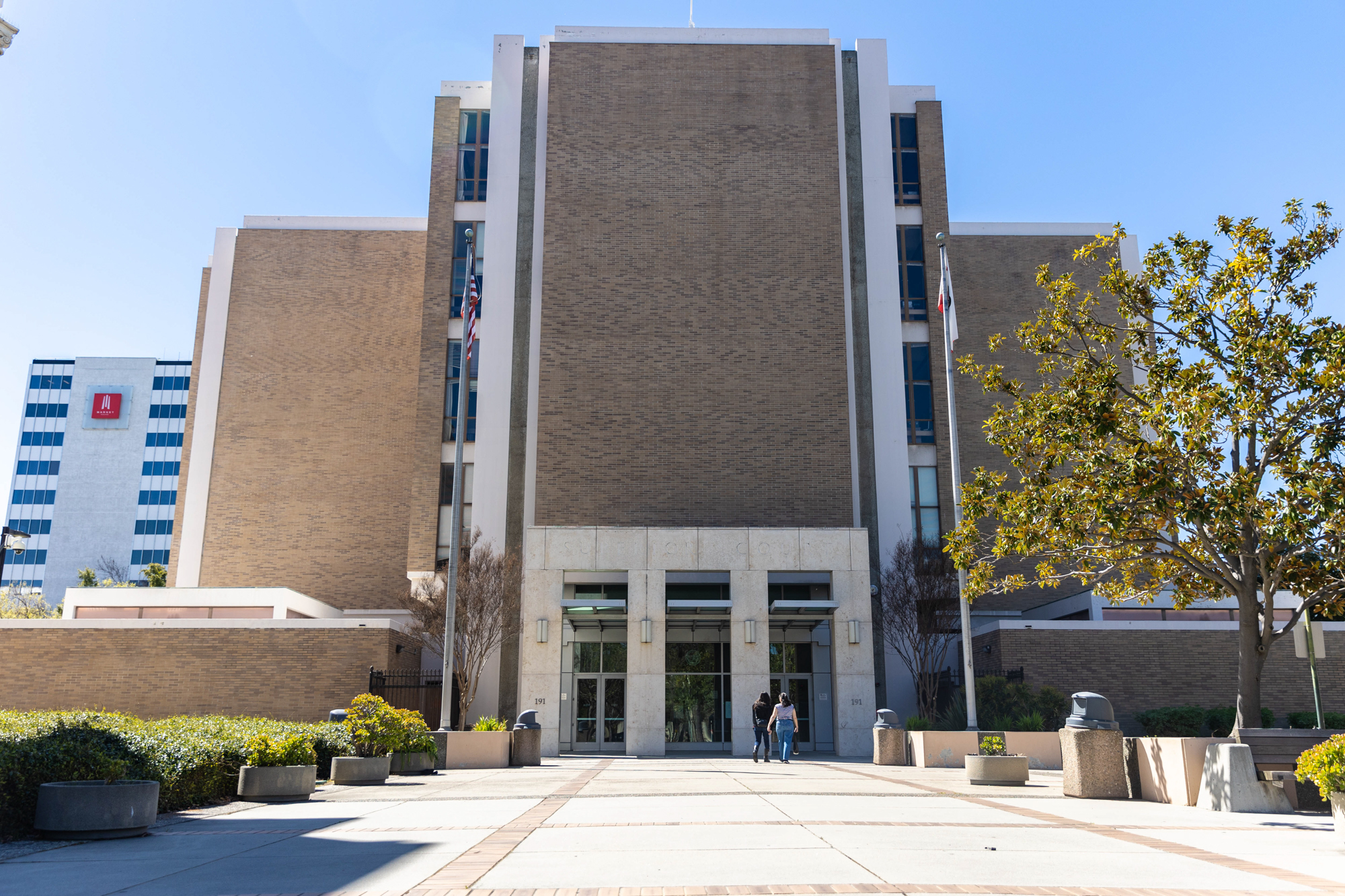
In a novel move aimed at curbing wage theft, attorneys for Santa Clara County are seeking stiff penalties from local restaurant employers who allegedly evaded for more than a decade state regulators’ orders to pay employees.
The lawsuit, which county officials said is one of the first of its kind, wields a recently passed state law that encourages local governments to help tackle a pervasive problem: business owners who owe wages but never pay, leaving thousands of workers statewide without restitution.
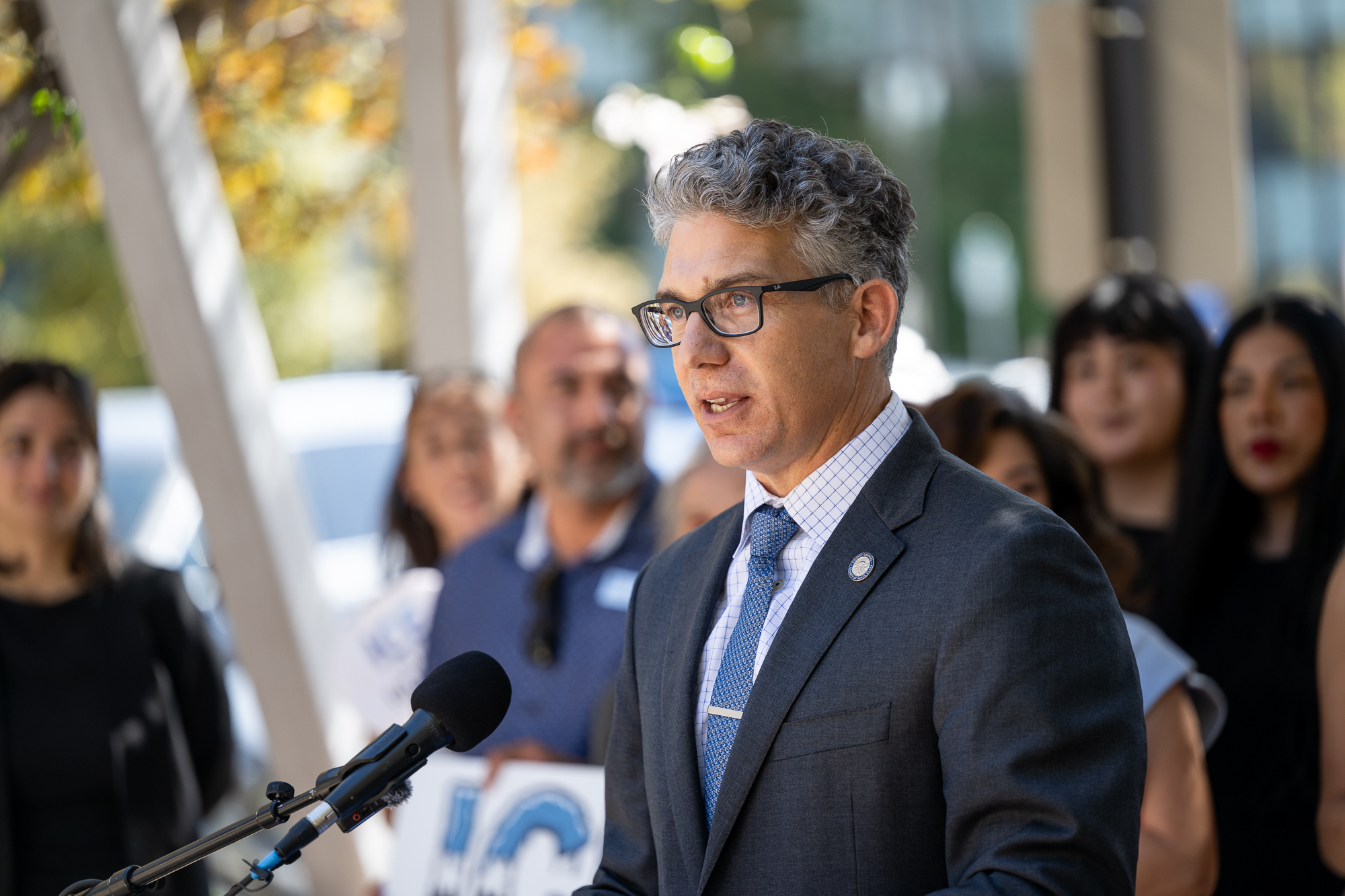
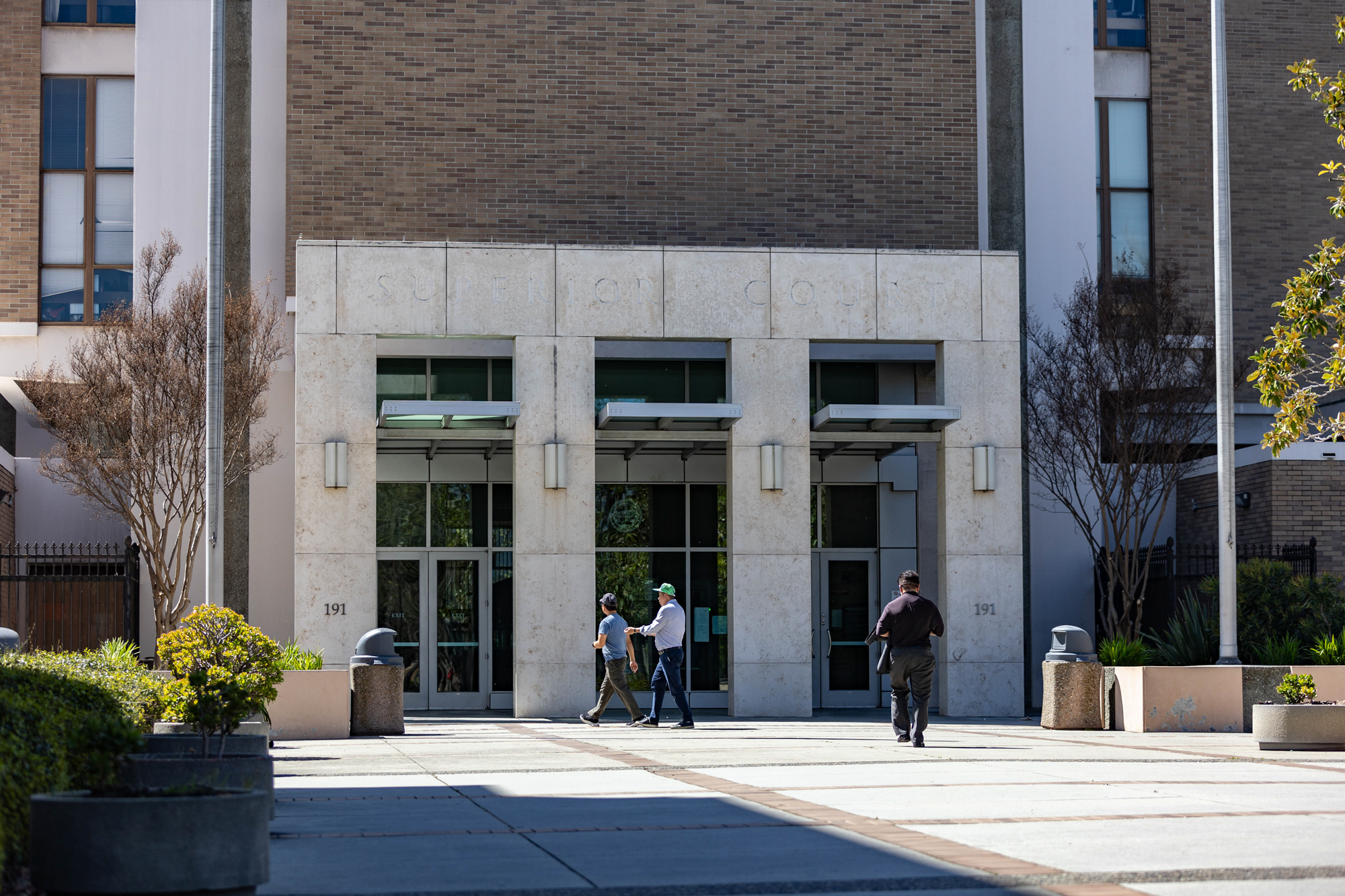
“It signals to the employer community that there are civil prosecutors out there that will track you down,” said Tony LoPresti, Santa Clara County counsel. His office filed the complaint on Tuesday in Santa Clara County Superior Court, arguing that the defendants profited from unlawful practices that gave them an unfair advantage over law-abiding employers.
“We want them to comply with the law while they are operating, and we want them to make the workers who they stole from whole,” he said.
California workers lose billions of dollars annually to paycheck violations, an amount that’s estimated to be larger than other types of robberies. Just one kind of wage theft, failure to pay the minimum wage, costs workers in San José, San Francisco, Los Angeles and San Diego metro areas more than $2.3 billion annually, according to a 2024 Rutgers University study.
The California Labor Commissioner’s Office, tasked with enforcing state labor laws, investigates worker complaints and helps recover owed wages. But winning a case, often after a yearslong wait due to agency backlogs and short staffing, is no guarantee of collecting payment.
“When the Labor Commissioner’s Office and public prosecutors work together, we strengthen accountability and expand access to justice for workers,” California Labor Commissioner Lilia García-Brower said in a statement. “Enforcing judgments is a critical part of ensuring workers are paid the wages they are owed and their rights are protected.”
Many businesses skirt settling wage judgments by hiding assets or closing operations and reopening under a new name — a “shell game” that has become rampant, according to LoPresti. In Santa Clara County, hundreds of employers failed to settle $23.3 million in judgments between 2013 and 2024, according to a county analysis of Labor Commissioner data.
California lawmakers have responded to the problem by stiffening penalties for employers who fail to settle those debts and increasing the authority of the state — as well as public civil prosecutors — to recover unpaid wages.
SB 261, a bill that went into effect this year, makes noncompliant businesses liable for up to three times the amount of an outstanding wage judgment plus attorney’s fees, which LoPresti said would help cover the costs of investigating and litigating these cases.

“Suddenly a business is running this huge financial risk in not paying its wage theft judgment,” said LoPresti, who pushed for the change as chair of the Civil Prosecutors Coalition, an association of city and county attorneys in California that collaborates on litigation strategies.
According to the Santa Clara County Counsel’s complaint, the owners of a Cupertino-based Taiwanese restaurant could be liable for more than $800,000 after ignoring wage-theft judgments first recorded by the state in 2013. The county said the seven impacted cooks and kitchen employees were required to work 12-hour days with minimal breaks, and irregular pay periods.
In 2019, the Labor Commissioner’s Office ordered Liang’s Kitchen Cupertino to halt operations until the business addressed an initial $93,000 debt plus ongoing late fines. But the family owners instead shuttered their restaurant and reopened out of the same location under the name Liang’s Village, which became a busy establishment.
Santa Clara County has a first-in-the-nation program that can suspend a restaurant’s permit to operate until it settles wage violations, but it only works when the business name matches the one in Labor Commissioner records.
The Liang family could not be reached for comment.
The employers’ alleged brazen actions illustrate the kind of “shady maneuvers” some unscrupulous employers use to avoid paying workers the money they are owed, said Terri Gerstein, a former labor bureau chief at the New York State Attorney General’s Office.
“This kind of lawsuit is important because it shows the commitment of the county to take action on behalf of workers, sending a strong message to employers that they have to comply with the law, and that if they don’t, the county is going to do something about it,” she said.
The legal action comes as local governments have stepped up efforts to protect workers’ rights, and state and federal labor enforcement agencies continue to struggle with underfunding and shortstaffing.
San Francisco became the nation’s first city to establish a municipal labor department to investigate workplace complaints 25 years ago. Now, dozens of cities and counties nationwide — including San Diego, Seattle, Austin and Cleveland — have similar initiatives.
The push to protect workers locally from abuses has grown under the employer-friendly first and current Trump administrations, said Gerstein, who now runs New York University’s Wagner Labor Initiative.
She pointed to New York City officials’ recent announcement that DoorDash agreed to pay $131 million to settle claims that the company underpaid 260,000 delivery workers.
“Cities and counties getting involved has made a very big difference for the workers themselves involved in these cases, for employers in these communities,” she said.