California Cracks Down on E-Motos, Youth E-Bike Riders With New Laws
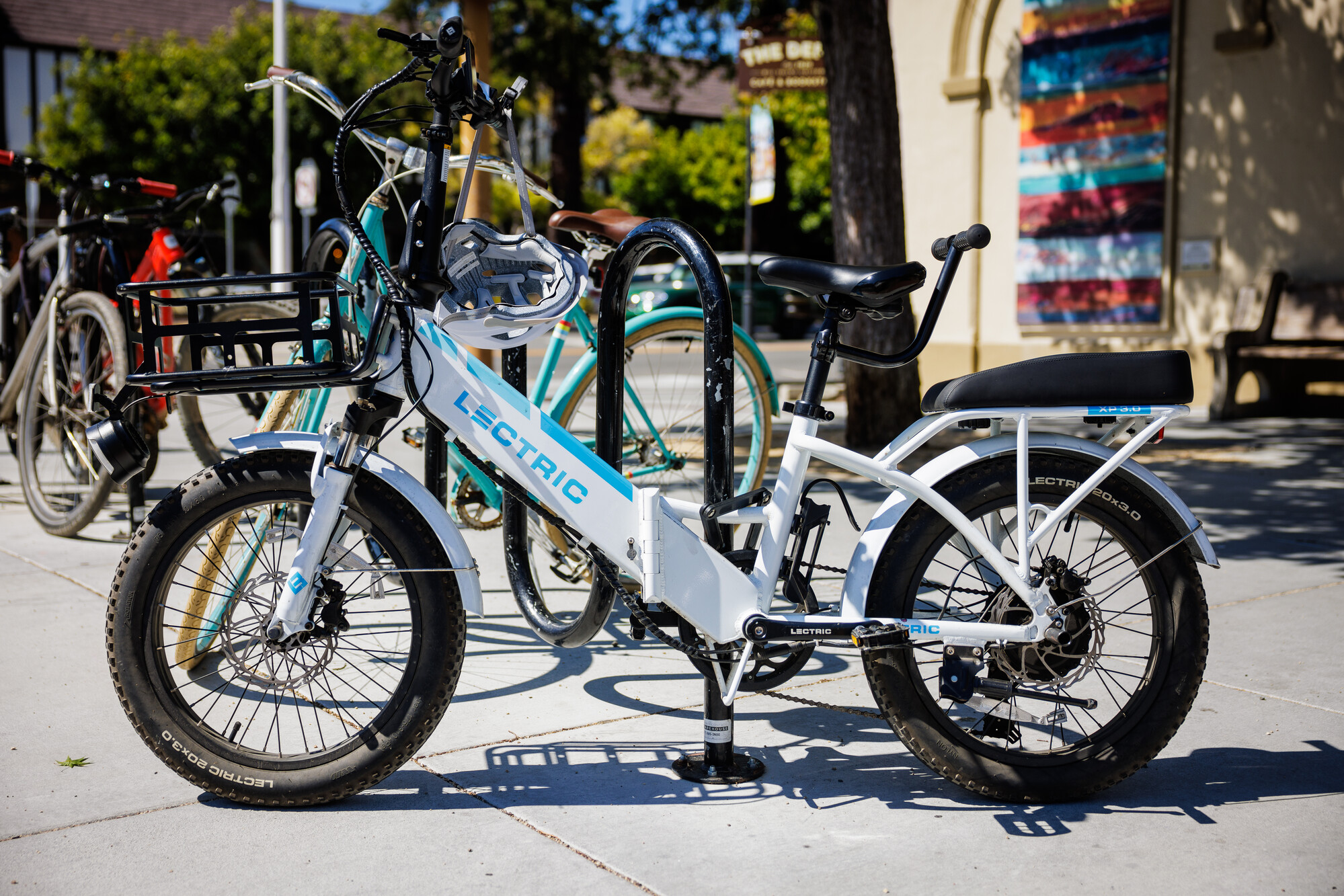
Gov. Gavin Newsom signed three laws on Wednesday aimed at addressing some of the most pressing safety concerns surrounding e-bikes, as the devices’ popularity continues to rise in California.
SB 1167 prohibits any electric device capable of traveling faster than 20 mph with a throttle or 28 mph with a pedal assist — California’s existing speed limits for e-bikes — from being sold or advertised as an e-bike.
The new law groups those devices into the “moped” or “motor-driven cycle” category in the state’s vehicle code, depending on their maximum speed and requires riders to have the necessary vehicle registration and license to operate them.
Regulating those faster devices was a top legislative priority for Streets for All, a California transportation and land use advocacy organization, said Marc Vukcevich, the group’s director of state policy.
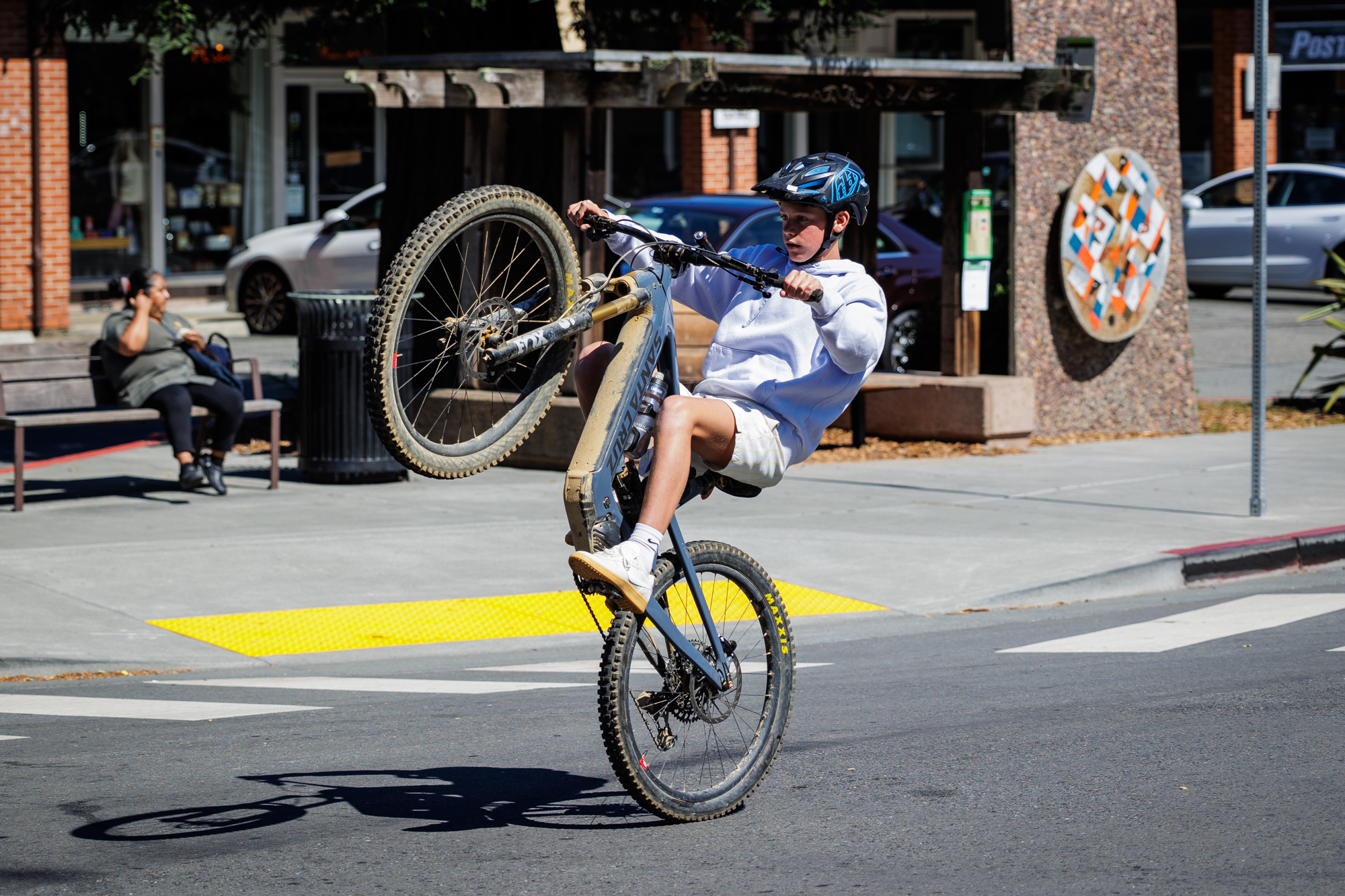
“While legal e-bikes themselves may not be perfect, the thing we know we need to address are these illegal devices that are making e-bikes and e-bike riders look really bad,” Vukcevich said.
A December 2025 report by San José State University’s Mineta Transportation Institute found it was highly likely that many injury crashes thought to involve e-bikes actually involve e-motorcycles and e-mopeds. The report also found that data on specifically which kinds of bikes are involved in crashes is commonly incomplete, making data-based policymaking more difficult.
State Sen. Catherine Blakespear, D-Encinitas, SB 1167’s author, said the legislation “ensures that consumers know if they are buying an e-bike or something else that goes much faster and carries greater risk.”

The law, which takes effect Jan. 1, 2027, requires manufacturers, importers and sellers of devices faster than e-bikes to provide a disclosure informing consumers that the device is in fact, considered a motor vehicle in California. It also beefs up reporting requirements on specifically what types of devices are involved in a crash.
E-bikes in California are regulated as Class I, Class II or Class III devices, depending on the maximum speed a motor provides assistance and how the motor assists the rider.
The devices are an increasingly popular way for Californians to navigate a variety of environments, from suburban sprawl to dense urban cores. E-bike sales accounted for 7% of the U.S. bike market — or nearly a million sales — in 2024, according to People for Bikes, the trade organization for the U.S. bicycle industry.
But the rise in popularity in California has also brought a jump in serious crashes, especially involving youth. A July study from UC San Diego found that California recorded just two e-bike injuries in 2018, a number that jumped to just over 1,500 in 2024. The study found that e-bike riders with moderate to severe injuries were more likely to be children ages 14 and younger.
In enacting legislation, lawmakers and advocates have tried to walk a tightrope between promoting e-bikes, an active transportation mode that reduces greenhouse gas emissions and traffic, while responding to health risks.
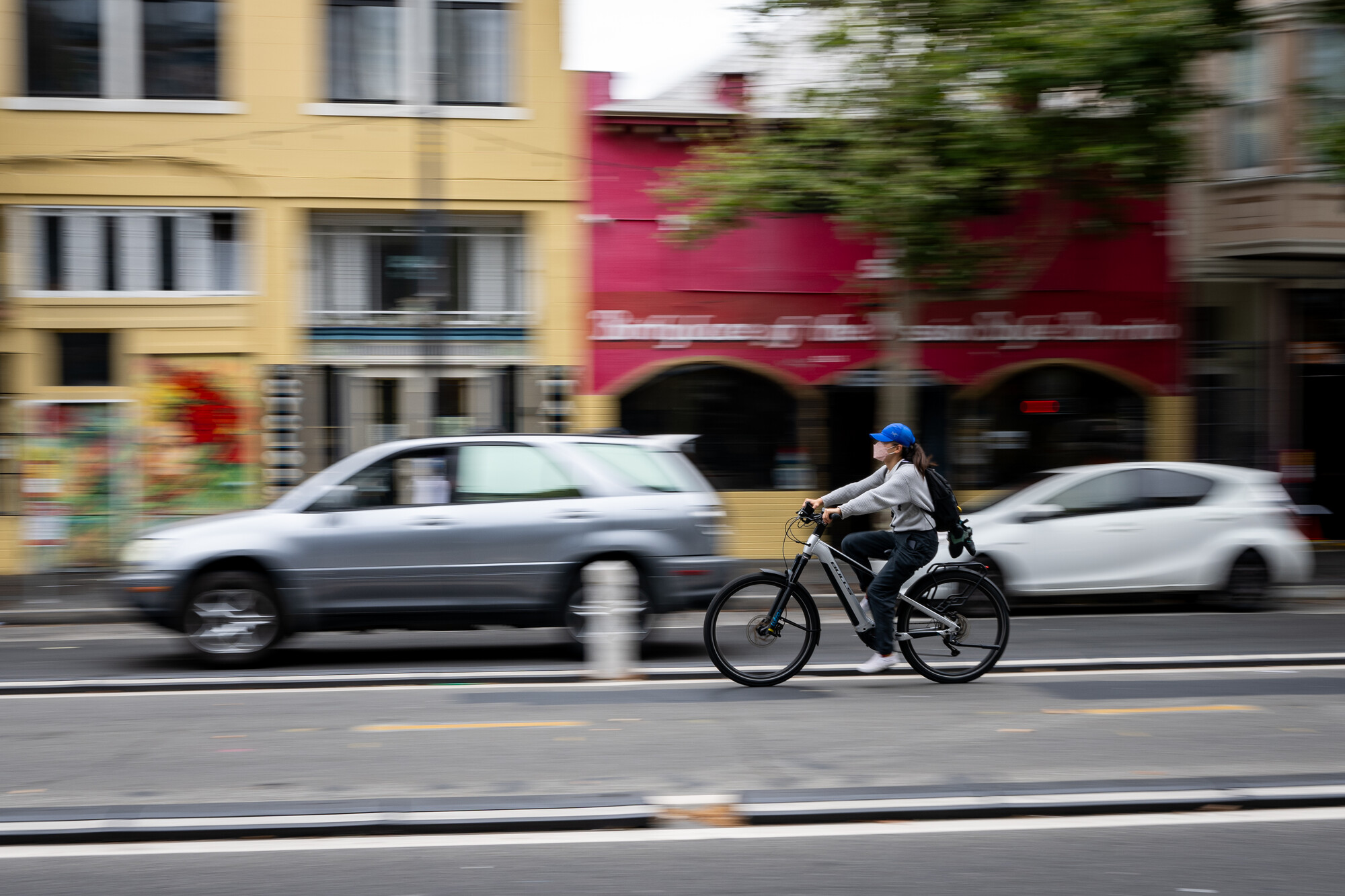
Another e-bike bill signed by Newsom allows municipalities in San Mateo County to prohibit children under 12 from riding a class I or II e-bike, which have a maximum assisted speed of 20 mph, until Jan. 1, 2031. The bill mirrors similar pilot programs previously approved by the Legislature in Marin and San Diego counties, which also set minimum age requirements for certain classes of e-bikes. State law already prohibits children under 16 from riding a class III e-bike.
The bill gives each local authority in San Mateo County the option to enact the pilot in its jurisdiction.
Foster City Councilmember Stacy Jimenez said she was looking forward to “bringing this tool to Foster City.”
“Success doesn’t mean fewer kids riding bikes — it means more kids riding and riding safely, and AB 2595 will help cities and our county do that,” Jimenez said.
Marin has reported a reduction in youth e-bike crashes since enacting its pilot, which bans children under 16 from riding class II e-bikes. But the county said the e-bike accident rate for children aged 10-15 remains nearly four times higher than other age groups.
Noelia Corzo, president of the San Mateo County Board of Supervisors, said there were “valid concerns in terms of public health and street safety,” but she wouldn’t support enacting the pilot in the county’s unincorporated areas.
Corzo said she thought the right solutions were to invest more in safe street infrastructure to help prevent collisions with cars and other vehicles. She also expressed concern about how the law would be enforced.
“How is a police officer going to know if someone is younger than 12?” she said. “The only way is to stop children and ask them, and that’s not an action I feel comfortable with taking place en masse.”
The pilot would authorize police officers to issue a fine of $25 to any underage riders 60 days after the law comes into effect.
Newsom also signed AB 2346, from state Assemblymembers Lori Wilson, D-Suisun City, and Marc Berman, D-Palo Alto, which requires Class II e-bikes sold after Jan. 1, 2029, to be equipped with a speedometer. The bill also sets a 10 mph speed limit for sidewalk riding.
In a statement, Dr. René Bravo, president of the California Medical Association, thanked Berman and Wilson for “listening to the physicians and other experts who have raised these concerns and putting evidence-based safety measures into law to make e-bikes safer for young riders, pedestrians and everyone on the road.”