Why One of the Last Stone Fruit Growers in the Valley of Heart's Delight Is Downsizing
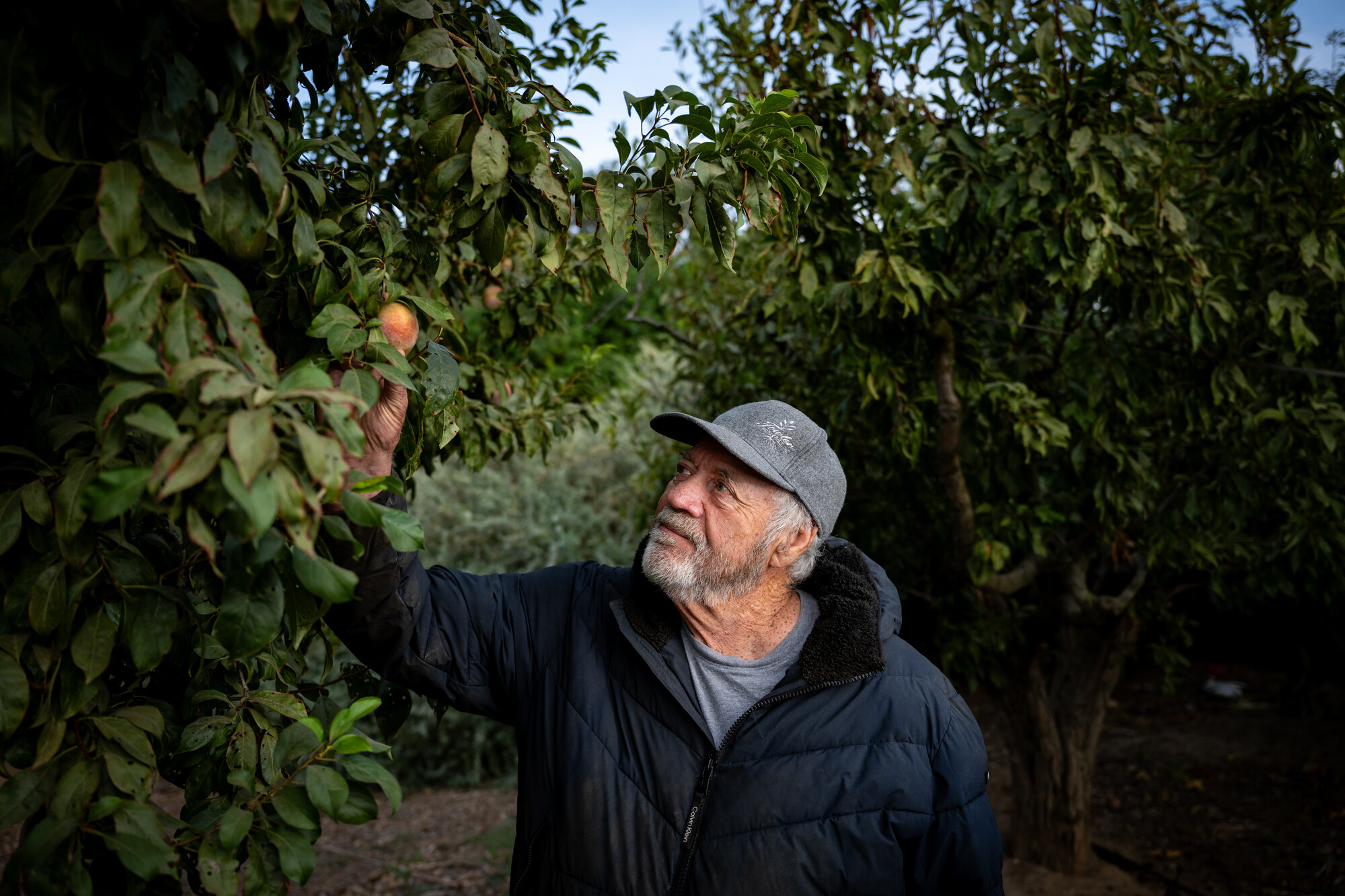
If you grew up in the Bay Area, you may already know the story of the Valley of Heart’s Delight. Before Silicon Valley took root in the Santa Clara Valley, immigrants from all over the world planted close to 100,000 acres of fruit trees and picked, processed and shipped the apricots, peaches, plums and more.
Nearly all of that is gone now, paved over and replaced with suburbs and office parks. Just a handful of fruit farmers remain, and they’re aging out.
Andy Mariani, one of that last handful, is 80 years old. He told KQED he’s tired of losing money year after year and struggling to make payroll.
“It doesn’t work anymore. It’s no longer economically viable to have this farm,” Mariani said, sitting in a gazebo to one side of the farm store. Somewhere nearby, chickens interrupted him periodically to proclaim for all the world to hear they just laid another egg. We gazed out across the parking lot to neat rows of fruit trees and flowering bushes designed to draw in hummingbirds, bees and other pollinators.
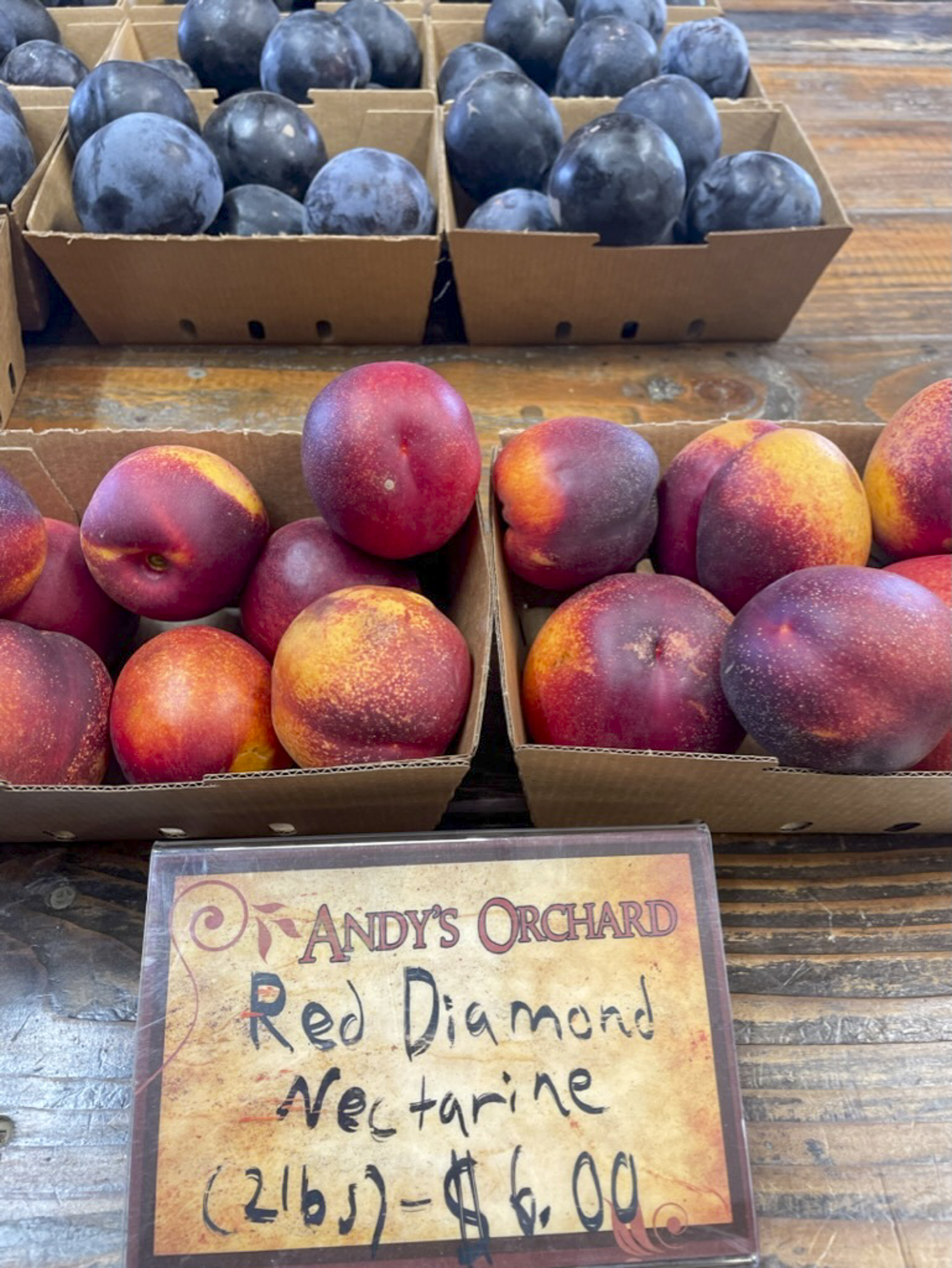
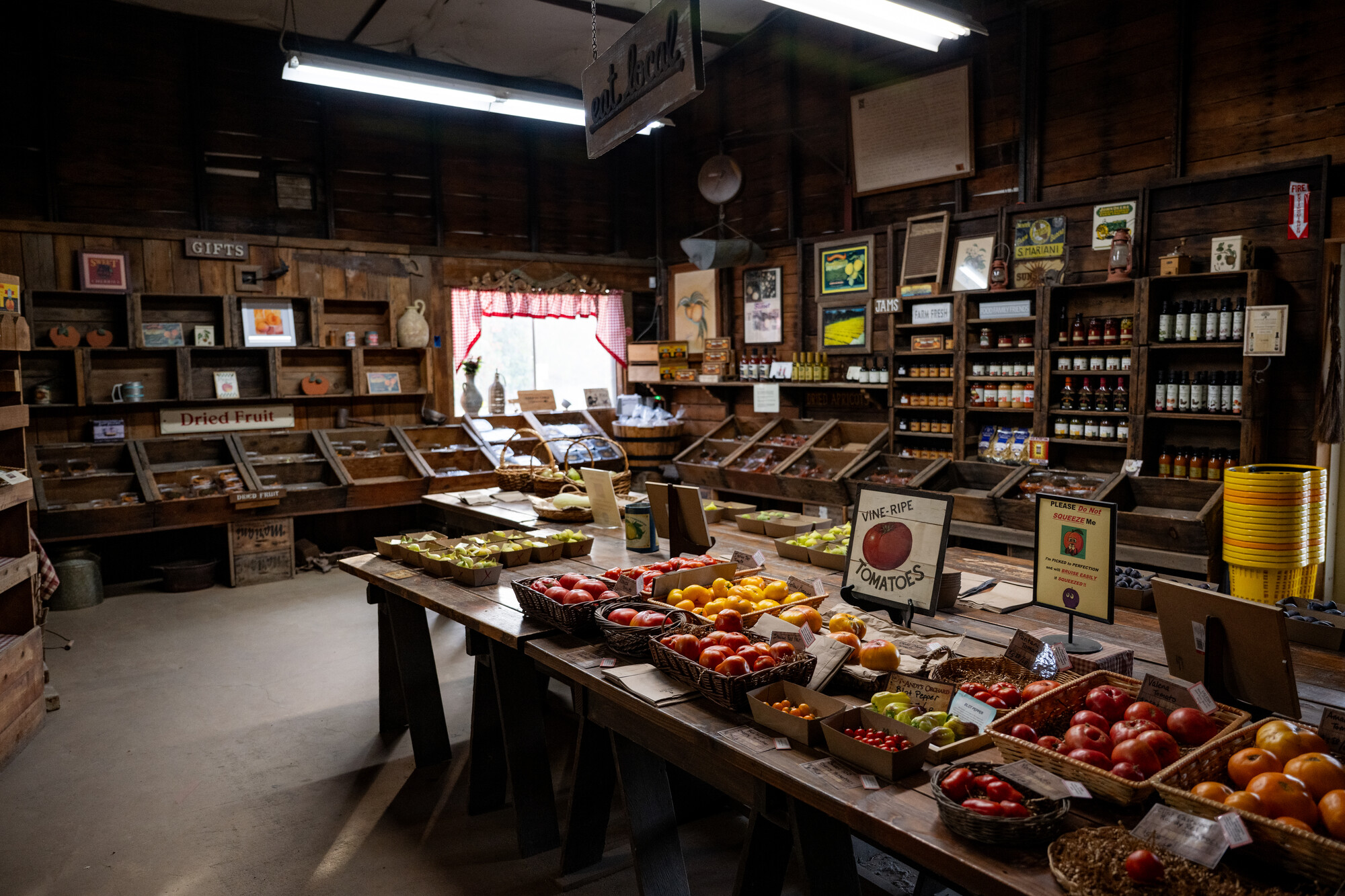
Mariani knows a lot about fruit farming, and he wants to write a book about it while he still can. He is not giving up on fruit farming altogether, but the family farm in Morgan Hill, the one with the little farm store and the summer fruit-picking events that fill the rows with laughing, running children, has one more growing season before he hands the property to a real estate developer.
As first reported by the Morgan Hill Times, Mariani has signed an option agreement with a Southern California firm marketing a 376-home subdivision on the 58-acre property. A draft environmental impact report for the project is expected this fall, followed by a public review period.
There’s organized opposition. State housing law puts a heavy finger on the scale, generally forcing local governments to approve qualifying developments. But Green Foothills, one of several environmental groups opposing the project, argues that Santa Clara County officials can still say no here, because the law makes an exception when a site lacks adequate water or wastewater facilities, and the developer would have to drill new wells and build a new on-site wastewater system.
Mariani is not “hanging up his shears” just yet, as a recent New York Times article implied. He still intends to farm 20 acres of land he leases now nearby. But he said he understands that word of his soft-retirement has set off a panic among his super fans here in the Bay Area and beyond.
Back in August, during the height of stone fruit season, Mary Balmana drove all the way down from San Francisco — a two-hour drive, each way — to stock up on cherries, apricots and peaches, like the August Flame peach and the Cal Red.
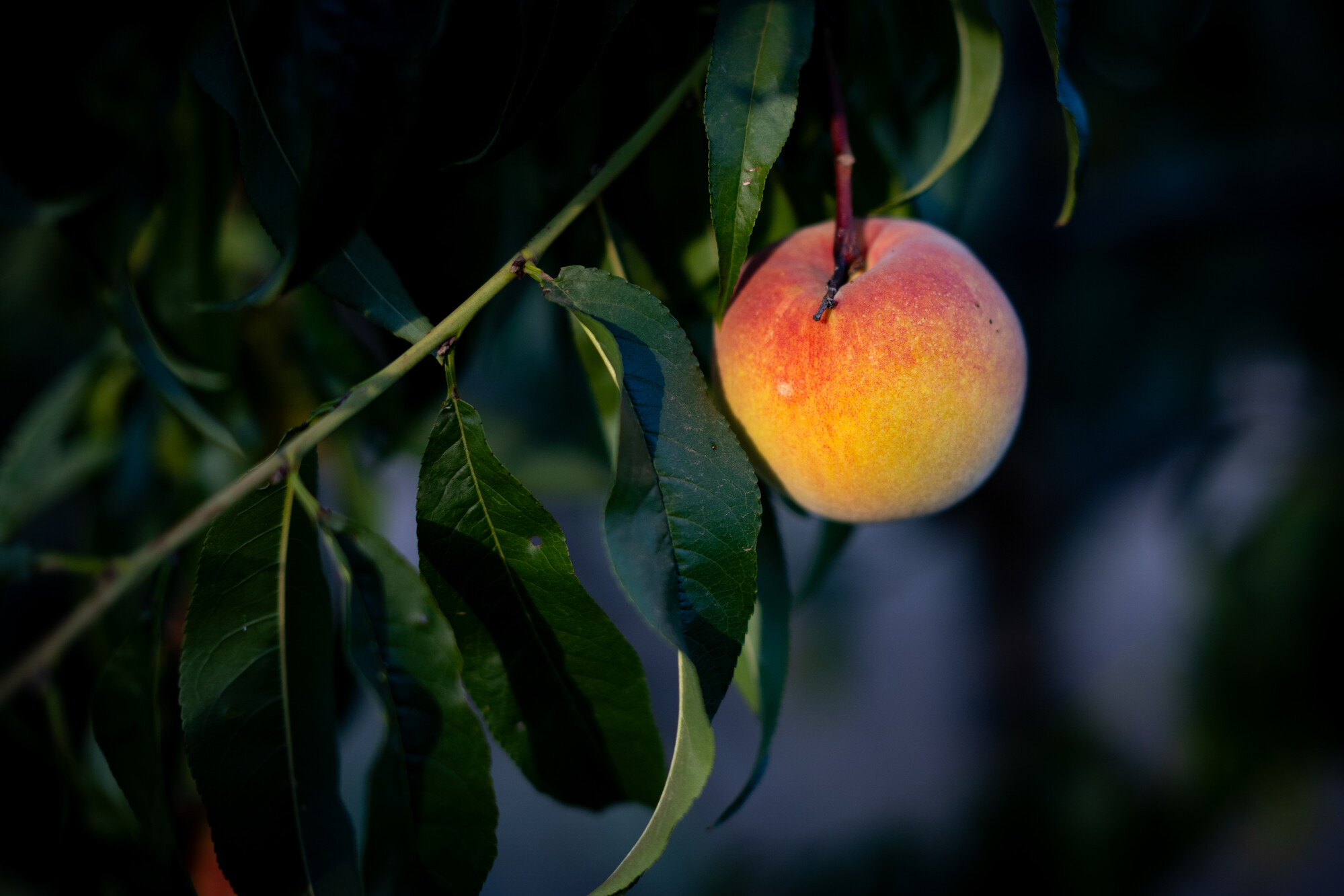
“I don’t have to peel them because it’s so luscious,” she said. “It’s tender, sweet beyond belief, and it just speaks for itself. I don’t have to do anything to it. It tastes like the peaches that I grew up with that we used to pick from a neighbor’s farm, you know, when we would go visit.”
When Balmana spotted Mariani in the store, she asked to have a photo taken with him.
In many ways, Mariani’s family history mirrors the last century of the Valley of Heart’s Delight. His father came to the Santa Clara Valley from a little island off the coast of Croatia in 1931.
He was hardly the first to grow apricots in Cupertino. Spanish mission fathers planted trees in the region as early as the mid-1700s, and after the Gold Rush and the railroads in the 19th century, the Santa Clara Valley became a world-famous producer of dried and canned stone fruits.
California’s ancient history, submerged beneath the Pacific Ocean, left a legacy of fertile soil for farming. Add to that the cool nights of the Santa Clara Valley, especially in winter, and you have a region second to none for stone fruit.

“It was great for decades and decades,” said Mariani, who took over the family farming operation with his brother after their father retired. “But then, like in the 1980s, the United States started importing Turkish apricots, and they were coming in very cheap, because of cheap labor in Turkey.”
The brothers realized they had to diversify beyond the once famous Blenheim apricot, an heirloom variety that boasts flesh perfectly balanced between sweet and tart.
The Blenheim’s popularity was also at risk because, like many heirloom fruits, the soft, small apricot is too delicate for mass shipping.
In an industry that, in a bid for growth, shifted to cold storage and steroidal, uniform fruits picked green and hard, the Marianis decided to go in a different direction. They specialized in fruit consumers, including professional chefs, who would pay more for them as they grew rarer and harder to find. That included heirloom fruit, like the Blenheim, and new varieties, like Baby Crawford peaches.
The brothers also decided to steer clear of competing with industrial agriculture by focusing on flavor, even though it leads to a highly perishable product that must be consumed in a matter of days, not weeks or months. “The last few days that the fruit is on the tree is when it increases tremendously in flavor, sugar content, and juiciness,” Mariani said.
As other farmers packed up and left the Santa Clara Valley, Mariani leaned into new ways to make money: selling to chefs at the Santa Monica Farmers Market down south, educational fruit picking tours and tastings, as well as selling pies and other goodies at the farm’s retail store.
“A lot of people can farm at 80; fewer at 90,” said David Karp, a pomologist at UC Riverside’s botany department and Mariani’s business partner. The two recently traveled together to visit Mariani’s relatives in Croatia.
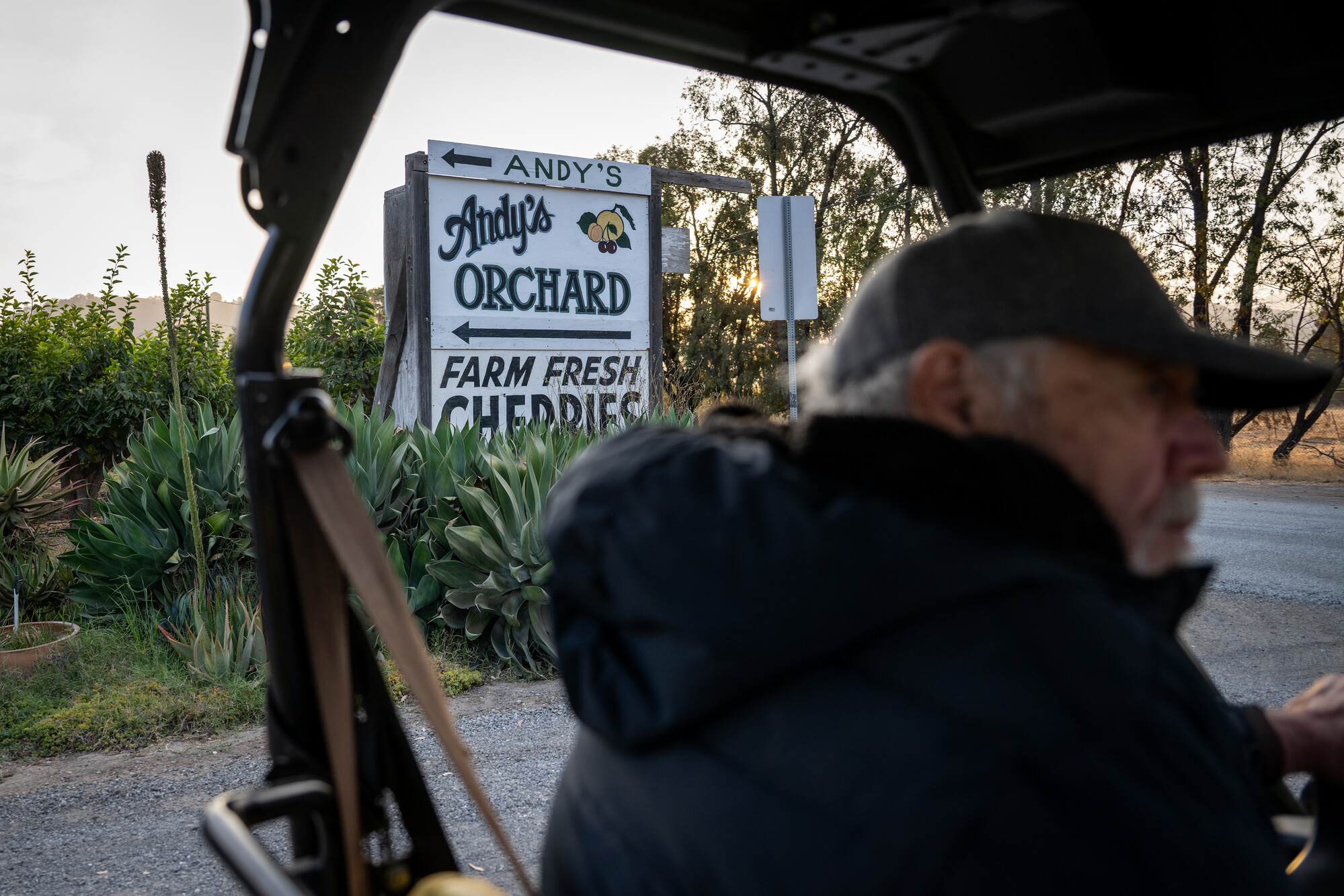
Karp confirms that climate change and urbanization are gradually forcing the Valley of Heart’s Delight into the history books, even though Mariani will continue farming for the time being. Karp noted they stopped selling summer fruit at the Santa Monica Farmers Market a month early this year, in July instead of August.
He has no doubt that whatever crops emerge next summer, the fruit will sell out.
“There’s a lot more demand for Andy’s fruit than there is fruit,” Karp said.
Even though fresh fruit fans have proven willing to pay more, rising costs still make it challenging to run an operation like Andy’s Orchard.
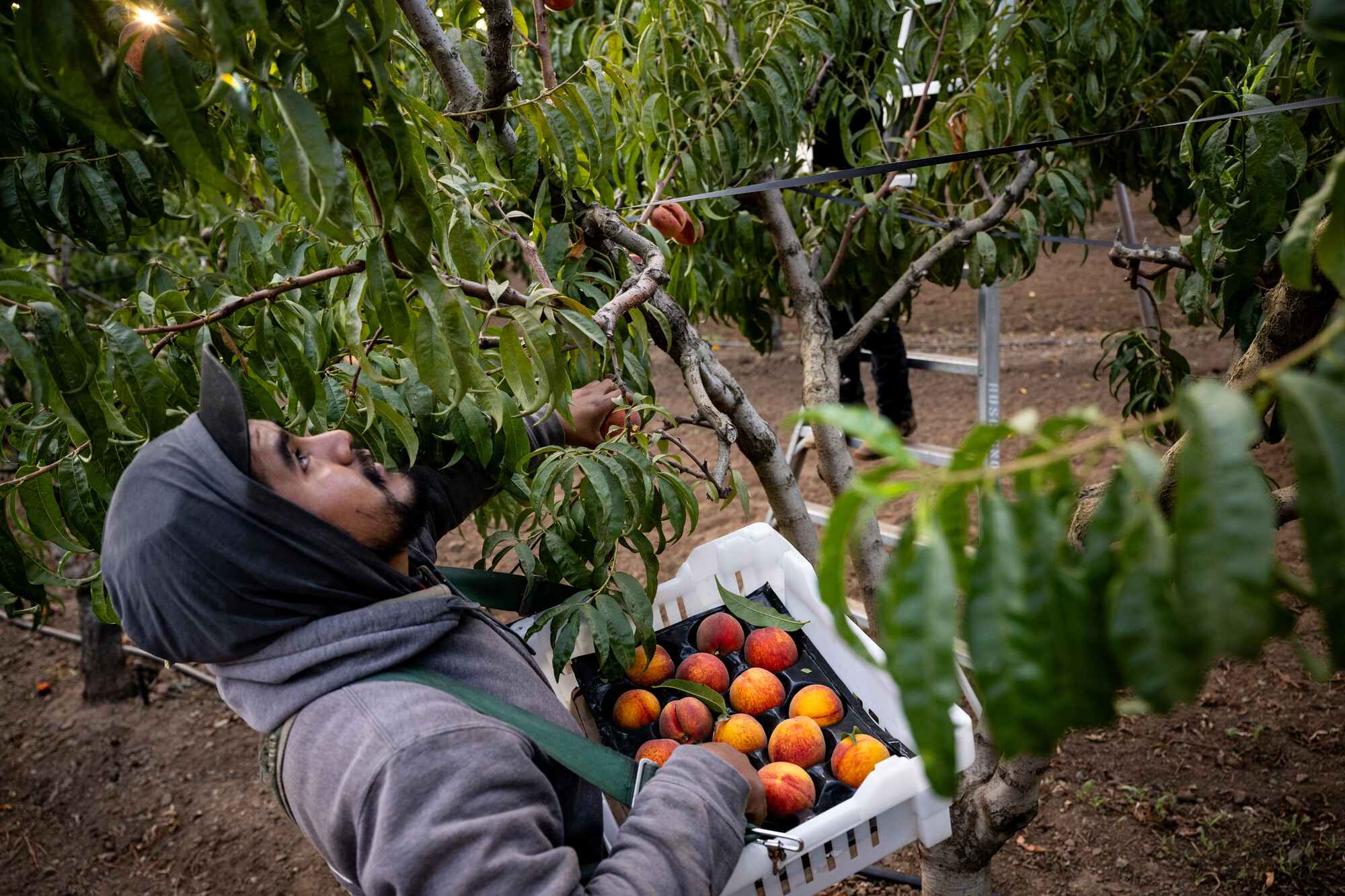
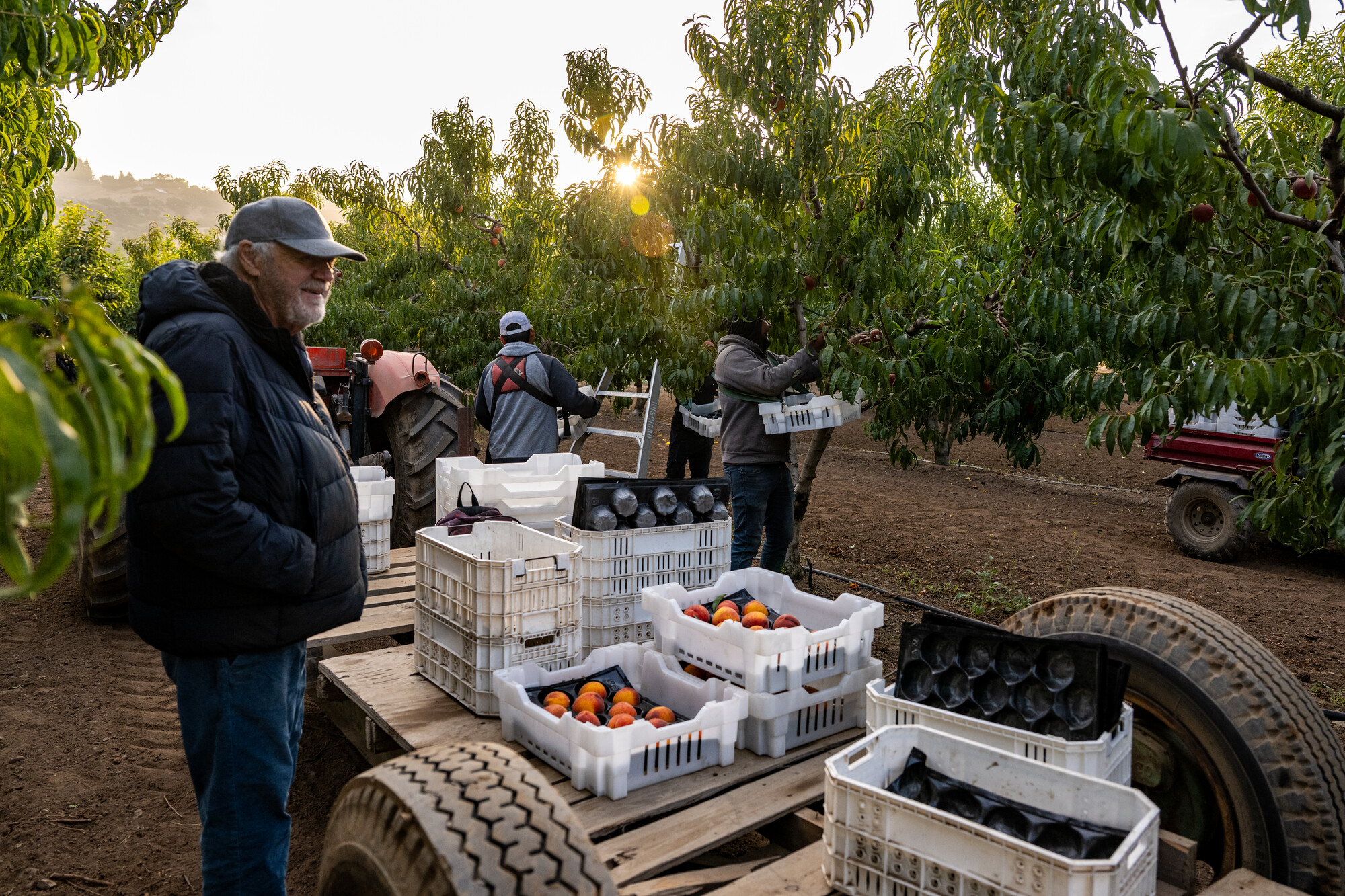
“We pay more than minimum wage because our people are skilled,” Mariani said. “We have workers that have worked for us for over 40 years, and so they know the orchard as well as I do, and because of that skill level, we pay ‘em well. And they’re in Silicon Valley, too. They need to get more money because it’s an expensive place to live. They get free rent, actually, but on the other hand, it’s still expensive.”
It’s only getting more so with each Silicon Valley boom. Where once the Marianis were one farming family among many, they have grown more and more isolated as the decades passed.
“We’re basically surrounded by urban development now. We’re just a little piece of the jigsaw puzzle that hasn’t been put in yet,” he said, waving his hand to gesture at the neat rows of fruit trees in front of the farm store. Between this property and the nearest freeway exit, most of the land is paved over with housing developments, retail malls and office buildings.
Paved land is also hotter land, which is growing hotter thanks to climate change. In addition to the growing threat from oak root fungus and ravenous squirrels, Mariani said crops are shrinking because the winters and the nights aren’t as cool as they used to be. This year, he said, was the orchard’s worst on record. Cherries came in at about 5% of a normal harvest, and his signature Baby Crawford peach crop failed almost completely.
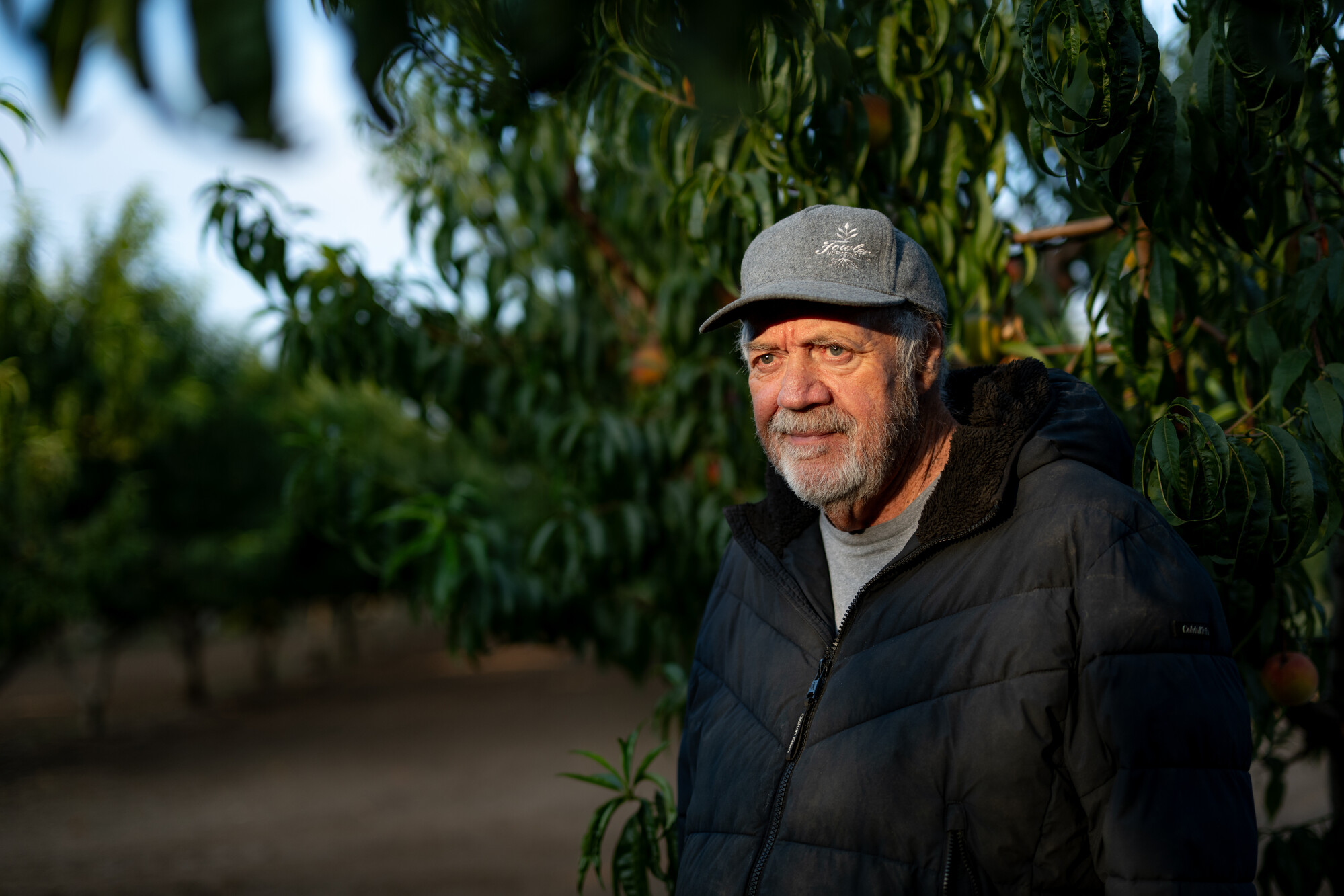
“It comes to the point where you wonder what you’re doing, even though you love what you are doing. I think it’s time for me to downscale, and continue doing where my passion is, right?”
“Modern society seems to define progress as escaping physical work, even when that work leads to something very special,” he wrote in a recent newsletter. “Our once picturesque agricultural landscape that defined the valley was not simply replaced by what we call progress. Within that landscape there was also a culture, a special way of life. Unfortunately, as evidenced over several decades now, that way of life became increasingly difficult to financially sustain as the region transformed.”
Proud of his life’s work and that of his ancestors, Mariani bristles at the idea of keeping the orchard going just for show, standing around, as he put it, “with my bib overalls and this and that.”
“I’d become a caricature of myself,” Mariani said.
Mariani added there are plans to develop a year-round indoor farmers market in Morgan Hill, a project he’s keen to participate in. In the meantime, for his super fans, there’s one more growing season in store for Andy’s Orchard.