window.__IS_SSR__=true
window.__INITIAL_STATE__={
"attachmentsReducer": {
"audio_0": {
"type": "attachments",
"id": "audio_0",
"imgSizes": {
"kqedFullSize": {
"file": "https://ww2.kqed.org/news/wp-content/themes/KQED-unified/img/audio_bgs/background0.jpg"
}
}
},
"audio_1": {
"type": "attachments",
"id": "audio_1",
"imgSizes": {
"kqedFullSize": {
"file": "https://ww2.kqed.org/news/wp-content/themes/KQED-unified/img/audio_bgs/background1.jpg"
}
}
},
"audio_2": {
"type": "attachments",
"id": "audio_2",
"imgSizes": {
"kqedFullSize": {
"file": "https://ww2.kqed.org/news/wp-content/themes/KQED-unified/img/audio_bgs/background2.jpg"
}
}
},
"audio_3": {
"type": "attachments",
"id": "audio_3",
"imgSizes": {
"kqedFullSize": {
"file": "https://ww2.kqed.org/news/wp-content/themes/KQED-unified/img/audio_bgs/background3.jpg"
}
}
},
"audio_4": {
"type": "attachments",
"id": "audio_4",
"imgSizes": {
"kqedFullSize": {
"file": "https://ww2.kqed.org/news/wp-content/themes/KQED-unified/img/audio_bgs/background4.jpg"
}
}
},
"placeholder": {
"type": "attachments",
"id": "placeholder",
"imgSizes": {
"thumbnail": {
"file": "https://cdn.kqed.org/wp-content/uploads/2024/12/KQED-Default-Image-816638274-2000x1333-1-160x107.jpg",
"width": 160,
"height": 107,
"mimeType": "image/jpeg"
},
"medium": {
"file": "https://cdn.kqed.org/wp-content/uploads/2024/12/KQED-Default-Image-816638274-2000x1333-1-800x533.jpg",
"width": 800,
"height": 533,
"mimeType": "image/jpeg"
},
"medium_large": {
"file": "https://cdn.kqed.org/wp-content/uploads/2024/12/KQED-Default-Image-816638274-2000x1333-1-768x512.jpg",
"width": 768,
"height": 512,
"mimeType": "image/jpeg"
},
"large": {
"file": "https://cdn.kqed.org/wp-content/uploads/2024/12/KQED-Default-Image-816638274-2000x1333-1-1020x680.jpg",
"width": 1020,
"height": 680,
"mimeType": "image/jpeg"
},
"1536x1536": {
"file": "https://cdn.kqed.org/wp-content/uploads/2024/12/KQED-Default-Image-816638274-2000x1333-1-1536x1024.jpg",
"width": 1536,
"height": 1024,
"mimeType": "image/jpeg"
},
"fd-lrg": {
"file": "https://cdn.kqed.org/wp-content/uploads/2024/12/KQED-Default-Image-816638274-2000x1333-1-1536x1024.jpg",
"width": 1536,
"height": 1024,
"mimeType": "image/jpeg"
},
"fd-med": {
"file": "https://cdn.kqed.org/wp-content/uploads/2024/12/KQED-Default-Image-816638274-2000x1333-1-1020x680.jpg",
"width": 1020,
"height": 680,
"mimeType": "image/jpeg"
},
"fd-sm": {
"file": "https://cdn.kqed.org/wp-content/uploads/2024/12/KQED-Default-Image-816638274-2000x1333-1-800x533.jpg",
"width": 800,
"height": 533,
"mimeType": "image/jpeg"
},
"post-thumbnail": {
"file": "https://cdn.kqed.org/wp-content/uploads/2024/12/KQED-Default-Image-816638274-2000x1333-1-672x372.jpg",
"width": 672,
"height": 372,
"mimeType": "image/jpeg"
},
"twentyfourteen-full-width": {
"file": "https://cdn.kqed.org/wp-content/uploads/2024/12/KQED-Default-Image-816638274-2000x1333-1-1038x576.jpg",
"width": 1038,
"height": 576,
"mimeType": "image/jpeg"
},
"xxsmall": {
"file": "https://cdn.kqed.org/wp-content/uploads/2024/12/KQED-Default-Image-816638274-2000x1333-1-160x107.jpg",
"width": 160,
"height": 107,
"mimeType": "image/jpeg"
},
"xsmall": {
"file": "https://cdn.kqed.org/wp-content/uploads/2024/12/KQED-Default-Image-816638274-2000x1333-1-672x372.jpg",
"width": 672,
"height": 372,
"mimeType": "image/jpeg"
},
"small": {
"file": "https://cdn.kqed.org/wp-content/uploads/2024/12/KQED-Default-Image-816638274-2000x1333-1-672x372.jpg",
"width": 672,
"height": 372,
"mimeType": "image/jpeg"
},
"xlarge": {
"file": "https://cdn.kqed.org/wp-content/uploads/2024/12/KQED-Default-Image-816638274-2000x1333-1-1020x680.jpg",
"width": 1020,
"height": 680,
"mimeType": "image/jpeg"
},
"full-width": {
"file": "https://cdn.kqed.org/wp-content/uploads/2024/12/KQED-Default-Image-816638274-2000x1333-1-1920x1280.jpg",
"width": 1920,
"height": 1280,
"mimeType": "image/jpeg"
},
"guest-author-32": {
"file": "https://cdn.kqed.org/wp-content/uploads/2025/01/KQED-Default-Image-816638274-1333x1333-1-160x160.jpg",
"width": 32,
"height": 32,
"mimeType": "image/jpeg"
},
"guest-author-50": {
"file": "https://cdn.kqed.org/wp-content/uploads/2025/01/KQED-Default-Image-816638274-1333x1333-1-160x160.jpg",
"width": 50,
"height": 50,
"mimeType": "image/jpeg"
},
"guest-author-64": {
"file": "https://cdn.kqed.org/wp-content/uploads/2025/01/KQED-Default-Image-816638274-1333x1333-1-160x160.jpg",
"width": 64,
"height": 64,
"mimeType": "image/jpeg"
},
"guest-author-96": {
"file": "https://cdn.kqed.org/wp-content/uploads/2025/01/KQED-Default-Image-816638274-1333x1333-1-160x160.jpg",
"width": 96,
"height": 96,
"mimeType": "image/jpeg"
},
"guest-author-128": {
"file": "https://cdn.kqed.org/wp-content/uploads/2025/01/KQED-Default-Image-816638274-1333x1333-1-160x160.jpg",
"width": 128,
"height": 128,
"mimeType": "image/jpeg"
},
"detail": {
"file": "https://cdn.kqed.org/wp-content/uploads/2025/01/KQED-Default-Image-816638274-1333x1333-1-160x160.jpg",
"width": 160,
"height": 160,
"mimeType": "image/jpeg"
},
"kqedFullSize": {
"file": "https://cdn.kqed.org/wp-content/uploads/2024/12/KQED-Default-Image-816638274-2000x1333-1.jpg",
"width": 2000,
"height": 1333
}
}
},
"news_11832790": {
"type": "attachments",
"id": "news_11832790",
"meta": {
"index": "attachments_1716263798",
"site": "news",
"id": "11832790",
"found": true
},
"parent": 11832759,
"imgSizes": {
"apple_news_ca_landscape_5_5": {
"file": "https://ww2.kqed.org/app/uploads/sites/10/2020/08/RS44307_GettyImages-1209096375-qut-1044x783.jpg",
"width": 1044,
"mimeType": "image/jpeg",
"height": 783
},
"apple_news_ca_square_4_0": {
"file": "https://ww2.kqed.org/app/uploads/sites/10/2020/08/RS44307_GettyImages-1209096375-qut-470x470.jpg",
"width": 470,
"mimeType": "image/jpeg",
"height": 470
},
"twentyfourteen-full-width": {
"file": "https://ww2.kqed.org/app/uploads/sites/10/2020/08/RS44307_GettyImages-1209096375-qut-1038x576.jpg",
"width": 1038,
"mimeType": "image/jpeg",
"height": 576
},
"thumbnail": {
"file": "https://ww2.kqed.org/app/uploads/sites/10/2020/08/RS44307_GettyImages-1209096375-qut-160x107.jpg",
"width": 160,
"mimeType": "image/jpeg",
"height": 107
},
"post-thumbnail": {
"file": "https://ww2.kqed.org/app/uploads/sites/10/2020/08/RS44307_GettyImages-1209096375-qut-672x372.jpg",
"width": 672,
"mimeType": "image/jpeg",
"height": 372
},
"kqedFullSize": {
"file": "https://ww2.kqed.org/app/uploads/sites/10/2020/08/RS44307_GettyImages-1209096375-qut.jpg",
"width": 1920,
"height": 1284
},
"apple_news_ca_landscape_4_7": {
"file": "https://ww2.kqed.org/app/uploads/sites/10/2020/08/RS44307_GettyImages-1209096375-qut-632x474.jpg",
"width": 632,
"mimeType": "image/jpeg",
"height": 474
},
"large": {
"file": "https://ww2.kqed.org/app/uploads/sites/10/2020/08/RS44307_GettyImages-1209096375-qut-1020x682.jpg",
"width": 1020,
"mimeType": "image/jpeg",
"height": 682
},
"apple_news_ca_landscape_4_0": {
"file": "https://ww2.kqed.org/app/uploads/sites/10/2020/08/RS44307_GettyImages-1209096375-qut-536x402.jpg",
"width": 536,
"mimeType": "image/jpeg",
"height": 402
},
"apple_news_ca_portrait_12_9": {
"file": "https://ww2.kqed.org/app/uploads/sites/10/2020/08/RS44307_GettyImages-1209096375-qut-1122x1284.jpg",
"width": 1122,
"mimeType": "image/jpeg",
"height": 1284
},
"medium": {
"file": "https://ww2.kqed.org/app/uploads/sites/10/2020/08/RS44307_GettyImages-1209096375-qut-800x535.jpg",
"width": 800,
"mimeType": "image/jpeg",
"height": 535
},
"apple_news_ca_portrait_4_0": {
"file": "https://ww2.kqed.org/app/uploads/sites/10/2020/08/RS44307_GettyImages-1209096375-qut-354x472.jpg",
"width": 354,
"mimeType": "image/jpeg",
"height": 472
},
"apple_news_ca_portrait_9_7": {
"file": "https://ww2.kqed.org/app/uploads/sites/10/2020/08/RS44307_GettyImages-1209096375-qut-840x1120.jpg",
"width": 840,
"mimeType": "image/jpeg",
"height": 1120
},
"apple_news_ca_landscape_12_9": {
"file": "https://ww2.kqed.org/app/uploads/sites/10/2020/08/RS44307_GettyImages-1209096375-qut-1832x1284.jpg",
"width": 1832,
"mimeType": "image/jpeg",
"height": 1284
},
"apple_news_ca_square_9_7": {
"file": "https://ww2.kqed.org/app/uploads/sites/10/2020/08/RS44307_GettyImages-1209096375-qut-1104x1104.jpg",
"width": 1104,
"mimeType": "image/jpeg",
"height": 1104
},
"1536x1536": {
"file": "https://ww2.kqed.org/app/uploads/sites/10/2020/08/RS44307_GettyImages-1209096375-qut-1536x1027.jpg",
"width": 1536,
"mimeType": "image/jpeg",
"height": 1027
},
"apple_news_ca_portrait_4_7": {
"file": "https://ww2.kqed.org/app/uploads/sites/10/2020/08/RS44307_GettyImages-1209096375-qut-414x552.jpg",
"width": 414,
"mimeType": "image/jpeg",
"height": 552
},
"apple_news_ca_square_12_9": {
"file": "https://ww2.kqed.org/app/uploads/sites/10/2020/08/RS44307_GettyImages-1209096375-qut-1472x1284.jpg",
"width": 1472,
"mimeType": "image/jpeg",
"height": 1284
},
"apple_news_ca_portrait_5_5": {
"file": "https://ww2.kqed.org/app/uploads/sites/10/2020/08/RS44307_GettyImages-1209096375-qut-687x916.jpg",
"width": 687,
"mimeType": "image/jpeg",
"height": 916
},
"apple_news_ca_square_4_7": {
"file": "https://ww2.kqed.org/app/uploads/sites/10/2020/08/RS44307_GettyImages-1209096375-qut-550x550.jpg",
"width": 550,
"mimeType": "image/jpeg",
"height": 550
},
"apple_news_ca_landscape_9_7": {
"file": "https://ww2.kqed.org/app/uploads/sites/10/2020/08/RS44307_GettyImages-1209096375-qut-1376x1032.jpg",
"width": 1376,
"mimeType": "image/jpeg",
"height": 1032
},
"apple_news_ca_square_5_5": {
"file": "https://ww2.kqed.org/app/uploads/sites/10/2020/08/RS44307_GettyImages-1209096375-qut-912x912.jpg",
"width": 912,
"mimeType": "image/jpeg",
"height": 912
}
},
"publishDate": 1597082843,
"modified": 1597083293,
"caption": "California Department of Public Health Director and State Health Officer Dr. Sonia Angell (L) speaks as California Gov. Gavin Newsom (R) looks on during a news conference on Feb. 27, 2020. Angell's abrupt resignation was made public late Sunday.",
"description": "California Department of Public Health Director and State Health Officer Dr. Sonia Angell (L) speaks as California Gov. Gavin Newsom (R) looks on during a news conference on Feb. 27, 2020. Angell's abrupt resignation was made public late Sunday.",
"title": "California Faces First Case Of \"Community Acquired\" Coronavirus",
"credit": "Justin Sullivan/Getty Images",
"status": "inherit",
"isLoading": false,
"fetchFailed": false
},
"news_11820614": {
"type": "attachments",
"id": "news_11820614",
"meta": {
"index": "attachments_1716263798",
"site": "news",
"id": "11820614",
"found": true
},
"parent": 11820587,
"imgSizes": {
"apple_news_ca_landscape_5_5": {
"file": "https://ww2.kqed.org/app/uploads/sites/10/2020/05/Church-closed-Getty-1214897441-1044x783.jpg",
"width": 1044,
"mimeType": "image/jpeg",
"height": 783
},
"apple_news_ca_square_4_0": {
"file": "https://ww2.kqed.org/app/uploads/sites/10/2020/05/Church-closed-Getty-1214897441-470x470.jpg",
"width": 470,
"mimeType": "image/jpeg",
"height": 470
},
"twentyfourteen-full-width": {
"file": "https://ww2.kqed.org/app/uploads/sites/10/2020/05/Church-closed-Getty-1214897441-1038x576.jpg",
"width": 1038,
"mimeType": "image/jpeg",
"height": 576
},
"thumbnail": {
"file": "https://ww2.kqed.org/app/uploads/sites/10/2020/05/Church-closed-Getty-1214897441-160x89.jpg",
"width": 160,
"mimeType": "image/jpeg",
"height": 89
},
"post-thumbnail": {
"file": "https://ww2.kqed.org/app/uploads/sites/10/2020/05/Church-closed-Getty-1214897441-672x372.jpg",
"width": 672,
"mimeType": "image/jpeg",
"height": 372
},
"kqedFullSize": {
"file": "https://ww2.kqed.org/app/uploads/sites/10/2020/05/Church-closed-Getty-1214897441.jpg",
"width": 1920,
"height": 1064
},
"apple_news_ca_landscape_4_7": {
"file": "https://ww2.kqed.org/app/uploads/sites/10/2020/05/Church-closed-Getty-1214897441-632x474.jpg",
"width": 632,
"mimeType": "image/jpeg",
"height": 474
},
"large": {
"file": "https://ww2.kqed.org/app/uploads/sites/10/2020/05/Church-closed-Getty-1214897441-1020x565.jpg",
"width": 1020,
"mimeType": "image/jpeg",
"height": 565
},
"apple_news_ca_landscape_4_0": {
"file": "https://ww2.kqed.org/app/uploads/sites/10/2020/05/Church-closed-Getty-1214897441-536x402.jpg",
"width": 536,
"mimeType": "image/jpeg",
"height": 402
},
"apple_news_ca_portrait_12_9": {
"file": "https://ww2.kqed.org/app/uploads/sites/10/2020/05/Church-closed-Getty-1214897441-1122x1064.jpg",
"width": 1122,
"mimeType": "image/jpeg",
"height": 1064
},
"medium": {
"file": "https://ww2.kqed.org/app/uploads/sites/10/2020/05/Church-closed-Getty-1214897441-800x443.jpg",
"width": 800,
"mimeType": "image/jpeg",
"height": 443
},
"apple_news_ca_portrait_4_0": {
"file": "https://ww2.kqed.org/app/uploads/sites/10/2020/05/Church-closed-Getty-1214897441-354x472.jpg",
"width": 354,
"mimeType": "image/jpeg",
"height": 472
},
"apple_news_ca_portrait_9_7": {
"file": "https://ww2.kqed.org/app/uploads/sites/10/2020/05/Church-closed-Getty-1214897441-840x1064.jpg",
"width": 840,
"mimeType": "image/jpeg",
"height": 1064
},
"apple_news_ca_landscape_12_9": {
"file": "https://ww2.kqed.org/app/uploads/sites/10/2020/05/Church-closed-Getty-1214897441-1832x1064.jpg",
"width": 1832,
"mimeType": "image/jpeg",
"height": 1064
},
"apple_news_ca_square_9_7": {
"file": "https://ww2.kqed.org/app/uploads/sites/10/2020/05/Church-closed-Getty-1214897441-1104x1064.jpg",
"width": 1104,
"mimeType": "image/jpeg",
"height": 1064
},
"apple_news_ca_portrait_4_7": {
"file": "https://ww2.kqed.org/app/uploads/sites/10/2020/05/Church-closed-Getty-1214897441-414x552.jpg",
"width": 414,
"mimeType": "image/jpeg",
"height": 552
},
"apple_news_ca_square_12_9": {
"file": "https://ww2.kqed.org/app/uploads/sites/10/2020/05/Church-closed-Getty-1214897441-1472x1064.jpg",
"width": 1472,
"mimeType": "image/jpeg",
"height": 1064
},
"apple_news_ca_portrait_5_5": {
"file": "https://ww2.kqed.org/app/uploads/sites/10/2020/05/Church-closed-Getty-1214897441-687x916.jpg",
"width": 687,
"mimeType": "image/jpeg",
"height": 916
},
"full-width": {
"file": "https://ww2.kqed.org/app/uploads/sites/10/2020/05/Church-closed-Getty-1214897441-1920x1064.jpg",
"width": 1920,
"mimeType": "image/jpeg",
"height": 1064
},
"apple_news_ca_square_4_7": {
"file": "https://ww2.kqed.org/app/uploads/sites/10/2020/05/Church-closed-Getty-1214897441-550x550.jpg",
"width": 550,
"mimeType": "image/jpeg",
"height": 550
},
"apple_news_ca_landscape_9_7": {
"file": "https://ww2.kqed.org/app/uploads/sites/10/2020/05/Church-closed-Getty-1214897441-1376x1032.jpg",
"width": 1376,
"mimeType": "image/jpeg",
"height": 1032
},
"apple_news_ca_square_5_5": {
"file": "https://ww2.kqed.org/app/uploads/sites/10/2020/05/Church-closed-Getty-1214897441-912x912.jpg",
"width": 912,
"mimeType": "image/jpeg",
"height": 912
}
},
"publishDate": 1590440151,
"modified": 1590446984,
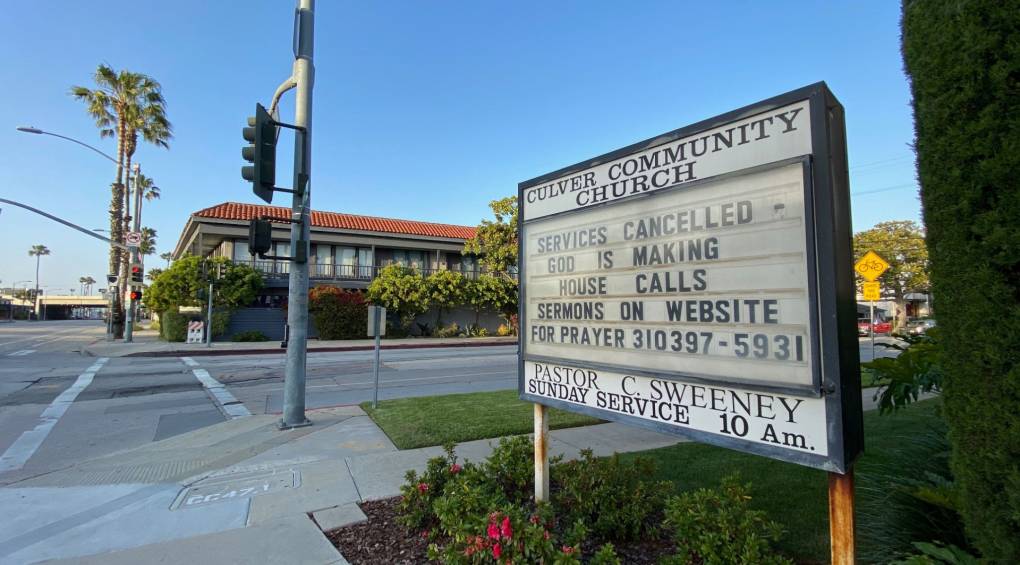
"caption": "Churches and other houses of worship across California have been forced to remain closed since mid-March, as part of Gov. Gavin Newsom's shelter-in-place order intended to stem the spread of the coronavirus.",
"description": null,
"title": "Church-closed-Getty-1214897441",
"credit": "Chris Delmas/AFP/Getty Images",
"status": "inherit",
"isLoading": false,
"fetchFailed": false
},
"news_11808336": {
"type": "attachments",
"id": "news_11808336",
"meta": {
"index": "attachments_1716263798",
"site": "news",
"id": "11808336",
"found": true
},
"parent": 11808258,
"imgSizes": {
"apple_news_ca_landscape_5_5": {
"file": "https://ww2.kqed.org/app/uploads/sites/10/2020/03/GettyImages-1209097356_1920x-1044x783.jpg",
"width": 1044,
"mimeType": "image/jpeg",
"height": 783
},
"apple_news_ca_square_4_0": {
"file": "https://ww2.kqed.org/app/uploads/sites/10/2020/03/GettyImages-1209097356_1920x-470x470.jpg",
"width": 470,
"mimeType": "image/jpeg",
"height": 470
},
"twentyfourteen-full-width": {
"file": "https://ww2.kqed.org/app/uploads/sites/10/2020/03/GettyImages-1209097356_1920x-1038x576.jpg",
"width": 1038,
"mimeType": "image/jpeg",
"height": 576
},
"thumbnail": {
"file": "https://ww2.kqed.org/app/uploads/sites/10/2020/03/GettyImages-1209097356_1920x-160x107.jpg",
"width": 160,
"mimeType": "image/jpeg",
"height": 107
},
"post-thumbnail": {
"file": "https://ww2.kqed.org/app/uploads/sites/10/2020/03/GettyImages-1209097356_1920x-672x372.jpg",
"width": 672,
"mimeType": "image/jpeg",
"height": 372
},
"kqedFullSize": {
"file": "https://ww2.kqed.org/app/uploads/sites/10/2020/03/GettyImages-1209097356_1920x.jpg",
"width": 1920,
"height": 1280
},
"apple_news_ca_landscape_4_7": {
"file": "https://ww2.kqed.org/app/uploads/sites/10/2020/03/GettyImages-1209097356_1920x-632x474.jpg",
"width": 632,
"mimeType": "image/jpeg",
"height": 474
},
"large": {
"file": "https://ww2.kqed.org/app/uploads/sites/10/2020/03/GettyImages-1209097356_1920x-1020x680.jpg",
"width": 1020,
"mimeType": "image/jpeg",
"height": 680
},
"apple_news_ca_landscape_4_0": {
"file": "https://ww2.kqed.org/app/uploads/sites/10/2020/03/GettyImages-1209097356_1920x-536x402.jpg",
"width": 536,
"mimeType": "image/jpeg",
"height": 402
},
"apple_news_ca_portrait_12_9": {
"file": "https://ww2.kqed.org/app/uploads/sites/10/2020/03/GettyImages-1209097356_1920x-1122x1280.jpg",
"width": 1122,
"mimeType": "image/jpeg",
"height": 1280
},
"medium": {
"file": "https://ww2.kqed.org/app/uploads/sites/10/2020/03/GettyImages-1209097356_1920x-800x533.jpg",
"width": 800,
"mimeType": "image/jpeg",
"height": 533
},
"apple_news_ca_portrait_4_0": {
"file": "https://ww2.kqed.org/app/uploads/sites/10/2020/03/GettyImages-1209097356_1920x-354x472.jpg",
"width": 354,
"mimeType": "image/jpeg",
"height": 472
},
"apple_news_ca_portrait_9_7": {
"file": "https://ww2.kqed.org/app/uploads/sites/10/2020/03/GettyImages-1209097356_1920x-840x1120.jpg",
"width": 840,
"mimeType": "image/jpeg",
"height": 1120
},
"apple_news_ca_landscape_12_9": {
"file": "https://ww2.kqed.org/app/uploads/sites/10/2020/03/GettyImages-1209097356_1920x-1832x1280.jpg",
"width": 1832,
"mimeType": "image/jpeg",
"height": 1280
},
"apple_news_ca_square_9_7": {
"file": "https://ww2.kqed.org/app/uploads/sites/10/2020/03/GettyImages-1209097356_1920x-1104x1104.jpg",
"width": 1104,
"mimeType": "image/jpeg",
"height": 1104
},
"apple_news_ca_portrait_4_7": {
"file": "https://ww2.kqed.org/app/uploads/sites/10/2020/03/GettyImages-1209097356_1920x-414x552.jpg",
"width": 414,
"mimeType": "image/jpeg",
"height": 552
},
"apple_news_ca_square_12_9": {
"file": "https://ww2.kqed.org/app/uploads/sites/10/2020/03/GettyImages-1209097356_1920x-1472x1280.jpg",
"width": 1472,
"mimeType": "image/jpeg",
"height": 1280
},
"apple_news_ca_portrait_5_5": {
"file": "https://ww2.kqed.org/app/uploads/sites/10/2020/03/GettyImages-1209097356_1920x-687x916.jpg",
"width": 687,
"mimeType": "image/jpeg",
"height": 916
},
"full-width": {
"file": "https://ww2.kqed.org/app/uploads/sites/10/2020/03/GettyImages-1209097356_1920x-1920x1280.jpg",
"width": 1920,
"mimeType": "image/jpeg",
"height": 1280
},
"apple_news_ca_square_4_7": {
"file": "https://ww2.kqed.org/app/uploads/sites/10/2020/03/GettyImages-1209097356_1920x-550x550.jpg",
"width": 550,
"mimeType": "image/jpeg",
"height": 550
},
"apple_news_ca_landscape_9_7": {
"file": "https://ww2.kqed.org/app/uploads/sites/10/2020/03/GettyImages-1209097356_1920x-1376x1032.jpg",
"width": 1376,
"mimeType": "image/jpeg",
"height": 1032
},
"apple_news_ca_square_5_5": {
"file": "https://ww2.kqed.org/app/uploads/sites/10/2020/03/GettyImages-1209097356_1920x-912x912.jpg",
"width": 912,
"mimeType": "image/jpeg",
"height": 912
}
},
"publishDate": 1585008379,
"modified": 1585070115,
"caption": "Workers man the Medical Health and Coordination Center at the California Department of Public Health on Feb. 27, 2020, in Sacramento. ",
"description": "Workers man the Medical Health and Coordination Center at the California Department of Public Health on February 27, 2020 in Sacramento, California. ",
"title": "California Faces First Case Of \"Community Acquired\" Coronavirus",
"credit": "Justin Sullivan/Getty Images",
"status": "inherit",
"isLoading": false,
"fetchFailed": false
},
"news_11806080": {
"type": "attachments",
"id": "news_11806080",
"meta": {
"index": "attachments_1716263798",
"site": "news",
"id": "11806080",
"found": true
},
"parent": 11806078,
"imgSizes": {
"apple_news_ca_landscape_5_5": {
"file": "https://ww2.kqed.org/app/uploads/sites/10/2020/03/testing_031020_final-1044x783.png",
"width": 1044,
"mimeType": "image/png",
"height": 783
},
"apple_news_ca_square_4_0": {
"file": "https://ww2.kqed.org/app/uploads/sites/10/2020/03/testing_031020_final-470x470.png",
"width": 470,
"mimeType": "image/png",
"height": 470
},
"twentyfourteen-full-width": {
"file": "https://ww2.kqed.org/app/uploads/sites/10/2020/03/testing_031020_final-1038x576.png",
"width": 1038,
"mimeType": "image/png",
"height": 576
},
"thumbnail": {
"file": "https://ww2.kqed.org/app/uploads/sites/10/2020/03/testing_031020_final-160x105.png",
"width": 160,
"mimeType": "image/png",
"height": 105
},
"post-thumbnail": {
"file": "https://ww2.kqed.org/app/uploads/sites/10/2020/03/testing_031020_final-672x372.png",
"width": 672,
"mimeType": "image/png",
"height": 372
},
"kqedFullSize": {
"file": "https://ww2.kqed.org/app/uploads/sites/10/2020/03/testing_031020_final.png",
"width": 1920,
"height": 1263
},
"apple_news_ca_landscape_4_7": {
"file": "https://ww2.kqed.org/app/uploads/sites/10/2020/03/testing_031020_final-632x474.png",
"width": 632,
"mimeType": "image/png",
"height": 474
},
"large": {
"file": "https://ww2.kqed.org/app/uploads/sites/10/2020/03/testing_031020_final-1020x671.png",
"width": 1020,
"mimeType": "image/png",
"height": 671
},
"apple_news_ca_landscape_4_0": {
"file": "https://ww2.kqed.org/app/uploads/sites/10/2020/03/testing_031020_final-536x402.png",
"width": 536,
"mimeType": "image/png",
"height": 402
},
"apple_news_ca_portrait_12_9": {
"file": "https://ww2.kqed.org/app/uploads/sites/10/2020/03/testing_031020_final-1122x1263.png",
"width": 1122,
"mimeType": "image/png",
"height": 1263
},
"medium": {
"file": "https://ww2.kqed.org/app/uploads/sites/10/2020/03/testing_031020_final-800x526.png",
"width": 800,
"mimeType": "image/png",
"height": 526
},
"apple_news_ca_portrait_4_0": {
"file": "https://ww2.kqed.org/app/uploads/sites/10/2020/03/testing_031020_final-354x472.png",
"width": 354,
"mimeType": "image/png",
"height": 472
},
"apple_news_ca_portrait_9_7": {
"file": "https://ww2.kqed.org/app/uploads/sites/10/2020/03/testing_031020_final-840x1120.png",
"width": 840,
"mimeType": "image/png",
"height": 1120
},
"apple_news_ca_landscape_12_9": {
"file": "https://ww2.kqed.org/app/uploads/sites/10/2020/03/testing_031020_final-1832x1263.png",
"width": 1832,
"mimeType": "image/png",
"height": 1263
},
"apple_news_ca_square_9_7": {
"file": "https://ww2.kqed.org/app/uploads/sites/10/2020/03/testing_031020_final-1104x1104.png",
"width": 1104,
"mimeType": "image/png",
"height": 1104
},
"apple_news_ca_portrait_4_7": {
"file": "https://ww2.kqed.org/app/uploads/sites/10/2020/03/testing_031020_final-414x552.png",
"width": 414,
"mimeType": "image/png",
"height": 552
},
"apple_news_ca_square_12_9": {
"file": "https://ww2.kqed.org/app/uploads/sites/10/2020/03/testing_031020_final-1472x1263.png",
"width": 1472,
"mimeType": "image/png",
"height": 1263
},
"apple_news_ca_portrait_5_5": {
"file": "https://ww2.kqed.org/app/uploads/sites/10/2020/03/testing_031020_final-687x916.png",
"width": 687,
"mimeType": "image/png",
"height": 916
},
"full-width": {
"file": "https://ww2.kqed.org/app/uploads/sites/10/2020/03/testing_031020_final-1920x1263.png",
"width": 1920,
"mimeType": "image/png",
"height": 1263
},
"apple_news_ca_square_4_7": {
"file": "https://ww2.kqed.org/app/uploads/sites/10/2020/03/testing_031020_final-550x550.png",
"width": 550,
"mimeType": "image/png",
"height": 550
},
"apple_news_ca_landscape_9_7": {
"file": "https://ww2.kqed.org/app/uploads/sites/10/2020/03/testing_031020_final-1376x1032.png",
"width": 1376,
"mimeType": "image/png",
"height": 1032
},
"apple_news_ca_square_5_5": {
"file": "https://ww2.kqed.org/app/uploads/sites/10/2020/03/testing_031020_final-912x912.png",
"width": 912,
"mimeType": "image/png",
"height": 912
}
},
"publishDate": 1583882062,
"modified": 1583882100,
"caption": null,
"description": null,
"title": "testing_031020_final",
"credit": null,
"status": "inherit",
"isLoading": false,
"fetchFailed": false
},
"news_11804021": {
"type": "attachments",
"id": "news_11804021",
"meta": {
"index": "attachments_1716263798",
"site": "news",
"id": "11804021",
"found": true
},
"parent": 11804012,
"imgSizes": {
"apple_news_ca_landscape_5_5": {
"file": "https://ww2.kqed.org/app/uploads/sites/10/2020/02/coronavirus_022720_final-1044x783.png",
"width": 1044,
"mimeType": "image/png",
"height": 783
},
"apple_news_ca_square_4_0": {
"file": "https://ww2.kqed.org/app/uploads/sites/10/2020/02/coronavirus_022720_final-470x470.png",
"width": 470,
"mimeType": "image/png",
"height": 470
},
"twentyfourteen-full-width": {
"file": "https://ww2.kqed.org/app/uploads/sites/10/2020/02/coronavirus_022720_final-1038x576.png",
"width": 1038,
"mimeType": "image/png",
"height": 576
},
"thumbnail": {
"file": "https://ww2.kqed.org/app/uploads/sites/10/2020/02/coronavirus_022720_final-160x115.png",
"width": 160,
"mimeType": "image/png",
"height": 115
},
"post-thumbnail": {
"file": "https://ww2.kqed.org/app/uploads/sites/10/2020/02/coronavirus_022720_final-672x372.png",
"width": 672,
"mimeType": "image/png",
"height": 372
},
"kqedFullSize": {
"file": "https://ww2.kqed.org/app/uploads/sites/10/2020/02/coronavirus_022720_final.png",
"width": 1920,
"height": 1377
},
"apple_news_ca_landscape_4_7": {
"file": "https://ww2.kqed.org/app/uploads/sites/10/2020/02/coronavirus_022720_final-632x474.png",
"width": 632,
"mimeType": "image/png",
"height": 474
},
"large": {
"file": "https://ww2.kqed.org/app/uploads/sites/10/2020/02/coronavirus_022720_final-1020x732.png",
"width": 1020,
"mimeType": "image/png",
"height": 732
},
"apple_news_ca_landscape_4_0": {
"file": "https://ww2.kqed.org/app/uploads/sites/10/2020/02/coronavirus_022720_final-536x402.png",
"width": 536,
"mimeType": "image/png",
"height": 402
},
"apple_news_ca_portrait_12_9": {
"file": "https://ww2.kqed.org/app/uploads/sites/10/2020/02/coronavirus_022720_final-1122x1377.png",
"width": 1122,
"mimeType": "image/png",
"height": 1377
},
"medium": {
"file": "https://ww2.kqed.org/app/uploads/sites/10/2020/02/coronavirus_022720_final-800x574.png",
"width": 800,
"mimeType": "image/png",
"height": 574
},
"apple_news_ca_portrait_4_0": {
"file": "https://ww2.kqed.org/app/uploads/sites/10/2020/02/coronavirus_022720_final-354x472.png",
"width": 354,
"mimeType": "image/png",
"height": 472
},
"apple_news_ca_portrait_9_7": {
"file": "https://ww2.kqed.org/app/uploads/sites/10/2020/02/coronavirus_022720_final-840x1120.png",
"width": 840,
"mimeType": "image/png",
"height": 1120
},
"apple_news_ca_landscape_12_9": {
"file": "https://ww2.kqed.org/app/uploads/sites/10/2020/02/coronavirus_022720_final-1832x1374.png",
"width": 1832,
"mimeType": "image/png",
"height": 1374
},
"apple_news_ca_square_9_7": {
"file": "https://ww2.kqed.org/app/uploads/sites/10/2020/02/coronavirus_022720_final-1104x1104.png",
"width": 1104,
"mimeType": "image/png",
"height": 1104
},
"apple_news_ca_portrait_4_7": {
"file": "https://ww2.kqed.org/app/uploads/sites/10/2020/02/coronavirus_022720_final-414x552.png",
"width": 414,
"mimeType": "image/png",
"height": 552
},
"apple_news_ca_square_12_9": {
"file": "https://ww2.kqed.org/app/uploads/sites/10/2020/02/coronavirus_022720_final-1472x1377.png",
"width": 1472,
"mimeType": "image/png",
"height": 1377
},
"apple_news_ca_portrait_5_5": {
"file": "https://ww2.kqed.org/app/uploads/sites/10/2020/02/coronavirus_022720_final-687x916.png",
"width": 687,
"mimeType": "image/png",
"height": 916
},
"full-width": {
"file": "https://ww2.kqed.org/app/uploads/sites/10/2020/02/coronavirus_022720_final-1920x1377.png",
"width": 1920,
"mimeType": "image/png",
"height": 1377
},
"apple_news_ca_square_4_7": {
"file": "https://ww2.kqed.org/app/uploads/sites/10/2020/02/coronavirus_022720_final-550x550.png",
"width": 550,
"mimeType": "image/png",
"height": 550
},
"apple_news_ca_landscape_9_7": {
"file": "https://ww2.kqed.org/app/uploads/sites/10/2020/02/coronavirus_022720_final-1376x1032.png",
"width": 1376,
"mimeType": "image/png",
"height": 1032
},
"apple_news_ca_square_5_5": {
"file": "https://ww2.kqed.org/app/uploads/sites/10/2020/02/coronavirus_022720_final-912x912.png",
"width": 912,
"mimeType": "image/png",
"height": 912
}
},
"publishDate": 1582848210,
"modified": 1582848252,
"caption": null,
"description": null,
"title": "coronavirus_022720_final",
"credit": null,
"status": "inherit",
"isLoading": false,
"fetchFailed": false
},
"news_11786643": {
"type": "attachments",
"id": "news_11786643",
"meta": {
"index": "attachments_1716263798",
"site": "news",
"id": "11786643",
"found": true
},
"parent": 11786617,
"imgSizes": {
"apple_news_ca_landscape_5_5": {
"file": "https://ww2.kqed.org/app/uploads/sites/10/2019/11/GettyImages-713843617_1350-1044x783.jpg",
"width": 1044,
"mimeType": "image/jpeg",
"height": 783
},
"apple_news_ca_square_4_0": {
"file": "https://ww2.kqed.org/app/uploads/sites/10/2019/11/GettyImages-713843617_1350-470x470.jpg",
"width": 470,
"mimeType": "image/jpeg",
"height": 470
},
"twentyfourteen-full-width": {
"file": "https://ww2.kqed.org/app/uploads/sites/10/2019/11/GettyImages-713843617_1350-1038x576.jpg",
"width": 1038,
"mimeType": "image/jpeg",
"height": 576
},
"thumbnail": {
"file": "https://ww2.kqed.org/app/uploads/sites/10/2019/11/GettyImages-713843617_1350-160x107.jpg",
"width": 160,
"mimeType": "image/jpeg",
"height": 107
},
"post-thumbnail": {
"file": "https://ww2.kqed.org/app/uploads/sites/10/2019/11/GettyImages-713843617_1350-672x372.jpg",
"width": 672,
"mimeType": "image/jpeg",
"height": 372
},
"kqedFullSize": {
"file": "https://ww2.kqed.org/app/uploads/sites/10/2019/11/GettyImages-713843617_1350.jpg",
"width": 1200,
"height": 800
},
"apple_news_ca_landscape_4_7": {
"file": "https://ww2.kqed.org/app/uploads/sites/10/2019/11/GettyImages-713843617_1350-632x474.jpg",
"width": 632,
"mimeType": "image/jpeg",
"height": 474
},
"large": {
"file": "https://ww2.kqed.org/app/uploads/sites/10/2019/11/GettyImages-713843617_1350-1020x680.jpg",
"width": 1020,
"mimeType": "image/jpeg",
"height": 680
},
"complete_open_graph": {
"file": "https://ww2.kqed.org/app/uploads/sites/10/2019/11/GettyImages-713843617_1350-1200x800.jpg",
"width": 1200,
"mimeType": "image/jpeg",
"height": 800
},
"apple_news_ca_landscape_4_0": {
"file": "https://ww2.kqed.org/app/uploads/sites/10/2019/11/GettyImages-713843617_1350-536x402.jpg",
"width": 536,
"mimeType": "image/jpeg",
"height": 402
},
"apple_news_ca_portrait_12_9": {
"file": "https://ww2.kqed.org/app/uploads/sites/10/2019/11/GettyImages-713843617_1350-1122x800.jpg",
"width": 1122,
"mimeType": "image/jpeg",
"height": 800
},
"medium": {
"file": "https://ww2.kqed.org/app/uploads/sites/10/2019/11/GettyImages-713843617_1350-800x533.jpg",
"width": 800,
"mimeType": "image/jpeg",
"height": 533
},
"apple_news_ca_portrait_4_0": {
"file": "https://ww2.kqed.org/app/uploads/sites/10/2019/11/GettyImages-713843617_1350-354x472.jpg",
"width": 354,
"mimeType": "image/jpeg",
"height": 472
},
"apple_news_ca_portrait_9_7": {
"file": "https://ww2.kqed.org/app/uploads/sites/10/2019/11/GettyImages-713843617_1350-840x800.jpg",
"width": 840,
"mimeType": "image/jpeg",
"height": 800
},
"apple_news_ca_square_9_7": {
"file": "https://ww2.kqed.org/app/uploads/sites/10/2019/11/GettyImages-713843617_1350-1104x800.jpg",
"width": 1104,
"mimeType": "image/jpeg",
"height": 800
},
"apple_news_ca_portrait_4_7": {
"file": "https://ww2.kqed.org/app/uploads/sites/10/2019/11/GettyImages-713843617_1350-414x552.jpg",
"width": 414,
"mimeType": "image/jpeg",
"height": 552
},
"apple_news_ca_portrait_5_5": {
"file": "https://ww2.kqed.org/app/uploads/sites/10/2019/11/GettyImages-713843617_1350-687x800.jpg",
"width": 687,
"mimeType": "image/jpeg",
"height": 800
},
"apple_news_ca_square_4_7": {
"file": "https://ww2.kqed.org/app/uploads/sites/10/2019/11/GettyImages-713843617_1350-550x550.jpg",
"width": 550,
"mimeType": "image/jpeg",
"height": 550
},
"apple_news_ca_square_5_5": {
"file": "https://ww2.kqed.org/app/uploads/sites/10/2019/11/GettyImages-713843617_1350-912x800.jpg",
"width": 912,
"mimeType": "image/jpeg",
"height": 800
}
},
"publishDate": 1573771043,
"modified": 1573771372,
"caption": "Federal auditors cited a slew of serious safety violations in the 20 California nursing homes that were inspected in 2018. ",
"description": null,
"title": "Close-Up Of Man Hand",
"credit": "EyeEm/Getty Images",
"status": "inherit",
"isLoading": false,
"fetchFailed": false
},
"news_11784659": {
"type": "attachments",
"id": "news_11784659",
"meta": {
"index": "attachments_1716263798",
"site": "news",
"id": "11784659",
"found": true
},
"parent": 11784637,
"imgSizes": {
"apple_news_ca_landscape_5_5": {
"file": "https://ww2.kqed.org/app/uploads/sites/10/2019/11/RS18413_GettyImages-106937965-qut-1044x783.jpg",
"width": 1044,
"mimeType": "image/jpeg",
"height": 783
},
"apple_news_ca_square_4_0": {
"file": "https://ww2.kqed.org/app/uploads/sites/10/2019/11/RS18413_GettyImages-106937965-qut-470x470.jpg",
"width": 470,
"mimeType": "image/jpeg",
"height": 470
},
"twentyfourteen-full-width": {
"file": "https://ww2.kqed.org/app/uploads/sites/10/2019/11/RS18413_GettyImages-106937965-qut-1038x576.jpg",
"width": 1038,
"mimeType": "image/jpeg",
"height": 576
},
"thumbnail": {
"file": "https://ww2.kqed.org/app/uploads/sites/10/2019/11/RS18413_GettyImages-106937965-qut-160x107.jpg",
"width": 160,
"mimeType": "image/jpeg",
"height": 107
},
"post-thumbnail": {
"file": "https://ww2.kqed.org/app/uploads/sites/10/2019/11/RS18413_GettyImages-106937965-qut-672x372.jpg",
"width": 672,
"mimeType": "image/jpeg",
"height": 372
},
"kqedFullSize": {
"file": "https://ww2.kqed.org/app/uploads/sites/10/2019/11/RS18413_GettyImages-106937965-qut.jpg",
"width": 1920,
"height": 1281
},
"apple_news_ca_landscape_4_7": {
"file": "https://ww2.kqed.org/app/uploads/sites/10/2019/11/RS18413_GettyImages-106937965-qut-632x474.jpg",
"width": 632,
"mimeType": "image/jpeg",
"height": 474
},
"large": {
"file": "https://ww2.kqed.org/app/uploads/sites/10/2019/11/RS18413_GettyImages-106937965-qut-1020x681.jpg",
"width": 1020,
"mimeType": "image/jpeg",
"height": 681
},
"complete_open_graph": {
"file": "https://ww2.kqed.org/app/uploads/sites/10/2019/11/RS18413_GettyImages-106937965-qut-1200x801.jpg",
"width": 1200,
"mimeType": "image/jpeg",
"height": 801
},
"apple_news_ca_landscape_4_0": {
"file": "https://ww2.kqed.org/app/uploads/sites/10/2019/11/RS18413_GettyImages-106937965-qut-536x402.jpg",
"width": 536,
"mimeType": "image/jpeg",
"height": 402
},
"apple_news_ca_portrait_12_9": {
"file": "https://ww2.kqed.org/app/uploads/sites/10/2019/11/RS18413_GettyImages-106937965-qut-1122x1281.jpg",
"width": 1122,
"mimeType": "image/jpeg",
"height": 1281
},
"medium": {
"file": "https://ww2.kqed.org/app/uploads/sites/10/2019/11/RS18413_GettyImages-106937965-qut-800x534.jpg",
"width": 800,
"mimeType": "image/jpeg",
"height": 534
},
"apple_news_ca_portrait_4_0": {
"file": "https://ww2.kqed.org/app/uploads/sites/10/2019/11/RS18413_GettyImages-106937965-qut-354x472.jpg",
"width": 354,
"mimeType": "image/jpeg",
"height": 472
},
"apple_news_ca_portrait_9_7": {
"file": "https://ww2.kqed.org/app/uploads/sites/10/2019/11/RS18413_GettyImages-106937965-qut-840x1120.jpg",
"width": 840,
"mimeType": "image/jpeg",
"height": 1120
},
"apple_news_ca_landscape_12_9": {
"file": "https://ww2.kqed.org/app/uploads/sites/10/2019/11/RS18413_GettyImages-106937965-qut-1832x1281.jpg",
"width": 1832,
"mimeType": "image/jpeg",
"height": 1281
},
"apple_news_ca_square_9_7": {
"file": "https://ww2.kqed.org/app/uploads/sites/10/2019/11/RS18413_GettyImages-106937965-qut-1104x1104.jpg",
"width": 1104,
"mimeType": "image/jpeg",
"height": 1104
},
"apple_news_ca_portrait_4_7": {
"file": "https://ww2.kqed.org/app/uploads/sites/10/2019/11/RS18413_GettyImages-106937965-qut-414x552.jpg",
"width": 414,
"mimeType": "image/jpeg",
"height": 552
},
"apple_news_ca_square_12_9": {
"file": "https://ww2.kqed.org/app/uploads/sites/10/2019/11/RS18413_GettyImages-106937965-qut-1472x1281.jpg",
"width": 1472,
"mimeType": "image/jpeg",
"height": 1281
},
"apple_news_ca_portrait_5_5": {
"file": "https://ww2.kqed.org/app/uploads/sites/10/2019/11/RS18413_GettyImages-106937965-qut-687x916.jpg",
"width": 687,
"mimeType": "image/jpeg",
"height": 916
},
"full-width": {
"file": "https://ww2.kqed.org/app/uploads/sites/10/2019/11/RS18413_GettyImages-106937965-qut-1920x1281.jpg",
"width": 1920,
"mimeType": "image/jpeg",
"height": 1281
},
"apple_news_ca_square_4_7": {
"file": "https://ww2.kqed.org/app/uploads/sites/10/2019/11/RS18413_GettyImages-106937965-qut-550x550.jpg",
"width": 550,
"mimeType": "image/jpeg",
"height": 550
},
"apple_news_ca_landscape_9_7": {
"file": "https://ww2.kqed.org/app/uploads/sites/10/2019/11/RS18413_GettyImages-106937965-qut-1376x1032.jpg",
"width": 1376,
"mimeType": "image/jpeg",
"height": 1032
},
"apple_news_ca_square_5_5": {
"file": "https://ww2.kqed.org/app/uploads/sites/10/2019/11/RS18413_GettyImages-106937965-qut-912x912.jpg",
"width": 912,
"mimeType": "image/jpeg",
"height": 912
}
},
"publishDate": 1572732800,
"modified": 1641859950,
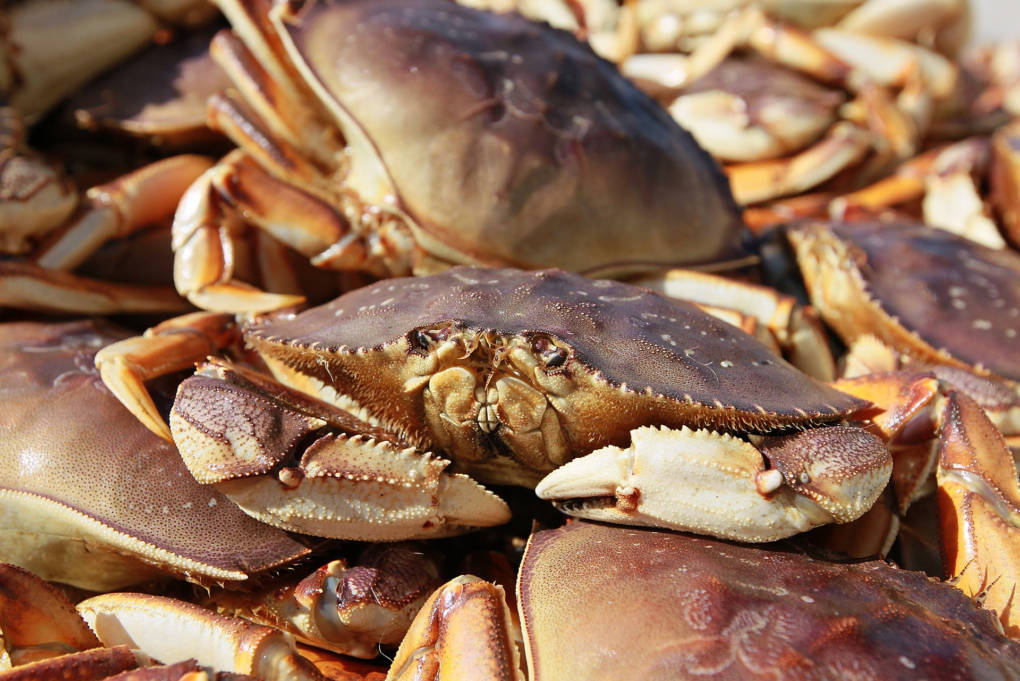
"caption": "A Dungeness crab sits in a bin after being offloaded from a fishing vessel on Nov. 17, 2010, in San Francisco.",
"description": null,
"title": "RS18413_GettyImages-106937965-qut",
"credit": "Justin Sullivan/Getty Images",
"status": "inherit",
"altTag": "A close up of a Dungeness crab in a pile of crab.",
"isLoading": false,
"fetchFailed": false
},
"news_11782185": {
"type": "attachments",
"id": "news_11782185",
"meta": {
"index": "attachments_1716263798",
"site": "news",
"id": "11782185",
"found": true
},
"parent": 11782161,
"imgSizes": {
"apple_news_ca_landscape_5_5": {
"file": "https://ww2.kqed.org/app/uploads/sites/10/2019/10/28831362196_156d0e74bb_o-1044x783.jpg",
"width": 1044,
"mimeType": "image/jpeg",
"height": 783
},
"apple_news_ca_square_4_0": {
"file": "https://ww2.kqed.org/app/uploads/sites/10/2019/10/28831362196_156d0e74bb_o-470x470.jpg",
"width": 470,
"mimeType": "image/jpeg",
"height": 470
},
"twentyfourteen-full-width": {
"file": "https://ww2.kqed.org/app/uploads/sites/10/2019/10/28831362196_156d0e74bb_o-1038x576.jpg",
"width": 1038,
"mimeType": "image/jpeg",
"height": 576
},
"thumbnail": {
"file": "https://ww2.kqed.org/app/uploads/sites/10/2019/10/28831362196_156d0e74bb_o-160x120.jpg",
"width": 160,
"mimeType": "image/jpeg",
"height": 120
},
"post-thumbnail": {
"file": "https://ww2.kqed.org/app/uploads/sites/10/2019/10/28831362196_156d0e74bb_o-672x372.jpg",
"width": 672,
"mimeType": "image/jpeg",
"height": 372
},
"kqedFullSize": {
"file": "https://ww2.kqed.org/app/uploads/sites/10/2019/10/28831362196_156d0e74bb_o-e1571872706498.jpg",
"width": 1920,
"height": 1440
},
"apple_news_ca_landscape_4_7": {
"file": "https://ww2.kqed.org/app/uploads/sites/10/2019/10/28831362196_156d0e74bb_o-632x474.jpg",
"width": 632,
"mimeType": "image/jpeg",
"height": 474
},
"large": {
"file": "https://ww2.kqed.org/app/uploads/sites/10/2019/10/28831362196_156d0e74bb_o-1020x765.jpg",
"width": 1020,
"mimeType": "image/jpeg",
"height": 765
},
"complete_open_graph": {
"file": "https://ww2.kqed.org/app/uploads/sites/10/2019/10/28831362196_156d0e74bb_o-1200x900.jpg",
"width": 1200,
"mimeType": "image/jpeg",
"height": 900
},
"apple_news_ca_landscape_4_0": {
"file": "https://ww2.kqed.org/app/uploads/sites/10/2019/10/28831362196_156d0e74bb_o-536x402.jpg",
"width": 536,
"mimeType": "image/jpeg",
"height": 402
},
"apple_news_ca_portrait_12_9": {
"file": "https://ww2.kqed.org/app/uploads/sites/10/2019/10/28831362196_156d0e74bb_o-1122x1496.jpg",
"width": 1122,
"mimeType": "image/jpeg",
"height": 1496
},
"medium": {
"file": "https://ww2.kqed.org/app/uploads/sites/10/2019/10/28831362196_156d0e74bb_o-800x600.jpg",
"width": 800,
"mimeType": "image/jpeg",
"height": 600
},
"apple_news_ca_portrait_4_0": {
"file": "https://ww2.kqed.org/app/uploads/sites/10/2019/10/28831362196_156d0e74bb_o-354x472.jpg",
"width": 354,
"mimeType": "image/jpeg",
"height": 472
},
"apple_news_ca_portrait_9_7": {
"file": "https://ww2.kqed.org/app/uploads/sites/10/2019/10/28831362196_156d0e74bb_o-840x1120.jpg",
"width": 840,
"mimeType": "image/jpeg",
"height": 1120
},
"apple_news_ca_landscape_12_9": {
"file": "https://ww2.kqed.org/app/uploads/sites/10/2019/10/28831362196_156d0e74bb_o-1832x1374.jpg",
"width": 1832,
"mimeType": "image/jpeg",
"height": 1374
},
"apple_news_ca_square_9_7": {
"file": "https://ww2.kqed.org/app/uploads/sites/10/2019/10/28831362196_156d0e74bb_o-1104x1104.jpg",
"width": 1104,
"mimeType": "image/jpeg",
"height": 1104
},
"apple_news_ca_portrait_4_7": {
"file": "https://ww2.kqed.org/app/uploads/sites/10/2019/10/28831362196_156d0e74bb_o-414x552.jpg",
"width": 414,
"mimeType": "image/jpeg",
"height": 552
},
"apple_news_ca_square_12_9": {
"file": "https://ww2.kqed.org/app/uploads/sites/10/2019/10/28831362196_156d0e74bb_o-1472x1472.jpg",
"width": 1472,
"mimeType": "image/jpeg",
"height": 1472
},
"apple_news_ca_portrait_5_5": {
"file": "https://ww2.kqed.org/app/uploads/sites/10/2019/10/28831362196_156d0e74bb_o-687x916.jpg",
"width": 687,
"mimeType": "image/jpeg",
"height": 916
},
"full-width": {
"file": "https://ww2.kqed.org/app/uploads/sites/10/2019/10/28831362196_156d0e74bb_o-1920x1440.jpg",
"width": 1920,
"mimeType": "image/jpeg",
"height": 1440
},
"apple_news_ca_square_4_7": {
"file": "https://ww2.kqed.org/app/uploads/sites/10/2019/10/28831362196_156d0e74bb_o-550x550.jpg",
"width": 550,
"mimeType": "image/jpeg",
"height": 550
},
"apple_news_ca_landscape_9_7": {
"file": "https://ww2.kqed.org/app/uploads/sites/10/2019/10/28831362196_156d0e74bb_o-1376x1032.jpg",
"width": 1376,
"mimeType": "image/jpeg",
"height": 1032
},
"apple_news_ca_square_5_5": {
"file": "https://ww2.kqed.org/app/uploads/sites/10/2019/10/28831362196_156d0e74bb_o-912x912.jpg",
"width": 912,
"mimeType": "image/jpeg",
"height": 912
}
},
"publishDate": 1571872673,
"modified": 1571876390,
"caption": "The number of patients subject to various forms of abuse at San Francisco's Laguna Honda Hospital is now 130.",
"description": "The number of patients subject to various forms of abuse at San Francisco's Laguna Honda Hospital is now 130.",
"title": "28831362196_156d0e74bb_o",
"credit": "Scott Richard/Flickr",
"status": "inherit",
"isLoading": false,
"fetchFailed": false
},
"news_11473388": {
"type": "attachments",
"id": "news_11473388",
"meta": {
"index": "attachments_1716263798",
"site": "news",
"id": "11473388",
"found": true
},
"parent": 11473387,
"imgSizes": {
"small": {
"file": "https://ww2.kqed.org/app/uploads/sites/10/2017/05/21911_lores1_vert-3bef6a6bee367e2141c478e1bf10a6b1745dd168-e1495556463535-520x384.jpg",
"width": 520,
"mimeType": "image/jpeg",
"height": 384
},
"twentyfourteen-full-width": {
"file": "https://ww2.kqed.org/app/uploads/sites/10/2017/05/21911_lores1_vert-3bef6a6bee367e2141c478e1bf10a6b1745dd168-564x576.jpg",
"width": 564,
"mimeType": "image/jpeg",
"height": 576
},
"thumbnail": {
"file": "https://ww2.kqed.org/app/uploads/sites/10/2017/05/21911_lores1_vert-3bef6a6bee367e2141c478e1bf10a6b1745dd168-e1495556463535-160x118.jpg",
"width": 160,
"mimeType": "image/jpeg",
"height": 118
},
"post-thumbnail": {
"file": "https://ww2.kqed.org/app/uploads/sites/10/2017/05/21911_lores1_vert-3bef6a6bee367e2141c478e1bf10a6b1745dd168-e1495556463535-560x372.jpg",
"width": 560,
"mimeType": "image/jpeg",
"height": 372
},
"xsmall": {
"file": "https://ww2.kqed.org/app/uploads/sites/10/2017/05/21911_lores1_vert-3bef6a6bee367e2141c478e1bf10a6b1745dd168-e1495556463535-375x277.jpg",
"width": 375,
"mimeType": "image/jpeg",
"height": 277
},
"kqedFullSize": {
"file": "https://ww2.kqed.org/app/uploads/sites/10/2017/05/21911_lores1_vert-3bef6a6bee367e2141c478e1bf10a6b1745dd168-e1495556463535.jpg",
"width": 560,
"height": 413
},
"guest-author-50": {
"file": "https://ww2.kqed.org/app/uploads/sites/10/2017/05/21911_lores1_vert-3bef6a6bee367e2141c478e1bf10a6b1745dd168-e1495556463535-50x50.jpg",
"width": 50,
"mimeType": "image/jpeg",
"height": 50
},
"guest-author-96": {
"file": "https://ww2.kqed.org/app/uploads/sites/10/2017/05/21911_lores1_vert-3bef6a6bee367e2141c478e1bf10a6b1745dd168-e1495556463535-96x96.jpg",
"width": 96,
"mimeType": "image/jpeg",
"height": 96
},
"guest-author-64": {
"file": "https://ww2.kqed.org/app/uploads/sites/10/2017/05/21911_lores1_vert-3bef6a6bee367e2141c478e1bf10a6b1745dd168-e1495556463535-64x64.jpg",
"width": 64,
"mimeType": "image/jpeg",
"height": 64
},
"guest-author-32": {
"file": "https://ww2.kqed.org/app/uploads/sites/10/2017/05/21911_lores1_vert-3bef6a6bee367e2141c478e1bf10a6b1745dd168-e1495556463535-32x32.jpg",
"width": 32,
"mimeType": "image/jpeg",
"height": 32
},
"detail": {
"file": "https://ww2.kqed.org/app/uploads/sites/10/2017/05/21911_lores1_vert-3bef6a6bee367e2141c478e1bf10a6b1745dd168-e1495556463535-150x150.jpg",
"width": 150,
"mimeType": "image/jpeg",
"height": 150
},
"guest-author-128": {
"file": "https://ww2.kqed.org/app/uploads/sites/10/2017/05/21911_lores1_vert-3bef6a6bee367e2141c478e1bf10a6b1745dd168-e1495556463535-128x128.jpg",
"width": 128,
"mimeType": "image/jpeg",
"height": 128
},
"xxsmall": {
"file": "https://ww2.kqed.org/app/uploads/sites/10/2017/05/21911_lores1_vert-3bef6a6bee367e2141c478e1bf10a6b1745dd168-e1495556463535-240x177.jpg",
"width": 240,
"mimeType": "image/jpeg",
"height": 177
}
},
"publishDate": 1495555596,
"modified": 1495556203,
"caption": "A depiction of Clostridium botulinum, the bacteria that create a deadly toxin. The preformed toxin can be found in home-canned foods and some retail products, such as canned cheese, chili sauces and oil infused with garlic.",
"description": "A depiction of \u003cem>Clostridium botulinum, \u003c/em>the bacteria that create a deadly toxin. The preformed toxin can be found in home-canned foods and some retail products, such as canned cheese, chili sauces and oil infused with garlic.",
"title": "A depiction of Clostridium botulinum, the bacteria that create a deadly toxin. The preformed toxin can be found in home-canned foods and some retail products, such as canned cheese, chili sauces and oil infused with garlic.",
"credit": "Jennifer Oosthuizen/CDC",
"status": "inherit",
"isLoading": false,
"fetchFailed": false
},
"stateofhealth_20919": {
"type": "attachments",
"id": "stateofhealth_20919",
"meta": {
"index": "attachments_1716263798",
"site": "stateofhealth",
"id": "20919",
"found": true
},
"parent": 20914,
"imgSizes": {
"thumbnail": {
"file": "https://ww2.kqed.org/app/uploads/sites/27/2014/08/79997774-e1408556674718-400x266.jpg",
"width": 400,
"mimeType": "image/jpeg",
"height": 266
},
"fd-sm": {
"file": "https://ww2.kqed.org/app/uploads/sites/27/2014/08/79997774-e1408556674718-320x213.jpg",
"width": 320,
"mimeType": "image/jpeg",
"height": 213
},
"post-thumbnail": {
"file": "https://ww2.kqed.org/app/uploads/sites/27/2014/08/79997774-e1408556674718-641x372.jpg",
"width": 641,
"mimeType": "image/jpeg",
"height": 372
},
"kqedFullSize": {
"file": "https://ww2.kqed.org/app/uploads/sites/27/2014/08/79997774-e1408556674718.jpg",
"width": 641,
"height": 427
},
"guest-author-96": {
"file": "https://ww2.kqed.org/app/uploads/sites/27/2014/08/79997774-e1408556674718-96x96.jpg",
"width": 96,
"mimeType": "image/jpeg",
"height": 96
},
"guest-author-64": {
"file": "https://ww2.kqed.org/app/uploads/sites/27/2014/08/79997774-e1408556674718-64x64.jpg",
"width": 64,
"mimeType": "image/jpeg",
"height": 64
},
"detail": {
"file": "https://ww2.kqed.org/app/uploads/sites/27/2014/08/79997774-e1408556674718-75x75.jpg",
"width": 75,
"mimeType": "image/jpeg",
"height": 75
},
"guest-author-32": {
"file": "https://ww2.kqed.org/app/uploads/sites/27/2014/08/79997774-e1408556674718-32x32.jpg",
"width": 32,
"mimeType": "image/jpeg",
"height": 32
},
"guest-author-128": {
"file": "https://ww2.kqed.org/app/uploads/sites/27/2014/08/79997774-e1408556674718-128x128.jpg",
"width": 128,
"mimeType": "image/jpeg",
"height": 128
}
},
"publishDate": 1408556644,
"modified": 1408556644,
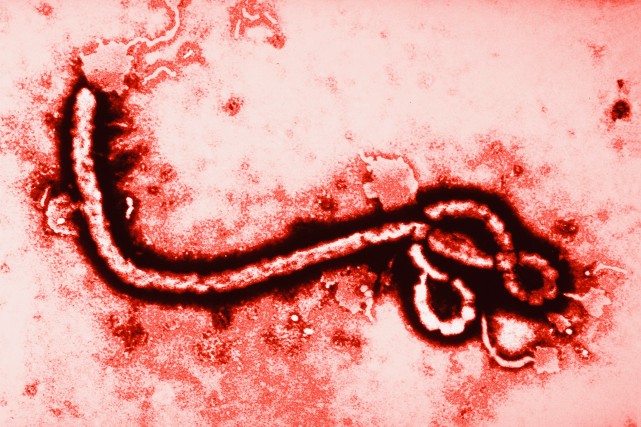
"caption": "Ebola virus magnified 108,000 times. (Getty Images)",
"description": "Ebola Virus at 108,000 Magnification",
"title": "79997774",
"credit": null,
"status": "inherit",
"isLoading": false,
"fetchFailed": false
},
"news_139103": {
"type": "attachments",
"id": "news_139103",
"meta": {
"index": "attachments_1716263798",
"site": "news",
"id": "139103",
"found": true
},
"parent": 139101,
"imgSizes": {
"kqedFullSize": {
"file": "https://ww2.kqed.org/app/uploads/sites/10/2014/06/RS8622_104228158-lpr-e1428429867630.jpg",
"width": 1920,
"height": 1278
}
},
"publishDate": 1402690548,
"modified": 1435611652,
"caption": "A vial of diphtheria, pertussis and tetanus vaccine. ",
"description": "A vial containing pertussis vaccine. (Robyn Beck/AFP-Getty Images)",
"title": "Pertussis-Whooping Cough-Vaccine",
"credit": "Robyn Beck/AFP-Getty Images",
"status": "inherit",
"isLoading": false,
"fetchFailed": false
},
"news_124156": {
"type": "attachments",
"id": "news_124156",
"meta": {
"index": "attachments_1716263798",
"site": "news",
"id": "124156",
"found": true
},
"parent": 124153,
"imgSizes": {
"kqedFullSize": {
"file": "https://ww2.kqed.org/app/uploads/sites/10/2014/01/RS6635_MD002506.jpg",
"width": 1536,
"height": 1536
}
},
"publishDate": 1390414782,
"modified": 1559224855,
"caption": null,
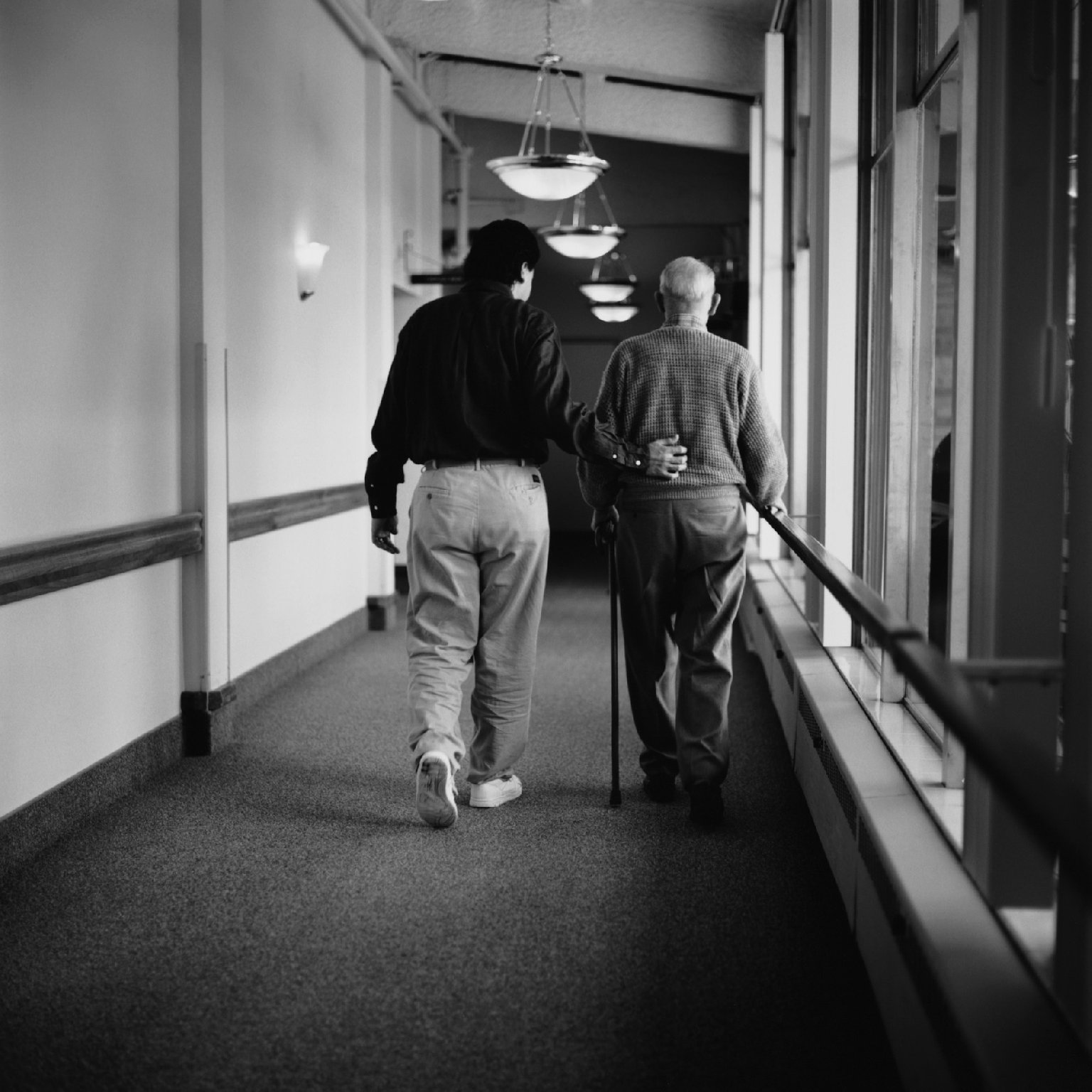
"description": "State are looking into a backlog of elder abuse cases after years of questionable practices ((Keith Brofsky/Thinkstock)",
"title": "RS6635_MD002506",
"credit": "Keith Brofsky/Thinkstock",
"status": "inherit",
"isLoading": false,
"fetchFailed": false
}
},
"audioPlayerReducer": {
"postId": "stream_live",
"isPaused": true,
"isPlaying": false,
"pfsActive": false,
"pledgeModalIsOpen": true,
"playerDrawerIsOpen": false,
"liveAudioPlayStartedAt": 0,
"liveAudioPlayContext": ""
},
"authorsReducer": {
"byline_news_11786617": {
"type": "authors",
"id": "byline_news_11786617",
"meta": {
"override": true
},
"slug": "byline_news_11786617",
"name": "\u003ca href=\"https://khn.org/news/author/barbara-feder-ostrov/\">Barbara Feder Ostrov\u003c/a>\u003cbr>California Healthline",
"isLoading": false
},
"byline_news_11473387": {
"type": "authors",
"id": "byline_news_11473387",
"meta": {
"override": true
},
"slug": "byline_news_11473387",
"name": "\u003cstrong>Michaeleen Doucleff\u003cbr>NPR\u003c/strong>",
"isLoading": false
},
"danbrekke": {
"type": "authors",
"id": "222",
"meta": {
"index": "authors_1716337520",
"id": "222",
"found": true
},
"name": "Dan Brekke",
"firstName": "Dan",
"lastName": "Brekke",
"slug": "danbrekke",
"email": "dbrekke@kqed.org",
"display_author_email": true,
"staff_mastheads": [
"news",
"science"
],
"title": "KQED Editor and Reporter",
"bio": "Dan Brekke is a reporter and editor for KQED News, responsible for coverage of topics ranging from California water issues to the Bay Area's transportation challenges. In a newsroom career that began in Chicago in 1972, Dan has worked for \u003cem>The San Francisco Examiner,\u003c/em> Wired and TechTV and has been published in The New York Times, The New York Times Magazine, Business 2.0, Salon and elsewhere.\r\n\r\nSince joining KQED in 2007, Dan has reported, edited and produced both radio and online features and breaking news pieces. He has shared as both editor and reporter in four Society of Professional Journalists Norcal Excellence in Journalism awards and one Edward R. Murrow regional award. He was chosen for a spring 2017 residency at the Mesa Refuge to advance his research on California salmon.\r\n\r\nEmail Dan at: \u003ca href=\"mailto:dbrekke@kqed.org\">dbrekke@kqed.org\u003c/a>\r\n\r\n\u003cstrong>Twitter:\u003c/strong> \u003ca href=\"https://twitter.com/danbrekke\" rel=\"noopener noreferrer\">twitter.com/danbrekke\u003c/a>\r\n\u003cstrong>Facebook:\u003c/strong> \u003ca href=\"https://www.facebook.com/danbrekke\" rel=\"noopener noreferrer\">www.facebook.com/danbrekke\u003c/a>\r\n\u003cstrong>LinkedIn:\u003c/strong> \u003ca href=\"https://www.linkedin.com/in/danbrekke\" rel=\"noopener noreferrer\">www.linkedin.com/in/danbrekke\u003c/a>",
"avatar": "https://secure.gravatar.com/avatar/c8126230345efca3f7aa89b1a402be45?s=600&d=mm&r=g",
"twitter": "danbrekke",
"facebook": null,
"instagram": "https://www.instagram.com/dan.brekke/",
"linkedin": "https://www.linkedin.com/in/danbrekke/",
"sites": [
{
"site": "news",
"roles": [
"administrator",
"create_posts"
]
},
{
"site": "stateofhealth",
"roles": [
"editor"
]
},
{
"site": "science",
"roles": [
"editor"
]
},
{
"site": "quest",
"roles": [
"contributor"
]
},
{
"site": "food",
"roles": [
"contributor"
]
},
{
"site": "forum",
"roles": [
"contributor"
]
},
{
"site": "liveblog",
"roles": [
"editor"
]
}
],
"headData": {
"title": "Dan Brekke | KQED",
"description": "KQED Editor and Reporter",
"ogImgSrc": "https://secure.gravatar.com/avatar/c8126230345efca3f7aa89b1a402be45?s=600&d=mm&r=g",
"twImgSrc": "https://secure.gravatar.com/avatar/c8126230345efca3f7aa89b1a402be45?s=600&d=mm&r=g"
},
"isLoading": false,
"link": "/author/danbrekke"
},
"kqed": {
"type": "authors",
"id": "236",
"meta": {
"index": "authors_1716337520",
"id": "236",
"found": true
},
"name": "KQED News Staff",
"firstName": "KQED News Staff",
"lastName": null,
"slug": "kqed",
"email": "faq@kqed.org",
"display_author_email": false,
"staff_mastheads": [],
"title": null,
"bio": null,
"avatar": "https://secure.gravatar.com/avatar/ef0e801a68c4c54afa9180db14084167?s=600&d=blank&r=g",
"twitter": null,
"facebook": null,
"instagram": null,
"linkedin": null,
"sites": [
{
"site": "arts",
"roles": [
"contributor"
]
},
{
"site": "news",
"roles": [
"editor"
]
},
{
"site": "futureofyou",
"roles": [
"author"
]
}
],
"headData": {
"title": "KQED News Staff | KQED",
"description": null,
"ogImgSrc": "https://secure.gravatar.com/avatar/ef0e801a68c4c54afa9180db14084167?s=600&d=blank&r=g",
"twImgSrc": "https://secure.gravatar.com/avatar/ef0e801a68c4c54afa9180db14084167?s=600&d=blank&r=g"
},
"isLoading": false,
"link": "/author/kqed"
},
"kqednewsstaffandwires": {
"type": "authors",
"id": "237",
"meta": {
"index": "authors_1716337520",
"id": "237",
"found": true
},
"name": "KQED News Staff and Wires",
"firstName": "KQED News Staff and Wires",
"lastName": null,
"slug": "kqednewsstaffandwires",
"email": "onlinenewsstaff@kqed.org",
"display_author_email": false,
"staff_mastheads": [],
"title": null,
"bio": null,
"avatar": "https://secure.gravatar.com/avatar/72295af8ebbfbd19a4948f5271285664?s=600&d=blank&r=g",
"twitter": null,
"facebook": null,
"instagram": null,
"linkedin": null,
"sites": [
{
"site": "arts",
"roles": [
"contributor"
]
},
{
"site": "news",
"roles": [
"contributor"
]
},
{
"site": "lowdown",
"roles": [
"author"
]
},
{
"site": "stateofhealth",
"roles": [
"contributor"
]
},
{
"site": "food",
"roles": [
"author"
]
}
],
"headData": {
"title": "KQED News Staff and Wires | KQED",
"description": null,
"ogImgSrc": "https://secure.gravatar.com/avatar/72295af8ebbfbd19a4948f5271285664?s=600&d=blank&r=g",
"twImgSrc": "https://secure.gravatar.com/avatar/72295af8ebbfbd19a4948f5271285664?s=600&d=blank&r=g"
},
"isLoading": false,
"link": "/author/kqednewsstaffandwires"
},
"lisaaliferis": {
"type": "authors",
"id": "240",
"meta": {
"index": "authors_1716337520",
"id": "240",
"found": true
},
"name": "Lisa Aliferis",
"firstName": "Lisa",
"lastName": "Aliferis",
"slug": "lisaaliferis",
"email": "laliferis@kqed.org",
"display_author_email": false,
"staff_mastheads": [],
"title": "KQED Contributor",
"bio": "Lisa Aliferis is the founding editor of KQED's \u003cem>State of Health\u003c/em> blog. Since 2011, she's been writing and editing stories for the site. Before taking up blogging, she toiled for many years (more than we can count) producing health stories for television, including\u003cem> Dateline NBC\u003c/em> and San Francisco's CBS affiliate, KPIX-TV. She also wrote up a \u003ca title=\"http://www.kqed.org/news/health/obamacare/obamacare-guide.jsp\" href=\"http://www.kqed.org/news/health/obamacare/obamacare-guide.jsp\">handy guide to the Affordable Care Act\u003c/a>, especially for Californians. Her work has been honored for many awards. Most recently she was a finalist for \"Best Topical Reporting\" from the Online News Association. You can follow her on Twitter: \u003ca title=\"https://twitter.com/laliferis\" href=\"https://twitter.com/laliferis\">@laliferis\u003c/a>",
"avatar": "https://secure.gravatar.com/avatar/86c339d5cdcb0dcd2b6cf5d7c3f5886b?s=600&d=mm&r=g",
"twitter": "laliferis",
"facebook": null,
"instagram": null,
"linkedin": null,
"sites": [
{
"site": "news",
"roles": [
"subscriber"
]
},
{
"site": "futureofyou",
"roles": [
"subscriber"
]
},
{
"site": "stateofhealth",
"roles": [
"subscriber"
]
},
{
"site": "science",
"roles": [
"subscriber"
]
},
{
"site": "food",
"roles": []
}
],
"headData": {
"title": "Lisa Aliferis | KQED",
"description": "KQED Contributor",
"ogImgSrc": "https://secure.gravatar.com/avatar/86c339d5cdcb0dcd2b6cf5d7c3f5886b?s=600&d=mm&r=g",
"twImgSrc": "https://secure.gravatar.com/avatar/86c339d5cdcb0dcd2b6cf5d7c3f5886b?s=600&d=mm&r=g"
},
"isLoading": false,
"link": "/author/lisaaliferis"
},
"tarasiler": {
"type": "authors",
"id": "257",
"meta": {
"index": "authors_1716337520",
"id": "257",
"found": true
},
"name": "Tara Siler",
"firstName": "Tara",
"lastName": "Siler",
"slug": "tarasiler",
"email": "tsiler@kqed.org",
"display_author_email": false,
"staff_mastheads": [
"news"
],
"title": "KQED Contributor",
"bio": "Tara reports and anchors for KQED news. She covers a range of issues from community-police relations to local politics. Tara started out in community radio in the Bay Area, where she was raised. She eventually moved to Washington DC where she covered Congress for eight years for Pacifica and Monitor Radio. Her stories have also been heard on NPR's All Things Considered, Morning Edition and The World.\r\n\r\nTara lives with her husband in Oakland-- where they raised their two sons. She enjoys spending time with her family, gardening and hiking in the Oakland hills... and keeping up with the news.",
"avatar": "https://secure.gravatar.com/avatar/99802f9746fb80b65fd8ec6c57954450?s=600&d=blank&r=g",
"twitter": null,
"facebook": null,
"instagram": null,
"linkedin": null,
"sites": [
{
"site": "news",
"roles": [
"contributor",
"edit_others_posts"
]
},
{
"site": "stateofhealth",
"roles": [
"author"
]
}
],
"headData": {
"title": "Tara Siler | KQED",
"description": "KQED Contributor",
"ogImgSrc": "https://secure.gravatar.com/avatar/99802f9746fb80b65fd8ec6c57954450?s=600&d=blank&r=g",
"twImgSrc": "https://secure.gravatar.com/avatar/99802f9746fb80b65fd8ec6c57954450?s=600&d=blank&r=g"
},
"isLoading": false,
"link": "/author/tarasiler"
},
"shossaini": {
"type": "authors",
"id": "3214",
"meta": {
"index": "authors_1716337520",
"id": "3214",
"found": true
},
"name": "Sara Hossaini",
"firstName": "Sara",
"lastName": "Hossaini",
"slug": "shossaini",
"email": "shossaini@kqed.org",
"display_author_email": true,
"staff_mastheads": [
"news"
],
"title": "KQED Reporter",
"bio": "Sara Hossaini came to general assignment reporting at KQED in 2013 after two winters reporting at Wyoming Public Radio. She holds a bachelor's degree in broadcast journalism from the University of Nebraska-Lincoln. Her radio romance began after a bitter breakup with documentary film (Ok, maybe it's still complicated). Her first simultaneous jobs in San Francisco were as Associate Producer on a PBS film series through the Center for Asian American Media and as a butler. She likes to trot, plot and make things with her hands.",
"avatar": "https://secure.gravatar.com/avatar/060e9f56b9554e17942e89f413242774?s=600&d=blank&r=g",
"twitter": "mshossaini",
"facebook": null,
"instagram": null,
"linkedin": null,
"sites": [
{
"site": "news",
"roles": [
"author"
]
},
{
"site": "stateofhealth",
"roles": [
"author"
]
}
],
"headData": {
"title": "Sara Hossaini | KQED",
"description": "KQED Reporter",
"ogImgSrc": "https://secure.gravatar.com/avatar/060e9f56b9554e17942e89f413242774?s=600&d=blank&r=g",
"twImgSrc": "https://secure.gravatar.com/avatar/060e9f56b9554e17942e89f413242774?s=600&d=blank&r=g"
},
"isLoading": false,
"link": "/author/shossaini"
},
"markfiore": {
"type": "authors",
"id": "3236",
"meta": {
"index": "authors_1716337520",
"id": "3236",
"found": true
},
"name": "Mark Fiore",
"firstName": "Mark",
"lastName": "Fiore",
"slug": "markfiore",
"email": "mark@markfiore.com",
"display_author_email": false,
"staff_mastheads": [
"news"
],
"title": "KQED News Cartoonist",
"bio": "\u003ca href=\"http://www.MarkFiore.com\">MarkFiore.com\u003c/a> | \u003ca href=\"https://twitter.com/markfiore\">Follow on Twitter\u003c/a> | \u003ca href=\"https://www.facebook.com/pages/Mark-Fiore-Animated-Political-Cartoons/94451707396?ref=bookmarks\">Facebook\u003c/a> | \u003ca href=\"mailto:mark@markfiore.com\">email\u003c/a>\r\n\r\nPulitzer Prize-winner, Mark Fiore, who the Wall Street Journal has called “the undisputed guru of the form,” creates animated political cartoons in San Francisco, where his work has been featured regularly on the San Francisco Chronicle’s web site, SFGate.com. His work has appeared on Newsweek.com, Slate.com, CBSNews.com, MotherJones.com, DailyKos.com and NPR’s web site. Fiore’s political animation has appeared on CNN, Frontline, Bill Moyers Journal, Salon.com and cable and broadcast outlets across the globe.\r\n\r\nBeginning his professional life by drawing traditional political cartoons for newspapers, Fiore’s work appeared in publications ranging from the Washington Post to the Los Angeles Times. In the late 1990s, he began to experiment with animating political cartoons and, after a short stint at the San Jose Mercury News as their staff cartoonist, Fiore devoted all his energies to animation.\r\nGrowing up in California, Fiore also spent a good portion of his life in the backwoods of Idaho. It was this combination that shaped him politically. Mark majored in political science at Colorado College, where, in a perfect send-off for a cartoonist, he received his diploma in 1991 as commencement speaker Dick Cheney smiled approvingly.\r\nMark Fiore was awarded the Pulitzer Prize for political cartooning in 2010, a Robert F. Kennedy Journalism Award in 2004 and has twice received an Online Journalism Award for commentary from the Online News Association (2002, 2008). Fiore has received two awards for his work in new media from the National Cartoonists Society (2001, 2002), and in 2006 received The James Madison Freedom of Information Award from The Society of Professional Journalists.",
"avatar": "https://secure.gravatar.com/avatar/fc4e2a612b15b67bad0c6f0e1db4ca9b?s=600&d=blank&r=g",
"twitter": "MarkFiore",
"facebook": null,
"instagram": "https://www.instagram.com/markfiore/?hl=en",
"linkedin": null,
"sites": [
{
"site": "arts",
"roles": [
"contributor"
]
},
{
"site": "news",
"roles": [
"editor"
]
},
{
"site": "futureofyou",
"roles": [
"editor"
]
},
{
"site": "science",
"roles": [
"editor"
]
}
],
"headData": {
"title": "Mark Fiore | KQED",
"description": "KQED News Cartoonist",
"ogImgSrc": "https://secure.gravatar.com/avatar/fc4e2a612b15b67bad0c6f0e1db4ca9b?s=600&d=blank&r=g",
"twImgSrc": "https://secure.gravatar.com/avatar/fc4e2a612b15b67bad0c6f0e1db4ca9b?s=600&d=blank&r=g"
},
"isLoading": false,
"link": "/author/markfiore"
},
"korr": {
"type": "authors",
"id": "11200",
"meta": {
"index": "authors_1716337520",
"id": "11200",
"found": true
},
"name": "Katie Orr",
"firstName": "Katie",
"lastName": "Orr",
"slug": "korr",
"email": "korr@kqed.org",
"display_author_email": false,
"staff_mastheads": [],
"title": "KQED Contributor",
"bio": "Katie Orr was a Sacramento-based reporter for KQED's Politics and Government Desk, covering the state Capitol and a variety of issues including women in politics, voting and elections and legislation. Prior to joining KQED in 2016, Katie was state government reporter for Capital Public Radio in Sacramento. She's also worked for KPBS in San Diego, where she covered City Hall.\r\n\r\nKatie received her masters degree in political science from San Diego State University and holds a Bachelors degree in broadcast journalism from Arizona State University.\r\n\r\nIn 2015 Katie won a national Clarion Award for a series of stories she did on women in California politics. She's been honored by the Society for Professional Journalists and, in 2013, was named by \u003cem>The Washington Post\u003c/em> as one of the country's top state Capitol reporters. She's also reported for the award-winning documentary series \u003cem>The View from Here \u003c/em>and was part of the team that won national PRNDI and Gabriel Awards in 2015. She lives in Sacramento with her husband. Twitter: @1KatieOrr",
"avatar": "https://secure.gravatar.com/avatar/41a40b25845adc78f50808670860449e?s=600&d=blank&r=g",
"twitter": "1katieorr",
"facebook": null,
"instagram": null,
"linkedin": null,
"sites": [
{
"site": "news",
"roles": [
"subscriber"
]
},
{
"site": "stateofhealth",
"roles": [
"author"
]
},
{
"site": "forum",
"roles": [
"author"
]
}
],
"headData": {
"title": "Katie Orr | KQED",
"description": "KQED Contributor",
"ogImgSrc": "https://secure.gravatar.com/avatar/41a40b25845adc78f50808670860449e?s=600&d=blank&r=g",
"twImgSrc": "https://secure.gravatar.com/avatar/41a40b25845adc78f50808670860449e?s=600&d=blank&r=g"
},
"isLoading": false,
"link": "/author/korr"
},
"mfederis": {
"type": "authors",
"id": "11509",
"meta": {
"index": "authors_1716337520",
"id": "11509",
"found": true
},
"name": "Marnette Federis",
"firstName": "Marnette",
"lastName": "Federis",
"slug": "mfederis",
"email": "mfederis@kqed.org",
"display_author_email": false,
"staff_mastheads": [],
"title": "KQED Contributor",
"bio": null,
"avatar": "https://secure.gravatar.com/avatar/6553b16260501cef36787444651fa5ed?s=600&d=blank&r=g",
"twitter": null,
"facebook": null,
"instagram": null,
"linkedin": null,
"sites": [
{
"site": "news",
"roles": [
"editor"
]
},
{
"site": "mindshift",
"roles": [
"editor"
]
},
{
"site": "science",
"roles": [
"editor"
]
},
{
"site": "podcasts",
"roles": [
"editor"
]
}
],
"headData": {
"title": "Marnette Federis | KQED",
"description": "KQED Contributor",
"ogImgSrc": "https://secure.gravatar.com/avatar/6553b16260501cef36787444651fa5ed?s=600&d=blank&r=g",
"twImgSrc": "https://secure.gravatar.com/avatar/6553b16260501cef36787444651fa5ed?s=600&d=blank&r=g"
},
"isLoading": false,
"link": "/author/mfederis"
}
},
"pagesReducer": {
"news_tag_california-department-of-public-health": {
"type": "terms",
"id": "news_1153",
"meta": {
"index": "terms_1716263798",
"site": "news",
"id": "1153",
"score": 10.403168
},
"featImg": null,
"name": "California Department of Public Health",
"description": null,
"taxonomy": "tag",
"headData": {
"twImgId": null,
"twTitle": null,
"ogTitle": null,
"ogImgId": null,
"twDescription": null,
"description": null,
"title": "California Department of Public Health Archives | KQED News",
"ogDescription": null
},
"ttid": 1164,
"slug": "california-department-of-public-health",
"isLoading": false,
"title": "California Department of Public Health",
"pageMeta": {
"site": "news",
"WpPageTemplate": "page-topic-editorial",
"currentPage": 3
},
"blocks": [
{
"blockName": "kqed/post-list",
"attrs": {
"layout": "cardArticle2",
"query": "posts/news?tag=california-department-of-public-health",
"seeMore": false,
"paginated": true,
"page": 3
}
},
{
"blockName": "kqed/ad"
}
]
}
},
"pfsSessionReducer": {},
"postsReducer": {
"stream_live": {
"type": "live",
"id": "stream_live",
"audioUrl": "https://streams.kqed.org/kqedradio",
"title": "Live Stream",
"excerpt": "Live Stream information currently unavailable.",
"link": "/radio",
"featImg": "",
"label": {
"name": "KQED Live",
"link": "/"
}
},
"stream_kqedNewscast": {
"type": "posts",
"id": "stream_kqedNewscast",
"audioUrl": "https://www.kqed.org/.stream/anon/radio/RDnews/newscast.mp3?_=1",
"title": "KQED Newscast",
"featImg": "",
"label": {
"name": "88.5 FM",
"link": "/"
}
},
"news_11832759": {
"type": "posts",
"id": "news_11832759",
"meta": {
"index": "posts_1716263798",
"site": "news",
"id": "11832759",
"score": null,
"sort": [
1597083050000
]
},
"parent": 0,
"labelTerm": {},
"blocks": [],
"publishDate": 1597083050,
"format": "audio",
"disqusTitle": "California's Top Public Health Official Resigns, No Reason Given",
"title": "California's Top Public Health Official Resigns, No Reason Given",
"headTitle": "KQED News",
"content": "\u003cp>\u003cem>Updated at 7:45 p.m.\u003c/em>\u003c/p>\n\u003cp>California's top public health official has resigned, just days after the state \u003ca href=\"https://www.latimes.com/california/story/2020-08-07/california-coronavirus-reporting-backlog-cases\">announced how it plans to fix a glitch\u003c/a> that had caused a lag in reporting coronavirus test results used to make decisions about reopening businesses and schools.\u003c/p>\n\u003cp>Dr. Sonia Angell said in a resignation letter made public late Sunday that she's departing from her role as director and state public health officer at the California Department of Public Health.\u003c/p>\n\u003cp>Her letter to staff, released by the California Health and Human Services Agency, did not give a specific reason for her departure. Angell often appeared during news conferences about California's response to the pandemic alongside Gov. Gavin Newsom, who had appointed her to the dual roles.\u003c/p>\n\u003cp>“Decisions were made, and we’re moving forward,” Newsom said of the Sunday night resignation. “No one’s trying to hide that, no one’s trying to mask that. We’re owning that.”\u003c/p>\n\u003cp>[ad fullwidth]\u003c/p>\n\u003cp>The remarks came during Newsom’s first news conference since county and state health officials revealed the data error, which led to a lag in the reporting of nearly 300,000 coronavirus test results. The backlog has been resolved and the state expects to be able to finish updating its statewide virus trends in the next two to three days, he said.\u003c/p>\n\u003cp>Newsom did not answer Monday when reporters inquired whether he asked her to resign. But he said that he and Dr. Mark Ghaly, secretary of the California Health and Human Services Agency, made “changes” and “adjustments” to the state’s leadership team. Angell could not be reached for comment.\u003c/p>\n\u003cp>In a statement, Newsom thanked Angell \"for her service to the state and her work to help steer our public health system during this global pandemic, while never losing sight of the importance of health equity.\"\u003c/p>\n\u003cp>Marin County Public Health Officer Dr. Matt Willis said he was saddened and surprised by the announcement, but applauded Angell's work steering public health policy for the whole state.\u003c/p>\n\u003cp>\"We’re really experiencing a series of different epidemics across the state. It’s not possible to design a uniform response given the varied demographics, economies, cultures, politics and COVID-19 burden across the largest and most diverse state,\" Willis told KQED.\u003c/p>\n\u003cp>\"Dr. Angell knew that and always listened to local health officers,\" Willis said. \"She knew how important it is to stay connected to the front lines when you’re developing policy at the state.\"\u003c/p>\n\u003cp>Sandra Shewry, vice president of external engagement for the California Health Care Foundation, will fill the role of acting health director, the Health and Human Services department said. Dr. Erica Pan, who was recently appointed state epidemiologist, will be the acting state public health officer.\u003c/p>\n\u003cp>[aside label='Coronavirus Coverage' tag='coronavirus']Angell's announcement comes after California Health and Human Services Secretary Dr. Mark Ghaly said the test results glitch caused up to 300,000 records to be backlogged, though not all were coronavirus cases and some could be duplicates. The problem affected the California Reportable Disease Information Exchange, which is also known as CalREDIE.\u003c/p>\n\u003cp>\"I am grateful to Dr. Angell for her service to the people of California,\" Ghaly said in his statement late Sunday. \"Her leadership was instrumental as Californians flattened the curve once and in setting us on a path to do so again.\"\u003c/p>\n\u003cp>COVID-19 cases topped 554,000 in California on Sunday, state officials said. There have been more than 10,200 deaths statewide, with the great majority in Los Angeles County. However, the number of infections is thought to be higher because many people have not been tested, and studies suggest people can be infected with the virus without feeling sick. \u003c/p>\n\u003cp>For most people, the coronavirus causes mild or moderate symptoms, such as fever and cough that clear up in two to three weeks. For some — especially older adults and people with existing health problems — it can cause more severe illness, including pneumonia, and death.\u003c/p>\n\u003cp>Dr. Eric Topol, head of the Scripps Research Translational Institute in San Diego, said the data collection problem was part of a bigger issue: The state’s failure to stay closed longer.\u003c/p>\n\u003cp>“It’s not just reopening early that led to a surge but reopening early led to a lack of data flow that was optimal. This is far from optimal. This is embarrassing,” he said.\u003c/p>\n\u003cp>He noted that it’s surprising that California, which has the best information technology concentration in the world, was unprepared.\u003c/p>\n\u003cp>\u003c/p>\n\u003cp>\u003cem>This story includes reporting from The Associated Press.\u003c/em>\u003c/p>\n\n",
"disqusIdentifier": "11832759 https://ww2.kqed.org/news/?p=11832759",
"disqusUrl": "https://ww2.kqed.org/news/2020/08/10/californias-top-public-health-official-resigns-no-reason-given/",
"stats": {
"hasVideo": false,
"hasChartOrMap": false,
"hasAudio": false,
"hasPolis": false,
"wordCount": 783,
"hasGoogleForm": false,
"hasGallery": false,
"hasHearkenModule": false,
"iframeSrcs": [],
"paragraphCount": 22
},
"modified": 1597114136,
"excerpt": "Dr. Sonia Angell helped steer statewide public health policy during the past several months of the coronavirus pandemic.",
"headData": {
"twImgId": "",
"twTitle": "",
"ogTitle": "",
"ogImgId": "",
"twDescription": "",
"description": "Dr. Sonia Angell helped steer statewide public health policy during the past several months of the coronavirus pandemic.",
"title": "California's Top Public Health Official Resigns, No Reason Given | KQED",
"ogDescription": "",
"schema": {
"@context": "https://schema.org",
"@type": "NewsArticle",
"headline": "California's Top Public Health Official Resigns, No Reason Given",
"datePublished": "2020-08-10T11:10:50-07:00",
"dateModified": "2020-08-10T19:48:56-07:00",
"image": "https://cdn.kqed.org/wp-content/uploads/2020/02/KQED-OG-Image@1x.png",
"isAccessibleForFree": "True",
"publisher": {
"@type": "NewsMediaOrganization",
"@id": "https://www.kqed.org/#organization",
"name": "KQED",
"logo": "https://cdn.kqed.org/wp-content/uploads/2020/02/KQED-OG-Image@1x.png",
"url": "https://www.kqed.org",
"sameAs": [
"https://www.facebook.com/KQED",
"https://twitter.com/KQED",
"https://www.instagram.com/kqed/",
"https://www.tiktok.com/@kqedofficial",
"https://www.linkedin.com/company/kqed",
"https://www.youtube.com/channel/UCeC0IOo7i1P_61zVUWbJ4nw"
]
}
}
},
"guestAuthors": [],
"slug": "californias-top-public-health-official-resigns-no-reason-given",
"status": "publish",
"sourceUrl": "https://www.kqed.org/coronavirus",
"audioUrl": "https://traffic.omny.fm/d/clips/0af137ef-751e-4b19-a055-aaef00d2d578/ffca7e9f-6831-41c5-bcaf-aaef00f5a073/594f06e2-8500-4c73-a1c2-ac13010854bf/audio.mp3",
"source": "Coronavirus",
"path": "/news/11832759/californias-top-public-health-official-resigns-no-reason-given",
"audioDuration": 49000,
"audioTrackLength": null,
"parsedContent": [
{
"type": "contentString",
"content": "\u003cdiv class=\"post-body\">\u003cp>\u003cp>\u003cem>Updated at 7:45 p.m.\u003c/em>\u003c/p>\n\u003cp>California's top public health official has resigned, just days after the state \u003ca href=\"https://www.latimes.com/california/story/2020-08-07/california-coronavirus-reporting-backlog-cases\">announced how it plans to fix a glitch\u003c/a> that had caused a lag in reporting coronavirus test results used to make decisions about reopening businesses and schools.\u003c/p>\n\u003cp>Dr. Sonia Angell said in a resignation letter made public late Sunday that she's departing from her role as director and state public health officer at the California Department of Public Health.\u003c/p>\n\u003cp>Her letter to staff, released by the California Health and Human Services Agency, did not give a specific reason for her departure. Angell often appeared during news conferences about California's response to the pandemic alongside Gov. Gavin Newsom, who had appointed her to the dual roles.\u003c/p>\n\u003cp>“Decisions were made, and we’re moving forward,” Newsom said of the Sunday night resignation. “No one’s trying to hide that, no one’s trying to mask that. We’re owning that.”\u003c/p>\n\u003cp>\u003c/p>\u003c/div>",
"attributes": {
"named": {},
"numeric": []
}
},
{
"type": "component",
"content": "",
"name": "ad",
"attributes": {
"named": {
"label": "fullwidth"
},
"numeric": [
"fullwidth"
]
}
},
{
"type": "contentString",
"content": "\u003cdiv class=\"post-body\">\u003cp>\u003c/p>\n\u003cp>The remarks came during Newsom’s first news conference since county and state health officials revealed the data error, which led to a lag in the reporting of nearly 300,000 coronavirus test results. The backlog has been resolved and the state expects to be able to finish updating its statewide virus trends in the next two to three days, he said.\u003c/p>\n\u003cp>Newsom did not answer Monday when reporters inquired whether he asked her to resign. But he said that he and Dr. Mark Ghaly, secretary of the California Health and Human Services Agency, made “changes” and “adjustments” to the state’s leadership team. Angell could not be reached for comment.\u003c/p>\n\u003cp>In a statement, Newsom thanked Angell \"for her service to the state and her work to help steer our public health system during this global pandemic, while never losing sight of the importance of health equity.\"\u003c/p>\n\u003cp>Marin County Public Health Officer Dr. Matt Willis said he was saddened and surprised by the announcement, but applauded Angell's work steering public health policy for the whole state.\u003c/p>\n\u003cp>\"We’re really experiencing a series of different epidemics across the state. It’s not possible to design a uniform response given the varied demographics, economies, cultures, politics and COVID-19 burden across the largest and most diverse state,\" Willis told KQED.\u003c/p>\n\u003cp>\"Dr. Angell knew that and always listened to local health officers,\" Willis said. \"She knew how important it is to stay connected to the front lines when you’re developing policy at the state.\"\u003c/p>\n\u003cp>Sandra Shewry, vice president of external engagement for the California Health Care Foundation, will fill the role of acting health director, the Health and Human Services department said. Dr. Erica Pan, who was recently appointed state epidemiologist, will be the acting state public health officer.\u003c/p>\n\u003cp>\u003c/p>\u003c/div>",
"attributes": {
"named": {},
"numeric": []
}
},
{
"type": "component",
"content": "",
"name": "aside",
"attributes": {
"named": {
"label": "Coronavirus Coverage ",
"tag": "coronavirus"
},
"numeric": []
}
},
{
"type": "contentString",
"content": "\u003cdiv class=\"post-body\">\u003cp>Angell's announcement comes after California Health and Human Services Secretary Dr. Mark Ghaly said the test results glitch caused up to 300,000 records to be backlogged, though not all were coronavirus cases and some could be duplicates. The problem affected the California Reportable Disease Information Exchange, which is also known as CalREDIE.\u003c/p>\n\u003cp>\"I am grateful to Dr. Angell for her service to the people of California,\" Ghaly said in his statement late Sunday. \"Her leadership was instrumental as Californians flattened the curve once and in setting us on a path to do so again.\"\u003c/p>\n\u003cp>COVID-19 cases topped 554,000 in California on Sunday, state officials said. There have been more than 10,200 deaths statewide, with the great majority in Los Angeles County. However, the number of infections is thought to be higher because many people have not been tested, and studies suggest people can be infected with the virus without feeling sick. \u003c/p>\n\u003cp>For most people, the coronavirus causes mild or moderate symptoms, such as fever and cough that clear up in two to three weeks. For some — especially older adults and people with existing health problems — it can cause more severe illness, including pneumonia, and death.\u003c/p>\n\u003cp>Dr. Eric Topol, head of the Scripps Research Translational Institute in San Diego, said the data collection problem was part of a bigger issue: The state’s failure to stay closed longer.\u003c/p>\n\u003cp>“It’s not just reopening early that led to a surge but reopening early led to a lack of data flow that was optimal. This is far from optimal. This is embarrassing,” he said.\u003c/p>\n\u003cp>He noted that it’s surprising that California, which has the best information technology concentration in the world, was unprepared.\u003c/p>\n\u003cp>\u003c/p>\n\u003cp>\u003cem>This story includes reporting from The Associated Press.\u003c/em>\u003c/p>\n\n\u003c/div>\u003c/p>",
"attributes": {
"named": {},
"numeric": []
}
}
],
"link": "/news/11832759/californias-top-public-health-official-resigns-no-reason-given",
"authors": [
"237"
],
"categories": [
"news_457",
"news_8"
],
"tags": [
"news_1153",
"news_27350",
"news_27504",
"news_28388"
],
"featImg": "news_11832790",
"label": "source_news_11832759"
},
"news_11820587": {
"type": "posts",
"id": "news_11820587",
"meta": {
"index": "posts_1716263798",
"site": "news",
"id": "11820587",
"score": null,
"sort": [
1590440316000
]
},
"parent": 0,
"labelTerm": {},
"blocks": [],
"publishDate": 1590440316,
"format": "standard",
"disqusTitle": "California Issues Guidelines for Places of Worship to Reopen at Limited Capacity",
"title": "California Issues Guidelines for Places of Worship to Reopen at Limited Capacity",
"headTitle": "The California Report | KQED News",
"content": "\u003cp>Places of worship in California can reopen for services, but only after they make major modifications based on a set of guidelines released Monday by state health officials.\u003c/p>\n\u003cp>The guidelines, issued by the California Department of Public Health, leave it to the discretion of individual counties to decide whether religious gatherings in their jurisdictions can resume. If local officials give the go-ahead, places of worship must limit attendance to 25% capacity or a maximum of 100 attendees — whichever is lower — for at least the first 21 days after reopening.\u003c/p>\n\u003cp>Most houses of worship have been limited to online and remote services since March, when Gov. Gavin Newsom issued a stay-at-home order to slow the spread of the coronavirus.\u003c/p>\n\u003cp>“Together, our actions have helped bend the curve and reduce infections in our state,” said Dr. Sonia Angell, state health officer and California Department of Public Health director, in a statement. “As sectors continue to open with changes that aim to lower risk, remember that COVID-19 is still present in our communities.”\u003c/p>\n\u003cp>Churches, synagogues, mosques and other houses of worship are also required to create COVID-19 prevention plans and establish protocols for screening workers and volunteers. The guidelines detail how to clean and disinfect high-traffic areas such as pews and lobbies, and items such as microphones and stands. Religious leaders and volunteers are urged to wear gloves and to continue enforcing social distancing by reconfiguring seating and avoiding large gatherings such as concerts and celebrations.\u003c/p>\n\u003cp>[ad fullwidth]\u003c/p>\n\u003cp>The guidelines ask worshippers to wear masks, avoid sharing prayer books or prayer rugs and skip the collection plate. They also say to avoid food-sharing events and large gatherings for holidays, weddings and funerals, warning that activities such as singing or group recitation \"negate” the benefits of social distancing as they may increase coronavirus \"transmission through exhaled droplets.\"\u003c/p>\n\u003cp>Even with physical distancing, the guidelines caution that in-person worship carries a higher risk of transmitting the virus and increasing the numbers of hospitalizations and deaths and recommend houses of worship shorten services and continue offering remote options for participation.\u003c/p>\n\u003cp>Read the full guidelines \u003ca href=\"https://covid19.ca.gov/pdf/guidance-places-of-worship.pdf\">here\u003c/a>.\u003c/p>\n\u003cp>State officials on Monday also released guidelines for resuming in-store retail shopping, again based on approval by individual county health officials.\u003c/p>\n\u003cp>It’s not immediately clear how soon in-person religious services will resume. Counties that are having success controlling the virus are likely to move quickly. Others with outbreaks — such as Los Angeles County, which has about 60% of California’s roughly 3,800 deaths — may choose to delay.\u003c/p>\n\u003cp>Many congregations have been anxiously awaiting an announcement on religious services, a source of growing tension after Newsom began relaxing constraints on stores and other secular outlets earlier this month as part of a four-phase plan to reopen the economy.\u003c/p>\n\u003cp>The Roman Catholic Diocese of Orange announced last week that it is phasing in public masses beginning June 14, starting with restricted numbers of worshippers. At first, choirs will be banned, fonts won’t contain holy water and parishioners won’t perform rituals where they must touch each other.\u003c/p>\n\u003cp>“We know that God is with us, but at the same time we have to be careful and make sure that we protect each other in this challenging time,\" Bishop Kevin Vann said Friday.\u003c/p>\n\u003cp>However, some church leaders aren't eager to reopen. The Rev. Amos Brown, pastor of Third Baptist Church in San Francisco and head of the local NAACP chapter, led a protest Monday against reopening.\u003c/p>\n\u003cp>“We are not going to be rushing back to church,” he said by phone, noting that many leaders of his denomination have been sickened or died nationwide. Freedom of religion is “not the freedom to kill folks, not the freedom to put people in harm’s way. That’s insane,” he said.\u003c/p>\n\u003cp>Some 47 of the state's 58 counties have received permission to move deeper into the reopening by meeting standards for controlling the virus.\u003c/p>\n\u003cp>[aside label=\"related coverage\" tag=\"coronavirus\"]In California, most houses of worship have complied with social distancing, making do with online, remote and a few drive-in services.\u003c/p>\n\u003cp>In the Roman Catholic Archdiocese of Los Angeles, Archbishop José Gomez called on parishes to celebrate Pentecost — a major religious day for many Christians — next Sunday by holding food and blood drives.\u003c/p>\n\u003cp>“I think it is important for all us of to be aware that this is a very dangerous illness, and we are making sure that everything is OK when we come back and celebrate the Eucharist together,” he said.\u003c/p>\n\u003cp>But several thousand churches have vowed to defy the current restrictions on Pentecost, next Sunday, arguing they can do so safely. They have been \u003ca href=\"https://apnews.com/8a34b6599602dbd751f2c1fcb93387fe\">bolstered by President Trump\u003c/a>, who on Friday called churches \"essential\" and said governors should allow them to reopen.\u003c/p>\n\u003cp>Two church services that already were held without authorization have \u003ca href=\"https://www.kqed.org/news/11820576/officials-say-2-church-services-sources-of-virus-outbreaks-newsom-prepares-to-release-guidelines-for-religious-institutions\">been sources of outbreaks\u003c/a>; one in Mendocino County and the other in Butte County.\u003c/p>\n\u003cp>Newsom's cautious approach to reopening has angered opponents who claim the rules violate religious freedoms.\u003c/p>\n\u003cp>A Pentecostal church in San Diego County lost a federal appeal Friday in its quest to reopen immediately and filed an appeal with the U.S. Supreme Court.\u003c/p>\n\u003cp>The nonprofit Center for American Liberty, which has filed several lawsuits over church restrictions, said the guidelines don’t go far enough.\u003c/p>\n\u003cp>Newsom “lacks authority to dictate to California’s faithful how they may worship,” said Harmeet Dhillon, a San Francisco lawyer and the group’s CEO. “Let people who wish to worship safely and together, do so.”\u003c/p>\n\u003cp>\u003c/p>\n\u003cp>\u003cem>This article includes reporting from Robert Jablon of The Associated Press.\u003c/em>\u003c/p>\n\n",
"disqusIdentifier": "11820587 https://ww2.kqed.org/news/?p=11820587",
"disqusUrl": "https://ww2.kqed.org/news/2020/05/25/california-says-churches-can-reopen-but-only-after-adhering-to-certain-guidlines/",
"stats": {
"hasVideo": false,
"hasChartOrMap": false,
"hasAudio": false,
"hasPolis": false,
"wordCount": 971,
"hasGoogleForm": false,
"hasGallery": false,
"hasHearkenModule": false,
"iframeSrcs": [],
"paragraphCount": 28
},
"modified": 1590523540,
"excerpt": "California officials said places of worship can now reopen for religious services, but only after they make modifications based on a set of guidelines released Monday. Reopening will also depend on approval from local county public health officials. \r\n",
"headData": {
"twImgId": "",
"twTitle": "",
"ogTitle": "",
"ogImgId": "",
"twDescription": "",
"description": "California officials said places of worship can now reopen for religious services, but only after they make modifications based on a set of guidelines released Monday. Reopening will also depend on approval from local county public health officials. \r\n",
"title": "California Issues Guidelines for Places of Worship to Reopen at Limited Capacity | KQED",
"ogDescription": "",
"schema": {
"@context": "https://schema.org",
"@type": "NewsArticle",
"headline": "California Issues Guidelines for Places of Worship to Reopen at Limited Capacity",
"datePublished": "2020-05-25T13:58:36-07:00",
"dateModified": "2020-05-26T13:05:40-07:00",
"image": "https://cdn.kqed.org/wp-content/uploads/2020/02/KQED-OG-Image@1x.png",
"isAccessibleForFree": "True",
"publisher": {
"@type": "NewsMediaOrganization",
"@id": "https://www.kqed.org/#organization",
"name": "KQED",
"logo": "https://cdn.kqed.org/wp-content/uploads/2020/02/KQED-OG-Image@1x.png",
"url": "https://www.kqed.org",
"sameAs": [
"https://www.facebook.com/KQED",
"https://twitter.com/KQED",
"https://www.instagram.com/kqed/",
"https://www.tiktok.com/@kqedofficial",
"https://www.linkedin.com/company/kqed",
"https://www.youtube.com/channel/UCeC0IOo7i1P_61zVUWbJ4nw"
]
}
}
},
"guestAuthors": [],
"slug": "california-says-churches-can-reopen-but-only-after-adhering-to-certain-guidlines",
"status": "publish",
"sourceUrl": "https: //www.kqed.org/coronavirus",
"source": "Coronavirus",
"path": "/news/11820587/california-says-churches-can-reopen-but-only-after-adhering-to-certain-guidlines",
"audioTrackLength": null,
"parsedContent": [
{
"type": "contentString",
"content": "\u003cdiv class=\"post-body\">\u003cp>\u003cp>Places of worship in California can reopen for services, but only after they make major modifications based on a set of guidelines released Monday by state health officials.\u003c/p>\n\u003cp>The guidelines, issued by the California Department of Public Health, leave it to the discretion of individual counties to decide whether religious gatherings in their jurisdictions can resume. If local officials give the go-ahead, places of worship must limit attendance to 25% capacity or a maximum of 100 attendees — whichever is lower — for at least the first 21 days after reopening.\u003c/p>\n\u003cp>Most houses of worship have been limited to online and remote services since March, when Gov. Gavin Newsom issued a stay-at-home order to slow the spread of the coronavirus.\u003c/p>\n\u003cp>“Together, our actions have helped bend the curve and reduce infections in our state,” said Dr. Sonia Angell, state health officer and California Department of Public Health director, in a statement. “As sectors continue to open with changes that aim to lower risk, remember that COVID-19 is still present in our communities.”\u003c/p>\n\u003cp>Churches, synagogues, mosques and other houses of worship are also required to create COVID-19 prevention plans and establish protocols for screening workers and volunteers. The guidelines detail how to clean and disinfect high-traffic areas such as pews and lobbies, and items such as microphones and stands. Religious leaders and volunteers are urged to wear gloves and to continue enforcing social distancing by reconfiguring seating and avoiding large gatherings such as concerts and celebrations.\u003c/p>\n\u003cp>\u003c/p>\u003c/div>",
"attributes": {
"named": {},
"numeric": []
}
},
{
"type": "component",
"content": "",
"name": "ad",
"attributes": {
"named": {
"label": "fullwidth"
},
"numeric": [
"fullwidth"
]
}
},
{
"type": "contentString",
"content": "\u003cdiv class=\"post-body\">\u003cp>\u003c/p>\n\u003cp>The guidelines ask worshippers to wear masks, avoid sharing prayer books or prayer rugs and skip the collection plate. They also say to avoid food-sharing events and large gatherings for holidays, weddings and funerals, warning that activities such as singing or group recitation \"negate” the benefits of social distancing as they may increase coronavirus \"transmission through exhaled droplets.\"\u003c/p>\n\u003cp>Even with physical distancing, the guidelines caution that in-person worship carries a higher risk of transmitting the virus and increasing the numbers of hospitalizations and deaths and recommend houses of worship shorten services and continue offering remote options for participation.\u003c/p>\n\u003cp>Read the full guidelines \u003ca href=\"https://covid19.ca.gov/pdf/guidance-places-of-worship.pdf\">here\u003c/a>.\u003c/p>\n\u003cp>State officials on Monday also released guidelines for resuming in-store retail shopping, again based on approval by individual county health officials.\u003c/p>\n\u003cp>It’s not immediately clear how soon in-person religious services will resume. Counties that are having success controlling the virus are likely to move quickly. Others with outbreaks — such as Los Angeles County, which has about 60% of California’s roughly 3,800 deaths — may choose to delay.\u003c/p>\n\u003cp>Many congregations have been anxiously awaiting an announcement on religious services, a source of growing tension after Newsom began relaxing constraints on stores and other secular outlets earlier this month as part of a four-phase plan to reopen the economy.\u003c/p>\n\u003cp>The Roman Catholic Diocese of Orange announced last week that it is phasing in public masses beginning June 14, starting with restricted numbers of worshippers. At first, choirs will be banned, fonts won’t contain holy water and parishioners won’t perform rituals where they must touch each other.\u003c/p>\n\u003cp>“We know that God is with us, but at the same time we have to be careful and make sure that we protect each other in this challenging time,\" Bishop Kevin Vann said Friday.\u003c/p>\n\u003cp>However, some church leaders aren't eager to reopen. The Rev. Amos Brown, pastor of Third Baptist Church in San Francisco and head of the local NAACP chapter, led a protest Monday against reopening.\u003c/p>\n\u003cp>“We are not going to be rushing back to church,” he said by phone, noting that many leaders of his denomination have been sickened or died nationwide. Freedom of religion is “not the freedom to kill folks, not the freedom to put people in harm’s way. That’s insane,” he said.\u003c/p>\n\u003cp>Some 47 of the state's 58 counties have received permission to move deeper into the reopening by meeting standards for controlling the virus.\u003c/p>\n\u003cp>\u003c/p>\u003c/div>",
"attributes": {
"named": {},
"numeric": []
}
},
{
"type": "component",
"content": "",
"name": "aside",
"attributes": {
"named": {
"label": "related coverage ",
"tag": "coronavirus"
},
"numeric": []
}
},
{
"type": "contentString",
"content": "\u003cdiv class=\"post-body\">\u003cp>In California, most houses of worship have complied with social distancing, making do with online, remote and a few drive-in services.\u003c/p>\n\u003cp>In the Roman Catholic Archdiocese of Los Angeles, Archbishop José Gomez called on parishes to celebrate Pentecost — a major religious day for many Christians — next Sunday by holding food and blood drives.\u003c/p>\n\u003cp>“I think it is important for all us of to be aware that this is a very dangerous illness, and we are making sure that everything is OK when we come back and celebrate the Eucharist together,” he said.\u003c/p>\n\u003cp>But several thousand churches have vowed to defy the current restrictions on Pentecost, next Sunday, arguing they can do so safely. They have been \u003ca href=\"https://apnews.com/8a34b6599602dbd751f2c1fcb93387fe\">bolstered by President Trump\u003c/a>, who on Friday called churches \"essential\" and said governors should allow them to reopen.\u003c/p>\n\u003cp>Two church services that already were held without authorization have \u003ca href=\"https://www.kqed.org/news/11820576/officials-say-2-church-services-sources-of-virus-outbreaks-newsom-prepares-to-release-guidelines-for-religious-institutions\">been sources of outbreaks\u003c/a>; one in Mendocino County and the other in Butte County.\u003c/p>\n\u003cp>Newsom's cautious approach to reopening has angered opponents who claim the rules violate religious freedoms.\u003c/p>\n\u003cp>A Pentecostal church in San Diego County lost a federal appeal Friday in its quest to reopen immediately and filed an appeal with the U.S. Supreme Court.\u003c/p>\n\u003cp>The nonprofit Center for American Liberty, which has filed several lawsuits over church restrictions, said the guidelines don’t go far enough.\u003c/p>\n\u003cp>Newsom “lacks authority to dictate to California’s faithful how they may worship,” said Harmeet Dhillon, a San Francisco lawyer and the group’s CEO. “Let people who wish to worship safely and together, do so.”\u003c/p>\n\u003cp>\u003c/p>\n\u003cp>\u003cem>This article includes reporting from Robert Jablon of The Associated Press.\u003c/em>\u003c/p>\n\n\u003c/div>\u003c/p>",
"attributes": {
"named": {},
"numeric": []
}
}
],
"link": "/news/11820587/california-says-churches-can-reopen-but-only-after-adhering-to-certain-guidlines",
"authors": [
"11509"
],
"programs": [
"news_72"
],
"categories": [
"news_8"
],
"tags": [
"news_1153",
"news_21641",
"news_27350",
"news_27504",
"news_27626",
"news_16",
"news_17041"
],
"featImg": "news_11820614",
"label": "source_news_11820587"
},
"news_11808258": {
"type": "posts",
"id": "news_11808258",
"meta": {
"index": "posts_1716263798",
"site": "news",
"id": "11808258",
"score": null,
"sort": [
1585054850000
]
},
"parent": 0,
"labelTerm": {},
"blocks": [],
"publishDate": 1585054850,
"format": "standard",
"disqusTitle": "Cuts to Public Health May Have Hampered California's Coronavirus Response",
"title": "Cuts to Public Health May Have Hampered California's Coronavirus Response",
"headTitle": "KQED News",
"content": "\u003cp>During a press briefing on COVID-19 in mid-March, Gov. Gavin Newsom was asked how well he thinks California responds to emergency situations. His answer was definitive.\u003c/p>\n\u003cp>“We’re second to none,\" Newsom said. He explained that the state responds to all big disasters in the same way, be it an earthquake, wildfire or pandemic.\u003c/p>\n\u003cp>\"We have an all-hazards approach to suppression, mitigation and recovery,\" Newsom said.\u003c/p>\n\u003cp>Dr. Tony Iton, senior vice president of Healthy Communities with the California Endowment, agrees California has one of the best public health infrastructures in the country. But there are some caveats. [aside tag=\"coronavirus\" label=\"more coverage\"]\u003c/p>\n\u003cp>\"Even for having the best in the United States, it's not saying very much,\" Iton said. \"Because that core infrastructure of local public health has been frayed over the past decade.”\u003c/p>\n\u003cp>Public health in California are largely run by the counties. That \u003ca href=\"https://www.caphld.org/network-laboratories\">includes 29\u003c/a> county laboratories that test for things like sexually transmitted diseases, tuberculosis and West Nile Virus.\u003c/p>\n\u003cp>State Sen. Richard Pan, D-Sacramento, chairs the Senate Health Committee. He said county health departments are key to protecting the public, but their job is to stop outbreaks before they start. That made them vulnerable to budget cuts during the Great Recession, which began in December 2007.\u003c/p>\n\u003cp>“Public health took cuts,\" Pan said. \"Because, after all, when something isn’t happening, you go, 'Well, do you need these people right now? We kind of need people for other things, so we should lay off these people.' ”\u003c/p>\n\u003cp>California created a standalone Department of Public Health in 2007. But the department’s seen \u003ca href=\"/Users/korr/AppData/Local/Temp/Temp1_Public%20Health%20Funding.zip/Public%20Health%20Funding.html\">drops in funding from both the state and federal governments\u003c/a>. The state Legislative Analyst’s Office said if spending had been maintained at 2007 levels, the department would have had a nearly $4 billion budget today. Instead it’s closer to $3 billion.\u003c/p>\n\u003cp>There has been some reinvestment by the state. In last year's budget, \u003ca href=\"http://www.ebudget.ca.gov/2019-20/pdf/Enacted/BudgetSummary/HealthandHumanServices.pdf\">lawmakers allocated $40 million\u003c/a> for the prevention and control of infectious diseases.\u003c/p>\n\u003cp>Iton said, despite the cuts, the state’s leaders have done a good job reacting to the coronavirus so far. But he’s worried about medical responders being stretched too thin.\u003c/p>\n\u003cp>“You’re going to start to see fatigue in the folks that are on the front lines of this,\" Iton said. \"And because there's so few of them, and they don't have the reinforcements, and they haven't had the essential infrastructure support that they've needed over time, you're going to start to see cracks in the system.”\u003c/p>\n\u003cp>And how big those cracks get will depend on how long the outbreak continues.\u003c/p>\n\u003cp>[ad fullwidth]\u003c/p>\n\u003cp>\u003c/p>\n",
"disqusIdentifier": "11808258 https://ww2.kqed.org/news/?p=11808258",
"disqusUrl": "https://ww2.kqed.org/news/2020/03/24/cuts-to-public-health-may-have-hampered-californias-coronavirus-response/",
"stats": {
"hasVideo": false,
"hasChartOrMap": false,
"hasAudio": false,
"hasPolis": false,
"wordCount": 463,
"hasGoogleForm": false,
"hasGallery": false,
"hasHearkenModule": false,
"iframeSrcs": [],
"paragraphCount": 15
},
"modified": 1585073027,
"excerpt": "Fighting the coronavirus pandemic will require an all hands on deck mentality for California’s public health system. But is the state ready to meet the moment?",
"headData": {
"twImgId": "",
"twTitle": "",
"ogTitle": "",
"ogImgId": "",
"twDescription": "",
"description": "Budget cuts have weakened California's public health system.",
"title": "Cuts to Public Health May Have Hampered California's Coronavirus Response | KQED",
"ogDescription": "",
"schema": {
"@context": "https://schema.org",
"@type": "NewsArticle",
"headline": "Cuts to Public Health May Have Hampered California's Coronavirus Response",
"datePublished": "2020-03-24T06:00:50-07:00",
"dateModified": "2020-03-24T11:03:47-07:00",
"image": "https://cdn.kqed.org/wp-content/uploads/2020/02/KQED-OG-Image@1x.png",
"isAccessibleForFree": "True",
"publisher": {
"@type": "NewsMediaOrganization",
"@id": "https://www.kqed.org/#organization",
"name": "KQED",
"logo": "https://cdn.kqed.org/wp-content/uploads/2020/02/KQED-OG-Image@1x.png",
"url": "https://www.kqed.org",
"sameAs": [
"https://www.facebook.com/KQED",
"https://twitter.com/KQED",
"https://www.instagram.com/kqed/",
"https://www.tiktok.com/@kqedofficial",
"https://www.linkedin.com/company/kqed",
"https://www.youtube.com/channel/UCeC0IOo7i1P_61zVUWbJ4nw"
]
}
}
},
"guestAuthors": [],
"slug": "cuts-to-public-health-may-have-hampered-californias-coronavirus-response",
"status": "publish",
"sourceUrl": "https://www.kqed.org/coronavirus",
"source": "Coronavirus ",
"path": "/news/11808258/cuts-to-public-health-may-have-hampered-californias-coronavirus-response",
"audioTrackLength": null,
"parsedContent": [
{
"type": "contentString",
"content": "\u003cdiv class=\"post-body\">\u003cp>\u003cp>During a press briefing on COVID-19 in mid-March, Gov. Gavin Newsom was asked how well he thinks California responds to emergency situations. His answer was definitive.\u003c/p>\n\u003cp>“We’re second to none,\" Newsom said. He explained that the state responds to all big disasters in the same way, be it an earthquake, wildfire or pandemic.\u003c/p>\n\u003cp>\"We have an all-hazards approach to suppression, mitigation and recovery,\" Newsom said.\u003c/p>\n\u003cp>Dr. Tony Iton, senior vice president of Healthy Communities with the California Endowment, agrees California has one of the best public health infrastructures in the country. But there are some caveats. \u003c/p>\u003c/div>",
"attributes": {
"named": {},
"numeric": []
}
},
{
"type": "component",
"content": "",
"name": "aside",
"attributes": {
"named": {
"tag": "coronavirus",
"label": "more coverage "
},
"numeric": []
}
},
{
"type": "contentString",
"content": "\u003cdiv class=\"post-body\">\u003cp>\u003c/p>\n\u003cp>\"Even for having the best in the United States, it's not saying very much,\" Iton said. \"Because that core infrastructure of local public health has been frayed over the past decade.”\u003c/p>\n\u003cp>Public health in California are largely run by the counties. That \u003ca href=\"https://www.caphld.org/network-laboratories\">includes 29\u003c/a> county laboratories that test for things like sexually transmitted diseases, tuberculosis and West Nile Virus.\u003c/p>\n\u003cp>State Sen. Richard Pan, D-Sacramento, chairs the Senate Health Committee. He said county health departments are key to protecting the public, but their job is to stop outbreaks before they start. That made them vulnerable to budget cuts during the Great Recession, which began in December 2007.\u003c/p>\n\u003cp>“Public health took cuts,\" Pan said. \"Because, after all, when something isn’t happening, you go, 'Well, do you need these people right now? We kind of need people for other things, so we should lay off these people.' ”\u003c/p>\n\u003cp>California created a standalone Department of Public Health in 2007. But the department’s seen \u003ca href=\"/Users/korr/AppData/Local/Temp/Temp1_Public%20Health%20Funding.zip/Public%20Health%20Funding.html\">drops in funding from both the state and federal governments\u003c/a>. The state Legislative Analyst’s Office said if spending had been maintained at 2007 levels, the department would have had a nearly $4 billion budget today. Instead it’s closer to $3 billion.\u003c/p>\n\u003cp>There has been some reinvestment by the state. In last year's budget, \u003ca href=\"http://www.ebudget.ca.gov/2019-20/pdf/Enacted/BudgetSummary/HealthandHumanServices.pdf\">lawmakers allocated $40 million\u003c/a> for the prevention and control of infectious diseases.\u003c/p>\n\u003cp>Iton said, despite the cuts, the state’s leaders have done a good job reacting to the coronavirus so far. But he’s worried about medical responders being stretched too thin.\u003c/p>\n\u003cp>“You’re going to start to see fatigue in the folks that are on the front lines of this,\" Iton said. \"And because there's so few of them, and they don't have the reinforcements, and they haven't had the essential infrastructure support that they've needed over time, you're going to start to see cracks in the system.”\u003c/p>\n\u003cp>And how big those cracks get will depend on how long the outbreak continues.\u003c/p>\n\u003cp>\u003c/p>\u003c/div>",
"attributes": {
"named": {},
"numeric": []
}
},
{
"type": "component",
"content": "",
"name": "ad",
"attributes": {
"named": {
"label": "fullwidth"
},
"numeric": [
"fullwidth"
]
}
},
{
"type": "contentString",
"content": "\u003cdiv class=\"post-body\">\u003cp>\u003c/p>\n\u003cp>\u003c/p>\n\u003c/div>\u003c/p>",
"attributes": {
"named": {},
"numeric": []
}
}
],
"link": "/news/11808258/cuts-to-public-health-may-have-hampered-californias-coronavirus-response",
"authors": [
"11200"
],
"categories": [
"news_8",
"news_13",
"news_356"
],
"tags": [
"news_1759",
"news_1153",
"news_27350",
"news_27504",
"news_19960"
],
"featImg": "news_11808336",
"label": "source_news_11808258"
},
"news_11806078": {
"type": "posts",
"id": "news_11806078",
"meta": {
"index": "posts_1716263798",
"site": "news",
"id": "11806078",
"score": null,
"sort": [
1583883108000
]
},
"guestAuthors": [],
"slug": "testing-testing",
"title": "Testing ... Testing ...",
"publishDate": 1583883108,
"format": "standard",
"headTitle": "Testing … Testing … | KQED",
"labelTerm": {
"term": 18515,
"site": "news"
},
"content": "\u003cp>Even though California doubled the number of people tested for COVID-19, experts say that’s \u003ca href=\"http://bit.ly/fiorecoronavirustesting\">not nearly enough\u003c/a> as health professionals await more test kits from the Centers for Disease Control and Prevention.\u003c/p>\n\u003cp>According to the California Department of Public Health, its ability to test people for the coronavirus is dependent on the CDC.\u003c/p>\n\u003cp>Compared to other countries, the United States \u003ca href=\"https://www.vox.com/science-and-health/2020/3/6/21168087/cdc-coronavirus-test-kits-covid-19\">lags far behind\u003c/a> in testing for COVID-19.\u003c/p>\n\u003cp>I guess President Trump’s \u003ca href=\"https://www.washingtonpost.com/politics/trump-coronavirus-response-squandered-time/2020/03/07/5c47d3d0-5fcb-11ea-9055-5fa12981bbbf_story.html\">“perfect” tests\u003c/a> aren’t quite so perfect.\u003c/p>\n\u003cp>[ad fullwidth]\u003c/p>\n\u003cp>\u003c/p>\n",
"blocks": [],
"excerpt": "Even though California doubled the number of people tested for COVID-19, experts say that's not nearly enough as health professionals await more test kits from the CDC. ",
"status": "publish",
"parent": 0,
"modified": 1721119729,
"stats": {
"hasAudio": false,
"hasVideo": false,
"hasChartOrMap": false,
"iframeSrcs": [],
"hasGoogleForm": false,
"hasGallery": false,
"hasHearkenModule": false,
"hasPolis": false,
"paragraphCount": 6,
"wordCount": 89
},
"headData": {
"title": "Testing ... Testing ... | KQED",
"description": "Even though California doubled the number of people tested for COVID-19, experts say that's not nearly enough as health professionals await more test kits from the CDC. ",
"ogTitle": "",
"ogDescription": "",
"ogImgId": "",
"twTitle": "",
"twDescription": "",
"twImgId": "",
"schema": {
"@context": "https://schema.org",
"@type": "NewsArticle",
"headline": "Testing ... Testing ...",
"datePublished": "2020-03-10T16:31:48-07:00",
"dateModified": "2024-07-16T01:48:49-07:00",
"image": "https://cdn.kqed.org/wp-content/uploads/2020/02/KQED-OG-Image@1x.png",
"isAccessibleForFree": "True",
"publisher": {
"@type": "NewsMediaOrganization",
"@id": "https://www.kqed.org/#organization",
"name": "KQED",
"logo": "https://cdn.kqed.org/wp-content/uploads/2020/02/KQED-OG-Image@1x.png",
"url": "https://www.kqed.org",
"sameAs": [
"https://www.facebook.com/KQED",
"https://twitter.com/KQED",
"https://www.instagram.com/kqed/",
"https://www.tiktok.com/@kqedofficial",
"https://www.linkedin.com/company/kqed",
"https://www.youtube.com/channel/UCeC0IOo7i1P_61zVUWbJ4nw"
]
}
}
},
"sticky": false,
"path": "/news/11806078/testing-testing",
"audioTrackLength": null,
"parsedContent": [
{
"type": "contentString",
"content": "\u003cdiv class=\"post-body\">\u003cp>\u003cp>Even though California doubled the number of people tested for COVID-19, experts say that’s \u003ca href=\"http://bit.ly/fiorecoronavirustesting\">not nearly enough\u003c/a> as health professionals await more test kits from the Centers for Disease Control and Prevention.\u003c/p>\n\u003cp>According to the California Department of Public Health, its ability to test people for the coronavirus is dependent on the CDC.\u003c/p>\n\u003cp>Compared to other countries, the United States \u003ca href=\"https://www.vox.com/science-and-health/2020/3/6/21168087/cdc-coronavirus-test-kits-covid-19\">lags far behind\u003c/a> in testing for COVID-19.\u003c/p>\n\u003cp>I guess President Trump’s \u003ca href=\"https://www.washingtonpost.com/politics/trump-coronavirus-response-squandered-time/2020/03/07/5c47d3d0-5fcb-11ea-9055-5fa12981bbbf_story.html\">“perfect” tests\u003c/a> aren’t quite so perfect.\u003c/p>\n\u003cp>\u003c/p>\u003c/div>",
"attributes": {
"named": {},
"numeric": []
}
},
{
"type": "component",
"content": "",
"name": "ad",
"attributes": {
"named": {
"label": "fullwidth"
},
"numeric": [
"fullwidth"
]
}
},
{
"type": "contentString",
"content": "\u003cdiv class=\"post-body\">\u003cp>\u003c/p>\n\u003cp>\u003c/p>\n\u003c/div>\u003c/p>",
"attributes": {
"named": {},
"numeric": []
}
}
],
"link": "/news/11806078/testing-testing",
"authors": [
"3236"
],
"series": [
"news_18515"
],
"categories": [
"news_457",
"news_8"
],
"tags": [
"news_1153",
"news_22221",
"news_23099",
"news_27504",
"news_20949"
],
"featImg": "news_11806080",
"label": "news_18515"
},
"news_11804012": {
"type": "posts",
"id": "news_11804012",
"meta": {
"index": "posts_1716263798",
"site": "news",
"id": "11804012",
"score": null,
"sort": [
1582849737000
]
},
"guestAuthors": [],
"slug": "stay-safe-and-keep-calm-california",
"title": "Stay Safe and Keep Calm, California",
"publishDate": 1582849737,
"format": "standard",
"headTitle": "Stay Safe and Keep Calm, California | KQED",
"labelTerm": {
"term": 18515,
"site": "news"
},
"content": "\u003cp>California could have the \u003ca href=\"http://bit.ly/fiorecacoronavirus\">first case of community transmission of COVID-19\u003c/a> in the United States, according to California Department of Public Health Director and State Health Officer Dr. Sonia Angell.\u003c/p>\n\u003cp>After the Centers for Disease Control and Prevention \u003ca href=\"https://www.kqed.org/science/1957613/cdc-confirms-new-case-of-coronavirus-in-northern-california\">confirmed a new case of coronavirus in Solano County\u003c/a> that appears to be unrelated to travel outside the country, Gov. Gavin Newsom and state health officials held a news conference on Thursday.\u003c/p>\n\u003cp>Newsom said the CDC agreed to send 10 (ten!) people to canvas the area and interview people who may have come in contact with the patient.\u003c/p>\n\u003cp>Seems like a federal agency with a multi-billion dollar budget could afford to send more than 10 sleuths to track down what may be the first U.S. source of a deadly virus.\u003c/p>\n\u003cp>[ad fullwidth]\u003c/p>\n\u003cp>\u003c/p>\n",
"blocks": [],
"excerpt": "California could have the first case of community transmission of COVID-19 in the United States, according to California Department of Public Health Director and State Health Officer Dr. Sonia Angell.",
"status": "publish",
"parent": 0,
"modified": 1726007271,
"stats": {
"hasAudio": false,
"hasVideo": false,
"hasChartOrMap": false,
"iframeSrcs": [],
"hasGoogleForm": false,
"hasGallery": false,
"hasHearkenModule": false,
"hasPolis": false,
"paragraphCount": 6,
"wordCount": 133
},
"headData": {
"title": "Stay Safe and Keep Calm, California | KQED",
"description": "California could have the first case of community transmission of COVID-19 in the United States, according to California Department of Public Health Director and State Health Officer Dr. Sonia Angell.",
"ogTitle": "",
"ogDescription": "",
"ogImgId": "",
"twTitle": "",
"twDescription": "",
"twImgId": "",
"schema": {
"@context": "https://schema.org",
"@type": "NewsArticle",
"headline": "Stay Safe and Keep Calm, California",
"datePublished": "2020-02-27T16:28:57-08:00",
"dateModified": "2024-09-10T15:27:51-07:00",
"image": "https://cdn.kqed.org/wp-content/uploads/2020/02/KQED-OG-Image@1x.png",
"isAccessibleForFree": "True",
"publisher": {
"@type": "NewsMediaOrganization",
"@id": "https://www.kqed.org/#organization",
"name": "KQED",
"logo": "https://cdn.kqed.org/wp-content/uploads/2020/02/KQED-OG-Image@1x.png",
"url": "https://www.kqed.org",
"sameAs": [
"https://www.facebook.com/KQED",
"https://twitter.com/KQED",
"https://www.instagram.com/kqed/",
"https://www.tiktok.com/@kqedofficial",
"https://www.linkedin.com/company/kqed",
"https://www.youtube.com/channel/UCeC0IOo7i1P_61zVUWbJ4nw"
]
}
}
},
"sticky": false,
"path": "/news/11804012/stay-safe-and-keep-calm-california",
"audioTrackLength": null,
"parsedContent": [
{
"type": "contentString",
"content": "\u003cdiv class=\"post-body\">\u003cp>\u003cp>California could have the \u003ca href=\"http://bit.ly/fiorecacoronavirus\">first case of community transmission of COVID-19\u003c/a> in the United States, according to California Department of Public Health Director and State Health Officer Dr. Sonia Angell.\u003c/p>\n\u003cp>After the Centers for Disease Control and Prevention \u003ca href=\"https://www.kqed.org/science/1957613/cdc-confirms-new-case-of-coronavirus-in-northern-california\">confirmed a new case of coronavirus in Solano County\u003c/a> that appears to be unrelated to travel outside the country, Gov. Gavin Newsom and state health officials held a news conference on Thursday.\u003c/p>\n\u003cp>Newsom said the CDC agreed to send 10 (ten!) people to canvas the area and interview people who may have come in contact with the patient.\u003c/p>\n\u003cp>Seems like a federal agency with a multi-billion dollar budget could afford to send more than 10 sleuths to track down what may be the first U.S. source of a deadly virus.\u003c/p>\n\u003cp>\u003c/p>\u003c/div>",
"attributes": {
"named": {},
"numeric": []
}
},
{
"type": "component",
"content": "",
"name": "ad",
"attributes": {
"named": {
"label": "fullwidth"
},
"numeric": [
"fullwidth"
]
}
},
{
"type": "contentString",
"content": "\u003cdiv class=\"post-body\">\u003cp>\u003c/p>\n\u003cp>\u003c/p>\n\u003c/div>\u003c/p>",
"attributes": {
"named": {},
"numeric": []
}
}
],
"link": "/news/11804012/stay-safe-and-keep-calm-california",
"authors": [
"3236"
],
"series": [
"news_18515"
],
"categories": [
"news_457",
"news_8"
],
"tags": [
"news_18538",
"news_1153",
"news_27350",
"news_27504",
"news_18543",
"news_20949"
],
"featImg": "news_11804021",
"label": "news_18515"
},
"news_11786617": {
"type": "posts",
"id": "news_11786617",
"meta": {
"index": "posts_1716263798",
"site": "news",
"id": "11786617",
"score": null,
"sort": [
1573771843000
]
},
"guestAuthors": [],
"slug": "federal-inspectors-find-serious-safety-violations-at-many-california-nursing-homes",
"title": "Federal Inspectors Find Serious Safety Violations at Many California Nursing Homes",
"publishDate": 1573771843,
"format": "standard",
"headTitle": "Federal Inspectors Find Serious Safety Violations at Many California Nursing Homes | KQED",
"labelTerm": {},
"content": "\u003cp>As huge swaths of California burned last fall, federal health officials descended on 20 California nursing homes to determine whether they were prepared to protect their vulnerable residents from fires, earthquakes and other disasters.\u003c/p>\n\u003cp>[pullquote size='medium' align='right' citation=\"Mike Connors, California Advocates for Nursing Home Reform\"]‘The fact that one of the nursing homes inspected was later destroyed by a wildfire speaks to the grave danger residents are facing today.’[/pullquote]\u003c/p>\n\u003cp>The results of their surprise inspections, which took place from September to December of 2018, were disturbing: Auditors found hundreds of potentially life-threatening violations of safety and emergency requirements, including blocked emergency exit doors, unsafe use of power strips and extension cords, and inadequate fuel for emergency generators, according to a \u003ca href=\"https://oig.hhs.gov/oas/reports/region9/91802009.pdf\" target=\"_blank\" rel=\"noopener noreferrer\">report\u003c/a> released Thursday by the Office of the Inspector General of the U.S. Department of Health and Human Services.\u003c/p>\n\u003cp>The nursing home residents “were at increased risk of injury or death during a fire or other emergency,” the report concluded.\u003c/p>\n\u003cp>The threat is not theoretical in a state that has been ravaged by natural disasters: One of the nursing homes that was inspected ended up burning down in a subsequent wildfire, so the report includes results only for the 19 remaining facilities, none of which are identified.\u003c/p>\n\u003cp>“The fact that one of the nursing homes inspected was later destroyed by a wildfire speaks to the grave danger residents are facing today,” said Mike Connors of the advocacy group California Advocates for Nursing Home Reform. He called the findings alarming but not surprising.\u003c/p>\n\u003cp>Even though the report didn’t name the nursing home that was destroyed, the California Association of Health Facilities, which represents most of the state’s skilled nursing facilities, identified it as one that burned down in the Nov.ember 2018 Camp Fire, the \u003ca href=\"https://www.washingtonpost.com/nation/2018/11/25/camp-fire-deadliest-wildfire-californias-history-has-been-contained/\" target=\"_blank\" rel=\"noopener noreferrer\">deadliest wildfire in the state’s history\u003c/a>.\u003c/p>\n\u003cp>Craig Cornett, CEO and president of the association, said all the residents were evacuated safely from that home — and from \u003ca href=\"https://www.mcknights.com/news/camp-fire-destroys-three-skilled-nursing-facilities/\">two others destroyed\u003c/a> in the same fire. Hundreds of other nursing homes also have responded to emergencies in the past three years without loss of life, he said, which shows that “the deficiencies in the report do not reflect true facility readiness.”\u003c/p>\n\u003cp>The association is concerned about safely violations, he added, but “this is an example of bureaucracy equipped with blinders.”\u003c/p>\n\u003cp>The federal inspectors said the violations occurred because of poor oversight by management and high staff turnover at the homes. But they also criticized the California Department of Public Health, the agency responsible for overseeing nursing homes in the state, for not ensuring the facilities complied with federal safety and emergency requirements.\u003c/p>\n\u003cp>In some cases, the state’s own inspectors had previously cited nursing homes for the same problems, but did not inspect the facilities again to ensure they had been fixed, the report said.\u003c/p>\n\u003cp>The department “can reduce the risk of resident injury or death by improving its oversight,” the report said. For example, it could “conduct more frequent site surveys at nursing homes to follow up on deficiencies previously cited rather than relying on reviews of documentation submitted by nursing homes.”\u003c/p>\n\u003cp>[aside label=\"related coverage\" tag=\"elderly\"]Officials from the state public health department told the auditors it had followed up with the 19 remaining homes to ensure they were addressing the problems identified. But the state disagreed with the report’s recommendation to inspect nursing homes more frequently, responding in a letter that federal rules don’t require on-site visits to determine whether problems have been fixed — and that the agency simply does not have enough inspectors.\u003c/p>\n\u003cp>The department declined a California Healthline request for comment.\u003c/p>\n\u003cp>The HHS inspector general is auditing nursing homes across the nation that receive payments from the public health insurance programs Medicare or Medicaid to determine whether the facilities meet the stricter federal safety and emergency guidelines adopted in 2016. The auditors did not choose the 20 nursing homes randomly out of the approximately 1,200 statewide, but rather selected those in fire- and earthquake-prone regions, as well as ones already on notice for health and safety violations.\u003c/p>\n\u003cp>[ad fullwidth]\u003c/p>\n\u003cp>The inspectors found a total of 325 violations at the 19 homes. Among them:\u003c/p>\n\u003cul>\n\u003cli>Two of the homes had pathways leading to emergency exit doors that were blocked, including one exit door blocked by a pallet.\u003c/li>\n\u003cli>Sixteen had violations related to their fire alarm and sprinkler systems, including two that didn’t have their fire alarm systems routinely tested and maintained.\u003c/li>\n\u003cli>All had violations related to electrical equipment, including using power strips that did not meet requirements or were unsafely connected to appliances or other power strips.\u003c/li>\n\u003cli>Eight had not properly inspected, tested and maintained their emergency generators, which provide electricity for critical medical equipment during a power outage.\u003c/li>\n\u003cli>Two didn’t have enough generator fuel to last 96 hours. Generator power has become critical for nursing homes in recent months amid \u003ca href=\"https://californiahealthline.org/news/california-hospitals-and-nursing-homes-brace-for-wildfire-blackouts/\" target=\"_blank\" rel=\"noopener noreferrer\">widespread power shutdowns\u003c/a> aimed at preventing wildfires.\u003c/li>\n\u003cli>Three nursing homes’ emergency plans didn’t address evacuations.\u003c/li>\n\u003c/ul>\n\u003cp>“We don’t want reports like this,” said state Sen. John Moorlach, R-Costa Mesa. “It sounds like maybe we need to ask the state auditor to see if the site visits done by the state are being done thoroughly.”\u003c/p>\n\u003cp>\u003cem>This \u003ca href=\"https://khn.org/\">KHN\u003c/a> story first published on \u003ca href=\"http://www.californiahealthline.org/\">California Healthline\u003c/a>, a service of the \u003ca href=\"http://www.chcf.org/\">California Health Care Foundation\u003c/a>.\u003c/em>\u003c/p>\n\u003cp>\u003cem>\u003ca href=\"http://www.kaiserhealthnews.org/\">Kaiser Health News\u003c/a> (KHN) is a national health policy news service. It is an editorially independent program of the \u003ca href=\"http://www.kff.org/\">Henry J. Kaiser Family Foundation\u003c/a> which is not affiliated with Kaiser Permanente.\u003c/em>\u003c/p>\n\u003cp>\u003c/p>\n",
"blocks": [],
"excerpt": "Federal inspectors found hundreds of potentially life-threatening violations, including blocked emergency exit doors, unsafe use of power strips and inadequate fuel for emergency generators.",
"status": "publish",
"parent": 0,
"modified": 1722632518,
"stats": {
"hasAudio": false,
"hasVideo": false,
"hasChartOrMap": false,
"iframeSrcs": [],
"hasGoogleForm": false,
"hasGallery": false,
"hasHearkenModule": false,
"hasPolis": false,
"paragraphCount": 21,
"wordCount": 967
},
"headData": {
"title": "Federal Inspectors Find Serious Safety Violations at Many California Nursing Homes | KQED",
"description": "Federal inspectors found hundreds of potentially life-threatening violations, including blocked emergency exit doors, unsafe use of power strips and inadequate fuel for emergency generators.",
"ogTitle": "",
"ogDescription": "",
"ogImgId": "",
"twTitle": "",
"twDescription": "",
"twImgId": "",
"schema": {
"@context": "https://schema.org",
"@type": "NewsArticle",
"headline": "Federal Inspectors Find Serious Safety Violations at Many California Nursing Homes",
"datePublished": "2019-11-14T14:50:43-08:00",
"dateModified": "2024-08-02T14:01:58-07:00",
"image": "https://cdn.kqed.org/wp-content/uploads/2020/02/KQED-OG-Image@1x.png",
"isAccessibleForFree": "True",
"publisher": {
"@type": "NewsMediaOrganization",
"@id": "https://www.kqed.org/#organization",
"name": "KQED",
"logo": "https://cdn.kqed.org/wp-content/uploads/2020/02/KQED-OG-Image@1x.png",
"url": "https://www.kqed.org",
"sameAs": [
"https://www.facebook.com/KQED",
"https://twitter.com/KQED",
"https://www.instagram.com/kqed/",
"https://www.tiktok.com/@kqedofficial",
"https://www.linkedin.com/company/kqed",
"https://www.youtube.com/channel/UCeC0IOo7i1P_61zVUWbJ4nw"
]
}
}
},
"source": "Kaiser Health News",
"sourceUrl": "https://khn.org/news/",
"sticky": false,
"nprByline": "\u003ca href=\"https://khn.org/news/author/barbara-feder-ostrov/\">Barbara Feder Ostrov\u003c/a>\u003cbr>California Healthline",
"path": "/news/11786617/federal-inspectors-find-serious-safety-violations-at-many-california-nursing-homes",
"audioTrackLength": null,
"parsedContent": [
{
"type": "contentString",
"content": "\u003cdiv class=\"post-body\">\u003cp>\u003cp>As huge swaths of California burned last fall, federal health officials descended on 20 California nursing homes to determine whether they were prepared to protect their vulnerable residents from fires, earthquakes and other disasters.\u003c/p>\n\u003cp>\u003c/p>\u003c/div>",
"attributes": {
"named": {},
"numeric": []
}
},
{
"type": "component",
"content": "‘The fact that one of the nursing homes inspected was later destroyed by a wildfire speaks to the grave danger residents are facing today.’",
"name": "pullquote",
"attributes": {
"named": {
"size": "medium",
"align": "right",
"citation": "Mike Connors, California Advocates for Nursing Home Reform",
"label": ""
},
"numeric": []
}
},
{
"type": "contentString",
"content": "\u003cdiv class=\"post-body\">\u003cp>\u003c/p>\n\u003cp>The results of their surprise inspections, which took place from September to December of 2018, were disturbing: Auditors found hundreds of potentially life-threatening violations of safety and emergency requirements, including blocked emergency exit doors, unsafe use of power strips and extension cords, and inadequate fuel for emergency generators, according to a \u003ca href=\"https://oig.hhs.gov/oas/reports/region9/91802009.pdf\" target=\"_blank\" rel=\"noopener noreferrer\">report\u003c/a> released Thursday by the Office of the Inspector General of the U.S. Department of Health and Human Services.\u003c/p>\n\u003cp>The nursing home residents “were at increased risk of injury or death during a fire or other emergency,” the report concluded.\u003c/p>\n\u003cp>The threat is not theoretical in a state that has been ravaged by natural disasters: One of the nursing homes that was inspected ended up burning down in a subsequent wildfire, so the report includes results only for the 19 remaining facilities, none of which are identified.\u003c/p>\n\u003cp>“The fact that one of the nursing homes inspected was later destroyed by a wildfire speaks to the grave danger residents are facing today,” said Mike Connors of the advocacy group California Advocates for Nursing Home Reform. He called the findings alarming but not surprising.\u003c/p>\n\u003cp>Even though the report didn’t name the nursing home that was destroyed, the California Association of Health Facilities, which represents most of the state’s skilled nursing facilities, identified it as one that burned down in the Nov.ember 2018 Camp Fire, the \u003ca href=\"https://www.washingtonpost.com/nation/2018/11/25/camp-fire-deadliest-wildfire-californias-history-has-been-contained/\" target=\"_blank\" rel=\"noopener noreferrer\">deadliest wildfire in the state’s history\u003c/a>.\u003c/p>\n\u003cp>Craig Cornett, CEO and president of the association, said all the residents were evacuated safely from that home — and from \u003ca href=\"https://www.mcknights.com/news/camp-fire-destroys-three-skilled-nursing-facilities/\">two others destroyed\u003c/a> in the same fire. Hundreds of other nursing homes also have responded to emergencies in the past three years without loss of life, he said, which shows that “the deficiencies in the report do not reflect true facility readiness.”\u003c/p>\n\u003cp>The association is concerned about safely violations, he added, but “this is an example of bureaucracy equipped with blinders.”\u003c/p>\n\u003cp>The federal inspectors said the violations occurred because of poor oversight by management and high staff turnover at the homes. But they also criticized the California Department of Public Health, the agency responsible for overseeing nursing homes in the state, for not ensuring the facilities complied with federal safety and emergency requirements.\u003c/p>\n\u003cp>In some cases, the state’s own inspectors had previously cited nursing homes for the same problems, but did not inspect the facilities again to ensure they had been fixed, the report said.\u003c/p>\n\u003cp>The department “can reduce the risk of resident injury or death by improving its oversight,” the report said. For example, it could “conduct more frequent site surveys at nursing homes to follow up on deficiencies previously cited rather than relying on reviews of documentation submitted by nursing homes.”\u003c/p>\n\u003cp>\u003c/p>\u003c/div>",
"attributes": {
"named": {},
"numeric": []
}
},
{
"type": "component",
"content": "",
"name": "aside",
"attributes": {
"named": {
"label": "related coverage ",
"tag": "elderly"
},
"numeric": []
}
},
{
"type": "contentString",
"content": "\u003cdiv class=\"post-body\">\u003cp>Officials from the state public health department told the auditors it had followed up with the 19 remaining homes to ensure they were addressing the problems identified. But the state disagreed with the report’s recommendation to inspect nursing homes more frequently, responding in a letter that federal rules don’t require on-site visits to determine whether problems have been fixed — and that the agency simply does not have enough inspectors.\u003c/p>\n\u003cp>The department declined a California Healthline request for comment.\u003c/p>\n\u003cp>The HHS inspector general is auditing nursing homes across the nation that receive payments from the public health insurance programs Medicare or Medicaid to determine whether the facilities meet the stricter federal safety and emergency guidelines adopted in 2016. The auditors did not choose the 20 nursing homes randomly out of the approximately 1,200 statewide, but rather selected those in fire- and earthquake-prone regions, as well as ones already on notice for health and safety violations.\u003c/p>\n\u003cp>\u003c/p>\u003c/div>",
"attributes": {
"named": {},
"numeric": []
}
},
{
"type": "component",
"content": "",
"name": "ad",
"attributes": {
"named": {
"label": "fullwidth"
},
"numeric": [
"fullwidth"
]
}
},
{
"type": "contentString",
"content": "\u003cdiv class=\"post-body\">\u003cp>\u003c/p>\n\u003cp>The inspectors found a total of 325 violations at the 19 homes. Among them:\u003c/p>\n\u003cul>\n\u003cli>Two of the homes had pathways leading to emergency exit doors that were blocked, including one exit door blocked by a pallet.\u003c/li>\n\u003cli>Sixteen had violations related to their fire alarm and sprinkler systems, including two that didn’t have their fire alarm systems routinely tested and maintained.\u003c/li>\n\u003cli>All had violations related to electrical equipment, including using power strips that did not meet requirements or were unsafely connected to appliances or other power strips.\u003c/li>\n\u003cli>Eight had not properly inspected, tested and maintained their emergency generators, which provide electricity for critical medical equipment during a power outage.\u003c/li>\n\u003cli>Two didn’t have enough generator fuel to last 96 hours. Generator power has become critical for nursing homes in recent months amid \u003ca href=\"https://californiahealthline.org/news/california-hospitals-and-nursing-homes-brace-for-wildfire-blackouts/\" target=\"_blank\" rel=\"noopener noreferrer\">widespread power shutdowns\u003c/a> aimed at preventing wildfires.\u003c/li>\n\u003cli>Three nursing homes’ emergency plans didn’t address evacuations.\u003c/li>\n\u003c/ul>\n\u003cp>“We don’t want reports like this,” said state Sen. John Moorlach, R-Costa Mesa. “It sounds like maybe we need to ask the state auditor to see if the site visits done by the state are being done thoroughly.”\u003c/p>\n\u003cp>\u003cem>This \u003ca href=\"https://khn.org/\">KHN\u003c/a> story first published on \u003ca href=\"http://www.californiahealthline.org/\">California Healthline\u003c/a>, a service of the \u003ca href=\"http://www.chcf.org/\">California Health Care Foundation\u003c/a>.\u003c/em>\u003c/p>\n\u003cp>\u003cem>\u003ca href=\"http://www.kaiserhealthnews.org/\">Kaiser Health News\u003c/a> (KHN) is a national health policy news service. It is an editorially independent program of the \u003ca href=\"http://www.kff.org/\">Henry J. Kaiser Family Foundation\u003c/a> which is not affiliated with Kaiser Permanente.\u003c/em>\u003c/p>\n\u003cp>\u003c/p>\n\u003c/div>\u003c/p>",
"attributes": {
"named": {},
"numeric": []
}
}
],
"link": "/news/11786617/federal-inspectors-find-serious-safety-violations-at-many-california-nursing-homes",
"authors": [
"byline_news_11786617"
],
"programs": [
"news_72"
],
"categories": [
"news_457",
"news_6266",
"news_8"
],
"tags": [
"news_1153",
"news_23556",
"news_25411",
"news_22072",
"news_27017",
"news_212",
"news_2813",
"news_4463"
],
"featImg": "news_11786643",
"label": "source_news_11786617"
},
"news_11784637": {
"type": "posts",
"id": "news_11784637",
"meta": {
"index": "posts_1716263798",
"site": "news",
"id": "11784637",
"score": null,
"sort": [
1572736515000
]
},
"parent": 0,
"labelTerm": {
"site": "news",
"term": 72
},
"blocks": [],
"publishDate": 1572736515,
"format": "standard",
"disqusTitle": "Commercial Crab Fishing Season Tentatively Delayed, Recreational Warning Issued",
"title": "Commercial Crab Fishing Season Tentatively Delayed, Recreational Warning Issued",
"headTitle": "The California Report | KQED News",
"content": "\u003cp>The start of the commercial \u003ca href=\"http://www.wildlife.ca.gov/crab.\" target=\"_blank\" rel=\"noopener\">Dungeness crab\u003c/a> season will likely be delayed this year in California. Meanwhile, the recreational season starts Saturday — but not without a warning.\u003c/p>\n\u003ch3>Recreational Season\u003c/h3>\n\u003cp>The California Department of Public Health advises people catching crab recreationally not to consume the internal organs or guts of crab caught in two coastal areas due to the presence of domoic acid, a potent neurotoxin.\u003c/p>\n\u003cp>The areas covered by the advisory are Point Reyes in Marin County to Pillar Point in San Mateo County, and Shelter Cove in Humboldt County to Point Arena in Mendocino County.\u003cbr>\n[aside postID=\"news_11759053\" label=\"\"]\u003c/p>\n\u003cp>Low levels of domoic acid can cause nausea, diarrhea and dizziness. Higher levels can cause short-term memory loss, seizures and death.\u003c/p>\n\u003cp>\"Please remember to eviscerate any crab caught in these regions prior to cooking\" to lower the risk of poisoning, the department said.\u003c/p>\n\u003ch3>Commercial Season\u003c/h3>\n\u003cp>The California Department of Fish and Wildlife (CDFW) has tentatively pushed back the start of commercial Dungeness crab season to Nov. 23, originally scheduled for Nov. 15, due to concerns over the presence of whales, which have been increasingly getting entangled in lines.\u003c/p>\n\u003cfigure id=\"attachment_11784660\" class=\"wp-caption alignright\" style=\"max-width: 1920px\">\u003cimg class=\"size-full wp-image-11784660\" src=\"https://ww2.kqed.org/news/wp-content/uploads/sites/10/2019/11/RS19486_IMG_5192-qut.jpg\" alt=\"\" width=\"1920\" height=\"1440\" srcset=\"https://ww2.kqed.org/app/uploads/sites/10/2019/11/RS19486_IMG_5192-qut.jpg 1920w, https://ww2.kqed.org/app/uploads/sites/10/2019/11/RS19486_IMG_5192-qut-160x120.jpg 160w, https://ww2.kqed.org/app/uploads/sites/10/2019/11/RS19486_IMG_5192-qut-800x600.jpg 800w, https://ww2.kqed.org/app/uploads/sites/10/2019/11/RS19486_IMG_5192-qut-1020x765.jpg 1020w, https://ww2.kqed.org/app/uploads/sites/10/2019/11/RS19486_IMG_5192-qut-1200x900.jpg 1200w, https://ww2.kqed.org/app/uploads/sites/10/2019/11/RS19486_IMG_5192-qut-1832x1374.jpg 1832w, https://ww2.kqed.org/app/uploads/sites/10/2019/11/RS19486_IMG_5192-qut-1376x1032.jpg 1376w, https://ww2.kqed.org/app/uploads/sites/10/2019/11/RS19486_IMG_5192-qut-1044x783.jpg 1044w, https://ww2.kqed.org/app/uploads/sites/10/2019/11/RS19486_IMG_5192-qut-632x474.jpg 632w, https://ww2.kqed.org/app/uploads/sites/10/2019/11/RS19486_IMG_5192-qut-536x402.jpg 536w\" sizes=\"(max-width: 1920px) 100vw, 1920px\">\u003cfigcaption class=\"wp-caption-text\">The California Department of Public Health advises people catching crab recreationally not to consume the internal organs or guts in two coastal areas. \u003ccite>(Craig Miller/KQED)\u003c/cite>\u003c/figcaption>\u003c/figure>\n\u003cp>The agency made the preliminary decision after consulting stakeholders, including \"fishing, environmental and management agencies,\" according to CDFW Director Charlton Bonham.\u003c/p>\n\u003cp>Center for Biological Diversity Oceans Program Litigation Director Kristen Monsell said CDFW's decision is the result of the first scheduled assessment since a settlement was reached in March with the agency.\u003c/p>\n\u003cp>The group sued the state after 71 whales were caught in fishing lines in 2017 — the highest number since National Oceanic and Atmospheric Association (NOAA) Fisheries started keeping records in 1982. The ensuing deal requires the state to periodically assess the risk of entanglement in commercial Dungeness crab gear to whales and sea turtles.\u003c/p>\n\u003cp>\"This will give them extra time to migrate to their breeding grounds before thousands upon thousands of lines are dropped into their habitat.\" said Monsell, who hopes the agency will do another assessment before officially allowing crab fishermen to set their lines. But a second assessment is not legally required until Dec. 15.\u003c/p>\n\u003cp>[aside tag=\"dungeness-crab\" label=\"Related coverage\"]\u003c/p>\n\u003cp>Noah Oppenheim of the Pacific Coast Federation of Fishermen’s Associations said while Thanksgiving crab is still on the menu, the delay will cost its members millions in losses. He says whether the approach will even curb entanglements is a grand \"experiment\".\u003c/p>\n\u003cp>\"Crab fishermen will certainly take this one on the chin, it's been a tough year, it's been a tough half decade for the commercial dungeness crab fishery in California ... without question, the management institutions that we've designed have simply not caught up with the changes we see in the ocean, and the changes we need to implement to make sure that we have a viable fishery here,\" said Oppenheim.\u003c/p>\n\u003cp>\"The people of California are certainly going to be able to get their Thanksgiving crab this year, and that's critically important, so is being protective of marine life, we're committed to both,\" he added.\u003c/p>\n\u003cp>CDFW said it will enforce the delay unless its swayed by new information on Monday.\u003c/p>\n\u003cp>[ad fullwidth]\u003c/p>\n\u003cp>\u003c/p>\n",
"disqusIdentifier": "11784637 https://ww2.kqed.org/news/?p=11784637",
"disqusUrl": "https://ww2.kqed.org/news/2019/11/02/commercial-crab-fishing-season-tentatively-delayed-recreational-warning-issued/",
"stats": {
"hasVideo": false,
"hasChartOrMap": false,
"hasAudio": false,
"hasPolis": false,
"wordCount": 565,
"hasGoogleForm": false,
"hasGallery": false,
"hasHearkenModule": false,
"iframeSrcs": [],
"paragraphCount": 17
},
"modified": 1572990355,
"excerpt": "The start of the commercial Dungeness crab season will likely be delayed this year in California. Meanwhile, the recreational season starts Saturday — but not without a warning.",
"headData": {
"twImgId": "",
"twTitle": "",
"ogTitle": "",
"ogImgId": "",
"twDescription": "",
"description": "The start of the commercial Dungeness crab season will likely be delayed this year in California. Meanwhile, the recreational season starts Saturday — but not without a warning.",
"title": "Commercial Crab Fishing Season Tentatively Delayed, Recreational Warning Issued | KQED",
"ogDescription": "",
"schema": {
"@context": "https://schema.org",
"@type": "NewsArticle",
"headline": "Commercial Crab Fishing Season Tentatively Delayed, Recreational Warning Issued",
"datePublished": "2019-11-02T16:15:15-07:00",
"dateModified": "2019-11-05T13:45:55-08:00",
"image": "https://cdn.kqed.org/wp-content/uploads/2020/02/KQED-OG-Image@1x.png",
"isAccessibleForFree": "True",
"publisher": {
"@type": "NewsMediaOrganization",
"@id": "https://www.kqed.org/#organization",
"name": "KQED",
"logo": "https://cdn.kqed.org/wp-content/uploads/2020/02/KQED-OG-Image@1x.png",
"url": "https://www.kqed.org",
"sameAs": [
"https://www.facebook.com/KQED",
"https://twitter.com/KQED",
"https://www.instagram.com/kqed/",
"https://www.tiktok.com/@kqedofficial",
"https://www.linkedin.com/company/kqed",
"https://www.youtube.com/channel/UCeC0IOo7i1P_61zVUWbJ4nw"
]
}
}
},
"guestAuthors": [],
"slug": "commercial-crab-fishing-season-tentatively-delayed-recreational-warning-issued",
"status": "publish",
"path": "/news/11784637/commercial-crab-fishing-season-tentatively-delayed-recreational-warning-issued",
"audioTrackLength": null,
"parsedContent": [
{
"type": "contentString",
"content": "\u003cdiv class=\"post-body\">\u003cp>\u003cp>The start of the commercial \u003ca href=\"http://www.wildlife.ca.gov/crab.\" target=\"_blank\" rel=\"noopener\">Dungeness crab\u003c/a> season will likely be delayed this year in California. Meanwhile, the recreational season starts Saturday — but not without a warning.\u003c/p>\n\u003ch3>Recreational Season\u003c/h3>\n\u003cp>The California Department of Public Health advises people catching crab recreationally not to consume the internal organs or guts of crab caught in two coastal areas due to the presence of domoic acid, a potent neurotoxin.\u003c/p>\n\u003cp>The areas covered by the advisory are Point Reyes in Marin County to Pillar Point in San Mateo County, and Shelter Cove in Humboldt County to Point Arena in Mendocino County.\u003cbr>\n\u003c/p>\u003c/div>",
"attributes": {
"named": {},
"numeric": []
}
},
{
"type": "component",
"content": "",
"name": "aside",
"attributes": {
"named": {
"postid": "news_11759053",
"label": ""
},
"numeric": []
}
},
{
"type": "contentString",
"content": "\u003cdiv class=\"post-body\">\u003cp>\u003c/p>\n\u003cp>Low levels of domoic acid can cause nausea, diarrhea and dizziness. Higher levels can cause short-term memory loss, seizures and death.\u003c/p>\n\u003cp>\"Please remember to eviscerate any crab caught in these regions prior to cooking\" to lower the risk of poisoning, the department said.\u003c/p>\n\u003ch3>Commercial Season\u003c/h3>\n\u003cp>The California Department of Fish and Wildlife (CDFW) has tentatively pushed back the start of commercial Dungeness crab season to Nov. 23, originally scheduled for Nov. 15, due to concerns over the presence of whales, which have been increasingly getting entangled in lines.\u003c/p>\n\u003cfigure id=\"attachment_11784660\" class=\"wp-caption alignright\" style=\"max-width: 1920px\">\u003cimg class=\"size-full wp-image-11784660\" src=\"https://ww2.kqed.org/news/wp-content/uploads/sites/10/2019/11/RS19486_IMG_5192-qut.jpg\" alt=\"\" width=\"1920\" height=\"1440\" srcset=\"https://ww2.kqed.org/app/uploads/sites/10/2019/11/RS19486_IMG_5192-qut.jpg 1920w, https://ww2.kqed.org/app/uploads/sites/10/2019/11/RS19486_IMG_5192-qut-160x120.jpg 160w, https://ww2.kqed.org/app/uploads/sites/10/2019/11/RS19486_IMG_5192-qut-800x600.jpg 800w, https://ww2.kqed.org/app/uploads/sites/10/2019/11/RS19486_IMG_5192-qut-1020x765.jpg 1020w, https://ww2.kqed.org/app/uploads/sites/10/2019/11/RS19486_IMG_5192-qut-1200x900.jpg 1200w, https://ww2.kqed.org/app/uploads/sites/10/2019/11/RS19486_IMG_5192-qut-1832x1374.jpg 1832w, https://ww2.kqed.org/app/uploads/sites/10/2019/11/RS19486_IMG_5192-qut-1376x1032.jpg 1376w, https://ww2.kqed.org/app/uploads/sites/10/2019/11/RS19486_IMG_5192-qut-1044x783.jpg 1044w, https://ww2.kqed.org/app/uploads/sites/10/2019/11/RS19486_IMG_5192-qut-632x474.jpg 632w, https://ww2.kqed.org/app/uploads/sites/10/2019/11/RS19486_IMG_5192-qut-536x402.jpg 536w\" sizes=\"(max-width: 1920px) 100vw, 1920px\">\u003cfigcaption class=\"wp-caption-text\">The California Department of Public Health advises people catching crab recreationally not to consume the internal organs or guts in two coastal areas. \u003ccite>(Craig Miller/KQED)\u003c/cite>\u003c/figcaption>\u003c/figure>\n\u003cp>The agency made the preliminary decision after consulting stakeholders, including \"fishing, environmental and management agencies,\" according to CDFW Director Charlton Bonham.\u003c/p>\n\u003cp>Center for Biological Diversity Oceans Program Litigation Director Kristen Monsell said CDFW's decision is the result of the first scheduled assessment since a settlement was reached in March with the agency.\u003c/p>\n\u003cp>The group sued the state after 71 whales were caught in fishing lines in 2017 — the highest number since National Oceanic and Atmospheric Association (NOAA) Fisheries started keeping records in 1982. The ensuing deal requires the state to periodically assess the risk of entanglement in commercial Dungeness crab gear to whales and sea turtles.\u003c/p>\n\u003cp>\"This will give them extra time to migrate to their breeding grounds before thousands upon thousands of lines are dropped into their habitat.\" said Monsell, who hopes the agency will do another assessment before officially allowing crab fishermen to set their lines. But a second assessment is not legally required until Dec. 15.\u003c/p>\n\u003cp>\u003c/p>\u003c/div>",
"attributes": {
"named": {},
"numeric": []
}
},
{
"type": "component",
"content": "",
"name": "aside",
"attributes": {
"named": {
"tag": "dungeness-crab",
"label": "Related coverage "
},
"numeric": []
}
},
{
"type": "contentString",
"content": "\u003cdiv class=\"post-body\">\u003cp>\u003c/p>\n\u003cp>Noah Oppenheim of the Pacific Coast Federation of Fishermen’s Associations said while Thanksgiving crab is still on the menu, the delay will cost its members millions in losses. He says whether the approach will even curb entanglements is a grand \"experiment\".\u003c/p>\n\u003cp>\"Crab fishermen will certainly take this one on the chin, it's been a tough year, it's been a tough half decade for the commercial dungeness crab fishery in California ... without question, the management institutions that we've designed have simply not caught up with the changes we see in the ocean, and the changes we need to implement to make sure that we have a viable fishery here,\" said Oppenheim.\u003c/p>\n\u003cp>\"The people of California are certainly going to be able to get their Thanksgiving crab this year, and that's critically important, so is being protective of marine life, we're committed to both,\" he added.\u003c/p>\n\u003cp>CDFW said it will enforce the delay unless its swayed by new information on Monday.\u003c/p>\n\u003cp>\u003c/p>\u003c/div>",
"attributes": {
"named": {},
"numeric": []
}
},
{
"type": "component",
"content": "",
"name": "ad",
"attributes": {
"named": {
"label": "fullwidth"
},
"numeric": [
"fullwidth"
]
}
},
{
"type": "contentString",
"content": "\u003cdiv class=\"post-body\">\u003cp>\u003c/p>\n\u003cp>\u003c/p>\n\u003c/div>\u003c/p>",
"attributes": {
"named": {},
"numeric": []
}
}
],
"link": "/news/11784637/commercial-crab-fishing-season-tentatively-delayed-recreational-warning-issued",
"authors": [
"3214"
],
"programs": [
"news_72"
],
"categories": [
"news_19906",
"news_24114",
"news_457",
"news_8",
"news_356"
],
"tags": [
"news_1153",
"news_19190",
"news_19172"
],
"featImg": "news_11784659",
"label": "news_72"
},
"news_11782161": {
"type": "posts",
"id": "news_11782161",
"meta": {
"index": "posts_1716263798",
"site": "news",
"id": "11782161",
"score": null,
"sort": [
1571918754000
]
},
"parent": 0,
"labelTerm": {
"site": "news"
},
"blocks": [],
"publishDate": 1571918754,
"format": "standard",
"disqusTitle": "Newly Uncovered Cases of Patient Abuse at Laguna Honda",
"title": "Newly Uncovered Cases of Patient Abuse at Laguna Honda",
"headTitle": "KQED News",
"content": "\u003cp>The number of patients subject to various forms of abuse or had their privacy violated at San Francisco's Laguna Honda Hospital is now 130 — not 23, as \u003ca href=\"https://www.kqed.org/news/11757925/hurtful-offensive-and-heartbreaking-major-patient-abuse-scandal-reported-at-s-f-s-laguna-honda-hospital\" target=\"_blank\" rel=\"noopener\">previously reported by city officials\u003c/a>.\u003c/p>\n\u003cp>The latest incidents were uncovered from a forensic analysis of the cellphones of six former employees, who allegedly carried out the abuse over a three-year period from 2016 to January 2019.\u003c/p>\n\u003cp>[aside postID=\"news_11757925\" label=\"Related coverage\"]\u003c/p>\n\u003cp>The additional evidence means that a total of about 30 patients suffered “some physical, sexual and psychological abuse,” according to Troy Williams, chief quality officer at Zuckerberg San Francisco General Hospital, who is assisting with reform efforts at Laguna Honda.\u003c/p>\n\u003cp>Williams testified Wednesday before an oversight committee of the San Francisco Board of Supervisors.\u003c/p>\n\u003cp>He clarified that there is no evidence of sexual assault or touching, but rather photos taken of nudity. Some patients were also chemically restrained- sometimes drugged for staff convenience using narcotics brought in from outside the facility.\u003c/p>\n\u003cp>Approximately 25 additional patients were photographed or were visible in the background of photographs that were taken without their consent. Another 75 patients had their names disclosed in recordings\u003ci>,\u003c/i> also a privacy violation.\u003c/p>\n\u003cp>Brent Andrew, spokesman for Zuckerberg San Francisco General Hospital supplied the latest tally in an email, to clarify earlier numbers.\u003c/p>\n\u003cp>The news of more incidents of abuse comes as city public health officials attempt to institute a number of reforms at Laguna Honda, one of the country’s largest skilled nursing and rehabilitation centers.\u003c/p>\n\u003cp>The reforms follow revelations made public by Mayor London Breed in June that six, now former, employees allegedly abused 23 patients, including kicking one, having sexual conversations with others, taking nude photos and inappropriately drugging patients.\u003c/p>\n\u003cp>An investigation by the California Department of Public Health (CDPH) found that deficiencies in the hospital’s medication management, workplace safety and hospital leadership were “primary contributing factors” in patient abuse.\u003c/p>\n\u003cp>Details of the abuse were obtained by the \u003ca href=\"https://www.sfexaminer.com/news/sordid-details-emerge-in-abuse-of-patients-at-laguna-honda-hospital/\" target=\"_blank\" rel=\"noopener\">San Francisco Examiner\u003c/a> through a public records request to the CDPH.\u003c/p>\n\u003cp>City officials have said they initially uncovered evidence of the abuse during an investigation of an unrelated staff complaint.\u003c/p>\n\u003cp>Williams said he is currently facilitating interviews between the San Francisco Police Department and Laguna Honda residents to assist in the department’s ongoing criminal investigation.\u003c/p>\n\u003cp>Williams also said his team has been in contact with all the relevant licensing and certification boards because “we don’t feel like those folks [the former employees] should ever work — ever again — in any health care setting.”\u003c/p>\n\u003cp>[ad fullwidth]\u003c/p>\n\u003cp>Supervisor Norman Yee suggested jail would be an appropriate fate.\u003c/p>\n\u003cp>As a result of the scandal, Williams revealed the city is already facing two lawsuits. The city has also paid a $780,000 fine and is expected to be hit with more, due to the additional recordings of abuse, according to Williams.\u003c/p>\n\u003cp>Following the initial revelations, Laguna Honda hospital CEO Mivic Hirose was fired. Margaret Rykowski, the Public Health Department’s chief integrity officer and director of compliance and privacy affairs, is now acting CEO.\u003c/p>\n\u003cp>However, Williams said the hospital is now in full compliance with state and federal regulations. The CDHP’s report this summer found the hospital out of compliance by failing to protect the privacy rights of patients, to ensure they are free of chemical restraints and to protect them from verbal, physical and mental abuse.\u003c/p>\n\u003cp>Yee said hospital officials will need to win back the trust of the city’s residents, “who cannot be asked to entrust the care of their loved ones to any entity that cannot prove that they have an effective system that guarantees the safety and well-being of every single patient.”\u003c/p>\n\u003cp>\u003cem>KQED's Matthew Green contributed to this report.\u003c/em>\u003c/p>\n\u003cp>\u003cem>Editor's note: This story has been edited to correct conflicting information provided by the Department of Public Health about the number of patient abuse cases.\u003c/em>\u003c/p>\n\u003cp>\u003c/p>\n",
"disqusIdentifier": "11782161 https://ww2.kqed.org/news/?p=11782161",
"disqusUrl": "https://ww2.kqed.org/news/2019/10/24/newly-uncovered-cases-of-patient-abuse-at-laguna-honda-bring-incident-count-to-130/",
"stats": {
"hasVideo": false,
"hasChartOrMap": false,
"hasAudio": false,
"hasPolis": false,
"wordCount": 664,
"hasGoogleForm": false,
"hasGallery": false,
"hasHearkenModule": false,
"iframeSrcs": [],
"paragraphCount": 24
},
"modified": 1572053467,
"excerpt": "The number of incidents of abuse at San Francisco's Laguna Honda Hospital is now 130 — not 23, as previously reported by city officials.",
"headData": {
"twImgId": "",
"twTitle": "",
"ogTitle": "",
"ogImgId": "",
"twDescription": "",
"description": "The number of incidents of abuse at San Francisco's Laguna Honda Hospital is now 130 — not 23, as previously reported by city officials.",
"title": "Newly Uncovered Cases of Patient Abuse at Laguna Honda | KQED",
"ogDescription": "",
"schema": {
"@context": "https://schema.org",
"@type": "NewsArticle",
"headline": "Newly Uncovered Cases of Patient Abuse at Laguna Honda",
"datePublished": "2019-10-24T05:05:54-07:00",
"dateModified": "2019-10-25T18:31:07-07:00",
"image": "https://cdn.kqed.org/wp-content/uploads/2020/02/KQED-OG-Image@1x.png",
"isAccessibleForFree": "True",
"publisher": {
"@type": "NewsMediaOrganization",
"@id": "https://www.kqed.org/#organization",
"name": "KQED",
"logo": "https://cdn.kqed.org/wp-content/uploads/2020/02/KQED-OG-Image@1x.png",
"url": "https://www.kqed.org",
"sameAs": [
"https://www.facebook.com/KQED",
"https://twitter.com/KQED",
"https://www.instagram.com/kqed/",
"https://www.tiktok.com/@kqedofficial",
"https://www.linkedin.com/company/kqed",
"https://www.youtube.com/channel/UCeC0IOo7i1P_61zVUWbJ4nw"
]
}
}
},
"guestAuthors": [],
"slug": "newly-uncovered-cases-of-patient-abuse-at-laguna-honda-bring-incident-count-to-130",
"status": "publish",
"path": "/news/11782161/newly-uncovered-cases-of-patient-abuse-at-laguna-honda-bring-incident-count-to-130",
"audioTrackLength": null,
"parsedContent": [
{
"type": "contentString",
"content": "\u003cdiv class=\"post-body\">\u003cp>\u003cp>The number of patients subject to various forms of abuse or had their privacy violated at San Francisco's Laguna Honda Hospital is now 130 — not 23, as \u003ca href=\"https://www.kqed.org/news/11757925/hurtful-offensive-and-heartbreaking-major-patient-abuse-scandal-reported-at-s-f-s-laguna-honda-hospital\" target=\"_blank\" rel=\"noopener\">previously reported by city officials\u003c/a>.\u003c/p>\n\u003cp>The latest incidents were uncovered from a forensic analysis of the cellphones of six former employees, who allegedly carried out the abuse over a three-year period from 2016 to January 2019.\u003c/p>\n\u003cp>\u003c/p>\u003c/div>",
"attributes": {
"named": {},
"numeric": []
}
},
{
"type": "component",
"content": "",
"name": "aside",
"attributes": {
"named": {
"postid": "news_11757925",
"label": "Related coverage "
},
"numeric": []
}
},
{
"type": "contentString",
"content": "\u003cdiv class=\"post-body\">\u003cp>\u003c/p>\n\u003cp>The additional evidence means that a total of about 30 patients suffered “some physical, sexual and psychological abuse,” according to Troy Williams, chief quality officer at Zuckerberg San Francisco General Hospital, who is assisting with reform efforts at Laguna Honda.\u003c/p>\n\u003cp>Williams testified Wednesday before an oversight committee of the San Francisco Board of Supervisors.\u003c/p>\n\u003cp>He clarified that there is no evidence of sexual assault or touching, but rather photos taken of nudity. Some patients were also chemically restrained- sometimes drugged for staff convenience using narcotics brought in from outside the facility.\u003c/p>\n\u003cp>Approximately 25 additional patients were photographed or were visible in the background of photographs that were taken without their consent. Another 75 patients had their names disclosed in recordings\u003ci>,\u003c/i> also a privacy violation.\u003c/p>\n\u003cp>Brent Andrew, spokesman for Zuckerberg San Francisco General Hospital supplied the latest tally in an email, to clarify earlier numbers.\u003c/p>\n\u003cp>The news of more incidents of abuse comes as city public health officials attempt to institute a number of reforms at Laguna Honda, one of the country’s largest skilled nursing and rehabilitation centers.\u003c/p>\n\u003cp>The reforms follow revelations made public by Mayor London Breed in June that six, now former, employees allegedly abused 23 patients, including kicking one, having sexual conversations with others, taking nude photos and inappropriately drugging patients.\u003c/p>\n\u003cp>An investigation by the California Department of Public Health (CDPH) found that deficiencies in the hospital’s medication management, workplace safety and hospital leadership were “primary contributing factors” in patient abuse.\u003c/p>\n\u003cp>Details of the abuse were obtained by the \u003ca href=\"https://www.sfexaminer.com/news/sordid-details-emerge-in-abuse-of-patients-at-laguna-honda-hospital/\" target=\"_blank\" rel=\"noopener\">San Francisco Examiner\u003c/a> through a public records request to the CDPH.\u003c/p>\n\u003cp>City officials have said they initially uncovered evidence of the abuse during an investigation of an unrelated staff complaint.\u003c/p>\n\u003cp>Williams said he is currently facilitating interviews between the San Francisco Police Department and Laguna Honda residents to assist in the department’s ongoing criminal investigation.\u003c/p>\n\u003cp>Williams also said his team has been in contact with all the relevant licensing and certification boards because “we don’t feel like those folks [the former employees] should ever work — ever again — in any health care setting.”\u003c/p>\n\u003cp>\u003c/p>\u003c/div>",
"attributes": {
"named": {},
"numeric": []
}
},
{
"type": "component",
"content": "",
"name": "ad",
"attributes": {
"named": {
"label": "fullwidth"
},
"numeric": [
"fullwidth"
]
}
},
{
"type": "contentString",
"content": "\u003cdiv class=\"post-body\">\u003cp>\u003c/p>\n\u003cp>Supervisor Norman Yee suggested jail would be an appropriate fate.\u003c/p>\n\u003cp>As a result of the scandal, Williams revealed the city is already facing two lawsuits. The city has also paid a $780,000 fine and is expected to be hit with more, due to the additional recordings of abuse, according to Williams.\u003c/p>\n\u003cp>Following the initial revelations, Laguna Honda hospital CEO Mivic Hirose was fired. Margaret Rykowski, the Public Health Department’s chief integrity officer and director of compliance and privacy affairs, is now acting CEO.\u003c/p>\n\u003cp>However, Williams said the hospital is now in full compliance with state and federal regulations. The CDHP’s report this summer found the hospital out of compliance by failing to protect the privacy rights of patients, to ensure they are free of chemical restraints and to protect them from verbal, physical and mental abuse.\u003c/p>\n\u003cp>Yee said hospital officials will need to win back the trust of the city’s residents, “who cannot be asked to entrust the care of their loved ones to any entity that cannot prove that they have an effective system that guarantees the safety and well-being of every single patient.”\u003c/p>\n\u003cp>\u003cem>KQED's Matthew Green contributed to this report.\u003c/em>\u003c/p>\n\u003cp>\u003cem>Editor's note: This story has been edited to correct conflicting information provided by the Department of Public Health about the number of patient abuse cases.\u003c/em>\u003c/p>\n\u003cp>\u003c/p>\n\u003c/div>\u003c/p>",
"attributes": {
"named": {},
"numeric": []
}
}
],
"link": "/news/11782161/newly-uncovered-cases-of-patient-abuse-at-laguna-honda-bring-incident-count-to-130",
"authors": [
"257"
],
"categories": [
"news_457",
"news_6188",
"news_8"
],
"tags": [
"news_1153",
"news_26092",
"news_6931",
"news_38"
],
"featImg": "news_11782185",
"label": "news"
},
"news_11473387": {
"type": "posts",
"id": "news_11473387",
"meta": {
"index": "posts_1716263798",
"site": "news",
"id": "11473387",
"score": null,
"sort": [
1495556571000
]
},
"guestAuthors": [],
"slug": "nacho-cheese-sauce-tainted-with-botulism-kills-california-man",
"title": "Nacho Cheese Sauce Tainted With Botulism Kills California Man",
"publishDate": 1495556571,
"format": "standard",
"headTitle": "Nacho Cheese Sauce Tainted With Botulism Kills California Man | KQED",
"labelTerm": {},
"content": "\u003cp>A rare outbreak of botulism has hospitalized nine people and killed one man in northern California, health officials say.\u003c/p>\n\u003cp>The outbreak began early last month when several people fell ill after eating nacho cheese sauce bought at a gas station in Walnut Grove, just outside Sacramento.\u003c/p>\n\u003cp>Health officials removed four batches of nacho cheese sauce from the Valley Oak Food and Fuel gas station on May 5. Now, that cheese has tested positive for the botulinum toxin, the California Department of Public Health \u003ca href=\"https://www.cdph.ca.gov/Programs/OPA/Pages/NR17-047.aspx\">says\u003c/a>.\u003c/p>\n\u003cp>In a statement issued Monday, the department said it “believes there is no continuing risk to the public.”\u003c/p>\n\u003cp>The man who died, Martin Galindo, had been in the hospital for several weeks before his death, according to a \u003ca href=\"https://www.gofundme.com/support-for-martins-recovery\">GoFundMe page\u003c/a> created by his family. He had been on a ventilator and eventually fell into a coma.\u003c/p>\n\u003cp>[ad fullwidth]\u003c/p>\n\u003cp>Botulism is \u003ca href=\"https://www.cdc.gov/botulism/\">caused by\u003c/a> a toxin secreted by the bacterium \u003cem>Clostridium botulinum. \u003c/em>The toxin attacks the nervous system, causing blurry vision, slurred speech, paralysis and difficulty breathing. In about 3 to 5 percent of cases, botulism is fatal, even when it’s treated with antitoxin.\u003c/p>\n\u003cp>Botulism is rare these days. Each year, there only about 20 cases in adults, linked to food poisoning, \u003ca href=\"https://www.cdc.gov/botulism/surveillance.html\">according to\u003c/a> the Centers for Disease Control and Prevention.\u003c/p>\n\u003cp>The source is often \u003ca href=\"https://www.cdc.gov/botulism/consumer.html\">home-canned food\u003c/a>, although sometimes the toxin does show up in retail products, like chopped garlic in oil, carrot juice and \u003ca href=\"https://www.fda.gov/newsevents/publichealthfocus/ucm179201.htm\">chili pepper sauce\u003c/a>.\u003c/p>\n\u003cp>“As we head into the summer barbecue season, both indoor and outdoor chefs need to be on guard against all foodborne illnesses,” said Dr. Karen Smith of the California Department of Public Health in a \u003ca href=\"https://www.cdph.ca.gov/Programs/OPA/Pages/NR17-047.aspx\">statement\u003c/a> Monday.\u003c/p>\n\u003cp>The U.S. Department of Agriculture gives detailed \u003ca href=\"http://nchfp.uga.edu/publications/publications_usda.html\">instructions\u003c/a> for how to can foods safely, and the CDC has a list of recommendations to help prevent botulism in your canned food. For example:\u003c/p>\n\u003cul>\n\u003cli>Store the food at 50 to 70 degrees Fahrenheit before opening.\u003c/li>\n\u003cli>Use the food within one year after canning.\u003c/li>\n\u003cli>Don’t use cans that are swollen, cracked or squirt liquid or foam when you open them.\u003c/li>\n\u003cli>Boil foods low in acid for 10 minutes before eating. These foods include asparagus, beets, green beans, potatoes, some tomatoes, seafood and meat. High temperature will inactivate the toxin.\u003c/li>\n\u003c/ul>\n\u003cp>\u003c/p>\n\u003cp>For retail products, store oils infused with garlic, chili sauces and canned cheeses in the refrigerator. And don’t use them after their expiration dates.\u003c/p>\n\u003cdiv class=\"fullattribution\">Copyright 2017 NPR. To see more, visit http://www.npr.org/.\u003cimg decoding=\"async\" src=\"https://www.google-analytics.com/__utm.gif?utmac=UA-5828686-4&utmdt=Nacho+Cheese+Sauce+Tainted+With+Botulism+Kills+California+Man&utme=8(APIKey)9(MDAxOTAwOTE4MDEyMTkxMDAzNjczZDljZA004)\">\u003c/div>\n\n",
"blocks": [],
"excerpt": "An outbreak of botulism caused by nacho cheese sauce from a gas station has hospitalized nine people and killed one man in northern California.",
"status": "publish",
"parent": 0,
"modified": 1721149848,
"stats": {
"hasAudio": false,
"hasVideo": false,
"hasChartOrMap": false,
"iframeSrcs": [],
"hasGoogleForm": false,
"hasGallery": false,
"hasHearkenModule": false,
"hasPolis": false,
"paragraphCount": 13,
"wordCount": 420
},
"headData": {
"title": "Nacho Cheese Sauce Tainted With Botulism Kills California Man | KQED",
"description": "An outbreak of botulism caused by nacho cheese sauce from a gas station has hospitalized nine people and killed one man in northern California.",
"ogTitle": "",
"ogDescription": "",
"ogImgId": "",
"twTitle": "",
"twDescription": "",
"twImgId": "",
"schema": {
"@context": "https://schema.org",
"@type": "NewsArticle",
"headline": "Nacho Cheese Sauce Tainted With Botulism Kills California Man",
"datePublished": "2017-05-23T09:22:51-07:00",
"dateModified": "2024-07-16T10:10:48-07:00",
"image": "https://cdn.kqed.org/wp-content/uploads/2020/02/KQED-OG-Image@1x.png",
"isAccessibleForFree": "True",
"publisher": {
"@type": "NewsMediaOrganization",
"@id": "https://www.kqed.org/#organization",
"name": "KQED",
"logo": "https://cdn.kqed.org/wp-content/uploads/2020/02/KQED-OG-Image@1x.png",
"url": "https://www.kqed.org",
"sameAs": [
"https://www.facebook.com/KQED",
"https://twitter.com/KQED",
"https://www.instagram.com/kqed/",
"https://www.tiktok.com/@kqedofficial",
"https://www.linkedin.com/company/kqed",
"https://www.youtube.com/channel/UCeC0IOo7i1P_61zVUWbJ4nw"
]
}
}
},
"source": "NPR",
"sticky": false,
"nprImageCredit": "Jennifer Oosthuizen",
"nprByline": "\u003cstrong>Michaeleen Doucleff\u003cbr>NPR\u003c/strong>",
"nprImageAgency": "CDC",
"nprStoryId": "529589579",
"nprApiLink": "http://api.npr.org/query?id=529589579&apiKey=MDAxOTAwOTE4MDEyMTkxMDAzNjczZDljZA004",
"nprHtmlLink": "http://www.npr.org/sections/thesalt/2017/05/23/529589579/nacho-cheese-sauce-tainted-with-botulism-kills-california-man?ft=nprml&f=529589579",
"nprRetrievedStory": "1",
"nprPubDate": "Tue, 23 May 2017 02:26:00 -0400",
"nprStoryDate": "Tue, 23 May 2017 00:45:00 -0400",
"nprLastModifiedDate": "Tue, 23 May 2017 02:26:09 -0400",
"path": "/news/11473387/nacho-cheese-sauce-tainted-with-botulism-kills-california-man",
"audioTrackLength": null,
"parsedContent": [
{
"type": "contentString",
"content": "\u003cdiv class=\"post-body\">\u003cp>\u003cp>A rare outbreak of botulism has hospitalized nine people and killed one man in northern California, health officials say.\u003c/p>\n\u003cp>The outbreak began early last month when several people fell ill after eating nacho cheese sauce bought at a gas station in Walnut Grove, just outside Sacramento.\u003c/p>\n\u003cp>Health officials removed four batches of nacho cheese sauce from the Valley Oak Food and Fuel gas station on May 5. Now, that cheese has tested positive for the botulinum toxin, the California Department of Public Health \u003ca href=\"https://www.cdph.ca.gov/Programs/OPA/Pages/NR17-047.aspx\">says\u003c/a>.\u003c/p>\n\u003cp>In a statement issued Monday, the department said it “believes there is no continuing risk to the public.”\u003c/p>\n\u003cp>The man who died, Martin Galindo, had been in the hospital for several weeks before his death, according to a \u003ca href=\"https://www.gofundme.com/support-for-martins-recovery\">GoFundMe page\u003c/a> created by his family. He had been on a ventilator and eventually fell into a coma.\u003c/p>\n\u003cp>\u003c/p>\u003c/div>",
"attributes": {
"named": {},
"numeric": []
}
},
{
"type": "component",
"content": "",
"name": "ad",
"attributes": {
"named": {
"label": "fullwidth"
},
"numeric": [
"fullwidth"
]
}
},
{
"type": "contentString",
"content": "\u003cdiv class=\"post-body\">\u003cp>\u003c/p>\n\u003cp>Botulism is \u003ca href=\"https://www.cdc.gov/botulism/\">caused by\u003c/a> a toxin secreted by the bacterium \u003cem>Clostridium botulinum. \u003c/em>The toxin attacks the nervous system, causing blurry vision, slurred speech, paralysis and difficulty breathing. In about 3 to 5 percent of cases, botulism is fatal, even when it’s treated with antitoxin.\u003c/p>\n\u003cp>Botulism is rare these days. Each year, there only about 20 cases in adults, linked to food poisoning, \u003ca href=\"https://www.cdc.gov/botulism/surveillance.html\">according to\u003c/a> the Centers for Disease Control and Prevention.\u003c/p>\n\u003cp>The source is often \u003ca href=\"https://www.cdc.gov/botulism/consumer.html\">home-canned food\u003c/a>, although sometimes the toxin does show up in retail products, like chopped garlic in oil, carrot juice and \u003ca href=\"https://www.fda.gov/newsevents/publichealthfocus/ucm179201.htm\">chili pepper sauce\u003c/a>.\u003c/p>\n\u003cp>“As we head into the summer barbecue season, both indoor and outdoor chefs need to be on guard against all foodborne illnesses,” said Dr. Karen Smith of the California Department of Public Health in a \u003ca href=\"https://www.cdph.ca.gov/Programs/OPA/Pages/NR17-047.aspx\">statement\u003c/a> Monday.\u003c/p>\n\u003cp>The U.S. Department of Agriculture gives detailed \u003ca href=\"http://nchfp.uga.edu/publications/publications_usda.html\">instructions\u003c/a> for how to can foods safely, and the CDC has a list of recommendations to help prevent botulism in your canned food. For example:\u003c/p>\n\u003cul>\n\u003cli>Store the food at 50 to 70 degrees Fahrenheit before opening.\u003c/li>\n\u003cli>Use the food within one year after canning.\u003c/li>\n\u003cli>Don’t use cans that are swollen, cracked or squirt liquid or foam when you open them.\u003c/li>\n\u003cli>Boil foods low in acid for 10 minutes before eating. These foods include asparagus, beets, green beans, potatoes, some tomatoes, seafood and meat. High temperature will inactivate the toxin.\u003c/li>\n\u003c/ul>\n\u003cp>\u003c/p>\n\u003cp>For retail products, store oils infused with garlic, chili sauces and canned cheeses in the refrigerator. And don’t use them after their expiration dates.\u003c/p>\n\u003cdiv class=\"fullattribution\">Copyright 2017 NPR. To see more, visit http://www.npr.org/.\u003cimg decoding=\"async\" src=\"https://www.google-analytics.com/__utm.gif?utmac=UA-5828686-4&utmdt=Nacho+Cheese+Sauce+Tainted+With+Botulism+Kills+California+Man&utme=8(APIKey)9(MDAxOTAwOTE4MDEyMTkxMDAzNjczZDljZA004)\">\u003c/div>\n\n\u003c/div>\u003c/p>",
"attributes": {
"named": {},
"numeric": []
}
}
],
"link": "/news/11473387/nacho-cheese-sauce-tainted-with-botulism-kills-california-man",
"authors": [
"byline_news_11473387"
],
"programs": [
"news_6944",
"news_72"
],
"categories": [
"news_457",
"news_8",
"news_356"
],
"tags": [
"news_1153"
],
"featImg": "news_11473388",
"label": "source_news_11473387"
},
"stateofhealth_20966": {
"type": "posts",
"id": "stateofhealth_20966",
"meta": {
"index": "posts_1716263798",
"site": "stateofhealth",
"id": "20966",
"score": null,
"sort": [
1408678011000
]
},
"parent": 0,
"labelTerm": {
"site": "stateofhealth"
},
"blocks": [],
"publishDate": 1408678011,
"format": "aside",
"disqusTitle": "Sacramento Patient Does Not Have Ebola, Officials Report",
"title": "Sacramento Patient Does Not Have Ebola, Officials Report",
"headTitle": "State of Health | KQED News",
"content": "\u003cfigure id=\"attachment_20919\" class=\"wp-caption aligncenter\" style=\"max-width: 640px\">\u003ca href=\"http://ww2.kqed.org/stateofhealth/wp-content/uploads/sites/27/2014/08/79997774-e1408556674718.jpg\">\u003cimg class=\"size-large wp-image-20919\" title=\"\" src=\"http://ww2.kqed.org/stateofhealth/wp-content/uploads/sites/27/2014/08/79997774-640x426.jpg\" alt=\"Ebola virus magnified 108,000 times. (Getty Images)\" width=\"640\" height=\"426\">\u003c/a>\u003cfigcaption class=\"wp-caption-text\">Ebola virus magnified 108,000 times. (Getty Images)\u003c/figcaption>\u003c/figure>\n\u003cp>A\u003ca href=\"http://ww2.kqed.org/stateofhealth/2014/08/20/kaiser-sacramento-patient-being-tested-for-possible-exposure-to-ebola/\" target=\"_blank\"> patient admitted to a Kaiser hospital\u003c/a> in South Sacramento has tested negative for the Ebola virus, said Dr. Ron Chapman, director of the California Department of Public Health (CDPH) in a brief press conference Thursday evening.\u003c/p>\n\u003cp>Chapman said the results came in from the Centers for Disease Control and Prevention earlier in the day. Chapman, Kaiser officials and Sacramento County health officials refused to answer other questions about the patient, citing privacy laws.\u003c/p>\n\u003cp>\u003ca href=\"http://ww2.kqed.org/stateofhealth/2014/08/20/kaiser-sacramento-patient-being-tested-for-possible-exposure-to-ebola/\" target=\"_blank\">Earlier this week\u003c/a>, CDPH called the patient \"low risk\" and said the testing was occurring out of an \"abundance of caution.\" Chapman said CDPH and Kaiser made the determination that the patient was low risk by \u003ca href=\"http://www.cdc.gov/vhf/ebola/hcp/case-definition.html\" target=\"_blank\">following established CDC assessment tools\u003c/a>, available to any health care worker.\u003c/p>\n\u003cp>Chapman stressed that Ebola is \"a very difficult infection to spread.\" It does not spread through air, food or water. The virus can only be spread through direct physical contact with an infected person's bodily fluid, including blood and sweat.\u003c/p>\n\u003cp>There are no reported cases of Ebola in California. In West Africa, \u003ca href=\"http://www.cdc.gov/vhf/ebola/outbreaks/guinea/index.html\" target=\"_blank\">the disease has killed 1,350 people\u003c/a>.\u003c/p>\n\u003cp>[ad fullwidth]\u003c/p>\u003cp>\u003c/p>\n",
"disqusIdentifier": "20966 http://blogs.kqed.org/stateofhealth/?p=20966",
"disqusUrl": "https://ww2.kqed.org/stateofhealth/2014/08/21/sacramento-patient-does-not-have-ebola-officials-say/",
"stats": {
"hasVideo": false,
"hasChartOrMap": false,
"hasAudio": false,
"hasPolis": false,
"wordCount": 191,
"hasGoogleForm": false,
"hasGallery": false,
"hasHearkenModule": false,
"iframeSrcs": [],
"paragraphCount": 7
},
"modified": 1408737197,
"excerpt": "The patient's blood samples were tested by the Centers for Disease Control.",
"headData": {
"twImgId": "",
"twTitle": "",
"ogTitle": "",
"ogImgId": "",
"twDescription": "",
"description": "The patient's blood samples were tested by the Centers for Disease Control.",
"title": "Sacramento Patient Does Not Have Ebola, Officials Report | KQED",
"ogDescription": "",
"schema": {
"@context": "https://schema.org",
"@type": "Article",
"headline": "Sacramento Patient Does Not Have Ebola, Officials Report",
"datePublished": "2014-08-21T20:26:51-07:00",
"dateModified": "2014-08-22T12:53:17-07:00",
"image": "https://cdn.kqed.org/wp-content/uploads/2020/02/KQED-OG-Image@1x.png"
}
},
"guestAuthors": [],
"slug": "sacramento-patient-does-not-have-ebola-officials-say",
"status": "publish",
"path": "/stateofhealth/20966/sacramento-patient-does-not-have-ebola-officials-say",
"audioTrackLength": null,
"parsedContent": [
{
"type": "contentString",
"content": "\u003cdiv class=\"post-body\">\u003cp>\u003cfigure id=\"attachment_20919\" class=\"wp-caption aligncenter\" style=\"max-width: 640px\">\u003ca href=\"http://ww2.kqed.org/stateofhealth/wp-content/uploads/sites/27/2014/08/79997774-e1408556674718.jpg\">\u003cimg class=\"size-large wp-image-20919\" title=\"\" src=\"http://ww2.kqed.org/stateofhealth/wp-content/uploads/sites/27/2014/08/79997774-640x426.jpg\" alt=\"Ebola virus magnified 108,000 times. (Getty Images)\" width=\"640\" height=\"426\">\u003c/a>\u003cfigcaption class=\"wp-caption-text\">Ebola virus magnified 108,000 times. (Getty Images)\u003c/figcaption>\u003c/figure>\n\u003cp>A\u003ca href=\"http://ww2.kqed.org/stateofhealth/2014/08/20/kaiser-sacramento-patient-being-tested-for-possible-exposure-to-ebola/\" target=\"_blank\"> patient admitted to a Kaiser hospital\u003c/a> in South Sacramento has tested negative for the Ebola virus, said Dr. Ron Chapman, director of the California Department of Public Health (CDPH) in a brief press conference Thursday evening.\u003c/p>\n\u003cp>Chapman said the results came in from the Centers for Disease Control and Prevention earlier in the day. Chapman, Kaiser officials and Sacramento County health officials refused to answer other questions about the patient, citing privacy laws.\u003c/p>\n\u003cp>\u003ca href=\"http://ww2.kqed.org/stateofhealth/2014/08/20/kaiser-sacramento-patient-being-tested-for-possible-exposure-to-ebola/\" target=\"_blank\">Earlier this week\u003c/a>, CDPH called the patient \"low risk\" and said the testing was occurring out of an \"abundance of caution.\" Chapman said CDPH and Kaiser made the determination that the patient was low risk by \u003ca href=\"http://www.cdc.gov/vhf/ebola/hcp/case-definition.html\" target=\"_blank\">following established CDC assessment tools\u003c/a>, available to any health care worker.\u003c/p>\n\u003cp>Chapman stressed that Ebola is \"a very difficult infection to spread.\" It does not spread through air, food or water. The virus can only be spread through direct physical contact with an infected person's bodily fluid, including blood and sweat.\u003c/p>\n\u003cp>There are no reported cases of Ebola in California. In West Africa, \u003ca href=\"http://www.cdc.gov/vhf/ebola/outbreaks/guinea/index.html\" target=\"_blank\">the disease has killed 1,350 people\u003c/a>.\u003c/p>\n\u003cp>\u003c/p>\u003c/div>",
"attributes": {
"named": {},
"numeric": []
}
},
{
"type": "component",
"content": "",
"name": "ad",
"attributes": {
"named": {
"label": "fullwidth"
},
"numeric": [
"fullwidth"
]
}
},
{
"type": "contentString",
"content": "\u003cdiv class=\"post-body\">\u003cp>\u003c/p>\u003cp>\u003c/p>\n\u003c/div>\u003c/p>",
"attributes": {
"named": {},
"numeric": []
}
}
],
"link": "/stateofhealth/20966/sacramento-patient-does-not-have-ebola-officials-say",
"authors": [
"240"
],
"categories": [
"stateofhealth_13"
],
"tags": [
"stateofhealth_840",
"stateofhealth_461"
],
"featImg": "stateofhealth_20919",
"label": "stateofhealth"
},
"news_139101": {
"type": "posts",
"id": "news_139101",
"meta": {
"index": "posts_1716263798",
"site": "news",
"id": "139101",
"score": null,
"sort": [
1402690394000
]
},
"parent": 0,
"labelTerm": {
"site": "news",
"term": 6944
},
"blocks": [],
"publishDate": 1402690394,
"format": "aside",
"disqusTitle": "Whooping Cough Reaches 'Epidemic' Level in California",
"title": "Whooping Cough Reaches 'Epidemic' Level in California",
"headTitle": "News Fix | KQED News",
"content": "\u003cfigure id=\"attachment_139103\" class=\"wp-caption alignright\" style=\"max-width: 640px\">\u003ca href=\"http://ww2.kqed.org/news/wp-content/uploads/sites/10/2014/06/RS8622_104228158-lpr.jpg\">\u003cimg class=\"size-medium wp-image-139103\" src=\"http://ww2.kqed.org/news/wp-content/uploads/sites/10/2014/06/RS8622_104228158-lpr-640x425.jpg\" alt=\"A vial containing pertussis vaccine. (Robyn Beck/AFP-Getty Images)\" width=\"640\" height=\"425\">\u003c/a>\u003cfigcaption class=\"wp-caption-text\">A vial containing pertussis vaccine. (Robyn Beck/AFP-Getty Images) \u003ccite>(Robyn Beck/AFP-Getty Images)\u003c/cite>\u003c/figcaption>\u003c/figure>\n\u003cp>California health officials announced Friday that \u003ca href=\"http://www.cdc.gov/pertussis/\" target=\"_blank\">whooping cough (also known as pertussis\u003c/a>) has reached epidemic levels in the state. The \u003ca href=\"http://www.cdph.ca.gov/programs/immunize/Documents/Pertussis_Report_6-10-2014.pdf\" target=\"_blank\">Department of Public Health reported 809 new cases of the infection\u003c/a>, bringing the 2014 total to 3,458. That's 1,000 more cases than all of last year.\u003c/p>\n\u003cp>Four Bay Area communities have been hit particularly hard: Sonoma, Napa and Marin counties and Berkeley, which reports separately from the rest of Alameda County.\u003c/p>\n\u003cp>The overall state incidence rate is about 9 cases per 100,000 people, the CDPH says. But for Sonoma County the rate is 103 per 100,000; in Napa it's 65, and in Marin it's 53. Berkeley's rate is lower — 25 per 100,000; but that's three times higher than the rate for Alameda County as a whole. The rest of the Bay Area reports rates between a low of 6 per 100,000 in Santa Clara County and 17 per 100,000 in Solano County.\u003c/p>\n\u003cp>The CDPH said this year's epidemic is due at least in part to the cyclical nature of pertussis, which officials say peaks every three to five years. The last peak was in 2010, when the state had more than 9,000 cases and recorded 10 infant deaths connected to the disease.\u003c/p>\n\u003cp>But health officials say other factors may be at play, too. One suspected problem is the widespread use of acellular pertussis vaccines, which cause fewer negative reactions in patients than earlier vaccines but may not provide the long-lasting immunity.\u003c/p>\n\u003cp>[ad fullwidth]\u003c/p>\n\u003cp>Another widely discussed factor is that fewer children in some communities are receiving vaccinations for pertussis and other illnesses. That's because parents fearing potential harm from the vaccines are increasingly seeking \"personal belief exemptions\" (PBEs) that allow them to enroll children in school without getting state-required vaccinations. \u003ca href=\"http://ww2.kqed.org/news/2013/08/21/marin-vaccinations/\" target=\"_blank\">As we reported last summer\u003c/a>, Marin County had a 7.8 percent PBE rate, the highest in the nine-county Bay Area. The statewide rate is 2.8 percent\u003c/p>\n\u003cp>But those PBE numbers alone don't appear to explain the pertussis spike in some locales. Santa Cruz County has a 9.6 percent personal-belief-exemption rate. But today's state figures show the county reporting a pertussis incidence rate of 11 per 100,000 — far below the North Bay counties and relatively close to the statewide rate. If you want to look up that PBE rate for schools in your community, \u003ca href=\"http://blogs.kqed.org/stateofhealth/2013/09/06/more-california-parents-opting-out-of-vaccines-look-up-your-school-online/\" target=\"_blank\">search the database that KQED's State of Health blog posted last year\u003c/a>.\u003c/p>\n\u003cp>Here's the latest Associated Press report on the whooping cough story:\u003c/p>\n\u003cp>\u003cstrong>Associated Press\u003c/strong>\u003c/p>\n\u003cp>LOS ANGELES — The number of whooping cough cases in California is now at an epidemic level, state health officials said Friday.\u003c/p>\n\u003cp>More than 800 whooping cough cases were reported over the past two weeks, suggesting that\u003ca href=\"http://www.cdc.gov/pertussis/\" target=\"_blank\"> the infection, which is also known as pertussis\u003c/a>, is spreading rapidly, according to a statement by the California Department of Public Health.\u003c/p>\n\u003cp>As of June 10, there were 3,458 reported cases — more than in all of 2013. There have been two reported infant deaths.\u003c/p>\n\u003cp>The infection is cyclical and peaks every three to five years, officials said. The previous whooping cough peak was in 2010, when an epidemic struck 9,159 people and killed 10 infants in the state.\u003c/p>\n\u003cp>Infants are most susceptible to the disease, so parents are encouraged to vaccinate their children as early as possible. Pregnant women are also encouraged to get vaccinated.\u003c/p>\n\u003cp>The disease has also raised national concerns. Although California is the only state to declare an epidemic, there has been a 24 percent increase of reported pertussis cases nationally from this time last year, according to the Centers for Disease Control and Prevention.\u003c/p>\n\u003cp>Whooping cough begins with cold-like symptoms and can progress to severe coughing fits that leave people gasping for breath.\u003c/p>\n\u003cp>\u003c/p>\n\u003cp>California officials said they were working closely with local health departments and schools to inform the public of the importance of vaccinations.\u003c/p>\n\n",
"disqusIdentifier": "139101 http://ww2.kqed.org/news/?p=139101",
"disqusUrl": "https://ww2.kqed.org/news/2014/06/13/whooping-cough-reaches-epidemic-level-in-california/",
"stats": {
"hasVideo": false,
"hasChartOrMap": false,
"hasAudio": false,
"hasPolis": false,
"wordCount": 683,
"hasGoogleForm": false,
"hasGallery": false,
"hasHearkenModule": false,
"iframeSrcs": [],
"paragraphCount": 19
},
"modified": 1402697973,
"excerpt": "Public health officials report a surge in the number of those suffering from sometimes-fatal infection. ",
"headData": {
"twImgId": "",
"twTitle": "",
"ogTitle": "",
"ogImgId": "",
"twDescription": "",
"description": "Public health officials report a surge in the number of those suffering from sometimes-fatal infection. ",
"title": "Whooping Cough Reaches 'Epidemic' Level in California | KQED",
"ogDescription": "",
"schema": {
"@context": "https://schema.org",
"@type": "NewsArticle",
"headline": "Whooping Cough Reaches 'Epidemic' Level in California",
"datePublished": "2014-06-13T13:13:14-07:00",
"dateModified": "2014-06-13T15:19:33-07:00",
"image": "https://cdn.kqed.org/wp-content/uploads/2020/02/KQED-OG-Image@1x.png",
"isAccessibleForFree": "True",
"publisher": {
"@type": "NewsMediaOrganization",
"@id": "https://www.kqed.org/#organization",
"name": "KQED",
"logo": "https://cdn.kqed.org/wp-content/uploads/2020/02/KQED-OG-Image@1x.png",
"url": "https://www.kqed.org",
"sameAs": [
"https://www.facebook.com/KQED",
"https://twitter.com/KQED",
"https://www.instagram.com/kqed/",
"https://www.tiktok.com/@kqedofficial",
"https://www.linkedin.com/company/kqed",
"https://www.youtube.com/channel/UCeC0IOo7i1P_61zVUWbJ4nw"
]
}
}
},
"guestAuthors": [],
"slug": "whooping-cough-reaches-epidemic-level-in-california",
"status": "publish",
"path": "/news/139101/whooping-cough-reaches-epidemic-level-in-california",
"audioTrackLength": null,
"parsedContent": [
{
"type": "contentString",
"content": "\u003cdiv class=\"post-body\">\u003cp>\u003cfigure id=\"attachment_139103\" class=\"wp-caption alignright\" style=\"max-width: 640px\">\u003ca href=\"http://ww2.kqed.org/news/wp-content/uploads/sites/10/2014/06/RS8622_104228158-lpr.jpg\">\u003cimg class=\"size-medium wp-image-139103\" src=\"http://ww2.kqed.org/news/wp-content/uploads/sites/10/2014/06/RS8622_104228158-lpr-640x425.jpg\" alt=\"A vial containing pertussis vaccine. (Robyn Beck/AFP-Getty Images)\" width=\"640\" height=\"425\">\u003c/a>\u003cfigcaption class=\"wp-caption-text\">A vial containing pertussis vaccine. (Robyn Beck/AFP-Getty Images) \u003ccite>(Robyn Beck/AFP-Getty Images)\u003c/cite>\u003c/figcaption>\u003c/figure>\n\u003cp>California health officials announced Friday that \u003ca href=\"http://www.cdc.gov/pertussis/\" target=\"_blank\">whooping cough (also known as pertussis\u003c/a>) has reached epidemic levels in the state. The \u003ca href=\"http://www.cdph.ca.gov/programs/immunize/Documents/Pertussis_Report_6-10-2014.pdf\" target=\"_blank\">Department of Public Health reported 809 new cases of the infection\u003c/a>, bringing the 2014 total to 3,458. That's 1,000 more cases than all of last year.\u003c/p>\n\u003cp>Four Bay Area communities have been hit particularly hard: Sonoma, Napa and Marin counties and Berkeley, which reports separately from the rest of Alameda County.\u003c/p>\n\u003cp>The overall state incidence rate is about 9 cases per 100,000 people, the CDPH says. But for Sonoma County the rate is 103 per 100,000; in Napa it's 65, and in Marin it's 53. Berkeley's rate is lower — 25 per 100,000; but that's three times higher than the rate for Alameda County as a whole. The rest of the Bay Area reports rates between a low of 6 per 100,000 in Santa Clara County and 17 per 100,000 in Solano County.\u003c/p>\n\u003cp>The CDPH said this year's epidemic is due at least in part to the cyclical nature of pertussis, which officials say peaks every three to five years. The last peak was in 2010, when the state had more than 9,000 cases and recorded 10 infant deaths connected to the disease.\u003c/p>\n\u003cp>But health officials say other factors may be at play, too. One suspected problem is the widespread use of acellular pertussis vaccines, which cause fewer negative reactions in patients than earlier vaccines but may not provide the long-lasting immunity.\u003c/p>\n\u003cp>\u003c/p>\u003c/div>",
"attributes": {
"named": {},
"numeric": []
}
},
{
"type": "component",
"content": "",
"name": "ad",
"attributes": {
"named": {
"label": "fullwidth"
},
"numeric": [
"fullwidth"
]
}
},
{
"type": "contentString",
"content": "\u003cdiv class=\"post-body\">\u003cp>\u003c/p>\n\u003cp>Another widely discussed factor is that fewer children in some communities are receiving vaccinations for pertussis and other illnesses. That's because parents fearing potential harm from the vaccines are increasingly seeking \"personal belief exemptions\" (PBEs) that allow them to enroll children in school without getting state-required vaccinations. \u003ca href=\"http://ww2.kqed.org/news/2013/08/21/marin-vaccinations/\" target=\"_blank\">As we reported last summer\u003c/a>, Marin County had a 7.8 percent PBE rate, the highest in the nine-county Bay Area. The statewide rate is 2.8 percent\u003c/p>\n\u003cp>But those PBE numbers alone don't appear to explain the pertussis spike in some locales. Santa Cruz County has a 9.6 percent personal-belief-exemption rate. But today's state figures show the county reporting a pertussis incidence rate of 11 per 100,000 — far below the North Bay counties and relatively close to the statewide rate. If you want to look up that PBE rate for schools in your community, \u003ca href=\"http://blogs.kqed.org/stateofhealth/2013/09/06/more-california-parents-opting-out-of-vaccines-look-up-your-school-online/\" target=\"_blank\">search the database that KQED's State of Health blog posted last year\u003c/a>.\u003c/p>\n\u003cp>Here's the latest Associated Press report on the whooping cough story:\u003c/p>\n\u003cp>\u003cstrong>Associated Press\u003c/strong>\u003c/p>\n\u003cp>LOS ANGELES — The number of whooping cough cases in California is now at an epidemic level, state health officials said Friday.\u003c/p>\n\u003cp>More than 800 whooping cough cases were reported over the past two weeks, suggesting that\u003ca href=\"http://www.cdc.gov/pertussis/\" target=\"_blank\"> the infection, which is also known as pertussis\u003c/a>, is spreading rapidly, according to a statement by the California Department of Public Health.\u003c/p>\n\u003cp>As of June 10, there were 3,458 reported cases — more than in all of 2013. There have been two reported infant deaths.\u003c/p>\n\u003cp>The infection is cyclical and peaks every three to five years, officials said. The previous whooping cough peak was in 2010, when an epidemic struck 9,159 people and killed 10 infants in the state.\u003c/p>\n\u003cp>Infants are most susceptible to the disease, so parents are encouraged to vaccinate their children as early as possible. Pregnant women are also encouraged to get vaccinated.\u003c/p>\n\u003cp>The disease has also raised national concerns. Although California is the only state to declare an epidemic, there has been a 24 percent increase of reported pertussis cases nationally from this time last year, according to the Centers for Disease Control and Prevention.\u003c/p>\n\u003cp>Whooping cough begins with cold-like symptoms and can progress to severe coughing fits that leave people gasping for breath.\u003c/p>\n\u003cp>\u003c/p>\n\u003cp>California officials said they were working closely with local health departments and schools to inform the public of the importance of vaccinations.\u003c/p>\n\n\u003c/div>\u003c/p>",
"attributes": {
"named": {},
"numeric": []
}
}
],
"link": "/news/139101/whooping-cough-reaches-epidemic-level-in-california",
"authors": [
"222"
],
"programs": [
"news_6944"
],
"categories": [
"news_356"
],
"tags": [
"news_18538",
"news_1153",
"news_6456",
"news_3228",
"news_1878"
],
"featImg": "news_139103",
"label": "news_6944"
},
"news_124153": {
"type": "posts",
"id": "news_124153",
"meta": {
"index": "posts_1716263798",
"site": "news",
"id": "124153",
"score": null,
"sort": [
1390418035000
]
},
"guestAuthors": [],
"slug": "state-officials-patient-advocates-clash-over-caregiver-abuse-cases",
"title": "State Officials, Patient Advocates Clash Over Caregiver Abuse Cases",
"publishDate": 1390418035,
"format": "aside",
"headTitle": "State Officials, Patient Advocates Clash Over Caregiver Abuse Cases | KQED",
"labelTerm": {
"term": 6944,
"site": "news"
},
"content": "\u003cfigure id=\"attachment_124156\" class=\"wp-caption aligncenter\" style=\"max-width: 640px\">\u003ca href=\"http://ww2.kqed.org/news/wp-content/uploads/sites/10/2014/01/RS6635_MD002506.jpg\">\u003cimg loading=\"lazy\" decoding=\"async\" class=\"size-medium wp-image-124156 \" src=\"http://ww2.kqed.org/news/wp-content/uploads/sites/10/2014/01/RS6635_MD002506-640x640.jpg\" alt=\"State are looking into a backlog of elder abuse cases after advocates complained of years of questionable practices. ((Keith Brofsky/Thinkstock)\" width=\"640\" height=\"640\">\u003c/a>\u003cfigcaption class=\"wp-caption-text\">State lawmakers are looking into a backlog of elder abuse cases after advocates complained about years of questionable practices (Keith Brofsky/Thinkstock) \u003ccite>(Keith Brofsky/Thinkstock)\u003c/cite>\u003c/figcaption>\u003c/figure>\n\u003cp>\u003cstrong>By Rachael Bale\u003c/strong>\u003c/p>\n\u003cp>\u003ca href=\"http://cironline.org/\" target=\"_blank\" rel=\"noopener\">The Center For Investigative Reporting\u003c/a>\u003c/p>\n\u003cp>Officials from the California Department of Public Health and long-term care advocates clashed today at an Assembly oversight hearing over regulators’ ability to process complaints of abuse against nursing assistants.\u003c/p>\n\u003cp>They couldn’t even agree on the number of abuse allegations that have yet to be investigated.\u003c/p>\n\u003cp>[contextly_sidebar id=”894bc74afd27f07541a2b316812935d3″]\u003c/p>\n\u003cp>Evon Lenerd, a state health department official whose branch oversees investigations into caregiver abuse, said the state has a backlog of about 700 complaints that are more than a year old.\u003c/p>\n\u003cp>[ad fullwidth]\u003c/p>\n\u003cp>“What’s taking so long? It’s just the process,” Lenerd told lawmakers. “We are investigating every complaint we receive.”\u003c/p>\n\u003cp>But Patricia L. McGinnis, the executive director of California Advocates for Nursing Home Reform, said she had received private assurances from people within Lenerd’s professional certification branch that there were nearly 10,000. McGinnis said the department has been “extraordinarily unresponsive and has a long history of noncompliance.”\u003c/p>\n\u003cp>“Their pattern has been to do nothing and hope no one notices,” she testified.\u003c/p>\n\u003cp>Another witness at today’s hearing, the state ombudsman for long-term care, Joseph Rodrigues, said local ombudsmen have problems with their complaint referrals getting stuck on desks at the public health department and not having phone calls returned. Once, one was told to stop investigating a complaint even though allegations continued to come in from that particular facility.\u003c/p>\n\u003cfigure id=\"attachment_124160\" class=\"wp-caption alignright\" style=\"max-width: 300px\">\u003ca href=\"http://ww2.kqed.org/news/wp-content/uploads/sites/10/2014/01/CIR-Public-Health_6.jpg\">\u003cimg loading=\"lazy\" decoding=\"async\" class=\"size-thumbnail wp-image-124160\" src=\"http://ww2.kqed.org/news/wp-content/uploads/sites/10/2014/01/CIR-Public-Health_6-300x300.jpg\" alt=\"California Advocates for Nusing Home Reform Executive Director Pat McGinnis speaks a the Joint Oversight Hearing of the Assembly Committee on Aging & Long-Term Care and Assembly Committee on Health held at the State Captiol on Tuesday, January 21, 2014. (Randy Allen/The Center for Investigative Reporting)\" width=\"300\" height=\"300\">\u003c/a>\u003cfigcaption class=\"wp-caption-text\">California Advocates for Nusing Home Reform Executive Director Pat McGinnis speaks a the Joint Oversight Hearing of the Assembly Committee on Aging & Long-Term Care and Assembly Committee on Health held at the State Captiol on Tuesday, January 21, 2014. (Randy Allen/The Center for Investigative Reporting)\u003c/figcaption>\u003c/figure>\n\u003cp>The backlog is especially problematic, both officials and advocates testified, because as time goes on, substantiating allegations becomes more difficult as staff moves, evidence disappears and those who complain die.\u003c/p>\n\u003cp>The hearing, held by the Assembly Committee on Health and Committee on Aging and Long-Term Care, comes four months after The Center for Investigative Reporting \u003ca href=\"http://cironline.org/reports/quick-dismissal-caregiver-abuse-cases-puts-calif-patients-risk-5158\" target=\"_blank\" rel=\"noopener\">found state health regulators had routinely conducted delayed and superficial investigations\u003c/a> into complaints of abuse and neglect at the state’s long-term care facilities for the elderly and developmentally disabled.\u003c/p>\n\u003cp>At the hearing, Assemblyman Dr. Richard Pan, D-Sacramento, asked where the choke points of the investigative process were, saying his goal was to determine how the Legislature could assist the department.\u003c/p>\n\u003cp>Ron Chapman, the director of the Department of Public Health, did not provide specifics, though the committee and officials set a March deadline for a progress report on an improvement plan.\u003c/p>\n\u003cp>“There are significant process complexities that are involved here,” he said. Chapman testified that the department is looking to hire more staff members to help process complaints but that past staff hires haven’t helped the backlog significantly.\u003c/p>\n\u003cp>The \u003ca href=\"http://cironline.org/reports/quick-dismissal-caregiver-abuse-cases-puts-calif-patients-risk-5158\" target=\"_blank\" rel=\"noopener\">CIR investigation\u003c/a> focused on the role of public health department investigators within the Licensing and Certification division, which has oversight over the quality of care in residential facilities.\u003c/p>\n\u003cfigure id=\"attachment_124162\" class=\"wp-caption alignleft\" style=\"max-width: 300px\">\u003ca href=\"http://ww2.kqed.org/news/wp-content/uploads/sites/10/2014/01/CIR-Public-Health.jpg\">\u003cimg loading=\"lazy\" decoding=\"async\" class=\"size-thumbnail wp-image-124162\" src=\"http://ww2.kqed.org/news/wp-content/uploads/sites/10/2014/01/CIR-Public-Health-300x300.jpg\" alt=\"Ron Chapman, MD, State Health Officer and Director of the California Department of Public Health speaks a the Joint Oversight Hearing of the Assembly Committee on Aging & Long-Term Care and Assembly Committee on Health held at the State Captiol on Tuesday, January 21, 2014. (Randy Allen/The Center for Investigative Reporting)\" width=\"300\" height=\"300\">\u003c/a>\u003cfigcaption class=\"wp-caption-text\">Ron Chapman, MD, State Health Officer and Director of the California Department of Public Health speaks a the Joint Oversight Hearing of the Assembly Committee on Aging & Long-Term Care and Assembly Committee on Health held at the State Captiol on Tuesday, January 21, 2014. (Randy Allen/The Center for Investigative Reporting)\u003c/figcaption>\u003c/figure>\n\u003cp>Over the past several years, the Department of Public Health has closed the vast majority of abuse and misconduct cases without action, CIR found. And the agency mostly has stopped referring cases to the California Department of Justice for prosecution and cut back on revoking licenses of nursing aides suspected of abuse.\u003c/p>\n\u003cp>In Southern California, abuse cases often are sent to Sacramento headquarters, where investigators rarely receive approval from supervisors to make site visits. During a mass dismissal of nearly 1,000 cases in 2009, many complaints were closed with a single phone call from the investigator, CIR learned.\u003c/p>\n\u003cp>When asked about this mass dismissal, Lenerd said that not every complaint warrants a site visit but that all 1,000 cases were investigated.\u003c/p>\n\u003cp>“At no time did we dismiss complaints with just one phone call. There were investigation steps used for every complaint allegation received,” she said. “As the cases got older, there (was) less evidence, less witnesses to interview. But we investigated every complaint allegation received.”\u003c/p>\n\u003cp>California law requires that the Department of Public Health perform on-site, in-person investigations.\u003c/p>\n\u003cp>Assemblywoman Mariko Yamada, D-Davis, requested a disposition of the 1,000 cases, which Chapman said he would provide.\u003c/p>\n\u003cp>In one case from 2008, which demonstrates the department’s slow investigative process, nursing aide Jason Joslin physically abused at least one patient at a facility in Riverside County. Although the public health department opened an investigation right away, it wasn’t until 2011 that \u003ca href=\"https://www.documentcloud.org/documents/782744-cna-jjoslin-status.html\" target=\"_blank\" rel=\"noopener\">the state took away his certification\u003c/a> and decided to add him to a nationwide exclusion list.\u003c/p>\n\u003cp>But by then, Joslin had moved to Seattle, obtained a temporary nursing assistant license from Washington and was fully credentialed within months.\u003c/p>\n\u003cfigure id=\"attachment_124164\" class=\"wp-caption alignright\" style=\"max-width: 300px\">\u003ca href=\"http://ww2.kqed.org/news/wp-content/uploads/sites/10/2014/01/RS6633_photo.jpg\">\u003cimg loading=\"lazy\" decoding=\"async\" class=\"size-thumbnail wp-image-124164\" src=\"http://ww2.kqed.org/news/wp-content/uploads/sites/10/2014/01/RS6633_photo-300x300.jpg\" alt=\"Elsie Fossum’s nieces and nephews look at family photos of their aunt, on the seventh anniversary of her death. (Mina Kim/KQED)\" width=\"300\" height=\"300\">\u003c/a>\u003cfigcaption class=\"wp-caption-text\">Elsie Fossum’s nieces and nephews look at family photos of their aunt, on the seventh anniversary of her death. (Mina Kim/KQED)\u003c/figcaption>\u003c/figure>\n\u003cp>Another particularly egregious case involved the suspicious death of Elsie Fossum in 2006, who was then 95 and living at Claremont Place Assisted Living in Southern California. She was found severely injured on the floor of her bedroom. Several caregivers at the facility made it clear that they believed a nursing assistant had attacked Fossum. But the health department dismissed it as an accidental fall from her bed.\u003c/p>\n\u003cp>Because of the severity of her mouth injuries, Fossum died of dehydration a few weeks later.\u003c/p>\n\u003cp>The case was closed as unsubstantiated. The nursing assistant, who had in the past made disparaging comments about the elderly, quit soon after the incident and took a job at a nearby facility.\u003c/p>\n\u003cp>Seven years after Fossum’s death, the Los Angeles County Sheriff’s Department opened a criminal investigation, in part, following questions from reporters. The case remains unsolved, and the nursing assistant has not been charged with a crime.\u003c/p>\n\u003cp>The legislative hearing came about a week after a task force convened by the California Health and Human Services Agency, which oversees the Department of Public Health, \u003ca href=\"http://www.chhs.ca.gov/DCTFDocs/PlanfortheFutureofDevelopmentalCenters.pdf\" target=\"_blank\" rel=\"noopener\">released a report\u003c/a> on the future of California’s developmental centers.\u003c/p>\n\u003cp>Essentially, the agency’s goal is for state-operated residential facilities to play a decreasing role in caring for the California’s developmentally disabled residents. As such, the task force’s report focuses on how to transition more residents from the state’s five board-and-care facilities into smaller, more specialized community programs.\u003c/p>\n\u003cp>In particular, it recommends establishing health resource centers where people who have transitioned to community homes would receive coordinated health services, ranging from mental health care to medication management to medical equipment and other services.\u003c/p>\n\u003cp>The report also recommends that the state operate smaller acute crisis facilities and crisis response teams, provide funding to regional facilities to expand care for those with enduring and advanced medical needs, and continue operating the Canyon Springs Community Facility and the Porterville Developmental Center’s Secure Treatment Program for those in the criminal justice system.\u003c/p>\n\u003cp>[ad floatright]\u003c/p>\n\u003cp>\u003cem>This story was edited by Robert Salladay and copy edited by Nikki Frick and Christine Lee.\u003c/em>\u003c/p>\n\n",
"blocks": [],
"excerpt": "State officials dispute charges that they're too slow to handle complaints of patient abuse in nursing homes. ",
"status": "publish",
"parent": 0,
"modified": 1726009647,
"stats": {
"hasAudio": false,
"hasVideo": false,
"hasChartOrMap": false,
"iframeSrcs": [],
"hasGoogleForm": false,
"hasGallery": false,
"hasHearkenModule": false,
"hasPolis": false,
"paragraphCount": 35,
"wordCount": 1275
},
"headData": {
"title": "State Officials, Patient Advocates Clash Over Caregiver Abuse Cases | KQED",
"description": "State officials dispute charges that they're too slow to handle complaints of patient abuse in nursing homes. ",
"ogTitle": "",
"ogDescription": "",
"ogImgId": "",
"twTitle": "",
"twDescription": "",
"twImgId": "",
"schema": {
"@context": "https://schema.org",
"@type": "NewsArticle",
"headline": "State Officials, Patient Advocates Clash Over Caregiver Abuse Cases",
"datePublished": "2014-01-22T11:13:55-08:00",
"dateModified": "2024-09-10T16:07:27-07:00",
"image": "https://cdn.kqed.org/wp-content/uploads/2020/02/KQED-OG-Image@1x.png",
"isAccessibleForFree": "True",
"publisher": {
"@type": "NewsMediaOrganization",
"@id": "https://www.kqed.org/#organization",
"name": "KQED",
"logo": "https://cdn.kqed.org/wp-content/uploads/2020/02/KQED-OG-Image@1x.png",
"url": "https://www.kqed.org",
"sameAs": [
"https://www.facebook.com/KQED",
"https://twitter.com/KQED",
"https://www.instagram.com/kqed/",
"https://www.tiktok.com/@kqedofficial",
"https://www.linkedin.com/company/kqed",
"https://www.youtube.com/channel/UCeC0IOo7i1P_61zVUWbJ4nw"
]
}
}
},
"sticky": false,
"customPermalink": "2014/01/22/state-health-officials-dispute-chargers-of-delays-in-handling-abuse-cases/",
"path": "/news/124153/state-officials-patient-advocates-clash-over-caregiver-abuse-cases",
"audioTrackLength": null,
"parsedContent": [
{
"type": "contentString",
"content": "\u003cdiv class=\"post-body\">\u003cp>\u003cfigure id=\"attachment_124156\" class=\"wp-caption aligncenter\" style=\"max-width: 640px\">\u003ca href=\"http://ww2.kqed.org/news/wp-content/uploads/sites/10/2014/01/RS6635_MD002506.jpg\">\u003cimg loading=\"lazy\" decoding=\"async\" class=\"size-medium wp-image-124156 \" src=\"http://ww2.kqed.org/news/wp-content/uploads/sites/10/2014/01/RS6635_MD002506-640x640.jpg\" alt=\"State are looking into a backlog of elder abuse cases after advocates complained of years of questionable practices. ((Keith Brofsky/Thinkstock)\" width=\"640\" height=\"640\">\u003c/a>\u003cfigcaption class=\"wp-caption-text\">State lawmakers are looking into a backlog of elder abuse cases after advocates complained about years of questionable practices (Keith Brofsky/Thinkstock) \u003ccite>(Keith Brofsky/Thinkstock)\u003c/cite>\u003c/figcaption>\u003c/figure>\n\u003cp>\u003cstrong>By Rachael Bale\u003c/strong>\u003c/p>\n\u003cp>\u003ca href=\"http://cironline.org/\" target=\"_blank\" rel=\"noopener\">The Center For Investigative Reporting\u003c/a>\u003c/p>\n\u003cp>Officials from the California Department of Public Health and long-term care advocates clashed today at an Assembly oversight hearing over regulators’ ability to process complaints of abuse against nursing assistants.\u003c/p>\n\u003cp>They couldn’t even agree on the number of abuse allegations that have yet to be investigated.\u003c/p>\n\u003cp>\u003c/p>\u003cp>\u003c/p>\u003cp>\u003c/p>\n\u003cp>Evon Lenerd, a state health department official whose branch oversees investigations into caregiver abuse, said the state has a backlog of about 700 complaints that are more than a year old.\u003c/p>\n\u003cp>\u003c/p>\u003c/div>",
"attributes": {
"named": {},
"numeric": []
}
},
{
"type": "component",
"content": "",
"name": "ad",
"attributes": {
"named": {
"label": "fullwidth"
},
"numeric": [
"fullwidth"
]
}
},
{
"type": "contentString",
"content": "\u003cdiv class=\"post-body\">\u003cp>\u003c/p>\n\u003cp>“What’s taking so long? It’s just the process,” Lenerd told lawmakers. “We are investigating every complaint we receive.”\u003c/p>\n\u003cp>But Patricia L. McGinnis, the executive director of California Advocates for Nursing Home Reform, said she had received private assurances from people within Lenerd’s professional certification branch that there were nearly 10,000. McGinnis said the department has been “extraordinarily unresponsive and has a long history of noncompliance.”\u003c/p>\n\u003cp>“Their pattern has been to do nothing and hope no one notices,” she testified.\u003c/p>\n\u003cp>Another witness at today’s hearing, the state ombudsman for long-term care, Joseph Rodrigues, said local ombudsmen have problems with their complaint referrals getting stuck on desks at the public health department and not having phone calls returned. Once, one was told to stop investigating a complaint even though allegations continued to come in from that particular facility.\u003c/p>\n\u003cfigure id=\"attachment_124160\" class=\"wp-caption alignright\" style=\"max-width: 300px\">\u003ca href=\"http://ww2.kqed.org/news/wp-content/uploads/sites/10/2014/01/CIR-Public-Health_6.jpg\">\u003cimg loading=\"lazy\" decoding=\"async\" class=\"size-thumbnail wp-image-124160\" src=\"http://ww2.kqed.org/news/wp-content/uploads/sites/10/2014/01/CIR-Public-Health_6-300x300.jpg\" alt=\"California Advocates for Nusing Home Reform Executive Director Pat McGinnis speaks a the Joint Oversight Hearing of the Assembly Committee on Aging & Long-Term Care and Assembly Committee on Health held at the State Captiol on Tuesday, January 21, 2014. (Randy Allen/The Center for Investigative Reporting)\" width=\"300\" height=\"300\">\u003c/a>\u003cfigcaption class=\"wp-caption-text\">California Advocates for Nusing Home Reform Executive Director Pat McGinnis speaks a the Joint Oversight Hearing of the Assembly Committee on Aging & Long-Term Care and Assembly Committee on Health held at the State Captiol on Tuesday, January 21, 2014. (Randy Allen/The Center for Investigative Reporting)\u003c/figcaption>\u003c/figure>\n\u003cp>The backlog is especially problematic, both officials and advocates testified, because as time goes on, substantiating allegations becomes more difficult as staff moves, evidence disappears and those who complain die.\u003c/p>\n\u003cp>The hearing, held by the Assembly Committee on Health and Committee on Aging and Long-Term Care, comes four months after The Center for Investigative Reporting \u003ca href=\"http://cironline.org/reports/quick-dismissal-caregiver-abuse-cases-puts-calif-patients-risk-5158\" target=\"_blank\" rel=\"noopener\">found state health regulators had routinely conducted delayed and superficial investigations\u003c/a> into complaints of abuse and neglect at the state’s long-term care facilities for the elderly and developmentally disabled.\u003c/p>\n\u003cp>At the hearing, Assemblyman Dr. Richard Pan, D-Sacramento, asked where the choke points of the investigative process were, saying his goal was to determine how the Legislature could assist the department.\u003c/p>\n\u003cp>Ron Chapman, the director of the Department of Public Health, did not provide specifics, though the committee and officials set a March deadline for a progress report on an improvement plan.\u003c/p>\n\u003cp>“There are significant process complexities that are involved here,” he said. Chapman testified that the department is looking to hire more staff members to help process complaints but that past staff hires haven’t helped the backlog significantly.\u003c/p>\n\u003cp>The \u003ca href=\"http://cironline.org/reports/quick-dismissal-caregiver-abuse-cases-puts-calif-patients-risk-5158\" target=\"_blank\" rel=\"noopener\">CIR investigation\u003c/a> focused on the role of public health department investigators within the Licensing and Certification division, which has oversight over the quality of care in residential facilities.\u003c/p>\n\u003cfigure id=\"attachment_124162\" class=\"wp-caption alignleft\" style=\"max-width: 300px\">\u003ca href=\"http://ww2.kqed.org/news/wp-content/uploads/sites/10/2014/01/CIR-Public-Health.jpg\">\u003cimg loading=\"lazy\" decoding=\"async\" class=\"size-thumbnail wp-image-124162\" src=\"http://ww2.kqed.org/news/wp-content/uploads/sites/10/2014/01/CIR-Public-Health-300x300.jpg\" alt=\"Ron Chapman, MD, State Health Officer and Director of the California Department of Public Health speaks a the Joint Oversight Hearing of the Assembly Committee on Aging & Long-Term Care and Assembly Committee on Health held at the State Captiol on Tuesday, January 21, 2014. (Randy Allen/The Center for Investigative Reporting)\" width=\"300\" height=\"300\">\u003c/a>\u003cfigcaption class=\"wp-caption-text\">Ron Chapman, MD, State Health Officer and Director of the California Department of Public Health speaks a the Joint Oversight Hearing of the Assembly Committee on Aging & Long-Term Care and Assembly Committee on Health held at the State Captiol on Tuesday, January 21, 2014. (Randy Allen/The Center for Investigative Reporting)\u003c/figcaption>\u003c/figure>\n\u003cp>Over the past several years, the Department of Public Health has closed the vast majority of abuse and misconduct cases without action, CIR found. And the agency mostly has stopped referring cases to the California Department of Justice for prosecution and cut back on revoking licenses of nursing aides suspected of abuse.\u003c/p>\n\u003cp>In Southern California, abuse cases often are sent to Sacramento headquarters, where investigators rarely receive approval from supervisors to make site visits. During a mass dismissal of nearly 1,000 cases in 2009, many complaints were closed with a single phone call from the investigator, CIR learned.\u003c/p>\n\u003cp>When asked about this mass dismissal, Lenerd said that not every complaint warrants a site visit but that all 1,000 cases were investigated.\u003c/p>\n\u003cp>“At no time did we dismiss complaints with just one phone call. There were investigation steps used for every complaint allegation received,” she said. “As the cases got older, there (was) less evidence, less witnesses to interview. But we investigated every complaint allegation received.”\u003c/p>\n\u003cp>California law requires that the Department of Public Health perform on-site, in-person investigations.\u003c/p>\n\u003cp>Assemblywoman Mariko Yamada, D-Davis, requested a disposition of the 1,000 cases, which Chapman said he would provide.\u003c/p>\n\u003cp>In one case from 2008, which demonstrates the department’s slow investigative process, nursing aide Jason Joslin physically abused at least one patient at a facility in Riverside County. Although the public health department opened an investigation right away, it wasn’t until 2011 that \u003ca href=\"https://www.documentcloud.org/documents/782744-cna-jjoslin-status.html\" target=\"_blank\" rel=\"noopener\">the state took away his certification\u003c/a> and decided to add him to a nationwide exclusion list.\u003c/p>\n\u003cp>But by then, Joslin had moved to Seattle, obtained a temporary nursing assistant license from Washington and was fully credentialed within months.\u003c/p>\n\u003cfigure id=\"attachment_124164\" class=\"wp-caption alignright\" style=\"max-width: 300px\">\u003ca href=\"http://ww2.kqed.org/news/wp-content/uploads/sites/10/2014/01/RS6633_photo.jpg\">\u003cimg loading=\"lazy\" decoding=\"async\" class=\"size-thumbnail wp-image-124164\" src=\"http://ww2.kqed.org/news/wp-content/uploads/sites/10/2014/01/RS6633_photo-300x300.jpg\" alt=\"Elsie Fossum’s nieces and nephews look at family photos of their aunt, on the seventh anniversary of her death. (Mina Kim/KQED)\" width=\"300\" height=\"300\">\u003c/a>\u003cfigcaption class=\"wp-caption-text\">Elsie Fossum’s nieces and nephews look at family photos of their aunt, on the seventh anniversary of her death. (Mina Kim/KQED)\u003c/figcaption>\u003c/figure>\n\u003cp>Another particularly egregious case involved the suspicious death of Elsie Fossum in 2006, who was then 95 and living at Claremont Place Assisted Living in Southern California. She was found severely injured on the floor of her bedroom. Several caregivers at the facility made it clear that they believed a nursing assistant had attacked Fossum. But the health department dismissed it as an accidental fall from her bed.\u003c/p>\n\u003cp>Because of the severity of her mouth injuries, Fossum died of dehydration a few weeks later.\u003c/p>\n\u003cp>The case was closed as unsubstantiated. The nursing assistant, who had in the past made disparaging comments about the elderly, quit soon after the incident and took a job at a nearby facility.\u003c/p>\n\u003cp>Seven years after Fossum’s death, the Los Angeles County Sheriff’s Department opened a criminal investigation, in part, following questions from reporters. The case remains unsolved, and the nursing assistant has not been charged with a crime.\u003c/p>\n\u003cp>The legislative hearing came about a week after a task force convened by the California Health and Human Services Agency, which oversees the Department of Public Health, \u003ca href=\"http://www.chhs.ca.gov/DCTFDocs/PlanfortheFutureofDevelopmentalCenters.pdf\" target=\"_blank\" rel=\"noopener\">released a report\u003c/a> on the future of California’s developmental centers.\u003c/p>\n\u003cp>Essentially, the agency’s goal is for state-operated residential facilities to play a decreasing role in caring for the California’s developmentally disabled residents. As such, the task force’s report focuses on how to transition more residents from the state’s five board-and-care facilities into smaller, more specialized community programs.\u003c/p>\n\u003cp>In particular, it recommends establishing health resource centers where people who have transitioned to community homes would receive coordinated health services, ranging from mental health care to medication management to medical equipment and other services.\u003c/p>\n\u003cp>The report also recommends that the state operate smaller acute crisis facilities and crisis response teams, provide funding to regional facilities to expand care for those with enduring and advanced medical needs, and continue operating the Canyon Springs Community Facility and the Porterville Developmental Center’s Secure Treatment Program for those in the criminal justice system.\u003c/p>\n\u003cp>\u003c/p>\u003c/div>",
"attributes": {
"named": {},
"numeric": []
}
},
{
"type": "component",
"content": "",
"name": "ad",
"attributes": {
"named": {
"label": "floatright"
},
"numeric": [
"floatright"
]
}
},
{
"type": "contentString",
"content": "\u003cdiv class=\"post-body\">\u003cp>\u003c/p>\n\u003cp>\u003cem>This story was edited by Robert Salladay and copy edited by Nikki Frick and Christine Lee.\u003c/em>\u003c/p>\n\n\u003c/div>\u003c/p>",
"attributes": {
"named": {},
"numeric": []
}
}
],
"link": "/news/124153/state-officials-patient-advocates-clash-over-caregiver-abuse-cases",
"authors": [
"236"
],
"programs": [
"news_6944"
],
"categories": [
"news_457"
],
"tags": [
"news_1153",
"news_18543",
"news_2081"
],
"featImg": "news_124156",
"label": "news_6944"
}
},
"podcastsReducer": {
"isFetching": false,
"fetchFailed": false,
"hasFetched": false,
"podcasts": {}
},
"radioProgramsReducer": {
"isFetching": false,
"fetchFailed": false,
"hasFetched": false,
"radioPrograms": {}
},
"radioSearchSegmentsReducer": {},
"programsReducer": {
"all-things-considered": {
"id": "all-things-considered",
"title": "All Things Considered",
"info": "Every weekday, \u003cem>All Things Considered\u003c/em> hosts Robert Siegel, Audie Cornish, Ari Shapiro, and Kelly McEvers present the program's trademark mix of news, interviews, commentaries, reviews, and offbeat features. Michel Martin hosts on the weekends.",
"airtime": "MON-FRI 1pm-2pm, 4:30pm-6:30pm\u003cbr />SAT-SUN 5pm-6pm",
"imageSrc": "https://cdn.kqed.org/wp-content/uploads/2024/04/All-Things-Considered-Podcast-Tile-360x360-1.jpg",
"officialWebsiteLink": "https://www.npr.org/programs/all-things-considered/",
"meta": {
"site": "news",
"source": "npr"
},
"link": "/radio/program/all-things-considered"
},
"american-suburb-podcast": {
"id": "american-suburb-podcast",
"title": "American Suburb: The Podcast",
"tagline": "The flip side of gentrification, told through one town",
"info": "Gentrification is changing cities across America, forcing people from neighborhoods they have long called home. Call them the displaced. Now those priced out of the Bay Area are looking for a better life in an unlikely place. American Suburb follows this migration to one California town along the Delta, 45 miles from San Francisco. But is this once sleepy suburb ready for them?",
"imageSrc": "https://cdn.kqed.org/wp-content/uploads/2024/04/American-Suburb-Podcast-Tile-703x703-1.jpg",
"officialWebsiteLink": "/news/series/american-suburb-podcast",
"meta": {
"site": "news",
"source": "kqed",
"order": 19
},
"link": "/news/series/american-suburb-podcast/",
"subscribe": {
"npr": "https://rpb3r.app.goo.gl/RBrW",
"apple": "https://itunes.apple.com/WebObjects/MZStore.woa/wa/viewPodcast?mt=2&id=1287748328",
"tuneIn": "https://tunein.com/radio/American-Suburb-p1086805/",
"rss": "https://ww2.kqed.org/news/series/american-suburb-podcast/feed/podcast",
"google": "https://podcasts.google.com/feed/aHR0cHM6Ly9mZWVkcy5tZWdhcGhvbmUuZm0vS1FJTkMzMDExODgxNjA5"
}
},
"baycurious": {
"id": "baycurious",
"title": "Bay Curious",
"tagline": "Exploring the Bay Area, one question at a time",
"info": "KQED’s new podcast, Bay Curious, gets to the bottom of the mysteries — both profound and peculiar — that give the Bay Area its unique identity. And we’ll do it with your help! You ask the questions. You decide what Bay Curious investigates. And you join us on the journey to find the answers.",
"imageSrc": "https://cdn.kqed.org/wp-content/uploads/2024/04/Bay-Curious-Podcast-Tile-703x703-1.jpg",
"imageAlt": "KQED Bay Curious",
"officialWebsiteLink": "/news/series/baycurious",
"meta": {
"site": "news",
"source": "kqed",
"order": 3
},
"link": "/podcasts/baycurious",
"subscribe": {
"apple": "https://podcasts.apple.com/us/podcast/bay-curious/id1172473406",
"npr": "https://www.npr.org/podcasts/500557090/bay-curious",
"rss": "https://ww2.kqed.org/news/category/bay-curious-podcast/feed/podcast",
"amazon": "https://music.amazon.com/podcasts/9a90d476-aa04-455d-9a4c-0871ed6216d4/bay-curious",
"stitcher": "https://www.stitcher.com/podcast/kqed/bay-curious",
"spotify": "https://open.spotify.com/show/6O76IdmhixfijmhTZLIJ8k"
}
},
"bbc-world-service": {
"id": "bbc-world-service",
"title": "BBC World Service",
"info": "The day's top stories from BBC News compiled twice daily in the week, once at weekends.",
"airtime": "MON-FRI 9pm-10pm, TUE-FRI 1am-2am",
"imageSrc": "https://cdn.kqed.org/wp-content/uploads/2024/04/BBC-World-Service-Podcast-Tile-360x360-1.jpg",
"officialWebsiteLink": "https://www.bbc.co.uk/sounds/play/live:bbc_world_service",
"meta": {
"site": "news",
"source": "BBC World Service"
},
"link": "/radio/program/bbc-world-service",
"subscribe": {
"apple": "https://itunes.apple.com/us/podcast/global-news-podcast/id135067274?mt=2",
"tuneIn": "https://tunein.com/radio/BBC-World-Service-p455581/",
"rss": "https://podcasts.files.bbci.co.uk/p02nq0gn.rss"
}
},
"californiareport": {
"id": "californiareport",
"title": "The California Report",
"tagline": "California, day by day",
"info": "KQED’s statewide radio news program providing daily coverage of issues, trends and public policy decisions.",
"imageSrc": "https://cdn.kqed.org/wp-content/uploads/2024/04/The-California-Report-Podcast-Tile-703x703-1.jpg",
"imageAlt": "KQED The California Report",
"officialWebsiteLink": "/californiareport",
"meta": {
"site": "news",
"source": "kqed",
"order": 8
},
"link": "/californiareport",
"subscribe": {
"apple": "https://podcasts.apple.com/us/podcast/kqeds-the-california-report/id79681292",
"amazon": "https://music.amazon.com/podcasts/26099305-72af-4542-9dde-ac1807fe36d5/kqed-s-the-california-report",
"npr": "https://www.npr.org/podcasts/432285393/the-california-report",
"stitcher": "https://www.stitcher.com/podcast/kqedfm-kqeds-the-california-report-podcast-8838",
"rss": "https://ww2.kqed.org/news/tag/tcram/feed/podcast"
}
},
"californiareportmagazine": {
"id": "californiareportmagazine",
"title": "The California Report Magazine",
"tagline": "Your state, your stories",
"info": "Every week, The California Report Magazine takes you on a road trip for the ears: to visit the places and meet the people who make California unique. The in-depth storytelling podcast from the California Report.",
"airtime": "FRI 4:30pm-5pm, 6:30pm-7pm, 11pm-11:30pm",
"imageSrc": "https://cdn.kqed.org/wp-content/uploads/2024/04/The-California-Report-Magazine-Podcast-Tile-703x703-1.jpg",
"imageAlt": "KQED The California Report Magazine",
"officialWebsiteLink": "/californiareportmagazine",
"meta": {
"site": "news",
"source": "kqed",
"order": 10
},
"link": "/californiareportmagazine",
"subscribe": {
"apple": "https://podcasts.apple.com/us/podcast/the-california-report-magazine/id1314750545",
"google": "https://podcasts.google.com/feed/aHR0cHM6Ly9mZWVkcy5tZWdhcGhvbmUuZm0vS1FJTkM3NjkwNjk1OTAz",
"npr": "https://www.npr.org/podcasts/564733126/the-california-report-magazine",
"stitcher": "https://www.stitcher.com/podcast/kqed/the-california-report-magazine",
"rss": "https://ww2.kqed.org/news/tag/tcrmag/feed/podcast"
}
},
"city-arts": {
"id": "city-arts",
"title": "City Arts & Lectures",
"info": "A one-hour radio program to hear celebrated writers, artists and thinkers address contemporary ideas and values, often discussing the creative process. Please note: tapes or transcripts are not available",
"imageSrc": "https://ww2.kqed.org/radio/wp-content/uploads/sites/50/2018/05/cityartsandlecture-300x300.jpg",
"officialWebsiteLink": "https://www.cityarts.net/",
"airtime": "SUN 1pm-2pm, TUE 10pm, WED 1am",
"meta": {
"site": "news",
"source": "City Arts & Lectures"
},
"link": "https://www.cityarts.net",
"subscribe": {
"tuneIn": "https://tunein.com/radio/City-Arts-and-Lectures-p692/",
"rss": "https://www.cityarts.net/feed/"
}
},
"closealltabs": {
"id": "closealltabs",
"title": "Close All Tabs",
"tagline": "Your irreverent guide to the trends redefining our world",
"info": "Close All Tabs breaks down how digital culture shapes our world through thoughtful insights and irreverent humor.",
"imageSrc": "https://cdn.kqed.org/wp-content/uploads/2025/02/CAT_2_Tile-scaled.jpg",
"imageAlt": "KQED Close All Tabs",
"officialWebsiteLink": "/podcasts/closealltabs",
"meta": {
"site": "news",
"source": "kqed",
"order": 1
},
"link": "/podcasts/closealltabs",
"subscribe": {
"apple": "https://podcasts.apple.com/us/podcast/close-all-tabs/id214663465",
"rss": "https://feeds.megaphone.fm/KQINC6993880386",
"amazon": "https://music.amazon.com/podcasts/92d9d4ac-67a3-4eed-b10a-fb45d45b1ef2/close-all-tabs",
"spotify": "https://open.spotify.com/show/6LAJFHnGK1pYXYzv6SIol6?si=deb0cae19813417c"
}
},
"code-switch-life-kit": {
"id": "code-switch-life-kit",
"title": "Code Switch / Life Kit",
"info": "\u003cem>Code Switch\u003c/em>, which listeners will hear in the first part of the hour, has fearless and much-needed conversations about race. Hosted by journalists of color, the show tackles the subject of race head-on, exploring how it impacts every part of society — from politics and pop culture to history, sports and more.\u003cbr />\u003cbr />\u003cem>Life Kit\u003c/em>, which will be in the second part of the hour, guides you through spaces and feelings no one prepares you for — from finances to mental health, from workplace microaggressions to imposter syndrome, from relationships to parenting. The show features experts with real world experience and shares their knowledge. Because everyone needs a little help being human.\u003cbr />\u003cbr />\u003ca href=\"https://www.npr.org/podcasts/510312/codeswitch\">\u003cem>Code Switch\u003c/em> offical site and podcast\u003c/a>\u003cbr />\u003ca href=\"https://www.npr.org/lifekit\">\u003cem>Life Kit\u003c/em> offical site and podcast\u003c/a>\u003cbr />",
"airtime": "SUN 9pm-10pm",
"imageSrc": "https://cdn.kqed.org/wp-content/uploads/2024/04/Code-Switch-Life-Kit-Podcast-Tile-360x360-1.jpg",
"meta": {
"site": "radio",
"source": "npr"
},
"link": "/radio/program/code-switch-life-kit",
"subscribe": {
"apple": "https://podcasts.apple.com/podcast/1112190608?mt=2&at=11l79Y&ct=nprdirectory",
"google": "https://podcasts.google.com/feed/aHR0cHM6Ly93d3cubnByLm9yZy9yc3MvcG9kY2FzdC5waHA_aWQ9NTEwMzEy",
"spotify": "https://open.spotify.com/show/3bExJ9JQpkwNhoHvaIIuyV",
"rss": "https://feeds.npr.org/510312/podcast.xml"
}
},
"commonwealth-club": {
"id": "commonwealth-club",
"title": "Commonwealth Club of California Podcast",
"info": "The Commonwealth Club of California is the nation's oldest and largest public affairs forum. As a non-partisan forum, The Club brings to the public airwaves diverse viewpoints on important topics. The Club's weekly radio broadcast - the oldest in the U.S., dating back to 1924 - is carried across the nation on public radio stations and is now podcasting. Our website archive features audio of our recent programs, as well as selected speeches from our long and distinguished history. This podcast feed is usually updated twice a week and is always un-edited.",
"airtime": "THU 10pm, FRI 1am",
"imageSrc": "https://cdn.kqed.org/wp-content/uploads/2024/04/Commonwealth-Club-Podcast-Tile-360x360-1.jpg",
"officialWebsiteLink": "https://www.commonwealthclub.org/podcasts",
"meta": {
"site": "news",
"source": "Commonwealth Club of California"
},
"link": "/radio/program/commonwealth-club",
"subscribe": {
"apple": "https://itunes.apple.com/us/podcast/commonwealth-club-of-california-podcast/id976334034?mt=2",
"google": "https://podcasts.google.com/feed/aHR0cDovL3d3dy5jb21tb253ZWFsdGhjbHViLm9yZy9hdWRpby9wb2RjYXN0L3dlZWtseS54bWw",
"tuneIn": "https://tunein.com/radio/Commonwealth-Club-of-California-p1060/"
}
},
"forum": {
"id": "forum",
"title": "Forum",
"tagline": "The conversation starts here",
"info": "KQED’s live call-in program discussing local, state, national and international issues, as well as in-depth interviews.",
"airtime": "MON-FRI 9am-11am, 10pm-11pm",
"imageSrc": "https://cdn.kqed.org/wp-content/uploads/2024/04/Forum-Podcast-Tile-703x703-1.jpg",
"imageAlt": "KQED Forum with Mina Kim and Alexis Madrigal",
"officialWebsiteLink": "/forum",
"meta": {
"site": "news",
"source": "kqed",
"order": 9
},
"link": "/forum",
"subscribe": {
"apple": "https://podcasts.apple.com/us/podcast/kqeds-forum/id73329719",
"google": "https://podcasts.google.com/feed/aHR0cHM6Ly9mZWVkcy5tZWdhcGhvbmUuZm0vS1FJTkM5NTU3MzgxNjMz",
"npr": "https://www.npr.org/podcasts/432307980/forum",
"stitcher": "https://www.stitcher.com/podcast/kqedfm-kqeds-forum-podcast",
"rss": "https://feeds.megaphone.fm/KQINC9557381633"
}
},
"freakonomics-radio": {
"id": "freakonomics-radio",
"title": "Freakonomics Radio",
"info": "Freakonomics Radio is a one-hour award-winning podcast and public-radio project hosted by Stephen Dubner, with co-author Steve Levitt as a regular guest. It is produced in partnership with WNYC.",
"imageSrc": "https://ww2.kqed.org/news/wp-content/uploads/sites/10/2018/05/freakonomicsRadio.png",
"officialWebsiteLink": "http://freakonomics.com/",
"airtime": "SUN 1am-2am, SAT 3pm-4pm",
"meta": {
"site": "radio",
"source": "WNYC"
},
"link": "/radio/program/freakonomics-radio",
"subscribe": {
"npr": "https://rpb3r.app.goo.gl/4s8b",
"apple": "https://itunes.apple.com/us/podcast/freakonomics-radio/id354668519",
"tuneIn": "https://tunein.com/podcasts/WNYC-Podcasts/Freakonomics-Radio-p272293/",
"rss": "https://feeds.feedburner.com/freakonomicsradio"
}
},
"fresh-air": {
"id": "fresh-air",
"title": "Fresh Air",
"info": "Hosted by Terry Gross, \u003cem>Fresh Air from WHYY\u003c/em> is the Peabody Award-winning weekday magazine of contemporary arts and issues. One of public radio's most popular programs, Fresh Air features intimate conversations with today's biggest luminaries.",
"airtime": "MON-FRI 7pm-8pm",
"imageSrc": "https://cdn.kqed.org/wp-content/uploads/2024/04/Fresh-Air-Podcast-Tile-360x360-1.jpg",
"officialWebsiteLink": "https://www.npr.org/programs/fresh-air/",
"meta": {
"site": "radio",
"source": "npr"
},
"link": "/radio/program/fresh-air",
"subscribe": {
"npr": "https://rpb3r.app.goo.gl/4s8b",
"apple": "https://itunes.apple.com/WebObjects/MZStore.woa/wa/viewPodcast?s=143441&mt=2&id=214089682&at=11l79Y&ct=nprdirectory",
"tuneIn": "https://tunein.com/radio/Fresh-Air-p17/",
"rss": "https://feeds.npr.org/381444908/podcast.xml"
}
},
"here-and-now": {
"id": "here-and-now",
"title": "Here & Now",
"info": "A live production of NPR and WBUR Boston, in collaboration with stations across the country, Here & Now reflects the fluid world of news as it's happening in the middle of the day, with timely, in-depth news, interviews and conversation. Hosted by Robin Young, Jeremy Hobson and Tonya Mosley.",
"airtime": "MON-THU 11am-12pm",
"imageSrc": "https://cdn.kqed.org/wp-content/uploads/2024/04/Here-And-Now-Podcast-Tile-360x360-1.jpg",
"officialWebsiteLink": "http://www.wbur.org/hereandnow",
"meta": {
"site": "news",
"source": "npr"
},
"link": "/radio/program/here-and-now",
"subsdcribe": {
"apple": "https://itunes.apple.com/WebObjects/MZStore.woa/wa/viewPodcast?mt=2&id=426698661",
"tuneIn": "https://tunein.com/radio/Here--Now-p211/",
"rss": "https://feeds.npr.org/510051/podcast.xml"
}
},
"hidden-brain": {
"id": "hidden-brain",
"title": "Hidden Brain",
"info": "Shankar Vedantam uses science and storytelling to reveal the unconscious patterns that drive human behavior, shape our choices and direct our relationships.",
"imageSrc": "https://ww2.kqed.org/radio/wp-content/uploads/sites/50/2018/05/hiddenbrain.jpg",
"officialWebsiteLink": "https://www.npr.org/series/423302056/hidden-brain",
"airtime": "SUN 7pm-8pm",
"meta": {
"site": "news",
"source": "NPR"
},
"link": "/radio/program/hidden-brain",
"subscribe": {
"apple": "https://itunes.apple.com/us/podcast/hidden-brain/id1028908750?mt=2",
"tuneIn": "https://tunein.com/podcasts/Science-Podcasts/Hidden-Brain-p787503/",
"rss": "https://feeds.npr.org/510308/podcast.xml"
}
},
"how-i-built-this": {
"id": "how-i-built-this",
"title": "How I Built This with Guy Raz",
"info": "Guy Raz dives into the stories behind some of the world's best known companies. How I Built This weaves a narrative journey about innovators, entrepreneurs and idealists—and the movements they built.",
"imageSrc": "https://ww2.kqed.org/news/wp-content/uploads/sites/10/2018/05/howIBuiltThis.png",
"officialWebsiteLink": "https://www.npr.org/podcasts/510313/how-i-built-this",
"airtime": "SUN 7:30pm-8pm",
"meta": {
"site": "news",
"source": "npr"
},
"link": "/radio/program/how-i-built-this",
"subscribe": {
"npr": "https://rpb3r.app.goo.gl/3zxy",
"apple": "https://itunes.apple.com/us/podcast/how-i-built-this-with-guy-raz/id1150510297?mt=2",
"tuneIn": "https://tunein.com/podcasts/Arts--Culture-Podcasts/How-I-Built-This-p910896/",
"rss": "https://feeds.npr.org/510313/podcast.xml"
}
},
"hyphenacion": {
"id": "hyphenacion",
"title": "Hyphenación",
"tagline": "Where conversation and cultura meet",
"info": "What kind of no sabo word is Hyphenación? For us, it’s about living within a hyphenation. Like being a third-gen Mexican-American from the Texas border now living that Bay Area Chicano life. Like Xorje! Each week we bring together a couple of hyphenated Latinos to talk all about personal life choices: family, careers, relationships, belonging … everything is on the table. ",
"imageSrc": "https://cdn.kqed.org/wp-content/uploads/2025/03/Hyphenacion_FinalAssets_PodcastTile.png",
"imageAlt": "KQED Hyphenación",
"officialWebsiteLink": "/podcasts/hyphenacion",
"meta": {
"site": "news",
"source": "kqed",
"order": 15
},
"link": "/podcasts/hyphenacion",
"subscribe": {
"apple": "https://podcasts.apple.com/us/podcast/hyphenaci%C3%B3n/id1191591838",
"spotify": "https://open.spotify.com/show/2p3Fifq96nw9BPcmFdIq0o?si=39209f7b25774f38",
"youtube": "https://www.youtube.com/c/kqedarts",
"amazon": "https://music.amazon.com/podcasts/6c3dd23c-93fb-4aab-97ba-1725fa6315f1/hyphenaci%C3%B3n",
"rss": "https://feeds.megaphone.fm/KQINC2275451163"
}
},
"jerrybrown": {
"id": "jerrybrown",
"title": "The Political Mind of Jerry Brown",
"tagline": "Lessons from a lifetime in politics",
"info": "The Political Mind of Jerry Brown brings listeners the wisdom of the former Governor, Mayor, and presidential candidate. Scott Shafer interviewed Brown for more than 40 hours, covering the former governor's life and half-century in the political game – and Brown has some lessons he'd like to share. ",
"imageSrc": "https://cdn.kqed.org/wp-content/uploads/2024/04/The-Political-Mind-of-Jerry-Brown-Podcast-Tile-703x703-1.jpg",
"imageAlt": "KQED The Political Mind of Jerry Brown",
"officialWebsiteLink": "/podcasts/jerrybrown",
"meta": {
"site": "news",
"source": "kqed",
"order": 18
},
"link": "/podcasts/jerrybrown",
"subscribe": {
"npr": "https://www.npr.org/podcasts/790253322/the-political-mind-of-jerry-brown",
"apple": "https://itunes.apple.com/us/podcast/id1492194549",
"rss": "https://ww2.kqed.org/news/series/jerrybrown/feed/podcast/",
"tuneIn": "http://tun.in/pjGcK",
"stitcher": "https://www.stitcher.com/podcast/kqed/the-political-mind-of-jerry-brown",
"spotify": "https://open.spotify.com/show/54C1dmuyFyKMFttY6X2j6r?si=K8SgRCoISNK6ZbjpXrX5-w",
"amazon": "https://music.amazon.com/podcasts/44420f75-3b0e-4301-ab3b-16da6b09e543/the-political-mind-of-jerry-brown"
}
},
"latino-usa": {
"id": "latino-usa",
"title": "Latino USA",
"airtime": "MON 1am-2am, SUN 6pm-7pm",
"info": "Latino USA, the radio journal of news and culture, is the only national, English-language radio program produced from a Latino perspective.",
"imageSrc": "https://ww2.kqed.org/radio/wp-content/uploads/sites/50/2018/04/latinoUsa.jpg",
"officialWebsiteLink": "http://latinousa.org/",
"meta": {
"site": "news",
"source": "npr"
},
"link": "/radio/program/latino-usa",
"subscribe": {
"npr": "https://rpb3r.app.goo.gl/xtTd",
"apple": "https://itunes.apple.com/WebObjects/MZStore.woa/wa/viewPodcast?s=143441&mt=2&id=79681317&at=11l79Y&ct=nprdirectory",
"tuneIn": "https://tunein.com/radio/Latino-USA-p621/",
"rss": "https://feeds.npr.org/510016/podcast.xml"
}
},
"marketplace": {
"id": "marketplace",
"title": "Marketplace",
"info": "Our flagship program, helmed by Kai Ryssdal, examines what the day in money delivered, through stories, conversations, newsworthy numbers and more. Updated Monday through Friday at about 3:30 p.m. PT.",
"airtime": "MON-FRI 4pm-4:30pm, MON-WED 6:30pm-7pm",
"imageSrc": "https://cdn.kqed.org/wp-content/uploads/2024/04/Marketplace-Podcast-Tile-360x360-1.jpg",
"officialWebsiteLink": "https://www.marketplace.org/",
"meta": {
"site": "news",
"source": "American Public Media"
},
"link": "/radio/program/marketplace",
"subscribe": {
"apple": "https://itunes.apple.com/WebObjects/MZStore.woa/wa/viewPodcast?s=143441&mt=2&id=201853034&at=11l79Y&ct=nprdirectory",
"tuneIn": "https://tunein.com/radio/APM-Marketplace-p88/",
"rss": "https://feeds.publicradio.org/public_feeds/marketplace-pm/rss/rss"
}
},
"masters-of-scale": {
"id": "masters-of-scale",
"title": "Masters of Scale",
"info": "Masters of Scale is an original podcast in which LinkedIn co-founder and Greylock Partner Reid Hoffman sets out to describe and prove theories that explain how great entrepreneurs take their companies from zero to a gazillion in ingenious fashion.",
"airtime": "Every other Wednesday June 12 through October 16 at 8pm (repeats Thursdays at 2am)",
"imageSrc": "https://cdn.kqed.org/wp-content/uploads/2024/04/Masters-of-Scale-Podcast-Tile-360x360-1.jpg",
"officialWebsiteLink": "https://mastersofscale.com/",
"meta": {
"site": "radio",
"source": "WaitWhat"
},
"link": "/radio/program/masters-of-scale",
"subscribe": {
"apple": "http://mastersofscale.app.link/",
"rss": "https://rss.art19.com/masters-of-scale"
}
},
"mindshift": {
"id": "mindshift",
"title": "MindShift",
"tagline": "A podcast about the future of learning and how we raise our kids",
"info": "The MindShift podcast explores the innovations in education that are shaping how kids learn. Hosts Ki Sung and Katrina Schwartz introduce listeners to educators, researchers, parents and students who are developing effective ways to improve how kids learn. We cover topics like how fed-up administrators are developing surprising tactics to deal with classroom disruptions; how listening to podcasts are helping kids develop reading skills; the consequences of overparenting; and why interdisciplinary learning can engage students on all ends of the traditional achievement spectrum. This podcast is part of the MindShift education site, a division of KQED News. KQED is an NPR/PBS member station based in San Francisco. You can also visit the MindShift website for episodes and supplemental blog posts or tweet us \u003ca href=\"https://twitter.com/MindShiftKQED\">@MindShiftKQED\u003c/a> or visit us at \u003ca href=\"/mindshift\">MindShift.KQED.org\u003c/a>",
"imageSrc": "https://cdn.kqed.org/wp-content/uploads/2024/04/Mindshift-Podcast-Tile-703x703-1.jpg",
"imageAlt": "KQED MindShift: How We Will Learn",
"officialWebsiteLink": "/mindshift/",
"meta": {
"site": "news",
"source": "kqed",
"order": 12
},
"link": "/podcasts/mindshift",
"subscribe": {
"apple": "https://podcasts.apple.com/us/podcast/mindshift-podcast/id1078765985",
"google": "https://podcasts.google.com/feed/aHR0cHM6Ly9mZWVkcy5tZWdhcGhvbmUuZm0vS1FJTkM1NzY0NjAwNDI5",
"npr": "https://www.npr.org/podcasts/464615685/mind-shift-podcast",
"stitcher": "https://www.stitcher.com/podcast/kqed/stories-teachers-share",
"spotify": "https://open.spotify.com/show/0MxSpNYZKNprFLCl7eEtyx"
}
},
"morning-edition": {
"id": "morning-edition",
"title": "Morning Edition",
"info": "\u003cem>Morning Edition\u003c/em> takes listeners around the country and the world with multi-faceted stories and commentaries every weekday. Hosts Steve Inskeep, David Greene and Rachel Martin bring you the latest breaking news and features to prepare you for the day.",
"airtime": "MON-FRI 3am-9am",
"imageSrc": "https://cdn.kqed.org/wp-content/uploads/2024/04/Morning-Edition-Podcast-Tile-360x360-1.jpg",
"officialWebsiteLink": "https://www.npr.org/programs/morning-edition/",
"meta": {
"site": "news",
"source": "npr"
},
"link": "/radio/program/morning-edition"
},
"onourwatch": {
"id": "onourwatch",
"title": "On Our Watch",
"tagline": "Deeply-reported investigative journalism",
"info": "For decades, the process for how police police themselves has been inconsistent – if not opaque. In some states, like California, these proceedings were completely hidden. After a new police transparency law unsealed scores of internal affairs files, our reporters set out to examine these cases and the shadow world of police discipline. On Our Watch brings listeners into the rooms where officers are questioned and witnesses are interrogated to find out who this system is really protecting. Is it the officers, or the public they've sworn to serve?",
"imageSrc": "https://cdn.kqed.org/wp-content/uploads/2024/04/On-Our-Watch-Podcast-Tile-703x703-1.jpg",
"imageAlt": "On Our Watch from NPR and KQED",
"officialWebsiteLink": "/podcasts/onourwatch",
"meta": {
"site": "news",
"source": "kqed",
"order": 11
},
"link": "/podcasts/onourwatch",
"subscribe": {
"apple": "https://podcasts.apple.com/podcast/id1567098962",
"google": "https://podcasts.google.com/feed/aHR0cHM6Ly9mZWVkcy5ucHIub3JnLzUxMDM2MC9wb2RjYXN0LnhtbD9zYz1nb29nbGVwb2RjYXN0cw",
"npr": "https://rpb3r.app.goo.gl/onourwatch",
"spotify": "https://open.spotify.com/show/0OLWoyizopu6tY1XiuX70x",
"tuneIn": "https://tunein.com/radio/On-Our-Watch-p1436229/",
"stitcher": "https://www.stitcher.com/show/on-our-watch",
"rss": "https://feeds.npr.org/510360/podcast.xml"
}
},
"on-the-media": {
"id": "on-the-media",
"title": "On The Media",
"info": "Our weekly podcast explores how the media 'sausage' is made, casts an incisive eye on fluctuations in the marketplace of ideas, and examines threats to the freedom of information and expression in America and abroad. For one hour a week, the show tries to lift the veil from the process of \"making media,\" especially news media, because it's through that lens that we see the world and the world sees us",
"airtime": "SUN 2pm-3pm, MON 12am-1am",
"imageSrc": "https://ww2.kqed.org/radio/wp-content/uploads/sites/50/2018/04/onTheMedia.png",
"officialWebsiteLink": "https://www.wnycstudios.org/shows/otm",
"meta": {
"site": "news",
"source": "wnyc"
},
"link": "/radio/program/on-the-media",
"subscribe": {
"apple": "https://itunes.apple.com/us/podcast/on-the-media/id73330715?mt=2",
"tuneIn": "https://tunein.com/radio/On-the-Media-p69/",
"rss": "http://feeds.wnyc.org/onthemedia"
}
},
"pbs-newshour": {
"id": "pbs-newshour",
"title": "PBS NewsHour",
"info": "Analysis, background reports and updates from the PBS NewsHour putting today's news in context.",
"airtime": "MON-FRI 3pm-4pm",
"imageSrc": "https://cdn.kqed.org/wp-content/uploads/2024/04/PBS-News-Hour-Podcast-Tile-360x360-1.jpg",
"officialWebsiteLink": "https://www.pbs.org/newshour/",
"meta": {
"site": "news",
"source": "pbs"
},
"link": "/radio/program/pbs-newshour",
"subscribe": {
"apple": "https://itunes.apple.com/us/podcast/pbs-newshour-full-show/id394432287?mt=2",
"tuneIn": "https://tunein.com/radio/PBS-NewsHour---Full-Show-p425698/",
"rss": "https://www.pbs.org/newshour/feeds/rss/podcasts/show"
}
},
"perspectives": {
"id": "perspectives",
"title": "Perspectives",
"tagline": "KQED's series of daily listener commentaries since 1991",
"info": "KQED's series of daily listener commentaries since 1991.",
"imageSrc": "https://cdn.kqed.org/wp-content/uploads/2025/01/Perspectives_Tile_Final.jpg",
"imageAlt": "KQED Perspectives",
"officialWebsiteLink": "/perspectives/",
"meta": {
"site": "radio",
"source": "kqed",
"order": 14
},
"link": "/perspectives",
"subscribe": {
"apple": "https://podcasts.apple.com/us/podcast/id73801135",
"npr": "https://www.npr.org/podcasts/432309616/perspectives",
"rss": "https://ww2.kqed.org/perspectives/category/perspectives/feed/",
"google": "https://podcasts.google.com/feed/aHR0cHM6Ly93dzIua3FlZC5vcmcvcGVyc3BlY3RpdmVzL2NhdGVnb3J5L3BlcnNwZWN0aXZlcy9mZWVkLw"
}
},
"planet-money": {
"id": "planet-money",
"title": "Planet Money",
"info": "The economy explained. Imagine you could call up a friend and say, Meet me at the bar and tell me what's going on with the economy. Now imagine that's actually a fun evening.",
"airtime": "SUN 3pm-4pm",
"imageSrc": "https://ww2.kqed.org/radio/wp-content/uploads/sites/50/2018/04/planetmoney.jpg",
"officialWebsiteLink": "https://www.npr.org/sections/money/",
"meta": {
"site": "news",
"source": "npr"
},
"link": "/radio/program/planet-money",
"subscribe": {
"npr": "https://rpb3r.app.goo.gl/M4f5",
"apple": "https://itunes.apple.com/us/podcast/planet-money/id290783428?mt=2",
"tuneIn": "https://tunein.com/podcasts/Business--Economics-Podcasts/Planet-Money-p164680/",
"rss": "https://feeds.npr.org/510289/podcast.xml"
}
},
"politicalbreakdown": {
"id": "politicalbreakdown",
"title": "Political Breakdown",
"tagline": "Politics from a personal perspective",
"info": "Political Breakdown is a new series that explores the political intersection of California and the nation. Each week hosts Scott Shafer and Marisa Lagos are joined with a new special guest to unpack politics -- with personality — and offer an insider’s glimpse at how politics happens.",
"airtime": "THU 6:30pm-7pm",
"imageSrc": "https://cdn.kqed.org/wp-content/uploads/2024/04/Political-Breakdown-2024-Podcast-Tile-703x703-1.jpg",
"imageAlt": "KQED Political Breakdown",
"officialWebsiteLink": "/podcasts/politicalbreakdown",
"meta": {
"site": "radio",
"source": "kqed",
"order": 5
},
"link": "/podcasts/politicalbreakdown",
"subscribe": {
"apple": "https://podcasts.apple.com/us/podcast/political-breakdown/id1327641087",
"amazon": "https://music.amazon.com/podcasts/e0c2d153-ad36-4c8d-901d-f1da6a724824/political-breakdown",
"npr": "https://www.npr.org/podcasts/572155894/political-breakdown",
"stitcher": "https://www.stitcher.com/podcast/kqed/political-breakdown",
"spotify": "https://open.spotify.com/show/07RVyIjIdk2WDuVehvBMoN",
"rss": "https://ww2.kqed.org/news/tag/political-breakdown/feed/podcast"
}
},
"possible": {
"id": "possible",
"title": "Possible",
"info": "Possible is hosted by entrepreneur Reid Hoffman and writer Aria Finger. Together in Possible, Hoffman and Finger lead enlightening discussions about building a brighter collective future. The show features interviews with visionary guests like Trevor Noah, Sam Altman and Janette Sadik-Khan. Possible paints an optimistic portrait of the world we can create through science, policy, business, art and our shared humanity. It asks: What if everything goes right for once? How can we get there? Each episode also includes a short fiction story generated by advanced AI GPT-4, serving as a thought-provoking springboard to speculate how humanity could leverage technology for good.",
"airtime": "SUN 2pm",
"imageSrc": "https://cdn.kqed.org/wp-content/uploads/2024/04/Possible-Podcast-Tile-360x360-1.jpg",
"officialWebsiteLink": "https://www.possible.fm/",
"meta": {
"site": "news",
"source": "Possible"
},
"link": "/radio/program/possible",
"subscribe": {
"apple": "https://podcasts.apple.com/us/podcast/possible/id1677184070",
"spotify": "https://open.spotify.com/show/730YpdUSNlMyPQwNnyjp4k"
}
},
"pri-the-world": {
"id": "pri-the-world",
"title": "PRI's The World: Latest Edition",
"info": "Each weekday, host Marco Werman and his team of producers bring you the world's most interesting stories in an hour of radio that reminds us just how small our planet really is.",
"airtime": "MON-FRI 2pm-3pm",
"imageSrc": "https://cdn.kqed.org/wp-content/uploads/2024/04/The-World-Podcast-Tile-360x360-1.jpg",
"officialWebsiteLink": "https://www.pri.org/programs/the-world",
"meta": {
"site": "news",
"source": "PRI"
},
"link": "/radio/program/pri-the-world",
"subscribe": {
"apple": "https://itunes.apple.com/us/podcast/pris-the-world-latest-edition/id278196007?mt=2",
"tuneIn": "https://tunein.com/podcasts/News--Politics-Podcasts/PRIs-The-World-p24/",
"rss": "http://feeds.feedburner.com/pri/theworld"
}
},
"radiolab": {
"id": "radiolab",
"title": "Radiolab",
"info": "A two-time Peabody Award-winner, Radiolab is an investigation told through sounds and stories, and centered around one big idea. In the Radiolab world, information sounds like music and science and culture collide. Hosted by Jad Abumrad and Robert Krulwich, the show is designed for listeners who demand skepticism, but appreciate wonder. WNYC Studios is the producer of other leading podcasts including Freakonomics Radio, Death, Sex & Money, On the Media and many more.",
"airtime": "SUN 12am-1am, SAT 2pm-3pm",
"imageSrc": "https://ww2.kqed.org/radio/wp-content/uploads/sites/50/2018/04/radiolab1400.png",
"officialWebsiteLink": "https://www.wnycstudios.org/shows/radiolab/",
"meta": {
"site": "science",
"source": "WNYC"
},
"link": "/radio/program/radiolab",
"subscribe": {
"apple": "https://itunes.apple.com/us/podcast/radiolab/id152249110?mt=2",
"tuneIn": "https://tunein.com/radio/RadioLab-p68032/",
"rss": "https://feeds.wnyc.org/radiolab"
}
},
"reveal": {
"id": "reveal",
"title": "Reveal",
"info": "Created by The Center for Investigative Reporting and PRX, Reveal is public radios first one-hour weekly radio show and podcast dedicated to investigative reporting. Credible, fact based and without a partisan agenda, Reveal combines the power and artistry of driveway moment storytelling with data-rich reporting on critically important issues. The result is stories that inform and inspire, arming our listeners with information to right injustices, hold the powerful accountable and improve lives.Reveal is hosted by Al Letson and showcases the award-winning work of CIR and newsrooms large and small across the nation. In a radio and podcast market crowded with choices, Reveal focuses on important and often surprising stories that illuminate the world for our listeners.",
"airtime": "SAT 4pm-5pm",
"imageSrc": "https://ww2.kqed.org/radio/wp-content/uploads/sites/50/2018/04/reveal300px.png",
"officialWebsiteLink": "https://www.revealnews.org/episodes/",
"meta": {
"site": "news",
"source": "npr"
},
"link": "/radio/program/reveal",
"subscribe": {
"apple": "https://itunes.apple.com/us/podcast/reveal/id886009669",
"tuneIn": "https://tunein.com/radio/Reveal-p679597/",
"rss": "http://feeds.revealradio.org/revealpodcast"
}
},
"rightnowish": {
"id": "rightnowish",
"title": "Rightnowish",
"tagline": "Art is where you find it",
"info": "Rightnowish digs into life in the Bay Area right now… ish. Journalist Pendarvis Harshaw takes us to galleries painted on the sides of liquor stores in West Oakland. We'll dance in warehouses in the Bayview, make smoothies with kids in South Berkeley, and listen to classical music in a 1984 Cutlass Supreme in Richmond. Every week, Pen talks to movers and shakers about how the Bay Area shapes what they create, and how they shape the place we call home.",
"imageSrc": "https://cdn.kqed.org/wp-content/uploads/2024/04/Rightnowish-Podcast-Tile-500x500-1.jpg",
"imageAlt": "KQED Rightnowish with Pendarvis Harshaw",
"officialWebsiteLink": "/podcasts/rightnowish",
"meta": {
"site": "arts",
"source": "kqed",
"order": 16
},
"link": "/podcasts/rightnowish",
"subscribe": {
"npr": "https://www.npr.org/podcasts/721590300/rightnowish",
"rss": "https://ww2.kqed.org/arts/programs/rightnowish/feed/podcast",
"apple": "https://podcasts.apple.com/us/podcast/rightnowish/id1482187648",
"stitcher": "https://www.stitcher.com/podcast/kqed/rightnowish",
"google": "https://podcasts.google.com/feed/aHR0cHM6Ly9mZWVkcy5tZWdhcGhvbmUuZm0vS1FJTkMxMjU5MTY3NDc4",
"spotify": "https://open.spotify.com/show/7kEJuafTzTVan7B78ttz1I"
}
},
"science-friday": {
"id": "science-friday",
"title": "Science Friday",
"info": "Science Friday is a weekly science talk show, broadcast live over public radio stations nationwide. Each week, the show focuses on science topics that are in the news and tries to bring an educated, balanced discussion to bear on the scientific issues at hand. Panels of expert guests join host Ira Flatow, a veteran science journalist, to discuss science and to take questions from listeners during the call-in portion of the program.",
"airtime": "FRI 11am-1pm",
"imageSrc": "https://cdn.kqed.org/wp-content/uploads/2024/04/Science-Friday-Podcast-Tile-360x360-1.jpg",
"officialWebsiteLink": "https://www.wnycstudios.org/shows/science-friday",
"meta": {
"site": "news",
"source": "npr"
},
"link": "/radio/program/science-friday",
"subscribe": {
"apple": "https://itunes.apple.com/WebObjects/MZStore.woa/wa/viewPodcast?s=143441&mt=2&id=73329284&at=11l79Y&ct=nprdirectory",
"tuneIn": "https://tunein.com/radio/Science-Friday-p394/",
"rss": "http://feeds.wnyc.org/science-friday"
}
},
"snap-judgment": {
"id": "snap-judgment",
"title": "Snap Judgment",
"tagline": "Real stories with killer beats",
"info": "The Snap Judgment radio show and podcast mixes real stories with killer beats to produce cinematic, dramatic radio. Snap's musical brand of storytelling dares listeners to see the world through the eyes of another. This is storytelling... with a BEAT!! Snap first aired on public radio stations nationwide in July 2010. Today, Snap Judgment airs on over 450 public radio stations and is brought to the airwaves by KQED & PRX.",
"airtime": "SAT 1pm-2pm, 9pm-10pm",
"imageSrc": "https://cdn.kqed.org/wp-content/uploads/2024/05/Snap-Judgment-Podcast-Tile-703x703-1.jpg",
"imageAlt": "KQED Snap Judgment",
"officialWebsiteLink": "https://snapjudgment.org",
"meta": {
"site": "arts",
"source": "kqed",
"order": 4
},
"link": "https://snapjudgment.org",
"subscribe": {
"apple": "https://podcasts.apple.com/us/podcast/snap-judgment/id283657561",
"npr": "https://www.npr.org/podcasts/449018144/snap-judgment",
"stitcher": "https://www.pandora.com/podcast/snap-judgment/PC:241?source=stitcher-sunset",
"spotify": "https://open.spotify.com/show/3Cct7ZWmxHNAtLgBTqjC5v",
"rss": "https://snap.feed.snapjudgment.org/"
}
},
"soldout": {
"id": "soldout",
"title": "SOLD OUT: Rethinking Housing in America",
"tagline": "A new future for housing",
"info": "Sold Out: Rethinking Housing in America",
"imageSrc": "https://cdn.kqed.org/wp-content/uploads/2024/04/Sold-Out-Podcast-Tile-703x703-1.jpg",
"imageAlt": "KQED Sold Out: Rethinking Housing in America",
"officialWebsiteLink": "/podcasts/soldout",
"meta": {
"site": "news",
"source": "kqed",
"order": 13
},
"link": "/podcasts/soldout",
"subscribe": {
"npr": "https://www.npr.org/podcasts/911586047/s-o-l-d-o-u-t-a-new-future-for-housing",
"apple": "https://podcasts.apple.com/us/podcast/introducing-sold-out-rethinking-housing-in-america/id1531354937",
"rss": "https://feeds.megaphone.fm/soldout",
"spotify": "https://open.spotify.com/show/38dTBSk2ISFoPiyYNoKn1X",
"stitcher": "https://www.stitcher.com/podcast/kqed/sold-out-rethinking-housing-in-america",
"tunein": "https://tunein.com/radio/SOLD-OUT-Rethinking-Housing-in-America-p1365871/"
}
},
"spooked": {
"id": "spooked",
"title": "Spooked",
"tagline": "True-life supernatural stories",
"info": "",
"imageSrc": "https://cdn.kqed.org/wp-content/uploads/2024/10/Spooked-Podcast-Tile-703x703-1.jpg",
"imageAlt": "KQED Spooked",
"officialWebsiteLink": "https://spookedpodcast.org/",
"meta": {
"site": "news",
"source": "kqed",
"order": 7
},
"link": "https://spookedpodcast.org/",
"subscribe": {
"apple": "https://podcasts.apple.com/us/podcast/spooked/id1279361017",
"npr": "https://www.npr.org/podcasts/549547848/snap-judgment-presents-spooked",
"spotify": "https://open.spotify.com/show/76571Rfl3m7PLJQZKQIGCT",
"rss": "https://feeds.simplecast.com/TBotaapn"
}
},
"tech-nation": {
"id": "tech-nation",
"title": "Tech Nation Radio Podcast",
"info": "Tech Nation is a weekly public radio program, hosted by Dr. Moira Gunn. Founded in 1993, it has grown from a simple interview show to a multi-faceted production, featuring conversations with noted technology and science leaders, and a weekly science and technology-related commentary.",
"airtime": "FRI 10pm",
"imageSrc": "https://cdn.kqed.org/wp-content/uploads/2024/04/Tech-Nation-Radio-Podcast-Tile-360x360-1.jpg",
"officialWebsiteLink": "http://technation.podomatic.com/",
"meta": {
"site": "science",
"source": "Tech Nation Media"
},
"link": "/radio/program/tech-nation",
"subscribe": {
"rss": "https://technation.podomatic.com/rss2.xml"
}
},
"ted-radio-hour": {
"id": "ted-radio-hour",
"title": "TED Radio Hour",
"info": "The TED Radio Hour is a journey through fascinating ideas, astonishing inventions, fresh approaches to old problems, and new ways to think and create.",
"airtime": "SUN 3pm-4pm, SAT 10pm-11pm",
"imageSrc": "https://ww2.kqed.org/radio/wp-content/uploads/sites/50/2018/04/tedRadioHour.jpg",
"officialWebsiteLink": "https://www.npr.org/programs/ted-radio-hour/?showDate=2018-06-22",
"meta": {
"site": "news",
"source": "npr"
},
"link": "/radio/program/ted-radio-hour",
"subscribe": {
"npr": "https://rpb3r.app.goo.gl/8vsS",
"apple": "https://itunes.apple.com/WebObjects/MZStore.woa/wa/viewPodcast?s=143441&mt=2&id=523121474&at=11l79Y&ct=nprdirectory",
"tuneIn": "https://tunein.com/radio/TED-Radio-Hour-p418021/",
"rss": "https://feeds.npr.org/510298/podcast.xml"
}
},
"thebay": {
"id": "thebay",
"title": "The Bay",
"tagline": "Local news to keep you rooted",
"info": "Host Devin Katayama walks you through the biggest story of the day with reporters and newsmakers.",
"imageSrc": "https://cdn.kqed.org/wp-content/uploads/2024/04/The-Bay-Podcast-Tile-703x703-1.jpg",
"imageAlt": "KQED The Bay",
"officialWebsiteLink": "/podcasts/thebay",
"meta": {
"site": "radio",
"source": "kqed",
"order": 2
},
"link": "/podcasts/thebay",
"subscribe": {
"apple": "https://podcasts.apple.com/us/podcast/the-bay/id1350043452",
"amazon": "https://music.amazon.com/podcasts/d800ea4c-7a2c-42f2-b861-edaf78a5db0b/the-bay",
"npr": "https://www.npr.org/podcasts/586725995/the-bay",
"stitcher": "https://www.stitcher.com/podcast/kqed/the-bay",
"spotify": "https://open.spotify.com/show/4BIKBKIujizLHlIlBNaAqQ",
"rss": "https://feeds.megaphone.fm/KQINC8259786327"
}
},
"thelatest": {
"id": "thelatest",
"title": "The Latest",
"tagline": "Trusted local news in real time",
"info": "",
"imageSrc": "https://cdn.kqed.org/wp-content/uploads/2025/05/The-Latest-2025-Podcast-Tile-703x703-1.jpg",
"imageAlt": "KQED The Latest",
"officialWebsiteLink": "/thelatest",
"meta": {
"site": "news",
"source": "kqed",
"order": 6
},
"link": "/thelatest",
"subscribe": {
"apple": "https://podcasts.apple.com/us/podcast/the-latest-from-kqed/id1197721799",
"npr": "https://www.npr.org/podcasts/1257949365/the-latest-from-k-q-e-d",
"spotify": "https://open.spotify.com/show/5KIIXMgM9GTi5AepwOYvIZ?si=bd3053fec7244dba",
"rss": "https://feeds.megaphone.fm/KQINC9137121918"
}
},
"theleap": {
"id": "theleap",
"title": "The Leap",
"tagline": "What if you closed your eyes, and jumped?",
"info": "Stories about people making dramatic, risky changes, told by award-winning public radio reporter Judy Campbell.",
"imageSrc": "https://cdn.kqed.org/wp-content/uploads/2024/04/The-Leap-Podcast-Tile-703x703-1.jpg",
"imageAlt": "KQED The Leap",
"officialWebsiteLink": "/podcasts/theleap",
"meta": {
"site": "news",
"source": "kqed",
"order": 17
},
"link": "/podcasts/theleap",
"subscribe": {
"apple": "https://podcasts.apple.com/us/podcast/the-leap/id1046668171",
"npr": "https://www.npr.org/podcasts/447248267/the-leap",
"stitcher": "https://www.stitcher.com/podcast/kqed/the-leap",
"spotify": "https://open.spotify.com/show/3sSlVHHzU0ytLwuGs1SD1U",
"rss": "https://ww2.kqed.org/news/programs/the-leap/feed/podcast"
}
},
"the-moth-radio-hour": {
"id": "the-moth-radio-hour",
"title": "The Moth Radio Hour",
"info": "Since its launch in 1997, The Moth has presented thousands of true stories, told live and without notes, to standing-room-only crowds worldwide. Moth storytellers stand alone, under a spotlight, with only a microphone and a roomful of strangers. The storyteller and the audience embark on a high-wire act of shared experience which is both terrifying and exhilarating. Since 2008, The Moth podcast has featured many of our favorite stories told live on Moth stages around the country. For information on all of our programs and live events, visit themoth.org.",
"airtime": "SAT 8pm-9pm and SUN 11am-12pm",
"imageSrc": "https://ww2.kqed.org/radio/wp-content/uploads/sites/50/2018/04/theMoth.jpg",
"officialWebsiteLink": "https://themoth.org/",
"meta": {
"site": "arts",
"source": "prx"
},
"link": "/radio/program/the-moth-radio-hour",
"subscribe": {
"apple": "https://itunes.apple.com/us/podcast/the-moth-podcast/id275699983?mt=2",
"tuneIn": "https://tunein.com/radio/The-Moth-p273888/",
"rss": "http://feeds.themoth.org/themothpodcast"
}
},
"the-new-yorker-radio-hour": {
"id": "the-new-yorker-radio-hour",
"title": "The New Yorker Radio Hour",
"info": "The New Yorker Radio Hour is a weekly program presented by the magazine's editor, David Remnick, and produced by WNYC Studios and The New Yorker. Each episode features a diverse mix of interviews, profiles, storytelling, and an occasional burst of humor inspired by the magazine, and shaped by its writers, artists, and editors. This isn't a radio version of a magazine, but something all its own, reflecting the rich possibilities of audio storytelling and conversation. Theme music for the show was composed and performed by Merrill Garbus of tUnE-YArDs.",
"airtime": "SAT 10am-11am",
"imageSrc": "https://cdn.kqed.org/wp-content/uploads/2024/04/The-New-Yorker-Podcast-Tile-360x360-1.jpg",
"officialWebsiteLink": "https://www.wnycstudios.org/shows/tnyradiohour",
"meta": {
"site": "arts",
"source": "WNYC"
},
"link": "/radio/program/the-new-yorker-radio-hour",
"subscribe": {
"apple": "https://itunes.apple.com/us/podcast/id1050430296",
"tuneIn": "https://tunein.com/podcasts/WNYC-Podcasts/New-Yorker-Radio-Hour-p803804/",
"rss": "https://feeds.feedburner.com/newyorkerradiohour"
}
},
"the-sam-sanders-show": {
"id": "the-sam-sanders-show",
"title": "The Sam Sanders Show",
"info": "One of public radio's most dynamic voices, Sam Sanders helped launch The NPR Politics Podcast and hosted NPR's hit show It's Been A Minute. Now, the award-winning host returns with something brand new, The Sam Sanders Show. Every week, Sam Sanders and friends dig into the culture that shapes our lives: what's driving the biggest trends, how artists really think, and even the memes you can't stop scrolling past. Sam is beloved for his way of unpacking the world and bringing you up close to fresh currents and engaging conversations. The Sam Sanders Show is smart, funny and always a good time.",
"airtime": "FRI 12-1pm AND SAT 11am-12pm",
"imageSrc": "https://cdn.kqed.org/wp-content/uploads/2025/11/The-Sam-Sanders-Show-Podcast-Tile-400x400-1.jpg",
"officialWebsiteLink": "https://www.kcrw.com/shows/the-sam-sanders-show/latest",
"meta": {
"site": "arts",
"source": "KCRW"
},
"link": "https://www.kcrw.com/shows/the-sam-sanders-show/latest",
"subscribe": {
"rss": "https://feed.cdnstream1.com/zjb/feed/download/ac/28/59/ac28594c-e1d0-4231-8728-61865cdc80e8.xml"
}
},
"the-splendid-table": {
"id": "the-splendid-table",
"title": "The Splendid Table",
"info": "\u003cem>The Splendid Table\u003c/em> hosts our nation's conversations about cooking, sustainability and food culture.",
"imageSrc": "https://cdn.kqed.org/wp-content/uploads/2024/04/The-Splendid-Table-Podcast-Tile-360x360-1.jpg",
"officialWebsiteLink": "https://www.splendidtable.org/",
"airtime": "SUN 10-11 pm",
"meta": {
"site": "radio",
"source": "npr"
},
"link": "/radio/program/the-splendid-table"
},
"this-american-life": {
"id": "this-american-life",
"title": "This American Life",
"info": "This American Life is a weekly public radio show, heard by 2.2 million people on more than 500 stations. Another 2.5 million people download the weekly podcast. It is hosted by Ira Glass, produced in collaboration with Chicago Public Media, delivered to stations by PRX The Public Radio Exchange, and has won all of the major broadcasting awards.",
"airtime": "SAT 12pm-1pm, 7pm-8pm",
"imageSrc": "https://ww2.kqed.org/radio/wp-content/uploads/sites/50/2018/04/thisAmericanLife.png",
"officialWebsiteLink": "https://www.thisamericanlife.org/",
"meta": {
"site": "news",
"source": "wbez"
},
"link": "/radio/program/this-american-life",
"subscribe": {
"apple": "https://itunes.apple.com/WebObjects/MZStore.woa/wa/viewPodcast?s=143441&mt=2&id=201671138&at=11l79Y&ct=nprdirectory",
"rss": "https://www.thisamericanlife.org/podcast/rss.xml"
}
},
"tinydeskradio": {
"id": "tinydeskradio",
"title": "Tiny Desk Radio",
"info": "We're bringing the best of Tiny Desk to the airwaves, only on public radio.",
"airtime": "SUN 8pm and SAT 9pm",
"imageSrc": "https://cdn.kqed.org/wp-content/uploads/2025/04/300x300-For-Member-Station-Logo-Tiny-Desk-Radio-@2x.png",
"officialWebsiteLink": "https://www.npr.org/series/g-s1-52030/tiny-desk-radio",
"meta": {
"site": "news",
"source": "npr"
},
"link": "/radio/program/tinydeskradio",
"subscribe": {
"rss": "https://feeds.npr.org/g-s1-52030/rss.xml"
}
},
"wait-wait-dont-tell-me": {
"id": "wait-wait-dont-tell-me",
"title": "Wait Wait... Don't Tell Me!",
"info": "Peter Sagal and Bill Kurtis host the weekly NPR News quiz show alongside some of the best and brightest news and entertainment personalities.",
"airtime": "SUN 10am-11am, SAT 11am-12pm, SAT 6pm-7pm",
"imageSrc": "https://cdn.kqed.org/wp-content/uploads/2024/04/Wait-Wait-Podcast-Tile-300x300-1.jpg",
"officialWebsiteLink": "https://www.npr.org/programs/wait-wait-dont-tell-me/",
"meta": {
"site": "news",
"source": "npr"
},
"link": "/radio/program/wait-wait-dont-tell-me",
"subscribe": {
"npr": "https://rpb3r.app.goo.gl/Xogv",
"apple": "https://itunes.apple.com/WebObjects/MZStore.woa/wa/viewPodcast?s=143441&mt=2&id=121493804&at=11l79Y&ct=nprdirectory",
"tuneIn": "https://tunein.com/radio/Wait-Wait-Dont-Tell-Me-p46/",
"rss": "https://feeds.npr.org/344098539/podcast.xml"
}
},
"weekend-edition-saturday": {
"id": "weekend-edition-saturday",
"title": "Weekend Edition Saturday",
"info": "Weekend Edition Saturday wraps up the week's news and offers a mix of analysis and features on a wide range of topics, including arts, sports, entertainment, and human interest stories. The two-hour program is hosted by NPR's Peabody Award-winning Scott Simon.",
"airtime": "SAT 5am-10am",
"imageSrc": "https://cdn.kqed.org/wp-content/uploads/2024/04/Weekend-Edition-Podcast-Tile-360x360-1.jpg",
"officialWebsiteLink": "https://www.npr.org/programs/weekend-edition-saturday/",
"meta": {
"site": "news",
"source": "npr"
},
"link": "/radio/program/weekend-edition-saturday"
},
"weekend-edition-sunday": {
"id": "weekend-edition-sunday",
"title": "Weekend Edition Sunday",
"info": "Weekend Edition Sunday features interviews with newsmakers, artists, scientists, politicians, musicians, writers, theologians and historians. The program has covered news events from Nelson Mandela's 1990 release from a South African prison to the capture of Saddam Hussein.",
"airtime": "SUN 5am-10am",
"imageSrc": "https://cdn.kqed.org/wp-content/uploads/2024/04/Weekend-Edition-Podcast-Tile-360x360-1.jpg",
"officialWebsiteLink": "https://www.npr.org/programs/weekend-edition-sunday/",
"meta": {
"site": "news",
"source": "npr"
},
"link": "/radio/program/weekend-edition-sunday"
}
},
"racesReducer": {},
"racesGenElectionReducer": {},
"racesGenElection2026Reducer": {},
"radioSchedulesReducer": {},
"listsReducer": {
"posts/news?tag=california-department-of-public-health": {
"isFetching": false,
"latestQuery": {
"from": 24,
"size": 12
},
"vitalsOnly": false,
"totalRequested": 12,
"isLoading": false,
"isLoadingMore": true,
"total": {
"value": 39,
"relation": "eq"
},
"items": [
"news_11832759",
"news_11820587",
"news_11808258",
"news_11806078",
"news_11804012",
"news_11786617",
"news_11784637",
"news_11782161",
"news_11473387",
"stateofhealth_20966",
"news_139101",
"news_124153"
],
"complete": true
}
},
"recallGuideReducer": {
"intros": {},
"policy": {},
"candidates": {}
},
"savedArticleReducer": {
"articles": [],
"status": {}
},
"newslettersReducer": {
"isFetching": false,
"fetchFailed": false,
"hasFetched": false,
"newsletters": {},
"isSubscribing": false,
"isUnsubscribing": false,
"subscribedNewsletters": {}
},
"termsReducer": {
"about": {
"name": "About",
"type": "terms",
"id": "about",
"slug": "about",
"link": "/about",
"taxonomy": "site"
},
"arts": {
"name": "Arts & Culture",
"grouping": [
"arts",
"pop",
"trulyca"
],
"description": "KQED Arts provides daily in-depth coverage of the Bay Area's music, art, film, performing arts, literature and arts news, as well as cultural commentary and criticism.",
"type": "terms",
"id": "arts",
"slug": "arts",
"link": "/arts",
"taxonomy": "site"
},
"artschool": {
"name": "Art School",
"parent": "arts",
"type": "terms",
"id": "artschool",
"slug": "artschool",
"link": "/artschool",
"taxonomy": "site"
},
"bayareabites": {
"name": "KQED food",
"grouping": [
"food",
"bayareabites",
"checkplease"
],
"parent": "food",
"type": "terms",
"id": "bayareabites",
"slug": "bayareabites",
"link": "/food",
"taxonomy": "site"
},
"bayareahiphop": {
"name": "Bay Area Hiphop",
"type": "terms",
"id": "bayareahiphop",
"slug": "bayareahiphop",
"link": "/bayareahiphop",
"taxonomy": "site"
},
"campaign21": {
"name": "Campaign 21",
"type": "terms",
"id": "campaign21",
"slug": "campaign21",
"link": "/campaign21",
"taxonomy": "site"
},
"careers": {
"name": "Careers",
"type": "terms",
"id": "careers",
"slug": "careers",
"link": "/careers",
"taxonomy": "site"
},
"checkplease": {
"name": "KQED food",
"grouping": [
"food",
"bayareabites",
"checkplease"
],
"parent": "food",
"type": "terms",
"id": "checkplease",
"slug": "checkplease",
"link": "/food",
"taxonomy": "site"
},
"education": {
"name": "Education",
"grouping": [
"education"
],
"type": "terms",
"id": "education",
"slug": "education",
"link": "/education",
"taxonomy": "site"
},
"elections": {
"name": "Elections",
"type": "terms",
"id": "elections",
"slug": "elections",
"link": "/elections",
"taxonomy": "site"
},
"events": {
"name": "Events",
"type": "terms",
"id": "events",
"slug": "events",
"link": "/events",
"taxonomy": "site"
},
"event": {
"name": "Event",
"alias": "events",
"type": "terms",
"id": "event",
"slug": "event",
"link": "/event",
"taxonomy": "site"
},
"filmschoolshorts": {
"name": "Film School Shorts",
"type": "terms",
"id": "filmschoolshorts",
"slug": "filmschoolshorts",
"link": "/filmschoolshorts",
"taxonomy": "site"
},
"food": {
"name": "KQED food",
"grouping": [
"food",
"bayareabites",
"checkplease"
],
"type": "terms",
"id": "food",
"slug": "food",
"link": "/food",
"taxonomy": "site"
},
"forum": {
"name": "Forum",
"relatedContentQuery": "posts/forum?",
"parent": "news",
"type": "terms",
"id": "forum",
"slug": "forum",
"link": "/forum",
"taxonomy": "site"
},
"futureofyou": {
"name": "Future of You",
"grouping": [
"science",
"futureofyou"
],
"parent": "science",
"type": "terms",
"id": "futureofyou",
"slug": "futureofyou",
"link": "/futureofyou",
"taxonomy": "site"
},
"jpepinheart": {
"name": "KQED food",
"relatedContentQuery": "posts/food,bayareabites,checkplease",
"parent": "food",
"type": "terms",
"id": "jpepinheart",
"slug": "jpepinheart",
"link": "/food",
"taxonomy": "site"
},
"liveblog": {
"name": "Live Blog",
"type": "terms",
"id": "liveblog",
"slug": "liveblog",
"link": "/liveblog",
"taxonomy": "site"
},
"livetv": {
"name": "Live TV",
"parent": "tv",
"type": "terms",
"id": "livetv",
"slug": "livetv",
"link": "/livetv",
"taxonomy": "site"
},
"lowdown": {
"name": "The Lowdown",
"relatedContentQuery": "posts/lowdown?",
"parent": "news",
"type": "terms",
"id": "lowdown",
"slug": "lowdown",
"link": "/lowdown",
"taxonomy": "site"
},
"mindshift": {
"name": "Mindshift",
"parent": "news",
"description": "MindShift explores the future of education by highlighting the innovative – and sometimes counterintuitive – ways educators and parents are helping all children succeed.",
"type": "terms",
"id": "mindshift",
"slug": "mindshift",
"link": "/mindshift",
"taxonomy": "site"
},
"news": {
"name": "News",
"grouping": [
"news",
"forum"
],
"type": "terms",
"id": "news",
"slug": "news",
"link": "/news",
"taxonomy": "site"
},
"newsletters": {
"name": "newsletters",
"type": "terms",
"id": "newsletters",
"slug": "newsletters",
"link": "/newsletters",
"taxonomy": "site"
},
"perspectives": {
"name": "Perspectives",
"parent": "radio",
"type": "terms",
"id": "perspectives",
"slug": "perspectives",
"link": "/perspectives",
"taxonomy": "site"
},
"podcasts": {
"name": "Podcasts",
"type": "terms",
"id": "podcasts",
"slug": "podcasts",
"link": "/podcasts",
"taxonomy": "site"
},
"pop": {
"name": "Pop",
"parent": "arts",
"type": "terms",
"id": "pop",
"slug": "pop",
"link": "/pop",
"taxonomy": "site"
},
"pressroom": {
"name": "Pressroom",
"type": "terms",
"id": "pressroom",
"slug": "pressroom",
"link": "/pressroom",
"taxonomy": "site"
},
"quest": {
"name": "Quest",
"parent": "science",
"type": "terms",
"id": "quest",
"slug": "quest",
"link": "/quest",
"taxonomy": "site"
},
"radio": {
"name": "Radio",
"grouping": [
"forum",
"perspectives"
],
"description": "Listen to KQED Public Radio – home of Forum and The California Report – on 88.5 FM in San Francisco, 89.3 FM in Sacramento, 88.3 FM in Santa Rosa and 88.1 FM in Martinez.",
"type": "terms",
"id": "radio",
"slug": "radio",
"link": "/radio",
"taxonomy": "site"
},
"root": {
"name": "KQED",
"image": "https://ww2.kqed.org/app/uploads/2020/02/KQED-OG-Image@1x.png",
"imageWidth": 1200,
"imageHeight": 630,
"headData": {
"title": "KQED | News, Radio, Podcasts, TV | Public Media for Northern California",
"description": "KQED provides public radio, television, and independent reporting on issues that matter to the Bay Area. We’re the NPR and PBS member station for Northern California."
},
"type": "terms",
"id": "root",
"slug": "root",
"link": "/root",
"taxonomy": "site"
},
"science": {
"name": "Science",
"grouping": [
"science",
"futureofyou"
],
"description": "KQED Science brings you award-winning science and environment coverage from the Bay Area and beyond.",
"type": "terms",
"id": "science",
"slug": "science",
"link": "/science",
"taxonomy": "site"
},
"stateofhealth": {
"name": "State of Health",
"parent": "science",
"type": "terms",
"id": "stateofhealth",
"slug": "stateofhealth",
"link": "/stateofhealth",
"taxonomy": "site"
},
"support": {
"name": "Support",
"type": "terms",
"id": "support",
"slug": "support",
"link": "/support",
"taxonomy": "site"
},
"thedolist": {
"name": "The Do List",
"parent": "arts",
"type": "terms",
"id": "thedolist",
"slug": "thedolist",
"link": "/thedolist",
"taxonomy": "site"
},
"trulyca": {
"name": "Truly CA",
"grouping": [
"arts",
"pop",
"trulyca"
],
"parent": "arts",
"type": "terms",
"id": "trulyca",
"slug": "trulyca",
"link": "/trulyca",
"taxonomy": "site"
},
"tv": {
"name": "TV",
"type": "terms",
"id": "tv",
"slug": "tv",
"link": "/tv",
"taxonomy": "site"
},
"voterguide": {
"name": "Voter Guide",
"parent": "elections",
"alias": "elections",
"type": "terms",
"id": "voterguide",
"slug": "voterguide",
"link": "/voterguide",
"taxonomy": "site"
},
"guiaelectoral": {
"name": "Guia Electoral",
"parent": "elections",
"alias": "elections",
"type": "terms",
"id": "guiaelectoral",
"slug": "guiaelectoral",
"link": "/guiaelectoral",
"taxonomy": "site"
},
"news_tag_california-department-of-public-health": {
"isLoading": true
},
"news_1153": {
"type": "terms",
"id": "news_1153",
"meta": {
"index": "terms_1716263798",
"site": "news",
"id": "1153",
"found": true
},
"relationships": {},
"featImg": null,
"name": "California Department of Public Health",
"description": null,
"taxonomy": "tag",
"headData": {
"twImgId": null,
"twTitle": null,
"ogTitle": null,
"ogImgId": null,
"twDescription": null,
"description": null,
"title": "California Department of Public Health Archives | KQED News",
"ogDescription": null
},
"ttid": 1164,
"slug": "california-department-of-public-health",
"isLoading": false,
"link": "/news/tag/california-department-of-public-health"
},
"source_news_11832759": {
"type": "terms",
"id": "source_news_11832759",
"meta": {
"override": true
},
"name": "Coronavirus",
"link": "https://www.kqed.org/coronavirus",
"isLoading": false
},
"source_news_11820587": {
"type": "terms",
"id": "source_news_11820587",
"meta": {
"override": true
},
"name": "Coronavirus",
"link": "https: //www.kqed.org/coronavirus",
"isLoading": false
},
"source_news_11808258": {
"type": "terms",
"id": "source_news_11808258",
"meta": {
"override": true
},
"name": "Coronavirus ",
"link": "https://www.kqed.org/coronavirus",
"isLoading": false
},
"source_news_11786617": {
"type": "terms",
"id": "source_news_11786617",
"meta": {
"override": true
},
"name": "Kaiser Health News",
"link": "https://khn.org/news/",
"isLoading": false
},
"source_news_11473387": {
"type": "terms",
"id": "source_news_11473387",
"meta": {
"override": true
},
"name": "NPR",
"isLoading": false
},
"news_457": {
"type": "terms",
"id": "news_457",
"meta": {
"index": "terms_1716263798",
"site": "news",
"id": "457",
"found": true
},
"relationships": {},
"featImg": null,
"name": "Health",
"description": null,
"taxonomy": "category",
"headData": {
"twImgId": null,
"twTitle": null,
"ogTitle": null,
"ogImgId": null,
"twDescription": null,
"description": null,
"title": "Health Archives | KQED News",
"ogDescription": null
},
"ttid": 16998,
"slug": "health",
"isLoading": false,
"link": "/news/category/health"
},
"news_8": {
"type": "terms",
"id": "news_8",
"meta": {
"index": "terms_1716263798",
"site": "news",
"id": "8",
"found": true
},
"relationships": {},
"featImg": null,
"name": "News",
"description": null,
"taxonomy": "category",
"headData": {
"twImgId": null,
"twTitle": null,
"ogTitle": null,
"ogImgId": null,
"twDescription": null,
"description": null,
"title": "News Archives | KQED News",
"ogDescription": null
},
"ttid": 8,
"slug": "news",
"isLoading": false,
"link": "/news/category/news"
},
"news_27350": {
"type": "terms",
"id": "news_27350",
"meta": {
"index": "terms_1716263798",
"site": "news",
"id": "27350",
"found": true
},
"relationships": {},
"featImg": null,
"name": "coronavirus",
"description": null,
"taxonomy": "tag",
"headData": {
"twImgId": null,
"twTitle": null,
"ogTitle": null,
"ogImgId": null,
"twDescription": null,
"description": null,
"title": "coronavirus Archives | KQED News",
"ogDescription": null
},
"ttid": 27367,
"slug": "coronavirus",
"isLoading": false,
"link": "/news/tag/coronavirus"
},
"news_27504": {
"type": "terms",
"id": "news_27504",
"meta": {
"index": "terms_1716263798",
"site": "news",
"id": "27504",
"found": true
},
"relationships": {},
"featImg": null,
"name": "covid-19",
"description": null,
"taxonomy": "tag",
"headData": {
"twImgId": null,
"twTitle": null,
"ogTitle": null,
"ogImgId": null,
"twDescription": null,
"description": null,
"title": "covid-19 Archives | KQED News",
"ogDescription": null
},
"ttid": 27521,
"slug": "covid-19",
"isLoading": false,
"link": "/news/tag/covid-19"
},
"news_72": {
"type": "terms",
"id": "news_72",
"meta": {
"index": "terms_1716263798",
"site": "news",
"id": "72",
"found": true
},
"relationships": {},
"featImg": "https://ww2.kqed.org/app/uploads/sites/10/2014/10/TCR-2-Logo-Web-Banners-03.png",
"name": "The California Report",
"description": null,
"taxonomy": "program",
"headData": {
"twImgId": null,
"twTitle": null,
"ogTitle": null,
"ogImgId": null,
"twDescription": null,
"description": null,
"title": "The California Report Archives | KQED News",
"ogDescription": null
},
"ttid": 6969,
"slug": "the-california-report",
"isLoading": false,
"link": "/news/program/the-california-report"
},
"news_21641": {
"type": "terms",
"id": "news_21641",
"meta": {
"index": "terms_1716263798",
"site": "news",
"id": "21641",
"found": true
},
"relationships": {},
"featImg": null,
"name": "churches",
"description": null,
"taxonomy": "tag",
"headData": {
"twImgId": null,
"twTitle": null,
"ogTitle": null,
"ogImgId": null,
"twDescription": null,
"description": null,
"title": "churches Archives | KQED News",
"ogDescription": null
},
"ttid": 21658,
"slug": "churches",
"isLoading": false,
"link": "/news/tag/churches"
},
"news_27626": {
"type": "terms",
"id": "news_27626",
"meta": {
"index": "terms_1716263798",
"site": "news",
"id": "27626",
"found": true
},
"relationships": {},
"featImg": null,
"name": "featured-news",
"description": null,
"taxonomy": "tag",
"headData": {
"twImgId": null,
"twTitle": null,
"ogTitle": null,
"ogImgId": null,
"twDescription": null,
"description": null,
"title": "featured-news Archives | KQED News",
"ogDescription": null
},
"ttid": 27643,
"slug": "featured-news",
"isLoading": false,
"link": "/news/tag/featured-news"
},
"news_16": {
"type": "terms",
"id": "news_16",
"meta": {
"index": "terms_1716263798",
"site": "news",
"id": "16",
"found": true
},
"relationships": {},
"featImg": null,
"name": "Gavin Newsom",
"description": null,
"taxonomy": "tag",
"headData": {
"twImgId": null,
"twTitle": null,
"ogTitle": null,
"ogImgId": null,
"twDescription": null,
"description": null,
"title": "Gavin Newsom Archives | KQED News",
"ogDescription": null
},
"ttid": 16,
"slug": "gavin-newsom",
"isLoading": false,
"link": "/news/tag/gavin-newsom"
},
"news_17041": {
"type": "terms",
"id": "news_17041",
"meta": {
"index": "terms_1716263798",
"site": "news",
"id": "17041",
"found": true
},
"relationships": {},
"featImg": null,
"name": "the-california-report-featured",
"description": null,
"taxonomy": "tag",
"headData": {
"twImgId": null,
"twTitle": null,
"ogTitle": null,
"ogImgId": null,
"twDescription": null,
"description": null,
"title": "the-california-report-featured Archives | KQED News",
"ogDescription": null
},
"ttid": 17067,
"slug": "the-california-report-featured",
"isLoading": false,
"link": "/news/tag/the-california-report-featured"
},
"news_13": {
"type": "terms",
"id": "news_13",
"meta": {
"index": "terms_1716263798",
"site": "news",
"id": "13",
"found": true
},
"relationships": {},
"name": "Politics",
"slug": "politics",
"taxonomy": "category",
"description": null,
"featImg": null,
"headData": {
"title": "Politics | KQED News",
"description": null,
"ogTitle": null,
"ogDescription": null,
"ogImgId": null,
"twTitle": null,
"twDescription": null,
"twImgId": null
},
"ttid": 13,
"isLoading": false,
"link": "/news/category/politics"
},
"news_356": {
"type": "terms",
"id": "news_356",
"meta": {
"index": "terms_1716263798",
"site": "news",
"id": "356",
"found": true
},
"relationships": {},
"featImg": null,
"name": "Science",
"description": null,
"taxonomy": "category",
"headData": {
"twImgId": null,
"twTitle": null,
"ogTitle": null,
"ogImgId": null,
"twDescription": null,
"description": null,
"title": "Science Archives | KQED News",
"ogDescription": null
},
"ttid": 364,
"slug": "science",
"isLoading": false,
"link": "/news/category/science"
},
"news_1759": {
"type": "terms",
"id": "news_1759",
"meta": {
"index": "terms_1716263798",
"site": "news",
"id": "1759",
"found": true
},
"relationships": {},
"featImg": null,
"name": "budget",
"description": null,
"taxonomy": "tag",
"headData": {
"twImgId": null,
"twTitle": null,
"ogTitle": null,
"ogImgId": null,
"twDescription": null,
"description": null,
"title": "budget Archives | KQED News",
"ogDescription": null
},
"ttid": 1772,
"slug": "budget",
"isLoading": false,
"link": "/news/tag/budget"
},
"news_19960": {
"type": "terms",
"id": "news_19960",
"meta": {
"index": "terms_1716263798",
"site": "news",
"id": "19960",
"found": true
},
"relationships": {},
"featImg": null,
"name": "public health",
"description": null,
"taxonomy": "tag",
"headData": {
"twImgId": null,
"twTitle": null,
"ogTitle": null,
"ogImgId": null,
"twDescription": null,
"description": null,
"title": "public health Archives | KQED News",
"ogDescription": null
},
"ttid": 19977,
"slug": "public-health",
"isLoading": false,
"link": "/news/tag/public-health"
},
"news_18515": {
"type": "terms",
"id": "news_18515",
"meta": {
"index": "terms_1716263798",
"site": "news",
"id": "18515",
"found": true
},
"relationships": {},
"featImg": "https://ww2.kqed.org/app/uploads/sites/10/2015/09/DrawnBayHeader.jpg",
"name": "Mark Fiore: Drawn to the Bay",
"description": "\"Mark Fiore: Drawn to the Bay\" is a look at the Bay Area through the eyes of a longtime local cartoonist. Sometimes current, sometimes quirky, always interesting and engaging, you can find Drawn to the Bay here and on KQED’s Facebook, Twitter and Instagram feeds Monday through Friday. Mark Fiore is a Pulitzer Prize-winning political animator and cartoonist who hatched in California before the Intertubes were even invented.\r\n",
"taxonomy": "series",
"headData": {
"twImgId": null,
"twTitle": null,
"ogTitle": null,
"ogImgId": null,
"twDescription": null,
"description": "\"Mark Fiore: Drawn to the Bay\" is a look at the Bay Area through the eyes of a longtime local cartoonist. Sometimes current, sometimes quirky, always interesting and engaging, you can find Drawn to the Bay here and on KQED’s Facebook, Twitter and Instagram feeds Monday through Friday. Mark Fiore is a Pulitzer Prize-winning political animator and cartoonist who hatched in California before the Intertubes were even invented.",
"title": "Mark Fiore: Drawn to the Bay Archives | KQED News",
"ogDescription": null
},
"ttid": 18549,
"slug": "mark-fiore-drawn-to-the-bay",
"isLoading": false,
"link": "/news/series/mark-fiore-drawn-to-the-bay"
},
"news_22221": {
"type": "terms",
"id": "news_22221",
"meta": {
"index": "terms_1716263798",
"site": "news",
"id": "22221",
"found": true
},
"relationships": {},
"featImg": null,
"name": "cdc",
"description": null,
"taxonomy": "tag",
"headData": {
"twImgId": null,
"twTitle": null,
"ogTitle": null,
"ogImgId": null,
"twDescription": null,
"description": null,
"title": "cdc Archives | KQED News",
"ogDescription": null
},
"ttid": 22238,
"slug": "cdc",
"isLoading": false,
"link": "/news/tag/cdc"
},
"news_23099": {
"type": "terms",
"id": "news_23099",
"meta": {
"index": "terms_1716263798",
"site": "news",
"id": "23099",
"found": true
},
"relationships": {},
"featImg": null,
"name": "Centers for Disease Control and Prevention",
"description": null,
"taxonomy": "tag",
"headData": {
"twImgId": null,
"twTitle": null,
"ogTitle": null,
"ogImgId": null,
"twDescription": null,
"description": null,
"title": "Centers for Disease Control and Prevention Archives | KQED News",
"ogDescription": null
},
"ttid": 23116,
"slug": "centers-for-disease-control-and-prevention",
"isLoading": false,
"link": "/news/tag/centers-for-disease-control-and-prevention"
},
"news_20949": {
"type": "terms",
"id": "news_20949",
"meta": {
"index": "terms_1716263798",
"site": "news",
"id": "20949",
"found": true
},
"relationships": {},
"featImg": null,
"name": "mark-fiore-drawn-to-the-bay-featured",
"description": null,
"taxonomy": "tag",
"headData": {
"twImgId": null,
"twTitle": null,
"ogTitle": null,
"ogImgId": null,
"twDescription": null,
"description": null,
"title": "mark-fiore-drawn-to-the-bay-featured Archives | KQED News",
"ogDescription": null
},
"ttid": 20966,
"slug": "mark-fiore-drawn-to-the-bay-featured",
"isLoading": false,
"link": "/news/tag/mark-fiore-drawn-to-the-bay-featured"
},
"news_18538": {
"type": "terms",
"id": "news_18538",
"meta": {
"index": "terms_1716263798",
"site": "news",
"id": "18538",
"found": true
},
"relationships": {},
"featImg": null,
"name": "California",
"description": null,
"taxonomy": "tag",
"headData": {
"twImgId": null,
"twTitle": null,
"ogTitle": null,
"ogImgId": null,
"twDescription": null,
"description": null,
"title": "California Archives | KQED News",
"ogDescription": null
},
"ttid": 31,
"slug": "california",
"isLoading": false,
"link": "/news/tag/california"
},
"news_18543": {
"type": "terms",
"id": "news_18543",
"meta": {
"index": "terms_1716263798",
"site": "news",
"id": "18543",
"found": true
},
"relationships": {},
"featImg": null,
"name": "Health",
"description": null,
"taxonomy": "tag",
"headData": {
"twImgId": null,
"twTitle": null,
"ogTitle": null,
"ogImgId": null,
"twDescription": null,
"description": null,
"title": "Health Archives | KQED News",
"ogDescription": null
},
"ttid": 466,
"slug": "health",
"isLoading": false,
"link": "/news/tag/health"
},
"news_6266": {
"type": "terms",
"id": "news_6266",
"meta": {
"index": "terms_1716263798",
"site": "news",
"id": "6266",
"found": true
},
"relationships": {},
"featImg": null,
"name": "Housing",
"description": null,
"taxonomy": "category",
"headData": {
"twImgId": null,
"twTitle": null,
"ogTitle": null,
"ogImgId": null,
"twDescription": null,
"description": null,
"title": "Housing Archives | KQED News",
"ogDescription": null
},
"ttid": 6290,
"slug": "housing",
"isLoading": false,
"link": "/news/category/housing"
},
"news_23556": {
"type": "terms",
"id": "news_23556",
"meta": {
"index": "terms_1716263798",
"site": "news",
"id": "23556",
"found": true
},
"relationships": {},
"featImg": null,
"name": "Department of Health and Human Services",
"description": null,
"taxonomy": "tag",
"headData": {
"twImgId": null,
"twTitle": null,
"ogTitle": null,
"ogImgId": null,
"twDescription": null,
"description": null,
"title": "Department of Health and Human Services Archives | KQED News",
"ogDescription": null
},
"ttid": 23573,
"slug": "department-of-health-and-human-services",
"isLoading": false,
"link": "/news/tag/department-of-health-and-human-services"
},
"news_25411": {
"type": "terms",
"id": "news_25411",
"meta": {
"index": "terms_1716263798",
"site": "news",
"id": "25411",
"found": true
},
"relationships": {},
"featImg": null,
"name": "disaster preparedness",
"description": null,
"taxonomy": "tag",
"headData": {
"twImgId": null,
"twTitle": null,
"ogTitle": null,
"ogImgId": null,
"twDescription": null,
"description": null,
"title": "disaster preparedness Archives | KQED News",
"ogDescription": null
},
"ttid": 25428,
"slug": "disaster-preparedness",
"isLoading": false,
"link": "/news/tag/disaster-preparedness"
},
"news_22072": {
"type": "terms",
"id": "news_22072",
"meta": {
"index": "terms_1716263798",
"site": "news",
"id": "22072",
"found": true
},
"relationships": {},
"featImg": null,
"name": "elderly",
"description": null,
"taxonomy": "tag",
"headData": {
"twImgId": null,
"twTitle": null,
"ogTitle": null,
"ogImgId": null,
"twDescription": null,
"description": null,
"title": "elderly Archives | KQED News",
"ogDescription": null
},
"ttid": 22089,
"slug": "elderly",
"isLoading": false,
"link": "/news/tag/elderly"
},
"news_27017": {
"type": "terms",
"id": "news_27017",
"meta": {
"index": "terms_1716263798",
"site": "news",
"id": "27017",
"found": true
},
"relationships": {},
"featImg": null,
"name": "emergency preparedness",
"description": null,
"taxonomy": "tag",
"headData": {
"twImgId": null,
"twTitle": null,
"ogTitle": null,
"ogImgId": null,
"twDescription": null,
"description": null,
"title": "emergency preparedness Archives | KQED News",
"ogDescription": null
},
"ttid": 27034,
"slug": "emergency-preparedness",
"isLoading": false,
"link": "/news/tag/emergency-preparedness"
},
"news_212": {
"type": "terms",
"id": "news_212",
"meta": {
"index": "terms_1716263798",
"site": "news",
"id": "212",
"found": true
},
"relationships": {},
"featImg": null,
"name": "Fire",
"description": null,
"taxonomy": "tag",
"headData": {
"twImgId": null,
"twTitle": null,
"ogTitle": null,
"ogImgId": null,
"twDescription": null,
"description": null,
"title": "Fire Archives | KQED News",
"ogDescription": null
},
"ttid": 220,
"slug": "fire",
"isLoading": false,
"link": "/news/tag/fire"
},
"news_2813": {
"type": "terms",
"id": "news_2813",
"meta": {
"index": "terms_1716263798",
"site": "news",
"id": "2813",
"found": true
},
"relationships": {},
"featImg": null,
"name": "nursing homes",
"description": null,
"taxonomy": "tag",
"headData": {
"twImgId": null,
"twTitle": null,
"ogTitle": null,
"ogImgId": null,
"twDescription": null,
"description": null,
"title": "nursing homes Archives | KQED News",
"ogDescription": null
},
"ttid": 2831,
"slug": "nursing-homes",
"isLoading": false,
"link": "/news/tag/nursing-homes"
},
"news_4463": {
"type": "terms",
"id": "news_4463",
"meta": {
"index": "terms_1716263798",
"site": "news",
"id": "4463",
"found": true
},
"relationships": {},
"featImg": null,
"name": "wildfires",
"description": null,
"taxonomy": "tag",
"headData": {
"twImgId": null,
"twTitle": null,
"ogTitle": null,
"ogImgId": null,
"twDescription": null,
"description": null,
"title": "wildfires Archives | KQED News",
"ogDescription": null
},
"ttid": 4482,
"slug": "wildfires",
"isLoading": false,
"link": "/news/tag/wildfires"
},
"news_19906": {
"type": "terms",
"id": "news_19906",
"meta": {
"index": "terms_1716263798",
"site": "news",
"id": "19906",
"found": true
},
"relationships": {},
"featImg": null,
"name": "Environment",
"description": null,
"taxonomy": "category",
"headData": {
"twImgId": null,
"twTitle": null,
"ogTitle": null,
"ogImgId": null,
"twDescription": null,
"description": null,
"title": "Environment Archives | KQED News",
"ogDescription": null
},
"ttid": 19923,
"slug": "environment",
"isLoading": false,
"link": "/news/category/environment"
},
"news_24114": {
"type": "terms",
"id": "news_24114",
"meta": {
"index": "terms_1716263798",
"site": "news",
"id": "24114",
"found": true
},
"relationships": {},
"featImg": null,
"name": "Food",
"description": null,
"taxonomy": "category",
"headData": {
"twImgId": null,
"twTitle": null,
"ogTitle": null,
"ogImgId": null,
"twDescription": null,
"description": null,
"title": "Food Archives | KQED News",
"ogDescription": null
},
"ttid": 24131,
"slug": "food",
"isLoading": false,
"link": "/news/category/food"
},
"news_19190": {
"type": "terms",
"id": "news_19190",
"meta": {
"index": "terms_1716263798",
"site": "news",
"id": "19190",
"found": true
},
"relationships": {},
"featImg": null,
"name": "domoic acid",
"description": null,
"taxonomy": "tag",
"headData": {
"twImgId": null,
"twTitle": null,
"ogTitle": null,
"ogImgId": null,
"twDescription": null,
"description": null,
"title": "domoic acid Archives | KQED News",
"ogDescription": null
},
"ttid": 19207,
"slug": "domoic-acid",
"isLoading": false,
"link": "/news/tag/domoic-acid"
},
"news_19172": {
"type": "terms",
"id": "news_19172",
"meta": {
"index": "terms_1716263798",
"site": "news",
"id": "19172",
"found": true
},
"relationships": {},
"featImg": null,
"name": "Dungeness crab",
"description": null,
"taxonomy": "tag",
"headData": {
"twImgId": null,
"twTitle": null,
"ogTitle": null,
"ogImgId": null,
"twDescription": null,
"description": null,
"title": "Dungeness crab Archives | KQED News",
"ogDescription": null
},
"ttid": 19189,
"slug": "dungeness-crab",
"isLoading": false,
"link": "/news/tag/dungeness-crab"
},
"news_6188": {
"type": "terms",
"id": "news_6188",
"meta": {
"index": "terms_1716263798",
"site": "news",
"id": "6188",
"found": true
},
"relationships": {},
"featImg": null,
"name": "Law and Justice",
"description": null,
"taxonomy": "category",
"headData": {
"twImgId": null,
"twTitle": null,
"ogTitle": null,
"ogImgId": null,
"twDescription": null,
"description": null,
"title": "Law and Justice Archives | KQED News",
"ogDescription": null
},
"ttid": 6212,
"slug": "law-and-justice",
"isLoading": false,
"link": "/news/category/law-and-justice"
},
"news_26092": {
"type": "terms",
"id": "news_26092",
"meta": {
"index": "terms_1716263798",
"site": "news",
"id": "26092",
"found": true
},
"relationships": {},
"featImg": null,
"name": "laguna honda hospital",
"description": null,
"taxonomy": "tag",
"headData": {
"twImgId": null,
"twTitle": null,
"ogTitle": null,
"ogImgId": null,
"twDescription": null,
"description": null,
"title": "laguna honda hospital Archives | KQED News",
"ogDescription": null
},
"ttid": 26109,
"slug": "laguna-honda-hospital",
"isLoading": false,
"link": "/news/tag/laguna-honda-hospital"
},
"news_6931": {
"type": "terms",
"id": "news_6931",
"meta": {
"index": "terms_1716263798",
"site": "news",
"id": "6931",
"found": true
},
"relationships": {},
"featImg": null,
"name": "London Breed",
"description": null,
"taxonomy": "tag",
"headData": {
"twImgId": null,
"twTitle": null,
"ogTitle": null,
"ogImgId": null,
"twDescription": null,
"description": null,
"title": "London Breed Archives | KQED News",
"ogDescription": null
},
"ttid": 6955,
"slug": "london-breed",
"isLoading": false,
"link": "/news/tag/london-breed"
},
"news_38": {
"type": "terms",
"id": "news_38",
"meta": {
"index": "terms_1716263798",
"site": "news",
"id": "38",
"found": true
},
"relationships": {},
"featImg": null,
"name": "San Francisco",
"description": null,
"taxonomy": "tag",
"headData": {
"twImgId": null,
"twTitle": null,
"ogTitle": null,
"ogImgId": null,
"twDescription": null,
"description": null,
"title": "San Francisco Archives | KQED News",
"ogDescription": null
},
"ttid": 58,
"slug": "san-francisco",
"isLoading": false,
"link": "/news/tag/san-francisco"
},
"news_6944": {
"type": "terms",
"id": "news_6944",
"meta": {
"index": "terms_1716263798",
"site": "news",
"id": "6944",
"found": true
},
"relationships": {},
"featImg": "https://ww2.kqed.org/app/uploads/sites/10/2014/10/News-Fix-Logo-Web-Banners-04.png",
"name": "News Fix",
"description": null,
"taxonomy": "program",
"headData": {
"twImgId": null,
"twTitle": null,
"ogTitle": null,
"ogImgId": null,
"twDescription": null,
"description": "The News Fix is a daily news podcast from KQED that breaks down the latest headlines and provides in-depth analysis of the stories that matter to the Bay Area.",
"title": "News Fix - Daily Dose of Bay Area News | KQED",
"ogDescription": null
},
"ttid": 6968,
"slug": "news-fix",
"isLoading": false,
"link": "/news/program/news-fix"
},
"stateofhealth_13": {
"type": "terms",
"id": "stateofhealth_13",
"meta": {
"index": "terms_1716263798",
"site": "stateofhealth",
"id": "13",
"found": true
},
"relationships": {},
"featImg": null,
"name": "Tests & Treatments",
"description": "Information and new research about advances in discovering and treating diseases and conditions.",
"taxonomy": "category",
"headData": {
"twImgId": null,
"twTitle": null,
"ogTitle": null,
"ogImgId": null,
"twDescription": null,
"description": "Information and new research about advances in discovering and treating diseases and conditions.",
"title": "Tests & Treatments Archives | KQED Arts",
"ogDescription": null
},
"ttid": 13,
"slug": "tests-treatments",
"isLoading": false,
"link": "/stateofhealth/category/tests-treatments"
},
"stateofhealth_840": {
"type": "terms",
"id": "stateofhealth_840",
"meta": {
"index": "terms_1716263798",
"site": "stateofhealth",
"id": "840",
"found": true
},
"relationships": {},
"featImg": null,
"name": "Ebola",
"description": null,
"taxonomy": "tag",
"headData": {
"twImgId": null,
"twTitle": null,
"ogTitle": null,
"ogImgId": null,
"twDescription": null,
"description": null,
"title": "Ebola Archives | KQED Arts",
"ogDescription": null
},
"ttid": 843,
"slug": "ebola",
"isLoading": false,
"link": "/stateofhealth/tag/ebola"
},
"stateofhealth_461": {
"type": "terms",
"id": "stateofhealth_461",
"meta": {
"index": "terms_1716263798",
"site": "stateofhealth",
"id": "461",
"found": true
},
"relationships": {},
"featImg": null,
"name": "Science",
"description": null,
"taxonomy": "tag",
"headData": {
"twImgId": null,
"twTitle": null,
"ogTitle": null,
"ogImgId": null,
"twDescription": null,
"description": null,
"title": "Science Archives | KQED Arts",
"ogDescription": null
},
"ttid": 462,
"slug": "science",
"isLoading": false,
"link": "/stateofhealth/tag/science"
},
"news_6456": {
"type": "terms",
"id": "news_6456",
"meta": {
"index": "terms_1716263798",
"site": "news",
"id": "6456",
"found": true
},
"relationships": {},
"featImg": null,
"name": "CDPH",
"description": null,
"taxonomy": "tag",
"headData": {
"twImgId": null,
"twTitle": null,
"ogTitle": null,
"ogImgId": null,
"twDescription": null,
"description": null,
"title": "CDPH Archives | KQED News",
"ogDescription": null
},
"ttid": 6480,
"slug": "cdph",
"isLoading": false,
"link": "/news/tag/cdph"
},
"news_3228": {
"type": "terms",
"id": "news_3228",
"meta": {
"index": "terms_1716263798",
"site": "news",
"id": "3228",
"found": true
},
"relationships": {},
"featImg": null,
"name": "vaccination",
"description": null,
"taxonomy": "tag",
"headData": {
"twImgId": null,
"twTitle": null,
"ogTitle": null,
"ogImgId": null,
"twDescription": null,
"description": null,
"title": "vaccination Archives | KQED News",
"ogDescription": null
},
"ttid": 3246,
"slug": "vaccination",
"isLoading": false,
"link": "/news/tag/vaccination"
},
"news_1878": {
"type": "terms",
"id": "news_1878",
"meta": {
"index": "terms_1716263798",
"site": "news",
"id": "1878",
"found": true
},
"relationships": {},
"featImg": null,
"name": "whooping cough",
"description": null,
"taxonomy": "tag",
"headData": {
"twImgId": null,
"twTitle": null,
"ogTitle": null,
"ogImgId": null,
"twDescription": null,
"description": null,
"title": "whooping cough Archives | KQED News",
"ogDescription": null
},
"ttid": 1893,
"slug": "whooping-cough",
"isLoading": false,
"link": "/news/tag/whooping-cough"
},
"news_2081": {
"type": "terms",
"id": "news_2081",
"meta": {
"index": "terms_1716263798",
"site": "news",
"id": "2081",
"found": true
},
"relationships": {},
"featImg": null,
"name": "Seniors",
"description": null,
"taxonomy": "tag",
"headData": {
"twImgId": null,
"twTitle": null,
"ogTitle": null,
"ogImgId": null,
"twDescription": null,
"description": null,
"title": "Seniors Archives | KQED News",
"ogDescription": null
},
"ttid": 2096,
"slug": "seniors",
"isLoading": false,
"link": "/news/tag/seniors"
}
},
"userPermissionsReducer": {
"wpLoggedIn": false
},
"eventsReducer": {},
"fssReducer": {},
"tvDailyScheduleReducer": {},
"tvWeeklyScheduleReducer": {},
"tvPrimetimeScheduleReducer": {},
"tvMonthlyScheduleReducer": {},
"userAccountReducer": {
"user": {
"email": null,
"emailStatus": "EMAIL_UNVALIDATED",
"loggedStatus": "LOGGED_OUT",
"loggingChecked": false,
"articles": [],
"firstName": null,
"lastName": null,
"phoneNumber": null,
"fetchingMembership": false,
"membershipError": false,
"memberships": [
{
"id": null,
"startDate": null,
"firstName": null,
"lastName": null,
"familyNumber": null,
"memberNumber": null,
"memberSince": null,
"expirationDate": null,
"pfsEligible": false,
"isSustaining": false,
"membershipLevel": "Prospect",
"membershipStatus": "Non Member",
"lastGiftDate": null,
"renewalDate": null,
"lastDonationAmount": null
}
]
},
"authModal": {
"isOpen": false,
"view": "LANDING_VIEW"
},
"error": null
},
"youthMediaReducer": {},
"checkPleaseReducer": {
"filterData": {
"region": {
"key": "Restaurant Region",
"filters": [
"Any Region"
]
},
"cuisine": {
"key": "Restaurant Cuisine",
"filters": [
"Any Cuisine"
]
}
},
"restaurantDataById": {},
"restaurantIdsSorted": [],
"error": null
},
"userAgentReducer": {
"userAgent": "Mozilla/5.0 AppleWebKit/537.36 (KHTML, like Gecko; compatible; ClaudeBot/1.0; +claudebot@anthropic.com)",
"isBot": true
},
"requestOutcomesReducer": {
"notFound": []
}
}