window.__IS_SSR__=true
window.__INITIAL_STATE__={
"attachmentsReducer": {
"audio_0": {
"type": "attachments",
"id": "audio_0",
"imgSizes": {
"kqedFullSize": {
"file": "https://ww2.kqed.org/news/wp-content/themes/KQED-unified/img/audio_bgs/background0.jpg"
}
}
},
"audio_1": {
"type": "attachments",
"id": "audio_1",
"imgSizes": {
"kqedFullSize": {
"file": "https://ww2.kqed.org/news/wp-content/themes/KQED-unified/img/audio_bgs/background1.jpg"
}
}
},
"audio_2": {
"type": "attachments",
"id": "audio_2",
"imgSizes": {
"kqedFullSize": {
"file": "https://ww2.kqed.org/news/wp-content/themes/KQED-unified/img/audio_bgs/background2.jpg"
}
}
},
"audio_3": {
"type": "attachments",
"id": "audio_3",
"imgSizes": {
"kqedFullSize": {
"file": "https://ww2.kqed.org/news/wp-content/themes/KQED-unified/img/audio_bgs/background3.jpg"
}
}
},
"audio_4": {
"type": "attachments",
"id": "audio_4",
"imgSizes": {
"kqedFullSize": {
"file": "https://ww2.kqed.org/news/wp-content/themes/KQED-unified/img/audio_bgs/background4.jpg"
}
}
},
"placeholder": {
"type": "attachments",
"id": "placeholder",
"imgSizes": {
"thumbnail": {
"file": "https://cdn.kqed.org/wp-content/uploads/2024/12/KQED-Default-Image-816638274-2000x1333-1-160x107.jpg",
"width": 160,
"height": 107,
"mimeType": "image/jpeg"
},
"medium": {
"file": "https://cdn.kqed.org/wp-content/uploads/2024/12/KQED-Default-Image-816638274-2000x1333-1-800x533.jpg",
"width": 800,
"height": 533,
"mimeType": "image/jpeg"
},
"medium_large": {
"file": "https://cdn.kqed.org/wp-content/uploads/2024/12/KQED-Default-Image-816638274-2000x1333-1-768x512.jpg",
"width": 768,
"height": 512,
"mimeType": "image/jpeg"
},
"large": {
"file": "https://cdn.kqed.org/wp-content/uploads/2024/12/KQED-Default-Image-816638274-2000x1333-1-1020x680.jpg",
"width": 1020,
"height": 680,
"mimeType": "image/jpeg"
},
"1536x1536": {
"file": "https://cdn.kqed.org/wp-content/uploads/2024/12/KQED-Default-Image-816638274-2000x1333-1-1536x1024.jpg",
"width": 1536,
"height": 1024,
"mimeType": "image/jpeg"
},
"fd-lrg": {
"file": "https://cdn.kqed.org/wp-content/uploads/2024/12/KQED-Default-Image-816638274-2000x1333-1-1536x1024.jpg",
"width": 1536,
"height": 1024,
"mimeType": "image/jpeg"
},
"fd-med": {
"file": "https://cdn.kqed.org/wp-content/uploads/2024/12/KQED-Default-Image-816638274-2000x1333-1-1020x680.jpg",
"width": 1020,
"height": 680,
"mimeType": "image/jpeg"
},
"fd-sm": {
"file": "https://cdn.kqed.org/wp-content/uploads/2024/12/KQED-Default-Image-816638274-2000x1333-1-800x533.jpg",
"width": 800,
"height": 533,
"mimeType": "image/jpeg"
},
"post-thumbnail": {
"file": "https://cdn.kqed.org/wp-content/uploads/2024/12/KQED-Default-Image-816638274-2000x1333-1-672x372.jpg",
"width": 672,
"height": 372,
"mimeType": "image/jpeg"
},
"twentyfourteen-full-width": {
"file": "https://cdn.kqed.org/wp-content/uploads/2024/12/KQED-Default-Image-816638274-2000x1333-1-1038x576.jpg",
"width": 1038,
"height": 576,
"mimeType": "image/jpeg"
},
"xxsmall": {
"file": "https://cdn.kqed.org/wp-content/uploads/2024/12/KQED-Default-Image-816638274-2000x1333-1-160x107.jpg",
"width": 160,
"height": 107,
"mimeType": "image/jpeg"
},
"xsmall": {
"file": "https://cdn.kqed.org/wp-content/uploads/2024/12/KQED-Default-Image-816638274-2000x1333-1-672x372.jpg",
"width": 672,
"height": 372,
"mimeType": "image/jpeg"
},
"small": {
"file": "https://cdn.kqed.org/wp-content/uploads/2024/12/KQED-Default-Image-816638274-2000x1333-1-672x372.jpg",
"width": 672,
"height": 372,
"mimeType": "image/jpeg"
},
"xlarge": {
"file": "https://cdn.kqed.org/wp-content/uploads/2024/12/KQED-Default-Image-816638274-2000x1333-1-1020x680.jpg",
"width": 1020,
"height": 680,
"mimeType": "image/jpeg"
},
"full-width": {
"file": "https://cdn.kqed.org/wp-content/uploads/2024/12/KQED-Default-Image-816638274-2000x1333-1-1920x1280.jpg",
"width": 1920,
"height": 1280,
"mimeType": "image/jpeg"
},
"guest-author-32": {
"file": "https://cdn.kqed.org/wp-content/uploads/2025/01/KQED-Default-Image-816638274-1333x1333-1-160x160.jpg",
"width": 32,
"height": 32,
"mimeType": "image/jpeg"
},
"guest-author-50": {
"file": "https://cdn.kqed.org/wp-content/uploads/2025/01/KQED-Default-Image-816638274-1333x1333-1-160x160.jpg",
"width": 50,
"height": 50,
"mimeType": "image/jpeg"
},
"guest-author-64": {
"file": "https://cdn.kqed.org/wp-content/uploads/2025/01/KQED-Default-Image-816638274-1333x1333-1-160x160.jpg",
"width": 64,
"height": 64,
"mimeType": "image/jpeg"
},
"guest-author-96": {
"file": "https://cdn.kqed.org/wp-content/uploads/2025/01/KQED-Default-Image-816638274-1333x1333-1-160x160.jpg",
"width": 96,
"height": 96,
"mimeType": "image/jpeg"
},
"guest-author-128": {
"file": "https://cdn.kqed.org/wp-content/uploads/2025/01/KQED-Default-Image-816638274-1333x1333-1-160x160.jpg",
"width": 128,
"height": 128,
"mimeType": "image/jpeg"
},
"detail": {
"file": "https://cdn.kqed.org/wp-content/uploads/2025/01/KQED-Default-Image-816638274-1333x1333-1-160x160.jpg",
"width": 160,
"height": 160,
"mimeType": "image/jpeg"
},
"kqedFullSize": {
"file": "https://cdn.kqed.org/wp-content/uploads/2024/12/KQED-Default-Image-816638274-2000x1333-1.jpg",
"width": 2000,
"height": 1333
}
}
},
"news_11897040": {
"type": "attachments",
"id": "news_11897040",
"meta": {
"index": "attachments_1716263798",
"site": "news",
"id": "11897040",
"found": true
},
"parent": 11897034,
"imgSizes": {
"twentyfourteen-full-width": {
"file": "https://ww2.kqed.org/app/uploads/sites/10/2021/11/RS18894_GettyImages-52237594-qut-1038x576.jpg",
"width": 1038,
"mimeType": "image/jpeg",
"height": 576
},
"thumbnail": {
"file": "https://ww2.kqed.org/app/uploads/sites/10/2021/11/RS18894_GettyImages-52237594-qut-160x107.jpg",
"width": 160,
"mimeType": "image/jpeg",
"height": 107
},
"post-thumbnail": {
"file": "https://ww2.kqed.org/app/uploads/sites/10/2021/11/RS18894_GettyImages-52237594-qut-672x372.jpg",
"width": 672,
"mimeType": "image/jpeg",
"height": 372
},
"kqedFullSize": {
"file": "https://ww2.kqed.org/app/uploads/sites/10/2021/11/RS18894_GettyImages-52237594-qut.jpg",
"width": 1920,
"height": 1282
},
"large": {
"file": "https://ww2.kqed.org/app/uploads/sites/10/2021/11/RS18894_GettyImages-52237594-qut-1020x681.jpg",
"width": 1020,
"mimeType": "image/jpeg",
"height": 681
},
"1536x1536": {
"file": "https://ww2.kqed.org/app/uploads/sites/10/2021/11/RS18894_GettyImages-52237594-qut-1536x1026.jpg",
"width": 1536,
"mimeType": "image/jpeg",
"height": 1026
},
"medium": {
"file": "https://ww2.kqed.org/app/uploads/sites/10/2021/11/RS18894_GettyImages-52237594-qut-800x534.jpg",
"width": 800,
"mimeType": "image/jpeg",
"height": 534
}
},
"publishDate": 1637435844,
"modified": 1646337641,
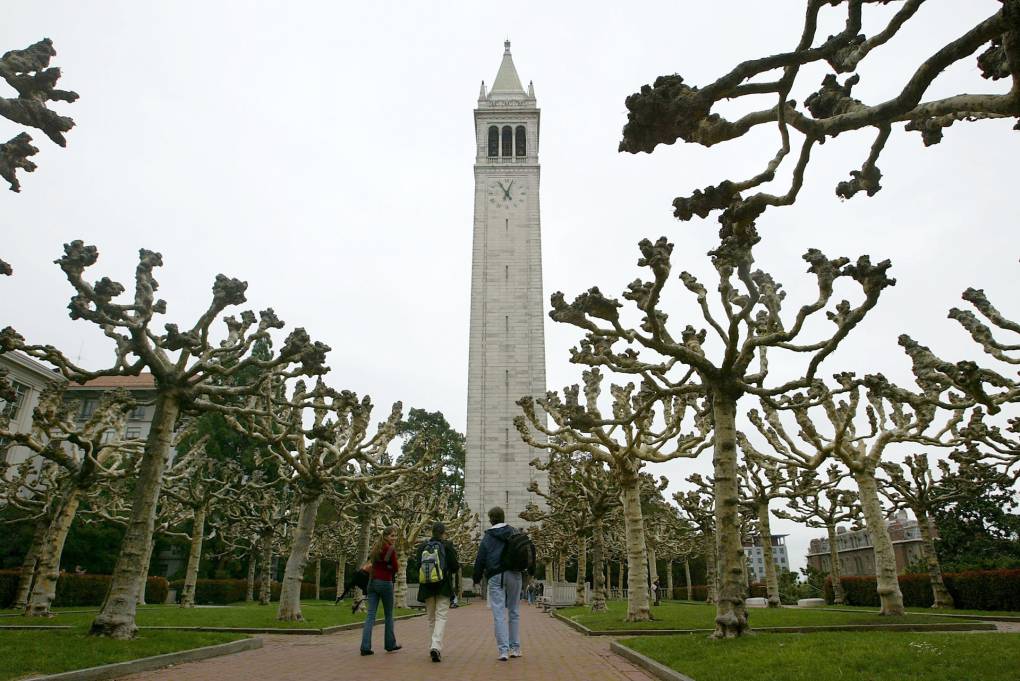
"caption": "Students walking on UC Berkeley's campus.",
"description": null,
"title": "RS18894_GettyImages-52237594-qut",
"credit": "Justin Sullivan/Getty Images",
"status": "inherit",
"altTag": "The UC Berkeley campanile against a white-grey sky with a foreground of funky-looking trees.",
"isLoading": false,
"fetchFailed": false
},
"news_11901840": {
"type": "attachments",
"id": "news_11901840",
"meta": {
"index": "attachments_1716263798",
"site": "news",
"id": "11901840",
"found": true
},
"title": "OceanBeachTedG",
"publishDate": 1642278761,
"status": "inherit",
"parent": 11901839,
"modified": 1742593743,
"caption": "Emergency crews patrolling Bay Area beaches, like Ocean Beach in San Francisco, after a tsunami advisory.",
"credit": "Ted Goldberg/KQED",
"altTag": "An emergency vehicle, red, sits on the right side of the frame facing Ocean Beach, which features stormy waves.",
"description": null,
"imgSizes": {
"thumbnail": {
"file": "https://cdn.kqed.org/wp-content/uploads/sites/10/2022/01/OceanBeachTedG-160x120.jpeg",
"width": 160,
"height": 120,
"mimeType": "image/jpeg"
},
"post-thumbnail": {
"file": "https://cdn.kqed.org/wp-content/uploads/sites/10/2022/01/OceanBeachTedG-672x372.jpeg",
"width": 672,
"height": 372,
"mimeType": "image/jpeg"
},
"kqedFullSize": {
"file": "https://cdn.kqed.org/wp-content/uploads/sites/10/2022/01/OceanBeachTedG.jpeg",
"width": 680,
"height": 510
}
},
"isLoading": false,
"fetchFailed": false
},
"news_11895442": {
"type": "attachments",
"id": "news_11895442",
"meta": {
"index": "attachments_1716263798",
"site": "news",
"id": "11895442",
"found": true
},
"parent": 11895441,
"imgSizes": {
"twentyfourteen-full-width": {
"file": "https://ww2.kqed.org/app/uploads/sites/10/2021/11/RS52425_Image-from-iOS-1-qut-1038x576.jpg",
"width": 1038,
"mimeType": "image/jpeg",
"height": 576
},
"thumbnail": {
"file": "https://ww2.kqed.org/app/uploads/sites/10/2021/11/RS52425_Image-from-iOS-1-qut-160x96.jpg",
"width": 160,
"mimeType": "image/jpeg",
"height": 96
},
"post-thumbnail": {
"file": "https://ww2.kqed.org/app/uploads/sites/10/2021/11/RS52425_Image-from-iOS-1-qut-672x372.jpg",
"width": 672,
"mimeType": "image/jpeg",
"height": 372
},
"kqedFullSize": {
"file": "https://ww2.kqed.org/app/uploads/sites/10/2021/11/RS52425_Image-from-iOS-1-qut.jpg",
"width": 1920,
"height": 1155
},
"large": {
"file": "https://ww2.kqed.org/app/uploads/sites/10/2021/11/RS52425_Image-from-iOS-1-qut-1020x614.jpg",
"width": 1020,
"mimeType": "image/jpeg",
"height": 614
},
"1536x1536": {
"file": "https://ww2.kqed.org/app/uploads/sites/10/2021/11/RS52425_Image-from-iOS-1-qut-1536x924.jpg",
"width": 1536,
"mimeType": "image/jpeg",
"height": 924
},
"medium": {
"file": "https://ww2.kqed.org/app/uploads/sites/10/2021/11/RS52425_Image-from-iOS-1-qut-800x481.jpg",
"width": 800,
"mimeType": "image/jpeg",
"height": 481
}
},
"publishDate": 1636226505,
"modified": 1636408559,
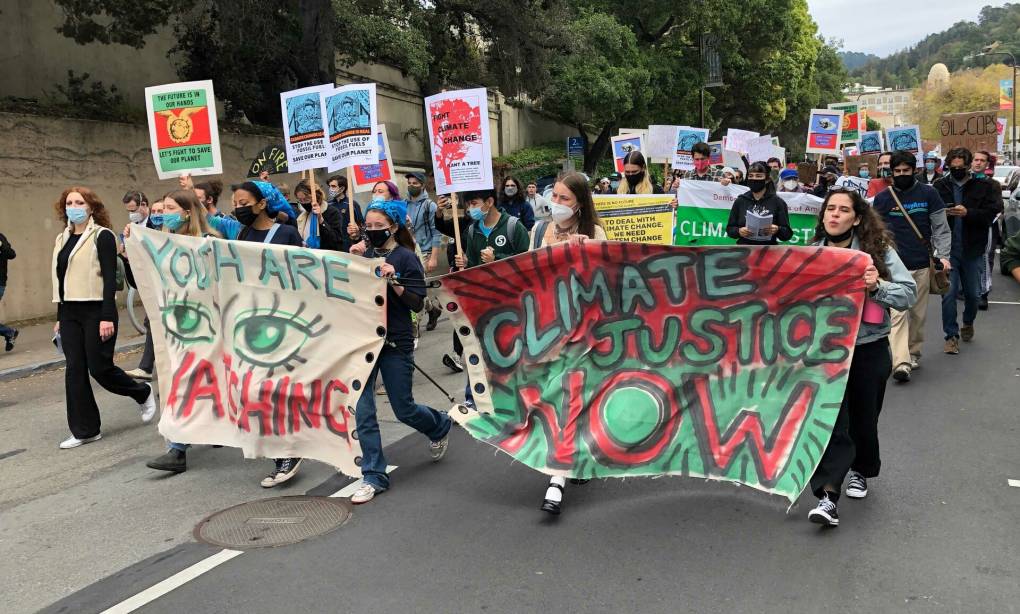
"caption": "Young people in Berkeley joined the global day of action for climate justice on Nov. 6, 2021. ",
"description": null,
"title": "RS52425_Image from iOS (1)-qut",
"credit": "Azul Dahlstrom-Eckman/KQED",
"status": "inherit",
"altTag": "Young people walk down a street in Berkeley with small signs and big signs saying 'Climate Justice Now'.",
"isLoading": false,
"fetchFailed": false
},
"news_11891955": {
"type": "attachments",
"id": "news_11891955",
"meta": {
"index": "attachments_1716263798",
"site": "news",
"id": "11891955",
"found": true
},
"parent": 11891751,
"imgSizes": {
"twentyfourteen-full-width": {
"file": "https://ww2.kqed.org/app/uploads/sites/10/2021/10/Indigenous_ppl_day01-1038x576.jpg",
"width": 1038,
"mimeType": "image/jpeg",
"height": 576
},
"thumbnail": {
"file": "https://ww2.kqed.org/app/uploads/sites/10/2021/10/Indigenous_ppl_day01-160x107.jpg",
"width": 160,
"mimeType": "image/jpeg",
"height": 107
},
"post-thumbnail": {
"file": "https://ww2.kqed.org/app/uploads/sites/10/2021/10/Indigenous_ppl_day01-672x372.jpg",
"width": 672,
"mimeType": "image/jpeg",
"height": 372
},
"kqedFullSize": {
"file": "https://ww2.kqed.org/app/uploads/sites/10/2021/10/Indigenous_ppl_day01.jpg",
"width": 1920,
"height": 1278
},
"large": {
"file": "https://ww2.kqed.org/app/uploads/sites/10/2021/10/Indigenous_ppl_day01-1020x679.jpg",
"width": 1020,
"mimeType": "image/jpeg",
"height": 679
},
"1536x1536": {
"file": "https://ww2.kqed.org/app/uploads/sites/10/2021/10/Indigenous_ppl_day01-1536x1022.jpg",
"width": 1536,
"mimeType": "image/jpeg",
"height": 1022
},
"medium": {
"file": "https://ww2.kqed.org/app/uploads/sites/10/2021/10/Indigenous_ppl_day01-800x533.jpg",
"width": 800,
"mimeType": "image/jpeg",
"height": 533
}
},
"publishDate": 1633999073,
"modified": 1634063048,
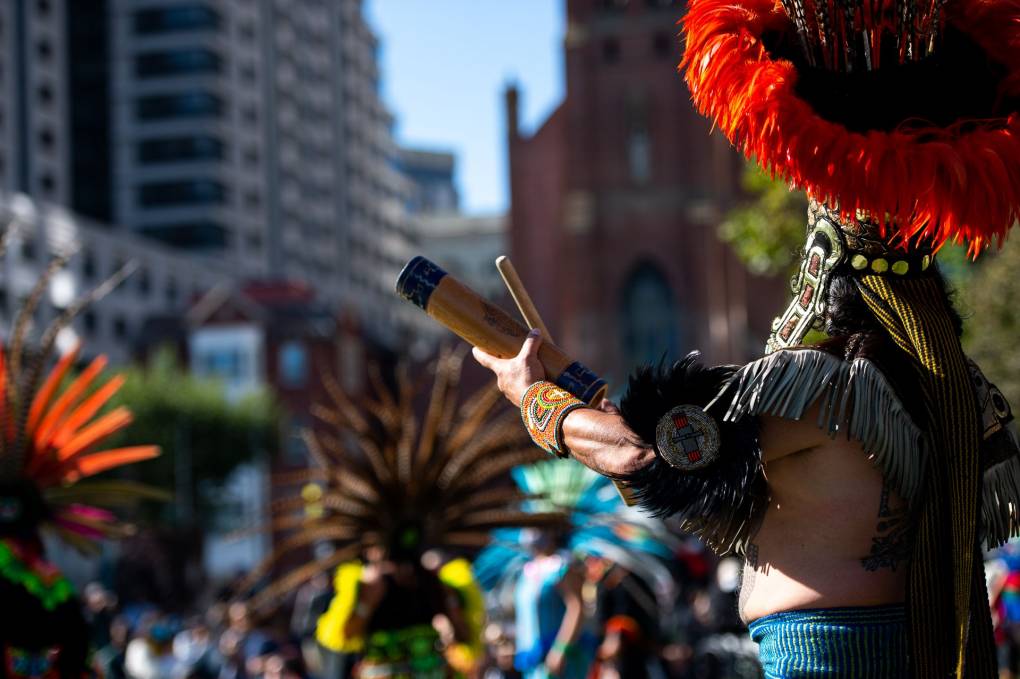
"caption": "The Teokalli Aztec Dancers perform during the 3rd annual Indigenous Peoples Day commemoration at Yerba Buena Gardens in San Francisco on Oct. 11, 2021.",
"description": null,
"title": "Indigenous_ppl_day01",
"credit": "Beth LaBerge/KQED",
"status": "inherit",
"altTag": "A close-up of hands holding a tubular wooden instrument and a drumstick, with an elaborate headdress in the background.",
"isLoading": false,
"fetchFailed": false
},
"news_11891757": {
"type": "attachments",
"id": "news_11891757",
"meta": {
"index": "attachments_1716263798",
"site": "news",
"id": "11891757",
"found": true
},
"title": "Decision To Mark Columbus Day In L.A. County As Indigenous Peoples Day Starting In 2019 Is Celebrated By Native American Activists",
"publishDate": 1633893058,
"status": "inherit",
"parent": 11891751,
"modified": 1745610756,
"caption": "Dancers from Anahuacalmecac International University Preparatory of North America prepare to dance on Hollywood Boulevard during an event celebrating Indigenous Peoples Day, Oct. 8, 2017, in the Hollywood section of Los Angeles, California. ",
"credit": "David McNew/Getty Images",
"altTag": "A person wearing a T-shirt saying \"You Are on Indian Land\" and wearing two long braids with white ribbons stands amid a crowd.",
"description": null,
"imgSizes": {
"medium": {
"file": "https://cdn.kqed.org/wp-content/uploads/sites/10/2021/10/1920_GettyImages-859129098-800x450.jpg",
"width": 800,
"height": 450,
"mimeType": "image/jpeg"
},
"large": {
"file": "https://cdn.kqed.org/wp-content/uploads/sites/10/2021/10/1920_GettyImages-859129098-1020x574.jpg",
"width": 1020,
"height": 574,
"mimeType": "image/jpeg"
},
"thumbnail": {
"file": "https://cdn.kqed.org/wp-content/uploads/sites/10/2021/10/1920_GettyImages-859129098-160x90.jpg",
"width": 160,
"height": 90,
"mimeType": "image/jpeg"
},
"1536x1536": {
"file": "https://cdn.kqed.org/wp-content/uploads/sites/10/2021/10/1920_GettyImages-859129098-1536x864.jpg",
"width": 1536,
"height": 864,
"mimeType": "image/jpeg"
},
"2048x2048": {
"file": "https://cdn.kqed.org/wp-content/uploads/sites/10/2021/10/1920_GettyImages-859129098-2048x1152.jpg",
"width": 2048,
"height": 1152,
"mimeType": "image/jpeg"
},
"post-thumbnail": {
"file": "https://cdn.kqed.org/wp-content/uploads/sites/10/2021/10/1920_GettyImages-859129098-672x372.jpg",
"width": 672,
"height": 372,
"mimeType": "image/jpeg"
},
"twentyfourteen-full-width": {
"file": "https://cdn.kqed.org/wp-content/uploads/sites/10/2021/10/1920_GettyImages-859129098-1038x576.jpg",
"width": 1038,
"height": 576,
"mimeType": "image/jpeg"
},
"full-width": {
"file": "https://cdn.kqed.org/wp-content/uploads/sites/10/2021/10/1920_GettyImages-859129098-1920x1080.jpg",
"width": 1920,
"height": 1080,
"mimeType": "image/jpeg"
},
"kqedFullSize": {
"file": "https://cdn.kqed.org/wp-content/uploads/sites/10/2021/10/1920_GettyImages-859129098-scaled-e1745610765619.jpg",
"width": 2000,
"height": 1125
}
},
"isLoading": false,
"fetchFailed": false
},
"news_11889740": {
"type": "attachments",
"id": "news_11889740",
"meta": {
"index": "attachments_1716263798",
"site": "news",
"id": "11889740",
"found": true
},
"parent": 11889739,
"imgSizes": {
"twentyfourteen-full-width": {
"file": "https://ww2.kqed.org/app/uploads/sites/10/2021/09/RS41301_IMG_6684IG-qut-1038x576.jpg",
"width": 1038,
"mimeType": "image/jpeg",
"height": 576
},
"thumbnail": {
"file": "https://ww2.kqed.org/app/uploads/sites/10/2021/09/RS41301_IMG_6684IG-qut-160x107.jpg",
"width": 160,
"mimeType": "image/jpeg",
"height": 107
},
"post-thumbnail": {
"file": "https://ww2.kqed.org/app/uploads/sites/10/2021/09/RS41301_IMG_6684IG-qut-672x372.jpg",
"width": 672,
"mimeType": "image/jpeg",
"height": 372
},
"kqedFullSize": {
"file": "https://ww2.kqed.org/app/uploads/sites/10/2021/09/RS41301_IMG_6684IG-qut.jpg",
"width": 1600,
"height": 1067
},
"large": {
"file": "https://ww2.kqed.org/app/uploads/sites/10/2021/09/RS41301_IMG_6684IG-qut-1020x680.jpg",
"width": 1020,
"mimeType": "image/jpeg",
"height": 680
},
"1536x1536": {
"file": "https://ww2.kqed.org/app/uploads/sites/10/2021/09/RS41301_IMG_6684IG-qut-1536x1024.jpg",
"width": 1536,
"mimeType": "image/jpeg",
"height": 1024
},
"medium": {
"file": "https://ww2.kqed.org/app/uploads/sites/10/2021/09/RS41301_IMG_6684IG-qut-800x534.jpg",
"width": 800,
"mimeType": "image/jpeg",
"height": 534
}
},
"publishDate": 1632430872,
"modified": 1632430905,
"caption": "An apartment building next to a single family home in Oakland.",
"description": null,
"title": "RS41301_IMG_6684IG-qut",
"credit": "A.J. Ruiz/KQED",
"status": "inherit",
"altTag": null,
"isLoading": false,
"fetchFailed": false
},
"news_11888877": {
"type": "attachments",
"id": "news_11888877",
"meta": {
"index": "attachments_1716263798",
"site": "news",
"id": "11888877",
"found": true
},
"parent": 11888875,
"imgSizes": {
"twentyfourteen-full-width": {
"file": "https://ww2.kqed.org/app/uploads/sites/10/2021/09/IMG_E7528-1038x576.png",
"width": 1038,
"mimeType": "image/png",
"height": 576
},
"thumbnail": {
"file": "https://ww2.kqed.org/app/uploads/sites/10/2021/09/IMG_E7528-160x120.png",
"width": 160,
"mimeType": "image/png",
"height": 120
},
"post-thumbnail": {
"file": "https://ww2.kqed.org/app/uploads/sites/10/2021/09/IMG_E7528-672x372.png",
"width": 672,
"mimeType": "image/png",
"height": 372
},
"kqedFullSize": {
"file": "https://ww2.kqed.org/app/uploads/sites/10/2021/09/IMG_E7528.png",
"width": 3088,
"height": 2316
},
"2048x2048": {
"file": "https://ww2.kqed.org/app/uploads/sites/10/2021/09/IMG_E7528-2048x1536.png",
"width": 2048,
"mimeType": "image/png",
"height": 1536
},
"large": {
"file": "https://ww2.kqed.org/app/uploads/sites/10/2021/09/IMG_E7528-1020x765.png",
"width": 1020,
"mimeType": "image/png",
"height": 765
},
"1536x1536": {
"file": "https://ww2.kqed.org/app/uploads/sites/10/2021/09/IMG_E7528-1536x1152.png",
"width": 1536,
"mimeType": "image/png",
"height": 1152
},
"full-width": {
"file": "https://ww2.kqed.org/app/uploads/sites/10/2021/09/IMG_E7528-1920x1440.png",
"width": 1920,
"mimeType": "image/png",
"height": 1440
},
"medium": {
"file": "https://ww2.kqed.org/app/uploads/sites/10/2021/09/IMG_E7528-800x600.png",
"width": 800,
"mimeType": "image/png",
"height": 600
}
},
"publishDate": 1631823998,
"modified": 1631910173,
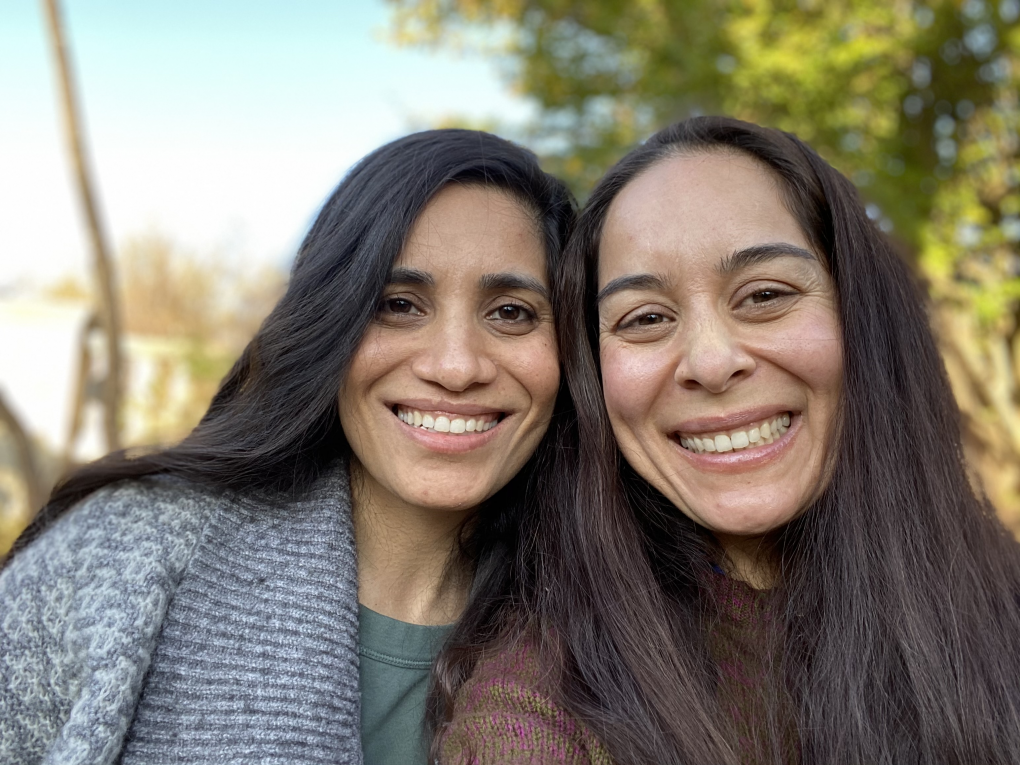
"caption": "Fatima Shah (R) and her sister Saima (L) were students at Berkeley High School on 9/11, when they organized to educate their classmates about South Asian culture and create a buddy system to keep their peers safe. ",
"description": "Sisters Fatima (L) and Saima Shah were students at Berkeley High School on 9/11, when they organized to educate their classmates about South Asian culture and create a buddy system to keep their peers safe. ",
"title": "IMG_E7528",
"credit": "Courtesy of Fatima Shah",
"status": "inherit",
"altTag": "Two women with big smiles lean their heads against each other.",
"isLoading": false,
"fetchFailed": false
},
"news_11883012": {
"type": "attachments",
"id": "news_11883012",
"meta": {
"index": "attachments_1716263798",
"site": "news",
"id": "11883012",
"found": true
},
"parent": 11882974,
"imgSizes": {
"twentyfourteen-full-width": {
"file": "https://ww2.kqed.org/app/uploads/sites/10/2021/07/GettyImages-1149689515-1038x576.jpg",
"width": 1038,
"mimeType": "image/jpeg",
"height": 576
},
"thumbnail": {
"file": "https://ww2.kqed.org/app/uploads/sites/10/2021/07/GettyImages-1149689515-160x107.jpg",
"width": 160,
"mimeType": "image/jpeg",
"height": 107
},
"post-thumbnail": {
"file": "https://ww2.kqed.org/app/uploads/sites/10/2021/07/GettyImages-1149689515-672x372.jpg",
"width": 672,
"mimeType": "image/jpeg",
"height": 372
},
"kqedFullSize": {
"file": "https://ww2.kqed.org/app/uploads/sites/10/2021/07/GettyImages-1149689515.jpg",
"width": 1920,
"height": 1280
},
"large": {
"file": "https://ww2.kqed.org/app/uploads/sites/10/2021/07/GettyImages-1149689515-1020x680.jpg",
"width": 1020,
"mimeType": "image/jpeg",
"height": 680
},
"1536x1536": {
"file": "https://ww2.kqed.org/app/uploads/sites/10/2021/07/GettyImages-1149689515-1536x1024.jpg",
"width": 1536,
"mimeType": "image/jpeg",
"height": 1024
},
"medium": {
"file": "https://ww2.kqed.org/app/uploads/sites/10/2021/07/GettyImages-1149689515-800x533.jpg",
"width": 800,
"mimeType": "image/jpeg",
"height": 533
}
},
"publishDate": 1627592181,
"modified": 1627592309,
"caption": "Packages of plant-based meat substitutes sit in a refrigerator. Berkeley City Council voted Tuesday to approve a goal of 50% plant-based meat in city buildings and events by 2024.",
"description": "Packages of plant-based meat substitutes sit in a refrigerator. Berkeley City Council voted Tuesday to approve a goal of 50% plant-based meat in city buildings and events by 2024.",
"title": "Meatless Burger Maker Beyond Meat's Stock Price Continues It's Skyrocketing Rise Since Its IPO In May",
"credit": "Drew Angerer/Getty Images",
"status": "inherit",
"altTag": null,
"isLoading": false,
"fetchFailed": false
},
"news_11866973": {
"type": "attachments",
"id": "news_11866973",
"meta": {
"index": "attachments_1716263798",
"site": "news",
"id": "11866973",
"found": true
},
"parent": 11866954,
"imgSizes": {
"twentyfourteen-full-width": {
"file": "https://ww2.kqed.org/app/uploads/sites/10/2021/03/IMG_4498-1-1038x576.jpg",
"width": 1038,
"mimeType": "image/jpeg",
"height": 576
},
"thumbnail": {
"file": "https://ww2.kqed.org/app/uploads/sites/10/2021/03/IMG_4498-1-160x120.jpg",
"width": 160,
"mimeType": "image/jpeg",
"height": 120
},
"post-thumbnail": {
"file": "https://ww2.kqed.org/app/uploads/sites/10/2021/03/IMG_4498-1-672x372.jpg",
"width": 672,
"mimeType": "image/jpeg",
"height": 372
},
"kqedFullSize": {
"file": "https://ww2.kqed.org/app/uploads/sites/10/2021/03/IMG_4498-1.jpg",
"width": 1920,
"height": 1440
},
"large": {
"file": "https://ww2.kqed.org/app/uploads/sites/10/2021/03/IMG_4498-1-1020x765.jpg",
"width": 1020,
"mimeType": "image/jpeg",
"height": 765
},
"1536x1536": {
"file": "https://ww2.kqed.org/app/uploads/sites/10/2021/03/IMG_4498-1-1536x1152.jpg",
"width": 1536,
"mimeType": "image/jpeg",
"height": 1152
},
"medium": {
"file": "https://ww2.kqed.org/app/uploads/sites/10/2021/03/IMG_4498-1-800x600.jpg",
"width": 800,
"mimeType": "image/jpeg",
"height": 600
}
},
"publishDate": 1617054091,
"modified": 1617064166,
"caption": "Students return to Thousand Oaks Elementary School in Berkeley on March 29, 2021. ",
"description": "Students return to Thousand Oaks Elementary school in Berkeley, March 29, 2021. ",
"title": "IMG_4498 (1)",
"credit": "Julia McEvoy/KQED",
"status": "inherit",
"altTag": null,
"isLoading": false,
"fetchFailed": false
},
"news_11865915": {
"type": "attachments",
"id": "news_11865915",
"meta": {
"index": "attachments_1716263798",
"site": "news",
"id": "11865915",
"found": true
},
"parent": 11864769,
"imgSizes": {
"twentyfourteen-full-width": {
"file": "https://ww2.kqed.org/app/uploads/sites/10/2021/03/RS47690_001_Berkeley_AnonymousFormerStudent_03122021-qut-1038x576.jpg",
"width": 1038,
"mimeType": "image/jpeg",
"height": 576
},
"thumbnail": {
"file": "https://ww2.kqed.org/app/uploads/sites/10/2021/03/RS47690_001_Berkeley_AnonymousFormerStudent_03122021-qut-160x107.jpg",
"width": 160,
"mimeType": "image/jpeg",
"height": 107
},
"post-thumbnail": {
"file": "https://ww2.kqed.org/app/uploads/sites/10/2021/03/RS47690_001_Berkeley_AnonymousFormerStudent_03122021-qut-672x372.jpg",
"width": 672,
"mimeType": "image/jpeg",
"height": 372
},
"kqedFullSize": {
"file": "https://ww2.kqed.org/app/uploads/sites/10/2021/03/RS47690_001_Berkeley_AnonymousFormerStudent_03122021-qut.jpg",
"width": 1920,
"height": 1280
},
"large": {
"file": "https://ww2.kqed.org/app/uploads/sites/10/2021/03/RS47690_001_Berkeley_AnonymousFormerStudent_03122021-qut-1020x680.jpg",
"width": 1020,
"mimeType": "image/jpeg",
"height": 680
},
"1536x1536": {
"file": "https://ww2.kqed.org/app/uploads/sites/10/2021/03/RS47690_001_Berkeley_AnonymousFormerStudent_03122021-qut-1536x1024.jpg",
"width": 1536,
"mimeType": "image/jpeg",
"height": 1024
},
"medium": {
"file": "https://ww2.kqed.org/app/uploads/sites/10/2021/03/RS47690_001_Berkeley_AnonymousFormerStudent_03122021-qut-800x533.jpg",
"width": 800,
"mimeType": "image/jpeg",
"height": 533
}
},
"publishDate": 1616452962,
"modified": 1616627651,
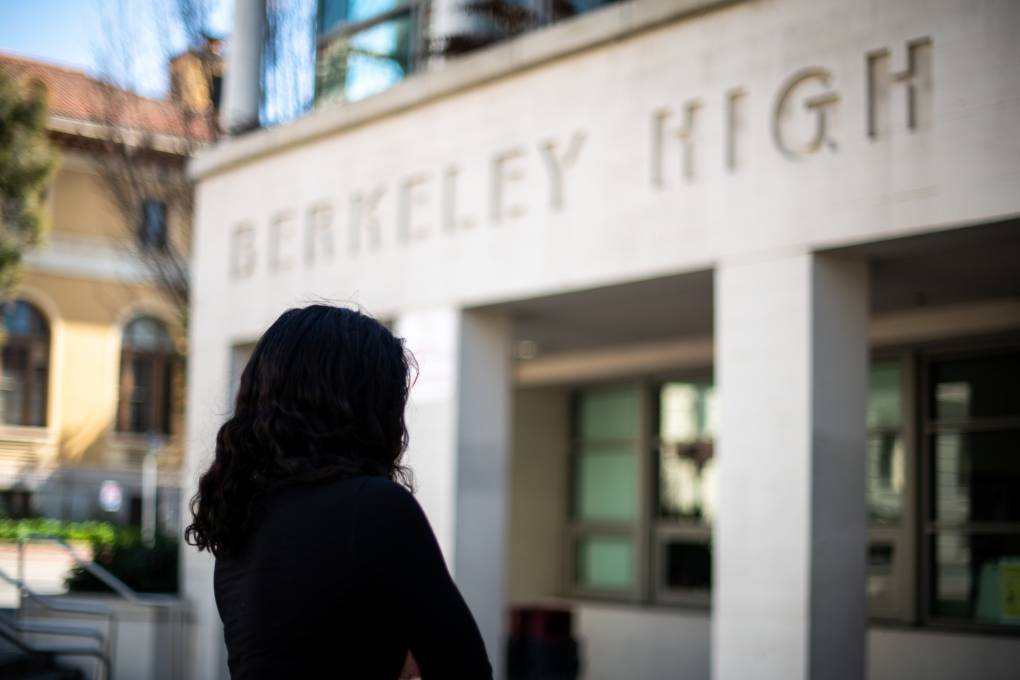
"caption": "A former Berkeley High student sued the district in January 2020, alleging she was sexually assaulted by another student during school hours in an unlocked classroom, and that the district failed to take steps to adequately ensure her safety. A student-led walkout followed.",
"description": "A former Berkeley High student sued the district in Jan. 2020, alleging she was sexually assaulted by another student during school hours in an unlocked classroom, and that the district failed to take steps to adequately ensure her safety. A student-led walkout followed.",
"title": "Former Berkeley High School student at the school on March 12, 2021.",
"credit": "Beth LaBerge/KQED",
"status": "inherit",
"altTag": "Anonymous Berkeley High student known as 'Faith' standing in front of the high school, back turned",
"isLoading": false,
"fetchFailed": false
},
"news_11865154": {
"type": "attachments",
"id": "news_11865154",
"meta": {
"index": "attachments_1716263798",
"site": "news",
"id": "11865154",
"found": true
},
"parent": 11865148,
"imgSizes": {
"twentyfourteen-full-width": {
"file": "https://ww2.kqed.org/app/uploads/sites/10/2021/03/RS46599_017_KQED_Berkeley_SchoolSitIn_01132021-qut-1038x576.jpeg",
"width": 1038,
"mimeType": "image/jpeg",
"height": 576
},
"thumbnail": {
"file": "https://ww2.kqed.org/app/uploads/sites/10/2021/03/RS46599_017_KQED_Berkeley_SchoolSitIn_01132021-qut-160x107.jpeg",
"width": 160,
"mimeType": "image/jpeg",
"height": 107
},
"post-thumbnail": {
"file": "https://ww2.kqed.org/app/uploads/sites/10/2021/03/RS46599_017_KQED_Berkeley_SchoolSitIn_01132021-qut-672x372.jpeg",
"width": 672,
"mimeType": "image/jpeg",
"height": 372
},
"kqedFullSize": {
"file": "https://ww2.kqed.org/app/uploads/sites/10/2021/03/RS46599_017_KQED_Berkeley_SchoolSitIn_01132021-qut.jpeg",
"width": 1920,
"height": 1282
},
"large": {
"file": "https://ww2.kqed.org/app/uploads/sites/10/2021/03/RS46599_017_KQED_Berkeley_SchoolSitIn_01132021-qut-1020x681.jpeg",
"width": 1020,
"mimeType": "image/jpeg",
"height": 681
},
"1536x1536": {
"file": "https://ww2.kqed.org/app/uploads/sites/10/2021/03/RS46599_017_KQED_Berkeley_SchoolSitIn_01132021-qut-1536x1026.jpeg",
"width": 1536,
"mimeType": "image/jpeg",
"height": 1026
},
"medium": {
"file": "https://ww2.kqed.org/app/uploads/sites/10/2021/03/RS46599_017_KQED_Berkeley_SchoolSitIn_01132021-qut-800x534.jpeg",
"width": 800,
"mimeType": "image/jpeg",
"height": 534
}
},
"publishDate": 1616002644,
"modified": 1616187345,
"caption": "Parents and students hold up signs in support of reopening schools at Thousand Oaks Elementary School in Berkeley. Parents and students staged a sit-in for equity in school reopening on Jan. 13, 2021.",
"description": null,
"title": "RS46599_017_KQED_Berkeley_SchoolSitIn_01132021-qut",
"credit": "Anna Vignet/KQED",
"status": "inherit",
"altTag": null,
"isLoading": false,
"fetchFailed": false
},
"news_11863062": {
"type": "attachments",
"id": "news_11863062",
"meta": {
"index": "attachments_1716263798",
"site": "news",
"id": "11863062",
"found": true
},
"parent": 11863031,
"imgSizes": {
"apple_news_ca_landscape_5_5": {
"file": "https://ww2.kqed.org/app/uploads/sites/10/2021/03/RS46588_006_KQED_Berkeley_SchoolSitIn_01132021-qut-1044x783.jpg",
"width": 1044,
"mimeType": "image/jpeg",
"height": 783
},
"apple_news_ca_square_4_0": {
"file": "https://ww2.kqed.org/app/uploads/sites/10/2021/03/RS46588_006_KQED_Berkeley_SchoolSitIn_01132021-qut-470x470.jpg",
"width": 470,
"mimeType": "image/jpeg",
"height": 470
},
"twentyfourteen-full-width": {
"file": "https://ww2.kqed.org/app/uploads/sites/10/2021/03/RS46588_006_KQED_Berkeley_SchoolSitIn_01132021-qut-1038x576.jpg",
"width": 1038,
"mimeType": "image/jpeg",
"height": 576
},
"thumbnail": {
"file": "https://ww2.kqed.org/app/uploads/sites/10/2021/03/RS46588_006_KQED_Berkeley_SchoolSitIn_01132021-qut-160x101.jpg",
"width": 160,
"mimeType": "image/jpeg",
"height": 101
},
"post-thumbnail": {
"file": "https://ww2.kqed.org/app/uploads/sites/10/2021/03/RS46588_006_KQED_Berkeley_SchoolSitIn_01132021-qut-672x372.jpg",
"width": 672,
"mimeType": "image/jpeg",
"height": 372
},
"kqedFullSize": {
"file": "https://ww2.kqed.org/app/uploads/sites/10/2021/03/RS46588_006_KQED_Berkeley_SchoolSitIn_01132021-qut.jpg",
"width": 1920,
"height": 1212
},
"apple_news_ca_landscape_4_7": {
"file": "https://ww2.kqed.org/app/uploads/sites/10/2021/03/RS46588_006_KQED_Berkeley_SchoolSitIn_01132021-qut-632x474.jpg",
"width": 632,
"mimeType": "image/jpeg",
"height": 474
},
"large": {
"file": "https://ww2.kqed.org/app/uploads/sites/10/2021/03/RS46588_006_KQED_Berkeley_SchoolSitIn_01132021-qut-1020x644.jpg",
"width": 1020,
"mimeType": "image/jpeg",
"height": 644
},
"apple_news_ca_landscape_4_0": {
"file": "https://ww2.kqed.org/app/uploads/sites/10/2021/03/RS46588_006_KQED_Berkeley_SchoolSitIn_01132021-qut-536x402.jpg",
"width": 536,
"mimeType": "image/jpeg",
"height": 402
},
"apple_news_ca_portrait_12_9": {
"file": "https://ww2.kqed.org/app/uploads/sites/10/2021/03/RS46588_006_KQED_Berkeley_SchoolSitIn_01132021-qut-1122x1212.jpg",
"width": 1122,
"mimeType": "image/jpeg",
"height": 1212
},
"medium": {
"file": "https://ww2.kqed.org/app/uploads/sites/10/2021/03/RS46588_006_KQED_Berkeley_SchoolSitIn_01132021-qut-800x505.jpg",
"width": 800,
"mimeType": "image/jpeg",
"height": 505
},
"apple_news_ca_portrait_4_0": {
"file": "https://ww2.kqed.org/app/uploads/sites/10/2021/03/RS46588_006_KQED_Berkeley_SchoolSitIn_01132021-qut-354x472.jpg",
"width": 354,
"mimeType": "image/jpeg",
"height": 472
},
"apple_news_ca_portrait_9_7": {
"file": "https://ww2.kqed.org/app/uploads/sites/10/2021/03/RS46588_006_KQED_Berkeley_SchoolSitIn_01132021-qut-840x1120.jpg",
"width": 840,
"mimeType": "image/jpeg",
"height": 1120
},
"apple_news_ca_landscape_12_9": {
"file": "https://ww2.kqed.org/app/uploads/sites/10/2021/03/RS46588_006_KQED_Berkeley_SchoolSitIn_01132021-qut-1832x1212.jpg",
"width": 1832,
"mimeType": "image/jpeg",
"height": 1212
},
"apple_news_ca_square_9_7": {
"file": "https://ww2.kqed.org/app/uploads/sites/10/2021/03/RS46588_006_KQED_Berkeley_SchoolSitIn_01132021-qut-1104x1104.jpg",
"width": 1104,
"mimeType": "image/jpeg",
"height": 1104
},
"1536x1536": {
"file": "https://ww2.kqed.org/app/uploads/sites/10/2021/03/RS46588_006_KQED_Berkeley_SchoolSitIn_01132021-qut-1536x970.jpg",
"width": 1536,
"mimeType": "image/jpeg",
"height": 970
},
"apple_news_ca_portrait_4_7": {
"file": "https://ww2.kqed.org/app/uploads/sites/10/2021/03/RS46588_006_KQED_Berkeley_SchoolSitIn_01132021-qut-414x552.jpg",
"width": 414,
"mimeType": "image/jpeg",
"height": 552
},
"apple_news_ca_square_12_9": {
"file": "https://ww2.kqed.org/app/uploads/sites/10/2021/03/RS46588_006_KQED_Berkeley_SchoolSitIn_01132021-qut-1472x1212.jpg",
"width": 1472,
"mimeType": "image/jpeg",
"height": 1212
},
"apple_news_ca_portrait_5_5": {
"file": "https://ww2.kqed.org/app/uploads/sites/10/2021/03/RS46588_006_KQED_Berkeley_SchoolSitIn_01132021-qut-687x916.jpg",
"width": 687,
"mimeType": "image/jpeg",
"height": 916
},
"apple_news_ca_square_4_7": {
"file": "https://ww2.kqed.org/app/uploads/sites/10/2021/03/RS46588_006_KQED_Berkeley_SchoolSitIn_01132021-qut-550x550.jpg",
"width": 550,
"mimeType": "image/jpeg",
"height": 550
},
"apple_news_ca_landscape_9_7": {
"file": "https://ww2.kqed.org/app/uploads/sites/10/2021/03/RS46588_006_KQED_Berkeley_SchoolSitIn_01132021-qut-1376x1032.jpg",
"width": 1376,
"mimeType": "image/jpeg",
"height": 1032
},
"apple_news_ca_square_5_5": {
"file": "https://ww2.kqed.org/app/uploads/sites/10/2021/03/RS46588_006_KQED_Berkeley_SchoolSitIn_01132021-qut-912x912.jpg",
"width": 912,
"mimeType": "image/jpeg",
"height": 912
}
},
"publishDate": 1614809449,
"modified": 1614809524,
"caption": "Parents and students hold up signs in support of reopening schools at Thousand Oaks Elementary School in Berkeley on Jan. 13, 2021.",
"description": "Parents and students hold up signs in support of reopening schools at Thousand Oaks Elementary School in Berkeley on Jan. 13, 2021.",
"title": "RS46588_006_KQED_Berkeley_SchoolSitIn_01132021-qut",
"credit": "Anna Vignet/KQED",
"status": "inherit",
"altTag": null,
"isLoading": false,
"fetchFailed": false
},
"news_11862471": {
"type": "attachments",
"id": "news_11862471",
"meta": {
"index": "attachments_1716263798",
"site": "news",
"id": "11862471",
"found": true
},
"parent": 11862469,
"imgSizes": {
"apple_news_ca_landscape_5_5": {
"file": "https://ww2.kqed.org/app/uploads/sites/10/2021/02/Berk_MattMeyer-1044x783.jpg",
"width": 1044,
"mimeType": "image/jpeg",
"height": 783
},
"apple_news_ca_square_4_0": {
"file": "https://ww2.kqed.org/app/uploads/sites/10/2021/02/Berk_MattMeyer-470x470.jpg",
"width": 470,
"mimeType": "image/jpeg",
"height": 470
},
"twentyfourteen-full-width": {
"file": "https://ww2.kqed.org/app/uploads/sites/10/2021/02/Berk_MattMeyer-1038x576.jpg",
"width": 1038,
"mimeType": "image/jpeg",
"height": 576
},
"thumbnail": {
"file": "https://ww2.kqed.org/app/uploads/sites/10/2021/02/Berk_MattMeyer-160x91.jpg",
"width": 160,
"mimeType": "image/jpeg",
"height": 91
},
"post-thumbnail": {
"file": "https://ww2.kqed.org/app/uploads/sites/10/2021/02/Berk_MattMeyer-672x372.jpg",
"width": 672,
"mimeType": "image/jpeg",
"height": 372
},
"kqedFullSize": {
"file": "https://ww2.kqed.org/app/uploads/sites/10/2021/02/Berk_MattMeyer.jpg",
"width": 1920,
"height": 1090
},
"apple_news_ca_landscape_4_7": {
"file": "https://ww2.kqed.org/app/uploads/sites/10/2021/02/Berk_MattMeyer-632x474.jpg",
"width": 632,
"mimeType": "image/jpeg",
"height": 474
},
"large": {
"file": "https://ww2.kqed.org/app/uploads/sites/10/2021/02/Berk_MattMeyer-1020x579.jpg",
"width": 1020,
"mimeType": "image/jpeg",
"height": 579
},
"apple_news_ca_landscape_4_0": {
"file": "https://ww2.kqed.org/app/uploads/sites/10/2021/02/Berk_MattMeyer-536x402.jpg",
"width": 536,
"mimeType": "image/jpeg",
"height": 402
},
"apple_news_ca_portrait_12_9": {
"file": "https://ww2.kqed.org/app/uploads/sites/10/2021/02/Berk_MattMeyer-1122x1090.jpg",
"width": 1122,
"mimeType": "image/jpeg",
"height": 1090
},
"medium": {
"file": "https://ww2.kqed.org/app/uploads/sites/10/2021/02/Berk_MattMeyer-800x454.jpg",
"width": 800,
"mimeType": "image/jpeg",
"height": 454
},
"apple_news_ca_portrait_4_0": {
"file": "https://ww2.kqed.org/app/uploads/sites/10/2021/02/Berk_MattMeyer-354x472.jpg",
"width": 354,
"mimeType": "image/jpeg",
"height": 472
},
"apple_news_ca_portrait_9_7": {
"file": "https://ww2.kqed.org/app/uploads/sites/10/2021/02/Berk_MattMeyer-840x1090.jpg",
"width": 840,
"mimeType": "image/jpeg",
"height": 1090
},
"apple_news_ca_landscape_12_9": {
"file": "https://ww2.kqed.org/app/uploads/sites/10/2021/02/Berk_MattMeyer-1832x1090.jpg",
"width": 1832,
"mimeType": "image/jpeg",
"height": 1090
},
"apple_news_ca_square_9_7": {
"file": "https://ww2.kqed.org/app/uploads/sites/10/2021/02/Berk_MattMeyer-1104x1090.jpg",
"width": 1104,
"mimeType": "image/jpeg",
"height": 1090
},
"1536x1536": {
"file": "https://ww2.kqed.org/app/uploads/sites/10/2021/02/Berk_MattMeyer-1536x872.jpg",
"width": 1536,
"mimeType": "image/jpeg",
"height": 872
},
"apple_news_ca_portrait_4_7": {
"file": "https://ww2.kqed.org/app/uploads/sites/10/2021/02/Berk_MattMeyer-414x552.jpg",
"width": 414,
"mimeType": "image/jpeg",
"height": 552
},
"apple_news_ca_square_12_9": {
"file": "https://ww2.kqed.org/app/uploads/sites/10/2021/02/Berk_MattMeyer-1472x1090.jpg",
"width": 1472,
"mimeType": "image/jpeg",
"height": 1090
},
"apple_news_ca_portrait_5_5": {
"file": "https://ww2.kqed.org/app/uploads/sites/10/2021/02/Berk_MattMeyer-687x916.jpg",
"width": 687,
"mimeType": "image/jpeg",
"height": 916
},
"apple_news_ca_square_4_7": {
"file": "https://ww2.kqed.org/app/uploads/sites/10/2021/02/Berk_MattMeyer-550x550.jpg",
"width": 550,
"mimeType": "image/jpeg",
"height": 550
},
"apple_news_ca_landscape_9_7": {
"file": "https://ww2.kqed.org/app/uploads/sites/10/2021/02/Berk_MattMeyer-1376x1032.jpg",
"width": 1376,
"mimeType": "image/jpeg",
"height": 1032
},
"apple_news_ca_square_5_5": {
"file": "https://ww2.kqed.org/app/uploads/sites/10/2021/02/Berk_MattMeyer-912x912.jpg",
"width": 912,
"mimeType": "image/jpeg",
"height": 912
}
},
"publishDate": 1614542705,
"modified": 1614730000,
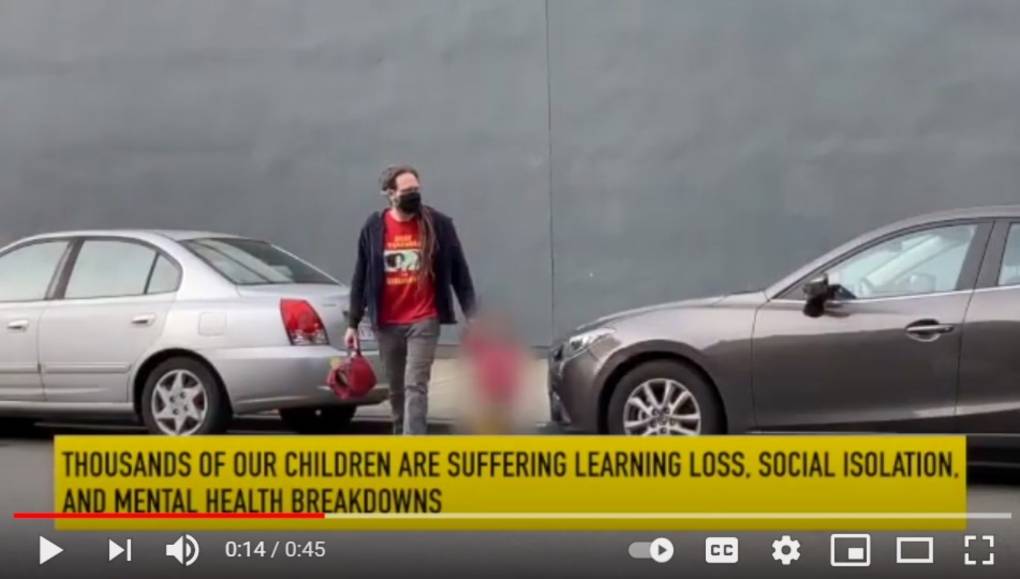
"caption": "A screengrab of a video posted to YouTube by the 'Guerilla Momz' group showed Berkeley Federation of Teachers President Matt Meyer dropping his daughter off at an in-person preschool.",
"description": "A screengrab of a video posted to YouTube by the 'Guerilla Momz' group showed Berkeley Federation of Teachers President Matt Meyer dropping his daughter off at an in-person preschool.",
"title": "Berk_MattMeyer",
"credit": "Courtesy Guerilla Momz via YouTube",
"status": "inherit",
"altTag": null,
"isLoading": false,
"fetchFailed": false
}
},
"audioPlayerReducer": {
"postId": "stream_live",
"isPaused": true,
"isPlaying": false,
"pfsActive": false,
"pledgeModalIsOpen": true,
"playerDrawerIsOpen": false,
"liveAudioPlayStartedAt": 0,
"liveAudioPlayContext": ""
},
"authorsReducer": {
"byline_news_11907093": {
"type": "authors",
"id": "byline_news_11907093",
"meta": {
"override": true
},
"slug": "byline_news_11907093",
"name": "Jocelyn Gecker\u003cbr>Associated Press",
"isLoading": false
},
"byline_news_11882974": {
"type": "authors",
"id": "byline_news_11882974",
"meta": {
"override": true
},
"slug": "byline_news_11882974",
"name": "The Associated Press",
"isLoading": false
},
"kqednewsstaffandwires": {
"type": "authors",
"id": "237",
"meta": {
"index": "authors_1716337520",
"id": "237",
"found": true
},
"name": "KQED News Staff and Wires",
"firstName": "KQED News Staff and Wires",
"lastName": null,
"slug": "kqednewsstaffandwires",
"email": "onlinenewsstaff@kqed.org",
"display_author_email": false,
"staff_mastheads": [],
"title": null,
"bio": null,
"avatar": "https://secure.gravatar.com/avatar/72295af8ebbfbd19a4948f5271285664?s=600&d=blank&r=g",
"twitter": null,
"facebook": null,
"instagram": null,
"linkedin": null,
"sites": [
{
"site": "arts",
"roles": [
"contributor"
]
},
{
"site": "news",
"roles": [
"contributor"
]
},
{
"site": "lowdown",
"roles": [
"author"
]
},
{
"site": "stateofhealth",
"roles": [
"contributor"
]
},
{
"site": "food",
"roles": [
"author"
]
}
],
"headData": {
"title": "KQED News Staff and Wires | KQED",
"description": null,
"ogImgSrc": "https://secure.gravatar.com/avatar/72295af8ebbfbd19a4948f5271285664?s=600&d=blank&r=g",
"twImgSrc": "https://secure.gravatar.com/avatar/72295af8ebbfbd19a4948f5271285664?s=600&d=blank&r=g"
},
"isLoading": false,
"link": "/author/kqednewsstaffandwires"
},
"sasha-khokha": {
"type": "authors",
"id": "254",
"meta": {
"index": "authors_1716337520",
"id": "254",
"found": true
},
"name": "Sasha Khokha",
"firstName": "Sasha",
"lastName": "Khokha",
"slug": "sasha-khokha",
"email": "skhokha@kqed.org",
"display_author_email": true,
"staff_mastheads": [
"news"
],
"title": "Host, The California Report Magazine",
"bio": "Sasha Khokha is the host of \u003cem>The California Report's \u003c/em> weekly magazine program, which takes listeners on sound-rich excursions to meet the people that make the Golden State unique -- through audio documentaries and long-form stories. As \u003cem>The California Report's\u003c/em> Central Valley Bureau Chief based in Fresno for nearly a dozen years, Sasha brought the lives and concerns of rural Californians to listeners around the state. Her reporting helped expose the hidden price immigrant women janitors and farmworkers may pay to keep their jobs: sexual assault at work. It inspired two new California laws to protect them from sexual harassment. She was a key member of the reporting team for the Frontline film \u003cem>Rape on the Night Shift, \u003c/em>which was nominated for two national Emmys. Sasha has also won a national Edward R. Murrow and a national PRNDI award for investigative reporting, as well as multiple prizes from the Society for Professional Journalists. Sasha is a proud alum of the UC Berkeley Graduate School of Journalism and Brown University and a member of the South Asian Journalists Association.",
"avatar": "https://secure.gravatar.com/avatar/e4b5e1541aaeea2aa356aa1fb2a68950?s=600&d=blank&r=g",
"twitter": "KQEDSashaKhokha",
"facebook": null,
"instagram": null,
"linkedin": null,
"sites": [
{
"site": "news",
"roles": [
"editor"
]
},
{
"site": "stateofhealth",
"roles": [
"author"
]
},
{
"site": "science",
"roles": [
"author"
]
},
{
"site": "quest",
"roles": [
"subscriber"
]
}
],
"headData": {
"title": "Sasha Khokha | KQED",
"description": "Host, The California Report Magazine",
"ogImgSrc": "https://secure.gravatar.com/avatar/e4b5e1541aaeea2aa356aa1fb2a68950?s=600&d=blank&r=g",
"twImgSrc": "https://secure.gravatar.com/avatar/e4b5e1541aaeea2aa356aa1fb2a68950?s=600&d=blank&r=g"
},
"isLoading": false,
"link": "/author/sasha-khokha"
},
"matthewgreen": {
"type": "authors",
"id": "1263",
"meta": {
"index": "authors_1716337520",
"id": "1263",
"found": true
},
"name": "Matthew Green",
"firstName": "Matthew",
"lastName": "Green",
"slug": "matthewgreen",
"email": "mgreen@kqed.org",
"display_author_email": false,
"staff_mastheads": [],
"title": "KQED Editor/Reporter",
"bio": "Matthew Green is a digital media producer for KQED News. He previously produced \u003ca href=\"http://www.kqed.org/lowdown\">The Lowdown\u003c/a>, KQED’s multimedia news education blog. Matthew's written for numerous Bay Area publications, including the Oakland Tribune and San Francisco Chronicle. He also taught journalism classes at Fremont High School in East Oakland.\r\n\r\nEmail: mgreen@kqed.org; Twitter: @MGreenKQED",
"avatar": "https://secure.gravatar.com/avatar/3bf498d1267ca02c8494f33d8cfc575e?s=600&d=blank&r=g",
"twitter": "MGreenKQED",
"facebook": null,
"instagram": null,
"linkedin": null,
"sites": [
{
"site": "news",
"roles": []
},
{
"site": "lowdown",
"roles": []
},
{
"site": "science",
"roles": []
},
{
"site": "education",
"roles": []
},
{
"site": "quest",
"roles": []
},
{
"site": "liveblog",
"roles": []
}
],
"headData": {
"title": "Matthew Green | KQED",
"description": "KQED Editor/Reporter",
"ogImgSrc": "https://secure.gravatar.com/avatar/3bf498d1267ca02c8494f33d8cfc575e?s=600&d=blank&r=g",
"twImgSrc": "https://secure.gravatar.com/avatar/3bf498d1267ca02c8494f33d8cfc575e?s=600&d=blank&r=g"
},
"isLoading": false,
"link": "/author/matthewgreen"
},
"ekelly": {
"type": "authors",
"id": "3211",
"meta": {
"index": "authors_1716337520",
"id": "3211",
"found": true
},
"name": "Erika Kelly",
"firstName": "Erika",
"lastName": "Kelly",
"slug": "ekelly",
"email": "ekelly@KQED.org",
"display_author_email": true,
"staff_mastheads": [
"news"
],
"title": "Deputy Managing Editor",
"bio": "Erika Kelly is deputy managing editor of KQED's newsroom, working with teams covering housing, climate, health, labor and the arts. Previously, she was the senior editor of KQED’s housing affordability desk, leading the team that produced the award winning podcast Sold Out: Rethinking Housing in America. She is a graduate of the Medill School of Journalism and a native of the Greater Chicagoland Area.",
"avatar": "https://secure.gravatar.com/avatar/3653973f475e2af06d52444628a0023a48f83905a9d7ce3a4e45e5ecebcb4230?s=600&d=blank&r=g",
"twitter": null,
"bluesky": null,
"facebook": null,
"instagram": null,
"linkedin": null,
"sites": [
{
"site": "",
"roles": [
"editor"
]
},
{
"site": "arts",
"roles": [
"administrator"
]
},
{
"site": "news",
"roles": [
"administrator"
]
},
{
"site": "science",
"roles": [
"administrator"
]
},
{
"site": "liveblog",
"roles": [
"administrator"
]
}
],
"headData": {
"title": "Erika Kelly | KQED",
"description": "Deputy Managing Editor",
"ogImgSrc": "https://secure.gravatar.com/avatar/3653973f475e2af06d52444628a0023a48f83905a9d7ce3a4e45e5ecebcb4230?s=600&d=blank&r=g",
"twImgSrc": "https://secure.gravatar.com/avatar/3653973f475e2af06d52444628a0023a48f83905a9d7ce3a4e45e5ecebcb4230?s=600&d=blank&r=g"
},
"isLoading": false,
"link": "/author/ekelly"
},
"ecruzguevarra": {
"type": "authors",
"id": "8654",
"meta": {
"index": "authors_1716337520",
"id": "8654",
"found": true
},
"name": "Ericka Cruz Guevarra",
"firstName": "Ericka",
"lastName": "Cruz Guevarra",
"slug": "ecruzguevarra",
"email": "ecruzguevarra@kqed.org",
"display_author_email": true,
"staff_mastheads": [
"news"
],
"title": "Producer, The Bay Podcast",
"bio": "Ericka Cruz Guevarra is host of \u003ca href=\"https://www.kqed.org/podcasts/thebay\">\u003cem>The Bay\u003c/em>\u003c/a> podcast at KQED. Before host, she was the show’s producer. Her work in that capacity includes a three-part reported series on policing in Vallejo, which won a 2020 excellence in journalism award from the Society of Professional Journalists. Ericka has worked as a breaking news reporter at Oregon Public Broadcasting, helped produce the Code Switch podcast, and was KQED’s inaugural Raul Ramirez Diversity Fund intern. She’s also an alumna of NPR’s Next Generation Radio program. Send her an email if you have strong feelings about whether Fairfield and Suisun City are the Bay. Ericka is represented by SAG-AFTRA.",
"avatar": "https://secure.gravatar.com/avatar/accefc1de4bafc7e234b69bcb9b6f6536c130fd84709bc3069ef11a78787e1bb?s=600&d=blank&r=g",
"twitter": "NotoriousECG",
"bluesky": null,
"facebook": null,
"instagram": null,
"linkedin": null,
"sites": [
{
"site": "arts",
"roles": [
"subscriber"
]
},
{
"site": "news",
"roles": [
"editor",
"manage_categories"
]
},
{
"site": "futureofyou",
"roles": [
"subscriber"
]
},
{
"site": "stateofhealth",
"roles": [
"subscriber"
]
},
{
"site": "science",
"roles": [
"editor"
]
},
{
"site": "forum",
"roles": [
"subscriber"
]
}
],
"headData": {
"title": "Ericka Cruz Guevarra | KQED",
"description": "Producer, The Bay Podcast",
"ogImgSrc": "https://secure.gravatar.com/avatar/accefc1de4bafc7e234b69bcb9b6f6536c130fd84709bc3069ef11a78787e1bb?s=600&d=blank&r=g",
"twImgSrc": "https://secure.gravatar.com/avatar/accefc1de4bafc7e234b69bcb9b6f6536c130fd84709bc3069ef11a78787e1bb?s=600&d=blank&r=g"
},
"isLoading": false,
"link": "/author/ecruzguevarra"
},
"vrancano": {
"type": "authors",
"id": "11276",
"meta": {
"index": "authors_1716337520",
"id": "11276",
"found": true
},
"name": "Vanessa Rancaño",
"firstName": "Vanessa",
"lastName": "Rancaño",
"slug": "vrancano",
"email": "vrancano@kqed.org",
"display_author_email": false,
"staff_mastheads": [
"news"
],
"title": "Reporter",
"bio": "Vanessa Rancaño is a features reporter for KQED. She’s also covered homelessness and education for the station and reported from the Central Valley. Her work has aired across public radio, from flagship national news shows to longform narrative podcasts. Before taking up a mic, she worked as a freelance print journalist. She’s been recognized with a number of national and regional awards. Vanessa grew up in California's Central Valley. She's a former NPR Kroc Fellow, and a graduate of the UC Berkeley Graduate School of Journalism.",
"avatar": "https://secure.gravatar.com/avatar/b3a383dfb0e7ee1c17568f2cf067904ab654d6e3de9743fc661f3c788ade1bed?s=600&d=blank&r=g",
"twitter": "vanessarancano",
"bluesky": null,
"facebook": null,
"instagram": null,
"linkedin": null,
"sites": [
{
"site": "arts",
"roles": [
"editor"
]
},
{
"site": "news",
"roles": [
"editor"
]
},
{
"site": "liveblog",
"roles": [
"contributor"
]
}
],
"headData": {
"title": "Vanessa Rancaño | KQED",
"description": "Reporter",
"ogImgSrc": "https://secure.gravatar.com/avatar/b3a383dfb0e7ee1c17568f2cf067904ab654d6e3de9743fc661f3c788ade1bed?s=600&d=blank&r=g",
"twImgSrc": "https://secure.gravatar.com/avatar/b3a383dfb0e7ee1c17568f2cf067904ab654d6e3de9743fc661f3c788ade1bed?s=600&d=blank&r=g"
},
"isLoading": false,
"link": "/author/vrancano"
},
"mfharvin": {
"type": "authors",
"id": "11583",
"meta": {
"index": "authors_1716337520",
"id": "11583",
"found": true
},
"name": "Mary Franklin Harvin",
"firstName": "Mary Franklin",
"lastName": "Harvin",
"slug": "mfharvin",
"email": "mfharvin@KQED.org",
"display_author_email": false,
"staff_mastheads": [
"news"
],
"title": "KQED Contributor",
"bio": null,
"avatar": "https://secure.gravatar.com/avatar/0e53510a7d48cfbdebfc9b11357d845f?s=600&d=blank&r=g",
"twitter": "EmEffHarvin",
"facebook": null,
"instagram": null,
"linkedin": null,
"sites": [
{
"site": "news",
"roles": [
"author",
"edit_others_posts"
]
},
{
"site": "science",
"roles": [
"editor"
]
}
],
"headData": {
"title": "Mary Franklin Harvin | KQED",
"description": "KQED Contributor",
"ogImgSrc": "https://secure.gravatar.com/avatar/0e53510a7d48cfbdebfc9b11357d845f?s=600&d=blank&r=g",
"twImgSrc": "https://secure.gravatar.com/avatar/0e53510a7d48cfbdebfc9b11357d845f?s=600&d=blank&r=g"
},
"isLoading": false,
"link": "/author/mfharvin"
},
"lsarah": {
"type": "authors",
"id": "11626",
"meta": {
"index": "authors_1716337520",
"id": "11626",
"found": true
},
"name": "Lakshmi Sarah",
"firstName": "Lakshmi",
"lastName": "Sarah",
"slug": "lsarah",
"email": "lsarah@kqed.org",
"display_author_email": false,
"staff_mastheads": [],
"title": "Digital Producer",
"bio": "Lakshmi Sarah is an educator, author and journalist with a focus on innovative storytelling. She has worked with newspapers, radio and magazines from Ahmedabad, India to Los Angeles, California. She has written and produced for Die Zeit, Global Voices, AJ+, KQED, Fusion Media Group and the New York Times.",
"avatar": "https://secure.gravatar.com/avatar/652dcaecd8b28826fc17a8b2d6bb4e93?s=600&d=blank&r=g",
"twitter": "lakitalki",
"facebook": null,
"instagram": "https://www.instagram.com/laki.talki/",
"linkedin": "https://www.linkedin.com/in/lakisarah/",
"sites": [
{
"site": "arts",
"roles": []
},
{
"site": "news",
"roles": []
},
{
"site": "bayareabites",
"roles": []
},
{
"site": "science",
"roles": []
}
],
"headData": {
"title": "Lakshmi Sarah | KQED",
"description": "Digital Producer",
"ogImgSrc": "https://secure.gravatar.com/avatar/652dcaecd8b28826fc17a8b2d6bb4e93?s=600&d=blank&r=g",
"twImgSrc": "https://secure.gravatar.com/avatar/652dcaecd8b28826fc17a8b2d6bb4e93?s=600&d=blank&r=g"
},
"isLoading": false,
"link": "/author/lsarah"
},
"hmcdede": {
"type": "authors",
"id": "11635",
"meta": {
"index": "authors_1716337520",
"id": "11635",
"found": true
},
"name": "Holly McDede",
"firstName": "Holly",
"lastName": "McDede",
"slug": "hmcdede",
"email": "hmcdede@KQED.org",
"display_author_email": false,
"staff_mastheads": [],
"title": "KQED Contributor",
"bio": null,
"avatar": "https://secure.gravatar.com/avatar/35d1a1f5422c9d266f7ace9348d170f2136671a65fffc90a592e4d7fbf8dc3f6?s=600&d=blank&r=g",
"twitter": null,
"bluesky": null,
"facebook": null,
"instagram": null,
"linkedin": null,
"sites": [
{
"site": "arts",
"roles": [
"editor"
]
},
{
"site": "news",
"roles": [
"edit_others_posts",
"editor"
]
},
{
"site": "science",
"roles": [
"editor"
]
},
{
"site": "forum",
"roles": [
"editor"
]
},
{
"site": "perspectives",
"roles": [
"administrator"
]
}
],
"headData": {
"title": "Holly McDede | KQED",
"description": "KQED Contributor",
"ogImgSrc": "https://secure.gravatar.com/avatar/35d1a1f5422c9d266f7ace9348d170f2136671a65fffc90a592e4d7fbf8dc3f6?s=600&d=blank&r=g",
"twImgSrc": "https://secure.gravatar.com/avatar/35d1a1f5422c9d266f7ace9348d170f2136671a65fffc90a592e4d7fbf8dc3f6?s=600&d=blank&r=g"
},
"isLoading": false,
"link": "/author/hmcdede"
},
"amontecillo": {
"type": "authors",
"id": "11649",
"meta": {
"index": "authors_1716337520",
"id": "11649",
"found": true
},
"name": "Alan Montecillo",
"firstName": "Alan",
"lastName": "Montecillo",
"slug": "amontecillo",
"email": "amontecillo@kqed.org",
"display_author_email": false,
"staff_mastheads": [
"news"
],
"title": "KQED Contributor",
"bio": "Alan Montecillo is the senior editor of \u003cem>\u003ca href=\"http://kqed.org/thebay\">The Bay\u003c/a>, \u003c/em> KQED's local news podcast. Before moving to the Bay Area, he worked as a senior talk show producer for WILL in Champaign-Urbana, Illinois and at Oregon Public Broadcasting in Portland, Oregon. He has won journalism awards from the Society of Professional Journalists Northern California, the Public Media Journalists Association, The Signal Awards, and has also received a regional Edward R. Murrow award. Alan is a Filipino American from Hong Kong and a graduate of Reed College.",
"avatar": "https://secure.gravatar.com/avatar/268f53a2066899ea9efdd8a5900218b17c822d9862cbc9326cccec53ef41d349?s=600&d=blank&r=g",
"twitter": "alanmontecillo",
"bluesky": null,
"facebook": null,
"instagram": null,
"linkedin": null,
"sites": [
{
"site": "",
"roles": [
"editor"
]
},
{
"site": "news",
"roles": [
"editor",
"manage_categories"
]
}
],
"headData": {
"title": "Alan Montecillo | KQED",
"description": "KQED Contributor",
"ogImgSrc": "https://secure.gravatar.com/avatar/268f53a2066899ea9efdd8a5900218b17c822d9862cbc9326cccec53ef41d349?s=600&d=blank&r=g",
"twImgSrc": "https://secure.gravatar.com/avatar/268f53a2066899ea9efdd8a5900218b17c822d9862cbc9326cccec53ef41d349?s=600&d=blank&r=g"
},
"isLoading": false,
"link": "/author/amontecillo"
},
"jrodriguez": {
"type": "authors",
"id": "11690",
"meta": {
"index": "authors_1716337520",
"id": "11690",
"found": true
},
"name": "Joe Fitzgerald Rodriguez",
"firstName": "Joe",
"lastName": "Fitzgerald Rodriguez",
"slug": "jrodriguez",
"email": "jrodriguez@kqed.org",
"display_author_email": true,
"staff_mastheads": [
"news"
],
"title": "Reporter and Producer",
"bio": "Joe Fitzgerald Rodriguez is a reporter and digital producer for KQED covering politics. Joe most recently wrote for the \u003cem>San Francisco Examiner\u003c/em> as a political columnist covering The City. He was raised in San Francisco and has spent his reporting career in his beloved, foggy, city by the bay. Joe was 12-years-old when he conducted his first interview in journalism, grilling former San Francisco Mayor Willie Brown for the Marina Middle School newspaper, \u003cem>The Penguin Press, \u003c/em>and he continues to report on the San Francisco Bay Area to this day.",
"avatar": "https://secure.gravatar.com/avatar/2247beb0564c1e9c62228d5649d2edac?s=600&d=blank&r=g",
"twitter": "FitztheReporter",
"facebook": null,
"instagram": "https://www.instagram.com/fitzthereporter/",
"linkedin": null,
"sites": [
{
"site": "",
"roles": [
"editor"
]
},
{
"site": "arts",
"roles": [
"editor"
]
},
{
"site": "news",
"roles": [
"editor"
]
},
{
"site": "science",
"roles": [
"editor"
]
},
{
"site": "elections",
"roles": [
"editor"
]
},
{
"site": "liveblog",
"roles": [
"editor"
]
}
],
"headData": {
"title": "Joe Fitzgerald Rodriguez | KQED",
"description": "Reporter and Producer",
"ogImgSrc": "https://secure.gravatar.com/avatar/2247beb0564c1e9c62228d5649d2edac?s=600&d=blank&r=g",
"twImgSrc": "https://secure.gravatar.com/avatar/2247beb0564c1e9c62228d5649d2edac?s=600&d=blank&r=g"
},
"isLoading": false,
"link": "/author/jrodriguez"
},
"adahlstromeckman": {
"type": "authors",
"id": "11785",
"meta": {
"index": "authors_1716337520",
"id": "11785",
"found": true
},
"name": "Azul Dahlstrom-Eckman",
"firstName": "Azul",
"lastName": "Dahlstrom-Eckman",
"slug": "adahlstromeckman",
"email": "adahlstrom-eckman@kqed.org",
"display_author_email": true,
"staff_mastheads": [],
"title": "Reporter",
"bio": "Azul is a reporter for KQED focusing on transportation and features. He joined KQED in 2021 as an alumna of KALW's Audio Academy radio journalism training program.",
"avatar": "https://secure.gravatar.com/avatar/9cb750298435add7815a777f55bf1f46845c1386bb8452555c60a7b820b5aba3?s=600&d=blank&r=g",
"twitter": "@zuliemann",
"bluesky": "@azul415.bsky.social",
"facebook": null,
"instagram": null,
"linkedin": null,
"sites": [
{
"site": "arts",
"roles": [
"editor"
]
},
{
"site": "news",
"roles": [
"editor"
]
},
{
"site": "science",
"roles": [
"editor"
]
},
{
"site": "liveblog",
"roles": [
"author"
]
}
],
"headData": {
"title": "Azul Dahlstrom-Eckman | KQED",
"description": "Reporter",
"ogImgSrc": "https://secure.gravatar.com/avatar/9cb750298435add7815a777f55bf1f46845c1386bb8452555c60a7b820b5aba3?s=600&d=blank&r=g",
"twImgSrc": "https://secure.gravatar.com/avatar/9cb750298435add7815a777f55bf1f46845c1386bb8452555c60a7b820b5aba3?s=600&d=blank&r=g"
},
"isLoading": false,
"link": "/author/adahlstromeckman"
}
},
"pagesReducer": {
"news_tag_berkeley": {
"type": "terms",
"id": "news_129",
"meta": {
"index": "terms_1716263798",
"site": "news",
"id": "129",
"score": 6.9285283
},
"featImg": null,
"name": "Berkeley",
"description": null,
"taxonomy": "tag",
"headData": {
"twImgId": null,
"twTitle": null,
"ogTitle": null,
"ogImgId": null,
"twDescription": null,
"description": null,
"title": "Berkeley Archives | KQED News",
"ogDescription": null
},
"ttid": 133,
"slug": "berkeley",
"isLoading": false,
"title": "Berkeley",
"pageMeta": {
"site": "news",
"WpPageTemplate": "page-topic-editorial",
"currentPage": 12
},
"blocks": [
{
"blockName": "kqed/post-list",
"attrs": {
"layout": "cardArticle2",
"query": "posts/news?tag=berkeley",
"seeMore": false,
"paginated": true,
"page": 12
}
},
{
"blockName": "kqed/ad"
}
]
}
},
"pfsSessionReducer": {},
"postsReducer": {
"stream_live": {
"type": "live",
"id": "stream_live",
"audioUrl": "https://streams.kqed.org/kqedradio",
"title": "Live Stream",
"excerpt": "Live Stream information currently unavailable.",
"link": "/radio",
"featImg": "",
"label": {
"name": "KQED Live",
"link": "/"
}
},
"stream_kqedNewscast": {
"type": "posts",
"id": "stream_kqedNewscast",
"audioUrl": "https://www.kqed.org/.stream/anon/radio/RDnews/newscast.mp3?_=1",
"title": "KQED Newscast",
"featImg": "",
"label": {
"name": "88.5 FM",
"link": "/"
}
},
"news_11907093": {
"type": "posts",
"id": "news_11907093",
"meta": {
"index": "posts_1716263798",
"site": "news",
"id": "11907093",
"score": null,
"sort": [
1646337686000
]
},
"parent": 0,
"labelTerm": {
"site": "news"
},
"blocks": [],
"publishDate": 1646337686,
"format": "standard",
"disqusTitle": "UC Berkeley Ordered to Freeze Enrollment at 2020 Levels",
"title": "UC Berkeley Ordered to Freeze Enrollment at 2020 Levels",
"headTitle": "KQED News",
"content": "\u003cp>UC Berkeley was ordered by California’s Supreme Court on Thursday to freeze its undergraduate enrollment at 2020-21 levels, meaning it will have to accept at least 3,000 fewer students than planned for the upcoming academic year.\u003c/p>\n\u003cp>The ruling is a victory for some residents of the city of Berkeley, who had sued the university for accepting more and more students without providing enough housing for them, even though their lawsuit blocked construction of planned off-campus faculty housing.\u003c/p>\n\u003cp>But it is a major blow to many applicants to the prestigious public university and means millions of dollars in lost tuition.\u003c/p>\n\u003cp>In a statement, officials from the university said they were \"extremely disheartened\" by the ruling, which leaves intact a lower court's order and rejects the university's request to lift the enrollment cap while it appeals the original lawsuit.\u003c/p>\n\u003cp>\"This is devastating news for the thousands of students who have worked so hard and have earned a seat in our fall 2022 class,\" the university said in the statement. \"Our fight on behalf of every one of these students continues.\"\u003c/p>\n\u003cp>[ad fullwidth]\u003c/p>\n\u003cp>As it continues with an appeal, the university said it will have to adhere to the enrollment freeze for now. But it is scrambling to keep its prospective students and will increase online enrollment and also ask new, incoming students to delay enrollment until January 2023.\u003c/p>\n\u003cp>\"The lower court order leaves us with options that are far from ideal,\" the statement said. \"We believe this effort is preferable to drastically reducing the number of offers of admissions and denying so many students a Berkeley education.\"\u003c/p>\n\u003cp>UC Berkeley spokesperson Dan Mogulof said the university expects to present its case before the California Court of Appeal this summer.\u003c/p>\n\u003cp>Thursday’s decision is the result of a legal battle with a residents group called Save Berkeley Neighborhoods that sued the university for failing to address the effect of increased student enrollment on housing, homelessness, traffic and noise. The lawsuit was filed under the California Environmental Quality Act (CEQA), which is commonly used to stall or halt building projects.\u003c/p>\n\u003cp>[aside label=\"related coverage\" tag=\"uc-berkeley\"]In August, Alameda County Superior Court sided with the Berkeley residents, ordering the university to cap enrollment at its 2020-21 level of just over 42,000, and to suspend construction of a proposed faculty housing and classroom project. The residents argued the project, which would have created 150 faculty apartments, failed to plan for the increased noise, traffic and other quality-of-life problems the new buildings would bring.\u003c/p>\n\u003cp>The group of Berkeley residents also says the university should build more housing on its own property. It contends that a dearth of on-campus housing forces students to find alternatives around the city, in a process that ultimately displace lower-income city residents, fuels homelessness and strains city resources.\u003c/p>\n\u003cp>Phil Bokovoy, the president of the group, says he's pleased with the court's decision but not with the way the university is handling it. \u003c/p>\n\u003cp>\"We’re not happy that deserving California high school students have been used as pawns in UC Berkeley’s attempts to avoid mitigating the impact from those massive enrollment increases,\" he said.\u003c/p>\n\u003cp>Freezing enrollment means that UC Berkeley would not be able to offer an additional 3,050 seats for incoming first-year and transfer students as planned for the fall of 2022, and stands to lose at least $57 million in tuition, officials said. The university typically offers admission to roughly 21,000 first-year and transfer students, about 9,500 of whom enroll.\u003c/p>\n\u003cp>An appeals court last month denied UC Berkeley's request to lift the enrollment freeze as the case continues. The decision prompted Gov. Gavin Newsom to file a friend of the court brief asking the California Supreme Court to block the enrollment cap, saying in a statement that a lawsuit should not “get in the way of the education and dreams of thousands of students who are our future leaders and innovators.”\u003c/p>\n\u003cp>Writing in dissent of Thursday's 4-2 decision, Associate Justice Goodwin Liu lamented that thousands of students could lose the opportunity to attend one of the top universities in the country because of \"an environmental lawsuit.\" He urged the university to renew its request for a stay at the Court of Appeal and urged the two sides to engage in negotiations or mediation to solve the dispute quickly.\u003c/p>\n\u003cp>Following Thursday's decision, an outpouring of support for the university came from lawmakers, including Assemblyman Phil Ting, a San Francisco Democrat and UC Berkeley alum.\u003c/p>\n\u003cp>\"I know personally how life changing it can be to attend UC Berkeley,” Ting said. “I have been in contact with UC leadership, and the Legislature is exploring a variety of options.\"\u003c/p>\n\u003cp>State Sen. Scott Weiner, a Democrat from San Francisco, who has long run up against CEQA in his push to build more affordable housing, called it “tragic that California allows courts and environmental laws” to determine the number of students at a top state school.\u003c/p>\n\u003cp>\"We must never allow this to happen again,\" he said. \"We must change the law. And we will.\"\u003c/p>\n\u003cp>\u003c/p>\n\u003cp>\u003cem>KQED's Tara Siler contributed to this story.\u003c/em>\u003c/p>\n\n",
"disqusIdentifier": "11907093 https://ww2.kqed.org/news/?p=11907093",
"disqusUrl": "https://ww2.kqed.org/news/2022/03/03/uc-berkeley-ordered-to-freeze-enrollment-at-2020-levels/",
"stats": {
"hasVideo": false,
"hasChartOrMap": false,
"hasAudio": false,
"hasPolis": false,
"wordCount": 879,
"hasGoogleForm": false,
"hasGallery": false,
"hasHearkenModule": false,
"iframeSrcs": [],
"paragraphCount": 23
},
"modified": 1646353584,
"excerpt": "Freezing enrollment at the 2020-21 level means the university will not be able to offer an additional 3,050 seats for incoming first-year students and transfer students as planned for the fall of 2022.",
"headData": {
"twImgId": "",
"twTitle": "",
"ogTitle": "",
"ogImgId": "",
"twDescription": "",
"description": "Freezing enrollment at the 2020-21 level means the university will not be able to offer an additional 3,050 seats for incoming first-year students and transfer students as planned for the fall of 2022.",
"title": "UC Berkeley Ordered to Freeze Enrollment at 2020 Levels | KQED",
"ogDescription": "",
"schema": {
"@context": "https://schema.org",
"@type": "NewsArticle",
"headline": "UC Berkeley Ordered to Freeze Enrollment at 2020 Levels",
"datePublished": "2022-03-03T12:01:26-08:00",
"dateModified": "2022-03-03T16:26:24-08:00",
"image": "https://cdn.kqed.org/wp-content/uploads/2020/02/KQED-OG-Image@1x.png",
"isAccessibleForFree": "True",
"publisher": {
"@type": "NewsMediaOrganization",
"@id": "https://www.kqed.org/#organization",
"name": "KQED",
"logo": "https://cdn.kqed.org/wp-content/uploads/2020/02/KQED-OG-Image@1x.png",
"url": "https://www.kqed.org",
"sameAs": [
"https://www.facebook.com/KQED",
"https://twitter.com/KQED",
"https://www.instagram.com/kqed/",
"https://www.tiktok.com/@kqedofficial",
"https://www.linkedin.com/company/kqed",
"https://www.youtube.com/channel/UCeC0IOo7i1P_61zVUWbJ4nw"
]
}
}
},
"guestAuthors": [],
"slug": "uc-berkeley-ordered-to-freeze-enrollment-at-2020-levels",
"status": "publish",
"nprByline": "Jocelyn Gecker\u003cbr>Associated Press",
"excludeFromSiteSearch": "Include",
"showOnAuthorArchivePages": "No",
"path": "/news/11907093/uc-berkeley-ordered-to-freeze-enrollment-at-2020-levels",
"audioTrackLength": null,
"parsedContent": [
{
"type": "contentString",
"content": "\u003cdiv class=\"post-body\">\u003cp>\u003cp>UC Berkeley was ordered by California’s Supreme Court on Thursday to freeze its undergraduate enrollment at 2020-21 levels, meaning it will have to accept at least 3,000 fewer students than planned for the upcoming academic year.\u003c/p>\n\u003cp>The ruling is a victory for some residents of the city of Berkeley, who had sued the university for accepting more and more students without providing enough housing for them, even though their lawsuit blocked construction of planned off-campus faculty housing.\u003c/p>\n\u003cp>But it is a major blow to many applicants to the prestigious public university and means millions of dollars in lost tuition.\u003c/p>\n\u003cp>In a statement, officials from the university said they were \"extremely disheartened\" by the ruling, which leaves intact a lower court's order and rejects the university's request to lift the enrollment cap while it appeals the original lawsuit.\u003c/p>\n\u003cp>\"This is devastating news for the thousands of students who have worked so hard and have earned a seat in our fall 2022 class,\" the university said in the statement. \"Our fight on behalf of every one of these students continues.\"\u003c/p>\n\u003cp>\u003c/p>\u003c/div>",
"attributes": {
"named": {},
"numeric": []
}
},
{
"type": "component",
"content": "",
"name": "ad",
"attributes": {
"named": {
"label": "fullwidth"
},
"numeric": [
"fullwidth"
]
}
},
{
"type": "contentString",
"content": "\u003cdiv class=\"post-body\">\u003cp>\u003c/p>\n\u003cp>As it continues with an appeal, the university said it will have to adhere to the enrollment freeze for now. But it is scrambling to keep its prospective students and will increase online enrollment and also ask new, incoming students to delay enrollment until January 2023.\u003c/p>\n\u003cp>\"The lower court order leaves us with options that are far from ideal,\" the statement said. \"We believe this effort is preferable to drastically reducing the number of offers of admissions and denying so many students a Berkeley education.\"\u003c/p>\n\u003cp>UC Berkeley spokesperson Dan Mogulof said the university expects to present its case before the California Court of Appeal this summer.\u003c/p>\n\u003cp>Thursday’s decision is the result of a legal battle with a residents group called Save Berkeley Neighborhoods that sued the university for failing to address the effect of increased student enrollment on housing, homelessness, traffic and noise. The lawsuit was filed under the California Environmental Quality Act (CEQA), which is commonly used to stall or halt building projects.\u003c/p>\n\u003cp>\u003c/p>\u003c/div>",
"attributes": {
"named": {},
"numeric": []
}
},
{
"type": "component",
"content": "",
"name": "aside",
"attributes": {
"named": {
"label": "related coverage ",
"tag": "uc-berkeley"
},
"numeric": []
}
},
{
"type": "contentString",
"content": "\u003cdiv class=\"post-body\">\u003cp>In August, Alameda County Superior Court sided with the Berkeley residents, ordering the university to cap enrollment at its 2020-21 level of just over 42,000, and to suspend construction of a proposed faculty housing and classroom project. The residents argued the project, which would have created 150 faculty apartments, failed to plan for the increased noise, traffic and other quality-of-life problems the new buildings would bring.\u003c/p>\n\u003cp>The group of Berkeley residents also says the university should build more housing on its own property. It contends that a dearth of on-campus housing forces students to find alternatives around the city, in a process that ultimately displace lower-income city residents, fuels homelessness and strains city resources.\u003c/p>\n\u003cp>Phil Bokovoy, the president of the group, says he's pleased with the court's decision but not with the way the university is handling it. \u003c/p>\n\u003cp>\"We’re not happy that deserving California high school students have been used as pawns in UC Berkeley’s attempts to avoid mitigating the impact from those massive enrollment increases,\" he said.\u003c/p>\n\u003cp>Freezing enrollment means that UC Berkeley would not be able to offer an additional 3,050 seats for incoming first-year and transfer students as planned for the fall of 2022, and stands to lose at least $57 million in tuition, officials said. The university typically offers admission to roughly 21,000 first-year and transfer students, about 9,500 of whom enroll.\u003c/p>\n\u003cp>An appeals court last month denied UC Berkeley's request to lift the enrollment freeze as the case continues. The decision prompted Gov. Gavin Newsom to file a friend of the court brief asking the California Supreme Court to block the enrollment cap, saying in a statement that a lawsuit should not “get in the way of the education and dreams of thousands of students who are our future leaders and innovators.”\u003c/p>\n\u003cp>Writing in dissent of Thursday's 4-2 decision, Associate Justice Goodwin Liu lamented that thousands of students could lose the opportunity to attend one of the top universities in the country because of \"an environmental lawsuit.\" He urged the university to renew its request for a stay at the Court of Appeal and urged the two sides to engage in negotiations or mediation to solve the dispute quickly.\u003c/p>\n\u003cp>Following Thursday's decision, an outpouring of support for the university came from lawmakers, including Assemblyman Phil Ting, a San Francisco Democrat and UC Berkeley alum.\u003c/p>\n\u003cp>\"I know personally how life changing it can be to attend UC Berkeley,” Ting said. “I have been in contact with UC leadership, and the Legislature is exploring a variety of options.\"\u003c/p>\n\u003cp>State Sen. Scott Weiner, a Democrat from San Francisco, who has long run up against CEQA in his push to build more affordable housing, called it “tragic that California allows courts and environmental laws” to determine the number of students at a top state school.\u003c/p>\n\u003cp>\"We must never allow this to happen again,\" he said. \"We must change the law. And we will.\"\u003c/p>\n\u003cp>\u003c/p>\n\u003cp>\u003cem>KQED's Tara Siler contributed to this story.\u003c/em>\u003c/p>\n\n\u003c/div>\u003c/p>",
"attributes": {
"named": {},
"numeric": []
}
}
],
"link": "/news/11907093/uc-berkeley-ordered-to-freeze-enrollment-at-2020-levels",
"authors": [
"byline_news_11907093"
],
"categories": [
"news_18540",
"news_8"
],
"tags": [
"news_129",
"news_548",
"news_20013",
"news_17597",
"news_206"
],
"featImg": "news_11897040",
"label": "news"
},
"news_11901839": {
"type": "posts",
"id": "news_11901839",
"meta": {
"index": "posts_1716263798",
"site": "news",
"id": "11901839",
"score": null,
"sort": [
1642279718000
]
},
"guestAuthors": [],
"slug": "dont-go-to-the-beach-west-coast-under-tsunami-advisory",
"title": "Tsunami Advisory Canceled in Bay Area, Some Coastal Regions Still Affected",
"publishDate": 1642279718,
"format": "standard",
"headTitle": "Tsunami Advisory Canceled in Bay Area, Some Coastal Regions Still Affected | KQED",
"labelTerm": {},
"content": "\u003cp>\u003cstrong>Update, 8:18 p.m. Saturday:\u003c/strong> The tsunami advisory was canceled across the Northern California coast, including the San Francisco Bay Area Saturday night, \u003ca href=\"https://twitter.com/NWSBayArea/status/1482561912860598277\">according to the National Weather Service\u003c/a>.\u003c/p>\n\u003cp>Some areas along the coastline are still under advisory and people should avoid going to the waterfront, for their own safety, from Santa Cruz to Rincon Point in Santa Barbara County.\u003c/p>\n\u003cp>\u003cb>Original post, Saturday morning.\u003c/b>\u003c/p>\n\u003cp>An undersea volcano erupted Saturday near the Pacific nation of Tonga, sending tsunami waves crashing across the shore and people rushing to higher ground. Tsunami advisories were issued for Hawaii, Alaska and the U.S. Pacific coast.\u003c/p>\n\u003cp>Beaches in San Francisco and Marin County, the Berkeley Marina and waterfronts across the Bay Area were closed for public access Saturday in anticipation of higher tides. Damage caused by flooding was visible in the region across social media, from damaged docks in Marin County to submerged vehicles in Santa Cruz Harbor.\u003c/p>\n\u003cp>[ad fullwidth]\u003c/p>\n\u003cp>CalFire reported that two fishermen were hospitalized after being swept in by the high tides at San Gregorio State Beach in San Mateo County. One was transported by helicopter.\u003c/p>\n\u003cp>Brian Garcia at the National Weather Service Bay Area \u003ca href=\"https://twitter.com/i/broadcasts/1mrxmalRrjQxy\">said in a 12:30 p.m. update\u003c/a> that the ongoing tsunami advisory was needed as surges continue to hit the Bay Area, but that relief was on the way.\u003c/p>\n\u003cp>“The overall water height is coming down as we head towards low tide,” he said, but in that low tide “we continue to have the tsunami roll through.”\u003c/p>\n\u003cp>https://twitter.com/CALFIRECZU/status/1482455516701884416\u003c/p>\n\u003cp>While the water height may not be as high as the Bay Area experienced earlier in the day, the ripples of tsunami height may cause unexpected wave amplitude.\u003c/p>\n\u003cp>“Even as the tide lowers, it can still run up the beach, grab you, your pets, your family, your loved ones, and take you out to sea as it recedes,” Garcia said. “So, it’s still a dangerous situation out there. Best course of action: Continue to remain away from the water, continue to remain up high. Don’t even go to the coast. Today’s just not the day.”\u003c/p>\n\u003cp>In San Francisco, Mary Ellen Carroll, executive director of the Department of Emergency Management, said she didn’t fear residential flooding but “we really want to keep people away from the water.”\u003c/p>\n\u003cp>That’s especially crucial as the city’s public safety systems are “very, very strained at the moment” by the pandemic, she said, “so we are asking everyone to please keep themselves safe. Of course, we will respond as needed, but everyone is really stretched thin right now.”\u003c/p>\n\u003cp>https://twitter.com/TedrickG/status/1482358329967923203\u003c/p>\n\u003cp>The explosion of the Hunga Tonga-Hunga Ha’apai volcano was the latest in a series of dramatic eruptions.\u003c/p>\n\u003cp>Earth-imaging company Planet Labs PBC had watched the island in recent days after a new volcanic vent there began erupting in late December.\u003c/p>\n\u003cp>Satellite images captured by the company show how drastically the volcano had shaped the area, creating a growing island off Tonga.\u003c/p>\n\u003cp>“The surface area of the island appears to have expanded by nearly 45% due to ashfall,” Planet Labs said days before the latest activity.\u003c/p>\n\u003cp>Following Saturday’s eruption, residents in Hawaii, in Alaska and along the U.S. Pacific coast were advised to move away from the coastline to higher ground and to pay attention to specific instructions from their local emergency management officials, said Dave Snider, tsunami warning coordinator for the National Tsunami Warning Center in Palmer, Alaska.\u003c/p>\n\u003cp>“We don’t issue an advisory for this length of coastline as we’ve done — I’m not sure when the last time was — but it really isn’t an everyday experience,” Snider said.\u003c/p>\n\u003cp>He said the waves slamming ashore in Hawaii were just under the criteria for a more serious tsunami warning.\u003c/p>\n\u003cp>Beaches and piers were closed across Southern California as a precaution. The National Weather Service tweeted there were “no significant concerns about inundation.” Strong rip currents were possible, however, and officials warned people to stay out of the water.\u003c/p>\n\u003cp>https://twitter.com/MarinSheriff/status/1482420800737013762\u003c/p>\n\u003cp>On California’s central coast, the National Weather Service reported tsunami waves of up to 2.5 feet and flooding in beach parking lots at Port San Luis. About 200 miles down the coast, the waves were much smaller at Southern California’s Seal Beach, according to Michael Pless, the owner of M&M Surfing School.\u003c/p>\n\u003cp>“The waves are looking pretty flat,” Pless said. “We’re hoping they reopen the beach in a couple hours.”\u003c/p>\n\u003cp>Crowds gathered at the Santa Cruz Harbor to watch the rising and falling water strain boat ties on docks. Law enforcement tried to clear people away when big surges started at around 7:30 a.m.\u003c/p>\n\u003cp>About an hour later, a surge went over the back lip of the harbor, filling a parking lot and low-lying streets and setting some cars afloat.\u003c/p>\n\u003cp>Jason Hoppin, communications manager of Santa Cruz County, said officials have been inspecting for damage. Hoppin said that in previous years with tsunami advisories, millions of dollars in damage hit Santa Cruz’s harbor. In 2011, waves from Japan’s Sendai earthquake caused more than $20 million in damage.\u003c/p>\n\u003cp>“We’re asking people to stay out of the water, even surfing, which is a little bit difficult for some of our residents. But it’s the best and safest thing to do right now,” Hoppin said.\u003c/p>\n\u003cp>In Berkeley, residents aboard houseboats at the Berkeley Marina were ordered to evacuate on Saturday morning. Residents told KQED they were given more warning this weekend than during the last tsunami advisory in 2011.\u003c/p>\n\u003cp>“It looks like everybody has stepped up their tsunami preparedness,” Berkeley Marina resident Brian Cline said. “The police were down here making it very clear that everybody needs to get off their boats and head to shore.”\u003c/p>\n\u003cp>Cline grabbed hard drives, a camera, extra clothes and cash, and he booked it. Another Berkeley Marina resident, Kat Schaaf, said she got the evacuation order at about 7 a.m., which was starkly different from when the 2011 tsunami waves caused by the Sendai earthquake in Japan rocked the Bay Area.\u003c/p>\n\u003cp>“When Sendai happened, nobody warned us,” she said.\u003c/p>\n\u003cp>On Tonga, home to about 105,000 people, video posted to social media showed large waves washing ashore in coastal areas, swirling around homes, a church and other buildings. Satellite images showed a huge eruption, with a plume of ash, steam and gas rising like a mushroom above the blue Pacific waters.\u003c/p>\n\u003cp>New Zealand’s military said it was monitoring the situation and remained on standby, ready to assist if asked.\u003c/p>\n\u003cp>There were no immediate reports of injuries or on the extent of the damage because all internet connectivity with Tonga was lost at about 6:40 p.m. local time, said Doug Madory, director of internet analysis for the network intelligence firm Kentik.\u003c/p>\n\u003cp>Tonga gets its internet via an undersea cable from Suva, Fiji, which presumably was damaged. Southern Cross Cable Network, the company that manages the connection, does not know yet “if the cable is cut or just suffering power loss,” Chief Technical Officer Dean Veverka said. He said he assumed the eruption was responsible.\u003c/p>\n\u003cp>https://twitter.com/CALFIRECZU/status/1482372078581940230\u003c/p>\n\u003cp>Tonga’s Islands Business news site reported that a convoy of police and military troops evacuated King Tupou VI from his palace near the shore. He was among the many residents who headed for higher ground.\u003c/p>\n\u003cp>The Tonga Meteorological Service said a tsunami warning was declared for all of the archipelagoes, and data from the Pacific tsunami center said waves of 2.7 feet were detected.\u003c/p>\n\u003cp>A Twitter user identified as Dr. Faka’iloatonga Taumoefolau posted video showing waves crashing ashore.\u003c/p>\n\u003cp>“Can literally hear the volcano eruption, sounds pretty violent,” he wrote, adding in a later post: “Raining ash and tiny pebbles, darkness blanketing the sky.”\u003c/p>\n\u003cp>https://twitter.com/NWSBayArea/status/1482373568474222600\u003c/p>\n\u003cp>“It looks like everything will stay below the warning level, but it’s difficult to predict because this is a volcanic eruption, and we’re set up to measure earthquake or seismic-driven sea waves,” said Snider, the tsunami warning coordinator in Palmer, Alaska.\u003c/p>\n\u003cp>The first waves to hit the continental United States measured about 1 foot in Nikolski and Adak, Alaska. A wave just shy of a foot tall was observed in Monterey, California, the U.S. National Tsunami Warning Center said in a tweet.\u003c/p>\n\u003cp>Residents of American Samoa were alerted of a tsunami warning by local broadcasters as well as church bells that rang territory-wide Saturday. An outdoor siren warning system was out of service. Those living along the shoreline quickly moved to higher ground.\u003c/p>\n\u003cp>As night fell, there were no reports of any damage, and the Hawaii-based tsunami center canceled the alert.\u003c/p>\n\u003cp>Authorities in the nearby island nations of Fiji and Samoa also issued warnings, telling people to avoid the shoreline due to strong currents and dangerous waves. In New Zealand, officials warned of possible storm surges from the eruption.\u003c/p>\n\u003cp>New Zealand’s private forecaster, WeatherWatch, tweeted that people as far away as Southland, the country’s southernmost region, reported hearing sonic booms from the eruption. Others reported that many boats were damaged by a tsunami that hit a marina in Whangarei, in the Northland region.\u003c/p>\n\u003cp>Earlier, the Matangi Tonga news site reported that scientists observed massive explosions, thunder and lightning near the volcano after it started erupting early Friday. Satellite images showed a 3-mile-wide plume rising into the air to about 12 miles.\u003c/p>\n\u003cp>The Hunga Tonga-Hunga Ha’apai volcano is located about 40 miles north of the capital, Nuku’alofa. In late 2014 and early 2015, a series of eruptions in the area created a small new island and disrupted international air travel to the Pacific archipelago for several days.\u003c/p>\n\u003cp>https://twitter.com/scsentinel/status/1482396189416845315\u003c/p>\n\u003cp>There is not a significant difference between volcanoes underwater and on land, and underwater volcanoes become bigger as they erupt, at some point usually breaching the surface, said Hans Schwaiger, a research geophysicist with the Alaska Volcano Observatory.\u003c/p>\n\u003cp>With underwater volcanoes, however, the water can add to the explosiveness of the eruption as it hits the lava, Schwaiger added.\u003c/p>\n\u003cp>Before an explosion, there is generally an increase in small local earthquakes at the volcano, but depending on how far it is from land, that may not be felt by residents along the shoreline, Schwaiger said.\u003c/p>\n\u003cp>In 2019, Tonga lost internet access for nearly two weeks when a fiber-optic cable was severed. The director of the local cable company said at the time that a large ship may have cut the cable by dragging an anchor. Until limited satellite access was restored, people couldn’t even make international calls.\u003c/p>\n\u003cp>Southern Cross Cable Network’s Veverka said limited satellite connections exist between Tonga and other parts of the world but he did not know whether they might be affected by power outages.\u003c/p>\n\u003cp>\u003cem>KQED’s Joe Fitzgerald Rodriguez, Raquel Maria Dillon, Sara Hossaini and Azul Dahlstrom-Eckman contributed to this report. \u003c/em>\u003c/p>\n\u003cp>[ad floatright]\u003c/p>\n\u003cp>\u003cem>Associated Press writers Nick Perry, Jennifer McDermott in Providence, Rhode Island, Martha Mendoza in Santa Cruz, California, Frank Bajak in Boston, Mari Yamaguchi in Tokyo, Fili Sagapolutele in Pago Pago, American Samoa, Jon Gambrell in Dubai, United Arab Emirates, and Christopher Weber in Los Angeles contributed to this report.\u003c/em>\u003c/p>\n\n",
"blocks": [],
"excerpt": "Tsunami advisories were issued for Hawaii, Alaska and the U.S. Pacific coast after an undersea volcano erupted near Tonga. Beaches in San Francisco, Berkeley, Marin County and across the Bay Area were closed. ",
"status": "publish",
"parent": 0,
"modified": 1721130987,
"stats": {
"hasAudio": false,
"hasVideo": false,
"hasChartOrMap": false,
"iframeSrcs": [],
"hasGoogleForm": false,
"hasGallery": false,
"hasHearkenModule": false,
"hasPolis": false,
"paragraphCount": 55,
"wordCount": 1972
},
"headData": {
"title": "Tsunami Advisory Canceled in Bay Area, Some Coastal Regions Still Affected | KQED",
"description": "Tsunami advisories were issued for Hawaii, Alaska and the U.S. Pacific coast after an undersea volcano erupted near Tonga. Beaches in San Francisco, Berkeley, Marin County and across the Bay Area were closed. ",
"ogTitle": "",
"ogDescription": "",
"ogImgId": "",
"twTitle": "",
"twDescription": "",
"twImgId": "",
"schema": {
"@context": "https://schema.org",
"@type": "NewsArticle",
"headline": "Tsunami Advisory Canceled in Bay Area, Some Coastal Regions Still Affected",
"datePublished": "2022-01-15T12:48:38-08:00",
"dateModified": "2024-07-16T04:56:27-07:00",
"image": "https://cdn.kqed.org/wp-content/uploads/2020/02/KQED-OG-Image@1x.png",
"isAccessibleForFree": "True",
"publisher": {
"@type": "NewsMediaOrganization",
"@id": "https://www.kqed.org/#organization",
"name": "KQED",
"logo": "https://cdn.kqed.org/wp-content/uploads/2020/02/KQED-OG-Image@1x.png",
"url": "https://www.kqed.org",
"sameAs": [
"https://www.facebook.com/KQED",
"https://twitter.com/KQED",
"https://www.instagram.com/kqed/",
"https://www.tiktok.com/@kqedofficial",
"https://www.linkedin.com/company/kqed",
"https://www.youtube.com/channel/UCeC0IOo7i1P_61zVUWbJ4nw"
]
}
}
},
"source": "The Associated Press",
"sourceUrl": "apnews.com",
"sticky": false,
"excludeFromSiteSearch": "Include",
"showOnAuthorArchivePages": "No",
"path": "/news/11901839/dont-go-to-the-beach-west-coast-under-tsunami-advisory",
"audioTrackLength": null,
"parsedContent": [
{
"type": "contentString",
"content": "\u003cdiv class=\"post-body\">\u003cp>\u003cp>\u003cstrong>Update, 8:18 p.m. Saturday:\u003c/strong> The tsunami advisory was canceled across the Northern California coast, including the San Francisco Bay Area Saturday night, \u003ca href=\"https://twitter.com/NWSBayArea/status/1482561912860598277\">according to the National Weather Service\u003c/a>.\u003c/p>\n\u003cp>Some areas along the coastline are still under advisory and people should avoid going to the waterfront, for their own safety, from Santa Cruz to Rincon Point in Santa Barbara County.\u003c/p>\n\u003cp>\u003cb>Original post, Saturday morning.\u003c/b>\u003c/p>\n\u003cp>An undersea volcano erupted Saturday near the Pacific nation of Tonga, sending tsunami waves crashing across the shore and people rushing to higher ground. Tsunami advisories were issued for Hawaii, Alaska and the U.S. Pacific coast.\u003c/p>\n\u003cp>Beaches in San Francisco and Marin County, the Berkeley Marina and waterfronts across the Bay Area were closed for public access Saturday in anticipation of higher tides. Damage caused by flooding was visible in the region across social media, from damaged docks in Marin County to submerged vehicles in Santa Cruz Harbor.\u003c/p>\n\u003cp>\u003c/p>\u003c/div>",
"attributes": {
"named": {},
"numeric": []
}
},
{
"type": "component",
"content": "",
"name": "ad",
"attributes": {
"named": {
"label": "fullwidth"
},
"numeric": [
"fullwidth"
]
}
},
{
"type": "contentString",
"content": "\u003cdiv class=\"post-body\">\u003cp>\u003c/p>\n\u003cp>CalFire reported that two fishermen were hospitalized after being swept in by the high tides at San Gregorio State Beach in San Mateo County. One was transported by helicopter.\u003c/p>\n\u003cp>Brian Garcia at the National Weather Service Bay Area \u003ca href=\"https://twitter.com/i/broadcasts/1mrxmalRrjQxy\">said in a 12:30 p.m. update\u003c/a> that the ongoing tsunami advisory was needed as surges continue to hit the Bay Area, but that relief was on the way.\u003c/p>\n\u003cp>“The overall water height is coming down as we head towards low tide,” he said, but in that low tide “we continue to have the tsunami roll through.”\u003c/p>\u003c/p>\u003c/div>",
"attributes": {
"named": {},
"numeric": []
}
},
{
"type": "component",
"content": "",
"name": "singleTwitterStatus",
"attributes": {
"named": {
"id": "1482455516701884416"
},
"numeric": []
}
},
{
"type": "contentString",
"content": "\u003cdiv class=\"post-body\">\u003cp>\n\u003cp>While the water height may not be as high as the Bay Area experienced earlier in the day, the ripples of tsunami height may cause unexpected wave amplitude.\u003c/p>\n\u003cp>“Even as the tide lowers, it can still run up the beach, grab you, your pets, your family, your loved ones, and take you out to sea as it recedes,” Garcia said. “So, it’s still a dangerous situation out there. Best course of action: Continue to remain away from the water, continue to remain up high. Don’t even go to the coast. Today’s just not the day.”\u003c/p>\n\u003cp>In San Francisco, Mary Ellen Carroll, executive director of the Department of Emergency Management, said she didn’t fear residential flooding but “we really want to keep people away from the water.”\u003c/p>\n\u003cp>That’s especially crucial as the city’s public safety systems are “very, very strained at the moment” by the pandemic, she said, “so we are asking everyone to please keep themselves safe. Of course, we will respond as needed, but everyone is really stretched thin right now.”\u003c/p>\u003c/p>\u003c/div>",
"attributes": {
"named": {},
"numeric": []
}
},
{
"type": "component",
"content": "",
"name": "singleTwitterStatus",
"attributes": {
"named": {
"id": "1482358329967923203"
},
"numeric": []
}
},
{
"type": "contentString",
"content": "\u003cdiv class=\"post-body\">\u003cp>\n\u003cp>The explosion of the Hunga Tonga-Hunga Ha’apai volcano was the latest in a series of dramatic eruptions.\u003c/p>\n\u003cp>Earth-imaging company Planet Labs PBC had watched the island in recent days after a new volcanic vent there began erupting in late December.\u003c/p>\n\u003cp>Satellite images captured by the company show how drastically the volcano had shaped the area, creating a growing island off Tonga.\u003c/p>\n\u003cp>“The surface area of the island appears to have expanded by nearly 45% due to ashfall,” Planet Labs said days before the latest activity.\u003c/p>\n\u003cp>Following Saturday’s eruption, residents in Hawaii, in Alaska and along the U.S. Pacific coast were advised to move away from the coastline to higher ground and to pay attention to specific instructions from their local emergency management officials, said Dave Snider, tsunami warning coordinator for the National Tsunami Warning Center in Palmer, Alaska.\u003c/p>\n\u003cp>“We don’t issue an advisory for this length of coastline as we’ve done — I’m not sure when the last time was — but it really isn’t an everyday experience,” Snider said.\u003c/p>\n\u003cp>He said the waves slamming ashore in Hawaii were just under the criteria for a more serious tsunami warning.\u003c/p>\n\u003cp>Beaches and piers were closed across Southern California as a precaution. The National Weather Service tweeted there were “no significant concerns about inundation.” Strong rip currents were possible, however, and officials warned people to stay out of the water.\u003c/p>\u003c/p>\u003c/div>",
"attributes": {
"named": {},
"numeric": []
}
},
{
"type": "component",
"content": "",
"name": "singleTwitterStatus",
"attributes": {
"named": {
"id": "1482420800737013762"
},
"numeric": []
}
},
{
"type": "contentString",
"content": "\u003cdiv class=\"post-body\">\u003cp>\n\u003cp>On California’s central coast, the National Weather Service reported tsunami waves of up to 2.5 feet and flooding in beach parking lots at Port San Luis. About 200 miles down the coast, the waves were much smaller at Southern California’s Seal Beach, according to Michael Pless, the owner of M&M Surfing School.\u003c/p>\n\u003cp>“The waves are looking pretty flat,” Pless said. “We’re hoping they reopen the beach in a couple hours.”\u003c/p>\n\u003cp>Crowds gathered at the Santa Cruz Harbor to watch the rising and falling water strain boat ties on docks. Law enforcement tried to clear people away when big surges started at around 7:30 a.m.\u003c/p>\n\u003cp>About an hour later, a surge went over the back lip of the harbor, filling a parking lot and low-lying streets and setting some cars afloat.\u003c/p>\n\u003cp>Jason Hoppin, communications manager of Santa Cruz County, said officials have been inspecting for damage. Hoppin said that in previous years with tsunami advisories, millions of dollars in damage hit Santa Cruz’s harbor. In 2011, waves from Japan’s Sendai earthquake caused more than $20 million in damage.\u003c/p>\n\u003cp>“We’re asking people to stay out of the water, even surfing, which is a little bit difficult for some of our residents. But it’s the best and safest thing to do right now,” Hoppin said.\u003c/p>\n\u003cp>In Berkeley, residents aboard houseboats at the Berkeley Marina were ordered to evacuate on Saturday morning. Residents told KQED they were given more warning this weekend than during the last tsunami advisory in 2011.\u003c/p>\n\u003cp>“It looks like everybody has stepped up their tsunami preparedness,” Berkeley Marina resident Brian Cline said. “The police were down here making it very clear that everybody needs to get off their boats and head to shore.”\u003c/p>\n\u003cp>Cline grabbed hard drives, a camera, extra clothes and cash, and he booked it. Another Berkeley Marina resident, Kat Schaaf, said she got the evacuation order at about 7 a.m., which was starkly different from when the 2011 tsunami waves caused by the Sendai earthquake in Japan rocked the Bay Area.\u003c/p>\n\u003cp>“When Sendai happened, nobody warned us,” she said.\u003c/p>\n\u003cp>On Tonga, home to about 105,000 people, video posted to social media showed large waves washing ashore in coastal areas, swirling around homes, a church and other buildings. Satellite images showed a huge eruption, with a plume of ash, steam and gas rising like a mushroom above the blue Pacific waters.\u003c/p>\n\u003cp>New Zealand’s military said it was monitoring the situation and remained on standby, ready to assist if asked.\u003c/p>\n\u003cp>There were no immediate reports of injuries or on the extent of the damage because all internet connectivity with Tonga was lost at about 6:40 p.m. local time, said Doug Madory, director of internet analysis for the network intelligence firm Kentik.\u003c/p>\n\u003cp>Tonga gets its internet via an undersea cable from Suva, Fiji, which presumably was damaged. Southern Cross Cable Network, the company that manages the connection, does not know yet “if the cable is cut or just suffering power loss,” Chief Technical Officer Dean Veverka said. He said he assumed the eruption was responsible.\u003c/p>\u003c/p>\u003c/div>",
"attributes": {
"named": {},
"numeric": []
}
},
{
"type": "component",
"content": "",
"name": "singleTwitterStatus",
"attributes": {
"named": {
"id": "1482372078581940230"
},
"numeric": []
}
},
{
"type": "contentString",
"content": "\u003cdiv class=\"post-body\">\u003cp>\n\u003cp>Tonga’s Islands Business news site reported that a convoy of police and military troops evacuated King Tupou VI from his palace near the shore. He was among the many residents who headed for higher ground.\u003c/p>\n\u003cp>The Tonga Meteorological Service said a tsunami warning was declared for all of the archipelagoes, and data from the Pacific tsunami center said waves of 2.7 feet were detected.\u003c/p>\n\u003cp>A Twitter user identified as Dr. Faka’iloatonga Taumoefolau posted video showing waves crashing ashore.\u003c/p>\n\u003cp>“Can literally hear the volcano eruption, sounds pretty violent,” he wrote, adding in a later post: “Raining ash and tiny pebbles, darkness blanketing the sky.”\u003c/p>\u003c/p>\u003c/div>",
"attributes": {
"named": {},
"numeric": []
}
},
{
"type": "component",
"content": "",
"name": "singleTwitterStatus",
"attributes": {
"named": {
"id": "1482373568474222600"
},
"numeric": []
}
},
{
"type": "contentString",
"content": "\u003cdiv class=\"post-body\">\u003cp>\n\u003cp>“It looks like everything will stay below the warning level, but it’s difficult to predict because this is a volcanic eruption, and we’re set up to measure earthquake or seismic-driven sea waves,” said Snider, the tsunami warning coordinator in Palmer, Alaska.\u003c/p>\n\u003cp>The first waves to hit the continental United States measured about 1 foot in Nikolski and Adak, Alaska. A wave just shy of a foot tall was observed in Monterey, California, the U.S. National Tsunami Warning Center said in a tweet.\u003c/p>\n\u003cp>Residents of American Samoa were alerted of a tsunami warning by local broadcasters as well as church bells that rang territory-wide Saturday. An outdoor siren warning system was out of service. Those living along the shoreline quickly moved to higher ground.\u003c/p>\n\u003cp>As night fell, there were no reports of any damage, and the Hawaii-based tsunami center canceled the alert.\u003c/p>\n\u003cp>Authorities in the nearby island nations of Fiji and Samoa also issued warnings, telling people to avoid the shoreline due to strong currents and dangerous waves. In New Zealand, officials warned of possible storm surges from the eruption.\u003c/p>\n\u003cp>New Zealand’s private forecaster, WeatherWatch, tweeted that people as far away as Southland, the country’s southernmost region, reported hearing sonic booms from the eruption. Others reported that many boats were damaged by a tsunami that hit a marina in Whangarei, in the Northland region.\u003c/p>\n\u003cp>Earlier, the Matangi Tonga news site reported that scientists observed massive explosions, thunder and lightning near the volcano after it started erupting early Friday. Satellite images showed a 3-mile-wide plume rising into the air to about 12 miles.\u003c/p>\n\u003cp>The Hunga Tonga-Hunga Ha’apai volcano is located about 40 miles north of the capital, Nuku’alofa. In late 2014 and early 2015, a series of eruptions in the area created a small new island and disrupted international air travel to the Pacific archipelago for several days.\u003c/p>\u003c/p>\u003c/div>",
"attributes": {
"named": {},
"numeric": []
}
},
{
"type": "component",
"content": "",
"name": "singleTwitterStatus",
"attributes": {
"named": {
"id": "1482396189416845315"
},
"numeric": []
}
},
{
"type": "contentString",
"content": "\u003cdiv class=\"post-body\">\u003cp>\n\u003cp>There is not a significant difference between volcanoes underwater and on land, and underwater volcanoes become bigger as they erupt, at some point usually breaching the surface, said Hans Schwaiger, a research geophysicist with the Alaska Volcano Observatory.\u003c/p>\n\u003cp>With underwater volcanoes, however, the water can add to the explosiveness of the eruption as it hits the lava, Schwaiger added.\u003c/p>\n\u003cp>Before an explosion, there is generally an increase in small local earthquakes at the volcano, but depending on how far it is from land, that may not be felt by residents along the shoreline, Schwaiger said.\u003c/p>\n\u003cp>In 2019, Tonga lost internet access for nearly two weeks when a fiber-optic cable was severed. The director of the local cable company said at the time that a large ship may have cut the cable by dragging an anchor. Until limited satellite access was restored, people couldn’t even make international calls.\u003c/p>\n\u003cp>Southern Cross Cable Network’s Veverka said limited satellite connections exist between Tonga and other parts of the world but he did not know whether they might be affected by power outages.\u003c/p>\n\u003cp>\u003cem>KQED’s Joe Fitzgerald Rodriguez, Raquel Maria Dillon, Sara Hossaini and Azul Dahlstrom-Eckman contributed to this report. \u003c/em>\u003c/p>\n\u003cp>\u003c/p>\u003c/div>",
"attributes": {
"named": {},
"numeric": []
}
},
{
"type": "component",
"content": "",
"name": "ad",
"attributes": {
"named": {
"label": "floatright"
},
"numeric": [
"floatright"
]
}
},
{
"type": "contentString",
"content": "\u003cdiv class=\"post-body\">\u003cp>\u003c/p>\n\u003cp>\u003cem>Associated Press writers Nick Perry, Jennifer McDermott in Providence, Rhode Island, Martha Mendoza in Santa Cruz, California, Frank Bajak in Boston, Mari Yamaguchi in Tokyo, Fili Sagapolutele in Pago Pago, American Samoa, Jon Gambrell in Dubai, United Arab Emirates, and Christopher Weber in Los Angeles contributed to this report.\u003c/em>\u003c/p>\n\n\u003c/div>\u003c/p>",
"attributes": {
"named": {},
"numeric": []
}
}
],
"link": "/news/11901839/dont-go-to-the-beach-west-coast-under-tsunami-advisory",
"authors": [
"237"
],
"categories": [
"news_8",
"news_356"
],
"tags": [
"news_129",
"news_27626",
"news_3729",
"news_461",
"news_240",
"news_30517",
"news_1013"
],
"featImg": "news_11901840",
"label": "source_news_11901839"
},
"news_11895441": {
"type": "posts",
"id": "news_11895441",
"meta": {
"index": "posts_1716263798",
"site": "news",
"id": "11895441",
"score": null,
"sort": [
1636317235000
]
},
"guestAuthors": [],
"slug": "were-kind-of-running-out-of-time-berkeley-joins-global-day-of-action-for-climate-justice",
"title": "'We're Kind of Running Out of Time': Berkeley Joins Global Day of Action for Climate Justice",
"publishDate": 1636317235,
"format": "audio",
"headTitle": "‘We’re Kind of Running Out of Time’: Berkeley Joins Global Day of Action for Climate Justice | KQED",
"labelTerm": {
"site": "news"
},
"content": "\u003cp>Over 100 people took to the streets of Berkeley on Saturday morning in solidarity with a global day of action for climate justice. Youth organizers coordinated the event, aligning their demands with a collective of grassroots community campaigns, racial justice networks and global groups focused on climate justice and ecological equity.\u003c/p>\n\u003cp>“We’re here rallying today to show that we have the power … and we’re paying attention,” said Zoe Jonick, a youth activist and organizer with \u003ca href=\"https://350bayarea.org/\" target=\"_blank\" rel=\"noopener noreferrer\">350 Bay Area\u003c/a>. “We’re going to make sure that those in charge are making decisions that will actually do something.” [pullquote size=\"medium\" align=\"right\" citation=\"Lauren Sanchez, senior climate adviser to Gov. Gavin Newsom\"]‘For Californians who look outside their window during fire season, we’re not doing enough and there’s so much more the state and communities and global leaders need to be doing.’[/pullquote]\u003c/p>\n\u003cp>“Things at COP are not as inclusive as they should be,” Jonick added, referring to the 2021 United Nations Climate Change Conference. “There’s a lot of exclusion of places in the Global South that don’t have the resources or the vaccines to attend.” \u003ca href=\"https://www.sei.org/perspectives/vaccine-apartheid-threatens-equity-climate-negotiations/\">Global organizations have cited “vaccine apartheid” as a threat to the equity of climate negotiations\u003c/a>, and in September over \u003ca href=\"https://www.commondreams.org/news/2021/09/07/citing-vaccine-apartheid-1500-global-groups-urge-delay-un-climate-summit\">1,500 global groups urged for a delay of the summit\u003c/a>.\u003c/p>\n\u003cp>“There’s voices that aren’t being heard, that aren’t coming to the table,” said Jonick.\u003c/p>\n\u003cp>Marches took place in \u003ca href=\"https://www.npr.org/2021/11/06/1053218525/cop26-glasgow-global-climate-action-protests\" target=\"_blank\" rel=\"noopener noreferrer\">Glasgow, Scotland, where COP26 is now happening, and around the world\u003c/a>. Demonstrators outlined a list of demands in solidarity with \u003ca href=\"https://cop26coalition.org/about/the-coalition/\" target=\"_blank\" rel=\"noopener noreferrer\">COP26 Coalition\u003c/a> and the \u003ca href=\"https://www.gcclp.org/\">Gulf Coast Center for Law and Policy\u003c/a>, according to one \u003ca href=\"https://docs.google.com/document/d/1pPXZMXdw3X-Aa_kUyHyD4uGvRpyhdqXA_9RBJPynBW0/edit#\" target=\"_blank\" rel=\"noopener noreferrer\">toolkit\u003c/a> shared in advance of the event.\u003c/p>\n\u003cp>The \u003ca href=\"https://docs.google.com/document/d/1pPXZMXdw3X-Aa_kUyHyD4uGvRpyhdqXA_9RBJPynBW0/edit#\">Berkeley march laid out a more specific set of local demands\u003c/a>, including closing the Richmond Chevron refinery; calling on CalSTRS, the second largest pension fund in the U.S. to divest from fossil fuels; ending development at the \u003ca href=\"https://www.kqed.org/news/11704679/there-were-once-more-than-425-shellmounds-in-the-bay-area-where-did-they-go\" target=\"_blank\" rel=\"noopener noreferrer\">Berkeley shellmound\u003c/a> and returning the area to “the care and vision of the Confederated Villages of Lisjan”; and investing in communities disproportionately affected by climate change and pollution.\u003c/p>\n\u003cp>“We’re already starting to see some of the really bigger effects of climate change,” said Aniya Butler, a 15-year-old Oakland activist with \u003ca href=\"https://www.youthvsapocalypse.org/\" target=\"_blank\" rel=\"noopener noreferrer\">Youth Vs. Apocalypse\u003c/a> who came out to help others get involved. [aside postID=\"news_11894453\"]\u003c/p>\n\u003cp>For Karly Hampshire, a medical student at UCSF who attended the march, the climate is directly related to health. “Climate solutions are health solutions, and the health of every person alive today on the planet will be fundamentally affected by climate change,” she said. “Health institutions need to join together and start taking climate change seriously.”\u003c/p>\n\u003cp>On the state level, Lauren Sanchez, Gov. Newsom’s senior climate adviser, also sees climate as a multilayered issue. “Truly tackling this crisis means integrating this issue into everything we do: the governor’s entire agenda on health care, on immigration, on education, and so much more,” she said. “We know that climate justice can deliver social and economic justice.”\u003c/p>\n\u003cp>Sanchez told KQED on Wednesday through a recorded message from Glasgow that her top agenda item is “to save the planet from our certain doom.” Sanchez said the state of California brings two important messages to the global stage and world leaders in Scotland: “One is around hope and the other around the urgency of this crisis,” she said.\u003c/p>\n\u003cp>While she said she’s been to many of these conferences, this one “feels different,” because of the sense of urgency. Her top concern when it comes to climate change is “the disproportionate impacts that we know this crisis has on low-income Californians and our communities of color that are already suffering from too many environmental and social burdens.”\u003c/p>\n\u003cp>Speaking alongside Sanchez from Glasgow, Jared Blumenfeld, the secretary of California’s Environmental Protection Agency echoed the importance of taking action quickly.\u003cspan style=\"font-weight: 400\">[pullquote size=\"medium\" citation=\"Wade Crowfoot, California's natural resources secretary\"]‘This is an all-hands-on-deck response to a five-alarm fire, and that’s the level of urgency that we’re bringing from California to Scotland.’[/pullquote] \u003c/span>“We’re kind of running out of time,” he said. The governor and the whole state are balancing the immediate emergency response to wildfires and heat waves alongside tackling the root causes of climate change, “and we need to do it really, really quickly,” he said. \u003ca href=\"https://www.ipcc.ch/2021/08/09/ar6-wg1-20210809-pr/\">Many of the changes to the climate are unprecedented\u003c/a>, and some changes — like sea-level rise — are irreversible in our lifetime.\u003c/p>\n\u003cp>Wade Crowfoot, California’s natural resources secretary, who spoke with KQED just before leaving for Scotland, put it in slightly starker terms: “This is an all-hands-on-deck response to a five-alarm fire, and that’s the level of urgency that we’re bringing from California to Scotland.”\u003c/p>\n\u003cp>“We need to maintain hope and we maintain hope through taking action,” he said. From his perspective, he sees that the only option is to understand the threat, and take the level of action that is needed.[aside tag=\"climate-change, cop-26\" label=\"More Related Coverage\"]\u003c/p>\n\u003cp>Blumenfeld also noted the importance of action at both the local and state levels, referencing what seems to be a glimmer of hope, should the pledges swiftly be converted into policy: “If the promises made actually can be turned into action, we can turn this crisis around,” he said.\u003c/p>\n\u003cp>Despite the promises to \u003ca href=\"https://www.bbc.com/news/science-environment-59088498\" target=\"_blank\" rel=\"noopener noreferrer\">end deforestation\u003c/a>, “for Californians who look outside their window during fire season,” Sanchez said, “we’re not doing enough and there’s so much more the state and communities and global leaders need to be doing.”\u003c/p>\n\u003cp>For Blumenfeld, it’s all about accountability. “These leaders go home, and you never hear about what happens next,” he said.\u003c/p>\n\u003cp>But, he said, California is unique because \u003ca href=\"https://calepa.ca.gov/climate-action/#icat\">the state is tracking each of the goals\u003c/a>, which allows the public to see what’s happening.\u003c/p>\n\u003cp>For many other states and countries, “there’s a lot of speeches … but really, what we need is action,” he said.\u003c/p>\n\u003cp>\u003cem>KQED’s Azul Dahlstrom-Eckman and Monica Lam contributed to this story.\u003c/em>\u003c/p>\n\u003cp>[ad fullwidth]\u003c/p>\n\u003cp>\u003c/p>\n",
"blocks": [],
"excerpt": "'We're here rallying today to show that we have the power … and we're paying attention,' said Zoe Jonick, a youth activist and organizer with 350 Bay Area.",
"status": "publish",
"parent": 0,
"modified": 1727905316,
"stats": {
"hasAudio": false,
"hasVideo": false,
"hasChartOrMap": false,
"iframeSrcs": [],
"hasGoogleForm": false,
"hasGallery": false,
"hasHearkenModule": false,
"hasPolis": false,
"paragraphCount": 22,
"wordCount": 1106
},
"headData": {
"title": "'We're Kind of Running Out of Time': Berkeley Joins Global Day of Action for Climate Justice | KQED",
"description": "'We're here rallying today to show that we have the power … and we're paying attention,' said Zoe Jonick, a youth activist and organizer with 350 Bay Area.",
"ogTitle": "",
"ogDescription": "",
"ogImgId": "",
"twTitle": "",
"twDescription": "",
"twImgId": "",
"schema": {
"@context": "https://schema.org",
"@type": "NewsArticle",
"headline": "'We're Kind of Running Out of Time': Berkeley Joins Global Day of Action for Climate Justice",
"datePublished": "2021-11-07T12:33:55-08:00",
"dateModified": "2024-10-02T14:41:56-07:00",
"image": "https://cdn.kqed.org/wp-content/uploads/2020/02/KQED-OG-Image@1x.png",
"isAccessibleForFree": "True",
"publisher": {
"@type": "NewsMediaOrganization",
"@id": "https://www.kqed.org/#organization",
"name": "KQED",
"logo": "https://cdn.kqed.org/wp-content/uploads/2020/02/KQED-OG-Image@1x.png",
"url": "https://www.kqed.org",
"sameAs": [
"https://www.facebook.com/KQED",
"https://twitter.com/KQED",
"https://www.instagram.com/kqed/",
"https://www.tiktok.com/@kqedofficial",
"https://www.linkedin.com/company/kqed",
"https://www.youtube.com/channel/UCeC0IOo7i1P_61zVUWbJ4nw"
]
}
}
},
"audioUrl": "https://traffic.omny.fm/d/clips/0af137ef-751e-4b19-a055-aaef00d2d578/ffca7e9f-6831-4[%E2%80%A6]f-aaef00f5a073/85a2ca88-de4d-493f-8e5e-adda0185289b/audio.mp3",
"sticky": false,
"excludeFromSiteSearch": "Include",
"path": "/news/11895441/were-kind-of-running-out-of-time-berkeley-joins-global-day-of-action-for-climate-justice",
"audioTrackLength": null,
"parsedContent": [
{
"type": "contentString",
"content": "\u003cdiv class=\"post-body\">\u003cp>\u003cp>Over 100 people took to the streets of Berkeley on Saturday morning in solidarity with a global day of action for climate justice. Youth organizers coordinated the event, aligning their demands with a collective of grassroots community campaigns, racial justice networks and global groups focused on climate justice and ecological equity.\u003c/p>\n\u003cp>“We’re here rallying today to show that we have the power … and we’re paying attention,” said Zoe Jonick, a youth activist and organizer with \u003ca href=\"https://350bayarea.org/\" target=\"_blank\" rel=\"noopener noreferrer\">350 Bay Area\u003c/a>. “We’re going to make sure that those in charge are making decisions that will actually do something.” \u003c/p>\u003c/div>",
"attributes": {
"named": {},
"numeric": []
}
},
{
"type": "component",
"content": "‘For Californians who look outside their window during fire season, we’re not doing enough and there’s so much more the state and communities and global leaders need to be doing.’",
"name": "pullquote",
"attributes": {
"named": {
"size": "medium",
"align": "right",
"citation": "Lauren Sanchez, senior climate adviser to Gov. Gavin Newsom",
"label": ""
},
"numeric": []
}
},
{
"type": "contentString",
"content": "\u003cdiv class=\"post-body\">\u003cp>\u003c/p>\n\u003cp>“Things at COP are not as inclusive as they should be,” Jonick added, referring to the 2021 United Nations Climate Change Conference. “There’s a lot of exclusion of places in the Global South that don’t have the resources or the vaccines to attend.” \u003ca href=\"https://www.sei.org/perspectives/vaccine-apartheid-threatens-equity-climate-negotiations/\">Global organizations have cited “vaccine apartheid” as a threat to the equity of climate negotiations\u003c/a>, and in September over \u003ca href=\"https://www.commondreams.org/news/2021/09/07/citing-vaccine-apartheid-1500-global-groups-urge-delay-un-climate-summit\">1,500 global groups urged for a delay of the summit\u003c/a>.\u003c/p>\n\u003cp>“There’s voices that aren’t being heard, that aren’t coming to the table,” said Jonick.\u003c/p>\n\u003cp>Marches took place in \u003ca href=\"https://www.npr.org/2021/11/06/1053218525/cop26-glasgow-global-climate-action-protests\" target=\"_blank\" rel=\"noopener noreferrer\">Glasgow, Scotland, where COP26 is now happening, and around the world\u003c/a>. Demonstrators outlined a list of demands in solidarity with \u003ca href=\"https://cop26coalition.org/about/the-coalition/\" target=\"_blank\" rel=\"noopener noreferrer\">COP26 Coalition\u003c/a> and the \u003ca href=\"https://www.gcclp.org/\">Gulf Coast Center for Law and Policy\u003c/a>, according to one \u003ca href=\"https://docs.google.com/document/d/1pPXZMXdw3X-Aa_kUyHyD4uGvRpyhdqXA_9RBJPynBW0/edit#\" target=\"_blank\" rel=\"noopener noreferrer\">toolkit\u003c/a> shared in advance of the event.\u003c/p>\n\u003cp>The \u003ca href=\"https://docs.google.com/document/d/1pPXZMXdw3X-Aa_kUyHyD4uGvRpyhdqXA_9RBJPynBW0/edit#\">Berkeley march laid out a more specific set of local demands\u003c/a>, including closing the Richmond Chevron refinery; calling on CalSTRS, the second largest pension fund in the U.S. to divest from fossil fuels; ending development at the \u003ca href=\"https://www.kqed.org/news/11704679/there-were-once-more-than-425-shellmounds-in-the-bay-area-where-did-they-go\" target=\"_blank\" rel=\"noopener noreferrer\">Berkeley shellmound\u003c/a> and returning the area to “the care and vision of the Confederated Villages of Lisjan”; and investing in communities disproportionately affected by climate change and pollution.\u003c/p>\n\u003cp>“We’re already starting to see some of the really bigger effects of climate change,” said Aniya Butler, a 15-year-old Oakland activist with \u003ca href=\"https://www.youthvsapocalypse.org/\" target=\"_blank\" rel=\"noopener noreferrer\">Youth Vs. Apocalypse\u003c/a> who came out to help others get involved. \u003c/p>\u003c/div>",
"attributes": {
"named": {},
"numeric": []
}
},
{
"type": "component",
"content": "",
"name": "aside",
"attributes": {
"named": {
"postid": "news_11894453",
"label": ""
},
"numeric": []
}
},
{
"type": "contentString",
"content": "\u003cdiv class=\"post-body\">\u003cp>\u003c/p>\n\u003cp>For Karly Hampshire, a medical student at UCSF who attended the march, the climate is directly related to health. “Climate solutions are health solutions, and the health of every person alive today on the planet will be fundamentally affected by climate change,” she said. “Health institutions need to join together and start taking climate change seriously.”\u003c/p>\n\u003cp>On the state level, Lauren Sanchez, Gov. Newsom’s senior climate adviser, also sees climate as a multilayered issue. “Truly tackling this crisis means integrating this issue into everything we do: the governor’s entire agenda on health care, on immigration, on education, and so much more,” she said. “We know that climate justice can deliver social and economic justice.”\u003c/p>\n\u003cp>Sanchez told KQED on Wednesday through a recorded message from Glasgow that her top agenda item is “to save the planet from our certain doom.” Sanchez said the state of California brings two important messages to the global stage and world leaders in Scotland: “One is around hope and the other around the urgency of this crisis,” she said.\u003c/p>\n\u003cp>While she said she’s been to many of these conferences, this one “feels different,” because of the sense of urgency. Her top concern when it comes to climate change is “the disproportionate impacts that we know this crisis has on low-income Californians and our communities of color that are already suffering from too many environmental and social burdens.”\u003c/p>\n\u003cp>Speaking alongside Sanchez from Glasgow, Jared Blumenfeld, the secretary of California’s Environmental Protection Agency echoed the importance of taking action quickly.\u003cspan style=\"font-weight: 400\">\u003c/p>\u003c/div>",
"attributes": {
"named": {},
"numeric": []
}
},
{
"type": "component",
"content": "‘This is an all-hands-on-deck response to a five-alarm fire, and that’s the level of urgency that we’re bringing from California to Scotland.’",
"name": "pullquote",
"attributes": {
"named": {
"size": "medium",
"citation": "Wade Crowfoot, California's natural resources secretary",
"label": ""
},
"numeric": []
}
},
{
"type": "contentString",
"content": "\u003cdiv class=\"post-body\">\u003cp> \u003c/span>“We’re kind of running out of time,” he said. The governor and the whole state are balancing the immediate emergency response to wildfires and heat waves alongside tackling the root causes of climate change, “and we need to do it really, really quickly,” he said. \u003ca href=\"https://www.ipcc.ch/2021/08/09/ar6-wg1-20210809-pr/\">Many of the changes to the climate are unprecedented\u003c/a>, and some changes — like sea-level rise — are irreversible in our lifetime.\u003c/p>\n\u003cp>Wade Crowfoot, California’s natural resources secretary, who spoke with KQED just before leaving for Scotland, put it in slightly starker terms: “This is an all-hands-on-deck response to a five-alarm fire, and that’s the level of urgency that we’re bringing from California to Scotland.”\u003c/p>\n\u003cp>“We need to maintain hope and we maintain hope through taking action,” he said. From his perspective, he sees that the only option is to understand the threat, and take the level of action that is needed.\u003c/p>\u003c/div>",
"attributes": {
"named": {},
"numeric": []
}
},
{
"type": "component",
"content": "",
"name": "aside",
"attributes": {
"named": {
"tag": "climate-change, cop-26",
"label": "More Related Coverage "
},
"numeric": []
}
},
{
"type": "contentString",
"content": "\u003cdiv class=\"post-body\">\u003cp>\u003c/p>\n\u003cp>Blumenfeld also noted the importance of action at both the local and state levels, referencing what seems to be a glimmer of hope, should the pledges swiftly be converted into policy: “If the promises made actually can be turned into action, we can turn this crisis around,” he said.\u003c/p>\n\u003cp>Despite the promises to \u003ca href=\"https://www.bbc.com/news/science-environment-59088498\" target=\"_blank\" rel=\"noopener noreferrer\">end deforestation\u003c/a>, “for Californians who look outside their window during fire season,” Sanchez said, “we’re not doing enough and there’s so much more the state and communities and global leaders need to be doing.”\u003c/p>\n\u003cp>For Blumenfeld, it’s all about accountability. “These leaders go home, and you never hear about what happens next,” he said.\u003c/p>\n\u003cp>But, he said, California is unique because \u003ca href=\"https://calepa.ca.gov/climate-action/#icat\">the state is tracking each of the goals\u003c/a>, which allows the public to see what’s happening.\u003c/p>\n\u003cp>For many other states and countries, “there’s a lot of speeches … but really, what we need is action,” he said.\u003c/p>\n\u003cp>\u003cem>KQED’s Azul Dahlstrom-Eckman and Monica Lam contributed to this story.\u003c/em>\u003c/p>\n\u003cp>\u003c/p>\u003c/div>",
"attributes": {
"named": {},
"numeric": []
}
},
{
"type": "component",
"content": "",
"name": "ad",
"attributes": {
"named": {
"label": "fullwidth"
},
"numeric": [
"fullwidth"
]
}
},
{
"type": "contentString",
"content": "\u003cdiv class=\"post-body\">\u003cp>\u003c/p>\n\u003cp>\u003c/p>\n\u003c/div>\u003c/p>",
"attributes": {
"named": {},
"numeric": []
}
}
],
"link": "/news/11895441/were-kind-of-running-out-of-time-berkeley-joins-global-day-of-action-for-climate-justice",
"authors": [
"11626",
"11785"
],
"categories": [
"news_34165",
"news_19906",
"news_28250",
"news_8"
],
"tags": [
"news_129",
"news_18538",
"news_19204",
"news_255",
"news_30169",
"news_27626"
],
"featImg": "news_11895442",
"label": "news"
},
"news_11891751": {
"type": "posts",
"id": "news_11891751",
"meta": {
"index": "posts_1716263798",
"site": "news",
"id": "11891751",
"score": null,
"sort": [
1633909230000
]
},
"guestAuthors": [],
"slug": "efforts-continue-to-recognize-indigenous-peoples-day-as-a-federal-holiday",
"title": "Efforts Ongoing to Recognize Indigenous Peoples Day as a Federal Holiday",
"publishDate": 1633909230,
"format": "standard",
"headTitle": "Efforts Ongoing to Recognize Indigenous Peoples Day as a Federal Holiday | KQED",
"labelTerm": {
"site": "news"
},
"content": "\u003cp>Last week, U.S. Senator Alex Padilla, D-California, joined senators from New Mexico and California who are introducing legislation to officially recognize Indigenous Peoples Day as a public holiday. \u003ca href=\"https://www.heinrich.senate.gov/download/alb21f79pdf\">The bill [PDF download]\u003c/a> would replace Columbus Day with Indigenous Peoples Day in all federal laws and regulations.\u003c/p>\n\u003cp>Long before this year, the \u003ca href=\"https://www.kqed.org/news/11621763/how-berkeley-became-the-first-city-to-ditch-columbus-day-for-indigenous-peoples-day\">residents of Berkeley, California, played an important role\u003c/a> locally in calling for a similar change. In 1992, just weeks before the 500th anniversary of Columbus’s arrival, local Native American leaders persuaded Berkeley’s City Council to get rid of Columbus Day and celebrate Indigenous Peoples Day instead. \u003cspan style=\"font-weight: 400\">[aside postID=news_11621763,news_11788540]\u003c/span>\u003c/p>\n\u003cp>It’s an idea that’s since gained broad support. These days, 13 states and over 100 cities have recognized Indigenous Peoples Day, and in \u003ca href=\"https://www.gov.ca.gov/2019/10/14/governor-newsom-issues-proclamation-declaring-indigenous-peoples-day/\" target=\"_blank\" rel=\"noopener noreferrer\">2019\u003c/a> and \u003ca href=\"https://www.gov.ca.gov/2020/10/12/governor-newsom-issues-proclamation-declaring-indigenous-peoples-day-10-12-20/\" target=\"_blank\" rel=\"noopener noreferrer\">2020\u003c/a> Gov. Gavin Newsom issued a proclamation declaring Indigenous Peoples Day the second Monday in October, long celebrated as Columbus Day. However, the state of \u003ca href=\"https://www.sos.ca.gov/state-holidays\">California does not recognize Columbus Day or Indigenous Peoples Day\u003c/a> as a holiday.\u003c/p>\n\u003cfigure id=\"attachment_11891952\" class=\"wp-caption alignnone\" style=\"max-width: 800px\">\u003cimg loading=\"lazy\" decoding=\"async\" class=\"wp-image-11891952 size-medium\" src=\"https://ww2.kqed.org/app/uploads/sites/10/2021/10/Indigenous_ppl_day_2021_03-800x533.jpg\" alt=\"Several people dance holding hands in a circle, amid a crowd sitting on blankets on a lawn.\" width=\"800\" height=\"533\" srcset=\"https://cdn.kqed.org/wp-content/uploads/sites/10/2021/10/Indigenous_ppl_day_2021_03-800x533.jpg 800w, https://cdn.kqed.org/wp-content/uploads/sites/10/2021/10/Indigenous_ppl_day_2021_03-1020x679.jpg 1020w, https://cdn.kqed.org/wp-content/uploads/sites/10/2021/10/Indigenous_ppl_day_2021_03-160x107.jpg 160w, https://cdn.kqed.org/wp-content/uploads/sites/10/2021/10/Indigenous_ppl_day_2021_03-1536x1022.jpg 1536w, https://cdn.kqed.org/wp-content/uploads/sites/10/2021/10/Indigenous_ppl_day_2021_03.jpg 1920w\" sizes=\"(max-width: 800px) 100vw, 800px\">\u003cfigcaption class=\"wp-caption-text\">The Round Valley Dancers invite the crowd to join a round dance during an Indigenous Peoples Day commemoration at Yerba Buena Gardens in San Francisco on Oct. 11, 2021. \u003ccite>(Beth LaBerge/KQED)\u003c/cite>\u003c/figcaption>\u003c/figure>\n\u003cp>“It is long past time that we formally recognize and commemorate the contributions of Indigenous people throughout the country,” said Padilla in a press release. “As our nation continues to reflect and reckon with our past, this legislation is a small step towards honoring the resilience and recognizing the trauma of Indigenous people.”\u003c/p>\n\u003cp>Supported by the\u003ca href=\"https://www.indigenouspeoplesinitiative.org/\" target=\"_blank\" rel=\"noopener noreferrer\"> Indigenous Peoples’ Day Initiative\u003c/a>, the legislation is a joint effort from several organizations including the National Council of Urban Indian Health, the National Congress of American Indians, the Association of American Indian Affairs, the Navajo Nation, and the All Pueblo Council of Governors.\u003c/p>\n\u003cp>[ad fullwidth]\u003c/p>\n\u003cp>“If the United States chooses to recognize Indigenous Peoples Day, we acknowledge a history marked by broken promises, violence, and deprivation,” said Dylan O. Baca, president of the Indigenous Peoples’ Initiative. But Baca also sees the acknowledgment as part of creating a future of mutual respect. “It is the hope of my community that this day will help alleviate the effects of oppression and work to create future generations who understand the importance of our shared experiences,” he said in a statement.\u003c/p>\n\u003cp>But activists, including members of Native American tribes, said ending the formal holiday in Columbus’s name has been stymied by politicians and organizations focusing on Italian American heritage.\u003c/p>\n\u003cp>“The opposition has tried to paint Columbus as a benevolent man, similar to how white supremacists have painted Robert E. Lee,” Les Begay, Diné Nation member and co-founder of the Indigenous Peoples’ Day Coalition of Illinois, said, referring to the Civil War general who led the Confederate Army.\u003c/p>\n\u003cfigure id=\"attachment_11891951\" class=\"wp-caption alignnone\" style=\"max-width: 800px\">\u003cimg loading=\"lazy\" decoding=\"async\" class=\"wp-image-11891951 size-medium\" src=\"https://ww2.kqed.org/app/uploads/sites/10/2021/10/Indigenous_Peoples_Day2021-800x533.jpg\" alt=\"A dancer in a red, blue, and white costume, including a headdress and a feathered tail, holds feathers in both hands and faces the sun.\" width=\"800\" height=\"533\" srcset=\"https://cdn.kqed.org/wp-content/uploads/sites/10/2021/10/Indigenous_Peoples_Day2021-800x533.jpg 800w, https://cdn.kqed.org/wp-content/uploads/sites/10/2021/10/Indigenous_Peoples_Day2021-1020x679.jpg 1020w, https://cdn.kqed.org/wp-content/uploads/sites/10/2021/10/Indigenous_Peoples_Day2021-160x107.jpg 160w, https://cdn.kqed.org/wp-content/uploads/sites/10/2021/10/Indigenous_Peoples_Day2021-1536x1022.jpg 1536w, https://cdn.kqed.org/wp-content/uploads/sites/10/2021/10/Indigenous_Peoples_Day2021.jpg 1920w\" sizes=\"(max-width: 800px) 100vw, 800px\">\u003cfigcaption class=\"wp-caption-text\">The group Tiny and the Bunch dance during the 3rd annual Indigenous Peoples Day commemoration at Yerba Buena Gardens in San Francisco on Oct. 11, 2021. \u003ccite>(Beth LaBerge/KQED)\u003c/cite>\u003c/figcaption>\u003c/figure>\n\u003cp class=\"Component-root-0-2-61 Component-p-0-2-52\">Columbus’s arrival began centuries of exploration and colonization by European nations, bringing violence, disease and other suffering to Indigenous people already living in the Western Hemisphere.\u003c/p>\n\u003cp class=\"Component-root-0-2-61 Component-p-0-2-52\">“Not honoring Indigenous peoples on this day just continues to erase our history, our contributions and the fact that we were the first inhabitants of this country,” Begay said.\u003c/p>\n\u003cp>Navajo Nation President Jonathan Nez said in a statement that he believes the change from Columbus Day to Indigenous Peoples Day would provide young Navajo children with a sense of pride.\u003c/p>\n\u003ch3>\u003cstrong>First-ever presidential proclamation on Indigenous Peoples Day\u003c/strong>\u003c/h3>\n\u003cp>On Oct. 8, President Joe Biden issued a presidential “\u003ca href=\"https://www.whitehouse.gov/briefing-room/presidential-actions/2021/10/08/a-proclamation-indigenous-peoples-day-2021/\">Proclamation on Indigenous Peoples’ Day\u003c/a>,” providing a significant boost to efforts aimed at refocusing the federal holiday honoring Christopher Columbus toward an appreciation of Indigenous peoples.\u003c/p>\n\u003cp>The day will be observed on Oct. 11, along with Columbus Day.\u003c/p>\n\u003cp>“For generations, Federal policies systematically sought to assimilate and displace Native people and eradicate Native cultures,” Biden wrote in the Indigenous Peoples Day proclamation. “Today, we recognize Indigenous peoples’ resilience and strength as well as the immeasurable positive impact that they have made on every aspect of American society.”[pullquote size=\"medium\" align=\"right\" citation=\"Dylan O. Baca, president of the Indigenous Peoples' Initiative\"]“If the United States chooses to recognize Indigenous Peoples’ Day, we acknowledge a history marked by broken promises, violence, and deprivation.”[/pullquote]\u003c/p>\n\u003cp>In a separate \u003ca href=\"https://www.whitehouse.gov/briefing-room/presidential-actions/2021/10/08/a-proclamation-on-columbus-day-2021/\" target=\"_blank\" rel=\"noopener noreferrer\">proclamation on Columbus Day\u003c/a>, Biden praised the role of Italian Americans in U.S. society, but also referenced the violence and harm Columbus and other explorers caused.\u003c/p>\n\u003cp>Making landfall in what is now the Bahamas on Oct. 12, 1492, Columbus, an Italian, was the first of a wave of European explorers who decimated Indigenous populations in the Americas in quests for gold and other commodities, including people to enslave.\u003c/p>\n\u003cp>“Today, we also acknowledge the painful history of wrongs and atrocities that many European explorers inflicted on Tribal Nations and Indigenous communities,” Biden wrote. “It is a measure of our greatness as a Nation that we do not seek to bury these shameful episodes of our past — that we face them honestly, we bring them to the light, and we do all we can to address them.”\u003c/p>\n\u003cp>White House Press Secretary Jen Psaki said Biden “felt strongly” about recognizing Indigenous Peoples Day. Asked if Biden might seek to end marking Columbus Day as a federal holiday, she replied, “I don’t have any predictions at this point.”\u003c/p>\n\u003cp>John Echohawk, executive director of the Native American Rights Fund, said the president’s decision to recognize Indigenous Peoples Day was an important step.\u003c/p>\n\u003cp>“Big changes happen from each small step, and we hope this administration intends to continue making positive steps towards shaping a brighter future for all citizens,” Echohawk said.\u003c/p>\n\u003cp>https://twitter.com/NewsHour/status/1446574371171192840\u003c/p>\n\u003cp>Biden made the announcement on the same day the White House was disclosing its plans to restore territory to two sprawling national monuments in Utah that former President Donald Trump had stripped of protections.\u003c/p>\n\u003cp>“Every opportunity we have to share the truth of our collective histories gives all of us a stronger foundation from which to build a true representative democracy,” said Shannon O’Loughlin, a citizen of the Choctaw Nation of Oklahoma and chief executive and attorney at the Association on American Indian Affairs. “We cannot know the truth without first acknowledging the original — and continuing — caretakers of this Turtle Island.”\u003c/p>\n\u003cp>Celebrations honoring Indigenous Peoples Day in the Bay Area will be held on \u003ca href=\"https://www.oursausalito.com/alcatraz/alcatraz-indigenous-peoples-day-sunrise-gathering-2017.html\" target=\"_blank\" rel=\"noopener noreferrer\">Alcatraz Island\u003c/a> and in \u003ca href=\"https://ybgfestival.org/event/indigenous-peoples-day-2021/\" target=\"_blank\" rel=\"noopener noreferrer\">Yerba Buena Gardens\u003c/a>. \u003ca href=\"https://www.ipdpowwow.org/\">Additional events are taking place online.\u003c/a>\u003c/p>\n\u003cp>[ad floatright]\u003c/p>\n\u003cp>\u003cem>This article includes additional reporting from The Associated Press.\u003c/em>\u003c/p>\n\n",
"blocks": [],
"excerpt": "'It is the hope of my community that this day will help alleviate the effects of oppression and work to create future generations who understand the importance of our shared experiences,' said Dylan O. Baca, president of the Indigenous Peoples' Initiative.",
"status": "publish",
"parent": 0,
"modified": 1728945593,
"stats": {
"hasAudio": false,
"hasVideo": false,
"hasChartOrMap": false,
"iframeSrcs": [],
"hasGoogleForm": false,
"hasGallery": false,
"hasHearkenModule": false,
"hasPolis": false,
"paragraphCount": 24,
"wordCount": 1151
},
"headData": {
"title": "Efforts Ongoing to Recognize Indigenous Peoples Day as a Federal Holiday | KQED",
"description": "'It is the hope of my community that this day will help alleviate the effects of oppression and work to create future generations who understand the importance of our shared experiences,' said Dylan O. Baca, president of the Indigenous Peoples' Initiative.",
"ogTitle": "Efforts Ongoing to Recognize Indigenous Peoples' Day as a Federal Holiday",
"ogDescription": "",
"ogImgId": "news_11891757",
"twTitle": "Efforts Ongoing to Recognize Indigenous Peoples' Day as a Federal Holiday",
"twDescription": "",
"twImgId": "news_11891757",
"schema": {
"@context": "https://schema.org",
"@type": "NewsArticle",
"headline": "Efforts Ongoing to Recognize Indigenous Peoples Day as a Federal Holiday",
"datePublished": "2021-10-10T16:40:30-07:00",
"dateModified": "2024-10-14T15:39:53-07:00",
"image": "https://cdn.kqed.org/wp-content/uploads/2020/02/KQED-OG-Image@1x.png",
"isAccessibleForFree": "True",
"publisher": {
"@type": "NewsMediaOrganization",
"@id": "https://www.kqed.org/#organization",
"name": "KQED",
"logo": "https://cdn.kqed.org/wp-content/uploads/2020/02/KQED-OG-Image@1x.png",
"url": "https://www.kqed.org",
"sameAs": [
"https://www.facebook.com/KQED",
"https://twitter.com/KQED",
"https://www.instagram.com/kqed/",
"https://www.tiktok.com/@kqedofficial",
"https://www.linkedin.com/company/kqed",
"https://www.youtube.com/channel/UCeC0IOo7i1P_61zVUWbJ4nw"
]
}
}
},
"sticky": false,
"path": "/news/11891751/efforts-continue-to-recognize-indigenous-peoples-day-as-a-federal-holiday",
"audioTrackLength": null,
"parsedContent": [
{
"type": "contentString",
"content": "\u003cdiv class=\"post-body\">\u003cp>\u003cp>Last week, U.S. Senator Alex Padilla, D-California, joined senators from New Mexico and California who are introducing legislation to officially recognize Indigenous Peoples Day as a public holiday. \u003ca href=\"https://www.heinrich.senate.gov/download/alb21f79pdf\">The bill [PDF download]\u003c/a> would replace Columbus Day with Indigenous Peoples Day in all federal laws and regulations.\u003c/p>\n\u003cp>Long before this year, the \u003ca href=\"https://www.kqed.org/news/11621763/how-berkeley-became-the-first-city-to-ditch-columbus-day-for-indigenous-peoples-day\">residents of Berkeley, California, played an important role\u003c/a> locally in calling for a similar change. In 1992, just weeks before the 500th anniversary of Columbus’s arrival, local Native American leaders persuaded Berkeley’s City Council to get rid of Columbus Day and celebrate Indigenous Peoples Day instead. \u003cspan style=\"font-weight: 400\">\u003c/p>\u003c/div>",
"attributes": {
"named": {},
"numeric": []
}
},
{
"type": "component",
"content": "",
"name": "aside",
"attributes": {
"named": {
"postid": "news_11621763,news_11788540",
"label": ""
},
"numeric": []
}
},
{
"type": "contentString",
"content": "\u003cdiv class=\"post-body\">\u003cp>\u003c/span>\u003c/p>\n\u003cp>It’s an idea that’s since gained broad support. These days, 13 states and over 100 cities have recognized Indigenous Peoples Day, and in \u003ca href=\"https://www.gov.ca.gov/2019/10/14/governor-newsom-issues-proclamation-declaring-indigenous-peoples-day/\" target=\"_blank\" rel=\"noopener noreferrer\">2019\u003c/a> and \u003ca href=\"https://www.gov.ca.gov/2020/10/12/governor-newsom-issues-proclamation-declaring-indigenous-peoples-day-10-12-20/\" target=\"_blank\" rel=\"noopener noreferrer\">2020\u003c/a> Gov. Gavin Newsom issued a proclamation declaring Indigenous Peoples Day the second Monday in October, long celebrated as Columbus Day. However, the state of \u003ca href=\"https://www.sos.ca.gov/state-holidays\">California does not recognize Columbus Day or Indigenous Peoples Day\u003c/a> as a holiday.\u003c/p>\n\u003cfigure id=\"attachment_11891952\" class=\"wp-caption alignnone\" style=\"max-width: 800px\">\u003cimg loading=\"lazy\" decoding=\"async\" class=\"wp-image-11891952 size-medium\" src=\"https://ww2.kqed.org/app/uploads/sites/10/2021/10/Indigenous_ppl_day_2021_03-800x533.jpg\" alt=\"Several people dance holding hands in a circle, amid a crowd sitting on blankets on a lawn.\" width=\"800\" height=\"533\" srcset=\"https://cdn.kqed.org/wp-content/uploads/sites/10/2021/10/Indigenous_ppl_day_2021_03-800x533.jpg 800w, https://cdn.kqed.org/wp-content/uploads/sites/10/2021/10/Indigenous_ppl_day_2021_03-1020x679.jpg 1020w, https://cdn.kqed.org/wp-content/uploads/sites/10/2021/10/Indigenous_ppl_day_2021_03-160x107.jpg 160w, https://cdn.kqed.org/wp-content/uploads/sites/10/2021/10/Indigenous_ppl_day_2021_03-1536x1022.jpg 1536w, https://cdn.kqed.org/wp-content/uploads/sites/10/2021/10/Indigenous_ppl_day_2021_03.jpg 1920w\" sizes=\"(max-width: 800px) 100vw, 800px\">\u003cfigcaption class=\"wp-caption-text\">The Round Valley Dancers invite the crowd to join a round dance during an Indigenous Peoples Day commemoration at Yerba Buena Gardens in San Francisco on Oct. 11, 2021. \u003ccite>(Beth LaBerge/KQED)\u003c/cite>\u003c/figcaption>\u003c/figure>\n\u003cp>“It is long past time that we formally recognize and commemorate the contributions of Indigenous people throughout the country,” said Padilla in a press release. “As our nation continues to reflect and reckon with our past, this legislation is a small step towards honoring the resilience and recognizing the trauma of Indigenous people.”\u003c/p>\n\u003cp>Supported by the\u003ca href=\"https://www.indigenouspeoplesinitiative.org/\" target=\"_blank\" rel=\"noopener noreferrer\"> Indigenous Peoples’ Day Initiative\u003c/a>, the legislation is a joint effort from several organizations including the National Council of Urban Indian Health, the National Congress of American Indians, the Association of American Indian Affairs, the Navajo Nation, and the All Pueblo Council of Governors.\u003c/p>\n\u003cp>\u003c/p>\u003c/div>",
"attributes": {
"named": {},
"numeric": []
}
},
{
"type": "component",
"content": "",
"name": "ad",
"attributes": {
"named": {
"label": "fullwidth"
},
"numeric": [
"fullwidth"
]
}
},
{
"type": "contentString",
"content": "\u003cdiv class=\"post-body\">\u003cp>\u003c/p>\n\u003cp>“If the United States chooses to recognize Indigenous Peoples Day, we acknowledge a history marked by broken promises, violence, and deprivation,” said Dylan O. Baca, president of the Indigenous Peoples’ Initiative. But Baca also sees the acknowledgment as part of creating a future of mutual respect. “It is the hope of my community that this day will help alleviate the effects of oppression and work to create future generations who understand the importance of our shared experiences,” he said in a statement.\u003c/p>\n\u003cp>But activists, including members of Native American tribes, said ending the formal holiday in Columbus’s name has been stymied by politicians and organizations focusing on Italian American heritage.\u003c/p>\n\u003cp>“The opposition has tried to paint Columbus as a benevolent man, similar to how white supremacists have painted Robert E. Lee,” Les Begay, Diné Nation member and co-founder of the Indigenous Peoples’ Day Coalition of Illinois, said, referring to the Civil War general who led the Confederate Army.\u003c/p>\n\u003cfigure id=\"attachment_11891951\" class=\"wp-caption alignnone\" style=\"max-width: 800px\">\u003cimg loading=\"lazy\" decoding=\"async\" class=\"wp-image-11891951 size-medium\" src=\"https://ww2.kqed.org/app/uploads/sites/10/2021/10/Indigenous_Peoples_Day2021-800x533.jpg\" alt=\"A dancer in a red, blue, and white costume, including a headdress and a feathered tail, holds feathers in both hands and faces the sun.\" width=\"800\" height=\"533\" srcset=\"https://cdn.kqed.org/wp-content/uploads/sites/10/2021/10/Indigenous_Peoples_Day2021-800x533.jpg 800w, https://cdn.kqed.org/wp-content/uploads/sites/10/2021/10/Indigenous_Peoples_Day2021-1020x679.jpg 1020w, https://cdn.kqed.org/wp-content/uploads/sites/10/2021/10/Indigenous_Peoples_Day2021-160x107.jpg 160w, https://cdn.kqed.org/wp-content/uploads/sites/10/2021/10/Indigenous_Peoples_Day2021-1536x1022.jpg 1536w, https://cdn.kqed.org/wp-content/uploads/sites/10/2021/10/Indigenous_Peoples_Day2021.jpg 1920w\" sizes=\"(max-width: 800px) 100vw, 800px\">\u003cfigcaption class=\"wp-caption-text\">The group Tiny and the Bunch dance during the 3rd annual Indigenous Peoples Day commemoration at Yerba Buena Gardens in San Francisco on Oct. 11, 2021. \u003ccite>(Beth LaBerge/KQED)\u003c/cite>\u003c/figcaption>\u003c/figure>\n\u003cp class=\"Component-root-0-2-61 Component-p-0-2-52\">Columbus’s arrival began centuries of exploration and colonization by European nations, bringing violence, disease and other suffering to Indigenous people already living in the Western Hemisphere.\u003c/p>\n\u003cp class=\"Component-root-0-2-61 Component-p-0-2-52\">“Not honoring Indigenous peoples on this day just continues to erase our history, our contributions and the fact that we were the first inhabitants of this country,” Begay said.\u003c/p>\n\u003cp>Navajo Nation President Jonathan Nez said in a statement that he believes the change from Columbus Day to Indigenous Peoples Day would provide young Navajo children with a sense of pride.\u003c/p>\n\u003ch3>\u003cstrong>First-ever presidential proclamation on Indigenous Peoples Day\u003c/strong>\u003c/h3>\n\u003cp>On Oct. 8, President Joe Biden issued a presidential “\u003ca href=\"https://www.whitehouse.gov/briefing-room/presidential-actions/2021/10/08/a-proclamation-indigenous-peoples-day-2021/\">Proclamation on Indigenous Peoples’ Day\u003c/a>,” providing a significant boost to efforts aimed at refocusing the federal holiday honoring Christopher Columbus toward an appreciation of Indigenous peoples.\u003c/p>\n\u003cp>The day will be observed on Oct. 11, along with Columbus Day.\u003c/p>\n\u003cp>“For generations, Federal policies systematically sought to assimilate and displace Native people and eradicate Native cultures,” Biden wrote in the Indigenous Peoples Day proclamation. “Today, we recognize Indigenous peoples’ resilience and strength as well as the immeasurable positive impact that they have made on every aspect of American society.”\u003c/p>\u003c/div>",
"attributes": {
"named": {},
"numeric": []
}
},
{
"type": "component",
"content": "“If the United States chooses to recognize Indigenous Peoples’ Day, we acknowledge a history marked by broken promises, violence, and deprivation.”",
"name": "pullquote",
"attributes": {
"named": {
"size": "medium",
"align": "right",
"citation": "Dylan O. Baca, president of the Indigenous Peoples' Initiative",
"label": ""
},
"numeric": []
}
},
{
"type": "contentString",
"content": "\u003cdiv class=\"post-body\">\u003cp>\u003c/p>\n\u003cp>In a separate \u003ca href=\"https://www.whitehouse.gov/briefing-room/presidential-actions/2021/10/08/a-proclamation-on-columbus-day-2021/\" target=\"_blank\" rel=\"noopener noreferrer\">proclamation on Columbus Day\u003c/a>, Biden praised the role of Italian Americans in U.S. society, but also referenced the violence and harm Columbus and other explorers caused.\u003c/p>\n\u003cp>Making landfall in what is now the Bahamas on Oct. 12, 1492, Columbus, an Italian, was the first of a wave of European explorers who decimated Indigenous populations in the Americas in quests for gold and other commodities, including people to enslave.\u003c/p>\n\u003cp>“Today, we also acknowledge the painful history of wrongs and atrocities that many European explorers inflicted on Tribal Nations and Indigenous communities,” Biden wrote. “It is a measure of our greatness as a Nation that we do not seek to bury these shameful episodes of our past — that we face them honestly, we bring them to the light, and we do all we can to address them.”\u003c/p>\n\u003cp>White House Press Secretary Jen Psaki said Biden “felt strongly” about recognizing Indigenous Peoples Day. Asked if Biden might seek to end marking Columbus Day as a federal holiday, she replied, “I don’t have any predictions at this point.”\u003c/p>\n\u003cp>John Echohawk, executive director of the Native American Rights Fund, said the president’s decision to recognize Indigenous Peoples Day was an important step.\u003c/p>\n\u003cp>“Big changes happen from each small step, and we hope this administration intends to continue making positive steps towards shaping a brighter future for all citizens,” Echohawk said.\u003c/p>\u003c/p>\u003c/div>",
"attributes": {
"named": {},
"numeric": []
}
},
{
"type": "component",
"content": "",
"name": "singleTwitterStatus",
"attributes": {
"named": {
"id": "1446574371171192840"
},
"numeric": []
}
},
{
"type": "contentString",
"content": "\u003cdiv class=\"post-body\">\u003cp>\n\u003cp>Biden made the announcement on the same day the White House was disclosing its plans to restore territory to two sprawling national monuments in Utah that former President Donald Trump had stripped of protections.\u003c/p>\n\u003cp>“Every opportunity we have to share the truth of our collective histories gives all of us a stronger foundation from which to build a true representative democracy,” said Shannon O’Loughlin, a citizen of the Choctaw Nation of Oklahoma and chief executive and attorney at the Association on American Indian Affairs. “We cannot know the truth without first acknowledging the original — and continuing — caretakers of this Turtle Island.”\u003c/p>\n\u003cp>Celebrations honoring Indigenous Peoples Day in the Bay Area will be held on \u003ca href=\"https://www.oursausalito.com/alcatraz/alcatraz-indigenous-peoples-day-sunrise-gathering-2017.html\" target=\"_blank\" rel=\"noopener noreferrer\">Alcatraz Island\u003c/a> and in \u003ca href=\"https://ybgfestival.org/event/indigenous-peoples-day-2021/\" target=\"_blank\" rel=\"noopener noreferrer\">Yerba Buena Gardens\u003c/a>. \u003ca href=\"https://www.ipdpowwow.org/\">Additional events are taking place online.\u003c/a>\u003c/p>\n\u003cp>\u003c/p>\u003c/div>",
"attributes": {
"named": {},
"numeric": []
}
},
{
"type": "component",
"content": "",
"name": "ad",
"attributes": {
"named": {
"label": "floatright"
},
"numeric": [
"floatright"
]
}
},
{
"type": "contentString",
"content": "\u003cdiv class=\"post-body\">\u003cp>\u003c/p>\n\u003cp>\u003cem>This article includes additional reporting from The Associated Press.\u003c/em>\u003c/p>\n\n\u003c/div>\u003c/p>",
"attributes": {
"named": {},
"numeric": []
}
}
],
"link": "/news/11891751/efforts-continue-to-recognize-indigenous-peoples-day-as-a-federal-holiday",
"authors": [
"11626"
],
"categories": [
"news_28250",
"news_8",
"news_13"
],
"tags": [
"news_165",
"news_129",
"news_28134",
"news_27966",
"news_717"
],
"featImg": "news_11891955",
"label": "news"
},
"news_11889739": {
"type": "posts",
"id": "news_11889739",
"meta": {
"index": "posts_1716263798",
"site": "news",
"id": "11889739",
"score": null,
"sort": [
1632477622000
]
},
"guestAuthors": [],
"slug": "california-passes-law-to-end-single-family-zoning",
"title": "California Passed a Law to End Single-Family Zoning",
"publishDate": 1632477622,
"format": "audio",
"headTitle": "California Passed a Law to End Single-Family Zoning | KQED",
"labelTerm": {},
"content": "\u003cp>\u003cspan style=\"font-weight: 400\">Two days after the recall election, Gov. Gavin Newsom signed Senate Bill 9, which effectively ends single-family zoning in California. The law is part of a larger effort to increase the supply of housing, at a time when prices are at an all-time high and rents remain unaffordable for many people.\u003cbr>\n\u003c/span>\u003c/p>\n\u003cp id=\"embed-code\" class=\"inconsolata\">\n\u003c!-- iframe plugin v.4.3 wordpress.org/plugins/iframe/ -->\u003cbr>\n\u003ciframe loading=\"lazy\" frameborder=\"0\" height=\"200\" scrolling=\"no\" src=\"https://playlist.megaphone.fm?e=KQINC7787745357&light=true\" width=\"100%\" class=\"iframe-class\">\u003c/iframe>\n\u003c/p>\n\u003cp>\u003cb>Guest\u003c/b>\u003cspan style=\"font-weight: 400\">: \u003ca href=\"https://twitter.com/erikakelly100\">Erika Kelly,\u003c/a> senior editor of KQED’s housing affordability desk\u003c/span>\u003c/p>\n\u003cp>\u003ca href=\"https://bit.ly/2W84lZ0\">Episode transcript\u003c/a>\u003c/p>\n\u003cp>\u003ci>Follow \u003c/i>\u003ca href=\"https://www.kqed.org/news/tag/the-bay\">\u003ci>The Bay\u003c/i>\u003c/a>\u003ci> to hear more local Bay Area stories like this one. New episodes are released Monday, Wednesday and Friday at 3 a.m. Find The Bay on \u003c/i>\u003ca href=\"https://podcasts.apple.com/us/podcast/the-bay/id1350043452?mt=2\">\u003ci>Apple Podcasts\u003c/i>\u003c/a>\u003ci>, \u003c/i>\u003ca href=\"https://open.spotify.com/show/4BIKBKIujizLHlIlBNaAqQ\">\u003ci>Spotify\u003c/i>\u003c/a>\u003ci>, \u003c/i>\u003ca href=\"https://www.stitcher.com/podcast/kqed/the-bay\">\u003ci>Stitcher\u003c/i>\u003c/a>\u003ci>, NPR One or via \u003c/i>\u003ca href=\"https://www.amazon.com/KQED-The-Bay-Flash-Briefing/dp/B07H6YYV23\">\u003ci>Alexa\u003c/i>\u003c/a>.\u003c/p>\n\u003cp>[ad fullwidth]\u003c/p>\u003cp>\u003c/p>\n",
"blocks": [],
"excerpt": null,
"status": "publish",
"parent": 0,
"modified": 1725928130,
"stats": {
"hasAudio": true,
"hasVideo": false,
"hasChartOrMap": false,
"iframeSrcs": [],
"hasGoogleForm": false,
"hasGallery": false,
"hasHearkenModule": false,
"hasPolis": false,
"paragraphCount": 6,
"wordCount": 107
},
"headData": {
"title": "California Passed a Law to End Single-Family Zoning | KQED",
"description": "Two days after the recall election, Gov. Gavin Newsom signed Senate Bill 9, which effectively ends single-family zoning in California. The law is part of a larger effort to increase the supply of housing, at a time when prices are at an all-time high and rents remain unaffordable for many people. Guest: Erika Kelly, senior editor of KQED’s housing affordability desk Episode transcript Follow The Bay to hear more local Bay Area stories like this one. New episodes are released Monday, Wednesday and Friday at 3 a.m. Find The Bay on Apple Podcasts, Spotify, Stitcher, NPR One or via Alexa.",
"ogTitle": "",
"ogDescription": "",
"ogImgId": "",
"twTitle": "",
"twDescription": "",
"twImgId": "",
"schema": {
"@context": "https://schema.org",
"@type": "NewsArticle",
"headline": "California Passed a Law to End Single-Family Zoning",
"datePublished": "2021-09-24T03:00:22-07:00",
"dateModified": "2024-09-09T17:28:50-07:00",
"image": "https://cdn.kqed.org/wp-content/uploads/2020/02/KQED-OG-Image@1x.png",
"isAccessibleForFree": "True",
"publisher": {
"@type": "NewsMediaOrganization",
"@id": "https://www.kqed.org/#organization",
"name": "KQED",
"logo": "https://cdn.kqed.org/wp-content/uploads/2020/02/KQED-OG-Image@1x.png",
"url": "https://www.kqed.org",
"sameAs": [
"https://www.facebook.com/KQED",
"https://twitter.com/KQED",
"https://www.instagram.com/kqed/",
"https://www.tiktok.com/@kqedofficial",
"https://www.linkedin.com/company/kqed",
"https://www.youtube.com/channel/UCeC0IOo7i1P_61zVUWbJ4nw"
]
}
}
},
"source": "The Bay",
"sourceUrl": "https://www.kqed.org/podcasts/thebay",
"audioUrl": "https://www.podtrac.com/pts/redirect.mp3/traffic.megaphone.fm/KQINC7787745357.mp3?updated=1632447763",
"sticky": false,
"path": "/news/11889739/california-passes-law-to-end-single-family-zoning",
"audioTrackLength": null,
"parsedContent": [
{
"type": "contentString",
"content": "\u003cdiv class=\"post-body\">\u003cp>\u003cp>\u003cspan style=\"font-weight: 400\">Two days after the recall election, Gov. Gavin Newsom signed Senate Bill 9, which effectively ends single-family zoning in California. The law is part of a larger effort to increase the supply of housing, at a time when prices are at an all-time high and rents remain unaffordable for many people.\u003cbr>\n\u003c/span>\u003c/p>\n\u003cp id=\"embed-code\" class=\"inconsolata\">\n\u003c!-- iframe plugin v.4.3 wordpress.org/plugins/iframe/ -->\u003cbr>\n\u003ciframe loading=\"lazy\" frameborder=\"0\" height=\"200\" scrolling=\"no\" src=\"https://playlist.megaphone.fm?e=KQINC7787745357&light=true\" width=\"100%\" class=\"iframe-class\">\u003c/iframe>\n\u003c/p>\n\u003cp>\u003cb>Guest\u003c/b>\u003cspan style=\"font-weight: 400\">: \u003ca href=\"https://twitter.com/erikakelly100\">Erika Kelly,\u003c/a> senior editor of KQED’s housing affordability desk\u003c/span>\u003c/p>\n\u003cp>\u003ca href=\"https://bit.ly/2W84lZ0\">Episode transcript\u003c/a>\u003c/p>\n\u003cp>\u003ci>Follow \u003c/i>\u003ca href=\"https://www.kqed.org/news/tag/the-bay\">\u003ci>The Bay\u003c/i>\u003c/a>\u003ci> to hear more local Bay Area stories like this one. New episodes are released Monday, Wednesday and Friday at 3 a.m. Find The Bay on \u003c/i>\u003ca href=\"https://podcasts.apple.com/us/podcast/the-bay/id1350043452?mt=2\">\u003ci>Apple Podcasts\u003c/i>\u003c/a>\u003ci>, \u003c/i>\u003ca href=\"https://open.spotify.com/show/4BIKBKIujizLHlIlBNaAqQ\">\u003ci>Spotify\u003c/i>\u003c/a>\u003ci>, \u003c/i>\u003ca href=\"https://www.stitcher.com/podcast/kqed/the-bay\">\u003ci>Stitcher\u003c/i>\u003c/a>\u003ci>, NPR One or via \u003c/i>\u003ca href=\"https://www.amazon.com/KQED-The-Bay-Flash-Briefing/dp/B07H6YYV23\">\u003ci>Alexa\u003c/i>\u003c/a>.\u003c/p>\n\u003cp>\u003c/p>\u003c/div>",
"attributes": {
"named": {},
"numeric": []
}
},
{
"type": "component",
"content": "",
"name": "ad",
"attributes": {
"named": {
"label": "fullwidth"
},
"numeric": [
"fullwidth"
]
}
},
{
"type": "contentString",
"content": "\u003cdiv class=\"post-body\">\u003cp>\u003c/p>\u003cp>\u003c/p>\n\u003c/div>\u003c/p>",
"attributes": {
"named": {},
"numeric": []
}
}
],
"link": "/news/11889739/california-passes-law-to-end-single-family-zoning",
"authors": [
"11649",
"3211",
"11583",
"8654"
],
"programs": [
"news_28779"
],
"categories": [
"news_6266",
"news_8",
"news_33520"
],
"tags": [
"news_3921",
"news_129",
"news_1775",
"news_27208",
"news_22598"
],
"featImg": "news_11889740",
"label": "source_news_11889739"
},
"news_11888875": {
"type": "posts",
"id": "news_11888875",
"meta": {
"index": "posts_1716263798",
"site": "news",
"id": "11888875",
"score": null,
"sort": [
1631916004000
]
},
"guestAuthors": [],
"slug": "how-standing-up-to-racism-after-9-11-changed-one-immigrant-teenagers-life",
"title": "How Standing Up to Racism After 9/11 Changed One Immigrant Teenager's Life",
"publishDate": 1631916004,
"format": "audio",
"headTitle": "How Standing Up to Racism After 9/11 Changed One Immigrant Teenager’s Life | KQED",
"labelTerm": {
"term": 26731,
"site": "news"
},
"content": "\u003cp>In the weeks following 9/11, I was a brand-new student at the UC Berkeley Graduate School of Journalism. I wanted to find out how the backlash against South Asians — my own community — was affecting young people. So I visited Berkeley High School, where I met a group of teenagers combatting racism, bias, and fear among their peers. I wrote a \u003ca href=\"https://web.archive.org/web/20070613101251/www.asianweek.com/2001_10_05/news_schools.html\">story for AsianWeek\u003c/a>\u003cspan style=\"font-weight: 400\"> that began like this:\u003c/span>\u003c/p>\n\u003cblockquote>\u003cp>“Fatima Shah, 17, missed school last week because her father was afraid kids would spit on her. She had reason to worry. The Berkeley High School senior wears a Salwar-Kameeze, a traditional South Asian dress, and after the Sept. 11 terrorist attacks, other students gave her dirty looks. Some told her she didn’t belong.”\u003c/p>\u003c/blockquote>\n\u003cp>Fatima’s peers told me about similar experiences, including a student who was hit on the back of the head and had to be hospitalized for what was largely believed to be a hate attack.\u003c/p>\n\u003cp>Twenty years later, I caught up with Fatima Shah, who still lives in the Bay Area, to talk about her experiences after 9/11 and how they shaped her over the last two decades.\u003c/p>\n\u003cfigure id=\"attachment_11888920\" class=\"wp-caption aligncenter\" style=\"max-width: 2560px\">\u003cimg loading=\"lazy\" decoding=\"async\" class=\"wp-image-11888920 size-full\" src=\"https://ww2.kqed.org/app/uploads/sites/10/2021/09/IMG_3975-scaled.jpg\" alt=\"\" width=\"2560\" height=\"1920\" srcset=\"https://cdn.kqed.org/wp-content/uploads/sites/10/2021/09/IMG_3975-scaled.jpg 2560w, https://cdn.kqed.org/wp-content/uploads/sites/10/2021/09/IMG_3975-800x600.jpg 800w, https://cdn.kqed.org/wp-content/uploads/sites/10/2021/09/IMG_3975-1020x765.jpg 1020w, https://cdn.kqed.org/wp-content/uploads/sites/10/2021/09/IMG_3975-160x120.jpg 160w, https://cdn.kqed.org/wp-content/uploads/sites/10/2021/09/IMG_3975-1536x1152.jpg 1536w, https://cdn.kqed.org/wp-content/uploads/sites/10/2021/09/IMG_3975-2048x1536.jpg 2048w, https://cdn.kqed.org/wp-content/uploads/sites/10/2021/09/IMG_3975-1920x1440.jpg 1920w\" sizes=\"(max-width: 2560px) 100vw, 2560px\">\u003cfigcaption class=\"wp-caption-text\">Fatima Shah, standing outside of Berkeley High School. \u003ccite>(Sasha Khokha/KQED)\u003c/cite>\u003c/figcaption>\u003c/figure>\n\u003ch3>‘We felt really vulnerable’\u003c/h3>\n\u003cp>Standing outside Berkeley High School, Fatima Shah gasped at how young the students looked to her. It triggered a flood of memories about how alienated she felt as a teenager — an ESL student and a recent immigrant.\u003c/p>\n\u003cp>“I would spend a lot of my time thinking and just wishing to God, I will do anything to just fit in,” Shah said. “That was my biggest life goal was to blend in, not stand out, because it was not cool to stand out.”\u003c/p>\n\u003cp>She remembers some of her classmates calling her “dirty Muslim” even before 9/11. It was hard to reconcile those experiences with Berkeley’s reputation as a liberal, open place.\u003c/p>\n\u003cp>“People want to find the enemy, and anyone that looks like the enemy, they become very easily targeted, even in communities like Berkeley,” Shah reflected.\u003c/p>\n\u003cp>She had come to California from Pakistan just a few years before 9/11, on her 13th birthday. Her family of seven lived in a tiny apartment in Berkeley, and her dad supported them as a busboy in a restaurant. He agreed to let his daughters go to school, as long as they wore the traditional salwar kameez\u003ci>.\u003c/i>\u003c/p>\n\u003cp>After the attacks, though, Shah’s father insisted on keeping his daughters home from school. He read reports of \u003ca href=\"https://saalt.org/policy-change/post-9-11-backlash/\">attacks targeting South Asian and Muslim people\u003c/a> and wanted to protect his kids from potential danger. [pullquote size='medium' align='right' citation='Fatima Shah']‘People want to find the enemy, and anyone that looks like the enemy, they become very easily targeted, even in communities like Berkeley.’[/pullquote]\u003c/p>\n\u003cp>“There were a lot of incidents, and we felt really vulnerable,” Shah said.\u003c/p>\n\u003cp>Before the attacks, Shah had started participating in a student group at Berkeley High called \u003ca href=\"http://www.youthtogether.net/\">Youth Together\u003c/a>. Members of the group came to Shah’s house and convinced her dad to send the kids back to school. Though the principal was initially reluctant, Shah and other students lobbied to be able to hold a first-of-its-kind teach-in about South Asian and Muslim culture.\u003c/p>\n\u003cp>“People would ask me a question like, ‘Oh, who’s bin Laden?’ and ‘You’re Muslim, but why don’t you cover your hair?’ or ‘What’s the difference between a Sikh and a Muslim? You both have long hair.’” Shah remembered.\u003c/p>\n\u003cp>Shah’s mom brought biryani for her classmates to try, and the group put on an all-school assembly, performing dances and talking about their faith. [aside postID='mindshift_58481,forum_2010101884955,arts_13902779' label='More Coverage']\u003c/p>\n\u003cp>“I remember very clearly being very anxious because I was on the stage. I have always wanted to blend in and here I am standing out. But at the same time, I felt a lot of excitement to talk about my experiences and [feel the crowd] supporting me,” Shah recalled.\u003c/p>\n\u003cp>“In the back of my head, I’m like, ‘Oh, I don’t want to be attacked. I don’t want somebody to throw something at me.’ I did not want to be booed off the stage because I couldn’t speak English clearly,” she said.\u003c/p>\n\u003cp>“We want other kids to know that we are as American as they are,” Shah said back in 2001, in the \u003ca href=\"https://web.archive.org/web/20070613101251/www.asianweek.com/2001_10_05/news_schools.html\">AsianWeek article\u003c/a>. “It doesn’t matter if we dress differently. They said, ‘Go back to your country, your country is responsible.’ But they don’t even know where Pakistan is.”\u003c/p>\n\u003cp>Shah also recalls leading her classmates through an exercise to help them understand scapegoating.\u003c/p>\n\u003cp>She and other Youth Together students asked for a volunteer. They taped a sign reading “terrorist” to that person’s back, then asked others to shout out different stereotypes.\u003c/p>\n\u003cp>“Foreigner, box-cutter, rag-head, Aladdin!” the students chanted.\u003c/p>\n\u003cp>Black and Latinx students said hearing from Shah and her fellow South Asian classmates taught them to see their peers in a new light, to realize that South Asian students also experienced racism and were subject to stereotypes.\u003c/p>\n\u003cp>“If I was that person, I’d feel real bad. I’d go home and start to cry,” said Bianca Watkins, a 15-year-old quoted in the 2001 AsianWeek article. Watkins volunteered to be the target in the scapegoating exercise and admitted that she had made stereotypical comments about Arab Americans and South Asians in the past. “But I take it all back now.”\u003c/p>\n\u003cfigure id=\"attachment_11888881\" class=\"wp-caption aligncenter\" style=\"max-width: 2560px\">\u003cimg loading=\"lazy\" decoding=\"async\" class=\"wp-image-11888881 size-full\" src=\"https://ww2.kqed.org/app/uploads/sites/10/2021/09/IMG_4041-scaled.jpg\" alt=\"Two hands hold up a picture in a binder of a group of smiling teenagers.\" width=\"2560\" height=\"1920\" srcset=\"https://cdn.kqed.org/wp-content/uploads/sites/10/2021/09/IMG_4041-scaled.jpg 2560w, https://cdn.kqed.org/wp-content/uploads/sites/10/2021/09/IMG_4041-800x600.jpg 800w, https://cdn.kqed.org/wp-content/uploads/sites/10/2021/09/IMG_4041-1020x765.jpg 1020w, https://cdn.kqed.org/wp-content/uploads/sites/10/2021/09/IMG_4041-160x120.jpg 160w, https://cdn.kqed.org/wp-content/uploads/sites/10/2021/09/IMG_4041-1536x1152.jpg 1536w, https://cdn.kqed.org/wp-content/uploads/sites/10/2021/09/IMG_4041-2048x1536.jpg 2048w, https://cdn.kqed.org/wp-content/uploads/sites/10/2021/09/IMG_4041-1920x1440.jpg 1920w\" sizes=\"(max-width: 2560px) 100vw, 2560px\">\u003cfigcaption class=\"wp-caption-text\">A picture from Khokha’s 2001 article about Fatima and Saima Shah (far right) and their peers, featured on the Berkeley South Asian Radical History Walking Tour, which is led by community historians. \u003ccite>(Sasha Khokha/KQED)\u003c/cite>\u003c/figcaption>\u003c/figure>\n\u003ch3>Building alliances and allies\u003c/h3>\n\u003cp>Standing in front of her former high school, Shah looked at a picture from September 2001. It captured a group of South Asian students, smiling, some in turbans, some in salwar kameez, some in jeans. They were all wearing green armbands, another of the group’s efforts to show solidarity and create a feeling of safety and community. Students from many different backgrounds wore armbands that fall at Berkeley High to indicate that they were allies — whether that meant eating lunch with a South Asian or Muslim student or walking them home.\u003c/p>\n\u003cp>“A blond white guy will have it on his backpack. And then African American girls had it around her wrist,” Shah recounted. “It really created a community, a place for me where I felt safe.”\u003c/p>\n\u003cp>Shah said the armbands also helped her feel a sense of belonging as an American. The teach-ins allowed her to humanize herself to her classmates and focus on shared experience, not difference.\u003c/p>\n\u003cp>Watching the students on campus today, in 2021, Shah said she has a message for them. “Become a friend with somebody that looks completely opposite of who they are in every possible way,” she said. “Become a friend with a Muslim student that looks completely different. Become a friend with ESL students that recently arrived to the country.”\u003c/p>\n\u003cp>“There are so many commonalities in our experiences as teenagers. And yet there are two different planets that we live on, and it’s amazing to coexist,” she said. [pullquote size='medium' align='right' citation='Anirvan Chatterjee, community historian']‘I’m amazed that these recent immigrant kids, these working-class kids showed up in a new school, that they managed to build alliances between communities and they managed to help bring safety not only just for themselves but for every other targeted student in their school.’[/pullquote]\u003c/p>\n\u003cp>The story of Shah and the other Youth Together students is one of several featured on \u003ca href=\"https://www.berkeleysouthasian.org/\" target=\"_blank\" rel=\"noopener noreferrer\">Berkeley’s South Asian Radical History walking tour\u003c/a>. Participants stop in front of Berkeley High, look at the picture of the students and hear the story of their courage.\u003c/p>\n\u003cp>“I’m amazed that these recent immigrant kids, these working-class kids showed up in a new school, that they managed to build alliances between communities and they managed to help bring safety not only just for themselves but for every other targeted student in their school,” said community historian Anirvan Chatterjee, who co-leads the tours with his wife, Barnali Ghosh. “One by one, white, African American, Latino, Asian American, mixed-race high school students, they all started putting on these green armbands. And little by little, the rate of attacks started to come down. They helped bring safety not only for themselves but for every other student at their school.”\u003c/p>\n\u003cp>The lessons Shah learned about allyship through Youth Together pushed her to pursue a career in education. She went on to community college, then attended UC Berkeley. Today she’s a counselor at Berkeley City College. She mostly works with undocumented students, refugee students and English-language learners. She helps them figure out their higher education goals, apply to four-year colleges and find jobs.\u003c/p>\n\u003cp>“I like to humanize my students and hear them and connect with them,” Shah said, the same way that teach-in 20 years ago helped her high school peers humanize her. [ad fullwidth]\u003c/p>\n\u003cp>She doesn’t see as many working-class South Asian students in Berkeley these days, she said. But she connects deeply with undocumented students and refugees from many countries.\u003c/p>\n\u003cp>“I help them break down their goals. So when I hear students say, ‘I just immigrated from Guatemala and I want to become a medical doctor,’ I say, ‘Good, that’s a very admirable goal. But let’s break it down to small goals. To learn the language so you can have a better foundation. It’s not gonna be right away. It’s gonna take these steps.’”\u003c/p>\n\u003cp>But Shah said she still feels the sting of prejudice in the place she’s lived for decades now. She recently bought her own house in Albany, just north of Berkeley, and says some of her new neighbors asked her where she came from.\u003c/p>\n\u003cp>“The question others you,” she said. “Then you’re reminded that you have to prove yourself in so many ways to be American. It’s a lot of work.”\u003c/p>\n\u003cp>\u003ci>Note: Sasha Khokha’s partner is a teacher at Berkeley High School who was not on staff back in 2001.\u003c/i>\u003c/p>\n\u003cp>[ad floatright]\u003c/p>\n",
"blocks": [],
"excerpt": "Twenty years after 9/11, Fatima Shah — who organized against anti-Muslim backlash as a teenager at Berkeley High School — reflects on how it changed her life.",
"status": "publish",
"parent": 0,
"modified": 1721157760,
"stats": {
"hasAudio": false,
"hasVideo": false,
"hasChartOrMap": false,
"iframeSrcs": [],
"hasGoogleForm": false,
"hasGallery": false,
"hasHearkenModule": false,
"hasPolis": false,
"paragraphCount": 37,
"wordCount": 1833
},
"headData": {
"title": "How Standing Up to Racism After 9/11 Changed One Immigrant Teenager's Life | KQED",
"description": "Twenty years after 9/11, Fatima Shah — who organized against anti-Muslim backlash as a teenager at Berkeley High School — reflects on how it changed her life.",
"ogTitle": "",
"ogDescription": "",
"ogImgId": "",
"twTitle": "",
"twDescription": "",
"twImgId": "",
"schema": {
"@context": "https://schema.org",
"@type": "NewsArticle",
"headline": "How Standing Up to Racism After 9/11 Changed One Immigrant Teenager's Life",
"datePublished": "2021-09-17T15:00:04-07:00",
"dateModified": "2024-07-16T12:22:40-07:00",
"image": "https://cdn.kqed.org/wp-content/uploads/2020/02/KQED-OG-Image@1x.png",
"isAccessibleForFree": "True",
"publisher": {
"@type": "NewsMediaOrganization",
"@id": "https://www.kqed.org/#organization",
"name": "KQED",
"logo": "https://cdn.kqed.org/wp-content/uploads/2020/02/KQED-OG-Image@1x.png",
"url": "https://www.kqed.org",
"sameAs": [
"https://www.facebook.com/KQED",
"https://twitter.com/KQED",
"https://www.instagram.com/kqed/",
"https://www.tiktok.com/@kqedofficial",
"https://www.linkedin.com/company/kqed",
"https://www.youtube.com/channel/UCeC0IOo7i1P_61zVUWbJ4nw"
]
}
}
},
"audioUrl": "https://traffic.omny.fm/d/clips/0af137ef-751e-4b19-a055-aaef00d2d578/ffca7e9f-6831-4[…]f-aaef00f5a073/9eb4c188-e860-4ea7-ae53-ada60164ba2f/audio.mp3",
"sticky": false,
"path": "/news/11888875/how-standing-up-to-racism-after-9-11-changed-one-immigrant-teenagers-life",
"audioTrackLength": null,
"parsedContent": [
{
"type": "contentString",
"content": "\u003cdiv class=\"post-body\">\u003cp>\u003cp>In the weeks following 9/11, I was a brand-new student at the UC Berkeley Graduate School of Journalism. I wanted to find out how the backlash against South Asians — my own community — was affecting young people. So I visited Berkeley High School, where I met a group of teenagers combatting racism, bias, and fear among their peers. I wrote a \u003ca href=\"https://web.archive.org/web/20070613101251/www.asianweek.com/2001_10_05/news_schools.html\">story for AsianWeek\u003c/a>\u003cspan style=\"font-weight: 400\"> that began like this:\u003c/span>\u003c/p>\n\u003cblockquote>\u003cp>“Fatima Shah, 17, missed school last week because her father was afraid kids would spit on her. She had reason to worry. The Berkeley High School senior wears a Salwar-Kameeze, a traditional South Asian dress, and after the Sept. 11 terrorist attacks, other students gave her dirty looks. Some told her she didn’t belong.”\u003c/p>\u003c/blockquote>\n\u003cp>Fatima’s peers told me about similar experiences, including a student who was hit on the back of the head and had to be hospitalized for what was largely believed to be a hate attack.\u003c/p>\n\u003cp>Twenty years later, I caught up with Fatima Shah, who still lives in the Bay Area, to talk about her experiences after 9/11 and how they shaped her over the last two decades.\u003c/p>\n\u003cfigure id=\"attachment_11888920\" class=\"wp-caption aligncenter\" style=\"max-width: 2560px\">\u003cimg loading=\"lazy\" decoding=\"async\" class=\"wp-image-11888920 size-full\" src=\"https://ww2.kqed.org/app/uploads/sites/10/2021/09/IMG_3975-scaled.jpg\" alt=\"\" width=\"2560\" height=\"1920\" srcset=\"https://cdn.kqed.org/wp-content/uploads/sites/10/2021/09/IMG_3975-scaled.jpg 2560w, https://cdn.kqed.org/wp-content/uploads/sites/10/2021/09/IMG_3975-800x600.jpg 800w, https://cdn.kqed.org/wp-content/uploads/sites/10/2021/09/IMG_3975-1020x765.jpg 1020w, https://cdn.kqed.org/wp-content/uploads/sites/10/2021/09/IMG_3975-160x120.jpg 160w, https://cdn.kqed.org/wp-content/uploads/sites/10/2021/09/IMG_3975-1536x1152.jpg 1536w, https://cdn.kqed.org/wp-content/uploads/sites/10/2021/09/IMG_3975-2048x1536.jpg 2048w, https://cdn.kqed.org/wp-content/uploads/sites/10/2021/09/IMG_3975-1920x1440.jpg 1920w\" sizes=\"(max-width: 2560px) 100vw, 2560px\">\u003cfigcaption class=\"wp-caption-text\">Fatima Shah, standing outside of Berkeley High School. \u003ccite>(Sasha Khokha/KQED)\u003c/cite>\u003c/figcaption>\u003c/figure>\n\u003ch3>‘We felt really vulnerable’\u003c/h3>\n\u003cp>Standing outside Berkeley High School, Fatima Shah gasped at how young the students looked to her. It triggered a flood of memories about how alienated she felt as a teenager — an ESL student and a recent immigrant.\u003c/p>\n\u003cp>“I would spend a lot of my time thinking and just wishing to God, I will do anything to just fit in,” Shah said. “That was my biggest life goal was to blend in, not stand out, because it was not cool to stand out.”\u003c/p>\n\u003cp>She remembers some of her classmates calling her “dirty Muslim” even before 9/11. It was hard to reconcile those experiences with Berkeley’s reputation as a liberal, open place.\u003c/p>\n\u003cp>“People want to find the enemy, and anyone that looks like the enemy, they become very easily targeted, even in communities like Berkeley,” Shah reflected.\u003c/p>\n\u003cp>She had come to California from Pakistan just a few years before 9/11, on her 13th birthday. Her family of seven lived in a tiny apartment in Berkeley, and her dad supported them as a busboy in a restaurant. He agreed to let his daughters go to school, as long as they wore the traditional salwar kameez\u003ci>.\u003c/i>\u003c/p>\n\u003cp>After the attacks, though, Shah’s father insisted on keeping his daughters home from school. He read reports of \u003ca href=\"https://saalt.org/policy-change/post-9-11-backlash/\">attacks targeting South Asian and Muslim people\u003c/a> and wanted to protect his kids from potential danger. \u003c/p>\u003c/div>",
"attributes": {
"named": {},
"numeric": []
}
},
{
"type": "component",
"content": "‘People want to find the enemy, and anyone that looks like the enemy, they become very easily targeted, even in communities like Berkeley.’",
"name": "pullquote",
"attributes": {
"named": {
"size": "medium",
"align": "right",
"citation": "Fatima Shah",
"label": ""
},
"numeric": []
}
},
{
"type": "contentString",
"content": "\u003cdiv class=\"post-body\">\u003cp>\u003c/p>\n\u003cp>“There were a lot of incidents, and we felt really vulnerable,” Shah said.\u003c/p>\n\u003cp>Before the attacks, Shah had started participating in a student group at Berkeley High called \u003ca href=\"http://www.youthtogether.net/\">Youth Together\u003c/a>. Members of the group came to Shah’s house and convinced her dad to send the kids back to school. Though the principal was initially reluctant, Shah and other students lobbied to be able to hold a first-of-its-kind teach-in about South Asian and Muslim culture.\u003c/p>\n\u003cp>“People would ask me a question like, ‘Oh, who’s bin Laden?’ and ‘You’re Muslim, but why don’t you cover your hair?’ or ‘What’s the difference between a Sikh and a Muslim? You both have long hair.’” Shah remembered.\u003c/p>\n\u003cp>Shah’s mom brought biryani for her classmates to try, and the group put on an all-school assembly, performing dances and talking about their faith. \u003c/p>\u003c/div>",
"attributes": {
"named": {},
"numeric": []
}
},
{
"type": "component",
"content": "",
"name": "aside",
"attributes": {
"named": {
"postid": "mindshift_58481,forum_2010101884955,arts_13902779",
"label": "More Coverage "
},
"numeric": []
}
},
{
"type": "contentString",
"content": "\u003cdiv class=\"post-body\">\u003cp>\u003c/p>\n\u003cp>“I remember very clearly being very anxious because I was on the stage. I have always wanted to blend in and here I am standing out. But at the same time, I felt a lot of excitement to talk about my experiences and [feel the crowd] supporting me,” Shah recalled.\u003c/p>\n\u003cp>“In the back of my head, I’m like, ‘Oh, I don’t want to be attacked. I don’t want somebody to throw something at me.’ I did not want to be booed off the stage because I couldn’t speak English clearly,” she said.\u003c/p>\n\u003cp>“We want other kids to know that we are as American as they are,” Shah said back in 2001, in the \u003ca href=\"https://web.archive.org/web/20070613101251/www.asianweek.com/2001_10_05/news_schools.html\">AsianWeek article\u003c/a>. “It doesn’t matter if we dress differently. They said, ‘Go back to your country, your country is responsible.’ But they don’t even know where Pakistan is.”\u003c/p>\n\u003cp>Shah also recalls leading her classmates through an exercise to help them understand scapegoating.\u003c/p>\n\u003cp>She and other Youth Together students asked for a volunteer. They taped a sign reading “terrorist” to that person’s back, then asked others to shout out different stereotypes.\u003c/p>\n\u003cp>“Foreigner, box-cutter, rag-head, Aladdin!” the students chanted.\u003c/p>\n\u003cp>Black and Latinx students said hearing from Shah and her fellow South Asian classmates taught them to see their peers in a new light, to realize that South Asian students also experienced racism and were subject to stereotypes.\u003c/p>\n\u003cp>“If I was that person, I’d feel real bad. I’d go home and start to cry,” said Bianca Watkins, a 15-year-old quoted in the 2001 AsianWeek article. Watkins volunteered to be the target in the scapegoating exercise and admitted that she had made stereotypical comments about Arab Americans and South Asians in the past. “But I take it all back now.”\u003c/p>\n\u003cfigure id=\"attachment_11888881\" class=\"wp-caption aligncenter\" style=\"max-width: 2560px\">\u003cimg loading=\"lazy\" decoding=\"async\" class=\"wp-image-11888881 size-full\" src=\"https://ww2.kqed.org/app/uploads/sites/10/2021/09/IMG_4041-scaled.jpg\" alt=\"Two hands hold up a picture in a binder of a group of smiling teenagers.\" width=\"2560\" height=\"1920\" srcset=\"https://cdn.kqed.org/wp-content/uploads/sites/10/2021/09/IMG_4041-scaled.jpg 2560w, https://cdn.kqed.org/wp-content/uploads/sites/10/2021/09/IMG_4041-800x600.jpg 800w, https://cdn.kqed.org/wp-content/uploads/sites/10/2021/09/IMG_4041-1020x765.jpg 1020w, https://cdn.kqed.org/wp-content/uploads/sites/10/2021/09/IMG_4041-160x120.jpg 160w, https://cdn.kqed.org/wp-content/uploads/sites/10/2021/09/IMG_4041-1536x1152.jpg 1536w, https://cdn.kqed.org/wp-content/uploads/sites/10/2021/09/IMG_4041-2048x1536.jpg 2048w, https://cdn.kqed.org/wp-content/uploads/sites/10/2021/09/IMG_4041-1920x1440.jpg 1920w\" sizes=\"(max-width: 2560px) 100vw, 2560px\">\u003cfigcaption class=\"wp-caption-text\">A picture from Khokha’s 2001 article about Fatima and Saima Shah (far right) and their peers, featured on the Berkeley South Asian Radical History Walking Tour, which is led by community historians. \u003ccite>(Sasha Khokha/KQED)\u003c/cite>\u003c/figcaption>\u003c/figure>\n\u003ch3>Building alliances and allies\u003c/h3>\n\u003cp>Standing in front of her former high school, Shah looked at a picture from September 2001. It captured a group of South Asian students, smiling, some in turbans, some in salwar kameez, some in jeans. They were all wearing green armbands, another of the group’s efforts to show solidarity and create a feeling of safety and community. Students from many different backgrounds wore armbands that fall at Berkeley High to indicate that they were allies — whether that meant eating lunch with a South Asian or Muslim student or walking them home.\u003c/p>\n\u003cp>“A blond white guy will have it on his backpack. And then African American girls had it around her wrist,” Shah recounted. “It really created a community, a place for me where I felt safe.”\u003c/p>\n\u003cp>Shah said the armbands also helped her feel a sense of belonging as an American. The teach-ins allowed her to humanize herself to her classmates and focus on shared experience, not difference.\u003c/p>\n\u003cp>Watching the students on campus today, in 2021, Shah said she has a message for them. “Become a friend with somebody that looks completely opposite of who they are in every possible way,” she said. “Become a friend with a Muslim student that looks completely different. Become a friend with ESL students that recently arrived to the country.”\u003c/p>\n\u003cp>“There are so many commonalities in our experiences as teenagers. And yet there are two different planets that we live on, and it’s amazing to coexist,” she said. \u003c/p>\u003c/div>",
"attributes": {
"named": {},
"numeric": []
}
},
{
"type": "component",
"content": "‘I’m amazed that these recent immigrant kids, these working-class kids showed up in a new school, that they managed to build alliances between communities and they managed to help bring safety not only just for themselves but for every other targeted student in their school.’",
"name": "pullquote",
"attributes": {
"named": {
"size": "medium",
"align": "right",
"citation": "Anirvan Chatterjee, community historian",
"label": ""
},
"numeric": []
}
},
{
"type": "contentString",
"content": "\u003cdiv class=\"post-body\">\u003cp>\u003c/p>\n\u003cp>The story of Shah and the other Youth Together students is one of several featured on \u003ca href=\"https://www.berkeleysouthasian.org/\" target=\"_blank\" rel=\"noopener noreferrer\">Berkeley’s South Asian Radical History walking tour\u003c/a>. Participants stop in front of Berkeley High, look at the picture of the students and hear the story of their courage.\u003c/p>\n\u003cp>“I’m amazed that these recent immigrant kids, these working-class kids showed up in a new school, that they managed to build alliances between communities and they managed to help bring safety not only just for themselves but for every other targeted student in their school,” said community historian Anirvan Chatterjee, who co-leads the tours with his wife, Barnali Ghosh. “One by one, white, African American, Latino, Asian American, mixed-race high school students, they all started putting on these green armbands. And little by little, the rate of attacks started to come down. They helped bring safety not only for themselves but for every other student at their school.”\u003c/p>\n\u003cp>The lessons Shah learned about allyship through Youth Together pushed her to pursue a career in education. She went on to community college, then attended UC Berkeley. Today she’s a counselor at Berkeley City College. She mostly works with undocumented students, refugee students and English-language learners. She helps them figure out their higher education goals, apply to four-year colleges and find jobs.\u003c/p>\n\u003cp>“I like to humanize my students and hear them and connect with them,” Shah said, the same way that teach-in 20 years ago helped her high school peers humanize her. \u003c/p>\u003c/div>",
"attributes": {
"named": {},
"numeric": []
}
},
{
"type": "component",
"content": "",
"name": "ad",
"attributes": {
"named": {
"label": "fullwidth"
},
"numeric": [
"fullwidth"
]
}
},
{
"type": "contentString",
"content": "\u003cdiv class=\"post-body\">\u003cp>\u003c/p>\n\u003cp>She doesn’t see as many working-class South Asian students in Berkeley these days, she said. But she connects deeply with undocumented students and refugees from many countries.\u003c/p>\n\u003cp>“I help them break down their goals. So when I hear students say, ‘I just immigrated from Guatemala and I want to become a medical doctor,’ I say, ‘Good, that’s a very admirable goal. But let’s break it down to small goals. To learn the language so you can have a better foundation. It’s not gonna be right away. It’s gonna take these steps.’”\u003c/p>\n\u003cp>But Shah said she still feels the sting of prejudice in the place she’s lived for decades now. She recently bought her own house in Albany, just north of Berkeley, and says some of her new neighbors asked her where she came from.\u003c/p>\n\u003cp>“The question others you,” she said. “Then you’re reminded that you have to prove yourself in so many ways to be American. It’s a lot of work.”\u003c/p>\n\u003cp>\u003ci>Note: Sasha Khokha’s partner is a teacher at Berkeley High School who was not on staff back in 2001.\u003c/i>\u003c/p>\n\u003cp>\u003c/p>\u003c/div>",
"attributes": {
"named": {},
"numeric": []
}
},
{
"type": "component",
"content": "",
"name": "ad",
"attributes": {
"named": {
"label": "floatright"
},
"numeric": [
"floatright"
]
}
},
{
"type": "contentString",
"content": "\u003cdiv class=\"post-body\">\u003cp>\u003c/p>\n\u003c/div>\u003c/p>",
"attributes": {
"named": {},
"numeric": []
}
}
],
"link": "/news/11888875/how-standing-up-to-racism-after-9-11-changed-one-immigrant-teenagers-life",
"authors": [
"254"
],
"programs": [
"news_72",
"news_26731"
],
"categories": [
"news_8"
],
"tags": [
"news_1849",
"news_29910",
"news_129",
"news_1101",
"news_29026",
"news_20601",
"news_20219",
"news_28528",
"news_21121",
"news_24517"
],
"featImg": "news_11888877",
"label": "news_26731"
},
"news_11882974": {
"type": "posts",
"id": "news_11882974",
"meta": {
"index": "posts_1716263798",
"site": "news",
"id": "11882974",
"score": null,
"sort": [
1627601497000
]
},
"guestAuthors": [],
"slug": "citing-climate-change-berkeley-to-offer-vegan-meals-at-public-events-buildings",
"title": "Citing Climate Change, Berkeley to Offer Vegan Meals at Public Events, Buildings",
"publishDate": 1627601497,
"format": "standard",
"headTitle": "Citing Climate Change, Berkeley to Offer Vegan Meals at Public Events, Buildings | KQED",
"labelTerm": {},
"content": "\u003cp>The city of Berkeley will start serving vegan food at public events, jails, senior centers and other city buildings after the City Council approved a resolution that calls for the progressive city to cut its spending on animal-based products in half by 2024.\u003c/p>\n\u003cp>The first-of-its-kind \u003ca href=\"https://www.cityofberkeley.info/Clerk/City_Council/2021/07_Jul/Documents/2021-07-27_Supp_3_Reports_Item_22_Rev_Hahn_pdf.aspx\" target=\"_blank\" rel=\"noopener noreferrer\">measure\u003c/a> approved Tuesday and co-authored by Mayor Jesse Arreguín and Councilmember Sophie Hahn requires the city to offer plant-based foods, including vegetables, fruits, whole grains, legumes, nuts and seeds at public buildings.\u003c/p>\n\u003cp>“I think this is a very important step for the city to take as part of our broader climate efforts and as well building on our long tradition of promoting the humane treatment of animals here in the city of Berkeley,” Arreguín told the council at Tuesday’s meeting.\u003c/p>\n\u003cp>Cutting meat and dairy consumption is part of the city’s efforts to fight climate change by cutting greenhouse gas emissions, according to the resolution.\u003c/p>\n\u003cp>The resolution is the result of advocacy efforts by the Berkeley-based animal rights group \u003ca href=\"https://www.directactioneverywhere.com/\" target=\"_blank\" rel=\"noopener noreferrer\">Direct Action Everywhere\u003c/a>, or DxE, which is working for similar policies to be enacted in other major cities, including San Francisco and Chicago.\u003c/p>\n\u003cp>[ad fullwidth]\u003c/p>\n\u003cp>“We hope that this resolution by the Berkeley City Council sparks a wave of similar resolutions and ordinances in other cities,” said Almira Tanner, a Berkeley resident and lead organizer with the group.\u003c/p>\n\u003cp>Direct Action Everywhere had advocated for the city to serve 100% plant-based food, but city officials did not want to go that far yet. The resolution does adopt an “eventual goal” of offering only vegan food at city events, buildings and facilities, and calls on the city manager to present a report by June 30 next year on the feasibility of such a plan.\u003c/p>\n\u003cp>“If that is feasible — or advisable — will depend on whether we can meet nutritional standards for institutional settings such as afterschool programs and senior centers, and whether residents who eat at City facilities will actually enjoy those foods. It’s an exploration of possibilities to reduce the carbon footprint of food served and increase health — not a mandated change,” Councilmember Sophie Hahn wrote in a statement. \u003c/p>\n\u003cp>Tanner, however, thinks the city could make those transitions faster. “I’m not satisfied with the timeline,” she said.\u003c/p>\n\u003cp>Tanner said they’ve been lobbying for the proposal for over a year. What began as education and outreach letters, postcards and public comment escalated to a protest campaign over the last several months as Direct Action Everywhere held weekly protests outside City Hall and the mayor’s home.\u003c/p>\n\u003cp>Tanner said their group worked with the city to revise the resolution and include the recommendation to eventually shift all food products in city events and buildings to be plant-based.\u003c/p>\n\u003cp>“Within the two days before the vote happened, we were able to negotiate with the city, put pressure on them and get that goal of 100 percent in writing,” Tanner said.\u003c/p>\n\u003cp>The resolution does not apply to schools, which are operated by an independent school district.\u003c/p>\n\u003cp>Arreguín said at Tuesday’s meeting that the resolution is consistent with many of the city’s previous actions, like adopting \u003ca href=\"https://www.berkeleyside.org/2019/04/22/on-earth-day-berkeley-becomes-the-first-city-to-launch-meat-free-green-monday\" target=\"_blank\" rel=\"noopener noreferrer\">Green Mondays\u003c/a> where only plant-based meals are served at public events and buildings on Mondays.\u003c/p>\n\u003cp>Berkeley has also spearheaded several other environmental measures, including being the first city in the country to ban natural gas lines from new buildings in 2019. The city was also the first in the county to implement a trash recycling program in the 1970s.\u003c/p>\n\u003cp>\u003c/p>\n\u003cp>\u003cem>KQED’s Julie Chang contributed reporting to this post.\u003c/em>\u003c/p>\n\n",
"blocks": [],
"excerpt": "The city of Berkeley will start serving vegan food at public events, jails, senior centers and other city buildings after the City Council approved a resolution calling on slashing its spending on animal-based products in half by 2024.",
"status": "publish",
"parent": 0,
"modified": 1726006265,
"stats": {
"hasAudio": false,
"hasVideo": false,
"hasChartOrMap": false,
"iframeSrcs": [],
"hasGoogleForm": false,
"hasGallery": false,
"hasHearkenModule": false,
"hasPolis": false,
"paragraphCount": 18,
"wordCount": 626
},
"headData": {
"title": "Citing Climate Change, Berkeley to Offer Vegan Meals at Public Events, Buildings | KQED",
"description": "The city of Berkeley will start serving vegan food at public events, jails, senior centers and other city buildings after the City Council approved a resolution calling on slashing its spending on animal-based products in half by 2024.",
"ogTitle": "",
"ogDescription": "",
"ogImgId": "",
"twTitle": "",
"twDescription": "",
"twImgId": "",
"schema": {
"@context": "https://schema.org",
"@type": "NewsArticle",
"headline": "Citing Climate Change, Berkeley to Offer Vegan Meals at Public Events, Buildings",
"datePublished": "2021-07-29T16:31:37-07:00",
"dateModified": "2024-09-10T15:11:05-07:00",
"image": "https://cdn.kqed.org/wp-content/uploads/2020/02/KQED-OG-Image@1x.png",
"isAccessibleForFree": "True",
"publisher": {
"@type": "NewsMediaOrganization",
"@id": "https://www.kqed.org/#organization",
"name": "KQED",
"logo": "https://cdn.kqed.org/wp-content/uploads/2020/02/KQED-OG-Image@1x.png",
"url": "https://www.kqed.org",
"sameAs": [
"https://www.facebook.com/KQED",
"https://twitter.com/KQED",
"https://www.instagram.com/kqed/",
"https://www.tiktok.com/@kqedofficial",
"https://www.linkedin.com/company/kqed",
"https://www.youtube.com/channel/UCeC0IOo7i1P_61zVUWbJ4nw"
]
}
}
},
"source": "Food",
"sourceUrl": "/food/",
"sticky": false,
"nprByline": "The Associated Press",
"path": "/news/11882974/citing-climate-change-berkeley-to-offer-vegan-meals-at-public-events-buildings",
"audioTrackLength": null,
"parsedContent": [
{
"type": "contentString",
"content": "\u003cdiv class=\"post-body\">\u003cp>\u003cp>The city of Berkeley will start serving vegan food at public events, jails, senior centers and other city buildings after the City Council approved a resolution that calls for the progressive city to cut its spending on animal-based products in half by 2024.\u003c/p>\n\u003cp>The first-of-its-kind \u003ca href=\"https://www.cityofberkeley.info/Clerk/City_Council/2021/07_Jul/Documents/2021-07-27_Supp_3_Reports_Item_22_Rev_Hahn_pdf.aspx\" target=\"_blank\" rel=\"noopener noreferrer\">measure\u003c/a> approved Tuesday and co-authored by Mayor Jesse Arreguín and Councilmember Sophie Hahn requires the city to offer plant-based foods, including vegetables, fruits, whole grains, legumes, nuts and seeds at public buildings.\u003c/p>\n\u003cp>“I think this is a very important step for the city to take as part of our broader climate efforts and as well building on our long tradition of promoting the humane treatment of animals here in the city of Berkeley,” Arreguín told the council at Tuesday’s meeting.\u003c/p>\n\u003cp>Cutting meat and dairy consumption is part of the city’s efforts to fight climate change by cutting greenhouse gas emissions, according to the resolution.\u003c/p>\n\u003cp>The resolution is the result of advocacy efforts by the Berkeley-based animal rights group \u003ca href=\"https://www.directactioneverywhere.com/\" target=\"_blank\" rel=\"noopener noreferrer\">Direct Action Everywhere\u003c/a>, or DxE, which is working for similar policies to be enacted in other major cities, including San Francisco and Chicago.\u003c/p>\n\u003cp>\u003c/p>\u003c/div>",
"attributes": {
"named": {},
"numeric": []
}
},
{
"type": "component",
"content": "",
"name": "ad",
"attributes": {
"named": {
"label": "fullwidth"
},
"numeric": [
"fullwidth"
]
}
},
{
"type": "contentString",
"content": "\u003cdiv class=\"post-body\">\u003cp>\u003c/p>\n\u003cp>“We hope that this resolution by the Berkeley City Council sparks a wave of similar resolutions and ordinances in other cities,” said Almira Tanner, a Berkeley resident and lead organizer with the group.\u003c/p>\n\u003cp>Direct Action Everywhere had advocated for the city to serve 100% plant-based food, but city officials did not want to go that far yet. The resolution does adopt an “eventual goal” of offering only vegan food at city events, buildings and facilities, and calls on the city manager to present a report by June 30 next year on the feasibility of such a plan.\u003c/p>\n\u003cp>“If that is feasible — or advisable — will depend on whether we can meet nutritional standards for institutional settings such as afterschool programs and senior centers, and whether residents who eat at City facilities will actually enjoy those foods. It’s an exploration of possibilities to reduce the carbon footprint of food served and increase health — not a mandated change,” Councilmember Sophie Hahn wrote in a statement. \u003c/p>\n\u003cp>Tanner, however, thinks the city could make those transitions faster. “I’m not satisfied with the timeline,” she said.\u003c/p>\n\u003cp>Tanner said they’ve been lobbying for the proposal for over a year. What began as education and outreach letters, postcards and public comment escalated to a protest campaign over the last several months as Direct Action Everywhere held weekly protests outside City Hall and the mayor’s home.\u003c/p>\n\u003cp>Tanner said their group worked with the city to revise the resolution and include the recommendation to eventually shift all food products in city events and buildings to be plant-based.\u003c/p>\n\u003cp>“Within the two days before the vote happened, we were able to negotiate with the city, put pressure on them and get that goal of 100 percent in writing,” Tanner said.\u003c/p>\n\u003cp>The resolution does not apply to schools, which are operated by an independent school district.\u003c/p>\n\u003cp>Arreguín said at Tuesday’s meeting that the resolution is consistent with many of the city’s previous actions, like adopting \u003ca href=\"https://www.berkeleyside.org/2019/04/22/on-earth-day-berkeley-becomes-the-first-city-to-launch-meat-free-green-monday\" target=\"_blank\" rel=\"noopener noreferrer\">Green Mondays\u003c/a> where only plant-based meals are served at public events and buildings on Mondays.\u003c/p>\n\u003cp>Berkeley has also spearheaded several other environmental measures, including being the first city in the country to ban natural gas lines from new buildings in 2019. The city was also the first in the county to implement a trash recycling program in the 1970s.\u003c/p>\n\u003cp>\u003c/p>\n\u003cp>\u003cem>KQED’s Julie Chang contributed reporting to this post.\u003c/em>\u003c/p>\n\n\u003c/div>\u003c/p>",
"attributes": {
"named": {},
"numeric": []
}
}
],
"link": "/news/11882974/citing-climate-change-berkeley-to-offer-vegan-meals-at-public-events-buildings",
"authors": [
"byline_news_11882974"
],
"categories": [
"news_34165",
"news_24114",
"news_457",
"news_28250",
"news_8",
"news_13"
],
"tags": [
"news_2549",
"news_129",
"news_255",
"news_18543"
],
"featImg": "news_11883012",
"label": "source_news_11882974"
},
"news_11866954": {
"type": "posts",
"id": "news_11866954",
"meta": {
"index": "posts_1716263798",
"site": "news",
"id": "11866954",
"score": null,
"sort": [
1617063428000
]
},
"guestAuthors": [],
"slug": "the-day-has-finally-arrived-berkeleys-youngest-students-return-to-classrooms-for-first-time-in-a-very-long-year",
"title": "'The Day Has Finally Arrived': Berkeley's Youngest Students Return to Classrooms for First Time in a Very Long Year",
"publishDate": 1617063428,
"format": "standard",
"headTitle": "‘The Day Has Finally Arrived’: Berkeley’s Youngest Students Return to Classrooms for First Time in a Very Long Year | KQED",
"labelTerm": {
"site": "news"
},
"content": "\u003cp>It’s been a big day for some Berkeley students and parents who have endured a challenging, seemingly endless year of closed classrooms and online learning. On Monday, nearly all Berkeley public elementary schools resumed in-person classes, opening their doors to children in pre-K through second grade — one of the first districts in the region to do so.\u003c/p>\n\u003cp>Getting to this point has been no small feat, involving months of tense negotiations between the Berkeley Unified School District and the teachers union, as well as sometimes strained involvement from groups of passionate, increasingly frustrated parents.\u003c/p>\n\u003cp>The day was a moment of excitement and a huge relief, if not some trepidation, for scores of students and parents, especially those who have staunchly advocated for schools to reopen.\u003c/p>\n\u003cp>In all, more than 76% of Berkeley students in pre-K through second grade plan to return to in-person learning, according to \u003ca href=\"https://www.berkeleyschools.net/2021/03/reopening-information-sessions-and-solidarity-reapertura-sesiones-informativas-y-solidaridad/\">district enrollment data\u003c/a>, while more than 18% of students are expected to continue with distance learning. About 5% of students’ families didn’t respond.\u003c/p>\n\u003cp>Caroline Francis, who has a first grader at Berkeley’s Malcolm X Elementary School, said she trusts that the district has the process under control.\u003c/p>\n\u003cp>“I’ve been following the school board meetings and reading the documents that they send us, and I know that they’ve done a ton of work to prepare and that the city public health department has been really involved,” she said. “So I’m very confident that they’re ready for this.”\u003c/p>\n\u003cfigure id=\"attachment_11867039\" class=\"wp-caption aligncenter\" style=\"max-width: 1920px\">\u003ca href=\"https://ww2.kqed.org/app/uploads/sites/10/2021/03/BAM-scaled-e1617077662182.jpg\">\u003cimg loading=\"lazy\" decoding=\"async\" class=\"wp-image-11867039 size-full\" src=\"https://ww2.kqed.org/app/uploads/sites/10/2021/03/BAM-scaled-e1617077662182.jpg\" alt=\"\" width=\"1920\" height=\"1440\">\u003c/a>\u003cfigcaption class=\"wp-caption-text\">A long line of students and parents outside of Berkeley Arts Magnet School on Monday morning, March 29, the first day of in-person classes in over a year. \u003ccite>(Matthew Green/KQED)\u003c/cite>\u003c/figcaption>\u003c/figure>\n\u003cp>The safety of students and staff will be top of mind, BUSD Superintendent Brent Stephens told KQED. Everyone, he said, will be given a “health screener” each morning, and will be required to wear face coverings — except when eating and drinking — and remain socially distanced, \u003ca href=\"https://www.berkeleyschools.net/campus-reopening/\">among a bevy of other precautions\u003c/a>.\u003c/p>\n\u003cp>“This particular return, for pre-K through grade two, represents a lot of collaboration, a lot of problem solving, and we’re very happy that the day has finally arrived,” Stephens said.\u003c/p>\n\u003cp>[aside label=\"related coverage\" tag=\"busd\"]Alexandra Phillips, a first grade teacher at Malcolm X Elementary, said she was nervous but happy, as she welcomed her students back to campus — many of whom she’s never actually met in person.\u003c/p>\n\u003cp>“At this point, I think I’m excited,” she said. “It’s been such a long haul and so many stops and starts and reshuffles and back to the drawing board, and there was some trepidation at first. But now seeing the excitement on my kids’ faces over Zoom, I’m just looking forward to seeing them all in person.”\u003c/p>\n\u003cp>If all goes according to plan, this week is just the beginning of a gradual \u003ca href=\"https://www.berkeleyschools.net/campus-reopening/\">return to in-person learning\u003c/a> for most Berkeley public school students who choose to participate. Students in third through eighth grade, and some older students in specialized learning programs, will have the option to begin returning to classrooms on April 12, and some high schoolers will begin returning on April 19.\u003c/p>\n\u003cp>But not everyone is choosing to come back, and the demographic breakdown of students returning to classes is not completely representative of Berkeley’s overall public school population.\u003c/p>\n\u003cp>“Among Berkeley families, white families are selecting to return to campus at the highest rate,” Stephens said.\u003c/p>\n\u003cp>As KQED \u003ca href=\"https://www.kqed.org/news/11865148/berkeley-distance-learning-families-feel-some-relief-after-complaints-about-being-overlooked\">highlighted previously,\u003c/a> families in Berkeley opting to keep their children at home, in distanced learning, are more likely to be from communities of color and often be in lower-income groups.\u003cbr>\n[ad fullwidth]\u003cbr>\nThat gap is widest between white and Black families, with about 84% of white Berkeley families with children in pre-K through second grade opting to send their children back to the classroom, compared with less than 60% of Black families.\u003c/p>\n\u003cp>“It’s worth noting that it’s the majority of every group that is selected to come back. But these differences are present and they’re concerning,” Stephens said. In a town hall earlier this month, he reassured concerned families who have opted out of in-person schooling that their children would continue to receive online instruction from their regular teachers — not from substitutes, as some had feared.\u003c/p>\n\u003cp>“It’s been very important to us that we acknowledge that some families are simply not ready and that we must provide a high-quality alternative for those families,” Stephens said.\u003c/p>\n\u003cp>\u003cem>KQED’s Vanessa Rancaño and Lily Jamali contributed reporting to this story.\u003c/em>\u003c/p>\n\u003cp>\u003c/p>\n",
"blocks": [],
"excerpt": "Most pre-K through second grade students in the Berkeley Unified School District returned to in-person classes this week. But not everyone is choosing to come back, with white families sending back their kids at a much higher rate than are Black, Latino and Asian families.",
"status": "publish",
"parent": 0,
"modified": 1721128967,
"stats": {
"hasAudio": false,
"hasVideo": false,
"hasChartOrMap": false,
"iframeSrcs": [],
"hasGoogleForm": false,
"hasGallery": false,
"hasHearkenModule": false,
"hasPolis": false,
"paragraphCount": 18,
"wordCount": 813
},
"headData": {
"title": "'The Day Has Finally Arrived': Berkeley's Youngest Students Return to Classrooms for First Time in a Very Long Year | KQED",
"description": "Most pre-K through second grade students in the Berkeley Unified School District returned to in-person classes this week. But not everyone is choosing to come back, with white families sending back their kids at a much higher rate than are Black, Latino and Asian families.",
"ogTitle": "",
"ogDescription": "",
"ogImgId": "",
"twTitle": "",
"twDescription": "",
"twImgId": "",
"schema": {
"@context": "https://schema.org",
"@type": "NewsArticle",
"headline": "'The Day Has Finally Arrived': Berkeley's Youngest Students Return to Classrooms for First Time in a Very Long Year",
"datePublished": "2021-03-29T17:17:08-07:00",
"dateModified": "2024-07-16T04:22:47-07:00",
"image": "https://cdn.kqed.org/wp-content/uploads/2020/02/KQED-OG-Image@1x.png",
"isAccessibleForFree": "True",
"publisher": {
"@type": "NewsMediaOrganization",
"@id": "https://www.kqed.org/#organization",
"name": "KQED",
"logo": "https://cdn.kqed.org/wp-content/uploads/2020/02/KQED-OG-Image@1x.png",
"url": "https://www.kqed.org",
"sameAs": [
"https://www.facebook.com/KQED",
"https://twitter.com/KQED",
"https://www.instagram.com/kqed/",
"https://www.tiktok.com/@kqedofficial",
"https://www.linkedin.com/company/kqed",
"https://www.youtube.com/channel/UCeC0IOo7i1P_61zVUWbJ4nw"
]
}
}
},
"audioUrl": "https://traffic.omny.fm/d/clips/0af137ef-751e-4b19-a055-aaef00d2d578/ffca7e9f-6831-41c5-bcaf-aaef00f5a073/44525f1b-c2e7-4904-8fab-acfa0126e4f3/audio.mp3",
"sticky": false,
"path": "/news/11866954/the-day-has-finally-arrived-berkeleys-youngest-students-return-to-classrooms-for-first-time-in-a-very-long-year",
"audioTrackLength": null,
"parsedContent": [
{
"type": "contentString",
"content": "\u003cdiv class=\"post-body\">\u003cp>\u003cp>It’s been a big day for some Berkeley students and parents who have endured a challenging, seemingly endless year of closed classrooms and online learning. On Monday, nearly all Berkeley public elementary schools resumed in-person classes, opening their doors to children in pre-K through second grade — one of the first districts in the region to do so.\u003c/p>\n\u003cp>Getting to this point has been no small feat, involving months of tense negotiations between the Berkeley Unified School District and the teachers union, as well as sometimes strained involvement from groups of passionate, increasingly frustrated parents.\u003c/p>\n\u003cp>The day was a moment of excitement and a huge relief, if not some trepidation, for scores of students and parents, especially those who have staunchly advocated for schools to reopen.\u003c/p>\n\u003cp>In all, more than 76% of Berkeley students in pre-K through second grade plan to return to in-person learning, according to \u003ca href=\"https://www.berkeleyschools.net/2021/03/reopening-information-sessions-and-solidarity-reapertura-sesiones-informativas-y-solidaridad/\">district enrollment data\u003c/a>, while more than 18% of students are expected to continue with distance learning. About 5% of students’ families didn’t respond.\u003c/p>\n\u003cp>Caroline Francis, who has a first grader at Berkeley’s Malcolm X Elementary School, said she trusts that the district has the process under control.\u003c/p>\n\u003cp>“I’ve been following the school board meetings and reading the documents that they send us, and I know that they’ve done a ton of work to prepare and that the city public health department has been really involved,” she said. “So I’m very confident that they’re ready for this.”\u003c/p>\n\u003cfigure id=\"attachment_11867039\" class=\"wp-caption aligncenter\" style=\"max-width: 1920px\">\u003ca href=\"https://ww2.kqed.org/app/uploads/sites/10/2021/03/BAM-scaled-e1617077662182.jpg\">\u003cimg loading=\"lazy\" decoding=\"async\" class=\"wp-image-11867039 size-full\" src=\"https://ww2.kqed.org/app/uploads/sites/10/2021/03/BAM-scaled-e1617077662182.jpg\" alt=\"\" width=\"1920\" height=\"1440\">\u003c/a>\u003cfigcaption class=\"wp-caption-text\">A long line of students and parents outside of Berkeley Arts Magnet School on Monday morning, March 29, the first day of in-person classes in over a year. \u003ccite>(Matthew Green/KQED)\u003c/cite>\u003c/figcaption>\u003c/figure>\n\u003cp>The safety of students and staff will be top of mind, BUSD Superintendent Brent Stephens told KQED. Everyone, he said, will be given a “health screener” each morning, and will be required to wear face coverings — except when eating and drinking — and remain socially distanced, \u003ca href=\"https://www.berkeleyschools.net/campus-reopening/\">among a bevy of other precautions\u003c/a>.\u003c/p>\n\u003cp>“This particular return, for pre-K through grade two, represents a lot of collaboration, a lot of problem solving, and we’re very happy that the day has finally arrived,” Stephens said.\u003c/p>\n\u003cp>\u003c/p>\u003c/div>",
"attributes": {
"named": {},
"numeric": []
}
},
{
"type": "component",
"content": "",
"name": "aside",
"attributes": {
"named": {
"label": "related coverage ",
"tag": "busd"
},
"numeric": []
}
},
{
"type": "contentString",
"content": "\u003cdiv class=\"post-body\">\u003cp>Alexandra Phillips, a first grade teacher at Malcolm X Elementary, said she was nervous but happy, as she welcomed her students back to campus — many of whom she’s never actually met in person.\u003c/p>\n\u003cp>“At this point, I think I’m excited,” she said. “It’s been such a long haul and so many stops and starts and reshuffles and back to the drawing board, and there was some trepidation at first. But now seeing the excitement on my kids’ faces over Zoom, I’m just looking forward to seeing them all in person.”\u003c/p>\n\u003cp>If all goes according to plan, this week is just the beginning of a gradual \u003ca href=\"https://www.berkeleyschools.net/campus-reopening/\">return to in-person learning\u003c/a> for most Berkeley public school students who choose to participate. Students in third through eighth grade, and some older students in specialized learning programs, will have the option to begin returning to classrooms on April 12, and some high schoolers will begin returning on April 19.\u003c/p>\n\u003cp>But not everyone is choosing to come back, and the demographic breakdown of students returning to classes is not completely representative of Berkeley’s overall public school population.\u003c/p>\n\u003cp>“Among Berkeley families, white families are selecting to return to campus at the highest rate,” Stephens said.\u003c/p>\n\u003cp>As KQED \u003ca href=\"https://www.kqed.org/news/11865148/berkeley-distance-learning-families-feel-some-relief-after-complaints-about-being-overlooked\">highlighted previously,\u003c/a> families in Berkeley opting to keep their children at home, in distanced learning, are more likely to be from communities of color and often be in lower-income groups.\u003cbr>\n\u003c/p>\u003c/div>",
"attributes": {
"named": {},
"numeric": []
}
},
{
"type": "component",
"content": "",
"name": "ad",
"attributes": {
"named": {
"label": "fullwidth"
},
"numeric": [
"fullwidth"
]
}
},
{
"type": "contentString",
"content": "\u003cdiv class=\"post-body\">\u003cp>\u003cbr>\nThat gap is widest between white and Black families, with about 84% of white Berkeley families with children in pre-K through second grade opting to send their children back to the classroom, compared with less than 60% of Black families.\u003c/p>\n\u003cp>“It’s worth noting that it’s the majority of every group that is selected to come back. But these differences are present and they’re concerning,” Stephens said. In a town hall earlier this month, he reassured concerned families who have opted out of in-person schooling that their children would continue to receive online instruction from their regular teachers — not from substitutes, as some had feared.\u003c/p>\n\u003cp>“It’s been very important to us that we acknowledge that some families are simply not ready and that we must provide a high-quality alternative for those families,” Stephens said.\u003c/p>\n\u003cp>\u003cem>KQED’s Vanessa Rancaño and Lily Jamali contributed reporting to this story.\u003c/em>\u003c/p>\n\u003cp>\u003c/p>\n\u003c/div>\u003c/p>",
"attributes": {
"named": {},
"numeric": []
}
}
],
"link": "/news/11866954/the-day-has-finally-arrived-berkeleys-youngest-students-return-to-classrooms-for-first-time-in-a-very-long-year",
"authors": [
"11690",
"1263"
],
"categories": [
"news_18540",
"news_8"
],
"tags": [
"news_129",
"news_26942",
"news_20013",
"news_27626"
],
"featImg": "news_11866973",
"label": "news"
},
"news_11864769": {
"type": "posts",
"id": "news_11864769",
"meta": {
"index": "posts_1716263798",
"site": "news",
"id": "11864769",
"score": null,
"sort": [
1616615134000
]
},
"guestAuthors": [],
"slug": "how-generations-of-berkeley-high-students-forced-a-reckoning-about-sexual-abuse",
"title": "How Generations of Berkeley High Students Forced a Reckoning About Sexual Abuse",
"publishDate": 1616615134,
"format": "audio",
"headTitle": "How Generations of Berkeley High Students Forced a Reckoning About Sexual Abuse | KQED",
"labelTerm": {
"site": "news"
},
"content": "\u003cp>The Women’s Student Union at Berkeley High School \u003ca href=\"https://www.berkeleyside.com/2021/03/11/womens-student-union-at-berkeley-high-sues-dept-of-ed-to-overturn-trump-era-sexual-misconduct-rules\">sued the U.S. Department of Education earlier this month\u003c/a> over Title IX rules adopted during the Trump administration that govern how schools respond to cases of sexual harassment and assault.\u003c/p>\n\u003cp>Those rules, \u003ca href=\"https://www.npr.org/2020/05/06/851733630/federal-rules-give-more-protection-to-students-accused-of-sexual-assault\">announced last May and implemented in August under former Secretary of Education Betsy DeVos \u003c/a>, offer more protections for students who are accused of sexual misconduct. They apply to colleges as well as K-12 schools. The Women’s Student Union – a student-founded and student-led group that advocates for policies to reduce sexual harassment on Berkeley High’s campus – argued in its \u003ca href=\"https://www.documentcloud.org/documents/20517245-20210308-doc-1-complaint\">lawsuit\u003c/a> that the policy discourages students from reporting harassment and schools from investigating complaints.\u003c/p>\n\u003cp>This latest action by students comes more than a year after victims and advocates at Berkeley High organized a \u003ca href=\"https://www.kqed.org/news/11801840/reckoning-with-sexual-assault-at-berkeley-high-school\">walkout\u003c/a> in February 2020 to demand changes over how misconduct was handled on their own campus.\u003c/p>\n\u003cp>[pullquote size=\"medium\" align=\"right\" citation=\"Ayisha Friedman, Berkeley High alum\"]‘I was always seeing somebody who had done something or experienced something or a hallway where something had been done. It’s always on your mind and it’s always breaking your heart.’[/pullquote]“We were realizing that a lot of the issues that students at Berkeley High were facing stemmed from national policies,” said Ava, a junior at Berkeley High and one of the students who filed the lawsuit. “And if we could change national policies, we could help people at every school in the United States, not just Berkeley High.” KQED is identifying Ava by only her first name over fears she could face harassment.\u003c/p>\n\u003cp>In the year since the walkout, the Berkeley Unified School District has adopted some changes in response to students’ demands. In December, the district \u003ca href=\"https://berkeleyhighjacket.com/2020/features/busd-implements-title-ix-reform-demanded-by-students/\">announced\u003c/a> they had hired a full-time Title IX coordinator and investigator, and set up a committee of mostly Berkeley High School students to lead some of the changes around consent education.\u003c/p>\n\u003cp>It’s not the first time the district’s students and adult advocates have demanded changes in how their schools handle misconduct complaints.\u003c/p>\n\u003cp>[ad fullwidth]\u003c/p>\n\u003ch3>A History of Activism at Berkeley High\u003c/h3>\n\u003cp>In 2014, Berkeley High alum Liana Thomason and her classmates \u003ca href=\"https://www.kqed.org/news/10392296/berkeley-high-students-trying-to-change-schools-sexual-harassment-policy\">started the group BHS Stop Harassing\u003c/a>. She said they founded the group after comments made during a school assembly seemed to blame harassment on the ways students dressed. But Thomason said the need was about more than just those comments.\u003c/p>\n\u003cp>“The unofficial story is that there had just been this culture of harassment in Berkeley High and middle school. There was Slap Ass Friday where boys would slap the girls’ asses on Friday,” Thomason said. “And it was just like, ‘This is what the world is like. That’s fine.’ ”\u003c/p>\n\u003cp>After the assembly, Thomason invited a group of female friends to her house to talk about what they saw as a culture of unchecked harassment.\u003c/p>\n\u003cp>“We realized that we had to say something. We had to let the school know that it was not OK,” she said.\u003c/p>\n\u003cp>[pullquote size=\"medium\" align=\"right\" citation=\"Maha Ibrahim, attorney with Equal Rights Advocates\"]‘Not only was there an assumption that students wouldn’t face these issues at school, but there was a resistance to admit it could possibly be a problem. It was sort of like, ‘Well, this can’t be us. We’re Berkeley.”[/pullquote]Berkeley High students had also \u003ca href=\"https://www.dailycal.org/2015/10/02/berkeley-unified-school-district-inadequately-handles-sexual-harassment/\">created\u003c/a> an Instagram account on which some female students were referred to as “sluts” alongside degrading photos of them. Thomason was also motivated to address these issues after her sister was sexually assaulted at a middle school bike cage in 2014. She said the school responded by setting up a restorative justice circle that traumatized her sister even more.\u003c/p>\n\u003cp>Thomason’s mother, Heidi Goldstein, became an adviser for BHS Stop Harassing and is still working on these issues today.\u003c/p>\n\u003cp>“I started researching Title IX and school district policies,” Goldstein said. “And that’s where I came to the conclusion that the whole system was just in disarray. There was no system and there really was no process.”\u003c/p>\n\u003cfigure id=\"attachment_11865854\" class=\"wp-caption aligncenter\" style=\"max-width: 1920px\">\u003cimg loading=\"lazy\" decoding=\"async\" class=\"size-full wp-image-11865854\" src=\"https://ww2.kqed.org/app/uploads/sites/10/2021/03/RS47860_015_Berkeley_LianaThomason_03162021.jpg\" alt=\"\" width=\"1920\" height=\"1280\" srcset=\"https://cdn.kqed.org/wp-content/uploads/sites/10/2021/03/RS47860_015_Berkeley_LianaThomason_03162021.jpg 1920w, https://cdn.kqed.org/wp-content/uploads/sites/10/2021/03/RS47860_015_Berkeley_LianaThomason_03162021-800x533.jpg 800w, https://cdn.kqed.org/wp-content/uploads/sites/10/2021/03/RS47860_015_Berkeley_LianaThomason_03162021-1020x680.jpg 1020w, https://cdn.kqed.org/wp-content/uploads/sites/10/2021/03/RS47860_015_Berkeley_LianaThomason_03162021-160x107.jpg 160w, https://cdn.kqed.org/wp-content/uploads/sites/10/2021/03/RS47860_015_Berkeley_LianaThomason_03162021-1536x1024.jpg 1536w\" sizes=\"(max-width: 1920px) 100vw, 1920px\">\u003cfigcaption class=\"wp-caption-text\">Liana Thomason, right, a Berkeley High alum, founded the group BHS Stop Harassing. Her mother Heidi Goldstein continues to be an adult adviser for the group. \u003ccite>(Beth LaBerge/KQED)\u003c/cite>\u003c/figcaption>\u003c/figure>\n\u003cp>Goldstein filed a \u003ca href=\"https://www.berkeleyside.com/wp-content/uploads/2015/02/OCR-Letter-1-14-2015.pdf\">complaint\u003c/a> with the U.S Department of Education’s Office for Civil Rights about how the school handled misconduct complaints, prompting an investigation.\u003c/p>\n\u003cp>Members of BHS Stop Harassing began showing up at school board meetings to demand better policies around sexual harassment and more training for teachers as well as education for students.\u003c/p>\n\u003cp>“The Berkeley Public School District places an immense value on student safety and well-being,” former BUSD Superintendent Donald Evans and BUSD Board President Judy Appel wrote in a \u003ca href=\"https://www.berkeleyside.com/wp-content/uploads/2015/02/Sexual-Harrassment-Letter-v4c-1-7-.pdf\">letter\u003c/a> to district families at the time. “Based on student, teacher, and community feedback about this and other related issues, we have come to realize that there is an urgent need to work on developing a culture focused on prevention of sexual harassment, not simply reacting to it.”\u003c/p>\n\u003ch3>The Wild West of Title IX Regulations\u003c/h3>\n\u003cp>Maha Ibrahim, an attorney with Equal Rights Advocates, a nonprofit that advocates for gender equity in schools, has worked with Berkeley High students. She said few schools do a sufficient job responding to sexual harassment or assault claims.\u003c/p>\n\u003cp>“The federal rules and regulations for Title IX have been written for universities – and schools K-12 were an afterthought,” Ibrahim said. “It’s like the Wild West. It’s a lot of individual adults who are shooting from the hip when approached with difficult or traumatic experiences of their students.”\u003c/p>\n\u003cp>[aside postID=news_11859164 hero='https://ww2.kqed.org/app/uploads/sites/10/2021/02/RS46527_003_SanFrancisco_LowellHS_01092021-qut-1038x576.jpg']According to a new \u003ca href=\"https://www.knowyourix.org/wp-content/uploads/2021/03/Know-Your-IX-2021-Report-Final-Copy.pdf\">report\u003c/a> from the advocacy group Know Your IX, a survey of more than 100 students found that 20% of students who reported sexual violence to their school transferred schools, and nearly 10% dropped out entirely.\u003c/p>\n\u003cp>But she said Berkeley’s progressive image also made it difficult for some to acknowledge that some students felt unsafe.\u003c/p>\n\u003cp>“Not only was there an assumption that students wouldn’t face these issues at school, but there was a resistance to admit it could possibly be a problem,” Ibrahim said. “It was sort of like, ‘Well, this can’t be us. We’re Berkeley.’ ”\u003c/p>\n\u003cp>In response to demands from students made in 2014, the district \u003ca href=\"https://www.berkeleyschools.net/wp-content/uploads/2015/03/ActionStepstoAddressSexualHarassment3.8.17.docx-1.pdf\">said\u003c/a> it expanded an advisory committee to create a comprehensive sexual harassment policy, held restorative justice circles for students who were targeted by sexual harassment and established a Title IX coordinator and compliance officer position.\u003c/p>\n\u003ch3>A Lawsuit and a Sexual Assault Reported on Campus\u003c/h3>\n\u003cp>But students say the problems continued. The district was sued by a student over its handling of a sexual assault allegation last year.\u003c/p>\n\u003cp>The lawsuit alleges a student was sexually assaulted by another student during school hours in an unlocked classroom at Berkeley High in 2019. It claims the district failed to take steps to adequately ensure the victim’s safety. KQED is identifying the student as “Faith” to protect her identity over concerns for her safety. In the lawsuit, she is identified as “Jane Doe.”\u003c/p>\n\u003cp>Faith said she kept seeing her assailant on campus after the assault, and that he continued to sexually harass her. She said she had meltdowns for months.\u003c/p>\n\u003cp>“Usually, I’m a happy, goofy person. My teachers were just worried, and they would always just look at me and they’re like, ‘You look so sad,’ ” Faith said. “They would try to help me get back to how I used to be. And it was just hard.”\u003c/p>\n\u003cfigure id=\"attachment_11865919\" class=\"wp-caption aligncenter\" style=\"max-width: 1920px\">\u003cimg loading=\"lazy\" decoding=\"async\" class=\"size-full wp-image-11865919\" src=\"https://ww2.kqed.org/app/uploads/sites/10/2021/03/RS47697_008_Berkeley_AnonymousFormerStudent_03122021-qut.jpg\" alt=\"Faith sits with hands on knees, only legs and shoes visible\" width=\"1920\" height=\"1280\" srcset=\"https://cdn.kqed.org/wp-content/uploads/sites/10/2021/03/RS47697_008_Berkeley_AnonymousFormerStudent_03122021-qut.jpg 1920w, https://cdn.kqed.org/wp-content/uploads/sites/10/2021/03/RS47697_008_Berkeley_AnonymousFormerStudent_03122021-qut-800x533.jpg 800w, https://cdn.kqed.org/wp-content/uploads/sites/10/2021/03/RS47697_008_Berkeley_AnonymousFormerStudent_03122021-qut-1020x680.jpg 1020w, https://cdn.kqed.org/wp-content/uploads/sites/10/2021/03/RS47697_008_Berkeley_AnonymousFormerStudent_03122021-qut-160x107.jpg 160w, https://cdn.kqed.org/wp-content/uploads/sites/10/2021/03/RS47697_008_Berkeley_AnonymousFormerStudent_03122021-qut-1536x1024.jpg 1536w\" sizes=\"(max-width: 1920px) 100vw, 1920px\">\u003cfigcaption class=\"wp-caption-text\">Faith, a former Berkeley High student, sued the district in January 2020 over its handling of her sexual assault allegations against a fellow student. \u003ccite>(Beth LaBerge/KQED)\u003c/cite>\u003c/figcaption>\u003c/figure>\n\u003cp>Eventually, Faith and her parents decided it was too much, and she transferred into an independent studies program. Attorneys for the district argued in a court filing that administrators worked with Faith to make sure she was safe, and they tried to limit the potential for contact between the two students. They said district personnel were responsive to Faith’s complaints.\u003c/p>\n\u003cp>Faith \u003ca href=\"https://www.berkeleyside.com/wp-content/uploads/2020/02/RG20052743-Doe-VS-Berkeley-Unified-School-District.pdf\">sued the district\u003c/a> in January 2020 before she left Berkeley High the next month, and she said students at the school began talking about the case, trying to guess the identity of Jane Doe. She said it was scary, but that she also felt resilient knowing she had helped spark a larger conversation about safety on campus.\u003c/p>\n\u003cp>“I just want there to be a change, especially being a person of color. I became a person of color who was also assaulted,” Faith said. “It was just something I had to speak up on, because my voice is not heard by a lot of people.”\u003c/p>\n\u003ch3>The Names on the Bathroom Stall\u003c/h3>\n\u003cp>Some Berkeley High students had already thought the school had a culture where sexual misconduct was swept under the rug, but the lawsuit Faith filed seemed to break something open.\u003c/p>\n\u003cp>Days after the lawsuit was filed, a group of Berkeley High students began writing the names of alleged perpetrators on a bathroom stall. In black ink, they wrote “Boys To Watch Out 4,” followed by several names and the words “rapist” and “abuser.”\u003c/p>\n\u003cfigure id=\"attachment_11864779\" class=\"wp-caption aligncenter\" style=\"max-width: 1920px\">\u003cimg loading=\"lazy\" decoding=\"async\" class=\"size-full wp-image-11864779\" src=\"https://ww2.kqed.org/app/uploads/sites/10/2021/03/IMG_0893-e1616451221449.jpg\" alt=\"Ayisha Friedman sitting outside, arms crossed\" width=\"1920\" height=\"1440\">\u003cfigcaption class=\"wp-caption-text\">Ayisha Friedman organized a walkout over sexual harassment and assault at Berkeley High in February 2020. \u003ccite>(Courtesy of Ayisha Friedman)\u003c/cite>\u003c/figcaption>\u003c/figure>\n\u003cp>Ayisha Friedman, a senior at Berkeley High during this time, said she saw the list during first or second period. Reading the list, Friedman thought about her friends who’d been harassed or assaulted.\u003c/p>\n\u003cp>“I was always seeing somebody who had done something or experienced something or a hallway where something had been done. It’s always on your mind and it’s always breaking your heart,” Friedman said.\u003c/p>\n\u003cp>Friedman said a lot of the boys were popular and known for inappropriate behavior around young women. She said the list was impossible to ignore. By the end of the school day, a picture of the stall had been shared on Instagram, and it felt like everyone in the school had seen it and had something to say.\u003c/p>\n\u003cp>“And that goes both ways. That goes people who were defending these women and who are saying, ‘I believe you, I am here for you,’ ” Friedman said. “And then people on the other side who were like, ‘Anybody could have written this. And this is a lie.’ ”\u003c/p>\n\u003ch3>A Walkout Gets the District’s Attention\u003c/h3>\n\u003cp>Several students who spoke to KQED described a climate at the high school where victims who reported their assaults to administrators were questioned or doubted by their peers. Students wanted the school district to do more to support victims and keep them safe on campus. Friedman and others began organizing a walkout.\u003c/p>\n\u003cp>Mia Redmond, one of the organizers, reported her own sexual assault about a week before the walkout in February 2020.\u003c/p>\n\u003cp>“This was in the midst of a really hard situation. But we were all coming together and working on something that we really cared about,” Redmond said.\u003c/p>\n\u003cp>She said she found a supportive community during a time when others were gossiping about her experience.\u003c/p>\n\u003cp>“It was so tense,” said Sophia Kerievsky, another organizer and friend of Redmond. “I remember people were pointing at me in the courtyard, and just really attacking my character, and especially her character. It was this strange energy. It was a lot of girls who were standing up for her, and then a huge group of boys standing by his side.”\u003c/p>\n\u003cfigure id=\"attachment_11864969\" class=\"wp-caption aligncenter\" style=\"max-width: 1920px\">\u003cimg loading=\"lazy\" decoding=\"async\" class=\"size-full wp-image-11864969\" src=\"https://ww2.kqed.org/app/uploads/sites/10/2021/03/BHS_Rape_Walkout-17-1-1-scaled-e1616451482414.jpg\" alt=\"BHS students behind podium during walkout\" width=\"1920\" height=\"1353\">\u003cfigcaption class=\"wp-caption-text\">Berkeley High School students organized a walkout in February 2020 to address sexual harassment and assault on campus. \u003ccite>(Courtesy Mia Redmond)\u003c/cite>\u003c/figcaption>\u003c/figure>\n\u003cp>The day of the walkout, Redmond wasn’t sure how many people would show up. So when she looked out at the courtyard, she was stunned by the support, and said the entire courtyard was filled with students, staff and administration.\u003c/p>\n\u003cp>“It made me feel like I wasn’t alone in it. At the time I was feeling a lot of lack of understanding,” Redmond said. “And it definitely gave me a group of people who I was like, ‘I can trust these people. These people support me, and I want to support these people.’ ”\u003c/p>\n\u003ch3>A Practical and Philosophical Set of Demands\u003c/h3>\n\u003cp>The students drafted up specific demands, such as more resources for the Title IX office handling misconduct complaints, expanded consent education and policies stating that perpetrators found to be guilty by the school would be suspended from school-sanctioned events. They wanted to create a culture where victims could heal, and for the school to continue the conversation long after they had graduated.\u003c/p>\n\u003cp>Superintendent Brent Stephens had begun working for the district less than a year before the walkout, and he said many of the students’ requests were practical, and that change felt necessary. There had also been high turnover in the district’s Title IX coordinator role, with at least six different people working in that position from 2015 to 2020.\u003c/p>\n\u003cp>The students, he said, had done their homework, and met with teachers, staff and adult advocates.\u003c/p>\n\u003cp>“And so when they came with a set of demands, they were sort of philosophical in nature, but they were very pragmatic as well,” Stephens said. “It was … a political moment, but it resonated with what I and many others saw as legitimate needs of the district.”\u003c/p>\n\u003ch3>The Conversation Continues Online\u003c/h3>\n\u003cp>Just weeks after the walkout, schools shut down because of COVID-19. And as everyone focused on the pandemic, the momentum began to fade.\u003c/p>\n\u003cp>Then, Annette Kwon, a former Berkeley High student now at Branham High School in San Jose, decided to find another way to restart the conversation. Over the summer, she made a TikTok video showing the faces of alleged perpetrators at Berkeley High and Lowell High School in San Francisco.\u003c/p>\n\u003cfigure id=\"attachment_11865849\" class=\"wp-caption aligncenter\" style=\"max-width: 800px\">\u003cimg loading=\"lazy\" decoding=\"async\" class=\"size-full wp-image-11865849\" src=\"https://ww2.kqed.org/app/uploads/sites/10/2021/03/IMG_6669.jpg\" alt=\"\" width=\"800\" height=\"537\" srcset=\"https://cdn.kqed.org/wp-content/uploads/sites/10/2021/03/IMG_6669.jpg 800w, https://cdn.kqed.org/wp-content/uploads/sites/10/2021/03/IMG_6669-160x107.jpg 160w\" sizes=\"(max-width: 800px) 100vw, 800px\">\u003cfigcaption class=\"wp-caption-text\">Annette Kwon, a former Berkeley High student, created a TikTok video to continue a public conversation around sexual harassment and assault in high school. \u003ccite>(Courtesy Annette Kwon)\u003c/cite>\u003c/figcaption>\u003c/figure>\n\u003cp>“When the quarantine started, everything died down,” she said. “And I just felt like it was necessary that the topic stays relevant, because if it had faded out once again, nothing would change.”\u003c/p>\n\u003cp>The video received over 100,000 views, and soon students throughout the Bay Area launched Instagram accounts for people to post their experiences of harassment and assault anonymously.\u003c/p>\n\u003cp>Mia Redmond remembered seeing dozens of stories of harassment and assault posted on an Instagram account called BHS Protectors.\u003c/p>\n\u003cp>“It just felt like everyone was coming together again, and addressing the issue again that we had done in February,” Redmond said. “It was powerful to see not only so many people at Berkeley High being able to tell their stories, that they couldn’t talk about before, but also other schools following that, too.”\u003c/p>\n\u003cp>[aside label='Education Coverage' tag='education']But for others, the account was also overwhelming, especially during a pandemic that left so many people isolated.\u003c/p>\n\u003cp>“A lot of people were like, ‘I’m in a pandemic, I’m in my room 24/7. This is already messing with my mental health. And everyday I open my Instagram and I’m reminded of my own trauma,’ ” said Ayisha Friedman, another walkout organizer, of people she knew who had seen the account. “Where does the conversation go? You’re stuck in your room with no support.”\u003c/p>\n\u003cp>Trish McDermott, a spokesperson for the Berkeley Unified School District, said in a statement that administrators reached out to those who posted about incidents of sexual harm, discrimination or racism, and those who were named in the posts. She said administrators also informed police and Child Protective Services about the account and specific allegations that could be traced to any students.\u003c/p>\n\u003cp>The account has since been removed, and now students who participated in the walkout are hoping some of the cultural shifts inspired by their organizing will last when the pandemic is over.\u003c/p>\n\u003ch3>District Announces Changes, and the Culture Begins to Shift\u003c/h3>\n\u003cp>Ultraviolet Schneider-Dwyer, a senior at Berkeley High, said that before the walkout a lot of the incidents of harassment and assault occurred during parties where young people were too intoxicated to consent. She’s hopeful her peers will no longer tolerate that culture after so many students shared their experiences of abuse.\u003c/p>\n\u003cp>“There will be more social consequences than there are administrative or academically,” she said. “At the same time, I’m just making sure that they’re not doing it out of fear of not being accepted, but they’re doing it because it’s the right thing to do.”\u003c/p>\n\u003cp>Now, Mia Redmond is a part of a committee to give students a chance to provide the school with input on issues like harassment and consent education. She feels like the district is taking students’ demands seriously. She’s graduating this year and plans to continue her advocacy after high school. And she said it will be up to future generations of Berkeley High students as well as administrators to make sure the changes she and others started will last.\u003c/p>\n\u003cp>“I can’t say for certain whether [the walkout] changed the culture at Berkeley High, but it definitely brought up a conversation that wasn’t being had before,” Redmond said. “It was such a monumental thing in Berkeley High history that everyone who experienced it, they’re not going to forget about it.”\u003c/p>\n\u003cp>\u003cem>\u003ca href=\"https://revealnews.org/podcast/protecting-kids-from-abuse/\">This story\u003c/a> was reported in collaboration with Reveal from The Center for Investigative Reporting and PRX. It was produced as a project for the USC Annenberg Center for Health Journalism Impact Fund.\u003c/em>\u003c/p>\n\u003cp>[ad floatright]\u003c/p>\n",
"blocks": [],
"excerpt": "The latest action by students — a lawsuit against the federal government — comes over a year after a walkout to demand changes over how sexual misconduct is handled at Berkeley High.",
"status": "publish",
"parent": 0,
"modified": 1721128796,
"stats": {
"hasAudio": false,
"hasVideo": false,
"hasChartOrMap": false,
"iframeSrcs": [],
"hasGoogleForm": false,
"hasGallery": false,
"hasHearkenModule": false,
"hasPolis": false,
"paragraphCount": 63,
"wordCount": 3103
},
"headData": {
"title": "How Generations of Berkeley High Students Forced a Reckoning About Sexual Abuse | KQED",
"description": "The latest action by students — a lawsuit against the federal government — comes over a year after a walkout to demand changes over how sexual misconduct is handled at Berkeley High.",
"ogTitle": "",
"ogDescription": "",
"ogImgId": "",
"twTitle": "",
"twDescription": "",
"twImgId": "",
"schema": {
"@context": "https://schema.org",
"@type": "NewsArticle",
"headline": "How Generations of Berkeley High Students Forced a Reckoning About Sexual Abuse",
"datePublished": "2021-03-24T12:45:34-07:00",
"dateModified": "2024-07-16T04:19:56-07:00",
"image": "https://cdn.kqed.org/wp-content/uploads/2020/02/KQED-OG-Image@1x.png",
"isAccessibleForFree": "True",
"publisher": {
"@type": "NewsMediaOrganization",
"@id": "https://www.kqed.org/#organization",
"name": "KQED",
"logo": "https://cdn.kqed.org/wp-content/uploads/2020/02/KQED-OG-Image@1x.png",
"url": "https://www.kqed.org",
"sameAs": [
"https://www.facebook.com/KQED",
"https://twitter.com/KQED",
"https://www.instagram.com/kqed/",
"https://www.tiktok.com/@kqedofficial",
"https://www.linkedin.com/company/kqed",
"https://www.youtube.com/channel/UCeC0IOo7i1P_61zVUWbJ4nw"
]
}
}
},
"audioUrl": "https://traffic.omny.fm/d/clips/0af137ef-751e-4b19-a055-aaef00d2d578/ffca7e9f-6831-41c5-bcaf-aaef00f5a073/cc6e7102-ab8c-4ef9-ba5a-ace8012a5e0f/audio.mp3",
"sticky": false,
"path": "/news/11864769/how-generations-of-berkeley-high-students-forced-a-reckoning-about-sexual-abuse",
"audioDuration": 430000,
"audioTrackLength": null,
"parsedContent": [
{
"type": "contentString",
"content": "\u003cdiv class=\"post-body\">\u003cp>\u003cp>The Women’s Student Union at Berkeley High School \u003ca href=\"https://www.berkeleyside.com/2021/03/11/womens-student-union-at-berkeley-high-sues-dept-of-ed-to-overturn-trump-era-sexual-misconduct-rules\">sued the U.S. Department of Education earlier this month\u003c/a> over Title IX rules adopted during the Trump administration that govern how schools respond to cases of sexual harassment and assault.\u003c/p>\n\u003cp>Those rules, \u003ca href=\"https://www.npr.org/2020/05/06/851733630/federal-rules-give-more-protection-to-students-accused-of-sexual-assault\">announced last May and implemented in August under former Secretary of Education Betsy DeVos \u003c/a>, offer more protections for students who are accused of sexual misconduct. They apply to colleges as well as K-12 schools. The Women’s Student Union – a student-founded and student-led group that advocates for policies to reduce sexual harassment on Berkeley High’s campus – argued in its \u003ca href=\"https://www.documentcloud.org/documents/20517245-20210308-doc-1-complaint\">lawsuit\u003c/a> that the policy discourages students from reporting harassment and schools from investigating complaints.\u003c/p>\n\u003cp>This latest action by students comes more than a year after victims and advocates at Berkeley High organized a \u003ca href=\"https://www.kqed.org/news/11801840/reckoning-with-sexual-assault-at-berkeley-high-school\">walkout\u003c/a> in February 2020 to demand changes over how misconduct was handled on their own campus.\u003c/p>\n\u003cp>\u003c/p>\u003c/div>",
"attributes": {
"named": {},
"numeric": []
}
},
{
"type": "component",
"content": "‘I was always seeing somebody who had done something or experienced something or a hallway where something had been done. It’s always on your mind and it’s always breaking your heart.’",
"name": "pullquote",
"attributes": {
"named": {
"size": "medium",
"align": "right",
"citation": "Ayisha Friedman, Berkeley High alum",
"label": ""
},
"numeric": []
}
},
{
"type": "contentString",
"content": "\u003cdiv class=\"post-body\">\u003cp>“We were realizing that a lot of the issues that students at Berkeley High were facing stemmed from national policies,” said Ava, a junior at Berkeley High and one of the students who filed the lawsuit. “And if we could change national policies, we could help people at every school in the United States, not just Berkeley High.” KQED is identifying Ava by only her first name over fears she could face harassment.\u003c/p>\n\u003cp>In the year since the walkout, the Berkeley Unified School District has adopted some changes in response to students’ demands. In December, the district \u003ca href=\"https://berkeleyhighjacket.com/2020/features/busd-implements-title-ix-reform-demanded-by-students/\">announced\u003c/a> they had hired a full-time Title IX coordinator and investigator, and set up a committee of mostly Berkeley High School students to lead some of the changes around consent education.\u003c/p>\n\u003cp>It’s not the first time the district’s students and adult advocates have demanded changes in how their schools handle misconduct complaints.\u003c/p>\n\u003cp>\u003c/p>\u003c/div>",
"attributes": {
"named": {},
"numeric": []
}
},
{
"type": "component",
"content": "",
"name": "ad",
"attributes": {
"named": {
"label": "fullwidth"
},
"numeric": [
"fullwidth"
]
}
},
{
"type": "contentString",
"content": "\u003cdiv class=\"post-body\">\u003cp>\u003c/p>\n\u003ch3>A History of Activism at Berkeley High\u003c/h3>\n\u003cp>In 2014, Berkeley High alum Liana Thomason and her classmates \u003ca href=\"https://www.kqed.org/news/10392296/berkeley-high-students-trying-to-change-schools-sexual-harassment-policy\">started the group BHS Stop Harassing\u003c/a>. She said they founded the group after comments made during a school assembly seemed to blame harassment on the ways students dressed. But Thomason said the need was about more than just those comments.\u003c/p>\n\u003cp>“The unofficial story is that there had just been this culture of harassment in Berkeley High and middle school. There was Slap Ass Friday where boys would slap the girls’ asses on Friday,” Thomason said. “And it was just like, ‘This is what the world is like. That’s fine.’ ”\u003c/p>\n\u003cp>After the assembly, Thomason invited a group of female friends to her house to talk about what they saw as a culture of unchecked harassment.\u003c/p>\n\u003cp>“We realized that we had to say something. We had to let the school know that it was not OK,” she said.\u003c/p>\n\u003cp>\u003c/p>\u003c/div>",
"attributes": {
"named": {},
"numeric": []
}
},
{
"type": "component",
"content": "‘Not only was there an assumption that students wouldn’t face these issues at school, but there was a resistance to admit it could possibly be a problem. It was sort of like, ‘Well, this can’t be us. We’re Berkeley.”",
"name": "pullquote",
"attributes": {
"named": {
"size": "medium",
"align": "right",
"citation": "Maha Ibrahim, attorney with Equal Rights Advocates",
"label": ""
},
"numeric": []
}
},
{
"type": "contentString",
"content": "\u003cdiv class=\"post-body\">\u003cp>Berkeley High students had also \u003ca href=\"https://www.dailycal.org/2015/10/02/berkeley-unified-school-district-inadequately-handles-sexual-harassment/\">created\u003c/a> an Instagram account on which some female students were referred to as “sluts” alongside degrading photos of them. Thomason was also motivated to address these issues after her sister was sexually assaulted at a middle school bike cage in 2014. She said the school responded by setting up a restorative justice circle that traumatized her sister even more.\u003c/p>\n\u003cp>Thomason’s mother, Heidi Goldstein, became an adviser for BHS Stop Harassing and is still working on these issues today.\u003c/p>\n\u003cp>“I started researching Title IX and school district policies,” Goldstein said. “And that’s where I came to the conclusion that the whole system was just in disarray. There was no system and there really was no process.”\u003c/p>\n\u003cfigure id=\"attachment_11865854\" class=\"wp-caption aligncenter\" style=\"max-width: 1920px\">\u003cimg loading=\"lazy\" decoding=\"async\" class=\"size-full wp-image-11865854\" src=\"https://ww2.kqed.org/app/uploads/sites/10/2021/03/RS47860_015_Berkeley_LianaThomason_03162021.jpg\" alt=\"\" width=\"1920\" height=\"1280\" srcset=\"https://cdn.kqed.org/wp-content/uploads/sites/10/2021/03/RS47860_015_Berkeley_LianaThomason_03162021.jpg 1920w, https://cdn.kqed.org/wp-content/uploads/sites/10/2021/03/RS47860_015_Berkeley_LianaThomason_03162021-800x533.jpg 800w, https://cdn.kqed.org/wp-content/uploads/sites/10/2021/03/RS47860_015_Berkeley_LianaThomason_03162021-1020x680.jpg 1020w, https://cdn.kqed.org/wp-content/uploads/sites/10/2021/03/RS47860_015_Berkeley_LianaThomason_03162021-160x107.jpg 160w, https://cdn.kqed.org/wp-content/uploads/sites/10/2021/03/RS47860_015_Berkeley_LianaThomason_03162021-1536x1024.jpg 1536w\" sizes=\"(max-width: 1920px) 100vw, 1920px\">\u003cfigcaption class=\"wp-caption-text\">Liana Thomason, right, a Berkeley High alum, founded the group BHS Stop Harassing. Her mother Heidi Goldstein continues to be an adult adviser for the group. \u003ccite>(Beth LaBerge/KQED)\u003c/cite>\u003c/figcaption>\u003c/figure>\n\u003cp>Goldstein filed a \u003ca href=\"https://www.berkeleyside.com/wp-content/uploads/2015/02/OCR-Letter-1-14-2015.pdf\">complaint\u003c/a> with the U.S Department of Education’s Office for Civil Rights about how the school handled misconduct complaints, prompting an investigation.\u003c/p>\n\u003cp>Members of BHS Stop Harassing began showing up at school board meetings to demand better policies around sexual harassment and more training for teachers as well as education for students.\u003c/p>\n\u003cp>“The Berkeley Public School District places an immense value on student safety and well-being,” former BUSD Superintendent Donald Evans and BUSD Board President Judy Appel wrote in a \u003ca href=\"https://www.berkeleyside.com/wp-content/uploads/2015/02/Sexual-Harrassment-Letter-v4c-1-7-.pdf\">letter\u003c/a> to district families at the time. “Based on student, teacher, and community feedback about this and other related issues, we have come to realize that there is an urgent need to work on developing a culture focused on prevention of sexual harassment, not simply reacting to it.”\u003c/p>\n\u003ch3>The Wild West of Title IX Regulations\u003c/h3>\n\u003cp>Maha Ibrahim, an attorney with Equal Rights Advocates, a nonprofit that advocates for gender equity in schools, has worked with Berkeley High students. She said few schools do a sufficient job responding to sexual harassment or assault claims.\u003c/p>\n\u003cp>“The federal rules and regulations for Title IX have been written for universities – and schools K-12 were an afterthought,” Ibrahim said. “It’s like the Wild West. It’s a lot of individual adults who are shooting from the hip when approached with difficult or traumatic experiences of their students.”\u003c/p>\n\u003cp>\u003c/p>\u003c/div>",
"attributes": {
"named": {},
"numeric": []
}
},
{
"type": "component",
"content": "",
"name": "aside",
"attributes": {
"named": {
"postid": "news_11859164",
"hero": "https://ww2.kqed.org/app/uploads/sites/10/2021/02/RS46527_003_SanFrancisco_LowellHS_01092021-qut-1038x576.jpg",
"label": ""
},
"numeric": []
}
},
{
"type": "contentString",
"content": "\u003cdiv class=\"post-body\">\u003cp>According to a new \u003ca href=\"https://www.knowyourix.org/wp-content/uploads/2021/03/Know-Your-IX-2021-Report-Final-Copy.pdf\">report\u003c/a> from the advocacy group Know Your IX, a survey of more than 100 students found that 20% of students who reported sexual violence to their school transferred schools, and nearly 10% dropped out entirely.\u003c/p>\n\u003cp>But she said Berkeley’s progressive image also made it difficult for some to acknowledge that some students felt unsafe.\u003c/p>\n\u003cp>“Not only was there an assumption that students wouldn’t face these issues at school, but there was a resistance to admit it could possibly be a problem,” Ibrahim said. “It was sort of like, ‘Well, this can’t be us. We’re Berkeley.’ ”\u003c/p>\n\u003cp>In response to demands from students made in 2014, the district \u003ca href=\"https://www.berkeleyschools.net/wp-content/uploads/2015/03/ActionStepstoAddressSexualHarassment3.8.17.docx-1.pdf\">said\u003c/a> it expanded an advisory committee to create a comprehensive sexual harassment policy, held restorative justice circles for students who were targeted by sexual harassment and established a Title IX coordinator and compliance officer position.\u003c/p>\n\u003ch3>A Lawsuit and a Sexual Assault Reported on Campus\u003c/h3>\n\u003cp>But students say the problems continued. The district was sued by a student over its handling of a sexual assault allegation last year.\u003c/p>\n\u003cp>The lawsuit alleges a student was sexually assaulted by another student during school hours in an unlocked classroom at Berkeley High in 2019. It claims the district failed to take steps to adequately ensure the victim’s safety. KQED is identifying the student as “Faith” to protect her identity over concerns for her safety. In the lawsuit, she is identified as “Jane Doe.”\u003c/p>\n\u003cp>Faith said she kept seeing her assailant on campus after the assault, and that he continued to sexually harass her. She said she had meltdowns for months.\u003c/p>\n\u003cp>“Usually, I’m a happy, goofy person. My teachers were just worried, and they would always just look at me and they’re like, ‘You look so sad,’ ” Faith said. “They would try to help me get back to how I used to be. And it was just hard.”\u003c/p>\n\u003cfigure id=\"attachment_11865919\" class=\"wp-caption aligncenter\" style=\"max-width: 1920px\">\u003cimg loading=\"lazy\" decoding=\"async\" class=\"size-full wp-image-11865919\" src=\"https://ww2.kqed.org/app/uploads/sites/10/2021/03/RS47697_008_Berkeley_AnonymousFormerStudent_03122021-qut.jpg\" alt=\"Faith sits with hands on knees, only legs and shoes visible\" width=\"1920\" height=\"1280\" srcset=\"https://cdn.kqed.org/wp-content/uploads/sites/10/2021/03/RS47697_008_Berkeley_AnonymousFormerStudent_03122021-qut.jpg 1920w, https://cdn.kqed.org/wp-content/uploads/sites/10/2021/03/RS47697_008_Berkeley_AnonymousFormerStudent_03122021-qut-800x533.jpg 800w, https://cdn.kqed.org/wp-content/uploads/sites/10/2021/03/RS47697_008_Berkeley_AnonymousFormerStudent_03122021-qut-1020x680.jpg 1020w, https://cdn.kqed.org/wp-content/uploads/sites/10/2021/03/RS47697_008_Berkeley_AnonymousFormerStudent_03122021-qut-160x107.jpg 160w, https://cdn.kqed.org/wp-content/uploads/sites/10/2021/03/RS47697_008_Berkeley_AnonymousFormerStudent_03122021-qut-1536x1024.jpg 1536w\" sizes=\"(max-width: 1920px) 100vw, 1920px\">\u003cfigcaption class=\"wp-caption-text\">Faith, a former Berkeley High student, sued the district in January 2020 over its handling of her sexual assault allegations against a fellow student. \u003ccite>(Beth LaBerge/KQED)\u003c/cite>\u003c/figcaption>\u003c/figure>\n\u003cp>Eventually, Faith and her parents decided it was too much, and she transferred into an independent studies program. Attorneys for the district argued in a court filing that administrators worked with Faith to make sure she was safe, and they tried to limit the potential for contact between the two students. They said district personnel were responsive to Faith’s complaints.\u003c/p>\n\u003cp>Faith \u003ca href=\"https://www.berkeleyside.com/wp-content/uploads/2020/02/RG20052743-Doe-VS-Berkeley-Unified-School-District.pdf\">sued the district\u003c/a> in January 2020 before she left Berkeley High the next month, and she said students at the school began talking about the case, trying to guess the identity of Jane Doe. She said it was scary, but that she also felt resilient knowing she had helped spark a larger conversation about safety on campus.\u003c/p>\n\u003cp>“I just want there to be a change, especially being a person of color. I became a person of color who was also assaulted,” Faith said. “It was just something I had to speak up on, because my voice is not heard by a lot of people.”\u003c/p>\n\u003ch3>The Names on the Bathroom Stall\u003c/h3>\n\u003cp>Some Berkeley High students had already thought the school had a culture where sexual misconduct was swept under the rug, but the lawsuit Faith filed seemed to break something open.\u003c/p>\n\u003cp>Days after the lawsuit was filed, a group of Berkeley High students began writing the names of alleged perpetrators on a bathroom stall. In black ink, they wrote “Boys To Watch Out 4,” followed by several names and the words “rapist” and “abuser.”\u003c/p>\n\u003cfigure id=\"attachment_11864779\" class=\"wp-caption aligncenter\" style=\"max-width: 1920px\">\u003cimg loading=\"lazy\" decoding=\"async\" class=\"size-full wp-image-11864779\" src=\"https://ww2.kqed.org/app/uploads/sites/10/2021/03/IMG_0893-e1616451221449.jpg\" alt=\"Ayisha Friedman sitting outside, arms crossed\" width=\"1920\" height=\"1440\">\u003cfigcaption class=\"wp-caption-text\">Ayisha Friedman organized a walkout over sexual harassment and assault at Berkeley High in February 2020. \u003ccite>(Courtesy of Ayisha Friedman)\u003c/cite>\u003c/figcaption>\u003c/figure>\n\u003cp>Ayisha Friedman, a senior at Berkeley High during this time, said she saw the list during first or second period. Reading the list, Friedman thought about her friends who’d been harassed or assaulted.\u003c/p>\n\u003cp>“I was always seeing somebody who had done something or experienced something or a hallway where something had been done. It’s always on your mind and it’s always breaking your heart,” Friedman said.\u003c/p>\n\u003cp>Friedman said a lot of the boys were popular and known for inappropriate behavior around young women. She said the list was impossible to ignore. By the end of the school day, a picture of the stall had been shared on Instagram, and it felt like everyone in the school had seen it and had something to say.\u003c/p>\n\u003cp>“And that goes both ways. That goes people who were defending these women and who are saying, ‘I believe you, I am here for you,’ ” Friedman said. “And then people on the other side who were like, ‘Anybody could have written this. And this is a lie.’ ”\u003c/p>\n\u003ch3>A Walkout Gets the District’s Attention\u003c/h3>\n\u003cp>Several students who spoke to KQED described a climate at the high school where victims who reported their assaults to administrators were questioned or doubted by their peers. Students wanted the school district to do more to support victims and keep them safe on campus. Friedman and others began organizing a walkout.\u003c/p>\n\u003cp>Mia Redmond, one of the organizers, reported her own sexual assault about a week before the walkout in February 2020.\u003c/p>\n\u003cp>“This was in the midst of a really hard situation. But we were all coming together and working on something that we really cared about,” Redmond said.\u003c/p>\n\u003cp>She said she found a supportive community during a time when others were gossiping about her experience.\u003c/p>\n\u003cp>“It was so tense,” said Sophia Kerievsky, another organizer and friend of Redmond. “I remember people were pointing at me in the courtyard, and just really attacking my character, and especially her character. It was this strange energy. It was a lot of girls who were standing up for her, and then a huge group of boys standing by his side.”\u003c/p>\n\u003cfigure id=\"attachment_11864969\" class=\"wp-caption aligncenter\" style=\"max-width: 1920px\">\u003cimg loading=\"lazy\" decoding=\"async\" class=\"size-full wp-image-11864969\" src=\"https://ww2.kqed.org/app/uploads/sites/10/2021/03/BHS_Rape_Walkout-17-1-1-scaled-e1616451482414.jpg\" alt=\"BHS students behind podium during walkout\" width=\"1920\" height=\"1353\">\u003cfigcaption class=\"wp-caption-text\">Berkeley High School students organized a walkout in February 2020 to address sexual harassment and assault on campus. \u003ccite>(Courtesy Mia Redmond)\u003c/cite>\u003c/figcaption>\u003c/figure>\n\u003cp>The day of the walkout, Redmond wasn’t sure how many people would show up. So when she looked out at the courtyard, she was stunned by the support, and said the entire courtyard was filled with students, staff and administration.\u003c/p>\n\u003cp>“It made me feel like I wasn’t alone in it. At the time I was feeling a lot of lack of understanding,” Redmond said. “And it definitely gave me a group of people who I was like, ‘I can trust these people. These people support me, and I want to support these people.’ ”\u003c/p>\n\u003ch3>A Practical and Philosophical Set of Demands\u003c/h3>\n\u003cp>The students drafted up specific demands, such as more resources for the Title IX office handling misconduct complaints, expanded consent education and policies stating that perpetrators found to be guilty by the school would be suspended from school-sanctioned events. They wanted to create a culture where victims could heal, and for the school to continue the conversation long after they had graduated.\u003c/p>\n\u003cp>Superintendent Brent Stephens had begun working for the district less than a year before the walkout, and he said many of the students’ requests were practical, and that change felt necessary. There had also been high turnover in the district’s Title IX coordinator role, with at least six different people working in that position from 2015 to 2020.\u003c/p>\n\u003cp>The students, he said, had done their homework, and met with teachers, staff and adult advocates.\u003c/p>\n\u003cp>“And so when they came with a set of demands, they were sort of philosophical in nature, but they were very pragmatic as well,” Stephens said. “It was … a political moment, but it resonated with what I and many others saw as legitimate needs of the district.”\u003c/p>\n\u003ch3>The Conversation Continues Online\u003c/h3>\n\u003cp>Just weeks after the walkout, schools shut down because of COVID-19. And as everyone focused on the pandemic, the momentum began to fade.\u003c/p>\n\u003cp>Then, Annette Kwon, a former Berkeley High student now at Branham High School in San Jose, decided to find another way to restart the conversation. Over the summer, she made a TikTok video showing the faces of alleged perpetrators at Berkeley High and Lowell High School in San Francisco.\u003c/p>\n\u003cfigure id=\"attachment_11865849\" class=\"wp-caption aligncenter\" style=\"max-width: 800px\">\u003cimg loading=\"lazy\" decoding=\"async\" class=\"size-full wp-image-11865849\" src=\"https://ww2.kqed.org/app/uploads/sites/10/2021/03/IMG_6669.jpg\" alt=\"\" width=\"800\" height=\"537\" srcset=\"https://cdn.kqed.org/wp-content/uploads/sites/10/2021/03/IMG_6669.jpg 800w, https://cdn.kqed.org/wp-content/uploads/sites/10/2021/03/IMG_6669-160x107.jpg 160w\" sizes=\"(max-width: 800px) 100vw, 800px\">\u003cfigcaption class=\"wp-caption-text\">Annette Kwon, a former Berkeley High student, created a TikTok video to continue a public conversation around sexual harassment and assault in high school. \u003ccite>(Courtesy Annette Kwon)\u003c/cite>\u003c/figcaption>\u003c/figure>\n\u003cp>“When the quarantine started, everything died down,” she said. “And I just felt like it was necessary that the topic stays relevant, because if it had faded out once again, nothing would change.”\u003c/p>\n\u003cp>The video received over 100,000 views, and soon students throughout the Bay Area launched Instagram accounts for people to post their experiences of harassment and assault anonymously.\u003c/p>\n\u003cp>Mia Redmond remembered seeing dozens of stories of harassment and assault posted on an Instagram account called BHS Protectors.\u003c/p>\n\u003cp>“It just felt like everyone was coming together again, and addressing the issue again that we had done in February,” Redmond said. “It was powerful to see not only so many people at Berkeley High being able to tell their stories, that they couldn’t talk about before, but also other schools following that, too.”\u003c/p>\n\u003cp>\u003c/p>\u003c/div>",
"attributes": {
"named": {},
"numeric": []
}
},
{
"type": "component",
"content": "",
"name": "aside",
"attributes": {
"named": {
"label": "Education Coverage ",
"tag": "education"
},
"numeric": []
}
},
{
"type": "contentString",
"content": "\u003cdiv class=\"post-body\">\u003cp>But for others, the account was also overwhelming, especially during a pandemic that left so many people isolated.\u003c/p>\n\u003cp>“A lot of people were like, ‘I’m in a pandemic, I’m in my room 24/7. This is already messing with my mental health. And everyday I open my Instagram and I’m reminded of my own trauma,’ ” said Ayisha Friedman, another walkout organizer, of people she knew who had seen the account. “Where does the conversation go? You’re stuck in your room with no support.”\u003c/p>\n\u003cp>Trish McDermott, a spokesperson for the Berkeley Unified School District, said in a statement that administrators reached out to those who posted about incidents of sexual harm, discrimination or racism, and those who were named in the posts. She said administrators also informed police and Child Protective Services about the account and specific allegations that could be traced to any students.\u003c/p>\n\u003cp>The account has since been removed, and now students who participated in the walkout are hoping some of the cultural shifts inspired by their organizing will last when the pandemic is over.\u003c/p>\n\u003ch3>District Announces Changes, and the Culture Begins to Shift\u003c/h3>\n\u003cp>Ultraviolet Schneider-Dwyer, a senior at Berkeley High, said that before the walkout a lot of the incidents of harassment and assault occurred during parties where young people were too intoxicated to consent. She’s hopeful her peers will no longer tolerate that culture after so many students shared their experiences of abuse.\u003c/p>\n\u003cp>“There will be more social consequences than there are administrative or academically,” she said. “At the same time, I’m just making sure that they’re not doing it out of fear of not being accepted, but they’re doing it because it’s the right thing to do.”\u003c/p>\n\u003cp>Now, Mia Redmond is a part of a committee to give students a chance to provide the school with input on issues like harassment and consent education. She feels like the district is taking students’ demands seriously. She’s graduating this year and plans to continue her advocacy after high school. And she said it will be up to future generations of Berkeley High students as well as administrators to make sure the changes she and others started will last.\u003c/p>\n\u003cp>“I can’t say for certain whether [the walkout] changed the culture at Berkeley High, but it definitely brought up a conversation that wasn’t being had before,” Redmond said. “It was such a monumental thing in Berkeley High history that everyone who experienced it, they’re not going to forget about it.”\u003c/p>\n\u003cp>\u003cem>\u003ca href=\"https://revealnews.org/podcast/protecting-kids-from-abuse/\">This story\u003c/a> was reported in collaboration with Reveal from The Center for Investigative Reporting and PRX. It was produced as a project for the USC Annenberg Center for Health Journalism Impact Fund.\u003c/em>\u003c/p>\n\u003cp>\u003c/p>\u003c/div>",
"attributes": {
"named": {},
"numeric": []
}
},
{
"type": "component",
"content": "",
"name": "ad",
"attributes": {
"named": {
"label": "floatright"
},
"numeric": [
"floatright"
]
}
},
{
"type": "contentString",
"content": "\u003cdiv class=\"post-body\">\u003cp>\u003c/p>\n\u003c/div>\u003c/p>",
"attributes": {
"named": {},
"numeric": []
}
}
],
"link": "/news/11864769/how-generations-of-berkeley-high-students-forced-a-reckoning-about-sexual-abuse",
"authors": [
"11635"
],
"categories": [
"news_18540",
"news_6188",
"news_8"
],
"tags": [
"news_129",
"news_1101",
"news_26942",
"news_20013",
"news_2700",
"news_1527",
"news_2838",
"news_20618"
],
"featImg": "news_11865915",
"label": "news"
},
"news_11865148": {
"type": "posts",
"id": "news_11865148",
"meta": {
"index": "posts_1716263798",
"site": "news",
"id": "11865148",
"score": null,
"sort": [
1616179564000
]
},
"guestAuthors": [],
"slug": "berkeley-distance-learning-families-feel-some-relief-after-complaints-about-being-overlooked",
"title": "Berkeley Distance Learning Families Feel Some Relief After Complaints About Being Overlooked",
"publishDate": 1616179564,
"format": "audio",
"headTitle": "Berkeley Distance Learning Families Feel Some Relief After Complaints About Being Overlooked | KQED",
"labelTerm": {
"site": "news"
},
"content": "\u003cp>Berkeley parents who were upset about the school district’s plan for families who have chosen to remain in distance learning even as in-person classes resume saw some of their concerns alleviated this week.\u003c/p>\n\u003cp>After families learned last week that children who stay in distance learning would lose their teachers and might be taught by substitutes, a group of predominantly Black and Latino parents expressed outrage that distance learners were being relegated to a “second-class” educational experience.\u003c/p>\n\u003cp>The anger was fueled by a lack of details and a tight timeline to make a decision about whether to send kids back in person, which galvanized parents to form a new parent advocacy group.\u003c/p>\n\u003cp>But at town hall meetings for parents this week, Berkeley Unified School District Superintendent Brent Stephens assured families that although the majority of distance learning students will be assigned new teachers, they would be full-time Berkeley Unified teachers, not substitutes.\u003c/p>\n\u003cp>“They’re our teachers, they have a lot of experience,” Stephens said, adding that distance learning students will be matched with teachers of the same grade level, and those who receive special education, reading intervention or other specialized services will have the same teachers they do now. An extra virtual class per day will also be added for distance learners.\u003c/p>\n\u003cp>[ad fullwidth]\u003c/p>\n\u003cp>Another big change is that parents will now get two opportunities to switch which of the two programs they’re in, once before students begin returning in person on March 29 and again in early May. Parents were previously told their decision would be final.\u003c/p>\n\u003cp>“It looks like things are moving in the right direction,” said Malcolm X Elementary School parent Roberto Santiago, one of the parents who had concerns, in a text. “I am feeling better.”\u003c/p>\n\u003cp>Gladys Ocampo Stout is opting to keep both of her kids home, in part because she has a son with asthma. She and other parents of kids who go to Sylvia Mendez Elementary School were especially worried about how teacher reassignment will affect students in the school’s Spanish immersion program. But at the town hall, Stephens said bilingual teachers from the same school will be available for those who stay in distance learning.\u003c/p>\n\u003cp>That’s a relief for Ocampo Stout. Still, she expressed frustration that the reopening fight in Berkeley had devolved into what felt like parents fighting for their own kids to get back at the expense of hers.\u003c/p>\n\u003cp>“Everybody was talking about equity, and then when it comes down to it, we’re just going to ignore that part,” she said. “I don’t dismiss the importance of opening up. I understand that there are kids that are seriously depressed, there are kids that are suicidal. It’s about understanding and being compassionate — the world doesn’t revolve around you, there are other people here, too.”\u003c/p>\n\u003cp>Superintendent Stephens said reassigning students was one of the most difficult decisions the district had to confront. “I recognize it’s not the same,” he said. “We struggled a lot with this decision. We realize there’s an impact.”\u003c/p>\n\u003cp>The district will aim to keep continuing remote learning students who are in the same class together, but they may now be grouped with kids from other schools. Under the plan, far fewer students returning in person will be assigned new teachers.\u003c/p>\n\u003cp>Overall, only 18% of families are opting to keep their kids in distance learning, according to the district. But some parents say they felt pressured into sending kids back in person, because the distance learning option seemed so inferior.\u003c/p>\n\u003cp>“I felt lots and lots of pressure,” said Maria Moreno, whose son goes to Sylvia Mendez Elementary. Her son has asthma, and she would much prefer to keep him home for the rest of the school year, but was so worried about him losing his teacher that she’s sending him back.\u003c/p>\n\u003cp>“I’m going to try it and see what happens,” she said. “But honestly, I’m still scared.”\u003c/p>\n\u003cp>After much debate, Lizet Lopez, whose three children attend Thousand Oaks and Ruth Acty elementary schools, made the same call.\u003c/p>\n\u003cp>She’s sending her kids back in person even though it makes her uncomfortable. “If they told me I will have my teachers and therapists if I stay online, I would stay online,” Lopez said.\u003c/p>\n\u003cp>Significant differences have emerged in which families are opting to put their kids in a classroom again and which are remaining remote-only: 28% of Black families, 23% of English learner families and 26% of socioeconomically disadvantaged families are opting for distance learning, \u003ca href=\"https://www.berkeleyschools.net/2021/03/reopening-information-sessions-and-solidarity-reapertura-sesiones-informativas-y-solidaridad/\" target=\"_blank\" rel=\"noopener noreferrer\">accordinging to district data\u003c/a>, compared to 13% of white families.\u003c/p>\n\u003cp>“We don’t feel comfortable sending our kids back into this environment because systemic racism already hurt our kids, so what’s it going to look like when you add a pandemic?” Santiago said earlier this week.\u003c/p>\n\u003cp>He’s keeping his kids home out of safety concerns and to make space in the physical classrooms for those who really need to return.\u003c/p>\n\u003cp>When the district announced elementary schools would reopen in person five days a week, parents who spent months organizing rallies and pressuring local and state officials to reopen celebrated a major victory, but some Black and Latino parents were alarmed by a perceived lack of attention to students who will stick with learning from home, leading them to call into question the commitment to equity espoused throughout the reopening debate. Late last week, Santiago and other parents formed the group Berkeley Unified Distance Choice Advocates to bring together parents and teachers as advocates for families who are not sending their kids back to classrooms.\u003c/p>\n\u003cp>Before the district took steps to address their concerns, parent Ludovic Blain said a racial inequity existed. “White parents’ demands were met fully 100%,” he said, referring to those who organized for reopening. “Now we’re left with the scraps to try to piece together a semblance of distance learning.” Months before a reopening deal was reached, the teachers union warned of such a possibility in arguing for a measured approach to reopening that was often criticized as too slow.\u003c/p>\n\u003cp>Blain is not ready to send his 11-year-old son back into a classroom at Sylvia Mendez Elementary School, due to “data-based hesitancy,” he said. As an African American, he’s watched the virus take a disproportionate toll on his community, and his wife is vulnerable because of a recent surgery.\u003c/p>\n\u003cp>Now that the situation appears improved for students like his son, who is in the Spanish immersion program, he’s feeling better, though his frustration with the process hasn’t ebbed. “This is all coming out a week \u003cem>after\u003c/em> families had to choose,” he said.\u003c/p>\n\u003cfigure id=\"attachment_11865153\" class=\"wp-caption aligncenter\" style=\"max-width: 800px\">\u003cimg loading=\"lazy\" decoding=\"async\" class=\"wp-image-11865153 size-medium\" src=\"https://ww2.kqed.org/app/uploads/sites/10/2021/03/RS46594_012_KQED_Berkeley_SchoolSitIn_01132021-qut-800x534.jpeg\" alt=\"\" width=\"800\" height=\"534\" srcset=\"https://cdn.kqed.org/wp-content/uploads/sites/10/2021/03/RS46594_012_KQED_Berkeley_SchoolSitIn_01132021-qut-800x534.jpeg 800w, https://cdn.kqed.org/wp-content/uploads/sites/10/2021/03/RS46594_012_KQED_Berkeley_SchoolSitIn_01132021-qut-1020x681.jpeg 1020w, https://cdn.kqed.org/wp-content/uploads/sites/10/2021/03/RS46594_012_KQED_Berkeley_SchoolSitIn_01132021-qut-160x107.jpeg 160w, https://cdn.kqed.org/wp-content/uploads/sites/10/2021/03/RS46594_012_KQED_Berkeley_SchoolSitIn_01132021-qut-1536x1026.jpeg 1536w, https://cdn.kqed.org/wp-content/uploads/sites/10/2021/03/RS46594_012_KQED_Berkeley_SchoolSitIn_01132021-qut.jpeg 1920w\" sizes=\"(max-width: 800px) 100vw, 800px\">\u003cfigcaption class=\"wp-caption-text\">Parents who’ve advocated to reopen schools for in-person classes are now focused on getting middle and high school students back to campus full time.\u003c/figcaption>\u003c/figure>\n\u003cp>Lei Levy, who leads a Berkeley parent group that pushed for reopening, expressed regret that the reopening process seemed to pit parents against each other. She takes issue with the characterization of parents who fought hard for the reopening of schools as predominantly affluent and white, and argues framing the issue as a fight between white parents and parents of color is an oversimplification.\u003c/p>\n\u003cp>“We’re just happy that we’re finally at this place that both sides are being considered equally, because it felt like for so long only the distance learning families were being considered,” Levy said. “That’s why our group came into existence; we saw that nobody was advocating for us.”\u003c/p>\n\u003cp>She said she welcomes having another group of parent advocates join the fray.\u003c/p>\n\u003cp>“Parents feel like, ‘Oh, wait, now I have to start advocating for my kids?’ Yeah, you do. We all have to step up right now because lazy policy is being steamrolled over us,” Levy said.\u003c/p>\n\u003cp>Distance Learning teacher assignments will be announced beginning next week.\u003c/p>\n\u003cp>[ad floatright]\u003c/p>\n\u003cp>\u003cem>This post was updated with new enrollment decision data released by the district Friday evening. \u003c/em>\u003c/p>\n\n",
"blocks": [],
"excerpt": "As distance learning plans took shape, some Black and Latino parents expressed outrage their kids would get a 'second-class' education. ",
"status": "publish",
"parent": 0,
"modified": 1721128801,
"stats": {
"hasAudio": false,
"hasVideo": false,
"hasChartOrMap": false,
"iframeSrcs": [],
"hasGoogleForm": false,
"hasGallery": false,
"hasHearkenModule": false,
"hasPolis": false,
"paragraphCount": 32,
"wordCount": 1402
},
"headData": {
"title": "Berkeley Distance Learning Families Feel Some Relief After Complaints About Being Overlooked | KQED",
"description": "As distance learning plans took shape, some Black and Latino parents expressed outrage their kids would get a 'second-class' education. ",
"ogTitle": "",
"ogDescription": "",
"ogImgId": "",
"twTitle": "",
"twDescription": "",
"twImgId": "",
"schema": {
"@context": "https://schema.org",
"@type": "NewsArticle",
"headline": "Berkeley Distance Learning Families Feel Some Relief After Complaints About Being Overlooked",
"datePublished": "2021-03-19T11:46:04-07:00",
"dateModified": "2024-07-16T04:20:01-07:00",
"image": "https://cdn.kqed.org/wp-content/uploads/2020/02/KQED-OG-Image@1x.png",
"isAccessibleForFree": "True",
"publisher": {
"@type": "NewsMediaOrganization",
"@id": "https://www.kqed.org/#organization",
"name": "KQED",
"logo": "https://cdn.kqed.org/wp-content/uploads/2020/02/KQED-OG-Image@1x.png",
"url": "https://www.kqed.org",
"sameAs": [
"https://www.facebook.com/KQED",
"https://twitter.com/KQED",
"https://www.instagram.com/kqed/",
"https://www.tiktok.com/@kqedofficial",
"https://www.linkedin.com/company/kqed",
"https://www.youtube.com/channel/UCeC0IOo7i1P_61zVUWbJ4nw"
]
}
}
},
"audioUrl": "https://traffic.omny.fm/d/clips/0af137ef-751e-4b19-a055-aaef00d2d578/ffca7e9f-6831-41c5-bcaf-aaef00f5a073/5701e773-4a61-4f5a-a422-aced010d7c3f/audio.mp3",
"sticky": false,
"subhead": "DL plans had Black and Latino parents calling into question the district's commitment to equity ",
"path": "/news/11865148/berkeley-distance-learning-families-feel-some-relief-after-complaints-about-being-overlooked",
"audioTrackLength": null,
"parsedContent": [
{
"type": "contentString",
"content": "\u003cdiv class=\"post-body\">\u003cp>\u003cp>Berkeley parents who were upset about the school district’s plan for families who have chosen to remain in distance learning even as in-person classes resume saw some of their concerns alleviated this week.\u003c/p>\n\u003cp>After families learned last week that children who stay in distance learning would lose their teachers and might be taught by substitutes, a group of predominantly Black and Latino parents expressed outrage that distance learners were being relegated to a “second-class” educational experience.\u003c/p>\n\u003cp>The anger was fueled by a lack of details and a tight timeline to make a decision about whether to send kids back in person, which galvanized parents to form a new parent advocacy group.\u003c/p>\n\u003cp>But at town hall meetings for parents this week, Berkeley Unified School District Superintendent Brent Stephens assured families that although the majority of distance learning students will be assigned new teachers, they would be full-time Berkeley Unified teachers, not substitutes.\u003c/p>\n\u003cp>“They’re our teachers, they have a lot of experience,” Stephens said, adding that distance learning students will be matched with teachers of the same grade level, and those who receive special education, reading intervention or other specialized services will have the same teachers they do now. An extra virtual class per day will also be added for distance learners.\u003c/p>\n\u003cp>\u003c/p>\u003c/div>",
"attributes": {
"named": {},
"numeric": []
}
},
{
"type": "component",
"content": "",
"name": "ad",
"attributes": {
"named": {
"label": "fullwidth"
},
"numeric": [
"fullwidth"
]
}
},
{
"type": "contentString",
"content": "\u003cdiv class=\"post-body\">\u003cp>\u003c/p>\n\u003cp>Another big change is that parents will now get two opportunities to switch which of the two programs they’re in, once before students begin returning in person on March 29 and again in early May. Parents were previously told their decision would be final.\u003c/p>\n\u003cp>“It looks like things are moving in the right direction,” said Malcolm X Elementary School parent Roberto Santiago, one of the parents who had concerns, in a text. “I am feeling better.”\u003c/p>\n\u003cp>Gladys Ocampo Stout is opting to keep both of her kids home, in part because she has a son with asthma. She and other parents of kids who go to Sylvia Mendez Elementary School were especially worried about how teacher reassignment will affect students in the school’s Spanish immersion program. But at the town hall, Stephens said bilingual teachers from the same school will be available for those who stay in distance learning.\u003c/p>\n\u003cp>That’s a relief for Ocampo Stout. Still, she expressed frustration that the reopening fight in Berkeley had devolved into what felt like parents fighting for their own kids to get back at the expense of hers.\u003c/p>\n\u003cp>“Everybody was talking about equity, and then when it comes down to it, we’re just going to ignore that part,” she said. “I don’t dismiss the importance of opening up. I understand that there are kids that are seriously depressed, there are kids that are suicidal. It’s about understanding and being compassionate — the world doesn’t revolve around you, there are other people here, too.”\u003c/p>\n\u003cp>Superintendent Stephens said reassigning students was one of the most difficult decisions the district had to confront. “I recognize it’s not the same,” he said. “We struggled a lot with this decision. We realize there’s an impact.”\u003c/p>\n\u003cp>The district will aim to keep continuing remote learning students who are in the same class together, but they may now be grouped with kids from other schools. Under the plan, far fewer students returning in person will be assigned new teachers.\u003c/p>\n\u003cp>Overall, only 18% of families are opting to keep their kids in distance learning, according to the district. But some parents say they felt pressured into sending kids back in person, because the distance learning option seemed so inferior.\u003c/p>\n\u003cp>“I felt lots and lots of pressure,” said Maria Moreno, whose son goes to Sylvia Mendez Elementary. Her son has asthma, and she would much prefer to keep him home for the rest of the school year, but was so worried about him losing his teacher that she’s sending him back.\u003c/p>\n\u003cp>“I’m going to try it and see what happens,” she said. “But honestly, I’m still scared.”\u003c/p>\n\u003cp>After much debate, Lizet Lopez, whose three children attend Thousand Oaks and Ruth Acty elementary schools, made the same call.\u003c/p>\n\u003cp>She’s sending her kids back in person even though it makes her uncomfortable. “If they told me I will have my teachers and therapists if I stay online, I would stay online,” Lopez said.\u003c/p>\n\u003cp>Significant differences have emerged in which families are opting to put their kids in a classroom again and which are remaining remote-only: 28% of Black families, 23% of English learner families and 26% of socioeconomically disadvantaged families are opting for distance learning, \u003ca href=\"https://www.berkeleyschools.net/2021/03/reopening-information-sessions-and-solidarity-reapertura-sesiones-informativas-y-solidaridad/\" target=\"_blank\" rel=\"noopener noreferrer\">accordinging to district data\u003c/a>, compared to 13% of white families.\u003c/p>\n\u003cp>“We don’t feel comfortable sending our kids back into this environment because systemic racism already hurt our kids, so what’s it going to look like when you add a pandemic?” Santiago said earlier this week.\u003c/p>\n\u003cp>He’s keeping his kids home out of safety concerns and to make space in the physical classrooms for those who really need to return.\u003c/p>\n\u003cp>When the district announced elementary schools would reopen in person five days a week, parents who spent months organizing rallies and pressuring local and state officials to reopen celebrated a major victory, but some Black and Latino parents were alarmed by a perceived lack of attention to students who will stick with learning from home, leading them to call into question the commitment to equity espoused throughout the reopening debate. Late last week, Santiago and other parents formed the group Berkeley Unified Distance Choice Advocates to bring together parents and teachers as advocates for families who are not sending their kids back to classrooms.\u003c/p>\n\u003cp>Before the district took steps to address their concerns, parent Ludovic Blain said a racial inequity existed. “White parents’ demands were met fully 100%,” he said, referring to those who organized for reopening. “Now we’re left with the scraps to try to piece together a semblance of distance learning.” Months before a reopening deal was reached, the teachers union warned of such a possibility in arguing for a measured approach to reopening that was often criticized as too slow.\u003c/p>\n\u003cp>Blain is not ready to send his 11-year-old son back into a classroom at Sylvia Mendez Elementary School, due to “data-based hesitancy,” he said. As an African American, he’s watched the virus take a disproportionate toll on his community, and his wife is vulnerable because of a recent surgery.\u003c/p>\n\u003cp>Now that the situation appears improved for students like his son, who is in the Spanish immersion program, he’s feeling better, though his frustration with the process hasn’t ebbed. “This is all coming out a week \u003cem>after\u003c/em> families had to choose,” he said.\u003c/p>\n\u003cfigure id=\"attachment_11865153\" class=\"wp-caption aligncenter\" style=\"max-width: 800px\">\u003cimg loading=\"lazy\" decoding=\"async\" class=\"wp-image-11865153 size-medium\" src=\"https://ww2.kqed.org/app/uploads/sites/10/2021/03/RS46594_012_KQED_Berkeley_SchoolSitIn_01132021-qut-800x534.jpeg\" alt=\"\" width=\"800\" height=\"534\" srcset=\"https://cdn.kqed.org/wp-content/uploads/sites/10/2021/03/RS46594_012_KQED_Berkeley_SchoolSitIn_01132021-qut-800x534.jpeg 800w, https://cdn.kqed.org/wp-content/uploads/sites/10/2021/03/RS46594_012_KQED_Berkeley_SchoolSitIn_01132021-qut-1020x681.jpeg 1020w, https://cdn.kqed.org/wp-content/uploads/sites/10/2021/03/RS46594_012_KQED_Berkeley_SchoolSitIn_01132021-qut-160x107.jpeg 160w, https://cdn.kqed.org/wp-content/uploads/sites/10/2021/03/RS46594_012_KQED_Berkeley_SchoolSitIn_01132021-qut-1536x1026.jpeg 1536w, https://cdn.kqed.org/wp-content/uploads/sites/10/2021/03/RS46594_012_KQED_Berkeley_SchoolSitIn_01132021-qut.jpeg 1920w\" sizes=\"(max-width: 800px) 100vw, 800px\">\u003cfigcaption class=\"wp-caption-text\">Parents who’ve advocated to reopen schools for in-person classes are now focused on getting middle and high school students back to campus full time.\u003c/figcaption>\u003c/figure>\n\u003cp>Lei Levy, who leads a Berkeley parent group that pushed for reopening, expressed regret that the reopening process seemed to pit parents against each other. She takes issue with the characterization of parents who fought hard for the reopening of schools as predominantly affluent and white, and argues framing the issue as a fight between white parents and parents of color is an oversimplification.\u003c/p>\n\u003cp>“We’re just happy that we’re finally at this place that both sides are being considered equally, because it felt like for so long only the distance learning families were being considered,” Levy said. “That’s why our group came into existence; we saw that nobody was advocating for us.”\u003c/p>\n\u003cp>She said she welcomes having another group of parent advocates join the fray.\u003c/p>\n\u003cp>“Parents feel like, ‘Oh, wait, now I have to start advocating for my kids?’ Yeah, you do. We all have to step up right now because lazy policy is being steamrolled over us,” Levy said.\u003c/p>\n\u003cp>Distance Learning teacher assignments will be announced beginning next week.\u003c/p>\n\u003cp>\u003c/p>\u003c/div>",
"attributes": {
"named": {},
"numeric": []
}
},
{
"type": "component",
"content": "",
"name": "ad",
"attributes": {
"named": {
"label": "floatright"
},
"numeric": [
"floatright"
]
}
},
{
"type": "contentString",
"content": "\u003cdiv class=\"post-body\">\u003cp>\u003c/p>\n\u003cp>\u003cem>This post was updated with new enrollment decision data released by the district Friday evening. \u003c/em>\u003c/p>\n\n\u003c/div>\u003c/p>",
"attributes": {
"named": {},
"numeric": []
}
}
],
"link": "/news/11865148/berkeley-distance-learning-families-feel-some-relief-after-complaints-about-being-overlooked",
"authors": [
"11276"
],
"categories": [
"news_18540",
"news_8"
],
"tags": [
"news_129",
"news_26942",
"news_27666",
"news_20013",
"news_28267"
],
"featImg": "news_11865154",
"label": "news"
},
"news_11863031": {
"type": "posts",
"id": "news_11863031",
"meta": {
"index": "posts_1716263798",
"site": "news",
"id": "11863031",
"score": null,
"sort": [
1614812420000
]
},
"guestAuthors": [],
"slug": "we-need-unity-berkeley-community-responds-to-viral-video-of-teachers-union-president",
"title": "'We Need Unity': Berkeley Community Responds to Viral Video of Teachers Union President",
"publishDate": 1614812420,
"format": "standard",
"headTitle": "‘We Need Unity’: Berkeley Community Responds to Viral Video of Teachers Union President | KQED",
"labelTerm": {
"site": "news"
},
"content": "\u003cp>Repulsive. Bullying. Disturbing.\u003c/p>\n\u003cp>These are the words Berkeley parents are using to describe an attack-style video posted over the weekend by a group calling itself “Guerilla Momz.” The video shows Berkeley Federation of Teachers President Matt Meyer dropping off his daughter at in-person preschool.\u003c/p>\n\u003cp>Berkeley Mayor Jesse Arreguín issued a statement about the video on Tuesday, calling to calm conflict and division.\u003c/p>\n\u003cp>“We all have the same goal and want what is best for our children,” he wrote. “Stalking the President of the Berkeley Teachers Federation and his young child unnecessarily stokes divisions and creates polarization at a time when we need unity.”\u003c/p>\n\u003cp>[aside postID=\"news_11862469\"]\u003c/p>\n\u003cp>The Guerilla Momz group claimed hypocrisy on the part of a union leader who fought for teacher vaccinations for safety reasons before returning his teachers to classrooms, and for publicly questioning how well kids could adhere to masking requirements. The video soon went viral. Local outlets like \u003ca href=\"https://www.kqed.org/news/11862469/after-leading-school-closures-berkeley-teachers-union-president-spotted-dropping-daughter-off-at-in-person-preschool\">KQED\u003c/a>, \u003ca href=\"https://www.sfchronicle.com/bayarea/article/Video-of-Berkeley-teachers-union-chief-taking-15990654.php\">the San Francisco Chronicle\u003c/a>, the \u003ca href=\"https://www.mercurynews.com/2021/03/01/video-berkeley-teachers-union-president-criticized-as-hypocrite-for-taking-kid-to-school/\">Mercury News\u003c/a>, \u003ca href=\"https://sanfrancisco.cbslocal.com/2021/03/01/covid-group-calls-berkeley-teachers-union-leader-a-hypocrite-for-taking-child-to-private-preschool/\">KPIX\u003c/a> and \u003ca href=\"https://www.nbcbayarea.com/news/coronavirus/berkeley-teachers-union-leader-criticized-after-video-surfaces/2480330/\">NBC Bay Area covered it\u003c/a>, splashing the video across television sets around the Bay Area.\u003c/p>\n\u003cp>It was also retweeted by Donald Trump Jr., and landed on the homepage of national outlets like \u003ca href=\"https://www.newsweek.com/fact-check-does-california-teachers-union-president-send-own-child-person-school-1572992\">Newsweek\u003c/a>, the \u003ca href=\"https://nypost.com/2021/03/01/california-teachers-union-head-slammed-for-taking-kid-to-school/\">New York Post\u003c/a>, Fox News and conservative websites like The Blaze and Breitbart, where it was derided by political conservatives. Soon, people across the nation furious over the pace of school reopenings set their sights on Berkeley, and its teachers.\u003c/p>\n\u003cp>[ad fullwidth]\u003c/p>\n\u003cp>But that fury took an emotional toll on some Berkeley teachers and parents. And some firmly disagreed with groups pushing for reopening schools that any “hypocrisy” had taken place at all.\u003c/p>\n\u003cp>\u003ca href=\"https://twitter.com/GuerillaMomz\">Guerilla Momz\u003c/a> seized specifically on one issue: a high-profile union official with the power over thousands of families’ futures who publicly argued teachers needed vaccines in order to safely mingle with children from varying households, and that schools could not be reopened until that criterion was met, but who then freely allowed his own child to mingle with other households and caregivers who may not necessarily have been vaccinated.\u003c/p>\n\u003cp>In other words, they argued his public statements did not meet his private life.\u003c/p>\n\u003cp>[pullquote size=\"medium\" align=\"right\" citation=\"Peter Ross, Berkeley Unified parent\"]‘Rather than attacking our teachers, community members should be advocating for more resources for them. What is at risk here is the community’s overall support of a healthy education system that serves all of our children.’[/pullquote]But many in the community instead seized on the idea of a public school versus private, and argued there are no public preschools for children the age of Meyer’s toddler, rendering the argument a nonissue. They also saw a union leader working hard to represent the voices of his union members, and did not believe his role in deciding school reopenings met the threshold to publicly debate his private choices. They said he was a parent who, like many parents, faced few good choices about how to provide child care for a toddler while balancing work and community life.\u003c/p>\n\u003cp>“If folks want to do something, the productive thing is to create a community dialogue where you bring together different stakeholders and you do it in a constructive, positive way, not hiding behind anonymous Twitter names,” said Peter Ross, a Berkeley parent. “Instead, put your name out there and do something productive, bring folks together.”\u003c/p>\n\u003cp>Parents and teachers alike also critiqued the reopening schools groups for amplifying the voices of predominantly white, affluent parents who were crying out for “equity” in the name of marginalized students while ignoring the needs and desires of those communities.\u003c/p>\n\u003cp>KQED heard from many who were disheartened and felt their voices were lost in the outcry of more privileged parents who have been the most vocal for reopenings.\u003c/p>\n\u003cp>We have collected some of the testimonials, here:\u003c/p>\n\u003cblockquote>\u003cp>“My heart is heavy. My community is falling apart. My instinct is to run away and hide. I don’t like that.” — Sara Hougan, Berkeley Unified parent\u003c/p>\n\u003cp>“It’s frankly revolting to attack teachers at this time, because every educator I know is working more hours with more stress to care for our children than they ever have before. Vilifying our teachers and their union is completely unproductive. Rather than attacking our teachers, community members should be advocating for more resources for them. What is at risk here is the community’s overall support of a healthy education system that serves all of our children well.” — Peter Ross, Berkeley Unified parent\u003c/p>\n\u003cp>“What exactly is the hypocrisy? …that some teachers have found private child care for their young children so that they can do their jobs while working tirelessly to figure out the incredibly complex issue surrounding school’s opening in person? Is the hypocrisy that there is a small, minority of parents who have used their privilege and power to create a public narrative which claims to speak for us all, but actually doesn’t?” — Allison Krasnow, Willard Middle School eighth grade math teacher, via her blog\u003c/p>\n\u003cp>“It’s really upsetting as a parent to sort of see the narrative building of parents versus teachers, because I don’t actually think that’s a fair representation of where we truly are as a community. I’m a parent volunteer and so I do a lot of work on the PTA working closely with the principals to find out exactly how parents can volunteer. Support is going to be the only way we can be actually helpful. I don’t see how fighting is going to be helpful. — Chaghig Walker, Berkeley Unified parent\u003c/p>\n\u003cp>“As someone who serves two elementary schools, I’m in touch with families every single day, I know that the sentiments and the concerns about returning to in-person school are there. They’re real and they’re complex.” — Laura Rivas, Berkeley Unified parent and a family engagement specialist for the district\u003c/p>\n\u003cp>“It’s just deeply distressing because it goes so far beyond the bounds of decency. And my fear is that it breaks a really important bond that we have with our teachers. We entrust them to teach our children, not just all of these subjects, but how to be good people and how to make friends and how to have a social consciousness … To bully them in this way is horrifying to me.” — Christine Staples, former Berkeley Unified parent and PTA leader\u003c/p>\u003c/blockquote>\n\u003cp>Taking note of the outcry of parents and teachers, Berkeley Unified School District Superintendent Brent Stephens addressed the video in a message to the school community, condemning the video as an invasion of privacy.\u003c/p>\n\u003cp>“Nothing is served by treating members of our community, including our teachers … as the enemy,” he wrote. “We compromise our collective well-being if we don’t respect one another and treat each other with compassion. We have a path forward. It’s one we have to walk together.”\u003c/p>\n\u003cp>[aside label='Related Coverage' tag='school-reopening']The group behind the video declined to identify its members for fear of retaliation, prompting others to criticize their unwillingness to extend the same courtesy to Meyer and his young daughter. Though the 2-year-old’s image is blurred in the video, Meyer told KQED being followed and filmed frightened her and other children in the vicinity.\u003c/p>\n\u003cp>On Sunday, \u003ca href=\"https://www.kqed.org/news/11862469/after-leading-school-closures-berkeley-teachers-union-president-spotted-dropping-daughter-off-at-in-person-preschool\">he told KQED\u003c/a> one of the self-identified moms following his family “scared my kid and the others in the vicinity. It was super inappropriate.”\u003c/p>\n\u003cp>Berkeley’s school district and teachers union announced a tentative agreement in February, saying teachers should be vaccinated to pave the way for a hybrid system of in-person and remote learning that is set to begin rollout in this month.\u003c/p>\n\u003cp>Because the Guerilla Momz did not identify themselves, and their message comes in a broader movement that some parents \u003ca href=\"https://www.kqed.org/news/11858457/as-battle-over-reopening-san-francisco-schools-turns-ugly-equity-emerges-as-fault-line\">are concerned about coming overwhelmingly from affluent white voices\u003c/a>, parents and teachers worry the voices of Black, Latino and Asian families are being lost.\u003c/p>\n\u003cp>Various Bay Area school district surveys in San Francisco and the East Bay show those communities are less enthusiastic about returning to in-person learning than white families, to various degrees.\u003c/p>\n\u003cp>[ad floatright]\u003c/p>\n",
"blocks": [],
"excerpt": "From parents to the mayor, the Berkeley community reacts to the tactics used to follow and record Berkeley Federation of Teachers President Matt Meyer in a bid to reveal a double standard on in-person instruction.",
"status": "publish",
"parent": 0,
"modified": 1721156940,
"stats": {
"hasAudio": false,
"hasVideo": false,
"hasChartOrMap": false,
"iframeSrcs": [],
"hasGoogleForm": false,
"hasGallery": false,
"hasHearkenModule": false,
"hasPolis": false,
"paragraphCount": 30,
"wordCount": 1419
},
"headData": {
"title": "'We Need Unity': Berkeley Community Responds to Viral Video of Teachers Union President | KQED",
"description": "From parents to the mayor, the Berkeley community reacts to the tactics used to follow and record Berkeley Federation of Teachers President Matt Meyer in a bid to reveal a double standard on in-person instruction.",
"ogTitle": "",
"ogDescription": "",
"ogImgId": "",
"twTitle": "",
"twDescription": "",
"twImgId": "",
"schema": {
"@context": "https://schema.org",
"@type": "NewsArticle",
"headline": "'We Need Unity': Berkeley Community Responds to Viral Video of Teachers Union President",
"datePublished": "2021-03-03T15:00:20-08:00",
"dateModified": "2024-07-16T12:09:00-07:00",
"image": "https://cdn.kqed.org/wp-content/uploads/2020/02/KQED-OG-Image@1x.png",
"isAccessibleForFree": "True",
"publisher": {
"@type": "NewsMediaOrganization",
"@id": "https://www.kqed.org/#organization",
"name": "KQED",
"logo": "https://cdn.kqed.org/wp-content/uploads/2020/02/KQED-OG-Image@1x.png",
"url": "https://www.kqed.org",
"sameAs": [
"https://www.facebook.com/KQED",
"https://twitter.com/KQED",
"https://www.instagram.com/kqed/",
"https://www.tiktok.com/@kqedofficial",
"https://www.linkedin.com/company/kqed",
"https://www.youtube.com/channel/UCeC0IOo7i1P_61zVUWbJ4nw"
]
}
}
},
"sticky": false,
"path": "/news/11863031/we-need-unity-berkeley-community-responds-to-viral-video-of-teachers-union-president",
"audioTrackLength": null,
"parsedContent": [
{
"type": "contentString",
"content": "\u003cdiv class=\"post-body\">\u003cp>\u003cp>Repulsive. Bullying. Disturbing.\u003c/p>\n\u003cp>These are the words Berkeley parents are using to describe an attack-style video posted over the weekend by a group calling itself “Guerilla Momz.” The video shows Berkeley Federation of Teachers President Matt Meyer dropping off his daughter at in-person preschool.\u003c/p>\n\u003cp>Berkeley Mayor Jesse Arreguín issued a statement about the video on Tuesday, calling to calm conflict and division.\u003c/p>\n\u003cp>“We all have the same goal and want what is best for our children,” he wrote. “Stalking the President of the Berkeley Teachers Federation and his young child unnecessarily stokes divisions and creates polarization at a time when we need unity.”\u003c/p>\n\u003cp>\u003c/p>\u003c/div>",
"attributes": {
"named": {},
"numeric": []
}
},
{
"type": "component",
"content": "",
"name": "aside",
"attributes": {
"named": {
"postid": "news_11862469",
"label": ""
},
"numeric": []
}
},
{
"type": "contentString",
"content": "\u003cdiv class=\"post-body\">\u003cp>\u003c/p>\n\u003cp>The Guerilla Momz group claimed hypocrisy on the part of a union leader who fought for teacher vaccinations for safety reasons before returning his teachers to classrooms, and for publicly questioning how well kids could adhere to masking requirements. The video soon went viral. Local outlets like \u003ca href=\"https://www.kqed.org/news/11862469/after-leading-school-closures-berkeley-teachers-union-president-spotted-dropping-daughter-off-at-in-person-preschool\">KQED\u003c/a>, \u003ca href=\"https://www.sfchronicle.com/bayarea/article/Video-of-Berkeley-teachers-union-chief-taking-15990654.php\">the San Francisco Chronicle\u003c/a>, the \u003ca href=\"https://www.mercurynews.com/2021/03/01/video-berkeley-teachers-union-president-criticized-as-hypocrite-for-taking-kid-to-school/\">Mercury News\u003c/a>, \u003ca href=\"https://sanfrancisco.cbslocal.com/2021/03/01/covid-group-calls-berkeley-teachers-union-leader-a-hypocrite-for-taking-child-to-private-preschool/\">KPIX\u003c/a> and \u003ca href=\"https://www.nbcbayarea.com/news/coronavirus/berkeley-teachers-union-leader-criticized-after-video-surfaces/2480330/\">NBC Bay Area covered it\u003c/a>, splashing the video across television sets around the Bay Area.\u003c/p>\n\u003cp>It was also retweeted by Donald Trump Jr., and landed on the homepage of national outlets like \u003ca href=\"https://www.newsweek.com/fact-check-does-california-teachers-union-president-send-own-child-person-school-1572992\">Newsweek\u003c/a>, the \u003ca href=\"https://nypost.com/2021/03/01/california-teachers-union-head-slammed-for-taking-kid-to-school/\">New York Post\u003c/a>, Fox News and conservative websites like The Blaze and Breitbart, where it was derided by political conservatives. Soon, people across the nation furious over the pace of school reopenings set their sights on Berkeley, and its teachers.\u003c/p>\n\u003cp>\u003c/p>\u003c/div>",
"attributes": {
"named": {},
"numeric": []
}
},
{
"type": "component",
"content": "",
"name": "ad",
"attributes": {
"named": {
"label": "fullwidth"
},
"numeric": [
"fullwidth"
]
}
},
{
"type": "contentString",
"content": "\u003cdiv class=\"post-body\">\u003cp>\u003c/p>\n\u003cp>But that fury took an emotional toll on some Berkeley teachers and parents. And some firmly disagreed with groups pushing for reopening schools that any “hypocrisy” had taken place at all.\u003c/p>\n\u003cp>\u003ca href=\"https://twitter.com/GuerillaMomz\">Guerilla Momz\u003c/a> seized specifically on one issue: a high-profile union official with the power over thousands of families’ futures who publicly argued teachers needed vaccines in order to safely mingle with children from varying households, and that schools could not be reopened until that criterion was met, but who then freely allowed his own child to mingle with other households and caregivers who may not necessarily have been vaccinated.\u003c/p>\n\u003cp>In other words, they argued his public statements did not meet his private life.\u003c/p>\n\u003cp>\u003c/p>\u003c/div>",
"attributes": {
"named": {},
"numeric": []
}
},
{
"type": "component",
"content": "‘Rather than attacking our teachers, community members should be advocating for more resources for them. What is at risk here is the community’s overall support of a healthy education system that serves all of our children.’",
"name": "pullquote",
"attributes": {
"named": {
"size": "medium",
"align": "right",
"citation": "Peter Ross, Berkeley Unified parent",
"label": ""
},
"numeric": []
}
},
{
"type": "contentString",
"content": "\u003cdiv class=\"post-body\">\u003cp>But many in the community instead seized on the idea of a public school versus private, and argued there are no public preschools for children the age of Meyer’s toddler, rendering the argument a nonissue. They also saw a union leader working hard to represent the voices of his union members, and did not believe his role in deciding school reopenings met the threshold to publicly debate his private choices. They said he was a parent who, like many parents, faced few good choices about how to provide child care for a toddler while balancing work and community life.\u003c/p>\n\u003cp>“If folks want to do something, the productive thing is to create a community dialogue where you bring together different stakeholders and you do it in a constructive, positive way, not hiding behind anonymous Twitter names,” said Peter Ross, a Berkeley parent. “Instead, put your name out there and do something productive, bring folks together.”\u003c/p>\n\u003cp>Parents and teachers alike also critiqued the reopening schools groups for amplifying the voices of predominantly white, affluent parents who were crying out for “equity” in the name of marginalized students while ignoring the needs and desires of those communities.\u003c/p>\n\u003cp>KQED heard from many who were disheartened and felt their voices were lost in the outcry of more privileged parents who have been the most vocal for reopenings.\u003c/p>\n\u003cp>We have collected some of the testimonials, here:\u003c/p>\n\u003cblockquote>\u003cp>“My heart is heavy. My community is falling apart. My instinct is to run away and hide. I don’t like that.” — Sara Hougan, Berkeley Unified parent\u003c/p>\n\u003cp>“It’s frankly revolting to attack teachers at this time, because every educator I know is working more hours with more stress to care for our children than they ever have before. Vilifying our teachers and their union is completely unproductive. Rather than attacking our teachers, community members should be advocating for more resources for them. What is at risk here is the community’s overall support of a healthy education system that serves all of our children well.” — Peter Ross, Berkeley Unified parent\u003c/p>\n\u003cp>“What exactly is the hypocrisy? …that some teachers have found private child care for their young children so that they can do their jobs while working tirelessly to figure out the incredibly complex issue surrounding school’s opening in person? Is the hypocrisy that there is a small, minority of parents who have used their privilege and power to create a public narrative which claims to speak for us all, but actually doesn’t?” — Allison Krasnow, Willard Middle School eighth grade math teacher, via her blog\u003c/p>\n\u003cp>“It’s really upsetting as a parent to sort of see the narrative building of parents versus teachers, because I don’t actually think that’s a fair representation of where we truly are as a community. I’m a parent volunteer and so I do a lot of work on the PTA working closely with the principals to find out exactly how parents can volunteer. Support is going to be the only way we can be actually helpful. I don’t see how fighting is going to be helpful. — Chaghig Walker, Berkeley Unified parent\u003c/p>\n\u003cp>“As someone who serves two elementary schools, I’m in touch with families every single day, I know that the sentiments and the concerns about returning to in-person school are there. They’re real and they’re complex.” — Laura Rivas, Berkeley Unified parent and a family engagement specialist for the district\u003c/p>\n\u003cp>“It’s just deeply distressing because it goes so far beyond the bounds of decency. And my fear is that it breaks a really important bond that we have with our teachers. We entrust them to teach our children, not just all of these subjects, but how to be good people and how to make friends and how to have a social consciousness … To bully them in this way is horrifying to me.” — Christine Staples, former Berkeley Unified parent and PTA leader\u003c/p>\u003c/blockquote>\n\u003cp>Taking note of the outcry of parents and teachers, Berkeley Unified School District Superintendent Brent Stephens addressed the video in a message to the school community, condemning the video as an invasion of privacy.\u003c/p>\n\u003cp>“Nothing is served by treating members of our community, including our teachers … as the enemy,” he wrote. “We compromise our collective well-being if we don’t respect one another and treat each other with compassion. We have a path forward. It’s one we have to walk together.”\u003c/p>\n\u003cp>\u003c/p>\u003c/div>",
"attributes": {
"named": {},
"numeric": []
}
},
{
"type": "component",
"content": "",
"name": "aside",
"attributes": {
"named": {
"label": "Related Coverage ",
"tag": "school-reopening"
},
"numeric": []
}
},
{
"type": "contentString",
"content": "\u003cdiv class=\"post-body\">\u003cp>The group behind the video declined to identify its members for fear of retaliation, prompting others to criticize their unwillingness to extend the same courtesy to Meyer and his young daughter. Though the 2-year-old’s image is blurred in the video, Meyer told KQED being followed and filmed frightened her and other children in the vicinity.\u003c/p>\n\u003cp>On Sunday, \u003ca href=\"https://www.kqed.org/news/11862469/after-leading-school-closures-berkeley-teachers-union-president-spotted-dropping-daughter-off-at-in-person-preschool\">he told KQED\u003c/a> one of the self-identified moms following his family “scared my kid and the others in the vicinity. It was super inappropriate.”\u003c/p>\n\u003cp>Berkeley’s school district and teachers union announced a tentative agreement in February, saying teachers should be vaccinated to pave the way for a hybrid system of in-person and remote learning that is set to begin rollout in this month.\u003c/p>\n\u003cp>Because the Guerilla Momz did not identify themselves, and their message comes in a broader movement that some parents \u003ca href=\"https://www.kqed.org/news/11858457/as-battle-over-reopening-san-francisco-schools-turns-ugly-equity-emerges-as-fault-line\">are concerned about coming overwhelmingly from affluent white voices\u003c/a>, parents and teachers worry the voices of Black, Latino and Asian families are being lost.\u003c/p>\n\u003cp>Various Bay Area school district surveys in San Francisco and the East Bay show those communities are less enthusiastic about returning to in-person learning than white families, to various degrees.\u003c/p>\n\u003cp>\u003c/p>\u003c/div>",
"attributes": {
"named": {},
"numeric": []
}
},
{
"type": "component",
"content": "",
"name": "ad",
"attributes": {
"named": {
"label": "floatright"
},
"numeric": [
"floatright"
]
}
},
{
"type": "contentString",
"content": "\u003cdiv class=\"post-body\">\u003cp>\u003c/p>\n\u003c/div>\u003c/p>",
"attributes": {
"named": {},
"numeric": []
}
}
],
"link": "/news/11863031/we-need-unity-berkeley-community-responds-to-viral-video-of-teachers-union-president",
"authors": [
"11690",
"11276"
],
"categories": [
"news_18540",
"news_8",
"news_13"
],
"tags": [
"news_129",
"news_26942",
"news_20013",
"news_27626",
"news_28267"
],
"featImg": "news_11863062",
"label": "news"
},
"news_11862469": {
"type": "posts",
"id": "news_11862469",
"meta": {
"index": "posts_1716263798",
"site": "news",
"id": "11862469",
"score": null,
"sort": [
1614552307000
]
},
"guestAuthors": [],
"slug": "after-leading-school-closures-berkeley-teachers-union-president-spotted-dropping-daughter-off-at-in-person-preschool",
"title": "After Leading School Closures, Berkeley Teachers Union President Spotted Dropping Daughter Off at In-Person Preschool",
"publishDate": 1614552307,
"format": "audio",
"headTitle": "After Leading School Closures, Berkeley Teachers Union President Spotted Dropping Daughter Off at In-Person Preschool | KQED",
"labelTerm": {
"site": "news"
},
"content": "\u003cp>\u003cem>Updated March 2\u003c/em>\u003c/p>\n\u003cp>\u003cem>\u003ca href=\"#statement\">Read a KQED editorial statement about this story\u003c/a>.\u003c/em>\u003c/p>\n\u003cp>Parent groups are crying “hypocrisy” after a \u003ca href=\"https://www.youtube.com/watch?v=LjfxgDx9xFA&feature=emb_title\">video\u003c/a> surfaced showing the president of the Berkeley teachers union dropping off his 2-year-old daughter at an in-person preschool.\u003c/p>\n\u003cp>Matt Meyer, president of the Berkeley Federation of Teachers, has fought for what he called the “\u003ca href=\"https://www.berkeleyside.com/2021/02/17/berkeley-unified-announces-tentative-plan-to-return-to-hybrid-learning-this-spring\">gold standard\u003c/a>” for the teachers he represents — saying Berkeley schools should only reopen to in-person learning when educators are vaccinated, among other criteria.\u003c/p>\n\u003cp>A tentative plan between the Berkeley Unified School District and Berkeley Federation of Teachers in mid-February would see preschoolers through second grade returning to class at the end of March and other grades staggering back to in-person learning through April, \u003ca href=\"https://www.berkeleyside.com/2021/02/17/berkeley-unified-announces-tentative-plan-to-return-to-hybrid-learning-this-spring\">according to Berkeleyside\u003c/a>.\u003c/p>\n\u003cp>But some Berkeley parents have claimed that the union is moving too slow and are pushing for earlier school reopenings. They have long argued — and the Centers for Disease Control and Prevention has agreed — that schools are safe to reopen without vaccinations for all teachers.\u003c/p>\n\u003cp>[pullquote align=\"right\" size=\"medium\" citation=\"Jonathan Zachreson, founder of Reopen California Schools\"]‘Why is that safe for him and those people who work there (at the preschool), but not for all of the kids in Berkeley Unified and the teachers? The answer is: It is safe.’[/pullquote]Looking to prove a double-standard by the Berkeley Federation of Teachers union president, they followed Meyer and his 2-year-old daughter to her preschool, camera in hand. The footage they captured has ignited the ire of parents groups fighting teachers unions — and Meyer in particular.\u003c/p>\n\u003cp>Dr. Shelene Stine treats COVID-19 patients at Highland Hospital’s Department of Internal Medicine, but she’s also a parent of 3-year-old twins who attend the same preschool as Meyer’s daughter. Stine also has a 5-year-old attending kindergarten at a Berkeley Unified School District school.\u003c/p>\n\u003cp>The divide between the quality in-person teaching her twins receive at the preschool — which includes “play-based learning” — compared to the senses-dulling video screens her 5-year-old looks at for distance learning is a yawning chasm, she said. She has spoken at rallies to reopen public schools and written public letters to the Berkeley Unified School District to push them to reopen safely.\u003c/p>\n\u003cp>Berkeley teachers have claimed that kids may not honor masking requirements, which Stine says her personal experience contradicts.\u003c/p>\n\u003cp>“I am a physician. It is definitively the scientific agreement that it is possible to deliver safe in-person education,” Stine said. “It’s infuriating to know Matt Meyer says kids can’t wear masks when kids in his preschool wear them all day long.”\u003c/p>\n\u003cp>Meyer, for his part, said the incident was an intrusion on his child’s privacy. While the group who filmed his family, who call themselves “Guerilla Momz,” did blur out his daughter in their video, they managed to spook her, he said.\u003c/p>\n\u003cp>“I have my two-year-old in preschool. Unfortunately, there are not public schools for kids her age. We are excited that we will be reopening soon with a plan that our members and the district supports,” Meyer said in a text message to KQED Sunday morning.\u003c/p>\n\u003cp>He added that of the people following him and his daughter, one “scared my kid and the others in the vicinity. It was super inappropriate.”\u003c/p>\n\u003cp>In an email addressed to the Berkeley Unified community on Monday, BUSD Superintendent Brent Stephens said the Guerilla Momz video “invade[d] the privacy of a family in our school community and target[ed] one of our educators.”\u003c/p>\n\u003cp>Stephens appealed to both parents and educators for calm and mutual respect as the district prepares for reopening.\u003c/p>\n\u003cp>“In less than a month, we will have the opportunity to be together again on our school campuses,” Stephens wrote. “We will need each other in order to stay safe. Looking to what’s ahead of us … nothing is served by treating members of our community, including our teachers – and the teacher who represents them as their union president – as the enemy. We compromise our collective well-being if we don’t respect one another and treat each other with compassion.”\u003c/p>\n\u003cp>The \u003ca href=\"https://twitter.com/GuerillaMomz\">@guerillaMomz\u003c/a> group declined to identify individual members by name, fearing retaliation against their kids at school. But they refuted that they scared his child, claiming they were walking quietly to avoid catching audio on the video they recorded.\u003c/p>\n\u003cp>“We’d heard for a while that he sent his kid to private preschool and we’ve been hearing him make crazy claims at the school board meetings — it was ‘too dangerous’ for schools to open because kids wouldn’t wear masks. Meanwhile, his kid is wearing a mask at school,” the group said in a written statement.\u003c/p>\n\u003cp>Though KQED is not identifying the preschool Meyer’s child was attending by name, the school’s website says for every one teacher there are four to five children.\u003c/p>\n\u003cp>The video has surfaced at a unique political moment. Groups representing parents have \u003ca href=\"https://www.kqed.org/news/11861466/sfusd-isnt-alone-escalating-pressures-facing-lawmakers-in-school-reopening-debate-across-bay-area\">emerged as a major political force in California\u003c/a> and are vehemently pushing for school reopenings putting them at odds with teachers unions who largely want vaccines before they feel safe restarting in-person instruction. Those parent groups have protested in Berkeley, called for the ouster of school board members in Oakley, California, and rallied against San Francisco Unified School District teachers.\u003c/p>\n\u003cp>[ad fullwidth]\u003c/p>\n\u003cp>Equity has emerged as a fault line in those discussions, with white parents overwhelmingly wishing for the return to in-person instruction \u003ca href=\"https://www.kqed.org/news/11858457/as-battle-over-reopening-san-francisco-schools-turns-ugly-equity-emerges-as-fault-line\">in SFUSD surveys\u003c/a>, while Black and brown parents show less enthusiasm about returning and Asian parents are on the opposite end of the spectrum, feeling cautious about the return to in-person instruction.\u003c/p>\n\u003cp>So in this environment, is Meyer’s move to bring his daughter into preschool truly hypocrisy?\u003c/p>\n\u003cp>[aside label ='More on Education' tag='education']Yalda Modabber thinks in-person preschool could pose more risks for those teachers. She’s the executive director of the El Cerrito nonprofit preschool and elementary school \u003ca href=\"https://golestankids.com/\">Golestan Education, \u003c/a>and its accompanying educational consultancy firm.\u003c/p>\n\u003cp>Before her career as an educator, Modabber spent 15 years as an immunologist. She is also the parent of two students, ages 14 and 17, in the Berkeley Unified School District. And she is on an advisory panel for Berkeley school reopening.\u003c/p>\n\u003cp>Modabber didn’t want to speak specifically about the preschool Meyer’s child is attending because she hasn’t looked into it. But in general, she is concerned about the safety of preschool teachers, even \u003cem>more so \u003c/em>than that of elementary school teachers.\u003c/p>\n\u003cp>“The older the children are, the more able they are to control their bodies and they need less physical comforting. So in a preschool setting, you have children that will throughout the day need to be comforted and held,” Modabber said. “And so there’s no way to maintain that proximity (like social distancing).”\u003c/p>\n\u003cp>She did caution that smaller children aren’t as likely to spread COVID-19 due to lower lung capacity and fewer of the cell receptors that make viral transmission more viable.\u003c/p>\n\u003cp>“So in seeing this video, I’m sort of torn,” she said.\u003c/p>\n\u003cp>[pullquote align=\"right\" size=\"medium\" citation=\"Dr. Shelene Stine, Highland Hospital, Department of Internal Medicine\"]‘It’s infuriating to know Matt Meyer says kids can’t wear masks when kids in his preschool wear them all day long.’[/pullquote]On the other hand, with Berkeley’s school district, “we’re talking about 10,000 students and the class sizes are large. So you have one teacher for 20 to 30 kids. It’s very different from a preschool or day care where they may have one teacher for six kids,” she said.\u003c/p>\n\u003cp>On the comparison of public schools with more children to private ones with fewer class sizes, Meyer agrees.\u003c/p>\n\u003cp>Meyer said that his job is to advocate for the will of the teachers in his union, and where he sends his own children is a “personal choice.” Preschools, he said, are “a completely different universe from an elementary school in terms of size, services provided, outside space and public health guidelines. I don’t have elementary school-aged children,” he said. “So I haven’t had to make those choices.”\u003c/p>\n\u003cp>But to many parents, those distinctions are a moot point.\u003c/p>\n\u003cp>“It’s completely opposite of what he’s pushing,” said Jonathan Zachreson, the founder of \u003ca href=\"https://twitter.com/ReopenCASchools/status/1365963005679181829\">Reopen California Schools\u003c/a>, which counts Berkeley parents among many of its members. “So why is that safe for him and those people who work there (at the preschool), but not for all of the kids in Berkeley Unified and the teachers? The answer is: It is safe.”\u003c/p>\n\u003cp>Berkeley parent Mara Kolesas, \u003ca href=\"https://marakolesas.medium.com/false-oppositions-unions-equity-and-education-as-a-public-good-7fe0731c592a\">a former PTA Berkeley Council president\u003c/a>, said while she understands the anger felt by parents — and agrees schools should be opened — following Meyer’s 2-year-old with a camera crosses a line.\u003c/p>\n\u003cp>“I do not agree with it at all,” Kolesas said. Conflating private preschools and public schools is one mistake, she said. Another is mixing the political with the personal, which to her dilutes the clearer message that most science agrees schools can reopen safely.\u003c/p>\n\u003cp>“For me, you don’t need to attack people personally, you need to address it politically. When you start getting personal, you mix up dimensions, and you don’t get to discuss the real thing,” Kolesas said. “Here, the real thing is (Meyer) put fear before science, and the right of teachers before the right of kids. That’s the issue.”\u003c/p>\n\u003cp>Zachreson, the founder of Reopen California Schools, said parents will view Meyer’s actions through the lens of their own experiences.\u003c/p>\n\u003cp>With smaller children “they’re probably interacting even more than you would at school,” Zachreson said. “So it’s the hypocrisy that’s really frustrating.”\u003c/p>\n\u003cp>\u003cem>This story was updated March 1 to incorporate remarks from Berkeley Unified Superintendent Brent Stephens.\u003c/em>\u003c/p>\n\u003cp>\u003cem>KQED reporters Vanessa Rancaño and Sara Hossaini contributed to this report.\u003c/em>\u003c/p>\n\u003cp>\u003cem>\u003ca id=\"statement\">\u003c/a>\u003cstrong>Editorial Statement\u003c/strong>:\u003cbr>\nKQED stands firmly behind the reporting from Joe Fitzgerald Rodriguez about the Berkeley teachers union president. However, we have decided to remove the embedded video from the story, and include a link instead. While the reporting added context to this issue — and to the video specifically — embedding the video didn’t add to the journalistic value of the story and we erred in embedding it in the first place.\u003c/em>\u003c/p>\n\u003cp>\u003cem>This story is about one of the core issues affecting the well-being of many families amid the pandemic, and it’s about someone who has power in the reopening conversation about Berkeley’s public school system. When a public figure is influential on an issue — and helping to shape the outcomes — the contrast between public and private behavior is newsworthy.\u003c/em>\u003c/p>\n\u003cp>[ad floatright]\u003c/p>\n",
"blocks": [],
"excerpt": "Parents shoot video of Matt Meyer, president of the Berkeley Federation of Teachers, dropping his 2-year-old off for in-person instruction even as he fights against in-person instruction for Berkeley public school teachers until they are all vaccinated, which the parents' groups view as hypocrisy. ",
"status": "publish",
"parent": 0,
"modified": 1721156945,
"stats": {
"hasAudio": false,
"hasVideo": false,
"hasChartOrMap": false,
"iframeSrcs": [],
"hasGoogleForm": false,
"hasGallery": false,
"hasHearkenModule": false,
"hasPolis": false,
"paragraphCount": 45,
"wordCount": 1913
},
"headData": {
"title": "After Leading School Closures, Berkeley Teachers Union President Spotted Dropping Daughter Off at In-Person Preschool | KQED",
"description": "Parents shoot video of Matt Meyer, president of the Berkeley Federation of Teachers, dropping his 2-year-old off for in-person instruction even as he fights against in-person instruction for Berkeley public school teachers until they are all vaccinated, which the parents' groups view as hypocrisy. ",
"ogTitle": "",
"ogDescription": "",
"ogImgId": "",
"twTitle": "",
"twDescription": "",
"twImgId": "",
"schema": {
"@context": "https://schema.org",
"@type": "NewsArticle",
"headline": "After Leading School Closures, Berkeley Teachers Union President Spotted Dropping Daughter Off at In-Person Preschool",
"datePublished": "2021-02-28T14:45:07-08:00",
"dateModified": "2024-07-16T12:09:05-07:00",
"image": "https://cdn.kqed.org/wp-content/uploads/2020/02/KQED-OG-Image@1x.png",
"isAccessibleForFree": "True",
"publisher": {
"@type": "NewsMediaOrganization",
"@id": "https://www.kqed.org/#organization",
"name": "KQED",
"logo": "https://cdn.kqed.org/wp-content/uploads/2020/02/KQED-OG-Image@1x.png",
"url": "https://www.kqed.org",
"sameAs": [
"https://www.facebook.com/KQED",
"https://twitter.com/KQED",
"https://www.instagram.com/kqed/",
"https://www.tiktok.com/@kqedofficial",
"https://www.linkedin.com/company/kqed",
"https://www.youtube.com/channel/UCeC0IOo7i1P_61zVUWbJ4nw"
]
}
}
},
"audioUrl": "https://www.kqed.org/.stream/anon/radio/RDnews/2021/03/FitzHossainiBerkeleyUnion20210301.mp3",
"sticky": false,
"path": "/news/11862469/after-leading-school-closures-berkeley-teachers-union-president-spotted-dropping-daughter-off-at-in-person-preschool",
"audioDuration": 119000,
"audioTrackLength": null,
"parsedContent": [
{
"type": "contentString",
"content": "\u003cdiv class=\"post-body\">\u003cp>\u003cp>\u003cem>Updated March 2\u003c/em>\u003c/p>\n\u003cp>\u003cem>\u003ca href=\"#statement\">Read a KQED editorial statement about this story\u003c/a>.\u003c/em>\u003c/p>\n\u003cp>Parent groups are crying “hypocrisy” after a \u003ca href=\"https://www.youtube.com/watch?v=LjfxgDx9xFA&feature=emb_title\">video\u003c/a> surfaced showing the president of the Berkeley teachers union dropping off his 2-year-old daughter at an in-person preschool.\u003c/p>\n\u003cp>Matt Meyer, president of the Berkeley Federation of Teachers, has fought for what he called the “\u003ca href=\"https://www.berkeleyside.com/2021/02/17/berkeley-unified-announces-tentative-plan-to-return-to-hybrid-learning-this-spring\">gold standard\u003c/a>” for the teachers he represents — saying Berkeley schools should only reopen to in-person learning when educators are vaccinated, among other criteria.\u003c/p>\n\u003cp>A tentative plan between the Berkeley Unified School District and Berkeley Federation of Teachers in mid-February would see preschoolers through second grade returning to class at the end of March and other grades staggering back to in-person learning through April, \u003ca href=\"https://www.berkeleyside.com/2021/02/17/berkeley-unified-announces-tentative-plan-to-return-to-hybrid-learning-this-spring\">according to Berkeleyside\u003c/a>.\u003c/p>\n\u003cp>But some Berkeley parents have claimed that the union is moving too slow and are pushing for earlier school reopenings. They have long argued — and the Centers for Disease Control and Prevention has agreed — that schools are safe to reopen without vaccinations for all teachers.\u003c/p>\n\u003cp>\u003c/p>\u003c/div>",
"attributes": {
"named": {},
"numeric": []
}
},
{
"type": "component",
"content": "‘Why is that safe for him and those people who work there (at the preschool), but not for all of the kids in Berkeley Unified and the teachers? The answer is: It is safe.’",
"name": "pullquote",
"attributes": {
"named": {
"align": "right",
"size": "medium",
"citation": "Jonathan Zachreson, founder of Reopen California Schools",
"label": ""
},
"numeric": []
}
},
{
"type": "contentString",
"content": "\u003cdiv class=\"post-body\">\u003cp>Looking to prove a double-standard by the Berkeley Federation of Teachers union president, they followed Meyer and his 2-year-old daughter to her preschool, camera in hand. The footage they captured has ignited the ire of parents groups fighting teachers unions — and Meyer in particular.\u003c/p>\n\u003cp>Dr. Shelene Stine treats COVID-19 patients at Highland Hospital’s Department of Internal Medicine, but she’s also a parent of 3-year-old twins who attend the same preschool as Meyer’s daughter. Stine also has a 5-year-old attending kindergarten at a Berkeley Unified School District school.\u003c/p>\n\u003cp>The divide between the quality in-person teaching her twins receive at the preschool — which includes “play-based learning” — compared to the senses-dulling video screens her 5-year-old looks at for distance learning is a yawning chasm, she said. She has spoken at rallies to reopen public schools and written public letters to the Berkeley Unified School District to push them to reopen safely.\u003c/p>\n\u003cp>Berkeley teachers have claimed that kids may not honor masking requirements, which Stine says her personal experience contradicts.\u003c/p>\n\u003cp>“I am a physician. It is definitively the scientific agreement that it is possible to deliver safe in-person education,” Stine said. “It’s infuriating to know Matt Meyer says kids can’t wear masks when kids in his preschool wear them all day long.”\u003c/p>\n\u003cp>Meyer, for his part, said the incident was an intrusion on his child’s privacy. While the group who filmed his family, who call themselves “Guerilla Momz,” did blur out his daughter in their video, they managed to spook her, he said.\u003c/p>\n\u003cp>“I have my two-year-old in preschool. Unfortunately, there are not public schools for kids her age. We are excited that we will be reopening soon with a plan that our members and the district supports,” Meyer said in a text message to KQED Sunday morning.\u003c/p>\n\u003cp>He added that of the people following him and his daughter, one “scared my kid and the others in the vicinity. It was super inappropriate.”\u003c/p>\n\u003cp>In an email addressed to the Berkeley Unified community on Monday, BUSD Superintendent Brent Stephens said the Guerilla Momz video “invade[d] the privacy of a family in our school community and target[ed] one of our educators.”\u003c/p>\n\u003cp>Stephens appealed to both parents and educators for calm and mutual respect as the district prepares for reopening.\u003c/p>\n\u003cp>“In less than a month, we will have the opportunity to be together again on our school campuses,” Stephens wrote. “We will need each other in order to stay safe. Looking to what’s ahead of us … nothing is served by treating members of our community, including our teachers – and the teacher who represents them as their union president – as the enemy. We compromise our collective well-being if we don’t respect one another and treat each other with compassion.”\u003c/p>\n\u003cp>The \u003ca href=\"https://twitter.com/GuerillaMomz\">@guerillaMomz\u003c/a> group declined to identify individual members by name, fearing retaliation against their kids at school. But they refuted that they scared his child, claiming they were walking quietly to avoid catching audio on the video they recorded.\u003c/p>\n\u003cp>“We’d heard for a while that he sent his kid to private preschool and we’ve been hearing him make crazy claims at the school board meetings — it was ‘too dangerous’ for schools to open because kids wouldn’t wear masks. Meanwhile, his kid is wearing a mask at school,” the group said in a written statement.\u003c/p>\n\u003cp>Though KQED is not identifying the preschool Meyer’s child was attending by name, the school’s website says for every one teacher there are four to five children.\u003c/p>\n\u003cp>The video has surfaced at a unique political moment. Groups representing parents have \u003ca href=\"https://www.kqed.org/news/11861466/sfusd-isnt-alone-escalating-pressures-facing-lawmakers-in-school-reopening-debate-across-bay-area\">emerged as a major political force in California\u003c/a> and are vehemently pushing for school reopenings putting them at odds with teachers unions who largely want vaccines before they feel safe restarting in-person instruction. Those parent groups have protested in Berkeley, called for the ouster of school board members in Oakley, California, and rallied against San Francisco Unified School District teachers.\u003c/p>\n\u003cp>\u003c/p>\u003c/div>",
"attributes": {
"named": {},
"numeric": []
}
},
{
"type": "component",
"content": "",
"name": "ad",
"attributes": {
"named": {
"label": "fullwidth"
},
"numeric": [
"fullwidth"
]
}
},
{
"type": "contentString",
"content": "\u003cdiv class=\"post-body\">\u003cp>\u003c/p>\n\u003cp>Equity has emerged as a fault line in those discussions, with white parents overwhelmingly wishing for the return to in-person instruction \u003ca href=\"https://www.kqed.org/news/11858457/as-battle-over-reopening-san-francisco-schools-turns-ugly-equity-emerges-as-fault-line\">in SFUSD surveys\u003c/a>, while Black and brown parents show less enthusiasm about returning and Asian parents are on the opposite end of the spectrum, feeling cautious about the return to in-person instruction.\u003c/p>\n\u003cp>So in this environment, is Meyer’s move to bring his daughter into preschool truly hypocrisy?\u003c/p>\n\u003cp>\u003c/p>\u003c/div>",
"attributes": {
"named": {},
"numeric": []
}
},
{
"type": "component",
"content": "",
"name": "aside",
"attributes": {
"named": {
"label": "More on Education ",
"tag": "education"
},
"numeric": []
}
},
{
"type": "contentString",
"content": "\u003cdiv class=\"post-body\">\u003cp>Yalda Modabber thinks in-person preschool could pose more risks for those teachers. She’s the executive director of the El Cerrito nonprofit preschool and elementary school \u003ca href=\"https://golestankids.com/\">Golestan Education, \u003c/a>and its accompanying educational consultancy firm.\u003c/p>\n\u003cp>Before her career as an educator, Modabber spent 15 years as an immunologist. She is also the parent of two students, ages 14 and 17, in the Berkeley Unified School District. And she is on an advisory panel for Berkeley school reopening.\u003c/p>\n\u003cp>Modabber didn’t want to speak specifically about the preschool Meyer’s child is attending because she hasn’t looked into it. But in general, she is concerned about the safety of preschool teachers, even \u003cem>more so \u003c/em>than that of elementary school teachers.\u003c/p>\n\u003cp>“The older the children are, the more able they are to control their bodies and they need less physical comforting. So in a preschool setting, you have children that will throughout the day need to be comforted and held,” Modabber said. “And so there’s no way to maintain that proximity (like social distancing).”\u003c/p>\n\u003cp>She did caution that smaller children aren’t as likely to spread COVID-19 due to lower lung capacity and fewer of the cell receptors that make viral transmission more viable.\u003c/p>\n\u003cp>“So in seeing this video, I’m sort of torn,” she said.\u003c/p>\n\u003cp>\u003c/p>\u003c/div>",
"attributes": {
"named": {},
"numeric": []
}
},
{
"type": "component",
"content": "‘It’s infuriating to know Matt Meyer says kids can’t wear masks when kids in his preschool wear them all day long.’",
"name": "pullquote",
"attributes": {
"named": {
"align": "right",
"size": "medium",
"citation": "Dr. Shelene Stine, Highland Hospital, Department of Internal Medicine",
"label": ""
},
"numeric": []
}
},
{
"type": "contentString",
"content": "\u003cdiv class=\"post-body\">\u003cp>On the other hand, with Berkeley’s school district, “we’re talking about 10,000 students and the class sizes are large. So you have one teacher for 20 to 30 kids. It’s very different from a preschool or day care where they may have one teacher for six kids,” she said.\u003c/p>\n\u003cp>On the comparison of public schools with more children to private ones with fewer class sizes, Meyer agrees.\u003c/p>\n\u003cp>Meyer said that his job is to advocate for the will of the teachers in his union, and where he sends his own children is a “personal choice.” Preschools, he said, are “a completely different universe from an elementary school in terms of size, services provided, outside space and public health guidelines. I don’t have elementary school-aged children,” he said. “So I haven’t had to make those choices.”\u003c/p>\n\u003cp>But to many parents, those distinctions are a moot point.\u003c/p>\n\u003cp>“It’s completely opposite of what he’s pushing,” said Jonathan Zachreson, the founder of \u003ca href=\"https://twitter.com/ReopenCASchools/status/1365963005679181829\">Reopen California Schools\u003c/a>, which counts Berkeley parents among many of its members. “So why is that safe for him and those people who work there (at the preschool), but not for all of the kids in Berkeley Unified and the teachers? The answer is: It is safe.”\u003c/p>\n\u003cp>Berkeley parent Mara Kolesas, \u003ca href=\"https://marakolesas.medium.com/false-oppositions-unions-equity-and-education-as-a-public-good-7fe0731c592a\">a former PTA Berkeley Council president\u003c/a>, said while she understands the anger felt by parents — and agrees schools should be opened — following Meyer’s 2-year-old with a camera crosses a line.\u003c/p>\n\u003cp>“I do not agree with it at all,” Kolesas said. Conflating private preschools and public schools is one mistake, she said. Another is mixing the political with the personal, which to her dilutes the clearer message that most science agrees schools can reopen safely.\u003c/p>\n\u003cp>“For me, you don’t need to attack people personally, you need to address it politically. When you start getting personal, you mix up dimensions, and you don’t get to discuss the real thing,” Kolesas said. “Here, the real thing is (Meyer) put fear before science, and the right of teachers before the right of kids. That’s the issue.”\u003c/p>\n\u003cp>Zachreson, the founder of Reopen California Schools, said parents will view Meyer’s actions through the lens of their own experiences.\u003c/p>\n\u003cp>With smaller children “they’re probably interacting even more than you would at school,” Zachreson said. “So it’s the hypocrisy that’s really frustrating.”\u003c/p>\n\u003cp>\u003cem>This story was updated March 1 to incorporate remarks from Berkeley Unified Superintendent Brent Stephens.\u003c/em>\u003c/p>\n\u003cp>\u003cem>KQED reporters Vanessa Rancaño and Sara Hossaini contributed to this report.\u003c/em>\u003c/p>\n\u003cp>\u003cem>\u003ca id=\"statement\">\u003c/a>\u003cstrong>Editorial Statement\u003c/strong>:\u003cbr>\nKQED stands firmly behind the reporting from Joe Fitzgerald Rodriguez about the Berkeley teachers union president. However, we have decided to remove the embedded video from the story, and include a link instead. While the reporting added context to this issue — and to the video specifically — embedding the video didn’t add to the journalistic value of the story and we erred in embedding it in the first place.\u003c/em>\u003c/p>\n\u003cp>\u003cem>This story is about one of the core issues affecting the well-being of many families amid the pandemic, and it’s about someone who has power in the reopening conversation about Berkeley’s public school system. When a public figure is influential on an issue — and helping to shape the outcomes — the contrast between public and private behavior is newsworthy.\u003c/em>\u003c/p>\n\u003cp>\u003c/p>\u003c/div>",
"attributes": {
"named": {},
"numeric": []
}
},
{
"type": "component",
"content": "",
"name": "ad",
"attributes": {
"named": {
"label": "floatright"
},
"numeric": [
"floatright"
]
}
},
{
"type": "contentString",
"content": "\u003cdiv class=\"post-body\">\u003cp>\u003c/p>\n\u003c/div>\u003c/p>",
"attributes": {
"named": {},
"numeric": []
}
}
],
"link": "/news/11862469/after-leading-school-closures-berkeley-teachers-union-president-spotted-dropping-daughter-off-at-in-person-preschool",
"authors": [
"11690"
],
"categories": [
"news_18540",
"news_8"
],
"tags": [
"news_129",
"news_20013",
"news_20516",
"news_27881",
"news_28267",
"news_2998"
],
"featImg": "news_11862471",
"label": "news"
}
},
"podcastsReducer": {
"isFetching": false,
"fetchFailed": false,
"hasFetched": false,
"podcasts": {}
},
"radioProgramsReducer": {
"isFetching": false,
"fetchFailed": false,
"hasFetched": false,
"radioPrograms": {}
},
"radioSearchSegmentsReducer": {},
"programsReducer": {
"all-things-considered": {
"id": "all-things-considered",
"title": "All Things Considered",
"info": "Every weekday, \u003cem>All Things Considered\u003c/em> hosts Robert Siegel, Audie Cornish, Ari Shapiro, and Kelly McEvers present the program's trademark mix of news, interviews, commentaries, reviews, and offbeat features. Michel Martin hosts on the weekends.",
"airtime": "MON-FRI 1pm-2pm, 4:30pm-6:30pm\u003cbr />SAT-SUN 5pm-6pm",
"imageSrc": "https://cdn.kqed.org/wp-content/uploads/2024/04/All-Things-Considered-Podcast-Tile-360x360-1.jpg",
"officialWebsiteLink": "https://www.npr.org/programs/all-things-considered/",
"meta": {
"site": "news",
"source": "npr"
},
"link": "/radio/program/all-things-considered"
},
"american-suburb-podcast": {
"id": "american-suburb-podcast",
"title": "American Suburb: The Podcast",
"tagline": "The flip side of gentrification, told through one town",
"info": "Gentrification is changing cities across America, forcing people from neighborhoods they have long called home. Call them the displaced. Now those priced out of the Bay Area are looking for a better life in an unlikely place. American Suburb follows this migration to one California town along the Delta, 45 miles from San Francisco. But is this once sleepy suburb ready for them?",
"imageSrc": "https://cdn.kqed.org/wp-content/uploads/2024/04/American-Suburb-Podcast-Tile-703x703-1.jpg",
"officialWebsiteLink": "/news/series/american-suburb-podcast",
"meta": {
"site": "news",
"source": "kqed",
"order": 19
},
"link": "/news/series/american-suburb-podcast/",
"subscribe": {
"npr": "https://rpb3r.app.goo.gl/RBrW",
"apple": "https://itunes.apple.com/WebObjects/MZStore.woa/wa/viewPodcast?mt=2&id=1287748328",
"tuneIn": "https://tunein.com/radio/American-Suburb-p1086805/",
"rss": "https://ww2.kqed.org/news/series/american-suburb-podcast/feed/podcast",
"google": "https://podcasts.google.com/feed/aHR0cHM6Ly9mZWVkcy5tZWdhcGhvbmUuZm0vS1FJTkMzMDExODgxNjA5"
}
},
"baycurious": {
"id": "baycurious",
"title": "Bay Curious",
"tagline": "Exploring the Bay Area, one question at a time",
"info": "KQED’s new podcast, Bay Curious, gets to the bottom of the mysteries — both profound and peculiar — that give the Bay Area its unique identity. And we’ll do it with your help! You ask the questions. You decide what Bay Curious investigates. And you join us on the journey to find the answers.",
"imageSrc": "https://cdn.kqed.org/wp-content/uploads/2024/04/Bay-Curious-Podcast-Tile-703x703-1.jpg",
"imageAlt": "KQED Bay Curious",
"officialWebsiteLink": "/news/series/baycurious",
"meta": {
"site": "news",
"source": "kqed",
"order": 3
},
"link": "/podcasts/baycurious",
"subscribe": {
"apple": "https://podcasts.apple.com/us/podcast/bay-curious/id1172473406",
"npr": "https://www.npr.org/podcasts/500557090/bay-curious",
"rss": "https://ww2.kqed.org/news/category/bay-curious-podcast/feed/podcast",
"amazon": "https://music.amazon.com/podcasts/9a90d476-aa04-455d-9a4c-0871ed6216d4/bay-curious",
"stitcher": "https://www.stitcher.com/podcast/kqed/bay-curious",
"spotify": "https://open.spotify.com/show/6O76IdmhixfijmhTZLIJ8k"
}
},
"bbc-world-service": {
"id": "bbc-world-service",
"title": "BBC World Service",
"info": "The day's top stories from BBC News compiled twice daily in the week, once at weekends.",
"airtime": "MON-FRI 9pm-10pm, TUE-FRI 1am-2am",
"imageSrc": "https://cdn.kqed.org/wp-content/uploads/2024/04/BBC-World-Service-Podcast-Tile-360x360-1.jpg",
"officialWebsiteLink": "https://www.bbc.co.uk/sounds/play/live:bbc_world_service",
"meta": {
"site": "news",
"source": "BBC World Service"
},
"link": "/radio/program/bbc-world-service",
"subscribe": {
"apple": "https://itunes.apple.com/us/podcast/global-news-podcast/id135067274?mt=2",
"tuneIn": "https://tunein.com/radio/BBC-World-Service-p455581/",
"rss": "https://podcasts.files.bbci.co.uk/p02nq0gn.rss"
}
},
"californiareport": {
"id": "californiareport",
"title": "The California Report",
"tagline": "California, day by day",
"info": "KQED’s statewide radio news program providing daily coverage of issues, trends and public policy decisions.",
"imageSrc": "https://cdn.kqed.org/wp-content/uploads/2024/04/The-California-Report-Podcast-Tile-703x703-1.jpg",
"imageAlt": "KQED The California Report",
"officialWebsiteLink": "/californiareport",
"meta": {
"site": "news",
"source": "kqed",
"order": 8
},
"link": "/californiareport",
"subscribe": {
"apple": "https://podcasts.apple.com/us/podcast/kqeds-the-california-report/id79681292",
"amazon": "https://music.amazon.com/podcasts/26099305-72af-4542-9dde-ac1807fe36d5/kqed-s-the-california-report",
"npr": "https://www.npr.org/podcasts/432285393/the-california-report",
"stitcher": "https://www.stitcher.com/podcast/kqedfm-kqeds-the-california-report-podcast-8838",
"rss": "https://ww2.kqed.org/news/tag/tcram/feed/podcast"
}
},
"californiareportmagazine": {
"id": "californiareportmagazine",
"title": "The California Report Magazine",
"tagline": "Your state, your stories",
"info": "Every week, The California Report Magazine takes you on a road trip for the ears: to visit the places and meet the people who make California unique. The in-depth storytelling podcast from the California Report.",
"airtime": "FRI 4:30pm-5pm, 6:30pm-7pm, 11pm-11:30pm",
"imageSrc": "https://cdn.kqed.org/wp-content/uploads/2024/04/The-California-Report-Magazine-Podcast-Tile-703x703-1.jpg",
"imageAlt": "KQED The California Report Magazine",
"officialWebsiteLink": "/californiareportmagazine",
"meta": {
"site": "news",
"source": "kqed",
"order": 10
},
"link": "/californiareportmagazine",
"subscribe": {
"apple": "https://podcasts.apple.com/us/podcast/the-california-report-magazine/id1314750545",
"google": "https://podcasts.google.com/feed/aHR0cHM6Ly9mZWVkcy5tZWdhcGhvbmUuZm0vS1FJTkM3NjkwNjk1OTAz",
"npr": "https://www.npr.org/podcasts/564733126/the-california-report-magazine",
"stitcher": "https://www.stitcher.com/podcast/kqed/the-california-report-magazine",
"rss": "https://ww2.kqed.org/news/tag/tcrmag/feed/podcast"
}
},
"city-arts": {
"id": "city-arts",
"title": "City Arts & Lectures",
"info": "A one-hour radio program to hear celebrated writers, artists and thinkers address contemporary ideas and values, often discussing the creative process. Please note: tapes or transcripts are not available",
"imageSrc": "https://ww2.kqed.org/radio/wp-content/uploads/sites/50/2018/05/cityartsandlecture-300x300.jpg",
"officialWebsiteLink": "https://www.cityarts.net/",
"airtime": "SUN 1pm-2pm, TUE 10pm, WED 1am",
"meta": {
"site": "news",
"source": "City Arts & Lectures"
},
"link": "https://www.cityarts.net",
"subscribe": {
"tuneIn": "https://tunein.com/radio/City-Arts-and-Lectures-p692/",
"rss": "https://www.cityarts.net/feed/"
}
},
"closealltabs": {
"id": "closealltabs",
"title": "Close All Tabs",
"tagline": "Your irreverent guide to the trends redefining our world",
"info": "Close All Tabs breaks down how digital culture shapes our world through thoughtful insights and irreverent humor.",
"imageSrc": "https://cdn.kqed.org/wp-content/uploads/2025/02/CAT_2_Tile-scaled.jpg",
"imageAlt": "KQED Close All Tabs",
"officialWebsiteLink": "/podcasts/closealltabs",
"meta": {
"site": "news",
"source": "kqed",
"order": 1
},
"link": "/podcasts/closealltabs",
"subscribe": {
"apple": "https://podcasts.apple.com/us/podcast/close-all-tabs/id214663465",
"rss": "https://feeds.megaphone.fm/KQINC6993880386",
"amazon": "https://music.amazon.com/podcasts/92d9d4ac-67a3-4eed-b10a-fb45d45b1ef2/close-all-tabs",
"spotify": "https://open.spotify.com/show/6LAJFHnGK1pYXYzv6SIol6?si=deb0cae19813417c"
}
},
"code-switch-life-kit": {
"id": "code-switch-life-kit",
"title": "Code Switch / Life Kit",
"info": "\u003cem>Code Switch\u003c/em>, which listeners will hear in the first part of the hour, has fearless and much-needed conversations about race. Hosted by journalists of color, the show tackles the subject of race head-on, exploring how it impacts every part of society — from politics and pop culture to history, sports and more.\u003cbr />\u003cbr />\u003cem>Life Kit\u003c/em>, which will be in the second part of the hour, guides you through spaces and feelings no one prepares you for — from finances to mental health, from workplace microaggressions to imposter syndrome, from relationships to parenting. The show features experts with real world experience and shares their knowledge. Because everyone needs a little help being human.\u003cbr />\u003cbr />\u003ca href=\"https://www.npr.org/podcasts/510312/codeswitch\">\u003cem>Code Switch\u003c/em> offical site and podcast\u003c/a>\u003cbr />\u003ca href=\"https://www.npr.org/lifekit\">\u003cem>Life Kit\u003c/em> offical site and podcast\u003c/a>\u003cbr />",
"airtime": "SUN 9pm-10pm",
"imageSrc": "https://cdn.kqed.org/wp-content/uploads/2024/04/Code-Switch-Life-Kit-Podcast-Tile-360x360-1.jpg",
"meta": {
"site": "radio",
"source": "npr"
},
"link": "/radio/program/code-switch-life-kit",
"subscribe": {
"apple": "https://podcasts.apple.com/podcast/1112190608?mt=2&at=11l79Y&ct=nprdirectory",
"google": "https://podcasts.google.com/feed/aHR0cHM6Ly93d3cubnByLm9yZy9yc3MvcG9kY2FzdC5waHA_aWQ9NTEwMzEy",
"spotify": "https://open.spotify.com/show/3bExJ9JQpkwNhoHvaIIuyV",
"rss": "https://feeds.npr.org/510312/podcast.xml"
}
},
"commonwealth-club": {
"id": "commonwealth-club",
"title": "Commonwealth Club of California Podcast",
"info": "The Commonwealth Club of California is the nation's oldest and largest public affairs forum. As a non-partisan forum, The Club brings to the public airwaves diverse viewpoints on important topics. The Club's weekly radio broadcast - the oldest in the U.S., dating back to 1924 - is carried across the nation on public radio stations and is now podcasting. Our website archive features audio of our recent programs, as well as selected speeches from our long and distinguished history. This podcast feed is usually updated twice a week and is always un-edited.",
"airtime": "THU 10pm, FRI 1am",
"imageSrc": "https://cdn.kqed.org/wp-content/uploads/2024/04/Commonwealth-Club-Podcast-Tile-360x360-1.jpg",
"officialWebsiteLink": "https://www.commonwealthclub.org/podcasts",
"meta": {
"site": "news",
"source": "Commonwealth Club of California"
},
"link": "/radio/program/commonwealth-club",
"subscribe": {
"apple": "https://itunes.apple.com/us/podcast/commonwealth-club-of-california-podcast/id976334034?mt=2",
"google": "https://podcasts.google.com/feed/aHR0cDovL3d3dy5jb21tb253ZWFsdGhjbHViLm9yZy9hdWRpby9wb2RjYXN0L3dlZWtseS54bWw",
"tuneIn": "https://tunein.com/radio/Commonwealth-Club-of-California-p1060/"
}
},
"forum": {
"id": "forum",
"title": "Forum",
"tagline": "The conversation starts here",
"info": "KQED’s live call-in program discussing local, state, national and international issues, as well as in-depth interviews.",
"airtime": "MON-FRI 9am-11am, 10pm-11pm",
"imageSrc": "https://cdn.kqed.org/wp-content/uploads/2024/04/Forum-Podcast-Tile-703x703-1.jpg",
"imageAlt": "KQED Forum with Mina Kim and Alexis Madrigal",
"officialWebsiteLink": "/forum",
"meta": {
"site": "news",
"source": "kqed",
"order": 9
},
"link": "/forum",
"subscribe": {
"apple": "https://podcasts.apple.com/us/podcast/kqeds-forum/id73329719",
"google": "https://podcasts.google.com/feed/aHR0cHM6Ly9mZWVkcy5tZWdhcGhvbmUuZm0vS1FJTkM5NTU3MzgxNjMz",
"npr": "https://www.npr.org/podcasts/432307980/forum",
"stitcher": "https://www.stitcher.com/podcast/kqedfm-kqeds-forum-podcast",
"rss": "https://feeds.megaphone.fm/KQINC9557381633"
}
},
"freakonomics-radio": {
"id": "freakonomics-radio",
"title": "Freakonomics Radio",
"info": "Freakonomics Radio is a one-hour award-winning podcast and public-radio project hosted by Stephen Dubner, with co-author Steve Levitt as a regular guest. It is produced in partnership with WNYC.",
"imageSrc": "https://ww2.kqed.org/news/wp-content/uploads/sites/10/2018/05/freakonomicsRadio.png",
"officialWebsiteLink": "http://freakonomics.com/",
"airtime": "SUN 1am-2am, SAT 3pm-4pm",
"meta": {
"site": "radio",
"source": "WNYC"
},
"link": "/radio/program/freakonomics-radio",
"subscribe": {
"npr": "https://rpb3r.app.goo.gl/4s8b",
"apple": "https://itunes.apple.com/us/podcast/freakonomics-radio/id354668519",
"tuneIn": "https://tunein.com/podcasts/WNYC-Podcasts/Freakonomics-Radio-p272293/",
"rss": "https://feeds.feedburner.com/freakonomicsradio"
}
},
"fresh-air": {
"id": "fresh-air",
"title": "Fresh Air",
"info": "Hosted by Terry Gross, \u003cem>Fresh Air from WHYY\u003c/em> is the Peabody Award-winning weekday magazine of contemporary arts and issues. One of public radio's most popular programs, Fresh Air features intimate conversations with today's biggest luminaries.",
"airtime": "MON-FRI 7pm-8pm",
"imageSrc": "https://cdn.kqed.org/wp-content/uploads/2024/04/Fresh-Air-Podcast-Tile-360x360-1.jpg",
"officialWebsiteLink": "https://www.npr.org/programs/fresh-air/",
"meta": {
"site": "radio",
"source": "npr"
},
"link": "/radio/program/fresh-air",
"subscribe": {
"npr": "https://rpb3r.app.goo.gl/4s8b",
"apple": "https://itunes.apple.com/WebObjects/MZStore.woa/wa/viewPodcast?s=143441&mt=2&id=214089682&at=11l79Y&ct=nprdirectory",
"tuneIn": "https://tunein.com/radio/Fresh-Air-p17/",
"rss": "https://feeds.npr.org/381444908/podcast.xml"
}
},
"here-and-now": {
"id": "here-and-now",
"title": "Here & Now",
"info": "A live production of NPR and WBUR Boston, in collaboration with stations across the country, Here & Now reflects the fluid world of news as it's happening in the middle of the day, with timely, in-depth news, interviews and conversation. Hosted by Robin Young, Jeremy Hobson and Tonya Mosley.",
"airtime": "MON-THU 11am-12pm",
"imageSrc": "https://cdn.kqed.org/wp-content/uploads/2024/04/Here-And-Now-Podcast-Tile-360x360-1.jpg",
"officialWebsiteLink": "http://www.wbur.org/hereandnow",
"meta": {
"site": "news",
"source": "npr"
},
"link": "/radio/program/here-and-now",
"subsdcribe": {
"apple": "https://itunes.apple.com/WebObjects/MZStore.woa/wa/viewPodcast?mt=2&id=426698661",
"tuneIn": "https://tunein.com/radio/Here--Now-p211/",
"rss": "https://feeds.npr.org/510051/podcast.xml"
}
},
"hidden-brain": {
"id": "hidden-brain",
"title": "Hidden Brain",
"info": "Shankar Vedantam uses science and storytelling to reveal the unconscious patterns that drive human behavior, shape our choices and direct our relationships.",
"imageSrc": "https://ww2.kqed.org/radio/wp-content/uploads/sites/50/2018/05/hiddenbrain.jpg",
"officialWebsiteLink": "https://www.npr.org/series/423302056/hidden-brain",
"airtime": "SUN 7pm-8pm",
"meta": {
"site": "news",
"source": "NPR"
},
"link": "/radio/program/hidden-brain",
"subscribe": {
"apple": "https://itunes.apple.com/us/podcast/hidden-brain/id1028908750?mt=2",
"tuneIn": "https://tunein.com/podcasts/Science-Podcasts/Hidden-Brain-p787503/",
"rss": "https://feeds.npr.org/510308/podcast.xml"
}
},
"how-i-built-this": {
"id": "how-i-built-this",
"title": "How I Built This with Guy Raz",
"info": "Guy Raz dives into the stories behind some of the world's best known companies. How I Built This weaves a narrative journey about innovators, entrepreneurs and idealists—and the movements they built.",
"imageSrc": "https://ww2.kqed.org/news/wp-content/uploads/sites/10/2018/05/howIBuiltThis.png",
"officialWebsiteLink": "https://www.npr.org/podcasts/510313/how-i-built-this",
"airtime": "SUN 7:30pm-8pm",
"meta": {
"site": "news",
"source": "npr"
},
"link": "/radio/program/how-i-built-this",
"subscribe": {
"npr": "https://rpb3r.app.goo.gl/3zxy",
"apple": "https://itunes.apple.com/us/podcast/how-i-built-this-with-guy-raz/id1150510297?mt=2",
"tuneIn": "https://tunein.com/podcasts/Arts--Culture-Podcasts/How-I-Built-This-p910896/",
"rss": "https://feeds.npr.org/510313/podcast.xml"
}
},
"hyphenacion": {
"id": "hyphenacion",
"title": "Hyphenación",
"tagline": "Where conversation and cultura meet",
"info": "What kind of no sabo word is Hyphenación? For us, it’s about living within a hyphenation. Like being a third-gen Mexican-American from the Texas border now living that Bay Area Chicano life. Like Xorje! Each week we bring together a couple of hyphenated Latinos to talk all about personal life choices: family, careers, relationships, belonging … everything is on the table. ",
"imageSrc": "https://cdn.kqed.org/wp-content/uploads/2025/03/Hyphenacion_FinalAssets_PodcastTile.png",
"imageAlt": "KQED Hyphenación",
"officialWebsiteLink": "/podcasts/hyphenacion",
"meta": {
"site": "news",
"source": "kqed",
"order": 15
},
"link": "/podcasts/hyphenacion",
"subscribe": {
"apple": "https://podcasts.apple.com/us/podcast/hyphenaci%C3%B3n/id1191591838",
"spotify": "https://open.spotify.com/show/2p3Fifq96nw9BPcmFdIq0o?si=39209f7b25774f38",
"youtube": "https://www.youtube.com/c/kqedarts",
"amazon": "https://music.amazon.com/podcasts/6c3dd23c-93fb-4aab-97ba-1725fa6315f1/hyphenaci%C3%B3n",
"rss": "https://feeds.megaphone.fm/KQINC2275451163"
}
},
"jerrybrown": {
"id": "jerrybrown",
"title": "The Political Mind of Jerry Brown",
"tagline": "Lessons from a lifetime in politics",
"info": "The Political Mind of Jerry Brown brings listeners the wisdom of the former Governor, Mayor, and presidential candidate. Scott Shafer interviewed Brown for more than 40 hours, covering the former governor's life and half-century in the political game – and Brown has some lessons he'd like to share. ",
"imageSrc": "https://cdn.kqed.org/wp-content/uploads/2024/04/The-Political-Mind-of-Jerry-Brown-Podcast-Tile-703x703-1.jpg",
"imageAlt": "KQED The Political Mind of Jerry Brown",
"officialWebsiteLink": "/podcasts/jerrybrown",
"meta": {
"site": "news",
"source": "kqed",
"order": 18
},
"link": "/podcasts/jerrybrown",
"subscribe": {
"npr": "https://www.npr.org/podcasts/790253322/the-political-mind-of-jerry-brown",
"apple": "https://itunes.apple.com/us/podcast/id1492194549",
"rss": "https://ww2.kqed.org/news/series/jerrybrown/feed/podcast/",
"tuneIn": "http://tun.in/pjGcK",
"stitcher": "https://www.stitcher.com/podcast/kqed/the-political-mind-of-jerry-brown",
"spotify": "https://open.spotify.com/show/54C1dmuyFyKMFttY6X2j6r?si=K8SgRCoISNK6ZbjpXrX5-w",
"amazon": "https://music.amazon.com/podcasts/44420f75-3b0e-4301-ab3b-16da6b09e543/the-political-mind-of-jerry-brown"
}
},
"latino-usa": {
"id": "latino-usa",
"title": "Latino USA",
"airtime": "MON 1am-2am, SUN 6pm-7pm",
"info": "Latino USA, the radio journal of news and culture, is the only national, English-language radio program produced from a Latino perspective.",
"imageSrc": "https://ww2.kqed.org/radio/wp-content/uploads/sites/50/2018/04/latinoUsa.jpg",
"officialWebsiteLink": "http://latinousa.org/",
"meta": {
"site": "news",
"source": "npr"
},
"link": "/radio/program/latino-usa",
"subscribe": {
"npr": "https://rpb3r.app.goo.gl/xtTd",
"apple": "https://itunes.apple.com/WebObjects/MZStore.woa/wa/viewPodcast?s=143441&mt=2&id=79681317&at=11l79Y&ct=nprdirectory",
"tuneIn": "https://tunein.com/radio/Latino-USA-p621/",
"rss": "https://feeds.npr.org/510016/podcast.xml"
}
},
"marketplace": {
"id": "marketplace",
"title": "Marketplace",
"info": "Our flagship program, helmed by Kai Ryssdal, examines what the day in money delivered, through stories, conversations, newsworthy numbers and more. Updated Monday through Friday at about 3:30 p.m. PT.",
"airtime": "MON-FRI 4pm-4:30pm, MON-WED 6:30pm-7pm",
"imageSrc": "https://cdn.kqed.org/wp-content/uploads/2024/04/Marketplace-Podcast-Tile-360x360-1.jpg",
"officialWebsiteLink": "https://www.marketplace.org/",
"meta": {
"site": "news",
"source": "American Public Media"
},
"link": "/radio/program/marketplace",
"subscribe": {
"apple": "https://itunes.apple.com/WebObjects/MZStore.woa/wa/viewPodcast?s=143441&mt=2&id=201853034&at=11l79Y&ct=nprdirectory",
"tuneIn": "https://tunein.com/radio/APM-Marketplace-p88/",
"rss": "https://feeds.publicradio.org/public_feeds/marketplace-pm/rss/rss"
}
},
"masters-of-scale": {
"id": "masters-of-scale",
"title": "Masters of Scale",
"info": "Masters of Scale is an original podcast in which LinkedIn co-founder and Greylock Partner Reid Hoffman sets out to describe and prove theories that explain how great entrepreneurs take their companies from zero to a gazillion in ingenious fashion.",
"airtime": "Every other Wednesday June 12 through October 16 at 8pm (repeats Thursdays at 2am)",
"imageSrc": "https://cdn.kqed.org/wp-content/uploads/2024/04/Masters-of-Scale-Podcast-Tile-360x360-1.jpg",
"officialWebsiteLink": "https://mastersofscale.com/",
"meta": {
"site": "radio",
"source": "WaitWhat"
},
"link": "/radio/program/masters-of-scale",
"subscribe": {
"apple": "http://mastersofscale.app.link/",
"rss": "https://rss.art19.com/masters-of-scale"
}
},
"mindshift": {
"id": "mindshift",
"title": "MindShift",
"tagline": "A podcast about the future of learning and how we raise our kids",
"info": "The MindShift podcast explores the innovations in education that are shaping how kids learn. Hosts Ki Sung and Katrina Schwartz introduce listeners to educators, researchers, parents and students who are developing effective ways to improve how kids learn. We cover topics like how fed-up administrators are developing surprising tactics to deal with classroom disruptions; how listening to podcasts are helping kids develop reading skills; the consequences of overparenting; and why interdisciplinary learning can engage students on all ends of the traditional achievement spectrum. This podcast is part of the MindShift education site, a division of KQED News. KQED is an NPR/PBS member station based in San Francisco. You can also visit the MindShift website for episodes and supplemental blog posts or tweet us \u003ca href=\"https://twitter.com/MindShiftKQED\">@MindShiftKQED\u003c/a> or visit us at \u003ca href=\"/mindshift\">MindShift.KQED.org\u003c/a>",
"imageSrc": "https://cdn.kqed.org/wp-content/uploads/2024/04/Mindshift-Podcast-Tile-703x703-1.jpg",
"imageAlt": "KQED MindShift: How We Will Learn",
"officialWebsiteLink": "/mindshift/",
"meta": {
"site": "news",
"source": "kqed",
"order": 12
},
"link": "/podcasts/mindshift",
"subscribe": {
"apple": "https://podcasts.apple.com/us/podcast/mindshift-podcast/id1078765985",
"google": "https://podcasts.google.com/feed/aHR0cHM6Ly9mZWVkcy5tZWdhcGhvbmUuZm0vS1FJTkM1NzY0NjAwNDI5",
"npr": "https://www.npr.org/podcasts/464615685/mind-shift-podcast",
"stitcher": "https://www.stitcher.com/podcast/kqed/stories-teachers-share",
"spotify": "https://open.spotify.com/show/0MxSpNYZKNprFLCl7eEtyx"
}
},
"morning-edition": {
"id": "morning-edition",
"title": "Morning Edition",
"info": "\u003cem>Morning Edition\u003c/em> takes listeners around the country and the world with multi-faceted stories and commentaries every weekday. Hosts Steve Inskeep, David Greene and Rachel Martin bring you the latest breaking news and features to prepare you for the day.",
"airtime": "MON-FRI 3am-9am",
"imageSrc": "https://cdn.kqed.org/wp-content/uploads/2024/04/Morning-Edition-Podcast-Tile-360x360-1.jpg",
"officialWebsiteLink": "https://www.npr.org/programs/morning-edition/",
"meta": {
"site": "news",
"source": "npr"
},
"link": "/radio/program/morning-edition"
},
"onourwatch": {
"id": "onourwatch",
"title": "On Our Watch",
"tagline": "Deeply-reported investigative journalism",
"info": "For decades, the process for how police police themselves has been inconsistent – if not opaque. In some states, like California, these proceedings were completely hidden. After a new police transparency law unsealed scores of internal affairs files, our reporters set out to examine these cases and the shadow world of police discipline. On Our Watch brings listeners into the rooms where officers are questioned and witnesses are interrogated to find out who this system is really protecting. Is it the officers, or the public they've sworn to serve?",
"imageSrc": "https://cdn.kqed.org/wp-content/uploads/2024/04/On-Our-Watch-Podcast-Tile-703x703-1.jpg",
"imageAlt": "On Our Watch from NPR and KQED",
"officialWebsiteLink": "/podcasts/onourwatch",
"meta": {
"site": "news",
"source": "kqed",
"order": 11
},
"link": "/podcasts/onourwatch",
"subscribe": {
"apple": "https://podcasts.apple.com/podcast/id1567098962",
"google": "https://podcasts.google.com/feed/aHR0cHM6Ly9mZWVkcy5ucHIub3JnLzUxMDM2MC9wb2RjYXN0LnhtbD9zYz1nb29nbGVwb2RjYXN0cw",
"npr": "https://rpb3r.app.goo.gl/onourwatch",
"spotify": "https://open.spotify.com/show/0OLWoyizopu6tY1XiuX70x",
"tuneIn": "https://tunein.com/radio/On-Our-Watch-p1436229/",
"stitcher": "https://www.stitcher.com/show/on-our-watch",
"rss": "https://feeds.npr.org/510360/podcast.xml"
}
},
"on-the-media": {
"id": "on-the-media",
"title": "On The Media",
"info": "Our weekly podcast explores how the media 'sausage' is made, casts an incisive eye on fluctuations in the marketplace of ideas, and examines threats to the freedom of information and expression in America and abroad. For one hour a week, the show tries to lift the veil from the process of \"making media,\" especially news media, because it's through that lens that we see the world and the world sees us",
"airtime": "SUN 2pm-3pm, MON 12am-1am",
"imageSrc": "https://ww2.kqed.org/radio/wp-content/uploads/sites/50/2018/04/onTheMedia.png",
"officialWebsiteLink": "https://www.wnycstudios.org/shows/otm",
"meta": {
"site": "news",
"source": "wnyc"
},
"link": "/radio/program/on-the-media",
"subscribe": {
"apple": "https://itunes.apple.com/us/podcast/on-the-media/id73330715?mt=2",
"tuneIn": "https://tunein.com/radio/On-the-Media-p69/",
"rss": "http://feeds.wnyc.org/onthemedia"
}
},
"pbs-newshour": {
"id": "pbs-newshour",
"title": "PBS NewsHour",
"info": "Analysis, background reports and updates from the PBS NewsHour putting today's news in context.",
"airtime": "MON-FRI 3pm-4pm",
"imageSrc": "https://cdn.kqed.org/wp-content/uploads/2024/04/PBS-News-Hour-Podcast-Tile-360x360-1.jpg",
"officialWebsiteLink": "https://www.pbs.org/newshour/",
"meta": {
"site": "news",
"source": "pbs"
},
"link": "/radio/program/pbs-newshour",
"subscribe": {
"apple": "https://itunes.apple.com/us/podcast/pbs-newshour-full-show/id394432287?mt=2",
"tuneIn": "https://tunein.com/radio/PBS-NewsHour---Full-Show-p425698/",
"rss": "https://www.pbs.org/newshour/feeds/rss/podcasts/show"
}
},
"perspectives": {
"id": "perspectives",
"title": "Perspectives",
"tagline": "KQED's series of daily listener commentaries since 1991",
"info": "KQED's series of daily listener commentaries since 1991.",
"imageSrc": "https://cdn.kqed.org/wp-content/uploads/2025/01/Perspectives_Tile_Final.jpg",
"imageAlt": "KQED Perspectives",
"officialWebsiteLink": "/perspectives/",
"meta": {
"site": "radio",
"source": "kqed",
"order": 14
},
"link": "/perspectives",
"subscribe": {
"apple": "https://podcasts.apple.com/us/podcast/id73801135",
"npr": "https://www.npr.org/podcasts/432309616/perspectives",
"rss": "https://ww2.kqed.org/perspectives/category/perspectives/feed/",
"google": "https://podcasts.google.com/feed/aHR0cHM6Ly93dzIua3FlZC5vcmcvcGVyc3BlY3RpdmVzL2NhdGVnb3J5L3BlcnNwZWN0aXZlcy9mZWVkLw"
}
},
"planet-money": {
"id": "planet-money",
"title": "Planet Money",
"info": "The economy explained. Imagine you could call up a friend and say, Meet me at the bar and tell me what's going on with the economy. Now imagine that's actually a fun evening.",
"airtime": "SUN 3pm-4pm",
"imageSrc": "https://ww2.kqed.org/radio/wp-content/uploads/sites/50/2018/04/planetmoney.jpg",
"officialWebsiteLink": "https://www.npr.org/sections/money/",
"meta": {
"site": "news",
"source": "npr"
},
"link": "/radio/program/planet-money",
"subscribe": {
"npr": "https://rpb3r.app.goo.gl/M4f5",
"apple": "https://itunes.apple.com/us/podcast/planet-money/id290783428?mt=2",
"tuneIn": "https://tunein.com/podcasts/Business--Economics-Podcasts/Planet-Money-p164680/",
"rss": "https://feeds.npr.org/510289/podcast.xml"
}
},
"politicalbreakdown": {
"id": "politicalbreakdown",
"title": "Political Breakdown",
"tagline": "Politics from a personal perspective",
"info": "Political Breakdown is a new series that explores the political intersection of California and the nation. Each week hosts Scott Shafer and Marisa Lagos are joined with a new special guest to unpack politics -- with personality — and offer an insider’s glimpse at how politics happens.",
"airtime": "THU 6:30pm-7pm",
"imageSrc": "https://cdn.kqed.org/wp-content/uploads/2024/04/Political-Breakdown-2024-Podcast-Tile-703x703-1.jpg",
"imageAlt": "KQED Political Breakdown",
"officialWebsiteLink": "/podcasts/politicalbreakdown",
"meta": {
"site": "radio",
"source": "kqed",
"order": 5
},
"link": "/podcasts/politicalbreakdown",
"subscribe": {
"apple": "https://podcasts.apple.com/us/podcast/political-breakdown/id1327641087",
"amazon": "https://music.amazon.com/podcasts/e0c2d153-ad36-4c8d-901d-f1da6a724824/political-breakdown",
"npr": "https://www.npr.org/podcasts/572155894/political-breakdown",
"stitcher": "https://www.stitcher.com/podcast/kqed/political-breakdown",
"spotify": "https://open.spotify.com/show/07RVyIjIdk2WDuVehvBMoN",
"rss": "https://ww2.kqed.org/news/tag/political-breakdown/feed/podcast"
}
},
"possible": {
"id": "possible",
"title": "Possible",
"info": "Possible is hosted by entrepreneur Reid Hoffman and writer Aria Finger. Together in Possible, Hoffman and Finger lead enlightening discussions about building a brighter collective future. The show features interviews with visionary guests like Trevor Noah, Sam Altman and Janette Sadik-Khan. Possible paints an optimistic portrait of the world we can create through science, policy, business, art and our shared humanity. It asks: What if everything goes right for once? How can we get there? Each episode also includes a short fiction story generated by advanced AI GPT-4, serving as a thought-provoking springboard to speculate how humanity could leverage technology for good.",
"airtime": "SUN 2pm",
"imageSrc": "https://cdn.kqed.org/wp-content/uploads/2024/04/Possible-Podcast-Tile-360x360-1.jpg",
"officialWebsiteLink": "https://www.possible.fm/",
"meta": {
"site": "news",
"source": "Possible"
},
"link": "/radio/program/possible",
"subscribe": {
"apple": "https://podcasts.apple.com/us/podcast/possible/id1677184070",
"spotify": "https://open.spotify.com/show/730YpdUSNlMyPQwNnyjp4k"
}
},
"pri-the-world": {
"id": "pri-the-world",
"title": "PRI's The World: Latest Edition",
"info": "Each weekday, host Marco Werman and his team of producers bring you the world's most interesting stories in an hour of radio that reminds us just how small our planet really is.",
"airtime": "MON-FRI 2pm-3pm",
"imageSrc": "https://cdn.kqed.org/wp-content/uploads/2024/04/The-World-Podcast-Tile-360x360-1.jpg",
"officialWebsiteLink": "https://www.pri.org/programs/the-world",
"meta": {
"site": "news",
"source": "PRI"
},
"link": "/radio/program/pri-the-world",
"subscribe": {
"apple": "https://itunes.apple.com/us/podcast/pris-the-world-latest-edition/id278196007?mt=2",
"tuneIn": "https://tunein.com/podcasts/News--Politics-Podcasts/PRIs-The-World-p24/",
"rss": "http://feeds.feedburner.com/pri/theworld"
}
},
"radiolab": {
"id": "radiolab",
"title": "Radiolab",
"info": "A two-time Peabody Award-winner, Radiolab is an investigation told through sounds and stories, and centered around one big idea. In the Radiolab world, information sounds like music and science and culture collide. Hosted by Jad Abumrad and Robert Krulwich, the show is designed for listeners who demand skepticism, but appreciate wonder. WNYC Studios is the producer of other leading podcasts including Freakonomics Radio, Death, Sex & Money, On the Media and many more.",
"airtime": "SUN 12am-1am, SAT 2pm-3pm",
"imageSrc": "https://ww2.kqed.org/radio/wp-content/uploads/sites/50/2018/04/radiolab1400.png",
"officialWebsiteLink": "https://www.wnycstudios.org/shows/radiolab/",
"meta": {
"site": "science",
"source": "WNYC"
},
"link": "/radio/program/radiolab",
"subscribe": {
"apple": "https://itunes.apple.com/us/podcast/radiolab/id152249110?mt=2",
"tuneIn": "https://tunein.com/radio/RadioLab-p68032/",
"rss": "https://feeds.wnyc.org/radiolab"
}
},
"reveal": {
"id": "reveal",
"title": "Reveal",
"info": "Created by The Center for Investigative Reporting and PRX, Reveal is public radios first one-hour weekly radio show and podcast dedicated to investigative reporting. Credible, fact based and without a partisan agenda, Reveal combines the power and artistry of driveway moment storytelling with data-rich reporting on critically important issues. The result is stories that inform and inspire, arming our listeners with information to right injustices, hold the powerful accountable and improve lives.Reveal is hosted by Al Letson and showcases the award-winning work of CIR and newsrooms large and small across the nation. In a radio and podcast market crowded with choices, Reveal focuses on important and often surprising stories that illuminate the world for our listeners.",
"airtime": "SAT 4pm-5pm",
"imageSrc": "https://ww2.kqed.org/radio/wp-content/uploads/sites/50/2018/04/reveal300px.png",
"officialWebsiteLink": "https://www.revealnews.org/episodes/",
"meta": {
"site": "news",
"source": "npr"
},
"link": "/radio/program/reveal",
"subscribe": {
"apple": "https://itunes.apple.com/us/podcast/reveal/id886009669",
"tuneIn": "https://tunein.com/radio/Reveal-p679597/",
"rss": "http://feeds.revealradio.org/revealpodcast"
}
},
"rightnowish": {
"id": "rightnowish",
"title": "Rightnowish",
"tagline": "Art is where you find it",
"info": "Rightnowish digs into life in the Bay Area right now… ish. Journalist Pendarvis Harshaw takes us to galleries painted on the sides of liquor stores in West Oakland. We'll dance in warehouses in the Bayview, make smoothies with kids in South Berkeley, and listen to classical music in a 1984 Cutlass Supreme in Richmond. Every week, Pen talks to movers and shakers about how the Bay Area shapes what they create, and how they shape the place we call home.",
"imageSrc": "https://cdn.kqed.org/wp-content/uploads/2024/04/Rightnowish-Podcast-Tile-500x500-1.jpg",
"imageAlt": "KQED Rightnowish with Pendarvis Harshaw",
"officialWebsiteLink": "/podcasts/rightnowish",
"meta": {
"site": "arts",
"source": "kqed",
"order": 16
},
"link": "/podcasts/rightnowish",
"subscribe": {
"npr": "https://www.npr.org/podcasts/721590300/rightnowish",
"rss": "https://ww2.kqed.org/arts/programs/rightnowish/feed/podcast",
"apple": "https://podcasts.apple.com/us/podcast/rightnowish/id1482187648",
"stitcher": "https://www.stitcher.com/podcast/kqed/rightnowish",
"google": "https://podcasts.google.com/feed/aHR0cHM6Ly9mZWVkcy5tZWdhcGhvbmUuZm0vS1FJTkMxMjU5MTY3NDc4",
"spotify": "https://open.spotify.com/show/7kEJuafTzTVan7B78ttz1I"
}
},
"science-friday": {
"id": "science-friday",
"title": "Science Friday",
"info": "Science Friday is a weekly science talk show, broadcast live over public radio stations nationwide. Each week, the show focuses on science topics that are in the news and tries to bring an educated, balanced discussion to bear on the scientific issues at hand. Panels of expert guests join host Ira Flatow, a veteran science journalist, to discuss science and to take questions from listeners during the call-in portion of the program.",
"airtime": "FRI 11am-1pm",
"imageSrc": "https://cdn.kqed.org/wp-content/uploads/2024/04/Science-Friday-Podcast-Tile-360x360-1.jpg",
"officialWebsiteLink": "https://www.wnycstudios.org/shows/science-friday",
"meta": {
"site": "news",
"source": "npr"
},
"link": "/radio/program/science-friday",
"subscribe": {
"apple": "https://itunes.apple.com/WebObjects/MZStore.woa/wa/viewPodcast?s=143441&mt=2&id=73329284&at=11l79Y&ct=nprdirectory",
"tuneIn": "https://tunein.com/radio/Science-Friday-p394/",
"rss": "http://feeds.wnyc.org/science-friday"
}
},
"snap-judgment": {
"id": "snap-judgment",
"title": "Snap Judgment",
"tagline": "Real stories with killer beats",
"info": "The Snap Judgment radio show and podcast mixes real stories with killer beats to produce cinematic, dramatic radio. Snap's musical brand of storytelling dares listeners to see the world through the eyes of another. This is storytelling... with a BEAT!! Snap first aired on public radio stations nationwide in July 2010. Today, Snap Judgment airs on over 450 public radio stations and is brought to the airwaves by KQED & PRX.",
"airtime": "SAT 1pm-2pm, 9pm-10pm",
"imageSrc": "https://cdn.kqed.org/wp-content/uploads/2024/05/Snap-Judgment-Podcast-Tile-703x703-1.jpg",
"imageAlt": "KQED Snap Judgment",
"officialWebsiteLink": "https://snapjudgment.org",
"meta": {
"site": "arts",
"source": "kqed",
"order": 4
},
"link": "https://snapjudgment.org",
"subscribe": {
"apple": "https://podcasts.apple.com/us/podcast/snap-judgment/id283657561",
"npr": "https://www.npr.org/podcasts/449018144/snap-judgment",
"stitcher": "https://www.pandora.com/podcast/snap-judgment/PC:241?source=stitcher-sunset",
"spotify": "https://open.spotify.com/show/3Cct7ZWmxHNAtLgBTqjC5v",
"rss": "https://snap.feed.snapjudgment.org/"
}
},
"soldout": {
"id": "soldout",
"title": "SOLD OUT: Rethinking Housing in America",
"tagline": "A new future for housing",
"info": "Sold Out: Rethinking Housing in America",
"imageSrc": "https://cdn.kqed.org/wp-content/uploads/2024/04/Sold-Out-Podcast-Tile-703x703-1.jpg",
"imageAlt": "KQED Sold Out: Rethinking Housing in America",
"officialWebsiteLink": "/podcasts/soldout",
"meta": {
"site": "news",
"source": "kqed",
"order": 13
},
"link": "/podcasts/soldout",
"subscribe": {
"npr": "https://www.npr.org/podcasts/911586047/s-o-l-d-o-u-t-a-new-future-for-housing",
"apple": "https://podcasts.apple.com/us/podcast/introducing-sold-out-rethinking-housing-in-america/id1531354937",
"rss": "https://feeds.megaphone.fm/soldout",
"spotify": "https://open.spotify.com/show/38dTBSk2ISFoPiyYNoKn1X",
"stitcher": "https://www.stitcher.com/podcast/kqed/sold-out-rethinking-housing-in-america",
"tunein": "https://tunein.com/radio/SOLD-OUT-Rethinking-Housing-in-America-p1365871/"
}
},
"spooked": {
"id": "spooked",
"title": "Spooked",
"tagline": "True-life supernatural stories",
"info": "",
"imageSrc": "https://cdn.kqed.org/wp-content/uploads/2024/10/Spooked-Podcast-Tile-703x703-1.jpg",
"imageAlt": "KQED Spooked",
"officialWebsiteLink": "https://spookedpodcast.org/",
"meta": {
"site": "news",
"source": "kqed",
"order": 7
},
"link": "https://spookedpodcast.org/",
"subscribe": {
"apple": "https://podcasts.apple.com/us/podcast/spooked/id1279361017",
"npr": "https://www.npr.org/podcasts/549547848/snap-judgment-presents-spooked",
"spotify": "https://open.spotify.com/show/76571Rfl3m7PLJQZKQIGCT",
"rss": "https://feeds.simplecast.com/TBotaapn"
}
},
"tech-nation": {
"id": "tech-nation",
"title": "Tech Nation Radio Podcast",
"info": "Tech Nation is a weekly public radio program, hosted by Dr. Moira Gunn. Founded in 1993, it has grown from a simple interview show to a multi-faceted production, featuring conversations with noted technology and science leaders, and a weekly science and technology-related commentary.",
"airtime": "FRI 10pm",
"imageSrc": "https://cdn.kqed.org/wp-content/uploads/2024/04/Tech-Nation-Radio-Podcast-Tile-360x360-1.jpg",
"officialWebsiteLink": "http://technation.podomatic.com/",
"meta": {
"site": "science",
"source": "Tech Nation Media"
},
"link": "/radio/program/tech-nation",
"subscribe": {
"rss": "https://technation.podomatic.com/rss2.xml"
}
},
"ted-radio-hour": {
"id": "ted-radio-hour",
"title": "TED Radio Hour",
"info": "The TED Radio Hour is a journey through fascinating ideas, astonishing inventions, fresh approaches to old problems, and new ways to think and create.",
"airtime": "SUN 3pm-4pm, SAT 10pm-11pm",
"imageSrc": "https://ww2.kqed.org/radio/wp-content/uploads/sites/50/2018/04/tedRadioHour.jpg",
"officialWebsiteLink": "https://www.npr.org/programs/ted-radio-hour/?showDate=2018-06-22",
"meta": {
"site": "news",
"source": "npr"
},
"link": "/radio/program/ted-radio-hour",
"subscribe": {
"npr": "https://rpb3r.app.goo.gl/8vsS",
"apple": "https://itunes.apple.com/WebObjects/MZStore.woa/wa/viewPodcast?s=143441&mt=2&id=523121474&at=11l79Y&ct=nprdirectory",
"tuneIn": "https://tunein.com/radio/TED-Radio-Hour-p418021/",
"rss": "https://feeds.npr.org/510298/podcast.xml"
}
},
"thebay": {
"id": "thebay",
"title": "The Bay",
"tagline": "Local news to keep you rooted",
"info": "Host Devin Katayama walks you through the biggest story of the day with reporters and newsmakers.",
"imageSrc": "https://cdn.kqed.org/wp-content/uploads/2024/04/The-Bay-Podcast-Tile-703x703-1.jpg",
"imageAlt": "KQED The Bay",
"officialWebsiteLink": "/podcasts/thebay",
"meta": {
"site": "radio",
"source": "kqed",
"order": 2
},
"link": "/podcasts/thebay",
"subscribe": {
"apple": "https://podcasts.apple.com/us/podcast/the-bay/id1350043452",
"amazon": "https://music.amazon.com/podcasts/d800ea4c-7a2c-42f2-b861-edaf78a5db0b/the-bay",
"npr": "https://www.npr.org/podcasts/586725995/the-bay",
"stitcher": "https://www.stitcher.com/podcast/kqed/the-bay",
"spotify": "https://open.spotify.com/show/4BIKBKIujizLHlIlBNaAqQ",
"rss": "https://feeds.megaphone.fm/KQINC8259786327"
}
},
"thelatest": {
"id": "thelatest",
"title": "The Latest",
"tagline": "Trusted local news in real time",
"info": "",
"imageSrc": "https://cdn.kqed.org/wp-content/uploads/2025/05/The-Latest-2025-Podcast-Tile-703x703-1.jpg",
"imageAlt": "KQED The Latest",
"officialWebsiteLink": "/thelatest",
"meta": {
"site": "news",
"source": "kqed",
"order": 6
},
"link": "/thelatest",
"subscribe": {
"apple": "https://podcasts.apple.com/us/podcast/the-latest-from-kqed/id1197721799",
"npr": "https://www.npr.org/podcasts/1257949365/the-latest-from-k-q-e-d",
"spotify": "https://open.spotify.com/show/5KIIXMgM9GTi5AepwOYvIZ?si=bd3053fec7244dba",
"rss": "https://feeds.megaphone.fm/KQINC9137121918"
}
},
"theleap": {
"id": "theleap",
"title": "The Leap",
"tagline": "What if you closed your eyes, and jumped?",
"info": "Stories about people making dramatic, risky changes, told by award-winning public radio reporter Judy Campbell.",
"imageSrc": "https://cdn.kqed.org/wp-content/uploads/2024/04/The-Leap-Podcast-Tile-703x703-1.jpg",
"imageAlt": "KQED The Leap",
"officialWebsiteLink": "/podcasts/theleap",
"meta": {
"site": "news",
"source": "kqed",
"order": 17
},
"link": "/podcasts/theleap",
"subscribe": {
"apple": "https://podcasts.apple.com/us/podcast/the-leap/id1046668171",
"npr": "https://www.npr.org/podcasts/447248267/the-leap",
"stitcher": "https://www.stitcher.com/podcast/kqed/the-leap",
"spotify": "https://open.spotify.com/show/3sSlVHHzU0ytLwuGs1SD1U",
"rss": "https://ww2.kqed.org/news/programs/the-leap/feed/podcast"
}
},
"the-moth-radio-hour": {
"id": "the-moth-radio-hour",
"title": "The Moth Radio Hour",
"info": "Since its launch in 1997, The Moth has presented thousands of true stories, told live and without notes, to standing-room-only crowds worldwide. Moth storytellers stand alone, under a spotlight, with only a microphone and a roomful of strangers. The storyteller and the audience embark on a high-wire act of shared experience which is both terrifying and exhilarating. Since 2008, The Moth podcast has featured many of our favorite stories told live on Moth stages around the country. For information on all of our programs and live events, visit themoth.org.",
"airtime": "SAT 8pm-9pm and SUN 11am-12pm",
"imageSrc": "https://ww2.kqed.org/radio/wp-content/uploads/sites/50/2018/04/theMoth.jpg",
"officialWebsiteLink": "https://themoth.org/",
"meta": {
"site": "arts",
"source": "prx"
},
"link": "/radio/program/the-moth-radio-hour",
"subscribe": {
"apple": "https://itunes.apple.com/us/podcast/the-moth-podcast/id275699983?mt=2",
"tuneIn": "https://tunein.com/radio/The-Moth-p273888/",
"rss": "http://feeds.themoth.org/themothpodcast"
}
},
"the-new-yorker-radio-hour": {
"id": "the-new-yorker-radio-hour",
"title": "The New Yorker Radio Hour",
"info": "The New Yorker Radio Hour is a weekly program presented by the magazine's editor, David Remnick, and produced by WNYC Studios and The New Yorker. Each episode features a diverse mix of interviews, profiles, storytelling, and an occasional burst of humor inspired by the magazine, and shaped by its writers, artists, and editors. This isn't a radio version of a magazine, but something all its own, reflecting the rich possibilities of audio storytelling and conversation. Theme music for the show was composed and performed by Merrill Garbus of tUnE-YArDs.",
"airtime": "SAT 10am-11am",
"imageSrc": "https://cdn.kqed.org/wp-content/uploads/2024/04/The-New-Yorker-Podcast-Tile-360x360-1.jpg",
"officialWebsiteLink": "https://www.wnycstudios.org/shows/tnyradiohour",
"meta": {
"site": "arts",
"source": "WNYC"
},
"link": "/radio/program/the-new-yorker-radio-hour",
"subscribe": {
"apple": "https://itunes.apple.com/us/podcast/id1050430296",
"tuneIn": "https://tunein.com/podcasts/WNYC-Podcasts/New-Yorker-Radio-Hour-p803804/",
"rss": "https://feeds.feedburner.com/newyorkerradiohour"
}
},
"the-sam-sanders-show": {
"id": "the-sam-sanders-show",
"title": "The Sam Sanders Show",
"info": "One of public radio's most dynamic voices, Sam Sanders helped launch The NPR Politics Podcast and hosted NPR's hit show It's Been A Minute. Now, the award-winning host returns with something brand new, The Sam Sanders Show. Every week, Sam Sanders and friends dig into the culture that shapes our lives: what's driving the biggest trends, how artists really think, and even the memes you can't stop scrolling past. Sam is beloved for his way of unpacking the world and bringing you up close to fresh currents and engaging conversations. The Sam Sanders Show is smart, funny and always a good time.",
"airtime": "FRI 12-1pm AND SAT 11am-12pm",
"imageSrc": "https://cdn.kqed.org/wp-content/uploads/2025/11/The-Sam-Sanders-Show-Podcast-Tile-400x400-1.jpg",
"officialWebsiteLink": "https://www.kcrw.com/shows/the-sam-sanders-show/latest",
"meta": {
"site": "arts",
"source": "KCRW"
},
"link": "https://www.kcrw.com/shows/the-sam-sanders-show/latest",
"subscribe": {
"rss": "https://feed.cdnstream1.com/zjb/feed/download/ac/28/59/ac28594c-e1d0-4231-8728-61865cdc80e8.xml"
}
},
"the-splendid-table": {
"id": "the-splendid-table",
"title": "The Splendid Table",
"info": "\u003cem>The Splendid Table\u003c/em> hosts our nation's conversations about cooking, sustainability and food culture.",
"imageSrc": "https://cdn.kqed.org/wp-content/uploads/2024/04/The-Splendid-Table-Podcast-Tile-360x360-1.jpg",
"officialWebsiteLink": "https://www.splendidtable.org/",
"airtime": "SUN 10-11 pm",
"meta": {
"site": "radio",
"source": "npr"
},
"link": "/radio/program/the-splendid-table"
},
"this-american-life": {
"id": "this-american-life",
"title": "This American Life",
"info": "This American Life is a weekly public radio show, heard by 2.2 million people on more than 500 stations. Another 2.5 million people download the weekly podcast. It is hosted by Ira Glass, produced in collaboration with Chicago Public Media, delivered to stations by PRX The Public Radio Exchange, and has won all of the major broadcasting awards.",
"airtime": "SAT 12pm-1pm, 7pm-8pm",
"imageSrc": "https://ww2.kqed.org/radio/wp-content/uploads/sites/50/2018/04/thisAmericanLife.png",
"officialWebsiteLink": "https://www.thisamericanlife.org/",
"meta": {
"site": "news",
"source": "wbez"
},
"link": "/radio/program/this-american-life",
"subscribe": {
"apple": "https://itunes.apple.com/WebObjects/MZStore.woa/wa/viewPodcast?s=143441&mt=2&id=201671138&at=11l79Y&ct=nprdirectory",
"rss": "https://www.thisamericanlife.org/podcast/rss.xml"
}
},
"tinydeskradio": {
"id": "tinydeskradio",
"title": "Tiny Desk Radio",
"info": "We're bringing the best of Tiny Desk to the airwaves, only on public radio.",
"airtime": "SUN 8pm and SAT 9pm",
"imageSrc": "https://cdn.kqed.org/wp-content/uploads/2025/04/300x300-For-Member-Station-Logo-Tiny-Desk-Radio-@2x.png",
"officialWebsiteLink": "https://www.npr.org/series/g-s1-52030/tiny-desk-radio",
"meta": {
"site": "news",
"source": "npr"
},
"link": "/radio/program/tinydeskradio",
"subscribe": {
"rss": "https://feeds.npr.org/g-s1-52030/rss.xml"
}
},
"wait-wait-dont-tell-me": {
"id": "wait-wait-dont-tell-me",
"title": "Wait Wait... Don't Tell Me!",
"info": "Peter Sagal and Bill Kurtis host the weekly NPR News quiz show alongside some of the best and brightest news and entertainment personalities.",
"airtime": "SUN 10am-11am, SAT 11am-12pm, SAT 6pm-7pm",
"imageSrc": "https://cdn.kqed.org/wp-content/uploads/2024/04/Wait-Wait-Podcast-Tile-300x300-1.jpg",
"officialWebsiteLink": "https://www.npr.org/programs/wait-wait-dont-tell-me/",
"meta": {
"site": "news",
"source": "npr"
},
"link": "/radio/program/wait-wait-dont-tell-me",
"subscribe": {
"npr": "https://rpb3r.app.goo.gl/Xogv",
"apple": "https://itunes.apple.com/WebObjects/MZStore.woa/wa/viewPodcast?s=143441&mt=2&id=121493804&at=11l79Y&ct=nprdirectory",
"tuneIn": "https://tunein.com/radio/Wait-Wait-Dont-Tell-Me-p46/",
"rss": "https://feeds.npr.org/344098539/podcast.xml"
}
},
"weekend-edition-saturday": {
"id": "weekend-edition-saturday",
"title": "Weekend Edition Saturday",
"info": "Weekend Edition Saturday wraps up the week's news and offers a mix of analysis and features on a wide range of topics, including arts, sports, entertainment, and human interest stories. The two-hour program is hosted by NPR's Peabody Award-winning Scott Simon.",
"airtime": "SAT 5am-10am",
"imageSrc": "https://cdn.kqed.org/wp-content/uploads/2024/04/Weekend-Edition-Podcast-Tile-360x360-1.jpg",
"officialWebsiteLink": "https://www.npr.org/programs/weekend-edition-saturday/",
"meta": {
"site": "news",
"source": "npr"
},
"link": "/radio/program/weekend-edition-saturday"
},
"weekend-edition-sunday": {
"id": "weekend-edition-sunday",
"title": "Weekend Edition Sunday",
"info": "Weekend Edition Sunday features interviews with newsmakers, artists, scientists, politicians, musicians, writers, theologians and historians. The program has covered news events from Nelson Mandela's 1990 release from a South African prison to the capture of Saddam Hussein.",
"airtime": "SUN 5am-10am",
"imageSrc": "https://cdn.kqed.org/wp-content/uploads/2024/04/Weekend-Edition-Podcast-Tile-360x360-1.jpg",
"officialWebsiteLink": "https://www.npr.org/programs/weekend-edition-sunday/",
"meta": {
"site": "news",
"source": "npr"
},
"link": "/radio/program/weekend-edition-sunday"
}
},
"racesReducer": {},
"racesGenElectionReducer": {},
"racesGenElection2026Reducer": {},
"racesGenElection2026PresidentialReducer": {},
"radioSchedulesReducer": {},
"listsReducer": {
"posts/news?tag=berkeley": {
"isFetching": false,
"latestQuery": {
"from": 132,
"size": 12
},
"vitalsOnly": false,
"totalRequested": 12,
"isLoading": false,
"isLoadingMore": true,
"total": {
"value": 411,
"relation": "eq"
},
"items": [
"news_11907093",
"news_11901839",
"news_11895441",
"news_11891751",
"news_11889739",
"news_11888875",
"news_11882974",
"news_11866954",
"news_11864769",
"news_11865148",
"news_11863031",
"news_11862469"
],
"complete": true
}
},
"recallGuideReducer": {
"intros": {},
"policy": {},
"candidates": {}
},
"savedArticleReducer": {
"articles": [],
"status": {}
},
"newslettersReducer": {
"isFetching": false,
"fetchFailed": false,
"hasFetched": false,
"newsletters": {},
"isSubscribing": false,
"isUnsubscribing": false,
"subscribedNewsletters": {}
},
"termsReducer": {
"about": {
"name": "About",
"type": "terms",
"id": "about",
"slug": "about",
"link": "/about",
"taxonomy": "site"
},
"arts": {
"name": "Arts & Culture",
"grouping": [
"arts",
"pop",
"trulyca"
],
"description": "KQED Arts provides daily in-depth coverage of the Bay Area's music, art, film, performing arts, literature and arts news, as well as cultural commentary and criticism.",
"type": "terms",
"id": "arts",
"slug": "arts",
"link": "/arts",
"taxonomy": "site"
},
"artschool": {
"name": "Art School",
"parent": "arts",
"type": "terms",
"id": "artschool",
"slug": "artschool",
"link": "/artschool",
"taxonomy": "site"
},
"bayareabites": {
"name": "KQED food",
"grouping": [
"food",
"bayareabites",
"checkplease"
],
"parent": "food",
"type": "terms",
"id": "bayareabites",
"slug": "bayareabites",
"link": "/food",
"taxonomy": "site"
},
"bayareahiphop": {
"name": "Bay Area Hiphop",
"type": "terms",
"id": "bayareahiphop",
"slug": "bayareahiphop",
"link": "/bayareahiphop",
"taxonomy": "site"
},
"campaign21": {
"name": "Campaign 21",
"type": "terms",
"id": "campaign21",
"slug": "campaign21",
"link": "/campaign21",
"taxonomy": "site"
},
"careers": {
"name": "Careers",
"type": "terms",
"id": "careers",
"slug": "careers",
"link": "/careers",
"taxonomy": "site"
},
"checkplease": {
"name": "KQED food",
"grouping": [
"food",
"bayareabites",
"checkplease"
],
"parent": "food",
"type": "terms",
"id": "checkplease",
"slug": "checkplease",
"link": "/food",
"taxonomy": "site"
},
"education": {
"name": "Education",
"grouping": [
"education"
],
"type": "terms",
"id": "education",
"slug": "education",
"link": "/education",
"taxonomy": "site"
},
"elections": {
"name": "Elections",
"type": "terms",
"id": "elections",
"slug": "elections",
"link": "/elections",
"taxonomy": "site"
},
"events": {
"name": "Events",
"type": "terms",
"id": "events",
"slug": "events",
"link": "/events",
"taxonomy": "site"
},
"event": {
"name": "Event",
"alias": "events",
"type": "terms",
"id": "event",
"slug": "event",
"link": "/event",
"taxonomy": "site"
},
"filmschoolshorts": {
"name": "Film School Shorts",
"type": "terms",
"id": "filmschoolshorts",
"slug": "filmschoolshorts",
"link": "/filmschoolshorts",
"taxonomy": "site"
},
"food": {
"name": "KQED food",
"grouping": [
"food",
"bayareabites",
"checkplease"
],
"type": "terms",
"id": "food",
"slug": "food",
"link": "/food",
"taxonomy": "site"
},
"forum": {
"name": "Forum",
"relatedContentQuery": "posts/forum?",
"parent": "news",
"type": "terms",
"id": "forum",
"slug": "forum",
"link": "/forum",
"taxonomy": "site"
},
"futureofyou": {
"name": "Future of You",
"grouping": [
"science",
"futureofyou"
],
"parent": "science",
"type": "terms",
"id": "futureofyou",
"slug": "futureofyou",
"link": "/futureofyou",
"taxonomy": "site"
},
"jpepinheart": {
"name": "KQED food",
"relatedContentQuery": "posts/food,bayareabites,checkplease",
"parent": "food",
"type": "terms",
"id": "jpepinheart",
"slug": "jpepinheart",
"link": "/food",
"taxonomy": "site"
},
"liveblog": {
"name": "Live Blog",
"type": "terms",
"id": "liveblog",
"slug": "liveblog",
"link": "/liveblog",
"taxonomy": "site"
},
"livetv": {
"name": "Live TV",
"parent": "tv",
"type": "terms",
"id": "livetv",
"slug": "livetv",
"link": "/livetv",
"taxonomy": "site"
},
"lowdown": {
"name": "The Lowdown",
"relatedContentQuery": "posts/lowdown?",
"parent": "news",
"type": "terms",
"id": "lowdown",
"slug": "lowdown",
"link": "/lowdown",
"taxonomy": "site"
},
"mindshift": {
"name": "Mindshift",
"parent": "news",
"description": "MindShift explores the future of education by highlighting the innovative – and sometimes counterintuitive – ways educators and parents are helping all children succeed.",
"type": "terms",
"id": "mindshift",
"slug": "mindshift",
"link": "/mindshift",
"taxonomy": "site"
},
"news": {
"name": "News",
"grouping": [
"news",
"forum"
],
"type": "terms",
"id": "news",
"slug": "news",
"link": "/news",
"taxonomy": "site"
},
"newsletters": {
"name": "newsletters",
"type": "terms",
"id": "newsletters",
"slug": "newsletters",
"link": "/newsletters",
"taxonomy": "site"
},
"perspectives": {
"name": "Perspectives",
"parent": "radio",
"type": "terms",
"id": "perspectives",
"slug": "perspectives",
"link": "/perspectives",
"taxonomy": "site"
},
"podcasts": {
"name": "Podcasts",
"type": "terms",
"id": "podcasts",
"slug": "podcasts",
"link": "/podcasts",
"taxonomy": "site"
},
"pop": {
"name": "Pop",
"parent": "arts",
"type": "terms",
"id": "pop",
"slug": "pop",
"link": "/pop",
"taxonomy": "site"
},
"pressroom": {
"name": "Pressroom",
"type": "terms",
"id": "pressroom",
"slug": "pressroom",
"link": "/pressroom",
"taxonomy": "site"
},
"quest": {
"name": "Quest",
"parent": "science",
"type": "terms",
"id": "quest",
"slug": "quest",
"link": "/quest",
"taxonomy": "site"
},
"radio": {
"name": "Radio",
"grouping": [
"forum",
"perspectives"
],
"description": "Listen to KQED Public Radio – home of Forum and The California Report – on 88.5 FM in San Francisco, 89.3 FM in Sacramento, 88.3 FM in Santa Rosa and 88.1 FM in Martinez.",
"type": "terms",
"id": "radio",
"slug": "radio",
"link": "/radio",
"taxonomy": "site"
},
"root": {
"name": "KQED",
"image": "https://ww2.kqed.org/app/uploads/2020/02/KQED-OG-Image@1x.png",
"imageWidth": 1200,
"imageHeight": 630,
"headData": {
"title": "KQED | News, Radio, Podcasts, TV | Public Media for Northern California",
"description": "KQED provides public radio, television, and independent reporting on issues that matter to the Bay Area. We’re the NPR and PBS member station for Northern California."
},
"type": "terms",
"id": "root",
"slug": "root",
"link": "/root",
"taxonomy": "site"
},
"science": {
"name": "Science",
"grouping": [
"science",
"futureofyou"
],
"description": "KQED Science brings you award-winning science and environment coverage from the Bay Area and beyond.",
"type": "terms",
"id": "science",
"slug": "science",
"link": "/science",
"taxonomy": "site"
},
"stateofhealth": {
"name": "State of Health",
"parent": "science",
"type": "terms",
"id": "stateofhealth",
"slug": "stateofhealth",
"link": "/stateofhealth",
"taxonomy": "site"
},
"support": {
"name": "Support",
"type": "terms",
"id": "support",
"slug": "support",
"link": "/support",
"taxonomy": "site"
},
"thedolist": {
"name": "The Do List",
"parent": "arts",
"type": "terms",
"id": "thedolist",
"slug": "thedolist",
"link": "/thedolist",
"taxonomy": "site"
},
"trulyca": {
"name": "Truly CA",
"grouping": [
"arts",
"pop",
"trulyca"
],
"parent": "arts",
"type": "terms",
"id": "trulyca",
"slug": "trulyca",
"link": "/trulyca",
"taxonomy": "site"
},
"tv": {
"name": "TV",
"type": "terms",
"id": "tv",
"slug": "tv",
"link": "/tv",
"taxonomy": "site"
},
"voterguide": {
"name": "Voter Guide",
"parent": "elections",
"alias": "elections",
"type": "terms",
"id": "voterguide",
"slug": "voterguide",
"link": "/voterguide",
"taxonomy": "site"
},
"guiaelectoral": {
"name": "Guia Electoral",
"parent": "elections",
"alias": "elections",
"type": "terms",
"id": "guiaelectoral",
"slug": "guiaelectoral",
"link": "/guiaelectoral",
"taxonomy": "site"
},
"news_tag_berkeley": {
"isLoading": true
},
"news_129": {
"type": "terms",
"id": "news_129",
"meta": {
"index": "terms_1716263798",
"site": "news",
"id": "129",
"found": true
},
"relationships": {},
"featImg": null,
"name": "Berkeley",
"description": null,
"taxonomy": "tag",
"headData": {
"twImgId": null,
"twTitle": null,
"ogTitle": null,
"ogImgId": null,
"twDescription": null,
"description": null,
"title": "Berkeley Archives | KQED News",
"ogDescription": null
},
"ttid": 133,
"slug": "berkeley",
"isLoading": false,
"link": "/news/tag/berkeley"
},
"source_news_11901839": {
"type": "terms",
"id": "source_news_11901839",
"meta": {
"override": true
},
"name": "The Associated Press",
"link": "apnews.com",
"isLoading": false
},
"source_news_11889739": {
"type": "terms",
"id": "source_news_11889739",
"meta": {
"override": true
},
"name": "The Bay",
"link": "https://www.kqed.org/podcasts/thebay",
"isLoading": false
},
"source_news_11882974": {
"type": "terms",
"id": "source_news_11882974",
"meta": {
"override": true
},
"name": "Food",
"link": "/food/",
"isLoading": false
},
"news_18540": {
"type": "terms",
"id": "news_18540",
"meta": {
"index": "terms_1716263798",
"site": "news",
"id": "18540",
"found": true
},
"relationships": {},
"featImg": null,
"name": "Education",
"description": null,
"taxonomy": "category",
"headData": {
"twImgId": null,
"twTitle": null,
"ogTitle": null,
"ogImgId": null,
"twDescription": null,
"description": null,
"title": "Education Archives | KQED News",
"ogDescription": null
},
"ttid": 2595,
"slug": "education",
"isLoading": false,
"link": "/news/category/education"
},
"news_8": {
"type": "terms",
"id": "news_8",
"meta": {
"index": "terms_1716263798",
"site": "news",
"id": "8",
"found": true
},
"relationships": {},
"featImg": null,
"name": "News",
"description": null,
"taxonomy": "category",
"headData": {
"twImgId": null,
"twTitle": null,
"ogTitle": null,
"ogImgId": null,
"twDescription": null,
"description": null,
"title": "News Archives | KQED News",
"ogDescription": null
},
"ttid": 8,
"slug": "news",
"isLoading": false,
"link": "/news/category/news"
},
"news_548": {
"type": "terms",
"id": "news_548",
"meta": {
"index": "terms_1716263798",
"site": "news",
"id": "548",
"found": true
},
"relationships": {},
"featImg": null,
"name": "California Supreme Court",
"description": null,
"taxonomy": "tag",
"headData": {
"twImgId": null,
"twTitle": null,
"ogTitle": null,
"ogImgId": null,
"twDescription": null,
"description": null,
"title": "California Supreme Court Archives | KQED News",
"ogDescription": null
},
"ttid": 557,
"slug": "california-supreme-court",
"isLoading": false,
"link": "/news/tag/california-supreme-court"
},
"news_20013": {
"type": "terms",
"id": "news_20013",
"meta": {
"index": "terms_1716263798",
"site": "news",
"id": "20013",
"found": true
},
"relationships": {},
"featImg": null,
"name": "education",
"description": null,
"taxonomy": "tag",
"headData": {
"twImgId": null,
"twTitle": null,
"ogTitle": null,
"ogImgId": null,
"twDescription": null,
"description": null,
"title": "education Archives | KQED News",
"ogDescription": null
},
"ttid": 20030,
"slug": "education",
"isLoading": false,
"link": "/news/tag/education"
},
"news_17597": {
"type": "terms",
"id": "news_17597",
"meta": {
"index": "terms_1716263798",
"site": "news",
"id": "17597",
"found": true
},
"relationships": {},
"featImg": null,
"name": "UC Berkeley",
"description": null,
"taxonomy": "tag",
"headData": {
"twImgId": null,
"twTitle": null,
"ogTitle": null,
"ogImgId": null,
"twDescription": null,
"description": null,
"title": "UC Berkeley Archives | KQED News",
"ogDescription": null
},
"ttid": 17631,
"slug": "uc-berkeley",
"isLoading": false,
"link": "/news/tag/uc-berkeley"
},
"news_206": {
"type": "terms",
"id": "news_206",
"meta": {
"index": "terms_1716263798",
"site": "news",
"id": "206",
"found": true
},
"relationships": {},
"featImg": null,
"name": "University of California",
"description": null,
"taxonomy": "tag",
"headData": {
"twImgId": null,
"twTitle": null,
"ogTitle": null,
"ogImgId": null,
"twDescription": null,
"description": null,
"title": "University of California Archives | KQED News",
"ogDescription": null
},
"ttid": 214,
"slug": "university-of-california",
"isLoading": false,
"link": "/news/tag/university-of-california"
},
"news_356": {
"type": "terms",
"id": "news_356",
"meta": {
"index": "terms_1716263798",
"site": "news",
"id": "356",
"found": true
},
"relationships": {},
"featImg": null,
"name": "Science",
"description": null,
"taxonomy": "category",
"headData": {
"twImgId": null,
"twTitle": null,
"ogTitle": null,
"ogImgId": null,
"twDescription": null,
"description": null,
"title": "Science Archives | KQED News",
"ogDescription": null
},
"ttid": 364,
"slug": "science",
"isLoading": false,
"link": "/news/category/science"
},
"news_27626": {
"type": "terms",
"id": "news_27626",
"meta": {
"index": "terms_1716263798",
"site": "news",
"id": "27626",
"found": true
},
"relationships": {},
"featImg": null,
"name": "featured-news",
"description": null,
"taxonomy": "tag",
"headData": {
"twImgId": null,
"twTitle": null,
"ogTitle": null,
"ogImgId": null,
"twDescription": null,
"description": null,
"title": "featured-news Archives | KQED News",
"ogDescription": null
},
"ttid": 27643,
"slug": "featured-news",
"isLoading": false,
"link": "/news/tag/featured-news"
},
"news_3729": {
"type": "terms",
"id": "news_3729",
"meta": {
"index": "terms_1716263798",
"site": "news",
"id": "3729",
"found": true
},
"relationships": {},
"featImg": null,
"name": "Marin County",
"description": null,
"taxonomy": "tag",
"headData": {
"twImgId": null,
"twTitle": null,
"ogTitle": null,
"ogImgId": null,
"twDescription": null,
"description": null,
"title": "Marin County Archives | KQED News",
"ogDescription": null
},
"ttid": 3747,
"slug": "marin-county",
"isLoading": false,
"link": "/news/tag/marin-county"
},
"news_461": {
"type": "terms",
"id": "news_461",
"meta": {
"index": "terms_1716263798",
"site": "news",
"id": "461",
"found": true
},
"relationships": {},
"featImg": null,
"name": "National Weather Service",
"description": null,
"taxonomy": "tag",
"headData": {
"twImgId": null,
"twTitle": null,
"ogTitle": null,
"ogImgId": null,
"twDescription": null,
"description": null,
"title": "National Weather Service Archives | KQED News",
"ogDescription": null
},
"ttid": 470,
"slug": "national-weather-service",
"isLoading": false,
"link": "/news/tag/national-weather-service"
},
"news_240": {
"type": "terms",
"id": "news_240",
"meta": {
"index": "terms_1716263798",
"site": "news",
"id": "240",
"found": true
},
"relationships": {},
"featImg": null,
"name": "Ocean Beach",
"description": null,
"taxonomy": "tag",
"headData": {
"twImgId": null,
"twTitle": null,
"ogTitle": null,
"ogImgId": null,
"twDescription": null,
"description": null,
"title": "Ocean Beach Archives | KQED News",
"ogDescription": null
},
"ttid": 248,
"slug": "ocean-beach",
"isLoading": false,
"link": "/news/tag/ocean-beach"
},
"news_30517": {
"type": "terms",
"id": "news_30517",
"meta": {
"index": "terms_1716263798",
"site": "news",
"id": "30517",
"found": true
},
"relationships": {},
"name": "Tonga",
"slug": "tonga",
"taxonomy": "tag",
"description": null,
"featImg": null,
"headData": {
"title": "Tonga | KQED News",
"description": null,
"ogTitle": null,
"ogDescription": null,
"ogImgId": null,
"twTitle": null,
"twDescription": null,
"twImgId": null,
"metaRobotsNoIndex": "noindex"
},
"ttid": 30534,
"isLoading": false,
"link": "/news/tag/tonga"
},
"news_1013": {
"type": "terms",
"id": "news_1013",
"meta": {
"index": "terms_1716263798",
"site": "news",
"id": "1013",
"found": true
},
"relationships": {},
"featImg": null,
"name": "tsunami",
"description": null,
"taxonomy": "tag",
"headData": {
"twImgId": null,
"twTitle": null,
"ogTitle": null,
"ogImgId": null,
"twDescription": null,
"description": null,
"title": "tsunami Archives | KQED News",
"ogDescription": null
},
"ttid": 1023,
"slug": "tsunami",
"isLoading": false,
"link": "/news/tag/tsunami"
},
"news_34165": {
"type": "terms",
"id": "news_34165",
"meta": {
"index": "terms_1716263798",
"site": "news",
"id": "34165",
"found": true
},
"relationships": {},
"name": "Climate",
"slug": "climate",
"taxonomy": "category",
"description": null,
"featImg": null,
"headData": {
"title": "Climate Archives | KQED News",
"description": null,
"ogTitle": null,
"ogDescription": null,
"ogImgId": null,
"twTitle": null,
"twDescription": null,
"twImgId": null
},
"ttid": 34182,
"isLoading": false,
"link": "/news/category/climate"
},
"news_19906": {
"type": "terms",
"id": "news_19906",
"meta": {
"index": "terms_1716263798",
"site": "news",
"id": "19906",
"found": true
},
"relationships": {},
"featImg": null,
"name": "Environment",
"description": null,
"taxonomy": "category",
"headData": {
"twImgId": null,
"twTitle": null,
"ogTitle": null,
"ogImgId": null,
"twDescription": null,
"description": null,
"title": "Environment Archives | KQED News",
"ogDescription": null
},
"ttid": 19923,
"slug": "environment",
"isLoading": false,
"link": "/news/category/environment"
},
"news_28250": {
"type": "terms",
"id": "news_28250",
"meta": {
"index": "terms_1716263798",
"site": "news",
"id": "28250",
"found": true
},
"relationships": {},
"featImg": null,
"name": "Local",
"description": null,
"taxonomy": "category",
"headData": {
"twImgId": null,
"twTitle": null,
"ogTitle": null,
"ogImgId": null,
"twDescription": null,
"description": null,
"title": "Local Archives | KQED News",
"ogDescription": null
},
"ttid": 28267,
"slug": "local",
"isLoading": false,
"link": "/news/category/local"
},
"news_18538": {
"type": "terms",
"id": "news_18538",
"meta": {
"index": "terms_1716263798",
"site": "news",
"id": "18538",
"found": true
},
"relationships": {},
"featImg": null,
"name": "California",
"description": null,
"taxonomy": "tag",
"headData": {
"twImgId": null,
"twTitle": null,
"ogTitle": null,
"ogImgId": null,
"twDescription": null,
"description": null,
"title": "California Archives | KQED News",
"ogDescription": null
},
"ttid": 31,
"slug": "california",
"isLoading": false,
"link": "/news/tag/california"
},
"news_19204": {
"type": "terms",
"id": "news_19204",
"meta": {
"index": "terms_1716263798",
"site": "news",
"id": "19204",
"found": true
},
"relationships": {},
"featImg": null,
"name": "climate",
"description": null,
"taxonomy": "tag",
"headData": {
"twImgId": null,
"twTitle": null,
"ogTitle": null,
"ogImgId": null,
"twDescription": null,
"description": null,
"title": "climate Archives | KQED News",
"ogDescription": null
},
"ttid": 19221,
"slug": "climate",
"isLoading": false,
"link": "/news/tag/climate"
},
"news_255": {
"type": "terms",
"id": "news_255",
"meta": {
"index": "terms_1716263798",
"site": "news",
"id": "255",
"found": true
},
"relationships": {},
"featImg": null,
"name": "climate change",
"description": null,
"taxonomy": "tag",
"headData": {
"twImgId": null,
"twTitle": null,
"ogTitle": null,
"ogImgId": null,
"twDescription": null,
"description": null,
"title": "climate change Archives | KQED News",
"ogDescription": null
},
"ttid": 263,
"slug": "climate-change",
"isLoading": false,
"link": "/news/tag/climate-change"
},
"news_30169": {
"type": "terms",
"id": "news_30169",
"meta": {
"index": "terms_1716263798",
"site": "news",
"id": "30169",
"found": true
},
"relationships": {},
"featImg": null,
"name": "COP26",
"description": null,
"taxonomy": "tag",
"headData": {
"twImgId": null,
"twTitle": null,
"ogTitle": null,
"ogImgId": null,
"twDescription": null,
"description": null,
"title": "COP26 Archives | KQED News",
"ogDescription": null
},
"ttid": 30186,
"slug": "cop26",
"isLoading": false,
"link": "/news/tag/cop26"
},
"news_13": {
"type": "terms",
"id": "news_13",
"meta": {
"index": "terms_1716263798",
"site": "news",
"id": "13",
"found": true
},
"relationships": {},
"name": "Politics",
"slug": "politics",
"taxonomy": "category",
"description": null,
"featImg": null,
"headData": {
"title": "Politics | KQED News",
"description": null,
"ogTitle": null,
"ogDescription": null,
"ogImgId": null,
"twTitle": null,
"twDescription": null,
"twImgId": null
},
"ttid": 13,
"isLoading": false,
"link": "/news/category/politics"
},
"news_165": {
"type": "terms",
"id": "news_165",
"meta": {
"index": "terms_1716263798",
"site": "news",
"id": "165",
"found": true
},
"relationships": {},
"name": "Alcatraz",
"slug": "alcatraz",
"taxonomy": "tag",
"description": null,
"featImg": null,
"headData": {
"title": "Alcatraz | KQED News",
"description": null,
"ogTitle": null,
"ogDescription": null,
"ogImgId": null,
"twTitle": null,
"twDescription": null,
"twImgId": null,
"metaRobotsNoIndex": "noindex"
},
"ttid": 172,
"isLoading": false,
"link": "/news/tag/alcatraz"
},
"news_28134": {
"type": "terms",
"id": "news_28134",
"meta": {
"index": "terms_1716263798",
"site": "news",
"id": "28134",
"found": true
},
"relationships": {},
"featImg": null,
"name": "christopher columbus",
"description": null,
"taxonomy": "tag",
"headData": {
"twImgId": null,
"twTitle": null,
"ogTitle": null,
"ogImgId": null,
"twDescription": null,
"description": null,
"title": "christopher columbus Archives | KQED News",
"ogDescription": null
},
"ttid": 28151,
"slug": "christopher-columbus",
"isLoading": false,
"link": "/news/tag/christopher-columbus"
},
"news_27966": {
"type": "terms",
"id": "news_27966",
"meta": {
"index": "terms_1716263798",
"site": "news",
"id": "27966",
"found": true
},
"relationships": {},
"featImg": null,
"name": "indigenous",
"description": null,
"taxonomy": "tag",
"headData": {
"twImgId": null,
"twTitle": null,
"ogTitle": null,
"ogImgId": null,
"twDescription": null,
"description": null,
"title": "indigenous Archives | KQED News",
"ogDescription": null
},
"ttid": 27983,
"slug": "indigenous",
"isLoading": false,
"link": "/news/tag/indigenous"
},
"news_717": {
"type": "terms",
"id": "news_717",
"meta": {
"index": "terms_1716263798",
"site": "news",
"id": "717",
"found": true
},
"relationships": {},
"featImg": null,
"name": "Joe Biden",
"description": null,
"taxonomy": "tag",
"headData": {
"twImgId": null,
"twTitle": null,
"ogTitle": null,
"ogImgId": null,
"twDescription": null,
"description": null,
"title": "Joe Biden Archives | KQED News",
"ogDescription": null
},
"ttid": 726,
"slug": "joe-biden",
"isLoading": false,
"link": "/news/tag/joe-biden"
},
"news_28779": {
"type": "terms",
"id": "news_28779",
"meta": {
"index": "terms_1716263798",
"site": "news",
"id": "28779",
"found": true
},
"relationships": {},
"featImg": null,
"name": "The Bay",
"description": null,
"taxonomy": "program",
"headData": {
"twImgId": null,
"twTitle": null,
"ogTitle": null,
"ogImgId": null,
"twDescription": null,
"description": "The Bay is a daily news and culture program from KQED that covers the latest headlines, trends, and stories that matter to the Bay Area.",
"title": "The Bay Area Archives | KQED",
"ogDescription": null
},
"ttid": 28796,
"slug": "the-bay",
"isLoading": false,
"link": "/news/program/the-bay"
},
"news_6266": {
"type": "terms",
"id": "news_6266",
"meta": {
"index": "terms_1716263798",
"site": "news",
"id": "6266",
"found": true
},
"relationships": {},
"featImg": null,
"name": "Housing",
"description": null,
"taxonomy": "category",
"headData": {
"twImgId": null,
"twTitle": null,
"ogTitle": null,
"ogImgId": null,
"twDescription": null,
"description": null,
"title": "Housing Archives | KQED News",
"ogDescription": null
},
"ttid": 6290,
"slug": "housing",
"isLoading": false,
"link": "/news/category/housing"
},
"news_33520": {
"type": "terms",
"id": "news_33520",
"meta": {
"index": "terms_1716263798",
"site": "news",
"id": "33520",
"found": true
},
"relationships": {},
"featImg": null,
"name": "Podcast",
"description": null,
"taxonomy": "category",
"headData": {
"twImgId": null,
"twTitle": null,
"ogTitle": null,
"ogImgId": null,
"twDescription": null,
"description": null,
"title": "Podcast Archives | KQED News",
"ogDescription": null
},
"ttid": 33537,
"slug": "podcast",
"isLoading": false,
"link": "/news/category/podcast"
},
"news_3921": {
"type": "terms",
"id": "news_3921",
"meta": {
"index": "terms_1716263798",
"site": "news",
"id": "3921",
"found": true
},
"relationships": {},
"featImg": null,
"name": "affordable housing",
"description": null,
"taxonomy": "tag",
"headData": {
"twImgId": null,
"twTitle": null,
"ogTitle": null,
"ogImgId": null,
"twDescription": null,
"description": null,
"title": "affordable housing Archives | KQED News",
"ogDescription": null
},
"ttid": 3940,
"slug": "affordable-housing",
"isLoading": false,
"link": "/news/tag/affordable-housing"
},
"news_1775": {
"type": "terms",
"id": "news_1775",
"meta": {
"index": "terms_1716263798",
"site": "news",
"id": "1775",
"found": true
},
"relationships": {},
"featImg": null,
"name": "housing",
"description": null,
"taxonomy": "tag",
"headData": {
"twImgId": null,
"twTitle": null,
"ogTitle": null,
"ogImgId": null,
"twDescription": null,
"description": null,
"title": "housing Archives | KQED News",
"ogDescription": null
},
"ttid": 1790,
"slug": "housing",
"isLoading": false,
"link": "/news/tag/housing"
},
"news_27208": {
"type": "terms",
"id": "news_27208",
"meta": {
"index": "terms_1716263798",
"site": "news",
"id": "27208",
"found": true
},
"relationships": {},
"featImg": null,
"name": "housing affordability",
"description": null,
"taxonomy": "tag",
"headData": {
"twImgId": null,
"twTitle": null,
"ogTitle": null,
"ogImgId": null,
"twDescription": null,
"description": null,
"title": "housing affordability Archives | KQED News",
"ogDescription": null
},
"ttid": 27225,
"slug": "housing-affordability",
"isLoading": false,
"link": "/news/tag/housing-affordability"
},
"news_22598": {
"type": "terms",
"id": "news_22598",
"meta": {
"index": "terms_1716263798",
"site": "news",
"id": "22598",
"found": true
},
"relationships": {},
"featImg": null,
"name": "The Bay",
"description": "\u003cimg class=\"alignnone size-medium wp-image-11638190\" src=\"https://ww2.kqed.org/news/wp-content/uploads/sites/10/2018/02/TheBay_1200x6301.png\" alt=\"\" />\r\n\u003cbr/>\r\n\r\nEvery good story starts local. So that’s where we start. \u003ci>The Bay\u003c/i> is storytelling for daily news. KQED host Devin Katayama talks with reporters to help us make sense of what’s happening in the Bay Area. One story. One conversation. One idea.\r\n\r\n\u003cstrong>Subscribe to The Bay:\u003c/strong>\r\n\r\n\u003ca href=\"https://itunes.apple.com/us/podcast/the-bay/id1350043452?mt=2\">\u003cimg src=\"https://ww2.kqed.org/news/wp-content/uploads/sites/10/2018/01/Listen_on_Apple_Podcasts_sRGB_US-e1515635079510.png\" />\u003c/a>",
"taxonomy": "tag",
"headData": {
"twImgId": null,
"twTitle": null,
"ogTitle": null,
"ogImgId": null,
"twDescription": null,
"description": "Every good story starts local. So that’s where we start. The Bay is storytelling for daily news. KQED host Devin Katayama talks with reporters to help us make sense of what’s happening in the Bay Area. One story. One conversation. One idea. Subscribe to The Bay:",
"title": "The Bay Archives | KQED News",
"ogDescription": null
},
"ttid": 22615,
"slug": "the-bay",
"isLoading": false,
"link": "/news/tag/the-bay"
},
"news_72": {
"type": "terms",
"id": "news_72",
"meta": {
"index": "terms_1716263798",
"site": "news",
"id": "72",
"found": true
},
"relationships": {},
"featImg": "https://ww2.kqed.org/app/uploads/sites/10/2014/10/TCR-2-Logo-Web-Banners-03.png",
"name": "The California Report",
"description": null,
"taxonomy": "program",
"headData": {
"twImgId": null,
"twTitle": null,
"ogTitle": null,
"ogImgId": null,
"twDescription": null,
"description": null,
"title": "The California Report Archives | KQED News",
"ogDescription": null
},
"ttid": 6969,
"slug": "the-california-report",
"isLoading": false,
"link": "/news/program/the-california-report"
},
"news_26731": {
"type": "terms",
"id": "news_26731",
"meta": {
"index": "terms_1716263798",
"site": "news",
"id": "26731",
"found": true
},
"relationships": {},
"featImg": null,
"name": "The California Report Magazine",
"description": null,
"taxonomy": "program",
"headData": {
"twImgId": null,
"twTitle": null,
"ogTitle": null,
"ogImgId": null,
"twDescription": null,
"description": null,
"title": "The California Report Magazine Archives | KQED News",
"ogDescription": null
},
"ttid": 26748,
"slug": "the-california-report-magazine",
"isLoading": false,
"link": "/news/program/the-california-report-magazine"
},
"news_1849": {
"type": "terms",
"id": "news_1849",
"meta": {
"index": "terms_1716263798",
"site": "news",
"id": "1849",
"found": true
},
"relationships": {},
"featImg": null,
"name": "9/11",
"description": null,
"taxonomy": "tag",
"headData": {
"twImgId": null,
"twTitle": null,
"ogTitle": null,
"ogImgId": null,
"twDescription": null,
"description": null,
"title": "9/11 Archives | KQED News",
"ogDescription": null
},
"ttid": 1864,
"slug": "911",
"isLoading": false,
"link": "/news/tag/911"
},
"news_29910": {
"type": "terms",
"id": "news_29910",
"meta": {
"index": "terms_1716263798",
"site": "news",
"id": "29910",
"found": true
},
"relationships": {},
"name": "anti-Muslim",
"slug": "anti-muslim",
"taxonomy": "tag",
"description": null,
"featImg": null,
"headData": {
"title": "anti-Muslim | KQED News",
"description": null,
"ogTitle": null,
"ogDescription": null,
"ogImgId": null,
"twTitle": null,
"twDescription": null,
"twImgId": null,
"metaRobotsNoIndex": "noindex"
},
"ttid": 29927,
"isLoading": false,
"link": "/news/tag/anti-muslim"
},
"news_1101": {
"type": "terms",
"id": "news_1101",
"meta": {
"index": "terms_1716263798",
"site": "news",
"id": "1101",
"found": true
},
"relationships": {},
"featImg": null,
"name": "Berkeley High School",
"description": null,
"taxonomy": "tag",
"headData": {
"twImgId": null,
"twTitle": null,
"ogTitle": null,
"ogImgId": null,
"twDescription": null,
"description": null,
"title": "Berkeley High School Archives | KQED News",
"ogDescription": null
},
"ttid": 1112,
"slug": "berkeley-high-school",
"isLoading": false,
"link": "/news/tag/berkeley-high-school"
},
"news_29026": {
"type": "terms",
"id": "news_29026",
"meta": {
"index": "terms_1716263798",
"site": "news",
"id": "29026",
"found": true
},
"relationships": {},
"featImg": null,
"name": "extremism",
"description": null,
"taxonomy": "tag",
"headData": {
"twImgId": null,
"twTitle": null,
"ogTitle": null,
"ogImgId": null,
"twDescription": null,
"description": null,
"title": "extremism Archives | KQED News",
"ogDescription": null
},
"ttid": 29043,
"slug": "extremism",
"isLoading": false,
"link": "/news/tag/extremism"
},
"news_20601": {
"type": "terms",
"id": "news_20601",
"meta": {
"index": "terms_1716263798",
"site": "news",
"id": "20601",
"found": true
},
"relationships": {},
"featImg": null,
"name": "Muslim",
"description": null,
"taxonomy": "tag",
"headData": {
"twImgId": null,
"twTitle": null,
"ogTitle": null,
"ogImgId": null,
"twDescription": null,
"description": null,
"title": "Muslim Archives | KQED News",
"ogDescription": null
},
"ttid": 20618,
"slug": "muslim",
"isLoading": false,
"link": "/news/tag/muslim"
},
"news_20219": {
"type": "terms",
"id": "news_20219",
"meta": {
"index": "terms_1716263798",
"site": "news",
"id": "20219",
"found": true
},
"relationships": {},
"featImg": null,
"name": "race",
"description": null,
"taxonomy": "tag",
"headData": {
"twImgId": null,
"twTitle": null,
"ogTitle": null,
"ogImgId": null,
"twDescription": null,
"description": null,
"title": "race Archives | KQED News",
"ogDescription": null
},
"ttid": 20236,
"slug": "race",
"isLoading": false,
"link": "/news/tag/race"
},
"news_28528": {
"type": "terms",
"id": "news_28528",
"meta": {
"index": "terms_1716263798",
"site": "news",
"id": "28528",
"found": true
},
"relationships": {},
"featImg": null,
"name": "south asian",
"description": null,
"taxonomy": "tag",
"headData": {
"twImgId": null,
"twTitle": null,
"ogTitle": null,
"ogImgId": null,
"twDescription": null,
"description": null,
"title": "south asian Archives | KQED News",
"ogDescription": null
},
"ttid": 28545,
"slug": "south-asian",
"isLoading": false,
"link": "/news/tag/south-asian"
},
"news_21121": {
"type": "terms",
"id": "news_21121",
"meta": {
"index": "terms_1716263798",
"site": "news",
"id": "21121",
"found": true
},
"relationships": {},
"featImg": null,
"name": "Teenagers",
"description": null,
"taxonomy": "tag",
"headData": {
"twImgId": null,
"twTitle": null,
"ogTitle": null,
"ogImgId": null,
"twDescription": null,
"description": null,
"title": "Teenagers Archives | KQED News",
"ogDescription": null
},
"ttid": 21138,
"slug": "teenagers",
"isLoading": false,
"link": "/news/tag/teenagers"
},
"news_24517": {
"type": "terms",
"id": "news_24517",
"meta": {
"index": "terms_1716263798",
"site": "news",
"id": "24517",
"found": true
},
"relationships": {},
"featImg": null,
"name": "xenophobia",
"description": null,
"taxonomy": "tag",
"headData": {
"twImgId": null,
"twTitle": null,
"ogTitle": null,
"ogImgId": null,
"twDescription": null,
"description": null,
"title": "xenophobia Archives | KQED News",
"ogDescription": null
},
"ttid": 24534,
"slug": "xenophobia",
"isLoading": false,
"link": "/news/tag/xenophobia"
},
"news_24114": {
"type": "terms",
"id": "news_24114",
"meta": {
"index": "terms_1716263798",
"site": "news",
"id": "24114",
"found": true
},
"relationships": {},
"featImg": null,
"name": "Food",
"description": null,
"taxonomy": "category",
"headData": {
"twImgId": null,
"twTitle": null,
"ogTitle": null,
"ogImgId": null,
"twDescription": null,
"description": null,
"title": "Food Archives | KQED News",
"ogDescription": null
},
"ttid": 24131,
"slug": "food",
"isLoading": false,
"link": "/news/category/food"
},
"news_457": {
"type": "terms",
"id": "news_457",
"meta": {
"index": "terms_1716263798",
"site": "news",
"id": "457",
"found": true
},
"relationships": {},
"featImg": null,
"name": "Health",
"description": null,
"taxonomy": "category",
"headData": {
"twImgId": null,
"twTitle": null,
"ogTitle": null,
"ogImgId": null,
"twDescription": null,
"description": null,
"title": "Health Archives | KQED News",
"ogDescription": null
},
"ttid": 16998,
"slug": "health",
"isLoading": false,
"link": "/news/category/health"
},
"news_2549": {
"type": "terms",
"id": "news_2549",
"meta": {
"index": "terms_1716263798",
"site": "news",
"id": "2549",
"found": true
},
"relationships": {},
"featImg": null,
"name": "animal rights",
"description": null,
"taxonomy": "tag",
"headData": {
"twImgId": null,
"twTitle": null,
"ogTitle": null,
"ogImgId": null,
"twDescription": null,
"description": null,
"title": "animal rights Archives | KQED News",
"ogDescription": null
},
"ttid": 2564,
"slug": "animal-rights",
"isLoading": false,
"link": "/news/tag/animal-rights"
},
"news_18543": {
"type": "terms",
"id": "news_18543",
"meta": {
"index": "terms_1716263798",
"site": "news",
"id": "18543",
"found": true
},
"relationships": {},
"featImg": null,
"name": "Health",
"description": null,
"taxonomy": "tag",
"headData": {
"twImgId": null,
"twTitle": null,
"ogTitle": null,
"ogImgId": null,
"twDescription": null,
"description": null,
"title": "Health Archives | KQED News",
"ogDescription": null
},
"ttid": 466,
"slug": "health",
"isLoading": false,
"link": "/news/tag/health"
},
"news_26942": {
"type": "terms",
"id": "news_26942",
"meta": {
"index": "terms_1716263798",
"site": "news",
"id": "26942",
"found": true
},
"relationships": {},
"featImg": null,
"name": "Berkeley Unified School District",
"description": null,
"taxonomy": "tag",
"headData": {
"twImgId": null,
"twTitle": null,
"ogTitle": null,
"ogImgId": null,
"twDescription": null,
"description": null,
"title": "Berkeley Unified School District Archives | KQED News",
"ogDescription": null
},
"ttid": 26959,
"slug": "berkeley-unified-school-district",
"isLoading": false,
"link": "/news/tag/berkeley-unified-school-district"
},
"news_6188": {
"type": "terms",
"id": "news_6188",
"meta": {
"index": "terms_1716263798",
"site": "news",
"id": "6188",
"found": true
},
"relationships": {},
"featImg": null,
"name": "Law and Justice",
"description": null,
"taxonomy": "category",
"headData": {
"twImgId": null,
"twTitle": null,
"ogTitle": null,
"ogImgId": null,
"twDescription": null,
"description": null,
"title": "Law and Justice Archives | KQED News",
"ogDescription": null
},
"ttid": 6212,
"slug": "law-and-justice",
"isLoading": false,
"link": "/news/category/law-and-justice"
},
"news_2700": {
"type": "terms",
"id": "news_2700",
"meta": {
"index": "terms_1716263798",
"site": "news",
"id": "2700",
"found": true
},
"relationships": {},
"featImg": null,
"name": "sexual abuse",
"description": null,
"taxonomy": "tag",
"headData": {
"twImgId": null,
"twTitle": null,
"ogTitle": null,
"ogImgId": null,
"twDescription": null,
"description": null,
"title": "sexual abuse Archives | KQED News",
"ogDescription": null
},
"ttid": 2718,
"slug": "sexual-abuse",
"isLoading": false,
"link": "/news/tag/sexual-abuse"
},
"news_1527": {
"type": "terms",
"id": "news_1527",
"meta": {
"index": "terms_1716263798",
"site": "news",
"id": "1527",
"found": true
},
"relationships": {},
"featImg": null,
"name": "sexual assault",
"description": null,
"taxonomy": "tag",
"headData": {
"twImgId": null,
"twTitle": null,
"ogTitle": null,
"ogImgId": null,
"twDescription": null,
"description": null,
"title": "sexual assault Archives | KQED News",
"ogDescription": null
},
"ttid": 1539,
"slug": "sexual-assault",
"isLoading": false,
"link": "/news/tag/sexual-assault"
},
"news_2838": {
"type": "terms",
"id": "news_2838",
"meta": {
"index": "terms_1716263798",
"site": "news",
"id": "2838",
"found": true
},
"relationships": {},
"featImg": null,
"name": "sexual harassment",
"description": null,
"taxonomy": "tag",
"headData": {
"twImgId": null,
"twTitle": null,
"ogTitle": null,
"ogImgId": null,
"twDescription": null,
"description": null,
"title": "sexual harassment Archives | KQED News",
"ogDescription": null
},
"ttid": 2856,
"slug": "sexual-harassment",
"isLoading": false,
"link": "/news/tag/sexual-harassment"
},
"news_20618": {
"type": "terms",
"id": "news_20618",
"meta": {
"index": "terms_1716263798",
"site": "news",
"id": "20618",
"found": true
},
"relationships": {},
"featImg": null,
"name": "sexual misconduct",
"description": null,
"taxonomy": "tag",
"headData": {
"twImgId": null,
"twTitle": null,
"ogTitle": null,
"ogImgId": null,
"twDescription": null,
"description": null,
"title": "sexual misconduct Archives | KQED News",
"ogDescription": null
},
"ttid": 20635,
"slug": "sexual-misconduct",
"isLoading": false,
"link": "/news/tag/sexual-misconduct"
},
"news_27666": {
"type": "terms",
"id": "news_27666",
"meta": {
"index": "terms_1716263798",
"site": "news",
"id": "27666",
"found": true
},
"relationships": {},
"featImg": null,
"name": "distance learning",
"description": null,
"taxonomy": "tag",
"headData": {
"twImgId": null,
"twTitle": null,
"ogTitle": null,
"ogImgId": null,
"twDescription": null,
"description": null,
"title": "distance learning Archives | KQED News",
"ogDescription": null
},
"ttid": 27683,
"slug": "distance-learning",
"isLoading": false,
"link": "/news/tag/distance-learning"
},
"news_28267": {
"type": "terms",
"id": "news_28267",
"meta": {
"index": "terms_1716263798",
"site": "news",
"id": "28267",
"found": true
},
"relationships": {},
"featImg": null,
"name": "school reopening",
"description": null,
"taxonomy": "tag",
"headData": {
"twImgId": null,
"twTitle": null,
"ogTitle": null,
"ogImgId": null,
"twDescription": null,
"description": null,
"title": "school reopening Archives | KQED News",
"ogDescription": null
},
"ttid": 28284,
"slug": "school-reopening",
"isLoading": false,
"link": "/news/tag/school-reopening"
},
"news_20516": {
"type": "terms",
"id": "news_20516",
"meta": {
"index": "terms_1716263798",
"site": "news",
"id": "20516",
"found": true
},
"relationships": {},
"featImg": null,
"name": "public schools",
"description": null,
"taxonomy": "tag",
"headData": {
"twImgId": null,
"twTitle": null,
"ogTitle": null,
"ogImgId": null,
"twDescription": null,
"description": null,
"title": "public schools Archives | KQED News",
"ogDescription": null
},
"ttid": 20533,
"slug": "public-schools",
"isLoading": false,
"link": "/news/tag/public-schools"
},
"news_27881": {
"type": "terms",
"id": "news_27881",
"meta": {
"index": "terms_1716263798",
"site": "news",
"id": "27881",
"found": true
},
"relationships": {},
"featImg": null,
"name": "reopening",
"description": null,
"taxonomy": "tag",
"headData": {
"twImgId": null,
"twTitle": null,
"ogTitle": null,
"ogImgId": null,
"twDescription": null,
"description": null,
"title": "reopening Archives | KQED News",
"ogDescription": null
},
"ttid": 27898,
"slug": "reopening",
"isLoading": false,
"link": "/news/tag/reopening"
},
"news_2998": {
"type": "terms",
"id": "news_2998",
"meta": {
"index": "terms_1716263798",
"site": "news",
"id": "2998",
"found": true
},
"relationships": {},
"featImg": null,
"name": "schools",
"description": null,
"taxonomy": "tag",
"headData": {
"twImgId": null,
"twTitle": null,
"ogTitle": null,
"ogImgId": null,
"twDescription": null,
"description": null,
"title": "schools Archives | KQED News",
"ogDescription": null
},
"ttid": 3016,
"slug": "schools",
"isLoading": false,
"link": "/news/tag/schools"
}
},
"userPermissionsReducer": {
"wpLoggedIn": false
},
"eventsReducer": {},
"fssReducer": {},
"tvDailyScheduleReducer": {},
"tvWeeklyScheduleReducer": {},
"tvPrimetimeScheduleReducer": {},
"tvMonthlyScheduleReducer": {},
"userAccountReducer": {
"user": {
"email": null,
"emailStatus": "EMAIL_UNVALIDATED",
"loggedStatus": "LOGGED_OUT",
"loggingChecked": false,
"articles": [],
"firstName": null,
"lastName": null,
"phoneNumber": null,
"fetchingMembership": false,
"membershipError": false,
"memberships": [
{
"id": null,
"startDate": null,
"firstName": null,
"lastName": null,
"familyNumber": null,
"memberNumber": null,
"memberSince": null,
"expirationDate": null,
"pfsEligible": false,
"isSustaining": false,
"membershipLevel": "Prospect",
"membershipStatus": "Non Member",
"lastGiftDate": null,
"renewalDate": null,
"lastDonationAmount": null
}
]
},
"authModal": {
"isOpen": false,
"view": "LANDING_VIEW"
},
"error": null
},
"youthMediaReducer": {},
"checkPleaseReducer": {
"filterData": {
"region": {
"key": "Restaurant Region",
"filters": [
"Any Region"
]
},
"cuisine": {
"key": "Restaurant Cuisine",
"filters": [
"Any Cuisine"
]
}
},
"restaurantDataById": {},
"restaurantIdsSorted": [],
"error": null
},
"userAgentReducer": {
"userAgent": "Mozilla/5.0 AppleWebKit/537.36 (KHTML, like Gecko; compatible; ClaudeBot/1.0; +claudebot@anthropic.com)",
"isBot": true
},
"requestOutcomesReducer": {
"notFound": []
}
}