window.__IS_SSR__=true
window.__INITIAL_STATE__={
"attachmentsReducer": {
"audio_0": {
"type": "attachments",
"id": "audio_0",
"imgSizes": {
"kqedFullSize": {
"file": "https://ww2.kqed.org/news/wp-content/themes/KQED-unified/img/audio_bgs/background0.jpg"
}
}
},
"audio_1": {
"type": "attachments",
"id": "audio_1",
"imgSizes": {
"kqedFullSize": {
"file": "https://ww2.kqed.org/news/wp-content/themes/KQED-unified/img/audio_bgs/background1.jpg"
}
}
},
"audio_2": {
"type": "attachments",
"id": "audio_2",
"imgSizes": {
"kqedFullSize": {
"file": "https://ww2.kqed.org/news/wp-content/themes/KQED-unified/img/audio_bgs/background2.jpg"
}
}
},
"audio_3": {
"type": "attachments",
"id": "audio_3",
"imgSizes": {
"kqedFullSize": {
"file": "https://ww2.kqed.org/news/wp-content/themes/KQED-unified/img/audio_bgs/background3.jpg"
}
}
},
"audio_4": {
"type": "attachments",
"id": "audio_4",
"imgSizes": {
"kqedFullSize": {
"file": "https://ww2.kqed.org/news/wp-content/themes/KQED-unified/img/audio_bgs/background4.jpg"
}
}
},
"placeholder": {
"type": "attachments",
"id": "placeholder",
"imgSizes": {
"thumbnail": {
"file": "https://cdn.kqed.org/wp-content/uploads/2024/12/KQED-Default-Image-816638274-2000x1333-1-160x107.jpg",
"width": 160,
"height": 107,
"mimeType": "image/jpeg"
},
"medium": {
"file": "https://cdn.kqed.org/wp-content/uploads/2024/12/KQED-Default-Image-816638274-2000x1333-1-800x533.jpg",
"width": 800,
"height": 533,
"mimeType": "image/jpeg"
},
"medium_large": {
"file": "https://cdn.kqed.org/wp-content/uploads/2024/12/KQED-Default-Image-816638274-2000x1333-1-768x512.jpg",
"width": 768,
"height": 512,
"mimeType": "image/jpeg"
},
"large": {
"file": "https://cdn.kqed.org/wp-content/uploads/2024/12/KQED-Default-Image-816638274-2000x1333-1-1020x680.jpg",
"width": 1020,
"height": 680,
"mimeType": "image/jpeg"
},
"1536x1536": {
"file": "https://cdn.kqed.org/wp-content/uploads/2024/12/KQED-Default-Image-816638274-2000x1333-1-1536x1024.jpg",
"width": 1536,
"height": 1024,
"mimeType": "image/jpeg"
},
"fd-lrg": {
"file": "https://cdn.kqed.org/wp-content/uploads/2024/12/KQED-Default-Image-816638274-2000x1333-1-1536x1024.jpg",
"width": 1536,
"height": 1024,
"mimeType": "image/jpeg"
},
"fd-med": {
"file": "https://cdn.kqed.org/wp-content/uploads/2024/12/KQED-Default-Image-816638274-2000x1333-1-1020x680.jpg",
"width": 1020,
"height": 680,
"mimeType": "image/jpeg"
},
"fd-sm": {
"file": "https://cdn.kqed.org/wp-content/uploads/2024/12/KQED-Default-Image-816638274-2000x1333-1-800x533.jpg",
"width": 800,
"height": 533,
"mimeType": "image/jpeg"
},
"post-thumbnail": {
"file": "https://cdn.kqed.org/wp-content/uploads/2024/12/KQED-Default-Image-816638274-2000x1333-1-672x372.jpg",
"width": 672,
"height": 372,
"mimeType": "image/jpeg"
},
"twentyfourteen-full-width": {
"file": "https://cdn.kqed.org/wp-content/uploads/2024/12/KQED-Default-Image-816638274-2000x1333-1-1038x576.jpg",
"width": 1038,
"height": 576,
"mimeType": "image/jpeg"
},
"xxsmall": {
"file": "https://cdn.kqed.org/wp-content/uploads/2024/12/KQED-Default-Image-816638274-2000x1333-1-160x107.jpg",
"width": 160,
"height": 107,
"mimeType": "image/jpeg"
},
"xsmall": {
"file": "https://cdn.kqed.org/wp-content/uploads/2024/12/KQED-Default-Image-816638274-2000x1333-1-672x372.jpg",
"width": 672,
"height": 372,
"mimeType": "image/jpeg"
},
"small": {
"file": "https://cdn.kqed.org/wp-content/uploads/2024/12/KQED-Default-Image-816638274-2000x1333-1-672x372.jpg",
"width": 672,
"height": 372,
"mimeType": "image/jpeg"
},
"xlarge": {
"file": "https://cdn.kqed.org/wp-content/uploads/2024/12/KQED-Default-Image-816638274-2000x1333-1-1020x680.jpg",
"width": 1020,
"height": 680,
"mimeType": "image/jpeg"
},
"full-width": {
"file": "https://cdn.kqed.org/wp-content/uploads/2024/12/KQED-Default-Image-816638274-2000x1333-1-1920x1280.jpg",
"width": 1920,
"height": 1280,
"mimeType": "image/jpeg"
},
"guest-author-32": {
"file": "https://cdn.kqed.org/wp-content/uploads/2025/01/KQED-Default-Image-816638274-1333x1333-1-160x160.jpg",
"width": 32,
"height": 32,
"mimeType": "image/jpeg"
},
"guest-author-50": {
"file": "https://cdn.kqed.org/wp-content/uploads/2025/01/KQED-Default-Image-816638274-1333x1333-1-160x160.jpg",
"width": 50,
"height": 50,
"mimeType": "image/jpeg"
},
"guest-author-64": {
"file": "https://cdn.kqed.org/wp-content/uploads/2025/01/KQED-Default-Image-816638274-1333x1333-1-160x160.jpg",
"width": 64,
"height": 64,
"mimeType": "image/jpeg"
},
"guest-author-96": {
"file": "https://cdn.kqed.org/wp-content/uploads/2025/01/KQED-Default-Image-816638274-1333x1333-1-160x160.jpg",
"width": 96,
"height": 96,
"mimeType": "image/jpeg"
},
"guest-author-128": {
"file": "https://cdn.kqed.org/wp-content/uploads/2025/01/KQED-Default-Image-816638274-1333x1333-1-160x160.jpg",
"width": 128,
"height": 128,
"mimeType": "image/jpeg"
},
"detail": {
"file": "https://cdn.kqed.org/wp-content/uploads/2025/01/KQED-Default-Image-816638274-1333x1333-1-160x160.jpg",
"width": 160,
"height": 160,
"mimeType": "image/jpeg"
},
"kqedFullSize": {
"file": "https://cdn.kqed.org/wp-content/uploads/2024/12/KQED-Default-Image-816638274-2000x1333-1.jpg",
"width": 2000,
"height": 1333
}
}
},
"news_11922877": {
"type": "attachments",
"id": "news_11922877",
"meta": {
"index": "attachments_1716263798",
"site": "news",
"id": "11922877",
"found": true
},
"parent": 11922794,
"imgSizes": {
"twentyfourteen-full-width": {
"file": "https://ww2.kqed.org/app/uploads/sites/10/2022/08/SanPabloMain-1038x576.jpg",
"width": 1038,
"mimeType": "image/jpeg",
"height": 576
},
"thumbnail": {
"file": "https://ww2.kqed.org/app/uploads/sites/10/2022/08/SanPabloMain-160x98.jpg",
"width": 160,
"mimeType": "image/jpeg",
"height": 98
},
"post-thumbnail": {
"file": "https://ww2.kqed.org/app/uploads/sites/10/2022/08/SanPabloMain-672x372.jpg",
"width": 672,
"mimeType": "image/jpeg",
"height": 372
},
"kqedFullSize": {
"file": "https://ww2.kqed.org/app/uploads/sites/10/2022/08/SanPabloMain.jpg",
"width": 1920,
"height": 1180
},
"large": {
"file": "https://ww2.kqed.org/app/uploads/sites/10/2022/08/SanPabloMain-1020x627.jpg",
"width": 1020,
"mimeType": "image/jpeg",
"height": 627
},
"1536x1536": {
"file": "https://ww2.kqed.org/app/uploads/sites/10/2022/08/SanPabloMain-1536x944.jpg",
"width": 1536,
"mimeType": "image/jpeg",
"height": 944
},
"medium": {
"file": "https://ww2.kqed.org/app/uploads/sites/10/2022/08/SanPabloMain-800x492.jpg",
"width": 800,
"mimeType": "image/jpeg",
"height": 492
}
},
"publishDate": 1660777513,
"modified": 1660857187,
"caption": "Jed Brown, a customer of the Paper Plus Party Store, carries balloons down San Pablo Avenue for his daughter's birthday party.",
"description": null,
"title": "SanPabloMain",
"credit": "Ximena Natera/Courtesy of Berkeleyside/CatchLight",
"status": "inherit",
"altTag": "person walking away from camera on sunny day down sidewalk carrying large balloons including unicorn-shaped ones",
"isLoading": false,
"fetchFailed": false
},
"news_11922905": {
"type": "attachments",
"id": "news_11922905",
"meta": {
"index": "attachments_1716263798",
"site": "news",
"id": "11922905",
"found": true
},
"parent": 11922900,
"imgSizes": {
"twentyfourteen-full-width": {
"file": "https://ww2.kqed.org/app/uploads/sites/10/2022/08/RS57548_025_KQED_PeoplesParkRally_08032022-qut-1038x576.jpg",
"width": 1038,
"mimeType": "image/jpeg",
"height": 576
},
"thumbnail": {
"file": "https://ww2.kqed.org/app/uploads/sites/10/2022/08/RS57548_025_KQED_PeoplesParkRally_08032022-qut-160x107.jpg",
"width": 160,
"mimeType": "image/jpeg",
"height": 107
},
"post-thumbnail": {
"file": "https://ww2.kqed.org/app/uploads/sites/10/2022/08/RS57548_025_KQED_PeoplesParkRally_08032022-qut-672x372.jpg",
"width": 672,
"mimeType": "image/jpeg",
"height": 372
},
"kqedFullSize": {
"file": "https://ww2.kqed.org/app/uploads/sites/10/2022/08/RS57548_025_KQED_PeoplesParkRally_08032022-qut.jpg",
"width": 1920,
"height": 1278
},
"large": {
"file": "https://ww2.kqed.org/app/uploads/sites/10/2022/08/RS57548_025_KQED_PeoplesParkRally_08032022-qut-1020x679.jpg",
"width": 1020,
"mimeType": "image/jpeg",
"height": 679
},
"1536x1536": {
"file": "https://ww2.kqed.org/app/uploads/sites/10/2022/08/RS57548_025_KQED_PeoplesParkRally_08032022-qut-1536x1022.jpg",
"width": 1536,
"mimeType": "image/jpeg",
"height": 1022
},
"medium": {
"file": "https://ww2.kqed.org/app/uploads/sites/10/2022/08/RS57548_025_KQED_PeoplesParkRally_08032022-qut-800x533.jpg",
"width": 800,
"mimeType": "image/jpeg",
"height": 533
}
},
"publishDate": 1660783052,
"modified": 1660783114,
"caption": "Jane Stillwater speaks to a crowd gathered at People's Park in Berkeley to protest the construction of UC Berkeley student housing at the park on Aug. 3, 2022. Stillwater has been protesting in the park for decades.",
"description": null,
"title": "RS57548_025_KQED_PeoplesParkRally_08032022-qut",
"credit": "Beth LaBerge/KQED",
"status": "inherit",
"altTag": "An older woman with glasses stands with a microphone with the backdrop of a building and blue sky",
"isLoading": false,
"fetchFailed": false
},
"news_11922801": {
"type": "attachments",
"id": "news_11922801",
"meta": {
"index": "attachments_1716263798",
"site": "news",
"id": "11922801",
"found": true
},
"parent": 11922784,
"imgSizes": {
"twentyfourteen-full-width": {
"file": "https://ww2.kqed.org/app/uploads/sites/10/2022/08/RS57010_002_KQED_HousingJordanCourt_06292022-qut-1038x576.jpg",
"width": 1038,
"mimeType": "image/jpeg",
"height": 576
},
"thumbnail": {
"file": "https://ww2.kqed.org/app/uploads/sites/10/2022/08/RS57010_002_KQED_HousingJordanCourt_06292022-qut-160x107.jpg",
"width": 160,
"mimeType": "image/jpeg",
"height": 107
},
"post-thumbnail": {
"file": "https://ww2.kqed.org/app/uploads/sites/10/2022/08/RS57010_002_KQED_HousingJordanCourt_06292022-qut-672x372.jpg",
"width": 672,
"mimeType": "image/jpeg",
"height": 372
},
"kqedFullSize": {
"file": "https://ww2.kqed.org/app/uploads/sites/10/2022/08/RS57010_002_KQED_HousingJordanCourt_06292022-qut.jpg",
"width": 1920,
"height": 1280
},
"large": {
"file": "https://ww2.kqed.org/app/uploads/sites/10/2022/08/RS57010_002_KQED_HousingJordanCourt_06292022-qut-1020x680.jpg",
"width": 1020,
"mimeType": "image/jpeg",
"height": 680
},
"1536x1536": {
"file": "https://ww2.kqed.org/app/uploads/sites/10/2022/08/RS57010_002_KQED_HousingJordanCourt_06292022-qut-1536x1024.jpg",
"width": 1536,
"mimeType": "image/jpeg",
"height": 1024
},
"medium": {
"file": "https://ww2.kqed.org/app/uploads/sites/10/2022/08/RS57010_002_KQED_HousingJordanCourt_06292022-qut-800x533.jpg",
"width": 800,
"mimeType": "image/jpeg",
"height": 533
}
},
"publishDate": 1660760492,
"modified": 1660782549,
"caption": "Ira Hudson, 71, stands in the community garden in Jordan Court, an apartment for seniors with lower incomes built by All Souls Episcopal Parish in Berkeley, on June 28, 2022. It's one of the few successful housing developments built by a church in the Bay Area.",
"description": null,
"title": "RS57010_002_KQED_HousingJordanCourt_06292022-qut",
"credit": "Beth LaBerge/KQED",
"status": "inherit",
"altTag": "A woman wearing a white and black shirt leans on a building outside.",
"isLoading": false,
"fetchFailed": false
},
"news_11922004": {
"type": "attachments",
"id": "news_11922004",
"meta": {
"index": "attachments_1716263798",
"site": "news",
"id": "11922004",
"found": true
},
"parent": 11921973,
"imgSizes": {
"twentyfourteen-full-width": {
"file": "https://ww2.kqed.org/app/uploads/sites/10/2022/08/RS12589_iStock_000005814659_Large-qut-1038x576.jpg",
"width": 1038,
"mimeType": "image/jpeg",
"height": 576
},
"thumbnail": {
"file": "https://ww2.kqed.org/app/uploads/sites/10/2022/08/RS12589_iStock_000005814659_Large-qut-160x106.jpg",
"width": 160,
"mimeType": "image/jpeg",
"height": 106
},
"post-thumbnail": {
"file": "https://ww2.kqed.org/app/uploads/sites/10/2022/08/RS12589_iStock_000005814659_Large-qut-672x372.jpg",
"width": 672,
"mimeType": "image/jpeg",
"height": 372
},
"kqedFullSize": {
"file": "https://ww2.kqed.org/app/uploads/sites/10/2022/08/RS12589_iStock_000005814659_Large-qut.jpg",
"width": 1400,
"height": 930
},
"large": {
"file": "https://ww2.kqed.org/app/uploads/sites/10/2022/08/RS12589_iStock_000005814659_Large-qut-1020x678.jpg",
"width": 1020,
"mimeType": "image/jpeg",
"height": 678
},
"medium": {
"file": "https://ww2.kqed.org/app/uploads/sites/10/2022/08/RS12589_iStock_000005814659_Large-qut-800x531.jpg",
"width": 800,
"mimeType": "image/jpeg",
"height": 531
}
},
"publishDate": 1659990729,
"modified": 1660002116,
"caption": "Voting booths at Hermosa Beach City Hall during the California primary election. Recent efforts by Bay Area high school students to lower the voting age for school board elections have been popular with voters, but implementing them has proven a lengthy and difficult process.",
"description": null,
"title": "RS12589_iStock_000005814659_Large-qut",
"credit": "Daniel Sofer/hermosawave.net",
"status": "inherit",
"altTag": "a row of empty voting booths with the word \"vote\" and an illustration of the American flag",
"isLoading": false,
"fetchFailed": false
},
"news_11921698": {
"type": "attachments",
"id": "news_11921698",
"meta": {
"index": "attachments_1716263798",
"site": "news",
"id": "11921698",
"found": true
},
"parent": 11921697,
"imgSizes": {
"twentyfourteen-full-width": {
"file": "https://ww2.kqed.org/app/uploads/sites/10/2022/08/001_KQED_PeoplesParkRally_08032022-1038x576.jpg",
"width": 1038,
"mimeType": "image/jpeg",
"height": 576
},
"thumbnail": {
"file": "https://ww2.kqed.org/app/uploads/sites/10/2022/08/001_KQED_PeoplesParkRally_08032022-160x107.jpg",
"width": 160,
"mimeType": "image/jpeg",
"height": 107
},
"post-thumbnail": {
"file": "https://ww2.kqed.org/app/uploads/sites/10/2022/08/001_KQED_PeoplesParkRally_08032022-672x372.jpg",
"width": 672,
"mimeType": "image/jpeg",
"height": 372
},
"kqedFullSize": {
"file": "https://ww2.kqed.org/app/uploads/sites/10/2022/08/001_KQED_PeoplesParkRally_08032022.jpg",
"width": 1920,
"height": 1280
},
"large": {
"file": "https://ww2.kqed.org/app/uploads/sites/10/2022/08/001_KQED_PeoplesParkRally_08032022-1020x680.jpg",
"width": 1020,
"mimeType": "image/jpeg",
"height": 680
},
"1536x1536": {
"file": "https://ww2.kqed.org/app/uploads/sites/10/2022/08/001_KQED_PeoplesParkRally_08032022-1536x1024.jpg",
"width": 1536,
"mimeType": "image/jpeg",
"height": 1024
},
"medium": {
"file": "https://ww2.kqed.org/app/uploads/sites/10/2022/08/001_KQED_PeoplesParkRally_08032022-800x533.jpg",
"width": 800,
"mimeType": "image/jpeg",
"height": 533
}
},
"publishDate": 1659655160,
"modified": 1659655178,
"caption": "People's Park supporters rally at Sproul Hall to protest the construction of UC Berkeley student housing at the park in Berkeley on Aug. 3, 2022.",
"description": null,
"title": "001_KQED_PeoplesParkRally_08032022",
"credit": "KQED/Beth LaBerge",
"status": "inherit",
"altTag": null,
"isLoading": false,
"fetchFailed": false
},
"news_11921558": {
"type": "attachments",
"id": "news_11921558",
"meta": {
"index": "attachments_1716263798",
"site": "news",
"id": "11921558",
"found": true
},
"parent": 11921415,
"imgSizes": {
"twentyfourteen-full-width": {
"file": "https://ww2.kqed.org/app/uploads/sites/10/2022/08/Peoples-1038x576.jpg",
"width": 1038,
"mimeType": "image/jpeg",
"height": 576
},
"thumbnail": {
"file": "https://ww2.kqed.org/app/uploads/sites/10/2022/08/Peoples-160x106.jpg",
"width": 160,
"mimeType": "image/jpeg",
"height": 106
},
"post-thumbnail": {
"file": "https://ww2.kqed.org/app/uploads/sites/10/2022/08/Peoples-672x372.jpg",
"width": 672,
"mimeType": "image/jpeg",
"height": 372
},
"kqedFullSize": {
"file": "https://ww2.kqed.org/app/uploads/sites/10/2022/08/Peoples.jpg",
"width": 1920,
"height": 1277
},
"large": {
"file": "https://ww2.kqed.org/app/uploads/sites/10/2022/08/Peoples-1020x678.jpg",
"width": 1020,
"mimeType": "image/jpeg",
"height": 678
},
"1536x1536": {
"file": "https://ww2.kqed.org/app/uploads/sites/10/2022/08/Peoples-1536x1022.jpg",
"width": 1536,
"mimeType": "image/jpeg",
"height": 1022
},
"medium": {
"file": "https://ww2.kqed.org/app/uploads/sites/10/2022/08/Peoples-800x532.jpg",
"width": 800,
"mimeType": "image/jpeg",
"height": 532
}
},
"publishDate": 1659591454,
"modified": 1659591481,
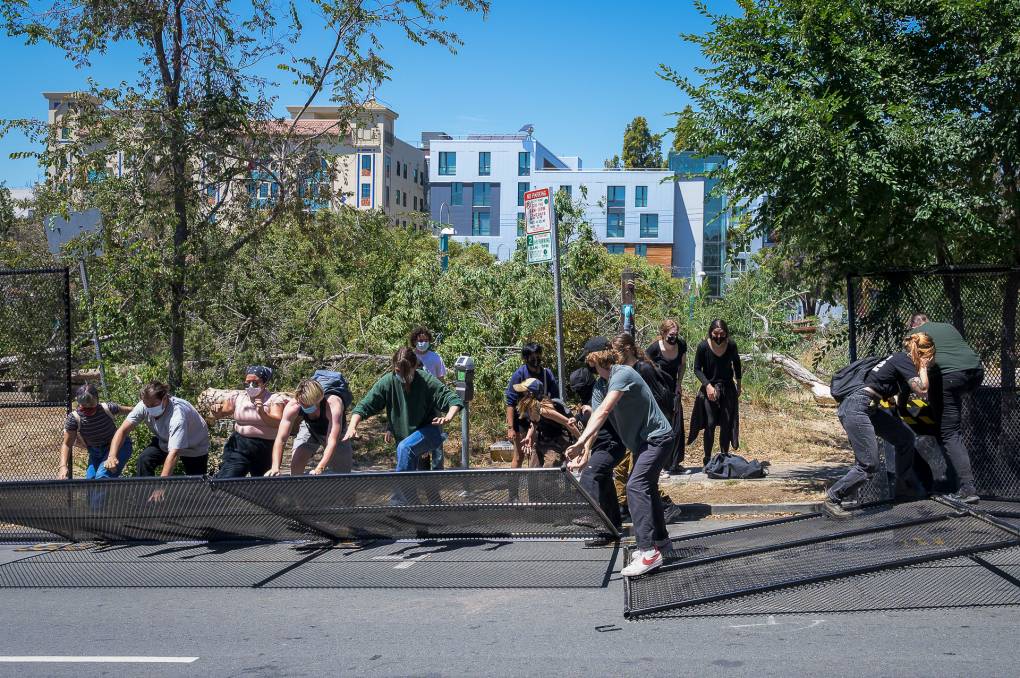
"caption": "Protesters tear down a fence surrounding People's Park in Berkeley on Aug. 3, 2022, in a bid to stop UC Berkeley from building student housing on the site. ",
"description": null,
"title": "Peoples",
"credit": "\u003ca href=\"https://www.jonnyshotit.com/About-me\">Jonathan Hale\u003c/a>",
"status": "inherit",
"altTag": "Protesters push down a large fence in a park.",
"isLoading": false,
"fetchFailed": false
},
"news_11917382": {
"type": "attachments",
"id": "news_11917382",
"meta": {
"index": "attachments_1716263798",
"site": "news",
"id": "11917382",
"found": true
},
"parent": 11917366,
"imgSizes": {
"twentyfourteen-full-width": {
"file": "https://ww2.kqed.org/app/uploads/sites/10/2022/06/Malcolm-Pearce-attends-attends-Berkeley-Juneteenth-Festival-on-Sunday-June-19-2022.--1038x576.jpg",
"width": 1038,
"mimeType": "image/jpeg",
"height": 576
},
"thumbnail": {
"file": "https://ww2.kqed.org/app/uploads/sites/10/2022/06/Malcolm-Pearce-attends-attends-Berkeley-Juneteenth-Festival-on-Sunday-June-19-2022.--160x107.jpg",
"width": 160,
"mimeType": "image/jpeg",
"height": 107
},
"post-thumbnail": {
"file": "https://ww2.kqed.org/app/uploads/sites/10/2022/06/Malcolm-Pearce-attends-attends-Berkeley-Juneteenth-Festival-on-Sunday-June-19-2022.--672x372.jpg",
"width": 672,
"mimeType": "image/jpeg",
"height": 372
},
"kqedFullSize": {
"file": "https://ww2.kqed.org/app/uploads/sites/10/2022/06/Malcolm-Pearce-attends-attends-Berkeley-Juneteenth-Festival-on-Sunday-June-19-2022.-.jpg",
"width": 1920,
"height": 1280
},
"large": {
"file": "https://ww2.kqed.org/app/uploads/sites/10/2022/06/Malcolm-Pearce-attends-attends-Berkeley-Juneteenth-Festival-on-Sunday-June-19-2022.--1020x680.jpg",
"width": 1020,
"mimeType": "image/jpeg",
"height": 680
},
"1536x1536": {
"file": "https://ww2.kqed.org/app/uploads/sites/10/2022/06/Malcolm-Pearce-attends-attends-Berkeley-Juneteenth-Festival-on-Sunday-June-19-2022.--1536x1024.jpg",
"width": 1536,
"mimeType": "image/jpeg",
"height": 1024
},
"medium": {
"file": "https://ww2.kqed.org/app/uploads/sites/10/2022/06/Malcolm-Pearce-attends-attends-Berkeley-Juneteenth-Festival-on-Sunday-June-19-2022.--800x533.jpg",
"width": 800,
"mimeType": "image/jpeg",
"height": 533
}
},
"publishDate": 1655686396,
"modified": 1655692871,
"caption": "Malcolm Perce attends attends Berkeley Juneteenth Festival on Sunday, June 19, 2022.",
"description": "Malcolm Perce attends attends Berkeley Juneteenth Festival on Sunday, June 19, 2022.",
"title": "Malcolm Pearce attends attends Berkeley Juneteenth Festival on Sunday, June 19, 2022.",
"credit": "Estefany Gonzalez",
"status": "inherit",
"altTag": null,
"isLoading": false,
"fetchFailed": false
},
"news_11913502": {
"type": "attachments",
"id": "news_11913502",
"meta": {
"index": "attachments_1716263798",
"site": "news",
"id": "11913502",
"found": true
},
"parent": 11913434,
"imgSizes": {
"twentyfourteen-full-width": {
"file": "https://ww2.kqed.org/app/uploads/sites/10/2022/05/931-MARQUEE-1038x576.jpg",
"width": 1038,
"mimeType": "image/jpeg",
"height": 576
},
"thumbnail": {
"file": "https://ww2.kqed.org/app/uploads/sites/10/2022/05/931-MARQUEE-160x106.jpg",
"width": 160,
"mimeType": "image/jpeg",
"height": 106
},
"post-thumbnail": {
"file": "https://ww2.kqed.org/app/uploads/sites/10/2022/05/931-MARQUEE-672x372.jpg",
"width": 672,
"mimeType": "image/jpeg",
"height": 372
},
"kqedFullSize": {
"file": "https://ww2.kqed.org/app/uploads/sites/10/2022/05/931-MARQUEE-scaled.jpg",
"width": 2560,
"height": 1704
},
"2048x2048": {
"file": "https://ww2.kqed.org/app/uploads/sites/10/2022/05/931-MARQUEE-2048x1363.jpg",
"width": 2048,
"mimeType": "image/jpeg",
"height": 1363
},
"large": {
"file": "https://ww2.kqed.org/app/uploads/sites/10/2022/05/931-MARQUEE-1020x679.jpg",
"width": 1020,
"mimeType": "image/jpeg",
"height": 679
},
"1536x1536": {
"file": "https://ww2.kqed.org/app/uploads/sites/10/2022/05/931-MARQUEE-1536x1022.jpg",
"width": 1536,
"mimeType": "image/jpeg",
"height": 1022
},
"full-width": {
"file": "https://ww2.kqed.org/app/uploads/sites/10/2022/05/931-MARQUEE-1920x1278.jpg",
"width": 1920,
"mimeType": "image/jpeg",
"height": 1278
},
"medium": {
"file": "https://ww2.kqed.org/app/uploads/sites/10/2022/05/931-MARQUEE-800x532.jpg",
"width": 800,
"mimeType": "image/jpeg",
"height": 532
}
},
"publishDate": 1651881241,
"modified": 1651881273,
"caption": "(Beth LaBerge / KQED)",
"description": null,
"title": "931 MARQUEE",
"credit": null,
"status": "inherit",
"altTag": "(Beth LaBerge / KQED)",
"isLoading": false,
"fetchFailed": false
},
"news_11837953": {
"type": "attachments",
"id": "news_11837953",
"meta": {
"index": "attachments_1716263798",
"site": "news",
"id": "11837953",
"found": true
},
"parent": 11837939,
"imgSizes": {
"apple_news_ca_square_4_0": {
"file": "https://ww2.kqed.org/app/uploads/sites/10/2020/09/RS44904_SOLD-OUT-Web-Banners__Tune-In_656x336-sfi-470x328.jpg",
"width": 470,
"mimeType": "image/jpeg",
"height": 328
},
"thumbnail": {
"file": "https://ww2.kqed.org/app/uploads/sites/10/2020/09/RS44904_SOLD-OUT-Web-Banners__Tune-In_656x336-sfi-160x82.jpg",
"width": 160,
"mimeType": "image/jpeg",
"height": 82
},
"kqedFullSize": {
"file": "https://ww2.kqed.org/app/uploads/sites/10/2020/09/RS44904_SOLD-OUT-Web-Banners__Tune-In_656x336-sfi.jpg",
"width": 640,
"height": 328
},
"apple_news_ca_landscape_4_7": {
"file": "https://ww2.kqed.org/app/uploads/sites/10/2020/09/RS44904_SOLD-OUT-Web-Banners__Tune-In_656x336-sfi-632x328.jpg",
"width": 632,
"mimeType": "image/jpeg",
"height": 328
},
"apple_news_ca_portrait_4_7": {
"file": "https://ww2.kqed.org/app/uploads/sites/10/2020/09/RS44904_SOLD-OUT-Web-Banners__Tune-In_656x336-sfi-414x328.jpg",
"width": 414,
"mimeType": "image/jpeg",
"height": 328
},
"apple_news_ca_square_4_7": {
"file": "https://ww2.kqed.org/app/uploads/sites/10/2020/09/RS44904_SOLD-OUT-Web-Banners__Tune-In_656x336-sfi-550x328.jpg",
"width": 550,
"mimeType": "image/jpeg",
"height": 328
},
"apple_news_ca_landscape_4_0": {
"file": "https://ww2.kqed.org/app/uploads/sites/10/2020/09/RS44904_SOLD-OUT-Web-Banners__Tune-In_656x336-sfi-536x328.jpg",
"width": 536,
"mimeType": "image/jpeg",
"height": 328
},
"apple_news_ca_portrait_4_0": {
"file": "https://ww2.kqed.org/app/uploads/sites/10/2020/09/RS44904_SOLD-OUT-Web-Banners__Tune-In_656x336-sfi-354x328.jpg",
"width": 354,
"mimeType": "image/jpeg",
"height": 328
}
},
"publishDate": 1600132494,
"modified": 1600132530,
"caption": null,
"description": "This is the podcast banner for SOLD OUT from KQED. ",
"title": "RS44904_SOLD-OUT-Web-Banners__Tune-In_656x336-sfi",
"credit": "KQED",
"status": "inherit",
"isLoading": false,
"fetchFailed": false
},
"news_11908604": {
"type": "attachments",
"id": "news_11908604",
"meta": {
"index": "attachments_1716263798",
"site": "news",
"id": "11908604",
"found": true
},
"parent": 11908086,
"imgSizes": {
"twentyfourteen-full-width": {
"file": "https://ww2.kqed.org/app/uploads/sites/10/2022/03/Neda-Now-1038x576.jpg",
"width": 1038,
"mimeType": "image/jpeg",
"height": 576
},
"thumbnail": {
"file": "https://ww2.kqed.org/app/uploads/sites/10/2022/03/Neda-Now-160x128.jpg",
"width": 160,
"mimeType": "image/jpeg",
"height": 128
},
"post-thumbnail": {
"file": "https://ww2.kqed.org/app/uploads/sites/10/2022/03/Neda-Now-672x372.jpg",
"width": 672,
"mimeType": "image/jpeg",
"height": 372
},
"kqedFullSize": {
"file": "https://ww2.kqed.org/app/uploads/sites/10/2022/03/Neda-Now.jpg",
"width": 1920,
"height": 1532
},
"large": {
"file": "https://ww2.kqed.org/app/uploads/sites/10/2022/03/Neda-Now-1020x814.jpg",
"width": 1020,
"mimeType": "image/jpeg",
"height": 814
},
"1536x1536": {
"file": "https://ww2.kqed.org/app/uploads/sites/10/2022/03/Neda-Now-1536x1226.jpg",
"width": 1536,
"mimeType": "image/jpeg",
"height": 1226
},
"medium": {
"file": "https://ww2.kqed.org/app/uploads/sites/10/2022/03/Neda-Now-800x638.jpg",
"width": 800,
"mimeType": "image/jpeg",
"height": 638
}
},
"publishDate": 1647628564,
"modified": 1647628643,
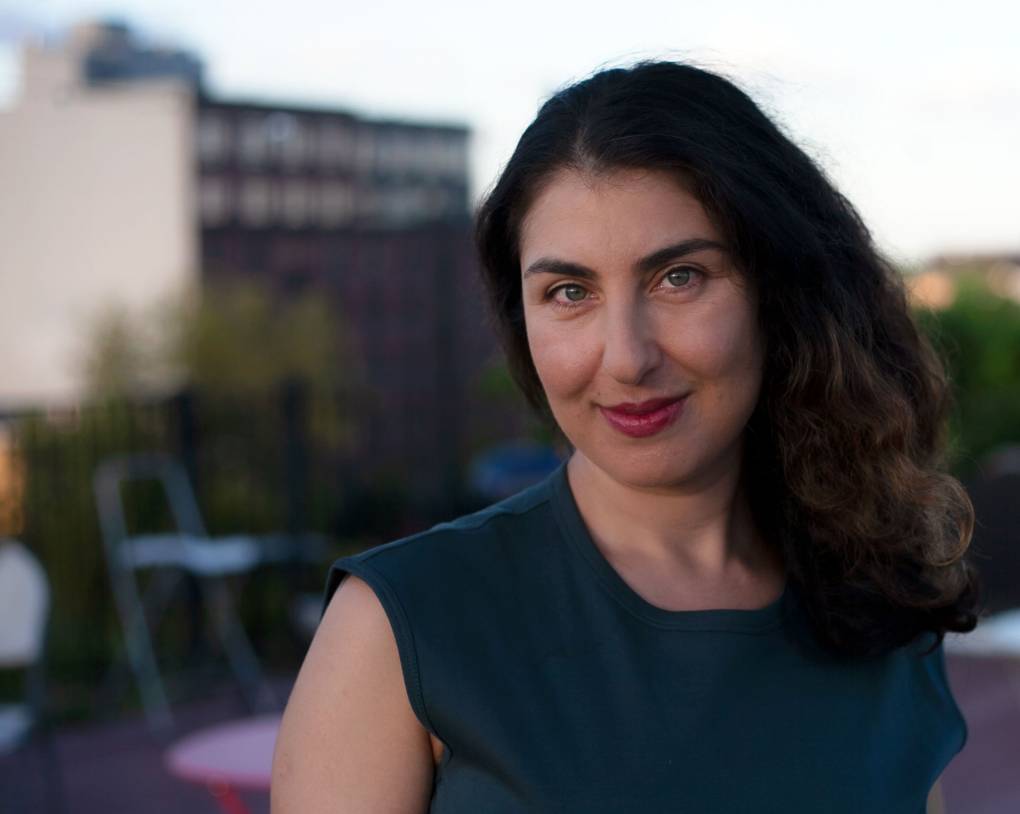
"caption": "Author Neda Toloui-Semnani's new book is a journey to understand her parents' choices as radical activists influenced by the 1960s culture of Berkeley. ",
"description": null,
"title": "Neda-Now",
"credit": "Courtesy Nilo Tabrizy",
"status": "inherit",
"altTag": "A woman standing outside wearing a dark sleeveless shirt.",
"isLoading": false,
"fetchFailed": false
},
"news_11908295": {
"type": "attachments",
"id": "news_11908295",
"meta": {
"index": "attachments_1716263798",
"site": "news",
"id": "11908295",
"found": true
},
"parent": 11908289,
"imgSizes": {
"twentyfourteen-full-width": {
"file": "https://ww2.kqed.org/app/uploads/sites/10/2022/03/limby_031522_final-1038x576.png",
"width": 1038,
"mimeType": "image/png",
"height": 576
},
"thumbnail": {
"file": "https://ww2.kqed.org/app/uploads/sites/10/2022/03/limby_031522_final-160x112.png",
"width": 160,
"mimeType": "image/png",
"height": 112
},
"post-thumbnail": {
"file": "https://ww2.kqed.org/app/uploads/sites/10/2022/03/limby_031522_final-672x372.png",
"width": 672,
"mimeType": "image/png",
"height": 372
},
"kqedFullSize": {
"file": "https://ww2.kqed.org/app/uploads/sites/10/2022/03/limby_031522_final.png",
"width": 1920,
"height": 1341
},
"large": {
"file": "https://ww2.kqed.org/app/uploads/sites/10/2022/03/limby_031522_final-1020x712.png",
"width": 1020,
"mimeType": "image/png",
"height": 712
},
"1536x1536": {
"file": "https://ww2.kqed.org/app/uploads/sites/10/2022/03/limby_031522_final-1536x1073.png",
"width": 1536,
"mimeType": "image/png",
"height": 1073
},
"medium": {
"file": "https://ww2.kqed.org/app/uploads/sites/10/2022/03/limby_031522_final-800x559.png",
"width": 800,
"mimeType": "image/png",
"height": 559
}
},
"publishDate": 1647386588,
"modified": 1647386659,
"caption": null,
"description": null,
"title": "limby_031522_final",
"credit": null,
"status": "inherit",
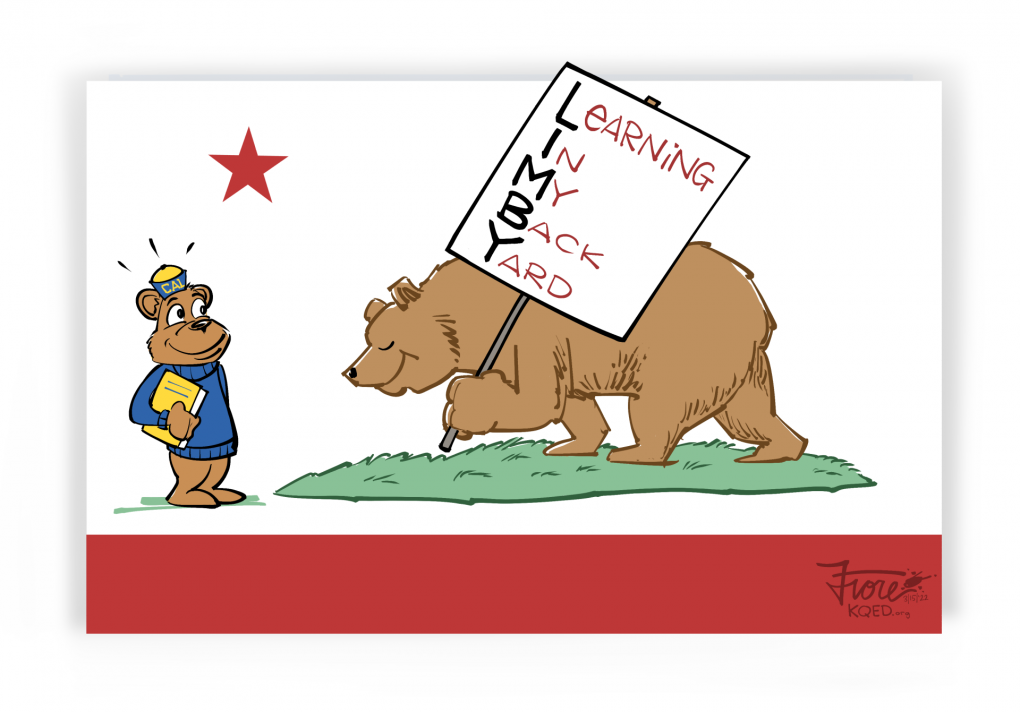
"altTag": "Cartoon: California's bear flag shows the bear holding a \"LIMBY\" sign that reads, \"learning in my backyard\" while the Cal mascot, Oski, smiles.",
"isLoading": false,
"fetchFailed": false
},
"news_11907697": {
"type": "attachments",
"id": "news_11907697",
"meta": {
"index": "attachments_1716263798",
"site": "news",
"id": "11907697",
"found": true
},
"parent": 11907636,
"imgSizes": {
"twentyfourteen-full-width": {
"file": "https://ww2.kqed.org/app/uploads/sites/10/2022/03/RS54126_GettyImages-1235603927-qut-1038x576.jpg",
"width": 1038,
"mimeType": "image/jpeg",
"height": 576
},
"thumbnail": {
"file": "https://ww2.kqed.org/app/uploads/sites/10/2022/03/RS54126_GettyImages-1235603927-qut-160x107.jpg",
"width": 160,
"mimeType": "image/jpeg",
"height": 107
},
"post-thumbnail": {
"file": "https://ww2.kqed.org/app/uploads/sites/10/2022/03/RS54126_GettyImages-1235603927-qut-672x372.jpg",
"width": 672,
"mimeType": "image/jpeg",
"height": 372
},
"kqedFullSize": {
"file": "https://ww2.kqed.org/app/uploads/sites/10/2022/03/RS54126_GettyImages-1235603927-qut.jpg",
"width": 1920,
"height": 1280
},
"large": {
"file": "https://ww2.kqed.org/app/uploads/sites/10/2022/03/RS54126_GettyImages-1235603927-qut-1020x680.jpg",
"width": 1020,
"mimeType": "image/jpeg",
"height": 680
},
"1536x1536": {
"file": "https://ww2.kqed.org/app/uploads/sites/10/2022/03/RS54126_GettyImages-1235603927-qut-1536x1024.jpg",
"width": 1536,
"mimeType": "image/jpeg",
"height": 1024
},
"medium": {
"file": "https://ww2.kqed.org/app/uploads/sites/10/2022/03/RS54126_GettyImages-1235603927-qut-800x533.jpg",
"width": 800,
"mimeType": "image/jpeg",
"height": 533
}
},
"publishDate": 1646866227,
"modified": 1646866326,
"caption": "Starting Friday, March 11, you will no longer have to show proof of vaccination to enter restaurants, bars and gyms in San Francisco and Berkeley.",
"description": null,
"title": "a look at Permanent Records Roadhouse where vaccine verification is the only way to gain entry",
"credit": "Mariah Tauger/Los Angeles Times via Getty Images",
"status": "inherit",
"altTag": "person wearing pink mask and cowboy hat with bright eyeliner holds up vaccination card",
"isLoading": false,
"fetchFailed": false
}
},
"audioPlayerReducer": {
"postId": "stream_live",
"isPaused": true,
"isPlaying": false,
"pfsActive": false,
"pledgeModalIsOpen": true,
"playerDrawerIsOpen": false,
"liveAudioPlayStartedAt": 0,
"liveAudioPlayContext": ""
},
"authorsReducer": {
"byline_news_11922794": {
"type": "authors",
"id": "byline_news_11922794",
"meta": {
"override": true
},
"slug": "byline_news_11922794",
"name": "\u003ca href=\"https://twitter.com/NoahBaustin\">Noah Baustin\u003c/a>\u003cbr>\u003ca href=\"https://www.berkeleyside.org/\">Berkeleyside\u003c/a>",
"isLoading": false
},
"byline_news_11921973": {
"type": "authors",
"id": "byline_news_11921973",
"meta": {
"override": true
},
"slug": "byline_news_11921973",
"name": "Carolyn Jones\u003cbr>EdSource",
"isLoading": false
},
"kqed": {
"type": "authors",
"id": "236",
"meta": {
"index": "authors_1716337520",
"id": "236",
"found": true
},
"name": "KQED News Staff",
"firstName": "KQED News Staff",
"lastName": null,
"slug": "kqed",
"email": "faq@kqed.org",
"display_author_email": false,
"staff_mastheads": [],
"title": null,
"bio": null,
"avatar": "https://secure.gravatar.com/avatar/ef0e801a68c4c54afa9180db14084167?s=600&d=blank&r=g",
"twitter": null,
"facebook": null,
"instagram": null,
"linkedin": null,
"sites": [
{
"site": "arts",
"roles": [
"contributor"
]
},
{
"site": "news",
"roles": [
"editor"
]
},
{
"site": "futureofyou",
"roles": [
"author"
]
}
],
"headData": {
"title": "KQED News Staff | KQED",
"description": null,
"ogImgSrc": "https://secure.gravatar.com/avatar/ef0e801a68c4c54afa9180db14084167?s=600&d=blank&r=g",
"twImgSrc": "https://secure.gravatar.com/avatar/ef0e801a68c4c54afa9180db14084167?s=600&d=blank&r=g"
},
"isLoading": false,
"link": "/author/kqed"
},
"sasha-khokha": {
"type": "authors",
"id": "254",
"meta": {
"index": "authors_1716337520",
"id": "254",
"found": true
},
"name": "Sasha Khokha",
"firstName": "Sasha",
"lastName": "Khokha",
"slug": "sasha-khokha",
"email": "skhokha@kqed.org",
"display_author_email": true,
"staff_mastheads": [
"news"
],
"title": "Host, The California Report Magazine",
"bio": "Sasha Khokha is the host of \u003cem>The California Report's \u003c/em> weekly magazine program, which takes listeners on sound-rich excursions to meet the people that make the Golden State unique -- through audio documentaries and long-form stories. As \u003cem>The California Report's\u003c/em> Central Valley Bureau Chief based in Fresno for nearly a dozen years, Sasha brought the lives and concerns of rural Californians to listeners around the state. Her reporting helped expose the hidden price immigrant women janitors and farmworkers may pay to keep their jobs: sexual assault at work. It inspired two new California laws to protect them from sexual harassment. She was a key member of the reporting team for the Frontline film \u003cem>Rape on the Night Shift, \u003c/em>which was nominated for two national Emmys. Sasha has also won a national Edward R. Murrow and a national PRNDI award for investigative reporting, as well as multiple prizes from the Society for Professional Journalists. Sasha is a proud alum of the UC Berkeley Graduate School of Journalism and Brown University and a member of the South Asian Journalists Association.",
"avatar": "https://secure.gravatar.com/avatar/e4b5e1541aaeea2aa356aa1fb2a68950?s=600&d=blank&r=g",
"twitter": "KQEDSashaKhokha",
"facebook": null,
"instagram": null,
"linkedin": null,
"sites": [
{
"site": "news",
"roles": [
"editor"
]
},
{
"site": "stateofhealth",
"roles": [
"author"
]
},
{
"site": "science",
"roles": [
"author"
]
},
{
"site": "quest",
"roles": [
"subscriber"
]
}
],
"headData": {
"title": "Sasha Khokha | KQED",
"description": "Host, The California Report Magazine",
"ogImgSrc": "https://secure.gravatar.com/avatar/e4b5e1541aaeea2aa356aa1fb2a68950?s=600&d=blank&r=g",
"twImgSrc": "https://secure.gravatar.com/avatar/e4b5e1541aaeea2aa356aa1fb2a68950?s=600&d=blank&r=g"
},
"isLoading": false,
"link": "/author/sasha-khokha"
},
"tarasiler": {
"type": "authors",
"id": "257",
"meta": {
"index": "authors_1716337520",
"id": "257",
"found": true
},
"name": "Tara Siler",
"firstName": "Tara",
"lastName": "Siler",
"slug": "tarasiler",
"email": "tsiler@kqed.org",
"display_author_email": false,
"staff_mastheads": [
"news"
],
"title": "KQED Contributor",
"bio": "Tara reports and anchors for KQED news. She covers a range of issues from community-police relations to local politics. Tara started out in community radio in the Bay Area, where she was raised. She eventually moved to Washington DC where she covered Congress for eight years for Pacifica and Monitor Radio. Her stories have also been heard on NPR's All Things Considered, Morning Edition and The World.\r\n\r\nTara lives with her husband in Oakland-- where they raised their two sons. She enjoys spending time with her family, gardening and hiking in the Oakland hills... and keeping up with the news.",
"avatar": "https://secure.gravatar.com/avatar/99802f9746fb80b65fd8ec6c57954450?s=600&d=blank&r=g",
"twitter": null,
"facebook": null,
"instagram": null,
"linkedin": null,
"sites": [
{
"site": "news",
"roles": [
"contributor",
"edit_others_posts"
]
},
{
"site": "stateofhealth",
"roles": [
"author"
]
}
],
"headData": {
"title": "Tara Siler | KQED",
"description": "KQED Contributor",
"ogImgSrc": "https://secure.gravatar.com/avatar/99802f9746fb80b65fd8ec6c57954450?s=600&d=blank&r=g",
"twImgSrc": "https://secure.gravatar.com/avatar/99802f9746fb80b65fd8ec6c57954450?s=600&d=blank&r=g"
},
"isLoading": false,
"link": "/author/tarasiler"
},
"matthewgreen": {
"type": "authors",
"id": "1263",
"meta": {
"index": "authors_1716337520",
"id": "1263",
"found": true
},
"name": "Matthew Green",
"firstName": "Matthew",
"lastName": "Green",
"slug": "matthewgreen",
"email": "mgreen@kqed.org",
"display_author_email": false,
"staff_mastheads": [],
"title": "KQED Editor/Reporter",
"bio": "Matthew Green is a digital media producer for KQED News. He previously produced \u003ca href=\"http://www.kqed.org/lowdown\">The Lowdown\u003c/a>, KQED’s multimedia news education blog. Matthew's written for numerous Bay Area publications, including the Oakland Tribune and San Francisco Chronicle. He also taught journalism classes at Fremont High School in East Oakland.\r\n\r\nEmail: mgreen@kqed.org; Twitter: @MGreenKQED",
"avatar": "https://secure.gravatar.com/avatar/3bf498d1267ca02c8494f33d8cfc575e?s=600&d=blank&r=g",
"twitter": "MGreenKQED",
"facebook": null,
"instagram": null,
"linkedin": null,
"sites": [
{
"site": "news",
"roles": []
},
{
"site": "lowdown",
"roles": []
},
{
"site": "science",
"roles": []
},
{
"site": "education",
"roles": []
},
{
"site": "quest",
"roles": []
},
{
"site": "liveblog",
"roles": []
}
],
"headData": {
"title": "Matthew Green | KQED",
"description": "KQED Editor/Reporter",
"ogImgSrc": "https://secure.gravatar.com/avatar/3bf498d1267ca02c8494f33d8cfc575e?s=600&d=blank&r=g",
"twImgSrc": "https://secure.gravatar.com/avatar/3bf498d1267ca02c8494f33d8cfc575e?s=600&d=blank&r=g"
},
"isLoading": false,
"link": "/author/matthewgreen"
},
"markfiore": {
"type": "authors",
"id": "3236",
"meta": {
"index": "authors_1716337520",
"id": "3236",
"found": true
},
"name": "Mark Fiore",
"firstName": "Mark",
"lastName": "Fiore",
"slug": "markfiore",
"email": "mark@markfiore.com",
"display_author_email": false,
"staff_mastheads": [
"news"
],
"title": "KQED News Cartoonist",
"bio": "\u003ca href=\"http://www.MarkFiore.com\">MarkFiore.com\u003c/a> | \u003ca href=\"https://twitter.com/markfiore\">Follow on Twitter\u003c/a> | \u003ca href=\"https://www.facebook.com/pages/Mark-Fiore-Animated-Political-Cartoons/94451707396?ref=bookmarks\">Facebook\u003c/a> | \u003ca href=\"mailto:mark@markfiore.com\">email\u003c/a>\r\n\r\nPulitzer Prize-winner, Mark Fiore, who the Wall Street Journal has called “the undisputed guru of the form,” creates animated political cartoons in San Francisco, where his work has been featured regularly on the San Francisco Chronicle’s web site, SFGate.com. His work has appeared on Newsweek.com, Slate.com, CBSNews.com, MotherJones.com, DailyKos.com and NPR’s web site. Fiore’s political animation has appeared on CNN, Frontline, Bill Moyers Journal, Salon.com and cable and broadcast outlets across the globe.\r\n\r\nBeginning his professional life by drawing traditional political cartoons for newspapers, Fiore’s work appeared in publications ranging from the Washington Post to the Los Angeles Times. In the late 1990s, he began to experiment with animating political cartoons and, after a short stint at the San Jose Mercury News as their staff cartoonist, Fiore devoted all his energies to animation.\r\nGrowing up in California, Fiore also spent a good portion of his life in the backwoods of Idaho. It was this combination that shaped him politically. Mark majored in political science at Colorado College, where, in a perfect send-off for a cartoonist, he received his diploma in 1991 as commencement speaker Dick Cheney smiled approvingly.\r\nMark Fiore was awarded the Pulitzer Prize for political cartooning in 2010, a Robert F. Kennedy Journalism Award in 2004 and has twice received an Online Journalism Award for commentary from the Online News Association (2002, 2008). Fiore has received two awards for his work in new media from the National Cartoonists Society (2001, 2002), and in 2006 received The James Madison Freedom of Information Award from The Society of Professional Journalists.",
"avatar": "https://secure.gravatar.com/avatar/fc4e2a612b15b67bad0c6f0e1db4ca9b?s=600&d=blank&r=g",
"twitter": "MarkFiore",
"facebook": null,
"instagram": "https://www.instagram.com/markfiore/?hl=en",
"linkedin": null,
"sites": [
{
"site": "arts",
"roles": [
"contributor"
]
},
{
"site": "news",
"roles": [
"editor"
]
},
{
"site": "futureofyou",
"roles": [
"editor"
]
},
{
"site": "science",
"roles": [
"editor"
]
}
],
"headData": {
"title": "Mark Fiore | KQED",
"description": "KQED News Cartoonist",
"ogImgSrc": "https://secure.gravatar.com/avatar/fc4e2a612b15b67bad0c6f0e1db4ca9b?s=600&d=blank&r=g",
"twImgSrc": "https://secure.gravatar.com/avatar/fc4e2a612b15b67bad0c6f0e1db4ca9b?s=600&d=blank&r=g"
},
"isLoading": false,
"link": "/author/markfiore"
},
"carlysevern": {
"type": "authors",
"id": "3243",
"meta": {
"index": "authors_1716337520",
"id": "3243",
"found": true
},
"name": "Carly Severn",
"firstName": "Carly",
"lastName": "Severn",
"slug": "carlysevern",
"email": "csevern@kqed.org",
"display_author_email": false,
"staff_mastheads": [
"news"
],
"title": "Senior Editor, Audience News ",
"bio": "Carly is KQED's Senior Editor of Audience News on the Digital News team, and has reported for the California Report Magazine, Bay Curious and KQED Arts. She's formerly the host of \u003ca href=\"http://ww2.kqed.org/pop/category/the-cooler/\" rel=\"noopener noreferrer\">The Cooler\u003c/a> podcast.",
"avatar": "https://secure.gravatar.com/avatar/54037bf5c128fe678f0ef26cec97a93f2e7f220a22d7285703328f12c42c1b1d?s=600&d=blank&r=g",
"twitter": "teacupinthebay",
"bluesky": null,
"facebook": null,
"instagram": null,
"linkedin": null,
"sites": [
{
"site": "",
"roles": [
"editor"
]
},
{
"site": "arts",
"roles": [
"editor"
]
},
{
"site": "news",
"roles": [
"administrator"
]
},
{
"site": "pop",
"roles": [
"editor"
]
},
{
"site": "futureofyou",
"roles": [
"editor"
]
},
{
"site": "about",
"roles": [
"administrator"
]
},
{
"site": "mindshift",
"roles": [
"editor"
]
},
{
"site": "bayareabites",
"roles": [
"editor"
]
},
{
"site": "stateofhealth",
"roles": [
"editor"
]
},
{
"site": "science",
"roles": [
"editor"
]
},
{
"site": "food",
"roles": [
"contributor"
]
},
{
"site": "forum",
"roles": [
"editor"
]
},
{
"site": "perspectives",
"roles": [
"administrator"
]
},
{
"site": "liveblog",
"roles": [
"editor"
]
}
],
"headData": {
"title": "Carly Severn | KQED",
"description": "Senior Editor, Audience News ",
"ogImgSrc": "https://secure.gravatar.com/avatar/54037bf5c128fe678f0ef26cec97a93f2e7f220a22d7285703328f12c42c1b1d?s=600&d=blank&r=g",
"twImgSrc": "https://secure.gravatar.com/avatar/54037bf5c128fe678f0ef26cec97a93f2e7f220a22d7285703328f12c42c1b1d?s=600&d=blank&r=g"
},
"isLoading": false,
"link": "/author/carlysevern"
},
"ecruzguevarra": {
"type": "authors",
"id": "8654",
"meta": {
"index": "authors_1716337520",
"id": "8654",
"found": true
},
"name": "Ericka Cruz Guevarra",
"firstName": "Ericka",
"lastName": "Cruz Guevarra",
"slug": "ecruzguevarra",
"email": "ecruzguevarra@kqed.org",
"display_author_email": true,
"staff_mastheads": [
"news"
],
"title": "Producer, The Bay Podcast",
"bio": "Ericka Cruz Guevarra is host of \u003ca href=\"https://www.kqed.org/podcasts/thebay\">\u003cem>The Bay\u003c/em>\u003c/a> podcast at KQED. Before host, she was the show’s producer. Her work in that capacity includes a three-part reported series on policing in Vallejo, which won a 2020 excellence in journalism award from the Society of Professional Journalists. Ericka has worked as a breaking news reporter at Oregon Public Broadcasting, helped produce the Code Switch podcast, and was KQED’s inaugural Raul Ramirez Diversity Fund intern. She’s also an alumna of NPR’s Next Generation Radio program. Send her an email if you have strong feelings about whether Fairfield and Suisun City are the Bay. Ericka is represented by SAG-AFTRA.",
"avatar": "https://secure.gravatar.com/avatar/accefc1de4bafc7e234b69bcb9b6f6536c130fd84709bc3069ef11a78787e1bb?s=600&d=blank&r=g",
"twitter": "NotoriousECG",
"bluesky": null,
"facebook": null,
"instagram": null,
"linkedin": null,
"sites": [
{
"site": "arts",
"roles": [
"subscriber"
]
},
{
"site": "news",
"roles": [
"editor",
"manage_categories"
]
},
{
"site": "futureofyou",
"roles": [
"subscriber"
]
},
{
"site": "stateofhealth",
"roles": [
"subscriber"
]
},
{
"site": "science",
"roles": [
"editor"
]
},
{
"site": "forum",
"roles": [
"subscriber"
]
}
],
"headData": {
"title": "Ericka Cruz Guevarra | KQED",
"description": "Producer, The Bay Podcast",
"ogImgSrc": "https://secure.gravatar.com/avatar/accefc1de4bafc7e234b69bcb9b6f6536c130fd84709bc3069ef11a78787e1bb?s=600&d=blank&r=g",
"twImgSrc": "https://secure.gravatar.com/avatar/accefc1de4bafc7e234b69bcb9b6f6536c130fd84709bc3069ef11a78787e1bb?s=600&d=blank&r=g"
},
"isLoading": false,
"link": "/author/ecruzguevarra"
},
"lsarah": {
"type": "authors",
"id": "11626",
"meta": {
"index": "authors_1716337520",
"id": "11626",
"found": true
},
"name": "Lakshmi Sarah",
"firstName": "Lakshmi",
"lastName": "Sarah",
"slug": "lsarah",
"email": "lsarah@kqed.org",
"display_author_email": false,
"staff_mastheads": [],
"title": "Digital Producer",
"bio": "Lakshmi Sarah is an educator, author and journalist with a focus on innovative storytelling. She has worked with newspapers, radio and magazines from Ahmedabad, India to Los Angeles, California. She has written and produced for Die Zeit, Global Voices, AJ+, KQED, Fusion Media Group and the New York Times.",
"avatar": "https://secure.gravatar.com/avatar/652dcaecd8b28826fc17a8b2d6bb4e93?s=600&d=blank&r=g",
"twitter": "lakitalki",
"facebook": null,
"instagram": "https://www.instagram.com/laki.talki/",
"linkedin": "https://www.linkedin.com/in/lakisarah/",
"sites": [
{
"site": "arts",
"roles": []
},
{
"site": "news",
"roles": []
},
{
"site": "bayareabites",
"roles": []
},
{
"site": "science",
"roles": []
}
],
"headData": {
"title": "Lakshmi Sarah | KQED",
"description": "Digital Producer",
"ogImgSrc": "https://secure.gravatar.com/avatar/652dcaecd8b28826fc17a8b2d6bb4e93?s=600&d=blank&r=g",
"twImgSrc": "https://secure.gravatar.com/avatar/652dcaecd8b28826fc17a8b2d6bb4e93?s=600&d=blank&r=g"
},
"isLoading": false,
"link": "/author/lsarah"
},
"kmoghadam": {
"type": "authors",
"id": "11637",
"meta": {
"index": "authors_1716337520",
"id": "11637",
"found": true
},
"name": "Kyana Moghadam",
"firstName": "Kyana",
"lastName": "Moghadam",
"slug": "kmoghadam",
"email": "kmoghadam@kqed.org",
"display_author_email": false,
"staff_mastheads": [
"news"
],
"title": "Senior Producer ",
"bio": "Kyana Moghadam is a senior producer at KQED. Prior to joining KQED, she was an audio producer and editor with Al Jazeera, Jetty Studios, VOX Media, Democracy Now!, and Global Press.",
"avatar": "https://secure.gravatar.com/avatar/cdbd6cb0b9e99deaa9eb618abdba56f265d374a2c614710aebeb4e58decbc5f0?s=600&d=blank&r=g",
"twitter": null,
"bluesky": null,
"facebook": null,
"instagram": null,
"linkedin": "https://www.linkedin.com/in/kyanamoghadam/",
"sites": [
{
"site": "",
"roles": [
"editor"
]
},
{
"site": "arts",
"roles": [
"editor"
]
},
{
"site": "news",
"roles": [
"administrator"
]
},
{
"site": "pop",
"roles": [
"editor"
]
},
{
"site": "about",
"roles": [
"editor"
]
},
{
"site": "forum",
"roles": [
"editor"
]
},
{
"site": "perspectives",
"roles": [
"editor"
]
},
{
"site": "podcasts",
"roles": [
"administrator"
]
}
],
"headData": {
"title": "Kyana Moghadam | KQED",
"description": "Senior Producer ",
"ogImgSrc": "https://secure.gravatar.com/avatar/cdbd6cb0b9e99deaa9eb618abdba56f265d374a2c614710aebeb4e58decbc5f0?s=600&d=blank&r=g",
"twImgSrc": "https://secure.gravatar.com/avatar/cdbd6cb0b9e99deaa9eb618abdba56f265d374a2c614710aebeb4e58decbc5f0?s=600&d=blank&r=g"
},
"isLoading": false,
"link": "/author/kmoghadam"
},
"amontecillo": {
"type": "authors",
"id": "11649",
"meta": {
"index": "authors_1716337520",
"id": "11649",
"found": true
},
"name": "Alan Montecillo",
"firstName": "Alan",
"lastName": "Montecillo",
"slug": "amontecillo",
"email": "amontecillo@kqed.org",
"display_author_email": false,
"staff_mastheads": [
"news"
],
"title": "KQED Contributor",
"bio": "Alan Montecillo is the senior editor of \u003cem>\u003ca href=\"http://kqed.org/thebay\">The Bay\u003c/a>, \u003c/em> KQED's local news podcast. Before moving to the Bay Area, he worked as a senior talk show producer for WILL in Champaign-Urbana, Illinois and at Oregon Public Broadcasting in Portland, Oregon. He has won journalism awards from the Society of Professional Journalists Northern California, the Public Media Journalists Association, The Signal Awards, and has also received a regional Edward R. Murrow award. Alan is a Filipino American from Hong Kong and a graduate of Reed College.",
"avatar": "https://secure.gravatar.com/avatar/268f53a2066899ea9efdd8a5900218b17c822d9862cbc9326cccec53ef41d349?s=600&d=blank&r=g",
"twitter": "alanmontecillo",
"bluesky": null,
"facebook": null,
"instagram": null,
"linkedin": null,
"sites": [
{
"site": "",
"roles": [
"editor"
]
},
{
"site": "news",
"roles": [
"editor",
"manage_categories"
]
}
],
"headData": {
"title": "Alan Montecillo | KQED",
"description": "KQED Contributor",
"ogImgSrc": "https://secure.gravatar.com/avatar/268f53a2066899ea9efdd8a5900218b17c822d9862cbc9326cccec53ef41d349?s=600&d=blank&r=g",
"twImgSrc": "https://secure.gravatar.com/avatar/268f53a2066899ea9efdd8a5900218b17c822d9862cbc9326cccec53ef41d349?s=600&d=blank&r=g"
},
"isLoading": false,
"link": "/author/amontecillo"
},
"abandlamudi": {
"type": "authors",
"id": "11672",
"meta": {
"index": "authors_1716337520",
"id": "11672",
"found": true
},
"name": "Adhiti Bandlamudi",
"firstName": "Adhiti",
"lastName": "Bandlamudi",
"slug": "abandlamudi",
"email": "abandlamudi@kqed.org",
"display_author_email": false,
"staff_mastheads": [
"news"
],
"title": "KQED Housing Reporter",
"bio": "Adhiti Bandlamudi reports for KQED's Housing desk. She focuses on how housing gets built across the Bay Area. Before joining KQED in 2020, she reported for WUNC in Durham, North Carolina, WABE in Atlanta, Georgia and Capital Public Radio in Sacramento. In 2017, she was awarded a Kroc Fellowship at NPR where she reported on everything from sprinkles to the Golden State Killer's arrest. When she's not reporting, she's baking new recipes in her kitchen or watching movies with friends and family. She's originally from Georgia and has strong opinions about Great British Bake Off.",
"avatar": "https://secure.gravatar.com/avatar/868129c8b257bb99a3500e2c86a65400?s=600&d=mm&r=g",
"twitter": "oddity_adhiti",
"facebook": null,
"instagram": null,
"linkedin": null,
"sites": [
{
"site": "arts",
"roles": [
"author"
]
},
{
"site": "news",
"roles": [
"editor"
]
},
{
"site": "liveblog",
"roles": [
"author"
]
}
],
"headData": {
"title": "Adhiti Bandlamudi | KQED",
"description": "KQED Housing Reporter",
"ogImgSrc": "https://secure.gravatar.com/avatar/868129c8b257bb99a3500e2c86a65400?s=600&d=mm&r=g",
"twImgSrc": "https://secure.gravatar.com/avatar/868129c8b257bb99a3500e2c86a65400?s=600&d=mm&r=g"
},
"isLoading": false,
"link": "/author/abandlamudi"
},
"jrodriguez": {
"type": "authors",
"id": "11690",
"meta": {
"index": "authors_1716337520",
"id": "11690",
"found": true
},
"name": "Joe Fitzgerald Rodriguez",
"firstName": "Joe",
"lastName": "Fitzgerald Rodriguez",
"slug": "jrodriguez",
"email": "jrodriguez@kqed.org",
"display_author_email": true,
"staff_mastheads": [
"news"
],
"title": "Reporter and Producer",
"bio": "Joe Fitzgerald Rodriguez is a reporter and digital producer for KQED covering politics. Joe most recently wrote for the \u003cem>San Francisco Examiner\u003c/em> as a political columnist covering The City. He was raised in San Francisco and has spent his reporting career in his beloved, foggy, city by the bay. Joe was 12-years-old when he conducted his first interview in journalism, grilling former San Francisco Mayor Willie Brown for the Marina Middle School newspaper, \u003cem>The Penguin Press, \u003c/em>and he continues to report on the San Francisco Bay Area to this day.",
"avatar": "https://secure.gravatar.com/avatar/2247beb0564c1e9c62228d5649d2edac?s=600&d=blank&r=g",
"twitter": "FitztheReporter",
"facebook": null,
"instagram": "https://www.instagram.com/fitzthereporter/",
"linkedin": null,
"sites": [
{
"site": "",
"roles": [
"editor"
]
},
{
"site": "arts",
"roles": [
"editor"
]
},
{
"site": "news",
"roles": [
"editor"
]
},
{
"site": "science",
"roles": [
"editor"
]
},
{
"site": "elections",
"roles": [
"editor"
]
},
{
"site": "liveblog",
"roles": [
"editor"
]
}
],
"headData": {
"title": "Joe Fitzgerald Rodriguez | KQED",
"description": "Reporter and Producer",
"ogImgSrc": "https://secure.gravatar.com/avatar/2247beb0564c1e9c62228d5649d2edac?s=600&d=blank&r=g",
"twImgSrc": "https://secure.gravatar.com/avatar/2247beb0564c1e9c62228d5649d2edac?s=600&d=blank&r=g"
},
"isLoading": false,
"link": "/author/jrodriguez"
},
"amadrigal": {
"type": "authors",
"id": "11757",
"meta": {
"index": "authors_1716337520",
"id": "11757",
"found": true
},
"name": "Alexis Madrigal",
"firstName": "Alexis",
"lastName": "Madrigal",
"slug": "amadrigal",
"email": "amadrigal@kqed.org",
"display_author_email": true,
"staff_mastheads": [],
"title": "Co-Host Forum",
"bio": "Alexis Madrigal is the co-host of Forum. He is also a contributing writer at \u003cem>The Atlantic \u003c/em>and the co-founder of the COVID Tracking Project. He's the creator of the podcast, \u003cem>Containers\u003c/em>, and has been a staff writer at \u003cem>Wired. \u003c/em>He was a visiting scholar at UC Berkeley's Information School, and is working on a book about Oakland and the Bay Area's revolutionary ideas.",
"avatar": "https://secure.gravatar.com/avatar/ffeee1fe99a3e31957381f377ca63502bdcc0c3dbccaaa701e579a10aa0c5e1f?s=600&d=blank&r=g",
"twitter": "alexismadrigal",
"bluesky": null,
"facebook": null,
"instagram": null,
"linkedin": null,
"sites": [
{
"site": "arts",
"roles": [
"editor"
]
},
{
"site": "news",
"roles": [
"editor"
]
},
{
"site": "forum",
"roles": [
"editor"
]
}
],
"headData": {
"title": "Alexis Madrigal | KQED",
"description": "Co-Host Forum",
"ogImgSrc": "https://secure.gravatar.com/avatar/ffeee1fe99a3e31957381f377ca63502bdcc0c3dbccaaa701e579a10aa0c5e1f?s=600&d=blank&r=g",
"twImgSrc": "https://secure.gravatar.com/avatar/ffeee1fe99a3e31957381f377ca63502bdcc0c3dbccaaa701e579a10aa0c5e1f?s=600&d=blank&r=g"
},
"isLoading": false,
"link": "/author/amadrigal"
},
"afinney": {
"type": "authors",
"id": "11772",
"meta": {
"index": "authors_1716337520",
"id": "11772",
"found": true
},
"name": "Annelise Finney",
"firstName": "Annelise",
"lastName": "Finney",
"slug": "afinney",
"email": "afinney@kqed.org",
"display_author_email": false,
"staff_mastheads": [],
"title": "Reporter",
"bio": "Annelise reports on reparations in California and East Bay politics. She co-produced the Sunday Music Drop, a limited-term radio series featuring Bay Area musicians that aired between Sept 2022 and Oct 2024. She joined KQED in 2021 as a general assignment reporter and is an alumna of KALW's Audio Academy. She was born and raised in the East Bay. She is currently away from KQED completing a year-long reporting project in Berlin, Germany as a Alexander Von Humboldt German Chancellor Fellow.",
"avatar": "https://secure.gravatar.com/avatar/b439010ea6540bec1060ee74b3c94314480991106a4a84e774fe5a0fd6605878?s=600&d=mm&r=g",
"twitter": null,
"bluesky": null,
"facebook": null,
"instagram": null,
"linkedin": null,
"sites": [
{
"site": "news",
"roles": [
"subscriber"
]
},
{
"site": "liveblog",
"roles": [
"subscriber"
]
}
],
"headData": {
"title": "Annelise Finney | KQED",
"description": "Reporter",
"ogImgSrc": "https://secure.gravatar.com/avatar/b439010ea6540bec1060ee74b3c94314480991106a4a84e774fe5a0fd6605878?s=600&d=mm&r=g",
"twImgSrc": "https://secure.gravatar.com/avatar/b439010ea6540bec1060ee74b3c94314480991106a4a84e774fe5a0fd6605878?s=600&d=mm&r=g"
},
"isLoading": false,
"link": "/author/afinney"
},
"naldana": {
"type": "authors",
"id": "11793",
"meta": {
"index": "authors_1716337520",
"id": "11793",
"found": true
},
"name": "Natalia Aldana",
"firstName": "Natalia",
"lastName": "Aldana",
"slug": "naldana",
"email": "naldana@kqed.org",
"display_author_email": false,
"staff_mastheads": [],
"title": "KQED Producer",
"bio": "Natalia Aldana is the senior engagement producer for KQED podcasts.",
"avatar": "https://secure.gravatar.com/avatar/c784d8a94359b38cc84991c1a7a565b2?s=600&d=blank&r=g",
"twitter": null,
"facebook": null,
"instagram": null,
"linkedin": null,
"sites": [
{
"site": "news",
"roles": [
"editor"
]
}
],
"headData": {
"title": "Natalia Aldana | KQED",
"description": "KQED Producer",
"ogImgSrc": "https://secure.gravatar.com/avatar/c784d8a94359b38cc84991c1a7a565b2?s=600&d=blank&r=g",
"twImgSrc": "https://secure.gravatar.com/avatar/c784d8a94359b38cc84991c1a7a565b2?s=600&d=blank&r=g"
},
"isLoading": false,
"link": "/author/naldana"
}
},
"pagesReducer": {
"news_tag_berkeley": {
"type": "terms",
"id": "news_129",
"meta": {
"index": "terms_1716263798",
"site": "news",
"id": "129",
"score": 6.9285283
},
"featImg": null,
"name": "Berkeley",
"description": null,
"taxonomy": "tag",
"headData": {
"twImgId": null,
"twTitle": null,
"ogTitle": null,
"ogImgId": null,
"twDescription": null,
"description": null,
"title": "Berkeley Archives | KQED News",
"ogDescription": null
},
"ttid": 133,
"slug": "berkeley",
"isLoading": false,
"title": "Berkeley",
"pageMeta": {
"site": "news",
"WpPageTemplate": "page-topic-editorial",
"currentPage": 11
},
"blocks": [
{
"blockName": "kqed/post-list",
"attrs": {
"layout": "cardArticle2",
"query": "posts/news?tag=berkeley",
"seeMore": false,
"paginated": true,
"page": 11
}
},
{
"blockName": "kqed/ad"
}
]
}
},
"pfsSessionReducer": {},
"postsReducer": {
"stream_live": {
"type": "live",
"id": "stream_live",
"audioUrl": "https://streams.kqed.org/kqedradio",
"title": "Live Stream",
"excerpt": "Live Stream information currently unavailable.",
"link": "/radio",
"featImg": "",
"label": {
"name": "KQED Live",
"link": "/"
}
},
"stream_kqedNewscast": {
"type": "posts",
"id": "stream_kqedNewscast",
"audioUrl": "https://www.kqed.org/.stream/anon/radio/RDnews/newscast.mp3?_=1",
"title": "KQED Newscast",
"featImg": "",
"label": {
"name": "88.5 FM",
"link": "/"
}
},
"news_11922794": {
"type": "posts",
"id": "news_11922794",
"meta": {
"index": "posts_1716263798",
"site": "news",
"id": "11922794",
"score": null,
"sort": [
1660935677000
]
},
"parent": 0,
"labelTerm": {},
"blocks": [],
"publishDate": 1660935677,
"format": "standard",
"disqusTitle": "Life Along Berkeley's San Pablo Avenue, Through the Lens of 6 Small Businesses",
"title": "Life Along Berkeley's San Pablo Avenue, Through the Lens of 6 Small Businesses",
"headTitle": "The California Report Magazine | KQED News",
"content": "\u003cp>\u003cem>\u003ca href=\"https://www.berkeleyside.org/2022/07/31/life-on-san-pablo-avenue-berkeley\">A version of this story was originally published in Berkeleyside.\u003c/a>\u003c/em>\u003c/p>\n\u003cp>Tall, leafy trees line the section of San Pablo Avenue in Berkeley between University Avenue and Cedar Street. Chain-link fences box in empty lots, and brightly colored murals feature a desert oasis and a creature with crescent-shaped eyes and a long tail. People walk in and out of cafes, bakeries, auto body shops and a lighting store overflowing with lamps.\u003c/p>\n\u003cp>Storefronts like these make up our everyday landscape, and the people who run these local establishments are our neighbors. But how often do we get off autopilot and take the time to get to know the people behind the buildings?\u003c/p>\n\u003cp>Reporter Noah Baustin did just that on this small stretch of San Pablo Avenue, and found that everyone has a story to tell, as long as someone is willing to ask.\u003c/p>\n\u003cfigure id=\"attachment_11922816\" class=\"wp-caption aligncenter\" style=\"max-width: 1920px\">\u003cimg class=\"size-full wp-image-11922816\" src=\"https://ww2.kqed.org/app/uploads/sites/10/2022/08/SanPabloBlocks.jpg\" alt=\"\" width=\"1920\" height=\"561\" srcset=\"https://ww2.kqed.org/app/uploads/sites/10/2022/08/SanPabloBlocks.jpg 1920w, https://ww2.kqed.org/app/uploads/sites/10/2022/08/SanPabloBlocks-800x234.jpg 800w, https://ww2.kqed.org/app/uploads/sites/10/2022/08/SanPabloBlocks-1020x298.jpg 1020w, https://ww2.kqed.org/app/uploads/sites/10/2022/08/SanPabloBlocks-160x47.jpg 160w, https://ww2.kqed.org/app/uploads/sites/10/2022/08/SanPabloBlocks-1536x449.jpg 1536w\" sizes=\"(max-width: 1920px) 100vw, 1920px\">\u003cfigcaption class=\"wp-caption-text\">Reporter Noah Baustin got the personal stories behind six businesses on the stretch of San Pablo Avenue between University Avenue and Cedar Street in Berkeley. \u003ccite>(Datawrapper/Berkeleyside)\u003c/cite>\u003c/figcaption>\u003c/figure>\n\u003cp>[ad fullwidth]\u003c/p>\n\u003ch2>Paper Plus Party Store: Ronny Carrillo\u003c/h2>\n\u003cfigure id=\"attachment_11922839\" class=\"wp-caption aligncenter\" style=\"max-width: 1680px\">\u003cimg class=\"size-full wp-image-11922839\" src=\"https://ww2.kqed.org/app/uploads/sites/10/2022/08/RonnyPaperPlus.jpg\" alt=\"man sits at desk in store surrounded by cornucopia of inflated hearts, animals\" width=\"1680\" height=\"1099\" srcset=\"https://ww2.kqed.org/app/uploads/sites/10/2022/08/RonnyPaperPlus.jpg 1680w, https://ww2.kqed.org/app/uploads/sites/10/2022/08/RonnyPaperPlus-800x523.jpg 800w, https://ww2.kqed.org/app/uploads/sites/10/2022/08/RonnyPaperPlus-1020x667.jpg 1020w, https://ww2.kqed.org/app/uploads/sites/10/2022/08/RonnyPaperPlus-160x105.jpg 160w, https://ww2.kqed.org/app/uploads/sites/10/2022/08/RonnyPaperPlus-1536x1005.jpg 1536w\" sizes=\"(max-width: 1680px) 100vw, 1680px\">\u003cfigcaption class=\"wp-caption-text\">Ronny Carrillo, balloon decorator at Paper Plus Party Store, has worked at the store for 20 years. He says he wants his legacy to be defined as having a positive influence on the people in his life. \u003ccite>(Ximena Natera/Courtesy of Berkeleyside/CatchLight)\u003c/cite>\u003c/figcaption>\u003c/figure>\n\u003cp>\u003c!-- iframe plugin v.4.3 wordpress.org/plugins/iframe/ -->\u003cbr>\n\u003ciframe width=\"100%\" height=\"166\" scrolling=\"no\" frameborder=\"no\" allow=\"autoplay\" src=\"https://w.soundcloud.com/player/?url=https%3A//api.soundcloud.com/tracks/1307530678&color=0053a4&hide_related=true&show_comments=false&show_teaser=false\" class=\"iframe-class\">\u003c/iframe>\u003c/p>\n\u003cp>The Paper Plus Party Store, on San Pablo Avenue just south of Cedar Street, is overflowing with supplies for just about every celebration you can imagine.\u003c/p>\n\u003cp>Michele Schurman, who’s run the store for nearly 40 years, walked through the narrow rows pointing to products stuffed on shelves and ticking off occasions as she went. There’s Mardi Gras, Pride, baby showers, christenings and bar mitzvahs.\u003c/p>\n\u003cp>“In fact, we do all the Jewish holidays up big,” Schurman said.\u003c/p>\n\u003cp>But with her work so tied up in every season’s celebrations, Schurman has trouble tapping into the holiday spirit when she goes home at the end of the day.\u003c/p>\n\u003cp>“I actually don’t even do holidays much anymore,” she said. “It’s kind of like coal is to Newcastle.”\u003c/p>\n\u003cp>Ronny Carrillo, the store’s balloon decorator, is typically found surrounded by a cornucopia of inflated hearts, animals and crowns.\u003c/p>\n\u003cp>Carrillo has worked at Party Plus for 20 years and said he wants his legacy to be defined as having a positive influence on the people in his life. He shared how deeply moved he was when an older customer returned to the shop years after the death of her grandson and asked to buy a yellow balloon, just like she used to get with the boy. “She told me, ‘Can I give you a hug?’” he said.\u003c/p>\n\u003cp>With no children of his own, Carrillo cherishes his role as an uncle and considers himself his nephew’s mentor.\u003c/p>\n\u003cp>“One thing that I taught him since he was a kid is every time, any moment, you try to invent your happiness, create your happiness,” Carrillo said.\u003c/p>\n\u003ch2>Silvera Jewelry School: Anat and Joe Silvera\u003c/h2>\n\u003cfigure id=\"attachment_11922852\" class=\"wp-caption aligncenter\" style=\"max-width: 1656px\">\u003cimg class=\"size-full wp-image-11922852\" src=\"https://ww2.kqed.org/app/uploads/sites/10/2022/08/SilveraJewelry.jpg\" alt=\"Couple stand behind worktable in well-lit workshop, facing camera\" width=\"1656\" height=\"1105\" srcset=\"https://ww2.kqed.org/app/uploads/sites/10/2022/08/SilveraJewelry.jpg 1656w, https://ww2.kqed.org/app/uploads/sites/10/2022/08/SilveraJewelry-800x534.jpg 800w, https://ww2.kqed.org/app/uploads/sites/10/2022/08/SilveraJewelry-1020x681.jpg 1020w, https://ww2.kqed.org/app/uploads/sites/10/2022/08/SilveraJewelry-160x107.jpg 160w, https://ww2.kqed.org/app/uploads/sites/10/2022/08/SilveraJewelry-1536x1025.jpg 1536w\" sizes=\"(max-width: 1656px) 100vw, 1656px\">\u003cfigcaption class=\"wp-caption-text\">Anat and Joe Silvera at their Silvera Jewelry School, on Virginia Street just off San Pablo Avenue. \u003ccite>(Ximena Natera/Courtesy of Berkeleyside/CatchLight)\u003c/cite>\u003c/figcaption>\u003c/figure>\n\u003cp>\u003c!-- iframe plugin v.4.3 wordpress.org/plugins/iframe/ -->\u003cbr>\n\u003ciframe width=\"100%\" height=\"166\" scrolling=\"no\" frameborder=\"no\" allow=\"autoplay\" src=\"https://w.soundcloud.com/player/?url=https%3A//api.soundcloud.com/tracks/1314434203&color=0053a4&hide_related=true&show_comments=false&show_teaser=false\" class=\"iframe-class\">\u003c/iframe>\u003c/p>\n\u003cp>Anat Silvera of the Silvera Jewelry School — located on Virginia Street just off San Pablo Avenue — remembered the first piece of jewelry that ever dazzled her: a sterling silver and enamel tiepin worn by her grandfather, a door-to-door insurance salesman.\u003c/p>\n\u003cp>“That was something that was just so beautiful for me,” she said.\u003c/p>\n\u003cp>Anat and Joe Silvera met at an arts event in Oakland. They were the only two jewelers in the room.\u003c/p>\n\u003cp>“We started talking and all of our friends quietly disappeared,” Joe Silvera said. The two felt an instant connection. “It's like all of a sudden you had something with which to measure how different everybody else you dated was,” he said.\u003c/p>\n\u003cp>Nine months later, the pair got married.\u003c/p>\n\u003cp>The Silveras went on to open their jewelry school together, where they offer jewelry-making classes to all — but committing to a career in the arts came with risk, and their families were worried about that uncertainty.\u003c/p>\n\u003cp>“They work the nine-to-five and get the really good pension, but at a job they were never happy with,” Anat Silvera reflected.\u003c/p>\n\u003cp>“I'm really glad that I took that chance and, you know, didn't give up,” she said.\u003c/p>\n\u003ch2>Albatross Pub: Andrew McGee\u003c/h2>\n\u003cfigure id=\"attachment_11922854\" class=\"wp-caption aligncenter\" style=\"max-width: 1640px\">\u003cimg class=\"size-full wp-image-11922854\" src=\"https://ww2.kqed.org/app/uploads/sites/10/2022/08/McGeeAlbatross.jpg\" alt=\"Bearded man sitting in a chair on a patio at night lighted by overhead string of lights\" width=\"1640\" height=\"1061\" srcset=\"https://ww2.kqed.org/app/uploads/sites/10/2022/08/McGeeAlbatross.jpg 1640w, https://ww2.kqed.org/app/uploads/sites/10/2022/08/McGeeAlbatross-800x518.jpg 800w, https://ww2.kqed.org/app/uploads/sites/10/2022/08/McGeeAlbatross-1020x660.jpg 1020w, https://ww2.kqed.org/app/uploads/sites/10/2022/08/McGeeAlbatross-160x104.jpg 160w, https://ww2.kqed.org/app/uploads/sites/10/2022/08/McGeeAlbatross-1536x994.jpg 1536w\" sizes=\"(max-width: 1640px) 100vw, 1640px\">\u003cfigcaption class=\"wp-caption-text\">Andrew McGee and his fellow co-owner of the Albatross Pub made the difficult decision to close the bar in late 2020 due to the COVID pandemic. \u003ccite>(Ximena Natera/Courtesy of Berkeleyside/CatchLight)\u003c/cite>\u003c/figcaption>\u003c/figure>\n\u003cp>\u003c!-- iframe plugin v.4.3 wordpress.org/plugins/iframe/ -->\u003cbr>\n\u003ciframe width=\"100%\" height=\"166\" scrolling=\"no\" frameborder=\"no\" allow=\"autoplay\" src=\"https://w.soundcloud.com/player/?url=https%3A//api.soundcloud.com/tracks/1314435310&color=0053a4&hide_related=true&show_comments=false&show_teaser=false\" class=\"iframe-class\">\u003c/iframe>\u003c/p>\n\u003cp>The Albatross Pub used to have brass plaques inlaid in the wood of the bar. The plaques memorialized regulars who had passed away since the watering hole opened in 1964.\u003c/p>\n\u003cp>Despite surviving decades of change in Berkeley, the beloved bar faced an insurmountable challenge when the COVID-19 pandemic shut its doors for months on end.\u003c/p>\n\u003cp>“When it was December of 2020 and there was still no end in sight, we still had to pay rent for everything,” said Andrew McGee, who began working at the bar in 2004 and later stepped in as a co-owner of the business. “We didn't have unlimited money.”\u003c/p>\n\u003cp>McGee and his fellow co-owner then \u003ca href=\"https://www.berkeleyside.org/2020/11/10/historic-berkeley-watering-hole-albatross-pub-closing-due-to-covid-19\">made the tough decision to close the bar for good\u003c/a>. McGee is determined to reopen the bar in another location one day, but he acutely feels the loss of the San Pablo space that was a mainstay of Berkeley nightlife for over 50 years.\u003c/p>\n\u003cp>Even worse than losing the bar and its brass memorials is losing the community of regulars that called the Albatross home.\u003c/p>\n\u003cp>“There’s tons of people who I wish I had their phone number. I just always saw them there,” he said.\u003c/p>\n\u003ch2>Auto Doctor: Joe Ahmadieh\u003c/h2>\n\u003cfigure id=\"attachment_11922880\" class=\"wp-caption aligncenter\" style=\"max-width: 1643px\">\u003cimg class=\"size-full wp-image-11922880\" src=\"https://ww2.kqed.org/app/uploads/sites/10/2022/08/JoeAutoDoctor.jpg\" alt=\"man sits inside car with window down, with car dealership signs in background\" width=\"1643\" height=\"1086\" srcset=\"https://ww2.kqed.org/app/uploads/sites/10/2022/08/JoeAutoDoctor.jpg 1643w, https://ww2.kqed.org/app/uploads/sites/10/2022/08/JoeAutoDoctor-800x529.jpg 800w, https://ww2.kqed.org/app/uploads/sites/10/2022/08/JoeAutoDoctor-1020x674.jpg 1020w, https://ww2.kqed.org/app/uploads/sites/10/2022/08/JoeAutoDoctor-160x106.jpg 160w, https://ww2.kqed.org/app/uploads/sites/10/2022/08/JoeAutoDoctor-1536x1015.jpg 1536w\" sizes=\"(max-width: 1643px) 100vw, 1643px\">\u003cfigcaption class=\"wp-caption-text\">Joe Ahmadieh has been running the Auto Doctor dealership on San Pablo Avenue for 32 years. \u003ccite>(Ximena Natera/Courtesy of Berkeleyside/CatchLight)\u003c/cite>\u003c/figcaption>\u003c/figure>\n\u003cp>\u003c!-- iframe plugin v.4.3 wordpress.org/plugins/iframe/ -->\u003cbr>\n\u003ciframe width=\"100%\" height=\"166\" scrolling=\"no\" frameborder=\"no\" allow=\"autoplay\" src=\"https://w.soundcloud.com/player/?url=https%3A//api.soundcloud.com/tracks/1314436300&color=0053a4&hide_related=true&show_comments=false&show_teaser=false\" class=\"iframe-class\">\u003c/iframe>\u003c/p>\n\u003cp>Joe Ahmadieh immigrated from Iran with dreams of becoming a doctor.\u003c/p>\n\u003cp>As he studied biology at Santa Clara University, he bought and sold used cars to pay his way through school. After undergrad, he kept on flipping cars, and this side job blossomed into a full-blown business. When the letter arrived from the California College of Podiatric Medicine notifying him that it was time to register for classes, he didn’t go. Instead, he poured himself into his used-car business.\u003c/p>\n\u003cp>Ahmadieh has been running the Auto Doctor dealership for 32 years. Recently, he reflected on his decision to pass up medical school.\u003c/p>\n\u003cp>“Now I’m regretting every day,” Ahmadieh said. He’s excelled in the used-car business, but that’s the only area where he feels he has been successful.\u003c/p>\n\u003cp>“For example, I don’t have any children,” Ahmadieh said. “I was married for 15 years, I got divorced.”\u003c/p>\n\u003cp>Ahmadieh believes his commitment to the dealership spurred his wife to leave him. When asked if he’s dating now, Ahmadieh laughed and shook his head \"no.\"\u003c/p>\n\u003cp>“I’m dating my business,” he said. “Every day, six days a week.”\u003c/p>\n\u003ch2>Sacred Rose Tattoo: Karen Roze\u003c/h2>\n\u003cfigure id=\"attachment_11922882\" class=\"wp-caption aligncenter\" style=\"max-width: 1630px\">\u003cimg class=\"size-full wp-image-11922882\" src=\"https://ww2.kqed.org/app/uploads/sites/10/2022/08/KarenRozeTattoo.jpg\" alt=\"woman wearing jeans and plaid shirt smiles sitting in her tattoo shop, with neon sign in background\" width=\"1630\" height=\"1074\" srcset=\"https://ww2.kqed.org/app/uploads/sites/10/2022/08/KarenRozeTattoo.jpg 1630w, https://ww2.kqed.org/app/uploads/sites/10/2022/08/KarenRozeTattoo-800x527.jpg 800w, https://ww2.kqed.org/app/uploads/sites/10/2022/08/KarenRozeTattoo-1020x672.jpg 1020w, https://ww2.kqed.org/app/uploads/sites/10/2022/08/KarenRozeTattoo-160x105.jpg 160w, https://ww2.kqed.org/app/uploads/sites/10/2022/08/KarenRozeTattoo-1536x1012.jpg 1536w\" sizes=\"(max-width: 1630px) 100vw, 1630px\">\u003cfigcaption class=\"wp-caption-text\">Karen Roze, owner of Sacred Rose Tattoo on San Pablo Avenue near University in Berkeley. \u003ccite>(Ximena Natera/Courtesy of Berkeleyside/CatchLight)\u003c/cite>\u003c/figcaption>\u003c/figure>\n\u003cp>\u003c!-- iframe plugin v.4.3 wordpress.org/plugins/iframe/ -->\u003cbr>\n\u003ciframe width=\"100%\" height=\"166\" scrolling=\"no\" frameborder=\"no\" allow=\"autoplay\" src=\"https://w.soundcloud.com/player/?url=https%3A//api.soundcloud.com/tracks/1307472970&color=0053a4&hide_related=true&show_comments=false&show_teaser=false\" class=\"iframe-class\">\u003c/iframe>\u003c/p>\n\u003cp>It took Karen Roze an entire year to find a tattoo apprenticeship when she first tried to break into the industry three decades ago.\u003c/p>\n\u003cp>“Nobody taught women how to tattoo back then, ever,” Roze said. “So it's pretty remarkable that I weaseled my way in, and I had to fight to stay there, too.”\u003c/p>\n\u003cp>In her first tattooing jobs, Roze dealt with serious sexual harassment and intimidation from men who wanted to muscle her out of the business. But she pushed through.\u003c/p>\n\u003cp>“You just have to say, ‘I deserve this,’” Roze said. “And one of those things you deserve is respect.”\u003c/p>\n\u003cp>Roze went on to open her own tattoo shop, Sacred Rose Tattoo, and today she says that getting a tattoo can be very empowering, especially for women.\u003c/p>\n\u003cp>“Everyone your whole life tells you how you're supposed to look and everything,” Roze said. “When you get a tattoo, you're basically telling the whole world, ‘I don’t care what you think about how I look.’”\u003c/p>\n\u003ch2>Everett & Jones Barbeque: Shamar Cotton\u003c/h2>\n\u003cfigure id=\"attachment_11922884\" class=\"wp-caption aligncenter\" style=\"max-width: 1642px\">\u003cimg class=\"size-full wp-image-11922884\" src=\"https://ww2.kqed.org/app/uploads/sites/10/2022/08/Shamar.jpg\" alt=\"Man sits at table with pensive expression outside front glass windows of his bbq restaurant\" width=\"1642\" height=\"1098\" srcset=\"https://ww2.kqed.org/app/uploads/sites/10/2022/08/Shamar.jpg 1642w, https://ww2.kqed.org/app/uploads/sites/10/2022/08/Shamar-800x535.jpg 800w, https://ww2.kqed.org/app/uploads/sites/10/2022/08/Shamar-1020x682.jpg 1020w, https://ww2.kqed.org/app/uploads/sites/10/2022/08/Shamar-160x107.jpg 160w, https://ww2.kqed.org/app/uploads/sites/10/2022/08/Shamar-1536x1027.jpg 1536w\" sizes=\"(max-width: 1642px) 100vw, 1642px\">\u003cfigcaption class=\"wp-caption-text\">Shamar Cotton reflects on his mother’s legacy at Everett & Jones Barbeque, and on the weight of stepping up as the third generation in his family to run the restaurant. \u003ccite>(Noah Baustin/Berkeleyside)\u003c/cite>\u003c/figcaption>\u003c/figure>\n\u003cp>\u003c!-- iframe plugin v.4.3 wordpress.org/plugins/iframe/ -->\u003cbr>\n\u003ciframe width=\"100%\" height=\"166\" scrolling=\"no\" frameborder=\"no\" allow=\"autoplay\" src=\"https://w.soundcloud.com/player/?url=https%3A//api.soundcloud.com/tracks/1314436891&color=0053a4&hide_related=true&show_comments=false&show_teaser=false\" class=\"iframe-class\">\u003c/iframe>\u003c/p>\n\u003cp>Mary Everett used to greet customers in the front of her restaurant wearing an Everett & Jones Barbeque visor hat and a pair of sunglasses.\u003c/p>\n\u003cp>“If you said, ‘I’ve never had the barbeque,’ she’d be like, ‘Where have you been? I’ve only been here for 35 years, so you’re missing some of the best barbeque out there,” said Shamar Cotton, Everett’s son.\u003c/p>\n\u003cp>Cotton knew that one day, he, along with his brother and sister, would be the third generation in his family to run the famed restaurant, which is one of the longest-running Black-owned barbeque joints in the Bay Area. He explained what it’s like to grow up with your mother as your boss.\u003c/p>\n\u003cp>“You get to learn all the secrets and you get to carry the torch,” he said.\u003c/p>\n\u003cp>But the moment of passing the torch arrived faster than he ever imagined. \u003ca href=\"https://www.berkeleyside.org/2021/11/08/mary-everett-and-jones-obituary-berkeley\">His mother died last year at 65 years old after contracting COVID-19.\u003c/a>\u003c/p>\n\u003cp>On the day of her passing, daily operations continued at the restaurant. Cotton went to Everett & Jones and sat outside, trying to take it in.\u003c/p>\n\u003cp>“‘My mom’s not here, I’ve got to take care of the restaurant, I’ve got to keep this going,’” Cotton recalled thinking that day.\u003c/p>\n\u003cp>Cotton has seen plenty of other family businesses collapse after the matriarch passes away. In the wake of his mother’s death, he’s determined to uphold the family legacy.\u003c/p>\n\u003cp>He grew up with the restaurant and now he’s using the lessons that were passed down to him. He lives by the phrase his grandmother always repeated: “KISS: Keep it simple, stupid.”\u003c/p>\n\u003cp>\u003cem>Noah Baustin is a journalist and audio producer based in Berkeley, currently working for The San Francisco Standard as a data reporter. This audio project was his senior thesis at UC Berkeley’s graduate school of journalism \u003ca href=\"https://www.berkeleyside.org/2022/07/31/life-on-san-pablo-avenue-berkeley\">and was first published by Berkeleyside\u003c/a>. \u003c/em>\u003c/p>\n\u003cp>[ad floatright]\u003c/p>\n",
"disqusIdentifier": "11922794 https://ww2.kqed.org/news/?p=11922794",
"disqusUrl": "https://ww2.kqed.org/news/2022/08/19/life-along-berkeleys-san-pablo-ave-through-the-lens-of-6-small-businesses/",
"stats": {
"hasVideo": false,
"hasChartOrMap": false,
"hasAudio": true,
"hasPolis": false,
"wordCount": 1838,
"hasGoogleForm": false,
"hasGallery": false,
"hasHearkenModule": false,
"iframeSrcs": [],
"paragraphCount": 58
},
"modified": 1660943858,
"excerpt": "Reporter Noah Baustin got the personal stories behind the storefronts of six businesses on a small stretch of San Pablo Avenue between University Avenue and Cedar Street in Berkeley.",
"headData": {
"twImgId": "",
"twTitle": "",
"ogTitle": "",
"ogImgId": "",
"twDescription": "",
"description": "Reporter Noah Baustin got the personal stories behind the storefronts of six businesses on a small stretch of San Pablo Avenue between University Avenue and Cedar Street in Berkeley.",
"title": "Life Along Berkeley's San Pablo Avenue, Through the Lens of 6 Small Businesses | KQED",
"ogDescription": "",
"schema": {
"@context": "https://schema.org",
"@type": "NewsArticle",
"headline": "Life Along Berkeley's San Pablo Avenue, Through the Lens of 6 Small Businesses",
"datePublished": "2022-08-19T12:01:17-07:00",
"dateModified": "2022-08-19T14:17:38-07:00",
"image": "https://cdn.kqed.org/wp-content/uploads/2020/02/KQED-OG-Image@1x.png",
"isAccessibleForFree": "True",
"publisher": {
"@type": "NewsMediaOrganization",
"@id": "https://www.kqed.org/#organization",
"name": "KQED",
"logo": "https://cdn.kqed.org/wp-content/uploads/2020/02/KQED-OG-Image@1x.png",
"url": "https://www.kqed.org",
"sameAs": [
"https://www.facebook.com/KQED",
"https://twitter.com/KQED",
"https://www.instagram.com/kqed/",
"https://www.tiktok.com/@kqedofficial",
"https://www.linkedin.com/company/kqed",
"https://www.youtube.com/channel/UCeC0IOo7i1P_61zVUWbJ4nw"
]
}
}
},
"guestAuthors": [],
"slug": "life-along-berkeleys-san-pablo-ave-through-the-lens-of-6-small-businesses",
"status": "publish",
"sourceUrl": "https://www.kqed.org/californiareportmagazine",
"audioUrl": "https://traffic.omny.fm/d/clips/0af137ef-751e-4b19-a055-aaef00d2d578/ffca7e9f-6831-41c5-bcaf-aaef00f5a073/9fba4296-a2b9-4c6c-8db8-aef6015d15fb/audio.mp3",
"nprByline": "\u003ca href=\"https://twitter.com/NoahBaustin\">Noah Baustin\u003c/a>\u003cbr>\u003ca href=\"https://www.berkeleyside.org/\">Berkeleyside\u003c/a>",
"excludeFromSiteSearch": "Include",
"source": "The California Report Magazine",
"showOnAuthorArchivePages": "No",
"path": "/news/11922794/life-along-berkeleys-san-pablo-ave-through-the-lens-of-6-small-businesses",
"audioTrackLength": null,
"parsedContent": [
{
"type": "contentString",
"content": "\u003cdiv class=\"post-body\">\u003cp>\u003cp>\u003cem>\u003ca href=\"https://www.berkeleyside.org/2022/07/31/life-on-san-pablo-avenue-berkeley\">A version of this story was originally published in Berkeleyside.\u003c/a>\u003c/em>\u003c/p>\n\u003cp>Tall, leafy trees line the section of San Pablo Avenue in Berkeley between University Avenue and Cedar Street. Chain-link fences box in empty lots, and brightly colored murals feature a desert oasis and a creature with crescent-shaped eyes and a long tail. People walk in and out of cafes, bakeries, auto body shops and a lighting store overflowing with lamps.\u003c/p>\n\u003cp>Storefronts like these make up our everyday landscape, and the people who run these local establishments are our neighbors. But how often do we get off autopilot and take the time to get to know the people behind the buildings?\u003c/p>\n\u003cp>Reporter Noah Baustin did just that on this small stretch of San Pablo Avenue, and found that everyone has a story to tell, as long as someone is willing to ask.\u003c/p>\n\u003cfigure id=\"attachment_11922816\" class=\"wp-caption aligncenter\" style=\"max-width: 1920px\">\u003cimg class=\"size-full wp-image-11922816\" src=\"https://ww2.kqed.org/app/uploads/sites/10/2022/08/SanPabloBlocks.jpg\" alt=\"\" width=\"1920\" height=\"561\" srcset=\"https://ww2.kqed.org/app/uploads/sites/10/2022/08/SanPabloBlocks.jpg 1920w, https://ww2.kqed.org/app/uploads/sites/10/2022/08/SanPabloBlocks-800x234.jpg 800w, https://ww2.kqed.org/app/uploads/sites/10/2022/08/SanPabloBlocks-1020x298.jpg 1020w, https://ww2.kqed.org/app/uploads/sites/10/2022/08/SanPabloBlocks-160x47.jpg 160w, https://ww2.kqed.org/app/uploads/sites/10/2022/08/SanPabloBlocks-1536x449.jpg 1536w\" sizes=\"(max-width: 1920px) 100vw, 1920px\">\u003cfigcaption class=\"wp-caption-text\">Reporter Noah Baustin got the personal stories behind six businesses on the stretch of San Pablo Avenue between University Avenue and Cedar Street in Berkeley. \u003ccite>(Datawrapper/Berkeleyside)\u003c/cite>\u003c/figcaption>\u003c/figure>\n\u003cp>\u003c/p>\u003c/div>",
"attributes": {
"named": {},
"numeric": []
}
},
{
"type": "component",
"content": "",
"name": "ad",
"attributes": {
"named": {
"label": "fullwidth"
},
"numeric": [
"fullwidth"
]
}
},
{
"type": "contentString",
"content": "\u003cdiv class=\"post-body\">\u003cp>\u003c/p>\n\u003ch2>Paper Plus Party Store: Ronny Carrillo\u003c/h2>\n\u003cfigure id=\"attachment_11922839\" class=\"wp-caption aligncenter\" style=\"max-width: 1680px\">\u003cimg class=\"size-full wp-image-11922839\" src=\"https://ww2.kqed.org/app/uploads/sites/10/2022/08/RonnyPaperPlus.jpg\" alt=\"man sits at desk in store surrounded by cornucopia of inflated hearts, animals\" width=\"1680\" height=\"1099\" srcset=\"https://ww2.kqed.org/app/uploads/sites/10/2022/08/RonnyPaperPlus.jpg 1680w, https://ww2.kqed.org/app/uploads/sites/10/2022/08/RonnyPaperPlus-800x523.jpg 800w, https://ww2.kqed.org/app/uploads/sites/10/2022/08/RonnyPaperPlus-1020x667.jpg 1020w, https://ww2.kqed.org/app/uploads/sites/10/2022/08/RonnyPaperPlus-160x105.jpg 160w, https://ww2.kqed.org/app/uploads/sites/10/2022/08/RonnyPaperPlus-1536x1005.jpg 1536w\" sizes=\"(max-width: 1680px) 100vw, 1680px\">\u003cfigcaption class=\"wp-caption-text\">Ronny Carrillo, balloon decorator at Paper Plus Party Store, has worked at the store for 20 years. He says he wants his legacy to be defined as having a positive influence on the people in his life. \u003ccite>(Ximena Natera/Courtesy of Berkeleyside/CatchLight)\u003c/cite>\u003c/figcaption>\u003c/figure>\n\u003cp>\u003c!-- iframe plugin v.4.3 wordpress.org/plugins/iframe/ -->\u003cbr>\n\u003ciframe width=\"100%\" height=\"166\" scrolling=\"no\" frameborder=\"no\" allow=\"autoplay\" src=\"https://w.soundcloud.com/player/?url=https%3A//api.soundcloud.com/tracks/1307530678&color=0053a4&hide_related=true&show_comments=false&show_teaser=false\" class=\"iframe-class\">\u003c/iframe>\u003c/p>\n\u003cp>The Paper Plus Party Store, on San Pablo Avenue just south of Cedar Street, is overflowing with supplies for just about every celebration you can imagine.\u003c/p>\n\u003cp>Michele Schurman, who’s run the store for nearly 40 years, walked through the narrow rows pointing to products stuffed on shelves and ticking off occasions as she went. There’s Mardi Gras, Pride, baby showers, christenings and bar mitzvahs.\u003c/p>\n\u003cp>“In fact, we do all the Jewish holidays up big,” Schurman said.\u003c/p>\n\u003cp>But with her work so tied up in every season’s celebrations, Schurman has trouble tapping into the holiday spirit when she goes home at the end of the day.\u003c/p>\n\u003cp>“I actually don’t even do holidays much anymore,” she said. “It’s kind of like coal is to Newcastle.”\u003c/p>\n\u003cp>Ronny Carrillo, the store’s balloon decorator, is typically found surrounded by a cornucopia of inflated hearts, animals and crowns.\u003c/p>\n\u003cp>Carrillo has worked at Party Plus for 20 years and said he wants his legacy to be defined as having a positive influence on the people in his life. He shared how deeply moved he was when an older customer returned to the shop years after the death of her grandson and asked to buy a yellow balloon, just like she used to get with the boy. “She told me, ‘Can I give you a hug?’” he said.\u003c/p>\n\u003cp>With no children of his own, Carrillo cherishes his role as an uncle and considers himself his nephew’s mentor.\u003c/p>\n\u003cp>“One thing that I taught him since he was a kid is every time, any moment, you try to invent your happiness, create your happiness,” Carrillo said.\u003c/p>\n\u003ch2>Silvera Jewelry School: Anat and Joe Silvera\u003c/h2>\n\u003cfigure id=\"attachment_11922852\" class=\"wp-caption aligncenter\" style=\"max-width: 1656px\">\u003cimg class=\"size-full wp-image-11922852\" src=\"https://ww2.kqed.org/app/uploads/sites/10/2022/08/SilveraJewelry.jpg\" alt=\"Couple stand behind worktable in well-lit workshop, facing camera\" width=\"1656\" height=\"1105\" srcset=\"https://ww2.kqed.org/app/uploads/sites/10/2022/08/SilveraJewelry.jpg 1656w, https://ww2.kqed.org/app/uploads/sites/10/2022/08/SilveraJewelry-800x534.jpg 800w, https://ww2.kqed.org/app/uploads/sites/10/2022/08/SilveraJewelry-1020x681.jpg 1020w, https://ww2.kqed.org/app/uploads/sites/10/2022/08/SilveraJewelry-160x107.jpg 160w, https://ww2.kqed.org/app/uploads/sites/10/2022/08/SilveraJewelry-1536x1025.jpg 1536w\" sizes=\"(max-width: 1656px) 100vw, 1656px\">\u003cfigcaption class=\"wp-caption-text\">Anat and Joe Silvera at their Silvera Jewelry School, on Virginia Street just off San Pablo Avenue. \u003ccite>(Ximena Natera/Courtesy of Berkeleyside/CatchLight)\u003c/cite>\u003c/figcaption>\u003c/figure>\n\u003cp>\u003c!-- iframe plugin v.4.3 wordpress.org/plugins/iframe/ -->\u003cbr>\n\u003ciframe width=\"100%\" height=\"166\" scrolling=\"no\" frameborder=\"no\" allow=\"autoplay\" src=\"https://w.soundcloud.com/player/?url=https%3A//api.soundcloud.com/tracks/1314434203&color=0053a4&hide_related=true&show_comments=false&show_teaser=false\" class=\"iframe-class\">\u003c/iframe>\u003c/p>\n\u003cp>Anat Silvera of the Silvera Jewelry School — located on Virginia Street just off San Pablo Avenue — remembered the first piece of jewelry that ever dazzled her: a sterling silver and enamel tiepin worn by her grandfather, a door-to-door insurance salesman.\u003c/p>\n\u003cp>“That was something that was just so beautiful for me,” she said.\u003c/p>\n\u003cp>Anat and Joe Silvera met at an arts event in Oakland. They were the only two jewelers in the room.\u003c/p>\n\u003cp>“We started talking and all of our friends quietly disappeared,” Joe Silvera said. The two felt an instant connection. “It's like all of a sudden you had something with which to measure how different everybody else you dated was,” he said.\u003c/p>\n\u003cp>Nine months later, the pair got married.\u003c/p>\n\u003cp>The Silveras went on to open their jewelry school together, where they offer jewelry-making classes to all — but committing to a career in the arts came with risk, and their families were worried about that uncertainty.\u003c/p>\n\u003cp>“They work the nine-to-five and get the really good pension, but at a job they were never happy with,” Anat Silvera reflected.\u003c/p>\n\u003cp>“I'm really glad that I took that chance and, you know, didn't give up,” she said.\u003c/p>\n\u003ch2>Albatross Pub: Andrew McGee\u003c/h2>\n\u003cfigure id=\"attachment_11922854\" class=\"wp-caption aligncenter\" style=\"max-width: 1640px\">\u003cimg class=\"size-full wp-image-11922854\" src=\"https://ww2.kqed.org/app/uploads/sites/10/2022/08/McGeeAlbatross.jpg\" alt=\"Bearded man sitting in a chair on a patio at night lighted by overhead string of lights\" width=\"1640\" height=\"1061\" srcset=\"https://ww2.kqed.org/app/uploads/sites/10/2022/08/McGeeAlbatross.jpg 1640w, https://ww2.kqed.org/app/uploads/sites/10/2022/08/McGeeAlbatross-800x518.jpg 800w, https://ww2.kqed.org/app/uploads/sites/10/2022/08/McGeeAlbatross-1020x660.jpg 1020w, https://ww2.kqed.org/app/uploads/sites/10/2022/08/McGeeAlbatross-160x104.jpg 160w, https://ww2.kqed.org/app/uploads/sites/10/2022/08/McGeeAlbatross-1536x994.jpg 1536w\" sizes=\"(max-width: 1640px) 100vw, 1640px\">\u003cfigcaption class=\"wp-caption-text\">Andrew McGee and his fellow co-owner of the Albatross Pub made the difficult decision to close the bar in late 2020 due to the COVID pandemic. \u003ccite>(Ximena Natera/Courtesy of Berkeleyside/CatchLight)\u003c/cite>\u003c/figcaption>\u003c/figure>\n\u003cp>\u003c!-- iframe plugin v.4.3 wordpress.org/plugins/iframe/ -->\u003cbr>\n\u003ciframe width=\"100%\" height=\"166\" scrolling=\"no\" frameborder=\"no\" allow=\"autoplay\" src=\"https://w.soundcloud.com/player/?url=https%3A//api.soundcloud.com/tracks/1314435310&color=0053a4&hide_related=true&show_comments=false&show_teaser=false\" class=\"iframe-class\">\u003c/iframe>\u003c/p>\n\u003cp>The Albatross Pub used to have brass plaques inlaid in the wood of the bar. The plaques memorialized regulars who had passed away since the watering hole opened in 1964.\u003c/p>\n\u003cp>Despite surviving decades of change in Berkeley, the beloved bar faced an insurmountable challenge when the COVID-19 pandemic shut its doors for months on end.\u003c/p>\n\u003cp>“When it was December of 2020 and there was still no end in sight, we still had to pay rent for everything,” said Andrew McGee, who began working at the bar in 2004 and later stepped in as a co-owner of the business. “We didn't have unlimited money.”\u003c/p>\n\u003cp>McGee and his fellow co-owner then \u003ca href=\"https://www.berkeleyside.org/2020/11/10/historic-berkeley-watering-hole-albatross-pub-closing-due-to-covid-19\">made the tough decision to close the bar for good\u003c/a>. McGee is determined to reopen the bar in another location one day, but he acutely feels the loss of the San Pablo space that was a mainstay of Berkeley nightlife for over 50 years.\u003c/p>\n\u003cp>Even worse than losing the bar and its brass memorials is losing the community of regulars that called the Albatross home.\u003c/p>\n\u003cp>“There’s tons of people who I wish I had their phone number. I just always saw them there,” he said.\u003c/p>\n\u003ch2>Auto Doctor: Joe Ahmadieh\u003c/h2>\n\u003cfigure id=\"attachment_11922880\" class=\"wp-caption aligncenter\" style=\"max-width: 1643px\">\u003cimg class=\"size-full wp-image-11922880\" src=\"https://ww2.kqed.org/app/uploads/sites/10/2022/08/JoeAutoDoctor.jpg\" alt=\"man sits inside car with window down, with car dealership signs in background\" width=\"1643\" height=\"1086\" srcset=\"https://ww2.kqed.org/app/uploads/sites/10/2022/08/JoeAutoDoctor.jpg 1643w, https://ww2.kqed.org/app/uploads/sites/10/2022/08/JoeAutoDoctor-800x529.jpg 800w, https://ww2.kqed.org/app/uploads/sites/10/2022/08/JoeAutoDoctor-1020x674.jpg 1020w, https://ww2.kqed.org/app/uploads/sites/10/2022/08/JoeAutoDoctor-160x106.jpg 160w, https://ww2.kqed.org/app/uploads/sites/10/2022/08/JoeAutoDoctor-1536x1015.jpg 1536w\" sizes=\"(max-width: 1643px) 100vw, 1643px\">\u003cfigcaption class=\"wp-caption-text\">Joe Ahmadieh has been running the Auto Doctor dealership on San Pablo Avenue for 32 years. \u003ccite>(Ximena Natera/Courtesy of Berkeleyside/CatchLight)\u003c/cite>\u003c/figcaption>\u003c/figure>\n\u003cp>\u003c!-- iframe plugin v.4.3 wordpress.org/plugins/iframe/ -->\u003cbr>\n\u003ciframe width=\"100%\" height=\"166\" scrolling=\"no\" frameborder=\"no\" allow=\"autoplay\" src=\"https://w.soundcloud.com/player/?url=https%3A//api.soundcloud.com/tracks/1314436300&color=0053a4&hide_related=true&show_comments=false&show_teaser=false\" class=\"iframe-class\">\u003c/iframe>\u003c/p>\n\u003cp>Joe Ahmadieh immigrated from Iran with dreams of becoming a doctor.\u003c/p>\n\u003cp>As he studied biology at Santa Clara University, he bought and sold used cars to pay his way through school. After undergrad, he kept on flipping cars, and this side job blossomed into a full-blown business. When the letter arrived from the California College of Podiatric Medicine notifying him that it was time to register for classes, he didn’t go. Instead, he poured himself into his used-car business.\u003c/p>\n\u003cp>Ahmadieh has been running the Auto Doctor dealership for 32 years. Recently, he reflected on his decision to pass up medical school.\u003c/p>\n\u003cp>“Now I’m regretting every day,” Ahmadieh said. He’s excelled in the used-car business, but that’s the only area where he feels he has been successful.\u003c/p>\n\u003cp>“For example, I don’t have any children,” Ahmadieh said. “I was married for 15 years, I got divorced.”\u003c/p>\n\u003cp>Ahmadieh believes his commitment to the dealership spurred his wife to leave him. When asked if he’s dating now, Ahmadieh laughed and shook his head \"no.\"\u003c/p>\n\u003cp>“I’m dating my business,” he said. “Every day, six days a week.”\u003c/p>\n\u003ch2>Sacred Rose Tattoo: Karen Roze\u003c/h2>\n\u003cfigure id=\"attachment_11922882\" class=\"wp-caption aligncenter\" style=\"max-width: 1630px\">\u003cimg class=\"size-full wp-image-11922882\" src=\"https://ww2.kqed.org/app/uploads/sites/10/2022/08/KarenRozeTattoo.jpg\" alt=\"woman wearing jeans and plaid shirt smiles sitting in her tattoo shop, with neon sign in background\" width=\"1630\" height=\"1074\" srcset=\"https://ww2.kqed.org/app/uploads/sites/10/2022/08/KarenRozeTattoo.jpg 1630w, https://ww2.kqed.org/app/uploads/sites/10/2022/08/KarenRozeTattoo-800x527.jpg 800w, https://ww2.kqed.org/app/uploads/sites/10/2022/08/KarenRozeTattoo-1020x672.jpg 1020w, https://ww2.kqed.org/app/uploads/sites/10/2022/08/KarenRozeTattoo-160x105.jpg 160w, https://ww2.kqed.org/app/uploads/sites/10/2022/08/KarenRozeTattoo-1536x1012.jpg 1536w\" sizes=\"(max-width: 1630px) 100vw, 1630px\">\u003cfigcaption class=\"wp-caption-text\">Karen Roze, owner of Sacred Rose Tattoo on San Pablo Avenue near University in Berkeley. \u003ccite>(Ximena Natera/Courtesy of Berkeleyside/CatchLight)\u003c/cite>\u003c/figcaption>\u003c/figure>\n\u003cp>\u003c!-- iframe plugin v.4.3 wordpress.org/plugins/iframe/ -->\u003cbr>\n\u003ciframe width=\"100%\" height=\"166\" scrolling=\"no\" frameborder=\"no\" allow=\"autoplay\" src=\"https://w.soundcloud.com/player/?url=https%3A//api.soundcloud.com/tracks/1307472970&color=0053a4&hide_related=true&show_comments=false&show_teaser=false\" class=\"iframe-class\">\u003c/iframe>\u003c/p>\n\u003cp>It took Karen Roze an entire year to find a tattoo apprenticeship when she first tried to break into the industry three decades ago.\u003c/p>\n\u003cp>“Nobody taught women how to tattoo back then, ever,” Roze said. “So it's pretty remarkable that I weaseled my way in, and I had to fight to stay there, too.”\u003c/p>\n\u003cp>In her first tattooing jobs, Roze dealt with serious sexual harassment and intimidation from men who wanted to muscle her out of the business. But she pushed through.\u003c/p>\n\u003cp>“You just have to say, ‘I deserve this,’” Roze said. “And one of those things you deserve is respect.”\u003c/p>\n\u003cp>Roze went on to open her own tattoo shop, Sacred Rose Tattoo, and today she says that getting a tattoo can be very empowering, especially for women.\u003c/p>\n\u003cp>“Everyone your whole life tells you how you're supposed to look and everything,” Roze said. “When you get a tattoo, you're basically telling the whole world, ‘I don’t care what you think about how I look.’”\u003c/p>\n\u003ch2>Everett & Jones Barbeque: Shamar Cotton\u003c/h2>\n\u003cfigure id=\"attachment_11922884\" class=\"wp-caption aligncenter\" style=\"max-width: 1642px\">\u003cimg class=\"size-full wp-image-11922884\" src=\"https://ww2.kqed.org/app/uploads/sites/10/2022/08/Shamar.jpg\" alt=\"Man sits at table with pensive expression outside front glass windows of his bbq restaurant\" width=\"1642\" height=\"1098\" srcset=\"https://ww2.kqed.org/app/uploads/sites/10/2022/08/Shamar.jpg 1642w, https://ww2.kqed.org/app/uploads/sites/10/2022/08/Shamar-800x535.jpg 800w, https://ww2.kqed.org/app/uploads/sites/10/2022/08/Shamar-1020x682.jpg 1020w, https://ww2.kqed.org/app/uploads/sites/10/2022/08/Shamar-160x107.jpg 160w, https://ww2.kqed.org/app/uploads/sites/10/2022/08/Shamar-1536x1027.jpg 1536w\" sizes=\"(max-width: 1642px) 100vw, 1642px\">\u003cfigcaption class=\"wp-caption-text\">Shamar Cotton reflects on his mother’s legacy at Everett & Jones Barbeque, and on the weight of stepping up as the third generation in his family to run the restaurant. \u003ccite>(Noah Baustin/Berkeleyside)\u003c/cite>\u003c/figcaption>\u003c/figure>\n\u003cp>\u003c!-- iframe plugin v.4.3 wordpress.org/plugins/iframe/ -->\u003cbr>\n\u003ciframe width=\"100%\" height=\"166\" scrolling=\"no\" frameborder=\"no\" allow=\"autoplay\" src=\"https://w.soundcloud.com/player/?url=https%3A//api.soundcloud.com/tracks/1314436891&color=0053a4&hide_related=true&show_comments=false&show_teaser=false\" class=\"iframe-class\">\u003c/iframe>\u003c/p>\n\u003cp>Mary Everett used to greet customers in the front of her restaurant wearing an Everett & Jones Barbeque visor hat and a pair of sunglasses.\u003c/p>\n\u003cp>“If you said, ‘I’ve never had the barbeque,’ she’d be like, ‘Where have you been? I’ve only been here for 35 years, so you’re missing some of the best barbeque out there,” said Shamar Cotton, Everett’s son.\u003c/p>\n\u003cp>Cotton knew that one day, he, along with his brother and sister, would be the third generation in his family to run the famed restaurant, which is one of the longest-running Black-owned barbeque joints in the Bay Area. He explained what it’s like to grow up with your mother as your boss.\u003c/p>\n\u003cp>“You get to learn all the secrets and you get to carry the torch,” he said.\u003c/p>\n\u003cp>But the moment of passing the torch arrived faster than he ever imagined. \u003ca href=\"https://www.berkeleyside.org/2021/11/08/mary-everett-and-jones-obituary-berkeley\">His mother died last year at 65 years old after contracting COVID-19.\u003c/a>\u003c/p>\n\u003cp>On the day of her passing, daily operations continued at the restaurant. Cotton went to Everett & Jones and sat outside, trying to take it in.\u003c/p>\n\u003cp>“‘My mom’s not here, I’ve got to take care of the restaurant, I’ve got to keep this going,’” Cotton recalled thinking that day.\u003c/p>\n\u003cp>Cotton has seen plenty of other family businesses collapse after the matriarch passes away. In the wake of his mother’s death, he’s determined to uphold the family legacy.\u003c/p>\n\u003cp>He grew up with the restaurant and now he’s using the lessons that were passed down to him. He lives by the phrase his grandmother always repeated: “KISS: Keep it simple, stupid.”\u003c/p>\n\u003cp>\u003cem>Noah Baustin is a journalist and audio producer based in Berkeley, currently working for The San Francisco Standard as a data reporter. This audio project was his senior thesis at UC Berkeley’s graduate school of journalism \u003ca href=\"https://www.berkeleyside.org/2022/07/31/life-on-san-pablo-avenue-berkeley\">and was first published by Berkeleyside\u003c/a>. \u003c/em>\u003c/p>\n\u003cp>\u003c/p>\u003c/div>",
"attributes": {
"named": {},
"numeric": []
}
},
{
"type": "component",
"content": "",
"name": "ad",
"attributes": {
"named": {
"label": "floatright"
},
"numeric": [
"floatright"
]
}
},
{
"type": "contentString",
"content": "\u003cdiv class=\"post-body\">\u003cp>\u003c/p>\n\u003c/div>\u003c/p>",
"attributes": {
"named": {},
"numeric": []
}
}
],
"link": "/news/11922794/life-along-berkeleys-san-pablo-ave-through-the-lens-of-6-small-businesses",
"authors": [
"byline_news_11922794"
],
"programs": [
"news_26731"
],
"categories": [
"news_8"
],
"tags": [
"news_129",
"news_27626",
"news_31479",
"news_27734"
],
"featImg": "news_11922877",
"label": "source_news_11922794"
},
"news_11922900": {
"type": "posts",
"id": "news_11922900",
"meta": {
"index": "posts_1716263798",
"site": "news",
"id": "11922900",
"score": null,
"sort": [
1660864509000
]
},
"guestAuthors": [],
"slug": "community-divided-over-fate-of-berkeleys-peoples-park",
"title": "Community Divided Over Fate of Berkeley's People's Park",
"publishDate": 1660864509,
"format": "standard",
"headTitle": "Community Divided Over Fate of Berkeley’s People’s Park | KQED",
"labelTerm": {
"site": "news"
},
"content": "\u003cp>People’s Park is one of the most famous sites of the student movement of the 1960s — battled into existence, it has been held together by activists. The current debate is whether the university should be allowed to build student housing, or whether the park should remain completely open space, a sanctuary of sorts, for people in need of help. Issues of housing, homelessness, open space and more combine for a story with many elements of quintessential Berkeley.\u003c/p>\n\u003cp>For a long time, the university hadn’t done much with it. Volunteers had guarded the space and run programs for various groups. During the pandemic, the eastern edge of the park became a large encampment for unhoused people. In recent years, the university has tried to develop the parcel of land, after its first attempt was blocked in 1969 by protesters. Under the new plans, about 60% of the land would remain a park that the university says will honor the legacy of its creation.[pullquote size=\"medium\" align=\"right\" citation=\"Harvey Smith, member of People's Park Historic District Advocacy Group\"]‘The park should remain a park, but a well-maintained park. This debate goes beyond Berkeley. It goes beyond California. The park has been placed on the National Register of Historic Places.’[/pullquote]\u003c/p>\n\u003cp>The rest would be turned into a new development, with 1,100 housing units for students and another hundred units of supportive housing run through a local nonprofit. In the meantime, the unhoused residents of the park have been offered a roof over their heads at a converted motel. Earlier this month, the university tried to begin construction, but activists clashed with police as demolition of the trees began. Soon, construction was halted.\u003c/p>\n\u003cp>Most recently, a judge issued an injunction and the project has been paused, pending a new review.\u003c/p>\n\u003cp>\u003ca href=\"https://www.kqed.org/forum/2010101890205/the-battle-for-peoples-park\">KQED Forum host Alexis Madrigal spoke with\u003c/a>: Dan Mogulof, assistant vice chancellor of public affairs at UC Berkeley; Harvey Smith, member of People’s Park Historic District Advocacy Group; and Supriya Yelimeli, housing and homelessness reporter for Berkeleyside.\u003c/p>\n\u003cp>\u003cem>The following excerpts have been edited for length and clarity.\u003c/em>\u003c/p>\n\u003ch2>The origin and state of People’s Park\u003c/h2>\n\u003cp>\u003cstrong>Supriya Yelimeli, Berkeleyside:\u003c/strong> I was there Tuesday evening around 5 p.m., and some activists who run the People’s Park Garden were watering. There were about 10 tents there — people who are occupying the park. The People’s Park Kitchen, also run by activists, has used some of the fencing that was put around the park. There are some folks who are just hanging out there, but it still looks very different than before. There used to be groups of people who kind of just hung out in the area. Now, most of the folks who are at the park now are actively protesting for it.\u003c/p>\n\u003cfigure id=\"attachment_11922915\" class=\"wp-caption alignnone\" style=\"max-width: 800px\">\u003cimg loading=\"lazy\" decoding=\"async\" class=\"size-medium wp-image-11922915\" src=\"https://ww2.kqed.org/app/uploads/sites/10/2022/08/RS57541_018_KQED_PeoplesParkRally_08032022-qut-800x533.jpg\" alt=\"Several people stand in the sun one has a sign that says: 'We Love People's Park'\" width=\"800\" height=\"533\" srcset=\"https://cdn.kqed.org/wp-content/uploads/sites/10/2022/08/RS57541_018_KQED_PeoplesParkRally_08032022-qut-800x533.jpg 800w, https://cdn.kqed.org/wp-content/uploads/sites/10/2022/08/RS57541_018_KQED_PeoplesParkRally_08032022-qut-1020x679.jpg 1020w, https://cdn.kqed.org/wp-content/uploads/sites/10/2022/08/RS57541_018_KQED_PeoplesParkRally_08032022-qut-160x107.jpg 160w, https://cdn.kqed.org/wp-content/uploads/sites/10/2022/08/RS57541_018_KQED_PeoplesParkRally_08032022-qut-1536x1022.jpg 1536w, https://cdn.kqed.org/wp-content/uploads/sites/10/2022/08/RS57541_018_KQED_PeoplesParkRally_08032022-qut.jpg 1920w\" sizes=\"auto, (max-width: 800px) 100vw, 800px\">\u003cfigcaption class=\"wp-caption-text\">Demonstrators rally at People’s Park to protest the construction by UC Berkeley of student housing at the park on Aug. 3, 2022. \u003ccite>(Beth LaBerge/KQED)\u003c/cite>\u003c/figcaption>\u003c/figure>\n\u003ch2>An abridged story of the park\u003c/h2>\n\u003cp>\u003cstrong>Yelimeli: \u003c/strong>In the ’60s, alongside many other big rebellions and civil rights movements, people who lived in the city decided to take the park land and turn it into a public park. At the time, there were plans to turn it into a parking lot. But people walked into the park, they started digging and shoveling. And there was one very famous protest where around 6,000 people marched to the park when the UC tried to reclaim the land. And on that day, one person was shot and killed. That set in motion a lot of the activism and the real vigor for defending the park.\u003c/p>\n\u003cfigure id=\"attachment_11922963\" class=\"wp-caption aligncenter\" style=\"max-width: 800px\">\u003ca href=\"https://ww2.kqed.org/app/uploads/sites/10/2022/08/GettyImages-72160036.jpg\">\u003cimg loading=\"lazy\" decoding=\"async\" class=\"size-medium wp-image-11922963\" src=\"https://ww2.kqed.org/app/uploads/sites/10/2022/08/GettyImages-72160036-800x543.jpg\" alt=\"A black and white photo of several people standing outside behind barbed wire.\" width=\"800\" height=\"543\" srcset=\"https://cdn.kqed.org/wp-content/uploads/sites/10/2022/08/GettyImages-72160036-800x543.jpg 800w, https://cdn.kqed.org/wp-content/uploads/sites/10/2022/08/GettyImages-72160036-1020x692.jpg 1020w, https://cdn.kqed.org/wp-content/uploads/sites/10/2022/08/GettyImages-72160036-160x109.jpg 160w, https://cdn.kqed.org/wp-content/uploads/sites/10/2022/08/GettyImages-72160036.jpg 1024w\" sizes=\"auto, (max-width: 800px) 100vw, 800px\">\u003c/a>\u003cfigcaption class=\"wp-caption-text\">Demonstrators place flowers on a barbed wire fence in People’s Park on the UC Berkeley campus, May 30, 1969. The demonstrators were part of a group of 30,000 Berkeley residents, of a total population of 100,000, who gathered and marched to protest the May 15 killing by police of an unarmed spectator at an earlier demonstration and the subsequent occupation of their city by the National Guard. \u003ccite>(David Fenton/Getty Images)\u003c/cite>\u003c/figcaption>\u003c/figure>\n\u003ch2>The UC’s vision for People’s Park\u003c/h2>\n\u003cp>\u003cstrong>Dan Mogulof, UC Berkeley:\u003c/strong> The vision really started five years ago. UC Berkeley is facing an urgent student housing crisis and an initiative was launched with relatively modest goals.\u003c/p>\n\u003cp>Those goals were to provide every incoming freshman with two years of university housing. But to do that, we need 8,000 new beds. Twenty percent of our students don’t even live in the city of Berkeley. Ten percent of our students report being unhoused at any given time. We need to build on every single piece of university-owned property in close proximity to the campus — People’s Park is one of those sites.[aside postID=\"forum_2010101890205\" label=\"Related Post\"]We also understood how important the park site is to members of the Berkeley community — its past, its legacy. We understood there were unhoused people who had been sleeping and gathering there in the pandemic. Instead of blithely rushing ahead, we developed a plan that acknowledges and addresses all of those various interests.\u003c/p>\n\u003cfigure id=\"attachment_11922966\" class=\"wp-caption aligncenter\" style=\"max-width: 800px\">\u003ca href=\"https://ww2.kqed.org/app/uploads/sites/10/2022/08/RS47370_036_Berkeley_PeoplesPark_02192021-qut.jpg\">\u003cimg loading=\"lazy\" decoding=\"async\" class=\"size-medium wp-image-11922966\" src=\"https://ww2.kqed.org/app/uploads/sites/10/2022/08/RS47370_036_Berkeley_PeoplesPark_02192021-qut-800x533.jpg\" alt='A sign outside that reads \"Peoples Park\" with tents outside.' width=\"800\" height=\"533\" srcset=\"https://cdn.kqed.org/wp-content/uploads/sites/10/2022/08/RS47370_036_Berkeley_PeoplesPark_02192021-qut-800x533.jpg 800w, https://cdn.kqed.org/wp-content/uploads/sites/10/2022/08/RS47370_036_Berkeley_PeoplesPark_02192021-qut-1020x680.jpg 1020w, https://cdn.kqed.org/wp-content/uploads/sites/10/2022/08/RS47370_036_Berkeley_PeoplesPark_02192021-qut-160x107.jpg 160w, https://cdn.kqed.org/wp-content/uploads/sites/10/2022/08/RS47370_036_Berkeley_PeoplesPark_02192021-qut-1536x1024.jpg 1536w, https://cdn.kqed.org/wp-content/uploads/sites/10/2022/08/RS47370_036_Berkeley_PeoplesPark_02192021-qut.jpg 1920w\" sizes=\"auto, (max-width: 800px) 100vw, 800px\">\u003c/a>\u003cfigcaption class=\"wp-caption-text\">A sign says ‘Save Peoples Park, No More Buildings’ at People’s Park in Berkeley on Feb. 19, 2021. \u003ccite>(Beth LaBerge/KQED)\u003c/cite>\u003c/figcaption>\u003c/figure>\n\u003cp>We’re ready to and want to commemorate the park’s past and legacy. And also make sure that we’re meeting the needs and interests of unhoused people who have been using the park.\u003c/p>\n\u003cp>Not only was nearly $5 million spent to help them relocate to the Rodeway Inn, another million dollars is being spent by the city and the campus to open a new daytime gathering center at the First Presbyterian Church, where unhoused people can receive services and food and showers, medical care, counseling and the like.\u003c/p>\n\u003ch2>A continuing struggle for student housing\u003c/h2>\n\u003cp>\u003cstrong>Alexis Madrigal, KQED: Why doesn’t the UC Berkeley just accept fewer students?\u003c/strong>\u003c/p>\n\u003cp>\u003cstrong>Mogulof\u003c/strong>: There are a number of fallacies and myths around that question. First of all, the UC campuses don’t decide their own enrollment levels. Enrollment is decided by the regents in concert with the office of the president. They’re facing pressure from throughout the state … to enroll more students. The size of the system hasn’t tracked with the growing population of the state of California. In recent years, we’ve been required to take more students than we had housing for, exacerbating a preexisting crisis.\u003c/p>\n\u003cp>\u003cstrong>Harvey Smith, People’s Park Historic District Advocacy Group:\u003c/strong> I’m highly disappointed with the devolution of the UC. When I was a student, there was zero tuition. Now I think students pay about $14,000 a year for tuition plus housing costs. [\u003ca href=\"https://nces.ed.gov/collegenavigator/?id=110635#expenses\">Editor’s note: The average in-state tuition is $14,000, and out-of-state tuition is $44,000.\u003c/a>]\u003c/p>\n\u003cp>Our organization is totally in favor of more student housing. I applaud the plan to provide more student housing. We’re critical of the delivery of the plan. It’s been reported that up to 10% of Berkeley students at Cal have been homeless — and it’s an urgent problem, but our feeling is that it should be addressed in an appropriate way.\u003c/p>\n\u003cp>The park should remain a park, but a well-maintained park. This debate goes beyond Berkeley. It goes beyond California. The park has been placed on the National Register of Historic Places. Wouldn’t it be easier to build in another part of the UC land holdings?\u003c/p>\n\u003cfigure id=\"attachment_11922916\" class=\"wp-caption alignnone\" style=\"max-width: 800px\">\u003cimg loading=\"lazy\" decoding=\"async\" class=\"size-medium wp-image-11922916\" src=\"https://ww2.kqed.org/app/uploads/sites/10/2022/08/RS57544_016_KQED_PeoplesParkRally_08032022-qut-1-800x533.jpg\" alt=\"Cut trees on top of one another\" width=\"800\" height=\"533\" srcset=\"https://cdn.kqed.org/wp-content/uploads/sites/10/2022/08/RS57544_016_KQED_PeoplesParkRally_08032022-qut-1-800x533.jpg 800w, https://cdn.kqed.org/wp-content/uploads/sites/10/2022/08/RS57544_016_KQED_PeoplesParkRally_08032022-qut-1-1020x680.jpg 1020w, https://cdn.kqed.org/wp-content/uploads/sites/10/2022/08/RS57544_016_KQED_PeoplesParkRally_08032022-qut-1-160x107.jpg 160w, https://cdn.kqed.org/wp-content/uploads/sites/10/2022/08/RS57544_016_KQED_PeoplesParkRally_08032022-qut-1-1536x1024.jpg 1536w, https://cdn.kqed.org/wp-content/uploads/sites/10/2022/08/RS57544_016_KQED_PeoplesParkRally_08032022-qut-1.jpg 1920w\" sizes=\"auto, (max-width: 800px) 100vw, 800px\">\u003cfigcaption class=\"wp-caption-text\">Tree branches lay cut on the ground after UC Berkeley student housing construction began at People’s Park in Berkeley on Aug. 3, 2022. \u003ccite>(Beth LaBerge/KQED)\u003c/cite>\u003c/figcaption>\u003c/figure>\n\u003ch2>What do the people of People’s Park want?\u003c/h2>\n\u003cp>\u003cstrong>Yelimeli:\u003c/strong> I wanted to make clear that there are different groups asking for different things at the park. Defend People’s Park, which is mostly a student-run organization, wants People’s Park returned to Indigenous stewardship. They want no development at People’s Park, and they want folks who previously lived there or who got resources at the park to get permanent housing. They also want UC police defunded and for those funds to be redirected to students and staff who need services, as well as people who lived at the park.\u003c/p>\n\u003cp>We’ve been talking about opposition and support … At the protests, we’ve heard from Moms for Housing, who famously reclaimed a home in Oakland and were able to live there. We have heard alignment from folks at the Wood Street encampment, Oakland. We’ve heard alignment from, you know, groups in San Francisco and in Los Angeles, other people who have been fighting for homeless rights.\u003c/p>\n\u003cfigure id=\"attachment_11922964\" class=\"wp-caption aligncenter\" style=\"max-width: 800px\">\u003ca href=\"https://ww2.kqed.org/app/uploads/sites/10/2022/08/RS47341_006_Berkeley_PeoplesPark_02192021-qut.jpg\">\u003cimg loading=\"lazy\" decoding=\"async\" class=\"size-medium wp-image-11922964\" src=\"https://ww2.kqed.org/app/uploads/sites/10/2022/08/RS47341_006_Berkeley_PeoplesPark_02192021-qut-800x533.jpg\" alt=\"Two people wearing masks and jacket hold a plastic bag and vegetables outside near tents in a park.\" width=\"800\" height=\"533\" srcset=\"https://cdn.kqed.org/wp-content/uploads/sites/10/2022/08/RS47341_006_Berkeley_PeoplesPark_02192021-qut-800x533.jpg 800w, https://cdn.kqed.org/wp-content/uploads/sites/10/2022/08/RS47341_006_Berkeley_PeoplesPark_02192021-qut-1020x680.jpg 1020w, https://cdn.kqed.org/wp-content/uploads/sites/10/2022/08/RS47341_006_Berkeley_PeoplesPark_02192021-qut-160x107.jpg 160w, https://cdn.kqed.org/wp-content/uploads/sites/10/2022/08/RS47341_006_Berkeley_PeoplesPark_02192021-qut-1536x1024.jpg 1536w, https://cdn.kqed.org/wp-content/uploads/sites/10/2022/08/RS47341_006_Berkeley_PeoplesPark_02192021-qut.jpg 1920w\" sizes=\"auto, (max-width: 800px) 100vw, 800px\">\u003c/a>\u003cfigcaption class=\"wp-caption-text\">Romeo Channer (left) and Alecia Harger look through a bag donated at People’s Park in Berkeley on Feb. 19, 2021. \u003ccite>(Beth LaBerge/KQED)\u003c/cite>\u003c/figcaption>\u003c/figure>\n\u003cp>We do have to be respectful of homeless voices who are not represented saying that [People’s Park] is where [they get their] resources — “if I don’t have a phone or my friend doesn’t have a phone, I can go here and hear from someone who will know their whereabouts.” And these are very distinct issues from the student housing crisis.\u003c/p>\n\u003cp>There’s a lack of hearing the voices of these folks at all because they’re hard to reach. You can’t always get them on the radio or in the newspaper or in a university press release. There are people who certainly acknowledge that living outside in the cold is not what they want.\u003c/p>\n\u003cp>There are people who are grateful for this opportunity. And then there are folks who are more comfortable living on the streets as well because of past traumas and past terrible experiences with the institutions that surround them. I don’t want to speak for them, those voices should be heard. But it’s not binary. It never is.\u003c/p>\n\u003cp>\u003cstrong>Mogulof:\u003c/strong> I just want to note that all of the plans that were developed in concert with the city were based on what unhoused people told us. We went out of our way to ensure their voices were heard. We had graduate students for the School of Public Policy who were in the park every day asking people about what the services and support they need and want.\u003c/p>\n\u003cp>We are, to the best of our knowledge, the only university that hired a social worker to provide care and services to connect people with services. We could not agree more that those are voices that should be heard, that have been heard in the past and need to continue to be heard going forward.\u003c/p>\n\u003cp>[ad fullwidth]\u003c/p>\n\u003cp>[ad floatright]\u003c/p>\n",
"blocks": [],
"excerpt": "What's next for People's Park, and what's at stake? KQED Forum featured a discussion of the multiple layers of housing, homelessness and public space.",
"status": "publish",
"parent": 0,
"modified": 1740517120,
"stats": {
"hasAudio": false,
"hasVideo": false,
"hasChartOrMap": false,
"iframeSrcs": [],
"hasGoogleForm": false,
"hasGallery": false,
"hasHearkenModule": false,
"hasPolis": false,
"paragraphCount": 26,
"wordCount": 1827
},
"headData": {
"title": "Community Divided Over Fate of Berkeley's People's Park | KQED",
"description": "What's next for People's Park, and what's at stake? KQED Forum featured a discussion of the multiple layers of housing, homelessness and public space.",
"ogTitle": "",
"ogDescription": "",
"ogImgId": "",
"twTitle": "",
"twDescription": "",
"twImgId": "",
"schema": {
"@context": "https://schema.org",
"@type": "NewsArticle",
"headline": "Community Divided Over Fate of Berkeley's People's Park",
"datePublished": "2022-08-18T16:15:09-07:00",
"dateModified": "2025-02-25T12:58:40-08:00",
"image": "https://cdn.kqed.org/wp-content/uploads/2020/02/KQED-OG-Image@1x.png",
"isAccessibleForFree": "True",
"publisher": {
"@type": "NewsMediaOrganization",
"@id": "https://www.kqed.org/#organization",
"name": "KQED",
"logo": "https://cdn.kqed.org/wp-content/uploads/2020/02/KQED-OG-Image@1x.png",
"url": "https://www.kqed.org",
"sameAs": [
"https://www.facebook.com/KQED",
"https://twitter.com/KQED",
"https://www.instagram.com/kqed/",
"https://www.tiktok.com/@kqedofficial",
"https://www.linkedin.com/company/kqed",
"https://www.youtube.com/channel/UCeC0IOo7i1P_61zVUWbJ4nw"
]
}
}
},
"sticky": false,
"excludeFromSiteSearch": "Include",
"path": "/news/11922900/community-divided-over-fate-of-berkeleys-peoples-park",
"audioTrackLength": null,
"parsedContent": [
{
"type": "contentString",
"content": "\u003cdiv class=\"post-body\">\u003cp>\u003cp>People’s Park is one of the most famous sites of the student movement of the 1960s — battled into existence, it has been held together by activists. The current debate is whether the university should be allowed to build student housing, or whether the park should remain completely open space, a sanctuary of sorts, for people in need of help. Issues of housing, homelessness, open space and more combine for a story with many elements of quintessential Berkeley.\u003c/p>\n\u003cp>For a long time, the university hadn’t done much with it. Volunteers had guarded the space and run programs for various groups. During the pandemic, the eastern edge of the park became a large encampment for unhoused people. In recent years, the university has tried to develop the parcel of land, after its first attempt was blocked in 1969 by protesters. Under the new plans, about 60% of the land would remain a park that the university says will honor the legacy of its creation.\u003c/p>\u003c/div>",
"attributes": {
"named": {},
"numeric": []
}
},
{
"type": "component",
"content": "‘The park should remain a park, but a well-maintained park. This debate goes beyond Berkeley. It goes beyond California. The park has been placed on the National Register of Historic Places.’",
"name": "pullquote",
"attributes": {
"named": {
"size": "medium",
"align": "right",
"citation": "Harvey Smith, member of People's Park Historic District Advocacy Group",
"label": ""
},
"numeric": []
}
},
{
"type": "contentString",
"content": "\u003cdiv class=\"post-body\">\u003cp>\u003c/p>\n\u003cp>The rest would be turned into a new development, with 1,100 housing units for students and another hundred units of supportive housing run through a local nonprofit. In the meantime, the unhoused residents of the park have been offered a roof over their heads at a converted motel. Earlier this month, the university tried to begin construction, but activists clashed with police as demolition of the trees began. Soon, construction was halted.\u003c/p>\n\u003cp>Most recently, a judge issued an injunction and the project has been paused, pending a new review.\u003c/p>\n\u003cp>\u003ca href=\"https://www.kqed.org/forum/2010101890205/the-battle-for-peoples-park\">KQED Forum host Alexis Madrigal spoke with\u003c/a>: Dan Mogulof, assistant vice chancellor of public affairs at UC Berkeley; Harvey Smith, member of People’s Park Historic District Advocacy Group; and Supriya Yelimeli, housing and homelessness reporter for Berkeleyside.\u003c/p>\n\u003cp>\u003cem>The following excerpts have been edited for length and clarity.\u003c/em>\u003c/p>\n\u003ch2>The origin and state of People’s Park\u003c/h2>\n\u003cp>\u003cstrong>Supriya Yelimeli, Berkeleyside:\u003c/strong> I was there Tuesday evening around 5 p.m., and some activists who run the People’s Park Garden were watering. There were about 10 tents there — people who are occupying the park. The People’s Park Kitchen, also run by activists, has used some of the fencing that was put around the park. There are some folks who are just hanging out there, but it still looks very different than before. There used to be groups of people who kind of just hung out in the area. Now, most of the folks who are at the park now are actively protesting for it.\u003c/p>\n\u003cfigure id=\"attachment_11922915\" class=\"wp-caption alignnone\" style=\"max-width: 800px\">\u003cimg loading=\"lazy\" decoding=\"async\" class=\"size-medium wp-image-11922915\" src=\"https://ww2.kqed.org/app/uploads/sites/10/2022/08/RS57541_018_KQED_PeoplesParkRally_08032022-qut-800x533.jpg\" alt=\"Several people stand in the sun one has a sign that says: 'We Love People's Park'\" width=\"800\" height=\"533\" srcset=\"https://cdn.kqed.org/wp-content/uploads/sites/10/2022/08/RS57541_018_KQED_PeoplesParkRally_08032022-qut-800x533.jpg 800w, https://cdn.kqed.org/wp-content/uploads/sites/10/2022/08/RS57541_018_KQED_PeoplesParkRally_08032022-qut-1020x679.jpg 1020w, https://cdn.kqed.org/wp-content/uploads/sites/10/2022/08/RS57541_018_KQED_PeoplesParkRally_08032022-qut-160x107.jpg 160w, https://cdn.kqed.org/wp-content/uploads/sites/10/2022/08/RS57541_018_KQED_PeoplesParkRally_08032022-qut-1536x1022.jpg 1536w, https://cdn.kqed.org/wp-content/uploads/sites/10/2022/08/RS57541_018_KQED_PeoplesParkRally_08032022-qut.jpg 1920w\" sizes=\"auto, (max-width: 800px) 100vw, 800px\">\u003cfigcaption class=\"wp-caption-text\">Demonstrators rally at People’s Park to protest the construction by UC Berkeley of student housing at the park on Aug. 3, 2022. \u003ccite>(Beth LaBerge/KQED)\u003c/cite>\u003c/figcaption>\u003c/figure>\n\u003ch2>An abridged story of the park\u003c/h2>\n\u003cp>\u003cstrong>Yelimeli: \u003c/strong>In the ’60s, alongside many other big rebellions and civil rights movements, people who lived in the city decided to take the park land and turn it into a public park. At the time, there were plans to turn it into a parking lot. But people walked into the park, they started digging and shoveling. And there was one very famous protest where around 6,000 people marched to the park when the UC tried to reclaim the land. And on that day, one person was shot and killed. That set in motion a lot of the activism and the real vigor for defending the park.\u003c/p>\n\u003cfigure id=\"attachment_11922963\" class=\"wp-caption aligncenter\" style=\"max-width: 800px\">\u003ca href=\"https://ww2.kqed.org/app/uploads/sites/10/2022/08/GettyImages-72160036.jpg\">\u003cimg loading=\"lazy\" decoding=\"async\" class=\"size-medium wp-image-11922963\" src=\"https://ww2.kqed.org/app/uploads/sites/10/2022/08/GettyImages-72160036-800x543.jpg\" alt=\"A black and white photo of several people standing outside behind barbed wire.\" width=\"800\" height=\"543\" srcset=\"https://cdn.kqed.org/wp-content/uploads/sites/10/2022/08/GettyImages-72160036-800x543.jpg 800w, https://cdn.kqed.org/wp-content/uploads/sites/10/2022/08/GettyImages-72160036-1020x692.jpg 1020w, https://cdn.kqed.org/wp-content/uploads/sites/10/2022/08/GettyImages-72160036-160x109.jpg 160w, https://cdn.kqed.org/wp-content/uploads/sites/10/2022/08/GettyImages-72160036.jpg 1024w\" sizes=\"auto, (max-width: 800px) 100vw, 800px\">\u003c/a>\u003cfigcaption class=\"wp-caption-text\">Demonstrators place flowers on a barbed wire fence in People’s Park on the UC Berkeley campus, May 30, 1969. The demonstrators were part of a group of 30,000 Berkeley residents, of a total population of 100,000, who gathered and marched to protest the May 15 killing by police of an unarmed spectator at an earlier demonstration and the subsequent occupation of their city by the National Guard. \u003ccite>(David Fenton/Getty Images)\u003c/cite>\u003c/figcaption>\u003c/figure>\n\u003ch2>The UC’s vision for People’s Park\u003c/h2>\n\u003cp>\u003cstrong>Dan Mogulof, UC Berkeley:\u003c/strong> The vision really started five years ago. UC Berkeley is facing an urgent student housing crisis and an initiative was launched with relatively modest goals.\u003c/p>\n\u003cp>Those goals were to provide every incoming freshman with two years of university housing. But to do that, we need 8,000 new beds. Twenty percent of our students don’t even live in the city of Berkeley. Ten percent of our students report being unhoused at any given time. We need to build on every single piece of university-owned property in close proximity to the campus — People’s Park is one of those sites.\u003c/p>\u003c/div>",
"attributes": {
"named": {},
"numeric": []
}
},
{
"type": "component",
"content": "",
"name": "aside",
"attributes": {
"named": {
"postid": "forum_2010101890205",
"label": "Related Post "
},
"numeric": []
}
},
{
"type": "contentString",
"content": "\u003cdiv class=\"post-body\">\u003cp>We also understood how important the park site is to members of the Berkeley community — its past, its legacy. We understood there were unhoused people who had been sleeping and gathering there in the pandemic. Instead of blithely rushing ahead, we developed a plan that acknowledges and addresses all of those various interests.\u003c/p>\n\u003cfigure id=\"attachment_11922966\" class=\"wp-caption aligncenter\" style=\"max-width: 800px\">\u003ca href=\"https://ww2.kqed.org/app/uploads/sites/10/2022/08/RS47370_036_Berkeley_PeoplesPark_02192021-qut.jpg\">\u003cimg loading=\"lazy\" decoding=\"async\" class=\"size-medium wp-image-11922966\" src=\"https://ww2.kqed.org/app/uploads/sites/10/2022/08/RS47370_036_Berkeley_PeoplesPark_02192021-qut-800x533.jpg\" alt='A sign outside that reads \"Peoples Park\" with tents outside.' width=\"800\" height=\"533\" srcset=\"https://cdn.kqed.org/wp-content/uploads/sites/10/2022/08/RS47370_036_Berkeley_PeoplesPark_02192021-qut-800x533.jpg 800w, https://cdn.kqed.org/wp-content/uploads/sites/10/2022/08/RS47370_036_Berkeley_PeoplesPark_02192021-qut-1020x680.jpg 1020w, https://cdn.kqed.org/wp-content/uploads/sites/10/2022/08/RS47370_036_Berkeley_PeoplesPark_02192021-qut-160x107.jpg 160w, https://cdn.kqed.org/wp-content/uploads/sites/10/2022/08/RS47370_036_Berkeley_PeoplesPark_02192021-qut-1536x1024.jpg 1536w, https://cdn.kqed.org/wp-content/uploads/sites/10/2022/08/RS47370_036_Berkeley_PeoplesPark_02192021-qut.jpg 1920w\" sizes=\"auto, (max-width: 800px) 100vw, 800px\">\u003c/a>\u003cfigcaption class=\"wp-caption-text\">A sign says ‘Save Peoples Park, No More Buildings’ at People’s Park in Berkeley on Feb. 19, 2021. \u003ccite>(Beth LaBerge/KQED)\u003c/cite>\u003c/figcaption>\u003c/figure>\n\u003cp>We’re ready to and want to commemorate the park’s past and legacy. And also make sure that we’re meeting the needs and interests of unhoused people who have been using the park.\u003c/p>\n\u003cp>Not only was nearly $5 million spent to help them relocate to the Rodeway Inn, another million dollars is being spent by the city and the campus to open a new daytime gathering center at the First Presbyterian Church, where unhoused people can receive services and food and showers, medical care, counseling and the like.\u003c/p>\n\u003ch2>A continuing struggle for student housing\u003c/h2>\n\u003cp>\u003cstrong>Alexis Madrigal, KQED: Why doesn’t the UC Berkeley just accept fewer students?\u003c/strong>\u003c/p>\n\u003cp>\u003cstrong>Mogulof\u003c/strong>: There are a number of fallacies and myths around that question. First of all, the UC campuses don’t decide their own enrollment levels. Enrollment is decided by the regents in concert with the office of the president. They’re facing pressure from throughout the state … to enroll more students. The size of the system hasn’t tracked with the growing population of the state of California. In recent years, we’ve been required to take more students than we had housing for, exacerbating a preexisting crisis.\u003c/p>\n\u003cp>\u003cstrong>Harvey Smith, People’s Park Historic District Advocacy Group:\u003c/strong> I’m highly disappointed with the devolution of the UC. When I was a student, there was zero tuition. Now I think students pay about $14,000 a year for tuition plus housing costs. [\u003ca href=\"https://nces.ed.gov/collegenavigator/?id=110635#expenses\">Editor’s note: The average in-state tuition is $14,000, and out-of-state tuition is $44,000.\u003c/a>]\u003c/p>\n\u003cp>Our organization is totally in favor of more student housing. I applaud the plan to provide more student housing. We’re critical of the delivery of the plan. It’s been reported that up to 10% of Berkeley students at Cal have been homeless — and it’s an urgent problem, but our feeling is that it should be addressed in an appropriate way.\u003c/p>\n\u003cp>The park should remain a park, but a well-maintained park. This debate goes beyond Berkeley. It goes beyond California. The park has been placed on the National Register of Historic Places. Wouldn’t it be easier to build in another part of the UC land holdings?\u003c/p>\n\u003cfigure id=\"attachment_11922916\" class=\"wp-caption alignnone\" style=\"max-width: 800px\">\u003cimg loading=\"lazy\" decoding=\"async\" class=\"size-medium wp-image-11922916\" src=\"https://ww2.kqed.org/app/uploads/sites/10/2022/08/RS57544_016_KQED_PeoplesParkRally_08032022-qut-1-800x533.jpg\" alt=\"Cut trees on top of one another\" width=\"800\" height=\"533\" srcset=\"https://cdn.kqed.org/wp-content/uploads/sites/10/2022/08/RS57544_016_KQED_PeoplesParkRally_08032022-qut-1-800x533.jpg 800w, https://cdn.kqed.org/wp-content/uploads/sites/10/2022/08/RS57544_016_KQED_PeoplesParkRally_08032022-qut-1-1020x680.jpg 1020w, https://cdn.kqed.org/wp-content/uploads/sites/10/2022/08/RS57544_016_KQED_PeoplesParkRally_08032022-qut-1-160x107.jpg 160w, https://cdn.kqed.org/wp-content/uploads/sites/10/2022/08/RS57544_016_KQED_PeoplesParkRally_08032022-qut-1-1536x1024.jpg 1536w, https://cdn.kqed.org/wp-content/uploads/sites/10/2022/08/RS57544_016_KQED_PeoplesParkRally_08032022-qut-1.jpg 1920w\" sizes=\"auto, (max-width: 800px) 100vw, 800px\">\u003cfigcaption class=\"wp-caption-text\">Tree branches lay cut on the ground after UC Berkeley student housing construction began at People’s Park in Berkeley on Aug. 3, 2022. \u003ccite>(Beth LaBerge/KQED)\u003c/cite>\u003c/figcaption>\u003c/figure>\n\u003ch2>What do the people of People’s Park want?\u003c/h2>\n\u003cp>\u003cstrong>Yelimeli:\u003c/strong> I wanted to make clear that there are different groups asking for different things at the park. Defend People’s Park, which is mostly a student-run organization, wants People’s Park returned to Indigenous stewardship. They want no development at People’s Park, and they want folks who previously lived there or who got resources at the park to get permanent housing. They also want UC police defunded and for those funds to be redirected to students and staff who need services, as well as people who lived at the park.\u003c/p>\n\u003cp>We’ve been talking about opposition and support … At the protests, we’ve heard from Moms for Housing, who famously reclaimed a home in Oakland and were able to live there. We have heard alignment from folks at the Wood Street encampment, Oakland. We’ve heard alignment from, you know, groups in San Francisco and in Los Angeles, other people who have been fighting for homeless rights.\u003c/p>\n\u003cfigure id=\"attachment_11922964\" class=\"wp-caption aligncenter\" style=\"max-width: 800px\">\u003ca href=\"https://ww2.kqed.org/app/uploads/sites/10/2022/08/RS47341_006_Berkeley_PeoplesPark_02192021-qut.jpg\">\u003cimg loading=\"lazy\" decoding=\"async\" class=\"size-medium wp-image-11922964\" src=\"https://ww2.kqed.org/app/uploads/sites/10/2022/08/RS47341_006_Berkeley_PeoplesPark_02192021-qut-800x533.jpg\" alt=\"Two people wearing masks and jacket hold a plastic bag and vegetables outside near tents in a park.\" width=\"800\" height=\"533\" srcset=\"https://cdn.kqed.org/wp-content/uploads/sites/10/2022/08/RS47341_006_Berkeley_PeoplesPark_02192021-qut-800x533.jpg 800w, https://cdn.kqed.org/wp-content/uploads/sites/10/2022/08/RS47341_006_Berkeley_PeoplesPark_02192021-qut-1020x680.jpg 1020w, https://cdn.kqed.org/wp-content/uploads/sites/10/2022/08/RS47341_006_Berkeley_PeoplesPark_02192021-qut-160x107.jpg 160w, https://cdn.kqed.org/wp-content/uploads/sites/10/2022/08/RS47341_006_Berkeley_PeoplesPark_02192021-qut-1536x1024.jpg 1536w, https://cdn.kqed.org/wp-content/uploads/sites/10/2022/08/RS47341_006_Berkeley_PeoplesPark_02192021-qut.jpg 1920w\" sizes=\"auto, (max-width: 800px) 100vw, 800px\">\u003c/a>\u003cfigcaption class=\"wp-caption-text\">Romeo Channer (left) and Alecia Harger look through a bag donated at People’s Park in Berkeley on Feb. 19, 2021. \u003ccite>(Beth LaBerge/KQED)\u003c/cite>\u003c/figcaption>\u003c/figure>\n\u003cp>We do have to be respectful of homeless voices who are not represented saying that [People’s Park] is where [they get their] resources — “if I don’t have a phone or my friend doesn’t have a phone, I can go here and hear from someone who will know their whereabouts.” And these are very distinct issues from the student housing crisis.\u003c/p>\n\u003cp>There’s a lack of hearing the voices of these folks at all because they’re hard to reach. You can’t always get them on the radio or in the newspaper or in a university press release. There are people who certainly acknowledge that living outside in the cold is not what they want.\u003c/p>\n\u003cp>There are people who are grateful for this opportunity. And then there are folks who are more comfortable living on the streets as well because of past traumas and past terrible experiences with the institutions that surround them. I don’t want to speak for them, those voices should be heard. But it’s not binary. It never is.\u003c/p>\n\u003cp>\u003cstrong>Mogulof:\u003c/strong> I just want to note that all of the plans that were developed in concert with the city were based on what unhoused people told us. We went out of our way to ensure their voices were heard. We had graduate students for the School of Public Policy who were in the park every day asking people about what the services and support they need and want.\u003c/p>\n\u003cp>We are, to the best of our knowledge, the only university that hired a social worker to provide care and services to connect people with services. We could not agree more that those are voices that should be heard, that have been heard in the past and need to continue to be heard going forward.\u003c/p>\n\u003cp>\u003c/p>\u003c/div>",
"attributes": {
"named": {},
"numeric": []
}
},
{
"type": "component",
"content": "",
"name": "ad",
"attributes": {
"named": {
"label": "fullwidth"
},
"numeric": [
"fullwidth"
]
}
},
{
"type": "contentString",
"content": "\u003cdiv class=\"post-body\">\u003cp>\u003c/p>\n\u003cp>\u003c/p>\u003c/div>",
"attributes": {
"named": {},
"numeric": []
}
},
{
"type": "component",
"content": "",
"name": "ad",
"attributes": {
"named": {
"label": "floatright"
},
"numeric": [
"floatright"
]
}
},
{
"type": "contentString",
"content": "\u003cdiv class=\"post-body\">\u003cp>\u003c/p>\n\u003c/div>\u003c/p>",
"attributes": {
"named": {},
"numeric": []
}
}
],
"link": "/news/11922900/community-divided-over-fate-of-berkeleys-peoples-park",
"authors": [
"11757",
"11626"
],
"categories": [
"news_6266",
"news_28250",
"news_8"
],
"tags": [
"news_129",
"news_31473",
"news_4020",
"news_1775",
"news_29198",
"news_17597",
"news_29607"
],
"featImg": "news_11922905",
"label": "news"
},
"news_11922784": {
"type": "posts",
"id": "news_11922784",
"meta": {
"index": "posts_1716263798",
"site": "news",
"id": "11922784",
"score": null,
"sort": [
1660847402000
]
},
"guestAuthors": [],
"slug": "california-churches-want-to-build-affordable-housing-on-their-land-so-why-is-it-so-hard",
"title": "California Churches Want to Build Affordable Housing on Their Land, So Why Is It So Hard?",
"publishDate": 1660847402,
"format": "standard",
"headTitle": "California Churches Want to Build Affordable Housing on Their Land, So Why Is It So Hard? | KQED",
"labelTerm": {
"site": "news"
},
"content": "\u003cp>\u003cspan style=\"font-weight: 400\">Back in 2021, Ira Hudson was looking for a new apartment in Berkeley, but couldn’t find anything she could afford. For the past nine years, she had been living in downtown Oakland. But when her building’s management changed last year, Hudson started noticing infestations of bugs in the halls and in her apartment. She started to feel unsafe around new neighbors who were loud and behaved erratically. \u003c/span>\u003c/p>\n\u003cp>\u003cspan style=\"font-weight: 400\">“Before, they used to screen the people they let in, but [then] they started to let any and everybody come in here,” she said. “The place was just [falling apart] and I couldn’t stand the bugs” \u003c/span>\u003c/p>\n\u003cp>\u003cspan style=\"font-weight: 400\">Hudson, 71, is a lifelong resident of Alameda County. All of her family lives nearby. On most weekdays, she drives to Alameda to take care of her sister who recently suffered a stroke. On the weekends, she visits her daughter and grandchildren who live in Berkeley. One of her brothers lives a few blocks away while the other is in a convalescent home in Martinez. She couldn’t imagine moving away from all of that.\u003c/span>[pullquote size=\"medium\" align=\"right\" citation=\"Rev. Phil Brochard, All Souls Episcopal Parish\"]‘We wanted to be part of strengthening the community in a different way and one that was going to provide space for people who are most vulnerable.’[/pullquote]\u003c/p>\n\u003cp>\u003cspan style=\"font-weight: 400\">Hudson was limited by her budget, too. In her retirement, she relies on her Social Security benefits to pay the bills. She looked into getting an apartment in the same complex as her sister in Alameda, but the waitlist was too long. As her search dragged on for months, Hudson heard about Jordan Court, a housing complex for seniors with low incomes built by All Souls Episcopal Parish in Berkeley. She applied for a spot, but wasn’t hopeful she’d get in. The church had received more than 850 applications to fill a mere 34 studio units. \u003c/span>\u003c/p>\n\u003cp>\u003cspan style=\"font-weight: 400\">“Then out of the blue, I get a call,” Hudson said. “They said, ‘You got the apartment here.’ I said, ‘You gotta be kidding me.’ That is nothing but a blessing.” \u003c/span>\u003c/p>\n\u003cp>\u003cspan style=\"font-weight: 400\">Hudson moved into Jordan Court in early March, along with 33 other seniors with low incomes. The apartment sits between North Oakland and South Berkeley, just a block away from a busy thoroughfare with lots of small restaurants, bakeries and grocery stores. Hudson’s new apartment has a big kitchen, big closets and a walk-in shower with a seat inside. She can park her car safely in the parking lot. And when she doesn’t want to drive, she can walk or take the bus to wherever she needs to be.\u003c/span>\u003c/p>\n\u003cfigure id=\"attachment_11922803\" class=\"wp-caption aligncenter\" style=\"max-width: 800px\">\u003ca href=\"https://ww2.kqed.org/app/uploads/sites/10/2022/08/RS57015_009_KQED_HousingJordanCourt_06292022-qut.jpg\">\u003cimg loading=\"lazy\" decoding=\"async\" class=\"size-medium wp-image-11922803\" src=\"https://ww2.kqed.org/app/uploads/sites/10/2022/08/RS57015_009_KQED_HousingJordanCourt_06292022-qut-800x533.jpg\" alt=\"A common area with TVs and a meeting room.\" width=\"800\" height=\"533\" srcset=\"https://cdn.kqed.org/wp-content/uploads/sites/10/2022/08/RS57015_009_KQED_HousingJordanCourt_06292022-qut-800x533.jpg 800w, https://cdn.kqed.org/wp-content/uploads/sites/10/2022/08/RS57015_009_KQED_HousingJordanCourt_06292022-qut-1020x680.jpg 1020w, https://cdn.kqed.org/wp-content/uploads/sites/10/2022/08/RS57015_009_KQED_HousingJordanCourt_06292022-qut-160x107.jpg 160w, https://cdn.kqed.org/wp-content/uploads/sites/10/2022/08/RS57015_009_KQED_HousingJordanCourt_06292022-qut-1536x1024.jpg 1536w, https://cdn.kqed.org/wp-content/uploads/sites/10/2022/08/RS57015_009_KQED_HousingJordanCourt_06292022-qut.jpg 1920w\" sizes=\"(max-width: 800px) 100vw, 800px\">\u003c/a>\u003cfigcaption class=\"wp-caption-text\">Jordan Court, located next door to All Souls Episcopal Parish, offers many amenities for their residents, including game and movie nights along with a community garden filled with fresh fruits and vegetables. This photo was taken on June 28, 2022. \u003ccite>(Beth LaBerge/KQED)\u003c/cite>\u003c/figcaption>\u003c/figure>\n\u003cp>\u003cspan style=\"font-weight: 400\">“I just love the place. It’s just a really nice community,” she said. “And people are out to help you. If you have any problems, you let them know and it’s taken care of.” \u003c/span>\u003c/p>\n\u003ch2>How Jordan Court succeeded when many others couldn’t\u003c/h2>\n\u003cp>\u003cspan style=\"font-weight: 400\">As California’s housing crisis becomes more dire and cities feel mounting pressure to build more housing, many are eyeing church-owned real estate as a potential solution. \u003c/span>[aside postID=\"news_11922337,forum_2010101889665,news_11914765\" label=\"Related Posts\"]\u003cspan style=\"font-weight: 400\">Churches are one of the largest landowners in the country. The Catholic Church is\u003c/span>\u003ca href=\"https://archive.curbed.com/2017/10/18/16483194/catholic-church-gis-goodlands-esri-molly-burhans\">\u003cspan style=\"font-weight: 400\"> one of the largest private landowners\u003c/span>\u003c/a>\u003cspan style=\"font-weight: 400\"> in the world. According to a \u003c/span>\u003ca href=\"https://ternercenter.berkeley.edu/wp-content/uploads/2020/08/Mapping_the_Potential_and_Identifying_the_Barriers_to_Faith-Based_Housing_Development_May_2020.pdf\">\u003cspan style=\"font-weight: 400\">2020 study\u003c/span>\u003c/a>\u003cspan style=\"font-weight: 400\"> from UC Berkeley’s Terner Center for Housing Innovation, California faith institutions collectively own about 38,800 acres of undeveloped land. Almost half of that land is located in “\u003c/span>\u003ca href=\"https://localhousingsolutions.org/housing-issues/affordable-housing-in-opportunity-areas-or-resource-rich-neighborhoods/\">\u003cspan style=\"font-weight: 400\">resource rich\u003c/span>\u003c/a>\u003cspan style=\"font-weight: 400\">” areas, where there is better access to schools, public transportation, grocery stores and economic opportunities. \u003c/span>\u003c/p>\n\u003cp>\u003cspan style=\"font-weight: 400\">The movement to take advantage of that land is known as YIGBY — Yes in God’s Backyard. But it’s not been easy. Affordable housing is notoriously difficult to build in California, and without deep pockets or the experience of developers, many churches have tried and failed.\u003c/span>\u003c/p>\n\u003cfigure id=\"attachment_11922802\" class=\"wp-caption aligncenter\" style=\"max-width: 800px\">\u003ca href=\"https://ww2.kqed.org/app/uploads/sites/10/2022/08/RS57013_004_KQED_HousingJordanCourt_06292022-qut.jpg\">\u003cimg loading=\"lazy\" decoding=\"async\" class=\"size-medium wp-image-11922802\" src=\"https://ww2.kqed.org/app/uploads/sites/10/2022/08/RS57013_004_KQED_HousingJordanCourt_06292022-qut-800x533.jpg\" alt=\"A building.\" width=\"800\" height=\"533\" srcset=\"https://cdn.kqed.org/wp-content/uploads/sites/10/2022/08/RS57013_004_KQED_HousingJordanCourt_06292022-qut-800x533.jpg 800w, https://cdn.kqed.org/wp-content/uploads/sites/10/2022/08/RS57013_004_KQED_HousingJordanCourt_06292022-qut-1020x680.jpg 1020w, https://cdn.kqed.org/wp-content/uploads/sites/10/2022/08/RS57013_004_KQED_HousingJordanCourt_06292022-qut-160x107.jpg 160w, https://cdn.kqed.org/wp-content/uploads/sites/10/2022/08/RS57013_004_KQED_HousingJordanCourt_06292022-qut-1536x1024.jpg 1536w, https://cdn.kqed.org/wp-content/uploads/sites/10/2022/08/RS57013_004_KQED_HousingJordanCourt_06292022-qut.jpg 1920w\" sizes=\"(max-width: 800px) 100vw, 800px\">\u003c/a>\u003cfigcaption class=\"wp-caption-text\">The apartment building is in a ‘resource rich’ neighborhood with many grocery stores, transit stops, small businesses and restaurants just a few blocks away. \u003ccite>(Beth LaBerge/KQED)\u003c/cite>\u003c/figcaption>\u003c/figure>\n\u003cp>\u003cspan style=\"font-weight: 400\">Jordan Court is one of the few church-led affordable housing developments successfully built in the Bay Area. The process started in 2014, when Rev. Phil Brochard and the All Souls Episcopal congregation were trying to decide what to do with an apartment building the church owned next door. The parish had used it as a makeshift office space, but it was becoming decrepit and underused. \u003c/span>\u003c/p>\n\u003cp>\u003cspan style=\"font-weight: 400\">“At the same time, we had members of our congregation who were themselves starting to feel the housing crunch that was happening,” said Brochard. “We wanted to be part of strengthening the community in a different way and one that was going to provide space for people who are most vulnerable.”\u003c/span>\u003c/p>\n\u003cp>\u003cspan style=\"font-weight: 400\">The church decided on an affordable housing development specifically for seniors with low incomes, to help serve the city’s aging population. They also figured senior housing would be a pretty easy sell to neighbors. \u003c/span>\u003c/p>\n\u003cfigure id=\"attachment_11922804\" class=\"wp-caption aligncenter\" style=\"max-width: 800px\">\u003ca href=\"https://ww2.kqed.org/app/uploads/sites/10/2022/08/RS57020_015_KQED_HousingJordanCourt_06292022-qut.jpg\">\u003cimg loading=\"lazy\" decoding=\"async\" class=\"size-medium wp-image-11922804\" src=\"https://ww2.kqed.org/app/uploads/sites/10/2022/08/RS57020_015_KQED_HousingJordanCourt_06292022-qut-800x533.jpg\" alt=\"A man wearing glasses and a black shirt sits outside with his hand resting on a table.\" width=\"800\" height=\"533\" srcset=\"https://cdn.kqed.org/wp-content/uploads/sites/10/2022/08/RS57020_015_KQED_HousingJordanCourt_06292022-qut-800x533.jpg 800w, https://cdn.kqed.org/wp-content/uploads/sites/10/2022/08/RS57020_015_KQED_HousingJordanCourt_06292022-qut-1020x680.jpg 1020w, https://cdn.kqed.org/wp-content/uploads/sites/10/2022/08/RS57020_015_KQED_HousingJordanCourt_06292022-qut-160x107.jpg 160w, https://cdn.kqed.org/wp-content/uploads/sites/10/2022/08/RS57020_015_KQED_HousingJordanCourt_06292022-qut-1536x1024.jpg 1536w, https://cdn.kqed.org/wp-content/uploads/sites/10/2022/08/RS57020_015_KQED_HousingJordanCourt_06292022-qut.jpg 1920w\" sizes=\"(max-width: 800px) 100vw, 800px\">\u003c/a>\u003cfigcaption class=\"wp-caption-text\">Rev. Phil Brochard had been wanting to transform the underused and decrepit apartment the church owned into something useful for the community. In 2014, the congregation decided to turn the building into affordable housing, desperately needed in the increasingly expensive city. \u003ccite>(Beth LaBerge/KQED)\u003c/cite>\u003c/figcaption>\u003c/figure>\n\u003cp>\u003cspan style=\"font-weight: 400\">But the project’s road to completion was a long and tiresome one with all the usual speed bumps that face affordable housing developments: high construction costs, bureaucracy and neighbors saying “not in my backyard.” \u003c/span>\u003c/p>\n\u003cp>\u003cspan style=\"font-weight: 400\">“For some, they didn’t want to see a bigger structure here — we added a story to the building that was previously here,” Brochard said. “For some, it was just that they didn’t want poor people living in ‘their neighborhood’ and they felt like they or their families would be at more risk.” \u003c/span>\u003c/p>\n\u003cp>\u003cspan style=\"font-weight: 400\">One neighbor appealed the project, causing All Souls to miss out on an opportunity for millions of dollars in funding.\u003c/span>\u003c/p>\n\u003cp>\u003cspan style=\"font-weight: 400\">But All Souls had their advantages, too. The project got some help from the state Legislature, with a new state law designed to spur housing construction. \u003c/span>\u003ca href=\"https://leginfo.legislature.ca.gov/faces/billTextClient.xhtml?bill_id=201720180SB35\">\u003cspan style=\"font-weight: 400\">SB 35\u003c/span>\u003c/a>\u003cspan style=\"font-weight: 400\"> was passed in 2017, and streamlines project approvals in cities that have failed to build enough housing to meet state-mandated requirements. If a project meets certain criteria and contains fewer than 150 units, local governments must greenlight them within 60 days. Jordan Court contained 34 units and met all the criteria.\u003c/span>\u003c/p>\n\u003cp>\u003cspan style=\"font-weight: 400\">Another thing going for All Souls: its size and financial stability. The church has many affluent congregants who volunteered their skills toward developing Jordan Court, including an architect who assisted in the design process and an attorney who helped sort through the legal red tape. The church could also afford to build affordable rather than market-rate housing, which would have earned a profit. \u003c/span>\u003c/p>\n\u003cp>\u003cspan style=\"font-weight: 400\">“We’re also in a position where we didn’t need the income stream for us to be able to survive,” Brochard said. “We’ve been a pretty stable congregation over the last 15 years or so. We felt we had enough stability that we could make this choice.” \u003c/span>\u003c/p>\n\u003ch2>Why aren’t there more Jordan Courts?\u003c/h2>\n\u003cp>\u003cspan style=\"font-weight: 400\">All Souls built Jordan Court in partnership with Satellite Affordable Housing Associates. Though SAHA has helped house 4,000 residents across the Bay Area, this is the first project it has completed on church property. \u003c/span>\u003c/p>\n\u003cp>\u003cspan style=\"font-weight: 400\">“We’ve had other glimpses and potential projects with congregations, but this is really the first successful one we’ve done,” said SAHA CEO Susan Friedland.\u003c/span>\u003c/p>\n\u003cfigure id=\"attachment_11922805\" class=\"wp-caption aligncenter\" style=\"max-width: 800px\">\u003ca href=\"https://ww2.kqed.org/app/uploads/sites/10/2022/08/RS57022_016_KQED_HousingJordanCourt_06292022-qut.jpg\">\u003cimg loading=\"lazy\" decoding=\"async\" class=\"size-medium wp-image-11922805\" src=\"https://ww2.kqed.org/app/uploads/sites/10/2022/08/RS57022_016_KQED_HousingJordanCourt_06292022-qut-800x533.jpg\" alt=\"A woman wearing glasses and a blue shirt stand in the middle of a garden.\" width=\"800\" height=\"533\" srcset=\"https://cdn.kqed.org/wp-content/uploads/sites/10/2022/08/RS57022_016_KQED_HousingJordanCourt_06292022-qut-800x533.jpg 800w, https://cdn.kqed.org/wp-content/uploads/sites/10/2022/08/RS57022_016_KQED_HousingJordanCourt_06292022-qut-1020x680.jpg 1020w, https://cdn.kqed.org/wp-content/uploads/sites/10/2022/08/RS57022_016_KQED_HousingJordanCourt_06292022-qut-160x107.jpg 160w, https://cdn.kqed.org/wp-content/uploads/sites/10/2022/08/RS57022_016_KQED_HousingJordanCourt_06292022-qut-1536x1024.jpg 1536w, https://cdn.kqed.org/wp-content/uploads/sites/10/2022/08/RS57022_016_KQED_HousingJordanCourt_06292022-qut.jpg 1920w\" sizes=\"(max-width: 800px) 100vw, 800px\">\u003c/a>\u003cfigcaption class=\"wp-caption-text\">Susan Friedland, CEO of Satellite Affordable Housing Associates, has talked with many churches who were interested in building affordable housing on their property. Jordan Court is the first project they have completed in partnership with a church. \u003ccite>(Beth LaBerge/KQED)\u003c/cite>\u003c/figcaption>\u003c/figure>\n\u003cp>\u003cspan style=\"font-weight: 400\">Friedland has talked with parishes who wanted to build affordable housing for their congregants, but backed out after realizing there’s no guarantee that the finished projects would have room for them.\u003c/span>\u003c/p>\n\u003cp>\u003cspan style=\"font-weight: 400\">Under fair housing laws, affordable housing projects must be open to anyone who qualifies.\u003c/span>\u003c/p>\n\u003cp>\u003cspan style=\"font-weight: 400\">“Because we take government money we can’t lease the building only to a certain group of people — we have to open it up widely. That’s often a game changer for a congregation,” said Friedland. \u003c/span>\u003c/p>\n\u003cp>\u003cspan style=\"font-weight: 400\">Another misconception is how financially lucrative an affordable housing project could be. \u003c/span>\u003c/p>\n\u003cp>\u003cspan style=\"font-weight: 400\">“Some organizations see they have surplus land and they want to monetize it,” said Friedland. “But building affordable housing isn’t always a great way to maximize profit. It’s not a moneymaker.” \u003c/span>\u003c/p>\n\u003cp>\u003cspan style=\"font-weight: 400\">Developing affordable housing takes a lot of time and resources, which can be daunting for new developers like churches. Since 2020, state Sen. Scott Wiener has been working on legislation that would make the approval process easier specifically for churches that want to develop affordable housing, but it has failed both times he has introduced it. Wiener plans to introduce a similar bill in December. \u003c/span>\u003c/p>\n\u003ch2>Making affordable housing work for more churches\u003c/h2>\n\u003cfigure id=\"attachment_11922936\" class=\"wp-caption aligncenter\" style=\"max-width: 800px\">\u003ca href=\"https://ww2.kqed.org/app/uploads/sites/10/2022/08/IMG_1408-scaled.jpg\">\u003cimg loading=\"lazy\" decoding=\"async\" class=\"size-medium wp-image-11922936\" src=\"https://ww2.kqed.org/app/uploads/sites/10/2022/08/IMG_1408-800x600.jpg\" alt=\"A man wearing a brown jacket and light jeans stands outside a building by a fence.\" width=\"800\" height=\"600\" srcset=\"https://cdn.kqed.org/wp-content/uploads/sites/10/2022/08/IMG_1408-800x600.jpg 800w, https://cdn.kqed.org/wp-content/uploads/sites/10/2022/08/IMG_1408-1020x765.jpg 1020w, https://cdn.kqed.org/wp-content/uploads/sites/10/2022/08/IMG_1408-160x120.jpg 160w, https://cdn.kqed.org/wp-content/uploads/sites/10/2022/08/IMG_1408-1536x1152.jpg 1536w, https://cdn.kqed.org/wp-content/uploads/sites/10/2022/08/IMG_1408-2048x1536.jpg 2048w, https://cdn.kqed.org/wp-content/uploads/sites/10/2022/08/IMG_1408-1920x1440.jpg 1920w\" sizes=\"(max-width: 800px) 100vw, 800px\">\u003c/a>\u003cfigcaption class=\"wp-caption-text\">Pastor L.J. Jennings, outside the Blessings of Faith church in Hayward. \u003ccite>(Adhiti Bandlamudi/KQED)\u003c/cite>\u003c/figcaption>\u003c/figure>\n\u003cp>\u003cspan style=\"font-weight: 400\">Pastor L.J. Jennings leads the Kingdom Builders Christian Fellowship in Oakland. Born and raised in the East Bay, Jennings has seen his neighbors and family members get pushed out of the area by the rising cost of living.\u003c/span>\u003c/p>\n\u003cp>\u003cspan style=\"font-weight: 400\">“We talk about gentrification, but my word is ‘displacement,’” Jennings said. “When I look at who is being pushed out, it’s minority folks, it’s people of color. It’s changing the demographics of our city, of our communities.” \u003c/span>\u003c/p>\n\u003cp>\u003cspan style=\"font-weight: 400\">Before becoming a pastor, Jennings worked in residential and commercial real estate and decided to put his experience and skills to use. In 2010, a year after opening the Kingdom Builders Christian Fellowship, he built a sober-living facility on land the church owned. Seven years later, he opened a hundred-bed home for formerly incarcerated individuals looking to reenter society. \u003c/span>\u003c/p>\n\u003cp>\u003cspan style=\"font-weight: 400\">“All of [the tenants in our facilities] are classified as homeless,” said Jennings. “We knew right away early on that we needed to address the homelessness crisis, so that’s what we’ve been doing.” \u003c/span>\u003c/p>\n\u003cp>\u003cspan style=\"font-weight: 400\">After learning the ins and outs of building subsidized housing, Jennings wanted to help other churches do the same. In 2019, he started the Kingdom Builders Project, a nonprofit with two goals: to help churches build affordable housing and to make the projects as financially sound as possible to help struggling churches stay afloat. \u003c/span>\u003c/p>\n\u003cp>\u003cspan style=\"font-weight: 400\">The Kingdom Builders Project has been working with churches across the East Bay on housing projects: four in Oakland and one in Hayward. All the churches are Black churches. \u003c/span>\u003c/p>\n\u003cp>\u003cspan style=\"font-weight: 400\">“We know in the Black community that Blacks are being displaced in record numbers,” Jennings said. “So as a community, we’re really trying to stem the tide of Black displacement. We’re fighting for our survival.” \u003c/span>\u003c/p>\n\u003cp>\u003cspan style=\"font-weight: 400\">While building housing may align with a church’s mission to serve its community, it’s not always cost-effective. According to Jennings, this is because faith institutions aren’t familiar with the financing of housing developments and therefore don’t know how to negotiate with savvy housing developers. \u003c/span>\u003c/p>\n\u003cp>\u003cspan style=\"font-weight: 400\">“We have these situations where nonprofit housing developers are getting land from the church and the church doesn’t benefit from it other than their name on the building,” Jennings said.\u003c/span>\u003c/p>\n\u003cp>\u003cspan style=\"font-weight: 400\">For example, many affordable housing developers make money through a “developer fee,” a sum of money included in the total housing development costs. Jennings argues housing developers should share that fee with churches, especially if the church is involved in that development process and owns the highly valuable land. \u003c/span>\u003c/p>\n\u003cp>\u003cspan style=\"font-weight: 400\">There are other ways to access revenue streams, Jennings says, if only churches knew how to tap into them. Traditionally, an affordable housing developer would manage the apartment property or contract it out, but if church members learned how to manage the property, they could keep that revenue. Jennings envisions the church providing other services, too. \u003c/span>\u003c/p>\n\u003cp>\u003cspan style=\"font-weight: 400\">“Whether it’s computer assistance, whether it’s after-school care, whatever it is — it’s for the community and the residents,” he said. “We would help them develop their services that are going to be housed inside the development so that they can create additional revenue.” \u003c/span>\u003c/p>\n\u003cp>\u003cspan style=\"font-weight: 400\">Jennings also wants to increase the odds that churches can house their own members who are at risk of displacement. Getting a unit in an affordable housing project usually happens by lottery, to make it a fair process. Jennings says that in the time it takes to build the housing, churches can work with their members to help them qualify. \u003c/span>\u003c/p>\n\u003cp>\u003cspan style=\"font-weight: 400\">“We’re working with them on their credit, we’re working with them on their budgeting, making sure there’s job stability,” Jennings said. “We’re working with them on all the areas so that when the application opens, our people are ready to apply.” \u003c/span>\u003c/p>\n\u003cp>\u003cspan style=\"font-weight: 400\">The four housing projects in Oakland are in the early stages and haven’t started construction yet, but Jennings says they look promising. The project in Hayward, however, is running into roadblocks from the church’s neighbors and confusing county regulations. \u003c/span>\u003c/p>\n\u003cp>\u003cspan style=\"font-weight: 400\">The Blessings of Faith church, located a few blocks away from downtown Hayward, wants to build a 42-unit complex for seniors with low incomes in a small parking lot behind the church. Pastor Tally Knott grew up in Hayward, attended the church and witnessed the displacement of seniors and others in her community. \u003c/span>\u003c/p>\n\u003cp>\u003cspan style=\"font-weight: 400\">“I was always around seniors, so my care for older people came about by just being around them,” said Knott. “This is my home, these are my people. I understand the community here and the needs of the people.” \u003c/span>\u003c/p>\n\u003cp>\u003cspan style=\"font-weight: 400\">Since starting the development process, Knott says the church has gotten pushback from neighbors who fear the apartment building will be too large for the area. Others in surrounding homes fear it will bring crime and disorder to their quiet community. \u003c/span>\u003c/p>\n\u003cp>\u003cspan style=\"font-weight: 400\">“We live in a community where people are comfortable and don’t want change, but everyone’s going to become older one day,” said Knott. “I was even thinking about putting up signs that say ‘Seniors Matter.’” \u003c/span>\u003c/p>\n\u003cp>\u003cspan style=\"font-weight: 400\">Despite the setbacks, Knott and Jennings are resolute in their goal to build affordable housing in their communities. There’s no guarantee that these projects will work out exactly as envisioned, but it makes sense that faith organizations like the Kingdom Builders Project are giving it a try. Churches and other faith institutions have provided shelter to their communities for centuries.\u003c/span>\u003c/p>\n\u003cp>\u003cspan style=\"font-weight: 400\">“With the affordable housing crisis, there are no silver bullets,” said Tia Hicks, program officer at the Bay Area chapter of the nonprofit Local Initiatives Support Corporation (LISC). “This is just one opportunity to really get at our regional affordable housing crisis.” \u003c/span>\u003c/p>\n\u003cp>\u003cspan style=\"font-weight: 400\">Since 2019, \u003c/span>\u003ca href=\"https://www.lisc.org/bay-area/\">\u003cspan style=\"font-weight: 400\">LISC Bay Area\u003c/span>\u003c/a>\u003cspan style=\"font-weight: 400\"> has worked with 20 churches in the East Bay that wanted to develop housing on their property. One church is set to start construction on their property by the end of this year while others are selecting development partners and getting started on the approval process. Hicks says faith institutions are some of the best organizations to get involved in housing because they are usually entrenched in the communities they serve and understand the specific needs. \u003c/span>\u003c/p>\n\u003cp>\u003cspan style=\"font-weight: 400\">“It enables communities to retain ownership over what gets built,” she said. “Especially if we’re prioritizing racial equity in our work, in supporting Black congregations, there’s a lot of powerful synergy there.” \u003c/span>\u003c/p>\n\u003cp>[ad fullwidth]\u003c/p>\n\u003cp>[ad floatright]\u003c/p>\n",
"blocks": [],
"excerpt": "The need for affordable housing is at an all-time high, and churches have the land to build it– they’re one of the largest landowners in the state. So why do churches have a hard time actually building it? ",
"status": "publish",
"parent": 0,
"modified": 1725922464,
"stats": {
"hasAudio": false,
"hasVideo": false,
"hasChartOrMap": false,
"iframeSrcs": [],
"hasGoogleForm": false,
"hasGallery": false,
"hasHearkenModule": false,
"hasPolis": false,
"paragraphCount": 51,
"wordCount": 2787
},
"headData": {
"title": "California Churches Want to Build Affordable Housing on Their Land, So Why Is It So Hard? | KQED",
"description": "The need for affordable housing is at an all-time high, and churches have the land to build it– they’re one of the largest landowners in the state. So why do churches have a hard time actually building it? ",
"ogTitle": "",
"ogDescription": "",
"ogImgId": "",
"twTitle": "",
"twDescription": "",
"twImgId": "",
"schema": {
"@context": "https://schema.org",
"@type": "NewsArticle",
"headline": "California Churches Want to Build Affordable Housing on Their Land, So Why Is It So Hard?",
"datePublished": "2022-08-18T11:30:02-07:00",
"dateModified": "2024-09-09T15:54:24-07:00",
"image": "https://cdn.kqed.org/wp-content/uploads/2020/02/KQED-OG-Image@1x.png",
"isAccessibleForFree": "True",
"publisher": {
"@type": "NewsMediaOrganization",
"@id": "https://www.kqed.org/#organization",
"name": "KQED",
"logo": "https://cdn.kqed.org/wp-content/uploads/2020/02/KQED-OG-Image@1x.png",
"url": "https://www.kqed.org",
"sameAs": [
"https://www.facebook.com/KQED",
"https://twitter.com/KQED",
"https://www.instagram.com/kqed/",
"https://www.tiktok.com/@kqedofficial",
"https://www.linkedin.com/company/kqed",
"https://www.youtube.com/channel/UCeC0IOo7i1P_61zVUWbJ4nw"
]
}
}
},
"audioUrl": "https://traffic.omny.fm/d/clips/0af137ef-751e-4b19-a055-aaef00d2d578/ffca7e9f-6831-41c5-bcaf-aaef00f5a073/1f483878-faee-4ac1-abb8-aef40117de53/audio.mp3?download=true",
"sticky": false,
"excludeFromSiteSearch": "Include",
"path": "/news/11922784/california-churches-want-to-build-affordable-housing-on-their-land-so-why-is-it-so-hard",
"audioTrackLength": null,
"parsedContent": [
{
"type": "contentString",
"content": "\u003cdiv class=\"post-body\">\u003cp>\u003cp>\u003cspan style=\"font-weight: 400\">Back in 2021, Ira Hudson was looking for a new apartment in Berkeley, but couldn’t find anything she could afford. For the past nine years, she had been living in downtown Oakland. But when her building’s management changed last year, Hudson started noticing infestations of bugs in the halls and in her apartment. She started to feel unsafe around new neighbors who were loud and behaved erratically. \u003c/span>\u003c/p>\n\u003cp>\u003cspan style=\"font-weight: 400\">“Before, they used to screen the people they let in, but [then] they started to let any and everybody come in here,” she said. “The place was just [falling apart] and I couldn’t stand the bugs” \u003c/span>\u003c/p>\n\u003cp>\u003cspan style=\"font-weight: 400\">Hudson, 71, is a lifelong resident of Alameda County. All of her family lives nearby. On most weekdays, she drives to Alameda to take care of her sister who recently suffered a stroke. On the weekends, she visits her daughter and grandchildren who live in Berkeley. One of her brothers lives a few blocks away while the other is in a convalescent home in Martinez. She couldn’t imagine moving away from all of that.\u003c/span>\u003c/p>\u003c/div>",
"attributes": {
"named": {},
"numeric": []
}
},
{
"type": "component",
"content": "‘We wanted to be part of strengthening the community in a different way and one that was going to provide space for people who are most vulnerable.’",
"name": "pullquote",
"attributes": {
"named": {
"size": "medium",
"align": "right",
"citation": "Rev. Phil Brochard, All Souls Episcopal Parish",
"label": ""
},
"numeric": []
}
},
{
"type": "contentString",
"content": "\u003cdiv class=\"post-body\">\u003cp>\u003c/p>\n\u003cp>\u003cspan style=\"font-weight: 400\">Hudson was limited by her budget, too. In her retirement, she relies on her Social Security benefits to pay the bills. She looked into getting an apartment in the same complex as her sister in Alameda, but the waitlist was too long. As her search dragged on for months, Hudson heard about Jordan Court, a housing complex for seniors with low incomes built by All Souls Episcopal Parish in Berkeley. She applied for a spot, but wasn’t hopeful she’d get in. The church had received more than 850 applications to fill a mere 34 studio units. \u003c/span>\u003c/p>\n\u003cp>\u003cspan style=\"font-weight: 400\">“Then out of the blue, I get a call,” Hudson said. “They said, ‘You got the apartment here.’ I said, ‘You gotta be kidding me.’ That is nothing but a blessing.” \u003c/span>\u003c/p>\n\u003cp>\u003cspan style=\"font-weight: 400\">Hudson moved into Jordan Court in early March, along with 33 other seniors with low incomes. The apartment sits between North Oakland and South Berkeley, just a block away from a busy thoroughfare with lots of small restaurants, bakeries and grocery stores. Hudson’s new apartment has a big kitchen, big closets and a walk-in shower with a seat inside. She can park her car safely in the parking lot. And when she doesn’t want to drive, she can walk or take the bus to wherever she needs to be.\u003c/span>\u003c/p>\n\u003cfigure id=\"attachment_11922803\" class=\"wp-caption aligncenter\" style=\"max-width: 800px\">\u003ca href=\"https://ww2.kqed.org/app/uploads/sites/10/2022/08/RS57015_009_KQED_HousingJordanCourt_06292022-qut.jpg\">\u003cimg loading=\"lazy\" decoding=\"async\" class=\"size-medium wp-image-11922803\" src=\"https://ww2.kqed.org/app/uploads/sites/10/2022/08/RS57015_009_KQED_HousingJordanCourt_06292022-qut-800x533.jpg\" alt=\"A common area with TVs and a meeting room.\" width=\"800\" height=\"533\" srcset=\"https://cdn.kqed.org/wp-content/uploads/sites/10/2022/08/RS57015_009_KQED_HousingJordanCourt_06292022-qut-800x533.jpg 800w, https://cdn.kqed.org/wp-content/uploads/sites/10/2022/08/RS57015_009_KQED_HousingJordanCourt_06292022-qut-1020x680.jpg 1020w, https://cdn.kqed.org/wp-content/uploads/sites/10/2022/08/RS57015_009_KQED_HousingJordanCourt_06292022-qut-160x107.jpg 160w, https://cdn.kqed.org/wp-content/uploads/sites/10/2022/08/RS57015_009_KQED_HousingJordanCourt_06292022-qut-1536x1024.jpg 1536w, https://cdn.kqed.org/wp-content/uploads/sites/10/2022/08/RS57015_009_KQED_HousingJordanCourt_06292022-qut.jpg 1920w\" sizes=\"(max-width: 800px) 100vw, 800px\">\u003c/a>\u003cfigcaption class=\"wp-caption-text\">Jordan Court, located next door to All Souls Episcopal Parish, offers many amenities for their residents, including game and movie nights along with a community garden filled with fresh fruits and vegetables. This photo was taken on June 28, 2022. \u003ccite>(Beth LaBerge/KQED)\u003c/cite>\u003c/figcaption>\u003c/figure>\n\u003cp>\u003cspan style=\"font-weight: 400\">“I just love the place. It’s just a really nice community,” she said. “And people are out to help you. If you have any problems, you let them know and it’s taken care of.” \u003c/span>\u003c/p>\n\u003ch2>How Jordan Court succeeded when many others couldn’t\u003c/h2>\n\u003cp>\u003cspan style=\"font-weight: 400\">As California’s housing crisis becomes more dire and cities feel mounting pressure to build more housing, many are eyeing church-owned real estate as a potential solution. \u003c/span>\u003c/p>\u003c/div>",
"attributes": {
"named": {},
"numeric": []
}
},
{
"type": "component",
"content": "",
"name": "aside",
"attributes": {
"named": {
"postid": "news_11922337,forum_2010101889665,news_11914765",
"label": "Related Posts "
},
"numeric": []
}
},
{
"type": "contentString",
"content": "\u003cdiv class=\"post-body\">\u003cp>\u003cspan style=\"font-weight: 400\">Churches are one of the largest landowners in the country. The Catholic Church is\u003c/span>\u003ca href=\"https://archive.curbed.com/2017/10/18/16483194/catholic-church-gis-goodlands-esri-molly-burhans\">\u003cspan style=\"font-weight: 400\"> one of the largest private landowners\u003c/span>\u003c/a>\u003cspan style=\"font-weight: 400\"> in the world. According to a \u003c/span>\u003ca href=\"https://ternercenter.berkeley.edu/wp-content/uploads/2020/08/Mapping_the_Potential_and_Identifying_the_Barriers_to_Faith-Based_Housing_Development_May_2020.pdf\">\u003cspan style=\"font-weight: 400\">2020 study\u003c/span>\u003c/a>\u003cspan style=\"font-weight: 400\"> from UC Berkeley’s Terner Center for Housing Innovation, California faith institutions collectively own about 38,800 acres of undeveloped land. Almost half of that land is located in “\u003c/span>\u003ca href=\"https://localhousingsolutions.org/housing-issues/affordable-housing-in-opportunity-areas-or-resource-rich-neighborhoods/\">\u003cspan style=\"font-weight: 400\">resource rich\u003c/span>\u003c/a>\u003cspan style=\"font-weight: 400\">” areas, where there is better access to schools, public transportation, grocery stores and economic opportunities. \u003c/span>\u003c/p>\n\u003cp>\u003cspan style=\"font-weight: 400\">The movement to take advantage of that land is known as YIGBY — Yes in God’s Backyard. But it’s not been easy. Affordable housing is notoriously difficult to build in California, and without deep pockets or the experience of developers, many churches have tried and failed.\u003c/span>\u003c/p>\n\u003cfigure id=\"attachment_11922802\" class=\"wp-caption aligncenter\" style=\"max-width: 800px\">\u003ca href=\"https://ww2.kqed.org/app/uploads/sites/10/2022/08/RS57013_004_KQED_HousingJordanCourt_06292022-qut.jpg\">\u003cimg loading=\"lazy\" decoding=\"async\" class=\"size-medium wp-image-11922802\" src=\"https://ww2.kqed.org/app/uploads/sites/10/2022/08/RS57013_004_KQED_HousingJordanCourt_06292022-qut-800x533.jpg\" alt=\"A building.\" width=\"800\" height=\"533\" srcset=\"https://cdn.kqed.org/wp-content/uploads/sites/10/2022/08/RS57013_004_KQED_HousingJordanCourt_06292022-qut-800x533.jpg 800w, https://cdn.kqed.org/wp-content/uploads/sites/10/2022/08/RS57013_004_KQED_HousingJordanCourt_06292022-qut-1020x680.jpg 1020w, https://cdn.kqed.org/wp-content/uploads/sites/10/2022/08/RS57013_004_KQED_HousingJordanCourt_06292022-qut-160x107.jpg 160w, https://cdn.kqed.org/wp-content/uploads/sites/10/2022/08/RS57013_004_KQED_HousingJordanCourt_06292022-qut-1536x1024.jpg 1536w, https://cdn.kqed.org/wp-content/uploads/sites/10/2022/08/RS57013_004_KQED_HousingJordanCourt_06292022-qut.jpg 1920w\" sizes=\"(max-width: 800px) 100vw, 800px\">\u003c/a>\u003cfigcaption class=\"wp-caption-text\">The apartment building is in a ‘resource rich’ neighborhood with many grocery stores, transit stops, small businesses and restaurants just a few blocks away. \u003ccite>(Beth LaBerge/KQED)\u003c/cite>\u003c/figcaption>\u003c/figure>\n\u003cp>\u003cspan style=\"font-weight: 400\">Jordan Court is one of the few church-led affordable housing developments successfully built in the Bay Area. The process started in 2014, when Rev. Phil Brochard and the All Souls Episcopal congregation were trying to decide what to do with an apartment building the church owned next door. The parish had used it as a makeshift office space, but it was becoming decrepit and underused. \u003c/span>\u003c/p>\n\u003cp>\u003cspan style=\"font-weight: 400\">“At the same time, we had members of our congregation who were themselves starting to feel the housing crunch that was happening,” said Brochard. “We wanted to be part of strengthening the community in a different way and one that was going to provide space for people who are most vulnerable.”\u003c/span>\u003c/p>\n\u003cp>\u003cspan style=\"font-weight: 400\">The church decided on an affordable housing development specifically for seniors with low incomes, to help serve the city’s aging population. They also figured senior housing would be a pretty easy sell to neighbors. \u003c/span>\u003c/p>\n\u003cfigure id=\"attachment_11922804\" class=\"wp-caption aligncenter\" style=\"max-width: 800px\">\u003ca href=\"https://ww2.kqed.org/app/uploads/sites/10/2022/08/RS57020_015_KQED_HousingJordanCourt_06292022-qut.jpg\">\u003cimg loading=\"lazy\" decoding=\"async\" class=\"size-medium wp-image-11922804\" src=\"https://ww2.kqed.org/app/uploads/sites/10/2022/08/RS57020_015_KQED_HousingJordanCourt_06292022-qut-800x533.jpg\" alt=\"A man wearing glasses and a black shirt sits outside with his hand resting on a table.\" width=\"800\" height=\"533\" srcset=\"https://cdn.kqed.org/wp-content/uploads/sites/10/2022/08/RS57020_015_KQED_HousingJordanCourt_06292022-qut-800x533.jpg 800w, https://cdn.kqed.org/wp-content/uploads/sites/10/2022/08/RS57020_015_KQED_HousingJordanCourt_06292022-qut-1020x680.jpg 1020w, https://cdn.kqed.org/wp-content/uploads/sites/10/2022/08/RS57020_015_KQED_HousingJordanCourt_06292022-qut-160x107.jpg 160w, https://cdn.kqed.org/wp-content/uploads/sites/10/2022/08/RS57020_015_KQED_HousingJordanCourt_06292022-qut-1536x1024.jpg 1536w, https://cdn.kqed.org/wp-content/uploads/sites/10/2022/08/RS57020_015_KQED_HousingJordanCourt_06292022-qut.jpg 1920w\" sizes=\"(max-width: 800px) 100vw, 800px\">\u003c/a>\u003cfigcaption class=\"wp-caption-text\">Rev. Phil Brochard had been wanting to transform the underused and decrepit apartment the church owned into something useful for the community. In 2014, the congregation decided to turn the building into affordable housing, desperately needed in the increasingly expensive city. \u003ccite>(Beth LaBerge/KQED)\u003c/cite>\u003c/figcaption>\u003c/figure>\n\u003cp>\u003cspan style=\"font-weight: 400\">But the project’s road to completion was a long and tiresome one with all the usual speed bumps that face affordable housing developments: high construction costs, bureaucracy and neighbors saying “not in my backyard.” \u003c/span>\u003c/p>\n\u003cp>\u003cspan style=\"font-weight: 400\">“For some, they didn’t want to see a bigger structure here — we added a story to the building that was previously here,” Brochard said. “For some, it was just that they didn’t want poor people living in ‘their neighborhood’ and they felt like they or their families would be at more risk.” \u003c/span>\u003c/p>\n\u003cp>\u003cspan style=\"font-weight: 400\">One neighbor appealed the project, causing All Souls to miss out on an opportunity for millions of dollars in funding.\u003c/span>\u003c/p>\n\u003cp>\u003cspan style=\"font-weight: 400\">But All Souls had their advantages, too. The project got some help from the state Legislature, with a new state law designed to spur housing construction. \u003c/span>\u003ca href=\"https://leginfo.legislature.ca.gov/faces/billTextClient.xhtml?bill_id=201720180SB35\">\u003cspan style=\"font-weight: 400\">SB 35\u003c/span>\u003c/a>\u003cspan style=\"font-weight: 400\"> was passed in 2017, and streamlines project approvals in cities that have failed to build enough housing to meet state-mandated requirements. If a project meets certain criteria and contains fewer than 150 units, local governments must greenlight them within 60 days. Jordan Court contained 34 units and met all the criteria.\u003c/span>\u003c/p>\n\u003cp>\u003cspan style=\"font-weight: 400\">Another thing going for All Souls: its size and financial stability. The church has many affluent congregants who volunteered their skills toward developing Jordan Court, including an architect who assisted in the design process and an attorney who helped sort through the legal red tape. The church could also afford to build affordable rather than market-rate housing, which would have earned a profit. \u003c/span>\u003c/p>\n\u003cp>\u003cspan style=\"font-weight: 400\">“We’re also in a position where we didn’t need the income stream for us to be able to survive,” Brochard said. “We’ve been a pretty stable congregation over the last 15 years or so. We felt we had enough stability that we could make this choice.” \u003c/span>\u003c/p>\n\u003ch2>Why aren’t there more Jordan Courts?\u003c/h2>\n\u003cp>\u003cspan style=\"font-weight: 400\">All Souls built Jordan Court in partnership with Satellite Affordable Housing Associates. Though SAHA has helped house 4,000 residents across the Bay Area, this is the first project it has completed on church property. \u003c/span>\u003c/p>\n\u003cp>\u003cspan style=\"font-weight: 400\">“We’ve had other glimpses and potential projects with congregations, but this is really the first successful one we’ve done,” said SAHA CEO Susan Friedland.\u003c/span>\u003c/p>\n\u003cfigure id=\"attachment_11922805\" class=\"wp-caption aligncenter\" style=\"max-width: 800px\">\u003ca href=\"https://ww2.kqed.org/app/uploads/sites/10/2022/08/RS57022_016_KQED_HousingJordanCourt_06292022-qut.jpg\">\u003cimg loading=\"lazy\" decoding=\"async\" class=\"size-medium wp-image-11922805\" src=\"https://ww2.kqed.org/app/uploads/sites/10/2022/08/RS57022_016_KQED_HousingJordanCourt_06292022-qut-800x533.jpg\" alt=\"A woman wearing glasses and a blue shirt stand in the middle of a garden.\" width=\"800\" height=\"533\" srcset=\"https://cdn.kqed.org/wp-content/uploads/sites/10/2022/08/RS57022_016_KQED_HousingJordanCourt_06292022-qut-800x533.jpg 800w, https://cdn.kqed.org/wp-content/uploads/sites/10/2022/08/RS57022_016_KQED_HousingJordanCourt_06292022-qut-1020x680.jpg 1020w, https://cdn.kqed.org/wp-content/uploads/sites/10/2022/08/RS57022_016_KQED_HousingJordanCourt_06292022-qut-160x107.jpg 160w, https://cdn.kqed.org/wp-content/uploads/sites/10/2022/08/RS57022_016_KQED_HousingJordanCourt_06292022-qut-1536x1024.jpg 1536w, https://cdn.kqed.org/wp-content/uploads/sites/10/2022/08/RS57022_016_KQED_HousingJordanCourt_06292022-qut.jpg 1920w\" sizes=\"(max-width: 800px) 100vw, 800px\">\u003c/a>\u003cfigcaption class=\"wp-caption-text\">Susan Friedland, CEO of Satellite Affordable Housing Associates, has talked with many churches who were interested in building affordable housing on their property. Jordan Court is the first project they have completed in partnership with a church. \u003ccite>(Beth LaBerge/KQED)\u003c/cite>\u003c/figcaption>\u003c/figure>\n\u003cp>\u003cspan style=\"font-weight: 400\">Friedland has talked with parishes who wanted to build affordable housing for their congregants, but backed out after realizing there’s no guarantee that the finished projects would have room for them.\u003c/span>\u003c/p>\n\u003cp>\u003cspan style=\"font-weight: 400\">Under fair housing laws, affordable housing projects must be open to anyone who qualifies.\u003c/span>\u003c/p>\n\u003cp>\u003cspan style=\"font-weight: 400\">“Because we take government money we can’t lease the building only to a certain group of people — we have to open it up widely. That’s often a game changer for a congregation,” said Friedland. \u003c/span>\u003c/p>\n\u003cp>\u003cspan style=\"font-weight: 400\">Another misconception is how financially lucrative an affordable housing project could be. \u003c/span>\u003c/p>\n\u003cp>\u003cspan style=\"font-weight: 400\">“Some organizations see they have surplus land and they want to monetize it,” said Friedland. “But building affordable housing isn’t always a great way to maximize profit. It’s not a moneymaker.” \u003c/span>\u003c/p>\n\u003cp>\u003cspan style=\"font-weight: 400\">Developing affordable housing takes a lot of time and resources, which can be daunting for new developers like churches. Since 2020, state Sen. Scott Wiener has been working on legislation that would make the approval process easier specifically for churches that want to develop affordable housing, but it has failed both times he has introduced it. Wiener plans to introduce a similar bill in December. \u003c/span>\u003c/p>\n\u003ch2>Making affordable housing work for more churches\u003c/h2>\n\u003cfigure id=\"attachment_11922936\" class=\"wp-caption aligncenter\" style=\"max-width: 800px\">\u003ca href=\"https://ww2.kqed.org/app/uploads/sites/10/2022/08/IMG_1408-scaled.jpg\">\u003cimg loading=\"lazy\" decoding=\"async\" class=\"size-medium wp-image-11922936\" src=\"https://ww2.kqed.org/app/uploads/sites/10/2022/08/IMG_1408-800x600.jpg\" alt=\"A man wearing a brown jacket and light jeans stands outside a building by a fence.\" width=\"800\" height=\"600\" srcset=\"https://cdn.kqed.org/wp-content/uploads/sites/10/2022/08/IMG_1408-800x600.jpg 800w, https://cdn.kqed.org/wp-content/uploads/sites/10/2022/08/IMG_1408-1020x765.jpg 1020w, https://cdn.kqed.org/wp-content/uploads/sites/10/2022/08/IMG_1408-160x120.jpg 160w, https://cdn.kqed.org/wp-content/uploads/sites/10/2022/08/IMG_1408-1536x1152.jpg 1536w, https://cdn.kqed.org/wp-content/uploads/sites/10/2022/08/IMG_1408-2048x1536.jpg 2048w, https://cdn.kqed.org/wp-content/uploads/sites/10/2022/08/IMG_1408-1920x1440.jpg 1920w\" sizes=\"(max-width: 800px) 100vw, 800px\">\u003c/a>\u003cfigcaption class=\"wp-caption-text\">Pastor L.J. Jennings, outside the Blessings of Faith church in Hayward. \u003ccite>(Adhiti Bandlamudi/KQED)\u003c/cite>\u003c/figcaption>\u003c/figure>\n\u003cp>\u003cspan style=\"font-weight: 400\">Pastor L.J. Jennings leads the Kingdom Builders Christian Fellowship in Oakland. Born and raised in the East Bay, Jennings has seen his neighbors and family members get pushed out of the area by the rising cost of living.\u003c/span>\u003c/p>\n\u003cp>\u003cspan style=\"font-weight: 400\">“We talk about gentrification, but my word is ‘displacement,’” Jennings said. “When I look at who is being pushed out, it’s minority folks, it’s people of color. It’s changing the demographics of our city, of our communities.” \u003c/span>\u003c/p>\n\u003cp>\u003cspan style=\"font-weight: 400\">Before becoming a pastor, Jennings worked in residential and commercial real estate and decided to put his experience and skills to use. In 2010, a year after opening the Kingdom Builders Christian Fellowship, he built a sober-living facility on land the church owned. Seven years later, he opened a hundred-bed home for formerly incarcerated individuals looking to reenter society. \u003c/span>\u003c/p>\n\u003cp>\u003cspan style=\"font-weight: 400\">“All of [the tenants in our facilities] are classified as homeless,” said Jennings. “We knew right away early on that we needed to address the homelessness crisis, so that’s what we’ve been doing.” \u003c/span>\u003c/p>\n\u003cp>\u003cspan style=\"font-weight: 400\">After learning the ins and outs of building subsidized housing, Jennings wanted to help other churches do the same. In 2019, he started the Kingdom Builders Project, a nonprofit with two goals: to help churches build affordable housing and to make the projects as financially sound as possible to help struggling churches stay afloat. \u003c/span>\u003c/p>\n\u003cp>\u003cspan style=\"font-weight: 400\">The Kingdom Builders Project has been working with churches across the East Bay on housing projects: four in Oakland and one in Hayward. All the churches are Black churches. \u003c/span>\u003c/p>\n\u003cp>\u003cspan style=\"font-weight: 400\">“We know in the Black community that Blacks are being displaced in record numbers,” Jennings said. “So as a community, we’re really trying to stem the tide of Black displacement. We’re fighting for our survival.” \u003c/span>\u003c/p>\n\u003cp>\u003cspan style=\"font-weight: 400\">While building housing may align with a church’s mission to serve its community, it’s not always cost-effective. According to Jennings, this is because faith institutions aren’t familiar with the financing of housing developments and therefore don’t know how to negotiate with savvy housing developers. \u003c/span>\u003c/p>\n\u003cp>\u003cspan style=\"font-weight: 400\">“We have these situations where nonprofit housing developers are getting land from the church and the church doesn’t benefit from it other than their name on the building,” Jennings said.\u003c/span>\u003c/p>\n\u003cp>\u003cspan style=\"font-weight: 400\">For example, many affordable housing developers make money through a “developer fee,” a sum of money included in the total housing development costs. Jennings argues housing developers should share that fee with churches, especially if the church is involved in that development process and owns the highly valuable land. \u003c/span>\u003c/p>\n\u003cp>\u003cspan style=\"font-weight: 400\">There are other ways to access revenue streams, Jennings says, if only churches knew how to tap into them. Traditionally, an affordable housing developer would manage the apartment property or contract it out, but if church members learned how to manage the property, they could keep that revenue. Jennings envisions the church providing other services, too. \u003c/span>\u003c/p>\n\u003cp>\u003cspan style=\"font-weight: 400\">“Whether it’s computer assistance, whether it’s after-school care, whatever it is — it’s for the community and the residents,” he said. “We would help them develop their services that are going to be housed inside the development so that they can create additional revenue.” \u003c/span>\u003c/p>\n\u003cp>\u003cspan style=\"font-weight: 400\">Jennings also wants to increase the odds that churches can house their own members who are at risk of displacement. Getting a unit in an affordable housing project usually happens by lottery, to make it a fair process. Jennings says that in the time it takes to build the housing, churches can work with their members to help them qualify. \u003c/span>\u003c/p>\n\u003cp>\u003cspan style=\"font-weight: 400\">“We’re working with them on their credit, we’re working with them on their budgeting, making sure there’s job stability,” Jennings said. “We’re working with them on all the areas so that when the application opens, our people are ready to apply.” \u003c/span>\u003c/p>\n\u003cp>\u003cspan style=\"font-weight: 400\">The four housing projects in Oakland are in the early stages and haven’t started construction yet, but Jennings says they look promising. The project in Hayward, however, is running into roadblocks from the church’s neighbors and confusing county regulations. \u003c/span>\u003c/p>\n\u003cp>\u003cspan style=\"font-weight: 400\">The Blessings of Faith church, located a few blocks away from downtown Hayward, wants to build a 42-unit complex for seniors with low incomes in a small parking lot behind the church. Pastor Tally Knott grew up in Hayward, attended the church and witnessed the displacement of seniors and others in her community. \u003c/span>\u003c/p>\n\u003cp>\u003cspan style=\"font-weight: 400\">“I was always around seniors, so my care for older people came about by just being around them,” said Knott. “This is my home, these are my people. I understand the community here and the needs of the people.” \u003c/span>\u003c/p>\n\u003cp>\u003cspan style=\"font-weight: 400\">Since starting the development process, Knott says the church has gotten pushback from neighbors who fear the apartment building will be too large for the area. Others in surrounding homes fear it will bring crime and disorder to their quiet community. \u003c/span>\u003c/p>\n\u003cp>\u003cspan style=\"font-weight: 400\">“We live in a community where people are comfortable and don’t want change, but everyone’s going to become older one day,” said Knott. “I was even thinking about putting up signs that say ‘Seniors Matter.’” \u003c/span>\u003c/p>\n\u003cp>\u003cspan style=\"font-weight: 400\">Despite the setbacks, Knott and Jennings are resolute in their goal to build affordable housing in their communities. There’s no guarantee that these projects will work out exactly as envisioned, but it makes sense that faith organizations like the Kingdom Builders Project are giving it a try. Churches and other faith institutions have provided shelter to their communities for centuries.\u003c/span>\u003c/p>\n\u003cp>\u003cspan style=\"font-weight: 400\">“With the affordable housing crisis, there are no silver bullets,” said Tia Hicks, program officer at the Bay Area chapter of the nonprofit Local Initiatives Support Corporation (LISC). “This is just one opportunity to really get at our regional affordable housing crisis.” \u003c/span>\u003c/p>\n\u003cp>\u003cspan style=\"font-weight: 400\">Since 2019, \u003c/span>\u003ca href=\"https://www.lisc.org/bay-area/\">\u003cspan style=\"font-weight: 400\">LISC Bay Area\u003c/span>\u003c/a>\u003cspan style=\"font-weight: 400\"> has worked with 20 churches in the East Bay that wanted to develop housing on their property. One church is set to start construction on their property by the end of this year while others are selecting development partners and getting started on the approval process. Hicks says faith institutions are some of the best organizations to get involved in housing because they are usually entrenched in the communities they serve and understand the specific needs. \u003c/span>\u003c/p>\n\u003cp>\u003cspan style=\"font-weight: 400\">“It enables communities to retain ownership over what gets built,” she said. “Especially if we’re prioritizing racial equity in our work, in supporting Black congregations, there’s a lot of powerful synergy there.” \u003c/span>\u003c/p>\n\u003cp>\u003c/p>\u003c/div>",
"attributes": {
"named": {},
"numeric": []
}
},
{
"type": "component",
"content": "",
"name": "ad",
"attributes": {
"named": {
"label": "fullwidth"
},
"numeric": [
"fullwidth"
]
}
},
{
"type": "contentString",
"content": "\u003cdiv class=\"post-body\">\u003cp>\u003c/p>\n\u003cp>\u003c/p>\u003c/div>",
"attributes": {
"named": {},
"numeric": []
}
},
{
"type": "component",
"content": "",
"name": "ad",
"attributes": {
"named": {
"label": "floatright"
},
"numeric": [
"floatright"
]
}
},
{
"type": "contentString",
"content": "\u003cdiv class=\"post-body\">\u003cp>\u003c/p>\n\u003c/div>\u003c/p>",
"attributes": {
"named": {},
"numeric": []
}
}
],
"link": "/news/11922784/california-churches-want-to-build-affordable-housing-on-their-land-so-why-is-it-so-hard",
"authors": [
"11672"
],
"categories": [
"news_6266",
"news_8"
],
"tags": [
"news_3921",
"news_260",
"news_129",
"news_21641",
"news_18352",
"news_27626",
"news_1775"
],
"featImg": "news_11922801",
"label": "news"
},
"news_11921973": {
"type": "posts",
"id": "news_11921973",
"meta": {
"index": "posts_1716263798",
"site": "news",
"id": "11921973",
"score": null,
"sort": [
1659997976000
]
},
"parent": 0,
"labelTerm": {},
"blocks": [],
"publishDate": 1659997976,
"format": "standard",
"disqusTitle": "Berkeley and Oakland Passed Measures to Let 16- and 17-Year-Olds Participate in School Board Elections. So Why Can't They Vote Yet?",
"title": "Berkeley and Oakland Passed Measures to Let 16- and 17-Year-Olds Participate in School Board Elections. So Why Can't They Vote Yet?",
"headTitle": "KQED News",
"content": "\u003cp>Three years ago, Melissa Rodriguez and dozens of her peers in Oakland Unified had a bold idea. Unhappy with the civics education at their schools, among other issues, they decided to enact their own real-life civics lesson: by fighting for 16- and 17-year-olds to have the right to vote in school board elections.\u003c/p>\n\u003cp>They circulated petitions. They went door to door in every neighborhood of the city. They collected endorsements and raised money for advertising. They did email blasts, social media campaigns and phone banking. And in the fall 2020 election, they won. \u003ca href=\"https://ballotpedia.org/Oakland,_California,_Measure_QQ,_Allow_16-Year-Olds_to_Vote_for_School_Board_Director_Charter_Amendment_(November_2020)\">Measure QQ\u003c/a> passed with almost 68% of the vote.\u003c/p>\n\u003cp>[aside label=\"Related Stories\" postID=\"mindshift_56725,arts_13889129\"]But that, so far, is where the story ends. The Alameda County Registrar of Voters has yet to implement Measure QQ, as well as \u003ca href=\"https://ballotpedia.org/Berkeley,_California,_School_Director_Election_Youth_Voting,_Measure_Y1_(November_2016)\">a similar measure, Y1\u003c/a>, that passed in Berkeley in 2016.\u003c/p>\n\u003cp>“It’s so disappointing. As much as we tried to hold adults accountable, it didn’t happen. Even when they promised it would,” Rodriguez said. “And it’s not even our fault. No matter how much work we put into something, it doesn’t change anything. It makes me really mad.”\u003c/p>\n\u003cp>The situation in Oakland and Berkeley isn’t unique. Youth-led civic engagement initiatives typically struggle to maintain momentum, said Chuck Corra, associate director at Generation Citizen, which advocates for youth civics education. Students graduate and move on, priorities change, and — as any policy wonk will attest — the wheels of democracy can grind maddeningly slowly.\u003c/p>\n\u003cp>“It can be frustrating. Sometimes municipalities drag their feet,” Corra said. “There’s all this grassroots activism and then nothing happens. … Young people are tired of seeing a lot of talk on issues that affect them. They want a seat at the table.”\u003c/p>\n\u003cp>In the case of youth voting initiatives in Berkeley and Oakland, the measures have stalled at the registrar’s office, where staff have hired a consultant and an attorney to work out the complexities of issuing ballots, in multiple languages, to a select group of voters for only one race: school board. The ballots and voting methods also must be accessible to people with disabilities.\u003c/p>\n\u003cp>The goal is to integrate the voting rolls, so students who vote in school board races and \u003ca href=\"https://www.sos.ca.gov/elections/pre-register-16-vote-18\">those who’ve preregistered\u003c/a>, which became legal in California in 2017, can seamlessly join the regular rolls once they turn 18, according to Cynthia Cornejo, deputy registrar in Alameda County.\u003c/p>\n\u003cp>“In a perfect world, this would be easy to implement. But we want to make sure we do it right,” Cornejo said. “I completely understand how frustrated people are. We all hoped this would be done sooner. … We’ve done a lot of work on this already, and it’s going well. We’re very close.”\u003c/p>\n\u003cp>[pullquote align=\"right\" size=\"medium\" citation=\"Zo Pancoast, student activist\"]'People have this anger ... but there's also hope. It feels like there's a renewed momentum.'[/pullquote]California election law is unclear as to how long an agency can wait before implementing a voter-approved measure. But some delays related to Measures QQ and Y1 might be unique to Alameda County. Youth voting measures in Maryland and other states have passed and been implemented with little trouble.\u003c/p>\n\u003cp>Zo Pancoast, who was among the Berkeley students who pushed for Y1 six years ago, said the delay is disappointing, but it hasn’t deterred her and her peers from fighting for change. Now a student at Scripps College in Claremont, she’s remained active with \u003ca href=\"https://generationcitizen.org/policy-and-advocacy/vote16usa/\">Vote16USA\u003c/a>, a movement to lower the voting age, and is busy working on other political issues. Although she noted a “definite relaxation after the 2020 election,” young people are now launching new initiatives aimed at reproductive rights, affordable housing, mental health services in schools and other issues.\u003c/p>\n\u003cp>“People have this anger. They’re madder than I’ve seen them in a long time,” she said. “But there’s also hope. It feels like there’s a renewed momentum.”\u003c/p>\n\u003cfigure id=\"attachment_11921998\" class=\"wp-caption alignright\" style=\"max-width: 450px\">\u003ca href=\"https://ww2.kqed.org/app/uploads/sites/10/2022/08/Student_march_full-1.jpg\">\u003cimg class=\"size-full wp-image-11921998\" src=\"https://ww2.kqed.org/app/uploads/sites/10/2022/08/Student_march_full-1.jpg\" alt=\"a black and white photo of a student march in Seattle in 1969\" width=\"450\" height=\"302\" srcset=\"https://ww2.kqed.org/app/uploads/sites/10/2022/08/Student_march_full-1.jpg 450w, https://ww2.kqed.org/app/uploads/sites/10/2022/08/Student_march_full-1-160x107.jpg 160w\" sizes=\"(max-width: 450px) 100vw, 450px\">\u003c/a>\u003cfigcaption class=\"wp-caption-text\">Young people in Seattle march in support of lowering the national voting age to 18, circa 1969. \u003ccite>(Post-Intelligencer Collection, Museum of History & Industry)\u003c/cite>\u003c/figcaption>\u003c/figure>\n\u003cp>One place of momentum is Culver City in Los Angeles County, where high school students have successfully campaigned to get a youth voting measure on the Nov. 8 ballot. If it passes, 16- and 17-year-olds will be able to vote for school board, city council and local measures.\u003c/p>\n\u003cp>Ada Meighan-Thiel, Ava Frans and Julia Rottenberg, students at Culver City High School, are among a group who’ve been organizing for years to bring the measure to voters. For them, the idea is not radical. After all, the national voting age was lowered to 18 only in 1971, through the \u003ca href=\"https://constitutioncenter.org/interactive-constitution/amendment/amendment-xxvi\">26th Amendment\u003c/a>, and suffrage movements are as old as the country itself.\u003c/p>\n\u003cp>They also note that 16-year-olds can vote in numerous other countries, including Brazil, Scotland, Argentina and Austria.\u003c/p>\n\u003cp>And since young people work, pay taxes, drive and have a stake in their communities, they should have a right to vote, they said. Shutting them out of the electoral process is essentially taxation without representation, they said.\u003c/p>\n\u003cp>“Our voices do matter, and we have this opportunity to create substantive change,” Meighan-Thiel said. “Hopefully this leads to something meaningful.”\u003c/p>\n\u003cp>[pullquote align=\"right\" size=\"medium\" citation=\"Ada Meighan-Thiel, student activist\"]'Our voices do matter, and we have this opportunity to create substantive change. Hopefully this leads to something meaningful.'[/pullquote]For Frans, the top issue for which she’d like to hold local leaders accountable is climate change and environmental sustainability. She wants to see schools in Culver City have plant-based, organic food and generate less food waste in the cafeterias; use more renewable energy, such as solar power; and use less plastic.\u003c/p>\n\u003cp>For Meighan-Thiel, the issue is affordable housing. As in many parts of California, housing is increasingly out of reach for young people in Culver City, and homelessness is an urgent concern. For Rottenberg, social justice and civil rights are the most pressing issues she’d like to see local officials address.\u003c/p>\n\u003cp>“Why can’t we take these theoretical things we do in school, like debate and Model U.N., and apply them to tangible, real-world problems?” she said. “We’re not exempt from things that happen in our community. We should have a voice in the things that affect us.”\u003c/p>\n\u003cfigure id=\"attachment_11921999\" class=\"wp-caption alignright\" style=\"max-width: 600px\">\u003ca href=\"https://ww2.kqed.org/app/uploads/sites/10/2022/08/IMG_1079-600x800-1.jpg\">\u003cimg class=\"wp-image-11921999 size-full\" src=\"https://ww2.kqed.org/app/uploads/sites/10/2022/08/IMG_1079-600x800-1.jpg\" alt=\"a young woman sits in a car in a green shirt \" width=\"600\" height=\"800\" srcset=\"https://ww2.kqed.org/app/uploads/sites/10/2022/08/IMG_1079-600x800-1.jpg 600w, https://ww2.kqed.org/app/uploads/sites/10/2022/08/IMG_1079-600x800-1-160x213.jpg 160w\" sizes=\"(max-width: 600px) 100vw, 600px\">\u003c/a>\u003cfigcaption class=\"wp-caption-text\">Ixchel Arista, a senior at Oakland High, was among the students who campaigned for Alameda County Measure QQ in 2020. \u003ccite>(EdSource)\u003c/cite>\u003c/figcaption>\u003c/figure>\n\u003cp>In Oakland, Rodriguez and her peers, who’ve been working closely with a local advocacy group called \u003ca href=\"https://www.oaklandkidsfirst.org/\">Oakland Kids First\u003c/a>, are hopeful that the county registrar will eventually implement Measure QQ so some future cohort of 16-year-olds can finally have their say at the voting box.\u003c/p>\n\u003cp>And meanwhile, they believe they’ve learned some important lessons about the powers and limitations of activism.\u003c/p>\n\u003cp>“It feels like we’re leaving a legacy,” said Holly Yu, a graduate of Oakland High who’s planning to attend UC Merced this fall. “Social justice and change are a marathon. They don’t happen overnight. They don’t even happen in a generation.”\u003c/p>\n\u003cp>Ixchel Arista, an incoming senior at Oakland High, said she’s comforted by the hope that her younger sister “and countless others” will benefit from Measure QQ. And she’s also grateful for the experience.\u003c/p>\n\u003cp>“For me, personally, my eyes were so closed to the potential that young people have,” she said. “I would get so mad about things, and say, ‘Oh, my God, this is outrageous,’ but I didn’t realize that we have the power to make a difference. Knowing that now, that’s what keeps me going.”\u003c/p>\n\u003cp>[ad fullwidth]\u003c/p>\n\u003cp>[ad floatright]\u003c/p>\n",
"disqusIdentifier": "11921973 https://ww2.kqed.org/news/?p=11921973",
"disqusUrl": "https://ww2.kqed.org/news/2022/08/08/berkeley-and-oakland-passed-measures-to-let-16-and-17-year-olds-participate-in-school-board-elections-so-why-cant-they-vote-yet/",
"stats": {
"hasVideo": false,
"hasChartOrMap": false,
"hasAudio": false,
"hasPolis": false,
"wordCount": 1369,
"hasGoogleForm": false,
"hasGallery": false,
"hasHearkenModule": false,
"iframeSrcs": [],
"paragraphCount": 27
},
"modified": 1660002542,
"excerpt": "According to the Alameda County registrar's office, the logistics of implementing such measures are more complicated than they seem.",
"headData": {
"twImgId": "",
"twTitle": "",
"ogTitle": "",
"ogImgId": "",
"twDescription": "",
"description": "According to the Alameda County registrar's office, the logistics of implementing such measures are more complicated than they seem.",
"title": "Berkeley and Oakland Passed Measures to Let 16- and 17-Year-Olds Participate in School Board Elections. So Why Can't They Vote Yet? | KQED",
"ogDescription": "",
"schema": {
"@context": "https://schema.org",
"@type": "NewsArticle",
"headline": "Berkeley and Oakland Passed Measures to Let 16- and 17-Year-Olds Participate in School Board Elections. So Why Can't They Vote Yet?",
"datePublished": "2022-08-08T15:32:56-07:00",
"dateModified": "2022-08-08T16:49:02-07:00",
"image": "https://cdn.kqed.org/wp-content/uploads/2020/02/KQED-OG-Image@1x.png",
"isAccessibleForFree": "True",
"publisher": {
"@type": "NewsMediaOrganization",
"@id": "https://www.kqed.org/#organization",
"name": "KQED",
"logo": "https://cdn.kqed.org/wp-content/uploads/2020/02/KQED-OG-Image@1x.png",
"url": "https://www.kqed.org",
"sameAs": [
"https://www.facebook.com/KQED",
"https://twitter.com/KQED",
"https://www.instagram.com/kqed/",
"https://www.tiktok.com/@kqedofficial",
"https://www.linkedin.com/company/kqed",
"https://www.youtube.com/channel/UCeC0IOo7i1P_61zVUWbJ4nw"
]
}
}
},
"guestAuthors": [],
"slug": "berkeley-and-oakland-passed-measures-to-let-16-and-17-year-olds-participate-in-school-board-elections-so-why-cant-they-vote-yet",
"status": "publish",
"sourceUrl": "https://edsource.org",
"nprByline": "Carolyn Jones\u003cbr>EdSource",
"excludeFromSiteSearch": "Include",
"source": "EdSource",
"showOnAuthorArchivePages": "No",
"path": "/news/11921973/berkeley-and-oakland-passed-measures-to-let-16-and-17-year-olds-participate-in-school-board-elections-so-why-cant-they-vote-yet",
"audioTrackLength": null,
"parsedContent": [
{
"type": "contentString",
"content": "\u003cdiv class=\"post-body\">\u003cp>\u003cp>Three years ago, Melissa Rodriguez and dozens of her peers in Oakland Unified had a bold idea. Unhappy with the civics education at their schools, among other issues, they decided to enact their own real-life civics lesson: by fighting for 16- and 17-year-olds to have the right to vote in school board elections.\u003c/p>\n\u003cp>They circulated petitions. They went door to door in every neighborhood of the city. They collected endorsements and raised money for advertising. They did email blasts, social media campaigns and phone banking. And in the fall 2020 election, they won. \u003ca href=\"https://ballotpedia.org/Oakland,_California,_Measure_QQ,_Allow_16-Year-Olds_to_Vote_for_School_Board_Director_Charter_Amendment_(November_2020)\">Measure QQ\u003c/a> passed with almost 68% of the vote.\u003c/p>\n\u003cp>\u003c/p>\u003c/div>",
"attributes": {
"named": {},
"numeric": []
}
},
{
"type": "component",
"content": "",
"name": "aside",
"attributes": {
"named": {
"label": "Related Stories ",
"postid": "mindshift_56725,arts_13889129"
},
"numeric": []
}
},
{
"type": "contentString",
"content": "\u003cdiv class=\"post-body\">\u003cp>But that, so far, is where the story ends. The Alameda County Registrar of Voters has yet to implement Measure QQ, as well as \u003ca href=\"https://ballotpedia.org/Berkeley,_California,_School_Director_Election_Youth_Voting,_Measure_Y1_(November_2016)\">a similar measure, Y1\u003c/a>, that passed in Berkeley in 2016.\u003c/p>\n\u003cp>“It’s so disappointing. As much as we tried to hold adults accountable, it didn’t happen. Even when they promised it would,” Rodriguez said. “And it’s not even our fault. No matter how much work we put into something, it doesn’t change anything. It makes me really mad.”\u003c/p>\n\u003cp>The situation in Oakland and Berkeley isn’t unique. Youth-led civic engagement initiatives typically struggle to maintain momentum, said Chuck Corra, associate director at Generation Citizen, which advocates for youth civics education. Students graduate and move on, priorities change, and — as any policy wonk will attest — the wheels of democracy can grind maddeningly slowly.\u003c/p>\n\u003cp>“It can be frustrating. Sometimes municipalities drag their feet,” Corra said. “There’s all this grassroots activism and then nothing happens. … Young people are tired of seeing a lot of talk on issues that affect them. They want a seat at the table.”\u003c/p>\n\u003cp>In the case of youth voting initiatives in Berkeley and Oakland, the measures have stalled at the registrar’s office, where staff have hired a consultant and an attorney to work out the complexities of issuing ballots, in multiple languages, to a select group of voters for only one race: school board. The ballots and voting methods also must be accessible to people with disabilities.\u003c/p>\n\u003cp>The goal is to integrate the voting rolls, so students who vote in school board races and \u003ca href=\"https://www.sos.ca.gov/elections/pre-register-16-vote-18\">those who’ve preregistered\u003c/a>, which became legal in California in 2017, can seamlessly join the regular rolls once they turn 18, according to Cynthia Cornejo, deputy registrar in Alameda County.\u003c/p>\n\u003cp>“In a perfect world, this would be easy to implement. But we want to make sure we do it right,” Cornejo said. “I completely understand how frustrated people are. We all hoped this would be done sooner. … We’ve done a lot of work on this already, and it’s going well. We’re very close.”\u003c/p>\n\u003cp>\u003c/p>\u003c/div>",
"attributes": {
"named": {},
"numeric": []
}
},
{
"type": "component",
"content": "'People have this anger ... but there's also hope. It feels like there's a renewed momentum.'",
"name": "pullquote",
"attributes": {
"named": {
"align": "right",
"size": "medium",
"citation": "Zo Pancoast, student activist",
"label": ""
},
"numeric": []
}
},
{
"type": "contentString",
"content": "\u003cdiv class=\"post-body\">\u003cp>California election law is unclear as to how long an agency can wait before implementing a voter-approved measure. But some delays related to Measures QQ and Y1 might be unique to Alameda County. Youth voting measures in Maryland and other states have passed and been implemented with little trouble.\u003c/p>\n\u003cp>Zo Pancoast, who was among the Berkeley students who pushed for Y1 six years ago, said the delay is disappointing, but it hasn’t deterred her and her peers from fighting for change. Now a student at Scripps College in Claremont, she’s remained active with \u003ca href=\"https://generationcitizen.org/policy-and-advocacy/vote16usa/\">Vote16USA\u003c/a>, a movement to lower the voting age, and is busy working on other political issues. Although she noted a “definite relaxation after the 2020 election,” young people are now launching new initiatives aimed at reproductive rights, affordable housing, mental health services in schools and other issues.\u003c/p>\n\u003cp>“People have this anger. They’re madder than I’ve seen them in a long time,” she said. “But there’s also hope. It feels like there’s a renewed momentum.”\u003c/p>\n\u003cfigure id=\"attachment_11921998\" class=\"wp-caption alignright\" style=\"max-width: 450px\">\u003ca href=\"https://ww2.kqed.org/app/uploads/sites/10/2022/08/Student_march_full-1.jpg\">\u003cimg class=\"size-full wp-image-11921998\" src=\"https://ww2.kqed.org/app/uploads/sites/10/2022/08/Student_march_full-1.jpg\" alt=\"a black and white photo of a student march in Seattle in 1969\" width=\"450\" height=\"302\" srcset=\"https://ww2.kqed.org/app/uploads/sites/10/2022/08/Student_march_full-1.jpg 450w, https://ww2.kqed.org/app/uploads/sites/10/2022/08/Student_march_full-1-160x107.jpg 160w\" sizes=\"(max-width: 450px) 100vw, 450px\">\u003c/a>\u003cfigcaption class=\"wp-caption-text\">Young people in Seattle march in support of lowering the national voting age to 18, circa 1969. \u003ccite>(Post-Intelligencer Collection, Museum of History & Industry)\u003c/cite>\u003c/figcaption>\u003c/figure>\n\u003cp>One place of momentum is Culver City in Los Angeles County, where high school students have successfully campaigned to get a youth voting measure on the Nov. 8 ballot. If it passes, 16- and 17-year-olds will be able to vote for school board, city council and local measures.\u003c/p>\n\u003cp>Ada Meighan-Thiel, Ava Frans and Julia Rottenberg, students at Culver City High School, are among a group who’ve been organizing for years to bring the measure to voters. For them, the idea is not radical. After all, the national voting age was lowered to 18 only in 1971, through the \u003ca href=\"https://constitutioncenter.org/interactive-constitution/amendment/amendment-xxvi\">26th Amendment\u003c/a>, and suffrage movements are as old as the country itself.\u003c/p>\n\u003cp>They also note that 16-year-olds can vote in numerous other countries, including Brazil, Scotland, Argentina and Austria.\u003c/p>\n\u003cp>And since young people work, pay taxes, drive and have a stake in their communities, they should have a right to vote, they said. Shutting them out of the electoral process is essentially taxation without representation, they said.\u003c/p>\n\u003cp>“Our voices do matter, and we have this opportunity to create substantive change,” Meighan-Thiel said. “Hopefully this leads to something meaningful.”\u003c/p>\n\u003cp>\u003c/p>\u003c/div>",
"attributes": {
"named": {},
"numeric": []
}
},
{
"type": "component",
"content": "'Our voices do matter, and we have this opportunity to create substantive change. Hopefully this leads to something meaningful.'",
"name": "pullquote",
"attributes": {
"named": {
"align": "right",
"size": "medium",
"citation": "Ada Meighan-Thiel, student activist",
"label": ""
},
"numeric": []
}
},
{
"type": "contentString",
"content": "\u003cdiv class=\"post-body\">\u003cp>For Frans, the top issue for which she’d like to hold local leaders accountable is climate change and environmental sustainability. She wants to see schools in Culver City have plant-based, organic food and generate less food waste in the cafeterias; use more renewable energy, such as solar power; and use less plastic.\u003c/p>\n\u003cp>For Meighan-Thiel, the issue is affordable housing. As in many parts of California, housing is increasingly out of reach for young people in Culver City, and homelessness is an urgent concern. For Rottenberg, social justice and civil rights are the most pressing issues she’d like to see local officials address.\u003c/p>\n\u003cp>“Why can’t we take these theoretical things we do in school, like debate and Model U.N., and apply them to tangible, real-world problems?” she said. “We’re not exempt from things that happen in our community. We should have a voice in the things that affect us.”\u003c/p>\n\u003cfigure id=\"attachment_11921999\" class=\"wp-caption alignright\" style=\"max-width: 600px\">\u003ca href=\"https://ww2.kqed.org/app/uploads/sites/10/2022/08/IMG_1079-600x800-1.jpg\">\u003cimg class=\"wp-image-11921999 size-full\" src=\"https://ww2.kqed.org/app/uploads/sites/10/2022/08/IMG_1079-600x800-1.jpg\" alt=\"a young woman sits in a car in a green shirt \" width=\"600\" height=\"800\" srcset=\"https://ww2.kqed.org/app/uploads/sites/10/2022/08/IMG_1079-600x800-1.jpg 600w, https://ww2.kqed.org/app/uploads/sites/10/2022/08/IMG_1079-600x800-1-160x213.jpg 160w\" sizes=\"(max-width: 600px) 100vw, 600px\">\u003c/a>\u003cfigcaption class=\"wp-caption-text\">Ixchel Arista, a senior at Oakland High, was among the students who campaigned for Alameda County Measure QQ in 2020. \u003ccite>(EdSource)\u003c/cite>\u003c/figcaption>\u003c/figure>\n\u003cp>In Oakland, Rodriguez and her peers, who’ve been working closely with a local advocacy group called \u003ca href=\"https://www.oaklandkidsfirst.org/\">Oakland Kids First\u003c/a>, are hopeful that the county registrar will eventually implement Measure QQ so some future cohort of 16-year-olds can finally have their say at the voting box.\u003c/p>\n\u003cp>And meanwhile, they believe they’ve learned some important lessons about the powers and limitations of activism.\u003c/p>\n\u003cp>“It feels like we’re leaving a legacy,” said Holly Yu, a graduate of Oakland High who’s planning to attend UC Merced this fall. “Social justice and change are a marathon. They don’t happen overnight. They don’t even happen in a generation.”\u003c/p>\n\u003cp>Ixchel Arista, an incoming senior at Oakland High, said she’s comforted by the hope that her younger sister “and countless others” will benefit from Measure QQ. And she’s also grateful for the experience.\u003c/p>\n\u003cp>“For me, personally, my eyes were so closed to the potential that young people have,” she said. “I would get so mad about things, and say, ‘Oh, my God, this is outrageous,’ but I didn’t realize that we have the power to make a difference. Knowing that now, that’s what keeps me going.”\u003c/p>\n\u003cp>\u003c/p>\u003c/div>",
"attributes": {
"named": {},
"numeric": []
}
},
{
"type": "component",
"content": "",
"name": "ad",
"attributes": {
"named": {
"label": "fullwidth"
},
"numeric": [
"fullwidth"
]
}
},
{
"type": "contentString",
"content": "\u003cdiv class=\"post-body\">\u003cp>\u003c/p>\n\u003cp>\u003c/p>\u003c/div>",
"attributes": {
"named": {},
"numeric": []
}
},
{
"type": "component",
"content": "",
"name": "ad",
"attributes": {
"named": {
"label": "floatright"
},
"numeric": [
"floatright"
]
}
},
{
"type": "contentString",
"content": "\u003cdiv class=\"post-body\">\u003cp>\u003c/p>\n\u003c/div>\u003c/p>",
"attributes": {
"named": {},
"numeric": []
}
}
],
"link": "/news/11921973/berkeley-and-oakland-passed-measures-to-let-16-and-17-year-olds-participate-in-school-board-elections-so-why-cant-they-vote-yet",
"authors": [
"byline_news_11921973"
],
"categories": [
"news_8"
],
"tags": [
"news_260",
"news_129",
"news_20013",
"news_18",
"news_2027",
"news_31435",
"news_24431"
],
"featImg": "news_11922004",
"label": "source_news_11921973"
},
"news_11921697": {
"type": "posts",
"id": "news_11921697",
"meta": {
"index": "posts_1716263798",
"site": "news",
"id": "11921697",
"score": null,
"sort": [
1659693644000
]
},
"parent": 0,
"labelTerm": {},
"blocks": [],
"publishDate": 1659693644,
"format": "audio",
"title": "A Standoff Over People’s Park in Berkeley",
"headTitle": "A Standoff Over People’s Park in Berkeley | KQED",
"content": "\u003cp>\u003cspan style=\"font-weight: 400\">In 1969, a group of protesters took over a plot of land owned by UC Berkeley and turned it into a green, public space now known as People’s Park. Since then, it’s become a place synonymous with Berkeley’s history of protest, resistance and mutual aid. Over the last two years, it also became home to dozens of unhoused people, prompting reports of crime and complaints from some residents.\u003c/span>\u003c/p>\n\u003cp>\u003cspan style=\"font-weight: 400\">Now, UC Berkeley is planning to replace the park with student housing. Supporters say it’s necessary to address a student-housing crisis. Opponents say that the development would destroy an important community space and displace unhoused people. \u003c/span>\u003c/p>\n\u003cp>\u003cb>Guest: \u003c/b>\u003cspan style=\"font-weight: 400\">\u003ca href=\"https://twitter.com/SupriyaYelimeli\">Supriya Yelimeli\u003c/a>, Berkeleyside housing and homelessness reporter\u003c/span>\u003c/p>\n\u003cdiv class=\"card card--enclosed grey\">\n\u003cp id=\"embed-code\" class=\"inconsolata\">\n\u003c!-- iframe plugin v.4.3 wordpress.org/plugins/iframe/ -->\u003cbr>\n\u003ciframe loading=\"lazy\" frameborder=\"0\" height=\"200\" scrolling=\"no\" src=\"https://playlist.megaphone.fm?e=KQINC2121432495&light=true\" width=\"100%\" class=\"iframe-class\">\u003c/iframe>\n\u003c/p>\n\u003cp>\u003ca href=\"https://bit.ly/3A2wSQM\">\u003ci>A transcript of this episode is available.\u003c/i>\u003c/a>\u003c/p>\n\u003c/div>\n\u003cp>[ad fullwidth]\u003c/p>\u003cp>\u003c/p>\n",
"stats": {
"hasVideo": false,
"hasChartOrMap": false,
"hasAudio": true,
"hasPolis": false,
"wordCount": 132,
"hasGoogleForm": false,
"hasGallery": false,
"hasHearkenModule": false,
"iframeSrcs": [],
"paragraphCount": 6
},
"modified": 1700690441,
"excerpt": null,
"headData": {
"twImgId": "",
"twTitle": "",
"ogTitle": "",
"ogImgId": "",
"twDescription": "",
"description": "In 1969, a group of protesters took over a plot of land owned by UC Berkeley and turned it into a green, public space now known as People’s Park. Since then, it’s become a place synonymous with Berkeley’s history of protest, resistance and mutual aid. Over the last two years, it also became home to",
"title": "A Standoff Over People’s Park in Berkeley | KQED",
"ogDescription": "",
"schema": {
"@context": "https://schema.org",
"@type": "NewsArticle",
"headline": "A Standoff Over People’s Park in Berkeley",
"datePublished": "2022-08-05T03:00:44-07:00",
"dateModified": "2023-11-22T14:00:41-08:00",
"image": "https://cdn.kqed.org/wp-content/uploads/2020/02/KQED-OG-Image@1x.png",
"isAccessibleForFree": "True",
"publisher": {
"@type": "NewsMediaOrganization",
"@id": "https://www.kqed.org/#organization",
"name": "KQED",
"logo": "https://cdn.kqed.org/wp-content/uploads/2020/02/KQED-OG-Image@1x.png",
"url": "https://www.kqed.org",
"sameAs": [
"https://www.facebook.com/KQED",
"https://twitter.com/KQED",
"https://www.instagram.com/kqed/",
"https://www.tiktok.com/@kqedofficial",
"https://www.linkedin.com/company/kqed",
"https://www.youtube.com/channel/UCeC0IOo7i1P_61zVUWbJ4nw"
]
}
}
},
"guestAuthors": [],
"slug": "a-standoff-over-peoples-park-in-berkeley",
"status": "publish",
"sourceUrl": "https://www.kqed.org/podcasts/thebay",
"audioUrl": "https://www.podtrac.com/pts/redirect.mp3/traffic.megaphone.fm/KQINC2121432495.mp3",
"excludeFromSiteSearch": "Include",
"source": "The Bay",
"path": "/news/11921697/a-standoff-over-peoples-park-in-berkeley",
"audioTrackLength": null,
"parsedContent": [
{
"type": "contentString",
"content": "\u003cdiv class=\"post-body\">\u003cp>\u003cp>\u003cspan style=\"font-weight: 400\">In 1969, a group of protesters took over a plot of land owned by UC Berkeley and turned it into a green, public space now known as People’s Park. Since then, it’s become a place synonymous with Berkeley’s history of protest, resistance and mutual aid. Over the last two years, it also became home to dozens of unhoused people, prompting reports of crime and complaints from some residents.\u003c/span>\u003c/p>\n\u003cp>\u003cspan style=\"font-weight: 400\">Now, UC Berkeley is planning to replace the park with student housing. Supporters say it’s necessary to address a student-housing crisis. Opponents say that the development would destroy an important community space and displace unhoused people. \u003c/span>\u003c/p>\n\u003cp>\u003cb>Guest: \u003c/b>\u003cspan style=\"font-weight: 400\">\u003ca href=\"https://twitter.com/SupriyaYelimeli\">Supriya Yelimeli\u003c/a>, Berkeleyside housing and homelessness reporter\u003c/span>\u003c/p>\n\u003cdiv class=\"card card--enclosed grey\">\n\u003cp id=\"embed-code\" class=\"inconsolata\">\n\u003c!-- iframe plugin v.4.3 wordpress.org/plugins/iframe/ -->\u003cbr>\n\u003ciframe loading=\"lazy\" frameborder=\"0\" height=\"200\" scrolling=\"no\" src=\"https://playlist.megaphone.fm?e=KQINC2121432495&light=true\" width=\"100%\" class=\"iframe-class\">\u003c/iframe>\n\u003c/p>\n\u003cp>\u003ca href=\"https://bit.ly/3A2wSQM\">\u003ci>A transcript of this episode is available.\u003c/i>\u003c/a>\u003c/p>\n\u003c/div>\n\u003cp>\u003c/p>\u003c/div>",
"attributes": {
"named": {},
"numeric": []
}
},
{
"type": "component",
"content": "",
"name": "ad",
"attributes": {
"named": {
"label": "fullwidth"
},
"numeric": [
"fullwidth"
]
}
},
{
"type": "contentString",
"content": "\u003cdiv class=\"post-body\">\u003cp>\u003c/p>\u003cp>\u003c/p>\n\u003c/div>\u003c/p>",
"attributes": {
"named": {},
"numeric": []
}
}
],
"link": "/news/11921697/a-standoff-over-peoples-park-in-berkeley",
"authors": [
"8654",
"11649"
],
"programs": [
"news_28779"
],
"categories": [
"news_8",
"news_33520"
],
"tags": [
"news_129",
"news_29198",
"news_22598"
],
"featImg": "news_11921698",
"label": "source_news_11921697"
},
"news_11921415": {
"type": "posts",
"id": "news_11921415",
"meta": {
"index": "posts_1716263798",
"site": "news",
"id": "11921415",
"score": null,
"sort": [
1659657613000
]
},
"guestAuthors": [],
"slug": "protesters-block-construction-at-berkeleys-peoples-park-after-standoff-with-police",
"title": "City of Berkeley Reconsiders, Then Sustains Police Tear Gas Ban Following Unrest at People's Park",
"publishDate": 1659657613,
"format": "standard",
"headTitle": "City of Berkeley Reconsiders, Then Sustains Police Tear Gas Ban Following Unrest at People’s Park | KQED",
"labelTerm": {
"site": "news"
},
"content": "\u003cp>\u003cstrong>Update, 12 p.m. Friday\u003c/strong>:\u003c/p>\n\u003cp>A California Court of Appeal judge on Thursday issued a temporary stay, ordering UC Berkeley to stop all construction work at People’s Park in Berkeley. The latest injunction comes in response to an appeal filed by two groups — Make UC A Good Neighbor and the People’s Park Historic District Advocacy Group — challenging the controversial housing project at the historic site. While the order prevents any further clearing of the park, it does allow the university to re-erect a security fence around the site while the case is being reviewed.\u003c/p>\n\u003cp>“We are gratified that the Court of Appeal recognized that UC should not go forward until the court has the opportunity to review our case more fully,” Harvey Smith, president of the People’s Park Historic District Advocacy Group, said in a statement. “UC took advantage of the legal system in order to destroy as much of the park as it could.”\u003c/p>\n\u003cp>In its statement, UC Berkeley noted that the new injunction would further delay and significantly increase the cost of the project, but said it was pleased the court had agreed to an expedited review process and was allowing the school to “close and secure the construction site pending the expedited ruling.”\u003c/p>\n\u003cp>“The campus is now assessing options to get that done in a safe, effective way,” the statement said.\u003c/p>\n\u003cp>[ad fullwidth]\u003c/p>\n\u003cp>\u003cstrong>Update, 2 p.m. Thursday\u003c/strong>: Just hours after the agenda had been posted, Berkeley’s mayor on Thursday morning canceled \u003ca href=\"https://berkeleyca.gov/sites/default/files/documents/2022-08-04%20Special%20Agenda%20-%20Council.pdf\">a special city council meeting\u003c/a> that officials had scheduled for that evening to consider temporarily suspending the city’s ban on police use of tear gas, smoke and pepper spray.\u003c/p>\n\u003cp>“I’m canceling the meeting. Our policy stands,” Mayor Jesse Arreguin \u003ca href=\"https://twitter.com/JesseArreguin/status/1555243449040793605\">wrote on Twitter\u003c/a>.\u003c/p>\n\u003cp>Plans for the meeting — and its abrupt cancellation — came after protesters on Wednesday clashed with police at People’s Park, destroying thousands of dollars of construction equipment and reoccupying the site.\u003c/p>\n\u003cp>Before retreating from the park on Wednesday afternoon, UC police arrested seven demonstrators for charges including battery on a peace officer, trespassing and resisting and obstructing or delaying an officer. Two officers involved were injured, and one of the people arrested was released from custody and taken to a local hospital for minor injuries, officials said.\u003c/p>\n\u003cfigure id=\"attachment_11921793\" class=\"wp-caption aligncenter\" style=\"max-width: 1524px\">\u003ca href=\"https://ww2.kqed.org/app/uploads/sites/10/2022/08/FZRw281VQAAaT1R-1.jpeg\">\u003cimg loading=\"lazy\" decoding=\"async\" class=\"wp-image-11921793 size-full\" src=\"https://ww2.kqed.org/app/uploads/sites/10/2022/08/FZRw281VQAAaT1R-1.jpeg\" alt=\"People on the street watch as a large group of police in riot gear stand in a group.\" width=\"1524\" height=\"1071\" srcset=\"https://cdn.kqed.org/wp-content/uploads/sites/10/2022/08/FZRw281VQAAaT1R-1.jpeg 1524w, https://cdn.kqed.org/wp-content/uploads/sites/10/2022/08/FZRw281VQAAaT1R-1-800x562.jpeg 800w, https://cdn.kqed.org/wp-content/uploads/sites/10/2022/08/FZRw281VQAAaT1R-1-1020x717.jpeg 1020w, https://cdn.kqed.org/wp-content/uploads/sites/10/2022/08/FZRw281VQAAaT1R-1-160x112.jpeg 160w\" sizes=\"(max-width: 1524px) 100vw, 1524px\">\u003c/a>\u003cfigcaption class=\"wp-caption-text\">After a tense standoff with protesters, police in riot gear — from multiple agencies, including UC Berkeley PD and the California Highway Patrol — prepare to leave People’s Park on Aug. 3, 2022. Their departure was an ‘effort to avoid further confrontation,’ UC Berkeley officials later said. \u003ccite>(Christopher Alam/KQED)\u003c/cite>\u003c/figcaption>\u003c/figure>\n\u003cp>In his tweet, Arreguin also criticized the Alameda County Sheriff’s Office, writing, “shame on the Sheriff for threatening to not provide emergency support to Berkeley.” He later clarified that in 2020, after \u003ca href=\"https://records.cityofberkeley.info/PublicAccess/paFiles/cqFiles/index.html\">Berkeley instituted its tear-gas ban\u003c/a> — which applies to any outside agency called to respond to mutual aid in the city — the sheriff’s office said it would no longer respond to the city’s requests for such support.\u003c/p>\n\u003cp>“[In 2020], we were informed by the Alameda County Sheriff’s Department that they will not send their personnel to Berkeley to respond in a crowd-control situation if we prohibit the use of tear gas,” Arreguin said.\u003c/p>\n\u003cp>Because the sheriff’s office coordinates the county’s mutual aid response, he explained, the city was concerned about not having adequate law enforcement support if the situation at the park were to grow further out of control.\u003c/p>\n\u003cp>“And so the staff suggested that the council should reconsider the prohibition, at least temporarily,” Arreguin said. “Having thought a great deal about it over the course of the evening, I came to the conclusion that we need to continue our existing policy. That the reasons why I supported the ban in 2020 are still the same — I don’t think chemical agents should be used in modern policing.”\u003c/p>\n\u003cp>In response, Sgt. Ray Kelly, a spokesperson for the Alameda County Sheriff’s Office, confirmed that deputies were in fact at People’s Park on Wednesday, and that his office, while opposed to the city’s tear gas ban, would never refuse to respond to a major public safety emergency. “We will come to help. I think the city’s understanding of what mutual aid is needed some clarification,” he said and an email.\u003c/p>\n\u003cp>Asked if sheriff’s deputies would abide by Berkeley’s tear gas ban if they came to the city’s aid, Kelly said, “We would not.”\u003c/p>\n\u003cp>\u003cstrong>Original story, 5:30 p.m. Wednesday:\u003c/strong>\u003c/p>\n\u003cp>Chanting “Whose Park? People’s Park,” several dozen protesters halted the start of student housing construction at the historic Berkeley park on Wednesday afternoon, tearing down fencing and destroying equipment after a brief, but tense faceoff with police.\u003c/p>\n\u003cp>UC Berkeley, which owns the park, had cleared the site shortly after midnight and erected a fence around it. But by mid-afternoon, the school, in a statement, announced it was pausing \u003ca href=\"https://peoplesparkhousing.berkeley.edu/\">the controversial project\u003c/a> “due to the destruction of construction materials, unlawful protest activity, and violence on the part of some protesters.”\u003c/p>\n\u003cfigure id=\"attachment_11921498\" class=\"wp-caption aligncenter\" style=\"max-width: 1920px\">\u003ca href=\"https://ww2.kqed.org/app/uploads/sites/10/2022/08/ProtestersOnStreet.jpg\">\u003cimg loading=\"lazy\" decoding=\"async\" class=\"size-full wp-image-11921498\" src=\"https://ww2.kqed.org/app/uploads/sites/10/2022/08/ProtestersOnStreet.jpg\" alt=\"two people sit in the middle of the street as uniformed police in riot gear stand in the background\" width=\"1920\" height=\"1440\" srcset=\"https://cdn.kqed.org/wp-content/uploads/sites/10/2022/08/ProtestersOnStreet.jpg 1920w, https://cdn.kqed.org/wp-content/uploads/sites/10/2022/08/ProtestersOnStreet-800x600.jpg 800w, https://cdn.kqed.org/wp-content/uploads/sites/10/2022/08/ProtestersOnStreet-1020x765.jpg 1020w, https://cdn.kqed.org/wp-content/uploads/sites/10/2022/08/ProtestersOnStreet-160x120.jpg 160w, https://cdn.kqed.org/wp-content/uploads/sites/10/2022/08/ProtestersOnStreet-1536x1152.jpg 1536w\" sizes=\"(max-width: 1920px) 100vw, 1920px\">\u003c/a>\u003cfigcaption class=\"wp-caption-text\">Protesters sit on a street bordering People’s Park on Wednesday. \u003ccite>(Christopher Alam/KQED)\u003c/cite>\u003c/figcaption>\u003c/figure>\n\u003cp>The school said it had instructed all workers to leave the site “out of concern for their safety,” following reports that protesters were throwing rocks and bottles at them. It also said it had withdrawn its police force in an “effort to avoid further confrontation.”\u003c/p>\n\u003cp>“What we’re doing right now is assessing options for how we can move forward in a safe fashion, given the fact that we have certain individuals in our community who’ve shown themselves ready, willing and able to engage in violent, unlawful behavior and vandalism,” UC Berkeley spokesperson Dan Mogulof said. “And we need to find a way to proceed while taking that into account.”\u003c/p>\n\u003cp>https://twitter.com/eli_kamisher/status/1554906790260723712\u003c/p>\n\u003cp>The university has plans to build a complex that would accommodate about 1,100 students as well as supportive housing for about 125 unhoused people. Part of the property will also be set aside to commemorate the site’s \u003ca href=\"https://sfist.com/2019/04/20/a-brief-history-of-berkeleys-peoples-park/\">significance in the Civil Rights Movement\u003c/a>.\u003c/p>\n\u003cp>The housing project is “incredibly important to the university. It’s an important piece of how we plan to address what is an urgent student housing crisis,” Mogulof said. “We very much want this building to be available when students come to campus in the fall of 2024.”\u003c/p>\n\u003cp>Earlier Wednesday morning, about 100 officers representing multiple agencies, including UC Berkeley PD and the California Highway Patrol, stood guard at the fenced-off park as crews began felling trees to the derision of onlookers who were mostly kept outside barricades. At one point, shouting protesters and police, some in riot gear, came face to face before officers were told to stand down.\u003c/p>\n\u003cp>\u003ca href=\"https://ww2.kqed.org/app/uploads/sites/10/2022/08/ProtesterLedAway.jpg\">\u003cimg loading=\"lazy\" decoding=\"async\" class=\"wp-image-11921497 size-full\" src=\"https://ww2.kqed.org/app/uploads/sites/10/2022/08/ProtesterLedAway.jpg\" alt=\"person in leopard print shirt with hands cuffed is led away by a police officer in riot gear\" width=\"1920\" height=\"1440\" srcset=\"https://cdn.kqed.org/wp-content/uploads/sites/10/2022/08/ProtesterLedAway.jpg 1920w, https://cdn.kqed.org/wp-content/uploads/sites/10/2022/08/ProtesterLedAway-800x600.jpg 800w, https://cdn.kqed.org/wp-content/uploads/sites/10/2022/08/ProtesterLedAway-1020x765.jpg 1020w, https://cdn.kqed.org/wp-content/uploads/sites/10/2022/08/ProtesterLedAway-160x120.jpg 160w, https://cdn.kqed.org/wp-content/uploads/sites/10/2022/08/ProtesterLedAway-1536x1152.jpg 1536w\" sizes=\"(max-width: 1920px) 100vw, 1920px\">\u003c/a>\u003c/p>\n\u003cp>An unidentified protester is led away by police after being arrested at People’s Park on Wednesday. But by the afternoon, with little trace of law enforcement remaining at the scene, the mainly young group of demonstrators tore down the rest of the fencing and proceeded to smash the windows and mechanical components of the bulldozers and earthmovers that workers had abandoned.\u003c/p>\n\u003cp>Susanna, a demonstrator who declined to give her last name, said she was here to protect the more-than-50-year-old park and its green space, as well as the large unhoused community of people that have been living here for years in a sprawling encampment.[aside postID=news_11861666 hero='https://ww2.kqed.org/app/uploads/sites/10/2021/02/RS47366_032_Berkeley_PeoplesPark_02192021-qut-1020x680.jpg']“I care for the unhoused community. Like they don’t have the privilege that I have to go home and sleep in a bed,” she said, noting she didn’t trust the university to follow through on its promise to build supportive housing for people in need. “You know, most of these people have mental issues and they don’t have medical care or support from friends or family, and we are kicking them out from the park. This is their last resort, their last hope.”\u003c/p>\n\u003cp>Doug Buchwald, another demonstrator, said preserving open space and trees was critical in the fight against climate change.\u003c/p>\n\u003cp>“Everybody knows that, UC knows that, they teach it in their environmental science classes,” he said. “And yet when it comes to taking control of land that it wants to do something with, they throw all ethics out the window.”\u003c/p>\n\u003cp>“And not to mention, you know, the Grateful Dead played on that stage, right over there,” added protester Alyssa Moore, pointing to a now-empty field. “Any other place and space and time anywhere in America, this would be a protected area.”\u003c/p>\n\u003cp>More than 100 opponents of the project rallied at UC Berkeley’s Sproul Plaza on Wednesday evening, before marching several blocks back to the park, where some activists encouraged demonstrators to stay there around the clock to ward off any additional attempts at resuming construction.\u003c/p>\n\u003cfigure id=\"attachment_11921577\" class=\"wp-caption aligncenter\" style=\"max-width: 1920px\">\u003ca href=\"https://ww2.kqed.org/app/uploads/sites/10/2022/08/RS57544_016_KQED_PeoplesParkRally_08032022-qut.jpg\">\u003cimg loading=\"lazy\" decoding=\"async\" class=\"wp-image-11921577 size-full\" src=\"https://ww2.kqed.org/app/uploads/sites/10/2022/08/RS57544_016_KQED_PeoplesParkRally_08032022-qut.jpg\" alt=\"tree trunks on the ground of a park\" width=\"1920\" height=\"1280\" srcset=\"https://cdn.kqed.org/wp-content/uploads/sites/10/2022/08/RS57544_016_KQED_PeoplesParkRally_08032022-qut.jpg 1920w, https://cdn.kqed.org/wp-content/uploads/sites/10/2022/08/RS57544_016_KQED_PeoplesParkRally_08032022-qut-800x533.jpg 800w, https://cdn.kqed.org/wp-content/uploads/sites/10/2022/08/RS57544_016_KQED_PeoplesParkRally_08032022-qut-1020x680.jpg 1020w, https://cdn.kqed.org/wp-content/uploads/sites/10/2022/08/RS57544_016_KQED_PeoplesParkRally_08032022-qut-160x107.jpg 160w, https://cdn.kqed.org/wp-content/uploads/sites/10/2022/08/RS57544_016_KQED_PeoplesParkRally_08032022-qut-1536x1024.jpg 1536w\" sizes=\"(max-width: 1920px) 100vw, 1920px\">\u003c/a>\u003cfigcaption class=\"wp-caption-text\">Tree trunks that construction crews had cut down early that morning, before being stopped by protesters, lay scattered around People’s Park on Aug. 3, 2022. \u003ccite>(Beth LaBerge/KQED)\u003c/cite>\u003c/figcaption>\u003c/figure>\n\u003cp>UC Berkeley’s unannounced move to begin construction Wednesday followed a ruling from an Alameda County Superior Court judge on Friday allowing the school to move forward with its housing plan, despite community groups suing to stop it.\u003c/p>\n\u003cp>Harvey Smith, with the \u003ca href=\"https://www.peoplesparkhxdist.org/\">People’s Park Historic District Advocacy Group\u003c/a>, said he was disappointed by the university’s early-morning construction attempt, but hardly surprised.\u003c/p>\n\u003cp>“UC was obviously very primed to do this and the judge opened the door and they walked right in,” he said. “We are fully prepared to appeal this and ask for another stay at demolition. And our lawyers are working on that as we speak.”\u003c/p>\n\u003cfigure id=\"attachment_11921576\" class=\"wp-caption aligncenter\" style=\"max-width: 1920px\">\u003ca href=\"https://ww2.kqed.org/app/uploads/sites/10/2022/08/RS57538_012_KQED_PeoplesParkRally_08032022-qut.jpg\">\u003cimg loading=\"lazy\" decoding=\"async\" class=\"size-full wp-image-11921576\" src=\"https://ww2.kqed.org/app/uploads/sites/10/2022/08/RS57538_012_KQED_PeoplesParkRally_08032022-qut.jpg\" alt=\"\" width=\"1920\" height=\"1280\" srcset=\"https://cdn.kqed.org/wp-content/uploads/sites/10/2022/08/RS57538_012_KQED_PeoplesParkRally_08032022-qut.jpg 1920w, https://cdn.kqed.org/wp-content/uploads/sites/10/2022/08/RS57538_012_KQED_PeoplesParkRally_08032022-qut-800x533.jpg 800w, https://cdn.kqed.org/wp-content/uploads/sites/10/2022/08/RS57538_012_KQED_PeoplesParkRally_08032022-qut-1020x680.jpg 1020w, https://cdn.kqed.org/wp-content/uploads/sites/10/2022/08/RS57538_012_KQED_PeoplesParkRally_08032022-qut-160x107.jpg 160w, https://cdn.kqed.org/wp-content/uploads/sites/10/2022/08/RS57538_012_KQED_PeoplesParkRally_08032022-qut-1536x1024.jpg 1536w\" sizes=\"(max-width: 1920px) 100vw, 1920px\">\u003c/a>\u003cfigcaption class=\"wp-caption-text\">Demonstrators march down Telegraph Avenue in Berkeley, from Sproul Hall to People’s Park on Aug. 3, 2022, to protest UC Berkeley’s attempt to start building student housing at the park. \u003ccite>(Beth LaBerge/KQED)\u003c/cite>\u003c/figcaption>\u003c/figure>\n\u003cp>But Doris Moskowitz, who owns the nearby legendary Moe’s Books, said that while she respects the park’s history, she ultimately supports the university’s plans. Many people have avoided the area in recent years, she said, because of real safety concerns.\u003c/p>\n\u003cp>“They’ve come up with what sounds like a good plan for making a space for both green space, low-income housing and student housing,” she said. “So they’re trying to meet the needs of the community – but you know everyone’s sad when there’s green space going away. So we’re having conflicted feelings.”\u003c/p>\n\u003cfigure id=\"attachment_11921525\" class=\"wp-caption aligncenter\" style=\"max-width: 1920px\">\u003ca href=\"https://ww2.kqed.org/app/uploads/sites/10/2022/08/DSC_6619.jpg\">\u003cimg loading=\"lazy\" decoding=\"async\" class=\"size-full wp-image-11921525\" src=\"https://ww2.kqed.org/app/uploads/sites/10/2022/08/DSC_6619.jpg\" alt=\"Windows smashed in a construction vehicle\" width=\"1920\" height=\"1277\" srcset=\"https://cdn.kqed.org/wp-content/uploads/sites/10/2022/08/DSC_6619.jpg 1920w, https://cdn.kqed.org/wp-content/uploads/sites/10/2022/08/DSC_6619-800x532.jpg 800w, https://cdn.kqed.org/wp-content/uploads/sites/10/2022/08/DSC_6619-1020x678.jpg 1020w, https://cdn.kqed.org/wp-content/uploads/sites/10/2022/08/DSC_6619-160x106.jpg 160w, https://cdn.kqed.org/wp-content/uploads/sites/10/2022/08/DSC_6619-1536x1022.jpg 1536w\" sizes=\"(max-width: 1920px) 100vw, 1920px\">\u003c/a>\u003cfigcaption class=\"wp-caption-text\">A damaged construction loader sits at People’s Park in Berkeley after protesters smashed out the windows on Aug. 3, 2022. \u003ccite>(\u003ca href=\"https://www.jonnyshotit.com/About-me\">Jonathan Hale\u003c/a>)\u003c/cite>\u003c/figcaption>\u003c/figure>\n\u003cp>The protests harked back to the spring of 1969, when community organizers banded together to turn a site that the state and university seized under eminent domain and turned into a gathering space they named People’s Park. After the university at the time erected a fence around the park, protesters sought to reclaim it, triggering bloody battles that resulted in police shooting and killing one man and wounding dozens of others. That May 15, 1969 uprising, known as “Bloody Thursday,” triggered even more protests and then-Gov. Ronald Reagan summoned the National Guard to occupy Berkeley.\u003c/p>\n\u003cp>“It certainly does bring memories about the arrogance of the university and its unwillingness to consider the concerns of the community,” said Dan Siegel, now a labor lawyer, who was a student at the law school in 1969. Siegel was arrested on Bloody Thursday after giving a speech at a campus rally in which he implored the crowd to “go down there and take the park.”\u003c/p>\n\u003cfigure id=\"attachment_11921578\" class=\"wp-caption aligncenter\" style=\"max-width: 1920px\">\u003ca href=\"https://ww2.kqed.org/app/uploads/sites/10/2022/08/RS57549_024_KQED_PeoplesParkRally_08032022-qut.jpg\">\u003cimg loading=\"lazy\" decoding=\"async\" class=\"size-full wp-image-11921578\" src=\"https://ww2.kqed.org/app/uploads/sites/10/2022/08/RS57549_024_KQED_PeoplesParkRally_08032022-qut.jpg\" alt=\"an older woman speaks into a microphone at a park\" width=\"1920\" height=\"1280\" srcset=\"https://cdn.kqed.org/wp-content/uploads/sites/10/2022/08/RS57549_024_KQED_PeoplesParkRally_08032022-qut.jpg 1920w, https://cdn.kqed.org/wp-content/uploads/sites/10/2022/08/RS57549_024_KQED_PeoplesParkRally_08032022-qut-800x533.jpg 800w, https://cdn.kqed.org/wp-content/uploads/sites/10/2022/08/RS57549_024_KQED_PeoplesParkRally_08032022-qut-1020x680.jpg 1020w, https://cdn.kqed.org/wp-content/uploads/sites/10/2022/08/RS57549_024_KQED_PeoplesParkRally_08032022-qut-160x107.jpg 160w, https://cdn.kqed.org/wp-content/uploads/sites/10/2022/08/RS57549_024_KQED_PeoplesParkRally_08032022-qut-1536x1024.jpg 1536w\" sizes=\"(max-width: 1920px) 100vw, 1920px\">\u003c/a>\u003cfigcaption class=\"wp-caption-text\">Longtime activist Jane Stillwater, who has fought to preserve People’s Park for decades, speaks to protesters gathered at the park on Wednesday evening. \u003ccite>(Beth LaBerge/KQED)\u003c/cite>\u003c/figcaption>\u003c/figure>\n\u003cp>[ad floatright]\u003c/p>\n\u003cp>\u003cem>This story includes additional reporting from KQED’s Christopher Alam and The Associated Press.\u003c/em>\u003c/p>\n\n",
"blocks": [],
"excerpt": "After protesters clashed with police and halted construction at the park, the city weighed temporarily suspending its ban, amid concerns that outside law enforcement agencies wouldn’t provide backup If needed.",
"status": "publish",
"parent": 0,
"modified": 1725925229,
"stats": {
"hasAudio": false,
"hasVideo": false,
"hasChartOrMap": false,
"iframeSrcs": [],
"hasGoogleForm": false,
"hasGallery": false,
"hasHearkenModule": false,
"hasPolis": false,
"paragraphCount": 40,
"wordCount": 2120
},
"headData": {
"title": "City of Berkeley Reconsiders, Then Sustains Police Tear Gas Ban Following Unrest at People's Park | KQED",
"description": "After protesters clashed with police and halted construction at the park, the city weighed temporarily suspending its ban, amid concerns that outside law enforcement agencies wouldn’t provide backup If needed.",
"ogTitle": "",
"ogDescription": "",
"ogImgId": "",
"twTitle": "",
"twDescription": "",
"twImgId": "",
"schema": {
"@context": "https://schema.org",
"@type": "NewsArticle",
"headline": "City of Berkeley Reconsiders, Then Sustains Police Tear Gas Ban Following Unrest at People's Park",
"datePublished": "2022-08-04T17:00:13-07:00",
"dateModified": "2024-09-09T16:40:29-07:00",
"image": "https://cdn.kqed.org/wp-content/uploads/2020/02/KQED-OG-Image@1x.png",
"isAccessibleForFree": "True",
"publisher": {
"@type": "NewsMediaOrganization",
"@id": "https://www.kqed.org/#organization",
"name": "KQED",
"logo": "https://cdn.kqed.org/wp-content/uploads/2020/02/KQED-OG-Image@1x.png",
"url": "https://www.kqed.org",
"sameAs": [
"https://www.facebook.com/KQED",
"https://twitter.com/KQED",
"https://www.instagram.com/kqed/",
"https://www.tiktok.com/@kqedofficial",
"https://www.linkedin.com/company/kqed",
"https://www.youtube.com/channel/UCeC0IOo7i1P_61zVUWbJ4nw"
]
}
}
},
"sticky": false,
"excludeFromSiteSearch": "Include",
"path": "/news/11921415/protesters-block-construction-at-berkeleys-peoples-park-after-standoff-with-police",
"audioTrackLength": null,
"parsedContent": [
{
"type": "contentString",
"content": "\u003cdiv class=\"post-body\">\u003cp>\u003cp>\u003cstrong>Update, 12 p.m. Friday\u003c/strong>:\u003c/p>\n\u003cp>A California Court of Appeal judge on Thursday issued a temporary stay, ordering UC Berkeley to stop all construction work at People’s Park in Berkeley. The latest injunction comes in response to an appeal filed by two groups — Make UC A Good Neighbor and the People’s Park Historic District Advocacy Group — challenging the controversial housing project at the historic site. While the order prevents any further clearing of the park, it does allow the university to re-erect a security fence around the site while the case is being reviewed.\u003c/p>\n\u003cp>“We are gratified that the Court of Appeal recognized that UC should not go forward until the court has the opportunity to review our case more fully,” Harvey Smith, president of the People’s Park Historic District Advocacy Group, said in a statement. “UC took advantage of the legal system in order to destroy as much of the park as it could.”\u003c/p>\n\u003cp>In its statement, UC Berkeley noted that the new injunction would further delay and significantly increase the cost of the project, but said it was pleased the court had agreed to an expedited review process and was allowing the school to “close and secure the construction site pending the expedited ruling.”\u003c/p>\n\u003cp>“The campus is now assessing options to get that done in a safe, effective way,” the statement said.\u003c/p>\n\u003cp>\u003c/p>\u003c/div>",
"attributes": {
"named": {},
"numeric": []
}
},
{
"type": "component",
"content": "",
"name": "ad",
"attributes": {
"named": {
"label": "fullwidth"
},
"numeric": [
"fullwidth"
]
}
},
{
"type": "contentString",
"content": "\u003cdiv class=\"post-body\">\u003cp>\u003c/p>\n\u003cp>\u003cstrong>Update, 2 p.m. Thursday\u003c/strong>: Just hours after the agenda had been posted, Berkeley’s mayor on Thursday morning canceled \u003ca href=\"https://berkeleyca.gov/sites/default/files/documents/2022-08-04%20Special%20Agenda%20-%20Council.pdf\">a special city council meeting\u003c/a> that officials had scheduled for that evening to consider temporarily suspending the city’s ban on police use of tear gas, smoke and pepper spray.\u003c/p>\n\u003cp>“I’m canceling the meeting. Our policy stands,” Mayor Jesse Arreguin \u003ca href=\"https://twitter.com/JesseArreguin/status/1555243449040793605\">wrote on Twitter\u003c/a>.\u003c/p>\n\u003cp>Plans for the meeting — and its abrupt cancellation — came after protesters on Wednesday clashed with police at People’s Park, destroying thousands of dollars of construction equipment and reoccupying the site.\u003c/p>\n\u003cp>Before retreating from the park on Wednesday afternoon, UC police arrested seven demonstrators for charges including battery on a peace officer, trespassing and resisting and obstructing or delaying an officer. Two officers involved were injured, and one of the people arrested was released from custody and taken to a local hospital for minor injuries, officials said.\u003c/p>\n\u003cfigure id=\"attachment_11921793\" class=\"wp-caption aligncenter\" style=\"max-width: 1524px\">\u003ca href=\"https://ww2.kqed.org/app/uploads/sites/10/2022/08/FZRw281VQAAaT1R-1.jpeg\">\u003cimg loading=\"lazy\" decoding=\"async\" class=\"wp-image-11921793 size-full\" src=\"https://ww2.kqed.org/app/uploads/sites/10/2022/08/FZRw281VQAAaT1R-1.jpeg\" alt=\"People on the street watch as a large group of police in riot gear stand in a group.\" width=\"1524\" height=\"1071\" srcset=\"https://cdn.kqed.org/wp-content/uploads/sites/10/2022/08/FZRw281VQAAaT1R-1.jpeg 1524w, https://cdn.kqed.org/wp-content/uploads/sites/10/2022/08/FZRw281VQAAaT1R-1-800x562.jpeg 800w, https://cdn.kqed.org/wp-content/uploads/sites/10/2022/08/FZRw281VQAAaT1R-1-1020x717.jpeg 1020w, https://cdn.kqed.org/wp-content/uploads/sites/10/2022/08/FZRw281VQAAaT1R-1-160x112.jpeg 160w\" sizes=\"(max-width: 1524px) 100vw, 1524px\">\u003c/a>\u003cfigcaption class=\"wp-caption-text\">After a tense standoff with protesters, police in riot gear — from multiple agencies, including UC Berkeley PD and the California Highway Patrol — prepare to leave People’s Park on Aug. 3, 2022. Their departure was an ‘effort to avoid further confrontation,’ UC Berkeley officials later said. \u003ccite>(Christopher Alam/KQED)\u003c/cite>\u003c/figcaption>\u003c/figure>\n\u003cp>In his tweet, Arreguin also criticized the Alameda County Sheriff’s Office, writing, “shame on the Sheriff for threatening to not provide emergency support to Berkeley.” He later clarified that in 2020, after \u003ca href=\"https://records.cityofberkeley.info/PublicAccess/paFiles/cqFiles/index.html\">Berkeley instituted its tear-gas ban\u003c/a> — which applies to any outside agency called to respond to mutual aid in the city — the sheriff’s office said it would no longer respond to the city’s requests for such support.\u003c/p>\n\u003cp>“[In 2020], we were informed by the Alameda County Sheriff’s Department that they will not send their personnel to Berkeley to respond in a crowd-control situation if we prohibit the use of tear gas,” Arreguin said.\u003c/p>\n\u003cp>Because the sheriff’s office coordinates the county’s mutual aid response, he explained, the city was concerned about not having adequate law enforcement support if the situation at the park were to grow further out of control.\u003c/p>\n\u003cp>“And so the staff suggested that the council should reconsider the prohibition, at least temporarily,” Arreguin said. “Having thought a great deal about it over the course of the evening, I came to the conclusion that we need to continue our existing policy. That the reasons why I supported the ban in 2020 are still the same — I don’t think chemical agents should be used in modern policing.”\u003c/p>\n\u003cp>In response, Sgt. Ray Kelly, a spokesperson for the Alameda County Sheriff’s Office, confirmed that deputies were in fact at People’s Park on Wednesday, and that his office, while opposed to the city’s tear gas ban, would never refuse to respond to a major public safety emergency. “We will come to help. I think the city’s understanding of what mutual aid is needed some clarification,” he said and an email.\u003c/p>\n\u003cp>Asked if sheriff’s deputies would abide by Berkeley’s tear gas ban if they came to the city’s aid, Kelly said, “We would not.”\u003c/p>\n\u003cp>\u003cstrong>Original story, 5:30 p.m. Wednesday:\u003c/strong>\u003c/p>\n\u003cp>Chanting “Whose Park? People’s Park,” several dozen protesters halted the start of student housing construction at the historic Berkeley park on Wednesday afternoon, tearing down fencing and destroying equipment after a brief, but tense faceoff with police.\u003c/p>\n\u003cp>UC Berkeley, which owns the park, had cleared the site shortly after midnight and erected a fence around it. But by mid-afternoon, the school, in a statement, announced it was pausing \u003ca href=\"https://peoplesparkhousing.berkeley.edu/\">the controversial project\u003c/a> “due to the destruction of construction materials, unlawful protest activity, and violence on the part of some protesters.”\u003c/p>\n\u003cfigure id=\"attachment_11921498\" class=\"wp-caption aligncenter\" style=\"max-width: 1920px\">\u003ca href=\"https://ww2.kqed.org/app/uploads/sites/10/2022/08/ProtestersOnStreet.jpg\">\u003cimg loading=\"lazy\" decoding=\"async\" class=\"size-full wp-image-11921498\" src=\"https://ww2.kqed.org/app/uploads/sites/10/2022/08/ProtestersOnStreet.jpg\" alt=\"two people sit in the middle of the street as uniformed police in riot gear stand in the background\" width=\"1920\" height=\"1440\" srcset=\"https://cdn.kqed.org/wp-content/uploads/sites/10/2022/08/ProtestersOnStreet.jpg 1920w, https://cdn.kqed.org/wp-content/uploads/sites/10/2022/08/ProtestersOnStreet-800x600.jpg 800w, https://cdn.kqed.org/wp-content/uploads/sites/10/2022/08/ProtestersOnStreet-1020x765.jpg 1020w, https://cdn.kqed.org/wp-content/uploads/sites/10/2022/08/ProtestersOnStreet-160x120.jpg 160w, https://cdn.kqed.org/wp-content/uploads/sites/10/2022/08/ProtestersOnStreet-1536x1152.jpg 1536w\" sizes=\"(max-width: 1920px) 100vw, 1920px\">\u003c/a>\u003cfigcaption class=\"wp-caption-text\">Protesters sit on a street bordering People’s Park on Wednesday. \u003ccite>(Christopher Alam/KQED)\u003c/cite>\u003c/figcaption>\u003c/figure>\n\u003cp>The school said it had instructed all workers to leave the site “out of concern for their safety,” following reports that protesters were throwing rocks and bottles at them. It also said it had withdrawn its police force in an “effort to avoid further confrontation.”\u003c/p>\n\u003cp>“What we’re doing right now is assessing options for how we can move forward in a safe fashion, given the fact that we have certain individuals in our community who’ve shown themselves ready, willing and able to engage in violent, unlawful behavior and vandalism,” UC Berkeley spokesperson Dan Mogulof said. “And we need to find a way to proceed while taking that into account.”\u003c/p>\u003c/p>\u003c/div>",
"attributes": {
"named": {},
"numeric": []
}
},
{
"type": "component",
"content": "",
"name": "singleTwitterStatus",
"attributes": {
"named": {
"id": "1554906790260723712"
},
"numeric": []
}
},
{
"type": "contentString",
"content": "\u003cdiv class=\"post-body\">\u003cp>\n\u003cp>The university has plans to build a complex that would accommodate about 1,100 students as well as supportive housing for about 125 unhoused people. Part of the property will also be set aside to commemorate the site’s \u003ca href=\"https://sfist.com/2019/04/20/a-brief-history-of-berkeleys-peoples-park/\">significance in the Civil Rights Movement\u003c/a>.\u003c/p>\n\u003cp>The housing project is “incredibly important to the university. It’s an important piece of how we plan to address what is an urgent student housing crisis,” Mogulof said. “We very much want this building to be available when students come to campus in the fall of 2024.”\u003c/p>\n\u003cp>Earlier Wednesday morning, about 100 officers representing multiple agencies, including UC Berkeley PD and the California Highway Patrol, stood guard at the fenced-off park as crews began felling trees to the derision of onlookers who were mostly kept outside barricades. At one point, shouting protesters and police, some in riot gear, came face to face before officers were told to stand down.\u003c/p>\n\u003cp>\u003ca href=\"https://ww2.kqed.org/app/uploads/sites/10/2022/08/ProtesterLedAway.jpg\">\u003cimg loading=\"lazy\" decoding=\"async\" class=\"wp-image-11921497 size-full\" src=\"https://ww2.kqed.org/app/uploads/sites/10/2022/08/ProtesterLedAway.jpg\" alt=\"person in leopard print shirt with hands cuffed is led away by a police officer in riot gear\" width=\"1920\" height=\"1440\" srcset=\"https://cdn.kqed.org/wp-content/uploads/sites/10/2022/08/ProtesterLedAway.jpg 1920w, https://cdn.kqed.org/wp-content/uploads/sites/10/2022/08/ProtesterLedAway-800x600.jpg 800w, https://cdn.kqed.org/wp-content/uploads/sites/10/2022/08/ProtesterLedAway-1020x765.jpg 1020w, https://cdn.kqed.org/wp-content/uploads/sites/10/2022/08/ProtesterLedAway-160x120.jpg 160w, https://cdn.kqed.org/wp-content/uploads/sites/10/2022/08/ProtesterLedAway-1536x1152.jpg 1536w\" sizes=\"(max-width: 1920px) 100vw, 1920px\">\u003c/a>\u003c/p>\n\u003cp>An unidentified protester is led away by police after being arrested at People’s Park on Wednesday. But by the afternoon, with little trace of law enforcement remaining at the scene, the mainly young group of demonstrators tore down the rest of the fencing and proceeded to smash the windows and mechanical components of the bulldozers and earthmovers that workers had abandoned.\u003c/p>\n\u003cp>Susanna, a demonstrator who declined to give her last name, said she was here to protect the more-than-50-year-old park and its green space, as well as the large unhoused community of people that have been living here for years in a sprawling encampment.\u003c/p>\u003c/div>",
"attributes": {
"named": {},
"numeric": []
}
},
{
"type": "component",
"content": "",
"name": "aside",
"attributes": {
"named": {
"postid": "news_11861666",
"hero": "https://ww2.kqed.org/app/uploads/sites/10/2021/02/RS47366_032_Berkeley_PeoplesPark_02192021-qut-1020x680.jpg",
"label": ""
},
"numeric": []
}
},
{
"type": "contentString",
"content": "\u003cdiv class=\"post-body\">\u003cp>“I care for the unhoused community. Like they don’t have the privilege that I have to go home and sleep in a bed,” she said, noting she didn’t trust the university to follow through on its promise to build supportive housing for people in need. “You know, most of these people have mental issues and they don’t have medical care or support from friends or family, and we are kicking them out from the park. This is their last resort, their last hope.”\u003c/p>\n\u003cp>Doug Buchwald, another demonstrator, said preserving open space and trees was critical in the fight against climate change.\u003c/p>\n\u003cp>“Everybody knows that, UC knows that, they teach it in their environmental science classes,” he said. “And yet when it comes to taking control of land that it wants to do something with, they throw all ethics out the window.”\u003c/p>\n\u003cp>“And not to mention, you know, the Grateful Dead played on that stage, right over there,” added protester Alyssa Moore, pointing to a now-empty field. “Any other place and space and time anywhere in America, this would be a protected area.”\u003c/p>\n\u003cp>More than 100 opponents of the project rallied at UC Berkeley’s Sproul Plaza on Wednesday evening, before marching several blocks back to the park, where some activists encouraged demonstrators to stay there around the clock to ward off any additional attempts at resuming construction.\u003c/p>\n\u003cfigure id=\"attachment_11921577\" class=\"wp-caption aligncenter\" style=\"max-width: 1920px\">\u003ca href=\"https://ww2.kqed.org/app/uploads/sites/10/2022/08/RS57544_016_KQED_PeoplesParkRally_08032022-qut.jpg\">\u003cimg loading=\"lazy\" decoding=\"async\" class=\"wp-image-11921577 size-full\" src=\"https://ww2.kqed.org/app/uploads/sites/10/2022/08/RS57544_016_KQED_PeoplesParkRally_08032022-qut.jpg\" alt=\"tree trunks on the ground of a park\" width=\"1920\" height=\"1280\" srcset=\"https://cdn.kqed.org/wp-content/uploads/sites/10/2022/08/RS57544_016_KQED_PeoplesParkRally_08032022-qut.jpg 1920w, https://cdn.kqed.org/wp-content/uploads/sites/10/2022/08/RS57544_016_KQED_PeoplesParkRally_08032022-qut-800x533.jpg 800w, https://cdn.kqed.org/wp-content/uploads/sites/10/2022/08/RS57544_016_KQED_PeoplesParkRally_08032022-qut-1020x680.jpg 1020w, https://cdn.kqed.org/wp-content/uploads/sites/10/2022/08/RS57544_016_KQED_PeoplesParkRally_08032022-qut-160x107.jpg 160w, https://cdn.kqed.org/wp-content/uploads/sites/10/2022/08/RS57544_016_KQED_PeoplesParkRally_08032022-qut-1536x1024.jpg 1536w\" sizes=\"(max-width: 1920px) 100vw, 1920px\">\u003c/a>\u003cfigcaption class=\"wp-caption-text\">Tree trunks that construction crews had cut down early that morning, before being stopped by protesters, lay scattered around People’s Park on Aug. 3, 2022. \u003ccite>(Beth LaBerge/KQED)\u003c/cite>\u003c/figcaption>\u003c/figure>\n\u003cp>UC Berkeley’s unannounced move to begin construction Wednesday followed a ruling from an Alameda County Superior Court judge on Friday allowing the school to move forward with its housing plan, despite community groups suing to stop it.\u003c/p>\n\u003cp>Harvey Smith, with the \u003ca href=\"https://www.peoplesparkhxdist.org/\">People’s Park Historic District Advocacy Group\u003c/a>, said he was disappointed by the university’s early-morning construction attempt, but hardly surprised.\u003c/p>\n\u003cp>“UC was obviously very primed to do this and the judge opened the door and they walked right in,” he said. “We are fully prepared to appeal this and ask for another stay at demolition. And our lawyers are working on that as we speak.”\u003c/p>\n\u003cfigure id=\"attachment_11921576\" class=\"wp-caption aligncenter\" style=\"max-width: 1920px\">\u003ca href=\"https://ww2.kqed.org/app/uploads/sites/10/2022/08/RS57538_012_KQED_PeoplesParkRally_08032022-qut.jpg\">\u003cimg loading=\"lazy\" decoding=\"async\" class=\"size-full wp-image-11921576\" src=\"https://ww2.kqed.org/app/uploads/sites/10/2022/08/RS57538_012_KQED_PeoplesParkRally_08032022-qut.jpg\" alt=\"\" width=\"1920\" height=\"1280\" srcset=\"https://cdn.kqed.org/wp-content/uploads/sites/10/2022/08/RS57538_012_KQED_PeoplesParkRally_08032022-qut.jpg 1920w, https://cdn.kqed.org/wp-content/uploads/sites/10/2022/08/RS57538_012_KQED_PeoplesParkRally_08032022-qut-800x533.jpg 800w, https://cdn.kqed.org/wp-content/uploads/sites/10/2022/08/RS57538_012_KQED_PeoplesParkRally_08032022-qut-1020x680.jpg 1020w, https://cdn.kqed.org/wp-content/uploads/sites/10/2022/08/RS57538_012_KQED_PeoplesParkRally_08032022-qut-160x107.jpg 160w, https://cdn.kqed.org/wp-content/uploads/sites/10/2022/08/RS57538_012_KQED_PeoplesParkRally_08032022-qut-1536x1024.jpg 1536w\" sizes=\"(max-width: 1920px) 100vw, 1920px\">\u003c/a>\u003cfigcaption class=\"wp-caption-text\">Demonstrators march down Telegraph Avenue in Berkeley, from Sproul Hall to People’s Park on Aug. 3, 2022, to protest UC Berkeley’s attempt to start building student housing at the park. \u003ccite>(Beth LaBerge/KQED)\u003c/cite>\u003c/figcaption>\u003c/figure>\n\u003cp>But Doris Moskowitz, who owns the nearby legendary Moe’s Books, said that while she respects the park’s history, she ultimately supports the university’s plans. Many people have avoided the area in recent years, she said, because of real safety concerns.\u003c/p>\n\u003cp>“They’ve come up with what sounds like a good plan for making a space for both green space, low-income housing and student housing,” she said. “So they’re trying to meet the needs of the community – but you know everyone’s sad when there’s green space going away. So we’re having conflicted feelings.”\u003c/p>\n\u003cfigure id=\"attachment_11921525\" class=\"wp-caption aligncenter\" style=\"max-width: 1920px\">\u003ca href=\"https://ww2.kqed.org/app/uploads/sites/10/2022/08/DSC_6619.jpg\">\u003cimg loading=\"lazy\" decoding=\"async\" class=\"size-full wp-image-11921525\" src=\"https://ww2.kqed.org/app/uploads/sites/10/2022/08/DSC_6619.jpg\" alt=\"Windows smashed in a construction vehicle\" width=\"1920\" height=\"1277\" srcset=\"https://cdn.kqed.org/wp-content/uploads/sites/10/2022/08/DSC_6619.jpg 1920w, https://cdn.kqed.org/wp-content/uploads/sites/10/2022/08/DSC_6619-800x532.jpg 800w, https://cdn.kqed.org/wp-content/uploads/sites/10/2022/08/DSC_6619-1020x678.jpg 1020w, https://cdn.kqed.org/wp-content/uploads/sites/10/2022/08/DSC_6619-160x106.jpg 160w, https://cdn.kqed.org/wp-content/uploads/sites/10/2022/08/DSC_6619-1536x1022.jpg 1536w\" sizes=\"(max-width: 1920px) 100vw, 1920px\">\u003c/a>\u003cfigcaption class=\"wp-caption-text\">A damaged construction loader sits at People’s Park in Berkeley after protesters smashed out the windows on Aug. 3, 2022. \u003ccite>(\u003ca href=\"https://www.jonnyshotit.com/About-me\">Jonathan Hale\u003c/a>)\u003c/cite>\u003c/figcaption>\u003c/figure>\n\u003cp>The protests harked back to the spring of 1969, when community organizers banded together to turn a site that the state and university seized under eminent domain and turned into a gathering space they named People’s Park. After the university at the time erected a fence around the park, protesters sought to reclaim it, triggering bloody battles that resulted in police shooting and killing one man and wounding dozens of others. That May 15, 1969 uprising, known as “Bloody Thursday,” triggered even more protests and then-Gov. Ronald Reagan summoned the National Guard to occupy Berkeley.\u003c/p>\n\u003cp>“It certainly does bring memories about the arrogance of the university and its unwillingness to consider the concerns of the community,” said Dan Siegel, now a labor lawyer, who was a student at the law school in 1969. Siegel was arrested on Bloody Thursday after giving a speech at a campus rally in which he implored the crowd to “go down there and take the park.”\u003c/p>\n\u003cfigure id=\"attachment_11921578\" class=\"wp-caption aligncenter\" style=\"max-width: 1920px\">\u003ca href=\"https://ww2.kqed.org/app/uploads/sites/10/2022/08/RS57549_024_KQED_PeoplesParkRally_08032022-qut.jpg\">\u003cimg loading=\"lazy\" decoding=\"async\" class=\"size-full wp-image-11921578\" src=\"https://ww2.kqed.org/app/uploads/sites/10/2022/08/RS57549_024_KQED_PeoplesParkRally_08032022-qut.jpg\" alt=\"an older woman speaks into a microphone at a park\" width=\"1920\" height=\"1280\" srcset=\"https://cdn.kqed.org/wp-content/uploads/sites/10/2022/08/RS57549_024_KQED_PeoplesParkRally_08032022-qut.jpg 1920w, https://cdn.kqed.org/wp-content/uploads/sites/10/2022/08/RS57549_024_KQED_PeoplesParkRally_08032022-qut-800x533.jpg 800w, https://cdn.kqed.org/wp-content/uploads/sites/10/2022/08/RS57549_024_KQED_PeoplesParkRally_08032022-qut-1020x680.jpg 1020w, https://cdn.kqed.org/wp-content/uploads/sites/10/2022/08/RS57549_024_KQED_PeoplesParkRally_08032022-qut-160x107.jpg 160w, https://cdn.kqed.org/wp-content/uploads/sites/10/2022/08/RS57549_024_KQED_PeoplesParkRally_08032022-qut-1536x1024.jpg 1536w\" sizes=\"(max-width: 1920px) 100vw, 1920px\">\u003c/a>\u003cfigcaption class=\"wp-caption-text\">Longtime activist Jane Stillwater, who has fought to preserve People’s Park for decades, speaks to protesters gathered at the park on Wednesday evening. \u003ccite>(Beth LaBerge/KQED)\u003c/cite>\u003c/figcaption>\u003c/figure>\n\u003cp>\u003c/p>\u003c/div>",
"attributes": {
"named": {},
"numeric": []
}
},
{
"type": "component",
"content": "",
"name": "ad",
"attributes": {
"named": {
"label": "floatright"
},
"numeric": [
"floatright"
]
}
},
{
"type": "contentString",
"content": "\u003cdiv class=\"post-body\">\u003cp>\u003c/p>\n\u003cp>\u003cem>This story includes additional reporting from KQED’s Christopher Alam and The Associated Press.\u003c/em>\u003c/p>\n\n\u003c/div>\u003c/p>",
"attributes": {
"named": {},
"numeric": []
}
}
],
"link": "/news/11921415/protesters-block-construction-at-berkeleys-peoples-park-after-standoff-with-police",
"authors": [
"1263",
"257"
],
"categories": [
"news_6266",
"news_8"
],
"tags": [
"news_129",
"news_4020",
"news_29198",
"news_17597"
],
"featImg": "news_11921558",
"label": "news"
},
"news_11917366": {
"type": "posts",
"id": "news_11917366",
"meta": {
"index": "posts_1716263798",
"site": "news",
"id": "11917366",
"score": null,
"sort": [
1655697773000
]
},
"parent": 0,
"labelTerm": {
"site": "news"
},
"blocks": [],
"publishDate": 1655697773,
"format": "standard",
"disqusTitle": "'It's About Freedom, for Everybody': Voices From Berkeley's Juneteenth Celebration",
"title": "'It's About Freedom, for Everybody': Voices From Berkeley's Juneteenth Celebration",
"headTitle": "KQED News",
"content": "\u003cp>Malcolm Perce is just 18 years old, but they have a clear message for older generations to hear on Juneteenth: The Black experience is more diverse than they often acknowledge.\u003c/p>\n\u003cp>\"Juneteenth is not only a celebration of Black people, but it's a celebration of all the intersectional parts of Black history and Black people, including Blasian communities, queer Black communities, Black Latinx communities. So I think that it's important to recognize everyone that's in the community,\" they said.\u003c/p>\n\u003cp>Perce, who is genderqueer, knows that personally and was one of several Black voices who told KQED what the celebration means to them at the 35th annual Berkeley Juneteenth Festival, Sunday. The holiday \u003ca href=\"https://www.kqed.org/news/11755577/the-women-who-fought-to-keep-juneteenth-in-san-francisco\">honors\u003c/a> the annual commemoration of the end of slavery in the United States.\u003c/p>\n\u003cp>While other cities across the Bay Area may have celebrated Juneteenth for longer — San Francisco for more than 70 years, and San Jose for more than 40 — Berkeley's organizers say their event's claim to fame is that it is the longest continuously running Juneteenth celebration in the Bay Area.\u003c/p>\n\u003cp>This year's Juneteenth also comes on the heels of a report by the state's nine-member Reparations Task Force recommending housing grants, state-backed mortgages, higher pay and free health care for Black Californians. It will release a comprehensive reparations plan next summer, \u003ca href=\"https://www.kqed.org/news/11916026/no-the-reparations-task-force-report-isnt-a-watershed-moment-action-will-be\">as KQED Managing Editor Otis Taylor highlighted this month\u003c/a>.\u003c/p>\n\u003cp>[ad fullwidth]\u003c/p>\n\u003cp>Berkeley also is grappling with its own promises of justice, as it weighs giving priority to housing those with family ties in historically disinvested Berkeley neighborhoods, \u003ca href=\"https://www.opentownhall.com/portals/257/Issue_9777/survey_responses\">or those historically displaced by government action, like the Black community during BART's construction.\u003c/a>\u003c/p>\n\u003cp>That's especially key as roughly 2,400 housing units may soon rise up over Ashby BART station, blocks way from the celebration, after Berkeley officials \u003ca href=\"https://www.berkeleyside.org/2022/06/03/council-approves-7-story-housing-ashby-north-berkeley-bart\">approved needed zoning changes just this month\u003c/a>.\u003c/p>\n\u003cp>The question of how to keep a sharply declining Black population in the East Bay wasn't confined to the halls of government — they were top of mind for Perce at Juneteenth on Sunday, too.\u003c/p>\n\u003cp>It's important in the Bay Area to remember houseless people who need to be compensated when considering reparations, Perce said, and it's also important to make the Bay Area more affordable so they and their peers can afford to stay in the place they call home.\u003c/p>\n\u003cp>\"I'm very worried. I'm trying to find little crevices in the Bay and just outside of the Bay where housing is affordable for young adults,\" they said.\u003c/p>\n\u003cp>Here's what others at Berkeley's Juneteenth had to say.\u003c/p>\n\u003ch3>Edythe Boone\u003c/h3>\n\u003cfigure id=\"attachment_11917377\" class=\"wp-caption alignnone\" style=\"max-width: 1920px\">\u003cimg class=\"size-full wp-image-11917377\" src=\"https://ww2.kqed.org/app/uploads/sites/10/2022/06/Edythe-Boone-right-attends-Berkeley-Juneteenth-Festival-on-Sunday-June-19-2022.-Boone-created-the-art-for-35th-annual-Berkeley-Juneteenth-festival.-.jpg\" alt=\"\" width=\"1920\" height=\"1280\" srcset=\"https://ww2.kqed.org/app/uploads/sites/10/2022/06/Edythe-Boone-right-attends-Berkeley-Juneteenth-Festival-on-Sunday-June-19-2022.-Boone-created-the-art-for-35th-annual-Berkeley-Juneteenth-festival.-.jpg 1920w, https://ww2.kqed.org/app/uploads/sites/10/2022/06/Edythe-Boone-right-attends-Berkeley-Juneteenth-Festival-on-Sunday-June-19-2022.-Boone-created-the-art-for-35th-annual-Berkeley-Juneteenth-festival.--800x533.jpg 800w, https://ww2.kqed.org/app/uploads/sites/10/2022/06/Edythe-Boone-right-attends-Berkeley-Juneteenth-Festival-on-Sunday-June-19-2022.-Boone-created-the-art-for-35th-annual-Berkeley-Juneteenth-festival.--1020x680.jpg 1020w, https://ww2.kqed.org/app/uploads/sites/10/2022/06/Edythe-Boone-right-attends-Berkeley-Juneteenth-Festival-on-Sunday-June-19-2022.-Boone-created-the-art-for-35th-annual-Berkeley-Juneteenth-festival.--160x107.jpg 160w, https://ww2.kqed.org/app/uploads/sites/10/2022/06/Edythe-Boone-right-attends-Berkeley-Juneteenth-Festival-on-Sunday-June-19-2022.-Boone-created-the-art-for-35th-annual-Berkeley-Juneteenth-festival.--1536x1024.jpg 1536w\" sizes=\"(max-width: 1920px) 100vw, 1920px\">\u003cfigcaption class=\"wp-caption-text\">Edythe Boone (center) attends Berkeley Juneteenth Festival on Sunday, June 19, 2022. Boone created the art for 35th annual Berkeley Juneteenth festival. \u003ccite>(Estefany Gonzalez)\u003c/cite>\u003c/figcaption>\u003c/figure>\n\u003cp>Art is Edythe Boone's passion, and at Juneteenth, she celebrated both her passion and her community. Sunday was the 84-year-old's first time at Berkeley's Juneteenth festival, but her impact has long been felt throughout California.\u003c/p>\n\u003cp>Boone is a storied artist and community activist, with mural work featured in San Francisco's Mission District, and elsewhere,\u003ca href=\"https://www.kqed.org/forum/2010101857076/muralist-and-activist-edythe-boon-brings-new-color-to-bay-area-communities\"> work highlighted in the documentary \"A New Color.\"\u003c/a> She is also the aunt of Eric Garner, who was choked and killed by New York Police Department officers.\u003c/p>\n\u003cp>His legacy, and many before him, inform her work, she said.\u003c/p>\n\u003cp>\"My ancestors were slaves,\" she said. \"That's why I'm here, and I'm hoping that this world will change into a world that we can appreciate.\"\u003c/p>\n\u003ch3>Gerald Baptiste Jr.\u003c/h3>\n\u003cfigure id=\"attachment_11917378\" class=\"wp-caption alignnone\" style=\"max-width: 1920px\">\u003cimg class=\"size-full wp-image-11917378\" src=\"https://ww2.kqed.org/app/uploads/sites/10/2022/06/Gerald-Baptiste-Jr.-attends-Berkeley-Juneteenth-Festival-on-Sunday-June-19-2022.-.jpg\" alt=\"\" width=\"1920\" height=\"1280\" srcset=\"https://ww2.kqed.org/app/uploads/sites/10/2022/06/Gerald-Baptiste-Jr.-attends-Berkeley-Juneteenth-Festival-on-Sunday-June-19-2022.-.jpg 1920w, https://ww2.kqed.org/app/uploads/sites/10/2022/06/Gerald-Baptiste-Jr.-attends-Berkeley-Juneteenth-Festival-on-Sunday-June-19-2022.--800x533.jpg 800w, https://ww2.kqed.org/app/uploads/sites/10/2022/06/Gerald-Baptiste-Jr.-attends-Berkeley-Juneteenth-Festival-on-Sunday-June-19-2022.--1020x680.jpg 1020w, https://ww2.kqed.org/app/uploads/sites/10/2022/06/Gerald-Baptiste-Jr.-attends-Berkeley-Juneteenth-Festival-on-Sunday-June-19-2022.--160x107.jpg 160w, https://ww2.kqed.org/app/uploads/sites/10/2022/06/Gerald-Baptiste-Jr.-attends-Berkeley-Juneteenth-Festival-on-Sunday-June-19-2022.--1536x1024.jpg 1536w\" sizes=\"(max-width: 1920px) 100vw, 1920px\">\u003cfigcaption class=\"wp-caption-text\">Gerald Baptiste Jr. attends Berkeley Juneteenth Festival on Sunday, June 19, 2022. \u003ccite>(Estefany Gonzalez)\u003c/cite>\u003c/figcaption>\u003c/figure>\n\u003cp>Gerald Baptiste Jr. has been at the festival since the beginning, and his family has deep roots in the community. His father, also Gerald Baptiste, worked with the Center for Independent Living, an organization that supports people living with disabilities and helped lead the push for the landmark Americans with Disabilities Act.\u003c/p>\n\u003cp>\u003ca href=\"https://www.kqed.org/news/125620/first-big-berkeley-celebration-of-black-history-month-on-saturday\">Baptiste\u003c/a> says his father was fundamental in getting the land for the Ed Roberts Campus, a hub for organizations providing services to people with disabilities in the local community right across the street from the Juneteenth Festival.\u003c/p>\n\u003cp>Baptiste Jr. helped found the Juneteenth festival 35 years ago. “I was born in Texas and they’ve been doing that for over a hundred years,” he said. But when he first came out to Berkeley in the 1980s, Juneteenth celebrations weren’t as common. “To be a part of something that was being basically established on the West Coast was special.”\u003c/p>\n\u003cp>That doesn’t mean it was easy. Baptiste Jr. remembers there was a lot of back-and-forth with the City about where the event would be. “The city of Berkeley and the politics that existed at that time, did not want us to have a large public gathering outside.” He says it was a struggle to get it off the ground, but eventually, it became the tradition it is today.\u003c/p>\n\u003cp>Baptiste said the festival didn’t happen last year, or the year before, because of COVID-19. He says, being back now on Adeline Street with his kids and grandkids “is just wonderful.”\u003c/p>\n\u003ch3>Kele Nitoto\u003c/h3>\n\u003cfigure id=\"attachment_11917380\" class=\"wp-caption alignnone\" style=\"max-width: 1920px\">\u003cimg class=\"size-full wp-image-11917380\" src=\"https://ww2.kqed.org/app/uploads/sites/10/2022/06/Keep-Nitoto-46-plays-the-hand-drum-at-Berkeley-Juneteenth-Festival-on-Sunday-June-19-2022.-0A-.jpg\" alt=\"\" width=\"1920\" height=\"1280\" srcset=\"https://ww2.kqed.org/app/uploads/sites/10/2022/06/Keep-Nitoto-46-plays-the-hand-drum-at-Berkeley-Juneteenth-Festival-on-Sunday-June-19-2022.-0A-.jpg 1920w, https://ww2.kqed.org/app/uploads/sites/10/2022/06/Keep-Nitoto-46-plays-the-hand-drum-at-Berkeley-Juneteenth-Festival-on-Sunday-June-19-2022.-0A--800x533.jpg 800w, https://ww2.kqed.org/app/uploads/sites/10/2022/06/Keep-Nitoto-46-plays-the-hand-drum-at-Berkeley-Juneteenth-Festival-on-Sunday-June-19-2022.-0A--1020x680.jpg 1020w, https://ww2.kqed.org/app/uploads/sites/10/2022/06/Keep-Nitoto-46-plays-the-hand-drum-at-Berkeley-Juneteenth-Festival-on-Sunday-June-19-2022.-0A--160x107.jpg 160w, https://ww2.kqed.org/app/uploads/sites/10/2022/06/Keep-Nitoto-46-plays-the-hand-drum-at-Berkeley-Juneteenth-Festival-on-Sunday-June-19-2022.-0A--1536x1024.jpg 1536w\" sizes=\"(max-width: 1920px) 100vw, 1920px\">\u003cfigcaption class=\"wp-caption-text\">Kele Nitoto, 46, plays the hand drum at the Berkeley Juneteenth Festival on Sunday, June 19, 2022. \u003ccite>(Estefany Gonzalez)\u003c/cite>\u003c/figcaption>\u003c/figure>\n\u003cp>Oakland native Kele Nitoto helped usher in Juneteenth with his djembe, \u003ca href=\"http://www.drumafrica.co.uk/articles/the-djembe/\">a West African drum\u003c/a>, by honoring the community's ancestors with his beat at the morning's African libation ceremony.\u003c/p>\n\u003cp>\"It's almost like a prayer before a meal,\" he said. \"We honor the ancestors because the 'most high,' God, is too far away. He's too noble, right? So your connection is those people who have passed on, those people that you respect and love, that you look up to from history.\"\u003c/p>\n\u003cp>When asked which of his own ancestors he honored in his heart during that ceremony, Nitoto said he looks up to his paternal grandfather, Charles Hoskins, an activist in Mississippi and a worker who took in neighborhood children to keep them safe.\u003c/p>\n\u003cp>On Juneteenth, he feels it's important to remember freedom in the context of history.\u003c/p>\n\u003cp>\"We have been out of slavery for much shorter a time than we were enslaved,\" Nitoto said. \"And slavery did not only affect those who were enslaved – that traumatized everyone in the country, especially those perpetrating the evil.\" That trauma lives on, and so, he said, \"this country is in need of healing this trauma.\"\u003c/p>\n\u003ch3>Janelle J. and Michelle Horn\u003c/h3>\n\u003cfigure id=\"attachment_11917379\" class=\"wp-caption alignnone\" style=\"max-width: 1920px\">\u003cimg class=\"size-full wp-image-11917379\" src=\"https://ww2.kqed.org/app/uploads/sites/10/2022/06/Janelle-J.-left-Michelle-Horn-and-friend-attend-Berkeley-Juneteenth-Festival-on-Sunday-June-19-2022.-0A-.jpg\" alt=\"\" width=\"1920\" height=\"1280\" srcset=\"https://ww2.kqed.org/app/uploads/sites/10/2022/06/Janelle-J.-left-Michelle-Horn-and-friend-attend-Berkeley-Juneteenth-Festival-on-Sunday-June-19-2022.-0A-.jpg 1920w, https://ww2.kqed.org/app/uploads/sites/10/2022/06/Janelle-J.-left-Michelle-Horn-and-friend-attend-Berkeley-Juneteenth-Festival-on-Sunday-June-19-2022.-0A--800x533.jpg 800w, https://ww2.kqed.org/app/uploads/sites/10/2022/06/Janelle-J.-left-Michelle-Horn-and-friend-attend-Berkeley-Juneteenth-Festival-on-Sunday-June-19-2022.-0A--1020x680.jpg 1020w, https://ww2.kqed.org/app/uploads/sites/10/2022/06/Janelle-J.-left-Michelle-Horn-and-friend-attend-Berkeley-Juneteenth-Festival-on-Sunday-June-19-2022.-0A--160x107.jpg 160w, https://ww2.kqed.org/app/uploads/sites/10/2022/06/Janelle-J.-left-Michelle-Horn-and-friend-attend-Berkeley-Juneteenth-Festival-on-Sunday-June-19-2022.-0A--1536x1024.jpg 1536w\" sizes=\"(max-width: 1920px) 100vw, 1920px\">\u003cfigcaption class=\"wp-caption-text\">Janelle J. (left), Michelle Horn and friend attend Berkeley Juneteenth Festival on Sunday, June 19, 2022. \u003ccite>(Estefany Gonzalez)\u003c/cite>\u003c/figcaption>\u003c/figure>\n\u003cp>For Berkeley residents Janelle J. and Michelle Horn, Juneteenth is about coming together to celebrate with people from other cultures, together. But it's also about ensuring the emancipation of enslaved people in Texas and elsewhere are not forgotten.\u003c/p>\n\u003cp>\"We all free now. It's about freedom, for everybody,\" Horn said. Janelle said, \"It's just beautiful to see people out here peacefully.\"\u003c/p>\n\u003cp>Janelle said she's glad Berkeley is looking at reparations for residents, but a recently announced housing preference for Black citizens is \"setting the bar low.\"\u003c/p>\n\u003cp>And a new development announced for the parking lot near Ashby BART station also alarms her due to fear of further gentrification.\u003c/p>\n\u003ch3>Thomas Leonard\u003c/h3>\n\u003cfigure id=\"attachment_11917406\" class=\"wp-caption alignnone\" style=\"max-width: 1920px\">\u003cimg class=\"size-full wp-image-11917406\" src=\"https://ww2.kqed.org/app/uploads/sites/10/2022/06/Thomas-Leonard-and-his-horse-Paco-attend-Berkeley-Juneteenth-Festival-on-Sunday-June-19-2022.-002.jpg\" alt=\"\" width=\"1920\" height=\"1280\" srcset=\"https://ww2.kqed.org/app/uploads/sites/10/2022/06/Thomas-Leonard-and-his-horse-Paco-attend-Berkeley-Juneteenth-Festival-on-Sunday-June-19-2022.-002.jpg 1920w, https://ww2.kqed.org/app/uploads/sites/10/2022/06/Thomas-Leonard-and-his-horse-Paco-attend-Berkeley-Juneteenth-Festival-on-Sunday-June-19-2022.-002-800x533.jpg 800w, https://ww2.kqed.org/app/uploads/sites/10/2022/06/Thomas-Leonard-and-his-horse-Paco-attend-Berkeley-Juneteenth-Festival-on-Sunday-June-19-2022.-002-1020x680.jpg 1020w, https://ww2.kqed.org/app/uploads/sites/10/2022/06/Thomas-Leonard-and-his-horse-Paco-attend-Berkeley-Juneteenth-Festival-on-Sunday-June-19-2022.-002-160x107.jpg 160w, https://ww2.kqed.org/app/uploads/sites/10/2022/06/Thomas-Leonard-and-his-horse-Paco-attend-Berkeley-Juneteenth-Festival-on-Sunday-June-19-2022.-002-1536x1024.jpg 1536w\" sizes=\"(max-width: 1920px) 100vw, 1920px\">\u003cfigcaption class=\"wp-caption-text\">Thomas Leonard and his horse Paco attend the Berkeley Juneteenth Festival on Sunday, June 19, 2022. Leonard, 69, said his clothing is an homage to his heritage. “This is how my people wore it in the beginning …and I decided to represent,“ Leonard said. \u003ccite>(Estefany Gonzalez)\u003c/cite>\u003c/figcaption>\u003c/figure>\n\u003cp>Thomas Leonard certainly knows how to make an entrance.\u003c/p>\n\u003cp>He rode into Berkeley's Juneteenth celebration atop Paco, his steed, shirtless in the sun, wearing little else other than a headdress, a waistcloth and a broad grin.\u003c/p>\n\u003cp>For Leonard, Juneteenth is a time to celebrate.\u003c/p>\n\u003cp>\"My people were told that they were free,\" he said. \"It's a reminder. I think it's nice to see my people, and all people, get together and celebrate.\"\u003c/p>\n\u003ch3>Yvonne Cagle\u003c/h3>\n\u003cfigure id=\"attachment_11917372\" class=\"wp-caption alignnone\" style=\"max-width: 1920px\">\u003cimg class=\"size-full wp-image-11917372\" src=\"https://ww2.kqed.org/app/uploads/sites/10/2022/06/Astronaut-Yvonne-Cagle-attends-Berkeley-Juneteenth-Festival-on-Sunday-June-19-2022.-0A-.jpg\" alt=\"\" width=\"1920\" height=\"1280\" srcset=\"https://ww2.kqed.org/app/uploads/sites/10/2022/06/Astronaut-Yvonne-Cagle-attends-Berkeley-Juneteenth-Festival-on-Sunday-June-19-2022.-0A-.jpg 1920w, https://ww2.kqed.org/app/uploads/sites/10/2022/06/Astronaut-Yvonne-Cagle-attends-Berkeley-Juneteenth-Festival-on-Sunday-June-19-2022.-0A--800x533.jpg 800w, https://ww2.kqed.org/app/uploads/sites/10/2022/06/Astronaut-Yvonne-Cagle-attends-Berkeley-Juneteenth-Festival-on-Sunday-June-19-2022.-0A--1020x680.jpg 1020w, https://ww2.kqed.org/app/uploads/sites/10/2022/06/Astronaut-Yvonne-Cagle-attends-Berkeley-Juneteenth-Festival-on-Sunday-June-19-2022.-0A--160x107.jpg 160w, https://ww2.kqed.org/app/uploads/sites/10/2022/06/Astronaut-Yvonne-Cagle-attends-Berkeley-Juneteenth-Festival-on-Sunday-June-19-2022.-0A--1536x1024.jpg 1536w\" sizes=\"(max-width: 1920px) 100vw, 1920px\">\u003cfigcaption class=\"wp-caption-text\">Astronaut Yvonne Cagle attends the Berkeley Juneteenth Festival on Sunday, June 19, 2022. \u003ccite>(Estefany Gonzalez )\u003c/cite>\u003c/figcaption>\u003c/figure>\n\u003cp>Raised in Novato, Dr. Yvonne Cagle, 64, eventually made her way to space.\u003c/p>\n\u003cp>\u003ca href=\"https://www.su.org/experts/yvonne-cagle\">While the NASA astronaut\u003c/a> explored the inky dark beyond Earth's atmosphere three times, on Sunday she found herself down on terra firma at Berkeley's Juneteenth celebration.\u003c/p>\n\u003cp>It's key for everyone, no matter their station, no matter their achievements, to remember those that came before, she said.\u003c/p>\n\u003cp>\"None of us arrived at our destination alone. We stand on the shoulders of our giants, our ancestors. The best way to look to and secure the future is by learning about and being inspired, and innovating, on the achievements and accomplishments of the past,\" she said. \"That's why I'm here on Juneteenth.\"\u003c/p>\n\u003cp>Well, she did have one more reason: the kids. She stood at a booth in the sun to teach the younger generations some of the science she took with her to space.\u003c/p>\n\u003cp>\"Crack of dawn, I was here setting up tables and helping out. I wasn't gonna miss it,\" she said.\u003c/p>\n\u003ch3>Orlando Williams\u003c/h3>\n\u003cfigure id=\"attachment_11917390\" class=\"wp-caption alignnone\" style=\"max-width: 1920px\">\u003cimg class=\"size-full wp-image-11917390\" src=\"https://ww2.kqed.org/app/uploads/sites/10/2022/06/Orlando-Williams-55-attends-Berkeley-Juneteenth-Festival-on-Sunday-June-19-2022.-.jpg\" alt=\"\" width=\"1920\" height=\"1280\" srcset=\"https://ww2.kqed.org/app/uploads/sites/10/2022/06/Orlando-Williams-55-attends-Berkeley-Juneteenth-Festival-on-Sunday-June-19-2022.-.jpg 1920w, https://ww2.kqed.org/app/uploads/sites/10/2022/06/Orlando-Williams-55-attends-Berkeley-Juneteenth-Festival-on-Sunday-June-19-2022.--800x533.jpg 800w, https://ww2.kqed.org/app/uploads/sites/10/2022/06/Orlando-Williams-55-attends-Berkeley-Juneteenth-Festival-on-Sunday-June-19-2022.--1020x680.jpg 1020w, https://ww2.kqed.org/app/uploads/sites/10/2022/06/Orlando-Williams-55-attends-Berkeley-Juneteenth-Festival-on-Sunday-June-19-2022.--160x107.jpg 160w, https://ww2.kqed.org/app/uploads/sites/10/2022/06/Orlando-Williams-55-attends-Berkeley-Juneteenth-Festival-on-Sunday-June-19-2022.--1536x1024.jpg 1536w\" sizes=\"(max-width: 1920px) 100vw, 1920px\">\u003cfigcaption class=\"wp-caption-text\">Orlando Williams, 55, attends Berkeley Juneteenth Festival on Sunday, June 19, 2022. \u003ccite>(Estefany Gonzalez)\u003c/cite>\u003c/figcaption>\u003c/figure>\n\u003cp>Orlando Williams grew up a few blocks from the festival.\u003c/p>\n\u003cp>“Growing up as a kid, we came to it,” he said, noting that now many of people who he used to come with have moved away or been displaced from the neighborhood.\u003c/p>\n\u003cp>But the festival gives people a reason to get together again. “This is more now like a reunion of everybody coming back,” he said “We haven’t had a chance to gather for a while. And so to come back to this means a lot.”\u003c/p>\n\u003cp>Williams said he’d like to see the city do more to support South Berkeley’s Black community, and the housing preference policy the City is considering sounds promising. But he has doubts. “The developers are really the ones that have the power,” he said.\u003c/p>\n\u003cp>Most important, he said, is maintaining Black community space. “A home, a business, anywhere people can gather and feel comfortable,” he said. “We’re running out of them.”\u003c/p>\n\u003cp>If developments are coming to the neighborhood, Williams said he’d like to see community spaces in the plans that recognize the legacy of the Black community in this neighborhood.\u003c/p>\n\u003ch3>Denzel Herrera-Davis and Lawrence Quincy Milton Jr.\u003c/h3>\n\u003cfigure id=\"attachment_11917404\" class=\"wp-caption alignnone\" style=\"max-width: 1920px\">\u003cimg class=\"size-full wp-image-11917404\" src=\"https://ww2.kqed.org/app/uploads/sites/10/2022/06/Denzel-Herrera-leftand-Lawrence-Quincy-Milton-Jr-attend-Berkeley-Juneteenth-Festival-on-Sunday-June-19-2022..jpg\" alt=\"\" width=\"1920\" height=\"1280\" srcset=\"https://ww2.kqed.org/app/uploads/sites/10/2022/06/Denzel-Herrera-leftand-Lawrence-Quincy-Milton-Jr-attend-Berkeley-Juneteenth-Festival-on-Sunday-June-19-2022..jpg 1920w, https://ww2.kqed.org/app/uploads/sites/10/2022/06/Denzel-Herrera-leftand-Lawrence-Quincy-Milton-Jr-attend-Berkeley-Juneteenth-Festival-on-Sunday-June-19-2022.-800x533.jpg 800w, https://ww2.kqed.org/app/uploads/sites/10/2022/06/Denzel-Herrera-leftand-Lawrence-Quincy-Milton-Jr-attend-Berkeley-Juneteenth-Festival-on-Sunday-June-19-2022.-1020x680.jpg 1020w, https://ww2.kqed.org/app/uploads/sites/10/2022/06/Denzel-Herrera-leftand-Lawrence-Quincy-Milton-Jr-attend-Berkeley-Juneteenth-Festival-on-Sunday-June-19-2022.-160x107.jpg 160w, https://ww2.kqed.org/app/uploads/sites/10/2022/06/Denzel-Herrera-leftand-Lawrence-Quincy-Milton-Jr-attend-Berkeley-Juneteenth-Festival-on-Sunday-June-19-2022.-1536x1024.jpg 1536w\" sizes=\"(max-width: 1920px) 100vw, 1920px\">\u003cfigcaption class=\"wp-caption-text\">Denzel Herrera-Davis (left) and Lawrence Quincy Milton, Jr attend Berkeley Juneteenth Festival on Sunday, June 19, 2022. \u003ccite>(Estefany Gonzalez)\u003c/cite>\u003c/figcaption>\u003c/figure>\n\u003cp>At Sunday's Juneteenth, Denzel Herrera-Davis and Lawrence Quincy Milton Jr. were on a mission to reach out to their community. Herrera-Davis founded \u003ca href=\"https://www.cr8thespace.com/\">Create the Space\u003c/a>, what he calls a wellness concierge, centering Black male health by offering clinicians, coaches and peer specialists to help Black men navigate life.\u003c/p>\n\u003cp>As local government debates reparations for Black Californians, a topic on the minds of some on Juneteenth, Herrera-Davis said he feels concessions are \"really, really trivial in the grand scheme of things.\"\u003c/p>\n\u003cp>\"Yes, we deserve what we deserve, but I'm always going to be of the position that it starts internally,\" he said. Instead, Herrera-Davis said his group aims at helping people become self-sufficient.\u003c/p>\n\u003cp>\"When we can provide support and structure and safety and all of the basic needs that Black men need to support themselves, they can do better for themselves. They can be better for one another. They can be better for their community, their families, and the household. And then that's how you really start stabilizing a community.\"\u003c/p>\n\u003cp>Quincy Milton Jr. said Create the Space \"saved my life\" through that sense of community. \"I think that's a really, really, really major thing that a lot of Black men are missing.\"\u003c/p>\n\u003ch3>Delores Nochi Cooper\u003c/h3>\n\u003cfigure id=\"attachment_11917401\" class=\"wp-caption alignnone\" style=\"max-width: 1920px\">\u003cimg class=\"size-full wp-image-11917401\" src=\"https://ww2.kqed.org/app/uploads/sites/10/2022/06/Delores-Nochi-Cooper-attends-Berkeley-Juneteenth-Festival-on-Sunday-June-19-2022.-.jpg\" alt=\"\" width=\"1920\" height=\"1280\" srcset=\"https://ww2.kqed.org/app/uploads/sites/10/2022/06/Delores-Nochi-Cooper-attends-Berkeley-Juneteenth-Festival-on-Sunday-June-19-2022.-.jpg 1920w, https://ww2.kqed.org/app/uploads/sites/10/2022/06/Delores-Nochi-Cooper-attends-Berkeley-Juneteenth-Festival-on-Sunday-June-19-2022.--800x533.jpg 800w, https://ww2.kqed.org/app/uploads/sites/10/2022/06/Delores-Nochi-Cooper-attends-Berkeley-Juneteenth-Festival-on-Sunday-June-19-2022.--1020x680.jpg 1020w, https://ww2.kqed.org/app/uploads/sites/10/2022/06/Delores-Nochi-Cooper-attends-Berkeley-Juneteenth-Festival-on-Sunday-June-19-2022.--160x107.jpg 160w, https://ww2.kqed.org/app/uploads/sites/10/2022/06/Delores-Nochi-Cooper-attends-Berkeley-Juneteenth-Festival-on-Sunday-June-19-2022.--1536x1024.jpg 1536w\" sizes=\"(max-width: 1920px) 100vw, 1920px\">\u003cfigcaption class=\"wp-caption-text\">Delores Nochi Cooper attends Berkeley Juneteenth Festival on Sunday, June 19, 2022. Nochi Cooper has helped organize the festival since 1986. “We just want people to enjoy the atmosphere...and celebrate the black experience,“ Nochi Cooper said. \u003ccite>(Estefany Gonzalez )\u003c/cite>\u003c/figcaption>\u003c/figure>\n\u003cp>For the past 35 years, \u003ca href=\"https://www.kqed.org/news/11824731/berkeley-juneteenth-2020\">Delores Nochi Cooper has shepherded the Berkeley Juneteenth Festival\u003c/a>. When it first started, she said, it was as simple as a chicken dinner at Nick's restaurant.\u003c/p>\n\u003cp>\"The next year we'd saved up enough money to have the first annual,\" she said.\u003c/p>\n\u003cp>The secret to their success is simple, she said: \"We just want people to enjoy the atmosphere, celebrate the black experience, of course, but just the idea that we're inviting the community to come in and partake of our culture.\"\u003c/p>\n\u003cp>If one thing has changed over the years, Nochi Cooper said, it's the population of Berkeley, which has \u003ca href=\"https://www.kqed.org/news/11897977/berkeley-housing-analyst-says-hell-highlight-black-resident-decline-at-state-reparations-task-force-meeting\">seen its Black community drop precipitously\u003c/a>.\u003c/p>\n\u003cp>[ad floatright]\u003c/p>\n\u003cp>Still, she said, \"we're still here. And we're still celebrating Juneteenth.\"\u003c/p>\n\n",
"disqusIdentifier": "11917366 https://ww2.kqed.org/news/?p=11917366",
"disqusUrl": "https://ww2.kqed.org/news/2022/06/19/its-about-freedom-for-everybody-voices-from-berkeleys-juneteenth-celebration/",
"stats": {
"hasVideo": false,
"hasChartOrMap": false,
"hasAudio": false,
"hasPolis": false,
"wordCount": 2170,
"hasGoogleForm": false,
"hasGallery": false,
"hasHearkenModule": false,
"iframeSrcs": [],
"paragraphCount": 57
},
"modified": 1655698990,
"excerpt": "Black Bay Area residents spoke to KQED about Juneteenth, reparations, Black justice, and the love of their community.",
"headData": {
"twImgId": "",
"twTitle": "",
"ogTitle": "",
"ogImgId": "",
"twDescription": "",
"description": "Black Bay Area residents spoke to KQED about Juneteenth, reparations, Black justice, and the love of their community.",
"title": "'It's About Freedom, for Everybody': Voices From Berkeley's Juneteenth Celebration | KQED",
"ogDescription": "",
"schema": {
"@context": "https://schema.org",
"@type": "NewsArticle",
"headline": "'It's About Freedom, for Everybody': Voices From Berkeley's Juneteenth Celebration",
"datePublished": "2022-06-19T21:02:53-07:00",
"dateModified": "2022-06-19T21:23:10-07:00",
"image": "https://cdn.kqed.org/wp-content/uploads/2020/02/KQED-OG-Image@1x.png",
"isAccessibleForFree": "True",
"publisher": {
"@type": "NewsMediaOrganization",
"@id": "https://www.kqed.org/#organization",
"name": "KQED",
"logo": "https://cdn.kqed.org/wp-content/uploads/2020/02/KQED-OG-Image@1x.png",
"url": "https://www.kqed.org",
"sameAs": [
"https://www.facebook.com/KQED",
"https://twitter.com/KQED",
"https://www.instagram.com/kqed/",
"https://www.tiktok.com/@kqedofficial",
"https://www.linkedin.com/company/kqed",
"https://www.youtube.com/channel/UCeC0IOo7i1P_61zVUWbJ4nw"
]
}
}
},
"guestAuthors": [],
"slug": "its-about-freedom-for-everybody-voices-from-berkeleys-juneteenth-celebration",
"status": "publish",
"excludeFromSiteSearch": "Include",
"path": "/news/11917366/its-about-freedom-for-everybody-voices-from-berkeleys-juneteenth-celebration",
"audioTrackLength": null,
"parsedContent": [
{
"type": "contentString",
"content": "\u003cdiv class=\"post-body\">\u003cp>\u003cp>Malcolm Perce is just 18 years old, but they have a clear message for older generations to hear on Juneteenth: The Black experience is more diverse than they often acknowledge.\u003c/p>\n\u003cp>\"Juneteenth is not only a celebration of Black people, but it's a celebration of all the intersectional parts of Black history and Black people, including Blasian communities, queer Black communities, Black Latinx communities. So I think that it's important to recognize everyone that's in the community,\" they said.\u003c/p>\n\u003cp>Perce, who is genderqueer, knows that personally and was one of several Black voices who told KQED what the celebration means to them at the 35th annual Berkeley Juneteenth Festival, Sunday. The holiday \u003ca href=\"https://www.kqed.org/news/11755577/the-women-who-fought-to-keep-juneteenth-in-san-francisco\">honors\u003c/a> the annual commemoration of the end of slavery in the United States.\u003c/p>\n\u003cp>While other cities across the Bay Area may have celebrated Juneteenth for longer — San Francisco for more than 70 years, and San Jose for more than 40 — Berkeley's organizers say their event's claim to fame is that it is the longest continuously running Juneteenth celebration in the Bay Area.\u003c/p>\n\u003cp>This year's Juneteenth also comes on the heels of a report by the state's nine-member Reparations Task Force recommending housing grants, state-backed mortgages, higher pay and free health care for Black Californians. It will release a comprehensive reparations plan next summer, \u003ca href=\"https://www.kqed.org/news/11916026/no-the-reparations-task-force-report-isnt-a-watershed-moment-action-will-be\">as KQED Managing Editor Otis Taylor highlighted this month\u003c/a>.\u003c/p>\n\u003cp>\u003c/p>\u003c/div>",
"attributes": {
"named": {},
"numeric": []
}
},
{
"type": "component",
"content": "",
"name": "ad",
"attributes": {
"named": {
"label": "fullwidth"
},
"numeric": [
"fullwidth"
]
}
},
{
"type": "contentString",
"content": "\u003cdiv class=\"post-body\">\u003cp>\u003c/p>\n\u003cp>Berkeley also is grappling with its own promises of justice, as it weighs giving priority to housing those with family ties in historically disinvested Berkeley neighborhoods, \u003ca href=\"https://www.opentownhall.com/portals/257/Issue_9777/survey_responses\">or those historically displaced by government action, like the Black community during BART's construction.\u003c/a>\u003c/p>\n\u003cp>That's especially key as roughly 2,400 housing units may soon rise up over Ashby BART station, blocks way from the celebration, after Berkeley officials \u003ca href=\"https://www.berkeleyside.org/2022/06/03/council-approves-7-story-housing-ashby-north-berkeley-bart\">approved needed zoning changes just this month\u003c/a>.\u003c/p>\n\u003cp>The question of how to keep a sharply declining Black population in the East Bay wasn't confined to the halls of government — they were top of mind for Perce at Juneteenth on Sunday, too.\u003c/p>\n\u003cp>It's important in the Bay Area to remember houseless people who need to be compensated when considering reparations, Perce said, and it's also important to make the Bay Area more affordable so they and their peers can afford to stay in the place they call home.\u003c/p>\n\u003cp>\"I'm very worried. I'm trying to find little crevices in the Bay and just outside of the Bay where housing is affordable for young adults,\" they said.\u003c/p>\n\u003cp>Here's what others at Berkeley's Juneteenth had to say.\u003c/p>\n\u003ch3>Edythe Boone\u003c/h3>\n\u003cfigure id=\"attachment_11917377\" class=\"wp-caption alignnone\" style=\"max-width: 1920px\">\u003cimg class=\"size-full wp-image-11917377\" src=\"https://ww2.kqed.org/app/uploads/sites/10/2022/06/Edythe-Boone-right-attends-Berkeley-Juneteenth-Festival-on-Sunday-June-19-2022.-Boone-created-the-art-for-35th-annual-Berkeley-Juneteenth-festival.-.jpg\" alt=\"\" width=\"1920\" height=\"1280\" srcset=\"https://ww2.kqed.org/app/uploads/sites/10/2022/06/Edythe-Boone-right-attends-Berkeley-Juneteenth-Festival-on-Sunday-June-19-2022.-Boone-created-the-art-for-35th-annual-Berkeley-Juneteenth-festival.-.jpg 1920w, https://ww2.kqed.org/app/uploads/sites/10/2022/06/Edythe-Boone-right-attends-Berkeley-Juneteenth-Festival-on-Sunday-June-19-2022.-Boone-created-the-art-for-35th-annual-Berkeley-Juneteenth-festival.--800x533.jpg 800w, https://ww2.kqed.org/app/uploads/sites/10/2022/06/Edythe-Boone-right-attends-Berkeley-Juneteenth-Festival-on-Sunday-June-19-2022.-Boone-created-the-art-for-35th-annual-Berkeley-Juneteenth-festival.--1020x680.jpg 1020w, https://ww2.kqed.org/app/uploads/sites/10/2022/06/Edythe-Boone-right-attends-Berkeley-Juneteenth-Festival-on-Sunday-June-19-2022.-Boone-created-the-art-for-35th-annual-Berkeley-Juneteenth-festival.--160x107.jpg 160w, https://ww2.kqed.org/app/uploads/sites/10/2022/06/Edythe-Boone-right-attends-Berkeley-Juneteenth-Festival-on-Sunday-June-19-2022.-Boone-created-the-art-for-35th-annual-Berkeley-Juneteenth-festival.--1536x1024.jpg 1536w\" sizes=\"(max-width: 1920px) 100vw, 1920px\">\u003cfigcaption class=\"wp-caption-text\">Edythe Boone (center) attends Berkeley Juneteenth Festival on Sunday, June 19, 2022. Boone created the art for 35th annual Berkeley Juneteenth festival. \u003ccite>(Estefany Gonzalez)\u003c/cite>\u003c/figcaption>\u003c/figure>\n\u003cp>Art is Edythe Boone's passion, and at Juneteenth, she celebrated both her passion and her community. Sunday was the 84-year-old's first time at Berkeley's Juneteenth festival, but her impact has long been felt throughout California.\u003c/p>\n\u003cp>Boone is a storied artist and community activist, with mural work featured in San Francisco's Mission District, and elsewhere,\u003ca href=\"https://www.kqed.org/forum/2010101857076/muralist-and-activist-edythe-boon-brings-new-color-to-bay-area-communities\"> work highlighted in the documentary \"A New Color.\"\u003c/a> She is also the aunt of Eric Garner, who was choked and killed by New York Police Department officers.\u003c/p>\n\u003cp>His legacy, and many before him, inform her work, she said.\u003c/p>\n\u003cp>\"My ancestors were slaves,\" she said. \"That's why I'm here, and I'm hoping that this world will change into a world that we can appreciate.\"\u003c/p>\n\u003ch3>Gerald Baptiste Jr.\u003c/h3>\n\u003cfigure id=\"attachment_11917378\" class=\"wp-caption alignnone\" style=\"max-width: 1920px\">\u003cimg class=\"size-full wp-image-11917378\" src=\"https://ww2.kqed.org/app/uploads/sites/10/2022/06/Gerald-Baptiste-Jr.-attends-Berkeley-Juneteenth-Festival-on-Sunday-June-19-2022.-.jpg\" alt=\"\" width=\"1920\" height=\"1280\" srcset=\"https://ww2.kqed.org/app/uploads/sites/10/2022/06/Gerald-Baptiste-Jr.-attends-Berkeley-Juneteenth-Festival-on-Sunday-June-19-2022.-.jpg 1920w, https://ww2.kqed.org/app/uploads/sites/10/2022/06/Gerald-Baptiste-Jr.-attends-Berkeley-Juneteenth-Festival-on-Sunday-June-19-2022.--800x533.jpg 800w, https://ww2.kqed.org/app/uploads/sites/10/2022/06/Gerald-Baptiste-Jr.-attends-Berkeley-Juneteenth-Festival-on-Sunday-June-19-2022.--1020x680.jpg 1020w, https://ww2.kqed.org/app/uploads/sites/10/2022/06/Gerald-Baptiste-Jr.-attends-Berkeley-Juneteenth-Festival-on-Sunday-June-19-2022.--160x107.jpg 160w, https://ww2.kqed.org/app/uploads/sites/10/2022/06/Gerald-Baptiste-Jr.-attends-Berkeley-Juneteenth-Festival-on-Sunday-June-19-2022.--1536x1024.jpg 1536w\" sizes=\"(max-width: 1920px) 100vw, 1920px\">\u003cfigcaption class=\"wp-caption-text\">Gerald Baptiste Jr. attends Berkeley Juneteenth Festival on Sunday, June 19, 2022. \u003ccite>(Estefany Gonzalez)\u003c/cite>\u003c/figcaption>\u003c/figure>\n\u003cp>Gerald Baptiste Jr. has been at the festival since the beginning, and his family has deep roots in the community. His father, also Gerald Baptiste, worked with the Center for Independent Living, an organization that supports people living with disabilities and helped lead the push for the landmark Americans with Disabilities Act.\u003c/p>\n\u003cp>\u003ca href=\"https://www.kqed.org/news/125620/first-big-berkeley-celebration-of-black-history-month-on-saturday\">Baptiste\u003c/a> says his father was fundamental in getting the land for the Ed Roberts Campus, a hub for organizations providing services to people with disabilities in the local community right across the street from the Juneteenth Festival.\u003c/p>\n\u003cp>Baptiste Jr. helped found the Juneteenth festival 35 years ago. “I was born in Texas and they’ve been doing that for over a hundred years,” he said. But when he first came out to Berkeley in the 1980s, Juneteenth celebrations weren’t as common. “To be a part of something that was being basically established on the West Coast was special.”\u003c/p>\n\u003cp>That doesn’t mean it was easy. Baptiste Jr. remembers there was a lot of back-and-forth with the City about where the event would be. “The city of Berkeley and the politics that existed at that time, did not want us to have a large public gathering outside.” He says it was a struggle to get it off the ground, but eventually, it became the tradition it is today.\u003c/p>\n\u003cp>Baptiste said the festival didn’t happen last year, or the year before, because of COVID-19. He says, being back now on Adeline Street with his kids and grandkids “is just wonderful.”\u003c/p>\n\u003ch3>Kele Nitoto\u003c/h3>\n\u003cfigure id=\"attachment_11917380\" class=\"wp-caption alignnone\" style=\"max-width: 1920px\">\u003cimg class=\"size-full wp-image-11917380\" src=\"https://ww2.kqed.org/app/uploads/sites/10/2022/06/Keep-Nitoto-46-plays-the-hand-drum-at-Berkeley-Juneteenth-Festival-on-Sunday-June-19-2022.-0A-.jpg\" alt=\"\" width=\"1920\" height=\"1280\" srcset=\"https://ww2.kqed.org/app/uploads/sites/10/2022/06/Keep-Nitoto-46-plays-the-hand-drum-at-Berkeley-Juneteenth-Festival-on-Sunday-June-19-2022.-0A-.jpg 1920w, https://ww2.kqed.org/app/uploads/sites/10/2022/06/Keep-Nitoto-46-plays-the-hand-drum-at-Berkeley-Juneteenth-Festival-on-Sunday-June-19-2022.-0A--800x533.jpg 800w, https://ww2.kqed.org/app/uploads/sites/10/2022/06/Keep-Nitoto-46-plays-the-hand-drum-at-Berkeley-Juneteenth-Festival-on-Sunday-June-19-2022.-0A--1020x680.jpg 1020w, https://ww2.kqed.org/app/uploads/sites/10/2022/06/Keep-Nitoto-46-plays-the-hand-drum-at-Berkeley-Juneteenth-Festival-on-Sunday-June-19-2022.-0A--160x107.jpg 160w, https://ww2.kqed.org/app/uploads/sites/10/2022/06/Keep-Nitoto-46-plays-the-hand-drum-at-Berkeley-Juneteenth-Festival-on-Sunday-June-19-2022.-0A--1536x1024.jpg 1536w\" sizes=\"(max-width: 1920px) 100vw, 1920px\">\u003cfigcaption class=\"wp-caption-text\">Kele Nitoto, 46, plays the hand drum at the Berkeley Juneteenth Festival on Sunday, June 19, 2022. \u003ccite>(Estefany Gonzalez)\u003c/cite>\u003c/figcaption>\u003c/figure>\n\u003cp>Oakland native Kele Nitoto helped usher in Juneteenth with his djembe, \u003ca href=\"http://www.drumafrica.co.uk/articles/the-djembe/\">a West African drum\u003c/a>, by honoring the community's ancestors with his beat at the morning's African libation ceremony.\u003c/p>\n\u003cp>\"It's almost like a prayer before a meal,\" he said. \"We honor the ancestors because the 'most high,' God, is too far away. He's too noble, right? So your connection is those people who have passed on, those people that you respect and love, that you look up to from history.\"\u003c/p>\n\u003cp>When asked which of his own ancestors he honored in his heart during that ceremony, Nitoto said he looks up to his paternal grandfather, Charles Hoskins, an activist in Mississippi and a worker who took in neighborhood children to keep them safe.\u003c/p>\n\u003cp>On Juneteenth, he feels it's important to remember freedom in the context of history.\u003c/p>\n\u003cp>\"We have been out of slavery for much shorter a time than we were enslaved,\" Nitoto said. \"And slavery did not only affect those who were enslaved – that traumatized everyone in the country, especially those perpetrating the evil.\" That trauma lives on, and so, he said, \"this country is in need of healing this trauma.\"\u003c/p>\n\u003ch3>Janelle J. and Michelle Horn\u003c/h3>\n\u003cfigure id=\"attachment_11917379\" class=\"wp-caption alignnone\" style=\"max-width: 1920px\">\u003cimg class=\"size-full wp-image-11917379\" src=\"https://ww2.kqed.org/app/uploads/sites/10/2022/06/Janelle-J.-left-Michelle-Horn-and-friend-attend-Berkeley-Juneteenth-Festival-on-Sunday-June-19-2022.-0A-.jpg\" alt=\"\" width=\"1920\" height=\"1280\" srcset=\"https://ww2.kqed.org/app/uploads/sites/10/2022/06/Janelle-J.-left-Michelle-Horn-and-friend-attend-Berkeley-Juneteenth-Festival-on-Sunday-June-19-2022.-0A-.jpg 1920w, https://ww2.kqed.org/app/uploads/sites/10/2022/06/Janelle-J.-left-Michelle-Horn-and-friend-attend-Berkeley-Juneteenth-Festival-on-Sunday-June-19-2022.-0A--800x533.jpg 800w, https://ww2.kqed.org/app/uploads/sites/10/2022/06/Janelle-J.-left-Michelle-Horn-and-friend-attend-Berkeley-Juneteenth-Festival-on-Sunday-June-19-2022.-0A--1020x680.jpg 1020w, https://ww2.kqed.org/app/uploads/sites/10/2022/06/Janelle-J.-left-Michelle-Horn-and-friend-attend-Berkeley-Juneteenth-Festival-on-Sunday-June-19-2022.-0A--160x107.jpg 160w, https://ww2.kqed.org/app/uploads/sites/10/2022/06/Janelle-J.-left-Michelle-Horn-and-friend-attend-Berkeley-Juneteenth-Festival-on-Sunday-June-19-2022.-0A--1536x1024.jpg 1536w\" sizes=\"(max-width: 1920px) 100vw, 1920px\">\u003cfigcaption class=\"wp-caption-text\">Janelle J. (left), Michelle Horn and friend attend Berkeley Juneteenth Festival on Sunday, June 19, 2022. \u003ccite>(Estefany Gonzalez)\u003c/cite>\u003c/figcaption>\u003c/figure>\n\u003cp>For Berkeley residents Janelle J. and Michelle Horn, Juneteenth is about coming together to celebrate with people from other cultures, together. But it's also about ensuring the emancipation of enslaved people in Texas and elsewhere are not forgotten.\u003c/p>\n\u003cp>\"We all free now. It's about freedom, for everybody,\" Horn said. Janelle said, \"It's just beautiful to see people out here peacefully.\"\u003c/p>\n\u003cp>Janelle said she's glad Berkeley is looking at reparations for residents, but a recently announced housing preference for Black citizens is \"setting the bar low.\"\u003c/p>\n\u003cp>And a new development announced for the parking lot near Ashby BART station also alarms her due to fear of further gentrification.\u003c/p>\n\u003ch3>Thomas Leonard\u003c/h3>\n\u003cfigure id=\"attachment_11917406\" class=\"wp-caption alignnone\" style=\"max-width: 1920px\">\u003cimg class=\"size-full wp-image-11917406\" src=\"https://ww2.kqed.org/app/uploads/sites/10/2022/06/Thomas-Leonard-and-his-horse-Paco-attend-Berkeley-Juneteenth-Festival-on-Sunday-June-19-2022.-002.jpg\" alt=\"\" width=\"1920\" height=\"1280\" srcset=\"https://ww2.kqed.org/app/uploads/sites/10/2022/06/Thomas-Leonard-and-his-horse-Paco-attend-Berkeley-Juneteenth-Festival-on-Sunday-June-19-2022.-002.jpg 1920w, https://ww2.kqed.org/app/uploads/sites/10/2022/06/Thomas-Leonard-and-his-horse-Paco-attend-Berkeley-Juneteenth-Festival-on-Sunday-June-19-2022.-002-800x533.jpg 800w, https://ww2.kqed.org/app/uploads/sites/10/2022/06/Thomas-Leonard-and-his-horse-Paco-attend-Berkeley-Juneteenth-Festival-on-Sunday-June-19-2022.-002-1020x680.jpg 1020w, https://ww2.kqed.org/app/uploads/sites/10/2022/06/Thomas-Leonard-and-his-horse-Paco-attend-Berkeley-Juneteenth-Festival-on-Sunday-June-19-2022.-002-160x107.jpg 160w, https://ww2.kqed.org/app/uploads/sites/10/2022/06/Thomas-Leonard-and-his-horse-Paco-attend-Berkeley-Juneteenth-Festival-on-Sunday-June-19-2022.-002-1536x1024.jpg 1536w\" sizes=\"(max-width: 1920px) 100vw, 1920px\">\u003cfigcaption class=\"wp-caption-text\">Thomas Leonard and his horse Paco attend the Berkeley Juneteenth Festival on Sunday, June 19, 2022. Leonard, 69, said his clothing is an homage to his heritage. “This is how my people wore it in the beginning …and I decided to represent,“ Leonard said. \u003ccite>(Estefany Gonzalez)\u003c/cite>\u003c/figcaption>\u003c/figure>\n\u003cp>Thomas Leonard certainly knows how to make an entrance.\u003c/p>\n\u003cp>He rode into Berkeley's Juneteenth celebration atop Paco, his steed, shirtless in the sun, wearing little else other than a headdress, a waistcloth and a broad grin.\u003c/p>\n\u003cp>For Leonard, Juneteenth is a time to celebrate.\u003c/p>\n\u003cp>\"My people were told that they were free,\" he said. \"It's a reminder. I think it's nice to see my people, and all people, get together and celebrate.\"\u003c/p>\n\u003ch3>Yvonne Cagle\u003c/h3>\n\u003cfigure id=\"attachment_11917372\" class=\"wp-caption alignnone\" style=\"max-width: 1920px\">\u003cimg class=\"size-full wp-image-11917372\" src=\"https://ww2.kqed.org/app/uploads/sites/10/2022/06/Astronaut-Yvonne-Cagle-attends-Berkeley-Juneteenth-Festival-on-Sunday-June-19-2022.-0A-.jpg\" alt=\"\" width=\"1920\" height=\"1280\" srcset=\"https://ww2.kqed.org/app/uploads/sites/10/2022/06/Astronaut-Yvonne-Cagle-attends-Berkeley-Juneteenth-Festival-on-Sunday-June-19-2022.-0A-.jpg 1920w, https://ww2.kqed.org/app/uploads/sites/10/2022/06/Astronaut-Yvonne-Cagle-attends-Berkeley-Juneteenth-Festival-on-Sunday-June-19-2022.-0A--800x533.jpg 800w, https://ww2.kqed.org/app/uploads/sites/10/2022/06/Astronaut-Yvonne-Cagle-attends-Berkeley-Juneteenth-Festival-on-Sunday-June-19-2022.-0A--1020x680.jpg 1020w, https://ww2.kqed.org/app/uploads/sites/10/2022/06/Astronaut-Yvonne-Cagle-attends-Berkeley-Juneteenth-Festival-on-Sunday-June-19-2022.-0A--160x107.jpg 160w, https://ww2.kqed.org/app/uploads/sites/10/2022/06/Astronaut-Yvonne-Cagle-attends-Berkeley-Juneteenth-Festival-on-Sunday-June-19-2022.-0A--1536x1024.jpg 1536w\" sizes=\"(max-width: 1920px) 100vw, 1920px\">\u003cfigcaption class=\"wp-caption-text\">Astronaut Yvonne Cagle attends the Berkeley Juneteenth Festival on Sunday, June 19, 2022. \u003ccite>(Estefany Gonzalez )\u003c/cite>\u003c/figcaption>\u003c/figure>\n\u003cp>Raised in Novato, Dr. Yvonne Cagle, 64, eventually made her way to space.\u003c/p>\n\u003cp>\u003ca href=\"https://www.su.org/experts/yvonne-cagle\">While the NASA astronaut\u003c/a> explored the inky dark beyond Earth's atmosphere three times, on Sunday she found herself down on terra firma at Berkeley's Juneteenth celebration.\u003c/p>\n\u003cp>It's key for everyone, no matter their station, no matter their achievements, to remember those that came before, she said.\u003c/p>\n\u003cp>\"None of us arrived at our destination alone. We stand on the shoulders of our giants, our ancestors. The best way to look to and secure the future is by learning about and being inspired, and innovating, on the achievements and accomplishments of the past,\" she said. \"That's why I'm here on Juneteenth.\"\u003c/p>\n\u003cp>Well, she did have one more reason: the kids. She stood at a booth in the sun to teach the younger generations some of the science she took with her to space.\u003c/p>\n\u003cp>\"Crack of dawn, I was here setting up tables and helping out. I wasn't gonna miss it,\" she said.\u003c/p>\n\u003ch3>Orlando Williams\u003c/h3>\n\u003cfigure id=\"attachment_11917390\" class=\"wp-caption alignnone\" style=\"max-width: 1920px\">\u003cimg class=\"size-full wp-image-11917390\" src=\"https://ww2.kqed.org/app/uploads/sites/10/2022/06/Orlando-Williams-55-attends-Berkeley-Juneteenth-Festival-on-Sunday-June-19-2022.-.jpg\" alt=\"\" width=\"1920\" height=\"1280\" srcset=\"https://ww2.kqed.org/app/uploads/sites/10/2022/06/Orlando-Williams-55-attends-Berkeley-Juneteenth-Festival-on-Sunday-June-19-2022.-.jpg 1920w, https://ww2.kqed.org/app/uploads/sites/10/2022/06/Orlando-Williams-55-attends-Berkeley-Juneteenth-Festival-on-Sunday-June-19-2022.--800x533.jpg 800w, https://ww2.kqed.org/app/uploads/sites/10/2022/06/Orlando-Williams-55-attends-Berkeley-Juneteenth-Festival-on-Sunday-June-19-2022.--1020x680.jpg 1020w, https://ww2.kqed.org/app/uploads/sites/10/2022/06/Orlando-Williams-55-attends-Berkeley-Juneteenth-Festival-on-Sunday-June-19-2022.--160x107.jpg 160w, https://ww2.kqed.org/app/uploads/sites/10/2022/06/Orlando-Williams-55-attends-Berkeley-Juneteenth-Festival-on-Sunday-June-19-2022.--1536x1024.jpg 1536w\" sizes=\"(max-width: 1920px) 100vw, 1920px\">\u003cfigcaption class=\"wp-caption-text\">Orlando Williams, 55, attends Berkeley Juneteenth Festival on Sunday, June 19, 2022. \u003ccite>(Estefany Gonzalez)\u003c/cite>\u003c/figcaption>\u003c/figure>\n\u003cp>Orlando Williams grew up a few blocks from the festival.\u003c/p>\n\u003cp>“Growing up as a kid, we came to it,” he said, noting that now many of people who he used to come with have moved away or been displaced from the neighborhood.\u003c/p>\n\u003cp>But the festival gives people a reason to get together again. “This is more now like a reunion of everybody coming back,” he said “We haven’t had a chance to gather for a while. And so to come back to this means a lot.”\u003c/p>\n\u003cp>Williams said he’d like to see the city do more to support South Berkeley’s Black community, and the housing preference policy the City is considering sounds promising. But he has doubts. “The developers are really the ones that have the power,” he said.\u003c/p>\n\u003cp>Most important, he said, is maintaining Black community space. “A home, a business, anywhere people can gather and feel comfortable,” he said. “We’re running out of them.”\u003c/p>\n\u003cp>If developments are coming to the neighborhood, Williams said he’d like to see community spaces in the plans that recognize the legacy of the Black community in this neighborhood.\u003c/p>\n\u003ch3>Denzel Herrera-Davis and Lawrence Quincy Milton Jr.\u003c/h3>\n\u003cfigure id=\"attachment_11917404\" class=\"wp-caption alignnone\" style=\"max-width: 1920px\">\u003cimg class=\"size-full wp-image-11917404\" src=\"https://ww2.kqed.org/app/uploads/sites/10/2022/06/Denzel-Herrera-leftand-Lawrence-Quincy-Milton-Jr-attend-Berkeley-Juneteenth-Festival-on-Sunday-June-19-2022..jpg\" alt=\"\" width=\"1920\" height=\"1280\" srcset=\"https://ww2.kqed.org/app/uploads/sites/10/2022/06/Denzel-Herrera-leftand-Lawrence-Quincy-Milton-Jr-attend-Berkeley-Juneteenth-Festival-on-Sunday-June-19-2022..jpg 1920w, https://ww2.kqed.org/app/uploads/sites/10/2022/06/Denzel-Herrera-leftand-Lawrence-Quincy-Milton-Jr-attend-Berkeley-Juneteenth-Festival-on-Sunday-June-19-2022.-800x533.jpg 800w, https://ww2.kqed.org/app/uploads/sites/10/2022/06/Denzel-Herrera-leftand-Lawrence-Quincy-Milton-Jr-attend-Berkeley-Juneteenth-Festival-on-Sunday-June-19-2022.-1020x680.jpg 1020w, https://ww2.kqed.org/app/uploads/sites/10/2022/06/Denzel-Herrera-leftand-Lawrence-Quincy-Milton-Jr-attend-Berkeley-Juneteenth-Festival-on-Sunday-June-19-2022.-160x107.jpg 160w, https://ww2.kqed.org/app/uploads/sites/10/2022/06/Denzel-Herrera-leftand-Lawrence-Quincy-Milton-Jr-attend-Berkeley-Juneteenth-Festival-on-Sunday-June-19-2022.-1536x1024.jpg 1536w\" sizes=\"(max-width: 1920px) 100vw, 1920px\">\u003cfigcaption class=\"wp-caption-text\">Denzel Herrera-Davis (left) and Lawrence Quincy Milton, Jr attend Berkeley Juneteenth Festival on Sunday, June 19, 2022. \u003ccite>(Estefany Gonzalez)\u003c/cite>\u003c/figcaption>\u003c/figure>\n\u003cp>At Sunday's Juneteenth, Denzel Herrera-Davis and Lawrence Quincy Milton Jr. were on a mission to reach out to their community. Herrera-Davis founded \u003ca href=\"https://www.cr8thespace.com/\">Create the Space\u003c/a>, what he calls a wellness concierge, centering Black male health by offering clinicians, coaches and peer specialists to help Black men navigate life.\u003c/p>\n\u003cp>As local government debates reparations for Black Californians, a topic on the minds of some on Juneteenth, Herrera-Davis said he feels concessions are \"really, really trivial in the grand scheme of things.\"\u003c/p>\n\u003cp>\"Yes, we deserve what we deserve, but I'm always going to be of the position that it starts internally,\" he said. Instead, Herrera-Davis said his group aims at helping people become self-sufficient.\u003c/p>\n\u003cp>\"When we can provide support and structure and safety and all of the basic needs that Black men need to support themselves, they can do better for themselves. They can be better for one another. They can be better for their community, their families, and the household. And then that's how you really start stabilizing a community.\"\u003c/p>\n\u003cp>Quincy Milton Jr. said Create the Space \"saved my life\" through that sense of community. \"I think that's a really, really, really major thing that a lot of Black men are missing.\"\u003c/p>\n\u003ch3>Delores Nochi Cooper\u003c/h3>\n\u003cfigure id=\"attachment_11917401\" class=\"wp-caption alignnone\" style=\"max-width: 1920px\">\u003cimg class=\"size-full wp-image-11917401\" src=\"https://ww2.kqed.org/app/uploads/sites/10/2022/06/Delores-Nochi-Cooper-attends-Berkeley-Juneteenth-Festival-on-Sunday-June-19-2022.-.jpg\" alt=\"\" width=\"1920\" height=\"1280\" srcset=\"https://ww2.kqed.org/app/uploads/sites/10/2022/06/Delores-Nochi-Cooper-attends-Berkeley-Juneteenth-Festival-on-Sunday-June-19-2022.-.jpg 1920w, https://ww2.kqed.org/app/uploads/sites/10/2022/06/Delores-Nochi-Cooper-attends-Berkeley-Juneteenth-Festival-on-Sunday-June-19-2022.--800x533.jpg 800w, https://ww2.kqed.org/app/uploads/sites/10/2022/06/Delores-Nochi-Cooper-attends-Berkeley-Juneteenth-Festival-on-Sunday-June-19-2022.--1020x680.jpg 1020w, https://ww2.kqed.org/app/uploads/sites/10/2022/06/Delores-Nochi-Cooper-attends-Berkeley-Juneteenth-Festival-on-Sunday-June-19-2022.--160x107.jpg 160w, https://ww2.kqed.org/app/uploads/sites/10/2022/06/Delores-Nochi-Cooper-attends-Berkeley-Juneteenth-Festival-on-Sunday-June-19-2022.--1536x1024.jpg 1536w\" sizes=\"(max-width: 1920px) 100vw, 1920px\">\u003cfigcaption class=\"wp-caption-text\">Delores Nochi Cooper attends Berkeley Juneteenth Festival on Sunday, June 19, 2022. Nochi Cooper has helped organize the festival since 1986. “We just want people to enjoy the atmosphere...and celebrate the black experience,“ Nochi Cooper said. \u003ccite>(Estefany Gonzalez )\u003c/cite>\u003c/figcaption>\u003c/figure>\n\u003cp>For the past 35 years, \u003ca href=\"https://www.kqed.org/news/11824731/berkeley-juneteenth-2020\">Delores Nochi Cooper has shepherded the Berkeley Juneteenth Festival\u003c/a>. When it first started, she said, it was as simple as a chicken dinner at Nick's restaurant.\u003c/p>\n\u003cp>\"The next year we'd saved up enough money to have the first annual,\" she said.\u003c/p>\n\u003cp>The secret to their success is simple, she said: \"We just want people to enjoy the atmosphere, celebrate the black experience, of course, but just the idea that we're inviting the community to come in and partake of our culture.\"\u003c/p>\n\u003cp>If one thing has changed over the years, Nochi Cooper said, it's the population of Berkeley, which has \u003ca href=\"https://www.kqed.org/news/11897977/berkeley-housing-analyst-says-hell-highlight-black-resident-decline-at-state-reparations-task-force-meeting\">seen its Black community drop precipitously\u003c/a>.\u003c/p>\n\u003cp>\u003c/p>\u003c/div>",
"attributes": {
"named": {},
"numeric": []
}
},
{
"type": "component",
"content": "",
"name": "ad",
"attributes": {
"named": {
"label": "floatright"
},
"numeric": [
"floatright"
]
}
},
{
"type": "contentString",
"content": "\u003cdiv class=\"post-body\">\u003cp>\u003c/p>\n\u003cp>Still, she said, \"we're still here. And we're still celebrating Juneteenth.\"\u003c/p>\n\n\u003c/div>\u003c/p>",
"attributes": {
"named": {},
"numeric": []
}
}
],
"link": "/news/11917366/its-about-freedom-for-everybody-voices-from-berkeleys-juneteenth-celebration",
"authors": [
"11690",
"11772"
],
"categories": [
"news_8"
],
"tags": [
"news_129",
"news_27626",
"news_23528",
"news_2923"
],
"featImg": "news_11917382",
"label": "news"
},
"news_11913434": {
"type": "posts",
"id": "news_11913434",
"meta": {
"index": "posts_1716263798",
"site": "news",
"id": "11913434",
"score": null,
"sort": [
1651872740000
]
},
"guestAuthors": [],
"slug": "__trashed-14",
"title": "CA Defends Access to Abortion | Anna Malaika Tubbs and Michael Tubbs",
"publishDate": 1651872740,
"format": "video",
"headTitle": "CA Defends Access to Abortion | Anna Malaika Tubbs and Michael Tubbs | KQED",
"labelTerm": {
"term": 7052,
"site": "news"
},
"content": "\u003cp>\u003cb>California Defends Access to Abortion\u003cbr>\n\u003c/b>\u003cspan style=\"font-weight: 400\">A leaked draft opinion written by Judge Samuel Alito for a conservative majority of the U.S. Supreme Court indicates that the court intends to reverse Roe v. Wade, the 1973 ruling that protects the liberty to get an abortion. In response, California leaders and many health care agencies say they want to expand access to abortion services for patients who may travel here from other states. Legislators and advocates also are looking to harden state laws to protect the right to have an abortion in California. \u003c/span>\u003c/p>\n\u003cp>\u003cspan style=\"font-weight: 400\">Guests: \u003c/span>\u003c/p>\n\u003cul>\n\u003cli style=\"font-weight: 400\">\u003cspan style=\"font-weight: 400\">U.S. Rep. Jackie Speier, D-Calif.\u003c/span>\u003c/li>\n\u003cli style=\"font-weight: 400\">\u003cspan style=\"font-weight: 400\">Jodi Hicks, Planned Parenthood Affiliates of California, CEO and president\u003c/span>\u003c/li>\n\u003cli style=\"font-weight: 400\">\u003cspan style=\"font-weight: 400\">Prof. Margaret M. Russell, Santa Clara University School of Law\u003c/span>\u003c/li>\n\u003c/ul>\n\u003cp>\u003cb>Celebrating Mother’s Day: Anna Malaika Tubbs and Michael Tubbs\u003cbr>\n\u003c/b>\u003cspan style=\"font-weight: 400\">Motherhood has often been undervalued, and multitudes of mother’s voices, stories and contributions have been lost to history. \u003c/span>\u003cb>Anna Malaika Tubbs\u003c/b>\u003cspan style=\"font-weight: 400\"> wants to uplift the mothers of some of our best known civil rights leaders in her book “Three Mothers: \u003c/span>\u003cspan style=\"font-weight: 400\">How the Mothers of Martin Luther King, Jr., Malcolm X, and James Baldwin Shaped a Nation.”\u003c/span>\u003c/p>\n\u003cp>\u003cspan style=\"font-weight: 400\">Her husband, \u003c/span>\u003cb>Michael Tubbs\u003c/b>\u003cspan style=\"font-weight: 400\">, is an advocate for ending poverty and is the former mayor of Stockton. He’s also written a book about three important women, “The Deeper the Roots,” which highlights the power of his mother, aunt and grandmother, all of whom raised him. \u003c/span>\u003c/p>\n\u003cp> \u003c/p>\n\u003cp>[ad fullwidth]\u003c/p>\n\u003cp>\u003c/p>\n\u003cp>\u003cb>Something Beautiful: Farmers Markets\u003cbr>\n\u003c/b>\u003cspan style=\"font-weight: 400\">Apples, asparagus, apricots and more are in season this spring, and this rainbow of produce is this week’s Something Beautiful. Farmers markets in Alameda and Berkeley brighten the streets as locals peruse booths bursting with delicious regional flavors. \u003c/span>\u003c/p>\n\n",
"blocks": [],
"excerpt": null,
"status": "publish",
"parent": 0,
"modified": 1721158709,
"stats": {
"hasAudio": false,
"hasVideo": false,
"hasChartOrMap": false,
"iframeSrcs": [],
"hasGoogleForm": false,
"hasGallery": false,
"hasHearkenModule": false,
"hasPolis": false,
"paragraphCount": 7,
"wordCount": 290
},
"headData": {
"title": "CA Defends Access to Abortion | Anna Malaika Tubbs and Michael Tubbs | KQED",
"description": "California Defends Access to Abortion A leaked draft opinion written by Judge Samuel Alito for a conservative majority of the U.S. Supreme Court indicates that the court intends to reverse Roe v. Wade, the 1973 ruling that protects the liberty to get an abortion. In response, California leaders and many health care agencies say they",
"ogTitle": "",
"ogDescription": "",
"ogImgId": "",
"twTitle": "",
"twDescription": "",
"twImgId": "",
"schema": {
"@context": "https://schema.org",
"@type": "NewsArticle",
"headline": "CA Defends Access to Abortion | Anna Malaika Tubbs and Michael Tubbs",
"datePublished": "2022-05-06T14:32:20-07:00",
"dateModified": "2024-07-16T12:38:29-07:00",
"image": "https://cdn.kqed.org/wp-content/uploads/2020/02/KQED-OG-Image@1x.png",
"isAccessibleForFree": "True",
"publisher": {
"@type": "NewsMediaOrganization",
"@id": "https://www.kqed.org/#organization",
"name": "KQED",
"logo": "https://cdn.kqed.org/wp-content/uploads/2020/02/KQED-OG-Image@1x.png",
"url": "https://www.kqed.org",
"sameAs": [
"https://www.facebook.com/KQED",
"https://twitter.com/KQED",
"https://www.instagram.com/kqed/",
"https://www.tiktok.com/@kqedofficial",
"https://www.linkedin.com/company/kqed",
"https://www.youtube.com/channel/UCeC0IOo7i1P_61zVUWbJ4nw"
]
}
}
},
"videoEmbed": "https://youtu.be/T5nigNFaxdo",
"sticky": false,
"excludeFromSiteSearch": "Include",
"path": "/news/11913434/__trashed-14",
"audioTrackLength": null,
"parsedContent": [
{
"type": "contentString",
"content": "\u003cdiv class=\"post-body\">\u003cp>\u003cp>\u003cb>California Defends Access to Abortion\u003cbr>\n\u003c/b>\u003cspan style=\"font-weight: 400\">A leaked draft opinion written by Judge Samuel Alito for a conservative majority of the U.S. Supreme Court indicates that the court intends to reverse Roe v. Wade, the 1973 ruling that protects the liberty to get an abortion. In response, California leaders and many health care agencies say they want to expand access to abortion services for patients who may travel here from other states. Legislators and advocates also are looking to harden state laws to protect the right to have an abortion in California. \u003c/span>\u003c/p>\n\u003cp>\u003cspan style=\"font-weight: 400\">Guests: \u003c/span>\u003c/p>\n\u003cul>\n\u003cli style=\"font-weight: 400\">\u003cspan style=\"font-weight: 400\">U.S. Rep. Jackie Speier, D-Calif.\u003c/span>\u003c/li>\n\u003cli style=\"font-weight: 400\">\u003cspan style=\"font-weight: 400\">Jodi Hicks, Planned Parenthood Affiliates of California, CEO and president\u003c/span>\u003c/li>\n\u003cli style=\"font-weight: 400\">\u003cspan style=\"font-weight: 400\">Prof. Margaret M. Russell, Santa Clara University School of Law\u003c/span>\u003c/li>\n\u003c/ul>\n\u003cp>\u003cb>Celebrating Mother’s Day: Anna Malaika Tubbs and Michael Tubbs\u003cbr>\n\u003c/b>\u003cspan style=\"font-weight: 400\">Motherhood has often been undervalued, and multitudes of mother’s voices, stories and contributions have been lost to history. \u003c/span>\u003cb>Anna Malaika Tubbs\u003c/b>\u003cspan style=\"font-weight: 400\"> wants to uplift the mothers of some of our best known civil rights leaders in her book “Three Mothers: \u003c/span>\u003cspan style=\"font-weight: 400\">How the Mothers of Martin Luther King, Jr., Malcolm X, and James Baldwin Shaped a Nation.”\u003c/span>\u003c/p>\n\u003cp>\u003cspan style=\"font-weight: 400\">Her husband, \u003c/span>\u003cb>Michael Tubbs\u003c/b>\u003cspan style=\"font-weight: 400\">, is an advocate for ending poverty and is the former mayor of Stockton. He’s also written a book about three important women, “The Deeper the Roots,” which highlights the power of his mother, aunt and grandmother, all of whom raised him. \u003c/span>\u003c/p>\n\u003cp> \u003c/p>\n\u003cp>\u003c/p>\u003c/div>",
"attributes": {
"named": {},
"numeric": []
}
},
{
"type": "component",
"content": "",
"name": "ad",
"attributes": {
"named": {
"label": "fullwidth"
},
"numeric": [
"fullwidth"
]
}
},
{
"type": "contentString",
"content": "\u003cdiv class=\"post-body\">\u003cp>\u003c/p>\n\u003cp>\u003c/p>\n\u003cp>\u003cb>Something Beautiful: Farmers Markets\u003cbr>\n\u003c/b>\u003cspan style=\"font-weight: 400\">Apples, asparagus, apricots and more are in season this spring, and this rainbow of produce is this week’s Something Beautiful. Farmers markets in Alameda and Berkeley brighten the streets as locals peruse booths bursting with delicious regional flavors. \u003c/span>\u003c/p>\n\n\u003c/div>\u003c/p>",
"attributes": {
"named": {},
"numeric": []
}
}
],
"link": "/news/11913434/__trashed-14",
"authors": [
"236"
],
"programs": [
"news_7052"
],
"categories": [
"news_223",
"news_457",
"news_6188"
],
"tags": [
"news_866",
"news_18848",
"news_19133",
"news_129",
"news_18538",
"news_17725",
"news_602",
"news_20755",
"news_20903",
"news_20942",
"news_20296",
"news_23688",
"news_30632",
"news_784"
],
"featImg": "news_11913502",
"label": "news_7052"
},
"news_11911130": {
"type": "posts",
"id": "news_11911130",
"meta": {
"index": "posts_1716263798",
"site": "news",
"id": "11911130",
"score": null,
"sort": [
1650915313000
]
},
"guestAuthors": [],
"slug": "bonus-your-stories-and-solutions-for-the-housing-crisis",
"title": "Bonus: Your Stories and Solutions for the Housing Crisis",
"publishDate": 1650915313,
"format": "audio",
"headTitle": "Bonus: Your Stories and Solutions for the Housing Crisis | KQED",
"labelTerm": {},
"content": "\u003cp>\u003cspan style=\"font-weight: 400\">What are your biggest ideas on how to solve the housing crisis? How has housing shaped your life?\u003c/span>\u003c/p>\n\u003cp>\u003cspan style=\"font-weight: 400\">Throughout this season, we wanted to hear from you — the Sold Out audience. We asked you to get in touch, and you came through!\u003c/span>\u003c/p>\n\u003cp>\u003cspan style=\"font-weight: 400\">From voice memos to emails and social media, dozens of listeners reached out and shared stories of housing insecurity and loss, advocacy work, and visions for an equitable housing future.\u003c/span>\u003c/p>\n\u003cp>\u003cspan style=\"font-weight: 400\">In this bonus episode, hear from seven people for whom housing is at the center of everything. \u003c/span>\u003c/p>\n\u003ch5 id=\"embed-code\" class=\"inconsolata\">\n\u003c!-- iframe plugin v.4.3 wordpress.org/plugins/iframe/ -->\u003cbr>\n\u003ciframe loading=\"lazy\" frameborder=\"0\" height=\"200\" scrolling=\"no\" src=\"https://playlist.megaphone.fm?e=KQINC9285725518&light=true\" width=\"100%\" class=\"iframe-class\">\u003c/iframe>\u003cbr>\n\u003c/h5>\n\u003chr>\n\u003cp>\u003cb>[TRANSCRIPT]\u003c/b>\u003c/p>\n\u003cp>\u003cstrong>MOLLY SOLOMON: \u003c/strong>Hi! I’m Molly Solomon.\u003c/p>\n\u003cp>[ad fullwidth]\u003c/p>\n\u003cp>\u003cstrong>ERIN BALDASSARI: \u003c/strong>\u003cspan style=\"font-weight: 400\">And I’m Erin Baldassari. You’re listening to Sold Out: Rethinking Housing in America, and today we’ve got something special for you from producer Natalia Aldana.\u003c/span>\u003c/p>\n\u003cp>\u003cspan style=\"font-weight: 400\">Take it away, Natalia.\u003c/span>\u003c/p>\n\u003cp>\u003cb>[SOLD OUT THEME MUSIC BEGINS]\u003c/b>\u003c/p>\n\u003cfigure id=\"attachment_11841421\" class=\"wp-caption aligncenter\" style=\"max-width: 451px\">\u003cimg loading=\"lazy\" decoding=\"async\" class=\" wp-image-11841421\" src=\"https://ww2.kqed.org/app/uploads/sites/10/2020/10/RS16247_GettyImages-150582090-qut-800x530.jpg\" alt=\"\" width=\"451\" height=\"299\" srcset=\"https://cdn.kqed.org/wp-content/uploads/sites/10/2020/10/RS16247_GettyImages-150582090-qut-800x530.jpg 800w, https://cdn.kqed.org/wp-content/uploads/sites/10/2020/10/RS16247_GettyImages-150582090-qut-1020x676.jpg 1020w, https://cdn.kqed.org/wp-content/uploads/sites/10/2020/10/RS16247_GettyImages-150582090-qut-160x106.jpg 160w, https://cdn.kqed.org/wp-content/uploads/sites/10/2020/10/RS16247_GettyImages-150582090-qut-1536x1018.jpg 1536w, https://cdn.kqed.org/wp-content/uploads/sites/10/2020/10/RS16247_GettyImages-150582090-qut.jpg 1920w\" sizes=\"auto, (max-width: 451px) 100vw, 451px\">\u003cfigcaption class=\"wp-caption-text\">A red for sale sign outside a home with a “sold pending” sticker posted across the front. \u003ccite>(Justin Sullivan/KQED)\u003c/cite>\u003c/figcaption>\u003c/figure>\n\u003cp>\u003cb>NATALIA ALDANA:\u003c/b>\u003cspan style=\"font-weight: 400\"> When it comes to the housing crisis, every Californian has something to say about it.\u003c/span>\u003c/p>\n\u003cp>\u003cb>MARGOT RINALDO: \u003c/b>\u003cspan style=\"font-weight: 400\">Man, it’s like — it’s like the air we breathe. It is literally, like, a fact of life if you live in California.\u003c/span>\u003c/p>\n\u003cp>\u003cspan style=\"font-weight: 400\">\u003cstrong>NATALIA: \u003c/strong>We can all point to how it’s impacted us — affected our families, our neighborhoods, and our livelihoods.\u003c/span>\u003c/p>\n\u003cp>\u003cspan style=\"font-weight: 400\">Throughout this season of Sold Out, we’ve been asking for your thoughts and experiences when it comes to housing. \u003c/span>\u003c/p>\n\u003cp>\u003cspan style=\"font-weight: 400\">So many of you got in touch. And today, you’ll hear from seven people whose stories might challenge you, empathize with you, and hopefully, inspire you.\u003c/span>\u003c/p>\n\u003cp>\u003cb>[MUSIC – DECK LOFI]\u003c/b>\u003c/p>\n\u003cp>\u003cspan style=\"font-weight: 400\">First up, we have a listener who wants us to rethink how we live — literally\u003c/span> \u003cspan style=\"font-weight: 400\">who we share a roof with, and how the \u003c/span>\u003cspan style=\"font-weight: 400\">way \u003c/span>\u003cspan style=\"font-weight: 400\">we understand family impacts our housing.\u003c/span>\u003c/p>\n\u003cp>\u003cspan style=\"font-weight: 400\">Cam Coulter rents an apartment with his partner in San Jose. And Cam thinks the housing system favors homeowners. \u003c/span>\u003c/p>\n\u003cp>\u003cb>CAM COULTER: \u003c/b>\u003cspan style=\"font-weight: 400\">This is probably a little hot-take, but I wish I could write off my rent payments as tax-deductible.\u003c/span>\u003c/p>\n\u003cp>\u003cb>NATALIA: \u003c/b>\u003cspan style=\"font-weight: 400\">Cam recognizes that tax incentives are meant to motivate homeownership. \u003c/span>\u003c/p>\n\u003cp>\u003cb>CAM:\u003c/b>\u003cspan style=\"font-weight: 400\"> And that might work in other parts of the country. But here I feel like it really just punishes the people who can’t afford to buy a home.\u003c/span>\u003c/p>\n\u003cp>\u003cb>NATALIA: \u003c/b>\u003cspan style=\"font-weight: 400\">Although rent is not tax-deductible in California — the state does award a $60 renters tax credit for qualifying single filers who earn less than $43,533 a year. Since Cam and I last spoke, \u003ca href=\"https://www.msn.com/en-us/news/us/californias-renter-tax-credit-has-remained-unchanged-for-43-years-it-could-soon-increase/ar-AAW402s\">a state bill has been proposed that could potentially increase that credit to $500.\u003c/a>\u003c/span>\u003c/p>\n\u003cp>\u003cb>[MUSIC OUT – DECK LOFI OUT]\u003c/b>\u003c/p>\n\u003cp>\u003cspan style=\"font-weight: 400\">While Cam\u003c/span>\u003cspan style=\"font-weight: 400\"> doesn’t really want to buy a h\u003c/span>\u003cspan style=\"font-weight: 400\">ome, they do want to build equity.\u003c/span>\u003c/p>\n\u003cp>\u003cb>CAM: \u003c/b>\u003cspan style=\"font-weight: 400\">So I see the way that the desire to own a home is sort of constructed by the fact that it’s a great way to build wealth and have long-term stability. But I wish there were other ways to achieve that.\u003c/span>\u003c/p>\n\u003cfigure id=\"attachment_11911686\" class=\"wp-caption alignright\" style=\"max-width: 334px\">\u003cimg loading=\"lazy\" decoding=\"async\" class=\" wp-image-11911686\" src=\"https://ww2.kqed.org/app/uploads/sites/10/2022/04/Cam-Coulter-800x800.jpeg\" alt=\"A person sits on the grass.\" width=\"334\" height=\"334\" srcset=\"https://cdn.kqed.org/wp-content/uploads/sites/10/2022/04/Cam-Coulter-800x800.jpeg 800w, https://cdn.kqed.org/wp-content/uploads/sites/10/2022/04/Cam-Coulter-1020x1020.jpeg 1020w, https://cdn.kqed.org/wp-content/uploads/sites/10/2022/04/Cam-Coulter-160x160.jpeg 160w, https://cdn.kqed.org/wp-content/uploads/sites/10/2022/04/Cam-Coulter-1536x1536.jpeg 1536w, https://cdn.kqed.org/wp-content/uploads/sites/10/2022/04/Cam-Coulter-1920x1920.jpeg 1920w, https://cdn.kqed.org/wp-content/uploads/sites/10/2022/04/Cam-Coulter.jpeg 2048w\" sizes=\"auto, (max-width: 334px) 100vw, 334px\">\u003cfigcaption class=\"wp-caption-text\">Cam Coulter wants KQED listeners to reimagine who we consider family, and how that might improve the housing crisis. \u003ccite>(Courtesy of Cam Coulter)\u003c/cite>\u003c/figcaption>\u003c/figure>\n\u003cp>\u003cb>NATALIA:\u003c/b>\u003cspan style=\"font-weight: 400\"> As for their other pie in the sky: Cam wants more \u003c/span>\u003ca href=\"https://www.ic.org/what-is-an-intentional-community-30th-birthday-day-13/\">\u003cspan style=\"font-weight: 400\">intentional housing or co-housing communities\u003c/span>\u003c/a>\u003cspan style=\"font-weight: 400\">.\u003c/span>\u003c/p>\n\u003cp>\u003cspan style=\"font-weight: 400\"> \u003c/span>\u003cb>CAM: \u003c/b>\u003cspan style=\"font-weight: 400\">When I stop and dream about what, like, a beautiful, sustainable, healthy future would look like, I see housing that looks more like this.\u003c/span>\u003c/p>\n\u003cp>\u003cspan style=\"font-weight: 400\">I’ve lived in intentional community before, and I’d like to do that again in the future.\u003c/span>\u003c/p>\n\u003cp>\u003cb>[MUSIC IN – \u003c/b>\u003cb>SUNKISSED]\u003c/b>\u003c/p>\n\u003cp>\u003cspan style=\"font-weight: 400\">Live not just with my own, how to say, like, nuclear family, but with other people, and to share space with them, share grocery budgets, do communal activities.\u003c/span>\u003c/p>\n\u003cp>\u003cspan style=\"font-weight: 400\">I would love to live in a co-housing community where my partner and I could have some of our own space but also share common spaces with community. I would love to live in, like, a larger, multi-family home where maybe four to 10 adults, or kids, could comfortably live together without overcrowding.\u003c/span>\u003c/p>\n\u003cp>\u003cspan style=\"font-weight: 400\">And this could benefit a lot of multi-generational families who I know are already overcrowded in their small single-family home. I think we have too few of those options.\u003c/span>\u003c/p>\n\u003cp>\u003cb>[MUSIC OUT – \u003c/b>\u003cb>SUNKISSED]\u003c/b>\u003c/p>\n\u003cp>\u003cb>NATALIA: \u003c/b>\u003cspan style=\"font-weight: 400\">Cam is nonbinary, and says the connection between queer and trans folks living in found families has probably influenced this perspective.\u003c/span>\u003c/p>\n\u003cp>\u003cb>CAM: \u003c/b>\u003cspan style=\"font-weight: 400\">One thing that makes me frustrated is that so many of the housing units we have are designed for a nuclear family. Or perhaps, you know, you can have maybe grandparents or something, but they’re really designed as like single-family homes or small apartments, or just one or a couple of people. But that’s not really what I want.\u003c/span>\u003c/p>\n\u003cp>\u003cb>NATALIA: \u003c/b>\u003cspan style=\"font-weight: 400\">One of the largest barriers to\u003c/span> \u003cspan style=\"font-weight: 400\">building more co-housing is, no surprise, money. But,\u003c/span> \u003cspan style=\"font-weight: 400\">Cam is cheering on organizations like the \u003c/span>\u003ca href=\"https://southbayclt.org/\">\u003cspan style=\"font-weight: 400\">South Bay Community Land Trust\u003c/span>\u003c/a>\u003cspan style=\"font-weight: 400\">, which is working on acquiring their \u003c/span>\u003ca href=\"https://southbayclt.org/capital-campaign-reed-st-acquisition/\">\u003cspan style=\"font-weight: 400\">first community-owned house in San Jose\u003c/span>\u003c/a>\u003cspan style=\"font-weight: 400\">.\u003c/span>\u003c/p>\n\u003cp>\u003cspan style=\"font-weight: 400\">Cam believes co-housing can have additional benefits, like boosting our social health.\u003c/span>\u003c/p>\n\u003cp>\u003cb>CAM: \u003c/b>\u003cspan style=\"font-weight: 400\">That’s like a really big issue these days, is that so many people are isolated. And when I lived in community before, I really loved just constantly having people around. \u003c/span>\u003c/p>\n\u003cp>\u003cspan style=\"font-weight: 400\">It did a lot of good for me.\u003c/span>\u003c/p>\n\u003cp>\u003cb>[MUSIC IN – SEARCHING FOR TREASURE]\u003c/b>\u003c/p>\n\u003cp>\u003cb>NATALIA: \u003c/b>\u003cspan style=\"font-weight: 400\">Our next listener knows that\u003c/span> \u003cspan style=\"font-weight: 400\">the housing crisis should be attacked on every single front. So Santa Cruz renter Ernesto Anguiano is setting his sights on a culprit that some might consider a friend.\u003c/span>\u003c/p>\n\u003cp>\u003cspan style=\"font-weight: 400\">You see… Ernesto wants to see cities change their zoning laws to allow for more multi-family housing. And he wants to see Bay Area cities built denser. He thinks one way to achieve that is by rethinking parking.\u003c/span>\u003c/p>\n\u003cfigure id=\"attachment_11911347\" class=\"wp-caption alignleft\" style=\"max-width: 536px\">\u003cimg loading=\"lazy\" decoding=\"async\" class=\"wp-image-11911347 \" src=\"https://ww2.kqed.org/app/uploads/sites/10/2022/04/ErnestoA-1020x689.jpg\" alt=\"A man stands on a mountainside with a board.\" width=\"536\" height=\"362\" srcset=\"https://cdn.kqed.org/wp-content/uploads/sites/10/2022/04/ErnestoA-1020x689.jpg 1020w, https://cdn.kqed.org/wp-content/uploads/sites/10/2022/04/ErnestoA-800x540.jpg 800w, https://cdn.kqed.org/wp-content/uploads/sites/10/2022/04/ErnestoA-160x108.jpg 160w, https://cdn.kqed.org/wp-content/uploads/sites/10/2022/04/ErnestoA-1536x1038.jpg 1536w, https://cdn.kqed.org/wp-content/uploads/sites/10/2022/04/ErnestoA.jpg 1818w\" sizes=\"auto, (max-width: 536px) 100vw, 536px\">\u003cfigcaption class=\"wp-caption-text\">Ernesto Anguiano rents in Santa Cruz and wants listeners to consider how their car might impact the housing crisis. \u003ccite>(Courtesy of Ernesto Anguiano)\u003c/cite>\u003c/figcaption>\u003c/figure>\n\u003cp>\u003cb>[MUSIC OUT – SEARCHING FOR TREASURE]\u003c/b>\u003c/p>\n\u003cp>\u003cb>ERNESTO: \u003c/b>\u003cspan style=\"font-weight: 400\">There’s a lot of things that affect your ability to purchase a home. And the parking one was a unique aspect on it\u003c/span>\u003ci>\u003cspan style=\"font-weight: 400\">.\u003c/span>\u003c/i>\u003c/p>\n\u003cp>\u003cb>NATALIA: \u003c/b>\u003cspan style=\"font-weight: 400\">When there are parking minimums for housing developments\u003c/span>\u003cspan style=\"font-weight: 400\">, spaces for cars eat up what could be spaces for housing.\u003c/span>\u003c/p>\n\u003cp>\u003cb>ERNESTO: \u003c/b>\u003cspan style=\"font-weight: 400\">So you’re essentially subsidizing that parking space that you could be building valuable housing in.\u003c/span>\u003c/p>\n\u003cp>\u003cb>NATALIA: \u003c/b>\u003cspan style=\"font-weight: 400\">As Ernesto sees it, denser cities create more transit options, so reducing a dependency on cars can help the environment, \u003c/span>\u003cspan style=\"font-weight: 400\">and makes it possible to afford a home. \u003c/span>\u003c/p>\n\u003cp>\u003cspan style=\"font-weight: 400\">All of these changes can help the housing crisis.\u003c/span>\u003cspan style=\"font-weight: 400\"> \u003c/span>\u003c/p>\n\u003cp>\u003cb>ERNESTO: \u003c/b>\u003cspan style=\"font-weight: 400\">You know, everybody should have the opportunity and the ability to live where they want to live. \u003c/span>\u003c/p>\n\u003cp>\u003cspan style=\"font-weight: 400\">And if you want to have, you know, your single-family home, or your single-family neighborhood, you know, I can respect that. But at the same time, you have to give others the opportunity to live in that same neighborhood.\u003c/span>\u003c/p>\n\u003cp>\u003cb>[MUSIC IN: WURLY REGGAETON]\u003c/b>\u003c/p>\n\u003cp>\u003cb>NATALIA: \u003c/b>\u003cspan style=\"font-weight: 400\">Ernesto knows folks have a reliance on cars, but he hopes he’s planted the seed for more conversations in the future.\u003c/span>\u003c/p>\n\u003cp>\u003cspan style=\"font-weight: 400\">Next, we turn to Eva Hopkins who has a vision for Oakland, her hometown. She has big thoughts on gentrification and ways to address it.\u003c/span>\u003c/p>\n\u003cp>\u003cb>EVA HOPKINS:\u003c/b>\u003cspan style=\"font-weight: 400\"> You have to at least have one point something million dollars to get a good house, in a good area, in Oakland. And I essentially got priced out of Oakland.\u003c/span>\u003c/p>\n\u003cp>\u003cb>NATALIA: \u003c/b>\u003cspan style=\"font-weight: 400\">When we spoke Eva had just sold her condo in Emeryville and was preparing to move into her new home in Hercules. \u003c/span>\u003c/p>\n\u003cp>\u003cb>[MUSIC OUT: WURLY REGGAETON]\u003c/b>\u003c/p>\n\u003cp>\u003cspan style=\"font-weight: 400\">She sees how Oakland has changed. \u003c/span>\u003c/p>\n\u003cfigure id=\"attachment_11830938\" class=\"wp-caption aligncenter\" style=\"max-width: 800px\">\u003cimg loading=\"lazy\" decoding=\"async\" class=\"size-medium wp-image-11830938\" src=\"https://ww2.kqed.org/app/uploads/sites/10/2020/07/RS41536_009_KQED_Housing_Oakland_02212020_3511-qut-800x533.jpg\" alt=\"\" width=\"800\" height=\"533\" srcset=\"https://cdn.kqed.org/wp-content/uploads/sites/10/2020/07/RS41536_009_KQED_Housing_Oakland_02212020_3511-qut-800x533.jpg 800w, https://cdn.kqed.org/wp-content/uploads/sites/10/2020/07/RS41536_009_KQED_Housing_Oakland_02212020_3511-qut-1020x680.jpg 1020w, https://cdn.kqed.org/wp-content/uploads/sites/10/2020/07/RS41536_009_KQED_Housing_Oakland_02212020_3511-qut-160x107.jpg 160w, https://cdn.kqed.org/wp-content/uploads/sites/10/2020/07/RS41536_009_KQED_Housing_Oakland_02212020_3511-qut-1536x1024.jpg 1536w, https://cdn.kqed.org/wp-content/uploads/sites/10/2020/07/RS41536_009_KQED_Housing_Oakland_02212020_3511-qut.jpg 1920w\" sizes=\"auto, (max-width: 800px) 100vw, 800px\">\u003cfigcaption class=\"wp-caption-text\">Single-family homes near MacArthur BART station in Oakland, on Feb. 21, 2020. \u003ccite>(Beth LaBerge/KQED)\u003c/cite>\u003c/figcaption>\u003c/figure>\n\u003cp>\u003cb>EVA: \u003c/b>\u003cspan style=\"font-weight: 400\">All these developers coming in, and I’m going to say, white developers, coming in and kicking us all out, rebuilding stuff, and making it unaffordable for the people that were there before. \u003c/span>\u003c/p>\n\u003cp>\u003cspan style=\"font-weight: 400\">Where you could have been paying $1,000 for rent, now you’re paying $4,000 for rent.\u003c/span>\u003c/p>\n\u003cp>\u003cb>[MUSIC IN: DIZZY]\u003c/b>\u003c/p>\n\u003cp>\u003cspan style=\"font-weight: 400\">Because if you talk about poverty, and stuff like that, you’re pushing us into poverty because we can’t afford this, and people don’t have anywhere to go. So where does that push them? When you push them out, that pushes them on the streets, and there’s poverty right there, right? So it’s basically keeping us from rising on top, and pushing us straight to the bottom.\u003c/span>\u003c/p>\n\u003cp>\u003cspan style=\"font-weight: 400\">It’s really important that when there are major developers coming in and redeveloping places, that they are community-driven. Get those construction companies that are in the community that you’re building in and get those residents working somehow, someway on this project so that they can live in the places that they build.\u003c/span>\u003c/p>\n\u003cp>\u003cb>NATALIA: \u003c/b>\u003cspan style=\"font-weight: 400\">And it’s not just Oakland\u003c/span>\u003cb> — \u003c/b>\u003cspan style=\"font-weight: 400\">Eva works at a non-profit in San Francisco, and points to the \u003c/span>\u003ca href=\"https://sf-hrc.org/sites/default/files/Dream%20Keeper%20Initiative_One%20Pager.pdf\">\u003cspan style=\"font-weight: 400\">Dream Keeper Initiative\u003c/span>\u003c/a>\u003cspan style=\"font-weight: 400\"> as one tool to address gentrification there.\u003c/span>\u003c/p>\n\u003cp>\u003cb>[MUSIC OUT: DIZZY]\u003c/b>\u003c/p>\n\u003cp>\u003cspan style=\"font-weight: 400\">It’s a city-wide effort to reinvest $120 million from law enforcement into San Francisco’s Black community. $10 million is allocated for housing and homeownership.\u003c/span>\u003c/p>\n\u003cp>\u003cspan style=\"font-weight: 400\">As Eva navigated the buyer and seller’s market these past few months, she said similar programs and initiatives really helped her, and she hopes prospective home buyers will take advantage of resources out there.\u003c/span>\u003c/p>\n\u003cp>\u003cb>EVA: \u003c/b>\u003cspan style=\"font-weight: 400\">They are making it possible for people of color, and you know us, to buy homes, so take advantage of it.\u003c/span>\u003c/p>\n\u003cp>\u003cb>NATALIA: \u003c/b>\u003cspan style=\"font-weight: 400\">Taking advantage of programs is just one way to stabilize communities. But while that may not have been enough to help Eva own in Oakland, she said she’s proud to live in a Bay Area city and remain near her mom and brother.\u003c/span>\u003c/p>\n\u003cp>\u003cb>[MUSIC TRANSITION]\u003c/b>\u003c/p>\n\u003cp>\u003cb>NATALIA:\u003c/b>\u003cspan style=\"font-weight: 400\"> We’re going to take a quick break. Coming up, one listener points to some legislation they think could make waves in affordability, a landlord who considered leaving the business, and someone who shows us the devastating effects of displacement.\u003c/span>\u003c/p>\n\u003cp>\u003cb>[MIDROLL – ADVERTISEMENT]\u003c/b>\u003c/p>\n\u003cp>\u003cb>NATALIA: \u003c/b>\u003cspan style=\"font-weight: 400\">Sean Ripley emailed us wanting to talk about a controversial policy in his city. \u003c/span>\u003c/p>\n\u003cp>\u003cspan style=\"font-weight: 400\">The Opportunity to Purchase Act, or OPA, would give current tenants, as well as qualifying nonprofits, the first shot at buying certain residential properties.\u003c/span>\u003c/p>\n\u003cp>\u003cb>SEAN RIPLEY: \u003c/b>\u003cspan style=\"font-weight: 400\">The hope is that this will create housing that has a permanent affordability to it, like the housing preservation that will happen over time.\u003c/span>\u003c/p>\n\u003cp>\u003cb>NATALIA: \u003c/b>\u003cspan style=\"font-weight: 400\">Although OPA has been discussed in the city since \u003c/span>\u003ca href=\"https://www.cityofepa.org/sites/default/files/fileattachments/housing/page/20967/2021.10.05_ppt_epa_opportunity_to_purchase_act_final.pdf\">\u003cspan style=\"font-weight: 400\">2018\u003c/span>\u003c/a>\u003cspan style=\"font-weight: 400\">, it was first formally considered by the East Palo Alto City Council in \u003c/span>\u003ca href=\"https://www.cityofepa.org/sites/default/files/fileattachments/housing/page/20967/2021.10.05_ppt_epa_opportunity_to_purchase_act_final.pdf\">\u003cspan style=\"font-weight: 400\">October 2021\u003c/span>\u003c/a>\u003cspan style=\"font-weight: 400\"> — and the disagreements soon followed, through Facebook forums and city protests.\u003c/span>\u003c/p>\n\u003cp>\u003cspan style=\"font-weight: 400\">According to the \u003c/span>\u003ca href=\"https://www.noepaopa.com/home\">\u003cspan style=\"font-weight: 400\">NO to EPA OPA\u003c/span>\u003c/a>\u003cspan style=\"font-weight: 400\"> website, one of the arguments against this ordinance is that it could damage the single-family housing market and property values.\u003c/span>\u003c/p>\n\u003cfigure id=\"attachment_11911350\" class=\"wp-caption alignright\" style=\"max-width: 332px\">\u003cimg loading=\"lazy\" decoding=\"async\" class=\"wp-image-11911350 \" src=\"https://ww2.kqed.org/app/uploads/sites/10/2022/04/Sean-Ripley-Day-of-Love-1020x1530.jpeg\" alt=\"A man smiles at the camera while wearing a bright red jacket, in front of a wall of bright red flowers.\" width=\"332\" height=\"498\" srcset=\"https://cdn.kqed.org/wp-content/uploads/sites/10/2022/04/Sean-Ripley-Day-of-Love-1020x1530.jpeg 1020w, https://cdn.kqed.org/wp-content/uploads/sites/10/2022/04/Sean-Ripley-Day-of-Love-800x1200.jpeg 800w, https://cdn.kqed.org/wp-content/uploads/sites/10/2022/04/Sean-Ripley-Day-of-Love-160x240.jpeg 160w, https://cdn.kqed.org/wp-content/uploads/sites/10/2022/04/Sean-Ripley-Day-of-Love-1024x1536.jpeg 1024w, https://cdn.kqed.org/wp-content/uploads/sites/10/2022/04/Sean-Ripley-Day-of-Love.jpeg 1365w\" sizes=\"auto, (max-width: 332px) 100vw, 332px\">\u003cfigcaption class=\"wp-caption-text\">Sean Ripley, seen here posing for a local event, wants KQED listeners to know what’s happening in his city of East Palo Alto. \u003ccite>(Jerry Chang, courtesy of Sean Ripley)\u003c/cite>\u003c/figcaption>\u003c/figure>\n\u003cp>\u003cb>SEAN: \u003c/b>\u003cspan style=\"font-weight: 400\">It’s kind of that part of the conversation, the financial argument on one side, against the kind of, housing and restorative justice aspect on the other side.\u003c/span>\u003c/p>\n\u003cp>\u003cb>NATALIA: \u003c/b>\u003cspan style=\"font-weight: 400\">Sean and his wife own a single-family home in East Palo Alto. As a homeowner, he recognizes that his property value could fall, but in the end, he says he wants to see everyone in his community have an equitable opportunity to grow and thrive.\u003c/span>\u003c/p>\n\u003cp>\u003cb>SEAN: \u003c/b>\u003cspan style=\"font-weight: 400\">I do care about the value of my house. But I would be willing to take a hit to that value if I knew that the neighbors around me would be able to be uplifted.\u003c/span>\u003c/p>\n\u003cp>\u003cb>[MUSIC IN: ALWAYS ON THE UP HIP HOP]\u003c/b>\u003c/p>\n\u003cp>\u003cspan style=\"font-weight: 400\">Because I know that them being uplifted raises everything, including myself. I don’t have to just focus on my property, in my silo, in my small piece of the world — I live in something bigger. \u003c/span>\u003cspan style=\"font-weight: 400\"> \u003c/span>\u003c/p>\n\u003cp>\u003cb>NATALIA: \u003c/b>\u003cspan style=\"font-weight: 400\">When I spoke to Sean in February, a vote was expected on OPA on March 1st, \u003c/span>\u003ca href=\"https://www.mercurynews.com/2022/03/02/east-palo-alto-tables-considers-diluting-controversial-tenants-rights-ordinance/\">\u003cspan style=\"font-weight: 400\">but it’s since been postponed, likely, for up to 10 months.\u003c/span>\u003c/a>\u003cspan style=\"font-weight: 400\"> \u003c/span>\u003c/p>\n\u003cp>\u003cspan style=\"font-weight: 400\">This season of Sold Out talked about the loss of small landlords, and how the rise of corporate landlords has led to more evictions. But what makes a small landlord want to stop being a landlord?\u003c/span>\u003c/p>\n\u003cp>\u003cspan style=\"font-weight: 400\">Jenny Johnston says so much of being a landlord has changed, and recently, she considered leaving the business.\u003c/span>\u003c/p>\n\u003cp>\u003cspan style=\"font-weight: 400\">Jenny lives in a Berkeley duplex she and her husband purchased in 2003, and they started renting it out to help pay their mortgage.\u003c/span>\u003c/p>\n\u003cp>\u003cspan style=\"font-weight: 400\">Back then, she says identifying a tenant was a lot easier. \u003c/span>\u003c/p>\n\u003cp>\u003cb>[MUSIC OUT: ALWAYS ON THE UP HIP HOP]\u003c/b>\u003c/p>\n\u003cp>\u003cb>JENNY JOHNSTON: \u003c/b>\u003cspan style=\"font-weight: 400\">And at that time, we interviewed people and we did a background check, and we checked and saw what they were earning. We kind of basically just said, “Well, I don’t know, did you get a good feeling from those people or not?”\u003c/span>\u003c/p>\n\u003cp>\u003cb>NATALIA: \u003c/b>\u003cspan style=\"font-weight: 400\">But now, she says the pandemic’s impacts on the economy, plus the eviction moratorium have made it much more challenging to be a landlord.\u003c/span>\u003c/p>\n\u003cfigure id=\"attachment_11809882\" class=\"wp-caption aligncenter\" style=\"max-width: 800px\">\u003cimg loading=\"lazy\" decoding=\"async\" class=\"size-medium wp-image-11809882\" src=\"https://ww2.kqed.org/app/uploads/sites/10/2020/04/RS612_foreclosure20120511-800x523.jpg\" alt=\"Two houses, side by side, one with boarded-up windows.\" width=\"800\" height=\"523\" srcset=\"https://cdn.kqed.org/wp-content/uploads/sites/10/2020/04/RS612_foreclosure20120511-800x523.jpg 800w, https://cdn.kqed.org/wp-content/uploads/sites/10/2020/04/RS612_foreclosure20120511-160x105.jpg 160w, https://cdn.kqed.org/wp-content/uploads/sites/10/2020/04/RS612_foreclosure20120511-1020x666.jpg 1020w, https://cdn.kqed.org/wp-content/uploads/sites/10/2020/04/RS612_foreclosure20120511-1920x1254.jpg 1920w\" sizes=\"auto, (max-width: 800px) 100vw, 800px\">\u003cfigcaption class=\"wp-caption-text\">Gov. Gavin Newsom’s moratorium on evictions came after advocacy organizations and some state lawmakers made repeated calls to the governor to provide protection to renters when residents were told to shelter in place. \u003ccite>(Justin Sullivan/Getty Images)\u003c/cite>\u003c/figcaption>\u003c/figure>\n\u003cp>\u003cb>JENNY: \u003c/b>\u003cspan style=\"font-weight: 400\">The criteria have gotten stricter. I needed to make sure that people had almost like an extra cushion, that they would be able to, you know — and maybe I’m very careful — like, you know, what if somebody was working for a restaurant or a bakery? Well, you know, it could shut down if business wasn’t good, right?\u003c/span>\u003c/p>\n\u003cp>\u003cb>NATALIA:\u003c/b>\u003cspan style=\"font-weight: 400\"> It even made Jenny question whether this was still a sustainable source of income.\u003c/span>\u003c/p>\n\u003cp>\u003cb>JENNY: \u003c/b>\u003cspan style=\"font-weight: 400\">If I look back that far and I say, hey, if I had gotten out of this and just put the money into some mutual fund in the stock market or something, I would have actually done better.\u003c/span>\u003c/p>\n\u003cp>\u003cb>[MUSIC IN: PASTIME]\u003c/b>\u003c/p>\n\u003cp>\u003cspan style=\"font-weight: 400\"> \u003c/span>\u003cb>NATALIA: \u003c/b>\u003cspan style=\"font-weight: 400\">Today, companies own at least two-thirds of apartment buildings nationwide — a big change from the late 80’s when a majority of landlords were considered “mom and pop” shops.\u003c/span>\u003c/p>\n\u003cp>\u003cspan style=\"font-weight: 400\">Jenny says she knows of other property owners who have stopped renting because the process has become too difficult to manage.\u003c/span>\u003c/p>\n\u003cp>\u003cb>JENNY:\u003c/b>\u003cspan style=\"font-weight: 400\"> I mean, I understand that during the pandemic the government didn’t want people to be kicked out of their housing because of the lack of rent, but I’ve heard of several cases of other friends of mine who have units who just stopped renting them because they didn’t want to rent out without knowing that they had some control over what was happening on their property.\u003c/span>\u003c/p>\n\u003cp>\u003cb>NATALIA: \u003c/b>\u003cspan style=\"font-weight: 400\">Jenny says regulations like eviction protections and rent payment postponement, have made renting more labor-intensive, and financially riskier for her.\u003c/span>\u003c/p>\n\u003cp>\u003cb>[MUSIC OUT: PASTIME]\u003c/b>\u003c/p>\n\u003cp>\u003cspan style=\"font-weight: 400\">She believes a way out of the crisis is to build more housing, rather than placing more restrictions on the limited housing available.\u003c/span>\u003c/p>\n\u003cp>\u003cb>JENNY:\u003c/b>\u003cspan style=\"font-weight: 400\"> If you take a number of places that already exist and start to make a lot of rules about how people can offer those, it doesn’t make more places for people to live, it actually makes it harder.\u003c/span>\u003c/p>\n\u003cp>\u003cspan style=\"font-weight: 400\">I don’t hear that point of view very often. And I know that, you know, different people see this in different ways and that, you know, some protections are important, but just trying to make people offer their units in a certain way is not going to create new units or places for people to live.\u003c/span>\u003c/p>\n\u003cp>\u003cb>NATALIA: \u003c/b>\u003cspan style=\"font-weight: 400\">Jenny continues to rent out her place in Berkeley, and says seeing more houses built in her East Bay community gives her hope.\u003c/span>\u003c/p>\n\u003cp>\u003cb>[MUSIC IN: Lo Fi Fun Rap]\u003c/b>\u003c/p>\n\u003cp>\u003cb>NATALIA: \u003c/b>\u003cspan style=\"font-weight: 400\">Next, we’ll hear from two organizers — the experiences that brought them to this work, and the issues they’re determined to solve.\u003c/span>\u003c/p>\n\u003cp>\u003cb>ALEX MELENDREZ: \u003c/b>\u003cspan style=\"font-weight: 400\">Housing is a human right.\u003c/span>\u003c/p>\n\u003cp>\u003cb>NATALIA: \u003c/b>\u003cspan style=\"font-weight: 400\">Alex Melendrez lives with his parents in San Bruno, where he pays rent.\u003c/span>\u003c/p>\n\u003cp>\u003cspan style=\"font-weight: 400\">And he has a guiding principle for his work.\u003c/span>\u003c/p>\n\u003cp>\u003cspan style=\"font-weight: 400\"> \u003c/span>\u003cb>ALEX: \u003c/b>\u003cspan style=\"font-weight: 400\">Everyone deserves a stable home.\u003c/span>\u003c/p>\n\u003cp>\u003cb>[MUSIC OUT: Lo Fi Fun Rap]\u003c/b>\u003cb>\u003cbr>\n\u003c/b>\u003c/p>\n\u003cp>\u003cb>NATALIA: \u003c/b>\u003cspan style=\"font-weight: 400\">As the son of Mexican and Afghan immigrants, Alex is concerned with how the housing crisis has led to overcrowding in immigrant and refugee communities.\u003c/span>\u003c/p>\n\u003cp>\u003cb>ALEX: \u003c/b>\u003cspan style=\"font-weight: 400\">Many of them will tell you finding permanently affordable housing is the biggest challenge to stabilizing community members who already face large barriers and cultural changes that make adjusting difficult.\u003c/span>\u003c/p>\n\u003cp>\u003cspan style=\"font-weight: 400\">It’s not a recipe for success if you do not have a stable home.\u003c/span>\u003cb>\u003cbr>\n\u003c/b>\u003c/p>\n\u003cfigure id=\"attachment_11911688\" class=\"wp-caption alignleft\" style=\"max-width: 372px\">\u003cimg loading=\"lazy\" decoding=\"async\" class=\" wp-image-11911688\" src=\"https://ww2.kqed.org/app/uploads/sites/10/2022/04/Alex-Melendrez-800x1000.jpg\" alt=\"A young man stands in the snow.\" width=\"372\" height=\"465\" srcset=\"https://cdn.kqed.org/wp-content/uploads/sites/10/2022/04/Alex-Melendrez-800x1000.jpg 800w, https://cdn.kqed.org/wp-content/uploads/sites/10/2022/04/Alex-Melendrez-1020x1275.jpg 1020w, https://cdn.kqed.org/wp-content/uploads/sites/10/2022/04/Alex-Melendrez-160x200.jpg 160w, https://cdn.kqed.org/wp-content/uploads/sites/10/2022/04/Alex-Melendrez-1229x1536.jpg 1229w, https://cdn.kqed.org/wp-content/uploads/sites/10/2022/04/Alex-Melendrez.jpg 1440w\" sizes=\"auto, (max-width: 372px) 100vw, 372px\">\u003cfigcaption class=\"wp-caption-text\">Alex Melendrez wrote to KQED wanting to talk about the effects the housing crisis has had on refugee communities. \u003ccite>(Courtesy of Alex Melendrez)\u003c/cite>\u003c/figcaption>\u003c/figure>\n\u003cp>\u003cb>NATALIA:\u003c/b>\u003cspan style=\"font-weight: 400\"> Despite all the challenges surrounding the housing crisis, Alex remains hopeful.\u003c/span>\u003c/p>\n\u003cp>\u003cb>[MUSIC IN: PEACEFUL WONDER]\u003c/b>\u003c/p>\n\u003cp>\u003cb>ALEX: \u003c/b>\u003cspan style=\"font-weight: 400\">As cheesy as it sounds, never underestimate your power to be part of the solution. Sending an email, making public comments, participating in an upcoming housing discussion.\u003c/span>\u003c/p>\n\u003cp>\u003cspan style=\"font-weight: 400\">I like to say any good organizer who loves policies or the debates around these conversations knows that policy isn’t what organizes people — it’s stories and impact.\u003c/span>\u003c/p>\n\u003cp>\u003cb>NATALIA\u003c/b>\u003cspan style=\"font-weight: 400\">: With that, we turn to our final conversation with someone who has experienced eviction very young — Margot Rinaldo.\u003c/span>\u003c/p>\n\u003cp>\u003cspan style=\"font-weight: 400\">Knowing its effects firsthand has been a huge motivation in Margot’s work today, and it gives her a unique perspective on politics.\u003c/span>\u003c/p>\n\u003cp>\u003cspan style=\"font-weight: 400\">Her story starts in San Jose — the place where she last felt stability during her childhood.\u003c/span>\u003c/p>\n\u003cp>\u003cb>MARGOT RINALDO: \u003c/b>\u003cspan style=\"font-weight: 400\">It was a two-story house. It was like a white building with, like, blue roofs.\u003c/span>\u003c/p>\n\u003cp>\u003cspan style=\"font-weight: 400\">I lived in that house until I was 11. What I really remember about that home was like, it was ours, like, it was ours.\u003c/span>\u003c/p>\n\u003cp>\u003cspan style=\"font-weight: 400\">All of that started changing around 2007, which is when my dad started receiving lots of calls from the bank.\u003c/span>\u003c/p>\n\u003cp>\u003cb>[MUSIC OUT: PEACEFUL WONDER]\u003c/b>\u003c/p>\n\u003cp>\u003cspan style=\"font-weight: 400\">And then finally, in like 2008, I remember one day my dad telling us, we’re going to lose the house.\u003c/span>\u003c/p>\n\u003cp>\u003cb>NATALIA: \u003c/b>\u003cspan style=\"font-weight: 400\">This was during the Great Recession. Without an immediate place to go, her dad put their belongings in a storage unit.\u003c/span>\u003cspan style=\"font-weight: 400\">\u003cbr>\n\u003c/span>\u003cspan style=\"font-weight: 400\">\u003cbr>\n\u003c/span>\u003cb>MARGOT:\u003c/b>\u003cspan style=\"font-weight: 400\"> And I remember, like, just staring at a pile of my toys and thinking to myself, like, I’m not going to be able to take all of these with me.\u003c/span>\u003c/p>\n\u003cp>\u003cb>NATALIA: \u003c/b>\u003cspan style=\"font-weight: 400\">As a child, Margot says she didn’t understand the foreclosure crisis, or why the things that comforted her were now going away.\u003c/span>\u003c/p>\n\u003cp>\u003cspan style=\"font-weight: 400\">She has a strong memory of sitting in her dad’s car.\u003c/span>\u003c/p>\n\u003cp>\u003cb>MARGOT: \u003c/b>\u003cspan style=\"font-weight: 400\">And like looking up at the sky and being like, I hope to God he finds a house soon. Like, that we can be a family again.\u003c/span>\u003c/p>\n\u003cp>\u003cb>NATALIA: \u003c/b>\u003cspan style=\"font-weight: 400\">Margot moved around a lot over the next few years — 4 different cities, 3 different high schools, and many different homes.\u003c/span>\u003c/p>\n\u003cp>\u003cspan style=\"font-weight: 400\">She told me about the place they moved into after losing her childhood home.\u003c/span>\u003c/p>\n\u003cp>\u003cb>MARGOT:\u003c/b>\u003cspan style=\"font-weight: 400\"> The only house we could get was not equipped for people to be living in.\u003c/span>\u003c/p>\n\u003cp>\u003cspan style=\"font-weight: 400\">I just remember like constantly, like, scratching at my ankles, and like these open sores would be on my ankles for, like, days because of all the flea bites. And we also didn’t have any furniture in that house.\u003c/span>\u003c/p>\n\u003cp>\u003cb>NATALIA:\u003c/b>\u003cspan style=\"font-weight: 400\"> Margot says housing instability dominoed into every part of her life.\u003c/span>\u003c/p>\n\u003cp>\u003cb>MARGOT: \u003c/b>\u003cspan style=\"font-weight: 400\">It’s largely like a lack of security, a lack of the ability to feel calm, a lack of the ability to relax or, you know, feel confident in your future.\u003c/span>\u003c/p>\n\u003cp>\u003cb>NATALIA: \u003c/b>\u003cspan style=\"font-weight: 400\">That lack of security affected\u003c/span> \u003cspan style=\"font-weight: 400\">Margot’s grades and social life. She remembers getting a D in Spanish class, despite being a native speaker.\u003c/span>\u003c/p>\n\u003cp>\u003cb>MARGOT: \u003c/b>\u003cspan style=\"font-weight: 400\">I remember sitting at the Caltrain and, like, thinking, like, there’s no future for me to go to college or anything like that.\u003c/span>\u003c/p>\n\u003cp>\u003cb>NATALIA: \u003c/b>\u003cspan style=\"font-weight: 400\">But Margot remained determined to continue her education.\u003c/span> \u003cspan style=\"font-weight: 400\">In her senior year of high school, she worked 40 hours a week to save enough money for the first few months of rent in the college dorms.\u003c/span>\u003c/p>\n\u003cp>\u003cb>MARGOT: \u003c/b>\u003cspan style=\"font-weight: 400\">Then for my 18th birthday present, my dad bought me a chance to take the S.A.T. and so that was my — I remember that was my 18th birthday present.\u003c/span>\u003c/p>\n\u003cp>\u003cb>NATALIA: \u003c/b>\u003cspan style=\"font-weight: 400\">Margot’s experiences with the housing crisis set her on her life path.\u003c/span>\u003c/p>\n\u003cfigure id=\"attachment_11911349\" class=\"wp-caption alignright\" style=\"max-width: 342px\">\u003cimg loading=\"lazy\" decoding=\"async\" class=\"wp-image-11911349 \" src=\"https://ww2.kqed.org/app/uploads/sites/10/2022/04/IMG_5823-1020x1360.jpeg\" alt=\"A young woman with red glasses takes a selfie while in a room decorated with books.\" width=\"342\" height=\"456\" srcset=\"https://cdn.kqed.org/wp-content/uploads/sites/10/2022/04/IMG_5823-1020x1360.jpeg 1020w, https://cdn.kqed.org/wp-content/uploads/sites/10/2022/04/IMG_5823-800x1067.jpeg 800w, https://cdn.kqed.org/wp-content/uploads/sites/10/2022/04/IMG_5823-160x213.jpeg 160w, https://cdn.kqed.org/wp-content/uploads/sites/10/2022/04/IMG_5823-1152x1536.jpeg 1152w, https://cdn.kqed.org/wp-content/uploads/sites/10/2022/04/IMG_5823-1536x2048.jpeg 1536w, https://cdn.kqed.org/wp-content/uploads/sites/10/2022/04/IMG_5823-scaled.jpeg 1920w\" sizes=\"auto, (max-width: 342px) 100vw, 342px\">\u003cfigcaption class=\"wp-caption-text\">Margot Rinaldo wrote to KQED wanting to share how her childhood shaped her views on housing issues. \u003ccite>(Courtesy of Margot Rinaldo)\u003c/cite>\u003c/figcaption>\u003c/figure>\n\u003cp>\u003cb>[MUSIC IN: NEW INQUIRY]\u003c/b>\u003c/p>\n\u003cp>\u003cspan style=\"font-weight: 400\">She graduated from Sacramento State in December 2021 with a degree in political science. She now lives in Sacramento and is a community organizer.\u003c/span>\u003c/p>\n\u003cp>\u003cspan style=\"font-weight: 400\">She’s \u003c/span>\u003cspan style=\"font-weight: 400\">also\u003c/span>\u003cspan style=\"font-weight: 400\"> a regular at City Council meetings.\u003c/span>\u003c/p>\n\u003cp>\u003cb>MARGOT: \u003c/b>\u003cspan style=\"font-weight: 400\">If you’re a homeowner, you’re listened to when you call into the City Council meetings and you tell them you don’t like the look of unhoused people living near your neighborhood. They’ll go and sweep those people because you’re a homeowner, like, you matter.\u003c/span>\u003c/p>\n\u003cp>\u003cspan style=\"font-weight: 400\">What’s clear to me is, like, certain people’s housing is a priority.\u003c/span>\u003c/p>\n\u003cp>\u003cb>[MUSIC OUT: NEW INQUIRY]\u003c/b>\u003c/p>\n\u003cp>\u003cb>NATALIA:\u003c/b>\u003cspan style=\"font-weight: 400\"> \u003c/span>\u003cspan style=\"font-weight: 400\">What Margot has learned throughout her childhood, her studies and her involvement in the community is that housing instability and displacement is not a failure of individuals.\u003c/span>\u003c/p>\n\u003cp>\u003cb>MARGOT: \u003c/b>\u003cspan style=\"font-weight: 400\">It’s a collective failure of our society. Especially for folks who have gone through so much housing insecurity like it’s really important to like, reclaim your sense of self.\u003c/span>\u003c/p>\n\u003cp>\u003cb>NATALIA: \u003c/b>\u003cspan style=\"font-weight: 400\">As for solutions, Margot has a lot of ideas on how we can begin to chip away at the housing crisis, starting with more action from government leaders.\u003c/span>\u003c/p>\n\u003cp>\u003cb>MARGOT: \u003c/b>You know, o\u003cspan style=\"font-weight: 400\">ur local representatives need to start advocating at the state level. If they are being burdened by state policies that are not allowing them to move quickly enough for renters or for unhoused people, like, they need to start advocating at the state level. \u003c/span>\u003c/p>\n\u003cp>\u003cb>NATALIA: \u003c/b>\u003cspan style=\"font-weight: 400\">And she’s got some advice on how to get started.\u003c/span>\u003c/p>\n\u003cp>\u003cb>MARGOT: \u003c/b>\u003cspan style=\"font-weight: 400\">I hope if any young people are listening like you have power — you do have power. It takes a bit to organize and to, like, get to know where your supporters are in your community, but they’re there.\u003c/span>\u003c/p>\n\u003cp>\u003cspan style=\"font-weight: 400\">Not only should you join an organization, but you should also be, like, reevaluating possibly how your individual circumstances are connected to the larger community around you.\u003c/span>\u003c/p>\n\u003cp>\u003cb>[MUSIC IN: LEAVING THE CITY]\u003c/b>\u003cspan style=\"font-weight: 400\">\u003cbr>\n\u003c/span>\u003c/p>\n\u003cp>\u003cb>MARGOT:\u003c/b>\u003cspan style=\"font-weight: 400\"> When I think of home, I think about how every time I go to the Bay now, I take the Amtrak. When I get off the Amtrak, the bus transfer is right in front of the biggest Chase Bank building you’ve ever seen. When I sit across the street from that building, I wonder who is allowed in the highest levels of that building?\u003c/span>\u003c/p>\n\u003cp>\u003cspan style=\"font-weight: 400\">I know that my view of San Francisco is really different than theirs. And so in those moments, I’m really overcome with, like, bittersweet homesickness. That reminds me of when I was growing up there.\u003c/span>\u003c/p>\n\u003cp>\u003cspan style=\"font-weight: 400\">I feel like the Bay Area for me has always been an art gallery, where the paintings are placed really high so only the tallest people are ever able to see them. And then as I’ve gotten older, I’ve been able to identify that the place that I’ve always considered home has always seemed to reject me.\u003c/span>\u003c/p>\n\u003cp>\u003cb>NATALIA: \u003c/b>\u003cspan style=\"font-weight: 400\">Margot has been dedicating her energy on political education, by organizing teach-ins on Sacramento’s history of housing segregation, how housing policies work, and how to inspire greater local advocacy.\u003c/span>\u003c/p>\n\u003cp>\u003cspan style=\"font-weight: 400\">Thank you to everyone who shared their stories with me. That’s Cam Coulter, Ernesto Anguiano, Eva Hopkins, and Sean Ripley, Jenny Johnston, Alex Melendrez, and Margot Rinaldo.\u003c/span>\u003c/p>\n\u003cp>\u003cb>[MUSIC OUT: LEAVING THE CITY]\u003c/b>\u003c/p>\n\u003cp>\u003cspan style=\"font-weight: 400\">And to the many others who shared their housing experiences — thank you.\u003c/span>\u003c/p>\n\u003cp>\u003cb>[THEME MUSIC IN] \u003c/b>\u003c/p>\n\u003cp>\u003cspan style=\"font-weight: 400\">For those of you who haven’t gotten in touch — and still want to — we’re here! Send us an email at \u003ca href=\"mailto:housing@kqed.org\">housing@kqed.org\u003c/a>\u003c/span>\u003c/p>\n\u003cp>\u003cspan style=\"font-weight: 400\">We always want to hear your experiences and your biggest, boldest and wildest idea for the future of housing.\u003c/span>\u003c/p>\n\u003cp>\u003cb>ERIN: \u003c/b>\u003cspan style=\"font-weight: 400\">That was Sold Out producer Natalia Aldana.\u003c/span>\u003cspan style=\"font-weight: 400\"> \u003c/span>\u003c/p>\n\u003cp>\u003cspan style=\"font-weight: 400\">Thank you to everyone who shared a tweet, Instagram post, or called and emailed us.\u003c/span>\u003c/p>\n\u003cp>\u003cspan style=\"font-weight: 400\">Sold Out is a production of KQED. Natalia Aldana reported and produced this story. Editing by Kyana Moghadam and Jessica Placzek. Additional support came from Erika Kelly, Molly Solomon, and me, Erin Baldassari.\u003c/span>\u003c/p>\n\u003cp>\u003cspan style=\"font-weight: 400\">\u003cstrong>MOLLY: \u003c/strong>Brendan Willard is our sound engineer. And Rob Speight wrote our theme song. Gerald Fermin is our engagement intern.\u003c/span>\u003c/p>\n\u003cp>\u003cspan style=\"font-weight: 400\">We couldn’t have made this season without Ethan Toven-Lindsey, Holly Kernan, Erika Aguilar and Vinnee Tong.\u003c/span>\u003c/p>\n\u003cp>\u003cspan style=\"font-weight: 400\">\u003cstrong>ERIN: \u003c/strong>Thanks so much for listening. That’s a wrap!\u003c/span>\u003c/p>\n\u003cp>[ad floatright]\u003c/p>\n\u003cp>\u003cb>[THEME MUSIC OUT]\u003c/b>\u003c/p>\n\n",
"blocks": [],
"excerpt": null,
"status": "publish",
"parent": 0,
"modified": 1739919820,
"stats": {
"hasAudio": true,
"hasVideo": false,
"hasChartOrMap": false,
"iframeSrcs": [],
"hasGoogleForm": false,
"hasGallery": false,
"hasHearkenModule": false,
"hasPolis": false,
"paragraphCount": 168,
"wordCount": 4285
},
"headData": {
"title": "Bonus: Your Stories and Solutions for the Housing Crisis | KQED",
"description": "What are your biggest ideas on how to solve the housing crisis? How has housing shaped your life? Throughout this season, we wanted to hear from you — the Sold Out audience. We asked you to get in touch, and you came through! From voice memos to emails and social media, dozens of listeners reached out and shared stories of housing insecurity and loss, advocacy work, and visions for an equitable housing future. In this bonus episode, hear from seven people for whom housing is at the center of everything. MOLLY SOLOMON: Hi! I’m Molly Solomon. ERIN BALDASSARI: And",
"ogTitle": "",
"ogDescription": "",
"ogImgId": "",
"twTitle": "",
"twDescription": "",
"twImgId": "",
"schema": {
"@context": "https://schema.org",
"@type": "NewsArticle",
"headline": "Bonus: Your Stories and Solutions for the Housing Crisis",
"datePublished": "2022-04-25T12:35:13-07:00",
"dateModified": "2025-02-18T15:03:40-08:00",
"image": "https://cdn.kqed.org/wp-content/uploads/2020/02/KQED-OG-Image@1x.png",
"isAccessibleForFree": "True",
"publisher": {
"@type": "NewsMediaOrganization",
"@id": "https://www.kqed.org/#organization",
"name": "KQED",
"logo": "https://cdn.kqed.org/wp-content/uploads/2020/02/KQED-OG-Image@1x.png",
"url": "https://www.kqed.org",
"sameAs": [
"https://www.facebook.com/KQED",
"https://twitter.com/KQED",
"https://www.instagram.com/kqed/",
"https://www.tiktok.com/@kqedofficial",
"https://www.linkedin.com/company/kqed",
"https://www.youtube.com/channel/UCeC0IOo7i1P_61zVUWbJ4nw"
]
}
}
},
"source": "SOLD OUT",
"sourceUrl": "https://www.kqed.org/podcasts/soldout",
"audioUrl": "https://www.podtrac.com/pts/redirect.mp3/traffic.megaphone.fm/KQINC9285725518.mp3?updated=1650648347",
"sticky": false,
"excludeFromSiteSearch": "Include",
"path": "/news/11911130/bonus-your-stories-and-solutions-for-the-housing-crisis",
"audioTrackLength": null,
"parsedContent": [
{
"type": "contentString",
"content": "\u003cdiv class=\"post-body\">\u003cp>\u003cp>\u003cspan style=\"font-weight: 400\">What are your biggest ideas on how to solve the housing crisis? How has housing shaped your life?\u003c/span>\u003c/p>\n\u003cp>\u003cspan style=\"font-weight: 400\">Throughout this season, we wanted to hear from you — the Sold Out audience. We asked you to get in touch, and you came through!\u003c/span>\u003c/p>\n\u003cp>\u003cspan style=\"font-weight: 400\">From voice memos to emails and social media, dozens of listeners reached out and shared stories of housing insecurity and loss, advocacy work, and visions for an equitable housing future.\u003c/span>\u003c/p>\n\u003cp>\u003cspan style=\"font-weight: 400\">In this bonus episode, hear from seven people for whom housing is at the center of everything. \u003c/span>\u003c/p>\n\u003ch5 id=\"embed-code\" class=\"inconsolata\">\n\u003c!-- iframe plugin v.4.3 wordpress.org/plugins/iframe/ -->\u003cbr>\n\u003ciframe loading=\"lazy\" frameborder=\"0\" height=\"200\" scrolling=\"no\" src=\"https://playlist.megaphone.fm?e=KQINC9285725518&light=true\" width=\"100%\" class=\"iframe-class\">\u003c/iframe>\u003cbr>\n\u003c/h5>\n\u003chr>\n\u003cp>\u003cb>[TRANSCRIPT]\u003c/b>\u003c/p>\n\u003cp>\u003cstrong>MOLLY SOLOMON: \u003c/strong>Hi! I’m Molly Solomon.\u003c/p>\n\u003cp>\u003c/p>\u003c/div>",
"attributes": {
"named": {},
"numeric": []
}
},
{
"type": "component",
"content": "",
"name": "ad",
"attributes": {
"named": {
"label": "fullwidth"
},
"numeric": [
"fullwidth"
]
}
},
{
"type": "contentString",
"content": "\u003cdiv class=\"post-body\">\u003cp>\u003c/p>\n\u003cp>\u003cstrong>ERIN BALDASSARI: \u003c/strong>\u003cspan style=\"font-weight: 400\">And I’m Erin Baldassari. You’re listening to Sold Out: Rethinking Housing in America, and today we’ve got something special for you from producer Natalia Aldana.\u003c/span>\u003c/p>\n\u003cp>\u003cspan style=\"font-weight: 400\">Take it away, Natalia.\u003c/span>\u003c/p>\n\u003cp>\u003cb>[SOLD OUT THEME MUSIC BEGINS]\u003c/b>\u003c/p>\n\u003cfigure id=\"attachment_11841421\" class=\"wp-caption aligncenter\" style=\"max-width: 451px\">\u003cimg loading=\"lazy\" decoding=\"async\" class=\" wp-image-11841421\" src=\"https://ww2.kqed.org/app/uploads/sites/10/2020/10/RS16247_GettyImages-150582090-qut-800x530.jpg\" alt=\"\" width=\"451\" height=\"299\" srcset=\"https://cdn.kqed.org/wp-content/uploads/sites/10/2020/10/RS16247_GettyImages-150582090-qut-800x530.jpg 800w, https://cdn.kqed.org/wp-content/uploads/sites/10/2020/10/RS16247_GettyImages-150582090-qut-1020x676.jpg 1020w, https://cdn.kqed.org/wp-content/uploads/sites/10/2020/10/RS16247_GettyImages-150582090-qut-160x106.jpg 160w, https://cdn.kqed.org/wp-content/uploads/sites/10/2020/10/RS16247_GettyImages-150582090-qut-1536x1018.jpg 1536w, https://cdn.kqed.org/wp-content/uploads/sites/10/2020/10/RS16247_GettyImages-150582090-qut.jpg 1920w\" sizes=\"auto, (max-width: 451px) 100vw, 451px\">\u003cfigcaption class=\"wp-caption-text\">A red for sale sign outside a home with a “sold pending” sticker posted across the front. \u003ccite>(Justin Sullivan/KQED)\u003c/cite>\u003c/figcaption>\u003c/figure>\n\u003cp>\u003cb>NATALIA ALDANA:\u003c/b>\u003cspan style=\"font-weight: 400\"> When it comes to the housing crisis, every Californian has something to say about it.\u003c/span>\u003c/p>\n\u003cp>\u003cb>MARGOT RINALDO: \u003c/b>\u003cspan style=\"font-weight: 400\">Man, it’s like — it’s like the air we breathe. It is literally, like, a fact of life if you live in California.\u003c/span>\u003c/p>\n\u003cp>\u003cspan style=\"font-weight: 400\">\u003cstrong>NATALIA: \u003c/strong>We can all point to how it’s impacted us — affected our families, our neighborhoods, and our livelihoods.\u003c/span>\u003c/p>\n\u003cp>\u003cspan style=\"font-weight: 400\">Throughout this season of Sold Out, we’ve been asking for your thoughts and experiences when it comes to housing. \u003c/span>\u003c/p>\n\u003cp>\u003cspan style=\"font-weight: 400\">So many of you got in touch. And today, you’ll hear from seven people whose stories might challenge you, empathize with you, and hopefully, inspire you.\u003c/span>\u003c/p>\n\u003cp>\u003cb>[MUSIC – DECK LOFI]\u003c/b>\u003c/p>\n\u003cp>\u003cspan style=\"font-weight: 400\">First up, we have a listener who wants us to rethink how we live — literally\u003c/span> \u003cspan style=\"font-weight: 400\">who we share a roof with, and how the \u003c/span>\u003cspan style=\"font-weight: 400\">way \u003c/span>\u003cspan style=\"font-weight: 400\">we understand family impacts our housing.\u003c/span>\u003c/p>\n\u003cp>\u003cspan style=\"font-weight: 400\">Cam Coulter rents an apartment with his partner in San Jose. And Cam thinks the housing system favors homeowners. \u003c/span>\u003c/p>\n\u003cp>\u003cb>CAM COULTER: \u003c/b>\u003cspan style=\"font-weight: 400\">This is probably a little hot-take, but I wish I could write off my rent payments as tax-deductible.\u003c/span>\u003c/p>\n\u003cp>\u003cb>NATALIA: \u003c/b>\u003cspan style=\"font-weight: 400\">Cam recognizes that tax incentives are meant to motivate homeownership. \u003c/span>\u003c/p>\n\u003cp>\u003cb>CAM:\u003c/b>\u003cspan style=\"font-weight: 400\"> And that might work in other parts of the country. But here I feel like it really just punishes the people who can’t afford to buy a home.\u003c/span>\u003c/p>\n\u003cp>\u003cb>NATALIA: \u003c/b>\u003cspan style=\"font-weight: 400\">Although rent is not tax-deductible in California — the state does award a $60 renters tax credit for qualifying single filers who earn less than $43,533 a year. Since Cam and I last spoke, \u003ca href=\"https://www.msn.com/en-us/news/us/californias-renter-tax-credit-has-remained-unchanged-for-43-years-it-could-soon-increase/ar-AAW402s\">a state bill has been proposed that could potentially increase that credit to $500.\u003c/a>\u003c/span>\u003c/p>\n\u003cp>\u003cb>[MUSIC OUT – DECK LOFI OUT]\u003c/b>\u003c/p>\n\u003cp>\u003cspan style=\"font-weight: 400\">While Cam\u003c/span>\u003cspan style=\"font-weight: 400\"> doesn’t really want to buy a h\u003c/span>\u003cspan style=\"font-weight: 400\">ome, they do want to build equity.\u003c/span>\u003c/p>\n\u003cp>\u003cb>CAM: \u003c/b>\u003cspan style=\"font-weight: 400\">So I see the way that the desire to own a home is sort of constructed by the fact that it’s a great way to build wealth and have long-term stability. But I wish there were other ways to achieve that.\u003c/span>\u003c/p>\n\u003cfigure id=\"attachment_11911686\" class=\"wp-caption alignright\" style=\"max-width: 334px\">\u003cimg loading=\"lazy\" decoding=\"async\" class=\" wp-image-11911686\" src=\"https://ww2.kqed.org/app/uploads/sites/10/2022/04/Cam-Coulter-800x800.jpeg\" alt=\"A person sits on the grass.\" width=\"334\" height=\"334\" srcset=\"https://cdn.kqed.org/wp-content/uploads/sites/10/2022/04/Cam-Coulter-800x800.jpeg 800w, https://cdn.kqed.org/wp-content/uploads/sites/10/2022/04/Cam-Coulter-1020x1020.jpeg 1020w, https://cdn.kqed.org/wp-content/uploads/sites/10/2022/04/Cam-Coulter-160x160.jpeg 160w, https://cdn.kqed.org/wp-content/uploads/sites/10/2022/04/Cam-Coulter-1536x1536.jpeg 1536w, https://cdn.kqed.org/wp-content/uploads/sites/10/2022/04/Cam-Coulter-1920x1920.jpeg 1920w, https://cdn.kqed.org/wp-content/uploads/sites/10/2022/04/Cam-Coulter.jpeg 2048w\" sizes=\"auto, (max-width: 334px) 100vw, 334px\">\u003cfigcaption class=\"wp-caption-text\">Cam Coulter wants KQED listeners to reimagine who we consider family, and how that might improve the housing crisis. \u003ccite>(Courtesy of Cam Coulter)\u003c/cite>\u003c/figcaption>\u003c/figure>\n\u003cp>\u003cb>NATALIA:\u003c/b>\u003cspan style=\"font-weight: 400\"> As for their other pie in the sky: Cam wants more \u003c/span>\u003ca href=\"https://www.ic.org/what-is-an-intentional-community-30th-birthday-day-13/\">\u003cspan style=\"font-weight: 400\">intentional housing or co-housing communities\u003c/span>\u003c/a>\u003cspan style=\"font-weight: 400\">.\u003c/span>\u003c/p>\n\u003cp>\u003cspan style=\"font-weight: 400\"> \u003c/span>\u003cb>CAM: \u003c/b>\u003cspan style=\"font-weight: 400\">When I stop and dream about what, like, a beautiful, sustainable, healthy future would look like, I see housing that looks more like this.\u003c/span>\u003c/p>\n\u003cp>\u003cspan style=\"font-weight: 400\">I’ve lived in intentional community before, and I’d like to do that again in the future.\u003c/span>\u003c/p>\n\u003cp>\u003cb>[MUSIC IN – \u003c/b>\u003cb>SUNKISSED]\u003c/b>\u003c/p>\n\u003cp>\u003cspan style=\"font-weight: 400\">Live not just with my own, how to say, like, nuclear family, but with other people, and to share space with them, share grocery budgets, do communal activities.\u003c/span>\u003c/p>\n\u003cp>\u003cspan style=\"font-weight: 400\">I would love to live in a co-housing community where my partner and I could have some of our own space but also share common spaces with community. I would love to live in, like, a larger, multi-family home where maybe four to 10 adults, or kids, could comfortably live together without overcrowding.\u003c/span>\u003c/p>\n\u003cp>\u003cspan style=\"font-weight: 400\">And this could benefit a lot of multi-generational families who I know are already overcrowded in their small single-family home. I think we have too few of those options.\u003c/span>\u003c/p>\n\u003cp>\u003cb>[MUSIC OUT – \u003c/b>\u003cb>SUNKISSED]\u003c/b>\u003c/p>\n\u003cp>\u003cb>NATALIA: \u003c/b>\u003cspan style=\"font-weight: 400\">Cam is nonbinary, and says the connection between queer and trans folks living in found families has probably influenced this perspective.\u003c/span>\u003c/p>\n\u003cp>\u003cb>CAM: \u003c/b>\u003cspan style=\"font-weight: 400\">One thing that makes me frustrated is that so many of the housing units we have are designed for a nuclear family. Or perhaps, you know, you can have maybe grandparents or something, but they’re really designed as like single-family homes or small apartments, or just one or a couple of people. But that’s not really what I want.\u003c/span>\u003c/p>\n\u003cp>\u003cb>NATALIA: \u003c/b>\u003cspan style=\"font-weight: 400\">One of the largest barriers to\u003c/span> \u003cspan style=\"font-weight: 400\">building more co-housing is, no surprise, money. But,\u003c/span> \u003cspan style=\"font-weight: 400\">Cam is cheering on organizations like the \u003c/span>\u003ca href=\"https://southbayclt.org/\">\u003cspan style=\"font-weight: 400\">South Bay Community Land Trust\u003c/span>\u003c/a>\u003cspan style=\"font-weight: 400\">, which is working on acquiring their \u003c/span>\u003ca href=\"https://southbayclt.org/capital-campaign-reed-st-acquisition/\">\u003cspan style=\"font-weight: 400\">first community-owned house in San Jose\u003c/span>\u003c/a>\u003cspan style=\"font-weight: 400\">.\u003c/span>\u003c/p>\n\u003cp>\u003cspan style=\"font-weight: 400\">Cam believes co-housing can have additional benefits, like boosting our social health.\u003c/span>\u003c/p>\n\u003cp>\u003cb>CAM: \u003c/b>\u003cspan style=\"font-weight: 400\">That’s like a really big issue these days, is that so many people are isolated. And when I lived in community before, I really loved just constantly having people around. \u003c/span>\u003c/p>\n\u003cp>\u003cspan style=\"font-weight: 400\">It did a lot of good for me.\u003c/span>\u003c/p>\n\u003cp>\u003cb>[MUSIC IN – SEARCHING FOR TREASURE]\u003c/b>\u003c/p>\n\u003cp>\u003cb>NATALIA: \u003c/b>\u003cspan style=\"font-weight: 400\">Our next listener knows that\u003c/span> \u003cspan style=\"font-weight: 400\">the housing crisis should be attacked on every single front. So Santa Cruz renter Ernesto Anguiano is setting his sights on a culprit that some might consider a friend.\u003c/span>\u003c/p>\n\u003cp>\u003cspan style=\"font-weight: 400\">You see… Ernesto wants to see cities change their zoning laws to allow for more multi-family housing. And he wants to see Bay Area cities built denser. He thinks one way to achieve that is by rethinking parking.\u003c/span>\u003c/p>\n\u003cfigure id=\"attachment_11911347\" class=\"wp-caption alignleft\" style=\"max-width: 536px\">\u003cimg loading=\"lazy\" decoding=\"async\" class=\"wp-image-11911347 \" src=\"https://ww2.kqed.org/app/uploads/sites/10/2022/04/ErnestoA-1020x689.jpg\" alt=\"A man stands on a mountainside with a board.\" width=\"536\" height=\"362\" srcset=\"https://cdn.kqed.org/wp-content/uploads/sites/10/2022/04/ErnestoA-1020x689.jpg 1020w, https://cdn.kqed.org/wp-content/uploads/sites/10/2022/04/ErnestoA-800x540.jpg 800w, https://cdn.kqed.org/wp-content/uploads/sites/10/2022/04/ErnestoA-160x108.jpg 160w, https://cdn.kqed.org/wp-content/uploads/sites/10/2022/04/ErnestoA-1536x1038.jpg 1536w, https://cdn.kqed.org/wp-content/uploads/sites/10/2022/04/ErnestoA.jpg 1818w\" sizes=\"auto, (max-width: 536px) 100vw, 536px\">\u003cfigcaption class=\"wp-caption-text\">Ernesto Anguiano rents in Santa Cruz and wants listeners to consider how their car might impact the housing crisis. \u003ccite>(Courtesy of Ernesto Anguiano)\u003c/cite>\u003c/figcaption>\u003c/figure>\n\u003cp>\u003cb>[MUSIC OUT – SEARCHING FOR TREASURE]\u003c/b>\u003c/p>\n\u003cp>\u003cb>ERNESTO: \u003c/b>\u003cspan style=\"font-weight: 400\">There’s a lot of things that affect your ability to purchase a home. And the parking one was a unique aspect on it\u003c/span>\u003ci>\u003cspan style=\"font-weight: 400\">.\u003c/span>\u003c/i>\u003c/p>\n\u003cp>\u003cb>NATALIA: \u003c/b>\u003cspan style=\"font-weight: 400\">When there are parking minimums for housing developments\u003c/span>\u003cspan style=\"font-weight: 400\">, spaces for cars eat up what could be spaces for housing.\u003c/span>\u003c/p>\n\u003cp>\u003cb>ERNESTO: \u003c/b>\u003cspan style=\"font-weight: 400\">So you’re essentially subsidizing that parking space that you could be building valuable housing in.\u003c/span>\u003c/p>\n\u003cp>\u003cb>NATALIA: \u003c/b>\u003cspan style=\"font-weight: 400\">As Ernesto sees it, denser cities create more transit options, so reducing a dependency on cars can help the environment, \u003c/span>\u003cspan style=\"font-weight: 400\">and makes it possible to afford a home. \u003c/span>\u003c/p>\n\u003cp>\u003cspan style=\"font-weight: 400\">All of these changes can help the housing crisis.\u003c/span>\u003cspan style=\"font-weight: 400\"> \u003c/span>\u003c/p>\n\u003cp>\u003cb>ERNESTO: \u003c/b>\u003cspan style=\"font-weight: 400\">You know, everybody should have the opportunity and the ability to live where they want to live. \u003c/span>\u003c/p>\n\u003cp>\u003cspan style=\"font-weight: 400\">And if you want to have, you know, your single-family home, or your single-family neighborhood, you know, I can respect that. But at the same time, you have to give others the opportunity to live in that same neighborhood.\u003c/span>\u003c/p>\n\u003cp>\u003cb>[MUSIC IN: WURLY REGGAETON]\u003c/b>\u003c/p>\n\u003cp>\u003cb>NATALIA: \u003c/b>\u003cspan style=\"font-weight: 400\">Ernesto knows folks have a reliance on cars, but he hopes he’s planted the seed for more conversations in the future.\u003c/span>\u003c/p>\n\u003cp>\u003cspan style=\"font-weight: 400\">Next, we turn to Eva Hopkins who has a vision for Oakland, her hometown. She has big thoughts on gentrification and ways to address it.\u003c/span>\u003c/p>\n\u003cp>\u003cb>EVA HOPKINS:\u003c/b>\u003cspan style=\"font-weight: 400\"> You have to at least have one point something million dollars to get a good house, in a good area, in Oakland. And I essentially got priced out of Oakland.\u003c/span>\u003c/p>\n\u003cp>\u003cb>NATALIA: \u003c/b>\u003cspan style=\"font-weight: 400\">When we spoke Eva had just sold her condo in Emeryville and was preparing to move into her new home in Hercules. \u003c/span>\u003c/p>\n\u003cp>\u003cb>[MUSIC OUT: WURLY REGGAETON]\u003c/b>\u003c/p>\n\u003cp>\u003cspan style=\"font-weight: 400\">She sees how Oakland has changed. \u003c/span>\u003c/p>\n\u003cfigure id=\"attachment_11830938\" class=\"wp-caption aligncenter\" style=\"max-width: 800px\">\u003cimg loading=\"lazy\" decoding=\"async\" class=\"size-medium wp-image-11830938\" src=\"https://ww2.kqed.org/app/uploads/sites/10/2020/07/RS41536_009_KQED_Housing_Oakland_02212020_3511-qut-800x533.jpg\" alt=\"\" width=\"800\" height=\"533\" srcset=\"https://cdn.kqed.org/wp-content/uploads/sites/10/2020/07/RS41536_009_KQED_Housing_Oakland_02212020_3511-qut-800x533.jpg 800w, https://cdn.kqed.org/wp-content/uploads/sites/10/2020/07/RS41536_009_KQED_Housing_Oakland_02212020_3511-qut-1020x680.jpg 1020w, https://cdn.kqed.org/wp-content/uploads/sites/10/2020/07/RS41536_009_KQED_Housing_Oakland_02212020_3511-qut-160x107.jpg 160w, https://cdn.kqed.org/wp-content/uploads/sites/10/2020/07/RS41536_009_KQED_Housing_Oakland_02212020_3511-qut-1536x1024.jpg 1536w, https://cdn.kqed.org/wp-content/uploads/sites/10/2020/07/RS41536_009_KQED_Housing_Oakland_02212020_3511-qut.jpg 1920w\" sizes=\"auto, (max-width: 800px) 100vw, 800px\">\u003cfigcaption class=\"wp-caption-text\">Single-family homes near MacArthur BART station in Oakland, on Feb. 21, 2020. \u003ccite>(Beth LaBerge/KQED)\u003c/cite>\u003c/figcaption>\u003c/figure>\n\u003cp>\u003cb>EVA: \u003c/b>\u003cspan style=\"font-weight: 400\">All these developers coming in, and I’m going to say, white developers, coming in and kicking us all out, rebuilding stuff, and making it unaffordable for the people that were there before. \u003c/span>\u003c/p>\n\u003cp>\u003cspan style=\"font-weight: 400\">Where you could have been paying $1,000 for rent, now you’re paying $4,000 for rent.\u003c/span>\u003c/p>\n\u003cp>\u003cb>[MUSIC IN: DIZZY]\u003c/b>\u003c/p>\n\u003cp>\u003cspan style=\"font-weight: 400\">Because if you talk about poverty, and stuff like that, you’re pushing us into poverty because we can’t afford this, and people don’t have anywhere to go. So where does that push them? When you push them out, that pushes them on the streets, and there’s poverty right there, right? So it’s basically keeping us from rising on top, and pushing us straight to the bottom.\u003c/span>\u003c/p>\n\u003cp>\u003cspan style=\"font-weight: 400\">It’s really important that when there are major developers coming in and redeveloping places, that they are community-driven. Get those construction companies that are in the community that you’re building in and get those residents working somehow, someway on this project so that they can live in the places that they build.\u003c/span>\u003c/p>\n\u003cp>\u003cb>NATALIA: \u003c/b>\u003cspan style=\"font-weight: 400\">And it’s not just Oakland\u003c/span>\u003cb> — \u003c/b>\u003cspan style=\"font-weight: 400\">Eva works at a non-profit in San Francisco, and points to the \u003c/span>\u003ca href=\"https://sf-hrc.org/sites/default/files/Dream%20Keeper%20Initiative_One%20Pager.pdf\">\u003cspan style=\"font-weight: 400\">Dream Keeper Initiative\u003c/span>\u003c/a>\u003cspan style=\"font-weight: 400\"> as one tool to address gentrification there.\u003c/span>\u003c/p>\n\u003cp>\u003cb>[MUSIC OUT: DIZZY]\u003c/b>\u003c/p>\n\u003cp>\u003cspan style=\"font-weight: 400\">It’s a city-wide effort to reinvest $120 million from law enforcement into San Francisco’s Black community. $10 million is allocated for housing and homeownership.\u003c/span>\u003c/p>\n\u003cp>\u003cspan style=\"font-weight: 400\">As Eva navigated the buyer and seller’s market these past few months, she said similar programs and initiatives really helped her, and she hopes prospective home buyers will take advantage of resources out there.\u003c/span>\u003c/p>\n\u003cp>\u003cb>EVA: \u003c/b>\u003cspan style=\"font-weight: 400\">They are making it possible for people of color, and you know us, to buy homes, so take advantage of it.\u003c/span>\u003c/p>\n\u003cp>\u003cb>NATALIA: \u003c/b>\u003cspan style=\"font-weight: 400\">Taking advantage of programs is just one way to stabilize communities. But while that may not have been enough to help Eva own in Oakland, she said she’s proud to live in a Bay Area city and remain near her mom and brother.\u003c/span>\u003c/p>\n\u003cp>\u003cb>[MUSIC TRANSITION]\u003c/b>\u003c/p>\n\u003cp>\u003cb>NATALIA:\u003c/b>\u003cspan style=\"font-weight: 400\"> We’re going to take a quick break. Coming up, one listener points to some legislation they think could make waves in affordability, a landlord who considered leaving the business, and someone who shows us the devastating effects of displacement.\u003c/span>\u003c/p>\n\u003cp>\u003cb>[MIDROLL – ADVERTISEMENT]\u003c/b>\u003c/p>\n\u003cp>\u003cb>NATALIA: \u003c/b>\u003cspan style=\"font-weight: 400\">Sean Ripley emailed us wanting to talk about a controversial policy in his city. \u003c/span>\u003c/p>\n\u003cp>\u003cspan style=\"font-weight: 400\">The Opportunity to Purchase Act, or OPA, would give current tenants, as well as qualifying nonprofits, the first shot at buying certain residential properties.\u003c/span>\u003c/p>\n\u003cp>\u003cb>SEAN RIPLEY: \u003c/b>\u003cspan style=\"font-weight: 400\">The hope is that this will create housing that has a permanent affordability to it, like the housing preservation that will happen over time.\u003c/span>\u003c/p>\n\u003cp>\u003cb>NATALIA: \u003c/b>\u003cspan style=\"font-weight: 400\">Although OPA has been discussed in the city since \u003c/span>\u003ca href=\"https://www.cityofepa.org/sites/default/files/fileattachments/housing/page/20967/2021.10.05_ppt_epa_opportunity_to_purchase_act_final.pdf\">\u003cspan style=\"font-weight: 400\">2018\u003c/span>\u003c/a>\u003cspan style=\"font-weight: 400\">, it was first formally considered by the East Palo Alto City Council in \u003c/span>\u003ca href=\"https://www.cityofepa.org/sites/default/files/fileattachments/housing/page/20967/2021.10.05_ppt_epa_opportunity_to_purchase_act_final.pdf\">\u003cspan style=\"font-weight: 400\">October 2021\u003c/span>\u003c/a>\u003cspan style=\"font-weight: 400\"> — and the disagreements soon followed, through Facebook forums and city protests.\u003c/span>\u003c/p>\n\u003cp>\u003cspan style=\"font-weight: 400\">According to the \u003c/span>\u003ca href=\"https://www.noepaopa.com/home\">\u003cspan style=\"font-weight: 400\">NO to EPA OPA\u003c/span>\u003c/a>\u003cspan style=\"font-weight: 400\"> website, one of the arguments against this ordinance is that it could damage the single-family housing market and property values.\u003c/span>\u003c/p>\n\u003cfigure id=\"attachment_11911350\" class=\"wp-caption alignright\" style=\"max-width: 332px\">\u003cimg loading=\"lazy\" decoding=\"async\" class=\"wp-image-11911350 \" src=\"https://ww2.kqed.org/app/uploads/sites/10/2022/04/Sean-Ripley-Day-of-Love-1020x1530.jpeg\" alt=\"A man smiles at the camera while wearing a bright red jacket, in front of a wall of bright red flowers.\" width=\"332\" height=\"498\" srcset=\"https://cdn.kqed.org/wp-content/uploads/sites/10/2022/04/Sean-Ripley-Day-of-Love-1020x1530.jpeg 1020w, https://cdn.kqed.org/wp-content/uploads/sites/10/2022/04/Sean-Ripley-Day-of-Love-800x1200.jpeg 800w, https://cdn.kqed.org/wp-content/uploads/sites/10/2022/04/Sean-Ripley-Day-of-Love-160x240.jpeg 160w, https://cdn.kqed.org/wp-content/uploads/sites/10/2022/04/Sean-Ripley-Day-of-Love-1024x1536.jpeg 1024w, https://cdn.kqed.org/wp-content/uploads/sites/10/2022/04/Sean-Ripley-Day-of-Love.jpeg 1365w\" sizes=\"auto, (max-width: 332px) 100vw, 332px\">\u003cfigcaption class=\"wp-caption-text\">Sean Ripley, seen here posing for a local event, wants KQED listeners to know what’s happening in his city of East Palo Alto. \u003ccite>(Jerry Chang, courtesy of Sean Ripley)\u003c/cite>\u003c/figcaption>\u003c/figure>\n\u003cp>\u003cb>SEAN: \u003c/b>\u003cspan style=\"font-weight: 400\">It’s kind of that part of the conversation, the financial argument on one side, against the kind of, housing and restorative justice aspect on the other side.\u003c/span>\u003c/p>\n\u003cp>\u003cb>NATALIA: \u003c/b>\u003cspan style=\"font-weight: 400\">Sean and his wife own a single-family home in East Palo Alto. As a homeowner, he recognizes that his property value could fall, but in the end, he says he wants to see everyone in his community have an equitable opportunity to grow and thrive.\u003c/span>\u003c/p>\n\u003cp>\u003cb>SEAN: \u003c/b>\u003cspan style=\"font-weight: 400\">I do care about the value of my house. But I would be willing to take a hit to that value if I knew that the neighbors around me would be able to be uplifted.\u003c/span>\u003c/p>\n\u003cp>\u003cb>[MUSIC IN: ALWAYS ON THE UP HIP HOP]\u003c/b>\u003c/p>\n\u003cp>\u003cspan style=\"font-weight: 400\">Because I know that them being uplifted raises everything, including myself. I don’t have to just focus on my property, in my silo, in my small piece of the world — I live in something bigger. \u003c/span>\u003cspan style=\"font-weight: 400\"> \u003c/span>\u003c/p>\n\u003cp>\u003cb>NATALIA: \u003c/b>\u003cspan style=\"font-weight: 400\">When I spoke to Sean in February, a vote was expected on OPA on March 1st, \u003c/span>\u003ca href=\"https://www.mercurynews.com/2022/03/02/east-palo-alto-tables-considers-diluting-controversial-tenants-rights-ordinance/\">\u003cspan style=\"font-weight: 400\">but it’s since been postponed, likely, for up to 10 months.\u003c/span>\u003c/a>\u003cspan style=\"font-weight: 400\"> \u003c/span>\u003c/p>\n\u003cp>\u003cspan style=\"font-weight: 400\">This season of Sold Out talked about the loss of small landlords, and how the rise of corporate landlords has led to more evictions. But what makes a small landlord want to stop being a landlord?\u003c/span>\u003c/p>\n\u003cp>\u003cspan style=\"font-weight: 400\">Jenny Johnston says so much of being a landlord has changed, and recently, she considered leaving the business.\u003c/span>\u003c/p>\n\u003cp>\u003cspan style=\"font-weight: 400\">Jenny lives in a Berkeley duplex she and her husband purchased in 2003, and they started renting it out to help pay their mortgage.\u003c/span>\u003c/p>\n\u003cp>\u003cspan style=\"font-weight: 400\">Back then, she says identifying a tenant was a lot easier. \u003c/span>\u003c/p>\n\u003cp>\u003cb>[MUSIC OUT: ALWAYS ON THE UP HIP HOP]\u003c/b>\u003c/p>\n\u003cp>\u003cb>JENNY JOHNSTON: \u003c/b>\u003cspan style=\"font-weight: 400\">And at that time, we interviewed people and we did a background check, and we checked and saw what they were earning. We kind of basically just said, “Well, I don’t know, did you get a good feeling from those people or not?”\u003c/span>\u003c/p>\n\u003cp>\u003cb>NATALIA: \u003c/b>\u003cspan style=\"font-weight: 400\">But now, she says the pandemic’s impacts on the economy, plus the eviction moratorium have made it much more challenging to be a landlord.\u003c/span>\u003c/p>\n\u003cfigure id=\"attachment_11809882\" class=\"wp-caption aligncenter\" style=\"max-width: 800px\">\u003cimg loading=\"lazy\" decoding=\"async\" class=\"size-medium wp-image-11809882\" src=\"https://ww2.kqed.org/app/uploads/sites/10/2020/04/RS612_foreclosure20120511-800x523.jpg\" alt=\"Two houses, side by side, one with boarded-up windows.\" width=\"800\" height=\"523\" srcset=\"https://cdn.kqed.org/wp-content/uploads/sites/10/2020/04/RS612_foreclosure20120511-800x523.jpg 800w, https://cdn.kqed.org/wp-content/uploads/sites/10/2020/04/RS612_foreclosure20120511-160x105.jpg 160w, https://cdn.kqed.org/wp-content/uploads/sites/10/2020/04/RS612_foreclosure20120511-1020x666.jpg 1020w, https://cdn.kqed.org/wp-content/uploads/sites/10/2020/04/RS612_foreclosure20120511-1920x1254.jpg 1920w\" sizes=\"auto, (max-width: 800px) 100vw, 800px\">\u003cfigcaption class=\"wp-caption-text\">Gov. Gavin Newsom’s moratorium on evictions came after advocacy organizations and some state lawmakers made repeated calls to the governor to provide protection to renters when residents were told to shelter in place. \u003ccite>(Justin Sullivan/Getty Images)\u003c/cite>\u003c/figcaption>\u003c/figure>\n\u003cp>\u003cb>JENNY: \u003c/b>\u003cspan style=\"font-weight: 400\">The criteria have gotten stricter. I needed to make sure that people had almost like an extra cushion, that they would be able to, you know — and maybe I’m very careful — like, you know, what if somebody was working for a restaurant or a bakery? Well, you know, it could shut down if business wasn’t good, right?\u003c/span>\u003c/p>\n\u003cp>\u003cb>NATALIA:\u003c/b>\u003cspan style=\"font-weight: 400\"> It even made Jenny question whether this was still a sustainable source of income.\u003c/span>\u003c/p>\n\u003cp>\u003cb>JENNY: \u003c/b>\u003cspan style=\"font-weight: 400\">If I look back that far and I say, hey, if I had gotten out of this and just put the money into some mutual fund in the stock market or something, I would have actually done better.\u003c/span>\u003c/p>\n\u003cp>\u003cb>[MUSIC IN: PASTIME]\u003c/b>\u003c/p>\n\u003cp>\u003cspan style=\"font-weight: 400\"> \u003c/span>\u003cb>NATALIA: \u003c/b>\u003cspan style=\"font-weight: 400\">Today, companies own at least two-thirds of apartment buildings nationwide — a big change from the late 80’s when a majority of landlords were considered “mom and pop” shops.\u003c/span>\u003c/p>\n\u003cp>\u003cspan style=\"font-weight: 400\">Jenny says she knows of other property owners who have stopped renting because the process has become too difficult to manage.\u003c/span>\u003c/p>\n\u003cp>\u003cb>JENNY:\u003c/b>\u003cspan style=\"font-weight: 400\"> I mean, I understand that during the pandemic the government didn’t want people to be kicked out of their housing because of the lack of rent, but I’ve heard of several cases of other friends of mine who have units who just stopped renting them because they didn’t want to rent out without knowing that they had some control over what was happening on their property.\u003c/span>\u003c/p>\n\u003cp>\u003cb>NATALIA: \u003c/b>\u003cspan style=\"font-weight: 400\">Jenny says regulations like eviction protections and rent payment postponement, have made renting more labor-intensive, and financially riskier for her.\u003c/span>\u003c/p>\n\u003cp>\u003cb>[MUSIC OUT: PASTIME]\u003c/b>\u003c/p>\n\u003cp>\u003cspan style=\"font-weight: 400\">She believes a way out of the crisis is to build more housing, rather than placing more restrictions on the limited housing available.\u003c/span>\u003c/p>\n\u003cp>\u003cb>JENNY:\u003c/b>\u003cspan style=\"font-weight: 400\"> If you take a number of places that already exist and start to make a lot of rules about how people can offer those, it doesn’t make more places for people to live, it actually makes it harder.\u003c/span>\u003c/p>\n\u003cp>\u003cspan style=\"font-weight: 400\">I don’t hear that point of view very often. And I know that, you know, different people see this in different ways and that, you know, some protections are important, but just trying to make people offer their units in a certain way is not going to create new units or places for people to live.\u003c/span>\u003c/p>\n\u003cp>\u003cb>NATALIA: \u003c/b>\u003cspan style=\"font-weight: 400\">Jenny continues to rent out her place in Berkeley, and says seeing more houses built in her East Bay community gives her hope.\u003c/span>\u003c/p>\n\u003cp>\u003cb>[MUSIC IN: Lo Fi Fun Rap]\u003c/b>\u003c/p>\n\u003cp>\u003cb>NATALIA: \u003c/b>\u003cspan style=\"font-weight: 400\">Next, we’ll hear from two organizers — the experiences that brought them to this work, and the issues they’re determined to solve.\u003c/span>\u003c/p>\n\u003cp>\u003cb>ALEX MELENDREZ: \u003c/b>\u003cspan style=\"font-weight: 400\">Housing is a human right.\u003c/span>\u003c/p>\n\u003cp>\u003cb>NATALIA: \u003c/b>\u003cspan style=\"font-weight: 400\">Alex Melendrez lives with his parents in San Bruno, where he pays rent.\u003c/span>\u003c/p>\n\u003cp>\u003cspan style=\"font-weight: 400\">And he has a guiding principle for his work.\u003c/span>\u003c/p>\n\u003cp>\u003cspan style=\"font-weight: 400\"> \u003c/span>\u003cb>ALEX: \u003c/b>\u003cspan style=\"font-weight: 400\">Everyone deserves a stable home.\u003c/span>\u003c/p>\n\u003cp>\u003cb>[MUSIC OUT: Lo Fi Fun Rap]\u003c/b>\u003cb>\u003cbr>\n\u003c/b>\u003c/p>\n\u003cp>\u003cb>NATALIA: \u003c/b>\u003cspan style=\"font-weight: 400\">As the son of Mexican and Afghan immigrants, Alex is concerned with how the housing crisis has led to overcrowding in immigrant and refugee communities.\u003c/span>\u003c/p>\n\u003cp>\u003cb>ALEX: \u003c/b>\u003cspan style=\"font-weight: 400\">Many of them will tell you finding permanently affordable housing is the biggest challenge to stabilizing community members who already face large barriers and cultural changes that make adjusting difficult.\u003c/span>\u003c/p>\n\u003cp>\u003cspan style=\"font-weight: 400\">It’s not a recipe for success if you do not have a stable home.\u003c/span>\u003cb>\u003cbr>\n\u003c/b>\u003c/p>\n\u003cfigure id=\"attachment_11911688\" class=\"wp-caption alignleft\" style=\"max-width: 372px\">\u003cimg loading=\"lazy\" decoding=\"async\" class=\" wp-image-11911688\" src=\"https://ww2.kqed.org/app/uploads/sites/10/2022/04/Alex-Melendrez-800x1000.jpg\" alt=\"A young man stands in the snow.\" width=\"372\" height=\"465\" srcset=\"https://cdn.kqed.org/wp-content/uploads/sites/10/2022/04/Alex-Melendrez-800x1000.jpg 800w, https://cdn.kqed.org/wp-content/uploads/sites/10/2022/04/Alex-Melendrez-1020x1275.jpg 1020w, https://cdn.kqed.org/wp-content/uploads/sites/10/2022/04/Alex-Melendrez-160x200.jpg 160w, https://cdn.kqed.org/wp-content/uploads/sites/10/2022/04/Alex-Melendrez-1229x1536.jpg 1229w, https://cdn.kqed.org/wp-content/uploads/sites/10/2022/04/Alex-Melendrez.jpg 1440w\" sizes=\"auto, (max-width: 372px) 100vw, 372px\">\u003cfigcaption class=\"wp-caption-text\">Alex Melendrez wrote to KQED wanting to talk about the effects the housing crisis has had on refugee communities. \u003ccite>(Courtesy of Alex Melendrez)\u003c/cite>\u003c/figcaption>\u003c/figure>\n\u003cp>\u003cb>NATALIA:\u003c/b>\u003cspan style=\"font-weight: 400\"> Despite all the challenges surrounding the housing crisis, Alex remains hopeful.\u003c/span>\u003c/p>\n\u003cp>\u003cb>[MUSIC IN: PEACEFUL WONDER]\u003c/b>\u003c/p>\n\u003cp>\u003cb>ALEX: \u003c/b>\u003cspan style=\"font-weight: 400\">As cheesy as it sounds, never underestimate your power to be part of the solution. Sending an email, making public comments, participating in an upcoming housing discussion.\u003c/span>\u003c/p>\n\u003cp>\u003cspan style=\"font-weight: 400\">I like to say any good organizer who loves policies or the debates around these conversations knows that policy isn’t what organizes people — it’s stories and impact.\u003c/span>\u003c/p>\n\u003cp>\u003cb>NATALIA\u003c/b>\u003cspan style=\"font-weight: 400\">: With that, we turn to our final conversation with someone who has experienced eviction very young — Margot Rinaldo.\u003c/span>\u003c/p>\n\u003cp>\u003cspan style=\"font-weight: 400\">Knowing its effects firsthand has been a huge motivation in Margot’s work today, and it gives her a unique perspective on politics.\u003c/span>\u003c/p>\n\u003cp>\u003cspan style=\"font-weight: 400\">Her story starts in San Jose — the place where she last felt stability during her childhood.\u003c/span>\u003c/p>\n\u003cp>\u003cb>MARGOT RINALDO: \u003c/b>\u003cspan style=\"font-weight: 400\">It was a two-story house. It was like a white building with, like, blue roofs.\u003c/span>\u003c/p>\n\u003cp>\u003cspan style=\"font-weight: 400\">I lived in that house until I was 11. What I really remember about that home was like, it was ours, like, it was ours.\u003c/span>\u003c/p>\n\u003cp>\u003cspan style=\"font-weight: 400\">All of that started changing around 2007, which is when my dad started receiving lots of calls from the bank.\u003c/span>\u003c/p>\n\u003cp>\u003cb>[MUSIC OUT: PEACEFUL WONDER]\u003c/b>\u003c/p>\n\u003cp>\u003cspan style=\"font-weight: 400\">And then finally, in like 2008, I remember one day my dad telling us, we’re going to lose the house.\u003c/span>\u003c/p>\n\u003cp>\u003cb>NATALIA: \u003c/b>\u003cspan style=\"font-weight: 400\">This was during the Great Recession. Without an immediate place to go, her dad put their belongings in a storage unit.\u003c/span>\u003cspan style=\"font-weight: 400\">\u003cbr>\n\u003c/span>\u003cspan style=\"font-weight: 400\">\u003cbr>\n\u003c/span>\u003cb>MARGOT:\u003c/b>\u003cspan style=\"font-weight: 400\"> And I remember, like, just staring at a pile of my toys and thinking to myself, like, I’m not going to be able to take all of these with me.\u003c/span>\u003c/p>\n\u003cp>\u003cb>NATALIA: \u003c/b>\u003cspan style=\"font-weight: 400\">As a child, Margot says she didn’t understand the foreclosure crisis, or why the things that comforted her were now going away.\u003c/span>\u003c/p>\n\u003cp>\u003cspan style=\"font-weight: 400\">She has a strong memory of sitting in her dad’s car.\u003c/span>\u003c/p>\n\u003cp>\u003cb>MARGOT: \u003c/b>\u003cspan style=\"font-weight: 400\">And like looking up at the sky and being like, I hope to God he finds a house soon. Like, that we can be a family again.\u003c/span>\u003c/p>\n\u003cp>\u003cb>NATALIA: \u003c/b>\u003cspan style=\"font-weight: 400\">Margot moved around a lot over the next few years — 4 different cities, 3 different high schools, and many different homes.\u003c/span>\u003c/p>\n\u003cp>\u003cspan style=\"font-weight: 400\">She told me about the place they moved into after losing her childhood home.\u003c/span>\u003c/p>\n\u003cp>\u003cb>MARGOT:\u003c/b>\u003cspan style=\"font-weight: 400\"> The only house we could get was not equipped for people to be living in.\u003c/span>\u003c/p>\n\u003cp>\u003cspan style=\"font-weight: 400\">I just remember like constantly, like, scratching at my ankles, and like these open sores would be on my ankles for, like, days because of all the flea bites. And we also didn’t have any furniture in that house.\u003c/span>\u003c/p>\n\u003cp>\u003cb>NATALIA:\u003c/b>\u003cspan style=\"font-weight: 400\"> Margot says housing instability dominoed into every part of her life.\u003c/span>\u003c/p>\n\u003cp>\u003cb>MARGOT: \u003c/b>\u003cspan style=\"font-weight: 400\">It’s largely like a lack of security, a lack of the ability to feel calm, a lack of the ability to relax or, you know, feel confident in your future.\u003c/span>\u003c/p>\n\u003cp>\u003cb>NATALIA: \u003c/b>\u003cspan style=\"font-weight: 400\">That lack of security affected\u003c/span> \u003cspan style=\"font-weight: 400\">Margot’s grades and social life. She remembers getting a D in Spanish class, despite being a native speaker.\u003c/span>\u003c/p>\n\u003cp>\u003cb>MARGOT: \u003c/b>\u003cspan style=\"font-weight: 400\">I remember sitting at the Caltrain and, like, thinking, like, there’s no future for me to go to college or anything like that.\u003c/span>\u003c/p>\n\u003cp>\u003cb>NATALIA: \u003c/b>\u003cspan style=\"font-weight: 400\">But Margot remained determined to continue her education.\u003c/span> \u003cspan style=\"font-weight: 400\">In her senior year of high school, she worked 40 hours a week to save enough money for the first few months of rent in the college dorms.\u003c/span>\u003c/p>\n\u003cp>\u003cb>MARGOT: \u003c/b>\u003cspan style=\"font-weight: 400\">Then for my 18th birthday present, my dad bought me a chance to take the S.A.T. and so that was my — I remember that was my 18th birthday present.\u003c/span>\u003c/p>\n\u003cp>\u003cb>NATALIA: \u003c/b>\u003cspan style=\"font-weight: 400\">Margot’s experiences with the housing crisis set her on her life path.\u003c/span>\u003c/p>\n\u003cfigure id=\"attachment_11911349\" class=\"wp-caption alignright\" style=\"max-width: 342px\">\u003cimg loading=\"lazy\" decoding=\"async\" class=\"wp-image-11911349 \" src=\"https://ww2.kqed.org/app/uploads/sites/10/2022/04/IMG_5823-1020x1360.jpeg\" alt=\"A young woman with red glasses takes a selfie while in a room decorated with books.\" width=\"342\" height=\"456\" srcset=\"https://cdn.kqed.org/wp-content/uploads/sites/10/2022/04/IMG_5823-1020x1360.jpeg 1020w, https://cdn.kqed.org/wp-content/uploads/sites/10/2022/04/IMG_5823-800x1067.jpeg 800w, https://cdn.kqed.org/wp-content/uploads/sites/10/2022/04/IMG_5823-160x213.jpeg 160w, https://cdn.kqed.org/wp-content/uploads/sites/10/2022/04/IMG_5823-1152x1536.jpeg 1152w, https://cdn.kqed.org/wp-content/uploads/sites/10/2022/04/IMG_5823-1536x2048.jpeg 1536w, https://cdn.kqed.org/wp-content/uploads/sites/10/2022/04/IMG_5823-scaled.jpeg 1920w\" sizes=\"auto, (max-width: 342px) 100vw, 342px\">\u003cfigcaption class=\"wp-caption-text\">Margot Rinaldo wrote to KQED wanting to share how her childhood shaped her views on housing issues. \u003ccite>(Courtesy of Margot Rinaldo)\u003c/cite>\u003c/figcaption>\u003c/figure>\n\u003cp>\u003cb>[MUSIC IN: NEW INQUIRY]\u003c/b>\u003c/p>\n\u003cp>\u003cspan style=\"font-weight: 400\">She graduated from Sacramento State in December 2021 with a degree in political science. She now lives in Sacramento and is a community organizer.\u003c/span>\u003c/p>\n\u003cp>\u003cspan style=\"font-weight: 400\">She’s \u003c/span>\u003cspan style=\"font-weight: 400\">also\u003c/span>\u003cspan style=\"font-weight: 400\"> a regular at City Council meetings.\u003c/span>\u003c/p>\n\u003cp>\u003cb>MARGOT: \u003c/b>\u003cspan style=\"font-weight: 400\">If you’re a homeowner, you’re listened to when you call into the City Council meetings and you tell them you don’t like the look of unhoused people living near your neighborhood. They’ll go and sweep those people because you’re a homeowner, like, you matter.\u003c/span>\u003c/p>\n\u003cp>\u003cspan style=\"font-weight: 400\">What’s clear to me is, like, certain people’s housing is a priority.\u003c/span>\u003c/p>\n\u003cp>\u003cb>[MUSIC OUT: NEW INQUIRY]\u003c/b>\u003c/p>\n\u003cp>\u003cb>NATALIA:\u003c/b>\u003cspan style=\"font-weight: 400\"> \u003c/span>\u003cspan style=\"font-weight: 400\">What Margot has learned throughout her childhood, her studies and her involvement in the community is that housing instability and displacement is not a failure of individuals.\u003c/span>\u003c/p>\n\u003cp>\u003cb>MARGOT: \u003c/b>\u003cspan style=\"font-weight: 400\">It’s a collective failure of our society. Especially for folks who have gone through so much housing insecurity like it’s really important to like, reclaim your sense of self.\u003c/span>\u003c/p>\n\u003cp>\u003cb>NATALIA: \u003c/b>\u003cspan style=\"font-weight: 400\">As for solutions, Margot has a lot of ideas on how we can begin to chip away at the housing crisis, starting with more action from government leaders.\u003c/span>\u003c/p>\n\u003cp>\u003cb>MARGOT: \u003c/b>You know, o\u003cspan style=\"font-weight: 400\">ur local representatives need to start advocating at the state level. If they are being burdened by state policies that are not allowing them to move quickly enough for renters or for unhoused people, like, they need to start advocating at the state level. \u003c/span>\u003c/p>\n\u003cp>\u003cb>NATALIA: \u003c/b>\u003cspan style=\"font-weight: 400\">And she’s got some advice on how to get started.\u003c/span>\u003c/p>\n\u003cp>\u003cb>MARGOT: \u003c/b>\u003cspan style=\"font-weight: 400\">I hope if any young people are listening like you have power — you do have power. It takes a bit to organize and to, like, get to know where your supporters are in your community, but they’re there.\u003c/span>\u003c/p>\n\u003cp>\u003cspan style=\"font-weight: 400\">Not only should you join an organization, but you should also be, like, reevaluating possibly how your individual circumstances are connected to the larger community around you.\u003c/span>\u003c/p>\n\u003cp>\u003cb>[MUSIC IN: LEAVING THE CITY]\u003c/b>\u003cspan style=\"font-weight: 400\">\u003cbr>\n\u003c/span>\u003c/p>\n\u003cp>\u003cb>MARGOT:\u003c/b>\u003cspan style=\"font-weight: 400\"> When I think of home, I think about how every time I go to the Bay now, I take the Amtrak. When I get off the Amtrak, the bus transfer is right in front of the biggest Chase Bank building you’ve ever seen. When I sit across the street from that building, I wonder who is allowed in the highest levels of that building?\u003c/span>\u003c/p>\n\u003cp>\u003cspan style=\"font-weight: 400\">I know that my view of San Francisco is really different than theirs. And so in those moments, I’m really overcome with, like, bittersweet homesickness. That reminds me of when I was growing up there.\u003c/span>\u003c/p>\n\u003cp>\u003cspan style=\"font-weight: 400\">I feel like the Bay Area for me has always been an art gallery, where the paintings are placed really high so only the tallest people are ever able to see them. And then as I’ve gotten older, I’ve been able to identify that the place that I’ve always considered home has always seemed to reject me.\u003c/span>\u003c/p>\n\u003cp>\u003cb>NATALIA: \u003c/b>\u003cspan style=\"font-weight: 400\">Margot has been dedicating her energy on political education, by organizing teach-ins on Sacramento’s history of housing segregation, how housing policies work, and how to inspire greater local advocacy.\u003c/span>\u003c/p>\n\u003cp>\u003cspan style=\"font-weight: 400\">Thank you to everyone who shared their stories with me. That’s Cam Coulter, Ernesto Anguiano, Eva Hopkins, and Sean Ripley, Jenny Johnston, Alex Melendrez, and Margot Rinaldo.\u003c/span>\u003c/p>\n\u003cp>\u003cb>[MUSIC OUT: LEAVING THE CITY]\u003c/b>\u003c/p>\n\u003cp>\u003cspan style=\"font-weight: 400\">And to the many others who shared their housing experiences — thank you.\u003c/span>\u003c/p>\n\u003cp>\u003cb>[THEME MUSIC IN] \u003c/b>\u003c/p>\n\u003cp>\u003cspan style=\"font-weight: 400\">For those of you who haven’t gotten in touch — and still want to — we’re here! Send us an email at \u003ca href=\"mailto:housing@kqed.org\">housing@kqed.org\u003c/a>\u003c/span>\u003c/p>\n\u003cp>\u003cspan style=\"font-weight: 400\">We always want to hear your experiences and your biggest, boldest and wildest idea for the future of housing.\u003c/span>\u003c/p>\n\u003cp>\u003cb>ERIN: \u003c/b>\u003cspan style=\"font-weight: 400\">That was Sold Out producer Natalia Aldana.\u003c/span>\u003cspan style=\"font-weight: 400\"> \u003c/span>\u003c/p>\n\u003cp>\u003cspan style=\"font-weight: 400\">Thank you to everyone who shared a tweet, Instagram post, or called and emailed us.\u003c/span>\u003c/p>\n\u003cp>\u003cspan style=\"font-weight: 400\">Sold Out is a production of KQED. Natalia Aldana reported and produced this story. Editing by Kyana Moghadam and Jessica Placzek. Additional support came from Erika Kelly, Molly Solomon, and me, Erin Baldassari.\u003c/span>\u003c/p>\n\u003cp>\u003cspan style=\"font-weight: 400\">\u003cstrong>MOLLY: \u003c/strong>Brendan Willard is our sound engineer. And Rob Speight wrote our theme song. Gerald Fermin is our engagement intern.\u003c/span>\u003c/p>\n\u003cp>\u003cspan style=\"font-weight: 400\">We couldn’t have made this season without Ethan Toven-Lindsey, Holly Kernan, Erika Aguilar and Vinnee Tong.\u003c/span>\u003c/p>\n\u003cp>\u003cspan style=\"font-weight: 400\">\u003cstrong>ERIN: \u003c/strong>Thanks so much for listening. That’s a wrap!\u003c/span>\u003c/p>\n\u003cp>\u003c/p>\u003c/div>",
"attributes": {
"named": {},
"numeric": []
}
},
{
"type": "component",
"content": "",
"name": "ad",
"attributes": {
"named": {
"label": "floatright"
},
"numeric": [
"floatright"
]
}
},
{
"type": "contentString",
"content": "\u003cdiv class=\"post-body\">\u003cp>\u003c/p>\n\u003cp>\u003cb>[THEME MUSIC OUT]\u003c/b>\u003c/p>\n\n\u003c/div>\u003c/p>",
"attributes": {
"named": {},
"numeric": []
}
}
],
"link": "/news/11911130/bonus-your-stories-and-solutions-for-the-housing-crisis",
"authors": [
"11793",
"11637"
],
"programs": [
"news_33522"
],
"categories": [
"news_18540",
"news_6266",
"news_8",
"news_33520"
],
"tags": [
"news_3921",
"news_129",
"news_18538",
"news_22960",
"news_4612",
"news_20013",
"news_19542",
"news_27626",
"news_4020",
"news_1775",
"news_21358",
"news_28082",
"news_28426",
"news_20967",
"news_95",
"news_38",
"news_18541",
"news_28541",
"news_21285",
"news_423"
],
"featImg": "news_11837953",
"label": "source_news_11911130"
},
"news_11908086": {
"type": "posts",
"id": "news_11908086",
"meta": {
"index": "posts_1716263798",
"site": "news",
"id": "11908086",
"score": null,
"sort": [
1647626462000
]
},
"guestAuthors": [],
"slug": "author-excavates-her-parents-revolutionary-past-from-berkeley-to-iran",
"title": "Author Excavates Her Parents' Revolutionary Past, From Berkeley to Iran",
"publishDate": 1647626462,
"format": "audio",
"headTitle": "Author Excavates Her Parents’ Revolutionary Past, From Berkeley to Iran | KQED",
"labelTerm": {
"term": 26731,
"site": "news"
},
"content": "\u003cp>Neda Toloui-Semnani is an Emmy Award-winning writer and producer who’s written for Vice News and The Washington Post. She’s just released her first book, a memoir, “\u003ca href=\"https://www.nedasemnani.com/book\">They Said They Wanted Revolution: A Memoir of My Parents.\u003c/a>”\u003c/p>\n\u003cp>It’s pieced together from interviews, diaries and archives, and dives deep into her family’s history, both in the U.S. and Iran, starting with her grandfather’s decision in the 1920s to choose a surname for his family, and tracing her parents’ return to Iran to support the revolution after they were radicalized as Marxists in the leftist climate of Berkeley in the late 1960s.\u003c/p>\n\u003cp>\u003cem>Toloui-Semnani spoke with The California Report Magazine’s host, Sasha Khokha. Excerpts of this interview have been edited for length and clarity.\u003c/em>\u003c/p>\n\u003cp>\u003ca href=\"https://ww2.kqed.org/app/uploads/sites/10/2022/03/Neda-Book-Cover.jpg\">\u003cimg loading=\"lazy\" decoding=\"async\" class=\"alignleft size-thumbnail wp-image-11908364\" src=\"https://ww2.kqed.org/app/uploads/sites/10/2022/03/Neda-Book-Cover-160x240.jpg\" alt=\"\" width=\"160\" height=\"240\" srcset=\"https://cdn.kqed.org/wp-content/uploads/sites/10/2022/03/Neda-Book-Cover-160x240.jpg 160w, https://cdn.kqed.org/wp-content/uploads/sites/10/2022/03/Neda-Book-Cover-800x1200.jpg 800w, https://cdn.kqed.org/wp-content/uploads/sites/10/2022/03/Neda-Book-Cover-1020x1530.jpg 1020w, https://cdn.kqed.org/wp-content/uploads/sites/10/2022/03/Neda-Book-Cover-1024x1536.jpg 1024w, https://cdn.kqed.org/wp-content/uploads/sites/10/2022/03/Neda-Book-Cover-1365x2048.jpg 1365w, https://cdn.kqed.org/wp-content/uploads/sites/10/2022/03/Neda-Book-Cover.jpg 1650w\" sizes=\"(max-width: 160px) 100vw, 160px\">\u003c/a>\u003c/p>\n\u003ch2>On Iranian students and radical 1960s Berkeley\u003c/h2>\n\u003cp>Whether it’s immigration, or even something as simple as where you go to college, the moment that you touch down someplace can set you on your course. It’s one of the reasons why I spent so much time researching the time and the place, digging into what Berkeley was like in 1969 versus 1965 versus 1972 to get a sense of how Berkeley was changing — how the students within the university, but also the people within the city, were changing.\u003c/p>\n\u003cp>Iranian students [like my parents] were becoming more political and certainly more militant, looking around at groups like the Black Panthers to see how they were doing it. They were very aware of SDS [\u003ca href=\"https://www.smithsonianmag.com/history/what-was-protest-group-students-democratic-society-five-questions-answered-180963138/\">Students for a Democratic Society\u003c/a>]. In fact, some of them were members of both SDS and the Iranian student movement. So these weren’t separate groups. The Iranian students very much influenced those groups and were influenced by them in return. For young people who were feeling that drive to change, there was one part of the spectrum that was drawn to the more militant, radical side of political activism.\u003c/p>\n\u003cfigure id=\"attachment_11908091\" class=\"wp-caption aligncenter\" style=\"max-width: 800px\">\u003ca href=\"https://ww2.kqed.org/app/uploads/sites/10/2022/03/Neda-Parents.png\">\u003cimg loading=\"lazy\" decoding=\"async\" class=\"wp-image-11908091 size-medium\" src=\"https://ww2.kqed.org/app/uploads/sites/10/2022/03/Neda-Parents-800x764.png\" alt=\"A man and a woman are sitting on grass outside. The man is wearing a black shirt and jeans and the woman is wearing a light colored shirt and jeans.\" width=\"800\" height=\"764\" srcset=\"https://cdn.kqed.org/wp-content/uploads/sites/10/2022/03/Neda-Parents-800x764.png 800w, https://cdn.kqed.org/wp-content/uploads/sites/10/2022/03/Neda-Parents-1020x974.png 1020w, https://cdn.kqed.org/wp-content/uploads/sites/10/2022/03/Neda-Parents-160x153.png 160w, https://cdn.kqed.org/wp-content/uploads/sites/10/2022/03/Neda-Parents.png 1068w\" sizes=\"(max-width: 800px) 100vw, 800px\">\u003c/a>\u003cfigcaption class=\"wp-caption-text\">Neda Toloui-Semnani’s parents, Farahnaz Ebrahimi and Faramarz Toloui-Semnani, at Tilden Park, circa 1973.\u003c/figcaption>\u003c/figure>\n\u003cblockquote>\u003cp>On that first day in Berkeley, she walked hurriedly down Telegraph Avenue. She had a quick, funny gait: heels in and toes out. It pitched her hips back and forth in a way that was a little tomboyish and a little suggestive. She found the sublet, which belonged to a young couple who were visiting Iran for a few months. The apartment was essentially a small room, but my mother took it to share with another Iranian girl I’ll call Naz, who was a few years younger than she, the little sister of a friend.\u003c/p>\n\u003cp>The girls moved into the studio with a love seat, milk crates, a phone, and a turntable. They slapped fat psychedelic-flower decals on the wall and pulled down the Murphy bed to share. That summer, their apartment was where everyone gathered on their way to the Iran house, the meeting place for all the ISA \u003cem>[\u003c/em>\u003cem>Iranian Student Association]\u003c/em> chapters in Northern California, a couple of blocks away.\u003c/p>\u003c/blockquote>\n\u003cp>My mother and my father were part of the Iranian student movement, which was an anti-Shah movement. There were various different factions of that. The one thing that really unified them is that they didn’t want the Shah of Iran to be in power anymore. My parents were on the left. They started as Marxist-Leninists, and as Berkeley tracked towards Maoism, which it was wont to do in the early 1970s, so [did] my parents also go further and further to the left.\u003c/p>\n\u003cp>As the Iranian student movement, the anti-Shah movement, was really becoming established — after the \u003ca href=\"https://diva.sfsu.edu/collections/sfbatv/bundles/238287\">takeover of the Iranian consulate\u003c/a> [in San Francisco in 1970], for example — it became illegal to be part of what they call “the confederation,” the Iranian student movement. So then people were starting to cover their faces [at protests]. Looking at old newspaper clippings and \u003ca href=\"https://diva.sfsu.edu/collections/sfbatv/bundles/189745\">video from protests\u003c/a>, you’ll see that often they’re wearing masks or hats and sunglasses. And as the ’70s went on, these became full-face coverings. They were very aware that they were being watched [by both the Shah’s secret police and, potentially, the FBI].\u003c/p>\n\u003cp>[ad fullwidth]\u003c/p>\n\u003ch2>On the promise of the revolution failing for her parents\u003c/h2>\n\u003cp>The planes going back into Iran [after the revolution] were filled with these young, idealistic activists who had been working for so long towards this revolution. One of the stories that people told me was that people filling these planes were singing revolutionary anthems. Both the leftists and, obviously, the Islamists, who were also part of this revolutionary fervor.\u003c/p>\n\u003cp>At first, this group of the leftist student movement joined up with the Ayatollah and the Islamic wing trying to overthrow the Shah. This was a coalition movement, really. It was a pragmatic choice, one might say. As soon as the goal [of deposing the Shah] was achieved, then questions were brought to the fore, like, “How do we govern?” “Who gets to govern?” “Who takes power?” It became clear that the revolution wasn’t going to pan out the way that the students certainly had hoped, or my parents had hoped.\u003c/p>\n\u003cfigure id=\"attachment_11908354\" class=\"wp-caption aligncenter\" style=\"max-width: 800px\">\u003ca href=\"https://ww2.kqed.org/app/uploads/sites/10/2022/03/Neda-Family-Edit.jpg\">\u003cimg loading=\"lazy\" decoding=\"async\" class=\"wp-image-11908354 size-medium\" src=\"https://ww2.kqed.org/app/uploads/sites/10/2022/03/Neda-Family-Edit-800x733.jpg\" alt=\"Four people are seen in a family photo with two women, a man and a small child.\" width=\"800\" height=\"733\" srcset=\"https://cdn.kqed.org/wp-content/uploads/sites/10/2022/03/Neda-Family-Edit-800x733.jpg 800w, https://cdn.kqed.org/wp-content/uploads/sites/10/2022/03/Neda-Family-Edit-1020x934.jpg 1020w, https://cdn.kqed.org/wp-content/uploads/sites/10/2022/03/Neda-Family-Edit-160x147.jpg 160w, https://cdn.kqed.org/wp-content/uploads/sites/10/2022/03/Neda-Family-Edit-1536x1406.jpg 1536w, https://cdn.kqed.org/wp-content/uploads/sites/10/2022/03/Neda-Family-Edit.jpg 1920w\" sizes=\"(max-width: 800px) 100vw, 800px\">\u003c/a>\u003cfigcaption class=\"wp-caption-text\">Neda Toloui-Semnani’s mother, aunt and uncle packing as they prepare to escape Iran, a harrowing journey that would take them by horseback into Turkey. \u003ccite>(Courtesy Neda Toloui-Semnani)\u003c/cite>\u003c/figcaption>\u003c/figure>\n\u003ch2>On her harrowing escape from Iran on horseback as a toddler\u003c/h2>\n\u003cp>I have very vague memories of Iran. I remember feeling part of a family. My mother was heavily pregnant with my brother when we escaped. When you’re a kid and you’re preverbal, it’s like all of your memories are trapped in your body somehow there, and feelings or sensations.\u003c/p>\n\u003cfigure id=\"attachment_11908114\" class=\"wp-caption alignright\" style=\"max-width: 800px\">\u003ca href=\"https://ww2.kqed.org/app/uploads/sites/10/2022/03/Neda-Toloui-Semnani-Baby.jpg\">\u003cimg loading=\"lazy\" decoding=\"async\" class=\"wp-image-11908114 size-medium\" src=\"https://ww2.kqed.org/app/uploads/sites/10/2022/03/Neda-Toloui-Semnani-Baby-800x930.jpg\" alt=\"A black and white photo of a small child.\" width=\"800\" height=\"930\" srcset=\"https://cdn.kqed.org/wp-content/uploads/sites/10/2022/03/Neda-Toloui-Semnani-Baby-800x930.jpg 800w, https://cdn.kqed.org/wp-content/uploads/sites/10/2022/03/Neda-Toloui-Semnani-Baby-1020x1186.jpg 1020w, https://cdn.kqed.org/wp-content/uploads/sites/10/2022/03/Neda-Toloui-Semnani-Baby-160x186.jpg 160w, https://cdn.kqed.org/wp-content/uploads/sites/10/2022/03/Neda-Toloui-Semnani-Baby-1321x1536.jpg 1321w, https://cdn.kqed.org/wp-content/uploads/sites/10/2022/03/Neda-Toloui-Semnani-Baby-1761x2048.jpg 1761w, https://cdn.kqed.org/wp-content/uploads/sites/10/2022/03/Neda-Toloui-Semnani-Baby.jpg 1920w\" sizes=\"(max-width: 800px) 100vw, 800px\">\u003c/a>\u003cfigcaption class=\"wp-caption-text\">Neda Toloui-Semnani’s passport photo, taken in Istanbul, 1982.\u003c/figcaption>\u003c/figure>\n\u003cblockquote>\u003cp>I remember nearly nothing from the journey. I do remember wanting my mother that night. I remember that when she told me I couldn’t be with her, I was confused and wondered if I were in trouble. I didn’t understand that there wasn’t enough room for me on her horse. I didn’t understand that she was too big, the horse too small, and the trail too dangerous.\u003c/p>\n\u003cp>Now I also wonder if the last thing my mother would have wanted just then was a child pressed up against her. To be strong for me, she needed space for me. I was given my own horse and my own mustachioed smuggler. He scared me […]\u003c/p>\n\u003cp>It grew later still. The horse swayed beneath me. I fell asleep against the smuggler. In my sleep, my fingers loosen their grip on my windbreaker. I woke up when it fell from my hand, floating down the mountainside. I begged the smugglers, my mother, aunts, and uncle to stop the horses and go back and find it. My smuggler went back and tried, but he didn’t see it.\u003c/p>\n\u003cp>I know where it is, I told him. I can find it.\u003c/p>\n\u003cp>But it was dark and late. We had to keep moving. The moment they stopped looking for my jacket, I filled up with a fear so profound, the rest of me shrank to nothing.\u003c/p>\n\u003cp>The world is unfair and I am washed away. I remember that feeling clearly.\u003c/p>\u003c/blockquote>\n\u003ch2>On trying to learn who her father was, after he was executed by the Ayatollah in 1983\u003c/h2>\n\u003cp>[When I was reporting this book,] people would give me these little kind of crumbs of [who] my father [was]. He would bite part of his hand when he was thinking, or he would click a pen when he was talking, or his voice when he would laugh, or how he would respond when he got annoyed. All of a sudden, there was a texture to him that had been missing before. Someone even recently sent me a picture where my dad’s laughing. I had never seen a picture of him laughing before. The only image I’d ever seen of my father speaking was in his trial, which I found online.\u003c/p>\n\u003cp>So it was these kinds of ways that I was able to patchwork him together from an idea into something that was more textured, more human and flawed, and kind of beautiful. When I was reflecting on it, I realized that’s actually how we get to know who people are. We feel like we know the fullness of them. I started working on this book after my mother had passed away. So there was a lot of comfort in feeling like I was able to spend time with my father.\u003c/p>\n\u003ch2>On hearing a \u003ca href=\"https://storycorps.org/the-unedited-interview-farah-ebrahimi-and-rose-elizabeth-gorman/\">StoryCorps interview\u003c/a> with her mother, three years after her death from cancer\u003c/h2>\n\u003cp>I was kind of frozen in place. I hadn’t heard my mother’s voice for so many years at that point, and she and I were really close. All of a sudden, it was actually a really beautiful moment of being parented. She just showed me that she had seen me all those years growing up. When I thought no one understood, my mom had seen what was happening, how lost I had felt, and how much I was grieving my dad, and how I was trying to make sense of everything.\u003c/p>\n\u003cp>The way I took that moment was that she had given me space all these years, to take my time and find my way through this story and make my own peace with it.\u003c/p>\n\u003ch2>On what she hopes this story will mean for her son someday\u003c/h2>\n\u003cp>I hope that this is where my son could go when he needs his mom. I wanted to be able to be with him. Anytime he needs me. You know, I started writing this book many years before he was born, so I didn’t start this project with him in mind. After he was born, it changed what the project meant to me. I hope my son has something to hold on to after I’m gone.\u003c/p>\n\u003cp>\u003cem>Neda Toloui-Semnani will talk with The California Report Magazine’s Sasha Khokha in a \u003ca href=\"https://www.commonwealthclub.org/events/2022-03-23/neda-toloui-semnani-they-said-they-wanted-revolution-memoir-my-iranian-parents\">free, virtual conversation with the Commonwealth Club\u003c/a> on March 23.\u003c/em>\u003c/p>\n\u003cp>[ad floatright]\u003c/p>\n",
"blocks": [],
"excerpt": "Emmy Award-winning writer Neda Toloui-Semnani joins The California Report Magazine to discuss her first book, 'They Said They Wanted Revolution: A Memoir of My Parents,' which dives deep into her family's history, both in the U.S. and Iran.",
"status": "publish",
"parent": 0,
"modified": 1721158550,
"stats": {
"hasAudio": false,
"hasVideo": false,
"hasChartOrMap": false,
"iframeSrcs": [],
"hasGoogleForm": false,
"hasGallery": false,
"hasHearkenModule": false,
"hasPolis": false,
"paragraphCount": 27,
"wordCount": 1739
},
"headData": {
"title": "Author Excavates Her Parents' Revolutionary Past, From Berkeley to Iran | KQED",
"description": "Emmy Award-winning writer Neda Toloui-Semnani joins The California Report Magazine to discuss her first book, 'They Said They Wanted Revolution: A Memoir of My Parents,' which dives deep into her family's history, both in the U.S. and Iran.",
"ogTitle": "",
"ogDescription": "",
"ogImgId": "",
"twTitle": "",
"twDescription": "",
"twImgId": "",
"schema": {
"@context": "https://schema.org",
"@type": "NewsArticle",
"headline": "Author Excavates Her Parents' Revolutionary Past, From Berkeley to Iran",
"datePublished": "2022-03-18T11:01:02-07:00",
"dateModified": "2024-07-16T12:35:50-07:00",
"image": "https://cdn.kqed.org/wp-content/uploads/2020/02/KQED-OG-Image@1x.png",
"isAccessibleForFree": "True",
"publisher": {
"@type": "NewsMediaOrganization",
"@id": "https://www.kqed.org/#organization",
"name": "KQED",
"logo": "https://cdn.kqed.org/wp-content/uploads/2020/02/KQED-OG-Image@1x.png",
"url": "https://www.kqed.org",
"sameAs": [
"https://www.facebook.com/KQED",
"https://twitter.com/KQED",
"https://www.instagram.com/kqed/",
"https://www.tiktok.com/@kqedofficial",
"https://www.linkedin.com/company/kqed",
"https://www.youtube.com/channel/UCeC0IOo7i1P_61zVUWbJ4nw"
]
}
}
},
"audioUrl": "https://traffic.omny.fm/d/clips/0af137ef-751e-4b19-a055-aaef00d2d578/ffca7e9f-6831-41c5-bcaf-aaef00f5a073/6e4e72be-c80f-4938-8a97-ae5c012c15aa/audio.mp3",
"guestFields": "1",
"sticky": false,
"excludeFromSiteSearch": "Include",
"path": "/news/11908086/author-excavates-her-parents-revolutionary-past-from-berkeley-to-iran",
"audioTrackLength": null,
"parsedContent": [
{
"type": "contentString",
"content": "\u003cdiv class=\"post-body\">\u003cp>\u003cp>Neda Toloui-Semnani is an Emmy Award-winning writer and producer who’s written for Vice News and The Washington Post. She’s just released her first book, a memoir, “\u003ca href=\"https://www.nedasemnani.com/book\">They Said They Wanted Revolution: A Memoir of My Parents.\u003c/a>”\u003c/p>\n\u003cp>It’s pieced together from interviews, diaries and archives, and dives deep into her family’s history, both in the U.S. and Iran, starting with her grandfather’s decision in the 1920s to choose a surname for his family, and tracing her parents’ return to Iran to support the revolution after they were radicalized as Marxists in the leftist climate of Berkeley in the late 1960s.\u003c/p>\n\u003cp>\u003cem>Toloui-Semnani spoke with The California Report Magazine’s host, Sasha Khokha. Excerpts of this interview have been edited for length and clarity.\u003c/em>\u003c/p>\n\u003cp>\u003ca href=\"https://ww2.kqed.org/app/uploads/sites/10/2022/03/Neda-Book-Cover.jpg\">\u003cimg loading=\"lazy\" decoding=\"async\" class=\"alignleft size-thumbnail wp-image-11908364\" src=\"https://ww2.kqed.org/app/uploads/sites/10/2022/03/Neda-Book-Cover-160x240.jpg\" alt=\"\" width=\"160\" height=\"240\" srcset=\"https://cdn.kqed.org/wp-content/uploads/sites/10/2022/03/Neda-Book-Cover-160x240.jpg 160w, https://cdn.kqed.org/wp-content/uploads/sites/10/2022/03/Neda-Book-Cover-800x1200.jpg 800w, https://cdn.kqed.org/wp-content/uploads/sites/10/2022/03/Neda-Book-Cover-1020x1530.jpg 1020w, https://cdn.kqed.org/wp-content/uploads/sites/10/2022/03/Neda-Book-Cover-1024x1536.jpg 1024w, https://cdn.kqed.org/wp-content/uploads/sites/10/2022/03/Neda-Book-Cover-1365x2048.jpg 1365w, https://cdn.kqed.org/wp-content/uploads/sites/10/2022/03/Neda-Book-Cover.jpg 1650w\" sizes=\"(max-width: 160px) 100vw, 160px\">\u003c/a>\u003c/p>\n\u003ch2>On Iranian students and radical 1960s Berkeley\u003c/h2>\n\u003cp>Whether it’s immigration, or even something as simple as where you go to college, the moment that you touch down someplace can set you on your course. It’s one of the reasons why I spent so much time researching the time and the place, digging into what Berkeley was like in 1969 versus 1965 versus 1972 to get a sense of how Berkeley was changing — how the students within the university, but also the people within the city, were changing.\u003c/p>\n\u003cp>Iranian students [like my parents] were becoming more political and certainly more militant, looking around at groups like the Black Panthers to see how they were doing it. They were very aware of SDS [\u003ca href=\"https://www.smithsonianmag.com/history/what-was-protest-group-students-democratic-society-five-questions-answered-180963138/\">Students for a Democratic Society\u003c/a>]. In fact, some of them were members of both SDS and the Iranian student movement. So these weren’t separate groups. The Iranian students very much influenced those groups and were influenced by them in return. For young people who were feeling that drive to change, there was one part of the spectrum that was drawn to the more militant, radical side of political activism.\u003c/p>\n\u003cfigure id=\"attachment_11908091\" class=\"wp-caption aligncenter\" style=\"max-width: 800px\">\u003ca href=\"https://ww2.kqed.org/app/uploads/sites/10/2022/03/Neda-Parents.png\">\u003cimg loading=\"lazy\" decoding=\"async\" class=\"wp-image-11908091 size-medium\" src=\"https://ww2.kqed.org/app/uploads/sites/10/2022/03/Neda-Parents-800x764.png\" alt=\"A man and a woman are sitting on grass outside. The man is wearing a black shirt and jeans and the woman is wearing a light colored shirt and jeans.\" width=\"800\" height=\"764\" srcset=\"https://cdn.kqed.org/wp-content/uploads/sites/10/2022/03/Neda-Parents-800x764.png 800w, https://cdn.kqed.org/wp-content/uploads/sites/10/2022/03/Neda-Parents-1020x974.png 1020w, https://cdn.kqed.org/wp-content/uploads/sites/10/2022/03/Neda-Parents-160x153.png 160w, https://cdn.kqed.org/wp-content/uploads/sites/10/2022/03/Neda-Parents.png 1068w\" sizes=\"(max-width: 800px) 100vw, 800px\">\u003c/a>\u003cfigcaption class=\"wp-caption-text\">Neda Toloui-Semnani’s parents, Farahnaz Ebrahimi and Faramarz Toloui-Semnani, at Tilden Park, circa 1973.\u003c/figcaption>\u003c/figure>\n\u003cblockquote>\u003cp>On that first day in Berkeley, she walked hurriedly down Telegraph Avenue. She had a quick, funny gait: heels in and toes out. It pitched her hips back and forth in a way that was a little tomboyish and a little suggestive. She found the sublet, which belonged to a young couple who were visiting Iran for a few months. The apartment was essentially a small room, but my mother took it to share with another Iranian girl I’ll call Naz, who was a few years younger than she, the little sister of a friend.\u003c/p>\n\u003cp>The girls moved into the studio with a love seat, milk crates, a phone, and a turntable. They slapped fat psychedelic-flower decals on the wall and pulled down the Murphy bed to share. That summer, their apartment was where everyone gathered on their way to the Iran house, the meeting place for all the ISA \u003cem>[\u003c/em>\u003cem>Iranian Student Association]\u003c/em> chapters in Northern California, a couple of blocks away.\u003c/p>\u003c/blockquote>\n\u003cp>My mother and my father were part of the Iranian student movement, which was an anti-Shah movement. There were various different factions of that. The one thing that really unified them is that they didn’t want the Shah of Iran to be in power anymore. My parents were on the left. They started as Marxist-Leninists, and as Berkeley tracked towards Maoism, which it was wont to do in the early 1970s, so [did] my parents also go further and further to the left.\u003c/p>\n\u003cp>As the Iranian student movement, the anti-Shah movement, was really becoming established — after the \u003ca href=\"https://diva.sfsu.edu/collections/sfbatv/bundles/238287\">takeover of the Iranian consulate\u003c/a> [in San Francisco in 1970], for example — it became illegal to be part of what they call “the confederation,” the Iranian student movement. So then people were starting to cover their faces [at protests]. Looking at old newspaper clippings and \u003ca href=\"https://diva.sfsu.edu/collections/sfbatv/bundles/189745\">video from protests\u003c/a>, you’ll see that often they’re wearing masks or hats and sunglasses. And as the ’70s went on, these became full-face coverings. They were very aware that they were being watched [by both the Shah’s secret police and, potentially, the FBI].\u003c/p>\n\u003cp>\u003c/p>\u003c/div>",
"attributes": {
"named": {},
"numeric": []
}
},
{
"type": "component",
"content": "",
"name": "ad",
"attributes": {
"named": {
"label": "fullwidth"
},
"numeric": [
"fullwidth"
]
}
},
{
"type": "contentString",
"content": "\u003cdiv class=\"post-body\">\u003cp>\u003c/p>\n\u003ch2>On the promise of the revolution failing for her parents\u003c/h2>\n\u003cp>The planes going back into Iran [after the revolution] were filled with these young, idealistic activists who had been working for so long towards this revolution. One of the stories that people told me was that people filling these planes were singing revolutionary anthems. Both the leftists and, obviously, the Islamists, who were also part of this revolutionary fervor.\u003c/p>\n\u003cp>At first, this group of the leftist student movement joined up with the Ayatollah and the Islamic wing trying to overthrow the Shah. This was a coalition movement, really. It was a pragmatic choice, one might say. As soon as the goal [of deposing the Shah] was achieved, then questions were brought to the fore, like, “How do we govern?” “Who gets to govern?” “Who takes power?” It became clear that the revolution wasn’t going to pan out the way that the students certainly had hoped, or my parents had hoped.\u003c/p>\n\u003cfigure id=\"attachment_11908354\" class=\"wp-caption aligncenter\" style=\"max-width: 800px\">\u003ca href=\"https://ww2.kqed.org/app/uploads/sites/10/2022/03/Neda-Family-Edit.jpg\">\u003cimg loading=\"lazy\" decoding=\"async\" class=\"wp-image-11908354 size-medium\" src=\"https://ww2.kqed.org/app/uploads/sites/10/2022/03/Neda-Family-Edit-800x733.jpg\" alt=\"Four people are seen in a family photo with two women, a man and a small child.\" width=\"800\" height=\"733\" srcset=\"https://cdn.kqed.org/wp-content/uploads/sites/10/2022/03/Neda-Family-Edit-800x733.jpg 800w, https://cdn.kqed.org/wp-content/uploads/sites/10/2022/03/Neda-Family-Edit-1020x934.jpg 1020w, https://cdn.kqed.org/wp-content/uploads/sites/10/2022/03/Neda-Family-Edit-160x147.jpg 160w, https://cdn.kqed.org/wp-content/uploads/sites/10/2022/03/Neda-Family-Edit-1536x1406.jpg 1536w, https://cdn.kqed.org/wp-content/uploads/sites/10/2022/03/Neda-Family-Edit.jpg 1920w\" sizes=\"(max-width: 800px) 100vw, 800px\">\u003c/a>\u003cfigcaption class=\"wp-caption-text\">Neda Toloui-Semnani’s mother, aunt and uncle packing as they prepare to escape Iran, a harrowing journey that would take them by horseback into Turkey. \u003ccite>(Courtesy Neda Toloui-Semnani)\u003c/cite>\u003c/figcaption>\u003c/figure>\n\u003ch2>On her harrowing escape from Iran on horseback as a toddler\u003c/h2>\n\u003cp>I have very vague memories of Iran. I remember feeling part of a family. My mother was heavily pregnant with my brother when we escaped. When you’re a kid and you’re preverbal, it’s like all of your memories are trapped in your body somehow there, and feelings or sensations.\u003c/p>\n\u003cfigure id=\"attachment_11908114\" class=\"wp-caption alignright\" style=\"max-width: 800px\">\u003ca href=\"https://ww2.kqed.org/app/uploads/sites/10/2022/03/Neda-Toloui-Semnani-Baby.jpg\">\u003cimg loading=\"lazy\" decoding=\"async\" class=\"wp-image-11908114 size-medium\" src=\"https://ww2.kqed.org/app/uploads/sites/10/2022/03/Neda-Toloui-Semnani-Baby-800x930.jpg\" alt=\"A black and white photo of a small child.\" width=\"800\" height=\"930\" srcset=\"https://cdn.kqed.org/wp-content/uploads/sites/10/2022/03/Neda-Toloui-Semnani-Baby-800x930.jpg 800w, https://cdn.kqed.org/wp-content/uploads/sites/10/2022/03/Neda-Toloui-Semnani-Baby-1020x1186.jpg 1020w, https://cdn.kqed.org/wp-content/uploads/sites/10/2022/03/Neda-Toloui-Semnani-Baby-160x186.jpg 160w, https://cdn.kqed.org/wp-content/uploads/sites/10/2022/03/Neda-Toloui-Semnani-Baby-1321x1536.jpg 1321w, https://cdn.kqed.org/wp-content/uploads/sites/10/2022/03/Neda-Toloui-Semnani-Baby-1761x2048.jpg 1761w, https://cdn.kqed.org/wp-content/uploads/sites/10/2022/03/Neda-Toloui-Semnani-Baby.jpg 1920w\" sizes=\"(max-width: 800px) 100vw, 800px\">\u003c/a>\u003cfigcaption class=\"wp-caption-text\">Neda Toloui-Semnani’s passport photo, taken in Istanbul, 1982.\u003c/figcaption>\u003c/figure>\n\u003cblockquote>\u003cp>I remember nearly nothing from the journey. I do remember wanting my mother that night. I remember that when she told me I couldn’t be with her, I was confused and wondered if I were in trouble. I didn’t understand that there wasn’t enough room for me on her horse. I didn’t understand that she was too big, the horse too small, and the trail too dangerous.\u003c/p>\n\u003cp>Now I also wonder if the last thing my mother would have wanted just then was a child pressed up against her. To be strong for me, she needed space for me. I was given my own horse and my own mustachioed smuggler. He scared me […]\u003c/p>\n\u003cp>It grew later still. The horse swayed beneath me. I fell asleep against the smuggler. In my sleep, my fingers loosen their grip on my windbreaker. I woke up when it fell from my hand, floating down the mountainside. I begged the smugglers, my mother, aunts, and uncle to stop the horses and go back and find it. My smuggler went back and tried, but he didn’t see it.\u003c/p>\n\u003cp>I know where it is, I told him. I can find it.\u003c/p>\n\u003cp>But it was dark and late. We had to keep moving. The moment they stopped looking for my jacket, I filled up with a fear so profound, the rest of me shrank to nothing.\u003c/p>\n\u003cp>The world is unfair and I am washed away. I remember that feeling clearly.\u003c/p>\u003c/blockquote>\n\u003ch2>On trying to learn who her father was, after he was executed by the Ayatollah in 1983\u003c/h2>\n\u003cp>[When I was reporting this book,] people would give me these little kind of crumbs of [who] my father [was]. He would bite part of his hand when he was thinking, or he would click a pen when he was talking, or his voice when he would laugh, or how he would respond when he got annoyed. All of a sudden, there was a texture to him that had been missing before. Someone even recently sent me a picture where my dad’s laughing. I had never seen a picture of him laughing before. The only image I’d ever seen of my father speaking was in his trial, which I found online.\u003c/p>\n\u003cp>So it was these kinds of ways that I was able to patchwork him together from an idea into something that was more textured, more human and flawed, and kind of beautiful. When I was reflecting on it, I realized that’s actually how we get to know who people are. We feel like we know the fullness of them. I started working on this book after my mother had passed away. So there was a lot of comfort in feeling like I was able to spend time with my father.\u003c/p>\n\u003ch2>On hearing a \u003ca href=\"https://storycorps.org/the-unedited-interview-farah-ebrahimi-and-rose-elizabeth-gorman/\">StoryCorps interview\u003c/a> with her mother, three years after her death from cancer\u003c/h2>\n\u003cp>I was kind of frozen in place. I hadn’t heard my mother’s voice for so many years at that point, and she and I were really close. All of a sudden, it was actually a really beautiful moment of being parented. She just showed me that she had seen me all those years growing up. When I thought no one understood, my mom had seen what was happening, how lost I had felt, and how much I was grieving my dad, and how I was trying to make sense of everything.\u003c/p>\n\u003cp>The way I took that moment was that she had given me space all these years, to take my time and find my way through this story and make my own peace with it.\u003c/p>\n\u003ch2>On what she hopes this story will mean for her son someday\u003c/h2>\n\u003cp>I hope that this is where my son could go when he needs his mom. I wanted to be able to be with him. Anytime he needs me. You know, I started writing this book many years before he was born, so I didn’t start this project with him in mind. After he was born, it changed what the project meant to me. I hope my son has something to hold on to after I’m gone.\u003c/p>\n\u003cp>\u003cem>Neda Toloui-Semnani will talk with The California Report Magazine’s Sasha Khokha in a \u003ca href=\"https://www.commonwealthclub.org/events/2022-03-23/neda-toloui-semnani-they-said-they-wanted-revolution-memoir-my-iranian-parents\">free, virtual conversation with the Commonwealth Club\u003c/a> on March 23.\u003c/em>\u003c/p>\n\u003cp>\u003c/p>\u003c/div>",
"attributes": {
"named": {},
"numeric": []
}
},
{
"type": "component",
"content": "",
"name": "ad",
"attributes": {
"named": {
"label": "floatright"
},
"numeric": [
"floatright"
]
}
},
{
"type": "contentString",
"content": "\u003cdiv class=\"post-body\">\u003cp>\u003c/p>\n\u003c/div>\u003c/p>",
"attributes": {
"named": {},
"numeric": []
}
}
],
"link": "/news/11908086/author-excavates-her-parents-revolutionary-past-from-berkeley-to-iran",
"authors": [
"254"
],
"programs": [
"news_72",
"news_26731"
],
"categories": [
"news_223",
"news_8"
],
"tags": [
"news_129",
"news_339",
"news_28373",
"news_745"
],
"featImg": "news_11908604",
"label": "news_26731"
},
"news_11908289": {
"type": "posts",
"id": "news_11908289",
"meta": {
"index": "posts_1716263798",
"site": "news",
"id": "11908289",
"score": null,
"sort": [
1647387926000
]
},
"guestAuthors": [],
"slug": "bears-of-a-feather",
"title": "Bears of a Feather",
"publishDate": 1647387926,
"format": "aside",
"headTitle": "Bears of a Feather | KQED",
"labelTerm": {
"term": 18515,
"site": "news"
},
"content": "\u003cp>\u003ca href=\"https://ww2.kqed.org/app/uploads/sites/10/2022/03/limby_031522_final.png\">\u003cimg loading=\"lazy\" decoding=\"async\" class=\"alignnone size-full wp-image-11908295\" src=\"https://ww2.kqed.org/app/uploads/sites/10/2022/03/limby_031522_final.png\" alt=\"Cartoon: California's bear flag shows the bear holding a "LIMBY" sign that reads, "learning in my backyard" while the Cal mascot, Oski, smiles.\" width=\"1920\" height=\"1341\" srcset=\"https://cdn.kqed.org/wp-content/uploads/sites/10/2022/03/limby_031522_final.png 1920w, https://cdn.kqed.org/wp-content/uploads/sites/10/2022/03/limby_031522_final-800x559.png 800w, https://cdn.kqed.org/wp-content/uploads/sites/10/2022/03/limby_031522_final-1020x712.png 1020w, https://cdn.kqed.org/wp-content/uploads/sites/10/2022/03/limby_031522_final-160x112.png 160w, https://cdn.kqed.org/wp-content/uploads/sites/10/2022/03/limby_031522_final-1536x1073.png 1536w\" sizes=\"(max-width: 1920px) 100vw, 1920px\">\u003c/a>California legislators \u003ca href=\"https://bit.ly/fioreucenrollment\">unanimously passed a bill on Monday that overrides a judge’s ruling that capped enrollment\u003c/a> at UC Berkeley.\u003c/p>\n\u003cp>Neighborhood NIMBY activists had sued to effectively force the university to cut enrollment, using the California Environmental Quality Act to win in court.\u003c/p>\n\u003cp>The legislation that Gov. Gavin Newsom signed Monday tinkers with CEQA so enrollment alone no longer triggers environmental restrictions.\u003c/p>\n\u003cp>Now if only affordable housing could be as unanimous and instantaneous as this bill.\u003c/p>\n\u003cp>[ad fullwidth]\u003c/p>\n\u003cp>\u003c/p>\n",
"blocks": [],
"excerpt": "California legislators unanimously passed a bill on Monday overriding a judge's ruling that capped enrollment at UC Berkeley.",
"status": "publish",
"parent": 0,
"modified": 1721120009,
"stats": {
"hasAudio": false,
"hasVideo": false,
"hasChartOrMap": false,
"iframeSrcs": [],
"hasGoogleForm": false,
"hasGallery": false,
"hasHearkenModule": false,
"hasPolis": false,
"paragraphCount": 6,
"wordCount": 79
},
"headData": {
"title": "Bears of a Feather | KQED",
"description": "California legislators unanimously passed a bill on Monday overriding a judge's ruling that capped enrollment at UC Berkeley.",
"ogTitle": "",
"ogDescription": "",
"ogImgId": "",
"twTitle": "",
"twDescription": "",
"twImgId": "",
"schema": {
"@context": "https://schema.org",
"@type": "NewsArticle",
"headline": "Bears of a Feather",
"datePublished": "2022-03-15T16:45:26-07:00",
"dateModified": "2024-07-16T01:53:29-07:00",
"image": "https://cdn.kqed.org/wp-content/uploads/2020/02/KQED-OG-Image@1x.png",
"isAccessibleForFree": "True",
"publisher": {
"@type": "NewsMediaOrganization",
"@id": "https://www.kqed.org/#organization",
"name": "KQED",
"logo": "https://cdn.kqed.org/wp-content/uploads/2020/02/KQED-OG-Image@1x.png",
"url": "https://www.kqed.org",
"sameAs": [
"https://www.facebook.com/KQED",
"https://twitter.com/KQED",
"https://www.instagram.com/kqed/",
"https://www.tiktok.com/@kqedofficial",
"https://www.linkedin.com/company/kqed",
"https://www.youtube.com/channel/UCeC0IOo7i1P_61zVUWbJ4nw"
]
}
}
},
"sticky": false,
"excludeFromSiteSearch": "Include",
"path": "/news/11908289/bears-of-a-feather",
"audioTrackLength": null,
"parsedContent": [
{
"type": "contentString",
"content": "\u003cdiv class=\"post-body\">\u003cp>\u003cp>\u003ca href=\"https://ww2.kqed.org/app/uploads/sites/10/2022/03/limby_031522_final.png\">\u003cimg loading=\"lazy\" decoding=\"async\" class=\"alignnone size-full wp-image-11908295\" src=\"https://ww2.kqed.org/app/uploads/sites/10/2022/03/limby_031522_final.png\" alt=\"Cartoon: California's bear flag shows the bear holding a "LIMBY" sign that reads, "learning in my backyard" while the Cal mascot, Oski, smiles.\" width=\"1920\" height=\"1341\" srcset=\"https://cdn.kqed.org/wp-content/uploads/sites/10/2022/03/limby_031522_final.png 1920w, https://cdn.kqed.org/wp-content/uploads/sites/10/2022/03/limby_031522_final-800x559.png 800w, https://cdn.kqed.org/wp-content/uploads/sites/10/2022/03/limby_031522_final-1020x712.png 1020w, https://cdn.kqed.org/wp-content/uploads/sites/10/2022/03/limby_031522_final-160x112.png 160w, https://cdn.kqed.org/wp-content/uploads/sites/10/2022/03/limby_031522_final-1536x1073.png 1536w\" sizes=\"(max-width: 1920px) 100vw, 1920px\">\u003c/a>California legislators \u003ca href=\"https://bit.ly/fioreucenrollment\">unanimously passed a bill on Monday that overrides a judge’s ruling that capped enrollment\u003c/a> at UC Berkeley.\u003c/p>\n\u003cp>Neighborhood NIMBY activists had sued to effectively force the university to cut enrollment, using the California Environmental Quality Act to win in court.\u003c/p>\n\u003cp>The legislation that Gov. Gavin Newsom signed Monday tinkers with CEQA so enrollment alone no longer triggers environmental restrictions.\u003c/p>\n\u003cp>Now if only affordable housing could be as unanimous and instantaneous as this bill.\u003c/p>\n\u003cp>\u003c/p>\u003c/div>",
"attributes": {
"named": {},
"numeric": []
}
},
{
"type": "component",
"content": "",
"name": "ad",
"attributes": {
"named": {
"label": "fullwidth"
},
"numeric": [
"fullwidth"
]
}
},
{
"type": "contentString",
"content": "\u003cdiv class=\"post-body\">\u003cp>\u003c/p>\n\u003cp>\u003c/p>\n\u003c/div>\u003c/p>",
"attributes": {
"named": {},
"numeric": []
}
}
],
"link": "/news/11908289/bears-of-a-feather",
"authors": [
"3236"
],
"series": [
"news_18515"
],
"categories": [
"news_18540",
"news_6266",
"news_6188",
"news_13"
],
"tags": [
"news_3921",
"news_129",
"news_1775",
"news_20949",
"news_25160",
"news_17597",
"news_206",
"news_2854"
],
"featImg": "news_11908295",
"label": "news_18515"
},
"news_11907636": {
"type": "posts",
"id": "news_11907636",
"meta": {
"index": "posts_1716263798",
"site": "news",
"id": "11907636",
"score": null,
"sort": [
1646866416000
]
},
"guestAuthors": [],
"slug": "san-francisco-and-berkeley-drop-vaccine-mandate-for-bars-restaurants-and-gyms",
"title": "San Francisco and Berkeley Drop Vaccine Mandate for Bars, Restaurants and Gyms",
"publishDate": 1646866416,
"format": "standard",
"headTitle": "San Francisco and Berkeley Drop Vaccine Mandate for Bars, Restaurants and Gyms | KQED",
"labelTerm": {
"site": "news"
},
"content": "\u003cp>Starting Friday, San Francisco and Berkeley will no longer require proof of vaccination or a negative COVID test to enter restaurants, bars or gyms, according to separate statements the cities released on Wednesday.\u003c/p>\n\u003cp>San Francisco \u003ca href=\"https://www.kqed.org/news/11884778/san-franciscos-new-vaccine-mandate-when-it-starts-what-it-covers\">became the first major U.S. city to mandate proof of full vaccination\u003c/a> for certain indoor activities back in August 2021. \u003ca href=\"https://www.berkeleyside.org/2021/09/01/berkeley-covid-vaccination-requirement-indoor-restaurants-bars-gyms-venues-theaters-2\">Berkeley followed soon after\u003c/a> in September 2021 with its own local health order concerning proof of full vaccination to enter these spaces.\u003c/p>\n\u003cp>Proof of vaccination or a negative COVID test will still be required in San Francisco and Berkeley to attend a so-called “mega event” indoors with more than 1,000 people, such as certain large-scale concerts and shows.\u003c/p>\n\u003cp>After Friday, businesses in San Francisco and Berkeley can still require proof of vaccination from customers and their staff. These businesses also can continue to require masks, even though \u003ca href=\"https://www.kqed.org/news/11900454/mask-rules-are-changing-again-in-the-bay-area-heres-where-your-county-stands\">mask mandates for both vaccinated and unvaccinated people have now been lifted \u003c/a>for most indoor spaces in California. \u003ca href=\"https://www.kqed.org/news/11900454/mask-rules-are-changing-again-in-the-bay-area-heres-where-your-county-stands\">Read more about current mask rules in your Bay Area county.\u003c/a>\u003c/p>\n\u003cp>[aside label='Related Coverage' tag='coronavirus-resources-and-explainers']San Francisco officials say they’ll “continue to work closely with the business community to provide related guidance and assistance in the coming days.”\u003c/p>\n\u003cp>\u003ca href=\"https://www.cityofberkeley.info/City_Manager/Press_Releases/2022/2022-03-09_Vaccination,_boosters_still_recommended_for_restaurants,_gyms_and_events_as_requirements_removed.aspx\">Berkeley’s announcement\u003c/a> acknowledged that “some patrons, including those at higher risk due to age or medical conditions, may prefer” businesses to set stricter regulations for their customers and staff.\u003c/p>\n\u003cp>According to state data, \u003ca href=\"https://covid19.ca.gov/vaccination-progress-data/#overview\">85.8% of San Francisco’s population are fully vaccinated.\u003c/a> The city of Berkeley reports that \u003ca href=\"https://www.cityofberkeley.info/covid19-data/\">92% of its residents are fully vaccinated.\u003c/a>\u003c/p>\n\u003ch2>‘Coming out of crisis mode’\u003c/h2>\n\u003cp>In their announcements, health officials in both San Francisco and Berkeley framed the rolling back of vaccine requirements as reflecting what they saw as a new phase of the pandemic — prompted by declining rates of COVID cases and hospitalizations.\u003c/p>\n\u003cp>“The proof of vaccination and testing requirements served their purpose in keeping these spaces as safe as possible for staff and patrons,” said San Francisco Health Officer Dr. Susan Philip. “Rolling it back is part of coming out of crisis mode and learning to live with the virus.”\u003c/p>\n\u003cp>[ad fullwidth]\u003c/p>\n\u003cp>Dropping these requirements in San Francisco would “allow individuals to make their own decisions to protect themselves and their loved ones,” said Philip.\u003c/p>\n\u003cp>Berkeley’s announcement spoke about a “shift from requirements to recommendations” that reflected “the current phase of the pandemic, with hospitalizations and severe illness remaining low amidst an ongoing decline in infections.”\u003c/p>\n\u003cp>“Our COVID tools create a path to navigate the pandemic,” said Dr. Lisa B. Hernandez, Berkeley’s health officer. “As this latest surge fades, the safe path widens but the risks haven’t disappeared.” She urged residents to continue to get vaccinated and get their booster, and to wear a mask “when needed.”\u003c/p>\n\u003cp>We’ll update this story if further Bay Area cities or counties decide to roll back their proof of vaccination requirements. In the meantime, if where you live, work or study still requires proof of vaccination to enter bars, restaurants or gyms, \u003ca href=\"https://www.kqed.org/news/11879188/dont-have-your-california-digital-vaccine-card-yet-heres-how-to-get-it\">here’s how to look up your California vaccine card online\u003c/a>.\u003c/p>\n\u003cp>\u003c/p>\n",
"blocks": [],
"excerpt": "Starting Friday, you will no longer have to show proof of vaccination to enter restaurants, bars and gyms in San Francisco and Berkeley.",
"status": "publish",
"parent": 0,
"modified": 1726005764,
"stats": {
"hasAudio": false,
"hasVideo": false,
"hasChartOrMap": false,
"iframeSrcs": [],
"hasGoogleForm": false,
"hasGallery": false,
"hasHearkenModule": false,
"hasPolis": false,
"paragraphCount": 15,
"wordCount": 553
},
"headData": {
"title": "San Francisco and Berkeley Drop Vaccine Mandate for Bars, Restaurants and Gyms | KQED",
"description": "Starting Friday, you will no longer have to show proof of vaccination to enter restaurants, bars and gyms in San Francisco and Berkeley.",
"ogTitle": "",
"ogDescription": "",
"ogImgId": "",
"twTitle": "",
"twDescription": "",
"twImgId": "",
"schema": {
"@context": "https://schema.org",
"@type": "NewsArticle",
"headline": "San Francisco and Berkeley Drop Vaccine Mandate for Bars, Restaurants and Gyms",
"datePublished": "2022-03-09T14:53:36-08:00",
"dateModified": "2024-09-10T15:02:44-07:00",
"image": "https://cdn.kqed.org/wp-content/uploads/2020/02/KQED-OG-Image@1x.png",
"isAccessibleForFree": "True",
"publisher": {
"@type": "NewsMediaOrganization",
"@id": "https://www.kqed.org/#organization",
"name": "KQED",
"logo": "https://cdn.kqed.org/wp-content/uploads/2020/02/KQED-OG-Image@1x.png",
"url": "https://www.kqed.org",
"sameAs": [
"https://www.facebook.com/KQED",
"https://twitter.com/KQED",
"https://www.instagram.com/kqed/",
"https://www.tiktok.com/@kqedofficial",
"https://www.linkedin.com/company/kqed",
"https://www.youtube.com/channel/UCeC0IOo7i1P_61zVUWbJ4nw"
]
}
}
},
"sticky": false,
"excludeFromSiteSearch": "Include",
"path": "/news/11907636/san-francisco-and-berkeley-drop-vaccine-mandate-for-bars-restaurants-and-gyms",
"audioTrackLength": null,
"parsedContent": [
{
"type": "contentString",
"content": "\u003cdiv class=\"post-body\">\u003cp>\u003cp>Starting Friday, San Francisco and Berkeley will no longer require proof of vaccination or a negative COVID test to enter restaurants, bars or gyms, according to separate statements the cities released on Wednesday.\u003c/p>\n\u003cp>San Francisco \u003ca href=\"https://www.kqed.org/news/11884778/san-franciscos-new-vaccine-mandate-when-it-starts-what-it-covers\">became the first major U.S. city to mandate proof of full vaccination\u003c/a> for certain indoor activities back in August 2021. \u003ca href=\"https://www.berkeleyside.org/2021/09/01/berkeley-covid-vaccination-requirement-indoor-restaurants-bars-gyms-venues-theaters-2\">Berkeley followed soon after\u003c/a> in September 2021 with its own local health order concerning proof of full vaccination to enter these spaces.\u003c/p>\n\u003cp>Proof of vaccination or a negative COVID test will still be required in San Francisco and Berkeley to attend a so-called “mega event” indoors with more than 1,000 people, such as certain large-scale concerts and shows.\u003c/p>\n\u003cp>After Friday, businesses in San Francisco and Berkeley can still require proof of vaccination from customers and their staff. These businesses also can continue to require masks, even though \u003ca href=\"https://www.kqed.org/news/11900454/mask-rules-are-changing-again-in-the-bay-area-heres-where-your-county-stands\">mask mandates for both vaccinated and unvaccinated people have now been lifted \u003c/a>for most indoor spaces in California. \u003ca href=\"https://www.kqed.org/news/11900454/mask-rules-are-changing-again-in-the-bay-area-heres-where-your-county-stands\">Read more about current mask rules in your Bay Area county.\u003c/a>\u003c/p>\n\u003cp>\u003c/p>\u003c/div>",
"attributes": {
"named": {},
"numeric": []
}
},
{
"type": "component",
"content": "",
"name": "aside",
"attributes": {
"named": {
"label": "Related Coverage ",
"tag": "coronavirus-resources-and-explainers"
},
"numeric": []
}
},
{
"type": "contentString",
"content": "\u003cdiv class=\"post-body\">\u003cp>San Francisco officials say they’ll “continue to work closely with the business community to provide related guidance and assistance in the coming days.”\u003c/p>\n\u003cp>\u003ca href=\"https://www.cityofberkeley.info/City_Manager/Press_Releases/2022/2022-03-09_Vaccination,_boosters_still_recommended_for_restaurants,_gyms_and_events_as_requirements_removed.aspx\">Berkeley’s announcement\u003c/a> acknowledged that “some patrons, including those at higher risk due to age or medical conditions, may prefer” businesses to set stricter regulations for their customers and staff.\u003c/p>\n\u003cp>According to state data, \u003ca href=\"https://covid19.ca.gov/vaccination-progress-data/#overview\">85.8% of San Francisco’s population are fully vaccinated.\u003c/a> The city of Berkeley reports that \u003ca href=\"https://www.cityofberkeley.info/covid19-data/\">92% of its residents are fully vaccinated.\u003c/a>\u003c/p>\n\u003ch2>‘Coming out of crisis mode’\u003c/h2>\n\u003cp>In their announcements, health officials in both San Francisco and Berkeley framed the rolling back of vaccine requirements as reflecting what they saw as a new phase of the pandemic — prompted by declining rates of COVID cases and hospitalizations.\u003c/p>\n\u003cp>“The proof of vaccination and testing requirements served their purpose in keeping these spaces as safe as possible for staff and patrons,” said San Francisco Health Officer Dr. Susan Philip. “Rolling it back is part of coming out of crisis mode and learning to live with the virus.”\u003c/p>\n\u003cp>\u003c/p>\u003c/div>",
"attributes": {
"named": {},
"numeric": []
}
},
{
"type": "component",
"content": "",
"name": "ad",
"attributes": {
"named": {
"label": "fullwidth"
},
"numeric": [
"fullwidth"
]
}
},
{
"type": "contentString",
"content": "\u003cdiv class=\"post-body\">\u003cp>\u003c/p>\n\u003cp>Dropping these requirements in San Francisco would “allow individuals to make their own decisions to protect themselves and their loved ones,” said Philip.\u003c/p>\n\u003cp>Berkeley’s announcement spoke about a “shift from requirements to recommendations” that reflected “the current phase of the pandemic, with hospitalizations and severe illness remaining low amidst an ongoing decline in infections.”\u003c/p>\n\u003cp>“Our COVID tools create a path to navigate the pandemic,” said Dr. Lisa B. Hernandez, Berkeley’s health officer. “As this latest surge fades, the safe path widens but the risks haven’t disappeared.” She urged residents to continue to get vaccinated and get their booster, and to wear a mask “when needed.”\u003c/p>\n\u003cp>We’ll update this story if further Bay Area cities or counties decide to roll back their proof of vaccination requirements. In the meantime, if where you live, work or study still requires proof of vaccination to enter bars, restaurants or gyms, \u003ca href=\"https://www.kqed.org/news/11879188/dont-have-your-california-digital-vaccine-card-yet-heres-how-to-get-it\">here’s how to look up your California vaccine card online\u003c/a>.\u003c/p>\n\u003cp>\u003c/p>\n\u003c/div>\u003c/p>",
"attributes": {
"named": {},
"numeric": []
}
}
],
"link": "/news/11907636/san-francisco-and-berkeley-drop-vaccine-mandate-for-bars-restaurants-and-gyms",
"authors": [
"3243"
],
"categories": [
"news_1758",
"news_457",
"news_8"
],
"tags": [
"news_129",
"news_27350",
"news_27989",
"news_18543",
"news_38",
"news_17615"
],
"featImg": "news_11907697",
"label": "news"
}
},
"podcastsReducer": {
"isFetching": false,
"fetchFailed": false,
"hasFetched": false,
"podcasts": {}
},
"radioProgramsReducer": {
"isFetching": false,
"fetchFailed": false,
"hasFetched": false,
"radioPrograms": {}
},
"radioSearchSegmentsReducer": {},
"programsReducer": {
"all-things-considered": {
"id": "all-things-considered",
"title": "All Things Considered",
"info": "Every weekday, \u003cem>All Things Considered\u003c/em> hosts Robert Siegel, Audie Cornish, Ari Shapiro, and Kelly McEvers present the program's trademark mix of news, interviews, commentaries, reviews, and offbeat features. Michel Martin hosts on the weekends.",
"airtime": "MON-FRI 1pm-2pm, 4:30pm-6:30pm\u003cbr />SAT-SUN 5pm-6pm",
"imageSrc": "https://cdn.kqed.org/wp-content/uploads/2024/04/All-Things-Considered-Podcast-Tile-360x360-1.jpg",
"officialWebsiteLink": "https://www.npr.org/programs/all-things-considered/",
"meta": {
"site": "news",
"source": "npr"
},
"link": "/radio/program/all-things-considered"
},
"american-suburb-podcast": {
"id": "american-suburb-podcast",
"title": "American Suburb: The Podcast",
"tagline": "The flip side of gentrification, told through one town",
"info": "Gentrification is changing cities across America, forcing people from neighborhoods they have long called home. Call them the displaced. Now those priced out of the Bay Area are looking for a better life in an unlikely place. American Suburb follows this migration to one California town along the Delta, 45 miles from San Francisco. But is this once sleepy suburb ready for them?",
"imageSrc": "https://cdn.kqed.org/wp-content/uploads/2024/04/American-Suburb-Podcast-Tile-703x703-1.jpg",
"officialWebsiteLink": "/news/series/american-suburb-podcast",
"meta": {
"site": "news",
"source": "kqed",
"order": 19
},
"link": "/news/series/american-suburb-podcast/",
"subscribe": {
"npr": "https://rpb3r.app.goo.gl/RBrW",
"apple": "https://itunes.apple.com/WebObjects/MZStore.woa/wa/viewPodcast?mt=2&id=1287748328",
"tuneIn": "https://tunein.com/radio/American-Suburb-p1086805/",
"rss": "https://ww2.kqed.org/news/series/american-suburb-podcast/feed/podcast",
"google": "https://podcasts.google.com/feed/aHR0cHM6Ly9mZWVkcy5tZWdhcGhvbmUuZm0vS1FJTkMzMDExODgxNjA5"
}
},
"baycurious": {
"id": "baycurious",
"title": "Bay Curious",
"tagline": "Exploring the Bay Area, one question at a time",
"info": "KQED’s new podcast, Bay Curious, gets to the bottom of the mysteries — both profound and peculiar — that give the Bay Area its unique identity. And we’ll do it with your help! You ask the questions. You decide what Bay Curious investigates. And you join us on the journey to find the answers.",
"imageSrc": "https://cdn.kqed.org/wp-content/uploads/2024/04/Bay-Curious-Podcast-Tile-703x703-1.jpg",
"imageAlt": "KQED Bay Curious",
"officialWebsiteLink": "/news/series/baycurious",
"meta": {
"site": "news",
"source": "kqed",
"order": 3
},
"link": "/podcasts/baycurious",
"subscribe": {
"apple": "https://podcasts.apple.com/us/podcast/bay-curious/id1172473406",
"npr": "https://www.npr.org/podcasts/500557090/bay-curious",
"rss": "https://ww2.kqed.org/news/category/bay-curious-podcast/feed/podcast",
"amazon": "https://music.amazon.com/podcasts/9a90d476-aa04-455d-9a4c-0871ed6216d4/bay-curious",
"stitcher": "https://www.stitcher.com/podcast/kqed/bay-curious",
"spotify": "https://open.spotify.com/show/6O76IdmhixfijmhTZLIJ8k"
}
},
"bbc-world-service": {
"id": "bbc-world-service",
"title": "BBC World Service",
"info": "The day's top stories from BBC News compiled twice daily in the week, once at weekends.",
"airtime": "MON-FRI 9pm-10pm, TUE-FRI 1am-2am",
"imageSrc": "https://cdn.kqed.org/wp-content/uploads/2024/04/BBC-World-Service-Podcast-Tile-360x360-1.jpg",
"officialWebsiteLink": "https://www.bbc.co.uk/sounds/play/live:bbc_world_service",
"meta": {
"site": "news",
"source": "BBC World Service"
},
"link": "/radio/program/bbc-world-service",
"subscribe": {
"apple": "https://itunes.apple.com/us/podcast/global-news-podcast/id135067274?mt=2",
"tuneIn": "https://tunein.com/radio/BBC-World-Service-p455581/",
"rss": "https://podcasts.files.bbci.co.uk/p02nq0gn.rss"
}
},
"californiareport": {
"id": "californiareport",
"title": "The California Report",
"tagline": "California, day by day",
"info": "KQED’s statewide radio news program providing daily coverage of issues, trends and public policy decisions.",
"imageSrc": "https://cdn.kqed.org/wp-content/uploads/2024/04/The-California-Report-Podcast-Tile-703x703-1.jpg",
"imageAlt": "KQED The California Report",
"officialWebsiteLink": "/californiareport",
"meta": {
"site": "news",
"source": "kqed",
"order": 8
},
"link": "/californiareport",
"subscribe": {
"apple": "https://podcasts.apple.com/us/podcast/kqeds-the-california-report/id79681292",
"amazon": "https://music.amazon.com/podcasts/26099305-72af-4542-9dde-ac1807fe36d5/kqed-s-the-california-report",
"npr": "https://www.npr.org/podcasts/432285393/the-california-report",
"stitcher": "https://www.stitcher.com/podcast/kqedfm-kqeds-the-california-report-podcast-8838",
"rss": "https://ww2.kqed.org/news/tag/tcram/feed/podcast"
}
},
"californiareportmagazine": {
"id": "californiareportmagazine",
"title": "The California Report Magazine",
"tagline": "Your state, your stories",
"info": "Every week, The California Report Magazine takes you on a road trip for the ears: to visit the places and meet the people who make California unique. The in-depth storytelling podcast from the California Report.",
"airtime": "FRI 4:30pm-5pm, 6:30pm-7pm, 11pm-11:30pm",
"imageSrc": "https://cdn.kqed.org/wp-content/uploads/2024/04/The-California-Report-Magazine-Podcast-Tile-703x703-1.jpg",
"imageAlt": "KQED The California Report Magazine",
"officialWebsiteLink": "/californiareportmagazine",
"meta": {
"site": "news",
"source": "kqed",
"order": 10
},
"link": "/californiareportmagazine",
"subscribe": {
"apple": "https://podcasts.apple.com/us/podcast/the-california-report-magazine/id1314750545",
"google": "https://podcasts.google.com/feed/aHR0cHM6Ly9mZWVkcy5tZWdhcGhvbmUuZm0vS1FJTkM3NjkwNjk1OTAz",
"npr": "https://www.npr.org/podcasts/564733126/the-california-report-magazine",
"stitcher": "https://www.stitcher.com/podcast/kqed/the-california-report-magazine",
"rss": "https://ww2.kqed.org/news/tag/tcrmag/feed/podcast"
}
},
"city-arts": {
"id": "city-arts",
"title": "City Arts & Lectures",
"info": "A one-hour radio program to hear celebrated writers, artists and thinkers address contemporary ideas and values, often discussing the creative process. Please note: tapes or transcripts are not available",
"imageSrc": "https://ww2.kqed.org/radio/wp-content/uploads/sites/50/2018/05/cityartsandlecture-300x300.jpg",
"officialWebsiteLink": "https://www.cityarts.net/",
"airtime": "SUN 1pm-2pm, TUE 10pm, WED 1am",
"meta": {
"site": "news",
"source": "City Arts & Lectures"
},
"link": "https://www.cityarts.net",
"subscribe": {
"tuneIn": "https://tunein.com/radio/City-Arts-and-Lectures-p692/",
"rss": "https://www.cityarts.net/feed/"
}
},
"closealltabs": {
"id": "closealltabs",
"title": "Close All Tabs",
"tagline": "Your irreverent guide to the trends redefining our world",
"info": "Close All Tabs breaks down how digital culture shapes our world through thoughtful insights and irreverent humor.",
"imageSrc": "https://cdn.kqed.org/wp-content/uploads/2025/02/CAT_2_Tile-scaled.jpg",
"imageAlt": "KQED Close All Tabs",
"officialWebsiteLink": "/podcasts/closealltabs",
"meta": {
"site": "news",
"source": "kqed",
"order": 1
},
"link": "/podcasts/closealltabs",
"subscribe": {
"apple": "https://podcasts.apple.com/us/podcast/close-all-tabs/id214663465",
"rss": "https://feeds.megaphone.fm/KQINC6993880386",
"amazon": "https://music.amazon.com/podcasts/92d9d4ac-67a3-4eed-b10a-fb45d45b1ef2/close-all-tabs",
"spotify": "https://open.spotify.com/show/6LAJFHnGK1pYXYzv6SIol6?si=deb0cae19813417c"
}
},
"code-switch-life-kit": {
"id": "code-switch-life-kit",
"title": "Code Switch / Life Kit",
"info": "\u003cem>Code Switch\u003c/em>, which listeners will hear in the first part of the hour, has fearless and much-needed conversations about race. Hosted by journalists of color, the show tackles the subject of race head-on, exploring how it impacts every part of society — from politics and pop culture to history, sports and more.\u003cbr />\u003cbr />\u003cem>Life Kit\u003c/em>, which will be in the second part of the hour, guides you through spaces and feelings no one prepares you for — from finances to mental health, from workplace microaggressions to imposter syndrome, from relationships to parenting. The show features experts with real world experience and shares their knowledge. Because everyone needs a little help being human.\u003cbr />\u003cbr />\u003ca href=\"https://www.npr.org/podcasts/510312/codeswitch\">\u003cem>Code Switch\u003c/em> offical site and podcast\u003c/a>\u003cbr />\u003ca href=\"https://www.npr.org/lifekit\">\u003cem>Life Kit\u003c/em> offical site and podcast\u003c/a>\u003cbr />",
"airtime": "SUN 9pm-10pm",
"imageSrc": "https://cdn.kqed.org/wp-content/uploads/2024/04/Code-Switch-Life-Kit-Podcast-Tile-360x360-1.jpg",
"meta": {
"site": "radio",
"source": "npr"
},
"link": "/radio/program/code-switch-life-kit",
"subscribe": {
"apple": "https://podcasts.apple.com/podcast/1112190608?mt=2&at=11l79Y&ct=nprdirectory",
"google": "https://podcasts.google.com/feed/aHR0cHM6Ly93d3cubnByLm9yZy9yc3MvcG9kY2FzdC5waHA_aWQ9NTEwMzEy",
"spotify": "https://open.spotify.com/show/3bExJ9JQpkwNhoHvaIIuyV",
"rss": "https://feeds.npr.org/510312/podcast.xml"
}
},
"commonwealth-club": {
"id": "commonwealth-club",
"title": "Commonwealth Club of California Podcast",
"info": "The Commonwealth Club of California is the nation's oldest and largest public affairs forum. As a non-partisan forum, The Club brings to the public airwaves diverse viewpoints on important topics. The Club's weekly radio broadcast - the oldest in the U.S., dating back to 1924 - is carried across the nation on public radio stations and is now podcasting. Our website archive features audio of our recent programs, as well as selected speeches from our long and distinguished history. This podcast feed is usually updated twice a week and is always un-edited.",
"airtime": "THU 10pm, FRI 1am",
"imageSrc": "https://cdn.kqed.org/wp-content/uploads/2024/04/Commonwealth-Club-Podcast-Tile-360x360-1.jpg",
"officialWebsiteLink": "https://www.commonwealthclub.org/podcasts",
"meta": {
"site": "news",
"source": "Commonwealth Club of California"
},
"link": "/radio/program/commonwealth-club",
"subscribe": {
"apple": "https://itunes.apple.com/us/podcast/commonwealth-club-of-california-podcast/id976334034?mt=2",
"google": "https://podcasts.google.com/feed/aHR0cDovL3d3dy5jb21tb253ZWFsdGhjbHViLm9yZy9hdWRpby9wb2RjYXN0L3dlZWtseS54bWw",
"tuneIn": "https://tunein.com/radio/Commonwealth-Club-of-California-p1060/"
}
},
"forum": {
"id": "forum",
"title": "Forum",
"tagline": "The conversation starts here",
"info": "KQED’s live call-in program discussing local, state, national and international issues, as well as in-depth interviews.",
"airtime": "MON-FRI 9am-11am, 10pm-11pm",
"imageSrc": "https://cdn.kqed.org/wp-content/uploads/2024/04/Forum-Podcast-Tile-703x703-1.jpg",
"imageAlt": "KQED Forum with Mina Kim and Alexis Madrigal",
"officialWebsiteLink": "/forum",
"meta": {
"site": "news",
"source": "kqed",
"order": 9
},
"link": "/forum",
"subscribe": {
"apple": "https://podcasts.apple.com/us/podcast/kqeds-forum/id73329719",
"google": "https://podcasts.google.com/feed/aHR0cHM6Ly9mZWVkcy5tZWdhcGhvbmUuZm0vS1FJTkM5NTU3MzgxNjMz",
"npr": "https://www.npr.org/podcasts/432307980/forum",
"stitcher": "https://www.stitcher.com/podcast/kqedfm-kqeds-forum-podcast",
"rss": "https://feeds.megaphone.fm/KQINC9557381633"
}
},
"freakonomics-radio": {
"id": "freakonomics-radio",
"title": "Freakonomics Radio",
"info": "Freakonomics Radio is a one-hour award-winning podcast and public-radio project hosted by Stephen Dubner, with co-author Steve Levitt as a regular guest. It is produced in partnership with WNYC.",
"imageSrc": "https://ww2.kqed.org/news/wp-content/uploads/sites/10/2018/05/freakonomicsRadio.png",
"officialWebsiteLink": "http://freakonomics.com/",
"airtime": "SUN 1am-2am, SAT 3pm-4pm",
"meta": {
"site": "radio",
"source": "WNYC"
},
"link": "/radio/program/freakonomics-radio",
"subscribe": {
"npr": "https://rpb3r.app.goo.gl/4s8b",
"apple": "https://itunes.apple.com/us/podcast/freakonomics-radio/id354668519",
"tuneIn": "https://tunein.com/podcasts/WNYC-Podcasts/Freakonomics-Radio-p272293/",
"rss": "https://feeds.feedburner.com/freakonomicsradio"
}
},
"fresh-air": {
"id": "fresh-air",
"title": "Fresh Air",
"info": "Hosted by Terry Gross, \u003cem>Fresh Air from WHYY\u003c/em> is the Peabody Award-winning weekday magazine of contemporary arts and issues. One of public radio's most popular programs, Fresh Air features intimate conversations with today's biggest luminaries.",
"airtime": "MON-FRI 7pm-8pm",
"imageSrc": "https://cdn.kqed.org/wp-content/uploads/2024/04/Fresh-Air-Podcast-Tile-360x360-1.jpg",
"officialWebsiteLink": "https://www.npr.org/programs/fresh-air/",
"meta": {
"site": "radio",
"source": "npr"
},
"link": "/radio/program/fresh-air",
"subscribe": {
"npr": "https://rpb3r.app.goo.gl/4s8b",
"apple": "https://itunes.apple.com/WebObjects/MZStore.woa/wa/viewPodcast?s=143441&mt=2&id=214089682&at=11l79Y&ct=nprdirectory",
"tuneIn": "https://tunein.com/radio/Fresh-Air-p17/",
"rss": "https://feeds.npr.org/381444908/podcast.xml"
}
},
"here-and-now": {
"id": "here-and-now",
"title": "Here & Now",
"info": "A live production of NPR and WBUR Boston, in collaboration with stations across the country, Here & Now reflects the fluid world of news as it's happening in the middle of the day, with timely, in-depth news, interviews and conversation. Hosted by Robin Young, Jeremy Hobson and Tonya Mosley.",
"airtime": "MON-THU 11am-12pm",
"imageSrc": "https://cdn.kqed.org/wp-content/uploads/2024/04/Here-And-Now-Podcast-Tile-360x360-1.jpg",
"officialWebsiteLink": "http://www.wbur.org/hereandnow",
"meta": {
"site": "news",
"source": "npr"
},
"link": "/radio/program/here-and-now",
"subsdcribe": {
"apple": "https://itunes.apple.com/WebObjects/MZStore.woa/wa/viewPodcast?mt=2&id=426698661",
"tuneIn": "https://tunein.com/radio/Here--Now-p211/",
"rss": "https://feeds.npr.org/510051/podcast.xml"
}
},
"hidden-brain": {
"id": "hidden-brain",
"title": "Hidden Brain",
"info": "Shankar Vedantam uses science and storytelling to reveal the unconscious patterns that drive human behavior, shape our choices and direct our relationships.",
"imageSrc": "https://ww2.kqed.org/radio/wp-content/uploads/sites/50/2018/05/hiddenbrain.jpg",
"officialWebsiteLink": "https://www.npr.org/series/423302056/hidden-brain",
"airtime": "SUN 7pm-8pm",
"meta": {
"site": "news",
"source": "NPR"
},
"link": "/radio/program/hidden-brain",
"subscribe": {
"apple": "https://itunes.apple.com/us/podcast/hidden-brain/id1028908750?mt=2",
"tuneIn": "https://tunein.com/podcasts/Science-Podcasts/Hidden-Brain-p787503/",
"rss": "https://feeds.npr.org/510308/podcast.xml"
}
},
"how-i-built-this": {
"id": "how-i-built-this",
"title": "How I Built This with Guy Raz",
"info": "Guy Raz dives into the stories behind some of the world's best known companies. How I Built This weaves a narrative journey about innovators, entrepreneurs and idealists—and the movements they built.",
"imageSrc": "https://ww2.kqed.org/news/wp-content/uploads/sites/10/2018/05/howIBuiltThis.png",
"officialWebsiteLink": "https://www.npr.org/podcasts/510313/how-i-built-this",
"airtime": "SUN 7:30pm-8pm",
"meta": {
"site": "news",
"source": "npr"
},
"link": "/radio/program/how-i-built-this",
"subscribe": {
"npr": "https://rpb3r.app.goo.gl/3zxy",
"apple": "https://itunes.apple.com/us/podcast/how-i-built-this-with-guy-raz/id1150510297?mt=2",
"tuneIn": "https://tunein.com/podcasts/Arts--Culture-Podcasts/How-I-Built-This-p910896/",
"rss": "https://feeds.npr.org/510313/podcast.xml"
}
},
"hyphenacion": {
"id": "hyphenacion",
"title": "Hyphenación",
"tagline": "Where conversation and cultura meet",
"info": "What kind of no sabo word is Hyphenación? For us, it’s about living within a hyphenation. Like being a third-gen Mexican-American from the Texas border now living that Bay Area Chicano life. Like Xorje! Each week we bring together a couple of hyphenated Latinos to talk all about personal life choices: family, careers, relationships, belonging … everything is on the table. ",
"imageSrc": "https://cdn.kqed.org/wp-content/uploads/2025/03/Hyphenacion_FinalAssets_PodcastTile.png",
"imageAlt": "KQED Hyphenación",
"officialWebsiteLink": "/podcasts/hyphenacion",
"meta": {
"site": "news",
"source": "kqed",
"order": 15
},
"link": "/podcasts/hyphenacion",
"subscribe": {
"apple": "https://podcasts.apple.com/us/podcast/hyphenaci%C3%B3n/id1191591838",
"spotify": "https://open.spotify.com/show/2p3Fifq96nw9BPcmFdIq0o?si=39209f7b25774f38",
"youtube": "https://www.youtube.com/c/kqedarts",
"amazon": "https://music.amazon.com/podcasts/6c3dd23c-93fb-4aab-97ba-1725fa6315f1/hyphenaci%C3%B3n",
"rss": "https://feeds.megaphone.fm/KQINC2275451163"
}
},
"jerrybrown": {
"id": "jerrybrown",
"title": "The Political Mind of Jerry Brown",
"tagline": "Lessons from a lifetime in politics",
"info": "The Political Mind of Jerry Brown brings listeners the wisdom of the former Governor, Mayor, and presidential candidate. Scott Shafer interviewed Brown for more than 40 hours, covering the former governor's life and half-century in the political game – and Brown has some lessons he'd like to share. ",
"imageSrc": "https://cdn.kqed.org/wp-content/uploads/2024/04/The-Political-Mind-of-Jerry-Brown-Podcast-Tile-703x703-1.jpg",
"imageAlt": "KQED The Political Mind of Jerry Brown",
"officialWebsiteLink": "/podcasts/jerrybrown",
"meta": {
"site": "news",
"source": "kqed",
"order": 18
},
"link": "/podcasts/jerrybrown",
"subscribe": {
"npr": "https://www.npr.org/podcasts/790253322/the-political-mind-of-jerry-brown",
"apple": "https://itunes.apple.com/us/podcast/id1492194549",
"rss": "https://ww2.kqed.org/news/series/jerrybrown/feed/podcast/",
"tuneIn": "http://tun.in/pjGcK",
"stitcher": "https://www.stitcher.com/podcast/kqed/the-political-mind-of-jerry-brown",
"spotify": "https://open.spotify.com/show/54C1dmuyFyKMFttY6X2j6r?si=K8SgRCoISNK6ZbjpXrX5-w",
"amazon": "https://music.amazon.com/podcasts/44420f75-3b0e-4301-ab3b-16da6b09e543/the-political-mind-of-jerry-brown"
}
},
"latino-usa": {
"id": "latino-usa",
"title": "Latino USA",
"airtime": "MON 1am-2am, SUN 6pm-7pm",
"info": "Latino USA, the radio journal of news and culture, is the only national, English-language radio program produced from a Latino perspective.",
"imageSrc": "https://ww2.kqed.org/radio/wp-content/uploads/sites/50/2018/04/latinoUsa.jpg",
"officialWebsiteLink": "http://latinousa.org/",
"meta": {
"site": "news",
"source": "npr"
},
"link": "/radio/program/latino-usa",
"subscribe": {
"npr": "https://rpb3r.app.goo.gl/xtTd",
"apple": "https://itunes.apple.com/WebObjects/MZStore.woa/wa/viewPodcast?s=143441&mt=2&id=79681317&at=11l79Y&ct=nprdirectory",
"tuneIn": "https://tunein.com/radio/Latino-USA-p621/",
"rss": "https://feeds.npr.org/510016/podcast.xml"
}
},
"marketplace": {
"id": "marketplace",
"title": "Marketplace",
"info": "Our flagship program, helmed by Kai Ryssdal, examines what the day in money delivered, through stories, conversations, newsworthy numbers and more. Updated Monday through Friday at about 3:30 p.m. PT.",
"airtime": "MON-FRI 4pm-4:30pm, MON-WED 6:30pm-7pm",
"imageSrc": "https://cdn.kqed.org/wp-content/uploads/2024/04/Marketplace-Podcast-Tile-360x360-1.jpg",
"officialWebsiteLink": "https://www.marketplace.org/",
"meta": {
"site": "news",
"source": "American Public Media"
},
"link": "/radio/program/marketplace",
"subscribe": {
"apple": "https://itunes.apple.com/WebObjects/MZStore.woa/wa/viewPodcast?s=143441&mt=2&id=201853034&at=11l79Y&ct=nprdirectory",
"tuneIn": "https://tunein.com/radio/APM-Marketplace-p88/",
"rss": "https://feeds.publicradio.org/public_feeds/marketplace-pm/rss/rss"
}
},
"masters-of-scale": {
"id": "masters-of-scale",
"title": "Masters of Scale",
"info": "Masters of Scale is an original podcast in which LinkedIn co-founder and Greylock Partner Reid Hoffman sets out to describe and prove theories that explain how great entrepreneurs take their companies from zero to a gazillion in ingenious fashion.",
"airtime": "Every other Wednesday June 12 through October 16 at 8pm (repeats Thursdays at 2am)",
"imageSrc": "https://cdn.kqed.org/wp-content/uploads/2024/04/Masters-of-Scale-Podcast-Tile-360x360-1.jpg",
"officialWebsiteLink": "https://mastersofscale.com/",
"meta": {
"site": "radio",
"source": "WaitWhat"
},
"link": "/radio/program/masters-of-scale",
"subscribe": {
"apple": "http://mastersofscale.app.link/",
"rss": "https://rss.art19.com/masters-of-scale"
}
},
"mindshift": {
"id": "mindshift",
"title": "MindShift",
"tagline": "A podcast about the future of learning and how we raise our kids",
"info": "The MindShift podcast explores the innovations in education that are shaping how kids learn. Hosts Ki Sung and Katrina Schwartz introduce listeners to educators, researchers, parents and students who are developing effective ways to improve how kids learn. We cover topics like how fed-up administrators are developing surprising tactics to deal with classroom disruptions; how listening to podcasts are helping kids develop reading skills; the consequences of overparenting; and why interdisciplinary learning can engage students on all ends of the traditional achievement spectrum. This podcast is part of the MindShift education site, a division of KQED News. KQED is an NPR/PBS member station based in San Francisco. You can also visit the MindShift website for episodes and supplemental blog posts or tweet us \u003ca href=\"https://twitter.com/MindShiftKQED\">@MindShiftKQED\u003c/a> or visit us at \u003ca href=\"/mindshift\">MindShift.KQED.org\u003c/a>",
"imageSrc": "https://cdn.kqed.org/wp-content/uploads/2024/04/Mindshift-Podcast-Tile-703x703-1.jpg",
"imageAlt": "KQED MindShift: How We Will Learn",
"officialWebsiteLink": "/mindshift/",
"meta": {
"site": "news",
"source": "kqed",
"order": 12
},
"link": "/podcasts/mindshift",
"subscribe": {
"apple": "https://podcasts.apple.com/us/podcast/mindshift-podcast/id1078765985",
"google": "https://podcasts.google.com/feed/aHR0cHM6Ly9mZWVkcy5tZWdhcGhvbmUuZm0vS1FJTkM1NzY0NjAwNDI5",
"npr": "https://www.npr.org/podcasts/464615685/mind-shift-podcast",
"stitcher": "https://www.stitcher.com/podcast/kqed/stories-teachers-share",
"spotify": "https://open.spotify.com/show/0MxSpNYZKNprFLCl7eEtyx"
}
},
"morning-edition": {
"id": "morning-edition",
"title": "Morning Edition",
"info": "\u003cem>Morning Edition\u003c/em> takes listeners around the country and the world with multi-faceted stories and commentaries every weekday. Hosts Steve Inskeep, David Greene and Rachel Martin bring you the latest breaking news and features to prepare you for the day.",
"airtime": "MON-FRI 3am-9am",
"imageSrc": "https://cdn.kqed.org/wp-content/uploads/2024/04/Morning-Edition-Podcast-Tile-360x360-1.jpg",
"officialWebsiteLink": "https://www.npr.org/programs/morning-edition/",
"meta": {
"site": "news",
"source": "npr"
},
"link": "/radio/program/morning-edition"
},
"onourwatch": {
"id": "onourwatch",
"title": "On Our Watch",
"tagline": "Deeply-reported investigative journalism",
"info": "For decades, the process for how police police themselves has been inconsistent – if not opaque. In some states, like California, these proceedings were completely hidden. After a new police transparency law unsealed scores of internal affairs files, our reporters set out to examine these cases and the shadow world of police discipline. On Our Watch brings listeners into the rooms where officers are questioned and witnesses are interrogated to find out who this system is really protecting. Is it the officers, or the public they've sworn to serve?",
"imageSrc": "https://cdn.kqed.org/wp-content/uploads/2024/04/On-Our-Watch-Podcast-Tile-703x703-1.jpg",
"imageAlt": "On Our Watch from NPR and KQED",
"officialWebsiteLink": "/podcasts/onourwatch",
"meta": {
"site": "news",
"source": "kqed",
"order": 11
},
"link": "/podcasts/onourwatch",
"subscribe": {
"apple": "https://podcasts.apple.com/podcast/id1567098962",
"google": "https://podcasts.google.com/feed/aHR0cHM6Ly9mZWVkcy5ucHIub3JnLzUxMDM2MC9wb2RjYXN0LnhtbD9zYz1nb29nbGVwb2RjYXN0cw",
"npr": "https://rpb3r.app.goo.gl/onourwatch",
"spotify": "https://open.spotify.com/show/0OLWoyizopu6tY1XiuX70x",
"tuneIn": "https://tunein.com/radio/On-Our-Watch-p1436229/",
"stitcher": "https://www.stitcher.com/show/on-our-watch",
"rss": "https://feeds.npr.org/510360/podcast.xml"
}
},
"on-the-media": {
"id": "on-the-media",
"title": "On The Media",
"info": "Our weekly podcast explores how the media 'sausage' is made, casts an incisive eye on fluctuations in the marketplace of ideas, and examines threats to the freedom of information and expression in America and abroad. For one hour a week, the show tries to lift the veil from the process of \"making media,\" especially news media, because it's through that lens that we see the world and the world sees us",
"airtime": "SUN 2pm-3pm, MON 12am-1am",
"imageSrc": "https://ww2.kqed.org/radio/wp-content/uploads/sites/50/2018/04/onTheMedia.png",
"officialWebsiteLink": "https://www.wnycstudios.org/shows/otm",
"meta": {
"site": "news",
"source": "wnyc"
},
"link": "/radio/program/on-the-media",
"subscribe": {
"apple": "https://itunes.apple.com/us/podcast/on-the-media/id73330715?mt=2",
"tuneIn": "https://tunein.com/radio/On-the-Media-p69/",
"rss": "http://feeds.wnyc.org/onthemedia"
}
},
"pbs-newshour": {
"id": "pbs-newshour",
"title": "PBS NewsHour",
"info": "Analysis, background reports and updates from the PBS NewsHour putting today's news in context.",
"airtime": "MON-FRI 3pm-4pm",
"imageSrc": "https://cdn.kqed.org/wp-content/uploads/2024/04/PBS-News-Hour-Podcast-Tile-360x360-1.jpg",
"officialWebsiteLink": "https://www.pbs.org/newshour/",
"meta": {
"site": "news",
"source": "pbs"
},
"link": "/radio/program/pbs-newshour",
"subscribe": {
"apple": "https://itunes.apple.com/us/podcast/pbs-newshour-full-show/id394432287?mt=2",
"tuneIn": "https://tunein.com/radio/PBS-NewsHour---Full-Show-p425698/",
"rss": "https://www.pbs.org/newshour/feeds/rss/podcasts/show"
}
},
"perspectives": {
"id": "perspectives",
"title": "Perspectives",
"tagline": "KQED's series of daily listener commentaries since 1991",
"info": "KQED's series of daily listener commentaries since 1991.",
"imageSrc": "https://cdn.kqed.org/wp-content/uploads/2025/01/Perspectives_Tile_Final.jpg",
"imageAlt": "KQED Perspectives",
"officialWebsiteLink": "/perspectives/",
"meta": {
"site": "radio",
"source": "kqed",
"order": 14
},
"link": "/perspectives",
"subscribe": {
"apple": "https://podcasts.apple.com/us/podcast/id73801135",
"npr": "https://www.npr.org/podcasts/432309616/perspectives",
"rss": "https://ww2.kqed.org/perspectives/category/perspectives/feed/",
"google": "https://podcasts.google.com/feed/aHR0cHM6Ly93dzIua3FlZC5vcmcvcGVyc3BlY3RpdmVzL2NhdGVnb3J5L3BlcnNwZWN0aXZlcy9mZWVkLw"
}
},
"planet-money": {
"id": "planet-money",
"title": "Planet Money",
"info": "The economy explained. Imagine you could call up a friend and say, Meet me at the bar and tell me what's going on with the economy. Now imagine that's actually a fun evening.",
"airtime": "SUN 3pm-4pm",
"imageSrc": "https://ww2.kqed.org/radio/wp-content/uploads/sites/50/2018/04/planetmoney.jpg",
"officialWebsiteLink": "https://www.npr.org/sections/money/",
"meta": {
"site": "news",
"source": "npr"
},
"link": "/radio/program/planet-money",
"subscribe": {
"npr": "https://rpb3r.app.goo.gl/M4f5",
"apple": "https://itunes.apple.com/us/podcast/planet-money/id290783428?mt=2",
"tuneIn": "https://tunein.com/podcasts/Business--Economics-Podcasts/Planet-Money-p164680/",
"rss": "https://feeds.npr.org/510289/podcast.xml"
}
},
"politicalbreakdown": {
"id": "politicalbreakdown",
"title": "Political Breakdown",
"tagline": "Politics from a personal perspective",
"info": "Political Breakdown is a new series that explores the political intersection of California and the nation. Each week hosts Scott Shafer and Marisa Lagos are joined with a new special guest to unpack politics -- with personality — and offer an insider’s glimpse at how politics happens.",
"airtime": "THU 6:30pm-7pm",
"imageSrc": "https://cdn.kqed.org/wp-content/uploads/2024/04/Political-Breakdown-2024-Podcast-Tile-703x703-1.jpg",
"imageAlt": "KQED Political Breakdown",
"officialWebsiteLink": "/podcasts/politicalbreakdown",
"meta": {
"site": "radio",
"source": "kqed",
"order": 5
},
"link": "/podcasts/politicalbreakdown",
"subscribe": {
"apple": "https://podcasts.apple.com/us/podcast/political-breakdown/id1327641087",
"amazon": "https://music.amazon.com/podcasts/e0c2d153-ad36-4c8d-901d-f1da6a724824/political-breakdown",
"npr": "https://www.npr.org/podcasts/572155894/political-breakdown",
"stitcher": "https://www.stitcher.com/podcast/kqed/political-breakdown",
"spotify": "https://open.spotify.com/show/07RVyIjIdk2WDuVehvBMoN",
"rss": "https://ww2.kqed.org/news/tag/political-breakdown/feed/podcast"
}
},
"possible": {
"id": "possible",
"title": "Possible",
"info": "Possible is hosted by entrepreneur Reid Hoffman and writer Aria Finger. Together in Possible, Hoffman and Finger lead enlightening discussions about building a brighter collective future. The show features interviews with visionary guests like Trevor Noah, Sam Altman and Janette Sadik-Khan. Possible paints an optimistic portrait of the world we can create through science, policy, business, art and our shared humanity. It asks: What if everything goes right for once? How can we get there? Each episode also includes a short fiction story generated by advanced AI GPT-4, serving as a thought-provoking springboard to speculate how humanity could leverage technology for good.",
"airtime": "SUN 2pm",
"imageSrc": "https://cdn.kqed.org/wp-content/uploads/2024/04/Possible-Podcast-Tile-360x360-1.jpg",
"officialWebsiteLink": "https://www.possible.fm/",
"meta": {
"site": "news",
"source": "Possible"
},
"link": "/radio/program/possible",
"subscribe": {
"apple": "https://podcasts.apple.com/us/podcast/possible/id1677184070",
"spotify": "https://open.spotify.com/show/730YpdUSNlMyPQwNnyjp4k"
}
},
"pri-the-world": {
"id": "pri-the-world",
"title": "PRI's The World: Latest Edition",
"info": "Each weekday, host Marco Werman and his team of producers bring you the world's most interesting stories in an hour of radio that reminds us just how small our planet really is.",
"airtime": "MON-FRI 2pm-3pm",
"imageSrc": "https://cdn.kqed.org/wp-content/uploads/2024/04/The-World-Podcast-Tile-360x360-1.jpg",
"officialWebsiteLink": "https://www.pri.org/programs/the-world",
"meta": {
"site": "news",
"source": "PRI"
},
"link": "/radio/program/pri-the-world",
"subscribe": {
"apple": "https://itunes.apple.com/us/podcast/pris-the-world-latest-edition/id278196007?mt=2",
"tuneIn": "https://tunein.com/podcasts/News--Politics-Podcasts/PRIs-The-World-p24/",
"rss": "http://feeds.feedburner.com/pri/theworld"
}
},
"radiolab": {
"id": "radiolab",
"title": "Radiolab",
"info": "A two-time Peabody Award-winner, Radiolab is an investigation told through sounds and stories, and centered around one big idea. In the Radiolab world, information sounds like music and science and culture collide. Hosted by Jad Abumrad and Robert Krulwich, the show is designed for listeners who demand skepticism, but appreciate wonder. WNYC Studios is the producer of other leading podcasts including Freakonomics Radio, Death, Sex & Money, On the Media and many more.",
"airtime": "SUN 12am-1am, SAT 2pm-3pm",
"imageSrc": "https://ww2.kqed.org/radio/wp-content/uploads/sites/50/2018/04/radiolab1400.png",
"officialWebsiteLink": "https://www.wnycstudios.org/shows/radiolab/",
"meta": {
"site": "science",
"source": "WNYC"
},
"link": "/radio/program/radiolab",
"subscribe": {
"apple": "https://itunes.apple.com/us/podcast/radiolab/id152249110?mt=2",
"tuneIn": "https://tunein.com/radio/RadioLab-p68032/",
"rss": "https://feeds.wnyc.org/radiolab"
}
},
"reveal": {
"id": "reveal",
"title": "Reveal",
"info": "Created by The Center for Investigative Reporting and PRX, Reveal is public radios first one-hour weekly radio show and podcast dedicated to investigative reporting. Credible, fact based and without a partisan agenda, Reveal combines the power and artistry of driveway moment storytelling with data-rich reporting on critically important issues. The result is stories that inform and inspire, arming our listeners with information to right injustices, hold the powerful accountable and improve lives.Reveal is hosted by Al Letson and showcases the award-winning work of CIR and newsrooms large and small across the nation. In a radio and podcast market crowded with choices, Reveal focuses on important and often surprising stories that illuminate the world for our listeners.",
"airtime": "SAT 4pm-5pm",
"imageSrc": "https://ww2.kqed.org/radio/wp-content/uploads/sites/50/2018/04/reveal300px.png",
"officialWebsiteLink": "https://www.revealnews.org/episodes/",
"meta": {
"site": "news",
"source": "npr"
},
"link": "/radio/program/reveal",
"subscribe": {
"apple": "https://itunes.apple.com/us/podcast/reveal/id886009669",
"tuneIn": "https://tunein.com/radio/Reveal-p679597/",
"rss": "http://feeds.revealradio.org/revealpodcast"
}
},
"rightnowish": {
"id": "rightnowish",
"title": "Rightnowish",
"tagline": "Art is where you find it",
"info": "Rightnowish digs into life in the Bay Area right now… ish. Journalist Pendarvis Harshaw takes us to galleries painted on the sides of liquor stores in West Oakland. We'll dance in warehouses in the Bayview, make smoothies with kids in South Berkeley, and listen to classical music in a 1984 Cutlass Supreme in Richmond. Every week, Pen talks to movers and shakers about how the Bay Area shapes what they create, and how they shape the place we call home.",
"imageSrc": "https://cdn.kqed.org/wp-content/uploads/2024/04/Rightnowish-Podcast-Tile-500x500-1.jpg",
"imageAlt": "KQED Rightnowish with Pendarvis Harshaw",
"officialWebsiteLink": "/podcasts/rightnowish",
"meta": {
"site": "arts",
"source": "kqed",
"order": 16
},
"link": "/podcasts/rightnowish",
"subscribe": {
"npr": "https://www.npr.org/podcasts/721590300/rightnowish",
"rss": "https://ww2.kqed.org/arts/programs/rightnowish/feed/podcast",
"apple": "https://podcasts.apple.com/us/podcast/rightnowish/id1482187648",
"stitcher": "https://www.stitcher.com/podcast/kqed/rightnowish",
"google": "https://podcasts.google.com/feed/aHR0cHM6Ly9mZWVkcy5tZWdhcGhvbmUuZm0vS1FJTkMxMjU5MTY3NDc4",
"spotify": "https://open.spotify.com/show/7kEJuafTzTVan7B78ttz1I"
}
},
"science-friday": {
"id": "science-friday",
"title": "Science Friday",
"info": "Science Friday is a weekly science talk show, broadcast live over public radio stations nationwide. Each week, the show focuses on science topics that are in the news and tries to bring an educated, balanced discussion to bear on the scientific issues at hand. Panels of expert guests join host Ira Flatow, a veteran science journalist, to discuss science and to take questions from listeners during the call-in portion of the program.",
"airtime": "FRI 11am-1pm",
"imageSrc": "https://cdn.kqed.org/wp-content/uploads/2024/04/Science-Friday-Podcast-Tile-360x360-1.jpg",
"officialWebsiteLink": "https://www.wnycstudios.org/shows/science-friday",
"meta": {
"site": "news",
"source": "npr"
},
"link": "/radio/program/science-friday",
"subscribe": {
"apple": "https://itunes.apple.com/WebObjects/MZStore.woa/wa/viewPodcast?s=143441&mt=2&id=73329284&at=11l79Y&ct=nprdirectory",
"tuneIn": "https://tunein.com/radio/Science-Friday-p394/",
"rss": "http://feeds.wnyc.org/science-friday"
}
},
"snap-judgment": {
"id": "snap-judgment",
"title": "Snap Judgment",
"tagline": "Real stories with killer beats",
"info": "The Snap Judgment radio show and podcast mixes real stories with killer beats to produce cinematic, dramatic radio. Snap's musical brand of storytelling dares listeners to see the world through the eyes of another. This is storytelling... with a BEAT!! Snap first aired on public radio stations nationwide in July 2010. Today, Snap Judgment airs on over 450 public radio stations and is brought to the airwaves by KQED & PRX.",
"airtime": "SAT 1pm-2pm, 9pm-10pm",
"imageSrc": "https://cdn.kqed.org/wp-content/uploads/2024/05/Snap-Judgment-Podcast-Tile-703x703-1.jpg",
"imageAlt": "KQED Snap Judgment",
"officialWebsiteLink": "https://snapjudgment.org",
"meta": {
"site": "arts",
"source": "kqed",
"order": 4
},
"link": "https://snapjudgment.org",
"subscribe": {
"apple": "https://podcasts.apple.com/us/podcast/snap-judgment/id283657561",
"npr": "https://www.npr.org/podcasts/449018144/snap-judgment",
"stitcher": "https://www.pandora.com/podcast/snap-judgment/PC:241?source=stitcher-sunset",
"spotify": "https://open.spotify.com/show/3Cct7ZWmxHNAtLgBTqjC5v",
"rss": "https://snap.feed.snapjudgment.org/"
}
},
"soldout": {
"id": "soldout",
"title": "SOLD OUT: Rethinking Housing in America",
"tagline": "A new future for housing",
"info": "Sold Out: Rethinking Housing in America",
"imageSrc": "https://cdn.kqed.org/wp-content/uploads/2024/04/Sold-Out-Podcast-Tile-703x703-1.jpg",
"imageAlt": "KQED Sold Out: Rethinking Housing in America",
"officialWebsiteLink": "/podcasts/soldout",
"meta": {
"site": "news",
"source": "kqed",
"order": 13
},
"link": "/podcasts/soldout",
"subscribe": {
"npr": "https://www.npr.org/podcasts/911586047/s-o-l-d-o-u-t-a-new-future-for-housing",
"apple": "https://podcasts.apple.com/us/podcast/introducing-sold-out-rethinking-housing-in-america/id1531354937",
"rss": "https://feeds.megaphone.fm/soldout",
"spotify": "https://open.spotify.com/show/38dTBSk2ISFoPiyYNoKn1X",
"stitcher": "https://www.stitcher.com/podcast/kqed/sold-out-rethinking-housing-in-america",
"tunein": "https://tunein.com/radio/SOLD-OUT-Rethinking-Housing-in-America-p1365871/"
}
},
"spooked": {
"id": "spooked",
"title": "Spooked",
"tagline": "True-life supernatural stories",
"info": "",
"imageSrc": "https://cdn.kqed.org/wp-content/uploads/2024/10/Spooked-Podcast-Tile-703x703-1.jpg",
"imageAlt": "KQED Spooked",
"officialWebsiteLink": "https://spookedpodcast.org/",
"meta": {
"site": "news",
"source": "kqed",
"order": 7
},
"link": "https://spookedpodcast.org/",
"subscribe": {
"apple": "https://podcasts.apple.com/us/podcast/spooked/id1279361017",
"npr": "https://www.npr.org/podcasts/549547848/snap-judgment-presents-spooked",
"spotify": "https://open.spotify.com/show/76571Rfl3m7PLJQZKQIGCT",
"rss": "https://feeds.simplecast.com/TBotaapn"
}
},
"tech-nation": {
"id": "tech-nation",
"title": "Tech Nation Radio Podcast",
"info": "Tech Nation is a weekly public radio program, hosted by Dr. Moira Gunn. Founded in 1993, it has grown from a simple interview show to a multi-faceted production, featuring conversations with noted technology and science leaders, and a weekly science and technology-related commentary.",
"airtime": "FRI 10pm",
"imageSrc": "https://cdn.kqed.org/wp-content/uploads/2024/04/Tech-Nation-Radio-Podcast-Tile-360x360-1.jpg",
"officialWebsiteLink": "http://technation.podomatic.com/",
"meta": {
"site": "science",
"source": "Tech Nation Media"
},
"link": "/radio/program/tech-nation",
"subscribe": {
"rss": "https://technation.podomatic.com/rss2.xml"
}
},
"ted-radio-hour": {
"id": "ted-radio-hour",
"title": "TED Radio Hour",
"info": "The TED Radio Hour is a journey through fascinating ideas, astonishing inventions, fresh approaches to old problems, and new ways to think and create.",
"airtime": "SUN 3pm-4pm, SAT 10pm-11pm",
"imageSrc": "https://ww2.kqed.org/radio/wp-content/uploads/sites/50/2018/04/tedRadioHour.jpg",
"officialWebsiteLink": "https://www.npr.org/programs/ted-radio-hour/?showDate=2018-06-22",
"meta": {
"site": "news",
"source": "npr"
},
"link": "/radio/program/ted-radio-hour",
"subscribe": {
"npr": "https://rpb3r.app.goo.gl/8vsS",
"apple": "https://itunes.apple.com/WebObjects/MZStore.woa/wa/viewPodcast?s=143441&mt=2&id=523121474&at=11l79Y&ct=nprdirectory",
"tuneIn": "https://tunein.com/radio/TED-Radio-Hour-p418021/",
"rss": "https://feeds.npr.org/510298/podcast.xml"
}
},
"thebay": {
"id": "thebay",
"title": "The Bay",
"tagline": "Local news to keep you rooted",
"info": "Host Devin Katayama walks you through the biggest story of the day with reporters and newsmakers.",
"imageSrc": "https://cdn.kqed.org/wp-content/uploads/2024/04/The-Bay-Podcast-Tile-703x703-1.jpg",
"imageAlt": "KQED The Bay",
"officialWebsiteLink": "/podcasts/thebay",
"meta": {
"site": "radio",
"source": "kqed",
"order": 2
},
"link": "/podcasts/thebay",
"subscribe": {
"apple": "https://podcasts.apple.com/us/podcast/the-bay/id1350043452",
"amazon": "https://music.amazon.com/podcasts/d800ea4c-7a2c-42f2-b861-edaf78a5db0b/the-bay",
"npr": "https://www.npr.org/podcasts/586725995/the-bay",
"stitcher": "https://www.stitcher.com/podcast/kqed/the-bay",
"spotify": "https://open.spotify.com/show/4BIKBKIujizLHlIlBNaAqQ",
"rss": "https://feeds.megaphone.fm/KQINC8259786327"
}
},
"thelatest": {
"id": "thelatest",
"title": "The Latest",
"tagline": "Trusted local news in real time",
"info": "",
"imageSrc": "https://cdn.kqed.org/wp-content/uploads/2025/05/The-Latest-2025-Podcast-Tile-703x703-1.jpg",
"imageAlt": "KQED The Latest",
"officialWebsiteLink": "/thelatest",
"meta": {
"site": "news",
"source": "kqed",
"order": 6
},
"link": "/thelatest",
"subscribe": {
"apple": "https://podcasts.apple.com/us/podcast/the-latest-from-kqed/id1197721799",
"npr": "https://www.npr.org/podcasts/1257949365/the-latest-from-k-q-e-d",
"spotify": "https://open.spotify.com/show/5KIIXMgM9GTi5AepwOYvIZ?si=bd3053fec7244dba",
"rss": "https://feeds.megaphone.fm/KQINC9137121918"
}
},
"theleap": {
"id": "theleap",
"title": "The Leap",
"tagline": "What if you closed your eyes, and jumped?",
"info": "Stories about people making dramatic, risky changes, told by award-winning public radio reporter Judy Campbell.",
"imageSrc": "https://cdn.kqed.org/wp-content/uploads/2024/04/The-Leap-Podcast-Tile-703x703-1.jpg",
"imageAlt": "KQED The Leap",
"officialWebsiteLink": "/podcasts/theleap",
"meta": {
"site": "news",
"source": "kqed",
"order": 17
},
"link": "/podcasts/theleap",
"subscribe": {
"apple": "https://podcasts.apple.com/us/podcast/the-leap/id1046668171",
"npr": "https://www.npr.org/podcasts/447248267/the-leap",
"stitcher": "https://www.stitcher.com/podcast/kqed/the-leap",
"spotify": "https://open.spotify.com/show/3sSlVHHzU0ytLwuGs1SD1U",
"rss": "https://ww2.kqed.org/news/programs/the-leap/feed/podcast"
}
},
"the-moth-radio-hour": {
"id": "the-moth-radio-hour",
"title": "The Moth Radio Hour",
"info": "Since its launch in 1997, The Moth has presented thousands of true stories, told live and without notes, to standing-room-only crowds worldwide. Moth storytellers stand alone, under a spotlight, with only a microphone and a roomful of strangers. The storyteller and the audience embark on a high-wire act of shared experience which is both terrifying and exhilarating. Since 2008, The Moth podcast has featured many of our favorite stories told live on Moth stages around the country. For information on all of our programs and live events, visit themoth.org.",
"airtime": "SAT 8pm-9pm and SUN 11am-12pm",
"imageSrc": "https://ww2.kqed.org/radio/wp-content/uploads/sites/50/2018/04/theMoth.jpg",
"officialWebsiteLink": "https://themoth.org/",
"meta": {
"site": "arts",
"source": "prx"
},
"link": "/radio/program/the-moth-radio-hour",
"subscribe": {
"apple": "https://itunes.apple.com/us/podcast/the-moth-podcast/id275699983?mt=2",
"tuneIn": "https://tunein.com/radio/The-Moth-p273888/",
"rss": "http://feeds.themoth.org/themothpodcast"
}
},
"the-new-yorker-radio-hour": {
"id": "the-new-yorker-radio-hour",
"title": "The New Yorker Radio Hour",
"info": "The New Yorker Radio Hour is a weekly program presented by the magazine's editor, David Remnick, and produced by WNYC Studios and The New Yorker. Each episode features a diverse mix of interviews, profiles, storytelling, and an occasional burst of humor inspired by the magazine, and shaped by its writers, artists, and editors. This isn't a radio version of a magazine, but something all its own, reflecting the rich possibilities of audio storytelling and conversation. Theme music for the show was composed and performed by Merrill Garbus of tUnE-YArDs.",
"airtime": "SAT 10am-11am",
"imageSrc": "https://cdn.kqed.org/wp-content/uploads/2024/04/The-New-Yorker-Podcast-Tile-360x360-1.jpg",
"officialWebsiteLink": "https://www.wnycstudios.org/shows/tnyradiohour",
"meta": {
"site": "arts",
"source": "WNYC"
},
"link": "/radio/program/the-new-yorker-radio-hour",
"subscribe": {
"apple": "https://itunes.apple.com/us/podcast/id1050430296",
"tuneIn": "https://tunein.com/podcasts/WNYC-Podcasts/New-Yorker-Radio-Hour-p803804/",
"rss": "https://feeds.feedburner.com/newyorkerradiohour"
}
},
"the-sam-sanders-show": {
"id": "the-sam-sanders-show",
"title": "The Sam Sanders Show",
"info": "One of public radio's most dynamic voices, Sam Sanders helped launch The NPR Politics Podcast and hosted NPR's hit show It's Been A Minute. Now, the award-winning host returns with something brand new, The Sam Sanders Show. Every week, Sam Sanders and friends dig into the culture that shapes our lives: what's driving the biggest trends, how artists really think, and even the memes you can't stop scrolling past. Sam is beloved for his way of unpacking the world and bringing you up close to fresh currents and engaging conversations. The Sam Sanders Show is smart, funny and always a good time.",
"airtime": "FRI 12-1pm AND SAT 11am-12pm",
"imageSrc": "https://cdn.kqed.org/wp-content/uploads/2025/11/The-Sam-Sanders-Show-Podcast-Tile-400x400-1.jpg",
"officialWebsiteLink": "https://www.kcrw.com/shows/the-sam-sanders-show/latest",
"meta": {
"site": "arts",
"source": "KCRW"
},
"link": "https://www.kcrw.com/shows/the-sam-sanders-show/latest",
"subscribe": {
"rss": "https://feed.cdnstream1.com/zjb/feed/download/ac/28/59/ac28594c-e1d0-4231-8728-61865cdc80e8.xml"
}
},
"the-splendid-table": {
"id": "the-splendid-table",
"title": "The Splendid Table",
"info": "\u003cem>The Splendid Table\u003c/em> hosts our nation's conversations about cooking, sustainability and food culture.",
"imageSrc": "https://cdn.kqed.org/wp-content/uploads/2024/04/The-Splendid-Table-Podcast-Tile-360x360-1.jpg",
"officialWebsiteLink": "https://www.splendidtable.org/",
"airtime": "SUN 10-11 pm",
"meta": {
"site": "radio",
"source": "npr"
},
"link": "/radio/program/the-splendid-table"
},
"this-american-life": {
"id": "this-american-life",
"title": "This American Life",
"info": "This American Life is a weekly public radio show, heard by 2.2 million people on more than 500 stations. Another 2.5 million people download the weekly podcast. It is hosted by Ira Glass, produced in collaboration with Chicago Public Media, delivered to stations by PRX The Public Radio Exchange, and has won all of the major broadcasting awards.",
"airtime": "SAT 12pm-1pm, 7pm-8pm",
"imageSrc": "https://ww2.kqed.org/radio/wp-content/uploads/sites/50/2018/04/thisAmericanLife.png",
"officialWebsiteLink": "https://www.thisamericanlife.org/",
"meta": {
"site": "news",
"source": "wbez"
},
"link": "/radio/program/this-american-life",
"subscribe": {
"apple": "https://itunes.apple.com/WebObjects/MZStore.woa/wa/viewPodcast?s=143441&mt=2&id=201671138&at=11l79Y&ct=nprdirectory",
"rss": "https://www.thisamericanlife.org/podcast/rss.xml"
}
},
"tinydeskradio": {
"id": "tinydeskradio",
"title": "Tiny Desk Radio",
"info": "We're bringing the best of Tiny Desk to the airwaves, only on public radio.",
"airtime": "SUN 8pm and SAT 9pm",
"imageSrc": "https://cdn.kqed.org/wp-content/uploads/2025/04/300x300-For-Member-Station-Logo-Tiny-Desk-Radio-@2x.png",
"officialWebsiteLink": "https://www.npr.org/series/g-s1-52030/tiny-desk-radio",
"meta": {
"site": "news",
"source": "npr"
},
"link": "/radio/program/tinydeskradio",
"subscribe": {
"rss": "https://feeds.npr.org/g-s1-52030/rss.xml"
}
},
"wait-wait-dont-tell-me": {
"id": "wait-wait-dont-tell-me",
"title": "Wait Wait... Don't Tell Me!",
"info": "Peter Sagal and Bill Kurtis host the weekly NPR News quiz show alongside some of the best and brightest news and entertainment personalities.",
"airtime": "SUN 10am-11am, SAT 11am-12pm, SAT 6pm-7pm",
"imageSrc": "https://cdn.kqed.org/wp-content/uploads/2024/04/Wait-Wait-Podcast-Tile-300x300-1.jpg",
"officialWebsiteLink": "https://www.npr.org/programs/wait-wait-dont-tell-me/",
"meta": {
"site": "news",
"source": "npr"
},
"link": "/radio/program/wait-wait-dont-tell-me",
"subscribe": {
"npr": "https://rpb3r.app.goo.gl/Xogv",
"apple": "https://itunes.apple.com/WebObjects/MZStore.woa/wa/viewPodcast?s=143441&mt=2&id=121493804&at=11l79Y&ct=nprdirectory",
"tuneIn": "https://tunein.com/radio/Wait-Wait-Dont-Tell-Me-p46/",
"rss": "https://feeds.npr.org/344098539/podcast.xml"
}
},
"weekend-edition-saturday": {
"id": "weekend-edition-saturday",
"title": "Weekend Edition Saturday",
"info": "Weekend Edition Saturday wraps up the week's news and offers a mix of analysis and features on a wide range of topics, including arts, sports, entertainment, and human interest stories. The two-hour program is hosted by NPR's Peabody Award-winning Scott Simon.",
"airtime": "SAT 5am-10am",
"imageSrc": "https://cdn.kqed.org/wp-content/uploads/2024/04/Weekend-Edition-Podcast-Tile-360x360-1.jpg",
"officialWebsiteLink": "https://www.npr.org/programs/weekend-edition-saturday/",
"meta": {
"site": "news",
"source": "npr"
},
"link": "/radio/program/weekend-edition-saturday"
},
"weekend-edition-sunday": {
"id": "weekend-edition-sunday",
"title": "Weekend Edition Sunday",
"info": "Weekend Edition Sunday features interviews with newsmakers, artists, scientists, politicians, musicians, writers, theologians and historians. The program has covered news events from Nelson Mandela's 1990 release from a South African prison to the capture of Saddam Hussein.",
"airtime": "SUN 5am-10am",
"imageSrc": "https://cdn.kqed.org/wp-content/uploads/2024/04/Weekend-Edition-Podcast-Tile-360x360-1.jpg",
"officialWebsiteLink": "https://www.npr.org/programs/weekend-edition-sunday/",
"meta": {
"site": "news",
"source": "npr"
},
"link": "/radio/program/weekend-edition-sunday"
}
},
"racesReducer": {},
"racesGenElectionReducer": {},
"racesGenElection2026Reducer": {},
"racesGenElection2026PresidentialReducer": {},
"radioSchedulesReducer": {},
"listsReducer": {
"posts/news?tag=berkeley": {
"isFetching": false,
"latestQuery": {
"from": 120,
"size": 12
},
"vitalsOnly": false,
"totalRequested": 12,
"isLoading": false,
"isLoadingMore": true,
"total": {
"value": 411,
"relation": "eq"
},
"items": [
"news_11922794",
"news_11922900",
"news_11922784",
"news_11921973",
"news_11921697",
"news_11921415",
"news_11917366",
"news_11913434",
"news_11911130",
"news_11908086",
"news_11908289",
"news_11907636"
],
"complete": true
}
},
"recallGuideReducer": {
"intros": {},
"policy": {},
"candidates": {}
},
"savedArticleReducer": {
"articles": [],
"status": {}
},
"newslettersReducer": {
"isFetching": false,
"fetchFailed": false,
"hasFetched": false,
"newsletters": {},
"isSubscribing": false,
"isUnsubscribing": false,
"subscribedNewsletters": {}
},
"termsReducer": {
"about": {
"name": "About",
"type": "terms",
"id": "about",
"slug": "about",
"link": "/about",
"taxonomy": "site"
},
"arts": {
"name": "Arts & Culture",
"grouping": [
"arts",
"pop",
"trulyca"
],
"description": "KQED Arts provides daily in-depth coverage of the Bay Area's music, art, film, performing arts, literature and arts news, as well as cultural commentary and criticism.",
"type": "terms",
"id": "arts",
"slug": "arts",
"link": "/arts",
"taxonomy": "site"
},
"artschool": {
"name": "Art School",
"parent": "arts",
"type": "terms",
"id": "artschool",
"slug": "artschool",
"link": "/artschool",
"taxonomy": "site"
},
"bayareabites": {
"name": "KQED food",
"grouping": [
"food",
"bayareabites",
"checkplease"
],
"parent": "food",
"type": "terms",
"id": "bayareabites",
"slug": "bayareabites",
"link": "/food",
"taxonomy": "site"
},
"bayareahiphop": {
"name": "Bay Area Hiphop",
"type": "terms",
"id": "bayareahiphop",
"slug": "bayareahiphop",
"link": "/bayareahiphop",
"taxonomy": "site"
},
"campaign21": {
"name": "Campaign 21",
"type": "terms",
"id": "campaign21",
"slug": "campaign21",
"link": "/campaign21",
"taxonomy": "site"
},
"careers": {
"name": "Careers",
"type": "terms",
"id": "careers",
"slug": "careers",
"link": "/careers",
"taxonomy": "site"
},
"checkplease": {
"name": "KQED food",
"grouping": [
"food",
"bayareabites",
"checkplease"
],
"parent": "food",
"type": "terms",
"id": "checkplease",
"slug": "checkplease",
"link": "/food",
"taxonomy": "site"
},
"education": {
"name": "Education",
"grouping": [
"education"
],
"type": "terms",
"id": "education",
"slug": "education",
"link": "/education",
"taxonomy": "site"
},
"elections": {
"name": "Elections",
"type": "terms",
"id": "elections",
"slug": "elections",
"link": "/elections",
"taxonomy": "site"
},
"events": {
"name": "Events",
"type": "terms",
"id": "events",
"slug": "events",
"link": "/events",
"taxonomy": "site"
},
"event": {
"name": "Event",
"alias": "events",
"type": "terms",
"id": "event",
"slug": "event",
"link": "/event",
"taxonomy": "site"
},
"filmschoolshorts": {
"name": "Film School Shorts",
"type": "terms",
"id": "filmschoolshorts",
"slug": "filmschoolshorts",
"link": "/filmschoolshorts",
"taxonomy": "site"
},
"food": {
"name": "KQED food",
"grouping": [
"food",
"bayareabites",
"checkplease"
],
"type": "terms",
"id": "food",
"slug": "food",
"link": "/food",
"taxonomy": "site"
},
"forum": {
"name": "Forum",
"relatedContentQuery": "posts/forum?",
"parent": "news",
"type": "terms",
"id": "forum",
"slug": "forum",
"link": "/forum",
"taxonomy": "site"
},
"futureofyou": {
"name": "Future of You",
"grouping": [
"science",
"futureofyou"
],
"parent": "science",
"type": "terms",
"id": "futureofyou",
"slug": "futureofyou",
"link": "/futureofyou",
"taxonomy": "site"
},
"jpepinheart": {
"name": "KQED food",
"relatedContentQuery": "posts/food,bayareabites,checkplease",
"parent": "food",
"type": "terms",
"id": "jpepinheart",
"slug": "jpepinheart",
"link": "/food",
"taxonomy": "site"
},
"liveblog": {
"name": "Live Blog",
"type": "terms",
"id": "liveblog",
"slug": "liveblog",
"link": "/liveblog",
"taxonomy": "site"
},
"livetv": {
"name": "Live TV",
"parent": "tv",
"type": "terms",
"id": "livetv",
"slug": "livetv",
"link": "/livetv",
"taxonomy": "site"
},
"lowdown": {
"name": "The Lowdown",
"relatedContentQuery": "posts/lowdown?",
"parent": "news",
"type": "terms",
"id": "lowdown",
"slug": "lowdown",
"link": "/lowdown",
"taxonomy": "site"
},
"mindshift": {
"name": "Mindshift",
"parent": "news",
"description": "MindShift explores the future of education by highlighting the innovative – and sometimes counterintuitive – ways educators and parents are helping all children succeed.",
"type": "terms",
"id": "mindshift",
"slug": "mindshift",
"link": "/mindshift",
"taxonomy": "site"
},
"news": {
"name": "News",
"grouping": [
"news",
"forum"
],
"type": "terms",
"id": "news",
"slug": "news",
"link": "/news",
"taxonomy": "site"
},
"newsletters": {
"name": "newsletters",
"type": "terms",
"id": "newsletters",
"slug": "newsletters",
"link": "/newsletters",
"taxonomy": "site"
},
"perspectives": {
"name": "Perspectives",
"parent": "radio",
"type": "terms",
"id": "perspectives",
"slug": "perspectives",
"link": "/perspectives",
"taxonomy": "site"
},
"podcasts": {
"name": "Podcasts",
"type": "terms",
"id": "podcasts",
"slug": "podcasts",
"link": "/podcasts",
"taxonomy": "site"
},
"pop": {
"name": "Pop",
"parent": "arts",
"type": "terms",
"id": "pop",
"slug": "pop",
"link": "/pop",
"taxonomy": "site"
},
"pressroom": {
"name": "Pressroom",
"type": "terms",
"id": "pressroom",
"slug": "pressroom",
"link": "/pressroom",
"taxonomy": "site"
},
"quest": {
"name": "Quest",
"parent": "science",
"type": "terms",
"id": "quest",
"slug": "quest",
"link": "/quest",
"taxonomy": "site"
},
"radio": {
"name": "Radio",
"grouping": [
"forum",
"perspectives"
],
"description": "Listen to KQED Public Radio – home of Forum and The California Report – on 88.5 FM in San Francisco, 89.3 FM in Sacramento, 88.3 FM in Santa Rosa and 88.1 FM in Martinez.",
"type": "terms",
"id": "radio",
"slug": "radio",
"link": "/radio",
"taxonomy": "site"
},
"root": {
"name": "KQED",
"image": "https://ww2.kqed.org/app/uploads/2020/02/KQED-OG-Image@1x.png",
"imageWidth": 1200,
"imageHeight": 630,
"headData": {
"title": "KQED | News, Radio, Podcasts, TV | Public Media for Northern California",
"description": "KQED provides public radio, television, and independent reporting on issues that matter to the Bay Area. We’re the NPR and PBS member station for Northern California."
},
"type": "terms",
"id": "root",
"slug": "root",
"link": "/root",
"taxonomy": "site"
},
"science": {
"name": "Science",
"grouping": [
"science",
"futureofyou"
],
"description": "KQED Science brings you award-winning science and environment coverage from the Bay Area and beyond.",
"type": "terms",
"id": "science",
"slug": "science",
"link": "/science",
"taxonomy": "site"
},
"stateofhealth": {
"name": "State of Health",
"parent": "science",
"type": "terms",
"id": "stateofhealth",
"slug": "stateofhealth",
"link": "/stateofhealth",
"taxonomy": "site"
},
"support": {
"name": "Support",
"type": "terms",
"id": "support",
"slug": "support",
"link": "/support",
"taxonomy": "site"
},
"thedolist": {
"name": "The Do List",
"parent": "arts",
"type": "terms",
"id": "thedolist",
"slug": "thedolist",
"link": "/thedolist",
"taxonomy": "site"
},
"trulyca": {
"name": "Truly CA",
"grouping": [
"arts",
"pop",
"trulyca"
],
"parent": "arts",
"type": "terms",
"id": "trulyca",
"slug": "trulyca",
"link": "/trulyca",
"taxonomy": "site"
},
"tv": {
"name": "TV",
"type": "terms",
"id": "tv",
"slug": "tv",
"link": "/tv",
"taxonomy": "site"
},
"voterguide": {
"name": "Voter Guide",
"parent": "elections",
"alias": "elections",
"type": "terms",
"id": "voterguide",
"slug": "voterguide",
"link": "/voterguide",
"taxonomy": "site"
},
"guiaelectoral": {
"name": "Guia Electoral",
"parent": "elections",
"alias": "elections",
"type": "terms",
"id": "guiaelectoral",
"slug": "guiaelectoral",
"link": "/guiaelectoral",
"taxonomy": "site"
},
"news_tag_berkeley": {
"isLoading": true
},
"news_129": {
"type": "terms",
"id": "news_129",
"meta": {
"index": "terms_1716263798",
"site": "news",
"id": "129",
"found": true
},
"relationships": {},
"featImg": null,
"name": "Berkeley",
"description": null,
"taxonomy": "tag",
"headData": {
"twImgId": null,
"twTitle": null,
"ogTitle": null,
"ogImgId": null,
"twDescription": null,
"description": null,
"title": "Berkeley Archives | KQED News",
"ogDescription": null
},
"ttid": 133,
"slug": "berkeley",
"isLoading": false,
"link": "/news/tag/berkeley"
},
"source_news_11922794": {
"type": "terms",
"id": "source_news_11922794",
"meta": {
"override": true
},
"name": "The California Report Magazine",
"link": "https://www.kqed.org/californiareportmagazine",
"isLoading": false
},
"source_news_11921973": {
"type": "terms",
"id": "source_news_11921973",
"meta": {
"override": true
},
"name": "EdSource",
"link": "https://edsource.org",
"isLoading": false
},
"source_news_11921697": {
"type": "terms",
"id": "source_news_11921697",
"meta": {
"override": true
},
"name": "The Bay",
"link": "https://www.kqed.org/podcasts/thebay",
"isLoading": false
},
"source_news_11911130": {
"type": "terms",
"id": "source_news_11911130",
"meta": {
"override": true
},
"name": "SOLD OUT",
"link": "https://www.kqed.org/podcasts/soldout",
"isLoading": false
},
"news_26731": {
"type": "terms",
"id": "news_26731",
"meta": {
"index": "terms_1716263798",
"site": "news",
"id": "26731",
"found": true
},
"relationships": {},
"featImg": null,
"name": "The California Report Magazine",
"description": null,
"taxonomy": "program",
"headData": {
"twImgId": null,
"twTitle": null,
"ogTitle": null,
"ogImgId": null,
"twDescription": null,
"description": null,
"title": "The California Report Magazine Archives | KQED News",
"ogDescription": null
},
"ttid": 26748,
"slug": "the-california-report-magazine",
"isLoading": false,
"link": "/news/program/the-california-report-magazine"
},
"news_8": {
"type": "terms",
"id": "news_8",
"meta": {
"index": "terms_1716263798",
"site": "news",
"id": "8",
"found": true
},
"relationships": {},
"featImg": null,
"name": "News",
"description": null,
"taxonomy": "category",
"headData": {
"twImgId": null,
"twTitle": null,
"ogTitle": null,
"ogImgId": null,
"twDescription": null,
"description": null,
"title": "News Archives | KQED News",
"ogDescription": null
},
"ttid": 8,
"slug": "news",
"isLoading": false,
"link": "/news/category/news"
},
"news_27626": {
"type": "terms",
"id": "news_27626",
"meta": {
"index": "terms_1716263798",
"site": "news",
"id": "27626",
"found": true
},
"relationships": {},
"featImg": null,
"name": "featured-news",
"description": null,
"taxonomy": "tag",
"headData": {
"twImgId": null,
"twTitle": null,
"ogTitle": null,
"ogImgId": null,
"twDescription": null,
"description": null,
"title": "featured-news Archives | KQED News",
"ogDescription": null
},
"ttid": 27643,
"slug": "featured-news",
"isLoading": false,
"link": "/news/tag/featured-news"
},
"news_27734": {
"type": "terms",
"id": "news_27734",
"meta": {
"index": "terms_1716263798",
"site": "news",
"id": "27734",
"found": true
},
"relationships": {},
"featImg": null,
"name": "small businesses",
"description": null,
"taxonomy": "tag",
"headData": {
"twImgId": null,
"twTitle": null,
"ogTitle": null,
"ogImgId": null,
"twDescription": null,
"description": null,
"title": "small businesses Archives | KQED News",
"ogDescription": null
},
"ttid": 27751,
"slug": "small-businesses",
"isLoading": false,
"link": "/news/tag/small-businesses"
},
"news_6266": {
"type": "terms",
"id": "news_6266",
"meta": {
"index": "terms_1716263798",
"site": "news",
"id": "6266",
"found": true
},
"relationships": {},
"featImg": null,
"name": "Housing",
"description": null,
"taxonomy": "category",
"headData": {
"twImgId": null,
"twTitle": null,
"ogTitle": null,
"ogImgId": null,
"twDescription": null,
"description": null,
"title": "Housing Archives | KQED News",
"ogDescription": null
},
"ttid": 6290,
"slug": "housing",
"isLoading": false,
"link": "/news/category/housing"
},
"news_28250": {
"type": "terms",
"id": "news_28250",
"meta": {
"index": "terms_1716263798",
"site": "news",
"id": "28250",
"found": true
},
"relationships": {},
"featImg": null,
"name": "Local",
"description": null,
"taxonomy": "category",
"headData": {
"twImgId": null,
"twTitle": null,
"ogTitle": null,
"ogImgId": null,
"twDescription": null,
"description": null,
"title": "Local Archives | KQED News",
"ogDescription": null
},
"ttid": 28267,
"slug": "local",
"isLoading": false,
"link": "/news/category/local"
},
"news_31473": {
"type": "terms",
"id": "news_31473",
"meta": {
"index": "terms_1716263798",
"site": "news",
"id": "31473",
"found": true
},
"relationships": {},
"name": "defend people's park",
"slug": "defend-peoples-park",
"taxonomy": "tag",
"description": null,
"featImg": null,
"headData": {
"title": "defend people's park | KQED News",
"description": null,
"ogTitle": null,
"ogDescription": null,
"ogImgId": null,
"twTitle": null,
"twDescription": null,
"twImgId": null,
"metaRobotsNoIndex": "noindex"
},
"ttid": 31490,
"isLoading": false,
"link": "/news/tag/defend-peoples-park"
},
"news_4020": {
"type": "terms",
"id": "news_4020",
"meta": {
"index": "terms_1716263798",
"site": "news",
"id": "4020",
"found": true
},
"relationships": {},
"name": "Homelessness",
"slug": "homelessness",
"taxonomy": "tag",
"description": null,
"featImg": null,
"headData": {
"title": "Homelessness | KQED News",
"description": null,
"ogTitle": null,
"ogDescription": null,
"ogImgId": null,
"twTitle": null,
"twDescription": null,
"twImgId": null,
"metaRobotsNoIndex": "index"
},
"ttid": 4039,
"isLoading": false,
"link": "/news/tag/homelessness"
},
"news_1775": {
"type": "terms",
"id": "news_1775",
"meta": {
"index": "terms_1716263798",
"site": "news",
"id": "1775",
"found": true
},
"relationships": {},
"featImg": null,
"name": "housing",
"description": null,
"taxonomy": "tag",
"headData": {
"twImgId": null,
"twTitle": null,
"ogTitle": null,
"ogImgId": null,
"twDescription": null,
"description": null,
"title": "housing Archives | KQED News",
"ogDescription": null
},
"ttid": 1790,
"slug": "housing",
"isLoading": false,
"link": "/news/tag/housing"
},
"news_29198": {
"type": "terms",
"id": "news_29198",
"meta": {
"index": "terms_1716263798",
"site": "news",
"id": "29198",
"found": true
},
"relationships": {},
"featImg": null,
"name": "people's park",
"description": null,
"taxonomy": "tag",
"headData": {
"twImgId": null,
"twTitle": null,
"ogTitle": null,
"ogImgId": null,
"twDescription": null,
"description": null,
"title": "people's park Archives | KQED News",
"ogDescription": null
},
"ttid": 29215,
"slug": "peoples-park",
"isLoading": false,
"link": "/news/tag/peoples-park"
},
"news_17597": {
"type": "terms",
"id": "news_17597",
"meta": {
"index": "terms_1716263798",
"site": "news",
"id": "17597",
"found": true
},
"relationships": {},
"featImg": null,
"name": "UC Berkeley",
"description": null,
"taxonomy": "tag",
"headData": {
"twImgId": null,
"twTitle": null,
"ogTitle": null,
"ogImgId": null,
"twDescription": null,
"description": null,
"title": "UC Berkeley Archives | KQED News",
"ogDescription": null
},
"ttid": 17631,
"slug": "uc-berkeley",
"isLoading": false,
"link": "/news/tag/uc-berkeley"
},
"news_29607": {
"type": "terms",
"id": "news_29607",
"meta": {
"index": "terms_1716263798",
"site": "news",
"id": "29607",
"found": true
},
"relationships": {},
"featImg": null,
"name": "unhoused",
"description": null,
"taxonomy": "tag",
"headData": {
"twImgId": null,
"twTitle": null,
"ogTitle": null,
"ogImgId": null,
"twDescription": null,
"description": null,
"title": "unhoused Archives | KQED News",
"ogDescription": null
},
"ttid": 29624,
"slug": "unhoused",
"isLoading": false,
"link": "/news/tag/unhoused"
},
"news_3921": {
"type": "terms",
"id": "news_3921",
"meta": {
"index": "terms_1716263798",
"site": "news",
"id": "3921",
"found": true
},
"relationships": {},
"featImg": null,
"name": "affordable housing",
"description": null,
"taxonomy": "tag",
"headData": {
"twImgId": null,
"twTitle": null,
"ogTitle": null,
"ogImgId": null,
"twDescription": null,
"description": null,
"title": "affordable housing Archives | KQED News",
"ogDescription": null
},
"ttid": 3940,
"slug": "affordable-housing",
"isLoading": false,
"link": "/news/tag/affordable-housing"
},
"news_260": {
"type": "terms",
"id": "news_260",
"meta": {
"index": "terms_1716263798",
"site": "news",
"id": "260",
"found": true
},
"relationships": {},
"featImg": null,
"name": "Alameda County",
"description": null,
"taxonomy": "tag",
"headData": {
"twImgId": null,
"twTitle": null,
"ogTitle": null,
"ogImgId": null,
"twDescription": null,
"description": null,
"title": "Alameda County Archives | KQED News",
"ogDescription": null
},
"ttid": 268,
"slug": "alameda-county",
"isLoading": false,
"link": "/news/tag/alameda-county"
},
"news_21641": {
"type": "terms",
"id": "news_21641",
"meta": {
"index": "terms_1716263798",
"site": "news",
"id": "21641",
"found": true
},
"relationships": {},
"featImg": null,
"name": "churches",
"description": null,
"taxonomy": "tag",
"headData": {
"twImgId": null,
"twTitle": null,
"ogTitle": null,
"ogImgId": null,
"twDescription": null,
"description": null,
"title": "churches Archives | KQED News",
"ogDescription": null
},
"ttid": 21658,
"slug": "churches",
"isLoading": false,
"link": "/news/tag/churches"
},
"news_18352": {
"type": "terms",
"id": "news_18352",
"meta": {
"index": "terms_1716263798",
"site": "news",
"id": "18352",
"found": true
},
"relationships": {},
"featImg": null,
"name": "East Bay",
"description": null,
"taxonomy": "tag",
"headData": {
"twImgId": null,
"twTitle": null,
"ogTitle": null,
"ogImgId": null,
"twDescription": null,
"description": null,
"title": "East Bay Archives | KQED News",
"ogDescription": null
},
"ttid": 18386,
"slug": "east-bay",
"isLoading": false,
"link": "/news/tag/east-bay"
},
"news_20013": {
"type": "terms",
"id": "news_20013",
"meta": {
"index": "terms_1716263798",
"site": "news",
"id": "20013",
"found": true
},
"relationships": {},
"featImg": null,
"name": "education",
"description": null,
"taxonomy": "tag",
"headData": {
"twImgId": null,
"twTitle": null,
"ogTitle": null,
"ogImgId": null,
"twDescription": null,
"description": null,
"title": "education Archives | KQED News",
"ogDescription": null
},
"ttid": 20030,
"slug": "education",
"isLoading": false,
"link": "/news/tag/education"
},
"news_2027": {
"type": "terms",
"id": "news_2027",
"meta": {
"index": "terms_1716263798",
"site": "news",
"id": "2027",
"found": true
},
"relationships": {},
"featImg": null,
"name": "voting",
"description": null,
"taxonomy": "tag",
"headData": {
"twImgId": null,
"twTitle": null,
"ogTitle": null,
"ogImgId": null,
"twDescription": null,
"description": null,
"title": "voting Archives | KQED News",
"ogDescription": null
},
"ttid": 2042,
"slug": "voting",
"isLoading": false,
"link": "/news/tag/voting"
},
"news_24431": {
"type": "terms",
"id": "news_24431",
"meta": {
"index": "terms_1716263798",
"site": "news",
"id": "24431",
"found": true
},
"relationships": {},
"featImg": null,
"name": "youth vote",
"description": null,
"taxonomy": "tag",
"headData": {
"twImgId": null,
"twTitle": null,
"ogTitle": null,
"ogImgId": null,
"twDescription": null,
"description": null,
"title": "youth vote Archives | KQED News",
"ogDescription": null
},
"ttid": 24448,
"slug": "youth-vote",
"isLoading": false,
"link": "/news/tag/youth-vote"
},
"news_28779": {
"type": "terms",
"id": "news_28779",
"meta": {
"index": "terms_1716263798",
"site": "news",
"id": "28779",
"found": true
},
"relationships": {},
"featImg": null,
"name": "The Bay",
"description": null,
"taxonomy": "program",
"headData": {
"twImgId": null,
"twTitle": null,
"ogTitle": null,
"ogImgId": null,
"twDescription": null,
"description": "The Bay is a daily news and culture program from KQED that covers the latest headlines, trends, and stories that matter to the Bay Area.",
"title": "The Bay Area Archives | KQED",
"ogDescription": null
},
"ttid": 28796,
"slug": "the-bay",
"isLoading": false,
"link": "/news/program/the-bay"
},
"news_33520": {
"type": "terms",
"id": "news_33520",
"meta": {
"index": "terms_1716263798",
"site": "news",
"id": "33520",
"found": true
},
"relationships": {},
"featImg": null,
"name": "Podcast",
"description": null,
"taxonomy": "category",
"headData": {
"twImgId": null,
"twTitle": null,
"ogTitle": null,
"ogImgId": null,
"twDescription": null,
"description": null,
"title": "Podcast Archives | KQED News",
"ogDescription": null
},
"ttid": 33537,
"slug": "podcast",
"isLoading": false,
"link": "/news/category/podcast"
},
"news_22598": {
"type": "terms",
"id": "news_22598",
"meta": {
"index": "terms_1716263798",
"site": "news",
"id": "22598",
"found": true
},
"relationships": {},
"featImg": null,
"name": "The Bay",
"description": "\u003cimg class=\"alignnone size-medium wp-image-11638190\" src=\"https://ww2.kqed.org/news/wp-content/uploads/sites/10/2018/02/TheBay_1200x6301.png\" alt=\"\" />\r\n\u003cbr/>\r\n\r\nEvery good story starts local. So that’s where we start. \u003ci>The Bay\u003c/i> is storytelling for daily news. KQED host Devin Katayama talks with reporters to help us make sense of what’s happening in the Bay Area. One story. One conversation. One idea.\r\n\r\n\u003cstrong>Subscribe to The Bay:\u003c/strong>\r\n\r\n\u003ca href=\"https://itunes.apple.com/us/podcast/the-bay/id1350043452?mt=2\">\u003cimg src=\"https://ww2.kqed.org/news/wp-content/uploads/sites/10/2018/01/Listen_on_Apple_Podcasts_sRGB_US-e1515635079510.png\" />\u003c/a>",
"taxonomy": "tag",
"headData": {
"twImgId": null,
"twTitle": null,
"ogTitle": null,
"ogImgId": null,
"twDescription": null,
"description": "Every good story starts local. So that’s where we start. The Bay is storytelling for daily news. KQED host Devin Katayama talks with reporters to help us make sense of what’s happening in the Bay Area. One story. One conversation. One idea. Subscribe to The Bay:",
"title": "The Bay Archives | KQED News",
"ogDescription": null
},
"ttid": 22615,
"slug": "the-bay",
"isLoading": false,
"link": "/news/tag/the-bay"
},
"news_23528": {
"type": "terms",
"id": "news_23528",
"meta": {
"index": "terms_1716263798",
"site": "news",
"id": "23528",
"found": true
},
"relationships": {},
"featImg": null,
"name": "Juneteenth",
"description": null,
"taxonomy": "tag",
"headData": {
"twImgId": null,
"twTitle": null,
"ogTitle": null,
"ogImgId": null,
"twDescription": null,
"description": null,
"title": "Juneteenth Archives | KQED News",
"ogDescription": null
},
"ttid": 23545,
"slug": "juneteenth",
"isLoading": false,
"link": "/news/tag/juneteenth"
},
"news_2923": {
"type": "terms",
"id": "news_2923",
"meta": {
"index": "terms_1716263798",
"site": "news",
"id": "2923",
"found": true
},
"relationships": {},
"featImg": null,
"name": "reparations",
"description": null,
"taxonomy": "tag",
"headData": {
"twImgId": null,
"twTitle": null,
"ogTitle": null,
"ogImgId": null,
"twDescription": null,
"description": null,
"title": "reparations Archives | KQED News",
"ogDescription": null
},
"ttid": 2941,
"slug": "reparations",
"isLoading": false,
"link": "/news/tag/reparations"
},
"news_7052": {
"type": "terms",
"id": "news_7052",
"meta": {
"index": "terms_1716263798",
"site": "news",
"id": "7052",
"found": true
},
"relationships": {
"ogImgId": {
"data": {
"type": "attachments",
"id": "news_117396"
}
}
},
"featImg": "https://ww2.kqed.org/app/uploads/sites/10/2014/10/KQED-Newsroom-Logo-Web-Banners-051.png",
"name": "KQED Newsroom",
"description": null,
"taxonomy": "program",
"headData": {
"twImgId": null,
"twTitle": null,
"ogTitle": "KQED Newsroom",
"ogImgId": "news_117396",
"twDescription": null,
"description": "KQED Newsroom airs every Friday on KQED-9",
"title": "KQED Newsroom | KQED Arts",
"ogDescription": "KQED Newsroom is our weekly show highlighting the issues that matter most to the people of Northern California."
},
"ttid": 7078,
"slug": "kqed-newsroom",
"isLoading": false,
"link": "/news/program/kqed-newsroom"
},
"news_223": {
"type": "terms",
"id": "news_223",
"meta": {
"index": "terms_1716263798",
"site": "news",
"id": "223",
"found": true
},
"relationships": {},
"featImg": null,
"name": "Arts and Culture",
"description": null,
"taxonomy": "category",
"headData": {
"twImgId": null,
"twTitle": null,
"ogTitle": null,
"ogImgId": null,
"twDescription": null,
"description": null,
"title": "Arts and Culture Archives | KQED News",
"ogDescription": null
},
"ttid": 231,
"slug": "arts-and-culture",
"isLoading": false,
"link": "/news/category/arts-and-culture"
},
"news_457": {
"type": "terms",
"id": "news_457",
"meta": {
"index": "terms_1716263798",
"site": "news",
"id": "457",
"found": true
},
"relationships": {},
"featImg": null,
"name": "Health",
"description": null,
"taxonomy": "category",
"headData": {
"twImgId": null,
"twTitle": null,
"ogTitle": null,
"ogImgId": null,
"twDescription": null,
"description": null,
"title": "Health Archives | KQED News",
"ogDescription": null
},
"ttid": 16998,
"slug": "health",
"isLoading": false,
"link": "/news/category/health"
},
"news_6188": {
"type": "terms",
"id": "news_6188",
"meta": {
"index": "terms_1716263798",
"site": "news",
"id": "6188",
"found": true
},
"relationships": {},
"featImg": null,
"name": "Law and Justice",
"description": null,
"taxonomy": "category",
"headData": {
"twImgId": null,
"twTitle": null,
"ogTitle": null,
"ogImgId": null,
"twDescription": null,
"description": null,
"title": "Law and Justice Archives | KQED News",
"ogDescription": null
},
"ttid": 6212,
"slug": "law-and-justice",
"isLoading": false,
"link": "/news/category/law-and-justice"
},
"news_866": {
"type": "terms",
"id": "news_866",
"meta": {
"index": "terms_1716263798",
"site": "news",
"id": "866",
"found": true
},
"relationships": {},
"featImg": null,
"name": "abortion",
"description": null,
"taxonomy": "tag",
"headData": {
"twImgId": null,
"twTitle": null,
"ogTitle": null,
"ogImgId": null,
"twDescription": null,
"description": null,
"title": "abortion Archives | KQED News",
"ogDescription": null
},
"ttid": 876,
"slug": "abortion",
"isLoading": false,
"link": "/news/tag/abortion"
},
"news_18848": {
"type": "terms",
"id": "news_18848",
"meta": {
"index": "terms_1716263798",
"site": "news",
"id": "18848",
"found": true
},
"relationships": {},
"featImg": null,
"name": "Alameda",
"description": null,
"taxonomy": "tag",
"headData": {
"twImgId": null,
"twTitle": null,
"ogTitle": null,
"ogImgId": null,
"twDescription": null,
"description": null,
"title": "Alameda Archives | KQED News",
"ogDescription": null
},
"ttid": 18865,
"slug": "alameda",
"isLoading": false,
"link": "/news/tag/alameda"
},
"news_19133": {
"type": "terms",
"id": "news_19133",
"meta": {
"index": "terms_1716263798",
"site": "news",
"id": "19133",
"found": true
},
"relationships": {},
"featImg": null,
"name": "Arts",
"description": null,
"taxonomy": "tag",
"headData": {
"twImgId": null,
"twTitle": null,
"ogTitle": null,
"ogImgId": null,
"twDescription": null,
"description": null,
"title": "Arts Archives | KQED News",
"ogDescription": null
},
"ttid": 19150,
"slug": "arts",
"isLoading": false,
"link": "/news/tag/arts"
},
"news_18538": {
"type": "terms",
"id": "news_18538",
"meta": {
"index": "terms_1716263798",
"site": "news",
"id": "18538",
"found": true
},
"relationships": {},
"featImg": null,
"name": "California",
"description": null,
"taxonomy": "tag",
"headData": {
"twImgId": null,
"twTitle": null,
"ogTitle": null,
"ogImgId": null,
"twDescription": null,
"description": null,
"title": "California Archives | KQED News",
"ogDescription": null
},
"ttid": 31,
"slug": "california",
"isLoading": false,
"link": "/news/tag/california"
},
"news_17725": {
"type": "terms",
"id": "news_17725",
"meta": {
"index": "terms_1716263798",
"site": "news",
"id": "17725",
"found": true
},
"relationships": {},
"featImg": null,
"name": "criminal justice",
"description": null,
"taxonomy": "tag",
"headData": {
"twImgId": null,
"twTitle": null,
"ogTitle": null,
"ogImgId": null,
"twDescription": null,
"description": null,
"title": "criminal justice Archives | KQED News",
"ogDescription": null
},
"ttid": 17759,
"slug": "criminal-justice",
"isLoading": false,
"link": "/news/tag/criminal-justice"
},
"news_602": {
"type": "terms",
"id": "news_602",
"meta": {
"index": "terms_1716263798",
"site": "news",
"id": "602",
"found": true
},
"relationships": {},
"featImg": null,
"name": "Jackie Speier",
"description": null,
"taxonomy": "tag",
"headData": {
"twImgId": null,
"twTitle": null,
"ogTitle": null,
"ogImgId": null,
"twDescription": null,
"description": null,
"title": "Jackie Speier Archives | KQED News",
"ogDescription": null
},
"ttid": 611,
"slug": "jackie-speier",
"isLoading": false,
"link": "/news/tag/jackie-speier"
},
"news_20755": {
"type": "terms",
"id": "news_20755",
"meta": {
"index": "terms_1716263798",
"site": "news",
"id": "20755",
"found": true
},
"relationships": {},
"featImg": null,
"name": "Martin Luther King Jr.",
"description": null,
"taxonomy": "tag",
"headData": {
"twImgId": null,
"twTitle": null,
"ogTitle": null,
"ogImgId": null,
"twDescription": null,
"description": null,
"title": "Martin Luther King Jr. Archives | KQED News",
"ogDescription": null
},
"ttid": 20772,
"slug": "martin-luther-king-jr",
"isLoading": false,
"link": "/news/tag/martin-luther-king-jr"
},
"news_20903": {
"type": "terms",
"id": "news_20903",
"meta": {
"index": "terms_1716263798",
"site": "news",
"id": "20903",
"found": true
},
"relationships": {},
"featImg": null,
"name": "Michael Tubbs",
"description": null,
"taxonomy": "tag",
"headData": {
"twImgId": null,
"twTitle": null,
"ogTitle": null,
"ogImgId": null,
"twDescription": null,
"description": null,
"title": "Michael Tubbs Archives | KQED News",
"ogDescription": null
},
"ttid": 20920,
"slug": "michael-tubbs",
"isLoading": false,
"link": "/news/tag/michael-tubbs"
},
"news_20942": {
"type": "terms",
"id": "news_20942",
"meta": {
"index": "terms_1716263798",
"site": "news",
"id": "20942",
"found": true
},
"relationships": {},
"featImg": null,
"name": "Mother's Day",
"description": null,
"taxonomy": "tag",
"headData": {
"twImgId": null,
"twTitle": null,
"ogTitle": null,
"ogImgId": null,
"twDescription": null,
"description": null,
"title": "Mother's Day Archives | KQED News",
"ogDescription": null
},
"ttid": 20959,
"slug": "mothers-day",
"isLoading": false,
"link": "/news/tag/mothers-day"
},
"news_20296": {
"type": "terms",
"id": "news_20296",
"meta": {
"index": "terms_1716263798",
"site": "news",
"id": "20296",
"found": true
},
"relationships": {},
"featImg": null,
"name": "planned parenthood",
"description": null,
"taxonomy": "tag",
"headData": {
"twImgId": null,
"twTitle": null,
"ogTitle": null,
"ogImgId": null,
"twDescription": null,
"description": null,
"title": "planned parenthood Archives | KQED News",
"ogDescription": null
},
"ttid": 20313,
"slug": "planned-parenthood",
"isLoading": false,
"link": "/news/tag/planned-parenthood"
},
"news_23688": {
"type": "terms",
"id": "news_23688",
"meta": {
"index": "terms_1716263798",
"site": "news",
"id": "23688",
"found": true
},
"relationships": {},
"featImg": null,
"name": "roe v. wade",
"description": null,
"taxonomy": "tag",
"headData": {
"twImgId": null,
"twTitle": null,
"ogTitle": null,
"ogImgId": null,
"twDescription": null,
"description": null,
"title": "roe v. wade Archives | KQED News",
"ogDescription": null
},
"ttid": 23705,
"slug": "roe-v-wade",
"isLoading": false,
"link": "/news/tag/roe-v-wade"
},
"news_30632": {
"type": "terms",
"id": "news_30632",
"meta": {
"index": "terms_1716263798",
"site": "news",
"id": "30632",
"found": true
},
"relationships": {},
"featImg": null,
"name": "Something Beautiful",
"description": null,
"taxonomy": "tag",
"headData": {
"twImgId": null,
"twTitle": null,
"ogTitle": null,
"ogImgId": null,
"twDescription": null,
"description": null,
"title": "Something Beautiful Archives | KQED News",
"ogDescription": null
},
"ttid": 30649,
"slug": "something-beautiful",
"isLoading": false,
"link": "/news/tag/something-beautiful"
},
"news_784": {
"type": "terms",
"id": "news_784",
"meta": {
"index": "terms_1716263798",
"site": "news",
"id": "784",
"found": true
},
"relationships": {},
"featImg": null,
"name": "Stockton",
"description": null,
"taxonomy": "tag",
"headData": {
"twImgId": null,
"twTitle": null,
"ogTitle": null,
"ogImgId": null,
"twDescription": null,
"description": null,
"title": "Stockton Archives | KQED News",
"ogDescription": null
},
"ttid": 794,
"slug": "stockton",
"isLoading": false,
"link": "/news/tag/stockton"
},
"news_33522": {
"type": "terms",
"id": "news_33522",
"meta": {
"index": "terms_1716263798",
"site": "news",
"id": "33522",
"found": true
},
"relationships": {},
"featImg": null,
"name": "SOLD OUT",
"description": null,
"taxonomy": "program",
"headData": {
"twImgId": null,
"twTitle": null,
"ogTitle": null,
"ogImgId": null,
"twDescription": null,
"description": null,
"title": "SOLD OUT Archives | KQED News",
"ogDescription": null
},
"ttid": 33539,
"slug": "sold-out",
"isLoading": false,
"link": "/news/program/sold-out"
},
"news_18540": {
"type": "terms",
"id": "news_18540",
"meta": {
"index": "terms_1716263798",
"site": "news",
"id": "18540",
"found": true
},
"relationships": {},
"featImg": null,
"name": "Education",
"description": null,
"taxonomy": "category",
"headData": {
"twImgId": null,
"twTitle": null,
"ogTitle": null,
"ogImgId": null,
"twDescription": null,
"description": null,
"title": "Education Archives | KQED News",
"ogDescription": null
},
"ttid": 2595,
"slug": "education",
"isLoading": false,
"link": "/news/category/education"
},
"news_22960": {
"type": "terms",
"id": "news_22960",
"meta": {
"index": "terms_1716263798",
"site": "news",
"id": "22960",
"found": true
},
"relationships": {},
"featImg": null,
"name": "community",
"description": null,
"taxonomy": "tag",
"headData": {
"twImgId": null,
"twTitle": null,
"ogTitle": null,
"ogImgId": null,
"twDescription": null,
"description": null,
"title": "community Archives | KQED News",
"ogDescription": null
},
"ttid": 22977,
"slug": "community",
"isLoading": false,
"link": "/news/tag/community"
},
"news_4612": {
"type": "terms",
"id": "news_4612",
"meta": {
"index": "terms_1716263798",
"site": "news",
"id": "4612",
"found": true
},
"relationships": {},
"featImg": null,
"name": "East Palo Alto",
"description": null,
"taxonomy": "tag",
"headData": {
"twImgId": null,
"twTitle": null,
"ogTitle": null,
"ogImgId": null,
"twDescription": null,
"description": null,
"title": "East Palo Alto Archives | KQED News",
"ogDescription": null
},
"ttid": 4631,
"slug": "east-palo-alto",
"isLoading": false,
"link": "/news/tag/east-palo-alto"
},
"news_19542": {
"type": "terms",
"id": "news_19542",
"meta": {
"index": "terms_1716263798",
"site": "news",
"id": "19542",
"found": true
},
"relationships": {},
"featImg": null,
"name": "featured",
"description": null,
"taxonomy": "tag",
"headData": {
"twImgId": null,
"twTitle": null,
"ogTitle": null,
"ogImgId": null,
"twDescription": null,
"description": null,
"title": "featured Archives | KQED News",
"ogDescription": null
},
"ttid": 19559,
"slug": "featured",
"isLoading": false,
"link": "/news/tag/featured"
},
"news_21358": {
"type": "terms",
"id": "news_21358",
"meta": {
"index": "terms_1716263798",
"site": "news",
"id": "21358",
"found": true
},
"relationships": {},
"featImg": null,
"name": "housing crisis",
"description": null,
"taxonomy": "tag",
"headData": {
"twImgId": null,
"twTitle": null,
"ogTitle": null,
"ogImgId": null,
"twDescription": null,
"description": null,
"title": "housing crisis Archives | KQED News",
"ogDescription": null
},
"ttid": 21375,
"slug": "housing-crisis",
"isLoading": false,
"link": "/news/tag/housing-crisis"
},
"news_28082": {
"type": "terms",
"id": "news_28082",
"meta": {
"index": "terms_1716263798",
"site": "news",
"id": "28082",
"found": true
},
"relationships": {},
"featImg": null,
"name": "landlord",
"description": null,
"taxonomy": "tag",
"headData": {
"twImgId": null,
"twTitle": null,
"ogTitle": null,
"ogImgId": null,
"twDescription": null,
"description": null,
"title": "landlord Archives | KQED News",
"ogDescription": null
},
"ttid": 28099,
"slug": "landlord",
"isLoading": false,
"link": "/news/tag/landlord"
},
"news_28426": {
"type": "terms",
"id": "news_28426",
"meta": {
"index": "terms_1716263798",
"site": "news",
"id": "28426",
"found": true
},
"relationships": {},
"featImg": null,
"name": "podcast",
"description": null,
"taxonomy": "tag",
"headData": {
"twImgId": null,
"twTitle": null,
"ogTitle": null,
"ogImgId": null,
"twDescription": null,
"description": null,
"title": "podcast Archives | KQED News",
"ogDescription": null
},
"ttid": 28443,
"slug": "podcast",
"isLoading": false,
"link": "/news/tag/podcast"
},
"news_20967": {
"type": "terms",
"id": "news_20967",
"meta": {
"index": "terms_1716263798",
"site": "news",
"id": "20967",
"found": true
},
"relationships": {},
"featImg": null,
"name": "Rent",
"description": null,
"taxonomy": "tag",
"headData": {
"twImgId": null,
"twTitle": null,
"ogTitle": null,
"ogImgId": null,
"twDescription": null,
"description": null,
"title": "Rent Archives | KQED News",
"ogDescription": null
},
"ttid": 20984,
"slug": "rent",
"isLoading": false,
"link": "/news/tag/rent"
},
"news_95": {
"type": "terms",
"id": "news_95",
"meta": {
"index": "terms_1716263798",
"site": "news",
"id": "95",
"found": true
},
"relationships": {},
"featImg": null,
"name": "Sacramento",
"description": null,
"taxonomy": "tag",
"headData": {
"twImgId": null,
"twTitle": null,
"ogTitle": null,
"ogImgId": null,
"twDescription": null,
"description": null,
"title": "Sacramento Archives | KQED News",
"ogDescription": null
},
"ttid": 411,
"slug": "sacramento",
"isLoading": false,
"link": "/news/tag/sacramento"
},
"news_38": {
"type": "terms",
"id": "news_38",
"meta": {
"index": "terms_1716263798",
"site": "news",
"id": "38",
"found": true
},
"relationships": {},
"featImg": null,
"name": "San Francisco",
"description": null,
"taxonomy": "tag",
"headData": {
"twImgId": null,
"twTitle": null,
"ogTitle": null,
"ogImgId": null,
"twDescription": null,
"description": null,
"title": "San Francisco Archives | KQED News",
"ogDescription": null
},
"ttid": 58,
"slug": "san-francisco",
"isLoading": false,
"link": "/news/tag/san-francisco"
},
"news_18541": {
"type": "terms",
"id": "news_18541",
"meta": {
"index": "terms_1716263798",
"site": "news",
"id": "18541",
"found": true
},
"relationships": {},
"featImg": null,
"name": "San Jose",
"description": null,
"taxonomy": "tag",
"headData": {
"twImgId": null,
"twTitle": null,
"ogTitle": null,
"ogImgId": null,
"twDescription": null,
"description": null,
"title": "San Jose Archives | KQED News",
"ogDescription": null
},
"ttid": 91,
"slug": "san-jose",
"isLoading": false,
"link": "/news/tag/san-jose"
},
"news_28541": {
"type": "terms",
"id": "news_28541",
"meta": {
"index": "terms_1716263798",
"site": "news",
"id": "28541",
"found": true
},
"relationships": {},
"featImg": null,
"name": "sold out",
"description": null,
"taxonomy": "tag",
"headData": {
"twImgId": null,
"twTitle": null,
"ogTitle": null,
"ogImgId": null,
"twDescription": null,
"description": null,
"title": "sold out Archives | KQED News",
"ogDescription": null
},
"ttid": 28558,
"slug": "sold-out",
"isLoading": false,
"link": "/news/tag/sold-out"
},
"news_21285": {
"type": "terms",
"id": "news_21285",
"meta": {
"index": "terms_1716263798",
"site": "news",
"id": "21285",
"found": true
},
"relationships": {},
"featImg": null,
"name": "South Bay",
"description": null,
"taxonomy": "tag",
"headData": {
"twImgId": null,
"twTitle": null,
"ogTitle": null,
"ogImgId": null,
"twDescription": null,
"description": null,
"title": "South Bay Archives | KQED News",
"ogDescription": null
},
"ttid": 21302,
"slug": "south-bay",
"isLoading": false,
"link": "/news/tag/south-bay"
},
"news_423": {
"type": "terms",
"id": "news_423",
"meta": {
"index": "terms_1716263798",
"site": "news",
"id": "423",
"found": true
},
"relationships": {},
"featImg": null,
"name": "taxes",
"description": null,
"taxonomy": "tag",
"headData": {
"twImgId": null,
"twTitle": null,
"ogTitle": null,
"ogImgId": null,
"twDescription": null,
"description": null,
"title": "taxes Archives | KQED News",
"ogDescription": null
},
"ttid": 432,
"slug": "taxes",
"isLoading": false,
"link": "/news/tag/taxes"
},
"news_72": {
"type": "terms",
"id": "news_72",
"meta": {
"index": "terms_1716263798",
"site": "news",
"id": "72",
"found": true
},
"relationships": {},
"featImg": "https://ww2.kqed.org/app/uploads/sites/10/2014/10/TCR-2-Logo-Web-Banners-03.png",
"name": "The California Report",
"description": null,
"taxonomy": "program",
"headData": {
"twImgId": null,
"twTitle": null,
"ogTitle": null,
"ogImgId": null,
"twDescription": null,
"description": null,
"title": "The California Report Archives | KQED News",
"ogDescription": null
},
"ttid": 6969,
"slug": "the-california-report",
"isLoading": false,
"link": "/news/program/the-california-report"
},
"news_339": {
"type": "terms",
"id": "news_339",
"meta": {
"index": "terms_1716263798",
"site": "news",
"id": "339",
"found": true
},
"relationships": {},
"featImg": null,
"name": "Iran",
"description": null,
"taxonomy": "tag",
"headData": {
"twImgId": null,
"twTitle": null,
"ogTitle": null,
"ogImgId": null,
"twDescription": null,
"description": null,
"title": "Iran Archives | KQED News",
"ogDescription": null
},
"ttid": 347,
"slug": "iran",
"isLoading": false,
"link": "/news/tag/iran"
},
"news_28373": {
"type": "terms",
"id": "news_28373",
"meta": {
"index": "terms_1716263798",
"site": "news",
"id": "28373",
"found": true
},
"relationships": {},
"featImg": null,
"name": "parents",
"description": null,
"taxonomy": "tag",
"headData": {
"twImgId": null,
"twTitle": null,
"ogTitle": null,
"ogImgId": null,
"twDescription": null,
"description": null,
"title": "parents Archives | KQED News",
"ogDescription": null
},
"ttid": 28390,
"slug": "parents",
"isLoading": false,
"link": "/news/tag/parents"
},
"news_745": {
"type": "terms",
"id": "news_745",
"meta": {
"index": "terms_1716263798",
"site": "news",
"id": "745",
"found": true
},
"relationships": {},
"featImg": null,
"name": "protests",
"description": null,
"taxonomy": "tag",
"headData": {
"twImgId": null,
"twTitle": null,
"ogTitle": null,
"ogImgId": null,
"twDescription": null,
"description": null,
"title": "protests Archives | KQED News",
"ogDescription": null
},
"ttid": 754,
"slug": "protests",
"isLoading": false,
"link": "/news/tag/protests"
},
"news_18515": {
"type": "terms",
"id": "news_18515",
"meta": {
"index": "terms_1716263798",
"site": "news",
"id": "18515",
"found": true
},
"relationships": {},
"featImg": "https://ww2.kqed.org/app/uploads/sites/10/2015/09/DrawnBayHeader.jpg",
"name": "Mark Fiore: Drawn to the Bay",
"description": "\"Mark Fiore: Drawn to the Bay\" is a look at the Bay Area through the eyes of a longtime local cartoonist. Sometimes current, sometimes quirky, always interesting and engaging, you can find Drawn to the Bay here and on KQED’s Facebook, Twitter and Instagram feeds Monday through Friday. Mark Fiore is a Pulitzer Prize-winning political animator and cartoonist who hatched in California before the Intertubes were even invented.\r\n",
"taxonomy": "series",
"headData": {
"twImgId": null,
"twTitle": null,
"ogTitle": null,
"ogImgId": null,
"twDescription": null,
"description": "\"Mark Fiore: Drawn to the Bay\" is a look at the Bay Area through the eyes of a longtime local cartoonist. Sometimes current, sometimes quirky, always interesting and engaging, you can find Drawn to the Bay here and on KQED’s Facebook, Twitter and Instagram feeds Monday through Friday. Mark Fiore is a Pulitzer Prize-winning political animator and cartoonist who hatched in California before the Intertubes were even invented.",
"title": "Mark Fiore: Drawn to the Bay Archives | KQED News",
"ogDescription": null
},
"ttid": 18549,
"slug": "mark-fiore-drawn-to-the-bay",
"isLoading": false,
"link": "/news/series/mark-fiore-drawn-to-the-bay"
},
"news_13": {
"type": "terms",
"id": "news_13",
"meta": {
"index": "terms_1716263798",
"site": "news",
"id": "13",
"found": true
},
"relationships": {},
"name": "Politics",
"slug": "politics",
"taxonomy": "category",
"description": null,
"featImg": null,
"headData": {
"title": "Politics | KQED News",
"description": null,
"ogTitle": null,
"ogDescription": null,
"ogImgId": null,
"twTitle": null,
"twDescription": null,
"twImgId": null
},
"ttid": 13,
"isLoading": false,
"link": "/news/category/politics"
},
"news_20949": {
"type": "terms",
"id": "news_20949",
"meta": {
"index": "terms_1716263798",
"site": "news",
"id": "20949",
"found": true
},
"relationships": {},
"featImg": null,
"name": "mark-fiore-drawn-to-the-bay-featured",
"description": null,
"taxonomy": "tag",
"headData": {
"twImgId": null,
"twTitle": null,
"ogTitle": null,
"ogImgId": null,
"twDescription": null,
"description": null,
"title": "mark-fiore-drawn-to-the-bay-featured Archives | KQED News",
"ogDescription": null
},
"ttid": 20966,
"slug": "mark-fiore-drawn-to-the-bay-featured",
"isLoading": false,
"link": "/news/tag/mark-fiore-drawn-to-the-bay-featured"
},
"news_25160": {
"type": "terms",
"id": "news_25160",
"meta": {
"index": "terms_1716263798",
"site": "news",
"id": "25160",
"found": true
},
"relationships": {},
"featImg": null,
"name": "NIMBY",
"description": null,
"taxonomy": "tag",
"headData": {
"twImgId": null,
"twTitle": null,
"ogTitle": null,
"ogImgId": null,
"twDescription": null,
"description": null,
"title": "NIMBY Archives | KQED News",
"ogDescription": null
},
"ttid": 25177,
"slug": "nimby",
"isLoading": false,
"link": "/news/tag/nimby"
},
"news_206": {
"type": "terms",
"id": "news_206",
"meta": {
"index": "terms_1716263798",
"site": "news",
"id": "206",
"found": true
},
"relationships": {},
"featImg": null,
"name": "University of California",
"description": null,
"taxonomy": "tag",
"headData": {
"twImgId": null,
"twTitle": null,
"ogTitle": null,
"ogImgId": null,
"twDescription": null,
"description": null,
"title": "University of California Archives | KQED News",
"ogDescription": null
},
"ttid": 214,
"slug": "university-of-california",
"isLoading": false,
"link": "/news/tag/university-of-california"
},
"news_2854": {
"type": "terms",
"id": "news_2854",
"meta": {
"index": "terms_1716263798",
"site": "news",
"id": "2854",
"found": true
},
"relationships": {},
"featImg": null,
"name": "University of California Berkeley",
"description": null,
"taxonomy": "tag",
"headData": {
"twImgId": null,
"twTitle": null,
"ogTitle": null,
"ogImgId": null,
"twDescription": null,
"description": null,
"title": "University of California Berkeley Archives | KQED News",
"ogDescription": null
},
"ttid": 2872,
"slug": "university-of-california-berkeley",
"isLoading": false,
"link": "/news/tag/university-of-california-berkeley"
},
"news_1758": {
"type": "terms",
"id": "news_1758",
"meta": {
"index": "terms_1716263798",
"site": "news",
"id": "1758",
"found": true
},
"relationships": {},
"featImg": null,
"name": "Economy",
"description": null,
"taxonomy": "category",
"headData": {
"twImgId": null,
"twTitle": null,
"ogTitle": null,
"ogImgId": null,
"twDescription": null,
"description": "Full coverage of the economy",
"title": "Economy Archives | KQED News",
"ogDescription": null
},
"ttid": 2648,
"slug": "economy",
"isLoading": false,
"link": "/news/category/economy"
},
"news_27350": {
"type": "terms",
"id": "news_27350",
"meta": {
"index": "terms_1716263798",
"site": "news",
"id": "27350",
"found": true
},
"relationships": {},
"featImg": null,
"name": "coronavirus",
"description": null,
"taxonomy": "tag",
"headData": {
"twImgId": null,
"twTitle": null,
"ogTitle": null,
"ogImgId": null,
"twDescription": null,
"description": null,
"title": "coronavirus Archives | KQED News",
"ogDescription": null
},
"ttid": 27367,
"slug": "coronavirus",
"isLoading": false,
"link": "/news/tag/coronavirus"
},
"news_27989": {
"type": "terms",
"id": "news_27989",
"meta": {
"index": "terms_1716263798",
"site": "news",
"id": "27989",
"found": true
},
"relationships": {},
"featImg": null,
"name": "covid",
"description": null,
"taxonomy": "tag",
"headData": {
"twImgId": null,
"twTitle": null,
"ogTitle": null,
"ogImgId": null,
"twDescription": null,
"description": null,
"title": "covid Archives | KQED News",
"ogDescription": null
},
"ttid": 28006,
"slug": "covid",
"isLoading": false,
"link": "/news/tag/covid"
},
"news_18543": {
"type": "terms",
"id": "news_18543",
"meta": {
"index": "terms_1716263798",
"site": "news",
"id": "18543",
"found": true
},
"relationships": {},
"featImg": null,
"name": "Health",
"description": null,
"taxonomy": "tag",
"headData": {
"twImgId": null,
"twTitle": null,
"ogTitle": null,
"ogImgId": null,
"twDescription": null,
"description": null,
"title": "Health Archives | KQED News",
"ogDescription": null
},
"ttid": 466,
"slug": "health",
"isLoading": false,
"link": "/news/tag/health"
},
"news_17615": {
"type": "terms",
"id": "news_17615",
"meta": {
"index": "terms_1716263798",
"site": "news",
"id": "17615",
"found": true
},
"relationships": {},
"featImg": null,
"name": "vaccinations",
"description": null,
"taxonomy": "tag",
"headData": {
"twImgId": null,
"twTitle": null,
"ogTitle": null,
"ogImgId": null,
"twDescription": null,
"description": null,
"title": "vaccinations Archives | KQED News",
"ogDescription": null
},
"ttid": 17649,
"slug": "vaccinations",
"isLoading": false,
"link": "/news/tag/vaccinations"
}
},
"userPermissionsReducer": {
"wpLoggedIn": false
},
"eventsReducer": {},
"fssReducer": {},
"tvDailyScheduleReducer": {},
"tvWeeklyScheduleReducer": {},
"tvPrimetimeScheduleReducer": {},
"tvMonthlyScheduleReducer": {},
"userAccountReducer": {
"user": {
"email": null,
"emailStatus": "EMAIL_UNVALIDATED",
"loggedStatus": "LOGGED_OUT",
"loggingChecked": false,
"articles": [],
"firstName": null,
"lastName": null,
"phoneNumber": null,
"fetchingMembership": false,
"membershipError": false,
"memberships": [
{
"id": null,
"startDate": null,
"firstName": null,
"lastName": null,
"familyNumber": null,
"memberNumber": null,
"memberSince": null,
"expirationDate": null,
"pfsEligible": false,
"isSustaining": false,
"membershipLevel": "Prospect",
"membershipStatus": "Non Member",
"lastGiftDate": null,
"renewalDate": null,
"lastDonationAmount": null
}
]
},
"authModal": {
"isOpen": false,
"view": "LANDING_VIEW"
},
"error": null
},
"youthMediaReducer": {},
"checkPleaseReducer": {
"filterData": {
"region": {
"key": "Restaurant Region",
"filters": [
"Any Region"
]
},
"cuisine": {
"key": "Restaurant Cuisine",
"filters": [
"Any Cuisine"
]
}
},
"restaurantDataById": {},
"restaurantIdsSorted": [],
"error": null
},
"userAgentReducer": {
"userAgent": "Mozilla/5.0 AppleWebKit/537.36 (KHTML, like Gecko; compatible; ClaudeBot/1.0; +claudebot@anthropic.com)",
"isBot": true
},
"requestOutcomesReducer": {
"notFound": []
}
}