window.__IS_SSR__=true
window.__INITIAL_STATE__={
"attachmentsReducer": {
"audio_0": {
"type": "attachments",
"id": "audio_0",
"imgSizes": {
"kqedFullSize": {
"file": "https://ww2.kqed.org/news/wp-content/themes/KQED-unified/img/audio_bgs/background0.jpg"
}
}
},
"audio_1": {
"type": "attachments",
"id": "audio_1",
"imgSizes": {
"kqedFullSize": {
"file": "https://ww2.kqed.org/news/wp-content/themes/KQED-unified/img/audio_bgs/background1.jpg"
}
}
},
"audio_2": {
"type": "attachments",
"id": "audio_2",
"imgSizes": {
"kqedFullSize": {
"file": "https://ww2.kqed.org/news/wp-content/themes/KQED-unified/img/audio_bgs/background2.jpg"
}
}
},
"audio_3": {
"type": "attachments",
"id": "audio_3",
"imgSizes": {
"kqedFullSize": {
"file": "https://ww2.kqed.org/news/wp-content/themes/KQED-unified/img/audio_bgs/background3.jpg"
}
}
},
"audio_4": {
"type": "attachments",
"id": "audio_4",
"imgSizes": {
"kqedFullSize": {
"file": "https://ww2.kqed.org/news/wp-content/themes/KQED-unified/img/audio_bgs/background4.jpg"
}
}
},
"placeholder": {
"type": "attachments",
"id": "placeholder",
"imgSizes": {
"thumbnail": {
"file": "https://cdn.kqed.org/wp-content/uploads/2024/12/KQED-Default-Image-816638274-2000x1333-1-160x107.jpg",
"width": 160,
"height": 107,
"mimeType": "image/jpeg"
},
"medium": {
"file": "https://cdn.kqed.org/wp-content/uploads/2024/12/KQED-Default-Image-816638274-2000x1333-1-800x533.jpg",
"width": 800,
"height": 533,
"mimeType": "image/jpeg"
},
"medium_large": {
"file": "https://cdn.kqed.org/wp-content/uploads/2024/12/KQED-Default-Image-816638274-2000x1333-1-768x512.jpg",
"width": 768,
"height": 512,
"mimeType": "image/jpeg"
},
"large": {
"file": "https://cdn.kqed.org/wp-content/uploads/2024/12/KQED-Default-Image-816638274-2000x1333-1-1020x680.jpg",
"width": 1020,
"height": 680,
"mimeType": "image/jpeg"
},
"1536x1536": {
"file": "https://cdn.kqed.org/wp-content/uploads/2024/12/KQED-Default-Image-816638274-2000x1333-1-1536x1024.jpg",
"width": 1536,
"height": 1024,
"mimeType": "image/jpeg"
},
"fd-lrg": {
"file": "https://cdn.kqed.org/wp-content/uploads/2024/12/KQED-Default-Image-816638274-2000x1333-1-1536x1024.jpg",
"width": 1536,
"height": 1024,
"mimeType": "image/jpeg"
},
"fd-med": {
"file": "https://cdn.kqed.org/wp-content/uploads/2024/12/KQED-Default-Image-816638274-2000x1333-1-1020x680.jpg",
"width": 1020,
"height": 680,
"mimeType": "image/jpeg"
},
"fd-sm": {
"file": "https://cdn.kqed.org/wp-content/uploads/2024/12/KQED-Default-Image-816638274-2000x1333-1-800x533.jpg",
"width": 800,
"height": 533,
"mimeType": "image/jpeg"
},
"post-thumbnail": {
"file": "https://cdn.kqed.org/wp-content/uploads/2024/12/KQED-Default-Image-816638274-2000x1333-1-672x372.jpg",
"width": 672,
"height": 372,
"mimeType": "image/jpeg"
},
"twentyfourteen-full-width": {
"file": "https://cdn.kqed.org/wp-content/uploads/2024/12/KQED-Default-Image-816638274-2000x1333-1-1038x576.jpg",
"width": 1038,
"height": 576,
"mimeType": "image/jpeg"
},
"xxsmall": {
"file": "https://cdn.kqed.org/wp-content/uploads/2024/12/KQED-Default-Image-816638274-2000x1333-1-160x107.jpg",
"width": 160,
"height": 107,
"mimeType": "image/jpeg"
},
"xsmall": {
"file": "https://cdn.kqed.org/wp-content/uploads/2024/12/KQED-Default-Image-816638274-2000x1333-1-672x372.jpg",
"width": 672,
"height": 372,
"mimeType": "image/jpeg"
},
"small": {
"file": "https://cdn.kqed.org/wp-content/uploads/2024/12/KQED-Default-Image-816638274-2000x1333-1-672x372.jpg",
"width": 672,
"height": 372,
"mimeType": "image/jpeg"
},
"xlarge": {
"file": "https://cdn.kqed.org/wp-content/uploads/2024/12/KQED-Default-Image-816638274-2000x1333-1-1020x680.jpg",
"width": 1020,
"height": 680,
"mimeType": "image/jpeg"
},
"full-width": {
"file": "https://cdn.kqed.org/wp-content/uploads/2024/12/KQED-Default-Image-816638274-2000x1333-1-1920x1280.jpg",
"width": 1920,
"height": 1280,
"mimeType": "image/jpeg"
},
"guest-author-32": {
"file": "https://cdn.kqed.org/wp-content/uploads/2025/01/KQED-Default-Image-816638274-1333x1333-1-160x160.jpg",
"width": 32,
"height": 32,
"mimeType": "image/jpeg"
},
"guest-author-50": {
"file": "https://cdn.kqed.org/wp-content/uploads/2025/01/KQED-Default-Image-816638274-1333x1333-1-160x160.jpg",
"width": 50,
"height": 50,
"mimeType": "image/jpeg"
},
"guest-author-64": {
"file": "https://cdn.kqed.org/wp-content/uploads/2025/01/KQED-Default-Image-816638274-1333x1333-1-160x160.jpg",
"width": 64,
"height": 64,
"mimeType": "image/jpeg"
},
"guest-author-96": {
"file": "https://cdn.kqed.org/wp-content/uploads/2025/01/KQED-Default-Image-816638274-1333x1333-1-160x160.jpg",
"width": 96,
"height": 96,
"mimeType": "image/jpeg"
},
"guest-author-128": {
"file": "https://cdn.kqed.org/wp-content/uploads/2025/01/KQED-Default-Image-816638274-1333x1333-1-160x160.jpg",
"width": 128,
"height": 128,
"mimeType": "image/jpeg"
},
"detail": {
"file": "https://cdn.kqed.org/wp-content/uploads/2025/01/KQED-Default-Image-816638274-1333x1333-1-160x160.jpg",
"width": 160,
"height": 160,
"mimeType": "image/jpeg"
},
"kqedFullSize": {
"file": "https://cdn.kqed.org/wp-content/uploads/2024/12/KQED-Default-Image-816638274-2000x1333-1.jpg",
"width": 2000,
"height": 1333
}
}
},
"news_11860319": {
"type": "attachments",
"id": "news_11860319",
"meta": {
"index": "attachments_1716263798",
"site": "news",
"id": "11860319",
"found": true
},
"parent": 11860308,
"imgSizes": {
"apple_news_ca_landscape_5_5": {
"file": "https://ww2.kqed.org/app/uploads/sites/10/2021/02/RS41396_003_KQED_Housing_MountainView_02192020_3309-qut-1044x783.jpg",
"width": 1044,
"mimeType": "image/jpeg",
"height": 783
},
"apple_news_ca_square_4_0": {
"file": "https://ww2.kqed.org/app/uploads/sites/10/2021/02/RS41396_003_KQED_Housing_MountainView_02192020_3309-qut-470x470.jpg",
"width": 470,
"mimeType": "image/jpeg",
"height": 470
},
"twentyfourteen-full-width": {
"file": "https://ww2.kqed.org/app/uploads/sites/10/2021/02/RS41396_003_KQED_Housing_MountainView_02192020_3309-qut-1038x576.jpg",
"width": 1038,
"mimeType": "image/jpeg",
"height": 576
},
"thumbnail": {
"file": "https://ww2.kqed.org/app/uploads/sites/10/2021/02/RS41396_003_KQED_Housing_MountainView_02192020_3309-qut-160x107.jpg",
"width": 160,
"mimeType": "image/jpeg",
"height": 107
},
"post-thumbnail": {
"file": "https://ww2.kqed.org/app/uploads/sites/10/2021/02/RS41396_003_KQED_Housing_MountainView_02192020_3309-qut-672x372.jpg",
"width": 672,
"mimeType": "image/jpeg",
"height": 372
},
"kqedFullSize": {
"file": "https://ww2.kqed.org/app/uploads/sites/10/2021/02/RS41396_003_KQED_Housing_MountainView_02192020_3309-qut.jpg",
"width": 1920,
"height": 1280
},
"apple_news_ca_landscape_4_7": {
"file": "https://ww2.kqed.org/app/uploads/sites/10/2021/02/RS41396_003_KQED_Housing_MountainView_02192020_3309-qut-632x474.jpg",
"width": 632,
"mimeType": "image/jpeg",
"height": 474
},
"large": {
"file": "https://ww2.kqed.org/app/uploads/sites/10/2021/02/RS41396_003_KQED_Housing_MountainView_02192020_3309-qut-1020x680.jpg",
"width": 1020,
"mimeType": "image/jpeg",
"height": 680
},
"apple_news_ca_landscape_4_0": {
"file": "https://ww2.kqed.org/app/uploads/sites/10/2021/02/RS41396_003_KQED_Housing_MountainView_02192020_3309-qut-536x402.jpg",
"width": 536,
"mimeType": "image/jpeg",
"height": 402
},
"apple_news_ca_portrait_12_9": {
"file": "https://ww2.kqed.org/app/uploads/sites/10/2021/02/RS41396_003_KQED_Housing_MountainView_02192020_3309-qut-1122x1280.jpg",
"width": 1122,
"mimeType": "image/jpeg",
"height": 1280
},
"medium": {
"file": "https://ww2.kqed.org/app/uploads/sites/10/2021/02/RS41396_003_KQED_Housing_MountainView_02192020_3309-qut-800x533.jpg",
"width": 800,
"mimeType": "image/jpeg",
"height": 533
},
"apple_news_ca_portrait_4_0": {
"file": "https://ww2.kqed.org/app/uploads/sites/10/2021/02/RS41396_003_KQED_Housing_MountainView_02192020_3309-qut-354x472.jpg",
"width": 354,
"mimeType": "image/jpeg",
"height": 472
},
"apple_news_ca_portrait_9_7": {
"file": "https://ww2.kqed.org/app/uploads/sites/10/2021/02/RS41396_003_KQED_Housing_MountainView_02192020_3309-qut-840x1120.jpg",
"width": 840,
"mimeType": "image/jpeg",
"height": 1120
},
"apple_news_ca_landscape_12_9": {
"file": "https://ww2.kqed.org/app/uploads/sites/10/2021/02/RS41396_003_KQED_Housing_MountainView_02192020_3309-qut-1832x1280.jpg",
"width": 1832,
"mimeType": "image/jpeg",
"height": 1280
},
"apple_news_ca_square_9_7": {
"file": "https://ww2.kqed.org/app/uploads/sites/10/2021/02/RS41396_003_KQED_Housing_MountainView_02192020_3309-qut-1104x1104.jpg",
"width": 1104,
"mimeType": "image/jpeg",
"height": 1104
},
"1536x1536": {
"file": "https://ww2.kqed.org/app/uploads/sites/10/2021/02/RS41396_003_KQED_Housing_MountainView_02192020_3309-qut-1536x1024.jpg",
"width": 1536,
"mimeType": "image/jpeg",
"height": 1024
},
"apple_news_ca_portrait_4_7": {
"file": "https://ww2.kqed.org/app/uploads/sites/10/2021/02/RS41396_003_KQED_Housing_MountainView_02192020_3309-qut-414x552.jpg",
"width": 414,
"mimeType": "image/jpeg",
"height": 552
},
"apple_news_ca_square_12_9": {
"file": "https://ww2.kqed.org/app/uploads/sites/10/2021/02/RS41396_003_KQED_Housing_MountainView_02192020_3309-qut-1472x1280.jpg",
"width": 1472,
"mimeType": "image/jpeg",
"height": 1280
},
"apple_news_ca_portrait_5_5": {
"file": "https://ww2.kqed.org/app/uploads/sites/10/2021/02/RS41396_003_KQED_Housing_MountainView_02192020_3309-qut-687x916.jpg",
"width": 687,
"mimeType": "image/jpeg",
"height": 916
},
"apple_news_ca_square_4_7": {
"file": "https://ww2.kqed.org/app/uploads/sites/10/2021/02/RS41396_003_KQED_Housing_MountainView_02192020_3309-qut-550x550.jpg",
"width": 550,
"mimeType": "image/jpeg",
"height": 550
},
"apple_news_ca_landscape_9_7": {
"file": "https://ww2.kqed.org/app/uploads/sites/10/2021/02/RS41396_003_KQED_Housing_MountainView_02192020_3309-qut-1376x1032.jpg",
"width": 1376,
"mimeType": "image/jpeg",
"height": 1032
},
"apple_news_ca_square_5_5": {
"file": "https://ww2.kqed.org/app/uploads/sites/10/2021/02/RS41396_003_KQED_Housing_MountainView_02192020_3309-qut-912x912.jpg",
"width": 912,
"mimeType": "image/jpeg",
"height": 912
}
},
"publishDate": 1613174180,
"modified": 1613421129,
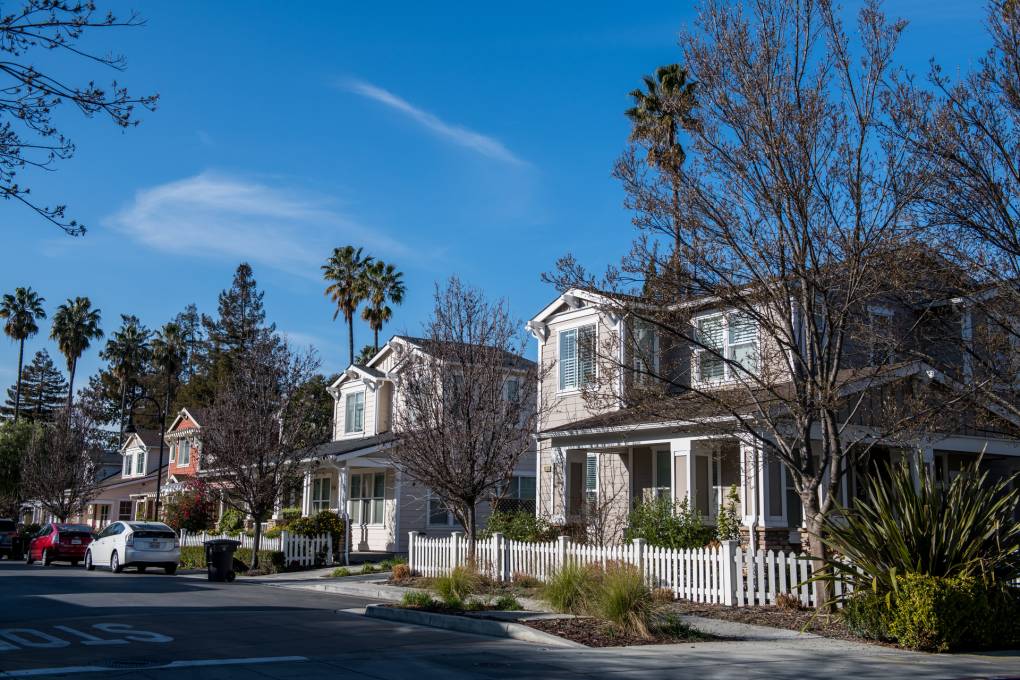
"caption": "Single-family homes in Mountain View, California on Feb. 19, 2020. Single-family zoning dominates housing policy in the Bay Area, with more than 80% of all residential land zoned exclusively for single-family residences. ",
"description": "Single-family homes in Mountain View, California on Feb. 19, 2020. Single-family zoning dominates housing policy in the Bay Area, with more than 80% of all residential land zoned exclusively for single-family residences. ",
"title": "RS41396_003_KQED_Housing_MountainView_02192020_3309-qut",
"credit": "Beth LaBerge/KQED",
"status": "inherit",
"altTag": null,
"isLoading": false,
"fetchFailed": false
},
"news_11854361": {
"type": "attachments",
"id": "news_11854361",
"meta": {
"index": "attachments_1716263798",
"site": "news",
"id": "11854361",
"found": true
},
"parent": 11854162,
"imgSizes": {
"apple_news_ca_landscape_5_5": {
"file": "https://ww2.kqed.org/app/uploads/sites/10/2021/01/RS46511_abdoul-aziz-qut-1044x783.jpg",
"width": 1044,
"mimeType": "image/jpeg",
"height": 783
},
"apple_news_ca_square_4_0": {
"file": "https://ww2.kqed.org/app/uploads/sites/10/2021/01/RS46511_abdoul-aziz-qut-470x470.jpg",
"width": 470,
"mimeType": "image/jpeg",
"height": 470
},
"twentyfourteen-full-width": {
"file": "https://ww2.kqed.org/app/uploads/sites/10/2021/01/RS46511_abdoul-aziz-qut-1038x576.jpg",
"width": 1038,
"mimeType": "image/jpeg",
"height": 576
},
"thumbnail": {
"file": "https://ww2.kqed.org/app/uploads/sites/10/2021/01/RS46511_abdoul-aziz-qut-160x120.jpg",
"width": 160,
"mimeType": "image/jpeg",
"height": 120
},
"post-thumbnail": {
"file": "https://ww2.kqed.org/app/uploads/sites/10/2021/01/RS46511_abdoul-aziz-qut-672x372.jpg",
"width": 672,
"mimeType": "image/jpeg",
"height": 372
},
"kqedFullSize": {
"file": "https://ww2.kqed.org/app/uploads/sites/10/2021/01/RS46511_abdoul-aziz-qut.jpg",
"width": 1920,
"height": 1440
},
"apple_news_ca_landscape_4_7": {
"file": "https://ww2.kqed.org/app/uploads/sites/10/2021/01/RS46511_abdoul-aziz-qut-632x474.jpg",
"width": 632,
"mimeType": "image/jpeg",
"height": 474
},
"large": {
"file": "https://ww2.kqed.org/app/uploads/sites/10/2021/01/RS46511_abdoul-aziz-qut-1020x765.jpg",
"width": 1020,
"mimeType": "image/jpeg",
"height": 765
},
"apple_news_ca_landscape_4_0": {
"file": "https://ww2.kqed.org/app/uploads/sites/10/2021/01/RS46511_abdoul-aziz-qut-536x402.jpg",
"width": 536,
"mimeType": "image/jpeg",
"height": 402
},
"apple_news_ca_portrait_12_9": {
"file": "https://ww2.kqed.org/app/uploads/sites/10/2021/01/RS46511_abdoul-aziz-qut-1122x1440.jpg",
"width": 1122,
"mimeType": "image/jpeg",
"height": 1440
},
"medium": {
"file": "https://ww2.kqed.org/app/uploads/sites/10/2021/01/RS46511_abdoul-aziz-qut-800x600.jpg",
"width": 800,
"mimeType": "image/jpeg",
"height": 600
},
"apple_news_ca_portrait_4_0": {
"file": "https://ww2.kqed.org/app/uploads/sites/10/2021/01/RS46511_abdoul-aziz-qut-354x472.jpg",
"width": 354,
"mimeType": "image/jpeg",
"height": 472
},
"apple_news_ca_portrait_9_7": {
"file": "https://ww2.kqed.org/app/uploads/sites/10/2021/01/RS46511_abdoul-aziz-qut-840x1120.jpg",
"width": 840,
"mimeType": "image/jpeg",
"height": 1120
},
"apple_news_ca_landscape_12_9": {
"file": "https://ww2.kqed.org/app/uploads/sites/10/2021/01/RS46511_abdoul-aziz-qut-1832x1374.jpg",
"width": 1832,
"mimeType": "image/jpeg",
"height": 1374
},
"apple_news_ca_square_9_7": {
"file": "https://ww2.kqed.org/app/uploads/sites/10/2021/01/RS46511_abdoul-aziz-qut-1104x1104.jpg",
"width": 1104,
"mimeType": "image/jpeg",
"height": 1104
},
"1536x1536": {
"file": "https://ww2.kqed.org/app/uploads/sites/10/2021/01/RS46511_abdoul-aziz-qut-1536x1152.jpg",
"width": 1536,
"mimeType": "image/jpeg",
"height": 1152
},
"apple_news_ca_portrait_4_7": {
"file": "https://ww2.kqed.org/app/uploads/sites/10/2021/01/RS46511_abdoul-aziz-qut-414x552.jpg",
"width": 414,
"mimeType": "image/jpeg",
"height": 552
},
"apple_news_ca_square_12_9": {
"file": "https://ww2.kqed.org/app/uploads/sites/10/2021/01/RS46511_abdoul-aziz-qut-1472x1440.jpg",
"width": 1472,
"mimeType": "image/jpeg",
"height": 1440
},
"apple_news_ca_portrait_5_5": {
"file": "https://ww2.kqed.org/app/uploads/sites/10/2021/01/RS46511_abdoul-aziz-qut-687x916.jpg",
"width": 687,
"mimeType": "image/jpeg",
"height": 916
},
"apple_news_ca_square_4_7": {
"file": "https://ww2.kqed.org/app/uploads/sites/10/2021/01/RS46511_abdoul-aziz-qut-550x550.jpg",
"width": 550,
"mimeType": "image/jpeg",
"height": 550
},
"apple_news_ca_landscape_9_7": {
"file": "https://ww2.kqed.org/app/uploads/sites/10/2021/01/RS46511_abdoul-aziz-qut-1376x1032.jpg",
"width": 1376,
"mimeType": "image/jpeg",
"height": 1032
},
"apple_news_ca_square_5_5": {
"file": "https://ww2.kqed.org/app/uploads/sites/10/2021/01/RS46511_abdoul-aziz-qut-912x912.jpg",
"width": 912,
"mimeType": "image/jpeg",
"height": 912
}
},
"publishDate": 1610069596,
"modified": 1610412572,
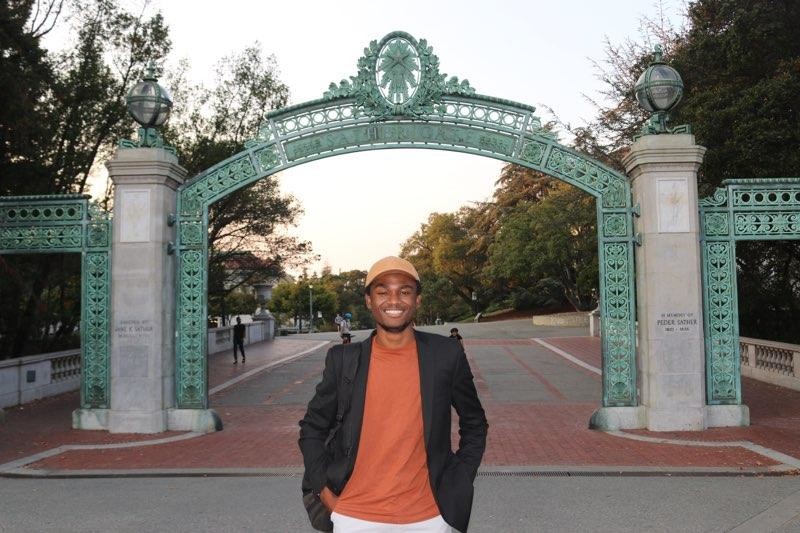
"caption": "UC Berkeley graduate student Abdoul Aziz Sandotin Coulibaly.",
"description": "UC Berkeley grad student Abdoul Aziz Sandotin Coulibaly.",
"title": "RS46511_abdoul aziz-qut",
"credit": "Courtesy Abdoul Aziz Sandotin Coulibaly",
"status": "inherit",
"altTag": null,
"isLoading": false,
"fetchFailed": false
},
"news_11852571": {
"type": "attachments",
"id": "news_11852571",
"meta": {
"index": "attachments_1716263798",
"site": "news",
"id": "11852571",
"found": true
},
"parent": 11852522,
"imgSizes": {
"apple_news_ca_square_4_0": {
"file": "https://ww2.kqed.org/app/uploads/sites/10/2020/12/RS46477_abdoul-aziz-qut-470x470.jpg",
"width": 470,
"mimeType": "image/jpeg",
"height": 470
},
"thumbnail": {
"file": "https://ww2.kqed.org/app/uploads/sites/10/2020/12/RS46477_abdoul-aziz-qut-160x107.jpg",
"width": 160,
"mimeType": "image/jpeg",
"height": 107
},
"post-thumbnail": {
"file": "https://ww2.kqed.org/app/uploads/sites/10/2020/12/RS46477_abdoul-aziz-qut-672x372.jpg",
"width": 672,
"mimeType": "image/jpeg",
"height": 372
},
"kqedFullSize": {
"file": "https://ww2.kqed.org/app/uploads/sites/10/2020/12/RS46477_abdoul-aziz-qut.jpg",
"width": 800,
"height": 533
},
"apple_news_ca_landscape_4_7": {
"file": "https://ww2.kqed.org/app/uploads/sites/10/2020/12/RS46477_abdoul-aziz-qut-632x474.jpg",
"width": 632,
"mimeType": "image/jpeg",
"height": 474
},
"apple_news_ca_portrait_4_7": {
"file": "https://ww2.kqed.org/app/uploads/sites/10/2020/12/RS46477_abdoul-aziz-qut-414x533.jpg",
"width": 414,
"mimeType": "image/jpeg",
"height": 533
},
"apple_news_ca_portrait_5_5": {
"file": "https://ww2.kqed.org/app/uploads/sites/10/2020/12/RS46477_abdoul-aziz-qut-687x533.jpg",
"width": 687,
"mimeType": "image/jpeg",
"height": 533
},
"apple_news_ca_square_4_7": {
"file": "https://ww2.kqed.org/app/uploads/sites/10/2020/12/RS46477_abdoul-aziz-qut-550x533.jpg",
"width": 550,
"mimeType": "image/jpeg",
"height": 533
},
"apple_news_ca_landscape_4_0": {
"file": "https://ww2.kqed.org/app/uploads/sites/10/2020/12/RS46477_abdoul-aziz-qut-536x402.jpg",
"width": 536,
"mimeType": "image/jpeg",
"height": 402
},
"apple_news_ca_portrait_4_0": {
"file": "https://ww2.kqed.org/app/uploads/sites/10/2020/12/RS46477_abdoul-aziz-qut-354x472.jpg",
"width": 354,
"mimeType": "image/jpeg",
"height": 472
}
},
"publishDate": 1608742668,
"modified": 1609196784,
"caption": "UC Berkeley grad student Abdoul Aziz Sandotin Coulibaly, from the Ivory Coast, is stuck in Berkeley for the holidays.",
"description": "UC Berkeley graduate student Abdoul Aziz Sandotin Coulibaly, from the Ivory Coast, is stuck in Berkeley for the holidays.",
"title": "RS46477_abdoul aziz-qut",
"credit": "Courtesy Abdoul Aziz Sandotin Coulibaly",
"status": "inherit",
"altTag": "\"\"",
"isLoading": false,
"fetchFailed": false
},
"news_11847614": {
"type": "attachments",
"id": "news_11847614",
"meta": {
"index": "attachments_1716263798",
"site": "news",
"id": "11847614",
"found": true
},
"parent": 11847612,
"imgSizes": {
"apple_news_ca_landscape_5_5": {
"file": "https://ww2.kqed.org/app/uploads/sites/10/2020/11/BERKHIST13-1044x783.jpg",
"width": 1044,
"mimeType": "image/jpeg",
"height": 783
},
"apple_news_ca_square_4_0": {
"file": "https://ww2.kqed.org/app/uploads/sites/10/2020/11/BERKHIST13-470x470.jpg",
"width": 470,
"mimeType": "image/jpeg",
"height": 470
},
"twentyfourteen-full-width": {
"file": "https://ww2.kqed.org/app/uploads/sites/10/2020/11/BERKHIST13-1038x576.jpg",
"width": 1038,
"mimeType": "image/jpeg",
"height": 576
},
"thumbnail": {
"file": "https://ww2.kqed.org/app/uploads/sites/10/2020/11/BERKHIST13-160x107.jpg",
"width": 160,
"mimeType": "image/jpeg",
"height": 107
},
"post-thumbnail": {
"file": "https://ww2.kqed.org/app/uploads/sites/10/2020/11/BERKHIST13-672x372.jpg",
"width": 672,
"mimeType": "image/jpeg",
"height": 372
},
"kqedFullSize": {
"file": "https://ww2.kqed.org/app/uploads/sites/10/2020/11/BERKHIST13.jpg",
"width": 1670,
"height": 1122
},
"apple_news_ca_landscape_4_7": {
"file": "https://ww2.kqed.org/app/uploads/sites/10/2020/11/BERKHIST13-632x474.jpg",
"width": 632,
"mimeType": "image/jpeg",
"height": 474
},
"large": {
"file": "https://ww2.kqed.org/app/uploads/sites/10/2020/11/BERKHIST13-1020x685.jpg",
"width": 1020,
"mimeType": "image/jpeg",
"height": 685
},
"apple_news_ca_landscape_4_0": {
"file": "https://ww2.kqed.org/app/uploads/sites/10/2020/11/BERKHIST13-536x402.jpg",
"width": 536,
"mimeType": "image/jpeg",
"height": 402
},
"apple_news_ca_portrait_12_9": {
"file": "https://ww2.kqed.org/app/uploads/sites/10/2020/11/BERKHIST13-1122x1122.jpg",
"width": 1122,
"mimeType": "image/jpeg",
"height": 1122
},
"medium": {
"file": "https://ww2.kqed.org/app/uploads/sites/10/2020/11/BERKHIST13-800x537.jpg",
"width": 800,
"mimeType": "image/jpeg",
"height": 537
},
"apple_news_ca_portrait_4_0": {
"file": "https://ww2.kqed.org/app/uploads/sites/10/2020/11/BERKHIST13-354x472.jpg",
"width": 354,
"mimeType": "image/jpeg",
"height": 472
},
"apple_news_ca_portrait_9_7": {
"file": "https://ww2.kqed.org/app/uploads/sites/10/2020/11/BERKHIST13-840x1120.jpg",
"width": 840,
"mimeType": "image/jpeg",
"height": 1120
},
"apple_news_ca_square_9_7": {
"file": "https://ww2.kqed.org/app/uploads/sites/10/2020/11/BERKHIST13-1104x1104.jpg",
"width": 1104,
"mimeType": "image/jpeg",
"height": 1104
},
"1536x1536": {
"file": "https://ww2.kqed.org/app/uploads/sites/10/2020/11/BERKHIST13-1536x1032.jpg",
"width": 1536,
"mimeType": "image/jpeg",
"height": 1032
},
"apple_news_ca_portrait_4_7": {
"file": "https://ww2.kqed.org/app/uploads/sites/10/2020/11/BERKHIST13-414x552.jpg",
"width": 414,
"mimeType": "image/jpeg",
"height": 552
},
"apple_news_ca_square_12_9": {
"file": "https://ww2.kqed.org/app/uploads/sites/10/2020/11/BERKHIST13-1472x1122.jpg",
"width": 1472,
"mimeType": "image/jpeg",
"height": 1122
},
"apple_news_ca_portrait_5_5": {
"file": "https://ww2.kqed.org/app/uploads/sites/10/2020/11/BERKHIST13-687x916.jpg",
"width": 687,
"mimeType": "image/jpeg",
"height": 916
},
"apple_news_ca_square_4_7": {
"file": "https://ww2.kqed.org/app/uploads/sites/10/2020/11/BERKHIST13-550x550.jpg",
"width": 550,
"mimeType": "image/jpeg",
"height": 550
},
"apple_news_ca_landscape_9_7": {
"file": "https://ww2.kqed.org/app/uploads/sites/10/2020/11/BERKHIST13-1376x1032.jpg",
"width": 1376,
"mimeType": "image/jpeg",
"height": 1032
},
"apple_news_ca_square_5_5": {
"file": "https://ww2.kqed.org/app/uploads/sites/10/2020/11/BERKHIST13-912x912.jpg",
"width": 912,
"mimeType": "image/jpeg",
"height": 912
}
},
"publishDate": 1605542772,
"modified": 1605543123,
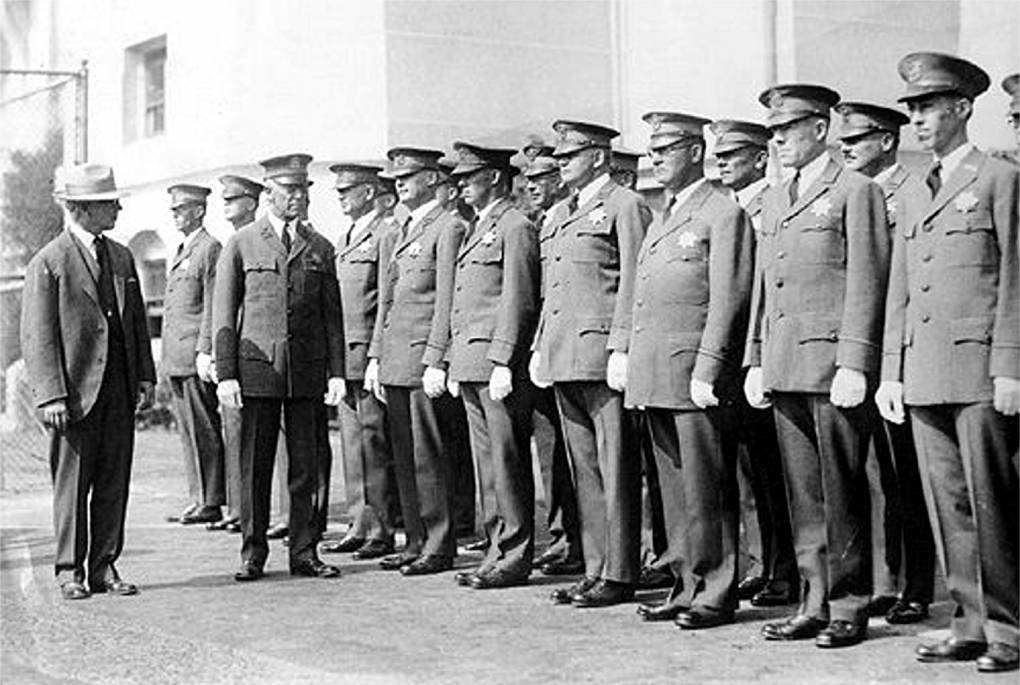
"caption": "August Vollmer inspects a line of police officers standing at attention.",
"description": "August Vollmer inspects a line of police officers standing at attention.",
"title": "BERKHIST13",
"credit": "Courtesy of \u003ca href=\"https://www.cityofberkeley.info/Police/Home/Historical_Unit.aspx\">Berkeley Police Department Historical Unit\u003c/a>",
"status": "inherit",
"isLoading": false,
"fetchFailed": false
},
"news_11846552": {
"type": "attachments",
"id": "news_11846552",
"meta": {
"index": "attachments_1716263798",
"site": "news",
"id": "11846552",
"found": true
},
"parent": 11846476,
"imgSizes": {
"apple_news_ca_landscape_5_5": {
"file": "https://ww2.kqed.org/app/uploads/sites/10/2020/11/1920GettyImages-1229520854-1044x783.jpg",
"width": 1044,
"mimeType": "image/jpeg",
"height": 783
},
"apple_news_ca_square_4_0": {
"file": "https://ww2.kqed.org/app/uploads/sites/10/2020/11/1920GettyImages-1229520854-470x470.jpg",
"width": 470,
"mimeType": "image/jpeg",
"height": 470
},
"twentyfourteen-full-width": {
"file": "https://ww2.kqed.org/app/uploads/sites/10/2020/11/1920GettyImages-1229520854-1038x576.jpg",
"width": 1038,
"mimeType": "image/jpeg",
"height": 576
},
"thumbnail": {
"file": "https://ww2.kqed.org/app/uploads/sites/10/2020/11/1920GettyImages-1229520854-160x90.jpg",
"width": 160,
"mimeType": "image/jpeg",
"height": 90
},
"post-thumbnail": {
"file": "https://ww2.kqed.org/app/uploads/sites/10/2020/11/1920GettyImages-1229520854-672x372.jpg",
"width": 672,
"mimeType": "image/jpeg",
"height": 372
},
"kqedFullSize": {
"file": "https://ww2.kqed.org/app/uploads/sites/10/2020/11/1920GettyImages-1229520854-scaled.jpg",
"width": 2560,
"height": 1440
},
"2048x2048": {
"file": "https://ww2.kqed.org/app/uploads/sites/10/2020/11/1920GettyImages-1229520854-2048x1152.jpg",
"width": 2048,
"mimeType": "image/jpeg",
"height": 1152
},
"apple_news_ca_landscape_4_7": {
"file": "https://ww2.kqed.org/app/uploads/sites/10/2020/11/1920GettyImages-1229520854-632x474.jpg",
"width": 632,
"mimeType": "image/jpeg",
"height": 474
},
"large": {
"file": "https://ww2.kqed.org/app/uploads/sites/10/2020/11/1920GettyImages-1229520854-1020x574.jpg",
"width": 1020,
"mimeType": "image/jpeg",
"height": 574
},
"apple_news_ca_landscape_4_0": {
"file": "https://ww2.kqed.org/app/uploads/sites/10/2020/11/1920GettyImages-1229520854-536x402.jpg",
"width": 536,
"mimeType": "image/jpeg",
"height": 402
},
"apple_news_ca_portrait_12_9": {
"file": "https://ww2.kqed.org/app/uploads/sites/10/2020/11/1920GettyImages-1229520854-1122x1496.jpg",
"width": 1122,
"mimeType": "image/jpeg",
"height": 1496
},
"medium": {
"file": "https://ww2.kqed.org/app/uploads/sites/10/2020/11/1920GettyImages-1229520854-800x450.jpg",
"width": 800,
"mimeType": "image/jpeg",
"height": 450
},
"apple_news_ca_portrait_4_0": {
"file": "https://ww2.kqed.org/app/uploads/sites/10/2020/11/1920GettyImages-1229520854-354x472.jpg",
"width": 354,
"mimeType": "image/jpeg",
"height": 472
},
"apple_news_ca_portrait_9_7": {
"file": "https://ww2.kqed.org/app/uploads/sites/10/2020/11/1920GettyImages-1229520854-840x1120.jpg",
"width": 840,
"mimeType": "image/jpeg",
"height": 1120
},
"apple_news_ca_landscape_12_9": {
"file": "https://ww2.kqed.org/app/uploads/sites/10/2020/11/1920GettyImages-1229520854-1832x1374.jpg",
"width": 1832,
"mimeType": "image/jpeg",
"height": 1374
},
"apple_news_ca_square_9_7": {
"file": "https://ww2.kqed.org/app/uploads/sites/10/2020/11/1920GettyImages-1229520854-1104x1104.jpg",
"width": 1104,
"mimeType": "image/jpeg",
"height": 1104
},
"1536x1536": {
"file": "https://ww2.kqed.org/app/uploads/sites/10/2020/11/1920GettyImages-1229520854-1536x864.jpg",
"width": 1536,
"mimeType": "image/jpeg",
"height": 864
},
"apple_news_ca_portrait_4_7": {
"file": "https://ww2.kqed.org/app/uploads/sites/10/2020/11/1920GettyImages-1229520854-414x552.jpg",
"width": 414,
"mimeType": "image/jpeg",
"height": 552
},
"apple_news_ca_square_12_9": {
"file": "https://ww2.kqed.org/app/uploads/sites/10/2020/11/1920GettyImages-1229520854-1472x1472.jpg",
"width": 1472,
"mimeType": "image/jpeg",
"height": 1472
},
"apple_news_ca_portrait_5_5": {
"file": "https://ww2.kqed.org/app/uploads/sites/10/2020/11/1920GettyImages-1229520854-687x916.jpg",
"width": 687,
"mimeType": "image/jpeg",
"height": 916
},
"full-width": {
"file": "https://ww2.kqed.org/app/uploads/sites/10/2020/11/1920GettyImages-1229520854-1920x1080.jpg",
"width": 1920,
"mimeType": "image/jpeg",
"height": 1080
},
"apple_news_ca_square_4_7": {
"file": "https://ww2.kqed.org/app/uploads/sites/10/2020/11/1920GettyImages-1229520854-550x550.jpg",
"width": 550,
"mimeType": "image/jpeg",
"height": 550
},
"apple_news_ca_landscape_9_7": {
"file": "https://ww2.kqed.org/app/uploads/sites/10/2020/11/1920GettyImages-1229520854-1376x1032.jpg",
"width": 1376,
"mimeType": "image/jpeg",
"height": 1032
},
"apple_news_ca_square_5_5": {
"file": "https://ww2.kqed.org/app/uploads/sites/10/2020/11/1920GettyImages-1229520854-912x912.jpg",
"width": 912,
"mimeType": "image/jpeg",
"height": 912
}
},
"publishDate": 1604867683,
"modified": 1604867814,
"caption": "A supporter (C) holds a national flag of India as she attends a watch party of US President-elect Joe Biden and Vice President-elect Kamala Harris as they deliver remarks in Miami on November 7, 2020, after they were declared the winners of the presidential election.",
"description": null,
"title": "US-VOTE-BIDEN",
"credit": "Chandan Khanna/Getty Images",
"status": "inherit",
"isLoading": false,
"fetchFailed": false
},
"news_11841919": {
"type": "attachments",
"id": "news_11841919",
"meta": {
"index": "attachments_1716263798",
"site": "news",
"id": "11841919",
"found": true
},
"parent": 11841688,
"imgSizes": {
"apple_news_ca_landscape_5_5": {
"file": "https://ww2.kqed.org/app/uploads/sites/10/2020/10/IPD3-1044x783.png",
"width": 1044,
"mimeType": "image/png",
"height": 783
},
"apple_news_ca_square_4_0": {
"file": "https://ww2.kqed.org/app/uploads/sites/10/2020/10/IPD3-470x470.png",
"width": 470,
"mimeType": "image/png",
"height": 470
},
"twentyfourteen-full-width": {
"file": "https://ww2.kqed.org/app/uploads/sites/10/2020/10/IPD3-1038x576.png",
"width": 1038,
"mimeType": "image/png",
"height": 576
},
"thumbnail": {
"file": "https://ww2.kqed.org/app/uploads/sites/10/2020/10/IPD3-160x108.png",
"width": 160,
"mimeType": "image/png",
"height": 108
},
"post-thumbnail": {
"file": "https://ww2.kqed.org/app/uploads/sites/10/2020/10/IPD3-672x372.png",
"width": 672,
"mimeType": "image/png",
"height": 372
},
"kqedFullSize": {
"file": "https://ww2.kqed.org/app/uploads/sites/10/2020/10/IPD3.png",
"width": 1900,
"height": 1280
},
"apple_news_ca_landscape_4_7": {
"file": "https://ww2.kqed.org/app/uploads/sites/10/2020/10/IPD3-632x474.png",
"width": 632,
"mimeType": "image/png",
"height": 474
},
"large": {
"file": "https://ww2.kqed.org/app/uploads/sites/10/2020/10/IPD3-1020x687.png",
"width": 1020,
"mimeType": "image/png",
"height": 687
},
"apple_news_ca_landscape_4_0": {
"file": "https://ww2.kqed.org/app/uploads/sites/10/2020/10/IPD3-536x402.png",
"width": 536,
"mimeType": "image/png",
"height": 402
},
"apple_news_ca_portrait_12_9": {
"file": "https://ww2.kqed.org/app/uploads/sites/10/2020/10/IPD3-1122x1280.png",
"width": 1122,
"mimeType": "image/png",
"height": 1280
},
"medium": {
"file": "https://ww2.kqed.org/app/uploads/sites/10/2020/10/IPD3-800x539.png",
"width": 800,
"mimeType": "image/png",
"height": 539
},
"apple_news_ca_portrait_4_0": {
"file": "https://ww2.kqed.org/app/uploads/sites/10/2020/10/IPD3-354x472.png",
"width": 354,
"mimeType": "image/png",
"height": 472
},
"apple_news_ca_portrait_9_7": {
"file": "https://ww2.kqed.org/app/uploads/sites/10/2020/10/IPD3-840x1120.png",
"width": 840,
"mimeType": "image/png",
"height": 1120
},
"apple_news_ca_landscape_12_9": {
"file": "https://ww2.kqed.org/app/uploads/sites/10/2020/10/IPD3-1832x1280.png",
"width": 1832,
"mimeType": "image/png",
"height": 1280
},
"apple_news_ca_square_9_7": {
"file": "https://ww2.kqed.org/app/uploads/sites/10/2020/10/IPD3-1104x1104.png",
"width": 1104,
"mimeType": "image/png",
"height": 1104
},
"1536x1536": {
"file": "https://ww2.kqed.org/app/uploads/sites/10/2020/10/IPD3-1536x1035.png",
"width": 1536,
"mimeType": "image/png",
"height": 1035
},
"apple_news_ca_portrait_4_7": {
"file": "https://ww2.kqed.org/app/uploads/sites/10/2020/10/IPD3-414x552.png",
"width": 414,
"mimeType": "image/png",
"height": 552
},
"apple_news_ca_square_12_9": {
"file": "https://ww2.kqed.org/app/uploads/sites/10/2020/10/IPD3-1472x1280.png",
"width": 1472,
"mimeType": "image/png",
"height": 1280
},
"apple_news_ca_portrait_5_5": {
"file": "https://ww2.kqed.org/app/uploads/sites/10/2020/10/IPD3-687x916.png",
"width": 687,
"mimeType": "image/png",
"height": 916
},
"apple_news_ca_square_4_7": {
"file": "https://ww2.kqed.org/app/uploads/sites/10/2020/10/IPD3-550x550.png",
"width": 550,
"mimeType": "image/png",
"height": 550
},
"apple_news_ca_landscape_9_7": {
"file": "https://ww2.kqed.org/app/uploads/sites/10/2020/10/IPD3-1376x1032.png",
"width": 1376,
"mimeType": "image/png",
"height": 1032
},
"apple_news_ca_square_5_5": {
"file": "https://ww2.kqed.org/app/uploads/sites/10/2020/10/IPD3-912x912.png",
"width": 912,
"mimeType": "image/png",
"height": 912
}
},
"publishDate": 1602519078,
"modified": 1602519180,
"caption": "The 2012 Indigenous Peoples Day celebration in Berkeley.",
"description": null,
"title": "Indigenous-Peoples-Day",
"credit": "Quinn Dombrowski/Flickr",
"status": "inherit",
"isLoading": false,
"fetchFailed": false
},
"news_11839881": {
"type": "attachments",
"id": "news_11839881",
"meta": {
"index": "attachments_1716263798",
"site": "news",
"id": "11839881",
"found": true
},
"parent": 11839841,
"imgSizes": {
"apple_news_ca_landscape_5_5": {
"file": "https://ww2.kqed.org/app/uploads/sites/10/2020/09/1920_IMG_1846-1044x783.jpg",
"width": 1044,
"mimeType": "image/jpeg",
"height": 783
},
"apple_news_ca_square_4_0": {
"file": "https://ww2.kqed.org/app/uploads/sites/10/2020/09/1920_IMG_1846-470x470.jpg",
"width": 470,
"mimeType": "image/jpeg",
"height": 470
},
"twentyfourteen-full-width": {
"file": "https://ww2.kqed.org/app/uploads/sites/10/2020/09/1920_IMG_1846-1038x576.jpg",
"width": 1038,
"mimeType": "image/jpeg",
"height": 576
},
"thumbnail": {
"file": "https://ww2.kqed.org/app/uploads/sites/10/2020/09/1920_IMG_1846-160x90.jpg",
"width": 160,
"mimeType": "image/jpeg",
"height": 90
},
"post-thumbnail": {
"file": "https://ww2.kqed.org/app/uploads/sites/10/2020/09/1920_IMG_1846-672x372.jpg",
"width": 672,
"mimeType": "image/jpeg",
"height": 372
},
"kqedFullSize": {
"file": "https://ww2.kqed.org/app/uploads/sites/10/2020/09/1920_IMG_1846-scaled.jpg",
"width": 2560,
"height": 1440
},
"2048x2048": {
"file": "https://ww2.kqed.org/app/uploads/sites/10/2020/09/1920_IMG_1846-2048x1152.jpg",
"width": 2048,
"mimeType": "image/jpeg",
"height": 1152
},
"apple_news_ca_landscape_4_7": {
"file": "https://ww2.kqed.org/app/uploads/sites/10/2020/09/1920_IMG_1846-632x474.jpg",
"width": 632,
"mimeType": "image/jpeg",
"height": 474
},
"large": {
"file": "https://ww2.kqed.org/app/uploads/sites/10/2020/09/1920_IMG_1846-1020x574.jpg",
"width": 1020,
"mimeType": "image/jpeg",
"height": 574
},
"apple_news_ca_landscape_4_0": {
"file": "https://ww2.kqed.org/app/uploads/sites/10/2020/09/1920_IMG_1846-536x402.jpg",
"width": 536,
"mimeType": "image/jpeg",
"height": 402
},
"apple_news_ca_portrait_12_9": {
"file": "https://ww2.kqed.org/app/uploads/sites/10/2020/09/1920_IMG_1846-1122x1496.jpg",
"width": 1122,
"mimeType": "image/jpeg",
"height": 1496
},
"medium": {
"file": "https://ww2.kqed.org/app/uploads/sites/10/2020/09/1920_IMG_1846-800x450.jpg",
"width": 800,
"mimeType": "image/jpeg",
"height": 450
},
"apple_news_ca_portrait_4_0": {
"file": "https://ww2.kqed.org/app/uploads/sites/10/2020/09/1920_IMG_1846-354x472.jpg",
"width": 354,
"mimeType": "image/jpeg",
"height": 472
},
"apple_news_ca_portrait_9_7": {
"file": "https://ww2.kqed.org/app/uploads/sites/10/2020/09/1920_IMG_1846-840x1120.jpg",
"width": 840,
"mimeType": "image/jpeg",
"height": 1120
},
"apple_news_ca_landscape_12_9": {
"file": "https://ww2.kqed.org/app/uploads/sites/10/2020/09/1920_IMG_1846-1832x1374.jpg",
"width": 1832,
"mimeType": "image/jpeg",
"height": 1374
},
"apple_news_ca_square_9_7": {
"file": "https://ww2.kqed.org/app/uploads/sites/10/2020/09/1920_IMG_1846-1104x1104.jpg",
"width": 1104,
"mimeType": "image/jpeg",
"height": 1104
},
"1536x1536": {
"file": "https://ww2.kqed.org/app/uploads/sites/10/2020/09/1920_IMG_1846-1536x864.jpg",
"width": 1536,
"mimeType": "image/jpeg",
"height": 864
},
"apple_news_ca_portrait_4_7": {
"file": "https://ww2.kqed.org/app/uploads/sites/10/2020/09/1920_IMG_1846-414x552.jpg",
"width": 414,
"mimeType": "image/jpeg",
"height": 552
},
"apple_news_ca_square_12_9": {
"file": "https://ww2.kqed.org/app/uploads/sites/10/2020/09/1920_IMG_1846-1472x1472.jpg",
"width": 1472,
"mimeType": "image/jpeg",
"height": 1472
},
"apple_news_ca_portrait_5_5": {
"file": "https://ww2.kqed.org/app/uploads/sites/10/2020/09/1920_IMG_1846-687x916.jpg",
"width": 687,
"mimeType": "image/jpeg",
"height": 916
},
"full-width": {
"file": "https://ww2.kqed.org/app/uploads/sites/10/2020/09/1920_IMG_1846-1920x1080.jpg",
"width": 1920,
"mimeType": "image/jpeg",
"height": 1080
},
"apple_news_ca_square_4_7": {
"file": "https://ww2.kqed.org/app/uploads/sites/10/2020/09/1920_IMG_1846-550x550.jpg",
"width": 550,
"mimeType": "image/jpeg",
"height": 550
},
"apple_news_ca_landscape_9_7": {
"file": "https://ww2.kqed.org/app/uploads/sites/10/2020/09/1920_IMG_1846-1376x1032.jpg",
"width": 1376,
"mimeType": "image/jpeg",
"height": 1032
},
"apple_news_ca_square_5_5": {
"file": "https://ww2.kqed.org/app/uploads/sites/10/2020/09/1920_IMG_1846-912x912.jpg",
"width": 912,
"mimeType": "image/jpeg",
"height": 912
}
},
"publishDate": 1601146014,
"modified": 1601146088,
"caption": "Robbi Montoya (L) and Annette Moretti of Dorothy Day House, talk with Douglas Allen Freitag about participating in the 2020 Census, outside the Berkeley Public Library on Sep. 24, 2020. ",
"description": null,
"title": "1920_IMG_1846",
"credit": "Tyche Hendricks/KQED",
"status": "inherit",
"isLoading": false,
"fetchFailed": false
},
"news_11838300": {
"type": "attachments",
"id": "news_11838300",
"meta": {
"index": "attachments_1716263798",
"site": "news",
"id": "11838300",
"found": true
},
"parent": 11838205,
"imgSizes": {
"apple_news_ca_landscape_5_5": {
"file": "https://ww2.kqed.org/app/uploads/sites/10/2020/09/Berkeley-1-1044x783.png",
"width": 1044,
"mimeType": "image/png",
"height": 783
},
"apple_news_ca_square_4_0": {
"file": "https://ww2.kqed.org/app/uploads/sites/10/2020/09/Berkeley-1-470x470.png",
"width": 470,
"mimeType": "image/png",
"height": 470
},
"twentyfourteen-full-width": {
"file": "https://ww2.kqed.org/app/uploads/sites/10/2020/09/Berkeley-1-1038x576.png",
"width": 1038,
"mimeType": "image/png",
"height": 576
},
"thumbnail": {
"file": "https://ww2.kqed.org/app/uploads/sites/10/2020/09/Berkeley-1-160x108.png",
"width": 160,
"mimeType": "image/png",
"height": 108
},
"post-thumbnail": {
"file": "https://ww2.kqed.org/app/uploads/sites/10/2020/09/Berkeley-1-672x372.png",
"width": 672,
"mimeType": "image/png",
"height": 372
},
"kqedFullSize": {
"file": "https://ww2.kqed.org/app/uploads/sites/10/2020/09/Berkeley-1.png",
"width": 1900,
"height": 1280
},
"apple_news_ca_landscape_4_7": {
"file": "https://ww2.kqed.org/app/uploads/sites/10/2020/09/Berkeley-1-632x474.png",
"width": 632,
"mimeType": "image/png",
"height": 474
},
"large": {
"file": "https://ww2.kqed.org/app/uploads/sites/10/2020/09/Berkeley-1-1020x687.png",
"width": 1020,
"mimeType": "image/png",
"height": 687
},
"apple_news_ca_landscape_4_0": {
"file": "https://ww2.kqed.org/app/uploads/sites/10/2020/09/Berkeley-1-536x402.png",
"width": 536,
"mimeType": "image/png",
"height": 402
},
"apple_news_ca_portrait_12_9": {
"file": "https://ww2.kqed.org/app/uploads/sites/10/2020/09/Berkeley-1-1122x1280.png",
"width": 1122,
"mimeType": "image/png",
"height": 1280
},
"medium": {
"file": "https://ww2.kqed.org/app/uploads/sites/10/2020/09/Berkeley-1-800x539.png",
"width": 800,
"mimeType": "image/png",
"height": 539
},
"apple_news_ca_portrait_4_0": {
"file": "https://ww2.kqed.org/app/uploads/sites/10/2020/09/Berkeley-1-354x472.png",
"width": 354,
"mimeType": "image/png",
"height": 472
},
"apple_news_ca_portrait_9_7": {
"file": "https://ww2.kqed.org/app/uploads/sites/10/2020/09/Berkeley-1-840x1120.png",
"width": 840,
"mimeType": "image/png",
"height": 1120
},
"apple_news_ca_landscape_12_9": {
"file": "https://ww2.kqed.org/app/uploads/sites/10/2020/09/Berkeley-1-1832x1280.png",
"width": 1832,
"mimeType": "image/png",
"height": 1280
},
"apple_news_ca_square_9_7": {
"file": "https://ww2.kqed.org/app/uploads/sites/10/2020/09/Berkeley-1-1104x1104.png",
"width": 1104,
"mimeType": "image/png",
"height": 1104
},
"1536x1536": {
"file": "https://ww2.kqed.org/app/uploads/sites/10/2020/09/Berkeley-1-1536x1035.png",
"width": 1536,
"mimeType": "image/png",
"height": 1035
},
"apple_news_ca_portrait_4_7": {
"file": "https://ww2.kqed.org/app/uploads/sites/10/2020/09/Berkeley-1-414x552.png",
"width": 414,
"mimeType": "image/png",
"height": 552
},
"apple_news_ca_square_12_9": {
"file": "https://ww2.kqed.org/app/uploads/sites/10/2020/09/Berkeley-1-1472x1280.png",
"width": 1472,
"mimeType": "image/png",
"height": 1280
},
"apple_news_ca_portrait_5_5": {
"file": "https://ww2.kqed.org/app/uploads/sites/10/2020/09/Berkeley-1-687x916.png",
"width": 687,
"mimeType": "image/png",
"height": 916
},
"apple_news_ca_square_4_7": {
"file": "https://ww2.kqed.org/app/uploads/sites/10/2020/09/Berkeley-1-550x550.png",
"width": 550,
"mimeType": "image/png",
"height": 550
},
"apple_news_ca_landscape_9_7": {
"file": "https://ww2.kqed.org/app/uploads/sites/10/2020/09/Berkeley-1-1376x1032.png",
"width": 1376,
"mimeType": "image/png",
"height": 1032
},
"apple_news_ca_square_5_5": {
"file": "https://ww2.kqed.org/app/uploads/sites/10/2020/09/Berkeley-1-912x912.png",
"width": 912,
"mimeType": "image/png",
"height": 912
}
},
"publishDate": 1600299214,
"modified": 1619183948,
"caption": null,
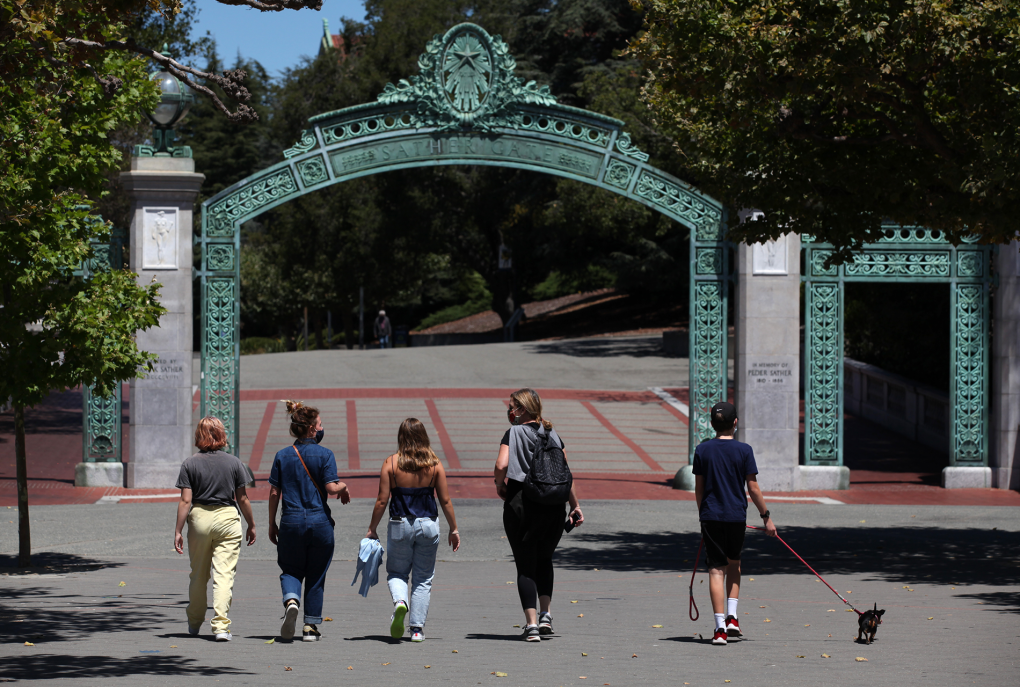
"description": "Students wearing masks at UC Berkeley walk through Sather Gate.",
"title": "Berkeley",
"credit": "Justin Sullivan/Getty Images",
"status": "inherit",
"altTag": "Students wearing masks at UC Berkeley walk through Sather Gate",
"isLoading": false,
"fetchFailed": false
},
"news_11838128": {
"type": "attachments",
"id": "news_11838128",
"meta": {
"index": "attachments_1716263798",
"site": "news",
"id": "11838128",
"found": true
},
"parent": 11837958,
"imgSizes": {
"apple_news_ca_landscape_5_5": {
"file": "https://ww2.kqed.org/app/uploads/sites/10/2020/09/preview-bagai-sal-001-1044x783.jpg",
"width": 1044,
"mimeType": "image/jpeg",
"height": 783
},
"apple_news_ca_square_4_0": {
"file": "https://ww2.kqed.org/app/uploads/sites/10/2020/09/preview-bagai-sal-001-470x470.jpg",
"width": 470,
"mimeType": "image/jpeg",
"height": 470
},
"twentyfourteen-full-width": {
"file": "https://ww2.kqed.org/app/uploads/sites/10/2020/09/preview-bagai-sal-001-1038x576.jpg",
"width": 1038,
"mimeType": "image/jpeg",
"height": 576
},
"thumbnail": {
"file": "https://ww2.kqed.org/app/uploads/sites/10/2020/09/preview-bagai-sal-001-160x153.jpg",
"width": 160,
"mimeType": "image/jpeg",
"height": 153
},
"post-thumbnail": {
"file": "https://ww2.kqed.org/app/uploads/sites/10/2020/09/preview-bagai-sal-001-672x372.jpg",
"width": 672,
"mimeType": "image/jpeg",
"height": 372
},
"kqedFullSize": {
"file": "https://ww2.kqed.org/app/uploads/sites/10/2020/09/preview-bagai-sal-001.jpg",
"width": 1920,
"height": 1839
},
"apple_news_ca_landscape_4_7": {
"file": "https://ww2.kqed.org/app/uploads/sites/10/2020/09/preview-bagai-sal-001-632x474.jpg",
"width": 632,
"mimeType": "image/jpeg",
"height": 474
},
"large": {
"file": "https://ww2.kqed.org/app/uploads/sites/10/2020/09/preview-bagai-sal-001-1020x977.jpg",
"width": 1020,
"mimeType": "image/jpeg",
"height": 977
},
"apple_news_ca_landscape_4_0": {
"file": "https://ww2.kqed.org/app/uploads/sites/10/2020/09/preview-bagai-sal-001-536x402.jpg",
"width": 536,
"mimeType": "image/jpeg",
"height": 402
},
"apple_news_ca_portrait_12_9": {
"file": "https://ww2.kqed.org/app/uploads/sites/10/2020/09/preview-bagai-sal-001-1122x1496.jpg",
"width": 1122,
"mimeType": "image/jpeg",
"height": 1496
},
"medium": {
"file": "https://ww2.kqed.org/app/uploads/sites/10/2020/09/preview-bagai-sal-001-800x766.jpg",
"width": 800,
"mimeType": "image/jpeg",
"height": 766
},
"apple_news_ca_portrait_4_0": {
"file": "https://ww2.kqed.org/app/uploads/sites/10/2020/09/preview-bagai-sal-001-354x472.jpg",
"width": 354,
"mimeType": "image/jpeg",
"height": 472
},
"apple_news_ca_portrait_9_7": {
"file": "https://ww2.kqed.org/app/uploads/sites/10/2020/09/preview-bagai-sal-001-840x1120.jpg",
"width": 840,
"mimeType": "image/jpeg",
"height": 1120
},
"apple_news_ca_landscape_12_9": {
"file": "https://ww2.kqed.org/app/uploads/sites/10/2020/09/preview-bagai-sal-001-1832x1374.jpg",
"width": 1832,
"mimeType": "image/jpeg",
"height": 1374
},
"apple_news_ca_square_9_7": {
"file": "https://ww2.kqed.org/app/uploads/sites/10/2020/09/preview-bagai-sal-001-1104x1104.jpg",
"width": 1104,
"mimeType": "image/jpeg",
"height": 1104
},
"1536x1536": {
"file": "https://ww2.kqed.org/app/uploads/sites/10/2020/09/preview-bagai-sal-001-1536x1471.jpg",
"width": 1536,
"mimeType": "image/jpeg",
"height": 1471
},
"apple_news_ca_portrait_4_7": {
"file": "https://ww2.kqed.org/app/uploads/sites/10/2020/09/preview-bagai-sal-001-414x552.jpg",
"width": 414,
"mimeType": "image/jpeg",
"height": 552
},
"apple_news_ca_square_12_9": {
"file": "https://ww2.kqed.org/app/uploads/sites/10/2020/09/preview-bagai-sal-001-1472x1472.jpg",
"width": 1472,
"mimeType": "image/jpeg",
"height": 1472
},
"apple_news_ca_portrait_5_5": {
"file": "https://ww2.kqed.org/app/uploads/sites/10/2020/09/preview-bagai-sal-001-687x916.jpg",
"width": 687,
"mimeType": "image/jpeg",
"height": 916
},
"apple_news_ca_square_4_7": {
"file": "https://ww2.kqed.org/app/uploads/sites/10/2020/09/preview-bagai-sal-001-550x550.jpg",
"width": 550,
"mimeType": "image/jpeg",
"height": 550
},
"apple_news_ca_landscape_9_7": {
"file": "https://ww2.kqed.org/app/uploads/sites/10/2020/09/preview-bagai-sal-001-1376x1032.jpg",
"width": 1376,
"mimeType": "image/jpeg",
"height": 1032
},
"apple_news_ca_square_5_5": {
"file": "https://ww2.kqed.org/app/uploads/sites/10/2020/09/preview-bagai-sal-001-912x912.jpg",
"width": 912,
"mimeType": "image/jpeg",
"height": 912
}
},
"publishDate": 1600214476,
"modified": 1600214559,
"caption": "Photograph of Kala Bagai, taken in 1929 at age 36.",
"description": null,
"title": "preview-bagai-sal-001",
"credit": "Courtesy of Rani Bagai and the South Asian American Digital Archive",
"status": "inherit",
"isLoading": false,
"fetchFailed": false
},
"news_121589": {
"type": "attachments",
"id": "news_121589",
"meta": {
"index": "attachments_1716263798",
"site": "news",
"id": "121589",
"found": true
},
"parent": 121571,
"imgSizes": {
"kqedFullSize": {
"file": "https://ww2.kqed.org/app/uploads/sites/10/2013/12/RS7039_AC_Transit_14oct2013_0217_web.jpg",
"width": 1536,
"height": 1024
}
},
"publishDate": 1387587056,
"modified": 1592852018,
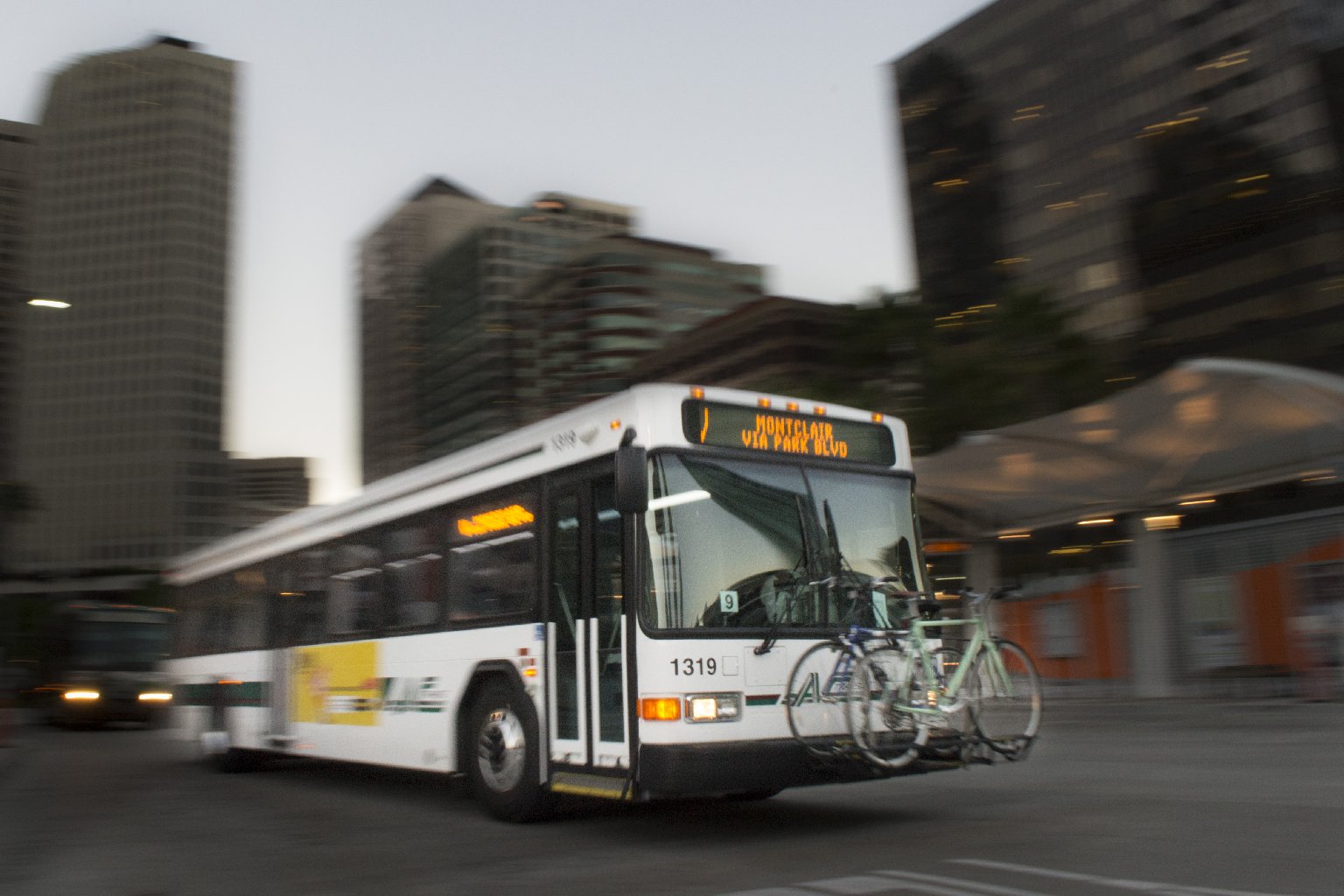
"caption": "An AC Transit bus.",
"description": null,
"title": "RS7039_AC_Transit_14oct2013_0217_web",
"credit": "Sara Bloomberg/KQED",
"status": "inherit",
"isLoading": false,
"fetchFailed": false
},
"news_11831341": {
"type": "attachments",
"id": "news_11831341",
"meta": {
"index": "attachments_1716263798",
"site": "news",
"id": "11831341",
"found": true
},
"parent": 11831327,
"imgSizes": {
"apple_news_ca_square_4_0": {
"file": "https://ww2.kqed.org/app/uploads/sites/10/2020/07/116130612_10164464868025311_1628254292932838477_n-470x470.jpg",
"width": 470,
"mimeType": "image/jpeg",
"height": 470
},
"thumbnail": {
"file": "https://ww2.kqed.org/app/uploads/sites/10/2020/07/116130612_10164464868025311_1628254292932838477_n-160x90.jpg",
"width": 160,
"mimeType": "image/jpeg",
"height": 90
},
"post-thumbnail": {
"file": "https://ww2.kqed.org/app/uploads/sites/10/2020/07/116130612_10164464868025311_1628254292932838477_n-672x372.jpg",
"width": 672,
"mimeType": "image/jpeg",
"height": 372
},
"kqedFullSize": {
"file": "https://ww2.kqed.org/app/uploads/sites/10/2020/07/116130612_10164464868025311_1628254292932838477_n.jpg",
"width": 960,
"height": 540
},
"apple_news_ca_landscape_4_7": {
"file": "https://ww2.kqed.org/app/uploads/sites/10/2020/07/116130612_10164464868025311_1628254292932838477_n-632x474.jpg",
"width": 632,
"mimeType": "image/jpeg",
"height": 474
},
"apple_news_ca_landscape_4_0": {
"file": "https://ww2.kqed.org/app/uploads/sites/10/2020/07/116130612_10164464868025311_1628254292932838477_n-536x402.jpg",
"width": 536,
"mimeType": "image/jpeg",
"height": 402
},
"medium": {
"file": "https://ww2.kqed.org/app/uploads/sites/10/2020/07/116130612_10164464868025311_1628254292932838477_n-800x450.jpg",
"width": 800,
"mimeType": "image/jpeg",
"height": 450
},
"apple_news_ca_portrait_4_0": {
"file": "https://ww2.kqed.org/app/uploads/sites/10/2020/07/116130612_10164464868025311_1628254292932838477_n-354x472.jpg",
"width": 354,
"mimeType": "image/jpeg",
"height": 472
},
"apple_news_ca_portrait_9_7": {
"file": "https://ww2.kqed.org/app/uploads/sites/10/2020/07/116130612_10164464868025311_1628254292932838477_n-840x540.jpg",
"width": 840,
"mimeType": "image/jpeg",
"height": 540
},
"apple_news_ca_portrait_4_7": {
"file": "https://ww2.kqed.org/app/uploads/sites/10/2020/07/116130612_10164464868025311_1628254292932838477_n-414x540.jpg",
"width": 414,
"mimeType": "image/jpeg",
"height": 540
},
"apple_news_ca_portrait_5_5": {
"file": "https://ww2.kqed.org/app/uploads/sites/10/2020/07/116130612_10164464868025311_1628254292932838477_n-687x540.jpg",
"width": 687,
"mimeType": "image/jpeg",
"height": 540
},
"apple_news_ca_square_4_7": {
"file": "https://ww2.kqed.org/app/uploads/sites/10/2020/07/116130612_10164464868025311_1628254292932838477_n-550x540.jpg",
"width": 550,
"mimeType": "image/jpeg",
"height": 540
},
"apple_news_ca_square_5_5": {
"file": "https://ww2.kqed.org/app/uploads/sites/10/2020/07/116130612_10164464868025311_1628254292932838477_n-912x540.jpg",
"width": 912,
"mimeType": "image/jpeg",
"height": 540
}
},
"publishDate": 1596155142,
"modified": 1596155503,
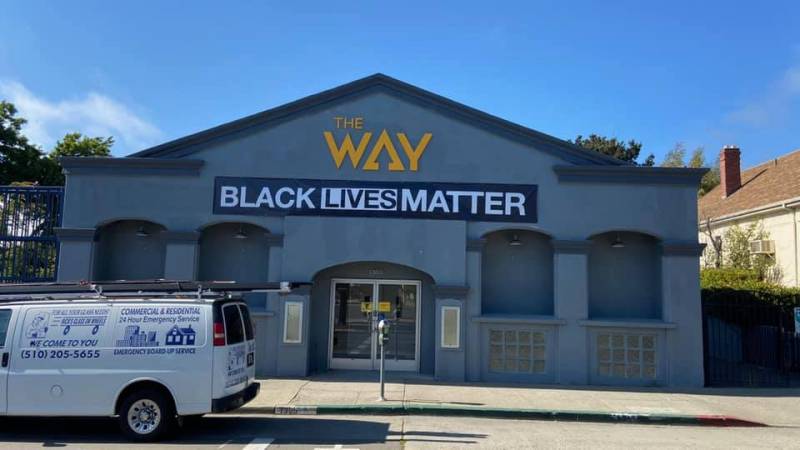
"caption": "The Way Christian Center in Berkeley. A set of trash bins outside the church were set on fire early Wednesday morning, a day after the church hung a 'Black Lives Matter' banner above its front entrance.",
"description": null,
"title": "116130612_10164464868025311_1628254292932838477_n",
"credit": "Courtesy of Michael McBride \u003ca href=\"https://www.facebook.com/michael.mcbride.3956\">via Facebook\u003c/a>",
"status": "inherit",
"isLoading": false,
"fetchFailed": false
},
"news_11829137": {
"type": "attachments",
"id": "news_11829137",
"meta": {
"index": "attachments_1716263798",
"site": "news",
"id": "11829137",
"found": true
},
"parent": 11829134,
"imgSizes": {
"apple_news_ca_landscape_5_5": {
"file": "https://ww2.kqed.org/app/uploads/sites/10/2020/07/bpd_071520_final-1044x783.png",
"width": 1044,
"mimeType": "image/png",
"height": 783
},
"apple_news_ca_square_4_0": {
"file": "https://ww2.kqed.org/app/uploads/sites/10/2020/07/bpd_071520_final-470x470.png",
"width": 470,
"mimeType": "image/png",
"height": 470
},
"twentyfourteen-full-width": {
"file": "https://ww2.kqed.org/app/uploads/sites/10/2020/07/bpd_071520_final-1038x576.png",
"width": 1038,
"mimeType": "image/png",
"height": 576
},
"thumbnail": {
"file": "https://ww2.kqed.org/app/uploads/sites/10/2020/07/bpd_071520_final-160x142.png",
"width": 160,
"mimeType": "image/png",
"height": 142
},
"post-thumbnail": {
"file": "https://ww2.kqed.org/app/uploads/sites/10/2020/07/bpd_071520_final-672x372.png",
"width": 672,
"mimeType": "image/png",
"height": 372
},
"kqedFullSize": {
"file": "https://ww2.kqed.org/app/uploads/sites/10/2020/07/bpd_071520_final.png",
"width": 1920,
"height": 1702
},
"apple_news_ca_landscape_4_7": {
"file": "https://ww2.kqed.org/app/uploads/sites/10/2020/07/bpd_071520_final-632x474.png",
"width": 632,
"mimeType": "image/png",
"height": 474
},
"large": {
"file": "https://ww2.kqed.org/app/uploads/sites/10/2020/07/bpd_071520_final-1020x904.png",
"width": 1020,
"mimeType": "image/png",
"height": 904
},
"apple_news_ca_landscape_4_0": {
"file": "https://ww2.kqed.org/app/uploads/sites/10/2020/07/bpd_071520_final-536x402.png",
"width": 536,
"mimeType": "image/png",
"height": 402
},
"apple_news_ca_portrait_12_9": {
"file": "https://ww2.kqed.org/app/uploads/sites/10/2020/07/bpd_071520_final-1122x1496.png",
"width": 1122,
"mimeType": "image/png",
"height": 1496
},
"medium": {
"file": "https://ww2.kqed.org/app/uploads/sites/10/2020/07/bpd_071520_final-800x709.png",
"width": 800,
"mimeType": "image/png",
"height": 709
},
"apple_news_ca_portrait_4_0": {
"file": "https://ww2.kqed.org/app/uploads/sites/10/2020/07/bpd_071520_final-354x472.png",
"width": 354,
"mimeType": "image/png",
"height": 472
},
"apple_news_ca_portrait_9_7": {
"file": "https://ww2.kqed.org/app/uploads/sites/10/2020/07/bpd_071520_final-840x1120.png",
"width": 840,
"mimeType": "image/png",
"height": 1120
},
"apple_news_ca_landscape_12_9": {
"file": "https://ww2.kqed.org/app/uploads/sites/10/2020/07/bpd_071520_final-1832x1374.png",
"width": 1832,
"mimeType": "image/png",
"height": 1374
},
"apple_news_ca_square_9_7": {
"file": "https://ww2.kqed.org/app/uploads/sites/10/2020/07/bpd_071520_final-1104x1104.png",
"width": 1104,
"mimeType": "image/png",
"height": 1104
},
"1536x1536": {
"file": "https://ww2.kqed.org/app/uploads/sites/10/2020/07/bpd_071520_final-1536x1362.png",
"width": 1536,
"mimeType": "image/png",
"height": 1362
},
"apple_news_ca_portrait_4_7": {
"file": "https://ww2.kqed.org/app/uploads/sites/10/2020/07/bpd_071520_final-414x552.png",
"width": 414,
"mimeType": "image/png",
"height": 552
},
"apple_news_ca_square_12_9": {
"file": "https://ww2.kqed.org/app/uploads/sites/10/2020/07/bpd_071520_final-1472x1472.png",
"width": 1472,
"mimeType": "image/png",
"height": 1472
},
"apple_news_ca_portrait_5_5": {
"file": "https://ww2.kqed.org/app/uploads/sites/10/2020/07/bpd_071520_final-687x916.png",
"width": 687,
"mimeType": "image/png",
"height": 916
},
"apple_news_ca_square_4_7": {
"file": "https://ww2.kqed.org/app/uploads/sites/10/2020/07/bpd_071520_final-550x550.png",
"width": 550,
"mimeType": "image/png",
"height": 550
},
"apple_news_ca_landscape_9_7": {
"file": "https://ww2.kqed.org/app/uploads/sites/10/2020/07/bpd_071520_final-1376x1032.png",
"width": 1376,
"mimeType": "image/png",
"height": 1032
},
"apple_news_ca_square_5_5": {
"file": "https://ww2.kqed.org/app/uploads/sites/10/2020/07/bpd_071520_final-912x912.png",
"width": 912,
"mimeType": "image/png",
"height": 912
}
},
"publishDate": 1594846606,
"modified": 1594846646,
"caption": null,
"description": null,
"title": "bpd_071520_final",
"credit": null,
"status": "inherit",
"isLoading": false,
"fetchFailed": false
}
},
"audioPlayerReducer": {
"postId": "stream_live",
"isPaused": true,
"isPlaying": false,
"pfsActive": false,
"pledgeModalIsOpen": true,
"playerDrawerIsOpen": false,
"liveAudioPlayStartedAt": 0,
"liveAudioPlayContext": ""
},
"authorsReducer": {
"katrinaschwartz": {
"type": "authors",
"id": "234",
"meta": {
"index": "authors_1716337520",
"id": "234",
"found": true
},
"name": "Katrina Schwartz",
"firstName": "Katrina",
"lastName": "Schwartz",
"slug": "katrinaschwartz",
"email": "kschwartz@kqed.org",
"display_author_email": false,
"staff_mastheads": [
"news"
],
"title": "Producer",
"bio": "Katrina Schwartz is a journalist based in San Francisco. She's worked at KPCC public radio in LA and has reported on air and online for KQED since 2010. She covered how teaching and learning is changing for MindShift between 2012 and 2020. She is the co-host of the MindShift podcast and now produces KQED's Bay Curious podcast.",
"avatar": "https://secure.gravatar.com/avatar/edb4ee79070447a018538c9aae6eeecf28786515b8a0c30e43b6b7dce5aa44c8?s=600&d=blank&r=g",
"twitter": "kschwart",
"bluesky": null,
"facebook": null,
"instagram": null,
"linkedin": null,
"sites": [
{
"site": "",
"roles": [
"editor"
]
},
{
"site": "news",
"roles": [
"editor"
]
},
{
"site": "mindshift",
"roles": [
"administrator"
]
},
{
"site": "stateofhealth",
"roles": [
"author"
]
},
{
"site": "science",
"roles": [
"editor"
]
}
],
"headData": {
"title": "Katrina Schwartz | KQED",
"description": "Producer",
"ogImgSrc": "https://secure.gravatar.com/avatar/edb4ee79070447a018538c9aae6eeecf28786515b8a0c30e43b6b7dce5aa44c8?s=600&d=blank&r=g",
"twImgSrc": "https://secure.gravatar.com/avatar/edb4ee79070447a018538c9aae6eeecf28786515b8a0c30e43b6b7dce5aa44c8?s=600&d=blank&r=g"
},
"isLoading": false,
"link": "/author/katrinaschwartz"
},
"tychehendricks": {
"type": "authors",
"id": "259",
"meta": {
"index": "authors_1716337520",
"id": "259",
"found": true
},
"name": "Tyche Hendricks",
"firstName": "Tyche",
"lastName": "Hendricks",
"slug": "tychehendricks",
"email": "thendricks@kqed.org",
"display_author_email": true,
"staff_mastheads": [
"news"
],
"title": "KQED Senior Editor, Immigration",
"bio": "\u003cspan style=\"font-weight: 400;\">Tyche Hendricks is KQED’s senior editor for immigration, leading coverage of the policy and politics that affect California’s immigrant communities. Her work for KQED’s radio and online audiences is also carried on NPR and other national outlets. She has been recognized with awards from the Radio and Television News Directors Association, the Society for Professional Journalists; the Education Writers Association; the Best of the West and the National Federation of Community Broadcasters. Before joining KQED in 2010, Tyche spent more than a dozen years as a newspaper reporter, notably at the \u003c/span>\u003ci>\u003cspan style=\"font-weight: 400;\">San Francisco Chronicle\u003c/span>\u003c/i>\u003cspan style=\"font-weight: 400;\">. At different times she has covered criminal justice, government and politics and urban planning. Tyche has taught in the MFA Creative Writing program at the University of San Francisco and at UC Berkeley’s Graduate School of Journalism, where she was co-director of a national immigration symposium for professional journalists. She is the author of \u003c/span>\u003ci>\u003cspan style=\"font-weight: 400;\">The Wind Doesn't Need a Passport: Stories from the U.S.-Mexico Borderlands\u003c/span>\u003c/i>\u003cspan style=\"font-weight: 400;\"> (University of California Press). \u003c/span>",
"avatar": "https://secure.gravatar.com/avatar/b8ee458e2731c2d43df86882ce17267e?s=600&d=blank&r=g",
"twitter": "tychehendricks",
"facebook": null,
"instagram": null,
"linkedin": null,
"sites": [
{
"site": "news",
"roles": [
"editor"
]
},
{
"site": "stateofhealth",
"roles": [
"editor"
]
}
],
"headData": {
"title": "Tyche Hendricks | KQED",
"description": "KQED Senior Editor, Immigration",
"ogImgSrc": "https://secure.gravatar.com/avatar/b8ee458e2731c2d43df86882ce17267e?s=600&d=blank&r=g",
"twImgSrc": "https://secure.gravatar.com/avatar/b8ee458e2731c2d43df86882ce17267e?s=600&d=blank&r=g"
},
"isLoading": false,
"link": "/author/tychehendricks"
},
"markfiore": {
"type": "authors",
"id": "3236",
"meta": {
"index": "authors_1716337520",
"id": "3236",
"found": true
},
"name": "Mark Fiore",
"firstName": "Mark",
"lastName": "Fiore",
"slug": "markfiore",
"email": "mark@markfiore.com",
"display_author_email": false,
"staff_mastheads": [
"news"
],
"title": "KQED News Cartoonist",
"bio": "\u003ca href=\"http://www.MarkFiore.com\">MarkFiore.com\u003c/a> | \u003ca href=\"https://twitter.com/markfiore\">Follow on Twitter\u003c/a> | \u003ca href=\"https://www.facebook.com/pages/Mark-Fiore-Animated-Political-Cartoons/94451707396?ref=bookmarks\">Facebook\u003c/a> | \u003ca href=\"mailto:mark@markfiore.com\">email\u003c/a>\r\n\r\nPulitzer Prize-winner, Mark Fiore, who the Wall Street Journal has called “the undisputed guru of the form,” creates animated political cartoons in San Francisco, where his work has been featured regularly on the San Francisco Chronicle’s web site, SFGate.com. His work has appeared on Newsweek.com, Slate.com, CBSNews.com, MotherJones.com, DailyKos.com and NPR’s web site. Fiore’s political animation has appeared on CNN, Frontline, Bill Moyers Journal, Salon.com and cable and broadcast outlets across the globe.\r\n\r\nBeginning his professional life by drawing traditional political cartoons for newspapers, Fiore’s work appeared in publications ranging from the Washington Post to the Los Angeles Times. In the late 1990s, he began to experiment with animating political cartoons and, after a short stint at the San Jose Mercury News as their staff cartoonist, Fiore devoted all his energies to animation.\r\nGrowing up in California, Fiore also spent a good portion of his life in the backwoods of Idaho. It was this combination that shaped him politically. Mark majored in political science at Colorado College, where, in a perfect send-off for a cartoonist, he received his diploma in 1991 as commencement speaker Dick Cheney smiled approvingly.\r\nMark Fiore was awarded the Pulitzer Prize for political cartooning in 2010, a Robert F. Kennedy Journalism Award in 2004 and has twice received an Online Journalism Award for commentary from the Online News Association (2002, 2008). Fiore has received two awards for his work in new media from the National Cartoonists Society (2001, 2002), and in 2006 received The James Madison Freedom of Information Award from The Society of Professional Journalists.",
"avatar": "https://secure.gravatar.com/avatar/fc4e2a612b15b67bad0c6f0e1db4ca9b?s=600&d=blank&r=g",
"twitter": "MarkFiore",
"facebook": null,
"instagram": "https://www.instagram.com/markfiore/?hl=en",
"linkedin": null,
"sites": [
{
"site": "arts",
"roles": [
"contributor"
]
},
{
"site": "news",
"roles": [
"editor"
]
},
{
"site": "futureofyou",
"roles": [
"editor"
]
},
{
"site": "science",
"roles": [
"editor"
]
}
],
"headData": {
"title": "Mark Fiore | KQED",
"description": "KQED News Cartoonist",
"ogImgSrc": "https://secure.gravatar.com/avatar/fc4e2a612b15b67bad0c6f0e1db4ca9b?s=600&d=blank&r=g",
"twImgSrc": "https://secure.gravatar.com/avatar/fc4e2a612b15b67bad0c6f0e1db4ca9b?s=600&d=blank&r=g"
},
"isLoading": false,
"link": "/author/markfiore"
},
"tcamhi": {
"type": "authors",
"id": "3251",
"meta": {
"index": "authors_1716337520",
"id": "3251",
"found": true
},
"name": "Tiffany Camhi",
"firstName": "Tiffany",
"lastName": "Camhi",
"slug": "tcamhi",
"email": "tiffanycamhi@gmail.com",
"display_author_email": false,
"staff_mastheads": [],
"title": "KQED Contributor",
"bio": null,
"avatar": "https://secure.gravatar.com/avatar/f8204ce351139205d3b3dc1581016a5e30d7d8b38cb2c139348c151ec14b792e?s=600&d=blank&r=g",
"twitter": null,
"bluesky": null,
"facebook": null,
"instagram": null,
"linkedin": null,
"sites": [
{
"site": "arts",
"roles": [
"subscriber"
]
},
{
"site": "news",
"roles": [
"subscriber"
]
}
],
"headData": {
"title": "Tiffany Camhi | KQED",
"description": "KQED Contributor",
"ogImgSrc": "https://secure.gravatar.com/avatar/f8204ce351139205d3b3dc1581016a5e30d7d8b38cb2c139348c151ec14b792e?s=600&d=blank&r=g",
"twImgSrc": "https://secure.gravatar.com/avatar/f8204ce351139205d3b3dc1581016a5e30d7d8b38cb2c139348c151ec14b792e?s=600&d=blank&r=g"
},
"isLoading": false,
"link": "/author/tcamhi"
},
"cveltman": {
"type": "authors",
"id": "8608",
"meta": {
"index": "authors_1716337520",
"id": "8608",
"found": true
},
"name": "Chloe Veltman",
"firstName": "Chloe",
"lastName": "Veltman",
"slug": "cveltman",
"email": "cveltman@kqed.org",
"display_author_email": true,
"staff_mastheads": [],
"title": "Arts and Culture Reporter",
"bio": "Chloe Veltman is a former arts and culture reporter for KQED. Prior to joining the organization, she launched and led the arts bureau at Colorado Public Radio, served as the Bay Area's culture columnist for the New York Times, and was the founder, host and executive producer of VoiceBox, a national award-winning weekly podcast/radio show and live events series all about the human voice. Chloe is the recipient of numerous prizes, grants and fellowships including a Webby Award for her work on interactive storytelling, both the John S Knight Journalism Fellowship and Humanities Center Fellowship at Stanford University, the Sundance Arts Writing Fellowship and a Library of Congress Research Fellowship. She is the author of the book \"On Acting\" and has appeared as a guest lecturer at Yale University and the San Francisco Conservatory of Music among other institutions. She holds a BA in english literature from King's College, Cambridge, and a Masters in Dramaturgy from the Central School of Speech and Drama/Harvard Institute for Advanced Theater Training.\r\n\u003ca href=\"https://www.chloeveltman.com\">www.chloeveltman.com\u003c/a>",
"avatar": "https://secure.gravatar.com/avatar/55403394b00a1ddab683952c2eb2cf85?s=600&d=blank&r=g",
"twitter": "chloeveltman",
"facebook": null,
"instagram": null,
"linkedin": null,
"sites": [
{
"site": "arts",
"roles": []
},
{
"site": "news",
"roles": [
"author"
]
},
{
"site": "pop",
"roles": [
"editor"
]
},
{
"site": "science",
"roles": []
}
],
"headData": {
"title": "Chloe Veltman | KQED",
"description": "Arts and Culture Reporter",
"ogImgSrc": "https://secure.gravatar.com/avatar/55403394b00a1ddab683952c2eb2cf85?s=600&d=blank&r=g",
"twImgSrc": "https://secure.gravatar.com/avatar/55403394b00a1ddab683952c2eb2cf85?s=600&d=blank&r=g"
},
"isLoading": false,
"link": "/author/cveltman"
},
"agarces": {
"type": "authors",
"id": "11367",
"meta": {
"index": "authors_1716337520",
"id": "11367",
"found": true
},
"name": "Audrey Garces",
"firstName": "Audrey",
"lastName": "Garces",
"slug": "agarces",
"email": "agarces@kqed.org",
"display_author_email": false,
"staff_mastheads": [
"news"
],
"title": "Digital Producer",
"bio": "Audrey is a former digital producer at KQED News. Previously, she was a KQED Raul Ramirez Diversity Fund intern where she developed stories that focused on highlighting diverse voices in journalism. Prior to her work at KQED, she worked as a news intern at the San Francisco Examiner. Audrey graduated from San Francisco State University with a B.A. in journalism and a minor in political science.",
"avatar": "https://secure.gravatar.com/avatar/5211bc2e6a809b9956da169e35ce63d5?s=600&d=blank&r=g",
"twitter": "audgar",
"facebook": null,
"instagram": null,
"linkedin": null,
"sites": [
{
"site": "arts",
"roles": []
},
{
"site": "news",
"roles": [
"subscriber"
]
},
{
"site": "science",
"roles": [
"editor"
]
},
{
"site": "forum",
"roles": [
"editor"
]
},
{
"site": "perspectives",
"roles": [
"administrator"
]
}
],
"headData": {
"title": "Audrey Garces | KQED",
"description": "Digital Producer",
"ogImgSrc": "https://secure.gravatar.com/avatar/5211bc2e6a809b9956da169e35ce63d5?s=600&d=blank&r=g",
"twImgSrc": "https://secure.gravatar.com/avatar/5211bc2e6a809b9956da169e35ce63d5?s=600&d=blank&r=g"
},
"isLoading": false,
"link": "/author/agarces"
},
"katewolffe": {
"type": "authors",
"id": "11523",
"meta": {
"index": "authors_1716337520",
"id": "11523",
"found": true
},
"name": "Kate Wolffe",
"firstName": "Kate",
"lastName": "Wolffe",
"slug": "katewolffe",
"email": "kwolffe@kqed.org",
"display_author_email": true,
"staff_mastheads": [
"news"
],
"title": "KQED Reporter + Weekend Host",
"bio": "Kate Wolffe reports on local Bay Area happenings for KQED, and hosts the news on weekend afternoons. She joined KQED in 2018 as an intern on the Forum team, before moving to cover topics ranging from politics to criminal justice to homelessness. A Bay Area native and UC Berkeley graduate, Kate loves to discover new corners of the region.",
"avatar": "https://secure.gravatar.com/avatar/22455f14db824a03ee252f73052fe939?s=600&d=blank&r=g",
"twitter": "katewolffe",
"facebook": null,
"instagram": null,
"linkedin": null,
"sites": [
{
"site": "arts",
"roles": [
"editor"
]
},
{
"site": "news",
"roles": [
"author",
"edit_others_posts"
]
},
{
"site": "forum",
"roles": [
"editor"
]
}
],
"headData": {
"title": "Kate Wolffe | KQED",
"description": "KQED Reporter + Weekend Host",
"ogImgSrc": "https://secure.gravatar.com/avatar/22455f14db824a03ee252f73052fe939?s=600&d=blank&r=g",
"twImgSrc": "https://secure.gravatar.com/avatar/22455f14db824a03ee252f73052fe939?s=600&d=blank&r=g"
},
"isLoading": false,
"link": "/author/katewolffe"
},
"lsarah": {
"type": "authors",
"id": "11626",
"meta": {
"index": "authors_1716337520",
"id": "11626",
"found": true
},
"name": "Lakshmi Sarah",
"firstName": "Lakshmi",
"lastName": "Sarah",
"slug": "lsarah",
"email": "lsarah@kqed.org",
"display_author_email": false,
"staff_mastheads": [],
"title": "Digital Producer",
"bio": "Lakshmi Sarah is an educator, author and journalist with a focus on innovative storytelling. She has worked with newspapers, radio and magazines from Ahmedabad, India to Los Angeles, California. She has written and produced for Die Zeit, Global Voices, AJ+, KQED, Fusion Media Group and the New York Times.",
"avatar": "https://secure.gravatar.com/avatar/652dcaecd8b28826fc17a8b2d6bb4e93?s=600&d=blank&r=g",
"twitter": "lakitalki",
"facebook": null,
"instagram": "https://www.instagram.com/laki.talki/",
"linkedin": "https://www.linkedin.com/in/lakisarah/",
"sites": [
{
"site": "arts",
"roles": []
},
{
"site": "news",
"roles": []
},
{
"site": "bayareabites",
"roles": []
},
{
"site": "science",
"roles": []
}
],
"headData": {
"title": "Lakshmi Sarah | KQED",
"description": "Digital Producer",
"ogImgSrc": "https://secure.gravatar.com/avatar/652dcaecd8b28826fc17a8b2d6bb4e93?s=600&d=blank&r=g",
"twImgSrc": "https://secure.gravatar.com/avatar/652dcaecd8b28826fc17a8b2d6bb4e93?s=600&d=blank&r=g"
},
"isLoading": false,
"link": "/author/lsarah"
},
"ebaldassari": {
"type": "authors",
"id": "11652",
"meta": {
"index": "authors_1716337520",
"id": "11652",
"found": true
},
"name": "Erin Baldassari",
"firstName": "Erin",
"lastName": "Baldassari",
"slug": "ebaldassari",
"email": "ebaldassari@KQED.org",
"display_author_email": true,
"staff_mastheads": [
"news"
],
"title": "Staff Writer",
"bio": "Erin Baldassari covers housing for KQED. She's a former print journalist and most recently worked as the transportation reporter for the \u003cem>Mercury News\u003c/em> and \u003cem>East Bay Times. \u003c/em>There, she focused on how the Bay Area’s housing shortage has changed the way people move around the region. She also served on the \u003cem>East Bay Times\u003c/em>’ 2017 Pulitzer Prize-winning team for coverage of the Ghost Ship Fire in Oakland. Prior to that, Erin worked as a breaking news and general assignment reporter for a variety of outlets in the Bay Area and the greater Boston area. A Tufts University alumna, Erin grew up in the foothills of the Sierra Nevada mountains and in Sonoma County. She is a life-long KQED listener.",
"avatar": "https://secure.gravatar.com/avatar/5e95cad64a8ca08288082212e199d2b0cbeb4fd8e8ef5339395f361032bbe005?s=600&d=blank&r=g",
"twitter": "e_baldi",
"bluesky": null,
"facebook": null,
"instagram": null,
"linkedin": null,
"sites": [
{
"site": "news",
"roles": [
"edit_others_posts",
"editor"
]
},
{
"site": "science",
"roles": [
"editor"
]
},
{
"site": "liveblog",
"roles": [
"editor"
]
}
],
"headData": {
"title": "Erin Baldassari | KQED",
"description": "Staff Writer",
"ogImgSrc": "https://secure.gravatar.com/avatar/5e95cad64a8ca08288082212e199d2b0cbeb4fd8e8ef5339395f361032bbe005?s=600&d=blank&r=g",
"twImgSrc": "https://secure.gravatar.com/avatar/5e95cad64a8ca08288082212e199d2b0cbeb4fd8e8ef5339395f361032bbe005?s=600&d=blank&r=g"
},
"isLoading": false,
"link": "/author/ebaldassari"
},
"jrodriguez": {
"type": "authors",
"id": "11690",
"meta": {
"index": "authors_1716337520",
"id": "11690",
"found": true
},
"name": "Joe Fitzgerald Rodriguez",
"firstName": "Joe",
"lastName": "Fitzgerald Rodriguez",
"slug": "jrodriguez",
"email": "jrodriguez@kqed.org",
"display_author_email": true,
"staff_mastheads": [
"news"
],
"title": "Reporter and Producer",
"bio": "Joe Fitzgerald Rodriguez is a reporter and digital producer for KQED covering politics. Joe most recently wrote for the \u003cem>San Francisco Examiner\u003c/em> as a political columnist covering The City. He was raised in San Francisco and has spent his reporting career in his beloved, foggy, city by the bay. Joe was 12-years-old when he conducted his first interview in journalism, grilling former San Francisco Mayor Willie Brown for the Marina Middle School newspaper, \u003cem>The Penguin Press, \u003c/em>and he continues to report on the San Francisco Bay Area to this day.",
"avatar": "https://secure.gravatar.com/avatar/2247beb0564c1e9c62228d5649d2edac?s=600&d=blank&r=g",
"twitter": "FitztheReporter",
"facebook": null,
"instagram": "https://www.instagram.com/fitzthereporter/",
"linkedin": null,
"sites": [
{
"site": "",
"roles": [
"editor"
]
},
{
"site": "arts",
"roles": [
"editor"
]
},
{
"site": "news",
"roles": [
"editor"
]
},
{
"site": "science",
"roles": [
"editor"
]
},
{
"site": "elections",
"roles": [
"editor"
]
},
{
"site": "liveblog",
"roles": [
"editor"
]
}
],
"headData": {
"title": "Joe Fitzgerald Rodriguez | KQED",
"description": "Reporter and Producer",
"ogImgSrc": "https://secure.gravatar.com/avatar/2247beb0564c1e9c62228d5649d2edac?s=600&d=blank&r=g",
"twImgSrc": "https://secure.gravatar.com/avatar/2247beb0564c1e9c62228d5649d2edac?s=600&d=blank&r=g"
},
"isLoading": false,
"link": "/author/jrodriguez"
}
},
"pagesReducer": {
"news_tag_berkeley": {
"type": "terms",
"id": "news_129",
"meta": {
"index": "terms_1716263798",
"site": "news",
"id": "129",
"score": 6.9285283
},
"featImg": null,
"name": "Berkeley",
"description": null,
"taxonomy": "tag",
"headData": {
"twImgId": null,
"twTitle": null,
"ogTitle": null,
"ogImgId": null,
"twDescription": null,
"description": null,
"title": "Berkeley Archives | KQED News",
"ogDescription": null
},
"ttid": 133,
"slug": "berkeley",
"isLoading": false,
"title": "Berkeley",
"pageMeta": {
"site": "news",
"WpPageTemplate": "page-topic-editorial",
"currentPage": 13
},
"blocks": [
{
"blockName": "kqed/post-list",
"attrs": {
"layout": "cardArticle2",
"query": "posts/news?tag=berkeley",
"seeMore": false,
"paginated": true,
"page": 13
}
},
{
"blockName": "kqed/ad"
}
]
}
},
"pfsSessionReducer": {},
"postsReducer": {
"stream_live": {
"type": "live",
"id": "stream_live",
"audioUrl": "https://streams.kqed.org/kqedradio",
"title": "Live Stream",
"excerpt": "Live Stream information currently unavailable.",
"link": "/radio",
"featImg": "",
"label": {
"name": "KQED Live",
"link": "/"
}
},
"stream_kqedNewscast": {
"type": "posts",
"id": "stream_kqedNewscast",
"audioUrl": "https://www.kqed.org/.stream/anon/radio/RDnews/newscast.mp3?_=1",
"title": "KQED Newscast",
"featImg": "",
"label": {
"name": "88.5 FM",
"link": "/"
}
},
"news_11860308": {
"type": "posts",
"id": "news_11860308",
"meta": {
"index": "posts_1716263798",
"site": "news",
"id": "11860308",
"score": null,
"sort": [
1613480404000
]
},
"parent": 0,
"labelTerm": {
"site": "news"
},
"blocks": [],
"publishDate": 1613480404,
"format": "standard",
"disqusTitle": "California Cities Rethink the Single-Family Neighborhood",
"title": "California Cities Rethink the Single-Family Neighborhood",
"headTitle": "KQED News",
"content": "\u003cp>More than a century ago, Berkeley pioneered rules prohibiting affordable, multifamily housing from certain areas, and with it, created a new class of neighborhoods reserved exclusively for single-family homes.\u003c/p>\n\u003cp>Now it’s one of a handful of cities in the country, and the latest in California, to challenge those rules as it seeks to tackle its housing affordability crisis and address decades of racial segregation in housing.\u003c/p>\n\u003cp>But housing researchers and advocates for low-income residents warn that just allowing more housing in single-family neighborhoods is no panacea. To achieve truly inclusive communities, they say zoning changes have to be coupled with strong renter protections and increased funding for affordable housing.\u003c/p>\n\u003cp>Berkeley Vice Mayor Lori Droste \u003ca href=\"https://t.co/EvWI4yxxfO?amp=1\" target=\"_blank\" rel=\"noopener noreferrer\">introduced the legislation\u003c/a> earlier this month to change the city’s zoning rules, and make it easier to build fourplexes throughout the city.\u003c/p>\n\u003cp>The Sacramento City Council last month unanimously \u003ca href=\"https://ktla.com/news/california/sacramento-moves-toward-becoming-one-of-1st-u-s-cities-to-eliminate-single-family-zoning/\" target=\"_blank\" rel=\"noopener noreferrer\">approved a draft plan\u003c/a> to allow fourplexes throughout the city, becoming the first city in the state to begin the process of removing barriers to small, multifamily housing in all of its residential neighborhoods. Officials in \u003ca href=\"https://www.sfchronicle.com/bayarea/heatherknight/article/S-F-supervisor-s-creative-proposal-Make-it-15910055.php\" target=\"_blank\" rel=\"noopener noreferrer\">San Francisco\u003c/a> and \u003ca href=\"https://www.sanjoseca.gov/your-government/departments-offices/planning-building-code-enforcement/planning-division/citywide-planning/envision-san-jos-2040-general-plan/general-plan-4-year-review/opportunity-housing\" target=\"_blank\" rel=\"noopener noreferrer\">San Jose\u003c/a> are considering their own proposals.\u003c/p>\n\u003cfigure id=\"attachment_11860317\" class=\"wp-caption aligncenter\" style=\"max-width: 1920px\">\u003ca href=\"https://ww2.kqed.org/app/uploads/sites/10/2021/02/RS41773_007_KQED_HousingSanFrancisco_02102020_2898-qut.jpg\">\u003cimg class=\"size-full wp-image-11860317\" src=\"https://ww2.kqed.org/app/uploads/sites/10/2021/02/RS41773_007_KQED_HousingSanFrancisco_02102020_2898-qut.jpg\" alt=\"\" width=\"1920\" height=\"1280\" srcset=\"https://ww2.kqed.org/app/uploads/sites/10/2021/02/RS41773_007_KQED_HousingSanFrancisco_02102020_2898-qut.jpg 1920w, https://ww2.kqed.org/app/uploads/sites/10/2021/02/RS41773_007_KQED_HousingSanFrancisco_02102020_2898-qut-800x533.jpg 800w, https://ww2.kqed.org/app/uploads/sites/10/2021/02/RS41773_007_KQED_HousingSanFrancisco_02102020_2898-qut-1020x680.jpg 1020w, https://ww2.kqed.org/app/uploads/sites/10/2021/02/RS41773_007_KQED_HousingSanFrancisco_02102020_2898-qut-160x107.jpg 160w, https://ww2.kqed.org/app/uploads/sites/10/2021/02/RS41773_007_KQED_HousingSanFrancisco_02102020_2898-qut-1536x1024.jpg 1536w\" sizes=\"(max-width: 1920px) 100vw, 1920px\">\u003c/a>\u003cfigcaption class=\"wp-caption-text\">Housing in San Francisco on Feb. 10, 2020. In San Francisco, nearly three-quarters of all residential land is devoted to single-family homes and duplexes. \u003ccite>(Beth LaBerge/KQED)\u003c/cite>\u003c/figcaption>\u003c/figure>\n\u003cp>But it could soon be a policy that touches the entire state. Senate Pro Tem Toni Atkins, D-San Diego, introduced a bill last year to allow up to two duplexes in most single-family neighborhoods. It passed both houses of the Legislature, but \u003ca href=\"https://www.latimes.com/homeless-housing/story/2020-09-01/california-assembly-sb-1120-duplexes#:~:text=SB%201120%20came%20out%20of,they%20were%20single%2Dfamily%20neighborhoods.\" target=\"_blank\" rel=\"noopener noreferrer\">literally ran out of time\u003c/a> before getting the final vote it needed to head to the governor’s desk. It’s back this year as \u003ca href=\"https://leginfo.legislature.ca.gov/faces/billNavClient.xhtml?bill_id=202120220SB9\" target=\"_blank\" rel=\"noopener noreferrer\">Senate Bill 9\u003c/a>.\u003c/p>\n\u003cp>\"It signifies a significant shift from previous land use practices,\" said David Garcia, policy director for the Terner Center for Housing Innovation at UC Berkeley. \"But it's not going to necessarily change the affordability issue overnight.\"\u003c/p>\n\u003cp>[pullquote size='medium' align='right' citation='David Garcia, policy director for the Terner Center for Housing Innovation at UC Berkeley']'It signifies a significant shift from previous land use practices ... But it's not going to necessarily change the affordability issue overnight.'[/pullquote]\u003c/p>\n\u003cp>Droste said she felt morally compelled to do away with single-family zoning in Berkeley because of its \u003ca href=\"https://www.kqed.org/news/11840548/the-racist-history-of-single-family-home-zoning\" target=\"_blank\" rel=\"noopener noreferrer\">racist origins\u003c/a>. She represents the city's Elmwood neighborhood, which became the \u003ca href=\"https://www.kqed.org/news/11840548/the-racist-history-of-single-family-home-zoning\" target=\"_blank\" rel=\"noopener noreferrer\">first neighborhood in the country\u003c/a>, in 1916, to adopt single-family zoning. The rules prohibit property owners from building more than one home on one lot.\u003c/p>\n\u003cp>“It started out as explicit racist policies to keep Chinese laundromats and African American dance halls out of Berkeley,” Droste told KQED. “And then later, it morphed into redlining.”\u003c/p>\n\u003cp>A \u003ca href=\"https://belonging.berkeley.edu/racial-segregation-san-francisco-bay-area\" target=\"_blank\" rel=\"noopener noreferrer\">study \u003c/a>from the UC Berkeley’s Othering and Belonging Institute found that Berkeley has some of the most segregated neighborhoods in Alameda County today. The neighborhoods that first adopted single-family zoning in Berkeley are more than 75% white, while the county as a whole is a little more than 31% white.\u003c/p>\n\u003cp>“As you increase the percentage of single-families zoning, you really increase the percentage white, and the percentage Latinx or Black goes way down,” said Steve Menendian, director of research at the Othering and Belonging Institute. “So, there is a really strong exclusionary effect by race that's clearly related to single-family zoning.”\u003c/p>\n\u003cfigure id=\"attachment_11860318\" class=\"wp-caption aligncenter\" style=\"max-width: 1920px\">\u003ca href=\"https://ww2.kqed.org/app/uploads/sites/10/2021/02/RS23969_GettyImages-623874284-qut.jpg\">\u003cimg class=\"size-full wp-image-11860318\" src=\"https://ww2.kqed.org/app/uploads/sites/10/2021/02/RS23969_GettyImages-623874284-qut.jpg\" alt=\"\" width=\"1920\" height=\"1327\" srcset=\"https://ww2.kqed.org/app/uploads/sites/10/2021/02/RS23969_GettyImages-623874284-qut.jpg 1920w, https://ww2.kqed.org/app/uploads/sites/10/2021/02/RS23969_GettyImages-623874284-qut-800x553.jpg 800w, https://ww2.kqed.org/app/uploads/sites/10/2021/02/RS23969_GettyImages-623874284-qut-1020x705.jpg 1020w, https://ww2.kqed.org/app/uploads/sites/10/2021/02/RS23969_GettyImages-623874284-qut-160x111.jpg 160w, https://ww2.kqed.org/app/uploads/sites/10/2021/02/RS23969_GettyImages-623874284-qut-1536x1062.jpg 1536w\" sizes=\"(max-width: 1920px) 100vw, 1920px\">\u003c/a>\u003cfigcaption class=\"wp-caption-text\">A worker stands on the roof of a home under construction at a new housing development on Nov. 17, 2016 in San Rafael, California. Despite what seems like a lot of apartments going up in the Bay Area, there are typically more single-family homes permitted each year than multifamily homes in California. \u003ccite>( Justin Sullivan/Getty Images)\u003c/cite>\u003c/figcaption>\u003c/figure>\n\u003cp>Researchers say the widespread use of single-family zoning has exacerbated California's housing shortage and contributed to skyrocketing rents and home prices by putting strict limits on what can be built.\u003c/p>\n\u003cp>In the Bay Area, 82% of all residential land is dedicated solely to single-family homes, leaving just 18% available for duplexes, fourplexes or apartment buildings, \u003ca href=\"https://belonging.berkeley.edu/single-family-zoning-san-francisco-bay-area\" target=\"_blank\" rel=\"noopener noreferrer\">according to a survey by the Othering and Belonging Institute\u003c/a>. [aside tag=\"housing\" label=\"more coverage\"]\u003c/p>\n\u003cp>That’s true not only in sprawling suburbs, but in big cities as well. In San Francisco, nearly \u003ca href=\"https://default.sfplanning.org/plans-and-programs/planning-for-the-city/family-friendly-city/Housing_for_Families_with_Children_Report-011717.pdf\" target=\"_blank\" rel=\"noopener noreferrer\">three-quarters of the land\u003c/a> is restricted to single-family homes and duplexes. Supervisor Rafael Mandelman said he’s working on legislation to allow fourplexes on corner lots and within a half-mile from train stations, as a way to increase affordability in the wildly expensive city.\u003c/p>\n\u003cp>“We don't want everybody who works in a school or a shop or who cleans the floors of the hospital, the folks who serve the food in the restaurant ... to all have to be commuting hours to get to their jobs in San Francisco,” Mandelman said. “And I think most San Franciscans recognize that that means having more housing.”\u003c/p>\n\u003cp>But his colleague on the San Francisco Board of Supervisors, Dean Preston, disagrees. Preston said merely allowing developers to build more homes on each lot is no guarantee that the homes will actually be affordable to low-wage and blue collar workers.\u003c/p>\n\u003cp>“I think that's a fantasy,” Preston said, adding it’s government-subsidized affordable housing that’s needed.\u003c/p>\n\u003cfigure id=\"attachment_11860315\" class=\"wp-caption aligncenter\" style=\"max-width: 1920px\">\u003ca href=\"https://ww2.kqed.org/app/uploads/sites/10/2021/02/RS41304_001_KQED_HousingSanFrancisco_02102020-qut.jpg\">\u003cimg class=\"size-full wp-image-11860315\" src=\"https://ww2.kqed.org/app/uploads/sites/10/2021/02/RS41304_001_KQED_HousingSanFrancisco_02102020-qut.jpg\" alt=\"\" width=\"1920\" height=\"1280\" srcset=\"https://ww2.kqed.org/app/uploads/sites/10/2021/02/RS41304_001_KQED_HousingSanFrancisco_02102020-qut.jpg 1920w, https://ww2.kqed.org/app/uploads/sites/10/2021/02/RS41304_001_KQED_HousingSanFrancisco_02102020-qut-800x533.jpg 800w, https://ww2.kqed.org/app/uploads/sites/10/2021/02/RS41304_001_KQED_HousingSanFrancisco_02102020-qut-1020x680.jpg 1020w, https://ww2.kqed.org/app/uploads/sites/10/2021/02/RS41304_001_KQED_HousingSanFrancisco_02102020-qut-160x107.jpg 160w, https://ww2.kqed.org/app/uploads/sites/10/2021/02/RS41304_001_KQED_HousingSanFrancisco_02102020-qut-1536x1024.jpg 1536w\" sizes=\"(max-width: 1920px) 100vw, 1920px\">\u003c/a>\u003cfigcaption class=\"wp-caption-text\">Housing in San Francisco on Feb. 10, 2020. \u003ccite>(Beth LaBerge/KQED)\u003c/cite>\u003c/figcaption>\u003c/figure>\n\u003cp>Preston, along with other advocates for low-income residents, fear private developers will look first to low-income communities, which have relatively lower property values, to convert single-family homes into fourplexes. And that could displace renters who would be unlikely to afford the new housing, said Tony Roshan Samara, program director of land use and housing for the social justice advocacy organization Urban Habitat.\u003c/p>\n\u003cp>“The default in this country is to go to market solutions,” Samara said, “even though we have over 100 years of evidence that they don't work.” [aside tag=\"soldout\" label=\"SOLD OUT: Rethinking Housing in America\"]\u003c/p>\n\u003cp>Morgan Tracy, a project manager for the city of Portland, Oregon, said the city \u003ca href=\"https://www.portland.gov/sites/default/files/2019-12/vol_3_appendix_b_displacement_risk_and_mitigation.pdf\" target=\"_blank\" rel=\"noopener noreferrer\">looked at this question\u003c/a> when it was considering its own policy to allow fourplexes on most lots throughout the city, which was adopted last August. It found that enacting the zoning change would lower the risk of displacement for low-income renters by up to 28%. In other words, it would help retain low-income residents.\u003c/p>\n\u003cp>Tracy said allowing more homes to be built on one lot reduces the number of single-family homes that have to be demolished to make room for more housing, and it increases the amount of options available to renters across the city.\u003c/p>\n\u003cp>A low-income renter who is displaced from a single-family home may not be able to afford one of the new units built in its stead, Tracy said. But they might be able to find affordable housing elsewhere within the city because there will be more homes available overall.\u003c/p>\n\u003cp>“The more units you allow, the fewer times you need redevelopment to occur,” he said. “You're creating more units at different prices, and that has a cascading effect on the competition for other housing types.”\u003c/p>\n\u003cp>Even if only a small fraction of the property owners in California converted their single-family homes into duplexes or fourplexes, it would vastly expand the amount of housing available, Garcia said.\u003c/p>\n\u003cp>[pullquote size='medium' align='right' citation='Tony Roshan Samara, the director of housing policy for Urban Habitat']'The default in this country is to go to market solutions, even though we have over 100 years of evidence that they don't work.'[/pullquote]\u003c/p>\n\u003cp>“The sheer volume of land we have reserved for single-family homes means that we don't need to see too much of it actually turn into four units to actually realize a pretty significant impact on our housing supply,” Garcia said.\u003c/p>\n\u003cp>Garcia co-authored a \u003ca href=\"https://ternercenter.berkeley.edu/research-and-policy/single-family-zoning-reform-an-analysis-of-sb-1120/\" target=\"_blank\" rel=\"noopener noreferrer\">Tener Center study\u003c/a> that found nearly 6 million properties would be able to take advantage of SB 9, which would allow for up to two duplexes on lots where only one home existed before.\u003c/p>\n\u003cp>If the bill becomes law and just 5% of those property owners converted their single-family homes into duplexes, it would result in nearly 600,000 homes. For context, California cities and counties issued nearly \u003ca href=\"https://lao.ca.gov/LAOEconTax/Article/Detail/433#:~:text=California%20housing%20permit%20activity%20picked,down%206%20percent%20from%202018.\" target=\"_blank\" rel=\"noopener noreferrer\">111,000 residential building permits in 2019\u003c/a>, according to the Legislative Analyst’s Office.\u003c/p>\n\u003cp>But Tracy and other city officials who have considered such strategies said it takes years for these kinds of zoning changes to result in building enough housing necessary to actually bring down the cost of housing.\u003c/p>\n\u003cp>In Minneapolis, which approved a policy to allow triplexes across the city in the fall of 2019, there were 42 applications to convert single-family homes into duplexes or triplexes in 2020, said Paul Mogush, the city’s manager of community planning. That’s out of about 3,000 to 5,000 permits for all kinds of housing types, including apartments and single-family homes alike, that are approved in any given year.\u003c/p>\n\u003cp>“We expected this to be an incremental change,” Mogush said.\u003c/p>\n\u003cfigure id=\"attachment_11860326\" class=\"wp-caption aligncenter\" style=\"max-width: 1920px\">\u003ca href=\"https://ww2.kqed.org/app/uploads/sites/10/2021/02/RS25187_GettyImages-88900792-qut.jpg\">\u003cimg class=\"size-full wp-image-11860326\" src=\"https://ww2.kqed.org/app/uploads/sites/10/2021/02/RS25187_GettyImages-88900792-qut.jpg\" alt=\"\" width=\"1920\" height=\"1217\" srcset=\"https://ww2.kqed.org/app/uploads/sites/10/2021/02/RS25187_GettyImages-88900792-qut.jpg 1920w, https://ww2.kqed.org/app/uploads/sites/10/2021/02/RS25187_GettyImages-88900792-qut-800x507.jpg 800w, https://ww2.kqed.org/app/uploads/sites/10/2021/02/RS25187_GettyImages-88900792-qut-1020x647.jpg 1020w, https://ww2.kqed.org/app/uploads/sites/10/2021/02/RS25187_GettyImages-88900792-qut-160x101.jpg 160w, https://ww2.kqed.org/app/uploads/sites/10/2021/02/RS25187_GettyImages-88900792-qut-1536x974.jpg 1536w\" sizes=\"(max-width: 1920px) 100vw, 1920px\">\u003c/a>\u003cfigcaption class=\"wp-caption-text\">A sign advertising an apartment for rent is displayed in a window July 8, 2009 in San Francisco. \u003ccite>(Justin Sullivan/Getty Images)\u003c/cite>\u003c/figcaption>\u003c/figure>\n\u003cp>In the meantime, Samara said there will still be pressure on low-income renters facing rising rents.\u003c/p>\n\u003cp>“The majority of those suffering from housing insecurity are renters,” he said. “So you go there first and stabilize [renters]. That means renter protections: rent control, just cause for eviction protections, a right to organize, protection against landlord harassment, all that stuff.”\u003c/p>\n\u003cp>That will help renters in the short term, Samara said, but those protections also have to be coupled with more funding from federal, state and local governments to increase the amount of subsidized affordable housing.\u003c/p>\n\u003cp>In Portland, the \u003ca href=\"https://www.portland.gov/bps/rip\" target=\"_blank\" rel=\"noopener noreferrer\">zoning change included an incentive\u003c/a> intended to spur more affordable housing development. Builders have the option to add up to six housing units on a lot, if half are available to people who make 60% of the area median income or below. In 2020, that worked out to \u003ca href=\"https://www.portland.gov/sites/default/files/2020-04/2020-ami-rents-phb.pdf\" target=\"_blank\" rel=\"noopener noreferrer\">$55,260 for a family of four\u003c/a>.\u003c/p>\n\u003cp>While it’s unlikely that for-profit developers would take advantage of that provision, Tracy said the city heard from a number of nonprofit affordable housing developers who said the policy would help them develop affordable housing in neighborhoods where they hadn’t been able to do that before.\u003c/p>\n\u003cp>[ad fullwidth]\u003c/p>\n\u003cp>“We heard from our affordable housing providers saying, ‘Hey, you know, this helps us stretch our dollars further, provide more units and more places and gives us a sort of leg up on trying to compete for different parcels out in the city,’ ” he said.\u003c/p>\n\u003cp>In Berkeley, the proposed legislation would consider allowing developers to build more units in exchange for providing affordable housing to people making 80% of the area median income or below. The legislation also calls for the city to conduct anti-displacement risk analysis before the zoning changes are adopted.\u003c/p>\n\u003cp>San Jose is considering a similar policy to include affordable housing as part of its strategy as well.\u003c/p>\n\u003cp>Grover Wehman-Brown, a spokesperson for East Bay Housing Organizations, said it’s possible to allow more housing to be built while also strengthening tenant protections and advocating for more funding for affordable housing.\u003c/p>\n\u003cp>“We need to be able to do those things in tandem,” Wehman-Brown said, adding that if that doesn’t happen, “We’ll get it wrong.”\u003c/p>\n\u003cp>[ad floatright]\u003c/p>\n",
"disqusIdentifier": "11860308 https://ww2.kqed.org/news/?p=11860308",
"disqusUrl": "https://ww2.kqed.org/news/2021/02/16/why-just-allowing-fourplexes-wont-solve-californias-housing-affordability-crisis/",
"stats": {
"hasVideo": false,
"hasChartOrMap": false,
"hasAudio": false,
"hasPolis": false,
"wordCount": 1971,
"hasGoogleForm": false,
"hasGallery": false,
"hasHearkenModule": false,
"iframeSrcs": [],
"paragraphCount": 44
},
"modified": 1613512117,
"excerpt": "To achieve truly inclusive communities, housing researchers and advocates for low-income residents say zoning changes have to be coupled with strong renter protections and increased funding for affordable housing.",
"headData": {
"twImgId": "",
"twTitle": "",
"ogTitle": "",
"ogImgId": "",
"twDescription": "",
"description": "To achieve truly inclusive communities, housing researchers and advocates for low-income residents say zoning changes have to be coupled with strong renter protections and increased funding for affordable housing.",
"title": "California Cities Rethink the Single-Family Neighborhood | KQED",
"ogDescription": "",
"schema": {
"@context": "https://schema.org",
"@type": "NewsArticle",
"headline": "California Cities Rethink the Single-Family Neighborhood",
"datePublished": "2021-02-16T05:00:04-08:00",
"dateModified": "2021-02-16T13:48:37-08:00",
"image": "https://cdn.kqed.org/wp-content/uploads/2020/02/KQED-OG-Image@1x.png",
"isAccessibleForFree": "True",
"publisher": {
"@type": "NewsMediaOrganization",
"@id": "https://www.kqed.org/#organization",
"name": "KQED",
"logo": "https://cdn.kqed.org/wp-content/uploads/2020/02/KQED-OG-Image@1x.png",
"url": "https://www.kqed.org",
"sameAs": [
"https://www.facebook.com/KQED",
"https://twitter.com/KQED",
"https://www.instagram.com/kqed/",
"https://www.tiktok.com/@kqedofficial",
"https://www.linkedin.com/company/kqed",
"https://www.youtube.com/channel/UCeC0IOo7i1P_61zVUWbJ4nw"
]
}
}
},
"guestAuthors": [],
"slug": "why-just-allowing-fourplexes-wont-solve-californias-housing-affordability-crisis",
"status": "publish",
"subhead": "But just allowing more housing won't solve the state's affordability crisis",
"path": "/news/11860308/why-just-allowing-fourplexes-wont-solve-californias-housing-affordability-crisis",
"audioTrackLength": null,
"parsedContent": [
{
"type": "contentString",
"content": "\u003cdiv class=\"post-body\">\u003cp>\u003cp>More than a century ago, Berkeley pioneered rules prohibiting affordable, multifamily housing from certain areas, and with it, created a new class of neighborhoods reserved exclusively for single-family homes.\u003c/p>\n\u003cp>Now it’s one of a handful of cities in the country, and the latest in California, to challenge those rules as it seeks to tackle its housing affordability crisis and address decades of racial segregation in housing.\u003c/p>\n\u003cp>But housing researchers and advocates for low-income residents warn that just allowing more housing in single-family neighborhoods is no panacea. To achieve truly inclusive communities, they say zoning changes have to be coupled with strong renter protections and increased funding for affordable housing.\u003c/p>\n\u003cp>Berkeley Vice Mayor Lori Droste \u003ca href=\"https://t.co/EvWI4yxxfO?amp=1\" target=\"_blank\" rel=\"noopener noreferrer\">introduced the legislation\u003c/a> earlier this month to change the city’s zoning rules, and make it easier to build fourplexes throughout the city.\u003c/p>\n\u003cp>The Sacramento City Council last month unanimously \u003ca href=\"https://ktla.com/news/california/sacramento-moves-toward-becoming-one-of-1st-u-s-cities-to-eliminate-single-family-zoning/\" target=\"_blank\" rel=\"noopener noreferrer\">approved a draft plan\u003c/a> to allow fourplexes throughout the city, becoming the first city in the state to begin the process of removing barriers to small, multifamily housing in all of its residential neighborhoods. Officials in \u003ca href=\"https://www.sfchronicle.com/bayarea/heatherknight/article/S-F-supervisor-s-creative-proposal-Make-it-15910055.php\" target=\"_blank\" rel=\"noopener noreferrer\">San Francisco\u003c/a> and \u003ca href=\"https://www.sanjoseca.gov/your-government/departments-offices/planning-building-code-enforcement/planning-division/citywide-planning/envision-san-jos-2040-general-plan/general-plan-4-year-review/opportunity-housing\" target=\"_blank\" rel=\"noopener noreferrer\">San Jose\u003c/a> are considering their own proposals.\u003c/p>\n\u003cfigure id=\"attachment_11860317\" class=\"wp-caption aligncenter\" style=\"max-width: 1920px\">\u003ca href=\"https://ww2.kqed.org/app/uploads/sites/10/2021/02/RS41773_007_KQED_HousingSanFrancisco_02102020_2898-qut.jpg\">\u003cimg class=\"size-full wp-image-11860317\" src=\"https://ww2.kqed.org/app/uploads/sites/10/2021/02/RS41773_007_KQED_HousingSanFrancisco_02102020_2898-qut.jpg\" alt=\"\" width=\"1920\" height=\"1280\" srcset=\"https://ww2.kqed.org/app/uploads/sites/10/2021/02/RS41773_007_KQED_HousingSanFrancisco_02102020_2898-qut.jpg 1920w, https://ww2.kqed.org/app/uploads/sites/10/2021/02/RS41773_007_KQED_HousingSanFrancisco_02102020_2898-qut-800x533.jpg 800w, https://ww2.kqed.org/app/uploads/sites/10/2021/02/RS41773_007_KQED_HousingSanFrancisco_02102020_2898-qut-1020x680.jpg 1020w, https://ww2.kqed.org/app/uploads/sites/10/2021/02/RS41773_007_KQED_HousingSanFrancisco_02102020_2898-qut-160x107.jpg 160w, https://ww2.kqed.org/app/uploads/sites/10/2021/02/RS41773_007_KQED_HousingSanFrancisco_02102020_2898-qut-1536x1024.jpg 1536w\" sizes=\"(max-width: 1920px) 100vw, 1920px\">\u003c/a>\u003cfigcaption class=\"wp-caption-text\">Housing in San Francisco on Feb. 10, 2020. In San Francisco, nearly three-quarters of all residential land is devoted to single-family homes and duplexes. \u003ccite>(Beth LaBerge/KQED)\u003c/cite>\u003c/figcaption>\u003c/figure>\n\u003cp>But it could soon be a policy that touches the entire state. Senate Pro Tem Toni Atkins, D-San Diego, introduced a bill last year to allow up to two duplexes in most single-family neighborhoods. It passed both houses of the Legislature, but \u003ca href=\"https://www.latimes.com/homeless-housing/story/2020-09-01/california-assembly-sb-1120-duplexes#:~:text=SB%201120%20came%20out%20of,they%20were%20single%2Dfamily%20neighborhoods.\" target=\"_blank\" rel=\"noopener noreferrer\">literally ran out of time\u003c/a> before getting the final vote it needed to head to the governor’s desk. It’s back this year as \u003ca href=\"https://leginfo.legislature.ca.gov/faces/billNavClient.xhtml?bill_id=202120220SB9\" target=\"_blank\" rel=\"noopener noreferrer\">Senate Bill 9\u003c/a>.\u003c/p>\n\u003cp>\"It signifies a significant shift from previous land use practices,\" said David Garcia, policy director for the Terner Center for Housing Innovation at UC Berkeley. \"But it's not going to necessarily change the affordability issue overnight.\"\u003c/p>\n\u003cp>\u003c/p>\u003c/div>",
"attributes": {
"named": {},
"numeric": []
}
},
{
"type": "component",
"content": "'It signifies a significant shift from previous land use practices ... But it's not going to necessarily change the affordability issue overnight.'",
"name": "pullquote",
"attributes": {
"named": {
"size": "medium",
"align": "right",
"citation": "David Garcia, policy director for the Terner Center for Housing Innovation at UC Berkeley",
"label": ""
},
"numeric": []
}
},
{
"type": "contentString",
"content": "\u003cdiv class=\"post-body\">\u003cp>\u003c/p>\n\u003cp>Droste said she felt morally compelled to do away with single-family zoning in Berkeley because of its \u003ca href=\"https://www.kqed.org/news/11840548/the-racist-history-of-single-family-home-zoning\" target=\"_blank\" rel=\"noopener noreferrer\">racist origins\u003c/a>. She represents the city's Elmwood neighborhood, which became the \u003ca href=\"https://www.kqed.org/news/11840548/the-racist-history-of-single-family-home-zoning\" target=\"_blank\" rel=\"noopener noreferrer\">first neighborhood in the country\u003c/a>, in 1916, to adopt single-family zoning. The rules prohibit property owners from building more than one home on one lot.\u003c/p>\n\u003cp>“It started out as explicit racist policies to keep Chinese laundromats and African American dance halls out of Berkeley,” Droste told KQED. “And then later, it morphed into redlining.”\u003c/p>\n\u003cp>A \u003ca href=\"https://belonging.berkeley.edu/racial-segregation-san-francisco-bay-area\" target=\"_blank\" rel=\"noopener noreferrer\">study \u003c/a>from the UC Berkeley’s Othering and Belonging Institute found that Berkeley has some of the most segregated neighborhoods in Alameda County today. The neighborhoods that first adopted single-family zoning in Berkeley are more than 75% white, while the county as a whole is a little more than 31% white.\u003c/p>\n\u003cp>“As you increase the percentage of single-families zoning, you really increase the percentage white, and the percentage Latinx or Black goes way down,” said Steve Menendian, director of research at the Othering and Belonging Institute. “So, there is a really strong exclusionary effect by race that's clearly related to single-family zoning.”\u003c/p>\n\u003cfigure id=\"attachment_11860318\" class=\"wp-caption aligncenter\" style=\"max-width: 1920px\">\u003ca href=\"https://ww2.kqed.org/app/uploads/sites/10/2021/02/RS23969_GettyImages-623874284-qut.jpg\">\u003cimg class=\"size-full wp-image-11860318\" src=\"https://ww2.kqed.org/app/uploads/sites/10/2021/02/RS23969_GettyImages-623874284-qut.jpg\" alt=\"\" width=\"1920\" height=\"1327\" srcset=\"https://ww2.kqed.org/app/uploads/sites/10/2021/02/RS23969_GettyImages-623874284-qut.jpg 1920w, https://ww2.kqed.org/app/uploads/sites/10/2021/02/RS23969_GettyImages-623874284-qut-800x553.jpg 800w, https://ww2.kqed.org/app/uploads/sites/10/2021/02/RS23969_GettyImages-623874284-qut-1020x705.jpg 1020w, https://ww2.kqed.org/app/uploads/sites/10/2021/02/RS23969_GettyImages-623874284-qut-160x111.jpg 160w, https://ww2.kqed.org/app/uploads/sites/10/2021/02/RS23969_GettyImages-623874284-qut-1536x1062.jpg 1536w\" sizes=\"(max-width: 1920px) 100vw, 1920px\">\u003c/a>\u003cfigcaption class=\"wp-caption-text\">A worker stands on the roof of a home under construction at a new housing development on Nov. 17, 2016 in San Rafael, California. Despite what seems like a lot of apartments going up in the Bay Area, there are typically more single-family homes permitted each year than multifamily homes in California. \u003ccite>( Justin Sullivan/Getty Images)\u003c/cite>\u003c/figcaption>\u003c/figure>\n\u003cp>Researchers say the widespread use of single-family zoning has exacerbated California's housing shortage and contributed to skyrocketing rents and home prices by putting strict limits on what can be built.\u003c/p>\n\u003cp>In the Bay Area, 82% of all residential land is dedicated solely to single-family homes, leaving just 18% available for duplexes, fourplexes or apartment buildings, \u003ca href=\"https://belonging.berkeley.edu/single-family-zoning-san-francisco-bay-area\" target=\"_blank\" rel=\"noopener noreferrer\">according to a survey by the Othering and Belonging Institute\u003c/a>. \u003c/p>\u003c/div>",
"attributes": {
"named": {},
"numeric": []
}
},
{
"type": "component",
"content": "",
"name": "aside",
"attributes": {
"named": {
"tag": "housing",
"label": "more coverage "
},
"numeric": []
}
},
{
"type": "contentString",
"content": "\u003cdiv class=\"post-body\">\u003cp>\u003c/p>\n\u003cp>That’s true not only in sprawling suburbs, but in big cities as well. In San Francisco, nearly \u003ca href=\"https://default.sfplanning.org/plans-and-programs/planning-for-the-city/family-friendly-city/Housing_for_Families_with_Children_Report-011717.pdf\" target=\"_blank\" rel=\"noopener noreferrer\">three-quarters of the land\u003c/a> is restricted to single-family homes and duplexes. Supervisor Rafael Mandelman said he’s working on legislation to allow fourplexes on corner lots and within a half-mile from train stations, as a way to increase affordability in the wildly expensive city.\u003c/p>\n\u003cp>“We don't want everybody who works in a school or a shop or who cleans the floors of the hospital, the folks who serve the food in the restaurant ... to all have to be commuting hours to get to their jobs in San Francisco,” Mandelman said. “And I think most San Franciscans recognize that that means having more housing.”\u003c/p>\n\u003cp>But his colleague on the San Francisco Board of Supervisors, Dean Preston, disagrees. Preston said merely allowing developers to build more homes on each lot is no guarantee that the homes will actually be affordable to low-wage and blue collar workers.\u003c/p>\n\u003cp>“I think that's a fantasy,” Preston said, adding it’s government-subsidized affordable housing that’s needed.\u003c/p>\n\u003cfigure id=\"attachment_11860315\" class=\"wp-caption aligncenter\" style=\"max-width: 1920px\">\u003ca href=\"https://ww2.kqed.org/app/uploads/sites/10/2021/02/RS41304_001_KQED_HousingSanFrancisco_02102020-qut.jpg\">\u003cimg class=\"size-full wp-image-11860315\" src=\"https://ww2.kqed.org/app/uploads/sites/10/2021/02/RS41304_001_KQED_HousingSanFrancisco_02102020-qut.jpg\" alt=\"\" width=\"1920\" height=\"1280\" srcset=\"https://ww2.kqed.org/app/uploads/sites/10/2021/02/RS41304_001_KQED_HousingSanFrancisco_02102020-qut.jpg 1920w, https://ww2.kqed.org/app/uploads/sites/10/2021/02/RS41304_001_KQED_HousingSanFrancisco_02102020-qut-800x533.jpg 800w, https://ww2.kqed.org/app/uploads/sites/10/2021/02/RS41304_001_KQED_HousingSanFrancisco_02102020-qut-1020x680.jpg 1020w, https://ww2.kqed.org/app/uploads/sites/10/2021/02/RS41304_001_KQED_HousingSanFrancisco_02102020-qut-160x107.jpg 160w, https://ww2.kqed.org/app/uploads/sites/10/2021/02/RS41304_001_KQED_HousingSanFrancisco_02102020-qut-1536x1024.jpg 1536w\" sizes=\"(max-width: 1920px) 100vw, 1920px\">\u003c/a>\u003cfigcaption class=\"wp-caption-text\">Housing in San Francisco on Feb. 10, 2020. \u003ccite>(Beth LaBerge/KQED)\u003c/cite>\u003c/figcaption>\u003c/figure>\n\u003cp>Preston, along with other advocates for low-income residents, fear private developers will look first to low-income communities, which have relatively lower property values, to convert single-family homes into fourplexes. And that could displace renters who would be unlikely to afford the new housing, said Tony Roshan Samara, program director of land use and housing for the social justice advocacy organization Urban Habitat.\u003c/p>\n\u003cp>“The default in this country is to go to market solutions,” Samara said, “even though we have over 100 years of evidence that they don't work.” \u003c/p>\u003c/div>",
"attributes": {
"named": {},
"numeric": []
}
},
{
"type": "component",
"content": "",
"name": "aside",
"attributes": {
"named": {
"tag": "soldout",
"label": "SOLD OUT: Rethinking Housing in America "
},
"numeric": []
}
},
{
"type": "contentString",
"content": "\u003cdiv class=\"post-body\">\u003cp>\u003c/p>\n\u003cp>Morgan Tracy, a project manager for the city of Portland, Oregon, said the city \u003ca href=\"https://www.portland.gov/sites/default/files/2019-12/vol_3_appendix_b_displacement_risk_and_mitigation.pdf\" target=\"_blank\" rel=\"noopener noreferrer\">looked at this question\u003c/a> when it was considering its own policy to allow fourplexes on most lots throughout the city, which was adopted last August. It found that enacting the zoning change would lower the risk of displacement for low-income renters by up to 28%. In other words, it would help retain low-income residents.\u003c/p>\n\u003cp>Tracy said allowing more homes to be built on one lot reduces the number of single-family homes that have to be demolished to make room for more housing, and it increases the amount of options available to renters across the city.\u003c/p>\n\u003cp>A low-income renter who is displaced from a single-family home may not be able to afford one of the new units built in its stead, Tracy said. But they might be able to find affordable housing elsewhere within the city because there will be more homes available overall.\u003c/p>\n\u003cp>“The more units you allow, the fewer times you need redevelopment to occur,” he said. “You're creating more units at different prices, and that has a cascading effect on the competition for other housing types.”\u003c/p>\n\u003cp>Even if only a small fraction of the property owners in California converted their single-family homes into duplexes or fourplexes, it would vastly expand the amount of housing available, Garcia said.\u003c/p>\n\u003cp>\u003c/p>\u003c/div>",
"attributes": {
"named": {},
"numeric": []
}
},
{
"type": "component",
"content": "'The default in this country is to go to market solutions, even though we have over 100 years of evidence that they don't work.'",
"name": "pullquote",
"attributes": {
"named": {
"size": "medium",
"align": "right",
"citation": "Tony Roshan Samara, the director of housing policy for Urban Habitat",
"label": ""
},
"numeric": []
}
},
{
"type": "contentString",
"content": "\u003cdiv class=\"post-body\">\u003cp>\u003c/p>\n\u003cp>“The sheer volume of land we have reserved for single-family homes means that we don't need to see too much of it actually turn into four units to actually realize a pretty significant impact on our housing supply,” Garcia said.\u003c/p>\n\u003cp>Garcia co-authored a \u003ca href=\"https://ternercenter.berkeley.edu/research-and-policy/single-family-zoning-reform-an-analysis-of-sb-1120/\" target=\"_blank\" rel=\"noopener noreferrer\">Tener Center study\u003c/a> that found nearly 6 million properties would be able to take advantage of SB 9, which would allow for up to two duplexes on lots where only one home existed before.\u003c/p>\n\u003cp>If the bill becomes law and just 5% of those property owners converted their single-family homes into duplexes, it would result in nearly 600,000 homes. For context, California cities and counties issued nearly \u003ca href=\"https://lao.ca.gov/LAOEconTax/Article/Detail/433#:~:text=California%20housing%20permit%20activity%20picked,down%206%20percent%20from%202018.\" target=\"_blank\" rel=\"noopener noreferrer\">111,000 residential building permits in 2019\u003c/a>, according to the Legislative Analyst’s Office.\u003c/p>\n\u003cp>But Tracy and other city officials who have considered such strategies said it takes years for these kinds of zoning changes to result in building enough housing necessary to actually bring down the cost of housing.\u003c/p>\n\u003cp>In Minneapolis, which approved a policy to allow triplexes across the city in the fall of 2019, there were 42 applications to convert single-family homes into duplexes or triplexes in 2020, said Paul Mogush, the city’s manager of community planning. That’s out of about 3,000 to 5,000 permits for all kinds of housing types, including apartments and single-family homes alike, that are approved in any given year.\u003c/p>\n\u003cp>“We expected this to be an incremental change,” Mogush said.\u003c/p>\n\u003cfigure id=\"attachment_11860326\" class=\"wp-caption aligncenter\" style=\"max-width: 1920px\">\u003ca href=\"https://ww2.kqed.org/app/uploads/sites/10/2021/02/RS25187_GettyImages-88900792-qut.jpg\">\u003cimg class=\"size-full wp-image-11860326\" src=\"https://ww2.kqed.org/app/uploads/sites/10/2021/02/RS25187_GettyImages-88900792-qut.jpg\" alt=\"\" width=\"1920\" height=\"1217\" srcset=\"https://ww2.kqed.org/app/uploads/sites/10/2021/02/RS25187_GettyImages-88900792-qut.jpg 1920w, https://ww2.kqed.org/app/uploads/sites/10/2021/02/RS25187_GettyImages-88900792-qut-800x507.jpg 800w, https://ww2.kqed.org/app/uploads/sites/10/2021/02/RS25187_GettyImages-88900792-qut-1020x647.jpg 1020w, https://ww2.kqed.org/app/uploads/sites/10/2021/02/RS25187_GettyImages-88900792-qut-160x101.jpg 160w, https://ww2.kqed.org/app/uploads/sites/10/2021/02/RS25187_GettyImages-88900792-qut-1536x974.jpg 1536w\" sizes=\"(max-width: 1920px) 100vw, 1920px\">\u003c/a>\u003cfigcaption class=\"wp-caption-text\">A sign advertising an apartment for rent is displayed in a window July 8, 2009 in San Francisco. \u003ccite>(Justin Sullivan/Getty Images)\u003c/cite>\u003c/figcaption>\u003c/figure>\n\u003cp>In the meantime, Samara said there will still be pressure on low-income renters facing rising rents.\u003c/p>\n\u003cp>“The majority of those suffering from housing insecurity are renters,” he said. “So you go there first and stabilize [renters]. That means renter protections: rent control, just cause for eviction protections, a right to organize, protection against landlord harassment, all that stuff.”\u003c/p>\n\u003cp>That will help renters in the short term, Samara said, but those protections also have to be coupled with more funding from federal, state and local governments to increase the amount of subsidized affordable housing.\u003c/p>\n\u003cp>In Portland, the \u003ca href=\"https://www.portland.gov/bps/rip\" target=\"_blank\" rel=\"noopener noreferrer\">zoning change included an incentive\u003c/a> intended to spur more affordable housing development. Builders have the option to add up to six housing units on a lot, if half are available to people who make 60% of the area median income or below. In 2020, that worked out to \u003ca href=\"https://www.portland.gov/sites/default/files/2020-04/2020-ami-rents-phb.pdf\" target=\"_blank\" rel=\"noopener noreferrer\">$55,260 for a family of four\u003c/a>.\u003c/p>\n\u003cp>While it’s unlikely that for-profit developers would take advantage of that provision, Tracy said the city heard from a number of nonprofit affordable housing developers who said the policy would help them develop affordable housing in neighborhoods where they hadn’t been able to do that before.\u003c/p>\n\u003cp>\u003c/p>\u003c/div>",
"attributes": {
"named": {},
"numeric": []
}
},
{
"type": "component",
"content": "",
"name": "ad",
"attributes": {
"named": {
"label": "fullwidth"
},
"numeric": [
"fullwidth"
]
}
},
{
"type": "contentString",
"content": "\u003cdiv class=\"post-body\">\u003cp>\u003c/p>\n\u003cp>“We heard from our affordable housing providers saying, ‘Hey, you know, this helps us stretch our dollars further, provide more units and more places and gives us a sort of leg up on trying to compete for different parcels out in the city,’ ” he said.\u003c/p>\n\u003cp>In Berkeley, the proposed legislation would consider allowing developers to build more units in exchange for providing affordable housing to people making 80% of the area median income or below. The legislation also calls for the city to conduct anti-displacement risk analysis before the zoning changes are adopted.\u003c/p>\n\u003cp>San Jose is considering a similar policy to include affordable housing as part of its strategy as well.\u003c/p>\n\u003cp>Grover Wehman-Brown, a spokesperson for East Bay Housing Organizations, said it’s possible to allow more housing to be built while also strengthening tenant protections and advocating for more funding for affordable housing.\u003c/p>\n\u003cp>“We need to be able to do those things in tandem,” Wehman-Brown said, adding that if that doesn’t happen, “We’ll get it wrong.”\u003c/p>\n\u003cp>\u003c/p>\u003c/div>",
"attributes": {
"named": {},
"numeric": []
}
},
{
"type": "component",
"content": "",
"name": "ad",
"attributes": {
"named": {
"label": "floatright"
},
"numeric": [
"floatright"
]
}
},
{
"type": "contentString",
"content": "\u003cdiv class=\"post-body\">\u003cp>\u003c/p>\n\u003c/div>\u003c/p>",
"attributes": {
"named": {},
"numeric": []
}
}
],
"link": "/news/11860308/why-just-allowing-fourplexes-wont-solve-californias-housing-affordability-crisis",
"authors": [
"11652"
],
"categories": [
"news_6266",
"news_8"
],
"tags": [
"news_3921",
"news_129",
"news_27626",
"news_1775",
"news_21358",
"news_25329"
],
"featImg": "news_11860319",
"label": "news"
},
"news_11854162": {
"type": "posts",
"id": "news_11854162",
"meta": {
"index": "posts_1716263798",
"site": "news",
"id": "11854162",
"score": null,
"sort": [
1610320880000
]
},
"guestAuthors": [],
"slug": "two-uc-berkeley-students-from-africa-grapple-with-covid-19-racial-violence-in-the-us",
"title": "Two UC Berkeley Students From Africa Grapple With COVID-19, Racial Violence in the US",
"publishDate": 1610320880,
"format": "audio",
"headTitle": "Two UC Berkeley Students From Africa Grapple With COVID-19, Racial Violence in the US | KQED",
"labelTerm": {
"term": 26731,
"site": "news"
},
"content": "\u003cp>Abdoul Aziz Sandotin Coulibaly has seen plenty of riots and civil unrest in his native Ivory Coast. But the violent insurrection at the U.S. Capitol this week shocked and saddened the 23-year-old UC Berkeley graduate student.\u003c/p>\n\u003cp>“I am not really sure if there will be any real inclusion or acceptance of diversity or end to racism in this country,” he wrote in an email to KQED. “Despite the constant praise of the U.S. as being a country that upholds democracy, this is a clear statement that the U.S. today is like a developing country – susceptible to coups and such actions.”\u003c/p>\n\u003cp>For international students like Coulibaly, attending school in the U.S. – and especially California – has long been held up as a dream. The state’s universities draw people from all over the world, many of whom arrive on these shores full of notions of inclusivity, openness and opportunity. Grappling with the caustic political climate is one challenge Coulibaly and fellow students from Africa studying at UC Berkeley have faced.\u003c/p>\n\u003cp>Dealing with the COVID-19 pandemic is another.\u003c/p>\n\u003cp>“It has been hell,” said Coulibaly. “I never really thought I would have to go through something like that. And especially alone.”\u003c/p>\n\u003ch3>Sustained by Dreams of California, Met With a Different Reality\u003c/h3>\n\u003cp>Coulibaly was just a little kid when civil war broke out in Ivory Coast in the early 2000s. Coulibaly said his family was forced to flee their home in the western city of Man as a militia swarmed in. It was a terrifying time – but the war subsided and life went on. Coulibaly was a good student, so he was sent to the capital city when he was just 13 years old to get a better education.\u003c/p>\n\u003cp>“Leaving my family, especially my mom, was extremely hard,” he said.\u003c/p>\n\u003cp>He said what kept him going as a teenager in the big city all alone was the far-off dream of going to school in California.\u003c/p>\n\u003cp>“That was what was in my mind – the place where diverse people support each other and come together and flourish,” he said.\u003c/p>\n\u003cp>[ad fullwidth]\u003c/p>\n\u003cp>Coulibaly was thrilled to get a scholarship to UC Berkeley as an undergrad. But he said it didn’t take long for his expectations to part ways with reality. One day at the library, he overheard a couple of fellow students saying they would never date a Black guy.\u003c/p>\n\u003cp>“That day really, really like broke that idea of diversity that I had in my heart,” he said.\u003c/p>\n\u003cp>On top of the racism he’s experienced on campus, Coulibaly said his life experiences don’t necessarily match up with those of the members of the school’s Black student groups.\u003c/p>\n\u003cp>“Even with the people that look like you, you don’t really understand the struggle that they have been through while being in this country,” he said.\u003c/p>\n\u003cp>[pullquote size=\"medium\" align=\"right\" citation=\"Idris Muktar Ibrahim, UC Berkeley grad student studying remotely from Kenya\"]‘I’ve never been made aware of my skin color. I’ve never been made aware of where I’m from, or opportunities, or being privileged or not being privileged.’[/pullquote]\u003c/p>\n\u003cp>When Coulibaly started studying for his doctorate in engineering this past fall, most of the friends he’d made as an undergrad had finished their degrees and moved on.\u003c/p>\n\u003cp>“So starting the grad program, I really felt isolated,” he said.\u003c/p>\n\u003cp>He said he’s reached out to his campus counselor and psychiatrist for help. But he wishes he could get more emotional support from his family. He said there’s a lot of stigma surrounding mental health issues in his home country.\u003c/p>\n\u003cp>“The way mental health is taken back home, just like, ‘you will be fine’ or ‘it’s gonna pass’ and stuff like this,” Coulibaly said. “So I had a lot of breakdowns.”\u003c/p>\n\u003cp>While being an international student in the U.S. can be difficult overall, the situation is particularly acute for African students at Berkeley. There are \u003ca href=\"https://internationaloffice.berkeley.edu/sites/default/files/student-stats2020.pdf\" target=\"_blank\" rel=\"noopener noreferrer\">only around 60 students from Africa\u003c/a> at the school right now — about 1% of the international student population — and half of those are undergraduates. With such a small population, it can be hard to connect with people who have shared life experiences, especially during a pandemic.\u003c/p>\n\u003cfigure id=\"attachment_11852656\" class=\"wp-caption aligncenter\" style=\"max-width: 800px\">\u003cimg loading=\"lazy\" decoding=\"async\" class=\"size-medium wp-image-11852656\" src=\"https://ww2.kqed.org/app/uploads/sites/10/2020/12/RS46482_Screen-Shot-2020-12-22-at-19.15.57-qut-800x509.jpg\" alt=\"\" width=\"800\" height=\"509\" srcset=\"https://cdn.kqed.org/wp-content/uploads/sites/10/2020/12/RS46482_Screen-Shot-2020-12-22-at-19.15.57-qut-800x509.jpg 800w, https://cdn.kqed.org/wp-content/uploads/sites/10/2020/12/RS46482_Screen-Shot-2020-12-22-at-19.15.57-qut-1020x649.jpg 1020w, https://cdn.kqed.org/wp-content/uploads/sites/10/2020/12/RS46482_Screen-Shot-2020-12-22-at-19.15.57-qut-160x102.jpg 160w, https://cdn.kqed.org/wp-content/uploads/sites/10/2020/12/RS46482_Screen-Shot-2020-12-22-at-19.15.57-qut-1536x977.jpg 1536w, https://cdn.kqed.org/wp-content/uploads/sites/10/2020/12/RS46482_Screen-Shot-2020-12-22-at-19.15.57-qut.jpg 1642w\" sizes=\"(max-width: 800px) 100vw, 800px\">\u003cfigcaption class=\"wp-caption-text\">UC Berkeley 2020 international student enrollment by country \u003ccite>(Courtesy Berkeley International Office)\u003c/cite>\u003c/figcaption>\u003c/figure>\n\u003cp>Other than going out for occasional runs and bike rides, Coulibaly spends most of his time indoors. He said he’s just focused on getting through the next few months.\u003c/p>\n\u003ch3>Remote Learning, Thousands of Miles Away\u003c/h3>\n\u003cp>Unlike Coulibaly, many of the international students that chose to enroll this year haven’t even set foot on campus because of the pandemic.\u003c/p>\n\u003cp>Roughly \u003ca href=\"https://opa.berkeley.edu/campus-data/uc-berkeley-quick-facts\" target=\"_blank\" rel=\"noopener noreferrer\">one-sixth\u003c/a> of UC Berkeley’s student population (and \u003ca href=\"https://www.universityofcalifornia.edu/infocenter/fall-enrollment-glance\" target=\"_blank\" rel=\"noopener noreferrer\">one-seventh\u003c/a> of the overall UC system student population) comes from outside the United States. And \u003ca href=\"https://internationaloffice.berkeley.edu/students/current/expenses\" target=\"_blank\" rel=\"noopener noreferrer\">they pay\u003c/a> more than twice as much in tuition fees and living expenses as their \u003ca href=\"https://admissions.berkeley.edu/cost\" target=\"_blank\" rel=\"noopener noreferrer\">in-state counterparts\u003c/a>. International student enrollment was at an all-time high during the last academic year at Berkeley, at nearly 7,000 students. But \u003ca href=\"https://internationaloffice.berkeley.edu/sites/default/files/student-stats2020.pdf\" target=\"_blank\" rel=\"noopener noreferrer\">the numbers plunged\u003c/a> for the fall 2020 semester, down to less than 6,000.\u003c/p>\n\u003cp>And getting a remote education has come with a whole different set of challenges.\u003c/p>\n\u003cfigure id=\"attachment_11852657\" class=\"wp-caption aligncenter\" style=\"max-width: 800px\">\u003cimg loading=\"lazy\" decoding=\"async\" class=\"size-medium wp-image-11852657\" src=\"https://ww2.kqed.org/app/uploads/sites/10/2020/12/RS46483_Screen-Shot-2020-12-22-at-19.24.02-qut-800x533.jpg\" alt=\"\" width=\"800\" height=\"533\" srcset=\"https://cdn.kqed.org/wp-content/uploads/sites/10/2020/12/RS46483_Screen-Shot-2020-12-22-at-19.24.02-qut-800x533.jpg 800w, https://cdn.kqed.org/wp-content/uploads/sites/10/2020/12/RS46483_Screen-Shot-2020-12-22-at-19.24.02-qut-1020x680.jpg 1020w, https://cdn.kqed.org/wp-content/uploads/sites/10/2020/12/RS46483_Screen-Shot-2020-12-22-at-19.24.02-qut-160x107.jpg 160w, https://cdn.kqed.org/wp-content/uploads/sites/10/2020/12/RS46483_Screen-Shot-2020-12-22-at-19.24.02-qut-1536x1023.jpg 1536w, https://cdn.kqed.org/wp-content/uploads/sites/10/2020/12/RS46483_Screen-Shot-2020-12-22-at-19.24.02-qut.jpg 1708w\" sizes=\"(max-width: 800px) 100vw, 800px\">\u003cfigcaption class=\"wp-caption-text\">UC Berkeley international student enrollment over the years \u003ccite>(Courtesy Berkeley International Office)\u003c/cite>\u003c/figcaption>\u003c/figure>\n\u003cp>“It’s just been a roller coaster, basically,” said Idris Muktar Ibrahim, a master’s in journalism student at UC Berkeley who’s been studying remotely from Kenya.\u003c/p>\n\u003cp>And that wild ride began during orientation when he came down with COVID-19.\u003c/p>\n\u003cp>“I thought I was dying,” Ibrahim said.\u003c/p>\n\u003cp>The 28-year-old scholarship student didn’t immediately seek medical help because he said there’s a culture of shame around the virus.\u003c/p>\n\u003cp>“So I kept it to myself,” he said. “I didn’t tell family. I didn’t tell anyone.”\u003c/p>\n\u003cp>Ibrahim eventually regained his health. But he continued to struggle, trying to keep up a day job to help put his siblings through school, at the same time as studying in the face of constant power and internet outages. And that’s to say nothing of the 11-hour time difference between his home in Nairobi and the U.S. west coast.\u003c/p>\n\u003cfigure id=\"attachment_11852658\" class=\"wp-caption alignright\" style=\"max-width: 800px\">\u003cimg loading=\"lazy\" decoding=\"async\" class=\"size-medium wp-image-11852658\" src=\"https://ww2.kqed.org/app/uploads/sites/10/2020/12/RS46481_Idris-Muktar-Ibrahim-qut-800x1067.jpg\" alt=\"\" width=\"800\" height=\"1067\" srcset=\"https://cdn.kqed.org/wp-content/uploads/sites/10/2020/12/RS46481_Idris-Muktar-Ibrahim-qut-800x1067.jpg 800w, https://cdn.kqed.org/wp-content/uploads/sites/10/2020/12/RS46481_Idris-Muktar-Ibrahim-qut-1020x1360.jpg 1020w, https://cdn.kqed.org/wp-content/uploads/sites/10/2020/12/RS46481_Idris-Muktar-Ibrahim-qut-160x213.jpg 160w, https://cdn.kqed.org/wp-content/uploads/sites/10/2020/12/RS46481_Idris-Muktar-Ibrahim-qut-1152x1536.jpg 1152w, https://cdn.kqed.org/wp-content/uploads/sites/10/2020/12/RS46481_Idris-Muktar-Ibrahim-qut-1536x2048.jpg 1536w, https://cdn.kqed.org/wp-content/uploads/sites/10/2020/12/RS46481_Idris-Muktar-Ibrahim-qut-1122x1496.jpg 1122w, https://cdn.kqed.org/wp-content/uploads/sites/10/2020/12/RS46481_Idris-Muktar-Ibrahim-qut-840x1120.jpg 840w, https://cdn.kqed.org/wp-content/uploads/sites/10/2020/12/RS46481_Idris-Muktar-Ibrahim-qut-687x916.jpg 687w, https://cdn.kqed.org/wp-content/uploads/sites/10/2020/12/RS46481_Idris-Muktar-Ibrahim-qut-414x552.jpg 414w, https://cdn.kqed.org/wp-content/uploads/sites/10/2020/12/RS46481_Idris-Muktar-Ibrahim-qut-354x472.jpg 354w, https://cdn.kqed.org/wp-content/uploads/sites/10/2020/12/RS46481_Idris-Muktar-Ibrahim-qut.jpg 1920w\" sizes=\"(max-width: 800px) 100vw, 800px\">\u003cfigcaption class=\"wp-caption-text\">UC Berkeley journalism student Idris Muktar Ibrahim is currently studying from Nairobi. \u003ccite>(Courtesy Idris Muktar Ibrahim)\u003c/cite>\u003c/figcaption>\u003c/figure>\n\u003cp>Ibrahim’s journalism classes on Zoom typically begin at around 7 p.m. his time and run until 2 a.m. or 3 a.m.\u003c/p>\n\u003cp>“I would start the class like, high momentum, high energy,” he said. “But by the time it’s midnight, I’m like out. I’m done. I can’t even concentrate.”\u003c/p>\n\u003cp>He recently decided to quit his day job, working as a reporter for the German international broadcaster \u003ca href=\"https://www.dw.com/en/top-stories/s-9097\" target=\"_blank\" rel=\"noopener noreferrer\">Deutsche Welle\u003c/a>, so he can focus full time on his studies.\u003c/p>\n\u003cp>“It’s a sacrifice,” he said.\u003c/p>\n\u003cp>But Ibrahim is nothing if not a survivor. He grew up in Korogocho, one of Nairobi’s toughest neighborhoods.\u003c/p>\n\u003cp>“I think it made us mature at a very early age,” Ibrahim said. “We were forced to be adults when we were supposed to be kids.”\u003c/p>\n\u003cp>He said crime was an everyday occurrence. Ibrahim was in high school when his father – who had instilled in his son a love of books – was murdered by gang members.\u003c/p>\n\u003cp>“That was like my turning point,” Ibrahim said. “And I started writing.”\u003c/p>\n\u003cp>He started submitting video stories about crime in his neighborhood to local news outlets and eventually started working regularly as a reporter, covering difficult topics like the \u003ca href=\"https://www.dailymotion.com/video/x7xpcz9\" target=\"_blank\" rel=\"noopener noreferrer\">widespread rape of Kenyan women\u003c/a> and \u003ca href=\"https://www.dw.com/en/the-gaping-hole-left-by-ethiopian-airlines-flight-et-302/av-52707218\" target=\"_blank\" rel=\"noopener noreferrer\">plane crashes\u003c/a>.\u003c/p>\n\u003cp>Ibrahim said he’s witnessed a lot of violence in Africa. But he’s worried about what’s in store for him in the United States.\u003c/p>\n\u003cp>“I’ve never been made aware of my skin color,” he said. “I’ve never been made aware of where I’m from, or opportunities, or being privileged or not being privileged.”\u003c/p>\n\u003cp>Ibrahim said systemic racism and the Black Lives Matter movement have been a hot topic of discussion in his UC Berkeley journalism classes. But like fellow African student Coulibaly, he’s found it hard to relate.\u003c/p>\n\u003cp>“I couldn’t actively participate in the discussion because I don’t understand the context,” he said. “I don’t relate the same to the issues.”\u003c/p>\n\u003cp>The idea that he himself might be a target of racial violence frightened Ibrahim for a while.\u003c/p>\n\u003cp>“It’s one of the reasons that got me thinking, like, do I really want to do this? Do I really want to move to America?” he said.\u003c/p>\n\u003cp>Despite his fears, Ibrahim has decided to come to the U.S. anyway. There’s something about what Berkeley, in particular, represents that’s pulling him.\u003c/p>\n\u003cp>COVID-19-related travel restrictions permitting, he just found out he’ll be flying out next week – in time for the start of the spring semester.\u003c/p>\n\u003cp>“Berkeley, I’ve always read, is a liberal university, is a center of democracy and protests,” he said. “So I want to see this for myself.”\u003c/p>\n\u003cp>[ad floatright]\u003c/p>\n",
"blocks": [],
"excerpt": "California has long been held up as a dream place to go to school. It draws people from all over the world, many of whom arrive on these shores full of notions of inclusivity, openness and opportunity. But for some international students starting programs at UC Berkeley during this pandemic, the virus is just one of many challenges they face.",
"status": "publish",
"parent": 0,
"modified": 1721127532,
"stats": {
"hasAudio": false,
"hasVideo": false,
"hasChartOrMap": false,
"iframeSrcs": [],
"hasGoogleForm": false,
"hasGallery": false,
"hasHearkenModule": false,
"hasPolis": false,
"paragraphCount": 49,
"wordCount": 1638
},
"headData": {
"title": "Two UC Berkeley Students From Africa Grapple With COVID-19, Racial Violence in the US | KQED",
"description": "California has long been held up as a dream place to go to school. It draws people from all over the world, many of whom arrive on these shores full of notions of inclusivity, openness and opportunity. But for some international students starting programs at UC Berkeley during this pandemic, the virus is just one of many challenges they face.",
"ogTitle": "",
"ogDescription": "",
"ogImgId": "",
"twTitle": "",
"twDescription": "",
"twImgId": "",
"schema": {
"@context": "https://schema.org",
"@type": "NewsArticle",
"headline": "Two UC Berkeley Students From Africa Grapple With COVID-19, Racial Violence in the US",
"datePublished": "2021-01-10T15:21:20-08:00",
"dateModified": "2024-07-16T03:58:52-07:00",
"image": "https://cdn.kqed.org/wp-content/uploads/2020/02/KQED-OG-Image@1x.png",
"isAccessibleForFree": "True",
"publisher": {
"@type": "NewsMediaOrganization",
"@id": "https://www.kqed.org/#organization",
"name": "KQED",
"logo": "https://cdn.kqed.org/wp-content/uploads/2020/02/KQED-OG-Image@1x.png",
"url": "https://www.kqed.org",
"sameAs": [
"https://www.facebook.com/KQED",
"https://twitter.com/KQED",
"https://www.instagram.com/kqed/",
"https://www.tiktok.com/@kqedofficial",
"https://www.linkedin.com/company/kqed",
"https://www.youtube.com/channel/UCeC0IOo7i1P_61zVUWbJ4nw"
]
}
}
},
"audioUrl": "https://traffic.omny.fm/d/clips/0af137ef-751e-4b19-a055-aaef00d2d578/ffca7e9f-6831-41c5-bcaf-aaef00f5a073/9cdb84e0-db3f-4252-8b94-acab0013d0bd/audio.mp3",
"sticky": false,
"path": "/news/11854162/two-uc-berkeley-students-from-africa-grapple-with-covid-19-racial-violence-in-the-us",
"audioDuration": 426000,
"audioTrackLength": null,
"parsedContent": [
{
"type": "contentString",
"content": "\u003cdiv class=\"post-body\">\u003cp>\u003cp>Abdoul Aziz Sandotin Coulibaly has seen plenty of riots and civil unrest in his native Ivory Coast. But the violent insurrection at the U.S. Capitol this week shocked and saddened the 23-year-old UC Berkeley graduate student.\u003c/p>\n\u003cp>“I am not really sure if there will be any real inclusion or acceptance of diversity or end to racism in this country,” he wrote in an email to KQED. “Despite the constant praise of the U.S. as being a country that upholds democracy, this is a clear statement that the U.S. today is like a developing country – susceptible to coups and such actions.”\u003c/p>\n\u003cp>For international students like Coulibaly, attending school in the U.S. – and especially California – has long been held up as a dream. The state’s universities draw people from all over the world, many of whom arrive on these shores full of notions of inclusivity, openness and opportunity. Grappling with the caustic political climate is one challenge Coulibaly and fellow students from Africa studying at UC Berkeley have faced.\u003c/p>\n\u003cp>Dealing with the COVID-19 pandemic is another.\u003c/p>\n\u003cp>“It has been hell,” said Coulibaly. “I never really thought I would have to go through something like that. And especially alone.”\u003c/p>\n\u003ch3>Sustained by Dreams of California, Met With a Different Reality\u003c/h3>\n\u003cp>Coulibaly was just a little kid when civil war broke out in Ivory Coast in the early 2000s. Coulibaly said his family was forced to flee their home in the western city of Man as a militia swarmed in. It was a terrifying time – but the war subsided and life went on. Coulibaly was a good student, so he was sent to the capital city when he was just 13 years old to get a better education.\u003c/p>\n\u003cp>“Leaving my family, especially my mom, was extremely hard,” he said.\u003c/p>\n\u003cp>He said what kept him going as a teenager in the big city all alone was the far-off dream of going to school in California.\u003c/p>\n\u003cp>“That was what was in my mind – the place where diverse people support each other and come together and flourish,” he said.\u003c/p>\n\u003cp>\u003c/p>\u003c/div>",
"attributes": {
"named": {},
"numeric": []
}
},
{
"type": "component",
"content": "",
"name": "ad",
"attributes": {
"named": {
"label": "fullwidth"
},
"numeric": [
"fullwidth"
]
}
},
{
"type": "contentString",
"content": "\u003cdiv class=\"post-body\">\u003cp>\u003c/p>\n\u003cp>Coulibaly was thrilled to get a scholarship to UC Berkeley as an undergrad. But he said it didn’t take long for his expectations to part ways with reality. One day at the library, he overheard a couple of fellow students saying they would never date a Black guy.\u003c/p>\n\u003cp>“That day really, really like broke that idea of diversity that I had in my heart,” he said.\u003c/p>\n\u003cp>On top of the racism he’s experienced on campus, Coulibaly said his life experiences don’t necessarily match up with those of the members of the school’s Black student groups.\u003c/p>\n\u003cp>“Even with the people that look like you, you don’t really understand the struggle that they have been through while being in this country,” he said.\u003c/p>\n\u003cp>\u003c/p>\u003c/div>",
"attributes": {
"named": {},
"numeric": []
}
},
{
"type": "component",
"content": "‘I’ve never been made aware of my skin color. I’ve never been made aware of where I’m from, or opportunities, or being privileged or not being privileged.’",
"name": "pullquote",
"attributes": {
"named": {
"size": "medium",
"align": "right",
"citation": "Idris Muktar Ibrahim, UC Berkeley grad student studying remotely from Kenya",
"label": ""
},
"numeric": []
}
},
{
"type": "contentString",
"content": "\u003cdiv class=\"post-body\">\u003cp>\u003c/p>\n\u003cp>When Coulibaly started studying for his doctorate in engineering this past fall, most of the friends he’d made as an undergrad had finished their degrees and moved on.\u003c/p>\n\u003cp>“So starting the grad program, I really felt isolated,” he said.\u003c/p>\n\u003cp>He said he’s reached out to his campus counselor and psychiatrist for help. But he wishes he could get more emotional support from his family. He said there’s a lot of stigma surrounding mental health issues in his home country.\u003c/p>\n\u003cp>“The way mental health is taken back home, just like, ‘you will be fine’ or ‘it’s gonna pass’ and stuff like this,” Coulibaly said. “So I had a lot of breakdowns.”\u003c/p>\n\u003cp>While being an international student in the U.S. can be difficult overall, the situation is particularly acute for African students at Berkeley. There are \u003ca href=\"https://internationaloffice.berkeley.edu/sites/default/files/student-stats2020.pdf\" target=\"_blank\" rel=\"noopener noreferrer\">only around 60 students from Africa\u003c/a> at the school right now — about 1% of the international student population — and half of those are undergraduates. With such a small population, it can be hard to connect with people who have shared life experiences, especially during a pandemic.\u003c/p>\n\u003cfigure id=\"attachment_11852656\" class=\"wp-caption aligncenter\" style=\"max-width: 800px\">\u003cimg loading=\"lazy\" decoding=\"async\" class=\"size-medium wp-image-11852656\" src=\"https://ww2.kqed.org/app/uploads/sites/10/2020/12/RS46482_Screen-Shot-2020-12-22-at-19.15.57-qut-800x509.jpg\" alt=\"\" width=\"800\" height=\"509\" srcset=\"https://cdn.kqed.org/wp-content/uploads/sites/10/2020/12/RS46482_Screen-Shot-2020-12-22-at-19.15.57-qut-800x509.jpg 800w, https://cdn.kqed.org/wp-content/uploads/sites/10/2020/12/RS46482_Screen-Shot-2020-12-22-at-19.15.57-qut-1020x649.jpg 1020w, https://cdn.kqed.org/wp-content/uploads/sites/10/2020/12/RS46482_Screen-Shot-2020-12-22-at-19.15.57-qut-160x102.jpg 160w, https://cdn.kqed.org/wp-content/uploads/sites/10/2020/12/RS46482_Screen-Shot-2020-12-22-at-19.15.57-qut-1536x977.jpg 1536w, https://cdn.kqed.org/wp-content/uploads/sites/10/2020/12/RS46482_Screen-Shot-2020-12-22-at-19.15.57-qut.jpg 1642w\" sizes=\"(max-width: 800px) 100vw, 800px\">\u003cfigcaption class=\"wp-caption-text\">UC Berkeley 2020 international student enrollment by country \u003ccite>(Courtesy Berkeley International Office)\u003c/cite>\u003c/figcaption>\u003c/figure>\n\u003cp>Other than going out for occasional runs and bike rides, Coulibaly spends most of his time indoors. He said he’s just focused on getting through the next few months.\u003c/p>\n\u003ch3>Remote Learning, Thousands of Miles Away\u003c/h3>\n\u003cp>Unlike Coulibaly, many of the international students that chose to enroll this year haven’t even set foot on campus because of the pandemic.\u003c/p>\n\u003cp>Roughly \u003ca href=\"https://opa.berkeley.edu/campus-data/uc-berkeley-quick-facts\" target=\"_blank\" rel=\"noopener noreferrer\">one-sixth\u003c/a> of UC Berkeley’s student population (and \u003ca href=\"https://www.universityofcalifornia.edu/infocenter/fall-enrollment-glance\" target=\"_blank\" rel=\"noopener noreferrer\">one-seventh\u003c/a> of the overall UC system student population) comes from outside the United States. And \u003ca href=\"https://internationaloffice.berkeley.edu/students/current/expenses\" target=\"_blank\" rel=\"noopener noreferrer\">they pay\u003c/a> more than twice as much in tuition fees and living expenses as their \u003ca href=\"https://admissions.berkeley.edu/cost\" target=\"_blank\" rel=\"noopener noreferrer\">in-state counterparts\u003c/a>. International student enrollment was at an all-time high during the last academic year at Berkeley, at nearly 7,000 students. But \u003ca href=\"https://internationaloffice.berkeley.edu/sites/default/files/student-stats2020.pdf\" target=\"_blank\" rel=\"noopener noreferrer\">the numbers plunged\u003c/a> for the fall 2020 semester, down to less than 6,000.\u003c/p>\n\u003cp>And getting a remote education has come with a whole different set of challenges.\u003c/p>\n\u003cfigure id=\"attachment_11852657\" class=\"wp-caption aligncenter\" style=\"max-width: 800px\">\u003cimg loading=\"lazy\" decoding=\"async\" class=\"size-medium wp-image-11852657\" src=\"https://ww2.kqed.org/app/uploads/sites/10/2020/12/RS46483_Screen-Shot-2020-12-22-at-19.24.02-qut-800x533.jpg\" alt=\"\" width=\"800\" height=\"533\" srcset=\"https://cdn.kqed.org/wp-content/uploads/sites/10/2020/12/RS46483_Screen-Shot-2020-12-22-at-19.24.02-qut-800x533.jpg 800w, https://cdn.kqed.org/wp-content/uploads/sites/10/2020/12/RS46483_Screen-Shot-2020-12-22-at-19.24.02-qut-1020x680.jpg 1020w, https://cdn.kqed.org/wp-content/uploads/sites/10/2020/12/RS46483_Screen-Shot-2020-12-22-at-19.24.02-qut-160x107.jpg 160w, https://cdn.kqed.org/wp-content/uploads/sites/10/2020/12/RS46483_Screen-Shot-2020-12-22-at-19.24.02-qut-1536x1023.jpg 1536w, https://cdn.kqed.org/wp-content/uploads/sites/10/2020/12/RS46483_Screen-Shot-2020-12-22-at-19.24.02-qut.jpg 1708w\" sizes=\"(max-width: 800px) 100vw, 800px\">\u003cfigcaption class=\"wp-caption-text\">UC Berkeley international student enrollment over the years \u003ccite>(Courtesy Berkeley International Office)\u003c/cite>\u003c/figcaption>\u003c/figure>\n\u003cp>“It’s just been a roller coaster, basically,” said Idris Muktar Ibrahim, a master’s in journalism student at UC Berkeley who’s been studying remotely from Kenya.\u003c/p>\n\u003cp>And that wild ride began during orientation when he came down with COVID-19.\u003c/p>\n\u003cp>“I thought I was dying,” Ibrahim said.\u003c/p>\n\u003cp>The 28-year-old scholarship student didn’t immediately seek medical help because he said there’s a culture of shame around the virus.\u003c/p>\n\u003cp>“So I kept it to myself,” he said. “I didn’t tell family. I didn’t tell anyone.”\u003c/p>\n\u003cp>Ibrahim eventually regained his health. But he continued to struggle, trying to keep up a day job to help put his siblings through school, at the same time as studying in the face of constant power and internet outages. And that’s to say nothing of the 11-hour time difference between his home in Nairobi and the U.S. west coast.\u003c/p>\n\u003cfigure id=\"attachment_11852658\" class=\"wp-caption alignright\" style=\"max-width: 800px\">\u003cimg loading=\"lazy\" decoding=\"async\" class=\"size-medium wp-image-11852658\" src=\"https://ww2.kqed.org/app/uploads/sites/10/2020/12/RS46481_Idris-Muktar-Ibrahim-qut-800x1067.jpg\" alt=\"\" width=\"800\" height=\"1067\" srcset=\"https://cdn.kqed.org/wp-content/uploads/sites/10/2020/12/RS46481_Idris-Muktar-Ibrahim-qut-800x1067.jpg 800w, https://cdn.kqed.org/wp-content/uploads/sites/10/2020/12/RS46481_Idris-Muktar-Ibrahim-qut-1020x1360.jpg 1020w, https://cdn.kqed.org/wp-content/uploads/sites/10/2020/12/RS46481_Idris-Muktar-Ibrahim-qut-160x213.jpg 160w, https://cdn.kqed.org/wp-content/uploads/sites/10/2020/12/RS46481_Idris-Muktar-Ibrahim-qut-1152x1536.jpg 1152w, https://cdn.kqed.org/wp-content/uploads/sites/10/2020/12/RS46481_Idris-Muktar-Ibrahim-qut-1536x2048.jpg 1536w, https://cdn.kqed.org/wp-content/uploads/sites/10/2020/12/RS46481_Idris-Muktar-Ibrahim-qut-1122x1496.jpg 1122w, https://cdn.kqed.org/wp-content/uploads/sites/10/2020/12/RS46481_Idris-Muktar-Ibrahim-qut-840x1120.jpg 840w, https://cdn.kqed.org/wp-content/uploads/sites/10/2020/12/RS46481_Idris-Muktar-Ibrahim-qut-687x916.jpg 687w, https://cdn.kqed.org/wp-content/uploads/sites/10/2020/12/RS46481_Idris-Muktar-Ibrahim-qut-414x552.jpg 414w, https://cdn.kqed.org/wp-content/uploads/sites/10/2020/12/RS46481_Idris-Muktar-Ibrahim-qut-354x472.jpg 354w, https://cdn.kqed.org/wp-content/uploads/sites/10/2020/12/RS46481_Idris-Muktar-Ibrahim-qut.jpg 1920w\" sizes=\"(max-width: 800px) 100vw, 800px\">\u003cfigcaption class=\"wp-caption-text\">UC Berkeley journalism student Idris Muktar Ibrahim is currently studying from Nairobi. \u003ccite>(Courtesy Idris Muktar Ibrahim)\u003c/cite>\u003c/figcaption>\u003c/figure>\n\u003cp>Ibrahim’s journalism classes on Zoom typically begin at around 7 p.m. his time and run until 2 a.m. or 3 a.m.\u003c/p>\n\u003cp>“I would start the class like, high momentum, high energy,” he said. “But by the time it’s midnight, I’m like out. I’m done. I can’t even concentrate.”\u003c/p>\n\u003cp>He recently decided to quit his day job, working as a reporter for the German international broadcaster \u003ca href=\"https://www.dw.com/en/top-stories/s-9097\" target=\"_blank\" rel=\"noopener noreferrer\">Deutsche Welle\u003c/a>, so he can focus full time on his studies.\u003c/p>\n\u003cp>“It’s a sacrifice,” he said.\u003c/p>\n\u003cp>But Ibrahim is nothing if not a survivor. He grew up in Korogocho, one of Nairobi’s toughest neighborhoods.\u003c/p>\n\u003cp>“I think it made us mature at a very early age,” Ibrahim said. “We were forced to be adults when we were supposed to be kids.”\u003c/p>\n\u003cp>He said crime was an everyday occurrence. Ibrahim was in high school when his father – who had instilled in his son a love of books – was murdered by gang members.\u003c/p>\n\u003cp>“That was like my turning point,” Ibrahim said. “And I started writing.”\u003c/p>\n\u003cp>He started submitting video stories about crime in his neighborhood to local news outlets and eventually started working regularly as a reporter, covering difficult topics like the \u003ca href=\"https://www.dailymotion.com/video/x7xpcz9\" target=\"_blank\" rel=\"noopener noreferrer\">widespread rape of Kenyan women\u003c/a> and \u003ca href=\"https://www.dw.com/en/the-gaping-hole-left-by-ethiopian-airlines-flight-et-302/av-52707218\" target=\"_blank\" rel=\"noopener noreferrer\">plane crashes\u003c/a>.\u003c/p>\n\u003cp>Ibrahim said he’s witnessed a lot of violence in Africa. But he’s worried about what’s in store for him in the United States.\u003c/p>\n\u003cp>“I’ve never been made aware of my skin color,” he said. “I’ve never been made aware of where I’m from, or opportunities, or being privileged or not being privileged.”\u003c/p>\n\u003cp>Ibrahim said systemic racism and the Black Lives Matter movement have been a hot topic of discussion in his UC Berkeley journalism classes. But like fellow African student Coulibaly, he’s found it hard to relate.\u003c/p>\n\u003cp>“I couldn’t actively participate in the discussion because I don’t understand the context,” he said. “I don’t relate the same to the issues.”\u003c/p>\n\u003cp>The idea that he himself might be a target of racial violence frightened Ibrahim for a while.\u003c/p>\n\u003cp>“It’s one of the reasons that got me thinking, like, do I really want to do this? Do I really want to move to America?” he said.\u003c/p>\n\u003cp>Despite his fears, Ibrahim has decided to come to the U.S. anyway. There’s something about what Berkeley, in particular, represents that’s pulling him.\u003c/p>\n\u003cp>COVID-19-related travel restrictions permitting, he just found out he’ll be flying out next week – in time for the start of the spring semester.\u003c/p>\n\u003cp>“Berkeley, I’ve always read, is a liberal university, is a center of democracy and protests,” he said. “So I want to see this for myself.”\u003c/p>\n\u003cp>\u003c/p>\u003c/div>",
"attributes": {
"named": {},
"numeric": []
}
},
{
"type": "component",
"content": "",
"name": "ad",
"attributes": {
"named": {
"label": "floatright"
},
"numeric": [
"floatright"
]
}
},
{
"type": "contentString",
"content": "\u003cdiv class=\"post-body\">\u003cp>\u003c/p>\n\u003c/div>\u003c/p>",
"attributes": {
"named": {},
"numeric": []
}
}
],
"link": "/news/11854162/two-uc-berkeley-students-from-africa-grapple-with-covid-19-racial-violence-in-the-us",
"authors": [
"8608"
],
"programs": [
"news_26731"
],
"categories": [
"news_18540",
"news_8"
],
"tags": [
"news_129",
"news_27350",
"news_27504",
"news_20013",
"news_27626",
"news_17597"
],
"featImg": "news_11854361",
"label": "news_26731"
},
"news_11852522": {
"type": "posts",
"id": "news_11852522",
"meta": {
"index": "posts_1716263798",
"site": "news",
"id": "11852522",
"score": null,
"sort": [
1609250419000
]
},
"guestAuthors": [],
"slug": "far-from-campus-or-far-from-home-a-pandemic-winter-break-wears-on-two-berkeley-students-from-africa",
"title": "Far From Campus or Far From Home: A Pandemic Winter Break Wears on Two Berkeley Students From Africa",
"publishDate": 1609250419,
"format": "audio",
"headTitle": "Far From Campus or Far From Home: A Pandemic Winter Break Wears on Two Berkeley Students From Africa | KQED",
"labelTerm": {
"site": "news"
},
"content": "\u003cp>When the UC Berkeley campus shuts down for the winter break, student Abdoul Aziz Sandotin Coulibaly usually returns home to spend the holidays with his family in the western Ivory Coast city of Man.\u003c/p>\n\u003cp>“We follow the traditional way,” Coulibaly said to KQED about his family holiday traditions in Africa. “Just getting some chicken, and then cook and eat together.”\u003c/p>\n\u003cp>But not this year.\u003c/p>\n\u003cp>The 23-year-old graduate student studying for a Ph.D. in structural engineering is stuck in Berkeley because of the pandemic.\u003c/p>\n\u003cp>“It has been hell,” Coulibaly said. “I never really thought I would have to go through something like that. And especially alone.”\u003c/p>\n\u003cp>[pullquote size='medium' align='right' citation='Abdoul Aziz Sandotin Coulibaly']‘It has been hell … I never really thought I would have to go through something like that. And especially alone.’[/pullquote]\u003c/p>\n\u003cp>With cases of the coronavirus increasing around the globe and a no-travel advisory in full force across the Bay Area, many people are making the difficult choice to spend the holidays without family and friends. But for international students like Coulibaly, who infrequently see their families throughout the school year due to distance and cost of travel, it’s an especially bittersweet time.\u003c/p>\n\u003cp>Coulibaly ultimately made the decision to stay in the Bay Area due to the complicated travel guidance both here and at home, and because of concern about the spread of the virus.\u003c/p>\n\u003cp>Life at UC Berkeley has never been easy. Coulibaly has been at the school for a while. But while he made many friends as an undergrad, they’ve mostly all graduated and moved on, while he stayed behind.\u003c/p>\n\u003cp>“So starting the grad program, I really felt isolated,” he said.\u003c/p>\n\u003cp>And the pandemic has only made those feelings of isolation worse.\u003c/p>\n\u003cp>While being an international student in the U.S. can be difficult overall, the situation is particularly acute for African students at Berkeley. There are \u003ca href=\"https://internationaloffice.berkeley.edu/sites/default/files/student-stats2020.pdf\" target=\"_blank\" rel=\"noopener noreferrer\">only around 60 students from Africa\u003c/a> at the school right now — about 1% of the international student population — and half of those are undergraduates. With such a small population, it can be hard to connect with people who have shared life experiences, especially during a pandemic.\u003c/p>\n\u003cfigure id=\"attachment_11852656\" class=\"wp-caption aligncenter\" style=\"max-width: 800px\">\u003cimg loading=\"lazy\" decoding=\"async\" class=\"size-medium wp-image-11852656\" src=\"https://ww2.kqed.org/app/uploads/sites/10/2020/12/RS46482_Screen-Shot-2020-12-22-at-19.15.57-qut-800x509.jpg\" alt=\"\" width=\"800\" height=\"509\" srcset=\"https://cdn.kqed.org/wp-content/uploads/sites/10/2020/12/RS46482_Screen-Shot-2020-12-22-at-19.15.57-qut-800x509.jpg 800w, https://cdn.kqed.org/wp-content/uploads/sites/10/2020/12/RS46482_Screen-Shot-2020-12-22-at-19.15.57-qut-1020x649.jpg 1020w, https://cdn.kqed.org/wp-content/uploads/sites/10/2020/12/RS46482_Screen-Shot-2020-12-22-at-19.15.57-qut-160x102.jpg 160w, https://cdn.kqed.org/wp-content/uploads/sites/10/2020/12/RS46482_Screen-Shot-2020-12-22-at-19.15.57-qut-1536x977.jpg 1536w, https://cdn.kqed.org/wp-content/uploads/sites/10/2020/12/RS46482_Screen-Shot-2020-12-22-at-19.15.57-qut.jpg 1642w\" sizes=\"(max-width: 800px) 100vw, 800px\">\u003cfigcaption class=\"wp-caption-text\">UC Berkeley 2020 international student enrollment by country \u003ccite>(Courtesy Berkeley International Office)\u003c/cite>\u003c/figcaption>\u003c/figure>\n\u003cp>At the same time, Coulibaly said it’s been tough to fit in with Berkeley’s Black and African American student groups.\u003c/p>\n\u003cp>“Even with the people that look like you, you don’t really understand the struggle that they have been through being in this country,” Coulibaly said.\u003c/p>\n\u003cp>While Coulibaly has a generous scholarship, he’s had to work side jobs on campus to send extra cash back home to his family in the Ivory Coast, though this type of work is currently on hold while the school is closed for winter break.\u003c/p>\n\u003cp>He’s also been navigating issues of racism and discrimination on campus, like the time he overheard a couple of students say they would never date a Black guy.\u003c/p>\n\u003cp>“I never experienced that before coming to the United States,” he said.\u003c/p>\n\u003cp>Coulibaly said he’s reached out to his campus counselor and psychiatrist for help. But he wishes he could get more emotional support from his family. He said there’s a lot of stigma surrounding mental health issues in his home country.\u003c/p>\n\u003cp>“The way mental health is taken back home, just like ‘you will be fine’ or ‘it’s going to pass’ and stuff like this. So I had a lot of breakdowns,” he said.\u003c/p>\n\u003cp>Right now, Coulibaly said, he’s just focused on getting through the holiday.\u003c/p>\n\u003cp>“I’m listening to African music from home and cooking. That’s all I can do,” he said. “And I’m hoping that this situation gets better and be at least able to go home next winter break.” [ad fullwidth]\u003c/p>\n\u003ch3>Remote Learning, Thousands of Miles Away\u003c/h3>\n\u003cp>Unlike Coulibaly, many of the international students that chose to enroll this year haven’t even set foot on campus because of the pandemic.\u003c/p>\n\u003cp>Roughly \u003ca href=\"https://opa.berkeley.edu/campus-data/uc-berkeley-quick-facts\" target=\"_blank\" rel=\"noopener noreferrer\">one-sixth\u003c/a> of UC Berkeley’s student population comes from outside the U.S. And \u003ca href=\"https://internationaloffice.berkeley.edu/students/current/expenses\" target=\"_blank\" rel=\"noopener noreferrer\">they pay\u003c/a> more than twice as much in tuition fees and living expenses as their \u003ca href=\"https://admissions.berkeley.edu/cost\" target=\"_blank\" rel=\"noopener noreferrer\">in-state counterparts\u003c/a>. International student enrollment was at an all-time high during the last academic year, at nearly 7,000 students. But \u003ca href=\"https://internationaloffice.berkeley.edu/sites/default/files/student-stats2020.pdf\" target=\"_blank\" rel=\"noopener noreferrer\">the numbers plunged\u003c/a> for the fall 2020 semester, down to less than 6,000.\u003c/p>\n\u003cp>And getting a remote education has come with a whole different set of challenges.\u003c/p>\n\u003cfigure id=\"attachment_11852657\" class=\"wp-caption aligncenter\" style=\"max-width: 800px\">\u003cimg loading=\"lazy\" decoding=\"async\" class=\"size-medium wp-image-11852657\" src=\"https://ww2.kqed.org/app/uploads/sites/10/2020/12/RS46483_Screen-Shot-2020-12-22-at-19.24.02-qut-800x533.jpg\" alt=\"\" width=\"800\" height=\"533\" srcset=\"https://cdn.kqed.org/wp-content/uploads/sites/10/2020/12/RS46483_Screen-Shot-2020-12-22-at-19.24.02-qut-800x533.jpg 800w, https://cdn.kqed.org/wp-content/uploads/sites/10/2020/12/RS46483_Screen-Shot-2020-12-22-at-19.24.02-qut-1020x680.jpg 1020w, https://cdn.kqed.org/wp-content/uploads/sites/10/2020/12/RS46483_Screen-Shot-2020-12-22-at-19.24.02-qut-160x107.jpg 160w, https://cdn.kqed.org/wp-content/uploads/sites/10/2020/12/RS46483_Screen-Shot-2020-12-22-at-19.24.02-qut-1536x1023.jpg 1536w, https://cdn.kqed.org/wp-content/uploads/sites/10/2020/12/RS46483_Screen-Shot-2020-12-22-at-19.24.02-qut.jpg 1708w\" sizes=\"(max-width: 800px) 100vw, 800px\">\u003cfigcaption class=\"wp-caption-text\">UC Berkeley international student enrollment over the years \u003ccite>(Courtesy Berkeley International Office)\u003c/cite>\u003c/figcaption>\u003c/figure>\n\u003cp>“It’s just been a roller coaster, basically,” said Idris Muktar Ibrahim, a journalism student.\u003c/p>\n\u003cp>Ibrahim said he’d prefer to be on campus. But since UC Berkeley classes have been happening online during the pandemic, it made more sense for him to stay in Nairobi.\u003c/p>\n\u003cp>“I haven’t been to Berkeley. I was really excited, like, when I got the news that I’ve been accepted,” he said. “It’s my dream. I really want to do a graduate program, because of the networking and, of course, enhance my skills.”\u003c/p>\n\u003cp>But going to school remotely means dealing with the 11-hour time difference between his home in Nairobi and the U.S. west coast. Ibrahim’s classes on Zoom typically begin at around 7 p.m. Nairobi time and run till 2 or 3 in the morning.\u003c/p>\n\u003cfigure id=\"attachment_11852658\" class=\"wp-caption alignright\" style=\"max-width: 800px\">\u003cimg loading=\"lazy\" decoding=\"async\" class=\"size-medium wp-image-11852658\" src=\"https://ww2.kqed.org/app/uploads/sites/10/2020/12/RS46481_Idris-Muktar-Ibrahim-qut-800x1067.jpg\" alt=\"\" width=\"800\" height=\"1067\" srcset=\"https://cdn.kqed.org/wp-content/uploads/sites/10/2020/12/RS46481_Idris-Muktar-Ibrahim-qut-800x1067.jpg 800w, https://cdn.kqed.org/wp-content/uploads/sites/10/2020/12/RS46481_Idris-Muktar-Ibrahim-qut-1020x1360.jpg 1020w, https://cdn.kqed.org/wp-content/uploads/sites/10/2020/12/RS46481_Idris-Muktar-Ibrahim-qut-160x213.jpg 160w, https://cdn.kqed.org/wp-content/uploads/sites/10/2020/12/RS46481_Idris-Muktar-Ibrahim-qut-1152x1536.jpg 1152w, https://cdn.kqed.org/wp-content/uploads/sites/10/2020/12/RS46481_Idris-Muktar-Ibrahim-qut-1536x2048.jpg 1536w, https://cdn.kqed.org/wp-content/uploads/sites/10/2020/12/RS46481_Idris-Muktar-Ibrahim-qut-1122x1496.jpg 1122w, https://cdn.kqed.org/wp-content/uploads/sites/10/2020/12/RS46481_Idris-Muktar-Ibrahim-qut-840x1120.jpg 840w, https://cdn.kqed.org/wp-content/uploads/sites/10/2020/12/RS46481_Idris-Muktar-Ibrahim-qut-687x916.jpg 687w, https://cdn.kqed.org/wp-content/uploads/sites/10/2020/12/RS46481_Idris-Muktar-Ibrahim-qut-414x552.jpg 414w, https://cdn.kqed.org/wp-content/uploads/sites/10/2020/12/RS46481_Idris-Muktar-Ibrahim-qut-354x472.jpg 354w, https://cdn.kqed.org/wp-content/uploads/sites/10/2020/12/RS46481_Idris-Muktar-Ibrahim-qut.jpg 1920w\" sizes=\"(max-width: 800px) 100vw, 800px\">\u003cfigcaption class=\"wp-caption-text\">UC Berkeley journalism student Idris Muktar Ibrahim is currently studying from Nairobi. \u003ccite>(Courtesy Idris Muktar Ibrahim)\u003c/cite>\u003c/figcaption>\u003c/figure>\n\u003cp>He said he plans to spend most of this holiday season recovering from the fall semester.\u003c/p>\n\u003cp>“I’m sleeping, first of all,” he said.\u003c/p>\n\u003cp>The 28-year-old scholarship student also said he’s been hammered by intermittent tech outages.\u003c/p>\n\u003cp>“In the middle of class, the power goes off, or there’s no internet,” Ibrahim said. “I miss a lot of the lectures and the discussions. It really frustrates me.”\u003c/p>\n\u003cp>All this after working a full shift at his day job, producing video news stories for the German international broadcaster \u003ca href=\"https://www.dw.com/en/top-stories/s-9097\" target=\"_blank\" rel=\"noopener noreferrer\">Deutsche Welle \u003c/a>— like \u003ca href=\"https://www.dw.com/en/the-gaping-hole-left-by-ethiopian-airlines-flight-et-302/av-52707218\">this one\u003c/a> commemorating the anniversary of an Ethiopian Airlines flight crash.\u003c/p>\n\u003cp>As if things weren’t already hard, Ibrahim came down with COVID-19 at the start of the fall semester.\u003c/p>\n\u003cp>“I thought I was dying, to be honest with you,” Ibrahim said.\u003c/p>\n\u003cp>Since then, he’s made a full recovery, and decided to quit his day job so he can focus full time on his studies.\u003c/p>\n\u003cp>“It’s a sacrifice,” he said — one of many he has to make this holiday season.\u003c/p>\n\u003cp>He hopes to make it to the UC Berkeley campus sometime next year.\u003c/p>\n\u003cp>[ad floatright]\u003c/p>\n",
"blocks": [],
"excerpt": "With the no-travel advisory in full force across the Bay Area, many people are missing family and friends this holiday season more than ever. But for two African students studying at UC Berkeley, it’s especially challenging.",
"status": "publish",
"parent": 0,
"modified": 1721127537,
"stats": {
"hasAudio": false,
"hasVideo": false,
"hasChartOrMap": false,
"iframeSrcs": [],
"hasGoogleForm": false,
"hasGallery": false,
"hasHearkenModule": false,
"hasPolis": false,
"paragraphCount": 39,
"wordCount": 1198
},
"headData": {
"title": "Far From Campus or Far From Home: A Pandemic Winter Break Wears on Two Berkeley Students From Africa | KQED",
"description": "With the no-travel advisory in full force across the Bay Area, many people are missing family and friends this holiday season more than ever. But for two African students studying at UC Berkeley, it’s especially challenging.",
"ogTitle": "",
"ogDescription": "",
"ogImgId": "",
"twTitle": "",
"twDescription": "",
"twImgId": "",
"schema": {
"@context": "https://schema.org",
"@type": "NewsArticle",
"headline": "Far From Campus or Far From Home: A Pandemic Winter Break Wears on Two Berkeley Students From Africa",
"datePublished": "2020-12-29T06:00:19-08:00",
"dateModified": "2024-07-16T03:58:57-07:00",
"image": "https://cdn.kqed.org/wp-content/uploads/2020/02/KQED-OG-Image@1x.png",
"isAccessibleForFree": "True",
"publisher": {
"@type": "NewsMediaOrganization",
"@id": "https://www.kqed.org/#organization",
"name": "KQED",
"logo": "https://cdn.kqed.org/wp-content/uploads/2020/02/KQED-OG-Image@1x.png",
"url": "https://www.kqed.org",
"sameAs": [
"https://www.facebook.com/KQED",
"https://twitter.com/KQED",
"https://www.instagram.com/kqed/",
"https://www.tiktok.com/@kqedofficial",
"https://www.linkedin.com/company/kqed",
"https://www.youtube.com/channel/UCeC0IOo7i1P_61zVUWbJ4nw"
]
}
}
},
"audioUrl": "https://traffic.omny.fm/d/clips/0af137ef-751e-4b19-a055-aaef00d2d578/ffca7e9f-6831-4[…]f-aaef00f5a073/f6d2c79c-d099-447c-83f1-aca00131ce09/audio.mp3",
"sticky": false,
"path": "/news/11852522/far-from-campus-or-far-from-home-a-pandemic-winter-break-wears-on-two-berkeley-students-from-africa",
"audioDuration": null,
"audioTrackLength": null,
"parsedContent": [
{
"type": "contentString",
"content": "\u003cdiv class=\"post-body\">\u003cp>\u003cp>When the UC Berkeley campus shuts down for the winter break, student Abdoul Aziz Sandotin Coulibaly usually returns home to spend the holidays with his family in the western Ivory Coast city of Man.\u003c/p>\n\u003cp>“We follow the traditional way,” Coulibaly said to KQED about his family holiday traditions in Africa. “Just getting some chicken, and then cook and eat together.”\u003c/p>\n\u003cp>But not this year.\u003c/p>\n\u003cp>The 23-year-old graduate student studying for a Ph.D. in structural engineering is stuck in Berkeley because of the pandemic.\u003c/p>\n\u003cp>“It has been hell,” Coulibaly said. “I never really thought I would have to go through something like that. And especially alone.”\u003c/p>\n\u003cp>\u003c/p>\u003c/div>",
"attributes": {
"named": {},
"numeric": []
}
},
{
"type": "component",
"content": "‘It has been hell … I never really thought I would have to go through something like that. And especially alone.’",
"name": "pullquote",
"attributes": {
"named": {
"size": "medium",
"align": "right",
"citation": "Abdoul Aziz Sandotin Coulibaly",
"label": ""
},
"numeric": []
}
},
{
"type": "contentString",
"content": "\u003cdiv class=\"post-body\">\u003cp>\u003c/p>\n\u003cp>With cases of the coronavirus increasing around the globe and a no-travel advisory in full force across the Bay Area, many people are making the difficult choice to spend the holidays without family and friends. But for international students like Coulibaly, who infrequently see their families throughout the school year due to distance and cost of travel, it’s an especially bittersweet time.\u003c/p>\n\u003cp>Coulibaly ultimately made the decision to stay in the Bay Area due to the complicated travel guidance both here and at home, and because of concern about the spread of the virus.\u003c/p>\n\u003cp>Life at UC Berkeley has never been easy. Coulibaly has been at the school for a while. But while he made many friends as an undergrad, they’ve mostly all graduated and moved on, while he stayed behind.\u003c/p>\n\u003cp>“So starting the grad program, I really felt isolated,” he said.\u003c/p>\n\u003cp>And the pandemic has only made those feelings of isolation worse.\u003c/p>\n\u003cp>While being an international student in the U.S. can be difficult overall, the situation is particularly acute for African students at Berkeley. There are \u003ca href=\"https://internationaloffice.berkeley.edu/sites/default/files/student-stats2020.pdf\" target=\"_blank\" rel=\"noopener noreferrer\">only around 60 students from Africa\u003c/a> at the school right now — about 1% of the international student population — and half of those are undergraduates. With such a small population, it can be hard to connect with people who have shared life experiences, especially during a pandemic.\u003c/p>\n\u003cfigure id=\"attachment_11852656\" class=\"wp-caption aligncenter\" style=\"max-width: 800px\">\u003cimg loading=\"lazy\" decoding=\"async\" class=\"size-medium wp-image-11852656\" src=\"https://ww2.kqed.org/app/uploads/sites/10/2020/12/RS46482_Screen-Shot-2020-12-22-at-19.15.57-qut-800x509.jpg\" alt=\"\" width=\"800\" height=\"509\" srcset=\"https://cdn.kqed.org/wp-content/uploads/sites/10/2020/12/RS46482_Screen-Shot-2020-12-22-at-19.15.57-qut-800x509.jpg 800w, https://cdn.kqed.org/wp-content/uploads/sites/10/2020/12/RS46482_Screen-Shot-2020-12-22-at-19.15.57-qut-1020x649.jpg 1020w, https://cdn.kqed.org/wp-content/uploads/sites/10/2020/12/RS46482_Screen-Shot-2020-12-22-at-19.15.57-qut-160x102.jpg 160w, https://cdn.kqed.org/wp-content/uploads/sites/10/2020/12/RS46482_Screen-Shot-2020-12-22-at-19.15.57-qut-1536x977.jpg 1536w, https://cdn.kqed.org/wp-content/uploads/sites/10/2020/12/RS46482_Screen-Shot-2020-12-22-at-19.15.57-qut.jpg 1642w\" sizes=\"(max-width: 800px) 100vw, 800px\">\u003cfigcaption class=\"wp-caption-text\">UC Berkeley 2020 international student enrollment by country \u003ccite>(Courtesy Berkeley International Office)\u003c/cite>\u003c/figcaption>\u003c/figure>\n\u003cp>At the same time, Coulibaly said it’s been tough to fit in with Berkeley’s Black and African American student groups.\u003c/p>\n\u003cp>“Even with the people that look like you, you don’t really understand the struggle that they have been through being in this country,” Coulibaly said.\u003c/p>\n\u003cp>While Coulibaly has a generous scholarship, he’s had to work side jobs on campus to send extra cash back home to his family in the Ivory Coast, though this type of work is currently on hold while the school is closed for winter break.\u003c/p>\n\u003cp>He’s also been navigating issues of racism and discrimination on campus, like the time he overheard a couple of students say they would never date a Black guy.\u003c/p>\n\u003cp>“I never experienced that before coming to the United States,” he said.\u003c/p>\n\u003cp>Coulibaly said he’s reached out to his campus counselor and psychiatrist for help. But he wishes he could get more emotional support from his family. He said there’s a lot of stigma surrounding mental health issues in his home country.\u003c/p>\n\u003cp>“The way mental health is taken back home, just like ‘you will be fine’ or ‘it’s going to pass’ and stuff like this. So I had a lot of breakdowns,” he said.\u003c/p>\n\u003cp>Right now, Coulibaly said, he’s just focused on getting through the holiday.\u003c/p>\n\u003cp>“I’m listening to African music from home and cooking. That’s all I can do,” he said. “And I’m hoping that this situation gets better and be at least able to go home next winter break.” \u003c/p>\u003c/div>",
"attributes": {
"named": {},
"numeric": []
}
},
{
"type": "component",
"content": "",
"name": "ad",
"attributes": {
"named": {
"label": "fullwidth"
},
"numeric": [
"fullwidth"
]
}
},
{
"type": "contentString",
"content": "\u003cdiv class=\"post-body\">\u003cp>\u003c/p>\n\u003ch3>Remote Learning, Thousands of Miles Away\u003c/h3>\n\u003cp>Unlike Coulibaly, many of the international students that chose to enroll this year haven’t even set foot on campus because of the pandemic.\u003c/p>\n\u003cp>Roughly \u003ca href=\"https://opa.berkeley.edu/campus-data/uc-berkeley-quick-facts\" target=\"_blank\" rel=\"noopener noreferrer\">one-sixth\u003c/a> of UC Berkeley’s student population comes from outside the U.S. And \u003ca href=\"https://internationaloffice.berkeley.edu/students/current/expenses\" target=\"_blank\" rel=\"noopener noreferrer\">they pay\u003c/a> more than twice as much in tuition fees and living expenses as their \u003ca href=\"https://admissions.berkeley.edu/cost\" target=\"_blank\" rel=\"noopener noreferrer\">in-state counterparts\u003c/a>. International student enrollment was at an all-time high during the last academic year, at nearly 7,000 students. But \u003ca href=\"https://internationaloffice.berkeley.edu/sites/default/files/student-stats2020.pdf\" target=\"_blank\" rel=\"noopener noreferrer\">the numbers plunged\u003c/a> for the fall 2020 semester, down to less than 6,000.\u003c/p>\n\u003cp>And getting a remote education has come with a whole different set of challenges.\u003c/p>\n\u003cfigure id=\"attachment_11852657\" class=\"wp-caption aligncenter\" style=\"max-width: 800px\">\u003cimg loading=\"lazy\" decoding=\"async\" class=\"size-medium wp-image-11852657\" src=\"https://ww2.kqed.org/app/uploads/sites/10/2020/12/RS46483_Screen-Shot-2020-12-22-at-19.24.02-qut-800x533.jpg\" alt=\"\" width=\"800\" height=\"533\" srcset=\"https://cdn.kqed.org/wp-content/uploads/sites/10/2020/12/RS46483_Screen-Shot-2020-12-22-at-19.24.02-qut-800x533.jpg 800w, https://cdn.kqed.org/wp-content/uploads/sites/10/2020/12/RS46483_Screen-Shot-2020-12-22-at-19.24.02-qut-1020x680.jpg 1020w, https://cdn.kqed.org/wp-content/uploads/sites/10/2020/12/RS46483_Screen-Shot-2020-12-22-at-19.24.02-qut-160x107.jpg 160w, https://cdn.kqed.org/wp-content/uploads/sites/10/2020/12/RS46483_Screen-Shot-2020-12-22-at-19.24.02-qut-1536x1023.jpg 1536w, https://cdn.kqed.org/wp-content/uploads/sites/10/2020/12/RS46483_Screen-Shot-2020-12-22-at-19.24.02-qut.jpg 1708w\" sizes=\"(max-width: 800px) 100vw, 800px\">\u003cfigcaption class=\"wp-caption-text\">UC Berkeley international student enrollment over the years \u003ccite>(Courtesy Berkeley International Office)\u003c/cite>\u003c/figcaption>\u003c/figure>\n\u003cp>“It’s just been a roller coaster, basically,” said Idris Muktar Ibrahim, a journalism student.\u003c/p>\n\u003cp>Ibrahim said he’d prefer to be on campus. But since UC Berkeley classes have been happening online during the pandemic, it made more sense for him to stay in Nairobi.\u003c/p>\n\u003cp>“I haven’t been to Berkeley. I was really excited, like, when I got the news that I’ve been accepted,” he said. “It’s my dream. I really want to do a graduate program, because of the networking and, of course, enhance my skills.”\u003c/p>\n\u003cp>But going to school remotely means dealing with the 11-hour time difference between his home in Nairobi and the U.S. west coast. Ibrahim’s classes on Zoom typically begin at around 7 p.m. Nairobi time and run till 2 or 3 in the morning.\u003c/p>\n\u003cfigure id=\"attachment_11852658\" class=\"wp-caption alignright\" style=\"max-width: 800px\">\u003cimg loading=\"lazy\" decoding=\"async\" class=\"size-medium wp-image-11852658\" src=\"https://ww2.kqed.org/app/uploads/sites/10/2020/12/RS46481_Idris-Muktar-Ibrahim-qut-800x1067.jpg\" alt=\"\" width=\"800\" height=\"1067\" srcset=\"https://cdn.kqed.org/wp-content/uploads/sites/10/2020/12/RS46481_Idris-Muktar-Ibrahim-qut-800x1067.jpg 800w, https://cdn.kqed.org/wp-content/uploads/sites/10/2020/12/RS46481_Idris-Muktar-Ibrahim-qut-1020x1360.jpg 1020w, https://cdn.kqed.org/wp-content/uploads/sites/10/2020/12/RS46481_Idris-Muktar-Ibrahim-qut-160x213.jpg 160w, https://cdn.kqed.org/wp-content/uploads/sites/10/2020/12/RS46481_Idris-Muktar-Ibrahim-qut-1152x1536.jpg 1152w, https://cdn.kqed.org/wp-content/uploads/sites/10/2020/12/RS46481_Idris-Muktar-Ibrahim-qut-1536x2048.jpg 1536w, https://cdn.kqed.org/wp-content/uploads/sites/10/2020/12/RS46481_Idris-Muktar-Ibrahim-qut-1122x1496.jpg 1122w, https://cdn.kqed.org/wp-content/uploads/sites/10/2020/12/RS46481_Idris-Muktar-Ibrahim-qut-840x1120.jpg 840w, https://cdn.kqed.org/wp-content/uploads/sites/10/2020/12/RS46481_Idris-Muktar-Ibrahim-qut-687x916.jpg 687w, https://cdn.kqed.org/wp-content/uploads/sites/10/2020/12/RS46481_Idris-Muktar-Ibrahim-qut-414x552.jpg 414w, https://cdn.kqed.org/wp-content/uploads/sites/10/2020/12/RS46481_Idris-Muktar-Ibrahim-qut-354x472.jpg 354w, https://cdn.kqed.org/wp-content/uploads/sites/10/2020/12/RS46481_Idris-Muktar-Ibrahim-qut.jpg 1920w\" sizes=\"(max-width: 800px) 100vw, 800px\">\u003cfigcaption class=\"wp-caption-text\">UC Berkeley journalism student Idris Muktar Ibrahim is currently studying from Nairobi. \u003ccite>(Courtesy Idris Muktar Ibrahim)\u003c/cite>\u003c/figcaption>\u003c/figure>\n\u003cp>He said he plans to spend most of this holiday season recovering from the fall semester.\u003c/p>\n\u003cp>“I’m sleeping, first of all,” he said.\u003c/p>\n\u003cp>The 28-year-old scholarship student also said he’s been hammered by intermittent tech outages.\u003c/p>\n\u003cp>“In the middle of class, the power goes off, or there’s no internet,” Ibrahim said. “I miss a lot of the lectures and the discussions. It really frustrates me.”\u003c/p>\n\u003cp>All this after working a full shift at his day job, producing video news stories for the German international broadcaster \u003ca href=\"https://www.dw.com/en/top-stories/s-9097\" target=\"_blank\" rel=\"noopener noreferrer\">Deutsche Welle \u003c/a>— like \u003ca href=\"https://www.dw.com/en/the-gaping-hole-left-by-ethiopian-airlines-flight-et-302/av-52707218\">this one\u003c/a> commemorating the anniversary of an Ethiopian Airlines flight crash.\u003c/p>\n\u003cp>As if things weren’t already hard, Ibrahim came down with COVID-19 at the start of the fall semester.\u003c/p>\n\u003cp>“I thought I was dying, to be honest with you,” Ibrahim said.\u003c/p>\n\u003cp>Since then, he’s made a full recovery, and decided to quit his day job so he can focus full time on his studies.\u003c/p>\n\u003cp>“It’s a sacrifice,” he said — one of many he has to make this holiday season.\u003c/p>\n\u003cp>He hopes to make it to the UC Berkeley campus sometime next year.\u003c/p>\n\u003cp>\u003c/p>\u003c/div>",
"attributes": {
"named": {},
"numeric": []
}
},
{
"type": "component",
"content": "",
"name": "ad",
"attributes": {
"named": {
"label": "floatright"
},
"numeric": [
"floatright"
]
}
},
{
"type": "contentString",
"content": "\u003cdiv class=\"post-body\">\u003cp>\u003c/p>\n\u003c/div>\u003c/p>",
"attributes": {
"named": {},
"numeric": []
}
}
],
"link": "/news/11852522/far-from-campus-or-far-from-home-a-pandemic-winter-break-wears-on-two-berkeley-students-from-africa",
"authors": [
"8608"
],
"categories": [
"news_18540",
"news_8"
],
"tags": [
"news_129",
"news_27350",
"news_27504",
"news_20013",
"news_17597"
],
"featImg": "news_11852571",
"label": "news"
},
"news_11847612": {
"type": "posts",
"id": "news_11847612",
"meta": {
"index": "posts_1716263798",
"site": "news",
"id": "11847612",
"score": null,
"sort": [
1605783637000
]
},
"parent": 0,
"labelTerm": {
"site": "news",
"term": 33523
},
"blocks": [],
"publishDate": 1605783637,
"format": "image",
"title": "How a Berkeley Police Chief Gave Rise to the Modern Force",
"headTitle": "How a Berkeley Police Chief Gave Rise to the Modern Force | KQED",
"content": "\u003cp>Conversations about reforming American policing have been percolating for years, but they came rushing to the forefront in May 2020, after Minneapolis police officers killed George Floyd. Protesters around the world took to the streets calling for justice and police accountability.\u003c/p>\n\u003cp>The majority of protests were peaceful, and many police responded professionally. But there were also violent clashes. Multiple videos began circulating showing startling violence by police against protesters. Police armed with tasers, guns and batons, decked out in riot gear, bulletproof vests and helmets performed flanking maneuvers around crowds of screaming people. They beat unarmed civilians, fired tear gas at close range and shot people with bean bag bullets. All this only served to sharpen critiques of the police.\u003c/p>\n\u003cp>[baycuriouspodcastinfo]\u003c/p>\n\u003cp>Bay Curious listener Blake Schmidt watched the violence unfold in our public squares and decided he needed to become more educated about the history of policing. While reading “\u003ca href=\"https://www.npr.org/sections/codeswitch/2020/06/03/457251670/how-much-do-we-need-the-police\">The End of Policing\u003c/a>” by Alex Vitale, Blake came across a man from Berkeley named August Vollmer.\u003c/p>\n\u003cp>“He’s credited with being the ‘Father of Modern Policing,’ ” Blake said.\u003c/p>\n\u003cp>[ad fullwidth]\u003c/p>\n\u003cp>That information stopped Blake in his tracks. He’s always thought of Berkeley as a liberal bubble, a place where progressive reforms start. Could Berkeley really be responsible for the type of militarization he was seeing on the streets?\u003c/p>\n\u003cp>“It seems like we put this militarization in front and we say we’re just going to squash it with tear gas and force. Clearly, there’s a lot of issues with doing that. And is that what Vollmer had envisioned?” Blake said.\u003c/p>\n\u003ch2>The Making of August Vollmer\u003c/h2>\n\u003cfigure id=\"attachment_11847617\" class=\"wp-caption aligncenter\" style=\"max-width: 2054px\">\u003cimg decoding=\"async\" loading=\"lazy\" class=\"size-full wp-image-11847617\" src=\"https://ww2.kqed.org/app/uploads/sites/10/2020/11/1905-Berkeley-Marshals-Cropped-032213-scaled.jpg\" alt=\"Photos of the 10 men who made up the Berkeley Police Department in 1905 when August Vollmer was elected town marshal.\" width=\"2054\" height=\"2560\" srcset=\"https://ww2.kqed.org/app/uploads/sites/10/2020/11/1905-Berkeley-Marshals-Cropped-032213-scaled.jpg 2054w, https://ww2.kqed.org/app/uploads/sites/10/2020/11/1905-Berkeley-Marshals-Cropped-032213-800x997.jpg 800w, https://ww2.kqed.org/app/uploads/sites/10/2020/11/1905-Berkeley-Marshals-Cropped-032213-1020x1271.jpg 1020w, https://ww2.kqed.org/app/uploads/sites/10/2020/11/1905-Berkeley-Marshals-Cropped-032213-160x199.jpg 160w, https://ww2.kqed.org/app/uploads/sites/10/2020/11/1905-Berkeley-Marshals-Cropped-032213-1232x1536.jpg 1232w, https://ww2.kqed.org/app/uploads/sites/10/2020/11/1905-Berkeley-Marshals-Cropped-032213-1643x2048.jpg 1643w, https://ww2.kqed.org/app/uploads/sites/10/2020/11/1905-Berkeley-Marshals-Cropped-032213-1920x2393.jpg 1920w\" sizes=\"(max-width: 2054px) 100vw, 2054px\">\u003cfigcaption class=\"wp-caption-text\">The Berkeley Police Department only had 10 men in 1905 when August Vollmer was elected town marshal. \u003ccite>(Courtesy of \u003ca href=\"https://www.cityofberkeley.info/Police/Home/Historical_Unit.aspx\">Berkeley Police Department Historical Unit\u003c/a>)\u003c/cite>\u003c/figcaption>\u003c/figure>\n\u003cp>August Vollmer was born in New Orleans in 1876, but moved with his mother first to San Francisco and then to Berkeley in the 1890s. Towards the end of that decade, Vollmer went off to fight in the Spanish-American War in the Philippines. It was there that he learned many of the tactics he would later apply to policing.\u003c/p>\n\u003cp>When Vollmer first returned from fighting overseas he wasn’t thinking about becoming a cop. He was a mail carrier in Berkeley. One day while he was delivering the mail, he noticed a runaway railroad car careening down Shattuck Avenue towards a station where a crowd of people were waiting. Vollmer ran, jumped on the renegade train car and stopped it before it crashed into the crowd. This feat won him some local press, and soon Berkeley’s elite were asking him to run for town marshal, the top cop at the time. He won the election and took office in 1905.\u003c/p>\n\u003cfigure id=\"attachment_11847626\" class=\"wp-caption aligncenter\" style=\"max-width: 640px\">\u003cimg decoding=\"async\" loading=\"lazy\" class=\"size-large wp-image-11847626\" src=\"https://ww2.kqed.org/app/uploads/sites/10/2020/11/Vollmer-008-In-Dark-Uniform-With-Military-Style-Chief-Cap-1020x1279.jpg\" alt=\"Portrait of August Vollmer sitting at his desk wearing a dark uniform and his chief's hat.\" width=\"640\" height=\"803\" srcset=\"https://ww2.kqed.org/app/uploads/sites/10/2020/11/Vollmer-008-In-Dark-Uniform-With-Military-Style-Chief-Cap-1020x1279.jpg 1020w, https://ww2.kqed.org/app/uploads/sites/10/2020/11/Vollmer-008-In-Dark-Uniform-With-Military-Style-Chief-Cap-800x1003.jpg 800w, https://ww2.kqed.org/app/uploads/sites/10/2020/11/Vollmer-008-In-Dark-Uniform-With-Military-Style-Chief-Cap-160x201.jpg 160w, https://ww2.kqed.org/app/uploads/sites/10/2020/11/Vollmer-008-In-Dark-Uniform-With-Military-Style-Chief-Cap-1225x1536.jpg 1225w, https://ww2.kqed.org/app/uploads/sites/10/2020/11/Vollmer-008-In-Dark-Uniform-With-Military-Style-Chief-Cap-1634x2048.jpg 1634w, https://ww2.kqed.org/app/uploads/sites/10/2020/11/Vollmer-008-In-Dark-Uniform-With-Military-Style-Chief-Cap-1920x2407.jpg 1920w, https://ww2.kqed.org/app/uploads/sites/10/2020/11/Vollmer-008-In-Dark-Uniform-With-Military-Style-Chief-Cap-scaled.jpg 2042w\" sizes=\"(max-width: 640px) 100vw, 640px\">\u003cfigcaption class=\"wp-caption-text\">August Vollmer wearing his chief’s hat. \u003ccite>(Courtesy of \u003ca href=\"https://www.cityofberkeley.info/Police/Home/History_The_Earliest_Years_1905-1925.aspx\">Berkeley Police Department Historical Unit\u003c/a>)\u003c/cite>\u003c/figcaption>\u003c/figure>\n\u003cp>This was a moment in the history of American policing called the \u003ca href=\"http://www.communitypolicing.com/history-of-policing\">Political Era\u003c/a>. Police were entirely beholden to whoever held political power. They did what the mayor told them, whether it was garnering good will by reuniting lost children with their parents, breaking up strikes or dragging people to the polls and telling them \u003ca href=\"https://www.history.com/this-day-in-history/boss-tweed-delivered-to-authorities\">how to vote\u003c/a>.\u003c/p>\n\u003cp>“Whole entire police departments are beholden to certain mayors or certain political parties,” said \u003ca href=\"https://gspp.berkeley.edu/directories/phd-students/perfecta-oxholm\">Perfecta Oxholm\u003c/a>, a public policy doctoral student at UC Berkeley who studies policing. “There’s a lot of corruption because they’re also not paid very well.”\u003c/p>\n\u003cp>Police often took bribes. They weren’t very well educated. And they regularly beat people they detained.\u003c/p>\n\u003cp>August Vollmer didn’t stand for any of that when he took over Berkeley’s police force. He set about reforming his little Police Department 20 years before it was common, setting a new tone in policing that began to spread across the country.\u003c/p>\n\u003cp>“He institutes training academies,” Oxholm said. “He very much values formal education for police officers, whereas before, that wasn’t a part of the job requirements.”\u003c/p>\n\u003cfigure id=\"attachment_11847618\" class=\"wp-caption aligncenter\" style=\"max-width: 1310px\">\u003cimg decoding=\"async\" loading=\"lazy\" class=\"size-full wp-image-11847618\" src=\"https://ww2.kqed.org/app/uploads/sites/10/2020/11/BPDTrng3b-.jpg\" alt=\"August Vollmer pioneered regular training for his officers. Here police officers listen to a lecture held at Berkeley City Hall in 1935.\" width=\"1310\" height=\"978\" srcset=\"https://ww2.kqed.org/app/uploads/sites/10/2020/11/BPDTrng3b-.jpg 1310w, https://ww2.kqed.org/app/uploads/sites/10/2020/11/BPDTrng3b--800x597.jpg 800w, https://ww2.kqed.org/app/uploads/sites/10/2020/11/BPDTrng3b--1020x761.jpg 1020w, https://ww2.kqed.org/app/uploads/sites/10/2020/11/BPDTrng3b--160x119.jpg 160w\" sizes=\"(max-width: 1310px) 100vw, 1310px\">\u003cfigcaption class=\"wp-caption-text\">August Vollmer pioneered regular training for his officers. Here police officers listen to a lecture held at Berkeley City Hall in 1935. \u003ccite>(Courtesy of \u003ca href=\"https://www.cityofberkeley.info/Police/Home/Historical_Unit.aspx\">Berkeley Police Department Historical Unit\u003c/a>)\u003c/cite>\u003c/figcaption>\u003c/figure>\n\u003cp>Vollmer recruited officers from UC Berkeley. Several of his proteges entered the force through this route and went on to become police chiefs in cities all over the country. One of them, \u003ca href=\"https://archive.org/details/cabeuroh_000191/cabeuroh_000191_t01_a_access.mp3\">John Holstrom\u003c/a>, was interviewed by the \u003ca href=\"https://www.lib.berkeley.edu/libraries/bancroft-library/oral-history-center\">Oral History Center at the Bancroft Library\u003c/a> as part of \u003ca href=\"https://digitalassets.lib.berkeley.edu/rohoia/ucb/text/augustvollmer01vollrich.pdf\">a project on Vollmer’s legacy\u003c/a>.\u003c/p>\n\u003cp>“Let me just give you some things that I choose to call Vollmerisms,” Holstrom said. “ ‘Kill them with kindness.’ ‘Never hit a person, except in self-defense; if you do, you have just resigned.’ ‘There could be more fair justice distributed at the curbstone than in some of the highest courts.’ ”\u003c/p>\n\u003cp>Holstrom, and many other former colleagues, say Vollmer was an upright, moral person \u003ca href=\"https://www.cityofberkeley.info/Police/Home/History_The_Earliest_Years_1905-1925.aspx\">whose aim was to make policing more respectable and professional\u003c/a>. How he did that, however, is where his legacy becomes murkier.\u003c/p>\n\u003ch2>The Influence of War\u003c/h2>\n\u003cp>After the American military drove the Spanish out of the Philippines in 1899, the U.S. tried to take over the Philippines for itself. But the Filipino people did not want to be colonial subjects of the United States, so they continued to fight a war of independence against the U.S. military. It was a brutal war in which at least 200,000 Filipino people died, but some estimates put the death toll at almost 1 million people. Filipino independence fighters fought a guerrilla war for three years, forcing the U.S. army to develop new tactics.\u003c/p>\n\u003cp>“The Filipino insurgents were out in the jungles and the plains of Central Luzon in the Philippines,” said \u003ca href=\"https://sociology.uchicago.edu/directory/julian-go\">Julian Go\u003c/a>, professor of sociology at the University of Chicago.\u003c/p>\n\u003cp>In response, the U.S. military collected intelligence from spies about where fighters were hiding and sent mobile units on horseback to hunt them down in the jungle. They mapped the locations of insurgent attacks and tried to predict where the next attack would be. Vollmer learned these tactics and brought them back to the U.S.\u003c/p>\n\u003cp>“Vollmer took that same idea and said, criminals are kind of like Filipino insurgents,” Go said. “They’re hidden throughout the city. There’s going to be outbreaks, and just as we did in the Philippines, we have to concentrate our force and quickly mobilize to these areas.”\u003c/p>\n\u003cfigure id=\"attachment_11847621\" class=\"wp-caption aligncenter\" style=\"max-width: 2560px\">\u003cimg decoding=\"async\" loading=\"lazy\" class=\"size-full wp-image-11847621\" src=\"https://ww2.kqed.org/app/uploads/sites/10/2020/11/1910-to-1912-Bike-Patrol-scaled.jpg\" alt=\"\" width=\"2560\" height=\"773\" srcset=\"https://ww2.kqed.org/app/uploads/sites/10/2020/11/1910-to-1912-Bike-Patrol-scaled.jpg 2560w, https://ww2.kqed.org/app/uploads/sites/10/2020/11/1910-to-1912-Bike-Patrol-800x242.jpg 800w, https://ww2.kqed.org/app/uploads/sites/10/2020/11/1910-to-1912-Bike-Patrol-1020x308.jpg 1020w, https://ww2.kqed.org/app/uploads/sites/10/2020/11/1910-to-1912-Bike-Patrol-160x48.jpg 160w, https://ww2.kqed.org/app/uploads/sites/10/2020/11/1910-to-1912-Bike-Patrol-1536x464.jpg 1536w, https://ww2.kqed.org/app/uploads/sites/10/2020/11/1910-to-1912-Bike-Patrol-2048x619.jpg 2048w, https://ww2.kqed.org/app/uploads/sites/10/2020/11/1910-to-1912-Bike-Patrol-1920x580.jpg 1920w\" sizes=\"(max-width: 2560px) 100vw, 2560px\">\u003cfigcaption class=\"wp-caption-text\">August Vollmer put his officers on bicycles so they could patrol a larger area and respond to crimes more quickly. \u003ccite>(Courtesy of \u003ca href=\"https://www.cityofberkeley.info/Police/Home/History_The_Earliest_Years_1905-1925.aspx\">Berkeley Police Department Historical Unit\u003c/a>)\u003c/cite>\u003c/figcaption>\u003c/figure>\n\u003cp>One of Vollmer’s most famous innovations — putting police first on bicycles and then in cars as mobile units that could respond quickly to crimes in a larger region — came from a similar strategy used in the war. And, Go argues, the imperialist and racist attitudes that led the Americans to invade the Philippines in the first place came home with Vollmer, too.\u003c/p>\n\u003cp>“The justification for U.S. colonialism was racialized,” Go said. “It was that whites are superior to nonwhites. The Filipinos are rebellious children. They are violent or prone to criminality. Now, when Vollmer applies these tactics to the U.S., the group of people that he thinks about, when he’s thinking about criminals, are not white criminals.”\u003c/p>\n\u003cp>While doing research for his paper \u003ca href=\"https://www.journals.uchicago.edu/doi/full/10.1086/708464?af=R&mobileUi=0\">“The Imperial Origins of American Policing: Militarization and Imperial Feedback in the Early 20th Century,”\u003c/a> Go came across documents showing that Berkeley elites had racist views and hired August Vollmer specifically for his experience fighting Asians overseas. Go writes:\u003c/p>\n\u003cblockquote>\u003cp>Prior to Vollmer’s rise as chief, the Berkeley community had been lamenting the influx of Chinese from other parts of the state. In their view, they created a culture where ‘crooks, gamblers, opium addicts’ reigned. Vollmer, upon returning from the Philippines, was thereby urged by his friends in city hall to take the job, who reportedly told him, ‘It will be a fighting job for whoever takes it. That’s why we want you, Gus. You were a pretty good fighting man when you went up against those gugus [a racial epithet for Filipinos] over in the islands.’\u003c/p>\u003c/blockquote>\n\u003cp>Go goes on to write that one of Vollmer’s first actions as police chief was to lead a mobile squad to raid Chinese-owned opium dens and gambling parlors.\u003c/p>\n\u003cp>Vollmer also brought back intelligence gathering techniques and crime mapping, which led to over-policing certain neighborhoods. Beyond these concrete tactics, Vollmer believed the military was a good model for policing, that it would help professionalize the force. He pushed for policemen to wear uniforms, to be organized in ranks, and created police academies modeled on military training academies. He was also interested in modernizing the force by implementing new technologies like radios in squad cars, fingerprinting and lie detector tests.\u003c/p>\n\u003ch2>Police Maintain Power Structures\u003c/h2>\n\u003cp>Vollmer is revered in policing circles for ushering in the \u003ca href=\"http://www.communitypolicing.com/history-of-policing\">Professional Era\u003c/a> of policing. He was systematic, methodical and wrote about his ideas copiously. But he also helped to mold the modern police force in the image of the military, both in tactics and mindsets. While fighting in the Philippines he learned an “us versus them” mentality, which he applied to U.S citizens back home. On top of that, the power structure Vollmer worked to enforce \u003ca href=\"https://www.newyorker.com/magazine/2020/07/20/the-invention-of-the-police\">was racist and always has been\u003c/a>, says Perfecta Oxholm.\u003c/p>\n\u003cp>“Since police forces were created in the United States, there’s been a model for the white population, or the population that would come to know itself as white, and then the racialized other,” Oxholm explained. “And that group is different in every location.”\u003c/p>\n\u003cp>In the American South, the \u003ca href=\"https://www.newyorker.com/magazine/2020/07/20/the-invention-of-the-police\">first police forces were slave patrols\u003c/a>. In the Northeast, when Irish and German immigrants were moving to the U.S and bringing their cultural practices around alcohol with them, the police cracked down. In the west, the groups without power were Native American, Mexican and Asian people, often of Chinese ancestry.\u003c/p>\n\u003cp>“What Vollmer did is just continue that model with new means,” Oxholm said.\u003c/p>\n\u003ch2>So, Can Modern Policing Be Traced Back to Vollmer?\u003c/h2>\n\u003cfigure id=\"attachment_11847628\" class=\"wp-caption aligncenter\" style=\"max-width: 640px\">\u003cimg decoding=\"async\" loading=\"lazy\" class=\"size-large wp-image-11847628\" src=\"https://ww2.kqed.org/app/uploads/sites/10/2020/11/Motorcycle-Squad-Berkeley-Police-Department-1912-1020x831.jpg\" alt=\"Berkeley Police Department motorcycle squad, 1912\" width=\"640\" height=\"521\" srcset=\"https://ww2.kqed.org/app/uploads/sites/10/2020/11/Motorcycle-Squad-Berkeley-Police-Department-1912-1020x831.jpg 1020w, https://ww2.kqed.org/app/uploads/sites/10/2020/11/Motorcycle-Squad-Berkeley-Police-Department-1912-800x652.jpg 800w, https://ww2.kqed.org/app/uploads/sites/10/2020/11/Motorcycle-Squad-Berkeley-Police-Department-1912-160x130.jpg 160w, https://ww2.kqed.org/app/uploads/sites/10/2020/11/Motorcycle-Squad-Berkeley-Police-Department-1912-1536x1251.jpg 1536w, https://ww2.kqed.org/app/uploads/sites/10/2020/11/Motorcycle-Squad-Berkeley-Police-Department-1912-2048x1668.jpg 2048w, https://ww2.kqed.org/app/uploads/sites/10/2020/11/Motorcycle-Squad-Berkeley-Police-Department-1912-1920x1564.jpg 1920w\" sizes=\"(max-width: 640px) 100vw, 640px\">\u003cfigcaption class=\"wp-caption-text\">Berkeley Police Department motorcycle squad, 1912. \u003ccite>(Courtesy \u003ca href=\"https://www.cityofberkeley.info/Police/Home/History_The_Earliest_Years_1905-1925.aspx\">Berkeley Police Department Historical Unit\u003c/a>)\u003c/cite>\u003c/figcaption>\u003c/figure>\n\u003cp>In some ways, yes. He helped militarize the police long before they had \u003ca href=\"https://www.aclu.org/issues/criminal-law-reform/reforming-police/police-militarization\">access to military-grade weaponry\u003c/a>, armor and tanks. The reforms Vollmer modeled in Berkeley soon spread across the country, where many other veterans of wars had become policemen. And, Vollmer saw merit in \u003ca href=\"https://www.history.com/topics/germany/eugenics\">eugenics\u003c/a> — a set of \u003ca href=\"https://www.nature.com/scitable/forums/genetics-generation/america-s-hidden-history-the-eugenics-movement-123919444/\">beliefs and practices\u003c/a> that \u003ca href=\"https://en.wikipedia.org/wiki/Eugenics\">aim to improve the genetic quality\u003c/a> of the human population with selective breeding — for fighting crime.* When he helped start a criminology department at UC Berkeley, eugenics was part of the curriculum.\u003c/p>\n\u003cp>And while Vollmer may not have invented the tear gas that police use on protesters today, he did embrace new technologies for policing. He also laid a respectable, bureaucratic foundation for police departments that legitimized much of what came after.\u003c/p>\n\u003cp>In a speech delivered to an audience of police, Vollmer said, “For years, ever since Spanish-American War days, I’ve studied military tactics and used them to good effect in rounding up crooks. After all we’re conducting a war, a war against the enemies of society.”\u003c/p>\n\u003ch2>Vollmer’s Death\u003c/h2>\n\u003cp>Vollmer retired from the Berkeley Police Department in 1932. Over his several decades of service he did a lot to transform policing. He also garnered a lot of press coverage, which helped his ideas spread. He served as the president of the International Association of Police Chiefs and is said to have advised the FBI on intelligence gathering.\u003c/p>\n\u003cfigure id=\"attachment_11847623\" class=\"wp-caption aligncenter\" style=\"max-width: 640px\">\u003cimg decoding=\"async\" loading=\"lazy\" class=\"size-large wp-image-11847623\" src=\"https://ww2.kqed.org/app/uploads/sites/10/2020/11/Screen-Shot-2020-11-16-at-7.58.43-AM-1020x1275.png\" alt=\"Vollmer's obituary\" width=\"640\" height=\"800\" srcset=\"https://ww2.kqed.org/app/uploads/sites/10/2020/11/Screen-Shot-2020-11-16-at-7.58.43-AM-1020x1275.png 1020w, https://ww2.kqed.org/app/uploads/sites/10/2020/11/Screen-Shot-2020-11-16-at-7.58.43-AM-800x1000.png 800w, https://ww2.kqed.org/app/uploads/sites/10/2020/11/Screen-Shot-2020-11-16-at-7.58.43-AM-160x200.png 160w, https://ww2.kqed.org/app/uploads/sites/10/2020/11/Screen-Shot-2020-11-16-at-7.58.43-AM.png 1088w\" sizes=\"(max-width: 640px) 100vw, 640px\">\u003cfigcaption class=\"wp-caption-text\">Vollmer’s obituary. \u003ccite>(The San Bernadino Sun)\u003c/cite>\u003c/figcaption>\u003c/figure>\n\u003cp>Toward the end of his life, Vollmer was diagnosed with Parkinson’s disease and cancer. Friends report he was in a lot of pain. On Nov. 4, 1955, \u003ca href=\"https://www.newspapers.com/clip/14229779/august-vollmer-suicide/\">he told his housekeeper\u003c/a>, “I’m going to shoot myself. Call the Berkeley police.” Then he stepped outside and did so.\u003c/p>\n\u003cp>There’s a peak in the East Bay hills named for Vollmer. It commemorates his role as one of the first directors of the East Bay Regional Parks District and his commitment to the outdoors. But recently the \u003ca href=\"https://www.sfgate.com/bayarea/article/Berkeley-Vollmer-Peak-police-chief-eugenics-15597927.php\">Berkeley City Council wrote a letter \u003c/a>to the East Bay Regional Parks District requesting they change the name because of Vollmer’s history with eugenics.\u003c/p>\n\u003cp>If you are interested in reading more about August Vollmer, he was a prolific writer and saved his correspondence. There’s also a biography of his life and work.\u003c/p>\n\u003cul>\n\u003cli>\u003cem>\u003ca href=\"https://www.amazon.com/August-Vollmer-Father-American-Policing/dp/1611635594\">August Vollmer: The Father of Modern Policing\u003c/a>\u003c/em>, by Willard M. Oliver\u003c/li>\n\u003cli>\u003cem>The Police and Modern Society: Plain Talk Based on Practical Experience\u003c/em>, by August Vollmer\u003c/li>\n\u003c/ul>\n\u003cp>\u003cem>*This post has been updated to include a more expanded definition of \u003ca href=\"https://en.wikipedia.org/wiki/Eugenics\">eugenics\u003c/a>.\u003c/em>\u003c/p>\n\u003cp>[ad floatright]\u003c/p>\n\u003cp>[baycuriousquestion]\u003c/p>\n\n",
"stats": {
"hasVideo": false,
"hasChartOrMap": false,
"hasAudio": false,
"hasPolis": false,
"wordCount": 2197,
"hasGoogleForm": false,
"hasGallery": false,
"hasHearkenModule": true,
"iframeSrcs": [],
"paragraphCount": 42
},
"modified": 1700589150,
"excerpt": "August Vollmer was Berkeley's first police chief and is credited with pioneering many common aspects of policing used today. Like many historical figures, however, some of his contributions have a darker side too.",
"headData": {
"twImgId": "",
"twTitle": "",
"ogTitle": "",
"ogImgId": "",
"twDescription": "",
"description": "August Vollmer was Berkeley's first police chief and is credited with pioneering many common aspects of policing used today. Like many historical figures, however, some of his contributions have a darker side too.",
"title": "How a Berkeley Police Chief Gave Rise to the Modern Force | KQED",
"ogDescription": "",
"schema": {
"@context": "https://schema.org",
"@type": "NewsArticle",
"headline": "How a Berkeley Police Chief Gave Rise to the Modern Force",
"datePublished": "2020-11-19T03:00:37-08:00",
"dateModified": "2023-11-21T09:52:30-08:00",
"image": "https://cdn.kqed.org/wp-content/uploads/2020/02/KQED-OG-Image@1x.png",
"isAccessibleForFree": "True",
"publisher": {
"@type": "NewsMediaOrganization",
"@id": "https://www.kqed.org/#organization",
"name": "KQED",
"logo": "https://cdn.kqed.org/wp-content/uploads/2020/02/KQED-OG-Image@1x.png",
"url": "https://www.kqed.org",
"sameAs": [
"https://www.facebook.com/KQED",
"https://twitter.com/KQED",
"https://www.instagram.com/kqed/",
"https://www.tiktok.com/@kqedofficial",
"https://www.linkedin.com/company/kqed",
"https://www.youtube.com/channel/UCeC0IOo7i1P_61zVUWbJ4nw"
]
}
}
},
"guestAuthors": [],
"slug": "who-was-august-vollmer-and-is-he-responsible-for-the-modern-police-force",
"status": "publish",
"audioUrl": "https://www.podtrac.com/pts/redirect.mp3/traffic.megaphone.fm/KQINC7937573612.mp3",
"path": "/news/11847612/who-was-august-vollmer-and-is-he-responsible-for-the-modern-police-force",
"audioTrackLength": null,
"parsedContent": [
{
"type": "contentString",
"content": "\u003cdiv class=\"post-body\">\u003cp>\u003cp>Conversations about reforming American policing have been percolating for years, but they came rushing to the forefront in May 2020, after Minneapolis police officers killed George Floyd. Protesters around the world took to the streets calling for justice and police accountability.\u003c/p>\n\u003cp>The majority of protests were peaceful, and many police responded professionally. But there were also violent clashes. Multiple videos began circulating showing startling violence by police against protesters. Police armed with tasers, guns and batons, decked out in riot gear, bulletproof vests and helmets performed flanking maneuvers around crowds of screaming people. They beat unarmed civilians, fired tear gas at close range and shot people with bean bag bullets. All this only served to sharpen critiques of the police.\u003c/p>\n\u003cp>\u003c/p>\u003cp>\u003caside class=\"alignleft utils-parseShortcode-shortcodes-__bayCuriousPodcastShortcode__bayCurious\">\u003cimg src=https://cdn.kqed.org/wp-content/uploads/2023/02/bayCuriousLogo.png alt=\"Bay Curious Podcast\" loading=\"lazy\" />\n \u003ca href=\"/news/series/baycurious\">Bay Curious\u003c/a> is a podcast that answers your questions about the Bay Area.\n Subscribe on \u003ca href=\"https://itunes.apple.com/us/podcast/bay-curious/id1172473406\" target=\"_blank\" rel=\"noopener noreferrer\">Apple Podcasts\u003c/a>,\n \u003ca href=\"http://www.npr.org/podcasts/500557090/bay-curious\" target=\"_blank\" rel=\"noopener noreferrer\">NPR One\u003c/a> or your favorite podcast platform.\u003c/aside>\u003c/p>\u003cp>\u003c/p>\n\u003cp>Bay Curious listener Blake Schmidt watched the violence unfold in our public squares and decided he needed to become more educated about the history of policing. While reading “\u003ca href=\"https://www.npr.org/sections/codeswitch/2020/06/03/457251670/how-much-do-we-need-the-police\">The End of Policing\u003c/a>” by Alex Vitale, Blake came across a man from Berkeley named August Vollmer.\u003c/p>\n\u003cp>“He’s credited with being the ‘Father of Modern Policing,’ ” Blake said.\u003c/p>\n\u003cp>\u003c/p>\u003c/div>",
"attributes": {
"named": {},
"numeric": []
}
},
{
"type": "component",
"content": "",
"name": "ad",
"attributes": {
"named": {
"label": "fullwidth"
},
"numeric": [
"fullwidth"
]
}
},
{
"type": "contentString",
"content": "\u003cdiv class=\"post-body\">\u003cp>\u003c/p>\n\u003cp>That information stopped Blake in his tracks. He’s always thought of Berkeley as a liberal bubble, a place where progressive reforms start. Could Berkeley really be responsible for the type of militarization he was seeing on the streets?\u003c/p>\n\u003cp>“It seems like we put this militarization in front and we say we’re just going to squash it with tear gas and force. Clearly, there’s a lot of issues with doing that. And is that what Vollmer had envisioned?” Blake said.\u003c/p>\n\u003ch2>The Making of August Vollmer\u003c/h2>\n\u003cfigure id=\"attachment_11847617\" class=\"wp-caption aligncenter\" style=\"max-width: 2054px\">\u003cimg decoding=\"async\" loading=\"lazy\" class=\"size-full wp-image-11847617\" src=\"https://ww2.kqed.org/app/uploads/sites/10/2020/11/1905-Berkeley-Marshals-Cropped-032213-scaled.jpg\" alt=\"Photos of the 10 men who made up the Berkeley Police Department in 1905 when August Vollmer was elected town marshal.\" width=\"2054\" height=\"2560\" srcset=\"https://ww2.kqed.org/app/uploads/sites/10/2020/11/1905-Berkeley-Marshals-Cropped-032213-scaled.jpg 2054w, https://ww2.kqed.org/app/uploads/sites/10/2020/11/1905-Berkeley-Marshals-Cropped-032213-800x997.jpg 800w, https://ww2.kqed.org/app/uploads/sites/10/2020/11/1905-Berkeley-Marshals-Cropped-032213-1020x1271.jpg 1020w, https://ww2.kqed.org/app/uploads/sites/10/2020/11/1905-Berkeley-Marshals-Cropped-032213-160x199.jpg 160w, https://ww2.kqed.org/app/uploads/sites/10/2020/11/1905-Berkeley-Marshals-Cropped-032213-1232x1536.jpg 1232w, https://ww2.kqed.org/app/uploads/sites/10/2020/11/1905-Berkeley-Marshals-Cropped-032213-1643x2048.jpg 1643w, https://ww2.kqed.org/app/uploads/sites/10/2020/11/1905-Berkeley-Marshals-Cropped-032213-1920x2393.jpg 1920w\" sizes=\"(max-width: 2054px) 100vw, 2054px\">\u003cfigcaption class=\"wp-caption-text\">The Berkeley Police Department only had 10 men in 1905 when August Vollmer was elected town marshal. \u003ccite>(Courtesy of \u003ca href=\"https://www.cityofberkeley.info/Police/Home/Historical_Unit.aspx\">Berkeley Police Department Historical Unit\u003c/a>)\u003c/cite>\u003c/figcaption>\u003c/figure>\n\u003cp>August Vollmer was born in New Orleans in 1876, but moved with his mother first to San Francisco and then to Berkeley in the 1890s. Towards the end of that decade, Vollmer went off to fight in the Spanish-American War in the Philippines. It was there that he learned many of the tactics he would later apply to policing.\u003c/p>\n\u003cp>When Vollmer first returned from fighting overseas he wasn’t thinking about becoming a cop. He was a mail carrier in Berkeley. One day while he was delivering the mail, he noticed a runaway railroad car careening down Shattuck Avenue towards a station where a crowd of people were waiting. Vollmer ran, jumped on the renegade train car and stopped it before it crashed into the crowd. This feat won him some local press, and soon Berkeley’s elite were asking him to run for town marshal, the top cop at the time. He won the election and took office in 1905.\u003c/p>\n\u003cfigure id=\"attachment_11847626\" class=\"wp-caption aligncenter\" style=\"max-width: 640px\">\u003cimg decoding=\"async\" loading=\"lazy\" class=\"size-large wp-image-11847626\" src=\"https://ww2.kqed.org/app/uploads/sites/10/2020/11/Vollmer-008-In-Dark-Uniform-With-Military-Style-Chief-Cap-1020x1279.jpg\" alt=\"Portrait of August Vollmer sitting at his desk wearing a dark uniform and his chief's hat.\" width=\"640\" height=\"803\" srcset=\"https://ww2.kqed.org/app/uploads/sites/10/2020/11/Vollmer-008-In-Dark-Uniform-With-Military-Style-Chief-Cap-1020x1279.jpg 1020w, https://ww2.kqed.org/app/uploads/sites/10/2020/11/Vollmer-008-In-Dark-Uniform-With-Military-Style-Chief-Cap-800x1003.jpg 800w, https://ww2.kqed.org/app/uploads/sites/10/2020/11/Vollmer-008-In-Dark-Uniform-With-Military-Style-Chief-Cap-160x201.jpg 160w, https://ww2.kqed.org/app/uploads/sites/10/2020/11/Vollmer-008-In-Dark-Uniform-With-Military-Style-Chief-Cap-1225x1536.jpg 1225w, https://ww2.kqed.org/app/uploads/sites/10/2020/11/Vollmer-008-In-Dark-Uniform-With-Military-Style-Chief-Cap-1634x2048.jpg 1634w, https://ww2.kqed.org/app/uploads/sites/10/2020/11/Vollmer-008-In-Dark-Uniform-With-Military-Style-Chief-Cap-1920x2407.jpg 1920w, https://ww2.kqed.org/app/uploads/sites/10/2020/11/Vollmer-008-In-Dark-Uniform-With-Military-Style-Chief-Cap-scaled.jpg 2042w\" sizes=\"(max-width: 640px) 100vw, 640px\">\u003cfigcaption class=\"wp-caption-text\">August Vollmer wearing his chief’s hat. \u003ccite>(Courtesy of \u003ca href=\"https://www.cityofberkeley.info/Police/Home/History_The_Earliest_Years_1905-1925.aspx\">Berkeley Police Department Historical Unit\u003c/a>)\u003c/cite>\u003c/figcaption>\u003c/figure>\n\u003cp>This was a moment in the history of American policing called the \u003ca href=\"http://www.communitypolicing.com/history-of-policing\">Political Era\u003c/a>. Police were entirely beholden to whoever held political power. They did what the mayor told them, whether it was garnering good will by reuniting lost children with their parents, breaking up strikes or dragging people to the polls and telling them \u003ca href=\"https://www.history.com/this-day-in-history/boss-tweed-delivered-to-authorities\">how to vote\u003c/a>.\u003c/p>\n\u003cp>“Whole entire police departments are beholden to certain mayors or certain political parties,” said \u003ca href=\"https://gspp.berkeley.edu/directories/phd-students/perfecta-oxholm\">Perfecta Oxholm\u003c/a>, a public policy doctoral student at UC Berkeley who studies policing. “There’s a lot of corruption because they’re also not paid very well.”\u003c/p>\n\u003cp>Police often took bribes. They weren’t very well educated. And they regularly beat people they detained.\u003c/p>\n\u003cp>August Vollmer didn’t stand for any of that when he took over Berkeley’s police force. He set about reforming his little Police Department 20 years before it was common, setting a new tone in policing that began to spread across the country.\u003c/p>\n\u003cp>“He institutes training academies,” Oxholm said. “He very much values formal education for police officers, whereas before, that wasn’t a part of the job requirements.”\u003c/p>\n\u003cfigure id=\"attachment_11847618\" class=\"wp-caption aligncenter\" style=\"max-width: 1310px\">\u003cimg decoding=\"async\" loading=\"lazy\" class=\"size-full wp-image-11847618\" src=\"https://ww2.kqed.org/app/uploads/sites/10/2020/11/BPDTrng3b-.jpg\" alt=\"August Vollmer pioneered regular training for his officers. Here police officers listen to a lecture held at Berkeley City Hall in 1935.\" width=\"1310\" height=\"978\" srcset=\"https://ww2.kqed.org/app/uploads/sites/10/2020/11/BPDTrng3b-.jpg 1310w, https://ww2.kqed.org/app/uploads/sites/10/2020/11/BPDTrng3b--800x597.jpg 800w, https://ww2.kqed.org/app/uploads/sites/10/2020/11/BPDTrng3b--1020x761.jpg 1020w, https://ww2.kqed.org/app/uploads/sites/10/2020/11/BPDTrng3b--160x119.jpg 160w\" sizes=\"(max-width: 1310px) 100vw, 1310px\">\u003cfigcaption class=\"wp-caption-text\">August Vollmer pioneered regular training for his officers. Here police officers listen to a lecture held at Berkeley City Hall in 1935. \u003ccite>(Courtesy of \u003ca href=\"https://www.cityofberkeley.info/Police/Home/Historical_Unit.aspx\">Berkeley Police Department Historical Unit\u003c/a>)\u003c/cite>\u003c/figcaption>\u003c/figure>\n\u003cp>Vollmer recruited officers from UC Berkeley. Several of his proteges entered the force through this route and went on to become police chiefs in cities all over the country. One of them, \u003ca href=\"https://archive.org/details/cabeuroh_000191/cabeuroh_000191_t01_a_access.mp3\">John Holstrom\u003c/a>, was interviewed by the \u003ca href=\"https://www.lib.berkeley.edu/libraries/bancroft-library/oral-history-center\">Oral History Center at the Bancroft Library\u003c/a> as part of \u003ca href=\"https://digitalassets.lib.berkeley.edu/rohoia/ucb/text/augustvollmer01vollrich.pdf\">a project on Vollmer’s legacy\u003c/a>.\u003c/p>\n\u003cp>“Let me just give you some things that I choose to call Vollmerisms,” Holstrom said. “ ‘Kill them with kindness.’ ‘Never hit a person, except in self-defense; if you do, you have just resigned.’ ‘There could be more fair justice distributed at the curbstone than in some of the highest courts.’ ”\u003c/p>\n\u003cp>Holstrom, and many other former colleagues, say Vollmer was an upright, moral person \u003ca href=\"https://www.cityofberkeley.info/Police/Home/History_The_Earliest_Years_1905-1925.aspx\">whose aim was to make policing more respectable and professional\u003c/a>. How he did that, however, is where his legacy becomes murkier.\u003c/p>\n\u003ch2>The Influence of War\u003c/h2>\n\u003cp>After the American military drove the Spanish out of the Philippines in 1899, the U.S. tried to take over the Philippines for itself. But the Filipino people did not want to be colonial subjects of the United States, so they continued to fight a war of independence against the U.S. military. It was a brutal war in which at least 200,000 Filipino people died, but some estimates put the death toll at almost 1 million people. Filipino independence fighters fought a guerrilla war for three years, forcing the U.S. army to develop new tactics.\u003c/p>\n\u003cp>“The Filipino insurgents were out in the jungles and the plains of Central Luzon in the Philippines,” said \u003ca href=\"https://sociology.uchicago.edu/directory/julian-go\">Julian Go\u003c/a>, professor of sociology at the University of Chicago.\u003c/p>\n\u003cp>In response, the U.S. military collected intelligence from spies about where fighters were hiding and sent mobile units on horseback to hunt them down in the jungle. They mapped the locations of insurgent attacks and tried to predict where the next attack would be. Vollmer learned these tactics and brought them back to the U.S.\u003c/p>\n\u003cp>“Vollmer took that same idea and said, criminals are kind of like Filipino insurgents,” Go said. “They’re hidden throughout the city. There’s going to be outbreaks, and just as we did in the Philippines, we have to concentrate our force and quickly mobilize to these areas.”\u003c/p>\n\u003cfigure id=\"attachment_11847621\" class=\"wp-caption aligncenter\" style=\"max-width: 2560px\">\u003cimg decoding=\"async\" loading=\"lazy\" class=\"size-full wp-image-11847621\" src=\"https://ww2.kqed.org/app/uploads/sites/10/2020/11/1910-to-1912-Bike-Patrol-scaled.jpg\" alt=\"\" width=\"2560\" height=\"773\" srcset=\"https://ww2.kqed.org/app/uploads/sites/10/2020/11/1910-to-1912-Bike-Patrol-scaled.jpg 2560w, https://ww2.kqed.org/app/uploads/sites/10/2020/11/1910-to-1912-Bike-Patrol-800x242.jpg 800w, https://ww2.kqed.org/app/uploads/sites/10/2020/11/1910-to-1912-Bike-Patrol-1020x308.jpg 1020w, https://ww2.kqed.org/app/uploads/sites/10/2020/11/1910-to-1912-Bike-Patrol-160x48.jpg 160w, https://ww2.kqed.org/app/uploads/sites/10/2020/11/1910-to-1912-Bike-Patrol-1536x464.jpg 1536w, https://ww2.kqed.org/app/uploads/sites/10/2020/11/1910-to-1912-Bike-Patrol-2048x619.jpg 2048w, https://ww2.kqed.org/app/uploads/sites/10/2020/11/1910-to-1912-Bike-Patrol-1920x580.jpg 1920w\" sizes=\"(max-width: 2560px) 100vw, 2560px\">\u003cfigcaption class=\"wp-caption-text\">August Vollmer put his officers on bicycles so they could patrol a larger area and respond to crimes more quickly. \u003ccite>(Courtesy of \u003ca href=\"https://www.cityofberkeley.info/Police/Home/History_The_Earliest_Years_1905-1925.aspx\">Berkeley Police Department Historical Unit\u003c/a>)\u003c/cite>\u003c/figcaption>\u003c/figure>\n\u003cp>One of Vollmer’s most famous innovations — putting police first on bicycles and then in cars as mobile units that could respond quickly to crimes in a larger region — came from a similar strategy used in the war. And, Go argues, the imperialist and racist attitudes that led the Americans to invade the Philippines in the first place came home with Vollmer, too.\u003c/p>\n\u003cp>“The justification for U.S. colonialism was racialized,” Go said. “It was that whites are superior to nonwhites. The Filipinos are rebellious children. They are violent or prone to criminality. Now, when Vollmer applies these tactics to the U.S., the group of people that he thinks about, when he’s thinking about criminals, are not white criminals.”\u003c/p>\n\u003cp>While doing research for his paper \u003ca href=\"https://www.journals.uchicago.edu/doi/full/10.1086/708464?af=R&mobileUi=0\">“The Imperial Origins of American Policing: Militarization and Imperial Feedback in the Early 20th Century,”\u003c/a> Go came across documents showing that Berkeley elites had racist views and hired August Vollmer specifically for his experience fighting Asians overseas. Go writes:\u003c/p>\n\u003cblockquote>\u003cp>Prior to Vollmer’s rise as chief, the Berkeley community had been lamenting the influx of Chinese from other parts of the state. In their view, they created a culture where ‘crooks, gamblers, opium addicts’ reigned. Vollmer, upon returning from the Philippines, was thereby urged by his friends in city hall to take the job, who reportedly told him, ‘It will be a fighting job for whoever takes it. That’s why we want you, Gus. You were a pretty good fighting man when you went up against those gugus [a racial epithet for Filipinos] over in the islands.’\u003c/p>\u003c/blockquote>\n\u003cp>Go goes on to write that one of Vollmer’s first actions as police chief was to lead a mobile squad to raid Chinese-owned opium dens and gambling parlors.\u003c/p>\n\u003cp>Vollmer also brought back intelligence gathering techniques and crime mapping, which led to over-policing certain neighborhoods. Beyond these concrete tactics, Vollmer believed the military was a good model for policing, that it would help professionalize the force. He pushed for policemen to wear uniforms, to be organized in ranks, and created police academies modeled on military training academies. He was also interested in modernizing the force by implementing new technologies like radios in squad cars, fingerprinting and lie detector tests.\u003c/p>\n\u003ch2>Police Maintain Power Structures\u003c/h2>\n\u003cp>Vollmer is revered in policing circles for ushering in the \u003ca href=\"http://www.communitypolicing.com/history-of-policing\">Professional Era\u003c/a> of policing. He was systematic, methodical and wrote about his ideas copiously. But he also helped to mold the modern police force in the image of the military, both in tactics and mindsets. While fighting in the Philippines he learned an “us versus them” mentality, which he applied to U.S citizens back home. On top of that, the power structure Vollmer worked to enforce \u003ca href=\"https://www.newyorker.com/magazine/2020/07/20/the-invention-of-the-police\">was racist and always has been\u003c/a>, says Perfecta Oxholm.\u003c/p>\n\u003cp>“Since police forces were created in the United States, there’s been a model for the white population, or the population that would come to know itself as white, and then the racialized other,” Oxholm explained. “And that group is different in every location.”\u003c/p>\n\u003cp>In the American South, the \u003ca href=\"https://www.newyorker.com/magazine/2020/07/20/the-invention-of-the-police\">first police forces were slave patrols\u003c/a>. In the Northeast, when Irish and German immigrants were moving to the U.S and bringing their cultural practices around alcohol with them, the police cracked down. In the west, the groups without power were Native American, Mexican and Asian people, often of Chinese ancestry.\u003c/p>\n\u003cp>“What Vollmer did is just continue that model with new means,” Oxholm said.\u003c/p>\n\u003ch2>So, Can Modern Policing Be Traced Back to Vollmer?\u003c/h2>\n\u003cfigure id=\"attachment_11847628\" class=\"wp-caption aligncenter\" style=\"max-width: 640px\">\u003cimg decoding=\"async\" loading=\"lazy\" class=\"size-large wp-image-11847628\" src=\"https://ww2.kqed.org/app/uploads/sites/10/2020/11/Motorcycle-Squad-Berkeley-Police-Department-1912-1020x831.jpg\" alt=\"Berkeley Police Department motorcycle squad, 1912\" width=\"640\" height=\"521\" srcset=\"https://ww2.kqed.org/app/uploads/sites/10/2020/11/Motorcycle-Squad-Berkeley-Police-Department-1912-1020x831.jpg 1020w, https://ww2.kqed.org/app/uploads/sites/10/2020/11/Motorcycle-Squad-Berkeley-Police-Department-1912-800x652.jpg 800w, https://ww2.kqed.org/app/uploads/sites/10/2020/11/Motorcycle-Squad-Berkeley-Police-Department-1912-160x130.jpg 160w, https://ww2.kqed.org/app/uploads/sites/10/2020/11/Motorcycle-Squad-Berkeley-Police-Department-1912-1536x1251.jpg 1536w, https://ww2.kqed.org/app/uploads/sites/10/2020/11/Motorcycle-Squad-Berkeley-Police-Department-1912-2048x1668.jpg 2048w, https://ww2.kqed.org/app/uploads/sites/10/2020/11/Motorcycle-Squad-Berkeley-Police-Department-1912-1920x1564.jpg 1920w\" sizes=\"(max-width: 640px) 100vw, 640px\">\u003cfigcaption class=\"wp-caption-text\">Berkeley Police Department motorcycle squad, 1912. \u003ccite>(Courtesy \u003ca href=\"https://www.cityofberkeley.info/Police/Home/History_The_Earliest_Years_1905-1925.aspx\">Berkeley Police Department Historical Unit\u003c/a>)\u003c/cite>\u003c/figcaption>\u003c/figure>\n\u003cp>In some ways, yes. He helped militarize the police long before they had \u003ca href=\"https://www.aclu.org/issues/criminal-law-reform/reforming-police/police-militarization\">access to military-grade weaponry\u003c/a>, armor and tanks. The reforms Vollmer modeled in Berkeley soon spread across the country, where many other veterans of wars had become policemen. And, Vollmer saw merit in \u003ca href=\"https://www.history.com/topics/germany/eugenics\">eugenics\u003c/a> — a set of \u003ca href=\"https://www.nature.com/scitable/forums/genetics-generation/america-s-hidden-history-the-eugenics-movement-123919444/\">beliefs and practices\u003c/a> that \u003ca href=\"https://en.wikipedia.org/wiki/Eugenics\">aim to improve the genetic quality\u003c/a> of the human population with selective breeding — for fighting crime.* When he helped start a criminology department at UC Berkeley, eugenics was part of the curriculum.\u003c/p>\n\u003cp>And while Vollmer may not have invented the tear gas that police use on protesters today, he did embrace new technologies for policing. He also laid a respectable, bureaucratic foundation for police departments that legitimized much of what came after.\u003c/p>\n\u003cp>In a speech delivered to an audience of police, Vollmer said, “For years, ever since Spanish-American War days, I’ve studied military tactics and used them to good effect in rounding up crooks. After all we’re conducting a war, a war against the enemies of society.”\u003c/p>\n\u003ch2>Vollmer’s Death\u003c/h2>\n\u003cp>Vollmer retired from the Berkeley Police Department in 1932. Over his several decades of service he did a lot to transform policing. He also garnered a lot of press coverage, which helped his ideas spread. He served as the president of the International Association of Police Chiefs and is said to have advised the FBI on intelligence gathering.\u003c/p>\n\u003cfigure id=\"attachment_11847623\" class=\"wp-caption aligncenter\" style=\"max-width: 640px\">\u003cimg decoding=\"async\" loading=\"lazy\" class=\"size-large wp-image-11847623\" src=\"https://ww2.kqed.org/app/uploads/sites/10/2020/11/Screen-Shot-2020-11-16-at-7.58.43-AM-1020x1275.png\" alt=\"Vollmer's obituary\" width=\"640\" height=\"800\" srcset=\"https://ww2.kqed.org/app/uploads/sites/10/2020/11/Screen-Shot-2020-11-16-at-7.58.43-AM-1020x1275.png 1020w, https://ww2.kqed.org/app/uploads/sites/10/2020/11/Screen-Shot-2020-11-16-at-7.58.43-AM-800x1000.png 800w, https://ww2.kqed.org/app/uploads/sites/10/2020/11/Screen-Shot-2020-11-16-at-7.58.43-AM-160x200.png 160w, https://ww2.kqed.org/app/uploads/sites/10/2020/11/Screen-Shot-2020-11-16-at-7.58.43-AM.png 1088w\" sizes=\"(max-width: 640px) 100vw, 640px\">\u003cfigcaption class=\"wp-caption-text\">Vollmer’s obituary. \u003ccite>(The San Bernadino Sun)\u003c/cite>\u003c/figcaption>\u003c/figure>\n\u003cp>Toward the end of his life, Vollmer was diagnosed with Parkinson’s disease and cancer. Friends report he was in a lot of pain. On Nov. 4, 1955, \u003ca href=\"https://www.newspapers.com/clip/14229779/august-vollmer-suicide/\">he told his housekeeper\u003c/a>, “I’m going to shoot myself. Call the Berkeley police.” Then he stepped outside and did so.\u003c/p>\n\u003cp>There’s a peak in the East Bay hills named for Vollmer. It commemorates his role as one of the first directors of the East Bay Regional Parks District and his commitment to the outdoors. But recently the \u003ca href=\"https://www.sfgate.com/bayarea/article/Berkeley-Vollmer-Peak-police-chief-eugenics-15597927.php\">Berkeley City Council wrote a letter \u003c/a>to the East Bay Regional Parks District requesting they change the name because of Vollmer’s history with eugenics.\u003c/p>\n\u003cp>If you are interested in reading more about August Vollmer, he was a prolific writer and saved his correspondence. There’s also a biography of his life and work.\u003c/p>\n\u003cul>\n\u003cli>\u003cem>\u003ca href=\"https://www.amazon.com/August-Vollmer-Father-American-Policing/dp/1611635594\">August Vollmer: The Father of Modern Policing\u003c/a>\u003c/em>, by Willard M. Oliver\u003c/li>\n\u003cli>\u003cem>The Police and Modern Society: Plain Talk Based on Practical Experience\u003c/em>, by August Vollmer\u003c/li>\n\u003c/ul>\n\u003cp>\u003cem>*This post has been updated to include a more expanded definition of \u003ca href=\"https://en.wikipedia.org/wiki/Eugenics\">eugenics\u003c/a>.\u003c/em>\u003c/p>\n\u003cp>\u003c/p>\u003c/div>",
"attributes": {
"named": {},
"numeric": []
}
},
{
"type": "component",
"content": "",
"name": "ad",
"attributes": {
"named": {
"label": "floatright"
},
"numeric": [
"floatright"
]
}
},
{
"type": "contentString",
"content": "\u003cdiv class=\"post-body\">\u003cp>\u003c/p>\n\u003cp>\u003c/p>\u003c/div>",
"attributes": {
"named": {},
"numeric": []
}
},
{
"type": "component",
"content": "",
"name": "baycuriousquestion",
"attributes": {
"named": {
"label": ""
},
"numeric": []
}
},
{
"type": "contentString",
"content": "\u003cdiv class=\"post-body\">\u003cp>\u003c/p>\n\n\u003c/div>\u003c/p>",
"attributes": {
"named": {},
"numeric": []
}
}
],
"link": "/news/11847612/who-was-august-vollmer-and-is-he-responsible-for-the-modern-police-force",
"authors": [
"234"
],
"programs": [
"news_33523"
],
"series": [
"news_17986"
],
"categories": [
"news_8",
"news_33520"
],
"tags": [
"news_3631",
"news_129",
"news_2385",
"news_27626",
"news_20625"
],
"featImg": "news_11847614",
"label": "news_33523"
},
"news_11846476": {
"type": "posts",
"id": "news_11846476",
"meta": {
"index": "posts_1716263798",
"site": "news",
"id": "11846476",
"score": null,
"sort": [
1604875629000
]
},
"guestAuthors": [],
"slug": "the-world-rejoices-at-the-historic-nomination-of-vp-elect-kamala-harris",
"title": "The World Rejoices at the Historic Nomination of VP-Elect Kamala Harris",
"publishDate": 1604875629,
"format": "standard",
"headTitle": "The World Rejoices at the Historic Nomination of VP-Elect Kamala Harris | KQED",
"labelTerm": {
"site": "news"
},
"content": "\u003cp>It isn’t just the United States watching the election with bated breath — the world watched closely as the results came in. Now many people around the globe are chiming in on Vice President-elect Kamala Harris’ historic nomination.\u003c/p>\n\u003cp>Much has already been written on the nominee’s background as a Black woman, and her identity as the \u003ca href=\"https://www.thejuggernaut.com/opinion-to-be-black-and-indian-right-now?s=ckfzvenrt0b6x0780lxl8xjw0\" target=\"_blank\" rel=\"noopener noreferrer\">daughter of immigrants\u003c/a> — with a \u003ca href=\"https://apnews.com/article/new-york-joe-biden-election-2020-california-archive-f5e16e86fd669396003a19c200a911f9\" target=\"_blank\" rel=\"noopener noreferrer\">mother from India\u003c/a> and a \u003ca href=\"https://apnews.com/article/election-2020-race-and-ethnicity-joe-biden-donald-trump-jamaica-08c85c2f655ef8f11b1504c3788de5d9\" target=\"_blank\" rel=\"noopener noreferrer\">father from Jamaica\u003c/a>.\u003c/p>\n\u003cp>The international community reacted to the news of Oakland-born and Berkeley-raised Harris as the vice president-elect with messages of hope from different parts of the world.\u003c/p>\n\u003cp>\u003cspan style=\"font-weight: 400\">“\u003c/span>\u003cspan style=\"font-weight: 400\">I’m happy to see that she is someone who has a long career, has the experience, has the qualifications,” said \u003c/span>\u003cspan style=\"font-weight: 400\">Pacinthe Mattar, an Egyptian woman who immigrated to Canada in the 1980s, “\u003c/span>\u003cspan style=\"font-weight: 400\">But at the same time, sometimes I think our obsession over representation when we don’t see ourselves often in news or media or politics can make us blind to … what kind of work they’re going to be doing and what systems they’re going to uphold.”\u003c/span>\u003c/p>\n\u003cp>\u003cspan style=\"font-weight: 400\">Mattar said she’s cheering Harris while also hoping “that her politics and her policies and the way that she helps lead the U.S. is going to be, not just a win for representation, but for the impact that it’s going to have on Black women and the lives of peoples of color in the work that she does.”\u003c/span>\u003c/p>\n\u003cp>[ad fullwidth]\u003c/p>\n\u003cp>Congratulations came in from other Canadians as well, some touting the fact that she is also the first graduate of Westmount High School in Montreal to be elected as vice president.\u003c/p>\n\u003cp>https://twitter.com/JustinTrudeau/status/1325121342568505346\u003c/p>\n\u003cp>In India, officials — as well as Bollywood stars — took to social media to post congratulatory messages.\u003c/p>\n\u003cp>Villagers in her\u003ca href=\"https://www.npr.org/sections/live-updates-2020-election-results/2020/11/08/932755718/euphoria-residents-of-harris-ancestral-village-in-india-celebrate-her-win\" target=\"_blank\" rel=\"noopener noreferrer\"> ancestral home\u003c/a> in Tamil Nadu sent congratulatory messages, set off firecrackers, carried placards and offered prayers after they awoke Sunday morning to the news.\u003c/p>\n\u003cp class=\"Component-root-0-2-61 Component-p-0-2-52\">Groups gathered at street corners in Thulasendrapuram, a village of 350 people, reading newspapers and chatting about the victory before moving to a temple according to the \u003ca href=\"https://apnews.com/article/election-2020-joe-biden-kamala-harris-electoral-college-india-d4eef836a2d67ac5d2417a49eea86a42\" target=\"_blank\" rel=\"noopener noreferrer\">Associated Press\u003c/a>.\u003c/p>\n\u003cp class=\"Component-root-0-2-61 Component-p-0-2-52\">A woman wrote outside her home: “Congratulations Kamala Harris. Pride of our village. Vanakkam (Greetings) America.”\u003c/p>\n\u003cp>https://twitter.com/nimumurali/status/1325267488104329216\u003c/p>\n\u003cp>And Harris’ uncle, \u003ca href=\"https://www.youtube.com/watch?v=oUDY4sCeNmQ&feature=emb_title\" target=\"_blank\" rel=\"noopener noreferrer\">Gopalan Balachandran\u003c/a>, told \u003ca href=\"https://www.washingtonpost.com/world/asia_pacific/kamala-harris-india-vice-president/2020/11/07/e7842736-1ecb-11eb-ad53-4c1fda49907d_story.html\" target=\"_blank\" rel=\"noopener noreferrer\">The Washington Post\u003c/a>: “This is a big moment, no question about it,” he said. “It’s good for the United States. It’s good for many people.”\u003c/p>\n\u003cp>https://twitter.com/narendramodi/status/1325145671742054400\u003c/p>\n\u003cp>In Jamaica, Prime Minister Andrew Holness expressed support and pride in Harris’ Jamaican heritage.\u003c/p>\n\u003cp>https://twitter.com/andrewholnessjm/status/1325143062423736320?s=21\u003c/p>\n\u003cp>Additional messages came in from France, Germany, the United Kingdom and elsewhere congratulating President-elect Joe Biden as well as VP-elect Harris.\u003c/p>\n\u003cp>While much of the positivity focused on Harris, some of the strength of the reaction may have been fueled by perceptions of Trump, said \u003ca href=\"https://www.msnbc.com/msnbc/watch/engel-world-reacted-to-biden-win-like-u-s-overthrew-a-dictator-95527493828\" target=\"_blank\" rel=\"noopener noreferrer\">NBC News Chief Foreign Correspondent Richard Engel\u003c/a>.\u003c/p>\n\u003cp>“As the results came through tonight, people were reacting like the United States had overthrown a dictator,” he said.\u003c/p>\n\u003cp>\u003c/p>\n\u003cp>\u003cem>The Associated Press contributed to this report.\u003c/em>\u003c/p>\n\n",
"blocks": [],
"excerpt": "Reactions from individuals and leaders around the world — from Canada to India.",
"status": "publish",
"parent": 0,
"modified": 1721127519,
"stats": {
"hasAudio": false,
"hasVideo": false,
"hasChartOrMap": false,
"iframeSrcs": [],
"hasGoogleForm": false,
"hasGallery": false,
"hasHearkenModule": false,
"hasPolis": false,
"paragraphCount": 16,
"wordCount": 552
},
"headData": {
"title": "The World Rejoices at the Historic Nomination of VP-Elect Kamala Harris | KQED",
"description": "Reactions from individuals and leaders around the world — from Canada to India.",
"ogTitle": "",
"ogDescription": "",
"ogImgId": "",
"twTitle": "",
"twDescription": "",
"twImgId": "",
"schema": {
"@context": "https://schema.org",
"@type": "NewsArticle",
"headline": "The World Rejoices at the Historic Nomination of VP-Elect Kamala Harris",
"datePublished": "2020-11-08T14:47:09-08:00",
"dateModified": "2024-07-16T03:58:39-07:00",
"image": "https://cdn.kqed.org/wp-content/uploads/2020/02/KQED-OG-Image@1x.png",
"isAccessibleForFree": "True",
"publisher": {
"@type": "NewsMediaOrganization",
"@id": "https://www.kqed.org/#organization",
"name": "KQED",
"logo": "https://cdn.kqed.org/wp-content/uploads/2020/02/KQED-OG-Image@1x.png",
"url": "https://www.kqed.org",
"sameAs": [
"https://www.facebook.com/KQED",
"https://twitter.com/KQED",
"https://www.instagram.com/kqed/",
"https://www.tiktok.com/@kqedofficial",
"https://www.linkedin.com/company/kqed",
"https://www.youtube.com/channel/UCeC0IOo7i1P_61zVUWbJ4nw"
]
}
}
},
"sticky": false,
"path": "/news/11846476/the-world-rejoices-at-the-historic-nomination-of-vp-elect-kamala-harris",
"audioTrackLength": null,
"parsedContent": [
{
"type": "contentString",
"content": "\u003cdiv class=\"post-body\">\u003cp>\u003cp>It isn’t just the United States watching the election with bated breath — the world watched closely as the results came in. Now many people around the globe are chiming in on Vice President-elect Kamala Harris’ historic nomination.\u003c/p>\n\u003cp>Much has already been written on the nominee’s background as a Black woman, and her identity as the \u003ca href=\"https://www.thejuggernaut.com/opinion-to-be-black-and-indian-right-now?s=ckfzvenrt0b6x0780lxl8xjw0\" target=\"_blank\" rel=\"noopener noreferrer\">daughter of immigrants\u003c/a> — with a \u003ca href=\"https://apnews.com/article/new-york-joe-biden-election-2020-california-archive-f5e16e86fd669396003a19c200a911f9\" target=\"_blank\" rel=\"noopener noreferrer\">mother from India\u003c/a> and a \u003ca href=\"https://apnews.com/article/election-2020-race-and-ethnicity-joe-biden-donald-trump-jamaica-08c85c2f655ef8f11b1504c3788de5d9\" target=\"_blank\" rel=\"noopener noreferrer\">father from Jamaica\u003c/a>.\u003c/p>\n\u003cp>The international community reacted to the news of Oakland-born and Berkeley-raised Harris as the vice president-elect with messages of hope from different parts of the world.\u003c/p>\n\u003cp>\u003cspan style=\"font-weight: 400\">“\u003c/span>\u003cspan style=\"font-weight: 400\">I’m happy to see that she is someone who has a long career, has the experience, has the qualifications,” said \u003c/span>\u003cspan style=\"font-weight: 400\">Pacinthe Mattar, an Egyptian woman who immigrated to Canada in the 1980s, “\u003c/span>\u003cspan style=\"font-weight: 400\">But at the same time, sometimes I think our obsession over representation when we don’t see ourselves often in news or media or politics can make us blind to … what kind of work they’re going to be doing and what systems they’re going to uphold.”\u003c/span>\u003c/p>\n\u003cp>\u003cspan style=\"font-weight: 400\">Mattar said she’s cheering Harris while also hoping “that her politics and her policies and the way that she helps lead the U.S. is going to be, not just a win for representation, but for the impact that it’s going to have on Black women and the lives of peoples of color in the work that she does.”\u003c/span>\u003c/p>\n\u003cp>\u003c/p>\u003c/div>",
"attributes": {
"named": {},
"numeric": []
}
},
{
"type": "component",
"content": "",
"name": "ad",
"attributes": {
"named": {
"label": "fullwidth"
},
"numeric": [
"fullwidth"
]
}
},
{
"type": "contentString",
"content": "\u003cdiv class=\"post-body\">\u003cp>\u003c/p>\n\u003cp>Congratulations came in from other Canadians as well, some touting the fact that she is also the first graduate of Westmount High School in Montreal to be elected as vice president.\u003c/p>\u003c/p>\u003c/div>",
"attributes": {
"named": {},
"numeric": []
}
},
{
"type": "component",
"content": "",
"name": "singleTwitterStatus",
"attributes": {
"named": {
"id": "1325121342568505346"
},
"numeric": []
}
},
{
"type": "contentString",
"content": "\u003cdiv class=\"post-body\">\u003cp>\n\u003cp>In India, officials — as well as Bollywood stars — took to social media to post congratulatory messages.\u003c/p>\n\u003cp>Villagers in her\u003ca href=\"https://www.npr.org/sections/live-updates-2020-election-results/2020/11/08/932755718/euphoria-residents-of-harris-ancestral-village-in-india-celebrate-her-win\" target=\"_blank\" rel=\"noopener noreferrer\"> ancestral home\u003c/a> in Tamil Nadu sent congratulatory messages, set off firecrackers, carried placards and offered prayers after they awoke Sunday morning to the news.\u003c/p>\n\u003cp class=\"Component-root-0-2-61 Component-p-0-2-52\">Groups gathered at street corners in Thulasendrapuram, a village of 350 people, reading newspapers and chatting about the victory before moving to a temple according to the \u003ca href=\"https://apnews.com/article/election-2020-joe-biden-kamala-harris-electoral-college-india-d4eef836a2d67ac5d2417a49eea86a42\" target=\"_blank\" rel=\"noopener noreferrer\">Associated Press\u003c/a>.\u003c/p>\n\u003cp class=\"Component-root-0-2-61 Component-p-0-2-52\">A woman wrote outside her home: “Congratulations Kamala Harris. Pride of our village. Vanakkam (Greetings) America.”\u003c/p>\u003c/p>\u003c/div>",
"attributes": {
"named": {},
"numeric": []
}
},
{
"type": "component",
"content": "",
"name": "singleTwitterStatus",
"attributes": {
"named": {
"id": "1325267488104329216"
},
"numeric": []
}
},
{
"type": "contentString",
"content": "\u003cdiv class=\"post-body\">\u003cp>\n\u003cp>And Harris’ uncle, \u003ca href=\"https://www.youtube.com/watch?v=oUDY4sCeNmQ&feature=emb_title\" target=\"_blank\" rel=\"noopener noreferrer\">Gopalan Balachandran\u003c/a>, told \u003ca href=\"https://www.washingtonpost.com/world/asia_pacific/kamala-harris-india-vice-president/2020/11/07/e7842736-1ecb-11eb-ad53-4c1fda49907d_story.html\" target=\"_blank\" rel=\"noopener noreferrer\">The Washington Post\u003c/a>: “This is a big moment, no question about it,” he said. “It’s good for the United States. It’s good for many people.”\u003c/p>\u003c/p>\u003c/div>",
"attributes": {
"named": {},
"numeric": []
}
},
{
"type": "component",
"content": "",
"name": "singleTwitterStatus",
"attributes": {
"named": {
"id": "1325145671742054400"
},
"numeric": []
}
},
{
"type": "contentString",
"content": "\u003cdiv class=\"post-body\">\u003cp>\n\u003cp>In Jamaica, Prime Minister Andrew Holness expressed support and pride in Harris’ Jamaican heritage.\u003c/p>\u003c/p>\u003c/div>",
"attributes": {
"named": {},
"numeric": []
}
},
{
"type": "component",
"content": "",
"name": "singleTwitterStatus",
"attributes": {
"named": {
"id": "1325143062423736320"
},
"numeric": []
}
},
{
"type": "contentString",
"content": "\u003cdiv class=\"post-body\">\u003cp>\n\u003cp>Additional messages came in from France, Germany, the United Kingdom and elsewhere congratulating President-elect Joe Biden as well as VP-elect Harris.\u003c/p>\n\u003cp>While much of the positivity focused on Harris, some of the strength of the reaction may have been fueled by perceptions of Trump, said \u003ca href=\"https://www.msnbc.com/msnbc/watch/engel-world-reacted-to-biden-win-like-u-s-overthrew-a-dictator-95527493828\" target=\"_blank\" rel=\"noopener noreferrer\">NBC News Chief Foreign Correspondent Richard Engel\u003c/a>.\u003c/p>\n\u003cp>“As the results came through tonight, people were reacting like the United States had overthrown a dictator,” he said.\u003c/p>\n\u003cp>\u003c/p>\n\u003cp>\u003cem>The Associated Press contributed to this report.\u003c/em>\u003c/p>\n\n\u003c/div>\u003c/p>",
"attributes": {
"named": {},
"numeric": []
}
}
],
"link": "/news/11846476/the-world-rejoices-at-the-historic-nomination-of-vp-elect-kamala-harris",
"authors": [
"11626"
],
"categories": [
"news_8"
],
"tags": [
"news_129",
"news_18538",
"news_20189",
"news_20013",
"news_18436",
"news_61",
"news_17968",
"news_38"
],
"featImg": "news_11846552",
"label": "news"
},
"news_11841688": {
"type": "posts",
"id": "news_11841688",
"meta": {
"index": "posts_1716263798",
"site": "news",
"id": "11841688",
"score": null,
"sort": [
1602514850000
]
},
"guestAuthors": [],
"slug": "the-push-to-ditch-columbus-day-for-indigenous-peoples-day-began-in-berkeley",
"title": "The Push to Ditch Columbus Day for Indigenous Peoples Day Began in Berkeley",
"publishDate": 1602514850,
"format": "standard",
"headTitle": "The Push to Ditch Columbus Day for Indigenous Peoples Day Began in Berkeley | KQED",
"labelTerm": {
"site": "news"
},
"content": "\u003cp>Indigenous Peoples Day, the holiday that celebrates Native American cultures and peoples, celebrates its 28th anniversary on Monday, Oct. 12, 2020.\u003c/p>\n\u003cp>This year, the celebration will take place not in person, but \u003ca href=\"https://www.ipdpowwow.org/\">virtually on Zoom\u003c/a> as a COVID-19 safety measure.\u003c/p>\n\u003cp>Indigenous Peoples Day is also a holiday that began as a Bay Area protest of Columbus Day. Here’s how it all unfolded.\u003c/p>\n\u003ch3>Challenging Columbus\u003c/h3>\n\u003cp>In the 1980s, then-U.S. President Ronald Reagan created the Christopher Columbus Quincentenary Jubilee Commission.\u003c/p>\n\u003cp>Its job was to come up with a grand celebration to commemorate the 500th anniversary of the arrival of Columbus in the Americas. The plan was for replicas of Columbus’ three ships to sail along the East Coast and then over to California.\u003c/p>\n\u003cp>“They were going to go into the Panama Canal, and sail into the San Francisco Bay as part of this national hoopla,” said John Curl, Berkeley resident and one of the organizers of the first Indigenous Peoples Day.\u003c/p>\n\u003cp>https://twitter.com/Native_NewsNet/status/1183550447015092225\u003c/p>\n\u003cp>Curl said this idea of having the Bay Area as the centerpiece of Columbus Day celebrations did not sit well with him and a lot of native people. So they formed a group to protest the jubilee. They called themselves Resistance 500.\u003c/p>\n\u003cp>“The Bay Area is a pretty progressive place and we did not want to be the center of a national celebration of imperialism and colonialism and genocide,” Curl said. “We tried to turn it into something different, something positive.”\u003c/p>\n\u003cp>https://twitter.com/berkeleyside/status/1176668726197796864\u003c/p>\n\u003cp>That’s exactly what they did. In 1992, just weeks before the 500th anniversary of Columbus’ arrival, Curl and other native leaders convinced Berkeley’s City Council to get rid of Columbus Day and instead celebrate Indigenous Peoples Day.\u003c/p>\n\u003cp>[aside postID=news_11780279,news_11638976,news_11826151]\u003c/p>\n\u003ch3>‘Profoundly Disrespectful’\u003c/h3>\n\u003cp>When the group asked the city to change Columbus Day to Indigenous Peoples Day in 1992, then-Mayor Loni Hancock said it was the first time she understood the negative impact of this holiday on Indigenous people.\u003c/p>\n\u003cp>“We had to think about what is this holiday about and who discovered America, and how really profoundly disrespectful it was to say that a European explorer who never actually set foot on the continent did that,” \u003ca href=\"https://www.kcrw.com/news/shows/morning-edition/npr-story/769083847\" target=\"_blank\" rel=\"noopener noreferrer\">Hancock told NPR’s Morning Edition in 2019\u003c/a>.\u003c/p>\n\u003cp>That narrative, she said, is “discounting the Indigenous people who had lived here for centuries with very sophisticated cultures and pretty much in harmony with the earth.”\u003c/p>\n\u003cp>https://twitter.com/csmlibrarian/status/1183822292050173952\u003c/p>\n\u003cp>“Certainly the hundreds and thousands of Italian immigrants who came over in steerage class on the boats at the turn of the 19th century endured a lot of hardships to get here,” she added. “But the discovery of America is something where you want to get your history right.”\u003c/p>\n\u003cp>On Oct. 12, 1992, Berkeley became the first city in the U.S. to officially celebrate the holiday.\u003c/p>\n\u003ch3>A Lasting Legacy\u003c/h3>\n\u003cp>Now, 28 years later, several other cities have followed suit, including Seattle, Austin, Los Angeles and most recently Washington, D.C.\u003c/p>\n\u003cp>“All we did was plant the seeds for this, and we’ve just tended to it for over 20 years,” Curl said.\u003c/p>\n\u003cfigure id=\"attachment_11621765\" class=\"wp-caption alignnone\" style=\"max-width: 1152px\">\u003cimg loading=\"lazy\" decoding=\"async\" class=\"size-full wp-image-11621765\" src=\"https://ww2.kqed.org/app/uploads/sites/10/2017/10/RS27211_IDP-2-qut.jpg\" alt=\"\" width=\"1152\" height=\"892\" srcset=\"https://cdn.kqed.org/wp-content/uploads/sites/10/2017/10/RS27211_IDP-2-qut.jpg 1152w, https://cdn.kqed.org/wp-content/uploads/sites/10/2017/10/RS27211_IDP-2-qut-160x124.jpg 160w, https://cdn.kqed.org/wp-content/uploads/sites/10/2017/10/RS27211_IDP-2-qut-800x619.jpg 800w, https://cdn.kqed.org/wp-content/uploads/sites/10/2017/10/RS27211_IDP-2-qut-1020x790.jpg 1020w, https://cdn.kqed.org/wp-content/uploads/sites/10/2017/10/RS27211_IDP-2-qut-960x743.jpg 960w, https://cdn.kqed.org/wp-content/uploads/sites/10/2017/10/RS27211_IDP-2-qut-240x186.jpg 240w, https://cdn.kqed.org/wp-content/uploads/sites/10/2017/10/RS27211_IDP-2-qut-375x290.jpg 375w, https://cdn.kqed.org/wp-content/uploads/sites/10/2017/10/RS27211_IDP-2-qut-520x403.jpg 520w\" sizes=\"(max-width: 1152px) 100vw, 1152px\">\u003cfigcaption class=\"wp-caption-text\">Festivities at Berkeley’s Indigenous Peoples Day Pow Wow include traditional dancing. \u003ccite>(Christopher Burquez)\u003c/cite>\u003c/figcaption>\u003c/figure>\n\u003cp>And if you’re wondering what happened to the grand Columbus Day celebration that was planned to end in San Francisco Bay?\u003c/p>\n\u003cp>That ship never sailed.\u003c/p>\n\u003cp>\u003cem>A version of this post first published on Oct. 9, 2017\u003c/em>\u003c/p>\n\u003cp>[ad fullwidth]\u003c/p>\n\u003cp>\u003c/p>\n",
"blocks": [],
"excerpt": "More cities are celebrating Indigenous Peoples Day instead of Columbus Day. The City of Berkeley was first.",
"status": "publish",
"parent": 0,
"modified": 1728945608,
"stats": {
"hasAudio": false,
"hasVideo": false,
"hasChartOrMap": false,
"iframeSrcs": [],
"hasGoogleForm": false,
"hasGallery": false,
"hasHearkenModule": false,
"hasPolis": false,
"paragraphCount": 22,
"wordCount": 610
},
"headData": {
"title": "The Push to Ditch Columbus Day for Indigenous Peoples Day Began in Berkeley | KQED",
"description": "More cities are celebrating Indigenous Peoples Day instead of Columbus Day. The City of Berkeley was first.",
"ogTitle": "",
"ogDescription": "",
"ogImgId": "",
"twTitle": "",
"twDescription": "",
"twImgId": "",
"schema": {
"@context": "https://schema.org",
"@type": "NewsArticle",
"headline": "The Push to Ditch Columbus Day for Indigenous Peoples Day Began in Berkeley",
"datePublished": "2020-10-12T08:00:50-07:00",
"dateModified": "2024-10-14T15:40:08-07:00",
"image": "https://cdn.kqed.org/wp-content/uploads/2020/02/KQED-OG-Image@1x.png",
"isAccessibleForFree": "True",
"publisher": {
"@type": "NewsMediaOrganization",
"@id": "https://www.kqed.org/#organization",
"name": "KQED",
"logo": "https://cdn.kqed.org/wp-content/uploads/2020/02/KQED-OG-Image@1x.png",
"url": "https://www.kqed.org",
"sameAs": [
"https://www.facebook.com/KQED",
"https://twitter.com/KQED",
"https://www.instagram.com/kqed/",
"https://www.tiktok.com/@kqedofficial",
"https://www.linkedin.com/company/kqed",
"https://www.youtube.com/channel/UCeC0IOo7i1P_61zVUWbJ4nw"
]
}
}
},
"sticky": false,
"path": "/news/11841688/the-push-to-ditch-columbus-day-for-indigenous-peoples-day-began-in-berkeley",
"audioTrackLength": null,
"parsedContent": [
{
"type": "contentString",
"content": "\u003cdiv class=\"post-body\">\u003cp>\u003cp>Indigenous Peoples Day, the holiday that celebrates Native American cultures and peoples, celebrates its 28th anniversary on Monday, Oct. 12, 2020.\u003c/p>\n\u003cp>This year, the celebration will take place not in person, but \u003ca href=\"https://www.ipdpowwow.org/\">virtually on Zoom\u003c/a> as a COVID-19 safety measure.\u003c/p>\n\u003cp>Indigenous Peoples Day is also a holiday that began as a Bay Area protest of Columbus Day. Here’s how it all unfolded.\u003c/p>\n\u003ch3>Challenging Columbus\u003c/h3>\n\u003cp>In the 1980s, then-U.S. President Ronald Reagan created the Christopher Columbus Quincentenary Jubilee Commission.\u003c/p>\n\u003cp>Its job was to come up with a grand celebration to commemorate the 500th anniversary of the arrival of Columbus in the Americas. The plan was for replicas of Columbus’ three ships to sail along the East Coast and then over to California.\u003c/p>\n\u003cp>“They were going to go into the Panama Canal, and sail into the San Francisco Bay as part of this national hoopla,” said John Curl, Berkeley resident and one of the organizers of the first Indigenous Peoples Day.\u003c/p>\u003c/p>\u003c/div>",
"attributes": {
"named": {},
"numeric": []
}
},
{
"type": "component",
"content": "",
"name": "singleTwitterStatus",
"attributes": {
"named": {
"id": "1183550447015092225"
},
"numeric": []
}
},
{
"type": "contentString",
"content": "\u003cdiv class=\"post-body\">\u003cp>\n\u003cp>Curl said this idea of having the Bay Area as the centerpiece of Columbus Day celebrations did not sit well with him and a lot of native people. So they formed a group to protest the jubilee. They called themselves Resistance 500.\u003c/p>\n\u003cp>“The Bay Area is a pretty progressive place and we did not want to be the center of a national celebration of imperialism and colonialism and genocide,” Curl said. “We tried to turn it into something different, something positive.”\u003c/p>\u003c/p>\u003c/div>",
"attributes": {
"named": {},
"numeric": []
}
},
{
"type": "component",
"content": "",
"name": "singleTwitterStatus",
"attributes": {
"named": {
"id": "1176668726197796864"
},
"numeric": []
}
},
{
"type": "contentString",
"content": "\u003cdiv class=\"post-body\">\u003cp>\n\u003cp>That’s exactly what they did. In 1992, just weeks before the 500th anniversary of Columbus’ arrival, Curl and other native leaders convinced Berkeley’s City Council to get rid of Columbus Day and instead celebrate Indigenous Peoples Day.\u003c/p>\n\u003cp>\u003c/p>\u003c/div>",
"attributes": {
"named": {},
"numeric": []
}
},
{
"type": "component",
"content": "",
"name": "aside",
"attributes": {
"named": {
"postid": "news_11780279,news_11638976,news_11826151",
"label": ""
},
"numeric": []
}
},
{
"type": "contentString",
"content": "\u003cdiv class=\"post-body\">\u003cp>\u003c/p>\n\u003ch3>‘Profoundly Disrespectful’\u003c/h3>\n\u003cp>When the group asked the city to change Columbus Day to Indigenous Peoples Day in 1992, then-Mayor Loni Hancock said it was the first time she understood the negative impact of this holiday on Indigenous people.\u003c/p>\n\u003cp>“We had to think about what is this holiday about and who discovered America, and how really profoundly disrespectful it was to say that a European explorer who never actually set foot on the continent did that,” \u003ca href=\"https://www.kcrw.com/news/shows/morning-edition/npr-story/769083847\" target=\"_blank\" rel=\"noopener noreferrer\">Hancock told NPR’s Morning Edition in 2019\u003c/a>.\u003c/p>\n\u003cp>That narrative, she said, is “discounting the Indigenous people who had lived here for centuries with very sophisticated cultures and pretty much in harmony with the earth.”\u003c/p>\u003c/p>\u003c/div>",
"attributes": {
"named": {},
"numeric": []
}
},
{
"type": "component",
"content": "",
"name": "singleTwitterStatus",
"attributes": {
"named": {
"id": "1183822292050173952"
},
"numeric": []
}
},
{
"type": "contentString",
"content": "\u003cdiv class=\"post-body\">\u003cp>\n\u003cp>“Certainly the hundreds and thousands of Italian immigrants who came over in steerage class on the boats at the turn of the 19th century endured a lot of hardships to get here,” she added. “But the discovery of America is something where you want to get your history right.”\u003c/p>\n\u003cp>On Oct. 12, 1992, Berkeley became the first city in the U.S. to officially celebrate the holiday.\u003c/p>\n\u003ch3>A Lasting Legacy\u003c/h3>\n\u003cp>Now, 28 years later, several other cities have followed suit, including Seattle, Austin, Los Angeles and most recently Washington, D.C.\u003c/p>\n\u003cp>“All we did was plant the seeds for this, and we’ve just tended to it for over 20 years,” Curl said.\u003c/p>\n\u003cfigure id=\"attachment_11621765\" class=\"wp-caption alignnone\" style=\"max-width: 1152px\">\u003cimg loading=\"lazy\" decoding=\"async\" class=\"size-full wp-image-11621765\" src=\"https://ww2.kqed.org/app/uploads/sites/10/2017/10/RS27211_IDP-2-qut.jpg\" alt=\"\" width=\"1152\" height=\"892\" srcset=\"https://cdn.kqed.org/wp-content/uploads/sites/10/2017/10/RS27211_IDP-2-qut.jpg 1152w, https://cdn.kqed.org/wp-content/uploads/sites/10/2017/10/RS27211_IDP-2-qut-160x124.jpg 160w, https://cdn.kqed.org/wp-content/uploads/sites/10/2017/10/RS27211_IDP-2-qut-800x619.jpg 800w, https://cdn.kqed.org/wp-content/uploads/sites/10/2017/10/RS27211_IDP-2-qut-1020x790.jpg 1020w, https://cdn.kqed.org/wp-content/uploads/sites/10/2017/10/RS27211_IDP-2-qut-960x743.jpg 960w, https://cdn.kqed.org/wp-content/uploads/sites/10/2017/10/RS27211_IDP-2-qut-240x186.jpg 240w, https://cdn.kqed.org/wp-content/uploads/sites/10/2017/10/RS27211_IDP-2-qut-375x290.jpg 375w, https://cdn.kqed.org/wp-content/uploads/sites/10/2017/10/RS27211_IDP-2-qut-520x403.jpg 520w\" sizes=\"(max-width: 1152px) 100vw, 1152px\">\u003cfigcaption class=\"wp-caption-text\">Festivities at Berkeley’s Indigenous Peoples Day Pow Wow include traditional dancing. \u003ccite>(Christopher Burquez)\u003c/cite>\u003c/figcaption>\u003c/figure>\n\u003cp>And if you’re wondering what happened to the grand Columbus Day celebration that was planned to end in San Francisco Bay?\u003c/p>\n\u003cp>That ship never sailed.\u003c/p>\n\u003cp>\u003cem>A version of this post first published on Oct. 9, 2017\u003c/em>\u003c/p>\n\u003cp>\u003c/p>\u003c/div>",
"attributes": {
"named": {},
"numeric": []
}
},
{
"type": "component",
"content": "",
"name": "ad",
"attributes": {
"named": {
"label": "fullwidth"
},
"numeric": [
"fullwidth"
]
}
},
{
"type": "contentString",
"content": "\u003cdiv class=\"post-body\">\u003cp>\u003c/p>\n\u003cp>\u003c/p>\n\u003c/div>\u003c/p>",
"attributes": {
"named": {},
"numeric": []
}
}
],
"link": "/news/11841688/the-push-to-ditch-columbus-day-for-indigenous-peoples-day-began-in-berkeley",
"authors": [
"3251"
],
"categories": [
"news_223",
"news_8",
"news_13"
],
"tags": [
"news_129",
"news_28134",
"news_27966",
"news_1261",
"news_1262"
],
"featImg": "news_11841919",
"label": "news"
},
"news_11839841": {
"type": "posts",
"id": "news_11839841",
"meta": {
"index": "posts_1716263798",
"site": "news",
"id": "11839841",
"score": null,
"sort": [
1601148005000
]
},
"guestAuthors": [],
"slug": "as-judge-extends-census-deadline-bay-area-communities-hustle-to-get-all-residents-counted",
"title": "As Judge Extends Census Deadline, Bay Area Communities Hustle to Get All Residents Counted",
"publishDate": 1601148005,
"format": "audio",
"headTitle": "As Judge Extends Census Deadline, Bay Area Communities Hustle to Get All Residents Counted | KQED",
"labelTerm": {
"site": "news"
},
"content": "\u003cp>The U.S. Census Bureau completed an intensive \u003ca href=\"https://www.census.gov/library/fact-sheets/2020/dec/2020-census-counts-homeless.html\" target=\"_blank\" rel=\"noopener noreferrer\">three-day operation\u003c/a> to count people experiencing homelessness this week, but county leaders and homeless service providers around the Bay Area — not convinced that everyone has been reached — are sending out their own teams looking for folks who’ve been missed.\u003c/p>\n\u003cp>In Berkeley, Robbi Montoya and Annette Moretti, of the Dorothy Day House shelter, visited homeless encampments in freeway underpasses and walked the downtown streets all week, with the census website bookmarked on their computer tablets, and sacks filled with new socks and granola bars to give away.\u003c/p>\n\u003cfigure id=\"attachment_11839883\" class=\"wp-caption alignnone\" style=\"max-width: 800px\">\u003cimg loading=\"lazy\" decoding=\"async\" class=\"size-medium wp-image-11839883\" src=\"https://ww2.kqed.org/app/uploads/sites/10/2020/09/1920_IMG_3771-800x450.jpg\" alt=\"\" width=\"800\" height=\"450\" srcset=\"https://cdn.kqed.org/wp-content/uploads/sites/10/2020/09/1920_IMG_3771-800x450.jpg 800w, https://cdn.kqed.org/wp-content/uploads/sites/10/2020/09/1920_IMG_3771-1020x574.jpg 1020w, https://cdn.kqed.org/wp-content/uploads/sites/10/2020/09/1920_IMG_3771-160x90.jpg 160w, https://cdn.kqed.org/wp-content/uploads/sites/10/2020/09/1920_IMG_3771-1536x864.jpg 1536w, https://cdn.kqed.org/wp-content/uploads/sites/10/2020/09/1920_IMG_3771-2048x1152.jpg 2048w, https://cdn.kqed.org/wp-content/uploads/sites/10/2020/09/1920_IMG_3771-1920x1080.jpg 1920w\" sizes=\"auto, (max-width: 800px) 100vw, 800px\">\u003cfigcaption class=\"wp-caption-text\">A team of U.S. Census Bureau enumerators heads out for an overnight count of people experiencing homelessness, on Telegraph Ave. in Oakland, Calif., on Sep. 23, 2020. \u003ccite>(Reid Cramer/KQED)\u003c/cite>\u003c/figcaption>\u003c/figure>\n\u003cp>Beside a tent on Howard Way, Montoya interviewed a man named Michael, and Moretti struck up a conversation with Anthony Welch, 30, a familiar face from the Dorothy Day breakfast program. Welch said he had heard of the census, but hadn’t participated.\u003c/p>\n\u003cp>Had he been homeless back on April 1, the official “census day”? “Yes, I was… am,” he said.\u003c/p>\n\u003cp>Was he living in Berkeley then? Yes.\u003c/p>\n\u003cp>[ad fullwidth]\u003c/p>\n\u003cp>He spelled his name and gave his date of birth.\u003c/p>\n\u003cp>“Okay, and you can — but you don’t have to — give your phone number,” Moretti went on.\u003c/p>\n\u003cp>“I don’t have a phone number,” Welch said. But yes, he added, he could surely use a pair of clean socks.\u003c/p>\n\u003cp>In a few minutes, Montoya and Moretti continued on, toward a pair of men sitting outside the library. A similar effort was underway in Fremont, San Jose, San Francisco and Oakland, among other cities, according to county officials in charge of census outreach.\u003c/p>\n\u003cfigure id=\"attachment_11839888\" class=\"wp-caption alignnone\" style=\"max-width: 800px\">\u003cimg loading=\"lazy\" decoding=\"async\" class=\"size-medium wp-image-11839888\" src=\"https://ww2.kqed.org/app/uploads/sites/10/2020/09/Cropped_IMG_1819-800x611.jpg\" alt=\"\" width=\"800\" height=\"611\" srcset=\"https://cdn.kqed.org/wp-content/uploads/sites/10/2020/09/Cropped_IMG_1819-800x611.jpg 800w, https://cdn.kqed.org/wp-content/uploads/sites/10/2020/09/Cropped_IMG_1819-1020x779.jpg 1020w, https://cdn.kqed.org/wp-content/uploads/sites/10/2020/09/Cropped_IMG_1819-160x122.jpg 160w, https://cdn.kqed.org/wp-content/uploads/sites/10/2020/09/Cropped_IMG_1819-1536x1173.jpg 1536w, https://cdn.kqed.org/wp-content/uploads/sites/10/2020/09/Cropped_IMG_1819-2048x1564.jpg 2048w, https://cdn.kqed.org/wp-content/uploads/sites/10/2020/09/Cropped_IMG_1819-1920x1466.jpg 1920w\" sizes=\"auto, (max-width: 800px) 100vw, 800px\">\u003cfigcaption class=\"wp-caption-text\">Annette Moretti of Dorothy Day House helps people experiencing homelessness get counted in the 2020 Census in Berkeley on Sep. 24, 2020. \u003ccite>(Tyche Hendricks/KQED)\u003c/cite>\u003c/figcaption>\u003c/figure>\n\u003cp>State and \u003ca href=\"https://www.kqed.org/news/11839322/bay-area-advocates-fear-census-homeless-count-will-come-up-short\" target=\"_blank\" rel=\"noopener noreferrer\">local governments are anxious\u003c/a> to ensure that all their residents are counted, as the 2020 Census will be the basis of political representation and federal funding formulas for the next decade.\u003c/p>\n\u003cp>The extra push by community advocates to reach unhoused people, comes as \u003ca href=\"https://www.npr.org/2020/09/24/912071784/court-orders-census-counting-to-continue-through-oct-31-appeal-expected\" target=\"_blank\" rel=\"noopener noreferrer\">a federal judge in San Jose ruled\u003c/a> Thursday evening that the census bureau cannot stop its counting operation at the end of September, as planned, but must continue until October 31 — which was the original pandemic-adjusted plan.[aside tag=\"census\" label=\"More Related Stories\"]\u003c/p>\n\u003cp>Relying on internal census documents, U.S. District \u003ca href=\"https://www.documentcloud.org/documents/7217559-National-Urban-League-Sept-24-2020-Order.html\" target=\"_blank\" rel=\"noopener noreferrer\">Judge Lucy Koh found\u003c/a> that shortening the time frame, which the Trump administration did abruptly this summer, was likely to yield fatally flawed data that would not pass Constitutional muster for apportioning Congressional seats among the states and drawing legislative district lines. The federal government is expected to appeal Koh’s ruling to the U.S. Supreme Court.\u003c/p>\n\u003cp>On Friday, the census bureau issued a statement saying it will comply with the court’s order and continue its so-called \u003ca href=\"https://2020census.gov/en/news-events/press-kits/nonresponse-followup.html\" target=\"_blank\" rel=\"noopener noreferrer\">Nonresponse Followup\u003c/a> operation.\u003c/p>\n\u003cp>“Our office of general counsel is evaluating the ultimate impact of the order on the 2020 Census,” the press release said. “Field staff have been instructed to continue with current operations until updates can be provided.”\u003c/p>\n\u003cp>That comes as welcome news to one field supervisor working for the census bureau in a North Bay county hard hit by the recent wildfires. The person, who was not authorized to speak to the media and did not want to be identified, said the operation has been a “disaster,” in part because so many homes have burned up, and more time is needed.\u003c/p>\n\u003cp>“We’re not going to get it done by the 30th,” the supervisor said. “But we’re definitely close enough to get it done by October 30. We’re probably two weeks out.”\u003c/p>\n\u003cp>\u003ca href=\"https://www.kqed.org/news/11836966/cutting-census-staff-in-wildfire-zones-threatens-accurate-count-workers-warn\" target=\"_blank\" rel=\"noopener noreferrer\">Counting those displaced by the wildfires\u003c/a> is especially tricky, and many of the door to door “enumerators” in the fire zone have been going above and beyond their assigned duties to try to track down phone numbers to locate evacuated families, the supervisor said.\u003c/p>\n\u003cp>[pullquote size=\"medium\" align=\"right\" citation=\"Ditas Katague, director of California Complete Count\"]‘As the legal battle continues, Californians should not wait — the time is now… to ensure you, your family and your community get your fair share of resources and representation for the next 10 years.’[/pullquote] Ditas Katague, director of California Complete Count, the state’s outreach effort — which has invested almost $190 million into promoting census participation, hailed the judge’s ruling, and noted that Californians who haven’t yet been counted can also go online to \u003ca href=\"https://my2020census.gov/\" target=\"_blank\" rel=\"noopener noreferrer\">my2020census.gov\u003c/a> to fill out the census form themselves.\u003c/p>\n\u003cp>“For the time being, the ruling by Judge Koh helps alleviate the pressures of the current enumeration timeline to better achieve a complete count,” said Katague. “However, as the legal battle continues, Californians should not wait — the time is now… to ensure you, your family and your community get your fair share of resources and representation for the next 10 years.”\u003c/p>\n\u003cp>Census Bureau officials emphasized that the \u003ca href=\"https://2020census.gov/en/response-rates/nrfu.html\" target=\"_blank\" rel=\"noopener noreferrer\">count is close to complete\u003c/a>, as 97% of all households nationally — and close to 98% in California — have been enumerated.\u003c/p>\n\u003cp>But as documents disclosed in the lawsuit show, census officials insist that “in order to achieve an acceptable level of accuracy, 99% of Housing Units in every state must be resolved.” That was achieved in 2010, according to the census bureau, but would be in jeopardy if the count were ended on Wednesday.\u003c/p>\n\u003cp>The Berkeley Public Library was shuttered because of the coronavirus pandemic, but a big banner promoting the 2020 Census hung over the door. In the shade, Moretti interviewed a talkative, older man with deep roots in the Bay Area, who agreed to accept her help to fill out the census questionnaire.\u003c/p>\n\u003cfigure id=\"attachment_11839884\" class=\"wp-caption alignnone\" style=\"max-width: 800px\">\u003cimg loading=\"lazy\" decoding=\"async\" class=\"size-medium wp-image-11839884\" src=\"https://ww2.kqed.org/app/uploads/sites/10/2020/09/1920_IMG_1832-800x450.jpg\" alt=\"\" width=\"800\" height=\"450\" srcset=\"https://cdn.kqed.org/wp-content/uploads/sites/10/2020/09/1920_IMG_1832-800x450.jpg 800w, https://cdn.kqed.org/wp-content/uploads/sites/10/2020/09/1920_IMG_1832-1020x574.jpg 1020w, https://cdn.kqed.org/wp-content/uploads/sites/10/2020/09/1920_IMG_1832-160x90.jpg 160w, https://cdn.kqed.org/wp-content/uploads/sites/10/2020/09/1920_IMG_1832-1536x864.jpg 1536w, https://cdn.kqed.org/wp-content/uploads/sites/10/2020/09/1920_IMG_1832-2048x1152.jpg 2048w, https://cdn.kqed.org/wp-content/uploads/sites/10/2020/09/1920_IMG_1832-1920x1080.jpg 1920w\" sizes=\"auto, (max-width: 800px) 100vw, 800px\">\u003cfigcaption class=\"wp-caption-text\">Douglas Allen Freitag (L) tells Annette Moretti of Dorothy Day House about his family roots going back to the 1906 earthquake in San Francisco, as she helps him get counted in the 2020 Census, on Kittredge Street in Berkeley on Sep. 24, 2020. \u003ccite>(Tyche Hendricks/KQED)\u003c/cite>\u003c/figcaption>\u003c/figure>\n\u003cp>“My name is Douglas Allen Freitag,” he told her, as she tapped at the screen on her tablet. “Allen with two Ls. My father was born here in Berkeley. His parents met during the earthquake in San Francisco.”\u003c/p>\n\u003cp>Sitting nearby, Abraham Santo said he had already been counted. He said he thought more people would participate in the census if they knew what’s at stake.\u003c/p>\n\u003cp>Montoya, the program director from Dorothy Day House, agreed. People who lack a home of their own may feel distrust about participating in a government count, she said, but the census is something most would get behind if they understood it was for the long-term benefit of the whole community.\u003c/p>\n\u003cp>[ad floatright]\u003c/p>\n\u003cp>“If nothing else, the folks on the streets, in encampments, they have a sense of community, because sometimes that’s all they have,” Montoya said. “That’s a key word out here: community.”\u003c/p>\n\n",
"blocks": [],
"excerpt": "Local advocates follow census bureau’s homeless count with outreach of their own, while a legal battle to continue the census through October ensues.\r\n",
"status": "publish",
"parent": 0,
"modified": 1740517215,
"stats": {
"hasAudio": false,
"hasVideo": false,
"hasChartOrMap": false,
"iframeSrcs": [],
"hasGoogleForm": false,
"hasGallery": false,
"hasHearkenModule": false,
"hasPolis": false,
"paragraphCount": 28,
"wordCount": 1224
},
"headData": {
"title": "As Judge Extends Census Deadline, Bay Area Communities Hustle to Get All Residents Counted | KQED",
"description": "Local advocates follow census bureau’s homeless count with outreach of their own, while a legal battle to continue the census through October ensues.\r\n",
"ogTitle": "",
"ogDescription": "",
"ogImgId": "",
"twTitle": "",
"twDescription": "",
"twImgId": "",
"schema": {
"@context": "https://schema.org",
"@type": "NewsArticle",
"headline": "As Judge Extends Census Deadline, Bay Area Communities Hustle to Get All Residents Counted",
"datePublished": "2020-09-26T12:20:05-07:00",
"dateModified": "2025-02-25T13:00:15-08:00",
"image": "https://cdn.kqed.org/wp-content/uploads/2020/02/KQED-OG-Image@1x.png",
"isAccessibleForFree": "True",
"publisher": {
"@type": "NewsMediaOrganization",
"@id": "https://www.kqed.org/#organization",
"name": "KQED",
"logo": "https://cdn.kqed.org/wp-content/uploads/2020/02/KQED-OG-Image@1x.png",
"url": "https://www.kqed.org",
"sameAs": [
"https://www.facebook.com/KQED",
"https://twitter.com/KQED",
"https://www.instagram.com/kqed/",
"https://www.tiktok.com/@kqedofficial",
"https://www.linkedin.com/company/kqed",
"https://www.youtube.com/channel/UCeC0IOo7i1P_61zVUWbJ4nw"
]
}
}
},
"audioUrl": "https://www.kqed.org/.stream/anon/radio/RDnews/2020/09/HendricksCensusCount.mp3",
"sticky": false,
"path": "/news/11839841/as-judge-extends-census-deadline-bay-area-communities-hustle-to-get-all-residents-counted",
"audioTrackLength": null,
"parsedContent": [
{
"type": "contentString",
"content": "\u003cdiv class=\"post-body\">\u003cp>\u003cp>The U.S. Census Bureau completed an intensive \u003ca href=\"https://www.census.gov/library/fact-sheets/2020/dec/2020-census-counts-homeless.html\" target=\"_blank\" rel=\"noopener noreferrer\">three-day operation\u003c/a> to count people experiencing homelessness this week, but county leaders and homeless service providers around the Bay Area — not convinced that everyone has been reached — are sending out their own teams looking for folks who’ve been missed.\u003c/p>\n\u003cp>In Berkeley, Robbi Montoya and Annette Moretti, of the Dorothy Day House shelter, visited homeless encampments in freeway underpasses and walked the downtown streets all week, with the census website bookmarked on their computer tablets, and sacks filled with new socks and granola bars to give away.\u003c/p>\n\u003cfigure id=\"attachment_11839883\" class=\"wp-caption alignnone\" style=\"max-width: 800px\">\u003cimg loading=\"lazy\" decoding=\"async\" class=\"size-medium wp-image-11839883\" src=\"https://ww2.kqed.org/app/uploads/sites/10/2020/09/1920_IMG_3771-800x450.jpg\" alt=\"\" width=\"800\" height=\"450\" srcset=\"https://cdn.kqed.org/wp-content/uploads/sites/10/2020/09/1920_IMG_3771-800x450.jpg 800w, https://cdn.kqed.org/wp-content/uploads/sites/10/2020/09/1920_IMG_3771-1020x574.jpg 1020w, https://cdn.kqed.org/wp-content/uploads/sites/10/2020/09/1920_IMG_3771-160x90.jpg 160w, https://cdn.kqed.org/wp-content/uploads/sites/10/2020/09/1920_IMG_3771-1536x864.jpg 1536w, https://cdn.kqed.org/wp-content/uploads/sites/10/2020/09/1920_IMG_3771-2048x1152.jpg 2048w, https://cdn.kqed.org/wp-content/uploads/sites/10/2020/09/1920_IMG_3771-1920x1080.jpg 1920w\" sizes=\"auto, (max-width: 800px) 100vw, 800px\">\u003cfigcaption class=\"wp-caption-text\">A team of U.S. Census Bureau enumerators heads out for an overnight count of people experiencing homelessness, on Telegraph Ave. in Oakland, Calif., on Sep. 23, 2020. \u003ccite>(Reid Cramer/KQED)\u003c/cite>\u003c/figcaption>\u003c/figure>\n\u003cp>Beside a tent on Howard Way, Montoya interviewed a man named Michael, and Moretti struck up a conversation with Anthony Welch, 30, a familiar face from the Dorothy Day breakfast program. Welch said he had heard of the census, but hadn’t participated.\u003c/p>\n\u003cp>Had he been homeless back on April 1, the official “census day”? “Yes, I was… am,” he said.\u003c/p>\n\u003cp>Was he living in Berkeley then? Yes.\u003c/p>\n\u003cp>\u003c/p>\u003c/div>",
"attributes": {
"named": {},
"numeric": []
}
},
{
"type": "component",
"content": "",
"name": "ad",
"attributes": {
"named": {
"label": "fullwidth"
},
"numeric": [
"fullwidth"
]
}
},
{
"type": "contentString",
"content": "\u003cdiv class=\"post-body\">\u003cp>\u003c/p>\n\u003cp>He spelled his name and gave his date of birth.\u003c/p>\n\u003cp>“Okay, and you can — but you don’t have to — give your phone number,” Moretti went on.\u003c/p>\n\u003cp>“I don’t have a phone number,” Welch said. But yes, he added, he could surely use a pair of clean socks.\u003c/p>\n\u003cp>In a few minutes, Montoya and Moretti continued on, toward a pair of men sitting outside the library. A similar effort was underway in Fremont, San Jose, San Francisco and Oakland, among other cities, according to county officials in charge of census outreach.\u003c/p>\n\u003cfigure id=\"attachment_11839888\" class=\"wp-caption alignnone\" style=\"max-width: 800px\">\u003cimg loading=\"lazy\" decoding=\"async\" class=\"size-medium wp-image-11839888\" src=\"https://ww2.kqed.org/app/uploads/sites/10/2020/09/Cropped_IMG_1819-800x611.jpg\" alt=\"\" width=\"800\" height=\"611\" srcset=\"https://cdn.kqed.org/wp-content/uploads/sites/10/2020/09/Cropped_IMG_1819-800x611.jpg 800w, https://cdn.kqed.org/wp-content/uploads/sites/10/2020/09/Cropped_IMG_1819-1020x779.jpg 1020w, https://cdn.kqed.org/wp-content/uploads/sites/10/2020/09/Cropped_IMG_1819-160x122.jpg 160w, https://cdn.kqed.org/wp-content/uploads/sites/10/2020/09/Cropped_IMG_1819-1536x1173.jpg 1536w, https://cdn.kqed.org/wp-content/uploads/sites/10/2020/09/Cropped_IMG_1819-2048x1564.jpg 2048w, https://cdn.kqed.org/wp-content/uploads/sites/10/2020/09/Cropped_IMG_1819-1920x1466.jpg 1920w\" sizes=\"auto, (max-width: 800px) 100vw, 800px\">\u003cfigcaption class=\"wp-caption-text\">Annette Moretti of Dorothy Day House helps people experiencing homelessness get counted in the 2020 Census in Berkeley on Sep. 24, 2020. \u003ccite>(Tyche Hendricks/KQED)\u003c/cite>\u003c/figcaption>\u003c/figure>\n\u003cp>State and \u003ca href=\"https://www.kqed.org/news/11839322/bay-area-advocates-fear-census-homeless-count-will-come-up-short\" target=\"_blank\" rel=\"noopener noreferrer\">local governments are anxious\u003c/a> to ensure that all their residents are counted, as the 2020 Census will be the basis of political representation and federal funding formulas for the next decade.\u003c/p>\n\u003cp>The extra push by community advocates to reach unhoused people, comes as \u003ca href=\"https://www.npr.org/2020/09/24/912071784/court-orders-census-counting-to-continue-through-oct-31-appeal-expected\" target=\"_blank\" rel=\"noopener noreferrer\">a federal judge in San Jose ruled\u003c/a> Thursday evening that the census bureau cannot stop its counting operation at the end of September, as planned, but must continue until October 31 — which was the original pandemic-adjusted plan.\u003c/p>\u003c/div>",
"attributes": {
"named": {},
"numeric": []
}
},
{
"type": "component",
"content": "",
"name": "aside",
"attributes": {
"named": {
"tag": "census",
"label": "More Related Stories "
},
"numeric": []
}
},
{
"type": "contentString",
"content": "\u003cdiv class=\"post-body\">\u003cp>\u003c/p>\n\u003cp>Relying on internal census documents, U.S. District \u003ca href=\"https://www.documentcloud.org/documents/7217559-National-Urban-League-Sept-24-2020-Order.html\" target=\"_blank\" rel=\"noopener noreferrer\">Judge Lucy Koh found\u003c/a> that shortening the time frame, which the Trump administration did abruptly this summer, was likely to yield fatally flawed data that would not pass Constitutional muster for apportioning Congressional seats among the states and drawing legislative district lines. The federal government is expected to appeal Koh’s ruling to the U.S. Supreme Court.\u003c/p>\n\u003cp>On Friday, the census bureau issued a statement saying it will comply with the court’s order and continue its so-called \u003ca href=\"https://2020census.gov/en/news-events/press-kits/nonresponse-followup.html\" target=\"_blank\" rel=\"noopener noreferrer\">Nonresponse Followup\u003c/a> operation.\u003c/p>\n\u003cp>“Our office of general counsel is evaluating the ultimate impact of the order on the 2020 Census,” the press release said. “Field staff have been instructed to continue with current operations until updates can be provided.”\u003c/p>\n\u003cp>That comes as welcome news to one field supervisor working for the census bureau in a North Bay county hard hit by the recent wildfires. The person, who was not authorized to speak to the media and did not want to be identified, said the operation has been a “disaster,” in part because so many homes have burned up, and more time is needed.\u003c/p>\n\u003cp>“We’re not going to get it done by the 30th,” the supervisor said. “But we’re definitely close enough to get it done by October 30. We’re probably two weeks out.”\u003c/p>\n\u003cp>\u003ca href=\"https://www.kqed.org/news/11836966/cutting-census-staff-in-wildfire-zones-threatens-accurate-count-workers-warn\" target=\"_blank\" rel=\"noopener noreferrer\">Counting those displaced by the wildfires\u003c/a> is especially tricky, and many of the door to door “enumerators” in the fire zone have been going above and beyond their assigned duties to try to track down phone numbers to locate evacuated families, the supervisor said.\u003c/p>\n\u003cp>\u003c/p>\u003c/div>",
"attributes": {
"named": {},
"numeric": []
}
},
{
"type": "component",
"content": "‘As the legal battle continues, Californians should not wait — the time is now… to ensure you, your family and your community get your fair share of resources and representation for the next 10 years.’",
"name": "pullquote",
"attributes": {
"named": {
"size": "medium",
"align": "right",
"citation": "Ditas Katague, director of California Complete Count",
"label": ""
},
"numeric": []
}
},
{
"type": "contentString",
"content": "\u003cdiv class=\"post-body\">\u003cp> Ditas Katague, director of California Complete Count, the state’s outreach effort — which has invested almost $190 million into promoting census participation, hailed the judge’s ruling, and noted that Californians who haven’t yet been counted can also go online to \u003ca href=\"https://my2020census.gov/\" target=\"_blank\" rel=\"noopener noreferrer\">my2020census.gov\u003c/a> to fill out the census form themselves.\u003c/p>\n\u003cp>“For the time being, the ruling by Judge Koh helps alleviate the pressures of the current enumeration timeline to better achieve a complete count,” said Katague. “However, as the legal battle continues, Californians should not wait — the time is now… to ensure you, your family and your community get your fair share of resources and representation for the next 10 years.”\u003c/p>\n\u003cp>Census Bureau officials emphasized that the \u003ca href=\"https://2020census.gov/en/response-rates/nrfu.html\" target=\"_blank\" rel=\"noopener noreferrer\">count is close to complete\u003c/a>, as 97% of all households nationally — and close to 98% in California — have been enumerated.\u003c/p>\n\u003cp>But as documents disclosed in the lawsuit show, census officials insist that “in order to achieve an acceptable level of accuracy, 99% of Housing Units in every state must be resolved.” That was achieved in 2010, according to the census bureau, but would be in jeopardy if the count were ended on Wednesday.\u003c/p>\n\u003cp>The Berkeley Public Library was shuttered because of the coronavirus pandemic, but a big banner promoting the 2020 Census hung over the door. In the shade, Moretti interviewed a talkative, older man with deep roots in the Bay Area, who agreed to accept her help to fill out the census questionnaire.\u003c/p>\n\u003cfigure id=\"attachment_11839884\" class=\"wp-caption alignnone\" style=\"max-width: 800px\">\u003cimg loading=\"lazy\" decoding=\"async\" class=\"size-medium wp-image-11839884\" src=\"https://ww2.kqed.org/app/uploads/sites/10/2020/09/1920_IMG_1832-800x450.jpg\" alt=\"\" width=\"800\" height=\"450\" srcset=\"https://cdn.kqed.org/wp-content/uploads/sites/10/2020/09/1920_IMG_1832-800x450.jpg 800w, https://cdn.kqed.org/wp-content/uploads/sites/10/2020/09/1920_IMG_1832-1020x574.jpg 1020w, https://cdn.kqed.org/wp-content/uploads/sites/10/2020/09/1920_IMG_1832-160x90.jpg 160w, https://cdn.kqed.org/wp-content/uploads/sites/10/2020/09/1920_IMG_1832-1536x864.jpg 1536w, https://cdn.kqed.org/wp-content/uploads/sites/10/2020/09/1920_IMG_1832-2048x1152.jpg 2048w, https://cdn.kqed.org/wp-content/uploads/sites/10/2020/09/1920_IMG_1832-1920x1080.jpg 1920w\" sizes=\"auto, (max-width: 800px) 100vw, 800px\">\u003cfigcaption class=\"wp-caption-text\">Douglas Allen Freitag (L) tells Annette Moretti of Dorothy Day House about his family roots going back to the 1906 earthquake in San Francisco, as she helps him get counted in the 2020 Census, on Kittredge Street in Berkeley on Sep. 24, 2020. \u003ccite>(Tyche Hendricks/KQED)\u003c/cite>\u003c/figcaption>\u003c/figure>\n\u003cp>“My name is Douglas Allen Freitag,” he told her, as she tapped at the screen on her tablet. “Allen with two Ls. My father was born here in Berkeley. His parents met during the earthquake in San Francisco.”\u003c/p>\n\u003cp>Sitting nearby, Abraham Santo said he had already been counted. He said he thought more people would participate in the census if they knew what’s at stake.\u003c/p>\n\u003cp>Montoya, the program director from Dorothy Day House, agreed. People who lack a home of their own may feel distrust about participating in a government count, she said, but the census is something most would get behind if they understood it was for the long-term benefit of the whole community.\u003c/p>\n\u003cp>\u003c/p>\u003c/div>",
"attributes": {
"named": {},
"numeric": []
}
},
{
"type": "component",
"content": "",
"name": "ad",
"attributes": {
"named": {
"label": "floatright"
},
"numeric": [
"floatright"
]
}
},
{
"type": "contentString",
"content": "\u003cdiv class=\"post-body\">\u003cp>\u003c/p>\n\u003cp>“If nothing else, the folks on the streets, in encampments, they have a sense of community, because sometimes that’s all they have,” Montoya said. “That’s a key word out here: community.”\u003c/p>\n\n\u003c/div>\u003c/p>",
"attributes": {
"named": {},
"numeric": []
}
}
],
"link": "/news/11839841/as-judge-extends-census-deadline-bay-area-communities-hustle-to-get-all-residents-counted",
"authors": [
"259"
],
"categories": [
"news_6266",
"news_8",
"news_13"
],
"tags": [
"news_26244",
"news_129",
"news_482",
"news_25535",
"news_4020",
"news_1775",
"news_19658",
"news_27553",
"news_4463"
],
"featImg": "news_11839881",
"label": "news"
},
"news_11838205": {
"type": "posts",
"id": "news_11838205",
"meta": {
"index": "posts_1716263798",
"site": "news",
"id": "11838205",
"score": null,
"sort": [
1600299906000
]
},
"parent": 0,
"labelTerm": {
"site": "news"
},
"blocks": [],
"publishDate": 1600299906,
"format": "standard",
"disqusTitle": "Refusing to Wear a Mask in Berkeley Can Now Get You Fined $100",
"title": "Refusing to Wear a Mask in Berkeley Can Now Get You Fined $100",
"headTitle": "KQED News",
"content": "\u003cp>Going maskless in Berkeley could now get you fined.\u003c/p>\n\u003cp>In an effort to crack down on those refusing to follow the city's mask and social distancing mandates, the Berkeley City Council passed an ordinance Tuesday night that allows enforcement officers to issue a $100 administrative citation if someone fails to comply after a warning.\u003c/p>\n\u003cp>The new mask ordinance will be enforced by environmental health and neighborhood services and other city divisions, who will focus on citing large gatherings in parks, restaurants and parties — especially involving college students.\u003c/p>\n\u003cp>Berkeley’s mask mandate requires everyone to wear a face covering when outside and within 30 feet of another person, unless you:\u003c/p>\n\u003cul>\n\u003cli>Have documentation from a medical professional that advises you not to wear a face covering\u003c/li>\n\u003cli>Have trouble breathing or a physical disability that prevents you from wearing a face covering\u003c/li>\n\u003cli>Are not able to take off a face covering without help\u003c/li>\n\u003cli>Are in a work situation where wearing a face covering would create a safety hazard\u003c/li>\n\u003c/ul>\n\u003cp>If you are deaf and use facial and mouth movements as part of communication, you're permitted to remove your mask while signing.\u003c/p>\n\u003cp>More than 20 cities and counties throughout California have already issued similar ordinances — including Contra Costa, Napa and Sonoma counties. To find out more about Berkeley's new ordinance, KQED spoke with:\u003c/p>\n\u003cul>\n\u003cli>\u003cstrong>Kate Harrison\u003c/strong>, Berkeley Councilmember\u003c/li>\n\u003cli>\u003cstrong>Thao Nguyen\u003c/strong>, The Daily Californian reporter and UC Berkeley student\u003c/li>\n\u003cli>\u003cstrong>Eden Teller\u003c/strong>, Berkeleyside reporter who’s been \u003ca href=\"https://www.berkeleyside.com/2020/09/14/berkeley-may-start-fining-people-100-when-they-dont-wear-face-masks\">covering this mandate\u003c/a>\u003c/li>\n\u003c/ul>\n\u003cp>\u003cem>These interviews have been edited for clarity and brevity. Hear the full KQED Forum show \u003ca href=\"https://www.kqed.org/forum/2010101879742/no-mask-pay-100-berkeley-considers-fines-for-not-complying-with-mask-order\">here\u003c/a>.\u003c/em>\u003c/p>\n\u003ch3>How does the mask ordinance actually work?\u003c/h3>\n\u003cp>\u003cstrong>Eden Teller:\u003c/strong> It's another step up from the education, the encouragement, the social media campaigns that officials have had so far, to encourage people to wear masks. This is more for people who have been warned: They've been given the information, even been given a mask, and either they continue to hold parties at a certain location, [or] maybe it's a business that has tables too close together on its patio. But this is a step in between education and criminal action for people who are posing a public health risk.\u003c/p>\n\u003cp>\u003cstrong>Kate Harrison:\u003c/strong> The city has handed out 2,000 free masks and has done a lot in the education sphere. What we need, though, is an enforcement tool for those few people that \u003cem>refuse\u003c/em> to wear a mask on repeated request.\u003c/p>\n\u003cp>The focus is on gatherings of more than 12 people. ... If we see gatherings of more than that in parks, or at parties, in outside restaurants without masks while they're not eating, we will be giving out warnings after first offering masks.\u003c/p>\n\u003cfigure id=\"attachment_11838298\" class=\"wp-caption alignnone\" style=\"max-width: 1900px\">\u003cimg class=\"size-full wp-image-11838298\" src=\"https://ww2.kqed.org/app/uploads/sites/10/2020/09/Berkeley2.png\" alt=\"\" width=\"1900\" height=\"1280\" srcset=\"https://ww2.kqed.org/app/uploads/sites/10/2020/09/Berkeley2.png 1900w, https://ww2.kqed.org/app/uploads/sites/10/2020/09/Berkeley2-800x539.png 800w, https://ww2.kqed.org/app/uploads/sites/10/2020/09/Berkeley2-1020x687.png 1020w, https://ww2.kqed.org/app/uploads/sites/10/2020/09/Berkeley2-160x108.png 160w, https://ww2.kqed.org/app/uploads/sites/10/2020/09/Berkeley2-1536x1035.png 1536w\" sizes=\"(max-width: 1900px) 100vw, 1900px\">\u003cfigcaption class=\"wp-caption-text\">A cyclist in Berkeley wears a mask. Not wearing one in the city could now get you fined $100. \u003ccite>(Justin Sullivan/Getty Images)\u003c/cite>\u003c/figcaption>\u003c/figure>\n\u003ch3>How will the law be enforced?\u003c/h3>\n\u003cp>\u003cstrong>Kate Harrison:\u003c/strong> The police could hand out warnings and citations, but the focus is on it being \u003cem>our\u003c/em> [Berkeley City Council] staff in code enforcement. It's like all of our administrative citations: They start with a warning, and then move to a citation — which is smaller at the first citation, then grows up to $500.\u003c/p>\n\u003cp>[aside postID=\"forum_2010101879742\" label=\"Listen to Forum\" hero=\"https://cdn.kqed.org/wp-content/uploads/sites/43/2020/09/GettyImages-1228395103-1-1020x574.jpg\"]\u003c/p>\n\u003cp>I don't think we’ll be doing a lot of this, because Marin County, for example, has only given out four citations the entire time it had this ordinance ... It's not about the money, it’s about saving people's lives.\u003c/p>\n\u003cp>\u003cstrong>Eden Teller: \u003c/strong>I know that [the ordinance] does leave it to the city manager to waive the fee if someone can prove that it would be a financial burden, and that they're also going to come into compliance.\u003c/p>\n\u003ch3>What if I just need some fresh air?\u003c/h3>\n\u003cp>\u003cstrong>Kate Harrison:\u003c/strong> Our rules state that when you see [another person] within 30 feet, you should begin to put on your mask. And the idea of the 30 foot rule is that you're moving towards each other, [so] you want to get that mask on within 6 feet of each other. So there's not going to be any intention to cite people who are individually walking, as long as they are not within a distance of other people.\u003c/p>\n\u003cp>We're not going after people doing the right thing, or a person who just forgot when they went to the grocery store ... This is for people who are flouting the law, and \u003cem>know\u003c/em> that they're doing that well.\u003c/p>\n\u003cp>\u003cspan style=\"font-weight: 400;\">[ad fullwidth]\u003c/span>\u003c/p>\n\u003ch3>Can I report someone who is violating the mask mandate?\u003c/h3>\n\u003cp>\u003cstrong>Thao Nguyen on public spaces:\u003c/strong> If it's just people living in their private residences ... then they report it to the public through the Berkeley city itself. But also people are aware that it's hard to really gauge these situations, and are mainly using the social media platforms as a way to shame [violators].\u003c/p>\n\u003cp>[pullquote size=\"medium\" align=\"right\" citation=\"Kate Harrison, Berkeley city councilmember\"]'I want us to understand that this is an extremely easy and inexpensive way to save a life.'[/pullquote]\u003c/p>\n\u003cp>\u003cstrong>Kate Harrison on inside apartment buildings:\u003c/strong> I think the first step is to talk to your landlord. This can be considered a rental safety issue, and you can contact our rental safety division. We also have a mediation program in \u003ca href=\"https://www.seedscrc.org/\">Berkeley Seeds\u003c/a>, if your neighbor would be willing to participate, which they may not.\u003c/p>\n\u003ch3>Have people been complying with mask guidelines in Berkeley?\u003c/h3>\n\u003cp>\u003cstrong>Eden Teller:\u003c/strong> By and large, I've been very impressed with mass compliance in Berkeley, and social distancing. I don't live anywhere close to a business district or campus, but people who I most frequently see not wearing masks — or putting them on when they approach others — are people who are working out.\u003c/p>\n\u003cp>What I've heard through people that I spoke with for \u003ca href=\"https://www.berkeleyside.com/2020/09/14/berkeley-may-start-fining-people-100-when-they-dont-wear-face-masks\">the story\u003c/a>, or from people who \u003cem>do\u003c/em> live closer to businesses or campus, is that the bigger issues are people who are hosting gatherings. Or like, a business who's not really monitoring any capacity or closeness.\u003c/p>\n\u003cp>\u003cstrong>Kate Harrison:\u003c/strong> We're at the six-month mark at this point. We did see finally a slight decline in cases of hospitalizations last week, but that was because of two weeks of people not — I think — going outside, because of the smoke. People have been very good about wearing masks because of the smoke. I want us to keep that up.\u003c/p>\n\u003cp>I want us to understand that this is an extremely easy and inexpensive way to save a life.\u003c/p>\n\u003cp>[ad floatright]\u003c/p>\n",
"disqusIdentifier": "11838205 https://ww2.kqed.org/news/?p=11838205",
"disqusUrl": "https://ww2.kqed.org/news/2020/09/16/refusing-to-wear-a-mask-in-berkeley-can-now-get-you-fined-100/",
"stats": {
"hasVideo": false,
"hasChartOrMap": false,
"hasAudio": false,
"hasPolis": false,
"wordCount": 1120,
"hasGoogleForm": false,
"hasGallery": false,
"hasHearkenModule": false,
"iframeSrcs": [],
"paragraphCount": 25
},
"modified": 1600303092,
"excerpt": "Berkeley's new mask ordinance will target large gatherings in parks, restaurants and parties — especially involving college students.",
"headData": {
"twImgId": "",
"twTitle": "",
"ogTitle": "",
"ogImgId": "",
"twDescription": "",
"description": "Berkeley's new mask ordinance will target large gatherings in parks, restaurants and parties — especially involving college students.",
"title": "Refusing to Wear a Mask in Berkeley Can Now Get You Fined $100 | KQED",
"ogDescription": "",
"schema": {
"@context": "https://schema.org",
"@type": "NewsArticle",
"headline": "Refusing to Wear a Mask in Berkeley Can Now Get You Fined $100",
"datePublished": "2020-09-16T16:45:06-07:00",
"dateModified": "2020-09-16T17:38:12-07:00",
"image": "https://cdn.kqed.org/wp-content/uploads/2020/02/KQED-OG-Image@1x.png",
"isAccessibleForFree": "True",
"publisher": {
"@type": "NewsMediaOrganization",
"@id": "https://www.kqed.org/#organization",
"name": "KQED",
"logo": "https://cdn.kqed.org/wp-content/uploads/2020/02/KQED-OG-Image@1x.png",
"url": "https://www.kqed.org",
"sameAs": [
"https://www.facebook.com/KQED",
"https://twitter.com/KQED",
"https://www.instagram.com/kqed/",
"https://www.tiktok.com/@kqedofficial",
"https://www.linkedin.com/company/kqed",
"https://www.youtube.com/channel/UCeC0IOo7i1P_61zVUWbJ4nw"
]
}
}
},
"guestAuthors": [],
"slug": "refusing-to-wear-a-mask-in-berkeley-can-now-get-you-fined-100",
"status": "publish",
"path": "/news/11838205/refusing-to-wear-a-mask-in-berkeley-can-now-get-you-fined-100",
"audioTrackLength": null,
"parsedContent": [
{
"type": "contentString",
"content": "\u003cdiv class=\"post-body\">\u003cp>\u003cp>Going maskless in Berkeley could now get you fined.\u003c/p>\n\u003cp>In an effort to crack down on those refusing to follow the city's mask and social distancing mandates, the Berkeley City Council passed an ordinance Tuesday night that allows enforcement officers to issue a $100 administrative citation if someone fails to comply after a warning.\u003c/p>\n\u003cp>The new mask ordinance will be enforced by environmental health and neighborhood services and other city divisions, who will focus on citing large gatherings in parks, restaurants and parties — especially involving college students.\u003c/p>\n\u003cp>Berkeley’s mask mandate requires everyone to wear a face covering when outside and within 30 feet of another person, unless you:\u003c/p>\n\u003cul>\n\u003cli>Have documentation from a medical professional that advises you not to wear a face covering\u003c/li>\n\u003cli>Have trouble breathing or a physical disability that prevents you from wearing a face covering\u003c/li>\n\u003cli>Are not able to take off a face covering without help\u003c/li>\n\u003cli>Are in a work situation where wearing a face covering would create a safety hazard\u003c/li>\n\u003c/ul>\n\u003cp>If you are deaf and use facial and mouth movements as part of communication, you're permitted to remove your mask while signing.\u003c/p>\n\u003cp>More than 20 cities and counties throughout California have already issued similar ordinances — including Contra Costa, Napa and Sonoma counties. To find out more about Berkeley's new ordinance, KQED spoke with:\u003c/p>\n\u003cul>\n\u003cli>\u003cstrong>Kate Harrison\u003c/strong>, Berkeley Councilmember\u003c/li>\n\u003cli>\u003cstrong>Thao Nguyen\u003c/strong>, The Daily Californian reporter and UC Berkeley student\u003c/li>\n\u003cli>\u003cstrong>Eden Teller\u003c/strong>, Berkeleyside reporter who’s been \u003ca href=\"https://www.berkeleyside.com/2020/09/14/berkeley-may-start-fining-people-100-when-they-dont-wear-face-masks\">covering this mandate\u003c/a>\u003c/li>\n\u003c/ul>\n\u003cp>\u003cem>These interviews have been edited for clarity and brevity. Hear the full KQED Forum show \u003ca href=\"https://www.kqed.org/forum/2010101879742/no-mask-pay-100-berkeley-considers-fines-for-not-complying-with-mask-order\">here\u003c/a>.\u003c/em>\u003c/p>\n\u003ch3>How does the mask ordinance actually work?\u003c/h3>\n\u003cp>\u003cstrong>Eden Teller:\u003c/strong> It's another step up from the education, the encouragement, the social media campaigns that officials have had so far, to encourage people to wear masks. This is more for people who have been warned: They've been given the information, even been given a mask, and either they continue to hold parties at a certain location, [or] maybe it's a business that has tables too close together on its patio. But this is a step in between education and criminal action for people who are posing a public health risk.\u003c/p>\n\u003cp>\u003cstrong>Kate Harrison:\u003c/strong> The city has handed out 2,000 free masks and has done a lot in the education sphere. What we need, though, is an enforcement tool for those few people that \u003cem>refuse\u003c/em> to wear a mask on repeated request.\u003c/p>\n\u003cp>The focus is on gatherings of more than 12 people. ... If we see gatherings of more than that in parks, or at parties, in outside restaurants without masks while they're not eating, we will be giving out warnings after first offering masks.\u003c/p>\n\u003cfigure id=\"attachment_11838298\" class=\"wp-caption alignnone\" style=\"max-width: 1900px\">\u003cimg class=\"size-full wp-image-11838298\" src=\"https://ww2.kqed.org/app/uploads/sites/10/2020/09/Berkeley2.png\" alt=\"\" width=\"1900\" height=\"1280\" srcset=\"https://ww2.kqed.org/app/uploads/sites/10/2020/09/Berkeley2.png 1900w, https://ww2.kqed.org/app/uploads/sites/10/2020/09/Berkeley2-800x539.png 800w, https://ww2.kqed.org/app/uploads/sites/10/2020/09/Berkeley2-1020x687.png 1020w, https://ww2.kqed.org/app/uploads/sites/10/2020/09/Berkeley2-160x108.png 160w, https://ww2.kqed.org/app/uploads/sites/10/2020/09/Berkeley2-1536x1035.png 1536w\" sizes=\"(max-width: 1900px) 100vw, 1900px\">\u003cfigcaption class=\"wp-caption-text\">A cyclist in Berkeley wears a mask. Not wearing one in the city could now get you fined $100. \u003ccite>(Justin Sullivan/Getty Images)\u003c/cite>\u003c/figcaption>\u003c/figure>\n\u003ch3>How will the law be enforced?\u003c/h3>\n\u003cp>\u003cstrong>Kate Harrison:\u003c/strong> The police could hand out warnings and citations, but the focus is on it being \u003cem>our\u003c/em> [Berkeley City Council] staff in code enforcement. It's like all of our administrative citations: They start with a warning, and then move to a citation — which is smaller at the first citation, then grows up to $500.\u003c/p>\n\u003cp>\u003c/p>\u003c/div>",
"attributes": {
"named": {},
"numeric": []
}
},
{
"type": "component",
"content": "",
"name": "aside",
"attributes": {
"named": {
"postid": "forum_2010101879742",
"label": "Listen to Forum ",
"hero": "https://cdn.kqed.org/wp-content/uploads/sites/43/2020/09/GettyImages-1228395103-1-1020x574.jpg"
},
"numeric": []
}
},
{
"type": "contentString",
"content": "\u003cdiv class=\"post-body\">\u003cp>\u003c/p>\n\u003cp>I don't think we’ll be doing a lot of this, because Marin County, for example, has only given out four citations the entire time it had this ordinance ... It's not about the money, it’s about saving people's lives.\u003c/p>\n\u003cp>\u003cstrong>Eden Teller: \u003c/strong>I know that [the ordinance] does leave it to the city manager to waive the fee if someone can prove that it would be a financial burden, and that they're also going to come into compliance.\u003c/p>\n\u003ch3>What if I just need some fresh air?\u003c/h3>\n\u003cp>\u003cstrong>Kate Harrison:\u003c/strong> Our rules state that when you see [another person] within 30 feet, you should begin to put on your mask. And the idea of the 30 foot rule is that you're moving towards each other, [so] you want to get that mask on within 6 feet of each other. So there's not going to be any intention to cite people who are individually walking, as long as they are not within a distance of other people.\u003c/p>\n\u003cp>We're not going after people doing the right thing, or a person who just forgot when they went to the grocery store ... This is for people who are flouting the law, and \u003cem>know\u003c/em> that they're doing that well.\u003c/p>\n\u003cp>\u003cspan style=\"font-weight: 400;\">\u003c/p>\u003c/div>",
"attributes": {
"named": {},
"numeric": []
}
},
{
"type": "component",
"content": "",
"name": "ad",
"attributes": {
"named": {
"label": "fullwidth"
},
"numeric": [
"fullwidth"
]
}
},
{
"type": "contentString",
"content": "\u003cdiv class=\"post-body\">\u003cp>\u003c/span>\u003c/p>\n\u003ch3>Can I report someone who is violating the mask mandate?\u003c/h3>\n\u003cp>\u003cstrong>Thao Nguyen on public spaces:\u003c/strong> If it's just people living in their private residences ... then they report it to the public through the Berkeley city itself. But also people are aware that it's hard to really gauge these situations, and are mainly using the social media platforms as a way to shame [violators].\u003c/p>\n\u003cp>\u003c/p>\u003c/div>",
"attributes": {
"named": {},
"numeric": []
}
},
{
"type": "component",
"content": "'I want us to understand that this is an extremely easy and inexpensive way to save a life.'",
"name": "pullquote",
"attributes": {
"named": {
"size": "medium",
"align": "right",
"citation": "Kate Harrison, Berkeley city councilmember",
"label": ""
},
"numeric": []
}
},
{
"type": "contentString",
"content": "\u003cdiv class=\"post-body\">\u003cp>\u003c/p>\n\u003cp>\u003cstrong>Kate Harrison on inside apartment buildings:\u003c/strong> I think the first step is to talk to your landlord. This can be considered a rental safety issue, and you can contact our rental safety division. We also have a mediation program in \u003ca href=\"https://www.seedscrc.org/\">Berkeley Seeds\u003c/a>, if your neighbor would be willing to participate, which they may not.\u003c/p>\n\u003ch3>Have people been complying with mask guidelines in Berkeley?\u003c/h3>\n\u003cp>\u003cstrong>Eden Teller:\u003c/strong> By and large, I've been very impressed with mass compliance in Berkeley, and social distancing. I don't live anywhere close to a business district or campus, but people who I most frequently see not wearing masks — or putting them on when they approach others — are people who are working out.\u003c/p>\n\u003cp>What I've heard through people that I spoke with for \u003ca href=\"https://www.berkeleyside.com/2020/09/14/berkeley-may-start-fining-people-100-when-they-dont-wear-face-masks\">the story\u003c/a>, or from people who \u003cem>do\u003c/em> live closer to businesses or campus, is that the bigger issues are people who are hosting gatherings. Or like, a business who's not really monitoring any capacity or closeness.\u003c/p>\n\u003cp>\u003cstrong>Kate Harrison:\u003c/strong> We're at the six-month mark at this point. We did see finally a slight decline in cases of hospitalizations last week, but that was because of two weeks of people not — I think — going outside, because of the smoke. People have been very good about wearing masks because of the smoke. I want us to keep that up.\u003c/p>\n\u003cp>I want us to understand that this is an extremely easy and inexpensive way to save a life.\u003c/p>\n\u003cp>\u003c/p>\u003c/div>",
"attributes": {
"named": {},
"numeric": []
}
},
{
"type": "component",
"content": "",
"name": "ad",
"attributes": {
"named": {
"label": "floatright"
},
"numeric": [
"floatright"
]
}
},
{
"type": "contentString",
"content": "\u003cdiv class=\"post-body\">\u003cp>\u003c/p>\n\u003c/div>\u003c/p>",
"attributes": {
"named": {},
"numeric": []
}
}
],
"link": "/news/11838205/refusing-to-wear-a-mask-in-berkeley-can-now-get-you-fined-100",
"authors": [
"11367"
],
"categories": [
"news_457",
"news_8",
"news_13"
],
"tags": [
"news_129",
"news_25313",
"news_27350",
"news_27504",
"news_27651"
],
"featImg": "news_11838300",
"label": "news"
},
"news_11837958": {
"type": "posts",
"id": "news_11837958",
"meta": {
"index": "posts_1716263798",
"site": "news",
"id": "11837958",
"score": null,
"sort": [
1600233110000
]
},
"guestAuthors": [],
"slug": "berkeley-renames-downtown-street-kala-bagai-way-after-south-asian-immigrant-activist",
"title": "Berkeley Renames Downtown Street 'Kala Bagai Way' After South Asian Immigrant Activist",
"publishDate": 1600233110,
"format": "standard",
"headTitle": "Berkeley Renames Downtown Street ‘Kala Bagai Way’ After South Asian Immigrant Activist | KQED",
"labelTerm": {},
"content": "\u003cp>After a year-long public campaign, the Berkeley City Council voted unanimously to approve renaming a street “Kala Bagai Way” after a South Asian immigrant who was discriminated against in Berkeley.\u003c/p>\n\u003cp>“My family and I feel great pride and love that Berkeley would honor my grandmother by naming a part of Shattuck Avenue for her,” Rani Bagai said.\u003c/p>\n\u003cp>https://twitter.com/SwatiRayasam/status/1306086599113859072\u003c/p>\n\u003cp>Kala Bagai Way will be located on the two-block eastern area of Shattuck Avenue between Center Street and University Avenue — a block from the Downtown Berkeley BART station and a block UC Berkeley.\u003c/p>\n\u003cp>“A lot of times we don’t participate in city processes because we don’t know if we belong in a city,” said Barnali Ghosh, a community historian and creator of the Kala Bagai Way campaign, at a live-watch and community celebration late Tuesday evening. “It’s a continuous sort of up and down feeling … I see this as a way of grounding us. It allows me to put down my roots — it allows me to take leadership, feel a sense of community.”\u003c/p>\n\u003cp>[ad fullwidth]\u003c/p>\n\u003cp>Bagai’s granddaughter said her grandmother understood the importance of a welcoming community and welcoming strangers: “I can think of no better person to name a street for, to symbolize a welcoming community and nation … no one who better exemplifies generosity of spirit, than my grandmother,” she said.\u003c/p>\n\u003cp>The street’s renaming is part of a \u003ca href=\"https://www.berkeleyside.com/2020/07/22/berkeley-ca-racism-housing-discrimination-south-asian\" target=\"_blank\" rel=\"noopener noreferrer\">$10.3 million project called the Shattuck Avenue reconfiguration project\u003c/a>. Prior to Tuesday’s City Council meeting, the city of Berkeley collected more than \u003ca href=\"https://www.berkeleyside.com/2020/02/04/an-aviator-an-architect-but-not-avocado-toast-on-shortlist-for-new-berkeley-street-name\" target=\"_blank\" rel=\"noopener noreferrer\">1,000 name proposals\u003c/a> and narrowed down the list to 10.\u003c/p>\n\u003cp>\u003ca href=\"https://www.saada.org/project/timeline/kala-bagai\" target=\"_blank\" rel=\"noopener noreferrer\">Kala Bagai\u003c/a> was born in 1892 in Amritsar, now India, and moved to the Bay Area with her husband, \u003ca href=\"https://www.newyorker.com/books/page-turner/the-two-asian-americas\">Vaishno Das Bagai\u003c/a>, and their three children in 1915. When they tried to move into a Berkeley home they purchased, racist neighbors blocked them from entering. Bagai was one of the first South Asian women on the West Coast and an early immigrant activist and community builder.\u003c/p>\n\u003cp>https://www.instagram.com/p/CFLyqujh5Y3/\u003c/p>\n\u003cp>Campaigners remember Kala Bagai, nicknamed Mother India, for her “resilience, leadership, and community activism,” they said in a statement. Activists say Kala Bagai Way brings to light a larger story of South Asians in Berkeley, going back \u003ca href=\"https://www.berkeleysouthasian.org/\" target=\"_blank\" rel=\"noopener noreferrer\">more than 100 years\u003c/a>. This will be the first Berkeley street named after an Asian American, and one of the first named after a woman of color.\u003c/p>\n\u003cp>https://twitter.com/anirvan/status/1196815730966007808\u003c/p>\n\u003cp>Bagai’s granddaughter also wrote an opinion piece in \u003ca href=\"https://www.berkeleyside.com/2020/03/12/opinion-berkeley-might-name-a-street-after-kala-bagai-this-is-her-story\" target=\"_blank\" rel=\"noopener noreferrer\">Berkeleyside\u003c/a> in March saying, “My grandmother tried to make Berkeley her home a century ago, only to be driven out of the city because of her race.”\u003c/p>\n\u003cp>It is unclear if this is the first street in the U.S. named after a South Asian activist, but Barnali Ghosh, who has been actively \u003ca href=\"https://www.berkeleyside.com/2019/11/19/opinion-why-berkeleys-newest-street-name-should-honor-an-asian-american\">campaigning\u003c/a> for Kala Bagai’s name for the street renaming project said it’s unique to have a street named after her because Bagai is a South Asian American historical figure. Ghosh co-hosts Berkeley’s \u003ca href=\"https://www.berkeleysouthasian.org/\" target=\"_blank\" rel=\"noopener noreferrer\">South Asian Radical History Walking Tour \u003c/a>and wrote an \u003ca href=\"https://www.berkeleyside.com/2019/11/19/opinion-why-berkeleys-newest-street-name-should-honor-an-asian-american\">opinion piece in Berkeleyside\u003c/a> in support of Bagai.\u003c/p>\n\u003cblockquote>\u003cp>As a survivor of local racism and federal anti-immigrant policies, honoring Bagai is a tribute to her resistance in the face of adversity, and part of our reckoning with a difficult past.\u003c/p>\u003c/blockquote>\n\u003cp>\u003c/p>\n\u003cp>Though Kala Bagai may not have prominent name recognition, South Asian publications and Bay Area historians have discussed her legacy in the South Asian American Digital Archive, and The Aerogram. Her voice can be heard in this \u003ca href=\"https://www.saada.org/item/20130716-2997\" target=\"_blank\" rel=\"noopener noreferrer\">oral history interview from 1982\u003c/a>. She died in 1983.\u003c/p>\n\n",
"blocks": [],
"excerpt": "Activists say Kala Bagai Way brings to light a larger story of South Asians in Berkeley, going back over 100 years.",
"status": "publish",
"parent": 0,
"modified": 1721156198,
"stats": {
"hasAudio": false,
"hasVideo": false,
"hasChartOrMap": false,
"iframeSrcs": [],
"hasGoogleForm": false,
"hasGallery": false,
"hasHearkenModule": false,
"hasPolis": false,
"paragraphCount": 14,
"wordCount": 641
},
"headData": {
"title": "Berkeley Renames Downtown Street 'Kala Bagai Way' After South Asian Immigrant Activist | KQED",
"description": "Activists say Kala Bagai Way brings to light a larger story of South Asians in Berkeley, going back over 100 years.",
"ogTitle": "",
"ogDescription": "",
"ogImgId": "",
"twTitle": "",
"twDescription": "",
"twImgId": "",
"schema": {
"@context": "https://schema.org",
"@type": "NewsArticle",
"headline": "Berkeley Renames Downtown Street 'Kala Bagai Way' After South Asian Immigrant Activist",
"datePublished": "2020-09-15T22:11:50-07:00",
"dateModified": "2024-07-16T11:56:38-07:00",
"image": "https://cdn.kqed.org/wp-content/uploads/2020/02/KQED-OG-Image@1x.png",
"isAccessibleForFree": "True",
"publisher": {
"@type": "NewsMediaOrganization",
"@id": "https://www.kqed.org/#organization",
"name": "KQED",
"logo": "https://cdn.kqed.org/wp-content/uploads/2020/02/KQED-OG-Image@1x.png",
"url": "https://www.kqed.org",
"sameAs": [
"https://www.facebook.com/KQED",
"https://twitter.com/KQED",
"https://www.instagram.com/kqed/",
"https://www.tiktok.com/@kqedofficial",
"https://www.linkedin.com/company/kqed",
"https://www.youtube.com/channel/UCeC0IOo7i1P_61zVUWbJ4nw"
]
}
}
},
"source": "News",
"sourceUrl": "http://kqed.org/",
"sticky": false,
"path": "/news/11837958/berkeley-renames-downtown-street-kala-bagai-way-after-south-asian-immigrant-activist",
"audioTrackLength": null,
"parsedContent": [
{
"type": "contentString",
"content": "\u003cdiv class=\"post-body\">\u003cp>\u003cp>After a year-long public campaign, the Berkeley City Council voted unanimously to approve renaming a street “Kala Bagai Way” after a South Asian immigrant who was discriminated against in Berkeley.\u003c/p>\n\u003cp>“My family and I feel great pride and love that Berkeley would honor my grandmother by naming a part of Shattuck Avenue for her,” Rani Bagai said.\u003c/p>\u003c/p>\u003c/div>",
"attributes": {
"named": {},
"numeric": []
}
},
{
"type": "component",
"content": "",
"name": "singleTwitterStatus",
"attributes": {
"named": {
"id": "1306086599113859072"
},
"numeric": []
}
},
{
"type": "contentString",
"content": "\u003cdiv class=\"post-body\">\u003cp>\n\u003cp>Kala Bagai Way will be located on the two-block eastern area of Shattuck Avenue between Center Street and University Avenue — a block from the Downtown Berkeley BART station and a block UC Berkeley.\u003c/p>\n\u003cp>“A lot of times we don’t participate in city processes because we don’t know if we belong in a city,” said Barnali Ghosh, a community historian and creator of the Kala Bagai Way campaign, at a live-watch and community celebration late Tuesday evening. “It’s a continuous sort of up and down feeling … I see this as a way of grounding us. It allows me to put down my roots — it allows me to take leadership, feel a sense of community.”\u003c/p>\n\u003cp>\u003c/p>\u003c/div>",
"attributes": {
"named": {},
"numeric": []
}
},
{
"type": "component",
"content": "",
"name": "ad",
"attributes": {
"named": {
"label": "fullwidth"
},
"numeric": [
"fullwidth"
]
}
},
{
"type": "contentString",
"content": "\u003cdiv class=\"post-body\">\u003cp>\u003c/p>\n\u003cp>Bagai’s granddaughter said her grandmother understood the importance of a welcoming community and welcoming strangers: “I can think of no better person to name a street for, to symbolize a welcoming community and nation … no one who better exemplifies generosity of spirit, than my grandmother,” she said.\u003c/p>\n\u003cp>The street’s renaming is part of a \u003ca href=\"https://www.berkeleyside.com/2020/07/22/berkeley-ca-racism-housing-discrimination-south-asian\" target=\"_blank\" rel=\"noopener noreferrer\">$10.3 million project called the Shattuck Avenue reconfiguration project\u003c/a>. Prior to Tuesday’s City Council meeting, the city of Berkeley collected more than \u003ca href=\"https://www.berkeleyside.com/2020/02/04/an-aviator-an-architect-but-not-avocado-toast-on-shortlist-for-new-berkeley-street-name\" target=\"_blank\" rel=\"noopener noreferrer\">1,000 name proposals\u003c/a> and narrowed down the list to 10.\u003c/p>\n\u003cp>\u003ca href=\"https://www.saada.org/project/timeline/kala-bagai\" target=\"_blank\" rel=\"noopener noreferrer\">Kala Bagai\u003c/a> was born in 1892 in Amritsar, now India, and moved to the Bay Area with her husband, \u003ca href=\"https://www.newyorker.com/books/page-turner/the-two-asian-americas\">Vaishno Das Bagai\u003c/a>, and their three children in 1915. When they tried to move into a Berkeley home they purchased, racist neighbors blocked them from entering. Bagai was one of the first South Asian women on the West Coast and an early immigrant activist and community builder.\u003c/p>\u003c/p>\u003c/div>",
"attributes": {
"named": {},
"numeric": []
}
},
{
"type": "component",
"content": "",
"name": "instagramLink",
"attributes": {
"named": {
"instagramUrl": "https://www.instagram.com/p/CFLyqujh5Y3/"
},
"numeric": []
}
},
{
"type": "contentString",
"content": "\u003cdiv class=\"post-body\">\u003cp>\u003cp>Campaigners remember Kala Bagai, nicknamed Mother India, for her “resilience, leadership, and community activism,” they said in a statement. Activists say Kala Bagai Way brings to light a larger story of South Asians in Berkeley, going back \u003ca href=\"https://www.berkeleysouthasian.org/\" target=\"_blank\" rel=\"noopener noreferrer\">more than 100 years\u003c/a>. This will be the first Berkeley street named after an Asian American, and one of the first named after a woman of color.\u003c/p>\u003c/p>\u003c/div>",
"attributes": {
"named": {},
"numeric": []
}
},
{
"type": "component",
"content": "",
"name": "singleTwitterStatus",
"attributes": {
"named": {
"id": "1196815730966007808"
},
"numeric": []
}
},
{
"type": "contentString",
"content": "\u003cdiv class=\"post-body\">\u003cp>\n\u003cp>Bagai’s granddaughter also wrote an opinion piece in \u003ca href=\"https://www.berkeleyside.com/2020/03/12/opinion-berkeley-might-name-a-street-after-kala-bagai-this-is-her-story\" target=\"_blank\" rel=\"noopener noreferrer\">Berkeleyside\u003c/a> in March saying, “My grandmother tried to make Berkeley her home a century ago, only to be driven out of the city because of her race.”\u003c/p>\n\u003cp>It is unclear if this is the first street in the U.S. named after a South Asian activist, but Barnali Ghosh, who has been actively \u003ca href=\"https://www.berkeleyside.com/2019/11/19/opinion-why-berkeleys-newest-street-name-should-honor-an-asian-american\">campaigning\u003c/a> for Kala Bagai’s name for the street renaming project said it’s unique to have a street named after her because Bagai is a South Asian American historical figure. Ghosh co-hosts Berkeley’s \u003ca href=\"https://www.berkeleysouthasian.org/\" target=\"_blank\" rel=\"noopener noreferrer\">South Asian Radical History Walking Tour \u003c/a>and wrote an \u003ca href=\"https://www.berkeleyside.com/2019/11/19/opinion-why-berkeleys-newest-street-name-should-honor-an-asian-american\">opinion piece in Berkeleyside\u003c/a> in support of Bagai.\u003c/p>\n\u003cblockquote>\u003cp>As a survivor of local racism and federal anti-immigrant policies, honoring Bagai is a tribute to her resistance in the face of adversity, and part of our reckoning with a difficult past.\u003c/p>\u003c/blockquote>\n\u003cp>\u003c/p>\n\u003cp>Though Kala Bagai may not have prominent name recognition, South Asian publications and Bay Area historians have discussed her legacy in the South Asian American Digital Archive, and The Aerogram. Her voice can be heard in this \u003ca href=\"https://www.saada.org/item/20130716-2997\" target=\"_blank\" rel=\"noopener noreferrer\">oral history interview from 1982\u003c/a>. She died in 1983.\u003c/p>\n\n\u003c/div>\u003c/p>",
"attributes": {
"named": {},
"numeric": []
}
}
],
"link": "/news/11837958/berkeley-renames-downtown-street-kala-bagai-way-after-south-asian-immigrant-activist",
"authors": [
"11626"
],
"categories": [
"news_1169",
"news_8"
],
"tags": [
"news_129",
"news_160",
"news_28528"
],
"featImg": "news_11838128",
"label": "source_news_11837958"
},
"news_11836036": {
"type": "posts",
"id": "news_11836036",
"meta": {
"index": "posts_1716263798",
"site": "news",
"id": "11836036",
"score": null,
"sort": [
1598831097000
]
},
"parent": 0,
"labelTerm": {
"site": "news"
},
"blocks": [],
"publishDate": 1598831097,
"format": "standard",
"disqusTitle": "A Man on a Bike — and His Mission to Warn Bus Riders About AC Transit Service Disruption",
"title": "A Man on a Bike — and His Mission to Warn Bus Riders About AC Transit Service Disruption",
"headTitle": "KQED News",
"content": "\u003cp>Saturday afternoon, Berkeley resident Manish Goregaokar did his best Paul Revere impression.\u003c/p>\n\u003cp>Goregaokar rode a bike, not a horse. And instead of crying out something like \"the British are coming!\" Goregaokar's warning was more about what \u003cem>wasn't \u003c/em>arriving — AC Transit buses.\u003c/p>\n\u003cp>One by one, stop by stop, he told roughly 30 different AC Transit riders on Saturday afternoon their bus route was experiencing a major service disruption. Many stood waiting for the 51B bus in Berkeley, and were surprised to hear the news.\u003c/p>\n\u003cp>AC Transit did in fact inform riders online about major service delays to the 51B, by 2:43 p.m., on its Twitter account. Its website also \u003ca href=\"http://www.actransit.org/servicebulletins/\">posted a notice about a service disruption\u003c/a> that afternoon.\u003c/p>\n\u003cp>But that was too little, too late, said a relatively new group of public transportation activists, which criticized AC Transit on Twitter for leaving riders stranded.\u003c/p>\n\u003cp>[ad fullwidth]\u003c/p>\n\u003cp>Goregaokar, a software engineer, belongs to the group, the East Bay Transit Riders Union.\u003c/p>\n\u003cp>\"There was no service notice during the initial delays for the 51B,\" he said. \"I was just really angry at how this was handled.\"\u003c/p>\n\u003cp>But the 51B, which runs from Rockridge BART to the Berkeley Marina via College and University avenues, was far from the only bus line affected.\u003c/p>\n\u003cp>https://twitter.com/ManishEarth/status/1299837338323832832\u003c/p>\n\u003cp>AC Transit had suspended more than a dozen of its North Oakland and Berkeley lines on Thursday — a step the agency took after more than one staffer from its Emeryville bus yard contracted COVID-19, forcing the facility's closure for deep cleaning.\u003c/p>\n\u003cp>That closure, expected to last until Monday, was planned. It was \u003ca href=\"https://www.berkeleyside.com/2020/08/28/most-berkeley-buses-wont-run-until-monday-due-to-covid-19-cleaning\" target=\"_blank\" rel=\"noopener noreferrer\">noticed\u003c/a> online.\u003c/p>\n\u003cp>\"We establish protocols that say we're taking these very advanced steps and are conducting a top-to-bottom cleaning of the facility,\" AC Transit spokesperson Robert Lyles said.\u003c/p>\n\u003cp>But the Emeryville yard's closure may have rippled out and affected service on other routes that were still supposed to run, Lyles added.\u003c/p>\n\u003cp>That includes the 57, NL and the line Goregaokar uses, the 51B, which is one of AC Transit's primary trunk lines. While in pre-pandemic times it serves 8,700 daily riders, on Saturday the 51B saw such infrequent service, riders equated it to a full cancellation.\u003c/p>\n\u003cp>The East Bay Transit Riders\u003ca href=\"https://twitter.com/TransitRidersEB/status/1299852128429592576\"> skewered AC Transit on Twitter\u003c/a> and said the agency needed to do a better job of telling the riding public about service disruptions.\u003c/p>\n\u003cp>While the agency did eventually advise riders about its problems online, those notices fell short of what transit agencies like BART and Muni typically do to spread the word about major service problems.\u003c/p>\n\u003cp>Muni often sends staffers in fluorescent-yellow vests to spread the word about major service disruptions, and direct riders to other routes. They place laminated notices on poles by bus stops and feature a robust digital noticing system that includes text-message alerts.\u003c/p>\n\u003cp>\"We did advise in our earlier e-news notices that 51B would be operating and there would be a great potential for delays,\" Lyles said. And he said that yes, if the agency knows there will be a route cancellation in advance, it is usual practice to place placards warning people at bus stops.\u003c/p>\n\u003cp>But when asked if they placed placards for the currently suspended and disrupted lines, Lyles answered \"no.\"\u003c/p>\n\u003cp>https://twitter.com/TransitRidersEB/status/1300130774578913281\u003c/p>\n\u003cp>That leads us back to Goregaokar and his bike ride. He said he found many people waiting for buses they had no idea weren't running.\u003c/p>\n\u003cp>Riding his bike up and down the route of the 51B he says he told between 20 and 30 people, mostly people of color, that their bus would never come. All were surprised. Many had been waiting for quite a while.\u003c/p>\n\u003cp>One woman he met on College Avenue had a large suitcase — too big to walk with for any distance, he said. What did she do instead?\u003c/p>\n\u003cp>\"She was trying to hitchhike,\" Goregaokar said. \"It was just very striking. You never see hitchhikers in cities, right?\"\u003c/p>\n\u003cp>https://twitter.com/IDoTheThinking/status/1299823391319273473\u003c/p>\n\u003cp>Yvonne Williams, president of AC Transit's operators' union, the Amalgamated Transit Union Local 192, lauded the agency's COVID-19 efforts, including shutting down the Emeryville facility for cleaning.\u003c/p>\n\u003cp>But she said she agrees with the critique that the agency did not do enough to alert riders about service delays.\u003c/p>\n\u003cp>Williams, a 35-year AC Transit employee, said instead of hearing news of the delays from the agency itself, \"I'm hearing it from you, which is not acceptable. What you're saying to me right now causes me a great amount of distress. We're here for the transit riders.\"\u003c/p>\n\u003cp>And as for Goregaokar, she said, \"I'd like to personally call him and thank him.\"\u003c/p>\n\u003cp>\u003c/p>\n\u003cp>Making a play on the term \"essential workers,\" she added, \"now that's an essential person, right?\"\u003c/p>\n\n",
"disqusIdentifier": "11836036 https://ww2.kqed.org/news/?p=11836036",
"disqusUrl": "https://ww2.kqed.org/news/2020/08/30/a-man-on-a-bike-and-his-mission-to-warn-bus-riders-about-ac-transit-service-disruption/",
"stats": {
"hasVideo": false,
"hasChartOrMap": false,
"hasAudio": false,
"hasPolis": false,
"wordCount": 814,
"hasGoogleForm": false,
"hasGallery": false,
"hasHearkenModule": false,
"iframeSrcs": [],
"paragraphCount": 29
},
"modified": 1598909594,
"excerpt": "East Bay transit operator suspends service on more than a dozen lines due to COVID-19 concerns, then cancels runs on major Oakland and Berkeley routes. ",
"headData": {
"twImgId": "",
"twTitle": "",
"ogTitle": "",
"ogImgId": "",
"twDescription": "",
"description": "East Bay transit operator suspends service on more than a dozen lines due to COVID-19 concerns, then cancels runs on major Oakland and Berkeley routes. ",
"title": "A Man on a Bike — and His Mission to Warn Bus Riders About AC Transit Service Disruption | KQED",
"ogDescription": "",
"schema": {
"@context": "https://schema.org",
"@type": "NewsArticle",
"headline": "A Man on a Bike — and His Mission to Warn Bus Riders About AC Transit Service Disruption",
"datePublished": "2020-08-30T16:44:57-07:00",
"dateModified": "2020-08-31T14:33:14-07:00",
"image": "https://cdn.kqed.org/wp-content/uploads/2020/02/KQED-OG-Image@1x.png",
"isAccessibleForFree": "True",
"publisher": {
"@type": "NewsMediaOrganization",
"@id": "https://www.kqed.org/#organization",
"name": "KQED",
"logo": "https://cdn.kqed.org/wp-content/uploads/2020/02/KQED-OG-Image@1x.png",
"url": "https://www.kqed.org",
"sameAs": [
"https://www.facebook.com/KQED",
"https://twitter.com/KQED",
"https://www.instagram.com/kqed/",
"https://www.tiktok.com/@kqedofficial",
"https://www.linkedin.com/company/kqed",
"https://www.youtube.com/channel/UCeC0IOo7i1P_61zVUWbJ4nw"
]
}
}
},
"guestAuthors": [],
"slug": "a-man-on-a-bike-and-his-mission-to-warn-bus-riders-about-ac-transit-service-disruption",
"status": "publish",
"path": "/news/11836036/a-man-on-a-bike-and-his-mission-to-warn-bus-riders-about-ac-transit-service-disruption",
"audioTrackLength": null,
"parsedContent": [
{
"type": "contentString",
"content": "\u003cdiv class=\"post-body\">\u003cp>\u003cp>Saturday afternoon, Berkeley resident Manish Goregaokar did his best Paul Revere impression.\u003c/p>\n\u003cp>Goregaokar rode a bike, not a horse. And instead of crying out something like \"the British are coming!\" Goregaokar's warning was more about what \u003cem>wasn't \u003c/em>arriving — AC Transit buses.\u003c/p>\n\u003cp>One by one, stop by stop, he told roughly 30 different AC Transit riders on Saturday afternoon their bus route was experiencing a major service disruption. Many stood waiting for the 51B bus in Berkeley, and were surprised to hear the news.\u003c/p>\n\u003cp>AC Transit did in fact inform riders online about major service delays to the 51B, by 2:43 p.m., on its Twitter account. Its website also \u003ca href=\"http://www.actransit.org/servicebulletins/\">posted a notice about a service disruption\u003c/a> that afternoon.\u003c/p>\n\u003cp>But that was too little, too late, said a relatively new group of public transportation activists, which criticized AC Transit on Twitter for leaving riders stranded.\u003c/p>\n\u003cp>\u003c/p>\u003c/div>",
"attributes": {
"named": {},
"numeric": []
}
},
{
"type": "component",
"content": "",
"name": "ad",
"attributes": {
"named": {
"label": "fullwidth"
},
"numeric": [
"fullwidth"
]
}
},
{
"type": "contentString",
"content": "\u003cdiv class=\"post-body\">\u003cp>\u003c/p>\n\u003cp>Goregaokar, a software engineer, belongs to the group, the East Bay Transit Riders Union.\u003c/p>\n\u003cp>\"There was no service notice during the initial delays for the 51B,\" he said. \"I was just really angry at how this was handled.\"\u003c/p>\n\u003cp>But the 51B, which runs from Rockridge BART to the Berkeley Marina via College and University avenues, was far from the only bus line affected.\u003c/p>\u003c/p>\u003c/div>",
"attributes": {
"named": {},
"numeric": []
}
},
{
"type": "component",
"content": "",
"name": "singleTwitterStatus",
"attributes": {
"named": {
"id": "1299837338323832832"
},
"numeric": []
}
},
{
"type": "contentString",
"content": "\u003cdiv class=\"post-body\">\u003cp>\n\u003cp>AC Transit had suspended more than a dozen of its North Oakland and Berkeley lines on Thursday — a step the agency took after more than one staffer from its Emeryville bus yard contracted COVID-19, forcing the facility's closure for deep cleaning.\u003c/p>\n\u003cp>That closure, expected to last until Monday, was planned. It was \u003ca href=\"https://www.berkeleyside.com/2020/08/28/most-berkeley-buses-wont-run-until-monday-due-to-covid-19-cleaning\" target=\"_blank\" rel=\"noopener noreferrer\">noticed\u003c/a> online.\u003c/p>\n\u003cp>\"We establish protocols that say we're taking these very advanced steps and are conducting a top-to-bottom cleaning of the facility,\" AC Transit spokesperson Robert Lyles said.\u003c/p>\n\u003cp>But the Emeryville yard's closure may have rippled out and affected service on other routes that were still supposed to run, Lyles added.\u003c/p>\n\u003cp>That includes the 57, NL and the line Goregaokar uses, the 51B, which is one of AC Transit's primary trunk lines. While in pre-pandemic times it serves 8,700 daily riders, on Saturday the 51B saw such infrequent service, riders equated it to a full cancellation.\u003c/p>\n\u003cp>The East Bay Transit Riders\u003ca href=\"https://twitter.com/TransitRidersEB/status/1299852128429592576\"> skewered AC Transit on Twitter\u003c/a> and said the agency needed to do a better job of telling the riding public about service disruptions.\u003c/p>\n\u003cp>While the agency did eventually advise riders about its problems online, those notices fell short of what transit agencies like BART and Muni typically do to spread the word about major service problems.\u003c/p>\n\u003cp>Muni often sends staffers in fluorescent-yellow vests to spread the word about major service disruptions, and direct riders to other routes. They place laminated notices on poles by bus stops and feature a robust digital noticing system that includes text-message alerts.\u003c/p>\n\u003cp>\"We did advise in our earlier e-news notices that 51B would be operating and there would be a great potential for delays,\" Lyles said. And he said that yes, if the agency knows there will be a route cancellation in advance, it is usual practice to place placards warning people at bus stops.\u003c/p>\n\u003cp>But when asked if they placed placards for the currently suspended and disrupted lines, Lyles answered \"no.\"\u003c/p>\u003c/p>\u003c/div>",
"attributes": {
"named": {},
"numeric": []
}
},
{
"type": "component",
"content": "",
"name": "singleTwitterStatus",
"attributes": {
"named": {
"id": "1300130774578913281"
},
"numeric": []
}
},
{
"type": "contentString",
"content": "\u003cdiv class=\"post-body\">\u003cp>\n\u003cp>That leads us back to Goregaokar and his bike ride. He said he found many people waiting for buses they had no idea weren't running.\u003c/p>\n\u003cp>Riding his bike up and down the route of the 51B he says he told between 20 and 30 people, mostly people of color, that their bus would never come. All were surprised. Many had been waiting for quite a while.\u003c/p>\n\u003cp>One woman he met on College Avenue had a large suitcase — too big to walk with for any distance, he said. What did she do instead?\u003c/p>\n\u003cp>\"She was trying to hitchhike,\" Goregaokar said. \"It was just very striking. You never see hitchhikers in cities, right?\"\u003c/p>\u003c/p>\u003c/div>",
"attributes": {
"named": {},
"numeric": []
}
},
{
"type": "component",
"content": "",
"name": "singleTwitterStatus",
"attributes": {
"named": {
"id": "1299823391319273473"
},
"numeric": []
}
},
{
"type": "contentString",
"content": "\u003cdiv class=\"post-body\">\u003cp>\n\u003cp>Yvonne Williams, president of AC Transit's operators' union, the Amalgamated Transit Union Local 192, lauded the agency's COVID-19 efforts, including shutting down the Emeryville facility for cleaning.\u003c/p>\n\u003cp>But she said she agrees with the critique that the agency did not do enough to alert riders about service delays.\u003c/p>\n\u003cp>Williams, a 35-year AC Transit employee, said instead of hearing news of the delays from the agency itself, \"I'm hearing it from you, which is not acceptable. What you're saying to me right now causes me a great amount of distress. We're here for the transit riders.\"\u003c/p>\n\u003cp>And as for Goregaokar, she said, \"I'd like to personally call him and thank him.\"\u003c/p>\n\u003cp>\u003c/p>\n\u003cp>Making a play on the term \"essential workers,\" she added, \"now that's an essential person, right?\"\u003c/p>\n\n\u003c/div>\u003c/p>",
"attributes": {
"named": {},
"numeric": []
}
}
],
"link": "/news/11836036/a-man-on-a-bike-and-his-mission-to-warn-bus-riders-about-ac-transit-service-disruption",
"authors": [
"11690"
],
"categories": [
"news_8",
"news_1397"
],
"tags": [
"news_2505",
"news_129",
"news_28476",
"news_18",
"news_1533"
],
"featImg": "news_121589",
"label": "news"
},
"news_11831327": {
"type": "posts",
"id": "news_11831327",
"meta": {
"index": "posts_1716263798",
"site": "news",
"id": "11831327",
"score": null,
"sort": [
1596156512000
]
},
"parent": 0,
"labelTerm": {
"site": "news"
},
"blocks": [],
"publishDate": 1596156512,
"format": "audio",
"disqusTitle": "Pressure Mounts for Berkeley Police to Investigate Fire Outside Black Church as a Hate Crime",
"title": "Pressure Mounts for Berkeley Police to Investigate Fire Outside Black Church as a Hate Crime",
"headTitle": "KQED News",
"content": "\u003cp>A small but growing number of Berkeley faith leaders and elected officials are calling on police to investigate as a hate crime a fire outside of a Black church in Berkeley that had recently put up a Black Lives Matter banner above its front entrance.\u003c/p>\n\u003cp>[pullquote align=\"right\" size=\"medium\" citation=\"Berkeley City Councilman Ben Bartlett\"]'For this to happen in Berkeley — as opposed to Alabama or Mississippi or somewhere — the home of social justice and the home of progressivism, is truly shocking.'[/pullquote]\u003c/p>\n\u003cp>Police said officers and firefighters responded early Wednesday morning to the fire, ignited in a set of plastic trash bins in the rear parking lot of The Way Christian Center on University Avenue. The fire burned the church’s outside wall before firefighters extinguished it.\u003c/p>\n\u003cp>During a press conference Thursday morning, the Rev. Michael McBride, said his church has never experienced a problem like this in its 40-year history, and thinks it was targeted because of the banner.\u003c/p>\n\u003cp>\"The fire was going up the building,\" McBride said, who for decades has worked against police brutality, registered people to vote and spoken out against white supremacy. He wondered if the sign had irritated the suspect, and called the fire an act of racial terror.\u003c/p>\n\u003cp>[ad fullwidth]\u003c/p>\n\u003cp>“The day we put up the Black Lives Matter sign, I guess it's a coincidence that somebody wanted to burn trash cans attached to our building and set it on fire,” McBride said.\u003c/p>\n\u003cp>\"Regardless of the intentions of the suspect, we will not be silenced or intimidated,\" McBride said in a separate statement. \"Were it not for an alert and courageous neighbor, my entire church could have been burned to the ground.\"\u003c/p>\n\u003cfigure id=\"attachment_11831342\" class=\"wp-caption alignright\" style=\"max-width: 400px\">\u003ca href=\"https://ww2.kqed.org/app/uploads/sites/10/2020/07/115990061_10164464868040311_8993083393977310006_n.jpg\">\u003cimg class=\"wp-image-11831342\" src=\"https://ww2.kqed.org/app/uploads/sites/10/2020/07/115990061_10164464868040311_8993083393977310006_n.jpg\" alt=\"\" width=\"400\" height=\"533\" srcset=\"https://ww2.kqed.org/app/uploads/sites/10/2020/07/115990061_10164464868040311_8993083393977310006_n.jpg 720w, https://ww2.kqed.org/app/uploads/sites/10/2020/07/115990061_10164464868040311_8993083393977310006_n-160x213.jpg 160w, https://ww2.kqed.org/app/uploads/sites/10/2020/07/115990061_10164464868040311_8993083393977310006_n-687x916.jpg 687w, https://ww2.kqed.org/app/uploads/sites/10/2020/07/115990061_10164464868040311_8993083393977310006_n-414x552.jpg 414w, https://ww2.kqed.org/app/uploads/sites/10/2020/07/115990061_10164464868040311_8993083393977310006_n-354x472.jpg 354w\" sizes=\"(max-width: 400px) 100vw, 400px\">\u003c/a>\u003cfigcaption class=\"wp-caption-text\">Damage to the wall of The Way Christian Center in Berkeley caused by Wednesday's fire. \u003ccite>(Courtesy of Michael McBride \u003ca href=\"https://www.facebook.com/michael.mcbride.3956\">via Facebook\u003c/a>)\u003c/cite>\u003c/figcaption>\u003c/figure>\n\u003cp>McBride said the only notice he received from Berkeley police was an incident report slid under the church door. And he said that while he did receive a consolatory email from Berkeley Police Chief Andrew Greenwood late Wednesday night, he was disappointed that neither the chief or the mayor had called him directly.\u003c/p>\n\u003cp>\"For decades, church fires were used as a means of terrorizing Black clergy and the Black community,\" McBride said. \"I guess in Berkeley, it's not something worthy of special attention by law enforcement officials.\"\u003c/p>\n\u003cp>Well-known comedian W. Kamau Bell, who joined McBride at Thursday’s press conference, directly criticized Berkeley Mayor Jesse Arreguín for not attending showing adequate support.\u003c/p>\n\u003cp>“I'm talking to the mayor and the people who run this town to live up to the reputation of Berkeley or give up the reputation of Berkeley,” Bell said, who recently worked with McBride on a fundraiser to buy personal protective equipment for low-income residents.\u003c/p>\n\u003cp>Shortly afterward, Arreguín issued a statement calling for the suspected arson to be investigated as a hate crime and asking the city's police and fire departments to prioritize the case, \u003ca href=\"https://www.berkeleyside.com/2020/07/30/suspected-arson-at-black-church-in-berkeley-prompts-fear-and-anger\">Berkeleyside reported\u003c/a>.\u003c/p>\n\u003cp>“As our nation continues to confront our dark history of racism, I am glad that the parishioners of The Way and Pastor Mike McBride, who have been at the forefront of social justice and the Black Lives Matter movement, are safe,” Arreguin said in the statement. “However, the fear and trauma this incident creates is unacceptable. … Anti-Black hate, and all forms of racism, has no place in Berkeley.”\u003c/p>\n\u003cp>Officer Byron White, a spokesman for the Berkeley Police Department, said police are investigating the fire as an arson and looking into whether it was indeed a hate crime.\u003c/p>\n\u003cp>“This is important to us,” he said.\u003c/p>\n\u003cp>[aside label=\"related coverage\" tag=\"hate-crimes\"]White said police are seeking more information about the suspect, who they described as possibly male of “unknown race/age, wearing a tan poncho/jacket with reflective material,” who was seen walking east on University Ave. away from the church. He said it is protocol to leave a report at premises when an incident happens late at night and there hasn’t been any evidence of a break-in or significant damage.\u003c/p>\n\u003cp>However, Berkeley Councilman Ben Bartlett said following protocol wasn’t enough in this case.\u003c/p>\n\u003cp>“I think if they understood the true context of this incident, they would have given it greater attention,” Bartlett said. “And my assumption and my hope is that they are giving it the attention it deserves right now.”\u003c/p>\n\u003cp>Bartlett, a member of The Way congregation, called the “act of burning a Black church” a “deep, scarring wound.”\u003c/p>\n\u003cp>“For this to happen in Berkeley — as opposed to Alabama or Mississippi or somewhere — the home of social justice and the home of progressivism, is truly shocking,” he said.\u003c/p>\n\u003cp>\u003c/p>\n\u003cp>\u003cem>This story contains additional reporting from Bay City News.\u003c/em>\u003c/p>\n\n",
"disqusIdentifier": "11831327 https://ww2.kqed.org/news/?p=11831327",
"disqusUrl": "https://ww2.kqed.org/news/2020/07/30/pressure-mounts-for-berkeley-police-to-investigate-fire-outside-black-church-as-a-hate-crime/",
"stats": {
"hasVideo": false,
"hasChartOrMap": false,
"hasAudio": false,
"hasPolis": false,
"wordCount": 827,
"hasGoogleForm": false,
"hasGallery": false,
"hasHearkenModule": false,
"iframeSrcs": [],
"paragraphCount": 23
},
"modified": 1596220144,
"excerpt": "The suspected arson, which church leaders want investigated as a hate crime, occurred a day after the church put up a Black Lives Matter banner above its front entrance.",
"headData": {
"twImgId": "",
"twTitle": "",
"ogTitle": "",
"ogImgId": "",
"twDescription": "",
"description": "The suspected arson, which church leaders want investigated as a hate crime, occurred a day after the church put up a Black Lives Matter banner above its front entrance.",
"title": "Pressure Mounts for Berkeley Police to Investigate Fire Outside Black Church as a Hate Crime | KQED",
"ogDescription": "",
"schema": {
"@context": "https://schema.org",
"@type": "NewsArticle",
"headline": "Pressure Mounts for Berkeley Police to Investigate Fire Outside Black Church as a Hate Crime",
"datePublished": "2020-07-30T17:48:32-07:00",
"dateModified": "2020-07-31T11:29:04-07:00",
"image": "https://cdn.kqed.org/wp-content/uploads/2020/02/KQED-OG-Image@1x.png",
"isAccessibleForFree": "True",
"publisher": {
"@type": "NewsMediaOrganization",
"@id": "https://www.kqed.org/#organization",
"name": "KQED",
"logo": "https://cdn.kqed.org/wp-content/uploads/2020/02/KQED-OG-Image@1x.png",
"url": "https://www.kqed.org",
"sameAs": [
"https://www.facebook.com/KQED",
"https://twitter.com/KQED",
"https://www.instagram.com/kqed/",
"https://www.tiktok.com/@kqedofficial",
"https://www.linkedin.com/company/kqed",
"https://www.youtube.com/channel/UCeC0IOo7i1P_61zVUWbJ4nw"
]
}
}
},
"guestAuthors": [],
"slug": "pressure-mounts-for-berkeley-police-to-investigate-fire-outside-black-church-as-a-hate-crime",
"status": "publish",
"audioUrl": "https://www.kqed.org/.stream/anon/radio//2020/07/WolffeChurchArson.mp3",
"path": "/news/11831327/pressure-mounts-for-berkeley-police-to-investigate-fire-outside-black-church-as-a-hate-crime",
"audioDuration": 43000,
"audioTrackLength": null,
"parsedContent": [
{
"type": "contentString",
"content": "\u003cdiv class=\"post-body\">\u003cp>\u003cp>A small but growing number of Berkeley faith leaders and elected officials are calling on police to investigate as a hate crime a fire outside of a Black church in Berkeley that had recently put up a Black Lives Matter banner above its front entrance.\u003c/p>\n\u003cp>\u003c/p>\u003c/div>",
"attributes": {
"named": {},
"numeric": []
}
},
{
"type": "component",
"content": "'For this to happen in Berkeley — as opposed to Alabama or Mississippi or somewhere — the home of social justice and the home of progressivism, is truly shocking.'",
"name": "pullquote",
"attributes": {
"named": {
"align": "right",
"size": "medium",
"citation": "Berkeley City Councilman Ben Bartlett",
"label": ""
},
"numeric": []
}
},
{
"type": "contentString",
"content": "\u003cdiv class=\"post-body\">\u003cp>\u003c/p>\n\u003cp>Police said officers and firefighters responded early Wednesday morning to the fire, ignited in a set of plastic trash bins in the rear parking lot of The Way Christian Center on University Avenue. The fire burned the church’s outside wall before firefighters extinguished it.\u003c/p>\n\u003cp>During a press conference Thursday morning, the Rev. Michael McBride, said his church has never experienced a problem like this in its 40-year history, and thinks it was targeted because of the banner.\u003c/p>\n\u003cp>\"The fire was going up the building,\" McBride said, who for decades has worked against police brutality, registered people to vote and spoken out against white supremacy. He wondered if the sign had irritated the suspect, and called the fire an act of racial terror.\u003c/p>\n\u003cp>\u003c/p>\u003c/div>",
"attributes": {
"named": {},
"numeric": []
}
},
{
"type": "component",
"content": "",
"name": "ad",
"attributes": {
"named": {
"label": "fullwidth"
},
"numeric": [
"fullwidth"
]
}
},
{
"type": "contentString",
"content": "\u003cdiv class=\"post-body\">\u003cp>\u003c/p>\n\u003cp>“The day we put up the Black Lives Matter sign, I guess it's a coincidence that somebody wanted to burn trash cans attached to our building and set it on fire,” McBride said.\u003c/p>\n\u003cp>\"Regardless of the intentions of the suspect, we will not be silenced or intimidated,\" McBride said in a separate statement. \"Were it not for an alert and courageous neighbor, my entire church could have been burned to the ground.\"\u003c/p>\n\u003cfigure id=\"attachment_11831342\" class=\"wp-caption alignright\" style=\"max-width: 400px\">\u003ca href=\"https://ww2.kqed.org/app/uploads/sites/10/2020/07/115990061_10164464868040311_8993083393977310006_n.jpg\">\u003cimg class=\"wp-image-11831342\" src=\"https://ww2.kqed.org/app/uploads/sites/10/2020/07/115990061_10164464868040311_8993083393977310006_n.jpg\" alt=\"\" width=\"400\" height=\"533\" srcset=\"https://ww2.kqed.org/app/uploads/sites/10/2020/07/115990061_10164464868040311_8993083393977310006_n.jpg 720w, https://ww2.kqed.org/app/uploads/sites/10/2020/07/115990061_10164464868040311_8993083393977310006_n-160x213.jpg 160w, https://ww2.kqed.org/app/uploads/sites/10/2020/07/115990061_10164464868040311_8993083393977310006_n-687x916.jpg 687w, https://ww2.kqed.org/app/uploads/sites/10/2020/07/115990061_10164464868040311_8993083393977310006_n-414x552.jpg 414w, https://ww2.kqed.org/app/uploads/sites/10/2020/07/115990061_10164464868040311_8993083393977310006_n-354x472.jpg 354w\" sizes=\"(max-width: 400px) 100vw, 400px\">\u003c/a>\u003cfigcaption class=\"wp-caption-text\">Damage to the wall of The Way Christian Center in Berkeley caused by Wednesday's fire. \u003ccite>(Courtesy of Michael McBride \u003ca href=\"https://www.facebook.com/michael.mcbride.3956\">via Facebook\u003c/a>)\u003c/cite>\u003c/figcaption>\u003c/figure>\n\u003cp>McBride said the only notice he received from Berkeley police was an incident report slid under the church door. And he said that while he did receive a consolatory email from Berkeley Police Chief Andrew Greenwood late Wednesday night, he was disappointed that neither the chief or the mayor had called him directly.\u003c/p>\n\u003cp>\"For decades, church fires were used as a means of terrorizing Black clergy and the Black community,\" McBride said. \"I guess in Berkeley, it's not something worthy of special attention by law enforcement officials.\"\u003c/p>\n\u003cp>Well-known comedian W. Kamau Bell, who joined McBride at Thursday’s press conference, directly criticized Berkeley Mayor Jesse Arreguín for not attending showing adequate support.\u003c/p>\n\u003cp>“I'm talking to the mayor and the people who run this town to live up to the reputation of Berkeley or give up the reputation of Berkeley,” Bell said, who recently worked with McBride on a fundraiser to buy personal protective equipment for low-income residents.\u003c/p>\n\u003cp>Shortly afterward, Arreguín issued a statement calling for the suspected arson to be investigated as a hate crime and asking the city's police and fire departments to prioritize the case, \u003ca href=\"https://www.berkeleyside.com/2020/07/30/suspected-arson-at-black-church-in-berkeley-prompts-fear-and-anger\">Berkeleyside reported\u003c/a>.\u003c/p>\n\u003cp>“As our nation continues to confront our dark history of racism, I am glad that the parishioners of The Way and Pastor Mike McBride, who have been at the forefront of social justice and the Black Lives Matter movement, are safe,” Arreguin said in the statement. “However, the fear and trauma this incident creates is unacceptable. … Anti-Black hate, and all forms of racism, has no place in Berkeley.”\u003c/p>\n\u003cp>Officer Byron White, a spokesman for the Berkeley Police Department, said police are investigating the fire as an arson and looking into whether it was indeed a hate crime.\u003c/p>\n\u003cp>“This is important to us,” he said.\u003c/p>\n\u003cp>\u003c/p>\u003c/div>",
"attributes": {
"named": {},
"numeric": []
}
},
{
"type": "component",
"content": "",
"name": "aside",
"attributes": {
"named": {
"label": "related coverage ",
"tag": "hate-crimes"
},
"numeric": []
}
},
{
"type": "contentString",
"content": "\u003cdiv class=\"post-body\">\u003cp>White said police are seeking more information about the suspect, who they described as possibly male of “unknown race/age, wearing a tan poncho/jacket with reflective material,” who was seen walking east on University Ave. away from the church. He said it is protocol to leave a report at premises when an incident happens late at night and there hasn’t been any evidence of a break-in or significant damage.\u003c/p>\n\u003cp>However, Berkeley Councilman Ben Bartlett said following protocol wasn’t enough in this case.\u003c/p>\n\u003cp>“I think if they understood the true context of this incident, they would have given it greater attention,” Bartlett said. “And my assumption and my hope is that they are giving it the attention it deserves right now.”\u003c/p>\n\u003cp>Bartlett, a member of The Way congregation, called the “act of burning a Black church” a “deep, scarring wound.”\u003c/p>\n\u003cp>“For this to happen in Berkeley — as opposed to Alabama or Mississippi or somewhere — the home of social justice and the home of progressivism, is truly shocking,” he said.\u003c/p>\n\u003cp>\u003c/p>\n\u003cp>\u003cem>This story contains additional reporting from Bay City News.\u003c/em>\u003c/p>\n\n\u003c/div>\u003c/p>",
"attributes": {
"named": {},
"numeric": []
}
}
],
"link": "/news/11831327/pressure-mounts-for-berkeley-police-to-investigate-fire-outside-black-church-as-a-hate-crime",
"authors": [
"11523"
],
"categories": [
"news_6188",
"news_8"
],
"tags": [
"news_129",
"news_18199",
"news_19971",
"news_27626",
"news_4273",
"news_6243",
"news_28334",
"news_28333"
],
"featImg": "news_11831341",
"label": "news"
},
"news_11829134": {
"type": "posts",
"id": "news_11829134",
"meta": {
"index": "posts_1716263798",
"site": "news",
"id": "11829134",
"score": null,
"sort": [
1594848457000
]
},
"guestAuthors": [],
"slug": "defunding-the-police-in-berkeley",
"title": "Defunding the Police in Berkeley",
"publishDate": 1594848457,
"format": "standard",
"headTitle": "Defunding the Police in Berkeley | KQED",
"labelTerm": {
"term": 18515,
"site": "news"
},
"content": "\u003cp>Big changes are coming to the Berkeley Police Department after the \u003ca href=\"https://bit.ly/fiorebpdreform\">City Council approved\u003c/a> a sweeping police reform package.\u003c/p>\n\u003cp>With calls to “defund the police” resounding across the country, police in Berkeley will be stripped of certain duties and may lose 50% of their funding.\u003c/p>\n\u003cp>That funding isn’t just disappearing, though, it will be used for crisis response teams and for traffic enforcement that isn’t armed.\u003c/p>\n\u003cp>If you ask me, more mental health support and crisis response teams sure seem to make a lot more sense than responding to nearly every call with an armed police officer.\u003c/p>\n\u003cp>[ad fullwidth]\u003c/p>\n\u003cp>\u003c/p>\n",
"blocks": [],
"excerpt": "Big changes are coming to the Berkeley Police Department after the City Council approved a sweeping police reform package.",
"status": "publish",
"parent": 0,
"modified": 1721125214,
"stats": {
"hasAudio": false,
"hasVideo": false,
"hasChartOrMap": false,
"iframeSrcs": [],
"hasGoogleForm": false,
"hasGallery": false,
"hasHearkenModule": false,
"hasPolis": false,
"paragraphCount": 6,
"wordCount": 105
},
"headData": {
"title": "Defunding the Police in Berkeley | KQED",
"description": "Big changes are coming to the Berkeley Police Department after the City Council approved a sweeping police reform package.",
"ogTitle": "",
"ogDescription": "",
"ogImgId": "",
"twTitle": "",
"twDescription": "",
"twImgId": "",
"schema": {
"@context": "https://schema.org",
"@type": "NewsArticle",
"headline": "Defunding the Police in Berkeley",
"datePublished": "2020-07-15T14:27:37-07:00",
"dateModified": "2024-07-16T03:20:14-07:00",
"image": "https://cdn.kqed.org/wp-content/uploads/2020/02/KQED-OG-Image@1x.png",
"isAccessibleForFree": "True",
"publisher": {
"@type": "NewsMediaOrganization",
"@id": "https://www.kqed.org/#organization",
"name": "KQED",
"logo": "https://cdn.kqed.org/wp-content/uploads/2020/02/KQED-OG-Image@1x.png",
"url": "https://www.kqed.org",
"sameAs": [
"https://www.facebook.com/KQED",
"https://twitter.com/KQED",
"https://www.instagram.com/kqed/",
"https://www.tiktok.com/@kqedofficial",
"https://www.linkedin.com/company/kqed",
"https://www.youtube.com/channel/UCeC0IOo7i1P_61zVUWbJ4nw"
]
}
}
},
"sticky": false,
"path": "/news/11829134/defunding-the-police-in-berkeley",
"audioTrackLength": null,
"parsedContent": [
{
"type": "contentString",
"content": "\u003cdiv class=\"post-body\">\u003cp>\u003cp>Big changes are coming to the Berkeley Police Department after the \u003ca href=\"https://bit.ly/fiorebpdreform\">City Council approved\u003c/a> a sweeping police reform package.\u003c/p>\n\u003cp>With calls to “defund the police” resounding across the country, police in Berkeley will be stripped of certain duties and may lose 50% of their funding.\u003c/p>\n\u003cp>That funding isn’t just disappearing, though, it will be used for crisis response teams and for traffic enforcement that isn’t armed.\u003c/p>\n\u003cp>If you ask me, more mental health support and crisis response teams sure seem to make a lot more sense than responding to nearly every call with an armed police officer.\u003c/p>\n\u003cp>\u003c/p>\u003c/div>",
"attributes": {
"named": {},
"numeric": []
}
},
{
"type": "component",
"content": "",
"name": "ad",
"attributes": {
"named": {
"label": "fullwidth"
},
"numeric": [
"fullwidth"
]
}
},
{
"type": "contentString",
"content": "\u003cdiv class=\"post-body\">\u003cp>\u003c/p>\n\u003cp>\u003c/p>\n\u003c/div>\u003c/p>",
"attributes": {
"named": {},
"numeric": []
}
}
],
"link": "/news/11829134/defunding-the-police-in-berkeley",
"authors": [
"3236"
],
"series": [
"news_18515"
],
"categories": [
"news_6188",
"news_13"
],
"tags": [
"news_129",
"news_673",
"news_18199",
"news_28105",
"news_28031",
"news_20949",
"news_116",
"news_20081"
],
"featImg": "news_11829137",
"label": "news_18515"
}
},
"podcastsReducer": {
"isFetching": false,
"fetchFailed": false,
"hasFetched": false,
"podcasts": {}
},
"radioProgramsReducer": {
"isFetching": false,
"fetchFailed": false,
"hasFetched": false,
"radioPrograms": {}
},
"radioSearchSegmentsReducer": {},
"programsReducer": {
"all-things-considered": {
"id": "all-things-considered",
"title": "All Things Considered",
"info": "Every weekday, \u003cem>All Things Considered\u003c/em> hosts Robert Siegel, Audie Cornish, Ari Shapiro, and Kelly McEvers present the program's trademark mix of news, interviews, commentaries, reviews, and offbeat features. Michel Martin hosts on the weekends.",
"airtime": "MON-FRI 1pm-2pm, 4:30pm-6:30pm\u003cbr />SAT-SUN 5pm-6pm",
"imageSrc": "https://cdn.kqed.org/wp-content/uploads/2024/04/All-Things-Considered-Podcast-Tile-360x360-1.jpg",
"officialWebsiteLink": "https://www.npr.org/programs/all-things-considered/",
"meta": {
"site": "news",
"source": "npr"
},
"link": "/radio/program/all-things-considered"
},
"american-suburb-podcast": {
"id": "american-suburb-podcast",
"title": "American Suburb: The Podcast",
"tagline": "The flip side of gentrification, told through one town",
"info": "Gentrification is changing cities across America, forcing people from neighborhoods they have long called home. Call them the displaced. Now those priced out of the Bay Area are looking for a better life in an unlikely place. American Suburb follows this migration to one California town along the Delta, 45 miles from San Francisco. But is this once sleepy suburb ready for them?",
"imageSrc": "https://cdn.kqed.org/wp-content/uploads/2024/04/American-Suburb-Podcast-Tile-703x703-1.jpg",
"officialWebsiteLink": "/news/series/american-suburb-podcast",
"meta": {
"site": "news",
"source": "kqed",
"order": 19
},
"link": "/news/series/american-suburb-podcast/",
"subscribe": {
"npr": "https://rpb3r.app.goo.gl/RBrW",
"apple": "https://itunes.apple.com/WebObjects/MZStore.woa/wa/viewPodcast?mt=2&id=1287748328",
"tuneIn": "https://tunein.com/radio/American-Suburb-p1086805/",
"rss": "https://ww2.kqed.org/news/series/american-suburb-podcast/feed/podcast",
"google": "https://podcasts.google.com/feed/aHR0cHM6Ly9mZWVkcy5tZWdhcGhvbmUuZm0vS1FJTkMzMDExODgxNjA5"
}
},
"baycurious": {
"id": "baycurious",
"title": "Bay Curious",
"tagline": "Exploring the Bay Area, one question at a time",
"info": "KQED’s new podcast, Bay Curious, gets to the bottom of the mysteries — both profound and peculiar — that give the Bay Area its unique identity. And we’ll do it with your help! You ask the questions. You decide what Bay Curious investigates. And you join us on the journey to find the answers.",
"imageSrc": "https://cdn.kqed.org/wp-content/uploads/2024/04/Bay-Curious-Podcast-Tile-703x703-1.jpg",
"imageAlt": "KQED Bay Curious",
"officialWebsiteLink": "/news/series/baycurious",
"meta": {
"site": "news",
"source": "kqed",
"order": 3
},
"link": "/podcasts/baycurious",
"subscribe": {
"apple": "https://podcasts.apple.com/us/podcast/bay-curious/id1172473406",
"npr": "https://www.npr.org/podcasts/500557090/bay-curious",
"rss": "https://ww2.kqed.org/news/category/bay-curious-podcast/feed/podcast",
"amazon": "https://music.amazon.com/podcasts/9a90d476-aa04-455d-9a4c-0871ed6216d4/bay-curious",
"stitcher": "https://www.stitcher.com/podcast/kqed/bay-curious",
"spotify": "https://open.spotify.com/show/6O76IdmhixfijmhTZLIJ8k"
}
},
"bbc-world-service": {
"id": "bbc-world-service",
"title": "BBC World Service",
"info": "The day's top stories from BBC News compiled twice daily in the week, once at weekends.",
"airtime": "MON-FRI 9pm-10pm, TUE-FRI 1am-2am",
"imageSrc": "https://cdn.kqed.org/wp-content/uploads/2024/04/BBC-World-Service-Podcast-Tile-360x360-1.jpg",
"officialWebsiteLink": "https://www.bbc.co.uk/sounds/play/live:bbc_world_service",
"meta": {
"site": "news",
"source": "BBC World Service"
},
"link": "/radio/program/bbc-world-service",
"subscribe": {
"apple": "https://itunes.apple.com/us/podcast/global-news-podcast/id135067274?mt=2",
"tuneIn": "https://tunein.com/radio/BBC-World-Service-p455581/",
"rss": "https://podcasts.files.bbci.co.uk/p02nq0gn.rss"
}
},
"californiareport": {
"id": "californiareport",
"title": "The California Report",
"tagline": "California, day by day",
"info": "KQED’s statewide radio news program providing daily coverage of issues, trends and public policy decisions.",
"imageSrc": "https://cdn.kqed.org/wp-content/uploads/2024/04/The-California-Report-Podcast-Tile-703x703-1.jpg",
"imageAlt": "KQED The California Report",
"officialWebsiteLink": "/californiareport",
"meta": {
"site": "news",
"source": "kqed",
"order": 8
},
"link": "/californiareport",
"subscribe": {
"apple": "https://podcasts.apple.com/us/podcast/kqeds-the-california-report/id79681292",
"amazon": "https://music.amazon.com/podcasts/26099305-72af-4542-9dde-ac1807fe36d5/kqed-s-the-california-report",
"npr": "https://www.npr.org/podcasts/432285393/the-california-report",
"stitcher": "https://www.stitcher.com/podcast/kqedfm-kqeds-the-california-report-podcast-8838",
"rss": "https://ww2.kqed.org/news/tag/tcram/feed/podcast"
}
},
"californiareportmagazine": {
"id": "californiareportmagazine",
"title": "The California Report Magazine",
"tagline": "Your state, your stories",
"info": "Every week, The California Report Magazine takes you on a road trip for the ears: to visit the places and meet the people who make California unique. The in-depth storytelling podcast from the California Report.",
"airtime": "FRI 4:30pm-5pm, 6:30pm-7pm, 11pm-11:30pm",
"imageSrc": "https://cdn.kqed.org/wp-content/uploads/2024/04/The-California-Report-Magazine-Podcast-Tile-703x703-1.jpg",
"imageAlt": "KQED The California Report Magazine",
"officialWebsiteLink": "/californiareportmagazine",
"meta": {
"site": "news",
"source": "kqed",
"order": 10
},
"link": "/californiareportmagazine",
"subscribe": {
"apple": "https://podcasts.apple.com/us/podcast/the-california-report-magazine/id1314750545",
"google": "https://podcasts.google.com/feed/aHR0cHM6Ly9mZWVkcy5tZWdhcGhvbmUuZm0vS1FJTkM3NjkwNjk1OTAz",
"npr": "https://www.npr.org/podcasts/564733126/the-california-report-magazine",
"stitcher": "https://www.stitcher.com/podcast/kqed/the-california-report-magazine",
"rss": "https://ww2.kqed.org/news/tag/tcrmag/feed/podcast"
}
},
"city-arts": {
"id": "city-arts",
"title": "City Arts & Lectures",
"info": "A one-hour radio program to hear celebrated writers, artists and thinkers address contemporary ideas and values, often discussing the creative process. Please note: tapes or transcripts are not available",
"imageSrc": "https://ww2.kqed.org/radio/wp-content/uploads/sites/50/2018/05/cityartsandlecture-300x300.jpg",
"officialWebsiteLink": "https://www.cityarts.net/",
"airtime": "SUN 1pm-2pm, TUE 10pm, WED 1am",
"meta": {
"site": "news",
"source": "City Arts & Lectures"
},
"link": "https://www.cityarts.net",
"subscribe": {
"tuneIn": "https://tunein.com/radio/City-Arts-and-Lectures-p692/",
"rss": "https://www.cityarts.net/feed/"
}
},
"closealltabs": {
"id": "closealltabs",
"title": "Close All Tabs",
"tagline": "Your irreverent guide to the trends redefining our world",
"info": "Close All Tabs breaks down how digital culture shapes our world through thoughtful insights and irreverent humor.",
"imageSrc": "https://cdn.kqed.org/wp-content/uploads/2025/02/CAT_2_Tile-scaled.jpg",
"imageAlt": "KQED Close All Tabs",
"officialWebsiteLink": "/podcasts/closealltabs",
"meta": {
"site": "news",
"source": "kqed",
"order": 1
},
"link": "/podcasts/closealltabs",
"subscribe": {
"apple": "https://podcasts.apple.com/us/podcast/close-all-tabs/id214663465",
"rss": "https://feeds.megaphone.fm/KQINC6993880386",
"amazon": "https://music.amazon.com/podcasts/92d9d4ac-67a3-4eed-b10a-fb45d45b1ef2/close-all-tabs",
"spotify": "https://open.spotify.com/show/6LAJFHnGK1pYXYzv6SIol6?si=deb0cae19813417c"
}
},
"code-switch-life-kit": {
"id": "code-switch-life-kit",
"title": "Code Switch / Life Kit",
"info": "\u003cem>Code Switch\u003c/em>, which listeners will hear in the first part of the hour, has fearless and much-needed conversations about race. Hosted by journalists of color, the show tackles the subject of race head-on, exploring how it impacts every part of society — from politics and pop culture to history, sports and more.\u003cbr />\u003cbr />\u003cem>Life Kit\u003c/em>, which will be in the second part of the hour, guides you through spaces and feelings no one prepares you for — from finances to mental health, from workplace microaggressions to imposter syndrome, from relationships to parenting. The show features experts with real world experience and shares their knowledge. Because everyone needs a little help being human.\u003cbr />\u003cbr />\u003ca href=\"https://www.npr.org/podcasts/510312/codeswitch\">\u003cem>Code Switch\u003c/em> offical site and podcast\u003c/a>\u003cbr />\u003ca href=\"https://www.npr.org/lifekit\">\u003cem>Life Kit\u003c/em> offical site and podcast\u003c/a>\u003cbr />",
"airtime": "SUN 9pm-10pm",
"imageSrc": "https://cdn.kqed.org/wp-content/uploads/2024/04/Code-Switch-Life-Kit-Podcast-Tile-360x360-1.jpg",
"meta": {
"site": "radio",
"source": "npr"
},
"link": "/radio/program/code-switch-life-kit",
"subscribe": {
"apple": "https://podcasts.apple.com/podcast/1112190608?mt=2&at=11l79Y&ct=nprdirectory",
"google": "https://podcasts.google.com/feed/aHR0cHM6Ly93d3cubnByLm9yZy9yc3MvcG9kY2FzdC5waHA_aWQ9NTEwMzEy",
"spotify": "https://open.spotify.com/show/3bExJ9JQpkwNhoHvaIIuyV",
"rss": "https://feeds.npr.org/510312/podcast.xml"
}
},
"commonwealth-club": {
"id": "commonwealth-club",
"title": "Commonwealth Club of California Podcast",
"info": "The Commonwealth Club of California is the nation's oldest and largest public affairs forum. As a non-partisan forum, The Club brings to the public airwaves diverse viewpoints on important topics. The Club's weekly radio broadcast - the oldest in the U.S., dating back to 1924 - is carried across the nation on public radio stations and is now podcasting. Our website archive features audio of our recent programs, as well as selected speeches from our long and distinguished history. This podcast feed is usually updated twice a week and is always un-edited.",
"airtime": "THU 10pm, FRI 1am",
"imageSrc": "https://cdn.kqed.org/wp-content/uploads/2024/04/Commonwealth-Club-Podcast-Tile-360x360-1.jpg",
"officialWebsiteLink": "https://www.commonwealthclub.org/podcasts",
"meta": {
"site": "news",
"source": "Commonwealth Club of California"
},
"link": "/radio/program/commonwealth-club",
"subscribe": {
"apple": "https://itunes.apple.com/us/podcast/commonwealth-club-of-california-podcast/id976334034?mt=2",
"google": "https://podcasts.google.com/feed/aHR0cDovL3d3dy5jb21tb253ZWFsdGhjbHViLm9yZy9hdWRpby9wb2RjYXN0L3dlZWtseS54bWw",
"tuneIn": "https://tunein.com/radio/Commonwealth-Club-of-California-p1060/"
}
},
"forum": {
"id": "forum",
"title": "Forum",
"tagline": "The conversation starts here",
"info": "KQED’s live call-in program discussing local, state, national and international issues, as well as in-depth interviews.",
"airtime": "MON-FRI 9am-11am, 10pm-11pm",
"imageSrc": "https://cdn.kqed.org/wp-content/uploads/2024/04/Forum-Podcast-Tile-703x703-1.jpg",
"imageAlt": "KQED Forum with Mina Kim and Alexis Madrigal",
"officialWebsiteLink": "/forum",
"meta": {
"site": "news",
"source": "kqed",
"order": 9
},
"link": "/forum",
"subscribe": {
"apple": "https://podcasts.apple.com/us/podcast/kqeds-forum/id73329719",
"google": "https://podcasts.google.com/feed/aHR0cHM6Ly9mZWVkcy5tZWdhcGhvbmUuZm0vS1FJTkM5NTU3MzgxNjMz",
"npr": "https://www.npr.org/podcasts/432307980/forum",
"stitcher": "https://www.stitcher.com/podcast/kqedfm-kqeds-forum-podcast",
"rss": "https://feeds.megaphone.fm/KQINC9557381633"
}
},
"freakonomics-radio": {
"id": "freakonomics-radio",
"title": "Freakonomics Radio",
"info": "Freakonomics Radio is a one-hour award-winning podcast and public-radio project hosted by Stephen Dubner, with co-author Steve Levitt as a regular guest. It is produced in partnership with WNYC.",
"imageSrc": "https://ww2.kqed.org/news/wp-content/uploads/sites/10/2018/05/freakonomicsRadio.png",
"officialWebsiteLink": "http://freakonomics.com/",
"airtime": "SUN 1am-2am, SAT 3pm-4pm",
"meta": {
"site": "radio",
"source": "WNYC"
},
"link": "/radio/program/freakonomics-radio",
"subscribe": {
"npr": "https://rpb3r.app.goo.gl/4s8b",
"apple": "https://itunes.apple.com/us/podcast/freakonomics-radio/id354668519",
"tuneIn": "https://tunein.com/podcasts/WNYC-Podcasts/Freakonomics-Radio-p272293/",
"rss": "https://feeds.feedburner.com/freakonomicsradio"
}
},
"fresh-air": {
"id": "fresh-air",
"title": "Fresh Air",
"info": "Hosted by Terry Gross, \u003cem>Fresh Air from WHYY\u003c/em> is the Peabody Award-winning weekday magazine of contemporary arts and issues. One of public radio's most popular programs, Fresh Air features intimate conversations with today's biggest luminaries.",
"airtime": "MON-FRI 7pm-8pm",
"imageSrc": "https://cdn.kqed.org/wp-content/uploads/2024/04/Fresh-Air-Podcast-Tile-360x360-1.jpg",
"officialWebsiteLink": "https://www.npr.org/programs/fresh-air/",
"meta": {
"site": "radio",
"source": "npr"
},
"link": "/radio/program/fresh-air",
"subscribe": {
"npr": "https://rpb3r.app.goo.gl/4s8b",
"apple": "https://itunes.apple.com/WebObjects/MZStore.woa/wa/viewPodcast?s=143441&mt=2&id=214089682&at=11l79Y&ct=nprdirectory",
"tuneIn": "https://tunein.com/radio/Fresh-Air-p17/",
"rss": "https://feeds.npr.org/381444908/podcast.xml"
}
},
"here-and-now": {
"id": "here-and-now",
"title": "Here & Now",
"info": "A live production of NPR and WBUR Boston, in collaboration with stations across the country, Here & Now reflects the fluid world of news as it's happening in the middle of the day, with timely, in-depth news, interviews and conversation. Hosted by Robin Young, Jeremy Hobson and Tonya Mosley.",
"airtime": "MON-THU 11am-12pm",
"imageSrc": "https://cdn.kqed.org/wp-content/uploads/2024/04/Here-And-Now-Podcast-Tile-360x360-1.jpg",
"officialWebsiteLink": "http://www.wbur.org/hereandnow",
"meta": {
"site": "news",
"source": "npr"
},
"link": "/radio/program/here-and-now",
"subsdcribe": {
"apple": "https://itunes.apple.com/WebObjects/MZStore.woa/wa/viewPodcast?mt=2&id=426698661",
"tuneIn": "https://tunein.com/radio/Here--Now-p211/",
"rss": "https://feeds.npr.org/510051/podcast.xml"
}
},
"hidden-brain": {
"id": "hidden-brain",
"title": "Hidden Brain",
"info": "Shankar Vedantam uses science and storytelling to reveal the unconscious patterns that drive human behavior, shape our choices and direct our relationships.",
"imageSrc": "https://ww2.kqed.org/radio/wp-content/uploads/sites/50/2018/05/hiddenbrain.jpg",
"officialWebsiteLink": "https://www.npr.org/series/423302056/hidden-brain",
"airtime": "SUN 7pm-8pm",
"meta": {
"site": "news",
"source": "NPR"
},
"link": "/radio/program/hidden-brain",
"subscribe": {
"apple": "https://itunes.apple.com/us/podcast/hidden-brain/id1028908750?mt=2",
"tuneIn": "https://tunein.com/podcasts/Science-Podcasts/Hidden-Brain-p787503/",
"rss": "https://feeds.npr.org/510308/podcast.xml"
}
},
"how-i-built-this": {
"id": "how-i-built-this",
"title": "How I Built This with Guy Raz",
"info": "Guy Raz dives into the stories behind some of the world's best known companies. How I Built This weaves a narrative journey about innovators, entrepreneurs and idealists—and the movements they built.",
"imageSrc": "https://ww2.kqed.org/news/wp-content/uploads/sites/10/2018/05/howIBuiltThis.png",
"officialWebsiteLink": "https://www.npr.org/podcasts/510313/how-i-built-this",
"airtime": "SUN 7:30pm-8pm",
"meta": {
"site": "news",
"source": "npr"
},
"link": "/radio/program/how-i-built-this",
"subscribe": {
"npr": "https://rpb3r.app.goo.gl/3zxy",
"apple": "https://itunes.apple.com/us/podcast/how-i-built-this-with-guy-raz/id1150510297?mt=2",
"tuneIn": "https://tunein.com/podcasts/Arts--Culture-Podcasts/How-I-Built-This-p910896/",
"rss": "https://feeds.npr.org/510313/podcast.xml"
}
},
"hyphenacion": {
"id": "hyphenacion",
"title": "Hyphenación",
"tagline": "Where conversation and cultura meet",
"info": "What kind of no sabo word is Hyphenación? For us, it’s about living within a hyphenation. Like being a third-gen Mexican-American from the Texas border now living that Bay Area Chicano life. Like Xorje! Each week we bring together a couple of hyphenated Latinos to talk all about personal life choices: family, careers, relationships, belonging … everything is on the table. ",
"imageSrc": "https://cdn.kqed.org/wp-content/uploads/2025/03/Hyphenacion_FinalAssets_PodcastTile.png",
"imageAlt": "KQED Hyphenación",
"officialWebsiteLink": "/podcasts/hyphenacion",
"meta": {
"site": "news",
"source": "kqed",
"order": 15
},
"link": "/podcasts/hyphenacion",
"subscribe": {
"apple": "https://podcasts.apple.com/us/podcast/hyphenaci%C3%B3n/id1191591838",
"spotify": "https://open.spotify.com/show/2p3Fifq96nw9BPcmFdIq0o?si=39209f7b25774f38",
"youtube": "https://www.youtube.com/c/kqedarts",
"amazon": "https://music.amazon.com/podcasts/6c3dd23c-93fb-4aab-97ba-1725fa6315f1/hyphenaci%C3%B3n",
"rss": "https://feeds.megaphone.fm/KQINC2275451163"
}
},
"jerrybrown": {
"id": "jerrybrown",
"title": "The Political Mind of Jerry Brown",
"tagline": "Lessons from a lifetime in politics",
"info": "The Political Mind of Jerry Brown brings listeners the wisdom of the former Governor, Mayor, and presidential candidate. Scott Shafer interviewed Brown for more than 40 hours, covering the former governor's life and half-century in the political game – and Brown has some lessons he'd like to share. ",
"imageSrc": "https://cdn.kqed.org/wp-content/uploads/2024/04/The-Political-Mind-of-Jerry-Brown-Podcast-Tile-703x703-1.jpg",
"imageAlt": "KQED The Political Mind of Jerry Brown",
"officialWebsiteLink": "/podcasts/jerrybrown",
"meta": {
"site": "news",
"source": "kqed",
"order": 18
},
"link": "/podcasts/jerrybrown",
"subscribe": {
"npr": "https://www.npr.org/podcasts/790253322/the-political-mind-of-jerry-brown",
"apple": "https://itunes.apple.com/us/podcast/id1492194549",
"rss": "https://ww2.kqed.org/news/series/jerrybrown/feed/podcast/",
"tuneIn": "http://tun.in/pjGcK",
"stitcher": "https://www.stitcher.com/podcast/kqed/the-political-mind-of-jerry-brown",
"spotify": "https://open.spotify.com/show/54C1dmuyFyKMFttY6X2j6r?si=K8SgRCoISNK6ZbjpXrX5-w",
"amazon": "https://music.amazon.com/podcasts/44420f75-3b0e-4301-ab3b-16da6b09e543/the-political-mind-of-jerry-brown"
}
},
"latino-usa": {
"id": "latino-usa",
"title": "Latino USA",
"airtime": "MON 1am-2am, SUN 6pm-7pm",
"info": "Latino USA, the radio journal of news and culture, is the only national, English-language radio program produced from a Latino perspective.",
"imageSrc": "https://ww2.kqed.org/radio/wp-content/uploads/sites/50/2018/04/latinoUsa.jpg",
"officialWebsiteLink": "http://latinousa.org/",
"meta": {
"site": "news",
"source": "npr"
},
"link": "/radio/program/latino-usa",
"subscribe": {
"npr": "https://rpb3r.app.goo.gl/xtTd",
"apple": "https://itunes.apple.com/WebObjects/MZStore.woa/wa/viewPodcast?s=143441&mt=2&id=79681317&at=11l79Y&ct=nprdirectory",
"tuneIn": "https://tunein.com/radio/Latino-USA-p621/",
"rss": "https://feeds.npr.org/510016/podcast.xml"
}
},
"marketplace": {
"id": "marketplace",
"title": "Marketplace",
"info": "Our flagship program, helmed by Kai Ryssdal, examines what the day in money delivered, through stories, conversations, newsworthy numbers and more. Updated Monday through Friday at about 3:30 p.m. PT.",
"airtime": "MON-FRI 4pm-4:30pm, MON-WED 6:30pm-7pm",
"imageSrc": "https://cdn.kqed.org/wp-content/uploads/2024/04/Marketplace-Podcast-Tile-360x360-1.jpg",
"officialWebsiteLink": "https://www.marketplace.org/",
"meta": {
"site": "news",
"source": "American Public Media"
},
"link": "/radio/program/marketplace",
"subscribe": {
"apple": "https://itunes.apple.com/WebObjects/MZStore.woa/wa/viewPodcast?s=143441&mt=2&id=201853034&at=11l79Y&ct=nprdirectory",
"tuneIn": "https://tunein.com/radio/APM-Marketplace-p88/",
"rss": "https://feeds.publicradio.org/public_feeds/marketplace-pm/rss/rss"
}
},
"masters-of-scale": {
"id": "masters-of-scale",
"title": "Masters of Scale",
"info": "Masters of Scale is an original podcast in which LinkedIn co-founder and Greylock Partner Reid Hoffman sets out to describe and prove theories that explain how great entrepreneurs take their companies from zero to a gazillion in ingenious fashion.",
"airtime": "Every other Wednesday June 12 through October 16 at 8pm (repeats Thursdays at 2am)",
"imageSrc": "https://cdn.kqed.org/wp-content/uploads/2024/04/Masters-of-Scale-Podcast-Tile-360x360-1.jpg",
"officialWebsiteLink": "https://mastersofscale.com/",
"meta": {
"site": "radio",
"source": "WaitWhat"
},
"link": "/radio/program/masters-of-scale",
"subscribe": {
"apple": "http://mastersofscale.app.link/",
"rss": "https://rss.art19.com/masters-of-scale"
}
},
"mindshift": {
"id": "mindshift",
"title": "MindShift",
"tagline": "A podcast about the future of learning and how we raise our kids",
"info": "The MindShift podcast explores the innovations in education that are shaping how kids learn. Hosts Ki Sung and Katrina Schwartz introduce listeners to educators, researchers, parents and students who are developing effective ways to improve how kids learn. We cover topics like how fed-up administrators are developing surprising tactics to deal with classroom disruptions; how listening to podcasts are helping kids develop reading skills; the consequences of overparenting; and why interdisciplinary learning can engage students on all ends of the traditional achievement spectrum. This podcast is part of the MindShift education site, a division of KQED News. KQED is an NPR/PBS member station based in San Francisco. You can also visit the MindShift website for episodes and supplemental blog posts or tweet us \u003ca href=\"https://twitter.com/MindShiftKQED\">@MindShiftKQED\u003c/a> or visit us at \u003ca href=\"/mindshift\">MindShift.KQED.org\u003c/a>",
"imageSrc": "https://cdn.kqed.org/wp-content/uploads/2024/04/Mindshift-Podcast-Tile-703x703-1.jpg",
"imageAlt": "KQED MindShift: How We Will Learn",
"officialWebsiteLink": "/mindshift/",
"meta": {
"site": "news",
"source": "kqed",
"order": 12
},
"link": "/podcasts/mindshift",
"subscribe": {
"apple": "https://podcasts.apple.com/us/podcast/mindshift-podcast/id1078765985",
"google": "https://podcasts.google.com/feed/aHR0cHM6Ly9mZWVkcy5tZWdhcGhvbmUuZm0vS1FJTkM1NzY0NjAwNDI5",
"npr": "https://www.npr.org/podcasts/464615685/mind-shift-podcast",
"stitcher": "https://www.stitcher.com/podcast/kqed/stories-teachers-share",
"spotify": "https://open.spotify.com/show/0MxSpNYZKNprFLCl7eEtyx"
}
},
"morning-edition": {
"id": "morning-edition",
"title": "Morning Edition",
"info": "\u003cem>Morning Edition\u003c/em> takes listeners around the country and the world with multi-faceted stories and commentaries every weekday. Hosts Steve Inskeep, David Greene and Rachel Martin bring you the latest breaking news and features to prepare you for the day.",
"airtime": "MON-FRI 3am-9am",
"imageSrc": "https://cdn.kqed.org/wp-content/uploads/2024/04/Morning-Edition-Podcast-Tile-360x360-1.jpg",
"officialWebsiteLink": "https://www.npr.org/programs/morning-edition/",
"meta": {
"site": "news",
"source": "npr"
},
"link": "/radio/program/morning-edition"
},
"onourwatch": {
"id": "onourwatch",
"title": "On Our Watch",
"tagline": "Deeply-reported investigative journalism",
"info": "For decades, the process for how police police themselves has been inconsistent – if not opaque. In some states, like California, these proceedings were completely hidden. After a new police transparency law unsealed scores of internal affairs files, our reporters set out to examine these cases and the shadow world of police discipline. On Our Watch brings listeners into the rooms where officers are questioned and witnesses are interrogated to find out who this system is really protecting. Is it the officers, or the public they've sworn to serve?",
"imageSrc": "https://cdn.kqed.org/wp-content/uploads/2024/04/On-Our-Watch-Podcast-Tile-703x703-1.jpg",
"imageAlt": "On Our Watch from NPR and KQED",
"officialWebsiteLink": "/podcasts/onourwatch",
"meta": {
"site": "news",
"source": "kqed",
"order": 11
},
"link": "/podcasts/onourwatch",
"subscribe": {
"apple": "https://podcasts.apple.com/podcast/id1567098962",
"google": "https://podcasts.google.com/feed/aHR0cHM6Ly9mZWVkcy5ucHIub3JnLzUxMDM2MC9wb2RjYXN0LnhtbD9zYz1nb29nbGVwb2RjYXN0cw",
"npr": "https://rpb3r.app.goo.gl/onourwatch",
"spotify": "https://open.spotify.com/show/0OLWoyizopu6tY1XiuX70x",
"tuneIn": "https://tunein.com/radio/On-Our-Watch-p1436229/",
"stitcher": "https://www.stitcher.com/show/on-our-watch",
"rss": "https://feeds.npr.org/510360/podcast.xml"
}
},
"on-the-media": {
"id": "on-the-media",
"title": "On The Media",
"info": "Our weekly podcast explores how the media 'sausage' is made, casts an incisive eye on fluctuations in the marketplace of ideas, and examines threats to the freedom of information and expression in America and abroad. For one hour a week, the show tries to lift the veil from the process of \"making media,\" especially news media, because it's through that lens that we see the world and the world sees us",
"airtime": "SUN 2pm-3pm, MON 12am-1am",
"imageSrc": "https://ww2.kqed.org/radio/wp-content/uploads/sites/50/2018/04/onTheMedia.png",
"officialWebsiteLink": "https://www.wnycstudios.org/shows/otm",
"meta": {
"site": "news",
"source": "wnyc"
},
"link": "/radio/program/on-the-media",
"subscribe": {
"apple": "https://itunes.apple.com/us/podcast/on-the-media/id73330715?mt=2",
"tuneIn": "https://tunein.com/radio/On-the-Media-p69/",
"rss": "http://feeds.wnyc.org/onthemedia"
}
},
"pbs-newshour": {
"id": "pbs-newshour",
"title": "PBS NewsHour",
"info": "Analysis, background reports and updates from the PBS NewsHour putting today's news in context.",
"airtime": "MON-FRI 3pm-4pm",
"imageSrc": "https://cdn.kqed.org/wp-content/uploads/2024/04/PBS-News-Hour-Podcast-Tile-360x360-1.jpg",
"officialWebsiteLink": "https://www.pbs.org/newshour/",
"meta": {
"site": "news",
"source": "pbs"
},
"link": "/radio/program/pbs-newshour",
"subscribe": {
"apple": "https://itunes.apple.com/us/podcast/pbs-newshour-full-show/id394432287?mt=2",
"tuneIn": "https://tunein.com/radio/PBS-NewsHour---Full-Show-p425698/",
"rss": "https://www.pbs.org/newshour/feeds/rss/podcasts/show"
}
},
"perspectives": {
"id": "perspectives",
"title": "Perspectives",
"tagline": "KQED's series of daily listener commentaries since 1991",
"info": "KQED's series of daily listener commentaries since 1991.",
"imageSrc": "https://cdn.kqed.org/wp-content/uploads/2025/01/Perspectives_Tile_Final.jpg",
"imageAlt": "KQED Perspectives",
"officialWebsiteLink": "/perspectives/",
"meta": {
"site": "radio",
"source": "kqed",
"order": 14
},
"link": "/perspectives",
"subscribe": {
"apple": "https://podcasts.apple.com/us/podcast/id73801135",
"npr": "https://www.npr.org/podcasts/432309616/perspectives",
"rss": "https://ww2.kqed.org/perspectives/category/perspectives/feed/",
"google": "https://podcasts.google.com/feed/aHR0cHM6Ly93dzIua3FlZC5vcmcvcGVyc3BlY3RpdmVzL2NhdGVnb3J5L3BlcnNwZWN0aXZlcy9mZWVkLw"
}
},
"planet-money": {
"id": "planet-money",
"title": "Planet Money",
"info": "The economy explained. Imagine you could call up a friend and say, Meet me at the bar and tell me what's going on with the economy. Now imagine that's actually a fun evening.",
"airtime": "SUN 3pm-4pm",
"imageSrc": "https://ww2.kqed.org/radio/wp-content/uploads/sites/50/2018/04/planetmoney.jpg",
"officialWebsiteLink": "https://www.npr.org/sections/money/",
"meta": {
"site": "news",
"source": "npr"
},
"link": "/radio/program/planet-money",
"subscribe": {
"npr": "https://rpb3r.app.goo.gl/M4f5",
"apple": "https://itunes.apple.com/us/podcast/planet-money/id290783428?mt=2",
"tuneIn": "https://tunein.com/podcasts/Business--Economics-Podcasts/Planet-Money-p164680/",
"rss": "https://feeds.npr.org/510289/podcast.xml"
}
},
"politicalbreakdown": {
"id": "politicalbreakdown",
"title": "Political Breakdown",
"tagline": "Politics from a personal perspective",
"info": "Political Breakdown is a new series that explores the political intersection of California and the nation. Each week hosts Scott Shafer and Marisa Lagos are joined with a new special guest to unpack politics -- with personality — and offer an insider’s glimpse at how politics happens.",
"airtime": "THU 6:30pm-7pm",
"imageSrc": "https://cdn.kqed.org/wp-content/uploads/2024/04/Political-Breakdown-2024-Podcast-Tile-703x703-1.jpg",
"imageAlt": "KQED Political Breakdown",
"officialWebsiteLink": "/podcasts/politicalbreakdown",
"meta": {
"site": "radio",
"source": "kqed",
"order": 5
},
"link": "/podcasts/politicalbreakdown",
"subscribe": {
"apple": "https://podcasts.apple.com/us/podcast/political-breakdown/id1327641087",
"amazon": "https://music.amazon.com/podcasts/e0c2d153-ad36-4c8d-901d-f1da6a724824/political-breakdown",
"npr": "https://www.npr.org/podcasts/572155894/political-breakdown",
"stitcher": "https://www.stitcher.com/podcast/kqed/political-breakdown",
"spotify": "https://open.spotify.com/show/07RVyIjIdk2WDuVehvBMoN",
"rss": "https://ww2.kqed.org/news/tag/political-breakdown/feed/podcast"
}
},
"possible": {
"id": "possible",
"title": "Possible",
"info": "Possible is hosted by entrepreneur Reid Hoffman and writer Aria Finger. Together in Possible, Hoffman and Finger lead enlightening discussions about building a brighter collective future. The show features interviews with visionary guests like Trevor Noah, Sam Altman and Janette Sadik-Khan. Possible paints an optimistic portrait of the world we can create through science, policy, business, art and our shared humanity. It asks: What if everything goes right for once? How can we get there? Each episode also includes a short fiction story generated by advanced AI GPT-4, serving as a thought-provoking springboard to speculate how humanity could leverage technology for good.",
"airtime": "SUN 2pm",
"imageSrc": "https://cdn.kqed.org/wp-content/uploads/2024/04/Possible-Podcast-Tile-360x360-1.jpg",
"officialWebsiteLink": "https://www.possible.fm/",
"meta": {
"site": "news",
"source": "Possible"
},
"link": "/radio/program/possible",
"subscribe": {
"apple": "https://podcasts.apple.com/us/podcast/possible/id1677184070",
"spotify": "https://open.spotify.com/show/730YpdUSNlMyPQwNnyjp4k"
}
},
"pri-the-world": {
"id": "pri-the-world",
"title": "PRI's The World: Latest Edition",
"info": "Each weekday, host Marco Werman and his team of producers bring you the world's most interesting stories in an hour of radio that reminds us just how small our planet really is.",
"airtime": "MON-FRI 2pm-3pm",
"imageSrc": "https://cdn.kqed.org/wp-content/uploads/2024/04/The-World-Podcast-Tile-360x360-1.jpg",
"officialWebsiteLink": "https://www.pri.org/programs/the-world",
"meta": {
"site": "news",
"source": "PRI"
},
"link": "/radio/program/pri-the-world",
"subscribe": {
"apple": "https://itunes.apple.com/us/podcast/pris-the-world-latest-edition/id278196007?mt=2",
"tuneIn": "https://tunein.com/podcasts/News--Politics-Podcasts/PRIs-The-World-p24/",
"rss": "http://feeds.feedburner.com/pri/theworld"
}
},
"radiolab": {
"id": "radiolab",
"title": "Radiolab",
"info": "A two-time Peabody Award-winner, Radiolab is an investigation told through sounds and stories, and centered around one big idea. In the Radiolab world, information sounds like music and science and culture collide. Hosted by Jad Abumrad and Robert Krulwich, the show is designed for listeners who demand skepticism, but appreciate wonder. WNYC Studios is the producer of other leading podcasts including Freakonomics Radio, Death, Sex & Money, On the Media and many more.",
"airtime": "SUN 12am-1am, SAT 2pm-3pm",
"imageSrc": "https://ww2.kqed.org/radio/wp-content/uploads/sites/50/2018/04/radiolab1400.png",
"officialWebsiteLink": "https://www.wnycstudios.org/shows/radiolab/",
"meta": {
"site": "science",
"source": "WNYC"
},
"link": "/radio/program/radiolab",
"subscribe": {
"apple": "https://itunes.apple.com/us/podcast/radiolab/id152249110?mt=2",
"tuneIn": "https://tunein.com/radio/RadioLab-p68032/",
"rss": "https://feeds.wnyc.org/radiolab"
}
},
"reveal": {
"id": "reveal",
"title": "Reveal",
"info": "Created by The Center for Investigative Reporting and PRX, Reveal is public radios first one-hour weekly radio show and podcast dedicated to investigative reporting. Credible, fact based and without a partisan agenda, Reveal combines the power and artistry of driveway moment storytelling with data-rich reporting on critically important issues. The result is stories that inform and inspire, arming our listeners with information to right injustices, hold the powerful accountable and improve lives.Reveal is hosted by Al Letson and showcases the award-winning work of CIR and newsrooms large and small across the nation. In a radio and podcast market crowded with choices, Reveal focuses on important and often surprising stories that illuminate the world for our listeners.",
"airtime": "SAT 4pm-5pm",
"imageSrc": "https://ww2.kqed.org/radio/wp-content/uploads/sites/50/2018/04/reveal300px.png",
"officialWebsiteLink": "https://www.revealnews.org/episodes/",
"meta": {
"site": "news",
"source": "npr"
},
"link": "/radio/program/reveal",
"subscribe": {
"apple": "https://itunes.apple.com/us/podcast/reveal/id886009669",
"tuneIn": "https://tunein.com/radio/Reveal-p679597/",
"rss": "http://feeds.revealradio.org/revealpodcast"
}
},
"rightnowish": {
"id": "rightnowish",
"title": "Rightnowish",
"tagline": "Art is where you find it",
"info": "Rightnowish digs into life in the Bay Area right now… ish. Journalist Pendarvis Harshaw takes us to galleries painted on the sides of liquor stores in West Oakland. We'll dance in warehouses in the Bayview, make smoothies with kids in South Berkeley, and listen to classical music in a 1984 Cutlass Supreme in Richmond. Every week, Pen talks to movers and shakers about how the Bay Area shapes what they create, and how they shape the place we call home.",
"imageSrc": "https://cdn.kqed.org/wp-content/uploads/2024/04/Rightnowish-Podcast-Tile-500x500-1.jpg",
"imageAlt": "KQED Rightnowish with Pendarvis Harshaw",
"officialWebsiteLink": "/podcasts/rightnowish",
"meta": {
"site": "arts",
"source": "kqed",
"order": 16
},
"link": "/podcasts/rightnowish",
"subscribe": {
"npr": "https://www.npr.org/podcasts/721590300/rightnowish",
"rss": "https://ww2.kqed.org/arts/programs/rightnowish/feed/podcast",
"apple": "https://podcasts.apple.com/us/podcast/rightnowish/id1482187648",
"stitcher": "https://www.stitcher.com/podcast/kqed/rightnowish",
"google": "https://podcasts.google.com/feed/aHR0cHM6Ly9mZWVkcy5tZWdhcGhvbmUuZm0vS1FJTkMxMjU5MTY3NDc4",
"spotify": "https://open.spotify.com/show/7kEJuafTzTVan7B78ttz1I"
}
},
"science-friday": {
"id": "science-friday",
"title": "Science Friday",
"info": "Science Friday is a weekly science talk show, broadcast live over public radio stations nationwide. Each week, the show focuses on science topics that are in the news and tries to bring an educated, balanced discussion to bear on the scientific issues at hand. Panels of expert guests join host Ira Flatow, a veteran science journalist, to discuss science and to take questions from listeners during the call-in portion of the program.",
"airtime": "FRI 11am-1pm",
"imageSrc": "https://cdn.kqed.org/wp-content/uploads/2024/04/Science-Friday-Podcast-Tile-360x360-1.jpg",
"officialWebsiteLink": "https://www.wnycstudios.org/shows/science-friday",
"meta": {
"site": "news",
"source": "npr"
},
"link": "/radio/program/science-friday",
"subscribe": {
"apple": "https://itunes.apple.com/WebObjects/MZStore.woa/wa/viewPodcast?s=143441&mt=2&id=73329284&at=11l79Y&ct=nprdirectory",
"tuneIn": "https://tunein.com/radio/Science-Friday-p394/",
"rss": "http://feeds.wnyc.org/science-friday"
}
},
"snap-judgment": {
"id": "snap-judgment",
"title": "Snap Judgment",
"tagline": "Real stories with killer beats",
"info": "The Snap Judgment radio show and podcast mixes real stories with killer beats to produce cinematic, dramatic radio. Snap's musical brand of storytelling dares listeners to see the world through the eyes of another. This is storytelling... with a BEAT!! Snap first aired on public radio stations nationwide in July 2010. Today, Snap Judgment airs on over 450 public radio stations and is brought to the airwaves by KQED & PRX.",
"airtime": "SAT 1pm-2pm, 9pm-10pm",
"imageSrc": "https://cdn.kqed.org/wp-content/uploads/2024/05/Snap-Judgment-Podcast-Tile-703x703-1.jpg",
"imageAlt": "KQED Snap Judgment",
"officialWebsiteLink": "https://snapjudgment.org",
"meta": {
"site": "arts",
"source": "kqed",
"order": 4
},
"link": "https://snapjudgment.org",
"subscribe": {
"apple": "https://podcasts.apple.com/us/podcast/snap-judgment/id283657561",
"npr": "https://www.npr.org/podcasts/449018144/snap-judgment",
"stitcher": "https://www.pandora.com/podcast/snap-judgment/PC:241?source=stitcher-sunset",
"spotify": "https://open.spotify.com/show/3Cct7ZWmxHNAtLgBTqjC5v",
"rss": "https://snap.feed.snapjudgment.org/"
}
},
"soldout": {
"id": "soldout",
"title": "SOLD OUT: Rethinking Housing in America",
"tagline": "A new future for housing",
"info": "Sold Out: Rethinking Housing in America",
"imageSrc": "https://cdn.kqed.org/wp-content/uploads/2024/04/Sold-Out-Podcast-Tile-703x703-1.jpg",
"imageAlt": "KQED Sold Out: Rethinking Housing in America",
"officialWebsiteLink": "/podcasts/soldout",
"meta": {
"site": "news",
"source": "kqed",
"order": 13
},
"link": "/podcasts/soldout",
"subscribe": {
"npr": "https://www.npr.org/podcasts/911586047/s-o-l-d-o-u-t-a-new-future-for-housing",
"apple": "https://podcasts.apple.com/us/podcast/introducing-sold-out-rethinking-housing-in-america/id1531354937",
"rss": "https://feeds.megaphone.fm/soldout",
"spotify": "https://open.spotify.com/show/38dTBSk2ISFoPiyYNoKn1X",
"stitcher": "https://www.stitcher.com/podcast/kqed/sold-out-rethinking-housing-in-america",
"tunein": "https://tunein.com/radio/SOLD-OUT-Rethinking-Housing-in-America-p1365871/"
}
},
"spooked": {
"id": "spooked",
"title": "Spooked",
"tagline": "True-life supernatural stories",
"info": "",
"imageSrc": "https://cdn.kqed.org/wp-content/uploads/2024/10/Spooked-Podcast-Tile-703x703-1.jpg",
"imageAlt": "KQED Spooked",
"officialWebsiteLink": "https://spookedpodcast.org/",
"meta": {
"site": "news",
"source": "kqed",
"order": 7
},
"link": "https://spookedpodcast.org/",
"subscribe": {
"apple": "https://podcasts.apple.com/us/podcast/spooked/id1279361017",
"npr": "https://www.npr.org/podcasts/549547848/snap-judgment-presents-spooked",
"spotify": "https://open.spotify.com/show/76571Rfl3m7PLJQZKQIGCT",
"rss": "https://feeds.simplecast.com/TBotaapn"
}
},
"tech-nation": {
"id": "tech-nation",
"title": "Tech Nation Radio Podcast",
"info": "Tech Nation is a weekly public radio program, hosted by Dr. Moira Gunn. Founded in 1993, it has grown from a simple interview show to a multi-faceted production, featuring conversations with noted technology and science leaders, and a weekly science and technology-related commentary.",
"airtime": "FRI 10pm",
"imageSrc": "https://cdn.kqed.org/wp-content/uploads/2024/04/Tech-Nation-Radio-Podcast-Tile-360x360-1.jpg",
"officialWebsiteLink": "http://technation.podomatic.com/",
"meta": {
"site": "science",
"source": "Tech Nation Media"
},
"link": "/radio/program/tech-nation",
"subscribe": {
"rss": "https://technation.podomatic.com/rss2.xml"
}
},
"ted-radio-hour": {
"id": "ted-radio-hour",
"title": "TED Radio Hour",
"info": "The TED Radio Hour is a journey through fascinating ideas, astonishing inventions, fresh approaches to old problems, and new ways to think and create.",
"airtime": "SUN 3pm-4pm, SAT 10pm-11pm",
"imageSrc": "https://ww2.kqed.org/radio/wp-content/uploads/sites/50/2018/04/tedRadioHour.jpg",
"officialWebsiteLink": "https://www.npr.org/programs/ted-radio-hour/?showDate=2018-06-22",
"meta": {
"site": "news",
"source": "npr"
},
"link": "/radio/program/ted-radio-hour",
"subscribe": {
"npr": "https://rpb3r.app.goo.gl/8vsS",
"apple": "https://itunes.apple.com/WebObjects/MZStore.woa/wa/viewPodcast?s=143441&mt=2&id=523121474&at=11l79Y&ct=nprdirectory",
"tuneIn": "https://tunein.com/radio/TED-Radio-Hour-p418021/",
"rss": "https://feeds.npr.org/510298/podcast.xml"
}
},
"thebay": {
"id": "thebay",
"title": "The Bay",
"tagline": "Local news to keep you rooted",
"info": "Host Devin Katayama walks you through the biggest story of the day with reporters and newsmakers.",
"imageSrc": "https://cdn.kqed.org/wp-content/uploads/2024/04/The-Bay-Podcast-Tile-703x703-1.jpg",
"imageAlt": "KQED The Bay",
"officialWebsiteLink": "/podcasts/thebay",
"meta": {
"site": "radio",
"source": "kqed",
"order": 2
},
"link": "/podcasts/thebay",
"subscribe": {
"apple": "https://podcasts.apple.com/us/podcast/the-bay/id1350043452",
"amazon": "https://music.amazon.com/podcasts/d800ea4c-7a2c-42f2-b861-edaf78a5db0b/the-bay",
"npr": "https://www.npr.org/podcasts/586725995/the-bay",
"stitcher": "https://www.stitcher.com/podcast/kqed/the-bay",
"spotify": "https://open.spotify.com/show/4BIKBKIujizLHlIlBNaAqQ",
"rss": "https://feeds.megaphone.fm/KQINC8259786327"
}
},
"thelatest": {
"id": "thelatest",
"title": "The Latest",
"tagline": "Trusted local news in real time",
"info": "",
"imageSrc": "https://cdn.kqed.org/wp-content/uploads/2025/05/The-Latest-2025-Podcast-Tile-703x703-1.jpg",
"imageAlt": "KQED The Latest",
"officialWebsiteLink": "/thelatest",
"meta": {
"site": "news",
"source": "kqed",
"order": 6
},
"link": "/thelatest",
"subscribe": {
"apple": "https://podcasts.apple.com/us/podcast/the-latest-from-kqed/id1197721799",
"npr": "https://www.npr.org/podcasts/1257949365/the-latest-from-k-q-e-d",
"spotify": "https://open.spotify.com/show/5KIIXMgM9GTi5AepwOYvIZ?si=bd3053fec7244dba",
"rss": "https://feeds.megaphone.fm/KQINC9137121918"
}
},
"theleap": {
"id": "theleap",
"title": "The Leap",
"tagline": "What if you closed your eyes, and jumped?",
"info": "Stories about people making dramatic, risky changes, told by award-winning public radio reporter Judy Campbell.",
"imageSrc": "https://cdn.kqed.org/wp-content/uploads/2024/04/The-Leap-Podcast-Tile-703x703-1.jpg",
"imageAlt": "KQED The Leap",
"officialWebsiteLink": "/podcasts/theleap",
"meta": {
"site": "news",
"source": "kqed",
"order": 17
},
"link": "/podcasts/theleap",
"subscribe": {
"apple": "https://podcasts.apple.com/us/podcast/the-leap/id1046668171",
"npr": "https://www.npr.org/podcasts/447248267/the-leap",
"stitcher": "https://www.stitcher.com/podcast/kqed/the-leap",
"spotify": "https://open.spotify.com/show/3sSlVHHzU0ytLwuGs1SD1U",
"rss": "https://ww2.kqed.org/news/programs/the-leap/feed/podcast"
}
},
"the-moth-radio-hour": {
"id": "the-moth-radio-hour",
"title": "The Moth Radio Hour",
"info": "Since its launch in 1997, The Moth has presented thousands of true stories, told live and without notes, to standing-room-only crowds worldwide. Moth storytellers stand alone, under a spotlight, with only a microphone and a roomful of strangers. The storyteller and the audience embark on a high-wire act of shared experience which is both terrifying and exhilarating. Since 2008, The Moth podcast has featured many of our favorite stories told live on Moth stages around the country. For information on all of our programs and live events, visit themoth.org.",
"airtime": "SAT 8pm-9pm and SUN 11am-12pm",
"imageSrc": "https://ww2.kqed.org/radio/wp-content/uploads/sites/50/2018/04/theMoth.jpg",
"officialWebsiteLink": "https://themoth.org/",
"meta": {
"site": "arts",
"source": "prx"
},
"link": "/radio/program/the-moth-radio-hour",
"subscribe": {
"apple": "https://itunes.apple.com/us/podcast/the-moth-podcast/id275699983?mt=2",
"tuneIn": "https://tunein.com/radio/The-Moth-p273888/",
"rss": "http://feeds.themoth.org/themothpodcast"
}
},
"the-new-yorker-radio-hour": {
"id": "the-new-yorker-radio-hour",
"title": "The New Yorker Radio Hour",
"info": "The New Yorker Radio Hour is a weekly program presented by the magazine's editor, David Remnick, and produced by WNYC Studios and The New Yorker. Each episode features a diverse mix of interviews, profiles, storytelling, and an occasional burst of humor inspired by the magazine, and shaped by its writers, artists, and editors. This isn't a radio version of a magazine, but something all its own, reflecting the rich possibilities of audio storytelling and conversation. Theme music for the show was composed and performed by Merrill Garbus of tUnE-YArDs.",
"airtime": "SAT 10am-11am",
"imageSrc": "https://cdn.kqed.org/wp-content/uploads/2024/04/The-New-Yorker-Podcast-Tile-360x360-1.jpg",
"officialWebsiteLink": "https://www.wnycstudios.org/shows/tnyradiohour",
"meta": {
"site": "arts",
"source": "WNYC"
},
"link": "/radio/program/the-new-yorker-radio-hour",
"subscribe": {
"apple": "https://itunes.apple.com/us/podcast/id1050430296",
"tuneIn": "https://tunein.com/podcasts/WNYC-Podcasts/New-Yorker-Radio-Hour-p803804/",
"rss": "https://feeds.feedburner.com/newyorkerradiohour"
}
},
"the-sam-sanders-show": {
"id": "the-sam-sanders-show",
"title": "The Sam Sanders Show",
"info": "One of public radio's most dynamic voices, Sam Sanders helped launch The NPR Politics Podcast and hosted NPR's hit show It's Been A Minute. Now, the award-winning host returns with something brand new, The Sam Sanders Show. Every week, Sam Sanders and friends dig into the culture that shapes our lives: what's driving the biggest trends, how artists really think, and even the memes you can't stop scrolling past. Sam is beloved for his way of unpacking the world and bringing you up close to fresh currents and engaging conversations. The Sam Sanders Show is smart, funny and always a good time.",
"airtime": "FRI 12-1pm AND SAT 11am-12pm",
"imageSrc": "https://cdn.kqed.org/wp-content/uploads/2025/11/The-Sam-Sanders-Show-Podcast-Tile-400x400-1.jpg",
"officialWebsiteLink": "https://www.kcrw.com/shows/the-sam-sanders-show/latest",
"meta": {
"site": "arts",
"source": "KCRW"
},
"link": "https://www.kcrw.com/shows/the-sam-sanders-show/latest",
"subscribe": {
"rss": "https://feed.cdnstream1.com/zjb/feed/download/ac/28/59/ac28594c-e1d0-4231-8728-61865cdc80e8.xml"
}
},
"the-splendid-table": {
"id": "the-splendid-table",
"title": "The Splendid Table",
"info": "\u003cem>The Splendid Table\u003c/em> hosts our nation's conversations about cooking, sustainability and food culture.",
"imageSrc": "https://cdn.kqed.org/wp-content/uploads/2024/04/The-Splendid-Table-Podcast-Tile-360x360-1.jpg",
"officialWebsiteLink": "https://www.splendidtable.org/",
"airtime": "SUN 10-11 pm",
"meta": {
"site": "radio",
"source": "npr"
},
"link": "/radio/program/the-splendid-table"
},
"this-american-life": {
"id": "this-american-life",
"title": "This American Life",
"info": "This American Life is a weekly public radio show, heard by 2.2 million people on more than 500 stations. Another 2.5 million people download the weekly podcast. It is hosted by Ira Glass, produced in collaboration with Chicago Public Media, delivered to stations by PRX The Public Radio Exchange, and has won all of the major broadcasting awards.",
"airtime": "SAT 12pm-1pm, 7pm-8pm",
"imageSrc": "https://ww2.kqed.org/radio/wp-content/uploads/sites/50/2018/04/thisAmericanLife.png",
"officialWebsiteLink": "https://www.thisamericanlife.org/",
"meta": {
"site": "news",
"source": "wbez"
},
"link": "/radio/program/this-american-life",
"subscribe": {
"apple": "https://itunes.apple.com/WebObjects/MZStore.woa/wa/viewPodcast?s=143441&mt=2&id=201671138&at=11l79Y&ct=nprdirectory",
"rss": "https://www.thisamericanlife.org/podcast/rss.xml"
}
},
"tinydeskradio": {
"id": "tinydeskradio",
"title": "Tiny Desk Radio",
"info": "We're bringing the best of Tiny Desk to the airwaves, only on public radio.",
"airtime": "SUN 8pm and SAT 9pm",
"imageSrc": "https://cdn.kqed.org/wp-content/uploads/2025/04/300x300-For-Member-Station-Logo-Tiny-Desk-Radio-@2x.png",
"officialWebsiteLink": "https://www.npr.org/series/g-s1-52030/tiny-desk-radio",
"meta": {
"site": "news",
"source": "npr"
},
"link": "/radio/program/tinydeskradio",
"subscribe": {
"rss": "https://feeds.npr.org/g-s1-52030/rss.xml"
}
},
"wait-wait-dont-tell-me": {
"id": "wait-wait-dont-tell-me",
"title": "Wait Wait... Don't Tell Me!",
"info": "Peter Sagal and Bill Kurtis host the weekly NPR News quiz show alongside some of the best and brightest news and entertainment personalities.",
"airtime": "SUN 10am-11am, SAT 11am-12pm, SAT 6pm-7pm",
"imageSrc": "https://cdn.kqed.org/wp-content/uploads/2024/04/Wait-Wait-Podcast-Tile-300x300-1.jpg",
"officialWebsiteLink": "https://www.npr.org/programs/wait-wait-dont-tell-me/",
"meta": {
"site": "news",
"source": "npr"
},
"link": "/radio/program/wait-wait-dont-tell-me",
"subscribe": {
"npr": "https://rpb3r.app.goo.gl/Xogv",
"apple": "https://itunes.apple.com/WebObjects/MZStore.woa/wa/viewPodcast?s=143441&mt=2&id=121493804&at=11l79Y&ct=nprdirectory",
"tuneIn": "https://tunein.com/radio/Wait-Wait-Dont-Tell-Me-p46/",
"rss": "https://feeds.npr.org/344098539/podcast.xml"
}
},
"weekend-edition-saturday": {
"id": "weekend-edition-saturday",
"title": "Weekend Edition Saturday",
"info": "Weekend Edition Saturday wraps up the week's news and offers a mix of analysis and features on a wide range of topics, including arts, sports, entertainment, and human interest stories. The two-hour program is hosted by NPR's Peabody Award-winning Scott Simon.",
"airtime": "SAT 5am-10am",
"imageSrc": "https://cdn.kqed.org/wp-content/uploads/2024/04/Weekend-Edition-Podcast-Tile-360x360-1.jpg",
"officialWebsiteLink": "https://www.npr.org/programs/weekend-edition-saturday/",
"meta": {
"site": "news",
"source": "npr"
},
"link": "/radio/program/weekend-edition-saturday"
},
"weekend-edition-sunday": {
"id": "weekend-edition-sunday",
"title": "Weekend Edition Sunday",
"info": "Weekend Edition Sunday features interviews with newsmakers, artists, scientists, politicians, musicians, writers, theologians and historians. The program has covered news events from Nelson Mandela's 1990 release from a South African prison to the capture of Saddam Hussein.",
"airtime": "SUN 5am-10am",
"imageSrc": "https://cdn.kqed.org/wp-content/uploads/2024/04/Weekend-Edition-Podcast-Tile-360x360-1.jpg",
"officialWebsiteLink": "https://www.npr.org/programs/weekend-edition-sunday/",
"meta": {
"site": "news",
"source": "npr"
},
"link": "/radio/program/weekend-edition-sunday"
}
},
"racesReducer": {},
"racesGenElectionReducer": {},
"racesGenElection2026Reducer": {},
"racesGenElection2026PresidentialReducer": {},
"radioSchedulesReducer": {},
"listsReducer": {
"posts/news?tag=berkeley": {
"isFetching": false,
"latestQuery": {
"from": 144,
"size": 12
},
"vitalsOnly": false,
"totalRequested": 12,
"isLoading": false,
"isLoadingMore": true,
"total": {
"value": 411,
"relation": "eq"
},
"items": [
"news_11860308",
"news_11854162",
"news_11852522",
"news_11847612",
"news_11846476",
"news_11841688",
"news_11839841",
"news_11838205",
"news_11837958",
"news_11836036",
"news_11831327",
"news_11829134"
],
"complete": true
}
},
"recallGuideReducer": {
"intros": {},
"policy": {},
"candidates": {}
},
"savedArticleReducer": {
"articles": [],
"status": {}
},
"newslettersReducer": {
"isFetching": false,
"fetchFailed": false,
"hasFetched": false,
"newsletters": {},
"isSubscribing": false,
"isUnsubscribing": false,
"subscribedNewsletters": {}
},
"termsReducer": {
"about": {
"name": "About",
"type": "terms",
"id": "about",
"slug": "about",
"link": "/about",
"taxonomy": "site"
},
"arts": {
"name": "Arts & Culture",
"grouping": [
"arts",
"pop",
"trulyca"
],
"description": "KQED Arts provides daily in-depth coverage of the Bay Area's music, art, film, performing arts, literature and arts news, as well as cultural commentary and criticism.",
"type": "terms",
"id": "arts",
"slug": "arts",
"link": "/arts",
"taxonomy": "site"
},
"artschool": {
"name": "Art School",
"parent": "arts",
"type": "terms",
"id": "artschool",
"slug": "artschool",
"link": "/artschool",
"taxonomy": "site"
},
"bayareabites": {
"name": "KQED food",
"grouping": [
"food",
"bayareabites",
"checkplease"
],
"parent": "food",
"type": "terms",
"id": "bayareabites",
"slug": "bayareabites",
"link": "/food",
"taxonomy": "site"
},
"bayareahiphop": {
"name": "Bay Area Hiphop",
"type": "terms",
"id": "bayareahiphop",
"slug": "bayareahiphop",
"link": "/bayareahiphop",
"taxonomy": "site"
},
"campaign21": {
"name": "Campaign 21",
"type": "terms",
"id": "campaign21",
"slug": "campaign21",
"link": "/campaign21",
"taxonomy": "site"
},
"careers": {
"name": "Careers",
"type": "terms",
"id": "careers",
"slug": "careers",
"link": "/careers",
"taxonomy": "site"
},
"checkplease": {
"name": "KQED food",
"grouping": [
"food",
"bayareabites",
"checkplease"
],
"parent": "food",
"type": "terms",
"id": "checkplease",
"slug": "checkplease",
"link": "/food",
"taxonomy": "site"
},
"education": {
"name": "Education",
"grouping": [
"education"
],
"type": "terms",
"id": "education",
"slug": "education",
"link": "/education",
"taxonomy": "site"
},
"elections": {
"name": "Elections",
"type": "terms",
"id": "elections",
"slug": "elections",
"link": "/elections",
"taxonomy": "site"
},
"events": {
"name": "Events",
"type": "terms",
"id": "events",
"slug": "events",
"link": "/events",
"taxonomy": "site"
},
"event": {
"name": "Event",
"alias": "events",
"type": "terms",
"id": "event",
"slug": "event",
"link": "/event",
"taxonomy": "site"
},
"filmschoolshorts": {
"name": "Film School Shorts",
"type": "terms",
"id": "filmschoolshorts",
"slug": "filmschoolshorts",
"link": "/filmschoolshorts",
"taxonomy": "site"
},
"food": {
"name": "KQED food",
"grouping": [
"food",
"bayareabites",
"checkplease"
],
"type": "terms",
"id": "food",
"slug": "food",
"link": "/food",
"taxonomy": "site"
},
"forum": {
"name": "Forum",
"relatedContentQuery": "posts/forum?",
"parent": "news",
"type": "terms",
"id": "forum",
"slug": "forum",
"link": "/forum",
"taxonomy": "site"
},
"futureofyou": {
"name": "Future of You",
"grouping": [
"science",
"futureofyou"
],
"parent": "science",
"type": "terms",
"id": "futureofyou",
"slug": "futureofyou",
"link": "/futureofyou",
"taxonomy": "site"
},
"jpepinheart": {
"name": "KQED food",
"relatedContentQuery": "posts/food,bayareabites,checkplease",
"parent": "food",
"type": "terms",
"id": "jpepinheart",
"slug": "jpepinheart",
"link": "/food",
"taxonomy": "site"
},
"liveblog": {
"name": "Live Blog",
"type": "terms",
"id": "liveblog",
"slug": "liveblog",
"link": "/liveblog",
"taxonomy": "site"
},
"livetv": {
"name": "Live TV",
"parent": "tv",
"type": "terms",
"id": "livetv",
"slug": "livetv",
"link": "/livetv",
"taxonomy": "site"
},
"lowdown": {
"name": "The Lowdown",
"relatedContentQuery": "posts/lowdown?",
"parent": "news",
"type": "terms",
"id": "lowdown",
"slug": "lowdown",
"link": "/lowdown",
"taxonomy": "site"
},
"mindshift": {
"name": "Mindshift",
"parent": "news",
"description": "MindShift explores the future of education by highlighting the innovative – and sometimes counterintuitive – ways educators and parents are helping all children succeed.",
"type": "terms",
"id": "mindshift",
"slug": "mindshift",
"link": "/mindshift",
"taxonomy": "site"
},
"news": {
"name": "News",
"grouping": [
"news",
"forum"
],
"type": "terms",
"id": "news",
"slug": "news",
"link": "/news",
"taxonomy": "site"
},
"newsletters": {
"name": "newsletters",
"type": "terms",
"id": "newsletters",
"slug": "newsletters",
"link": "/newsletters",
"taxonomy": "site"
},
"perspectives": {
"name": "Perspectives",
"parent": "radio",
"type": "terms",
"id": "perspectives",
"slug": "perspectives",
"link": "/perspectives",
"taxonomy": "site"
},
"podcasts": {
"name": "Podcasts",
"type": "terms",
"id": "podcasts",
"slug": "podcasts",
"link": "/podcasts",
"taxonomy": "site"
},
"pop": {
"name": "Pop",
"parent": "arts",
"type": "terms",
"id": "pop",
"slug": "pop",
"link": "/pop",
"taxonomy": "site"
},
"pressroom": {
"name": "Pressroom",
"type": "terms",
"id": "pressroom",
"slug": "pressroom",
"link": "/pressroom",
"taxonomy": "site"
},
"quest": {
"name": "Quest",
"parent": "science",
"type": "terms",
"id": "quest",
"slug": "quest",
"link": "/quest",
"taxonomy": "site"
},
"radio": {
"name": "Radio",
"grouping": [
"forum",
"perspectives"
],
"description": "Listen to KQED Public Radio – home of Forum and The California Report – on 88.5 FM in San Francisco, 89.3 FM in Sacramento, 88.3 FM in Santa Rosa and 88.1 FM in Martinez.",
"type": "terms",
"id": "radio",
"slug": "radio",
"link": "/radio",
"taxonomy": "site"
},
"root": {
"name": "KQED",
"image": "https://ww2.kqed.org/app/uploads/2020/02/KQED-OG-Image@1x.png",
"imageWidth": 1200,
"imageHeight": 630,
"headData": {
"title": "KQED | News, Radio, Podcasts, TV | Public Media for Northern California",
"description": "KQED provides public radio, television, and independent reporting on issues that matter to the Bay Area. We’re the NPR and PBS member station for Northern California."
},
"type": "terms",
"id": "root",
"slug": "root",
"link": "/root",
"taxonomy": "site"
},
"science": {
"name": "Science",
"grouping": [
"science",
"futureofyou"
],
"description": "KQED Science brings you award-winning science and environment coverage from the Bay Area and beyond.",
"type": "terms",
"id": "science",
"slug": "science",
"link": "/science",
"taxonomy": "site"
},
"stateofhealth": {
"name": "State of Health",
"parent": "science",
"type": "terms",
"id": "stateofhealth",
"slug": "stateofhealth",
"link": "/stateofhealth",
"taxonomy": "site"
},
"support": {
"name": "Support",
"type": "terms",
"id": "support",
"slug": "support",
"link": "/support",
"taxonomy": "site"
},
"thedolist": {
"name": "The Do List",
"parent": "arts",
"type": "terms",
"id": "thedolist",
"slug": "thedolist",
"link": "/thedolist",
"taxonomy": "site"
},
"trulyca": {
"name": "Truly CA",
"grouping": [
"arts",
"pop",
"trulyca"
],
"parent": "arts",
"type": "terms",
"id": "trulyca",
"slug": "trulyca",
"link": "/trulyca",
"taxonomy": "site"
},
"tv": {
"name": "TV",
"type": "terms",
"id": "tv",
"slug": "tv",
"link": "/tv",
"taxonomy": "site"
},
"voterguide": {
"name": "Voter Guide",
"parent": "elections",
"alias": "elections",
"type": "terms",
"id": "voterguide",
"slug": "voterguide",
"link": "/voterguide",
"taxonomy": "site"
},
"guiaelectoral": {
"name": "Guia Electoral",
"parent": "elections",
"alias": "elections",
"type": "terms",
"id": "guiaelectoral",
"slug": "guiaelectoral",
"link": "/guiaelectoral",
"taxonomy": "site"
},
"news_tag_berkeley": {
"isLoading": true
},
"news_129": {
"type": "terms",
"id": "news_129",
"meta": {
"index": "terms_1716263798",
"site": "news",
"id": "129",
"found": true
},
"relationships": {},
"featImg": null,
"name": "Berkeley",
"description": null,
"taxonomy": "tag",
"headData": {
"twImgId": null,
"twTitle": null,
"ogTitle": null,
"ogImgId": null,
"twDescription": null,
"description": null,
"title": "Berkeley Archives | KQED News",
"ogDescription": null
},
"ttid": 133,
"slug": "berkeley",
"isLoading": false,
"link": "/news/tag/berkeley"
},
"source_news_11837958": {
"type": "terms",
"id": "source_news_11837958",
"meta": {
"override": true
},
"name": "News",
"link": "http://kqed.org/",
"isLoading": false
},
"news_6266": {
"type": "terms",
"id": "news_6266",
"meta": {
"index": "terms_1716263798",
"site": "news",
"id": "6266",
"found": true
},
"relationships": {},
"featImg": null,
"name": "Housing",
"description": null,
"taxonomy": "category",
"headData": {
"twImgId": null,
"twTitle": null,
"ogTitle": null,
"ogImgId": null,
"twDescription": null,
"description": null,
"title": "Housing Archives | KQED News",
"ogDescription": null
},
"ttid": 6290,
"slug": "housing",
"isLoading": false,
"link": "/news/category/housing"
},
"news_8": {
"type": "terms",
"id": "news_8",
"meta": {
"index": "terms_1716263798",
"site": "news",
"id": "8",
"found": true
},
"relationships": {},
"featImg": null,
"name": "News",
"description": null,
"taxonomy": "category",
"headData": {
"twImgId": null,
"twTitle": null,
"ogTitle": null,
"ogImgId": null,
"twDescription": null,
"description": null,
"title": "News Archives | KQED News",
"ogDescription": null
},
"ttid": 8,
"slug": "news",
"isLoading": false,
"link": "/news/category/news"
},
"news_3921": {
"type": "terms",
"id": "news_3921",
"meta": {
"index": "terms_1716263798",
"site": "news",
"id": "3921",
"found": true
},
"relationships": {},
"featImg": null,
"name": "affordable housing",
"description": null,
"taxonomy": "tag",
"headData": {
"twImgId": null,
"twTitle": null,
"ogTitle": null,
"ogImgId": null,
"twDescription": null,
"description": null,
"title": "affordable housing Archives | KQED News",
"ogDescription": null
},
"ttid": 3940,
"slug": "affordable-housing",
"isLoading": false,
"link": "/news/tag/affordable-housing"
},
"news_27626": {
"type": "terms",
"id": "news_27626",
"meta": {
"index": "terms_1716263798",
"site": "news",
"id": "27626",
"found": true
},
"relationships": {},
"featImg": null,
"name": "featured-news",
"description": null,
"taxonomy": "tag",
"headData": {
"twImgId": null,
"twTitle": null,
"ogTitle": null,
"ogImgId": null,
"twDescription": null,
"description": null,
"title": "featured-news Archives | KQED News",
"ogDescription": null
},
"ttid": 27643,
"slug": "featured-news",
"isLoading": false,
"link": "/news/tag/featured-news"
},
"news_1775": {
"type": "terms",
"id": "news_1775",
"meta": {
"index": "terms_1716263798",
"site": "news",
"id": "1775",
"found": true
},
"relationships": {},
"featImg": null,
"name": "housing",
"description": null,
"taxonomy": "tag",
"headData": {
"twImgId": null,
"twTitle": null,
"ogTitle": null,
"ogImgId": null,
"twDescription": null,
"description": null,
"title": "housing Archives | KQED News",
"ogDescription": null
},
"ttid": 1790,
"slug": "housing",
"isLoading": false,
"link": "/news/tag/housing"
},
"news_21358": {
"type": "terms",
"id": "news_21358",
"meta": {
"index": "terms_1716263798",
"site": "news",
"id": "21358",
"found": true
},
"relationships": {},
"featImg": null,
"name": "housing crisis",
"description": null,
"taxonomy": "tag",
"headData": {
"twImgId": null,
"twTitle": null,
"ogTitle": null,
"ogImgId": null,
"twDescription": null,
"description": null,
"title": "housing crisis Archives | KQED News",
"ogDescription": null
},
"ttid": 21375,
"slug": "housing-crisis",
"isLoading": false,
"link": "/news/tag/housing-crisis"
},
"news_25329": {
"type": "terms",
"id": "news_25329",
"meta": {
"index": "terms_1716263798",
"site": "news",
"id": "25329",
"found": true
},
"relationships": {},
"featImg": null,
"name": "housing discrimination",
"description": null,
"taxonomy": "tag",
"headData": {
"twImgId": null,
"twTitle": null,
"ogTitle": null,
"ogImgId": null,
"twDescription": null,
"description": null,
"title": "housing discrimination Archives | KQED News",
"ogDescription": null
},
"ttid": 25346,
"slug": "housing-discrimination",
"isLoading": false,
"link": "/news/tag/housing-discrimination"
},
"news_26731": {
"type": "terms",
"id": "news_26731",
"meta": {
"index": "terms_1716263798",
"site": "news",
"id": "26731",
"found": true
},
"relationships": {},
"featImg": null,
"name": "The California Report Magazine",
"description": null,
"taxonomy": "program",
"headData": {
"twImgId": null,
"twTitle": null,
"ogTitle": null,
"ogImgId": null,
"twDescription": null,
"description": null,
"title": "The California Report Magazine Archives | KQED News",
"ogDescription": null
},
"ttid": 26748,
"slug": "the-california-report-magazine",
"isLoading": false,
"link": "/news/program/the-california-report-magazine"
},
"news_18540": {
"type": "terms",
"id": "news_18540",
"meta": {
"index": "terms_1716263798",
"site": "news",
"id": "18540",
"found": true
},
"relationships": {},
"featImg": null,
"name": "Education",
"description": null,
"taxonomy": "category",
"headData": {
"twImgId": null,
"twTitle": null,
"ogTitle": null,
"ogImgId": null,
"twDescription": null,
"description": null,
"title": "Education Archives | KQED News",
"ogDescription": null
},
"ttid": 2595,
"slug": "education",
"isLoading": false,
"link": "/news/category/education"
},
"news_27350": {
"type": "terms",
"id": "news_27350",
"meta": {
"index": "terms_1716263798",
"site": "news",
"id": "27350",
"found": true
},
"relationships": {},
"featImg": null,
"name": "coronavirus",
"description": null,
"taxonomy": "tag",
"headData": {
"twImgId": null,
"twTitle": null,
"ogTitle": null,
"ogImgId": null,
"twDescription": null,
"description": null,
"title": "coronavirus Archives | KQED News",
"ogDescription": null
},
"ttid": 27367,
"slug": "coronavirus",
"isLoading": false,
"link": "/news/tag/coronavirus"
},
"news_27504": {
"type": "terms",
"id": "news_27504",
"meta": {
"index": "terms_1716263798",
"site": "news",
"id": "27504",
"found": true
},
"relationships": {},
"featImg": null,
"name": "covid-19",
"description": null,
"taxonomy": "tag",
"headData": {
"twImgId": null,
"twTitle": null,
"ogTitle": null,
"ogImgId": null,
"twDescription": null,
"description": null,
"title": "covid-19 Archives | KQED News",
"ogDescription": null
},
"ttid": 27521,
"slug": "covid-19",
"isLoading": false,
"link": "/news/tag/covid-19"
},
"news_20013": {
"type": "terms",
"id": "news_20013",
"meta": {
"index": "terms_1716263798",
"site": "news",
"id": "20013",
"found": true
},
"relationships": {},
"featImg": null,
"name": "education",
"description": null,
"taxonomy": "tag",
"headData": {
"twImgId": null,
"twTitle": null,
"ogTitle": null,
"ogImgId": null,
"twDescription": null,
"description": null,
"title": "education Archives | KQED News",
"ogDescription": null
},
"ttid": 20030,
"slug": "education",
"isLoading": false,
"link": "/news/tag/education"
},
"news_17597": {
"type": "terms",
"id": "news_17597",
"meta": {
"index": "terms_1716263798",
"site": "news",
"id": "17597",
"found": true
},
"relationships": {},
"featImg": null,
"name": "UC Berkeley",
"description": null,
"taxonomy": "tag",
"headData": {
"twImgId": null,
"twTitle": null,
"ogTitle": null,
"ogImgId": null,
"twDescription": null,
"description": null,
"title": "UC Berkeley Archives | KQED News",
"ogDescription": null
},
"ttid": 17631,
"slug": "uc-berkeley",
"isLoading": false,
"link": "/news/tag/uc-berkeley"
},
"news_33523": {
"type": "terms",
"id": "news_33523",
"meta": {
"index": "terms_1716263798",
"site": "news",
"id": "33523",
"found": true
},
"relationships": {},
"featImg": null,
"name": "Bay Curious",
"description": null,
"taxonomy": "program",
"headData": {
"twImgId": null,
"twTitle": null,
"ogTitle": null,
"ogImgId": null,
"twDescription": null,
"description": null,
"title": "Bay Curious Archives | KQED News",
"ogDescription": null
},
"ttid": 33540,
"slug": "bay-curious",
"isLoading": false,
"link": "/news/program/bay-curious"
},
"news_17986": {
"type": "terms",
"id": "news_17986",
"meta": {
"index": "terms_1716263798",
"site": "news",
"id": "17986",
"found": true
},
"relationships": {},
"featImg": "https://ww2.kqed.org/app/uploads/sites/10/2016/11/BayCuriousLogoFinal01-e1493662037229.png",
"name": "Bay Curious",
"description": "\u003ch2>A podcast exploring the Bay Area one question at a time\u003c/h2>\r\n\r\n\u003caside>\r\n\u003cdiv style=\"width: 100%; padding-right: 20px;\">\r\n\r\nKQED’s \u003cstrong>Bay Curious\u003c/strong> gets to the bottom of the mysteries — both profound and peculiar — that give the Bay Area its unique identity. And we’ll do it with your help! You ask the questions. You decide what Bay Curious investigates. And you join us on the journey to find the answers.\r\n\u003cbr />\r\n\u003cspan class=\"alignleft\">\u003ca href=\"https://itunes.apple.com/us/podcast/id1172473406\">\u003cimg width=\"75px\" src=\"https://ww2.kqed.org/news/wp-content/uploads/sites/10/2016/11/DownloadOniTunes_100x100.png\">\u003c/a> \u003ca href=\"https://goo.gl/app/playmusic?ibi=com.google.PlayMusic&isi=691797987&ius=googleplaymusic&link=https://play.google.com/music/m/Ipi2mc5aqfen4nr2daayiziiyuy?t%3DBay_Curious\">\u003cimg width=\"75px\" src=\"https://ww2.kqed.org/news/wp-content/uploads/sites/10/2016/11/Google_Play_100x100.png\">\u003c/a>\u003c/span>\u003c/div>\r\n\u003c/aside> \r\n\u003ch2>What's your question?\u003c/h2>\r\n\u003cdiv id=\"huxq6\" class=\"curiosity-module\" data-pym-src=\"//modules.wearehearken.com/kqed/curiosity_modules/133\">\u003c/div>\r\n\u003cscript src=\"//assets.wearehearken.com/production/thirdparty/p.m.js\">\u003c/script>\r\n\u003ch2>Bay Curious monthly newsletter\u003c/h2>\r\nWe're launching it soon! \u003ca href=\"https://docs.google.com/forms/d/e/1FAIpQLSdEtzbyNbSQkRHCCAkKhoGiAl3Bd0zWxhk0ZseJ1KH_o_ZDjQ/viewform\" target=\"_blank\">Sign up\u003c/a> so you don't miss it when it drops.\r\n",
"taxonomy": "series",
"headData": {
"twImgId": null,
"twTitle": null,
"ogTitle": null,
"ogImgId": null,
"twDescription": null,
"description": "A podcast exploring the Bay Area one question at a time KQED’s Bay Curious gets to the bottom of the mysteries — both profound and peculiar — that give the Bay Area its unique identity. And we’ll do it with your help! You ask the questions. You decide what Bay Curious investigates. And you join us on the journey to find the answers. What's your question? Bay Curious monthly newsletter We're launching it soon! Sign up so you don't miss it when it drops.",
"title": "Bay Curious Archives | KQED News",
"ogDescription": null
},
"ttid": 18020,
"slug": "baycurious",
"isLoading": false,
"link": "/news/series/baycurious"
},
"news_33520": {
"type": "terms",
"id": "news_33520",
"meta": {
"index": "terms_1716263798",
"site": "news",
"id": "33520",
"found": true
},
"relationships": {},
"featImg": null,
"name": "Podcast",
"description": null,
"taxonomy": "category",
"headData": {
"twImgId": null,
"twTitle": null,
"ogTitle": null,
"ogImgId": null,
"twDescription": null,
"description": null,
"title": "Podcast Archives | KQED News",
"ogDescription": null
},
"ttid": 33537,
"slug": "podcast",
"isLoading": false,
"link": "/news/category/podcast"
},
"news_3631": {
"type": "terms",
"id": "news_3631",
"meta": {
"index": "terms_1716263798",
"site": "news",
"id": "3631",
"found": true
},
"relationships": {},
"featImg": null,
"name": "Bay Area History",
"description": null,
"taxonomy": "tag",
"headData": {
"twImgId": null,
"twTitle": null,
"ogTitle": null,
"ogImgId": null,
"twDescription": null,
"description": null,
"title": "Bay Area History Archives | KQED News",
"ogDescription": null
},
"ttid": 3649,
"slug": "bay-area-history",
"isLoading": false,
"link": "/news/tag/bay-area-history"
},
"news_2385": {
"type": "terms",
"id": "news_2385",
"meta": {
"index": "terms_1716263798",
"site": "news",
"id": "2385",
"found": true
},
"relationships": {},
"featImg": null,
"name": "Berkeley Police",
"description": null,
"taxonomy": "tag",
"headData": {
"twImgId": null,
"twTitle": null,
"ogTitle": null,
"ogImgId": null,
"twDescription": null,
"description": null,
"title": "Berkeley Police Archives | KQED News",
"ogDescription": null
},
"ttid": 2400,
"slug": "berkeley-police",
"isLoading": false,
"link": "/news/tag/berkeley-police"
},
"news_20625": {
"type": "terms",
"id": "news_20625",
"meta": {
"index": "terms_1716263798",
"site": "news",
"id": "20625",
"found": true
},
"relationships": {},
"featImg": null,
"name": "policing",
"description": null,
"taxonomy": "tag",
"headData": {
"twImgId": null,
"twTitle": null,
"ogTitle": null,
"ogImgId": null,
"twDescription": null,
"description": null,
"title": "policing Archives | KQED News",
"ogDescription": null
},
"ttid": 20642,
"slug": "policing",
"isLoading": false,
"link": "/news/tag/policing"
},
"news_18538": {
"type": "terms",
"id": "news_18538",
"meta": {
"index": "terms_1716263798",
"site": "news",
"id": "18538",
"found": true
},
"relationships": {},
"featImg": null,
"name": "California",
"description": null,
"taxonomy": "tag",
"headData": {
"twImgId": null,
"twTitle": null,
"ogTitle": null,
"ogImgId": null,
"twDescription": null,
"description": null,
"title": "California Archives | KQED News",
"ogDescription": null
},
"ttid": 31,
"slug": "california",
"isLoading": false,
"link": "/news/tag/california"
},
"news_20189": {
"type": "terms",
"id": "news_20189",
"meta": {
"index": "terms_1716263798",
"site": "news",
"id": "20189",
"found": true
},
"relationships": {},
"featImg": null,
"name": "canada",
"description": null,
"taxonomy": "tag",
"headData": {
"twImgId": null,
"twTitle": null,
"ogTitle": null,
"ogImgId": null,
"twDescription": null,
"description": null,
"title": "canada Archives | KQED News",
"ogDescription": null
},
"ttid": 20206,
"slug": "canada",
"isLoading": false,
"link": "/news/tag/canada"
},
"news_18436": {
"type": "terms",
"id": "news_18436",
"meta": {
"index": "terms_1716263798",
"site": "news",
"id": "18436",
"found": true
},
"relationships": {},
"featImg": null,
"name": "India",
"description": null,
"taxonomy": "tag",
"headData": {
"twImgId": null,
"twTitle": null,
"ogTitle": null,
"ogImgId": null,
"twDescription": null,
"description": null,
"title": "India Archives | KQED News",
"ogDescription": null
},
"ttid": 18470,
"slug": "india",
"isLoading": false,
"link": "/news/tag/india"
},
"news_61": {
"type": "terms",
"id": "news_61",
"meta": {
"index": "terms_1716263798",
"site": "news",
"id": "61",
"found": true
},
"relationships": {},
"name": "Kamala Harris",
"slug": "kamala-harris",
"taxonomy": "tag",
"description": "Browse all our stories on Vice President Kamala Harris, including archive coverage of her accomplishments — and controversies — during her time in Bay Area and California politics before 2020.\r\n\r\nThe Oakland-born, Berkeley-raised Harris was San Francisco district attorney from 2004–10, California attorney general from 2011–17 and United States senator for California from 2017–21. In 2020, she became the first woman, the first Black woman and the first South Asian woman to be elected to vice president.",
"featImg": null,
"headData": {
"title": "Kamala Harris Archives | KQED News",
"description": "Browse all our stories on Vice President Kamala Harris, including archive coverage of her accomplishments — and controversies — during her time in Bay Area and California politics before 2020. The Oakland-born, Berkeley-raised Harris was San Francisco district attorney from 2004–10, California attorney general from 2011–17 and United States senator for California from 2017–21. In 2020, she became the first woman, the first Black woman and the first South Asian woman to be elected to vice president.",
"ogTitle": null,
"ogDescription": null,
"ogImgId": null,
"twTitle": null,
"twDescription": null,
"twImgId": null
},
"ttid": 62,
"isLoading": false,
"link": "/news/tag/kamala-harris"
},
"news_17968": {
"type": "terms",
"id": "news_17968",
"meta": {
"index": "terms_1716263798",
"site": "news",
"id": "17968",
"found": true
},
"relationships": {},
"name": "Politics",
"slug": "politics",
"taxonomy": "tag",
"description": null,
"featImg": null,
"headData": {
"title": "Politics | KQED News",
"description": null,
"ogTitle": null,
"ogDescription": null,
"ogImgId": null,
"twTitle": null,
"twDescription": null,
"twImgId": null
},
"ttid": 18002,
"isLoading": false,
"link": "/news/tag/politics"
},
"news_38": {
"type": "terms",
"id": "news_38",
"meta": {
"index": "terms_1716263798",
"site": "news",
"id": "38",
"found": true
},
"relationships": {},
"featImg": null,
"name": "San Francisco",
"description": null,
"taxonomy": "tag",
"headData": {
"twImgId": null,
"twTitle": null,
"ogTitle": null,
"ogImgId": null,
"twDescription": null,
"description": null,
"title": "San Francisco Archives | KQED News",
"ogDescription": null
},
"ttid": 58,
"slug": "san-francisco",
"isLoading": false,
"link": "/news/tag/san-francisco"
},
"news_223": {
"type": "terms",
"id": "news_223",
"meta": {
"index": "terms_1716263798",
"site": "news",
"id": "223",
"found": true
},
"relationships": {},
"featImg": null,
"name": "Arts and Culture",
"description": null,
"taxonomy": "category",
"headData": {
"twImgId": null,
"twTitle": null,
"ogTitle": null,
"ogImgId": null,
"twDescription": null,
"description": null,
"title": "Arts and Culture Archives | KQED News",
"ogDescription": null
},
"ttid": 231,
"slug": "arts-and-culture",
"isLoading": false,
"link": "/news/category/arts-and-culture"
},
"news_13": {
"type": "terms",
"id": "news_13",
"meta": {
"index": "terms_1716263798",
"site": "news",
"id": "13",
"found": true
},
"relationships": {},
"name": "Politics",
"slug": "politics",
"taxonomy": "category",
"description": null,
"featImg": null,
"headData": {
"title": "Politics | KQED News",
"description": null,
"ogTitle": null,
"ogDescription": null,
"ogImgId": null,
"twTitle": null,
"twDescription": null,
"twImgId": null
},
"ttid": 13,
"isLoading": false,
"link": "/news/category/politics"
},
"news_28134": {
"type": "terms",
"id": "news_28134",
"meta": {
"index": "terms_1716263798",
"site": "news",
"id": "28134",
"found": true
},
"relationships": {},
"featImg": null,
"name": "christopher columbus",
"description": null,
"taxonomy": "tag",
"headData": {
"twImgId": null,
"twTitle": null,
"ogTitle": null,
"ogImgId": null,
"twDescription": null,
"description": null,
"title": "christopher columbus Archives | KQED News",
"ogDescription": null
},
"ttid": 28151,
"slug": "christopher-columbus",
"isLoading": false,
"link": "/news/tag/christopher-columbus"
},
"news_27966": {
"type": "terms",
"id": "news_27966",
"meta": {
"index": "terms_1716263798",
"site": "news",
"id": "27966",
"found": true
},
"relationships": {},
"featImg": null,
"name": "indigenous",
"description": null,
"taxonomy": "tag",
"headData": {
"twImgId": null,
"twTitle": null,
"ogTitle": null,
"ogImgId": null,
"twDescription": null,
"description": null,
"title": "indigenous Archives | KQED News",
"ogDescription": null
},
"ttid": 27983,
"slug": "indigenous",
"isLoading": false,
"link": "/news/tag/indigenous"
},
"news_1261": {
"type": "terms",
"id": "news_1261",
"meta": {
"index": "terms_1716263798",
"site": "news",
"id": "1261",
"found": true
},
"relationships": {},
"featImg": null,
"name": "Native American Issues",
"description": null,
"taxonomy": "tag",
"headData": {
"twImgId": null,
"twTitle": null,
"ogTitle": null,
"ogImgId": null,
"twDescription": null,
"description": null,
"title": "Native American Issues Archives | KQED News",
"ogDescription": null
},
"ttid": 1273,
"slug": "native-american-issues",
"isLoading": false,
"link": "/news/tag/native-american-issues"
},
"news_1262": {
"type": "terms",
"id": "news_1262",
"meta": {
"index": "terms_1716263798",
"site": "news",
"id": "1262",
"found": true
},
"relationships": {},
"featImg": null,
"name": "native americans",
"description": null,
"taxonomy": "tag",
"headData": {
"twImgId": null,
"twTitle": null,
"ogTitle": null,
"ogImgId": null,
"twDescription": null,
"description": null,
"title": "native americans Archives | KQED News",
"ogDescription": null
},
"ttid": 1274,
"slug": "native-americans",
"isLoading": false,
"link": "/news/tag/native-americans"
},
"news_26244": {
"type": "terms",
"id": "news_26244",
"meta": {
"index": "terms_1716263798",
"site": "news",
"id": "26244",
"found": true
},
"relationships": {},
"name": "2020 census",
"slug": "2020-census",
"taxonomy": "tag",
"description": null,
"featImg": null,
"headData": {
"title": "2020 census | KQED News",
"description": null,
"ogTitle": null,
"ogDescription": null,
"ogImgId": null,
"twTitle": null,
"twDescription": null,
"twImgId": null,
"metaRobotsNoIndex": "noindex"
},
"ttid": 26261,
"isLoading": false,
"link": "/news/tag/2020-census"
},
"news_482": {
"type": "terms",
"id": "news_482",
"meta": {
"index": "terms_1716263798",
"site": "news",
"id": "482",
"found": true
},
"relationships": {},
"featImg": null,
"name": "census",
"description": null,
"taxonomy": "tag",
"headData": {
"twImgId": null,
"twTitle": null,
"ogTitle": null,
"ogImgId": null,
"twDescription": null,
"description": null,
"title": "census Archives | KQED News",
"ogDescription": null
},
"ttid": 491,
"slug": "census",
"isLoading": false,
"link": "/news/tag/census"
},
"news_25535": {
"type": "terms",
"id": "news_25535",
"meta": {
"index": "terms_1716263798",
"site": "news",
"id": "25535",
"found": true
},
"relationships": {},
"featImg": null,
"name": "Census 2020",
"description": null,
"taxonomy": "tag",
"headData": {
"twImgId": null,
"twTitle": null,
"ogTitle": null,
"ogImgId": null,
"twDescription": null,
"description": null,
"title": "Census 2020 Archives | KQED News",
"ogDescription": null
},
"ttid": 25552,
"slug": "census-2020",
"isLoading": false,
"link": "/news/tag/census-2020"
},
"news_4020": {
"type": "terms",
"id": "news_4020",
"meta": {
"index": "terms_1716263798",
"site": "news",
"id": "4020",
"found": true
},
"relationships": {},
"name": "Homelessness",
"slug": "homelessness",
"taxonomy": "tag",
"description": null,
"featImg": null,
"headData": {
"title": "Homelessness | KQED News",
"description": null,
"ogTitle": null,
"ogDescription": null,
"ogImgId": null,
"twTitle": null,
"twDescription": null,
"twImgId": null,
"metaRobotsNoIndex": "index"
},
"ttid": 4039,
"isLoading": false,
"link": "/news/tag/homelessness"
},
"news_19658": {
"type": "terms",
"id": "news_19658",
"meta": {
"index": "terms_1716263798",
"site": "news",
"id": "19658",
"found": true
},
"relationships": {},
"featImg": null,
"name": "Lucy Koh",
"description": null,
"taxonomy": "tag",
"headData": {
"twImgId": null,
"twTitle": null,
"ogTitle": null,
"ogImgId": null,
"twDescription": null,
"description": null,
"title": "Lucy Koh Archives | KQED News",
"ogDescription": null
},
"ttid": 19675,
"slug": "lucy-koh",
"isLoading": false,
"link": "/news/tag/lucy-koh"
},
"news_27553": {
"type": "terms",
"id": "news_27553",
"meta": {
"index": "terms_1716263798",
"site": "news",
"id": "27553",
"found": true
},
"relationships": {},
"featImg": null,
"name": "U.S. Census Bureau",
"description": null,
"taxonomy": "tag",
"headData": {
"twImgId": null,
"twTitle": null,
"ogTitle": null,
"ogImgId": null,
"twDescription": null,
"description": null,
"title": "U.S. Census Bureau Archives | KQED News",
"ogDescription": null
},
"ttid": 27570,
"slug": "u-s-census-bureau",
"isLoading": false,
"link": "/news/tag/u-s-census-bureau"
},
"news_4463": {
"type": "terms",
"id": "news_4463",
"meta": {
"index": "terms_1716263798",
"site": "news",
"id": "4463",
"found": true
},
"relationships": {},
"featImg": null,
"name": "wildfires",
"description": null,
"taxonomy": "tag",
"headData": {
"twImgId": null,
"twTitle": null,
"ogTitle": null,
"ogImgId": null,
"twDescription": null,
"description": null,
"title": "wildfires Archives | KQED News",
"ogDescription": null
},
"ttid": 4482,
"slug": "wildfires",
"isLoading": false,
"link": "/news/tag/wildfires"
},
"news_457": {
"type": "terms",
"id": "news_457",
"meta": {
"index": "terms_1716263798",
"site": "news",
"id": "457",
"found": true
},
"relationships": {},
"featImg": null,
"name": "Health",
"description": null,
"taxonomy": "category",
"headData": {
"twImgId": null,
"twTitle": null,
"ogTitle": null,
"ogImgId": null,
"twDescription": null,
"description": null,
"title": "Health Archives | KQED News",
"ogDescription": null
},
"ttid": 16998,
"slug": "health",
"isLoading": false,
"link": "/news/category/health"
},
"news_25313": {
"type": "terms",
"id": "news_25313",
"meta": {
"index": "terms_1716263798",
"site": "news",
"id": "25313",
"found": true
},
"relationships": {},
"name": "Berkeleyside",
"slug": "berkeleyside",
"taxonomy": "tag",
"description": null,
"featImg": null,
"headData": {
"title": "Berkeleyside | KQED News",
"description": null,
"ogTitle": null,
"ogDescription": null,
"ogImgId": null,
"twTitle": null,
"twDescription": null,
"twImgId": null,
"metaRobotsNoIndex": "noindex"
},
"ttid": 25330,
"isLoading": false,
"link": "/news/tag/berkeleyside"
},
"news_27651": {
"type": "terms",
"id": "news_27651",
"meta": {
"index": "terms_1716263798",
"site": "news",
"id": "27651",
"found": true
},
"relationships": {},
"featImg": null,
"name": "masks",
"description": null,
"taxonomy": "tag",
"headData": {
"twImgId": null,
"twTitle": null,
"ogTitle": null,
"ogImgId": null,
"twDescription": null,
"description": null,
"title": "masks Archives | KQED News",
"ogDescription": null
},
"ttid": 27668,
"slug": "masks",
"isLoading": false,
"link": "/news/tag/masks"
},
"news_1169": {
"type": "terms",
"id": "news_1169",
"meta": {
"index": "terms_1716263798",
"site": "news",
"id": "1169",
"found": true
},
"relationships": {},
"featImg": null,
"name": "Immigration",
"description": null,
"taxonomy": "category",
"headData": {
"twImgId": null,
"twTitle": null,
"ogTitle": null,
"ogImgId": null,
"twDescription": null,
"description": null,
"title": "Immigration Archives | KQED News",
"ogDescription": null
},
"ttid": 1180,
"slug": "immigration",
"isLoading": false,
"link": "/news/category/immigration"
},
"news_160": {
"type": "terms",
"id": "news_160",
"meta": {
"index": "terms_1716263798",
"site": "news",
"id": "160",
"found": true
},
"relationships": {},
"featImg": null,
"name": "history",
"description": null,
"taxonomy": "tag",
"headData": {
"twImgId": null,
"twTitle": null,
"ogTitle": null,
"ogImgId": null,
"twDescription": null,
"description": null,
"title": "history Archives | KQED News",
"ogDescription": null
},
"ttid": 167,
"slug": "history",
"isLoading": false,
"link": "/news/tag/history"
},
"news_28528": {
"type": "terms",
"id": "news_28528",
"meta": {
"index": "terms_1716263798",
"site": "news",
"id": "28528",
"found": true
},
"relationships": {},
"featImg": null,
"name": "south asian",
"description": null,
"taxonomy": "tag",
"headData": {
"twImgId": null,
"twTitle": null,
"ogTitle": null,
"ogImgId": null,
"twDescription": null,
"description": null,
"title": "south asian Archives | KQED News",
"ogDescription": null
},
"ttid": 28545,
"slug": "south-asian",
"isLoading": false,
"link": "/news/tag/south-asian"
},
"news_1397": {
"type": "terms",
"id": "news_1397",
"meta": {
"index": "terms_1716263798",
"site": "news",
"id": "1397",
"found": true
},
"relationships": {},
"featImg": null,
"name": "Transportation",
"description": null,
"taxonomy": "category",
"headData": {
"twImgId": null,
"twTitle": null,
"ogTitle": null,
"ogImgId": null,
"twDescription": null,
"description": null,
"title": "Transportation Archives | KQED News",
"ogDescription": null
},
"ttid": 1409,
"slug": "transportation",
"isLoading": false,
"link": "/news/category/transportation"
},
"news_2505": {
"type": "terms",
"id": "news_2505",
"meta": {
"index": "terms_1716263798",
"site": "news",
"id": "2505",
"found": true
},
"relationships": {},
"featImg": null,
"name": "AC Transit",
"description": null,
"taxonomy": "tag",
"headData": {
"twImgId": null,
"twTitle": null,
"ogTitle": null,
"ogImgId": null,
"twDescription": null,
"description": null,
"title": "AC Transit Archives | KQED News",
"ogDescription": null
},
"ttid": 2520,
"slug": "ac-transit",
"isLoading": false,
"link": "/news/tag/ac-transit"
},
"news_1533": {
"type": "terms",
"id": "news_1533",
"meta": {
"index": "terms_1716263798",
"site": "news",
"id": "1533",
"found": true
},
"relationships": {},
"featImg": null,
"name": "public transportation",
"description": null,
"taxonomy": "tag",
"headData": {
"twImgId": null,
"twTitle": null,
"ogTitle": null,
"ogImgId": null,
"twDescription": null,
"description": null,
"title": "public transportation Archives | KQED News",
"ogDescription": null
},
"ttid": 1545,
"slug": "public-transportation",
"isLoading": false,
"link": "/news/tag/public-transportation"
},
"news_6188": {
"type": "terms",
"id": "news_6188",
"meta": {
"index": "terms_1716263798",
"site": "news",
"id": "6188",
"found": true
},
"relationships": {},
"featImg": null,
"name": "Law and Justice",
"description": null,
"taxonomy": "category",
"headData": {
"twImgId": null,
"twTitle": null,
"ogTitle": null,
"ogImgId": null,
"twDescription": null,
"description": null,
"title": "Law and Justice Archives | KQED News",
"ogDescription": null
},
"ttid": 6212,
"slug": "law-and-justice",
"isLoading": false,
"link": "/news/category/law-and-justice"
},
"news_18199": {
"type": "terms",
"id": "news_18199",
"meta": {
"index": "terms_1716263798",
"site": "news",
"id": "18199",
"found": true
},
"relationships": {},
"featImg": null,
"name": "Berkeley Police Department",
"description": null,
"taxonomy": "tag",
"headData": {
"twImgId": null,
"twTitle": null,
"ogTitle": null,
"ogImgId": null,
"twDescription": null,
"description": null,
"title": "Berkeley Police Department Archives | KQED News",
"ogDescription": null
},
"ttid": 18233,
"slug": "berkeley-police-department",
"isLoading": false,
"link": "/news/tag/berkeley-police-department"
},
"news_19971": {
"type": "terms",
"id": "news_19971",
"meta": {
"index": "terms_1716263798",
"site": "news",
"id": "19971",
"found": true
},
"relationships": {},
"featImg": null,
"name": "black lives matter",
"description": null,
"taxonomy": "tag",
"headData": {
"twImgId": null,
"twTitle": null,
"ogTitle": null,
"ogImgId": null,
"twDescription": null,
"description": null,
"title": "black lives matter Archives | KQED News",
"ogDescription": null
},
"ttid": 19988,
"slug": "black-lives-matter",
"isLoading": false,
"link": "/news/tag/black-lives-matter"
},
"news_4273": {
"type": "terms",
"id": "news_4273",
"meta": {
"index": "terms_1716263798",
"site": "news",
"id": "4273",
"found": true
},
"relationships": {},
"featImg": null,
"name": "hate crimes",
"description": null,
"taxonomy": "tag",
"headData": {
"twImgId": null,
"twTitle": null,
"ogTitle": null,
"ogImgId": null,
"twDescription": null,
"description": null,
"title": "hate crimes Archives | KQED News",
"ogDescription": null
},
"ttid": 4292,
"slug": "hate-crimes",
"isLoading": false,
"link": "/news/tag/hate-crimes"
},
"news_6243": {
"type": "terms",
"id": "news_6243",
"meta": {
"index": "terms_1716263798",
"site": "news",
"id": "6243",
"found": true
},
"relationships": {},
"featImg": null,
"name": "Jesse Arreguin",
"description": null,
"taxonomy": "tag",
"headData": {
"twImgId": null,
"twTitle": null,
"ogTitle": null,
"ogImgId": null,
"twDescription": null,
"description": null,
"title": "Jesse Arreguin Archives | KQED News",
"ogDescription": null
},
"ttid": 6267,
"slug": "jesse-arreguin",
"isLoading": false,
"link": "/news/tag/jesse-arreguin"
},
"news_18515": {
"type": "terms",
"id": "news_18515",
"meta": {
"index": "terms_1716263798",
"site": "news",
"id": "18515",
"found": true
},
"relationships": {},
"featImg": "https://ww2.kqed.org/app/uploads/sites/10/2015/09/DrawnBayHeader.jpg",
"name": "Mark Fiore: Drawn to the Bay",
"description": "\"Mark Fiore: Drawn to the Bay\" is a look at the Bay Area through the eyes of a longtime local cartoonist. Sometimes current, sometimes quirky, always interesting and engaging, you can find Drawn to the Bay here and on KQED’s Facebook, Twitter and Instagram feeds Monday through Friday. Mark Fiore is a Pulitzer Prize-winning political animator and cartoonist who hatched in California before the Intertubes were even invented.\r\n",
"taxonomy": "series",
"headData": {
"twImgId": null,
"twTitle": null,
"ogTitle": null,
"ogImgId": null,
"twDescription": null,
"description": "\"Mark Fiore: Drawn to the Bay\" is a look at the Bay Area through the eyes of a longtime local cartoonist. Sometimes current, sometimes quirky, always interesting and engaging, you can find Drawn to the Bay here and on KQED’s Facebook, Twitter and Instagram feeds Monday through Friday. Mark Fiore is a Pulitzer Prize-winning political animator and cartoonist who hatched in California before the Intertubes were even invented.",
"title": "Mark Fiore: Drawn to the Bay Archives | KQED News",
"ogDescription": null
},
"ttid": 18549,
"slug": "mark-fiore-drawn-to-the-bay",
"isLoading": false,
"link": "/news/series/mark-fiore-drawn-to-the-bay"
},
"news_673": {
"type": "terms",
"id": "news_673",
"meta": {
"index": "terms_1716263798",
"site": "news",
"id": "673",
"found": true
},
"relationships": {},
"featImg": null,
"name": "Berkeley City Council",
"description": null,
"taxonomy": "tag",
"headData": {
"twImgId": null,
"twTitle": null,
"ogTitle": null,
"ogImgId": null,
"twDescription": null,
"description": null,
"title": "Berkeley City Council Archives | KQED News",
"ogDescription": null
},
"ttid": 682,
"slug": "berkeley-city-council",
"isLoading": false,
"link": "/news/tag/berkeley-city-council"
},
"news_28105": {
"type": "terms",
"id": "news_28105",
"meta": {
"index": "terms_1716263798",
"site": "news",
"id": "28105",
"found": true
},
"relationships": {},
"featImg": null,
"name": "defund the police",
"description": null,
"taxonomy": "tag",
"headData": {
"twImgId": null,
"twTitle": null,
"ogTitle": null,
"ogImgId": null,
"twDescription": null,
"description": null,
"title": "defund the police Archives | KQED News",
"ogDescription": null
},
"ttid": 28122,
"slug": "defund-the-police",
"isLoading": false,
"link": "/news/tag/defund-the-police"
},
"news_28031": {
"type": "terms",
"id": "news_28031",
"meta": {
"index": "terms_1716263798",
"site": "news",
"id": "28031",
"found": true
},
"relationships": {},
"featImg": null,
"name": "George Floyd",
"description": null,
"taxonomy": "tag",
"headData": {
"twImgId": null,
"twTitle": null,
"ogTitle": null,
"ogImgId": null,
"twDescription": null,
"description": null,
"title": "George Floyd Archives | KQED News",
"ogDescription": null
},
"ttid": 28048,
"slug": "george-floyd",
"isLoading": false,
"link": "/news/tag/george-floyd"
},
"news_20949": {
"type": "terms",
"id": "news_20949",
"meta": {
"index": "terms_1716263798",
"site": "news",
"id": "20949",
"found": true
},
"relationships": {},
"featImg": null,
"name": "mark-fiore-drawn-to-the-bay-featured",
"description": null,
"taxonomy": "tag",
"headData": {
"twImgId": null,
"twTitle": null,
"ogTitle": null,
"ogImgId": null,
"twDescription": null,
"description": null,
"title": "mark-fiore-drawn-to-the-bay-featured Archives | KQED News",
"ogDescription": null
},
"ttid": 20966,
"slug": "mark-fiore-drawn-to-the-bay-featured",
"isLoading": false,
"link": "/news/tag/mark-fiore-drawn-to-the-bay-featured"
},
"news_116": {
"type": "terms",
"id": "news_116",
"meta": {
"index": "terms_1716263798",
"site": "news",
"id": "116",
"found": true
},
"relationships": {},
"featImg": null,
"name": "police",
"description": null,
"taxonomy": "tag",
"headData": {
"twImgId": null,
"twTitle": null,
"ogTitle": null,
"ogImgId": null,
"twDescription": null,
"description": null,
"title": "police Archives | KQED News",
"ogDescription": null
},
"ttid": 120,
"slug": "police",
"isLoading": false,
"link": "/news/tag/police"
},
"news_20081": {
"type": "terms",
"id": "news_20081",
"meta": {
"index": "terms_1716263798",
"site": "news",
"id": "20081",
"found": true
},
"relationships": {},
"featImg": null,
"name": "police reform",
"description": null,
"taxonomy": "tag",
"headData": {
"twImgId": null,
"twTitle": null,
"ogTitle": null,
"ogImgId": null,
"twDescription": null,
"description": null,
"title": "police reform Archives | KQED News",
"ogDescription": null
},
"ttid": 20098,
"slug": "police-reform",
"isLoading": false,
"link": "/news/tag/police-reform"
}
},
"userPermissionsReducer": {
"wpLoggedIn": false
},
"eventsReducer": {},
"fssReducer": {},
"tvDailyScheduleReducer": {},
"tvWeeklyScheduleReducer": {},
"tvPrimetimeScheduleReducer": {},
"tvMonthlyScheduleReducer": {},
"userAccountReducer": {
"user": {
"email": null,
"emailStatus": "EMAIL_UNVALIDATED",
"loggedStatus": "LOGGED_OUT",
"loggingChecked": false,
"articles": [],
"firstName": null,
"lastName": null,
"phoneNumber": null,
"fetchingMembership": false,
"membershipError": false,
"memberships": [
{
"id": null,
"startDate": null,
"firstName": null,
"lastName": null,
"familyNumber": null,
"memberNumber": null,
"memberSince": null,
"expirationDate": null,
"pfsEligible": false,
"isSustaining": false,
"membershipLevel": "Prospect",
"membershipStatus": "Non Member",
"lastGiftDate": null,
"renewalDate": null,
"lastDonationAmount": null
}
]
},
"authModal": {
"isOpen": false,
"view": "LANDING_VIEW"
},
"error": null
},
"youthMediaReducer": {},
"checkPleaseReducer": {
"filterData": {
"region": {
"key": "Restaurant Region",
"filters": [
"Any Region"
]
},
"cuisine": {
"key": "Restaurant Cuisine",
"filters": [
"Any Cuisine"
]
}
},
"restaurantDataById": {},
"restaurantIdsSorted": [],
"error": null
},
"userAgentReducer": {
"userAgent": "Mozilla/5.0 AppleWebKit/537.36 (KHTML, like Gecko; compatible; ClaudeBot/1.0; +claudebot@anthropic.com)",
"isBot": true
},
"requestOutcomesReducer": {
"notFound": []
}
}