window.__IS_SSR__=true
window.__INITIAL_STATE__={
"attachmentsReducer": {
"audio_0": {
"type": "attachments",
"id": "audio_0",
"imgSizes": {
"kqedFullSize": {
"file": "https://ww2.kqed.org/news/wp-content/themes/KQED-unified/img/audio_bgs/background0.jpg"
}
}
},
"audio_1": {
"type": "attachments",
"id": "audio_1",
"imgSizes": {
"kqedFullSize": {
"file": "https://ww2.kqed.org/news/wp-content/themes/KQED-unified/img/audio_bgs/background1.jpg"
}
}
},
"audio_2": {
"type": "attachments",
"id": "audio_2",
"imgSizes": {
"kqedFullSize": {
"file": "https://ww2.kqed.org/news/wp-content/themes/KQED-unified/img/audio_bgs/background2.jpg"
}
}
},
"audio_3": {
"type": "attachments",
"id": "audio_3",
"imgSizes": {
"kqedFullSize": {
"file": "https://ww2.kqed.org/news/wp-content/themes/KQED-unified/img/audio_bgs/background3.jpg"
}
}
},
"audio_4": {
"type": "attachments",
"id": "audio_4",
"imgSizes": {
"kqedFullSize": {
"file": "https://ww2.kqed.org/news/wp-content/themes/KQED-unified/img/audio_bgs/background4.jpg"
}
}
},
"placeholder": {
"type": "attachments",
"id": "placeholder",
"imgSizes": {
"thumbnail": {
"file": "https://cdn.kqed.org/wp-content/uploads/2024/12/KQED-Default-Image-816638274-2000x1333-1-160x107.jpg",
"width": 160,
"height": 107,
"mimeType": "image/jpeg"
},
"medium": {
"file": "https://cdn.kqed.org/wp-content/uploads/2024/12/KQED-Default-Image-816638274-2000x1333-1-800x533.jpg",
"width": 800,
"height": 533,
"mimeType": "image/jpeg"
},
"medium_large": {
"file": "https://cdn.kqed.org/wp-content/uploads/2024/12/KQED-Default-Image-816638274-2000x1333-1-768x512.jpg",
"width": 768,
"height": 512,
"mimeType": "image/jpeg"
},
"large": {
"file": "https://cdn.kqed.org/wp-content/uploads/2024/12/KQED-Default-Image-816638274-2000x1333-1-1020x680.jpg",
"width": 1020,
"height": 680,
"mimeType": "image/jpeg"
},
"1536x1536": {
"file": "https://cdn.kqed.org/wp-content/uploads/2024/12/KQED-Default-Image-816638274-2000x1333-1-1536x1024.jpg",
"width": 1536,
"height": 1024,
"mimeType": "image/jpeg"
},
"fd-lrg": {
"file": "https://cdn.kqed.org/wp-content/uploads/2024/12/KQED-Default-Image-816638274-2000x1333-1-1536x1024.jpg",
"width": 1536,
"height": 1024,
"mimeType": "image/jpeg"
},
"fd-med": {
"file": "https://cdn.kqed.org/wp-content/uploads/2024/12/KQED-Default-Image-816638274-2000x1333-1-1020x680.jpg",
"width": 1020,
"height": 680,
"mimeType": "image/jpeg"
},
"fd-sm": {
"file": "https://cdn.kqed.org/wp-content/uploads/2024/12/KQED-Default-Image-816638274-2000x1333-1-800x533.jpg",
"width": 800,
"height": 533,
"mimeType": "image/jpeg"
},
"post-thumbnail": {
"file": "https://cdn.kqed.org/wp-content/uploads/2024/12/KQED-Default-Image-816638274-2000x1333-1-672x372.jpg",
"width": 672,
"height": 372,
"mimeType": "image/jpeg"
},
"twentyfourteen-full-width": {
"file": "https://cdn.kqed.org/wp-content/uploads/2024/12/KQED-Default-Image-816638274-2000x1333-1-1038x576.jpg",
"width": 1038,
"height": 576,
"mimeType": "image/jpeg"
},
"xxsmall": {
"file": "https://cdn.kqed.org/wp-content/uploads/2024/12/KQED-Default-Image-816638274-2000x1333-1-160x107.jpg",
"width": 160,
"height": 107,
"mimeType": "image/jpeg"
},
"xsmall": {
"file": "https://cdn.kqed.org/wp-content/uploads/2024/12/KQED-Default-Image-816638274-2000x1333-1-672x372.jpg",
"width": 672,
"height": 372,
"mimeType": "image/jpeg"
},
"small": {
"file": "https://cdn.kqed.org/wp-content/uploads/2024/12/KQED-Default-Image-816638274-2000x1333-1-672x372.jpg",
"width": 672,
"height": 372,
"mimeType": "image/jpeg"
},
"xlarge": {
"file": "https://cdn.kqed.org/wp-content/uploads/2024/12/KQED-Default-Image-816638274-2000x1333-1-1020x680.jpg",
"width": 1020,
"height": 680,
"mimeType": "image/jpeg"
},
"full-width": {
"file": "https://cdn.kqed.org/wp-content/uploads/2024/12/KQED-Default-Image-816638274-2000x1333-1-1920x1280.jpg",
"width": 1920,
"height": 1280,
"mimeType": "image/jpeg"
},
"guest-author-32": {
"file": "https://cdn.kqed.org/wp-content/uploads/2025/01/KQED-Default-Image-816638274-1333x1333-1-160x160.jpg",
"width": 32,
"height": 32,
"mimeType": "image/jpeg"
},
"guest-author-50": {
"file": "https://cdn.kqed.org/wp-content/uploads/2025/01/KQED-Default-Image-816638274-1333x1333-1-160x160.jpg",
"width": 50,
"height": 50,
"mimeType": "image/jpeg"
},
"guest-author-64": {
"file": "https://cdn.kqed.org/wp-content/uploads/2025/01/KQED-Default-Image-816638274-1333x1333-1-160x160.jpg",
"width": 64,
"height": 64,
"mimeType": "image/jpeg"
},
"guest-author-96": {
"file": "https://cdn.kqed.org/wp-content/uploads/2025/01/KQED-Default-Image-816638274-1333x1333-1-160x160.jpg",
"width": 96,
"height": 96,
"mimeType": "image/jpeg"
},
"guest-author-128": {
"file": "https://cdn.kqed.org/wp-content/uploads/2025/01/KQED-Default-Image-816638274-1333x1333-1-160x160.jpg",
"width": 128,
"height": 128,
"mimeType": "image/jpeg"
},
"detail": {
"file": "https://cdn.kqed.org/wp-content/uploads/2025/01/KQED-Default-Image-816638274-1333x1333-1-160x160.jpg",
"width": 160,
"height": 160,
"mimeType": "image/jpeg"
},
"kqedFullSize": {
"file": "https://cdn.kqed.org/wp-content/uploads/2024/12/KQED-Default-Image-816638274-2000x1333-1.jpg",
"width": 2000,
"height": 1333
}
}
},
"news_11959976": {
"type": "attachments",
"id": "news_11959976",
"meta": {
"index": "attachments_1716263798",
"site": "news",
"id": "11959976",
"found": true
},
"parent": 11959973,
"imgSizes": {
"twentyfourteen-full-width": {
"file": "https://ww2.kqed.org/app/uploads/sites/10/2023/09/BART-1038x576.jpg",
"width": 1038,
"mimeType": "image/jpeg",
"height": 576
},
"thumbnail": {
"file": "https://ww2.kqed.org/app/uploads/sites/10/2023/09/BART-160x120.jpg",
"width": 160,
"mimeType": "image/jpeg",
"height": 120
},
"post-thumbnail": {
"file": "https://ww2.kqed.org/app/uploads/sites/10/2023/09/BART-672x372.jpg",
"width": 672,
"mimeType": "image/jpeg",
"height": 372
},
"kqedFullSize": {
"file": "https://ww2.kqed.org/app/uploads/sites/10/2023/09/BART-scaled.jpg",
"width": 2560,
"height": 1920
},
"2048x2048": {
"file": "https://ww2.kqed.org/app/uploads/sites/10/2023/09/BART-2048x1536.jpg",
"width": 2048,
"mimeType": "image/jpeg",
"height": 1536
},
"large": {
"file": "https://ww2.kqed.org/app/uploads/sites/10/2023/09/BART-1020x765.jpg",
"width": 1020,
"mimeType": "image/jpeg",
"height": 765
},
"1536x1536": {
"file": "https://ww2.kqed.org/app/uploads/sites/10/2023/09/BART-1536x1152.jpg",
"width": 1536,
"mimeType": "image/jpeg",
"height": 1152
},
"full-width": {
"file": "https://ww2.kqed.org/app/uploads/sites/10/2023/09/BART-1920x1440.jpg",
"width": 1920,
"mimeType": "image/jpeg",
"height": 1440
},
"medium": {
"file": "https://ww2.kqed.org/app/uploads/sites/10/2023/09/BART-800x600.jpg",
"width": 800,
"mimeType": "image/jpeg",
"height": 600
}
},
"publishDate": 1693611890,
"modified": 1693612257,
"caption": "Advocates and BART officials gathered at the Berkeley station to announce the expansion of the agency's sexual harassment prevention program.",
"description": null,
"title": "BART",
"credit": "Billy Cruz/KQED",
"status": "inherit",
"altTag": "a group of mostly women stand outside, holding up three colorful posters",
"isLoading": false,
"fetchFailed": false
},
"news_11958827": {
"type": "attachments",
"id": "news_11958827",
"meta": {
"index": "attachments_1716263798",
"site": "news",
"id": "11958827",
"found": true
},
"title": "A train destined for Warm Springs arrives at the West Oakland BART station in Oakland, Calif. on Thursday, Aug. 2, 2018. BART is setting up a bus bridge between the West Oakland station and the 19th Street and Lake Merritt stations during selected weekend",
"publishDate": 1692741408,
"status": "inherit",
"parent": 12040762,
"modified": 1747696685,
"caption": "A train destined for Warm Springs arrives at the West Oakland BART station in Oakland on Aug. 2, 2018.",
"credit": "Paul Chinn/The San Francisco Chronicle via Getty Images",
"altTag": "A train car pulls into an outdoor station with several passengers waiting on the platform.",
"description": null,
"imgSizes": {
"medium": {
"file": "https://cdn.kqed.org/wp-content/uploads/sites/10/2023/08/230822-BART-TRAIN-GETTY-PC-KQED-800x533.jpg",
"width": 800,
"height": 533,
"mimeType": "image/jpeg"
},
"large": {
"file": "https://cdn.kqed.org/wp-content/uploads/sites/10/2023/08/230822-BART-TRAIN-GETTY-PC-KQED-1020x680.jpg",
"width": 1020,
"height": 680,
"mimeType": "image/jpeg"
},
"thumbnail": {
"file": "https://cdn.kqed.org/wp-content/uploads/sites/10/2023/08/230822-BART-TRAIN-GETTY-PC-KQED-160x107.jpg",
"width": 160,
"height": 107,
"mimeType": "image/jpeg"
},
"1536x1536": {
"file": "https://cdn.kqed.org/wp-content/uploads/sites/10/2023/08/230822-BART-TRAIN-GETTY-PC-KQED-1536x1024.jpg",
"width": 1536,
"height": 1024,
"mimeType": "image/jpeg"
},
"post-thumbnail": {
"file": "https://cdn.kqed.org/wp-content/uploads/sites/10/2023/08/230822-BART-TRAIN-GETTY-PC-KQED-672x372.jpg",
"width": 672,
"height": 372,
"mimeType": "image/jpeg"
},
"twentyfourteen-full-width": {
"file": "https://cdn.kqed.org/wp-content/uploads/sites/10/2023/08/230822-BART-TRAIN-GETTY-PC-KQED-1038x576.jpg",
"width": 1038,
"height": 576,
"mimeType": "image/jpeg"
},
"full-width": {
"file": "https://cdn.kqed.org/wp-content/uploads/sites/10/2023/08/230822-BART-TRAIN-GETTY-PC-KQED-1920x1280.jpg",
"width": 1920,
"height": 1280,
"mimeType": "image/jpeg"
},
"kqedFullSize": {
"file": "https://cdn.kqed.org/wp-content/uploads/sites/10/2023/08/230822-BART-TRAIN-GETTY-PC-KQED.jpg",
"width": 2000,
"height": 1333
}
},
"isLoading": false,
"fetchFailed": false
},
"news_11958608": {
"type": "attachments",
"id": "news_11958608",
"meta": {
"index": "attachments_1716263798",
"site": "news",
"id": "11958608",
"found": true
},
"parent": 11958604,
"imgSizes": {
"twentyfourteen-full-width": {
"file": "https://ww2.kqed.org/app/uploads/sites/10/2023/08/GettyImages-1528848239-1038x576.jpg",
"width": 1038,
"mimeType": "image/jpeg",
"height": 576
},
"thumbnail": {
"file": "https://ww2.kqed.org/app/uploads/sites/10/2023/08/GettyImages-1528848239-160x102.jpg",
"width": 160,
"mimeType": "image/jpeg",
"height": 102
},
"post-thumbnail": {
"file": "https://ww2.kqed.org/app/uploads/sites/10/2023/08/GettyImages-1528848239-672x372.jpg",
"width": 672,
"mimeType": "image/jpeg",
"height": 372
},
"kqedFullSize": {
"file": "https://ww2.kqed.org/app/uploads/sites/10/2023/08/GettyImages-1528848239-scaled.jpg",
"width": 2560,
"height": 1634
},
"2048x2048": {
"file": "https://ww2.kqed.org/app/uploads/sites/10/2023/08/GettyImages-1528848239-2048x1307.jpg",
"width": 2048,
"mimeType": "image/jpeg",
"height": 1307
},
"large": {
"file": "https://ww2.kqed.org/app/uploads/sites/10/2023/08/GettyImages-1528848239-1020x651.jpg",
"width": 1020,
"mimeType": "image/jpeg",
"height": 651
},
"1536x1536": {
"file": "https://ww2.kqed.org/app/uploads/sites/10/2023/08/GettyImages-1528848239-1536x980.jpg",
"width": 1536,
"mimeType": "image/jpeg",
"height": 980
},
"full-width": {
"file": "https://ww2.kqed.org/app/uploads/sites/10/2023/08/GettyImages-1528848239-1920x1225.jpg",
"width": 1920,
"mimeType": "image/jpeg",
"height": 1225
},
"medium": {
"file": "https://ww2.kqed.org/app/uploads/sites/10/2023/08/GettyImages-1528848239-800x511.jpg",
"width": 800,
"mimeType": "image/jpeg",
"height": 511
}
},
"publishDate": 1692403651,
"modified": 1692403765,
"caption": "Vehicles cross the toll plaza on the Bay Bridge during the afternoon commute in Oakland on June 26, 2023.",
"description": null,
"title": "Bay Bridge Toll Plaza",
"credit": "Jane Tyska/Digital First Media/East Bay Times via Getty Images",
"status": "inherit",
"altTag": "Aerial shot of cars at a series of toll booths on a bridge, with a $7 toll fee in a digital sign above the booths.",
"isLoading": false,
"fetchFailed": false
},
"news_11956822": {
"type": "attachments",
"id": "news_11956822",
"meta": {
"index": "attachments_1716263798",
"site": "news",
"id": "11956822",
"found": true
},
"parent": 0,
"imgSizes": {
"twentyfourteen-full-width": {
"file": "https://ww2.kqed.org/app/uploads/sites/10/2023/07/RS37886__M6A1481-KQED-1038x576.jpg",
"width": 1038,
"mimeType": "image/jpeg",
"height": 576
},
"thumbnail": {
"file": "https://ww2.kqed.org/app/uploads/sites/10/2023/07/RS37886__M6A1481-KQED-160x107.jpg",
"width": 160,
"mimeType": "image/jpeg",
"height": 107
},
"post-thumbnail": {
"file": "https://ww2.kqed.org/app/uploads/sites/10/2023/07/RS37886__M6A1481-KQED-672x372.jpg",
"width": 672,
"mimeType": "image/jpeg",
"height": 372
},
"kqedFullSize": {
"file": "https://ww2.kqed.org/app/uploads/sites/10/2023/07/RS37886__M6A1481-KQED.jpg",
"width": 2000,
"height": 1333
},
"large": {
"file": "https://ww2.kqed.org/app/uploads/sites/10/2023/07/RS37886__M6A1481-KQED-1020x680.jpg",
"width": 1020,
"mimeType": "image/jpeg",
"height": 680
},
"1536x1536": {
"file": "https://ww2.kqed.org/app/uploads/sites/10/2023/07/RS37886__M6A1481-KQED-1536x1024.jpg",
"width": 1536,
"mimeType": "image/jpeg",
"height": 1024
},
"full-width": {
"file": "https://ww2.kqed.org/app/uploads/sites/10/2023/07/RS37886__M6A1481-KQED-1920x1280.jpg",
"width": 1920,
"mimeType": "image/jpeg",
"height": 1280
},
"medium": {
"file": "https://ww2.kqed.org/app/uploads/sites/10/2023/07/RS37886__M6A1481-KQED-800x533.jpg",
"width": 800,
"mimeType": "image/jpeg",
"height": 533
}
},
"publishDate": 1690573223,
"modified": 1690573337,
"caption": "Turnstiles at the Embarcadero BART station on June 25, 2019.",
"description": null,
"title": "RS37886__M6A1481-KQED",
"credit": "Sruti Mamidanna/KQED",
"status": "inherit",
"altTag": "Turnstiles in a large underground facility.",
"isLoading": false,
"fetchFailed": false
},
"news_11955435": {
"type": "attachments",
"id": "news_11955435",
"meta": {
"index": "attachments_1716263798",
"site": "news",
"id": "11955435",
"found": true
},
"parent": 11955433,
"imgSizes": {
"twentyfourteen-full-width": {
"file": "https://ww2.kqed.org/app/uploads/sites/10/2023/07/BART-SWEATER-1038x576.jpg",
"width": 1038,
"mimeType": "image/jpeg",
"height": 576
},
"thumbnail": {
"file": "https://ww2.kqed.org/app/uploads/sites/10/2023/07/BART-SWEATER-160x107.jpg",
"width": 160,
"mimeType": "image/jpeg",
"height": 107
},
"post-thumbnail": {
"file": "https://ww2.kqed.org/app/uploads/sites/10/2023/07/BART-SWEATER-672x372.jpg",
"width": 672,
"mimeType": "image/jpeg",
"height": 372
},
"kqedFullSize": {
"file": "https://ww2.kqed.org/app/uploads/sites/10/2023/07/BART-SWEATER.jpg",
"width": 2000,
"height": 1333
},
"large": {
"file": "https://ww2.kqed.org/app/uploads/sites/10/2023/07/BART-SWEATER-1020x680.jpg",
"width": 1020,
"mimeType": "image/jpeg",
"height": 680
},
"1536x1536": {
"file": "https://ww2.kqed.org/app/uploads/sites/10/2023/07/BART-SWEATER-1536x1024.jpg",
"width": 1536,
"mimeType": "image/jpeg",
"height": 1024
},
"full-width": {
"file": "https://ww2.kqed.org/app/uploads/sites/10/2023/07/BART-SWEATER-1920x1280.jpg",
"width": 1920,
"mimeType": "image/jpeg",
"height": 1280
},
"medium": {
"file": "https://ww2.kqed.org/app/uploads/sites/10/2023/07/BART-SWEATER-800x533.jpg",
"width": 800,
"mimeType": "image/jpeg",
"height": 533
}
},
"publishDate": 1689120340,
"modified": 1689182672,
"caption": "BART's popular ugly holiday sweater (center) is back, with 1,500 up for grabs. This year, public transit diehards can expect matching knits for their canine friends and a fuzzy beanie. Presale orders start today.",
"description": null,
"title": "BART SWEATER",
"credit": "Courtesy of BART/Graphic by Martin do Nascimento",
"status": "inherit",
"altTag": "A graphic image of three knit clothing items: one is an ugly holiday sweater for dogs; another is a knitted ugly holiday sweater for people; last is an ugly holiday pattern for a knit beanie. This is for BART's annual holiday sweater sales.",
"isLoading": false,
"fetchFailed": false
},
"news_11954323": {
"type": "attachments",
"id": "news_11954323",
"meta": {
"index": "attachments_1716263798",
"site": "news",
"id": "11954323",
"found": true
},
"parent": 11954314,
"imgSizes": {
"twentyfourteen-full-width": {
"file": "https://ww2.kqed.org/app/uploads/sites/10/2023/06/GettyImages-1246054727-1024x576.jpg",
"width": 1024,
"mimeType": "image/jpeg",
"height": 576
},
"thumbnail": {
"file": "https://ww2.kqed.org/app/uploads/sites/10/2023/06/GettyImages-1246054727-160x107.jpg",
"width": 160,
"mimeType": "image/jpeg",
"height": 107
},
"post-thumbnail": {
"file": "https://ww2.kqed.org/app/uploads/sites/10/2023/06/GettyImages-1246054727-672x372.jpg",
"width": 672,
"mimeType": "image/jpeg",
"height": 372
},
"kqedFullSize": {
"file": "https://ww2.kqed.org/app/uploads/sites/10/2023/06/GettyImages-1246054727.jpg",
"width": 1024,
"height": 683
},
"large": {
"file": "https://ww2.kqed.org/app/uploads/sites/10/2023/06/GettyImages-1246054727-1020x680.jpg",
"width": 1020,
"mimeType": "image/jpeg",
"height": 680
},
"medium": {
"file": "https://ww2.kqed.org/app/uploads/sites/10/2023/06/GettyImages-1246054727-800x534.jpg",
"width": 800,
"mimeType": "image/jpeg",
"height": 534
}
},
"publishDate": 1687913345,
"modified": 1687977909,
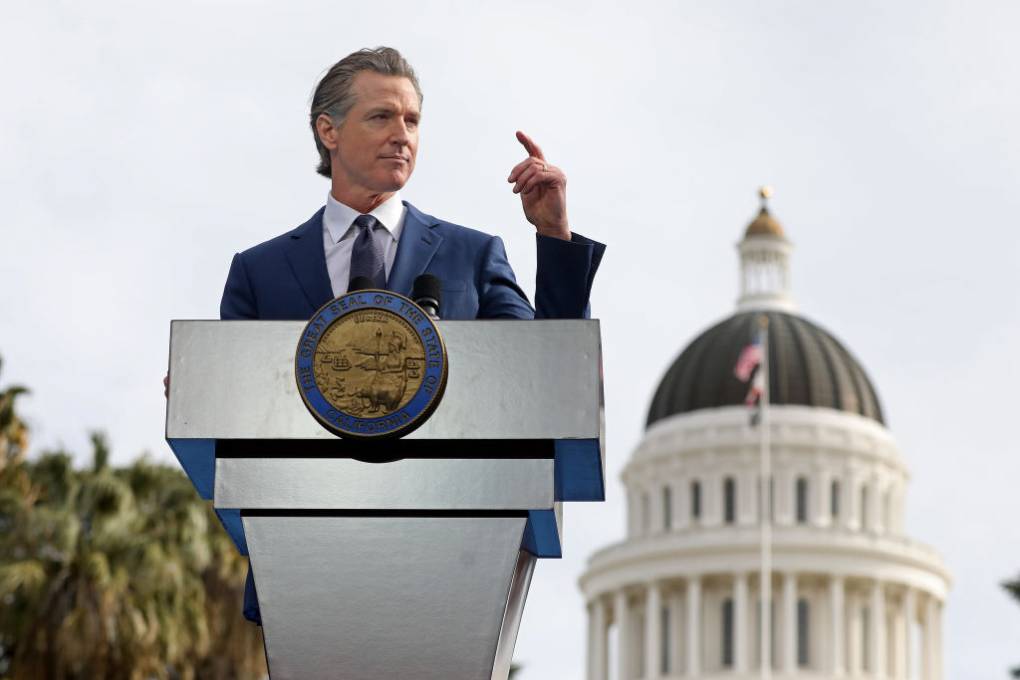
"caption": "Gov. Newsom in front of the California State Capitol in January 2023.",
"description": null,
"title": "Governor Gavin Newsom is set to be inaugurated for a second term on Friday, Jan. 6, and the preparations for the ceremony are underway in downtown Sacramento.",
"credit": "Gary Coronado/Los Angeles Times via Getty Images",
"status": "inherit",
"altTag": "Gavin Newsom stands at a speaking podium, with the dome of the capitol building in the background.",
"isLoading": false,
"fetchFailed": false
},
"news_11952005": {
"type": "attachments",
"id": "news_11952005",
"meta": {
"index": "attachments_1716263798",
"site": "news",
"id": "11952005",
"found": true
},
"parent": 11952003,
"imgSizes": {
"twentyfourteen-full-width": {
"file": "https://ww2.kqed.org/app/uploads/sites/10/2023/06/RS59354_BART_003-qut-1038x576.jpg",
"width": 1038,
"mimeType": "image/jpeg",
"height": 576
},
"thumbnail": {
"file": "https://ww2.kqed.org/app/uploads/sites/10/2023/06/RS59354_BART_003-qut-160x107.jpg",
"width": 160,
"mimeType": "image/jpeg",
"height": 107
},
"post-thumbnail": {
"file": "https://ww2.kqed.org/app/uploads/sites/10/2023/06/RS59354_BART_003-qut-672x372.jpg",
"width": 672,
"mimeType": "image/jpeg",
"height": 372
},
"kqedFullSize": {
"file": "https://ww2.kqed.org/app/uploads/sites/10/2023/06/RS59354_BART_003-qut.jpg",
"width": 1920,
"height": 1282
},
"large": {
"file": "https://ww2.kqed.org/app/uploads/sites/10/2023/06/RS59354_BART_003-qut-1020x681.jpg",
"width": 1020,
"mimeType": "image/jpeg",
"height": 681
},
"1536x1536": {
"file": "https://ww2.kqed.org/app/uploads/sites/10/2023/06/RS59354_BART_003-qut-1536x1026.jpg",
"width": 1536,
"mimeType": "image/jpeg",
"height": 1026
},
"medium": {
"file": "https://ww2.kqed.org/app/uploads/sites/10/2023/06/RS59354_BART_003-qut-800x534.jpg",
"width": 800,
"mimeType": "image/jpeg",
"height": 534
}
},
"publishDate": 1685662975,
"modified": 1686611044,
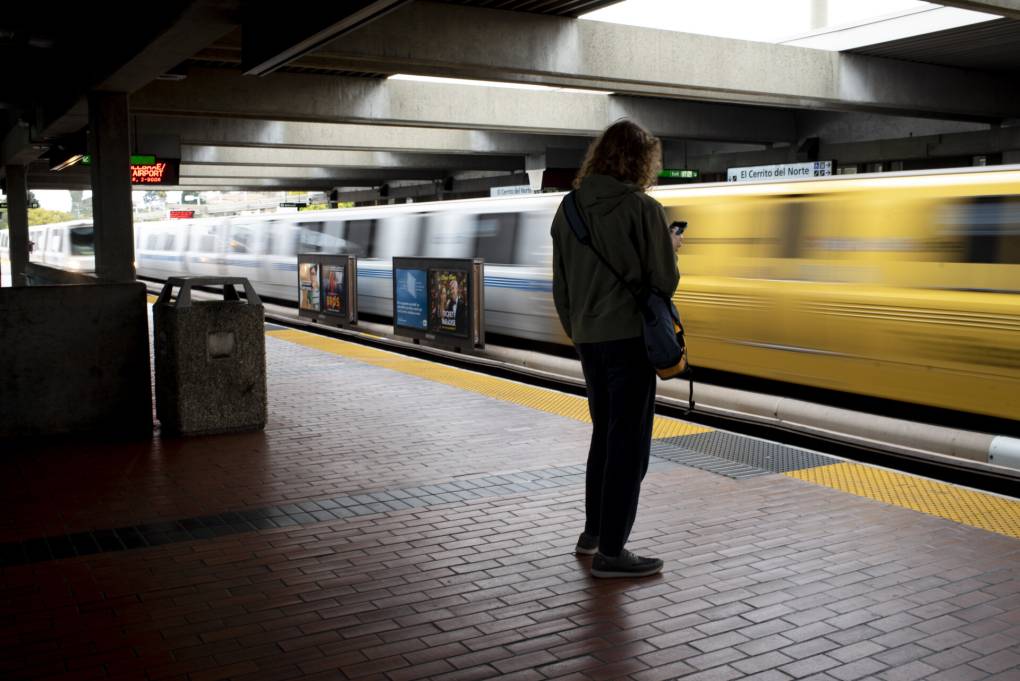
"caption": "A person waits for a train at the El Cerrito del Norte BART station in El Cerrito on Wednesday, Oct. 12, 2022. The agency is asking for billions in aid from California lawmakers to avoid service cuts.",
"description": null,
"title": "KQED_BART",
"credit": "Marlena Sloss/KQED",
"status": "inherit",
"altTag": "A person stands on a BART platform as a train arrives.",
"isLoading": false,
"fetchFailed": false
},
"news_11950407": {
"type": "attachments",
"id": "news_11950407",
"meta": {
"index": "attachments_1716263798",
"site": "news",
"id": "11950407",
"found": true
},
"parent": 0,
"imgSizes": {
"twentyfourteen-full-width": {
"file": "https://ww2.kqed.org/app/uploads/sites/10/2023/05/RS10658_IMG_6302-1038x576.jpg",
"width": 1038,
"mimeType": "image/jpeg",
"height": 576
},
"thumbnail": {
"file": "https://ww2.kqed.org/app/uploads/sites/10/2023/05/RS10658_IMG_6302-160x107.jpg",
"width": 160,
"mimeType": "image/jpeg",
"height": 107
},
"post-thumbnail": {
"file": "https://ww2.kqed.org/app/uploads/sites/10/2023/05/RS10658_IMG_6302-672x372.jpg",
"width": 672,
"mimeType": "image/jpeg",
"height": 372
},
"kqedFullSize": {
"file": "https://ww2.kqed.org/app/uploads/sites/10/2023/05/RS10658_IMG_6302.jpg",
"width": 1980,
"height": 1320
},
"large": {
"file": "https://ww2.kqed.org/app/uploads/sites/10/2023/05/RS10658_IMG_6302-1020x680.jpg",
"width": 1020,
"mimeType": "image/jpeg",
"height": 680
},
"1536x1536": {
"file": "https://ww2.kqed.org/app/uploads/sites/10/2023/05/RS10658_IMG_6302-1536x1024.jpg",
"width": 1536,
"mimeType": "image/jpeg",
"height": 1024
},
"full-width": {
"file": "https://ww2.kqed.org/app/uploads/sites/10/2023/05/RS10658_IMG_6302-1920x1280.jpg",
"width": 1920,
"mimeType": "image/jpeg",
"height": 1280
},
"medium": {
"file": "https://ww2.kqed.org/app/uploads/sites/10/2023/05/RS10658_IMG_6302-800x533.jpg",
"width": 800,
"mimeType": "image/jpeg",
"height": 533
}
},
"publishDate": 1684796207,
"modified": 1684870788,
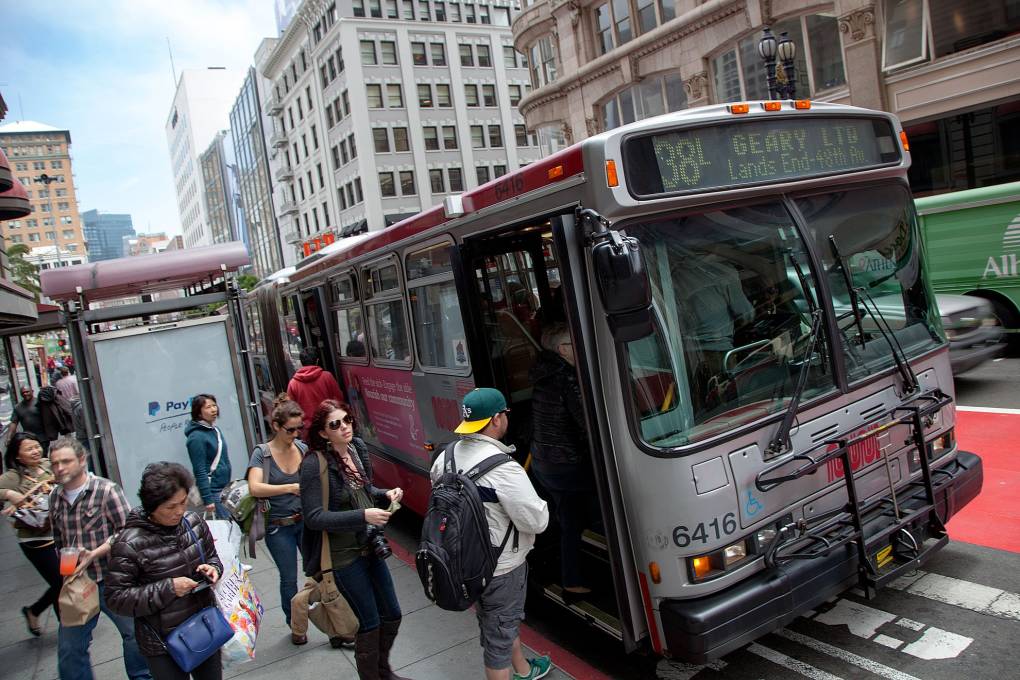
"caption": "Passengers board the 38 bus on Geary Street, near Union Square in San Francisco on June 5, 2014.",
"description": null,
"title": "RS10658_IMG_6302",
"credit": "Mark Andrew Boyer/KQED",
"status": "inherit",
"altTag": "Passengers board a bus on a busy street in San Francisco. One man is wearing an Oakland A's baseball cap.",
"isLoading": false,
"fetchFailed": false
},
"news_11948095": {
"type": "attachments",
"id": "news_11948095",
"meta": {
"index": "attachments_1716263798",
"site": "news",
"id": "11948095",
"found": true
},
"parent": 11948069,
"imgSizes": {
"twentyfourteen-full-width": {
"file": "https://ww2.kqed.org/app/uploads/sites/10/2023/04/coliseumconnections-gmaps-1038x576.jpg",
"width": 1038,
"mimeType": "image/jpeg",
"height": 576
},
"thumbnail": {
"file": "https://ww2.kqed.org/app/uploads/sites/10/2023/04/coliseumconnections-gmaps-160x118.jpg",
"width": 160,
"mimeType": "image/jpeg",
"height": 118
},
"post-thumbnail": {
"file": "https://ww2.kqed.org/app/uploads/sites/10/2023/04/coliseumconnections-gmaps-672x372.jpg",
"width": 672,
"mimeType": "image/jpeg",
"height": 372
},
"kqedFullSize": {
"file": "https://ww2.kqed.org/app/uploads/sites/10/2023/04/coliseumconnections-gmaps.jpg",
"width": 2192,
"height": 1618
},
"2048x2048": {
"file": "https://ww2.kqed.org/app/uploads/sites/10/2023/04/coliseumconnections-gmaps-2048x1512.jpg",
"width": 2048,
"mimeType": "image/jpeg",
"height": 1512
},
"large": {
"file": "https://ww2.kqed.org/app/uploads/sites/10/2023/04/coliseumconnections-gmaps-1020x753.jpg",
"width": 1020,
"mimeType": "image/jpeg",
"height": 753
},
"1536x1536": {
"file": "https://ww2.kqed.org/app/uploads/sites/10/2023/04/coliseumconnections-gmaps-1536x1134.jpg",
"width": 1536,
"mimeType": "image/jpeg",
"height": 1134
},
"full-width": {
"file": "https://ww2.kqed.org/app/uploads/sites/10/2023/04/coliseumconnections-gmaps-1920x1417.jpg",
"width": 1920,
"mimeType": "image/jpeg",
"height": 1417
},
"medium": {
"file": "https://ww2.kqed.org/app/uploads/sites/10/2023/04/coliseumconnections-gmaps-800x591.jpg",
"width": 800,
"mimeType": "image/jpeg",
"height": 591
}
},
"publishDate": 1682723427,
"modified": 1682732032,
"caption": "Part of the Coliseum Connections housing complex at BART's Coliseum station in East Oakland. ",
"description": null,
"title": "Coliseum Connections",
"credit": "Google Maps street view",
"status": "inherit",
"altTag": "A street-level view of new five-story apartment building in East Oakland.",
"isLoading": false,
"fetchFailed": false
},
"news_11945540": {
"type": "attachments",
"id": "news_11945540",
"meta": {
"index": "attachments_1716263798",
"site": "news",
"id": "11945540",
"found": true
},
"parent": 11945484,
"imgSizes": {
"twentyfourteen-full-width": {
"file": "https://ww2.kqed.org/app/uploads/sites/10/2023/04/GettyImages-1473781948-1024x576.jpg",
"width": 1024,
"mimeType": "image/jpeg",
"height": 576
},
"thumbnail": {
"file": "https://ww2.kqed.org/app/uploads/sites/10/2023/04/GettyImages-1473781948-160x101.jpg",
"width": 160,
"mimeType": "image/jpeg",
"height": 101
},
"post-thumbnail": {
"file": "https://ww2.kqed.org/app/uploads/sites/10/2023/04/GettyImages-1473781948-672x372.jpg",
"width": 672,
"mimeType": "image/jpeg",
"height": 372
},
"kqedFullSize": {
"file": "https://ww2.kqed.org/app/uploads/sites/10/2023/04/GettyImages-1473781948.jpg",
"width": 1024,
"height": 644
},
"large": {
"file": "https://ww2.kqed.org/app/uploads/sites/10/2023/04/GettyImages-1473781948-1020x641.jpg",
"width": 1020,
"mimeType": "image/jpeg",
"height": 641
},
"medium": {
"file": "https://ww2.kqed.org/app/uploads/sites/10/2023/04/GettyImages-1473781948-800x503.jpg",
"width": 800,
"mimeType": "image/jpeg",
"height": 503
}
},
"publishDate": 1680555592,
"modified": 1680558670,
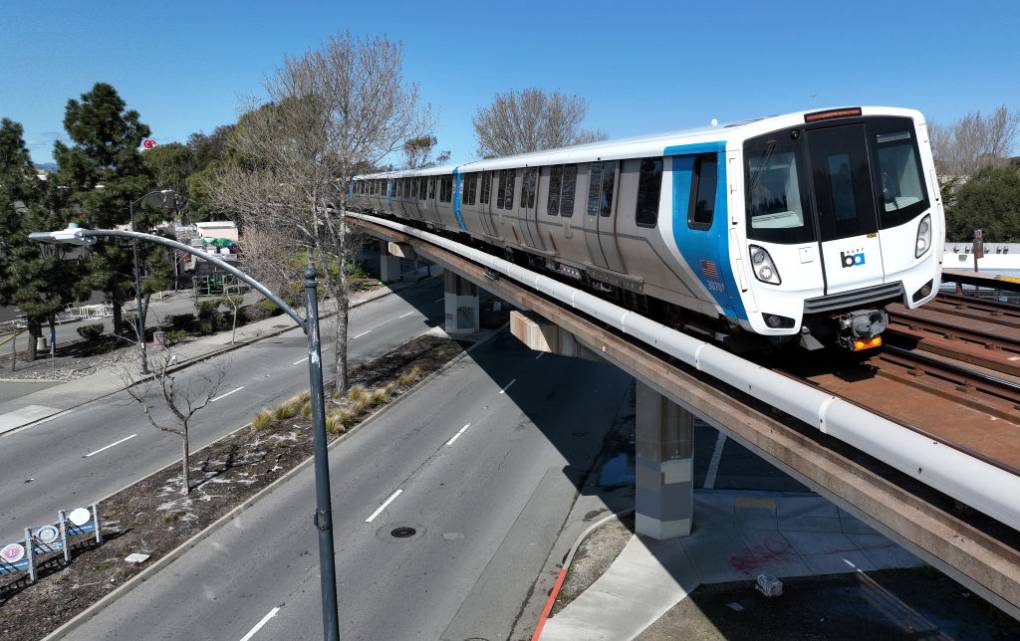
"caption": "A BART train approaches the El Cerrito Plaza station on March 15, 2023, in El Cerrito.",
"description": null,
"title": "Bay Area Rapid Transit System Faces Perilous Financial Outlook",
"credit": "Justin Sullivan/Getty Images",
"status": "inherit",
"altTag": "A train moving on tracks seen above a highway.",
"isLoading": false,
"fetchFailed": false
},
"news_11911716": {
"type": "attachments",
"id": "news_11911716",
"meta": {
"index": "attachments_1716263798",
"site": "news",
"id": "11911716",
"found": true
},
"parent": 11911549,
"imgSizes": {
"twentyfourteen-full-width": {
"file": "https://ww2.kqed.org/app/uploads/sites/10/2022/04/RS42256_030_KQED_SanFrancisco_Mission_03202020_9678-qut-1038x576.jpg",
"width": 1038,
"mimeType": "image/jpeg",
"height": 576
},
"thumbnail": {
"file": "https://ww2.kqed.org/app/uploads/sites/10/2022/04/RS42256_030_KQED_SanFrancisco_Mission_03202020_9678-qut-160x107.jpg",
"width": 160,
"mimeType": "image/jpeg",
"height": 107
},
"post-thumbnail": {
"file": "https://ww2.kqed.org/app/uploads/sites/10/2022/04/RS42256_030_KQED_SanFrancisco_Mission_03202020_9678-qut-672x372.jpg",
"width": 672,
"mimeType": "image/jpeg",
"height": 372
},
"kqedFullSize": {
"file": "https://ww2.kqed.org/app/uploads/sites/10/2022/04/RS42256_030_KQED_SanFrancisco_Mission_03202020_9678-qut.jpg",
"width": 1920,
"height": 1280
},
"large": {
"file": "https://ww2.kqed.org/app/uploads/sites/10/2022/04/RS42256_030_KQED_SanFrancisco_Mission_03202020_9678-qut-1020x680.jpg",
"width": 1020,
"mimeType": "image/jpeg",
"height": 680
},
"1536x1536": {
"file": "https://ww2.kqed.org/app/uploads/sites/10/2022/04/RS42256_030_KQED_SanFrancisco_Mission_03202020_9678-qut-1536x1024.jpg",
"width": 1536,
"mimeType": "image/jpeg",
"height": 1024
},
"medium": {
"file": "https://ww2.kqed.org/app/uploads/sites/10/2022/04/RS42256_030_KQED_SanFrancisco_Mission_03202020_9678-qut-800x533.jpg",
"width": 800,
"mimeType": "image/jpeg",
"height": 533
}
},
"publishDate": 1650484239,
"modified": 1650484411,
"caption": "A bank of BART turnstiles at 24th Street Station.",
"description": null,
"title": "RS42256_030_KQED_SanFrancisco_Mission_03202020_9678-qut",
"credit": "Beth LaBerge/KQED",
"status": "inherit",
"altTag": null,
"isLoading": false,
"fetchFailed": false
}
},
"audioPlayerReducer": {
"postId": "stream_live",
"isPaused": true,
"isPlaying": false,
"pfsActive": false,
"pledgeModalIsOpen": true,
"playerDrawerIsOpen": false,
"liveAudioPlayStartedAt": 0,
"liveAudioPlayContext": ""
},
"authorsReducer": {
"byline_news_11950403": {
"type": "authors",
"id": "byline_news_11950403",
"meta": {
"override": true
},
"slug": "byline_news_11950403",
"name": "\u003ca href=\"https://calmatters.org/author/sameea-kamal/\">Sameea Kamal\u003c/a>",
"isLoading": false
},
"danbrekke": {
"type": "authors",
"id": "222",
"meta": {
"index": "authors_1716337520",
"id": "222",
"found": true
},
"name": "Dan Brekke",
"firstName": "Dan",
"lastName": "Brekke",
"slug": "danbrekke",
"email": "dbrekke@kqed.org",
"display_author_email": true,
"staff_mastheads": [
"news",
"science"
],
"title": "KQED Editor and Reporter",
"bio": "Dan Brekke is a reporter and editor for KQED News, responsible for coverage of topics ranging from California water issues to the Bay Area's transportation challenges. In a newsroom career that began in Chicago in 1972, Dan has worked for \u003cem>The San Francisco Examiner,\u003c/em> Wired and TechTV and has been published in The New York Times, The New York Times Magazine, Business 2.0, Salon and elsewhere.\r\n\r\nSince joining KQED in 2007, Dan has reported, edited and produced both radio and online features and breaking news pieces. He has shared as both editor and reporter in four Society of Professional Journalists Norcal Excellence in Journalism awards and one Edward R. Murrow regional award. He was chosen for a spring 2017 residency at the Mesa Refuge to advance his research on California salmon.\r\n\r\nEmail Dan at: \u003ca href=\"mailto:dbrekke@kqed.org\">dbrekke@kqed.org\u003c/a>\r\n\r\n\u003cstrong>Twitter:\u003c/strong> \u003ca href=\"https://twitter.com/danbrekke\" rel=\"noopener noreferrer\">twitter.com/danbrekke\u003c/a>\r\n\u003cstrong>Facebook:\u003c/strong> \u003ca href=\"https://www.facebook.com/danbrekke\" rel=\"noopener noreferrer\">www.facebook.com/danbrekke\u003c/a>\r\n\u003cstrong>LinkedIn:\u003c/strong> \u003ca href=\"https://www.linkedin.com/in/danbrekke\" rel=\"noopener noreferrer\">www.linkedin.com/in/danbrekke\u003c/a>",
"avatar": "https://secure.gravatar.com/avatar/8f1f0d2a978fb3b23426c922c7e2af558fa36905b49c4ce76a97dc3c72d27226?s=600&d=mm&r=g",
"twitter": "danbrekke",
"bluesky": null,
"facebook": null,
"instagram": "https://www.instagram.com/dan.brekke/",
"linkedin": "https://www.linkedin.com/in/danbrekke/",
"sites": [
{
"site": "news",
"roles": [
"administrator",
"create_posts"
]
},
{
"site": "stateofhealth",
"roles": [
"editor"
]
},
{
"site": "science",
"roles": [
"editor"
]
},
{
"site": "quest",
"roles": [
"contributor"
]
},
{
"site": "food",
"roles": [
"contributor"
]
},
{
"site": "forum",
"roles": [
"contributor"
]
},
{
"site": "elections",
"roles": [
"editor"
]
},
{
"site": "liveblog",
"roles": [
"editor"
]
}
],
"headData": {
"title": "Dan Brekke | KQED",
"description": "KQED Editor and Reporter",
"ogImgSrc": "https://secure.gravatar.com/avatar/8f1f0d2a978fb3b23426c922c7e2af558fa36905b49c4ce76a97dc3c72d27226?s=600&d=mm&r=g",
"twImgSrc": "https://secure.gravatar.com/avatar/8f1f0d2a978fb3b23426c922c7e2af558fa36905b49c4ce76a97dc3c72d27226?s=600&d=mm&r=g"
},
"isLoading": false,
"link": "/author/danbrekke"
},
"gmarzorati": {
"type": "authors",
"id": "227",
"meta": {
"index": "authors_1716337520",
"id": "227",
"found": true
},
"name": "Guy Marzorati",
"firstName": "Guy",
"lastName": "Marzorati",
"slug": "gmarzorati",
"email": "gmarzorati@KQED.org",
"display_author_email": true,
"staff_mastheads": [
"news"
],
"title": "Correspondent",
"bio": "Guy Marzorati is a correspondent on KQED's California Politics and Government Desk, based in San Jose. A graduate of Santa Clara University, Guy joined KQED in 2013. He reports on state and local politics and produces KQED's digital voter guide.",
"avatar": "https://secure.gravatar.com/avatar/e7038b8dbfd55b104369b76b1cd0b9de?s=600&d=blank&r=g",
"twitter": "guymarzorati",
"facebook": null,
"instagram": null,
"linkedin": null,
"sites": [
{
"site": "",
"roles": [
"editor"
]
},
{
"site": "news",
"roles": [
"editor"
]
},
{
"site": "science",
"roles": [
"editor"
]
},
{
"site": "forum",
"roles": [
"editor"
]
},
{
"site": "elections",
"roles": [
"editor"
]
},
{
"site": "liveblog",
"roles": [
"editor"
]
}
],
"headData": {
"title": "Guy Marzorati | KQED",
"description": "Correspondent",
"ogImgSrc": "https://secure.gravatar.com/avatar/e7038b8dbfd55b104369b76b1cd0b9de?s=600&d=blank&r=g",
"twImgSrc": "https://secure.gravatar.com/avatar/e7038b8dbfd55b104369b76b1cd0b9de?s=600&d=blank&r=g"
},
"isLoading": false,
"link": "/author/gmarzorati"
},
"mlagos": {
"type": "authors",
"id": "3239",
"meta": {
"index": "authors_1716337520",
"id": "3239",
"found": true
},
"name": "Marisa Lagos",
"firstName": "Marisa",
"lastName": "Lagos",
"slug": "mlagos",
"email": "mlagos@kqed.org",
"display_author_email": false,
"staff_mastheads": [
"news"
],
"title": "KQED Contributor",
"bio": "Marisa Lagos is a correspondent for KQED’s California Politics and Government Desk and co-hosts the award-winning show and podcast, Political Breakdown. At KQED, Lagos also conducts reporting, analysis and investigations into state, local and national politics for radio, TV, online and onstage. In 2022, she and co-host, Scott Shafer, moderated the only gubernatorial debate in California. In 2020, the \u003ci>Washington Post\u003c/i> named her one of the top political journalists in California; she was nominated for a Peabody and won several other awards for her work investigating the 2017 California wildfires. She has worked at the \u003ci>San Francisco Chronicle\u003c/i>, \u003ci>San Francisco Examiner\u003c/i> and \u003ci>Los Angeles Times\u003c/i>. A UC Santa Barbara graduate, she lives in San Francisco with her two sons and husband.",
"avatar": "https://secure.gravatar.com/avatar/a261a0d3696fc066871ef96b85b5e7d2?s=600&d=blank&r=g",
"twitter": "@mlagos",
"facebook": null,
"instagram": null,
"linkedin": null,
"sites": [
{
"site": "arts",
"roles": [
"author"
]
},
{
"site": "news",
"roles": [
"editor"
]
},
{
"site": "science",
"roles": [
"editor"
]
},
{
"site": "forum",
"roles": [
"author"
]
},
{
"site": "liveblog",
"roles": [
"author"
]
}
],
"headData": {
"title": "Marisa Lagos | KQED",
"description": "KQED Contributor",
"ogImgSrc": "https://secure.gravatar.com/avatar/a261a0d3696fc066871ef96b85b5e7d2?s=600&d=blank&r=g",
"twImgSrc": "https://secure.gravatar.com/avatar/a261a0d3696fc066871ef96b85b5e7d2?s=600&d=blank&r=g"
},
"isLoading": false,
"link": "/author/mlagos"
},
"jasminegarnett": {
"type": "authors",
"id": "11530",
"meta": {
"index": "authors_1716337520",
"id": "11530",
"found": true
},
"name": "Jasmine Garnett",
"firstName": "Jasmine",
"lastName": "Garnett",
"slug": "jasminegarnett",
"email": "JGarnett@KQED.org",
"display_author_email": false,
"staff_mastheads": [
"news"
],
"title": "Senior Engagement Platforms Producer",
"bio": "Jasmine is a Senior Engagement Platforms Producer on the KQED News team. She is also a freelance writer, with work appearing in KQED, Bitch Media, and Kotaku among others. Jasmine graduated from UC Berkeley with a degree in Media Studies, where she was also an Arts and Entertainment reporter at the Daily Californian.",
"avatar": "https://secure.gravatar.com/avatar/a6ea8b0641874311533b7401bee15c8e?s=600&d=blank&r=g",
"twitter": "JFLGarnett",
"facebook": null,
"instagram": null,
"linkedin": null,
"sites": [
{
"site": "arts",
"roles": [
"author"
]
},
{
"site": "news",
"roles": [
"editor"
]
},
{
"site": "about",
"roles": [
"editor"
]
},
{
"site": "science",
"roles": [
"editor"
]
},
{
"site": "forum",
"roles": [
"editor"
]
},
{
"site": "pressroom",
"roles": [
"editor"
]
}
],
"headData": {
"title": "Jasmine Garnett | KQED",
"description": "Senior Engagement Platforms Producer",
"ogImgSrc": "https://secure.gravatar.com/avatar/a6ea8b0641874311533b7401bee15c8e?s=600&d=blank&r=g",
"twImgSrc": "https://secure.gravatar.com/avatar/a6ea8b0641874311533b7401bee15c8e?s=600&d=blank&r=g"
},
"isLoading": false,
"link": "/author/jasminegarnett"
},
"amontecillo": {
"type": "authors",
"id": "11649",
"meta": {
"index": "authors_1716337520",
"id": "11649",
"found": true
},
"name": "Alan Montecillo",
"firstName": "Alan",
"lastName": "Montecillo",
"slug": "amontecillo",
"email": "amontecillo@kqed.org",
"display_author_email": false,
"staff_mastheads": [
"news"
],
"title": "KQED Contributor",
"bio": "Alan Montecillo is the senior editor of \u003cem>\u003ca href=\"http://kqed.org/thebay\">The Bay\u003c/a>, \u003c/em> KQED's local news podcast. Before moving to the Bay Area, he worked as a senior talk show producer for WILL in Champaign-Urbana, Illinois and at Oregon Public Broadcasting in Portland, Oregon. He has won journalism awards from the Society of Professional Journalists Northern California, the Public Media Journalists Association, The Signal Awards, and has also received a regional Edward R. Murrow award. Alan is a Filipino American from Hong Kong and a graduate of Reed College.",
"avatar": "https://secure.gravatar.com/avatar/268f53a2066899ea9efdd8a5900218b17c822d9862cbc9326cccec53ef41d349?s=600&d=blank&r=g",
"twitter": "alanmontecillo",
"bluesky": null,
"facebook": null,
"instagram": null,
"linkedin": null,
"sites": [
{
"site": "",
"roles": [
"editor"
]
},
{
"site": "news",
"roles": [
"editor",
"manage_categories"
]
}
],
"headData": {
"title": "Alan Montecillo | KQED",
"description": "KQED Contributor",
"ogImgSrc": "https://secure.gravatar.com/avatar/268f53a2066899ea9efdd8a5900218b17c822d9862cbc9326cccec53ef41d349?s=600&d=blank&r=g",
"twImgSrc": "https://secure.gravatar.com/avatar/268f53a2066899ea9efdd8a5900218b17c822d9862cbc9326cccec53ef41d349?s=600&d=blank&r=g"
},
"isLoading": false,
"link": "/author/amontecillo"
},
"mesquinca": {
"type": "authors",
"id": "11802",
"meta": {
"index": "authors_1716337520",
"id": "11802",
"found": true
},
"name": "Maria Esquinca",
"firstName": "Maria",
"lastName": "Esquinca",
"slug": "mesquinca",
"email": "mesquinca@kqed.org",
"display_author_email": false,
"staff_mastheads": [],
"title": "Producer, The Bay",
"bio": "María Esquinca is a producer of The Bay. Before that, she was a New York Women’s Foundation IGNITE Fellow at Latino USA. She worked at Radio Bilingue where she covered the San Joaquin Valley. Maria has interned at WLRN, News 21, The New York Times Student Journalism Institute and at Crain’s Detroit Business as a Dow Jones News Fund Business Reporting Intern. She is an MFA graduate from the University of Miami. In 2017, she graduated from the Walter Cronkite School of Journalism and Mass Communication with a Master of Mass Communication. A fronteriza, she was born in Ciudad Juárez, Chihuahua, Mexico and grew up in El Paso, Texas.",
"avatar": "https://secure.gravatar.com/avatar/77cedba18aae91da775038ba06dcd8d0?s=600&d=blank&r=g",
"twitter": "@m_esquinca",
"facebook": null,
"instagram": null,
"linkedin": null,
"sites": [
{
"site": "news",
"roles": []
}
],
"headData": {
"title": "Maria Esquinca | KQED",
"description": "Producer, The Bay",
"ogImgSrc": "https://secure.gravatar.com/avatar/77cedba18aae91da775038ba06dcd8d0?s=600&d=blank&r=g",
"twImgSrc": "https://secure.gravatar.com/avatar/77cedba18aae91da775038ba06dcd8d0?s=600&d=blank&r=g"
},
"isLoading": false,
"link": "/author/mesquinca"
},
"wcruz": {
"type": "authors",
"id": "11877",
"meta": {
"index": "authors_1716337520",
"id": "11877",
"found": true
},
"name": "Billy Cruz",
"firstName": "Billy",
"lastName": "Cruz",
"slug": "wcruz",
"email": "wcruz@KQED.org",
"display_author_email": false,
"staff_mastheads": [
"news"
],
"title": null,
"bio": null,
"avatar": "https://secure.gravatar.com/avatar/f19b14c4121ba9ba1e03e99eec83488517a34ef9e0f144abe8f5212c35f37684?s=600&d=blank&r=g",
"twitter": null,
"bluesky": null,
"facebook": null,
"instagram": null,
"linkedin": null,
"sites": [
{
"site": "news",
"roles": [
"editor"
]
}
],
"headData": {
"title": "Billy Cruz | KQED",
"description": null,
"ogImgSrc": "https://secure.gravatar.com/avatar/f19b14c4121ba9ba1e03e99eec83488517a34ef9e0f144abe8f5212c35f37684?s=600&d=blank&r=g",
"twImgSrc": "https://secure.gravatar.com/avatar/f19b14c4121ba9ba1e03e99eec83488517a34ef9e0f144abe8f5212c35f37684?s=600&d=blank&r=g"
},
"isLoading": false,
"link": "/author/wcruz"
}
},
"pagesReducer": {
"news_tag_bart": {
"type": "terms",
"id": "news_269",
"meta": {
"index": "terms_1716263798",
"site": "news",
"id": "269",
"score": 8.558313
},
"featImg": null,
"name": "BART",
"description": null,
"taxonomy": "tag",
"headData": {
"twImgId": null,
"twTitle": null,
"ogTitle": null,
"ogImgId": null,
"twDescription": null,
"description": null,
"title": "BART Archives | KQED News",
"ogDescription": null
},
"ttid": 277,
"slug": "bart",
"isLoading": false,
"title": "BART",
"pageMeta": {
"site": "news",
"WpPageTemplate": "page-topic-editorial",
"currentPage": 9
},
"blocks": [
{
"blockName": "kqed/post-list",
"attrs": {
"layout": "cardArticle2",
"query": "posts/news?tag=bart",
"seeMore": false,
"paginated": true,
"page": 9
}
},
{
"blockName": "kqed/ad"
}
]
}
},
"pfsSessionReducer": {},
"postsReducer": {
"stream_live": {
"type": "live",
"id": "stream_live",
"audioUrl": "https://streams.kqed.org/kqedradio",
"title": "Live Stream",
"excerpt": "Live Stream information currently unavailable.",
"link": "/radio",
"featImg": "",
"label": {
"name": "KQED Live",
"link": "/"
}
},
"stream_kqedNewscast": {
"type": "posts",
"id": "stream_kqedNewscast",
"audioUrl": "https://www.kqed.org/.stream/anon/radio/RDnews/newscast.mp3?_=1",
"title": "KQED Newscast",
"featImg": "",
"label": {
"name": "88.5 FM",
"link": "/"
}
},
"news_11959973": {
"type": "posts",
"id": "news_11959973",
"meta": {
"index": "posts_1716263798",
"site": "news",
"id": "11959973",
"score": null,
"sort": [
1693681360000
]
},
"parent": 0,
"labelTerm": {
"site": "news"
},
"blocks": [],
"publishDate": 1693681360,
"format": "standard",
"title": "Will BART's Program to Battle Sexual Harassment Make Riders Feel Safer?",
"headTitle": "Will BART’s Program to Battle Sexual Harassment Make Riders Feel Safer? | KQED",
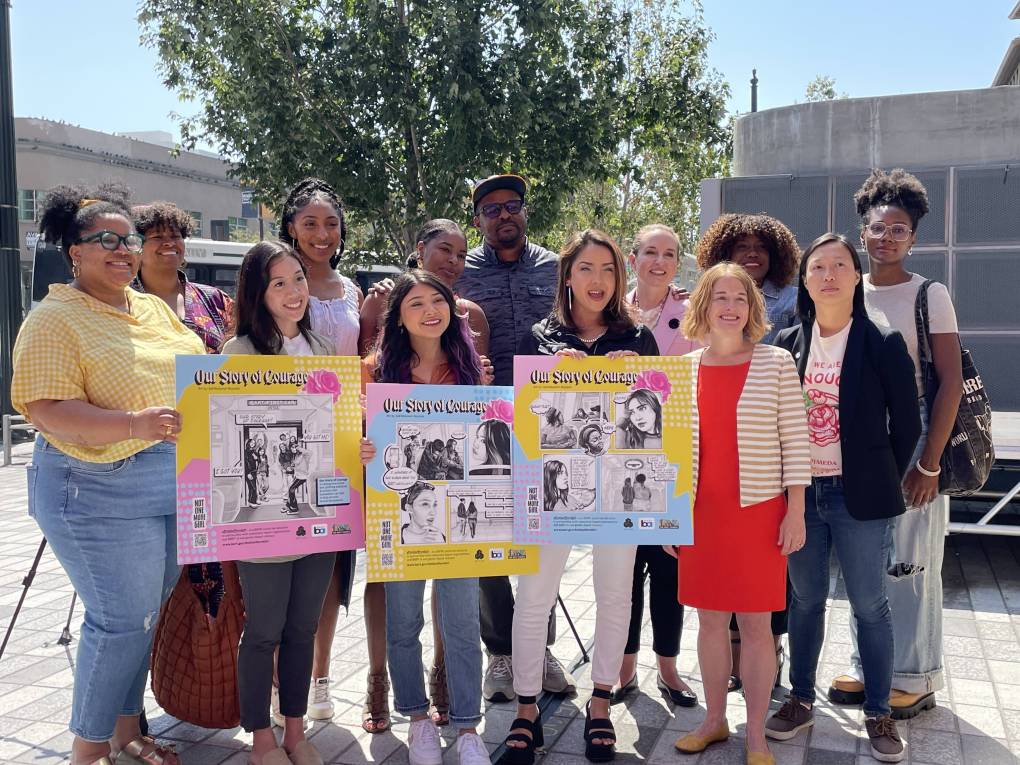
"content": "\u003cp>After Phase 1 launched two years ago, BART is now expanding its effort to battle sexual harassment and gender-based violence on the transit system — or, at least, battle the perception of BART as unsafe for women and genderqueer riders.\u003c/p>\n\u003cp>“Phase 2 comes at a time when we are doing everything we can do to win riders back. … and that starts with safety,” said Alicia Trost, BART’s chief communications officer.\u003c/p>\n\u003cp>When BART began collecting data on sexual harassment in 2020, they found that 10% of people surveyed had experienced gender-based violence within the last six months. Almost three years later — and two years after the start of its “Not One More Girl” prevention campaign — that number is still at 10% today.\u003c/p>\n\u003cp>But the biggest challenge, said BART officials, may simply be the perception riders have of its system. A survey of 274 students in east Contra Costa found over 45% said they did not feel safe on BART. And \u003ca href=\"https://www.bart.gov/news/articles/2023/news20230729\">with ridership numbers still at 40% of pre-COVID trips\u003c/a>, the agency is facing a “\u003ca href=\"https://www.kqed.org/news/11952821/1-1-billion-state-bailout-proposed-for-transit-agencies-facing-fiscal-cliff\">fiscal cliff\u003c/a>.” A rollout of new gates, which make it harder to evade fares, is also \u003ca href=\"https://www.kqed.org/news/11956833/bart-board-votes-to-oppose-bill-that-would-decriminalize-fare-evasion\">part of the agency’s effort\u003c/a> to change perceptions and woo back riders.\u003c/p>\n\u003cp>The first part of the “Not One More Girl” initiative, which began in April 2021, collected data on sexual harassment and added tools to \u003ca href=\"https://www.bart.gov/about/police/bartwatch\">the BART Watch App\u003c/a> (an app to report crime on BART) that would make it easier to report noncriminal harassment. During its first year, just 29 people reported noncriminal harassment, according to BART.\u003c/p>\n\u003cp>[ad fullwidth]\u003c/p>\n\u003cp>But what may have been most noticeable, though, was the increase in BART’s unarmed safety personnel, expanding the numbers of transit ambassadors and crisis intervention specialists. Last year they added 10 ambassadors, and 15 crisis specialists.\u003c/p>\n\u003cp>This next phase will focus, instead, on how bystanders can help prevent sexual harassment and gender-based violence.\u003c/p>\n\u003cp>“We are demanding awareness from our community,” said Franchesca Rodriguez, the transit justice facilitator for the Betti Ono Foundation. Rodriguez was part of the initial group providing input and suggestions to BART on this second phase of the program.\u003c/p>\n\u003cp>She joined BART officials and other community organizations on Thursday at the station in downtown Berkeley to describe the next parts of the plan.\u003c/p>\n\u003cp>BART’s goal is for “a future of data-driven policy and programming to better uphold riders’ safety — with girls and gender-expansive youth of color at the center,” said Chantal Hildebrand, deputy director for the Alliance of Girls.\u003c/p>\n\u003cp>Here’s what Phase 2 has planned:\u003c/p>\n\u003ch2>Shorter trains\u003c/h2>\n\u003cp>BART officials typically recommend that people sit in the front car if they’re traveling alone. That’s because the train operator is at the very front, too — making you not entirely alone.\u003c/p>\n\u003cp>But Trost, BART’s communications person, says that “[young people] don’t like to wait at the end of the platform where the first car lands, because it’s dark and sketchy.” The solution? Make cars shorter. That way if someone is waiting for the first train car, they don’t have to wait near the corner. This also will lead to less empty cars overall, which BART officials believe will reduce harassment.\u003c/p>\n\u003cfigure id=\"attachment_11959977\" class=\"wp-caption alignright\" style=\"max-width: 640px\">\u003ca href=\"https://ww2.kqed.org/news/?attachment_id=11959977\" rel=\"attachment wp-att-11959977\">\u003cimg decoding=\"async\" loading=\"lazy\" class=\"size-large wp-image-11959977\" src=\"https://ww2.kqed.org/app/uploads/sites/10/2023/09/cards-scaled-e1693612358771-1020x1330.jpg\" alt=\"two colorful cards say 'i got you' and 'you got me?'\" width=\"640\" height=\"835\" srcset=\"https://ww2.kqed.org/app/uploads/sites/10/2023/09/cards-scaled-e1693612358771-1020x1330.jpg 1020w, https://ww2.kqed.org/app/uploads/sites/10/2023/09/cards-scaled-e1693612358771-800x1043.jpg 800w, https://ww2.kqed.org/app/uploads/sites/10/2023/09/cards-scaled-e1693612358771-160x209.jpg 160w, https://ww2.kqed.org/app/uploads/sites/10/2023/09/cards-scaled-e1693612358771-1178x1536.jpg 1178w, https://ww2.kqed.org/app/uploads/sites/10/2023/09/cards-scaled-e1693612358771.jpg 1561w\" sizes=\"(max-width: 640px) 100vw, 640px\">\u003c/a>\u003cfigcaption class=\"wp-caption-text\">These cards are meant to be used either asking for help or offering it. \u003ccite>(Billy Cruz/KQED)\u003c/cite>\u003c/figcaption>\u003c/figure>\n\u003cp>To make up for these shorter trains and to decrease the amount of time people have to wait at stations, BART officials said the agency will also soon increase frequency at nights and on weekends.\u003c/p>\n\u003ch2>Bystander intervention cards\u003c/h2>\n\u003cp>BART is also offering two colorful paper cards so riders, in theory, can discreetly ask or offer help. The cards are the same size as a Clipper card and can be found at station agent booths or with transit ambassadors and crisis intervention specialists.\u003c/p>\n\u003cp>One card says, “You got me?” and asks for help. It also provides details on what a bystander can do to get assistance for the person who needs help. The other card says “I got you.” The idea, here, is that if you see someone being harassed, you can discreetly give them one of these cards, letting them know someone’s looking out for them. It signals to the person in distress that you can and will help them if they need, whether it be through the BART Watch App or by calling BART police.\u003c/p>\n\u003ch2>Safety posters\u003c/h2>\n\u003cp>Local artist Safi Kolozsvari Regalado has also designed three posters that are currently on 300 BART trains and at several BART stations. The posters offer safety tips in a youthful comic-book style. One explains how the front train car is the safest. Another shows what the BART Watch App can be used for and encourages people to download it. All highlight scenes of bystander intervention. The posters also explain the larger initiative, and include a QR code that directs you to \u003ca href=\"https://www.bart.gov/guide/safety/gbv\">a BART webpage on gender-based violence\u003c/a>.\u003c/p>\n\u003cp>https://twitter.com/SFBART/status/1697380108473143338\u003c/p>\n\u003cp>\u003c/p>\n\u003cp>While the posters are already up, the bystander intervention cards, shorter trains and change in train frequency will start on Sept. 11.\u003c/p>\n\n",
"stats": {
"hasVideo": false,
"hasChartOrMap": false,
"hasAudio": false,
"hasPolis": false,
"wordCount": 886,
"hasGoogleForm": false,
"hasGallery": false,
"hasHearkenModule": false,
"iframeSrcs": [],
"paragraphCount": 20
},
"modified": 1693616612,
"excerpt": "With BART ridership still low, the agency's 'Not One More Girl' program hopes to change perceptions of safety and get riders back on trains.",
"headData": {
"twImgId": "",
"twTitle": "",
"ogTitle": "",
"ogImgId": "",
"twDescription": "",
"description": "With BART ridership still low, the agency's 'Not One More Girl' program hopes to change perceptions of safety and get riders back on trains.",
"title": "Will BART's Program to Battle Sexual Harassment Make Riders Feel Safer? | KQED",
"ogDescription": "",
"schema": {
"@context": "https://schema.org",
"@type": "NewsArticle",
"headline": "Will BART's Program to Battle Sexual Harassment Make Riders Feel Safer?",
"datePublished": "2023-09-02T12:02:40-07:00",
"dateModified": "2023-09-01T18:03:32-07:00",
"image": "https://cdn.kqed.org/wp-content/uploads/2020/02/KQED-OG-Image@1x.png",
"isAccessibleForFree": "True",
"publisher": {
"@type": "NewsMediaOrganization",
"@id": "https://www.kqed.org/#organization",
"name": "KQED",
"logo": "https://cdn.kqed.org/wp-content/uploads/2020/02/KQED-OG-Image@1x.png",
"url": "https://www.kqed.org",
"sameAs": [
"https://www.facebook.com/KQED",
"https://twitter.com/KQED",
"https://www.instagram.com/kqed/",
"https://www.tiktok.com/@kqedofficial",
"https://www.linkedin.com/company/kqed",
"https://www.youtube.com/channel/UCeC0IOo7i1P_61zVUWbJ4nw"
]
}
}
},
"guestAuthors": [],
"slug": "will-barts-program-to-battle-sexual-harassment-make-riders-feel-safer",
"status": "publish",
"excludeFromSiteSearch": "Include",
"articleAge": "0",
"path": "/news/11959973/will-barts-program-to-battle-sexual-harassment-make-riders-feel-safer",
"audioTrackLength": null,
"parsedContent": [
{
"type": "contentString",
"content": "\u003cdiv class=\"post-body\">\u003cp>\u003cp>After Phase 1 launched two years ago, BART is now expanding its effort to battle sexual harassment and gender-based violence on the transit system — or, at least, battle the perception of BART as unsafe for women and genderqueer riders.\u003c/p>\n\u003cp>“Phase 2 comes at a time when we are doing everything we can do to win riders back. … and that starts with safety,” said Alicia Trost, BART’s chief communications officer.\u003c/p>\n\u003cp>When BART began collecting data on sexual harassment in 2020, they found that 10% of people surveyed had experienced gender-based violence within the last six months. Almost three years later — and two years after the start of its “Not One More Girl” prevention campaign — that number is still at 10% today.\u003c/p>\n\u003cp>But the biggest challenge, said BART officials, may simply be the perception riders have of its system. A survey of 274 students in east Contra Costa found over 45% said they did not feel safe on BART. And \u003ca href=\"https://www.bart.gov/news/articles/2023/news20230729\">with ridership numbers still at 40% of pre-COVID trips\u003c/a>, the agency is facing a “\u003ca href=\"https://www.kqed.org/news/11952821/1-1-billion-state-bailout-proposed-for-transit-agencies-facing-fiscal-cliff\">fiscal cliff\u003c/a>.” A rollout of new gates, which make it harder to evade fares, is also \u003ca href=\"https://www.kqed.org/news/11956833/bart-board-votes-to-oppose-bill-that-would-decriminalize-fare-evasion\">part of the agency’s effort\u003c/a> to change perceptions and woo back riders.\u003c/p>\n\u003cp>The first part of the “Not One More Girl” initiative, which began in April 2021, collected data on sexual harassment and added tools to \u003ca href=\"https://www.bart.gov/about/police/bartwatch\">the BART Watch App\u003c/a> (an app to report crime on BART) that would make it easier to report noncriminal harassment. During its first year, just 29 people reported noncriminal harassment, according to BART.\u003c/p>\n\u003cp>\u003c/p>\u003c/div>",
"attributes": {
"named": {},
"numeric": []
}
},
{
"type": "component",
"content": "",
"name": "ad",
"attributes": {
"named": {
"label": "fullwidth"
},
"numeric": [
"fullwidth"
]
}
},
{
"type": "contentString",
"content": "\u003cdiv class=\"post-body\">\u003cp>\u003c/p>\n\u003cp>But what may have been most noticeable, though, was the increase in BART’s unarmed safety personnel, expanding the numbers of transit ambassadors and crisis intervention specialists. Last year they added 10 ambassadors, and 15 crisis specialists.\u003c/p>\n\u003cp>This next phase will focus, instead, on how bystanders can help prevent sexual harassment and gender-based violence.\u003c/p>\n\u003cp>“We are demanding awareness from our community,” said Franchesca Rodriguez, the transit justice facilitator for the Betti Ono Foundation. Rodriguez was part of the initial group providing input and suggestions to BART on this second phase of the program.\u003c/p>\n\u003cp>She joined BART officials and other community organizations on Thursday at the station in downtown Berkeley to describe the next parts of the plan.\u003c/p>\n\u003cp>BART’s goal is for “a future of data-driven policy and programming to better uphold riders’ safety — with girls and gender-expansive youth of color at the center,” said Chantal Hildebrand, deputy director for the Alliance of Girls.\u003c/p>\n\u003cp>Here’s what Phase 2 has planned:\u003c/p>\n\u003ch2>Shorter trains\u003c/h2>\n\u003cp>BART officials typically recommend that people sit in the front car if they’re traveling alone. That’s because the train operator is at the very front, too — making you not entirely alone.\u003c/p>\n\u003cp>But Trost, BART’s communications person, says that “[young people] don’t like to wait at the end of the platform where the first car lands, because it’s dark and sketchy.” The solution? Make cars shorter. That way if someone is waiting for the first train car, they don’t have to wait near the corner. This also will lead to less empty cars overall, which BART officials believe will reduce harassment.\u003c/p>\n\u003cfigure id=\"attachment_11959977\" class=\"wp-caption alignright\" style=\"max-width: 640px\">\u003ca href=\"https://ww2.kqed.org/news/?attachment_id=11959977\" rel=\"attachment wp-att-11959977\">\u003cimg decoding=\"async\" loading=\"lazy\" class=\"size-large wp-image-11959977\" src=\"https://ww2.kqed.org/app/uploads/sites/10/2023/09/cards-scaled-e1693612358771-1020x1330.jpg\" alt=\"two colorful cards say 'i got you' and 'you got me?'\" width=\"640\" height=\"835\" srcset=\"https://ww2.kqed.org/app/uploads/sites/10/2023/09/cards-scaled-e1693612358771-1020x1330.jpg 1020w, https://ww2.kqed.org/app/uploads/sites/10/2023/09/cards-scaled-e1693612358771-800x1043.jpg 800w, https://ww2.kqed.org/app/uploads/sites/10/2023/09/cards-scaled-e1693612358771-160x209.jpg 160w, https://ww2.kqed.org/app/uploads/sites/10/2023/09/cards-scaled-e1693612358771-1178x1536.jpg 1178w, https://ww2.kqed.org/app/uploads/sites/10/2023/09/cards-scaled-e1693612358771.jpg 1561w\" sizes=\"(max-width: 640px) 100vw, 640px\">\u003c/a>\u003cfigcaption class=\"wp-caption-text\">These cards are meant to be used either asking for help or offering it. \u003ccite>(Billy Cruz/KQED)\u003c/cite>\u003c/figcaption>\u003c/figure>\n\u003cp>To make up for these shorter trains and to decrease the amount of time people have to wait at stations, BART officials said the agency will also soon increase frequency at nights and on weekends.\u003c/p>\n\u003ch2>Bystander intervention cards\u003c/h2>\n\u003cp>BART is also offering two colorful paper cards so riders, in theory, can discreetly ask or offer help. The cards are the same size as a Clipper card and can be found at station agent booths or with transit ambassadors and crisis intervention specialists.\u003c/p>\n\u003cp>One card says, “You got me?” and asks for help. It also provides details on what a bystander can do to get assistance for the person who needs help. The other card says “I got you.” The idea, here, is that if you see someone being harassed, you can discreetly give them one of these cards, letting them know someone’s looking out for them. It signals to the person in distress that you can and will help them if they need, whether it be through the BART Watch App or by calling BART police.\u003c/p>\n\u003ch2>Safety posters\u003c/h2>\n\u003cp>Local artist Safi Kolozsvari Regalado has also designed three posters that are currently on 300 BART trains and at several BART stations. The posters offer safety tips in a youthful comic-book style. One explains how the front train car is the safest. Another shows what the BART Watch App can be used for and encourages people to download it. All highlight scenes of bystander intervention. The posters also explain the larger initiative, and include a QR code that directs you to \u003ca href=\"https://www.bart.gov/guide/safety/gbv\">a BART webpage on gender-based violence\u003c/a>.\u003c/p>\u003c/p>\u003c/div>",
"attributes": {
"named": {},
"numeric": []
}
},
{
"type": "component",
"content": "",
"name": "singleTwitterStatus",
"attributes": {
"named": {
"id": "1697380108473143338"
},
"numeric": []
}
},
{
"type": "contentString",
"content": "\u003cdiv class=\"post-body\">\u003cp>\n\u003cp>\u003c/p>\n\u003cp>While the posters are already up, the bystander intervention cards, shorter trains and change in train frequency will start on Sept. 11.\u003c/p>\n\n\u003c/div>\u003c/p>",
"attributes": {
"named": {},
"numeric": []
}
}
],
"link": "/news/11959973/will-barts-program-to-battle-sexual-harassment-make-riders-feel-safer",
"authors": [
"11877"
],
"categories": [
"news_8"
],
"tags": [
"news_269",
"news_2838"
],
"featImg": "news_11959976",
"label": "news"
},
"news_11958899": {
"type": "posts",
"id": "news_11958899",
"meta": {
"index": "posts_1716263798",
"site": "news",
"id": "11958899",
"score": null,
"sort": [
1692829477000
]
},
"guestAuthors": [],
"slug": "do-you-love-barts-nixon-era-train-cars-ride-now-because-theyre-about-to-go-away",
"title": "Do You Love BART's Nixon-Era Train Cars? Ride Now, Because They're About to Go Away",
"publishDate": 1692829477,
"format": "standard",
"headTitle": "Do You Love BART’s Nixon-Era Train Cars? Ride Now, Because They’re About to Go Away | KQED",
"labelTerm": {
"site": "news"
},
"content": "\u003cp>BART’s classic old train cars — maybe “classic” should be in quotes — have a storied history.\u003c/p>\n\u003cp>When they began service in the previous century, \u003ca href=\"https://www.nixonfoundation.org/2016/09/nixon-rides-bart/\" target=\"_blank\" rel=\"noopener\">a soon-to-be-disgraced president of the United States\u003c/a> was one of the first to ride them. After his ride in September 1972, Richard Nixon was impressed and said BART made a good case for shifting federal transportation money from highways to mass transit.\u003c/p>\n\u003cfigure id=\"attachment_11958860\" class=\"wp-caption aligncenter\" style=\"max-width: 800px\">\u003ca href=\"https://ww2.kqed.org/app/uploads/sites/10/2023/08/GettyImages-1298895281.jpg\">\u003cimg loading=\"lazy\" decoding=\"async\" class=\"size-medium wp-image-11958860\" src=\"https://ww2.kqed.org/app/uploads/sites/10/2023/08/GettyImages-1298895281-800x536.jpg\" alt=\"President Richard Nixon and First Lady Pat Nixon riding on BART in September 1972.\" width=\"800\" height=\"536\" srcset=\"https://cdn.kqed.org/wp-content/uploads/sites/10/2023/08/GettyImages-1298895281-800x536.jpg 800w, https://cdn.kqed.org/wp-content/uploads/sites/10/2023/08/GettyImages-1298895281-1020x684.jpg 1020w, https://cdn.kqed.org/wp-content/uploads/sites/10/2023/08/GettyImages-1298895281-160x107.jpg 160w, https://cdn.kqed.org/wp-content/uploads/sites/10/2023/08/GettyImages-1298895281-1536x1029.jpg 1536w, https://cdn.kqed.org/wp-content/uploads/sites/10/2023/08/GettyImages-1298895281.jpg 1546w\" sizes=\"(max-width: 800px) 100vw, 800px\">\u003c/a>\u003cfigcaption class=\"wp-caption-text\">President Richard Nixon and first lady Pat Nixon during their Sept. 27, 1972, BART ride from San Leandro to Lake Merritt station. They were accompanied by BART General Manager B.R. Stokes, facing away from camera. \u003ccite>(Larry Tiscornia/San Francisco Chronicle via Getty Images)\u003c/cite>\u003c/figcaption>\u003c/figure>\n\u003cp>Later, the cars did heroic duty as BART ran 24 hours a day for a month after the Bay Bridge was knocked out of service by the 1989 Loma Prieta earthquake.\u003c/p>\n\u003cp>Still later, when BART was no longer a novelty and crowded trains had become the norm, enterprising journalists swabbed the cars’ wool-upholstered seats and determined \u003ca href=\"https://www.nytimes.com/2011/03/06/us/06bcseats.html\" target=\"_blank\" rel=\"noopener\">they were crawling with germs\u003c/a>.[aside label=\"Related Stories\" postID=\"news_11642626,news_11791910,news_10969699\"]OK, so maybe that’s not such a glorious past. And maybe that’s not giving the cars their full due for the part they played in BART’s creation story. The vehicles were designed with the idea that if trains were \u003ca href=\"https://www.bart.gov/news/articles/2022/news20220610-0\" target=\"_blank\" rel=\"noopener\">fast enough, sleek enough and plush enough\u003c/a>, they’d help attract riders who wanted an alternative to driving.\u003c/p>\n\u003cp>If you have been, or once were, \u003ca href=\"https://infospigot.com/2022/06/26/a-bart-memory/\" target=\"_blank\" rel=\"noopener\">a regular BART rider\u003c/a>, and especially if you were a patron before the pandemic, you probably got used to spending an hour or two a day in those cars: sitting, standing, sleeping, wondering why the air conditioning didn’t work better (or at all), trying to catch what the train operator was saying over the public address system.\u003c/p>\n\u003cp>But now those old vehicles seem to have grown extra dingy. That’s especially apparent when you look at them side-by-side with BART’s still fresh-looking new cars, which began service in January 2018.\u003c/p>\n\u003cfigure id=\"attachment_11845752\" class=\"wp-caption aligncenter\" style=\"max-width: 800px\">\u003ca href=\"https://ww2.kqed.org/app/uploads/sites/10/2020/11/bartcars_danbrekke.jpg\">\u003cimg loading=\"lazy\" decoding=\"async\" class=\"size-medium wp-image-11845752\" src=\"https://ww2.kqed.org/app/uploads/sites/10/2020/11/bartcars_danbrekke-800x533.jpg\" alt='\"\"' width=\"800\" height=\"533\" srcset=\"https://cdn.kqed.org/wp-content/uploads/sites/10/2020/11/bartcars_danbrekke-800x533.jpg 800w, https://cdn.kqed.org/wp-content/uploads/sites/10/2020/11/bartcars_danbrekke-1020x680.jpg 1020w, https://cdn.kqed.org/wp-content/uploads/sites/10/2020/11/bartcars_danbrekke-160x107.jpg 160w, https://cdn.kqed.org/wp-content/uploads/sites/10/2020/11/bartcars_danbrekke-1536x1024.jpg 1536w, https://cdn.kqed.org/wp-content/uploads/sites/10/2020/11/bartcars_danbrekke.jpg 1920w\" sizes=\"(max-width: 800px) 100vw, 800px\">\u003c/a>\u003cfigcaption class=\"wp-caption-text\">A car from BART’s ‘Fleet of the Future’ (right) alongside one of the transit agency’s old cars at Pleasant Hill Station in October 2016. \u003ccite>(Dan Brekke/KQED)\u003c/cite>\u003c/figcaption>\u003c/figure>\n\u003cp>After a slow start to the ambitious car replacement program, including \u003ca href=\"https://www.kqed.org/news/11853438/computer-glitches-and-flattened-wheels-prompt-bart-to-pause-new-fleet-delivery\" target=\"_blank\" rel=\"noopener\">a long pause\u003c/a> caused by problems with some of the new fleet’s software and hardware, the agency is now running more than 560 of the new cars. With BART about to start running shorter trains on all of its routes, the supply of new cars will be more than enough to operate the agency’s daily service without using the tired-looking legacy fleet. (The reason for shorter trains: \u003ca href=\"https://s3.documentcloud.org/documents/23924017/bart-sizing-trains-for-safety-and-efficiency-presentation.pdf\" target=\"_blank\" rel=\"noopener\">BART says (PDF)\u003c/a> that will make trains easier to police, simpler to keep clean and cheaper to run.)\u003c/p>\n\u003cp>[ad fullwidth]\u003c/p>\n\u003cp>So next month, on Sept. 11, exactly 51 years after they carried their first paying passengers, the old cars will be retired from regular service. If for some reason you want one last reminder of the sights, the sounds, the smells of the legacy fleet, this is your chance.\u003c/p>\n\u003cp>One might think a ceremony is in order, and BART General Manager Robert Powers told KQED during a media ride-along Tuesday that the agency will sponsor a farewell ride for the old train cars. No date for that event has been set.\u003c/p>\n\u003cp>Powers did not sound overly nostalgic about the end of the legacy fleet era. From a durability and reliability standpoint, he said, the old cars “have really performed. But change is inevitable, and change is good, and these new cars are just so superior.”\u003c/p>\n\u003cp>And if you really, really miss the old cars, don’t lose heart. The Western Railway Museum, in Solano County near Rio Vista, has purchased one of the legacy vehicles — in fact, \u003ca href=\"https://www.sfchronicle.com/oursf/article/Richard-Nixon-resigned-but-the-1972-BART-car-he-15674008.php\" target=\"_blank\" rel=\"noopener\">the one that Nixon rode on in 1972\u003c/a> — for a future exhibit.\u003c/p>\n\u003cp>\u003c/p>\n",
"blocks": [],
"excerpt": "The transit agency is retiring its original cars as part of revamped service that will begin September 11. ",
"status": "publish",
"parent": 0,
"modified": 1721110863,
"stats": {
"hasAudio": false,
"hasVideo": false,
"hasChartOrMap": false,
"iframeSrcs": [],
"hasGoogleForm": false,
"hasGallery": false,
"hasHearkenModule": false,
"hasPolis": false,
"paragraphCount": 13,
"wordCount": 679
},
"headData": {
"title": "Do You Love BART's Nixon-Era Train Cars? Ride Now, Because They're About to Go Away | KQED",
"description": "The transit agency is retiring its original cars as part of revamped service that will begin September 11. ",
"ogTitle": "",
"ogDescription": "",
"ogImgId": "",
"twTitle": "",
"twDescription": "",
"twImgId": "",
"schema": {
"@context": "https://schema.org",
"@type": "NewsArticle",
"headline": "Do You Love BART's Nixon-Era Train Cars? Ride Now, Because They're About to Go Away",
"datePublished": "2023-08-23T15:24:37-07:00",
"dateModified": "2024-07-15T23:21:03-07:00",
"image": "https://cdn.kqed.org/wp-content/uploads/2020/02/KQED-OG-Image@1x.png",
"isAccessibleForFree": "True",
"publisher": {
"@type": "NewsMediaOrganization",
"@id": "https://www.kqed.org/#organization",
"name": "KQED",
"logo": "https://cdn.kqed.org/wp-content/uploads/2020/02/KQED-OG-Image@1x.png",
"url": "https://www.kqed.org",
"sameAs": [
"https://www.facebook.com/KQED",
"https://twitter.com/KQED",
"https://www.instagram.com/kqed/",
"https://www.tiktok.com/@kqedofficial",
"https://www.linkedin.com/company/kqed",
"https://www.youtube.com/channel/UCeC0IOo7i1P_61zVUWbJ4nw"
]
}
}
},
"sticky": false,
"excludeFromSiteSearch": "Include",
"articleAge": "0",
"path": "/news/11958899/do-you-love-barts-nixon-era-train-cars-ride-now-because-theyre-about-to-go-away",
"audioTrackLength": null,
"parsedContent": [
{
"type": "contentString",
"content": "\u003cdiv class=\"post-body\">\u003cp>\u003cp>BART’s classic old train cars — maybe “classic” should be in quotes — have a storied history.\u003c/p>\n\u003cp>When they began service in the previous century, \u003ca href=\"https://www.nixonfoundation.org/2016/09/nixon-rides-bart/\" target=\"_blank\" rel=\"noopener\">a soon-to-be-disgraced president of the United States\u003c/a> was one of the first to ride them. After his ride in September 1972, Richard Nixon was impressed and said BART made a good case for shifting federal transportation money from highways to mass transit.\u003c/p>\n\u003cfigure id=\"attachment_11958860\" class=\"wp-caption aligncenter\" style=\"max-width: 800px\">\u003ca href=\"https://ww2.kqed.org/app/uploads/sites/10/2023/08/GettyImages-1298895281.jpg\">\u003cimg loading=\"lazy\" decoding=\"async\" class=\"size-medium wp-image-11958860\" src=\"https://ww2.kqed.org/app/uploads/sites/10/2023/08/GettyImages-1298895281-800x536.jpg\" alt=\"President Richard Nixon and First Lady Pat Nixon riding on BART in September 1972.\" width=\"800\" height=\"536\" srcset=\"https://cdn.kqed.org/wp-content/uploads/sites/10/2023/08/GettyImages-1298895281-800x536.jpg 800w, https://cdn.kqed.org/wp-content/uploads/sites/10/2023/08/GettyImages-1298895281-1020x684.jpg 1020w, https://cdn.kqed.org/wp-content/uploads/sites/10/2023/08/GettyImages-1298895281-160x107.jpg 160w, https://cdn.kqed.org/wp-content/uploads/sites/10/2023/08/GettyImages-1298895281-1536x1029.jpg 1536w, https://cdn.kqed.org/wp-content/uploads/sites/10/2023/08/GettyImages-1298895281.jpg 1546w\" sizes=\"(max-width: 800px) 100vw, 800px\">\u003c/a>\u003cfigcaption class=\"wp-caption-text\">President Richard Nixon and first lady Pat Nixon during their Sept. 27, 1972, BART ride from San Leandro to Lake Merritt station. They were accompanied by BART General Manager B.R. Stokes, facing away from camera. \u003ccite>(Larry Tiscornia/San Francisco Chronicle via Getty Images)\u003c/cite>\u003c/figcaption>\u003c/figure>\n\u003cp>Later, the cars did heroic duty as BART ran 24 hours a day for a month after the Bay Bridge was knocked out of service by the 1989 Loma Prieta earthquake.\u003c/p>\n\u003cp>Still later, when BART was no longer a novelty and crowded trains had become the norm, enterprising journalists swabbed the cars’ wool-upholstered seats and determined \u003ca href=\"https://www.nytimes.com/2011/03/06/us/06bcseats.html\" target=\"_blank\" rel=\"noopener\">they were crawling with germs\u003c/a>.\u003c/p>\u003c/div>",
"attributes": {
"named": {},
"numeric": []
}
},
{
"type": "component",
"content": "",
"name": "aside",
"attributes": {
"named": {
"label": "Related Stories ",
"postid": "news_11642626,news_11791910,news_10969699"
},
"numeric": []
}
},
{
"type": "contentString",
"content": "\u003cdiv class=\"post-body\">\u003cp>OK, so maybe that’s not such a glorious past. And maybe that’s not giving the cars their full due for the part they played in BART’s creation story. The vehicles were designed with the idea that if trains were \u003ca href=\"https://www.bart.gov/news/articles/2022/news20220610-0\" target=\"_blank\" rel=\"noopener\">fast enough, sleek enough and plush enough\u003c/a>, they’d help attract riders who wanted an alternative to driving.\u003c/p>\n\u003cp>If you have been, or once were, \u003ca href=\"https://infospigot.com/2022/06/26/a-bart-memory/\" target=\"_blank\" rel=\"noopener\">a regular BART rider\u003c/a>, and especially if you were a patron before the pandemic, you probably got used to spending an hour or two a day in those cars: sitting, standing, sleeping, wondering why the air conditioning didn’t work better (or at all), trying to catch what the train operator was saying over the public address system.\u003c/p>\n\u003cp>But now those old vehicles seem to have grown extra dingy. That’s especially apparent when you look at them side-by-side with BART’s still fresh-looking new cars, which began service in January 2018.\u003c/p>\n\u003cfigure id=\"attachment_11845752\" class=\"wp-caption aligncenter\" style=\"max-width: 800px\">\u003ca href=\"https://ww2.kqed.org/app/uploads/sites/10/2020/11/bartcars_danbrekke.jpg\">\u003cimg loading=\"lazy\" decoding=\"async\" class=\"size-medium wp-image-11845752\" src=\"https://ww2.kqed.org/app/uploads/sites/10/2020/11/bartcars_danbrekke-800x533.jpg\" alt='\"\"' width=\"800\" height=\"533\" srcset=\"https://cdn.kqed.org/wp-content/uploads/sites/10/2020/11/bartcars_danbrekke-800x533.jpg 800w, https://cdn.kqed.org/wp-content/uploads/sites/10/2020/11/bartcars_danbrekke-1020x680.jpg 1020w, https://cdn.kqed.org/wp-content/uploads/sites/10/2020/11/bartcars_danbrekke-160x107.jpg 160w, https://cdn.kqed.org/wp-content/uploads/sites/10/2020/11/bartcars_danbrekke-1536x1024.jpg 1536w, https://cdn.kqed.org/wp-content/uploads/sites/10/2020/11/bartcars_danbrekke.jpg 1920w\" sizes=\"(max-width: 800px) 100vw, 800px\">\u003c/a>\u003cfigcaption class=\"wp-caption-text\">A car from BART’s ‘Fleet of the Future’ (right) alongside one of the transit agency’s old cars at Pleasant Hill Station in October 2016. \u003ccite>(Dan Brekke/KQED)\u003c/cite>\u003c/figcaption>\u003c/figure>\n\u003cp>After a slow start to the ambitious car replacement program, including \u003ca href=\"https://www.kqed.org/news/11853438/computer-glitches-and-flattened-wheels-prompt-bart-to-pause-new-fleet-delivery\" target=\"_blank\" rel=\"noopener\">a long pause\u003c/a> caused by problems with some of the new fleet’s software and hardware, the agency is now running more than 560 of the new cars. With BART about to start running shorter trains on all of its routes, the supply of new cars will be more than enough to operate the agency’s daily service without using the tired-looking legacy fleet. (The reason for shorter trains: \u003ca href=\"https://s3.documentcloud.org/documents/23924017/bart-sizing-trains-for-safety-and-efficiency-presentation.pdf\" target=\"_blank\" rel=\"noopener\">BART says (PDF)\u003c/a> that will make trains easier to police, simpler to keep clean and cheaper to run.)\u003c/p>\n\u003cp>\u003c/p>\u003c/div>",
"attributes": {
"named": {},
"numeric": []
}
},
{
"type": "component",
"content": "",
"name": "ad",
"attributes": {
"named": {
"label": "fullwidth"
},
"numeric": [
"fullwidth"
]
}
},
{
"type": "contentString",
"content": "\u003cdiv class=\"post-body\">\u003cp>\u003c/p>\n\u003cp>So next month, on Sept. 11, exactly 51 years after they carried their first paying passengers, the old cars will be retired from regular service. If for some reason you want one last reminder of the sights, the sounds, the smells of the legacy fleet, this is your chance.\u003c/p>\n\u003cp>One might think a ceremony is in order, and BART General Manager Robert Powers told KQED during a media ride-along Tuesday that the agency will sponsor a farewell ride for the old train cars. No date for that event has been set.\u003c/p>\n\u003cp>Powers did not sound overly nostalgic about the end of the legacy fleet era. From a durability and reliability standpoint, he said, the old cars “have really performed. But change is inevitable, and change is good, and these new cars are just so superior.”\u003c/p>\n\u003cp>And if you really, really miss the old cars, don’t lose heart. The Western Railway Museum, in Solano County near Rio Vista, has purchased one of the legacy vehicles — in fact, \u003ca href=\"https://www.sfchronicle.com/oursf/article/Richard-Nixon-resigned-but-the-1972-BART-car-he-15674008.php\" target=\"_blank\" rel=\"noopener\">the one that Nixon rode on in 1972\u003c/a> — for a future exhibit.\u003c/p>\n\u003cp>\u003c/p>\n\u003c/div>\u003c/p>",
"attributes": {
"named": {},
"numeric": []
}
}
],
"link": "/news/11958899/do-you-love-barts-nixon-era-train-cars-ride-now-because-theyre-about-to-go-away",
"authors": [
"222"
],
"categories": [
"news_8",
"news_1397"
],
"tags": [
"news_269",
"news_2684"
],
"featImg": "news_11958827",
"label": "news"
},
"news_11958604": {
"type": "posts",
"id": "news_11958604",
"meta": {
"index": "posts_1716263798",
"site": "news",
"id": "11958604",
"score": null,
"sort": [
1692640857000
]
},
"guestAuthors": [],
"slug": "bridge-toll-increase-would-help-transit-how-much-will-it-hurt-commuters",
"title": "Bill to Raise Bay Area Bridge Tolls to Help Transit Put on Hold Amid Local Opposition",
"publishDate": 1692640857,
"format": "standard",
"headTitle": "Bill to Raise Bay Area Bridge Tolls to Help Transit Put on Hold Amid Local Opposition | KQED",
"labelTerm": {
"site": "news"
},
"content": "\u003cp>\u003cstrong>Update, Monday, Aug. 21: \u003c/strong>State Sen. Scott Wiener (D-San Francisco) announced early Monday he’s “pausing” \u003ca href=\"https://leginfo.legislature.ca.gov/faces/billNavClient.xhtml?bill_id=202320240SB532\">SB 532\u003c/a>, a proposal to impose a $1.50 bridge toll increase to support Bay Area transit agencies facing a fiscal crisis because of pandemic-related ridership losses.\u003c/p>\n\u003cp>The bill, which would have required a two-thirds majority to pass both houses of the state Legislature, caused a split in the Bay Area’s Assembly and Senate delegations. Seven members joined Wiener as co-authors while half a dozen lawmakers from the region said they opposed the toll increase.\u003c/p>\n\u003cp>“We’ve been trying to build more consensus within our Bay Area legislative delegation, and it became apparent last week that we did not have enough time to do the consensus building that we needed to do for this bill to be able to pass before the end of session,” Wiener told KQED in an interview Monday.\u003c/p>\n\u003cp>Wiener said he’ll work with Assemblymember Lori Wilson (D-Suisun City), one of the bill’s opponents, to consider new transit-funding proposals to help Bay Area transit agencies avoid service cuts.\u003c/p>\n\u003cp>“Assemblymember Wilson and I have committed to each other that we will co-facilitate a process over the fall recess to try to come up with a solution,” Wiener said. “And the fact that I’m the author of this bill and she was a skeptic of the bill, that’s a powerful combination and she’s a very constructive partner. And I’m optimistic we’ll be able to get something done.”\u003c/p>\n\u003cp>Wilson said in a Monday interview that she recognizes the magnitude of the fiscal crisis facing transit agencies. But she said she opposed the toll increase because of its impact on drivers in her district — which includes Solano County and far eastern Contra Costa County — and because it would deliver little direct benefit to transit agencies there.\u003c/p>\n\u003cp>Typically, she said, a portion of tolls collected from drivers in a given county is reinvested in that county to support its public transit and other transportation needs. But that wouldn’t have been the case with SB 532.\u003c/p>\n\u003cp>“With this particular toll, it is need-based, and so it is going to those [transit agencies] that have the highest need currently,” Wilson said. “That’s BART, Muni and AC Transit.”\u003c/p>\n\u003cp>She said that would mean that residents who currently drive because there are few robust public transit options in their communities would be put in the position of subsidizing agencies to which they have little access.\u003c/p>\n\u003cp>“So I struggled with that quite a deal,” Wilson said, especially when tolls are already scheduled to increase from $7 to $8 per crossing in January 2025. The toll to help transit would have raised the fee to $9.50 through the end of 2028.\u003c/p>\n\u003cp>In a statement, Muni spokesperson Erica Kato said the withdrawal of SB 532 was “very disappointing, and it’s a blow to our efforts to maintain Muni service after federal pandemic relief funds run out next year. But we’re going to keep fighting for the hundreds of thousands of people who rely on Muni every single day.”\u003c/p>\n\u003cp>BART, whose elected board voted to support SB 532 in June, said it anticipates being involved in further discussions with Sen. Wiener and other legislators on funding ideas. Many who opposed the proposed toll increase were critical of the measure because it did not come along with formal guarantees that BART would improve its performance on public safety, cleanliness and fiscal accountability.\u003c/p>\n\u003cp>“BART will continue to work with legislators on accountability measures in the future,” a BART spokesperson said in an email. “BART staff will continue to offer our assistance to the Senator and other lawmakers as they work to find a consensus solution to this regional issue.”\u003c/p>\n\u003cp>BART board member Debora Allen, who represents central Contra Costa County, had voted against supporting SB 532. She said the agency and the Legislature need to focus on long-term measures that address not only revenue needs but also deficits that will exceed $300 million a year after 2025.\u003c/p>\n\u003cp>“I think SB 532 was the wrong approach for funding BART, and I am glad to see it being placed on hold because I think the Legislature and BART need to come together with a comprehensive plan for both funding and reducing spending,” she said.\u003c/p>\n\u003cp>The Bay Area Council, which has called on BART to make urgent improvements to passenger safety and overall customer experience, also applauded Wiener’s suspension of SB 532.\u003c/p>\n\u003cp>“We need our transit operators to make the necessary structural changes to bring their operations and budgets in line with both today’s fiscal realities and the tectonic changes that decimated ridership and have kept riders away from our transit systems, including addressing crime, safety and cleanliness,” Jim Wunderman, the council’s president and CEO, said in a statement. “We can’t continue to fund unsustainable transit operations that aren’t meeting the needs of riders for a safe, convenient and seamless commute.”\u003c/p>\n\u003cp>\u003cstrong>Original story, Saturday, Aug. 19: \u003c/strong>\u003cstrong>Bridge Toll Increase Would Help Transit. How Much Would It Hurt Drivers?\u003c/strong>\u003c/p>\n\u003cp>A bill that would impose a $1.50 toll increase on Bay Area bridges to provide emergency funding for BART, Muni and other transit operators has sparked a debate over whether the added charge will fall disproportionately on lower-income commuters already struggling with the region’s high cost of living.\u003c/p>\n\u003cp>That issue was at the top of a list of concerns raised in \u003ca href=\"https://s3.documentcloud.org/documents/23919424/congressional-letter-on-sb-532-bridge-toll-increase.pdf\">a letter last month from seven Bay Area members of Congress (PDF)\u003c/a>, led by Rep. Mark De Saulnier (D-Walnut Creek), that urged Gov. Gavin Newsom and state legislative leaders to oppose the bill. The Bay Area Council, a group counting 300 businesses and institutions as members, has also \u003ca href=\"https://www.bayareacouncil.org/transportation/seven-bay-area-congressional-representatives-decry-bridge-toll-increase-as-not-in-best-interests-of-residents/\">expressed similar displeasure \u003c/a>with the toll increase bill, \u003ca href=\"https://leginfo.legislature.ca.gov/faces/billTextClient.xhtml?bill_id=202320240SB532\">SB 532\u003c/a>, by state Sen. Scott Wiener (D-San Francisco).\u003c/p>\n\u003cp>“Many employees now have the advantage to do their work from home,” the letter concluded. “There are others, the working people of the Bay Area, that don’t share this advantage, and the proposed toll hike comes straight out of their wallets.”\u003c/p>\n\u003cp>[ad fullwidth]\u003c/p>\n\u003cp>But \u003ca href=\"https://www.spur.org/news/2023-08-16/who-will-be-helped-and-harmed-proposed-toll-increase-bay-area-bridges\">a new analysis from SPUR\u003c/a>, a regional planning and public policy think tank, challenges some of the assumptions behind that argument.\u003c/p>\n\u003cp>In \u003ca href=\"https://s3.documentcloud.org/documents/23919428/spur-analysis-who-will-be-helped-and-harmed-by-a-proposed-toll-increase-for-bay-area-bridges.pdf\">a report (PDF)\u003c/a> released this week, SPUR said a study of traffic patterns on the region’s seven state-owned bridges shows that two-thirds of drivers make just one toll crossing a week. That finding would mean those drivers’ weekly exposure to higher tolls would be limited to a single $1.50 charge.\u003c/p>\n\u003cp>The analysis also found just a small fraction of bridge users — 8% — cross more than one bridge per trip.\u003c/p>\n\u003cp>And finally, SPUR said a side-by-side comparison of bridge users and BART passengers shows that, in general, those driving over the bridges have significantly higher incomes than people taking the train. At the same time, BART customers are more likely to be traveling to work than those crossing the toll bridges.\u003c/p>\n\u003cp>Taken as a whole, SPUR says the analysis shows that those who drive across the bridges are more likely to be able to absorb the cost of the higher bridge tolls while lower-income transit users, like those who use BART, would lose out if a lack of funding forces agencies to slash service.\u003c/p>\n\u003cp>The analysis is based on modeling by Replica, a big-data firm with offices in Oakland that used census, toll payment, cell phone, credit card and other public and private information to create a “synthetic representation” of travel patterns.[pullquote align=\"right\" size=\"medium\" citation=\"Sebastian Petty, transportation policy manager, SPUR\"]‘When you’re looking at the bridge and the people driving across it, a lot of those folks are not engaged in their day-to-day commute … It’s people making regional trips, people making occasional work trips, people going to the airport, people visiting, shopping.’[/pullquote]Sebastian Petty, transportation policy manager at SPUR, said in an interview he was surprised at the high number of drivers who make a toll crossing just once a week.\u003c/p>\n\u003cp>“When you’re looking at the bridge and the people driving across it, a lot of those folks are not engaged in their day-to-day commute,” he said. “Certainly many of them are, but it’s not as though, you know, 80 out of 100 cars are doing their day-to-day commute trip. It’s people making regional trips, people making occasional work trips, people going to the airport, people visiting, shopping.”\u003c/p>\n\u003cp>Petty said the data in the report suggest a number of ways SB 532 could be amended to reduce the impact on lower-income drivers who make more frequent trips across the toll bridges. One way to do that, he said, was to cap the number of weekly toll crossings for which individual drivers would be charged the extra $1.50.\u003c/p>\n\u003cp>“If you wanted to make sure that you weren’t over cost-burdening lower-income folks who are working an in-person job and need to show up five days a week, you could still capture a significant majority of the bridge traffic if you were to cap the toll at something like a maximum of three crossings per week,” Petty said.\u003c/p>\n\u003cp>Similarly, drivers who must use two or more bridges could be given a “long-distance discount” and only charged for one toll crossing per trip.\u003c/p>\n\u003cp>SB 532 would hike tolls by $1.50 for five years starting next Jan. 1. Sen. Wiener says the increase would raise as much as $900 million for Bay Area transit operators who face major deficits beginning in 2025.\u003c/p>\n\u003cp>Supporters include BART, AC Transit, public transportation advocacy groups, environmental activists, nine YIMBY chapters and the cities of San Francisco, Oakland and Berkeley. Seven state lawmakers from the region have signed on to the bill as co-authors.\u003c/p>\n\u003cp>Wiener has acknowledged the equity issue posed by the proposed toll increases and has amended his bill to direct the Metropolitan Transportation Commission to devise a program over the next two years to reduce the hike’s impact on lower-income drivers.\u003c/p>\n\u003cp>But that amendment has done little to soften the opposition from some elected officials. In addition to the seven House members who raised objections to the bill, several state lawmakers, mostly from outlying parts of the Bay Area, have also said \u003ca href=\"https://www.sfchronicle.com/bayarea/article/bay-area-lawmakers-oppose-raising-bridge-tolls-18176112.php\">they’re against the toll increase\u003c/a>.\u003c/p>\n\u003cp>One of the chief concerns is that the $1.50 toll increase will come on top of a series of other increases \u003ca href=\"https://www.kqed.org/news/11672904/bay-area-bridge-toll-increase-appears-headed-for-passage\">approved by Bay Area voters in 2018\u003c/a>. Regional Measure 3 has raised tolls on the Antioch, Benicia, Carquinez, Richmond-San Rafael, Bay, San Mateo and Dumbarton bridges to $7 over the last several years. If SB 532 passes, the rate will go up to $8.50 in January. And the next toll increase under RM3 will add a dollar to that on New Year’s Day 2025.[aside label=\"Related Stories\" postID=\"news_11952821,news_11942359,news_11954314\"]With the bill needing a two-thirds majority in both the state Assembly and Senate to pass, the split in the regional delegation raises questions about prospects for the bill’s success.\u003c/p>\n\u003cp>The Bay Area Council has been the leading voice in opposing the measure. Besides expressing concerns about the higher tolls’ impact on lower-income drivers, the group has insisted that public transit agencies must improve performance on a range of issues — including public safety, cleanliness, reliability and offering more “seamless” service for passengers — before new public funding is approved.\u003c/p>\n\u003cp>Much of the council’s attention has been focused on BART, with the group issuing several calls in recent months for the agency to toughen enforcement of passenger conduct rules and to speed up installation of a new generation of fare gates to deter those who enter the system without paying.\u003c/p>\n\u003cp>BART has responded by approving a 22% pay increase for its police force, a step meant to retain officers and help fill nearly 30 vacant positions in its Police Department.\u003c/p>\n\u003cp>And ahead of a crucial Assembly Appropriations Committee vote on SB 532 this week, BART General Manager Robert Powers will host a ride-along with Sen. Wiener to show off the agency’s recent “safety, cleanliness and reliability improvements.”\u003c/p>\n\u003cp>The ride-along will begin at 4:30 p.m. Tuesday, Aug. 22, at Civic Center station and visit West Oakland station and the BART police “integrated security response center,” a facility that handles police dispatch calls and includes monitors for the system’s 4,000 surveillance cameras.\u003c/p>\n\u003cp>[ad floatright]\u003c/p>\n",
"blocks": [],
"excerpt": "The bill, which author Sen. Scott Wiener has 'paused' in the face of opposition, would have raised tolls on bridges by $1.50. A new analysis argued the impact on lower-income drivers would be limited.",
"status": "publish",
"parent": 0,
"modified": 1721149917,
"stats": {
"hasAudio": false,
"hasVideo": false,
"hasChartOrMap": false,
"iframeSrcs": [],
"hasGoogleForm": false,
"hasGallery": false,
"hasHearkenModule": false,
"hasPolis": false,
"paragraphCount": 43,
"wordCount": 2199
},
"headData": {
"title": "Bill to Raise Bay Area Bridge Tolls to Help Transit Put on Hold Amid Local Opposition | KQED",
"description": "The bill, which author Sen. Scott Wiener has 'paused' in the face of opposition, would have raised tolls on bridges by $1.50. A new analysis argued the impact on lower-income drivers would be limited.",
"ogTitle": "",
"ogDescription": "",
"ogImgId": "",
"twTitle": "",
"twDescription": "",
"twImgId": "",
"schema": {
"@context": "https://schema.org",
"@type": "NewsArticle",
"headline": "Bill to Raise Bay Area Bridge Tolls to Help Transit Put on Hold Amid Local Opposition",
"datePublished": "2023-08-21T11:00:57-07:00",
"dateModified": "2024-07-16T10:11:57-07:00",
"image": "https://cdn.kqed.org/wp-content/uploads/2020/02/KQED-OG-Image@1x.png",
"isAccessibleForFree": "True",
"publisher": {
"@type": "NewsMediaOrganization",
"@id": "https://www.kqed.org/#organization",
"name": "KQED",
"logo": "https://cdn.kqed.org/wp-content/uploads/2020/02/KQED-OG-Image@1x.png",
"url": "https://www.kqed.org",
"sameAs": [
"https://www.facebook.com/KQED",
"https://twitter.com/KQED",
"https://www.instagram.com/kqed/",
"https://www.tiktok.com/@kqedofficial",
"https://www.linkedin.com/company/kqed",
"https://www.youtube.com/channel/UCeC0IOo7i1P_61zVUWbJ4nw"
]
}
}
},
"sticky": false,
"excludeFromSiteSearch": "Include",
"articleAge": "0",
"path": "/news/11958604/bridge-toll-increase-would-help-transit-how-much-will-it-hurt-commuters",
"audioTrackLength": null,
"parsedContent": [
{
"type": "contentString",
"content": "\u003cdiv class=\"post-body\">\u003cp>\u003cp>\u003cstrong>Update, Monday, Aug. 21: \u003c/strong>State Sen. Scott Wiener (D-San Francisco) announced early Monday he’s “pausing” \u003ca href=\"https://leginfo.legislature.ca.gov/faces/billNavClient.xhtml?bill_id=202320240SB532\">SB 532\u003c/a>, a proposal to impose a $1.50 bridge toll increase to support Bay Area transit agencies facing a fiscal crisis because of pandemic-related ridership losses.\u003c/p>\n\u003cp>The bill, which would have required a two-thirds majority to pass both houses of the state Legislature, caused a split in the Bay Area’s Assembly and Senate delegations. Seven members joined Wiener as co-authors while half a dozen lawmakers from the region said they opposed the toll increase.\u003c/p>\n\u003cp>“We’ve been trying to build more consensus within our Bay Area legislative delegation, and it became apparent last week that we did not have enough time to do the consensus building that we needed to do for this bill to be able to pass before the end of session,” Wiener told KQED in an interview Monday.\u003c/p>\n\u003cp>Wiener said he’ll work with Assemblymember Lori Wilson (D-Suisun City), one of the bill’s opponents, to consider new transit-funding proposals to help Bay Area transit agencies avoid service cuts.\u003c/p>\n\u003cp>“Assemblymember Wilson and I have committed to each other that we will co-facilitate a process over the fall recess to try to come up with a solution,” Wiener said. “And the fact that I’m the author of this bill and she was a skeptic of the bill, that’s a powerful combination and she’s a very constructive partner. And I’m optimistic we’ll be able to get something done.”\u003c/p>\n\u003cp>Wilson said in a Monday interview that she recognizes the magnitude of the fiscal crisis facing transit agencies. But she said she opposed the toll increase because of its impact on drivers in her district — which includes Solano County and far eastern Contra Costa County — and because it would deliver little direct benefit to transit agencies there.\u003c/p>\n\u003cp>Typically, she said, a portion of tolls collected from drivers in a given county is reinvested in that county to support its public transit and other transportation needs. But that wouldn’t have been the case with SB 532.\u003c/p>\n\u003cp>“With this particular toll, it is need-based, and so it is going to those [transit agencies] that have the highest need currently,” Wilson said. “That’s BART, Muni and AC Transit.”\u003c/p>\n\u003cp>She said that would mean that residents who currently drive because there are few robust public transit options in their communities would be put in the position of subsidizing agencies to which they have little access.\u003c/p>\n\u003cp>“So I struggled with that quite a deal,” Wilson said, especially when tolls are already scheduled to increase from $7 to $8 per crossing in January 2025. The toll to help transit would have raised the fee to $9.50 through the end of 2028.\u003c/p>\n\u003cp>In a statement, Muni spokesperson Erica Kato said the withdrawal of SB 532 was “very disappointing, and it’s a blow to our efforts to maintain Muni service after federal pandemic relief funds run out next year. But we’re going to keep fighting for the hundreds of thousands of people who rely on Muni every single day.”\u003c/p>\n\u003cp>BART, whose elected board voted to support SB 532 in June, said it anticipates being involved in further discussions with Sen. Wiener and other legislators on funding ideas. Many who opposed the proposed toll increase were critical of the measure because it did not come along with formal guarantees that BART would improve its performance on public safety, cleanliness and fiscal accountability.\u003c/p>\n\u003cp>“BART will continue to work with legislators on accountability measures in the future,” a BART spokesperson said in an email. “BART staff will continue to offer our assistance to the Senator and other lawmakers as they work to find a consensus solution to this regional issue.”\u003c/p>\n\u003cp>BART board member Debora Allen, who represents central Contra Costa County, had voted against supporting SB 532. She said the agency and the Legislature need to focus on long-term measures that address not only revenue needs but also deficits that will exceed $300 million a year after 2025.\u003c/p>\n\u003cp>“I think SB 532 was the wrong approach for funding BART, and I am glad to see it being placed on hold because I think the Legislature and BART need to come together with a comprehensive plan for both funding and reducing spending,” she said.\u003c/p>\n\u003cp>The Bay Area Council, which has called on BART to make urgent improvements to passenger safety and overall customer experience, also applauded Wiener’s suspension of SB 532.\u003c/p>\n\u003cp>“We need our transit operators to make the necessary structural changes to bring their operations and budgets in line with both today’s fiscal realities and the tectonic changes that decimated ridership and have kept riders away from our transit systems, including addressing crime, safety and cleanliness,” Jim Wunderman, the council’s president and CEO, said in a statement. “We can’t continue to fund unsustainable transit operations that aren’t meeting the needs of riders for a safe, convenient and seamless commute.”\u003c/p>\n\u003cp>\u003cstrong>Original story, Saturday, Aug. 19: \u003c/strong>\u003cstrong>Bridge Toll Increase Would Help Transit. How Much Would It Hurt Drivers?\u003c/strong>\u003c/p>\n\u003cp>A bill that would impose a $1.50 toll increase on Bay Area bridges to provide emergency funding for BART, Muni and other transit operators has sparked a debate over whether the added charge will fall disproportionately on lower-income commuters already struggling with the region’s high cost of living.\u003c/p>\n\u003cp>That issue was at the top of a list of concerns raised in \u003ca href=\"https://s3.documentcloud.org/documents/23919424/congressional-letter-on-sb-532-bridge-toll-increase.pdf\">a letter last month from seven Bay Area members of Congress (PDF)\u003c/a>, led by Rep. Mark De Saulnier (D-Walnut Creek), that urged Gov. Gavin Newsom and state legislative leaders to oppose the bill. The Bay Area Council, a group counting 300 businesses and institutions as members, has also \u003ca href=\"https://www.bayareacouncil.org/transportation/seven-bay-area-congressional-representatives-decry-bridge-toll-increase-as-not-in-best-interests-of-residents/\">expressed similar displeasure \u003c/a>with the toll increase bill, \u003ca href=\"https://leginfo.legislature.ca.gov/faces/billTextClient.xhtml?bill_id=202320240SB532\">SB 532\u003c/a>, by state Sen. Scott Wiener (D-San Francisco).\u003c/p>\n\u003cp>“Many employees now have the advantage to do their work from home,” the letter concluded. “There are others, the working people of the Bay Area, that don’t share this advantage, and the proposed toll hike comes straight out of their wallets.”\u003c/p>\n\u003cp>\u003c/p>\u003c/div>",
"attributes": {
"named": {},
"numeric": []
}
},
{
"type": "component",
"content": "",
"name": "ad",
"attributes": {
"named": {
"label": "fullwidth"
},
"numeric": [
"fullwidth"
]
}
},
{
"type": "contentString",
"content": "\u003cdiv class=\"post-body\">\u003cp>\u003c/p>\n\u003cp>But \u003ca href=\"https://www.spur.org/news/2023-08-16/who-will-be-helped-and-harmed-proposed-toll-increase-bay-area-bridges\">a new analysis from SPUR\u003c/a>, a regional planning and public policy think tank, challenges some of the assumptions behind that argument.\u003c/p>\n\u003cp>In \u003ca href=\"https://s3.documentcloud.org/documents/23919428/spur-analysis-who-will-be-helped-and-harmed-by-a-proposed-toll-increase-for-bay-area-bridges.pdf\">a report (PDF)\u003c/a> released this week, SPUR said a study of traffic patterns on the region’s seven state-owned bridges shows that two-thirds of drivers make just one toll crossing a week. That finding would mean those drivers’ weekly exposure to higher tolls would be limited to a single $1.50 charge.\u003c/p>\n\u003cp>The analysis also found just a small fraction of bridge users — 8% — cross more than one bridge per trip.\u003c/p>\n\u003cp>And finally, SPUR said a side-by-side comparison of bridge users and BART passengers shows that, in general, those driving over the bridges have significantly higher incomes than people taking the train. At the same time, BART customers are more likely to be traveling to work than those crossing the toll bridges.\u003c/p>\n\u003cp>Taken as a whole, SPUR says the analysis shows that those who drive across the bridges are more likely to be able to absorb the cost of the higher bridge tolls while lower-income transit users, like those who use BART, would lose out if a lack of funding forces agencies to slash service.\u003c/p>\n\u003cp>The analysis is based on modeling by Replica, a big-data firm with offices in Oakland that used census, toll payment, cell phone, credit card and other public and private information to create a “synthetic representation” of travel patterns.\u003c/p>\u003c/div>",
"attributes": {
"named": {},
"numeric": []
}
},
{
"type": "component",
"content": "‘When you’re looking at the bridge and the people driving across it, a lot of those folks are not engaged in their day-to-day commute … It’s people making regional trips, people making occasional work trips, people going to the airport, people visiting, shopping.’",
"name": "pullquote",
"attributes": {
"named": {
"align": "right",
"size": "medium",
"citation": "Sebastian Petty, transportation policy manager, SPUR",
"label": ""
},
"numeric": []
}
},
{
"type": "contentString",
"content": "\u003cdiv class=\"post-body\">\u003cp>Sebastian Petty, transportation policy manager at SPUR, said in an interview he was surprised at the high number of drivers who make a toll crossing just once a week.\u003c/p>\n\u003cp>“When you’re looking at the bridge and the people driving across it, a lot of those folks are not engaged in their day-to-day commute,” he said. “Certainly many of them are, but it’s not as though, you know, 80 out of 100 cars are doing their day-to-day commute trip. It’s people making regional trips, people making occasional work trips, people going to the airport, people visiting, shopping.”\u003c/p>\n\u003cp>Petty said the data in the report suggest a number of ways SB 532 could be amended to reduce the impact on lower-income drivers who make more frequent trips across the toll bridges. One way to do that, he said, was to cap the number of weekly toll crossings for which individual drivers would be charged the extra $1.50.\u003c/p>\n\u003cp>“If you wanted to make sure that you weren’t over cost-burdening lower-income folks who are working an in-person job and need to show up five days a week, you could still capture a significant majority of the bridge traffic if you were to cap the toll at something like a maximum of three crossings per week,” Petty said.\u003c/p>\n\u003cp>Similarly, drivers who must use two or more bridges could be given a “long-distance discount” and only charged for one toll crossing per trip.\u003c/p>\n\u003cp>SB 532 would hike tolls by $1.50 for five years starting next Jan. 1. Sen. Wiener says the increase would raise as much as $900 million for Bay Area transit operators who face major deficits beginning in 2025.\u003c/p>\n\u003cp>Supporters include BART, AC Transit, public transportation advocacy groups, environmental activists, nine YIMBY chapters and the cities of San Francisco, Oakland and Berkeley. Seven state lawmakers from the region have signed on to the bill as co-authors.\u003c/p>\n\u003cp>Wiener has acknowledged the equity issue posed by the proposed toll increases and has amended his bill to direct the Metropolitan Transportation Commission to devise a program over the next two years to reduce the hike’s impact on lower-income drivers.\u003c/p>\n\u003cp>But that amendment has done little to soften the opposition from some elected officials. In addition to the seven House members who raised objections to the bill, several state lawmakers, mostly from outlying parts of the Bay Area, have also said \u003ca href=\"https://www.sfchronicle.com/bayarea/article/bay-area-lawmakers-oppose-raising-bridge-tolls-18176112.php\">they’re against the toll increase\u003c/a>.\u003c/p>\n\u003cp>One of the chief concerns is that the $1.50 toll increase will come on top of a series of other increases \u003ca href=\"https://www.kqed.org/news/11672904/bay-area-bridge-toll-increase-appears-headed-for-passage\">approved by Bay Area voters in 2018\u003c/a>. Regional Measure 3 has raised tolls on the Antioch, Benicia, Carquinez, Richmond-San Rafael, Bay, San Mateo and Dumbarton bridges to $7 over the last several years. If SB 532 passes, the rate will go up to $8.50 in January. And the next toll increase under RM3 will add a dollar to that on New Year’s Day 2025.\u003c/p>\u003c/div>",
"attributes": {
"named": {},
"numeric": []
}
},
{
"type": "component",
"content": "",
"name": "aside",
"attributes": {
"named": {
"label": "Related Stories ",
"postid": "news_11952821,news_11942359,news_11954314"
},
"numeric": []
}
},
{
"type": "contentString",
"content": "\u003cdiv class=\"post-body\">\u003cp>With the bill needing a two-thirds majority in both the state Assembly and Senate to pass, the split in the regional delegation raises questions about prospects for the bill’s success.\u003c/p>\n\u003cp>The Bay Area Council has been the leading voice in opposing the measure. Besides expressing concerns about the higher tolls’ impact on lower-income drivers, the group has insisted that public transit agencies must improve performance on a range of issues — including public safety, cleanliness, reliability and offering more “seamless” service for passengers — before new public funding is approved.\u003c/p>\n\u003cp>Much of the council’s attention has been focused on BART, with the group issuing several calls in recent months for the agency to toughen enforcement of passenger conduct rules and to speed up installation of a new generation of fare gates to deter those who enter the system without paying.\u003c/p>\n\u003cp>BART has responded by approving a 22% pay increase for its police force, a step meant to retain officers and help fill nearly 30 vacant positions in its Police Department.\u003c/p>\n\u003cp>And ahead of a crucial Assembly Appropriations Committee vote on SB 532 this week, BART General Manager Robert Powers will host a ride-along with Sen. Wiener to show off the agency’s recent “safety, cleanliness and reliability improvements.”\u003c/p>\n\u003cp>The ride-along will begin at 4:30 p.m. Tuesday, Aug. 22, at Civic Center station and visit West Oakland station and the BART police “integrated security response center,” a facility that handles police dispatch calls and includes monitors for the system’s 4,000 surveillance cameras.\u003c/p>\n\u003cp>\u003c/p>\u003c/div>",
"attributes": {
"named": {},
"numeric": []
}
},
{
"type": "component",
"content": "",
"name": "ad",
"attributes": {
"named": {
"label": "floatright"
},
"numeric": [
"floatright"
]
}
},
{
"type": "contentString",
"content": "\u003cdiv class=\"post-body\">\u003cp>\u003c/p>\n\u003c/div>\u003c/p>",
"attributes": {
"named": {},
"numeric": []
}
}
],
"link": "/news/11958604/bridge-toll-increase-would-help-transit-how-much-will-it-hurt-commuters",
"authors": [
"222"
],
"categories": [
"news_8",
"news_1397"
],
"tags": [
"news_269",
"news_23368",
"news_320",
"news_32029"
],
"featImg": "news_11958608",
"label": "news"
},
"news_11956833": {
"type": "posts",
"id": "news_11956833",
"meta": {
"index": "posts_1716263798",
"site": "news",
"id": "11956833",
"score": null,
"sort": [
1690580762000
]
},
"guestAuthors": [],
"slug": "bart-board-votes-to-oppose-bill-that-would-decriminalize-fare-evasion",
"title": "BART Board Votes to Oppose Bill That Would Decriminalize Fare Evasion",
"publishDate": 1690580762,
"format": "standard",
"headTitle": "BART Board Votes to Oppose Bill That Would Decriminalize Fare Evasion | KQED",
"labelTerm": {
"site": "news"
},
"content": "\u003cp>In a decision that centered on a longstanding subject of rider complaints, a divided BART Board of Directors voted Thursday to oppose a bill in the Legislature that would end criminal penalties for those who repeatedly fail to pay transit fares.\u003c/p>\n\u003cp>The 5–3 vote featured two of the board’s more progressive directors joining its most conservative member in coming out against \u003ca href=\"https://leginfo.legislature.ca.gov/faces/billTextClient.xhtml?bill_id=202320240AB819\">AB 819\u003c/a>, by Assembly Majority Leader Isaac Bryan (D-Los Angeles).\u003c/p>\n\u003cp>California law currently treats a person’s first two fare-evasion offenses as infractions, with citations carrying a $250 penalty. The third and subsequent offenses are misdemeanors that may be punished with a fine of as much as $400, up to 90 days in jail, or both.\u003c/p>\n\u003cp>Bryan’s bill would remove the criminal penalties. Those third and subsequent offenses would instead be treated as infractions and be punishable by a fine of up to $400.[aside postID=news_11952821,forum_2010101890643,news_11932690 label='More on BART']Bryan and the bill’s supporters say the change is needed because fare enforcement disproportionately targets people of color on transit.\u003c/p>\n\u003cp>The BART board’s consideration of the bill was prompted by Debora Allen of Contra Costa County, who has often called for tougher policing of the system during her six-plus years on the board.\u003c/p>\n\u003cp>The board’s discussion touched on both the direct financial losses BART has suffered through gate-jumping — estimated at as much as $25 million annually before the pandemic — and the role fare evasion may play in thwarting attempts to win back riders who stopped riding after the onset of COVID in March 2020.\u003c/p>\n\u003cp>Allen said Thursday that public surveys, including \u003ca href=\"https://www.bart.gov/sites/default/files/docs/CS2022_Report_040423.pdf\">BART’s own most recent customer satisfaction survey (PDF)\u003c/a> and \u003ca href=\"https://www.bayareacouncil.org/press-releases/new-poll-overwhelming-support-for-more-police-on-bart-greater-focus-on-cleanliness-and-stronger-enforcement-of-rules/\">a Bay Area Council poll\u003c/a> released in May, show that most riders are unhappy with the district’s efforts to curb fare evasion.\u003c/p>\n\u003cp>“The public is speaking very loud to us right now — and they have been — about the lack of enforcement of rules in our system,” Allen said.\u003c/p>\n\u003cp>[ad fullwidth]\u003c/p>\n\u003cp>Pointing to BART Police Department statistics that show as many as 80% of those arrested for crimes on the system have not paid a fare, she said, “I can’t help but say we could help prevent some of the bad behavior in our system by getting tougher on fare evasion.”\u003c/p>\n\u003cp>She acknowledged that the agency is also moving to replace its fare gates with a model that will be more difficult to jump over, push through or wriggle under. The first of those gates will be installed later this year, with all gates to be replaced by the end of 2025.\u003c/p>\n\u003cp>“We have to do something in the meantime to say to the riding public that we really care about them and we want to do everything we can to keep them safe, especially at a time like this when we are begging for people to return to BART,” she said.\u003c/p>\n\u003cp>Allen made the motion for the board to take a formal position opposing AB 819.\u003c/p>\n\u003cp>Board President Janice Li of San Francisco pushed back, saying BART has already taken strong steps to respond to rider concerns.\u003c/p>\n\u003cp>She pointed to an initiative launched last March to increase the presence of police officers, fare inspectors and other uniformed staff on trains and in stations. Another sign of the agency’s commitment to passenger safety, she argued, was its approval last month of a 22% increase in police salaries. The raise is designed to retain current officers and attract new ones to help fill about 30 vacant officer positions.[aside postID=news_11926505 hero='https://cdn.kqed.org/wp-content/uploads/sites/10/2021/08/Not-One-More-Girl-_53_MJA_04022021-1020x680.jpg']“All of those things I 100% support, and I think that is the big picture, and that is what the riders, that is what the general public wants,” Li said. “They want to know that we’re going to be there and that we are doing everything we can to prevent and intervene harm from occurring in our stations.”\u003c/p>\n\u003cp>Li also pointed to BART police statistics that suggest the proposed change in the fare evasion law would have little impact on the agency.\u003c/p>\n\u003cp>According to the police data presented to the board in a staff report, officers issued about 2,350 citations for fare evasion in 2021; 48 of those were criminal misdemeanor citations issued to those who had failed to pay a fare three or more times. In 2022, officers wrote 1,800 citations, with 26 being misdemeanors that could carry criminal penalties.\u003c/p>\n\u003cp>“Due to the infrequency of misdemeanor cases referred for fare evasion in 2021 and 2022, if AB 819 becomes law, the impact on the district would likely be insignificant,” the report concluded.\u003c/p>\n\u003cp>Like Li, board member Rebecca Saltzman said she’d prefer the board not take a position on AB 819.\u003c/p>\n\u003cp>Saltzman, whose district covers parts of Berkeley, El Cerrito, Orinda and Lafayette, went on to say she supports the bill’s intent to end criminal prosecution of fare evasion, pointing to the non-criminal treatment of drivers who commit similar offenses.\u003c/p>\n\u003cp>“There are a lot of infractions in our society around cars — parking tickets, evading tolls. None of those lead to a misdemeanor just because you have a bunch of them,” Saltzman said.\u003c/p>\n\u003cp>“So why is it that I could get 10, 20 parking tickets, evade tolls 10, 20 times, and I’m still not getting a misdemeanor, but because I dare to ride transit and don’t have the fare to pay, I get a misdemeanor?” she asked. “It’s just totally inconsistent. And I think that’s the goal of this bill, to bring it in line with the rest of the ways we enforce in our society.”\u003c/p>\n\u003cp>One of those who supported Allen’s motion, however, was San Francisco’s Bevan Dufty, who broke with his progressive allies on the board.\u003c/p>\n\u003cp>Dufty noted that his district includes some of the “most difficult” stations in the BART system, including Civic Center and the two Mission District stations, at 16th Street and 24th Street.\u003c/p>\n\u003cp>“I have stations that have public safety issues,” Dufty said. “I have stations that can be great one minute and 20 minutes later it’s going off the rails, to use a bad analogy.”\u003c/p>\n\u003cp>Like Allen, Dufty said he was voting to oppose AB 819 as a response to rider concerns about safety.\u003c/p>\n\u003cp>“For us to support this legislation or remain neutral on it, I think it does not reflect … the reality that our riders are looking for indications at every turn that we are taking these things seriously,” he said.\u003c/p>\n\u003cp>Allen and Dufty were joined by Robert Raburn (Oakland), Mark Foley (Antioch) and John McPartland (Castro Valley) in voting to oppose the bill. Lateefah Simon, whose district stretches from western Contra Costa through Bayview-Hunters Point in San Francisco, voted with Li and Saltzman against the motion.\u003c/p>\n\u003cp>Supporters of the bill argue fare evasion should be decriminalized because data from Los Angeles, Washington, D.C., and several other cities show huge disparities between the number of Black riders using transit systems and the number of fare evasion citations they receive.\u003c/p>\n\u003cp>\u003ca href=\"https://fightforthesoulofthecities.com/wp-content/uploads/2016/12/US-DOT-DOJ-Civil-Rights-Complaint-11-14-16.pdf\">In a 2016 civil rights complaint (PDF)\u003c/a> filed with the U.S. Department of Transportation, for instance, the Los Angeles’ Labor Community Strategy Center said its review of several years of LA Metro data found that Black passengers made up about 19% of the system’s ridership but received more than 50% of fare evasion citations. The percentages of citations issued to Latino, white and Asian riders were all lower than those groups’ ridership shares.\u003c/p>\n\u003cp>\u003ca href=\"https://www.washlaw.org/pdf/2018_09_13_unfair_disparity_fair_evasion_enforcement_report.PDF\">A similar analysis (PDF)\u003c/a> released in 2018 by the Washington Lawyers’ Committee for Civil Rights and Urban Affairs looked at 25 months of fare enforcement data from D.C. Metro rail and bus systems. The study found that 91% of the citations issued on Metro went to Black passengers, whom district statistics show made up about 40% of passengers.\u003c/p>\n\u003cp>The bill being debated, AB 819, passed the Assembly in May by a vote of 61–12, with all Bay Area legislators voting yes. The bill was approved by the Senate Public Safety Committee last month and now awaits action in the Senate’s Appropriations Committee when the Legislature returns from its summer recess next month.\u003c/p>\n\u003cp>[ad floatright]\u003c/p>\n",
"blocks": [],
"excerpt": "Concern focuses on many customers' dissatisfaction with the agency's efforts to curb rule-breaking.",
"status": "publish",
"parent": 0,
"modified": 1721111938,
"stats": {
"hasAudio": false,
"hasVideo": false,
"hasChartOrMap": false,
"iframeSrcs": [],
"hasGoogleForm": false,
"hasGallery": false,
"hasHearkenModule": false,
"hasPolis": false,
"paragraphCount": 33,
"wordCount": 1450
},
"headData": {
"title": "BART Board Votes to Oppose Bill That Would Decriminalize Fare Evasion | KQED",
"description": "Concern focuses on many customers' dissatisfaction with the agency's efforts to curb rule-breaking.",
"ogTitle": "",
"ogDescription": "",
"ogImgId": "",
"twTitle": "",
"twDescription": "",
"twImgId": "",
"schema": {
"@context": "https://schema.org",
"@type": "NewsArticle",
"headline": "BART Board Votes to Oppose Bill That Would Decriminalize Fare Evasion",
"datePublished": "2023-07-28T14:46:02-07:00",
"dateModified": "2024-07-15T23:38:58-07:00",
"image": "https://cdn.kqed.org/wp-content/uploads/2020/02/KQED-OG-Image@1x.png",
"isAccessibleForFree": "True",
"publisher": {
"@type": "NewsMediaOrganization",
"@id": "https://www.kqed.org/#organization",
"name": "KQED",
"logo": "https://cdn.kqed.org/wp-content/uploads/2020/02/KQED-OG-Image@1x.png",
"url": "https://www.kqed.org",
"sameAs": [
"https://www.facebook.com/KQED",
"https://twitter.com/KQED",
"https://www.instagram.com/kqed/",
"https://www.tiktok.com/@kqedofficial",
"https://www.linkedin.com/company/kqed",
"https://www.youtube.com/channel/UCeC0IOo7i1P_61zVUWbJ4nw"
]
}
}
},
"sticky": false,
"excludeFromSiteSearch": "Include",
"articleAge": "0",
"path": "/news/11956833/bart-board-votes-to-oppose-bill-that-would-decriminalize-fare-evasion",
"audioTrackLength": null,
"parsedContent": [
{
"type": "contentString",
"content": "\u003cdiv class=\"post-body\">\u003cp>\u003cp>In a decision that centered on a longstanding subject of rider complaints, a divided BART Board of Directors voted Thursday to oppose a bill in the Legislature that would end criminal penalties for those who repeatedly fail to pay transit fares.\u003c/p>\n\u003cp>The 5–3 vote featured two of the board’s more progressive directors joining its most conservative member in coming out against \u003ca href=\"https://leginfo.legislature.ca.gov/faces/billTextClient.xhtml?bill_id=202320240AB819\">AB 819\u003c/a>, by Assembly Majority Leader Isaac Bryan (D-Los Angeles).\u003c/p>\n\u003cp>California law currently treats a person’s first two fare-evasion offenses as infractions, with citations carrying a $250 penalty. The third and subsequent offenses are misdemeanors that may be punished with a fine of as much as $400, up to 90 days in jail, or both.\u003c/p>\n\u003cp>Bryan’s bill would remove the criminal penalties. Those third and subsequent offenses would instead be treated as infractions and be punishable by a fine of up to $400.\u003c/p>\u003c/div>",
"attributes": {
"named": {},
"numeric": []
}
},
{
"type": "component",
"content": "",
"name": "aside",
"attributes": {
"named": {
"postid": "news_11952821,forum_2010101890643,news_11932690",
"label": "More on BART "
},
"numeric": []
}
},
{
"type": "contentString",
"content": "\u003cdiv class=\"post-body\">\u003cp>Bryan and the bill’s supporters say the change is needed because fare enforcement disproportionately targets people of color on transit.\u003c/p>\n\u003cp>The BART board’s consideration of the bill was prompted by Debora Allen of Contra Costa County, who has often called for tougher policing of the system during her six-plus years on the board.\u003c/p>\n\u003cp>The board’s discussion touched on both the direct financial losses BART has suffered through gate-jumping — estimated at as much as $25 million annually before the pandemic — and the role fare evasion may play in thwarting attempts to win back riders who stopped riding after the onset of COVID in March 2020.\u003c/p>\n\u003cp>Allen said Thursday that public surveys, including \u003ca href=\"https://www.bart.gov/sites/default/files/docs/CS2022_Report_040423.pdf\">BART’s own most recent customer satisfaction survey (PDF)\u003c/a> and \u003ca href=\"https://www.bayareacouncil.org/press-releases/new-poll-overwhelming-support-for-more-police-on-bart-greater-focus-on-cleanliness-and-stronger-enforcement-of-rules/\">a Bay Area Council poll\u003c/a> released in May, show that most riders are unhappy with the district’s efforts to curb fare evasion.\u003c/p>\n\u003cp>“The public is speaking very loud to us right now — and they have been — about the lack of enforcement of rules in our system,” Allen said.\u003c/p>\n\u003cp>\u003c/p>\u003c/div>",
"attributes": {
"named": {},
"numeric": []
}
},
{
"type": "component",
"content": "",
"name": "ad",
"attributes": {
"named": {
"label": "fullwidth"
},
"numeric": [
"fullwidth"
]
}
},
{
"type": "contentString",
"content": "\u003cdiv class=\"post-body\">\u003cp>\u003c/p>\n\u003cp>Pointing to BART Police Department statistics that show as many as 80% of those arrested for crimes on the system have not paid a fare, she said, “I can’t help but say we could help prevent some of the bad behavior in our system by getting tougher on fare evasion.”\u003c/p>\n\u003cp>She acknowledged that the agency is also moving to replace its fare gates with a model that will be more difficult to jump over, push through or wriggle under. The first of those gates will be installed later this year, with all gates to be replaced by the end of 2025.\u003c/p>\n\u003cp>“We have to do something in the meantime to say to the riding public that we really care about them and we want to do everything we can to keep them safe, especially at a time like this when we are begging for people to return to BART,” she said.\u003c/p>\n\u003cp>Allen made the motion for the board to take a formal position opposing AB 819.\u003c/p>\n\u003cp>Board President Janice Li of San Francisco pushed back, saying BART has already taken strong steps to respond to rider concerns.\u003c/p>\n\u003cp>She pointed to an initiative launched last March to increase the presence of police officers, fare inspectors and other uniformed staff on trains and in stations. Another sign of the agency’s commitment to passenger safety, she argued, was its approval last month of a 22% increase in police salaries. The raise is designed to retain current officers and attract new ones to help fill about 30 vacant officer positions.\u003c/p>\u003c/div>",
"attributes": {
"named": {},
"numeric": []
}
},
{
"type": "component",
"content": "",
"name": "aside",
"attributes": {
"named": {
"postid": "news_11926505",
"hero": "https://cdn.kqed.org/wp-content/uploads/sites/10/2021/08/Not-One-More-Girl-_53_MJA_04022021-1020x680.jpg",
"label": ""
},
"numeric": []
}
},
{
"type": "contentString",
"content": "\u003cdiv class=\"post-body\">\u003cp>“All of those things I 100% support, and I think that is the big picture, and that is what the riders, that is what the general public wants,” Li said. “They want to know that we’re going to be there and that we are doing everything we can to prevent and intervene harm from occurring in our stations.”\u003c/p>\n\u003cp>Li also pointed to BART police statistics that suggest the proposed change in the fare evasion law would have little impact on the agency.\u003c/p>\n\u003cp>According to the police data presented to the board in a staff report, officers issued about 2,350 citations for fare evasion in 2021; 48 of those were criminal misdemeanor citations issued to those who had failed to pay a fare three or more times. In 2022, officers wrote 1,800 citations, with 26 being misdemeanors that could carry criminal penalties.\u003c/p>\n\u003cp>“Due to the infrequency of misdemeanor cases referred for fare evasion in 2021 and 2022, if AB 819 becomes law, the impact on the district would likely be insignificant,” the report concluded.\u003c/p>\n\u003cp>Like Li, board member Rebecca Saltzman said she’d prefer the board not take a position on AB 819.\u003c/p>\n\u003cp>Saltzman, whose district covers parts of Berkeley, El Cerrito, Orinda and Lafayette, went on to say she supports the bill’s intent to end criminal prosecution of fare evasion, pointing to the non-criminal treatment of drivers who commit similar offenses.\u003c/p>\n\u003cp>“There are a lot of infractions in our society around cars — parking tickets, evading tolls. None of those lead to a misdemeanor just because you have a bunch of them,” Saltzman said.\u003c/p>\n\u003cp>“So why is it that I could get 10, 20 parking tickets, evade tolls 10, 20 times, and I’m still not getting a misdemeanor, but because I dare to ride transit and don’t have the fare to pay, I get a misdemeanor?” she asked. “It’s just totally inconsistent. And I think that’s the goal of this bill, to bring it in line with the rest of the ways we enforce in our society.”\u003c/p>\n\u003cp>One of those who supported Allen’s motion, however, was San Francisco’s Bevan Dufty, who broke with his progressive allies on the board.\u003c/p>\n\u003cp>Dufty noted that his district includes some of the “most difficult” stations in the BART system, including Civic Center and the two Mission District stations, at 16th Street and 24th Street.\u003c/p>\n\u003cp>“I have stations that have public safety issues,” Dufty said. “I have stations that can be great one minute and 20 minutes later it’s going off the rails, to use a bad analogy.”\u003c/p>\n\u003cp>Like Allen, Dufty said he was voting to oppose AB 819 as a response to rider concerns about safety.\u003c/p>\n\u003cp>“For us to support this legislation or remain neutral on it, I think it does not reflect … the reality that our riders are looking for indications at every turn that we are taking these things seriously,” he said.\u003c/p>\n\u003cp>Allen and Dufty were joined by Robert Raburn (Oakland), Mark Foley (Antioch) and John McPartland (Castro Valley) in voting to oppose the bill. Lateefah Simon, whose district stretches from western Contra Costa through Bayview-Hunters Point in San Francisco, voted with Li and Saltzman against the motion.\u003c/p>\n\u003cp>Supporters of the bill argue fare evasion should be decriminalized because data from Los Angeles, Washington, D.C., and several other cities show huge disparities between the number of Black riders using transit systems and the number of fare evasion citations they receive.\u003c/p>\n\u003cp>\u003ca href=\"https://fightforthesoulofthecities.com/wp-content/uploads/2016/12/US-DOT-DOJ-Civil-Rights-Complaint-11-14-16.pdf\">In a 2016 civil rights complaint (PDF)\u003c/a> filed with the U.S. Department of Transportation, for instance, the Los Angeles’ Labor Community Strategy Center said its review of several years of LA Metro data found that Black passengers made up about 19% of the system’s ridership but received more than 50% of fare evasion citations. The percentages of citations issued to Latino, white and Asian riders were all lower than those groups’ ridership shares.\u003c/p>\n\u003cp>\u003ca href=\"https://www.washlaw.org/pdf/2018_09_13_unfair_disparity_fair_evasion_enforcement_report.PDF\">A similar analysis (PDF)\u003c/a> released in 2018 by the Washington Lawyers’ Committee for Civil Rights and Urban Affairs looked at 25 months of fare enforcement data from D.C. Metro rail and bus systems. The study found that 91% of the citations issued on Metro went to Black passengers, whom district statistics show made up about 40% of passengers.\u003c/p>\n\u003cp>The bill being debated, AB 819, passed the Assembly in May by a vote of 61–12, with all Bay Area legislators voting yes. The bill was approved by the Senate Public Safety Committee last month and now awaits action in the Senate’s Appropriations Committee when the Legislature returns from its summer recess next month.\u003c/p>\n\u003cp>\u003c/p>\u003c/div>",
"attributes": {
"named": {},
"numeric": []
}
},
{
"type": "component",
"content": "",
"name": "ad",
"attributes": {
"named": {
"label": "floatright"
},
"numeric": [
"floatright"
]
}
},
{
"type": "contentString",
"content": "\u003cdiv class=\"post-body\">\u003cp>\u003c/p>\n\u003c/div>\u003c/p>",
"attributes": {
"named": {},
"numeric": []
}
}
],
"link": "/news/11956833/bart-board-votes-to-oppose-bill-that-would-decriminalize-fare-evasion",
"authors": [
"222"
],
"categories": [
"news_8"
],
"tags": [
"news_269",
"news_2704",
"news_17725"
],
"featImg": "news_11956822",
"label": "news"
},
"news_11955433": {
"type": "posts",
"id": "news_11955433",
"meta": {
"index": "posts_1716263798",
"site": "news",
"id": "11955433",
"score": null,
"sort": [
1689182752000
]
},
"guestAuthors": [],
"slug": "bart-ugly-holiday-sweater-available-presale-now",
"title": "BART's Most Elaborate 'Ugly' Sweater Is Available for Presale Now",
"publishDate": 1689182752,
"format": "standard",
"headTitle": "BART’s Most Elaborate ‘Ugly’ Sweater Is Available for Presale Now | KQED",
"labelTerm": {
"site": "news"
},
"content": "\u003cp>The race is on to secure one of the Bay Area’s hottest drops of the season: \u003ca href=\"https://www.kqed.org/news/tag/bart\">BART\u003c/a>’s famous ugly sweater is available for presale today.\u003c/p>\n\u003cp>According to \u003ca href=\"https://www.kqed.org/news/11942359/bart-is-staring-down-a-fiscal-cliff\">BART\u003c/a> communications officer Anna Duckworth, this year’s sweater is the most elaborate to date.\u003c/p>\n\u003cp>It features a light-up, moving BART map and a working train horn — perfect for transit enthusiasts hoping to make a bold fashion statement and loud noise.\u003c/p>\n\u003cp>[ad fullwidth]\u003c/p>\n\u003cp>The 2023 design is based on feedback BART received on past designs, when the sweaters were decorated with more traditional holiday images such as snowflakes.\u003c/p>\n\u003cp>According to Duckworth, reception of previous sweater releases has been overwhelmingly positive — they all sold out. One year, a particular design sold out in under an hour.\u003c/p>\n\u003cp>https://twitter.com/SFBART/status/1465495540544655360\u003c/p>\n\u003cp>In 2021, BART ordered only 150 sweaters and sold out within 40 minutes, according to a past Twitter post. In 2022, Bay Area public transit enthusiasts quickly bought 800 fuzzy sweaters. This year, 1,500 are up for grabs.\u003c/p>\n\u003cp>[aside postID=news_11954314 hero='https://ww2.kqed.org/app/uploads/sites/10/2023/06/GettyImages-1246054727-1020x680.jpg']\u003c/p>\n\u003cp>The sweaters are priced at $60 and are available in adult sizes S–4XL. It’s the third year in a row the transit agency has released a holiday sweater, and just like the last two years, they’re expected to sell out.\u003c/p>\n\u003cp>Unlike previous years, though, you’ll be able to match with your canine friends: For the first time ever, BART is releasing matching holiday dog sweaters for $25 and holiday beanies for $15. All the products can be \u003ca href=\"https://www.railgoods.com/bart/2023-holiday/\">preordered online\u003c/a> starting today or at the Lake Merritt BART station.\u003c/p>\n\u003cp>\u003c/p>\n",
"blocks": [],
"excerpt": "One of the Bay Area's hottest clothing drops of the season is predicted to sell out once again — and there are only 1,500 available.",
"status": "publish",
"parent": 0,
"modified": 1721155343,
"stats": {
"hasAudio": false,
"hasVideo": false,
"hasChartOrMap": false,
"iframeSrcs": [],
"hasGoogleForm": false,
"hasGallery": false,
"hasHearkenModule": false,
"hasPolis": false,
"paragraphCount": 11,
"wordCount": 289
},
"headData": {
"title": "This Bay Area ‘Ugly’ Sweater Once Sold Out in 40 Minutes | KQED",
"description": "One of the Bay Area’s hottest clothing drops of the season is predicted to sell out once again — and there are only 1,500 available.",
"ogTitle": "",
"ogDescription": "",
"ogImgId": "",
"twTitle": "",
"twDescription": "",
"twImgId": "",
"socialTitle": "This Bay Area ‘Ugly’ Sweater Once Sold Out in 40 Minutes %%page%% %%sep%% KQED",
"socialDescription": "One of the Bay Area’s hottest clothing drops of the season is predicted to sell out once again — and there are only 1,500 available.",
"schema": {
"@context": "https://schema.org",
"@type": "NewsArticle",
"headline": "BART's Most Elaborate 'Ugly' Sweater Is Available for Presale Now",
"datePublished": "2023-07-12T10:25:52-07:00",
"dateModified": "2024-07-16T11:42:23-07:00",
"image": "https://cdn.kqed.org/wp-content/uploads/2020/02/KQED-OG-Image@1x.png",
"isAccessibleForFree": "True",
"publisher": {
"@type": "NewsMediaOrganization",
"@id": "https://www.kqed.org/#organization",
"name": "KQED",
"logo": "https://cdn.kqed.org/wp-content/uploads/2020/02/KQED-OG-Image@1x.png",
"url": "https://www.kqed.org",
"sameAs": [
"https://www.facebook.com/KQED",
"https://twitter.com/KQED",
"https://www.instagram.com/kqed/",
"https://www.tiktok.com/@kqedofficial",
"https://www.linkedin.com/company/kqed",
"https://www.youtube.com/channel/UCeC0IOo7i1P_61zVUWbJ4nw"
]
}
}
},
"sticky": false,
"excludeFromSiteSearch": "Include",
"articleAge": "0",
"path": "/news/11955433/bart-ugly-holiday-sweater-available-presale-now",
"audioTrackLength": null,
"parsedContent": [
{
"type": "contentString",
"content": "\u003cdiv class=\"post-body\">\u003cp>\u003cp>The race is on to secure one of the Bay Area’s hottest drops of the season: \u003ca href=\"https://www.kqed.org/news/tag/bart\">BART\u003c/a>’s famous ugly sweater is available for presale today.\u003c/p>\n\u003cp>According to \u003ca href=\"https://www.kqed.org/news/11942359/bart-is-staring-down-a-fiscal-cliff\">BART\u003c/a> communications officer Anna Duckworth, this year’s sweater is the most elaborate to date.\u003c/p>\n\u003cp>It features a light-up, moving BART map and a working train horn — perfect for transit enthusiasts hoping to make a bold fashion statement and loud noise.\u003c/p>\n\u003cp>\u003c/p>\u003c/div>",
"attributes": {
"named": {},
"numeric": []
}
},
{
"type": "component",
"content": "",
"name": "ad",
"attributes": {
"named": {
"label": "fullwidth"
},
"numeric": [
"fullwidth"
]
}
},
{
"type": "contentString",
"content": "\u003cdiv class=\"post-body\">\u003cp>\u003c/p>\n\u003cp>The 2023 design is based on feedback BART received on past designs, when the sweaters were decorated with more traditional holiday images such as snowflakes.\u003c/p>\n\u003cp>According to Duckworth, reception of previous sweater releases has been overwhelmingly positive — they all sold out. One year, a particular design sold out in under an hour.\u003c/p>\u003c/p>\u003c/div>",
"attributes": {
"named": {},
"numeric": []
}
},
{
"type": "component",
"content": "",
"name": "singleTwitterStatus",
"attributes": {
"named": {
"id": "1465495540544655360"
},
"numeric": []
}
},
{
"type": "contentString",
"content": "\u003cdiv class=\"post-body\">\u003cp>\n\u003cp>In 2021, BART ordered only 150 sweaters and sold out within 40 minutes, according to a past Twitter post. In 2022, Bay Area public transit enthusiasts quickly bought 800 fuzzy sweaters. This year, 1,500 are up for grabs.\u003c/p>\n\u003cp>\u003c/p>\u003c/div>",
"attributes": {
"named": {},
"numeric": []
}
},
{
"type": "component",
"content": "",
"name": "aside",
"attributes": {
"named": {
"postid": "news_11954314",
"hero": "https://ww2.kqed.org/app/uploads/sites/10/2023/06/GettyImages-1246054727-1020x680.jpg",
"label": ""
},
"numeric": []
}
},
{
"type": "contentString",
"content": "\u003cdiv class=\"post-body\">\u003cp>\u003c/p>\n\u003cp>The sweaters are priced at $60 and are available in adult sizes S–4XL. It’s the third year in a row the transit agency has released a holiday sweater, and just like the last two years, they’re expected to sell out.\u003c/p>\n\u003cp>Unlike previous years, though, you’ll be able to match with your canine friends: For the first time ever, BART is releasing matching holiday dog sweaters for $25 and holiday beanies for $15. All the products can be \u003ca href=\"https://www.railgoods.com/bart/2023-holiday/\">preordered online\u003c/a> starting today or at the Lake Merritt BART station.\u003c/p>\n\u003cp>\u003c/p>\n\u003c/div>\u003c/p>",
"attributes": {
"named": {},
"numeric": []
}
}
],
"link": "/news/11955433/bart-ugly-holiday-sweater-available-presale-now",
"authors": [
"11530"
],
"categories": [
"news_8",
"news_1397"
],
"tags": [
"news_269",
"news_18538",
"news_20138",
"news_1604",
"news_1533",
"news_38"
],
"featImg": "news_11955435",
"label": "news"
},
"news_11954314": {
"type": "posts",
"id": "news_11954314",
"meta": {
"index": "posts_1716263798",
"site": "news",
"id": "11954314",
"score": null,
"sort": [
1687979755000
]
},
"guestAuthors": [],
"slug": "3-big-takeaways-from-californias-311-billion-budget-deal",
"title": "3 Big Takeaways from California's $311 Billion Budget Deal",
"publishDate": 1687979755,
"format": "standard",
"headTitle": "3 Big Takeaways from California’s $311 Billion Budget Deal | KQED",
"labelTerm": {
"site": "news"
},
"content": "\u003cp>Gov. Gavin Newsom and the Democrats who control the California Legislature agreed late Monday on how to spend $310.8 billion over the next year, endorsing a plan that covers a nearly $32 billion budget deficit without raiding the state’s savings account.\u003c/p>\n\u003cp>The state has had combined \u003ca href=\"https://www.kqed.org/news/11874125/californias-historic-budget-surplus-is-it-76-billion-or-38-billion\">budget surpluses\u003c/a> of well over $100 billion in the past few years, using that money to greatly expand government programs. But this year, \u003ca href=\"https://apnews.com/article/california-gavin-newsom-business-1035e53f9f5c0ebad2565a34192e2e13\">revenues slowed\u003c/a> as inflation soared and the stock market struggled. California gets most of its revenue from taxes paid by the wealthy, making it more vulnerable to changes in the economy than other states. Last month, \u003ca href=\"https://www.kqed.org/news/11949333/gov-newsom-says-california-budget-deficit-has-grown-to-nearly-32-billion\">the Newsom administration estimated the state’s spending would exceed revenues by over $30 billion\u003c/a>.\u003c/p>\n\u003cp>[pullquote size=\"medium\" align=\"right\" citation=\"Chris Hoene, California Budget and Policy Center\"]‘They took one-time investments that they had made commitments to in earlier budget years … and they basically took some of that money back.’[/pullquote]The final budget, which lawmakers are scheduled to vote on later this week, covers that deficit by cutting some spending — about $8 billion — while delaying other spending and shifting certain expenses to other funds. The plan would borrow $6.1 billion and set aside $37.8 billion in reserves, the most ever.\u003c/p>\n\u003cp>“In the face of continued global economic uncertainty, this budget increases our fiscal discipline by growing our budget reserves to a record $38 billion, while preserving historic investments in public education, health care, climate and public safety,” Newsom said.\u003c/p>\n\u003cp>However, Republicans criticized the budget plan as unsustainable, noting it would leave the state with projected multibillion-dollar deficits over the next few years.\u003c/p>\n\u003cp>Here are some big takeaways from the deal:\u003c/p>\n\u003ch2>Closing the deficit\u003c/h2>\n\u003cp>Chris Hoene, executive director of \u003ca href=\"https://calbudgetcenter.org/\">the California Budget and Policy Center\u003c/a>, said lawmakers were able to balance the budget without tapping reserves or increasing taxes, by canceling some future spending plans.\u003c/p>\n\u003cp>“They took one-time investments that they had made commitments to in earlier budget years, big pots of funding that they had set aside for climate change investments and infrastructure investments — and they basically took some of that money back,” Hoene said.\u003c/p>\n\u003cp>[ad fullwidth]\u003c/p>\n\u003cp>The trims include over $5 billion targeted toward infrastructure to reduce climate change, such as electric vehicle chargers. However, Hoene said, there’s still $40 billion in earlier years’ surplus committed to investments in climate change.\u003c/p>\n\u003cp>“Given that the state is confronting a deficit of $30-plus billion, state leaders did an adequate job of protecting the investments that they’ve made over the past decade,” he said.\u003c/p>\n\u003cp>While the budget does not raise income taxes to cover the deficit, it does impose a new tax on managed-care organizations — private companies that contract with the state to administer Medicaid benefits. The tax would generate an estimated $32 billion over the next four years, some of which would go toward increasing how much money doctors get for treating Medicaid patients. It would also offer $150 million in loans to hospitals that are at risk of failing.\u003c/p>\n\u003ch2>No fast track for Delta tunnel\u003c/h2>\n\u003cp>More contentious than any single spending issue was Newsom’s proposal to reform state environmental laws in order to expedite the construction of major infrastructure projects.\u003c/p>\n\u003cp>The governor argued that new clean energy developments and upgrades to water infrastructure were being derailed by the California Environmental Quality Act, and would lead to the state missing out on future federal funding. His plan would have required all CEQA court challenges to be resolved within 270 days, among other changes.[aside postID=science_1983092]Lawmakers, however, were wary of grappling with such major reforms against the rapidly-approaching budget deadline. And those representing the Sacramento Delta region feared the plan would fast-track approval of a giant tunnel to move Delta water to Southern California.\u003c/p>\n\u003cp>\u003ca href=\"https://leginfo.legislature.ca.gov/faces/billNavClient.xhtml?bill_id=202320240SB149\">The final agreement\u003c/a> threads the needle with a single line, which specifies that a project qualifying for streamlined approval “does not include the design or construction of through-Delta conveyance facilities of the Sacramento-San Joaquin Delta.”\u003c/p>\n\u003cp>State Sen. Bill Dodd, a Napa Democrat whose district includes Delta communities in Solano and Yolo counties, said although he largely agreed with the governor’s reforms, “I really worked hard to make sure [the tunnel plan] wasn’t included in the package.”\u003c/p>\n\u003cp>“It’s a highly problematic proposal that has incredible environmental implications and impact on the Delta communities that I serve,” Dodd said.\u003c/p>\n\u003ch2>Survival funds for transit agencies\u003c/h2>\n\u003cp>The budget agreement incorporates \u003ca href=\"https://www.kqed.org/news/11950403/some-bay-area-public-transit-lines-could-be-cut-this-summer-as-california-budget-deficit-looms\">a long-debated emergency relief package for transit agencies across the state\u003c/a>, including BART and Muni, that the Legislature passed earlier this month.\u003c/p>\n\u003cp>The funding is designed to help those agencies maintain current operating levels as they develop strategies to deal with a deepening pandemic-related financial crisis — a situation that’s come to be known as the “\u003ca href=\"https://www.kqed.org/news/11952821/1-1-billion-state-bailout-proposed-for-transit-agencies-facing-fiscal-cliff\">transit fiscal cliff\u003c/a>.”\u003c/p>\n\u003cp>The deal includes $1.1 billion, from the state’s cap-and-trade program, that transit agencies can use over the next four years for day-to-day operating expenses like salaries, maintenance and supplies.[aside postID=news_11952821,news_11950403,forum_2010101891806 label='Transit Funding']The pact also scraps Newsom’s proposed $2 billion cut to the state’s Transit and Intercity Rail Capital Program. Those funds are typically used for long-term system improvements and infrastructure projects.\u003c/p>\n\u003cp>The TIRCP deal restores $400 million to Bay Area projects, including the VTA-BART extension through downtown San José. The agreement allows transit operators to use their TIRCP funds for operating expenses under certain circumstances. But spending those capital dollars to keep systems running would carry a high cost in the loss of matching federal funds.\u003c/p>\n\u003cp>“We pulled a rabbit out of the hat by getting the transit money back,” said Assemblymember Phil Ting (D-San Francisco), chair of the Budget Committee. “We should hopefully help the transit operators from not falling over the ‘fiscal cliff.’ So that was a major win.”\u003c/p>\n\u003cp>State Sen. Scott Wiener (D-San Francisco) led the campaign to secure those transit survival funds, which he called “a critical lifeline that will help transit agencies maintain service while making critical improvements to cleanliness and safety.”\u003c/p>\n\u003cp>Those improvements are spelled out in \u003ca href=\"https://leginfo.legislature.ca.gov/faces/billNavClient.xhtml?bill_id=202320240AB125\">an accompanying trailer bill\u003c/a> listing “accountability” requirements for the Bay Area’s Metropolitan Transportation Commission and for transit operators who want a share of the state funding. The transit agencies must also detail plans to improve public safety and system cleanliness and simplify fare structures and payment systems.\u003c/p>\n\u003cp>Bay Area bus, rail and ferry operators still face a five-year deficit of $2.5 billion, according to MTC estimates, so the budget agreement is far from the last word the region will hear on transit funding.\u003c/p>\n\u003cp>On Monday, Wiener introduced \u003ca href=\"https://leginfo.legislature.ca.gov/faces/billNavClient.xhtml?bill_id=202320240SB532\">SB 532\u003c/a>, a bill that would tack on $1.50 to tolls on the region’s seven state-owned bridges and earmark the proceeds for transit operations. Under the proposal, which requires a two-thirds vote in the Legislature to pass, the toll increase would take effect next Jan. 1, and continue through the end of 2028.\u003c/p>\n\u003cp>Wiener said that the toll hike, along with the emergency state cash and other funding the MTC has identified, would still leave the region about $900 million short of closing its five-year transit deficit. That means a broad range of public transportation advocates will likely join in a push for a 2026 ballot measure aimed at providing stable long-term funding.\u003c/p>\n\u003cp>\u003cem>For a more detailed breakdown of the budget proposals — including how it will affect childcare subsidies, education spending, and programs for homebuyers: \u003ca href=\"https://calmatters.org/politics/2023/06/california-budget-deal-what-you-need-to-know/\">What You Need to Know in the California Budget Deal\u003c/a>\u003c/em>\u003c/p>\n\u003cp>\u003cem>This article includes reporting from Adam Beam of The Associated Press.\u003c/em>\u003c/p>\n\u003cp>[ad floatright]\u003c/p>\n",
"blocks": [],
"excerpt": "The agreement closes California's formidable budget deficit, sidelines a controversial new Delta tunnel proposal, and delivers desperately needed funds to the state's embattled transit agencies. ",
"status": "publish",
"parent": 0,
"modified": 1721119179,
"stats": {
"hasAudio": false,
"hasVideo": false,
"hasChartOrMap": false,
"iframeSrcs": [],
"hasGoogleForm": false,
"hasGallery": false,
"hasHearkenModule": false,
"hasPolis": false,
"paragraphCount": 30,
"wordCount": 1331
},
"headData": {
"title": "3 Big Takeaways from California's $311 Billion Budget Deal | KQED",
"description": "The agreement closes California's formidable budget deficit, sidelines a controversial new Delta tunnel proposal, and delivers desperately needed funds to the state's embattled transit agencies. ",
"ogTitle": "",
"ogDescription": "",
"ogImgId": "",
"twTitle": "",
"twDescription": "",
"twImgId": "",
"schema": {
"@context": "https://schema.org",
"@type": "NewsArticle",
"headline": "3 Big Takeaways from California's $311 Billion Budget Deal",
"datePublished": "2023-06-28T12:15:55-07:00",
"dateModified": "2024-07-16T01:39:39-07:00",
"image": "https://cdn.kqed.org/wp-content/uploads/2020/02/KQED-OG-Image@1x.png",
"isAccessibleForFree": "True",
"publisher": {
"@type": "NewsMediaOrganization",
"@id": "https://www.kqed.org/#organization",
"name": "KQED",
"logo": "https://cdn.kqed.org/wp-content/uploads/2020/02/KQED-OG-Image@1x.png",
"url": "https://www.kqed.org",
"sameAs": [
"https://www.facebook.com/KQED",
"https://twitter.com/KQED",
"https://www.instagram.com/kqed/",
"https://www.tiktok.com/@kqedofficial",
"https://www.linkedin.com/company/kqed",
"https://www.youtube.com/channel/UCeC0IOo7i1P_61zVUWbJ4nw"
]
}
}
},
"sticky": false,
"excludeFromSiteSearch": "Include",
"articleAge": "0",
"path": "/news/11954314/3-big-takeaways-from-californias-311-billion-budget-deal",
"audioTrackLength": null,
"parsedContent": [
{
"type": "contentString",
"content": "\u003cdiv class=\"post-body\">\u003cp>\u003cp>Gov. Gavin Newsom and the Democrats who control the California Legislature agreed late Monday on how to spend $310.8 billion over the next year, endorsing a plan that covers a nearly $32 billion budget deficit without raiding the state’s savings account.\u003c/p>\n\u003cp>The state has had combined \u003ca href=\"https://www.kqed.org/news/11874125/californias-historic-budget-surplus-is-it-76-billion-or-38-billion\">budget surpluses\u003c/a> of well over $100 billion in the past few years, using that money to greatly expand government programs. But this year, \u003ca href=\"https://apnews.com/article/california-gavin-newsom-business-1035e53f9f5c0ebad2565a34192e2e13\">revenues slowed\u003c/a> as inflation soared and the stock market struggled. California gets most of its revenue from taxes paid by the wealthy, making it more vulnerable to changes in the economy than other states. Last month, \u003ca href=\"https://www.kqed.org/news/11949333/gov-newsom-says-california-budget-deficit-has-grown-to-nearly-32-billion\">the Newsom administration estimated the state’s spending would exceed revenues by over $30 billion\u003c/a>.\u003c/p>\n\u003cp>\u003c/p>\u003c/div>",
"attributes": {
"named": {},
"numeric": []
}
},
{
"type": "component",
"content": "‘They took one-time investments that they had made commitments to in earlier budget years … and they basically took some of that money back.’",
"name": "pullquote",
"attributes": {
"named": {
"size": "medium",
"align": "right",
"citation": "Chris Hoene, California Budget and Policy Center",
"label": ""
},
"numeric": []
}
},
{
"type": "contentString",
"content": "\u003cdiv class=\"post-body\">\u003cp>The final budget, which lawmakers are scheduled to vote on later this week, covers that deficit by cutting some spending — about $8 billion — while delaying other spending and shifting certain expenses to other funds. The plan would borrow $6.1 billion and set aside $37.8 billion in reserves, the most ever.\u003c/p>\n\u003cp>“In the face of continued global economic uncertainty, this budget increases our fiscal discipline by growing our budget reserves to a record $38 billion, while preserving historic investments in public education, health care, climate and public safety,” Newsom said.\u003c/p>\n\u003cp>However, Republicans criticized the budget plan as unsustainable, noting it would leave the state with projected multibillion-dollar deficits over the next few years.\u003c/p>\n\u003cp>Here are some big takeaways from the deal:\u003c/p>\n\u003ch2>Closing the deficit\u003c/h2>\n\u003cp>Chris Hoene, executive director of \u003ca href=\"https://calbudgetcenter.org/\">the California Budget and Policy Center\u003c/a>, said lawmakers were able to balance the budget without tapping reserves or increasing taxes, by canceling some future spending plans.\u003c/p>\n\u003cp>“They took one-time investments that they had made commitments to in earlier budget years, big pots of funding that they had set aside for climate change investments and infrastructure investments — and they basically took some of that money back,” Hoene said.\u003c/p>\n\u003cp>\u003c/p>\u003c/div>",
"attributes": {
"named": {},
"numeric": []
}
},
{
"type": "component",
"content": "",
"name": "ad",
"attributes": {
"named": {
"label": "fullwidth"
},
"numeric": [
"fullwidth"
]
}
},
{
"type": "contentString",
"content": "\u003cdiv class=\"post-body\">\u003cp>\u003c/p>\n\u003cp>The trims include over $5 billion targeted toward infrastructure to reduce climate change, such as electric vehicle chargers. However, Hoene said, there’s still $40 billion in earlier years’ surplus committed to investments in climate change.\u003c/p>\n\u003cp>“Given that the state is confronting a deficit of $30-plus billion, state leaders did an adequate job of protecting the investments that they’ve made over the past decade,” he said.\u003c/p>\n\u003cp>While the budget does not raise income taxes to cover the deficit, it does impose a new tax on managed-care organizations — private companies that contract with the state to administer Medicaid benefits. The tax would generate an estimated $32 billion over the next four years, some of which would go toward increasing how much money doctors get for treating Medicaid patients. It would also offer $150 million in loans to hospitals that are at risk of failing.\u003c/p>\n\u003ch2>No fast track for Delta tunnel\u003c/h2>\n\u003cp>More contentious than any single spending issue was Newsom’s proposal to reform state environmental laws in order to expedite the construction of major infrastructure projects.\u003c/p>\n\u003cp>The governor argued that new clean energy developments and upgrades to water infrastructure were being derailed by the California Environmental Quality Act, and would lead to the state missing out on future federal funding. His plan would have required all CEQA court challenges to be resolved within 270 days, among other changes.\u003c/p>\u003c/div>",
"attributes": {
"named": {},
"numeric": []
}
},
{
"type": "component",
"content": "",
"name": "aside",
"attributes": {
"named": {
"postid": "science_1983092",
"label": ""
},
"numeric": []
}
},
{
"type": "contentString",
"content": "\u003cdiv class=\"post-body\">\u003cp>Lawmakers, however, were wary of grappling with such major reforms against the rapidly-approaching budget deadline. And those representing the Sacramento Delta region feared the plan would fast-track approval of a giant tunnel to move Delta water to Southern California.\u003c/p>\n\u003cp>\u003ca href=\"https://leginfo.legislature.ca.gov/faces/billNavClient.xhtml?bill_id=202320240SB149\">The final agreement\u003c/a> threads the needle with a single line, which specifies that a project qualifying for streamlined approval “does not include the design or construction of through-Delta conveyance facilities of the Sacramento-San Joaquin Delta.”\u003c/p>\n\u003cp>State Sen. Bill Dodd, a Napa Democrat whose district includes Delta communities in Solano and Yolo counties, said although he largely agreed with the governor’s reforms, “I really worked hard to make sure [the tunnel plan] wasn’t included in the package.”\u003c/p>\n\u003cp>“It’s a highly problematic proposal that has incredible environmental implications and impact on the Delta communities that I serve,” Dodd said.\u003c/p>\n\u003ch2>Survival funds for transit agencies\u003c/h2>\n\u003cp>The budget agreement incorporates \u003ca href=\"https://www.kqed.org/news/11950403/some-bay-area-public-transit-lines-could-be-cut-this-summer-as-california-budget-deficit-looms\">a long-debated emergency relief package for transit agencies across the state\u003c/a>, including BART and Muni, that the Legislature passed earlier this month.\u003c/p>\n\u003cp>The funding is designed to help those agencies maintain current operating levels as they develop strategies to deal with a deepening pandemic-related financial crisis — a situation that’s come to be known as the “\u003ca href=\"https://www.kqed.org/news/11952821/1-1-billion-state-bailout-proposed-for-transit-agencies-facing-fiscal-cliff\">transit fiscal cliff\u003c/a>.”\u003c/p>\n\u003cp>The deal includes $1.1 billion, from the state’s cap-and-trade program, that transit agencies can use over the next four years for day-to-day operating expenses like salaries, maintenance and supplies.\u003c/p>\u003c/div>",
"attributes": {
"named": {},
"numeric": []
}
},
{
"type": "component",
"content": "",
"name": "aside",
"attributes": {
"named": {
"postid": "news_11952821,news_11950403,forum_2010101891806",
"label": "Transit Funding "
},
"numeric": []
}
},
{
"type": "contentString",
"content": "\u003cdiv class=\"post-body\">\u003cp>The pact also scraps Newsom’s proposed $2 billion cut to the state’s Transit and Intercity Rail Capital Program. Those funds are typically used for long-term system improvements and infrastructure projects.\u003c/p>\n\u003cp>The TIRCP deal restores $400 million to Bay Area projects, including the VTA-BART extension through downtown San José. The agreement allows transit operators to use their TIRCP funds for operating expenses under certain circumstances. But spending those capital dollars to keep systems running would carry a high cost in the loss of matching federal funds.\u003c/p>\n\u003cp>“We pulled a rabbit out of the hat by getting the transit money back,” said Assemblymember Phil Ting (D-San Francisco), chair of the Budget Committee. “We should hopefully help the transit operators from not falling over the ‘fiscal cliff.’ So that was a major win.”\u003c/p>\n\u003cp>State Sen. Scott Wiener (D-San Francisco) led the campaign to secure those transit survival funds, which he called “a critical lifeline that will help transit agencies maintain service while making critical improvements to cleanliness and safety.”\u003c/p>\n\u003cp>Those improvements are spelled out in \u003ca href=\"https://leginfo.legislature.ca.gov/faces/billNavClient.xhtml?bill_id=202320240AB125\">an accompanying trailer bill\u003c/a> listing “accountability” requirements for the Bay Area’s Metropolitan Transportation Commission and for transit operators who want a share of the state funding. The transit agencies must also detail plans to improve public safety and system cleanliness and simplify fare structures and payment systems.\u003c/p>\n\u003cp>Bay Area bus, rail and ferry operators still face a five-year deficit of $2.5 billion, according to MTC estimates, so the budget agreement is far from the last word the region will hear on transit funding.\u003c/p>\n\u003cp>On Monday, Wiener introduced \u003ca href=\"https://leginfo.legislature.ca.gov/faces/billNavClient.xhtml?bill_id=202320240SB532\">SB 532\u003c/a>, a bill that would tack on $1.50 to tolls on the region’s seven state-owned bridges and earmark the proceeds for transit operations. Under the proposal, which requires a two-thirds vote in the Legislature to pass, the toll increase would take effect next Jan. 1, and continue through the end of 2028.\u003c/p>\n\u003cp>Wiener said that the toll hike, along with the emergency state cash and other funding the MTC has identified, would still leave the region about $900 million short of closing its five-year transit deficit. That means a broad range of public transportation advocates will likely join in a push for a 2026 ballot measure aimed at providing stable long-term funding.\u003c/p>\n\u003cp>\u003cem>For a more detailed breakdown of the budget proposals — including how it will affect childcare subsidies, education spending, and programs for homebuyers: \u003ca href=\"https://calmatters.org/politics/2023/06/california-budget-deal-what-you-need-to-know/\">What You Need to Know in the California Budget Deal\u003c/a>\u003c/em>\u003c/p>\n\u003cp>\u003cem>This article includes reporting from Adam Beam of The Associated Press.\u003c/em>\u003c/p>\n\u003cp>\u003c/p>\u003c/div>",
"attributes": {
"named": {},
"numeric": []
}
},
{
"type": "component",
"content": "",
"name": "ad",
"attributes": {
"named": {
"label": "floatright"
},
"numeric": [
"floatright"
]
}
},
{
"type": "contentString",
"content": "\u003cdiv class=\"post-body\">\u003cp>\u003c/p>\n\u003c/div>\u003c/p>",
"attributes": {
"named": {},
"numeric": []
}
}
],
"link": "/news/11954314/3-big-takeaways-from-californias-311-billion-budget-deal",
"authors": [
"227",
"222"
],
"categories": [
"news_8",
"news_13"
],
"tags": [
"news_31711",
"news_269",
"news_6179",
"news_2704",
"news_22178",
"news_27626",
"news_16",
"news_320",
"news_2684"
],
"featImg": "news_11954323",
"label": "news"
},
"news_11952821": {
"type": "posts",
"id": "news_11952821",
"meta": {
"index": "posts_1716263798",
"site": "news",
"id": "11952821",
"score": null,
"sort": [
1686611265000
]
},
"guestAuthors": [],
"slug": "1-1-billion-state-bailout-proposed-for-transit-agencies-facing-fiscal-cliff",
"title": "$1.1 Billion State Bailout Proposed for Transit Agencies Facing 'Fiscal Cliff'",
"publishDate": 1686611265,
"format": "standard",
"headTitle": "$1.1 Billion State Bailout Proposed for Transit Agencies Facing ‘Fiscal Cliff’ | KQED",
"labelTerm": {
"site": "news"
},
"content": "\u003cp>After months of pleas from transit agencies and public transportation advocates, California lawmakers have released an emergency funding plan to help commuter rail and bus operators deal with their deepening financial crisis.\u003c/p>\n\u003cp>The proposal released late Sunday would allocate $1.1 billion from the state’s cap-and-trade funds over the next three years to help agencies facing major deficits because of the continuing effects of post-pandemic ridership and revenue losses.\u003c/p>\n\u003cp>That amount represents just a fraction of the more than \u003ca href=\"https://calmatters.org/newsletters/whatmatters/2023/04/california-public-transit-budget/\">$5 billion that local transit agencies have been seeking\u003c/a> over the next five years to avoid what’s come to be known as their fiscal cliff. That would be enough funding over a long enough period of time to allow operators to develop new sources of revenue to finance their day-to-day operations, agencies say.\u003c/p>\n\u003cp>It’s also unclear exactly how the new funding will be shared among operators, whose deficit projections vary dramatically. The Los Angeles County Metropolitan Transportation Authority, the state’s biggest transit district, for instance, is facing \u003ca href=\"https://calmatters.org/newsletters/whatmatters/2023/02/california-budget-public-transit/\">even bigger deficits\u003c/a> than its Bay Area peers in coming years.\u003c/p>\n\u003cp>Even so, Democratic state Sen. Scott Wiener of San Francisco, who has led the campaign to find new state support to help pay for day-to-day transit operations, called the plan a big win.\u003c/p>\n\u003cp>[aside label=\"related coverage\" tag=\"public-transportation\"]“This is a very, very positive step,” Wiener told KQED Monday morning. “We anticipate that this will address about half the Bay Area’s fiscal cliff over the next three years. So, of course, it would have been great to solve the entire problem in one fell swoop, but solving probably half of it is still extremely positive.”\u003c/p>\n\u003cp>Wiener added that he will keep pushing the state to increase support for public transportation during ongoing budget negotiations with the governor’s office. The state Constitution requires the Legislature to pass a balanced budget by midnight June 15. But lawmakers and the governor will negotiate final details — including the possibility of finding more transit funding — for the state’s 2023–24 budget, which takes effect July 1.\u003c/p>\n\u003cp>One potential source for more transit dollars is an approximately $1 billion surplus in federal highway funding.\u003c/p>\n\u003cp>Both Muni and BART, the Bay Area’s biggest transit operators, face deficits ranging into the hundreds of millions of dollars over the next several years. Like other agencies statewide, both have relied on federal COVID relief funding to restore service close to 2019 levels. Also similar to other operators, they will exhaust those federal funds sometime in 2025.\u003c/p>\n\u003cp>In a tweet, Muni chief Jeffrey Tumlin said the plan will buy time for transit operators to work on “other solutions.” Those other solutions could well involve tax measures — either region-wide or floated by BART and/or San Francisco alone.\u003c/p>\n\u003cp>https://twitter.com/jeffreytumlin/status/1668269777691852802\u003c/p>\n\u003cp>BART Board President Janice Li told KQED the proposal “is the first good news we’ve had around the transit fiscal cliff in months. It gives me a lot more hope.”\u003c/p>\n\u003cp>But with uncertainty about how funds will be allocated, she said, “We’re still all really untangling what this means and what the continued need is.”\u003c/p>\n\u003cp>The Legislature’s proposal also restores $2 billion in capital funding — money used for long-term needs like buying new vehicles or improving and maintaining infrastructure — that was cut in Gov. Gavin Newsom’s budget blueprint.\u003c/p>\n\u003cp>[ad fullwidth]\u003c/p>\n\u003cp>The plan would allow flexibility for transit agencies to use that capital funding for immediate operating needs — an idea adopted by budget committees in both the state Assembly and Senate. But Wiener and others have warned that flexibility would carry a heavy price.\u003c/p>\n\u003cp>“It’s really bad policy to cannibalize transit capital funds for operations for two reasons,” Wiener said. “First, obviously, it prevents us from making all the capital improvements we need to have better and better transit. But even more important, if we use these capital funds for operations, we will forfeit billions of dollars of federal matching funds. And so it’s really important to keep the infrastructure funds for infrastructure.”\u003c/p>\n\u003cp>\u003c/p>\n",
"blocks": [],
"excerpt": "The plan would give the funds to bus and rail operators over the next three years to keep services running. Still unknown: exactly how much agencies like BART and Muni would get.\r\n",
"status": "publish",
"parent": 0,
"modified": 1721134409,
"stats": {
"hasAudio": false,
"hasVideo": false,
"hasChartOrMap": false,
"iframeSrcs": [],
"hasGoogleForm": false,
"hasGallery": false,
"hasHearkenModule": false,
"hasPolis": false,
"paragraphCount": 17,
"wordCount": 721
},
"headData": {
"title": "$1.1 Billion State Bailout Proposed for Transit Agencies Facing 'Fiscal Cliff' | KQED",
"description": "The plan would give the funds to bus and rail operators over the next three years to keep services running. Still unknown: exactly how much agencies like BART and Muni would get.\r\n",
"ogTitle": "",
"ogDescription": "",
"ogImgId": "",
"twTitle": "",
"twDescription": "",
"twImgId": "",
"schema": {
"@context": "https://schema.org",
"@type": "NewsArticle",
"headline": "$1.1 Billion State Bailout Proposed for Transit Agencies Facing 'Fiscal Cliff'",
"datePublished": "2023-06-12T16:07:45-07:00",
"dateModified": "2024-07-16T05:53:29-07:00",
"image": "https://cdn.kqed.org/wp-content/uploads/2020/02/KQED-OG-Image@1x.png",
"isAccessibleForFree": "True",
"publisher": {
"@type": "NewsMediaOrganization",
"@id": "https://www.kqed.org/#organization",
"name": "KQED",
"logo": "https://cdn.kqed.org/wp-content/uploads/2020/02/KQED-OG-Image@1x.png",
"url": "https://www.kqed.org",
"sameAs": [
"https://www.facebook.com/KQED",
"https://twitter.com/KQED",
"https://www.instagram.com/kqed/",
"https://www.tiktok.com/@kqedofficial",
"https://www.linkedin.com/company/kqed",
"https://www.youtube.com/channel/UCeC0IOo7i1P_61zVUWbJ4nw"
]
}
}
},
"sticky": false,
"excludeFromSiteSearch": "Include",
"articleAge": "0",
"path": "/news/11952821/1-1-billion-state-bailout-proposed-for-transit-agencies-facing-fiscal-cliff",
"audioTrackLength": null,
"parsedContent": [
{
"type": "contentString",
"content": "\u003cdiv class=\"post-body\">\u003cp>\u003cp>After months of pleas from transit agencies and public transportation advocates, California lawmakers have released an emergency funding plan to help commuter rail and bus operators deal with their deepening financial crisis.\u003c/p>\n\u003cp>The proposal released late Sunday would allocate $1.1 billion from the state’s cap-and-trade funds over the next three years to help agencies facing major deficits because of the continuing effects of post-pandemic ridership and revenue losses.\u003c/p>\n\u003cp>That amount represents just a fraction of the more than \u003ca href=\"https://calmatters.org/newsletters/whatmatters/2023/04/california-public-transit-budget/\">$5 billion that local transit agencies have been seeking\u003c/a> over the next five years to avoid what’s come to be known as their fiscal cliff. That would be enough funding over a long enough period of time to allow operators to develop new sources of revenue to finance their day-to-day operations, agencies say.\u003c/p>\n\u003cp>It’s also unclear exactly how the new funding will be shared among operators, whose deficit projections vary dramatically. The Los Angeles County Metropolitan Transportation Authority, the state’s biggest transit district, for instance, is facing \u003ca href=\"https://calmatters.org/newsletters/whatmatters/2023/02/california-budget-public-transit/\">even bigger deficits\u003c/a> than its Bay Area peers in coming years.\u003c/p>\n\u003cp>Even so, Democratic state Sen. Scott Wiener of San Francisco, who has led the campaign to find new state support to help pay for day-to-day transit operations, called the plan a big win.\u003c/p>\n\u003cp>\u003c/p>\u003c/div>",
"attributes": {
"named": {},
"numeric": []
}
},
{
"type": "component",
"content": "",
"name": "aside",
"attributes": {
"named": {
"label": "related coverage ",
"tag": "public-transportation"
},
"numeric": []
}
},
{
"type": "contentString",
"content": "\u003cdiv class=\"post-body\">\u003cp>“This is a very, very positive step,” Wiener told KQED Monday morning. “We anticipate that this will address about half the Bay Area’s fiscal cliff over the next three years. So, of course, it would have been great to solve the entire problem in one fell swoop, but solving probably half of it is still extremely positive.”\u003c/p>\n\u003cp>Wiener added that he will keep pushing the state to increase support for public transportation during ongoing budget negotiations with the governor’s office. The state Constitution requires the Legislature to pass a balanced budget by midnight June 15. But lawmakers and the governor will negotiate final details — including the possibility of finding more transit funding — for the state’s 2023–24 budget, which takes effect July 1.\u003c/p>\n\u003cp>One potential source for more transit dollars is an approximately $1 billion surplus in federal highway funding.\u003c/p>\n\u003cp>Both Muni and BART, the Bay Area’s biggest transit operators, face deficits ranging into the hundreds of millions of dollars over the next several years. Like other agencies statewide, both have relied on federal COVID relief funding to restore service close to 2019 levels. Also similar to other operators, they will exhaust those federal funds sometime in 2025.\u003c/p>\n\u003cp>In a tweet, Muni chief Jeffrey Tumlin said the plan will buy time for transit operators to work on “other solutions.” Those other solutions could well involve tax measures — either region-wide or floated by BART and/or San Francisco alone.\u003c/p>\u003c/p>\u003c/div>",
"attributes": {
"named": {},
"numeric": []
}
},
{
"type": "component",
"content": "",
"name": "singleTwitterStatus",
"attributes": {
"named": {
"id": "1668269777691852802"
},
"numeric": []
}
},
{
"type": "contentString",
"content": "\u003cdiv class=\"post-body\">\u003cp>\n\u003cp>BART Board President Janice Li told KQED the proposal “is the first good news we’ve had around the transit fiscal cliff in months. It gives me a lot more hope.”\u003c/p>\n\u003cp>But with uncertainty about how funds will be allocated, she said, “We’re still all really untangling what this means and what the continued need is.”\u003c/p>\n\u003cp>The Legislature’s proposal also restores $2 billion in capital funding — money used for long-term needs like buying new vehicles or improving and maintaining infrastructure — that was cut in Gov. Gavin Newsom’s budget blueprint.\u003c/p>\n\u003cp>\u003c/p>\u003c/div>",
"attributes": {
"named": {},
"numeric": []
}
},
{
"type": "component",
"content": "",
"name": "ad",
"attributes": {
"named": {
"label": "fullwidth"
},
"numeric": [
"fullwidth"
]
}
},
{
"type": "contentString",
"content": "\u003cdiv class=\"post-body\">\u003cp>\u003c/p>\n\u003cp>The plan would allow flexibility for transit agencies to use that capital funding for immediate operating needs — an idea adopted by budget committees in both the state Assembly and Senate. But Wiener and others have warned that flexibility would carry a heavy price.\u003c/p>\n\u003cp>“It’s really bad policy to cannibalize transit capital funds for operations for two reasons,” Wiener said. “First, obviously, it prevents us from making all the capital improvements we need to have better and better transit. But even more important, if we use these capital funds for operations, we will forfeit billions of dollars of federal matching funds. And so it’s really important to keep the infrastructure funds for infrastructure.”\u003c/p>\n\u003cp>\u003c/p>\n\u003c/div>\u003c/p>",
"attributes": {
"named": {},
"numeric": []
}
}
],
"link": "/news/11952821/1-1-billion-state-bailout-proposed-for-transit-agencies-facing-fiscal-cliff",
"authors": [
"222"
],
"categories": [
"news_8",
"news_1397"
],
"tags": [
"news_269",
"news_27626",
"news_320",
"news_1764",
"news_1533",
"news_20517"
],
"featImg": "news_11952005",
"label": "news"
},
"news_11952003": {
"type": "posts",
"id": "news_11952003",
"meta": {
"index": "posts_1716263798",
"site": "news",
"id": "11952003",
"score": null,
"sort": [
1685669109000
]
},
"parent": 0,
"labelTerm": {},
"blocks": [],
"publishDate": 1685669109,
"format": "audio",
"title": "Annie Fryman on Public Transit in 'Emergency Mode'",
"headTitle": "Annie Fryman on Public Transit in ‘Emergency Mode’ | KQED",
"content": "\u003cp>Marisa and Guy Marzorati discuss how the deal to raise the federal debt limit divided California House Democrats, with implications for the 2024 U.S. Senate race. Then, Annie Fryman, Director of Special Projects at SPUR joins to discuss her work with State Senator Scott Wiener crafting landmark changes to California housing law. She also lays out the stakes for California transit agencies in the ongoing negotiations over the state budget.\u003c/p>\n\u003cp>[ad fullwidth]\u003c/p>\u003cp>\u003c/p>\n",
"stats": {
"hasVideo": false,
"hasChartOrMap": false,
"hasAudio": false,
"hasPolis": false,
"wordCount": 73,
"hasGoogleForm": false,
"hasGallery": false,
"hasHearkenModule": false,
"iframeSrcs": [],
"paragraphCount": 3
},
"modified": 1700874607,
"excerpt": "Plus, how the deal to raise the federal debt limit divided California House Democrats. ",
"headData": {
"twImgId": "",
"twTitle": "",
"ogTitle": "",
"ogImgId": "",
"twDescription": "",
"description": "Plus, how the deal to raise the federal debt limit divided California House Democrats. ",
"title": "Annie Fryman on Public Transit in 'Emergency Mode' | KQED",
"ogDescription": "",
"schema": {
"@context": "https://schema.org",
"@type": "NewsArticle",
"headline": "Annie Fryman on Public Transit in 'Emergency Mode'",
"datePublished": "2023-06-01T18:25:09-07:00",
"dateModified": "2023-11-24T17:10:07-08:00",
"image": "https://cdn.kqed.org/wp-content/uploads/2020/02/KQED-OG-Image@1x.png",
"isAccessibleForFree": "True",
"publisher": {
"@type": "NewsMediaOrganization",
"@id": "https://www.kqed.org/#organization",
"name": "KQED",
"logo": "https://cdn.kqed.org/wp-content/uploads/2020/02/KQED-OG-Image@1x.png",
"url": "https://www.kqed.org",
"sameAs": [
"https://www.facebook.com/KQED",
"https://twitter.com/KQED",
"https://www.instagram.com/kqed/",
"https://www.tiktok.com/@kqedofficial",
"https://www.linkedin.com/company/kqed",
"https://www.youtube.com/channel/UCeC0IOo7i1P_61zVUWbJ4nw"
]
}
}
},
"guestAuthors": [],
"slug": "annie-fryman-on-public-transit-in-emergency-mode",
"status": "publish",
"audioUrl": "https://www.podtrac.com/pts/redirect.mp3/chrt.fm/track/G6C7C3/traffic.megaphone.fm/KQINC4865192591.mp3",
"excludeFromSiteSearch": "Include",
"source": "Political Breakdown",
"articleAge": "0",
"path": "/news/11952003/annie-fryman-on-public-transit-in-emergency-mode",
"audioDuration": 1711000,
"audioTrackLength": null,
"parsedContent": [
{
"type": "contentString",
"content": "\u003cdiv class=\"post-body\">\u003cp>\u003cp>Marisa and Guy Marzorati discuss how the deal to raise the federal debt limit divided California House Democrats, with implications for the 2024 U.S. Senate race. Then, Annie Fryman, Director of Special Projects at SPUR joins to discuss her work with State Senator Scott Wiener crafting landmark changes to California housing law. She also lays out the stakes for California transit agencies in the ongoing negotiations over the state budget.\u003c/p>\n\u003cp>\u003c/p>\u003c/div>",
"attributes": {
"named": {},
"numeric": []
}
},
{
"type": "component",
"content": "",
"name": "ad",
"attributes": {
"named": {
"label": "fullwidth"
},
"numeric": [
"fullwidth"
]
}
},
{
"type": "contentString",
"content": "\u003cdiv class=\"post-body\">\u003cp>\u003c/p>\u003cp>\u003c/p>\n\u003c/div>\u003c/p>",
"attributes": {
"named": {},
"numeric": []
}
}
],
"link": "/news/11952003/annie-fryman-on-public-transit-in-emergency-mode",
"authors": [
"3239",
"227"
],
"programs": [
"news_33544"
],
"categories": [
"news_8",
"news_33520"
],
"tags": [
"news_269",
"news_22235",
"news_2684"
],
"featImg": "news_11952005",
"label": "source_news_11952003"
},
"news_11950403": {
"type": "posts",
"id": "news_11950403",
"meta": {
"index": "posts_1716263798",
"site": "news",
"id": "11950403",
"score": null,
"sort": [
1684871975000
]
},
"guestAuthors": [],
"slug": "some-bay-area-public-transit-lines-could-be-cut-this-summer-as-california-budget-deficit-looms",
"title": "Some Bay Area Public Transit Lines Could Be Cut This Summer as California Budget Deficit Looms",
"publishDate": 1684871975,
"format": "standard",
"headTitle": "Some Bay Area Public Transit Lines Could Be Cut This Summer as California Budget Deficit Looms | KQED",
"labelTerm": {},
"content": "\u003cp>As California grapples with a $31.5 billion budget deficit, Gov. Gavin Newsom in his latest spending plan denied public transit agencies a lifeline.\u003c/p>\n\u003cp>But transit officials and their supporters in the Legislature aren’t giving up hope that the state will offer at least some aid. And Friday, the California Transit Association delivered a plan for how individual agencies should ask for money — and how they would be held accountable for how they spend it.\u003c/p>\n\u003cp>Transit agencies are \u003ca href=\"https://calmatters.org/newsletters/whatmatters/2023/04/california-public-transit-budget/\">seeking $5.15 billion in operating funds\u003c/a> over the next five years — warning that without substantial cash, they’ll \u003ca href=\"https://calmatters.org/public-transportation/2023/04/public-transit-california/\">fall deep into a financial pit\u003c/a> caused by a continued decline in ridership since the pandemic and the drying up of federal funds.\u003c/p>\n\u003cp>\u003cspan style=\"font-weight: 400\">[ad fullwidth]\u003c/span>\u003c/p>\n\u003cp>Without some kind of financial infusion, Muni — San Francisco’s bus system — \u003ca href=\"https://www.sfchronicle.com/bayarea/article/bart-muni-transit-fiscal-cliff-18101045.php\">may have to start cutting bus lines this summer\u003c/a>. Other transit systems are issuing similarly dire forecasts.\u003c/p>\n\u003cp>If services are cut, commuters will be affected, including working people who can’t afford cars — and certainly not electric vehicles. Increased use of public transit \u003ca href=\"https://calmatters.org/public-transportation/2023/04/public-transit-california/\">is key to reducing carbon emissions and reaching the state’s climate goals\u003c/a> championed by Newsom and Democratic leaders.\u003c/p>\n\u003cfigure id=\"attachment_11950410\" class=\"wp-caption aligncenter\" style=\"max-width: 1920px\">\u003cimg loading=\"lazy\" decoding=\"async\" class=\"size-full wp-image-11950410\" src=\"https://ww2.kqed.org/app/uploads/sites/10/2023/05/RS42569_006_KQED_SanFrancisco_Muni_04062020-qut.jpg\" alt=\"Muni buses parked in San Francisco. They are gray with a red stripe down the side of the bus. The road is wet from rain.\" width=\"1920\" height=\"1280\" srcset=\"https://cdn.kqed.org/wp-content/uploads/sites/10/2023/05/RS42569_006_KQED_SanFrancisco_Muni_04062020-qut.jpg 1920w, https://cdn.kqed.org/wp-content/uploads/sites/10/2023/05/RS42569_006_KQED_SanFrancisco_Muni_04062020-qut-800x533.jpg 800w, https://cdn.kqed.org/wp-content/uploads/sites/10/2023/05/RS42569_006_KQED_SanFrancisco_Muni_04062020-qut-1020x680.jpg 1020w, https://cdn.kqed.org/wp-content/uploads/sites/10/2023/05/RS42569_006_KQED_SanFrancisco_Muni_04062020-qut-160x107.jpg 160w, https://cdn.kqed.org/wp-content/uploads/sites/10/2023/05/RS42569_006_KQED_SanFrancisco_Muni_04062020-qut-1536x1024.jpg 1536w\" sizes=\"(max-width: 1920px) 100vw, 1920px\">\u003cfigcaption class=\"wp-caption-text\">A bus yard in San Francisco on April 6, 2020. \u003ccite>(Beth LaBerge/KQED)\u003c/cite>\u003c/figcaption>\u003c/figure>\n\u003cp>But in his \u003ca href=\"https://calmatters.org/politics/2023/05/california-budget-deficit-newsom/\">updated budget plan unveiled this month\u003c/a>, the governor committed only to working with the Legislature to find a solution.\u003c/p>\n\u003cp>“You can’t do everything,” he said at his May 12 budget briefing. “It’s about balancing other priorities.”\u003c/p>\n\u003cp>[pullquote size=\"medium\" align=\"right\" citation=\"Zack Deutsch-Gross, policy director, TransForm\"]‘The $2.5 billion needed to save Bay Area transit is less costly, in terms of dollars, people and the planet than the $5 billion in additional transportation costs that will be paid by the people who can least afford it.’[/pullquote]\u003c/p>\n\u003cp>The state Senate wants to make public transit a priority. In its spending proposal, it included the $5.15 billion as “bridge funding.” Supporters say the money can come from a mix of sources that already support transit and would reduce general fund revenue by only $213 million.\u003c/p>\n\u003cp>TransForm, an advocacy group focused on transit and housing inequities, said it was \u003ca href=\"https://www.transformca.org/post/press-release-governor-newsom-s-may-revise-fails-to-include-transit-operations?eId=b3522a35-c234-4f3b-978a-1250c46c8709&eType=EmailBlastContent\">disappointed in Newsom’s decision\u003c/a>.\u003c/p>\n\u003cp>“The $2.5 billion needed to save Bay Area transit is less costly, in terms of dollars, people and the planet than the $5 billion in additional transportation costs that will be paid by the people who can least afford it,” said Zack Deutsch-Gross, TransForm policy director.\u003c/p>\n\u003cp>The budget negotiations are well underway, with a June 15 deadline for the Legislature to pass a budget to keep collecting pay.\u003c/p>\n\u003ch2>\u003cstrong>Call for help too late?\u003c/strong>\u003c/h2>\n\u003cp>At a \u003ca href=\"https://youtu.be/V4p2vZSN_rs?t=1634\">town hall\u003c/a> on May 12, Assemblymember \u003ca href=\"https://calmatters.org/legislator-tracker/philip-ting-1969/\">Phil Ting\u003c/a>, a Democrat from San Francisco and chair of the Assembly Budget Committee, said transit agencies should have been better prepared and should have “sounded the alarm earlier.”\u003c/p>\n\u003cp>“Having said that, we are where we are. We can’t change the past,” Ting said.\u003c/p>\n\u003cfigure id=\"attachment_11950408\" class=\"wp-caption aligncenter\" style=\"max-width: 1980px\">\u003cimg loading=\"lazy\" decoding=\"async\" class=\"wp-image-11950408 size-full\" src=\"https://ww2.kqed.org/app/uploads/sites/10/2023/05/RS6153_006.jpg\" alt=\"An Asian man with black hair combed back in a blue business suit is speaking with his hands.\" width=\"1980\" height=\"1319\" srcset=\"https://cdn.kqed.org/wp-content/uploads/sites/10/2023/05/RS6153_006.jpg 1980w, https://cdn.kqed.org/wp-content/uploads/sites/10/2023/05/RS6153_006-800x533.jpg 800w, https://cdn.kqed.org/wp-content/uploads/sites/10/2023/05/RS6153_006-1020x679.jpg 1020w, https://cdn.kqed.org/wp-content/uploads/sites/10/2023/05/RS6153_006-160x107.jpg 160w, https://cdn.kqed.org/wp-content/uploads/sites/10/2023/05/RS6153_006-1536x1023.jpg 1536w, https://cdn.kqed.org/wp-content/uploads/sites/10/2023/05/RS6153_006-1920x1279.jpg 1920w\" sizes=\"(max-width: 1980px) 100vw, 1980px\">\u003cfigcaption class=\"wp-caption-text\">Assemblymember Phil Ting at a community meeting on language access and the Affordable Care Act on Aug. 13, 2014. \u003ccite>(Deborah Svoboda/KQED)\u003c/cite>\u003c/figcaption>\u003c/figure>\n\u003cp>He said that legislators in the Bay Area Caucus he leads are focused on the issue and committed to making sure agencies don’t go over the “fiscal cliff.”\u003c/p>\n\u003cp>“We know that once these agencies have to stop service, it’s very difficult to turn it back on,” he said.\u003c/p>\n\u003cp>Ting said that, given the budget shortfall, the goal is to help get agencies to solid enough ground to pursue a local ballot measure for long-term financial sustainability.\u003c/p>\n\u003cp>But he also said that for the state to help, transit representatives need to present a spending plan and demonstrate accountability.\u003c/p>\n\u003cfigure id=\"attachment_11950411\" class=\"wp-caption aligncenter\" style=\"max-width: 1920px\">\u003cimg loading=\"lazy\" decoding=\"async\" class=\"size-full wp-image-11950411\" src=\"https://ww2.kqed.org/app/uploads/sites/10/2023/05/RS41957_007_KQED_PublicTransit_03102020_6511-qut.jpg\" alt=\"A shot of a BART train inside the Civic Center stop.\" width=\"1920\" height=\"1280\" srcset=\"https://cdn.kqed.org/wp-content/uploads/sites/10/2023/05/RS41957_007_KQED_PublicTransit_03102020_6511-qut.jpg 1920w, https://cdn.kqed.org/wp-content/uploads/sites/10/2023/05/RS41957_007_KQED_PublicTransit_03102020_6511-qut-800x533.jpg 800w, https://cdn.kqed.org/wp-content/uploads/sites/10/2023/05/RS41957_007_KQED_PublicTransit_03102020_6511-qut-1020x680.jpg 1020w, https://cdn.kqed.org/wp-content/uploads/sites/10/2023/05/RS41957_007_KQED_PublicTransit_03102020_6511-qut-160x107.jpg 160w, https://cdn.kqed.org/wp-content/uploads/sites/10/2023/05/RS41957_007_KQED_PublicTransit_03102020_6511-qut-1536x1024.jpg 1536w\" sizes=\"(max-width: 1920px) 100vw, 1920px\">\u003cfigcaption class=\"wp-caption-text\">Civic Center Station in San Francisco during the afternoon on Tuesday, March 10, 2020. \u003ccite>(Beth LaBerge/KQED)\u003c/cite>\u003c/figcaption>\u003c/figure>\n\u003cp>On Friday, the California Transit Association, which represents agencies throughout the state, \u003ca href=\"https://calmatters.org/wp-content/uploads/2022/06/California-Transit-Association-Accountability-and-Reform-Framework-FINAL.pdf\">responded with its proposal\u003c/a>, which includes an 18-month deadline to report how funds are spent. Sent to Newsom and legislative leaders, the blueprint is based on recovery plans previously created by the Bay Area’s regional transportation commission and the Los Angeles Metropolitan Transportation Authority, as well as a bill this session from Burbank-area Democratic Assemblymember \u003ca href=\"https://calmatters.org/legislator-tracker/laura-friedman-1966/\">Laura Friedman\u003c/a> on transit oversight.\u003cspan style=\"font-weight: 400\">[aside label='More Stories on Transportation' tag='transportation']\u003c/span>The association also noted that its proposal won’t solve all the underlying issues.\u003c/p>\n\u003cp>“As we advance this accountability and reform framework, we continue to elevate that significant external challenges will continue to impact agencies’ budgets, operating environments, and ridership levels, including, the hollowing out of downtown cores, the housing crisis, and rise in violent crime,” it said in a statement.\u003c/p>\n\u003cp>The proposal, however, doesn’t satisfy concerns from some lawmakers, including state Sen. \u003ca href=\"https://calmatters.org/legislator-tracker/steven-glazer-1957/\">Steve Glazer\u003c/a>, who has been vocal in his criticism of BART oversight. BART officials previously responded to some of those concerns, saying the “fiscal cliff” has more to do with the agency’s financial model rather than specific expenses and missteps.\u003c/p>\n\u003cfigure id=\"attachment_11950409\" class=\"wp-caption aligncenter\" style=\"max-width: 1920px\">\u003cimg loading=\"lazy\" decoding=\"async\" class=\"size-full wp-image-11950409\" src=\"https://ww2.kqed.org/app/uploads/sites/10/2023/05/RS41952_002_KQED_PublicTransit_03102020_6485-qut.jpg\" alt=\"A passenger on BART looks out the window from his seat.\" width=\"1920\" height=\"1280\" srcset=\"https://cdn.kqed.org/wp-content/uploads/sites/10/2023/05/RS41952_002_KQED_PublicTransit_03102020_6485-qut.jpg 1920w, https://cdn.kqed.org/wp-content/uploads/sites/10/2023/05/RS41952_002_KQED_PublicTransit_03102020_6485-qut-800x533.jpg 800w, https://cdn.kqed.org/wp-content/uploads/sites/10/2023/05/RS41952_002_KQED_PublicTransit_03102020_6485-qut-1020x680.jpg 1020w, https://cdn.kqed.org/wp-content/uploads/sites/10/2023/05/RS41952_002_KQED_PublicTransit_03102020_6485-qut-160x107.jpg 160w, https://cdn.kqed.org/wp-content/uploads/sites/10/2023/05/RS41952_002_KQED_PublicTransit_03102020_6485-qut-1536x1024.jpg 1536w\" sizes=\"(max-width: 1920px) 100vw, 1920px\">\u003cfigcaption class=\"wp-caption-text\">A BART train heading from Oakland to San Francisco in the afternoon on Tuesday, March 10, 2020. \u003ccite>(Beth LaBerge/KQED)\u003c/cite>\u003c/figcaption>\u003c/figure>\n\u003cp>“I thought it was an April Fool’s joke delivered in May,” Glazer told CalMatters of the association’s proposal. “Self-policing is not accountability.”\u003c/p>\n\u003cp>Meanwhile, agencies have already begun to make some changes to boost ridership, including BART ramping up service on its most popular line between Antioch and San Francisco, and LA Metro ramping up both homelessness services and microtransit.\u003c/p>\n\u003cp>But those changes aren’t cheap.\u003c/p>\n\u003cp>Bevan Dufty, a member of the BART board of directors, \u003ca href=\"https://www.youtube.com/watch?v=lLHzI1pK9ro\">said in April\u003c/a>: “We really can’t cut our way out of this.”\u003c/p>\n\u003cp>\u003c/p>\n",
"blocks": [],
"excerpt": "California’s public transit agencies are seeking $5 billion over five years to keep buses and trains running, but time is running out in the budget process at the state Capitol.",
"status": "publish",
"parent": 0,
"modified": 1721131426,
"stats": {
"hasAudio": false,
"hasVideo": false,
"hasChartOrMap": false,
"iframeSrcs": [],
"hasGoogleForm": false,
"hasGallery": false,
"hasHearkenModule": false,
"hasPolis": false,
"paragraphCount": 27,
"wordCount": 1016
},
"headData": {
"title": "Some Bay Area Public Transit Lines Could Be Cut This Summer as California Budget Deficit Looms | KQED",
"description": "California’s public transit agencies are seeking $5 billion over five years to keep buses and trains running, but time is running out in the budget process at the state Capitol.",
"ogTitle": "",
"ogDescription": "",
"ogImgId": "",
"twTitle": "",
"twDescription": "",
"twImgId": "",
"schema": {
"@context": "https://schema.org",
"@type": "NewsArticle",
"headline": "Some Bay Area Public Transit Lines Could Be Cut This Summer as California Budget Deficit Looms",
"datePublished": "2023-05-23T12:59:35-07:00",
"dateModified": "2024-07-16T05:03:46-07:00",
"image": "https://cdn.kqed.org/wp-content/uploads/2020/02/KQED-OG-Image@1x.png",
"isAccessibleForFree": "True",
"publisher": {
"@type": "NewsMediaOrganization",
"@id": "https://www.kqed.org/#organization",
"name": "KQED",
"logo": "https://cdn.kqed.org/wp-content/uploads/2020/02/KQED-OG-Image@1x.png",
"url": "https://www.kqed.org",
"sameAs": [
"https://www.facebook.com/KQED",
"https://twitter.com/KQED",
"https://www.instagram.com/kqed/",
"https://www.tiktok.com/@kqedofficial",
"https://www.linkedin.com/company/kqed",
"https://www.youtube.com/channel/UCeC0IOo7i1P_61zVUWbJ4nw"
]
}
}
},
"source": "Calmatters",
"sourceUrl": "https://calmatters.org/",
"sticky": false,
"nprByline": "\u003ca href=\"https://calmatters.org/author/sameea-kamal/\">Sameea Kamal\u003c/a>",
"excludeFromSiteSearch": "Include",
"showOnAuthorArchivePages": "No",
"articleAge": "0",
"path": "/news/11950403/some-bay-area-public-transit-lines-could-be-cut-this-summer-as-california-budget-deficit-looms",
"audioTrackLength": null,
"parsedContent": [
{
"type": "contentString",
"content": "\u003cdiv class=\"post-body\">\u003cp>\u003cp>As California grapples with a $31.5 billion budget deficit, Gov. Gavin Newsom in his latest spending plan denied public transit agencies a lifeline.\u003c/p>\n\u003cp>But transit officials and their supporters in the Legislature aren’t giving up hope that the state will offer at least some aid. And Friday, the California Transit Association delivered a plan for how individual agencies should ask for money — and how they would be held accountable for how they spend it.\u003c/p>\n\u003cp>Transit agencies are \u003ca href=\"https://calmatters.org/newsletters/whatmatters/2023/04/california-public-transit-budget/\">seeking $5.15 billion in operating funds\u003c/a> over the next five years — warning that without substantial cash, they’ll \u003ca href=\"https://calmatters.org/public-transportation/2023/04/public-transit-california/\">fall deep into a financial pit\u003c/a> caused by a continued decline in ridership since the pandemic and the drying up of federal funds.\u003c/p>\n\u003cp>\u003cspan style=\"font-weight: 400\">\u003c/p>\u003c/div>",
"attributes": {
"named": {},
"numeric": []
}
},
{
"type": "component",
"content": "",
"name": "ad",
"attributes": {
"named": {
"label": "fullwidth"
},
"numeric": [
"fullwidth"
]
}
},
{
"type": "contentString",
"content": "\u003cdiv class=\"post-body\">\u003cp>\u003c/span>\u003c/p>\n\u003cp>Without some kind of financial infusion, Muni — San Francisco’s bus system — \u003ca href=\"https://www.sfchronicle.com/bayarea/article/bart-muni-transit-fiscal-cliff-18101045.php\">may have to start cutting bus lines this summer\u003c/a>. Other transit systems are issuing similarly dire forecasts.\u003c/p>\n\u003cp>If services are cut, commuters will be affected, including working people who can’t afford cars — and certainly not electric vehicles. Increased use of public transit \u003ca href=\"https://calmatters.org/public-transportation/2023/04/public-transit-california/\">is key to reducing carbon emissions and reaching the state’s climate goals\u003c/a> championed by Newsom and Democratic leaders.\u003c/p>\n\u003cfigure id=\"attachment_11950410\" class=\"wp-caption aligncenter\" style=\"max-width: 1920px\">\u003cimg loading=\"lazy\" decoding=\"async\" class=\"size-full wp-image-11950410\" src=\"https://ww2.kqed.org/app/uploads/sites/10/2023/05/RS42569_006_KQED_SanFrancisco_Muni_04062020-qut.jpg\" alt=\"Muni buses parked in San Francisco. They are gray with a red stripe down the side of the bus. The road is wet from rain.\" width=\"1920\" height=\"1280\" srcset=\"https://cdn.kqed.org/wp-content/uploads/sites/10/2023/05/RS42569_006_KQED_SanFrancisco_Muni_04062020-qut.jpg 1920w, https://cdn.kqed.org/wp-content/uploads/sites/10/2023/05/RS42569_006_KQED_SanFrancisco_Muni_04062020-qut-800x533.jpg 800w, https://cdn.kqed.org/wp-content/uploads/sites/10/2023/05/RS42569_006_KQED_SanFrancisco_Muni_04062020-qut-1020x680.jpg 1020w, https://cdn.kqed.org/wp-content/uploads/sites/10/2023/05/RS42569_006_KQED_SanFrancisco_Muni_04062020-qut-160x107.jpg 160w, https://cdn.kqed.org/wp-content/uploads/sites/10/2023/05/RS42569_006_KQED_SanFrancisco_Muni_04062020-qut-1536x1024.jpg 1536w\" sizes=\"(max-width: 1920px) 100vw, 1920px\">\u003cfigcaption class=\"wp-caption-text\">A bus yard in San Francisco on April 6, 2020. \u003ccite>(Beth LaBerge/KQED)\u003c/cite>\u003c/figcaption>\u003c/figure>\n\u003cp>But in his \u003ca href=\"https://calmatters.org/politics/2023/05/california-budget-deficit-newsom/\">updated budget plan unveiled this month\u003c/a>, the governor committed only to working with the Legislature to find a solution.\u003c/p>\n\u003cp>“You can’t do everything,” he said at his May 12 budget briefing. “It’s about balancing other priorities.”\u003c/p>\n\u003cp>\u003c/p>\u003c/div>",
"attributes": {
"named": {},
"numeric": []
}
},
{
"type": "component",
"content": "‘The $2.5 billion needed to save Bay Area transit is less costly, in terms of dollars, people and the planet than the $5 billion in additional transportation costs that will be paid by the people who can least afford it.’",
"name": "pullquote",
"attributes": {
"named": {
"size": "medium",
"align": "right",
"citation": "Zack Deutsch-Gross, policy director, TransForm",
"label": ""
},
"numeric": []
}
},
{
"type": "contentString",
"content": "\u003cdiv class=\"post-body\">\u003cp>\u003c/p>\n\u003cp>The state Senate wants to make public transit a priority. In its spending proposal, it included the $5.15 billion as “bridge funding.” Supporters say the money can come from a mix of sources that already support transit and would reduce general fund revenue by only $213 million.\u003c/p>\n\u003cp>TransForm, an advocacy group focused on transit and housing inequities, said it was \u003ca href=\"https://www.transformca.org/post/press-release-governor-newsom-s-may-revise-fails-to-include-transit-operations?eId=b3522a35-c234-4f3b-978a-1250c46c8709&eType=EmailBlastContent\">disappointed in Newsom’s decision\u003c/a>.\u003c/p>\n\u003cp>“The $2.5 billion needed to save Bay Area transit is less costly, in terms of dollars, people and the planet than the $5 billion in additional transportation costs that will be paid by the people who can least afford it,” said Zack Deutsch-Gross, TransForm policy director.\u003c/p>\n\u003cp>The budget negotiations are well underway, with a June 15 deadline for the Legislature to pass a budget to keep collecting pay.\u003c/p>\n\u003ch2>\u003cstrong>Call for help too late?\u003c/strong>\u003c/h2>\n\u003cp>At a \u003ca href=\"https://youtu.be/V4p2vZSN_rs?t=1634\">town hall\u003c/a> on May 12, Assemblymember \u003ca href=\"https://calmatters.org/legislator-tracker/philip-ting-1969/\">Phil Ting\u003c/a>, a Democrat from San Francisco and chair of the Assembly Budget Committee, said transit agencies should have been better prepared and should have “sounded the alarm earlier.”\u003c/p>\n\u003cp>“Having said that, we are where we are. We can’t change the past,” Ting said.\u003c/p>\n\u003cfigure id=\"attachment_11950408\" class=\"wp-caption aligncenter\" style=\"max-width: 1980px\">\u003cimg loading=\"lazy\" decoding=\"async\" class=\"wp-image-11950408 size-full\" src=\"https://ww2.kqed.org/app/uploads/sites/10/2023/05/RS6153_006.jpg\" alt=\"An Asian man with black hair combed back in a blue business suit is speaking with his hands.\" width=\"1980\" height=\"1319\" srcset=\"https://cdn.kqed.org/wp-content/uploads/sites/10/2023/05/RS6153_006.jpg 1980w, https://cdn.kqed.org/wp-content/uploads/sites/10/2023/05/RS6153_006-800x533.jpg 800w, https://cdn.kqed.org/wp-content/uploads/sites/10/2023/05/RS6153_006-1020x679.jpg 1020w, https://cdn.kqed.org/wp-content/uploads/sites/10/2023/05/RS6153_006-160x107.jpg 160w, https://cdn.kqed.org/wp-content/uploads/sites/10/2023/05/RS6153_006-1536x1023.jpg 1536w, https://cdn.kqed.org/wp-content/uploads/sites/10/2023/05/RS6153_006-1920x1279.jpg 1920w\" sizes=\"(max-width: 1980px) 100vw, 1980px\">\u003cfigcaption class=\"wp-caption-text\">Assemblymember Phil Ting at a community meeting on language access and the Affordable Care Act on Aug. 13, 2014. \u003ccite>(Deborah Svoboda/KQED)\u003c/cite>\u003c/figcaption>\u003c/figure>\n\u003cp>He said that legislators in the Bay Area Caucus he leads are focused on the issue and committed to making sure agencies don’t go over the “fiscal cliff.”\u003c/p>\n\u003cp>“We know that once these agencies have to stop service, it’s very difficult to turn it back on,” he said.\u003c/p>\n\u003cp>Ting said that, given the budget shortfall, the goal is to help get agencies to solid enough ground to pursue a local ballot measure for long-term financial sustainability.\u003c/p>\n\u003cp>But he also said that for the state to help, transit representatives need to present a spending plan and demonstrate accountability.\u003c/p>\n\u003cfigure id=\"attachment_11950411\" class=\"wp-caption aligncenter\" style=\"max-width: 1920px\">\u003cimg loading=\"lazy\" decoding=\"async\" class=\"size-full wp-image-11950411\" src=\"https://ww2.kqed.org/app/uploads/sites/10/2023/05/RS41957_007_KQED_PublicTransit_03102020_6511-qut.jpg\" alt=\"A shot of a BART train inside the Civic Center stop.\" width=\"1920\" height=\"1280\" srcset=\"https://cdn.kqed.org/wp-content/uploads/sites/10/2023/05/RS41957_007_KQED_PublicTransit_03102020_6511-qut.jpg 1920w, https://cdn.kqed.org/wp-content/uploads/sites/10/2023/05/RS41957_007_KQED_PublicTransit_03102020_6511-qut-800x533.jpg 800w, https://cdn.kqed.org/wp-content/uploads/sites/10/2023/05/RS41957_007_KQED_PublicTransit_03102020_6511-qut-1020x680.jpg 1020w, https://cdn.kqed.org/wp-content/uploads/sites/10/2023/05/RS41957_007_KQED_PublicTransit_03102020_6511-qut-160x107.jpg 160w, https://cdn.kqed.org/wp-content/uploads/sites/10/2023/05/RS41957_007_KQED_PublicTransit_03102020_6511-qut-1536x1024.jpg 1536w\" sizes=\"(max-width: 1920px) 100vw, 1920px\">\u003cfigcaption class=\"wp-caption-text\">Civic Center Station in San Francisco during the afternoon on Tuesday, March 10, 2020. \u003ccite>(Beth LaBerge/KQED)\u003c/cite>\u003c/figcaption>\u003c/figure>\n\u003cp>On Friday, the California Transit Association, which represents agencies throughout the state, \u003ca href=\"https://calmatters.org/wp-content/uploads/2022/06/California-Transit-Association-Accountability-and-Reform-Framework-FINAL.pdf\">responded with its proposal\u003c/a>, which includes an 18-month deadline to report how funds are spent. Sent to Newsom and legislative leaders, the blueprint is based on recovery plans previously created by the Bay Area’s regional transportation commission and the Los Angeles Metropolitan Transportation Authority, as well as a bill this session from Burbank-area Democratic Assemblymember \u003ca href=\"https://calmatters.org/legislator-tracker/laura-friedman-1966/\">Laura Friedman\u003c/a> on transit oversight.\u003cspan style=\"font-weight: 400\">\u003c/p>\u003c/div>",
"attributes": {
"named": {},
"numeric": []
}
},
{
"type": "component",
"content": "",
"name": "aside",
"attributes": {
"named": {
"label": "More Stories on Transportation ",
"tag": "transportation"
},
"numeric": []
}
},
{
"type": "contentString",
"content": "\u003cdiv class=\"post-body\">\u003cp>\u003c/span>The association also noted that its proposal won’t solve all the underlying issues.\u003c/p>\n\u003cp>“As we advance this accountability and reform framework, we continue to elevate that significant external challenges will continue to impact agencies’ budgets, operating environments, and ridership levels, including, the hollowing out of downtown cores, the housing crisis, and rise in violent crime,” it said in a statement.\u003c/p>\n\u003cp>The proposal, however, doesn’t satisfy concerns from some lawmakers, including state Sen. \u003ca href=\"https://calmatters.org/legislator-tracker/steven-glazer-1957/\">Steve Glazer\u003c/a>, who has been vocal in his criticism of BART oversight. BART officials previously responded to some of those concerns, saying the “fiscal cliff” has more to do with the agency’s financial model rather than specific expenses and missteps.\u003c/p>\n\u003cfigure id=\"attachment_11950409\" class=\"wp-caption aligncenter\" style=\"max-width: 1920px\">\u003cimg loading=\"lazy\" decoding=\"async\" class=\"size-full wp-image-11950409\" src=\"https://ww2.kqed.org/app/uploads/sites/10/2023/05/RS41952_002_KQED_PublicTransit_03102020_6485-qut.jpg\" alt=\"A passenger on BART looks out the window from his seat.\" width=\"1920\" height=\"1280\" srcset=\"https://cdn.kqed.org/wp-content/uploads/sites/10/2023/05/RS41952_002_KQED_PublicTransit_03102020_6485-qut.jpg 1920w, https://cdn.kqed.org/wp-content/uploads/sites/10/2023/05/RS41952_002_KQED_PublicTransit_03102020_6485-qut-800x533.jpg 800w, https://cdn.kqed.org/wp-content/uploads/sites/10/2023/05/RS41952_002_KQED_PublicTransit_03102020_6485-qut-1020x680.jpg 1020w, https://cdn.kqed.org/wp-content/uploads/sites/10/2023/05/RS41952_002_KQED_PublicTransit_03102020_6485-qut-160x107.jpg 160w, https://cdn.kqed.org/wp-content/uploads/sites/10/2023/05/RS41952_002_KQED_PublicTransit_03102020_6485-qut-1536x1024.jpg 1536w\" sizes=\"(max-width: 1920px) 100vw, 1920px\">\u003cfigcaption class=\"wp-caption-text\">A BART train heading from Oakland to San Francisco in the afternoon on Tuesday, March 10, 2020. \u003ccite>(Beth LaBerge/KQED)\u003c/cite>\u003c/figcaption>\u003c/figure>\n\u003cp>“I thought it was an April Fool’s joke delivered in May,” Glazer told CalMatters of the association’s proposal. “Self-policing is not accountability.”\u003c/p>\n\u003cp>Meanwhile, agencies have already begun to make some changes to boost ridership, including BART ramping up service on its most popular line between Antioch and San Francisco, and LA Metro ramping up both homelessness services and microtransit.\u003c/p>\n\u003cp>But those changes aren’t cheap.\u003c/p>\n\u003cp>Bevan Dufty, a member of the BART board of directors, \u003ca href=\"https://www.youtube.com/watch?v=lLHzI1pK9ro\">said in April\u003c/a>: “We really can’t cut our way out of this.”\u003c/p>\n\u003cp>\u003c/p>\n\u003c/div>\u003c/p>",
"attributes": {
"named": {},
"numeric": []
}
}
],
"link": "/news/11950403/some-bay-area-public-transit-lines-could-be-cut-this-summer-as-california-budget-deficit-looms",
"authors": [
"byline_news_11950403"
],
"categories": [
"news_8",
"news_1397"
],
"tags": [
"news_269",
"news_18538",
"news_16",
"news_1764",
"news_1533",
"news_20517"
],
"featImg": "news_11950407",
"label": "source_news_11950403"
},
"news_11948069": {
"type": "posts",
"id": "news_11948069",
"meta": {
"index": "posts_1716263798",
"site": "news",
"id": "11948069",
"score": null,
"sort": [
1682773243000
]
},
"parent": 0,
"labelTerm": {
"site": "news"
},
"blocks": [],
"publishDate": 1682773243,
"format": "standard",
"title": "Displaced Residents From Coliseum-Area Complex Want BART to Hold Developer Accountable",
"headTitle": "Displaced Residents From Coliseum-Area Complex Want BART to Hold Developer Accountable | KQED",
"content": "\u003cp>Scores of residents forced over New Year’s weekend to evacuate a flood-damaged East Oakland apartment complex built on BART property are still months away from being able to return home and are appealing to the agency’s elected board for help.\u003c/p>\n\u003cp>Tenants from the 110-unit Coliseum Connections development confronted the board on Thursday about the conditions they’re facing — including vermin-infested temporary hotel accommodations, disrupted family and work life, and ongoing stress and mental health challenges — after a resident at the complex reportedly took his own life earlier this week.\u003c/p>\n\u003cp>“It’s been 117 days. We don’t need you to listen anymore. We need you to do something,” resident Jasmine Braggs told the board. “We’re done talking. We’re done telling you guys what we don’t have — you have that.”\u003c/p>\n\u003cp>Residents are still awaiting the completion of extensive work and repairs needed after New Year’s weekend storms flooded streets adjacent to BART’s Coliseum station and inundated the development’s parking garage.[pullquote align=\"right\" size=\"medium\" citation=\"Tommie Wheeler, tenant\"]‘A lot of mental breakdowns are happening. It’s just really unfortunate what happened this week. My Coliseum Connection family — we’re literally begging for help.’[/pullquote]Michael Johnson, CEO of the property’s developer and owner, UrbanCore Development, earlier estimated residents would be able to move back in by April 1. The delay was mostly due, he said, to the difficulty in purchasing electrical equipment to replace gear damaged during the flood.\u003c/p>\n\u003cp>In an email responding to KQED questions Thursday, he said the new target date is July 1.\u003c/p>\n\u003cp>Braggs acknowledged that BART has given the displaced residents free Clipper cards, but said much more is needed, with residents facing at least two more months before they can get back into their units and some semblance of the daily routines that have been taken away from them.\u003c/p>\n\u003cp>“What you guys have done, we appreciate it, but it’s not enough,” Braggs said. “I want to cook a meal. I want to be at home. I want to invite people over. I can’t do that.”\u003c/p>\n\u003cp>Most of the residents who addressed the board Thursday blamed UrbanCore’s Johnson for leaving them to fend for themselves.\u003c/p>\n\u003cp>UrbanCore initially paid the hotel bills for displaced residents after the New Year’s flood. The city of Oakland stepped in to pick up the tab after Johnson announced abruptly in early February his firm could no longer afford to pay.\u003c/p>\n\u003cp>Some residents have exercised an option to get out of their Coliseum Connections leases. But many others in the complex, which includes a mix of 50% lower-income and 50% market-rate units, remain in hotels amid sometimes dismal conditions.\u003c/p>\n\u003cp>[ad fullwidth]\u003c/p>\n\u003cp>East Bay BART board member Lateefah Simon, who has been in frequent touch with the displaced residents, described some hotel accommodations as “laden with vermin and crime.” Braggs said families with three or more children are staying in single-room units with just one sink for dishwashing and personal care.\u003c/p>\n\u003cp>“People are not having their needs met,” tenant Hezekiah Burton told the board. “People cannot get their kids to school or to work, and the amount of emotional and mental effort needed for my fellow neighbors to advocate for themselves — we are not dedicated, fully trained civil rights or community grassroots organizers. We are just ordinary people working and trying to make a living and pay our taxes.”\u003c/p>\n\u003cp>Several residents mentioned the reported incident earlier in the week in which a neighbor returned to his unit in the complex and took his own life. The meeting paused at one point for an extended moment of silence.\u003c/p>\n\u003cp>“A lot of mental breakdowns are happening,” said tenant Tommie Wheeler. “It’s just really unfortunate what happened this week. My Coliseum Connection family — we’re literally begging for help.”\u003c/p>\n\u003cp>Burton asked the board what the agency would do to “make sure our neighbors are made whole again and, two, make sure this never happens again. Part of that is to acknowledge that Michael Johnson is not a person to do business with.”[pullquote align=\"right\" size=\"medium\" citation=\"Lateefah Simon, East Bay BART board member\"]‘I would hope that moving forward, when we are selecting developers to build for us, especially when it involves real people and housing and families, that we do everything possible to look into their backgrounds and how they have treated other investors and residents and community members.’[/pullquote]The harshest criticism of Johnson came from board member Simon, who said the developer has been “blatently disrespectful to single mothers and horrifically negligent in his response toward these community members.”\u003c/p>\n\u003cp>“The ways in which this developer has treated these residents in this process — I speak only for myself, but I would hope that moving forward, when we are selecting developers to build for us, especially when it involves real people and housing and families, that we do everything possible to look into their backgrounds and how they have treated other investors and residents and community members,” she said.\u003c/p>\n\u003cp>Johnson said in an email “there is absolutely no basis” to the accusations leveled by Simon and others.\u003c/p>\n\u003cp>BART granted UrbanCore Development a long-term lease on its Coliseum property as part of its extensive transit-oriented development program. The agency has no formal role in operating or overseeing the Coliseum Connections complex, which opened in 2019.\u003c/p>\n\u003cp>Some residents are encouraging BART to consider revoking UrbanCore’s lease.\u003c/p>\n\u003cp>Tenant Alex Vila urged agency officials to closely scrutinize its contract with Johnson and UrbanCore, saying, “and he breaks any piece of that lease, remove him from the right to lease your property and find us a new landlord.”\u003c/p>\n\u003cp>\u003c/p>\n",
"stats": {
"hasVideo": false,
"hasChartOrMap": false,
"hasAudio": false,
"hasPolis": false,
"wordCount": 1014,
"hasGoogleForm": false,
"hasGallery": false,
"hasHearkenModule": false,
"iframeSrcs": [],
"paragraphCount": 22
},
"modified": 1682783386,
"excerpt": "About 200 people were forced out of their homes in the Coliseum Connections complex, built on BART property, during New Year's weekend floods. Four months later — and after the reported suicide of a fellow displaced tenant — they want the transit agency to take action.",
"headData": {
"twImgId": "",
"twTitle": "",
"ogTitle": "",
"ogImgId": "",
"twDescription": "",
"description": "About 200 people were forced out of their homes in the Coliseum Connections complex, built on BART property, during New Year's weekend floods. Four months later — and after the reported suicide of a fellow displaced tenant — they want the transit agency to take action.",
"title": "Displaced Residents From Coliseum-Area Complex Want BART to Hold Developer Accountable | KQED",
"ogDescription": "",
"schema": {
"@context": "https://schema.org",
"@type": "NewsArticle",
"headline": "Displaced Residents From Coliseum-Area Complex Want BART to Hold Developer Accountable",
"datePublished": "2023-04-29T06:00:43-07:00",
"dateModified": "2023-04-29T08:49:46-07:00",
"image": "https://cdn.kqed.org/wp-content/uploads/2020/02/KQED-OG-Image@1x.png",
"isAccessibleForFree": "True",
"publisher": {
"@type": "NewsMediaOrganization",
"@id": "https://www.kqed.org/#organization",
"name": "KQED",
"logo": "https://cdn.kqed.org/wp-content/uploads/2020/02/KQED-OG-Image@1x.png",
"url": "https://www.kqed.org",
"sameAs": [
"https://www.facebook.com/KQED",
"https://twitter.com/KQED",
"https://www.instagram.com/kqed/",
"https://www.tiktok.com/@kqedofficial",
"https://www.linkedin.com/company/kqed",
"https://www.youtube.com/channel/UCeC0IOo7i1P_61zVUWbJ4nw"
]
}
}
},
"guestAuthors": [],
"slug": "displaced-residents-from-coliseum-area-complex-want-bart-to-hold-developer-accountable",
"status": "publish",
"excludeFromSiteSearch": "Include",
"articleAge": "0",
"path": "/news/11948069/displaced-residents-from-coliseum-area-complex-want-bart-to-hold-developer-accountable",
"audioTrackLength": null,
"parsedContent": [
{
"type": "contentString",
"content": "\u003cdiv class=\"post-body\">\u003cp>\u003cp>Scores of residents forced over New Year’s weekend to evacuate a flood-damaged East Oakland apartment complex built on BART property are still months away from being able to return home and are appealing to the agency’s elected board for help.\u003c/p>\n\u003cp>Tenants from the 110-unit Coliseum Connections development confronted the board on Thursday about the conditions they’re facing — including vermin-infested temporary hotel accommodations, disrupted family and work life, and ongoing stress and mental health challenges — after a resident at the complex reportedly took his own life earlier this week.\u003c/p>\n\u003cp>“It’s been 117 days. We don’t need you to listen anymore. We need you to do something,” resident Jasmine Braggs told the board. “We’re done talking. We’re done telling you guys what we don’t have — you have that.”\u003c/p>\n\u003cp>Residents are still awaiting the completion of extensive work and repairs needed after New Year’s weekend storms flooded streets adjacent to BART’s Coliseum station and inundated the development’s parking garage.\u003c/p>\u003c/div>",
"attributes": {
"named": {},
"numeric": []
}
},
{
"type": "component",
"content": "‘A lot of mental breakdowns are happening. It’s just really unfortunate what happened this week. My Coliseum Connection family — we’re literally begging for help.’",
"name": "pullquote",
"attributes": {
"named": {
"align": "right",
"size": "medium",
"citation": "Tommie Wheeler, tenant",
"label": ""
},
"numeric": []
}
},
{
"type": "contentString",
"content": "\u003cdiv class=\"post-body\">\u003cp>Michael Johnson, CEO of the property’s developer and owner, UrbanCore Development, earlier estimated residents would be able to move back in by April 1. The delay was mostly due, he said, to the difficulty in purchasing electrical equipment to replace gear damaged during the flood.\u003c/p>\n\u003cp>In an email responding to KQED questions Thursday, he said the new target date is July 1.\u003c/p>\n\u003cp>Braggs acknowledged that BART has given the displaced residents free Clipper cards, but said much more is needed, with residents facing at least two more months before they can get back into their units and some semblance of the daily routines that have been taken away from them.\u003c/p>\n\u003cp>“What you guys have done, we appreciate it, but it’s not enough,” Braggs said. “I want to cook a meal. I want to be at home. I want to invite people over. I can’t do that.”\u003c/p>\n\u003cp>Most of the residents who addressed the board Thursday blamed UrbanCore’s Johnson for leaving them to fend for themselves.\u003c/p>\n\u003cp>UrbanCore initially paid the hotel bills for displaced residents after the New Year’s flood. The city of Oakland stepped in to pick up the tab after Johnson announced abruptly in early February his firm could no longer afford to pay.\u003c/p>\n\u003cp>Some residents have exercised an option to get out of their Coliseum Connections leases. But many others in the complex, which includes a mix of 50% lower-income and 50% market-rate units, remain in hotels amid sometimes dismal conditions.\u003c/p>\n\u003cp>\u003c/p>\u003c/div>",
"attributes": {
"named": {},
"numeric": []
}
},
{
"type": "component",
"content": "",
"name": "ad",
"attributes": {
"named": {
"label": "fullwidth"
},
"numeric": [
"fullwidth"
]
}
},
{
"type": "contentString",
"content": "\u003cdiv class=\"post-body\">\u003cp>\u003c/p>\n\u003cp>East Bay BART board member Lateefah Simon, who has been in frequent touch with the displaced residents, described some hotel accommodations as “laden with vermin and crime.” Braggs said families with three or more children are staying in single-room units with just one sink for dishwashing and personal care.\u003c/p>\n\u003cp>“People are not having their needs met,” tenant Hezekiah Burton told the board. “People cannot get their kids to school or to work, and the amount of emotional and mental effort needed for my fellow neighbors to advocate for themselves — we are not dedicated, fully trained civil rights or community grassroots organizers. We are just ordinary people working and trying to make a living and pay our taxes.”\u003c/p>\n\u003cp>Several residents mentioned the reported incident earlier in the week in which a neighbor returned to his unit in the complex and took his own life. The meeting paused at one point for an extended moment of silence.\u003c/p>\n\u003cp>“A lot of mental breakdowns are happening,” said tenant Tommie Wheeler. “It’s just really unfortunate what happened this week. My Coliseum Connection family — we’re literally begging for help.”\u003c/p>\n\u003cp>Burton asked the board what the agency would do to “make sure our neighbors are made whole again and, two, make sure this never happens again. Part of that is to acknowledge that Michael Johnson is not a person to do business with.”\u003c/p>\u003c/div>",
"attributes": {
"named": {},
"numeric": []
}
},
{
"type": "component",
"content": "‘I would hope that moving forward, when we are selecting developers to build for us, especially when it involves real people and housing and families, that we do everything possible to look into their backgrounds and how they have treated other investors and residents and community members.’",
"name": "pullquote",
"attributes": {
"named": {
"align": "right",
"size": "medium",
"citation": "Lateefah Simon, East Bay BART board member",
"label": ""
},
"numeric": []
}
},
{
"type": "contentString",
"content": "\u003cdiv class=\"post-body\">\u003cp>The harshest criticism of Johnson came from board member Simon, who said the developer has been “blatently disrespectful to single mothers and horrifically negligent in his response toward these community members.”\u003c/p>\n\u003cp>“The ways in which this developer has treated these residents in this process — I speak only for myself, but I would hope that moving forward, when we are selecting developers to build for us, especially when it involves real people and housing and families, that we do everything possible to look into their backgrounds and how they have treated other investors and residents and community members,” she said.\u003c/p>\n\u003cp>Johnson said in an email “there is absolutely no basis” to the accusations leveled by Simon and others.\u003c/p>\n\u003cp>BART granted UrbanCore Development a long-term lease on its Coliseum property as part of its extensive transit-oriented development program. The agency has no formal role in operating or overseeing the Coliseum Connections complex, which opened in 2019.\u003c/p>\n\u003cp>Some residents are encouraging BART to consider revoking UrbanCore’s lease.\u003c/p>\n\u003cp>Tenant Alex Vila urged agency officials to closely scrutinize its contract with Johnson and UrbanCore, saying, “and he breaks any piece of that lease, remove him from the right to lease your property and find us a new landlord.”\u003c/p>\n\u003cp>\u003c/p>\n\u003c/div>\u003c/p>",
"attributes": {
"named": {},
"numeric": []
}
}
],
"link": "/news/11948069/displaced-residents-from-coliseum-area-complex-want-bart-to-hold-developer-accountable",
"authors": [
"222"
],
"categories": [
"news_6266",
"news_8",
"news_1397"
],
"tags": [
"news_3921",
"news_269",
"news_32683",
"news_18"
],
"featImg": "news_11948095",
"label": "news"
},
"news_11945484": {
"type": "posts",
"id": "news_11945484",
"meta": {
"index": "posts_1716263798",
"site": "news",
"id": "11945484",
"score": null,
"sort": [
1680613221000
]
},
"parent": 0,
"labelTerm": {
"site": "news"
},
"blocks": [],
"publishDate": 1680613221,
"format": "standard",
"title": "Battle Over BART Oversight Will Continue After Watchdog's Departure",
"headTitle": "KQED News",
"content": "\u003cp>Last week's announcement that BART intends to nearly triple the budget for its inspector general is unlikely to end the long-running battle over how much power the office, set up several years ago to guard against \u003ca href=\"https://www.bart.gov/about/inspector-general/investigations\">waste, fraud and abuse\u003c/a> at the agency, should enjoy.\u003c/p>\n\u003cp>BART said last Wednesday that \u003ca href=\"https://www.bart.gov/news/articles/2023/news20230329\">it had reached an agreement with the Metropolitan Transportation Commission that will increase the budget\u003c/a> for its inspector general's office from $1 million to $2.7 million a year.\u003c/p>\n\u003cp>Under the agreement, $1.1 million of the new funds will come from regional bridge tolls. BART will provide the remaining $600,000.\u003c/p>\n\u003cp>Agency General Manager Bob Powers said in a statement the dramatic increase in funding shows the agency is committed to supporting the office.\u003c/p>\n\u003cp>The announcement came after a series of recent developments that showcased the continuing tension between BART and one of its toughest critics, East Bay state Sen. Steve Glazer, about whether the agency is being held sufficiently accountable for how it handles its $2.5 billion budget.\u003c/p>\n\u003cp>Glazer crafted the language that set up the BART inspector general's office as part of a \u003ca href=\"https://www.kqed.org/news/11671240/10-things-to-know-regional-measure-3-the-proposed-bay-area-bridge-toll-increase\">2018 ballot measure\u003c/a> that raised bridge tolls on the Bay Area's seven state-owned bridges.\u003c/p>\n\u003cfigure id=\"attachment_11945495\" class=\"wp-caption aligncenter\" style=\"max-width: 800px\">\u003ca href=\"https://ww2.kqed.org/app/uploads/sites/10/2023/04/richardson230317.jpg\">\u003cimg decoding=\"async\" loading=\"lazy\" class=\"size-medium wp-image-11945495\" src=\"https://ww2.kqed.org/app/uploads/sites/10/2023/04/richardson230317-800x515.jpg\" alt=\"A man and three women stand in front of a podium with a microphone attached and signs. A press conference at BART's Orinda Station.\" width=\"800\" height=\"515\" srcset=\"https://ww2.kqed.org/app/uploads/sites/10/2023/04/richardson230317-800x515.jpg 800w, https://ww2.kqed.org/app/uploads/sites/10/2023/04/richardson230317-1020x657.jpg 1020w, https://ww2.kqed.org/app/uploads/sites/10/2023/04/richardson230317-160x103.jpg 160w, https://ww2.kqed.org/app/uploads/sites/10/2023/04/richardson230317-1536x989.jpg 1536w, https://ww2.kqed.org/app/uploads/sites/10/2023/04/richardson230317-2048x1319.jpg 2048w, https://ww2.kqed.org/app/uploads/sites/10/2023/04/richardson230317-1920x1237.jpg 1920w\" sizes=\"(max-width: 800px) 100vw, 800px\">\u003c/a>\u003cfigcaption class=\"wp-caption-text\">BART Inspector General Harriet Richardson (second from left) at a March 17, 2023, media event held to explain her resignation. Other participants included (left to right) state Sen. Steve Glazer of Orinda and BART board members Debora Allen and Liz Ames. \u003ccite>(Dan Brekke/KQED)\u003c/cite>\u003c/figcaption>\u003c/figure>\n\u003cp>Gov. Gavin Newsom appointed former Palo Alto auditor Harriet Richardson to the newly created post of inspector general in 2019. But as detailed in an \u003ca href=\"https://grandjury.wpengine.com/wp-content/uploads/2022/12/Grand.Jury_.Report.2022.for_.ITD_.Web_.pdf\">Alameda County Civil Grand Jury report (PDF)\u003c/a> last year — and in \u003ca href=\"https://grandjury.acgov.org/wp-content/uploads/2023/02/202302-BART.RESPONSE.pdf\">the BART Board of Directors' response (PDF)\u003c/a> to that report — there was significant friction between the agency and its newly designated watchdog.\u003c/p>\n\u003cp>The grand jury alleged that BART's board and management engaged in \"a pattern of obstruction\" by, among other things, interfering with a risk assessment the inspector general was conducting and by failing to cooperate with Richardson's effort to create a charter that would codify her office's powers and responsibilities.\u003c/p>\n\u003cp>The BART board's response rejected those findings and said any lack of cooperation was due to the agency's initial misunderstanding of the inspector general's role. The response also argued that Richardson had failed to follow up on delivering a charter proposal.\u003c/p>\n\u003cp>The dispute led Sen. Glazer to introduce a bill last year, \u003ca href=\"https://leginfo.legislature.ca.gov/faces/billTextClient.xhtml?bill_id=202120220SB1488\">SB 1488\u003c/a>, that would have clarified and expanded the inspector general's role. The final bill, which included a host of amendments BART requested, passed with virtually no opposition.\u003c/p>\n\u003cp>[ad fullwidth]\u003c/p>\n\u003cp>Nevertheless, BART urged Gov. Gavin Newsom to veto the bill over a provision the agency said failed to adequately protect union workers who might be compelled to meet with the inspector general during investigations.\u003c/p>\n\u003cp>Glazer said in a recent interview that he was shocked by the agency's 11th-hour move to kill the legislation.\u003c/p>\n\u003cp>\"BART asked for a number of amendments to the bill, and I agreed to every single one of them,\" he said. \"And then at the end of the day, they wrote a letter to the governor and said, 'Veto it.'\"\u003c/p>\n\u003cp>Glazer said that episode and other \"broken promises\" were behind his decision in early March to withdraw from a special committee headed by San Francisco state Sen. Scott Wiener to address the funding crisis facing transit operators statewide.\u003c/p>\n\u003cp>The agencies, joined by the \u003ca href=\"https://caltransit.org/\">California Transit Association\u003c/a>, public transportation advocates and many lawmakers, are working on a proposal that would provide bridge funding for operators that are facing huge deficits because of continued low ridership in the wake of the pandemic.\u003c/p>\n\u003cp>\"I felt it was simply a cheerleading entity for BART and for more money,\" Glazer said. \"And it didn't have as an important element to get the accountability and oversight that I think the riders and the taxpayers deserve to have.\"\u003c/p>\n\u003cp>Glazer's withdrawal from the Senate panel was followed quickly by an announcement from Richardson that she would leave her post in mid-March — five months earlier than planned. She was leaving early, she said, because of ongoing \"challenges\" dealing with the BART board and management — challenges she said were exemplified by last year's civil grand jury obstruction findings and the BART board's response.\u003c/p>\n\u003cp>Richardson's office had just released the results of several widely publicized investigations, including one in which she found that \u003ca href=\"https://www.bart.gov/sites/default/files/docs/REPORT_%24350K%20for%20Homeless%20Outreach%20Yielded%20Unclear%20Results_Final_020323.pdf\">BART paid $350,000 to an outside agency for homelessness outreach services (PDF)\u003c/a> that resulted in just one person being referred to a treatment program.\u003c/p>\n\u003cp>That finding was accompanied by the results of several other investigations, including one that substantiated \u003ca href=\"https://www.bart.gov/sites/default/files/docs/REPORT_BART%20Employee%20Collected%20Pay%20and%20Benefits%20for%20Time%20Not%20Worked_Final_020323.pdf\">an allegation that a BART worker was being paid for more than 80 hours of work a week despite not reporting for duty (PDF)\u003c/a>.\u003c/p>\n\u003cp>[aside label='Related Coverage' tag='bart']BART board member Bevan Dufty, a member of the board's audit committee, said in an interview that he felt Richardson's work helped the agency. And he insisted that far more often than not, the board supported the inspector general's findings.\u003c/p>\n\u003cp>\"Our inspector general has done good things,\" he said. \"I'd like to point out that in the inspector general's own words, she acknowledged that 90% of the recommendations that she and her staff have made are either implemented or in the process of being implemented.\"\u003c/p>\n\u003cp>Dufty conceded that the office's original $1 million budget was \"a hindrance.\" He blamed the failure to increase the budget before now on the fact that a long-running lawsuit blocked the release of \u003ca href=\"https://mtc.ca.gov/sites/default/files/RM_3_FAQ_3-1-18.pdf\">Regional Measure 3 (PDF)\u003c/a> toll revenue until earlier this year.\u003c/p>\n\u003cp>Responding to last week's announcement that the inspector general's budget will increase to $2.7 million, Glazer said in a statement, \"The announcement to take the IG off its starvation diet is a positive step forward.\"\u003c/p>\n\u003cp>But he added that be believes the office still needs expanded authority. To that end, Glazer is trying again to pass legislation to expand the inspector general's authority and guarantee its independence. His \u003ca href=\"https://leginfo.legislature.ca.gov/faces/billTextClient.xhtml?bill_id=202320240SB827\">SB 827\u003c/a> would also mandate misdemeanor criminal penalties against those who obstruct the office's investigations.\u003c/p>\n\u003cp>BART has expressed concern about the criminal penalty provision and has taken an official \"support if amended\" position on the bill, which is due for its first committee hearing next week.\u003c/p>\n\u003cp>The outcome of those legislative deliberations aside, the next task for BART will be finding Richardson's replacement. The law that created her position requires the agency to send the names of three candidates to Gov. Newsom, who will choose the next inspector general.\u003c/p>\n\u003cp>[ad floatright]\u003c/p>\n",
"stats": {
"hasVideo": false,
"hasChartOrMap": false,
"hasAudio": false,
"hasPolis": false,
"wordCount": 1124,
"hasGoogleForm": false,
"hasGallery": false,
"hasHearkenModule": false,
"iframeSrcs": [],
"paragraphCount": 28
},
"modified": 1680626852,
"excerpt": "BART's inspector general departed after long-running disagreements with the board. BART has agreed to dramatically increase the inspector general's budget, but the agency's toughest critic in the Legislature says the office's authority also needs to be significantly expanded.",
"headData": {
"twImgId": "",
"twTitle": "",
"ogTitle": "",
"ogImgId": "",
"twDescription": "",
"description": "BART's inspector general departed after long-running disagreements with the board. BART has agreed to dramatically increase the inspector general's budget, but the agency's toughest critic in the Legislature says the office's authority also needs to be significantly expanded.",
"title": "Battle Over BART Oversight Will Continue After Watchdog's Departure | KQED",
"ogDescription": "",
"schema": {
"@context": "https://schema.org",
"@type": "NewsArticle",
"headline": "Battle Over BART Oversight Will Continue After Watchdog's Departure",
"datePublished": "2023-04-04T06:00:21-07:00",
"dateModified": "2023-04-04T09:47:32-07:00",
"image": "https://cdn.kqed.org/wp-content/uploads/2020/02/KQED-OG-Image@1x.png",
"isAccessibleForFree": "True",
"publisher": {
"@type": "NewsMediaOrganization",
"@id": "https://www.kqed.org/#organization",
"name": "KQED",
"logo": "https://cdn.kqed.org/wp-content/uploads/2020/02/KQED-OG-Image@1x.png",
"url": "https://www.kqed.org",
"sameAs": [
"https://www.facebook.com/KQED",
"https://twitter.com/KQED",
"https://www.instagram.com/kqed/",
"https://www.tiktok.com/@kqedofficial",
"https://www.linkedin.com/company/kqed",
"https://www.youtube.com/channel/UCeC0IOo7i1P_61zVUWbJ4nw"
]
}
}
},
"guestAuthors": [],
"slug": "after-watchdogs-departure-battle-over-bart-oversight-will-continue",
"status": "publish",
"excludeFromSiteSearch": "Include",
"articleAge": "0",
"path": "/news/11945484/after-watchdogs-departure-battle-over-bart-oversight-will-continue",
"audioTrackLength": null,
"parsedContent": [
{
"type": "contentString",
"content": "\u003cdiv class=\"post-body\">\u003cp>\u003cp>Last week's announcement that BART intends to nearly triple the budget for its inspector general is unlikely to end the long-running battle over how much power the office, set up several years ago to guard against \u003ca href=\"https://www.bart.gov/about/inspector-general/investigations\">waste, fraud and abuse\u003c/a> at the agency, should enjoy.\u003c/p>\n\u003cp>BART said last Wednesday that \u003ca href=\"https://www.bart.gov/news/articles/2023/news20230329\">it had reached an agreement with the Metropolitan Transportation Commission that will increase the budget\u003c/a> for its inspector general's office from $1 million to $2.7 million a year.\u003c/p>\n\u003cp>Under the agreement, $1.1 million of the new funds will come from regional bridge tolls. BART will provide the remaining $600,000.\u003c/p>\n\u003cp>Agency General Manager Bob Powers said in a statement the dramatic increase in funding shows the agency is committed to supporting the office.\u003c/p>\n\u003cp>The announcement came after a series of recent developments that showcased the continuing tension between BART and one of its toughest critics, East Bay state Sen. Steve Glazer, about whether the agency is being held sufficiently accountable for how it handles its $2.5 billion budget.\u003c/p>\n\u003cp>Glazer crafted the language that set up the BART inspector general's office as part of a \u003ca href=\"https://www.kqed.org/news/11671240/10-things-to-know-regional-measure-3-the-proposed-bay-area-bridge-toll-increase\">2018 ballot measure\u003c/a> that raised bridge tolls on the Bay Area's seven state-owned bridges.\u003c/p>\n\u003cfigure id=\"attachment_11945495\" class=\"wp-caption aligncenter\" style=\"max-width: 800px\">\u003ca href=\"https://ww2.kqed.org/app/uploads/sites/10/2023/04/richardson230317.jpg\">\u003cimg decoding=\"async\" loading=\"lazy\" class=\"size-medium wp-image-11945495\" src=\"https://ww2.kqed.org/app/uploads/sites/10/2023/04/richardson230317-800x515.jpg\" alt=\"A man and three women stand in front of a podium with a microphone attached and signs. A press conference at BART's Orinda Station.\" width=\"800\" height=\"515\" srcset=\"https://ww2.kqed.org/app/uploads/sites/10/2023/04/richardson230317-800x515.jpg 800w, https://ww2.kqed.org/app/uploads/sites/10/2023/04/richardson230317-1020x657.jpg 1020w, https://ww2.kqed.org/app/uploads/sites/10/2023/04/richardson230317-160x103.jpg 160w, https://ww2.kqed.org/app/uploads/sites/10/2023/04/richardson230317-1536x989.jpg 1536w, https://ww2.kqed.org/app/uploads/sites/10/2023/04/richardson230317-2048x1319.jpg 2048w, https://ww2.kqed.org/app/uploads/sites/10/2023/04/richardson230317-1920x1237.jpg 1920w\" sizes=\"(max-width: 800px) 100vw, 800px\">\u003c/a>\u003cfigcaption class=\"wp-caption-text\">BART Inspector General Harriet Richardson (second from left) at a March 17, 2023, media event held to explain her resignation. Other participants included (left to right) state Sen. Steve Glazer of Orinda and BART board members Debora Allen and Liz Ames. \u003ccite>(Dan Brekke/KQED)\u003c/cite>\u003c/figcaption>\u003c/figure>\n\u003cp>Gov. Gavin Newsom appointed former Palo Alto auditor Harriet Richardson to the newly created post of inspector general in 2019. But as detailed in an \u003ca href=\"https://grandjury.wpengine.com/wp-content/uploads/2022/12/Grand.Jury_.Report.2022.for_.ITD_.Web_.pdf\">Alameda County Civil Grand Jury report (PDF)\u003c/a> last year — and in \u003ca href=\"https://grandjury.acgov.org/wp-content/uploads/2023/02/202302-BART.RESPONSE.pdf\">the BART Board of Directors' response (PDF)\u003c/a> to that report — there was significant friction between the agency and its newly designated watchdog.\u003c/p>\n\u003cp>The grand jury alleged that BART's board and management engaged in \"a pattern of obstruction\" by, among other things, interfering with a risk assessment the inspector general was conducting and by failing to cooperate with Richardson's effort to create a charter that would codify her office's powers and responsibilities.\u003c/p>\n\u003cp>The BART board's response rejected those findings and said any lack of cooperation was due to the agency's initial misunderstanding of the inspector general's role. The response also argued that Richardson had failed to follow up on delivering a charter proposal.\u003c/p>\n\u003cp>The dispute led Sen. Glazer to introduce a bill last year, \u003ca href=\"https://leginfo.legislature.ca.gov/faces/billTextClient.xhtml?bill_id=202120220SB1488\">SB 1488\u003c/a>, that would have clarified and expanded the inspector general's role. The final bill, which included a host of amendments BART requested, passed with virtually no opposition.\u003c/p>\n\u003cp>\u003c/p>\u003c/div>",
"attributes": {
"named": {},
"numeric": []
}
},
{
"type": "component",
"content": "",
"name": "ad",
"attributes": {
"named": {
"label": "fullwidth"
},
"numeric": [
"fullwidth"
]
}
},
{
"type": "contentString",
"content": "\u003cdiv class=\"post-body\">\u003cp>\u003c/p>\n\u003cp>Nevertheless, BART urged Gov. Gavin Newsom to veto the bill over a provision the agency said failed to adequately protect union workers who might be compelled to meet with the inspector general during investigations.\u003c/p>\n\u003cp>Glazer said in a recent interview that he was shocked by the agency's 11th-hour move to kill the legislation.\u003c/p>\n\u003cp>\"BART asked for a number of amendments to the bill, and I agreed to every single one of them,\" he said. \"And then at the end of the day, they wrote a letter to the governor and said, 'Veto it.'\"\u003c/p>\n\u003cp>Glazer said that episode and other \"broken promises\" were behind his decision in early March to withdraw from a special committee headed by San Francisco state Sen. Scott Wiener to address the funding crisis facing transit operators statewide.\u003c/p>\n\u003cp>The agencies, joined by the \u003ca href=\"https://caltransit.org/\">California Transit Association\u003c/a>, public transportation advocates and many lawmakers, are working on a proposal that would provide bridge funding for operators that are facing huge deficits because of continued low ridership in the wake of the pandemic.\u003c/p>\n\u003cp>\"I felt it was simply a cheerleading entity for BART and for more money,\" Glazer said. \"And it didn't have as an important element to get the accountability and oversight that I think the riders and the taxpayers deserve to have.\"\u003c/p>\n\u003cp>Glazer's withdrawal from the Senate panel was followed quickly by an announcement from Richardson that she would leave her post in mid-March — five months earlier than planned. She was leaving early, she said, because of ongoing \"challenges\" dealing with the BART board and management — challenges she said were exemplified by last year's civil grand jury obstruction findings and the BART board's response.\u003c/p>\n\u003cp>Richardson's office had just released the results of several widely publicized investigations, including one in which she found that \u003ca href=\"https://www.bart.gov/sites/default/files/docs/REPORT_%24350K%20for%20Homeless%20Outreach%20Yielded%20Unclear%20Results_Final_020323.pdf\">BART paid $350,000 to an outside agency for homelessness outreach services (PDF)\u003c/a> that resulted in just one person being referred to a treatment program.\u003c/p>\n\u003cp>That finding was accompanied by the results of several other investigations, including one that substantiated \u003ca href=\"https://www.bart.gov/sites/default/files/docs/REPORT_BART%20Employee%20Collected%20Pay%20and%20Benefits%20for%20Time%20Not%20Worked_Final_020323.pdf\">an allegation that a BART worker was being paid for more than 80 hours of work a week despite not reporting for duty (PDF)\u003c/a>.\u003c/p>\n\u003cp>\u003c/p>\u003c/div>",
"attributes": {
"named": {},
"numeric": []
}
},
{
"type": "component",
"content": "",
"name": "aside",
"attributes": {
"named": {
"label": "Related Coverage ",
"tag": "bart"
},
"numeric": []
}
},
{
"type": "contentString",
"content": "\u003cdiv class=\"post-body\">\u003cp>BART board member Bevan Dufty, a member of the board's audit committee, said in an interview that he felt Richardson's work helped the agency. And he insisted that far more often than not, the board supported the inspector general's findings.\u003c/p>\n\u003cp>\"Our inspector general has done good things,\" he said. \"I'd like to point out that in the inspector general's own words, she acknowledged that 90% of the recommendations that she and her staff have made are either implemented or in the process of being implemented.\"\u003c/p>\n\u003cp>Dufty conceded that the office's original $1 million budget was \"a hindrance.\" He blamed the failure to increase the budget before now on the fact that a long-running lawsuit blocked the release of \u003ca href=\"https://mtc.ca.gov/sites/default/files/RM_3_FAQ_3-1-18.pdf\">Regional Measure 3 (PDF)\u003c/a> toll revenue until earlier this year.\u003c/p>\n\u003cp>Responding to last week's announcement that the inspector general's budget will increase to $2.7 million, Glazer said in a statement, \"The announcement to take the IG off its starvation diet is a positive step forward.\"\u003c/p>\n\u003cp>But he added that be believes the office still needs expanded authority. To that end, Glazer is trying again to pass legislation to expand the inspector general's authority and guarantee its independence. His \u003ca href=\"https://leginfo.legislature.ca.gov/faces/billTextClient.xhtml?bill_id=202320240SB827\">SB 827\u003c/a> would also mandate misdemeanor criminal penalties against those who obstruct the office's investigations.\u003c/p>\n\u003cp>BART has expressed concern about the criminal penalty provision and has taken an official \"support if amended\" position on the bill, which is due for its first committee hearing next week.\u003c/p>\n\u003cp>The outcome of those legislative deliberations aside, the next task for BART will be finding Richardson's replacement. The law that created her position requires the agency to send the names of three candidates to Gov. Newsom, who will choose the next inspector general.\u003c/p>\n\u003cp>\u003c/p>\u003c/div>",
"attributes": {
"named": {},
"numeric": []
}
},
{
"type": "component",
"content": "",
"name": "ad",
"attributes": {
"named": {
"label": "floatright"
},
"numeric": [
"floatright"
]
}
},
{
"type": "contentString",
"content": "\u003cdiv class=\"post-body\">\u003cp>\u003c/p>\n\u003c/div>\u003c/p>",
"attributes": {
"named": {},
"numeric": []
}
}
],
"link": "/news/11945484/after-watchdogs-departure-battle-over-bart-oversight-will-continue",
"authors": [
"222"
],
"categories": [
"news_8",
"news_1397"
],
"tags": [
"news_269",
"news_32598",
"news_1533",
"news_17810",
"news_2684",
"news_20517"
],
"featImg": "news_11945540",
"label": "news"
},
"news_11942359": {
"type": "posts",
"id": "news_11942359",
"meta": {
"index": "posts_1716263798",
"site": "news",
"id": "11942359",
"score": null,
"sort": [
1677841202000
]
},
"guestAuthors": [],
"slug": "bart-is-staring-down-a-fiscal-cliff",
"title": "BART is Staring Down a Fiscal Cliff",
"publishDate": 1677841202,
"format": "audio",
"headTitle": "BART is Staring Down a Fiscal Cliff | KQED",
"labelTerm": {},
"content": "\u003cp>\u003cspan style=\"font-weight: 400\">People just aren’t taking public transit like they used to.\u003c/span>\u003c/p>\n\u003cp>\u003cspan style=\"font-weight: 400\"> BART’s ridership is still less than 40% of what it was before March 2020. On top of that, the agency’s federal emergency funding is scheduled to run out in January 2025.\u003c/span>\u003c/p>\n\u003cp>\u003cspan style=\"font-weight: 400\">Leaders of BART and other public transit agencies are now trying to bring back riders and find sources of funding as soon as possible. This will mean everything from new construction, increased policing, and asking for financial help from state lawmakers and voters. Will it work?\u003c/span>\u003c/p>\n\u003cp>\u003cb>Guest: \u003c/b>\u003cspan style=\"font-weight: 400\">Dan Brekke, KQED editor and reporter\u003c/span>\u003c/p>\n\u003cp>\u003ca href=\"http://bit.ly/3yItKbm\">\u003cem>Episode transcript\u003c/em>\u003c/a>\u003c/p>\n\u003cdiv class=\"card card--enclosed grey\">\n\u003cp id=\"embed-code\" class=\"inconsolata\">\n\u003c!-- iframe plugin v.4.3 wordpress.org/plugins/iframe/ -->\u003cbr>\n\u003ciframe loading=\"lazy\" frameborder=\"0\" height=\"200\" scrolling=\"no\" src=\"https://playlist.megaphone.fm/?e=KQINC3147935953&light=true\" width=\"100%\" class=\"iframe-class\">\u003c/iframe>\n\u003c/p>\n\u003c/div>\n\u003cp>\u003cstrong>Links:\u003c/strong>\u003c/p>\n\u003cul>\n\u003cli>\u003ca href=\"https://www.kqed.org/about/17653/help-make-the-bay-even-better\">The Bay Survey\u003c/a>\u003c/li>\n\u003c/ul>\n\u003cp>[ad fullwidth]\u003c/p>\u003cp>\u003c/p>\n",
"blocks": [],
"excerpt": "BART’s ridership is still less than 40% of what it was before March 2020, and the agency’s federal emergency funding is scheduled to run out in January 2025.",
"status": "publish",
"parent": 0,
"modified": 1721116230,
"stats": {
"hasAudio": true,
"hasVideo": false,
"hasChartOrMap": false,
"iframeSrcs": [],
"hasGoogleForm": false,
"hasGallery": false,
"hasHearkenModule": false,
"hasPolis": false,
"paragraphCount": 8,
"wordCount": 108
},
"headData": {
"title": "BART is Staring Down a Fiscal Cliff | KQED",
"description": "BART’s ridership is still less than 40% of what it was before March 2020, and the agency’s federal emergency funding is scheduled to run out in January 2025.",
"ogTitle": "",
"ogDescription": "",
"ogImgId": "",
"twTitle": "",
"twDescription": "",
"twImgId": "",
"schema": {
"@context": "https://schema.org",
"@type": "NewsArticle",
"headline": "BART is Staring Down a Fiscal Cliff",
"datePublished": "2023-03-03T03:00:02-08:00",
"dateModified": "2024-07-16T00:50:30-07:00",
"image": "https://cdn.kqed.org/wp-content/uploads/2020/02/KQED-OG-Image@1x.png",
"isAccessibleForFree": "True",
"publisher": {
"@type": "NewsMediaOrganization",
"@id": "https://www.kqed.org/#organization",
"name": "KQED",
"logo": "https://cdn.kqed.org/wp-content/uploads/2020/02/KQED-OG-Image@1x.png",
"url": "https://www.kqed.org",
"sameAs": [
"https://www.facebook.com/KQED",
"https://twitter.com/KQED",
"https://www.instagram.com/kqed/",
"https://www.tiktok.com/@kqedofficial",
"https://www.linkedin.com/company/kqed",
"https://www.youtube.com/channel/UCeC0IOo7i1P_61zVUWbJ4nw"
]
}
}
},
"source": "The Bay",
"sourceUrl": "https://www.kqed.org/podcasts/thebay",
"audioUrl": "https://www.podtrac.com/pts/redirect.mp3/chrt.fm/track/A511B8/traffic.megaphone.fm/KQINC3147935953.mp3?updated=1677798322",
"sticky": false,
"excludeFromSiteSearch": "Include",
"articleAge": "0",
"path": "/news/11942359/bart-is-staring-down-a-fiscal-cliff",
"audioTrackLength": null,
"parsedContent": [
{
"type": "contentString",
"content": "\u003cdiv class=\"post-body\">\u003cp>\u003cp>\u003cspan style=\"font-weight: 400\">People just aren’t taking public transit like they used to.\u003c/span>\u003c/p>\n\u003cp>\u003cspan style=\"font-weight: 400\"> BART’s ridership is still less than 40% of what it was before March 2020. On top of that, the agency’s federal emergency funding is scheduled to run out in January 2025.\u003c/span>\u003c/p>\n\u003cp>\u003cspan style=\"font-weight: 400\">Leaders of BART and other public transit agencies are now trying to bring back riders and find sources of funding as soon as possible. This will mean everything from new construction, increased policing, and asking for financial help from state lawmakers and voters. Will it work?\u003c/span>\u003c/p>\n\u003cp>\u003cb>Guest: \u003c/b>\u003cspan style=\"font-weight: 400\">Dan Brekke, KQED editor and reporter\u003c/span>\u003c/p>\n\u003cp>\u003ca href=\"http://bit.ly/3yItKbm\">\u003cem>Episode transcript\u003c/em>\u003c/a>\u003c/p>\n\u003cdiv class=\"card card--enclosed grey\">\n\u003cp id=\"embed-code\" class=\"inconsolata\">\n\u003c!-- iframe plugin v.4.3 wordpress.org/plugins/iframe/ -->\u003cbr>\n\u003ciframe loading=\"lazy\" frameborder=\"0\" height=\"200\" scrolling=\"no\" src=\"https://playlist.megaphone.fm/?e=KQINC3147935953&light=true\" width=\"100%\" class=\"iframe-class\">\u003c/iframe>\n\u003c/p>\n\u003c/div>\n\u003cp>\u003cstrong>Links:\u003c/strong>\u003c/p>\n\u003cul>\n\u003cli>\u003ca href=\"https://www.kqed.org/about/17653/help-make-the-bay-even-better\">The Bay Survey\u003c/a>\u003c/li>\n\u003c/ul>\n\u003cp>\u003c/p>\u003c/div>",
"attributes": {
"named": {},
"numeric": []
}
},
{
"type": "component",
"content": "",
"name": "ad",
"attributes": {
"named": {
"label": "fullwidth"
},
"numeric": [
"fullwidth"
]
}
},
{
"type": "contentString",
"content": "\u003cdiv class=\"post-body\">\u003cp>\u003c/p>\u003cp>\u003c/p>\n\u003c/div>\u003c/p>",
"attributes": {
"named": {},
"numeric": []
}
}
],
"link": "/news/11942359/bart-is-staring-down-a-fiscal-cliff",
"authors": [
"227",
"222",
"11649",
"11802"
],
"programs": [
"news_28779"
],
"categories": [
"news_8",
"news_33520"
],
"tags": [
"news_269",
"news_2619",
"news_22598",
"news_2684"
],
"featImg": "news_11911716",
"label": "source_news_11942359"
}
},
"podcastsReducer": {
"isFetching": false,
"fetchFailed": false,
"hasFetched": false,
"podcasts": {}
},
"radioProgramsReducer": {
"isFetching": false,
"fetchFailed": false,
"hasFetched": false,
"radioPrograms": {}
},
"radioSearchSegmentsReducer": {},
"programsReducer": {
"all-things-considered": {
"id": "all-things-considered",
"title": "All Things Considered",
"info": "Every weekday, \u003cem>All Things Considered\u003c/em> hosts Robert Siegel, Audie Cornish, Ari Shapiro, and Kelly McEvers present the program's trademark mix of news, interviews, commentaries, reviews, and offbeat features. Michel Martin hosts on the weekends.",
"airtime": "MON-FRI 1pm-2pm, 4:30pm-6:30pm\u003cbr />SAT-SUN 5pm-6pm",
"imageSrc": "https://cdn.kqed.org/wp-content/uploads/2024/04/All-Things-Considered-Podcast-Tile-360x360-1.jpg",
"officialWebsiteLink": "https://www.npr.org/programs/all-things-considered/",
"meta": {
"site": "news",
"source": "npr"
},
"link": "/radio/program/all-things-considered"
},
"american-suburb-podcast": {
"id": "american-suburb-podcast",
"title": "American Suburb: The Podcast",
"tagline": "The flip side of gentrification, told through one town",
"info": "Gentrification is changing cities across America, forcing people from neighborhoods they have long called home. Call them the displaced. Now those priced out of the Bay Area are looking for a better life in an unlikely place. American Suburb follows this migration to one California town along the Delta, 45 miles from San Francisco. But is this once sleepy suburb ready for them?",
"imageSrc": "https://cdn.kqed.org/wp-content/uploads/2024/04/American-Suburb-Podcast-Tile-703x703-1.jpg",
"officialWebsiteLink": "/news/series/american-suburb-podcast",
"meta": {
"site": "news",
"source": "kqed",
"order": 19
},
"link": "/news/series/american-suburb-podcast/",
"subscribe": {
"npr": "https://rpb3r.app.goo.gl/RBrW",
"apple": "https://itunes.apple.com/WebObjects/MZStore.woa/wa/viewPodcast?mt=2&id=1287748328",
"tuneIn": "https://tunein.com/radio/American-Suburb-p1086805/",
"rss": "https://ww2.kqed.org/news/series/american-suburb-podcast/feed/podcast",
"google": "https://podcasts.google.com/feed/aHR0cHM6Ly9mZWVkcy5tZWdhcGhvbmUuZm0vS1FJTkMzMDExODgxNjA5"
}
},
"baycurious": {
"id": "baycurious",
"title": "Bay Curious",
"tagline": "Exploring the Bay Area, one question at a time",
"info": "KQED’s new podcast, Bay Curious, gets to the bottom of the mysteries — both profound and peculiar — that give the Bay Area its unique identity. And we’ll do it with your help! You ask the questions. You decide what Bay Curious investigates. And you join us on the journey to find the answers.",
"imageSrc": "https://cdn.kqed.org/wp-content/uploads/2024/04/Bay-Curious-Podcast-Tile-703x703-1.jpg",
"imageAlt": "KQED Bay Curious",
"officialWebsiteLink": "/news/series/baycurious",
"meta": {
"site": "news",
"source": "kqed",
"order": 3
},
"link": "/podcasts/baycurious",
"subscribe": {
"apple": "https://podcasts.apple.com/us/podcast/bay-curious/id1172473406",
"npr": "https://www.npr.org/podcasts/500557090/bay-curious",
"rss": "https://ww2.kqed.org/news/category/bay-curious-podcast/feed/podcast",
"amazon": "https://music.amazon.com/podcasts/9a90d476-aa04-455d-9a4c-0871ed6216d4/bay-curious",
"stitcher": "https://www.stitcher.com/podcast/kqed/bay-curious",
"spotify": "https://open.spotify.com/show/6O76IdmhixfijmhTZLIJ8k"
}
},
"bbc-world-service": {
"id": "bbc-world-service",
"title": "BBC World Service",
"info": "The day's top stories from BBC News compiled twice daily in the week, once at weekends.",
"airtime": "MON-FRI 9pm-10pm, TUE-FRI 1am-2am",
"imageSrc": "https://cdn.kqed.org/wp-content/uploads/2024/04/BBC-World-Service-Podcast-Tile-360x360-1.jpg",
"officialWebsiteLink": "https://www.bbc.co.uk/sounds/play/live:bbc_world_service",
"meta": {
"site": "news",
"source": "BBC World Service"
},
"link": "/radio/program/bbc-world-service",
"subscribe": {
"apple": "https://itunes.apple.com/us/podcast/global-news-podcast/id135067274?mt=2",
"tuneIn": "https://tunein.com/radio/BBC-World-Service-p455581/",
"rss": "https://podcasts.files.bbci.co.uk/p02nq0gn.rss"
}
},
"californiareport": {
"id": "californiareport",
"title": "The California Report",
"tagline": "California, day by day",
"info": "KQED’s statewide radio news program providing daily coverage of issues, trends and public policy decisions.",
"imageSrc": "https://cdn.kqed.org/wp-content/uploads/2024/04/The-California-Report-Podcast-Tile-703x703-1.jpg",
"imageAlt": "KQED The California Report",
"officialWebsiteLink": "/californiareport",
"meta": {
"site": "news",
"source": "kqed",
"order": 8
},
"link": "/californiareport",
"subscribe": {
"apple": "https://podcasts.apple.com/us/podcast/kqeds-the-california-report/id79681292",
"amazon": "https://music.amazon.com/podcasts/26099305-72af-4542-9dde-ac1807fe36d5/kqed-s-the-california-report",
"npr": "https://www.npr.org/podcasts/432285393/the-california-report",
"stitcher": "https://www.stitcher.com/podcast/kqedfm-kqeds-the-california-report-podcast-8838",
"rss": "https://ww2.kqed.org/news/tag/tcram/feed/podcast"
}
},
"californiareportmagazine": {
"id": "californiareportmagazine",
"title": "The California Report Magazine",
"tagline": "Your state, your stories",
"info": "Every week, The California Report Magazine takes you on a road trip for the ears: to visit the places and meet the people who make California unique. The in-depth storytelling podcast from the California Report.",
"airtime": "FRI 4:30pm-5pm, 6:30pm-7pm, 11pm-11:30pm",
"imageSrc": "https://cdn.kqed.org/wp-content/uploads/2024/04/The-California-Report-Magazine-Podcast-Tile-703x703-1.jpg",
"imageAlt": "KQED The California Report Magazine",
"officialWebsiteLink": "/californiareportmagazine",
"meta": {
"site": "news",
"source": "kqed",
"order": 10
},
"link": "/californiareportmagazine",
"subscribe": {
"apple": "https://podcasts.apple.com/us/podcast/the-california-report-magazine/id1314750545",
"google": "https://podcasts.google.com/feed/aHR0cHM6Ly9mZWVkcy5tZWdhcGhvbmUuZm0vS1FJTkM3NjkwNjk1OTAz",
"npr": "https://www.npr.org/podcasts/564733126/the-california-report-magazine",
"stitcher": "https://www.stitcher.com/podcast/kqed/the-california-report-magazine",
"rss": "https://ww2.kqed.org/news/tag/tcrmag/feed/podcast"
}
},
"city-arts": {
"id": "city-arts",
"title": "City Arts & Lectures",
"info": "A one-hour radio program to hear celebrated writers, artists and thinkers address contemporary ideas and values, often discussing the creative process. Please note: tapes or transcripts are not available",
"imageSrc": "https://ww2.kqed.org/radio/wp-content/uploads/sites/50/2018/05/cityartsandlecture-300x300.jpg",
"officialWebsiteLink": "https://www.cityarts.net/",
"airtime": "SUN 1pm-2pm, TUE 10pm, WED 1am",
"meta": {
"site": "news",
"source": "City Arts & Lectures"
},
"link": "https://www.cityarts.net",
"subscribe": {
"tuneIn": "https://tunein.com/radio/City-Arts-and-Lectures-p692/",
"rss": "https://www.cityarts.net/feed/"
}
},
"closealltabs": {
"id": "closealltabs",
"title": "Close All Tabs",
"tagline": "Your irreverent guide to the trends redefining our world",
"info": "Close All Tabs breaks down how digital culture shapes our world through thoughtful insights and irreverent humor.",
"imageSrc": "https://cdn.kqed.org/wp-content/uploads/2025/02/CAT_2_Tile-scaled.jpg",
"imageAlt": "KQED Close All Tabs",
"officialWebsiteLink": "/podcasts/closealltabs",
"meta": {
"site": "news",
"source": "kqed",
"order": 1
},
"link": "/podcasts/closealltabs",
"subscribe": {
"apple": "https://podcasts.apple.com/us/podcast/close-all-tabs/id214663465",
"rss": "https://feeds.megaphone.fm/KQINC6993880386",
"amazon": "https://music.amazon.com/podcasts/92d9d4ac-67a3-4eed-b10a-fb45d45b1ef2/close-all-tabs",
"spotify": "https://open.spotify.com/show/6LAJFHnGK1pYXYzv6SIol6?si=deb0cae19813417c"
}
},
"code-switch-life-kit": {
"id": "code-switch-life-kit",
"title": "Code Switch / Life Kit",
"info": "\u003cem>Code Switch\u003c/em>, which listeners will hear in the first part of the hour, has fearless and much-needed conversations about race. Hosted by journalists of color, the show tackles the subject of race head-on, exploring how it impacts every part of society — from politics and pop culture to history, sports and more.\u003cbr />\u003cbr />\u003cem>Life Kit\u003c/em>, which will be in the second part of the hour, guides you through spaces and feelings no one prepares you for — from finances to mental health, from workplace microaggressions to imposter syndrome, from relationships to parenting. The show features experts with real world experience and shares their knowledge. Because everyone needs a little help being human.\u003cbr />\u003cbr />\u003ca href=\"https://www.npr.org/podcasts/510312/codeswitch\">\u003cem>Code Switch\u003c/em> offical site and podcast\u003c/a>\u003cbr />\u003ca href=\"https://www.npr.org/lifekit\">\u003cem>Life Kit\u003c/em> offical site and podcast\u003c/a>\u003cbr />",
"airtime": "SUN 9pm-10pm",
"imageSrc": "https://cdn.kqed.org/wp-content/uploads/2024/04/Code-Switch-Life-Kit-Podcast-Tile-360x360-1.jpg",
"meta": {
"site": "radio",
"source": "npr"
},
"link": "/radio/program/code-switch-life-kit",
"subscribe": {
"apple": "https://podcasts.apple.com/podcast/1112190608?mt=2&at=11l79Y&ct=nprdirectory",
"google": "https://podcasts.google.com/feed/aHR0cHM6Ly93d3cubnByLm9yZy9yc3MvcG9kY2FzdC5waHA_aWQ9NTEwMzEy",
"spotify": "https://open.spotify.com/show/3bExJ9JQpkwNhoHvaIIuyV",
"rss": "https://feeds.npr.org/510312/podcast.xml"
}
},
"commonwealth-club": {
"id": "commonwealth-club",
"title": "Commonwealth Club of California Podcast",
"info": "The Commonwealth Club of California is the nation's oldest and largest public affairs forum. As a non-partisan forum, The Club brings to the public airwaves diverse viewpoints on important topics. The Club's weekly radio broadcast - the oldest in the U.S., dating back to 1924 - is carried across the nation on public radio stations and is now podcasting. Our website archive features audio of our recent programs, as well as selected speeches from our long and distinguished history. This podcast feed is usually updated twice a week and is always un-edited.",
"airtime": "THU 10pm, FRI 1am",
"imageSrc": "https://cdn.kqed.org/wp-content/uploads/2024/04/Commonwealth-Club-Podcast-Tile-360x360-1.jpg",
"officialWebsiteLink": "https://www.commonwealthclub.org/podcasts",
"meta": {
"site": "news",
"source": "Commonwealth Club of California"
},
"link": "/radio/program/commonwealth-club",
"subscribe": {
"apple": "https://itunes.apple.com/us/podcast/commonwealth-club-of-california-podcast/id976334034?mt=2",
"google": "https://podcasts.google.com/feed/aHR0cDovL3d3dy5jb21tb253ZWFsdGhjbHViLm9yZy9hdWRpby9wb2RjYXN0L3dlZWtseS54bWw",
"tuneIn": "https://tunein.com/radio/Commonwealth-Club-of-California-p1060/"
}
},
"forum": {
"id": "forum",
"title": "Forum",
"tagline": "The conversation starts here",
"info": "KQED’s live call-in program discussing local, state, national and international issues, as well as in-depth interviews.",
"airtime": "MON-FRI 9am-11am, 10pm-11pm",
"imageSrc": "https://cdn.kqed.org/wp-content/uploads/2024/04/Forum-Podcast-Tile-703x703-1.jpg",
"imageAlt": "KQED Forum with Mina Kim and Alexis Madrigal",
"officialWebsiteLink": "/forum",
"meta": {
"site": "news",
"source": "kqed",
"order": 9
},
"link": "/forum",
"subscribe": {
"apple": "https://podcasts.apple.com/us/podcast/kqeds-forum/id73329719",
"google": "https://podcasts.google.com/feed/aHR0cHM6Ly9mZWVkcy5tZWdhcGhvbmUuZm0vS1FJTkM5NTU3MzgxNjMz",
"npr": "https://www.npr.org/podcasts/432307980/forum",
"stitcher": "https://www.stitcher.com/podcast/kqedfm-kqeds-forum-podcast",
"rss": "https://feeds.megaphone.fm/KQINC9557381633"
}
},
"freakonomics-radio": {
"id": "freakonomics-radio",
"title": "Freakonomics Radio",
"info": "Freakonomics Radio is a one-hour award-winning podcast and public-radio project hosted by Stephen Dubner, with co-author Steve Levitt as a regular guest. It is produced in partnership with WNYC.",
"imageSrc": "https://ww2.kqed.org/news/wp-content/uploads/sites/10/2018/05/freakonomicsRadio.png",
"officialWebsiteLink": "http://freakonomics.com/",
"airtime": "SUN 1am-2am, SAT 3pm-4pm",
"meta": {
"site": "radio",
"source": "WNYC"
},
"link": "/radio/program/freakonomics-radio",
"subscribe": {
"npr": "https://rpb3r.app.goo.gl/4s8b",
"apple": "https://itunes.apple.com/us/podcast/freakonomics-radio/id354668519",
"tuneIn": "https://tunein.com/podcasts/WNYC-Podcasts/Freakonomics-Radio-p272293/",
"rss": "https://feeds.feedburner.com/freakonomicsradio"
}
},
"fresh-air": {
"id": "fresh-air",
"title": "Fresh Air",
"info": "Hosted by Terry Gross, \u003cem>Fresh Air from WHYY\u003c/em> is the Peabody Award-winning weekday magazine of contemporary arts and issues. One of public radio's most popular programs, Fresh Air features intimate conversations with today's biggest luminaries.",
"airtime": "MON-FRI 7pm-8pm",
"imageSrc": "https://cdn.kqed.org/wp-content/uploads/2024/04/Fresh-Air-Podcast-Tile-360x360-1.jpg",
"officialWebsiteLink": "https://www.npr.org/programs/fresh-air/",
"meta": {
"site": "radio",
"source": "npr"
},
"link": "/radio/program/fresh-air",
"subscribe": {
"npr": "https://rpb3r.app.goo.gl/4s8b",
"apple": "https://itunes.apple.com/WebObjects/MZStore.woa/wa/viewPodcast?s=143441&mt=2&id=214089682&at=11l79Y&ct=nprdirectory",
"tuneIn": "https://tunein.com/radio/Fresh-Air-p17/",
"rss": "https://feeds.npr.org/381444908/podcast.xml"
}
},
"here-and-now": {
"id": "here-and-now",
"title": "Here & Now",
"info": "A live production of NPR and WBUR Boston, in collaboration with stations across the country, Here & Now reflects the fluid world of news as it's happening in the middle of the day, with timely, in-depth news, interviews and conversation. Hosted by Robin Young, Jeremy Hobson and Tonya Mosley.",
"airtime": "MON-THU 11am-12pm",
"imageSrc": "https://cdn.kqed.org/wp-content/uploads/2024/04/Here-And-Now-Podcast-Tile-360x360-1.jpg",
"officialWebsiteLink": "http://www.wbur.org/hereandnow",
"meta": {
"site": "news",
"source": "npr"
},
"link": "/radio/program/here-and-now",
"subsdcribe": {
"apple": "https://itunes.apple.com/WebObjects/MZStore.woa/wa/viewPodcast?mt=2&id=426698661",
"tuneIn": "https://tunein.com/radio/Here--Now-p211/",
"rss": "https://feeds.npr.org/510051/podcast.xml"
}
},
"hidden-brain": {
"id": "hidden-brain",
"title": "Hidden Brain",
"info": "Shankar Vedantam uses science and storytelling to reveal the unconscious patterns that drive human behavior, shape our choices and direct our relationships.",
"imageSrc": "https://ww2.kqed.org/radio/wp-content/uploads/sites/50/2018/05/hiddenbrain.jpg",
"officialWebsiteLink": "https://www.npr.org/series/423302056/hidden-brain",
"airtime": "SUN 7pm-8pm",
"meta": {
"site": "news",
"source": "NPR"
},
"link": "/radio/program/hidden-brain",
"subscribe": {
"apple": "https://itunes.apple.com/us/podcast/hidden-brain/id1028908750?mt=2",
"tuneIn": "https://tunein.com/podcasts/Science-Podcasts/Hidden-Brain-p787503/",
"rss": "https://feeds.npr.org/510308/podcast.xml"
}
},
"how-i-built-this": {
"id": "how-i-built-this",
"title": "How I Built This with Guy Raz",
"info": "Guy Raz dives into the stories behind some of the world's best known companies. How I Built This weaves a narrative journey about innovators, entrepreneurs and idealists—and the movements they built.",
"imageSrc": "https://ww2.kqed.org/news/wp-content/uploads/sites/10/2018/05/howIBuiltThis.png",
"officialWebsiteLink": "https://www.npr.org/podcasts/510313/how-i-built-this",
"airtime": "SUN 7:30pm-8pm",
"meta": {
"site": "news",
"source": "npr"
},
"link": "/radio/program/how-i-built-this",
"subscribe": {
"npr": "https://rpb3r.app.goo.gl/3zxy",
"apple": "https://itunes.apple.com/us/podcast/how-i-built-this-with-guy-raz/id1150510297?mt=2",
"tuneIn": "https://tunein.com/podcasts/Arts--Culture-Podcasts/How-I-Built-This-p910896/",
"rss": "https://feeds.npr.org/510313/podcast.xml"
}
},
"hyphenacion": {
"id": "hyphenacion",
"title": "Hyphenación",
"tagline": "Where conversation and cultura meet",
"info": "What kind of no sabo word is Hyphenación? For us, it’s about living within a hyphenation. Like being a third-gen Mexican-American from the Texas border now living that Bay Area Chicano life. Like Xorje! Each week we bring together a couple of hyphenated Latinos to talk all about personal life choices: family, careers, relationships, belonging … everything is on the table. ",
"imageSrc": "https://cdn.kqed.org/wp-content/uploads/2025/03/Hyphenacion_FinalAssets_PodcastTile.png",
"imageAlt": "KQED Hyphenación",
"officialWebsiteLink": "/podcasts/hyphenacion",
"meta": {
"site": "news",
"source": "kqed",
"order": 15
},
"link": "/podcasts/hyphenacion",
"subscribe": {
"apple": "https://podcasts.apple.com/us/podcast/hyphenaci%C3%B3n/id1191591838",
"spotify": "https://open.spotify.com/show/2p3Fifq96nw9BPcmFdIq0o?si=39209f7b25774f38",
"youtube": "https://www.youtube.com/c/kqedarts",
"amazon": "https://music.amazon.com/podcasts/6c3dd23c-93fb-4aab-97ba-1725fa6315f1/hyphenaci%C3%B3n",
"rss": "https://feeds.megaphone.fm/KQINC2275451163"
}
},
"jerrybrown": {
"id": "jerrybrown",
"title": "The Political Mind of Jerry Brown",
"tagline": "Lessons from a lifetime in politics",
"info": "The Political Mind of Jerry Brown brings listeners the wisdom of the former Governor, Mayor, and presidential candidate. Scott Shafer interviewed Brown for more than 40 hours, covering the former governor's life and half-century in the political game – and Brown has some lessons he'd like to share. ",
"imageSrc": "https://cdn.kqed.org/wp-content/uploads/2024/04/The-Political-Mind-of-Jerry-Brown-Podcast-Tile-703x703-1.jpg",
"imageAlt": "KQED The Political Mind of Jerry Brown",
"officialWebsiteLink": "/podcasts/jerrybrown",
"meta": {
"site": "news",
"source": "kqed",
"order": 18
},
"link": "/podcasts/jerrybrown",
"subscribe": {
"npr": "https://www.npr.org/podcasts/790253322/the-political-mind-of-jerry-brown",
"apple": "https://itunes.apple.com/us/podcast/id1492194549",
"rss": "https://ww2.kqed.org/news/series/jerrybrown/feed/podcast/",
"tuneIn": "http://tun.in/pjGcK",
"stitcher": "https://www.stitcher.com/podcast/kqed/the-political-mind-of-jerry-brown",
"spotify": "https://open.spotify.com/show/54C1dmuyFyKMFttY6X2j6r?si=K8SgRCoISNK6ZbjpXrX5-w",
"amazon": "https://music.amazon.com/podcasts/44420f75-3b0e-4301-ab3b-16da6b09e543/the-political-mind-of-jerry-brown"
}
},
"latino-usa": {
"id": "latino-usa",
"title": "Latino USA",
"airtime": "MON 1am-2am, SUN 6pm-7pm",
"info": "Latino USA, the radio journal of news and culture, is the only national, English-language radio program produced from a Latino perspective.",
"imageSrc": "https://ww2.kqed.org/radio/wp-content/uploads/sites/50/2018/04/latinoUsa.jpg",
"officialWebsiteLink": "http://latinousa.org/",
"meta": {
"site": "news",
"source": "npr"
},
"link": "/radio/program/latino-usa",
"subscribe": {
"npr": "https://rpb3r.app.goo.gl/xtTd",
"apple": "https://itunes.apple.com/WebObjects/MZStore.woa/wa/viewPodcast?s=143441&mt=2&id=79681317&at=11l79Y&ct=nprdirectory",
"tuneIn": "https://tunein.com/radio/Latino-USA-p621/",
"rss": "https://feeds.npr.org/510016/podcast.xml"
}
},
"marketplace": {
"id": "marketplace",
"title": "Marketplace",
"info": "Our flagship program, helmed by Kai Ryssdal, examines what the day in money delivered, through stories, conversations, newsworthy numbers and more. Updated Monday through Friday at about 3:30 p.m. PT.",
"airtime": "MON-FRI 4pm-4:30pm, MON-WED 6:30pm-7pm",
"imageSrc": "https://cdn.kqed.org/wp-content/uploads/2024/04/Marketplace-Podcast-Tile-360x360-1.jpg",
"officialWebsiteLink": "https://www.marketplace.org/",
"meta": {
"site": "news",
"source": "American Public Media"
},
"link": "/radio/program/marketplace",
"subscribe": {
"apple": "https://itunes.apple.com/WebObjects/MZStore.woa/wa/viewPodcast?s=143441&mt=2&id=201853034&at=11l79Y&ct=nprdirectory",
"tuneIn": "https://tunein.com/radio/APM-Marketplace-p88/",
"rss": "https://feeds.publicradio.org/public_feeds/marketplace-pm/rss/rss"
}
},
"masters-of-scale": {
"id": "masters-of-scale",
"title": "Masters of Scale",
"info": "Masters of Scale is an original podcast in which LinkedIn co-founder and Greylock Partner Reid Hoffman sets out to describe and prove theories that explain how great entrepreneurs take their companies from zero to a gazillion in ingenious fashion.",
"airtime": "Every other Wednesday June 12 through October 16 at 8pm (repeats Thursdays at 2am)",
"imageSrc": "https://cdn.kqed.org/wp-content/uploads/2024/04/Masters-of-Scale-Podcast-Tile-360x360-1.jpg",
"officialWebsiteLink": "https://mastersofscale.com/",
"meta": {
"site": "radio",
"source": "WaitWhat"
},
"link": "/radio/program/masters-of-scale",
"subscribe": {
"apple": "http://mastersofscale.app.link/",
"rss": "https://rss.art19.com/masters-of-scale"
}
},
"mindshift": {
"id": "mindshift",
"title": "MindShift",
"tagline": "A podcast about the future of learning and how we raise our kids",
"info": "The MindShift podcast explores the innovations in education that are shaping how kids learn. Hosts Ki Sung and Katrina Schwartz introduce listeners to educators, researchers, parents and students who are developing effective ways to improve how kids learn. We cover topics like how fed-up administrators are developing surprising tactics to deal with classroom disruptions; how listening to podcasts are helping kids develop reading skills; the consequences of overparenting; and why interdisciplinary learning can engage students on all ends of the traditional achievement spectrum. This podcast is part of the MindShift education site, a division of KQED News. KQED is an NPR/PBS member station based in San Francisco. You can also visit the MindShift website for episodes and supplemental blog posts or tweet us \u003ca href=\"https://twitter.com/MindShiftKQED\">@MindShiftKQED\u003c/a> or visit us at \u003ca href=\"/mindshift\">MindShift.KQED.org\u003c/a>",
"imageSrc": "https://cdn.kqed.org/wp-content/uploads/2024/04/Mindshift-Podcast-Tile-703x703-1.jpg",
"imageAlt": "KQED MindShift: How We Will Learn",
"officialWebsiteLink": "/mindshift/",
"meta": {
"site": "news",
"source": "kqed",
"order": 12
},
"link": "/podcasts/mindshift",
"subscribe": {
"apple": "https://podcasts.apple.com/us/podcast/mindshift-podcast/id1078765985",
"google": "https://podcasts.google.com/feed/aHR0cHM6Ly9mZWVkcy5tZWdhcGhvbmUuZm0vS1FJTkM1NzY0NjAwNDI5",
"npr": "https://www.npr.org/podcasts/464615685/mind-shift-podcast",
"stitcher": "https://www.stitcher.com/podcast/kqed/stories-teachers-share",
"spotify": "https://open.spotify.com/show/0MxSpNYZKNprFLCl7eEtyx"
}
},
"morning-edition": {
"id": "morning-edition",
"title": "Morning Edition",
"info": "\u003cem>Morning Edition\u003c/em> takes listeners around the country and the world with multi-faceted stories and commentaries every weekday. Hosts Steve Inskeep, David Greene and Rachel Martin bring you the latest breaking news and features to prepare you for the day.",
"airtime": "MON-FRI 3am-9am",
"imageSrc": "https://cdn.kqed.org/wp-content/uploads/2024/04/Morning-Edition-Podcast-Tile-360x360-1.jpg",
"officialWebsiteLink": "https://www.npr.org/programs/morning-edition/",
"meta": {
"site": "news",
"source": "npr"
},
"link": "/radio/program/morning-edition"
},
"onourwatch": {
"id": "onourwatch",
"title": "On Our Watch",
"tagline": "Deeply-reported investigative journalism",
"info": "For decades, the process for how police police themselves has been inconsistent – if not opaque. In some states, like California, these proceedings were completely hidden. After a new police transparency law unsealed scores of internal affairs files, our reporters set out to examine these cases and the shadow world of police discipline. On Our Watch brings listeners into the rooms where officers are questioned and witnesses are interrogated to find out who this system is really protecting. Is it the officers, or the public they've sworn to serve?",
"imageSrc": "https://cdn.kqed.org/wp-content/uploads/2024/04/On-Our-Watch-Podcast-Tile-703x703-1.jpg",
"imageAlt": "On Our Watch from NPR and KQED",
"officialWebsiteLink": "/podcasts/onourwatch",
"meta": {
"site": "news",
"source": "kqed",
"order": 11
},
"link": "/podcasts/onourwatch",
"subscribe": {
"apple": "https://podcasts.apple.com/podcast/id1567098962",
"google": "https://podcasts.google.com/feed/aHR0cHM6Ly9mZWVkcy5ucHIub3JnLzUxMDM2MC9wb2RjYXN0LnhtbD9zYz1nb29nbGVwb2RjYXN0cw",
"npr": "https://rpb3r.app.goo.gl/onourwatch",
"spotify": "https://open.spotify.com/show/0OLWoyizopu6tY1XiuX70x",
"tuneIn": "https://tunein.com/radio/On-Our-Watch-p1436229/",
"stitcher": "https://www.stitcher.com/show/on-our-watch",
"rss": "https://feeds.npr.org/510360/podcast.xml"
}
},
"on-the-media": {
"id": "on-the-media",
"title": "On The Media",
"info": "Our weekly podcast explores how the media 'sausage' is made, casts an incisive eye on fluctuations in the marketplace of ideas, and examines threats to the freedom of information and expression in America and abroad. For one hour a week, the show tries to lift the veil from the process of \"making media,\" especially news media, because it's through that lens that we see the world and the world sees us",
"airtime": "SUN 2pm-3pm, MON 12am-1am",
"imageSrc": "https://ww2.kqed.org/radio/wp-content/uploads/sites/50/2018/04/onTheMedia.png",
"officialWebsiteLink": "https://www.wnycstudios.org/shows/otm",
"meta": {
"site": "news",
"source": "wnyc"
},
"link": "/radio/program/on-the-media",
"subscribe": {
"apple": "https://itunes.apple.com/us/podcast/on-the-media/id73330715?mt=2",
"tuneIn": "https://tunein.com/radio/On-the-Media-p69/",
"rss": "http://feeds.wnyc.org/onthemedia"
}
},
"pbs-newshour": {
"id": "pbs-newshour",
"title": "PBS NewsHour",
"info": "Analysis, background reports and updates from the PBS NewsHour putting today's news in context.",
"airtime": "MON-FRI 3pm-4pm",
"imageSrc": "https://cdn.kqed.org/wp-content/uploads/2024/04/PBS-News-Hour-Podcast-Tile-360x360-1.jpg",
"officialWebsiteLink": "https://www.pbs.org/newshour/",
"meta": {
"site": "news",
"source": "pbs"
},
"link": "/radio/program/pbs-newshour",
"subscribe": {
"apple": "https://itunes.apple.com/us/podcast/pbs-newshour-full-show/id394432287?mt=2",
"tuneIn": "https://tunein.com/radio/PBS-NewsHour---Full-Show-p425698/",
"rss": "https://www.pbs.org/newshour/feeds/rss/podcasts/show"
}
},
"perspectives": {
"id": "perspectives",
"title": "Perspectives",
"tagline": "KQED's series of daily listener commentaries since 1991",
"info": "KQED's series of daily listener commentaries since 1991.",
"imageSrc": "https://cdn.kqed.org/wp-content/uploads/2025/01/Perspectives_Tile_Final.jpg",
"imageAlt": "KQED Perspectives",
"officialWebsiteLink": "/perspectives/",
"meta": {
"site": "radio",
"source": "kqed",
"order": 14
},
"link": "/perspectives",
"subscribe": {
"apple": "https://podcasts.apple.com/us/podcast/id73801135",
"npr": "https://www.npr.org/podcasts/432309616/perspectives",
"rss": "https://ww2.kqed.org/perspectives/category/perspectives/feed/",
"google": "https://podcasts.google.com/feed/aHR0cHM6Ly93dzIua3FlZC5vcmcvcGVyc3BlY3RpdmVzL2NhdGVnb3J5L3BlcnNwZWN0aXZlcy9mZWVkLw"
}
},
"planet-money": {
"id": "planet-money",
"title": "Planet Money",
"info": "The economy explained. Imagine you could call up a friend and say, Meet me at the bar and tell me what's going on with the economy. Now imagine that's actually a fun evening.",
"airtime": "SUN 3pm-4pm",
"imageSrc": "https://ww2.kqed.org/radio/wp-content/uploads/sites/50/2018/04/planetmoney.jpg",
"officialWebsiteLink": "https://www.npr.org/sections/money/",
"meta": {
"site": "news",
"source": "npr"
},
"link": "/radio/program/planet-money",
"subscribe": {
"npr": "https://rpb3r.app.goo.gl/M4f5",
"apple": "https://itunes.apple.com/us/podcast/planet-money/id290783428?mt=2",
"tuneIn": "https://tunein.com/podcasts/Business--Economics-Podcasts/Planet-Money-p164680/",
"rss": "https://feeds.npr.org/510289/podcast.xml"
}
},
"politicalbreakdown": {
"id": "politicalbreakdown",
"title": "Political Breakdown",
"tagline": "Politics from a personal perspective",
"info": "Political Breakdown is a new series that explores the political intersection of California and the nation. Each week hosts Scott Shafer and Marisa Lagos are joined with a new special guest to unpack politics -- with personality — and offer an insider’s glimpse at how politics happens.",
"airtime": "THU 6:30pm-7pm",
"imageSrc": "https://cdn.kqed.org/wp-content/uploads/2024/04/Political-Breakdown-2024-Podcast-Tile-703x703-1.jpg",
"imageAlt": "KQED Political Breakdown",
"officialWebsiteLink": "/podcasts/politicalbreakdown",
"meta": {
"site": "radio",
"source": "kqed",
"order": 5
},
"link": "/podcasts/politicalbreakdown",
"subscribe": {
"apple": "https://podcasts.apple.com/us/podcast/political-breakdown/id1327641087",
"amazon": "https://music.amazon.com/podcasts/e0c2d153-ad36-4c8d-901d-f1da6a724824/political-breakdown",
"npr": "https://www.npr.org/podcasts/572155894/political-breakdown",
"stitcher": "https://www.stitcher.com/podcast/kqed/political-breakdown",
"spotify": "https://open.spotify.com/show/07RVyIjIdk2WDuVehvBMoN",
"rss": "https://ww2.kqed.org/news/tag/political-breakdown/feed/podcast"
}
},
"possible": {
"id": "possible",
"title": "Possible",
"info": "Possible is hosted by entrepreneur Reid Hoffman and writer Aria Finger. Together in Possible, Hoffman and Finger lead enlightening discussions about building a brighter collective future. The show features interviews with visionary guests like Trevor Noah, Sam Altman and Janette Sadik-Khan. Possible paints an optimistic portrait of the world we can create through science, policy, business, art and our shared humanity. It asks: What if everything goes right for once? How can we get there? Each episode also includes a short fiction story generated by advanced AI GPT-4, serving as a thought-provoking springboard to speculate how humanity could leverage technology for good.",
"airtime": "SUN 2pm",
"imageSrc": "https://cdn.kqed.org/wp-content/uploads/2024/04/Possible-Podcast-Tile-360x360-1.jpg",
"officialWebsiteLink": "https://www.possible.fm/",
"meta": {
"site": "news",
"source": "Possible"
},
"link": "/radio/program/possible",
"subscribe": {
"apple": "https://podcasts.apple.com/us/podcast/possible/id1677184070",
"spotify": "https://open.spotify.com/show/730YpdUSNlMyPQwNnyjp4k"
}
},
"pri-the-world": {
"id": "pri-the-world",
"title": "PRI's The World: Latest Edition",
"info": "Each weekday, host Marco Werman and his team of producers bring you the world's most interesting stories in an hour of radio that reminds us just how small our planet really is.",
"airtime": "MON-FRI 2pm-3pm",
"imageSrc": "https://cdn.kqed.org/wp-content/uploads/2024/04/The-World-Podcast-Tile-360x360-1.jpg",
"officialWebsiteLink": "https://www.pri.org/programs/the-world",
"meta": {
"site": "news",
"source": "PRI"
},
"link": "/radio/program/pri-the-world",
"subscribe": {
"apple": "https://itunes.apple.com/us/podcast/pris-the-world-latest-edition/id278196007?mt=2",
"tuneIn": "https://tunein.com/podcasts/News--Politics-Podcasts/PRIs-The-World-p24/",
"rss": "http://feeds.feedburner.com/pri/theworld"
}
},
"radiolab": {
"id": "radiolab",
"title": "Radiolab",
"info": "A two-time Peabody Award-winner, Radiolab is an investigation told through sounds and stories, and centered around one big idea. In the Radiolab world, information sounds like music and science and culture collide. Hosted by Jad Abumrad and Robert Krulwich, the show is designed for listeners who demand skepticism, but appreciate wonder. WNYC Studios is the producer of other leading podcasts including Freakonomics Radio, Death, Sex & Money, On the Media and many more.",
"airtime": "SUN 12am-1am, SAT 2pm-3pm",
"imageSrc": "https://ww2.kqed.org/radio/wp-content/uploads/sites/50/2018/04/radiolab1400.png",
"officialWebsiteLink": "https://www.wnycstudios.org/shows/radiolab/",
"meta": {
"site": "science",
"source": "WNYC"
},
"link": "/radio/program/radiolab",
"subscribe": {
"apple": "https://itunes.apple.com/us/podcast/radiolab/id152249110?mt=2",
"tuneIn": "https://tunein.com/radio/RadioLab-p68032/",
"rss": "https://feeds.wnyc.org/radiolab"
}
},
"reveal": {
"id": "reveal",
"title": "Reveal",
"info": "Created by The Center for Investigative Reporting and PRX, Reveal is public radios first one-hour weekly radio show and podcast dedicated to investigative reporting. Credible, fact based and without a partisan agenda, Reveal combines the power and artistry of driveway moment storytelling with data-rich reporting on critically important issues. The result is stories that inform and inspire, arming our listeners with information to right injustices, hold the powerful accountable and improve lives.Reveal is hosted by Al Letson and showcases the award-winning work of CIR and newsrooms large and small across the nation. In a radio and podcast market crowded with choices, Reveal focuses on important and often surprising stories that illuminate the world for our listeners.",
"airtime": "SAT 4pm-5pm",
"imageSrc": "https://ww2.kqed.org/radio/wp-content/uploads/sites/50/2018/04/reveal300px.png",
"officialWebsiteLink": "https://www.revealnews.org/episodes/",
"meta": {
"site": "news",
"source": "npr"
},
"link": "/radio/program/reveal",
"subscribe": {
"apple": "https://itunes.apple.com/us/podcast/reveal/id886009669",
"tuneIn": "https://tunein.com/radio/Reveal-p679597/",
"rss": "http://feeds.revealradio.org/revealpodcast"
}
},
"rightnowish": {
"id": "rightnowish",
"title": "Rightnowish",
"tagline": "Art is where you find it",
"info": "Rightnowish digs into life in the Bay Area right now… ish. Journalist Pendarvis Harshaw takes us to galleries painted on the sides of liquor stores in West Oakland. We'll dance in warehouses in the Bayview, make smoothies with kids in South Berkeley, and listen to classical music in a 1984 Cutlass Supreme in Richmond. Every week, Pen talks to movers and shakers about how the Bay Area shapes what they create, and how they shape the place we call home.",
"imageSrc": "https://cdn.kqed.org/wp-content/uploads/2024/04/Rightnowish-Podcast-Tile-500x500-1.jpg",
"imageAlt": "KQED Rightnowish with Pendarvis Harshaw",
"officialWebsiteLink": "/podcasts/rightnowish",
"meta": {
"site": "arts",
"source": "kqed",
"order": 16
},
"link": "/podcasts/rightnowish",
"subscribe": {
"npr": "https://www.npr.org/podcasts/721590300/rightnowish",
"rss": "https://ww2.kqed.org/arts/programs/rightnowish/feed/podcast",
"apple": "https://podcasts.apple.com/us/podcast/rightnowish/id1482187648",
"stitcher": "https://www.stitcher.com/podcast/kqed/rightnowish",
"google": "https://podcasts.google.com/feed/aHR0cHM6Ly9mZWVkcy5tZWdhcGhvbmUuZm0vS1FJTkMxMjU5MTY3NDc4",
"spotify": "https://open.spotify.com/show/7kEJuafTzTVan7B78ttz1I"
}
},
"science-friday": {
"id": "science-friday",
"title": "Science Friday",
"info": "Science Friday is a weekly science talk show, broadcast live over public radio stations nationwide. Each week, the show focuses on science topics that are in the news and tries to bring an educated, balanced discussion to bear on the scientific issues at hand. Panels of expert guests join host Ira Flatow, a veteran science journalist, to discuss science and to take questions from listeners during the call-in portion of the program.",
"airtime": "FRI 11am-1pm",
"imageSrc": "https://cdn.kqed.org/wp-content/uploads/2024/04/Science-Friday-Podcast-Tile-360x360-1.jpg",
"officialWebsiteLink": "https://www.wnycstudios.org/shows/science-friday",
"meta": {
"site": "news",
"source": "npr"
},
"link": "/radio/program/science-friday",
"subscribe": {
"apple": "https://itunes.apple.com/WebObjects/MZStore.woa/wa/viewPodcast?s=143441&mt=2&id=73329284&at=11l79Y&ct=nprdirectory",
"tuneIn": "https://tunein.com/radio/Science-Friday-p394/",
"rss": "http://feeds.wnyc.org/science-friday"
}
},
"snap-judgment": {
"id": "snap-judgment",
"title": "Snap Judgment",
"tagline": "Real stories with killer beats",
"info": "The Snap Judgment radio show and podcast mixes real stories with killer beats to produce cinematic, dramatic radio. Snap's musical brand of storytelling dares listeners to see the world through the eyes of another. This is storytelling... with a BEAT!! Snap first aired on public radio stations nationwide in July 2010. Today, Snap Judgment airs on over 450 public radio stations and is brought to the airwaves by KQED & PRX.",
"airtime": "SAT 1pm-2pm, 9pm-10pm",
"imageSrc": "https://cdn.kqed.org/wp-content/uploads/2024/05/Snap-Judgment-Podcast-Tile-703x703-1.jpg",
"imageAlt": "KQED Snap Judgment",
"officialWebsiteLink": "https://snapjudgment.org",
"meta": {
"site": "arts",
"source": "kqed",
"order": 4
},
"link": "https://snapjudgment.org",
"subscribe": {
"apple": "https://podcasts.apple.com/us/podcast/snap-judgment/id283657561",
"npr": "https://www.npr.org/podcasts/449018144/snap-judgment",
"stitcher": "https://www.pandora.com/podcast/snap-judgment/PC:241?source=stitcher-sunset",
"spotify": "https://open.spotify.com/show/3Cct7ZWmxHNAtLgBTqjC5v",
"rss": "https://snap.feed.snapjudgment.org/"
}
},
"soldout": {
"id": "soldout",
"title": "SOLD OUT: Rethinking Housing in America",
"tagline": "A new future for housing",
"info": "Sold Out: Rethinking Housing in America",
"imageSrc": "https://cdn.kqed.org/wp-content/uploads/2024/04/Sold-Out-Podcast-Tile-703x703-1.jpg",
"imageAlt": "KQED Sold Out: Rethinking Housing in America",
"officialWebsiteLink": "/podcasts/soldout",
"meta": {
"site": "news",
"source": "kqed",
"order": 13
},
"link": "/podcasts/soldout",
"subscribe": {
"npr": "https://www.npr.org/podcasts/911586047/s-o-l-d-o-u-t-a-new-future-for-housing",
"apple": "https://podcasts.apple.com/us/podcast/introducing-sold-out-rethinking-housing-in-america/id1531354937",
"rss": "https://feeds.megaphone.fm/soldout",
"spotify": "https://open.spotify.com/show/38dTBSk2ISFoPiyYNoKn1X",
"stitcher": "https://www.stitcher.com/podcast/kqed/sold-out-rethinking-housing-in-america",
"tunein": "https://tunein.com/radio/SOLD-OUT-Rethinking-Housing-in-America-p1365871/"
}
},
"spooked": {
"id": "spooked",
"title": "Spooked",
"tagline": "True-life supernatural stories",
"info": "",
"imageSrc": "https://cdn.kqed.org/wp-content/uploads/2024/10/Spooked-Podcast-Tile-703x703-1.jpg",
"imageAlt": "KQED Spooked",
"officialWebsiteLink": "https://spookedpodcast.org/",
"meta": {
"site": "news",
"source": "kqed",
"order": 7
},
"link": "https://spookedpodcast.org/",
"subscribe": {
"apple": "https://podcasts.apple.com/us/podcast/spooked/id1279361017",
"npr": "https://www.npr.org/podcasts/549547848/snap-judgment-presents-spooked",
"spotify": "https://open.spotify.com/show/76571Rfl3m7PLJQZKQIGCT",
"rss": "https://feeds.simplecast.com/TBotaapn"
}
},
"tech-nation": {
"id": "tech-nation",
"title": "Tech Nation Radio Podcast",
"info": "Tech Nation is a weekly public radio program, hosted by Dr. Moira Gunn. Founded in 1993, it has grown from a simple interview show to a multi-faceted production, featuring conversations with noted technology and science leaders, and a weekly science and technology-related commentary.",
"airtime": "FRI 10pm",
"imageSrc": "https://cdn.kqed.org/wp-content/uploads/2024/04/Tech-Nation-Radio-Podcast-Tile-360x360-1.jpg",
"officialWebsiteLink": "http://technation.podomatic.com/",
"meta": {
"site": "science",
"source": "Tech Nation Media"
},
"link": "/radio/program/tech-nation",
"subscribe": {
"rss": "https://technation.podomatic.com/rss2.xml"
}
},
"ted-radio-hour": {
"id": "ted-radio-hour",
"title": "TED Radio Hour",
"info": "The TED Radio Hour is a journey through fascinating ideas, astonishing inventions, fresh approaches to old problems, and new ways to think and create.",
"airtime": "SUN 3pm-4pm, SAT 10pm-11pm",
"imageSrc": "https://ww2.kqed.org/radio/wp-content/uploads/sites/50/2018/04/tedRadioHour.jpg",
"officialWebsiteLink": "https://www.npr.org/programs/ted-radio-hour/?showDate=2018-06-22",
"meta": {
"site": "news",
"source": "npr"
},
"link": "/radio/program/ted-radio-hour",
"subscribe": {
"npr": "https://rpb3r.app.goo.gl/8vsS",
"apple": "https://itunes.apple.com/WebObjects/MZStore.woa/wa/viewPodcast?s=143441&mt=2&id=523121474&at=11l79Y&ct=nprdirectory",
"tuneIn": "https://tunein.com/radio/TED-Radio-Hour-p418021/",
"rss": "https://feeds.npr.org/510298/podcast.xml"
}
},
"thebay": {
"id": "thebay",
"title": "The Bay",
"tagline": "Local news to keep you rooted",
"info": "Host Devin Katayama walks you through the biggest story of the day with reporters and newsmakers.",
"imageSrc": "https://cdn.kqed.org/wp-content/uploads/2024/04/The-Bay-Podcast-Tile-703x703-1.jpg",
"imageAlt": "KQED The Bay",
"officialWebsiteLink": "/podcasts/thebay",
"meta": {
"site": "radio",
"source": "kqed",
"order": 2
},
"link": "/podcasts/thebay",
"subscribe": {
"apple": "https://podcasts.apple.com/us/podcast/the-bay/id1350043452",
"amazon": "https://music.amazon.com/podcasts/d800ea4c-7a2c-42f2-b861-edaf78a5db0b/the-bay",
"npr": "https://www.npr.org/podcasts/586725995/the-bay",
"stitcher": "https://www.stitcher.com/podcast/kqed/the-bay",
"spotify": "https://open.spotify.com/show/4BIKBKIujizLHlIlBNaAqQ",
"rss": "https://feeds.megaphone.fm/KQINC8259786327"
}
},
"thelatest": {
"id": "thelatest",
"title": "The Latest",
"tagline": "Trusted local news in real time",
"info": "",
"imageSrc": "https://cdn.kqed.org/wp-content/uploads/2025/05/The-Latest-2025-Podcast-Tile-703x703-1.jpg",
"imageAlt": "KQED The Latest",
"officialWebsiteLink": "/thelatest",
"meta": {
"site": "news",
"source": "kqed",
"order": 6
},
"link": "/thelatest",
"subscribe": {
"apple": "https://podcasts.apple.com/us/podcast/the-latest-from-kqed/id1197721799",
"npr": "https://www.npr.org/podcasts/1257949365/the-latest-from-k-q-e-d",
"spotify": "https://open.spotify.com/show/5KIIXMgM9GTi5AepwOYvIZ?si=bd3053fec7244dba",
"rss": "https://feeds.megaphone.fm/KQINC9137121918"
}
},
"theleap": {
"id": "theleap",
"title": "The Leap",
"tagline": "What if you closed your eyes, and jumped?",
"info": "Stories about people making dramatic, risky changes, told by award-winning public radio reporter Judy Campbell.",
"imageSrc": "https://cdn.kqed.org/wp-content/uploads/2024/04/The-Leap-Podcast-Tile-703x703-1.jpg",
"imageAlt": "KQED The Leap",
"officialWebsiteLink": "/podcasts/theleap",
"meta": {
"site": "news",
"source": "kqed",
"order": 17
},
"link": "/podcasts/theleap",
"subscribe": {
"apple": "https://podcasts.apple.com/us/podcast/the-leap/id1046668171",
"npr": "https://www.npr.org/podcasts/447248267/the-leap",
"stitcher": "https://www.stitcher.com/podcast/kqed/the-leap",
"spotify": "https://open.spotify.com/show/3sSlVHHzU0ytLwuGs1SD1U",
"rss": "https://ww2.kqed.org/news/programs/the-leap/feed/podcast"
}
},
"the-moth-radio-hour": {
"id": "the-moth-radio-hour",
"title": "The Moth Radio Hour",
"info": "Since its launch in 1997, The Moth has presented thousands of true stories, told live and without notes, to standing-room-only crowds worldwide. Moth storytellers stand alone, under a spotlight, with only a microphone and a roomful of strangers. The storyteller and the audience embark on a high-wire act of shared experience which is both terrifying and exhilarating. Since 2008, The Moth podcast has featured many of our favorite stories told live on Moth stages around the country. For information on all of our programs and live events, visit themoth.org.",
"airtime": "SAT 8pm-9pm and SUN 11am-12pm",
"imageSrc": "https://ww2.kqed.org/radio/wp-content/uploads/sites/50/2018/04/theMoth.jpg",
"officialWebsiteLink": "https://themoth.org/",
"meta": {
"site": "arts",
"source": "prx"
},
"link": "/radio/program/the-moth-radio-hour",
"subscribe": {
"apple": "https://itunes.apple.com/us/podcast/the-moth-podcast/id275699983?mt=2",
"tuneIn": "https://tunein.com/radio/The-Moth-p273888/",
"rss": "http://feeds.themoth.org/themothpodcast"
}
},
"the-new-yorker-radio-hour": {
"id": "the-new-yorker-radio-hour",
"title": "The New Yorker Radio Hour",
"info": "The New Yorker Radio Hour is a weekly program presented by the magazine's editor, David Remnick, and produced by WNYC Studios and The New Yorker. Each episode features a diverse mix of interviews, profiles, storytelling, and an occasional burst of humor inspired by the magazine, and shaped by its writers, artists, and editors. This isn't a radio version of a magazine, but something all its own, reflecting the rich possibilities of audio storytelling and conversation. Theme music for the show was composed and performed by Merrill Garbus of tUnE-YArDs.",
"airtime": "SAT 10am-11am",
"imageSrc": "https://cdn.kqed.org/wp-content/uploads/2024/04/The-New-Yorker-Podcast-Tile-360x360-1.jpg",
"officialWebsiteLink": "https://www.wnycstudios.org/shows/tnyradiohour",
"meta": {
"site": "arts",
"source": "WNYC"
},
"link": "/radio/program/the-new-yorker-radio-hour",
"subscribe": {
"apple": "https://itunes.apple.com/us/podcast/id1050430296",
"tuneIn": "https://tunein.com/podcasts/WNYC-Podcasts/New-Yorker-Radio-Hour-p803804/",
"rss": "https://feeds.feedburner.com/newyorkerradiohour"
}
},
"the-sam-sanders-show": {
"id": "the-sam-sanders-show",
"title": "The Sam Sanders Show",
"info": "One of public radio's most dynamic voices, Sam Sanders helped launch The NPR Politics Podcast and hosted NPR's hit show It's Been A Minute. Now, the award-winning host returns with something brand new, The Sam Sanders Show. Every week, Sam Sanders and friends dig into the culture that shapes our lives: what's driving the biggest trends, how artists really think, and even the memes you can't stop scrolling past. Sam is beloved for his way of unpacking the world and bringing you up close to fresh currents and engaging conversations. The Sam Sanders Show is smart, funny and always a good time.",
"airtime": "FRI 12-1pm AND SAT 11am-12pm",
"imageSrc": "https://cdn.kqed.org/wp-content/uploads/2025/11/The-Sam-Sanders-Show-Podcast-Tile-400x400-1.jpg",
"officialWebsiteLink": "https://www.kcrw.com/shows/the-sam-sanders-show/latest",
"meta": {
"site": "arts",
"source": "KCRW"
},
"link": "https://www.kcrw.com/shows/the-sam-sanders-show/latest",
"subscribe": {
"rss": "https://feed.cdnstream1.com/zjb/feed/download/ac/28/59/ac28594c-e1d0-4231-8728-61865cdc80e8.xml"
}
},
"the-splendid-table": {
"id": "the-splendid-table",
"title": "The Splendid Table",
"info": "\u003cem>The Splendid Table\u003c/em> hosts our nation's conversations about cooking, sustainability and food culture.",
"imageSrc": "https://cdn.kqed.org/wp-content/uploads/2024/04/The-Splendid-Table-Podcast-Tile-360x360-1.jpg",
"officialWebsiteLink": "https://www.splendidtable.org/",
"airtime": "SUN 10-11 pm",
"meta": {
"site": "radio",
"source": "npr"
},
"link": "/radio/program/the-splendid-table"
},
"this-american-life": {
"id": "this-american-life",
"title": "This American Life",
"info": "This American Life is a weekly public radio show, heard by 2.2 million people on more than 500 stations. Another 2.5 million people download the weekly podcast. It is hosted by Ira Glass, produced in collaboration with Chicago Public Media, delivered to stations by PRX The Public Radio Exchange, and has won all of the major broadcasting awards.",
"airtime": "SAT 12pm-1pm, 7pm-8pm",
"imageSrc": "https://ww2.kqed.org/radio/wp-content/uploads/sites/50/2018/04/thisAmericanLife.png",
"officialWebsiteLink": "https://www.thisamericanlife.org/",
"meta": {
"site": "news",
"source": "wbez"
},
"link": "/radio/program/this-american-life",
"subscribe": {
"apple": "https://itunes.apple.com/WebObjects/MZStore.woa/wa/viewPodcast?s=143441&mt=2&id=201671138&at=11l79Y&ct=nprdirectory",
"rss": "https://www.thisamericanlife.org/podcast/rss.xml"
}
},
"tinydeskradio": {
"id": "tinydeskradio",
"title": "Tiny Desk Radio",
"info": "We're bringing the best of Tiny Desk to the airwaves, only on public radio.",
"airtime": "SUN 8pm and SAT 9pm",
"imageSrc": "https://cdn.kqed.org/wp-content/uploads/2025/04/300x300-For-Member-Station-Logo-Tiny-Desk-Radio-@2x.png",
"officialWebsiteLink": "https://www.npr.org/series/g-s1-52030/tiny-desk-radio",
"meta": {
"site": "news",
"source": "npr"
},
"link": "/radio/program/tinydeskradio",
"subscribe": {
"rss": "https://feeds.npr.org/g-s1-52030/rss.xml"
}
},
"wait-wait-dont-tell-me": {
"id": "wait-wait-dont-tell-me",
"title": "Wait Wait... Don't Tell Me!",
"info": "Peter Sagal and Bill Kurtis host the weekly NPR News quiz show alongside some of the best and brightest news and entertainment personalities.",
"airtime": "SUN 10am-11am, SAT 11am-12pm, SAT 6pm-7pm",
"imageSrc": "https://cdn.kqed.org/wp-content/uploads/2024/04/Wait-Wait-Podcast-Tile-300x300-1.jpg",
"officialWebsiteLink": "https://www.npr.org/programs/wait-wait-dont-tell-me/",
"meta": {
"site": "news",
"source": "npr"
},
"link": "/radio/program/wait-wait-dont-tell-me",
"subscribe": {
"npr": "https://rpb3r.app.goo.gl/Xogv",
"apple": "https://itunes.apple.com/WebObjects/MZStore.woa/wa/viewPodcast?s=143441&mt=2&id=121493804&at=11l79Y&ct=nprdirectory",
"tuneIn": "https://tunein.com/radio/Wait-Wait-Dont-Tell-Me-p46/",
"rss": "https://feeds.npr.org/344098539/podcast.xml"
}
},
"weekend-edition-saturday": {
"id": "weekend-edition-saturday",
"title": "Weekend Edition Saturday",
"info": "Weekend Edition Saturday wraps up the week's news and offers a mix of analysis and features on a wide range of topics, including arts, sports, entertainment, and human interest stories. The two-hour program is hosted by NPR's Peabody Award-winning Scott Simon.",
"airtime": "SAT 5am-10am",
"imageSrc": "https://cdn.kqed.org/wp-content/uploads/2024/04/Weekend-Edition-Podcast-Tile-360x360-1.jpg",
"officialWebsiteLink": "https://www.npr.org/programs/weekend-edition-saturday/",
"meta": {
"site": "news",
"source": "npr"
},
"link": "/radio/program/weekend-edition-saturday"
},
"weekend-edition-sunday": {
"id": "weekend-edition-sunday",
"title": "Weekend Edition Sunday",
"info": "Weekend Edition Sunday features interviews with newsmakers, artists, scientists, politicians, musicians, writers, theologians and historians. The program has covered news events from Nelson Mandela's 1990 release from a South African prison to the capture of Saddam Hussein.",
"airtime": "SUN 5am-10am",
"imageSrc": "https://cdn.kqed.org/wp-content/uploads/2024/04/Weekend-Edition-Podcast-Tile-360x360-1.jpg",
"officialWebsiteLink": "https://www.npr.org/programs/weekend-edition-sunday/",
"meta": {
"site": "news",
"source": "npr"
},
"link": "/radio/program/weekend-edition-sunday"
}
},
"racesReducer": {},
"racesGenElectionReducer": {},
"racesGenElection2026Reducer": {},
"racesGenElection2026PresidentialReducer": {},
"radioSchedulesReducer": {},
"listsReducer": {
"posts/news?tag=bart": {
"isFetching": false,
"latestQuery": {
"from": 96,
"size": 12
},
"vitalsOnly": false,
"totalRequested": 12,
"isLoading": false,
"isLoadingMore": true,
"total": {
"value": 481,
"relation": "eq"
},
"items": [
"news_11959973",
"news_11958899",
"news_11958604",
"news_11956833",
"news_11955433",
"news_11954314",
"news_11952821",
"news_11952003",
"news_11950403",
"news_11948069",
"news_11945484",
"news_11942359"
],
"complete": true
}
},
"recallGuideReducer": {
"intros": {},
"policy": {},
"candidates": {}
},
"savedArticleReducer": {
"articles": [],
"status": {}
},
"newslettersReducer": {
"isFetching": false,
"fetchFailed": false,
"hasFetched": false,
"newsletters": {},
"isSubscribing": false,
"isUnsubscribing": false,
"subscribedNewsletters": {}
},
"termsReducer": {
"about": {
"name": "About",
"type": "terms",
"id": "about",
"slug": "about",
"link": "/about",
"taxonomy": "site"
},
"arts": {
"name": "Arts & Culture",
"grouping": [
"arts",
"pop",
"trulyca"
],
"description": "KQED Arts provides daily in-depth coverage of the Bay Area's music, art, film, performing arts, literature and arts news, as well as cultural commentary and criticism.",
"type": "terms",
"id": "arts",
"slug": "arts",
"link": "/arts",
"taxonomy": "site"
},
"artschool": {
"name": "Art School",
"parent": "arts",
"type": "terms",
"id": "artschool",
"slug": "artschool",
"link": "/artschool",
"taxonomy": "site"
},
"bayareabites": {
"name": "KQED food",
"grouping": [
"food",
"bayareabites",
"checkplease"
],
"parent": "food",
"type": "terms",
"id": "bayareabites",
"slug": "bayareabites",
"link": "/food",
"taxonomy": "site"
},
"bayareahiphop": {
"name": "Bay Area Hiphop",
"type": "terms",
"id": "bayareahiphop",
"slug": "bayareahiphop",
"link": "/bayareahiphop",
"taxonomy": "site"
},
"campaign21": {
"name": "Campaign 21",
"type": "terms",
"id": "campaign21",
"slug": "campaign21",
"link": "/campaign21",
"taxonomy": "site"
},
"careers": {
"name": "Careers",
"type": "terms",
"id": "careers",
"slug": "careers",
"link": "/careers",
"taxonomy": "site"
},
"checkplease": {
"name": "KQED food",
"grouping": [
"food",
"bayareabites",
"checkplease"
],
"parent": "food",
"type": "terms",
"id": "checkplease",
"slug": "checkplease",
"link": "/food",
"taxonomy": "site"
},
"education": {
"name": "Education",
"grouping": [
"education"
],
"type": "terms",
"id": "education",
"slug": "education",
"link": "/education",
"taxonomy": "site"
},
"elections": {
"name": "Elections",
"type": "terms",
"id": "elections",
"slug": "elections",
"link": "/elections",
"taxonomy": "site"
},
"events": {
"name": "Events",
"type": "terms",
"id": "events",
"slug": "events",
"link": "/events",
"taxonomy": "site"
},
"event": {
"name": "Event",
"alias": "events",
"type": "terms",
"id": "event",
"slug": "event",
"link": "/event",
"taxonomy": "site"
},
"filmschoolshorts": {
"name": "Film School Shorts",
"type": "terms",
"id": "filmschoolshorts",
"slug": "filmschoolshorts",
"link": "/filmschoolshorts",
"taxonomy": "site"
},
"food": {
"name": "KQED food",
"grouping": [
"food",
"bayareabites",
"checkplease"
],
"type": "terms",
"id": "food",
"slug": "food",
"link": "/food",
"taxonomy": "site"
},
"forum": {
"name": "Forum",
"relatedContentQuery": "posts/forum?",
"parent": "news",
"type": "terms",
"id": "forum",
"slug": "forum",
"link": "/forum",
"taxonomy": "site"
},
"futureofyou": {
"name": "Future of You",
"grouping": [
"science",
"futureofyou"
],
"parent": "science",
"type": "terms",
"id": "futureofyou",
"slug": "futureofyou",
"link": "/futureofyou",
"taxonomy": "site"
},
"jpepinheart": {
"name": "KQED food",
"relatedContentQuery": "posts/food,bayareabites,checkplease",
"parent": "food",
"type": "terms",
"id": "jpepinheart",
"slug": "jpepinheart",
"link": "/food",
"taxonomy": "site"
},
"liveblog": {
"name": "Live Blog",
"type": "terms",
"id": "liveblog",
"slug": "liveblog",
"link": "/liveblog",
"taxonomy": "site"
},
"livetv": {
"name": "Live TV",
"parent": "tv",
"type": "terms",
"id": "livetv",
"slug": "livetv",
"link": "/livetv",
"taxonomy": "site"
},
"lowdown": {
"name": "The Lowdown",
"relatedContentQuery": "posts/lowdown?",
"parent": "news",
"type": "terms",
"id": "lowdown",
"slug": "lowdown",
"link": "/lowdown",
"taxonomy": "site"
},
"mindshift": {
"name": "Mindshift",
"parent": "news",
"description": "MindShift explores the future of education by highlighting the innovative – and sometimes counterintuitive – ways educators and parents are helping all children succeed.",
"type": "terms",
"id": "mindshift",
"slug": "mindshift",
"link": "/mindshift",
"taxonomy": "site"
},
"news": {
"name": "News",
"grouping": [
"news",
"forum"
],
"type": "terms",
"id": "news",
"slug": "news",
"link": "/news",
"taxonomy": "site"
},
"newsletters": {
"name": "newsletters",
"type": "terms",
"id": "newsletters",
"slug": "newsletters",
"link": "/newsletters",
"taxonomy": "site"
},
"perspectives": {
"name": "Perspectives",
"parent": "radio",
"type": "terms",
"id": "perspectives",
"slug": "perspectives",
"link": "/perspectives",
"taxonomy": "site"
},
"podcasts": {
"name": "Podcasts",
"type": "terms",
"id": "podcasts",
"slug": "podcasts",
"link": "/podcasts",
"taxonomy": "site"
},
"pop": {
"name": "Pop",
"parent": "arts",
"type": "terms",
"id": "pop",
"slug": "pop",
"link": "/pop",
"taxonomy": "site"
},
"pressroom": {
"name": "Pressroom",
"type": "terms",
"id": "pressroom",
"slug": "pressroom",
"link": "/pressroom",
"taxonomy": "site"
},
"quest": {
"name": "Quest",
"parent": "science",
"type": "terms",
"id": "quest",
"slug": "quest",
"link": "/quest",
"taxonomy": "site"
},
"radio": {
"name": "Radio",
"grouping": [
"forum",
"perspectives"
],
"description": "Listen to KQED Public Radio – home of Forum and The California Report – on 88.5 FM in San Francisco, 89.3 FM in Sacramento, 88.3 FM in Santa Rosa and 88.1 FM in Martinez.",
"type": "terms",
"id": "radio",
"slug": "radio",
"link": "/radio",
"taxonomy": "site"
},
"root": {
"name": "KQED",
"image": "https://ww2.kqed.org/app/uploads/2020/02/KQED-OG-Image@1x.png",
"imageWidth": 1200,
"imageHeight": 630,
"headData": {
"title": "KQED | News, Radio, Podcasts, TV | Public Media for Northern California",
"description": "KQED provides public radio, television, and independent reporting on issues that matter to the Bay Area. We’re the NPR and PBS member station for Northern California."
},
"type": "terms",
"id": "root",
"slug": "root",
"link": "/root",
"taxonomy": "site"
},
"science": {
"name": "Science",
"grouping": [
"science",
"futureofyou"
],
"description": "KQED Science brings you award-winning science and environment coverage from the Bay Area and beyond.",
"type": "terms",
"id": "science",
"slug": "science",
"link": "/science",
"taxonomy": "site"
},
"stateofhealth": {
"name": "State of Health",
"parent": "science",
"type": "terms",
"id": "stateofhealth",
"slug": "stateofhealth",
"link": "/stateofhealth",
"taxonomy": "site"
},
"support": {
"name": "Support",
"type": "terms",
"id": "support",
"slug": "support",
"link": "/support",
"taxonomy": "site"
},
"thedolist": {
"name": "The Do List",
"parent": "arts",
"type": "terms",
"id": "thedolist",
"slug": "thedolist",
"link": "/thedolist",
"taxonomy": "site"
},
"trulyca": {
"name": "Truly CA",
"grouping": [
"arts",
"pop",
"trulyca"
],
"parent": "arts",
"type": "terms",
"id": "trulyca",
"slug": "trulyca",
"link": "/trulyca",
"taxonomy": "site"
},
"tv": {
"name": "TV",
"type": "terms",
"id": "tv",
"slug": "tv",
"link": "/tv",
"taxonomy": "site"
},
"voterguide": {
"name": "Voter Guide",
"parent": "elections",
"alias": "elections",
"type": "terms",
"id": "voterguide",
"slug": "voterguide",
"link": "/voterguide",
"taxonomy": "site"
},
"guiaelectoral": {
"name": "Guia Electoral",
"parent": "elections",
"alias": "elections",
"type": "terms",
"id": "guiaelectoral",
"slug": "guiaelectoral",
"link": "/guiaelectoral",
"taxonomy": "site"
},
"news_tag_bart": {
"isLoading": true
},
"news_269": {
"type": "terms",
"id": "news_269",
"meta": {
"index": "terms_1716263798",
"site": "news",
"id": "269",
"found": true
},
"relationships": {},
"featImg": null,
"name": "BART",
"description": null,
"taxonomy": "tag",
"headData": {
"twImgId": null,
"twTitle": null,
"ogTitle": null,
"ogImgId": null,
"twDescription": null,
"description": null,
"title": "BART Archives | KQED News",
"ogDescription": null
},
"ttid": 277,
"slug": "bart",
"isLoading": false,
"link": "/news/tag/bart"
},
"source_news_11952003": {
"type": "terms",
"id": "source_news_11952003",
"meta": {
"override": true
},
"name": "Political Breakdown",
"isLoading": false
},
"source_news_11950403": {
"type": "terms",
"id": "source_news_11950403",
"meta": {
"override": true
},
"name": "Calmatters",
"link": "https://calmatters.org/",
"isLoading": false
},
"source_news_11942359": {
"type": "terms",
"id": "source_news_11942359",
"meta": {
"override": true
},
"name": "The Bay",
"link": "https://www.kqed.org/podcasts/thebay",
"isLoading": false
},
"news_8": {
"type": "terms",
"id": "news_8",
"meta": {
"index": "terms_1716263798",
"site": "news",
"id": "8",
"found": true
},
"relationships": {},
"featImg": null,
"name": "News",
"description": null,
"taxonomy": "category",
"headData": {
"twImgId": null,
"twTitle": null,
"ogTitle": null,
"ogImgId": null,
"twDescription": null,
"description": null,
"title": "News Archives | KQED News",
"ogDescription": null
},
"ttid": 8,
"slug": "news",
"isLoading": false,
"link": "/news/category/news"
},
"news_2838": {
"type": "terms",
"id": "news_2838",
"meta": {
"index": "terms_1716263798",
"site": "news",
"id": "2838",
"found": true
},
"relationships": {},
"featImg": null,
"name": "sexual harassment",
"description": null,
"taxonomy": "tag",
"headData": {
"twImgId": null,
"twTitle": null,
"ogTitle": null,
"ogImgId": null,
"twDescription": null,
"description": null,
"title": "sexual harassment Archives | KQED News",
"ogDescription": null
},
"ttid": 2856,
"slug": "sexual-harassment",
"isLoading": false,
"link": "/news/tag/sexual-harassment"
},
"news_1397": {
"type": "terms",
"id": "news_1397",
"meta": {
"index": "terms_1716263798",
"site": "news",
"id": "1397",
"found": true
},
"relationships": {},
"featImg": null,
"name": "Transportation",
"description": null,
"taxonomy": "category",
"headData": {
"twImgId": null,
"twTitle": null,
"ogTitle": null,
"ogImgId": null,
"twDescription": null,
"description": null,
"title": "Transportation Archives | KQED News",
"ogDescription": null
},
"ttid": 1409,
"slug": "transportation",
"isLoading": false,
"link": "/news/category/transportation"
},
"news_2684": {
"type": "terms",
"id": "news_2684",
"meta": {
"index": "terms_1716263798",
"site": "news",
"id": "2684",
"found": true
},
"relationships": {},
"featImg": null,
"name": "transit",
"description": null,
"taxonomy": "tag",
"headData": {
"twImgId": null,
"twTitle": null,
"ogTitle": null,
"ogImgId": null,
"twDescription": null,
"description": null,
"title": "transit Archives | KQED News",
"ogDescription": null
},
"ttid": 2701,
"slug": "transit",
"isLoading": false,
"link": "/news/tag/transit"
},
"news_23368": {
"type": "terms",
"id": "news_23368",
"meta": {
"index": "terms_1716263798",
"site": "news",
"id": "23368",
"found": true
},
"relationships": {},
"featImg": null,
"name": "bridge tolls",
"description": null,
"taxonomy": "tag",
"headData": {
"twImgId": null,
"twTitle": null,
"ogTitle": null,
"ogImgId": null,
"twDescription": null,
"description": null,
"title": "bridge tolls Archives | KQED News",
"ogDescription": null
},
"ttid": 23385,
"slug": "bridge-tolls",
"isLoading": false,
"link": "/news/tag/bridge-tolls"
},
"news_320": {
"type": "terms",
"id": "news_320",
"meta": {
"index": "terms_1716263798",
"site": "news",
"id": "320",
"found": true
},
"relationships": {},
"featImg": null,
"name": "Muni",
"description": null,
"taxonomy": "tag",
"headData": {
"twImgId": null,
"twTitle": null,
"ogTitle": null,
"ogImgId": null,
"twDescription": null,
"description": null,
"title": "Muni Archives | KQED News",
"ogDescription": null
},
"ttid": 328,
"slug": "muni",
"isLoading": false,
"link": "/news/tag/muni"
},
"news_32029": {
"type": "terms",
"id": "news_32029",
"meta": {
"index": "terms_1716263798",
"site": "news",
"id": "32029",
"found": true
},
"relationships": {},
"name": "state Sen. Scott Wiener",
"slug": "state-sen-scott-wiener",
"taxonomy": "tag",
"description": null,
"featImg": null,
"headData": {
"title": "state Sen. Scott Wiener | KQED News",
"description": null,
"ogTitle": null,
"ogDescription": null,
"ogImgId": null,
"twTitle": null,
"twDescription": null,
"twImgId": null,
"metaRobotsNoIndex": "noindex"
},
"ttid": 32046,
"isLoading": false,
"link": "/news/tag/state-sen-scott-wiener"
},
"news_2704": {
"type": "terms",
"id": "news_2704",
"meta": {
"index": "terms_1716263798",
"site": "news",
"id": "2704",
"found": true
},
"relationships": {},
"featImg": null,
"name": "California Legislature",
"description": null,
"taxonomy": "tag",
"headData": {
"twImgId": null,
"twTitle": null,
"ogTitle": null,
"ogImgId": null,
"twDescription": null,
"description": null,
"title": "California Legislature Archives | KQED News",
"ogDescription": null
},
"ttid": 2722,
"slug": "california-legislature",
"isLoading": false,
"link": "/news/tag/california-legislature"
},
"news_17725": {
"type": "terms",
"id": "news_17725",
"meta": {
"index": "terms_1716263798",
"site": "news",
"id": "17725",
"found": true
},
"relationships": {},
"featImg": null,
"name": "criminal justice",
"description": null,
"taxonomy": "tag",
"headData": {
"twImgId": null,
"twTitle": null,
"ogTitle": null,
"ogImgId": null,
"twDescription": null,
"description": null,
"title": "criminal justice Archives | KQED News",
"ogDescription": null
},
"ttid": 17759,
"slug": "criminal-justice",
"isLoading": false,
"link": "/news/tag/criminal-justice"
},
"news_18538": {
"type": "terms",
"id": "news_18538",
"meta": {
"index": "terms_1716263798",
"site": "news",
"id": "18538",
"found": true
},
"relationships": {},
"featImg": null,
"name": "California",
"description": null,
"taxonomy": "tag",
"headData": {
"twImgId": null,
"twTitle": null,
"ogTitle": null,
"ogImgId": null,
"twDescription": null,
"description": null,
"title": "California Archives | KQED News",
"ogDescription": null
},
"ttid": 31,
"slug": "california",
"isLoading": false,
"link": "/news/tag/california"
},
"news_20138": {
"type": "terms",
"id": "news_20138",
"meta": {
"index": "terms_1716263798",
"site": "news",
"id": "20138",
"found": true
},
"relationships": {},
"featImg": null,
"name": "holidays",
"description": null,
"taxonomy": "tag",
"headData": {
"twImgId": null,
"twTitle": null,
"ogTitle": null,
"ogImgId": null,
"twDescription": null,
"description": null,
"title": "holidays Archives | KQED News",
"ogDescription": null
},
"ttid": 20155,
"slug": "holidays",
"isLoading": false,
"link": "/news/tag/holidays"
},
"news_1604": {
"type": "terms",
"id": "news_1604",
"meta": {
"index": "terms_1716263798",
"site": "news",
"id": "1604",
"found": true
},
"relationships": {},
"featImg": null,
"name": "Lake Merritt",
"description": null,
"taxonomy": "tag",
"headData": {
"twImgId": null,
"twTitle": null,
"ogTitle": null,
"ogImgId": null,
"twDescription": null,
"description": null,
"title": "Lake Merritt Archives | KQED News",
"ogDescription": null
},
"ttid": 1616,
"slug": "lake-merritt",
"isLoading": false,
"link": "/news/tag/lake-merritt"
},
"news_1533": {
"type": "terms",
"id": "news_1533",
"meta": {
"index": "terms_1716263798",
"site": "news",
"id": "1533",
"found": true
},
"relationships": {},
"featImg": null,
"name": "public transportation",
"description": null,
"taxonomy": "tag",
"headData": {
"twImgId": null,
"twTitle": null,
"ogTitle": null,
"ogImgId": null,
"twDescription": null,
"description": null,
"title": "public transportation Archives | KQED News",
"ogDescription": null
},
"ttid": 1545,
"slug": "public-transportation",
"isLoading": false,
"link": "/news/tag/public-transportation"
},
"news_38": {
"type": "terms",
"id": "news_38",
"meta": {
"index": "terms_1716263798",
"site": "news",
"id": "38",
"found": true
},
"relationships": {},
"featImg": null,
"name": "San Francisco",
"description": null,
"taxonomy": "tag",
"headData": {
"twImgId": null,
"twTitle": null,
"ogTitle": null,
"ogImgId": null,
"twDescription": null,
"description": null,
"title": "San Francisco Archives | KQED News",
"ogDescription": null
},
"ttid": 58,
"slug": "san-francisco",
"isLoading": false,
"link": "/news/tag/san-francisco"
},
"news_13": {
"type": "terms",
"id": "news_13",
"meta": {
"index": "terms_1716263798",
"site": "news",
"id": "13",
"found": true
},
"relationships": {},
"name": "Politics",
"slug": "politics",
"taxonomy": "category",
"description": null,
"featImg": null,
"headData": {
"title": "Politics | KQED News",
"description": null,
"ogTitle": null,
"ogDescription": null,
"ogImgId": null,
"twTitle": null,
"twDescription": null,
"twImgId": null
},
"ttid": 13,
"isLoading": false,
"link": "/news/category/politics"
},
"news_31711": {
"type": "terms",
"id": "news_31711",
"meta": {
"index": "terms_1716263798",
"site": "news",
"id": "31711",
"found": true
},
"relationships": {},
"name": "#water",
"slug": "water",
"taxonomy": "tag",
"description": null,
"featImg": null,
"headData": {
"title": "#water | KQED News",
"description": null,
"ogTitle": null,
"ogDescription": null,
"ogImgId": null,
"twTitle": null,
"twDescription": null,
"twImgId": null
},
"ttid": 31728,
"isLoading": false,
"link": "/news/tag/water"
},
"news_6179": {
"type": "terms",
"id": "news_6179",
"meta": {
"index": "terms_1716263798",
"site": "news",
"id": "6179",
"found": true
},
"relationships": {},
"featImg": null,
"name": "california delta",
"description": null,
"taxonomy": "tag",
"headData": {
"twImgId": null,
"twTitle": null,
"ogTitle": null,
"ogImgId": null,
"twDescription": null,
"description": null,
"title": "california delta Archives | KQED News",
"ogDescription": null
},
"ttid": 6203,
"slug": "california-delta",
"isLoading": false,
"link": "/news/tag/california-delta"
},
"news_22178": {
"type": "terms",
"id": "news_22178",
"meta": {
"index": "terms_1716263798",
"site": "news",
"id": "22178",
"found": true
},
"relationships": {},
"featImg": null,
"name": "California State Budget",
"description": null,
"taxonomy": "tag",
"headData": {
"twImgId": null,
"twTitle": null,
"ogTitle": null,
"ogImgId": null,
"twDescription": null,
"description": null,
"title": "California State Budget Archives | KQED News",
"ogDescription": null
},
"ttid": 22195,
"slug": "california-state-budget",
"isLoading": false,
"link": "/news/tag/california-state-budget"
},
"news_27626": {
"type": "terms",
"id": "news_27626",
"meta": {
"index": "terms_1716263798",
"site": "news",
"id": "27626",
"found": true
},
"relationships": {},
"featImg": null,
"name": "featured-news",
"description": null,
"taxonomy": "tag",
"headData": {
"twImgId": null,
"twTitle": null,
"ogTitle": null,
"ogImgId": null,
"twDescription": null,
"description": null,
"title": "featured-news Archives | KQED News",
"ogDescription": null
},
"ttid": 27643,
"slug": "featured-news",
"isLoading": false,
"link": "/news/tag/featured-news"
},
"news_16": {
"type": "terms",
"id": "news_16",
"meta": {
"index": "terms_1716263798",
"site": "news",
"id": "16",
"found": true
},
"relationships": {},
"featImg": null,
"name": "Gavin Newsom",
"description": null,
"taxonomy": "tag",
"headData": {
"twImgId": null,
"twTitle": null,
"ogTitle": null,
"ogImgId": null,
"twDescription": null,
"description": null,
"title": "Gavin Newsom Archives | KQED News",
"ogDescription": null
},
"ttid": 16,
"slug": "gavin-newsom",
"isLoading": false,
"link": "/news/tag/gavin-newsom"
},
"news_1764": {
"type": "terms",
"id": "news_1764",
"meta": {
"index": "terms_1716263798",
"site": "news",
"id": "1764",
"found": true
},
"relationships": {},
"featImg": null,
"name": "public transit",
"description": null,
"taxonomy": "tag",
"headData": {
"twImgId": null,
"twTitle": null,
"ogTitle": null,
"ogImgId": null,
"twDescription": null,
"description": null,
"title": "public transit Archives | KQED News",
"ogDescription": null
},
"ttid": 1777,
"slug": "public-transit",
"isLoading": false,
"link": "/news/tag/public-transit"
},
"news_20517": {
"type": "terms",
"id": "news_20517",
"meta": {
"index": "terms_1716263798",
"site": "news",
"id": "20517",
"found": true
},
"relationships": {},
"featImg": null,
"name": "transportation",
"description": null,
"taxonomy": "tag",
"headData": {
"twImgId": null,
"twTitle": null,
"ogTitle": null,
"ogImgId": null,
"twDescription": null,
"description": null,
"title": "transportation Archives | KQED News",
"ogDescription": null
},
"ttid": 20534,
"slug": "transportation",
"isLoading": false,
"link": "/news/tag/transportation"
},
"news_33544": {
"type": "terms",
"id": "news_33544",
"meta": {
"index": "terms_1716263798",
"site": "news",
"id": "33544",
"found": true
},
"relationships": {},
"featImg": null,
"name": "Political Breakdown",
"description": null,
"taxonomy": "program",
"headData": {
"twImgId": null,
"twTitle": null,
"ogTitle": null,
"ogImgId": null,
"twDescription": null,
"description": null,
"title": "Political Breakdown Archives | KQED News",
"ogDescription": null
},
"ttid": 33561,
"slug": "political-breakdown",
"isLoading": false,
"link": "/news/program/political-breakdown"
},
"news_33520": {
"type": "terms",
"id": "news_33520",
"meta": {
"index": "terms_1716263798",
"site": "news",
"id": "33520",
"found": true
},
"relationships": {},
"featImg": null,
"name": "Podcast",
"description": null,
"taxonomy": "category",
"headData": {
"twImgId": null,
"twTitle": null,
"ogTitle": null,
"ogImgId": null,
"twDescription": null,
"description": null,
"title": "Podcast Archives | KQED News",
"ogDescription": null
},
"ttid": 33537,
"slug": "podcast",
"isLoading": false,
"link": "/news/category/podcast"
},
"news_22235": {
"type": "terms",
"id": "news_22235",
"meta": {
"index": "terms_1716263798",
"site": "news",
"id": "22235",
"found": true
},
"relationships": {},
"featImg": null,
"name": "Political Breakdown",
"description": "\u003cimg class=\"alignnone size-medium wp-image-11638190\" src=\"https://ww2.kqed.org/news/wp-content/uploads/sites/10/2018/01/PB-for-FB-links.png\" alt=\"\" />\r\n\r\nJoin hosts\u003cstrong> Scott Shafer\u003c/strong> and \u003cstrong>Marisa Lagos\u003c/strong> as they unpack the week in politics with a California perspective. Featuring interviews with reporters and other insiders involved in the craft of politics—including elected officials, candidates, pollsters, campaign managers, fundraisers, and other political players—\u003ci>Political Breakdown \u003c/i>pulls back the curtain to offer an insider’s glimpse at how politics works today.\r\n\r\n\u003ca href=\"https://itunes.apple.com/us/podcast/political-breakdown/id1327641087?mt=2\">\u003cimg src=\"https://ww2.kqed.org/news/wp-content/uploads/sites/10/2018/01/Listen_on_Apple_Podcasts_sRGB_US-e1515635079510.png\" />\u003c/a>",
"taxonomy": "tag",
"headData": {
"twImgId": null,
"twTitle": null,
"ogTitle": null,
"ogImgId": null,
"twDescription": null,
"description": "Join hosts Scott Shafer and Marisa Lagos as they unpack the week in politics with a California perspective. Featuring interviews with reporters and other insiders involved in the craft of politics—including elected officials, candidates, pollsters, campaign managers, fundraisers, and other political players—Political Breakdown pulls back the curtain to offer an insider’s glimpse at how politics works today.",
"title": "Political Breakdown Archives | KQED News",
"ogDescription": null
},
"ttid": 22252,
"slug": "political-breakdown",
"isLoading": false,
"link": "/news/tag/political-breakdown"
},
"news_6266": {
"type": "terms",
"id": "news_6266",
"meta": {
"index": "terms_1716263798",
"site": "news",
"id": "6266",
"found": true
},
"relationships": {},
"featImg": null,
"name": "Housing",
"description": null,
"taxonomy": "category",
"headData": {
"twImgId": null,
"twTitle": null,
"ogTitle": null,
"ogImgId": null,
"twDescription": null,
"description": null,
"title": "Housing Archives | KQED News",
"ogDescription": null
},
"ttid": 6290,
"slug": "housing",
"isLoading": false,
"link": "/news/category/housing"
},
"news_3921": {
"type": "terms",
"id": "news_3921",
"meta": {
"index": "terms_1716263798",
"site": "news",
"id": "3921",
"found": true
},
"relationships": {},
"featImg": null,
"name": "affordable housing",
"description": null,
"taxonomy": "tag",
"headData": {
"twImgId": null,
"twTitle": null,
"ogTitle": null,
"ogImgId": null,
"twDescription": null,
"description": null,
"title": "affordable housing Archives | KQED News",
"ogDescription": null
},
"ttid": 3940,
"slug": "affordable-housing",
"isLoading": false,
"link": "/news/tag/affordable-housing"
},
"news_17810": {
"type": "terms",
"id": "news_17810",
"meta": {
"index": "terms_1716263798",
"site": "news",
"id": "17810",
"found": true
},
"relationships": {},
"featImg": null,
"name": "Steve Glazer",
"description": null,
"taxonomy": "tag",
"headData": {
"twImgId": null,
"twTitle": null,
"ogTitle": null,
"ogImgId": null,
"twDescription": null,
"description": null,
"title": "Steve Glazer Archives | KQED News",
"ogDescription": null
},
"ttid": 17844,
"slug": "steve-glazer",
"isLoading": false,
"link": "/news/tag/steve-glazer"
},
"news_28779": {
"type": "terms",
"id": "news_28779",
"meta": {
"index": "terms_1716263798",
"site": "news",
"id": "28779",
"found": true
},
"relationships": {},
"featImg": null,
"name": "The Bay",
"description": null,
"taxonomy": "program",
"headData": {
"twImgId": null,
"twTitle": null,
"ogTitle": null,
"ogImgId": null,
"twDescription": null,
"description": "The Bay is a daily news and culture program from KQED that covers the latest headlines, trends, and stories that matter to the Bay Area.",
"title": "The Bay Area Archives | KQED",
"ogDescription": null
},
"ttid": 28796,
"slug": "the-bay",
"isLoading": false,
"link": "/news/program/the-bay"
},
"news_2619": {
"type": "terms",
"id": "news_2619",
"meta": {
"index": "terms_1716263798",
"site": "news",
"id": "2619",
"found": true
},
"relationships": {},
"featImg": null,
"name": "finance",
"description": null,
"taxonomy": "tag",
"headData": {
"twImgId": null,
"twTitle": null,
"ogTitle": null,
"ogImgId": null,
"twDescription": null,
"description": null,
"title": "finance Archives | KQED News",
"ogDescription": null
},
"ttid": 2635,
"slug": "finance",
"isLoading": false,
"link": "/news/tag/finance"
},
"news_22598": {
"type": "terms",
"id": "news_22598",
"meta": {
"index": "terms_1716263798",
"site": "news",
"id": "22598",
"found": true
},
"relationships": {},
"featImg": null,
"name": "The Bay",
"description": "\u003cimg class=\"alignnone size-medium wp-image-11638190\" src=\"https://ww2.kqed.org/news/wp-content/uploads/sites/10/2018/02/TheBay_1200x6301.png\" alt=\"\" />\r\n\u003cbr/>\r\n\r\nEvery good story starts local. So that’s where we start. \u003ci>The Bay\u003c/i> is storytelling for daily news. KQED host Devin Katayama talks with reporters to help us make sense of what’s happening in the Bay Area. One story. One conversation. One idea.\r\n\r\n\u003cstrong>Subscribe to The Bay:\u003c/strong>\r\n\r\n\u003ca href=\"https://itunes.apple.com/us/podcast/the-bay/id1350043452?mt=2\">\u003cimg src=\"https://ww2.kqed.org/news/wp-content/uploads/sites/10/2018/01/Listen_on_Apple_Podcasts_sRGB_US-e1515635079510.png\" />\u003c/a>",
"taxonomy": "tag",
"headData": {
"twImgId": null,
"twTitle": null,
"ogTitle": null,
"ogImgId": null,
"twDescription": null,
"description": "Every good story starts local. So that’s where we start. The Bay is storytelling for daily news. KQED host Devin Katayama talks with reporters to help us make sense of what’s happening in the Bay Area. One story. One conversation. One idea. Subscribe to The Bay:",
"title": "The Bay Archives | KQED News",
"ogDescription": null
},
"ttid": 22615,
"slug": "the-bay",
"isLoading": false,
"link": "/news/tag/the-bay"
}
},
"userPermissionsReducer": {
"wpLoggedIn": false
},
"eventsReducer": {},
"fssReducer": {},
"tvDailyScheduleReducer": {},
"tvWeeklyScheduleReducer": {},
"tvPrimetimeScheduleReducer": {},
"tvMonthlyScheduleReducer": {},
"userAccountReducer": {
"user": {
"email": null,
"emailStatus": "EMAIL_UNVALIDATED",
"loggedStatus": "LOGGED_OUT",
"loggingChecked": false,
"articles": [],
"firstName": null,
"lastName": null,
"phoneNumber": null,
"fetchingMembership": false,
"membershipError": false,
"memberships": [
{
"id": null,
"startDate": null,
"firstName": null,
"lastName": null,
"familyNumber": null,
"memberNumber": null,
"memberSince": null,
"expirationDate": null,
"pfsEligible": false,
"isSustaining": false,
"membershipLevel": "Prospect",
"membershipStatus": "Non Member",
"lastGiftDate": null,
"renewalDate": null,
"lastDonationAmount": null
}
]
},
"authModal": {
"isOpen": false,
"view": "LANDING_VIEW"
},
"error": null
},
"youthMediaReducer": {},
"checkPleaseReducer": {
"filterData": {
"region": {
"key": "Restaurant Region",
"filters": [
"Any Region"
]
},
"cuisine": {
"key": "Restaurant Cuisine",
"filters": [
"Any Cuisine"
]
}
},
"restaurantDataById": {},
"restaurantIdsSorted": [],
"error": null
},
"userAgentReducer": {
"userAgent": "Mozilla/5.0 AppleWebKit/537.36 (KHTML, like Gecko; compatible; ClaudeBot/1.0; +claudebot@anthropic.com)",
"isBot": true
},
"requestOutcomesReducer": {
"notFound": []
}
}