window.__IS_SSR__=true
window.__INITIAL_STATE__={
"attachmentsReducer": {
"audio_0": {
"type": "attachments",
"id": "audio_0",
"imgSizes": {
"kqedFullSize": {
"file": "https://ww2.kqed.org/news/wp-content/themes/KQED-unified/img/audio_bgs/background0.jpg"
}
}
},
"audio_1": {
"type": "attachments",
"id": "audio_1",
"imgSizes": {
"kqedFullSize": {
"file": "https://ww2.kqed.org/news/wp-content/themes/KQED-unified/img/audio_bgs/background1.jpg"
}
}
},
"audio_2": {
"type": "attachments",
"id": "audio_2",
"imgSizes": {
"kqedFullSize": {
"file": "https://ww2.kqed.org/news/wp-content/themes/KQED-unified/img/audio_bgs/background2.jpg"
}
}
},
"audio_3": {
"type": "attachments",
"id": "audio_3",
"imgSizes": {
"kqedFullSize": {
"file": "https://ww2.kqed.org/news/wp-content/themes/KQED-unified/img/audio_bgs/background3.jpg"
}
}
},
"audio_4": {
"type": "attachments",
"id": "audio_4",
"imgSizes": {
"kqedFullSize": {
"file": "https://ww2.kqed.org/news/wp-content/themes/KQED-unified/img/audio_bgs/background4.jpg"
}
}
},
"placeholder": {
"type": "attachments",
"id": "placeholder",
"imgSizes": {
"thumbnail": {
"file": "https://cdn.kqed.org/wp-content/uploads/2024/12/KQED-Default-Image-816638274-2000x1333-1-160x107.jpg",
"width": 160,
"height": 107,
"mimeType": "image/jpeg"
},
"medium": {
"file": "https://cdn.kqed.org/wp-content/uploads/2024/12/KQED-Default-Image-816638274-2000x1333-1-800x533.jpg",
"width": 800,
"height": 533,
"mimeType": "image/jpeg"
},
"medium_large": {
"file": "https://cdn.kqed.org/wp-content/uploads/2024/12/KQED-Default-Image-816638274-2000x1333-1-768x512.jpg",
"width": 768,
"height": 512,
"mimeType": "image/jpeg"
},
"large": {
"file": "https://cdn.kqed.org/wp-content/uploads/2024/12/KQED-Default-Image-816638274-2000x1333-1-1020x680.jpg",
"width": 1020,
"height": 680,
"mimeType": "image/jpeg"
},
"1536x1536": {
"file": "https://cdn.kqed.org/wp-content/uploads/2024/12/KQED-Default-Image-816638274-2000x1333-1-1536x1024.jpg",
"width": 1536,
"height": 1024,
"mimeType": "image/jpeg"
},
"fd-lrg": {
"file": "https://cdn.kqed.org/wp-content/uploads/2024/12/KQED-Default-Image-816638274-2000x1333-1-1536x1024.jpg",
"width": 1536,
"height": 1024,
"mimeType": "image/jpeg"
},
"fd-med": {
"file": "https://cdn.kqed.org/wp-content/uploads/2024/12/KQED-Default-Image-816638274-2000x1333-1-1020x680.jpg",
"width": 1020,
"height": 680,
"mimeType": "image/jpeg"
},
"fd-sm": {
"file": "https://cdn.kqed.org/wp-content/uploads/2024/12/KQED-Default-Image-816638274-2000x1333-1-800x533.jpg",
"width": 800,
"height": 533,
"mimeType": "image/jpeg"
},
"post-thumbnail": {
"file": "https://cdn.kqed.org/wp-content/uploads/2024/12/KQED-Default-Image-816638274-2000x1333-1-672x372.jpg",
"width": 672,
"height": 372,
"mimeType": "image/jpeg"
},
"twentyfourteen-full-width": {
"file": "https://cdn.kqed.org/wp-content/uploads/2024/12/KQED-Default-Image-816638274-2000x1333-1-1038x576.jpg",
"width": 1038,
"height": 576,
"mimeType": "image/jpeg"
},
"xxsmall": {
"file": "https://cdn.kqed.org/wp-content/uploads/2024/12/KQED-Default-Image-816638274-2000x1333-1-160x107.jpg",
"width": 160,
"height": 107,
"mimeType": "image/jpeg"
},
"xsmall": {
"file": "https://cdn.kqed.org/wp-content/uploads/2024/12/KQED-Default-Image-816638274-2000x1333-1-672x372.jpg",
"width": 672,
"height": 372,
"mimeType": "image/jpeg"
},
"small": {
"file": "https://cdn.kqed.org/wp-content/uploads/2024/12/KQED-Default-Image-816638274-2000x1333-1-672x372.jpg",
"width": 672,
"height": 372,
"mimeType": "image/jpeg"
},
"xlarge": {
"file": "https://cdn.kqed.org/wp-content/uploads/2024/12/KQED-Default-Image-816638274-2000x1333-1-1020x680.jpg",
"width": 1020,
"height": 680,
"mimeType": "image/jpeg"
},
"full-width": {
"file": "https://cdn.kqed.org/wp-content/uploads/2024/12/KQED-Default-Image-816638274-2000x1333-1-1920x1280.jpg",
"width": 1920,
"height": 1280,
"mimeType": "image/jpeg"
},
"guest-author-32": {
"file": "https://cdn.kqed.org/wp-content/uploads/2025/01/KQED-Default-Image-816638274-1333x1333-1-160x160.jpg",
"width": 32,
"height": 32,
"mimeType": "image/jpeg"
},
"guest-author-50": {
"file": "https://cdn.kqed.org/wp-content/uploads/2025/01/KQED-Default-Image-816638274-1333x1333-1-160x160.jpg",
"width": 50,
"height": 50,
"mimeType": "image/jpeg"
},
"guest-author-64": {
"file": "https://cdn.kqed.org/wp-content/uploads/2025/01/KQED-Default-Image-816638274-1333x1333-1-160x160.jpg",
"width": 64,
"height": 64,
"mimeType": "image/jpeg"
},
"guest-author-96": {
"file": "https://cdn.kqed.org/wp-content/uploads/2025/01/KQED-Default-Image-816638274-1333x1333-1-160x160.jpg",
"width": 96,
"height": 96,
"mimeType": "image/jpeg"
},
"guest-author-128": {
"file": "https://cdn.kqed.org/wp-content/uploads/2025/01/KQED-Default-Image-816638274-1333x1333-1-160x160.jpg",
"width": 128,
"height": 128,
"mimeType": "image/jpeg"
},
"detail": {
"file": "https://cdn.kqed.org/wp-content/uploads/2025/01/KQED-Default-Image-816638274-1333x1333-1-160x160.jpg",
"width": 160,
"height": 160,
"mimeType": "image/jpeg"
},
"kqedFullSize": {
"file": "https://cdn.kqed.org/wp-content/uploads/2024/12/KQED-Default-Image-816638274-2000x1333-1.jpg",
"width": 2000,
"height": 1333
}
}
},
"news_11821638": {
"type": "attachments",
"id": "news_11821638",
"meta": {
"index": "attachments_1716263798",
"site": "news",
"id": "11821638",
"found": true
},
"parent": 11821421,
"imgSizes": {
"apple_news_ca_landscape_5_5": {
"file": "https://ww2.kqed.org/app/uploads/sites/10/2020/05/illo4-2-1044x783.jpg",
"width": 1044,
"mimeType": "image/jpeg",
"height": 783
},
"apple_news_ca_square_4_0": {
"file": "https://ww2.kqed.org/app/uploads/sites/10/2020/05/illo4-2-470x470.jpg",
"width": 470,
"mimeType": "image/jpeg",
"height": 470
},
"twentyfourteen-full-width": {
"file": "https://ww2.kqed.org/app/uploads/sites/10/2020/05/illo4-2-1038x576.jpg",
"width": 1038,
"mimeType": "image/jpeg",
"height": 576
},
"thumbnail": {
"file": "https://ww2.kqed.org/app/uploads/sites/10/2020/05/illo4-2-160x100.jpg",
"width": 160,
"mimeType": "image/jpeg",
"height": 100
},
"post-thumbnail": {
"file": "https://ww2.kqed.org/app/uploads/sites/10/2020/05/illo4-2-672x372.jpg",
"width": 672,
"mimeType": "image/jpeg",
"height": 372
},
"kqedFullSize": {
"file": "https://ww2.kqed.org/app/uploads/sites/10/2020/05/illo4-2-e1590768933509.jpg",
"width": 1919,
"height": 1199
},
"apple_news_ca_landscape_4_7": {
"file": "https://ww2.kqed.org/app/uploads/sites/10/2020/05/illo4-2-632x474.jpg",
"width": 632,
"mimeType": "image/jpeg",
"height": 474
},
"large": {
"file": "https://ww2.kqed.org/app/uploads/sites/10/2020/05/illo4-2-1020x638.jpg",
"width": 1020,
"mimeType": "image/jpeg",
"height": 638
},
"apple_news_ca_landscape_4_0": {
"file": "https://ww2.kqed.org/app/uploads/sites/10/2020/05/illo4-2-536x402.jpg",
"width": 536,
"mimeType": "image/jpeg",
"height": 402
},
"apple_news_ca_portrait_12_9": {
"file": "https://ww2.kqed.org/app/uploads/sites/10/2020/05/illo4-2-1122x1200.jpg",
"width": 1122,
"mimeType": "image/jpeg",
"height": 1200
},
"medium": {
"file": "https://ww2.kqed.org/app/uploads/sites/10/2020/05/illo4-2-800x500.jpg",
"width": 800,
"mimeType": "image/jpeg",
"height": 500
},
"apple_news_ca_portrait_4_0": {
"file": "https://ww2.kqed.org/app/uploads/sites/10/2020/05/illo4-2-354x472.jpg",
"width": 354,
"mimeType": "image/jpeg",
"height": 472
},
"apple_news_ca_portrait_9_7": {
"file": "https://ww2.kqed.org/app/uploads/sites/10/2020/05/illo4-2-840x1120.jpg",
"width": 840,
"mimeType": "image/jpeg",
"height": 1120
},
"apple_news_ca_landscape_12_9": {
"file": "https://ww2.kqed.org/app/uploads/sites/10/2020/05/illo4-2-1832x1200.jpg",
"width": 1832,
"mimeType": "image/jpeg",
"height": 1200
},
"apple_news_ca_square_9_7": {
"file": "https://ww2.kqed.org/app/uploads/sites/10/2020/05/illo4-2-1104x1104.jpg",
"width": 1104,
"mimeType": "image/jpeg",
"height": 1104
},
"apple_news_ca_portrait_4_7": {
"file": "https://ww2.kqed.org/app/uploads/sites/10/2020/05/illo4-2-414x552.jpg",
"width": 414,
"mimeType": "image/jpeg",
"height": 552
},
"apple_news_ca_square_12_9": {
"file": "https://ww2.kqed.org/app/uploads/sites/10/2020/05/illo4-2-1472x1200.jpg",
"width": 1472,
"mimeType": "image/jpeg",
"height": 1200
},
"apple_news_ca_portrait_5_5": {
"file": "https://ww2.kqed.org/app/uploads/sites/10/2020/05/illo4-2-687x916.jpg",
"width": 687,
"mimeType": "image/jpeg",
"height": 916
},
"full-width": {
"file": "https://ww2.kqed.org/app/uploads/sites/10/2020/05/illo4-2-1920x1200.jpg",
"width": 1920,
"mimeType": "image/jpeg",
"height": 1200
},
"apple_news_ca_square_4_7": {
"file": "https://ww2.kqed.org/app/uploads/sites/10/2020/05/illo4-2-550x550.jpg",
"width": 550,
"mimeType": "image/jpeg",
"height": 550
},
"apple_news_ca_landscape_9_7": {
"file": "https://ww2.kqed.org/app/uploads/sites/10/2020/05/illo4-2-1376x1032.jpg",
"width": 1376,
"mimeType": "image/jpeg",
"height": 1032
},
"apple_news_ca_square_5_5": {
"file": "https://ww2.kqed.org/app/uploads/sites/10/2020/05/illo4-2-912x912.jpg",
"width": 912,
"mimeType": "image/jpeg",
"height": 912
}
},
"publishDate": 1590768895,
"modified": 1590768925,
"caption": null,
"description": null,
"title": "illo4-2",
"credit": "Anna Vignet/KQED",
"status": "inherit",
"isLoading": false,
"fetchFailed": false
},
"news_11820860": {
"type": "attachments",
"id": "news_11820860",
"meta": {
"index": "attachments_1716263798",
"site": "news",
"id": "11820860",
"found": true
},
"parent": 11820692,
"imgSizes": {
"apple_news_ca_landscape_5_5": {
"file": "https://ww2.kqed.org/app/uploads/sites/10/2020/05/RS43342_RS43338_jasper-qut-qut-1044x783.jpg",
"width": 1044,
"mimeType": "image/jpeg",
"height": 783
},
"apple_news_ca_square_4_0": {
"file": "https://ww2.kqed.org/app/uploads/sites/10/2020/05/RS43342_RS43338_jasper-qut-qut-470x470.jpg",
"width": 470,
"mimeType": "image/jpeg",
"height": 470
},
"twentyfourteen-full-width": {
"file": "https://ww2.kqed.org/app/uploads/sites/10/2020/05/RS43342_RS43338_jasper-qut-qut-1038x576.jpg",
"width": 1038,
"mimeType": "image/jpeg",
"height": 576
},
"thumbnail": {
"file": "https://ww2.kqed.org/app/uploads/sites/10/2020/05/RS43342_RS43338_jasper-qut-qut-160x112.jpg",
"width": 160,
"mimeType": "image/jpeg",
"height": 112
},
"post-thumbnail": {
"file": "https://ww2.kqed.org/app/uploads/sites/10/2020/05/RS43342_RS43338_jasper-qut-qut-672x372.jpg",
"width": 672,
"mimeType": "image/jpeg",
"height": 372
},
"kqedFullSize": {
"file": "https://ww2.kqed.org/app/uploads/sites/10/2020/05/RS43342_RS43338_jasper-qut-qut.jpg",
"width": 1432,
"height": 999
},
"apple_news_ca_landscape_4_7": {
"file": "https://ww2.kqed.org/app/uploads/sites/10/2020/05/RS43342_RS43338_jasper-qut-qut-632x474.jpg",
"width": 632,
"mimeType": "image/jpeg",
"height": 474
},
"large": {
"file": "https://ww2.kqed.org/app/uploads/sites/10/2020/05/RS43342_RS43338_jasper-qut-qut-1020x712.jpg",
"width": 1020,
"mimeType": "image/jpeg",
"height": 712
},
"apple_news_ca_landscape_4_0": {
"file": "https://ww2.kqed.org/app/uploads/sites/10/2020/05/RS43342_RS43338_jasper-qut-qut-536x402.jpg",
"width": 536,
"mimeType": "image/jpeg",
"height": 402
},
"apple_news_ca_portrait_12_9": {
"file": "https://ww2.kqed.org/app/uploads/sites/10/2020/05/RS43342_RS43338_jasper-qut-qut-1122x999.jpg",
"width": 1122,
"mimeType": "image/jpeg",
"height": 999
},
"medium": {
"file": "https://ww2.kqed.org/app/uploads/sites/10/2020/05/RS43342_RS43338_jasper-qut-qut-800x558.jpg",
"width": 800,
"mimeType": "image/jpeg",
"height": 558
},
"apple_news_ca_portrait_4_0": {
"file": "https://ww2.kqed.org/app/uploads/sites/10/2020/05/RS43342_RS43338_jasper-qut-qut-354x472.jpg",
"width": 354,
"mimeType": "image/jpeg",
"height": 472
},
"apple_news_ca_portrait_9_7": {
"file": "https://ww2.kqed.org/app/uploads/sites/10/2020/05/RS43342_RS43338_jasper-qut-qut-840x999.jpg",
"width": 840,
"mimeType": "image/jpeg",
"height": 999
},
"apple_news_ca_square_9_7": {
"file": "https://ww2.kqed.org/app/uploads/sites/10/2020/05/RS43342_RS43338_jasper-qut-qut-1104x999.jpg",
"width": 1104,
"mimeType": "image/jpeg",
"height": 999
},
"apple_news_ca_portrait_4_7": {
"file": "https://ww2.kqed.org/app/uploads/sites/10/2020/05/RS43342_RS43338_jasper-qut-qut-414x552.jpg",
"width": 414,
"mimeType": "image/jpeg",
"height": 552
},
"apple_news_ca_portrait_5_5": {
"file": "https://ww2.kqed.org/app/uploads/sites/10/2020/05/RS43342_RS43338_jasper-qut-qut-687x916.jpg",
"width": 687,
"mimeType": "image/jpeg",
"height": 916
},
"apple_news_ca_square_4_7": {
"file": "https://ww2.kqed.org/app/uploads/sites/10/2020/05/RS43342_RS43338_jasper-qut-qut-550x550.jpg",
"width": 550,
"mimeType": "image/jpeg",
"height": 550
},
"apple_news_ca_landscape_9_7": {
"file": "https://ww2.kqed.org/app/uploads/sites/10/2020/05/RS43342_RS43338_jasper-qut-qut-1376x999.jpg",
"width": 1376,
"mimeType": "image/jpeg",
"height": 999
},
"apple_news_ca_square_5_5": {
"file": "https://ww2.kqed.org/app/uploads/sites/10/2020/05/RS43342_RS43338_jasper-qut-qut-912x912.jpg",
"width": 912,
"mimeType": "image/jpeg",
"height": 912
}
},
"publishDate": 1590533535,
"modified": 1590592375,
"caption": "A view of The Jasper, one of many high rise luxury apartment buildings in downtown San Francisco currently offering discounts to prospective renters in a softening housing market. ",
"description": "A view of The Jasper, one of many high rise luxury apartment buildings in downtown San Francisco currently offering discounts to prospective renters in a softening housing market. ",
"title": "RS43342_RS43338_jasper-qut-qut",
"credit": "Chloe Veltman/KQED",
"status": "inherit",
"isLoading": false,
"fetchFailed": false
},
"news_11820451": {
"type": "attachments",
"id": "news_11820451",
"meta": {
"index": "attachments_1716263798",
"site": "news",
"id": "11820451",
"found": true
},
"parent": 11820442,
"imgSizes": {
"apple_news_ca_landscape_5_5": {
"file": "https://ww2.kqed.org/app/uploads/sites/10/2020/05/200522-37MLK-Palms-Motel-Takeover_08_WEB-1044x783.jpg",
"width": 1044,
"mimeType": "image/jpeg",
"height": 783
},
"apple_news_ca_square_4_0": {
"file": "https://ww2.kqed.org/app/uploads/sites/10/2020/05/200522-37MLK-Palms-Motel-Takeover_08_WEB-470x470.jpg",
"width": 470,
"mimeType": "image/jpeg",
"height": 470
},
"twentyfourteen-full-width": {
"file": "https://ww2.kqed.org/app/uploads/sites/10/2020/05/200522-37MLK-Palms-Motel-Takeover_08_WEB-1038x576.jpg",
"width": 1038,
"mimeType": "image/jpeg",
"height": 576
},
"thumbnail": {
"file": "https://ww2.kqed.org/app/uploads/sites/10/2020/05/200522-37MLK-Palms-Motel-Takeover_08_WEB-160x107.jpg",
"width": 160,
"mimeType": "image/jpeg",
"height": 107
},
"post-thumbnail": {
"file": "https://ww2.kqed.org/app/uploads/sites/10/2020/05/200522-37MLK-Palms-Motel-Takeover_08_WEB-672x372.jpg",
"width": 672,
"mimeType": "image/jpeg",
"height": 372
},
"kqedFullSize": {
"file": "https://ww2.kqed.org/app/uploads/sites/10/2020/05/200522-37MLK-Palms-Motel-Takeover_08_WEB-e1590250556209.jpg",
"width": 1920,
"height": 1280
},
"apple_news_ca_landscape_4_7": {
"file": "https://ww2.kqed.org/app/uploads/sites/10/2020/05/200522-37MLK-Palms-Motel-Takeover_08_WEB-632x474.jpg",
"width": 632,
"mimeType": "image/jpeg",
"height": 474
},
"large": {
"file": "https://ww2.kqed.org/app/uploads/sites/10/2020/05/200522-37MLK-Palms-Motel-Takeover_08_WEB-1020x680.jpg",
"width": 1020,
"mimeType": "image/jpeg",
"height": 680
},
"apple_news_ca_landscape_4_0": {
"file": "https://ww2.kqed.org/app/uploads/sites/10/2020/05/200522-37MLK-Palms-Motel-Takeover_08_WEB-536x402.jpg",
"width": 536,
"mimeType": "image/jpeg",
"height": 402
},
"apple_news_ca_portrait_12_9": {
"file": "https://ww2.kqed.org/app/uploads/sites/10/2020/05/200522-37MLK-Palms-Motel-Takeover_08_WEB-1122x1496.jpg",
"width": 1122,
"mimeType": "image/jpeg",
"height": 1496
},
"medium": {
"file": "https://ww2.kqed.org/app/uploads/sites/10/2020/05/200522-37MLK-Palms-Motel-Takeover_08_WEB-800x533.jpg",
"width": 800,
"mimeType": "image/jpeg",
"height": 533
},
"apple_news_ca_portrait_4_0": {
"file": "https://ww2.kqed.org/app/uploads/sites/10/2020/05/200522-37MLK-Palms-Motel-Takeover_08_WEB-354x472.jpg",
"width": 354,
"mimeType": "image/jpeg",
"height": 472
},
"apple_news_ca_portrait_9_7": {
"file": "https://ww2.kqed.org/app/uploads/sites/10/2020/05/200522-37MLK-Palms-Motel-Takeover_08_WEB-840x1120.jpg",
"width": 840,
"mimeType": "image/jpeg",
"height": 1120
},
"apple_news_ca_landscape_12_9": {
"file": "https://ww2.kqed.org/app/uploads/sites/10/2020/05/200522-37MLK-Palms-Motel-Takeover_08_WEB-1832x1374.jpg",
"width": 1832,
"mimeType": "image/jpeg",
"height": 1374
},
"apple_news_ca_square_9_7": {
"file": "https://ww2.kqed.org/app/uploads/sites/10/2020/05/200522-37MLK-Palms-Motel-Takeover_08_WEB-1104x1104.jpg",
"width": 1104,
"mimeType": "image/jpeg",
"height": 1104
},
"apple_news_ca_portrait_4_7": {
"file": "https://ww2.kqed.org/app/uploads/sites/10/2020/05/200522-37MLK-Palms-Motel-Takeover_08_WEB-414x552.jpg",
"width": 414,
"mimeType": "image/jpeg",
"height": 552
},
"apple_news_ca_square_12_9": {
"file": "https://ww2.kqed.org/app/uploads/sites/10/2020/05/200522-37MLK-Palms-Motel-Takeover_08_WEB-1472x1472.jpg",
"width": 1472,
"mimeType": "image/jpeg",
"height": 1472
},
"apple_news_ca_portrait_5_5": {
"file": "https://ww2.kqed.org/app/uploads/sites/10/2020/05/200522-37MLK-Palms-Motel-Takeover_08_WEB-687x916.jpg",
"width": 687,
"mimeType": "image/jpeg",
"height": 916
},
"full-width": {
"file": "https://ww2.kqed.org/app/uploads/sites/10/2020/05/200522-37MLK-Palms-Motel-Takeover_08_WEB-1920x1280.jpg",
"width": 1920,
"mimeType": "image/jpeg",
"height": 1280
},
"apple_news_ca_square_4_7": {
"file": "https://ww2.kqed.org/app/uploads/sites/10/2020/05/200522-37MLK-Palms-Motel-Takeover_08_WEB-550x550.jpg",
"width": 550,
"mimeType": "image/jpeg",
"height": 550
},
"apple_news_ca_landscape_9_7": {
"file": "https://ww2.kqed.org/app/uploads/sites/10/2020/05/200522-37MLK-Palms-Motel-Takeover_08_WEB-1376x1032.jpg",
"width": 1376,
"mimeType": "image/jpeg",
"height": 1032
},
"apple_news_ca_square_5_5": {
"file": "https://ww2.kqed.org/app/uploads/sites/10/2020/05/200522-37MLK-Palms-Motel-Takeover_08_WEB-912x912.jpg",
"width": 912,
"mimeType": "image/jpeg",
"height": 912
}
},
"publishDate": 1590245614,
"modified": 1590250546,
"caption": "Activist Stefani Echeverría-Fenn chained herself to a window in one of the rooms at the motel to call attention to the need for more hotel rooms for people experiencing homelessness during the coronavirus pandemic. ",
"description": null,
"title": "200522 37MLK Palms Motel Takeover_08_WEB",
"credit": "Erin Baldassari/KQED",
"status": "inherit",
"isLoading": false,
"fetchFailed": false
},
"news_11818327": {
"type": "attachments",
"id": "news_11818327",
"meta": {
"index": "attachments_1716263798",
"site": "news",
"id": "11818327",
"found": true
},
"parent": 11818184,
"imgSizes": {
"apple_news_ca_landscape_5_5": {
"file": "https://ww2.kqed.org/app/uploads/sites/10/2020/05/RS41306_003_KQED_HousingSanFrancisco_02102020-qut-1044x783.jpg",
"width": 1044,
"mimeType": "image/jpeg",
"height": 783
},
"apple_news_ca_square_4_0": {
"file": "https://ww2.kqed.org/app/uploads/sites/10/2020/05/RS41306_003_KQED_HousingSanFrancisco_02102020-qut-470x470.jpg",
"width": 470,
"mimeType": "image/jpeg",
"height": 470
},
"twentyfourteen-full-width": {
"file": "https://ww2.kqed.org/app/uploads/sites/10/2020/05/RS41306_003_KQED_HousingSanFrancisco_02102020-qut-1038x576.jpg",
"width": 1038,
"mimeType": "image/jpeg",
"height": 576
},
"thumbnail": {
"file": "https://ww2.kqed.org/app/uploads/sites/10/2020/05/RS41306_003_KQED_HousingSanFrancisco_02102020-qut-160x107.jpg",
"width": 160,
"mimeType": "image/jpeg",
"height": 107
},
"post-thumbnail": {
"file": "https://ww2.kqed.org/app/uploads/sites/10/2020/05/RS41306_003_KQED_HousingSanFrancisco_02102020-qut-672x372.jpg",
"width": 672,
"mimeType": "image/jpeg",
"height": 372
},
"kqedFullSize": {
"file": "https://ww2.kqed.org/app/uploads/sites/10/2020/05/RS41306_003_KQED_HousingSanFrancisco_02102020-qut.jpg",
"width": 1920,
"height": 1280
},
"apple_news_ca_landscape_4_7": {
"file": "https://ww2.kqed.org/app/uploads/sites/10/2020/05/RS41306_003_KQED_HousingSanFrancisco_02102020-qut-632x474.jpg",
"width": 632,
"mimeType": "image/jpeg",
"height": 474
},
"large": {
"file": "https://ww2.kqed.org/app/uploads/sites/10/2020/05/RS41306_003_KQED_HousingSanFrancisco_02102020-qut-1020x680.jpg",
"width": 1020,
"mimeType": "image/jpeg",
"height": 680
},
"apple_news_ca_landscape_4_0": {
"file": "https://ww2.kqed.org/app/uploads/sites/10/2020/05/RS41306_003_KQED_HousingSanFrancisco_02102020-qut-536x402.jpg",
"width": 536,
"mimeType": "image/jpeg",
"height": 402
},
"apple_news_ca_portrait_12_9": {
"file": "https://ww2.kqed.org/app/uploads/sites/10/2020/05/RS41306_003_KQED_HousingSanFrancisco_02102020-qut-1122x1280.jpg",
"width": 1122,
"mimeType": "image/jpeg",
"height": 1280
},
"medium": {
"file": "https://ww2.kqed.org/app/uploads/sites/10/2020/05/RS41306_003_KQED_HousingSanFrancisco_02102020-qut-800x533.jpg",
"width": 800,
"mimeType": "image/jpeg",
"height": 533
},
"apple_news_ca_portrait_4_0": {
"file": "https://ww2.kqed.org/app/uploads/sites/10/2020/05/RS41306_003_KQED_HousingSanFrancisco_02102020-qut-354x472.jpg",
"width": 354,
"mimeType": "image/jpeg",
"height": 472
},
"apple_news_ca_portrait_9_7": {
"file": "https://ww2.kqed.org/app/uploads/sites/10/2020/05/RS41306_003_KQED_HousingSanFrancisco_02102020-qut-840x1120.jpg",
"width": 840,
"mimeType": "image/jpeg",
"height": 1120
},
"apple_news_ca_landscape_12_9": {
"file": "https://ww2.kqed.org/app/uploads/sites/10/2020/05/RS41306_003_KQED_HousingSanFrancisco_02102020-qut-1832x1280.jpg",
"width": 1832,
"mimeType": "image/jpeg",
"height": 1280
},
"apple_news_ca_square_9_7": {
"file": "https://ww2.kqed.org/app/uploads/sites/10/2020/05/RS41306_003_KQED_HousingSanFrancisco_02102020-qut-1104x1104.jpg",
"width": 1104,
"mimeType": "image/jpeg",
"height": 1104
},
"apple_news_ca_portrait_4_7": {
"file": "https://ww2.kqed.org/app/uploads/sites/10/2020/05/RS41306_003_KQED_HousingSanFrancisco_02102020-qut-414x552.jpg",
"width": 414,
"mimeType": "image/jpeg",
"height": 552
},
"apple_news_ca_square_12_9": {
"file": "https://ww2.kqed.org/app/uploads/sites/10/2020/05/RS41306_003_KQED_HousingSanFrancisco_02102020-qut-1472x1280.jpg",
"width": 1472,
"mimeType": "image/jpeg",
"height": 1280
},
"apple_news_ca_portrait_5_5": {
"file": "https://ww2.kqed.org/app/uploads/sites/10/2020/05/RS41306_003_KQED_HousingSanFrancisco_02102020-qut-687x916.jpg",
"width": 687,
"mimeType": "image/jpeg",
"height": 916
},
"full-width": {
"file": "https://ww2.kqed.org/app/uploads/sites/10/2020/05/RS41306_003_KQED_HousingSanFrancisco_02102020-qut-1920x1280.jpg",
"width": 1920,
"mimeType": "image/jpeg",
"height": 1280
},
"apple_news_ca_square_4_7": {
"file": "https://ww2.kqed.org/app/uploads/sites/10/2020/05/RS41306_003_KQED_HousingSanFrancisco_02102020-qut-550x550.jpg",
"width": 550,
"mimeType": "image/jpeg",
"height": 550
},
"apple_news_ca_landscape_9_7": {
"file": "https://ww2.kqed.org/app/uploads/sites/10/2020/05/RS41306_003_KQED_HousingSanFrancisco_02102020-qut-1376x1032.jpg",
"width": 1376,
"mimeType": "image/jpeg",
"height": 1032
},
"apple_news_ca_square_5_5": {
"file": "https://ww2.kqed.org/app/uploads/sites/10/2020/05/RS41306_003_KQED_HousingSanFrancisco_02102020-qut-912x912.jpg",
"width": 912,
"mimeType": "image/jpeg",
"height": 912
}
},
"publishDate": 1589484214,
"modified": 1589484345,
"caption": "A view of San Francisco on Feb. 10, 2020. ",
"description": null,
"title": "RS41306_003_KQED_HousingSanFrancisco_02102020-qut",
"credit": "Beth LaBerge/KQED",
"status": "inherit",
"isLoading": false,
"fetchFailed": false
},
"news_11815799": {
"type": "attachments",
"id": "news_11815799",
"meta": {
"index": "attachments_1716263798",
"site": "news",
"id": "11815799",
"found": true
},
"parent": 11815715,
"imgSizes": {
"apple_news_ca_landscape_5_5": {
"file": "https://ww2.kqed.org/app/uploads/sites/10/2020/05/CastroHouse-1044x783.jpeg",
"width": 1044,
"mimeType": "image/jpeg",
"height": 783
},
"apple_news_ca_square_4_0": {
"file": "https://ww2.kqed.org/app/uploads/sites/10/2020/05/CastroHouse-470x470.jpeg",
"width": 470,
"mimeType": "image/jpeg",
"height": 470
},
"twentyfourteen-full-width": {
"file": "https://ww2.kqed.org/app/uploads/sites/10/2020/05/CastroHouse-1038x576.jpeg",
"width": 1038,
"mimeType": "image/jpeg",
"height": 576
},
"thumbnail": {
"file": "https://ww2.kqed.org/app/uploads/sites/10/2020/05/CastroHouse-160x120.jpeg",
"width": 160,
"mimeType": "image/jpeg",
"height": 120
},
"post-thumbnail": {
"file": "https://ww2.kqed.org/app/uploads/sites/10/2020/05/CastroHouse-672x372.jpeg",
"width": 672,
"mimeType": "image/jpeg",
"height": 372
},
"kqedFullSize": {
"file": "https://ww2.kqed.org/app/uploads/sites/10/2020/05/CastroHouse.jpeg",
"width": 2048,
"height": 1536
},
"apple_news_ca_landscape_4_7": {
"file": "https://ww2.kqed.org/app/uploads/sites/10/2020/05/CastroHouse-632x474.jpeg",
"width": 632,
"mimeType": "image/jpeg",
"height": 474
},
"large": {
"file": "https://ww2.kqed.org/app/uploads/sites/10/2020/05/CastroHouse-1020x765.jpeg",
"width": 1020,
"mimeType": "image/jpeg",
"height": 765
},
"apple_news_ca_landscape_4_0": {
"file": "https://ww2.kqed.org/app/uploads/sites/10/2020/05/CastroHouse-536x402.jpeg",
"width": 536,
"mimeType": "image/jpeg",
"height": 402
},
"apple_news_ca_portrait_12_9": {
"file": "https://ww2.kqed.org/app/uploads/sites/10/2020/05/CastroHouse-1122x1496.jpeg",
"width": 1122,
"mimeType": "image/jpeg",
"height": 1496
},
"medium": {
"file": "https://ww2.kqed.org/app/uploads/sites/10/2020/05/CastroHouse-800x600.jpeg",
"width": 800,
"mimeType": "image/jpeg",
"height": 600
},
"apple_news_ca_portrait_4_0": {
"file": "https://ww2.kqed.org/app/uploads/sites/10/2020/05/CastroHouse-354x472.jpeg",
"width": 354,
"mimeType": "image/jpeg",
"height": 472
},
"apple_news_ca_portrait_9_7": {
"file": "https://ww2.kqed.org/app/uploads/sites/10/2020/05/CastroHouse-840x1120.jpeg",
"width": 840,
"mimeType": "image/jpeg",
"height": 1120
},
"apple_news_ca_landscape_12_9": {
"file": "https://ww2.kqed.org/app/uploads/sites/10/2020/05/CastroHouse-1832x1374.jpeg",
"width": 1832,
"mimeType": "image/jpeg",
"height": 1374
},
"apple_news_ca_square_9_7": {
"file": "https://ww2.kqed.org/app/uploads/sites/10/2020/05/CastroHouse-1104x1104.jpeg",
"width": 1104,
"mimeType": "image/jpeg",
"height": 1104
},
"apple_news_ca_portrait_4_7": {
"file": "https://ww2.kqed.org/app/uploads/sites/10/2020/05/CastroHouse-414x552.jpeg",
"width": 414,
"mimeType": "image/jpeg",
"height": 552
},
"apple_news_ca_square_12_9": {
"file": "https://ww2.kqed.org/app/uploads/sites/10/2020/05/CastroHouse-1472x1472.jpeg",
"width": 1472,
"mimeType": "image/jpeg",
"height": 1472
},
"apple_news_ca_portrait_5_5": {
"file": "https://ww2.kqed.org/app/uploads/sites/10/2020/05/CastroHouse-687x916.jpeg",
"width": 687,
"mimeType": "image/jpeg",
"height": 916
},
"full-width": {
"file": "https://ww2.kqed.org/app/uploads/sites/10/2020/05/CastroHouse-1920x1440.jpeg",
"width": 1920,
"mimeType": "image/jpeg",
"height": 1440
},
"apple_news_ca_square_4_7": {
"file": "https://ww2.kqed.org/app/uploads/sites/10/2020/05/CastroHouse-550x550.jpeg",
"width": 550,
"mimeType": "image/jpeg",
"height": 550
},
"apple_news_ca_landscape_9_7": {
"file": "https://ww2.kqed.org/app/uploads/sites/10/2020/05/CastroHouse-1376x1032.jpeg",
"width": 1376,
"mimeType": "image/jpeg",
"height": 1032
},
"apple_news_ca_square_5_5": {
"file": "https://ww2.kqed.org/app/uploads/sites/10/2020/05/CastroHouse-912x912.jpeg",
"width": 912,
"mimeType": "image/jpeg",
"height": 912
}
},
"publishDate": 1588372666,
"modified": 1588372741,
"caption": "Two women who are experiencing homelessness have occupied a vacant house in San Francisco's Castro District as a way to protest the lack of affordable housing in the city.",
"description": null,
"title": "CastroHouse",
"credit": "Erin Baldassari/KQED",
"status": "inherit",
"isLoading": false,
"fetchFailed": false
},
"news_11815347": {
"type": "attachments",
"id": "news_11815347",
"meta": {
"index": "attachments_1716263798",
"site": "news",
"id": "11815347",
"found": true
},
"parent": 11815334,
"imgSizes": {
"apple_news_ca_landscape_5_5": {
"file": "https://ww2.kqed.org/app/uploads/sites/10/2020/04/RS42473_007_KQED_SanFrancisco_RentStrike_03312020-qut-1-1044x783.jpg",
"width": 1044,
"mimeType": "image/jpeg",
"height": 783
},
"apple_news_ca_square_4_0": {
"file": "https://ww2.kqed.org/app/uploads/sites/10/2020/04/RS42473_007_KQED_SanFrancisco_RentStrike_03312020-qut-1-470x470.jpg",
"width": 470,
"mimeType": "image/jpeg",
"height": 470
},
"twentyfourteen-full-width": {
"file": "https://ww2.kqed.org/app/uploads/sites/10/2020/04/RS42473_007_KQED_SanFrancisco_RentStrike_03312020-qut-1-1038x576.jpg",
"width": 1038,
"mimeType": "image/jpeg",
"height": 576
},
"thumbnail": {
"file": "https://ww2.kqed.org/app/uploads/sites/10/2020/04/RS42473_007_KQED_SanFrancisco_RentStrike_03312020-qut-1-160x107.jpg",
"width": 160,
"mimeType": "image/jpeg",
"height": 107
},
"post-thumbnail": {
"file": "https://ww2.kqed.org/app/uploads/sites/10/2020/04/RS42473_007_KQED_SanFrancisco_RentStrike_03312020-qut-1-672x372.jpg",
"width": 672,
"mimeType": "image/jpeg",
"height": 372
},
"kqedFullSize": {
"file": "https://ww2.kqed.org/app/uploads/sites/10/2020/04/RS42473_007_KQED_SanFrancisco_RentStrike_03312020-qut-1.jpg",
"width": 1920,
"height": 1280
},
"apple_news_ca_landscape_4_7": {
"file": "https://ww2.kqed.org/app/uploads/sites/10/2020/04/RS42473_007_KQED_SanFrancisco_RentStrike_03312020-qut-1-632x474.jpg",
"width": 632,
"mimeType": "image/jpeg",
"height": 474
},
"large": {
"file": "https://ww2.kqed.org/app/uploads/sites/10/2020/04/RS42473_007_KQED_SanFrancisco_RentStrike_03312020-qut-1-1020x680.jpg",
"width": 1020,
"mimeType": "image/jpeg",
"height": 680
},
"apple_news_ca_landscape_4_0": {
"file": "https://ww2.kqed.org/app/uploads/sites/10/2020/04/RS42473_007_KQED_SanFrancisco_RentStrike_03312020-qut-1-536x402.jpg",
"width": 536,
"mimeType": "image/jpeg",
"height": 402
},
"apple_news_ca_portrait_12_9": {
"file": "https://ww2.kqed.org/app/uploads/sites/10/2020/04/RS42473_007_KQED_SanFrancisco_RentStrike_03312020-qut-1-1122x1280.jpg",
"width": 1122,
"mimeType": "image/jpeg",
"height": 1280
},
"medium": {
"file": "https://ww2.kqed.org/app/uploads/sites/10/2020/04/RS42473_007_KQED_SanFrancisco_RentStrike_03312020-qut-1-800x533.jpg",
"width": 800,
"mimeType": "image/jpeg",
"height": 533
},
"apple_news_ca_portrait_4_0": {
"file": "https://ww2.kqed.org/app/uploads/sites/10/2020/04/RS42473_007_KQED_SanFrancisco_RentStrike_03312020-qut-1-354x472.jpg",
"width": 354,
"mimeType": "image/jpeg",
"height": 472
},
"apple_news_ca_portrait_9_7": {
"file": "https://ww2.kqed.org/app/uploads/sites/10/2020/04/RS42473_007_KQED_SanFrancisco_RentStrike_03312020-qut-1-840x1120.jpg",
"width": 840,
"mimeType": "image/jpeg",
"height": 1120
},
"apple_news_ca_landscape_12_9": {
"file": "https://ww2.kqed.org/app/uploads/sites/10/2020/04/RS42473_007_KQED_SanFrancisco_RentStrike_03312020-qut-1-1832x1280.jpg",
"width": 1832,
"mimeType": "image/jpeg",
"height": 1280
},
"apple_news_ca_square_9_7": {
"file": "https://ww2.kqed.org/app/uploads/sites/10/2020/04/RS42473_007_KQED_SanFrancisco_RentStrike_03312020-qut-1-1104x1104.jpg",
"width": 1104,
"mimeType": "image/jpeg",
"height": 1104
},
"apple_news_ca_portrait_4_7": {
"file": "https://ww2.kqed.org/app/uploads/sites/10/2020/04/RS42473_007_KQED_SanFrancisco_RentStrike_03312020-qut-1-414x552.jpg",
"width": 414,
"mimeType": "image/jpeg",
"height": 552
},
"apple_news_ca_square_12_9": {
"file": "https://ww2.kqed.org/app/uploads/sites/10/2020/04/RS42473_007_KQED_SanFrancisco_RentStrike_03312020-qut-1-1472x1280.jpg",
"width": 1472,
"mimeType": "image/jpeg",
"height": 1280
},
"apple_news_ca_portrait_5_5": {
"file": "https://ww2.kqed.org/app/uploads/sites/10/2020/04/RS42473_007_KQED_SanFrancisco_RentStrike_03312020-qut-1-687x916.jpg",
"width": 687,
"mimeType": "image/jpeg",
"height": 916
},
"full-width": {
"file": "https://ww2.kqed.org/app/uploads/sites/10/2020/04/RS42473_007_KQED_SanFrancisco_RentStrike_03312020-qut-1-1920x1280.jpg",
"width": 1920,
"mimeType": "image/jpeg",
"height": 1280
},
"apple_news_ca_square_4_7": {
"file": "https://ww2.kqed.org/app/uploads/sites/10/2020/04/RS42473_007_KQED_SanFrancisco_RentStrike_03312020-qut-1-550x550.jpg",
"width": 550,
"mimeType": "image/jpeg",
"height": 550
},
"apple_news_ca_landscape_9_7": {
"file": "https://ww2.kqed.org/app/uploads/sites/10/2020/04/RS42473_007_KQED_SanFrancisco_RentStrike_03312020-qut-1-1376x1032.jpg",
"width": 1376,
"mimeType": "image/jpeg",
"height": 1032
},
"apple_news_ca_square_5_5": {
"file": "https://ww2.kqed.org/app/uploads/sites/10/2020/04/RS42473_007_KQED_SanFrancisco_RentStrike_03312020-qut-1-912x912.jpg",
"width": 912,
"mimeType": "image/jpeg",
"height": 912
}
},
"publishDate": 1588268779,
"modified": 1593474691,
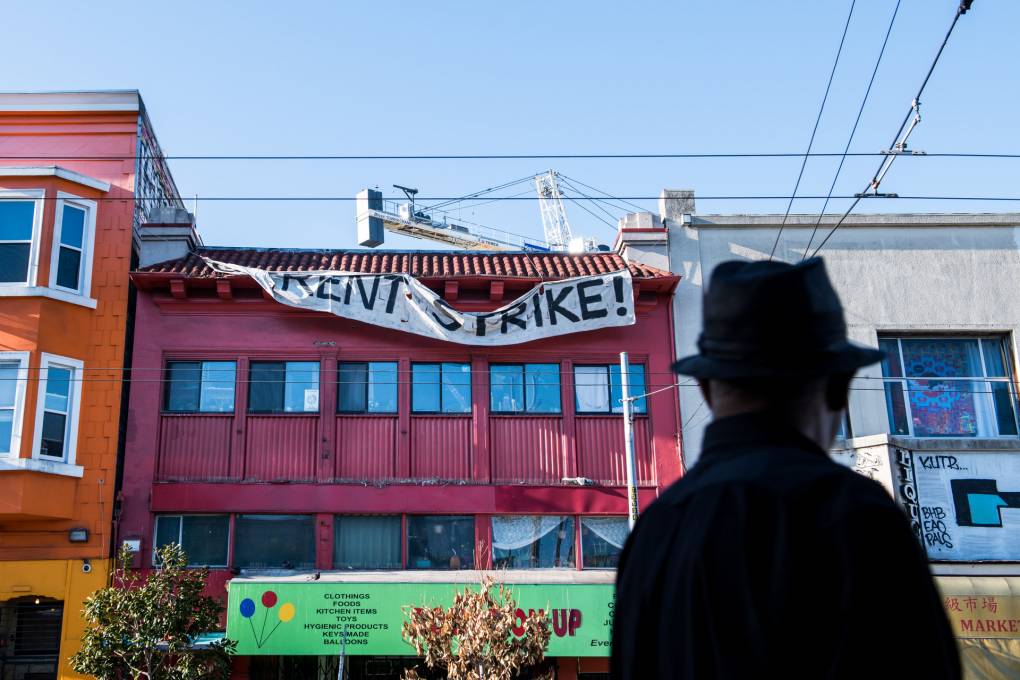
"caption": "A 'Rent Strike!' sign in the Mission District on March 31, 2020. ",
"description": "A 'Rent Strike!' sign in the Mission District on March 31, 2020. ",
"title": "RS42473_007_KQED_SanFrancisco_RentStrike_03312020-qut",
"credit": "Beth LaBerge/KQED",
"status": "inherit",
"isLoading": false,
"fetchFailed": false
},
"news_11816174": {
"type": "attachments",
"id": "news_11816174",
"meta": {
"index": "attachments_1716263798",
"site": "news",
"id": "11816174",
"found": true
},
"parent": 11813954,
"imgSizes": {
"apple_news_ca_landscape_5_5": {
"file": "https://ww2.kqed.org/app/uploads/sites/10/2020/04/Image-1-1044x783.jpeg",
"width": 1044,
"mimeType": "image/jpeg",
"height": 783
},
"apple_news_ca_square_4_0": {
"file": "https://ww2.kqed.org/app/uploads/sites/10/2020/04/Image-1-470x470.jpeg",
"width": 470,
"mimeType": "image/jpeg",
"height": 470
},
"twentyfourteen-full-width": {
"file": "https://ww2.kqed.org/app/uploads/sites/10/2020/04/Image-1-1038x576.jpeg",
"width": 1038,
"mimeType": "image/jpeg",
"height": 576
},
"thumbnail": {
"file": "https://ww2.kqed.org/app/uploads/sites/10/2020/04/Image-1-160x126.jpeg",
"width": 160,
"mimeType": "image/jpeg",
"height": 126
},
"post-thumbnail": {
"file": "https://ww2.kqed.org/app/uploads/sites/10/2020/04/Image-1-672x372.jpeg",
"width": 672,
"mimeType": "image/jpeg",
"height": 372
},
"kqedFullSize": {
"file": "https://ww2.kqed.org/app/uploads/sites/10/2020/04/Image-1.jpeg",
"width": 2132,
"height": 1674
},
"apple_news_ca_landscape_4_7": {
"file": "https://ww2.kqed.org/app/uploads/sites/10/2020/04/Image-1-632x474.jpeg",
"width": 632,
"mimeType": "image/jpeg",
"height": 474
},
"large": {
"file": "https://ww2.kqed.org/app/uploads/sites/10/2020/04/Image-1-1020x801.jpeg",
"width": 1020,
"mimeType": "image/jpeg",
"height": 801
},
"apple_news_ca_landscape_4_0": {
"file": "https://ww2.kqed.org/app/uploads/sites/10/2020/04/Image-1-536x402.jpeg",
"width": 536,
"mimeType": "image/jpeg",
"height": 402
},
"apple_news_ca_portrait_12_9": {
"file": "https://ww2.kqed.org/app/uploads/sites/10/2020/04/Image-1-1122x1496.jpeg",
"width": 1122,
"mimeType": "image/jpeg",
"height": 1496
},
"medium": {
"file": "https://ww2.kqed.org/app/uploads/sites/10/2020/04/Image-1-800x628.jpeg",
"width": 800,
"mimeType": "image/jpeg",
"height": 628
},
"apple_news_ca_portrait_4_0": {
"file": "https://ww2.kqed.org/app/uploads/sites/10/2020/04/Image-1-354x472.jpeg",
"width": 354,
"mimeType": "image/jpeg",
"height": 472
},
"apple_news_ca_portrait_9_7": {
"file": "https://ww2.kqed.org/app/uploads/sites/10/2020/04/Image-1-840x1120.jpeg",
"width": 840,
"mimeType": "image/jpeg",
"height": 1120
},
"apple_news_ca_landscape_12_9": {
"file": "https://ww2.kqed.org/app/uploads/sites/10/2020/04/Image-1-1832x1374.jpeg",
"width": 1832,
"mimeType": "image/jpeg",
"height": 1374
},
"apple_news_ca_square_9_7": {
"file": "https://ww2.kqed.org/app/uploads/sites/10/2020/04/Image-1-1104x1104.jpeg",
"width": 1104,
"mimeType": "image/jpeg",
"height": 1104
},
"apple_news_ca_portrait_4_7": {
"file": "https://ww2.kqed.org/app/uploads/sites/10/2020/04/Image-1-414x552.jpeg",
"width": 414,
"mimeType": "image/jpeg",
"height": 552
},
"apple_news_ca_square_12_9": {
"file": "https://ww2.kqed.org/app/uploads/sites/10/2020/04/Image-1-1472x1472.jpeg",
"width": 1472,
"mimeType": "image/jpeg",
"height": 1472
},
"apple_news_ca_portrait_5_5": {
"file": "https://ww2.kqed.org/app/uploads/sites/10/2020/04/Image-1-687x916.jpeg",
"width": 687,
"mimeType": "image/jpeg",
"height": 916
},
"full-width": {
"file": "https://ww2.kqed.org/app/uploads/sites/10/2020/04/Image-1-1920x1508.jpeg",
"width": 1920,
"mimeType": "image/jpeg",
"height": 1508
},
"apple_news_ca_square_4_7": {
"file": "https://ww2.kqed.org/app/uploads/sites/10/2020/04/Image-1-550x550.jpeg",
"width": 550,
"mimeType": "image/jpeg",
"height": 550
},
"apple_news_ca_landscape_9_7": {
"file": "https://ww2.kqed.org/app/uploads/sites/10/2020/04/Image-1-1376x1032.jpeg",
"width": 1376,
"mimeType": "image/jpeg",
"height": 1032
},
"apple_news_ca_square_5_5": {
"file": "https://ww2.kqed.org/app/uploads/sites/10/2020/04/Image-1-912x912.jpeg",
"width": 912,
"mimeType": "image/jpeg",
"height": 912
}
},
"publishDate": 1588634278,
"modified": 1588634303,
"caption": "San Francisco activist Brandon Lee, left, who was shot in the Philippines in August, at a digital press conference on Earth Day April 23, 2020.",
"description": null,
"title": "Image-1",
"credit": null,
"status": "inherit",
"isLoading": false,
"fetchFailed": false
},
"news_11812769": {
"type": "attachments",
"id": "news_11812769",
"meta": {
"index": "attachments_1716263798",
"site": "news",
"id": "11812769",
"found": true
},
"parent": 11812716,
"imgSizes": {
"apple_news_ca_landscape_5_5": {
"file": "https://ww2.kqed.org/app/uploads/sites/10/2020/04/RS42804_002_KQED_Oakland_Rent_JamieBagley_04162020-qut-1044x783.jpg",
"width": 1044,
"mimeType": "image/jpeg",
"height": 783
},
"apple_news_ca_square_4_0": {
"file": "https://ww2.kqed.org/app/uploads/sites/10/2020/04/RS42804_002_KQED_Oakland_Rent_JamieBagley_04162020-qut-470x470.jpg",
"width": 470,
"mimeType": "image/jpeg",
"height": 470
},
"twentyfourteen-full-width": {
"file": "https://ww2.kqed.org/app/uploads/sites/10/2020/04/RS42804_002_KQED_Oakland_Rent_JamieBagley_04162020-qut-1038x576.jpg",
"width": 1038,
"mimeType": "image/jpeg",
"height": 576
},
"thumbnail": {
"file": "https://ww2.kqed.org/app/uploads/sites/10/2020/04/RS42804_002_KQED_Oakland_Rent_JamieBagley_04162020-qut-160x107.jpg",
"width": 160,
"mimeType": "image/jpeg",
"height": 107
},
"post-thumbnail": {
"file": "https://ww2.kqed.org/app/uploads/sites/10/2020/04/RS42804_002_KQED_Oakland_Rent_JamieBagley_04162020-qut-672x372.jpg",
"width": 672,
"mimeType": "image/jpeg",
"height": 372
},
"kqedFullSize": {
"file": "https://ww2.kqed.org/app/uploads/sites/10/2020/04/RS42804_002_KQED_Oakland_Rent_JamieBagley_04162020-qut.jpg",
"width": 1920,
"height": 1280
},
"apple_news_ca_landscape_4_7": {
"file": "https://ww2.kqed.org/app/uploads/sites/10/2020/04/RS42804_002_KQED_Oakland_Rent_JamieBagley_04162020-qut-632x474.jpg",
"width": 632,
"mimeType": "image/jpeg",
"height": 474
},
"large": {
"file": "https://ww2.kqed.org/app/uploads/sites/10/2020/04/RS42804_002_KQED_Oakland_Rent_JamieBagley_04162020-qut-1020x680.jpg",
"width": 1020,
"mimeType": "image/jpeg",
"height": 680
},
"apple_news_ca_landscape_4_0": {
"file": "https://ww2.kqed.org/app/uploads/sites/10/2020/04/RS42804_002_KQED_Oakland_Rent_JamieBagley_04162020-qut-536x402.jpg",
"width": 536,
"mimeType": "image/jpeg",
"height": 402
},
"apple_news_ca_portrait_12_9": {
"file": "https://ww2.kqed.org/app/uploads/sites/10/2020/04/RS42804_002_KQED_Oakland_Rent_JamieBagley_04162020-qut-1122x1280.jpg",
"width": 1122,
"mimeType": "image/jpeg",
"height": 1280
},
"medium": {
"file": "https://ww2.kqed.org/app/uploads/sites/10/2020/04/RS42804_002_KQED_Oakland_Rent_JamieBagley_04162020-qut-800x533.jpg",
"width": 800,
"mimeType": "image/jpeg",
"height": 533
},
"apple_news_ca_portrait_4_0": {
"file": "https://ww2.kqed.org/app/uploads/sites/10/2020/04/RS42804_002_KQED_Oakland_Rent_JamieBagley_04162020-qut-354x472.jpg",
"width": 354,
"mimeType": "image/jpeg",
"height": 472
},
"apple_news_ca_portrait_9_7": {
"file": "https://ww2.kqed.org/app/uploads/sites/10/2020/04/RS42804_002_KQED_Oakland_Rent_JamieBagley_04162020-qut-840x1120.jpg",
"width": 840,
"mimeType": "image/jpeg",
"height": 1120
},
"apple_news_ca_landscape_12_9": {
"file": "https://ww2.kqed.org/app/uploads/sites/10/2020/04/RS42804_002_KQED_Oakland_Rent_JamieBagley_04162020-qut-1832x1280.jpg",
"width": 1832,
"mimeType": "image/jpeg",
"height": 1280
},
"apple_news_ca_square_9_7": {
"file": "https://ww2.kqed.org/app/uploads/sites/10/2020/04/RS42804_002_KQED_Oakland_Rent_JamieBagley_04162020-qut-1104x1104.jpg",
"width": 1104,
"mimeType": "image/jpeg",
"height": 1104
},
"apple_news_ca_portrait_4_7": {
"file": "https://ww2.kqed.org/app/uploads/sites/10/2020/04/RS42804_002_KQED_Oakland_Rent_JamieBagley_04162020-qut-414x552.jpg",
"width": 414,
"mimeType": "image/jpeg",
"height": 552
},
"apple_news_ca_square_12_9": {
"file": "https://ww2.kqed.org/app/uploads/sites/10/2020/04/RS42804_002_KQED_Oakland_Rent_JamieBagley_04162020-qut-1472x1280.jpg",
"width": 1472,
"mimeType": "image/jpeg",
"height": 1280
},
"apple_news_ca_portrait_5_5": {
"file": "https://ww2.kqed.org/app/uploads/sites/10/2020/04/RS42804_002_KQED_Oakland_Rent_JamieBagley_04162020-qut-687x916.jpg",
"width": 687,
"mimeType": "image/jpeg",
"height": 916
},
"full-width": {
"file": "https://ww2.kqed.org/app/uploads/sites/10/2020/04/RS42804_002_KQED_Oakland_Rent_JamieBagley_04162020-qut-1920x1280.jpg",
"width": 1920,
"mimeType": "image/jpeg",
"height": 1280
},
"apple_news_ca_square_4_7": {
"file": "https://ww2.kqed.org/app/uploads/sites/10/2020/04/RS42804_002_KQED_Oakland_Rent_JamieBagley_04162020-qut-550x550.jpg",
"width": 550,
"mimeType": "image/jpeg",
"height": 550
},
"apple_news_ca_landscape_9_7": {
"file": "https://ww2.kqed.org/app/uploads/sites/10/2020/04/RS42804_002_KQED_Oakland_Rent_JamieBagley_04162020-qut-1376x1032.jpg",
"width": 1376,
"mimeType": "image/jpeg",
"height": 1032
},
"apple_news_ca_square_5_5": {
"file": "https://ww2.kqed.org/app/uploads/sites/10/2020/04/RS42804_002_KQED_Oakland_Rent_JamieBagley_04162020-qut-912x912.jpg",
"width": 912,
"mimeType": "image/jpeg",
"height": 912
}
},
"publishDate": 1587089734,
"modified": 1587089797,
"caption": "Jamie Bagley at her apartment in Oakland on April 16, 2020.",
"description": null,
"title": "Jamie Bagley at her apartment in Oakland on April 16, 2020.",
"credit": "Beth LaBerge/KQED",
"status": "inherit",
"isLoading": false,
"fetchFailed": false
},
"news_11809352": {
"type": "attachments",
"id": "news_11809352",
"meta": {
"index": "attachments_1716263798",
"site": "news",
"id": "11809352",
"found": true
},
"parent": 11809328,
"imgSizes": {
"apple_news_ca_landscape_5_5": {
"file": "https://ww2.kqed.org/app/uploads/sites/10/2020/03/Gavin-Newsom-1044x783.jpg",
"width": 1044,
"mimeType": "image/jpeg",
"height": 783
},
"apple_news_ca_square_4_0": {
"file": "https://ww2.kqed.org/app/uploads/sites/10/2020/03/Gavin-Newsom-470x470.jpg",
"width": 470,
"mimeType": "image/jpeg",
"height": 470
},
"twentyfourteen-full-width": {
"file": "https://ww2.kqed.org/app/uploads/sites/10/2020/03/Gavin-Newsom-1038x576.jpg",
"width": 1038,
"mimeType": "image/jpeg",
"height": 576
},
"thumbnail": {
"file": "https://ww2.kqed.org/app/uploads/sites/10/2020/03/Gavin-Newsom-160x107.jpg",
"width": 160,
"mimeType": "image/jpeg",
"height": 107
},
"post-thumbnail": {
"file": "https://ww2.kqed.org/app/uploads/sites/10/2020/03/Gavin-Newsom-672x372.jpg",
"width": 672,
"mimeType": "image/jpeg",
"height": 372
},
"kqedFullSize": {
"file": "https://ww2.kqed.org/app/uploads/sites/10/2020/03/Gavin-Newsom.jpg",
"width": 1920,
"height": 1280
},
"apple_news_ca_landscape_4_7": {
"file": "https://ww2.kqed.org/app/uploads/sites/10/2020/03/Gavin-Newsom-632x474.jpg",
"width": 632,
"mimeType": "image/jpeg",
"height": 474
},
"large": {
"file": "https://ww2.kqed.org/app/uploads/sites/10/2020/03/Gavin-Newsom-1020x680.jpg",
"width": 1020,
"mimeType": "image/jpeg",
"height": 680
},
"apple_news_ca_landscape_4_0": {
"file": "https://ww2.kqed.org/app/uploads/sites/10/2020/03/Gavin-Newsom-536x402.jpg",
"width": 536,
"mimeType": "image/jpeg",
"height": 402
},
"apple_news_ca_portrait_12_9": {
"file": "https://ww2.kqed.org/app/uploads/sites/10/2020/03/Gavin-Newsom-1122x1280.jpg",
"width": 1122,
"mimeType": "image/jpeg",
"height": 1280
},
"medium": {
"file": "https://ww2.kqed.org/app/uploads/sites/10/2020/03/Gavin-Newsom-800x533.jpg",
"width": 800,
"mimeType": "image/jpeg",
"height": 533
},
"apple_news_ca_portrait_4_0": {
"file": "https://ww2.kqed.org/app/uploads/sites/10/2020/03/Gavin-Newsom-354x472.jpg",
"width": 354,
"mimeType": "image/jpeg",
"height": 472
},
"apple_news_ca_portrait_9_7": {
"file": "https://ww2.kqed.org/app/uploads/sites/10/2020/03/Gavin-Newsom-840x1120.jpg",
"width": 840,
"mimeType": "image/jpeg",
"height": 1120
},
"apple_news_ca_landscape_12_9": {
"file": "https://ww2.kqed.org/app/uploads/sites/10/2020/03/Gavin-Newsom-1832x1280.jpg",
"width": 1832,
"mimeType": "image/jpeg",
"height": 1280
},
"apple_news_ca_square_9_7": {
"file": "https://ww2.kqed.org/app/uploads/sites/10/2020/03/Gavin-Newsom-1104x1104.jpg",
"width": 1104,
"mimeType": "image/jpeg",
"height": 1104
},
"apple_news_ca_portrait_4_7": {
"file": "https://ww2.kqed.org/app/uploads/sites/10/2020/03/Gavin-Newsom-414x552.jpg",
"width": 414,
"mimeType": "image/jpeg",
"height": 552
},
"apple_news_ca_square_12_9": {
"file": "https://ww2.kqed.org/app/uploads/sites/10/2020/03/Gavin-Newsom-1472x1280.jpg",
"width": 1472,
"mimeType": "image/jpeg",
"height": 1280
},
"apple_news_ca_portrait_5_5": {
"file": "https://ww2.kqed.org/app/uploads/sites/10/2020/03/Gavin-Newsom-687x916.jpg",
"width": 687,
"mimeType": "image/jpeg",
"height": 916
},
"full-width": {
"file": "https://ww2.kqed.org/app/uploads/sites/10/2020/03/Gavin-Newsom-1920x1280.jpg",
"width": 1920,
"mimeType": "image/jpeg",
"height": 1280
},
"apple_news_ca_square_4_7": {
"file": "https://ww2.kqed.org/app/uploads/sites/10/2020/03/Gavin-Newsom-550x550.jpg",
"width": 550,
"mimeType": "image/jpeg",
"height": 550
},
"apple_news_ca_landscape_9_7": {
"file": "https://ww2.kqed.org/app/uploads/sites/10/2020/03/Gavin-Newsom-1376x1032.jpg",
"width": 1376,
"mimeType": "image/jpeg",
"height": 1032
},
"apple_news_ca_square_5_5": {
"file": "https://ww2.kqed.org/app/uploads/sites/10/2020/03/Gavin-Newsom-912x912.jpg",
"width": 912,
"mimeType": "image/jpeg",
"height": 912
}
},
"publishDate": 1585355029,
"modified": 1585355074,
"caption": "Gov. Gavin Newsom speaks during a news conference at the state Department of Public Health on February 27, 2020 in Sacramento.",
"description": "Gov. Gavin Newsom speaks during a news conference at the state Department of Public Health on February 27, 2020 in Sacramento.",
"title": "Gavin-Newsom",
"credit": "Justin Sullivan/Getty Images",
"status": "inherit",
"isLoading": false,
"fetchFailed": false
},
"news_11808819": {
"type": "attachments",
"id": "news_11808819",
"meta": {
"index": "attachments_1716263798",
"site": "news",
"id": "11808819",
"found": true
},
"parent": 11808749,
"imgSizes": {
"apple_news_ca_square_4_0": {
"file": "https://ww2.kqed.org/app/uploads/sites/10/2020/03/GettyImages-1209096263-1-470x470.jpg",
"width": 470,
"mimeType": "image/jpeg",
"height": 470
},
"twentyfourteen-full-width": {
"file": "https://ww2.kqed.org/app/uploads/sites/10/2020/03/GettyImages-1209096263-1-1024x576.jpg",
"width": 1024,
"mimeType": "image/jpeg",
"height": 576
},
"thumbnail": {
"file": "https://ww2.kqed.org/app/uploads/sites/10/2020/03/GettyImages-1209096263-1-160x107.jpg",
"width": 160,
"mimeType": "image/jpeg",
"height": 107
},
"post-thumbnail": {
"file": "https://ww2.kqed.org/app/uploads/sites/10/2020/03/GettyImages-1209096263-1-672x372.jpg",
"width": 672,
"mimeType": "image/jpeg",
"height": 372
},
"kqedFullSize": {
"file": "https://ww2.kqed.org/app/uploads/sites/10/2020/03/GettyImages-1209096263-1.jpg",
"width": 1024,
"height": 683
},
"apple_news_ca_landscape_4_7": {
"file": "https://ww2.kqed.org/app/uploads/sites/10/2020/03/GettyImages-1209096263-1-632x474.jpg",
"width": 632,
"mimeType": "image/jpeg",
"height": 474
},
"large": {
"file": "https://ww2.kqed.org/app/uploads/sites/10/2020/03/GettyImages-1209096263-1-1020x680.jpg",
"width": 1020,
"mimeType": "image/jpeg",
"height": 680
},
"apple_news_ca_landscape_4_0": {
"file": "https://ww2.kqed.org/app/uploads/sites/10/2020/03/GettyImages-1209096263-1-536x402.jpg",
"width": 536,
"mimeType": "image/jpeg",
"height": 402
},
"medium": {
"file": "https://ww2.kqed.org/app/uploads/sites/10/2020/03/GettyImages-1209096263-1-800x534.jpg",
"width": 800,
"mimeType": "image/jpeg",
"height": 534
},
"apple_news_ca_portrait_4_0": {
"file": "https://ww2.kqed.org/app/uploads/sites/10/2020/03/GettyImages-1209096263-1-354x472.jpg",
"width": 354,
"mimeType": "image/jpeg",
"height": 472
},
"apple_news_ca_portrait_9_7": {
"file": "https://ww2.kqed.org/app/uploads/sites/10/2020/03/GettyImages-1209096263-1-840x683.jpg",
"width": 840,
"mimeType": "image/jpeg",
"height": 683
},
"apple_news_ca_portrait_4_7": {
"file": "https://ww2.kqed.org/app/uploads/sites/10/2020/03/GettyImages-1209096263-1-414x552.jpg",
"width": 414,
"mimeType": "image/jpeg",
"height": 552
},
"apple_news_ca_portrait_5_5": {
"file": "https://ww2.kqed.org/app/uploads/sites/10/2020/03/GettyImages-1209096263-1-687x683.jpg",
"width": 687,
"mimeType": "image/jpeg",
"height": 683
},
"apple_news_ca_square_4_7": {
"file": "https://ww2.kqed.org/app/uploads/sites/10/2020/03/GettyImages-1209096263-1-550x550.jpg",
"width": 550,
"mimeType": "image/jpeg",
"height": 550
},
"apple_news_ca_square_5_5": {
"file": "https://ww2.kqed.org/app/uploads/sites/10/2020/03/GettyImages-1209096263-1-912x683.jpg",
"width": 912,
"mimeType": "image/jpeg",
"height": 683
}
},
"publishDate": 1585187000,
"modified": 1585191724,
"caption": "Gov. Gavin Newsom, seen here at a press conference in late February, announced a deal Wednesday with major housing lenders to delay mortgage payments and suspend foreclosures for homeowners impacted by the coronavirus outbreak.",
"description": null,
"title": "California Faces First Case Of \"Community Acquired\" Coronavirus",
"credit": "Justin Sullivan/Getty Images",
"status": "inherit",
"isLoading": false,
"fetchFailed": false
},
"news_11807104": {
"type": "attachments",
"id": "news_11807104",
"meta": {
"index": "attachments_1716263798",
"site": "news",
"id": "11807104",
"found": true
},
"parent": 11807102,
"imgSizes": {
"apple_news_ca_landscape_5_5": {
"file": "https://ww2.kqed.org/app/uploads/sites/10/2020/03/RS42112_IMG_4250-qut-1044x783.jpg",
"width": 1044,
"mimeType": "image/jpeg",
"height": 783
},
"apple_news_ca_square_4_0": {
"file": "https://ww2.kqed.org/app/uploads/sites/10/2020/03/RS42112_IMG_4250-qut-470x470.jpg",
"width": 470,
"mimeType": "image/jpeg",
"height": 470
},
"twentyfourteen-full-width": {
"file": "https://ww2.kqed.org/app/uploads/sites/10/2020/03/RS42112_IMG_4250-qut-1038x576.jpg",
"width": 1038,
"mimeType": "image/jpeg",
"height": 576
},
"thumbnail": {
"file": "https://ww2.kqed.org/app/uploads/sites/10/2020/03/RS42112_IMG_4250-qut-160x120.jpg",
"width": 160,
"mimeType": "image/jpeg",
"height": 120
},
"post-thumbnail": {
"file": "https://ww2.kqed.org/app/uploads/sites/10/2020/03/RS42112_IMG_4250-qut-672x372.jpg",
"width": 672,
"mimeType": "image/jpeg",
"height": 372
},
"kqedFullSize": {
"file": "https://ww2.kqed.org/app/uploads/sites/10/2020/03/RS42112_IMG_4250-qut.jpg",
"width": 1920,
"height": 1440
},
"apple_news_ca_landscape_4_7": {
"file": "https://ww2.kqed.org/app/uploads/sites/10/2020/03/RS42112_IMG_4250-qut-632x474.jpg",
"width": 632,
"mimeType": "image/jpeg",
"height": 474
},
"large": {
"file": "https://ww2.kqed.org/app/uploads/sites/10/2020/03/RS42112_IMG_4250-qut-1020x765.jpg",
"width": 1020,
"mimeType": "image/jpeg",
"height": 765
},
"apple_news_ca_landscape_4_0": {
"file": "https://ww2.kqed.org/app/uploads/sites/10/2020/03/RS42112_IMG_4250-qut-536x402.jpg",
"width": 536,
"mimeType": "image/jpeg",
"height": 402
},
"apple_news_ca_portrait_12_9": {
"file": "https://ww2.kqed.org/app/uploads/sites/10/2020/03/RS42112_IMG_4250-qut-1122x1440.jpg",
"width": 1122,
"mimeType": "image/jpeg",
"height": 1440
},
"medium": {
"file": "https://ww2.kqed.org/app/uploads/sites/10/2020/03/RS42112_IMG_4250-qut-800x600.jpg",
"width": 800,
"mimeType": "image/jpeg",
"height": 600
},
"apple_news_ca_portrait_4_0": {
"file": "https://ww2.kqed.org/app/uploads/sites/10/2020/03/RS42112_IMG_4250-qut-354x472.jpg",
"width": 354,
"mimeType": "image/jpeg",
"height": 472
},
"apple_news_ca_portrait_9_7": {
"file": "https://ww2.kqed.org/app/uploads/sites/10/2020/03/RS42112_IMG_4250-qut-840x1120.jpg",
"width": 840,
"mimeType": "image/jpeg",
"height": 1120
},
"apple_news_ca_landscape_12_9": {
"file": "https://ww2.kqed.org/app/uploads/sites/10/2020/03/RS42112_IMG_4250-qut-1832x1374.jpg",
"width": 1832,
"mimeType": "image/jpeg",
"height": 1374
},
"apple_news_ca_square_9_7": {
"file": "https://ww2.kqed.org/app/uploads/sites/10/2020/03/RS42112_IMG_4250-qut-1104x1104.jpg",
"width": 1104,
"mimeType": "image/jpeg",
"height": 1104
},
"apple_news_ca_portrait_4_7": {
"file": "https://ww2.kqed.org/app/uploads/sites/10/2020/03/RS42112_IMG_4250-qut-414x552.jpg",
"width": 414,
"mimeType": "image/jpeg",
"height": 552
},
"apple_news_ca_square_12_9": {
"file": "https://ww2.kqed.org/app/uploads/sites/10/2020/03/RS42112_IMG_4250-qut-1472x1440.jpg",
"width": 1472,
"mimeType": "image/jpeg",
"height": 1440
},
"apple_news_ca_portrait_5_5": {
"file": "https://ww2.kqed.org/app/uploads/sites/10/2020/03/RS42112_IMG_4250-qut-687x916.jpg",
"width": 687,
"mimeType": "image/jpeg",
"height": 916
},
"full-width": {
"file": "https://ww2.kqed.org/app/uploads/sites/10/2020/03/RS42112_IMG_4250-qut-1920x1440.jpg",
"width": 1920,
"mimeType": "image/jpeg",
"height": 1440
},
"apple_news_ca_square_4_7": {
"file": "https://ww2.kqed.org/app/uploads/sites/10/2020/03/RS42112_IMG_4250-qut-550x550.jpg",
"width": 550,
"mimeType": "image/jpeg",
"height": 550
},
"apple_news_ca_landscape_9_7": {
"file": "https://ww2.kqed.org/app/uploads/sites/10/2020/03/RS42112_IMG_4250-qut-1376x1032.jpg",
"width": 1376,
"mimeType": "image/jpeg",
"height": 1032
},
"apple_news_ca_square_5_5": {
"file": "https://ww2.kqed.org/app/uploads/sites/10/2020/03/RS42112_IMG_4250-qut-912x912.jpg",
"width": 912,
"mimeType": "image/jpeg",
"height": 912
}
},
"publishDate": 1584431763,
"modified": 1584467243,
"caption": "People wait on the first floor of the Hayward Hall of Justice outside the clerk's office on Monday March 16, 2020.",
"description": "People wait on the first floor of the Hayward Hall of Justice outside the clerk's office on Monday March 16, 2020.",
"title": "RS42112_IMG_4250-qut",
"credit": "Molly Solomon/KQED",
"status": "inherit",
"isLoading": false,
"fetchFailed": false
},
"news_11805854": {
"type": "attachments",
"id": "news_11805854",
"meta": {
"index": "attachments_1716263798",
"site": "news",
"id": "11805854",
"found": true
},
"parent": 11805850,
"imgSizes": {
"apple_news_ca_landscape_5_5": {
"file": "https://ww2.kqed.org/app/uploads/sites/10/2020/03/RS14289_Mission-Coop_JRaff-5-of-7-qut-1-1044x783.jpg",
"width": 1044,
"mimeType": "image/jpeg",
"height": 783
},
"apple_news_ca_square_4_0": {
"file": "https://ww2.kqed.org/app/uploads/sites/10/2020/03/RS14289_Mission-Coop_JRaff-5-of-7-qut-1-470x470.jpg",
"width": 470,
"mimeType": "image/jpeg",
"height": 470
},
"twentyfourteen-full-width": {
"file": "https://ww2.kqed.org/app/uploads/sites/10/2020/03/RS14289_Mission-Coop_JRaff-5-of-7-qut-1-1038x576.jpg",
"width": 1038,
"mimeType": "image/jpeg",
"height": 576
},
"thumbnail": {
"file": "https://ww2.kqed.org/app/uploads/sites/10/2020/03/RS14289_Mission-Coop_JRaff-5-of-7-qut-1-160x107.jpg",
"width": 160,
"mimeType": "image/jpeg",
"height": 107
},
"post-thumbnail": {
"file": "https://ww2.kqed.org/app/uploads/sites/10/2020/03/RS14289_Mission-Coop_JRaff-5-of-7-qut-1-672x372.jpg",
"width": 672,
"mimeType": "image/jpeg",
"height": 372
},
"kqedFullSize": {
"file": "https://ww2.kqed.org/app/uploads/sites/10/2020/03/RS14289_Mission-Coop_JRaff-5-of-7-qut-1.jpg",
"width": 1440,
"height": 960
},
"apple_news_ca_landscape_4_7": {
"file": "https://ww2.kqed.org/app/uploads/sites/10/2020/03/RS14289_Mission-Coop_JRaff-5-of-7-qut-1-632x474.jpg",
"width": 632,
"mimeType": "image/jpeg",
"height": 474
},
"large": {
"file": "https://ww2.kqed.org/app/uploads/sites/10/2020/03/RS14289_Mission-Coop_JRaff-5-of-7-qut-1-1020x680.jpg",
"width": 1020,
"mimeType": "image/jpeg",
"height": 680
},
"apple_news_ca_landscape_4_0": {
"file": "https://ww2.kqed.org/app/uploads/sites/10/2020/03/RS14289_Mission-Coop_JRaff-5-of-7-qut-1-536x402.jpg",
"width": 536,
"mimeType": "image/jpeg",
"height": 402
},
"apple_news_ca_portrait_12_9": {
"file": "https://ww2.kqed.org/app/uploads/sites/10/2020/03/RS14289_Mission-Coop_JRaff-5-of-7-qut-1-1122x960.jpg",
"width": 1122,
"mimeType": "image/jpeg",
"height": 960
},
"medium": {
"file": "https://ww2.kqed.org/app/uploads/sites/10/2020/03/RS14289_Mission-Coop_JRaff-5-of-7-qut-1-800x533.jpg",
"width": 800,
"mimeType": "image/jpeg",
"height": 533
},
"apple_news_ca_portrait_4_0": {
"file": "https://ww2.kqed.org/app/uploads/sites/10/2020/03/RS14289_Mission-Coop_JRaff-5-of-7-qut-1-354x472.jpg",
"width": 354,
"mimeType": "image/jpeg",
"height": 472
},
"apple_news_ca_portrait_9_7": {
"file": "https://ww2.kqed.org/app/uploads/sites/10/2020/03/RS14289_Mission-Coop_JRaff-5-of-7-qut-1-840x960.jpg",
"width": 840,
"mimeType": "image/jpeg",
"height": 960
},
"apple_news_ca_square_9_7": {
"file": "https://ww2.kqed.org/app/uploads/sites/10/2020/03/RS14289_Mission-Coop_JRaff-5-of-7-qut-1-1104x960.jpg",
"width": 1104,
"mimeType": "image/jpeg",
"height": 960
},
"apple_news_ca_portrait_4_7": {
"file": "https://ww2.kqed.org/app/uploads/sites/10/2020/03/RS14289_Mission-Coop_JRaff-5-of-7-qut-1-414x552.jpg",
"width": 414,
"mimeType": "image/jpeg",
"height": 552
},
"apple_news_ca_portrait_5_5": {
"file": "https://ww2.kqed.org/app/uploads/sites/10/2020/03/RS14289_Mission-Coop_JRaff-5-of-7-qut-1-687x916.jpg",
"width": 687,
"mimeType": "image/jpeg",
"height": 916
},
"apple_news_ca_square_4_7": {
"file": "https://ww2.kqed.org/app/uploads/sites/10/2020/03/RS14289_Mission-Coop_JRaff-5-of-7-qut-1-550x550.jpg",
"width": 550,
"mimeType": "image/jpeg",
"height": 550
},
"apple_news_ca_landscape_9_7": {
"file": "https://ww2.kqed.org/app/uploads/sites/10/2020/03/RS14289_Mission-Coop_JRaff-5-of-7-qut-1-1376x960.jpg",
"width": 1376,
"mimeType": "image/jpeg",
"height": 960
},
"apple_news_ca_square_5_5": {
"file": "https://ww2.kqed.org/app/uploads/sites/10/2020/03/RS14289_Mission-Coop_JRaff-5-of-7-qut-1-912x912.jpg",
"width": 912,
"mimeType": "image/jpeg",
"height": 912
}
},
"publishDate": 1583791156,
"modified": 1583874076,
"caption": "State Sen. Scott Wiener's new bill, SB 902, would allow multifamily homes in areas that currently only allow single-family homes.",
"description": "State Sen. Scott Wiener's new bill, SB 902, would allow multi-family homes in areas that currently only allow single-family homes.",
"title": "State Sen. Scott Wiener's new bill, SB 902, would allow multi-family homes in areas that now only allow single-family homes.",
"credit": "Jeremy Raff/KQED",
"status": "inherit",
"isLoading": false,
"fetchFailed": false
}
},
"audioPlayerReducer": {
"postId": "stream_live",
"isPaused": true,
"isPlaying": false,
"pfsActive": false,
"pledgeModalIsOpen": true,
"playerDrawerIsOpen": false,
"liveAudioPlayStartedAt": 0,
"liveAudioPlayContext": ""
},
"authorsReducer": {
"cveltman": {
"type": "authors",
"id": "8608",
"meta": {
"index": "authors_1716337520",
"id": "8608",
"found": true
},
"name": "Chloe Veltman",
"firstName": "Chloe",
"lastName": "Veltman",
"slug": "cveltman",
"email": "cveltman@kqed.org",
"display_author_email": true,
"staff_mastheads": [],
"title": "Arts and Culture Reporter",
"bio": "Chloe Veltman is a former arts and culture reporter for KQED. Prior to joining the organization, she launched and led the arts bureau at Colorado Public Radio, served as the Bay Area's culture columnist for the New York Times, and was the founder, host and executive producer of VoiceBox, a national award-winning weekly podcast/radio show and live events series all about the human voice. Chloe is the recipient of numerous prizes, grants and fellowships including a Webby Award for her work on interactive storytelling, both the John S Knight Journalism Fellowship and Humanities Center Fellowship at Stanford University, the Sundance Arts Writing Fellowship and a Library of Congress Research Fellowship. She is the author of the book \"On Acting\" and has appeared as a guest lecturer at Yale University and the San Francisco Conservatory of Music among other institutions. She holds a BA in english literature from King's College, Cambridge, and a Masters in Dramaturgy from the Central School of Speech and Drama/Harvard Institute for Advanced Theater Training.\r\n\u003ca href=\"https://www.chloeveltman.com\">www.chloeveltman.com\u003c/a>",
"avatar": "https://secure.gravatar.com/avatar/55403394b00a1ddab683952c2eb2cf85?s=600&d=blank&r=g",
"twitter": "chloeveltman",
"facebook": null,
"instagram": null,
"linkedin": null,
"sites": [
{
"site": "arts",
"roles": []
},
{
"site": "news",
"roles": [
"author"
]
},
{
"site": "pop",
"roles": [
"editor"
]
},
{
"site": "science",
"roles": []
}
],
"headData": {
"title": "Chloe Veltman | KQED",
"description": "Arts and Culture Reporter",
"ogImgSrc": "https://secure.gravatar.com/avatar/55403394b00a1ddab683952c2eb2cf85?s=600&d=blank&r=g",
"twImgSrc": "https://secure.gravatar.com/avatar/55403394b00a1ddab683952c2eb2cf85?s=600&d=blank&r=g"
},
"isLoading": false,
"link": "/author/cveltman"
},
"ecruzguevarra": {
"type": "authors",
"id": "8654",
"meta": {
"index": "authors_1716337520",
"id": "8654",
"found": true
},
"name": "Ericka Cruz Guevarra",
"firstName": "Ericka",
"lastName": "Cruz Guevarra",
"slug": "ecruzguevarra",
"email": "ecruzguevarra@kqed.org",
"display_author_email": true,
"staff_mastheads": [
"news"
],
"title": "Producer, The Bay Podcast",
"bio": "Ericka Cruz Guevarra is host of \u003ca href=\"https://www.kqed.org/podcasts/thebay\">\u003cem>The Bay\u003c/em>\u003c/a> podcast at KQED. Before host, she was the show’s producer. Her work in that capacity includes a three-part reported series on policing in Vallejo, which won a 2020 excellence in journalism award from the Society of Professional Journalists. Ericka has worked as a breaking news reporter at Oregon Public Broadcasting, helped produce the Code Switch podcast, and was KQED’s inaugural Raul Ramirez Diversity Fund intern. She’s also an alumna of NPR’s Next Generation Radio program. Send her an email if you have strong feelings about whether Fairfield and Suisun City are the Bay. Ericka is represented by SAG-AFTRA.",
"avatar": "https://secure.gravatar.com/avatar/accefc1de4bafc7e234b69bcb9b6f6536c130fd84709bc3069ef11a78787e1bb?s=600&d=blank&r=g",
"twitter": "NotoriousECG",
"bluesky": null,
"facebook": null,
"instagram": null,
"linkedin": null,
"sites": [
{
"site": "arts",
"roles": [
"subscriber"
]
},
{
"site": "news",
"roles": [
"editor",
"manage_categories"
]
},
{
"site": "futureofyou",
"roles": [
"subscriber"
]
},
{
"site": "stateofhealth",
"roles": [
"subscriber"
]
},
{
"site": "science",
"roles": [
"editor"
]
},
{
"site": "forum",
"roles": [
"subscriber"
]
}
],
"headData": {
"title": "Ericka Cruz Guevarra | KQED",
"description": "Producer, The Bay Podcast",
"ogImgSrc": "https://secure.gravatar.com/avatar/accefc1de4bafc7e234b69bcb9b6f6536c130fd84709bc3069ef11a78787e1bb?s=600&d=blank&r=g",
"twImgSrc": "https://secure.gravatar.com/avatar/accefc1de4bafc7e234b69bcb9b6f6536c130fd84709bc3069ef11a78787e1bb?s=600&d=blank&r=g"
},
"isLoading": false,
"link": "/author/ecruzguevarra"
},
"fjhabvala": {
"type": "authors",
"id": "8659",
"meta": {
"index": "authors_1716337520",
"id": "8659",
"found": true
},
"name": "Farida Jhabvala Romero",
"firstName": "Farida",
"lastName": "Jhabvala Romero",
"slug": "fjhabvala",
"email": "fjhabvala@kqed.org",
"display_author_email": true,
"staff_mastheads": [
"news"
],
"title": "KQED Contributor",
"bio": "Farida Jhabvala Romero is a Labor Correspondent for KQED. She previously covered immigration. Farida was \u003ca href=\"https://www.ccnma.org/2022-most-influential-latina-journalists\">named\u003c/a> one of the 10 Most Influential Latina Journalists in California in 2022 by the California Chicano News Media Association. Her work has won awards from the Society of Professional Journalists (Northern California), as well as a national and regional Edward M. Murrow Award for the collaborative reporting projects “Dangerous Air” and “Graying California.” Before joining KQED, Farida worked as a producer at Radio Bilingüe, a national public radio network. Farida earned her master’s degree in journalism from Stanford University.",
"avatar": "https://secure.gravatar.com/avatar/f9f022d4e2609741874222a1e9d41f48fea74011aa7c615eef91d9a50c944ebe?s=600&d=blank&r=g",
"twitter": "FaridaJhabvala",
"bluesky": null,
"facebook": null,
"instagram": null,
"linkedin": "https://www.linkedin.com/in/faridajhabvala/",
"sites": [
{
"site": "news",
"roles": [
"editor"
]
},
{
"site": "stateofhealth",
"roles": [
"author"
]
},
{
"site": "liveblog",
"roles": [
"author"
]
}
],
"headData": {
"title": "Farida Jhabvala Romero | KQED",
"description": "KQED Contributor",
"ogImgSrc": "https://secure.gravatar.com/avatar/f9f022d4e2609741874222a1e9d41f48fea74011aa7c615eef91d9a50c944ebe?s=600&d=blank&r=g",
"twImgSrc": "https://secure.gravatar.com/avatar/f9f022d4e2609741874222a1e9d41f48fea74011aa7c615eef91d9a50c944ebe?s=600&d=blank&r=g"
},
"isLoading": false,
"link": "/author/fjhabvala"
},
"msolomon": {
"type": "authors",
"id": "11651",
"meta": {
"index": "authors_1716337520",
"id": "11651",
"found": true
},
"name": "Molly Solomon",
"firstName": "Molly",
"lastName": "Solomon",
"slug": "msolomon",
"email": "msolomon@KQED.org",
"display_author_email": false,
"staff_mastheads": [
"news"
],
"title": "Senior Editor",
"bio": "Molly Solomon is the senior editor of KQED's California Politics and Government Desk. Previously, she was the station's editor-at-large, with a focus on editing early childhood education, politics, and criminal justice. Before that, she managed and edited statewide election coverage for The California Newsroom, a collaboration of local public radio stations, CalMatters and NPR. Molly joined KQED in 2019 to launch the station’s housing affordability desk, where she reported on homelessness, evictions and is the co-host of KQED’s housing podcast, SOLD OUT: Rethinking Housing in America. Before that, she was the Southwest Washington Bureau Chief for Oregon Public Broadcasting and a reporter at Hawaii Public Radio. Her stories have aired on NPR’s \u003cem>Morning Edition\u003c/em>, \u003cem>All Things Considered\u003c/em>, \u003cem>Here & Now\u003c/em>, \u003cem>Science Friday\u003c/em> and \u003cem>Marketplace\u003c/em>. Molly's award-winning reporting has been honored by the Best of the West, Edward R. Murrow awards, Society of Professional Journalists, National Headliner Awards, and the Asian American Journalists Association. Born and raised in Berkeley, Molly is a big fan of burritos and her scruffy terrier, Ollie.",
"avatar": "https://secure.gravatar.com/avatar/9ad9794616923d81c9a79897161545bd?s=600&d=blank&r=g",
"twitter": "solomonout",
"facebook": null,
"instagram": null,
"linkedin": null,
"sites": [
{
"site": "news",
"roles": [
"editor"
]
},
{
"site": "science",
"roles": [
"editor"
]
}
],
"headData": {
"title": "Molly Solomon | KQED",
"description": "Senior Editor",
"ogImgSrc": "https://secure.gravatar.com/avatar/9ad9794616923d81c9a79897161545bd?s=600&d=blank&r=g",
"twImgSrc": "https://secure.gravatar.com/avatar/9ad9794616923d81c9a79897161545bd?s=600&d=blank&r=g"
},
"isLoading": false,
"link": "/author/msolomon"
},
"ebaldassari": {
"type": "authors",
"id": "11652",
"meta": {
"index": "authors_1716337520",
"id": "11652",
"found": true
},
"name": "Erin Baldassari",
"firstName": "Erin",
"lastName": "Baldassari",
"slug": "ebaldassari",
"email": "ebaldassari@KQED.org",
"display_author_email": true,
"staff_mastheads": [
"news"
],
"title": "Staff Writer",
"bio": "Erin Baldassari covers housing for KQED. She's a former print journalist and most recently worked as the transportation reporter for the \u003cem>Mercury News\u003c/em> and \u003cem>East Bay Times. \u003c/em>There, she focused on how the Bay Area’s housing shortage has changed the way people move around the region. She also served on the \u003cem>East Bay Times\u003c/em>’ 2017 Pulitzer Prize-winning team for coverage of the Ghost Ship Fire in Oakland. Prior to that, Erin worked as a breaking news and general assignment reporter for a variety of outlets in the Bay Area and the greater Boston area. A Tufts University alumna, Erin grew up in the foothills of the Sierra Nevada mountains and in Sonoma County. She is a life-long KQED listener.",
"avatar": "https://secure.gravatar.com/avatar/5e95cad64a8ca08288082212e199d2b0cbeb4fd8e8ef5339395f361032bbe005?s=600&d=blank&r=g",
"twitter": "e_baldi",
"bluesky": null,
"facebook": null,
"instagram": null,
"linkedin": null,
"sites": [
{
"site": "news",
"roles": [
"edit_others_posts",
"editor"
]
},
{
"site": "science",
"roles": [
"editor"
]
},
{
"site": "liveblog",
"roles": [
"editor"
]
}
],
"headData": {
"title": "Erin Baldassari | KQED",
"description": "Staff Writer",
"ogImgSrc": "https://secure.gravatar.com/avatar/5e95cad64a8ca08288082212e199d2b0cbeb4fd8e8ef5339395f361032bbe005?s=600&d=blank&r=g",
"twImgSrc": "https://secure.gravatar.com/avatar/5e95cad64a8ca08288082212e199d2b0cbeb4fd8e8ef5339395f361032bbe005?s=600&d=blank&r=g"
},
"isLoading": false,
"link": "/author/ebaldassari"
}
},
"pagesReducer": {
"news_tag_affordable-housing": {
"type": "terms",
"id": "news_3921",
"meta": {
"index": "terms_1716263798",
"site": "news",
"id": "3921",
"score": 9.304576
},
"featImg": null,
"name": "affordable housing",
"description": null,
"taxonomy": "tag",
"headData": {
"twImgId": null,
"twTitle": null,
"ogTitle": null,
"ogImgId": null,
"twDescription": null,
"description": null,
"title": "affordable housing Archives | KQED News",
"ogDescription": null
},
"ttid": 3940,
"slug": "affordable-housing",
"isLoading": false,
"title": "affordable housing",
"pageMeta": {
"site": "news",
"WpPageTemplate": "page-topic-editorial",
"currentPage": 34
},
"blocks": [
{
"blockName": "kqed/post-list",
"attrs": {
"layout": "cardArticle2",
"query": "posts/news?tag=affordable-housing",
"seeMore": false,
"paginated": true,
"page": 34
}
},
{
"blockName": "kqed/ad"
}
]
}
},
"pfsSessionReducer": {},
"postsReducer": {
"stream_live": {
"type": "live",
"id": "stream_live",
"audioUrl": "https://streams.kqed.org/kqedradio",
"title": "Live Stream",
"excerpt": "Live Stream information currently unavailable.",
"link": "/radio",
"featImg": "",
"label": {
"name": "KQED Live",
"link": "/"
}
},
"stream_kqedNewscast": {
"type": "posts",
"id": "stream_kqedNewscast",
"audioUrl": "https://www.kqed.org/.stream/anon/radio/RDnews/newscast.mp3?_=1",
"title": "KQED Newscast",
"featImg": "",
"label": {
"name": "88.5 FM",
"link": "/"
}
},
"news_11821421": {
"type": "posts",
"id": "news_11821421",
"meta": {
"index": "posts_1716263798",
"site": "news",
"id": "11821421",
"score": null,
"sort": [
1590788834000
]
},
"guestAuthors": [],
"slug": "13-people-1-bathroom-how-a-bay-area-mom-is-surviving-covid-19",
"title": "13 People, 1 Bathroom: How a Bay Area Immigrant Mom Is Surviving COVID-19",
"publishDate": 1590788834,
"format": "audio",
"headTitle": "13 People, 1 Bathroom: How a Bay Area Immigrant Mom Is Surviving COVID-19 | KQED",
"labelTerm": {},
"content": "\u003cp>Blanca Aleman, an asylum-seeker from El Salvador, first came to the U.S. in the summer of 2016 to reunite with relatives living in the San Francisco Bay Area.\u003c/p>\n\u003cp>Today, Aleman’s family — her two daughters, mom, aunts, brothers and nephews — live together: a total of 13 people in a three-bedroom, one-bathroom house in Richmond.\u003c/p>\n\u003cp>“It’s very difficult,” said Aleman, 35, in Spanish. “Sometimes we have to wait in line to use the bathroom, or to cook in the kitchen.”\u003c/p>\n\u003cp>During the pandemic, those inconveniences also mean Aleman’s entire household is at higher risk of getting sick and transmitting the coronavirus. In April, Aleman’s aunt tested positive for COVID-19. Shortly after, her 13-year-old daughter, Lindsay, also had it.\u003c/p>\n\u003cp>“How am I going to distance her?” asked Aleman, who shares a bed with Lindsay and her youngest, Megan, who is 3 years old. “You can’t do it. There’s not enough space at home.”\u003c/p>\n\u003cp>[pullquote size=\"medium\" align=\"right\" citation=\"Dr. Kirsten Bibbins-Domingo, UCSF\"]‘This is a twin epidemic … An epidemic of the virus and an epidemic of the economic crisis. And it’s the latter that I think will really make it much more difficult to keep the former under control.’[/pullquote]\u003c/p>\n\u003cp>Aleman, who is five months pregnant, also fears for her unborn baby. Her doctor at Lifelong Brookside Richmond Health Center said there are \u003ca href=\"https://www.cdc.gov/coronavirus/2019-ncov/need-extra-precautions/pregnancy-breastfeeding.html\" target=\"_blank\" rel=\"noopener noreferrer\">not enough data\u003c/a> to know if or how the coronavirus could hurt Aleman’s pregnancy or baby.\u003c/p>\n\u003cp>“It can affect me. But they don’t know to what degree,” Aleman said.\u003c/p>\n\u003cp>Medical professionals advise patients recovering at home from COVID-19 to stay in a room by themselves if they live with others, and avoid sharing a bathroom and kitchen utensils. But those guidelines are practically impossible to follow for many low-income immigrants doubling or tripling up to afford rent in the San Francisco Bay Area.\u003c/p>\n\u003cp>[ad fullwidth]\u003c/p>\n\u003cp>Because of high housing costs, California’s overcrowding rate is more than double the national average, according to the \u003ca href=\"https://www.ppic.org/blog/overcrowded-housing-and-covid-19-risk-among-essential-workers/\" target=\"_blank\" rel=\"noopener noreferrer\">Public Policy Institute of California\u003c/a>. Latinos are also much more likely to live in overcrowded, multigenerational homes than other racial or ethnic groups.\u003c/p>\n\u003cp>“They often don’t have the luxury to be in settings where they can really maintain the type of distance that’s required to keep themselves safe and the people around them safe,” said Dr. Kirsten Bibbins-Domingo, a professor of medicine and epidemiology at UCSF.\u003c/p>\n\u003cp>As state officials loosen stay-at-home orders and slowly reopen the economy, Bibbins-Domingo expects more outbreaks of the virus at a time when millions of Californians have lost their jobs and may struggle to afford the basics.\u003c/p>\n\u003cp>“This is a twin epidemic,” she said. “This is an epidemic of the virus and an epidemic of the economic crisis. And it’s the latter that I think will really make it much more difficult to keep the former under control, particularly in the communities that are hardest hit.”\u003c/p>\n\u003cp>Statewide, Latinos represent \u003ca href=\"https://www.cdph.ca.gov/Programs/CID/DCDC/Pages/COVID-19/Race-Ethnicity.aspx\" target=\"_blank\" rel=\"noopener noreferrer\">more than half\u003c/a> of 71,000 confirmed cases where race or ethnicity was identified. In Contra Costa County, where Aleman lives, Latinos comprise about a quarter of the population, but nearly 40% of confirmed COVID-19 cases, according to \u003ca href=\"https://www.coronavirus.cchealth.org/dashboard\" target=\"_blank\" rel=\"noopener noreferrer\">Contra Costa Health Services\u003c/a>.\u003c/p>\n\u003cp>Living in close quarters, such as in congregate settings or overcrowded homes, increases the risk of exposure to the virus after someone brings it in, said Dr. Ori Tzvieli, Contra Costa County deputy health officer and a family practitioner.\u003c/p>\n\u003cp>“The more densely people are living, the higher their risks that they would transmit coronavirus to one another,” said Tzvieli. “Most of the cases that we have seen in China and many in the United States have been through household contact.”\u003c/p>\n\u003cp>[aside label='Latest News on Coronavirus' tag='coronavirus']Contra Costa, like other counties in the Bay Area, offers free hotel stays for people who don’t have a safe place to quarantine and are confirmed positive for coronavirus or considered “under investigation” by public health officials while they await test results.\u003c/p>\n\u003cp>So far, the county has placed more than 300 high-risk people experiencing homelessness in hotels under the state’s “\u003ca href=\"https://www.coronavirus.cchealth.org/for-the-homeless\" target=\"_blank\" rel=\"noopener noreferrer\">Project Roomkey\u003c/a>” initiative, according to health officials. But Tzvieli said only a few patients with homes of their own have taken up that option.\u003c/p>\n\u003cp>“For most people, we have found a way to help them effectively isolate in their home,” he said. “But it’s good to have that option … the benefit is to the patient, their housemates and the entire community knowing that the people have a safe place to stay.”\u003c/p>\n\u003cp>Aleman said she tried to find another place to live before the pandemic. But she said smaller apartments, even in less desirable neighborhoods, were too expensive.\u003c/p>\n\u003cp>Under normal circumstances, she and her family pitch in to cover the $2,600 in monthly rent for their house. Aleman’s portion for the room she shares with her daughters is $850.\u003c/p>\n\u003cp>But after Aleman’s work as an office cleaner dried up in March and other adults in her household also lost income, the family worries about how they’ll pay June’s rent.\u003c/p>\n\u003cp>Aleman considered applying for unemployment benefits, for which she is eligible, but believed her request would be denied because the state requires a valid work authorization, and her work permit was set to expire soon.\u003c/p>\n\u003cp>It wasn’t until this month that she learned U.S. Citizenship and Immigration Services \u003ca href=\"https://www.uscis.gov/working-united-states/automatic-employment-authorization-document-ead-extension\" target=\"_blank\" rel=\"noopener noreferrer\">automatically extends\u003c/a> work permits for asylum-seekers and other immigrants who properly file renewal requests, as the agency takes several months to process those applications. Aleman submitted her renewal request in April, about a month before her permit expired.\u003c/p>\n\u003cp>For now, without having secured wage replacement benefits, Aleman relies on nearby food banks to contribute to the staples her family prepares: beans, fried rice, cheese, eggs and Aleman’s favorite — fresh, hand-made tortillas.\u003c/p>\n\u003cp>Living together helps Aleman’s family save on rent and other expenses, and they are able to support one another by taking turns to cook meals, clean the home and care for each other’s children.\u003c/p>\n\u003cp>“We live as family and that’s a great help,” Aleman said. “We have each other.”\u003c/p>\n\u003cp>Aleman is also relying on her relatives in a new way. Recently, she started feeling sick and experiencing shortness of breath and bad headaches, she said.\u003c/p>\n\u003cp>Like her daughter and aunt before her, Aleman tested positive for COVID-19 this month and became one of the nearly 37,000 Latinos so far confirmed with the coronavirus in California.\u003c/p>\n\u003cp>[ad floatright]\u003c/p>\n",
"blocks": [],
"excerpt": "Doctors advise patients recovering at home from COVID-19 to stay in a room by themselves and avoid sharing a bathroom — but for some, those guidelines are practically impossible to follow.",
"status": "publish",
"parent": 0,
"modified": 1721149200,
"stats": {
"hasAudio": false,
"hasVideo": false,
"hasChartOrMap": false,
"iframeSrcs": [],
"hasGoogleForm": false,
"hasGallery": false,
"hasHearkenModule": false,
"hasPolis": false,
"paragraphCount": 31,
"wordCount": 1163
},
"headData": {
"title": "13 People, 1 Bathroom: How a Bay Area Immigrant Mom Is Surviving COVID-19 | KQED",
"description": "Doctors advise patients recovering from COVID-19 to stay in a room by themselves and avoid sharing a bathroom — but for some, that's practically impossible.",
"ogTitle": "",
"ogDescription": "",
"ogImgId": "",
"twTitle": "",
"twDescription": "",
"twImgId": "",
"socialDescription": "Doctors advise patients recovering from COVID-19 to stay in a room by themselves and avoid sharing a bathroom — but for some, that's practically impossible.",
"schema": {
"@context": "https://schema.org",
"@type": "NewsArticle",
"headline": "13 People, 1 Bathroom: How a Bay Area Immigrant Mom Is Surviving COVID-19",
"datePublished": "2020-05-29T14:47:14-07:00",
"dateModified": "2024-07-16T10:00:00-07:00",
"image": "https://cdn.kqed.org/wp-content/uploads/2020/02/KQED-OG-Image@1x.png",
"isAccessibleForFree": "True",
"publisher": {
"@type": "NewsMediaOrganization",
"@id": "https://www.kqed.org/#organization",
"name": "KQED",
"logo": "https://cdn.kqed.org/wp-content/uploads/2020/02/KQED-OG-Image@1x.png",
"url": "https://www.kqed.org",
"sameAs": [
"https://www.facebook.com/KQED",
"https://twitter.com/KQED",
"https://www.instagram.com/kqed/",
"https://www.tiktok.com/@kqedofficial",
"https://www.linkedin.com/company/kqed",
"https://www.youtube.com/channel/UCeC0IOo7i1P_61zVUWbJ4nw"
]
}
}
},
"source": "Coronavirus",
"sourceUrl": "https://www.kqed.org/coronavirus",
"audioUrl": "https://traffic.omny.fm/d/clips/0af137ef-751e-4b19-a055-aaef00d2d578/ffca7e9f-6831-41c5-bcaf-aaef00f5a073/e6db5c18-3e7b-4c4c-bcb9-abc9010917fa/audio.mp3",
"sticky": false,
"path": "/news/11821421/13-people-1-bathroom-how-a-bay-area-mom-is-surviving-covid-19",
"audioDuration": 216000,
"audioTrackLength": null,
"parsedContent": [
{
"type": "contentString",
"content": "\u003cdiv class=\"post-body\">\u003cp>\u003cp>Blanca Aleman, an asylum-seeker from El Salvador, first came to the U.S. in the summer of 2016 to reunite with relatives living in the San Francisco Bay Area.\u003c/p>\n\u003cp>Today, Aleman’s family — her two daughters, mom, aunts, brothers and nephews — live together: a total of 13 people in a three-bedroom, one-bathroom house in Richmond.\u003c/p>\n\u003cp>“It’s very difficult,” said Aleman, 35, in Spanish. “Sometimes we have to wait in line to use the bathroom, or to cook in the kitchen.”\u003c/p>\n\u003cp>During the pandemic, those inconveniences also mean Aleman’s entire household is at higher risk of getting sick and transmitting the coronavirus. In April, Aleman’s aunt tested positive for COVID-19. Shortly after, her 13-year-old daughter, Lindsay, also had it.\u003c/p>\n\u003cp>“How am I going to distance her?” asked Aleman, who shares a bed with Lindsay and her youngest, Megan, who is 3 years old. “You can’t do it. There’s not enough space at home.”\u003c/p>\n\u003cp>\u003c/p>\u003c/div>",
"attributes": {
"named": {},
"numeric": []
}
},
{
"type": "component",
"content": "‘This is a twin epidemic … An epidemic of the virus and an epidemic of the economic crisis. And it’s the latter that I think will really make it much more difficult to keep the former under control.’",
"name": "pullquote",
"attributes": {
"named": {
"size": "medium",
"align": "right",
"citation": "Dr. Kirsten Bibbins-Domingo, UCSF",
"label": ""
},
"numeric": []
}
},
{
"type": "contentString",
"content": "\u003cdiv class=\"post-body\">\u003cp>\u003c/p>\n\u003cp>Aleman, who is five months pregnant, also fears for her unborn baby. Her doctor at Lifelong Brookside Richmond Health Center said there are \u003ca href=\"https://www.cdc.gov/coronavirus/2019-ncov/need-extra-precautions/pregnancy-breastfeeding.html\" target=\"_blank\" rel=\"noopener noreferrer\">not enough data\u003c/a> to know if or how the coronavirus could hurt Aleman’s pregnancy or baby.\u003c/p>\n\u003cp>“It can affect me. But they don’t know to what degree,” Aleman said.\u003c/p>\n\u003cp>Medical professionals advise patients recovering at home from COVID-19 to stay in a room by themselves if they live with others, and avoid sharing a bathroom and kitchen utensils. But those guidelines are practically impossible to follow for many low-income immigrants doubling or tripling up to afford rent in the San Francisco Bay Area.\u003c/p>\n\u003cp>\u003c/p>\u003c/div>",
"attributes": {
"named": {},
"numeric": []
}
},
{
"type": "component",
"content": "",
"name": "ad",
"attributes": {
"named": {
"label": "fullwidth"
},
"numeric": [
"fullwidth"
]
}
},
{
"type": "contentString",
"content": "\u003cdiv class=\"post-body\">\u003cp>\u003c/p>\n\u003cp>Because of high housing costs, California’s overcrowding rate is more than double the national average, according to the \u003ca href=\"https://www.ppic.org/blog/overcrowded-housing-and-covid-19-risk-among-essential-workers/\" target=\"_blank\" rel=\"noopener noreferrer\">Public Policy Institute of California\u003c/a>. Latinos are also much more likely to live in overcrowded, multigenerational homes than other racial or ethnic groups.\u003c/p>\n\u003cp>“They often don’t have the luxury to be in settings where they can really maintain the type of distance that’s required to keep themselves safe and the people around them safe,” said Dr. Kirsten Bibbins-Domingo, a professor of medicine and epidemiology at UCSF.\u003c/p>\n\u003cp>As state officials loosen stay-at-home orders and slowly reopen the economy, Bibbins-Domingo expects more outbreaks of the virus at a time when millions of Californians have lost their jobs and may struggle to afford the basics.\u003c/p>\n\u003cp>“This is a twin epidemic,” she said. “This is an epidemic of the virus and an epidemic of the economic crisis. And it’s the latter that I think will really make it much more difficult to keep the former under control, particularly in the communities that are hardest hit.”\u003c/p>\n\u003cp>Statewide, Latinos represent \u003ca href=\"https://www.cdph.ca.gov/Programs/CID/DCDC/Pages/COVID-19/Race-Ethnicity.aspx\" target=\"_blank\" rel=\"noopener noreferrer\">more than half\u003c/a> of 71,000 confirmed cases where race or ethnicity was identified. In Contra Costa County, where Aleman lives, Latinos comprise about a quarter of the population, but nearly 40% of confirmed COVID-19 cases, according to \u003ca href=\"https://www.coronavirus.cchealth.org/dashboard\" target=\"_blank\" rel=\"noopener noreferrer\">Contra Costa Health Services\u003c/a>.\u003c/p>\n\u003cp>Living in close quarters, such as in congregate settings or overcrowded homes, increases the risk of exposure to the virus after someone brings it in, said Dr. Ori Tzvieli, Contra Costa County deputy health officer and a family practitioner.\u003c/p>\n\u003cp>“The more densely people are living, the higher their risks that they would transmit coronavirus to one another,” said Tzvieli. “Most of the cases that we have seen in China and many in the United States have been through household contact.”\u003c/p>\n\u003cp>\u003c/p>\u003c/div>",
"attributes": {
"named": {},
"numeric": []
}
},
{
"type": "component",
"content": "",
"name": "aside",
"attributes": {
"named": {
"label": "Latest News on Coronavirus ",
"tag": "coronavirus"
},
"numeric": []
}
},
{
"type": "contentString",
"content": "\u003cdiv class=\"post-body\">\u003cp>Contra Costa, like other counties in the Bay Area, offers free hotel stays for people who don’t have a safe place to quarantine and are confirmed positive for coronavirus or considered “under investigation” by public health officials while they await test results.\u003c/p>\n\u003cp>So far, the county has placed more than 300 high-risk people experiencing homelessness in hotels under the state’s “\u003ca href=\"https://www.coronavirus.cchealth.org/for-the-homeless\" target=\"_blank\" rel=\"noopener noreferrer\">Project Roomkey\u003c/a>” initiative, according to health officials. But Tzvieli said only a few patients with homes of their own have taken up that option.\u003c/p>\n\u003cp>“For most people, we have found a way to help them effectively isolate in their home,” he said. “But it’s good to have that option … the benefit is to the patient, their housemates and the entire community knowing that the people have a safe place to stay.”\u003c/p>\n\u003cp>Aleman said she tried to find another place to live before the pandemic. But she said smaller apartments, even in less desirable neighborhoods, were too expensive.\u003c/p>\n\u003cp>Under normal circumstances, she and her family pitch in to cover the $2,600 in monthly rent for their house. Aleman’s portion for the room she shares with her daughters is $850.\u003c/p>\n\u003cp>But after Aleman’s work as an office cleaner dried up in March and other adults in her household also lost income, the family worries about how they’ll pay June’s rent.\u003c/p>\n\u003cp>Aleman considered applying for unemployment benefits, for which she is eligible, but believed her request would be denied because the state requires a valid work authorization, and her work permit was set to expire soon.\u003c/p>\n\u003cp>It wasn’t until this month that she learned U.S. Citizenship and Immigration Services \u003ca href=\"https://www.uscis.gov/working-united-states/automatic-employment-authorization-document-ead-extension\" target=\"_blank\" rel=\"noopener noreferrer\">automatically extends\u003c/a> work permits for asylum-seekers and other immigrants who properly file renewal requests, as the agency takes several months to process those applications. Aleman submitted her renewal request in April, about a month before her permit expired.\u003c/p>\n\u003cp>For now, without having secured wage replacement benefits, Aleman relies on nearby food banks to contribute to the staples her family prepares: beans, fried rice, cheese, eggs and Aleman’s favorite — fresh, hand-made tortillas.\u003c/p>\n\u003cp>Living together helps Aleman’s family save on rent and other expenses, and they are able to support one another by taking turns to cook meals, clean the home and care for each other’s children.\u003c/p>\n\u003cp>“We live as family and that’s a great help,” Aleman said. “We have each other.”\u003c/p>\n\u003cp>Aleman is also relying on her relatives in a new way. Recently, she started feeling sick and experiencing shortness of breath and bad headaches, she said.\u003c/p>\n\u003cp>Like her daughter and aunt before her, Aleman tested positive for COVID-19 this month and became one of the nearly 37,000 Latinos so far confirmed with the coronavirus in California.\u003c/p>\n\u003cp>\u003c/p>\u003c/div>",
"attributes": {
"named": {},
"numeric": []
}
},
{
"type": "component",
"content": "",
"name": "ad",
"attributes": {
"named": {
"label": "floatright"
},
"numeric": [
"floatright"
]
}
},
{
"type": "contentString",
"content": "\u003cdiv class=\"post-body\">\u003cp>\u003c/p>\n\u003c/div>\u003c/p>",
"attributes": {
"named": {},
"numeric": []
}
}
],
"link": "/news/11821421/13-people-1-bathroom-how-a-bay-area-mom-is-surviving-covid-19",
"authors": [
"8659"
],
"programs": [
"news_72"
],
"categories": [
"news_457",
"news_6266",
"news_1169",
"news_8"
],
"tags": [
"news_3921",
"news_26233",
"news_1386",
"news_18538",
"news_27350",
"news_27504",
"news_27626",
"news_1775",
"news_20605",
"news_27660"
],
"featImg": "news_11821638",
"label": "source_news_11821421"
},
"news_11820692": {
"type": "posts",
"id": "news_11820692",
"meta": {
"index": "posts_1716263798",
"site": "news",
"id": "11820692",
"score": null,
"sort": [
1590536372000
]
},
"parent": 0,
"labelTerm": {
"site": "news"
},
"blocks": [],
"publishDate": 1590536372,
"format": "audio",
"disqusTitle": "Bay Area Housing: Will Remote Work and COVID-19 Affect SF Rent?",
"title": "Bay Area Housing: Will Remote Work and COVID-19 Affect SF Rent?",
"headTitle": "KQED News",
"content": "\u003cp>\u003ca href=\"https://www.rentjasper.com/\" target=\"_blank\" rel=\"noopener noreferrer\">The Jasper\u003c/a> is a high-rise, luxury apartment building in San Francisco's Rincon Hill neighborhood near The Embarcadero. It’s got a sleek industrial facade, all frosted glass and tall white columns. Inside, there’s an on-site movie theater, pool and gym.\u003c/p>\n\u003cp>A one-bedroom apartment here costs more than $4,000 a month — at least, for now.\u003c/p>\n\u003cp>Like many other high-end apartment complexes in San Francisco, the Jasper's management is offering up to one month of free rent to prospective tenants right now because of the weakening market.\u003c/p>\n\u003cp>\"If you go on Craigslist, you'll see at least four weeks — often six weeks — free rent,\" said Bay Area property manager and landlord Carlos Carbajal. \"I've never seen anybody giving that much free rent as an incentive the whole time I've lived here, since 2003.\"\u003c/p>\n\u003cp>According to the rental website Zumper, the average cost for a one-bedroom apartment in San Francisco has \u003ca href=\"https://www.zumper.com/research/average-rent/san-francisco-ca\">dropped 5.4%\u003c/a> over the past month.\u003c/p>\n\u003cp>[ad fullwidth]\u003c/p>\n\u003cp>With a slew of Bay Area companies, like Facebook and \u003ca href=\"https://www.kqed.org/news/11817840/twitter-says-no-changes-to-sf-headquarters-planned-even-though-employees-can-work-from-home-permanently\">Twitter\u003c/a>, now telling their employees they can telecommute for the foreseeable future, the San Francisco residential rental market is showing signs of a shift. But how much the softening at the top end of the market is impacting the rental ladder further down is an open question. \u003cspan style=\"font-weight: 400\">[pullquote size='medium' align='right' citation='Carlos Carbajal']'If you go on Craigslist, you'll see at least four weeks — often six weeks — free rent. I've never seen anybody giving that much free rent as an incentive the whole time I've lived here, since 2003'[/pullquote]\u003c/span>\u003c/p>\n\u003cp>According to the latest data from the \u003ca href=\"https://www.sfaa.org/public\" target=\"_blank\" rel=\"noopener noreferrer\">San Francisco Apartment Association\u003c/a>, nearly 20% of landlords said tenants had either broken a lease or unexpectedly given a 30-day notice to vacate over the past month.\u003c/p>\n\u003cp>Emily Grove is one of them.\u003c/p>\n\u003cp>\"I moved to the Bay Area three-and-a-half years ago,\" she told KQED in a video interview. \"And right now, I'm in Texas.\"\u003c/p>\n\u003cp>Grove and her software engineer boyfriend recently decamped for a small town in the Lone Star State to be near family. She said they gave up an apartment they were sharing with two other roommates on Van Ness Avenue after the pandemic hit.\u003c/p>\n\u003cp>\"Everything in the building shut down,\" Grove said. \"We weren't able to use the gym or the pool or any of these amenities that we were paying for.\"\u003c/p>\n\u003cp>Her boyfriend’s company told employees they could continue working remotely. In Texas, Grove said, they have their own private unit, her boyfriend’s still making his California salary and they’re paying about a third of what they used to pay in rent.\u003c/p>\n\u003cp>[aside postID=news_11818184 hero='https://ww2.kqed.org/app/uploads/sites/10/2020/05/RS41306_003_KQED_HousingSanFrancisco_02102020-qut-1020x680.jpg']\"Having made this move, at least for now, we're in a better financial situation,\" she said.\u003c/p>\n\u003cp>Despite the recent outflow of high-salaried, telecommuting workers from the Bay Area, local housing economist \u003ca href=\"https://jointventure.org/issi-romem\" target=\"_blank\" rel=\"noopener noreferrer\">Issi Romem\u003c/a> is quick to deflate the idea that the San Francisco residential rental market is likely to soften in the long term.\u003c/p>\n\u003cp>\"There could be a temporary short-term exodus,\" Romem said. \"But things will revert.\"\u003c/p>\n\u003cp>Romem said it’s only a matter of time before bustling urban centers like San Francisco become attractive to workers once again, and those workers will want to have in-person meetings — at least occasionally.\u003c/p>\n\u003cp>But the economist does see a longer-term trend — driven by the ongoing shift towards telecommuting — of people migrating to the suburbs.\u003c/p>\n\u003cp>\"If you're only getting into the office once or twice a week, you have much more tolerance for long commutes,\" he said. \"And that means that it's easier for people to live in far-flung suburbs, where there's more space to be had more cheaply.\"\u003c/p>\n\u003cp>Not everyone gets to be picky about where they live, though. In rent-controlled San Francisco, hanging on to a longtime apartment may still be many residents' best, and only, option.\u003c/p>\n\u003cp>But even that’s getting tougher, with the pandemic \u003ca href=\"https://projects.sfchronicle.com/2020/layoff-tracker/\" target=\"_blank\" rel=\"noopener noreferrer\">wiping out more than 100,000 Bay Area jobs\u003c/a>. Romem said living conditions for the city’s poorer citizens are likely to get worse until employment bounces back.\u003c/p>\n\u003cp>[pullquote size='medium' align='right' citation='Issi Romem']'If you're only getting into the office once or twice a week, you have much more tolerance for long commutes. And that means that it's easier for people to live in far-flung suburbs, where there's more space to be had more cheaply.'[/pullquote]\"I think that as people can't afford housing, they're out of a job — they certainly can't hold onto what they've got,\" Romem said.\u003c/p>\n\u003cp>Romem said cohabitation is likely to increase as larger numbers of people cram together in smaller, less conveniently located spaces to save money during the recession.\u003c/p>\n\u003cp>And the \u003ca href=\"https://www.kqed.org/news/11811012/california-court-leaders-suspend-evictions-amid-pandemic\">current moratorium on evictions\u003c/a> in California means there isn't much landlords can do about late or unpaid rent.\u003c/p>\n\u003cp>Landlord Carbajal said, for now, he wouldn’t evict his struggling tenants, even if he could.\u003c/p>\n\u003cp>\"We're working together,\" he said of one pair of tenants who lost their jobs in the catering industry as a result of the pandemic. \"I think they're gonna make a partial payment this month. But, you know, it's been really hard on them.\"\u003c/p>\n\u003cp>Meanwhile, some downtown office buildings are sitting vacant and likely to remain so.\u003c/p>\n\u003cp>Economist Romem said he's working on a study out of UC Berkeley on behalf of the state of California, looking at opportunities to convert some of these structures into residential properties.\u003c/p>\n\u003cp>\u003c/p>\n\u003cp>\"We want to find out exactly how much land will be made available to housing if certain amounts of commercial space are transitioned,\" Romem said. \"I don't think it can be the only solution. But you could probably build densely enough in these areas to house a large number of people.\"\u003c/p>\n\n",
"disqusIdentifier": "11820692 https://ww2.kqed.org/news/?p=11820692",
"disqusUrl": "https://ww2.kqed.org/news/2020/05/26/bay-area-housing-will-remote-work-and-covid-19-affect-sf-rent/",
"stats": {
"hasVideo": false,
"hasChartOrMap": false,
"hasAudio": false,
"hasPolis": false,
"wordCount": 1030,
"hasGoogleForm": false,
"hasGallery": false,
"hasHearkenModule": false,
"iframeSrcs": [],
"paragraphCount": 30
},
"modified": 1590602727,
"excerpt": "Will the outflow of high-salaried, telecommuting workers from the Bay Area be a long-term trend? And, if so, could things get cheaper for renters further down the economic ladder?",
"headData": {
"twImgId": "",
"twTitle": "",
"ogTitle": "",
"ogImgId": "",
"twDescription": "",
"description": "Will the outflow of high-salaried, telecommuting workers from the Bay Area be a long-term trend? And, if so, could things get cheaper for renters further down the economic ladder?",
"title": "Bay Area Housing: Will Remote Work and COVID-19 Affect SF Rent? | KQED",
"ogDescription": "",
"schema": {
"@context": "https://schema.org",
"@type": "NewsArticle",
"headline": "Bay Area Housing: Will Remote Work and COVID-19 Affect SF Rent?",
"datePublished": "2020-05-26T16:39:32-07:00",
"dateModified": "2020-05-27T11:05:27-07:00",
"image": "https://cdn.kqed.org/wp-content/uploads/2020/02/KQED-OG-Image@1x.png",
"isAccessibleForFree": "True",
"publisher": {
"@type": "NewsMediaOrganization",
"@id": "https://www.kqed.org/#organization",
"name": "KQED",
"logo": "https://cdn.kqed.org/wp-content/uploads/2020/02/KQED-OG-Image@1x.png",
"url": "https://www.kqed.org",
"sameAs": [
"https://www.facebook.com/KQED",
"https://twitter.com/KQED",
"https://www.instagram.com/kqed/",
"https://www.tiktok.com/@kqedofficial",
"https://www.linkedin.com/company/kqed",
"https://www.youtube.com/channel/UCeC0IOo7i1P_61zVUWbJ4nw"
]
}
}
},
"guestAuthors": [],
"slug": "bay-area-housing-will-remote-work-and-covid-19-affect-sf-rent",
"status": "publish",
"audioUrl": "https://traffic.omny.fm/d/clips/0af137ef-751e-4b19-a055-aaef00d2d578/ffca7e9f-6831-41c5-bcaf-aaef00f5a073/3711df63-8b75-4d98-a477-abc80125ce56/audio.mp3",
"path": "/news/11820692/bay-area-housing-will-remote-work-and-covid-19-affect-sf-rent",
"audioDuration": 263000,
"audioTrackLength": null,
"parsedContent": [
{
"type": "contentString",
"content": "\u003cdiv class=\"post-body\">\u003cp>\u003cp>\u003ca href=\"https://www.rentjasper.com/\" target=\"_blank\" rel=\"noopener noreferrer\">The Jasper\u003c/a> is a high-rise, luxury apartment building in San Francisco's Rincon Hill neighborhood near The Embarcadero. It’s got a sleek industrial facade, all frosted glass and tall white columns. Inside, there’s an on-site movie theater, pool and gym.\u003c/p>\n\u003cp>A one-bedroom apartment here costs more than $4,000 a month — at least, for now.\u003c/p>\n\u003cp>Like many other high-end apartment complexes in San Francisco, the Jasper's management is offering up to one month of free rent to prospective tenants right now because of the weakening market.\u003c/p>\n\u003cp>\"If you go on Craigslist, you'll see at least four weeks — often six weeks — free rent,\" said Bay Area property manager and landlord Carlos Carbajal. \"I've never seen anybody giving that much free rent as an incentive the whole time I've lived here, since 2003.\"\u003c/p>\n\u003cp>According to the rental website Zumper, the average cost for a one-bedroom apartment in San Francisco has \u003ca href=\"https://www.zumper.com/research/average-rent/san-francisco-ca\">dropped 5.4%\u003c/a> over the past month.\u003c/p>\n\u003cp>\u003c/p>\u003c/div>",
"attributes": {
"named": {},
"numeric": []
}
},
{
"type": "component",
"content": "",
"name": "ad",
"attributes": {
"named": {
"label": "fullwidth"
},
"numeric": [
"fullwidth"
]
}
},
{
"type": "contentString",
"content": "\u003cdiv class=\"post-body\">\u003cp>\u003c/p>\n\u003cp>With a slew of Bay Area companies, like Facebook and \u003ca href=\"https://www.kqed.org/news/11817840/twitter-says-no-changes-to-sf-headquarters-planned-even-though-employees-can-work-from-home-permanently\">Twitter\u003c/a>, now telling their employees they can telecommute for the foreseeable future, the San Francisco residential rental market is showing signs of a shift. But how much the softening at the top end of the market is impacting the rental ladder further down is an open question. \u003cspan style=\"font-weight: 400\">\u003c/p>\u003c/div>",
"attributes": {
"named": {},
"numeric": []
}
},
{
"type": "component",
"content": "'If you go on Craigslist, you'll see at least four weeks — often six weeks — free rent. I've never seen anybody giving that much free rent as an incentive the whole time I've lived here, since 2003'",
"name": "pullquote",
"attributes": {
"named": {
"size": "medium",
"align": "right",
"citation": "Carlos Carbajal",
"label": ""
},
"numeric": []
}
},
{
"type": "contentString",
"content": "\u003cdiv class=\"post-body\">\u003cp>\u003c/span>\u003c/p>\n\u003cp>According to the latest data from the \u003ca href=\"https://www.sfaa.org/public\" target=\"_blank\" rel=\"noopener noreferrer\">San Francisco Apartment Association\u003c/a>, nearly 20% of landlords said tenants had either broken a lease or unexpectedly given a 30-day notice to vacate over the past month.\u003c/p>\n\u003cp>Emily Grove is one of them.\u003c/p>\n\u003cp>\"I moved to the Bay Area three-and-a-half years ago,\" she told KQED in a video interview. \"And right now, I'm in Texas.\"\u003c/p>\n\u003cp>Grove and her software engineer boyfriend recently decamped for a small town in the Lone Star State to be near family. She said they gave up an apartment they were sharing with two other roommates on Van Ness Avenue after the pandemic hit.\u003c/p>\n\u003cp>\"Everything in the building shut down,\" Grove said. \"We weren't able to use the gym or the pool or any of these amenities that we were paying for.\"\u003c/p>\n\u003cp>Her boyfriend’s company told employees they could continue working remotely. In Texas, Grove said, they have their own private unit, her boyfriend’s still making his California salary and they’re paying about a third of what they used to pay in rent.\u003c/p>\n\u003cp>\u003c/p>\u003c/div>",
"attributes": {
"named": {},
"numeric": []
}
},
{
"type": "component",
"content": "",
"name": "aside",
"attributes": {
"named": {
"postid": "news_11818184",
"hero": "https://ww2.kqed.org/app/uploads/sites/10/2020/05/RS41306_003_KQED_HousingSanFrancisco_02102020-qut-1020x680.jpg",
"label": ""
},
"numeric": []
}
},
{
"type": "contentString",
"content": "\u003cdiv class=\"post-body\">\u003cp>\"Having made this move, at least for now, we're in a better financial situation,\" she said.\u003c/p>\n\u003cp>Despite the recent outflow of high-salaried, telecommuting workers from the Bay Area, local housing economist \u003ca href=\"https://jointventure.org/issi-romem\" target=\"_blank\" rel=\"noopener noreferrer\">Issi Romem\u003c/a> is quick to deflate the idea that the San Francisco residential rental market is likely to soften in the long term.\u003c/p>\n\u003cp>\"There could be a temporary short-term exodus,\" Romem said. \"But things will revert.\"\u003c/p>\n\u003cp>Romem said it’s only a matter of time before bustling urban centers like San Francisco become attractive to workers once again, and those workers will want to have in-person meetings — at least occasionally.\u003c/p>\n\u003cp>But the economist does see a longer-term trend — driven by the ongoing shift towards telecommuting — of people migrating to the suburbs.\u003c/p>\n\u003cp>\"If you're only getting into the office once or twice a week, you have much more tolerance for long commutes,\" he said. \"And that means that it's easier for people to live in far-flung suburbs, where there's more space to be had more cheaply.\"\u003c/p>\n\u003cp>Not everyone gets to be picky about where they live, though. In rent-controlled San Francisco, hanging on to a longtime apartment may still be many residents' best, and only, option.\u003c/p>\n\u003cp>But even that’s getting tougher, with the pandemic \u003ca href=\"https://projects.sfchronicle.com/2020/layoff-tracker/\" target=\"_blank\" rel=\"noopener noreferrer\">wiping out more than 100,000 Bay Area jobs\u003c/a>. Romem said living conditions for the city’s poorer citizens are likely to get worse until employment bounces back.\u003c/p>\n\u003cp>\u003c/p>\u003c/div>",
"attributes": {
"named": {},
"numeric": []
}
},
{
"type": "component",
"content": "'If you're only getting into the office once or twice a week, you have much more tolerance for long commutes. And that means that it's easier for people to live in far-flung suburbs, where there's more space to be had more cheaply.'",
"name": "pullquote",
"attributes": {
"named": {
"size": "medium",
"align": "right",
"citation": "Issi Romem",
"label": ""
},
"numeric": []
}
},
{
"type": "contentString",
"content": "\u003cdiv class=\"post-body\">\u003cp>\"I think that as people can't afford housing, they're out of a job — they certainly can't hold onto what they've got,\" Romem said.\u003c/p>\n\u003cp>Romem said cohabitation is likely to increase as larger numbers of people cram together in smaller, less conveniently located spaces to save money during the recession.\u003c/p>\n\u003cp>And the \u003ca href=\"https://www.kqed.org/news/11811012/california-court-leaders-suspend-evictions-amid-pandemic\">current moratorium on evictions\u003c/a> in California means there isn't much landlords can do about late or unpaid rent.\u003c/p>\n\u003cp>Landlord Carbajal said, for now, he wouldn’t evict his struggling tenants, even if he could.\u003c/p>\n\u003cp>\"We're working together,\" he said of one pair of tenants who lost their jobs in the catering industry as a result of the pandemic. \"I think they're gonna make a partial payment this month. But, you know, it's been really hard on them.\"\u003c/p>\n\u003cp>Meanwhile, some downtown office buildings are sitting vacant and likely to remain so.\u003c/p>\n\u003cp>Economist Romem said he's working on a study out of UC Berkeley on behalf of the state of California, looking at opportunities to convert some of these structures into residential properties.\u003c/p>\n\u003cp>\u003c/p>\n\u003cp>\"We want to find out exactly how much land will be made available to housing if certain amounts of commercial space are transitioned,\" Romem said. \"I don't think it can be the only solution. But you could probably build densely enough in these areas to house a large number of people.\"\u003c/p>\n\n\u003c/div>\u003c/p>",
"attributes": {
"named": {},
"numeric": []
}
}
],
"link": "/news/11820692/bay-area-housing-will-remote-work-and-covid-19-affect-sf-rent",
"authors": [
"8608"
],
"categories": [
"news_1758",
"news_6266",
"news_8",
"news_248"
],
"tags": [
"news_3921",
"news_27350",
"news_27504",
"news_249",
"news_27626",
"news_1775",
"news_346"
],
"featImg": "news_11820860",
"label": "news"
},
"news_11820442": {
"type": "posts",
"id": "news_11820442",
"meta": {
"index": "posts_1716263798",
"site": "news",
"id": "11820442",
"score": null,
"sort": [
1590256363000
]
},
"parent": 0,
"labelTerm": {},
"blocks": [],
"publishDate": 1590256363,
"format": "image",
"disqusTitle": "Woman Barricaded Inside Oakland Motel Leaves Peacefully After 16-Hour Protest",
"title": "Woman Barricaded Inside Oakland Motel Leaves Peacefully After 16-Hour Protest",
"headTitle": "KQED News",
"content": "\u003cp>After a nearly 16-hour standoff, a woman barricaded inside an Oakland motel room left peacefully Saturday morning.\u003c/p>\n\u003cp>Stefani Echeverría-Fenn had chained herself to security bars outside a window at the Palms Motel in Oakland to protest the lack of hotel rooms for people experiencing homelessness. Supporters glued the door shut and used furniture to block the entrance.\u003c/p>\n\u003cp>She and supporters have been paying to house 14 homeless people in hotels for the past few weeks, including many who are older and have serious health conditions. But their money was running out, and they want the city of Oakland to step in.\u003c/p>\n\u003cp>\"We have had a small army of volunteers trying to access the hotel rooms that the city claims are available for unhoused folks,\" Echeverría-Fenn said, \"but the bureaucratic red tape is immense.\"\u003c/p>\n\u003cfigure id=\"attachment_11820453\" class=\"wp-caption alignnone\" style=\"max-width: 800px\">\u003cimg class=\"size-medium wp-image-11820453\" src=\"https://ww2.kqed.org/app/uploads/sites/10/2020/05/200522-37MLK-Palms-Motel-Takeover_10_WEB-800x533.jpg\" alt=\"\" width=\"800\" height=\"533\">\u003cfigcaption class=\"wp-caption-text\">Activist Stefani Echeverría-Fenn chained herself to a window in one of the rooms at the motel to call attention to the need for more hotel rooms for people experiencing homelessness during the coronavirus pandemic. \u003ccite>(Erin Baldassari/KQED)\u003c/cite>\u003c/figcaption>\u003c/figure>\n\u003cp>Justin Berton, a spokesman for Mayor Libby Schaaf's office, said it's Alameda County — not the city of Oakland — that is in charge of housing homeless residents in hotels. But he did note that Oakland \u003ca href=\"https://www.mercurynews.com/2020/05/05/coronavirus-oakland-opens-trailers-to-house-more-than-130-people/\" target=\"_blank\" rel=\"noopener noreferrer\">recently opened trailers for 130 homeless residents\u003c/a>.\u003c/p>\n\u003cp>[ad fullwidth]\u003c/p>\n\u003cp>The Oakland City Council unanimously approved a resolution on March 24 requesting the city administrator acquire facilities, such as hotels, to house people experiencing homelessness and to seek reimbursement for those facilities from the federal government.\u003c/p>\n\u003cp>Berton said the mayor has no power to \"commandeer\" hotels or private properties.\u003c/p>\n\u003cp>\"It’s important for our residents to know that underneath the demand for officials to overtake a private property,\" he said, \"there is no legal authority or power to do so.\"\u003c/p>\n\u003cp>But activists disagree, citing powers \u003ca href=\"https://d5935193-09b4-4849-ba30-cb49f200cad3.filesusr.com/ugd/a2f81c_d85a2c77ab284485acc392caaf6d89ad.pdf\" target=\"_blank\" rel=\"noopener noreferrer\">explicitly laid out\u003c/a> in the city's Code of Ordinances, which state the city administrator can, in times of emergency, \"obtain vital supplies, equipment, and such other properties found lacking and needed for the protection of life and property ... and, if required immediately, to commandeer the same for public use.\"\u003c/p>\n\u003cp>As of May 20, county officials said homeless residents occupied 411 rooms in \u003ca href=\"https://ww2.kqed.org/news/2020/04/03/alameda-county-mobilizes-to-get-at-risk-homeless-residents-into-hotels/\" target=\"_blank\" rel=\"noopener noreferrer\">hotels the county has leased\u003c/a>, including some rooms with more than one person. The rooms are available to people who have nowhere to self-isolate and have tested positive for COVID-19, are awaiting test results, or are medically vulnerable to the virus.\u003c/p>\n\u003cp>However, Jerri Applegate Randrup, a spokesperson for the county, said there are no more rooms available for people who are elderly or have underlying health conditions.\u003c/p>\n\u003cp>\"We know the need is far greater than our resources,\" Applegate Randrup said in an email to KQED, \"and we're working tirelessly to secure more rooms.\"\u003c/p>\n\u003cfigure id=\"attachment_11820454\" class=\"wp-caption aligncenter\" style=\"max-width: 3861px\">\u003cimg class=\"wp-image-11820454 size-full\" src=\"https://ww2.kqed.org/app/uploads/sites/10/2020/05/200522-37MLK-Palms-Motel-Takeover_11_WEB.jpg\" alt=\"\" width=\"3861\" height=\"2574\" srcset=\"https://ww2.kqed.org/app/uploads/sites/10/2020/05/200522-37MLK-Palms-Motel-Takeover_11_WEB.jpg 3861w, https://ww2.kqed.org/app/uploads/sites/10/2020/05/200522-37MLK-Palms-Motel-Takeover_11_WEB-160x107.jpg 160w, https://ww2.kqed.org/app/uploads/sites/10/2020/05/200522-37MLK-Palms-Motel-Takeover_11_WEB-800x533.jpg 800w, https://ww2.kqed.org/app/uploads/sites/10/2020/05/200522-37MLK-Palms-Motel-Takeover_11_WEB-1020x680.jpg 1020w, https://ww2.kqed.org/app/uploads/sites/10/2020/05/200522-37MLK-Palms-Motel-Takeover_11_WEB-1920x1280.jpg 1920w\" sizes=\"(max-width: 3861px) 100vw, 3861px\">\u003cfigcaption class=\"wp-caption-text\">Demonstrators hung signs outside the Palms Motel in Oakland on Friday, May 22, 2020. (Erin Baldassari/KQED)\u003c/figcaption>\u003c/figure>\n\u003cp>Although the demonstration wasn't successful in forcing the city to pay for more rooms, Echeverría-Fenn said it spurred people to donate money, which allowed the 14 people already in hotel rooms — plus some others who wandered upon the demonstration and sought help from the group — to stay one more night.\u003c/p>\n\u003cp>Rachel Clemente and her husband, Martin Clemente, natives of San Francisco and Oakland, respectively, were staying at a shelter in Berkeley before the pandemic hit. But Rachel Clemente said she didn't feel safe there because the beds were too close together and there wasn't enough space to socially distance. [pullquote size=\"medium\" align=\"right\" citation=\"—Talya Husbands-Hankins, organizer with Love and Justice in the Streets\"]'We have thousands of people in Oakland right now who don't have the ability to shelter in place because they are living in encampments, cars and RVs.'[/pullquote]\u003c/p>\n\u003cp>They had tried to get into one of the county hotel rooms, but hadn't moved off a waiting list, they said. At 47, she has health problems that make her especially vulnerable to the virus. The couple had been using Rachel Clemente's disability checks to pay for motel rooms.\u003c/p>\n\u003cp>\"We've been spending $85 here, $85 there, but now,\" Martin Clemente said, stopping short. His wife finished his sentence: \"Now we don't have nowhere to go.\"\u003c/p>\n\u003cp>The couple met up with organizers outside the Palms Motel, where they helped get the Clementes a room for the night. Later that evening, the organizers did the same for a man and his young son, who also happened upon the protest.\u003c/p>\n\u003cp>\"We have thousands of people in Oakland right now who don't have the ability to shelter in place because they are living in encampments, cars and RVs,\" said Talya Husbands-Hankins, an organizer with Love and Justice in the Streets, an advocacy organization for people experiencing homelessness. \"This is a life and death emergency, and what we need is to save people's lives.\"\u003c/p>\n\u003cfigure id=\"attachment_11820447\" class=\"wp-caption aligncenter\" style=\"max-width: 3861px\">\u003cimg class=\"size-full wp-image-11820447\" src=\"https://ww2.kqed.org/app/uploads/sites/10/2020/05/200522-37MLK-Palms-Motel-Takeover_04_WEB.jpg\" alt=\"\" width=\"3861\" height=\"2574\" srcset=\"https://ww2.kqed.org/app/uploads/sites/10/2020/05/200522-37MLK-Palms-Motel-Takeover_04_WEB.jpg 3861w, https://ww2.kqed.org/app/uploads/sites/10/2020/05/200522-37MLK-Palms-Motel-Takeover_04_WEB-160x107.jpg 160w, https://ww2.kqed.org/app/uploads/sites/10/2020/05/200522-37MLK-Palms-Motel-Takeover_04_WEB-800x533.jpg 800w, https://ww2.kqed.org/app/uploads/sites/10/2020/05/200522-37MLK-Palms-Motel-Takeover_04_WEB-1020x680.jpg 1020w, https://ww2.kqed.org/app/uploads/sites/10/2020/05/200522-37MLK-Palms-Motel-Takeover_04_WEB-1920x1280.jpg 1920w\" sizes=\"(max-width: 3861px) 100vw, 3861px\">\u003cfigcaption class=\"wp-caption-text\">Romelita Bautista, a homeless resident of Oakland who lives at 37MLK, joined in a demonstration outside the Palms Motel in Oakland on Friday, May 22, 2020. Activist Stefani Echeverría-Fenn chained herself to a window in one of the rooms at the motel to call attention to the need for more hotel rooms. (Erin Baldassari/KQED) \u003ccite>(Erin Baldassari/KQED)\u003c/cite>\u003c/figcaption>\u003c/figure>\n\u003cp>Last summer, Echeverría-Fenn cut through the chain link fence bordering a vacant lot at 37th Street and Martin Luther King Jr. Boulevard in West Oakland, where she lives. The lot used to hold a gas station but had sat fallow for more than a decade.\u003c/p>\n\u003cp>She started helping unhoused neighbors move into the lot. Dubbed \u003ca href=\"https://thebolditalic.com/how-unhoused-elder-black-women-their-neighbor-created-a-community-in-oakland-7cf3c8392864\" target=\"_blank\" rel=\"noopener noreferrer\">37MLK\u003c/a>, or \"The Garden,\" it serves as home for around two dozen people. Unlike many encampments that line major thoroughfares in Oakland, the lot is neat and organized, has port-a-potties and a solar shower. It's home to primarily older women who grew up in West Oakland.\u003c/p>\n\u003cp>But then one of the resident's boyfriends tested positive for the coronavirus, putting all the other residents at risk, and supporters of the encampment moved to get people into rooms, where they could better self-isolate. [aside tag=\"housing, coronavirus\" label=\"More Related Stories\"]\u003c/p>\n\u003cp>They raised around $4,000, Echeverría-Fenn said, including about $2,000 of her own money.\u003c/p>\n\u003cp>Eric Aikens is an Oakland native who has been living in his car for the past year. Although he doesn't sleep at 37MLK, he often comes by to take advantage of donations distributed there and was one of the people Echeverría-Fenn helped put up in hotel rooms. He has a variety of health issues, include lung problems that necessitated surgery and arthritis that makes it difficult to sleep cramped in his car.\u003c/p>\n\u003cp>Staying at the hotel, even for just a week, has made a difference in his health, he said.\u003c/p>\n\u003cp>[ad floatright]\u003c/p>\n\u003cp>\"It makes you feel human,\" Aikens said. \"I don't know how else to say it, but human.\"\u003c/p>\n\n",
"disqusIdentifier": "11820442 https://ww2.kqed.org/news/?p=11820442",
"disqusUrl": "https://ww2.kqed.org/news/2020/05/23/woman-barricaded-inside-oakland-motel-leaves-peacefully-after-16-hour-protest/",
"stats": {
"hasVideo": false,
"hasChartOrMap": false,
"hasAudio": false,
"hasPolis": false,
"wordCount": 1177,
"hasGoogleForm": false,
"hasGallery": false,
"hasHearkenModule": false,
"iframeSrcs": [],
"paragraphCount": 27
},
"modified": 1591643517,
"excerpt": "The Oakland resident chained herself to a motel window to call attention to people experiencing homelessness who are unable to get into county provided hotel rooms or are medically vulnerable — and have nowhere to self-quarantine. ",
"headData": {
"twImgId": "",
"twTitle": "",
"ogTitle": "",
"ogImgId": "",
"twDescription": "",
"description": "The Oakland resident chained herself to a motel window to call attention to people experiencing homelessness who are unable to get into county provided hotel rooms or are medically vulnerable — and have nowhere to self-quarantine. ",
"title": "Woman Barricaded Inside Oakland Motel Leaves Peacefully After 16-Hour Protest | KQED",
"ogDescription": "",
"schema": {
"@context": "https://schema.org",
"@type": "NewsArticle",
"headline": "Woman Barricaded Inside Oakland Motel Leaves Peacefully After 16-Hour Protest",
"datePublished": "2020-05-23T10:52:43-07:00",
"dateModified": "2020-06-08T12:11:57-07:00",
"image": "https://cdn.kqed.org/wp-content/uploads/2020/02/KQED-OG-Image@1x.png",
"isAccessibleForFree": "True",
"publisher": {
"@type": "NewsMediaOrganization",
"@id": "https://www.kqed.org/#organization",
"name": "KQED",
"logo": "https://cdn.kqed.org/wp-content/uploads/2020/02/KQED-OG-Image@1x.png",
"url": "https://www.kqed.org",
"sameAs": [
"https://www.facebook.com/KQED",
"https://twitter.com/KQED",
"https://www.instagram.com/kqed/",
"https://www.tiktok.com/@kqedofficial",
"https://www.linkedin.com/company/kqed",
"https://www.youtube.com/channel/UCeC0IOo7i1P_61zVUWbJ4nw"
]
}
}
},
"guestAuthors": [],
"slug": "woman-barricaded-inside-oakland-motel-leaves-peacefully-after-16-hour-protest",
"status": "publish",
"sourceUrl": "https://www.kqed.org/coronavirus",
"audioUrl": "https://www.kqed.org/.stream/anon/radio/RDnews/2020/05/SolomonHotelProtestOakland.mp3",
"source": "Coronavirus",
"path": "/news/11820442/woman-barricaded-inside-oakland-motel-leaves-peacefully-after-16-hour-protest",
"audioTrackLength": null,
"parsedContent": [
{
"type": "contentString",
"content": "\u003cdiv class=\"post-body\">\u003cp>\u003cp>After a nearly 16-hour standoff, a woman barricaded inside an Oakland motel room left peacefully Saturday morning.\u003c/p>\n\u003cp>Stefani Echeverría-Fenn had chained herself to security bars outside a window at the Palms Motel in Oakland to protest the lack of hotel rooms for people experiencing homelessness. Supporters glued the door shut and used furniture to block the entrance.\u003c/p>\n\u003cp>She and supporters have been paying to house 14 homeless people in hotels for the past few weeks, including many who are older and have serious health conditions. But their money was running out, and they want the city of Oakland to step in.\u003c/p>\n\u003cp>\"We have had a small army of volunteers trying to access the hotel rooms that the city claims are available for unhoused folks,\" Echeverría-Fenn said, \"but the bureaucratic red tape is immense.\"\u003c/p>\n\u003cfigure id=\"attachment_11820453\" class=\"wp-caption alignnone\" style=\"max-width: 800px\">\u003cimg class=\"size-medium wp-image-11820453\" src=\"https://ww2.kqed.org/app/uploads/sites/10/2020/05/200522-37MLK-Palms-Motel-Takeover_10_WEB-800x533.jpg\" alt=\"\" width=\"800\" height=\"533\">\u003cfigcaption class=\"wp-caption-text\">Activist Stefani Echeverría-Fenn chained herself to a window in one of the rooms at the motel to call attention to the need for more hotel rooms for people experiencing homelessness during the coronavirus pandemic. \u003ccite>(Erin Baldassari/KQED)\u003c/cite>\u003c/figcaption>\u003c/figure>\n\u003cp>Justin Berton, a spokesman for Mayor Libby Schaaf's office, said it's Alameda County — not the city of Oakland — that is in charge of housing homeless residents in hotels. But he did note that Oakland \u003ca href=\"https://www.mercurynews.com/2020/05/05/coronavirus-oakland-opens-trailers-to-house-more-than-130-people/\" target=\"_blank\" rel=\"noopener noreferrer\">recently opened trailers for 130 homeless residents\u003c/a>.\u003c/p>\n\u003cp>\u003c/p>\u003c/div>",
"attributes": {
"named": {},
"numeric": []
}
},
{
"type": "component",
"content": "",
"name": "ad",
"attributes": {
"named": {
"label": "fullwidth"
},
"numeric": [
"fullwidth"
]
}
},
{
"type": "contentString",
"content": "\u003cdiv class=\"post-body\">\u003cp>\u003c/p>\n\u003cp>The Oakland City Council unanimously approved a resolution on March 24 requesting the city administrator acquire facilities, such as hotels, to house people experiencing homelessness and to seek reimbursement for those facilities from the federal government.\u003c/p>\n\u003cp>Berton said the mayor has no power to \"commandeer\" hotels or private properties.\u003c/p>\n\u003cp>\"It’s important for our residents to know that underneath the demand for officials to overtake a private property,\" he said, \"there is no legal authority or power to do so.\"\u003c/p>\n\u003cp>But activists disagree, citing powers \u003ca href=\"https://d5935193-09b4-4849-ba30-cb49f200cad3.filesusr.com/ugd/a2f81c_d85a2c77ab284485acc392caaf6d89ad.pdf\" target=\"_blank\" rel=\"noopener noreferrer\">explicitly laid out\u003c/a> in the city's Code of Ordinances, which state the city administrator can, in times of emergency, \"obtain vital supplies, equipment, and such other properties found lacking and needed for the protection of life and property ... and, if required immediately, to commandeer the same for public use.\"\u003c/p>\n\u003cp>As of May 20, county officials said homeless residents occupied 411 rooms in \u003ca href=\"https://ww2.kqed.org/news/2020/04/03/alameda-county-mobilizes-to-get-at-risk-homeless-residents-into-hotels/\" target=\"_blank\" rel=\"noopener noreferrer\">hotels the county has leased\u003c/a>, including some rooms with more than one person. The rooms are available to people who have nowhere to self-isolate and have tested positive for COVID-19, are awaiting test results, or are medically vulnerable to the virus.\u003c/p>\n\u003cp>However, Jerri Applegate Randrup, a spokesperson for the county, said there are no more rooms available for people who are elderly or have underlying health conditions.\u003c/p>\n\u003cp>\"We know the need is far greater than our resources,\" Applegate Randrup said in an email to KQED, \"and we're working tirelessly to secure more rooms.\"\u003c/p>\n\u003cfigure id=\"attachment_11820454\" class=\"wp-caption aligncenter\" style=\"max-width: 3861px\">\u003cimg class=\"wp-image-11820454 size-full\" src=\"https://ww2.kqed.org/app/uploads/sites/10/2020/05/200522-37MLK-Palms-Motel-Takeover_11_WEB.jpg\" alt=\"\" width=\"3861\" height=\"2574\" srcset=\"https://ww2.kqed.org/app/uploads/sites/10/2020/05/200522-37MLK-Palms-Motel-Takeover_11_WEB.jpg 3861w, https://ww2.kqed.org/app/uploads/sites/10/2020/05/200522-37MLK-Palms-Motel-Takeover_11_WEB-160x107.jpg 160w, https://ww2.kqed.org/app/uploads/sites/10/2020/05/200522-37MLK-Palms-Motel-Takeover_11_WEB-800x533.jpg 800w, https://ww2.kqed.org/app/uploads/sites/10/2020/05/200522-37MLK-Palms-Motel-Takeover_11_WEB-1020x680.jpg 1020w, https://ww2.kqed.org/app/uploads/sites/10/2020/05/200522-37MLK-Palms-Motel-Takeover_11_WEB-1920x1280.jpg 1920w\" sizes=\"(max-width: 3861px) 100vw, 3861px\">\u003cfigcaption class=\"wp-caption-text\">Demonstrators hung signs outside the Palms Motel in Oakland on Friday, May 22, 2020. (Erin Baldassari/KQED)\u003c/figcaption>\u003c/figure>\n\u003cp>Although the demonstration wasn't successful in forcing the city to pay for more rooms, Echeverría-Fenn said it spurred people to donate money, which allowed the 14 people already in hotel rooms — plus some others who wandered upon the demonstration and sought help from the group — to stay one more night.\u003c/p>\n\u003cp>Rachel Clemente and her husband, Martin Clemente, natives of San Francisco and Oakland, respectively, were staying at a shelter in Berkeley before the pandemic hit. But Rachel Clemente said she didn't feel safe there because the beds were too close together and there wasn't enough space to socially distance. \u003c/p>\u003c/div>",
"attributes": {
"named": {},
"numeric": []
}
},
{
"type": "component",
"content": "'We have thousands of people in Oakland right now who don't have the ability to shelter in place because they are living in encampments, cars and RVs.'",
"name": "pullquote",
"attributes": {
"named": {
"size": "medium",
"align": "right",
"citation": "—Talya Husbands-Hankins, organizer with Love and Justice in the Streets",
"label": ""
},
"numeric": []
}
},
{
"type": "contentString",
"content": "\u003cdiv class=\"post-body\">\u003cp>\u003c/p>\n\u003cp>They had tried to get into one of the county hotel rooms, but hadn't moved off a waiting list, they said. At 47, she has health problems that make her especially vulnerable to the virus. The couple had been using Rachel Clemente's disability checks to pay for motel rooms.\u003c/p>\n\u003cp>\"We've been spending $85 here, $85 there, but now,\" Martin Clemente said, stopping short. His wife finished his sentence: \"Now we don't have nowhere to go.\"\u003c/p>\n\u003cp>The couple met up with organizers outside the Palms Motel, where they helped get the Clementes a room for the night. Later that evening, the organizers did the same for a man and his young son, who also happened upon the protest.\u003c/p>\n\u003cp>\"We have thousands of people in Oakland right now who don't have the ability to shelter in place because they are living in encampments, cars and RVs,\" said Talya Husbands-Hankins, an organizer with Love and Justice in the Streets, an advocacy organization for people experiencing homelessness. \"This is a life and death emergency, and what we need is to save people's lives.\"\u003c/p>\n\u003cfigure id=\"attachment_11820447\" class=\"wp-caption aligncenter\" style=\"max-width: 3861px\">\u003cimg class=\"size-full wp-image-11820447\" src=\"https://ww2.kqed.org/app/uploads/sites/10/2020/05/200522-37MLK-Palms-Motel-Takeover_04_WEB.jpg\" alt=\"\" width=\"3861\" height=\"2574\" srcset=\"https://ww2.kqed.org/app/uploads/sites/10/2020/05/200522-37MLK-Palms-Motel-Takeover_04_WEB.jpg 3861w, https://ww2.kqed.org/app/uploads/sites/10/2020/05/200522-37MLK-Palms-Motel-Takeover_04_WEB-160x107.jpg 160w, https://ww2.kqed.org/app/uploads/sites/10/2020/05/200522-37MLK-Palms-Motel-Takeover_04_WEB-800x533.jpg 800w, https://ww2.kqed.org/app/uploads/sites/10/2020/05/200522-37MLK-Palms-Motel-Takeover_04_WEB-1020x680.jpg 1020w, https://ww2.kqed.org/app/uploads/sites/10/2020/05/200522-37MLK-Palms-Motel-Takeover_04_WEB-1920x1280.jpg 1920w\" sizes=\"(max-width: 3861px) 100vw, 3861px\">\u003cfigcaption class=\"wp-caption-text\">Romelita Bautista, a homeless resident of Oakland who lives at 37MLK, joined in a demonstration outside the Palms Motel in Oakland on Friday, May 22, 2020. Activist Stefani Echeverría-Fenn chained herself to a window in one of the rooms at the motel to call attention to the need for more hotel rooms. (Erin Baldassari/KQED) \u003ccite>(Erin Baldassari/KQED)\u003c/cite>\u003c/figcaption>\u003c/figure>\n\u003cp>Last summer, Echeverría-Fenn cut through the chain link fence bordering a vacant lot at 37th Street and Martin Luther King Jr. Boulevard in West Oakland, where she lives. The lot used to hold a gas station but had sat fallow for more than a decade.\u003c/p>\n\u003cp>She started helping unhoused neighbors move into the lot. Dubbed \u003ca href=\"https://thebolditalic.com/how-unhoused-elder-black-women-their-neighbor-created-a-community-in-oakland-7cf3c8392864\" target=\"_blank\" rel=\"noopener noreferrer\">37MLK\u003c/a>, or \"The Garden,\" it serves as home for around two dozen people. Unlike many encampments that line major thoroughfares in Oakland, the lot is neat and organized, has port-a-potties and a solar shower. It's home to primarily older women who grew up in West Oakland.\u003c/p>\n\u003cp>But then one of the resident's boyfriends tested positive for the coronavirus, putting all the other residents at risk, and supporters of the encampment moved to get people into rooms, where they could better self-isolate. \u003c/p>\u003c/div>",
"attributes": {
"named": {},
"numeric": []
}
},
{
"type": "component",
"content": "",
"name": "aside",
"attributes": {
"named": {
"tag": "housing, coronavirus",
"label": "More Related Stories "
},
"numeric": []
}
},
{
"type": "contentString",
"content": "\u003cdiv class=\"post-body\">\u003cp>\u003c/p>\n\u003cp>They raised around $4,000, Echeverría-Fenn said, including about $2,000 of her own money.\u003c/p>\n\u003cp>Eric Aikens is an Oakland native who has been living in his car for the past year. Although he doesn't sleep at 37MLK, he often comes by to take advantage of donations distributed there and was one of the people Echeverría-Fenn helped put up in hotel rooms. He has a variety of health issues, include lung problems that necessitated surgery and arthritis that makes it difficult to sleep cramped in his car.\u003c/p>\n\u003cp>Staying at the hotel, even for just a week, has made a difference in his health, he said.\u003c/p>\n\u003cp>\u003c/p>\u003c/div>",
"attributes": {
"named": {},
"numeric": []
}
},
{
"type": "component",
"content": "",
"name": "ad",
"attributes": {
"named": {
"label": "floatright"
},
"numeric": [
"floatright"
]
}
},
{
"type": "contentString",
"content": "\u003cdiv class=\"post-body\">\u003cp>\u003c/p>\n\u003cp>\"It makes you feel human,\" Aikens said. \"I don't know how else to say it, but human.\"\u003c/p>\n\n\u003c/div>\u003c/p>",
"attributes": {
"named": {},
"numeric": []
}
}
],
"link": "/news/11820442/woman-barricaded-inside-oakland-motel-leaves-peacefully-after-16-hour-protest",
"authors": [
"11652",
"11651"
],
"categories": [
"news_1758",
"news_6266",
"news_8"
],
"tags": [
"news_3921",
"news_27626",
"news_4020",
"news_1775"
],
"featImg": "news_11820451",
"label": "source_news_11820442"
},
"news_11818184": {
"type": "posts",
"id": "news_11818184",
"meta": {
"index": "posts_1716263798",
"site": "news",
"id": "11818184",
"score": null,
"sort": [
1589483421000
]
},
"parent": 0,
"labelTerm": {},
"blocks": [],
"publishDate": 1589483421,
"format": "standard",
"disqusTitle": "Bay Area Housing Post-Pandemic: What’s in Store?",
"title": "Bay Area Housing Post-Pandemic: What’s in Store?",
"headTitle": "KQED News",
"content": "\u003cp>Real estate experts around the Bay Area knew the region’s red-hot housing market was due for a cool down, but few expected the deep freeze brought on by the coronavirus pandemic.\u003c/p>\n\u003cp>Overnight, as \u003ca href=\"https://www.kqed.org/news/11806988/sheltering-in-place-what-you-need-to-know\">shelter-in-place orders\u003c/a> were issued, the Bay Area’s roaring housing machine ground to a halt. More than 10% of renters haven’t paid rent, and the number of homes for sale has fallen in every Bay Area market.\u003c/p>\n\u003cp>“No one was prepared for this,” said Gustavo Lopez, a realtor and property manager for a dozen rentals in the San Francisco Bay Area. “No one.”\u003c/p>\n\u003cp>So what does that mean for an industry in overdrive? We spoke to 10 real estate experts, including economists, affordable- and market-rate housing developers, and rental property owners, to hear what they predict will be in store for the Bay Area’s housing market.\u003c/p>\n\u003cp>\u003cem>The conversations have been edited for clarity and brevity.\u003c/em>\u003c/p>\n\u003ch3>Rents Will Soften\u003c/h3>\n\u003cp>\u003cstrong>Carol Galante, faculty director for the Terner Center for Housing Innovation at UC Berkeley:\u003c/strong> You're likely going to see some softening of rents, or concessions, particularly in the upper end of the market, because, they're just going to want to start to lease those properties as soon as things do go back to some level of normalcy. In order to do that, they're probably going to have to make adjustments in their rents to get people to move.\u003c/p>\n\u003cp>[pullquote size=\"medium\" align=\"right\" citation=\"Mike Ghielmetti, founder and president of Signature Housing Development\"]'I do believe the Bay Area will weather this better than most of the country as well. That does not say that there hasn't and won't be pain felt by individuals and businesses.'[/pullquote]\u003c/p>\n\u003cp>\u003cstrong>Mike Ghielmetti, founder and president of Signature Development Group, a residential and commercial property developer based in Oakland:\u003c/strong> I think there has been a lot of supply — not near as much as needed to satisfy the housing demand — but there's been, relatively speaking, a lot of supply in the Oakland, Berkeley, San Francisco, San Jose markets, which is a good thing for consumers. And there ought to be some really good deals in the next year or two.\u003c/p>\n\u003cp>\u003cstrong>Gustavo Lopez, realtor:\u003c/strong> It used to be that renters were moving fast to get a place, and they were also overbidding and sometimes they were coming over [saying], “I will pay six months in advance if I get this place.” Now, it's all the opposite, and the landlords are saying, “Hey, I’ll give you free utilities for six months or I discount $2,000 from these rentals for three months or four months.” So, it’s that level of desperation.\u003c/p>\n\u003cfigure id=\"attachment_11811558\" class=\"wp-caption aligncenter\" style=\"max-width: 1920px\">\u003cimg class=\"size-full wp-image-11811558\" src=\"https://ww2.kqed.org/app/uploads/sites/10/2020/04/RS27919_GettyImages-74418004-qut.jpg\" alt=\"\" width=\"1920\" height=\"1236\" srcset=\"https://ww2.kqed.org/app/uploads/sites/10/2020/04/RS27919_GettyImages-74418004-qut.jpg 1920w, https://ww2.kqed.org/app/uploads/sites/10/2020/04/RS27919_GettyImages-74418004-qut-160x103.jpg 160w, https://ww2.kqed.org/app/uploads/sites/10/2020/04/RS27919_GettyImages-74418004-qut-800x515.jpg 800w, https://ww2.kqed.org/app/uploads/sites/10/2020/04/RS27919_GettyImages-74418004-qut-1020x657.jpg 1020w\" sizes=\"(max-width: 1920px) 100vw, 1920px\">\u003cfigcaption class=\"wp-caption-text\">Rows of houses stand June 6, 2007 in San Francisco, California. (Justin Sullivan/Getty Images)\u003c/figcaption>\u003c/figure>\n\u003ch3>Housing Prices May Not Come Down\u003c/h3>\n\u003cp>\u003cstrong>Issi Romem, economist and founder of MetroSight, and affiliated researcher at the Silicon Valley Institute for Regional Studies:\u003c/strong> A lot of people kind of presume prices are going to fall now because everything is bad in the economy and people aren't buying. But that's not actually what we're seeing. What could make them fall are the real effects on the economy. If people are out of jobs and can't afford to buy houses, that will affect housing prices.\u003c/p>\n\u003cp>\u003cstrong>Igor Popov, chief economist at Apartment List:\u003c/strong> There's still a lot of optimism for home values going forward. That's going to be compounded by really tight inventory. In these moments of tight inventory, which I think we'll see, at least in the short run, I don't think the home values will actually fall all that much, because the buyers that are still out there are still going to be the ones that are really bullish on their local economies and their ability to bounce back from this.\u003c/p>\n\u003ch3>Income Inequality Will Grow\u003c/h3>\n\u003cp>\u003cstrong>Matt Schwartz, president and CEO of the California Housing Partnership:\u003c/strong> People who were previously not in need of assistance are now going to need it. People who previously needed some assistance are going to need more, at least for an interim period. That's something we're all very concerned about. We had around \u003ca href=\"https://chpc.net/resources/2020-statewide-housing-needs-report/\" target=\"_blank\" rel=\"noopener noreferrer\">1.4 to 1.3 million households \u003c/a>who were living without an affordable place in California. Now that number is going to grow.\u003c/p>\n\u003cp>\u003cstrong>Igor Popov:\u003c/strong> Right now what we're finding in our data is the best predictor of who's able to pay their housing costs, who's able to keep working, is the ability to work remotely. There are some people who can carry about their jobs because their jobs are relying on emails, on phone calls, on meetings that can be held virtually. Whereas people who work jobs that require face-to-face interaction are really being left behind.\u003c/p>\n\u003cp>The big problem is that those two kinds of jobs correlate really strongly with income. High earners are much more likely to be able to be working from home right now and are much more likely to continue to make their salary, afford their housing, whereas those occupations that cannot work from home are also disproportionately high poverty occupations.\u003c/p>\n\u003ch3>Working From Home May Change Where We Live\u003c/h3>\n\u003cp>\u003cstrong>Issi Romem:\u003c/strong> I think mostly employers are going to realize that they have a lot to gain by allowing people to work from home, even if that's not fully working from home the whole time.\u003c/p>\n\u003cp>[pullquote size=\"medium\" align=\"right\" citation=\"Ian Winters, executive director of the Northern California Land Trust\"]'We are in this moment where there is an opportunity to put things back together a little bit different or a whole lot different.'[/pullquote]\u003c/p>\n\u003cp>That's going to allow people to live in different places than they used to. If you only have to get to work twice a week instead of five days a week, you can handle a longer commute. That could re-energize sprawl. In a place like California, where we are, that could mean that communities out in the Bay Area or the L.A. mega-regions could see more pressure on them.\u003c/p>\n\u003cp>I don't think this is the end of the city, the way that some people are prognosticating. I think we will have a temporary backlash against dense urban places. The fundamental forces that keep cities in place and the pro-city tilt in public opinion of the last 30 years are probably going to survive this.\u003cbr>\n[ad fullwidth]\u003c/p>\n\u003ch3>New Housing Construction May Slow\u003c/h3>\n\u003cp>\u003cstrong>Sid Lakireddy, president of the California Rental Housing Association:\u003c/strong> New development tends to taper off in a recession, and they won't be so quick to start new housing projects. But it was that pressure release valve that was needed because the cost of construction had gotten so high, that it did not make sense for a lot of projects to be built anymore. You saw a lot of projects in San Francisco not being built right before this happened. So, yes, I think you're going to see a cooling off in construction, unfortunately, as well.\u003c/p>\n\u003cp>\u003cstrong>Mike Ghielmetti:\u003c/strong> We have one building we were hoping to start sometime this summer or fall, and we still hope to do that. We’re working with prospective lenders and partners to try to actually start that. I think overall, there are a number of projects that were in the pipeline already, so the amount of supply in the balance of 2020 and into 2021 will still be a healthy amount, which will benefit consumers and tenants. And then, I think the amount of new starts will go down because of the economic climate and the reduced availability of capital.\u003c/p>\n\u003cfigure id=\"attachment_11814940\" class=\"wp-caption aligncenter\" style=\"max-width: 1920px\">\u003cimg class=\"size-full wp-image-11814940\" src=\"https://ww2.kqed.org/app/uploads/sites/10/2020/03/RS42470_001_KQED_SanFrancisco_RentStrike_03312020-qut.jpg\" alt=\"San Francisco houses\" width=\"1920\" height=\"1280\" srcset=\"https://ww2.kqed.org/app/uploads/sites/10/2020/03/RS42470_001_KQED_SanFrancisco_RentStrike_03312020-qut.jpg 1920w, https://ww2.kqed.org/app/uploads/sites/10/2020/03/RS42470_001_KQED_SanFrancisco_RentStrike_03312020-qut-160x107.jpg 160w, https://ww2.kqed.org/app/uploads/sites/10/2020/03/RS42470_001_KQED_SanFrancisco_RentStrike_03312020-qut-800x533.jpg 800w, https://ww2.kqed.org/app/uploads/sites/10/2020/03/RS42470_001_KQED_SanFrancisco_RentStrike_03312020-qut-1020x680.jpg 1020w\" sizes=\"(max-width: 1920px) 100vw, 1920px\">\u003cfigcaption class=\"wp-caption-text\">A row of houses in the Mission District of San Francisco on March 31, 2020. (Beth LaBerge/KQED) \u003ccite>(Beth LaBerge/KQED)\u003c/cite>\u003c/figcaption>\u003c/figure>\n\u003ch3>The Bay Area Economy Is Likely to Recover More Quickly Than Others\u003c/h3>\n\u003cp>\u003cstrong>Mike Ghielmetti:\u003c/strong> In the Bay Area, we weathered the financial crisis of 12 years ago relatively well, against the backdrop of the balance of the country. And I do believe the Bay Area will weather this better than most of the country as well. That does not say that there hasn't and won't be pain felt by individuals and businesses. It will be terrible. But I think we will weather it.\u003c/p>\n\u003cp>\u003cstrong>Margaret O’Mara, history professor at the University of Washington and affiliated researcher at the Silicon Valley Institute for Regional Studies:\u003c/strong> The Bay Area is a resilient economy. It's had many lives. It is a boom and bust economy. I think that downturns create opportunities that can go a lot of different directions.\u003c/p>\n\u003cp>What sort of opportunity does this moment create for addressing the problems that were around before this moment, the problems that the Bay Area has been wrestling with in terms of affordable housing, in terms of equity, in terms of maintaining economic and socioeconomic diversity across different communities and not forcing people to have these mega-commutes from Salinas in order to be part of the Bay Area economy?\u003c/p>\n\u003ch3>Who Will Benefit?\u003c/h3>\n\u003cp>\u003cstrong>Issi Romem:\u003c/strong> Those players that are deep pocketed — think large private equity firms or pension funds or tech companies that have enough piles of cash that can last for years — will be seeking opportunities. And if I think about development, that could mean buying land on better terms that could be developed 10 years down the line.\u003c/p>\n\u003cp>\u003cstrong>Gustavo Lopez:\u003c/strong> Investors — the ones at the top, that have the money in reserve — those guys are basically just going to come over and buy for cheap. Those guys are the guys that will win, and they always win because they have the resources, they have the money, they have the reserves.\u003c/p>\n\u003cfigure id=\"attachment_11818196\" class=\"wp-caption aligncenter\" style=\"max-width: 1440px\">\u003cimg class=\"size-full wp-image-11818196\" src=\"https://ww2.kqed.org/app/uploads/sites/10/2020/05/RS14289_Mission-Coop_JRaff-5-of-7-qut.jpg\" alt=\"\" width=\"1440\" height=\"960\" srcset=\"https://ww2.kqed.org/app/uploads/sites/10/2020/05/RS14289_Mission-Coop_JRaff-5-of-7-qut.jpg 1440w, https://ww2.kqed.org/app/uploads/sites/10/2020/05/RS14289_Mission-Coop_JRaff-5-of-7-qut-160x107.jpg 160w, https://ww2.kqed.org/app/uploads/sites/10/2020/05/RS14289_Mission-Coop_JRaff-5-of-7-qut-800x533.jpg 800w, https://ww2.kqed.org/app/uploads/sites/10/2020/05/RS14289_Mission-Coop_JRaff-5-of-7-qut-1020x680.jpg 1020w\" sizes=\"(max-width: 1440px) 100vw, 1440px\">\u003cfigcaption class=\"wp-caption-text\">Homes in San Francisco's Mission District. (Jeremy Raff/KQED)\u003c/figcaption>\u003c/figure>\n\u003ch3>It Doesn’t Have to Be Just the Big Investors Who Win\u003c/h3>\n\u003cp>\u003cstrong>Ian Winters, executive director of the Northern California Land Trust:\u003c/strong> We are in this moment where there is an opportunity to put things back together a little bit different or a whole lot different. It's pretty clear we need to have an equitable economic structure that takes care of people and also shares the risk of what's happening across society rather than concentrating it. We have an opportunity to change that. And we have a lot of work to do.\u003c/p>\n\u003cp>[aside postID=\"news_11809833,news_11809099\" label=\"What You Need to Know About Rent\" hero=\"https://cdn.kqed.org/wp-content/uploads/sites/10/2020/03/RS41773_007_KQED_HousingSanFrancisco_02102020_2898-qut-1020x680.jpg\"]\u003c/p>\n\u003cp>\u003cstrong>Matt Schwartz:\u003c/strong> We are now at historically low interest rates. There is no better time for the state to borrow than today. So we want the state to think big about this, to think big about what it can get from Congress and what it can repurpose, but also to think about borrowing against the future. Because in moments of crisis like this, we cannot be bound completely by the requirement of a balanced budget or we will fail at addressing this crisis. We will have tens of thousands of new homeless folks who should never have become homeless.\u003c/p>\n\u003cp>\u003cstrong>Carol Galante:\u003c/strong> There’s been a lot of effort to house the unsheltered. And because there's a lot of money being spent putting people in hotels, putting people in temporary housing, what are we going to do when this is over? Are we just going to let everybody go back out on the street? And it seems to me like maybe there's an opportunity that people will say, “We've got to keep people housed.” I'm not saying that will happen, but I think there's impetus there to not go backwards.\u003c/p>\n\u003cp>[ad floatright]\u003c/p>\n",
"disqusIdentifier": "11818184 https://ww2.kqed.org/news/?p=11818184",
"disqusUrl": "https://ww2.kqed.org/news/2020/05/14/bay-area-housing-post-pandemic-whats-in-store/",
"stats": {
"hasVideo": false,
"hasChartOrMap": false,
"hasAudio": false,
"hasPolis": false,
"wordCount": 1978,
"hasGoogleForm": false,
"hasGallery": false,
"hasHearkenModule": false,
"iframeSrcs": [],
"paragraphCount": 30
},
"modified": 1589567322,
"excerpt": "Rents are expected to go down, but home prices may stay high. Low-income earners will be hit the hardest, while those with the deepest pockets are likely to come out of sheltering in place unscathed.",
"headData": {
"twImgId": "",
"twTitle": "",
"ogTitle": "",
"ogImgId": "",
"twDescription": "",
"description": "Rents are expected to go down, but home prices may stay high. Low-income earners will be hit the hardest, while those with the deepest pockets are likely to come out of sheltering in place unscathed.",
"title": "Bay Area Housing Post-Pandemic: What’s in Store? | KQED",
"ogDescription": "",
"schema": {
"@context": "https://schema.org",
"@type": "NewsArticle",
"headline": "Bay Area Housing Post-Pandemic: What’s in Store?",
"datePublished": "2020-05-14T12:10:21-07:00",
"dateModified": "2020-05-15T11:28:42-07:00",
"image": "https://cdn.kqed.org/wp-content/uploads/2020/02/KQED-OG-Image@1x.png",
"isAccessibleForFree": "True",
"publisher": {
"@type": "NewsMediaOrganization",
"@id": "https://www.kqed.org/#organization",
"name": "KQED",
"logo": "https://cdn.kqed.org/wp-content/uploads/2020/02/KQED-OG-Image@1x.png",
"url": "https://www.kqed.org",
"sameAs": [
"https://www.facebook.com/KQED",
"https://twitter.com/KQED",
"https://www.instagram.com/kqed/",
"https://www.tiktok.com/@kqedofficial",
"https://www.linkedin.com/company/kqed",
"https://www.youtube.com/channel/UCeC0IOo7i1P_61zVUWbJ4nw"
]
}
}
},
"guestAuthors": [],
"slug": "bay-area-housing-post-pandemic-whats-in-store",
"status": "publish",
"sourceUrl": "https://www.kqed.org/coronavirus",
"source": "Coronavirus",
"path": "/news/11818184/bay-area-housing-post-pandemic-whats-in-store",
"audioTrackLength": null,
"parsedContent": [
{
"type": "contentString",
"content": "\u003cdiv class=\"post-body\">\u003cp>\u003cp>Real estate experts around the Bay Area knew the region’s red-hot housing market was due for a cool down, but few expected the deep freeze brought on by the coronavirus pandemic.\u003c/p>\n\u003cp>Overnight, as \u003ca href=\"https://www.kqed.org/news/11806988/sheltering-in-place-what-you-need-to-know\">shelter-in-place orders\u003c/a> were issued, the Bay Area’s roaring housing machine ground to a halt. More than 10% of renters haven’t paid rent, and the number of homes for sale has fallen in every Bay Area market.\u003c/p>\n\u003cp>“No one was prepared for this,” said Gustavo Lopez, a realtor and property manager for a dozen rentals in the San Francisco Bay Area. “No one.”\u003c/p>\n\u003cp>So what does that mean for an industry in overdrive? We spoke to 10 real estate experts, including economists, affordable- and market-rate housing developers, and rental property owners, to hear what they predict will be in store for the Bay Area’s housing market.\u003c/p>\n\u003cp>\u003cem>The conversations have been edited for clarity and brevity.\u003c/em>\u003c/p>\n\u003ch3>Rents Will Soften\u003c/h3>\n\u003cp>\u003cstrong>Carol Galante, faculty director for the Terner Center for Housing Innovation at UC Berkeley:\u003c/strong> You're likely going to see some softening of rents, or concessions, particularly in the upper end of the market, because, they're just going to want to start to lease those properties as soon as things do go back to some level of normalcy. In order to do that, they're probably going to have to make adjustments in their rents to get people to move.\u003c/p>\n\u003cp>\u003c/p>\u003c/div>",
"attributes": {
"named": {},
"numeric": []
}
},
{
"type": "component",
"content": "'I do believe the Bay Area will weather this better than most of the country as well. That does not say that there hasn't and won't be pain felt by individuals and businesses.'",
"name": "pullquote",
"attributes": {
"named": {
"size": "medium",
"align": "right",
"citation": "Mike Ghielmetti, founder and president of Signature Housing Development",
"label": ""
},
"numeric": []
}
},
{
"type": "contentString",
"content": "\u003cdiv class=\"post-body\">\u003cp>\u003c/p>\n\u003cp>\u003cstrong>Mike Ghielmetti, founder and president of Signature Development Group, a residential and commercial property developer based in Oakland:\u003c/strong> I think there has been a lot of supply — not near as much as needed to satisfy the housing demand — but there's been, relatively speaking, a lot of supply in the Oakland, Berkeley, San Francisco, San Jose markets, which is a good thing for consumers. And there ought to be some really good deals in the next year or two.\u003c/p>\n\u003cp>\u003cstrong>Gustavo Lopez, realtor:\u003c/strong> It used to be that renters were moving fast to get a place, and they were also overbidding and sometimes they were coming over [saying], “I will pay six months in advance if I get this place.” Now, it's all the opposite, and the landlords are saying, “Hey, I’ll give you free utilities for six months or I discount $2,000 from these rentals for three months or four months.” So, it’s that level of desperation.\u003c/p>\n\u003cfigure id=\"attachment_11811558\" class=\"wp-caption aligncenter\" style=\"max-width: 1920px\">\u003cimg class=\"size-full wp-image-11811558\" src=\"https://ww2.kqed.org/app/uploads/sites/10/2020/04/RS27919_GettyImages-74418004-qut.jpg\" alt=\"\" width=\"1920\" height=\"1236\" srcset=\"https://ww2.kqed.org/app/uploads/sites/10/2020/04/RS27919_GettyImages-74418004-qut.jpg 1920w, https://ww2.kqed.org/app/uploads/sites/10/2020/04/RS27919_GettyImages-74418004-qut-160x103.jpg 160w, https://ww2.kqed.org/app/uploads/sites/10/2020/04/RS27919_GettyImages-74418004-qut-800x515.jpg 800w, https://ww2.kqed.org/app/uploads/sites/10/2020/04/RS27919_GettyImages-74418004-qut-1020x657.jpg 1020w\" sizes=\"(max-width: 1920px) 100vw, 1920px\">\u003cfigcaption class=\"wp-caption-text\">Rows of houses stand June 6, 2007 in San Francisco, California. (Justin Sullivan/Getty Images)\u003c/figcaption>\u003c/figure>\n\u003ch3>Housing Prices May Not Come Down\u003c/h3>\n\u003cp>\u003cstrong>Issi Romem, economist and founder of MetroSight, and affiliated researcher at the Silicon Valley Institute for Regional Studies:\u003c/strong> A lot of people kind of presume prices are going to fall now because everything is bad in the economy and people aren't buying. But that's not actually what we're seeing. What could make them fall are the real effects on the economy. If people are out of jobs and can't afford to buy houses, that will affect housing prices.\u003c/p>\n\u003cp>\u003cstrong>Igor Popov, chief economist at Apartment List:\u003c/strong> There's still a lot of optimism for home values going forward. That's going to be compounded by really tight inventory. In these moments of tight inventory, which I think we'll see, at least in the short run, I don't think the home values will actually fall all that much, because the buyers that are still out there are still going to be the ones that are really bullish on their local economies and their ability to bounce back from this.\u003c/p>\n\u003ch3>Income Inequality Will Grow\u003c/h3>\n\u003cp>\u003cstrong>Matt Schwartz, president and CEO of the California Housing Partnership:\u003c/strong> People who were previously not in need of assistance are now going to need it. People who previously needed some assistance are going to need more, at least for an interim period. That's something we're all very concerned about. We had around \u003ca href=\"https://chpc.net/resources/2020-statewide-housing-needs-report/\" target=\"_blank\" rel=\"noopener noreferrer\">1.4 to 1.3 million households \u003c/a>who were living without an affordable place in California. Now that number is going to grow.\u003c/p>\n\u003cp>\u003cstrong>Igor Popov:\u003c/strong> Right now what we're finding in our data is the best predictor of who's able to pay their housing costs, who's able to keep working, is the ability to work remotely. There are some people who can carry about their jobs because their jobs are relying on emails, on phone calls, on meetings that can be held virtually. Whereas people who work jobs that require face-to-face interaction are really being left behind.\u003c/p>\n\u003cp>The big problem is that those two kinds of jobs correlate really strongly with income. High earners are much more likely to be able to be working from home right now and are much more likely to continue to make their salary, afford their housing, whereas those occupations that cannot work from home are also disproportionately high poverty occupations.\u003c/p>\n\u003ch3>Working From Home May Change Where We Live\u003c/h3>\n\u003cp>\u003cstrong>Issi Romem:\u003c/strong> I think mostly employers are going to realize that they have a lot to gain by allowing people to work from home, even if that's not fully working from home the whole time.\u003c/p>\n\u003cp>\u003c/p>\u003c/div>",
"attributes": {
"named": {},
"numeric": []
}
},
{
"type": "component",
"content": "'We are in this moment where there is an opportunity to put things back together a little bit different or a whole lot different.'",
"name": "pullquote",
"attributes": {
"named": {
"size": "medium",
"align": "right",
"citation": "Ian Winters, executive director of the Northern California Land Trust",
"label": ""
},
"numeric": []
}
},
{
"type": "contentString",
"content": "\u003cdiv class=\"post-body\">\u003cp>\u003c/p>\n\u003cp>That's going to allow people to live in different places than they used to. If you only have to get to work twice a week instead of five days a week, you can handle a longer commute. That could re-energize sprawl. In a place like California, where we are, that could mean that communities out in the Bay Area or the L.A. mega-regions could see more pressure on them.\u003c/p>\n\u003cp>I don't think this is the end of the city, the way that some people are prognosticating. I think we will have a temporary backlash against dense urban places. The fundamental forces that keep cities in place and the pro-city tilt in public opinion of the last 30 years are probably going to survive this.\u003cbr>\n\u003c/p>\u003c/div>",
"attributes": {
"named": {},
"numeric": []
}
},
{
"type": "component",
"content": "",
"name": "ad",
"attributes": {
"named": {
"label": "fullwidth"
},
"numeric": [
"fullwidth"
]
}
},
{
"type": "contentString",
"content": "\u003cdiv class=\"post-body\">\u003cp>\u003c/p>\n\u003ch3>New Housing Construction May Slow\u003c/h3>\n\u003cp>\u003cstrong>Sid Lakireddy, president of the California Rental Housing Association:\u003c/strong> New development tends to taper off in a recession, and they won't be so quick to start new housing projects. But it was that pressure release valve that was needed because the cost of construction had gotten so high, that it did not make sense for a lot of projects to be built anymore. You saw a lot of projects in San Francisco not being built right before this happened. So, yes, I think you're going to see a cooling off in construction, unfortunately, as well.\u003c/p>\n\u003cp>\u003cstrong>Mike Ghielmetti:\u003c/strong> We have one building we were hoping to start sometime this summer or fall, and we still hope to do that. We’re working with prospective lenders and partners to try to actually start that. I think overall, there are a number of projects that were in the pipeline already, so the amount of supply in the balance of 2020 and into 2021 will still be a healthy amount, which will benefit consumers and tenants. And then, I think the amount of new starts will go down because of the economic climate and the reduced availability of capital.\u003c/p>\n\u003cfigure id=\"attachment_11814940\" class=\"wp-caption aligncenter\" style=\"max-width: 1920px\">\u003cimg class=\"size-full wp-image-11814940\" src=\"https://ww2.kqed.org/app/uploads/sites/10/2020/03/RS42470_001_KQED_SanFrancisco_RentStrike_03312020-qut.jpg\" alt=\"San Francisco houses\" width=\"1920\" height=\"1280\" srcset=\"https://ww2.kqed.org/app/uploads/sites/10/2020/03/RS42470_001_KQED_SanFrancisco_RentStrike_03312020-qut.jpg 1920w, https://ww2.kqed.org/app/uploads/sites/10/2020/03/RS42470_001_KQED_SanFrancisco_RentStrike_03312020-qut-160x107.jpg 160w, https://ww2.kqed.org/app/uploads/sites/10/2020/03/RS42470_001_KQED_SanFrancisco_RentStrike_03312020-qut-800x533.jpg 800w, https://ww2.kqed.org/app/uploads/sites/10/2020/03/RS42470_001_KQED_SanFrancisco_RentStrike_03312020-qut-1020x680.jpg 1020w\" sizes=\"(max-width: 1920px) 100vw, 1920px\">\u003cfigcaption class=\"wp-caption-text\">A row of houses in the Mission District of San Francisco on March 31, 2020. (Beth LaBerge/KQED) \u003ccite>(Beth LaBerge/KQED)\u003c/cite>\u003c/figcaption>\u003c/figure>\n\u003ch3>The Bay Area Economy Is Likely to Recover More Quickly Than Others\u003c/h3>\n\u003cp>\u003cstrong>Mike Ghielmetti:\u003c/strong> In the Bay Area, we weathered the financial crisis of 12 years ago relatively well, against the backdrop of the balance of the country. And I do believe the Bay Area will weather this better than most of the country as well. That does not say that there hasn't and won't be pain felt by individuals and businesses. It will be terrible. But I think we will weather it.\u003c/p>\n\u003cp>\u003cstrong>Margaret O’Mara, history professor at the University of Washington and affiliated researcher at the Silicon Valley Institute for Regional Studies:\u003c/strong> The Bay Area is a resilient economy. It's had many lives. It is a boom and bust economy. I think that downturns create opportunities that can go a lot of different directions.\u003c/p>\n\u003cp>What sort of opportunity does this moment create for addressing the problems that were around before this moment, the problems that the Bay Area has been wrestling with in terms of affordable housing, in terms of equity, in terms of maintaining economic and socioeconomic diversity across different communities and not forcing people to have these mega-commutes from Salinas in order to be part of the Bay Area economy?\u003c/p>\n\u003ch3>Who Will Benefit?\u003c/h3>\n\u003cp>\u003cstrong>Issi Romem:\u003c/strong> Those players that are deep pocketed — think large private equity firms or pension funds or tech companies that have enough piles of cash that can last for years — will be seeking opportunities. And if I think about development, that could mean buying land on better terms that could be developed 10 years down the line.\u003c/p>\n\u003cp>\u003cstrong>Gustavo Lopez:\u003c/strong> Investors — the ones at the top, that have the money in reserve — those guys are basically just going to come over and buy for cheap. Those guys are the guys that will win, and they always win because they have the resources, they have the money, they have the reserves.\u003c/p>\n\u003cfigure id=\"attachment_11818196\" class=\"wp-caption aligncenter\" style=\"max-width: 1440px\">\u003cimg class=\"size-full wp-image-11818196\" src=\"https://ww2.kqed.org/app/uploads/sites/10/2020/05/RS14289_Mission-Coop_JRaff-5-of-7-qut.jpg\" alt=\"\" width=\"1440\" height=\"960\" srcset=\"https://ww2.kqed.org/app/uploads/sites/10/2020/05/RS14289_Mission-Coop_JRaff-5-of-7-qut.jpg 1440w, https://ww2.kqed.org/app/uploads/sites/10/2020/05/RS14289_Mission-Coop_JRaff-5-of-7-qut-160x107.jpg 160w, https://ww2.kqed.org/app/uploads/sites/10/2020/05/RS14289_Mission-Coop_JRaff-5-of-7-qut-800x533.jpg 800w, https://ww2.kqed.org/app/uploads/sites/10/2020/05/RS14289_Mission-Coop_JRaff-5-of-7-qut-1020x680.jpg 1020w\" sizes=\"(max-width: 1440px) 100vw, 1440px\">\u003cfigcaption class=\"wp-caption-text\">Homes in San Francisco's Mission District. (Jeremy Raff/KQED)\u003c/figcaption>\u003c/figure>\n\u003ch3>It Doesn’t Have to Be Just the Big Investors Who Win\u003c/h3>\n\u003cp>\u003cstrong>Ian Winters, executive director of the Northern California Land Trust:\u003c/strong> We are in this moment where there is an opportunity to put things back together a little bit different or a whole lot different. It's pretty clear we need to have an equitable economic structure that takes care of people and also shares the risk of what's happening across society rather than concentrating it. We have an opportunity to change that. And we have a lot of work to do.\u003c/p>\n\u003cp>\u003c/p>\u003c/div>",
"attributes": {
"named": {},
"numeric": []
}
},
{
"type": "component",
"content": "",
"name": "aside",
"attributes": {
"named": {
"postid": "news_11809833,news_11809099",
"label": "What You Need to Know About Rent ",
"hero": "https://cdn.kqed.org/wp-content/uploads/sites/10/2020/03/RS41773_007_KQED_HousingSanFrancisco_02102020_2898-qut-1020x680.jpg"
},
"numeric": []
}
},
{
"type": "contentString",
"content": "\u003cdiv class=\"post-body\">\u003cp>\u003c/p>\n\u003cp>\u003cstrong>Matt Schwartz:\u003c/strong> We are now at historically low interest rates. There is no better time for the state to borrow than today. So we want the state to think big about this, to think big about what it can get from Congress and what it can repurpose, but also to think about borrowing against the future. Because in moments of crisis like this, we cannot be bound completely by the requirement of a balanced budget or we will fail at addressing this crisis. We will have tens of thousands of new homeless folks who should never have become homeless.\u003c/p>\n\u003cp>\u003cstrong>Carol Galante:\u003c/strong> There’s been a lot of effort to house the unsheltered. And because there's a lot of money being spent putting people in hotels, putting people in temporary housing, what are we going to do when this is over? Are we just going to let everybody go back out on the street? And it seems to me like maybe there's an opportunity that people will say, “We've got to keep people housed.” I'm not saying that will happen, but I think there's impetus there to not go backwards.\u003c/p>\n\u003cp>\u003c/p>\u003c/div>",
"attributes": {
"named": {},
"numeric": []
}
},
{
"type": "component",
"content": "",
"name": "ad",
"attributes": {
"named": {
"label": "floatright"
},
"numeric": [
"floatright"
]
}
},
{
"type": "contentString",
"content": "\u003cdiv class=\"post-body\">\u003cp>\u003c/p>\n\u003c/div>\u003c/p>",
"attributes": {
"named": {},
"numeric": []
}
}
],
"link": "/news/11818184/bay-area-housing-post-pandemic-whats-in-store",
"authors": [
"11652",
"11651"
],
"categories": [
"news_6266",
"news_8",
"news_13"
],
"tags": [
"news_3921",
"news_27350",
"news_27504",
"news_27626",
"news_1775"
],
"featImg": "news_11818327",
"label": "source_news_11818184"
},
"news_11815715": {
"type": "posts",
"id": "news_11815715",
"meta": {
"index": "posts_1716263798",
"site": "news",
"id": "11815715",
"score": null,
"sort": [
1588373340000
]
},
"guestAuthors": [],
"slug": "inspired-by-oaklands-moms-4-housing-homeless-women-occupy-vacant-sf-house",
"title": "Inspired by Oakland's Moms 4 Housing, Homeless Women Briefly Occupy Vacant SF House",
"publishDate": 1588373340,
"format": "standard",
"headTitle": "Inspired by Oakland’s Moms 4 Housing, Homeless Women Briefly Occupy Vacant SF House | KQED",
"labelTerm": {
"term": 72,
"site": "news"
},
"content": "\u003cp>For just a few hours on Friday, two women experiencing homelessness occupied a vacant San Francisco home.\u003c/p>\n\u003cp>Couper Orona, one of the women in the home, said police threatened to remove them with force, so they left on their own.\u003c/p>\n\u003cp>“We didn’t want anything negative to happen,” Orona said, “So, we just walked out the way we came in.”\u003c/p>\n\u003cp>The women were there to draw attention to the issue of homelessness in the city. There were more than 8,000 people living in tents, cars, RVs and shelters at the city’s last count in 2019, and many remained in the makeshift or congregate settings despite the coronavirus pandemic and orders from San Francisco County health officials to stay inside.\u003c/p>\n\u003cp>[ad fullwidth]\u003c/p>\n\u003cp>The protest was organized by Reclaim SF, a group that advocates for affordable housing. Quiver Watts, an organizer with Reclaim SF, said it’s “unforgivable” that so many units are vacant in San Francisco while thousands don’t have a home.\u003c/p>\n\u003cp>“Leaving people outside is a crisis in any moment,” Watts said, “but to do so during a global pandemic is unconscionable.”\u003c/p>\n\u003cp>[aside postID=\"news_11797001,news_11796166,news_11795944\" label=\"Related Stories\"]\u003c/p>\n\u003cp>Watts said Reclaim SF was inspired by the Moms 4 Housing protest, which involved a group of mothers experiencing homeless taking over a West Oakland home to protest speculation in the real estate market. The demonstration lasted for more two months and ended with the protesters reaching an agreement with the city of Oakland to buy the contested house.\u003c/p>\n\u003cp>Moms 4 Housing argued that housing is a human right — a principle Watts echoed on Friday.\u003c/p>\n\u003cp>“Our neighbors are dying on the streets and in congregate shelters,” Watts said. “They have nowhere to shelter in place.”\u003c/p>\n\u003cp>The home on 19th Street in San Francisco has been vacant for years, said Monica Covington, who was commissioned by the property’s former owners to sell the two-story walk-up. It was last listed at nearly $2.5 million, she said, but needed significant work to refurbish. That was about three to four years ago, she said.\u003c/p>\n\u003cp>“Even then, it had been vacant for a number of years,” she said.\u003c/p>\n\u003cp>Covington wasn’t sure what happened to the property but said the investment group who had hired her, Citadel Real Estate, no longer owned it. Public records show that the home is now owned by a trust.\u003c/p>\n\u003cp>The occupation was the terminus of a “cancel rent” car caravan that began Friday morning at Pier 50 in San Francisco. Demonstrators were calling on landlords, mortgage holders and the government to suspend rent and mortgage payments during the coronavirus pandemic. It was one of the many May Day demonstrations calling out the lack of adequate health care, insufficient personal protective gear and lack of hazard pay for essential workers, and the lack of adequate affordable housing.\u003c/p>\n\u003cfigure id=\"attachment_11815875\" class=\"wp-caption aligncenter\" style=\"max-width: 800px\">\u003cimg loading=\"lazy\" decoding=\"async\" class=\"size-medium wp-image-11815875\" src=\"https://ww2.kqed.org/app/uploads/sites/10/2020/05/CastroHouse5-800x600.jpeg\" alt=\"\" width=\"800\" height=\"600\" srcset=\"https://cdn.kqed.org/wp-content/uploads/sites/10/2020/05/CastroHouse5-800x600.jpeg 800w, https://cdn.kqed.org/wp-content/uploads/sites/10/2020/05/CastroHouse5-160x120.jpeg 160w, https://cdn.kqed.org/wp-content/uploads/sites/10/2020/05/CastroHouse5-1020x765.jpeg 1020w, https://cdn.kqed.org/wp-content/uploads/sites/10/2020/05/CastroHouse5-1920x1440.jpeg 1920w, https://cdn.kqed.org/wp-content/uploads/sites/10/2020/05/CastroHouse5-1832x1374.jpeg 1832w, https://cdn.kqed.org/wp-content/uploads/sites/10/2020/05/CastroHouse5-1376x1032.jpeg 1376w, https://cdn.kqed.org/wp-content/uploads/sites/10/2020/05/CastroHouse5-1044x783.jpeg 1044w, https://cdn.kqed.org/wp-content/uploads/sites/10/2020/05/CastroHouse5-632x474.jpeg 632w, https://cdn.kqed.org/wp-content/uploads/sites/10/2020/05/CastroHouse5-536x402.jpeg 536w, https://cdn.kqed.org/wp-content/uploads/sites/10/2020/05/CastroHouse5.jpeg 2048w\" sizes=\"auto, (max-width: 800px) 100vw, 800px\">\u003cfigcaption class=\"wp-caption-text\">The “cancel rent” car caravan took place Friday morning at Pier 50 in San Francisco. Demonstrators called on landlords, mortgage holders and the government to suspend rent and mortgage payments during the coronavirus pandemic. \u003ccite>(Erin Baldassari/KQED)\u003c/cite>\u003c/figcaption>\u003c/figure>\n\u003cp>Orona is a former San Francisco firefighter who is now disabled and can’t work. She said she has nowhere to go because San Francisco’s rents are astronomically high. According to the real estate website Apartment List, the average two-bedroom apartment in San Francisco was $3,094 in April.\u003c/p>\n\u003cp>“It’s cold out here and there are no places for us to go,” Orona said. “Our city leaders and (Mayor) London Breed need to make something happen and make something happen now.”\u003c/p>\n\u003cp>Activists have been stepping up pressure on San Francisco Mayor London Breed to move more homeless residents into hotels to protect them from becoming ill during the coronavirus pandemic.\u003c/p>\n\u003cp>[aside label=\"More Coronavirus Coverage\" tag=\"coronavirus\"]\u003c/p>\n\u003cp>On Thursday night, a few dozen people spread out in front of Breed’s home, staging a die-in to call her attention to the plight of people living in emergency shelters and transitional housing programs. More than 100 residents and staff at Multi-Service Center South, the city’s largest navigation center, tested positive for the virus, along with 22 residents and staff at Casa Quezada, a transitional housing facility.\u003c/p>\n\u003cp>The city says it has secured leases for more than 2,700 hotel rooms, but only a little over 1,000 of those rooms are occupied.\u003c/p>\n\u003cp>“We’re continuing to move more people into these sites every day as we respond to this pandemic,” said Andy Lynch, a spokesperson for Breed’s office.\u003c/p>\n\u003cp>The San Francisco Board of Supervisors passed an emergency ordinance last month demanding the city lease at least 8,500 rooms — a strategy Breed has called “unrealistic.”\u003c/p>\n\u003cp>\u003c/p>\n",
"blocks": [],
"excerpt": "The protest was part of the “cancel rent” car caravan that began Friday morning at Pier 50 in San Francisco. Demonstrators called on landlords, mortgage holders and the government to suspend rent and mortgage payments during the coronavirus pandemic.",
"status": "publish",
"parent": 0,
"modified": 1740518043,
"stats": {
"hasAudio": false,
"hasVideo": false,
"hasChartOrMap": false,
"iframeSrcs": [],
"hasGoogleForm": false,
"hasGallery": false,
"hasHearkenModule": false,
"hasPolis": false,
"paragraphCount": 24,
"wordCount": 825
},
"headData": {
"title": "Inspired by Oakland's Moms 4 Housing, Homeless Women Briefly Occupy Vacant SF House | KQED",
"description": "The protest was part of the “cancel rent” car caravan that began Friday morning at Pier 50 in San Francisco. Demonstrators called on landlords, mortgage holders and the government to suspend rent and mortgage payments during the coronavirus pandemic.",
"ogTitle": "",
"ogDescription": "",
"ogImgId": "",
"twTitle": "",
"twDescription": "",
"twImgId": "",
"schema": {
"@context": "https://schema.org",
"@type": "NewsArticle",
"headline": "Inspired by Oakland's Moms 4 Housing, Homeless Women Briefly Occupy Vacant SF House",
"datePublished": "2020-05-01T15:49:00-07:00",
"dateModified": "2025-02-25T13:14:03-08:00",
"image": "https://cdn.kqed.org/wp-content/uploads/2020/02/KQED-OG-Image@1x.png",
"isAccessibleForFree": "True",
"publisher": {
"@type": "NewsMediaOrganization",
"@id": "https://www.kqed.org/#organization",
"name": "KQED",
"logo": "https://cdn.kqed.org/wp-content/uploads/2020/02/KQED-OG-Image@1x.png",
"url": "https://www.kqed.org",
"sameAs": [
"https://www.facebook.com/KQED",
"https://twitter.com/KQED",
"https://www.instagram.com/kqed/",
"https://www.tiktok.com/@kqedofficial",
"https://www.linkedin.com/company/kqed",
"https://www.youtube.com/channel/UCeC0IOo7i1P_61zVUWbJ4nw"
]
}
}
},
"sticky": false,
"path": "/news/11815715/inspired-by-oaklands-moms-4-housing-homeless-women-occupy-vacant-sf-house",
"audioTrackLength": null,
"parsedContent": [
{
"type": "contentString",
"content": "\u003cdiv class=\"post-body\">\u003cp>\u003cp>For just a few hours on Friday, two women experiencing homelessness occupied a vacant San Francisco home.\u003c/p>\n\u003cp>Couper Orona, one of the women in the home, said police threatened to remove them with force, so they left on their own.\u003c/p>\n\u003cp>“We didn’t want anything negative to happen,” Orona said, “So, we just walked out the way we came in.”\u003c/p>\n\u003cp>The women were there to draw attention to the issue of homelessness in the city. There were more than 8,000 people living in tents, cars, RVs and shelters at the city’s last count in 2019, and many remained in the makeshift or congregate settings despite the coronavirus pandemic and orders from San Francisco County health officials to stay inside.\u003c/p>\n\u003cp>\u003c/p>\u003c/div>",
"attributes": {
"named": {},
"numeric": []
}
},
{
"type": "component",
"content": "",
"name": "ad",
"attributes": {
"named": {
"label": "fullwidth"
},
"numeric": [
"fullwidth"
]
}
},
{
"type": "contentString",
"content": "\u003cdiv class=\"post-body\">\u003cp>\u003c/p>\n\u003cp>The protest was organized by Reclaim SF, a group that advocates for affordable housing. Quiver Watts, an organizer with Reclaim SF, said it’s “unforgivable” that so many units are vacant in San Francisco while thousands don’t have a home.\u003c/p>\n\u003cp>“Leaving people outside is a crisis in any moment,” Watts said, “but to do so during a global pandemic is unconscionable.”\u003c/p>\n\u003cp>\u003c/p>\u003c/div>",
"attributes": {
"named": {},
"numeric": []
}
},
{
"type": "component",
"content": "",
"name": "aside",
"attributes": {
"named": {
"postid": "news_11797001,news_11796166,news_11795944",
"label": "Related Stories "
},
"numeric": []
}
},
{
"type": "contentString",
"content": "\u003cdiv class=\"post-body\">\u003cp>\u003c/p>\n\u003cp>Watts said Reclaim SF was inspired by the Moms 4 Housing protest, which involved a group of mothers experiencing homeless taking over a West Oakland home to protest speculation in the real estate market. The demonstration lasted for more two months and ended with the protesters reaching an agreement with the city of Oakland to buy the contested house.\u003c/p>\n\u003cp>Moms 4 Housing argued that housing is a human right — a principle Watts echoed on Friday.\u003c/p>\n\u003cp>“Our neighbors are dying on the streets and in congregate shelters,” Watts said. “They have nowhere to shelter in place.”\u003c/p>\n\u003cp>The home on 19th Street in San Francisco has been vacant for years, said Monica Covington, who was commissioned by the property’s former owners to sell the two-story walk-up. It was last listed at nearly $2.5 million, she said, but needed significant work to refurbish. That was about three to four years ago, she said.\u003c/p>\n\u003cp>“Even then, it had been vacant for a number of years,” she said.\u003c/p>\n\u003cp>Covington wasn’t sure what happened to the property but said the investment group who had hired her, Citadel Real Estate, no longer owned it. Public records show that the home is now owned by a trust.\u003c/p>\n\u003cp>The occupation was the terminus of a “cancel rent” car caravan that began Friday morning at Pier 50 in San Francisco. Demonstrators were calling on landlords, mortgage holders and the government to suspend rent and mortgage payments during the coronavirus pandemic. It was one of the many May Day demonstrations calling out the lack of adequate health care, insufficient personal protective gear and lack of hazard pay for essential workers, and the lack of adequate affordable housing.\u003c/p>\n\u003cfigure id=\"attachment_11815875\" class=\"wp-caption aligncenter\" style=\"max-width: 800px\">\u003cimg loading=\"lazy\" decoding=\"async\" class=\"size-medium wp-image-11815875\" src=\"https://ww2.kqed.org/app/uploads/sites/10/2020/05/CastroHouse5-800x600.jpeg\" alt=\"\" width=\"800\" height=\"600\" srcset=\"https://cdn.kqed.org/wp-content/uploads/sites/10/2020/05/CastroHouse5-800x600.jpeg 800w, https://cdn.kqed.org/wp-content/uploads/sites/10/2020/05/CastroHouse5-160x120.jpeg 160w, https://cdn.kqed.org/wp-content/uploads/sites/10/2020/05/CastroHouse5-1020x765.jpeg 1020w, https://cdn.kqed.org/wp-content/uploads/sites/10/2020/05/CastroHouse5-1920x1440.jpeg 1920w, https://cdn.kqed.org/wp-content/uploads/sites/10/2020/05/CastroHouse5-1832x1374.jpeg 1832w, https://cdn.kqed.org/wp-content/uploads/sites/10/2020/05/CastroHouse5-1376x1032.jpeg 1376w, https://cdn.kqed.org/wp-content/uploads/sites/10/2020/05/CastroHouse5-1044x783.jpeg 1044w, https://cdn.kqed.org/wp-content/uploads/sites/10/2020/05/CastroHouse5-632x474.jpeg 632w, https://cdn.kqed.org/wp-content/uploads/sites/10/2020/05/CastroHouse5-536x402.jpeg 536w, https://cdn.kqed.org/wp-content/uploads/sites/10/2020/05/CastroHouse5.jpeg 2048w\" sizes=\"auto, (max-width: 800px) 100vw, 800px\">\u003cfigcaption class=\"wp-caption-text\">The “cancel rent” car caravan took place Friday morning at Pier 50 in San Francisco. Demonstrators called on landlords, mortgage holders and the government to suspend rent and mortgage payments during the coronavirus pandemic. \u003ccite>(Erin Baldassari/KQED)\u003c/cite>\u003c/figcaption>\u003c/figure>\n\u003cp>Orona is a former San Francisco firefighter who is now disabled and can’t work. She said she has nowhere to go because San Francisco’s rents are astronomically high. According to the real estate website Apartment List, the average two-bedroom apartment in San Francisco was $3,094 in April.\u003c/p>\n\u003cp>“It’s cold out here and there are no places for us to go,” Orona said. “Our city leaders and (Mayor) London Breed need to make something happen and make something happen now.”\u003c/p>\n\u003cp>Activists have been stepping up pressure on San Francisco Mayor London Breed to move more homeless residents into hotels to protect them from becoming ill during the coronavirus pandemic.\u003c/p>\n\u003cp>\u003c/p>\u003c/div>",
"attributes": {
"named": {},
"numeric": []
}
},
{
"type": "component",
"content": "",
"name": "aside",
"attributes": {
"named": {
"label": "More Coronavirus Coverage ",
"tag": "coronavirus"
},
"numeric": []
}
},
{
"type": "contentString",
"content": "\u003cdiv class=\"post-body\">\u003cp>\u003c/p>\n\u003cp>On Thursday night, a few dozen people spread out in front of Breed’s home, staging a die-in to call her attention to the plight of people living in emergency shelters and transitional housing programs. More than 100 residents and staff at Multi-Service Center South, the city’s largest navigation center, tested positive for the virus, along with 22 residents and staff at Casa Quezada, a transitional housing facility.\u003c/p>\n\u003cp>The city says it has secured leases for more than 2,700 hotel rooms, but only a little over 1,000 of those rooms are occupied.\u003c/p>\n\u003cp>“We’re continuing to move more people into these sites every day as we respond to this pandemic,” said Andy Lynch, a spokesperson for Breed’s office.\u003c/p>\n\u003cp>The San Francisco Board of Supervisors passed an emergency ordinance last month demanding the city lease at least 8,500 rooms — a strategy Breed has called “unrealistic.”\u003c/p>\n\u003cp>\u003c/p>\n\u003c/div>\u003c/p>",
"attributes": {
"named": {},
"numeric": []
}
}
],
"link": "/news/11815715/inspired-by-oaklands-moms-4-housing-homeless-women-occupy-vacant-sf-house",
"authors": [
"11652"
],
"programs": [
"news_72"
],
"categories": [
"news_6266",
"news_8",
"news_33520"
],
"tags": [
"news_3921",
"news_24805",
"news_27350",
"news_27504",
"news_4020",
"news_27233",
"news_20967"
],
"featImg": "news_11815799",
"label": "news_72"
},
"news_11815334": {
"type": "posts",
"id": "news_11815334",
"meta": {
"index": "posts_1716263798",
"site": "news",
"id": "11815334",
"score": null,
"sort": [
1588292220000
]
},
"guestAuthors": [],
"slug": "coronavirus-catalyzes-tenant-organizing-across-california",
"title": "Coronavirus Catalyzes Tenant Organizing Across California",
"publishDate": 1588292220,
"format": "standard",
"headTitle": "Coronavirus Catalyzes Tenant Organizing Across California | KQED",
"labelTerm": {},
"content": "\u003cp>It started with a message Jason Krueger taped to the laundry room wall: “Tenant mutual aid and support!”\u003c/p>\n\u003cp>It was late March, and Krueger, who uses they/them pronouns, was looking for ways neighbors in their eight-unit Alameda apartment building could help each other during the pandemic. California’s shelter-in-place order had been in effect for a little over a week, but Krueger was already thinking of the recession that was sure to follow.\u003c/p>\n\u003cp>Millions would soon be out of work, so Krueger thought the next step would be to organize a rent strike — withholding rent as a form of protest.\u003c/p>\n\u003cp>“Here, of all the places, it seemed like rent strikes would be a life-preserving measure,” Krueger said. “I just don’t see how else you would get property owners to respond without that large level of collective action and solidarity.”\u003c/p>\n\u003cp>[pullquote align=\"right\" size=\"medium\" citation=\"Nick Thacker, tenant organizer\"]‘For many people, the housing market was already a crisis in their lives. When the pandemic came down, it just brought that crisis much closer to many more people.’[/pullquote]\u003c/p>\n\u003cp>So, to start, Krueger decided to try to form a tenants’ council, an organization representing residents in a single building, or who share the same landlord, to bargain collectively.\u003c/p>\n\u003cp>Krueger’s not alone. Tenants’ rights organizers say they are seeing more tenants, like Krueger, turn to collective action. And on Friday, hundreds of protests are planned across the country to decry high rents, mounting debt due to the pandemic and growing income inequality.\u003c/p>\n\u003cp>Discontent over growing financial inequality had already been simmering since the Great Recession. Now activists say the pandemic could be the spark that ignites a nationwide movement for housing affordability.\u003c/p>\n\u003cfigure id=\"attachment_11815353\" class=\"wp-caption aligncenter\" style=\"max-width: 2608px\">\u003cimg loading=\"lazy\" decoding=\"async\" class=\"size-full wp-image-11815353\" src=\"https://ww2.kqed.org/app/uploads/sites/10/2020/04/IMG_1300.jpg\" alt=\"\" width=\"2608\" height=\"1268\" srcset=\"https://cdn.kqed.org/wp-content/uploads/sites/10/2020/04/IMG_1300.jpg 2608w, https://cdn.kqed.org/wp-content/uploads/sites/10/2020/04/IMG_1300-160x78.jpg 160w, https://cdn.kqed.org/wp-content/uploads/sites/10/2020/04/IMG_1300-800x389.jpg 800w, https://cdn.kqed.org/wp-content/uploads/sites/10/2020/04/IMG_1300-1020x496.jpg 1020w, https://cdn.kqed.org/wp-content/uploads/sites/10/2020/04/IMG_1300-1920x933.jpg 1920w\" sizes=\"(max-width: 2608px) 100vw, 2608px\">\u003cfigcaption class=\"wp-caption-text\">Jason Krueger posted this note in late March inside the laundry room to connect to tenants. (Photo courtesy Jason Krueger)\u003c/figcaption>\u003c/figure>\n\u003cp>Nick Thacker, a tenant organizer with the Bay Area Tenant and Neighborhood Councils, or Bay TANC, said his organization has grown tenfold, from 25 members to around 240, since shelter-in-place orders were issued last month.\u003c/p>\n\u003cp>“For many people, the housing market was already a crisis in their lives,” Thacker said. “When the pandemic came down, it just brought that crisis much closer to many more people.”\u003c/p>\n\u003cp>As of April 18, \u003ca href=\"https://www.edd.ca.gov/newsroom.htm\" target=\"_blank\" rel=\"noopener noreferrer\">nearly 3.3 million Californians\u003c/a> had filed for unemployment insurance. And close to 11% of renters in the state weren’t able to pay rent at all in April, according to \u003ca href=\"https://www.apartmentlist.com/rentonomics/many-americans-couldnt-pay-april-rent/\">a recent Apartment List survey\u003c/a>, a figure that \u003ca href=\"https://www.kqed.org/news/11812716/a-renters-market-power-shifts-from-landlords-to-tenants-with-evictions-off-the-table-in-california\">property managers in the Bay Area expect to double next month.\u003c/a>\u003c/p>\n\u003cp>The Alliance of Californians for Community Empowerment, or ACCE, is one in a coalition of groups across the state organizing a campaign to withhold rent in May with the goal of getting 10,000 Californians to participate.\u003c/p>\n\u003cp>Vanessa Bulnes, who lives in East Oakland, is withholding her May rent as part of the strike. The early-childhood educator lost her job when the shelter-in-place order began. She and her husband rely on her income to pay their $2,600 rent.\u003c/p>\n\u003cp>It’s not enough to simply suspend evictions during the shelter in place, Bulnes said.\u003c/p>\n\u003cp>“We’re asking for rent forgiveness,” she said, adding that without it, she and her husband could end up homeless. “We want to get back to a normal life.”\u003c/p>\n\u003cfigure id=\"attachment_11815355\" class=\"wp-caption alignnone\" style=\"max-width: 1920px\">\u003cimg loading=\"lazy\" decoding=\"async\" class=\"size-full wp-image-11815355\" src=\"https://ww2.kqed.org/app/uploads/sites/10/2020/04/RS25508__MG_2317-qut.jpg\" alt=\"\" width=\"1920\" height=\"1280\" srcset=\"https://cdn.kqed.org/wp-content/uploads/sites/10/2020/04/RS25508__MG_2317-qut.jpg 1920w, https://cdn.kqed.org/wp-content/uploads/sites/10/2020/04/RS25508__MG_2317-qut-160x107.jpg 160w, https://cdn.kqed.org/wp-content/uploads/sites/10/2020/04/RS25508__MG_2317-qut-800x533.jpg 800w, https://cdn.kqed.org/wp-content/uploads/sites/10/2020/04/RS25508__MG_2317-qut-1020x680.jpg 1020w\" sizes=\"(max-width: 1920px) 100vw, 1920px\">\u003cfigcaption class=\"wp-caption-text\">Vanessa Bulnes’ children’s day care center, which she runs out of her East Oakland home. \u003ccite>(Deborah Svoboda/KQED)\u003c/cite>\u003c/figcaption>\u003c/figure>\n\u003ch3>Cancel Rent\u003c/h3>\n\u003cp>The rent strike is part of the so-called “cancel rent” movement, a national call to landlords, financial institutions and legislators to forgive rental or mortgage debt, and a \u003ca href=\"https://www.kqed.org/news/11810140/coronavirus-rent-strike-in-the-bay-area-tenants-giving-the-governor-notice\" target=\"_blank\" rel=\"noopener noreferrer\">continuation of similar strikes\u003c/a> that occurred on April 1.\u003c/p>\n\u003cp>Maria Zamudio, associate director of the Housing Rights Committee of San Francisco, said tenants shouldn’t be forced to take on a mountain of debt due to the shelter-in-place orders that are meant to keep everyone safe.\u003c/p>\n\u003cp>“When people get laid off, that’s 100% lost income,” Zamudio said. “It’s not deferred income.”\u003c/p>\n\u003cp>But any effort to cancel rent entirely could run into legal roadblocks. UCLA law professor Scott Cummings said landlords could argue rent cancellation strips them of their property rights.\u003c/p>\n\u003cp>“It will invite challenges around taking property that landlords believe they have a vested interest in,” Cummings said.\u003c/p>\n\u003cp>Cummings said it’s not clear if local, state or federal governments have the power to break contracts between renters and property owners, or between financial institutions and mortgage holders, even during times of emergency.\u003c/p>\n\u003cp>“I think the idea of canceling rent is appealing politically and as a matter of solidarity,” he said. “But you do run into more significant legal problems.”\u003c/p>\n\u003cfigure id=\"attachment_11815346\" class=\"wp-caption aligncenter\" style=\"max-width: 1920px\">\u003cimg loading=\"lazy\" decoding=\"async\" class=\"size-full wp-image-11815346\" src=\"https://ww2.kqed.org/app/uploads/sites/10/2020/04/RS42492_007_KQED_Oakland_RentStrike_04012020-qut.jpg\" alt=\"\" width=\"1920\" height=\"1280\" srcset=\"https://cdn.kqed.org/wp-content/uploads/sites/10/2020/04/RS42492_007_KQED_Oakland_RentStrike_04012020-qut.jpg 1920w, https://cdn.kqed.org/wp-content/uploads/sites/10/2020/04/RS42492_007_KQED_Oakland_RentStrike_04012020-qut-160x107.jpg 160w, https://cdn.kqed.org/wp-content/uploads/sites/10/2020/04/RS42492_007_KQED_Oakland_RentStrike_04012020-qut-800x533.jpg 800w, https://cdn.kqed.org/wp-content/uploads/sites/10/2020/04/RS42492_007_KQED_Oakland_RentStrike_04012020-qut-1020x680.jpg 1020w\" sizes=\"(max-width: 1920px) 100vw, 1920px\">\u003cfigcaption class=\"wp-caption-text\">Terra Thomas hangs a ‘Rent Strike’ banner at her apartment building in Oakland on April 1, 2020. Thomas is withholding her rent in April because she doesn’t think it’s fair to have to decide between rent and food. She said, “That’s a choice that a lot of people are having to make this month.” Organizers are hoping more tenants will join the strike in May. (Beth LaBerge/KQED).\u003c/figcaption>\u003c/figure>\n\u003cp>Cummings and others believe a more realistic — and legally feasible — option would be for the government to set up a renter relief fund, to provide financial support for tenants unable to make payments during shelter-in-place orders.\u003c/p>\n\u003cp>The California Rental Housing Association, which represents landlords, is calling on the state to do just that. Landlords need rental income to pay property taxes and maintain their buildings, among other expenses, said Sid Lakireddy, the group’s president.\u003c/p>\n\u003cp>“If we stop paying our bills, there will be huge ripple effects on the economy,” he said.\u003c/p>\n\u003cp>https://twitter.com/i/status/1256277955237408768\u003c/p>\n\u003cp>In the meantime, the association has urged landlords to work with their tenants to get through the state of emergency. Jim Siegel, a property owner and owner of Distractions, a clothing store in San Francisco’s Haight-Ashbury neighborhood, has offered his tenants who were laid off or furloughed a 25% reduction in the rent, or the opportunity to repay the full balance within a year.\u003c/p>\n\u003cp>“Landlords are people, too,” Siegel said, “with expenses like everyone else.”\u003c/p>\n\u003ch3>Aid on the Way?\u003c/h3>\n\u003cp>In California, advocates are urging Gov. Gavin Newsom to issue an executive order to forgive rent and mortgage debts, but he’s so far shown no signs he plans to do that. And legislators say it’s unlikely there will be support for a statewide fund to pay for missed rent.\u003c/p>\n\u003cp>California does have a $20 billion “rainy day” fund, but state Sen. Scott Wiener, D-San Francisco, said that money will likely be used to prop up schools, hospitals, homeless services, mental health care and other social welfare programs where residents rely on the state. Unlike the federal government, California’s constitution requires legislators to approve a balanced budget each year, meaning it can’t take on debt to provide temporary relief.\u003c/p>\n\u003cp>“We will have to make very, very hard choices,” Wiener said. “That’s why it’s all the more important for the federal government to step up with even more stimulus, including strong support for states that cannot deficit spend.”\u003c/p>\n\u003cfigure id=\"attachment_11815345\" class=\"wp-caption aligncenter\" style=\"max-width: 1920px\">\u003cimg loading=\"lazy\" decoding=\"async\" class=\"size-full wp-image-11815345\" src=\"https://ww2.kqed.org/app/uploads/sites/10/2020/04/RS42496_008_KQED_Oakland_RentStrike_04012020-qut.jpg\" alt=\"\" width=\"1920\" height=\"1280\" srcset=\"https://cdn.kqed.org/wp-content/uploads/sites/10/2020/04/RS42496_008_KQED_Oakland_RentStrike_04012020-qut.jpg 1920w, https://cdn.kqed.org/wp-content/uploads/sites/10/2020/04/RS42496_008_KQED_Oakland_RentStrike_04012020-qut-160x107.jpg 160w, https://cdn.kqed.org/wp-content/uploads/sites/10/2020/04/RS42496_008_KQED_Oakland_RentStrike_04012020-qut-800x533.jpg 800w, https://cdn.kqed.org/wp-content/uploads/sites/10/2020/04/RS42496_008_KQED_Oakland_RentStrike_04012020-qut-1020x680.jpg 1020w\" sizes=\"(max-width: 1920px) 100vw, 1920px\">\u003cfigcaption class=\"wp-caption-text\">An ‘Oakland Rent Strike’ banner hangs in the window of a home in Oakland on April 1, 2020. Tenants’ rights groups are organizing a second round of protests for May 1, 2020. (Beth LaBerge/KQED)\u003c/figcaption>\u003c/figure>\n\u003cp>Wiener and Assemblymember Phil Ting, D-San Francisco, have co-authored legislation that would provide renters with some relief, while still acknowledging owners’ expenses. The bill offers a 25% rent reduction and calls on judges to impose a payment plan for tenants. It would only apply in cases where tenants are facing eviction.\u003c/p>\n\u003cp>In late March, Congress passed historic national emergency relief packages to fund hospitals, stabilize small businesses and bailout entire industries. But the 43 million Americans who rent their houses and apartments have so far been left out of those efforts. Needless to say, the $1,200 federal stimulus checks that many tenants are eligible for don’t go very far in the Bay Area: The median rent for a two-bedroom apartment in San Francisco was $3,094 in April, according to Apartment List.\u003cbr>\n[ad fullwidth]\u003cbr>\nMeanwhile, \u003ca href=\"https://www.urban.org/urban-wire/its-time-reinforce-housing-safety-net-adopting-universal-vouchers-low-income-renters\">a report from the Urban Institute\u003c/a> estimates that struggling U.S. households with a job loss would need a boost of at least $100 billion to continue paying their rent during the pandemic.\u003c/p>\n\u003cp>“And it’ll just continue to grow if we don’t find a permanent way of providing rental assistance to those renters that really need the assistance most,” said Urban Institute researcher Corianne Scally.\u003c/p>\n\u003cp>[aside label=\"Related Stories\" postID=news_11812716,news_11810140,news_11809833]U.S. Rep. Ilhan Omar, D-Minnesota, also recently introduced the \u003ca href=\"https://www.congress.gov/bill/116th-congress/house-bill/6515?s=1&r=9\">Rent and Mortgage Cancellation Act\u003c/a>, which would include a federally financed relief fund to compensate landlords and mortgage holders for missed rent, extending through the pandemic for up to a year. However, it’s unlikely the bill will get much traction with a Republican-controlled Senate and White House both previously been opposed to such measures.\u003c/p>\n\u003ch3>\u003cstrong>Local Action\u003c/strong>\u003c/h3>\n\u003cp>In the meantime, tenants are largely working building-by-building to organize and respond to the needs of their neighbors. In Alameda, Jason Krueger threatened to withhold rent in an effort to help negotiate rent forgiveness for another neighbor, a woman in her 70s whose catering business was forced to close during the shelter-in-place order. As a result, the woman didn’t have to pay rent in April and will have reduced rent payments in May and June, Krueger said.\u003c/p>\n\u003cp>Krueger is working to convince neighbors to enter into a formal tenants’ council and then plans to pitch the idea to renters in the landlord’s 10 other buildings. Together, they might petition the landlord to remove the rental increase that was due to take place in April, Krueger said.\u003c/p>\n\u003cp>“I was wanting to take giant steps and do a strike and ask for a lot. But I learned that probably wasn’t the best approach,” Krueger said.\u003c/p>\n\u003cp>Better to start with small steps, Krueger added, and build from there.\u003c/p>\n\u003cp>Tenant organizer Nick Thacker thinks the pandemic could be a turning point for a more unified tenants’ rights movement both within California and across the nation. As more tenants become organized, they will demand larger concessions from landlords.\u003c/p>\n\u003cp>“The contradictions in society are more apparent than ever before,” he said. “This is just the beginning.”\u003c/p>\n\u003cp>[ad floatright]\u003c/p>\n",
"blocks": [],
"excerpt": "Discontent over growing financial inequality had already been simmering since the Great Recession, but now tenants' rights activists say the pandemic is sparking a nationwide movement to demand affordable housing for more Americans. ",
"status": "publish",
"parent": 0,
"modified": 1721124509,
"stats": {
"hasAudio": false,
"hasVideo": false,
"hasChartOrMap": false,
"iframeSrcs": [],
"hasGoogleForm": false,
"hasGallery": false,
"hasHearkenModule": false,
"hasPolis": false,
"paragraphCount": 41,
"wordCount": 1836
},
"headData": {
"title": "Coronavirus Catalyzes Tenant Organizing Across California | KQED",
"description": "Discontent over growing financial inequality had already been simmering since the Great Recession, but now tenants' rights activists say the pandemic is sparking a nationwide movement to demand affordable housing for more Americans. ",
"ogTitle": "",
"ogDescription": "",
"ogImgId": "",
"twTitle": "",
"twDescription": "",
"twImgId": "",
"schema": {
"@context": "https://schema.org",
"@type": "NewsArticle",
"headline": "Coronavirus Catalyzes Tenant Organizing Across California",
"datePublished": "2020-04-30T17:17:00-07:00",
"dateModified": "2024-07-16T03:08:29-07:00",
"image": "https://cdn.kqed.org/wp-content/uploads/2020/02/KQED-OG-Image@1x.png",
"isAccessibleForFree": "True",
"publisher": {
"@type": "NewsMediaOrganization",
"@id": "https://www.kqed.org/#organization",
"name": "KQED",
"logo": "https://cdn.kqed.org/wp-content/uploads/2020/02/KQED-OG-Image@1x.png",
"url": "https://www.kqed.org",
"sameAs": [
"https://www.facebook.com/KQED",
"https://twitter.com/KQED",
"https://www.instagram.com/kqed/",
"https://www.tiktok.com/@kqedofficial",
"https://www.linkedin.com/company/kqed",
"https://www.youtube.com/channel/UCeC0IOo7i1P_61zVUWbJ4nw"
]
}
}
},
"source": "Coronavirus",
"sourceUrl": "https://www.kqed.org/coronavirus",
"audioUrl": "https://traffic.omny.fm/d/clips/0af137ef-751e-4b19-a055-aaef00d2d578/ffca7e9f-6831-41c5-bcaf-aaef00f5a073/254ea8cb-0b72-42dc-a4c7-abae01058a92/audio.mp3",
"sticky": false,
"path": "/news/11815334/coronavirus-catalyzes-tenant-organizing-across-california",
"audioTrackLength": null,
"parsedContent": [
{
"type": "contentString",
"content": "\u003cdiv class=\"post-body\">\u003cp>\u003cp>It started with a message Jason Krueger taped to the laundry room wall: “Tenant mutual aid and support!”\u003c/p>\n\u003cp>It was late March, and Krueger, who uses they/them pronouns, was looking for ways neighbors in their eight-unit Alameda apartment building could help each other during the pandemic. California’s shelter-in-place order had been in effect for a little over a week, but Krueger was already thinking of the recession that was sure to follow.\u003c/p>\n\u003cp>Millions would soon be out of work, so Krueger thought the next step would be to organize a rent strike — withholding rent as a form of protest.\u003c/p>\n\u003cp>“Here, of all the places, it seemed like rent strikes would be a life-preserving measure,” Krueger said. “I just don’t see how else you would get property owners to respond without that large level of collective action and solidarity.”\u003c/p>\n\u003cp>\u003c/p>\u003c/div>",
"attributes": {
"named": {},
"numeric": []
}
},
{
"type": "component",
"content": "‘For many people, the housing market was already a crisis in their lives. When the pandemic came down, it just brought that crisis much closer to many more people.’",
"name": "pullquote",
"attributes": {
"named": {
"align": "right",
"size": "medium",
"citation": "Nick Thacker, tenant organizer",
"label": ""
},
"numeric": []
}
},
{
"type": "contentString",
"content": "\u003cdiv class=\"post-body\">\u003cp>\u003c/p>\n\u003cp>So, to start, Krueger decided to try to form a tenants’ council, an organization representing residents in a single building, or who share the same landlord, to bargain collectively.\u003c/p>\n\u003cp>Krueger’s not alone. Tenants’ rights organizers say they are seeing more tenants, like Krueger, turn to collective action. And on Friday, hundreds of protests are planned across the country to decry high rents, mounting debt due to the pandemic and growing income inequality.\u003c/p>\n\u003cp>Discontent over growing financial inequality had already been simmering since the Great Recession. Now activists say the pandemic could be the spark that ignites a nationwide movement for housing affordability.\u003c/p>\n\u003cfigure id=\"attachment_11815353\" class=\"wp-caption aligncenter\" style=\"max-width: 2608px\">\u003cimg loading=\"lazy\" decoding=\"async\" class=\"size-full wp-image-11815353\" src=\"https://ww2.kqed.org/app/uploads/sites/10/2020/04/IMG_1300.jpg\" alt=\"\" width=\"2608\" height=\"1268\" srcset=\"https://cdn.kqed.org/wp-content/uploads/sites/10/2020/04/IMG_1300.jpg 2608w, https://cdn.kqed.org/wp-content/uploads/sites/10/2020/04/IMG_1300-160x78.jpg 160w, https://cdn.kqed.org/wp-content/uploads/sites/10/2020/04/IMG_1300-800x389.jpg 800w, https://cdn.kqed.org/wp-content/uploads/sites/10/2020/04/IMG_1300-1020x496.jpg 1020w, https://cdn.kqed.org/wp-content/uploads/sites/10/2020/04/IMG_1300-1920x933.jpg 1920w\" sizes=\"(max-width: 2608px) 100vw, 2608px\">\u003cfigcaption class=\"wp-caption-text\">Jason Krueger posted this note in late March inside the laundry room to connect to tenants. (Photo courtesy Jason Krueger)\u003c/figcaption>\u003c/figure>\n\u003cp>Nick Thacker, a tenant organizer with the Bay Area Tenant and Neighborhood Councils, or Bay TANC, said his organization has grown tenfold, from 25 members to around 240, since shelter-in-place orders were issued last month.\u003c/p>\n\u003cp>“For many people, the housing market was already a crisis in their lives,” Thacker said. “When the pandemic came down, it just brought that crisis much closer to many more people.”\u003c/p>\n\u003cp>As of April 18, \u003ca href=\"https://www.edd.ca.gov/newsroom.htm\" target=\"_blank\" rel=\"noopener noreferrer\">nearly 3.3 million Californians\u003c/a> had filed for unemployment insurance. And close to 11% of renters in the state weren’t able to pay rent at all in April, according to \u003ca href=\"https://www.apartmentlist.com/rentonomics/many-americans-couldnt-pay-april-rent/\">a recent Apartment List survey\u003c/a>, a figure that \u003ca href=\"https://www.kqed.org/news/11812716/a-renters-market-power-shifts-from-landlords-to-tenants-with-evictions-off-the-table-in-california\">property managers in the Bay Area expect to double next month.\u003c/a>\u003c/p>\n\u003cp>The Alliance of Californians for Community Empowerment, or ACCE, is one in a coalition of groups across the state organizing a campaign to withhold rent in May with the goal of getting 10,000 Californians to participate.\u003c/p>\n\u003cp>Vanessa Bulnes, who lives in East Oakland, is withholding her May rent as part of the strike. The early-childhood educator lost her job when the shelter-in-place order began. She and her husband rely on her income to pay their $2,600 rent.\u003c/p>\n\u003cp>It’s not enough to simply suspend evictions during the shelter in place, Bulnes said.\u003c/p>\n\u003cp>“We’re asking for rent forgiveness,” she said, adding that without it, she and her husband could end up homeless. “We want to get back to a normal life.”\u003c/p>\n\u003cfigure id=\"attachment_11815355\" class=\"wp-caption alignnone\" style=\"max-width: 1920px\">\u003cimg loading=\"lazy\" decoding=\"async\" class=\"size-full wp-image-11815355\" src=\"https://ww2.kqed.org/app/uploads/sites/10/2020/04/RS25508__MG_2317-qut.jpg\" alt=\"\" width=\"1920\" height=\"1280\" srcset=\"https://cdn.kqed.org/wp-content/uploads/sites/10/2020/04/RS25508__MG_2317-qut.jpg 1920w, https://cdn.kqed.org/wp-content/uploads/sites/10/2020/04/RS25508__MG_2317-qut-160x107.jpg 160w, https://cdn.kqed.org/wp-content/uploads/sites/10/2020/04/RS25508__MG_2317-qut-800x533.jpg 800w, https://cdn.kqed.org/wp-content/uploads/sites/10/2020/04/RS25508__MG_2317-qut-1020x680.jpg 1020w\" sizes=\"(max-width: 1920px) 100vw, 1920px\">\u003cfigcaption class=\"wp-caption-text\">Vanessa Bulnes’ children’s day care center, which she runs out of her East Oakland home. \u003ccite>(Deborah Svoboda/KQED)\u003c/cite>\u003c/figcaption>\u003c/figure>\n\u003ch3>Cancel Rent\u003c/h3>\n\u003cp>The rent strike is part of the so-called “cancel rent” movement, a national call to landlords, financial institutions and legislators to forgive rental or mortgage debt, and a \u003ca href=\"https://www.kqed.org/news/11810140/coronavirus-rent-strike-in-the-bay-area-tenants-giving-the-governor-notice\" target=\"_blank\" rel=\"noopener noreferrer\">continuation of similar strikes\u003c/a> that occurred on April 1.\u003c/p>\n\u003cp>Maria Zamudio, associate director of the Housing Rights Committee of San Francisco, said tenants shouldn’t be forced to take on a mountain of debt due to the shelter-in-place orders that are meant to keep everyone safe.\u003c/p>\n\u003cp>“When people get laid off, that’s 100% lost income,” Zamudio said. “It’s not deferred income.”\u003c/p>\n\u003cp>But any effort to cancel rent entirely could run into legal roadblocks. UCLA law professor Scott Cummings said landlords could argue rent cancellation strips them of their property rights.\u003c/p>\n\u003cp>“It will invite challenges around taking property that landlords believe they have a vested interest in,” Cummings said.\u003c/p>\n\u003cp>Cummings said it’s not clear if local, state or federal governments have the power to break contracts between renters and property owners, or between financial institutions and mortgage holders, even during times of emergency.\u003c/p>\n\u003cp>“I think the idea of canceling rent is appealing politically and as a matter of solidarity,” he said. “But you do run into more significant legal problems.”\u003c/p>\n\u003cfigure id=\"attachment_11815346\" class=\"wp-caption aligncenter\" style=\"max-width: 1920px\">\u003cimg loading=\"lazy\" decoding=\"async\" class=\"size-full wp-image-11815346\" src=\"https://ww2.kqed.org/app/uploads/sites/10/2020/04/RS42492_007_KQED_Oakland_RentStrike_04012020-qut.jpg\" alt=\"\" width=\"1920\" height=\"1280\" srcset=\"https://cdn.kqed.org/wp-content/uploads/sites/10/2020/04/RS42492_007_KQED_Oakland_RentStrike_04012020-qut.jpg 1920w, https://cdn.kqed.org/wp-content/uploads/sites/10/2020/04/RS42492_007_KQED_Oakland_RentStrike_04012020-qut-160x107.jpg 160w, https://cdn.kqed.org/wp-content/uploads/sites/10/2020/04/RS42492_007_KQED_Oakland_RentStrike_04012020-qut-800x533.jpg 800w, https://cdn.kqed.org/wp-content/uploads/sites/10/2020/04/RS42492_007_KQED_Oakland_RentStrike_04012020-qut-1020x680.jpg 1020w\" sizes=\"(max-width: 1920px) 100vw, 1920px\">\u003cfigcaption class=\"wp-caption-text\">Terra Thomas hangs a ‘Rent Strike’ banner at her apartment building in Oakland on April 1, 2020. Thomas is withholding her rent in April because she doesn’t think it’s fair to have to decide between rent and food. She said, “That’s a choice that a lot of people are having to make this month.” Organizers are hoping more tenants will join the strike in May. (Beth LaBerge/KQED).\u003c/figcaption>\u003c/figure>\n\u003cp>Cummings and others believe a more realistic — and legally feasible — option would be for the government to set up a renter relief fund, to provide financial support for tenants unable to make payments during shelter-in-place orders.\u003c/p>\n\u003cp>The California Rental Housing Association, which represents landlords, is calling on the state to do just that. Landlords need rental income to pay property taxes and maintain their buildings, among other expenses, said Sid Lakireddy, the group’s president.\u003c/p>\n\u003cp>“If we stop paying our bills, there will be huge ripple effects on the economy,” he said.\u003c/p>\u003c/p>\u003c/div>",
"attributes": {
"named": {},
"numeric": []
}
},
{
"type": "component",
"content": "",
"name": "singleTwitterStatus",
"attributes": {
"named": {
"id": "1256277955237408768"
},
"numeric": []
}
},
{
"type": "contentString",
"content": "\u003cdiv class=\"post-body\">\u003cp>\n\u003cp>In the meantime, the association has urged landlords to work with their tenants to get through the state of emergency. Jim Siegel, a property owner and owner of Distractions, a clothing store in San Francisco’s Haight-Ashbury neighborhood, has offered his tenants who were laid off or furloughed a 25% reduction in the rent, or the opportunity to repay the full balance within a year.\u003c/p>\n\u003cp>“Landlords are people, too,” Siegel said, “with expenses like everyone else.”\u003c/p>\n\u003ch3>Aid on the Way?\u003c/h3>\n\u003cp>In California, advocates are urging Gov. Gavin Newsom to issue an executive order to forgive rent and mortgage debts, but he’s so far shown no signs he plans to do that. And legislators say it’s unlikely there will be support for a statewide fund to pay for missed rent.\u003c/p>\n\u003cp>California does have a $20 billion “rainy day” fund, but state Sen. Scott Wiener, D-San Francisco, said that money will likely be used to prop up schools, hospitals, homeless services, mental health care and other social welfare programs where residents rely on the state. Unlike the federal government, California’s constitution requires legislators to approve a balanced budget each year, meaning it can’t take on debt to provide temporary relief.\u003c/p>\n\u003cp>“We will have to make very, very hard choices,” Wiener said. “That’s why it’s all the more important for the federal government to step up with even more stimulus, including strong support for states that cannot deficit spend.”\u003c/p>\n\u003cfigure id=\"attachment_11815345\" class=\"wp-caption aligncenter\" style=\"max-width: 1920px\">\u003cimg loading=\"lazy\" decoding=\"async\" class=\"size-full wp-image-11815345\" src=\"https://ww2.kqed.org/app/uploads/sites/10/2020/04/RS42496_008_KQED_Oakland_RentStrike_04012020-qut.jpg\" alt=\"\" width=\"1920\" height=\"1280\" srcset=\"https://cdn.kqed.org/wp-content/uploads/sites/10/2020/04/RS42496_008_KQED_Oakland_RentStrike_04012020-qut.jpg 1920w, https://cdn.kqed.org/wp-content/uploads/sites/10/2020/04/RS42496_008_KQED_Oakland_RentStrike_04012020-qut-160x107.jpg 160w, https://cdn.kqed.org/wp-content/uploads/sites/10/2020/04/RS42496_008_KQED_Oakland_RentStrike_04012020-qut-800x533.jpg 800w, https://cdn.kqed.org/wp-content/uploads/sites/10/2020/04/RS42496_008_KQED_Oakland_RentStrike_04012020-qut-1020x680.jpg 1020w\" sizes=\"(max-width: 1920px) 100vw, 1920px\">\u003cfigcaption class=\"wp-caption-text\">An ‘Oakland Rent Strike’ banner hangs in the window of a home in Oakland on April 1, 2020. Tenants’ rights groups are organizing a second round of protests for May 1, 2020. (Beth LaBerge/KQED)\u003c/figcaption>\u003c/figure>\n\u003cp>Wiener and Assemblymember Phil Ting, D-San Francisco, have co-authored legislation that would provide renters with some relief, while still acknowledging owners’ expenses. The bill offers a 25% rent reduction and calls on judges to impose a payment plan for tenants. It would only apply in cases where tenants are facing eviction.\u003c/p>\n\u003cp>In late March, Congress passed historic national emergency relief packages to fund hospitals, stabilize small businesses and bailout entire industries. But the 43 million Americans who rent their houses and apartments have so far been left out of those efforts. Needless to say, the $1,200 federal stimulus checks that many tenants are eligible for don’t go very far in the Bay Area: The median rent for a two-bedroom apartment in San Francisco was $3,094 in April, according to Apartment List.\u003cbr>\n\u003c/p>\u003c/div>",
"attributes": {
"named": {},
"numeric": []
}
},
{
"type": "component",
"content": "",
"name": "ad",
"attributes": {
"named": {
"label": "fullwidth"
},
"numeric": [
"fullwidth"
]
}
},
{
"type": "contentString",
"content": "\u003cdiv class=\"post-body\">\u003cp>\u003cbr>\nMeanwhile, \u003ca href=\"https://www.urban.org/urban-wire/its-time-reinforce-housing-safety-net-adopting-universal-vouchers-low-income-renters\">a report from the Urban Institute\u003c/a> estimates that struggling U.S. households with a job loss would need a boost of at least $100 billion to continue paying their rent during the pandemic.\u003c/p>\n\u003cp>“And it’ll just continue to grow if we don’t find a permanent way of providing rental assistance to those renters that really need the assistance most,” said Urban Institute researcher Corianne Scally.\u003c/p>\n\u003cp>\u003c/p>\u003c/div>",
"attributes": {
"named": {},
"numeric": []
}
},
{
"type": "component",
"content": "",
"name": "aside",
"attributes": {
"named": {
"label": "Related Stories ",
"postid": "news_11812716,news_11810140,news_11809833"
},
"numeric": []
}
},
{
"type": "contentString",
"content": "\u003cdiv class=\"post-body\">\u003cp>U.S. Rep. Ilhan Omar, D-Minnesota, also recently introduced the \u003ca href=\"https://www.congress.gov/bill/116th-congress/house-bill/6515?s=1&r=9\">Rent and Mortgage Cancellation Act\u003c/a>, which would include a federally financed relief fund to compensate landlords and mortgage holders for missed rent, extending through the pandemic for up to a year. However, it’s unlikely the bill will get much traction with a Republican-controlled Senate and White House both previously been opposed to such measures.\u003c/p>\n\u003ch3>\u003cstrong>Local Action\u003c/strong>\u003c/h3>\n\u003cp>In the meantime, tenants are largely working building-by-building to organize and respond to the needs of their neighbors. In Alameda, Jason Krueger threatened to withhold rent in an effort to help negotiate rent forgiveness for another neighbor, a woman in her 70s whose catering business was forced to close during the shelter-in-place order. As a result, the woman didn’t have to pay rent in April and will have reduced rent payments in May and June, Krueger said.\u003c/p>\n\u003cp>Krueger is working to convince neighbors to enter into a formal tenants’ council and then plans to pitch the idea to renters in the landlord’s 10 other buildings. Together, they might petition the landlord to remove the rental increase that was due to take place in April, Krueger said.\u003c/p>\n\u003cp>“I was wanting to take giant steps and do a strike and ask for a lot. But I learned that probably wasn’t the best approach,” Krueger said.\u003c/p>\n\u003cp>Better to start with small steps, Krueger added, and build from there.\u003c/p>\n\u003cp>Tenant organizer Nick Thacker thinks the pandemic could be a turning point for a more unified tenants’ rights movement both within California and across the nation. As more tenants become organized, they will demand larger concessions from landlords.\u003c/p>\n\u003cp>“The contradictions in society are more apparent than ever before,” he said. “This is just the beginning.”\u003c/p>\n\u003cp>\u003c/p>\u003c/div>",
"attributes": {
"named": {},
"numeric": []
}
},
{
"type": "component",
"content": "",
"name": "ad",
"attributes": {
"named": {
"label": "floatright"
},
"numeric": [
"floatright"
]
}
},
{
"type": "contentString",
"content": "\u003cdiv class=\"post-body\">\u003cp>\u003c/p>\n\u003c/div>\u003c/p>",
"attributes": {
"named": {},
"numeric": []
}
}
],
"link": "/news/11815334/coronavirus-catalyzes-tenant-organizing-across-california",
"authors": [
"11652",
"11651"
],
"categories": [
"news_6266",
"news_8"
],
"tags": [
"news_3921",
"news_27626",
"news_1775"
],
"featImg": "news_11815347",
"label": "source_news_11815334"
},
"news_11813954": {
"type": "posts",
"id": "news_11813954",
"meta": {
"index": "posts_1716263798",
"site": "news",
"id": "11813954",
"score": null,
"sort": [
1587672647000
]
},
"guestAuthors": [],
"slug": "sf-activist-shot-in-the-philippines-recovering-in-hometown-but-cant-find-affordable-housing",
"title": "SF Activist Shot in the Philippines Recovering in Hometown — But Can't Find Affordable Housing",
"publishDate": 1587672647,
"format": "standard",
"headTitle": "SF Activist Shot in the Philippines Recovering in Hometown — But Can’t Find Affordable Housing | KQED",
"labelTerm": {},
"content": "\u003cp>A San Francisco activist shot in the Philippines remains paralyzed from the chest down and in search of affordable housing in his hometown after \u003ca href=\"https://www.kqed.org/forum/2010101873114/officials-push-for-safe-return-of-san-francisco-activist-shot-in-philippines\">a suspected extrajudicial assassination attempt\u003c/a> by the Philippine government for his activism last year.\u003c/p>\n\u003cp>Brandon Lee, an environmental activist from the Sunset District, was airlifted home to San Francisco from the Philippines in October after \u003ca href=\"https://www.kqed.org/news/11771858/calls-mounting-to-bring-home-sf-native-shot-in-the-philippines\">pleas for his security\u003c/a>. Now, Lee is looking for affordable and Americans with Disabilities Act-compliant housing in a city that has gotten more expensive since he left for the Philippines in 2010.\u003c/p>\n\u003cp>“After four months in four different hospitals in Baguio, Manila, San Francisco and Santa Clara, Brandon came home to the Sunset District and is living with his family,” said San Francisco District 4 Supervisor Gordon Mar. “While very strong in spirit, Brandon is paralyzed from the chest down and is in need of 24-hour care.”\u003c/p>\n\u003cp>On Aug. 6, 2019, Lee was shot outside his home in the Philippines by unknown assailants. Lee and his colleagues repeatedly warned of intimidation by the government and armed forces of the Philippines for their activism around the defense of land and natural resources in indigenous communities in the Ifugao province in northern Philippines.\u003c/p>\n\u003cp>[aside postID=\"news_11767453,news_11771858\" label=\"Previous Coverage\"]\u003c/p>\n\u003cp>Lee became an \u003ca href=\"https://www.kqed.org/news/11767453/bay-area-filipinos-stand-up-for-activist-shot-in-the-philippines\">activist \u003c/a>while studying at San Francisco State University. There, he joined the League of Filipino Students before moving to the Philippines to work as a paralegal and human rights advocate.\u003c/p>\n\u003cp>District 6 Supervisor Matt Haney, who visited Lee in the Philippines in August, said Lee is believed to be the first U.S. citizen targeted in an extra-judicial assassination attempt by the armed forces of the Philippines under the administration of President Rodrigo Duterte.\u003c/p>\n\u003cp>Mar says an important component of Lee’s continued recovery will be permanent housing for him, his wife and daughter.\u003c/p>\n\u003cp>“We know here in San Francisco we’re in an extreme housing crisis that’s probably going to get a lot worse with the current health pandemic and growing economic crisis, and we cannot rely on the city’s below market rate lottery system,” Mar said.\u003c/p>\n\u003cp>Lee’s family has been placed number 5,702 in the city’s below market rate housing lottery, according to Mar.\u003c/p>\n\u003cp>In September, Lee’s family and supporters filed a case with the Philippines’ Commission on Human Rights asking for an investigation into Lee’s shooting. They say they have yet to receive an update.\u003c/p>\n\u003cp>[ad fullwidth]\u003c/p>\n\u003cp>\u003cem>Listen to The Bay’s previous coverage of Brandon Lee \u003ca href=\"https://www.kqed.org/news/11767453/bay-area-filipinos-stand-up-for-activist-shot-in-the-philippines\">here. \u003c/a>\u003c/em>\u003cem>Subscribe to \u003ca href=\"https://www.kqed.org/news/tag/the-bay\">The Bay\u003c/a> to hear more local, Bay Area stories like this one. New episodes are released Monday, Wednesday and Friday at 3 a.m. Find The Bay on \u003ca href=\"https://podcasts.apple.com/us/podcast/the-bay/id1350043452?mt=2\">Apple Podcasts\u003c/a>, \u003ca href=\"https://open.spotify.com/show/4BIKBKIujizLHlIlBNaAqQ\">Spotify\u003c/a>, \u003ca href=\"https://www.stitcher.com/podcast/kqed/the-bay\">Stitcher\u003c/a>, NPR One, or via \u003ca href=\"https://www.amazon.com/KQED-The-Bay-Flash-Briefing/dp/B07H6YYV23\">Alexa\u003c/a>.\u003c/em>\u003c/p>\n\u003cp>\u003c/p>\n",
"blocks": [],
"excerpt": "Brandon Lee, a San Francisco native, remains paralyzed from the chest down and in search of affordable housing after a suspected extrajudicial assassination attempt by the Philippine government for his activism last year.",
"status": "publish",
"parent": 0,
"modified": 1721122792,
"stats": {
"hasAudio": false,
"hasVideo": false,
"hasChartOrMap": false,
"iframeSrcs": [],
"hasGoogleForm": false,
"hasGallery": false,
"hasHearkenModule": false,
"hasPolis": false,
"paragraphCount": 14,
"wordCount": 484
},
"headData": {
"title": "SF Activist Shot in the Philippines Recovering in Hometown — But Can't Find Affordable Housing | KQED",
"description": "Brandon Lee, a San Francisco native, remains paralyzed from the chest down and in search of affordable housing after a suspected extrajudicial assassination attempt by the Philippine government for his activism last year.",
"ogTitle": "",
"ogDescription": "",
"ogImgId": "",
"twTitle": "",
"twDescription": "",
"twImgId": "",
"schema": {
"@context": "https://schema.org",
"@type": "NewsArticle",
"headline": "SF Activist Shot in the Philippines Recovering in Hometown — But Can't Find Affordable Housing",
"datePublished": "2020-04-23T13:10:47-07:00",
"dateModified": "2024-07-16T02:39:52-07:00",
"image": "https://cdn.kqed.org/wp-content/uploads/2020/02/KQED-OG-Image@1x.png",
"isAccessibleForFree": "True",
"publisher": {
"@type": "NewsMediaOrganization",
"@id": "https://www.kqed.org/#organization",
"name": "KQED",
"logo": "https://cdn.kqed.org/wp-content/uploads/2020/02/KQED-OG-Image@1x.png",
"url": "https://www.kqed.org",
"sameAs": [
"https://www.facebook.com/KQED",
"https://twitter.com/KQED",
"https://www.instagram.com/kqed/",
"https://www.tiktok.com/@kqedofficial",
"https://www.linkedin.com/company/kqed",
"https://www.youtube.com/channel/UCeC0IOo7i1P_61zVUWbJ4nw"
]
}
}
},
"source": "The Bay",
"sourceUrl": "https://www.kqed.org/podcasts/thebay",
"sticky": false,
"path": "/news/11813954/sf-activist-shot-in-the-philippines-recovering-in-hometown-but-cant-find-affordable-housing",
"audioTrackLength": null,
"parsedContent": [
{
"type": "contentString",
"content": "\u003cdiv class=\"post-body\">\u003cp>\u003cp>A San Francisco activist shot in the Philippines remains paralyzed from the chest down and in search of affordable housing in his hometown after \u003ca href=\"https://www.kqed.org/forum/2010101873114/officials-push-for-safe-return-of-san-francisco-activist-shot-in-philippines\">a suspected extrajudicial assassination attempt\u003c/a> by the Philippine government for his activism last year.\u003c/p>\n\u003cp>Brandon Lee, an environmental activist from the Sunset District, was airlifted home to San Francisco from the Philippines in October after \u003ca href=\"https://www.kqed.org/news/11771858/calls-mounting-to-bring-home-sf-native-shot-in-the-philippines\">pleas for his security\u003c/a>. Now, Lee is looking for affordable and Americans with Disabilities Act-compliant housing in a city that has gotten more expensive since he left for the Philippines in 2010.\u003c/p>\n\u003cp>“After four months in four different hospitals in Baguio, Manila, San Francisco and Santa Clara, Brandon came home to the Sunset District and is living with his family,” said San Francisco District 4 Supervisor Gordon Mar. “While very strong in spirit, Brandon is paralyzed from the chest down and is in need of 24-hour care.”\u003c/p>\n\u003cp>On Aug. 6, 2019, Lee was shot outside his home in the Philippines by unknown assailants. Lee and his colleagues repeatedly warned of intimidation by the government and armed forces of the Philippines for their activism around the defense of land and natural resources in indigenous communities in the Ifugao province in northern Philippines.\u003c/p>\n\u003cp>\u003c/p>\u003c/div>",
"attributes": {
"named": {},
"numeric": []
}
},
{
"type": "component",
"content": "",
"name": "aside",
"attributes": {
"named": {
"postid": "news_11767453,news_11771858",
"label": "Previous Coverage "
},
"numeric": []
}
},
{
"type": "contentString",
"content": "\u003cdiv class=\"post-body\">\u003cp>\u003c/p>\n\u003cp>Lee became an \u003ca href=\"https://www.kqed.org/news/11767453/bay-area-filipinos-stand-up-for-activist-shot-in-the-philippines\">activist \u003c/a>while studying at San Francisco State University. There, he joined the League of Filipino Students before moving to the Philippines to work as a paralegal and human rights advocate.\u003c/p>\n\u003cp>District 6 Supervisor Matt Haney, who visited Lee in the Philippines in August, said Lee is believed to be the first U.S. citizen targeted in an extra-judicial assassination attempt by the armed forces of the Philippines under the administration of President Rodrigo Duterte.\u003c/p>\n\u003cp>Mar says an important component of Lee’s continued recovery will be permanent housing for him, his wife and daughter.\u003c/p>\n\u003cp>“We know here in San Francisco we’re in an extreme housing crisis that’s probably going to get a lot worse with the current health pandemic and growing economic crisis, and we cannot rely on the city’s below market rate lottery system,” Mar said.\u003c/p>\n\u003cp>Lee’s family has been placed number 5,702 in the city’s below market rate housing lottery, according to Mar.\u003c/p>\n\u003cp>In September, Lee’s family and supporters filed a case with the Philippines’ Commission on Human Rights asking for an investigation into Lee’s shooting. They say they have yet to receive an update.\u003c/p>\n\u003cp>\u003c/p>\u003c/div>",
"attributes": {
"named": {},
"numeric": []
}
},
{
"type": "component",
"content": "",
"name": "ad",
"attributes": {
"named": {
"label": "fullwidth"
},
"numeric": [
"fullwidth"
]
}
},
{
"type": "contentString",
"content": "\u003cdiv class=\"post-body\">\u003cp>\u003c/p>\n\u003cp>\u003cem>Listen to The Bay’s previous coverage of Brandon Lee \u003ca href=\"https://www.kqed.org/news/11767453/bay-area-filipinos-stand-up-for-activist-shot-in-the-philippines\">here. \u003c/a>\u003c/em>\u003cem>Subscribe to \u003ca href=\"https://www.kqed.org/news/tag/the-bay\">The Bay\u003c/a> to hear more local, Bay Area stories like this one. New episodes are released Monday, Wednesday and Friday at 3 a.m. Find The Bay on \u003ca href=\"https://podcasts.apple.com/us/podcast/the-bay/id1350043452?mt=2\">Apple Podcasts\u003c/a>, \u003ca href=\"https://open.spotify.com/show/4BIKBKIujizLHlIlBNaAqQ\">Spotify\u003c/a>, \u003ca href=\"https://www.stitcher.com/podcast/kqed/the-bay\">Stitcher\u003c/a>, NPR One, or via \u003ca href=\"https://www.amazon.com/KQED-The-Bay-Flash-Briefing/dp/B07H6YYV23\">Alexa\u003c/a>.\u003c/em>\u003c/p>\n\u003cp>\u003c/p>\n\u003c/div>\u003c/p>",
"attributes": {
"named": {},
"numeric": []
}
}
],
"link": "/news/11813954/sf-activist-shot-in-the-philippines-recovering-in-hometown-but-cant-find-affordable-housing",
"authors": [
"8654"
],
"categories": [
"news_6266",
"news_8"
],
"tags": [
"news_3921",
"news_17725",
"news_27412",
"news_5055"
],
"featImg": "news_11816174",
"label": "source_news_11813954"
},
"news_11812716": {
"type": "posts",
"id": "news_11812716",
"meta": {
"index": "posts_1716263798",
"site": "news",
"id": "11812716",
"score": null,
"sort": [
1587128455000
]
},
"guestAuthors": [],
"slug": "a-renters-market-power-shifts-from-landlords-to-tenants-with-evictions-off-the-table-in-california",
"title": "‘A Renters’ Market:' Power Shifts From Landlords to Tenants With Evictions Off the Table in California",
"publishDate": 1587128455,
"format": "standard",
"headTitle": "‘A Renters’ Market:’ Power Shifts From Landlords to Tenants With Evictions Off the Table in California | KQED",
"labelTerm": {},
"content": "\u003cp>It was Jamie Bagley’s first apartment without roommates: a newly refurbished one-bedroom in downtown Oakland with sunlight streaming into the living room and a patio for her collection of outdoor plants.\u003c/p>\n\u003cp>At $2,195 per month, the veteran hairdresser felt like years of hard work were finally paying off. She moved in on February 9.\u003c/p>\n\u003cp>Then came the coronavirus, and, one by one, clients canceled appointments. Her income dried up. Now, Bagley, 42, is worried she may have to leave the apartment she worked so hard to rent.\u003c/p>\n\u003cp>“It seemed like I had just landed, that I finally had just come to this point in life where I was starting to get ahead,” Bagley said. “Now when I look into the future, it looks like I might have some hard decisions to make.”\u003c/p>\n\u003cp>Bagley is one of \u003ca href=\"https://www.kqed.org/news/11809833/stressed-about-paying-your-april-rent-check-here-first\">thousands of Californians who didn’t pay rent this month\u003c/a> — a number that’s only expected to grow the longer workers are ordered to stay home. She and fellow renters are safe for now: On April 6, \u003ca href=\"https://www.kqed.org/news/11811012/california-court-leaders-suspend-evictions-amid-pandemic\" target=\"_blank\" rel=\"noopener noreferrer\">the state Judicial Council suspended new eviction filings\u003c/a> for 90 days after the state of emergency is lifted.\u003c/p>\n\u003cp>[ad fullwidth]\u003c/p>\n\u003cp>It was a decision that tipped the balance of power in favor of tenants, according to attorneys who represent both landlords and renters, and one that property law experts and activists say could have major ripple effects across California’s housing market for months, if not years, to come.\u003c/p>\n\u003cp>“It used to be a landlords’ market, but now it’s a renters’ market,” said Gustavo Lopez, a realtor and property manager for a dozen rentals in the San Francisco Bay Area. “Nobody saw this coming.”\u003c/p>\n\u003cp>Tenant rights attorney Joseph Tobener said he’s been getting about 100 calls a week from people who’ve lost their jobs and won’t be able to pay rent. [aside postID=\"news_11810140\" label=\"More Related Coverage\"]\u003c/p>\n\u003cp>Tobener said the big shift came after the Judicial Council’s decision to halt eviction proceedings statewide.\u003c/p>\n\u003cp>“A lightbulb went off,” Tobener said. “I was like, ‘are you kidding me? What are people supposed to do?’”\u003c/p>\n\u003ch3>\u003cstrong>Power to the Tenants\u003c/strong>\u003c/h3>\n\u003cp>Tobener’s firm, Tobener Ravenscroft LLP, is recommending tenants negotiate a rent deferment plan — even rent forgiveness — during the health emergency. The firm \u003ca href=\"https://www.tobenerlaw.com/cant-afford-rent-covid-19/\" target=\"_blank\" rel=\"noopener noreferrer\">recently published a legal toolkit\u003c/a> for tenants who have been financially burdened because of COVID-19, which also advises tenants with no other options to stop paying rent and refuse to leave.\u003c/p>\n\u003cp>Tobener predicts tenants likely won’t see an eviction judgement until sometime in 2021, because even when the courts do open, there will be a huge backlog of cases and the potential limitations of holding jury trials.[pullquote size=\"medium\" align=\"right\" citation=\"Joseph Tobener, Tenant rights attorney\"]‘It’s a real mess… It’s like the perfect shitstorm with the courts being closed.’[/pullquote]\u003c/p>\n\u003cp>“It’s a real mess,” Tobener said. “It’s like the perfect shitstorm with the courts being closed.”\u003c/p>\n\u003cp>Jeff Woo, a San Francisco-based property attorney who represents landlords with Cooper White & Cooper LLP, also sees a backlog of cases in the courts’ future, and said that means time is now on the tenants’ side. The Judicial Council’s decision was just one more in a bevy of tenant protections cities and counties had already approved, he said.\u003c/p>\n\u003cp>“What this order has done is, it has shifted the whole timing to at least 120 days longer,” Woo said, “and that is to the advantage of the tenant.”\u003c/p>\n\u003cp>Evictions were one way to get tenants to negotiate a payment plan if they were not making rent, Woo said. But rent will be due eventually, and Woo is advising clients to work out a deal with their tenants to pay some rent now.\u003c/p>\n\u003cp>Some property management companies, however, have tried more aggressive tactics to get their tenants to pay. Greg August, of San Francisco, was laid off in March from his job as a hotel convention waiter and bartender. He’s applied for unemployment but still hasn’t received a payment yet.\u003c/p>\n\u003cp>The property managers for Normandy Apartments in San Francisco, where August lives, slipped a letter under the door asking for a phone number for tenants’ employers to verify they are unemployed. They also requested a statement, under penalty of perjury, declaring the tenant does not have sufficient savings to cover rent. Attorneys for tenants say that it’s illegal to request those items.\u003c/p>\n\u003cp>August said the letter made him really nervous.\u003c/p>\n\u003cp>“I don’t feel like getting up in the morning,” he said. “I’m afraid there will be a knock on my door demanding I pay, and I’m worried about someone approaching me in the laundry room.”\u003c/p>\n\u003cp>David Kimmel, one of the property managers for Normandy Apartments, said they’ve since agreed to only ask tenants for a letter from their employers stating their hours were reduced or that they were laid off. Then, like many other property managers, he’ll try to work out a payment plan when the tenants can go back to work.\u003c/p>\n\u003cp>“We’re all in the same boat here,” Kimmel said.\u003c/p>\n\u003ch3>\u003cstrong>Striking a Deal\u003c/strong>\u003c/h3>\n\u003cp>\u003ca href=\"https://www.apartmentlist.com/rentonomics/many-americans-couldnt-pay-april-rent/\">A recent survey by Apartment List\u003c/a> of nearly 1,000 California residents found nearly 11 percent of tenants were unable to pay any rent in April. Another 14 percent of renters could only make a partial payment.\u003c/p>\n\u003cp>That’s pretty consistent with what Bill Rosetti, the CEO of J & R Associates, an Oakland-based property management firm, said he’s seeing, with about 10 percent of the tenants in the 700 or 800 units his company owns unable to pay rent this month.\u003c/p>\n\u003cp>Rosetti is offering his tenants a 60-day deferral on rent and is using that time to figure out a payment plan. A five-decade veteran of the industry, Rosetti has seen recessions come and go. But he’s never experienced anything like this.\u003c/p>\n\u003cp>“This is way worse,” he said, “because in other cycles, it’s just a small percentage of people — 5 or 10 percent of tenants who can’t pay — but in this circumstance, every one of our tenants is impacted.”\u003c/p>\n\u003cp>He expects 30 percent of his tenants won’t be able to pay come June if the shelter in place continues, which will make it difficult to keep up with maintenance on the buildings and seismic retrofit work he had planned to do this year.\u003c/p>\n\u003cp>The burden falls especially hard on small landlords who have just a few properties they rent out.\u003c/p>\n\u003cp>Andy Kim and his wife purchased a four-unit apartment building in Oakland’s Eastmont neighborhood last year. Most of the tenants use Section 8 vouchers to subsidize their rents, Kim said. And two of them couldn’t make payments this month.\u003c/p>\n\u003cp>Kim said he has no plans to evict his tenants. But he doesn’t know how long he can cover his mortgage without their rent.\u003c/p>\n\u003cp>“We can do maybe six months, and then we’ll be forced to sell the building,” he said, adding that the time frame includes getting his bank to agree to a forbearance on the mortgage and taking out loans.\u003c/p>\n\u003cp>“If I don’t pay for April, May and June, my bank won’t charge interest, but come July, I have to pay in full,” he said. “And if I don’t pay anything until then, I will have a really big bill.”\u003c/p>\n\u003ch3>\u003cstrong>Ripple Effects\u003c/strong>\u003c/h3>\n\u003cp>If property owners can’t pay their mortgages or maintain their properties, a housing disaster could be looming.\u003c/p>\n\u003cp>“It’s not just renters that get hurt by this,” said Carol Galante, faculty director for the Terner Center for Housing Innovation at UC Berkeley and the former federal housing commissioner during the Obama administration. “I think people really don’t understand how much of the rent goes to covering the basics of owning and running a building.”\u003c/p>\n\u003cp>In a worst case scenario, Galante said that if landlords start missing their payments, we could see an extended drop in rents and home values. On top of that, a spike in unemployment and an uncertain economic forecast could spell bad news for the housing market.\u003c/p>\n\u003cp>“You don’t want to see a dramatic distressed market,” Galante said. “That’s not good for anybody.”\u003c/p>\n\u003cp>But just as landlords are feeling uncertain about being able to pay their mortgages, electricity bills and maintenance, tenants are uncertain when they will go back to work — or even if they will go back.\u003c/p>\n\u003cp>Jamie Bagley always thought hairdressing was a recession-proof profession. Even during the Great Depression, some people were getting their hair done, she said. Now, she’s not sure when she’ll be allowed to go back to work or what the economy will look like when she does.\u003c/p>\n\u003cp>In the meantime, she doesn’t want to use the little savings she has on rent.\u003c/p>\n\u003cp>[ad floatright]\u003c/p>\n\u003cp>“I feel better hanging on to what I have,” Bagley said, acknowledging that landlords are in a tough spot, too. “I feel like there has to be some sort of debt forgiveness here, otherwise everyone is going to end up in a really bad place.”\u003c/p>\n\u003ch3>Resources for Tenants\u003c/h3>\n\u003cul>\n\u003cli>KQED’s collection of resources for renters, with a breakdown by county are available \u003ca href=\"https://www.kqed.org/news/11809833/stressed-about-paying-your-april-rent-check-here-first\" target=\"_blank\" rel=\"noopener noreferrer\">here\u003c/a>.\u003c/li>\n\u003cli>For additional assistance with bills see KQED’s \u003ca href=\"https://www.kqed.org/news/11812172/how-to-navigate-bills-right-now-from-student-loans-to-phone-plans#4\" target=\"_blank\" rel=\"noopener noreferrer\">How to Navigate Bills Right Now, From Student Loans to Phone Plans. \u003c/a>\u003c/li>\n\u003cli>A \u003ca href=\"https://www.mynd.co/situation-room/tenant/coronavirus/\" target=\"_blank\" rel=\"noopener noreferrer\">collection of resources\u003c/a> on COVID-19 for renters and residents compiled by Mynd Property Management.\u003c/li>\n\u003cli>\u003ca href=\"https://docs.google.com/document/d/1R9y8KLbU-oZTJheoqobmqg6TJxkwSjTkJvm6WywHURk/edit\" target=\"_blank\" rel=\"noopener noreferrer\">Bay Area Mass Resource List\u003c/a> is a continuously updated document with additional housing and health information.\u003c/li>\n\u003c/ul>\n\n",
"blocks": [],
"excerpt": "A recent ruling by the state Judicial Council to suspend evictions could have ripple effects for months, if not years, to come. ",
"status": "publish",
"parent": 0,
"modified": 1725922934,
"stats": {
"hasAudio": false,
"hasVideo": false,
"hasChartOrMap": false,
"iframeSrcs": [],
"hasGoogleForm": false,
"hasGallery": false,
"hasHearkenModule": false,
"hasPolis": false,
"paragraphCount": 42,
"wordCount": 1709
},
"headData": {
"title": "‘A Renters’ Market:' Power Shifts From Landlords to Tenants With Evictions Off the Table in California | KQED",
"description": "A recent ruling by the state Judicial Council to suspend evictions could have ripple effects for months, if not years, to come. ",
"ogTitle": "",
"ogDescription": "",
"ogImgId": "",
"twTitle": "",
"twDescription": "",
"twImgId": "",
"schema": {
"@context": "https://schema.org",
"@type": "NewsArticle",
"headline": "‘A Renters’ Market:' Power Shifts From Landlords to Tenants With Evictions Off the Table in California",
"datePublished": "2020-04-17T06:00:55-07:00",
"dateModified": "2024-09-09T16:02:14-07:00",
"image": "https://cdn.kqed.org/wp-content/uploads/2020/02/KQED-OG-Image@1x.png",
"isAccessibleForFree": "True",
"publisher": {
"@type": "NewsMediaOrganization",
"@id": "https://www.kqed.org/#organization",
"name": "KQED",
"logo": "https://cdn.kqed.org/wp-content/uploads/2020/02/KQED-OG-Image@1x.png",
"url": "https://www.kqed.org",
"sameAs": [
"https://www.facebook.com/KQED",
"https://twitter.com/KQED",
"https://www.instagram.com/kqed/",
"https://www.tiktok.com/@kqedofficial",
"https://www.linkedin.com/company/kqed",
"https://www.youtube.com/channel/UCeC0IOo7i1P_61zVUWbJ4nw"
]
}
}
},
"source": "Coronavirus",
"sourceUrl": "https://www.kqed.org/coronavirus",
"sticky": false,
"path": "/news/11812716/a-renters-market-power-shifts-from-landlords-to-tenants-with-evictions-off-the-table-in-california",
"audioTrackLength": null,
"parsedContent": [
{
"type": "contentString",
"content": "\u003cdiv class=\"post-body\">\u003cp>\u003cp>It was Jamie Bagley’s first apartment without roommates: a newly refurbished one-bedroom in downtown Oakland with sunlight streaming into the living room and a patio for her collection of outdoor plants.\u003c/p>\n\u003cp>At $2,195 per month, the veteran hairdresser felt like years of hard work were finally paying off. She moved in on February 9.\u003c/p>\n\u003cp>Then came the coronavirus, and, one by one, clients canceled appointments. Her income dried up. Now, Bagley, 42, is worried she may have to leave the apartment she worked so hard to rent.\u003c/p>\n\u003cp>“It seemed like I had just landed, that I finally had just come to this point in life where I was starting to get ahead,” Bagley said. “Now when I look into the future, it looks like I might have some hard decisions to make.”\u003c/p>\n\u003cp>Bagley is one of \u003ca href=\"https://www.kqed.org/news/11809833/stressed-about-paying-your-april-rent-check-here-first\">thousands of Californians who didn’t pay rent this month\u003c/a> — a number that’s only expected to grow the longer workers are ordered to stay home. She and fellow renters are safe for now: On April 6, \u003ca href=\"https://www.kqed.org/news/11811012/california-court-leaders-suspend-evictions-amid-pandemic\" target=\"_blank\" rel=\"noopener noreferrer\">the state Judicial Council suspended new eviction filings\u003c/a> for 90 days after the state of emergency is lifted.\u003c/p>\n\u003cp>\u003c/p>\u003c/div>",
"attributes": {
"named": {},
"numeric": []
}
},
{
"type": "component",
"content": "",
"name": "ad",
"attributes": {
"named": {
"label": "fullwidth"
},
"numeric": [
"fullwidth"
]
}
},
{
"type": "contentString",
"content": "\u003cdiv class=\"post-body\">\u003cp>\u003c/p>\n\u003cp>It was a decision that tipped the balance of power in favor of tenants, according to attorneys who represent both landlords and renters, and one that property law experts and activists say could have major ripple effects across California’s housing market for months, if not years, to come.\u003c/p>\n\u003cp>“It used to be a landlords’ market, but now it’s a renters’ market,” said Gustavo Lopez, a realtor and property manager for a dozen rentals in the San Francisco Bay Area. “Nobody saw this coming.”\u003c/p>\n\u003cp>Tenant rights attorney Joseph Tobener said he’s been getting about 100 calls a week from people who’ve lost their jobs and won’t be able to pay rent. \u003c/p>\u003c/div>",
"attributes": {
"named": {},
"numeric": []
}
},
{
"type": "component",
"content": "",
"name": "aside",
"attributes": {
"named": {
"postid": "news_11810140",
"label": "More Related Coverage "
},
"numeric": []
}
},
{
"type": "contentString",
"content": "\u003cdiv class=\"post-body\">\u003cp>\u003c/p>\n\u003cp>Tobener said the big shift came after the Judicial Council’s decision to halt eviction proceedings statewide.\u003c/p>\n\u003cp>“A lightbulb went off,” Tobener said. “I was like, ‘are you kidding me? What are people supposed to do?’”\u003c/p>\n\u003ch3>\u003cstrong>Power to the Tenants\u003c/strong>\u003c/h3>\n\u003cp>Tobener’s firm, Tobener Ravenscroft LLP, is recommending tenants negotiate a rent deferment plan — even rent forgiveness — during the health emergency. The firm \u003ca href=\"https://www.tobenerlaw.com/cant-afford-rent-covid-19/\" target=\"_blank\" rel=\"noopener noreferrer\">recently published a legal toolkit\u003c/a> for tenants who have been financially burdened because of COVID-19, which also advises tenants with no other options to stop paying rent and refuse to leave.\u003c/p>\n\u003cp>Tobener predicts tenants likely won’t see an eviction judgement until sometime in 2021, because even when the courts do open, there will be a huge backlog of cases and the potential limitations of holding jury trials.\u003c/p>\u003c/div>",
"attributes": {
"named": {},
"numeric": []
}
},
{
"type": "component",
"content": "‘It’s a real mess… It’s like the perfect shitstorm with the courts being closed.’",
"name": "pullquote",
"attributes": {
"named": {
"size": "medium",
"align": "right",
"citation": "Joseph Tobener, Tenant rights attorney",
"label": ""
},
"numeric": []
}
},
{
"type": "contentString",
"content": "\u003cdiv class=\"post-body\">\u003cp>\u003c/p>\n\u003cp>“It’s a real mess,” Tobener said. “It’s like the perfect shitstorm with the courts being closed.”\u003c/p>\n\u003cp>Jeff Woo, a San Francisco-based property attorney who represents landlords with Cooper White & Cooper LLP, also sees a backlog of cases in the courts’ future, and said that means time is now on the tenants’ side. The Judicial Council’s decision was just one more in a bevy of tenant protections cities and counties had already approved, he said.\u003c/p>\n\u003cp>“What this order has done is, it has shifted the whole timing to at least 120 days longer,” Woo said, “and that is to the advantage of the tenant.”\u003c/p>\n\u003cp>Evictions were one way to get tenants to negotiate a payment plan if they were not making rent, Woo said. But rent will be due eventually, and Woo is advising clients to work out a deal with their tenants to pay some rent now.\u003c/p>\n\u003cp>Some property management companies, however, have tried more aggressive tactics to get their tenants to pay. Greg August, of San Francisco, was laid off in March from his job as a hotel convention waiter and bartender. He’s applied for unemployment but still hasn’t received a payment yet.\u003c/p>\n\u003cp>The property managers for Normandy Apartments in San Francisco, where August lives, slipped a letter under the door asking for a phone number for tenants’ employers to verify they are unemployed. They also requested a statement, under penalty of perjury, declaring the tenant does not have sufficient savings to cover rent. Attorneys for tenants say that it’s illegal to request those items.\u003c/p>\n\u003cp>August said the letter made him really nervous.\u003c/p>\n\u003cp>“I don’t feel like getting up in the morning,” he said. “I’m afraid there will be a knock on my door demanding I pay, and I’m worried about someone approaching me in the laundry room.”\u003c/p>\n\u003cp>David Kimmel, one of the property managers for Normandy Apartments, said they’ve since agreed to only ask tenants for a letter from their employers stating their hours were reduced or that they were laid off. Then, like many other property managers, he’ll try to work out a payment plan when the tenants can go back to work.\u003c/p>\n\u003cp>“We’re all in the same boat here,” Kimmel said.\u003c/p>\n\u003ch3>\u003cstrong>Striking a Deal\u003c/strong>\u003c/h3>\n\u003cp>\u003ca href=\"https://www.apartmentlist.com/rentonomics/many-americans-couldnt-pay-april-rent/\">A recent survey by Apartment List\u003c/a> of nearly 1,000 California residents found nearly 11 percent of tenants were unable to pay any rent in April. Another 14 percent of renters could only make a partial payment.\u003c/p>\n\u003cp>That’s pretty consistent with what Bill Rosetti, the CEO of J & R Associates, an Oakland-based property management firm, said he’s seeing, with about 10 percent of the tenants in the 700 or 800 units his company owns unable to pay rent this month.\u003c/p>\n\u003cp>Rosetti is offering his tenants a 60-day deferral on rent and is using that time to figure out a payment plan. A five-decade veteran of the industry, Rosetti has seen recessions come and go. But he’s never experienced anything like this.\u003c/p>\n\u003cp>“This is way worse,” he said, “because in other cycles, it’s just a small percentage of people — 5 or 10 percent of tenants who can’t pay — but in this circumstance, every one of our tenants is impacted.”\u003c/p>\n\u003cp>He expects 30 percent of his tenants won’t be able to pay come June if the shelter in place continues, which will make it difficult to keep up with maintenance on the buildings and seismic retrofit work he had planned to do this year.\u003c/p>\n\u003cp>The burden falls especially hard on small landlords who have just a few properties they rent out.\u003c/p>\n\u003cp>Andy Kim and his wife purchased a four-unit apartment building in Oakland’s Eastmont neighborhood last year. Most of the tenants use Section 8 vouchers to subsidize their rents, Kim said. And two of them couldn’t make payments this month.\u003c/p>\n\u003cp>Kim said he has no plans to evict his tenants. But he doesn’t know how long he can cover his mortgage without their rent.\u003c/p>\n\u003cp>“We can do maybe six months, and then we’ll be forced to sell the building,” he said, adding that the time frame includes getting his bank to agree to a forbearance on the mortgage and taking out loans.\u003c/p>\n\u003cp>“If I don’t pay for April, May and June, my bank won’t charge interest, but come July, I have to pay in full,” he said. “And if I don’t pay anything until then, I will have a really big bill.”\u003c/p>\n\u003ch3>\u003cstrong>Ripple Effects\u003c/strong>\u003c/h3>\n\u003cp>If property owners can’t pay their mortgages or maintain their properties, a housing disaster could be looming.\u003c/p>\n\u003cp>“It’s not just renters that get hurt by this,” said Carol Galante, faculty director for the Terner Center for Housing Innovation at UC Berkeley and the former federal housing commissioner during the Obama administration. “I think people really don’t understand how much of the rent goes to covering the basics of owning and running a building.”\u003c/p>\n\u003cp>In a worst case scenario, Galante said that if landlords start missing their payments, we could see an extended drop in rents and home values. On top of that, a spike in unemployment and an uncertain economic forecast could spell bad news for the housing market.\u003c/p>\n\u003cp>“You don’t want to see a dramatic distressed market,” Galante said. “That’s not good for anybody.”\u003c/p>\n\u003cp>But just as landlords are feeling uncertain about being able to pay their mortgages, electricity bills and maintenance, tenants are uncertain when they will go back to work — or even if they will go back.\u003c/p>\n\u003cp>Jamie Bagley always thought hairdressing was a recession-proof profession. Even during the Great Depression, some people were getting their hair done, she said. Now, she’s not sure when she’ll be allowed to go back to work or what the economy will look like when she does.\u003c/p>\n\u003cp>In the meantime, she doesn’t want to use the little savings she has on rent.\u003c/p>\n\u003cp>\u003c/p>\u003c/div>",
"attributes": {
"named": {},
"numeric": []
}
},
{
"type": "component",
"content": "",
"name": "ad",
"attributes": {
"named": {
"label": "floatright"
},
"numeric": [
"floatright"
]
}
},
{
"type": "contentString",
"content": "\u003cdiv class=\"post-body\">\u003cp>\u003c/p>\n\u003cp>“I feel better hanging on to what I have,” Bagley said, acknowledging that landlords are in a tough spot, too. “I feel like there has to be some sort of debt forgiveness here, otherwise everyone is going to end up in a really bad place.”\u003c/p>\n\u003ch3>Resources for Tenants\u003c/h3>\n\u003cul>\n\u003cli>KQED’s collection of resources for renters, with a breakdown by county are available \u003ca href=\"https://www.kqed.org/news/11809833/stressed-about-paying-your-april-rent-check-here-first\" target=\"_blank\" rel=\"noopener noreferrer\">here\u003c/a>.\u003c/li>\n\u003cli>For additional assistance with bills see KQED’s \u003ca href=\"https://www.kqed.org/news/11812172/how-to-navigate-bills-right-now-from-student-loans-to-phone-plans#4\" target=\"_blank\" rel=\"noopener noreferrer\">How to Navigate Bills Right Now, From Student Loans to Phone Plans. \u003c/a>\u003c/li>\n\u003cli>A \u003ca href=\"https://www.mynd.co/situation-room/tenant/coronavirus/\" target=\"_blank\" rel=\"noopener noreferrer\">collection of resources\u003c/a> on COVID-19 for renters and residents compiled by Mynd Property Management.\u003c/li>\n\u003cli>\u003ca href=\"https://docs.google.com/document/d/1R9y8KLbU-oZTJheoqobmqg6TJxkwSjTkJvm6WywHURk/edit\" target=\"_blank\" rel=\"noopener noreferrer\">Bay Area Mass Resource List\u003c/a> is a continuously updated document with additional housing and health information.\u003c/li>\n\u003c/ul>\n\n\u003c/div>\u003c/p>",
"attributes": {
"named": {},
"numeric": []
}
}
],
"link": "/news/11812716/a-renters-market-power-shifts-from-landlords-to-tenants-with-evictions-off-the-table-in-california",
"authors": [
"11652",
"11651"
],
"categories": [
"news_6266",
"news_8"
],
"tags": [
"news_3921",
"news_27350",
"news_27504",
"news_21883",
"news_27626",
"news_1775",
"news_20967",
"news_27707"
],
"featImg": "news_11812769",
"label": "source_news_11812716"
},
"news_11809328": {
"type": "posts",
"id": "news_11809328",
"meta": {
"index": "posts_1716263798",
"site": "news",
"id": "11809328",
"score": null,
"sort": [
1585357278000
]
},
"parent": 0,
"labelTerm": {},
"blocks": [],
"publishDate": 1585357278,
"format": "standard",
"disqusTitle": "Newsom's Eviction Moratorium 'Useless, Misleading' Tenants Groups Say",
"title": "Newsom's Eviction Moratorium 'Useless, Misleading' Tenants Groups Say",
"headTitle": "KQED News",
"content": "\u003cp>Tenants rights groups and some lawmakers are blasting \u003ca href=\"https://www.gov.ca.gov/wp-content/uploads/2020/03/3.27.20-EO-N-37-20.pdf\">a new executive order from Gov. Gavin Newsom that purports to suspend evictions statewide\u003c/a>, calling it useless and misleading.\u003c/p>\n\u003cp>Newsom announced the moratorium on Friday, saying it would provide relief to tenants who have been laid off, furloughed or seen their hours slashed while the state grapples with the coronavirus pandemic.\u003c/p>\n\u003cp>“Today we just established a new overlay for the state of California that denies the capacity for enforcement and court proceedings for any eviction through May 31,” Newsom said Friday. “So for tenants, through May 31, there will be no eviction proceedings, there will be no enforcement as it relates to inability to pay for COVID-19.”\u003c/p>\n\u003cp>But eviction defense attorneys say it doesn’t do any of those things. Brian Augusta, an attorney with the California Rural Legal Assistance Foundation, says it instead creates chaos in the courts and causes unnecessary confusion for workers who've been asked to stay at home.\u003c/p>\n\u003cp>[pullquote size=\"medium\" align=\"right\" citation=\"State Sen. Scott Wiener\"]'Millions of Californians are struggling during the greatest economic dislocation in nearly a century. They deserve a complete moratorium on evictions ... so that they can focus on health and health only.'[/pullquote]\u003c/p>\n\u003cp>More than 1 million new unemployment claims were filed in California between March 13 and March 25, Newsom said Wednesday.\u003c/p>\n\u003cp>“It doesn’t do anything,” Augusta said. “I’m really disappointed in the scope of this order.”\u003c/p>\n\u003cp>Although it’s being billed as a moratorium on evictions, the order only delays a tenant's legal window for responding in court – allowing them 60 days to respond, rather than five days – when a landlord files an eviction. It doesn’t stop new evictions from being filed.\u003c/p>\n\u003cp>And the extended time is only allowed if certain conditions apply.\u003c/p>\n\u003cp>Tenants must provide documentation proving they were unable to pay rent because they’ve contracted COVID-19 or were caring for someone who has, have lost wages due to the statewide shelter-in-place order or had to miss work to care for a child who is no longer in school or daycare. Evictions unrelated to COVID-19, such as owner-move-in under the Ellis Act or for any breach of the lease unrelated to rent payments, would still be allowed.\u003c/p>\n\u003cp>[ad fullwidth]\u003c/p>\n\u003cp>Jackie Zaneri, an attorney with the Oakland-based nonprofit Centro Legal de la Raza called the order “entirely useless” for tenants and tenant advocates.\u003c/p>\n\u003cp>“This is going to mislead people,” Zaneri said. “People are going to think that they are protected when they are not.”\u003c/p>\n\u003cp>She added, “No one is protected by this.”\u003c/p>\n\u003cp>Even if a tenant does provide the required documentation, they still have to go to court to prove they meet the conditions, said Silvana Naguib, a supervising staff attorney with the Los Angeles-based pro bono law firm, Public Counsel.\u003c/p>\n\u003cp>“Otherwise, how is the court going to determine you meet that criteria?” she said. “You have to show that you notified your landlord, that you provided documentation.”\u003c/p>\n\u003cp>If the tenant doesn’t show up in court, the judge must issue a default order, which means the landlord can move forward with the eviction. When that happens, a notice is sent to the sheriff’s department, telling the sheriff to enforce the eviction.\u003c/p>\n\u003cp>The governor’s order says sheriff’s departments shouldn’t evict anyone protected from the order, but again, Naguib says it places the burden on the sheriff to determine who meets the criteria for protection and who doesn’t.\u003c/p>\n\u003cp>Naguib says even if the tenant is able to repay the rent on April 15, for example, rather than April 1 when it was due, he or she can still be evicted.\u003c/p>\n\u003cp>“Any failure to timely pay rent is still grounds for an eviction” she said. “So nothing in this order prevents them from being evicted come June 1.”\u003c/p>\n\u003cp>[aside label='Coronavirus Coverage' tag='coronavirus']Jesse Melgar, a spokesman for Newsom's office, defended the governor's order, saying it would immediately provide relief to renters in cities and counties around the state where local leaders have not implemented their own moratoriums.\u003c/p>\n\u003cp>\"These protections provide a strong, statewide foundation that cities can build upon,\" he said.\u003c/p>\n\u003cp>Friday’s order won’t override \u003ca href=\"https://www.kqed.org/news/11809099/a-guide-to-bay-area-eviction-moratoriums-during-the-coronavirus-crisis\">any measures that cities or counties have already enacted\u003c/a> or could enact in the future that offer tenants more protections from evictions. Since the coronavirus outbreak, some 30 jurisdictions have enacted moratoriums on evictions, including in Oakland, \u003ca href=\"https://www.sanjoseca.gov/your-government/departments-offices/housing/eviction-moratorium\">San Jose\u003c/a> and \u003ca href=\"https://sf.gov/sites/default/files/2020-03/032320_FifthSupplement.pdf\">San Francisco\u003c/a>.\u003c/p>\n\u003cp>But the moratoriums vary in what they cover and who is protected – creating a patchwork approach that tenants organizations had hoped to eliminate with a single, statewide policy. Other states, including \u003ca href=\"https://www.governor.wa.gov/sites/default/files/proclamations/20-19%20-%20COVID-19%20Moratorium%20on%20Evictions%20%28tmp%29.pdf\">Washington\u003c/a>, \u003ca href=\"https://governor.maryland.gov/wp-content/uploads/2020/03/Executive-Order-Temp-Evictions-Prohibiting.pdf\">Maryland\u003c/a> and \u003ca href=\"https://www.governor.ny.gov/sites/governor.ny.gov/files/atoms/files/EO_202.8.pdf\">New York\u003c/a>, have passed bans on residential evictions and foreclosures.\u003c/p>\n\u003cp>On Wednesday, \u003ca href=\"https://twitter.com/DavidChiu/status/1242899438206504960?s=20\">a coalition of 38 lawmakers sent a letter to Newsom\u003c/a> urging him to issue a prohibition on all evictions, unless the tenant poses a serious threat to health or safety.\u003c/p>\n\u003cp>State Sen. Scott Wiener, D-San Francisco, said Friday that the governor’s order fell short of their request, adding that it will likely lead to a wave of evictions immediately after the emergency ends.\u003c/p>\n\u003cp>“Millions of Californians are struggling during the greatest economic dislocation in nearly a century,” \u003ca href=\"https://twitter.com/Scott_Wiener/status/1243656043667656705?s=20\">Wiener said in a statement\u003c/a>. “They deserve a complete moratorium on evictions during this emergency, so that they can focus on health and health only.”\u003c/p>\n\u003cp>Kim Burrafato, 67, is a barista at the popular Caffe Trieste in San Francisco’s North Beach. He shares a $2,300-per-month apartment with three roommates but hasn’t been paid since the cafe closed on March 16. They were able to scrape together enough money to pay April's rent, but he's worried that if he doesn't go back to work soon, it may be a different story come May.\u003c/p>\n\u003cp>He tried to file for unemployment, but the system crashed, he said.\u003c/p>\n\u003cp>\"We knew it was coming, and it was very depressing,\" Burrafato said. \"I'm just holding on here.\"\u003c/p>\n\u003cp>\u003c/p>\n",
"disqusIdentifier": "11809328 https://ww2.kqed.org/news/?p=11809328",
"disqusUrl": "https://ww2.kqed.org/news/2020/03/27/newsoms-eviction-moratorium-useless-misleading-tenants-groups-say/",
"stats": {
"hasVideo": false,
"hasChartOrMap": false,
"hasAudio": false,
"hasPolis": false,
"wordCount": 1056,
"hasGoogleForm": false,
"hasGallery": false,
"hasHearkenModule": false,
"iframeSrcs": [],
"paragraphCount": 31
},
"modified": 1585359001,
"excerpt": "Tenants rights advocates and some lawmakers are blasting a new order from Gov. Gavin Newsom that purports to suspend evictions statewide during California's shelter-in-place order due to the coronavirus pandemic.",
"headData": {
"twImgId": "",
"twTitle": "",
"ogTitle": "",
"ogImgId": "",
"twDescription": "",
"description": "Tenants groups and some lawmakers are blasting a new order from Gov. Newsom that purports to suspend evictions during California's shelter-in-place order due to the coronavirus crisis.",
"title": "Newsom's Eviction Moratorium 'Useless, Misleading' Tenants Groups Say | KQED",
"ogDescription": "",
"schema": {
"@context": "https://schema.org",
"@type": "NewsArticle",
"headline": "Newsom's Eviction Moratorium 'Useless, Misleading' Tenants Groups Say",
"datePublished": "2020-03-27T18:01:18-07:00",
"dateModified": "2020-03-27T18:30:01-07:00",
"image": "https://cdn.kqed.org/wp-content/uploads/2020/02/KQED-OG-Image@1x.png",
"isAccessibleForFree": "True",
"publisher": {
"@type": "NewsMediaOrganization",
"@id": "https://www.kqed.org/#organization",
"name": "KQED",
"logo": "https://cdn.kqed.org/wp-content/uploads/2020/02/KQED-OG-Image@1x.png",
"url": "https://www.kqed.org",
"sameAs": [
"https://www.facebook.com/KQED",
"https://twitter.com/KQED",
"https://www.instagram.com/kqed/",
"https://www.tiktok.com/@kqedofficial",
"https://www.linkedin.com/company/kqed",
"https://www.youtube.com/channel/UCeC0IOo7i1P_61zVUWbJ4nw"
]
}
}
},
"guestAuthors": [],
"slug": "newsoms-eviction-moratorium-useless-misleading-tenants-groups-say",
"status": "publish",
"sourceUrl": "https://www.kqed.org/coronavirus",
"source": "Coronavirus",
"path": "/news/11809328/newsoms-eviction-moratorium-useless-misleading-tenants-groups-say",
"audioTrackLength": null,
"parsedContent": [
{
"type": "contentString",
"content": "\u003cdiv class=\"post-body\">\u003cp>\u003cp>Tenants rights groups and some lawmakers are blasting \u003ca href=\"https://www.gov.ca.gov/wp-content/uploads/2020/03/3.27.20-EO-N-37-20.pdf\">a new executive order from Gov. Gavin Newsom that purports to suspend evictions statewide\u003c/a>, calling it useless and misleading.\u003c/p>\n\u003cp>Newsom announced the moratorium on Friday, saying it would provide relief to tenants who have been laid off, furloughed or seen their hours slashed while the state grapples with the coronavirus pandemic.\u003c/p>\n\u003cp>“Today we just established a new overlay for the state of California that denies the capacity for enforcement and court proceedings for any eviction through May 31,” Newsom said Friday. “So for tenants, through May 31, there will be no eviction proceedings, there will be no enforcement as it relates to inability to pay for COVID-19.”\u003c/p>\n\u003cp>But eviction defense attorneys say it doesn’t do any of those things. Brian Augusta, an attorney with the California Rural Legal Assistance Foundation, says it instead creates chaos in the courts and causes unnecessary confusion for workers who've been asked to stay at home.\u003c/p>\n\u003cp>\u003c/p>\u003c/div>",
"attributes": {
"named": {},
"numeric": []
}
},
{
"type": "component",
"content": "'Millions of Californians are struggling during the greatest economic dislocation in nearly a century. They deserve a complete moratorium on evictions ... so that they can focus on health and health only.'",
"name": "pullquote",
"attributes": {
"named": {
"size": "medium",
"align": "right",
"citation": "State Sen. Scott Wiener",
"label": ""
},
"numeric": []
}
},
{
"type": "contentString",
"content": "\u003cdiv class=\"post-body\">\u003cp>\u003c/p>\n\u003cp>More than 1 million new unemployment claims were filed in California between March 13 and March 25, Newsom said Wednesday.\u003c/p>\n\u003cp>“It doesn’t do anything,” Augusta said. “I’m really disappointed in the scope of this order.”\u003c/p>\n\u003cp>Although it’s being billed as a moratorium on evictions, the order only delays a tenant's legal window for responding in court – allowing them 60 days to respond, rather than five days – when a landlord files an eviction. It doesn’t stop new evictions from being filed.\u003c/p>\n\u003cp>And the extended time is only allowed if certain conditions apply.\u003c/p>\n\u003cp>Tenants must provide documentation proving they were unable to pay rent because they’ve contracted COVID-19 or were caring for someone who has, have lost wages due to the statewide shelter-in-place order or had to miss work to care for a child who is no longer in school or daycare. Evictions unrelated to COVID-19, such as owner-move-in under the Ellis Act or for any breach of the lease unrelated to rent payments, would still be allowed.\u003c/p>\n\u003cp>\u003c/p>\u003c/div>",
"attributes": {
"named": {},
"numeric": []
}
},
{
"type": "component",
"content": "",
"name": "ad",
"attributes": {
"named": {
"label": "fullwidth"
},
"numeric": [
"fullwidth"
]
}
},
{
"type": "contentString",
"content": "\u003cdiv class=\"post-body\">\u003cp>\u003c/p>\n\u003cp>Jackie Zaneri, an attorney with the Oakland-based nonprofit Centro Legal de la Raza called the order “entirely useless” for tenants and tenant advocates.\u003c/p>\n\u003cp>“This is going to mislead people,” Zaneri said. “People are going to think that they are protected when they are not.”\u003c/p>\n\u003cp>She added, “No one is protected by this.”\u003c/p>\n\u003cp>Even if a tenant does provide the required documentation, they still have to go to court to prove they meet the conditions, said Silvana Naguib, a supervising staff attorney with the Los Angeles-based pro bono law firm, Public Counsel.\u003c/p>\n\u003cp>“Otherwise, how is the court going to determine you meet that criteria?” she said. “You have to show that you notified your landlord, that you provided documentation.”\u003c/p>\n\u003cp>If the tenant doesn’t show up in court, the judge must issue a default order, which means the landlord can move forward with the eviction. When that happens, a notice is sent to the sheriff’s department, telling the sheriff to enforce the eviction.\u003c/p>\n\u003cp>The governor’s order says sheriff’s departments shouldn’t evict anyone protected from the order, but again, Naguib says it places the burden on the sheriff to determine who meets the criteria for protection and who doesn’t.\u003c/p>\n\u003cp>Naguib says even if the tenant is able to repay the rent on April 15, for example, rather than April 1 when it was due, he or she can still be evicted.\u003c/p>\n\u003cp>“Any failure to timely pay rent is still grounds for an eviction” she said. “So nothing in this order prevents them from being evicted come June 1.”\u003c/p>\n\u003cp>\u003c/p>\u003c/div>",
"attributes": {
"named": {},
"numeric": []
}
},
{
"type": "component",
"content": "",
"name": "aside",
"attributes": {
"named": {
"label": "Coronavirus Coverage ",
"tag": "coronavirus"
},
"numeric": []
}
},
{
"type": "contentString",
"content": "\u003cdiv class=\"post-body\">\u003cp>Jesse Melgar, a spokesman for Newsom's office, defended the governor's order, saying it would immediately provide relief to renters in cities and counties around the state where local leaders have not implemented their own moratoriums.\u003c/p>\n\u003cp>\"These protections provide a strong, statewide foundation that cities can build upon,\" he said.\u003c/p>\n\u003cp>Friday’s order won’t override \u003ca href=\"https://www.kqed.org/news/11809099/a-guide-to-bay-area-eviction-moratoriums-during-the-coronavirus-crisis\">any measures that cities or counties have already enacted\u003c/a> or could enact in the future that offer tenants more protections from evictions. Since the coronavirus outbreak, some 30 jurisdictions have enacted moratoriums on evictions, including in Oakland, \u003ca href=\"https://www.sanjoseca.gov/your-government/departments-offices/housing/eviction-moratorium\">San Jose\u003c/a> and \u003ca href=\"https://sf.gov/sites/default/files/2020-03/032320_FifthSupplement.pdf\">San Francisco\u003c/a>.\u003c/p>\n\u003cp>But the moratoriums vary in what they cover and who is protected – creating a patchwork approach that tenants organizations had hoped to eliminate with a single, statewide policy. Other states, including \u003ca href=\"https://www.governor.wa.gov/sites/default/files/proclamations/20-19%20-%20COVID-19%20Moratorium%20on%20Evictions%20%28tmp%29.pdf\">Washington\u003c/a>, \u003ca href=\"https://governor.maryland.gov/wp-content/uploads/2020/03/Executive-Order-Temp-Evictions-Prohibiting.pdf\">Maryland\u003c/a> and \u003ca href=\"https://www.governor.ny.gov/sites/governor.ny.gov/files/atoms/files/EO_202.8.pdf\">New York\u003c/a>, have passed bans on residential evictions and foreclosures.\u003c/p>\n\u003cp>On Wednesday, \u003ca href=\"https://twitter.com/DavidChiu/status/1242899438206504960?s=20\">a coalition of 38 lawmakers sent a letter to Newsom\u003c/a> urging him to issue a prohibition on all evictions, unless the tenant poses a serious threat to health or safety.\u003c/p>\n\u003cp>State Sen. Scott Wiener, D-San Francisco, said Friday that the governor’s order fell short of their request, adding that it will likely lead to a wave of evictions immediately after the emergency ends.\u003c/p>\n\u003cp>“Millions of Californians are struggling during the greatest economic dislocation in nearly a century,” \u003ca href=\"https://twitter.com/Scott_Wiener/status/1243656043667656705?s=20\">Wiener said in a statement\u003c/a>. “They deserve a complete moratorium on evictions during this emergency, so that they can focus on health and health only.”\u003c/p>\n\u003cp>Kim Burrafato, 67, is a barista at the popular Caffe Trieste in San Francisco’s North Beach. He shares a $2,300-per-month apartment with three roommates but hasn’t been paid since the cafe closed on March 16. They were able to scrape together enough money to pay April's rent, but he's worried that if he doesn't go back to work soon, it may be a different story come May.\u003c/p>\n\u003cp>He tried to file for unemployment, but the system crashed, he said.\u003c/p>\n\u003cp>\"We knew it was coming, and it was very depressing,\" Burrafato said. \"I'm just holding on here.\"\u003c/p>\n\u003cp>\u003c/p>\n\u003c/div>\u003c/p>",
"attributes": {
"named": {},
"numeric": []
}
}
],
"link": "/news/11809328/newsoms-eviction-moratorium-useless-misleading-tenants-groups-say",
"authors": [
"11652",
"11651"
],
"categories": [
"news_457",
"news_6266",
"news_6188",
"news_8",
"news_13"
],
"tags": [
"news_3921",
"news_27350",
"news_27504",
"news_27626",
"news_16",
"news_1775"
],
"featImg": "news_11809352",
"label": "source_news_11809328"
},
"news_11808749": {
"type": "posts",
"id": "news_11808749",
"meta": {
"index": "posts_1716263798",
"site": "news",
"id": "11808749",
"score": null,
"sort": [
1585181103000
]
},
"guestAuthors": [],
"slug": "gov-newsom-reaches-deal-with-major-banks-to-suspend-mortgage-payments-foreclosures-for-90-days",
"title": "Gov. Newsom Reaches Deal With Major Banks to Suspend Mortgage Payments, Foreclosures for 90 Days",
"publishDate": 1585181103,
"format": "standard",
"headTitle": "Gov. Newsom Reaches Deal With Major Banks to Suspend Mortgage Payments, Foreclosures for 90 Days | KQED",
"labelTerm": {},
"content": "\u003cp>Four of the nation’s five largest banks have agreed to delay mortgage payments and suspend foreclosures for California homeowners for up to 90 days, as the state continues to respond to the coronavirus outbreak.\u003c/p>\n\u003cp>On Wednesday, Gov. Gavin Newsom said he had reached agreements with Wells Fargo, JPMorgan Chase, Citibank and US Bank — along with 200 state chartered banks and credit unions. The deal, he said, only applies to California customers who have been directly impacted by the pandemic and its economic fallout.\u003c/p>\n\u003cp>Bank of America agreed to only a 30-day suspension of mortgages and foreclosures, he added.\u003c/p>\n\u003cp>“It is significant we have some consistency and we don’t have a patchwork — one bank to another,” Newsom said.\u003c/p>\n\u003cp>[pullquote size='medium' align='right' citation=\"Francisco Dueñas, executive director of Housing Now\"]‘Living in California with our housing being so expensive, there’s already a lot of anxiety around staying in your home.’[/pullquote]\u003c/p>\n\u003cp>More than 1 million Californians have filed unemployment claims since March 13, Newsom said Wednesday. A week ago, he issued a \u003ca href=\"https://www.gov.ca.gov/2020/03/19/governor-gavin-newsom-issues-stay-at-home-order/\" target=\"_blank\" rel=\"noopener noreferrer\">statewide stay-at-home order\u003c/a>, shuttering all but essential businesses.\u003c/p>\n\u003cp>Tom Bannon, CEO of the California Apartment Association, said the measure will provide welcome relief to millions of mortgage holders across the state.\u003c/p>\n\u003cp>“People will sleep better tonight than they did last night,” Bannon said.\u003c/p>\n\u003cp>But the relief isn’t coming soon enough for renters, who still have looming April 1 rent payments. The association has urged its members to act with compassion to freeze rent hikes and halt evictions through the duration of the pandemic.\u003c/p>\n\u003cp>Newsom has fallen short of imposing a statewide moratorium on evictions that many lawmakers and advocacy groups have said is necessary to provide relief to the millions of California renters who have been furloughed, laid off or seen their hours slashed.\u003c/p>\n\u003cp>“It’s just irresponsible,” said Leah Simon-Weisberg, legal director with the tenant-rights group Alliance of Californians for Community Empowerment. She noted that the absence of a statewide moratorium has created a confusing patchwork system. “The amount of work he’s creating is completely unnecessary. He should be doing everything he can to take care of this.”\u003c/p>\n\u003cp>Earlier this month, Newsom issued an executive order \u003ca href=\"https://www.gov.ca.gov/2020/03/16/governor-newsom-issues-executive-order-to-protect-renters-and-homeowners-during-covid-19-pandemic/\" target=\"_blank\" rel=\"noopener noreferrer\">clarifying the legal authority\u003c/a> cities and counties have to enact their own eviction moratoriums. And on Wednesday, he said he had a team of people working out the legal details to enact a statewide moratorium.\u003c/p>\n\u003cp>“For me it’s practice, not promise,” he said. “[The] issues are much more complicated than they may appear.”\u003c/p>\n\u003cp>Governors in Oregon, Washington, New York, Indiana and Maryland have already enacted moratoriums on evictions in their states. And last week, the Federal Housing Finance Agency directed Fannie Mae and Freddie Mac to \u003ca href=\"https://www.fhfa.gov/Media/PublicAffairs/Pages/FHFA-Suspends-Foreclosures-and-Evictions-for-Enterprise-Backed-Mortgages.aspx\" target=\"_blank\" rel=\"noopener noreferrer\">suspend foreclosures and evictions\u003c/a> for at least 60 days for single-family mortgage holders.\u003c/p>\n\u003cp>[ad fullwidth]\u003c/p>\n\u003cp>Assemblyman Phil Ting, D-San Francisco, \u003ca href=\"https://a19.asmdc.org/press-releases/20200320-ting-unveils-bill-prevent-evictions-foreclosures-californians-affected-covid\" target=\"_blank\" rel=\"noopener noreferrer\">introduced legislation last week\u003c/a> to enact a moratorium on evictions for renters across the state, but the bill can’t proceed until the Legislature reconvenes next month. On Wednesday, a coalition of 38 lawmakers sent a letter to Newsom urging him to issue a prohibition on all evictions, for whatever cause, unless the tenant poses a serious health or safety threat.\u003c/p>\n\u003cp>“During this emergency, our state needs one clear order that covers all tenants and does not require proof of a COVID-related loss of income that may be difficult to document,” the letter reads, noting rent for many tenants will be due April 1. “We need to keep everyone who is currently housed where they are so they can shelter in place, follow recommended guidelines and help California flatten the curve.”\u003c/p>\n\u003cp>Laura Yopihua, 33, runs a house-cleaning business and said all of her scheduled jobs have been canceled. Her husband, who works in construction, has been told to stay home and isn’t working either.\u003c/p>\n\u003cp>They pay $1,900 to rent their 3-bedroom apartment in Concord, she said. That along with insurance and other bills, plus the cost of food for their family of four, has made them extremely worried about how long they’ll be able to survive without working.\u003c/p>\n\u003cp>“We’re scared because at the end of the month, we don’t know what to do,” she said. “We’d prefer to buy food than [pay for] rent right now.”\u003c/p>\n\u003cp>[aside label=\"related coverage\" tag=\"coronavirus\"]Francisco Dueñas, executive director of Housing Now, a statewide housing advocacy group, said the cost of housing in the Bay Area, which was already unaffordable before the coronavirus struck, will now be all that much harder to pay with millions of residents out of work.\u003c/p>\n\u003cp>Housing Now recently sent a \u003ca href=\"https://drive.google.com/file/d/1RgHSti5YfPYAauV0d-daeGZtqZTTc_iK/view\" target=\"_blank\" rel=\"noopener noreferrer\">letter signed by 149 other organizations\u003c/a> urging Newsom to enact an eviction moratorium.\u003c/p>\n\u003cp>“Living in California with our housing being so expensive, there’s already a lot of anxiety around staying in your home,” Dueñas said. “With people losing their jobs, that has only grown.”\u003c/p>\n\u003cp>On Wednesday, the U.S. Senate was moving toward a vote on a $2 trillion relief package for individuals, states and businesses impacted by the pandemic. The measure includes an additional $600 per week for people who’ve filed unemployment insurance claims in their states — on top of whatever amount the state is paying.\u003c/p>\n\u003cp>But Newsom on Wednesday acknowledged that may not be enough for people who are still “struggling day in and day out to make ends meet, struggling to feed their families, to feed themselves.”\u003c/p>\n\u003cp>“We still need to do more,” he added.\u003c/p>\n\u003cp>\u003c/p>\n",
"blocks": [],
"excerpt": "The deal would only affect people who have been impacted by the coronavirus and comes as a growing number of California lawmakers and advocacy organizations urge the governor to enact a statewide moratorium on evictions. ",
"status": "publish",
"parent": 0,
"modified": 1721123094,
"stats": {
"hasAudio": false,
"hasVideo": false,
"hasChartOrMap": false,
"iframeSrcs": [],
"hasGoogleForm": false,
"hasGallery": false,
"hasHearkenModule": false,
"hasPolis": false,
"paragraphCount": 27,
"wordCount": 973
},
"headData": {
"title": "Gov. Newsom Reaches Deal With Major Banks to Suspend Mortgage Payments, Foreclosures for 90 Days | KQED",
"description": "The deal would only affect people who have been impacted by the coronavirus and comes as a growing number of California lawmakers and advocacy organizations urge the governor to enact a statewide moratorium on evictions. ",
"ogTitle": "",
"ogDescription": "",
"ogImgId": "",
"twTitle": "",
"twDescription": "",
"twImgId": "",
"schema": {
"@context": "https://schema.org",
"@type": "NewsArticle",
"headline": "Gov. Newsom Reaches Deal With Major Banks to Suspend Mortgage Payments, Foreclosures for 90 Days",
"datePublished": "2020-03-25T17:05:03-07:00",
"dateModified": "2024-07-16T02:44:54-07:00",
"image": "https://cdn.kqed.org/wp-content/uploads/2020/02/KQED-OG-Image@1x.png",
"isAccessibleForFree": "True",
"publisher": {
"@type": "NewsMediaOrganization",
"@id": "https://www.kqed.org/#organization",
"name": "KQED",
"logo": "https://cdn.kqed.org/wp-content/uploads/2020/02/KQED-OG-Image@1x.png",
"url": "https://www.kqed.org",
"sameAs": [
"https://www.facebook.com/KQED",
"https://twitter.com/KQED",
"https://www.instagram.com/kqed/",
"https://www.tiktok.com/@kqedofficial",
"https://www.linkedin.com/company/kqed",
"https://www.youtube.com/channel/UCeC0IOo7i1P_61zVUWbJ4nw"
]
}
}
},
"source": "Coronavirus",
"sourceUrl": "https://www.kqed.org/coronavirus/",
"sticky": false,
"path": "/news/11808749/gov-newsom-reaches-deal-with-major-banks-to-suspend-mortgage-payments-foreclosures-for-90-days",
"audioTrackLength": null,
"parsedContent": [
{
"type": "contentString",
"content": "\u003cdiv class=\"post-body\">\u003cp>\u003cp>Four of the nation’s five largest banks have agreed to delay mortgage payments and suspend foreclosures for California homeowners for up to 90 days, as the state continues to respond to the coronavirus outbreak.\u003c/p>\n\u003cp>On Wednesday, Gov. Gavin Newsom said he had reached agreements with Wells Fargo, JPMorgan Chase, Citibank and US Bank — along with 200 state chartered banks and credit unions. The deal, he said, only applies to California customers who have been directly impacted by the pandemic and its economic fallout.\u003c/p>\n\u003cp>Bank of America agreed to only a 30-day suspension of mortgages and foreclosures, he added.\u003c/p>\n\u003cp>“It is significant we have some consistency and we don’t have a patchwork — one bank to another,” Newsom said.\u003c/p>\n\u003cp>\u003c/p>\u003c/div>",
"attributes": {
"named": {},
"numeric": []
}
},
{
"type": "component",
"content": "‘Living in California with our housing being so expensive, there’s already a lot of anxiety around staying in your home.’",
"name": "pullquote",
"attributes": {
"named": {
"size": "medium",
"align": "right",
"citation": "Francisco Dueñas, executive director of Housing Now",
"label": ""
},
"numeric": []
}
},
{
"type": "contentString",
"content": "\u003cdiv class=\"post-body\">\u003cp>\u003c/p>\n\u003cp>More than 1 million Californians have filed unemployment claims since March 13, Newsom said Wednesday. A week ago, he issued a \u003ca href=\"https://www.gov.ca.gov/2020/03/19/governor-gavin-newsom-issues-stay-at-home-order/\" target=\"_blank\" rel=\"noopener noreferrer\">statewide stay-at-home order\u003c/a>, shuttering all but essential businesses.\u003c/p>\n\u003cp>Tom Bannon, CEO of the California Apartment Association, said the measure will provide welcome relief to millions of mortgage holders across the state.\u003c/p>\n\u003cp>“People will sleep better tonight than they did last night,” Bannon said.\u003c/p>\n\u003cp>But the relief isn’t coming soon enough for renters, who still have looming April 1 rent payments. The association has urged its members to act with compassion to freeze rent hikes and halt evictions through the duration of the pandemic.\u003c/p>\n\u003cp>Newsom has fallen short of imposing a statewide moratorium on evictions that many lawmakers and advocacy groups have said is necessary to provide relief to the millions of California renters who have been furloughed, laid off or seen their hours slashed.\u003c/p>\n\u003cp>“It’s just irresponsible,” said Leah Simon-Weisberg, legal director with the tenant-rights group Alliance of Californians for Community Empowerment. She noted that the absence of a statewide moratorium has created a confusing patchwork system. “The amount of work he’s creating is completely unnecessary. He should be doing everything he can to take care of this.”\u003c/p>\n\u003cp>Earlier this month, Newsom issued an executive order \u003ca href=\"https://www.gov.ca.gov/2020/03/16/governor-newsom-issues-executive-order-to-protect-renters-and-homeowners-during-covid-19-pandemic/\" target=\"_blank\" rel=\"noopener noreferrer\">clarifying the legal authority\u003c/a> cities and counties have to enact their own eviction moratoriums. And on Wednesday, he said he had a team of people working out the legal details to enact a statewide moratorium.\u003c/p>\n\u003cp>“For me it’s practice, not promise,” he said. “[The] issues are much more complicated than they may appear.”\u003c/p>\n\u003cp>Governors in Oregon, Washington, New York, Indiana and Maryland have already enacted moratoriums on evictions in their states. And last week, the Federal Housing Finance Agency directed Fannie Mae and Freddie Mac to \u003ca href=\"https://www.fhfa.gov/Media/PublicAffairs/Pages/FHFA-Suspends-Foreclosures-and-Evictions-for-Enterprise-Backed-Mortgages.aspx\" target=\"_blank\" rel=\"noopener noreferrer\">suspend foreclosures and evictions\u003c/a> for at least 60 days for single-family mortgage holders.\u003c/p>\n\u003cp>\u003c/p>\u003c/div>",
"attributes": {
"named": {},
"numeric": []
}
},
{
"type": "component",
"content": "",
"name": "ad",
"attributes": {
"named": {
"label": "fullwidth"
},
"numeric": [
"fullwidth"
]
}
},
{
"type": "contentString",
"content": "\u003cdiv class=\"post-body\">\u003cp>\u003c/p>\n\u003cp>Assemblyman Phil Ting, D-San Francisco, \u003ca href=\"https://a19.asmdc.org/press-releases/20200320-ting-unveils-bill-prevent-evictions-foreclosures-californians-affected-covid\" target=\"_blank\" rel=\"noopener noreferrer\">introduced legislation last week\u003c/a> to enact a moratorium on evictions for renters across the state, but the bill can’t proceed until the Legislature reconvenes next month. On Wednesday, a coalition of 38 lawmakers sent a letter to Newsom urging him to issue a prohibition on all evictions, for whatever cause, unless the tenant poses a serious health or safety threat.\u003c/p>\n\u003cp>“During this emergency, our state needs one clear order that covers all tenants and does not require proof of a COVID-related loss of income that may be difficult to document,” the letter reads, noting rent for many tenants will be due April 1. “We need to keep everyone who is currently housed where they are so they can shelter in place, follow recommended guidelines and help California flatten the curve.”\u003c/p>\n\u003cp>Laura Yopihua, 33, runs a house-cleaning business and said all of her scheduled jobs have been canceled. Her husband, who works in construction, has been told to stay home and isn’t working either.\u003c/p>\n\u003cp>They pay $1,900 to rent their 3-bedroom apartment in Concord, she said. That along with insurance and other bills, plus the cost of food for their family of four, has made them extremely worried about how long they’ll be able to survive without working.\u003c/p>\n\u003cp>“We’re scared because at the end of the month, we don’t know what to do,” she said. “We’d prefer to buy food than [pay for] rent right now.”\u003c/p>\n\u003cp>\u003c/p>\u003c/div>",
"attributes": {
"named": {},
"numeric": []
}
},
{
"type": "component",
"content": "",
"name": "aside",
"attributes": {
"named": {
"label": "related coverage ",
"tag": "coronavirus"
},
"numeric": []
}
},
{
"type": "contentString",
"content": "\u003cdiv class=\"post-body\">\u003cp>Francisco Dueñas, executive director of Housing Now, a statewide housing advocacy group, said the cost of housing in the Bay Area, which was already unaffordable before the coronavirus struck, will now be all that much harder to pay with millions of residents out of work.\u003c/p>\n\u003cp>Housing Now recently sent a \u003ca href=\"https://drive.google.com/file/d/1RgHSti5YfPYAauV0d-daeGZtqZTTc_iK/view\" target=\"_blank\" rel=\"noopener noreferrer\">letter signed by 149 other organizations\u003c/a> urging Newsom to enact an eviction moratorium.\u003c/p>\n\u003cp>“Living in California with our housing being so expensive, there’s already a lot of anxiety around staying in your home,” Dueñas said. “With people losing their jobs, that has only grown.”\u003c/p>\n\u003cp>On Wednesday, the U.S. Senate was moving toward a vote on a $2 trillion relief package for individuals, states and businesses impacted by the pandemic. The measure includes an additional $600 per week for people who’ve filed unemployment insurance claims in their states — on top of whatever amount the state is paying.\u003c/p>\n\u003cp>But Newsom on Wednesday acknowledged that may not be enough for people who are still “struggling day in and day out to make ends meet, struggling to feed their families, to feed themselves.”\u003c/p>\n\u003cp>“We still need to do more,” he added.\u003c/p>\n\u003cp>\u003c/p>\n\u003c/div>\u003c/p>",
"attributes": {
"named": {},
"numeric": []
}
}
],
"link": "/news/11808749/gov-newsom-reaches-deal-with-major-banks-to-suspend-mortgage-payments-foreclosures-for-90-days",
"authors": [
"11652",
"11651"
],
"categories": [
"news_1758",
"news_6266",
"news_8"
],
"tags": [
"news_3921",
"news_27350",
"news_27504",
"news_18372",
"news_27626",
"news_16",
"news_1775",
"news_2766"
],
"featImg": "news_11808819",
"label": "source_news_11808749"
},
"news_11807102": {
"type": "posts",
"id": "news_11807102",
"meta": {
"index": "posts_1716263798",
"site": "news",
"id": "11807102",
"score": null,
"sort": [
1584470064000
]
},
"parent": 0,
"labelTerm": {},
"blocks": [],
"publishDate": 1584470064,
"format": "standard",
"disqusTitle": "Gov. Newsom Asks California Cities to Halt Evictions Amid Coronavirus",
"title": "Gov. Newsom Asks California Cities to Halt Evictions Amid Coronavirus",
"headTitle": "KQED News",
"content": "\u003cp>Yomila, a mother of seven from San Leandro, rushed into the Hayward Hall of Justice on Monday — hours before a shelter-in-place order would be announced — to file a response to an eviction notice. She was three days late on paying rent, she said.\u003c/p>\n\u003cp>“I’m fighting really hard to keep a roof over my head,” Yomila said in Spanish, declining to give her last name because of a domestic violence situation. Three of her children have disabilities, she said, making them especially vulnerable to the coronavirus.\u003c/p>\n\u003cp>“Right now, it’s impossible to find another place to rent,” Yomila said.\u003c/p>\n\u003cp>As California tries to slow the spread of the new coronavirus, Gov. Gavin Newsom on Monday issued an \u003ca href=\"https://www.gov.ca.gov/wp-content/uploads/2020/03/3.16.20-Executive-Order.pdf\">executive order\u003c/a> urging local governments to halt evictions if tenants are unable to pay rent due to the coronavirus.\u003c/p>\n\u003cp>Some cities, including Oakland, San Francisco and San Jose, have already taken steps to do that. But rather than forcing local governments to pass moratoriums city-by-city and county-by-county, many activists are saying the governor should be doing much more by imposing a statewide freeze, regardless of whether the evictions are related to the coronavirus.\u003c/p>\n\u003cp>[ad fullwidth]\u003c/p>\n\u003cp>\"[The governor] punted responsibility to over-burdened counties and cities to deal with this problem themselves, when, in my opinion, they should be focusing on delivering emergency services to their citizens,\" said Meghan Gordon, director of housing practice for the East Bay Community Law Center.\u003c/p>\n\u003cp>The executive order, which will remain in effect until May 31, also requests that banks and other financial institutions delay foreclosures if a mortgage holder’s inability to pay is related to lost wages caused by the coronavirus.\u003c/p>\n\u003cp>By Monday evening, 392 people were confirmed to have tested positive for COVID-19 in California, including more than 250 in the Bay Area. Newsom said Monday evening that one of the eight deaths in the state so far was a person experiencing homelessness in Santa Clara County.\u003c/p>\n\u003cp>State Assemblyman Phil Ting, D-San Francisco, said he plans to file a bill this week that would go further than the governor’s order and freeze evictions statewide for a period of up to one year or as long as the governor’s state of emergency is in place.\u003c/p>\n\u003cp>“One of the ways we can minimize the effects of the virus is to reduce human contact,” Ting said. “Human contact is not reduced when people have to live on the street, oftentimes in very crowded, unsanitary conditions.”\u003c/p>\n\u003cp>Ting added, “If people have a home, we want to keep them in their home.”\u003c/p>\n\u003cp>The calls to halt evictions come amid a \u003ca href=\"https://www.kqed.org/news/11806988/sheltering-in-place-what-you-need-to-know\">shelter-in-place order\u003c/a> for six Bay Area counties, including Alameda, Contra Costa, Marin, San Francisco, San Mateo and Santa Clara. Santa Cruz County is also ordering residents to shelter at home. The orders restrict most residents to their residences for anything but essential activities, such as visiting a grocery store, picking up prescriptions or caring for a loved one.\u003c/p>\n\u003cp>And on Monday, the San Francisco and Alameda County sheriff’s offices said they would stop enforcing all evictions as residents are told to shelter in place. The Alameda County Superior Court on Monday also said it would close all of its courthouses.\u003c/p>\n\u003cp>Sgt. Ray Kelly, a spokesman for the Alameda County Sheriff’s Office, said it’s counterproductive to enforce evictions while also operating an emergency management center that is seeking vacant hotel rooms for people who are homeless and who need to self-isolate during the current outbreak.\u003c/p>\n\u003cp>“We’re in an unprecedented time,” he said. “Right now, we’re concerned about the most vulnerable people in our community, and a lot of those people are people who ultimately end up in the eviction process.”\u003c/p>\n\u003cp>[aside tag=\"coronavirus\" label=\"Coronavirus Coverage\"]\u003c/p>\n\u003cp>But some landlords were concerned that without collecting rent, they wouldn’t be able to pay their mortgages. Yolanda Chavez, who described herself as a “mom and pop landlord,\" spoke at a San Jose City Council meeting on March 10.\u003c/p>\n\u003cp>“I have to make my payments,” Chavez said. “How am I going to make my payments, pay my mortgages, if the renter doesn’t pay theirs?”\u003c/p>\n\u003cp>Ting’s proposed legislation would include a provision to block home foreclosures while an eviction moratorium is in place, he said, so that property owners could work with their tenants and their banks on a payment plan.\u003c/p>\n\u003cp>The governor's order does not relieve tenants from eventually paying their rent.\u003c/p>\n\u003cp>\u003c/p>\n\u003cp>“A moratorium doesn’t mean that you don’t owe the money back,” Ting said. “The owner would have to pay the money back, and the same with the tenant.”\u003c/p>\n\n",
"disqusIdentifier": "11807102 https://ww2.kqed.org/news/?p=11807102",
"disqusUrl": "https://ww2.kqed.org/news/2020/03/17/newsom-authorizes-california-cities-to-stop-evictions-tenant-advocates-say-more-is-needed/",
"stats": {
"hasVideo": false,
"hasChartOrMap": false,
"hasAudio": false,
"hasPolis": false,
"wordCount": 819,
"hasGoogleForm": false,
"hasGallery": false,
"hasHearkenModule": false,
"iframeSrcs": [],
"paragraphCount": 23
},
"modified": 1584742026,
"excerpt": "The governor's executive order asks cities and counties statewide to freeze evictions as residents in six Bay Area counties and Santa Cruz County were ordered to shelter in place to slow the spread of coronavirus.",
"headData": {
"twImgId": "",
"twTitle": "",
"ogTitle": "",
"ogImgId": "",
"twDescription": "",
"description": "The governor's executive order asks cities and counties statewide to freeze evictions as residents in six Bay Area counties and Santa Cruz County were ordered to shelter in place to slow the spread of coronavirus.",
"title": "Gov. Newsom Asks California Cities to Halt Evictions Amid Coronavirus | KQED",
"ogDescription": "",
"schema": {
"@context": "https://schema.org",
"@type": "NewsArticle",
"headline": "Gov. Newsom Asks California Cities to Halt Evictions Amid Coronavirus",
"datePublished": "2020-03-17T11:34:24-07:00",
"dateModified": "2020-03-20T15:07:06-07:00",
"image": "https://cdn.kqed.org/wp-content/uploads/2020/02/KQED-OG-Image@1x.png",
"isAccessibleForFree": "True",
"publisher": {
"@type": "NewsMediaOrganization",
"@id": "https://www.kqed.org/#organization",
"name": "KQED",
"logo": "https://cdn.kqed.org/wp-content/uploads/2020/02/KQED-OG-Image@1x.png",
"url": "https://www.kqed.org",
"sameAs": [
"https://www.facebook.com/KQED",
"https://twitter.com/KQED",
"https://www.instagram.com/kqed/",
"https://www.tiktok.com/@kqedofficial",
"https://www.linkedin.com/company/kqed",
"https://www.youtube.com/channel/UCeC0IOo7i1P_61zVUWbJ4nw"
]
}
}
},
"guestAuthors": [],
"slug": "newsom-authorizes-california-cities-to-stop-evictions-tenant-advocates-say-more-is-needed",
"status": "publish",
"sourceUrl": "https://www.kqed.org/coronavirus",
"audioUrl": "https://traffic.omny.fm/d/clips/0af137ef-751e-4b19-a055-aaef00d2d578/ffca7e9f-6831-41c5-bcaf-aaef00f5a073/731f92f7-8920-4931-9b23-ab82012092b0/audio.mp3",
"source": "Coronavirus",
"path": "/news/11807102/newsom-authorizes-california-cities-to-stop-evictions-tenant-advocates-say-more-is-needed",
"audioTrackLength": null,
"parsedContent": [
{
"type": "contentString",
"content": "\u003cdiv class=\"post-body\">\u003cp>\u003cp>Yomila, a mother of seven from San Leandro, rushed into the Hayward Hall of Justice on Monday — hours before a shelter-in-place order would be announced — to file a response to an eviction notice. She was three days late on paying rent, she said.\u003c/p>\n\u003cp>“I’m fighting really hard to keep a roof over my head,” Yomila said in Spanish, declining to give her last name because of a domestic violence situation. Three of her children have disabilities, she said, making them especially vulnerable to the coronavirus.\u003c/p>\n\u003cp>“Right now, it’s impossible to find another place to rent,” Yomila said.\u003c/p>\n\u003cp>As California tries to slow the spread of the new coronavirus, Gov. Gavin Newsom on Monday issued an \u003ca href=\"https://www.gov.ca.gov/wp-content/uploads/2020/03/3.16.20-Executive-Order.pdf\">executive order\u003c/a> urging local governments to halt evictions if tenants are unable to pay rent due to the coronavirus.\u003c/p>\n\u003cp>Some cities, including Oakland, San Francisco and San Jose, have already taken steps to do that. But rather than forcing local governments to pass moratoriums city-by-city and county-by-county, many activists are saying the governor should be doing much more by imposing a statewide freeze, regardless of whether the evictions are related to the coronavirus.\u003c/p>\n\u003cp>\u003c/p>\u003c/div>",
"attributes": {
"named": {},
"numeric": []
}
},
{
"type": "component",
"content": "",
"name": "ad",
"attributes": {
"named": {
"label": "fullwidth"
},
"numeric": [
"fullwidth"
]
}
},
{
"type": "contentString",
"content": "\u003cdiv class=\"post-body\">\u003cp>\u003c/p>\n\u003cp>\"[The governor] punted responsibility to over-burdened counties and cities to deal with this problem themselves, when, in my opinion, they should be focusing on delivering emergency services to their citizens,\" said Meghan Gordon, director of housing practice for the East Bay Community Law Center.\u003c/p>\n\u003cp>The executive order, which will remain in effect until May 31, also requests that banks and other financial institutions delay foreclosures if a mortgage holder’s inability to pay is related to lost wages caused by the coronavirus.\u003c/p>\n\u003cp>By Monday evening, 392 people were confirmed to have tested positive for COVID-19 in California, including more than 250 in the Bay Area. Newsom said Monday evening that one of the eight deaths in the state so far was a person experiencing homelessness in Santa Clara County.\u003c/p>\n\u003cp>State Assemblyman Phil Ting, D-San Francisco, said he plans to file a bill this week that would go further than the governor’s order and freeze evictions statewide for a period of up to one year or as long as the governor’s state of emergency is in place.\u003c/p>\n\u003cp>“One of the ways we can minimize the effects of the virus is to reduce human contact,” Ting said. “Human contact is not reduced when people have to live on the street, oftentimes in very crowded, unsanitary conditions.”\u003c/p>\n\u003cp>Ting added, “If people have a home, we want to keep them in their home.”\u003c/p>\n\u003cp>The calls to halt evictions come amid a \u003ca href=\"https://www.kqed.org/news/11806988/sheltering-in-place-what-you-need-to-know\">shelter-in-place order\u003c/a> for six Bay Area counties, including Alameda, Contra Costa, Marin, San Francisco, San Mateo and Santa Clara. Santa Cruz County is also ordering residents to shelter at home. The orders restrict most residents to their residences for anything but essential activities, such as visiting a grocery store, picking up prescriptions or caring for a loved one.\u003c/p>\n\u003cp>And on Monday, the San Francisco and Alameda County sheriff’s offices said they would stop enforcing all evictions as residents are told to shelter in place. The Alameda County Superior Court on Monday also said it would close all of its courthouses.\u003c/p>\n\u003cp>Sgt. Ray Kelly, a spokesman for the Alameda County Sheriff’s Office, said it’s counterproductive to enforce evictions while also operating an emergency management center that is seeking vacant hotel rooms for people who are homeless and who need to self-isolate during the current outbreak.\u003c/p>\n\u003cp>“We’re in an unprecedented time,” he said. “Right now, we’re concerned about the most vulnerable people in our community, and a lot of those people are people who ultimately end up in the eviction process.”\u003c/p>\n\u003cp>\u003c/p>\u003c/div>",
"attributes": {
"named": {},
"numeric": []
}
},
{
"type": "component",
"content": "",
"name": "aside",
"attributes": {
"named": {
"tag": "coronavirus",
"label": "Coronavirus Coverage "
},
"numeric": []
}
},
{
"type": "contentString",
"content": "\u003cdiv class=\"post-body\">\u003cp>\u003c/p>\n\u003cp>But some landlords were concerned that without collecting rent, they wouldn’t be able to pay their mortgages. Yolanda Chavez, who described herself as a “mom and pop landlord,\" spoke at a San Jose City Council meeting on March 10.\u003c/p>\n\u003cp>“I have to make my payments,” Chavez said. “How am I going to make my payments, pay my mortgages, if the renter doesn’t pay theirs?”\u003c/p>\n\u003cp>Ting’s proposed legislation would include a provision to block home foreclosures while an eviction moratorium is in place, he said, so that property owners could work with their tenants and their banks on a payment plan.\u003c/p>\n\u003cp>The governor's order does not relieve tenants from eventually paying their rent.\u003c/p>\n\u003cp>\u003c/p>\n\u003cp>“A moratorium doesn’t mean that you don’t owe the money back,” Ting said. “The owner would have to pay the money back, and the same with the tenant.”\u003c/p>\n\n\u003c/div>\u003c/p>",
"attributes": {
"named": {},
"numeric": []
}
}
],
"link": "/news/11807102/newsom-authorizes-california-cities-to-stop-evictions-tenant-advocates-say-more-is-needed",
"authors": [
"11652",
"11651"
],
"categories": [
"news_457",
"news_6266",
"news_8",
"news_13"
],
"tags": [
"news_3921",
"news_18538",
"news_27350",
"news_27504",
"news_21883",
"news_18372",
"news_16",
"news_1775",
"news_17968"
],
"featImg": "news_11807104",
"label": "source_news_11807102"
},
"news_11805850": {
"type": "posts",
"id": "news_11805850",
"meta": {
"index": "posts_1716263798",
"site": "news",
"id": "11805850",
"score": null,
"sort": [
1583812877000
]
},
"parent": 0,
"labelTerm": {
"site": "news"
},
"blocks": [],
"publishDate": 1583812877,
"format": "standard",
"disqusTitle": "Sen. Wiener Wants to Abolish Single-Family-Only Neighborhoods in California",
"title": "Sen. Wiener Wants to Abolish Single-Family-Only Neighborhoods in California",
"headTitle": "KQED News",
"content": "\u003cp>Scott Wiener is back with a new housing bill aimed at alleviating the state's housing shortage. The measure would eliminate building rules across California that limit neighborhoods to single-family homes in an effort to boost new housing construction.\u003c/p>\n\u003cp>The Democratic San Francisco state senator introduced the bill, \u003ca href=\"http://leginfo.legislature.ca.gov/faces/billTextClient.xhtml?bill_id=201920200SB902\" target=\"_blank\" rel=\"noopener noreferrer\">SB 902\u003c/a>, on Monday. It’s a follow-up to SB 50, a \u003ca href=\"https://www.kqed.org/news/11798357/time-is-ticking-on-controversial-sb-50-bill-to-boost-new-housing-in-california\" target=\"_blank\" rel=\"noopener noreferrer\">controversial proposal\u003c/a> that would have allowed for taller apartment buildings in urban areas near transit and job centers, along with fourplexes throughout the state. That bill \u003ca href=\"https://www.kqed.org/news/11798945/__trashed-4\" target=\"_blank\" rel=\"noopener noreferrer\">died earlier this year\u003c/a>.\u003c/p>\n\u003cp>Wiener’s new bill would allow duplexes in cities with fewer than 10,000 residents, triplexes in cities with between 10,000 to 50,000 residents and fourplexes in cities with more than 50,000. Current building heights imposed by cities would stay the same under the bill, along with other local building rules, such as design guidelines.\u003c/p>\n\u003cp>[pullquote size=\"medium\" align=\"right\" citation=\"State Sen. Scott Wiener\"]'SB 902, I hope, will signal that we are serious about giving cities more and more tools to make their lives easier in terms of zoning for and approving more housing.'[/pullquote]\u003c/p>\n\u003cp>“The beauty” of this new approach,\" said Wiener, “is that you can add a significant amount of new housing in a way that still fits into the neighborhood, in terms of the size of buildings.”\u003c/p>\n\u003cp>SB 50 had faced opposition from municipal leaders fearful of the state imposing a “one-size-fits-all” approach. Advocates for renters and low-income residents were also opposed to the bill because they said it wouldn’t result in enough affordable housing. Wiener called his new approach “a lighter touch.”\u003c/p>\n\u003cp>“It’s a lighter touch in terms of what is required,” Wiener said, adding that opponents of SB 50 should be less concerned because the buildings allowed under the bill would be much smaller.\u003c/p>\n\u003cp>[ad fullwidth]\u003c/p>\n\u003cp>Under SB 902, it would be illegal to demolish an existing single-family home to convert it into a duplex, triplex or fourplex if the home has been occupied by renters any time in the past seven years or if the owner had evicted its tenants within the past 15 years to live there.\u003c/p>\n\u003cp>The League of California Cities, which had opposed SB 50, declined to comment on the new bill because they had not yet had a chance to review it. But, in a letter sent to the governor and the Legislature last week, the league \u003ca href=\"https://www.cacities.org/Resources-Documents/News/News/2020/Housing-Production-Proposal-Factsheet.aspx\" target=\"_blank\" rel=\"noopener noreferrer\">expressed its support\u003c/a> for allowing fourplexes in areas zoned for single-family homes.\u003c/p>\n\u003cp>Several advocacy organizations for low-income residents and tenants said they were concerned about the lack of affordable housing in the bill. They also said the bill could lead to more speculation on the part of landlords, especially corporate owners of single-family homes, that might hold a property vacant until the demolition protections expire.\u003c/p>\n\u003cp>Single-family homes make up 58% of California’s housing stock, \u003ca href=\"https://factfinder.census.gov/faces/tableservices/jsf/pages/productview.xhtml?pid=ACS_17_5YR_CP04&prodType=table\" target=\"_blank\" rel=\"noopener noreferrer\">according to 2017 American Community Survey data\u003c/a>. Duplexes, triplexes and fourplexes make up 8%. According to a survey by the Terner Center for Housing Innovation at UC Berkeley, \u003ca href=\"http://ternercenter.berkeley.edu/uploads/Single-Family_Renters_Brief.pdf\" target=\"_blank\" rel=\"noopener noreferrer\">renters occupied one in five single-family homes\u003c/a> in 2015, and it is the fastest-growing segment of the housing market.\u003c/p>\n\u003cp>[aside postID=news_11799492,news_11801176,news_11802346 label='Related Coverage']\u003c/p>\n\u003cp>Wiener also added a provision in his new bill allowing 10-unit apartment buildings along transit or job-rich areas that would not need to undergo environmental reviews. This provision – if cities choose to adopt it – would help municipalities meet new statewide housing construction targets, he said, which are now double and triple the requirements from past years.\u003c/p>\n\u003cp>“SB 902, I hope, will signal to cities that we are serious about giving cities more and more tools to make their lives easier in terms of zoning for and approving more housing,” Wiener said.\u003c/p>\n\u003cp>\u003ca href=\"https://www.npr.org/2019/07/01/737798440/oregon-legislature-votes-to-essentially-ban-single-family-zoning\" target=\"_blank\" rel=\"noopener noreferrer\">Oregon approved a similar bill last year\u003c/a> allowing duplexes in cities with more than 10,000 people in areas zoned for only single-family homes. In the Portland metro area, the law goes even further, requiring cities and counties to allow fourplexes.\u003c/p>\n\u003cp>Last week, Wiener introduced another bill, \u003ca href=\"http://leginfo.legislature.ca.gov/faces/billTextClient.xhtml?bill_id=201920200SB899\" target=\"_blank\" rel=\"noopener noreferrer\">SB 899\u003c/a>, that allows churches, synagogues, mosques and nonprofit hospitals to build four- and five-story apartment buildings on their properties so long as the housing is restricted to low-income renters.\u003c/p>\n\u003cp>Gov. Gavin Newsom and state Senate President Pro Tem Toni Atkins have both said they \u003ca href=\"https://www.npr.org/2020/02/21/808016586/calif-gov-newsom-lays-out-framework-to-address-homelessness\" target=\"_blank\" rel=\"noopener noreferrer\">want to see more legislation that boosts housing construction\u003c/a> throughout the state. Both of Wiener’s bills, SB 899 and SB 902, are part of a package of bills expected to be introduced this year aimed at increasing the production of new housing, Wiener said.\u003c/p>\n\u003cp>“You don’t have to do it as one flagship bill,” Wiener said. “You can have a bunch of bills that collectively make dramatic change, and this bill will make significant change.”\u003c/p>\n\u003cp>\u003c/p>\n",
"disqusIdentifier": "11805850 https://ww2.kqed.org/news/?p=11805850",
"disqusUrl": "https://ww2.kqed.org/news/2020/03/09/sen-wiener-wants-to-abolish-single-family-only-neighborhoods-in-california/",
"stats": {
"hasVideo": false,
"hasChartOrMap": false,
"hasAudio": false,
"hasPolis": false,
"wordCount": 837,
"hasGoogleForm": false,
"hasGallery": false,
"hasHearkenModule": false,
"iframeSrcs": [],
"paragraphCount": 20
},
"modified": 1584742134,
"excerpt": "State Sen. Scott Wiener's new bill, a follow-up to the controversial SB 50, would axe building rules across California that limit neighborhoods to single-family homes in an effort to boost new construction.",
"headData": {
"twImgId": "",
"twTitle": "",
"ogTitle": "",
"ogImgId": "",
"twDescription": "",
"description": "State Sen. Scott Wiener's new bill, a follow-up to the controversial SB 50, would axe building rules across California that limit neighborhoods to single-family homes in an effort to boost new construction.",
"title": "Sen. Wiener Wants to Abolish Single-Family-Only Neighborhoods in California | KQED",
"ogDescription": "",
"schema": {
"@context": "https://schema.org",
"@type": "NewsArticle",
"headline": "Sen. Wiener Wants to Abolish Single-Family-Only Neighborhoods in California",
"datePublished": "2020-03-09T21:01:17-07:00",
"dateModified": "2020-03-20T15:08:54-07:00",
"image": "https://cdn.kqed.org/wp-content/uploads/2020/02/KQED-OG-Image@1x.png",
"isAccessibleForFree": "True",
"publisher": {
"@type": "NewsMediaOrganization",
"@id": "https://www.kqed.org/#organization",
"name": "KQED",
"logo": "https://cdn.kqed.org/wp-content/uploads/2020/02/KQED-OG-Image@1x.png",
"url": "https://www.kqed.org",
"sameAs": [
"https://www.facebook.com/KQED",
"https://twitter.com/KQED",
"https://www.instagram.com/kqed/",
"https://www.tiktok.com/@kqedofficial",
"https://www.linkedin.com/company/kqed",
"https://www.youtube.com/channel/UCeC0IOo7i1P_61zVUWbJ4nw"
]
}
}
},
"guestAuthors": [],
"slug": "sen-wiener-wants-to-abolish-single-family-only-neighborhoods-in-california",
"status": "publish",
"path": "/news/11805850/sen-wiener-wants-to-abolish-single-family-only-neighborhoods-in-california",
"audioUrl": "https://traffic.omny.fm/d/clips/0af137ef-751e-4b19-a055-aaef00d2d578/ffca7e9f-6831-41c5-bcaf-aaef00f5a073/9cff69ba-5165-4c49-b85c-ab7a010d332a/audio.mp3",
"audioDuration": 67000,
"audioTrackLength": null,
"parsedContent": [
{
"type": "contentString",
"content": "\u003cdiv class=\"post-body\">\u003cp>\u003cp>Scott Wiener is back with a new housing bill aimed at alleviating the state's housing shortage. The measure would eliminate building rules across California that limit neighborhoods to single-family homes in an effort to boost new housing construction.\u003c/p>\n\u003cp>The Democratic San Francisco state senator introduced the bill, \u003ca href=\"http://leginfo.legislature.ca.gov/faces/billTextClient.xhtml?bill_id=201920200SB902\" target=\"_blank\" rel=\"noopener noreferrer\">SB 902\u003c/a>, on Monday. It’s a follow-up to SB 50, a \u003ca href=\"https://www.kqed.org/news/11798357/time-is-ticking-on-controversial-sb-50-bill-to-boost-new-housing-in-california\" target=\"_blank\" rel=\"noopener noreferrer\">controversial proposal\u003c/a> that would have allowed for taller apartment buildings in urban areas near transit and job centers, along with fourplexes throughout the state. That bill \u003ca href=\"https://www.kqed.org/news/11798945/__trashed-4\" target=\"_blank\" rel=\"noopener noreferrer\">died earlier this year\u003c/a>.\u003c/p>\n\u003cp>Wiener’s new bill would allow duplexes in cities with fewer than 10,000 residents, triplexes in cities with between 10,000 to 50,000 residents and fourplexes in cities with more than 50,000. Current building heights imposed by cities would stay the same under the bill, along with other local building rules, such as design guidelines.\u003c/p>\n\u003cp>\u003c/p>\u003c/div>",
"attributes": {
"named": {},
"numeric": []
}
},
{
"type": "component",
"content": "'SB 902, I hope, will signal that we are serious about giving cities more and more tools to make their lives easier in terms of zoning for and approving more housing.'",
"name": "pullquote",
"attributes": {
"named": {
"size": "medium",
"align": "right",
"citation": "State Sen. Scott Wiener",
"label": ""
},
"numeric": []
}
},
{
"type": "contentString",
"content": "\u003cdiv class=\"post-body\">\u003cp>\u003c/p>\n\u003cp>“The beauty” of this new approach,\" said Wiener, “is that you can add a significant amount of new housing in a way that still fits into the neighborhood, in terms of the size of buildings.”\u003c/p>\n\u003cp>SB 50 had faced opposition from municipal leaders fearful of the state imposing a “one-size-fits-all” approach. Advocates for renters and low-income residents were also opposed to the bill because they said it wouldn’t result in enough affordable housing. Wiener called his new approach “a lighter touch.”\u003c/p>\n\u003cp>“It’s a lighter touch in terms of what is required,” Wiener said, adding that opponents of SB 50 should be less concerned because the buildings allowed under the bill would be much smaller.\u003c/p>\n\u003cp>\u003c/p>\u003c/div>",
"attributes": {
"named": {},
"numeric": []
}
},
{
"type": "component",
"content": "",
"name": "ad",
"attributes": {
"named": {
"label": "fullwidth"
},
"numeric": [
"fullwidth"
]
}
},
{
"type": "contentString",
"content": "\u003cdiv class=\"post-body\">\u003cp>\u003c/p>\n\u003cp>Under SB 902, it would be illegal to demolish an existing single-family home to convert it into a duplex, triplex or fourplex if the home has been occupied by renters any time in the past seven years or if the owner had evicted its tenants within the past 15 years to live there.\u003c/p>\n\u003cp>The League of California Cities, which had opposed SB 50, declined to comment on the new bill because they had not yet had a chance to review it. But, in a letter sent to the governor and the Legislature last week, the league \u003ca href=\"https://www.cacities.org/Resources-Documents/News/News/2020/Housing-Production-Proposal-Factsheet.aspx\" target=\"_blank\" rel=\"noopener noreferrer\">expressed its support\u003c/a> for allowing fourplexes in areas zoned for single-family homes.\u003c/p>\n\u003cp>Several advocacy organizations for low-income residents and tenants said they were concerned about the lack of affordable housing in the bill. They also said the bill could lead to more speculation on the part of landlords, especially corporate owners of single-family homes, that might hold a property vacant until the demolition protections expire.\u003c/p>\n\u003cp>Single-family homes make up 58% of California’s housing stock, \u003ca href=\"https://factfinder.census.gov/faces/tableservices/jsf/pages/productview.xhtml?pid=ACS_17_5YR_CP04&prodType=table\" target=\"_blank\" rel=\"noopener noreferrer\">according to 2017 American Community Survey data\u003c/a>. Duplexes, triplexes and fourplexes make up 8%. According to a survey by the Terner Center for Housing Innovation at UC Berkeley, \u003ca href=\"http://ternercenter.berkeley.edu/uploads/Single-Family_Renters_Brief.pdf\" target=\"_blank\" rel=\"noopener noreferrer\">renters occupied one in five single-family homes\u003c/a> in 2015, and it is the fastest-growing segment of the housing market.\u003c/p>\n\u003cp>\u003c/p>\u003c/div>",
"attributes": {
"named": {},
"numeric": []
}
},
{
"type": "component",
"content": "",
"name": "aside",
"attributes": {
"named": {
"postid": "news_11799492,news_11801176,news_11802346",
"label": "Related Coverage "
},
"numeric": []
}
},
{
"type": "contentString",
"content": "\u003cdiv class=\"post-body\">\u003cp>\u003c/p>\n\u003cp>Wiener also added a provision in his new bill allowing 10-unit apartment buildings along transit or job-rich areas that would not need to undergo environmental reviews. This provision – if cities choose to adopt it – would help municipalities meet new statewide housing construction targets, he said, which are now double and triple the requirements from past years.\u003c/p>\n\u003cp>“SB 902, I hope, will signal to cities that we are serious about giving cities more and more tools to make their lives easier in terms of zoning for and approving more housing,” Wiener said.\u003c/p>\n\u003cp>\u003ca href=\"https://www.npr.org/2019/07/01/737798440/oregon-legislature-votes-to-essentially-ban-single-family-zoning\" target=\"_blank\" rel=\"noopener noreferrer\">Oregon approved a similar bill last year\u003c/a> allowing duplexes in cities with more than 10,000 people in areas zoned for only single-family homes. In the Portland metro area, the law goes even further, requiring cities and counties to allow fourplexes.\u003c/p>\n\u003cp>Last week, Wiener introduced another bill, \u003ca href=\"http://leginfo.legislature.ca.gov/faces/billTextClient.xhtml?bill_id=201920200SB899\" target=\"_blank\" rel=\"noopener noreferrer\">SB 899\u003c/a>, that allows churches, synagogues, mosques and nonprofit hospitals to build four- and five-story apartment buildings on their properties so long as the housing is restricted to low-income renters.\u003c/p>\n\u003cp>Gov. Gavin Newsom and state Senate President Pro Tem Toni Atkins have both said they \u003ca href=\"https://www.npr.org/2020/02/21/808016586/calif-gov-newsom-lays-out-framework-to-address-homelessness\" target=\"_blank\" rel=\"noopener noreferrer\">want to see more legislation that boosts housing construction\u003c/a> throughout the state. Both of Wiener’s bills, SB 899 and SB 902, are part of a package of bills expected to be introduced this year aimed at increasing the production of new housing, Wiener said.\u003c/p>\n\u003cp>“You don’t have to do it as one flagship bill,” Wiener said. “You can have a bunch of bills that collectively make dramatic change, and this bill will make significant change.”\u003c/p>\n\u003cp>\u003c/p>\n\u003c/div>\u003c/p>",
"attributes": {
"named": {},
"numeric": []
}
}
],
"link": "/news/11805850/sen-wiener-wants-to-abolish-single-family-only-neighborhoods-in-california",
"authors": [
"11652"
],
"categories": [
"news_6266",
"news_8",
"news_13"
],
"tags": [
"news_3921",
"news_18538",
"news_20472",
"news_1775",
"news_21358",
"news_17968",
"news_24601",
"news_1217"
],
"featImg": "news_11805854",
"label": "news"
}
},
"podcastsReducer": {
"isFetching": false,
"fetchFailed": false,
"hasFetched": false,
"podcasts": {}
},
"radioProgramsReducer": {
"isFetching": false,
"fetchFailed": false,
"hasFetched": false,
"radioPrograms": {}
},
"radioSearchSegmentsReducer": {},
"programsReducer": {
"all-things-considered": {
"id": "all-things-considered",
"title": "All Things Considered",
"info": "Every weekday, \u003cem>All Things Considered\u003c/em> hosts Robert Siegel, Audie Cornish, Ari Shapiro, and Kelly McEvers present the program's trademark mix of news, interviews, commentaries, reviews, and offbeat features. Michel Martin hosts on the weekends.",
"airtime": "MON-FRI 1pm-2pm, 4:30pm-6:30pm\u003cbr />SAT-SUN 5pm-6pm",
"imageSrc": "https://cdn.kqed.org/wp-content/uploads/2024/04/All-Things-Considered-Podcast-Tile-360x360-1.jpg",
"officialWebsiteLink": "https://www.npr.org/programs/all-things-considered/",
"meta": {
"site": "news",
"source": "npr"
},
"link": "/radio/program/all-things-considered"
},
"american-suburb-podcast": {
"id": "american-suburb-podcast",
"title": "American Suburb: The Podcast",
"tagline": "The flip side of gentrification, told through one town",
"info": "Gentrification is changing cities across America, forcing people from neighborhoods they have long called home. Call them the displaced. Now those priced out of the Bay Area are looking for a better life in an unlikely place. American Suburb follows this migration to one California town along the Delta, 45 miles from San Francisco. But is this once sleepy suburb ready for them?",
"imageSrc": "https://cdn.kqed.org/wp-content/uploads/2024/04/American-Suburb-Podcast-Tile-703x703-1.jpg",
"officialWebsiteLink": "/news/series/american-suburb-podcast",
"meta": {
"site": "news",
"source": "kqed",
"order": 19
},
"link": "/news/series/american-suburb-podcast/",
"subscribe": {
"npr": "https://rpb3r.app.goo.gl/RBrW",
"apple": "https://itunes.apple.com/WebObjects/MZStore.woa/wa/viewPodcast?mt=2&id=1287748328",
"tuneIn": "https://tunein.com/radio/American-Suburb-p1086805/",
"rss": "https://ww2.kqed.org/news/series/american-suburb-podcast/feed/podcast",
"google": "https://podcasts.google.com/feed/aHR0cHM6Ly9mZWVkcy5tZWdhcGhvbmUuZm0vS1FJTkMzMDExODgxNjA5"
}
},
"baycurious": {
"id": "baycurious",
"title": "Bay Curious",
"tagline": "Exploring the Bay Area, one question at a time",
"info": "KQED’s new podcast, Bay Curious, gets to the bottom of the mysteries — both profound and peculiar — that give the Bay Area its unique identity. And we’ll do it with your help! You ask the questions. You decide what Bay Curious investigates. And you join us on the journey to find the answers.",
"imageSrc": "https://cdn.kqed.org/wp-content/uploads/2024/04/Bay-Curious-Podcast-Tile-703x703-1.jpg",
"imageAlt": "KQED Bay Curious",
"officialWebsiteLink": "/news/series/baycurious",
"meta": {
"site": "news",
"source": "kqed",
"order": 3
},
"link": "/podcasts/baycurious",
"subscribe": {
"apple": "https://podcasts.apple.com/us/podcast/bay-curious/id1172473406",
"npr": "https://www.npr.org/podcasts/500557090/bay-curious",
"rss": "https://ww2.kqed.org/news/category/bay-curious-podcast/feed/podcast",
"amazon": "https://music.amazon.com/podcasts/9a90d476-aa04-455d-9a4c-0871ed6216d4/bay-curious",
"stitcher": "https://www.stitcher.com/podcast/kqed/bay-curious",
"spotify": "https://open.spotify.com/show/6O76IdmhixfijmhTZLIJ8k"
}
},
"bbc-world-service": {
"id": "bbc-world-service",
"title": "BBC World Service",
"info": "The day's top stories from BBC News compiled twice daily in the week, once at weekends.",
"airtime": "MON-FRI 9pm-10pm, TUE-FRI 1am-2am",
"imageSrc": "https://cdn.kqed.org/wp-content/uploads/2024/04/BBC-World-Service-Podcast-Tile-360x360-1.jpg",
"officialWebsiteLink": "https://www.bbc.co.uk/sounds/play/live:bbc_world_service",
"meta": {
"site": "news",
"source": "BBC World Service"
},
"link": "/radio/program/bbc-world-service",
"subscribe": {
"apple": "https://itunes.apple.com/us/podcast/global-news-podcast/id135067274?mt=2",
"tuneIn": "https://tunein.com/radio/BBC-World-Service-p455581/",
"rss": "https://podcasts.files.bbci.co.uk/p02nq0gn.rss"
}
},
"californiareport": {
"id": "californiareport",
"title": "The California Report",
"tagline": "California, day by day",
"info": "KQED’s statewide radio news program providing daily coverage of issues, trends and public policy decisions.",
"imageSrc": "https://cdn.kqed.org/wp-content/uploads/2024/04/The-California-Report-Podcast-Tile-703x703-1.jpg",
"imageAlt": "KQED The California Report",
"officialWebsiteLink": "/californiareport",
"meta": {
"site": "news",
"source": "kqed",
"order": 8
},
"link": "/californiareport",
"subscribe": {
"apple": "https://podcasts.apple.com/us/podcast/kqeds-the-california-report/id79681292",
"amazon": "https://music.amazon.com/podcasts/26099305-72af-4542-9dde-ac1807fe36d5/kqed-s-the-california-report",
"npr": "https://www.npr.org/podcasts/432285393/the-california-report",
"stitcher": "https://www.stitcher.com/podcast/kqedfm-kqeds-the-california-report-podcast-8838",
"rss": "https://ww2.kqed.org/news/tag/tcram/feed/podcast"
}
},
"californiareportmagazine": {
"id": "californiareportmagazine",
"title": "The California Report Magazine",
"tagline": "Your state, your stories",
"info": "Every week, The California Report Magazine takes you on a road trip for the ears: to visit the places and meet the people who make California unique. The in-depth storytelling podcast from the California Report.",
"airtime": "FRI 4:30pm-5pm, 6:30pm-7pm, 11pm-11:30pm",
"imageSrc": "https://cdn.kqed.org/wp-content/uploads/2024/04/The-California-Report-Magazine-Podcast-Tile-703x703-1.jpg",
"imageAlt": "KQED The California Report Magazine",
"officialWebsiteLink": "/californiareportmagazine",
"meta": {
"site": "news",
"source": "kqed",
"order": 10
},
"link": "/californiareportmagazine",
"subscribe": {
"apple": "https://podcasts.apple.com/us/podcast/the-california-report-magazine/id1314750545",
"google": "https://podcasts.google.com/feed/aHR0cHM6Ly9mZWVkcy5tZWdhcGhvbmUuZm0vS1FJTkM3NjkwNjk1OTAz",
"npr": "https://www.npr.org/podcasts/564733126/the-california-report-magazine",
"stitcher": "https://www.stitcher.com/podcast/kqed/the-california-report-magazine",
"rss": "https://ww2.kqed.org/news/tag/tcrmag/feed/podcast"
}
},
"city-arts": {
"id": "city-arts",
"title": "City Arts & Lectures",
"info": "A one-hour radio program to hear celebrated writers, artists and thinkers address contemporary ideas and values, often discussing the creative process. Please note: tapes or transcripts are not available",
"imageSrc": "https://ww2.kqed.org/radio/wp-content/uploads/sites/50/2018/05/cityartsandlecture-300x300.jpg",
"officialWebsiteLink": "https://www.cityarts.net/",
"airtime": "SUN 1pm-2pm, TUE 10pm, WED 1am",
"meta": {
"site": "news",
"source": "City Arts & Lectures"
},
"link": "https://www.cityarts.net",
"subscribe": {
"tuneIn": "https://tunein.com/radio/City-Arts-and-Lectures-p692/",
"rss": "https://www.cityarts.net/feed/"
}
},
"closealltabs": {
"id": "closealltabs",
"title": "Close All Tabs",
"tagline": "Your irreverent guide to the trends redefining our world",
"info": "Close All Tabs breaks down how digital culture shapes our world through thoughtful insights and irreverent humor.",
"imageSrc": "https://cdn.kqed.org/wp-content/uploads/2025/02/CAT_2_Tile-scaled.jpg",
"imageAlt": "KQED Close All Tabs",
"officialWebsiteLink": "/podcasts/closealltabs",
"meta": {
"site": "news",
"source": "kqed",
"order": 1
},
"link": "/podcasts/closealltabs",
"subscribe": {
"apple": "https://podcasts.apple.com/us/podcast/close-all-tabs/id214663465",
"rss": "https://feeds.megaphone.fm/KQINC6993880386",
"amazon": "https://music.amazon.com/podcasts/92d9d4ac-67a3-4eed-b10a-fb45d45b1ef2/close-all-tabs",
"spotify": "https://open.spotify.com/show/6LAJFHnGK1pYXYzv6SIol6?si=deb0cae19813417c"
}
},
"code-switch-life-kit": {
"id": "code-switch-life-kit",
"title": "Code Switch / Life Kit",
"info": "\u003cem>Code Switch\u003c/em>, which listeners will hear in the first part of the hour, has fearless and much-needed conversations about race. Hosted by journalists of color, the show tackles the subject of race head-on, exploring how it impacts every part of society — from politics and pop culture to history, sports and more.\u003cbr />\u003cbr />\u003cem>Life Kit\u003c/em>, which will be in the second part of the hour, guides you through spaces and feelings no one prepares you for — from finances to mental health, from workplace microaggressions to imposter syndrome, from relationships to parenting. The show features experts with real world experience and shares their knowledge. Because everyone needs a little help being human.\u003cbr />\u003cbr />\u003ca href=\"https://www.npr.org/podcasts/510312/codeswitch\">\u003cem>Code Switch\u003c/em> offical site and podcast\u003c/a>\u003cbr />\u003ca href=\"https://www.npr.org/lifekit\">\u003cem>Life Kit\u003c/em> offical site and podcast\u003c/a>\u003cbr />",
"airtime": "SUN 9pm-10pm",
"imageSrc": "https://cdn.kqed.org/wp-content/uploads/2024/04/Code-Switch-Life-Kit-Podcast-Tile-360x360-1.jpg",
"meta": {
"site": "radio",
"source": "npr"
},
"link": "/radio/program/code-switch-life-kit",
"subscribe": {
"apple": "https://podcasts.apple.com/podcast/1112190608?mt=2&at=11l79Y&ct=nprdirectory",
"google": "https://podcasts.google.com/feed/aHR0cHM6Ly93d3cubnByLm9yZy9yc3MvcG9kY2FzdC5waHA_aWQ9NTEwMzEy",
"spotify": "https://open.spotify.com/show/3bExJ9JQpkwNhoHvaIIuyV",
"rss": "https://feeds.npr.org/510312/podcast.xml"
}
},
"commonwealth-club": {
"id": "commonwealth-club",
"title": "Commonwealth Club of California Podcast",
"info": "The Commonwealth Club of California is the nation's oldest and largest public affairs forum. As a non-partisan forum, The Club brings to the public airwaves diverse viewpoints on important topics. The Club's weekly radio broadcast - the oldest in the U.S., dating back to 1924 - is carried across the nation on public radio stations and is now podcasting. Our website archive features audio of our recent programs, as well as selected speeches from our long and distinguished history. This podcast feed is usually updated twice a week and is always un-edited.",
"airtime": "THU 10pm, FRI 1am",
"imageSrc": "https://cdn.kqed.org/wp-content/uploads/2024/04/Commonwealth-Club-Podcast-Tile-360x360-1.jpg",
"officialWebsiteLink": "https://www.commonwealthclub.org/podcasts",
"meta": {
"site": "news",
"source": "Commonwealth Club of California"
},
"link": "/radio/program/commonwealth-club",
"subscribe": {
"apple": "https://itunes.apple.com/us/podcast/commonwealth-club-of-california-podcast/id976334034?mt=2",
"google": "https://podcasts.google.com/feed/aHR0cDovL3d3dy5jb21tb253ZWFsdGhjbHViLm9yZy9hdWRpby9wb2RjYXN0L3dlZWtseS54bWw",
"tuneIn": "https://tunein.com/radio/Commonwealth-Club-of-California-p1060/"
}
},
"forum": {
"id": "forum",
"title": "Forum",
"tagline": "The conversation starts here",
"info": "KQED’s live call-in program discussing local, state, national and international issues, as well as in-depth interviews.",
"airtime": "MON-FRI 9am-11am, 10pm-11pm",
"imageSrc": "https://cdn.kqed.org/wp-content/uploads/2024/04/Forum-Podcast-Tile-703x703-1.jpg",
"imageAlt": "KQED Forum with Mina Kim and Alexis Madrigal",
"officialWebsiteLink": "/forum",
"meta": {
"site": "news",
"source": "kqed",
"order": 9
},
"link": "/forum",
"subscribe": {
"apple": "https://podcasts.apple.com/us/podcast/kqeds-forum/id73329719",
"google": "https://podcasts.google.com/feed/aHR0cHM6Ly9mZWVkcy5tZWdhcGhvbmUuZm0vS1FJTkM5NTU3MzgxNjMz",
"npr": "https://www.npr.org/podcasts/432307980/forum",
"stitcher": "https://www.stitcher.com/podcast/kqedfm-kqeds-forum-podcast",
"rss": "https://feeds.megaphone.fm/KQINC9557381633"
}
},
"freakonomics-radio": {
"id": "freakonomics-radio",
"title": "Freakonomics Radio",
"info": "Freakonomics Radio is a one-hour award-winning podcast and public-radio project hosted by Stephen Dubner, with co-author Steve Levitt as a regular guest. It is produced in partnership with WNYC.",
"imageSrc": "https://ww2.kqed.org/news/wp-content/uploads/sites/10/2018/05/freakonomicsRadio.png",
"officialWebsiteLink": "http://freakonomics.com/",
"airtime": "SUN 1am-2am, SAT 3pm-4pm",
"meta": {
"site": "radio",
"source": "WNYC"
},
"link": "/radio/program/freakonomics-radio",
"subscribe": {
"npr": "https://rpb3r.app.goo.gl/4s8b",
"apple": "https://itunes.apple.com/us/podcast/freakonomics-radio/id354668519",
"tuneIn": "https://tunein.com/podcasts/WNYC-Podcasts/Freakonomics-Radio-p272293/",
"rss": "https://feeds.feedburner.com/freakonomicsradio"
}
},
"fresh-air": {
"id": "fresh-air",
"title": "Fresh Air",
"info": "Hosted by Terry Gross, \u003cem>Fresh Air from WHYY\u003c/em> is the Peabody Award-winning weekday magazine of contemporary arts and issues. One of public radio's most popular programs, Fresh Air features intimate conversations with today's biggest luminaries.",
"airtime": "MON-FRI 7pm-8pm",
"imageSrc": "https://cdn.kqed.org/wp-content/uploads/2024/04/Fresh-Air-Podcast-Tile-360x360-1.jpg",
"officialWebsiteLink": "https://www.npr.org/programs/fresh-air/",
"meta": {
"site": "radio",
"source": "npr"
},
"link": "/radio/program/fresh-air",
"subscribe": {
"npr": "https://rpb3r.app.goo.gl/4s8b",
"apple": "https://itunes.apple.com/WebObjects/MZStore.woa/wa/viewPodcast?s=143441&mt=2&id=214089682&at=11l79Y&ct=nprdirectory",
"tuneIn": "https://tunein.com/radio/Fresh-Air-p17/",
"rss": "https://feeds.npr.org/381444908/podcast.xml"
}
},
"here-and-now": {
"id": "here-and-now",
"title": "Here & Now",
"info": "A live production of NPR and WBUR Boston, in collaboration with stations across the country, Here & Now reflects the fluid world of news as it's happening in the middle of the day, with timely, in-depth news, interviews and conversation. Hosted by Robin Young, Jeremy Hobson and Tonya Mosley.",
"airtime": "MON-THU 11am-12pm",
"imageSrc": "https://cdn.kqed.org/wp-content/uploads/2024/04/Here-And-Now-Podcast-Tile-360x360-1.jpg",
"officialWebsiteLink": "http://www.wbur.org/hereandnow",
"meta": {
"site": "news",
"source": "npr"
},
"link": "/radio/program/here-and-now",
"subsdcribe": {
"apple": "https://itunes.apple.com/WebObjects/MZStore.woa/wa/viewPodcast?mt=2&id=426698661",
"tuneIn": "https://tunein.com/radio/Here--Now-p211/",
"rss": "https://feeds.npr.org/510051/podcast.xml"
}
},
"hidden-brain": {
"id": "hidden-brain",
"title": "Hidden Brain",
"info": "Shankar Vedantam uses science and storytelling to reveal the unconscious patterns that drive human behavior, shape our choices and direct our relationships.",
"imageSrc": "https://ww2.kqed.org/radio/wp-content/uploads/sites/50/2018/05/hiddenbrain.jpg",
"officialWebsiteLink": "https://www.npr.org/series/423302056/hidden-brain",
"airtime": "SUN 7pm-8pm",
"meta": {
"site": "news",
"source": "NPR"
},
"link": "/radio/program/hidden-brain",
"subscribe": {
"apple": "https://itunes.apple.com/us/podcast/hidden-brain/id1028908750?mt=2",
"tuneIn": "https://tunein.com/podcasts/Science-Podcasts/Hidden-Brain-p787503/",
"rss": "https://feeds.npr.org/510308/podcast.xml"
}
},
"how-i-built-this": {
"id": "how-i-built-this",
"title": "How I Built This with Guy Raz",
"info": "Guy Raz dives into the stories behind some of the world's best known companies. How I Built This weaves a narrative journey about innovators, entrepreneurs and idealists—and the movements they built.",
"imageSrc": "https://ww2.kqed.org/news/wp-content/uploads/sites/10/2018/05/howIBuiltThis.png",
"officialWebsiteLink": "https://www.npr.org/podcasts/510313/how-i-built-this",
"airtime": "SUN 7:30pm-8pm",
"meta": {
"site": "news",
"source": "npr"
},
"link": "/radio/program/how-i-built-this",
"subscribe": {
"npr": "https://rpb3r.app.goo.gl/3zxy",
"apple": "https://itunes.apple.com/us/podcast/how-i-built-this-with-guy-raz/id1150510297?mt=2",
"tuneIn": "https://tunein.com/podcasts/Arts--Culture-Podcasts/How-I-Built-This-p910896/",
"rss": "https://feeds.npr.org/510313/podcast.xml"
}
},
"hyphenacion": {
"id": "hyphenacion",
"title": "Hyphenación",
"tagline": "Where conversation and cultura meet",
"info": "What kind of no sabo word is Hyphenación? For us, it’s about living within a hyphenation. Like being a third-gen Mexican-American from the Texas border now living that Bay Area Chicano life. Like Xorje! Each week we bring together a couple of hyphenated Latinos to talk all about personal life choices: family, careers, relationships, belonging … everything is on the table. ",
"imageSrc": "https://cdn.kqed.org/wp-content/uploads/2025/03/Hyphenacion_FinalAssets_PodcastTile.png",
"imageAlt": "KQED Hyphenación",
"officialWebsiteLink": "/podcasts/hyphenacion",
"meta": {
"site": "news",
"source": "kqed",
"order": 15
},
"link": "/podcasts/hyphenacion",
"subscribe": {
"apple": "https://podcasts.apple.com/us/podcast/hyphenaci%C3%B3n/id1191591838",
"spotify": "https://open.spotify.com/show/2p3Fifq96nw9BPcmFdIq0o?si=39209f7b25774f38",
"youtube": "https://www.youtube.com/c/kqedarts",
"amazon": "https://music.amazon.com/podcasts/6c3dd23c-93fb-4aab-97ba-1725fa6315f1/hyphenaci%C3%B3n",
"rss": "https://feeds.megaphone.fm/KQINC2275451163"
}
},
"jerrybrown": {
"id": "jerrybrown",
"title": "The Political Mind of Jerry Brown",
"tagline": "Lessons from a lifetime in politics",
"info": "The Political Mind of Jerry Brown brings listeners the wisdom of the former Governor, Mayor, and presidential candidate. Scott Shafer interviewed Brown for more than 40 hours, covering the former governor's life and half-century in the political game – and Brown has some lessons he'd like to share. ",
"imageSrc": "https://cdn.kqed.org/wp-content/uploads/2024/04/The-Political-Mind-of-Jerry-Brown-Podcast-Tile-703x703-1.jpg",
"imageAlt": "KQED The Political Mind of Jerry Brown",
"officialWebsiteLink": "/podcasts/jerrybrown",
"meta": {
"site": "news",
"source": "kqed",
"order": 18
},
"link": "/podcasts/jerrybrown",
"subscribe": {
"npr": "https://www.npr.org/podcasts/790253322/the-political-mind-of-jerry-brown",
"apple": "https://itunes.apple.com/us/podcast/id1492194549",
"rss": "https://ww2.kqed.org/news/series/jerrybrown/feed/podcast/",
"tuneIn": "http://tun.in/pjGcK",
"stitcher": "https://www.stitcher.com/podcast/kqed/the-political-mind-of-jerry-brown",
"spotify": "https://open.spotify.com/show/54C1dmuyFyKMFttY6X2j6r?si=K8SgRCoISNK6ZbjpXrX5-w",
"amazon": "https://music.amazon.com/podcasts/44420f75-3b0e-4301-ab3b-16da6b09e543/the-political-mind-of-jerry-brown"
}
},
"latino-usa": {
"id": "latino-usa",
"title": "Latino USA",
"airtime": "MON 1am-2am, SUN 6pm-7pm",
"info": "Latino USA, the radio journal of news and culture, is the only national, English-language radio program produced from a Latino perspective.",
"imageSrc": "https://ww2.kqed.org/radio/wp-content/uploads/sites/50/2018/04/latinoUsa.jpg",
"officialWebsiteLink": "http://latinousa.org/",
"meta": {
"site": "news",
"source": "npr"
},
"link": "/radio/program/latino-usa",
"subscribe": {
"npr": "https://rpb3r.app.goo.gl/xtTd",
"apple": "https://itunes.apple.com/WebObjects/MZStore.woa/wa/viewPodcast?s=143441&mt=2&id=79681317&at=11l79Y&ct=nprdirectory",
"tuneIn": "https://tunein.com/radio/Latino-USA-p621/",
"rss": "https://feeds.npr.org/510016/podcast.xml"
}
},
"marketplace": {
"id": "marketplace",
"title": "Marketplace",
"info": "Our flagship program, helmed by Kai Ryssdal, examines what the day in money delivered, through stories, conversations, newsworthy numbers and more. Updated Monday through Friday at about 3:30 p.m. PT.",
"airtime": "MON-FRI 4pm-4:30pm, MON-WED 6:30pm-7pm",
"imageSrc": "https://cdn.kqed.org/wp-content/uploads/2024/04/Marketplace-Podcast-Tile-360x360-1.jpg",
"officialWebsiteLink": "https://www.marketplace.org/",
"meta": {
"site": "news",
"source": "American Public Media"
},
"link": "/radio/program/marketplace",
"subscribe": {
"apple": "https://itunes.apple.com/WebObjects/MZStore.woa/wa/viewPodcast?s=143441&mt=2&id=201853034&at=11l79Y&ct=nprdirectory",
"tuneIn": "https://tunein.com/radio/APM-Marketplace-p88/",
"rss": "https://feeds.publicradio.org/public_feeds/marketplace-pm/rss/rss"
}
},
"masters-of-scale": {
"id": "masters-of-scale",
"title": "Masters of Scale",
"info": "Masters of Scale is an original podcast in which LinkedIn co-founder and Greylock Partner Reid Hoffman sets out to describe and prove theories that explain how great entrepreneurs take their companies from zero to a gazillion in ingenious fashion.",
"airtime": "Every other Wednesday June 12 through October 16 at 8pm (repeats Thursdays at 2am)",
"imageSrc": "https://cdn.kqed.org/wp-content/uploads/2024/04/Masters-of-Scale-Podcast-Tile-360x360-1.jpg",
"officialWebsiteLink": "https://mastersofscale.com/",
"meta": {
"site": "radio",
"source": "WaitWhat"
},
"link": "/radio/program/masters-of-scale",
"subscribe": {
"apple": "http://mastersofscale.app.link/",
"rss": "https://rss.art19.com/masters-of-scale"
}
},
"mindshift": {
"id": "mindshift",
"title": "MindShift",
"tagline": "A podcast about the future of learning and how we raise our kids",
"info": "The MindShift podcast explores the innovations in education that are shaping how kids learn. Hosts Ki Sung and Katrina Schwartz introduce listeners to educators, researchers, parents and students who are developing effective ways to improve how kids learn. We cover topics like how fed-up administrators are developing surprising tactics to deal with classroom disruptions; how listening to podcasts are helping kids develop reading skills; the consequences of overparenting; and why interdisciplinary learning can engage students on all ends of the traditional achievement spectrum. This podcast is part of the MindShift education site, a division of KQED News. KQED is an NPR/PBS member station based in San Francisco. You can also visit the MindShift website for episodes and supplemental blog posts or tweet us \u003ca href=\"https://twitter.com/MindShiftKQED\">@MindShiftKQED\u003c/a> or visit us at \u003ca href=\"/mindshift\">MindShift.KQED.org\u003c/a>",
"imageSrc": "https://cdn.kqed.org/wp-content/uploads/2024/04/Mindshift-Podcast-Tile-703x703-1.jpg",
"imageAlt": "KQED MindShift: How We Will Learn",
"officialWebsiteLink": "/mindshift/",
"meta": {
"site": "news",
"source": "kqed",
"order": 12
},
"link": "/podcasts/mindshift",
"subscribe": {
"apple": "https://podcasts.apple.com/us/podcast/mindshift-podcast/id1078765985",
"google": "https://podcasts.google.com/feed/aHR0cHM6Ly9mZWVkcy5tZWdhcGhvbmUuZm0vS1FJTkM1NzY0NjAwNDI5",
"npr": "https://www.npr.org/podcasts/464615685/mind-shift-podcast",
"stitcher": "https://www.stitcher.com/podcast/kqed/stories-teachers-share",
"spotify": "https://open.spotify.com/show/0MxSpNYZKNprFLCl7eEtyx"
}
},
"morning-edition": {
"id": "morning-edition",
"title": "Morning Edition",
"info": "\u003cem>Morning Edition\u003c/em> takes listeners around the country and the world with multi-faceted stories and commentaries every weekday. Hosts Steve Inskeep, David Greene and Rachel Martin bring you the latest breaking news and features to prepare you for the day.",
"airtime": "MON-FRI 3am-9am",
"imageSrc": "https://cdn.kqed.org/wp-content/uploads/2024/04/Morning-Edition-Podcast-Tile-360x360-1.jpg",
"officialWebsiteLink": "https://www.npr.org/programs/morning-edition/",
"meta": {
"site": "news",
"source": "npr"
},
"link": "/radio/program/morning-edition"
},
"onourwatch": {
"id": "onourwatch",
"title": "On Our Watch",
"tagline": "Deeply-reported investigative journalism",
"info": "For decades, the process for how police police themselves has been inconsistent – if not opaque. In some states, like California, these proceedings were completely hidden. After a new police transparency law unsealed scores of internal affairs files, our reporters set out to examine these cases and the shadow world of police discipline. On Our Watch brings listeners into the rooms where officers are questioned and witnesses are interrogated to find out who this system is really protecting. Is it the officers, or the public they've sworn to serve?",
"imageSrc": "https://cdn.kqed.org/wp-content/uploads/2024/04/On-Our-Watch-Podcast-Tile-703x703-1.jpg",
"imageAlt": "On Our Watch from NPR and KQED",
"officialWebsiteLink": "/podcasts/onourwatch",
"meta": {
"site": "news",
"source": "kqed",
"order": 11
},
"link": "/podcasts/onourwatch",
"subscribe": {
"apple": "https://podcasts.apple.com/podcast/id1567098962",
"google": "https://podcasts.google.com/feed/aHR0cHM6Ly9mZWVkcy5ucHIub3JnLzUxMDM2MC9wb2RjYXN0LnhtbD9zYz1nb29nbGVwb2RjYXN0cw",
"npr": "https://rpb3r.app.goo.gl/onourwatch",
"spotify": "https://open.spotify.com/show/0OLWoyizopu6tY1XiuX70x",
"tuneIn": "https://tunein.com/radio/On-Our-Watch-p1436229/",
"stitcher": "https://www.stitcher.com/show/on-our-watch",
"rss": "https://feeds.npr.org/510360/podcast.xml"
}
},
"on-the-media": {
"id": "on-the-media",
"title": "On The Media",
"info": "Our weekly podcast explores how the media 'sausage' is made, casts an incisive eye on fluctuations in the marketplace of ideas, and examines threats to the freedom of information and expression in America and abroad. For one hour a week, the show tries to lift the veil from the process of \"making media,\" especially news media, because it's through that lens that we see the world and the world sees us",
"airtime": "SUN 2pm-3pm, MON 12am-1am",
"imageSrc": "https://ww2.kqed.org/radio/wp-content/uploads/sites/50/2018/04/onTheMedia.png",
"officialWebsiteLink": "https://www.wnycstudios.org/shows/otm",
"meta": {
"site": "news",
"source": "wnyc"
},
"link": "/radio/program/on-the-media",
"subscribe": {
"apple": "https://itunes.apple.com/us/podcast/on-the-media/id73330715?mt=2",
"tuneIn": "https://tunein.com/radio/On-the-Media-p69/",
"rss": "http://feeds.wnyc.org/onthemedia"
}
},
"pbs-newshour": {
"id": "pbs-newshour",
"title": "PBS NewsHour",
"info": "Analysis, background reports and updates from the PBS NewsHour putting today's news in context.",
"airtime": "MON-FRI 3pm-4pm",
"imageSrc": "https://cdn.kqed.org/wp-content/uploads/2024/04/PBS-News-Hour-Podcast-Tile-360x360-1.jpg",
"officialWebsiteLink": "https://www.pbs.org/newshour/",
"meta": {
"site": "news",
"source": "pbs"
},
"link": "/radio/program/pbs-newshour",
"subscribe": {
"apple": "https://itunes.apple.com/us/podcast/pbs-newshour-full-show/id394432287?mt=2",
"tuneIn": "https://tunein.com/radio/PBS-NewsHour---Full-Show-p425698/",
"rss": "https://www.pbs.org/newshour/feeds/rss/podcasts/show"
}
},
"perspectives": {
"id": "perspectives",
"title": "Perspectives",
"tagline": "KQED's series of daily listener commentaries since 1991",
"info": "KQED's series of daily listener commentaries since 1991.",
"imageSrc": "https://cdn.kqed.org/wp-content/uploads/2025/01/Perspectives_Tile_Final.jpg",
"imageAlt": "KQED Perspectives",
"officialWebsiteLink": "/perspectives/",
"meta": {
"site": "radio",
"source": "kqed",
"order": 14
},
"link": "/perspectives",
"subscribe": {
"apple": "https://podcasts.apple.com/us/podcast/id73801135",
"npr": "https://www.npr.org/podcasts/432309616/perspectives",
"rss": "https://ww2.kqed.org/perspectives/category/perspectives/feed/",
"google": "https://podcasts.google.com/feed/aHR0cHM6Ly93dzIua3FlZC5vcmcvcGVyc3BlY3RpdmVzL2NhdGVnb3J5L3BlcnNwZWN0aXZlcy9mZWVkLw"
}
},
"planet-money": {
"id": "planet-money",
"title": "Planet Money",
"info": "The economy explained. Imagine you could call up a friend and say, Meet me at the bar and tell me what's going on with the economy. Now imagine that's actually a fun evening.",
"airtime": "SUN 3pm-4pm",
"imageSrc": "https://ww2.kqed.org/radio/wp-content/uploads/sites/50/2018/04/planetmoney.jpg",
"officialWebsiteLink": "https://www.npr.org/sections/money/",
"meta": {
"site": "news",
"source": "npr"
},
"link": "/radio/program/planet-money",
"subscribe": {
"npr": "https://rpb3r.app.goo.gl/M4f5",
"apple": "https://itunes.apple.com/us/podcast/planet-money/id290783428?mt=2",
"tuneIn": "https://tunein.com/podcasts/Business--Economics-Podcasts/Planet-Money-p164680/",
"rss": "https://feeds.npr.org/510289/podcast.xml"
}
},
"politicalbreakdown": {
"id": "politicalbreakdown",
"title": "Political Breakdown",
"tagline": "Politics from a personal perspective",
"info": "Political Breakdown is a new series that explores the political intersection of California and the nation. Each week hosts Scott Shafer and Marisa Lagos are joined with a new special guest to unpack politics -- with personality — and offer an insider’s glimpse at how politics happens.",
"airtime": "THU 6:30pm-7pm",
"imageSrc": "https://cdn.kqed.org/wp-content/uploads/2024/04/Political-Breakdown-2024-Podcast-Tile-703x703-1.jpg",
"imageAlt": "KQED Political Breakdown",
"officialWebsiteLink": "/podcasts/politicalbreakdown",
"meta": {
"site": "radio",
"source": "kqed",
"order": 5
},
"link": "/podcasts/politicalbreakdown",
"subscribe": {
"apple": "https://podcasts.apple.com/us/podcast/political-breakdown/id1327641087",
"amazon": "https://music.amazon.com/podcasts/e0c2d153-ad36-4c8d-901d-f1da6a724824/political-breakdown",
"npr": "https://www.npr.org/podcasts/572155894/political-breakdown",
"stitcher": "https://www.stitcher.com/podcast/kqed/political-breakdown",
"spotify": "https://open.spotify.com/show/07RVyIjIdk2WDuVehvBMoN",
"rss": "https://ww2.kqed.org/news/tag/political-breakdown/feed/podcast"
}
},
"possible": {
"id": "possible",
"title": "Possible",
"info": "Possible is hosted by entrepreneur Reid Hoffman and writer Aria Finger. Together in Possible, Hoffman and Finger lead enlightening discussions about building a brighter collective future. The show features interviews with visionary guests like Trevor Noah, Sam Altman and Janette Sadik-Khan. Possible paints an optimistic portrait of the world we can create through science, policy, business, art and our shared humanity. It asks: What if everything goes right for once? How can we get there? Each episode also includes a short fiction story generated by advanced AI GPT-4, serving as a thought-provoking springboard to speculate how humanity could leverage technology for good.",
"airtime": "SUN 2pm",
"imageSrc": "https://cdn.kqed.org/wp-content/uploads/2024/04/Possible-Podcast-Tile-360x360-1.jpg",
"officialWebsiteLink": "https://www.possible.fm/",
"meta": {
"site": "news",
"source": "Possible"
},
"link": "/radio/program/possible",
"subscribe": {
"apple": "https://podcasts.apple.com/us/podcast/possible/id1677184070",
"spotify": "https://open.spotify.com/show/730YpdUSNlMyPQwNnyjp4k"
}
},
"pri-the-world": {
"id": "pri-the-world",
"title": "PRI's The World: Latest Edition",
"info": "Each weekday, host Marco Werman and his team of producers bring you the world's most interesting stories in an hour of radio that reminds us just how small our planet really is.",
"airtime": "MON-FRI 2pm-3pm",
"imageSrc": "https://cdn.kqed.org/wp-content/uploads/2024/04/The-World-Podcast-Tile-360x360-1.jpg",
"officialWebsiteLink": "https://www.pri.org/programs/the-world",
"meta": {
"site": "news",
"source": "PRI"
},
"link": "/radio/program/pri-the-world",
"subscribe": {
"apple": "https://itunes.apple.com/us/podcast/pris-the-world-latest-edition/id278196007?mt=2",
"tuneIn": "https://tunein.com/podcasts/News--Politics-Podcasts/PRIs-The-World-p24/",
"rss": "http://feeds.feedburner.com/pri/theworld"
}
},
"radiolab": {
"id": "radiolab",
"title": "Radiolab",
"info": "A two-time Peabody Award-winner, Radiolab is an investigation told through sounds and stories, and centered around one big idea. In the Radiolab world, information sounds like music and science and culture collide. Hosted by Jad Abumrad and Robert Krulwich, the show is designed for listeners who demand skepticism, but appreciate wonder. WNYC Studios is the producer of other leading podcasts including Freakonomics Radio, Death, Sex & Money, On the Media and many more.",
"airtime": "SUN 12am-1am, SAT 2pm-3pm",
"imageSrc": "https://ww2.kqed.org/radio/wp-content/uploads/sites/50/2018/04/radiolab1400.png",
"officialWebsiteLink": "https://www.wnycstudios.org/shows/radiolab/",
"meta": {
"site": "science",
"source": "WNYC"
},
"link": "/radio/program/radiolab",
"subscribe": {
"apple": "https://itunes.apple.com/us/podcast/radiolab/id152249110?mt=2",
"tuneIn": "https://tunein.com/radio/RadioLab-p68032/",
"rss": "https://feeds.wnyc.org/radiolab"
}
},
"reveal": {
"id": "reveal",
"title": "Reveal",
"info": "Created by The Center for Investigative Reporting and PRX, Reveal is public radios first one-hour weekly radio show and podcast dedicated to investigative reporting. Credible, fact based and without a partisan agenda, Reveal combines the power and artistry of driveway moment storytelling with data-rich reporting on critically important issues. The result is stories that inform and inspire, arming our listeners with information to right injustices, hold the powerful accountable and improve lives.Reveal is hosted by Al Letson and showcases the award-winning work of CIR and newsrooms large and small across the nation. In a radio and podcast market crowded with choices, Reveal focuses on important and often surprising stories that illuminate the world for our listeners.",
"airtime": "SAT 4pm-5pm",
"imageSrc": "https://ww2.kqed.org/radio/wp-content/uploads/sites/50/2018/04/reveal300px.png",
"officialWebsiteLink": "https://www.revealnews.org/episodes/",
"meta": {
"site": "news",
"source": "npr"
},
"link": "/radio/program/reveal",
"subscribe": {
"apple": "https://itunes.apple.com/us/podcast/reveal/id886009669",
"tuneIn": "https://tunein.com/radio/Reveal-p679597/",
"rss": "http://feeds.revealradio.org/revealpodcast"
}
},
"rightnowish": {
"id": "rightnowish",
"title": "Rightnowish",
"tagline": "Art is where you find it",
"info": "Rightnowish digs into life in the Bay Area right now… ish. Journalist Pendarvis Harshaw takes us to galleries painted on the sides of liquor stores in West Oakland. We'll dance in warehouses in the Bayview, make smoothies with kids in South Berkeley, and listen to classical music in a 1984 Cutlass Supreme in Richmond. Every week, Pen talks to movers and shakers about how the Bay Area shapes what they create, and how they shape the place we call home.",
"imageSrc": "https://cdn.kqed.org/wp-content/uploads/2024/04/Rightnowish-Podcast-Tile-500x500-1.jpg",
"imageAlt": "KQED Rightnowish with Pendarvis Harshaw",
"officialWebsiteLink": "/podcasts/rightnowish",
"meta": {
"site": "arts",
"source": "kqed",
"order": 16
},
"link": "/podcasts/rightnowish",
"subscribe": {
"npr": "https://www.npr.org/podcasts/721590300/rightnowish",
"rss": "https://ww2.kqed.org/arts/programs/rightnowish/feed/podcast",
"apple": "https://podcasts.apple.com/us/podcast/rightnowish/id1482187648",
"stitcher": "https://www.stitcher.com/podcast/kqed/rightnowish",
"google": "https://podcasts.google.com/feed/aHR0cHM6Ly9mZWVkcy5tZWdhcGhvbmUuZm0vS1FJTkMxMjU5MTY3NDc4",
"spotify": "https://open.spotify.com/show/7kEJuafTzTVan7B78ttz1I"
}
},
"science-friday": {
"id": "science-friday",
"title": "Science Friday",
"info": "Science Friday is a weekly science talk show, broadcast live over public radio stations nationwide. Each week, the show focuses on science topics that are in the news and tries to bring an educated, balanced discussion to bear on the scientific issues at hand. Panels of expert guests join host Ira Flatow, a veteran science journalist, to discuss science and to take questions from listeners during the call-in portion of the program.",
"airtime": "FRI 11am-1pm",
"imageSrc": "https://cdn.kqed.org/wp-content/uploads/2024/04/Science-Friday-Podcast-Tile-360x360-1.jpg",
"officialWebsiteLink": "https://www.wnycstudios.org/shows/science-friday",
"meta": {
"site": "news",
"source": "npr"
},
"link": "/radio/program/science-friday",
"subscribe": {
"apple": "https://itunes.apple.com/WebObjects/MZStore.woa/wa/viewPodcast?s=143441&mt=2&id=73329284&at=11l79Y&ct=nprdirectory",
"tuneIn": "https://tunein.com/radio/Science-Friday-p394/",
"rss": "http://feeds.wnyc.org/science-friday"
}
},
"snap-judgment": {
"id": "snap-judgment",
"title": "Snap Judgment",
"tagline": "Real stories with killer beats",
"info": "The Snap Judgment radio show and podcast mixes real stories with killer beats to produce cinematic, dramatic radio. Snap's musical brand of storytelling dares listeners to see the world through the eyes of another. This is storytelling... with a BEAT!! Snap first aired on public radio stations nationwide in July 2010. Today, Snap Judgment airs on over 450 public radio stations and is brought to the airwaves by KQED & PRX.",
"airtime": "SAT 1pm-2pm, 9pm-10pm",
"imageSrc": "https://cdn.kqed.org/wp-content/uploads/2024/05/Snap-Judgment-Podcast-Tile-703x703-1.jpg",
"imageAlt": "KQED Snap Judgment",
"officialWebsiteLink": "https://snapjudgment.org",
"meta": {
"site": "arts",
"source": "kqed",
"order": 4
},
"link": "https://snapjudgment.org",
"subscribe": {
"apple": "https://podcasts.apple.com/us/podcast/snap-judgment/id283657561",
"npr": "https://www.npr.org/podcasts/449018144/snap-judgment",
"stitcher": "https://www.pandora.com/podcast/snap-judgment/PC:241?source=stitcher-sunset",
"spotify": "https://open.spotify.com/show/3Cct7ZWmxHNAtLgBTqjC5v",
"rss": "https://snap.feed.snapjudgment.org/"
}
},
"soldout": {
"id": "soldout",
"title": "SOLD OUT: Rethinking Housing in America",
"tagline": "A new future for housing",
"info": "Sold Out: Rethinking Housing in America",
"imageSrc": "https://cdn.kqed.org/wp-content/uploads/2024/04/Sold-Out-Podcast-Tile-703x703-1.jpg",
"imageAlt": "KQED Sold Out: Rethinking Housing in America",
"officialWebsiteLink": "/podcasts/soldout",
"meta": {
"site": "news",
"source": "kqed",
"order": 13
},
"link": "/podcasts/soldout",
"subscribe": {
"npr": "https://www.npr.org/podcasts/911586047/s-o-l-d-o-u-t-a-new-future-for-housing",
"apple": "https://podcasts.apple.com/us/podcast/introducing-sold-out-rethinking-housing-in-america/id1531354937",
"rss": "https://feeds.megaphone.fm/soldout",
"spotify": "https://open.spotify.com/show/38dTBSk2ISFoPiyYNoKn1X",
"stitcher": "https://www.stitcher.com/podcast/kqed/sold-out-rethinking-housing-in-america",
"tunein": "https://tunein.com/radio/SOLD-OUT-Rethinking-Housing-in-America-p1365871/"
}
},
"spooked": {
"id": "spooked",
"title": "Spooked",
"tagline": "True-life supernatural stories",
"info": "",
"imageSrc": "https://cdn.kqed.org/wp-content/uploads/2024/10/Spooked-Podcast-Tile-703x703-1.jpg",
"imageAlt": "KQED Spooked",
"officialWebsiteLink": "https://spookedpodcast.org/",
"meta": {
"site": "news",
"source": "kqed",
"order": 7
},
"link": "https://spookedpodcast.org/",
"subscribe": {
"apple": "https://podcasts.apple.com/us/podcast/spooked/id1279361017",
"npr": "https://www.npr.org/podcasts/549547848/snap-judgment-presents-spooked",
"spotify": "https://open.spotify.com/show/76571Rfl3m7PLJQZKQIGCT",
"rss": "https://feeds.simplecast.com/TBotaapn"
}
},
"tech-nation": {
"id": "tech-nation",
"title": "Tech Nation Radio Podcast",
"info": "Tech Nation is a weekly public radio program, hosted by Dr. Moira Gunn. Founded in 1993, it has grown from a simple interview show to a multi-faceted production, featuring conversations with noted technology and science leaders, and a weekly science and technology-related commentary.",
"airtime": "FRI 10pm",
"imageSrc": "https://cdn.kqed.org/wp-content/uploads/2024/04/Tech-Nation-Radio-Podcast-Tile-360x360-1.jpg",
"officialWebsiteLink": "http://technation.podomatic.com/",
"meta": {
"site": "science",
"source": "Tech Nation Media"
},
"link": "/radio/program/tech-nation",
"subscribe": {
"rss": "https://technation.podomatic.com/rss2.xml"
}
},
"ted-radio-hour": {
"id": "ted-radio-hour",
"title": "TED Radio Hour",
"info": "The TED Radio Hour is a journey through fascinating ideas, astonishing inventions, fresh approaches to old problems, and new ways to think and create.",
"airtime": "SUN 3pm-4pm, SAT 10pm-11pm",
"imageSrc": "https://ww2.kqed.org/radio/wp-content/uploads/sites/50/2018/04/tedRadioHour.jpg",
"officialWebsiteLink": "https://www.npr.org/programs/ted-radio-hour/?showDate=2018-06-22",
"meta": {
"site": "news",
"source": "npr"
},
"link": "/radio/program/ted-radio-hour",
"subscribe": {
"npr": "https://rpb3r.app.goo.gl/8vsS",
"apple": "https://itunes.apple.com/WebObjects/MZStore.woa/wa/viewPodcast?s=143441&mt=2&id=523121474&at=11l79Y&ct=nprdirectory",
"tuneIn": "https://tunein.com/radio/TED-Radio-Hour-p418021/",
"rss": "https://feeds.npr.org/510298/podcast.xml"
}
},
"thebay": {
"id": "thebay",
"title": "The Bay",
"tagline": "Local news to keep you rooted",
"info": "Host Devin Katayama walks you through the biggest story of the day with reporters and newsmakers.",
"imageSrc": "https://cdn.kqed.org/wp-content/uploads/2024/04/The-Bay-Podcast-Tile-703x703-1.jpg",
"imageAlt": "KQED The Bay",
"officialWebsiteLink": "/podcasts/thebay",
"meta": {
"site": "radio",
"source": "kqed",
"order": 2
},
"link": "/podcasts/thebay",
"subscribe": {
"apple": "https://podcasts.apple.com/us/podcast/the-bay/id1350043452",
"amazon": "https://music.amazon.com/podcasts/d800ea4c-7a2c-42f2-b861-edaf78a5db0b/the-bay",
"npr": "https://www.npr.org/podcasts/586725995/the-bay",
"stitcher": "https://www.stitcher.com/podcast/kqed/the-bay",
"spotify": "https://open.spotify.com/show/4BIKBKIujizLHlIlBNaAqQ",
"rss": "https://feeds.megaphone.fm/KQINC8259786327"
}
},
"thelatest": {
"id": "thelatest",
"title": "The Latest",
"tagline": "Trusted local news in real time",
"info": "",
"imageSrc": "https://cdn.kqed.org/wp-content/uploads/2025/05/The-Latest-2025-Podcast-Tile-703x703-1.jpg",
"imageAlt": "KQED The Latest",
"officialWebsiteLink": "/thelatest",
"meta": {
"site": "news",
"source": "kqed",
"order": 6
},
"link": "/thelatest",
"subscribe": {
"apple": "https://podcasts.apple.com/us/podcast/the-latest-from-kqed/id1197721799",
"npr": "https://www.npr.org/podcasts/1257949365/the-latest-from-k-q-e-d",
"spotify": "https://open.spotify.com/show/5KIIXMgM9GTi5AepwOYvIZ?si=bd3053fec7244dba",
"rss": "https://feeds.megaphone.fm/KQINC9137121918"
}
},
"theleap": {
"id": "theleap",
"title": "The Leap",
"tagline": "What if you closed your eyes, and jumped?",
"info": "Stories about people making dramatic, risky changes, told by award-winning public radio reporter Judy Campbell.",
"imageSrc": "https://cdn.kqed.org/wp-content/uploads/2024/04/The-Leap-Podcast-Tile-703x703-1.jpg",
"imageAlt": "KQED The Leap",
"officialWebsiteLink": "/podcasts/theleap",
"meta": {
"site": "news",
"source": "kqed",
"order": 17
},
"link": "/podcasts/theleap",
"subscribe": {
"apple": "https://podcasts.apple.com/us/podcast/the-leap/id1046668171",
"npr": "https://www.npr.org/podcasts/447248267/the-leap",
"stitcher": "https://www.stitcher.com/podcast/kqed/the-leap",
"spotify": "https://open.spotify.com/show/3sSlVHHzU0ytLwuGs1SD1U",
"rss": "https://ww2.kqed.org/news/programs/the-leap/feed/podcast"
}
},
"the-moth-radio-hour": {
"id": "the-moth-radio-hour",
"title": "The Moth Radio Hour",
"info": "Since its launch in 1997, The Moth has presented thousands of true stories, told live and without notes, to standing-room-only crowds worldwide. Moth storytellers stand alone, under a spotlight, with only a microphone and a roomful of strangers. The storyteller and the audience embark on a high-wire act of shared experience which is both terrifying and exhilarating. Since 2008, The Moth podcast has featured many of our favorite stories told live on Moth stages around the country. For information on all of our programs and live events, visit themoth.org.",
"airtime": "SAT 8pm-9pm and SUN 11am-12pm",
"imageSrc": "https://ww2.kqed.org/radio/wp-content/uploads/sites/50/2018/04/theMoth.jpg",
"officialWebsiteLink": "https://themoth.org/",
"meta": {
"site": "arts",
"source": "prx"
},
"link": "/radio/program/the-moth-radio-hour",
"subscribe": {
"apple": "https://itunes.apple.com/us/podcast/the-moth-podcast/id275699983?mt=2",
"tuneIn": "https://tunein.com/radio/The-Moth-p273888/",
"rss": "http://feeds.themoth.org/themothpodcast"
}
},
"the-new-yorker-radio-hour": {
"id": "the-new-yorker-radio-hour",
"title": "The New Yorker Radio Hour",
"info": "The New Yorker Radio Hour is a weekly program presented by the magazine's editor, David Remnick, and produced by WNYC Studios and The New Yorker. Each episode features a diverse mix of interviews, profiles, storytelling, and an occasional burst of humor inspired by the magazine, and shaped by its writers, artists, and editors. This isn't a radio version of a magazine, but something all its own, reflecting the rich possibilities of audio storytelling and conversation. Theme music for the show was composed and performed by Merrill Garbus of tUnE-YArDs.",
"airtime": "SAT 10am-11am",
"imageSrc": "https://cdn.kqed.org/wp-content/uploads/2024/04/The-New-Yorker-Podcast-Tile-360x360-1.jpg",
"officialWebsiteLink": "https://www.wnycstudios.org/shows/tnyradiohour",
"meta": {
"site": "arts",
"source": "WNYC"
},
"link": "/radio/program/the-new-yorker-radio-hour",
"subscribe": {
"apple": "https://itunes.apple.com/us/podcast/id1050430296",
"tuneIn": "https://tunein.com/podcasts/WNYC-Podcasts/New-Yorker-Radio-Hour-p803804/",
"rss": "https://feeds.feedburner.com/newyorkerradiohour"
}
},
"the-sam-sanders-show": {
"id": "the-sam-sanders-show",
"title": "The Sam Sanders Show",
"info": "One of public radio's most dynamic voices, Sam Sanders helped launch The NPR Politics Podcast and hosted NPR's hit show It's Been A Minute. Now, the award-winning host returns with something brand new, The Sam Sanders Show. Every week, Sam Sanders and friends dig into the culture that shapes our lives: what's driving the biggest trends, how artists really think, and even the memes you can't stop scrolling past. Sam is beloved for his way of unpacking the world and bringing you up close to fresh currents and engaging conversations. The Sam Sanders Show is smart, funny and always a good time.",
"airtime": "FRI 12-1pm AND SAT 11am-12pm",
"imageSrc": "https://cdn.kqed.org/wp-content/uploads/2025/11/The-Sam-Sanders-Show-Podcast-Tile-400x400-1.jpg",
"officialWebsiteLink": "https://www.kcrw.com/shows/the-sam-sanders-show/latest",
"meta": {
"site": "arts",
"source": "KCRW"
},
"link": "https://www.kcrw.com/shows/the-sam-sanders-show/latest",
"subscribe": {
"rss": "https://feed.cdnstream1.com/zjb/feed/download/ac/28/59/ac28594c-e1d0-4231-8728-61865cdc80e8.xml"
}
},
"the-splendid-table": {
"id": "the-splendid-table",
"title": "The Splendid Table",
"info": "\u003cem>The Splendid Table\u003c/em> hosts our nation's conversations about cooking, sustainability and food culture.",
"imageSrc": "https://cdn.kqed.org/wp-content/uploads/2024/04/The-Splendid-Table-Podcast-Tile-360x360-1.jpg",
"officialWebsiteLink": "https://www.splendidtable.org/",
"airtime": "SUN 10-11 pm",
"meta": {
"site": "radio",
"source": "npr"
},
"link": "/radio/program/the-splendid-table"
},
"this-american-life": {
"id": "this-american-life",
"title": "This American Life",
"info": "This American Life is a weekly public radio show, heard by 2.2 million people on more than 500 stations. Another 2.5 million people download the weekly podcast. It is hosted by Ira Glass, produced in collaboration with Chicago Public Media, delivered to stations by PRX The Public Radio Exchange, and has won all of the major broadcasting awards.",
"airtime": "SAT 12pm-1pm, 7pm-8pm",
"imageSrc": "https://ww2.kqed.org/radio/wp-content/uploads/sites/50/2018/04/thisAmericanLife.png",
"officialWebsiteLink": "https://www.thisamericanlife.org/",
"meta": {
"site": "news",
"source": "wbez"
},
"link": "/radio/program/this-american-life",
"subscribe": {
"apple": "https://itunes.apple.com/WebObjects/MZStore.woa/wa/viewPodcast?s=143441&mt=2&id=201671138&at=11l79Y&ct=nprdirectory",
"rss": "https://www.thisamericanlife.org/podcast/rss.xml"
}
},
"tinydeskradio": {
"id": "tinydeskradio",
"title": "Tiny Desk Radio",
"info": "We're bringing the best of Tiny Desk to the airwaves, only on public radio.",
"airtime": "SUN 8pm and SAT 9pm",
"imageSrc": "https://cdn.kqed.org/wp-content/uploads/2025/04/300x300-For-Member-Station-Logo-Tiny-Desk-Radio-@2x.png",
"officialWebsiteLink": "https://www.npr.org/series/g-s1-52030/tiny-desk-radio",
"meta": {
"site": "news",
"source": "npr"
},
"link": "/radio/program/tinydeskradio",
"subscribe": {
"rss": "https://feeds.npr.org/g-s1-52030/rss.xml"
}
},
"wait-wait-dont-tell-me": {
"id": "wait-wait-dont-tell-me",
"title": "Wait Wait... Don't Tell Me!",
"info": "Peter Sagal and Bill Kurtis host the weekly NPR News quiz show alongside some of the best and brightest news and entertainment personalities.",
"airtime": "SUN 10am-11am, SAT 11am-12pm, SAT 6pm-7pm",
"imageSrc": "https://cdn.kqed.org/wp-content/uploads/2024/04/Wait-Wait-Podcast-Tile-300x300-1.jpg",
"officialWebsiteLink": "https://www.npr.org/programs/wait-wait-dont-tell-me/",
"meta": {
"site": "news",
"source": "npr"
},
"link": "/radio/program/wait-wait-dont-tell-me",
"subscribe": {
"npr": "https://rpb3r.app.goo.gl/Xogv",
"apple": "https://itunes.apple.com/WebObjects/MZStore.woa/wa/viewPodcast?s=143441&mt=2&id=121493804&at=11l79Y&ct=nprdirectory",
"tuneIn": "https://tunein.com/radio/Wait-Wait-Dont-Tell-Me-p46/",
"rss": "https://feeds.npr.org/344098539/podcast.xml"
}
},
"weekend-edition-saturday": {
"id": "weekend-edition-saturday",
"title": "Weekend Edition Saturday",
"info": "Weekend Edition Saturday wraps up the week's news and offers a mix of analysis and features on a wide range of topics, including arts, sports, entertainment, and human interest stories. The two-hour program is hosted by NPR's Peabody Award-winning Scott Simon.",
"airtime": "SAT 5am-10am",
"imageSrc": "https://cdn.kqed.org/wp-content/uploads/2024/04/Weekend-Edition-Podcast-Tile-360x360-1.jpg",
"officialWebsiteLink": "https://www.npr.org/programs/weekend-edition-saturday/",
"meta": {
"site": "news",
"source": "npr"
},
"link": "/radio/program/weekend-edition-saturday"
},
"weekend-edition-sunday": {
"id": "weekend-edition-sunday",
"title": "Weekend Edition Sunday",
"info": "Weekend Edition Sunday features interviews with newsmakers, artists, scientists, politicians, musicians, writers, theologians and historians. The program has covered news events from Nelson Mandela's 1990 release from a South African prison to the capture of Saddam Hussein.",
"airtime": "SUN 5am-10am",
"imageSrc": "https://cdn.kqed.org/wp-content/uploads/2024/04/Weekend-Edition-Podcast-Tile-360x360-1.jpg",
"officialWebsiteLink": "https://www.npr.org/programs/weekend-edition-sunday/",
"meta": {
"site": "news",
"source": "npr"
},
"link": "/radio/program/weekend-edition-sunday"
}
},
"racesReducer": {},
"racesGenElectionReducer": {},
"racesGenElection2026Reducer": {},
"radioSchedulesReducer": {},
"listsReducer": {
"posts/news?tag=affordable-housing": {
"isFetching": false,
"latestQuery": {
"from": 396,
"size": 12
},
"vitalsOnly": false,
"totalRequested": 12,
"isLoading": false,
"isLoadingMore": true,
"total": {
"value": 646,
"relation": "eq"
},
"items": [
"news_11821421",
"news_11820692",
"news_11820442",
"news_11818184",
"news_11815715",
"news_11815334",
"news_11813954",
"news_11812716",
"news_11809328",
"news_11808749",
"news_11807102",
"news_11805850"
],
"complete": true
}
},
"recallGuideReducer": {
"intros": {},
"policy": {},
"candidates": {}
},
"savedArticleReducer": {
"articles": [],
"status": {}
},
"newslettersReducer": {
"isFetching": false,
"fetchFailed": false,
"hasFetched": false,
"newsletters": {},
"isSubscribing": false,
"isUnsubscribing": false,
"subscribedNewsletters": {}
},
"termsReducer": {
"about": {
"name": "About",
"type": "terms",
"id": "about",
"slug": "about",
"link": "/about",
"taxonomy": "site"
},
"arts": {
"name": "Arts & Culture",
"grouping": [
"arts",
"pop",
"trulyca"
],
"description": "KQED Arts provides daily in-depth coverage of the Bay Area's music, art, film, performing arts, literature and arts news, as well as cultural commentary and criticism.",
"type": "terms",
"id": "arts",
"slug": "arts",
"link": "/arts",
"taxonomy": "site"
},
"artschool": {
"name": "Art School",
"parent": "arts",
"type": "terms",
"id": "artschool",
"slug": "artschool",
"link": "/artschool",
"taxonomy": "site"
},
"bayareabites": {
"name": "KQED food",
"grouping": [
"food",
"bayareabites",
"checkplease"
],
"parent": "food",
"type": "terms",
"id": "bayareabites",
"slug": "bayareabites",
"link": "/food",
"taxonomy": "site"
},
"bayareahiphop": {
"name": "Bay Area Hiphop",
"type": "terms",
"id": "bayareahiphop",
"slug": "bayareahiphop",
"link": "/bayareahiphop",
"taxonomy": "site"
},
"campaign21": {
"name": "Campaign 21",
"type": "terms",
"id": "campaign21",
"slug": "campaign21",
"link": "/campaign21",
"taxonomy": "site"
},
"careers": {
"name": "Careers",
"type": "terms",
"id": "careers",
"slug": "careers",
"link": "/careers",
"taxonomy": "site"
},
"checkplease": {
"name": "KQED food",
"grouping": [
"food",
"bayareabites",
"checkplease"
],
"parent": "food",
"type": "terms",
"id": "checkplease",
"slug": "checkplease",
"link": "/food",
"taxonomy": "site"
},
"education": {
"name": "Education",
"grouping": [
"education"
],
"type": "terms",
"id": "education",
"slug": "education",
"link": "/education",
"taxonomy": "site"
},
"elections": {
"name": "Elections",
"type": "terms",
"id": "elections",
"slug": "elections",
"link": "/elections",
"taxonomy": "site"
},
"events": {
"name": "Events",
"type": "terms",
"id": "events",
"slug": "events",
"link": "/events",
"taxonomy": "site"
},
"event": {
"name": "Event",
"alias": "events",
"type": "terms",
"id": "event",
"slug": "event",
"link": "/event",
"taxonomy": "site"
},
"filmschoolshorts": {
"name": "Film School Shorts",
"type": "terms",
"id": "filmschoolshorts",
"slug": "filmschoolshorts",
"link": "/filmschoolshorts",
"taxonomy": "site"
},
"food": {
"name": "KQED food",
"grouping": [
"food",
"bayareabites",
"checkplease"
],
"type": "terms",
"id": "food",
"slug": "food",
"link": "/food",
"taxonomy": "site"
},
"forum": {
"name": "Forum",
"relatedContentQuery": "posts/forum?",
"parent": "news",
"type": "terms",
"id": "forum",
"slug": "forum",
"link": "/forum",
"taxonomy": "site"
},
"futureofyou": {
"name": "Future of You",
"grouping": [
"science",
"futureofyou"
],
"parent": "science",
"type": "terms",
"id": "futureofyou",
"slug": "futureofyou",
"link": "/futureofyou",
"taxonomy": "site"
},
"jpepinheart": {
"name": "KQED food",
"relatedContentQuery": "posts/food,bayareabites,checkplease",
"parent": "food",
"type": "terms",
"id": "jpepinheart",
"slug": "jpepinheart",
"link": "/food",
"taxonomy": "site"
},
"liveblog": {
"name": "Live Blog",
"type": "terms",
"id": "liveblog",
"slug": "liveblog",
"link": "/liveblog",
"taxonomy": "site"
},
"livetv": {
"name": "Live TV",
"parent": "tv",
"type": "terms",
"id": "livetv",
"slug": "livetv",
"link": "/livetv",
"taxonomy": "site"
},
"lowdown": {
"name": "The Lowdown",
"relatedContentQuery": "posts/lowdown?",
"parent": "news",
"type": "terms",
"id": "lowdown",
"slug": "lowdown",
"link": "/lowdown",
"taxonomy": "site"
},
"mindshift": {
"name": "Mindshift",
"parent": "news",
"description": "MindShift explores the future of education by highlighting the innovative – and sometimes counterintuitive – ways educators and parents are helping all children succeed.",
"type": "terms",
"id": "mindshift",
"slug": "mindshift",
"link": "/mindshift",
"taxonomy": "site"
},
"news": {
"name": "News",
"grouping": [
"news",
"forum"
],
"type": "terms",
"id": "news",
"slug": "news",
"link": "/news",
"taxonomy": "site"
},
"newsletters": {
"name": "newsletters",
"type": "terms",
"id": "newsletters",
"slug": "newsletters",
"link": "/newsletters",
"taxonomy": "site"
},
"perspectives": {
"name": "Perspectives",
"parent": "radio",
"type": "terms",
"id": "perspectives",
"slug": "perspectives",
"link": "/perspectives",
"taxonomy": "site"
},
"podcasts": {
"name": "Podcasts",
"type": "terms",
"id": "podcasts",
"slug": "podcasts",
"link": "/podcasts",
"taxonomy": "site"
},
"pop": {
"name": "Pop",
"parent": "arts",
"type": "terms",
"id": "pop",
"slug": "pop",
"link": "/pop",
"taxonomy": "site"
},
"pressroom": {
"name": "Pressroom",
"type": "terms",
"id": "pressroom",
"slug": "pressroom",
"link": "/pressroom",
"taxonomy": "site"
},
"quest": {
"name": "Quest",
"parent": "science",
"type": "terms",
"id": "quest",
"slug": "quest",
"link": "/quest",
"taxonomy": "site"
},
"radio": {
"name": "Radio",
"grouping": [
"forum",
"perspectives"
],
"description": "Listen to KQED Public Radio – home of Forum and The California Report – on 88.5 FM in San Francisco, 89.3 FM in Sacramento, 88.3 FM in Santa Rosa and 88.1 FM in Martinez.",
"type": "terms",
"id": "radio",
"slug": "radio",
"link": "/radio",
"taxonomy": "site"
},
"root": {
"name": "KQED",
"image": "https://ww2.kqed.org/app/uploads/2020/02/KQED-OG-Image@1x.png",
"imageWidth": 1200,
"imageHeight": 630,
"headData": {
"title": "KQED | News, Radio, Podcasts, TV | Public Media for Northern California",
"description": "KQED provides public radio, television, and independent reporting on issues that matter to the Bay Area. We’re the NPR and PBS member station for Northern California."
},
"type": "terms",
"id": "root",
"slug": "root",
"link": "/root",
"taxonomy": "site"
},
"science": {
"name": "Science",
"grouping": [
"science",
"futureofyou"
],
"description": "KQED Science brings you award-winning science and environment coverage from the Bay Area and beyond.",
"type": "terms",
"id": "science",
"slug": "science",
"link": "/science",
"taxonomy": "site"
},
"stateofhealth": {
"name": "State of Health",
"parent": "science",
"type": "terms",
"id": "stateofhealth",
"slug": "stateofhealth",
"link": "/stateofhealth",
"taxonomy": "site"
},
"support": {
"name": "Support",
"type": "terms",
"id": "support",
"slug": "support",
"link": "/support",
"taxonomy": "site"
},
"thedolist": {
"name": "The Do List",
"parent": "arts",
"type": "terms",
"id": "thedolist",
"slug": "thedolist",
"link": "/thedolist",
"taxonomy": "site"
},
"trulyca": {
"name": "Truly CA",
"grouping": [
"arts",
"pop",
"trulyca"
],
"parent": "arts",
"type": "terms",
"id": "trulyca",
"slug": "trulyca",
"link": "/trulyca",
"taxonomy": "site"
},
"tv": {
"name": "TV",
"type": "terms",
"id": "tv",
"slug": "tv",
"link": "/tv",
"taxonomy": "site"
},
"voterguide": {
"name": "Voter Guide",
"parent": "elections",
"alias": "elections",
"type": "terms",
"id": "voterguide",
"slug": "voterguide",
"link": "/voterguide",
"taxonomy": "site"
},
"guiaelectoral": {
"name": "Guia Electoral",
"parent": "elections",
"alias": "elections",
"type": "terms",
"id": "guiaelectoral",
"slug": "guiaelectoral",
"link": "/guiaelectoral",
"taxonomy": "site"
},
"news_tag_affordable-housing": {
"isLoading": true
},
"news_3921": {
"type": "terms",
"id": "news_3921",
"meta": {
"index": "terms_1716263798",
"site": "news",
"id": "3921",
"found": true
},
"relationships": {},
"featImg": null,
"name": "affordable housing",
"description": null,
"taxonomy": "tag",
"headData": {
"twImgId": null,
"twTitle": null,
"ogTitle": null,
"ogImgId": null,
"twDescription": null,
"description": null,
"title": "affordable housing Archives | KQED News",
"ogDescription": null
},
"ttid": 3940,
"slug": "affordable-housing",
"isLoading": false,
"link": "/news/tag/affordable-housing"
},
"source_news_11821421": {
"type": "terms",
"id": "source_news_11821421",
"meta": {
"override": true
},
"name": "Coronavirus",
"link": "https://www.kqed.org/coronavirus",
"isLoading": false
},
"source_news_11820442": {
"type": "terms",
"id": "source_news_11820442",
"meta": {
"override": true
},
"name": "Coronavirus",
"link": "https://www.kqed.org/coronavirus",
"isLoading": false
},
"source_news_11818184": {
"type": "terms",
"id": "source_news_11818184",
"meta": {
"override": true
},
"name": "Coronavirus",
"link": "https://www.kqed.org/coronavirus",
"isLoading": false
},
"source_news_11815334": {
"type": "terms",
"id": "source_news_11815334",
"meta": {
"override": true
},
"name": "Coronavirus",
"link": "https://www.kqed.org/coronavirus",
"isLoading": false
},
"source_news_11813954": {
"type": "terms",
"id": "source_news_11813954",
"meta": {
"override": true
},
"name": "The Bay",
"link": "https://www.kqed.org/podcasts/thebay",
"isLoading": false
},
"source_news_11812716": {
"type": "terms",
"id": "source_news_11812716",
"meta": {
"override": true
},
"name": "Coronavirus",
"link": "https://www.kqed.org/coronavirus",
"isLoading": false
},
"source_news_11809328": {
"type": "terms",
"id": "source_news_11809328",
"meta": {
"override": true
},
"name": "Coronavirus",
"link": "https://www.kqed.org/coronavirus",
"isLoading": false
},
"source_news_11808749": {
"type": "terms",
"id": "source_news_11808749",
"meta": {
"override": true
},
"name": "Coronavirus",
"link": "https://www.kqed.org/coronavirus/",
"isLoading": false
},
"source_news_11807102": {
"type": "terms",
"id": "source_news_11807102",
"meta": {
"override": true
},
"name": "Coronavirus",
"link": "https://www.kqed.org/coronavirus",
"isLoading": false
},
"news_72": {
"type": "terms",
"id": "news_72",
"meta": {
"index": "terms_1716263798",
"site": "news",
"id": "72",
"found": true
},
"relationships": {},
"featImg": "https://ww2.kqed.org/app/uploads/sites/10/2014/10/TCR-2-Logo-Web-Banners-03.png",
"name": "The California Report",
"description": null,
"taxonomy": "program",
"headData": {
"twImgId": null,
"twTitle": null,
"ogTitle": null,
"ogImgId": null,
"twDescription": null,
"description": null,
"title": "The California Report Archives | KQED News",
"ogDescription": null
},
"ttid": 6969,
"slug": "the-california-report",
"isLoading": false,
"link": "/news/program/the-california-report"
},
"news_457": {
"type": "terms",
"id": "news_457",
"meta": {
"index": "terms_1716263798",
"site": "news",
"id": "457",
"found": true
},
"relationships": {},
"featImg": null,
"name": "Health",
"description": null,
"taxonomy": "category",
"headData": {
"twImgId": null,
"twTitle": null,
"ogTitle": null,
"ogImgId": null,
"twDescription": null,
"description": null,
"title": "Health Archives | KQED News",
"ogDescription": null
},
"ttid": 16998,
"slug": "health",
"isLoading": false,
"link": "/news/category/health"
},
"news_6266": {
"type": "terms",
"id": "news_6266",
"meta": {
"index": "terms_1716263798",
"site": "news",
"id": "6266",
"found": true
},
"relationships": {},
"featImg": null,
"name": "Housing",
"description": null,
"taxonomy": "category",
"headData": {
"twImgId": null,
"twTitle": null,
"ogTitle": null,
"ogImgId": null,
"twDescription": null,
"description": null,
"title": "Housing Archives | KQED News",
"ogDescription": null
},
"ttid": 6290,
"slug": "housing",
"isLoading": false,
"link": "/news/category/housing"
},
"news_1169": {
"type": "terms",
"id": "news_1169",
"meta": {
"index": "terms_1716263798",
"site": "news",
"id": "1169",
"found": true
},
"relationships": {},
"featImg": null,
"name": "Immigration",
"description": null,
"taxonomy": "category",
"headData": {
"twImgId": null,
"twTitle": null,
"ogTitle": null,
"ogImgId": null,
"twDescription": null,
"description": null,
"title": "Immigration Archives | KQED News",
"ogDescription": null
},
"ttid": 1180,
"slug": "immigration",
"isLoading": false,
"link": "/news/category/immigration"
},
"news_8": {
"type": "terms",
"id": "news_8",
"meta": {
"index": "terms_1716263798",
"site": "news",
"id": "8",
"found": true
},
"relationships": {},
"featImg": null,
"name": "News",
"description": null,
"taxonomy": "category",
"headData": {
"twImgId": null,
"twTitle": null,
"ogTitle": null,
"ogImgId": null,
"twDescription": null,
"description": null,
"title": "News Archives | KQED News",
"ogDescription": null
},
"ttid": 8,
"slug": "news",
"isLoading": false,
"link": "/news/category/news"
},
"news_26233": {
"type": "terms",
"id": "news_26233",
"meta": {
"index": "terms_1716263798",
"site": "news",
"id": "26233",
"found": true
},
"relationships": {},
"featImg": null,
"name": "asylum seeker",
"description": null,
"taxonomy": "tag",
"headData": {
"twImgId": null,
"twTitle": null,
"ogTitle": null,
"ogImgId": null,
"twDescription": null,
"description": null,
"title": "asylum seeker Archives | KQED News",
"ogDescription": null
},
"ttid": 26250,
"slug": "asylum-seeker",
"isLoading": false,
"link": "/news/tag/asylum-seeker"
},
"news_1386": {
"type": "terms",
"id": "news_1386",
"meta": {
"index": "terms_1716263798",
"site": "news",
"id": "1386",
"found": true
},
"relationships": {},
"featImg": null,
"name": "Bay Area",
"description": null,
"taxonomy": "tag",
"headData": {
"twImgId": null,
"twTitle": null,
"ogTitle": null,
"ogImgId": null,
"twDescription": null,
"description": null,
"title": "Bay Area Archives | KQED News",
"ogDescription": null
},
"ttid": 1398,
"slug": "bay-area",
"isLoading": false,
"link": "/news/tag/bay-area"
},
"news_18538": {
"type": "terms",
"id": "news_18538",
"meta": {
"index": "terms_1716263798",
"site": "news",
"id": "18538",
"found": true
},
"relationships": {},
"featImg": null,
"name": "California",
"description": null,
"taxonomy": "tag",
"headData": {
"twImgId": null,
"twTitle": null,
"ogTitle": null,
"ogImgId": null,
"twDescription": null,
"description": null,
"title": "California Archives | KQED News",
"ogDescription": null
},
"ttid": 31,
"slug": "california",
"isLoading": false,
"link": "/news/tag/california"
},
"news_27350": {
"type": "terms",
"id": "news_27350",
"meta": {
"index": "terms_1716263798",
"site": "news",
"id": "27350",
"found": true
},
"relationships": {},
"featImg": null,
"name": "coronavirus",
"description": null,
"taxonomy": "tag",
"headData": {
"twImgId": null,
"twTitle": null,
"ogTitle": null,
"ogImgId": null,
"twDescription": null,
"description": null,
"title": "coronavirus Archives | KQED News",
"ogDescription": null
},
"ttid": 27367,
"slug": "coronavirus",
"isLoading": false,
"link": "/news/tag/coronavirus"
},
"news_27504": {
"type": "terms",
"id": "news_27504",
"meta": {
"index": "terms_1716263798",
"site": "news",
"id": "27504",
"found": true
},
"relationships": {},
"featImg": null,
"name": "covid-19",
"description": null,
"taxonomy": "tag",
"headData": {
"twImgId": null,
"twTitle": null,
"ogTitle": null,
"ogImgId": null,
"twDescription": null,
"description": null,
"title": "covid-19 Archives | KQED News",
"ogDescription": null
},
"ttid": 27521,
"slug": "covid-19",
"isLoading": false,
"link": "/news/tag/covid-19"
},
"news_27626": {
"type": "terms",
"id": "news_27626",
"meta": {
"index": "terms_1716263798",
"site": "news",
"id": "27626",
"found": true
},
"relationships": {},
"featImg": null,
"name": "featured-news",
"description": null,
"taxonomy": "tag",
"headData": {
"twImgId": null,
"twTitle": null,
"ogTitle": null,
"ogImgId": null,
"twDescription": null,
"description": null,
"title": "featured-news Archives | KQED News",
"ogDescription": null
},
"ttid": 27643,
"slug": "featured-news",
"isLoading": false,
"link": "/news/tag/featured-news"
},
"news_1775": {
"type": "terms",
"id": "news_1775",
"meta": {
"index": "terms_1716263798",
"site": "news",
"id": "1775",
"found": true
},
"relationships": {},
"featImg": null,
"name": "housing",
"description": null,
"taxonomy": "tag",
"headData": {
"twImgId": null,
"twTitle": null,
"ogTitle": null,
"ogImgId": null,
"twDescription": null,
"description": null,
"title": "housing Archives | KQED News",
"ogDescription": null
},
"ttid": 1790,
"slug": "housing",
"isLoading": false,
"link": "/news/tag/housing"
},
"news_20605": {
"type": "terms",
"id": "news_20605",
"meta": {
"index": "terms_1716263798",
"site": "news",
"id": "20605",
"found": true
},
"relationships": {},
"featImg": null,
"name": "Latino",
"description": null,
"taxonomy": "tag",
"headData": {
"twImgId": null,
"twTitle": null,
"ogTitle": null,
"ogImgId": null,
"twDescription": null,
"description": null,
"title": "Latino Archives | KQED News",
"ogDescription": null
},
"ttid": 20622,
"slug": "latino",
"isLoading": false,
"link": "/news/tag/latino"
},
"news_27660": {
"type": "terms",
"id": "news_27660",
"meta": {
"index": "terms_1716263798",
"site": "news",
"id": "27660",
"found": true
},
"relationships": {},
"featImg": null,
"name": "pandemic",
"description": null,
"taxonomy": "tag",
"headData": {
"twImgId": null,
"twTitle": null,
"ogTitle": null,
"ogImgId": null,
"twDescription": null,
"description": null,
"title": "pandemic Archives | KQED News",
"ogDescription": null
},
"ttid": 27677,
"slug": "pandemic",
"isLoading": false,
"link": "/news/tag/pandemic"
},
"news_1758": {
"type": "terms",
"id": "news_1758",
"meta": {
"index": "terms_1716263798",
"site": "news",
"id": "1758",
"found": true
},
"relationships": {},
"featImg": null,
"name": "Economy",
"description": null,
"taxonomy": "category",
"headData": {
"twImgId": null,
"twTitle": null,
"ogTitle": null,
"ogImgId": null,
"twDescription": null,
"description": "Full coverage of the economy",
"title": "Economy Archives | KQED News",
"ogDescription": null
},
"ttid": 2648,
"slug": "economy",
"isLoading": false,
"link": "/news/category/economy"
},
"news_248": {
"type": "terms",
"id": "news_248",
"meta": {
"index": "terms_1716263798",
"site": "news",
"id": "248",
"found": true
},
"relationships": {},
"featImg": null,
"name": "Technology",
"description": null,
"taxonomy": "category",
"headData": {
"twImgId": null,
"twTitle": null,
"ogTitle": null,
"ogImgId": null,
"twDescription": null,
"description": null,
"title": "Technology Archives | KQED News",
"ogDescription": null
},
"ttid": 256,
"slug": "technology",
"isLoading": false,
"link": "/news/category/technology"
},
"news_249": {
"type": "terms",
"id": "news_249",
"meta": {
"index": "terms_1716263798",
"site": "news",
"id": "249",
"found": true
},
"relationships": {},
"featImg": null,
"name": "Facebook",
"description": null,
"taxonomy": "tag",
"headData": {
"twImgId": null,
"twTitle": null,
"ogTitle": null,
"ogImgId": null,
"twDescription": null,
"description": null,
"title": "Facebook Archives | KQED News",
"ogDescription": null
},
"ttid": 257,
"slug": "facebook",
"isLoading": false,
"link": "/news/tag/facebook"
},
"news_346": {
"type": "terms",
"id": "news_346",
"meta": {
"index": "terms_1716263798",
"site": "news",
"id": "346",
"found": true
},
"relationships": {},
"featImg": null,
"name": "Twitter",
"description": null,
"taxonomy": "tag",
"headData": {
"twImgId": null,
"twTitle": null,
"ogTitle": null,
"ogImgId": null,
"twDescription": null,
"description": null,
"title": "Twitter Archives | KQED News",
"ogDescription": null
},
"ttid": 354,
"slug": "twitter",
"isLoading": false,
"link": "/news/tag/twitter"
},
"news_4020": {
"type": "terms",
"id": "news_4020",
"meta": {
"index": "terms_1716263798",
"site": "news",
"id": "4020",
"found": true
},
"relationships": {},
"name": "Homelessness",
"slug": "homelessness",
"taxonomy": "tag",
"description": null,
"featImg": null,
"headData": {
"title": "Homelessness | KQED News",
"description": null,
"ogTitle": null,
"ogDescription": null,
"ogImgId": null,
"twTitle": null,
"twDescription": null,
"twImgId": null,
"metaRobotsNoIndex": "index"
},
"ttid": 4039,
"isLoading": false,
"link": "/news/tag/homelessness"
},
"news_13": {
"type": "terms",
"id": "news_13",
"meta": {
"index": "terms_1716263798",
"site": "news",
"id": "13",
"found": true
},
"relationships": {},
"name": "Politics",
"slug": "politics",
"taxonomy": "category",
"description": null,
"featImg": null,
"headData": {
"title": "Politics | KQED News",
"description": null,
"ogTitle": null,
"ogDescription": null,
"ogImgId": null,
"twTitle": null,
"twDescription": null,
"twImgId": null
},
"ttid": 13,
"isLoading": false,
"link": "/news/category/politics"
},
"news_33520": {
"type": "terms",
"id": "news_33520",
"meta": {
"index": "terms_1716263798",
"site": "news",
"id": "33520",
"found": true
},
"relationships": {},
"featImg": null,
"name": "Podcast",
"description": null,
"taxonomy": "category",
"headData": {
"twImgId": null,
"twTitle": null,
"ogTitle": null,
"ogImgId": null,
"twDescription": null,
"description": null,
"title": "Podcast Archives | KQED News",
"ogDescription": null
},
"ttid": 33537,
"slug": "podcast",
"isLoading": false,
"link": "/news/category/podcast"
},
"news_24805": {
"type": "terms",
"id": "news_24805",
"meta": {
"index": "terms_1716263798",
"site": "news",
"id": "24805",
"found": true
},
"relationships": {},
"featImg": null,
"name": "affordable housing crisis",
"description": null,
"taxonomy": "tag",
"headData": {
"twImgId": null,
"twTitle": null,
"ogTitle": null,
"ogImgId": null,
"twDescription": null,
"description": null,
"title": "affordable housing crisis Archives | KQED News",
"ogDescription": null
},
"ttid": 24822,
"slug": "affordable-housing-crisis",
"isLoading": false,
"link": "/news/tag/affordable-housing-crisis"
},
"news_27233": {
"type": "terms",
"id": "news_27233",
"meta": {
"index": "terms_1716263798",
"site": "news",
"id": "27233",
"found": true
},
"relationships": {},
"featImg": null,
"name": "moms 4 housing",
"description": null,
"taxonomy": "tag",
"headData": {
"twImgId": null,
"twTitle": null,
"ogTitle": null,
"ogImgId": null,
"twDescription": null,
"description": null,
"title": "moms 4 housing Archives | KQED News",
"ogDescription": null
},
"ttid": 27250,
"slug": "moms-4-housing",
"isLoading": false,
"link": "/news/tag/moms-4-housing"
},
"news_20967": {
"type": "terms",
"id": "news_20967",
"meta": {
"index": "terms_1716263798",
"site": "news",
"id": "20967",
"found": true
},
"relationships": {},
"featImg": null,
"name": "Rent",
"description": null,
"taxonomy": "tag",
"headData": {
"twImgId": null,
"twTitle": null,
"ogTitle": null,
"ogImgId": null,
"twDescription": null,
"description": null,
"title": "Rent Archives | KQED News",
"ogDescription": null
},
"ttid": 20984,
"slug": "rent",
"isLoading": false,
"link": "/news/tag/rent"
},
"news_17725": {
"type": "terms",
"id": "news_17725",
"meta": {
"index": "terms_1716263798",
"site": "news",
"id": "17725",
"found": true
},
"relationships": {},
"featImg": null,
"name": "criminal justice",
"description": null,
"taxonomy": "tag",
"headData": {
"twImgId": null,
"twTitle": null,
"ogTitle": null,
"ogImgId": null,
"twDescription": null,
"description": null,
"title": "criminal justice Archives | KQED News",
"ogDescription": null
},
"ttid": 17759,
"slug": "criminal-justice",
"isLoading": false,
"link": "/news/tag/criminal-justice"
},
"news_27412": {
"type": "terms",
"id": "news_27412",
"meta": {
"index": "terms_1716263798",
"site": "news",
"id": "27412",
"found": true
},
"relationships": {},
"featImg": null,
"name": "gordon mar",
"description": null,
"taxonomy": "tag",
"headData": {
"twImgId": null,
"twTitle": null,
"ogTitle": null,
"ogImgId": null,
"twDescription": null,
"description": null,
"title": "gordon mar Archives | KQED News",
"ogDescription": null
},
"ttid": 27429,
"slug": "gordon-mar",
"isLoading": false,
"link": "/news/tag/gordon-mar"
},
"news_5055": {
"type": "terms",
"id": "news_5055",
"meta": {
"index": "terms_1716263798",
"site": "news",
"id": "5055",
"found": true
},
"relationships": {},
"featImg": null,
"name": "Philippines",
"description": null,
"taxonomy": "tag",
"headData": {
"twImgId": null,
"twTitle": null,
"ogTitle": null,
"ogImgId": null,
"twDescription": null,
"description": null,
"title": "Philippines Archives | KQED News",
"ogDescription": null
},
"ttid": 5076,
"slug": "philippines",
"isLoading": false,
"link": "/news/tag/philippines"
},
"news_21883": {
"type": "terms",
"id": "news_21883",
"meta": {
"index": "terms_1716263798",
"site": "news",
"id": "21883",
"found": true
},
"relationships": {},
"featImg": null,
"name": "eviction",
"description": null,
"taxonomy": "tag",
"headData": {
"twImgId": null,
"twTitle": null,
"ogTitle": null,
"ogImgId": null,
"twDescription": null,
"description": null,
"title": "eviction Archives | KQED News",
"ogDescription": null
},
"ttid": 21900,
"slug": "eviction",
"isLoading": false,
"link": "/news/tag/eviction"
},
"news_27707": {
"type": "terms",
"id": "news_27707",
"meta": {
"index": "terms_1716263798",
"site": "news",
"id": "27707",
"found": true
},
"relationships": {},
"featImg": null,
"name": "tenants",
"description": null,
"taxonomy": "tag",
"headData": {
"twImgId": null,
"twTitle": null,
"ogTitle": null,
"ogImgId": null,
"twDescription": null,
"description": null,
"title": "tenants Archives | KQED News",
"ogDescription": null
},
"ttid": 27724,
"slug": "tenants",
"isLoading": false,
"link": "/news/tag/tenants"
},
"news_6188": {
"type": "terms",
"id": "news_6188",
"meta": {
"index": "terms_1716263798",
"site": "news",
"id": "6188",
"found": true
},
"relationships": {},
"featImg": null,
"name": "Law and Justice",
"description": null,
"taxonomy": "category",
"headData": {
"twImgId": null,
"twTitle": null,
"ogTitle": null,
"ogImgId": null,
"twDescription": null,
"description": null,
"title": "Law and Justice Archives | KQED News",
"ogDescription": null
},
"ttid": 6212,
"slug": "law-and-justice",
"isLoading": false,
"link": "/news/category/law-and-justice"
},
"news_16": {
"type": "terms",
"id": "news_16",
"meta": {
"index": "terms_1716263798",
"site": "news",
"id": "16",
"found": true
},
"relationships": {},
"featImg": null,
"name": "Gavin Newsom",
"description": null,
"taxonomy": "tag",
"headData": {
"twImgId": null,
"twTitle": null,
"ogTitle": null,
"ogImgId": null,
"twDescription": null,
"description": null,
"title": "Gavin Newsom Archives | KQED News",
"ogDescription": null
},
"ttid": 16,
"slug": "gavin-newsom",
"isLoading": false,
"link": "/news/tag/gavin-newsom"
},
"news_18372": {
"type": "terms",
"id": "news_18372",
"meta": {
"index": "terms_1716263798",
"site": "news",
"id": "18372",
"found": true
},
"relationships": {},
"featImg": null,
"name": "evictions",
"description": null,
"taxonomy": "tag",
"headData": {
"twImgId": null,
"twTitle": null,
"ogTitle": null,
"ogImgId": null,
"twDescription": null,
"description": null,
"title": "evictions Archives | KQED News",
"ogDescription": null
},
"ttid": 18406,
"slug": "evictions",
"isLoading": false,
"link": "/news/tag/evictions"
},
"news_2766": {
"type": "terms",
"id": "news_2766",
"meta": {
"index": "terms_1716263798",
"site": "news",
"id": "2766",
"found": true
},
"relationships": {},
"featImg": null,
"name": "mortgages",
"description": null,
"taxonomy": "tag",
"headData": {
"twImgId": null,
"twTitle": null,
"ogTitle": null,
"ogImgId": null,
"twDescription": null,
"description": null,
"title": "mortgages Archives | KQED News",
"ogDescription": null
},
"ttid": 2784,
"slug": "mortgages",
"isLoading": false,
"link": "/news/tag/mortgages"
},
"news_17968": {
"type": "terms",
"id": "news_17968",
"meta": {
"index": "terms_1716263798",
"site": "news",
"id": "17968",
"found": true
},
"relationships": {},
"name": "Politics",
"slug": "politics",
"taxonomy": "tag",
"description": null,
"featImg": null,
"headData": {
"title": "Politics | KQED News",
"description": null,
"ogTitle": null,
"ogDescription": null,
"ogImgId": null,
"twTitle": null,
"twDescription": null,
"twImgId": null
},
"ttid": 18002,
"isLoading": false,
"link": "/news/tag/politics"
},
"news_20472": {
"type": "terms",
"id": "news_20472",
"meta": {
"index": "terms_1716263798",
"site": "news",
"id": "20472",
"found": true
},
"relationships": {},
"featImg": null,
"name": "california housing",
"description": null,
"taxonomy": "tag",
"headData": {
"twImgId": null,
"twTitle": null,
"ogTitle": null,
"ogImgId": null,
"twDescription": null,
"description": null,
"title": "california housing Archives | KQED News",
"ogDescription": null
},
"ttid": 20489,
"slug": "california-housing",
"isLoading": false,
"link": "/news/tag/california-housing"
},
"news_21358": {
"type": "terms",
"id": "news_21358",
"meta": {
"index": "terms_1716263798",
"site": "news",
"id": "21358",
"found": true
},
"relationships": {},
"featImg": null,
"name": "housing crisis",
"description": null,
"taxonomy": "tag",
"headData": {
"twImgId": null,
"twTitle": null,
"ogTitle": null,
"ogImgId": null,
"twDescription": null,
"description": null,
"title": "housing crisis Archives | KQED News",
"ogDescription": null
},
"ttid": 21375,
"slug": "housing-crisis",
"isLoading": false,
"link": "/news/tag/housing-crisis"
},
"news_24601": {
"type": "terms",
"id": "news_24601",
"meta": {
"index": "terms_1716263798",
"site": "news",
"id": "24601",
"found": true
},
"relationships": {},
"featImg": null,
"name": "SB 50",
"description": null,
"taxonomy": "tag",
"headData": {
"twImgId": null,
"twTitle": null,
"ogTitle": null,
"ogImgId": null,
"twDescription": null,
"description": null,
"title": "SB 50 Archives | KQED News",
"ogDescription": null
},
"ttid": 24618,
"slug": "sb-50",
"isLoading": false,
"link": "/news/tag/sb-50"
},
"news_1217": {
"type": "terms",
"id": "news_1217",
"meta": {
"index": "terms_1716263798",
"site": "news",
"id": "1217",
"found": true
},
"relationships": {},
"featImg": null,
"name": "Scott Wiener",
"description": null,
"taxonomy": "tag",
"headData": {
"twImgId": null,
"twTitle": null,
"ogTitle": null,
"ogImgId": null,
"twDescription": null,
"description": null,
"title": "Scott Wiener Archives | KQED News",
"ogDescription": null
},
"ttid": 1229,
"slug": "scott-wiener",
"isLoading": false,
"link": "/news/tag/scott-wiener"
}
},
"userPermissionsReducer": {
"wpLoggedIn": false
},
"eventsReducer": {},
"fssReducer": {},
"tvDailyScheduleReducer": {},
"tvWeeklyScheduleReducer": {},
"tvPrimetimeScheduleReducer": {},
"tvMonthlyScheduleReducer": {},
"userAccountReducer": {
"user": {
"email": null,
"emailStatus": "EMAIL_UNVALIDATED",
"loggedStatus": "LOGGED_OUT",
"loggingChecked": false,
"articles": [],
"firstName": null,
"lastName": null,
"phoneNumber": null,
"fetchingMembership": false,
"membershipError": false,
"memberships": [
{
"id": null,
"startDate": null,
"firstName": null,
"lastName": null,
"familyNumber": null,
"memberNumber": null,
"memberSince": null,
"expirationDate": null,
"pfsEligible": false,
"isSustaining": false,
"membershipLevel": "Prospect",
"membershipStatus": "Non Member",
"lastGiftDate": null,
"renewalDate": null,
"lastDonationAmount": null
}
]
},
"authModal": {
"isOpen": false,
"view": "LANDING_VIEW"
},
"error": null
},
"youthMediaReducer": {},
"checkPleaseReducer": {
"filterData": {
"region": {
"key": "Restaurant Region",
"filters": [
"Any Region"
]
},
"cuisine": {
"key": "Restaurant Cuisine",
"filters": [
"Any Cuisine"
]
}
},
"restaurantDataById": {},
"restaurantIdsSorted": [],
"error": null
},
"userAgentReducer": {
"userAgent": "Mozilla/5.0 AppleWebKit/537.36 (KHTML, like Gecko; compatible; ClaudeBot/1.0; +claudebot@anthropic.com)",
"isBot": true
},
"requestOutcomesReducer": {
"notFound": []
}
}