window.__IS_SSR__=true
window.__INITIAL_STATE__={
"attachmentsReducer": {
"audio_0": {
"type": "attachments",
"id": "audio_0",
"imgSizes": {
"kqedFullSize": {
"file": "https://ww2.kqed.org/news/wp-content/themes/KQED-unified/img/audio_bgs/background0.jpg"
}
}
},
"audio_1": {
"type": "attachments",
"id": "audio_1",
"imgSizes": {
"kqedFullSize": {
"file": "https://ww2.kqed.org/news/wp-content/themes/KQED-unified/img/audio_bgs/background1.jpg"
}
}
},
"audio_2": {
"type": "attachments",
"id": "audio_2",
"imgSizes": {
"kqedFullSize": {
"file": "https://ww2.kqed.org/news/wp-content/themes/KQED-unified/img/audio_bgs/background2.jpg"
}
}
},
"audio_3": {
"type": "attachments",
"id": "audio_3",
"imgSizes": {
"kqedFullSize": {
"file": "https://ww2.kqed.org/news/wp-content/themes/KQED-unified/img/audio_bgs/background3.jpg"
}
}
},
"audio_4": {
"type": "attachments",
"id": "audio_4",
"imgSizes": {
"kqedFullSize": {
"file": "https://ww2.kqed.org/news/wp-content/themes/KQED-unified/img/audio_bgs/background4.jpg"
}
}
},
"placeholder": {
"type": "attachments",
"id": "placeholder",
"imgSizes": {
"thumbnail": {
"file": "https://cdn.kqed.org/wp-content/uploads/2024/12/KQED-Default-Image-816638274-2000x1333-1-160x107.jpg",
"width": 160,
"height": 107,
"mimeType": "image/jpeg"
},
"medium": {
"file": "https://cdn.kqed.org/wp-content/uploads/2024/12/KQED-Default-Image-816638274-2000x1333-1-800x533.jpg",
"width": 800,
"height": 533,
"mimeType": "image/jpeg"
},
"medium_large": {
"file": "https://cdn.kqed.org/wp-content/uploads/2024/12/KQED-Default-Image-816638274-2000x1333-1-768x512.jpg",
"width": 768,
"height": 512,
"mimeType": "image/jpeg"
},
"large": {
"file": "https://cdn.kqed.org/wp-content/uploads/2024/12/KQED-Default-Image-816638274-2000x1333-1-1020x680.jpg",
"width": 1020,
"height": 680,
"mimeType": "image/jpeg"
},
"1536x1536": {
"file": "https://cdn.kqed.org/wp-content/uploads/2024/12/KQED-Default-Image-816638274-2000x1333-1-1536x1024.jpg",
"width": 1536,
"height": 1024,
"mimeType": "image/jpeg"
},
"fd-lrg": {
"file": "https://cdn.kqed.org/wp-content/uploads/2024/12/KQED-Default-Image-816638274-2000x1333-1-1536x1024.jpg",
"width": 1536,
"height": 1024,
"mimeType": "image/jpeg"
},
"fd-med": {
"file": "https://cdn.kqed.org/wp-content/uploads/2024/12/KQED-Default-Image-816638274-2000x1333-1-1020x680.jpg",
"width": 1020,
"height": 680,
"mimeType": "image/jpeg"
},
"fd-sm": {
"file": "https://cdn.kqed.org/wp-content/uploads/2024/12/KQED-Default-Image-816638274-2000x1333-1-800x533.jpg",
"width": 800,
"height": 533,
"mimeType": "image/jpeg"
},
"post-thumbnail": {
"file": "https://cdn.kqed.org/wp-content/uploads/2024/12/KQED-Default-Image-816638274-2000x1333-1-672x372.jpg",
"width": 672,
"height": 372,
"mimeType": "image/jpeg"
},
"twentyfourteen-full-width": {
"file": "https://cdn.kqed.org/wp-content/uploads/2024/12/KQED-Default-Image-816638274-2000x1333-1-1038x576.jpg",
"width": 1038,
"height": 576,
"mimeType": "image/jpeg"
},
"xxsmall": {
"file": "https://cdn.kqed.org/wp-content/uploads/2024/12/KQED-Default-Image-816638274-2000x1333-1-160x107.jpg",
"width": 160,
"height": 107,
"mimeType": "image/jpeg"
},
"xsmall": {
"file": "https://cdn.kqed.org/wp-content/uploads/2024/12/KQED-Default-Image-816638274-2000x1333-1-672x372.jpg",
"width": 672,
"height": 372,
"mimeType": "image/jpeg"
},
"small": {
"file": "https://cdn.kqed.org/wp-content/uploads/2024/12/KQED-Default-Image-816638274-2000x1333-1-672x372.jpg",
"width": 672,
"height": 372,
"mimeType": "image/jpeg"
},
"xlarge": {
"file": "https://cdn.kqed.org/wp-content/uploads/2024/12/KQED-Default-Image-816638274-2000x1333-1-1020x680.jpg",
"width": 1020,
"height": 680,
"mimeType": "image/jpeg"
},
"full-width": {
"file": "https://cdn.kqed.org/wp-content/uploads/2024/12/KQED-Default-Image-816638274-2000x1333-1-1920x1280.jpg",
"width": 1920,
"height": 1280,
"mimeType": "image/jpeg"
},
"guest-author-32": {
"file": "https://cdn.kqed.org/wp-content/uploads/2025/01/KQED-Default-Image-816638274-1333x1333-1-160x160.jpg",
"width": 32,
"height": 32,
"mimeType": "image/jpeg"
},
"guest-author-50": {
"file": "https://cdn.kqed.org/wp-content/uploads/2025/01/KQED-Default-Image-816638274-1333x1333-1-160x160.jpg",
"width": 50,
"height": 50,
"mimeType": "image/jpeg"
},
"guest-author-64": {
"file": "https://cdn.kqed.org/wp-content/uploads/2025/01/KQED-Default-Image-816638274-1333x1333-1-160x160.jpg",
"width": 64,
"height": 64,
"mimeType": "image/jpeg"
},
"guest-author-96": {
"file": "https://cdn.kqed.org/wp-content/uploads/2025/01/KQED-Default-Image-816638274-1333x1333-1-160x160.jpg",
"width": 96,
"height": 96,
"mimeType": "image/jpeg"
},
"guest-author-128": {
"file": "https://cdn.kqed.org/wp-content/uploads/2025/01/KQED-Default-Image-816638274-1333x1333-1-160x160.jpg",
"width": 128,
"height": 128,
"mimeType": "image/jpeg"
},
"detail": {
"file": "https://cdn.kqed.org/wp-content/uploads/2025/01/KQED-Default-Image-816638274-1333x1333-1-160x160.jpg",
"width": 160,
"height": 160,
"mimeType": "image/jpeg"
},
"kqedFullSize": {
"file": "https://cdn.kqed.org/wp-content/uploads/2024/12/KQED-Default-Image-816638274-2000x1333-1.jpg",
"width": 2000,
"height": 1333
}
}
},
"news_135276": {
"type": "attachments",
"id": "news_135276",
"meta": {
"index": "attachments_1716263798",
"site": "news",
"id": "135276",
"found": true
},
"parent": 135256,
"imgSizes": {
"kqedFullSize": {
"file": "https://ww2.kqed.org/app/uploads/sites/10/2014/05/salmon-3.jpg",
"width": 800,
"height": 533
}
},
"publishDate": 1399412130,
"modified": 1399412130,
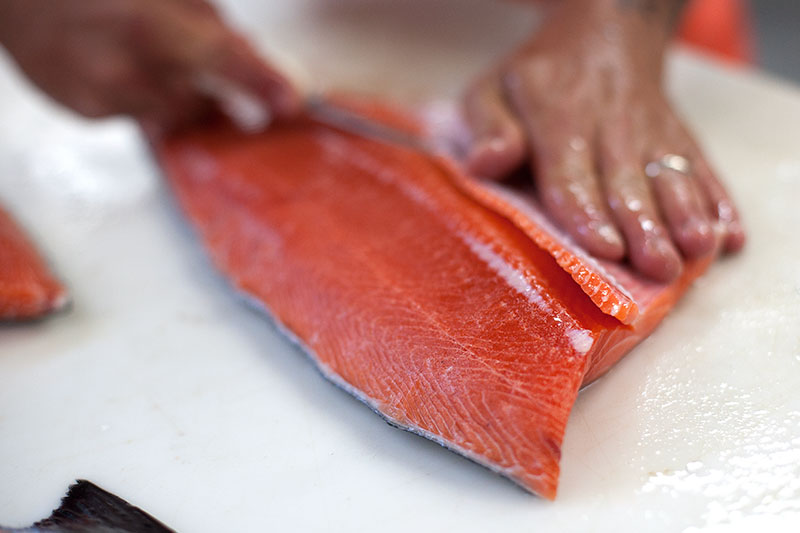
"caption": "Kenny Belov, co-owner of 2xSea, cuts a piece of salmon (Mark Andrew Boyer/KQED)",
"description": null,
"title": "salmon-3",
"credit": null,
"status": "inherit",
"isLoading": false,
"fetchFailed": false
},
"news_11957037": {
"type": "attachments",
"id": "news_11957037",
"meta": {
"index": "attachments_1716263798",
"site": "news",
"id": "11957037",
"found": true
},
"parent": 11957036,
"imgSizes": {
"twentyfourteen-full-width": {
"file": "https://ww2.kqed.org/app/uploads/sites/10/2023/08/RS67051_230713-PAMELA-PRICE-JY-10-qut-1038x576.jpg",
"width": 1038,
"mimeType": "image/jpeg",
"height": 576
},
"thumbnail": {
"file": "https://ww2.kqed.org/app/uploads/sites/10/2023/08/RS67051_230713-PAMELA-PRICE-JY-10-qut-160x107.jpg",
"width": 160,
"mimeType": "image/jpeg",
"height": 107
},
"post-thumbnail": {
"file": "https://ww2.kqed.org/app/uploads/sites/10/2023/08/RS67051_230713-PAMELA-PRICE-JY-10-qut-672x372.jpg",
"width": 672,
"mimeType": "image/jpeg",
"height": 372
},
"kqedFullSize": {
"file": "https://ww2.kqed.org/app/uploads/sites/10/2023/08/RS67051_230713-PAMELA-PRICE-JY-10-qut.jpg",
"width": 1920,
"height": 1280
},
"large": {
"file": "https://ww2.kqed.org/app/uploads/sites/10/2023/08/RS67051_230713-PAMELA-PRICE-JY-10-qut-1020x680.jpg",
"width": 1020,
"mimeType": "image/jpeg",
"height": 680
},
"1536x1536": {
"file": "https://ww2.kqed.org/app/uploads/sites/10/2023/08/RS67051_230713-PAMELA-PRICE-JY-10-qut-1536x1024.jpg",
"width": 1536,
"mimeType": "image/jpeg",
"height": 1024
},
"medium": {
"file": "https://ww2.kqed.org/app/uploads/sites/10/2023/08/RS67051_230713-PAMELA-PRICE-JY-10-qut-800x533.jpg",
"width": 800,
"mimeType": "image/jpeg",
"height": 533
}
},
"publishDate": 1690917489,
"modified": 1695070811,
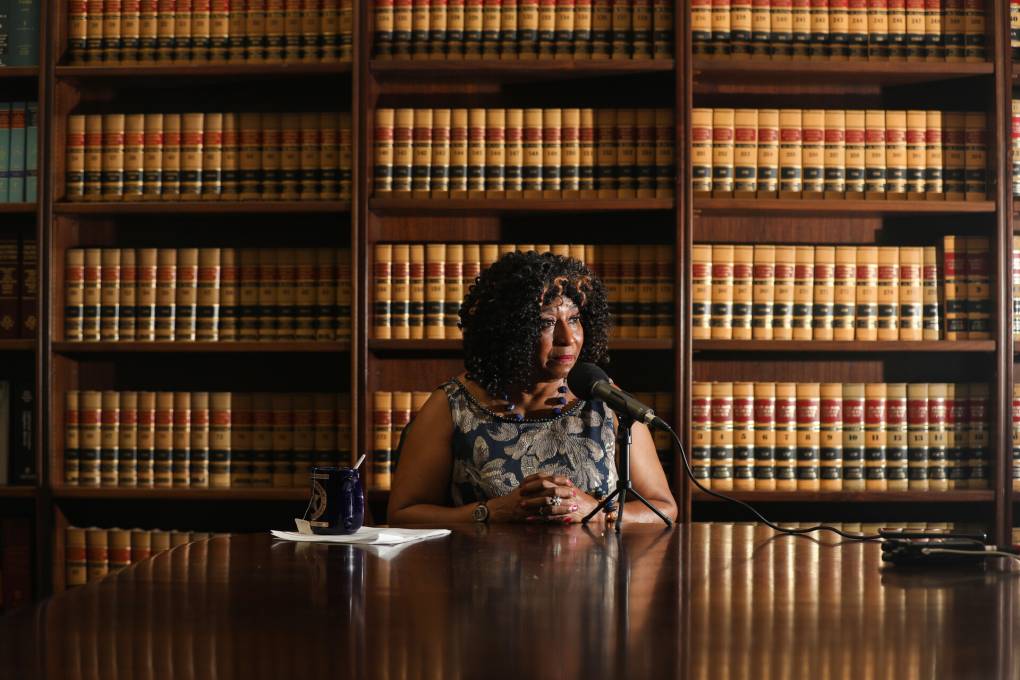
"caption": "Alameda County District Attorney Pamela Price at her office in Oakland on July 16, 2023.",
"description": null,
"title": "RS67051_230713-PAMELA PRICE-JY-10-qut",
"credit": "Juliana Yamada/KQED",
"status": "inherit",
"altTag": null,
"isLoading": false,
"fetchFailed": false
},
"news_11954853": {
"type": "attachments",
"id": "news_11954853",
"meta": {
"index": "attachments_1716263798",
"site": "news",
"id": "11954853",
"found": true
},
"parent": 0,
"imgSizes": {
"twentyfourteen-full-width": {
"file": "https://ww2.kqed.org/app/uploads/sites/10/2023/06/230630100-Van-Ness-MB-KQED-1038x576.jpg",
"width": 1038,
"mimeType": "image/jpeg",
"height": 576
},
"thumbnail": {
"file": "https://ww2.kqed.org/app/uploads/sites/10/2023/06/230630100-Van-Ness-MB-KQED-160x71.jpg",
"width": 160,
"mimeType": "image/jpeg",
"height": 71
},
"post-thumbnail": {
"file": "https://ww2.kqed.org/app/uploads/sites/10/2023/06/230630100-Van-Ness-MB-KQED-672x372.jpg",
"width": 672,
"mimeType": "image/jpeg",
"height": 372
},
"kqedFullSize": {
"file": "https://ww2.kqed.org/app/uploads/sites/10/2023/06/230630100-Van-Ness-MB-KQED.jpg",
"width": 2500,
"height": 1111
},
"2048x2048": {
"file": "https://ww2.kqed.org/app/uploads/sites/10/2023/06/230630100-Van-Ness-MB-KQED-2048x910.jpg",
"width": 2048,
"mimeType": "image/jpeg",
"height": 910
},
"large": {
"file": "https://ww2.kqed.org/app/uploads/sites/10/2023/06/230630100-Van-Ness-MB-KQED-1020x453.jpg",
"width": 1020,
"mimeType": "image/jpeg",
"height": 453
},
"1536x1536": {
"file": "https://ww2.kqed.org/app/uploads/sites/10/2023/06/230630100-Van-Ness-MB-KQED-1536x683.jpg",
"width": 1536,
"mimeType": "image/jpeg",
"height": 683
},
"full-width": {
"file": "https://ww2.kqed.org/app/uploads/sites/10/2023/06/230630100-Van-Ness-MB-KQED-1920x853.jpg",
"width": 1920,
"mimeType": "image/jpeg",
"height": 853
},
"medium": {
"file": "https://ww2.kqed.org/app/uploads/sites/10/2023/06/230630100-Van-Ness-MB-KQED-800x356.jpg",
"width": 800,
"mimeType": "image/jpeg",
"height": 356
}
},
"publishDate": 1688166476,
"modified": 1689272499,
"caption": "In 2012, the 100 Van Ness building was converted from office space to residential apartment units and the building's concrete facade was replaced by glass.",
"description": null,
"title": "230630100 Van Ness-MB-KQED",
"credit": "Courtesy of Marc Babsin",
"status": "inherit",
"altTag": "Three images of the same building at different points in construction. In the first, it has a concrete facade. In the second, the building has no facade. In the third, it has a modern glass facade.",
"isLoading": false,
"fetchFailed": false
},
"news_11952838": {
"type": "attachments",
"id": "news_11952838",
"meta": {
"index": "attachments_1716263798",
"site": "news",
"id": "11952838",
"found": true
},
"parent": 11952862,
"imgSizes": {
"twentyfourteen-full-width": {
"file": "https://ww2.kqed.org/app/uploads/sites/10/2023/06/230612-DUNITES-BP-03-KQED-1038x576.jpg",
"width": 1038,
"mimeType": "image/jpeg",
"height": 576
},
"thumbnail": {
"file": "https://ww2.kqed.org/app/uploads/sites/10/2023/06/230612-DUNITES-BP-03-KQED-160x107.jpg",
"width": 160,
"mimeType": "image/jpeg",
"height": 107
},
"post-thumbnail": {
"file": "https://ww2.kqed.org/app/uploads/sites/10/2023/06/230612-DUNITES-BP-03-KQED-672x372.jpg",
"width": 672,
"mimeType": "image/jpeg",
"height": 372
},
"kqedFullSize": {
"file": "https://ww2.kqed.org/app/uploads/sites/10/2023/06/230612-DUNITES-BP-03-KQED.jpg",
"width": 2000,
"height": 1333
},
"large": {
"file": "https://ww2.kqed.org/app/uploads/sites/10/2023/06/230612-DUNITES-BP-03-KQED-1020x680.jpg",
"width": 1020,
"mimeType": "image/jpeg",
"height": 680
},
"1536x1536": {
"file": "https://ww2.kqed.org/app/uploads/sites/10/2023/06/230612-DUNITES-BP-03-KQED-1536x1024.jpg",
"width": 1536,
"mimeType": "image/jpeg",
"height": 1024
},
"full-width": {
"file": "https://ww2.kqed.org/app/uploads/sites/10/2023/06/230612-DUNITES-BP-03-KQED-1920x1280.jpg",
"width": 1920,
"mimeType": "image/jpeg",
"height": 1280
},
"medium": {
"file": "https://ww2.kqed.org/app/uploads/sites/10/2023/06/230612-DUNITES-BP-03-KQED-800x533.jpg",
"width": 800,
"mimeType": "image/jpeg",
"height": 533
}
},
"publishDate": 1686613617,
"modified": 1686691899,
"caption": "A Western snowy plover plays in the waves at Oceano Dunes State Vehicular Recreational Area. The California Coastal Commission voted to phase out off-roading on the beach by 2024, citing environmental concerns, including destruction of the Western snowy plover’s habitat.",
"description": null,
"title": "230612-DUNITES-BP-03-KQED",
"credit": "Benjamin Purper/KCBX",
"status": "inherit",
"altTag": "A small white-grey bird walks alongside a beachfront with seagulls flying in the background and green hills and housing beyond across the water.",
"isLoading": false,
"fetchFailed": false
},
"news_11954143": {
"type": "attachments",
"id": "news_11954143",
"meta": {
"index": "attachments_1716263798",
"site": "news",
"id": "11954143",
"found": true
},
"parent": 0,
"imgSizes": {
"twentyfourteen-full-width": {
"file": "https://ww2.kqed.org/app/uploads/sites/10/2023/06/RS55251_003_KQED_CAReparationsTaskForce_04132022-KQED-1038x576.jpg",
"width": 1038,
"mimeType": "image/jpeg",
"height": 576
},
"thumbnail": {
"file": "https://ww2.kqed.org/app/uploads/sites/10/2023/06/RS55251_003_KQED_CAReparationsTaskForce_04132022-KQED-160x106.jpg",
"width": 160,
"mimeType": "image/jpeg",
"height": 106
},
"post-thumbnail": {
"file": "https://ww2.kqed.org/app/uploads/sites/10/2023/06/RS55251_003_KQED_CAReparationsTaskForce_04132022-KQED-672x372.jpg",
"width": 672,
"mimeType": "image/jpeg",
"height": 372
},
"kqedFullSize": {
"file": "https://ww2.kqed.org/app/uploads/sites/10/2023/06/RS55251_003_KQED_CAReparationsTaskForce_04132022-KQED.jpg",
"width": 2000,
"height": 1331
},
"large": {
"file": "https://ww2.kqed.org/app/uploads/sites/10/2023/06/RS55251_003_KQED_CAReparationsTaskForce_04132022-KQED-1020x679.jpg",
"width": 1020,
"mimeType": "image/jpeg",
"height": 679
},
"1536x1536": {
"file": "https://ww2.kqed.org/app/uploads/sites/10/2023/06/RS55251_003_KQED_CAReparationsTaskForce_04132022-KQED-1536x1022.jpg",
"width": 1536,
"mimeType": "image/jpeg",
"height": 1022
},
"full-width": {
"file": "https://ww2.kqed.org/app/uploads/sites/10/2023/06/RS55251_003_KQED_CAReparationsTaskForce_04132022-KQED-1920x1278.jpg",
"width": 1920,
"mimeType": "image/jpeg",
"height": 1278
},
"medium": {
"file": "https://ww2.kqed.org/app/uploads/sites/10/2023/06/RS55251_003_KQED_CAReparationsTaskForce_04132022-KQED-800x532.jpg",
"width": 800,
"mimeType": "image/jpeg",
"height": 532
}
},
"publishDate": 1687820767,
"modified": 1687985197,
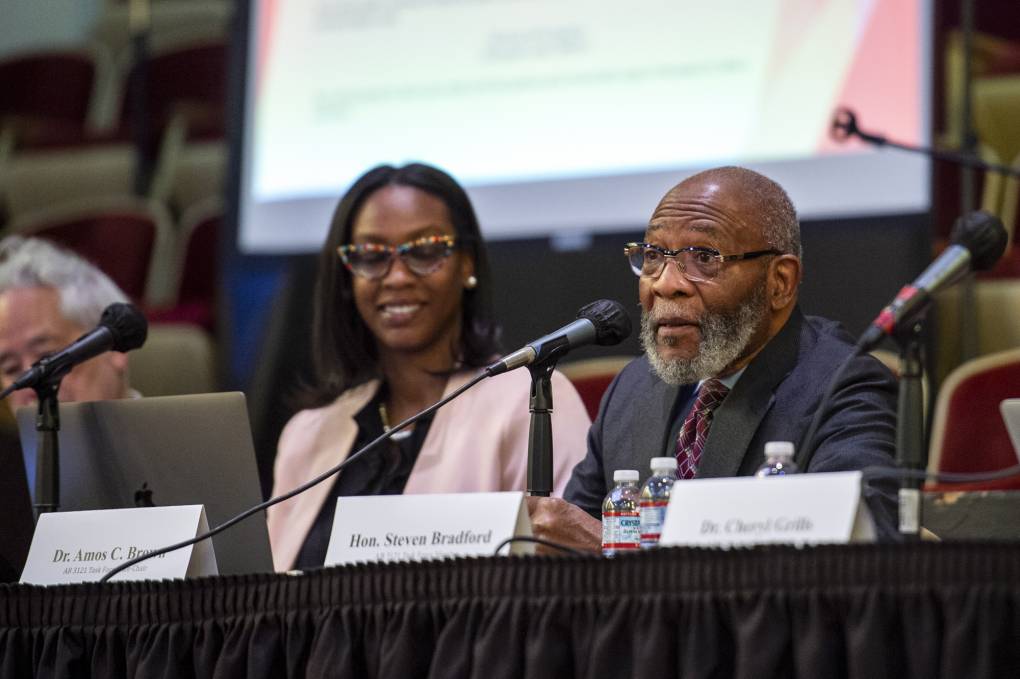
"caption": "Vice-Chair Dr. Amos C. Brown welcomes attendees to the first in-person meeting of the California Reparations Task Force at the Third Baptist Church in San Francisco's Fillmore District on April 14, 2022.",
"description": null,
"title": "RS55251_003_KQED_CAReparationsTaskForce_04132022-KQED",
"credit": "Beth LaBerge/KQED",
"status": "inherit",
"altTag": "A man in glasses speaks at a microphone from a long table with several people sitting beside him.",
"isLoading": false,
"fetchFailed": false
},
"news_11706591": {
"type": "attachments",
"id": "news_11706591",
"meta": {
"index": "attachments_1716263798",
"site": "news",
"id": "11706591",
"found": true
},
"parent": 11706248,
"imgSizes": {
"thumbnail": {
"file": "https://ww2.kqed.org/app/uploads/sites/10/2018/11/gwen-and-harvey-1-160x120.jpg",
"width": 160,
"mimeType": "image/jpeg",
"height": 120
},
"post-thumbnail": {
"file": "https://ww2.kqed.org/app/uploads/sites/10/2018/11/gwen-and-harvey-1-672x372.jpg",
"width": 672,
"mimeType": "image/jpeg",
"height": 372
},
"kqedFullSize": {
"file": "https://ww2.kqed.org/app/uploads/sites/10/2018/11/gwen-and-harvey-1.jpg",
"width": 720,
"height": 540
},
"guest-author-50": {
"file": "https://ww2.kqed.org/app/uploads/sites/10/2018/11/gwen-and-harvey-1-50x50.jpg",
"width": 50,
"mimeType": "image/jpeg",
"height": 50
},
"guest-author-96": {
"file": "https://ww2.kqed.org/app/uploads/sites/10/2018/11/gwen-and-harvey-1-96x96.jpg",
"width": 96,
"mimeType": "image/jpeg",
"height": 96
},
"guest-author-64": {
"file": "https://ww2.kqed.org/app/uploads/sites/10/2018/11/gwen-and-harvey-1-64x64.jpg",
"width": 64,
"mimeType": "image/jpeg",
"height": 64
},
"detail": {
"file": "https://ww2.kqed.org/app/uploads/sites/10/2018/11/gwen-and-harvey-1-150x150.jpg",
"width": 150,
"mimeType": "image/jpeg",
"height": 150
},
"guest-author-32": {
"file": "https://ww2.kqed.org/app/uploads/sites/10/2018/11/gwen-and-harvey-1-32x32.jpg",
"width": 32,
"mimeType": "image/jpeg",
"height": 32
},
"guest-author-128": {
"file": "https://ww2.kqed.org/app/uploads/sites/10/2018/11/gwen-and-harvey-1-128x128.jpg",
"width": 128,
"mimeType": "image/jpeg",
"height": 128
}
},
"publishDate": 1542322249,
"modified": 1543283553,
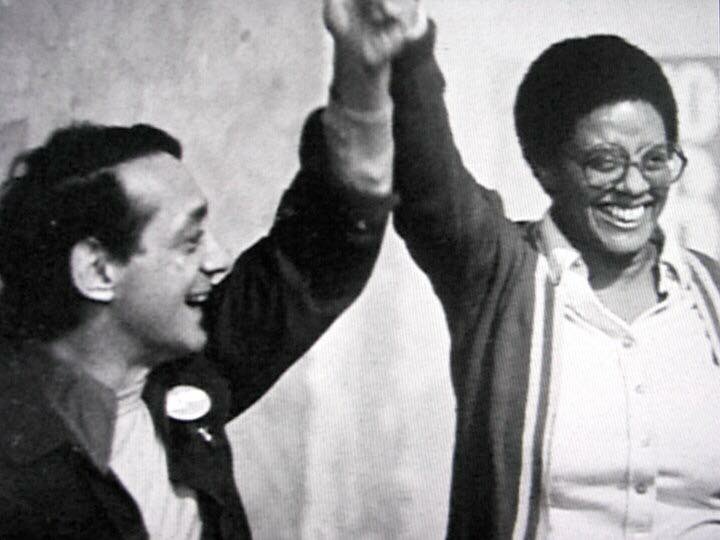
"caption": "As a young activist Gwenn Craig worked with Harvey Milk to defeat an anti-gay ballot measure in 1978.",
"description": "As a young activist Gwenn Craig worked with Harvey Milk to defeat an anti-gay ballot measure in 1978.",
"title": "gwen and harvey 1",
"credit": "Courtesy of Gwenn Craig",
"status": "inherit",
"isLoading": false,
"fetchFailed": false
},
"news_11954036": {
"type": "attachments",
"id": "news_11954036",
"meta": {
"index": "attachments_1716263798",
"site": "news",
"id": "11954036",
"found": true
},
"parent": 11953944,
"imgSizes": {
"twentyfourteen-full-width": {
"file": "https://ww2.kqed.org/app/uploads/sites/10/2023/06/RS16478_iStock_000062678534_Full-qut-1038x576.jpg",
"width": 1038,
"mimeType": "image/jpeg",
"height": 576
},
"thumbnail": {
"file": "https://ww2.kqed.org/app/uploads/sites/10/2023/06/RS16478_iStock_000062678534_Full-qut-160x107.jpg",
"width": 160,
"mimeType": "image/jpeg",
"height": 107
},
"post-thumbnail": {
"file": "https://ww2.kqed.org/app/uploads/sites/10/2023/06/RS16478_iStock_000062678534_Full-qut-672x372.jpg",
"width": 672,
"mimeType": "image/jpeg",
"height": 372
},
"kqedFullSize": {
"file": "https://ww2.kqed.org/app/uploads/sites/10/2023/06/RS16478_iStock_000062678534_Full-qut.jpg",
"width": 1920,
"height": 1280
},
"large": {
"file": "https://ww2.kqed.org/app/uploads/sites/10/2023/06/RS16478_iStock_000062678534_Full-qut-1020x680.jpg",
"width": 1020,
"mimeType": "image/jpeg",
"height": 680
},
"1536x1536": {
"file": "https://ww2.kqed.org/app/uploads/sites/10/2023/06/RS16478_iStock_000062678534_Full-qut-1536x1024.jpg",
"width": 1536,
"mimeType": "image/jpeg",
"height": 1024
},
"medium": {
"file": "https://ww2.kqed.org/app/uploads/sites/10/2023/06/RS16478_iStock_000062678534_Full-qut-800x533.jpg",
"width": 800,
"mimeType": "image/jpeg",
"height": 533
}
},
"publishDate": 1687748261,
"modified": 1687748333,
"caption": "More than 80% of the documented gunshots fired in the city of Richmond in the past decade happened within a half mile of an elementary school, according to police data. ",
"description": null,
"title": "RS16478_iStock_000062678534_Full-qut",
"credit": "Getty Images",
"status": "inherit",
"altTag": null,
"isLoading": false,
"fetchFailed": false
},
"news_11420025": {
"type": "attachments",
"id": "news_11420025",
"meta": {
"index": "attachments_1716263798",
"site": "news",
"id": "11420025",
"found": true
},
"parent": 11419962,
"imgSizes": {
"small": {
"file": "https://ww2.kqed.org/app/uploads/sites/10/2017/04/RS3720_sf20121024jpg-520x347.jpg",
"width": 520,
"mimeType": "image/jpeg",
"height": 347
},
"twentyfourteen-full-width": {
"file": "https://ww2.kqed.org/app/uploads/sites/10/2017/04/RS3720_sf20121024jpg-1038x576.jpg",
"width": 1038,
"mimeType": "image/jpeg",
"height": 576
},
"thumbnail": {
"file": "https://ww2.kqed.org/app/uploads/sites/10/2017/04/RS3720_sf20121024jpg-160x107.jpg",
"width": 160,
"mimeType": "image/jpeg",
"height": 107
},
"fd-sm": {
"file": "https://ww2.kqed.org/app/uploads/sites/10/2017/04/RS3720_sf20121024jpg-960x640.jpg",
"width": 960,
"mimeType": "image/jpeg",
"height": 640
},
"post-thumbnail": {
"file": "https://ww2.kqed.org/app/uploads/sites/10/2017/04/RS3720_sf20121024jpg-672x372.jpg",
"width": 672,
"mimeType": "image/jpeg",
"height": 372
},
"xsmall": {
"file": "https://ww2.kqed.org/app/uploads/sites/10/2017/04/RS3720_sf20121024jpg-375x250.jpg",
"width": 375,
"mimeType": "image/jpeg",
"height": 250
},
"kqedFullSize": {
"file": "https://ww2.kqed.org/app/uploads/sites/10/2017/04/RS3720_sf20121024jpg.jpg",
"width": 3504,
"height": 2336
},
"large": {
"file": "https://ww2.kqed.org/app/uploads/sites/10/2017/04/RS3720_sf20121024jpg-1020x680.jpg",
"width": 1020,
"mimeType": "image/jpeg",
"height": 680
},
"xlarge": {
"file": "https://ww2.kqed.org/app/uploads/sites/10/2017/04/RS3720_sf20121024jpg-1180x787.jpg",
"width": 1180,
"mimeType": "image/jpeg",
"height": 787
},
"guest-author-50": {
"file": "https://ww2.kqed.org/app/uploads/sites/10/2017/04/RS3720_sf20121024jpg-50x50.jpg",
"width": 50,
"mimeType": "image/jpeg",
"height": 50
},
"guest-author-96": {
"file": "https://ww2.kqed.org/app/uploads/sites/10/2017/04/RS3720_sf20121024jpg-96x96.jpg",
"width": 96,
"mimeType": "image/jpeg",
"height": 96
},
"medium": {
"file": "https://ww2.kqed.org/app/uploads/sites/10/2017/04/RS3720_sf20121024jpg-800x533.jpg",
"width": 800,
"mimeType": "image/jpeg",
"height": 533
},
"guest-author-64": {
"file": "https://ww2.kqed.org/app/uploads/sites/10/2017/04/RS3720_sf20121024jpg-64x64.jpg",
"width": 64,
"mimeType": "image/jpeg",
"height": 64
},
"guest-author-32": {
"file": "https://ww2.kqed.org/app/uploads/sites/10/2017/04/RS3720_sf20121024jpg-32x32.jpg",
"width": 32,
"mimeType": "image/jpeg",
"height": 32
},
"fd-lrg": {
"file": "https://ww2.kqed.org/app/uploads/sites/10/2017/04/RS3720_sf20121024jpg-1920x1280.jpg",
"width": 1920,
"mimeType": "image/jpeg",
"height": 1280
},
"fd-med": {
"file": "https://ww2.kqed.org/app/uploads/sites/10/2017/04/RS3720_sf20121024jpg-1180x787.jpg",
"width": 1180,
"mimeType": "image/jpeg",
"height": 787
},
"full-width": {
"file": "https://ww2.kqed.org/app/uploads/sites/10/2017/04/RS3720_sf20121024jpg-1920x1280.jpg",
"width": 1920,
"mimeType": "image/jpeg",
"height": 1280
},
"detail": {
"file": "https://ww2.kqed.org/app/uploads/sites/10/2017/04/RS3720_sf20121024jpg-150x150.jpg",
"width": 150,
"mimeType": "image/jpeg",
"height": 150
},
"guest-author-128": {
"file": "https://ww2.kqed.org/app/uploads/sites/10/2017/04/RS3720_sf20121024jpg-128x128.jpg",
"width": 128,
"mimeType": "image/jpeg",
"height": 128
},
"xxsmall": {
"file": "https://ww2.kqed.org/app/uploads/sites/10/2017/04/RS3720_sf20121024jpg-240x160.jpg",
"width": 240,
"mimeType": "image/jpeg",
"height": 160
}
},
"publishDate": 1492794463,
"modified": 1492794581,
"caption": "Downtown San Francisco.",
"description": "Downtown San Francisco.",
"title": "Downtown San Francisco is pictured 23 De",
"credit": "GABRIEL BOUYS/AFP/Getty Images",
"status": "inherit",
"isLoading": false,
"fetchFailed": false
},
"news_11953070": {
"type": "attachments",
"id": "news_11953070",
"meta": {
"index": "attachments_1716263798",
"site": "news",
"id": "11953070",
"found": true
},
"title": "Tents line Fulton Street near City Hall on April 5, 2020.",
"publishDate": 1686863978,
"status": "inherit",
"parent": 11954718,
"modified": 1718058833,
"caption": "Tents line Fulton Street near City Hall on April 5, 2020.",
"credit": "Beth LaBerge/KQED",
"altTag": "Three tents line a public street with San Francisco's City Hall building shining as the sun comes up in the early morning hours. Rows of trees line a path toward the city building.",
"description": "Tents line Fulton Street near City Hall on April 5, 2020. In June, budget battles are underway in the Bay Area's two largest cities, with Mayors London Breed in San Francisco and Matt Mahan in San José pushing for more voter-approved homelessness dollars to go toward temporary housing.",
"imgSizes": {
"medium": {
"file": "https://cdn.kqed.org/wp-content/uploads/sites/10/2023/06/RS43040_011_KQED_SanFrancisco_TentEncampments_05052020-qut-800x533.jpg",
"width": 800,
"height": 533,
"mimeType": "image/jpeg"
},
"large": {
"file": "https://cdn.kqed.org/wp-content/uploads/sites/10/2023/06/RS43040_011_KQED_SanFrancisco_TentEncampments_05052020-qut-1020x680.jpg",
"width": 1020,
"height": 680,
"mimeType": "image/jpeg"
},
"thumbnail": {
"file": "https://cdn.kqed.org/wp-content/uploads/sites/10/2023/06/RS43040_011_KQED_SanFrancisco_TentEncampments_05052020-qut-160x107.jpg",
"width": 160,
"height": 107,
"mimeType": "image/jpeg"
},
"1536x1536": {
"file": "https://cdn.kqed.org/wp-content/uploads/sites/10/2023/06/RS43040_011_KQED_SanFrancisco_TentEncampments_05052020-qut-1536x1024.jpg",
"width": 1536,
"height": 1024,
"mimeType": "image/jpeg"
},
"post-thumbnail": {
"file": "https://cdn.kqed.org/wp-content/uploads/sites/10/2023/06/RS43040_011_KQED_SanFrancisco_TentEncampments_05052020-qut-672x372.jpg",
"width": 672,
"height": 372,
"mimeType": "image/jpeg"
},
"twentyfourteen-full-width": {
"file": "https://cdn.kqed.org/wp-content/uploads/sites/10/2023/06/RS43040_011_KQED_SanFrancisco_TentEncampments_05052020-qut-1038x576.jpg",
"width": 1038,
"height": 576,
"mimeType": "image/jpeg"
},
"kqedFullSize": {
"file": "https://cdn.kqed.org/wp-content/uploads/sites/10/2023/06/RS43040_011_KQED_SanFrancisco_TentEncampments_05052020-qut.jpg",
"width": 1920,
"height": 1280
}
},
"isLoading": false,
"fetchFailed": false
},
"news_11953284": {
"type": "attachments",
"id": "news_11953284",
"meta": {
"index": "attachments_1716263798",
"site": "news",
"id": "11953284",
"found": true
},
"parent": 11953279,
"imgSizes": {
"twentyfourteen-full-width": {
"file": "https://ww2.kqed.org/app/uploads/sites/10/2023/06/Natera_-SouthBerkeley-Black-History-Tour--1038x576.jpg",
"width": 1038,
"mimeType": "image/jpeg",
"height": 576
},
"thumbnail": {
"file": "https://ww2.kqed.org/app/uploads/sites/10/2023/06/Natera_-SouthBerkeley-Black-History-Tour--160x107.jpg",
"width": 160,
"mimeType": "image/jpeg",
"height": 107
},
"post-thumbnail": {
"file": "https://ww2.kqed.org/app/uploads/sites/10/2023/06/Natera_-SouthBerkeley-Black-History-Tour--672x372.jpg",
"width": 672,
"mimeType": "image/jpeg",
"height": 372
},
"kqedFullSize": {
"file": "https://ww2.kqed.org/app/uploads/sites/10/2023/06/Natera_-SouthBerkeley-Black-History-Tour--scaled.jpg",
"width": 2560,
"height": 1709
},
"2048x2048": {
"file": "https://ww2.kqed.org/app/uploads/sites/10/2023/06/Natera_-SouthBerkeley-Black-History-Tour--2048x1367.jpg",
"width": 2048,
"mimeType": "image/jpeg",
"height": 1367
},
"large": {
"file": "https://ww2.kqed.org/app/uploads/sites/10/2023/06/Natera_-SouthBerkeley-Black-History-Tour--1020x681.jpg",
"width": 1020,
"mimeType": "image/jpeg",
"height": 681
},
"1536x1536": {
"file": "https://ww2.kqed.org/app/uploads/sites/10/2023/06/Natera_-SouthBerkeley-Black-History-Tour--1536x1025.jpg",
"width": 1536,
"mimeType": "image/jpeg",
"height": 1025
},
"full-width": {
"file": "https://ww2.kqed.org/app/uploads/sites/10/2023/06/Natera_-SouthBerkeley-Black-History-Tour--1920x1282.jpg",
"width": 1920,
"mimeType": "image/jpeg",
"height": 1282
},
"medium": {
"file": "https://ww2.kqed.org/app/uploads/sites/10/2023/06/Natera_-SouthBerkeley-Black-History-Tour--800x534.jpg",
"width": 800,
"mimeType": "image/jpeg",
"height": 534
}
},
"publishDate": 1686961193,
"modified": 1686961226,
"caption": "The first Black woman elected as Berkeley's vice mayor, Carole Davis Kennerly, made opening remarks during the walking tour. Tina Jones Williams, author and folklorist, leads a Black History walking tour through South Berkeley Neighborhood, the heart of the African-American community in the city, on Saturday, February 11th. ",
"description": null,
"title": null,
"credit": "Credit: Ximena Natera, Berkeleyside/CatchLight",
"status": "inherit",
"altTag": null,
"isLoading": false,
"fetchFailed": false
},
"news_11953091": {
"type": "attachments",
"id": "news_11953091",
"meta": {
"index": "attachments_1716263798",
"site": "news",
"id": "11953091",
"found": true
},
"parent": 11953087,
"imgSizes": {
"twentyfourteen-full-width": {
"file": "https://ww2.kqed.org/app/uploads/sites/10/2023/06/RS57315_054_KQEDArts_OaklandTownNightsFruitvale_07152022-qut-1038x576.jpg",
"width": 1038,
"mimeType": "image/jpeg",
"height": 576
},
"thumbnail": {
"file": "https://ww2.kqed.org/app/uploads/sites/10/2023/06/RS57315_054_KQEDArts_OaklandTownNightsFruitvale_07152022-qut-160x107.jpg",
"width": 160,
"mimeType": "image/jpeg",
"height": 107
},
"post-thumbnail": {
"file": "https://ww2.kqed.org/app/uploads/sites/10/2023/06/RS57315_054_KQEDArts_OaklandTownNightsFruitvale_07152022-qut-672x372.jpg",
"width": 672,
"mimeType": "image/jpeg",
"height": 372
},
"kqedFullSize": {
"file": "https://ww2.kqed.org/app/uploads/sites/10/2023/06/RS57315_054_KQEDArts_OaklandTownNightsFruitvale_07152022-qut.jpg",
"width": 1920,
"height": 1280
},
"large": {
"file": "https://ww2.kqed.org/app/uploads/sites/10/2023/06/RS57315_054_KQEDArts_OaklandTownNightsFruitvale_07152022-qut-1020x680.jpg",
"width": 1020,
"mimeType": "image/jpeg",
"height": 680
},
"1536x1536": {
"file": "https://ww2.kqed.org/app/uploads/sites/10/2023/06/RS57315_054_KQEDArts_OaklandTownNightsFruitvale_07152022-qut-1536x1024.jpg",
"width": 1536,
"mimeType": "image/jpeg",
"height": 1024
},
"medium": {
"file": "https://ww2.kqed.org/app/uploads/sites/10/2023/06/RS57315_054_KQEDArts_OaklandTownNightsFruitvale_07152022-qut-800x533.jpg",
"width": 800,
"mimeType": "image/jpeg",
"height": 533
}
},
"publishDate": 1686866956,
"modified": 1686866980,
"caption": "A crowd dances to Los Rakas at Town Nights in Oakland's Fruitvale neighborhood on July 15, 2022. The free event is hosted by Communities United for Restorative Youth Justice (CURYJ) at several Oakland locations throughout the summer.",
"description": null,
"title": "RS57315_054_KQEDArts_OaklandTownNightsFruitvale_07152022-qut",
"credit": "Beth LaBerge/KQED",
"status": "inherit",
"altTag": null,
"isLoading": false,
"fetchFailed": false
},
"news_11952718": {
"type": "attachments",
"id": "news_11952718",
"meta": {
"index": "attachments_1716263798",
"site": "news",
"id": "11952718",
"found": true
},
"parent": 11952689,
"imgSizes": {
"twentyfourteen-full-width": {
"file": "https://ww2.kqed.org/app/uploads/sites/10/2023/06/RS66195_GettyImages-1322093872-qut-1038x576.jpg",
"width": 1038,
"mimeType": "image/jpeg",
"height": 576
},
"thumbnail": {
"file": "https://ww2.kqed.org/app/uploads/sites/10/2023/06/RS66195_GettyImages-1322093872-qut-160x107.jpg",
"width": 160,
"mimeType": "image/jpeg",
"height": 107
},
"post-thumbnail": {
"file": "https://ww2.kqed.org/app/uploads/sites/10/2023/06/RS66195_GettyImages-1322093872-qut-672x372.jpg",
"width": 672,
"mimeType": "image/jpeg",
"height": 372
},
"kqedFullSize": {
"file": "https://ww2.kqed.org/app/uploads/sites/10/2023/06/RS66195_GettyImages-1322093872-qut.jpg",
"width": 1920,
"height": 1280
},
"large": {
"file": "https://ww2.kqed.org/app/uploads/sites/10/2023/06/RS66195_GettyImages-1322093872-qut-1020x680.jpg",
"width": 1020,
"mimeType": "image/jpeg",
"height": 680
},
"1536x1536": {
"file": "https://ww2.kqed.org/app/uploads/sites/10/2023/06/RS66195_GettyImages-1322093872-qut-1536x1024.jpg",
"width": 1536,
"mimeType": "image/jpeg",
"height": 1024
},
"medium": {
"file": "https://ww2.kqed.org/app/uploads/sites/10/2023/06/RS66195_GettyImages-1322093872-qut-800x533.jpg",
"width": 800,
"mimeType": "image/jpeg",
"height": 533
}
},
"publishDate": 1686357552,
"modified": 1686529935,
"caption": "An armed security guard stands next to the cable car fare kiosk at Powell and Market streets in San Francisco.",
"description": null,
"title": "Kasayle Howard (left), armed security guard with Cypress Security, stands next to the cable car fare kiosk while working at Powell and Market Streets on Monday, April 20, 2015 in San Francisco, Calif.",
"credit": "Lea Suzuki/The San Francisco Chronicle via Getty Images",
"status": "inherit",
"altTag": "a black-clad security guard's outstretched arm and leg are seen from behind in the left foreground, with a gun clearly visible on their hip, as a pedestrian stands with their back turned to the camera in the background",
"isLoading": false,
"fetchFailed": false
}
},
"audioPlayerReducer": {
"postId": "stream_live",
"isPaused": true,
"isPlaying": false,
"pfsActive": false,
"pledgeModalIsOpen": true,
"playerDrawerIsOpen": false,
"liveAudioPlayStartedAt": 0,
"liveAudioPlayContext": ""
},
"authorsReducer": {
"gmarzorati": {
"type": "authors",
"id": "227",
"meta": {
"index": "authors_1716337520",
"id": "227",
"found": true
},
"name": "Guy Marzorati",
"firstName": "Guy",
"lastName": "Marzorati",
"slug": "gmarzorati",
"email": "gmarzorati@KQED.org",
"display_author_email": true,
"staff_mastheads": [
"news"
],
"title": "Correspondent",
"bio": "Guy Marzorati is a correspondent on KQED's California Politics and Government Desk, based in San Jose. A graduate of Santa Clara University, Guy joined KQED in 2013. He reports on state and local politics and produces KQED's digital voter guide.",
"avatar": "https://secure.gravatar.com/avatar/e7038b8dbfd55b104369b76b1cd0b9de?s=600&d=blank&r=g",
"twitter": "guymarzorati",
"facebook": null,
"instagram": null,
"linkedin": null,
"sites": [
{
"site": "",
"roles": [
"editor"
]
},
{
"site": "news",
"roles": [
"editor"
]
},
{
"site": "science",
"roles": [
"editor"
]
},
{
"site": "forum",
"roles": [
"editor"
]
},
{
"site": "elections",
"roles": [
"editor"
]
},
{
"site": "liveblog",
"roles": [
"editor"
]
}
],
"headData": {
"title": "Guy Marzorati | KQED",
"description": "Correspondent",
"ogImgSrc": "https://secure.gravatar.com/avatar/e7038b8dbfd55b104369b76b1cd0b9de?s=600&d=blank&r=g",
"twImgSrc": "https://secure.gravatar.com/avatar/e7038b8dbfd55b104369b76b1cd0b9de?s=600&d=blank&r=g"
},
"isLoading": false,
"link": "/author/gmarzorati"
},
"mlagos": {
"type": "authors",
"id": "3239",
"meta": {
"index": "authors_1716337520",
"id": "3239",
"found": true
},
"name": "Marisa Lagos",
"firstName": "Marisa",
"lastName": "Lagos",
"slug": "mlagos",
"email": "mlagos@kqed.org",
"display_author_email": false,
"staff_mastheads": [
"news"
],
"title": "KQED Contributor",
"bio": "Marisa Lagos is a correspondent for KQED’s California Politics and Government Desk and co-hosts the award-winning show and podcast, Political Breakdown. At KQED, Lagos also conducts reporting, analysis and investigations into state, local and national politics for radio, TV, online and onstage. In 2022, she and co-host, Scott Shafer, moderated the only gubernatorial debate in California. In 2020, the \u003ci>Washington Post\u003c/i> named her one of the top political journalists in California; she was nominated for a Peabody and won several other awards for her work investigating the 2017 California wildfires. She has worked at the \u003ci>San Francisco Chronicle\u003c/i>, \u003ci>San Francisco Examiner\u003c/i> and \u003ci>Los Angeles Times\u003c/i>. A UC Santa Barbara graduate, she lives in San Francisco with her two sons and husband.",
"avatar": "https://secure.gravatar.com/avatar/a261a0d3696fc066871ef96b85b5e7d2?s=600&d=blank&r=g",
"twitter": "@mlagos",
"facebook": null,
"instagram": null,
"linkedin": null,
"sites": [
{
"site": "arts",
"roles": [
"author"
]
},
{
"site": "news",
"roles": [
"editor"
]
},
{
"site": "science",
"roles": [
"editor"
]
},
{
"site": "forum",
"roles": [
"author"
]
},
{
"site": "liveblog",
"roles": [
"author"
]
}
],
"headData": {
"title": "Marisa Lagos | KQED",
"description": "KQED Contributor",
"ogImgSrc": "https://secure.gravatar.com/avatar/a261a0d3696fc066871ef96b85b5e7d2?s=600&d=blank&r=g",
"twImgSrc": "https://secure.gravatar.com/avatar/a261a0d3696fc066871ef96b85b5e7d2?s=600&d=blank&r=g"
},
"isLoading": false,
"link": "/author/mlagos"
},
"ecruzguevarra": {
"type": "authors",
"id": "8654",
"meta": {
"index": "authors_1716337520",
"id": "8654",
"found": true
},
"name": "Ericka Cruz Guevarra",
"firstName": "Ericka",
"lastName": "Cruz Guevarra",
"slug": "ecruzguevarra",
"email": "ecruzguevarra@kqed.org",
"display_author_email": true,
"staff_mastheads": [
"news"
],
"title": "Producer, The Bay Podcast",
"bio": "Ericka Cruz Guevarra is host of \u003ca href=\"https://www.kqed.org/podcasts/thebay\">\u003cem>The Bay\u003c/em>\u003c/a> podcast at KQED. Before host, she was the show’s producer. Her work in that capacity includes a three-part reported series on policing in Vallejo, which won a 2020 excellence in journalism award from the Society of Professional Journalists. Ericka has worked as a breaking news reporter at Oregon Public Broadcasting, helped produce the Code Switch podcast, and was KQED’s inaugural Raul Ramirez Diversity Fund intern. She’s also an alumna of NPR’s Next Generation Radio program. Send her an email if you have strong feelings about whether Fairfield and Suisun City are the Bay. Ericka is represented by SAG-AFTRA.",
"avatar": "https://secure.gravatar.com/avatar/accefc1de4bafc7e234b69bcb9b6f6536c130fd84709bc3069ef11a78787e1bb?s=600&d=blank&r=g",
"twitter": "NotoriousECG",
"bluesky": null,
"facebook": null,
"instagram": null,
"linkedin": null,
"sites": [
{
"site": "arts",
"roles": [
"subscriber"
]
},
{
"site": "news",
"roles": [
"editor",
"manage_categories"
]
},
{
"site": "futureofyou",
"roles": [
"subscriber"
]
},
{
"site": "stateofhealth",
"roles": [
"subscriber"
]
},
{
"site": "science",
"roles": [
"editor"
]
},
{
"site": "forum",
"roles": [
"subscriber"
]
}
],
"headData": {
"title": "Ericka Cruz Guevarra | KQED",
"description": "Producer, The Bay Podcast",
"ogImgSrc": "https://secure.gravatar.com/avatar/accefc1de4bafc7e234b69bcb9b6f6536c130fd84709bc3069ef11a78787e1bb?s=600&d=blank&r=g",
"twImgSrc": "https://secure.gravatar.com/avatar/accefc1de4bafc7e234b69bcb9b6f6536c130fd84709bc3069ef11a78787e1bb?s=600&d=blank&r=g"
},
"isLoading": false,
"link": "/author/ecruzguevarra"
},
"dventon": {
"type": "authors",
"id": "11088",
"meta": {
"index": "authors_1716337520",
"id": "11088",
"found": true
},
"name": "Danielle Venton",
"firstName": "Danielle",
"lastName": "Venton",
"slug": "dventon",
"email": "dventon@kqed.org",
"display_author_email": true,
"staff_mastheads": [
"science"
],
"title": "Science reporter",
"bio": "Danielle Venton is a reporter for KQED Science. She covers wildfires, space and oceans (though she is prone to sea sickness).\r\n\r\nBefore joining KQED in 2015, Danielle was a staff reporter at KRCB in Sonoma County and a freelancer. She studied science communication at UC Santa Cruz and formerly worked at CERN in Geneva, Switzerland where she wrote about computing. She lives in Sonoma County and enjoys backpacking.",
"avatar": "https://secure.gravatar.com/avatar/37b292b5c40c8d93959c4f48d73b5286f41b7abd8588277e941905a3ed4c801c?s=600&d=blank&r=g",
"twitter": "DanielleVenton",
"bluesky": null,
"facebook": null,
"instagram": null,
"linkedin": null,
"sites": [
{
"site": "arts",
"roles": [
"contributor"
]
},
{
"site": "news",
"roles": [
"editor"
]
},
{
"site": "futureofyou",
"roles": [
"editor"
]
},
{
"site": "science",
"roles": [
"editor"
]
},
{
"site": "liveblog",
"roles": [
"contributor"
]
}
],
"headData": {
"title": "Danielle Venton | KQED",
"description": "Science reporter",
"ogImgSrc": "https://secure.gravatar.com/avatar/37b292b5c40c8d93959c4f48d73b5286f41b7abd8588277e941905a3ed4c801c?s=600&d=blank&r=g",
"twImgSrc": "https://secure.gravatar.com/avatar/37b292b5c40c8d93959c4f48d73b5286f41b7abd8588277e941905a3ed4c801c?s=600&d=blank&r=g"
},
"isLoading": false,
"link": "/author/dventon"
},
"amontecillo": {
"type": "authors",
"id": "11649",
"meta": {
"index": "authors_1716337520",
"id": "11649",
"found": true
},
"name": "Alan Montecillo",
"firstName": "Alan",
"lastName": "Montecillo",
"slug": "amontecillo",
"email": "amontecillo@kqed.org",
"display_author_email": false,
"staff_mastheads": [
"news"
],
"title": "KQED Contributor",
"bio": "Alan Montecillo is the senior editor of \u003cem>\u003ca href=\"http://kqed.org/thebay\">The Bay\u003c/a>, \u003c/em> KQED's local news podcast. Before moving to the Bay Area, he worked as a senior talk show producer for WILL in Champaign-Urbana, Illinois and at Oregon Public Broadcasting in Portland, Oregon. He has won journalism awards from the Society of Professional Journalists Northern California, the Public Media Journalists Association, The Signal Awards, and has also received a regional Edward R. Murrow award. Alan is a Filipino American from Hong Kong and a graduate of Reed College.",
"avatar": "https://secure.gravatar.com/avatar/268f53a2066899ea9efdd8a5900218b17c822d9862cbc9326cccec53ef41d349?s=600&d=blank&r=g",
"twitter": "alanmontecillo",
"bluesky": null,
"facebook": null,
"instagram": null,
"linkedin": null,
"sites": [
{
"site": "",
"roles": [
"editor"
]
},
{
"site": "news",
"roles": [
"editor",
"manage_categories"
]
}
],
"headData": {
"title": "Alan Montecillo | KQED",
"description": "KQED Contributor",
"ogImgSrc": "https://secure.gravatar.com/avatar/268f53a2066899ea9efdd8a5900218b17c822d9862cbc9326cccec53ef41d349?s=600&d=blank&r=g",
"twImgSrc": "https://secure.gravatar.com/avatar/268f53a2066899ea9efdd8a5900218b17c822d9862cbc9326cccec53ef41d349?s=600&d=blank&r=g"
},
"isLoading": false,
"link": "/author/amontecillo"
},
"jrodriguez": {
"type": "authors",
"id": "11690",
"meta": {
"index": "authors_1716337520",
"id": "11690",
"found": true
},
"name": "Joe Fitzgerald Rodriguez",
"firstName": "Joe",
"lastName": "Fitzgerald Rodriguez",
"slug": "jrodriguez",
"email": "jrodriguez@kqed.org",
"display_author_email": true,
"staff_mastheads": [
"news"
],
"title": "Reporter and Producer",
"bio": "Joe Fitzgerald Rodriguez is a reporter and digital producer for KQED covering politics. Joe most recently wrote for the \u003cem>San Francisco Examiner\u003c/em> as a political columnist covering The City. He was raised in San Francisco and has spent his reporting career in his beloved, foggy, city by the bay. Joe was 12-years-old when he conducted his first interview in journalism, grilling former San Francisco Mayor Willie Brown for the Marina Middle School newspaper, \u003cem>The Penguin Press, \u003c/em>and he continues to report on the San Francisco Bay Area to this day.",
"avatar": "https://secure.gravatar.com/avatar/2247beb0564c1e9c62228d5649d2edac?s=600&d=blank&r=g",
"twitter": "FitztheReporter",
"facebook": null,
"instagram": "https://www.instagram.com/fitzthereporter/",
"linkedin": null,
"sites": [
{
"site": "",
"roles": [
"editor"
]
},
{
"site": "arts",
"roles": [
"editor"
]
},
{
"site": "news",
"roles": [
"editor"
]
},
{
"site": "science",
"roles": [
"editor"
]
},
{
"site": "elections",
"roles": [
"editor"
]
},
{
"site": "liveblog",
"roles": [
"editor"
]
}
],
"headData": {
"title": "Joe Fitzgerald Rodriguez | KQED",
"description": "Reporter and Producer",
"ogImgSrc": "https://secure.gravatar.com/avatar/2247beb0564c1e9c62228d5649d2edac?s=600&d=blank&r=g",
"twImgSrc": "https://secure.gravatar.com/avatar/2247beb0564c1e9c62228d5649d2edac?s=600&d=blank&r=g"
},
"isLoading": false,
"link": "/author/jrodriguez"
},
"agonzalez": {
"type": "authors",
"id": "11724",
"meta": {
"index": "authors_1716337520",
"id": "11724",
"found": true
},
"name": "Alexander Gonzalez",
"firstName": "Alexander",
"lastName": "Gonzalez",
"slug": "agonzalez",
"email": "AlexanderGonzalez@KQED.org",
"display_author_email": false,
"staff_mastheads": [
"news"
],
"title": "KQED Contributor",
"bio": null,
"avatar": "https://secure.gravatar.com/avatar/9e291ed34e154df4c662edf858b641d70b4859939bfe40be478408f9dfd057d2?s=600&d=blank&r=g",
"twitter": null,
"bluesky": null,
"facebook": null,
"instagram": null,
"linkedin": null,
"sites": [
{
"site": "arts",
"roles": [
"editor"
]
},
{
"site": "news",
"roles": [
"editor"
]
},
{
"site": "science",
"roles": [
"editor"
]
}
],
"headData": {
"title": "Alexander Gonzalez | KQED",
"description": "KQED Contributor",
"ogImgSrc": "https://secure.gravatar.com/avatar/9e291ed34e154df4c662edf858b641d70b4859939bfe40be478408f9dfd057d2?s=600&d=blank&r=g",
"twImgSrc": "https://secure.gravatar.com/avatar/9e291ed34e154df4c662edf858b641d70b4859939bfe40be478408f9dfd057d2?s=600&d=blank&r=g"
},
"isLoading": false,
"link": "/author/agonzalez"
},
"afinney": {
"type": "authors",
"id": "11772",
"meta": {
"index": "authors_1716337520",
"id": "11772",
"found": true
},
"name": "Annelise Finney",
"firstName": "Annelise",
"lastName": "Finney",
"slug": "afinney",
"email": "afinney@kqed.org",
"display_author_email": false,
"staff_mastheads": [],
"title": "Reporter",
"bio": "Annelise reports on reparations in California and East Bay politics. She co-produced the Sunday Music Drop, a limited-term radio series featuring Bay Area musicians that aired between Sept 2022 and Oct 2024. She joined KQED in 2021 as a general assignment reporter and is an alumna of KALW's Audio Academy. She was born and raised in the East Bay. She is currently away from KQED completing a year-long reporting project in Berlin, Germany as a Alexander Von Humboldt German Chancellor Fellow.",
"avatar": "https://secure.gravatar.com/avatar/b439010ea6540bec1060ee74b3c94314480991106a4a84e774fe5a0fd6605878?s=600&d=mm&r=g",
"twitter": null,
"bluesky": null,
"facebook": null,
"instagram": null,
"linkedin": null,
"sites": [
{
"site": "news",
"roles": [
"subscriber"
]
},
{
"site": "liveblog",
"roles": [
"subscriber"
]
}
],
"headData": {
"title": "Annelise Finney | KQED",
"description": "Reporter",
"ogImgSrc": "https://secure.gravatar.com/avatar/b439010ea6540bec1060ee74b3c94314480991106a4a84e774fe5a0fd6605878?s=600&d=mm&r=g",
"twImgSrc": "https://secure.gravatar.com/avatar/b439010ea6540bec1060ee74b3c94314480991106a4a84e774fe5a0fd6605878?s=600&d=mm&r=g"
},
"isLoading": false,
"link": "/author/afinney"
},
"mesquinca": {
"type": "authors",
"id": "11802",
"meta": {
"index": "authors_1716337520",
"id": "11802",
"found": true
},
"name": "Maria Esquinca",
"firstName": "Maria",
"lastName": "Esquinca",
"slug": "mesquinca",
"email": "mesquinca@kqed.org",
"display_author_email": false,
"staff_mastheads": [],
"title": "Producer, The Bay",
"bio": "María Esquinca is a producer of The Bay. Before that, she was a New York Women’s Foundation IGNITE Fellow at Latino USA. She worked at Radio Bilingue where she covered the San Joaquin Valley. Maria has interned at WLRN, News 21, The New York Times Student Journalism Institute and at Crain’s Detroit Business as a Dow Jones News Fund Business Reporting Intern. She is an MFA graduate from the University of Miami. In 2017, she graduated from the Walter Cronkite School of Journalism and Mass Communication with a Master of Mass Communication. A fronteriza, she was born in Ciudad Juárez, Chihuahua, Mexico and grew up in El Paso, Texas.",
"avatar": "https://secure.gravatar.com/avatar/77cedba18aae91da775038ba06dcd8d0?s=600&d=blank&r=g",
"twitter": "@m_esquinca",
"facebook": null,
"instagram": null,
"linkedin": null,
"sites": [
{
"site": "news",
"roles": []
}
],
"headData": {
"title": "Maria Esquinca | KQED",
"description": "Producer, The Bay",
"ogImgSrc": "https://secure.gravatar.com/avatar/77cedba18aae91da775038ba06dcd8d0?s=600&d=blank&r=g",
"twImgSrc": "https://secure.gravatar.com/avatar/77cedba18aae91da775038ba06dcd8d0?s=600&d=blank&r=g"
},
"isLoading": false,
"link": "/author/mesquinca"
},
"pbartolone": {
"type": "authors",
"id": "11879",
"meta": {
"index": "authors_1716337520",
"id": "11879",
"found": true
},
"name": "Pauline Bartolone",
"firstName": "Pauline",
"lastName": "Bartolone",
"slug": "pbartolone",
"email": "pbartolone@kqed.org",
"display_author_email": false,
"staff_mastheads": [],
"title": "KQED Contributor",
"bio": "Pauline Bartolone has been a journalist for two decades, specializing in longform audio storytelling. Before editing and producing for podcasts like Bay Curious, she was a health care journalist for public radio and print outlets such as CalMatters and Kaiser Health News. Her reporting has won several regional Edward R. Murrow awards, national recognition from the Society of Professional Journalists and a first-place prize from the Association of Health Care Journalists.\r\n\r\nPauline’s work has aired frequently on National Public Radio, and bylines have appeared in The Los Angeles Times, CNN.com, Washingtonpost.com, USA Today and Scientific American.\r\n\r\nPauline has lived in Northern California for 20 years. Her other passions are crafts (now done in collaboration with her daughter) and the Brazilian martial art of capoeira.",
"avatar": "https://secure.gravatar.com/avatar/95001c30374b0d3878007af9cf1e120a?s=600&d=blank&r=g",
"twitter": "pbartolone",
"facebook": null,
"instagram": null,
"linkedin": null,
"sites": [
{
"site": "news",
"roles": [
"editor"
]
},
{
"site": "podcasts",
"roles": [
"subscriber"
]
}
],
"headData": {
"title": "Pauline Bartolone | KQED",
"description": "KQED Contributor",
"ogImgSrc": "https://secure.gravatar.com/avatar/95001c30374b0d3878007af9cf1e120a?s=600&d=blank&r=g",
"twImgSrc": "https://secure.gravatar.com/avatar/95001c30374b0d3878007af9cf1e120a?s=600&d=blank&r=g"
},
"isLoading": false,
"link": "/author/pbartolone"
}
},
"pagesReducer": {
"news_program_the-bay": {
"type": "terms",
"id": "news_28779",
"meta": {
"index": "terms_1716263798",
"site": "news",
"id": "28779",
"score": 15.530214
},
"featImg": null,
"name": "The Bay",
"description": null,
"taxonomy": "program",
"headData": {
"twImgId": null,
"twTitle": null,
"ogTitle": null,
"ogImgId": null,
"twDescription": null,
"description": "The Bay is a daily news and culture program from KQED that covers the latest headlines, trends, and stories that matter to the Bay Area.",
"title": "The Bay Area Archives | KQED",
"ogDescription": null
},
"ttid": 28796,
"slug": "the-bay",
"isLoading": false,
"title": "The Bay",
"pageMeta": {
"site": "news",
"WpPageTemplate": "page-topic-editorial",
"currentPage": 12
},
"blocks": [
{
"blockName": "kqed/post-list",
"attrs": {
"layout": "cardArticle2",
"query": "posts/news?program=the-bay",
"seeMore": false,
"paginated": true,
"page": 12
}
},
{
"blockName": "kqed/ad"
}
]
}
},
"pfsSessionReducer": {},
"postsReducer": {
"stream_live": {
"type": "live",
"id": "stream_live",
"audioUrl": "https://streams.kqed.org/kqedradio",
"title": "Live Stream",
"excerpt": "Live Stream information currently unavailable.",
"link": "/radio",
"featImg": "",
"label": {
"name": "KQED Live",
"link": "/"
}
},
"stream_kqedNewscast": {
"type": "posts",
"id": "stream_kqedNewscast",
"audioUrl": "https://www.kqed.org/.stream/anon/radio/RDnews/newscast.mp3?_=1",
"title": "KQED Newscast",
"featImg": "",
"label": {
"name": "88.5 FM",
"link": "/"
}
},
"news_11957340": {
"type": "posts",
"id": "news_11957340",
"meta": {
"index": "posts_1716263798",
"site": "news",
"id": "11957340",
"score": null,
"sort": [
1691143212000
]
},
"guestAuthors": [],
"slug": "why-californias-salmon-season-was-canceled",
"title": "Why California’s Salmon Season Was Canceled",
"publishDate": 1691143212,
"format": "audio",
"headTitle": "Why California’s Salmon Season Was Canceled | KQED",
"labelTerm": {},
"content": "\u003cp>\u003ca href=\"#episode-transcript\">\u003ci>\u003cspan style=\"font-weight: 400\">View the full episode transcript.\u003c/span>\u003c/i>\u003c/a>\u003c/p>\n\u003cp>\u003cspan style=\"font-weight: 400\">For the first time since 2009, there is no salmon fishing season in California. This decision has hit fishers, coastal towns, and Native communities hard. \u003c/span>\u003c/p>\n\u003cp>\u003cspan style=\"font-weight: 400\">But it also wasn’t inevitable. KQED climate and science reporter Danielle Venton explains how the state’s choices around water management played a major role.\u003c/span>\u003c/p>\n\u003cdiv class=\"card card--enclosed grey\">\n\u003cp id=\"embed-code\" class=\"inconsolata\">\n\u003c!-- iframe plugin v.4.3 wordpress.org/plugins/iframe/ -->\u003cbr>\n\u003ciframe loading=\"lazy\" frameborder=\"0\" height=\"200\" scrolling=\"no\" src=\"https://playlist.megaphone.fm/?e=KQINC1724950656&light=true\" width=\"100%\" class=\"iframe-class\">\u003c/iframe>\n\u003c/p>\n\u003ch2 id=\"episode-transcript\">Episode Transcript\u003c/h2>\n\u003cp>\u003ci>\u003cspan style=\"font-weight: 400\">This is a computer-generated transcript. While our team has reviewed it, there may be errors.\u003c/span>\u003c/i>\u003c/p>\n\u003cp style=\"font-weight: 400\">\u003cstrong>Ericka Cruz Guevarra: \u003c/strong>I’m Ericka Cruz Guevarra, and welcome to The Bay. Local News to keep you rooted. Something is missing from the ocean this summer as a result of declining populations. Fisheries regulators have made a drastic decision to cancel salmon fishing season.\u003c/p>\n\u003cp style=\"font-weight: 400\">\u003cstrong>Sarah Bates: \u003c/strong>There’s a huge, conspicuous absence not only on the barbecue. There’s an absence in my fish hold. There’s an absence on the docks in San Francisco. There’s an absence in our markets, because there’s no fish in the ocean.\u003c/p>\n\u003cp style=\"font-weight: 400\">\u003cstrong>Ericka Cruz Guevarra: \u003c/strong>Commercial fishers who rely on the salmon to make their living are struggling to get by.\u003c/p>\n\u003cp style=\"font-weight: 400\">\u003cstrong>John McManus: \u003c/strong>Some people will be able to make a little bit of money targeting other species, but they’re going to lose a significant portion of their annual income.\u003c/p>\n\u003cp style=\"font-weight: 400\">\u003cstrong>Ericka Cruz Guevarra: \u003c/strong>And it’s not just commercial fishers who are feeling this. It’s the entire ecosystem of the state and California’s native tribes who’ve relied on the health of the salmon for generations.\u003c/p>\n\u003cp style=\"font-weight: 400\">\u003cstrong>Jason Jackson-Reed: \u003c/strong>We believe as Hupa peopl, that our social well-being and our physical our cultural, our spiritual well-being, it all runs parallel to the salmon.\u003c/p>\n\u003cp style=\"font-weight: 400\">\u003cstrong>Ericka Cruz Guevarra: \u003c/strong>Today, we’re going to talk with KQED reporter Danielle Vinton about what happened to the salmon and how decisions by the state helped bring us here. Stay with us.\u003c/p>\n\u003cp style=\"font-weight: 400\">\u003cstrong>Danielle Venton: \u003c/strong>I come from a family of fisher folk. I think I knew how to Filet-O-Fish before I knew how to ride a bike.\u003c/p>\n\u003cp style=\"font-weight: 400\">\u003cstrong>Ericka Cruz Guevarra: \u003c/strong>Danielle Venton is a science and climate reporter for KQED.\u003c/p>\n\u003cp style=\"font-weight: 400\">\u003cstrong>Danielle Venton: \u003c/strong>My dad was a big recreational fisherman and even tried commercial fishing for one year. When my cousin got married for the dinner, my dad and uncle and cousins would just go out day after day, catching their limit until we had enough salmon to barbecue for 200 people. You know, it’s a really cool kind of local thing, like a really cool thing to do, but that wouldn’t be possible this year. Obviously.\u003c/p>\n\u003cp style=\"font-weight: 400\">\u003cstrong>Ericka Cruz Guevarra: \u003c/strong>Let’s dive into it, Danielle. What exactly, I guess, is the state of the salmon season this year?\u003c/p>\n\u003cp style=\"font-weight: 400\">\u003cstrong>Danielle Venton: \u003c/strong>Well, unfortunately, there is no salmon season. Usually the commercial season runs from May to October, so we should be right in the middle of it. Recreational season starts a little earlier than that and both are closed this year. There is no locally fresh caught salmon to be had. This is an industry that is valued at around $500 million. It’s also restaurants, tackle shops, private fishing guides, campgrounds. You know, there’s this whole tourism industry that is centered around California’s salmon season, and that’s dried up this year. The rules for tribal people are different because they’re different nations. So there is some tribal take allowed in rivers, but they are very much affected when salmon numbers are in decline. This is very abnormal. And the last time something like this happened was in 2008 and nine, and I don’t believe it had ever happened before that. Part of that reason is that we have rules and policies that are supposed to prevent exactly this kind of thing. I mean, this is a failure.\u003c/p>\n\u003cp style=\"font-weight: 400\">\u003cstrong>Ericka Cruz Guevarra: \u003c/strong>Okay, before we get into the policy stuff, I want to understand the basics when it comes to salmon. How would you describe the life cycle of these fish? Like what is supposed to happen?\u003c/p>\n\u003cp style=\"font-weight: 400\">\u003cstrong>Danielle Venton: \u003c/strong>Salmon are these strange kind of semi magical creatures. Salman are born in natal rivers and streams and in nests called reds. They hatch and they begin migrating downstream, even though they’ve been spent their entire life in a freshwater habitat. They’re able to change and live in a saltwater habitat. And they feed out in the ocean and fatten up their food for whales and all of us. And then they reach maturity and they feel the call of home and they return to the same rivers and streams that they were born in. Swim back up there and they spawn. The female like wiggles around in the gravel, builds a nest, lays her eggs. Male fish fertilize them, and then their bodies give out and they then feed their natural surroundings. You know, this is very important way where nutrients get transferred from the ocean back up into the streams. These are fish that kind of define an ecosystem.\u003c/p>\n\u003cp style=\"font-weight: 400\">\u003cstrong>Ericka Cruz Guevarra: \u003c/strong>And here’s where humans come in. We decide how much water from our dams should go to the rivers where the seminar versus to irrigators like farms and agriculture. So what happened this time? Well, it starts a few years ago during a bad drought year when salmon didn’t get the water they needed.\u003c/p>\n\u003cp style=\"font-weight: 400\">\u003cstrong>Danielle Venton: \u003c/strong>The fish that should be in the ocean right now waiting to be caught in on our dinner plate were born in their birth streams back in the fall of 2020. 2020 was a drought year. 2019 was a really wet year. And so water managers had delivered a lot of water to irrigators in 2019. They didn’t save it in reservoirs and as we went into 2020, there wasn’t a lot of water in the dams. There was a case of kind of climate whiplash and that water is needed to be released into the river to maintain kind of minimum flows like the amount of water that’s flowing down and to maintain temperatures. These fish like cool, clean flowing water. And so as we went into 2020, there wasn’t a lot of water to be released into these dams and some of the nests and that were born that year. They dried up and a lot of the fish that were born kind of cooked to death because conditions were just so warm.\u003c/p>\n\u003cp style=\"font-weight: 400\">\u003cstrong>Ericka Cruz Guevarra: \u003c/strong>That’s a chilling, chilling image, like these eggs being cooked. Was this inevitable? I mean, climate change is happening, right?\u003c/p>\n\u003cp style=\"font-weight: 400\">\u003cstrong>Danielle Venton: \u003c/strong>So climate change is definitely happening and puts more stress on the rivers. But also, California has made a lot of policy decisions that pushed us in this direction.\u003c/p>\n\u003cp style=\"font-weight: 400\">\u003cstrong>Jon Rosenfield \u003c/strong>Yeah, it’s inextricably linked to state and federal water policies.\u003c/p>\n\u003cp style=\"font-weight: 400\">\u003cstrong>Danielle Venton: \u003c/strong>So, someone who pays really close attention to this is Jon Rosenfield, and he’s the senior scientist with the San Francisco Baykeeper. He points to inaction on part of the state as leading to this.\u003c/p>\n\u003cp style=\"font-weight: 400\">\u003cstrong>Jon Rosenfield \u003c/strong>We have increasingly good scientific evidence that that journey, the success of that journey, is really dependent on the flow and in rivers when the fish are trying to migrate. The lower the flow, the less they survive. And that flow in the rivers is also determined by state and federal water management policies.\u003c/p>\n\u003cp style=\"font-weight: 400\">\u003cstrong>Danielle Venton: \u003c/strong>So in California, we have these kind of sets of rules that govern how water should work in the state. And what is supposed to happen is that they are meant to be reevaluated and updated if needed every three years. In reality, the plan controlling what happens in the Sacramento Delta. It dates from 1995. It’s been updated here and there, but it is really awaiting a big overhaul. In 2018, the Jerry Brown administration tried to update part of those rules. He allowed his water agency to kind of take, you know, exert some control in this area. They were coming up with a new plan to increase the flows and to really improve conditions in those rivers. It was going to mean less water for irrigators. Irrigators were really upset. But it was seen as a plan that was very effective for improving ecosystem health and, you know, advocating on behalf of the fish and on behalf of communities that live along these rivers that kind of want to enjoy clean, flowing water. But 2018 was also the year that Governor Newsom was elected. And before they could go into effect, he basically put a chill on that and said, we’re just going to pause and we’re not going to do that right now.\u003c/p>\n\u003cp style=\"font-weight: 400\">\u003cstrong>Jon Rosenfield \u003c/strong>Governor Newsom and throughout his administration, starting on election night, has actively blocked update of those water quality standards.\u003c/p>\n\u003cp style=\"font-weight: 400\">\u003cstrong>Ericka Cruz Guevarra: \u003c/strong>Why has governor, after governor failed to update these rules, which seem really important, especially when water just increasingly seems to be this sort of like finite resource and is we have to make decisions about where that water goes, right?\u003c/p>\n\u003cp style=\"font-weight: 400\">\u003cstrong>Danielle Venton: \u003c/strong>I mean, this is not a politically winning issue. It’s very difficult. You have different sides that have different values. It’s a hard it’s a hard issue. I mean, people talk about, you know, these California water wars. This is something that’s been going on for decades and it’s still going on. And, you know, to some people’s mind, they just don’t feel winnable. I mean, agriculture is a very big political player in our state, and a lot of money can be made in agriculture. They have very old claims on water and there is a lot of political power behind, you know, big agribusiness interests. And Governor, after governor and you know, many people believe Newsom in particular is very loathe to do anything to upset them.\u003c/p>\n\u003cp style=\"font-weight: 400\">\u003cstrong>Ericka Cruz Guevarra: \u003c/strong>Governor Newsom has gotten a lot of heat for this. How has he responded to allegations that their policy decisions are to blame for what’s happened to the salmon this year?\u003c/p>\n\u003cp style=\"font-weight: 400\">\u003cstrong>Danielle Venton: \u003c/strong>Governor Newsom has pushed away the idea of any responsibility for this.\u003c/p>\n\u003cp style=\"font-weight: 400\">\u003cstrong>Gavin Newsom: \u003c/strong>I take this issue seriously. I’ll take a backseat to no governor in the United States of America in terms of my environmental stewardship and passion.\u003c/p>\n\u003cp style=\"font-weight: 400\">\u003cstrong>Danielle Venton: \u003c/strong>He was asked about this at a press conference this spring. And, you know, his response was pretty striking.\u003c/p>\n\u003cp style=\"font-weight: 400\">\u003cstrong>Gavin Newsom: \u003c/strong>What what occurs? The salmon that happened three years ago. So anyone who suggests otherwise is being purposely misleading or a knowingly misleading.\u003c/p>\n\u003cp style=\"font-weight: 400\">\u003cstrong>Danielle Venton: \u003c/strong>I basically I couldn’t possibly have had any effect on that. You know, and he he has been governor for four and a half years.\u003c/p>\n\u003cp style=\"font-weight: 400\">\u003cstrong>Ericka Cruz Guevarra: \u003c/strong>It seems like everyone affected agrees that something went wrong. And the governor clearly thinks he has nothing to do with it. But, I mean, going back to these rules, Danielle, they haven’t been updated in decades. So what is the state’s vision here?\u003c/p>\n\u003cp style=\"font-weight: 400\">\u003cstrong>Danielle Venton: \u003c/strong>So the state has put its emphasis behind what are called voluntary agreements, and these are non regulatory frameworks. The state says that these are voluntary agreements are a better approach because if everyone can kind of get the part that they really care about, then maybe we can avoid lawsuits. That’s part of why these plans are so hard to update because they are tied up in litigation for years and years and years and years. Tribes and conservation groups and environmental justice groups say that these agreements are completely unacceptable because they cut them out of the decision making process when the real important decisions are being made and that the state has only asked for feedback on their voluntary agreements after, you know, they were largely hashed out. And they say that’s totally unacceptable. And the big emphasis of these voluntary agreements are restoring habitat, which is great, but it seems a big emphasis of these agreements is not putting more water in the rivers and allowing more water to flow. And, you know, fish can have all the habitat they want, but if there’s not water in the river, they’re not going to make it.\u003c/p>\n\u003cp style=\"font-weight: 400\">\u003cstrong>Ericka Cruz Guevarra: \u003c/strong>It sounds like you’re saying it’s just kind of impossible at this point to really think that we can satisfy everyone when it comes to water, when there isn’t enough of it, and someone has to make that hard decision.\u003c/p>\n\u003cp style=\"font-weight: 400\">\u003cstrong>Danielle Venton: \u003c/strong>Yeah, but I would say like there is definitely enough water for everyone to have drinking water for everyone to wash their dishes and have showers and stuff. I mean, the point where this gets really difficult is like, can we grow hundreds of thousands of acres of nut trees that are exported around the world and that are extremely profitable and are extremely thirsty crops? We’re not talking about subsistence agriculture here. We’re not talking about growing the food that we’re going to survive on. You know, to hear some people at the state level talk, you would think that like if we all just sit together at the same table and put our heads together and hash it out, we can come up with some compromise where everyone can get their needs and wants met. And I’m not sure that that’s realistic, especially in difficult dry years if salmon are going to get the amount of water that they need to support them. We are not also going to be able to support the number of acres that are currently planted. Something is going to give.\u003c/p>\n\u003cp style=\"font-weight: 400\">\u003cstrong>Ericka Cruz Guevarra: \u003c/strong>I mean, what’s next here, Danielle? Like, what are these communities, these fissures, these tribes? What are they pushing for now?\u003c/p>\n\u003cp style=\"font-weight: 400\">\u003cstrong>Danielle Venton: \u003c/strong>They’re pushing for the state to take more action. They’re pushing for a seat at the table. I recently attended a rally in Sacramento on the Capitol steps where, you know, this broad coalition came together to try to get the attention of lawmakers. There’s also a group that feels so neglected by the state that they are petitioning the Environmental Protection Agents Agency, a federal agency, to step in and enforce the Clean Water Act. They say that’s how dire it is and that the state is not taking care of their needs and that that is a violation of their civil rights. And the last I heard, the EPA was kind of looking at this issue and deciding if they had the authority to step in.\u003c/p>\n\u003cp style=\"font-weight: 400\">\u003cstrong>Jason Jackson-Reed: \u003c/strong>And if the salmon aren’t doing good, we’re not doing good.\u003c/p>\n\u003cp style=\"font-weight: 400\">\u003cstrong>Danielle Venton: \u003c/strong>So I spoke with a man, Jason Jackson-Reed, who’s a member of the Hoopa Valley Tribe.\u003c/p>\n\u003cp style=\"font-weight: 400\">\u003cstrong>Jason Jackson-Reed: \u003c/strong>Our physical, our cultural, our spiritual well-being, it all runs parallel to the salmon.\u003c/p>\n\u003cp style=\"font-weight: 400\">\u003cstrong>Danielle Venton: \u003c/strong>And he was there at the rally with his one year, one month old son cradled in a carrier, very much thinking about the next generation. He said that this story is not going to change until native people start having a role in making management decisions.\u003c/p>\n\u003cp style=\"font-weight: 400\">\u003cstrong>Jason Jackson-Reed: \u003c/strong>It’s not going to change until, you know, the natives start writing the narrative and we start reading, digitizing, you know, a management.\u003c/p>\n\u003cp style=\"font-weight: 400\">\u003cstrong>Ericka Cruz Guevarra: \u003c/strong>We’ve been talking about salmon. And I think it’s fair to say that most people interact with salmon when they eat it. But beyond that, why should we all have a stake in having a healthy salmon season.\u003c/p>\n\u003cp style=\"font-weight: 400\">\u003cstrong>Danielle Venton: \u003c/strong>When salmon are doing well, the environment is doing well, and that’s an environment that supports us all and that we all enjoy. It is part of the natural heritage of the state. And supporting salmon also supports the native people who were the original caretakers of this land. A lot of people talk about this issue in these very simple terms, this very simple dichotomy of fish versus farms. And of course, we support farms and we need food. But salmon are also food, and a healthy salmon run means a healthy environment. Salmon. And to simplify it. Almond trees are not equivalent species. You know, one is integral to California environment, the people of California. And one is an export crop that is profitable and that is optional to grow. Each of us can decide where our values lie within that. But, you know, for thinking about the long term future, our life is getting better. Our children’s life is going to be better if we do take care of rivers and streams and the health of our salmon.\u003c/p>\n\u003cp style=\"font-weight: 400\">\u003cstrong>Ericka Cruz Guevarra: \u003c/strong>Danielle, thank you so much for joining us. I appreciate it.\u003c/p>\n\u003cp style=\"font-weight: 400\">\u003cstrong>Danielle Venton: \u003c/strong>Thank you so much for having me, Ericka.\u003c/p>\n\u003cp style=\"font-weight: 400\">\u003cstrong>Ericka Cruz Guevarra: \u003c/strong>Governor Newsom has requested federal disaster relief money for commercial fishers impacted by the canceled salmon season. Danielle says that money is believed to be on its way, but it’s not here yet. Meanwhile, Danielle says fishers that she’s spoken with have told her they’d much rather fish than have to rely on these funds. That was Danielle Venton, a science and climate reporter for KQED. At the top of this episode, you also heard from Sarah Bates, a commercial fisher. John McManus with the Golden State Salmon Association. And Jason Jackson Reed, a member of the Hoopa Valley Tribe. This 45-minute conversation with Danielle was cut down and edited by our senior editor, Alan Montecillo. Maria Esquinca is our producer. She scored this episode and added all the tape. The rest of our team here at KQED includes Jen Chien. Our director of podcasts, Katie Sprenger, our podcast operations manager. César Saldaña, our podcast engagement producer. And Holly Kernan, our chief content officer. The Bay is a production of a member supported KQED in San Francisco. I’m Ericka Cruz Guevara. Thank you so much for listening. From all of us here at The Bay, Peace.\u003c/p>\n\u003cp style=\"font-weight: 400\">\n\u003c/p>\u003c/div>\n\u003cp>[ad fullwidth]\u003c/p>\u003cp>[ad floatright]\u003c/p>\n",
"blocks": [],
"excerpt": null,
"status": "publish",
"parent": 0,
"modified": 1727905245,
"stats": {
"hasAudio": true,
"hasVideo": false,
"hasChartOrMap": false,
"iframeSrcs": [],
"hasGoogleForm": false,
"hasGallery": false,
"hasHearkenModule": false,
"hasPolis": false,
"paragraphCount": 6,
"wordCount": 3146
},
"headData": {
"title": "Why California’s Salmon Season Was Canceled | KQED",
"description": "View the full episode transcript. For the first time since 2009, there is no salmon fishing season in California. This decision has hit fishers, coastal towns, and Native communities hard. But it also wasn’t inevitable. KQED climate and science reporter Danielle Venton explains how the state’s choices around water management played a major role. Episode Transcript This is a computer-generated transcript. While our team has reviewed it, there may be errors. Ericka Cruz Guevarra: I'm Ericka Cruz Guevarra, and welcome to The Bay. Local News to keep you rooted. Something is missing from the ocean this summer as a result",
"ogTitle": "",
"ogDescription": "",
"ogImgId": "",
"twTitle": "",
"twDescription": "",
"twImgId": "",
"schema": {
"@context": "https://schema.org",
"@type": "NewsArticle",
"headline": "Why California’s Salmon Season Was Canceled",
"datePublished": "2023-08-04T03:00:12-07:00",
"dateModified": "2024-10-02T14:40:45-07:00",
"image": "https://cdn.kqed.org/wp-content/uploads/2020/02/KQED-OG-Image@1x.png",
"isAccessibleForFree": "True",
"publisher": {
"@type": "NewsMediaOrganization",
"@id": "https://www.kqed.org/#organization",
"name": "KQED",
"logo": "https://cdn.kqed.org/wp-content/uploads/2020/02/KQED-OG-Image@1x.png",
"url": "https://www.kqed.org",
"sameAs": [
"https://www.facebook.com/KQED",
"https://twitter.com/KQED",
"https://www.instagram.com/kqed/",
"https://www.tiktok.com/@kqedofficial",
"https://www.linkedin.com/company/kqed",
"https://www.youtube.com/channel/UCeC0IOo7i1P_61zVUWbJ4nw"
]
}
}
},
"source": "The Bay",
"sourceUrl": "https://www.kqed.org/podcasts/thebay",
"audioUrl": "https://www.podtrac.com/pts/redirect.mp3/chrt.fm/track/G6C7C3/traffic.megaphone.fm/KQINC1724950656.mp3?updated=1691099700",
"sticky": false,
"excludeFromSiteSearch": "Include",
"articleAge": "0",
"path": "/news/11957340/why-californias-salmon-season-was-canceled",
"audioTrackLength": null,
"parsedContent": [
{
"type": "contentString",
"content": "\u003cdiv class=\"post-body\">\u003cp>\u003cp>\u003ca href=\"#episode-transcript\">\u003ci>\u003cspan style=\"font-weight: 400\">View the full episode transcript.\u003c/span>\u003c/i>\u003c/a>\u003c/p>\n\u003cp>\u003cspan style=\"font-weight: 400\">For the first time since 2009, there is no salmon fishing season in California. This decision has hit fishers, coastal towns, and Native communities hard. \u003c/span>\u003c/p>\n\u003cp>\u003cspan style=\"font-weight: 400\">But it also wasn’t inevitable. KQED climate and science reporter Danielle Venton explains how the state’s choices around water management played a major role.\u003c/span>\u003c/p>\n\u003cdiv class=\"card card--enclosed grey\">\n\u003cp id=\"embed-code\" class=\"inconsolata\">\n\u003c!-- iframe plugin v.4.3 wordpress.org/plugins/iframe/ -->\u003cbr>\n\u003ciframe loading=\"lazy\" frameborder=\"0\" height=\"200\" scrolling=\"no\" src=\"https://playlist.megaphone.fm/?e=KQINC1724950656&light=true\" width=\"100%\" class=\"iframe-class\">\u003c/iframe>\u003c/div>",
"attributes": {
"named": {},
"numeric": []
}
},
{
"type": "contentString",
"content": "\u003cdiv class=\"post-content post-body\">\u003ch2 id=\"episode-transcript\">Episode Transcript\u003c/h2>\n\u003cp>\u003ci>\u003cspan style=\"font-weight: 400\">This is a computer-generated transcript. While our team has reviewed it, there may be errors.\u003c/span>\u003c/i>\u003c/p>\n\u003cp style=\"font-weight: 400\">\u003cstrong>Ericka Cruz Guevarra: \u003c/strong>I’m Ericka Cruz Guevarra, and welcome to The Bay. Local News to keep you rooted. Something is missing from the ocean this summer as a result of declining populations. Fisheries regulators have made a drastic decision to cancel salmon fishing season.\u003c/p>\n\u003cp style=\"font-weight: 400\">\u003cstrong>Sarah Bates: \u003c/strong>There’s a huge, conspicuous absence not only on the barbecue. There’s an absence in my fish hold. There’s an absence on the docks in San Francisco. There’s an absence in our markets, because there’s no fish in the ocean.\u003c/p>\n\u003cp style=\"font-weight: 400\">\u003cstrong>Ericka Cruz Guevarra: \u003c/strong>Commercial fishers who rely on the salmon to make their living are struggling to get by.\u003c/p>\n\u003cp style=\"font-weight: 400\">\u003cstrong>John McManus: \u003c/strong>Some people will be able to make a little bit of money targeting other species, but they’re going to lose a significant portion of their annual income.\u003c/p>\n\u003cp style=\"font-weight: 400\">\u003cstrong>Ericka Cruz Guevarra: \u003c/strong>And it’s not just commercial fishers who are feeling this. It’s the entire ecosystem of the state and California’s native tribes who’ve relied on the health of the salmon for generations.\u003c/p>\n\u003cp style=\"font-weight: 400\">\u003cstrong>Jason Jackson-Reed: \u003c/strong>We believe as Hupa peopl, that our social well-being and our physical our cultural, our spiritual well-being, it all runs parallel to the salmon.\u003c/p>\n\u003cp style=\"font-weight: 400\">\u003cstrong>Ericka Cruz Guevarra: \u003c/strong>Today, we’re going to talk with KQED reporter Danielle Vinton about what happened to the salmon and how decisions by the state helped bring us here. Stay with us.\u003c/p>\n\u003cp style=\"font-weight: 400\">\u003cstrong>Danielle Venton: \u003c/strong>I come from a family of fisher folk. I think I knew how to Filet-O-Fish before I knew how to ride a bike.\u003c/p>\n\u003cp style=\"font-weight: 400\">\u003cstrong>Ericka Cruz Guevarra: \u003c/strong>Danielle Venton is a science and climate reporter for KQED.\u003c/p>\n\u003cp style=\"font-weight: 400\">\u003cstrong>Danielle Venton: \u003c/strong>My dad was a big recreational fisherman and even tried commercial fishing for one year. When my cousin got married for the dinner, my dad and uncle and cousins would just go out day after day, catching their limit until we had enough salmon to barbecue for 200 people. You know, it’s a really cool kind of local thing, like a really cool thing to do, but that wouldn’t be possible this year. Obviously.\u003c/p>\n\u003cp style=\"font-weight: 400\">\u003cstrong>Ericka Cruz Guevarra: \u003c/strong>Let’s dive into it, Danielle. What exactly, I guess, is the state of the salmon season this year?\u003c/p>\n\u003cp style=\"font-weight: 400\">\u003cstrong>Danielle Venton: \u003c/strong>Well, unfortunately, there is no salmon season. Usually the commercial season runs from May to October, so we should be right in the middle of it. Recreational season starts a little earlier than that and both are closed this year. There is no locally fresh caught salmon to be had. This is an industry that is valued at around $500 million. It’s also restaurants, tackle shops, private fishing guides, campgrounds. You know, there’s this whole tourism industry that is centered around California’s salmon season, and that’s dried up this year. The rules for tribal people are different because they’re different nations. So there is some tribal take allowed in rivers, but they are very much affected when salmon numbers are in decline. This is very abnormal. And the last time something like this happened was in 2008 and nine, and I don’t believe it had ever happened before that. Part of that reason is that we have rules and policies that are supposed to prevent exactly this kind of thing. I mean, this is a failure.\u003c/p>\n\u003cp style=\"font-weight: 400\">\u003cstrong>Ericka Cruz Guevarra: \u003c/strong>Okay, before we get into the policy stuff, I want to understand the basics when it comes to salmon. How would you describe the life cycle of these fish? Like what is supposed to happen?\u003c/p>\n\u003cp style=\"font-weight: 400\">\u003cstrong>Danielle Venton: \u003c/strong>Salmon are these strange kind of semi magical creatures. Salman are born in natal rivers and streams and in nests called reds. They hatch and they begin migrating downstream, even though they’ve been spent their entire life in a freshwater habitat. They’re able to change and live in a saltwater habitat. And they feed out in the ocean and fatten up their food for whales and all of us. And then they reach maturity and they feel the call of home and they return to the same rivers and streams that they were born in. Swim back up there and they spawn. The female like wiggles around in the gravel, builds a nest, lays her eggs. Male fish fertilize them, and then their bodies give out and they then feed their natural surroundings. You know, this is very important way where nutrients get transferred from the ocean back up into the streams. These are fish that kind of define an ecosystem.\u003c/p>\n\u003cp style=\"font-weight: 400\">\u003cstrong>Ericka Cruz Guevarra: \u003c/strong>And here’s where humans come in. We decide how much water from our dams should go to the rivers where the seminar versus to irrigators like farms and agriculture. So what happened this time? Well, it starts a few years ago during a bad drought year when salmon didn’t get the water they needed.\u003c/p>\n\u003cp style=\"font-weight: 400\">\u003cstrong>Danielle Venton: \u003c/strong>The fish that should be in the ocean right now waiting to be caught in on our dinner plate were born in their birth streams back in the fall of 2020. 2020 was a drought year. 2019 was a really wet year. And so water managers had delivered a lot of water to irrigators in 2019. They didn’t save it in reservoirs and as we went into 2020, there wasn’t a lot of water in the dams. There was a case of kind of climate whiplash and that water is needed to be released into the river to maintain kind of minimum flows like the amount of water that’s flowing down and to maintain temperatures. These fish like cool, clean flowing water. And so as we went into 2020, there wasn’t a lot of water to be released into these dams and some of the nests and that were born that year. They dried up and a lot of the fish that were born kind of cooked to death because conditions were just so warm.\u003c/p>\n\u003cp style=\"font-weight: 400\">\u003cstrong>Ericka Cruz Guevarra: \u003c/strong>That’s a chilling, chilling image, like these eggs being cooked. Was this inevitable? I mean, climate change is happening, right?\u003c/p>\n\u003cp style=\"font-weight: 400\">\u003cstrong>Danielle Venton: \u003c/strong>So climate change is definitely happening and puts more stress on the rivers. But also, California has made a lot of policy decisions that pushed us in this direction.\u003c/p>\n\u003cp style=\"font-weight: 400\">\u003cstrong>Jon Rosenfield \u003c/strong>Yeah, it’s inextricably linked to state and federal water policies.\u003c/p>\n\u003cp style=\"font-weight: 400\">\u003cstrong>Danielle Venton: \u003c/strong>So, someone who pays really close attention to this is Jon Rosenfield, and he’s the senior scientist with the San Francisco Baykeeper. He points to inaction on part of the state as leading to this.\u003c/p>\n\u003cp style=\"font-weight: 400\">\u003cstrong>Jon Rosenfield \u003c/strong>We have increasingly good scientific evidence that that journey, the success of that journey, is really dependent on the flow and in rivers when the fish are trying to migrate. The lower the flow, the less they survive. And that flow in the rivers is also determined by state and federal water management policies.\u003c/p>\n\u003cp style=\"font-weight: 400\">\u003cstrong>Danielle Venton: \u003c/strong>So in California, we have these kind of sets of rules that govern how water should work in the state. And what is supposed to happen is that they are meant to be reevaluated and updated if needed every three years. In reality, the plan controlling what happens in the Sacramento Delta. It dates from 1995. It’s been updated here and there, but it is really awaiting a big overhaul. In 2018, the Jerry Brown administration tried to update part of those rules. He allowed his water agency to kind of take, you know, exert some control in this area. They were coming up with a new plan to increase the flows and to really improve conditions in those rivers. It was going to mean less water for irrigators. Irrigators were really upset. But it was seen as a plan that was very effective for improving ecosystem health and, you know, advocating on behalf of the fish and on behalf of communities that live along these rivers that kind of want to enjoy clean, flowing water. But 2018 was also the year that Governor Newsom was elected. And before they could go into effect, he basically put a chill on that and said, we’re just going to pause and we’re not going to do that right now.\u003c/p>\n\u003cp style=\"font-weight: 400\">\u003cstrong>Jon Rosenfield \u003c/strong>Governor Newsom and throughout his administration, starting on election night, has actively blocked update of those water quality standards.\u003c/p>\n\u003cp style=\"font-weight: 400\">\u003cstrong>Ericka Cruz Guevarra: \u003c/strong>Why has governor, after governor failed to update these rules, which seem really important, especially when water just increasingly seems to be this sort of like finite resource and is we have to make decisions about where that water goes, right?\u003c/p>\n\u003cp style=\"font-weight: 400\">\u003cstrong>Danielle Venton: \u003c/strong>I mean, this is not a politically winning issue. It’s very difficult. You have different sides that have different values. It’s a hard it’s a hard issue. I mean, people talk about, you know, these California water wars. This is something that’s been going on for decades and it’s still going on. And, you know, to some people’s mind, they just don’t feel winnable. I mean, agriculture is a very big political player in our state, and a lot of money can be made in agriculture. They have very old claims on water and there is a lot of political power behind, you know, big agribusiness interests. And Governor, after governor and you know, many people believe Newsom in particular is very loathe to do anything to upset them.\u003c/p>\n\u003cp style=\"font-weight: 400\">\u003cstrong>Ericka Cruz Guevarra: \u003c/strong>Governor Newsom has gotten a lot of heat for this. How has he responded to allegations that their policy decisions are to blame for what’s happened to the salmon this year?\u003c/p>\n\u003cp style=\"font-weight: 400\">\u003cstrong>Danielle Venton: \u003c/strong>Governor Newsom has pushed away the idea of any responsibility for this.\u003c/p>\n\u003cp style=\"font-weight: 400\">\u003cstrong>Gavin Newsom: \u003c/strong>I take this issue seriously. I’ll take a backseat to no governor in the United States of America in terms of my environmental stewardship and passion.\u003c/p>\n\u003cp style=\"font-weight: 400\">\u003cstrong>Danielle Venton: \u003c/strong>He was asked about this at a press conference this spring. And, you know, his response was pretty striking.\u003c/p>\n\u003cp style=\"font-weight: 400\">\u003cstrong>Gavin Newsom: \u003c/strong>What what occurs? The salmon that happened three years ago. So anyone who suggests otherwise is being purposely misleading or a knowingly misleading.\u003c/p>\n\u003cp style=\"font-weight: 400\">\u003cstrong>Danielle Venton: \u003c/strong>I basically I couldn’t possibly have had any effect on that. You know, and he he has been governor for four and a half years.\u003c/p>\n\u003cp style=\"font-weight: 400\">\u003cstrong>Ericka Cruz Guevarra: \u003c/strong>It seems like everyone affected agrees that something went wrong. And the governor clearly thinks he has nothing to do with it. But, I mean, going back to these rules, Danielle, they haven’t been updated in decades. So what is the state’s vision here?\u003c/p>\n\u003cp style=\"font-weight: 400\">\u003cstrong>Danielle Venton: \u003c/strong>So the state has put its emphasis behind what are called voluntary agreements, and these are non regulatory frameworks. The state says that these are voluntary agreements are a better approach because if everyone can kind of get the part that they really care about, then maybe we can avoid lawsuits. That’s part of why these plans are so hard to update because they are tied up in litigation for years and years and years and years. Tribes and conservation groups and environmental justice groups say that these agreements are completely unacceptable because they cut them out of the decision making process when the real important decisions are being made and that the state has only asked for feedback on their voluntary agreements after, you know, they were largely hashed out. And they say that’s totally unacceptable. And the big emphasis of these voluntary agreements are restoring habitat, which is great, but it seems a big emphasis of these agreements is not putting more water in the rivers and allowing more water to flow. And, you know, fish can have all the habitat they want, but if there’s not water in the river, they’re not going to make it.\u003c/p>\n\u003cp style=\"font-weight: 400\">\u003cstrong>Ericka Cruz Guevarra: \u003c/strong>It sounds like you’re saying it’s just kind of impossible at this point to really think that we can satisfy everyone when it comes to water, when there isn’t enough of it, and someone has to make that hard decision.\u003c/p>\n\u003cp style=\"font-weight: 400\">\u003cstrong>Danielle Venton: \u003c/strong>Yeah, but I would say like there is definitely enough water for everyone to have drinking water for everyone to wash their dishes and have showers and stuff. I mean, the point where this gets really difficult is like, can we grow hundreds of thousands of acres of nut trees that are exported around the world and that are extremely profitable and are extremely thirsty crops? We’re not talking about subsistence agriculture here. We’re not talking about growing the food that we’re going to survive on. You know, to hear some people at the state level talk, you would think that like if we all just sit together at the same table and put our heads together and hash it out, we can come up with some compromise where everyone can get their needs and wants met. And I’m not sure that that’s realistic, especially in difficult dry years if salmon are going to get the amount of water that they need to support them. We are not also going to be able to support the number of acres that are currently planted. Something is going to give.\u003c/p>\n\u003cp style=\"font-weight: 400\">\u003cstrong>Ericka Cruz Guevarra: \u003c/strong>I mean, what’s next here, Danielle? Like, what are these communities, these fissures, these tribes? What are they pushing for now?\u003c/p>\n\u003cp style=\"font-weight: 400\">\u003cstrong>Danielle Venton: \u003c/strong>They’re pushing for the state to take more action. They’re pushing for a seat at the table. I recently attended a rally in Sacramento on the Capitol steps where, you know, this broad coalition came together to try to get the attention of lawmakers. There’s also a group that feels so neglected by the state that they are petitioning the Environmental Protection Agents Agency, a federal agency, to step in and enforce the Clean Water Act. They say that’s how dire it is and that the state is not taking care of their needs and that that is a violation of their civil rights. And the last I heard, the EPA was kind of looking at this issue and deciding if they had the authority to step in.\u003c/p>\n\u003cp style=\"font-weight: 400\">\u003cstrong>Jason Jackson-Reed: \u003c/strong>And if the salmon aren’t doing good, we’re not doing good.\u003c/p>\n\u003cp style=\"font-weight: 400\">\u003cstrong>Danielle Venton: \u003c/strong>So I spoke with a man, Jason Jackson-Reed, who’s a member of the Hoopa Valley Tribe.\u003c/p>\n\u003cp style=\"font-weight: 400\">\u003cstrong>Jason Jackson-Reed: \u003c/strong>Our physical, our cultural, our spiritual well-being, it all runs parallel to the salmon.\u003c/p>\n\u003cp style=\"font-weight: 400\">\u003cstrong>Danielle Venton: \u003c/strong>And he was there at the rally with his one year, one month old son cradled in a carrier, very much thinking about the next generation. He said that this story is not going to change until native people start having a role in making management decisions.\u003c/p>\n\u003cp style=\"font-weight: 400\">\u003cstrong>Jason Jackson-Reed: \u003c/strong>It’s not going to change until, you know, the natives start writing the narrative and we start reading, digitizing, you know, a management.\u003c/p>\n\u003cp style=\"font-weight: 400\">\u003cstrong>Ericka Cruz Guevarra: \u003c/strong>We’ve been talking about salmon. And I think it’s fair to say that most people interact with salmon when they eat it. But beyond that, why should we all have a stake in having a healthy salmon season.\u003c/p>\n\u003cp style=\"font-weight: 400\">\u003cstrong>Danielle Venton: \u003c/strong>When salmon are doing well, the environment is doing well, and that’s an environment that supports us all and that we all enjoy. It is part of the natural heritage of the state. And supporting salmon also supports the native people who were the original caretakers of this land. A lot of people talk about this issue in these very simple terms, this very simple dichotomy of fish versus farms. And of course, we support farms and we need food. But salmon are also food, and a healthy salmon run means a healthy environment. Salmon. And to simplify it. Almond trees are not equivalent species. You know, one is integral to California environment, the people of California. And one is an export crop that is profitable and that is optional to grow. Each of us can decide where our values lie within that. But, you know, for thinking about the long term future, our life is getting better. Our children’s life is going to be better if we do take care of rivers and streams and the health of our salmon.\u003c/p>\n\u003cp style=\"font-weight: 400\">\u003cstrong>Ericka Cruz Guevarra: \u003c/strong>Danielle, thank you so much for joining us. I appreciate it.\u003c/p>\n\u003cp style=\"font-weight: 400\">\u003cstrong>Danielle Venton: \u003c/strong>Thank you so much for having me, Ericka.\u003c/p>\n\u003cp style=\"font-weight: 400\">\u003cstrong>Ericka Cruz Guevarra: \u003c/strong>Governor Newsom has requested federal disaster relief money for commercial fishers impacted by the canceled salmon season. Danielle says that money is believed to be on its way, but it’s not here yet. Meanwhile, Danielle says fishers that she’s spoken with have told her they’d much rather fish than have to rely on these funds. That was Danielle Venton, a science and climate reporter for KQED. At the top of this episode, you also heard from Sarah Bates, a commercial fisher. John McManus with the Golden State Salmon Association. And Jason Jackson Reed, a member of the Hoopa Valley Tribe. This 45-minute conversation with Danielle was cut down and edited by our senior editor, Alan Montecillo. Maria Esquinca is our producer. She scored this episode and added all the tape. The rest of our team here at KQED includes Jen Chien. Our director of podcasts, Katie Sprenger, our podcast operations manager. César Saldaña, our podcast engagement producer. And Holly Kernan, our chief content officer. The Bay is a production of a member supported KQED in San Francisco. I’m Ericka Cruz Guevara. Thank you so much for listening. From all of us here at The Bay, Peace.\u003c/p>\n\u003cp style=\"font-weight: 400\">\n\u003c/p>\u003c/div>\n\u003cp>\u003c/p>\u003cp>\u003c/p>\n\u003c/div>"
}
],
"link": "/news/11957340/why-californias-salmon-season-was-canceled",
"authors": [
"8654",
"11088",
"11802",
"11649"
],
"programs": [
"news_28779"
],
"categories": [
"news_34165",
"news_8",
"news_33520"
],
"tags": [
"news_31711",
"news_19204",
"news_3531",
"news_22598"
],
"featImg": "news_135276",
"label": "source_news_11957340"
},
"news_11957036": {
"type": "posts",
"id": "news_11957036",
"meta": {
"index": "posts_1716263798",
"site": "news",
"id": "11957036",
"score": null,
"sort": [
1690970406000
]
},
"parent": 0,
"labelTerm": {},
"blocks": [],
"publishDate": 1690970406,
"format": "audio",
"title": "A Campaign to Recall Alameda County’s Progressive DA Kicks Off",
"headTitle": "A Campaign to Recall Alameda County’s Progressive DA Kicks Off | KQED",
"content": "\u003cp>\u003ca href=\"#episode-transcript\">\u003ci>\u003cspan style=\"font-weight: 400\">View the full episode transcript.\u003c/span>\u003c/i>\u003c/a>\u003c/p>\n\u003cp>\u003cspan style=\"font-weight: 400\">A committee called Save Alameda For Everyone (SAFE) has filed documents for a recall campaign against progressive Alameda County District Attorney Pamela Price. KQED’s \u003ca href=\"https://twitter.com/FitzTheReporter\">Joe Fitzgerald Rodriguez\u003c/a> explains why this is happening — and whether DA Price could face the same fate as Chesa Boudin did in San Francisco.\u003c/span>\u003c/p>\n\u003cp>\u003c!-- iframe plugin v.4.3 wordpress.org/plugins/iframe/ -->\u003cbr>\n\u003ciframe loading=\"lazy\" frameborder=\"0\" height=\"200\" scrolling=\"no\" src=\"https://playlist.megaphone.fm/?e=KQINC9916568677\" width=\"100%\" class=\"iframe-class\">\u003c/iframe>\u003c/p>\n\u003ch2 id=\"episode-transcript\">Episode Transcript\u003c/h2>\n\u003cp>\u003ci>\u003cspan style=\"font-weight: 400\">This is a computer-generated transcript. While our team has reviewed it, there may be errors.\u003c/span>\u003c/i>\u003c/p>\n\u003cp style=\"font-weight: 400\">\u003cstrong>Ericka Cruz Guevarra: \u003c/strong>And we’re back to regularly scheduled programing, folks. I’m Ericka Cruz Guevarra. And welcome back to The Bay. Local news to keep you rooted. Alameda County made history last year when voters elected a progressive district attorney named Pamela Price. Price was a civil rights lawyer who grew up in the foster care and juvenile justice system, and she promised a different approach to criminal justice.\u003c/p>\n\u003cp>[ad fullwidth]\u003c/p>\n\u003cp style=\"font-weight: 400\">\u003cstrong>Pamela Price: \u003c/strong>When we invest in community support for people with mental illness, when we invest in services and opportunities for young people, when we invest in our community, that’s when we’ll see crime go down.\u003c/p>\n\u003cp style=\"font-weight: 400\">\u003cstrong>Ericka Cruz Guevarra: \u003c/strong>Now, less than a year into her term, fears about gun violence, robberies and car break ins are fueling an effort to boot race out of office and prices in a tough spot. Because while the investments she wants to make take time to trickle down into the community, there are people who want something to be done about the crimes happening right now.\u003c/p>\n\u003cp style=\"font-weight: 400\">\u003cstrong>Joe Fitzgerald Rodriguez: \u003c/strong>The opponents of progressive policies have very strong emotional arguments they can make by pointing to these cases where, you know, perhaps some tragedy happened and there wasn’t a as harsh a sentence as maybe a victim would prefer.\u003c/p>\n\u003cp style=\"font-weight: 400\">\u003cstrong>Ericka Cruz Guevarra: \u003c/strong>So, how bad is crime in Alameda County, really? And what does Pamela Price say she’s going to do with it? All that and more on the recall right after this.\u003c/p>\n\u003cp style=\"font-weight: 400\">\u003cstrong>Joe Fitzgerald Rodriguez: \u003c/strong>The recall against most delays in the state has been predicated on the idea that crime is rising and that progressive policies are contributing to rising crime.\u003c/p>\n\u003cp style=\"font-weight: 400\">\u003cstrong>Ericka Cruz Guevarra: \u003c/strong>Joe Fitzgerald Rodriguez is a politics and government reporter for KQED.\u003c/p>\n\u003cp style=\"font-weight: 400\">\u003cstrong>Joe Fitzgerald Rodriguez: \u003c/strong>It’s a bit of a messy argument, though, because crime has risen and dropped in trends that we see happening across the country. Sometimes, as some of our colleagues here actually have shown, the crime rates are actually higher in places with conservative district attorneys. But there is a climate of fear around crime. And so what we’re seeing is the earliest hints of a recall, a recall that has been established as a campaign committee, which means it’s taking the legal steps to establish itself, which means it’s very early. We don’t know how much money they’re going to raise or can raise or how effective they’ll be. But there’s a recall.\u003c/p>\n\u003cp style=\"font-weight: 400\">\u003cstrong>Ericka Cruz Guevarra: \u003c/strong>Who is behind this recall effort in Alameda County to get Pamela Price: out of office.\u003c/p>\n\u003cp style=\"font-weight: 400\">\u003cstrong>Joe Fitzgerald Rodriguez: \u003c/strong>But I want to temper first by saying until we see where the money is coming from. We won’t have a full picture of all of who is behind this recall effort. But so far, the names that were registered on the documents with the Albany County Elections office are Carl Chan, who is a Oakland Chinatown Chamber of Commerce leader; Phillip Dreyfus, who donated $10,000 to the effort to remove former San Francisco district attorney Chesa Boudin; and Brenda Grisham. She’s the principal officer of the recall effort against Pamela Price, and Grisham is a victims rights advocate.\u003c/p>\n\u003cp style=\"font-weight: 400\">\u003cstrong>Ericka Cruz Guevarra: \u003c/strong>And I know Brenda is actually someone who’s personally affected by crime in Alameda County. Can you tell me a little bit more about her background?\u003c/p>\n\u003cp style=\"font-weight: 400\">\u003cstrong>Joe Fitzgerald Rodriguez: \u003c/strong>Ms. grisham is from East Oakland. Her son, Christopher, was shot and killed in 2010.\u003c/p>\n\u003cp style=\"font-weight: 400\">\u003cstrong>Brenda Grisham: \u003c/strong>And this year, it will make 13 years.\u003c/p>\n\u003cp style=\"font-weight: 400\">\u003cstrong>Joe Fitzgerald Rodriguez: \u003c/strong>And they never caught the person who shot and killed her son. But having lost her son so early, she took that pain and galvanized it into action. And she formed a foundation named after her son, Christopher Lavelle Jones Foundation.\u003c/p>\n\u003cp style=\"font-weight: 400\">\u003cstrong>Brenda Grisham: \u003c/strong>We just recently celebrated the 12 year anniversary of the foundation because it took me like a year to figure out how I wanted to keep Christopher’s name alive.\u003c/p>\n\u003cp style=\"font-weight: 400\">\u003cstrong>Joe Fitzgerald Rodriguez: \u003c/strong>She’s essentially taken that experience and used it to help others who went through what she did.\u003c/p>\n\u003cp style=\"font-weight: 400\">\u003cstrong>Brenda Grisham: \u003c/strong>Here in our local area. I’ve helped with getting some policies and procedures to help with the victims of crime, have helped in getting the victims of crime money increased so that families can, you know, really take care of the business after the loss of a loved one.\u003c/p>\n\u003cp style=\"font-weight: 400\">\u003cstrong>Ericka Cruz Guevarra: \u003c/strong>What is her main argument for recalling price? Why does she want to be involved in this?\u003c/p>\n\u003cp style=\"font-weight: 400\">\u003cstrong>Joe Fitzgerald Rodriguez: \u003c/strong>So they have not made any formal announcements yet. And when I talked to Ms.. Grisham, she said that she would not speak on behalf of the recall during our interview. But what she said personally, she doesn’t believe that folks should see lighter sentences.\u003c/p>\n\u003cp style=\"font-weight: 400\">\u003cstrong>Brenda Grisham: \u003c/strong>Oh, sentencing is definitely an issue. Yes. We got to get to a common ground. I don’t see that’s going to happen.\u003c/p>\n\u003cp style=\"font-weight: 400\">\u003cstrong>Joe Fitzgerald Rodriguez: \u003c/strong>She thinks that progressive DA’s have made too many arguments about why perpetrators of crime do what they do. Trying to analyze too much, the systems that push them into that crime and saying, you know what? If you decided to do that crime, that’s made the choice, you’re done.\u003c/p>\n\u003cp style=\"font-weight: 400\">\u003cstrong>Brenda Grisham: \u003c/strong>The idea of who the victim is is what the problem is. The people that have been traumatized by the actual act are the victims.\u003c/p>\n\u003cp style=\"font-weight: 400\">\u003cstrong>Joe Fitzgerald Rodriguez: \u003c/strong>You know, Ms.. Grisham has personal experience with, too. She related to me an experience where she brought some of her fellow members from her foundation who are all victims or survivors of crime, to speak to Pamela Price. And she described a very tense situation where perhaps the price was perhaps not as politic with them as she could have been, in fact, to hear Grisham tell it. D.A. Price was defensive.\u003c/p>\n\u003cp style=\"font-weight: 400\">\u003cstrong>Brenda Grisham: \u003c/strong>She never talked to them as they were victims. She never said, I’m sorry for your loss. None of that. She had a condescending tone that I don’t like. When you’re being professional, you don’t talk to people like they are, but they feel.\u003c/p>\n\u003cp style=\"font-weight: 400\">\u003cstrong>Ericka Cruz Guevarra: \u003c/strong>And Joey know that there’s usually like this ramp up that happens to a recall campaign that really builds from stories or cases that people end up really pointing to as examples and rationale for recalling someone in office. Right. What are some of the important cases in Alameda County that are really fueling this effort to recall Pamela Price?\u003c/p>\n\u003cp style=\"font-weight: 400\">\u003cstrong>Joe Fitzgerald Rodriguez: \u003c/strong>Just to take a step back from this, the opponents of progressive policies have very strong emotional arguments they can make by pointing to these cases where some tragedy happened and there wasn’t a as harsh a sentence as maybe a victim would prefer. And so we’re seeing this argument being made in the case of Jasper Wu, a toddler who was shot and killed in 2021 while in a car with his mother heading home to Fremont from San Francisco. Jasper was sadly caught up in gunshots between adult men who were shooting at one another. There are two men who are defendants in the in the case of the death of young Jasper, Wu, Ivory Bivins and Trevor GREENE were both 24 and 22, respectively. And essentially, Pamela Price has decided not to pursue what we call special circumstances enhancements with those two men.\u003c/p>\n\u003cp style=\"font-weight: 400\">\u003cstrong>Ericka Cruz Guevarra: \u003c/strong>Special circumstances are basically an add on charge that a d.a. Can apply that can lead to much harsher punishments for people accused of murder. That could mean life in prison without parole or even the death penalty for the accused. Pamela Price has vowed to stop pursuing special circumstances, citing numbers that show that black defendants are disproportionately more likely to face these charges. But some residents strongly oppose this idea, especially when it comes to high profile crimes where people really want to see justice come down hard, like in the case of Jasper Woo’s death.\u003c/p>\n\u003cp style=\"font-weight: 400\">\u003cstrong>Joe Fitzgerald Rodriguez: \u003c/strong>You know, it touches on a few different things in the community, right? Jasper Woo is an Asian child, so it touches on the hearts of those who have been really affected by the anti-Asian hate we’ve seen since the rise of the pandemic. It also touches on this fear of rising crime and this idea of lawlessness. It’s kind of a nexus case of all of these fears that are really coming together.\u003c/p>\n\u003cp style=\"font-weight: 400\">\u003cstrong>Ericka Cruz Guevarra: \u003c/strong>But to be clear and just to clarify, these two men are still facing charges, just not these sort of special circumstances enhancement that people, it sounds like, are really want to see.\u003c/p>\n\u003cp style=\"font-weight: 400\">\u003cstrong>Joe Fitzgerald Rodriguez: \u003c/strong>Yeah, if convicted, Bivins is facing 265 years to life in prison. Green faces 175 years to life in prison. These men are facing incredibly steep charges for what they did. The only difference here is there is some possibility of parole.\u003c/p>\n\u003cp style=\"font-weight: 400\">\u003cstrong>Ericka Cruz Guevarra: \u003c/strong>Well, I want to talk, Joe, more about this feeling that crime is up and these fears around crime, because it does sound like the tension here is between, you know, these progressive policies that maybe take a longer to really see the fruits of, whereas, you know, there’s this feeling that people want something to be done about crime right now. And they know that especially in Oakland, there’s really this feeling of rise in crime is particularly relevant. What does the data actually show, though?\u003c/p>\n\u003cp style=\"font-weight: 400\">\u003cstrong>Joe Fitzgerald Rodriguez: \u003c/strong>Alameda County has more than a dozen cities in it. Oakland is not the only one, but perhaps the city that will become the crux of most discussions will be Oakland. Oakland’s crime numbers have fluctuated. In June, a number of crimes across the city were down. Number of types of crimes, including assaults, were down. The crime rate itself was down in total compared to the same time last year. But as we see happen in summer months, this is a normal occurrence. In July, those numbers tracked up. Crime was up compared to the same time last year. You could have different arguments about why it’s up at the same time last year, higher than last year, but it is up in July. But as we’ve seen, they’ve gone up and down and down and up. And historically, at least compared to decades ago, crime is low. But what we hear and what we hear across the state and the country is this fear of crime. And a lot of it has been stoked by these videos. We see viral videos of crime. And people are afraid.\u003c/p>\n\u003cp style=\"font-weight: 400\">\u003cstrong>Ericka Cruz Guevarra: \u003c/strong>Coming up, Pamela Price’s thoughts on the recall and what happens from here. How has Pamela Price responded to this effort to recall her, Joe?\u003c/p>\n\u003cp style=\"font-weight: 400\">\u003cstrong>Joe Fitzgerald Rodriguez: \u003c/strong>Pamela Price had some real harsh words for those who are behind this effort.\u003c/p>\n\u003cp style=\"font-weight: 400\">\u003cstrong>Pamela Price: \u003c/strong>These are election deniers. They lost the election. So they want to have a do over.\u003c/p>\n\u003cp style=\"font-weight: 400\">\u003cstrong>Joe Fitzgerald Rodriguez: \u003c/strong>Subverting democracy that they’re comparable to the people in the January six insurrection, that they’re Republicans, that they’re out-of-towners. And she was she didn’t hold back.\u003c/p>\n\u003cp style=\"font-weight: 400\">\u003cstrong>Pamela Price: \u003c/strong>Their candidate lost. And so they want to have a second bite at the apple. And that’s not that’s undemocratic. That’s not how democracy works. People get to vote and your vote matters.\u003c/p>\n\u003cp style=\"font-weight: 400\">\u003cstrong>Joe Fitzgerald Rodriguez: \u003c/strong>The opponents of a power price say that crime is worse and people are afraid. And that’s bad. While prices fault for her progressive policies. And Pamela Price will argue a D.A. is one actor among many in the criminal justice system, including the police offenders, the role of education, the county and economic health and all of those have a place in the crime rate. And the D.A. does not really have a strong influence on crime.\u003c/p>\n\u003cp style=\"font-weight: 400\">\u003cstrong>Pamela Price: \u003c/strong>A D.A. has no effect whatsoever on crime rates. That is a failed measure. And it’s been proven over and over across the country. That’s not how you measure the performance of your district attorney. When we invest in community support for people with mental illness, when we invest in services and opportunities for young people, when we invest in our community, that’s when we’ll see crime go down.\u003c/p>\n\u003cp style=\"font-weight: 400\">\u003cstrong>Joe Fitzgerald Rodriguez: \u003c/strong>I will say I have spoken to some academics about this. They also argue that really what you need is a preponderance of data about recidivism and diversion rates. The progressives have the tough argument here because their argument is one that is measured in time, whereas people who have a more kind of law and order view are measuring it by individual trauma and individual pain, which is much easier to show.\u003c/p>\n\u003cp style=\"font-weight: 400\">\u003cstrong>Ericka Cruz Guevarra: \u003c/strong>So if Pamela Price thinks crime rates are a bad way of measuring the success of a day, how does she measure success? Like what accomplishments does she really point to?\u003c/p>\n\u003cp style=\"font-weight: 400\">\u003cstrong>Joe Fitzgerald Rodriguez: \u003c/strong>I think what she really points to is, is how she is trying to wrap around services.\u003c/p>\n\u003cp style=\"font-weight: 400\">\u003cstrong>Pamela Price: \u003c/strong>We have established a civil rights bureau. We’ve created a community support bureau. We have worked on the victim witness advocates making sure that we’re expanding those services, as well as expanding the outreach of the collaborative course, the mental health courts, and dealing with mental health diversion.\u003c/p>\n\u003cp style=\"font-weight: 400\">\u003cstrong>Joe Fitzgerald Rodriguez: \u003c/strong>She tells me we helping getting multilingual support for victims of crime. We’re updating collaborative courts so that we can have more diversions for people who use drugs and have other low level offenses, aren’t going to jail, but are instead are getting help that they need. There’s mental health courts where she’s hired some of the first mental health clinicians. You know, the mental health courts had attorneys, but no mental health experts. So she hired the.\u003c/p>\n\u003cp style=\"font-weight: 400\">\u003cstrong>Pamela Price: \u003c/strong>Obviously our Public Accountability Unit, which is part of the Civil Rights Bureau, initially looked at eight cases of police misconduct and we’re holding police accountable.\u003c/p>\n\u003cp style=\"font-weight: 400\">\u003cstrong>Joe Fitzgerald Rodriguez: \u003c/strong>But one of the other major tenets of helping to stem the cycle of crime from her point of view, is to reduce sentencing with the hope that reducing sentencing can help communities heal, can help individuals get out of the cycle of crime.\u003c/p>\n\u003cp style=\"font-weight: 400\">\u003cstrong>Pamela Price: \u003c/strong>And the mandate is the same. We cannot continue to over incarcerate and over criminalize black and brown people in this community.\u003c/p>\n\u003cp style=\"font-weight: 400\">\u003cstrong>Joe Fitzgerald Rodriguez: \u003c/strong>She’s only been in office six months before this recall campaign started. And I think she’s going to try to argue that, hey, give me time to to do what you elected me to do. I said all this on the campaign trail. I said I was going to lessen the sentences. I said I was going to do special circumstances. I said I was going to charge minors as minors and not as adults. These are the reasons that you voted for me. She will say.\u003c/p>\n\u003cp style=\"font-weight: 400\">\u003cstrong>Pamela Price: \u003c/strong>Alameda County is a very special place that I’ve been embraced by for 40 years, and I was elected to do the job and I’m going to continue to do the job that I was elected to do.\u003c/p>\n\u003cp style=\"font-weight: 400\">\u003cstrong>Ericka Cruz Guevarra: \u003c/strong>We’re still early on, it sounds like. But I mean, you’ve already been talking about this sort of comparison that a lot of people are making between what happened in San Francisco and the recall of former district attorney Jason Boudin. But is that a fair comparison here?\u003c/p>\n\u003cp style=\"font-weight: 400\">\u003cstrong>Joe Fitzgerald Rodriguez: \u003c/strong>I think the lessons that we can take from Chase’s recall are select ones. But you have to remember the recall. Chase Aberdeen was in San Francisco, which is both one city and one county in Alameda County. There’s more than a dozen cities. So that’s a lot of places to gather signatures. There’s a lot of ground to have to cover. That’s going to cost some money. And so what will determine the viability of this recall effort will be the amount of money that we see it raising in the near future. Another big difference that folks pointed out to me is that the demographics of Alameda County are a lot different. San Francisco has become wealthier. San Francisco has become whiter. San Francisco has a very small black population. And now I’m not going to argue that the black population in Alameda County is monolithic. There are certainly people across the political spectrum there. But because there is a higher black population in Alameda County, there are more folks who have a more direct experience with law enforcement. More progressive folks who have argued and will argue that they want criminal justice reform. And that’s something that might have a stronger pull in Alameda County than we saw on San Francisco.\u003c/p>\n\u003cp style=\"font-weight: 400\">\u003cstrong>Ericka Cruz Guevarra: \u003c/strong>Well, what are you going to be watching, Joe, in the next couple of months?\u003c/p>\n\u003cp style=\"font-weight: 400\">\u003cstrong>Joe Fitzgerald Rodriguez: \u003c/strong>I’m going to be watching to see how Pambo prizes arguments evolve around keeping herself in office. I’m definitely interested to see if she continues on the same tack and the same set of arguments the Chaser routine used before he was ousted. I’m curious to see how much money the recall proponents raise and if they’re able to signature gather to the level that they want. I’m interested to see some of the cases that Pamela Price tries and see if they continue to garner the same attention as Jasper Wu’s case. There was just a community meeting just the night before. We’re recording this in the Oakland Hills, where a lot of folks in those wealthier areas were quite angry, detailing car break ins and such. And Pamela Price had to answer to a lot of angry folks who thought that her policies might be making them less safe. And she argued directly to them that she didn’t think that her policies add anything to do with the level of crime, that they should direct their ire to the police.\u003c/p>\n\u003cp style=\"font-weight: 400\">\u003cstrong>Ericka Cruz Guevarra: \u003c/strong>Well, Joe, I’m sure I’ll be talking with you about all of this again sometime soon. But thanks so much for breaking this down. I appreciate it.\u003c/p>\n\u003cp style=\"font-weight: 400\">\u003cstrong>Joe Fitzgerald Rodriguez: \u003c/strong>Absolutely. Thank you for having me.\u003c/p>\n\u003cp style=\"font-weight: 400\">\u003cstrong>Ericka Cruz Guevarra: \u003c/strong>Now that the necessary papers have been filed, the campaign will have to gather more than 93,000 signatures to get this question of whether to recall Pamela Price on the ballot. And it’s going to take a lot of cash to get that task done. Upwards of $1,000,000, according to one estimate. That was Joe Fitzgerald Rodriguez, a politics and government reporter for KQED. This 40-minute conversation with Joe was cut down and edited by producer Maria Esquinca. Alan Montecillo is our senior editor. He scored this episode and added all the tape. And I am Ericka Cruz Guevara. Welcome back to The Bay. It’s so good to be back in your feed. Hope you can wrap us back into your daily routine here. And we appreciate you for listening and for rocking with us and for sticking around. We’ll talk to you next time.\u003c/p>\n\u003cp>[ad floatright]\u003c/p>\n\u003cp> \u003c/p>\n\n",
"stats": {
"hasVideo": false,
"hasChartOrMap": false,
"hasAudio": true,
"hasPolis": false,
"wordCount": 3474,
"hasGoogleForm": false,
"hasGallery": false,
"hasHearkenModule": false,
"iframeSrcs": [],
"paragraphCount": 6
},
"modified": 1700689230,
"excerpt": "Could DA Price could face the same fate as Chesa Boudin did in San Francisco?",
"headData": {
"twImgId": "",
"twTitle": "",
"ogTitle": "",
"ogImgId": "",
"twDescription": "",
"description": "Could DA Price could face the same fate as Chesa Boudin did in San Francisco?",
"title": "A Campaign to Recall Alameda County’s Progressive DA Kicks Off | KQED",
"ogDescription": "",
"schema": {
"@context": "https://schema.org",
"@type": "NewsArticle",
"headline": "A Campaign to Recall Alameda County’s Progressive DA Kicks Off",
"datePublished": "2023-08-02T03:00:06-07:00",
"dateModified": "2023-11-22T13:40:30-08:00",
"image": "https://cdn.kqed.org/wp-content/uploads/2020/02/KQED-OG-Image@1x.png",
"isAccessibleForFree": "True",
"publisher": {
"@type": "NewsMediaOrganization",
"@id": "https://www.kqed.org/#organization",
"name": "KQED",
"logo": "https://cdn.kqed.org/wp-content/uploads/2020/02/KQED-OG-Image@1x.png",
"url": "https://www.kqed.org",
"sameAs": [
"https://www.facebook.com/KQED",
"https://twitter.com/KQED",
"https://www.instagram.com/kqed/",
"https://www.tiktok.com/@kqedofficial",
"https://www.linkedin.com/company/kqed",
"https://www.youtube.com/channel/UCeC0IOo7i1P_61zVUWbJ4nw"
]
}
}
},
"guestAuthors": [],
"slug": "a-campaign-to-recall-alameda-countys-progressive-da-kicks-off",
"status": "publish",
"sourceUrl": "https://www.kqed.org/podcasts/thebay",
"audioUrl": "https://www.podtrac.com/pts/redirect.mp3/chrt.fm/track/G6C7C3/traffic.megaphone.fm/KQINC9916568677.mp3?updated=1691086766",
"excludeFromSiteSearch": "Include",
"source": "The Bay",
"articleAge": "0",
"path": "/news/11957036/a-campaign-to-recall-alameda-countys-progressive-da-kicks-off",
"audioTrackLength": null,
"parsedContent": [
{
"type": "contentString",
"content": "\u003cdiv class=\"post-body\">\u003cp>\u003cp>\u003ca href=\"#episode-transcript\">\u003ci>\u003cspan style=\"font-weight: 400\">View the full episode transcript.\u003c/span>\u003c/i>\u003c/a>\u003c/p>\n\u003cp>\u003cspan style=\"font-weight: 400\">A committee called Save Alameda For Everyone (SAFE) has filed documents for a recall campaign against progressive Alameda County District Attorney Pamela Price. KQED’s \u003ca href=\"https://twitter.com/FitzTheReporter\">Joe Fitzgerald Rodriguez\u003c/a> explains why this is happening — and whether DA Price could face the same fate as Chesa Boudin did in San Francisco.\u003c/span>\u003c/p>\n\u003cp>\u003c!-- iframe plugin v.4.3 wordpress.org/plugins/iframe/ -->\u003cbr>\n\u003ciframe loading=\"lazy\" frameborder=\"0\" height=\"200\" scrolling=\"no\" src=\"https://playlist.megaphone.fm/?e=KQINC9916568677\" width=\"100%\" class=\"iframe-class\">\u003c/iframe>\u003c/div>",
"attributes": {
"named": {},
"numeric": []
}
},
{
"type": "contentString",
"content": "\u003cdiv class=\"post-content post-body\">\u003ch2 id=\"episode-transcript\">Episode Transcript\u003c/h2>\n\u003cp>\u003ci>\u003cspan style=\"font-weight: 400\">This is a computer-generated transcript. While our team has reviewed it, there may be errors.\u003c/span>\u003c/i>\u003c/p>\n\u003cp style=\"font-weight: 400\">\u003cstrong>Ericka Cruz Guevarra: \u003c/strong>And we’re back to regularly scheduled programing, folks. I’m Ericka Cruz Guevarra. And welcome back to The Bay. Local news to keep you rooted. Alameda County made history last year when voters elected a progressive district attorney named Pamela Price. Price was a civil rights lawyer who grew up in the foster care and juvenile justice system, and she promised a different approach to criminal justice.\u003c/p>\n\u003cp>\u003c/p>\n\u003cp style=\"font-weight: 400\">\u003cstrong>Pamela Price: \u003c/strong>When we invest in community support for people with mental illness, when we invest in services and opportunities for young people, when we invest in our community, that’s when we’ll see crime go down.\u003c/p>\n\u003cp style=\"font-weight: 400\">\u003cstrong>Ericka Cruz Guevarra: \u003c/strong>Now, less than a year into her term, fears about gun violence, robberies and car break ins are fueling an effort to boot race out of office and prices in a tough spot. Because while the investments she wants to make take time to trickle down into the community, there are people who want something to be done about the crimes happening right now.\u003c/p>\n\u003cp style=\"font-weight: 400\">\u003cstrong>Joe Fitzgerald Rodriguez: \u003c/strong>The opponents of progressive policies have very strong emotional arguments they can make by pointing to these cases where, you know, perhaps some tragedy happened and there wasn’t a as harsh a sentence as maybe a victim would prefer.\u003c/p>\n\u003cp style=\"font-weight: 400\">\u003cstrong>Ericka Cruz Guevarra: \u003c/strong>So, how bad is crime in Alameda County, really? And what does Pamela Price say she’s going to do with it? All that and more on the recall right after this.\u003c/p>\n\u003cp style=\"font-weight: 400\">\u003cstrong>Joe Fitzgerald Rodriguez: \u003c/strong>The recall against most delays in the state has been predicated on the idea that crime is rising and that progressive policies are contributing to rising crime.\u003c/p>\n\u003cp style=\"font-weight: 400\">\u003cstrong>Ericka Cruz Guevarra: \u003c/strong>Joe Fitzgerald Rodriguez is a politics and government reporter for KQED.\u003c/p>\n\u003cp style=\"font-weight: 400\">\u003cstrong>Joe Fitzgerald Rodriguez: \u003c/strong>It’s a bit of a messy argument, though, because crime has risen and dropped in trends that we see happening across the country. Sometimes, as some of our colleagues here actually have shown, the crime rates are actually higher in places with conservative district attorneys. But there is a climate of fear around crime. And so what we’re seeing is the earliest hints of a recall, a recall that has been established as a campaign committee, which means it’s taking the legal steps to establish itself, which means it’s very early. We don’t know how much money they’re going to raise or can raise or how effective they’ll be. But there’s a recall.\u003c/p>\n\u003cp style=\"font-weight: 400\">\u003cstrong>Ericka Cruz Guevarra: \u003c/strong>Who is behind this recall effort in Alameda County to get Pamela Price: out of office.\u003c/p>\n\u003cp style=\"font-weight: 400\">\u003cstrong>Joe Fitzgerald Rodriguez: \u003c/strong>But I want to temper first by saying until we see where the money is coming from. We won’t have a full picture of all of who is behind this recall effort. But so far, the names that were registered on the documents with the Albany County Elections office are Carl Chan, who is a Oakland Chinatown Chamber of Commerce leader; Phillip Dreyfus, who donated $10,000 to the effort to remove former San Francisco district attorney Chesa Boudin; and Brenda Grisham. She’s the principal officer of the recall effort against Pamela Price, and Grisham is a victims rights advocate.\u003c/p>\n\u003cp style=\"font-weight: 400\">\u003cstrong>Ericka Cruz Guevarra: \u003c/strong>And I know Brenda is actually someone who’s personally affected by crime in Alameda County. Can you tell me a little bit more about her background?\u003c/p>\n\u003cp style=\"font-weight: 400\">\u003cstrong>Joe Fitzgerald Rodriguez: \u003c/strong>Ms. grisham is from East Oakland. Her son, Christopher, was shot and killed in 2010.\u003c/p>\n\u003cp style=\"font-weight: 400\">\u003cstrong>Brenda Grisham: \u003c/strong>And this year, it will make 13 years.\u003c/p>\n\u003cp style=\"font-weight: 400\">\u003cstrong>Joe Fitzgerald Rodriguez: \u003c/strong>And they never caught the person who shot and killed her son. But having lost her son so early, she took that pain and galvanized it into action. And she formed a foundation named after her son, Christopher Lavelle Jones Foundation.\u003c/p>\n\u003cp style=\"font-weight: 400\">\u003cstrong>Brenda Grisham: \u003c/strong>We just recently celebrated the 12 year anniversary of the foundation because it took me like a year to figure out how I wanted to keep Christopher’s name alive.\u003c/p>\n\u003cp style=\"font-weight: 400\">\u003cstrong>Joe Fitzgerald Rodriguez: \u003c/strong>She’s essentially taken that experience and used it to help others who went through what she did.\u003c/p>\n\u003cp style=\"font-weight: 400\">\u003cstrong>Brenda Grisham: \u003c/strong>Here in our local area. I’ve helped with getting some policies and procedures to help with the victims of crime, have helped in getting the victims of crime money increased so that families can, you know, really take care of the business after the loss of a loved one.\u003c/p>\n\u003cp style=\"font-weight: 400\">\u003cstrong>Ericka Cruz Guevarra: \u003c/strong>What is her main argument for recalling price? Why does she want to be involved in this?\u003c/p>\n\u003cp style=\"font-weight: 400\">\u003cstrong>Joe Fitzgerald Rodriguez: \u003c/strong>So they have not made any formal announcements yet. And when I talked to Ms.. Grisham, she said that she would not speak on behalf of the recall during our interview. But what she said personally, she doesn’t believe that folks should see lighter sentences.\u003c/p>\n\u003cp style=\"font-weight: 400\">\u003cstrong>Brenda Grisham: \u003c/strong>Oh, sentencing is definitely an issue. Yes. We got to get to a common ground. I don’t see that’s going to happen.\u003c/p>\n\u003cp style=\"font-weight: 400\">\u003cstrong>Joe Fitzgerald Rodriguez: \u003c/strong>She thinks that progressive DA’s have made too many arguments about why perpetrators of crime do what they do. Trying to analyze too much, the systems that push them into that crime and saying, you know what? If you decided to do that crime, that’s made the choice, you’re done.\u003c/p>\n\u003cp style=\"font-weight: 400\">\u003cstrong>Brenda Grisham: \u003c/strong>The idea of who the victim is is what the problem is. The people that have been traumatized by the actual act are the victims.\u003c/p>\n\u003cp style=\"font-weight: 400\">\u003cstrong>Joe Fitzgerald Rodriguez: \u003c/strong>You know, Ms.. Grisham has personal experience with, too. She related to me an experience where she brought some of her fellow members from her foundation who are all victims or survivors of crime, to speak to Pamela Price. And she described a very tense situation where perhaps the price was perhaps not as politic with them as she could have been, in fact, to hear Grisham tell it. D.A. Price was defensive.\u003c/p>\n\u003cp style=\"font-weight: 400\">\u003cstrong>Brenda Grisham: \u003c/strong>She never talked to them as they were victims. She never said, I’m sorry for your loss. None of that. She had a condescending tone that I don’t like. When you’re being professional, you don’t talk to people like they are, but they feel.\u003c/p>\n\u003cp style=\"font-weight: 400\">\u003cstrong>Ericka Cruz Guevarra: \u003c/strong>And Joey know that there’s usually like this ramp up that happens to a recall campaign that really builds from stories or cases that people end up really pointing to as examples and rationale for recalling someone in office. Right. What are some of the important cases in Alameda County that are really fueling this effort to recall Pamela Price?\u003c/p>\n\u003cp style=\"font-weight: 400\">\u003cstrong>Joe Fitzgerald Rodriguez: \u003c/strong>Just to take a step back from this, the opponents of progressive policies have very strong emotional arguments they can make by pointing to these cases where some tragedy happened and there wasn’t a as harsh a sentence as maybe a victim would prefer. And so we’re seeing this argument being made in the case of Jasper Wu, a toddler who was shot and killed in 2021 while in a car with his mother heading home to Fremont from San Francisco. Jasper was sadly caught up in gunshots between adult men who were shooting at one another. There are two men who are defendants in the in the case of the death of young Jasper, Wu, Ivory Bivins and Trevor GREENE were both 24 and 22, respectively. And essentially, Pamela Price has decided not to pursue what we call special circumstances enhancements with those two men.\u003c/p>\n\u003cp style=\"font-weight: 400\">\u003cstrong>Ericka Cruz Guevarra: \u003c/strong>Special circumstances are basically an add on charge that a d.a. Can apply that can lead to much harsher punishments for people accused of murder. That could mean life in prison without parole or even the death penalty for the accused. Pamela Price has vowed to stop pursuing special circumstances, citing numbers that show that black defendants are disproportionately more likely to face these charges. But some residents strongly oppose this idea, especially when it comes to high profile crimes where people really want to see justice come down hard, like in the case of Jasper Woo’s death.\u003c/p>\n\u003cp style=\"font-weight: 400\">\u003cstrong>Joe Fitzgerald Rodriguez: \u003c/strong>You know, it touches on a few different things in the community, right? Jasper Woo is an Asian child, so it touches on the hearts of those who have been really affected by the anti-Asian hate we’ve seen since the rise of the pandemic. It also touches on this fear of rising crime and this idea of lawlessness. It’s kind of a nexus case of all of these fears that are really coming together.\u003c/p>\n\u003cp style=\"font-weight: 400\">\u003cstrong>Ericka Cruz Guevarra: \u003c/strong>But to be clear and just to clarify, these two men are still facing charges, just not these sort of special circumstances enhancement that people, it sounds like, are really want to see.\u003c/p>\n\u003cp style=\"font-weight: 400\">\u003cstrong>Joe Fitzgerald Rodriguez: \u003c/strong>Yeah, if convicted, Bivins is facing 265 years to life in prison. Green faces 175 years to life in prison. These men are facing incredibly steep charges for what they did. The only difference here is there is some possibility of parole.\u003c/p>\n\u003cp style=\"font-weight: 400\">\u003cstrong>Ericka Cruz Guevarra: \u003c/strong>Well, I want to talk, Joe, more about this feeling that crime is up and these fears around crime, because it does sound like the tension here is between, you know, these progressive policies that maybe take a longer to really see the fruits of, whereas, you know, there’s this feeling that people want something to be done about crime right now. And they know that especially in Oakland, there’s really this feeling of rise in crime is particularly relevant. What does the data actually show, though?\u003c/p>\n\u003cp style=\"font-weight: 400\">\u003cstrong>Joe Fitzgerald Rodriguez: \u003c/strong>Alameda County has more than a dozen cities in it. Oakland is not the only one, but perhaps the city that will become the crux of most discussions will be Oakland. Oakland’s crime numbers have fluctuated. In June, a number of crimes across the city were down. Number of types of crimes, including assaults, were down. The crime rate itself was down in total compared to the same time last year. But as we see happen in summer months, this is a normal occurrence. In July, those numbers tracked up. Crime was up compared to the same time last year. You could have different arguments about why it’s up at the same time last year, higher than last year, but it is up in July. But as we’ve seen, they’ve gone up and down and down and up. And historically, at least compared to decades ago, crime is low. But what we hear and what we hear across the state and the country is this fear of crime. And a lot of it has been stoked by these videos. We see viral videos of crime. And people are afraid.\u003c/p>\n\u003cp style=\"font-weight: 400\">\u003cstrong>Ericka Cruz Guevarra: \u003c/strong>Coming up, Pamela Price’s thoughts on the recall and what happens from here. How has Pamela Price responded to this effort to recall her, Joe?\u003c/p>\n\u003cp style=\"font-weight: 400\">\u003cstrong>Joe Fitzgerald Rodriguez: \u003c/strong>Pamela Price had some real harsh words for those who are behind this effort.\u003c/p>\n\u003cp style=\"font-weight: 400\">\u003cstrong>Pamela Price: \u003c/strong>These are election deniers. They lost the election. So they want to have a do over.\u003c/p>\n\u003cp style=\"font-weight: 400\">\u003cstrong>Joe Fitzgerald Rodriguez: \u003c/strong>Subverting democracy that they’re comparable to the people in the January six insurrection, that they’re Republicans, that they’re out-of-towners. And she was she didn’t hold back.\u003c/p>\n\u003cp style=\"font-weight: 400\">\u003cstrong>Pamela Price: \u003c/strong>Their candidate lost. And so they want to have a second bite at the apple. And that’s not that’s undemocratic. That’s not how democracy works. People get to vote and your vote matters.\u003c/p>\n\u003cp style=\"font-weight: 400\">\u003cstrong>Joe Fitzgerald Rodriguez: \u003c/strong>The opponents of a power price say that crime is worse and people are afraid. And that’s bad. While prices fault for her progressive policies. And Pamela Price will argue a D.A. is one actor among many in the criminal justice system, including the police offenders, the role of education, the county and economic health and all of those have a place in the crime rate. And the D.A. does not really have a strong influence on crime.\u003c/p>\n\u003cp style=\"font-weight: 400\">\u003cstrong>Pamela Price: \u003c/strong>A D.A. has no effect whatsoever on crime rates. That is a failed measure. And it’s been proven over and over across the country. That’s not how you measure the performance of your district attorney. When we invest in community support for people with mental illness, when we invest in services and opportunities for young people, when we invest in our community, that’s when we’ll see crime go down.\u003c/p>\n\u003cp style=\"font-weight: 400\">\u003cstrong>Joe Fitzgerald Rodriguez: \u003c/strong>I will say I have spoken to some academics about this. They also argue that really what you need is a preponderance of data about recidivism and diversion rates. The progressives have the tough argument here because their argument is one that is measured in time, whereas people who have a more kind of law and order view are measuring it by individual trauma and individual pain, which is much easier to show.\u003c/p>\n\u003cp style=\"font-weight: 400\">\u003cstrong>Ericka Cruz Guevarra: \u003c/strong>So if Pamela Price thinks crime rates are a bad way of measuring the success of a day, how does she measure success? Like what accomplishments does she really point to?\u003c/p>\n\u003cp style=\"font-weight: 400\">\u003cstrong>Joe Fitzgerald Rodriguez: \u003c/strong>I think what she really points to is, is how she is trying to wrap around services.\u003c/p>\n\u003cp style=\"font-weight: 400\">\u003cstrong>Pamela Price: \u003c/strong>We have established a civil rights bureau. We’ve created a community support bureau. We have worked on the victim witness advocates making sure that we’re expanding those services, as well as expanding the outreach of the collaborative course, the mental health courts, and dealing with mental health diversion.\u003c/p>\n\u003cp style=\"font-weight: 400\">\u003cstrong>Joe Fitzgerald Rodriguez: \u003c/strong>She tells me we helping getting multilingual support for victims of crime. We’re updating collaborative courts so that we can have more diversions for people who use drugs and have other low level offenses, aren’t going to jail, but are instead are getting help that they need. There’s mental health courts where she’s hired some of the first mental health clinicians. You know, the mental health courts had attorneys, but no mental health experts. So she hired the.\u003c/p>\n\u003cp style=\"font-weight: 400\">\u003cstrong>Pamela Price: \u003c/strong>Obviously our Public Accountability Unit, which is part of the Civil Rights Bureau, initially looked at eight cases of police misconduct and we’re holding police accountable.\u003c/p>\n\u003cp style=\"font-weight: 400\">\u003cstrong>Joe Fitzgerald Rodriguez: \u003c/strong>But one of the other major tenets of helping to stem the cycle of crime from her point of view, is to reduce sentencing with the hope that reducing sentencing can help communities heal, can help individuals get out of the cycle of crime.\u003c/p>\n\u003cp style=\"font-weight: 400\">\u003cstrong>Pamela Price: \u003c/strong>And the mandate is the same. We cannot continue to over incarcerate and over criminalize black and brown people in this community.\u003c/p>\n\u003cp style=\"font-weight: 400\">\u003cstrong>Joe Fitzgerald Rodriguez: \u003c/strong>She’s only been in office six months before this recall campaign started. And I think she’s going to try to argue that, hey, give me time to to do what you elected me to do. I said all this on the campaign trail. I said I was going to lessen the sentences. I said I was going to do special circumstances. I said I was going to charge minors as minors and not as adults. These are the reasons that you voted for me. She will say.\u003c/p>\n\u003cp style=\"font-weight: 400\">\u003cstrong>Pamela Price: \u003c/strong>Alameda County is a very special place that I’ve been embraced by for 40 years, and I was elected to do the job and I’m going to continue to do the job that I was elected to do.\u003c/p>\n\u003cp style=\"font-weight: 400\">\u003cstrong>Ericka Cruz Guevarra: \u003c/strong>We’re still early on, it sounds like. But I mean, you’ve already been talking about this sort of comparison that a lot of people are making between what happened in San Francisco and the recall of former district attorney Jason Boudin. But is that a fair comparison here?\u003c/p>\n\u003cp style=\"font-weight: 400\">\u003cstrong>Joe Fitzgerald Rodriguez: \u003c/strong>I think the lessons that we can take from Chase’s recall are select ones. But you have to remember the recall. Chase Aberdeen was in San Francisco, which is both one city and one county in Alameda County. There’s more than a dozen cities. So that’s a lot of places to gather signatures. There’s a lot of ground to have to cover. That’s going to cost some money. And so what will determine the viability of this recall effort will be the amount of money that we see it raising in the near future. Another big difference that folks pointed out to me is that the demographics of Alameda County are a lot different. San Francisco has become wealthier. San Francisco has become whiter. San Francisco has a very small black population. And now I’m not going to argue that the black population in Alameda County is monolithic. There are certainly people across the political spectrum there. But because there is a higher black population in Alameda County, there are more folks who have a more direct experience with law enforcement. More progressive folks who have argued and will argue that they want criminal justice reform. And that’s something that might have a stronger pull in Alameda County than we saw on San Francisco.\u003c/p>\n\u003cp style=\"font-weight: 400\">\u003cstrong>Ericka Cruz Guevarra: \u003c/strong>Well, what are you going to be watching, Joe, in the next couple of months?\u003c/p>\n\u003cp style=\"font-weight: 400\">\u003cstrong>Joe Fitzgerald Rodriguez: \u003c/strong>I’m going to be watching to see how Pambo prizes arguments evolve around keeping herself in office. I’m definitely interested to see if she continues on the same tack and the same set of arguments the Chaser routine used before he was ousted. I’m curious to see how much money the recall proponents raise and if they’re able to signature gather to the level that they want. I’m interested to see some of the cases that Pamela Price tries and see if they continue to garner the same attention as Jasper Wu’s case. There was just a community meeting just the night before. We’re recording this in the Oakland Hills, where a lot of folks in those wealthier areas were quite angry, detailing car break ins and such. And Pamela Price had to answer to a lot of angry folks who thought that her policies might be making them less safe. And she argued directly to them that she didn’t think that her policies add anything to do with the level of crime, that they should direct their ire to the police.\u003c/p>\n\u003cp style=\"font-weight: 400\">\u003cstrong>Ericka Cruz Guevarra: \u003c/strong>Well, Joe, I’m sure I’ll be talking with you about all of this again sometime soon. But thanks so much for breaking this down. I appreciate it.\u003c/p>\n\u003cp style=\"font-weight: 400\">\u003cstrong>Joe Fitzgerald Rodriguez: \u003c/strong>Absolutely. Thank you for having me.\u003c/p>\n\u003cp style=\"font-weight: 400\">\u003cstrong>Ericka Cruz Guevarra: \u003c/strong>Now that the necessary papers have been filed, the campaign will have to gather more than 93,000 signatures to get this question of whether to recall Pamela Price on the ballot. And it’s going to take a lot of cash to get that task done. Upwards of $1,000,000, according to one estimate. That was Joe Fitzgerald Rodriguez, a politics and government reporter for KQED. This 40-minute conversation with Joe was cut down and edited by producer Maria Esquinca. Alan Montecillo is our senior editor. He scored this episode and added all the tape. And I am Ericka Cruz Guevara. Welcome back to The Bay. It’s so good to be back in your feed. Hope you can wrap us back into your daily routine here. And we appreciate you for listening and for rocking with us and for sticking around. We’ll talk to you next time.\u003c/p>\n\u003cp>\u003c/p>\n\u003cp> \u003c/p>\n\n\u003c/div>"
}
],
"link": "/news/11957036/a-campaign-to-recall-alameda-countys-progressive-da-kicks-off",
"authors": [
"8654",
"11690",
"11802",
"11649"
],
"programs": [
"news_28779"
],
"categories": [
"news_8",
"news_33520"
],
"tags": [
"news_23318",
"news_28066",
"news_24461",
"news_20625",
"news_22598"
],
"featImg": "news_11957037",
"label": "source_news_11957036"
},
"news_11955554": {
"type": "posts",
"id": "news_11955554",
"meta": {
"index": "posts_1716263798",
"site": "news",
"id": "11955554",
"score": null,
"sort": [
1689242421000
]
},
"guestAuthors": [],
"slug": "could-empty-offices-in-san-francisco-be-converted-to-homes",
"title": "Could Empty Offices in San Francisco Be Converted to Homes?",
"publishDate": 1689242421,
"format": "standard",
"headTitle": "Could Empty Offices in San Francisco Be Converted to Homes? | KQED",
"labelTerm": {
"term": 33523,
"site": "news"
},
"content": "\u003cp>\u003cem>\u003ca href=\"https://drive.google.com/file/d/1q7BNr6kOVbzQpP46ZuANDKQEgjwIpge7/view?usp=drive_link\">Read a transcript of this episode. \u003c/a>\u003c/em>\u003c/p>\n\u003cp>If you watch national TV news — or eavesdrop at your local coffee shop — you may have heard something like this: San Francisco’s offices are lying vacant, homelessness is rampant, and the city is floundering.\u003c/p>\n\u003cp>Bay Curious listener Judith Gottlieb, a retired nurse in Oakland, has been hearing some of those stories. And the idea of people sleeping on the street breaks her heart. One day, she got an idea.\u003c/p>\n\u003cp>“I heard about all these empty office buildings in San Francisco, and I was thinking, couldn’t we just move [people] in there really quickly?” Gottlieb asked Bay Curious.\u003c/p>\n\u003cp>Office vacancy is hovering around 30% in downtown San Francisco, and recently there’s been a lot of talk about converting all these empty offices to living space as a way to create much-needed housing and revive downtown at the same time. [baycuriouspodcastinfo]\u003c/p>\n\u003cp>“The unhoused need dignity. They need a roof over their head,” said Gottlieb. “Anything we can do is better than just waiting around.”\u003cbr>\nBay Curious looked into the economics of converting office space to housing in the city, and explored whether this is a good option for getting people off the streets.\u003c/p>\n\u003ch2>How difficult is conversion?\u003c/h2>\n\u003cp>Offices have been converted to housing before in San Francisco, but only a handful of times, according to the San Francisco Planning Commission. But as far as the agency knows, it hasn’t been done for people experiencing homelessness.\u003c/p>\n\u003cp>A prime example of a market-rate conversion is 100 Van Ness, a 28-story, glass-covered tower just steps from Market Street and City Hall.\u003c/p>\n\u003cp>This tower first belonged to the California State Automobile Association and was built in the 1970s. Back then, it was a beige tower of concrete with small rectangular windows. Now its exterior is almost all glass.\u003c/p>\n\u003cfigure id=\"attachment_11955562\" class=\"wp-caption aligncenter\" style=\"max-width: 2560px\">\u003ca href=\"https://ww2.kqed.org/app/uploads/sites/10/2023/07/IMG_6909-scaled.jpeg\">\u003cimg loading=\"lazy\" decoding=\"async\" class=\"wp-image-11955562 size-full\" src=\"https://ww2.kqed.org/app/uploads/sites/10/2023/07/IMG_6909-scaled.jpeg\" alt=\"A white man wearing a suit smiles at the camera in the foreground. He's standing on the rooftop of a skyscraper. Behind him is a view of the San Francisco city skyline.\" width=\"2560\" height=\"1920\" srcset=\"https://cdn.kqed.org/wp-content/uploads/sites/10/2023/07/IMG_6909-scaled.jpeg 2560w, https://cdn.kqed.org/wp-content/uploads/sites/10/2023/07/IMG_6909-800x600.jpeg 800w, https://cdn.kqed.org/wp-content/uploads/sites/10/2023/07/IMG_6909-1020x765.jpeg 1020w, https://cdn.kqed.org/wp-content/uploads/sites/10/2023/07/IMG_6909-160x120.jpeg 160w, https://cdn.kqed.org/wp-content/uploads/sites/10/2023/07/IMG_6909-1536x1152.jpeg 1536w, https://cdn.kqed.org/wp-content/uploads/sites/10/2023/07/IMG_6909-2048x1536.jpeg 2048w, https://cdn.kqed.org/wp-content/uploads/sites/10/2023/07/IMG_6909-1920x1440.jpeg 1920w\" sizes=\"(max-width: 2560px) 100vw, 2560px\">\u003c/a>\u003cfigcaption class=\"wp-caption-text\">Strachan Forgan stands on the rooftop of 100 Van Ness. \u003ccite>(Pauline Bartolone/KQED)\u003c/cite>\u003c/figcaption>\u003c/figure>\n\u003cp>“We essentially took off the entire façade of the building and replaced it with this floor-to-ceiling glass,” said Strachan Forgan, a principal at SCB, the architectural firm that helped create the residential units in 2015.\u003c/p>\n\u003cp>During a recent tour of 100 Van Ness, Forgan explained the complete transformation of the interior of the building. The once sprawling open floors of office space have been carved up into hundreds of luxury apartments. Only four of the original eight elevators remain, because residential settings have less need for elevators, according to Forgan.\u003c/p>\n\u003cp>The converted apartments — ranging from $3,159 for a tiny studio to more than $6,000 for a roomy two-bedroom — are not without design quirks. Some are attractive, others less so.\u003c/p>\n\u003cp>Things residents may enjoy are the elevated ceilings — slightly higher than in your standard apartment. Developers also removed the heating and cooling machinery, which is typically kept on office building roofs, to make open leisure space instead, complete with chairs and 360-degree views of the Bay Area.\u003c/p>\n\u003cp>“It has pretty spectacular views in every direction,” said Forgan, with a backdrop of the Marin Headlands, and the many hills of San Francisco, behind him.\u003c/p>\n\u003cp>On the downside, some apartments at Van Ness have fewer surface area for windows, so bedrooms use “borrowed light” from living spaces. Because the apartments are carved out of a vast open office floor, many of the apartments are long and deep, stretching from the window to the center elevators.\u003c/p>\n\u003cp>As a result, many apartments at 100 Van Ness have long, tunnel-like hallways with windows at the end. In one of the building’s one-bedroom units, a windowless bedroom in the middle of the layout has a semi-transparent wall to let in light from the living room.\u003c/p>\n\u003cfigure id=\"attachment_11954821\" class=\"wp-caption aligncenter\" style=\"max-width: 2000px\">\u003ca href=\"https://ww2.kqed.org/app/uploads/sites/10/2023/06/230630-100-VAN-NESS-MHN-14-KQED.jpg\">\u003cimg loading=\"lazy\" decoding=\"async\" class=\"wp-image-11954821 size-full\" src=\"https://ww2.kqed.org/app/uploads/sites/10/2023/06/230630-100-VAN-NESS-MHN-14-KQED.jpg\" alt=\"A large empty room with a glass sliding door and glass panels in one wall.\" width=\"2000\" height=\"1333\" srcset=\"https://cdn.kqed.org/wp-content/uploads/sites/10/2023/06/230630-100-VAN-NESS-MHN-14-KQED.jpg 2000w, https://cdn.kqed.org/wp-content/uploads/sites/10/2023/06/230630-100-VAN-NESS-MHN-14-KQED-800x533.jpg 800w, https://cdn.kqed.org/wp-content/uploads/sites/10/2023/06/230630-100-VAN-NESS-MHN-14-KQED-1020x680.jpg 1020w, https://cdn.kqed.org/wp-content/uploads/sites/10/2023/06/230630-100-VAN-NESS-MHN-14-KQED-160x107.jpg 160w, https://cdn.kqed.org/wp-content/uploads/sites/10/2023/06/230630-100-VAN-NESS-MHN-14-KQED-1536x1024.jpg 1536w, https://cdn.kqed.org/wp-content/uploads/sites/10/2023/06/230630-100-VAN-NESS-MHN-14-KQED-1920x1280.jpg 1920w\" sizes=\"(max-width: 2000px) 100vw, 2000px\">\u003c/a>\u003cfigcaption class=\"wp-caption-text\">A sliding door and light panels allow light through to an interior bedroom in a converted apartment at 100 Van Ness in San Francisco on June 30, 2023. Built in 1974, the building was converted from office space to residential apartment units in 2012. \u003ccite>(Martin do Nascimento/KQED)\u003c/cite>\u003c/figcaption>\u003c/figure>\n\u003cp>When 100 Van Ness first opened to residents, units with windowless bedrooms were initially offered with significant discounts, but developers soon found that wasn’t necessary.\u003c/p>\n\u003cp>“Actually, the residents really like it because it’s very quiet,” said Forgan. “You’re away from the hustle and bustle. It can be a little darker, so if you’re sleeping there, it’s fine.”\u003c/p>\n\u003ch2>It comes down to money\u003c/h2>\n\u003cp>Forgan’s firm wants to stay in this business of designing conversions of offices to housing. They see the value to downtown San Francisco, and the environment. Reusing an existing building has a smaller carbon footprint than knocking it down and starting from scratch.\u003cbr>\nSo why is this project one of only a handful of office-to-residential conversions in San Francisco?\u003c/p>\n\u003cp>Perhaps not surprisingly, it has largely to do with the high cost of housing development.\u003c/p>\n\u003cp>On a very basic level, there’s the cost of new plumbing and electrical. You need pipes for new kitchens and bathrooms. Then, a lot of these buildings need a seismic upgrade. Forgan says the kind of housing that would recoup costs of a conversion would be at the higher end of the market.\u003c/p>\n\u003cp>“You’ve got to buy the building and do everything to convert it. And by the time you add up those costs, the only thing that pencils [out] is more of a luxury product, especially with a building like this that has great views and a good location,” he said.\u003c/p>\n\u003cfigure id=\"attachment_11954820\" class=\"wp-caption aligncenter\" style=\"max-width: 2000px\">\u003ca href=\"https://ww2.kqed.org/app/uploads/sites/10/2023/06/230630-100-VAN-NESS-MHN-10-KQED.jpg\">\u003cimg loading=\"lazy\" decoding=\"async\" class=\"wp-image-11954820 size-full\" src=\"https://ww2.kqed.org/app/uploads/sites/10/2023/06/230630-100-VAN-NESS-MHN-10-KQED.jpg\" alt=\"People pass a sign on a city sidewalk advertising luxury apartments.\" width=\"2000\" height=\"1333\" srcset=\"https://cdn.kqed.org/wp-content/uploads/sites/10/2023/06/230630-100-VAN-NESS-MHN-10-KQED.jpg 2000w, https://cdn.kqed.org/wp-content/uploads/sites/10/2023/06/230630-100-VAN-NESS-MHN-10-KQED-800x533.jpg 800w, https://cdn.kqed.org/wp-content/uploads/sites/10/2023/06/230630-100-VAN-NESS-MHN-10-KQED-1020x680.jpg 1020w, https://cdn.kqed.org/wp-content/uploads/sites/10/2023/06/230630-100-VAN-NESS-MHN-10-KQED-160x107.jpg 160w, https://cdn.kqed.org/wp-content/uploads/sites/10/2023/06/230630-100-VAN-NESS-MHN-10-KQED-1536x1024.jpg 1536w, https://cdn.kqed.org/wp-content/uploads/sites/10/2023/06/230630-100-VAN-NESS-MHN-10-KQED-1920x1280.jpg 1920w\" sizes=\"(max-width: 2000px) 100vw, 2000px\">\u003c/a>\u003cfigcaption class=\"wp-caption-text\">People pass by the entrance to the 100 Van Ness building in San Francisco on June 30, 2023. \u003ccite>(Martin do Nascimento/KQED)\u003c/cite>\u003c/figcaption>\u003c/figure>\n\u003cp>Housing developers like the Emerald Fund, which backed 100 Van Ness, say they’re interested in doing more office-to-housing conversions. The raw construction costs of converting offices could actually be done more cheaply than building a brand-new apartment tower, says Marc Babsin, president of the fund.\u003c/p>\n\u003cp>Babsin says they’ve looked at four office buildings to convert recently, but so far, no new project has made sense cost-wise.\u003c/p>\n\u003cp>“We continue to look. We think this is a great idea from a public policy perspective. We do need to save our downtowns and this is a great way to do that, to bring people onto the street,” said Babsin. “It’s a great way to produce housing that is currently not being produced.”\u003c/p>\n\u003cp>Public policy experts at the San Francisco Bay Area Planning and Urban Research Association (SPUR) agree that the hefty costs of development can make such a project a nonstarter.\u003c/p>\n\u003cp>Sujata Srivastava, San Francisco director at SPUR, explained a few of the financial burdens that give housing developers pause:\u003c/p>\n\u003cul>\n\u003cli>City fees that support public projects like child care programs and transportation, which can add up to millions of dollars.\u003c/li>\n\u003cli>Transfer and property taxes.\u003c/li>\n\u003cli>Reduced revenue potential, because San Francisco requires a certain number of units be affordable to lower-income tenants.\u003c/li>\n\u003cli>Construction costs, which are very expensive right now.\u003c/li>\n\u003c/ul>\n\u003cp>“It doesn’t really make any financial sense to do conversions under the current costs that we have in San Francisco,” said Srivastava, adding that housing development is even less likely because rents are also down since before the pandemic. “The math just doesn’t really work.”\u003c/p>\n\u003cp>A recent SPUR report suggests city lawmakers need to make major changes if they want to jump-start these conversions.\u003c/p>\n\u003cp>[ad fullwidth]\u003c/p>\n\u003cp>San Francisco politicians have already made some changes, and are working on more. The Mayor’s Office and supervisors have relaxed rules about open space, sunlight and apartment sizes for some conversions. Elected city officials have proposed reducing affordable housing requirements and impact fees on all new housing developments, but not as low as developers want.\u003c/p>\n\u003cp>It’s all part of the city’s effort to jump-start more activity downtown and build more housing.\u003c/p>\n\u003ch2>A solution for homelessness?\u003c/h2>\n\u003cp>Since the pandemic emptied out office space in the Financial District, downtown streets look vacant; pedestrians experience windy sidewalks, empty restaurants and sparse foot traffic. Graham Luth was sitting on the sidewalk on 2nd Street near Montgomery Street one recent Friday morning, trying to get money to go to Colorado.\u003c/p>\n\u003cp>“I got evicted, sort of,” said Luth about being temporarily without a home. “I got a job offer but I’m short on bus money.”\u003c/p>\n\u003cp>When asked about this idea of sheltering people in empty office space downtown, Luth looked up at the tall buildings around him, and said, if no one’s using them, why not?\u003c/p>\n\u003cp>“I think it’s a fantastic idea because there is a lot of space that is just … sitting there,” said Luth. “So I guess just being able to figure out who owns the spaces and if … they’re not gaining or losing, that the space can be used for a matter that would help support the whole community.”\u003c/p>\n\u003cp>However, the city of San Francisco may have already found a different way to shelter people without housing: buying underused hotels.\u003c/p>\n\u003cp>“One of the things that happened during the pandemic that … really kind of changed the landscape around solving homelessness was this idea of using hotels,” said Jennifer Friedenbach, executive director of the Coalition on Homelessness.\u003c/p>\n\u003cp>During the pandemic, San Francisco and their partner organizations bought eight hotels and apartment buildings to provide permanent supportive housing to people who were formerly on the streets. It has created almost 1,000 new housing units for people without shelter. The city is in the process of acquiring two more buildings. [emailsignup newslettername=\"baycurious\" align=\"right\"]\u003c/p>\n\u003cp>As a result of San Francisco’s efforts, the unsheltered unhoused population has gone down 15% since 2020. That’s as homelessness in general has gone up around the state, according to the Public Policy Institute of California.\u003c/p>\n\u003cp>“Folks are getting housed,” said Friedenbach. “That has been really incredible.”\u003c/p>\n\u003cp>San Francisco used state COVID-19 money through Project Homekey and a local tax on large corporations, known to San Francisco voters as Proposition C, to purchase and operate the buildings.\u003c/p>\n\u003cp>“We had unprecedented success during COVID,” said Shireen McSpadden, executive director of San Francisco’s Department of Homelessness and Supportive Housing, about their recent efforts to house unsheltered people.\u003c/p>\n\u003cp>The success is due to the enormous resources that were made available to them through Project Homekey and local tax dollars, said McSpadden.\u003c/p>\n\u003cp>“It really showed what can happen when you can marshal resources,” she said.\u003c/p>\n\u003cp>Friedenbach says making housing out of hotel rooms is easier and cheaper because it already has living space infrastructure.\u003c/p>\n\u003cp>“A lot of the tourist hotels have larger rooms. You can turn them into studio apartments and have small kitchens,” Friedenbach said. “There’s all these design things you can do that are really cool and you’ve already got the pipes, the electricity, the water.”\u003c/p>\n\u003cp>With nationally owned hotels like the Hilton and Parc 55 abandoning their Union Square buildings, and the city’s recent track record of housing people in hotels, repurposing these newly abandoned buildings doesn’t seem like a wild idea.\u003c/p>\n\u003cp>As for Judith Gottlieb’s question, it seems that vacant hotels may be a better option for housing unsheltered people. But those vacant offices in the city’s core could one day be high-end housing, especially if lawmakers take more steps to make conversions cheaper.\u003c/p>\n\u003cp>[baycuriousquestion]\u003c/p>\n\u003cp>[ad floatright]\u003c/p>\n",
"blocks": [],
"excerpt": "The office vacancy rate in downtown San Francisco is hovering around 30%. Is it feasible to turn these empty buildings into new housing? ",
"status": "publish",
"parent": 0,
"modified": 1729027514,
"stats": {
"hasAudio": false,
"hasVideo": false,
"hasChartOrMap": false,
"iframeSrcs": [],
"hasGoogleForm": false,
"hasGallery": false,
"hasHearkenModule": true,
"hasPolis": false,
"paragraphCount": 51,
"wordCount": 1976
},
"headData": {
"title": "Could Empty Offices in San Francisco Be Converted to Homes? | KQED",
"description": "The office vacancy rate in downtown San Francisco is hovering around 30%. Is it feasible to turn these empty buildings into new housing? ",
"ogTitle": "",
"ogDescription": "",
"ogImgId": "",
"twTitle": "",
"twDescription": "",
"twImgId": "",
"schema": {
"@context": "https://schema.org",
"@type": "NewsArticle",
"headline": "Could Empty Offices in San Francisco Be Converted to Homes?",
"datePublished": "2023-07-13T03:00:21-07:00",
"dateModified": "2024-10-15T14:25:14-07:00",
"image": "https://cdn.kqed.org/wp-content/uploads/2020/02/KQED-OG-Image@1x.png",
"isAccessibleForFree": "True",
"publisher": {
"@type": "NewsMediaOrganization",
"@id": "https://www.kqed.org/#organization",
"name": "KQED",
"logo": "https://cdn.kqed.org/wp-content/uploads/2020/02/KQED-OG-Image@1x.png",
"url": "https://www.kqed.org",
"sameAs": [
"https://www.facebook.com/KQED",
"https://twitter.com/KQED",
"https://www.instagram.com/kqed/",
"https://www.tiktok.com/@kqedofficial",
"https://www.linkedin.com/company/kqed",
"https://www.youtube.com/channel/UCeC0IOo7i1P_61zVUWbJ4nw"
]
}
}
},
"audioUrl": "https://www.podtrac.com/pts/redirect.mp3/pdst.fm/e/chrt.fm/track/G6C7C3/traffic.megaphone.fm/KQINC3726965618.mp3?updated=1689205690",
"sticky": false,
"excludeFromSiteSearch": "Include",
"showOnAuthorArchivePages": "No",
"articleAge": "0",
"path": "/news/11955554/could-empty-offices-in-san-francisco-be-converted-to-homes",
"audioTrackLength": null,
"parsedContent": [
{
"type": "contentString",
"content": "\u003cdiv class=\"post-body\">\u003cp>\u003cp>\u003cem>\u003ca href=\"https://drive.google.com/file/d/1q7BNr6kOVbzQpP46ZuANDKQEgjwIpge7/view?usp=drive_link\">Read a transcript of this episode. \u003c/a>\u003c/em>\u003c/p>\n\u003cp>If you watch national TV news — or eavesdrop at your local coffee shop — you may have heard something like this: San Francisco’s offices are lying vacant, homelessness is rampant, and the city is floundering.\u003c/p>\n\u003cp>Bay Curious listener Judith Gottlieb, a retired nurse in Oakland, has been hearing some of those stories. And the idea of people sleeping on the street breaks her heart. One day, she got an idea.\u003c/p>\n\u003cp>“I heard about all these empty office buildings in San Francisco, and I was thinking, couldn’t we just move [people] in there really quickly?” Gottlieb asked Bay Curious.\u003c/p>\n\u003cp>Office vacancy is hovering around 30% in downtown San Francisco, and recently there’s been a lot of talk about converting all these empty offices to living space as a way to create much-needed housing and revive downtown at the same time. \u003c/p>\u003cp>\u003caside class=\"alignleft utils-parseShortcode-shortcodes-__bayCuriousPodcastShortcode__bayCurious\">\u003cimg src=https://cdn.kqed.org/wp-content/uploads/2023/02/bayCuriousLogo.png alt=\"Bay Curious Podcast\" loading=\"lazy\" />\n \u003ca href=\"/news/series/baycurious\">Bay Curious\u003c/a> is a podcast that answers your questions about the Bay Area.\n Subscribe on \u003ca href=\"https://itunes.apple.com/us/podcast/bay-curious/id1172473406\" target=\"_blank\" rel=\"noopener noreferrer\">Apple Podcasts\u003c/a>,\n \u003ca href=\"http://www.npr.org/podcasts/500557090/bay-curious\" target=\"_blank\" rel=\"noopener noreferrer\">NPR One\u003c/a> or your favorite podcast platform.\u003c/aside>\u003c/p>\u003cp>\u003c/p>\n\u003cp>“The unhoused need dignity. They need a roof over their head,” said Gottlieb. “Anything we can do is better than just waiting around.”\u003cbr>\nBay Curious looked into the economics of converting office space to housing in the city, and explored whether this is a good option for getting people off the streets.\u003c/p>\n\u003ch2>How difficult is conversion?\u003c/h2>\n\u003cp>Offices have been converted to housing before in San Francisco, but only a handful of times, according to the San Francisco Planning Commission. But as far as the agency knows, it hasn’t been done for people experiencing homelessness.\u003c/p>\n\u003cp>A prime example of a market-rate conversion is 100 Van Ness, a 28-story, glass-covered tower just steps from Market Street and City Hall.\u003c/p>\n\u003cp>This tower first belonged to the California State Automobile Association and was built in the 1970s. Back then, it was a beige tower of concrete with small rectangular windows. Now its exterior is almost all glass.\u003c/p>\n\u003cfigure id=\"attachment_11955562\" class=\"wp-caption aligncenter\" style=\"max-width: 2560px\">\u003ca href=\"https://ww2.kqed.org/app/uploads/sites/10/2023/07/IMG_6909-scaled.jpeg\">\u003cimg loading=\"lazy\" decoding=\"async\" class=\"wp-image-11955562 size-full\" src=\"https://ww2.kqed.org/app/uploads/sites/10/2023/07/IMG_6909-scaled.jpeg\" alt=\"A white man wearing a suit smiles at the camera in the foreground. He's standing on the rooftop of a skyscraper. Behind him is a view of the San Francisco city skyline.\" width=\"2560\" height=\"1920\" srcset=\"https://cdn.kqed.org/wp-content/uploads/sites/10/2023/07/IMG_6909-scaled.jpeg 2560w, https://cdn.kqed.org/wp-content/uploads/sites/10/2023/07/IMG_6909-800x600.jpeg 800w, https://cdn.kqed.org/wp-content/uploads/sites/10/2023/07/IMG_6909-1020x765.jpeg 1020w, https://cdn.kqed.org/wp-content/uploads/sites/10/2023/07/IMG_6909-160x120.jpeg 160w, https://cdn.kqed.org/wp-content/uploads/sites/10/2023/07/IMG_6909-1536x1152.jpeg 1536w, https://cdn.kqed.org/wp-content/uploads/sites/10/2023/07/IMG_6909-2048x1536.jpeg 2048w, https://cdn.kqed.org/wp-content/uploads/sites/10/2023/07/IMG_6909-1920x1440.jpeg 1920w\" sizes=\"(max-width: 2560px) 100vw, 2560px\">\u003c/a>\u003cfigcaption class=\"wp-caption-text\">Strachan Forgan stands on the rooftop of 100 Van Ness. \u003ccite>(Pauline Bartolone/KQED)\u003c/cite>\u003c/figcaption>\u003c/figure>\n\u003cp>“We essentially took off the entire façade of the building and replaced it with this floor-to-ceiling glass,” said Strachan Forgan, a principal at SCB, the architectural firm that helped create the residential units in 2015.\u003c/p>\n\u003cp>During a recent tour of 100 Van Ness, Forgan explained the complete transformation of the interior of the building. The once sprawling open floors of office space have been carved up into hundreds of luxury apartments. Only four of the original eight elevators remain, because residential settings have less need for elevators, according to Forgan.\u003c/p>\n\u003cp>The converted apartments — ranging from $3,159 for a tiny studio to more than $6,000 for a roomy two-bedroom — are not without design quirks. Some are attractive, others less so.\u003c/p>\n\u003cp>Things residents may enjoy are the elevated ceilings — slightly higher than in your standard apartment. Developers also removed the heating and cooling machinery, which is typically kept on office building roofs, to make open leisure space instead, complete with chairs and 360-degree views of the Bay Area.\u003c/p>\n\u003cp>“It has pretty spectacular views in every direction,” said Forgan, with a backdrop of the Marin Headlands, and the many hills of San Francisco, behind him.\u003c/p>\n\u003cp>On the downside, some apartments at Van Ness have fewer surface area for windows, so bedrooms use “borrowed light” from living spaces. Because the apartments are carved out of a vast open office floor, many of the apartments are long and deep, stretching from the window to the center elevators.\u003c/p>\n\u003cp>As a result, many apartments at 100 Van Ness have long, tunnel-like hallways with windows at the end. In one of the building’s one-bedroom units, a windowless bedroom in the middle of the layout has a semi-transparent wall to let in light from the living room.\u003c/p>\n\u003cfigure id=\"attachment_11954821\" class=\"wp-caption aligncenter\" style=\"max-width: 2000px\">\u003ca href=\"https://ww2.kqed.org/app/uploads/sites/10/2023/06/230630-100-VAN-NESS-MHN-14-KQED.jpg\">\u003cimg loading=\"lazy\" decoding=\"async\" class=\"wp-image-11954821 size-full\" src=\"https://ww2.kqed.org/app/uploads/sites/10/2023/06/230630-100-VAN-NESS-MHN-14-KQED.jpg\" alt=\"A large empty room with a glass sliding door and glass panels in one wall.\" width=\"2000\" height=\"1333\" srcset=\"https://cdn.kqed.org/wp-content/uploads/sites/10/2023/06/230630-100-VAN-NESS-MHN-14-KQED.jpg 2000w, https://cdn.kqed.org/wp-content/uploads/sites/10/2023/06/230630-100-VAN-NESS-MHN-14-KQED-800x533.jpg 800w, https://cdn.kqed.org/wp-content/uploads/sites/10/2023/06/230630-100-VAN-NESS-MHN-14-KQED-1020x680.jpg 1020w, https://cdn.kqed.org/wp-content/uploads/sites/10/2023/06/230630-100-VAN-NESS-MHN-14-KQED-160x107.jpg 160w, https://cdn.kqed.org/wp-content/uploads/sites/10/2023/06/230630-100-VAN-NESS-MHN-14-KQED-1536x1024.jpg 1536w, https://cdn.kqed.org/wp-content/uploads/sites/10/2023/06/230630-100-VAN-NESS-MHN-14-KQED-1920x1280.jpg 1920w\" sizes=\"(max-width: 2000px) 100vw, 2000px\">\u003c/a>\u003cfigcaption class=\"wp-caption-text\">A sliding door and light panels allow light through to an interior bedroom in a converted apartment at 100 Van Ness in San Francisco on June 30, 2023. Built in 1974, the building was converted from office space to residential apartment units in 2012. \u003ccite>(Martin do Nascimento/KQED)\u003c/cite>\u003c/figcaption>\u003c/figure>\n\u003cp>When 100 Van Ness first opened to residents, units with windowless bedrooms were initially offered with significant discounts, but developers soon found that wasn’t necessary.\u003c/p>\n\u003cp>“Actually, the residents really like it because it’s very quiet,” said Forgan. “You’re away from the hustle and bustle. It can be a little darker, so if you’re sleeping there, it’s fine.”\u003c/p>\n\u003ch2>It comes down to money\u003c/h2>\n\u003cp>Forgan’s firm wants to stay in this business of designing conversions of offices to housing. They see the value to downtown San Francisco, and the environment. Reusing an existing building has a smaller carbon footprint than knocking it down and starting from scratch.\u003cbr>\nSo why is this project one of only a handful of office-to-residential conversions in San Francisco?\u003c/p>\n\u003cp>Perhaps not surprisingly, it has largely to do with the high cost of housing development.\u003c/p>\n\u003cp>On a very basic level, there’s the cost of new plumbing and electrical. You need pipes for new kitchens and bathrooms. Then, a lot of these buildings need a seismic upgrade. Forgan says the kind of housing that would recoup costs of a conversion would be at the higher end of the market.\u003c/p>\n\u003cp>“You’ve got to buy the building and do everything to convert it. And by the time you add up those costs, the only thing that pencils [out] is more of a luxury product, especially with a building like this that has great views and a good location,” he said.\u003c/p>\n\u003cfigure id=\"attachment_11954820\" class=\"wp-caption aligncenter\" style=\"max-width: 2000px\">\u003ca href=\"https://ww2.kqed.org/app/uploads/sites/10/2023/06/230630-100-VAN-NESS-MHN-10-KQED.jpg\">\u003cimg loading=\"lazy\" decoding=\"async\" class=\"wp-image-11954820 size-full\" src=\"https://ww2.kqed.org/app/uploads/sites/10/2023/06/230630-100-VAN-NESS-MHN-10-KQED.jpg\" alt=\"People pass a sign on a city sidewalk advertising luxury apartments.\" width=\"2000\" height=\"1333\" srcset=\"https://cdn.kqed.org/wp-content/uploads/sites/10/2023/06/230630-100-VAN-NESS-MHN-10-KQED.jpg 2000w, https://cdn.kqed.org/wp-content/uploads/sites/10/2023/06/230630-100-VAN-NESS-MHN-10-KQED-800x533.jpg 800w, https://cdn.kqed.org/wp-content/uploads/sites/10/2023/06/230630-100-VAN-NESS-MHN-10-KQED-1020x680.jpg 1020w, https://cdn.kqed.org/wp-content/uploads/sites/10/2023/06/230630-100-VAN-NESS-MHN-10-KQED-160x107.jpg 160w, https://cdn.kqed.org/wp-content/uploads/sites/10/2023/06/230630-100-VAN-NESS-MHN-10-KQED-1536x1024.jpg 1536w, https://cdn.kqed.org/wp-content/uploads/sites/10/2023/06/230630-100-VAN-NESS-MHN-10-KQED-1920x1280.jpg 1920w\" sizes=\"(max-width: 2000px) 100vw, 2000px\">\u003c/a>\u003cfigcaption class=\"wp-caption-text\">People pass by the entrance to the 100 Van Ness building in San Francisco on June 30, 2023. \u003ccite>(Martin do Nascimento/KQED)\u003c/cite>\u003c/figcaption>\u003c/figure>\n\u003cp>Housing developers like the Emerald Fund, which backed 100 Van Ness, say they’re interested in doing more office-to-housing conversions. The raw construction costs of converting offices could actually be done more cheaply than building a brand-new apartment tower, says Marc Babsin, president of the fund.\u003c/p>\n\u003cp>Babsin says they’ve looked at four office buildings to convert recently, but so far, no new project has made sense cost-wise.\u003c/p>\n\u003cp>“We continue to look. We think this is a great idea from a public policy perspective. We do need to save our downtowns and this is a great way to do that, to bring people onto the street,” said Babsin. “It’s a great way to produce housing that is currently not being produced.”\u003c/p>\n\u003cp>Public policy experts at the San Francisco Bay Area Planning and Urban Research Association (SPUR) agree that the hefty costs of development can make such a project a nonstarter.\u003c/p>\n\u003cp>Sujata Srivastava, San Francisco director at SPUR, explained a few of the financial burdens that give housing developers pause:\u003c/p>\n\u003cul>\n\u003cli>City fees that support public projects like child care programs and transportation, which can add up to millions of dollars.\u003c/li>\n\u003cli>Transfer and property taxes.\u003c/li>\n\u003cli>Reduced revenue potential, because San Francisco requires a certain number of units be affordable to lower-income tenants.\u003c/li>\n\u003cli>Construction costs, which are very expensive right now.\u003c/li>\n\u003c/ul>\n\u003cp>“It doesn’t really make any financial sense to do conversions under the current costs that we have in San Francisco,” said Srivastava, adding that housing development is even less likely because rents are also down since before the pandemic. “The math just doesn’t really work.”\u003c/p>\n\u003cp>A recent SPUR report suggests city lawmakers need to make major changes if they want to jump-start these conversions.\u003c/p>\n\u003cp>\u003c/p>\u003c/div>",
"attributes": {
"named": {},
"numeric": []
}
},
{
"type": "component",
"content": "",
"name": "ad",
"attributes": {
"named": {
"label": "fullwidth"
},
"numeric": [
"fullwidth"
]
}
},
{
"type": "contentString",
"content": "\u003cdiv class=\"post-body\">\u003cp>\u003c/p>\n\u003cp>San Francisco politicians have already made some changes, and are working on more. The Mayor’s Office and supervisors have relaxed rules about open space, sunlight and apartment sizes for some conversions. Elected city officials have proposed reducing affordable housing requirements and impact fees on all new housing developments, but not as low as developers want.\u003c/p>\n\u003cp>It’s all part of the city’s effort to jump-start more activity downtown and build more housing.\u003c/p>\n\u003ch2>A solution for homelessness?\u003c/h2>\n\u003cp>Since the pandemic emptied out office space in the Financial District, downtown streets look vacant; pedestrians experience windy sidewalks, empty restaurants and sparse foot traffic. Graham Luth was sitting on the sidewalk on 2nd Street near Montgomery Street one recent Friday morning, trying to get money to go to Colorado.\u003c/p>\n\u003cp>“I got evicted, sort of,” said Luth about being temporarily without a home. “I got a job offer but I’m short on bus money.”\u003c/p>\n\u003cp>When asked about this idea of sheltering people in empty office space downtown, Luth looked up at the tall buildings around him, and said, if no one’s using them, why not?\u003c/p>\n\u003cp>“I think it’s a fantastic idea because there is a lot of space that is just … sitting there,” said Luth. “So I guess just being able to figure out who owns the spaces and if … they’re not gaining or losing, that the space can be used for a matter that would help support the whole community.”\u003c/p>\n\u003cp>However, the city of San Francisco may have already found a different way to shelter people without housing: buying underused hotels.\u003c/p>\n\u003cp>“One of the things that happened during the pandemic that … really kind of changed the landscape around solving homelessness was this idea of using hotels,” said Jennifer Friedenbach, executive director of the Coalition on Homelessness.\u003c/p>\n\u003cp>During the pandemic, San Francisco and their partner organizations bought eight hotels and apartment buildings to provide permanent supportive housing to people who were formerly on the streets. It has created almost 1,000 new housing units for people without shelter. The city is in the process of acquiring two more buildings. \u003c/p>\u003c/div>",
"attributes": {
"named": {},
"numeric": []
}
},
{
"type": "component",
"content": "",
"name": "emailsignup",
"attributes": {
"named": {
"newslettername": "baycurious",
"align": "right",
"label": ""
},
"numeric": []
}
},
{
"type": "contentString",
"content": "\u003cdiv class=\"post-body\">\u003cp>\u003c/p>\n\u003cp>As a result of San Francisco’s efforts, the unsheltered unhoused population has gone down 15% since 2020. That’s as homelessness in general has gone up around the state, according to the Public Policy Institute of California.\u003c/p>\n\u003cp>“Folks are getting housed,” said Friedenbach. “That has been really incredible.”\u003c/p>\n\u003cp>San Francisco used state COVID-19 money through Project Homekey and a local tax on large corporations, known to San Francisco voters as Proposition C, to purchase and operate the buildings.\u003c/p>\n\u003cp>“We had unprecedented success during COVID,” said Shireen McSpadden, executive director of San Francisco’s Department of Homelessness and Supportive Housing, about their recent efforts to house unsheltered people.\u003c/p>\n\u003cp>The success is due to the enormous resources that were made available to them through Project Homekey and local tax dollars, said McSpadden.\u003c/p>\n\u003cp>“It really showed what can happen when you can marshal resources,” she said.\u003c/p>\n\u003cp>Friedenbach says making housing out of hotel rooms is easier and cheaper because it already has living space infrastructure.\u003c/p>\n\u003cp>“A lot of the tourist hotels have larger rooms. You can turn them into studio apartments and have small kitchens,” Friedenbach said. “There’s all these design things you can do that are really cool and you’ve already got the pipes, the electricity, the water.”\u003c/p>\n\u003cp>With nationally owned hotels like the Hilton and Parc 55 abandoning their Union Square buildings, and the city’s recent track record of housing people in hotels, repurposing these newly abandoned buildings doesn’t seem like a wild idea.\u003c/p>\n\u003cp>As for Judith Gottlieb’s question, it seems that vacant hotels may be a better option for housing unsheltered people. But those vacant offices in the city’s core could one day be high-end housing, especially if lawmakers take more steps to make conversions cheaper.\u003c/p>\n\u003cp>\u003c/p>\u003c/div>",
"attributes": {
"named": {},
"numeric": []
}
},
{
"type": "component",
"content": "",
"name": "baycuriousquestion",
"attributes": {
"named": {
"label": ""
},
"numeric": []
}
},
{
"type": "contentString",
"content": "\u003cdiv class=\"post-body\">\u003cp>\u003c/p>\n\u003cp>\u003c/p>\u003c/div>",
"attributes": {
"named": {},
"numeric": []
}
},
{
"type": "component",
"content": "",
"name": "ad",
"attributes": {
"named": {
"label": "floatright"
},
"numeric": [
"floatright"
]
}
},
{
"type": "contentString",
"content": "\u003cdiv class=\"post-body\">\u003cp>\u003c/p>\n\u003c/div>\u003c/p>",
"attributes": {
"named": {},
"numeric": []
}
}
],
"link": "/news/11955554/could-empty-offices-in-san-francisco-be-converted-to-homes",
"authors": [
"11879"
],
"programs": [
"news_28779",
"news_34552",
"news_33523"
],
"series": [
"news_17986"
],
"categories": [
"news_6266",
"news_8",
"news_33520",
"news_248"
],
"tags": [
"news_3921",
"news_27626",
"news_4020",
"news_1775",
"news_38",
"news_1631"
],
"featImg": "news_11954853",
"label": "news_33523"
},
"news_11954792": {
"type": "posts",
"id": "news_11954792",
"meta": {
"index": "posts_1716263798",
"site": "news",
"id": "11954792",
"score": null,
"sort": [
1688378455000
]
},
"parent": 0,
"labelTerm": {},
"blocks": [],
"publishDate": 1688378455,
"format": "audio",
"title": "Baycation: It’s Time For The Bay's July Break",
"headTitle": "Baycation: It’s Time For The Bay’s July Break | KQED",
"content": "\u003cp>\u003cspan style=\"font-weight: 400\">Breaking news from the Bay Team: we are taking our annual break from making new episodes for the month of July. We’re using this time to reset, rest, do some team bonding, and brainstorm what we want to make for you. We will be back with new episodes starting Wednesday, August 2.\u003c/span>\u003c/p>\n\u003cp>\u003cspan style=\"font-weight: 400\">You can still reach us on Twitter \u003c/span>\u003ca href=\"https://twitter.com/TheBayKQED\">\u003cspan style=\"font-weight: 400\">@TheBayKQED\u003c/span>\u003c/a>\u003cspan style=\"font-weight: 400\"> or via e-mail \u003c/span>\u003cspan style=\"font-weight: 400\">thebay@kqed.org\u003c/span>\u003cspan style=\"font-weight: 400\">. We always love hearing from you.\u003c/span>\u003c/p>\n\u003cp id=\"embed-code\" class=\"inconsolata\">\n\u003c!-- iframe plugin v.4.3 wordpress.org/plugins/iframe/ -->\u003cbr>\n\u003ciframe loading=\"lazy\" frameborder=\"0\" height=\"200\" scrolling=\"no\" src=\"https://playlist.megaphone.fm/?e=KQINC4047050104&light=true\" width=\"100%\" class=\"iframe-class\">\u003c/iframe>\u003c/p>\n\u003cp>[ad fullwidth]\u003c/p>\u003cp>\u003c/p>\n",
"stats": {
"hasVideo": false,
"hasChartOrMap": false,
"hasAudio": true,
"hasPolis": false,
"wordCount": 77,
"hasGoogleForm": false,
"hasGallery": false,
"hasHearkenModule": false,
"iframeSrcs": [],
"paragraphCount": 4
},
"modified": 1700689237,
"excerpt": "Breaking news from the Bay Team: we are taking our annual break from making new episodes for the month of July. ",
"headData": {
"twImgId": "",
"twTitle": "",
"ogTitle": "",
"ogImgId": "",
"twDescription": "",
"description": "Breaking news from the Bay Team: we are taking our annual break from making new episodes for the month of July. ",
"title": "Baycation: It’s Time For The Bay's July Break | KQED",
"ogDescription": "",
"schema": {
"@context": "https://schema.org",
"@type": "NewsArticle",
"headline": "Baycation: It’s Time For The Bay's July Break",
"datePublished": "2023-07-03T03:00:55-07:00",
"dateModified": "2023-11-22T13:40:37-08:00",
"image": "https://cdn.kqed.org/wp-content/uploads/2020/02/KQED-OG-Image@1x.png",
"isAccessibleForFree": "True",
"publisher": {
"@type": "NewsMediaOrganization",
"@id": "https://www.kqed.org/#organization",
"name": "KQED",
"logo": "https://cdn.kqed.org/wp-content/uploads/2020/02/KQED-OG-Image@1x.png",
"url": "https://www.kqed.org",
"sameAs": [
"https://www.facebook.com/KQED",
"https://twitter.com/KQED",
"https://www.instagram.com/kqed/",
"https://www.tiktok.com/@kqedofficial",
"https://www.linkedin.com/company/kqed",
"https://www.youtube.com/channel/UCeC0IOo7i1P_61zVUWbJ4nw"
]
}
}
},
"guestAuthors": [],
"slug": "baycation-its-time-for-our-july-break",
"status": "publish",
"sourceUrl": "https://www.kqed.org/podcasts/thebay",
"audioUrl": "https://www.podtrac.com/pts/redirect.mp3/chrt.fm/track/G6C7C3/traffic.megaphone.fm/KQINC4047050104.mp3?updated=1688151867",
"excludeFromSiteSearch": "Include",
"source": "The Bay",
"articleAge": "0",
"path": "/news/11954792/baycation-its-time-for-our-july-break",
"audioTrackLength": null,
"parsedContent": [
{
"type": "contentString",
"content": "\u003cdiv class=\"post-body\">\u003cp>\u003cp>\u003cspan style=\"font-weight: 400\">Breaking news from the Bay Team: we are taking our annual break from making new episodes for the month of July. We’re using this time to reset, rest, do some team bonding, and brainstorm what we want to make for you. We will be back with new episodes starting Wednesday, August 2.\u003c/span>\u003c/p>\n\u003cp>\u003cspan style=\"font-weight: 400\">You can still reach us on Twitter \u003c/span>\u003ca href=\"https://twitter.com/TheBayKQED\">\u003cspan style=\"font-weight: 400\">@TheBayKQED\u003c/span>\u003c/a>\u003cspan style=\"font-weight: 400\"> or via e-mail \u003c/span>\u003cspan style=\"font-weight: 400\">thebay@kqed.org\u003c/span>\u003cspan style=\"font-weight: 400\">. We always love hearing from you.\u003c/span>\u003c/p>\n\u003cp id=\"embed-code\" class=\"inconsolata\">\n\u003c!-- iframe plugin v.4.3 wordpress.org/plugins/iframe/ -->\u003cbr>\n\u003ciframe loading=\"lazy\" frameborder=\"0\" height=\"200\" scrolling=\"no\" src=\"https://playlist.megaphone.fm/?e=KQINC4047050104&light=true\" width=\"100%\" class=\"iframe-class\">\u003c/iframe>\u003c/p>\n\u003cp>\u003c/p>\u003c/div>",
"attributes": {
"named": {},
"numeric": []
}
},
{
"type": "component",
"content": "",
"name": "ad",
"attributes": {
"named": {
"label": "fullwidth"
},
"numeric": [
"fullwidth"
]
}
},
{
"type": "contentString",
"content": "\u003cdiv class=\"post-body\">\u003cp>\u003c/p>\u003cp>\u003c/p>\n\u003c/div>\u003c/p>",
"attributes": {
"named": {},
"numeric": []
}
}
],
"link": "/news/11954792/baycation-its-time-for-our-july-break",
"authors": [
"8654",
"11649",
"11802"
],
"programs": [
"news_28779"
],
"categories": [
"news_8",
"news_33520"
],
"tags": [
"news_22598"
],
"featImg": "news_11952838",
"label": "source_news_11954792"
},
"news_11954521": {
"type": "posts",
"id": "news_11954521",
"meta": {
"index": "posts_1716263798",
"site": "news",
"id": "11954521",
"score": null,
"sort": [
1688119219000
]
},
"parent": 0,
"labelTerm": {},
"blocks": [],
"publishDate": 1688119219,
"format": "audio",
"title": "California Now Has a Reparations Proposal",
"headTitle": "California Now Has a Reparations Proposal | KQED",
"content": "\u003cp>\u003cspan style=\"font-weight: 400\">California’s Reparations Task Force, the first of its kind in the nation, wrapped up 2 years of work studying reparations for Black Californians on Thursday. The task force, made up of scholars, community members and politicians, held days-long meetings studying what reparations could look like. \u003c/span>\u003c/p>\n\u003cp>\u003cspan style=\"font-weight: 400\">\u003ca href=\"https://oag.ca.gov/system/files/media/full-ca-reparations.pdf\">The proposal\u003c/a> is now in the hands of state legislators, who will decide whether to turn their recommendations into actual policy. So what’s in the plan? \u003c/span>\u003c/p>\n\u003cp>\u003ca href=\"https://bit.ly/3rPihH5\">\u003cem>Episode transcript \u003c/em>\u003c/a>\u003c/p>\n\u003cp>\u003cb>Guest: \u003c/b>\u003cspan style=\"font-weight: 400\">Annelise Finney, KQED reporter\u003c/span>\u003c/p>\n\u003cp>\u003cstrong>Links:\u003c/strong>\u003c/p>\n\u003cul>\n\u003cli>\u003ca href=\"https://www.kqed.org/news/11954129/how-californias-reparations-task-force-reached-its-final-proposal\">How California’s Reparations Task Force Reached Its Final Proposal \u003c/a>\u003c/li>\n\u003cli>\u003ca href=\"http://kqed.org/thebaysurvey\">The Bay Survey\u003c/a>\u003c/li>\n\u003c/ul>\n\u003cdiv class=\"card card--enclosed grey\">\n\u003cp id=\"embed-code\" class=\"inconsolata\">\n\u003c!-- iframe plugin v.4.3 wordpress.org/plugins/iframe/ -->\u003cbr>\n\u003ciframe loading=\"lazy\" frameborder=\"0\" height=\"200\" scrolling=\"no\" src=\"https://playlist.megaphone.fm/?e=KQINC3622588994&light=true\" width=\"100%\" class=\"iframe-class\">\u003c/iframe>\n\u003c/p>\n\u003c/div>\n\u003cp>[ad fullwidth]\u003c/p>\u003cp>\u003c/p>\n",
"stats": {
"hasVideo": false,
"hasChartOrMap": false,
"hasAudio": true,
"hasPolis": false,
"wordCount": 103,
"hasGoogleForm": false,
"hasGallery": false,
"hasHearkenModule": false,
"iframeSrcs": [],
"paragraphCount": 7
},
"modified": 1700689242,
"excerpt": "California's Reparations Task Force wrapped up 2 years of work on Thursday and has submitted recommendations to the legislature.",
"headData": {
"twImgId": "",
"twTitle": "",
"ogTitle": "",
"ogImgId": "",
"twDescription": "",
"description": "California's Reparations Task Force wrapped up 2 years of work on Thursday and has submitted recommendations to the legislature.",
"title": "California Now Has a Reparations Proposal | KQED",
"ogDescription": "",
"schema": {
"@context": "https://schema.org",
"@type": "NewsArticle",
"headline": "California Now Has a Reparations Proposal",
"datePublished": "2023-06-30T03:00:19-07:00",
"dateModified": "2023-11-22T13:40:42-08:00",
"image": "https://cdn.kqed.org/wp-content/uploads/2020/02/KQED-OG-Image@1x.png",
"isAccessibleForFree": "True",
"publisher": {
"@type": "NewsMediaOrganization",
"@id": "https://www.kqed.org/#organization",
"name": "KQED",
"logo": "https://cdn.kqed.org/wp-content/uploads/2020/02/KQED-OG-Image@1x.png",
"url": "https://www.kqed.org",
"sameAs": [
"https://www.facebook.com/KQED",
"https://twitter.com/KQED",
"https://www.instagram.com/kqed/",
"https://www.tiktok.com/@kqedofficial",
"https://www.linkedin.com/company/kqed",
"https://www.youtube.com/channel/UCeC0IOo7i1P_61zVUWbJ4nw"
]
}
}
},
"guestAuthors": [],
"slug": "california-now-has-a-proposal-for-reparations",
"status": "publish",
"sourceUrl": "https://www.kqed.org/podcasts/thebay",
"audioUrl": "https://www.podtrac.com/pts/redirect.mp3/chrt.fm/track/G6C7C3/traffic.megaphone.fm/KQINC3622588994.mp3?updated=1688060541",
"excludeFromSiteSearch": "Include",
"source": "The Bay",
"articleAge": "0",
"path": "/news/11954521/california-now-has-a-proposal-for-reparations",
"audioTrackLength": null,
"parsedContent": [
{
"type": "contentString",
"content": "\u003cdiv class=\"post-body\">\u003cp>\u003cp>\u003cspan style=\"font-weight: 400\">California’s Reparations Task Force, the first of its kind in the nation, wrapped up 2 years of work studying reparations for Black Californians on Thursday. The task force, made up of scholars, community members and politicians, held days-long meetings studying what reparations could look like. \u003c/span>\u003c/p>\n\u003cp>\u003cspan style=\"font-weight: 400\">\u003ca href=\"https://oag.ca.gov/system/files/media/full-ca-reparations.pdf\">The proposal\u003c/a> is now in the hands of state legislators, who will decide whether to turn their recommendations into actual policy. So what’s in the plan? \u003c/span>\u003c/p>\n\u003cp>\u003ca href=\"https://bit.ly/3rPihH5\">\u003cem>Episode transcript \u003c/em>\u003c/a>\u003c/p>\n\u003cp>\u003cb>Guest: \u003c/b>\u003cspan style=\"font-weight: 400\">Annelise Finney, KQED reporter\u003c/span>\u003c/p>\n\u003cp>\u003cstrong>Links:\u003c/strong>\u003c/p>\n\u003cul>\n\u003cli>\u003ca href=\"https://www.kqed.org/news/11954129/how-californias-reparations-task-force-reached-its-final-proposal\">How California’s Reparations Task Force Reached Its Final Proposal \u003c/a>\u003c/li>\n\u003cli>\u003ca href=\"http://kqed.org/thebaysurvey\">The Bay Survey\u003c/a>\u003c/li>\n\u003c/ul>\n\u003cdiv class=\"card card--enclosed grey\">\n\u003cp id=\"embed-code\" class=\"inconsolata\">\n\u003c!-- iframe plugin v.4.3 wordpress.org/plugins/iframe/ -->\u003cbr>\n\u003ciframe loading=\"lazy\" frameborder=\"0\" height=\"200\" scrolling=\"no\" src=\"https://playlist.megaphone.fm/?e=KQINC3622588994&light=true\" width=\"100%\" class=\"iframe-class\">\u003c/iframe>\n\u003c/p>\n\u003c/div>\n\u003cp>\u003c/p>\u003c/div>",
"attributes": {
"named": {},
"numeric": []
}
},
{
"type": "component",
"content": "",
"name": "ad",
"attributes": {
"named": {
"label": "fullwidth"
},
"numeric": [
"fullwidth"
]
}
},
{
"type": "contentString",
"content": "\u003cdiv class=\"post-body\">\u003cp>\u003c/p>\u003cp>\u003c/p>\n\u003c/div>\u003c/p>",
"attributes": {
"named": {},
"numeric": []
}
}
],
"link": "/news/11954521/california-now-has-a-proposal-for-reparations",
"authors": [
"8654",
"11772",
"11649",
"11802",
"11844"
],
"programs": [
"news_28779"
],
"categories": [
"news_8",
"news_33520"
],
"tags": [
"news_2923",
"news_22598"
],
"featImg": "news_11954143",
"label": "source_news_11954521"
},
"news_11954292": {
"type": "posts",
"id": "news_11954292",
"meta": {
"index": "posts_1716263798",
"site": "news",
"id": "11954292",
"score": null,
"sort": [
1687946414000
]
},
"guestAuthors": [],
"slug": "i-think-pride-means-more-this-year-than-ever-a-queer-elders-reflections-on-sf-pride-a-queer-elders-reflections-on-sf-pride",
"title": "‘I Think Pride Means More This Year Than Ever’ A Queer Elder’s Reflections on SF Pride",
"publishDate": 1687946414,
"format": "audio",
"headTitle": "‘I Think Pride Means More This Year Than Ever’ A Queer Elder’s Reflections on SF Pride | KQED",
"labelTerm": {},
"content": "\u003cp>\u003cspan style=\"font-weight: 400\">One of the longest running pride celebrations in the country, SF pride has brought generations of queer communities together to march, celebrate, grieve, and organize. For this episode we hear from Gwenn Craig, a queer elder. She moved to San Francisco in 1975 as a young woman eager to explore her lesbian identity. She got involved in politics and was a close collaborator of Harvey Milk. She talks about her political organizing, what pride has meant to her over the years, and what she hopes for its future. \u003c/span>\u003c/p>\n\u003cp>\u003ca href=\"https://bit.ly/44LtSVX\">\u003cem>Episode transcript\u003c/em>\u003c/a>\u003c/p>\n\u003cp>\u003cem>This interview was conducted by Annelise Finney. \u003c/em>\u003c/p>\n\u003cp id=\"embed-code\" class=\"inconsolata\">\n\u003c!-- iframe plugin v.4.3 wordpress.org/plugins/iframe/ -->\u003cbr>\n\u003ciframe loading=\"lazy\" frameborder=\"0\" height=\"200\" scrolling=\"no\" src=\"https://playlist.megaphone.fm/?e=KQINC4504363063&light=true\" width=\"100%\" class=\"iframe-class\">\u003c/iframe>\u003c/p>\n\u003cp>[ad fullwidth]\u003c/p>\u003cp>\u003c/p>\n",
"blocks": [],
"excerpt": "In celebration of pride, we hear from Gwenn Craig, a queer elder who organized for queer liberation. She talks about what pride has meant to her over the years, and what she hopes for its future. \r\n",
"status": "publish",
"parent": 0,
"modified": 1721121991,
"stats": {
"hasAudio": true,
"hasVideo": false,
"hasChartOrMap": false,
"iframeSrcs": [],
"hasGoogleForm": false,
"hasGallery": false,
"hasHearkenModule": false,
"hasPolis": false,
"paragraphCount": 5,
"wordCount": 101
},
"headData": {
"title": "‘I Think Pride Means More This Year Than Ever’ A Queer Elder’s Reflections on SF Pride | KQED",
"description": "In celebration of pride, we hear from Gwenn Craig, a queer elder who organized for queer liberation. She talks about what pride has meant to her over the years, and what she hopes for its future. \r\n",
"ogTitle": "",
"ogDescription": "",
"ogImgId": "",
"twTitle": "",
"twDescription": "",
"twImgId": "",
"schema": {
"@context": "https://schema.org",
"@type": "NewsArticle",
"headline": "‘I Think Pride Means More This Year Than Ever’ A Queer Elder’s Reflections on SF Pride",
"datePublished": "2023-06-28T03:00:14-07:00",
"dateModified": "2024-07-16T02:26:31-07:00",
"image": "https://cdn.kqed.org/wp-content/uploads/2020/02/KQED-OG-Image@1x.png",
"isAccessibleForFree": "True",
"publisher": {
"@type": "NewsMediaOrganization",
"@id": "https://www.kqed.org/#organization",
"name": "KQED",
"logo": "https://cdn.kqed.org/wp-content/uploads/2020/02/KQED-OG-Image@1x.png",
"url": "https://www.kqed.org",
"sameAs": [
"https://www.facebook.com/KQED",
"https://twitter.com/KQED",
"https://www.instagram.com/kqed/",
"https://www.tiktok.com/@kqedofficial",
"https://www.linkedin.com/company/kqed",
"https://www.youtube.com/channel/UCeC0IOo7i1P_61zVUWbJ4nw"
]
}
}
},
"source": "The Bay",
"sourceUrl": "https://www.kqed.org/podcasts/thebay",
"audioUrl": "https://www.podtrac.com/pts/redirect.mp3/chrt.fm/track/G6C7C3/traffic.megaphone.fm/KQINC4504363063.mp3?updated=1687910175",
"sticky": false,
"excludeFromSiteSearch": "Include",
"articleAge": "0",
"path": "/news/11954292/i-think-pride-means-more-this-year-than-ever-a-queer-elders-reflections-on-sf-pride-a-queer-elders-reflections-on-sf-pride",
"audioTrackLength": null,
"parsedContent": [
{
"type": "contentString",
"content": "\u003cdiv class=\"post-body\">\u003cp>\u003cp>\u003cspan style=\"font-weight: 400\">One of the longest running pride celebrations in the country, SF pride has brought generations of queer communities together to march, celebrate, grieve, and organize. For this episode we hear from Gwenn Craig, a queer elder. She moved to San Francisco in 1975 as a young woman eager to explore her lesbian identity. She got involved in politics and was a close collaborator of Harvey Milk. She talks about her political organizing, what pride has meant to her over the years, and what she hopes for its future. \u003c/span>\u003c/p>\n\u003cp>\u003ca href=\"https://bit.ly/44LtSVX\">\u003cem>Episode transcript\u003c/em>\u003c/a>\u003c/p>\n\u003cp>\u003cem>This interview was conducted by Annelise Finney. \u003c/em>\u003c/p>\n\u003cp id=\"embed-code\" class=\"inconsolata\">\n\u003c!-- iframe plugin v.4.3 wordpress.org/plugins/iframe/ -->\u003cbr>\n\u003ciframe loading=\"lazy\" frameborder=\"0\" height=\"200\" scrolling=\"no\" src=\"https://playlist.megaphone.fm/?e=KQINC4504363063&light=true\" width=\"100%\" class=\"iframe-class\">\u003c/iframe>\u003c/p>\n\u003cp>\u003c/p>\u003c/div>",
"attributes": {
"named": {},
"numeric": []
}
},
{
"type": "component",
"content": "",
"name": "ad",
"attributes": {
"named": {
"label": "fullwidth"
},
"numeric": [
"fullwidth"
]
}
},
{
"type": "contentString",
"content": "\u003cdiv class=\"post-body\">\u003cp>\u003c/p>\u003cp>\u003c/p>\n\u003c/div>\u003c/p>",
"attributes": {
"named": {},
"numeric": []
}
}
],
"link": "/news/11954292/i-think-pride-means-more-this-year-than-ever-a-queer-elders-reflections-on-sf-pride-a-queer-elders-reflections-on-sf-pride",
"authors": [
"8654",
"11649",
"11802",
"11844",
"11772"
],
"programs": [
"news_28779"
],
"categories": [
"news_8",
"news_33520"
],
"tags": [
"news_20004",
"news_20003",
"news_1579",
"news_22598"
],
"featImg": "news_11706591",
"label": "source_news_11954292"
},
"news_11953944": {
"type": "posts",
"id": "news_11953944",
"meta": {
"index": "posts_1716263798",
"site": "news",
"id": "11953944",
"score": null,
"sort": [
1687773632000
]
},
"parent": 0,
"labelTerm": {},
"blocks": [],
"publishDate": 1687773632,
"format": "audio",
"title": "Growing Up With Gun Violence",
"headTitle": "Growing Up With Gun Violence | KQED",
"content": "\u003cp>\u003cspan style=\"font-weight: 400\">A generation of young people has been traumatized by gun violence. Mass shootings year after year, especially at schools, draw international headlines.\u003c/span>\u003c/p>\n\u003cp>\u003cspan style=\"font-weight: 400\">But students, and even young children, are also being exposed to everyday gun violence hat an alarming rate. In the city of Richmond — which is seen as a national model for gun violence prevention efforts — 40% of shootings over the past 10 years have happened near a K-12 campus, and out of those shootings, around 80% happened within a half mile of an elementary school, according to police data. \u003c/span>\u003c/p>\n\u003cp>\u003cspan style=\"font-weight: 400\">Today, reporter Abené Clayton with The Guardian’s \u003c/span>\u003ci>\u003cspan style=\"font-weight: 400\">Guns and Lies in America\u003c/span>\u003c/i>\u003cspan style=\"font-weight: 400\"> project joins us to talk about her hometown, how kids are being affected by violence, and why Richmond isn’t an outlier.\u003c/span>\u003c/p>\n\u003cp>\u003ca href=\"https://bit.ly/3QkhSXi\">\u003cem>Episode transcript\u003c/em>\u003c/a>\u003c/p>\n\u003cdiv class=\"card card--enclosed grey\">\n\u003cp id=\"embed-code\" class=\"inconsolata\">\n\u003c!-- iframe plugin v.4.3 wordpress.org/plugins/iframe/ -->\u003cbr>\n\u003ciframe loading=\"lazy\" frameborder=\"0\" height=\"200\" scrolling=\"no\" src=\"https://playlist.megaphone.fm/?e=KQINC6629701631&light=true\" width=\"100%\" class=\"iframe-class\">\u003c/iframe>\n\u003c/p>\n\u003c/div>\n\u003cp>[ad fullwidth]\u003c/p>\u003cp>\u003c/p>\n",
"stats": {
"hasVideo": false,
"hasChartOrMap": false,
"hasAudio": true,
"hasPolis": false,
"wordCount": 137,
"hasGoogleForm": false,
"hasGallery": false,
"hasHearkenModule": false,
"iframeSrcs": [],
"paragraphCount": 6
},
"modified": 1700689256,
"excerpt": "A generation of young kids have been exposed to gun violence, and they need support.",
"headData": {
"twImgId": "",
"twTitle": "",
"ogTitle": "",
"ogImgId": "",
"twDescription": "",
"description": "A generation of young kids have been exposed to gun violence, and they need support.",
"title": "Growing Up With Gun Violence | KQED",
"ogDescription": "",
"schema": {
"@context": "https://schema.org",
"@type": "NewsArticle",
"headline": "Growing Up With Gun Violence",
"datePublished": "2023-06-26T03:00:32-07:00",
"dateModified": "2023-11-22T13:40:56-08:00",
"image": "https://cdn.kqed.org/wp-content/uploads/2020/02/KQED-OG-Image@1x.png",
"isAccessibleForFree": "True",
"publisher": {
"@type": "NewsMediaOrganization",
"@id": "https://www.kqed.org/#organization",
"name": "KQED",
"logo": "https://cdn.kqed.org/wp-content/uploads/2020/02/KQED-OG-Image@1x.png",
"url": "https://www.kqed.org",
"sameAs": [
"https://www.facebook.com/KQED",
"https://twitter.com/KQED",
"https://www.instagram.com/kqed/",
"https://www.tiktok.com/@kqedofficial",
"https://www.linkedin.com/company/kqed",
"https://www.youtube.com/channel/UCeC0IOo7i1P_61zVUWbJ4nw"
]
}
}
},
"guestAuthors": [],
"slug": "growing-up-with-gun-violence",
"status": "publish",
"sourceUrl": "https://www.kqed.org/podcasts/thebay",
"audioUrl": "https://www.podtrac.com/pts/redirect.mp3/chrt.fm/track/G6C7C3/traffic.megaphone.fm/KQINC6629701631.mp3?updated=1687558591",
"excludeFromSiteSearch": "Include",
"source": "The Bay",
"articleAge": "0",
"path": "/news/11953944/growing-up-with-gun-violence",
"audioTrackLength": null,
"parsedContent": [
{
"type": "contentString",
"content": "\u003cdiv class=\"post-body\">\u003cp>\u003cp>\u003cspan style=\"font-weight: 400\">A generation of young people has been traumatized by gun violence. Mass shootings year after year, especially at schools, draw international headlines.\u003c/span>\u003c/p>\n\u003cp>\u003cspan style=\"font-weight: 400\">But students, and even young children, are also being exposed to everyday gun violence hat an alarming rate. In the city of Richmond — which is seen as a national model for gun violence prevention efforts — 40% of shootings over the past 10 years have happened near a K-12 campus, and out of those shootings, around 80% happened within a half mile of an elementary school, according to police data. \u003c/span>\u003c/p>\n\u003cp>\u003cspan style=\"font-weight: 400\">Today, reporter Abené Clayton with The Guardian’s \u003c/span>\u003ci>\u003cspan style=\"font-weight: 400\">Guns and Lies in America\u003c/span>\u003c/i>\u003cspan style=\"font-weight: 400\"> project joins us to talk about her hometown, how kids are being affected by violence, and why Richmond isn’t an outlier.\u003c/span>\u003c/p>\n\u003cp>\u003ca href=\"https://bit.ly/3QkhSXi\">\u003cem>Episode transcript\u003c/em>\u003c/a>\u003c/p>\n\u003cdiv class=\"card card--enclosed grey\">\n\u003cp id=\"embed-code\" class=\"inconsolata\">\n\u003c!-- iframe plugin v.4.3 wordpress.org/plugins/iframe/ -->\u003cbr>\n\u003ciframe loading=\"lazy\" frameborder=\"0\" height=\"200\" scrolling=\"no\" src=\"https://playlist.megaphone.fm/?e=KQINC6629701631&light=true\" width=\"100%\" class=\"iframe-class\">\u003c/iframe>\n\u003c/p>\n\u003c/div>\n\u003cp>\u003c/p>\u003c/div>",
"attributes": {
"named": {},
"numeric": []
}
},
{
"type": "component",
"content": "",
"name": "ad",
"attributes": {
"named": {
"label": "fullwidth"
},
"numeric": [
"fullwidth"
]
}
},
{
"type": "contentString",
"content": "\u003cdiv class=\"post-body\">\u003cp>\u003c/p>\u003cp>\u003c/p>\n\u003c/div>\u003c/p>",
"attributes": {
"named": {},
"numeric": []
}
}
],
"link": "/news/11953944/growing-up-with-gun-violence",
"authors": [
"8654",
"11802",
"11844",
"11649"
],
"programs": [
"news_28779"
],
"categories": [
"news_8",
"news_33520"
],
"tags": [
"news_18246",
"news_579",
"news_22598"
],
"featImg": "news_11954036",
"label": "source_news_11953944"
},
"news_11953787": {
"type": "posts",
"id": "news_11953787",
"meta": {
"index": "posts_1716263798",
"site": "news",
"id": "11953787",
"score": null,
"sort": [
1687514405000
]
},
"parent": 0,
"labelTerm": {},
"blocks": [],
"publishDate": 1687514405,
"format": "audio",
"title": "Could a ‘Boom Loop’ Save Downtown San Francisco?",
"headTitle": "Could a ‘Boom Loop’ Save Downtown San Francisco? | KQED",
"content": "\u003cp>\u003cspan style=\"font-weight: 400\">You’ve probably seen and heard the stories about downtown San Francisco. Fears about crime and safety, as well as low foot traffic because of the move to remote work, have left many buildings and businesses hollowed out. Downtown is in trouble, and the stakes (and dollar figures) are high. So what’s being done to save it from \u003c/span>\u003ca href=\"https://www.sfgate.com/local/article/san-francisco-doom-loop-imprecise-thinkpieces-18106896.php\">\u003cspan style=\"font-weight: 400\">this so-called urban ‘doom loop’\u003c/span>\u003c/a>\u003cspan style=\"font-weight: 400\">? \u003c/span>\u003c/p>\n\u003cp>\u003cem>\u003ca href=\"https://bit.ly/3Yf2GMS\">Episode transcript\u003c/a>\u003c/em>\u003c/p>\n\u003cp>\u003cb>Guest: \u003c/b>\u003ca href=\"https://sfstandard.com/author/kevin-truong/\">\u003cspan style=\"font-weight: 400\">Kevin Truong\u003c/span>\u003c/a>\u003cspan style=\"font-weight: 400\">, business and economics reporter for The SF Standard\u003c/span>\u003c/p>\n\u003cdiv class=\"card card--enclosed grey\">\n\u003cp id=\"embed-code\" class=\"inconsolata\">\n\u003c!-- iframe plugin v.4.3 wordpress.org/plugins/iframe/ -->\u003cbr>\n\u003ciframe loading=\"lazy\" frameborder=\"0\" height=\"200\" scrolling=\"no\" src=\"https://playlist.megaphone.fm/?e=KQINC7244494688&light=true\" width=\"100%\" class=\"iframe-class\">\u003c/iframe>\n\u003c/p>\n\u003c/div>\n\u003cp>[ad fullwidth]\u003c/p>\u003cp>\u003c/p>\n",
"stats": {
"hasVideo": false,
"hasChartOrMap": false,
"hasAudio": true,
"hasPolis": false,
"wordCount": 85,
"hasGoogleForm": false,
"hasGallery": false,
"hasHearkenModule": false,
"iframeSrcs": [],
"paragraphCount": 5
},
"modified": 1700689262,
"excerpt": "What will it take to revive downtown S.F?",
"headData": {
"twImgId": "",
"twTitle": "",
"ogTitle": "",
"ogImgId": "",
"twDescription": "",
"description": "What will it take to revive downtown S.F?",
"title": "Could a ‘Boom Loop’ Save Downtown San Francisco? | KQED",
"ogDescription": "",
"schema": {
"@context": "https://schema.org",
"@type": "NewsArticle",
"headline": "Could a ‘Boom Loop’ Save Downtown San Francisco?",
"datePublished": "2023-06-23T03:00:05-07:00",
"dateModified": "2023-11-22T13:41:02-08:00",
"image": "https://cdn.kqed.org/wp-content/uploads/2020/02/KQED-OG-Image@1x.png",
"isAccessibleForFree": "True",
"publisher": {
"@type": "NewsMediaOrganization",
"@id": "https://www.kqed.org/#organization",
"name": "KQED",
"logo": "https://cdn.kqed.org/wp-content/uploads/2020/02/KQED-OG-Image@1x.png",
"url": "https://www.kqed.org",
"sameAs": [
"https://www.facebook.com/KQED",
"https://twitter.com/KQED",
"https://www.instagram.com/kqed/",
"https://www.tiktok.com/@kqedofficial",
"https://www.linkedin.com/company/kqed",
"https://www.youtube.com/channel/UCeC0IOo7i1P_61zVUWbJ4nw"
]
}
}
},
"guestAuthors": [],
"slug": "saving-downtown-san-francisco",
"status": "publish",
"sourceUrl": "https://www.kqed.org/podcasts/thebay",
"audioUrl": "https://www.podtrac.com/pts/redirect.mp3/chrt.fm/track/G6C7C3/traffic.megaphone.fm/KQINC7244494688.mp3?updated=1687471476",
"excludeFromSiteSearch": "Include",
"source": "The Bay",
"articleAge": "0",
"path": "/news/11953787/saving-downtown-san-francisco",
"audioTrackLength": null,
"parsedContent": [
{
"type": "contentString",
"content": "\u003cdiv class=\"post-body\">\u003cp>\u003cp>\u003cspan style=\"font-weight: 400\">You’ve probably seen and heard the stories about downtown San Francisco. Fears about crime and safety, as well as low foot traffic because of the move to remote work, have left many buildings and businesses hollowed out. Downtown is in trouble, and the stakes (and dollar figures) are high. So what’s being done to save it from \u003c/span>\u003ca href=\"https://www.sfgate.com/local/article/san-francisco-doom-loop-imprecise-thinkpieces-18106896.php\">\u003cspan style=\"font-weight: 400\">this so-called urban ‘doom loop’\u003c/span>\u003c/a>\u003cspan style=\"font-weight: 400\">? \u003c/span>\u003c/p>\n\u003cp>\u003cem>\u003ca href=\"https://bit.ly/3Yf2GMS\">Episode transcript\u003c/a>\u003c/em>\u003c/p>\n\u003cp>\u003cb>Guest: \u003c/b>\u003ca href=\"https://sfstandard.com/author/kevin-truong/\">\u003cspan style=\"font-weight: 400\">Kevin Truong\u003c/span>\u003c/a>\u003cspan style=\"font-weight: 400\">, business and economics reporter for The SF Standard\u003c/span>\u003c/p>\n\u003cdiv class=\"card card--enclosed grey\">\n\u003cp id=\"embed-code\" class=\"inconsolata\">\n\u003c!-- iframe plugin v.4.3 wordpress.org/plugins/iframe/ -->\u003cbr>\n\u003ciframe loading=\"lazy\" frameborder=\"0\" height=\"200\" scrolling=\"no\" src=\"https://playlist.megaphone.fm/?e=KQINC7244494688&light=true\" width=\"100%\" class=\"iframe-class\">\u003c/iframe>\n\u003c/p>\n\u003c/div>\n\u003cp>\u003c/p>\u003c/div>",
"attributes": {
"named": {},
"numeric": []
}
},
{
"type": "component",
"content": "",
"name": "ad",
"attributes": {
"named": {
"label": "fullwidth"
},
"numeric": [
"fullwidth"
]
}
},
{
"type": "contentString",
"content": "\u003cdiv class=\"post-body\">\u003cp>\u003c/p>\u003cp>\u003c/p>\n\u003c/div>\u003c/p>",
"attributes": {
"named": {},
"numeric": []
}
}
],
"link": "/news/11953787/saving-downtown-san-francisco",
"authors": [
"11649",
"11844",
"8654"
],
"programs": [
"news_28779"
],
"categories": [
"news_8",
"news_33520"
],
"tags": [
"news_17611",
"news_32848",
"news_32847",
"news_1761",
"news_38",
"news_22598"
],
"featImg": "news_11420025",
"label": "source_news_11953787"
},
"news_11953454": {
"type": "posts",
"id": "news_11953454",
"meta": {
"index": "posts_1716263798",
"site": "news",
"id": "11953454",
"score": null,
"sort": [
1687341653000
]
},
"guestAuthors": [],
"slug": "california-mayors-want-to-get-unhoused-people-off-the-streets-faster",
"title": "California Mayors Are Focusing On Temporary Shelter to Reduce Street Homelessness. But There’s a Tradeoff",
"publishDate": 1687341653,
"format": "audio",
"headTitle": "California Mayors Are Focusing On Temporary Shelter to Reduce Street Homelessness. But There’s a Tradeoff | KQED",
"labelTerm": {},
"content": "\u003cp>\u003cspan style=\"font-weight: 400\">Fear of crime and blight in some of California’s biggest cities is increasing pressure on mayors to reduce visible street homelessness fast — even if it means not putting everyone into permanent affordable housing.\u003c/span>\u003c/p>\n\u003cp>\u003cspan style=\"font-weight: 400\">To do this, San Jose Mayor Matt Mahan and San Francisco’s London Breed have pushed for more funding for shelters and temporary housing in their city budgets. But homeless advocates worry that more funding for temporary solutions means less funding for permanent housing.\u003c/span>\u003c/p>\n\u003cp>\u003ca href=\"https://bit.ly/3DCs9qg\">\u003cem>Episode transcript\u003c/em>\u003c/a>\u003c/p>\n\u003cp>\u003cb>Guests: \u003c/b>\u003ca href=\"https://twitter.com/FitzTheReporter\">\u003cspan style=\"font-weight: 400\">Joe Fitzgerald Rodriguez\u003c/span>\u003c/a>\u003cspan style=\"font-weight: 400\">, political reporter for KQED and \u003c/span>\u003ca href=\"https://twitter.com/GuyMarzorati\">\u003cspan style=\"font-weight: 400\">Guy Marzorati\u003c/span>\u003c/a>\u003cspan style=\"font-weight: 400\">, correspondent for KQED’s Politics & Government desk and producer of the Political Breakdown podcast\u003c/span>\u003c/p>\n\u003cdiv class=\"card card--enclosed grey\">\n\u003cp id=\"embed-code\" class=\"inconsolata\">\n\u003c!-- iframe plugin v.4.3 wordpress.org/plugins/iframe/ -->\u003cbr>\n\u003ciframe loading=\"lazy\" frameborder=\"0\" height=\"200\" scrolling=\"no\" src=\"https://playlist.megaphone.fm/?e=KQINC2416506717&light=true\" width=\"100%\" class=\"iframe-class\">\u003c/iframe>\n\u003c/p>\n\u003c/div>\n\u003cp>[ad fullwidth]\u003c/p>\u003cp>\u003c/p>\n",
"blocks": [],
"excerpt": "In San Jose and San Francisco, Mayors Matt Mahan and London Breed want to increase spending on temporary shelters.",
"status": "publish",
"parent": 0,
"modified": 1725923788,
"stats": {
"hasAudio": true,
"hasVideo": false,
"hasChartOrMap": false,
"iframeSrcs": [],
"hasGoogleForm": false,
"hasGallery": false,
"hasHearkenModule": false,
"hasPolis": false,
"paragraphCount": 6,
"wordCount": 112
},
"headData": {
"title": "California Mayors Are Focusing On Temporary Shelter to Reduce Street Homelessness. But There’s a Tradeoff | KQED",
"description": "In San Jose and San Francisco, Mayors Matt Mahan and London Breed want to increase spending on temporary shelters.",
"ogTitle": "",
"ogDescription": "",
"ogImgId": "",
"twTitle": "",
"twDescription": "",
"twImgId": "",
"schema": {
"@context": "https://schema.org",
"@type": "NewsArticle",
"headline": "California Mayors Are Focusing On Temporary Shelter to Reduce Street Homelessness. But There’s a Tradeoff",
"datePublished": "2023-06-21T03:00:53-07:00",
"dateModified": "2024-09-09T16:16:28-07:00",
"image": "https://cdn.kqed.org/wp-content/uploads/2020/02/KQED-OG-Image@1x.png",
"isAccessibleForFree": "True",
"publisher": {
"@type": "NewsMediaOrganization",
"@id": "https://www.kqed.org/#organization",
"name": "KQED",
"logo": "https://cdn.kqed.org/wp-content/uploads/2020/02/KQED-OG-Image@1x.png",
"url": "https://www.kqed.org",
"sameAs": [
"https://www.facebook.com/KQED",
"https://twitter.com/KQED",
"https://www.instagram.com/kqed/",
"https://www.tiktok.com/@kqedofficial",
"https://www.linkedin.com/company/kqed",
"https://www.youtube.com/channel/UCeC0IOo7i1P_61zVUWbJ4nw"
]
}
}
},
"source": "The Bay",
"sourceUrl": "https://www.kqed.org/podcasts/thebay",
"audioUrl": "https://www.podtrac.com/pts/redirect.mp3/chrt.fm/track/G6C7C3/traffic.megaphone.fm/KQINC2416506717.mp3?updated=1687294573",
"sticky": false,
"excludeFromSiteSearch": "Include",
"articleAge": "0",
"path": "/news/11953454/california-mayors-want-to-get-unhoused-people-off-the-streets-faster",
"audioTrackLength": null,
"parsedContent": [
{
"type": "contentString",
"content": "\u003cdiv class=\"post-body\">\u003cp>\u003cp>\u003cspan style=\"font-weight: 400\">Fear of crime and blight in some of California’s biggest cities is increasing pressure on mayors to reduce visible street homelessness fast — even if it means not putting everyone into permanent affordable housing.\u003c/span>\u003c/p>\n\u003cp>\u003cspan style=\"font-weight: 400\">To do this, San Jose Mayor Matt Mahan and San Francisco’s London Breed have pushed for more funding for shelters and temporary housing in their city budgets. But homeless advocates worry that more funding for temporary solutions means less funding for permanent housing.\u003c/span>\u003c/p>\n\u003cp>\u003ca href=\"https://bit.ly/3DCs9qg\">\u003cem>Episode transcript\u003c/em>\u003c/a>\u003c/p>\n\u003cp>\u003cb>Guests: \u003c/b>\u003ca href=\"https://twitter.com/FitzTheReporter\">\u003cspan style=\"font-weight: 400\">Joe Fitzgerald Rodriguez\u003c/span>\u003c/a>\u003cspan style=\"font-weight: 400\">, political reporter for KQED and \u003c/span>\u003ca href=\"https://twitter.com/GuyMarzorati\">\u003cspan style=\"font-weight: 400\">Guy Marzorati\u003c/span>\u003c/a>\u003cspan style=\"font-weight: 400\">, correspondent for KQED’s Politics & Government desk and producer of the Political Breakdown podcast\u003c/span>\u003c/p>\n\u003cdiv class=\"card card--enclosed grey\">\n\u003cp id=\"embed-code\" class=\"inconsolata\">\n\u003c!-- iframe plugin v.4.3 wordpress.org/plugins/iframe/ -->\u003cbr>\n\u003ciframe loading=\"lazy\" frameborder=\"0\" height=\"200\" scrolling=\"no\" src=\"https://playlist.megaphone.fm/?e=KQINC2416506717&light=true\" width=\"100%\" class=\"iframe-class\">\u003c/iframe>\n\u003c/p>\n\u003c/div>\n\u003cp>\u003c/p>\u003c/div>",
"attributes": {
"named": {},
"numeric": []
}
},
{
"type": "component",
"content": "",
"name": "ad",
"attributes": {
"named": {
"label": "fullwidth"
},
"numeric": [
"fullwidth"
]
}
},
{
"type": "contentString",
"content": "\u003cdiv class=\"post-body\">\u003cp>\u003c/p>\u003cp>\u003c/p>\n\u003c/div>\u003c/p>",
"attributes": {
"named": {},
"numeric": []
}
}
],
"link": "/news/11953454/california-mayors-want-to-get-unhoused-people-off-the-streets-faster",
"authors": [
"8654",
"227",
"11690",
"11802",
"11844",
"11649"
],
"programs": [
"news_28779"
],
"categories": [
"news_6266",
"news_8",
"news_33520"
],
"tags": [
"news_4020",
"news_22598"
],
"featImg": "news_11953070",
"label": "source_news_11953454"
},
"news_11953279": {
"type": "posts",
"id": "news_11953279",
"meta": {
"index": "posts_1716263798",
"site": "news",
"id": "11953279",
"score": null,
"sort": [
1687168831000
]
},
"parent": 0,
"labelTerm": {},
"blocks": [],
"publishDate": 1687168831,
"format": "audio",
"title": "The Residents Keeping South Berkeley’s Black History Alive",
"headTitle": "The Residents Keeping South Berkeley’s Black History Alive | KQED",
"content": "\u003cp>\u003cspan style=\"font-weight: 400\">If you’ve ever driven down Sacramento Street in South Berkeley, you’ve probably seen the statue of William Byron Rumford Sr. prominently displayed on the median off Ashby Ave. Rumford was a \u003c/span>\u003cspan style=\"font-weight: 400\">civil rights advocate who became the Bay Area’s first African American elected to the California Legislature in 1948. He also owned the pharmacy across the street from the site of the statue. Both are stops on \u003c/span>\u003cspan style=\"font-weight: 400\">the South Berkeley Legacy Project’s Black History walking tour. \u003c/span>\u003c/p>\n\u003cp>\u003cspan style=\"font-weight: 400\">The tour is led by local historian and lifelong South Berkeley resident, Tina Jones Williams. The tour highlights cultural pillars in Berkeley’s Black community amid displacement and rapid change.\u003c/span>\u003c/p>\n\u003cp>\u003ca href=\"https://bit.ly/3Xp40wa\">\u003cem>Episode transcript\u003c/em>\u003c/a>\u003c/p>\n\u003cp>\u003cspan style=\"font-weight: 400\">\u003cstrong>Guests:\u003c/strong> \u003ca href=\"https://twitter.com/CoreyARose\" target=\"_blank\" rel=\"noopener\">Corey Antonio Rose,\u003c/a> producer Its Been a Minute and\u003ca href=\"https://twitter.com/SuggsBria\" target=\"_blank\" rel=\"noopener\"> Bria Suggs\u003c/a>, a journalist at UC Berkeley’s Graduate School of Journalism.\u003c/span>\u003c/p>\n\u003cp id=\"embed-code\" class=\"inconsolata\">\n\u003c!-- iframe plugin v.4.3 wordpress.org/plugins/iframe/ -->\u003cbr>\n\u003ciframe loading=\"lazy\" frameborder=\"0\" height=\"200\" scrolling=\"no\" src=\"https://playlist.megaphone.fm/?e=KQINC6077670552&light=true\" width=\"100%\" class=\"iframe-class\">\u003c/iframe>\n\u003c/p>\n\u003cp>[ad fullwidth]\u003c/p>\n\u003cp>\u003cspan style=\"font-weight: 400\">Links: \u003c/span>\u003c/p>\n\u003cul>\n\u003cli style=\"font-weight: 400\">\u003ca href=\"https://www.berkeleyside.org/2023/02/23/black-history-walk-through-south-berkeley\">\u003cspan style=\"font-weight: 400\">Walk Through History in the Heart of Berkeley’s Black Community\u003c/span>\u003c/a>\u003c/li>\n\u003cli style=\"font-weight: 400\">\u003ca href=\"https://www.facebook.com/southberkeleylegacy\">\u003cspan style=\"font-weight: 400\">South Berkeley Legacy Project Facebook Page\u003c/span>\u003c/a>\u003c/li>\n\u003c/ul>\n\u003cp>\u003c/p>\n\u003cp> \u003c/p>\n\n",
"stats": {
"hasVideo": false,
"hasChartOrMap": false,
"hasAudio": true,
"hasPolis": false,
"wordCount": 165,
"hasGoogleForm": false,
"hasGallery": false,
"hasHearkenModule": false,
"iframeSrcs": [],
"paragraphCount": 7
},
"modified": 1700689277,
"excerpt": "South Berkeley was once a thriving Black community brimming with Black-owned businesses. One organization is trying to keep that history alive by taking people through a tour in South Berkeley. ",
"headData": {
"twImgId": "",
"twTitle": "",
"ogTitle": "",
"ogImgId": "",
"twDescription": "",
"description": "South Berkeley was once a thriving Black community brimming with Black-owned businesses. One organization is trying to keep that history alive by taking people through a tour in South Berkeley. ",
"title": "The Residents Keeping South Berkeley’s Black History Alive | KQED",
"ogDescription": "",
"schema": {
"@context": "https://schema.org",
"@type": "NewsArticle",
"headline": "The Residents Keeping South Berkeley’s Black History Alive",
"datePublished": "2023-06-19T03:00:31-07:00",
"dateModified": "2023-11-22T13:41:17-08:00",
"image": "https://cdn.kqed.org/wp-content/uploads/2020/02/KQED-OG-Image@1x.png",
"isAccessibleForFree": "True",
"publisher": {
"@type": "NewsMediaOrganization",
"@id": "https://www.kqed.org/#organization",
"name": "KQED",
"logo": "https://cdn.kqed.org/wp-content/uploads/2020/02/KQED-OG-Image@1x.png",
"url": "https://www.kqed.org",
"sameAs": [
"https://www.facebook.com/KQED",
"https://twitter.com/KQED",
"https://www.instagram.com/kqed/",
"https://www.tiktok.com/@kqedofficial",
"https://www.linkedin.com/company/kqed",
"https://www.youtube.com/channel/UCeC0IOo7i1P_61zVUWbJ4nw"
]
}
}
},
"guestAuthors": [],
"slug": "the-residents-keeping-south-berkeleys-black-history-alive",
"status": "publish",
"sourceUrl": "https://www.kqed.org/podcasts/thebay",
"audioUrl": "https://www.podtrac.com/pts/redirect.mp3/chrt.fm/track/G6C7C3/traffic.megaphone.fm/KQINC6077670552.mp3?updated=1687111288",
"excludeFromSiteSearch": "Include",
"source": "The Bay",
"articleAge": "0",
"path": "/news/11953279/the-residents-keeping-south-berkeleys-black-history-alive",
"audioTrackLength": null,
"parsedContent": [
{
"type": "contentString",
"content": "\u003cdiv class=\"post-body\">\u003cp>\u003cp>\u003cspan style=\"font-weight: 400\">If you’ve ever driven down Sacramento Street in South Berkeley, you’ve probably seen the statue of William Byron Rumford Sr. prominently displayed on the median off Ashby Ave. Rumford was a \u003c/span>\u003cspan style=\"font-weight: 400\">civil rights advocate who became the Bay Area’s first African American elected to the California Legislature in 1948. He also owned the pharmacy across the street from the site of the statue. Both are stops on \u003c/span>\u003cspan style=\"font-weight: 400\">the South Berkeley Legacy Project’s Black History walking tour. \u003c/span>\u003c/p>\n\u003cp>\u003cspan style=\"font-weight: 400\">The tour is led by local historian and lifelong South Berkeley resident, Tina Jones Williams. The tour highlights cultural pillars in Berkeley’s Black community amid displacement and rapid change.\u003c/span>\u003c/p>\n\u003cp>\u003ca href=\"https://bit.ly/3Xp40wa\">\u003cem>Episode transcript\u003c/em>\u003c/a>\u003c/p>\n\u003cp>\u003cspan style=\"font-weight: 400\">\u003cstrong>Guests:\u003c/strong> \u003ca href=\"https://twitter.com/CoreyARose\" target=\"_blank\" rel=\"noopener\">Corey Antonio Rose,\u003c/a> producer Its Been a Minute and\u003ca href=\"https://twitter.com/SuggsBria\" target=\"_blank\" rel=\"noopener\"> Bria Suggs\u003c/a>, a journalist at UC Berkeley’s Graduate School of Journalism.\u003c/span>\u003c/p>\n\u003cp id=\"embed-code\" class=\"inconsolata\">\n\u003c!-- iframe plugin v.4.3 wordpress.org/plugins/iframe/ -->\u003cbr>\n\u003ciframe loading=\"lazy\" frameborder=\"0\" height=\"200\" scrolling=\"no\" src=\"https://playlist.megaphone.fm/?e=KQINC6077670552&light=true\" width=\"100%\" class=\"iframe-class\">\u003c/iframe>\n\u003c/p>\n\u003cp>\u003c/p>\u003c/div>",
"attributes": {
"named": {},
"numeric": []
}
},
{
"type": "component",
"content": "",
"name": "ad",
"attributes": {
"named": {
"label": "fullwidth"
},
"numeric": [
"fullwidth"
]
}
},
{
"type": "contentString",
"content": "\u003cdiv class=\"post-body\">\u003cp>\u003c/p>\n\u003cp>\u003cspan style=\"font-weight: 400\">Links: \u003c/span>\u003c/p>\n\u003cul>\n\u003cli style=\"font-weight: 400\">\u003ca href=\"https://www.berkeleyside.org/2023/02/23/black-history-walk-through-south-berkeley\">\u003cspan style=\"font-weight: 400\">Walk Through History in the Heart of Berkeley’s Black Community\u003c/span>\u003c/a>\u003c/li>\n\u003cli style=\"font-weight: 400\">\u003ca href=\"https://www.facebook.com/southberkeleylegacy\">\u003cspan style=\"font-weight: 400\">South Berkeley Legacy Project Facebook Page\u003c/span>\u003c/a>\u003c/li>\n\u003c/ul>\n\u003cp>\u003c/p>\n\u003cp> \u003c/p>\n\n\u003c/div>\u003c/p>",
"attributes": {
"named": {},
"numeric": []
}
}
],
"link": "/news/11953279/the-residents-keeping-south-berkeleys-black-history-alive",
"authors": [
"8654",
"11802",
"11844",
"11724"
],
"programs": [
"news_28779"
],
"categories": [
"news_8",
"news_33520"
],
"tags": [
"news_129",
"news_4613",
"news_23528",
"news_32832",
"news_22598"
],
"featImg": "news_11953284",
"label": "source_news_11953279"
},
"news_11953087": {
"type": "posts",
"id": "news_11953087",
"meta": {
"index": "posts_1716263798",
"site": "news",
"id": "11953087",
"score": null,
"sort": [
1686909610000
]
},
"guestAuthors": [],
"slug": "oakland-summer-series-aimed-at-gun-violence-prevention-returns-for-summer-2023",
"title": "Oakland Event Series Aimed at Gun Violence Prevention Returns for Summer 2023",
"publishDate": 1686909610,
"format": "audio",
"headTitle": "Oakland Event Series Aimed at Gun Violence Prevention Returns for Summer 2023 | KQED",
"labelTerm": {},
"content": "\u003cp>\u003cspan style=\"font-weight: 400\">A spate of deadly shootings across the Bay are highlighting an\u003c/span>\u003ca href=\"https://www.sfchronicle.com/bayarea/article/bay-area-gun-violence-18148226.php\">\u003cspan style=\"font-weight: 400\"> ongoing surge in gun violence\u003c/span>\u003c/a>\u003cspan style=\"font-weight: 400\"> in the region, especially since the pandemic, which in part interrupted some of the work that had been trying to prevent gun violence.\u003c/span>\u003c/p>\n\u003cp>\u003cspan style=\"font-weight: 400\">In Oakland, community groups and the city’s Department of Violence Prevention (DVP) say it’s going to take creative thinking to solve this problem — and that includes investing in arts and culture. Starting Friday and through July, DVP is bringing back \u003c/span>\u003ca href=\"https://www.oaklandca.gov/departments/violence-prevention#youre-invited-summer-2023-town-nights\">\u003cspan style=\"font-weight: 400\">Town Nights\u003c/span>\u003c/a>\u003cspan style=\"font-weight: 400\">, a series of arts and culture events around Oakland that provide resources and positive social outlets. So why do some of the city’s leading gun violence prevention groups say this programming is effective at stopping gun violence? The Bay revisits this question in an episode featuring Nastia Voynovskaya, KQED associate editor of arts and culture. \u003c/span>\u003c/p>\n\u003cp>\u003ca href=\"https://bit.ly/3Npa7fr\">\u003cem>Episode transcript\u003c/em>\u003c/a>\u003c/p>\n\u003cp>\u003cspan style=\"font-weight: 400\">Links:\u003c/span>\u003c/p>\n\u003cul>\n\u003cli style=\"font-weight: 400\">\u003ca href=\"https://www.oaklandca.gov/departments/violence-prevention\">\u003cspan style=\"font-weight: 400\">Town Nights events for Summer 2023\u003c/span>\u003c/a>\u003c/li>\n\u003c/ul>\n\u003cp>\u003c!-- iframe plugin v.4.3 wordpress.org/plugins/iframe/ -->\u003cbr>\n\u003ciframe loading=\"lazy\" frameborder=\"0\" height=\"200\" scrolling=\"no\" src=\"https://playlist.megaphone.fm/?e=KQINC5177146733\" width=\"100%\" class=\"iframe-class\">\u003c/iframe>\u003c/p>\n\u003cp>[ad fullwidth]\u003c/p>\n\u003cp>\u003c/p>\n\u003cp>\u003ci>This episode\u003c/i>\u003ca style=\"color: #41a62a\" href=\"https://www.kqed.org/news/11928051/preventing-gun-violence-through-arts-and-culture\">\u003ci> first published October 10, 2022.\u003c/i>\u003c/a>\u003c/p>\n\n",
"blocks": [],
"excerpt": "Oakland's Department of Violence Prevention is bringing back Town Nights, a series of arts and culture events that provide resources and positive social outlets.",
"status": "publish",
"parent": 0,
"modified": 1721146717,
"stats": {
"hasAudio": true,
"hasVideo": false,
"hasChartOrMap": false,
"iframeSrcs": [],
"hasGoogleForm": false,
"hasGallery": false,
"hasHearkenModule": false,
"hasPolis": false,
"paragraphCount": 8,
"wordCount": 164
},
"headData": {
"title": "Oakland Event Series Aimed at Gun Violence Prevention Returns for Summer 2023 | KQED",
"description": "Oakland's Department of Violence Prevention is bringing back Town Nights, a series of arts and culture events that provide resources and positive social outlets.",
"ogTitle": "",
"ogDescription": "",
"ogImgId": "",
"twTitle": "",
"twDescription": "",
"twImgId": "",
"schema": {
"@context": "https://schema.org",
"@type": "NewsArticle",
"headline": "Oakland Event Series Aimed at Gun Violence Prevention Returns for Summer 2023",
"datePublished": "2023-06-16T03:00:10-07:00",
"dateModified": "2024-07-16T09:18:37-07:00",
"image": "https://cdn.kqed.org/wp-content/uploads/2020/02/KQED-OG-Image@1x.png",
"isAccessibleForFree": "True",
"publisher": {
"@type": "NewsMediaOrganization",
"@id": "https://www.kqed.org/#organization",
"name": "KQED",
"logo": "https://cdn.kqed.org/wp-content/uploads/2020/02/KQED-OG-Image@1x.png",
"url": "https://www.kqed.org",
"sameAs": [
"https://www.facebook.com/KQED",
"https://twitter.com/KQED",
"https://www.instagram.com/kqed/",
"https://www.tiktok.com/@kqedofficial",
"https://www.linkedin.com/company/kqed",
"https://www.youtube.com/channel/UCeC0IOo7i1P_61zVUWbJ4nw"
]
}
}
},
"source": "The Bay",
"sourceUrl": "https://www.kqed.org/podcasts/thebay",
"audioUrl": "https://www.podtrac.com/pts/redirect.mp3/chrt.fm/track/G6C7C3/traffic.megaphone.fm/KQINC5177146733.mp3?updated=1686867382",
"sticky": false,
"excludeFromSiteSearch": "Include",
"articleAge": "0",
"path": "/news/11953087/oakland-summer-series-aimed-at-gun-violence-prevention-returns-for-summer-2023",
"audioTrackLength": null,
"parsedContent": [
{
"type": "contentString",
"content": "\u003cdiv class=\"post-body\">\u003cp>\u003cp>\u003cspan style=\"font-weight: 400\">A spate of deadly shootings across the Bay are highlighting an\u003c/span>\u003ca href=\"https://www.sfchronicle.com/bayarea/article/bay-area-gun-violence-18148226.php\">\u003cspan style=\"font-weight: 400\"> ongoing surge in gun violence\u003c/span>\u003c/a>\u003cspan style=\"font-weight: 400\"> in the region, especially since the pandemic, which in part interrupted some of the work that had been trying to prevent gun violence.\u003c/span>\u003c/p>\n\u003cp>\u003cspan style=\"font-weight: 400\">In Oakland, community groups and the city’s Department of Violence Prevention (DVP) say it’s going to take creative thinking to solve this problem — and that includes investing in arts and culture. Starting Friday and through July, DVP is bringing back \u003c/span>\u003ca href=\"https://www.oaklandca.gov/departments/violence-prevention#youre-invited-summer-2023-town-nights\">\u003cspan style=\"font-weight: 400\">Town Nights\u003c/span>\u003c/a>\u003cspan style=\"font-weight: 400\">, a series of arts and culture events around Oakland that provide resources and positive social outlets. So why do some of the city’s leading gun violence prevention groups say this programming is effective at stopping gun violence? The Bay revisits this question in an episode featuring Nastia Voynovskaya, KQED associate editor of arts and culture. \u003c/span>\u003c/p>\n\u003cp>\u003ca href=\"https://bit.ly/3Npa7fr\">\u003cem>Episode transcript\u003c/em>\u003c/a>\u003c/p>\n\u003cp>\u003cspan style=\"font-weight: 400\">Links:\u003c/span>\u003c/p>\n\u003cul>\n\u003cli style=\"font-weight: 400\">\u003ca href=\"https://www.oaklandca.gov/departments/violence-prevention\">\u003cspan style=\"font-weight: 400\">Town Nights events for Summer 2023\u003c/span>\u003c/a>\u003c/li>\n\u003c/ul>\n\u003cp>\u003c!-- iframe plugin v.4.3 wordpress.org/plugins/iframe/ -->\u003cbr>\n\u003ciframe loading=\"lazy\" frameborder=\"0\" height=\"200\" scrolling=\"no\" src=\"https://playlist.megaphone.fm/?e=KQINC5177146733\" width=\"100%\" class=\"iframe-class\">\u003c/iframe>\u003c/p>\n\u003cp>\u003c/p>\u003c/div>",
"attributes": {
"named": {},
"numeric": []
}
},
{
"type": "component",
"content": "",
"name": "ad",
"attributes": {
"named": {
"label": "fullwidth"
},
"numeric": [
"fullwidth"
]
}
},
{
"type": "contentString",
"content": "\u003cdiv class=\"post-body\">\u003cp>\u003c/p>\n\u003cp>\u003c/p>\n\u003cp>\u003ci>This episode\u003c/i>\u003ca style=\"color: #41a62a\" href=\"https://www.kqed.org/news/11928051/preventing-gun-violence-through-arts-and-culture\">\u003ci> first published October 10, 2022.\u003c/i>\u003c/a>\u003c/p>\n\n\u003c/div>\u003c/p>",
"attributes": {
"named": {},
"numeric": []
}
}
],
"link": "/news/11953087/oakland-summer-series-aimed-at-gun-violence-prevention-returns-for-summer-2023",
"authors": [
"8654"
],
"programs": [
"news_28779"
],
"categories": [
"news_8",
"news_33520"
],
"tags": [
"news_18066",
"news_1103",
"news_22598"
],
"featImg": "news_11953091",
"label": "source_news_11953087"
},
"news_11952857": {
"type": "posts",
"id": "news_11952857",
"meta": {
"index": "posts_1716263798",
"site": "news",
"id": "11952857",
"score": null,
"sort": [
1686736835000
]
},
"guestAuthors": [],
"slug": "armed-security-guards-are-taking-on-more-responsibility-california-wants-to-train-them-better",
"title": "Armed Security Guards Are Taking On More Responsibility. California Wants to Train Them Better",
"publishDate": 1686736835,
"format": "audio",
"headTitle": "Armed Security Guards Are Taking On More Responsibility. California Wants to Train Them Better | KQED",
"labelTerm": {},
"content": "\u003cp>\u003cspan style=\"font-weight: 400\">The recent killing of Banko Brown by an armed Walgreens security guard has put a focus on the work of these employees. While they often take on similar roles to cops, armed security guards are not public employees but often low-paid civilians with few protections when they kill someone on the job, and they don’t get proper training on things like use of force or de-escalation either. \u003c/span>\u003c/p>\n\u003cp>\u003cspan style=\"font-weight: 400\">That’s all supposed to change after the 2019 killing of a man by a security officer in Sacramento, which led to a bill meant to increase the state training standards for security guards.\u003c/span>\u003c/p>\n\u003cp>\u003ca href=\"https://bit.ly/3Nj6OX2\">\u003cem>Episode transcript\u003c/em>\u003c/a>\u003c/p>\n\u003cp>\u003cspan style=\"font-weight: 400\">Guest: \u003c/span>\u003ca href=\"https://twitter.com/mlagos\">\u003cspan style=\"font-weight: 400\">Marisa Lagos\u003c/span>\u003c/a>\u003cspan style=\"font-weight: 400\">, a politics correspondent for KQED and co-host of the political breakdown podcast. \u003c/span>\u003c/p>\n\u003cp>\u003c!-- iframe plugin v.4.3 wordpress.org/plugins/iframe/ -->\u003cbr>\n\u003ciframe loading=\"lazy\" frameborder=\"0\" height=\"200\" scrolling=\"no\" src=\"https://playlist.megaphone.fm/?e=KQINC1168213943\" width=\"100%\" class=\"iframe-class\">\u003c/iframe>\u003c/p>\n\u003cp>[ad fullwidth]\u003c/p>\n\u003cp>\u003cb>Links:\u003c/b>\u003c/p>\n\u003cul>\n\u003cli>\u003ca href=\"https://www.kqed.org/news/11949158/a-tragedy-of-san-franciscos-making-s-f-chronicles-nuala-bishari-on-the-killing-of-banko-brown\">\u003cb>‘A Tragedy of San Francisco’s Marking’: The Killing of Banko Brown\u003c/b>\u003c/a>\u003c/li>\n\u003cli>\u003ca href=\"https://www.kqed.org/news/11952689/they-carry-weapons-so-why-dont-security-guards-have-to-get-use-of-force-training\">\u003cb>They Carry Weapons. So Why Don’t Security Guards Have to get Use-of-Force Training?\u003c/b>\u003c/a>\u003c/li>\n\u003c/ul>\n\u003cp>\u003c/p>\n\u003cp> \u003c/p>\n\n",
"blocks": [],
"excerpt": "The recent killing of Banko Brown by an armed Walgreens security guard has put a focus on the work of these employees.",
"status": "publish",
"parent": 0,
"modified": 1725923845,
"stats": {
"hasAudio": true,
"hasVideo": false,
"hasChartOrMap": false,
"iframeSrcs": [],
"hasGoogleForm": false,
"hasGallery": false,
"hasHearkenModule": false,
"hasPolis": false,
"paragraphCount": 8,
"wordCount": 162
},
"headData": {
"title": "Armed Security Guards Are Taking On More Responsibility. California Wants to Train Them Better | KQED",
"description": "The recent killing of Banko Brown by an armed Walgreens security guard has put a focus on the work of these employees.",
"ogTitle": "",
"ogDescription": "",
"ogImgId": "",
"twTitle": "",
"twDescription": "",
"twImgId": "",
"schema": {
"@context": "https://schema.org",
"@type": "NewsArticle",
"headline": "Armed Security Guards Are Taking On More Responsibility. California Wants to Train Them Better",
"datePublished": "2023-06-14T03:00:35-07:00",
"dateModified": "2024-09-09T16:17:25-07:00",
"image": "https://cdn.kqed.org/wp-content/uploads/2020/02/KQED-OG-Image@1x.png",
"isAccessibleForFree": "True",
"publisher": {
"@type": "NewsMediaOrganization",
"@id": "https://www.kqed.org/#organization",
"name": "KQED",
"logo": "https://cdn.kqed.org/wp-content/uploads/2020/02/KQED-OG-Image@1x.png",
"url": "https://www.kqed.org",
"sameAs": [
"https://www.facebook.com/KQED",
"https://twitter.com/KQED",
"https://www.instagram.com/kqed/",
"https://www.tiktok.com/@kqedofficial",
"https://www.linkedin.com/company/kqed",
"https://www.youtube.com/channel/UCeC0IOo7i1P_61zVUWbJ4nw"
]
}
}
},
"source": "The Bay",
"sourceUrl": "https://www.kqed.org/podcasts/thebay",
"audioUrl": "https://www.podtrac.com/pts/redirect.mp3/chrt.fm/track/G6C7C3/traffic.megaphone.fm/KQINC1168213943.mp3?updated=1686686733",
"sticky": false,
"excludeFromSiteSearch": "Include",
"articleAge": "0",
"path": "/news/11952857/armed-security-guards-are-taking-on-more-responsibility-california-wants-to-train-them-better",
"audioTrackLength": null,
"parsedContent": [
{
"type": "contentString",
"content": "\u003cdiv class=\"post-body\">\u003cp>\u003cp>\u003cspan style=\"font-weight: 400\">The recent killing of Banko Brown by an armed Walgreens security guard has put a focus on the work of these employees. While they often take on similar roles to cops, armed security guards are not public employees but often low-paid civilians with few protections when they kill someone on the job, and they don’t get proper training on things like use of force or de-escalation either. \u003c/span>\u003c/p>\n\u003cp>\u003cspan style=\"font-weight: 400\">That’s all supposed to change after the 2019 killing of a man by a security officer in Sacramento, which led to a bill meant to increase the state training standards for security guards.\u003c/span>\u003c/p>\n\u003cp>\u003ca href=\"https://bit.ly/3Nj6OX2\">\u003cem>Episode transcript\u003c/em>\u003c/a>\u003c/p>\n\u003cp>\u003cspan style=\"font-weight: 400\">Guest: \u003c/span>\u003ca href=\"https://twitter.com/mlagos\">\u003cspan style=\"font-weight: 400\">Marisa Lagos\u003c/span>\u003c/a>\u003cspan style=\"font-weight: 400\">, a politics correspondent for KQED and co-host of the political breakdown podcast. \u003c/span>\u003c/p>\n\u003cp>\u003c!-- iframe plugin v.4.3 wordpress.org/plugins/iframe/ -->\u003cbr>\n\u003ciframe loading=\"lazy\" frameborder=\"0\" height=\"200\" scrolling=\"no\" src=\"https://playlist.megaphone.fm/?e=KQINC1168213943\" width=\"100%\" class=\"iframe-class\">\u003c/iframe>\u003c/p>\n\u003cp>\u003c/p>\u003c/div>",
"attributes": {
"named": {},
"numeric": []
}
},
{
"type": "component",
"content": "",
"name": "ad",
"attributes": {
"named": {
"label": "fullwidth"
},
"numeric": [
"fullwidth"
]
}
},
{
"type": "contentString",
"content": "\u003cdiv class=\"post-body\">\u003cp>\u003c/p>\n\u003cp>\u003cb>Links:\u003c/b>\u003c/p>\n\u003cul>\n\u003cli>\u003ca href=\"https://www.kqed.org/news/11949158/a-tragedy-of-san-franciscos-making-s-f-chronicles-nuala-bishari-on-the-killing-of-banko-brown\">\u003cb>‘A Tragedy of San Francisco’s Marking’: The Killing of Banko Brown\u003c/b>\u003c/a>\u003c/li>\n\u003cli>\u003ca href=\"https://www.kqed.org/news/11952689/they-carry-weapons-so-why-dont-security-guards-have-to-get-use-of-force-training\">\u003cb>They Carry Weapons. So Why Don’t Security Guards Have to get Use-of-Force Training?\u003c/b>\u003c/a>\u003c/li>\n\u003c/ul>\n\u003cp>\u003c/p>\n\u003cp> \u003c/p>\n\n\u003c/div>\u003c/p>",
"attributes": {
"named": {},
"numeric": []
}
}
],
"link": "/news/11952857/armed-security-guards-are-taking-on-more-responsibility-california-wants-to-train-them-better",
"authors": [
"8654",
"3239",
"11724",
"11844",
"11802"
],
"programs": [
"news_28779"
],
"categories": [
"news_6266",
"news_8",
"news_33520"
],
"tags": [
"news_32718",
"news_4020",
"news_19904",
"news_116",
"news_22598"
],
"featImg": "news_11952718",
"label": "source_news_11952857"
}
},
"podcastsReducer": {
"isFetching": false,
"fetchFailed": false,
"hasFetched": false,
"podcasts": {}
},
"radioProgramsReducer": {
"isFetching": false,
"fetchFailed": false,
"hasFetched": false,
"radioPrograms": {}
},
"radioSearchSegmentsReducer": {},
"programsReducer": {
"all-things-considered": {
"id": "all-things-considered",
"title": "All Things Considered",
"info": "Every weekday, \u003cem>All Things Considered\u003c/em> hosts Robert Siegel, Audie Cornish, Ari Shapiro, and Kelly McEvers present the program's trademark mix of news, interviews, commentaries, reviews, and offbeat features. Michel Martin hosts on the weekends.",
"airtime": "MON-FRI 1pm-2pm, 4:30pm-6:30pm\u003cbr />SAT-SUN 5pm-6pm",
"imageSrc": "https://cdn.kqed.org/wp-content/uploads/2024/04/All-Things-Considered-Podcast-Tile-360x360-1.jpg",
"officialWebsiteLink": "https://www.npr.org/programs/all-things-considered/",
"meta": {
"site": "news",
"source": "npr"
},
"link": "/radio/program/all-things-considered"
},
"american-suburb-podcast": {
"id": "american-suburb-podcast",
"title": "American Suburb: The Podcast",
"tagline": "The flip side of gentrification, told through one town",
"info": "Gentrification is changing cities across America, forcing people from neighborhoods they have long called home. Call them the displaced. Now those priced out of the Bay Area are looking for a better life in an unlikely place. American Suburb follows this migration to one California town along the Delta, 45 miles from San Francisco. But is this once sleepy suburb ready for them?",
"imageSrc": "https://cdn.kqed.org/wp-content/uploads/2024/04/American-Suburb-Podcast-Tile-703x703-1.jpg",
"officialWebsiteLink": "/news/series/american-suburb-podcast",
"meta": {
"site": "news",
"source": "kqed",
"order": 19
},
"link": "/news/series/american-suburb-podcast/",
"subscribe": {
"npr": "https://rpb3r.app.goo.gl/RBrW",
"apple": "https://itunes.apple.com/WebObjects/MZStore.woa/wa/viewPodcast?mt=2&id=1287748328",
"tuneIn": "https://tunein.com/radio/American-Suburb-p1086805/",
"rss": "https://ww2.kqed.org/news/series/american-suburb-podcast/feed/podcast",
"google": "https://podcasts.google.com/feed/aHR0cHM6Ly9mZWVkcy5tZWdhcGhvbmUuZm0vS1FJTkMzMDExODgxNjA5"
}
},
"baycurious": {
"id": "baycurious",
"title": "Bay Curious",
"tagline": "Exploring the Bay Area, one question at a time",
"info": "KQED’s new podcast, Bay Curious, gets to the bottom of the mysteries — both profound and peculiar — that give the Bay Area its unique identity. And we’ll do it with your help! You ask the questions. You decide what Bay Curious investigates. And you join us on the journey to find the answers.",
"imageSrc": "https://cdn.kqed.org/wp-content/uploads/2024/04/Bay-Curious-Podcast-Tile-703x703-1.jpg",
"imageAlt": "KQED Bay Curious",
"officialWebsiteLink": "/news/series/baycurious",
"meta": {
"site": "news",
"source": "kqed",
"order": 3
},
"link": "/podcasts/baycurious",
"subscribe": {
"apple": "https://podcasts.apple.com/us/podcast/bay-curious/id1172473406",
"npr": "https://www.npr.org/podcasts/500557090/bay-curious",
"rss": "https://ww2.kqed.org/news/category/bay-curious-podcast/feed/podcast",
"amazon": "https://music.amazon.com/podcasts/9a90d476-aa04-455d-9a4c-0871ed6216d4/bay-curious",
"stitcher": "https://www.stitcher.com/podcast/kqed/bay-curious",
"spotify": "https://open.spotify.com/show/6O76IdmhixfijmhTZLIJ8k"
}
},
"bbc-world-service": {
"id": "bbc-world-service",
"title": "BBC World Service",
"info": "The day's top stories from BBC News compiled twice daily in the week, once at weekends.",
"airtime": "MON-FRI 9pm-10pm, TUE-FRI 1am-2am",
"imageSrc": "https://cdn.kqed.org/wp-content/uploads/2024/04/BBC-World-Service-Podcast-Tile-360x360-1.jpg",
"officialWebsiteLink": "https://www.bbc.co.uk/sounds/play/live:bbc_world_service",
"meta": {
"site": "news",
"source": "BBC World Service"
},
"link": "/radio/program/bbc-world-service",
"subscribe": {
"apple": "https://itunes.apple.com/us/podcast/global-news-podcast/id135067274?mt=2",
"tuneIn": "https://tunein.com/radio/BBC-World-Service-p455581/",
"rss": "https://podcasts.files.bbci.co.uk/p02nq0gn.rss"
}
},
"californiareport": {
"id": "californiareport",
"title": "The California Report",
"tagline": "California, day by day",
"info": "KQED’s statewide radio news program providing daily coverage of issues, trends and public policy decisions.",
"imageSrc": "https://cdn.kqed.org/wp-content/uploads/2024/04/The-California-Report-Podcast-Tile-703x703-1.jpg",
"imageAlt": "KQED The California Report",
"officialWebsiteLink": "/californiareport",
"meta": {
"site": "news",
"source": "kqed",
"order": 8
},
"link": "/californiareport",
"subscribe": {
"apple": "https://podcasts.apple.com/us/podcast/kqeds-the-california-report/id79681292",
"amazon": "https://music.amazon.com/podcasts/26099305-72af-4542-9dde-ac1807fe36d5/kqed-s-the-california-report",
"npr": "https://www.npr.org/podcasts/432285393/the-california-report",
"stitcher": "https://www.stitcher.com/podcast/kqedfm-kqeds-the-california-report-podcast-8838",
"rss": "https://ww2.kqed.org/news/tag/tcram/feed/podcast"
}
},
"californiareportmagazine": {
"id": "californiareportmagazine",
"title": "The California Report Magazine",
"tagline": "Your state, your stories",
"info": "Every week, The California Report Magazine takes you on a road trip for the ears: to visit the places and meet the people who make California unique. The in-depth storytelling podcast from the California Report.",
"airtime": "FRI 4:30pm-5pm, 6:30pm-7pm, 11pm-11:30pm",
"imageSrc": "https://cdn.kqed.org/wp-content/uploads/2024/04/The-California-Report-Magazine-Podcast-Tile-703x703-1.jpg",
"imageAlt": "KQED The California Report Magazine",
"officialWebsiteLink": "/californiareportmagazine",
"meta": {
"site": "news",
"source": "kqed",
"order": 10
},
"link": "/californiareportmagazine",
"subscribe": {
"apple": "https://podcasts.apple.com/us/podcast/the-california-report-magazine/id1314750545",
"google": "https://podcasts.google.com/feed/aHR0cHM6Ly9mZWVkcy5tZWdhcGhvbmUuZm0vS1FJTkM3NjkwNjk1OTAz",
"npr": "https://www.npr.org/podcasts/564733126/the-california-report-magazine",
"stitcher": "https://www.stitcher.com/podcast/kqed/the-california-report-magazine",
"rss": "https://ww2.kqed.org/news/tag/tcrmag/feed/podcast"
}
},
"city-arts": {
"id": "city-arts",
"title": "City Arts & Lectures",
"info": "A one-hour radio program to hear celebrated writers, artists and thinkers address contemporary ideas and values, often discussing the creative process. Please note: tapes or transcripts are not available",
"imageSrc": "https://ww2.kqed.org/radio/wp-content/uploads/sites/50/2018/05/cityartsandlecture-300x300.jpg",
"officialWebsiteLink": "https://www.cityarts.net/",
"airtime": "SUN 1pm-2pm, TUE 10pm, WED 1am",
"meta": {
"site": "news",
"source": "City Arts & Lectures"
},
"link": "https://www.cityarts.net",
"subscribe": {
"tuneIn": "https://tunein.com/radio/City-Arts-and-Lectures-p692/",
"rss": "https://www.cityarts.net/feed/"
}
},
"closealltabs": {
"id": "closealltabs",
"title": "Close All Tabs",
"tagline": "Your irreverent guide to the trends redefining our world",
"info": "Close All Tabs breaks down how digital culture shapes our world through thoughtful insights and irreverent humor.",
"imageSrc": "https://cdn.kqed.org/wp-content/uploads/2025/02/CAT_2_Tile-scaled.jpg",
"imageAlt": "KQED Close All Tabs",
"officialWebsiteLink": "/podcasts/closealltabs",
"meta": {
"site": "news",
"source": "kqed",
"order": 1
},
"link": "/podcasts/closealltabs",
"subscribe": {
"apple": "https://podcasts.apple.com/us/podcast/close-all-tabs/id214663465",
"rss": "https://feeds.megaphone.fm/KQINC6993880386",
"amazon": "https://music.amazon.com/podcasts/92d9d4ac-67a3-4eed-b10a-fb45d45b1ef2/close-all-tabs",
"spotify": "https://open.spotify.com/show/6LAJFHnGK1pYXYzv6SIol6?si=deb0cae19813417c"
}
},
"code-switch-life-kit": {
"id": "code-switch-life-kit",
"title": "Code Switch / Life Kit",
"info": "\u003cem>Code Switch\u003c/em>, which listeners will hear in the first part of the hour, has fearless and much-needed conversations about race. Hosted by journalists of color, the show tackles the subject of race head-on, exploring how it impacts every part of society — from politics and pop culture to history, sports and more.\u003cbr />\u003cbr />\u003cem>Life Kit\u003c/em>, which will be in the second part of the hour, guides you through spaces and feelings no one prepares you for — from finances to mental health, from workplace microaggressions to imposter syndrome, from relationships to parenting. The show features experts with real world experience and shares their knowledge. Because everyone needs a little help being human.\u003cbr />\u003cbr />\u003ca href=\"https://www.npr.org/podcasts/510312/codeswitch\">\u003cem>Code Switch\u003c/em> offical site and podcast\u003c/a>\u003cbr />\u003ca href=\"https://www.npr.org/lifekit\">\u003cem>Life Kit\u003c/em> offical site and podcast\u003c/a>\u003cbr />",
"airtime": "SUN 9pm-10pm",
"imageSrc": "https://cdn.kqed.org/wp-content/uploads/2024/04/Code-Switch-Life-Kit-Podcast-Tile-360x360-1.jpg",
"meta": {
"site": "radio",
"source": "npr"
},
"link": "/radio/program/code-switch-life-kit",
"subscribe": {
"apple": "https://podcasts.apple.com/podcast/1112190608?mt=2&at=11l79Y&ct=nprdirectory",
"google": "https://podcasts.google.com/feed/aHR0cHM6Ly93d3cubnByLm9yZy9yc3MvcG9kY2FzdC5waHA_aWQ9NTEwMzEy",
"spotify": "https://open.spotify.com/show/3bExJ9JQpkwNhoHvaIIuyV",
"rss": "https://feeds.npr.org/510312/podcast.xml"
}
},
"commonwealth-club": {
"id": "commonwealth-club",
"title": "Commonwealth Club of California Podcast",
"info": "The Commonwealth Club of California is the nation's oldest and largest public affairs forum. As a non-partisan forum, The Club brings to the public airwaves diverse viewpoints on important topics. The Club's weekly radio broadcast - the oldest in the U.S., dating back to 1924 - is carried across the nation on public radio stations and is now podcasting. Our website archive features audio of our recent programs, as well as selected speeches from our long and distinguished history. This podcast feed is usually updated twice a week and is always un-edited.",
"airtime": "THU 10pm, FRI 1am",
"imageSrc": "https://cdn.kqed.org/wp-content/uploads/2024/04/Commonwealth-Club-Podcast-Tile-360x360-1.jpg",
"officialWebsiteLink": "https://www.commonwealthclub.org/podcasts",
"meta": {
"site": "news",
"source": "Commonwealth Club of California"
},
"link": "/radio/program/commonwealth-club",
"subscribe": {
"apple": "https://itunes.apple.com/us/podcast/commonwealth-club-of-california-podcast/id976334034?mt=2",
"google": "https://podcasts.google.com/feed/aHR0cDovL3d3dy5jb21tb253ZWFsdGhjbHViLm9yZy9hdWRpby9wb2RjYXN0L3dlZWtseS54bWw",
"tuneIn": "https://tunein.com/radio/Commonwealth-Club-of-California-p1060/"
}
},
"forum": {
"id": "forum",
"title": "Forum",
"tagline": "The conversation starts here",
"info": "KQED’s live call-in program discussing local, state, national and international issues, as well as in-depth interviews.",
"airtime": "MON-FRI 9am-11am, 10pm-11pm",
"imageSrc": "https://cdn.kqed.org/wp-content/uploads/2024/04/Forum-Podcast-Tile-703x703-1.jpg",
"imageAlt": "KQED Forum with Mina Kim and Alexis Madrigal",
"officialWebsiteLink": "/forum",
"meta": {
"site": "news",
"source": "kqed",
"order": 9
},
"link": "/forum",
"subscribe": {
"apple": "https://podcasts.apple.com/us/podcast/kqeds-forum/id73329719",
"google": "https://podcasts.google.com/feed/aHR0cHM6Ly9mZWVkcy5tZWdhcGhvbmUuZm0vS1FJTkM5NTU3MzgxNjMz",
"npr": "https://www.npr.org/podcasts/432307980/forum",
"stitcher": "https://www.stitcher.com/podcast/kqedfm-kqeds-forum-podcast",
"rss": "https://feeds.megaphone.fm/KQINC9557381633"
}
},
"freakonomics-radio": {
"id": "freakonomics-radio",
"title": "Freakonomics Radio",
"info": "Freakonomics Radio is a one-hour award-winning podcast and public-radio project hosted by Stephen Dubner, with co-author Steve Levitt as a regular guest. It is produced in partnership with WNYC.",
"imageSrc": "https://ww2.kqed.org/news/wp-content/uploads/sites/10/2018/05/freakonomicsRadio.png",
"officialWebsiteLink": "http://freakonomics.com/",
"airtime": "SUN 1am-2am, SAT 3pm-4pm",
"meta": {
"site": "radio",
"source": "WNYC"
},
"link": "/radio/program/freakonomics-radio",
"subscribe": {
"npr": "https://rpb3r.app.goo.gl/4s8b",
"apple": "https://itunes.apple.com/us/podcast/freakonomics-radio/id354668519",
"tuneIn": "https://tunein.com/podcasts/WNYC-Podcasts/Freakonomics-Radio-p272293/",
"rss": "https://feeds.feedburner.com/freakonomicsradio"
}
},
"fresh-air": {
"id": "fresh-air",
"title": "Fresh Air",
"info": "Hosted by Terry Gross, \u003cem>Fresh Air from WHYY\u003c/em> is the Peabody Award-winning weekday magazine of contemporary arts and issues. One of public radio's most popular programs, Fresh Air features intimate conversations with today's biggest luminaries.",
"airtime": "MON-FRI 7pm-8pm",
"imageSrc": "https://cdn.kqed.org/wp-content/uploads/2024/04/Fresh-Air-Podcast-Tile-360x360-1.jpg",
"officialWebsiteLink": "https://www.npr.org/programs/fresh-air/",
"meta": {
"site": "radio",
"source": "npr"
},
"link": "/radio/program/fresh-air",
"subscribe": {
"npr": "https://rpb3r.app.goo.gl/4s8b",
"apple": "https://itunes.apple.com/WebObjects/MZStore.woa/wa/viewPodcast?s=143441&mt=2&id=214089682&at=11l79Y&ct=nprdirectory",
"tuneIn": "https://tunein.com/radio/Fresh-Air-p17/",
"rss": "https://feeds.npr.org/381444908/podcast.xml"
}
},
"here-and-now": {
"id": "here-and-now",
"title": "Here & Now",
"info": "A live production of NPR and WBUR Boston, in collaboration with stations across the country, Here & Now reflects the fluid world of news as it's happening in the middle of the day, with timely, in-depth news, interviews and conversation. Hosted by Robin Young, Jeremy Hobson and Tonya Mosley.",
"airtime": "MON-THU 11am-12pm",
"imageSrc": "https://cdn.kqed.org/wp-content/uploads/2024/04/Here-And-Now-Podcast-Tile-360x360-1.jpg",
"officialWebsiteLink": "http://www.wbur.org/hereandnow",
"meta": {
"site": "news",
"source": "npr"
},
"link": "/radio/program/here-and-now",
"subsdcribe": {
"apple": "https://itunes.apple.com/WebObjects/MZStore.woa/wa/viewPodcast?mt=2&id=426698661",
"tuneIn": "https://tunein.com/radio/Here--Now-p211/",
"rss": "https://feeds.npr.org/510051/podcast.xml"
}
},
"hidden-brain": {
"id": "hidden-brain",
"title": "Hidden Brain",
"info": "Shankar Vedantam uses science and storytelling to reveal the unconscious patterns that drive human behavior, shape our choices and direct our relationships.",
"imageSrc": "https://ww2.kqed.org/radio/wp-content/uploads/sites/50/2018/05/hiddenbrain.jpg",
"officialWebsiteLink": "https://www.npr.org/series/423302056/hidden-brain",
"airtime": "SUN 7pm-8pm",
"meta": {
"site": "news",
"source": "NPR"
},
"link": "/radio/program/hidden-brain",
"subscribe": {
"apple": "https://itunes.apple.com/us/podcast/hidden-brain/id1028908750?mt=2",
"tuneIn": "https://tunein.com/podcasts/Science-Podcasts/Hidden-Brain-p787503/",
"rss": "https://feeds.npr.org/510308/podcast.xml"
}
},
"how-i-built-this": {
"id": "how-i-built-this",
"title": "How I Built This with Guy Raz",
"info": "Guy Raz dives into the stories behind some of the world's best known companies. How I Built This weaves a narrative journey about innovators, entrepreneurs and idealists—and the movements they built.",
"imageSrc": "https://ww2.kqed.org/news/wp-content/uploads/sites/10/2018/05/howIBuiltThis.png",
"officialWebsiteLink": "https://www.npr.org/podcasts/510313/how-i-built-this",
"airtime": "SUN 7:30pm-8pm",
"meta": {
"site": "news",
"source": "npr"
},
"link": "/radio/program/how-i-built-this",
"subscribe": {
"npr": "https://rpb3r.app.goo.gl/3zxy",
"apple": "https://itunes.apple.com/us/podcast/how-i-built-this-with-guy-raz/id1150510297?mt=2",
"tuneIn": "https://tunein.com/podcasts/Arts--Culture-Podcasts/How-I-Built-This-p910896/",
"rss": "https://feeds.npr.org/510313/podcast.xml"
}
},
"hyphenacion": {
"id": "hyphenacion",
"title": "Hyphenación",
"tagline": "Where conversation and cultura meet",
"info": "What kind of no sabo word is Hyphenación? For us, it’s about living within a hyphenation. Like being a third-gen Mexican-American from the Texas border now living that Bay Area Chicano life. Like Xorje! Each week we bring together a couple of hyphenated Latinos to talk all about personal life choices: family, careers, relationships, belonging … everything is on the table. ",
"imageSrc": "https://cdn.kqed.org/wp-content/uploads/2025/03/Hyphenacion_FinalAssets_PodcastTile.png",
"imageAlt": "KQED Hyphenación",
"officialWebsiteLink": "/podcasts/hyphenacion",
"meta": {
"site": "news",
"source": "kqed",
"order": 15
},
"link": "/podcasts/hyphenacion",
"subscribe": {
"apple": "https://podcasts.apple.com/us/podcast/hyphenaci%C3%B3n/id1191591838",
"spotify": "https://open.spotify.com/show/2p3Fifq96nw9BPcmFdIq0o?si=39209f7b25774f38",
"youtube": "https://www.youtube.com/c/kqedarts",
"amazon": "https://music.amazon.com/podcasts/6c3dd23c-93fb-4aab-97ba-1725fa6315f1/hyphenaci%C3%B3n",
"rss": "https://feeds.megaphone.fm/KQINC2275451163"
}
},
"jerrybrown": {
"id": "jerrybrown",
"title": "The Political Mind of Jerry Brown",
"tagline": "Lessons from a lifetime in politics",
"info": "The Political Mind of Jerry Brown brings listeners the wisdom of the former Governor, Mayor, and presidential candidate. Scott Shafer interviewed Brown for more than 40 hours, covering the former governor's life and half-century in the political game – and Brown has some lessons he'd like to share. ",
"imageSrc": "https://cdn.kqed.org/wp-content/uploads/2024/04/The-Political-Mind-of-Jerry-Brown-Podcast-Tile-703x703-1.jpg",
"imageAlt": "KQED The Political Mind of Jerry Brown",
"officialWebsiteLink": "/podcasts/jerrybrown",
"meta": {
"site": "news",
"source": "kqed",
"order": 18
},
"link": "/podcasts/jerrybrown",
"subscribe": {
"npr": "https://www.npr.org/podcasts/790253322/the-political-mind-of-jerry-brown",
"apple": "https://itunes.apple.com/us/podcast/id1492194549",
"rss": "https://ww2.kqed.org/news/series/jerrybrown/feed/podcast/",
"tuneIn": "http://tun.in/pjGcK",
"stitcher": "https://www.stitcher.com/podcast/kqed/the-political-mind-of-jerry-brown",
"spotify": "https://open.spotify.com/show/54C1dmuyFyKMFttY6X2j6r?si=K8SgRCoISNK6ZbjpXrX5-w",
"amazon": "https://music.amazon.com/podcasts/44420f75-3b0e-4301-ab3b-16da6b09e543/the-political-mind-of-jerry-brown"
}
},
"latino-usa": {
"id": "latino-usa",
"title": "Latino USA",
"airtime": "MON 1am-2am, SUN 6pm-7pm",
"info": "Latino USA, the radio journal of news and culture, is the only national, English-language radio program produced from a Latino perspective.",
"imageSrc": "https://ww2.kqed.org/radio/wp-content/uploads/sites/50/2018/04/latinoUsa.jpg",
"officialWebsiteLink": "http://latinousa.org/",
"meta": {
"site": "news",
"source": "npr"
},
"link": "/radio/program/latino-usa",
"subscribe": {
"npr": "https://rpb3r.app.goo.gl/xtTd",
"apple": "https://itunes.apple.com/WebObjects/MZStore.woa/wa/viewPodcast?s=143441&mt=2&id=79681317&at=11l79Y&ct=nprdirectory",
"tuneIn": "https://tunein.com/radio/Latino-USA-p621/",
"rss": "https://feeds.npr.org/510016/podcast.xml"
}
},
"marketplace": {
"id": "marketplace",
"title": "Marketplace",
"info": "Our flagship program, helmed by Kai Ryssdal, examines what the day in money delivered, through stories, conversations, newsworthy numbers and more. Updated Monday through Friday at about 3:30 p.m. PT.",
"airtime": "MON-FRI 4pm-4:30pm, MON-WED 6:30pm-7pm",
"imageSrc": "https://cdn.kqed.org/wp-content/uploads/2024/04/Marketplace-Podcast-Tile-360x360-1.jpg",
"officialWebsiteLink": "https://www.marketplace.org/",
"meta": {
"site": "news",
"source": "American Public Media"
},
"link": "/radio/program/marketplace",
"subscribe": {
"apple": "https://itunes.apple.com/WebObjects/MZStore.woa/wa/viewPodcast?s=143441&mt=2&id=201853034&at=11l79Y&ct=nprdirectory",
"tuneIn": "https://tunein.com/radio/APM-Marketplace-p88/",
"rss": "https://feeds.publicradio.org/public_feeds/marketplace-pm/rss/rss"
}
},
"masters-of-scale": {
"id": "masters-of-scale",
"title": "Masters of Scale",
"info": "Masters of Scale is an original podcast in which LinkedIn co-founder and Greylock Partner Reid Hoffman sets out to describe and prove theories that explain how great entrepreneurs take their companies from zero to a gazillion in ingenious fashion.",
"airtime": "Every other Wednesday June 12 through October 16 at 8pm (repeats Thursdays at 2am)",
"imageSrc": "https://cdn.kqed.org/wp-content/uploads/2024/04/Masters-of-Scale-Podcast-Tile-360x360-1.jpg",
"officialWebsiteLink": "https://mastersofscale.com/",
"meta": {
"site": "radio",
"source": "WaitWhat"
},
"link": "/radio/program/masters-of-scale",
"subscribe": {
"apple": "http://mastersofscale.app.link/",
"rss": "https://rss.art19.com/masters-of-scale"
}
},
"mindshift": {
"id": "mindshift",
"title": "MindShift",
"tagline": "A podcast about the future of learning and how we raise our kids",
"info": "The MindShift podcast explores the innovations in education that are shaping how kids learn. Hosts Ki Sung and Katrina Schwartz introduce listeners to educators, researchers, parents and students who are developing effective ways to improve how kids learn. We cover topics like how fed-up administrators are developing surprising tactics to deal with classroom disruptions; how listening to podcasts are helping kids develop reading skills; the consequences of overparenting; and why interdisciplinary learning can engage students on all ends of the traditional achievement spectrum. This podcast is part of the MindShift education site, a division of KQED News. KQED is an NPR/PBS member station based in San Francisco. You can also visit the MindShift website for episodes and supplemental blog posts or tweet us \u003ca href=\"https://twitter.com/MindShiftKQED\">@MindShiftKQED\u003c/a> or visit us at \u003ca href=\"/mindshift\">MindShift.KQED.org\u003c/a>",
"imageSrc": "https://cdn.kqed.org/wp-content/uploads/2024/04/Mindshift-Podcast-Tile-703x703-1.jpg",
"imageAlt": "KQED MindShift: How We Will Learn",
"officialWebsiteLink": "/mindshift/",
"meta": {
"site": "news",
"source": "kqed",
"order": 12
},
"link": "/podcasts/mindshift",
"subscribe": {
"apple": "https://podcasts.apple.com/us/podcast/mindshift-podcast/id1078765985",
"google": "https://podcasts.google.com/feed/aHR0cHM6Ly9mZWVkcy5tZWdhcGhvbmUuZm0vS1FJTkM1NzY0NjAwNDI5",
"npr": "https://www.npr.org/podcasts/464615685/mind-shift-podcast",
"stitcher": "https://www.stitcher.com/podcast/kqed/stories-teachers-share",
"spotify": "https://open.spotify.com/show/0MxSpNYZKNprFLCl7eEtyx"
}
},
"morning-edition": {
"id": "morning-edition",
"title": "Morning Edition",
"info": "\u003cem>Morning Edition\u003c/em> takes listeners around the country and the world with multi-faceted stories and commentaries every weekday. Hosts Steve Inskeep, David Greene and Rachel Martin bring you the latest breaking news and features to prepare you for the day.",
"airtime": "MON-FRI 3am-9am",
"imageSrc": "https://cdn.kqed.org/wp-content/uploads/2024/04/Morning-Edition-Podcast-Tile-360x360-1.jpg",
"officialWebsiteLink": "https://www.npr.org/programs/morning-edition/",
"meta": {
"site": "news",
"source": "npr"
},
"link": "/radio/program/morning-edition"
},
"onourwatch": {
"id": "onourwatch",
"title": "On Our Watch",
"tagline": "Deeply-reported investigative journalism",
"info": "For decades, the process for how police police themselves has been inconsistent – if not opaque. In some states, like California, these proceedings were completely hidden. After a new police transparency law unsealed scores of internal affairs files, our reporters set out to examine these cases and the shadow world of police discipline. On Our Watch brings listeners into the rooms where officers are questioned and witnesses are interrogated to find out who this system is really protecting. Is it the officers, or the public they've sworn to serve?",
"imageSrc": "https://cdn.kqed.org/wp-content/uploads/2024/04/On-Our-Watch-Podcast-Tile-703x703-1.jpg",
"imageAlt": "On Our Watch from NPR and KQED",
"officialWebsiteLink": "/podcasts/onourwatch",
"meta": {
"site": "news",
"source": "kqed",
"order": 11
},
"link": "/podcasts/onourwatch",
"subscribe": {
"apple": "https://podcasts.apple.com/podcast/id1567098962",
"google": "https://podcasts.google.com/feed/aHR0cHM6Ly9mZWVkcy5ucHIub3JnLzUxMDM2MC9wb2RjYXN0LnhtbD9zYz1nb29nbGVwb2RjYXN0cw",
"npr": "https://rpb3r.app.goo.gl/onourwatch",
"spotify": "https://open.spotify.com/show/0OLWoyizopu6tY1XiuX70x",
"tuneIn": "https://tunein.com/radio/On-Our-Watch-p1436229/",
"stitcher": "https://www.stitcher.com/show/on-our-watch",
"rss": "https://feeds.npr.org/510360/podcast.xml"
}
},
"on-the-media": {
"id": "on-the-media",
"title": "On The Media",
"info": "Our weekly podcast explores how the media 'sausage' is made, casts an incisive eye on fluctuations in the marketplace of ideas, and examines threats to the freedom of information and expression in America and abroad. For one hour a week, the show tries to lift the veil from the process of \"making media,\" especially news media, because it's through that lens that we see the world and the world sees us",
"airtime": "SUN 2pm-3pm, MON 12am-1am",
"imageSrc": "https://ww2.kqed.org/radio/wp-content/uploads/sites/50/2018/04/onTheMedia.png",
"officialWebsiteLink": "https://www.wnycstudios.org/shows/otm",
"meta": {
"site": "news",
"source": "wnyc"
},
"link": "/radio/program/on-the-media",
"subscribe": {
"apple": "https://itunes.apple.com/us/podcast/on-the-media/id73330715?mt=2",
"tuneIn": "https://tunein.com/radio/On-the-Media-p69/",
"rss": "http://feeds.wnyc.org/onthemedia"
}
},
"pbs-newshour": {
"id": "pbs-newshour",
"title": "PBS NewsHour",
"info": "Analysis, background reports and updates from the PBS NewsHour putting today's news in context.",
"airtime": "MON-FRI 3pm-4pm",
"imageSrc": "https://cdn.kqed.org/wp-content/uploads/2024/04/PBS-News-Hour-Podcast-Tile-360x360-1.jpg",
"officialWebsiteLink": "https://www.pbs.org/newshour/",
"meta": {
"site": "news",
"source": "pbs"
},
"link": "/radio/program/pbs-newshour",
"subscribe": {
"apple": "https://itunes.apple.com/us/podcast/pbs-newshour-full-show/id394432287?mt=2",
"tuneIn": "https://tunein.com/radio/PBS-NewsHour---Full-Show-p425698/",
"rss": "https://www.pbs.org/newshour/feeds/rss/podcasts/show"
}
},
"perspectives": {
"id": "perspectives",
"title": "Perspectives",
"tagline": "KQED's series of daily listener commentaries since 1991",
"info": "KQED's series of daily listener commentaries since 1991.",
"imageSrc": "https://cdn.kqed.org/wp-content/uploads/2025/01/Perspectives_Tile_Final.jpg",
"imageAlt": "KQED Perspectives",
"officialWebsiteLink": "/perspectives/",
"meta": {
"site": "radio",
"source": "kqed",
"order": 14
},
"link": "/perspectives",
"subscribe": {
"apple": "https://podcasts.apple.com/us/podcast/id73801135",
"npr": "https://www.npr.org/podcasts/432309616/perspectives",
"rss": "https://ww2.kqed.org/perspectives/category/perspectives/feed/",
"google": "https://podcasts.google.com/feed/aHR0cHM6Ly93dzIua3FlZC5vcmcvcGVyc3BlY3RpdmVzL2NhdGVnb3J5L3BlcnNwZWN0aXZlcy9mZWVkLw"
}
},
"planet-money": {
"id": "planet-money",
"title": "Planet Money",
"info": "The economy explained. Imagine you could call up a friend and say, Meet me at the bar and tell me what's going on with the economy. Now imagine that's actually a fun evening.",
"airtime": "SUN 3pm-4pm",
"imageSrc": "https://ww2.kqed.org/radio/wp-content/uploads/sites/50/2018/04/planetmoney.jpg",
"officialWebsiteLink": "https://www.npr.org/sections/money/",
"meta": {
"site": "news",
"source": "npr"
},
"link": "/radio/program/planet-money",
"subscribe": {
"npr": "https://rpb3r.app.goo.gl/M4f5",
"apple": "https://itunes.apple.com/us/podcast/planet-money/id290783428?mt=2",
"tuneIn": "https://tunein.com/podcasts/Business--Economics-Podcasts/Planet-Money-p164680/",
"rss": "https://feeds.npr.org/510289/podcast.xml"
}
},
"politicalbreakdown": {
"id": "politicalbreakdown",
"title": "Political Breakdown",
"tagline": "Politics from a personal perspective",
"info": "Political Breakdown is a new series that explores the political intersection of California and the nation. Each week hosts Scott Shafer and Marisa Lagos are joined with a new special guest to unpack politics -- with personality — and offer an insider’s glimpse at how politics happens.",
"airtime": "THU 6:30pm-7pm",
"imageSrc": "https://cdn.kqed.org/wp-content/uploads/2024/04/Political-Breakdown-2024-Podcast-Tile-703x703-1.jpg",
"imageAlt": "KQED Political Breakdown",
"officialWebsiteLink": "/podcasts/politicalbreakdown",
"meta": {
"site": "radio",
"source": "kqed",
"order": 5
},
"link": "/podcasts/politicalbreakdown",
"subscribe": {
"apple": "https://podcasts.apple.com/us/podcast/political-breakdown/id1327641087",
"amazon": "https://music.amazon.com/podcasts/e0c2d153-ad36-4c8d-901d-f1da6a724824/political-breakdown",
"npr": "https://www.npr.org/podcasts/572155894/political-breakdown",
"stitcher": "https://www.stitcher.com/podcast/kqed/political-breakdown",
"spotify": "https://open.spotify.com/show/07RVyIjIdk2WDuVehvBMoN",
"rss": "https://ww2.kqed.org/news/tag/political-breakdown/feed/podcast"
}
},
"possible": {
"id": "possible",
"title": "Possible",
"info": "Possible is hosted by entrepreneur Reid Hoffman and writer Aria Finger. Together in Possible, Hoffman and Finger lead enlightening discussions about building a brighter collective future. The show features interviews with visionary guests like Trevor Noah, Sam Altman and Janette Sadik-Khan. Possible paints an optimistic portrait of the world we can create through science, policy, business, art and our shared humanity. It asks: What if everything goes right for once? How can we get there? Each episode also includes a short fiction story generated by advanced AI GPT-4, serving as a thought-provoking springboard to speculate how humanity could leverage technology for good.",
"airtime": "SUN 2pm",
"imageSrc": "https://cdn.kqed.org/wp-content/uploads/2024/04/Possible-Podcast-Tile-360x360-1.jpg",
"officialWebsiteLink": "https://www.possible.fm/",
"meta": {
"site": "news",
"source": "Possible"
},
"link": "/radio/program/possible",
"subscribe": {
"apple": "https://podcasts.apple.com/us/podcast/possible/id1677184070",
"spotify": "https://open.spotify.com/show/730YpdUSNlMyPQwNnyjp4k"
}
},
"pri-the-world": {
"id": "pri-the-world",
"title": "PRI's The World: Latest Edition",
"info": "Each weekday, host Marco Werman and his team of producers bring you the world's most interesting stories in an hour of radio that reminds us just how small our planet really is.",
"airtime": "MON-FRI 2pm-3pm",
"imageSrc": "https://cdn.kqed.org/wp-content/uploads/2024/04/The-World-Podcast-Tile-360x360-1.jpg",
"officialWebsiteLink": "https://www.pri.org/programs/the-world",
"meta": {
"site": "news",
"source": "PRI"
},
"link": "/radio/program/pri-the-world",
"subscribe": {
"apple": "https://itunes.apple.com/us/podcast/pris-the-world-latest-edition/id278196007?mt=2",
"tuneIn": "https://tunein.com/podcasts/News--Politics-Podcasts/PRIs-The-World-p24/",
"rss": "http://feeds.feedburner.com/pri/theworld"
}
},
"radiolab": {
"id": "radiolab",
"title": "Radiolab",
"info": "A two-time Peabody Award-winner, Radiolab is an investigation told through sounds and stories, and centered around one big idea. In the Radiolab world, information sounds like music and science and culture collide. Hosted by Jad Abumrad and Robert Krulwich, the show is designed for listeners who demand skepticism, but appreciate wonder. WNYC Studios is the producer of other leading podcasts including Freakonomics Radio, Death, Sex & Money, On the Media and many more.",
"airtime": "SUN 12am-1am, SAT 2pm-3pm",
"imageSrc": "https://ww2.kqed.org/radio/wp-content/uploads/sites/50/2018/04/radiolab1400.png",
"officialWebsiteLink": "https://www.wnycstudios.org/shows/radiolab/",
"meta": {
"site": "science",
"source": "WNYC"
},
"link": "/radio/program/radiolab",
"subscribe": {
"apple": "https://itunes.apple.com/us/podcast/radiolab/id152249110?mt=2",
"tuneIn": "https://tunein.com/radio/RadioLab-p68032/",
"rss": "https://feeds.wnyc.org/radiolab"
}
},
"reveal": {
"id": "reveal",
"title": "Reveal",
"info": "Created by The Center for Investigative Reporting and PRX, Reveal is public radios first one-hour weekly radio show and podcast dedicated to investigative reporting. Credible, fact based and without a partisan agenda, Reveal combines the power and artistry of driveway moment storytelling with data-rich reporting on critically important issues. The result is stories that inform and inspire, arming our listeners with information to right injustices, hold the powerful accountable and improve lives.Reveal is hosted by Al Letson and showcases the award-winning work of CIR and newsrooms large and small across the nation. In a radio and podcast market crowded with choices, Reveal focuses on important and often surprising stories that illuminate the world for our listeners.",
"airtime": "SAT 4pm-5pm",
"imageSrc": "https://ww2.kqed.org/radio/wp-content/uploads/sites/50/2018/04/reveal300px.png",
"officialWebsiteLink": "https://www.revealnews.org/episodes/",
"meta": {
"site": "news",
"source": "npr"
},
"link": "/radio/program/reveal",
"subscribe": {
"apple": "https://itunes.apple.com/us/podcast/reveal/id886009669",
"tuneIn": "https://tunein.com/radio/Reveal-p679597/",
"rss": "http://feeds.revealradio.org/revealpodcast"
}
},
"rightnowish": {
"id": "rightnowish",
"title": "Rightnowish",
"tagline": "Art is where you find it",
"info": "Rightnowish digs into life in the Bay Area right now… ish. Journalist Pendarvis Harshaw takes us to galleries painted on the sides of liquor stores in West Oakland. We'll dance in warehouses in the Bayview, make smoothies with kids in South Berkeley, and listen to classical music in a 1984 Cutlass Supreme in Richmond. Every week, Pen talks to movers and shakers about how the Bay Area shapes what they create, and how they shape the place we call home.",
"imageSrc": "https://cdn.kqed.org/wp-content/uploads/2024/04/Rightnowish-Podcast-Tile-500x500-1.jpg",
"imageAlt": "KQED Rightnowish with Pendarvis Harshaw",
"officialWebsiteLink": "/podcasts/rightnowish",
"meta": {
"site": "arts",
"source": "kqed",
"order": 16
},
"link": "/podcasts/rightnowish",
"subscribe": {
"npr": "https://www.npr.org/podcasts/721590300/rightnowish",
"rss": "https://ww2.kqed.org/arts/programs/rightnowish/feed/podcast",
"apple": "https://podcasts.apple.com/us/podcast/rightnowish/id1482187648",
"stitcher": "https://www.stitcher.com/podcast/kqed/rightnowish",
"google": "https://podcasts.google.com/feed/aHR0cHM6Ly9mZWVkcy5tZWdhcGhvbmUuZm0vS1FJTkMxMjU5MTY3NDc4",
"spotify": "https://open.spotify.com/show/7kEJuafTzTVan7B78ttz1I"
}
},
"science-friday": {
"id": "science-friday",
"title": "Science Friday",
"info": "Science Friday is a weekly science talk show, broadcast live over public radio stations nationwide. Each week, the show focuses on science topics that are in the news and tries to bring an educated, balanced discussion to bear on the scientific issues at hand. Panels of expert guests join host Ira Flatow, a veteran science journalist, to discuss science and to take questions from listeners during the call-in portion of the program.",
"airtime": "FRI 11am-1pm",
"imageSrc": "https://cdn.kqed.org/wp-content/uploads/2024/04/Science-Friday-Podcast-Tile-360x360-1.jpg",
"officialWebsiteLink": "https://www.wnycstudios.org/shows/science-friday",
"meta": {
"site": "news",
"source": "npr"
},
"link": "/radio/program/science-friday",
"subscribe": {
"apple": "https://itunes.apple.com/WebObjects/MZStore.woa/wa/viewPodcast?s=143441&mt=2&id=73329284&at=11l79Y&ct=nprdirectory",
"tuneIn": "https://tunein.com/radio/Science-Friday-p394/",
"rss": "http://feeds.wnyc.org/science-friday"
}
},
"snap-judgment": {
"id": "snap-judgment",
"title": "Snap Judgment",
"tagline": "Real stories with killer beats",
"info": "The Snap Judgment radio show and podcast mixes real stories with killer beats to produce cinematic, dramatic radio. Snap's musical brand of storytelling dares listeners to see the world through the eyes of another. This is storytelling... with a BEAT!! Snap first aired on public radio stations nationwide in July 2010. Today, Snap Judgment airs on over 450 public radio stations and is brought to the airwaves by KQED & PRX.",
"airtime": "SAT 1pm-2pm, 9pm-10pm",
"imageSrc": "https://cdn.kqed.org/wp-content/uploads/2024/05/Snap-Judgment-Podcast-Tile-703x703-1.jpg",
"imageAlt": "KQED Snap Judgment",
"officialWebsiteLink": "https://snapjudgment.org",
"meta": {
"site": "arts",
"source": "kqed",
"order": 4
},
"link": "https://snapjudgment.org",
"subscribe": {
"apple": "https://podcasts.apple.com/us/podcast/snap-judgment/id283657561",
"npr": "https://www.npr.org/podcasts/449018144/snap-judgment",
"stitcher": "https://www.pandora.com/podcast/snap-judgment/PC:241?source=stitcher-sunset",
"spotify": "https://open.spotify.com/show/3Cct7ZWmxHNAtLgBTqjC5v",
"rss": "https://snap.feed.snapjudgment.org/"
}
},
"soldout": {
"id": "soldout",
"title": "SOLD OUT: Rethinking Housing in America",
"tagline": "A new future for housing",
"info": "Sold Out: Rethinking Housing in America",
"imageSrc": "https://cdn.kqed.org/wp-content/uploads/2024/04/Sold-Out-Podcast-Tile-703x703-1.jpg",
"imageAlt": "KQED Sold Out: Rethinking Housing in America",
"officialWebsiteLink": "/podcasts/soldout",
"meta": {
"site": "news",
"source": "kqed",
"order": 13
},
"link": "/podcasts/soldout",
"subscribe": {
"npr": "https://www.npr.org/podcasts/911586047/s-o-l-d-o-u-t-a-new-future-for-housing",
"apple": "https://podcasts.apple.com/us/podcast/introducing-sold-out-rethinking-housing-in-america/id1531354937",
"rss": "https://feeds.megaphone.fm/soldout",
"spotify": "https://open.spotify.com/show/38dTBSk2ISFoPiyYNoKn1X",
"stitcher": "https://www.stitcher.com/podcast/kqed/sold-out-rethinking-housing-in-america",
"tunein": "https://tunein.com/radio/SOLD-OUT-Rethinking-Housing-in-America-p1365871/"
}
},
"spooked": {
"id": "spooked",
"title": "Spooked",
"tagline": "True-life supernatural stories",
"info": "",
"imageSrc": "https://cdn.kqed.org/wp-content/uploads/2024/10/Spooked-Podcast-Tile-703x703-1.jpg",
"imageAlt": "KQED Spooked",
"officialWebsiteLink": "https://spookedpodcast.org/",
"meta": {
"site": "news",
"source": "kqed",
"order": 7
},
"link": "https://spookedpodcast.org/",
"subscribe": {
"apple": "https://podcasts.apple.com/us/podcast/spooked/id1279361017",
"npr": "https://www.npr.org/podcasts/549547848/snap-judgment-presents-spooked",
"spotify": "https://open.spotify.com/show/76571Rfl3m7PLJQZKQIGCT",
"rss": "https://feeds.simplecast.com/TBotaapn"
}
},
"tech-nation": {
"id": "tech-nation",
"title": "Tech Nation Radio Podcast",
"info": "Tech Nation is a weekly public radio program, hosted by Dr. Moira Gunn. Founded in 1993, it has grown from a simple interview show to a multi-faceted production, featuring conversations with noted technology and science leaders, and a weekly science and technology-related commentary.",
"airtime": "FRI 10pm",
"imageSrc": "https://cdn.kqed.org/wp-content/uploads/2024/04/Tech-Nation-Radio-Podcast-Tile-360x360-1.jpg",
"officialWebsiteLink": "http://technation.podomatic.com/",
"meta": {
"site": "science",
"source": "Tech Nation Media"
},
"link": "/radio/program/tech-nation",
"subscribe": {
"rss": "https://technation.podomatic.com/rss2.xml"
}
},
"ted-radio-hour": {
"id": "ted-radio-hour",
"title": "TED Radio Hour",
"info": "The TED Radio Hour is a journey through fascinating ideas, astonishing inventions, fresh approaches to old problems, and new ways to think and create.",
"airtime": "SUN 3pm-4pm, SAT 10pm-11pm",
"imageSrc": "https://ww2.kqed.org/radio/wp-content/uploads/sites/50/2018/04/tedRadioHour.jpg",
"officialWebsiteLink": "https://www.npr.org/programs/ted-radio-hour/?showDate=2018-06-22",
"meta": {
"site": "news",
"source": "npr"
},
"link": "/radio/program/ted-radio-hour",
"subscribe": {
"npr": "https://rpb3r.app.goo.gl/8vsS",
"apple": "https://itunes.apple.com/WebObjects/MZStore.woa/wa/viewPodcast?s=143441&mt=2&id=523121474&at=11l79Y&ct=nprdirectory",
"tuneIn": "https://tunein.com/radio/TED-Radio-Hour-p418021/",
"rss": "https://feeds.npr.org/510298/podcast.xml"
}
},
"thebay": {
"id": "thebay",
"title": "The Bay",
"tagline": "Local news to keep you rooted",
"info": "Host Devin Katayama walks you through the biggest story of the day with reporters and newsmakers.",
"imageSrc": "https://cdn.kqed.org/wp-content/uploads/2024/04/The-Bay-Podcast-Tile-703x703-1.jpg",
"imageAlt": "KQED The Bay",
"officialWebsiteLink": "/podcasts/thebay",
"meta": {
"site": "radio",
"source": "kqed",
"order": 2
},
"link": "/podcasts/thebay",
"subscribe": {
"apple": "https://podcasts.apple.com/us/podcast/the-bay/id1350043452",
"amazon": "https://music.amazon.com/podcasts/d800ea4c-7a2c-42f2-b861-edaf78a5db0b/the-bay",
"npr": "https://www.npr.org/podcasts/586725995/the-bay",
"stitcher": "https://www.stitcher.com/podcast/kqed/the-bay",
"spotify": "https://open.spotify.com/show/4BIKBKIujizLHlIlBNaAqQ",
"rss": "https://feeds.megaphone.fm/KQINC8259786327"
}
},
"thelatest": {
"id": "thelatest",
"title": "The Latest",
"tagline": "Trusted local news in real time",
"info": "",
"imageSrc": "https://cdn.kqed.org/wp-content/uploads/2025/05/The-Latest-2025-Podcast-Tile-703x703-1.jpg",
"imageAlt": "KQED The Latest",
"officialWebsiteLink": "/thelatest",
"meta": {
"site": "news",
"source": "kqed",
"order": 6
},
"link": "/thelatest",
"subscribe": {
"apple": "https://podcasts.apple.com/us/podcast/the-latest-from-kqed/id1197721799",
"npr": "https://www.npr.org/podcasts/1257949365/the-latest-from-k-q-e-d",
"spotify": "https://open.spotify.com/show/5KIIXMgM9GTi5AepwOYvIZ?si=bd3053fec7244dba",
"rss": "https://feeds.megaphone.fm/KQINC9137121918"
}
},
"theleap": {
"id": "theleap",
"title": "The Leap",
"tagline": "What if you closed your eyes, and jumped?",
"info": "Stories about people making dramatic, risky changes, told by award-winning public radio reporter Judy Campbell.",
"imageSrc": "https://cdn.kqed.org/wp-content/uploads/2024/04/The-Leap-Podcast-Tile-703x703-1.jpg",
"imageAlt": "KQED The Leap",
"officialWebsiteLink": "/podcasts/theleap",
"meta": {
"site": "news",
"source": "kqed",
"order": 17
},
"link": "/podcasts/theleap",
"subscribe": {
"apple": "https://podcasts.apple.com/us/podcast/the-leap/id1046668171",
"npr": "https://www.npr.org/podcasts/447248267/the-leap",
"stitcher": "https://www.stitcher.com/podcast/kqed/the-leap",
"spotify": "https://open.spotify.com/show/3sSlVHHzU0ytLwuGs1SD1U",
"rss": "https://ww2.kqed.org/news/programs/the-leap/feed/podcast"
}
},
"the-moth-radio-hour": {
"id": "the-moth-radio-hour",
"title": "The Moth Radio Hour",
"info": "Since its launch in 1997, The Moth has presented thousands of true stories, told live and without notes, to standing-room-only crowds worldwide. Moth storytellers stand alone, under a spotlight, with only a microphone and a roomful of strangers. The storyteller and the audience embark on a high-wire act of shared experience which is both terrifying and exhilarating. Since 2008, The Moth podcast has featured many of our favorite stories told live on Moth stages around the country. For information on all of our programs and live events, visit themoth.org.",
"airtime": "SAT 8pm-9pm and SUN 11am-12pm",
"imageSrc": "https://ww2.kqed.org/radio/wp-content/uploads/sites/50/2018/04/theMoth.jpg",
"officialWebsiteLink": "https://themoth.org/",
"meta": {
"site": "arts",
"source": "prx"
},
"link": "/radio/program/the-moth-radio-hour",
"subscribe": {
"apple": "https://itunes.apple.com/us/podcast/the-moth-podcast/id275699983?mt=2",
"tuneIn": "https://tunein.com/radio/The-Moth-p273888/",
"rss": "http://feeds.themoth.org/themothpodcast"
}
},
"the-new-yorker-radio-hour": {
"id": "the-new-yorker-radio-hour",
"title": "The New Yorker Radio Hour",
"info": "The New Yorker Radio Hour is a weekly program presented by the magazine's editor, David Remnick, and produced by WNYC Studios and The New Yorker. Each episode features a diverse mix of interviews, profiles, storytelling, and an occasional burst of humor inspired by the magazine, and shaped by its writers, artists, and editors. This isn't a radio version of a magazine, but something all its own, reflecting the rich possibilities of audio storytelling and conversation. Theme music for the show was composed and performed by Merrill Garbus of tUnE-YArDs.",
"airtime": "SAT 10am-11am",
"imageSrc": "https://cdn.kqed.org/wp-content/uploads/2024/04/The-New-Yorker-Podcast-Tile-360x360-1.jpg",
"officialWebsiteLink": "https://www.wnycstudios.org/shows/tnyradiohour",
"meta": {
"site": "arts",
"source": "WNYC"
},
"link": "/radio/program/the-new-yorker-radio-hour",
"subscribe": {
"apple": "https://itunes.apple.com/us/podcast/id1050430296",
"tuneIn": "https://tunein.com/podcasts/WNYC-Podcasts/New-Yorker-Radio-Hour-p803804/",
"rss": "https://feeds.feedburner.com/newyorkerradiohour"
}
},
"the-sam-sanders-show": {
"id": "the-sam-sanders-show",
"title": "The Sam Sanders Show",
"info": "One of public radio's most dynamic voices, Sam Sanders helped launch The NPR Politics Podcast and hosted NPR's hit show It's Been A Minute. Now, the award-winning host returns with something brand new, The Sam Sanders Show. Every week, Sam Sanders and friends dig into the culture that shapes our lives: what's driving the biggest trends, how artists really think, and even the memes you can't stop scrolling past. Sam is beloved for his way of unpacking the world and bringing you up close to fresh currents and engaging conversations. The Sam Sanders Show is smart, funny and always a good time.",
"airtime": "FRI 12-1pm AND SAT 11am-12pm",
"imageSrc": "https://cdn.kqed.org/wp-content/uploads/2025/11/The-Sam-Sanders-Show-Podcast-Tile-400x400-1.jpg",
"officialWebsiteLink": "https://www.kcrw.com/shows/the-sam-sanders-show/latest",
"meta": {
"site": "arts",
"source": "KCRW"
},
"link": "https://www.kcrw.com/shows/the-sam-sanders-show/latest",
"subscribe": {
"rss": "https://feed.cdnstream1.com/zjb/feed/download/ac/28/59/ac28594c-e1d0-4231-8728-61865cdc80e8.xml"
}
},
"the-splendid-table": {
"id": "the-splendid-table",
"title": "The Splendid Table",
"info": "\u003cem>The Splendid Table\u003c/em> hosts our nation's conversations about cooking, sustainability and food culture.",
"imageSrc": "https://cdn.kqed.org/wp-content/uploads/2024/04/The-Splendid-Table-Podcast-Tile-360x360-1.jpg",
"officialWebsiteLink": "https://www.splendidtable.org/",
"airtime": "SUN 10-11 pm",
"meta": {
"site": "radio",
"source": "npr"
},
"link": "/radio/program/the-splendid-table"
},
"this-american-life": {
"id": "this-american-life",
"title": "This American Life",
"info": "This American Life is a weekly public radio show, heard by 2.2 million people on more than 500 stations. Another 2.5 million people download the weekly podcast. It is hosted by Ira Glass, produced in collaboration with Chicago Public Media, delivered to stations by PRX The Public Radio Exchange, and has won all of the major broadcasting awards.",
"airtime": "SAT 12pm-1pm, 7pm-8pm",
"imageSrc": "https://ww2.kqed.org/radio/wp-content/uploads/sites/50/2018/04/thisAmericanLife.png",
"officialWebsiteLink": "https://www.thisamericanlife.org/",
"meta": {
"site": "news",
"source": "wbez"
},
"link": "/radio/program/this-american-life",
"subscribe": {
"apple": "https://itunes.apple.com/WebObjects/MZStore.woa/wa/viewPodcast?s=143441&mt=2&id=201671138&at=11l79Y&ct=nprdirectory",
"rss": "https://www.thisamericanlife.org/podcast/rss.xml"
}
},
"tinydeskradio": {
"id": "tinydeskradio",
"title": "Tiny Desk Radio",
"info": "We're bringing the best of Tiny Desk to the airwaves, only on public radio.",
"airtime": "SUN 8pm and SAT 9pm",
"imageSrc": "https://cdn.kqed.org/wp-content/uploads/2025/04/300x300-For-Member-Station-Logo-Tiny-Desk-Radio-@2x.png",
"officialWebsiteLink": "https://www.npr.org/series/g-s1-52030/tiny-desk-radio",
"meta": {
"site": "news",
"source": "npr"
},
"link": "/radio/program/tinydeskradio",
"subscribe": {
"rss": "https://feeds.npr.org/g-s1-52030/rss.xml"
}
},
"wait-wait-dont-tell-me": {
"id": "wait-wait-dont-tell-me",
"title": "Wait Wait... Don't Tell Me!",
"info": "Peter Sagal and Bill Kurtis host the weekly NPR News quiz show alongside some of the best and brightest news and entertainment personalities.",
"airtime": "SUN 10am-11am, SAT 11am-12pm, SAT 6pm-7pm",
"imageSrc": "https://cdn.kqed.org/wp-content/uploads/2024/04/Wait-Wait-Podcast-Tile-300x300-1.jpg",
"officialWebsiteLink": "https://www.npr.org/programs/wait-wait-dont-tell-me/",
"meta": {
"site": "news",
"source": "npr"
},
"link": "/radio/program/wait-wait-dont-tell-me",
"subscribe": {
"npr": "https://rpb3r.app.goo.gl/Xogv",
"apple": "https://itunes.apple.com/WebObjects/MZStore.woa/wa/viewPodcast?s=143441&mt=2&id=121493804&at=11l79Y&ct=nprdirectory",
"tuneIn": "https://tunein.com/radio/Wait-Wait-Dont-Tell-Me-p46/",
"rss": "https://feeds.npr.org/344098539/podcast.xml"
}
},
"weekend-edition-saturday": {
"id": "weekend-edition-saturday",
"title": "Weekend Edition Saturday",
"info": "Weekend Edition Saturday wraps up the week's news and offers a mix of analysis and features on a wide range of topics, including arts, sports, entertainment, and human interest stories. The two-hour program is hosted by NPR's Peabody Award-winning Scott Simon.",
"airtime": "SAT 5am-10am",
"imageSrc": "https://cdn.kqed.org/wp-content/uploads/2024/04/Weekend-Edition-Podcast-Tile-360x360-1.jpg",
"officialWebsiteLink": "https://www.npr.org/programs/weekend-edition-saturday/",
"meta": {
"site": "news",
"source": "npr"
},
"link": "/radio/program/weekend-edition-saturday"
},
"weekend-edition-sunday": {
"id": "weekend-edition-sunday",
"title": "Weekend Edition Sunday",
"info": "Weekend Edition Sunday features interviews with newsmakers, artists, scientists, politicians, musicians, writers, theologians and historians. The program has covered news events from Nelson Mandela's 1990 release from a South African prison to the capture of Saddam Hussein.",
"airtime": "SUN 5am-10am",
"imageSrc": "https://cdn.kqed.org/wp-content/uploads/2024/04/Weekend-Edition-Podcast-Tile-360x360-1.jpg",
"officialWebsiteLink": "https://www.npr.org/programs/weekend-edition-sunday/",
"meta": {
"site": "news",
"source": "npr"
},
"link": "/radio/program/weekend-edition-sunday"
}
},
"racesReducer": {},
"racesGenElectionReducer": {},
"racesGenElection2026Reducer": {},
"racesGenElection2026PresidentialReducer": {},
"radioSchedulesReducer": {},
"listsReducer": {
"posts/news?program=the-bay": {
"isFetching": false,
"latestQuery": {
"from": 132,
"size": 12
},
"vitalsOnly": false,
"totalRequested": 12,
"isLoading": false,
"isLoadingMore": true,
"total": {
"value": 932,
"relation": "eq"
},
"items": [
"news_11957340",
"news_11957036",
"news_11955554",
"news_11954792",
"news_11954521",
"news_11954292",
"news_11953944",
"news_11953787",
"news_11953454",
"news_11953279",
"news_11953087",
"news_11952857"
],
"complete": true
}
},
"recallGuideReducer": {
"intros": {},
"policy": {},
"candidates": {}
},
"savedArticleReducer": {
"articles": [],
"status": {}
},
"newslettersReducer": {
"isFetching": false,
"fetchFailed": false,
"hasFetched": false,
"newsletters": {},
"isSubscribing": false,
"isUnsubscribing": false,
"subscribedNewsletters": {}
},
"termsReducer": {
"about": {
"name": "About",
"type": "terms",
"id": "about",
"slug": "about",
"link": "/about",
"taxonomy": "site"
},
"arts": {
"name": "Arts & Culture",
"grouping": [
"arts",
"pop",
"trulyca"
],
"description": "KQED Arts provides daily in-depth coverage of the Bay Area's music, art, film, performing arts, literature and arts news, as well as cultural commentary and criticism.",
"type": "terms",
"id": "arts",
"slug": "arts",
"link": "/arts",
"taxonomy": "site"
},
"artschool": {
"name": "Art School",
"parent": "arts",
"type": "terms",
"id": "artschool",
"slug": "artschool",
"link": "/artschool",
"taxonomy": "site"
},
"bayareabites": {
"name": "KQED food",
"grouping": [
"food",
"bayareabites",
"checkplease"
],
"parent": "food",
"type": "terms",
"id": "bayareabites",
"slug": "bayareabites",
"link": "/food",
"taxonomy": "site"
},
"bayareahiphop": {
"name": "Bay Area Hiphop",
"type": "terms",
"id": "bayareahiphop",
"slug": "bayareahiphop",
"link": "/bayareahiphop",
"taxonomy": "site"
},
"campaign21": {
"name": "Campaign 21",
"type": "terms",
"id": "campaign21",
"slug": "campaign21",
"link": "/campaign21",
"taxonomy": "site"
},
"careers": {
"name": "Careers",
"type": "terms",
"id": "careers",
"slug": "careers",
"link": "/careers",
"taxonomy": "site"
},
"checkplease": {
"name": "KQED food",
"grouping": [
"food",
"bayareabites",
"checkplease"
],
"parent": "food",
"type": "terms",
"id": "checkplease",
"slug": "checkplease",
"link": "/food",
"taxonomy": "site"
},
"education": {
"name": "Education",
"grouping": [
"education"
],
"type": "terms",
"id": "education",
"slug": "education",
"link": "/education",
"taxonomy": "site"
},
"elections": {
"name": "Elections",
"type": "terms",
"id": "elections",
"slug": "elections",
"link": "/elections",
"taxonomy": "site"
},
"events": {
"name": "Events",
"type": "terms",
"id": "events",
"slug": "events",
"link": "/events",
"taxonomy": "site"
},
"event": {
"name": "Event",
"alias": "events",
"type": "terms",
"id": "event",
"slug": "event",
"link": "/event",
"taxonomy": "site"
},
"filmschoolshorts": {
"name": "Film School Shorts",
"type": "terms",
"id": "filmschoolshorts",
"slug": "filmschoolshorts",
"link": "/filmschoolshorts",
"taxonomy": "site"
},
"food": {
"name": "KQED food",
"grouping": [
"food",
"bayareabites",
"checkplease"
],
"type": "terms",
"id": "food",
"slug": "food",
"link": "/food",
"taxonomy": "site"
},
"forum": {
"name": "Forum",
"relatedContentQuery": "posts/forum?",
"parent": "news",
"type": "terms",
"id": "forum",
"slug": "forum",
"link": "/forum",
"taxonomy": "site"
},
"futureofyou": {
"name": "Future of You",
"grouping": [
"science",
"futureofyou"
],
"parent": "science",
"type": "terms",
"id": "futureofyou",
"slug": "futureofyou",
"link": "/futureofyou",
"taxonomy": "site"
},
"jpepinheart": {
"name": "KQED food",
"relatedContentQuery": "posts/food,bayareabites,checkplease",
"parent": "food",
"type": "terms",
"id": "jpepinheart",
"slug": "jpepinheart",
"link": "/food",
"taxonomy": "site"
},
"liveblog": {
"name": "Live Blog",
"type": "terms",
"id": "liveblog",
"slug": "liveblog",
"link": "/liveblog",
"taxonomy": "site"
},
"livetv": {
"name": "Live TV",
"parent": "tv",
"type": "terms",
"id": "livetv",
"slug": "livetv",
"link": "/livetv",
"taxonomy": "site"
},
"lowdown": {
"name": "The Lowdown",
"relatedContentQuery": "posts/lowdown?",
"parent": "news",
"type": "terms",
"id": "lowdown",
"slug": "lowdown",
"link": "/lowdown",
"taxonomy": "site"
},
"mindshift": {
"name": "Mindshift",
"parent": "news",
"description": "MindShift explores the future of education by highlighting the innovative – and sometimes counterintuitive – ways educators and parents are helping all children succeed.",
"type": "terms",
"id": "mindshift",
"slug": "mindshift",
"link": "/mindshift",
"taxonomy": "site"
},
"news": {
"name": "News",
"grouping": [
"news",
"forum"
],
"type": "terms",
"id": "news",
"slug": "news",
"link": "/news",
"taxonomy": "site"
},
"newsletters": {
"name": "newsletters",
"type": "terms",
"id": "newsletters",
"slug": "newsletters",
"link": "/newsletters",
"taxonomy": "site"
},
"perspectives": {
"name": "Perspectives",
"parent": "radio",
"type": "terms",
"id": "perspectives",
"slug": "perspectives",
"link": "/perspectives",
"taxonomy": "site"
},
"podcasts": {
"name": "Podcasts",
"type": "terms",
"id": "podcasts",
"slug": "podcasts",
"link": "/podcasts",
"taxonomy": "site"
},
"pop": {
"name": "Pop",
"parent": "arts",
"type": "terms",
"id": "pop",
"slug": "pop",
"link": "/pop",
"taxonomy": "site"
},
"pressroom": {
"name": "Pressroom",
"type": "terms",
"id": "pressroom",
"slug": "pressroom",
"link": "/pressroom",
"taxonomy": "site"
},
"quest": {
"name": "Quest",
"parent": "science",
"type": "terms",
"id": "quest",
"slug": "quest",
"link": "/quest",
"taxonomy": "site"
},
"radio": {
"name": "Radio",
"grouping": [
"forum",
"perspectives"
],
"description": "Listen to KQED Public Radio – home of Forum and The California Report – on 88.5 FM in San Francisco, 89.3 FM in Sacramento, 88.3 FM in Santa Rosa and 88.1 FM in Martinez.",
"type": "terms",
"id": "radio",
"slug": "radio",
"link": "/radio",
"taxonomy": "site"
},
"root": {
"name": "KQED",
"image": "https://ww2.kqed.org/app/uploads/2020/02/KQED-OG-Image@1x.png",
"imageWidth": 1200,
"imageHeight": 630,
"headData": {
"title": "KQED | News, Radio, Podcasts, TV | Public Media for Northern California",
"description": "KQED provides public radio, television, and independent reporting on issues that matter to the Bay Area. We’re the NPR and PBS member station for Northern California."
},
"type": "terms",
"id": "root",
"slug": "root",
"link": "/root",
"taxonomy": "site"
},
"science": {
"name": "Science",
"grouping": [
"science",
"futureofyou"
],
"description": "KQED Science brings you award-winning science and environment coverage from the Bay Area and beyond.",
"type": "terms",
"id": "science",
"slug": "science",
"link": "/science",
"taxonomy": "site"
},
"stateofhealth": {
"name": "State of Health",
"parent": "science",
"type": "terms",
"id": "stateofhealth",
"slug": "stateofhealth",
"link": "/stateofhealth",
"taxonomy": "site"
},
"support": {
"name": "Support",
"type": "terms",
"id": "support",
"slug": "support",
"link": "/support",
"taxonomy": "site"
},
"thedolist": {
"name": "The Do List",
"parent": "arts",
"type": "terms",
"id": "thedolist",
"slug": "thedolist",
"link": "/thedolist",
"taxonomy": "site"
},
"trulyca": {
"name": "Truly CA",
"grouping": [
"arts",
"pop",
"trulyca"
],
"parent": "arts",
"type": "terms",
"id": "trulyca",
"slug": "trulyca",
"link": "/trulyca",
"taxonomy": "site"
},
"tv": {
"name": "TV",
"type": "terms",
"id": "tv",
"slug": "tv",
"link": "/tv",
"taxonomy": "site"
},
"voterguide": {
"name": "Voter Guide",
"parent": "elections",
"alias": "elections",
"type": "terms",
"id": "voterguide",
"slug": "voterguide",
"link": "/voterguide",
"taxonomy": "site"
},
"guiaelectoral": {
"name": "Guia Electoral",
"parent": "elections",
"alias": "elections",
"type": "terms",
"id": "guiaelectoral",
"slug": "guiaelectoral",
"link": "/guiaelectoral",
"taxonomy": "site"
},
"news_program_the-bay": {
"isLoading": true
},
"news_28779": {
"type": "terms",
"id": "news_28779",
"meta": {
"index": "terms_1716263798",
"site": "news",
"id": "28779",
"found": true
},
"relationships": {},
"featImg": null,
"name": "The Bay",
"description": null,
"taxonomy": "program",
"headData": {
"twImgId": null,
"twTitle": null,
"ogTitle": null,
"ogImgId": null,
"twDescription": null,
"description": "The Bay is a daily news and culture program from KQED that covers the latest headlines, trends, and stories that matter to the Bay Area.",
"title": "The Bay Area Archives | KQED",
"ogDescription": null
},
"ttid": 28796,
"slug": "the-bay",
"isLoading": false,
"link": "/news/program/the-bay"
},
"source_news_11957340": {
"type": "terms",
"id": "source_news_11957340",
"meta": {
"override": true
},
"name": "The Bay",
"link": "https://www.kqed.org/podcasts/thebay",
"isLoading": false
},
"source_news_11957036": {
"type": "terms",
"id": "source_news_11957036",
"meta": {
"override": true
},
"name": "The Bay",
"link": "https://www.kqed.org/podcasts/thebay",
"isLoading": false
},
"source_news_11954792": {
"type": "terms",
"id": "source_news_11954792",
"meta": {
"override": true
},
"name": "The Bay",
"link": "https://www.kqed.org/podcasts/thebay",
"isLoading": false
},
"source_news_11954521": {
"type": "terms",
"id": "source_news_11954521",
"meta": {
"override": true
},
"name": "The Bay",
"link": "https://www.kqed.org/podcasts/thebay",
"isLoading": false
},
"source_news_11954292": {
"type": "terms",
"id": "source_news_11954292",
"meta": {
"override": true
},
"name": "The Bay",
"link": "https://www.kqed.org/podcasts/thebay",
"isLoading": false
},
"source_news_11953944": {
"type": "terms",
"id": "source_news_11953944",
"meta": {
"override": true
},
"name": "The Bay",
"link": "https://www.kqed.org/podcasts/thebay",
"isLoading": false
},
"source_news_11953787": {
"type": "terms",
"id": "source_news_11953787",
"meta": {
"override": true
},
"name": "The Bay",
"link": "https://www.kqed.org/podcasts/thebay",
"isLoading": false
},
"source_news_11953454": {
"type": "terms",
"id": "source_news_11953454",
"meta": {
"override": true
},
"name": "The Bay",
"link": "https://www.kqed.org/podcasts/thebay",
"isLoading": false
},
"source_news_11953279": {
"type": "terms",
"id": "source_news_11953279",
"meta": {
"override": true
},
"name": "The Bay",
"link": "https://www.kqed.org/podcasts/thebay",
"isLoading": false
},
"source_news_11953087": {
"type": "terms",
"id": "source_news_11953087",
"meta": {
"override": true
},
"name": "The Bay",
"link": "https://www.kqed.org/podcasts/thebay",
"isLoading": false
},
"source_news_11952857": {
"type": "terms",
"id": "source_news_11952857",
"meta": {
"override": true
},
"name": "The Bay",
"link": "https://www.kqed.org/podcasts/thebay",
"isLoading": false
},
"news_34165": {
"type": "terms",
"id": "news_34165",
"meta": {
"index": "terms_1716263798",
"site": "news",
"id": "34165",
"found": true
},
"relationships": {},
"name": "Climate",
"slug": "climate",
"taxonomy": "category",
"description": null,
"featImg": null,
"headData": {
"title": "Climate Archives | KQED News",
"description": null,
"ogTitle": null,
"ogDescription": null,
"ogImgId": null,
"twTitle": null,
"twDescription": null,
"twImgId": null
},
"ttid": 34182,
"isLoading": false,
"link": "/news/category/climate"
},
"news_8": {
"type": "terms",
"id": "news_8",
"meta": {
"index": "terms_1716263798",
"site": "news",
"id": "8",
"found": true
},
"relationships": {},
"featImg": null,
"name": "News",
"description": null,
"taxonomy": "category",
"headData": {
"twImgId": null,
"twTitle": null,
"ogTitle": null,
"ogImgId": null,
"twDescription": null,
"description": null,
"title": "News Archives | KQED News",
"ogDescription": null
},
"ttid": 8,
"slug": "news",
"isLoading": false,
"link": "/news/category/news"
},
"news_33520": {
"type": "terms",
"id": "news_33520",
"meta": {
"index": "terms_1716263798",
"site": "news",
"id": "33520",
"found": true
},
"relationships": {},
"featImg": null,
"name": "Podcast",
"description": null,
"taxonomy": "category",
"headData": {
"twImgId": null,
"twTitle": null,
"ogTitle": null,
"ogImgId": null,
"twDescription": null,
"description": null,
"title": "Podcast Archives | KQED News",
"ogDescription": null
},
"ttid": 33537,
"slug": "podcast",
"isLoading": false,
"link": "/news/category/podcast"
},
"news_31711": {
"type": "terms",
"id": "news_31711",
"meta": {
"index": "terms_1716263798",
"site": "news",
"id": "31711",
"found": true
},
"relationships": {},
"name": "#water",
"slug": "water",
"taxonomy": "tag",
"description": null,
"featImg": null,
"headData": {
"title": "#water | KQED News",
"description": null,
"ogTitle": null,
"ogDescription": null,
"ogImgId": null,
"twTitle": null,
"twDescription": null,
"twImgId": null
},
"ttid": 31728,
"isLoading": false,
"link": "/news/tag/water"
},
"news_19204": {
"type": "terms",
"id": "news_19204",
"meta": {
"index": "terms_1716263798",
"site": "news",
"id": "19204",
"found": true
},
"relationships": {},
"featImg": null,
"name": "climate",
"description": null,
"taxonomy": "tag",
"headData": {
"twImgId": null,
"twTitle": null,
"ogTitle": null,
"ogImgId": null,
"twDescription": null,
"description": null,
"title": "climate Archives | KQED News",
"ogDescription": null
},
"ttid": 19221,
"slug": "climate",
"isLoading": false,
"link": "/news/tag/climate"
},
"news_3531": {
"type": "terms",
"id": "news_3531",
"meta": {
"index": "terms_1716263798",
"site": "news",
"id": "3531",
"found": true
},
"relationships": {},
"featImg": null,
"name": "salmon",
"description": null,
"taxonomy": "tag",
"headData": {
"twImgId": null,
"twTitle": null,
"ogTitle": null,
"ogImgId": null,
"twDescription": null,
"description": null,
"title": "salmon Archives | KQED News",
"ogDescription": null
},
"ttid": 3549,
"slug": "salmon",
"isLoading": false,
"link": "/news/tag/salmon"
},
"news_22598": {
"type": "terms",
"id": "news_22598",
"meta": {
"index": "terms_1716263798",
"site": "news",
"id": "22598",
"found": true
},
"relationships": {},
"featImg": null,
"name": "The Bay",
"description": "\u003cimg class=\"alignnone size-medium wp-image-11638190\" src=\"https://ww2.kqed.org/news/wp-content/uploads/sites/10/2018/02/TheBay_1200x6301.png\" alt=\"\" />\r\n\u003cbr/>\r\n\r\nEvery good story starts local. So that’s where we start. \u003ci>The Bay\u003c/i> is storytelling for daily news. KQED host Devin Katayama talks with reporters to help us make sense of what’s happening in the Bay Area. One story. One conversation. One idea.\r\n\r\n\u003cstrong>Subscribe to The Bay:\u003c/strong>\r\n\r\n\u003ca href=\"https://itunes.apple.com/us/podcast/the-bay/id1350043452?mt=2\">\u003cimg src=\"https://ww2.kqed.org/news/wp-content/uploads/sites/10/2018/01/Listen_on_Apple_Podcasts_sRGB_US-e1515635079510.png\" />\u003c/a>",
"taxonomy": "tag",
"headData": {
"twImgId": null,
"twTitle": null,
"ogTitle": null,
"ogImgId": null,
"twDescription": null,
"description": "Every good story starts local. So that’s where we start. The Bay is storytelling for daily news. KQED host Devin Katayama talks with reporters to help us make sense of what’s happening in the Bay Area. One story. One conversation. One idea. Subscribe to The Bay:",
"title": "The Bay Archives | KQED News",
"ogDescription": null
},
"ttid": 22615,
"slug": "the-bay",
"isLoading": false,
"link": "/news/tag/the-bay"
},
"news_23318": {
"type": "terms",
"id": "news_23318",
"meta": {
"index": "terms_1716263798",
"site": "news",
"id": "23318",
"found": true
},
"relationships": {},
"featImg": null,
"name": "Alameda County District Attorney's Office",
"description": null,
"taxonomy": "tag",
"headData": {
"twImgId": null,
"twTitle": null,
"ogTitle": null,
"ogImgId": null,
"twDescription": null,
"description": null,
"title": "Alameda County District Attorney's Office Archives | KQED News",
"ogDescription": null
},
"ttid": 23335,
"slug": "alameda-county-district-attorneys-office",
"isLoading": false,
"link": "/news/tag/alameda-county-district-attorneys-office"
},
"news_28066": {
"type": "terms",
"id": "news_28066",
"meta": {
"index": "terms_1716263798",
"site": "news",
"id": "28066",
"found": true
},
"relationships": {},
"featImg": null,
"name": "defund police",
"description": null,
"taxonomy": "tag",
"headData": {
"twImgId": null,
"twTitle": null,
"ogTitle": null,
"ogImgId": null,
"twDescription": null,
"description": null,
"title": "defund police Archives | KQED News",
"ogDescription": null
},
"ttid": 28083,
"slug": "defund-police",
"isLoading": false,
"link": "/news/tag/defund-police"
},
"news_24461": {
"type": "terms",
"id": "news_24461",
"meta": {
"index": "terms_1716263798",
"site": "news",
"id": "24461",
"found": true
},
"relationships": {},
"name": "Pamela Price",
"slug": "pamela-price",
"taxonomy": "tag",
"description": null,
"featImg": null,
"headData": {
"title": "Pamela Price | KQED News",
"description": null,
"ogTitle": null,
"ogDescription": null,
"ogImgId": null,
"twTitle": null,
"twDescription": null,
"twImgId": null
},
"ttid": 24478,
"isLoading": false,
"link": "/news/tag/pamela-price"
},
"news_20625": {
"type": "terms",
"id": "news_20625",
"meta": {
"index": "terms_1716263798",
"site": "news",
"id": "20625",
"found": true
},
"relationships": {},
"featImg": null,
"name": "policing",
"description": null,
"taxonomy": "tag",
"headData": {
"twImgId": null,
"twTitle": null,
"ogTitle": null,
"ogImgId": null,
"twDescription": null,
"description": null,
"title": "policing Archives | KQED News",
"ogDescription": null
},
"ttid": 20642,
"slug": "policing",
"isLoading": false,
"link": "/news/tag/policing"
},
"news_34552": {
"type": "terms",
"id": "news_34552",
"meta": {
"index": "terms_1716263798",
"site": "news",
"id": "34552",
"found": true
},
"relationships": {},
"name": "baycurious",
"slug": "baycurious",
"taxonomy": "program",
"description": null,
"featImg": null,
"headData": {
"title": "baycurious | KQED News",
"description": null,
"ogTitle": null,
"ogDescription": null,
"ogImgId": null,
"twTitle": null,
"twDescription": null,
"twImgId": null
},
"ttid": 34569,
"isLoading": false,
"link": "/news/program/baycurious"
},
"news_33523": {
"type": "terms",
"id": "news_33523",
"meta": {
"index": "terms_1716263798",
"site": "news",
"id": "33523",
"found": true
},
"relationships": {},
"featImg": null,
"name": "Bay Curious",
"description": null,
"taxonomy": "program",
"headData": {
"twImgId": null,
"twTitle": null,
"ogTitle": null,
"ogImgId": null,
"twDescription": null,
"description": null,
"title": "Bay Curious Archives | KQED News",
"ogDescription": null
},
"ttid": 33540,
"slug": "bay-curious",
"isLoading": false,
"link": "/news/program/bay-curious"
},
"news_17986": {
"type": "terms",
"id": "news_17986",
"meta": {
"index": "terms_1716263798",
"site": "news",
"id": "17986",
"found": true
},
"relationships": {},
"featImg": "https://ww2.kqed.org/app/uploads/sites/10/2016/11/BayCuriousLogoFinal01-e1493662037229.png",
"name": "Bay Curious",
"description": "\u003ch2>A podcast exploring the Bay Area one question at a time\u003c/h2>\r\n\r\n\u003caside>\r\n\u003cdiv style=\"width: 100%; padding-right: 20px;\">\r\n\r\nKQED’s \u003cstrong>Bay Curious\u003c/strong> gets to the bottom of the mysteries — both profound and peculiar — that give the Bay Area its unique identity. And we’ll do it with your help! You ask the questions. You decide what Bay Curious investigates. And you join us on the journey to find the answers.\r\n\u003cbr />\r\n\u003cspan class=\"alignleft\">\u003ca href=\"https://itunes.apple.com/us/podcast/id1172473406\">\u003cimg width=\"75px\" src=\"https://ww2.kqed.org/news/wp-content/uploads/sites/10/2016/11/DownloadOniTunes_100x100.png\">\u003c/a> \u003ca href=\"https://goo.gl/app/playmusic?ibi=com.google.PlayMusic&isi=691797987&ius=googleplaymusic&link=https://play.google.com/music/m/Ipi2mc5aqfen4nr2daayiziiyuy?t%3DBay_Curious\">\u003cimg width=\"75px\" src=\"https://ww2.kqed.org/news/wp-content/uploads/sites/10/2016/11/Google_Play_100x100.png\">\u003c/a>\u003c/span>\u003c/div>\r\n\u003c/aside> \r\n\u003ch2>What's your question?\u003c/h2>\r\n\u003cdiv id=\"huxq6\" class=\"curiosity-module\" data-pym-src=\"//modules.wearehearken.com/kqed/curiosity_modules/133\">\u003c/div>\r\n\u003cscript src=\"//assets.wearehearken.com/production/thirdparty/p.m.js\">\u003c/script>\r\n\u003ch2>Bay Curious monthly newsletter\u003c/h2>\r\nWe're launching it soon! \u003ca href=\"https://docs.google.com/forms/d/e/1FAIpQLSdEtzbyNbSQkRHCCAkKhoGiAl3Bd0zWxhk0ZseJ1KH_o_ZDjQ/viewform\" target=\"_blank\">Sign up\u003c/a> so you don't miss it when it drops.\r\n",
"taxonomy": "series",
"headData": {
"twImgId": null,
"twTitle": null,
"ogTitle": null,
"ogImgId": null,
"twDescription": null,
"description": "A podcast exploring the Bay Area one question at a time KQED’s Bay Curious gets to the bottom of the mysteries — both profound and peculiar — that give the Bay Area its unique identity. And we’ll do it with your help! You ask the questions. You decide what Bay Curious investigates. And you join us on the journey to find the answers. What's your question? Bay Curious monthly newsletter We're launching it soon! Sign up so you don't miss it when it drops.",
"title": "Bay Curious Archives | KQED News",
"ogDescription": null
},
"ttid": 18020,
"slug": "baycurious",
"isLoading": false,
"link": "/news/series/baycurious"
},
"news_6266": {
"type": "terms",
"id": "news_6266",
"meta": {
"index": "terms_1716263798",
"site": "news",
"id": "6266",
"found": true
},
"relationships": {},
"featImg": null,
"name": "Housing",
"description": null,
"taxonomy": "category",
"headData": {
"twImgId": null,
"twTitle": null,
"ogTitle": null,
"ogImgId": null,
"twDescription": null,
"description": null,
"title": "Housing Archives | KQED News",
"ogDescription": null
},
"ttid": 6290,
"slug": "housing",
"isLoading": false,
"link": "/news/category/housing"
},
"news_248": {
"type": "terms",
"id": "news_248",
"meta": {
"index": "terms_1716263798",
"site": "news",
"id": "248",
"found": true
},
"relationships": {},
"featImg": null,
"name": "Technology",
"description": null,
"taxonomy": "category",
"headData": {
"twImgId": null,
"twTitle": null,
"ogTitle": null,
"ogImgId": null,
"twDescription": null,
"description": null,
"title": "Technology Archives | KQED News",
"ogDescription": null
},
"ttid": 256,
"slug": "technology",
"isLoading": false,
"link": "/news/category/technology"
},
"news_3921": {
"type": "terms",
"id": "news_3921",
"meta": {
"index": "terms_1716263798",
"site": "news",
"id": "3921",
"found": true
},
"relationships": {},
"featImg": null,
"name": "affordable housing",
"description": null,
"taxonomy": "tag",
"headData": {
"twImgId": null,
"twTitle": null,
"ogTitle": null,
"ogImgId": null,
"twDescription": null,
"description": null,
"title": "affordable housing Archives | KQED News",
"ogDescription": null
},
"ttid": 3940,
"slug": "affordable-housing",
"isLoading": false,
"link": "/news/tag/affordable-housing"
},
"news_27626": {
"type": "terms",
"id": "news_27626",
"meta": {
"index": "terms_1716263798",
"site": "news",
"id": "27626",
"found": true
},
"relationships": {},
"featImg": null,
"name": "featured-news",
"description": null,
"taxonomy": "tag",
"headData": {
"twImgId": null,
"twTitle": null,
"ogTitle": null,
"ogImgId": null,
"twDescription": null,
"description": null,
"title": "featured-news Archives | KQED News",
"ogDescription": null
},
"ttid": 27643,
"slug": "featured-news",
"isLoading": false,
"link": "/news/tag/featured-news"
},
"news_4020": {
"type": "terms",
"id": "news_4020",
"meta": {
"index": "terms_1716263798",
"site": "news",
"id": "4020",
"found": true
},
"relationships": {},
"name": "Homelessness",
"slug": "homelessness",
"taxonomy": "tag",
"description": null,
"featImg": null,
"headData": {
"title": "Homelessness | KQED News",
"description": null,
"ogTitle": null,
"ogDescription": null,
"ogImgId": null,
"twTitle": null,
"twDescription": null,
"twImgId": null,
"metaRobotsNoIndex": "index"
},
"ttid": 4039,
"isLoading": false,
"link": "/news/tag/homelessness"
},
"news_1775": {
"type": "terms",
"id": "news_1775",
"meta": {
"index": "terms_1716263798",
"site": "news",
"id": "1775",
"found": true
},
"relationships": {},
"featImg": null,
"name": "housing",
"description": null,
"taxonomy": "tag",
"headData": {
"twImgId": null,
"twTitle": null,
"ogTitle": null,
"ogImgId": null,
"twDescription": null,
"description": null,
"title": "housing Archives | KQED News",
"ogDescription": null
},
"ttid": 1790,
"slug": "housing",
"isLoading": false,
"link": "/news/tag/housing"
},
"news_38": {
"type": "terms",
"id": "news_38",
"meta": {
"index": "terms_1716263798",
"site": "news",
"id": "38",
"found": true
},
"relationships": {},
"featImg": null,
"name": "San Francisco",
"description": null,
"taxonomy": "tag",
"headData": {
"twImgId": null,
"twTitle": null,
"ogTitle": null,
"ogImgId": null,
"twDescription": null,
"description": null,
"title": "San Francisco Archives | KQED News",
"ogDescription": null
},
"ttid": 58,
"slug": "san-francisco",
"isLoading": false,
"link": "/news/tag/san-francisco"
},
"news_1631": {
"type": "terms",
"id": "news_1631",
"meta": {
"index": "terms_1716263798",
"site": "news",
"id": "1631",
"found": true
},
"relationships": {},
"name": "Technology",
"slug": "technology",
"taxonomy": "tag",
"description": null,
"featImg": null,
"headData": {
"title": "Technology | KQED News",
"description": null,
"ogTitle": null,
"ogDescription": null,
"ogImgId": null,
"twTitle": null,
"twDescription": null,
"twImgId": null
},
"ttid": 1643,
"isLoading": false,
"link": "/news/tag/technology"
},
"news_2923": {
"type": "terms",
"id": "news_2923",
"meta": {
"index": "terms_1716263798",
"site": "news",
"id": "2923",
"found": true
},
"relationships": {},
"featImg": null,
"name": "reparations",
"description": null,
"taxonomy": "tag",
"headData": {
"twImgId": null,
"twTitle": null,
"ogTitle": null,
"ogImgId": null,
"twDescription": null,
"description": null,
"title": "reparations Archives | KQED News",
"ogDescription": null
},
"ttid": 2941,
"slug": "reparations",
"isLoading": false,
"link": "/news/tag/reparations"
},
"news_20004": {
"type": "terms",
"id": "news_20004",
"meta": {
"index": "terms_1716263798",
"site": "news",
"id": "20004",
"found": true
},
"relationships": {},
"featImg": null,
"name": "LGBTQ",
"description": null,
"taxonomy": "tag",
"headData": {
"twImgId": null,
"twTitle": null,
"ogTitle": null,
"ogImgId": null,
"twDescription": null,
"description": null,
"title": "LGBTQ Archives | KQED News",
"ogDescription": null
},
"ttid": 20021,
"slug": "lgbtq",
"isLoading": false,
"link": "/news/tag/lgbtq"
},
"news_20003": {
"type": "terms",
"id": "news_20003",
"meta": {
"index": "terms_1716263798",
"site": "news",
"id": "20003",
"found": true
},
"relationships": {},
"featImg": null,
"name": "LGBTQ community",
"description": null,
"taxonomy": "tag",
"headData": {
"twImgId": null,
"twTitle": null,
"ogTitle": null,
"ogImgId": null,
"twDescription": null,
"description": null,
"title": "LGBTQ community Archives | KQED News",
"ogDescription": null
},
"ttid": 20020,
"slug": "lgbtq-community",
"isLoading": false,
"link": "/news/tag/lgbtq-community"
},
"news_1579": {
"type": "terms",
"id": "news_1579",
"meta": {
"index": "terms_1716263798",
"site": "news",
"id": "1579",
"found": true
},
"relationships": {},
"featImg": null,
"name": "San Francisco Pride",
"description": null,
"taxonomy": "tag",
"headData": {
"twImgId": null,
"twTitle": null,
"ogTitle": null,
"ogImgId": null,
"twDescription": null,
"description": null,
"title": "San Francisco Pride Archives | KQED News",
"ogDescription": null
},
"ttid": 1591,
"slug": "san-francisco-pride",
"isLoading": false,
"link": "/news/tag/san-francisco-pride"
},
"news_579": {
"type": "terms",
"id": "news_579",
"meta": {
"index": "terms_1716263798",
"site": "news",
"id": "579",
"found": true
},
"relationships": {},
"featImg": null,
"name": "Richmond",
"description": null,
"taxonomy": "tag",
"headData": {
"twImgId": null,
"twTitle": null,
"ogTitle": null,
"ogImgId": null,
"twDescription": null,
"description": null,
"title": "Richmond Archives | KQED News",
"ogDescription": null
},
"ttid": 2717,
"slug": "richmond",
"isLoading": false,
"link": "/news/tag/richmond"
},
"news_17611": {
"type": "terms",
"id": "news_17611",
"meta": {
"index": "terms_1716263798",
"site": "news",
"id": "17611",
"found": true
},
"relationships": {},
"featImg": null,
"name": "business",
"description": null,
"taxonomy": "tag",
"headData": {
"twImgId": null,
"twTitle": null,
"ogTitle": null,
"ogImgId": null,
"twDescription": null,
"description": null,
"title": "business Archives | KQED News",
"ogDescription": null
},
"ttid": 17645,
"slug": "business",
"isLoading": false,
"link": "/news/tag/business"
},
"news_32848": {
"type": "terms",
"id": "news_32848",
"meta": {
"index": "terms_1716263798",
"site": "news",
"id": "32848",
"found": true
},
"relationships": {},
"name": "doom loop",
"slug": "doom-loop",
"taxonomy": "tag",
"description": null,
"featImg": null,
"headData": {
"title": "doom loop | KQED News",
"description": null,
"ogTitle": null,
"ogDescription": null,
"ogImgId": null,
"twTitle": null,
"twDescription": null,
"twImgId": null,
"metaRobotsNoIndex": "noindex"
},
"ttid": 32865,
"isLoading": false,
"link": "/news/tag/doom-loop"
},
"news_32847": {
"type": "terms",
"id": "news_32847",
"meta": {
"index": "terms_1716263798",
"site": "news",
"id": "32847",
"found": true
},
"relationships": {},
"featImg": null,
"name": "downtown",
"description": null,
"taxonomy": "tag",
"headData": {
"twImgId": null,
"twTitle": null,
"ogTitle": null,
"ogImgId": null,
"twDescription": null,
"description": null,
"title": "downtown Archives | KQED News",
"ogDescription": null
},
"ttid": 32864,
"slug": "downtown",
"isLoading": false,
"link": "/news/tag/downtown"
},
"news_1761": {
"type": "terms",
"id": "news_1761",
"meta": {
"index": "terms_1716263798",
"site": "news",
"id": "1761",
"found": true
},
"relationships": {},
"featImg": null,
"name": "economics",
"description": null,
"taxonomy": "tag",
"headData": {
"twImgId": null,
"twTitle": null,
"ogTitle": null,
"ogImgId": null,
"twDescription": null,
"description": null,
"title": "economics Archives | KQED News",
"ogDescription": null
},
"ttid": 1774,
"slug": "economics-2",
"isLoading": false,
"link": "/news/tag/economics-2"
},
"news_129": {
"type": "terms",
"id": "news_129",
"meta": {
"index": "terms_1716263798",
"site": "news",
"id": "129",
"found": true
},
"relationships": {},
"featImg": null,
"name": "Berkeley",
"description": null,
"taxonomy": "tag",
"headData": {
"twImgId": null,
"twTitle": null,
"ogTitle": null,
"ogImgId": null,
"twDescription": null,
"description": null,
"title": "Berkeley Archives | KQED News",
"ogDescription": null
},
"ttid": 133,
"slug": "berkeley",
"isLoading": false,
"link": "/news/tag/berkeley"
},
"news_4613": {
"type": "terms",
"id": "news_4613",
"meta": {
"index": "terms_1716263798",
"site": "news",
"id": "4613",
"found": true
},
"relationships": {},
"featImg": null,
"name": "gentrification",
"description": null,
"taxonomy": "tag",
"headData": {
"twImgId": null,
"twTitle": null,
"ogTitle": null,
"ogImgId": null,
"twDescription": null,
"description": null,
"title": "gentrification Archives | KQED News",
"ogDescription": null
},
"ttid": 4632,
"slug": "gentrification",
"isLoading": false,
"link": "/news/tag/gentrification"
},
"news_23528": {
"type": "terms",
"id": "news_23528",
"meta": {
"index": "terms_1716263798",
"site": "news",
"id": "23528",
"found": true
},
"relationships": {},
"featImg": null,
"name": "Juneteenth",
"description": null,
"taxonomy": "tag",
"headData": {
"twImgId": null,
"twTitle": null,
"ogTitle": null,
"ogImgId": null,
"twDescription": null,
"description": null,
"title": "Juneteenth Archives | KQED News",
"ogDescription": null
},
"ttid": 23545,
"slug": "juneteenth",
"isLoading": false,
"link": "/news/tag/juneteenth"
},
"news_18066": {
"type": "terms",
"id": "news_18066",
"meta": {
"index": "terms_1716263798",
"site": "news",
"id": "18066",
"found": true
},
"relationships": {},
"featImg": null,
"name": "east oakland",
"description": null,
"taxonomy": "tag",
"headData": {
"twImgId": null,
"twTitle": null,
"ogTitle": null,
"ogImgId": null,
"twDescription": null,
"description": null,
"title": "east oakland Archives | KQED News",
"ogDescription": null
},
"ttid": 18100,
"slug": "east-oakland",
"isLoading": false,
"link": "/news/tag/east-oakland"
},
"news_1103": {
"type": "terms",
"id": "news_1103",
"meta": {
"index": "terms_1716263798",
"site": "news",
"id": "1103",
"found": true
},
"relationships": {},
"featImg": null,
"name": "guns",
"description": null,
"taxonomy": "tag",
"headData": {
"twImgId": null,
"twTitle": null,
"ogTitle": null,
"ogImgId": null,
"twDescription": null,
"description": null,
"title": "guns Archives | KQED News",
"ogDescription": null
},
"ttid": 1114,
"slug": "guns",
"isLoading": false,
"link": "/news/tag/guns"
},
"news_32718": {
"type": "terms",
"id": "news_32718",
"meta": {
"index": "terms_1716263798",
"site": "news",
"id": "32718",
"found": true
},
"relationships": {},
"featImg": null,
"name": "banko brown",
"description": null,
"taxonomy": "tag",
"headData": {
"twImgId": null,
"twTitle": null,
"ogTitle": null,
"ogImgId": null,
"twDescription": null,
"description": null,
"title": "banko brown Archives | KQED News",
"ogDescription": null
},
"ttid": 32735,
"slug": "banko-brown",
"isLoading": false,
"link": "/news/tag/banko-brown"
},
"news_19904": {
"type": "terms",
"id": "news_19904",
"meta": {
"index": "terms_1716263798",
"site": "news",
"id": "19904",
"found": true
},
"relationships": {},
"name": "Labor",
"slug": "labor",
"taxonomy": "tag",
"description": null,
"featImg": null,
"headData": {
"title": "Labor | KQED News",
"description": null,
"ogTitle": null,
"ogDescription": null,
"ogImgId": null,
"twTitle": null,
"twDescription": null,
"twImgId": null
},
"ttid": 19921,
"isLoading": false,
"link": "/news/tag/labor"
},
"news_116": {
"type": "terms",
"id": "news_116",
"meta": {
"index": "terms_1716263798",
"site": "news",
"id": "116",
"found": true
},
"relationships": {},
"featImg": null,
"name": "police",
"description": null,
"taxonomy": "tag",
"headData": {
"twImgId": null,
"twTitle": null,
"ogTitle": null,
"ogImgId": null,
"twDescription": null,
"description": null,
"title": "police Archives | KQED News",
"ogDescription": null
},
"ttid": 120,
"slug": "police",
"isLoading": false,
"link": "/news/tag/police"
}
},
"userPermissionsReducer": {
"wpLoggedIn": false
},
"eventsReducer": {},
"fssReducer": {},
"tvDailyScheduleReducer": {},
"tvWeeklyScheduleReducer": {},
"tvPrimetimeScheduleReducer": {},
"tvMonthlyScheduleReducer": {},
"userAccountReducer": {
"user": {
"email": null,
"emailStatus": "EMAIL_UNVALIDATED",
"loggedStatus": "LOGGED_OUT",
"loggingChecked": false,
"articles": [],
"firstName": null,
"lastName": null,
"phoneNumber": null,
"fetchingMembership": false,
"membershipError": false,
"memberships": [
{
"id": null,
"startDate": null,
"firstName": null,
"lastName": null,
"familyNumber": null,
"memberNumber": null,
"memberSince": null,
"expirationDate": null,
"pfsEligible": false,
"isSustaining": false,
"membershipLevel": "Prospect",
"membershipStatus": "Non Member",
"lastGiftDate": null,
"renewalDate": null,
"lastDonationAmount": null
}
]
},
"authModal": {
"isOpen": false,
"view": "LANDING_VIEW"
},
"error": null
},
"youthMediaReducer": {},
"checkPleaseReducer": {
"filterData": {
"region": {
"key": "Restaurant Region",
"filters": [
"Any Region"
]
},
"cuisine": {
"key": "Restaurant Cuisine",
"filters": [
"Any Cuisine"
]
}
},
"restaurantDataById": {},
"restaurantIdsSorted": [],
"error": null
},
"userAgentReducer": {
"userAgent": "Mozilla/5.0 AppleWebKit/537.36 (KHTML, like Gecko; compatible; ClaudeBot/1.0; +claudebot@anthropic.com)",
"isBot": true
},
"requestOutcomesReducer": {
"notFound": []
}
}