window.__IS_SSR__=true
window.__INITIAL_STATE__={
"attachmentsReducer": {
"audio_0": {
"type": "attachments",
"id": "audio_0",
"imgSizes": {
"kqedFullSize": {
"file": "https://ww2.kqed.org/news/wp-content/themes/KQED-unified/img/audio_bgs/background0.jpg"
}
}
},
"audio_1": {
"type": "attachments",
"id": "audio_1",
"imgSizes": {
"kqedFullSize": {
"file": "https://ww2.kqed.org/news/wp-content/themes/KQED-unified/img/audio_bgs/background1.jpg"
}
}
},
"audio_2": {
"type": "attachments",
"id": "audio_2",
"imgSizes": {
"kqedFullSize": {
"file": "https://ww2.kqed.org/news/wp-content/themes/KQED-unified/img/audio_bgs/background2.jpg"
}
}
},
"audio_3": {
"type": "attachments",
"id": "audio_3",
"imgSizes": {
"kqedFullSize": {
"file": "https://ww2.kqed.org/news/wp-content/themes/KQED-unified/img/audio_bgs/background3.jpg"
}
}
},
"audio_4": {
"type": "attachments",
"id": "audio_4",
"imgSizes": {
"kqedFullSize": {
"file": "https://ww2.kqed.org/news/wp-content/themes/KQED-unified/img/audio_bgs/background4.jpg"
}
}
},
"placeholder": {
"type": "attachments",
"id": "placeholder",
"imgSizes": {
"thumbnail": {
"file": "https://cdn.kqed.org/wp-content/uploads/2024/12/KQED-Default-Image-816638274-2000x1333-1-160x107.jpg",
"width": 160,
"height": 107,
"mimeType": "image/jpeg"
},
"medium": {
"file": "https://cdn.kqed.org/wp-content/uploads/2024/12/KQED-Default-Image-816638274-2000x1333-1-800x533.jpg",
"width": 800,
"height": 533,
"mimeType": "image/jpeg"
},
"medium_large": {
"file": "https://cdn.kqed.org/wp-content/uploads/2024/12/KQED-Default-Image-816638274-2000x1333-1-768x512.jpg",
"width": 768,
"height": 512,
"mimeType": "image/jpeg"
},
"large": {
"file": "https://cdn.kqed.org/wp-content/uploads/2024/12/KQED-Default-Image-816638274-2000x1333-1-1020x680.jpg",
"width": 1020,
"height": 680,
"mimeType": "image/jpeg"
},
"1536x1536": {
"file": "https://cdn.kqed.org/wp-content/uploads/2024/12/KQED-Default-Image-816638274-2000x1333-1-1536x1024.jpg",
"width": 1536,
"height": 1024,
"mimeType": "image/jpeg"
},
"fd-lrg": {
"file": "https://cdn.kqed.org/wp-content/uploads/2024/12/KQED-Default-Image-816638274-2000x1333-1-1536x1024.jpg",
"width": 1536,
"height": 1024,
"mimeType": "image/jpeg"
},
"fd-med": {
"file": "https://cdn.kqed.org/wp-content/uploads/2024/12/KQED-Default-Image-816638274-2000x1333-1-1020x680.jpg",
"width": 1020,
"height": 680,
"mimeType": "image/jpeg"
},
"fd-sm": {
"file": "https://cdn.kqed.org/wp-content/uploads/2024/12/KQED-Default-Image-816638274-2000x1333-1-800x533.jpg",
"width": 800,
"height": 533,
"mimeType": "image/jpeg"
},
"post-thumbnail": {
"file": "https://cdn.kqed.org/wp-content/uploads/2024/12/KQED-Default-Image-816638274-2000x1333-1-672x372.jpg",
"width": 672,
"height": 372,
"mimeType": "image/jpeg"
},
"twentyfourteen-full-width": {
"file": "https://cdn.kqed.org/wp-content/uploads/2024/12/KQED-Default-Image-816638274-2000x1333-1-1038x576.jpg",
"width": 1038,
"height": 576,
"mimeType": "image/jpeg"
},
"xxsmall": {
"file": "https://cdn.kqed.org/wp-content/uploads/2024/12/KQED-Default-Image-816638274-2000x1333-1-160x107.jpg",
"width": 160,
"height": 107,
"mimeType": "image/jpeg"
},
"xsmall": {
"file": "https://cdn.kqed.org/wp-content/uploads/2024/12/KQED-Default-Image-816638274-2000x1333-1-672x372.jpg",
"width": 672,
"height": 372,
"mimeType": "image/jpeg"
},
"small": {
"file": "https://cdn.kqed.org/wp-content/uploads/2024/12/KQED-Default-Image-816638274-2000x1333-1-672x372.jpg",
"width": 672,
"height": 372,
"mimeType": "image/jpeg"
},
"xlarge": {
"file": "https://cdn.kqed.org/wp-content/uploads/2024/12/KQED-Default-Image-816638274-2000x1333-1-1020x680.jpg",
"width": 1020,
"height": 680,
"mimeType": "image/jpeg"
},
"full-width": {
"file": "https://cdn.kqed.org/wp-content/uploads/2024/12/KQED-Default-Image-816638274-2000x1333-1-1920x1280.jpg",
"width": 1920,
"height": 1280,
"mimeType": "image/jpeg"
},
"guest-author-32": {
"file": "https://cdn.kqed.org/wp-content/uploads/2025/01/KQED-Default-Image-816638274-1333x1333-1-160x160.jpg",
"width": 32,
"height": 32,
"mimeType": "image/jpeg"
},
"guest-author-50": {
"file": "https://cdn.kqed.org/wp-content/uploads/2025/01/KQED-Default-Image-816638274-1333x1333-1-160x160.jpg",
"width": 50,
"height": 50,
"mimeType": "image/jpeg"
},
"guest-author-64": {
"file": "https://cdn.kqed.org/wp-content/uploads/2025/01/KQED-Default-Image-816638274-1333x1333-1-160x160.jpg",
"width": 64,
"height": 64,
"mimeType": "image/jpeg"
},
"guest-author-96": {
"file": "https://cdn.kqed.org/wp-content/uploads/2025/01/KQED-Default-Image-816638274-1333x1333-1-160x160.jpg",
"width": 96,
"height": 96,
"mimeType": "image/jpeg"
},
"guest-author-128": {
"file": "https://cdn.kqed.org/wp-content/uploads/2025/01/KQED-Default-Image-816638274-1333x1333-1-160x160.jpg",
"width": 128,
"height": 128,
"mimeType": "image/jpeg"
},
"detail": {
"file": "https://cdn.kqed.org/wp-content/uploads/2025/01/KQED-Default-Image-816638274-1333x1333-1-160x160.jpg",
"width": 160,
"height": 160,
"mimeType": "image/jpeg"
},
"kqedFullSize": {
"file": "https://cdn.kqed.org/wp-content/uploads/2024/12/KQED-Default-Image-816638274-2000x1333-1.jpg",
"width": 2000,
"height": 1333
}
}
},
"news_11829000": {
"type": "attachments",
"id": "news_11829000",
"meta": {
"index": "attachments_1716263798",
"site": "news",
"id": "11829000",
"found": true
},
"parent": 11828981,
"imgSizes": {
"apple_news_ca_landscape_5_5": {
"file": "https://ww2.kqed.org/app/uploads/sites/10/2020/07/IMG_7375-1044x783.jpg",
"width": 1044,
"mimeType": "image/jpeg",
"height": 783
},
"apple_news_ca_square_4_0": {
"file": "https://ww2.kqed.org/app/uploads/sites/10/2020/07/IMG_7375-470x470.jpg",
"width": 470,
"mimeType": "image/jpeg",
"height": 470
},
"twentyfourteen-full-width": {
"file": "https://ww2.kqed.org/app/uploads/sites/10/2020/07/IMG_7375-1038x576.jpg",
"width": 1038,
"mimeType": "image/jpeg",
"height": 576
},
"thumbnail": {
"file": "https://ww2.kqed.org/app/uploads/sites/10/2020/07/IMG_7375-160x120.jpg",
"width": 160,
"mimeType": "image/jpeg",
"height": 120
},
"post-thumbnail": {
"file": "https://ww2.kqed.org/app/uploads/sites/10/2020/07/IMG_7375-672x372.jpg",
"width": 672,
"mimeType": "image/jpeg",
"height": 372
},
"kqedFullSize": {
"file": "https://ww2.kqed.org/app/uploads/sites/10/2020/07/IMG_7375-e1594851442214.jpg",
"width": 1250,
"height": 938
},
"apple_news_ca_landscape_4_7": {
"file": "https://ww2.kqed.org/app/uploads/sites/10/2020/07/IMG_7375-632x474.jpg",
"width": 632,
"mimeType": "image/jpeg",
"height": 474
},
"large": {
"file": "https://ww2.kqed.org/app/uploads/sites/10/2020/07/IMG_7375-1020x765.jpg",
"width": 1020,
"mimeType": "image/jpeg",
"height": 765
},
"apple_news_ca_landscape_4_0": {
"file": "https://ww2.kqed.org/app/uploads/sites/10/2020/07/IMG_7375-536x402.jpg",
"width": 536,
"mimeType": "image/jpeg",
"height": 402
},
"apple_news_ca_portrait_12_9": {
"file": "https://ww2.kqed.org/app/uploads/sites/10/2020/07/IMG_7375-1122x960.jpg",
"width": 1122,
"mimeType": "image/jpeg",
"height": 960
},
"medium": {
"file": "https://ww2.kqed.org/app/uploads/sites/10/2020/07/IMG_7375-800x600.jpg",
"width": 800,
"mimeType": "image/jpeg",
"height": 600
},
"apple_news_ca_portrait_4_0": {
"file": "https://ww2.kqed.org/app/uploads/sites/10/2020/07/IMG_7375-354x472.jpg",
"width": 354,
"mimeType": "image/jpeg",
"height": 472
},
"apple_news_ca_portrait_9_7": {
"file": "https://ww2.kqed.org/app/uploads/sites/10/2020/07/IMG_7375-840x960.jpg",
"width": 840,
"mimeType": "image/jpeg",
"height": 960
},
"apple_news_ca_square_9_7": {
"file": "https://ww2.kqed.org/app/uploads/sites/10/2020/07/IMG_7375-1104x960.jpg",
"width": 1104,
"mimeType": "image/jpeg",
"height": 960
},
"apple_news_ca_portrait_4_7": {
"file": "https://ww2.kqed.org/app/uploads/sites/10/2020/07/IMG_7375-414x552.jpg",
"width": 414,
"mimeType": "image/jpeg",
"height": 552
},
"apple_news_ca_portrait_5_5": {
"file": "https://ww2.kqed.org/app/uploads/sites/10/2020/07/IMG_7375-687x916.jpg",
"width": 687,
"mimeType": "image/jpeg",
"height": 916
},
"apple_news_ca_square_4_7": {
"file": "https://ww2.kqed.org/app/uploads/sites/10/2020/07/IMG_7375-550x550.jpg",
"width": 550,
"mimeType": "image/jpeg",
"height": 550
},
"apple_news_ca_square_5_5": {
"file": "https://ww2.kqed.org/app/uploads/sites/10/2020/07/IMG_7375-912x912.jpg",
"width": 912,
"mimeType": "image/jpeg",
"height": 912
}
},
"publishDate": 1594765497,
"modified": 1594851553,
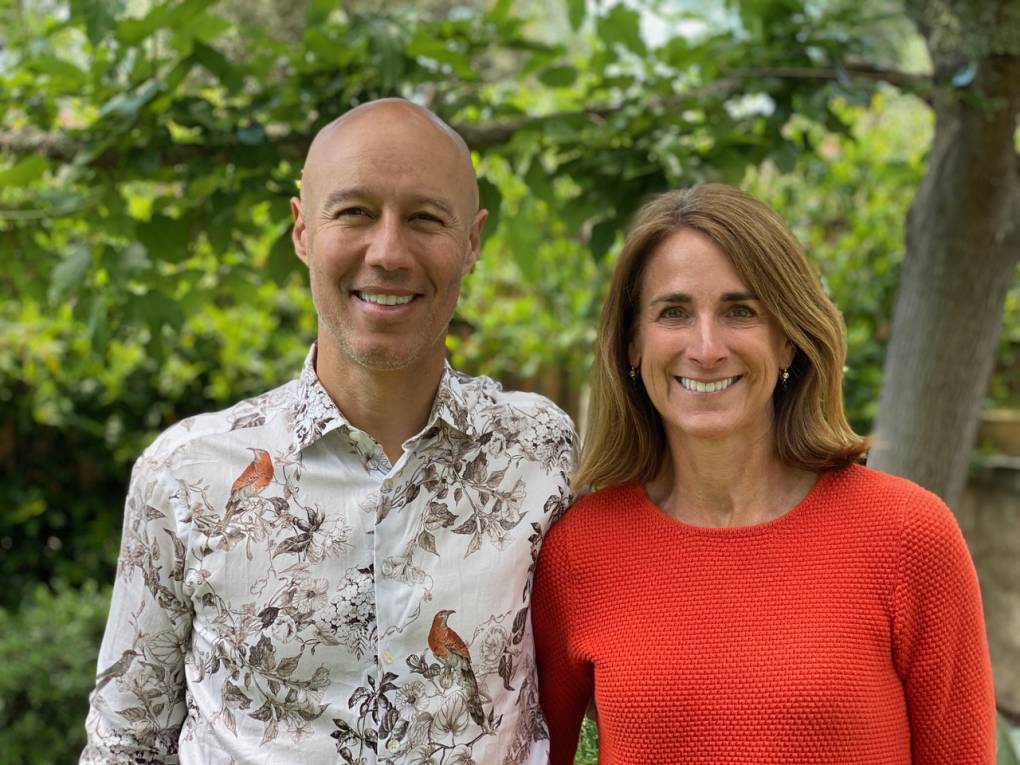
"caption": "David and Jennifer Risher of San Francisco launched #HalfMyDAF, promising to match donor-advised fund grants of up to $1 million as a challenge to other wealthy donors to make sure funds are getting to those who need them.",
"description": "David and Jennifer Risher of San Francisco launched #HalfMyDAF, promising to match donor-advised fund grants of up to $1 million as a challenge to other wealthy donors to make sure funds are getting to those who need them.",
"title": "IMG_7375",
"credit": "Courtesy of Jennifer and David Risher",
"status": "inherit",
"isLoading": false,
"fetchFailed": false
},
"news_11828879": {
"type": "attachments",
"id": "news_11828879",
"meta": {
"index": "attachments_1716263798",
"site": "news",
"id": "11828879",
"found": true
},
"parent": 11827779,
"imgSizes": {
"apple_news_ca_landscape_5_5": {
"file": "https://ww2.kqed.org/app/uploads/sites/10/2020/07/IMG_8281-2-1044x783.jpg",
"width": 1044,
"mimeType": "image/jpeg",
"height": 783
},
"apple_news_ca_square_4_0": {
"file": "https://ww2.kqed.org/app/uploads/sites/10/2020/07/IMG_8281-2-470x470.jpg",
"width": 470,
"mimeType": "image/jpeg",
"height": 470
},
"twentyfourteen-full-width": {
"file": "https://ww2.kqed.org/app/uploads/sites/10/2020/07/IMG_8281-2-1038x576.jpg",
"width": 1038,
"mimeType": "image/jpeg",
"height": 576
},
"thumbnail": {
"file": "https://ww2.kqed.org/app/uploads/sites/10/2020/07/IMG_8281-2-160x87.jpg",
"width": 160,
"mimeType": "image/jpeg",
"height": 87
},
"post-thumbnail": {
"file": "https://ww2.kqed.org/app/uploads/sites/10/2020/07/IMG_8281-2-672x372.jpg",
"width": 672,
"mimeType": "image/jpeg",
"height": 372
},
"kqedFullSize": {
"file": "https://ww2.kqed.org/app/uploads/sites/10/2020/07/IMG_8281-2.jpg",
"width": 2347,
"height": 1276
},
"2048x2048": {
"file": "https://ww2.kqed.org/app/uploads/sites/10/2020/07/IMG_8281-2-2048x1113.jpg",
"width": 2048,
"mimeType": "image/jpeg",
"height": 1113
},
"apple_news_ca_landscape_4_7": {
"file": "https://ww2.kqed.org/app/uploads/sites/10/2020/07/IMG_8281-2-632x474.jpg",
"width": 632,
"mimeType": "image/jpeg",
"height": 474
},
"large": {
"file": "https://ww2.kqed.org/app/uploads/sites/10/2020/07/IMG_8281-2-1020x555.jpg",
"width": 1020,
"mimeType": "image/jpeg",
"height": 555
},
"apple_news_ca_landscape_4_0": {
"file": "https://ww2.kqed.org/app/uploads/sites/10/2020/07/IMG_8281-2-536x402.jpg",
"width": 536,
"mimeType": "image/jpeg",
"height": 402
},
"apple_news_ca_portrait_12_9": {
"file": "https://ww2.kqed.org/app/uploads/sites/10/2020/07/IMG_8281-2-1122x1276.jpg",
"width": 1122,
"mimeType": "image/jpeg",
"height": 1276
},
"medium": {
"file": "https://ww2.kqed.org/app/uploads/sites/10/2020/07/IMG_8281-2-800x435.jpg",
"width": 800,
"mimeType": "image/jpeg",
"height": 435
},
"apple_news_ca_portrait_4_0": {
"file": "https://ww2.kqed.org/app/uploads/sites/10/2020/07/IMG_8281-2-354x472.jpg",
"width": 354,
"mimeType": "image/jpeg",
"height": 472
},
"apple_news_ca_portrait_9_7": {
"file": "https://ww2.kqed.org/app/uploads/sites/10/2020/07/IMG_8281-2-840x1120.jpg",
"width": 840,
"mimeType": "image/jpeg",
"height": 1120
},
"apple_news_ca_landscape_12_9": {
"file": "https://ww2.kqed.org/app/uploads/sites/10/2020/07/IMG_8281-2-1832x1276.jpg",
"width": 1832,
"mimeType": "image/jpeg",
"height": 1276
},
"apple_news_ca_square_9_7": {
"file": "https://ww2.kqed.org/app/uploads/sites/10/2020/07/IMG_8281-2-1104x1104.jpg",
"width": 1104,
"mimeType": "image/jpeg",
"height": 1104
},
"1536x1536": {
"file": "https://ww2.kqed.org/app/uploads/sites/10/2020/07/IMG_8281-2-1536x835.jpg",
"width": 1536,
"mimeType": "image/jpeg",
"height": 835
},
"apple_news_ca_portrait_4_7": {
"file": "https://ww2.kqed.org/app/uploads/sites/10/2020/07/IMG_8281-2-414x552.jpg",
"width": 414,
"mimeType": "image/jpeg",
"height": 552
},
"apple_news_ca_square_12_9": {
"file": "https://ww2.kqed.org/app/uploads/sites/10/2020/07/IMG_8281-2-1472x1276.jpg",
"width": 1472,
"mimeType": "image/jpeg",
"height": 1276
},
"apple_news_ca_portrait_5_5": {
"file": "https://ww2.kqed.org/app/uploads/sites/10/2020/07/IMG_8281-2-687x916.jpg",
"width": 687,
"mimeType": "image/jpeg",
"height": 916
},
"full-width": {
"file": "https://ww2.kqed.org/app/uploads/sites/10/2020/07/IMG_8281-2-1920x1044.jpg",
"width": 1920,
"mimeType": "image/jpeg",
"height": 1044
},
"apple_news_ca_square_4_7": {
"file": "https://ww2.kqed.org/app/uploads/sites/10/2020/07/IMG_8281-2-550x550.jpg",
"width": 550,
"mimeType": "image/jpeg",
"height": 550
},
"apple_news_ca_landscape_9_7": {
"file": "https://ww2.kqed.org/app/uploads/sites/10/2020/07/IMG_8281-2-1376x1032.jpg",
"width": 1376,
"mimeType": "image/jpeg",
"height": 1032
},
"apple_news_ca_square_5_5": {
"file": "https://ww2.kqed.org/app/uploads/sites/10/2020/07/IMG_8281-2-912x912.jpg",
"width": 912,
"mimeType": "image/jpeg",
"height": 912
}
},
"publishDate": 1594700057,
"modified": 1594700096,
"caption": "Police officers in riot gear block off a street in downtown San Jose on May 29, 2020, in advance of a large protest against police brutality, spurred by the death of George Floyd at the hands of Minneapolis police.",
"description": null,
"title": "IMG_8281",
"credit": "Adhiti Bandlamudi/KQED",
"status": "inherit",
"isLoading": false,
"fetchFailed": false
},
"news_11828626": {
"type": "attachments",
"id": "news_11828626",
"meta": {
"index": "attachments_1716263798",
"site": "news",
"id": "11828626",
"found": true
},
"parent": 11828568,
"imgSizes": {
"apple_news_ca_square_4_0": {
"file": "https://ww2.kqed.org/app/uploads/sites/10/2020/07/1920_Santa_Cruz-470x470.jpg",
"width": 470,
"mimeType": "image/jpeg",
"height": 470
},
"twentyfourteen-full-width": {
"file": "https://ww2.kqed.org/app/uploads/sites/10/2020/07/1920_Santa_Cruz-797x576.jpg",
"width": 797,
"mimeType": "image/jpeg",
"height": 576
},
"thumbnail": {
"file": "https://ww2.kqed.org/app/uploads/sites/10/2020/07/1920_Santa_Cruz-160x120.jpg",
"width": 160,
"mimeType": "image/jpeg",
"height": 120
},
"post-thumbnail": {
"file": "https://ww2.kqed.org/app/uploads/sites/10/2020/07/1920_Santa_Cruz-672x372.jpg",
"width": 672,
"mimeType": "image/jpeg",
"height": 372
},
"kqedFullSize": {
"file": "https://ww2.kqed.org/app/uploads/sites/10/2020/07/1920_Santa_Cruz.jpg",
"width": 797,
"height": 598
},
"apple_news_ca_landscape_4_7": {
"file": "https://ww2.kqed.org/app/uploads/sites/10/2020/07/1920_Santa_Cruz-632x474.jpg",
"width": 632,
"mimeType": "image/jpeg",
"height": 474
},
"apple_news_ca_portrait_4_7": {
"file": "https://ww2.kqed.org/app/uploads/sites/10/2020/07/1920_Santa_Cruz-414x552.jpg",
"width": 414,
"mimeType": "image/jpeg",
"height": 552
},
"apple_news_ca_portrait_5_5": {
"file": "https://ww2.kqed.org/app/uploads/sites/10/2020/07/1920_Santa_Cruz-687x598.jpg",
"width": 687,
"mimeType": "image/jpeg",
"height": 598
},
"apple_news_ca_square_4_7": {
"file": "https://ww2.kqed.org/app/uploads/sites/10/2020/07/1920_Santa_Cruz-550x550.jpg",
"width": 550,
"mimeType": "image/jpeg",
"height": 550
},
"apple_news_ca_landscape_4_0": {
"file": "https://ww2.kqed.org/app/uploads/sites/10/2020/07/1920_Santa_Cruz-536x402.jpg",
"width": 536,
"mimeType": "image/jpeg",
"height": 402
},
"apple_news_ca_portrait_4_0": {
"file": "https://ww2.kqed.org/app/uploads/sites/10/2020/07/1920_Santa_Cruz-354x472.jpg",
"width": 354,
"mimeType": "image/jpeg",
"height": 472
}
},
"publishDate": 1594502246,
"modified": 1594502322,
"caption": "A police escort on July 22, 2007.",
"description": null,
"title": "1920_Santa_Cruz",
"credit": "Sgrace / Flickr",
"status": "inherit",
"isLoading": false,
"fetchFailed": false
},
"news_11828552": {
"type": "attachments",
"id": "news_11828552",
"meta": {
"index": "attachments_1716263798",
"site": "news",
"id": "11828552",
"found": true
},
"parent": 11828337,
"imgSizes": {
"apple_news_ca_landscape_5_5": {
"file": "https://ww2.kqed.org/app/uploads/sites/10/2020/07/MARQUEE-735-1044x720.jpg",
"width": 1044,
"mimeType": "image/jpeg",
"height": 720
},
"apple_news_ca_square_4_0": {
"file": "https://ww2.kqed.org/app/uploads/sites/10/2020/07/MARQUEE-735-470x470.jpg",
"width": 470,
"mimeType": "image/jpeg",
"height": 470
},
"twentyfourteen-full-width": {
"file": "https://ww2.kqed.org/app/uploads/sites/10/2020/07/MARQUEE-735-1038x576.jpg",
"width": 1038,
"mimeType": "image/jpeg",
"height": 576
},
"thumbnail": {
"file": "https://ww2.kqed.org/app/uploads/sites/10/2020/07/MARQUEE-735-160x90.jpg",
"width": 160,
"mimeType": "image/jpeg",
"height": 90
},
"post-thumbnail": {
"file": "https://ww2.kqed.org/app/uploads/sites/10/2020/07/MARQUEE-735-672x372.jpg",
"width": 672,
"mimeType": "image/jpeg",
"height": 372
},
"kqedFullSize": {
"file": "https://ww2.kqed.org/app/uploads/sites/10/2020/07/MARQUEE-735.jpg",
"width": 1280,
"height": 720
},
"apple_news_ca_landscape_4_7": {
"file": "https://ww2.kqed.org/app/uploads/sites/10/2020/07/MARQUEE-735-632x474.jpg",
"width": 632,
"mimeType": "image/jpeg",
"height": 474
},
"large": {
"file": "https://ww2.kqed.org/app/uploads/sites/10/2020/07/MARQUEE-735-1020x574.jpg",
"width": 1020,
"mimeType": "image/jpeg",
"height": 574
},
"apple_news_ca_landscape_4_0": {
"file": "https://ww2.kqed.org/app/uploads/sites/10/2020/07/MARQUEE-735-536x402.jpg",
"width": 536,
"mimeType": "image/jpeg",
"height": 402
},
"apple_news_ca_portrait_12_9": {
"file": "https://ww2.kqed.org/app/uploads/sites/10/2020/07/MARQUEE-735-1122x720.jpg",
"width": 1122,
"mimeType": "image/jpeg",
"height": 720
},
"medium": {
"file": "https://ww2.kqed.org/app/uploads/sites/10/2020/07/MARQUEE-735-800x450.jpg",
"width": 800,
"mimeType": "image/jpeg",
"height": 450
},
"apple_news_ca_portrait_4_0": {
"file": "https://ww2.kqed.org/app/uploads/sites/10/2020/07/MARQUEE-735-354x472.jpg",
"width": 354,
"mimeType": "image/jpeg",
"height": 472
},
"apple_news_ca_portrait_9_7": {
"file": "https://ww2.kqed.org/app/uploads/sites/10/2020/07/MARQUEE-735-840x720.jpg",
"width": 840,
"mimeType": "image/jpeg",
"height": 720
},
"apple_news_ca_square_9_7": {
"file": "https://ww2.kqed.org/app/uploads/sites/10/2020/07/MARQUEE-735-1104x720.jpg",
"width": 1104,
"mimeType": "image/jpeg",
"height": 720
},
"apple_news_ca_portrait_4_7": {
"file": "https://ww2.kqed.org/app/uploads/sites/10/2020/07/MARQUEE-735-414x552.jpg",
"width": 414,
"mimeType": "image/jpeg",
"height": 552
},
"apple_news_ca_portrait_5_5": {
"file": "https://ww2.kqed.org/app/uploads/sites/10/2020/07/MARQUEE-735-687x720.jpg",
"width": 687,
"mimeType": "image/jpeg",
"height": 720
},
"apple_news_ca_square_4_7": {
"file": "https://ww2.kqed.org/app/uploads/sites/10/2020/07/MARQUEE-735-550x550.jpg",
"width": 550,
"mimeType": "image/jpeg",
"height": 550
},
"apple_news_ca_square_5_5": {
"file": "https://ww2.kqed.org/app/uploads/sites/10/2020/07/MARQUEE-735-912x720.jpg",
"width": 912,
"mimeType": "image/jpeg",
"height": 720
}
},
"publishDate": 1594424842,
"modified": 1594424842,
"caption": null,
"description": null,
"title": "MARQUEE 735",
"credit": null,
"status": "inherit",
"isLoading": false,
"fetchFailed": false
},
"news_11828435": {
"type": "attachments",
"id": "news_11828435",
"meta": {
"index": "attachments_1716263798",
"site": "news",
"id": "11828435",
"found": true
},
"parent": 11828168,
"imgSizes": {
"apple_news_ca_square_4_0": {
"file": "https://ww2.kqed.org/app/uploads/sites/10/2020/07/adam-d-470x470.jpeg",
"width": 470,
"mimeType": "image/jpeg",
"height": 470
},
"twentyfourteen-full-width": {
"file": "https://ww2.kqed.org/app/uploads/sites/10/2020/07/adam-d-990x576.jpeg",
"width": 990,
"mimeType": "image/jpeg",
"height": 576
},
"thumbnail": {
"file": "https://ww2.kqed.org/app/uploads/sites/10/2020/07/adam-d-160x107.jpeg",
"width": 160,
"mimeType": "image/jpeg",
"height": 107
},
"post-thumbnail": {
"file": "https://ww2.kqed.org/app/uploads/sites/10/2020/07/adam-d-672x372.jpeg",
"width": 672,
"mimeType": "image/jpeg",
"height": 372
},
"kqedFullSize": {
"file": "https://ww2.kqed.org/app/uploads/sites/10/2020/07/adam-d.jpeg",
"width": 990,
"height": 660
},
"apple_news_ca_landscape_4_7": {
"file": "https://ww2.kqed.org/app/uploads/sites/10/2020/07/adam-d-632x474.jpeg",
"width": 632,
"mimeType": "image/jpeg",
"height": 474
},
"apple_news_ca_landscape_4_0": {
"file": "https://ww2.kqed.org/app/uploads/sites/10/2020/07/adam-d-536x402.jpeg",
"width": 536,
"mimeType": "image/jpeg",
"height": 402
},
"medium": {
"file": "https://ww2.kqed.org/app/uploads/sites/10/2020/07/adam-d-800x533.jpeg",
"width": 800,
"mimeType": "image/jpeg",
"height": 533
},
"apple_news_ca_portrait_4_0": {
"file": "https://ww2.kqed.org/app/uploads/sites/10/2020/07/adam-d-354x472.jpeg",
"width": 354,
"mimeType": "image/jpeg",
"height": 472
},
"apple_news_ca_portrait_9_7": {
"file": "https://ww2.kqed.org/app/uploads/sites/10/2020/07/adam-d-840x660.jpeg",
"width": 840,
"mimeType": "image/jpeg",
"height": 660
},
"apple_news_ca_portrait_4_7": {
"file": "https://ww2.kqed.org/app/uploads/sites/10/2020/07/adam-d-414x552.jpeg",
"width": 414,
"mimeType": "image/jpeg",
"height": 552
},
"apple_news_ca_portrait_5_5": {
"file": "https://ww2.kqed.org/app/uploads/sites/10/2020/07/adam-d-687x660.jpeg",
"width": 687,
"mimeType": "image/jpeg",
"height": 660
},
"apple_news_ca_square_4_7": {
"file": "https://ww2.kqed.org/app/uploads/sites/10/2020/07/adam-d-550x550.jpeg",
"width": 550,
"mimeType": "image/jpeg",
"height": 550
},
"apple_news_ca_square_5_5": {
"file": "https://ww2.kqed.org/app/uploads/sites/10/2020/07/adam-d-912x660.jpeg",
"width": 912,
"mimeType": "image/jpeg",
"height": 660
}
},
"publishDate": 1594419901,
"modified": 1594419944,
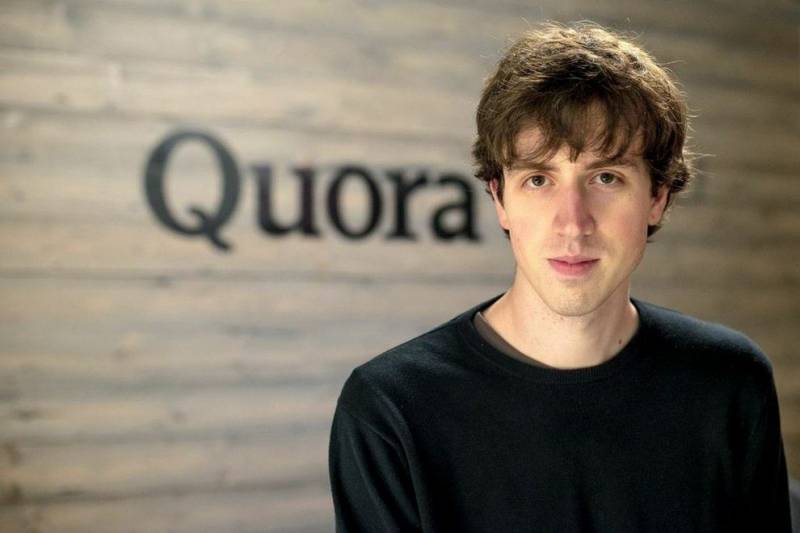
"caption": "Quora CEO Adam D’Angelo.",
"description": null,
"title": "adam d",
"credit": "Courtesy of Quora",
"status": "inherit",
"isLoading": false,
"fetchFailed": false
},
"news_11827909": {
"type": "attachments",
"id": "news_11827909",
"meta": {
"index": "attachments_1716263798",
"site": "news",
"id": "11827909",
"found": true
},
"parent": 11827903,
"imgSizes": {
"apple_news_ca_landscape_5_5": {
"file": "https://ww2.kqed.org/app/uploads/sites/10/2020/07/betterplace_070820_final-1044x783.png",
"width": 1044,
"mimeType": "image/png",
"height": 783
},
"apple_news_ca_square_4_0": {
"file": "https://ww2.kqed.org/app/uploads/sites/10/2020/07/betterplace_070820_final-470x470.png",
"width": 470,
"mimeType": "image/png",
"height": 470
},
"twentyfourteen-full-width": {
"file": "https://ww2.kqed.org/app/uploads/sites/10/2020/07/betterplace_070820_final-1038x576.png",
"width": 1038,
"mimeType": "image/png",
"height": 576
},
"thumbnail": {
"file": "https://ww2.kqed.org/app/uploads/sites/10/2020/07/betterplace_070820_final-160x115.png",
"width": 160,
"mimeType": "image/png",
"height": 115
},
"post-thumbnail": {
"file": "https://ww2.kqed.org/app/uploads/sites/10/2020/07/betterplace_070820_final-672x372.png",
"width": 672,
"mimeType": "image/png",
"height": 372
},
"kqedFullSize": {
"file": "https://ww2.kqed.org/app/uploads/sites/10/2020/07/betterplace_070820_final.png",
"width": 1920,
"height": 1374
},
"apple_news_ca_landscape_4_7": {
"file": "https://ww2.kqed.org/app/uploads/sites/10/2020/07/betterplace_070820_final-632x474.png",
"width": 632,
"mimeType": "image/png",
"height": 474
},
"large": {
"file": "https://ww2.kqed.org/app/uploads/sites/10/2020/07/betterplace_070820_final-1020x730.png",
"width": 1020,
"mimeType": "image/png",
"height": 730
},
"apple_news_ca_landscape_4_0": {
"file": "https://ww2.kqed.org/app/uploads/sites/10/2020/07/betterplace_070820_final-536x402.png",
"width": 536,
"mimeType": "image/png",
"height": 402
},
"apple_news_ca_portrait_12_9": {
"file": "https://ww2.kqed.org/app/uploads/sites/10/2020/07/betterplace_070820_final-1122x1374.png",
"width": 1122,
"mimeType": "image/png",
"height": 1374
},
"medium": {
"file": "https://ww2.kqed.org/app/uploads/sites/10/2020/07/betterplace_070820_final-800x573.png",
"width": 800,
"mimeType": "image/png",
"height": 573
},
"apple_news_ca_portrait_4_0": {
"file": "https://ww2.kqed.org/app/uploads/sites/10/2020/07/betterplace_070820_final-354x472.png",
"width": 354,
"mimeType": "image/png",
"height": 472
},
"apple_news_ca_portrait_9_7": {
"file": "https://ww2.kqed.org/app/uploads/sites/10/2020/07/betterplace_070820_final-840x1120.png",
"width": 840,
"mimeType": "image/png",
"height": 1120
},
"apple_news_ca_landscape_12_9": {
"file": "https://ww2.kqed.org/app/uploads/sites/10/2020/07/betterplace_070820_final-1832x1374.png",
"width": 1832,
"mimeType": "image/png",
"height": 1374
},
"apple_news_ca_square_9_7": {
"file": "https://ww2.kqed.org/app/uploads/sites/10/2020/07/betterplace_070820_final-1104x1104.png",
"width": 1104,
"mimeType": "image/png",
"height": 1104
},
"1536x1536": {
"file": "https://ww2.kqed.org/app/uploads/sites/10/2020/07/betterplace_070820_final-1536x1099.png",
"width": 1536,
"mimeType": "image/png",
"height": 1099
},
"apple_news_ca_portrait_4_7": {
"file": "https://ww2.kqed.org/app/uploads/sites/10/2020/07/betterplace_070820_final-414x552.png",
"width": 414,
"mimeType": "image/png",
"height": 552
},
"apple_news_ca_square_12_9": {
"file": "https://ww2.kqed.org/app/uploads/sites/10/2020/07/betterplace_070820_final-1472x1374.png",
"width": 1472,
"mimeType": "image/png",
"height": 1374
},
"apple_news_ca_portrait_5_5": {
"file": "https://ww2.kqed.org/app/uploads/sites/10/2020/07/betterplace_070820_final-687x916.png",
"width": 687,
"mimeType": "image/png",
"height": 916
},
"apple_news_ca_square_4_7": {
"file": "https://ww2.kqed.org/app/uploads/sites/10/2020/07/betterplace_070820_final-550x550.png",
"width": 550,
"mimeType": "image/png",
"height": 550
},
"apple_news_ca_landscape_9_7": {
"file": "https://ww2.kqed.org/app/uploads/sites/10/2020/07/betterplace_070820_final-1376x1032.png",
"width": 1376,
"mimeType": "image/png",
"height": 1032
},
"apple_news_ca_square_5_5": {
"file": "https://ww2.kqed.org/app/uploads/sites/10/2020/07/betterplace_070820_final-912x912.png",
"width": 912,
"mimeType": "image/png",
"height": 912
}
},
"publishDate": 1594238503,
"modified": 1594238538,
"caption": null,
"description": null,
"title": "betterplace_070820_final",
"credit": null,
"status": "inherit",
"isLoading": false,
"fetchFailed": false
},
"news_11827852": {
"type": "attachments",
"id": "news_11827852",
"meta": {
"index": "attachments_1716263798",
"site": "news",
"id": "11827852",
"found": true
},
"parent": 11827831,
"imgSizes": {
"apple_news_ca_landscape_5_5": {
"file": "https://ww2.kqed.org/app/uploads/sites/10/2020/07/RS43868_GettyImages-1201476988-qut-1044x783.jpg",
"width": 1044,
"mimeType": "image/jpeg",
"height": 783
},
"apple_news_ca_square_4_0": {
"file": "https://ww2.kqed.org/app/uploads/sites/10/2020/07/RS43868_GettyImages-1201476988-qut-470x470.jpg",
"width": 470,
"mimeType": "image/jpeg",
"height": 470
},
"twentyfourteen-full-width": {
"file": "https://ww2.kqed.org/app/uploads/sites/10/2020/07/RS43868_GettyImages-1201476988-qut-1038x576.jpg",
"width": 1038,
"mimeType": "image/jpeg",
"height": 576
},
"thumbnail": {
"file": "https://ww2.kqed.org/app/uploads/sites/10/2020/07/RS43868_GettyImages-1201476988-qut-160x107.jpg",
"width": 160,
"mimeType": "image/jpeg",
"height": 107
},
"post-thumbnail": {
"file": "https://ww2.kqed.org/app/uploads/sites/10/2020/07/RS43868_GettyImages-1201476988-qut-672x372.jpg",
"width": 672,
"mimeType": "image/jpeg",
"height": 372
},
"kqedFullSize": {
"file": "https://ww2.kqed.org/app/uploads/sites/10/2020/07/RS43868_GettyImages-1201476988-qut.jpg",
"width": 1920,
"height": 1280
},
"apple_news_ca_landscape_4_7": {
"file": "https://ww2.kqed.org/app/uploads/sites/10/2020/07/RS43868_GettyImages-1201476988-qut-632x474.jpg",
"width": 632,
"mimeType": "image/jpeg",
"height": 474
},
"large": {
"file": "https://ww2.kqed.org/app/uploads/sites/10/2020/07/RS43868_GettyImages-1201476988-qut-1020x680.jpg",
"width": 1020,
"mimeType": "image/jpeg",
"height": 680
},
"apple_news_ca_landscape_4_0": {
"file": "https://ww2.kqed.org/app/uploads/sites/10/2020/07/RS43868_GettyImages-1201476988-qut-536x402.jpg",
"width": 536,
"mimeType": "image/jpeg",
"height": 402
},
"apple_news_ca_portrait_12_9": {
"file": "https://ww2.kqed.org/app/uploads/sites/10/2020/07/RS43868_GettyImages-1201476988-qut-1122x1280.jpg",
"width": 1122,
"mimeType": "image/jpeg",
"height": 1280
},
"medium": {
"file": "https://ww2.kqed.org/app/uploads/sites/10/2020/07/RS43868_GettyImages-1201476988-qut-800x533.jpg",
"width": 800,
"mimeType": "image/jpeg",
"height": 533
},
"apple_news_ca_portrait_4_0": {
"file": "https://ww2.kqed.org/app/uploads/sites/10/2020/07/RS43868_GettyImages-1201476988-qut-354x472.jpg",
"width": 354,
"mimeType": "image/jpeg",
"height": 472
},
"apple_news_ca_portrait_9_7": {
"file": "https://ww2.kqed.org/app/uploads/sites/10/2020/07/RS43868_GettyImages-1201476988-qut-840x1120.jpg",
"width": 840,
"mimeType": "image/jpeg",
"height": 1120
},
"apple_news_ca_landscape_12_9": {
"file": "https://ww2.kqed.org/app/uploads/sites/10/2020/07/RS43868_GettyImages-1201476988-qut-1832x1280.jpg",
"width": 1832,
"mimeType": "image/jpeg",
"height": 1280
},
"apple_news_ca_square_9_7": {
"file": "https://ww2.kqed.org/app/uploads/sites/10/2020/07/RS43868_GettyImages-1201476988-qut-1104x1104.jpg",
"width": 1104,
"mimeType": "image/jpeg",
"height": 1104
},
"1536x1536": {
"file": "https://ww2.kqed.org/app/uploads/sites/10/2020/07/RS43868_GettyImages-1201476988-qut-1536x1024.jpg",
"width": 1536,
"mimeType": "image/jpeg",
"height": 1024
},
"apple_news_ca_portrait_4_7": {
"file": "https://ww2.kqed.org/app/uploads/sites/10/2020/07/RS43868_GettyImages-1201476988-qut-414x552.jpg",
"width": 414,
"mimeType": "image/jpeg",
"height": 552
},
"apple_news_ca_square_12_9": {
"file": "https://ww2.kqed.org/app/uploads/sites/10/2020/07/RS43868_GettyImages-1201476988-qut-1472x1280.jpg",
"width": 1472,
"mimeType": "image/jpeg",
"height": 1280
},
"apple_news_ca_portrait_5_5": {
"file": "https://ww2.kqed.org/app/uploads/sites/10/2020/07/RS43868_GettyImages-1201476988-qut-687x916.jpg",
"width": 687,
"mimeType": "image/jpeg",
"height": 916
},
"apple_news_ca_square_4_7": {
"file": "https://ww2.kqed.org/app/uploads/sites/10/2020/07/RS43868_GettyImages-1201476988-qut-550x550.jpg",
"width": 550,
"mimeType": "image/jpeg",
"height": 550
},
"apple_news_ca_landscape_9_7": {
"file": "https://ww2.kqed.org/app/uploads/sites/10/2020/07/RS43868_GettyImages-1201476988-qut-1376x1032.jpg",
"width": 1376,
"mimeType": "image/jpeg",
"height": 1032
},
"apple_news_ca_square_5_5": {
"file": "https://ww2.kqed.org/app/uploads/sites/10/2020/07/RS43868_GettyImages-1201476988-qut-912x912.jpg",
"width": 912,
"mimeType": "image/jpeg",
"height": 912
}
},
"publishDate": 1594179608,
"modified": 1594181513,
"caption": "Civil rights and activist groups blasted Facebook CEO Mark Zuckerberg and other executives after meeting with them to discuss the #StopHateForProfit advertiser boycott that now includes close to 1,000 brands.",
"description": "Civil rights and activist groups blasted Facebook CEO Mark Zuckerberg and other executives after meeting with them to discuss the #StopHateForProfit advertiser boycott that now includes close to 1,000 brands.",
"title": "BELGIUM-EU-TECH-COMPUTERS-LAW-REGULATION-INTERNET-DIPLOMACY",
"credit": "Kenzo Tribouillard /AFP via Getty Images",
"status": "inherit",
"isLoading": false,
"fetchFailed": false
},
"news_11827514": {
"type": "attachments",
"id": "news_11827514",
"meta": {
"index": "attachments_1716263798",
"site": "news",
"id": "11827514",
"found": true
},
"parent": 11827513,
"imgSizes": {
"apple_news_ca_landscape_5_5": {
"file": "https://ww2.kqed.org/app/uploads/sites/10/2020/07/1920_port-1044x783.jpg",
"width": 1044,
"mimeType": "image/jpeg",
"height": 783
},
"apple_news_ca_square_4_0": {
"file": "https://ww2.kqed.org/app/uploads/sites/10/2020/07/1920_port-470x470.jpg",
"width": 470,
"mimeType": "image/jpeg",
"height": 470
},
"twentyfourteen-full-width": {
"file": "https://ww2.kqed.org/app/uploads/sites/10/2020/07/1920_port-1038x576.jpg",
"width": 1038,
"mimeType": "image/jpeg",
"height": 576
},
"thumbnail": {
"file": "https://ww2.kqed.org/app/uploads/sites/10/2020/07/1920_port-160x90.jpg",
"width": 160,
"mimeType": "image/jpeg",
"height": 90
},
"post-thumbnail": {
"file": "https://ww2.kqed.org/app/uploads/sites/10/2020/07/1920_port-672x372.jpg",
"width": 672,
"mimeType": "image/jpeg",
"height": 372
},
"kqedFullSize": {
"file": "https://ww2.kqed.org/app/uploads/sites/10/2020/07/1920_port.jpg",
"width": 1526,
"height": 858
},
"apple_news_ca_landscape_4_7": {
"file": "https://ww2.kqed.org/app/uploads/sites/10/2020/07/1920_port-632x474.jpg",
"width": 632,
"mimeType": "image/jpeg",
"height": 474
},
"large": {
"file": "https://ww2.kqed.org/app/uploads/sites/10/2020/07/1920_port-1020x573.jpg",
"width": 1020,
"mimeType": "image/jpeg",
"height": 573
},
"apple_news_ca_landscape_4_0": {
"file": "https://ww2.kqed.org/app/uploads/sites/10/2020/07/1920_port-536x402.jpg",
"width": 536,
"mimeType": "image/jpeg",
"height": 402
},
"apple_news_ca_portrait_12_9": {
"file": "https://ww2.kqed.org/app/uploads/sites/10/2020/07/1920_port-1122x858.jpg",
"width": 1122,
"mimeType": "image/jpeg",
"height": 858
},
"medium": {
"file": "https://ww2.kqed.org/app/uploads/sites/10/2020/07/1920_port-800x450.jpg",
"width": 800,
"mimeType": "image/jpeg",
"height": 450
},
"apple_news_ca_portrait_4_0": {
"file": "https://ww2.kqed.org/app/uploads/sites/10/2020/07/1920_port-354x472.jpg",
"width": 354,
"mimeType": "image/jpeg",
"height": 472
},
"apple_news_ca_portrait_9_7": {
"file": "https://ww2.kqed.org/app/uploads/sites/10/2020/07/1920_port-840x858.jpg",
"width": 840,
"mimeType": "image/jpeg",
"height": 858
},
"apple_news_ca_square_9_7": {
"file": "https://ww2.kqed.org/app/uploads/sites/10/2020/07/1920_port-1104x858.jpg",
"width": 1104,
"mimeType": "image/jpeg",
"height": 858
},
"apple_news_ca_portrait_4_7": {
"file": "https://ww2.kqed.org/app/uploads/sites/10/2020/07/1920_port-414x552.jpg",
"width": 414,
"mimeType": "image/jpeg",
"height": 552
},
"apple_news_ca_square_12_9": {
"file": "https://ww2.kqed.org/app/uploads/sites/10/2020/07/1920_port-1472x858.jpg",
"width": 1472,
"mimeType": "image/jpeg",
"height": 858
},
"apple_news_ca_portrait_5_5": {
"file": "https://ww2.kqed.org/app/uploads/sites/10/2020/07/1920_port-687x858.jpg",
"width": 687,
"mimeType": "image/jpeg",
"height": 858
},
"apple_news_ca_square_4_7": {
"file": "https://ww2.kqed.org/app/uploads/sites/10/2020/07/1920_port-550x550.jpg",
"width": 550,
"mimeType": "image/jpeg",
"height": 550
},
"apple_news_ca_landscape_9_7": {
"file": "https://ww2.kqed.org/app/uploads/sites/10/2020/07/1920_port-1376x858.jpg",
"width": 1376,
"mimeType": "image/jpeg",
"height": 858
},
"apple_news_ca_square_5_5": {
"file": "https://ww2.kqed.org/app/uploads/sites/10/2020/07/1920_port-912x858.jpg",
"width": 912,
"mimeType": "image/jpeg",
"height": 858
}
},
"publishDate": 1593966812,
"modified": 1593966835,
"caption": "Adrianna Mitchell (center) and Akilah Walker march from the Port of Oakland to Downtown during a Juneteenth rally on June 19, 2020.",
"description": null,
"title": "1920_port",
"credit": "Beth LaBerge/KQED",
"status": "inherit",
"isLoading": false,
"fetchFailed": false
},
"news_11827322": {
"type": "attachments",
"id": "news_11827322",
"meta": {
"index": "attachments_1716263798",
"site": "news",
"id": "11827322",
"found": true
},
"parent": 11827321,
"imgSizes": {
"apple_news_ca_landscape_5_5": {
"file": "https://ww2.kqed.org/app/uploads/sites/10/2020/07/ap_20105791221655-b2fe1c29f2b76a48ad0d236e30a72c48ca8cc6cc-1044x783.jpg",
"width": 1044,
"mimeType": "image/jpeg",
"height": 783
},
"apple_news_ca_square_4_0": {
"file": "https://ww2.kqed.org/app/uploads/sites/10/2020/07/ap_20105791221655-b2fe1c29f2b76a48ad0d236e30a72c48ca8cc6cc-470x470.jpg",
"width": 470,
"mimeType": "image/jpeg",
"height": 470
},
"twentyfourteen-full-width": {
"file": "https://ww2.kqed.org/app/uploads/sites/10/2020/07/ap_20105791221655-b2fe1c29f2b76a48ad0d236e30a72c48ca8cc6cc-1038x576.jpg",
"width": 1038,
"mimeType": "image/jpeg",
"height": 576
},
"thumbnail": {
"file": "https://ww2.kqed.org/app/uploads/sites/10/2020/07/ap_20105791221655-b2fe1c29f2b76a48ad0d236e30a72c48ca8cc6cc-160x120.jpg",
"width": 160,
"mimeType": "image/jpeg",
"height": 120
},
"post-thumbnail": {
"file": "https://ww2.kqed.org/app/uploads/sites/10/2020/07/ap_20105791221655-b2fe1c29f2b76a48ad0d236e30a72c48ca8cc6cc-672x372.jpg",
"width": 672,
"mimeType": "image/jpeg",
"height": 372
},
"kqedFullSize": {
"file": "https://ww2.kqed.org/app/uploads/sites/10/2020/07/ap_20105791221655-b2fe1c29f2b76a48ad0d236e30a72c48ca8cc6cc-scaled-e1593728939404.jpg",
"width": 1920,
"height": 1440
},
"2048x2048": {
"file": "https://ww2.kqed.org/app/uploads/sites/10/2020/07/ap_20105791221655-b2fe1c29f2b76a48ad0d236e30a72c48ca8cc6cc-2048x1536.jpg",
"width": 2048,
"mimeType": "image/jpeg",
"height": 1536
},
"apple_news_ca_landscape_4_7": {
"file": "https://ww2.kqed.org/app/uploads/sites/10/2020/07/ap_20105791221655-b2fe1c29f2b76a48ad0d236e30a72c48ca8cc6cc-632x474.jpg",
"width": 632,
"mimeType": "image/jpeg",
"height": 474
},
"large": {
"file": "https://ww2.kqed.org/app/uploads/sites/10/2020/07/ap_20105791221655-b2fe1c29f2b76a48ad0d236e30a72c48ca8cc6cc-1020x765.jpg",
"width": 1020,
"mimeType": "image/jpeg",
"height": 765
},
"apple_news_ca_landscape_4_0": {
"file": "https://ww2.kqed.org/app/uploads/sites/10/2020/07/ap_20105791221655-b2fe1c29f2b76a48ad0d236e30a72c48ca8cc6cc-536x402.jpg",
"width": 536,
"mimeType": "image/jpeg",
"height": 402
},
"apple_news_ca_portrait_12_9": {
"file": "https://ww2.kqed.org/app/uploads/sites/10/2020/07/ap_20105791221655-b2fe1c29f2b76a48ad0d236e30a72c48ca8cc6cc-1122x1496.jpg",
"width": 1122,
"mimeType": "image/jpeg",
"height": 1496
},
"medium": {
"file": "https://ww2.kqed.org/app/uploads/sites/10/2020/07/ap_20105791221655-b2fe1c29f2b76a48ad0d236e30a72c48ca8cc6cc-800x600.jpg",
"width": 800,
"mimeType": "image/jpeg",
"height": 600
},
"apple_news_ca_portrait_4_0": {
"file": "https://ww2.kqed.org/app/uploads/sites/10/2020/07/ap_20105791221655-b2fe1c29f2b76a48ad0d236e30a72c48ca8cc6cc-354x472.jpg",
"width": 354,
"mimeType": "image/jpeg",
"height": 472
},
"apple_news_ca_portrait_9_7": {
"file": "https://ww2.kqed.org/app/uploads/sites/10/2020/07/ap_20105791221655-b2fe1c29f2b76a48ad0d236e30a72c48ca8cc6cc-840x1120.jpg",
"width": 840,
"mimeType": "image/jpeg",
"height": 1120
},
"apple_news_ca_landscape_12_9": {
"file": "https://ww2.kqed.org/app/uploads/sites/10/2020/07/ap_20105791221655-b2fe1c29f2b76a48ad0d236e30a72c48ca8cc6cc-1832x1374.jpg",
"width": 1832,
"mimeType": "image/jpeg",
"height": 1374
},
"apple_news_ca_square_9_7": {
"file": "https://ww2.kqed.org/app/uploads/sites/10/2020/07/ap_20105791221655-b2fe1c29f2b76a48ad0d236e30a72c48ca8cc6cc-1104x1104.jpg",
"width": 1104,
"mimeType": "image/jpeg",
"height": 1104
},
"1536x1536": {
"file": "https://ww2.kqed.org/app/uploads/sites/10/2020/07/ap_20105791221655-b2fe1c29f2b76a48ad0d236e30a72c48ca8cc6cc-1536x1152.jpg",
"width": 1536,
"mimeType": "image/jpeg",
"height": 1152
},
"apple_news_ca_portrait_4_7": {
"file": "https://ww2.kqed.org/app/uploads/sites/10/2020/07/ap_20105791221655-b2fe1c29f2b76a48ad0d236e30a72c48ca8cc6cc-414x552.jpg",
"width": 414,
"mimeType": "image/jpeg",
"height": 552
},
"apple_news_ca_square_12_9": {
"file": "https://ww2.kqed.org/app/uploads/sites/10/2020/07/ap_20105791221655-b2fe1c29f2b76a48ad0d236e30a72c48ca8cc6cc-1472x1472.jpg",
"width": 1472,
"mimeType": "image/jpeg",
"height": 1472
},
"apple_news_ca_portrait_5_5": {
"file": "https://ww2.kqed.org/app/uploads/sites/10/2020/07/ap_20105791221655-b2fe1c29f2b76a48ad0d236e30a72c48ca8cc6cc-687x916.jpg",
"width": 687,
"mimeType": "image/jpeg",
"height": 916
},
"full-width": {
"file": "https://ww2.kqed.org/app/uploads/sites/10/2020/07/ap_20105791221655-b2fe1c29f2b76a48ad0d236e30a72c48ca8cc6cc-1920x1440.jpg",
"width": 1920,
"mimeType": "image/jpeg",
"height": 1440
},
"apple_news_ca_square_4_7": {
"file": "https://ww2.kqed.org/app/uploads/sites/10/2020/07/ap_20105791221655-b2fe1c29f2b76a48ad0d236e30a72c48ca8cc6cc-550x550.jpg",
"width": 550,
"mimeType": "image/jpeg",
"height": 550
},
"apple_news_ca_landscape_9_7": {
"file": "https://ww2.kqed.org/app/uploads/sites/10/2020/07/ap_20105791221655-b2fe1c29f2b76a48ad0d236e30a72c48ca8cc6cc-1376x1032.jpg",
"width": 1376,
"mimeType": "image/jpeg",
"height": 1032
},
"apple_news_ca_square_5_5": {
"file": "https://ww2.kqed.org/app/uploads/sites/10/2020/07/ap_20105791221655-b2fe1c29f2b76a48ad0d236e30a72c48ca8cc6cc-912x912.jpg",
"width": 912,
"mimeType": "image/jpeg",
"height": 912
}
},
"publishDate": 1593728601,
"modified": 1593728955,
"caption": "The complaint echoes earlier criticism of Facebook from Black employees who have long been frustrated at its lack of diversity.",
"description": "The complaint echoes earlier criticism of Facebook from Black employees who have long been frustrated at its lack of diversity.",
"title": "The complaint echoes earlier criticism of Facebook from Black employees who have long been frustrated at its lack of diversity.",
"credit": "Jeff Chiu/AP",
"status": "inherit",
"isLoading": false,
"fetchFailed": false
},
"news_11826920": {
"type": "attachments",
"id": "news_11826920",
"meta": {
"index": "attachments_1716263798",
"site": "news",
"id": "11826920",
"found": true
},
"parent": 11826864,
"imgSizes": {
"apple_news_ca_landscape_5_5": {
"file": "https://ww2.kqed.org/app/uploads/sites/10/2020/06/RS43845_GettyImages-1216297280-qut-1044x783.jpg",
"width": 1044,
"mimeType": "image/jpeg",
"height": 783
},
"apple_news_ca_square_4_0": {
"file": "https://ww2.kqed.org/app/uploads/sites/10/2020/06/RS43845_GettyImages-1216297280-qut-470x470.jpg",
"width": 470,
"mimeType": "image/jpeg",
"height": 470
},
"twentyfourteen-full-width": {
"file": "https://ww2.kqed.org/app/uploads/sites/10/2020/06/RS43845_GettyImages-1216297280-qut-1038x576.jpg",
"width": 1038,
"mimeType": "image/jpeg",
"height": 576
},
"thumbnail": {
"file": "https://ww2.kqed.org/app/uploads/sites/10/2020/06/RS43845_GettyImages-1216297280-qut-160x107.jpg",
"width": 160,
"mimeType": "image/jpeg",
"height": 107
},
"post-thumbnail": {
"file": "https://ww2.kqed.org/app/uploads/sites/10/2020/06/RS43845_GettyImages-1216297280-qut-672x372.jpg",
"width": 672,
"mimeType": "image/jpeg",
"height": 372
},
"kqedFullSize": {
"file": "https://ww2.kqed.org/app/uploads/sites/10/2020/06/RS43845_GettyImages-1216297280-qut.jpg",
"width": 1920,
"height": 1280
},
"apple_news_ca_landscape_4_7": {
"file": "https://ww2.kqed.org/app/uploads/sites/10/2020/06/RS43845_GettyImages-1216297280-qut-632x474.jpg",
"width": 632,
"mimeType": "image/jpeg",
"height": 474
},
"large": {
"file": "https://ww2.kqed.org/app/uploads/sites/10/2020/06/RS43845_GettyImages-1216297280-qut-1020x680.jpg",
"width": 1020,
"mimeType": "image/jpeg",
"height": 680
},
"apple_news_ca_landscape_4_0": {
"file": "https://ww2.kqed.org/app/uploads/sites/10/2020/06/RS43845_GettyImages-1216297280-qut-536x402.jpg",
"width": 536,
"mimeType": "image/jpeg",
"height": 402
},
"apple_news_ca_portrait_12_9": {
"file": "https://ww2.kqed.org/app/uploads/sites/10/2020/06/RS43845_GettyImages-1216297280-qut-1122x1280.jpg",
"width": 1122,
"mimeType": "image/jpeg",
"height": 1280
},
"medium": {
"file": "https://ww2.kqed.org/app/uploads/sites/10/2020/06/RS43845_GettyImages-1216297280-qut-800x533.jpg",
"width": 800,
"mimeType": "image/jpeg",
"height": 533
},
"apple_news_ca_portrait_4_0": {
"file": "https://ww2.kqed.org/app/uploads/sites/10/2020/06/RS43845_GettyImages-1216297280-qut-354x472.jpg",
"width": 354,
"mimeType": "image/jpeg",
"height": 472
},
"apple_news_ca_portrait_9_7": {
"file": "https://ww2.kqed.org/app/uploads/sites/10/2020/06/RS43845_GettyImages-1216297280-qut-840x1120.jpg",
"width": 840,
"mimeType": "image/jpeg",
"height": 1120
},
"apple_news_ca_landscape_12_9": {
"file": "https://ww2.kqed.org/app/uploads/sites/10/2020/06/RS43845_GettyImages-1216297280-qut-1832x1280.jpg",
"width": 1832,
"mimeType": "image/jpeg",
"height": 1280
},
"apple_news_ca_square_9_7": {
"file": "https://ww2.kqed.org/app/uploads/sites/10/2020/06/RS43845_GettyImages-1216297280-qut-1104x1104.jpg",
"width": 1104,
"mimeType": "image/jpeg",
"height": 1104
},
"1536x1536": {
"file": "https://ww2.kqed.org/app/uploads/sites/10/2020/06/RS43845_GettyImages-1216297280-qut-1536x1024.jpg",
"width": 1536,
"mimeType": "image/jpeg",
"height": 1024
},
"apple_news_ca_portrait_4_7": {
"file": "https://ww2.kqed.org/app/uploads/sites/10/2020/06/RS43845_GettyImages-1216297280-qut-414x552.jpg",
"width": 414,
"mimeType": "image/jpeg",
"height": 552
},
"apple_news_ca_square_12_9": {
"file": "https://ww2.kqed.org/app/uploads/sites/10/2020/06/RS43845_GettyImages-1216297280-qut-1472x1280.jpg",
"width": 1472,
"mimeType": "image/jpeg",
"height": 1280
},
"apple_news_ca_portrait_5_5": {
"file": "https://ww2.kqed.org/app/uploads/sites/10/2020/06/RS43845_GettyImages-1216297280-qut-687x916.jpg",
"width": 687,
"mimeType": "image/jpeg",
"height": 916
},
"apple_news_ca_square_4_7": {
"file": "https://ww2.kqed.org/app/uploads/sites/10/2020/06/RS43845_GettyImages-1216297280-qut-550x550.jpg",
"width": 550,
"mimeType": "image/jpeg",
"height": 550
},
"apple_news_ca_landscape_9_7": {
"file": "https://ww2.kqed.org/app/uploads/sites/10/2020/06/RS43845_GettyImages-1216297280-qut-1376x1032.jpg",
"width": 1376,
"mimeType": "image/jpeg",
"height": 1032
},
"apple_news_ca_square_5_5": {
"file": "https://ww2.kqed.org/app/uploads/sites/10/2020/06/RS43845_GettyImages-1216297280-qut-912x912.jpg",
"width": 912,
"mimeType": "image/jpeg",
"height": 912
}
},
"publishDate": 1593564291,
"modified": 1593574326,
"caption": "A member of the far-right militia, Boogaloo Bois, walks next to protestors demonstrating outside Charlotte Mecklenburg Police Department Metro Division 2 just outside of downtown Charlotte, North Carolina, on May 29, 2020. ",
"description": "A member of the far-right militia, Boogaloo Bois, walks next to protestors demonstrating outside Charlotte Mecklenburg Police Department Metro Division 2 just outside of downtown Charlotte, North Carolina, on May 29, 2020. ",
"title": "US-POLITICS-POLICE-JUSTICE-RACISM",
"credit": "Logan Cyrus/AFP",
"status": "inherit",
"isLoading": false,
"fetchFailed": false
},
"news_11826886": {
"type": "attachments",
"id": "news_11826886",
"meta": {
"index": "attachments_1716263798",
"site": "news",
"id": "11826886",
"found": true
},
"parent": 11826883,
"imgSizes": {
"apple_news_ca_square_4_0": {
"file": "https://ww2.kqed.org/app/uploads/sites/10/2020/06/Afrotech-470x470.jpg",
"width": 470,
"mimeType": "image/jpeg",
"height": 470
},
"thumbnail": {
"file": "https://ww2.kqed.org/app/uploads/sites/10/2020/06/Afrotech-160x120.jpg",
"width": 160,
"mimeType": "image/jpeg",
"height": 120
},
"post-thumbnail": {
"file": "https://ww2.kqed.org/app/uploads/sites/10/2020/06/Afrotech-672x372.jpg",
"width": 672,
"mimeType": "image/jpeg",
"height": 372
},
"kqedFullSize": {
"file": "https://ww2.kqed.org/app/uploads/sites/10/2020/06/Afrotech.jpg",
"width": 680,
"height": 510
},
"apple_news_ca_landscape_4_7": {
"file": "https://ww2.kqed.org/app/uploads/sites/10/2020/06/Afrotech-632x474.jpg",
"width": 632,
"mimeType": "image/jpeg",
"height": 474
},
"apple_news_ca_portrait_4_7": {
"file": "https://ww2.kqed.org/app/uploads/sites/10/2020/06/Afrotech-414x510.jpg",
"width": 414,
"mimeType": "image/jpeg",
"height": 510
},
"apple_news_ca_square_4_7": {
"file": "https://ww2.kqed.org/app/uploads/sites/10/2020/06/Afrotech-550x510.jpg",
"width": 550,
"mimeType": "image/jpeg",
"height": 510
},
"apple_news_ca_landscape_4_0": {
"file": "https://ww2.kqed.org/app/uploads/sites/10/2020/06/Afrotech-536x402.jpg",
"width": 536,
"mimeType": "image/jpeg",
"height": 402
},
"apple_news_ca_portrait_4_0": {
"file": "https://ww2.kqed.org/app/uploads/sites/10/2020/06/Afrotech-354x472.jpg",
"width": 354,
"mimeType": "image/jpeg",
"height": 472
}
},
"publishDate": 1593550570,
"modified": 1593550593,
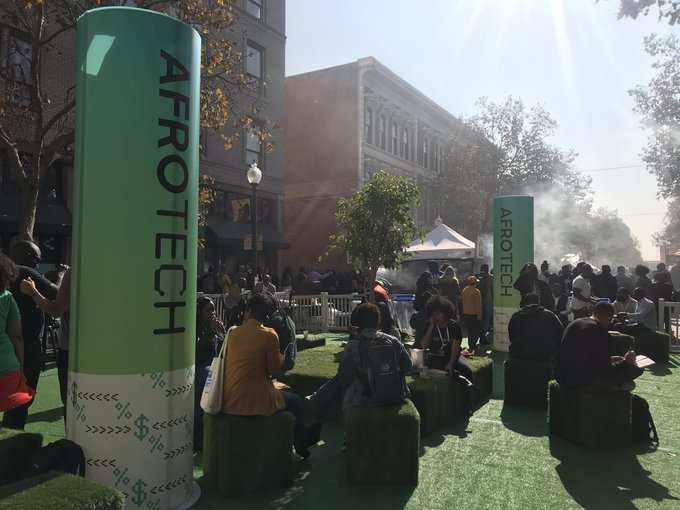
"caption": "Afrotech in Oakland November 2019.",
"description": null,
"title": "Afrotech",
"credit": "Pendarvis Harshaw/KQED",
"status": "inherit",
"isLoading": false,
"fetchFailed": false
},
"news_11826840": {
"type": "attachments",
"id": "news_11826840",
"meta": {
"index": "attachments_1716263798",
"site": "news",
"id": "11826840",
"found": true
},
"parent": 0,
"imgSizes": {
"apple_news_ca_landscape_5_5": {
"file": "https://ww2.kqed.org/app/uploads/sites/10/2020/06/pj-prop8-1044x783.jpeg",
"width": 1044,
"mimeType": "image/jpeg",
"height": 783
},
"apple_news_ca_square_4_0": {
"file": "https://ww2.kqed.org/app/uploads/sites/10/2020/06/pj-prop8-470x470.jpeg",
"width": 470,
"mimeType": "image/jpeg",
"height": 470
},
"twentyfourteen-full-width": {
"file": "https://ww2.kqed.org/app/uploads/sites/10/2020/06/pj-prop8-1038x576.jpeg",
"width": 1038,
"mimeType": "image/jpeg",
"height": 576
},
"thumbnail": {
"file": "https://ww2.kqed.org/app/uploads/sites/10/2020/06/pj-prop8-160x114.jpeg",
"width": 160,
"mimeType": "image/jpeg",
"height": 114
},
"post-thumbnail": {
"file": "https://ww2.kqed.org/app/uploads/sites/10/2020/06/pj-prop8-672x372.jpeg",
"width": 672,
"mimeType": "image/jpeg",
"height": 372
},
"kqedFullSize": {
"file": "https://ww2.kqed.org/app/uploads/sites/10/2020/06/pj-prop8.jpeg",
"width": 2048,
"height": 1463
},
"apple_news_ca_landscape_4_7": {
"file": "https://ww2.kqed.org/app/uploads/sites/10/2020/06/pj-prop8-632x474.jpeg",
"width": 632,
"mimeType": "image/jpeg",
"height": 474
},
"large": {
"file": "https://ww2.kqed.org/app/uploads/sites/10/2020/06/pj-prop8-1020x729.jpeg",
"width": 1020,
"mimeType": "image/jpeg",
"height": 729
},
"apple_news_ca_landscape_4_0": {
"file": "https://ww2.kqed.org/app/uploads/sites/10/2020/06/pj-prop8-536x402.jpeg",
"width": 536,
"mimeType": "image/jpeg",
"height": 402
},
"apple_news_ca_portrait_12_9": {
"file": "https://ww2.kqed.org/app/uploads/sites/10/2020/06/pj-prop8-1122x1463.jpeg",
"width": 1122,
"mimeType": "image/jpeg",
"height": 1463
},
"medium": {
"file": "https://ww2.kqed.org/app/uploads/sites/10/2020/06/pj-prop8-800x571.jpeg",
"width": 800,
"mimeType": "image/jpeg",
"height": 571
},
"apple_news_ca_portrait_4_0": {
"file": "https://ww2.kqed.org/app/uploads/sites/10/2020/06/pj-prop8-354x472.jpeg",
"width": 354,
"mimeType": "image/jpeg",
"height": 472
},
"apple_news_ca_portrait_9_7": {
"file": "https://ww2.kqed.org/app/uploads/sites/10/2020/06/pj-prop8-840x1120.jpeg",
"width": 840,
"mimeType": "image/jpeg",
"height": 1120
},
"apple_news_ca_landscape_12_9": {
"file": "https://ww2.kqed.org/app/uploads/sites/10/2020/06/pj-prop8-1832x1374.jpeg",
"width": 1832,
"mimeType": "image/jpeg",
"height": 1374
},
"apple_news_ca_square_9_7": {
"file": "https://ww2.kqed.org/app/uploads/sites/10/2020/06/pj-prop8-1104x1104.jpeg",
"width": 1104,
"mimeType": "image/jpeg",
"height": 1104
},
"1536x1536": {
"file": "https://ww2.kqed.org/app/uploads/sites/10/2020/06/pj-prop8-1536x1097.jpeg",
"width": 1536,
"mimeType": "image/jpeg",
"height": 1097
},
"apple_news_ca_portrait_4_7": {
"file": "https://ww2.kqed.org/app/uploads/sites/10/2020/06/pj-prop8-414x552.jpeg",
"width": 414,
"mimeType": "image/jpeg",
"height": 552
},
"apple_news_ca_square_12_9": {
"file": "https://ww2.kqed.org/app/uploads/sites/10/2020/06/pj-prop8-1472x1463.jpeg",
"width": 1472,
"mimeType": "image/jpeg",
"height": 1463
},
"apple_news_ca_portrait_5_5": {
"file": "https://ww2.kqed.org/app/uploads/sites/10/2020/06/pj-prop8-687x916.jpeg",
"width": 687,
"mimeType": "image/jpeg",
"height": 916
},
"full-width": {
"file": "https://ww2.kqed.org/app/uploads/sites/10/2020/06/pj-prop8-1920x1372.jpeg",
"width": 1920,
"mimeType": "image/jpeg",
"height": 1372
},
"apple_news_ca_square_4_7": {
"file": "https://ww2.kqed.org/app/uploads/sites/10/2020/06/pj-prop8-550x550.jpeg",
"width": 550,
"mimeType": "image/jpeg",
"height": 550
},
"apple_news_ca_landscape_9_7": {
"file": "https://ww2.kqed.org/app/uploads/sites/10/2020/06/pj-prop8-1376x1032.jpeg",
"width": 1376,
"mimeType": "image/jpeg",
"height": 1032
},
"apple_news_ca_square_5_5": {
"file": "https://ww2.kqed.org/app/uploads/sites/10/2020/06/pj-prop8-912x912.jpeg",
"width": 912,
"mimeType": "image/jpeg",
"height": 912
}
},
"publishDate": 1593541955,
"modified": 1593659464,
"caption": "Peter Jon Shuler getting set for a press conference during federal court battle over the future of Proposition 8, California's 2008 ban on gay marriage. ",
"description": null,
"title": "Peter Jon Shuler",
"credit": "Courtesy of Peter Jon Shuler ",
"status": "inherit",
"isLoading": false,
"fetchFailed": false
}
},
"audioPlayerReducer": {
"postId": "stream_live",
"isPaused": true,
"isPlaying": false,
"pfsActive": false,
"pledgeModalIsOpen": true,
"playerDrawerIsOpen": false,
"liveAudioPlayStartedAt": 0,
"liveAudioPlayContext": ""
},
"authorsReducer": {
"byline_news_11827513": {
"type": "authors",
"id": "byline_news_11827513",
"meta": {
"override": true
},
"slug": "byline_news_11827513",
"name": "Amanda Seitz \u003cbr> Associated Press ",
"isLoading": false
},
"byline_news_11827321": {
"type": "authors",
"id": "byline_news_11827321",
"meta": {
"override": true
},
"slug": "byline_news_11827321",
"name": "\u003ca href=\"https://www.npr.org/people/763523701/shannon-bond\">Shannon Bond\u003c/a>",
"isLoading": false
},
"byline_news_11826864": {
"type": "authors",
"id": "byline_news_11826864",
"meta": {
"override": true
},
"slug": "byline_news_11826864",
"name": "Barbara Ortutay \u003cbr> Associated Press",
"isLoading": false
},
"danbrekke": {
"type": "authors",
"id": "222",
"meta": {
"index": "authors_1716337520",
"id": "222",
"found": true
},
"name": "Dan Brekke",
"firstName": "Dan",
"lastName": "Brekke",
"slug": "danbrekke",
"email": "dbrekke@kqed.org",
"display_author_email": true,
"staff_mastheads": [
"news",
"science"
],
"title": "KQED Editor and Reporter",
"bio": "Dan Brekke is a reporter and editor for KQED News, responsible for coverage of topics ranging from California water issues to the Bay Area's transportation challenges. In a newsroom career that began in Chicago in 1972, Dan has worked for \u003cem>The San Francisco Examiner,\u003c/em> Wired and TechTV and has been published in The New York Times, The New York Times Magazine, Business 2.0, Salon and elsewhere.\r\n\r\nSince joining KQED in 2007, Dan has reported, edited and produced both radio and online features and breaking news pieces. He has shared as both editor and reporter in four Society of Professional Journalists Norcal Excellence in Journalism awards and one Edward R. Murrow regional award. He was chosen for a spring 2017 residency at the Mesa Refuge to advance his research on California salmon.\r\n\r\nEmail Dan at: \u003ca href=\"mailto:dbrekke@kqed.org\">dbrekke@kqed.org\u003c/a>\r\n\r\n\u003cstrong>Twitter:\u003c/strong> \u003ca href=\"https://twitter.com/danbrekke\" rel=\"noopener noreferrer\">twitter.com/danbrekke\u003c/a>\r\n\u003cstrong>Facebook:\u003c/strong> \u003ca href=\"https://www.facebook.com/danbrekke\" rel=\"noopener noreferrer\">www.facebook.com/danbrekke\u003c/a>\r\n\u003cstrong>LinkedIn:\u003c/strong> \u003ca href=\"https://www.linkedin.com/in/danbrekke\" rel=\"noopener noreferrer\">www.linkedin.com/in/danbrekke\u003c/a>",
"avatar": "https://secure.gravatar.com/avatar/8f1f0d2a978fb3b23426c922c7e2af558fa36905b49c4ce76a97dc3c72d27226?s=600&d=mm&r=g",
"twitter": "danbrekke",
"bluesky": null,
"facebook": null,
"instagram": "https://www.instagram.com/dan.brekke/",
"linkedin": "https://www.linkedin.com/in/danbrekke/",
"sites": [
{
"site": "news",
"roles": [
"administrator",
"create_posts"
]
},
{
"site": "stateofhealth",
"roles": [
"editor"
]
},
{
"site": "science",
"roles": [
"editor"
]
},
{
"site": "quest",
"roles": [
"contributor"
]
},
{
"site": "food",
"roles": [
"contributor"
]
},
{
"site": "forum",
"roles": [
"contributor"
]
},
{
"site": "elections",
"roles": [
"editor"
]
},
{
"site": "liveblog",
"roles": [
"editor"
]
}
],
"headData": {
"title": "Dan Brekke | KQED",
"description": "KQED Editor and Reporter",
"ogImgSrc": "https://secure.gravatar.com/avatar/8f1f0d2a978fb3b23426c922c7e2af558fa36905b49c4ce76a97dc3c72d27226?s=600&d=mm&r=g",
"twImgSrc": "https://secure.gravatar.com/avatar/8f1f0d2a978fb3b23426c922c7e2af558fa36905b49c4ce76a97dc3c72d27226?s=600&d=mm&r=g"
},
"isLoading": false,
"link": "/author/danbrekke"
},
"kqed": {
"type": "authors",
"id": "236",
"meta": {
"index": "authors_1716337520",
"id": "236",
"found": true
},
"name": "KQED News Staff",
"firstName": "KQED News Staff",
"lastName": null,
"slug": "kqed",
"email": "faq@kqed.org",
"display_author_email": false,
"staff_mastheads": [],
"title": null,
"bio": null,
"avatar": "https://secure.gravatar.com/avatar/ef0e801a68c4c54afa9180db14084167?s=600&d=blank&r=g",
"twitter": null,
"facebook": null,
"instagram": null,
"linkedin": null,
"sites": [
{
"site": "arts",
"roles": [
"contributor"
]
},
{
"site": "news",
"roles": [
"editor"
]
},
{
"site": "futureofyou",
"roles": [
"author"
]
}
],
"headData": {
"title": "KQED News Staff | KQED",
"description": null,
"ogImgSrc": "https://secure.gravatar.com/avatar/ef0e801a68c4c54afa9180db14084167?s=600&d=blank&r=g",
"twImgSrc": "https://secure.gravatar.com/avatar/ef0e801a68c4c54afa9180db14084167?s=600&d=blank&r=g"
},
"isLoading": false,
"link": "/author/kqed"
},
"rachael-myrow": {
"type": "authors",
"id": "251",
"meta": {
"index": "authors_1716337520",
"id": "251",
"found": true
},
"name": "Rachael Myrow",
"firstName": "Rachael",
"lastName": "Myrow",
"slug": "rachael-myrow",
"email": "rmyrow@kqed.org",
"display_author_email": true,
"staff_mastheads": [
"news"
],
"title": "Senior Editor of KQED's Silicon Valley News Desk",
"bio": "• I write and edit stories about how Silicon Valley power and policies shape everyday life in California. I’m also passionate about making Bay Area history and culture more accessible to a broad public. • I’ve been a journalist for most of my life, starting in high school with The Franklin Press in Los Angeles, where I grew up. While earning my first degree in English at UC Berkeley, I got my start in public radio at KALX-FM. After completing a second degree in journalism at Cal, I landed my first professional job at Marketplace, then moved on to KPCC (now LAist), and then KQED, where I hosted The California Report for more than seven years. • My reporting has appeared on NPR, The World, WBUR’s \u003ci>Here & Now\u003c/i>, and the BBC. I also guest host for KQED’s \u003ci>Forum\u003c/i>, as well as the Commonwealth Club in San Francisco. • I speak periodically on media, democracy and technology issues, and do voiceover work for documentaries and educational video projects. • Outside of the studio, you'll find me hiking Bay Area trails and whipping up Insta-ready meals in my kitchen. • I do not accept gifts, money, or favors from anyone connected to my reporting, I don't pay people for information, and I do not support or donate to political causes. • I strive to treat the people I report on with fairness, honesty, and respect. I also recognize there are often multiple sides to a story and work to verify information through multiple sources and documentation. If I get something wrong, I correct it.",
"avatar": "https://secure.gravatar.com/avatar/3ed8a3c5f26025e4a805ba634cda8cd764906b97438a6d9ce216b044e340da4e?s=600&d=blank&r=g",
"twitter": "rachaelmyrow",
"bluesky": null,
"facebook": null,
"instagram": null,
"linkedin": "https://www.linkedin.com/in/rachaelmyrow/",
"sites": [
{
"site": "arts",
"roles": [
"administrator"
]
},
{
"site": "news",
"roles": [
"edit_others_posts",
"editor"
]
},
{
"site": "futureofyou",
"roles": [
"editor"
]
},
{
"site": "bayareabites",
"roles": [
"editor"
]
},
{
"site": "stateofhealth",
"roles": [
"editor"
]
},
{
"site": "science",
"roles": [
"editor"
]
},
{
"site": "food",
"roles": [
"editor"
]
},
{
"site": "forum",
"roles": [
"editor"
]
},
{
"site": "liveblog",
"roles": [
"author"
]
}
],
"headData": {
"title": "Rachael Myrow | KQED",
"description": "Senior Editor of KQED's Silicon Valley News Desk",
"ogImgSrc": "https://secure.gravatar.com/avatar/3ed8a3c5f26025e4a805ba634cda8cd764906b97438a6d9ce216b044e340da4e?s=600&d=blank&r=g",
"twImgSrc": "https://secure.gravatar.com/avatar/3ed8a3c5f26025e4a805ba634cda8cd764906b97438a6d9ce216b044e340da4e?s=600&d=blank&r=g"
},
"isLoading": false,
"link": "/author/rachael-myrow"
},
"markfiore": {
"type": "authors",
"id": "3236",
"meta": {
"index": "authors_1716337520",
"id": "3236",
"found": true
},
"name": "Mark Fiore",
"firstName": "Mark",
"lastName": "Fiore",
"slug": "markfiore",
"email": "mark@markfiore.com",
"display_author_email": false,
"staff_mastheads": [
"news"
],
"title": "KQED News Cartoonist",
"bio": "\u003ca href=\"http://www.MarkFiore.com\">MarkFiore.com\u003c/a> | \u003ca href=\"https://twitter.com/markfiore\">Follow on Twitter\u003c/a> | \u003ca href=\"https://www.facebook.com/pages/Mark-Fiore-Animated-Political-Cartoons/94451707396?ref=bookmarks\">Facebook\u003c/a> | \u003ca href=\"mailto:mark@markfiore.com\">email\u003c/a>\r\n\r\nPulitzer Prize-winner, Mark Fiore, who the Wall Street Journal has called “the undisputed guru of the form,” creates animated political cartoons in San Francisco, where his work has been featured regularly on the San Francisco Chronicle’s web site, SFGate.com. His work has appeared on Newsweek.com, Slate.com, CBSNews.com, MotherJones.com, DailyKos.com and NPR’s web site. Fiore’s political animation has appeared on CNN, Frontline, Bill Moyers Journal, Salon.com and cable and broadcast outlets across the globe.\r\n\r\nBeginning his professional life by drawing traditional political cartoons for newspapers, Fiore’s work appeared in publications ranging from the Washington Post to the Los Angeles Times. In the late 1990s, he began to experiment with animating political cartoons and, after a short stint at the San Jose Mercury News as their staff cartoonist, Fiore devoted all his energies to animation.\r\nGrowing up in California, Fiore also spent a good portion of his life in the backwoods of Idaho. It was this combination that shaped him politically. Mark majored in political science at Colorado College, where, in a perfect send-off for a cartoonist, he received his diploma in 1991 as commencement speaker Dick Cheney smiled approvingly.\r\nMark Fiore was awarded the Pulitzer Prize for political cartooning in 2010, a Robert F. Kennedy Journalism Award in 2004 and has twice received an Online Journalism Award for commentary from the Online News Association (2002, 2008). Fiore has received two awards for his work in new media from the National Cartoonists Society (2001, 2002), and in 2006 received The James Madison Freedom of Information Award from The Society of Professional Journalists.",
"avatar": "https://secure.gravatar.com/avatar/fc4e2a612b15b67bad0c6f0e1db4ca9b?s=600&d=blank&r=g",
"twitter": "MarkFiore",
"facebook": null,
"instagram": "https://www.instagram.com/markfiore/?hl=en",
"linkedin": null,
"sites": [
{
"site": "arts",
"roles": [
"contributor"
]
},
{
"site": "news",
"roles": [
"editor"
]
},
{
"site": "futureofyou",
"roles": [
"editor"
]
},
{
"site": "science",
"roles": [
"editor"
]
}
],
"headData": {
"title": "Mark Fiore | KQED",
"description": "KQED News Cartoonist",
"ogImgSrc": "https://secure.gravatar.com/avatar/fc4e2a612b15b67bad0c6f0e1db4ca9b?s=600&d=blank&r=g",
"twImgSrc": "https://secure.gravatar.com/avatar/fc4e2a612b15b67bad0c6f0e1db4ca9b?s=600&d=blank&r=g"
},
"isLoading": false,
"link": "/author/markfiore"
},
"dkatayama": {
"type": "authors",
"id": "7240",
"meta": {
"index": "authors_1716337520",
"id": "7240",
"found": true
},
"name": "Devin Katayama",
"firstName": "Devin",
"lastName": "Katayama",
"slug": "dkatayama",
"email": "dkatayama@kqed.org",
"display_author_email": true,
"staff_mastheads": [
"news"
],
"title": "Editor of Talent and Development",
"bio": "Devin Katayama is former Editor of Talent and Development for KQED. He supported our internship program and on-call staff by looking for equitable opportunities to improve the newsroom.\r\n\r\nHe previously hosted The Bay and American Suburb podcasts from KQED News. Prior to returning to the Bay Area in 2015, Devin was the education reporter for WFPL in Louisville and worked as a producer with radio stations in Chicago and Portland, OR. His work has appeared on NPR’s \u003cem>Morning Edition, All Things Considered, The Takeaway\u003c/em> and \u003cem>Here and Now.\u003c/em>\r\n\r\nDevin earned his MA in Journalism from Columbia College Chicago, where he was a Follett Fellow and the recipient of the 2011 Studs Terkel Community Media Workshop Scholarship for his story on Chicago's homeless youth. He won WBUR's 2014 Daniel Schorr award and a regional RTNDA Edward R. Murrow Award for his documentary \"At Risk\" that looked at issues facing some of Louisville's students. Devin has also received numerous local awards from the Associated Press and the Society of Professional Journalists.",
"avatar": "https://secure.gravatar.com/avatar/d0d2978a31002fb2de107921a8e18405?s=600&d=blank&r=g",
"twitter": "RadioDevin",
"facebook": null,
"instagram": null,
"linkedin": null,
"sites": [
{
"site": "arts",
"roles": []
},
{
"site": "news",
"roles": [
"author"
]
},
{
"site": "stateofhealth",
"roles": [
"author"
]
},
{
"site": "forum",
"roles": [
"editor"
]
},
{
"site": "perspectives",
"roles": [
"editor"
]
}
],
"headData": {
"title": "Devin Katayama | KQED",
"description": "Editor of Talent and Development",
"ogImgSrc": "https://secure.gravatar.com/avatar/d0d2978a31002fb2de107921a8e18405?s=600&d=blank&r=g",
"twImgSrc": "https://secure.gravatar.com/avatar/d0d2978a31002fb2de107921a8e18405?s=600&d=blank&r=g"
},
"isLoading": false,
"link": "/author/dkatayama"
},
"ecruzguevarra": {
"type": "authors",
"id": "8654",
"meta": {
"index": "authors_1716337520",
"id": "8654",
"found": true
},
"name": "Ericka Cruz Guevarra",
"firstName": "Ericka",
"lastName": "Cruz Guevarra",
"slug": "ecruzguevarra",
"email": "ecruzguevarra@kqed.org",
"display_author_email": true,
"staff_mastheads": [
"news"
],
"title": "Producer, The Bay Podcast",
"bio": "Ericka Cruz Guevarra is host of \u003ca href=\"https://www.kqed.org/podcasts/thebay\">\u003cem>The Bay\u003c/em>\u003c/a> podcast at KQED. Before host, she was the show’s producer. Her work in that capacity includes a three-part reported series on policing in Vallejo, which won a 2020 excellence in journalism award from the Society of Professional Journalists. Ericka has worked as a breaking news reporter at Oregon Public Broadcasting, helped produce the Code Switch podcast, and was KQED’s inaugural Raul Ramirez Diversity Fund intern. She’s also an alumna of NPR’s Next Generation Radio program. Send her an email if you have strong feelings about whether Fairfield and Suisun City are the Bay. Ericka is represented by SAG-AFTRA.",
"avatar": "https://secure.gravatar.com/avatar/accefc1de4bafc7e234b69bcb9b6f6536c130fd84709bc3069ef11a78787e1bb?s=600&d=blank&r=g",
"twitter": "NotoriousECG",
"bluesky": null,
"facebook": null,
"instagram": null,
"linkedin": null,
"sites": [
{
"site": "arts",
"roles": [
"subscriber"
]
},
{
"site": "news",
"roles": [
"editor",
"manage_categories"
]
},
{
"site": "futureofyou",
"roles": [
"subscriber"
]
},
{
"site": "stateofhealth",
"roles": [
"subscriber"
]
},
{
"site": "science",
"roles": [
"editor"
]
},
{
"site": "forum",
"roles": [
"subscriber"
]
}
],
"headData": {
"title": "Ericka Cruz Guevarra | KQED",
"description": "Producer, The Bay Podcast",
"ogImgSrc": "https://secure.gravatar.com/avatar/accefc1de4bafc7e234b69bcb9b6f6536c130fd84709bc3069ef11a78787e1bb?s=600&d=blank&r=g",
"twImgSrc": "https://secure.gravatar.com/avatar/accefc1de4bafc7e234b69bcb9b6f6536c130fd84709bc3069ef11a78787e1bb?s=600&d=blank&r=g"
},
"isLoading": false,
"link": "/author/ecruzguevarra"
},
"ljamali": {
"type": "authors",
"id": "11552",
"meta": {
"index": "authors_1716337520",
"id": "11552",
"found": true
},
"name": "Lily Jamali",
"firstName": "Lily",
"lastName": "Jamali",
"slug": "ljamali",
"email": "ljamali@kqed.org",
"display_author_email": false,
"staff_mastheads": [],
"title": "KQED Contributor",
"bio": "Lily was the former co-host of the daily morning show, The California Report.",
"avatar": "https://secure.gravatar.com/avatar/dbf7b30d159e697731046a10d25a9e29?s=600&d=blank&r=g",
"twitter": "lilyjamali",
"facebook": null,
"instagram": null,
"linkedin": null,
"sites": [
{
"site": "news",
"roles": [
"create_posts",
"subscriber"
]
},
{
"site": "forum",
"roles": [
"editor"
]
}
],
"headData": {
"title": "Lily Jamali | KQED",
"description": "KQED Contributor",
"ogImgSrc": "https://secure.gravatar.com/avatar/dbf7b30d159e697731046a10d25a9e29?s=600&d=blank&r=g",
"twImgSrc": "https://secure.gravatar.com/avatar/dbf7b30d159e697731046a10d25a9e29?s=600&d=blank&r=g"
},
"isLoading": false,
"link": "/author/ljamali"
},
"abandlamudi": {
"type": "authors",
"id": "11672",
"meta": {
"index": "authors_1716337520",
"id": "11672",
"found": true
},
"name": "Adhiti Bandlamudi",
"firstName": "Adhiti",
"lastName": "Bandlamudi",
"slug": "abandlamudi",
"email": "abandlamudi@kqed.org",
"display_author_email": false,
"staff_mastheads": [
"news"
],
"title": "KQED Housing Reporter",
"bio": "Adhiti Bandlamudi reports for KQED's Housing desk. She focuses on how housing gets built across the Bay Area. Before joining KQED in 2020, she reported for WUNC in Durham, North Carolina, WABE in Atlanta, Georgia and Capital Public Radio in Sacramento. In 2017, she was awarded a Kroc Fellowship at NPR where she reported on everything from sprinkles to the Golden State Killer's arrest. When she's not reporting, she's baking new recipes in her kitchen or watching movies with friends and family. She's originally from Georgia and has strong opinions about Great British Bake Off.",
"avatar": "https://secure.gravatar.com/avatar/868129c8b257bb99a3500e2c86a65400?s=600&d=mm&r=g",
"twitter": "oddity_adhiti",
"facebook": null,
"instagram": null,
"linkedin": null,
"sites": [
{
"site": "arts",
"roles": [
"author"
]
},
{
"site": "news",
"roles": [
"editor"
]
},
{
"site": "liveblog",
"roles": [
"author"
]
}
],
"headData": {
"title": "Adhiti Bandlamudi | KQED",
"description": "KQED Housing Reporter",
"ogImgSrc": "https://secure.gravatar.com/avatar/868129c8b257bb99a3500e2c86a65400?s=600&d=mm&r=g",
"twImgSrc": "https://secure.gravatar.com/avatar/868129c8b257bb99a3500e2c86a65400?s=600&d=mm&r=g"
},
"isLoading": false,
"link": "/author/abandlamudi"
}
},
"pagesReducer": {
"news_category_technology": {
"type": "terms",
"id": "news_248",
"meta": {
"index": "terms_1716263798",
"site": "news",
"id": "248",
"score": 10.931152
},
"featImg": null,
"name": "Technology",
"description": null,
"taxonomy": "category",
"headData": {
"twImgId": null,
"twTitle": null,
"ogTitle": null,
"ogImgId": null,
"twDescription": null,
"description": null,
"title": "Technology Archives | KQED News",
"ogDescription": null
},
"ttid": 256,
"slug": "technology",
"isLoading": false,
"title": "Technology",
"pageMeta": {
"site": "news",
"WpPageTemplate": "page-topic-editorial",
"currentPage": 49
},
"blocks": [
{
"blockName": "kqed/post-list",
"attrs": {
"layout": "cardArticle2",
"query": "posts/news?category=technology",
"seeMore": false,
"paginated": true,
"page": 49
}
},
{
"blockName": "kqed/ad"
}
]
}
},
"pfsSessionReducer": {},
"postsReducer": {
"stream_live": {
"type": "live",
"id": "stream_live",
"audioUrl": "https://streams.kqed.org/kqedradio",
"title": "Live Stream",
"excerpt": "Live Stream information currently unavailable.",
"link": "/radio",
"featImg": "",
"label": {
"name": "KQED Live",
"link": "/"
}
},
"stream_kqedNewscast": {
"type": "posts",
"id": "stream_kqedNewscast",
"audioUrl": "https://www.kqed.org/.stream/anon/radio/RDnews/newscast.mp3?_=1",
"title": "KQED Newscast",
"featImg": "",
"label": {
"name": "88.5 FM",
"link": "/"
}
},
"news_11828981": {
"type": "posts",
"id": "news_11828981",
"meta": {
"index": "posts_1716263798",
"site": "news",
"id": "11828981",
"score": null,
"sort": [
1594854101000
]
},
"guestAuthors": [],
"slug": "the-rich-must-step-up-right-now-say-these-silicon-valley-philanthropists",
"title": "The Rich Must Step Up Right Now, Say These Silicon Valley Philanthropists",
"publishDate": 1594854101,
"format": "audio",
"headTitle": "The Rich Must Step Up Right Now, Say These Silicon Valley Philanthropists | KQED",
"labelTerm": {
"site": "news"
},
"content": "\u003cp>When I give money to a worthy cause — my alma mater, my local food bank, et cetera — I typically do so directly. Wealthy donors, especially these days, are typically steered into something else: a financial vehicle called a donor-advised fund (DAF).\u003c/p>\n\u003cp>According to the \u003ca href=\"https://www.nptrust.org/reports/daf-report/\" target=\"_blank\" rel=\"noopener noreferrer\">National Philanthropic Trust\u003c/a>, the national pool of assets parked in DAFs clocked in at a whopping $121.42 billion in 2018. Charitable grants issued from that stash last year? Just $23.42 billion.\u003c/p>\n\u003cp>The discrepancy between those two numbers has led to heated public debate.\u003c/p>\n\u003cp>If donors get the tax benefit of a charitable donation to a DAF in the tax year they donate, shouldn’t they be directing the organizations that manage their DAFs to give all that money away in the same year? Or much of it?\u003c/p>\n\u003cp>Opinions vary, but in the midst of the COVID-19 pandemic and resulting recession — and a nationwide reckoning over racism and social justice in the wake of the police killing of George Floyd — the DAF world has been under increased pressure to deliver more now.\u003c/p>\n\u003cp>[pullquote size=\"medium\" align=\"right\" citation=\"Buffy Wicks, East Bay assemblywoman\"]‘If you look at the challenges our communities are facing, if you look at the health impacts of COVID-19 to communities of color in particular, if you look at what is happening to our society, today is the day to spend the money.’[/pullquote]\u003c/p>\n\u003cp>\u003cstrong>‘I Was Overwhelmed’\u003c/strong>\u003c/p>\n\u003cp>David and Jennifer Risher of San Francisco made their money with Amazon and Microsoft, and they readily admit they got into to a donor advised fund years before they gave much thought to how they wanted to use it.\u003c/p>\n\u003cp>“I think we opened the first DAF in 2002,” said Jennifer Risher. “I was overwhelmed. Like, what do I do? How do I do it?”\u003c/p>\n\u003cp>When David Risher founded a nonprofit called \u003ca href=\"https://www.worldreader.org\" target=\"_blank\" rel=\"noopener noreferrer\">Worldreader\u003c/a>, aimed at getting 1 billion children reading digitally, they got to see the world of nonprofit funding from the other side.\u003c/p>\n\u003cp>“In an era when there is enormous potential for nonprofits to address the world’s biggest problems, DAFs are keeping funds from getting to the people who need them the most,” he wrote in an editorial on \u003ca href=\"https://www.linkedin.com/pulse/youve-given-donor-advised-fund-great-now-finish-job-david-risher/?articleId=6625843233681354752\" target=\"_blank\" rel=\"noopener noreferrer\">LinkedIn\u003c/a>, called “You’ve Given to a Donor Advised Fund. Great! Now, Finish the Job.”\u003c/p>\n\u003cp>On Giving Tuesday last May, the couple launched an initiative designed to challenge other DAF holders to finish the job. They called it \u003ca href=\"https://www.halfmydaf.com\" target=\"_blank\" rel=\"noopener noreferrer\">#HalfMyDAF\u003c/a>. The Rishers promised to match up to $1 million, through their personal DAF.\u003c/p>\n\u003cp>“You give money to your nonprofits, you let us know, and then, as many as we can, we’re going to give to match,” David Risher said. “So the first round is July 15. The second round is September 30.”\u003c/p>\n\u003cp>As of June 12, they got 72 people and couples to commit to giving, and a few others to commit to matching those grants. Total so far? Roughly $2.9 million.\u003c/p>\n\u003cp>Why are the Rishers doing this?\u003c/p>\n\u003cp>“The rainy day is here,” said Jennifer Risher.\u003c/p>\n\u003cp>[ad fullwidth]\u003c/p>\n\u003cp>They’ve also been reading the news articles and \u003ca href=\"https://www.washingtonpost.com/lifestyle/style/zombie-philanthropy-the-rich-have-stashed-billions-in-donor-advised-charities--but-its-not-reaching-those-in-need/2020/06/23/6a1b397a-af3a-11ea-856d-5054296735e5_story.html\" target=\"_blank\" rel=\"noopener noreferrer\">opinion pieces\u003c/a> in recent years that argue DAFs have become a form of “zombie philanthropy.”\u003c/p>\n\u003cp>DAFs are easy to set up with sponsoring organizations ranging from Wall Street giants like \u003ca href=\"https://www.fidelitycharitable.org\" target=\"_blank\" rel=\"noopener noreferrer\">Fidelity Charitable\u003c/a> to community foundations and universities. You can park unconventional assets like pre-IPO stock or cryptocurrencies in them, which explains why DAFs are popular among Silicon Valley’s elite. You get the tax break in the year you move your money into the DAF, but you don’t have to tell your DAF manager right away where you want the money to go: schools, food banks, whatever.\u003c/p>\n\u003cp>There’s no legal deadline, which troubles East Bay Assemblywoman Buffy Wicks.\u003c/p>\n\u003cp>“If you look at the people unemployed right now, if you look at the evictions that are going to be taking place, if you look at the challenges that our communities are facing, if you look at the health impacts of COVID-19 to communities of color in particular, if you look at what is happening to our society, today is the day to spend the money,” she said.\u003c/p>\n\u003cp>[aside label='Coronavirus Coverage' tag='coronavirus']She is pushing a bill co-sponsored by \u003ca href=\"https://calnonprofits.org\" target=\"_blank\" rel=\"noopener noreferrer\">CalNonprofits\u003c/a>, among others, that would codify the legal definition of a DAF and require the state attorney general’s office to establish a classification for sponsoring organizations. That’s it: just to lay the groundwork for future regulation, that might be the inspiration or impetus for change at the federal level.\u003c/p>\n\u003cp>But modest as \u003ca href=\"https://leginfo.legislature.ca.gov/faces/billTextClient.xhtml?bill_id=201920200AB2936\" target=\"_blank\" rel=\"noopener noreferrer\">AB 2936\u003c/a> is, the \u003ca href=\"https://lccf.org\" target=\"_blank\" rel=\"noopener noreferrer\">League of California Community Foundations\u003c/a> is opposed. The group’s 30 members have just over 7,200 donor-advised funds under management with about $10 billion in assets, though not evenly distributed.\u003c/p>\n\u003cp>One community foundation in particular dominates that scene. The \u003ca href=\"https://www.siliconvalleycf.org\" target=\"_blank\" rel=\"noopener noreferrer\">Silicon Valley Community Foundation\u003c/a> reports $8.74 billion in advised funds in 2019, in large part because of its donor base in Silicon Valley. Marquee donors include Mark Zuckerberg and Jack Dorsey.\u003c/p>\n\u003cp>SVCF has policies in place to nudge donors who are letting their DAFs lie dormant.\u003c/p>\n\u003cp>“If fund advisors do not recommend grants for two years, we contact them to request that they do so. If the fund remains dormant, SVCF can absorb the fund into our endowment and the money will be deployed to our community,” wrote Communications Director Chau Vuong.\u003c/p>\n\u003cp>Fidelity Charitable, arguably the big fish in the industry with 140,000 DAFs \u003ca href=\"https://www.fidelitycharitable.org/insights/2020-giving-report.html\" target=\"_blank\" rel=\"noopener noreferrer\">in 2019\u003c/a>, follows a similar \u003ca href=\"http://fidelitycharitable.org/content/dam/fc-public/docs/programs/fidelity-charitable-program-guidelines.pdf\" target=\"_blank\" rel=\"noopener noreferrer\">protocol\u003c/a>.\u003c/p>\n\u003cp>“After two years in which no grants are distributed from a Giving Account, Fidelity Charitable will make grants from the Giving Account to IRS-qualified public charities approved by the Trustees of Fidelity Charitable,” wrote the company’s Director of Media Relations Nabil Ashour.\u003c/p>\n\u003cp>\u003cstrong>How Long Is Too Long?\u003c/strong>\u003c/p>\n\u003cp>Vuong argues SVCF is delivering to the nonprofits that depend on it.\u003c/p>\n\u003cp>“In general we have a payout rate of 9‐15% each year, which is significantly higher than the 5% required of private foundations,” Vuong said. “This year, with the onset of COVID‐19, CEO Nicole Taylor initially put out an urgent call to action in which she encouraged fundholders to deploy an additional 1‐5% more from their accounts, on top of what they were already giving or planning to give this year, to support COVID‐19-related causes.”\u003c/p>\n\u003cp>But not everyone is convinced donors should feel compelled to empty their DAFs as fast as they fill them.\u003c/p>\n\u003cp>James Head, CEO of \u003ca href=\"https://www.ebcf.org\" target=\"_blank\" rel=\"noopener noreferrer\">East Bay Community Foundation\u003c/a> and chair of the League, argues the vast majority of DAFs are not set up by Silicon Valley bigwigs, but smaller operators keen to make a difference over the long term.\u003c/p>\n\u003cp>“You know, we have COVID-19 today. We may have a wildfire tomorrow,” Head said. “We could have an earthquake the following week. There are constantly needs.”\u003c/p>\n\u003cp>[ad floatright]\u003c/p>\n",
"blocks": [],
"excerpt": "'The rainy day is here,' said Jennifer and David Risher, who are challenging fellow wealthy donors to make sure their funds get to those who need them most.",
"status": "publish",
"parent": 0,
"modified": 1729028121,
"stats": {
"hasAudio": false,
"hasVideo": false,
"hasChartOrMap": false,
"iframeSrcs": [],
"hasGoogleForm": false,
"hasGallery": false,
"hasHearkenModule": false,
"hasPolis": false,
"paragraphCount": 35,
"wordCount": 1208
},
"headData": {
"title": "The Rich Must Step Up Right Now, Say These Silicon Valley Philanthropists | KQED",
"description": "'The rainy day is here,' said Jennifer and David Risher, who are challenging fellow wealthy donors to make sure their funds get to those who need them most.",
"ogTitle": "",
"ogDescription": "",
"ogImgId": "",
"twTitle": "",
"twDescription": "",
"twImgId": "",
"socialDescription": "'The rainy day is here,' said Jennifer and David Risher, who are challenging fellow wealthy donors to make sure their funds get to those who need them most.",
"schema": {
"@context": "https://schema.org",
"@type": "NewsArticle",
"headline": "The Rich Must Step Up Right Now, Say These Silicon Valley Philanthropists",
"datePublished": "2020-07-15T16:01:41-07:00",
"dateModified": "2024-10-15T14:35:21-07:00",
"image": "https://cdn.kqed.org/wp-content/uploads/2020/02/KQED-OG-Image@1x.png",
"isAccessibleForFree": "True",
"publisher": {
"@type": "NewsMediaOrganization",
"@id": "https://www.kqed.org/#organization",
"name": "KQED",
"logo": "https://cdn.kqed.org/wp-content/uploads/2020/02/KQED-OG-Image@1x.png",
"url": "https://www.kqed.org",
"sameAs": [
"https://www.facebook.com/KQED",
"https://twitter.com/KQED",
"https://www.instagram.com/kqed/",
"https://www.tiktok.com/@kqedofficial",
"https://www.linkedin.com/company/kqed",
"https://www.youtube.com/channel/UCeC0IOo7i1P_61zVUWbJ4nw"
]
}
}
},
"audioUrl": "https://traffic.omny.fm/d/clips/0af137ef-751e-4b19-a055-aaef00d2d578/ffca7e9f-6831-41c5-bcaf-aaef00f5a073/984c5e89-ccb0-48a8-95c4-abf90123002c/audio.mp3",
"sticky": false,
"path": "/news/11828981/the-rich-must-step-up-right-now-say-these-silicon-valley-philanthropists",
"audioTrackLength": null,
"parsedContent": [
{
"type": "contentString",
"content": "\u003cdiv class=\"post-body\">\u003cp>\u003cp>When I give money to a worthy cause — my alma mater, my local food bank, et cetera — I typically do so directly. Wealthy donors, especially these days, are typically steered into something else: a financial vehicle called a donor-advised fund (DAF).\u003c/p>\n\u003cp>According to the \u003ca href=\"https://www.nptrust.org/reports/daf-report/\" target=\"_blank\" rel=\"noopener noreferrer\">National Philanthropic Trust\u003c/a>, the national pool of assets parked in DAFs clocked in at a whopping $121.42 billion in 2018. Charitable grants issued from that stash last year? Just $23.42 billion.\u003c/p>\n\u003cp>The discrepancy between those two numbers has led to heated public debate.\u003c/p>\n\u003cp>If donors get the tax benefit of a charitable donation to a DAF in the tax year they donate, shouldn’t they be directing the organizations that manage their DAFs to give all that money away in the same year? Or much of it?\u003c/p>\n\u003cp>Opinions vary, but in the midst of the COVID-19 pandemic and resulting recession — and a nationwide reckoning over racism and social justice in the wake of the police killing of George Floyd — the DAF world has been under increased pressure to deliver more now.\u003c/p>\n\u003cp>\u003c/p>\u003c/div>",
"attributes": {
"named": {},
"numeric": []
}
},
{
"type": "component",
"content": "‘If you look at the challenges our communities are facing, if you look at the health impacts of COVID-19 to communities of color in particular, if you look at what is happening to our society, today is the day to spend the money.’",
"name": "pullquote",
"attributes": {
"named": {
"size": "medium",
"align": "right",
"citation": "Buffy Wicks, East Bay assemblywoman",
"label": ""
},
"numeric": []
}
},
{
"type": "contentString",
"content": "\u003cdiv class=\"post-body\">\u003cp>\u003c/p>\n\u003cp>\u003cstrong>‘I Was Overwhelmed’\u003c/strong>\u003c/p>\n\u003cp>David and Jennifer Risher of San Francisco made their money with Amazon and Microsoft, and they readily admit they got into to a donor advised fund years before they gave much thought to how they wanted to use it.\u003c/p>\n\u003cp>“I think we opened the first DAF in 2002,” said Jennifer Risher. “I was overwhelmed. Like, what do I do? How do I do it?”\u003c/p>\n\u003cp>When David Risher founded a nonprofit called \u003ca href=\"https://www.worldreader.org\" target=\"_blank\" rel=\"noopener noreferrer\">Worldreader\u003c/a>, aimed at getting 1 billion children reading digitally, they got to see the world of nonprofit funding from the other side.\u003c/p>\n\u003cp>“In an era when there is enormous potential for nonprofits to address the world’s biggest problems, DAFs are keeping funds from getting to the people who need them the most,” he wrote in an editorial on \u003ca href=\"https://www.linkedin.com/pulse/youve-given-donor-advised-fund-great-now-finish-job-david-risher/?articleId=6625843233681354752\" target=\"_blank\" rel=\"noopener noreferrer\">LinkedIn\u003c/a>, called “You’ve Given to a Donor Advised Fund. Great! Now, Finish the Job.”\u003c/p>\n\u003cp>On Giving Tuesday last May, the couple launched an initiative designed to challenge other DAF holders to finish the job. They called it \u003ca href=\"https://www.halfmydaf.com\" target=\"_blank\" rel=\"noopener noreferrer\">#HalfMyDAF\u003c/a>. The Rishers promised to match up to $1 million, through their personal DAF.\u003c/p>\n\u003cp>“You give money to your nonprofits, you let us know, and then, as many as we can, we’re going to give to match,” David Risher said. “So the first round is July 15. The second round is September 30.”\u003c/p>\n\u003cp>As of June 12, they got 72 people and couples to commit to giving, and a few others to commit to matching those grants. Total so far? Roughly $2.9 million.\u003c/p>\n\u003cp>Why are the Rishers doing this?\u003c/p>\n\u003cp>“The rainy day is here,” said Jennifer Risher.\u003c/p>\n\u003cp>\u003c/p>\u003c/div>",
"attributes": {
"named": {},
"numeric": []
}
},
{
"type": "component",
"content": "",
"name": "ad",
"attributes": {
"named": {
"label": "fullwidth"
},
"numeric": [
"fullwidth"
]
}
},
{
"type": "contentString",
"content": "\u003cdiv class=\"post-body\">\u003cp>\u003c/p>\n\u003cp>They’ve also been reading the news articles and \u003ca href=\"https://www.washingtonpost.com/lifestyle/style/zombie-philanthropy-the-rich-have-stashed-billions-in-donor-advised-charities--but-its-not-reaching-those-in-need/2020/06/23/6a1b397a-af3a-11ea-856d-5054296735e5_story.html\" target=\"_blank\" rel=\"noopener noreferrer\">opinion pieces\u003c/a> in recent years that argue DAFs have become a form of “zombie philanthropy.”\u003c/p>\n\u003cp>DAFs are easy to set up with sponsoring organizations ranging from Wall Street giants like \u003ca href=\"https://www.fidelitycharitable.org\" target=\"_blank\" rel=\"noopener noreferrer\">Fidelity Charitable\u003c/a> to community foundations and universities. You can park unconventional assets like pre-IPO stock or cryptocurrencies in them, which explains why DAFs are popular among Silicon Valley’s elite. You get the tax break in the year you move your money into the DAF, but you don’t have to tell your DAF manager right away where you want the money to go: schools, food banks, whatever.\u003c/p>\n\u003cp>There’s no legal deadline, which troubles East Bay Assemblywoman Buffy Wicks.\u003c/p>\n\u003cp>“If you look at the people unemployed right now, if you look at the evictions that are going to be taking place, if you look at the challenges that our communities are facing, if you look at the health impacts of COVID-19 to communities of color in particular, if you look at what is happening to our society, today is the day to spend the money,” she said.\u003c/p>\n\u003cp>\u003c/p>\u003c/div>",
"attributes": {
"named": {},
"numeric": []
}
},
{
"type": "component",
"content": "",
"name": "aside",
"attributes": {
"named": {
"label": "Coronavirus Coverage ",
"tag": "coronavirus"
},
"numeric": []
}
},
{
"type": "contentString",
"content": "\u003cdiv class=\"post-body\">\u003cp>She is pushing a bill co-sponsored by \u003ca href=\"https://calnonprofits.org\" target=\"_blank\" rel=\"noopener noreferrer\">CalNonprofits\u003c/a>, among others, that would codify the legal definition of a DAF and require the state attorney general’s office to establish a classification for sponsoring organizations. That’s it: just to lay the groundwork for future regulation, that might be the inspiration or impetus for change at the federal level.\u003c/p>\n\u003cp>But modest as \u003ca href=\"https://leginfo.legislature.ca.gov/faces/billTextClient.xhtml?bill_id=201920200AB2936\" target=\"_blank\" rel=\"noopener noreferrer\">AB 2936\u003c/a> is, the \u003ca href=\"https://lccf.org\" target=\"_blank\" rel=\"noopener noreferrer\">League of California Community Foundations\u003c/a> is opposed. The group’s 30 members have just over 7,200 donor-advised funds under management with about $10 billion in assets, though not evenly distributed.\u003c/p>\n\u003cp>One community foundation in particular dominates that scene. The \u003ca href=\"https://www.siliconvalleycf.org\" target=\"_blank\" rel=\"noopener noreferrer\">Silicon Valley Community Foundation\u003c/a> reports $8.74 billion in advised funds in 2019, in large part because of its donor base in Silicon Valley. Marquee donors include Mark Zuckerberg and Jack Dorsey.\u003c/p>\n\u003cp>SVCF has policies in place to nudge donors who are letting their DAFs lie dormant.\u003c/p>\n\u003cp>“If fund advisors do not recommend grants for two years, we contact them to request that they do so. If the fund remains dormant, SVCF can absorb the fund into our endowment and the money will be deployed to our community,” wrote Communications Director Chau Vuong.\u003c/p>\n\u003cp>Fidelity Charitable, arguably the big fish in the industry with 140,000 DAFs \u003ca href=\"https://www.fidelitycharitable.org/insights/2020-giving-report.html\" target=\"_blank\" rel=\"noopener noreferrer\">in 2019\u003c/a>, follows a similar \u003ca href=\"http://fidelitycharitable.org/content/dam/fc-public/docs/programs/fidelity-charitable-program-guidelines.pdf\" target=\"_blank\" rel=\"noopener noreferrer\">protocol\u003c/a>.\u003c/p>\n\u003cp>“After two years in which no grants are distributed from a Giving Account, Fidelity Charitable will make grants from the Giving Account to IRS-qualified public charities approved by the Trustees of Fidelity Charitable,” wrote the company’s Director of Media Relations Nabil Ashour.\u003c/p>\n\u003cp>\u003cstrong>How Long Is Too Long?\u003c/strong>\u003c/p>\n\u003cp>Vuong argues SVCF is delivering to the nonprofits that depend on it.\u003c/p>\n\u003cp>“In general we have a payout rate of 9‐15% each year, which is significantly higher than the 5% required of private foundations,” Vuong said. “This year, with the onset of COVID‐19, CEO Nicole Taylor initially put out an urgent call to action in which she encouraged fundholders to deploy an additional 1‐5% more from their accounts, on top of what they were already giving or planning to give this year, to support COVID‐19-related causes.”\u003c/p>\n\u003cp>But not everyone is convinced donors should feel compelled to empty their DAFs as fast as they fill them.\u003c/p>\n\u003cp>James Head, CEO of \u003ca href=\"https://www.ebcf.org\" target=\"_blank\" rel=\"noopener noreferrer\">East Bay Community Foundation\u003c/a> and chair of the League, argues the vast majority of DAFs are not set up by Silicon Valley bigwigs, but smaller operators keen to make a difference over the long term.\u003c/p>\n\u003cp>“You know, we have COVID-19 today. We may have a wildfire tomorrow,” Head said. “We could have an earthquake the following week. There are constantly needs.”\u003c/p>\n\u003cp>\u003c/p>\u003c/div>",
"attributes": {
"named": {},
"numeric": []
}
},
{
"type": "component",
"content": "",
"name": "ad",
"attributes": {
"named": {
"label": "floatright"
},
"numeric": [
"floatright"
]
}
},
{
"type": "contentString",
"content": "\u003cdiv class=\"post-body\">\u003cp>\u003c/p>\n\u003c/div>\u003c/p>",
"attributes": {
"named": {},
"numeric": []
}
}
],
"link": "/news/11828981/the-rich-must-step-up-right-now-say-these-silicon-valley-philanthropists",
"authors": [
"251"
],
"categories": [
"news_1758",
"news_8",
"news_248"
],
"tags": [
"news_1611",
"news_20179",
"news_27350",
"news_27504",
"news_3952",
"news_2173",
"news_2011",
"news_1631"
],
"featImg": "news_11829000",
"label": "news"
},
"news_11827779": {
"type": "posts",
"id": "news_11827779",
"meta": {
"index": "posts_1716263798",
"site": "news",
"id": "11827779",
"score": null,
"sort": [
1594728105000
]
},
"guestAuthors": [],
"slug": "community-activists-in-san-jose-dubious-about-mayors-police-reform-plan",
"title": "'Inadequate at Best': San Jose Activists Question Mayor's Police Reform Plan",
"publishDate": 1594728105,
"format": "audio",
"headTitle": "‘Inadequate at Best’: San Jose Activists Question Mayor’s Police Reform Plan | KQED",
"labelTerm": {
"site": "news"
},
"content": "\u003cp>After a couple of weeks to chew on San Jose Mayor Sam Liccardo’s nine-point \u003ca href=\"https://www.sanjoseca.gov/Home/Components/News/News/1480/4959\">proposal\u003c/a> to reform the city’s police department, the verdict from many community activists is… \u003cem>meh\u003c/em>.\u003c/p>\n\u003cp>Take the Rev. Jethroe Moore II, president of the \u003ca href=\"http://www.sanjosenaacp.org/\">San Jose/Silicon Valley NAACP\u003c/a>, who described the plan as, “inadequate at best.”\u003c/p>\n\u003cp>“It falls short of the expectations and the desire of many, I would say, most of the community members,” he added. “We want change. We want substantial change.”\u003c/p>\n\u003cp>Liccardo’s proposal, which he released in late June amid ongoing protests against police brutality, included the following measures:\u003c/p>\n\u003col>\n\u003cli>Expand public transparency for arbitration over termination and disciplinary decisions\u003c/li>\n\u003cli>Conduct Independent investigation of police misconduct\u003c/li>\n\u003cli>Expand authority of the \u003ca href=\"https://www.sanjoseca.gov/your-government/appointees/independent-police-auditor\" target=\"_blank\" rel=\"noopener noreferrer\">independent police auditor\u003c/a> over “use of force” allegations\u003c/li>\n\u003cli>Grant college scholarships to local youth who agree to join the San Jose Police Department following graduation\u003c/li>\n\u003cli>Direct $100,000 for a community engagement process to reimagine how the city might rely more on civilian responses for a variety of non-criminal calls for service\u003c/li>\n\u003cli>Ban the use of rubber bullets ban and conduct a full review of SJPD’s use-of-force policy\u003c/li>\n\u003cli>Make police subject to direction of elected leadership\u003c/li>\n\u003cli>Leverage data to improve recruiting, training and early intervention\u003c/li>\n\u003cli>Audit police expenditures\u003c/li>\n\u003c/ol>\n\u003cp>The mayor’s office said some proposals will take years to properly formulate, even as the City Council begins addressing some items, such as an expansive rubber bullet ban, which it’ll consider in August.\u003c/p>\n\u003cp>[pullquote align=\"right\" size=\"medium\" citation=\"Raj Jayadev, Silicon Valley De-Bug\"]‘What the people in San Jose have been saying is that this isn’t an issue of just a few rogue actors. This is a system issue’[/pullquote]\u003c/p>\n\u003cp>“These are several very substantive changes which are proposed for how we will ensure that San Jose continues to be at the forefront of police accountability,” Liccardo said in a press conference unveiling the plan. In an interview with KQED, he noted that he had consulted with faith leaders and members of civil rights organizations in San Jose.\u003c/p>\n\u003cp>Moore was on that list, but said his organization wasn’t very involved.\u003c/p>\n\u003cp>“There were a group of community meetings that were held and I think a member from my organization attended,” Moore said. “But we did not give a thumbs up to any policies.”\u003c/p>\n\u003cp>Moore’s organization wants the SJPD to stop using carotid chokeholds and no longer apply for federally provided military equipment, among other reforms. But he isn’t waiting on these changes to come from the local level, he said, because some may soon be addressed in state or \u003ca href=\"https://www.nytimes.com/2020/06/01/us/politics/police-military-gear.html\">national legislation\u003c/a>.\u003c/p>\n\u003cp>“If we get it passed statewide, they’ll have to fall in,” Moore said.\u003c/p>\n\u003cp>\u003ca href=\"https://leginfo.legislature.ca.gov/faces/billTextClient.xhtml?bill_id=201920200AB1196\">AB 1196\u003c/a>, for example, would ban police from using chokeholds. Another, \u003ca href=\"https://leginfo.legislature.ca.gov/faces/billTextClient.xhtml?bill_id=201920200AB66\">AB 66\u003c/a>, would ban police from not only firing rubber bullets into a crowd, but also using tear gas and pepper spray.\u003c/p>\n\u003cp>“Oftentimes local governments can be more nimble,” said state Assemblyman Ash Kalra, D-San Jose, who introduced AB 66. “But I would say that on an issue of this nature, it makes sense to have a statewide standard so you don’t have one police department or one city responding in one manner and then you go a few miles over to another city and they’re handling protests in a different nature.”\u003c/p>\n\u003cp>But Jack Glaser, a UC Berkeley criminal justice professor, disagrees. “Policing is largely regulated at the local level anyway,” he said.\u003c/p>\n\u003cp>[ad fullwidth]\u003c/p>\n\u003cp>Glaser is most excited about Liccardo’s plan to expand the Police Department’s \u003ca href=\"http://www.sjpd.org/bfo/community/cso/\">Community Service Officer\u003c/a> program, he said. The program now consists of 62 unarmed officers who respond to low-level crimes like burglary, vandalism and road hazards. Under the mayor’s proposal, mental and behavioral health care workers would also begin responding to most mental health crises.\u003c/p>\n\u003cp>The proposal sets aside $100,000 to set up conversations with the public on what the new program would look like. But Glaser says he wants to see a much bigger budget bolster the promise of the proposal.\u003c/p>\n\u003cp>“The idea that you can just shift resources over from a police department and there would be this one-to-one substitution is probably naive,” he said. “There should be an expectation of at least initial investment.”\u003c/p>\n\u003cp>Glaser said he expects opposition from police unions on every proposal in the nine-point plan. “Police unions have a lot of influence over how these structures get put into place and what they look like,” he said.\u003c/p>\n\u003cp>But the San Jose Police Officers Association, the union representing SJPD officers, said it’s \u003ca href=\"https://mcusercontent.com/6a0707887484bfcead01dcf9d/files/2d22b0f5-f07e-4f24-b2e3-340157b97944/BAN0006491356_01_hr_1_.pdf\">on board\u003c/a> with these reforms.\u003c/p>\n\u003cp>“We are also interested in how we can improve police-community outcomes,” said Tom Saggau, a spokesman for the union. “If that’s the goal, the POA is going to be in lockstep with people who have reasonable proposals, ideas and suggestions.”\u003c/p>\n\u003cp>[aside label=\"related coverage\" tag=\"police-reform\"]Saggau emphasized, however, that the POA does not support calls to “defund the SJPD”, like those coming from Silicon Valley De-Bug, a civil rights organization based out of San Jose that recently circulated a \u003ca href=\"https://www.siliconvalleydebug.org/stories/to-the-city-of-san-jose-divest-from-police-and-invest-in-community\">petition\u003c/a> signed by 2,600 residents.\u003c/p>\n\u003cp>“What the people in San Jose have been saying is that this isn’t an issue of just a few rogue actors. This is a system issue,” said Raj Jayadev, the group’s cofounder. “This is about systemic racism.”\u003c/p>\n\u003cp>Rosie Chavez also helped craft the petition, which called to dismantle policing units such as the Mayor’s Gang Prevention Task Force and the Covert Response and Street Crimes Units that she believes target young Black and brown men. Her nephew, \u003ca href=\"https://www.mercurynews.com/2017/09/18/san-jose-police-deadly-shooting-of-unarmed-robbery-drive-by-suspect-capped-lengthy-cat-and-mouse-pursuit/\">Jacob Dominguez,\u003c/a> was killed by San Jose police in 2017.\u003c/p>\n\u003cp>“I just feel like (Liccardo) didn’t listen or even read what we were asking of him divesting (from the SJPD) and investing in the community,” Chavez said.\u003c/p>\n\u003cp>Judge LaDoris Cordell, a former SJPD watchdog, is also skeptical of these proposals. “I have no quarrel with the proposed reforms,” she said. “They just don’t go far enough.”\u003c/p>\n\u003cp>Cordell pointed to Liccardo’s proposal to expand the role of the city’s independent police auditor, which the city of San Jose will vote on in November. Before then, the City Council is holding a special meeting on July 28 to vote on the language that will appear on the ballot. Even still, that position merely reviews the department’s internal investigations and lacks any real enforcement power, she said.\u003c/p>\n\u003cp>“The IPA has no authority to make findings that are binding on the department,” Cordell said, adding that amending the city’s charter would be the only way to effectively change the position. “While reforms of the SJPD will help keep the public safe from the police use of excessive force, the culture of the department is so infected with systemic racism that reforms are inefficient.”\u003c/p>\n\u003cp>\u003cem>\u003cstrong>CORRECTIONS\u003c/strong>: The original version of this story misstated the following details: \u003c/em>\u003c/p>\n\u003cul>\n\u003cli>\u003cem>There are 62 community service officers on the SJPD, not 72. Ten more will soon be added to the department through a reallocation of $1.4 million from the police overtime budget.\u003c/em>\u003c/li>\n\u003cli>\u003cem>One of the policing units that activists want to dismantle is the Mayor’s Gang Prevention Task Force, not the Mayor’s Youth Gang Task Force, as previously stated.\u003c/em>\u003c/li>\n\u003cli>\u003cem>The City Council will vote on the language for the independent police auditor ballot measure in late July, not November. The public will vote on the measure in November.\u003c/em>\u003c/li>\n\u003c/ul>\n\u003cp>[ad floatright]\u003c/p>\n",
"blocks": [],
"excerpt": "San Jose Mayor Sam Liccardo's proposal to reform the city's police department has been met with skepticism from a number local civil rights activists. ",
"status": "publish",
"parent": 0,
"modified": 1729028125,
"stats": {
"hasAudio": false,
"hasVideo": false,
"hasChartOrMap": false,
"iframeSrcs": [],
"hasGoogleForm": false,
"hasGallery": false,
"hasHearkenModule": false,
"hasPolis": false,
"paragraphCount": 30,
"wordCount": 1337
},
"headData": {
"title": "'Inadequate at Best': San Jose Activists Question Mayor's Police Reform Plan | KQED",
"description": "San Jose Mayor Sam Liccardo's proposal to reform the city's police department has been met with skepticism from a number local civil rights activists. ",
"ogTitle": "",
"ogDescription": "",
"ogImgId": "",
"twTitle": "",
"twDescription": "",
"twImgId": "",
"schema": {
"@context": "https://schema.org",
"@type": "NewsArticle",
"headline": "'Inadequate at Best': San Jose Activists Question Mayor's Police Reform Plan",
"datePublished": "2020-07-14T05:01:45-07:00",
"dateModified": "2024-10-15T14:35:25-07:00",
"image": "https://cdn.kqed.org/wp-content/uploads/2020/02/KQED-OG-Image@1x.png",
"isAccessibleForFree": "True",
"publisher": {
"@type": "NewsMediaOrganization",
"@id": "https://www.kqed.org/#organization",
"name": "KQED",
"logo": "https://cdn.kqed.org/wp-content/uploads/2020/02/KQED-OG-Image@1x.png",
"url": "https://www.kqed.org",
"sameAs": [
"https://www.facebook.com/KQED",
"https://twitter.com/KQED",
"https://www.instagram.com/kqed/",
"https://www.tiktok.com/@kqedofficial",
"https://www.linkedin.com/company/kqed",
"https://www.youtube.com/channel/UCeC0IOo7i1P_61zVUWbJ4nw"
]
}
}
},
"audioUrl": "https://traffic.omny.fm/d/clips/0af137ef-751e-4b19-a055-aaef00d2d578/ffca7e9f-6831-41c5-bcaf-aaef00f5a073/b1fc5534-bc8e-44d6-ae14-abf80122369b/audio.mp3",
"sticky": false,
"path": "/news/11827779/community-activists-in-san-jose-dubious-about-mayors-police-reform-plan",
"audioTrackLength": null,
"parsedContent": [
{
"type": "contentString",
"content": "\u003cdiv class=\"post-body\">\u003cp>\u003cp>After a couple of weeks to chew on San Jose Mayor Sam Liccardo’s nine-point \u003ca href=\"https://www.sanjoseca.gov/Home/Components/News/News/1480/4959\">proposal\u003c/a> to reform the city’s police department, the verdict from many community activists is… \u003cem>meh\u003c/em>.\u003c/p>\n\u003cp>Take the Rev. Jethroe Moore II, president of the \u003ca href=\"http://www.sanjosenaacp.org/\">San Jose/Silicon Valley NAACP\u003c/a>, who described the plan as, “inadequate at best.”\u003c/p>\n\u003cp>“It falls short of the expectations and the desire of many, I would say, most of the community members,” he added. “We want change. We want substantial change.”\u003c/p>\n\u003cp>Liccardo’s proposal, which he released in late June amid ongoing protests against police brutality, included the following measures:\u003c/p>\n\u003col>\n\u003cli>Expand public transparency for arbitration over termination and disciplinary decisions\u003c/li>\n\u003cli>Conduct Independent investigation of police misconduct\u003c/li>\n\u003cli>Expand authority of the \u003ca href=\"https://www.sanjoseca.gov/your-government/appointees/independent-police-auditor\" target=\"_blank\" rel=\"noopener noreferrer\">independent police auditor\u003c/a> over “use of force” allegations\u003c/li>\n\u003cli>Grant college scholarships to local youth who agree to join the San Jose Police Department following graduation\u003c/li>\n\u003cli>Direct $100,000 for a community engagement process to reimagine how the city might rely more on civilian responses for a variety of non-criminal calls for service\u003c/li>\n\u003cli>Ban the use of rubber bullets ban and conduct a full review of SJPD’s use-of-force policy\u003c/li>\n\u003cli>Make police subject to direction of elected leadership\u003c/li>\n\u003cli>Leverage data to improve recruiting, training and early intervention\u003c/li>\n\u003cli>Audit police expenditures\u003c/li>\n\u003c/ol>\n\u003cp>The mayor’s office said some proposals will take years to properly formulate, even as the City Council begins addressing some items, such as an expansive rubber bullet ban, which it’ll consider in August.\u003c/p>\n\u003cp>\u003c/p>\u003c/div>",
"attributes": {
"named": {},
"numeric": []
}
},
{
"type": "component",
"content": "‘What the people in San Jose have been saying is that this isn’t an issue of just a few rogue actors. This is a system issue’",
"name": "pullquote",
"attributes": {
"named": {
"align": "right",
"size": "medium",
"citation": "Raj Jayadev, Silicon Valley De-Bug",
"label": ""
},
"numeric": []
}
},
{
"type": "contentString",
"content": "\u003cdiv class=\"post-body\">\u003cp>\u003c/p>\n\u003cp>“These are several very substantive changes which are proposed for how we will ensure that San Jose continues to be at the forefront of police accountability,” Liccardo said in a press conference unveiling the plan. In an interview with KQED, he noted that he had consulted with faith leaders and members of civil rights organizations in San Jose.\u003c/p>\n\u003cp>Moore was on that list, but said his organization wasn’t very involved.\u003c/p>\n\u003cp>“There were a group of community meetings that were held and I think a member from my organization attended,” Moore said. “But we did not give a thumbs up to any policies.”\u003c/p>\n\u003cp>Moore’s organization wants the SJPD to stop using carotid chokeholds and no longer apply for federally provided military equipment, among other reforms. But he isn’t waiting on these changes to come from the local level, he said, because some may soon be addressed in state or \u003ca href=\"https://www.nytimes.com/2020/06/01/us/politics/police-military-gear.html\">national legislation\u003c/a>.\u003c/p>\n\u003cp>“If we get it passed statewide, they’ll have to fall in,” Moore said.\u003c/p>\n\u003cp>\u003ca href=\"https://leginfo.legislature.ca.gov/faces/billTextClient.xhtml?bill_id=201920200AB1196\">AB 1196\u003c/a>, for example, would ban police from using chokeholds. Another, \u003ca href=\"https://leginfo.legislature.ca.gov/faces/billTextClient.xhtml?bill_id=201920200AB66\">AB 66\u003c/a>, would ban police from not only firing rubber bullets into a crowd, but also using tear gas and pepper spray.\u003c/p>\n\u003cp>“Oftentimes local governments can be more nimble,” said state Assemblyman Ash Kalra, D-San Jose, who introduced AB 66. “But I would say that on an issue of this nature, it makes sense to have a statewide standard so you don’t have one police department or one city responding in one manner and then you go a few miles over to another city and they’re handling protests in a different nature.”\u003c/p>\n\u003cp>But Jack Glaser, a UC Berkeley criminal justice professor, disagrees. “Policing is largely regulated at the local level anyway,” he said.\u003c/p>\n\u003cp>\u003c/p>\u003c/div>",
"attributes": {
"named": {},
"numeric": []
}
},
{
"type": "component",
"content": "",
"name": "ad",
"attributes": {
"named": {
"label": "fullwidth"
},
"numeric": [
"fullwidth"
]
}
},
{
"type": "contentString",
"content": "\u003cdiv class=\"post-body\">\u003cp>\u003c/p>\n\u003cp>Glaser is most excited about Liccardo’s plan to expand the Police Department’s \u003ca href=\"http://www.sjpd.org/bfo/community/cso/\">Community Service Officer\u003c/a> program, he said. The program now consists of 62 unarmed officers who respond to low-level crimes like burglary, vandalism and road hazards. Under the mayor’s proposal, mental and behavioral health care workers would also begin responding to most mental health crises.\u003c/p>\n\u003cp>The proposal sets aside $100,000 to set up conversations with the public on what the new program would look like. But Glaser says he wants to see a much bigger budget bolster the promise of the proposal.\u003c/p>\n\u003cp>“The idea that you can just shift resources over from a police department and there would be this one-to-one substitution is probably naive,” he said. “There should be an expectation of at least initial investment.”\u003c/p>\n\u003cp>Glaser said he expects opposition from police unions on every proposal in the nine-point plan. “Police unions have a lot of influence over how these structures get put into place and what they look like,” he said.\u003c/p>\n\u003cp>But the San Jose Police Officers Association, the union representing SJPD officers, said it’s \u003ca href=\"https://mcusercontent.com/6a0707887484bfcead01dcf9d/files/2d22b0f5-f07e-4f24-b2e3-340157b97944/BAN0006491356_01_hr_1_.pdf\">on board\u003c/a> with these reforms.\u003c/p>\n\u003cp>“We are also interested in how we can improve police-community outcomes,” said Tom Saggau, a spokesman for the union. “If that’s the goal, the POA is going to be in lockstep with people who have reasonable proposals, ideas and suggestions.”\u003c/p>\n\u003cp>\u003c/p>\u003c/div>",
"attributes": {
"named": {},
"numeric": []
}
},
{
"type": "component",
"content": "",
"name": "aside",
"attributes": {
"named": {
"label": "related coverage ",
"tag": "police-reform"
},
"numeric": []
}
},
{
"type": "contentString",
"content": "\u003cdiv class=\"post-body\">\u003cp>Saggau emphasized, however, that the POA does not support calls to “defund the SJPD”, like those coming from Silicon Valley De-Bug, a civil rights organization based out of San Jose that recently circulated a \u003ca href=\"https://www.siliconvalleydebug.org/stories/to-the-city-of-san-jose-divest-from-police-and-invest-in-community\">petition\u003c/a> signed by 2,600 residents.\u003c/p>\n\u003cp>“What the people in San Jose have been saying is that this isn’t an issue of just a few rogue actors. This is a system issue,” said Raj Jayadev, the group’s cofounder. “This is about systemic racism.”\u003c/p>\n\u003cp>Rosie Chavez also helped craft the petition, which called to dismantle policing units such as the Mayor’s Gang Prevention Task Force and the Covert Response and Street Crimes Units that she believes target young Black and brown men. Her nephew, \u003ca href=\"https://www.mercurynews.com/2017/09/18/san-jose-police-deadly-shooting-of-unarmed-robbery-drive-by-suspect-capped-lengthy-cat-and-mouse-pursuit/\">Jacob Dominguez,\u003c/a> was killed by San Jose police in 2017.\u003c/p>\n\u003cp>“I just feel like (Liccardo) didn’t listen or even read what we were asking of him divesting (from the SJPD) and investing in the community,” Chavez said.\u003c/p>\n\u003cp>Judge LaDoris Cordell, a former SJPD watchdog, is also skeptical of these proposals. “I have no quarrel with the proposed reforms,” she said. “They just don’t go far enough.”\u003c/p>\n\u003cp>Cordell pointed to Liccardo’s proposal to expand the role of the city’s independent police auditor, which the city of San Jose will vote on in November. Before then, the City Council is holding a special meeting on July 28 to vote on the language that will appear on the ballot. Even still, that position merely reviews the department’s internal investigations and lacks any real enforcement power, she said.\u003c/p>\n\u003cp>“The IPA has no authority to make findings that are binding on the department,” Cordell said, adding that amending the city’s charter would be the only way to effectively change the position. “While reforms of the SJPD will help keep the public safe from the police use of excessive force, the culture of the department is so infected with systemic racism that reforms are inefficient.”\u003c/p>\n\u003cp>\u003cem>\u003cstrong>CORRECTIONS\u003c/strong>: The original version of this story misstated the following details: \u003c/em>\u003c/p>\n\u003cul>\n\u003cli>\u003cem>There are 62 community service officers on the SJPD, not 72. Ten more will soon be added to the department through a reallocation of $1.4 million from the police overtime budget.\u003c/em>\u003c/li>\n\u003cli>\u003cem>One of the policing units that activists want to dismantle is the Mayor’s Gang Prevention Task Force, not the Mayor’s Youth Gang Task Force, as previously stated.\u003c/em>\u003c/li>\n\u003cli>\u003cem>The City Council will vote on the language for the independent police auditor ballot measure in late July, not November. The public will vote on the measure in November.\u003c/em>\u003c/li>\n\u003c/ul>\n\u003cp>\u003c/p>\u003c/div>",
"attributes": {
"named": {},
"numeric": []
}
},
{
"type": "component",
"content": "",
"name": "ad",
"attributes": {
"named": {
"label": "floatright"
},
"numeric": [
"floatright"
]
}
},
{
"type": "contentString",
"content": "\u003cdiv class=\"post-body\">\u003cp>\u003c/p>\n\u003c/div>\u003c/p>",
"attributes": {
"named": {},
"numeric": []
}
}
],
"link": "/news/11827779/community-activists-in-san-jose-dubious-about-mayors-police-reform-plan",
"authors": [
"11672"
],
"categories": [
"news_34167",
"news_6188",
"news_28250",
"news_8",
"news_13",
"news_248"
],
"tags": [
"news_18538",
"news_17725",
"news_28105",
"news_27626",
"news_22841",
"news_22050",
"news_20081",
"news_6413",
"news_18541",
"news_667",
"news_1631"
],
"featImg": "news_11828879",
"label": "news"
},
"news_11828568": {
"type": "posts",
"id": "news_11828568",
"meta": {
"index": "posts_1716263798",
"site": "news",
"id": "11828568",
"score": null,
"sort": [
1594562406000
]
},
"guestAuthors": [],
"slug": "a-technical-fix-may-not-help-address-systematic-racism-in-predictive-policing",
"title": "Are California Police Departments Quietly Backing Away from Predictive Policing?",
"publishDate": 1594562406,
"format": "audio",
"headTitle": "Are California Police Departments Quietly Backing Away from Predictive Policing? | KQED",
"labelTerm": {},
"content": "\u003cp>Nearly a decade ago, Santa Cruz was one of the first cities in the U.S. to adopt what’s called “\u003ca href=\"https://www.kqed.org/forum/201201171000/predictive-policing\" target=\"_blank\" rel=\"noopener noreferrer\">predictive policing\u003c/a>.” Now it’s one of the first to enact a ban. That may be because police departments are beginning to quietly back away from the practice.\u003c/p>\n\u003cp>In truth, the Santa Cruz Police Department dropped predictive policing in 2017, when Andy Mills started as police chief. From the beginning, he spoke of a more community focused approach to the job. Interviewed for a story about his first day on the job, he told local TV news station \u003ca href=\"https://www.ksbw.com/article/santa-cruzs-new-top-cop-andrew-mills/10394315\" target=\"_blank\" rel=\"noopener noreferrer\">KSBW\u003c/a> he wanted to focus on “tactical deescalation.” He was one of a number of California police chiefs to \u003ca href=\"https://twitter.com/SantaCruzPolice/status/1266841397497221120?s=20\" target=\"_blank\" rel=\"noopener noreferrer\">take a knee\u003c/a> with Black Lives Matter protestors this past spring.\u003c/p>\n\u003cp>https://twitter.com/SantaCruzPolice/status/1266841397497221120?s=20\u003c/p>\n\u003cp>When the Santa Cruz city council took up a new ordinance banning predictive policing and facial recognition software on June 23, 2020, Chief Mills expressed unreserved support. “Predictive policing has been shown over time to put officers in conflict with communities rather than working with the communities,” he said. He spoke in support of the mayor to ban the technologies “until such time that it can be peer reviewed and scientifically proven.” The vote for the ban was unanimous.\u003c/p>\n\u003cp>Among those watching from elsewhere in the Bay was Brian Hofer, who chairs Oakland’s \u003ca href=\"https://www.oaklandca.gov/boards-commissions/privacy-advisory-board\" target=\"_blank\" rel=\"noopener noreferrer\">privacy commission\u003c/a> and heads the nonprofit \u003ca href=\"https://secure-justice.org\" target=\"_blank\" rel=\"noopener noreferrer\">Secure Justice\u003c/a>. He sees the vote in Santa Cruz as the latest referendum on the effectiveness of predictive policing.\u003c/p>\n\u003cp>[ad fullwidth]\u003c/p>\n\u003cp>“You guys told us this was going to save lives. Where’s the data?” he said, noting conversations bubbling up in Oakland and San Diego that may evolve into efforts to ban predictive policing elsewhere in California. Hofer helped craft \u003ca href=\"https://www.kqed.org/news/11761849/oakland-city-council-votes-to-ban-facial-recognition-software\" target=\"_blank\" rel=\"noopener noreferrer\">Oakland’s ban on facial recognition\u003c/a> technology, and consults with other cities reassessing their policing contracts and policies.\u003c/p>\n\u003cfigure id=\"attachment_11828595\" class=\"wp-caption alignright\" style=\"max-width: 800px\">\u003cimg loading=\"lazy\" decoding=\"async\" class=\"wp-image-11828595 size-medium\" src=\"https://ww2.kqed.org/app/uploads/sites/10/2020/07/636833394040830000-800x1023.jpeg\" alt=\"Santa Cruz Mayor Justin Cummings proposed the ban on predictive policing, unanimously approved by the city council on June 23, 2020.\" width=\"800\" height=\"1023\" srcset=\"https://cdn.kqed.org/wp-content/uploads/sites/10/2020/07/636833394040830000-800x1023.jpeg 800w, https://cdn.kqed.org/wp-content/uploads/sites/10/2020/07/636833394040830000-1020x1304.jpeg 1020w, https://cdn.kqed.org/wp-content/uploads/sites/10/2020/07/636833394040830000-160x205.jpeg 160w, https://cdn.kqed.org/wp-content/uploads/sites/10/2020/07/636833394040830000-1201x1536.jpeg 1201w, https://cdn.kqed.org/wp-content/uploads/sites/10/2020/07/636833394040830000.jpeg 1493w\" sizes=\"(max-width: 800px) 100vw, 800px\">\u003cfigcaption class=\"wp-caption-text\">Santa Cruz Mayor Justin Cummings proposed the ban on predictive policing, unanimously approved by the city council on June 23, 2020. \u003ccite>(Courtesy of the City of Santa Cruz)\u003c/cite>\u003c/figcaption>\u003c/figure>\n\u003cp>“We fall for the marketing hype, go release this stuff out into the wild without understanding it, and then never really demand a cost benefit analysis,” Hofer said, noting a number of studies and audits in recent years have found predictive policing and other data-driven policing solutions sold by Silicon Valley companies like PredPol and Palantir have yet to deliver on their promises.\u003c/p>\n\u003cp>\u003ca href=\"https://www.nij.gov/topics/law-enforcement/strategies/predictive-policing/Pages/welcome.aspx\" target=\"_blank\" rel=\"noopener noreferrer\">Predictive policing\u003c/a> uses computer modeling to anticipate crime and to manage when and where police officers are deployed. Algorithms analyze historical data to predict where certain crimes may occur (aka “hotspots”) and possibly who may be involved in a future crime. That, at least, is the promise.\u003c/p>\n\u003cp>“It is a common fallacy that police data is objective and reflects actual criminal behavior, patterns, or other indicators of concern to public safety in a given jurisdiction,” researchers from New York University wrote in a 2019 study they titled \u003ca href=\"https://papers.ssrn.com/sol3/papers.cfm?abstract_id=3333423\" target=\"_blank\" rel=\"noopener noreferrer\">\u003cem>Dirty Data, Bad Predictions\u003c/em>\u003c/a>. “In reality, police data reflects the practices, policies, biases, and political and financial accounting needs of a given department,” they wrote.\u003c/p>\n\u003cp>Santa Cruz Mayor Justin Cummings referenced this consensus growing among academics as well as activists when he brought the ban proposal forward in June. “If policing itself is biased, then the data that’s informing those models will be biased,” he said.\u003c/p>\n\u003ch2>Not Just Santa Cruz\u003c/h2>\n\u003cp>Former LAPD Chief and New York City Police Commissioner Bill Bratton was the biggest early booster of predictive policing on the national stage, starting in 1994. First, with the crime tracking system CompStat, later with a host of analytical software products and strategies, he’s championed what he describes as the “evolution of policing.”\u003c/p>\n\u003cp>Bratton was brought in first to consult and later to head the LAPD in 2002 by then-Mayor Jim Hahn. A decade later, he led an investigation into Oakland’s implementation of CompStat, and issued a scathing \u003ca href=\"https://www.kqed.org/news/96648/bratton-report-findings-highly-critical-of-oakland-police-department\" target=\"_blank\" rel=\"noopener noreferrer\">critique\u003c/a> in 2012.\u003c/p>\n\u003cp>But while his data-driven reforms were praised at the time, the NYPD has since been \u003ca href=\"https://www.brennancenter.org/our-work/analysis-opinion/court-public-deserves-know-how-nypd-uses-predictive-policing-software\" target=\"_blank\" rel=\"noopener noreferrer\">court-ordered\u003c/a> to produce records about testing, development, and use of predictive analytics tools, and just a few months ago, the LAPD \u003ca href=\"https://www.buzzfeednews.com/article/carolinehaskins1/los-angeles-police-department-dumping-predpol-predictive\" target=\"_blank\" rel=\"noopener noreferrer\">pulled out of two of its predictive policing contracts\u003c/a>, including one with \u003ca href=\"https://www.predpol.com\" target=\"_blank\" rel=\"noopener noreferrer\">PredPol\u003c/a>, the same company Santa Cruz was using.\u003c/p>\n\u003cp>LAPD publicly blamed pandemic era budget restrictions for ending the contract, but as \u003ca href=\"https://www.muckrock.com/news/archives/2019/mar/12/algorithms-lapd-predpol/\" target=\"_blank\" rel=\"noopener noreferrer\">Muckrock reported\u003c/a>, internal auditing couldn’t determine the programs were effective. The 48-page report from the office of Inspector General Mark Smith issued last March, found the department needs tougher standards for data collection, record keeping, and communicating its policies to the public to guard against targeting minorities and certain neighborhoods.\u003c/p>\n\u003cp>“After ten years, with enough public pressure and community concern, it was an easy decision to just pull the plug,” said Andrew Ferguson, a law professor at American University and author of \u003cem>The Rise of Big Data Policing: Surveillance, Race, and the Future of Law Enforcement\u003c/em>.\u003c/p>\n\u003cp>Whether one takes issue with data-driven policing itself or the way it’s implemented, there have been a host of issues with the way many California police departments have gathered and maintained databases.\u003c/p>\n\u003cp>A 2016 state audit of California’s \u003ca href=\"https://www.documentcloud.org/documents/3010637-CalGang-Audit.html\" target=\"_blank\" rel=\"noopener noreferrer\">CalGang database\u003c/a>, for instance, found a multitude of errors, unsubstantiated claims of gang involvement, and hundreds of files lingering long after their legally mandated purge date.\u003c/p>\n\u003cp>In a statement, PredPol CEO Brian Macdonald took issue with the way predictive policing has been characterized in recent debates. “It should be noted that the ‘predictive’ aspect is only a small part of what we do,” Macdonald said. “PredPol is all about bringing greater transparency to patrol operations… We allow departments to set missions — crime types to focus on — so the community can see what police resources are focused on.”\u003c/p>\n\u003cp>Macdonald clarified what they do by saying they never use arrest data in predictions, and “never predict for crime types that allow for the possibility of officer bias (e.g. drug crimes).” He said they only work with crimes involving “a clear victim” such as vehicle theft, break-ins, and robberies. “We never use any demographic, racial, or personally identifiable information,” he added.\u003c/p>\n\u003cp>But if appraisals on predictive policing are popping up on city council agendas across California this summer, Andrew Ferguson at American University warns many police officers, politicians and members of the public are still fascinated with the idea that technology is the ticket to 21st century crime fighting, and he has this prediction for us.\u003c/p>\n\u003cp>[ad floatright]\u003c/p>\n\u003cp>“The next thing we’re going to see is a response to this demand for police accountability to sort of turn the surveillance gaze on police,” Ferguson said. “It’s sort of the Silicon Valley way to see an opening and try to pitch it.”\u003c/p>\n\n",
"blocks": [],
"excerpt": "Academics and activists argue predictive policing is failing to prove itself as a shortcut to addressing systemic racism.",
"status": "publish",
"parent": 0,
"modified": 1729028128,
"stats": {
"hasAudio": false,
"hasVideo": false,
"hasChartOrMap": false,
"iframeSrcs": [],
"hasGoogleForm": false,
"hasGallery": false,
"hasHearkenModule": false,
"hasPolis": false,
"paragraphCount": 22,
"wordCount": 1193
},
"headData": {
"title": "Are California Police Departments Quietly Backing Away from Predictive Policing? | KQED",
"description": "Academics and activists argue predictive policing is failing to prove itself as a shortcut to addressing systemic racism.",
"ogTitle": "",
"ogDescription": "",
"ogImgId": "",
"twTitle": "",
"twDescription": "",
"twImgId": "",
"schema": {
"@context": "https://schema.org",
"@type": "NewsArticle",
"headline": "Are California Police Departments Quietly Backing Away from Predictive Policing?",
"datePublished": "2020-07-12T07:00:06-07:00",
"dateModified": "2024-10-15T14:35:28-07:00",
"image": "https://cdn.kqed.org/wp-content/uploads/2020/02/KQED-OG-Image@1x.png",
"isAccessibleForFree": "True",
"publisher": {
"@type": "NewsMediaOrganization",
"@id": "https://www.kqed.org/#organization",
"name": "KQED",
"logo": "https://cdn.kqed.org/wp-content/uploads/2020/02/KQED-OG-Image@1x.png",
"url": "https://www.kqed.org",
"sameAs": [
"https://www.facebook.com/KQED",
"https://twitter.com/KQED",
"https://www.instagram.com/kqed/",
"https://www.tiktok.com/@kqedofficial",
"https://www.linkedin.com/company/kqed",
"https://www.youtube.com/channel/UCeC0IOo7i1P_61zVUWbJ4nw"
]
}
}
},
"source": "News",
"sourceUrl": "http://kqed.org/",
"audioUrl": "https://www.kqed.org/.stream/anon/radio/RDnews/2020/07/MyrowPredictivePolicing.mp3",
"sticky": false,
"path": "/news/11828568/a-technical-fix-may-not-help-address-systematic-racism-in-predictive-policing",
"audioTrackLength": null,
"parsedContent": [
{
"type": "contentString",
"content": "\u003cdiv class=\"post-body\">\u003cp>\u003cp>Nearly a decade ago, Santa Cruz was one of the first cities in the U.S. to adopt what’s called “\u003ca href=\"https://www.kqed.org/forum/201201171000/predictive-policing\" target=\"_blank\" rel=\"noopener noreferrer\">predictive policing\u003c/a>.” Now it’s one of the first to enact a ban. That may be because police departments are beginning to quietly back away from the practice.\u003c/p>\n\u003cp>In truth, the Santa Cruz Police Department dropped predictive policing in 2017, when Andy Mills started as police chief. From the beginning, he spoke of a more community focused approach to the job. Interviewed for a story about his first day on the job, he told local TV news station \u003ca href=\"https://www.ksbw.com/article/santa-cruzs-new-top-cop-andrew-mills/10394315\" target=\"_blank\" rel=\"noopener noreferrer\">KSBW\u003c/a> he wanted to focus on “tactical deescalation.” He was one of a number of California police chiefs to \u003ca href=\"https://twitter.com/SantaCruzPolice/status/1266841397497221120?s=20\" target=\"_blank\" rel=\"noopener noreferrer\">take a knee\u003c/a> with Black Lives Matter protestors this past spring.\u003c/p>\u003c/p>\u003c/div>",
"attributes": {
"named": {},
"numeric": []
}
},
{
"type": "component",
"content": "",
"name": "singleTwitterStatus",
"attributes": {
"named": {
"id": "1266841397497221120"
},
"numeric": []
}
},
{
"type": "contentString",
"content": "\u003cdiv class=\"post-body\">\u003cp>\n\u003cp>When the Santa Cruz city council took up a new ordinance banning predictive policing and facial recognition software on June 23, 2020, Chief Mills expressed unreserved support. “Predictive policing has been shown over time to put officers in conflict with communities rather than working with the communities,” he said. He spoke in support of the mayor to ban the technologies “until such time that it can be peer reviewed and scientifically proven.” The vote for the ban was unanimous.\u003c/p>\n\u003cp>Among those watching from elsewhere in the Bay was Brian Hofer, who chairs Oakland’s \u003ca href=\"https://www.oaklandca.gov/boards-commissions/privacy-advisory-board\" target=\"_blank\" rel=\"noopener noreferrer\">privacy commission\u003c/a> and heads the nonprofit \u003ca href=\"https://secure-justice.org\" target=\"_blank\" rel=\"noopener noreferrer\">Secure Justice\u003c/a>. He sees the vote in Santa Cruz as the latest referendum on the effectiveness of predictive policing.\u003c/p>\n\u003cp>\u003c/p>\u003c/div>",
"attributes": {
"named": {},
"numeric": []
}
},
{
"type": "component",
"content": "",
"name": "ad",
"attributes": {
"named": {
"label": "fullwidth"
},
"numeric": [
"fullwidth"
]
}
},
{
"type": "contentString",
"content": "\u003cdiv class=\"post-body\">\u003cp>\u003c/p>\n\u003cp>“You guys told us this was going to save lives. Where’s the data?” he said, noting conversations bubbling up in Oakland and San Diego that may evolve into efforts to ban predictive policing elsewhere in California. Hofer helped craft \u003ca href=\"https://www.kqed.org/news/11761849/oakland-city-council-votes-to-ban-facial-recognition-software\" target=\"_blank\" rel=\"noopener noreferrer\">Oakland’s ban on facial recognition\u003c/a> technology, and consults with other cities reassessing their policing contracts and policies.\u003c/p>\n\u003cfigure id=\"attachment_11828595\" class=\"wp-caption alignright\" style=\"max-width: 800px\">\u003cimg loading=\"lazy\" decoding=\"async\" class=\"wp-image-11828595 size-medium\" src=\"https://ww2.kqed.org/app/uploads/sites/10/2020/07/636833394040830000-800x1023.jpeg\" alt=\"Santa Cruz Mayor Justin Cummings proposed the ban on predictive policing, unanimously approved by the city council on June 23, 2020.\" width=\"800\" height=\"1023\" srcset=\"https://cdn.kqed.org/wp-content/uploads/sites/10/2020/07/636833394040830000-800x1023.jpeg 800w, https://cdn.kqed.org/wp-content/uploads/sites/10/2020/07/636833394040830000-1020x1304.jpeg 1020w, https://cdn.kqed.org/wp-content/uploads/sites/10/2020/07/636833394040830000-160x205.jpeg 160w, https://cdn.kqed.org/wp-content/uploads/sites/10/2020/07/636833394040830000-1201x1536.jpeg 1201w, https://cdn.kqed.org/wp-content/uploads/sites/10/2020/07/636833394040830000.jpeg 1493w\" sizes=\"(max-width: 800px) 100vw, 800px\">\u003cfigcaption class=\"wp-caption-text\">Santa Cruz Mayor Justin Cummings proposed the ban on predictive policing, unanimously approved by the city council on June 23, 2020. \u003ccite>(Courtesy of the City of Santa Cruz)\u003c/cite>\u003c/figcaption>\u003c/figure>\n\u003cp>“We fall for the marketing hype, go release this stuff out into the wild without understanding it, and then never really demand a cost benefit analysis,” Hofer said, noting a number of studies and audits in recent years have found predictive policing and other data-driven policing solutions sold by Silicon Valley companies like PredPol and Palantir have yet to deliver on their promises.\u003c/p>\n\u003cp>\u003ca href=\"https://www.nij.gov/topics/law-enforcement/strategies/predictive-policing/Pages/welcome.aspx\" target=\"_blank\" rel=\"noopener noreferrer\">Predictive policing\u003c/a> uses computer modeling to anticipate crime and to manage when and where police officers are deployed. Algorithms analyze historical data to predict where certain crimes may occur (aka “hotspots”) and possibly who may be involved in a future crime. That, at least, is the promise.\u003c/p>\n\u003cp>“It is a common fallacy that police data is objective and reflects actual criminal behavior, patterns, or other indicators of concern to public safety in a given jurisdiction,” researchers from New York University wrote in a 2019 study they titled \u003ca href=\"https://papers.ssrn.com/sol3/papers.cfm?abstract_id=3333423\" target=\"_blank\" rel=\"noopener noreferrer\">\u003cem>Dirty Data, Bad Predictions\u003c/em>\u003c/a>. “In reality, police data reflects the practices, policies, biases, and political and financial accounting needs of a given department,” they wrote.\u003c/p>\n\u003cp>Santa Cruz Mayor Justin Cummings referenced this consensus growing among academics as well as activists when he brought the ban proposal forward in June. “If policing itself is biased, then the data that’s informing those models will be biased,” he said.\u003c/p>\n\u003ch2>Not Just Santa Cruz\u003c/h2>\n\u003cp>Former LAPD Chief and New York City Police Commissioner Bill Bratton was the biggest early booster of predictive policing on the national stage, starting in 1994. First, with the crime tracking system CompStat, later with a host of analytical software products and strategies, he’s championed what he describes as the “evolution of policing.”\u003c/p>\n\u003cp>Bratton was brought in first to consult and later to head the LAPD in 2002 by then-Mayor Jim Hahn. A decade later, he led an investigation into Oakland’s implementation of CompStat, and issued a scathing \u003ca href=\"https://www.kqed.org/news/96648/bratton-report-findings-highly-critical-of-oakland-police-department\" target=\"_blank\" rel=\"noopener noreferrer\">critique\u003c/a> in 2012.\u003c/p>\n\u003cp>But while his data-driven reforms were praised at the time, the NYPD has since been \u003ca href=\"https://www.brennancenter.org/our-work/analysis-opinion/court-public-deserves-know-how-nypd-uses-predictive-policing-software\" target=\"_blank\" rel=\"noopener noreferrer\">court-ordered\u003c/a> to produce records about testing, development, and use of predictive analytics tools, and just a few months ago, the LAPD \u003ca href=\"https://www.buzzfeednews.com/article/carolinehaskins1/los-angeles-police-department-dumping-predpol-predictive\" target=\"_blank\" rel=\"noopener noreferrer\">pulled out of two of its predictive policing contracts\u003c/a>, including one with \u003ca href=\"https://www.predpol.com\" target=\"_blank\" rel=\"noopener noreferrer\">PredPol\u003c/a>, the same company Santa Cruz was using.\u003c/p>\n\u003cp>LAPD publicly blamed pandemic era budget restrictions for ending the contract, but as \u003ca href=\"https://www.muckrock.com/news/archives/2019/mar/12/algorithms-lapd-predpol/\" target=\"_blank\" rel=\"noopener noreferrer\">Muckrock reported\u003c/a>, internal auditing couldn’t determine the programs were effective. The 48-page report from the office of Inspector General Mark Smith issued last March, found the department needs tougher standards for data collection, record keeping, and communicating its policies to the public to guard against targeting minorities and certain neighborhoods.\u003c/p>\n\u003cp>“After ten years, with enough public pressure and community concern, it was an easy decision to just pull the plug,” said Andrew Ferguson, a law professor at American University and author of \u003cem>The Rise of Big Data Policing: Surveillance, Race, and the Future of Law Enforcement\u003c/em>.\u003c/p>\n\u003cp>Whether one takes issue with data-driven policing itself or the way it’s implemented, there have been a host of issues with the way many California police departments have gathered and maintained databases.\u003c/p>\n\u003cp>A 2016 state audit of California’s \u003ca href=\"https://www.documentcloud.org/documents/3010637-CalGang-Audit.html\" target=\"_blank\" rel=\"noopener noreferrer\">CalGang database\u003c/a>, for instance, found a multitude of errors, unsubstantiated claims of gang involvement, and hundreds of files lingering long after their legally mandated purge date.\u003c/p>\n\u003cp>In a statement, PredPol CEO Brian Macdonald took issue with the way predictive policing has been characterized in recent debates. “It should be noted that the ‘predictive’ aspect is only a small part of what we do,” Macdonald said. “PredPol is all about bringing greater transparency to patrol operations… We allow departments to set missions — crime types to focus on — so the community can see what police resources are focused on.”\u003c/p>\n\u003cp>Macdonald clarified what they do by saying they never use arrest data in predictions, and “never predict for crime types that allow for the possibility of officer bias (e.g. drug crimes).” He said they only work with crimes involving “a clear victim” such as vehicle theft, break-ins, and robberies. “We never use any demographic, racial, or personally identifiable information,” he added.\u003c/p>\n\u003cp>But if appraisals on predictive policing are popping up on city council agendas across California this summer, Andrew Ferguson at American University warns many police officers, politicians and members of the public are still fascinated with the idea that technology is the ticket to 21st century crime fighting, and he has this prediction for us.\u003c/p>\n\u003cp>\u003c/p>\u003c/div>",
"attributes": {
"named": {},
"numeric": []
}
},
{
"type": "component",
"content": "",
"name": "ad",
"attributes": {
"named": {
"label": "floatright"
},
"numeric": [
"floatright"
]
}
},
{
"type": "contentString",
"content": "\u003cdiv class=\"post-body\">\u003cp>\u003c/p>\n\u003cp>“The next thing we’re going to see is a response to this demand for police accountability to sort of turn the surveillance gaze on police,” Ferguson said. “It’s sort of the Silicon Valley way to see an opening and try to pitch it.”\u003c/p>\n\n\u003c/div>\u003c/p>",
"attributes": {
"named": {},
"numeric": []
}
}
],
"link": "/news/11828568/a-technical-fix-may-not-help-address-systematic-racism-in-predictive-policing",
"authors": [
"251"
],
"categories": [
"news_6188",
"news_8",
"news_248"
],
"tags": [
"news_350",
"news_28242",
"news_23800",
"news_27626",
"news_22841",
"news_116",
"news_2011",
"news_721",
"news_1631"
],
"featImg": "news_11828626",
"label": "source_news_11828568"
},
"news_11828337": {
"type": "posts",
"id": "news_11828337",
"meta": {
"index": "posts_1716263798",
"site": "news",
"id": "11828337",
"score": null,
"sort": [
1594425306000
]
},
"parent": 0,
"labelTerm": {
"site": "news",
"term": 7052
},
"blocks": [],
"publishDate": 1594425306,
"format": "video",
"disqusTitle": "COVID-19 Surges, Bay Area Zoos, Global Scientific Collaboration",
"title": "COVID-19 Surges, Bay Area Zoos, Global Scientific Collaboration",
"headTitle": "KQED Newsroom | KQED News",
"content": "\u003cp>\u003cb>Coronavirus Surges Among Young Adults\u003cbr>\n\u003c/b>\u003cspan style=\"font-weight: 400\">As cases of the coronavirus continue to rise across California, more and more infections are being diagnosed among young adults — 60% of all infections have been among people between the ages of 18 and 49, and that percentage is rising. The spike is caused in part by more people returning to work as businesses reopen.\u003c/span>\u003c/p>\n\u003cp>\u003cb>Guest:\u003c/b>\u003c/p>\n\u003cul>\n\u003cli style=\"font-weight: 400\">\u003cspan style=\"font-weight: 400\">Dr. Kirsten Bibbins-Domingo, Chair, UCSF Department of Epidemiology\u003c/span>\u003c/li>\n\u003c/ul>\n\u003cp>\u003cb>Bay Area Zoos Face Threat of Permanent Closure\u003cbr>\n\u003c/b>\u003cspan style=\"font-weight: 400\">Zoos around California have been permitted to reopen their outdoor areas — except in the Bay Area, where the Oakland Zoo and the San Francisco Zoo both remain closed. Behind the scenes, the zoos continue to feed and care for their animals and maintain their grounds, but the lack of visitors has put a drastic hole in their budgets. While both zoos have received funds from the Paycheck Protection Program, that money is running out, and the zoos now face the threat of permanent closure.\u003c/span>\u003c/p>\n\u003cp>\u003cspan style=\"font-weight: 400\">Shortly after recording this segment, San Francisco Mayor London Breed’s office announced that the zoo would reopen on July 13.\u003c/span>\u003c/p>\n\u003cp>\u003cb>Guests:\u003c/b>\u003c/p>\n\u003cul>\n\u003cli style=\"font-weight: 400\">\u003cspan style=\"font-weight: 400\">Dr. Joel Parrott, President & CEO, Oakland Zoo\u003c/span>\u003c/li>\n\u003cli style=\"font-weight: 400\">\u003cspan style=\"font-weight: 400\">Tanya Peterson, Executive Director & CEO, San Francisco Zoo\u003c/span>\u003c/li>\n\u003c/ul>\n\u003cp>\u003cb>Global Scientific Collaboration\u003cbr>\n\u003c/b>\u003cspan style=\"font-weight: 400\">While Stanford University researchers are looking into creating low-cost ventilators, face masks and other personal protective equipment, their colleagues in Bolivia are working on a testing kit for the coronavirus that requires no electricity. As scientists across the globe race to diagnose, treat and prevent the coronavirus, they’re also finding new ways to share their research and boost the pace of innovation.\u003c/span>\u003c/p>\n\u003cp>[ad fullwidth]\u003c/p>\n\u003cp>\u003c/p>\n\u003cp>\u003cb>Guest:\u003c/b>\u003c/p>\n\u003cul>\n\u003cli style=\"font-weight: 400\">\u003cspan style=\"font-weight: 400\">Prof. Manu Prakash, Stanford University bioengineering\u003c/span>\u003c/li>\n\u003cli style=\"font-weight: 400\">\u003cspan style=\"font-weight: 400\">Dr. Erika Alandia Robles, Coordinator, NEXTCAP Project\u003c/span>\u003c/li>\n\u003c/ul>\n\n",
"disqusIdentifier": "11828337 https://ww2.kqed.org/news/?p=11828337",
"disqusUrl": "https://ww2.kqed.org/news/2020/07/10/covid-19-surges-bay-area-zoos-global-scientific-collaboration/",
"stats": {
"hasVideo": false,
"hasChartOrMap": false,
"hasAudio": false,
"hasPolis": false,
"wordCount": 288,
"hasGoogleForm": false,
"hasGallery": false,
"hasHearkenModule": false,
"iframeSrcs": [],
"paragraphCount": 9
},
"modified": 1594425808,
"excerpt": null,
"headData": {
"twImgId": "",
"twTitle": "",
"ogTitle": "",
"ogImgId": "",
"twDescription": "",
"description": "Coronavirus Surges Among Young Adults As cases of the coronavirus continue to rise across California, more and more infections are being diagnosed among young adults — 60% of all infections have been among people between the ages of 18 and 49, and that percentage is rising. The spike is caused in part by more people",
"title": "COVID-19 Surges, Bay Area Zoos, Global Scientific Collaboration | KQED",
"ogDescription": "",
"schema": {
"@context": "https://schema.org",
"@type": "NewsArticle",
"headline": "COVID-19 Surges, Bay Area Zoos, Global Scientific Collaboration",
"datePublished": "2020-07-10T16:55:06-07:00",
"dateModified": "2020-07-10T17:03:28-07:00",
"image": "https://cdn.kqed.org/wp-content/uploads/2020/02/KQED-OG-Image@1x.png",
"isAccessibleForFree": "True",
"publisher": {
"@type": "NewsMediaOrganization",
"@id": "https://www.kqed.org/#organization",
"name": "KQED",
"logo": "https://cdn.kqed.org/wp-content/uploads/2020/02/KQED-OG-Image@1x.png",
"url": "https://www.kqed.org",
"sameAs": [
"https://www.facebook.com/KQED",
"https://twitter.com/KQED",
"https://www.instagram.com/kqed/",
"https://www.tiktok.com/@kqedofficial",
"https://www.linkedin.com/company/kqed",
"https://www.youtube.com/channel/UCeC0IOo7i1P_61zVUWbJ4nw"
]
}
}
},
"guestAuthors": [],
"slug": "covid-19-surges-bay-area-zoos-global-scientific-collaboration",
"status": "publish",
"videoEmbed": "https://youtu.be/5SmzfC8QGAA ",
"path": "/news/11828337/covid-19-surges-bay-area-zoos-global-scientific-collaboration",
"audioTrackLength": null,
"parsedContent": [
{
"type": "contentString",
"content": "\u003cdiv class=\"post-body\">\u003cp>\u003cp>\u003cb>Coronavirus Surges Among Young Adults\u003cbr>\n\u003c/b>\u003cspan style=\"font-weight: 400\">As cases of the coronavirus continue to rise across California, more and more infections are being diagnosed among young adults — 60% of all infections have been among people between the ages of 18 and 49, and that percentage is rising. The spike is caused in part by more people returning to work as businesses reopen.\u003c/span>\u003c/p>\n\u003cp>\u003cb>Guest:\u003c/b>\u003c/p>\n\u003cul>\n\u003cli style=\"font-weight: 400\">\u003cspan style=\"font-weight: 400\">Dr. Kirsten Bibbins-Domingo, Chair, UCSF Department of Epidemiology\u003c/span>\u003c/li>\n\u003c/ul>\n\u003cp>\u003cb>Bay Area Zoos Face Threat of Permanent Closure\u003cbr>\n\u003c/b>\u003cspan style=\"font-weight: 400\">Zoos around California have been permitted to reopen their outdoor areas — except in the Bay Area, where the Oakland Zoo and the San Francisco Zoo both remain closed. Behind the scenes, the zoos continue to feed and care for their animals and maintain their grounds, but the lack of visitors has put a drastic hole in their budgets. While both zoos have received funds from the Paycheck Protection Program, that money is running out, and the zoos now face the threat of permanent closure.\u003c/span>\u003c/p>\n\u003cp>\u003cspan style=\"font-weight: 400\">Shortly after recording this segment, San Francisco Mayor London Breed’s office announced that the zoo would reopen on July 13.\u003c/span>\u003c/p>\n\u003cp>\u003cb>Guests:\u003c/b>\u003c/p>\n\u003cul>\n\u003cli style=\"font-weight: 400\">\u003cspan style=\"font-weight: 400\">Dr. Joel Parrott, President & CEO, Oakland Zoo\u003c/span>\u003c/li>\n\u003cli style=\"font-weight: 400\">\u003cspan style=\"font-weight: 400\">Tanya Peterson, Executive Director & CEO, San Francisco Zoo\u003c/span>\u003c/li>\n\u003c/ul>\n\u003cp>\u003cb>Global Scientific Collaboration\u003cbr>\n\u003c/b>\u003cspan style=\"font-weight: 400\">While Stanford University researchers are looking into creating low-cost ventilators, face masks and other personal protective equipment, their colleagues in Bolivia are working on a testing kit for the coronavirus that requires no electricity. As scientists across the globe race to diagnose, treat and prevent the coronavirus, they’re also finding new ways to share their research and boost the pace of innovation.\u003c/span>\u003c/p>\n\u003cp>\u003c/p>\u003c/div>",
"attributes": {
"named": {},
"numeric": []
}
},
{
"type": "component",
"content": "",
"name": "ad",
"attributes": {
"named": {
"label": "fullwidth"
},
"numeric": [
"fullwidth"
]
}
},
{
"type": "contentString",
"content": "\u003cdiv class=\"post-body\">\u003cp>\u003c/p>\n\u003cp>\u003c/p>\n\u003cp>\u003cb>Guest:\u003c/b>\u003c/p>\n\u003cul>\n\u003cli style=\"font-weight: 400\">\u003cspan style=\"font-weight: 400\">Prof. Manu Prakash, Stanford University bioengineering\u003c/span>\u003c/li>\n\u003cli style=\"font-weight: 400\">\u003cspan style=\"font-weight: 400\">Dr. Erika Alandia Robles, Coordinator, NEXTCAP Project\u003c/span>\u003c/li>\n\u003c/ul>\n\n\u003c/div>\u003c/p>",
"attributes": {
"named": {},
"numeric": []
}
}
],
"link": "/news/11828337/covid-19-surges-bay-area-zoos-global-scientific-collaboration",
"authors": [
"236"
],
"programs": [
"news_7052"
],
"categories": [
"news_457",
"news_6188",
"news_8",
"news_13",
"news_248"
],
"tags": [
"news_1386",
"news_27350",
"news_27504",
"news_28228",
"news_28229",
"news_28232",
"news_9",
"news_20297",
"news_19177",
"news_28231",
"news_1353",
"news_303",
"news_28230"
],
"featImg": "news_11828552",
"label": "news_7052"
},
"news_11828168": {
"type": "posts",
"id": "news_11828168",
"meta": {
"index": "posts_1716263798",
"site": "news",
"id": "11828168",
"score": null,
"sort": [
1594420783000
]
},
"guestAuthors": [],
"slug": "quora-ceo-adam-dangelo-on-his-companys-shift-to-remote-first",
"title": "Quora CEO Adam D'Angelo on His Company's Shift to 'Remote-First'",
"publishDate": 1594420783,
"format": "audio",
"headTitle": "Quora CEO Adam D’Angelo on His Company’s Shift to ‘Remote-First’ | KQED",
"labelTerm": {},
"content": "\u003cp>The COVID-19 pandemic has prompted many companies to rethink the way their employees work. Adam D’Angelo, CEO of Mountain View-based tech firm \u003ca href=\"https://www.quora.com/\" target=\"_blank\" rel=\"noopener noreferrer\">Quora \u003c/a>— a user-based question-and-answer platform — recently announced that his company is shifting to a “\u003ca href=\"https://www.quora.com/q/quora/Remote-First-at-Quora\" target=\"_blank\" rel=\"noopener noreferrer\">remote-first\u003c/a>” work environment. Staffers can now work from anywhere they choose, even after the pandemic is over. D’Angelo spoke with The California Report’s Lily Jamali this week.\u003c/p>\n\u003cp>\u003cstrong>Lily Jamali:\u003c/strong> \u003cstrong>You are now what you call a ‘remote-first’ company. What does that mean exactly?\u003c/strong>\u003c/p>\n\u003cp>\u003cstrong>Adam D’Angelo:\u003c/strong> What it means to us is that remote work is going to be the primary orientation of the company. So with basically every choice we have to make about how we do something at the company, we’re going to say, “What would we do in a world where every single employee was remote forever?” And we’ll make that choice.\u003c/p>\n\u003cp>[pullquote align=\"right\" size=\"medium\" citation=\"Adam D'Angelo\"]‘Being able to let people continue to live wherever is best for them will allow us to get the best people from around the world without the kind of constraints we’ve had in the past.’[/pullquote]\u003c/p>\n\u003cp>One consequence of this is we’re going to hire people all over the world. And any employee can immediately relocate anywhere we are legally set up to employ them. There’s a fraction of employees, a minority, but a significant minority that wants to continue to work from the office in the future. So we’re going to allow them to do that. We’re going to keep the office around for them.\u003c/p>\n\u003cp>\u003cstrong>Is it safe to say this never would have happened were it not for the pandemic?\u003c/strong>\u003c/p>\n\u003cp>Absolutely. Running a remote-oriented company in the past was very difficult. I think the pandemic basically served as an education to a lot of us on how to run a company remotely. I think it’s also made a lot of employees learn that they actually prefer this. So the majority of our employees now are going to choose to work remotely forever even though we selected for a set of employees who were originally required to work from the office. I don’t think that actually would have happened if it weren’t for the pandemic.\u003c/p>\n\u003cp>\u003cstrong>How are you liking it? Are you finding that you are more or less productive this way?\u003c/strong>\u003c/p>\n\u003cp>For me personally, there are pros and cons. It’s nice to not have a commute and to get that time back. It’s nice to have more isolated space to focus. But as a leader, I spend a lot of my time in meetings with other people and meetings are a little bit harder over Zoom. I could’ve gone either way if I were just choosing for myself. But we made this choice because it was the best thing for the company and for our mission.\u003c/p>\n\u003cp>\u003cstrong>It also gives you an opportunity to hire people anywhere in the world. How big of a deal is that for you and for Quora?\u003c/strong>\u003c/p>\n\u003cp>It’s huge. We’ve always hired people from around the world who just happen to have the ability to relocate to Mountain View and get a visa if that was what they needed. Others moved here from somewhere else within the country. We’ve always hired a lot of new grads out of universities. And so we’ve always been interested in hiring the best people wherever they are. But it’s always involved this big relocation step.\u003c/p>\n\u003cp>[ad fullwidth]\u003c/p>\n\u003cp>And now with COVID-19, I think people are getting a little more averse to relocation. With the changing political environment in the US, getting visas is harder. Another issue is that housing prices in the Bay Area have gotten very, very expensive. So being able to let people continue to live wherever is best for them will allow us to get the best people from around the world without the kind of constraints we’ve had in the past.\u003c/p>\n\u003cp>\u003cstrong>Given what the Trump administration is doing on immigration — there’s the H-1B freeze in place right now — how much did that color this decision?\u003c/strong>\u003c/p>\n\u003cp>That freeze actually happened just after we made the decision. It made me feel like we had made the right decision, but it wasn’t a factor because we had to make the decision before that.\u003c/p>\n\u003cp>\u003cstrong>There has been a long-running crackdown on immigrants since Trump took office. Is there anything else you want to say about that?\u003c/strong>\u003c/p>\n\u003cp>[aside label=\"related coverage\" tag=\"work\"]I just I think it’s too bad for everyone. It’s bad for employees; it’s bad for employers; it’s bad for Silicon Valley. I think everyone will just try to make the best of the situation. We have a number of employees who were on visas and were just in a persistent state of fear that they’re going to lose their visa or not be able to renew it. One of the nice things about this remote-first policy is that they have a backup option now. So if they lose their visa, they can go back to wherever they’re from or to some other country where they can get a visa and work from there.\u003c/p>\n\u003cp>That may not be their first choice. I think almost everyone would prefer to stay in America, and I think that would be the best thing for the country too. They pay taxes and these are high-skilled roles. It’s good for everyone to have them here. But it’s been very good for everyone to have the certainty that in the worst case, if they have to leave the country, they can continue to work for us — just remotely.\u003c/p>\n\u003cp>\u003cstrong>You’ve mentioned that Quora was sort of built for this — that the kind of company that you are lends itself well to this. Can you talk about that?\u003c/strong>\u003c/p>\n\u003cp>Every CEO right now is going through this very tough decision process around what to do. Some of them just personally really don’t like the experience of working remotely. Some companies you hear about, on leadership teams, there’s a lot more conflict or social dynamics are getting harder within their companies because people don’t have the in-person interaction that can cause everyone to bond. When they survey their employees, a much higher percent of employees wants to come back to the office, like maybe 60 or 80 percent, whereas for us it was 40 percent.\u003c/p>\n\u003cp>There are just some things about our culture and the way we do our work. We tend to write a lot of things down. We have a lot of documents and written communication. We value clear communication for getting everyone coordinated in the same direction.\u003c/p>\n\u003cp>\u003cem>The interview has been edited for length and clarity.\u003c/em>\u003c/p>\n\u003cp>[ad floatright]\u003c/p>\n",
"blocks": [],
"excerpt": "An interview with D'Angelo, who recently announced that Quora is now 'remote-first,' giving employees the option to work from anywhere they want, even after the pandemic is over.",
"status": "publish",
"parent": 0,
"modified": 1721125135,
"stats": {
"hasAudio": false,
"hasVideo": false,
"hasChartOrMap": false,
"iframeSrcs": [],
"hasGoogleForm": false,
"hasGallery": false,
"hasHearkenModule": false,
"hasPolis": false,
"paragraphCount": 23,
"wordCount": 1207
},
"headData": {
"title": "Quora CEO Adam D'Angelo on His Company's Shift to 'Remote-First' | KQED",
"description": "An interview with D'Angelo, who recently announced that Quora is now 'remote-first,' giving employees the option to work from anywhere they want, even after the pandemic is over.",
"ogTitle": "",
"ogDescription": "",
"ogImgId": "",
"twTitle": "",
"twDescription": "",
"twImgId": "",
"schema": {
"@context": "https://schema.org",
"@type": "NewsArticle",
"headline": "Quora CEO Adam D'Angelo on His Company's Shift to 'Remote-First'",
"datePublished": "2020-07-10T15:39:43-07:00",
"dateModified": "2024-07-16T03:18:55-07:00",
"image": "https://cdn.kqed.org/wp-content/uploads/2020/02/KQED-OG-Image@1x.png",
"isAccessibleForFree": "True",
"publisher": {
"@type": "NewsMediaOrganization",
"@id": "https://www.kqed.org/#organization",
"name": "KQED",
"logo": "https://cdn.kqed.org/wp-content/uploads/2020/02/KQED-OG-Image@1x.png",
"url": "https://www.kqed.org",
"sameAs": [
"https://www.facebook.com/KQED",
"https://twitter.com/KQED",
"https://www.instagram.com/kqed/",
"https://www.tiktok.com/@kqedofficial",
"https://www.linkedin.com/company/kqed",
"https://www.youtube.com/channel/UCeC0IOo7i1P_61zVUWbJ4nw"
]
}
}
},
"source": "Coronavirus",
"audioUrl": "https://traffic.omny.fm/d/clips/0af137ef-751e-4b19-a055-aaef00d2d578/ffca7e9f-6831-41c5-bcaf-aaef00f5a073/f39e54e0-d90a-4ab3-85fa-abf30108230a/audio.mp3",
"sticky": false,
"path": "/news/11828168/quora-ceo-adam-dangelo-on-his-companys-shift-to-remote-first",
"audioTrackLength": null,
"parsedContent": [
{
"type": "contentString",
"content": "\u003cdiv class=\"post-body\">\u003cp>\u003cp>The COVID-19 pandemic has prompted many companies to rethink the way their employees work. Adam D’Angelo, CEO of Mountain View-based tech firm \u003ca href=\"https://www.quora.com/\" target=\"_blank\" rel=\"noopener noreferrer\">Quora \u003c/a>— a user-based question-and-answer platform — recently announced that his company is shifting to a “\u003ca href=\"https://www.quora.com/q/quora/Remote-First-at-Quora\" target=\"_blank\" rel=\"noopener noreferrer\">remote-first\u003c/a>” work environment. Staffers can now work from anywhere they choose, even after the pandemic is over. D’Angelo spoke with The California Report’s Lily Jamali this week.\u003c/p>\n\u003cp>\u003cstrong>Lily Jamali:\u003c/strong> \u003cstrong>You are now what you call a ‘remote-first’ company. What does that mean exactly?\u003c/strong>\u003c/p>\n\u003cp>\u003cstrong>Adam D’Angelo:\u003c/strong> What it means to us is that remote work is going to be the primary orientation of the company. So with basically every choice we have to make about how we do something at the company, we’re going to say, “What would we do in a world where every single employee was remote forever?” And we’ll make that choice.\u003c/p>\n\u003cp>\u003c/p>\u003c/div>",
"attributes": {
"named": {},
"numeric": []
}
},
{
"type": "component",
"content": "‘Being able to let people continue to live wherever is best for them will allow us to get the best people from around the world without the kind of constraints we’ve had in the past.’",
"name": "pullquote",
"attributes": {
"named": {
"align": "right",
"size": "medium",
"citation": "Adam D'Angelo",
"label": ""
},
"numeric": []
}
},
{
"type": "contentString",
"content": "\u003cdiv class=\"post-body\">\u003cp>\u003c/p>\n\u003cp>One consequence of this is we’re going to hire people all over the world. And any employee can immediately relocate anywhere we are legally set up to employ them. There’s a fraction of employees, a minority, but a significant minority that wants to continue to work from the office in the future. So we’re going to allow them to do that. We’re going to keep the office around for them.\u003c/p>\n\u003cp>\u003cstrong>Is it safe to say this never would have happened were it not for the pandemic?\u003c/strong>\u003c/p>\n\u003cp>Absolutely. Running a remote-oriented company in the past was very difficult. I think the pandemic basically served as an education to a lot of us on how to run a company remotely. I think it’s also made a lot of employees learn that they actually prefer this. So the majority of our employees now are going to choose to work remotely forever even though we selected for a set of employees who were originally required to work from the office. I don’t think that actually would have happened if it weren’t for the pandemic.\u003c/p>\n\u003cp>\u003cstrong>How are you liking it? Are you finding that you are more or less productive this way?\u003c/strong>\u003c/p>\n\u003cp>For me personally, there are pros and cons. It’s nice to not have a commute and to get that time back. It’s nice to have more isolated space to focus. But as a leader, I spend a lot of my time in meetings with other people and meetings are a little bit harder over Zoom. I could’ve gone either way if I were just choosing for myself. But we made this choice because it was the best thing for the company and for our mission.\u003c/p>\n\u003cp>\u003cstrong>It also gives you an opportunity to hire people anywhere in the world. How big of a deal is that for you and for Quora?\u003c/strong>\u003c/p>\n\u003cp>It’s huge. We’ve always hired people from around the world who just happen to have the ability to relocate to Mountain View and get a visa if that was what they needed. Others moved here from somewhere else within the country. We’ve always hired a lot of new grads out of universities. And so we’ve always been interested in hiring the best people wherever they are. But it’s always involved this big relocation step.\u003c/p>\n\u003cp>\u003c/p>\u003c/div>",
"attributes": {
"named": {},
"numeric": []
}
},
{
"type": "component",
"content": "",
"name": "ad",
"attributes": {
"named": {
"label": "fullwidth"
},
"numeric": [
"fullwidth"
]
}
},
{
"type": "contentString",
"content": "\u003cdiv class=\"post-body\">\u003cp>\u003c/p>\n\u003cp>And now with COVID-19, I think people are getting a little more averse to relocation. With the changing political environment in the US, getting visas is harder. Another issue is that housing prices in the Bay Area have gotten very, very expensive. So being able to let people continue to live wherever is best for them will allow us to get the best people from around the world without the kind of constraints we’ve had in the past.\u003c/p>\n\u003cp>\u003cstrong>Given what the Trump administration is doing on immigration — there’s the H-1B freeze in place right now — how much did that color this decision?\u003c/strong>\u003c/p>\n\u003cp>That freeze actually happened just after we made the decision. It made me feel like we had made the right decision, but it wasn’t a factor because we had to make the decision before that.\u003c/p>\n\u003cp>\u003cstrong>There has been a long-running crackdown on immigrants since Trump took office. Is there anything else you want to say about that?\u003c/strong>\u003c/p>\n\u003cp>\u003c/p>\u003c/div>",
"attributes": {
"named": {},
"numeric": []
}
},
{
"type": "component",
"content": "",
"name": "aside",
"attributes": {
"named": {
"label": "related coverage ",
"tag": "work"
},
"numeric": []
}
},
{
"type": "contentString",
"content": "\u003cdiv class=\"post-body\">\u003cp>I just I think it’s too bad for everyone. It’s bad for employees; it’s bad for employers; it’s bad for Silicon Valley. I think everyone will just try to make the best of the situation. We have a number of employees who were on visas and were just in a persistent state of fear that they’re going to lose their visa or not be able to renew it. One of the nice things about this remote-first policy is that they have a backup option now. So if they lose their visa, they can go back to wherever they’re from or to some other country where they can get a visa and work from there.\u003c/p>\n\u003cp>That may not be their first choice. I think almost everyone would prefer to stay in America, and I think that would be the best thing for the country too. They pay taxes and these are high-skilled roles. It’s good for everyone to have them here. But it’s been very good for everyone to have the certainty that in the worst case, if they have to leave the country, they can continue to work for us — just remotely.\u003c/p>\n\u003cp>\u003cstrong>You’ve mentioned that Quora was sort of built for this — that the kind of company that you are lends itself well to this. Can you talk about that?\u003c/strong>\u003c/p>\n\u003cp>Every CEO right now is going through this very tough decision process around what to do. Some of them just personally really don’t like the experience of working remotely. Some companies you hear about, on leadership teams, there’s a lot more conflict or social dynamics are getting harder within their companies because people don’t have the in-person interaction that can cause everyone to bond. When they survey their employees, a much higher percent of employees wants to come back to the office, like maybe 60 or 80 percent, whereas for us it was 40 percent.\u003c/p>\n\u003cp>There are just some things about our culture and the way we do our work. We tend to write a lot of things down. We have a lot of documents and written communication. We value clear communication for getting everyone coordinated in the same direction.\u003c/p>\n\u003cp>\u003cem>The interview has been edited for length and clarity.\u003c/em>\u003c/p>\n\u003cp>\u003c/p>\u003c/div>",
"attributes": {
"named": {},
"numeric": []
}
},
{
"type": "component",
"content": "",
"name": "ad",
"attributes": {
"named": {
"label": "floatright"
},
"numeric": [
"floatright"
]
}
},
{
"type": "contentString",
"content": "\u003cdiv class=\"post-body\">\u003cp>\u003c/p>\n\u003c/div>\u003c/p>",
"attributes": {
"named": {},
"numeric": []
}
}
],
"link": "/news/11828168/quora-ceo-adam-dangelo-on-his-companys-shift-to-remote-first",
"authors": [
"11552"
],
"programs": [
"news_72"
],
"categories": [
"news_1758",
"news_8",
"news_248"
],
"tags": [
"news_27350",
"news_27504",
"news_6387"
],
"featImg": "news_11828435",
"label": "source_news_11828168"
},
"news_11827903": {
"type": "posts",
"id": "news_11827903",
"meta": {
"index": "posts_1716263798",
"site": "news",
"id": "11827903",
"score": null,
"sort": [
1594240989000
]
},
"guestAuthors": [],
"slug": "a-better-echo-chamber-than-before",
"title": "A Better Echo Chamber Than Before?",
"publishDate": 1594240989,
"format": "standard",
"headTitle": "A Better Echo Chamber Than Before? | KQED",
"labelTerm": {
"term": 18515,
"site": "news"
},
"content": "\u003cp>One day after Facebook executives \u003ca href=\"https://bit.ly/fiorefacebookaudit\">met with leaders of an advertising boycott\u003c/a>, the huge tech company’s own internal civil rights auditors released a \u003ca href=\"https://www.npr.org/sections/live-updates-protests-for-racial-justice/2020/07/08/888888476/report-slams-facebook-for-vexing-and-heartbreaking-decisions-on-political-speech\">scathing report\u003c/a>.\u003c/p>\n\u003cp>In a \u003ca href=\"https://about.fb.com/news/2020/07/civil-rights-audit-report/\">statement issued\u003c/a> in response to the report, Chief Operating Officer Sheryl Sandberg said, “we believe we are in a better place today than we were two years ago.”\u003c/p>\n\u003cp>Yikes. It must have been really, really bad two years ago because Facebook sure seems like a hate and misinformation-filled cesspool right now.\u003c/p>\n\u003cp>Nearly 1,000 companies are \u003ca href=\"https://www.stophateforprofit.org/\">participating in the boycott\u003c/a> that is attempting to stop Facebook from profiting from distributing misinformation and hate speech on its platform.\u003c/p>\n\u003cp>The internal civil rights audit warned of Facebook’s “self-reinforcing echo chambers of extremism.”\u003c/p>\n\u003cp>Couldn’t have said it better myself.\u003c/p>\n\u003cp>[ad fullwidth]\u003c/p>\n\u003cp>\u003c/p>\n",
"blocks": [],
"excerpt": "One day after Facebook executives met with leaders of an advertising boycott, the huge tech company's own internal civil rights auditors released a scathing report.",
"status": "publish",
"parent": 0,
"modified": 1721115326,
"stats": {
"hasAudio": false,
"hasVideo": false,
"hasChartOrMap": false,
"iframeSrcs": [],
"hasGoogleForm": false,
"hasGallery": false,
"hasHearkenModule": false,
"hasPolis": false,
"paragraphCount": 8,
"wordCount": 137
},
"headData": {
"title": "A Better Echo Chamber Than Before? | KQED",
"description": "One day after Facebook executives met with leaders of an advertising boycott, the huge tech company's own internal civil rights auditors released a scathing report.",
"ogTitle": "",
"ogDescription": "",
"ogImgId": "",
"twTitle": "",
"twDescription": "",
"twImgId": "",
"schema": {
"@context": "https://schema.org",
"@type": "NewsArticle",
"headline": "A Better Echo Chamber Than Before?",
"datePublished": "2020-07-08T13:43:09-07:00",
"dateModified": "2024-07-16T00:35:26-07:00",
"image": "https://cdn.kqed.org/wp-content/uploads/2020/02/KQED-OG-Image@1x.png",
"isAccessibleForFree": "True",
"publisher": {
"@type": "NewsMediaOrganization",
"@id": "https://www.kqed.org/#organization",
"name": "KQED",
"logo": "https://cdn.kqed.org/wp-content/uploads/2020/02/KQED-OG-Image@1x.png",
"url": "https://www.kqed.org",
"sameAs": [
"https://www.facebook.com/KQED",
"https://twitter.com/KQED",
"https://www.instagram.com/kqed/",
"https://www.tiktok.com/@kqedofficial",
"https://www.linkedin.com/company/kqed",
"https://www.youtube.com/channel/UCeC0IOo7i1P_61zVUWbJ4nw"
]
}
}
},
"sticky": false,
"path": "/news/11827903/a-better-echo-chamber-than-before",
"audioTrackLength": null,
"parsedContent": [
{
"type": "contentString",
"content": "\u003cdiv class=\"post-body\">\u003cp>\u003cp>One day after Facebook executives \u003ca href=\"https://bit.ly/fiorefacebookaudit\">met with leaders of an advertising boycott\u003c/a>, the huge tech company’s own internal civil rights auditors released a \u003ca href=\"https://www.npr.org/sections/live-updates-protests-for-racial-justice/2020/07/08/888888476/report-slams-facebook-for-vexing-and-heartbreaking-decisions-on-political-speech\">scathing report\u003c/a>.\u003c/p>\n\u003cp>In a \u003ca href=\"https://about.fb.com/news/2020/07/civil-rights-audit-report/\">statement issued\u003c/a> in response to the report, Chief Operating Officer Sheryl Sandberg said, “we believe we are in a better place today than we were two years ago.”\u003c/p>\n\u003cp>Yikes. It must have been really, really bad two years ago because Facebook sure seems like a hate and misinformation-filled cesspool right now.\u003c/p>\n\u003cp>Nearly 1,000 companies are \u003ca href=\"https://www.stophateforprofit.org/\">participating in the boycott\u003c/a> that is attempting to stop Facebook from profiting from distributing misinformation and hate speech on its platform.\u003c/p>\n\u003cp>The internal civil rights audit warned of Facebook’s “self-reinforcing echo chambers of extremism.”\u003c/p>\n\u003cp>Couldn’t have said it better myself.\u003c/p>\n\u003cp>\u003c/p>\u003c/div>",
"attributes": {
"named": {},
"numeric": []
}
},
{
"type": "component",
"content": "",
"name": "ad",
"attributes": {
"named": {
"label": "fullwidth"
},
"numeric": [
"fullwidth"
]
}
},
{
"type": "contentString",
"content": "\u003cdiv class=\"post-body\">\u003cp>\u003c/p>\n\u003cp>\u003c/p>\n\u003c/div>\u003c/p>",
"attributes": {
"named": {},
"numeric": []
}
}
],
"link": "/news/11827903/a-better-echo-chamber-than-before",
"authors": [
"3236"
],
"series": [
"news_18515"
],
"categories": [
"news_6188",
"news_13",
"news_248"
],
"tags": [
"news_4750",
"news_249",
"news_21719",
"news_21319",
"news_250",
"news_20949",
"news_1631"
],
"featImg": "news_11827909",
"label": "news_18515"
},
"news_11827831": {
"type": "posts",
"id": "news_11827831",
"meta": {
"index": "posts_1716263798",
"site": "news",
"id": "11827831",
"score": null,
"sort": [
1594209612000
]
},
"guestAuthors": [],
"slug": "ad-boycott-organizers-decry-facebooks-inertia-on-hate-speech",
"title": "Ad Boycott Organizers Decry Facebook's Inertia on Hate Speech",
"publishDate": 1594209612,
"format": "standard",
"headTitle": "Ad Boycott Organizers Decry Facebook’s Inertia on Hate Speech | KQED",
"labelTerm": {},
"content": "\u003cp>Facebook executives met Tuesday with civil rights leaders leading the “\u003ca href=\"https://www.stophateforprofit.org\" target=\"_blank\" rel=\"noopener noreferrer\">Stop Hate for Profit\u003c/a>” campaign, but failed to convince them the company is fully committed to clearing its platforms of toxic hate speech and misinformation.\u003c/p>\n\u003cp>Since the movement launched June 17, nearly \u003ca href=\"https://docs.google.com/spreadsheets/u/1/d/1VSGhDwXm18yFf2BVCz0QJYFjCHrPhDuO-m5rCo0zoqI/htmlview?pru=AAABc07IqRo*rpmBjw36Hv_y33bbDhRLUw\" target=\"_blank\" rel=\"noopener noreferrer\">1,000 advertisers\u003c/a> from Blue Bottle Coffee to Blue Shield of California are boycotting the platform this month. That won campaign organizers a Zoom meeting with top brass at Facebook, but little else.\u003c/p>\n\u003cp>“The meeting we just left was a disappointment. Facebook has had our demands in multiple ways and they showed up to the meeting expecting an ‘A’ for attendance,” said Rashad Robinson of the nonprofit \u003ca href=\"https://colorofchange.org\" target=\"_blank\" rel=\"noopener noreferrer\">Color of Change\u003c/a>.\u003c/p>\n\u003cp>“We got no details, no clarity and no result,” said Jonathan Greenblatt, the national director of the \u003ca href=\"https://www.adl.org\" target=\"_blank\" rel=\"noopener noreferrer\">Anti-Defamation League\u003c/a>. “Facebook should have a zero tolerance policy on intolerance, like every other company in America.”\u003c/p>\n\u003ch2>The Coalition Outlined 10 Asks:\u003c/h2>\n\u003cp class=\"font_8\">\u003cstrong>Accountability\u003c/strong>\u003c/p>\n\u003cp>[ad fullwidth]\u003c/p>\n\u003cp class=\"font_8\">1. Establish and empower permanent civil rights infrastructure, including C-suite level executive with civil rights expertise to evaluate products and policies for discrimination, bias and hate.\u003c/p>\n\u003cp class=\"font_8\">2. Submit to regular, third party, independent audits of identity-based hate and misinformation with summary results published on a publicly accessible website.\u003c/p>\n\u003cp class=\"font_8\">3. Provide audit of and refund to advertisers whose ads were shown next to content that was later removed for violations of terms of service.\u003c/p>\n\u003cp class=\"font_8\">\u003cstrong>Decency\u003c/strong>\u003c/p>\n\u003cp class=\"font_8\">4. Find and remove public and private groups focused on white supremacy, militia, anti-Semitism, violent conspiracies, Holocaust denialism, vaccine misinformation and climate denialism.\u003c/p>\n\u003cp class=\"font_8\">5. Adopting common-sense \u003ca href=\"https://www.changetheterms.org/\" target=\"_blank\" rel=\"noopener noreferrer\" data-content=\"https://www.changetheterms.org/\" data-type=\"external\">changes to their policies\u003c/a> that will help stem radicalization and hate on the platform.\u003c/p>\n\u003cp class=\"font_8\">6. Stop recommending or otherwise amplifying groups or content from groups associated with hate, misinformation or conspiracies to users.\u003c/p>\n\u003cp class=\"font_8\">7. Create an internal mechanism to automatically flag hateful content in private groups for human review.\u003c/p>\n\u003cp class=\"font_8\">8. Ensure accuracy in political and voting matters by eliminating the politician exemption; removing misinformation related to voting; and prohibiting calls to violence by politicians in any format.\u003c/p>\n\u003cp class=\"font_8\">\u003cstrong>Support\u003c/strong>\u003c/p>\n\u003cp class=\"font_8\">9. Create expert teams to review submissions of identity-based hate and harassment.\u003c/p>\n\u003cp class=\"font_8\">10. Enable individuals facing severe hate and harassment to connect with a live Facebook employee.\u003c/p>\n\u003ch3>Growing Public Pressure\u003c/h3>\n\u003cp>For years, the social network has faced public pressure from activists, academics and politicians urging it to tackle toxic speech and misinformation, even when those inflammatory posts come from President Trump.\u003c/p>\n\u003cp>Despite a string of public apologies, it remains unclear whether Facebook’s various investments in hate speech control are simply ineffectual, or purposely designed to fend off criticism while profiting from the popularity of incendiary communication.\u003c/p>\n\u003cp>Facebook watchers widely blame the global social media giant for failing to respond in time to warnings about posts that \u003ca href=\"https://www.nytimes.com/2018/11/06/technology/myanmar-facebook.html\">led to the genocide against the Rohingya people in Myanmar\u003c/a>, and then encouraging \u003ca href=\"https://www.vox.com/policy-and-politics/2016/10/26/13413292/social-media-disrupting-politics\">political polarization in the lead-up to the 2016 U.S. presidential election.\u003c/a>.\u003c/p>\n\u003cp>Even now, ostensibly sensitized to the danger of extremist groups egging members on to violence, the company only moved to crack down on the \u003ca href=\"https://www.vox.com/recode/2020/6/30/21307529/facebook-hate-speech-boogaloo-ban-moderation-boycott\">boogaloo movement \u003c/a>after the deaths of a law enforcement officer in Santa Cruz and a security officer in Oakland in June.\u003c/p>\n\u003cp>In a statement, Facebook responded: “This meeting was an opportunity for us to hear from the campaign organizers and reaffirm our commitment to combating hate on our platform,” the statement said. “They want Facebook to be free of hate speech and so do we. That’s why it’s so important that we work to get this right. As a company, we have agreed to an independent civil rights audit.”\u003c/p>\n\u003cp>Facebook also noted the company has “invested billions” both people and technology to keep hate off of the platform.\u003c/p>\n\u003cp>While that 100-page civil rights \u003ca href=\"https://about.fb.com/wp-content/uploads/2020/07/Civil-Rights-Audit-Final-Report.pdf\" target=\"_blank\" rel=\"noopener noreferrer\">audit\u003c/a> found “some significant improvements in the platform, we have also watched the company make painful decisions over the last nine months with real world consequences that are serious setbacks for civil rights.”\u003c/p>\n\u003cp>The auditors go on to warn, “Facebook has made policy and enforcement choices that leave our election exposed to interference by the President and others who seek to use misinformation to sow confusion and suppress voting.”\u003c/p>\n\u003cp>Even before its release, Robinson expressed doubts the release would lead to any concrete change at Facebook. “We’ve been working with them for years, and we know there are a lot of good, well-intentioned people at Facebook, but the company is functionally flawed,” he said.\u003c/p>\n\u003cfigure id=\"attachment_11661473\" class=\"wp-caption aligncenter\" style=\"max-width: 800px\">\u003cimg loading=\"lazy\" decoding=\"async\" class=\"size-full wp-image-11661473\" src=\"https://ww2.kqed.org/app/uploads/sites/10/2018/04/RS17635_sandberg-qut.jpg\" alt=\"In a Facebook post Tuesday morning, COO Sheryl Sandberg said the company would release on Wednesday the final report in a two-year-long civil rights audit of the company.\" width=\"800\" height=\"450\" srcset=\"https://cdn.kqed.org/wp-content/uploads/sites/10/2018/04/RS17635_sandberg-qut.jpg 800w, https://cdn.kqed.org/wp-content/uploads/sites/10/2018/04/RS17635_sandberg-qut-160x90.jpg 160w, https://cdn.kqed.org/wp-content/uploads/sites/10/2018/04/RS17635_sandberg-qut-240x135.jpg 240w, https://cdn.kqed.org/wp-content/uploads/sites/10/2018/04/RS17635_sandberg-qut-375x211.jpg 375w, https://cdn.kqed.org/wp-content/uploads/sites/10/2018/04/RS17635_sandberg-qut-520x293.jpg 520w\" sizes=\"(max-width: 800px) 100vw, 800px\">\u003cfigcaption class=\"wp-caption-text\">In a Facebook post Tuesday morning, COO Sheryl Sandberg said the company would release on Wednesday the final report in a two-year-long civil rights audit of the company. \u003ccite>(Getty Images)\u003c/cite>\u003c/figcaption>\u003c/figure>\n\u003cp>Jessica González, CEO of the media reform advocacy group \u003ca href=\"https://www.freepress.net\" target=\"_blank\" rel=\"noopener noreferrer\">Free Press\u003c/a>, added she feels a sense of urgency in this political moment. “We’re tired of the dialogue because the stakes are so incredibly high for our communities as we get closer to the 2020 election — as we face COVID-19 and the impact that’s having in our communities, particularly the disproportionate death rates in Black and Latinx communities,” she said. “We’re seeing Facebook fail to meet the moment. Here we see Facebook directly profiting off of political ads that dehumanize immigrants and brown people.”\u003c/p>\n\u003cp>Facebook spokespeople point to the company’s global network of 70 fact-checking partners that review and rate content in more than 50 languages. “Once a piece of content is rated false by fact-checkers, we reduce it’s [sic] distribution and show warning labels with more context.”\u003c/p>\n\u003cp>Greenblatt noted Zuckerberg boasted in their meeting that Facebook’s artificial intelligence software captures 89 percent of the hate content. “All right. They’ve given us something of a numerator, but we don’t know the denominator. Because they never made public the full extent of the hate content on the platform. So we are unable to judge the progress they’ve really made,” Greenblatt said. [aside tag=\"tech, facebook\" label=\"More Related Coverage\"]\u003c/p>\n\u003cp>The activists acknowledged other social media platforms like Twitter and YouTube also struggle to identify and block hate speech, but noted they’re focused on Facebook because of its unmatched size.\u003c/p>\n\u003cp>“It has a customer base like no other. Facebook is not just not serving the civil rights community with this. They’re not serving the general public. They’re not serving their [advertising] customers because businesses don’t want their brands published alongside horrible, hateful, divisive content,” Greenblatt said.\u003c/p>\n\u003cp>[ad floatright]\u003c/p>\n\u003cp>But given the fact many advertisers are expected to return to Facebook after the boycott ends with the advent of August, it’s not clear how effective the campaign will be in forcing the social media giant to make lasting changes. In a private meeting last week with employees, Zuckerberg reportedly said, “My guess is that all these advertisers will be back on the platform soon enough.”\u003c/p>\n\n",
"blocks": [],
"excerpt": "‘The meeting we just left was a disappointment,’ said Rashad Robinson head of the nonprofit Color of Change after meeting with Facebook. Nearly 1,000 advertisers have joined the the boycott movement since June.",
"status": "publish",
"parent": 0,
"modified": 1729028133,
"stats": {
"hasAudio": false,
"hasVideo": false,
"hasChartOrMap": false,
"iframeSrcs": [],
"hasGoogleForm": false,
"hasGallery": false,
"hasHearkenModule": false,
"hasPolis": false,
"paragraphCount": 21,
"wordCount": 1197
},
"headData": {
"title": "Ad Boycott Organizers Decry Facebook's Inertia on Hate Speech | KQED",
"description": "‘The meeting we just left was a disappointment,’ said Rashad Robinson head of the nonprofit Color of Change after meeting with Facebook. Nearly 1,000 advertisers have joined the the boycott movement since June.",
"ogTitle": "",
"ogDescription": "",
"ogImgId": "",
"twTitle": "",
"twDescription": "",
"twImgId": "",
"schema": {
"@context": "https://schema.org",
"@type": "NewsArticle",
"headline": "Ad Boycott Organizers Decry Facebook's Inertia on Hate Speech",
"datePublished": "2020-07-08T05:00:12-07:00",
"dateModified": "2024-10-15T14:35:33-07:00",
"image": "https://cdn.kqed.org/wp-content/uploads/2020/02/KQED-OG-Image@1x.png",
"isAccessibleForFree": "True",
"publisher": {
"@type": "NewsMediaOrganization",
"@id": "https://www.kqed.org/#organization",
"name": "KQED",
"logo": "https://cdn.kqed.org/wp-content/uploads/2020/02/KQED-OG-Image@1x.png",
"url": "https://www.kqed.org",
"sameAs": [
"https://www.facebook.com/KQED",
"https://twitter.com/KQED",
"https://www.instagram.com/kqed/",
"https://www.tiktok.com/@kqedofficial",
"https://www.linkedin.com/company/kqed",
"https://www.youtube.com/channel/UCeC0IOo7i1P_61zVUWbJ4nw"
]
}
}
},
"source": "News",
"sourceUrl": "http://kqed.org/",
"sticky": false,
"path": "/news/11827831/ad-boycott-organizers-decry-facebooks-inertia-on-hate-speech",
"audioTrackLength": null,
"parsedContent": [
{
"type": "contentString",
"content": "\u003cdiv class=\"post-body\">\u003cp>\u003cp>Facebook executives met Tuesday with civil rights leaders leading the “\u003ca href=\"https://www.stophateforprofit.org\" target=\"_blank\" rel=\"noopener noreferrer\">Stop Hate for Profit\u003c/a>” campaign, but failed to convince them the company is fully committed to clearing its platforms of toxic hate speech and misinformation.\u003c/p>\n\u003cp>Since the movement launched June 17, nearly \u003ca href=\"https://docs.google.com/spreadsheets/u/1/d/1VSGhDwXm18yFf2BVCz0QJYFjCHrPhDuO-m5rCo0zoqI/htmlview?pru=AAABc07IqRo*rpmBjw36Hv_y33bbDhRLUw\" target=\"_blank\" rel=\"noopener noreferrer\">1,000 advertisers\u003c/a> from Blue Bottle Coffee to Blue Shield of California are boycotting the platform this month. That won campaign organizers a Zoom meeting with top brass at Facebook, but little else.\u003c/p>\n\u003cp>“The meeting we just left was a disappointment. Facebook has had our demands in multiple ways and they showed up to the meeting expecting an ‘A’ for attendance,” said Rashad Robinson of the nonprofit \u003ca href=\"https://colorofchange.org\" target=\"_blank\" rel=\"noopener noreferrer\">Color of Change\u003c/a>.\u003c/p>\n\u003cp>“We got no details, no clarity and no result,” said Jonathan Greenblatt, the national director of the \u003ca href=\"https://www.adl.org\" target=\"_blank\" rel=\"noopener noreferrer\">Anti-Defamation League\u003c/a>. “Facebook should have a zero tolerance policy on intolerance, like every other company in America.”\u003c/p>\n\u003ch2>The Coalition Outlined 10 Asks:\u003c/h2>\n\u003cp class=\"font_8\">\u003cstrong>Accountability\u003c/strong>\u003c/p>\n\u003cp>\u003c/p>\u003c/div>",
"attributes": {
"named": {},
"numeric": []
}
},
{
"type": "component",
"content": "",
"name": "ad",
"attributes": {
"named": {
"label": "fullwidth"
},
"numeric": [
"fullwidth"
]
}
},
{
"type": "contentString",
"content": "\u003cdiv class=\"post-body\">\u003cp>\u003c/p>\n\u003cp class=\"font_8\">1. Establish and empower permanent civil rights infrastructure, including C-suite level executive with civil rights expertise to evaluate products and policies for discrimination, bias and hate.\u003c/p>\n\u003cp class=\"font_8\">2. Submit to regular, third party, independent audits of identity-based hate and misinformation with summary results published on a publicly accessible website.\u003c/p>\n\u003cp class=\"font_8\">3. Provide audit of and refund to advertisers whose ads were shown next to content that was later removed for violations of terms of service.\u003c/p>\n\u003cp class=\"font_8\">\u003cstrong>Decency\u003c/strong>\u003c/p>\n\u003cp class=\"font_8\">4. Find and remove public and private groups focused on white supremacy, militia, anti-Semitism, violent conspiracies, Holocaust denialism, vaccine misinformation and climate denialism.\u003c/p>\n\u003cp class=\"font_8\">5. Adopting common-sense \u003ca href=\"https://www.changetheterms.org/\" target=\"_blank\" rel=\"noopener noreferrer\" data-content=\"https://www.changetheterms.org/\" data-type=\"external\">changes to their policies\u003c/a> that will help stem radicalization and hate on the platform.\u003c/p>\n\u003cp class=\"font_8\">6. Stop recommending or otherwise amplifying groups or content from groups associated with hate, misinformation or conspiracies to users.\u003c/p>\n\u003cp class=\"font_8\">7. Create an internal mechanism to automatically flag hateful content in private groups for human review.\u003c/p>\n\u003cp class=\"font_8\">8. Ensure accuracy in political and voting matters by eliminating the politician exemption; removing misinformation related to voting; and prohibiting calls to violence by politicians in any format.\u003c/p>\n\u003cp class=\"font_8\">\u003cstrong>Support\u003c/strong>\u003c/p>\n\u003cp class=\"font_8\">9. Create expert teams to review submissions of identity-based hate and harassment.\u003c/p>\n\u003cp class=\"font_8\">10. Enable individuals facing severe hate and harassment to connect with a live Facebook employee.\u003c/p>\n\u003ch3>Growing Public Pressure\u003c/h3>\n\u003cp>For years, the social network has faced public pressure from activists, academics and politicians urging it to tackle toxic speech and misinformation, even when those inflammatory posts come from President Trump.\u003c/p>\n\u003cp>Despite a string of public apologies, it remains unclear whether Facebook’s various investments in hate speech control are simply ineffectual, or purposely designed to fend off criticism while profiting from the popularity of incendiary communication.\u003c/p>\n\u003cp>Facebook watchers widely blame the global social media giant for failing to respond in time to warnings about posts that \u003ca href=\"https://www.nytimes.com/2018/11/06/technology/myanmar-facebook.html\">led to the genocide against the Rohingya people in Myanmar\u003c/a>, and then encouraging \u003ca href=\"https://www.vox.com/policy-and-politics/2016/10/26/13413292/social-media-disrupting-politics\">political polarization in the lead-up to the 2016 U.S. presidential election.\u003c/a>.\u003c/p>\n\u003cp>Even now, ostensibly sensitized to the danger of extremist groups egging members on to violence, the company only moved to crack down on the \u003ca href=\"https://www.vox.com/recode/2020/6/30/21307529/facebook-hate-speech-boogaloo-ban-moderation-boycott\">boogaloo movement \u003c/a>after the deaths of a law enforcement officer in Santa Cruz and a security officer in Oakland in June.\u003c/p>\n\u003cp>In a statement, Facebook responded: “This meeting was an opportunity for us to hear from the campaign organizers and reaffirm our commitment to combating hate on our platform,” the statement said. “They want Facebook to be free of hate speech and so do we. That’s why it’s so important that we work to get this right. As a company, we have agreed to an independent civil rights audit.”\u003c/p>\n\u003cp>Facebook also noted the company has “invested billions” both people and technology to keep hate off of the platform.\u003c/p>\n\u003cp>While that 100-page civil rights \u003ca href=\"https://about.fb.com/wp-content/uploads/2020/07/Civil-Rights-Audit-Final-Report.pdf\" target=\"_blank\" rel=\"noopener noreferrer\">audit\u003c/a> found “some significant improvements in the platform, we have also watched the company make painful decisions over the last nine months with real world consequences that are serious setbacks for civil rights.”\u003c/p>\n\u003cp>The auditors go on to warn, “Facebook has made policy and enforcement choices that leave our election exposed to interference by the President and others who seek to use misinformation to sow confusion and suppress voting.”\u003c/p>\n\u003cp>Even before its release, Robinson expressed doubts the release would lead to any concrete change at Facebook. “We’ve been working with them for years, and we know there are a lot of good, well-intentioned people at Facebook, but the company is functionally flawed,” he said.\u003c/p>\n\u003cfigure id=\"attachment_11661473\" class=\"wp-caption aligncenter\" style=\"max-width: 800px\">\u003cimg loading=\"lazy\" decoding=\"async\" class=\"size-full wp-image-11661473\" src=\"https://ww2.kqed.org/app/uploads/sites/10/2018/04/RS17635_sandberg-qut.jpg\" alt=\"In a Facebook post Tuesday morning, COO Sheryl Sandberg said the company would release on Wednesday the final report in a two-year-long civil rights audit of the company.\" width=\"800\" height=\"450\" srcset=\"https://cdn.kqed.org/wp-content/uploads/sites/10/2018/04/RS17635_sandberg-qut.jpg 800w, https://cdn.kqed.org/wp-content/uploads/sites/10/2018/04/RS17635_sandberg-qut-160x90.jpg 160w, https://cdn.kqed.org/wp-content/uploads/sites/10/2018/04/RS17635_sandberg-qut-240x135.jpg 240w, https://cdn.kqed.org/wp-content/uploads/sites/10/2018/04/RS17635_sandberg-qut-375x211.jpg 375w, https://cdn.kqed.org/wp-content/uploads/sites/10/2018/04/RS17635_sandberg-qut-520x293.jpg 520w\" sizes=\"(max-width: 800px) 100vw, 800px\">\u003cfigcaption class=\"wp-caption-text\">In a Facebook post Tuesday morning, COO Sheryl Sandberg said the company would release on Wednesday the final report in a two-year-long civil rights audit of the company. \u003ccite>(Getty Images)\u003c/cite>\u003c/figcaption>\u003c/figure>\n\u003cp>Jessica González, CEO of the media reform advocacy group \u003ca href=\"https://www.freepress.net\" target=\"_blank\" rel=\"noopener noreferrer\">Free Press\u003c/a>, added she feels a sense of urgency in this political moment. “We’re tired of the dialogue because the stakes are so incredibly high for our communities as we get closer to the 2020 election — as we face COVID-19 and the impact that’s having in our communities, particularly the disproportionate death rates in Black and Latinx communities,” she said. “We’re seeing Facebook fail to meet the moment. Here we see Facebook directly profiting off of political ads that dehumanize immigrants and brown people.”\u003c/p>\n\u003cp>Facebook spokespeople point to the company’s global network of 70 fact-checking partners that review and rate content in more than 50 languages. “Once a piece of content is rated false by fact-checkers, we reduce it’s [sic] distribution and show warning labels with more context.”\u003c/p>\n\u003cp>Greenblatt noted Zuckerberg boasted in their meeting that Facebook’s artificial intelligence software captures 89 percent of the hate content. “All right. They’ve given us something of a numerator, but we don’t know the denominator. Because they never made public the full extent of the hate content on the platform. So we are unable to judge the progress they’ve really made,” Greenblatt said. \u003c/p>\u003c/div>",
"attributes": {
"named": {},
"numeric": []
}
},
{
"type": "component",
"content": "",
"name": "aside",
"attributes": {
"named": {
"tag": "tech, facebook",
"label": "More Related Coverage "
},
"numeric": []
}
},
{
"type": "contentString",
"content": "\u003cdiv class=\"post-body\">\u003cp>\u003c/p>\n\u003cp>The activists acknowledged other social media platforms like Twitter and YouTube also struggle to identify and block hate speech, but noted they’re focused on Facebook because of its unmatched size.\u003c/p>\n\u003cp>“It has a customer base like no other. Facebook is not just not serving the civil rights community with this. They’re not serving the general public. They’re not serving their [advertising] customers because businesses don’t want their brands published alongside horrible, hateful, divisive content,” Greenblatt said.\u003c/p>\n\u003cp>\u003c/p>\u003c/div>",
"attributes": {
"named": {},
"numeric": []
}
},
{
"type": "component",
"content": "",
"name": "ad",
"attributes": {
"named": {
"label": "floatright"
},
"numeric": [
"floatright"
]
}
},
{
"type": "contentString",
"content": "\u003cdiv class=\"post-body\">\u003cp>\u003c/p>\n\u003cp>But given the fact many advertisers are expected to return to Facebook after the boycott ends with the advent of August, it’s not clear how effective the campaign will be in forcing the social media giant to make lasting changes. In a private meeting last week with employees, Zuckerberg reportedly said, “My guess is that all these advertisers will be back on the platform soon enough.”\u003c/p>\n\n\u003c/div>\u003c/p>",
"attributes": {
"named": {},
"numeric": []
}
}
],
"link": "/news/11827831/ad-boycott-organizers-decry-facebooks-inertia-on-hate-speech",
"authors": [
"251"
],
"categories": [
"news_8",
"news_248"
],
"tags": [
"news_24414",
"news_28182",
"news_249",
"news_27626",
"news_250",
"news_2011",
"news_1631"
],
"featImg": "news_11827852",
"label": "source_news_11827831"
},
"news_11827513": {
"type": "posts",
"id": "news_11827513",
"meta": {
"index": "posts_1716263798",
"site": "news",
"id": "11827513",
"score": null,
"sort": [
1593967201000
]
},
"guestAuthors": [],
"slug": "facebook-groups-pivot-to-attacks-on-black-lives-matter",
"title": "Facebook Groups Pivot to Attacks on Black Lives Matter",
"publishDate": 1593967201,
"format": "standard",
"headTitle": "Facebook Groups Pivot to Attacks on Black Lives Matter | KQED",
"labelTerm": {},
"content": "\u003cp>A loose network of Facebook groups that took root across the country in April to organize protests over coronavirus stay-at-home orders has become a hub of misinformation and conspiracy theories that have pivoted to a variety of new targets. Their latest: Black Lives Matter and the nationwide protests of racial injustice.\u003c/p>\n\u003cp>These groups, which now boast a collective audience of more than 1 million members, are still thriving after most states started lifting virus restrictions.\u003c/p>\n\u003cp>And many have expanded their focus.\u003c/p>\n\u003cp>One group transformed itself last month from “Reopen California” to “California Patriots Pro Law & Order,” with recent posts mocking Black Lives Matter or changing the slogan to “White Lives Matter.” Members have used profane slurs to refer to Black people and protesters, calling them “animals,” “racist” and “thugs”— a direct violation of Facebook’s hate speech standards.\u003c/p>\n\u003cp>Others have become gathering grounds for promoting conspiracy theories about the protests, suggesting protesters were paid to go to demonstrations and that even the death of George Floyd, an unarmed Black man who died in the custody of Minneapolis police, was staged.\u003c/p>\n\u003cp>[ad fullwidth]\u003c/p>\n\u003cp>An Associated Press review of the most recent posts in 40 of these Facebook groups — most of which were launched by conservative groups or pro-gun activists — found the conversations largely shifted last month to attacking the nationwide protests over the killing of Black men and women after Floyd’s death.\u003c/p>\n\u003cp>Facebook users in some of these groups post hundreds of times a day in threads often seen by members only and shielded from public view.\u003c/p>\n\u003cp>“Unless Facebook is actively looking for disinformation in those spaces, they will go unnoticed for a long time and they will grow,” said Joan Donovan, the research director at the Harvard Kennedy School’s Shorenstein Center on Media, Politics, and Public Policy. “Over time, people will drag other people into them and they will continue to organize.”\u003c/p>\n\u003cp>Facebook said it is aware of the collection of reopen groups, and is using technology as well as relying on users to identify problematic posts. The company has vowed in the past to look for material that violates its rules in private groups as well as in public places on its site. But the platform has not always been able to deliver on that promise.\u003c/p>\n\u003cp>Shortly after the groups were formed, they were rife with coronavirus misinformation and conspiracy theories, including assertions that masks are “useless,” the U.S. government intends to forcibly vaccinate people and that COVID-19 is a hoax intended to hurt President Donald Trump’s re-election chances this fall.\u003c/p>\n\u003cp>Posts in these private groups are less likely to be scrutinized by Facebook or its independent fact-checkers, said Donovan. Facebook enlists media outlets around the world, including The Associated Press, to fact check claims on its site. Members in these private groups have created an echo chamber and tend to agree with the posts, so are therefore less likely to flag them for Facebook or fact-checkers to review, Donovan added.\u003c/p>\n\u003cp>At least one Facebook group, ReOpen PA, asked its 105,000 members to keep the conversation focused on reopening businesses and schools in Pennsylvania, and implemented rules to forbid posts about the racial justice protests as well as conspiracy theories about the efficacy of masks.\u003c/p>\n\u003cp>But most others have not moderated their pages as closely.\u003c/p>\n\u003cp>For example, some groups in New Jersey, Texas and Ohio have labeled systemic racism a hoax. A member of the California Facebook group posted a widely debunked flyer that says “White men, women and children, you are the enemy,” which was falsely attributed to Black Lives Matter. Another \u003ca href=\"https://apnews.com/afs:Content:9096430371\" target=\"_blank\" rel=\"noopener noreferrer\">falsely claimed\u003c/a> that a Black man was brandishing a gun outside the St. Louis mansion where a white couple confronted protesters with firearms. Dozens of users in several of the groups have pushed an \u003ca href=\"https://apnews.com/f01f3c405985f4e3477e4e4ac27986e5\" target=\"_blank\" rel=\"noopener noreferrer\">unsubstantiated theory\u003c/a> that liberal billionaire George Soros is paying crowds to attend racial justice protests.\u003c/p>\n\u003cp>Facebook members in two groups — Wisconsinites Against Excessive Quarantine and Ohioans Against Excessive Quarantine — also regularly refer to protesters as “animals,” “thugs,” or “paid” looters.\u003c/p>\n\u003cp>In the Ohio group, one user wrote on May 31: “The focus is shifted from the voice of free people rising up against tyranny … to lawless thugs from a well known racist group causing violence and upheaval of lives.”\u003c/p>\n\u003cp>Those two pages are part of a network of groups in Ohio, Wisconsin, Minnesota, New York and Pennsylvania created by conservative activist Ben Dorr, who has for years raised money to lobby on hot-button conservative issues like abortion or gun rights. Their latest cause — pushing for governors to reopen their states — has attracted hundreds of thousands of followers in the private Facebook groups they launched.\u003c/p>\n\u003cp>Private groups that balloon to that size, with little oversight, are like “creepy basements” where extremist views and misinformation can lurk, said disinformation researcher Nina Jankowicz, a fellow at the nonpartisan Wilson Center, a Washington, D.C., think tank.\u003c/p>\n\u003cp>“It’s sort of a way that the platforms are enabling some of the worst actors to stay on it,” said Jankowicz. “Rather than being de-platformed — they can organize.”\u003c/p>\n\u003cp>\u003c/p>\n\u003cp>\u003cem>Associated Press technology writer Barbara Ortutay in Oakland, California, contributed.\u003c/em>\u003c/p>\n\n",
"blocks": [],
"excerpt": "A network of Facebook groups that began in April to organize protests over coronavirus stay-at-home orders has become a hub of misinformation — now pivoting to attack Black Lives Matter.",
"status": "publish",
"parent": 0,
"modified": 1729028136,
"stats": {
"hasAudio": false,
"hasVideo": false,
"hasChartOrMap": false,
"iframeSrcs": [],
"hasGoogleForm": false,
"hasGallery": false,
"hasHearkenModule": false,
"hasPolis": false,
"paragraphCount": 22,
"wordCount": 913
},
"headData": {
"title": "Facebook Groups Pivot to Attacks on Black Lives Matter | KQED",
"description": "A network of Facebook groups that began in April to organize protests over coronavirus stay-at-home orders has become a hub of misinformation — now pivoting to attack Black Lives Matter.",
"ogTitle": "",
"ogDescription": "",
"ogImgId": "",
"twTitle": "",
"twDescription": "",
"twImgId": "",
"schema": {
"@context": "https://schema.org",
"@type": "NewsArticle",
"headline": "Facebook Groups Pivot to Attacks on Black Lives Matter",
"datePublished": "2020-07-05T09:40:01-07:00",
"dateModified": "2024-10-15T14:35:36-07:00",
"image": "https://cdn.kqed.org/wp-content/uploads/2020/02/KQED-OG-Image@1x.png",
"isAccessibleForFree": "True",
"publisher": {
"@type": "NewsMediaOrganization",
"@id": "https://www.kqed.org/#organization",
"name": "KQED",
"logo": "https://cdn.kqed.org/wp-content/uploads/2020/02/KQED-OG-Image@1x.png",
"url": "https://www.kqed.org",
"sameAs": [
"https://www.facebook.com/KQED",
"https://twitter.com/KQED",
"https://www.instagram.com/kqed/",
"https://www.tiktok.com/@kqedofficial",
"https://www.linkedin.com/company/kqed",
"https://www.youtube.com/channel/UCeC0IOo7i1P_61zVUWbJ4nw"
]
}
}
},
"source": "News",
"sourceUrl": "http://kqed.org/",
"sticky": false,
"nprByline": "Amanda Seitz \u003cbr> Associated Press ",
"path": "/news/11827513/facebook-groups-pivot-to-attacks-on-black-lives-matter",
"audioTrackLength": null,
"parsedContent": [
{
"type": "contentString",
"content": "\u003cdiv class=\"post-body\">\u003cp>\u003cp>A loose network of Facebook groups that took root across the country in April to organize protests over coronavirus stay-at-home orders has become a hub of misinformation and conspiracy theories that have pivoted to a variety of new targets. Their latest: Black Lives Matter and the nationwide protests of racial injustice.\u003c/p>\n\u003cp>These groups, which now boast a collective audience of more than 1 million members, are still thriving after most states started lifting virus restrictions.\u003c/p>\n\u003cp>And many have expanded their focus.\u003c/p>\n\u003cp>One group transformed itself last month from “Reopen California” to “California Patriots Pro Law & Order,” with recent posts mocking Black Lives Matter or changing the slogan to “White Lives Matter.” Members have used profane slurs to refer to Black people and protesters, calling them “animals,” “racist” and “thugs”— a direct violation of Facebook’s hate speech standards.\u003c/p>\n\u003cp>Others have become gathering grounds for promoting conspiracy theories about the protests, suggesting protesters were paid to go to demonstrations and that even the death of George Floyd, an unarmed Black man who died in the custody of Minneapolis police, was staged.\u003c/p>\n\u003cp>\u003c/p>\u003c/div>",
"attributes": {
"named": {},
"numeric": []
}
},
{
"type": "component",
"content": "",
"name": "ad",
"attributes": {
"named": {
"label": "fullwidth"
},
"numeric": [
"fullwidth"
]
}
},
{
"type": "contentString",
"content": "\u003cdiv class=\"post-body\">\u003cp>\u003c/p>\n\u003cp>An Associated Press review of the most recent posts in 40 of these Facebook groups — most of which were launched by conservative groups or pro-gun activists — found the conversations largely shifted last month to attacking the nationwide protests over the killing of Black men and women after Floyd’s death.\u003c/p>\n\u003cp>Facebook users in some of these groups post hundreds of times a day in threads often seen by members only and shielded from public view.\u003c/p>\n\u003cp>“Unless Facebook is actively looking for disinformation in those spaces, they will go unnoticed for a long time and they will grow,” said Joan Donovan, the research director at the Harvard Kennedy School’s Shorenstein Center on Media, Politics, and Public Policy. “Over time, people will drag other people into them and they will continue to organize.”\u003c/p>\n\u003cp>Facebook said it is aware of the collection of reopen groups, and is using technology as well as relying on users to identify problematic posts. The company has vowed in the past to look for material that violates its rules in private groups as well as in public places on its site. But the platform has not always been able to deliver on that promise.\u003c/p>\n\u003cp>Shortly after the groups were formed, they were rife with coronavirus misinformation and conspiracy theories, including assertions that masks are “useless,” the U.S. government intends to forcibly vaccinate people and that COVID-19 is a hoax intended to hurt President Donald Trump’s re-election chances this fall.\u003c/p>\n\u003cp>Posts in these private groups are less likely to be scrutinized by Facebook or its independent fact-checkers, said Donovan. Facebook enlists media outlets around the world, including The Associated Press, to fact check claims on its site. Members in these private groups have created an echo chamber and tend to agree with the posts, so are therefore less likely to flag them for Facebook or fact-checkers to review, Donovan added.\u003c/p>\n\u003cp>At least one Facebook group, ReOpen PA, asked its 105,000 members to keep the conversation focused on reopening businesses and schools in Pennsylvania, and implemented rules to forbid posts about the racial justice protests as well as conspiracy theories about the efficacy of masks.\u003c/p>\n\u003cp>But most others have not moderated their pages as closely.\u003c/p>\n\u003cp>For example, some groups in New Jersey, Texas and Ohio have labeled systemic racism a hoax. A member of the California Facebook group posted a widely debunked flyer that says “White men, women and children, you are the enemy,” which was falsely attributed to Black Lives Matter. Another \u003ca href=\"https://apnews.com/afs:Content:9096430371\" target=\"_blank\" rel=\"noopener noreferrer\">falsely claimed\u003c/a> that a Black man was brandishing a gun outside the St. Louis mansion where a white couple confronted protesters with firearms. Dozens of users in several of the groups have pushed an \u003ca href=\"https://apnews.com/f01f3c405985f4e3477e4e4ac27986e5\" target=\"_blank\" rel=\"noopener noreferrer\">unsubstantiated theory\u003c/a> that liberal billionaire George Soros is paying crowds to attend racial justice protests.\u003c/p>\n\u003cp>Facebook members in two groups — Wisconsinites Against Excessive Quarantine and Ohioans Against Excessive Quarantine — also regularly refer to protesters as “animals,” “thugs,” or “paid” looters.\u003c/p>\n\u003cp>In the Ohio group, one user wrote on May 31: “The focus is shifted from the voice of free people rising up against tyranny … to lawless thugs from a well known racist group causing violence and upheaval of lives.”\u003c/p>\n\u003cp>Those two pages are part of a network of groups in Ohio, Wisconsin, Minnesota, New York and Pennsylvania created by conservative activist Ben Dorr, who has for years raised money to lobby on hot-button conservative issues like abortion or gun rights. Their latest cause — pushing for governors to reopen their states — has attracted hundreds of thousands of followers in the private Facebook groups they launched.\u003c/p>\n\u003cp>Private groups that balloon to that size, with little oversight, are like “creepy basements” where extremist views and misinformation can lurk, said disinformation researcher Nina Jankowicz, a fellow at the nonpartisan Wilson Center, a Washington, D.C., think tank.\u003c/p>\n\u003cp>“It’s sort of a way that the platforms are enabling some of the worst actors to stay on it,” said Jankowicz. “Rather than being de-platformed — they can organize.”\u003c/p>\n\u003cp>\u003c/p>\n\u003cp>\u003cem>Associated Press technology writer Barbara Ortutay in Oakland, California, contributed.\u003c/em>\u003c/p>\n\n\u003c/div>\u003c/p>",
"attributes": {
"named": {},
"numeric": []
}
}
],
"link": "/news/11827513/facebook-groups-pivot-to-attacks-on-black-lives-matter",
"authors": [
"byline_news_11827513"
],
"categories": [
"news_8",
"news_248"
],
"tags": [
"news_19971",
"news_249",
"news_27626",
"news_28211",
"news_1631"
],
"featImg": "news_11827514",
"label": "source_news_11827513"
},
"news_11827321": {
"type": "posts",
"id": "news_11827321",
"meta": {
"index": "posts_1716263798",
"site": "news",
"id": "11827321",
"score": null,
"sort": [
1593729502000
]
},
"parent": 0,
"labelTerm": {},
"blocks": [],
"publishDate": 1593729502,
"format": "standard",
"disqusTitle": "'We Have a Black People Problem': Facebook Worker Claims Racial Discrimination",
"title": "'We Have a Black People Problem': Facebook Worker Claims Racial Discrimination",
"headTitle": "KQED News",
"content": "\u003cp>A Black Facebook employee is accusing his employer of racial discrimination.\u003c/p>\n\u003cp>In a complaint filed Thursday with the Equal Employment Opportunity Commission, Oscar Veneszee Jr. said the social network does not give Black workers equal opportunities in their careers.\u003c/p>\n\u003cp>\"We have a Black people problem,\" Veneszee told NPR. Veneszee is a Navy veteran who recruits other veterans and people of color as part of diversity initiatives at Facebook's infrastructure division. \"We've set goals to increase diversity at the company, but we've failed to create a culture at the company that finds, grows and keeps Black people at the company.\"\u003c/p>\n\u003cp>Veneszee, who has worked for Facebook since 2017, filed the employment discrimination charge along with Howard Winns Jr., and Jazsmin Smith — both of whom Veneszee recruited — who said they applied to work at Facebook but had not been hired, they alleged, because they are Black. The claim, they said, was filed on behalf of \"all Black Facebook employees and applicants to Facebook.\" [pullquote size='medium' align='right' citation='Oscar Veneszee Jr.']'We've set goals to increase diversity at the company, but we've failed to create a culture at the company that finds, grows and keeps Black people at the company.'[/pullquote]\u003c/p>\n\u003cp>A spokesman for Facebook said: \"We believe it is essential to provide all employees with a respectful and safe working environment. We take any allegations of discrimination seriously and investigate every case.\"\u003c/p>\n\u003cp>The complaint echoes earlier criticism of Facebook from Black employees who have long been frustrated at its lack of diversity. Facebook's 48,000-strong workforce is largely white and Asian like most of its Silicon Valley peers. Just under 4% of the U.S.-based staff is Black, and that drops to 3% among senior leadership, according to the company's most recent\u003ca href=\"https://diversity.fb.com/read-report/\"> diversity report\u003c/a>.\u003c/p>\n\u003cp>Veneszee alleged in the complaint that while he has been lauded as a \"natural leader\" and a \"powerhouse\" by his manager, he has never received an evaluation that would allow him to be promoted within the company. That lack of promotion had cost him the opportunity to earn \"tens of thousands of dollars more\" in salary as well as a higher bonus and more stock options, the complaint claimed. [ad fullwidth]\u003c/p>\n\u003cp>Veneszee also alleged that he faced \"significant challenges, racial discrimination and hostility at Facebook, which has limited his career advancement at the company.\"\u003c/p>\n\u003cp>\"Internally they should be transparent about where we are falling short and take a look at every Black employee that's currently working at the company to make sure that they have properly valued their contribution to the company,\" he told NPR.\u003c/p>\n\u003cp>His complaint, which was filed with the federal agency that enforces civil rights laws relating to workplace discrimination, alleged that Facebook violates federal and state law by discriminating against Black workers and applicants \"in hiring, evaluations, promotions and pay\" and by creating a \"hostile work environment.\" [aside tag=\"facebook\" label=\"related coverage\"]\u003c/p>\n\u003cp>It said the company's policies \"adversely affect the opportunities of Black workers and applicants,\" through practices such as considering \"cultural fit\" in hiring and promotions, relying on peer review to evaluate employees and requiring employees to bring claims of racial discrimination and harassment in confidential arbitration.\u003c/p>\n\u003cp>One former employee, Mark Luckie, wrote a\u003ca href=\"https://www.facebook.com/notes/mark-s-luckie/facebook-is-failing-its-black-employees-and-its-black-users/1931075116975013/\"> memo\u003c/a> when he left in 2018 accusing the company of \"failing its Black employees and its Black users.\" Luckie, who is Black, was hired to build relationships with influencers from underrepresented communities but says he encountered exclusion and discrimination during his time at Facebook.\u003c/p>\n\u003cp>Last November, a dozen anonymous current and former employees published their own \u003ca href=\"https://medium.com/@blindfb2020/facebook-empowers-racism-against-its-employees-of-color-fbbfaf55ab76\">memo\u003c/a> detailing experiences of racism at the company.\u003c/p>\n\u003cp>\u003ca href=\"https://www.npr.org/2020/06/11/874424898/critics-slam-facebook-but-zuckerberg-resists-blocking-trumps-posts?utm_medium=RSS&utm_campaign=storiesfromnpr\">Employees' concerns\u003c/a> over diversity have gained traction again in recent weeks amid the national reckoning over racism and the protests against police brutality. Many employees were particularly dismayed that a decision to leave up an inflammatory post by President Trump about the protests was made by a group that included only one Black member, Chief Diversity Officer Maxine Williams.\u003c/p>\n\u003cp>An EEOC charge is the first step toward a potential class action lawsuit against Facebook. The agency will conduct an investigation into the claims to determine whether or not there was discrimination. If discrimination is found, Facebook may settle, or the complainants may take their claims to court.\u003c/p>\n\u003cp>\u003cem>\u003cstrong>Editor's note:\u003c/strong>\u003c/em>\u003cem> Facebook is among NPR's financial supporters.\u003c/em>\u003c/p>\n\u003cdiv class=\"fullattribution\">Copyright 2020 NPR. To see more, visit https://www.npr.org.\u003cimg src=\"https://www.google-analytics.com/__utm.gif?utmac=UA-5828686-4&utmdt=%27We+Have+A+Black+People+Problem%27%3A+Facebook+Worker+Claims+Racial+Discrimination&utme=8(APIKey)9(MDAxOTAwOTE4MDEyMTkxMDAzNjczZDljZA004)\">\u003c/div>\n\u003cp>\u003c/p>\n",
"disqusIdentifier": "11827321 https://ww2.kqed.org/news/?p=11827321",
"disqusUrl": "https://ww2.kqed.org/news/2020/07/02/we-have-a-black-people-problem-facebook-worker-claims-racial-discrimination/",
"stats": {
"hasVideo": false,
"hasChartOrMap": false,
"hasAudio": false,
"hasPolis": false,
"wordCount": 739,
"hasGoogleForm": false,
"hasGallery": false,
"hasHearkenModule": false,
"iframeSrcs": [],
"paragraphCount": 17
},
"modified": 1593809159,
"excerpt": "The complaint alleges a hostile environment for Black workers, echoing longstanding criticism of the tech company's lack of diversity.",
"headData": {
"twImgId": "",
"twTitle": "",
"ogTitle": "",
"ogImgId": "",
"twDescription": "",
"description": "The complaint alleges a hostile environment for Black workers, echoing longstanding criticism of the tech company's lack of diversity.",
"title": "'We Have a Black People Problem': Facebook Worker Claims Racial Discrimination | KQED",
"ogDescription": "",
"schema": {
"@context": "https://schema.org",
"@type": "NewsArticle",
"headline": "'We Have a Black People Problem': Facebook Worker Claims Racial Discrimination",
"datePublished": "2020-07-02T15:38:22-07:00",
"dateModified": "2020-07-03T13:45:59-07:00",
"image": "https://cdn.kqed.org/wp-content/uploads/2020/02/KQED-OG-Image@1x.png",
"isAccessibleForFree": "True",
"publisher": {
"@type": "NewsMediaOrganization",
"@id": "https://www.kqed.org/#organization",
"name": "KQED",
"logo": "https://cdn.kqed.org/wp-content/uploads/2020/02/KQED-OG-Image@1x.png",
"url": "https://www.kqed.org",
"sameAs": [
"https://www.facebook.com/KQED",
"https://twitter.com/KQED",
"https://www.instagram.com/kqed/",
"https://www.tiktok.com/@kqedofficial",
"https://www.linkedin.com/company/kqed",
"https://www.youtube.com/channel/UCeC0IOo7i1P_61zVUWbJ4nw"
]
}
}
},
"guestAuthors": [],
"slug": "we-have-a-black-people-problem-facebook-worker-claims-racial-discrimination",
"status": "publish",
"sourceUrl": "https://www.npr.org",
"nprApiLink": "http://api.npr.org/query?id=886544638&apiKey=MDAxOTAwOTE4MDEyMTkxMDAzNjczZDljZA004",
"nprByline": "\u003ca href=\"https://www.npr.org/people/763523701/shannon-bond\">Shannon Bond\u003c/a>",
"nprStoryDate": "Thu, 02 Jul 2020 12:51:10 -0400",
"nprLastModifiedDate": "Thu, 02 Jul 2020 15:19:34 -0400",
"nprHtmlLink": "https://www.npr.org/2020/07/02/886544638/we-have-a-black-people-problem-facebook-worker-claims-racial-discrimination?ft=nprml&f=886544638",
"nprImageAgency": "AP",
"nprImageCredit": "Jeff Chiu",
"source": "NPR",
"nprStoryId": "886544638",
"nprRetrievedStory": "1",
"nprPubDate": "Thu, 02 Jul 2020 15:19:00 -0400",
"path": "/news/11827321/we-have-a-black-people-problem-facebook-worker-claims-racial-discrimination",
"audioTrackLength": null,
"parsedContent": [
{
"type": "contentString",
"content": "\u003cdiv class=\"post-body\">\u003cp>\u003cp>A Black Facebook employee is accusing his employer of racial discrimination.\u003c/p>\n\u003cp>In a complaint filed Thursday with the Equal Employment Opportunity Commission, Oscar Veneszee Jr. said the social network does not give Black workers equal opportunities in their careers.\u003c/p>\n\u003cp>\"We have a Black people problem,\" Veneszee told NPR. Veneszee is a Navy veteran who recruits other veterans and people of color as part of diversity initiatives at Facebook's infrastructure division. \"We've set goals to increase diversity at the company, but we've failed to create a culture at the company that finds, grows and keeps Black people at the company.\"\u003c/p>\n\u003cp>Veneszee, who has worked for Facebook since 2017, filed the employment discrimination charge along with Howard Winns Jr., and Jazsmin Smith — both of whom Veneszee recruited — who said they applied to work at Facebook but had not been hired, they alleged, because they are Black. The claim, they said, was filed on behalf of \"all Black Facebook employees and applicants to Facebook.\" \u003c/p>\u003c/div>",
"attributes": {
"named": {},
"numeric": []
}
},
{
"type": "component",
"content": "'We've set goals to increase diversity at the company, but we've failed to create a culture at the company that finds, grows and keeps Black people at the company.'",
"name": "pullquote",
"attributes": {
"named": {
"size": "medium",
"align": "right",
"citation": "Oscar Veneszee Jr.",
"label": ""
},
"numeric": []
}
},
{
"type": "contentString",
"content": "\u003cdiv class=\"post-body\">\u003cp>\u003c/p>\n\u003cp>A spokesman for Facebook said: \"We believe it is essential to provide all employees with a respectful and safe working environment. We take any allegations of discrimination seriously and investigate every case.\"\u003c/p>\n\u003cp>The complaint echoes earlier criticism of Facebook from Black employees who have long been frustrated at its lack of diversity. Facebook's 48,000-strong workforce is largely white and Asian like most of its Silicon Valley peers. Just under 4% of the U.S.-based staff is Black, and that drops to 3% among senior leadership, according to the company's most recent\u003ca href=\"https://diversity.fb.com/read-report/\"> diversity report\u003c/a>.\u003c/p>\n\u003cp>Veneszee alleged in the complaint that while he has been lauded as a \"natural leader\" and a \"powerhouse\" by his manager, he has never received an evaluation that would allow him to be promoted within the company. That lack of promotion had cost him the opportunity to earn \"tens of thousands of dollars more\" in salary as well as a higher bonus and more stock options, the complaint claimed. \u003c/p>\u003c/div>",
"attributes": {
"named": {},
"numeric": []
}
},
{
"type": "component",
"content": "",
"name": "ad",
"attributes": {
"named": {
"label": "fullwidth"
},
"numeric": [
"fullwidth"
]
}
},
{
"type": "contentString",
"content": "\u003cdiv class=\"post-body\">\u003cp>\u003c/p>\n\u003cp>Veneszee also alleged that he faced \"significant challenges, racial discrimination and hostility at Facebook, which has limited his career advancement at the company.\"\u003c/p>\n\u003cp>\"Internally they should be transparent about where we are falling short and take a look at every Black employee that's currently working at the company to make sure that they have properly valued their contribution to the company,\" he told NPR.\u003c/p>\n\u003cp>His complaint, which was filed with the federal agency that enforces civil rights laws relating to workplace discrimination, alleged that Facebook violates federal and state law by discriminating against Black workers and applicants \"in hiring, evaluations, promotions and pay\" and by creating a \"hostile work environment.\" \u003c/p>\u003c/div>",
"attributes": {
"named": {},
"numeric": []
}
},
{
"type": "component",
"content": "",
"name": "aside",
"attributes": {
"named": {
"tag": "facebook",
"label": "related coverage "
},
"numeric": []
}
},
{
"type": "contentString",
"content": "\u003cdiv class=\"post-body\">\u003cp>\u003c/p>\n\u003cp>It said the company's policies \"adversely affect the opportunities of Black workers and applicants,\" through practices such as considering \"cultural fit\" in hiring and promotions, relying on peer review to evaluate employees and requiring employees to bring claims of racial discrimination and harassment in confidential arbitration.\u003c/p>\n\u003cp>One former employee, Mark Luckie, wrote a\u003ca href=\"https://www.facebook.com/notes/mark-s-luckie/facebook-is-failing-its-black-employees-and-its-black-users/1931075116975013/\"> memo\u003c/a> when he left in 2018 accusing the company of \"failing its Black employees and its Black users.\" Luckie, who is Black, was hired to build relationships with influencers from underrepresented communities but says he encountered exclusion and discrimination during his time at Facebook.\u003c/p>\n\u003cp>Last November, a dozen anonymous current and former employees published their own \u003ca href=\"https://medium.com/@blindfb2020/facebook-empowers-racism-against-its-employees-of-color-fbbfaf55ab76\">memo\u003c/a> detailing experiences of racism at the company.\u003c/p>\n\u003cp>\u003ca href=\"https://www.npr.org/2020/06/11/874424898/critics-slam-facebook-but-zuckerberg-resists-blocking-trumps-posts?utm_medium=RSS&utm_campaign=storiesfromnpr\">Employees' concerns\u003c/a> over diversity have gained traction again in recent weeks amid the national reckoning over racism and the protests against police brutality. Many employees were particularly dismayed that a decision to leave up an inflammatory post by President Trump about the protests was made by a group that included only one Black member, Chief Diversity Officer Maxine Williams.\u003c/p>\n\u003cp>An EEOC charge is the first step toward a potential class action lawsuit against Facebook. The agency will conduct an investigation into the claims to determine whether or not there was discrimination. If discrimination is found, Facebook may settle, or the complainants may take their claims to court.\u003c/p>\n\u003cp>\u003cem>\u003cstrong>Editor's note:\u003c/strong>\u003c/em>\u003cem> Facebook is among NPR's financial supporters.\u003c/em>\u003c/p>\n\u003cdiv class=\"fullattribution\">Copyright 2020 NPR. To see more, visit https://www.npr.org.\u003cimg src=\"https://www.google-analytics.com/__utm.gif?utmac=UA-5828686-4&utmdt=%27We+Have+A+Black+People+Problem%27%3A+Facebook+Worker+Claims+Racial+Discrimination&utme=8(APIKey)9(MDAxOTAwOTE4MDEyMTkxMDAzNjczZDljZA004)\">\u003c/div>\n\u003cp>\u003c/p>\n\u003c/div>\u003c/p>",
"attributes": {
"named": {},
"numeric": []
}
}
],
"link": "/news/11827321/we-have-a-black-people-problem-facebook-worker-claims-racial-discrimination",
"authors": [
"byline_news_11827321"
],
"categories": [
"news_8",
"news_248"
],
"tags": [
"news_21405",
"news_249",
"news_28180"
],
"featImg": "news_11827322",
"label": "source_news_11827321"
},
"news_11826864": {
"type": "posts",
"id": "news_11826864",
"meta": {
"index": "posts_1716263798",
"site": "news",
"id": "11826864",
"score": null,
"sort": [
1593604821000
]
},
"parent": 0,
"labelTerm": {
"site": "news"
},
"blocks": [],
"publishDate": 1593604821,
"format": "standard",
"disqusTitle": "Facebook Bans Violent 'Boogaloo' Groups, Not the Term Itself",
"title": "Facebook Bans Violent 'Boogaloo' Groups, Not the Term Itself",
"headTitle": "KQED News",
"content": "\u003cp>Facebook has banned an extremist anti-government network loosely associated with the broader “boogaloo” movement, a slang term supporters use to refer to a second Civil War or a collapse of civilization.\u003c/p>\n\u003cp>But the platform didn't try to name the group, underscoring the difficulty of grappling with an amorphous network linked to a string of domestic terror plots that appears to obfuscate its existence. Among other complications, its internet-savvy members tend to keep their distance from one another, frequently change their symbols and catch phrases and mask their intentions with sarcasm.\u003c/p>\n\u003cp>The move by Facebook designates this group as a dangerous organization — similar to the Islamic State group and white supremacists, both of which are already banned from its service. The social network is not banning all references to “boogaloo\" and said it is only removing groups, accounts and pages when they have a “clear connection to violence or a credible threat to public safety.\"\u003cbr>\n[ad fullwidth]\u003c/p>\n\u003cp>The loose movement is named after “Breakin’ 2: Electric Boogaloo,” a 1984 sequel to a movie about breakdancing. “Boogaloo” supporters have shown up at protests over COVID-19 lockdown orders, carrying rifles and wearing tactical gear over Hawaiian shirts — themselves a reference to “big luau,” a homophone for “boogaloo” sometimes favored by group members. Facebook said the movement dates back to 2012 and that it has been tracking it closely since last year.\u003c/p>\n\u003cp>\u003ca href=\"https://www.kqed.org/news/11824604/man-charged-in-killings-of-oakland-federal-officer-santa-cruz-deputy-linked-to-right-wing-extremist-group\">Earlier in June, Steven Carrillo\u003c/a>, an Air Force sergeant with ties to the boogaloo movement, fatally shot a federal security officer and wounded his partner outside a U.S. courthouse, ambushed and killed a California sheriff’s deputy and injured four other officers in Oakland, California. According to the criminal complaint, \u003ca href=\"https://apnews.com/269a890489b06811514848f4e08dbff1\">Carrillo posted in a Facebook group\u003c/a>, “It’s on our coast now, this needs to be nationwide. It’s a great opportunity to target the specialty soup bois. Keep that energy going.”\u003c/p>\n\u003cp>[aside tag=\"steven-carrillo\" label=\"related coverage\"]\u003c/p>\n\u003cp>The statement was followed by two fire emojis and a link to a YouTube video showing a large crowd attacking two California Highway Patrol vehicles. According to the FBI “soup bois” may be a term that followers of the boogaloo movement used to refer to federal law enforcement agents.\u003c/p>\n\u003cp>While the “boogaloo'\" term has been embraced by white supremacist groups and other far-right extremists, many supporters insist they aren’t racist or truly advocating for violence.\u003c/p>\n\u003cp>Violent and extremist groups are increasingly turning to encrypted communications networks and fringe social platforms with no content moderation to congregate, which makes them more difficult to track.\u003c/p>\n\u003cp>As part of Tuesday's announcement, Facebook said it has removed 220 Facebook accounts, 95 Instagram accounts, 28 Pages and 106 groups that that comprise the violent Boogaloo-affiliated network. It also took down 400 other groups and 100 pages that hosted similar content as the violent network but were maintained by accounts outside of it.\u003c/p>\n\u003cp>The company said it has so far found no evidence of foreign actors amplifying “boogaloo\"-related material.\u003c/p>\n\u003cp>Social media companies are facing a reckoning over hate speech on their platforms. Reddit, an online comment forum that is one of the world’s most popular websites, on Monday banned a forum that supported President Donald Trump as part of a crackdown on hate speech.\u003c/p>\n\u003cp>Live-streaming site Twitch, which is owned by Amazon, also temporarily suspended Trump’s campaign account for violating its hateful conduct rules. YouTube, meanwhile, banned several prominent white nationalist figures from its platform, including Stefan Molyneux, David Duke and Richard Spencer.\u003c/p>\n\u003cp>Civil rights groups have called on large advertisers to stop Facebook ad campaigns during July, saying the social network isn’t doing enough to curtail racist and violent content on its platform and several major advertisers have signed on to the boycott.\u003c/p>\n\u003cp>\u003cem>Associated Press Writer Michael Kunzelman contributed to this story from Silver Spring, Md.\u003c/em>\u003c/p>\n\u003cp>\u003c/p>\n",
"disqusIdentifier": "11826864 https://ww2.kqed.org/news/?p=11826864",
"disqusUrl": "https://ww2.kqed.org/news/2020/07/01/facebook-bans-violent-boogaloo-groups-not-the-term-itself/",
"stats": {
"hasVideo": false,
"hasChartOrMap": false,
"hasAudio": false,
"hasPolis": false,
"wordCount": 671,
"hasGoogleForm": false,
"hasGallery": false,
"hasHearkenModule": false,
"iframeSrcs": [],
"paragraphCount": 16
},
"modified": 1593574544,
"excerpt": "Facebook has banned an extremist anti-government network loosely associated with the broader “boogaloo” movement, a slang term supporters use to refer to a second Civil War or a collapse of civilization. ",
"headData": {
"twImgId": "",
"twTitle": "",
"ogTitle": "",
"ogImgId": "",
"twDescription": "",
"description": "Facebook has banned an extremist anti-government network loosely associated with the broader “boogaloo” movement, a slang term supporters use to refer to a second Civil War or a collapse of civilization. ",
"title": "Facebook Bans Violent 'Boogaloo' Groups, Not the Term Itself | KQED",
"ogDescription": "",
"schema": {
"@context": "https://schema.org",
"@type": "NewsArticle",
"headline": "Facebook Bans Violent 'Boogaloo' Groups, Not the Term Itself",
"datePublished": "2020-07-01T05:00:21-07:00",
"dateModified": "2020-06-30T20:35:44-07:00",
"image": "https://cdn.kqed.org/wp-content/uploads/2020/02/KQED-OG-Image@1x.png",
"isAccessibleForFree": "True",
"publisher": {
"@type": "NewsMediaOrganization",
"@id": "https://www.kqed.org/#organization",
"name": "KQED",
"logo": "https://cdn.kqed.org/wp-content/uploads/2020/02/KQED-OG-Image@1x.png",
"url": "https://www.kqed.org",
"sameAs": [
"https://www.facebook.com/KQED",
"https://twitter.com/KQED",
"https://www.instagram.com/kqed/",
"https://www.tiktok.com/@kqedofficial",
"https://www.linkedin.com/company/kqed",
"https://www.youtube.com/channel/UCeC0IOo7i1P_61zVUWbJ4nw"
]
}
}
},
"guestAuthors": [],
"slug": "facebook-bans-violent-boogaloo-groups-not-the-term-itself",
"status": "publish",
"nprByline": "Barbara Ortutay \u003cbr> Associated Press",
"path": "/news/11826864/facebook-bans-violent-boogaloo-groups-not-the-term-itself",
"audioTrackLength": null,
"parsedContent": [
{
"type": "contentString",
"content": "\u003cdiv class=\"post-body\">\u003cp>\u003cp>Facebook has banned an extremist anti-government network loosely associated with the broader “boogaloo” movement, a slang term supporters use to refer to a second Civil War or a collapse of civilization.\u003c/p>\n\u003cp>But the platform didn't try to name the group, underscoring the difficulty of grappling with an amorphous network linked to a string of domestic terror plots that appears to obfuscate its existence. Among other complications, its internet-savvy members tend to keep their distance from one another, frequently change their symbols and catch phrases and mask their intentions with sarcasm.\u003c/p>\n\u003cp>The move by Facebook designates this group as a dangerous organization — similar to the Islamic State group and white supremacists, both of which are already banned from its service. The social network is not banning all references to “boogaloo\" and said it is only removing groups, accounts and pages when they have a “clear connection to violence or a credible threat to public safety.\"\u003cbr>\n\u003c/p>\u003c/div>",
"attributes": {
"named": {},
"numeric": []
}
},
{
"type": "component",
"content": "",
"name": "ad",
"attributes": {
"named": {
"label": "fullwidth"
},
"numeric": [
"fullwidth"
]
}
},
{
"type": "contentString",
"content": "\u003cdiv class=\"post-body\">\u003cp>\u003c/p>\n\u003cp>The loose movement is named after “Breakin’ 2: Electric Boogaloo,” a 1984 sequel to a movie about breakdancing. “Boogaloo” supporters have shown up at protests over COVID-19 lockdown orders, carrying rifles and wearing tactical gear over Hawaiian shirts — themselves a reference to “big luau,” a homophone for “boogaloo” sometimes favored by group members. Facebook said the movement dates back to 2012 and that it has been tracking it closely since last year.\u003c/p>\n\u003cp>\u003ca href=\"https://www.kqed.org/news/11824604/man-charged-in-killings-of-oakland-federal-officer-santa-cruz-deputy-linked-to-right-wing-extremist-group\">Earlier in June, Steven Carrillo\u003c/a>, an Air Force sergeant with ties to the boogaloo movement, fatally shot a federal security officer and wounded his partner outside a U.S. courthouse, ambushed and killed a California sheriff’s deputy and injured four other officers in Oakland, California. According to the criminal complaint, \u003ca href=\"https://apnews.com/269a890489b06811514848f4e08dbff1\">Carrillo posted in a Facebook group\u003c/a>, “It’s on our coast now, this needs to be nationwide. It’s a great opportunity to target the specialty soup bois. Keep that energy going.”\u003c/p>\n\u003cp>\u003c/p>\u003c/div>",
"attributes": {
"named": {},
"numeric": []
}
},
{
"type": "component",
"content": "",
"name": "aside",
"attributes": {
"named": {
"tag": "steven-carrillo",
"label": "related coverage "
},
"numeric": []
}
},
{
"type": "contentString",
"content": "\u003cdiv class=\"post-body\">\u003cp>\u003c/p>\n\u003cp>The statement was followed by two fire emojis and a link to a YouTube video showing a large crowd attacking two California Highway Patrol vehicles. According to the FBI “soup bois” may be a term that followers of the boogaloo movement used to refer to federal law enforcement agents.\u003c/p>\n\u003cp>While the “boogaloo'\" term has been embraced by white supremacist groups and other far-right extremists, many supporters insist they aren’t racist or truly advocating for violence.\u003c/p>\n\u003cp>Violent and extremist groups are increasingly turning to encrypted communications networks and fringe social platforms with no content moderation to congregate, which makes them more difficult to track.\u003c/p>\n\u003cp>As part of Tuesday's announcement, Facebook said it has removed 220 Facebook accounts, 95 Instagram accounts, 28 Pages and 106 groups that that comprise the violent Boogaloo-affiliated network. It also took down 400 other groups and 100 pages that hosted similar content as the violent network but were maintained by accounts outside of it.\u003c/p>\n\u003cp>The company said it has so far found no evidence of foreign actors amplifying “boogaloo\"-related material.\u003c/p>\n\u003cp>Social media companies are facing a reckoning over hate speech on their platforms. Reddit, an online comment forum that is one of the world’s most popular websites, on Monday banned a forum that supported President Donald Trump as part of a crackdown on hate speech.\u003c/p>\n\u003cp>Live-streaming site Twitch, which is owned by Amazon, also temporarily suspended Trump’s campaign account for violating its hateful conduct rules. YouTube, meanwhile, banned several prominent white nationalist figures from its platform, including Stefan Molyneux, David Duke and Richard Spencer.\u003c/p>\n\u003cp>Civil rights groups have called on large advertisers to stop Facebook ad campaigns during July, saying the social network isn’t doing enough to curtail racist and violent content on its platform and several major advertisers have signed on to the boycott.\u003c/p>\n\u003cp>\u003cem>Associated Press Writer Michael Kunzelman contributed to this story from Silver Spring, Md.\u003c/em>\u003c/p>\n\u003cp>\u003c/p>\n\u003c/div>\u003c/p>",
"attributes": {
"named": {},
"numeric": []
}
}
],
"link": "/news/11826864/facebook-bans-violent-boogaloo-groups-not-the-term-itself",
"authors": [
"byline_news_11826864"
],
"categories": [
"news_8",
"news_248"
],
"tags": [
"news_28182",
"news_249",
"news_28118"
],
"featImg": "news_11826920",
"label": "news"
},
"news_11826883": {
"type": "posts",
"id": "news_11826883",
"meta": {
"index": "posts_1716263798",
"site": "news",
"id": "11826883",
"score": null,
"sort": [
1593597634000
]
},
"guestAuthors": [],
"slug": "the-people-of-color-tasked-with-fixing-silicon-valleys-race-problem",
"title": "The People of Color Tasked With 'Fixing' Silicon Valley's Race Problem",
"publishDate": 1593597634,
"format": "audio",
"headTitle": "The People of Color Tasked With ‘Fixing’ Silicon Valley’s Race Problem | KQED",
"labelTerm": {},
"content": "\u003cp>Tech companies in Silicon Valley are turning to Black employees and other workers of color to help them respond to Black Lives Matter protests nationwide. While some employees feel good about having their company’s ear, it also exposes tech’s diversity problem at the top and how the burden of responding to racism often falls on workers of color, who may be jeopardizing their careers.\u003c/p>\n\u003cp>Guest: \u003ca href=\"https://twitter.com/nitashatiku\">Nitasha Tiku\u003c/a>, tech culture reporter for \u003cem>The Washington Post\u003c/em>\u003c/p>\n\u003cp>\u003cem>You can read Nitasha’s full story on this topic \u003ca href=\"https://www.washingtonpost.com/technology/2020/06/26/black-ergs-tech/\">here.\u003c/a>\u003c/em>\u003c/p>\n\u003cp>[ad fullwidth]\u003c/p>\u003cp>\u003c/p>\n",
"blocks": [],
"excerpt": null,
"status": "publish",
"parent": 0,
"modified": 1729028140,
"stats": {
"hasAudio": false,
"hasVideo": false,
"hasChartOrMap": false,
"iframeSrcs": [],
"hasGoogleForm": false,
"hasGallery": false,
"hasHearkenModule": false,
"hasPolis": false,
"paragraphCount": 5,
"wordCount": 92
},
"headData": {
"title": "The People of Color Tasked With 'Fixing' Silicon Valley's Race Problem | KQED",
"description": "Tech companies in Silicon Valley are turning to Black employees and other workers of color to help them respond to Black Lives Matter protests nationwide. While some employees feel good about having their company’s ear, it also exposes tech's diversity problem at the top and how the burden of responding to racism often falls on workers of color, who may be jeopardizing their careers. Guest: Nitasha Tiku, tech culture reporter for The Washington Post You can read Nitasha's full story on this topic here.",
"ogTitle": "",
"ogDescription": "",
"ogImgId": "",
"twTitle": "",
"twDescription": "",
"twImgId": "",
"schema": {
"@context": "https://schema.org",
"@type": "NewsArticle",
"headline": "The People of Color Tasked With 'Fixing' Silicon Valley's Race Problem",
"datePublished": "2020-07-01T03:00:34-07:00",
"dateModified": "2024-10-15T14:35:40-07:00",
"image": "https://cdn.kqed.org/wp-content/uploads/2020/02/KQED-OG-Image@1x.png",
"isAccessibleForFree": "True",
"publisher": {
"@type": "NewsMediaOrganization",
"@id": "https://www.kqed.org/#organization",
"name": "KQED",
"logo": "https://cdn.kqed.org/wp-content/uploads/2020/02/KQED-OG-Image@1x.png",
"url": "https://www.kqed.org",
"sameAs": [
"https://www.facebook.com/KQED",
"https://twitter.com/KQED",
"https://www.instagram.com/kqed/",
"https://www.tiktok.com/@kqedofficial",
"https://www.linkedin.com/company/kqed",
"https://www.youtube.com/channel/UCeC0IOo7i1P_61zVUWbJ4nw"
]
}
}
},
"source": "The Bay",
"sourceUrl": "https://www.kqed.org/podcasts/thebay",
"audioUrl": "https://traffic.megaphone.fm/KQINC4020715069.mp3",
"sticky": false,
"path": "/news/11826883/the-people-of-color-tasked-with-fixing-silicon-valleys-race-problem",
"audioTrackLength": null,
"parsedContent": [
{
"type": "contentString",
"content": "\u003cdiv class=\"post-body\">\u003cp>\u003cp>Tech companies in Silicon Valley are turning to Black employees and other workers of color to help them respond to Black Lives Matter protests nationwide. While some employees feel good about having their company’s ear, it also exposes tech’s diversity problem at the top and how the burden of responding to racism often falls on workers of color, who may be jeopardizing their careers.\u003c/p>\n\u003cp>Guest: \u003ca href=\"https://twitter.com/nitashatiku\">Nitasha Tiku\u003c/a>, tech culture reporter for \u003cem>The Washington Post\u003c/em>\u003c/p>\n\u003cp>\u003cem>You can read Nitasha’s full story on this topic \u003ca href=\"https://www.washingtonpost.com/technology/2020/06/26/black-ergs-tech/\">here.\u003c/a>\u003c/em>\u003c/p>\n\u003cp>\u003c/p>\u003c/div>",
"attributes": {
"named": {},
"numeric": []
}
},
{
"type": "component",
"content": "",
"name": "ad",
"attributes": {
"named": {
"label": "fullwidth"
},
"numeric": [
"fullwidth"
]
}
},
{
"type": "contentString",
"content": "\u003cdiv class=\"post-body\">\u003cp>\u003c/p>\u003cp>\u003c/p>\n\u003c/div>\u003c/p>",
"attributes": {
"named": {},
"numeric": []
}
}
],
"link": "/news/11826883/the-people-of-color-tasked-with-fixing-silicon-valleys-race-problem",
"authors": [
"7240",
"8654"
],
"programs": [
"news_28779"
],
"categories": [
"news_8",
"news_33520",
"news_248"
],
"tags": [
"news_28031",
"news_1631",
"news_22598",
"news_346"
],
"featImg": "news_11826886",
"label": "source_news_11826883"
},
"news_11826806": {
"type": "posts",
"id": "news_11826806",
"meta": {
"index": "posts_1716263798",
"site": "news",
"id": "11826806",
"score": null,
"sort": [
1593549956000
]
},
"guestAuthors": [],
"slug": "kqeds-peter-jon-shuler-retiring-from-airwaves-after-30-plus-years-behind-the-mic",
"title": "KQED's Peter Jon Shuler Retiring From Airwaves After 30-Plus Years Behind the Mic",
"publishDate": 1593549956,
"format": "audio",
"headTitle": "KQED’s Peter Jon Shuler Retiring From Airwaves After 30-Plus Years Behind the Mic | KQED",
"labelTerm": {
"site": "news"
},
"content": "\u003cp>[dropcap]P[/dropcap]eter Jon Shuler, who’s retiring from KQED News on Tuesday after more than three decades of reporting, wasn’t completely clear on Bay Area geography when he arrived here in 1988.\u003c/p>\n\u003cp>He had spent five years in New York City honing his craft as a radio engineer and beginning to report his own audio pieces on avant garde music when he and his wife, Jamie Beckett, moved west so she could take a job as a business reporter for the San Francisco Chronicle.\u003c/p>\n\u003cp>[aside postID=\"news_48300,news_11665625,news_11630737,news_11593119\" label=\"Peter Jon Shuler at KQED\"]\u003c/p>\n\u003cp>Peter had worked for WBAI, the New York outlet for the Pacifica network of community radio stations, and done some engineering and tape syncs for NPR. Hoping to continue in public media, he carried “a fistful of recommendations and suggestions” about where he might catch on in the Bay Area.\u003c/p>\n\u003cp>“I contacted everybody — KQED, KALW, KPFA, KCSM,” he says. One of those he wound up talking to was Anne Marshall, KQED’s news director. This is where geography and Peter’s native enthusiasm enter the picture.\u003c/p>\n\u003cp>“She said, ‘Oh, yeah, we got some new funding to do some freelance coverage in the South Bay. Would you be interested in that?’” Peter recalls. “I was green — I had just arrived. I had never heard of the South Bay. I didn’t know what it was or what its significance was, but I just said, ‘Yeah, sure! I’m interested in that!’”\u003c/p>\n\u003cp>That blind leap into Silicon Valley led in July 1990 to a full-time position at KQED, one for which he was required to move south from San Francisco. It was a job that gave Peter a front-row seat to the ascendancy of the internet and World Wide Web and development of many of the technologies that shape our daily lives today.\u003c/p>\n\u003cfigure id=\"attachment_11826846\" class=\"wp-caption alignnone\" style=\"max-width: 800px\">\u003ca href=\"https://ww2.kqed.org/app/uploads/sites/10/2020/06/shulerpix.jpg\">\u003cimg loading=\"lazy\" decoding=\"async\" class=\"size-medium wp-image-11826846\" src=\"https://ww2.kqed.org/app/uploads/sites/10/2020/06/shulerpix-800x543.jpg\" alt=\"\" width=\"800\" height=\"543\" srcset=\"https://cdn.kqed.org/wp-content/uploads/sites/10/2020/06/shulerpix-800x543.jpg 800w, https://cdn.kqed.org/wp-content/uploads/sites/10/2020/06/shulerpix-1020x693.jpg 1020w, https://cdn.kqed.org/wp-content/uploads/sites/10/2020/06/shulerpix-160x109.jpg 160w, https://cdn.kqed.org/wp-content/uploads/sites/10/2020/06/shulerpix-1536x1043.jpg 1536w, https://cdn.kqed.org/wp-content/uploads/sites/10/2020/06/shulerpix.jpg 1920w\" sizes=\"(max-width: 800px) 100vw, 800px\">\u003c/a>\u003cfigcaption class=\"wp-caption-text\">Peter Jon Shuler interviews a protester during an October 1991 Stanford demonstration targeting Gov. Pete Wilson, who had just vetoed a bill guaranteeing workplace rights for gay and lesbian Californians. \u003ccite>(Courtesy of Peter Jon Shuler)\u003c/cite>\u003c/figcaption>\u003c/figure>\n\u003cp>What he saw then wasn’t pretty. \u003ca href=\"https://www.kqed.org/news/11665625/virtual-worlds-reassessing-our-tech-predictions-25-years-later\" target=\"_blank\" rel=\"noopener noreferrer\">A five-part series\u003c/a> he reported in 1993 was prescient in understanding how technology that was superficially friendly was in fact creating a web that would bind us ever more tightly to work.\u003c/p>\n\u003cp>“The danger is that we will allow the anytime, anyplace office to become the every time, everyplace office,” Stanford futurist Paul Saffo said in one of the 1993 stories.\u003c/p>\n\u003cp>[pullquote size=\"medium\"]“I had just arrived. I had never heard of the South Bay. I didn’t know what it was or what its significance was, but I just said, ‘Yeah, sure! I’m interested in that!’”[/pullquote]\u003c/p>\n\u003cp>The rise of that always-on culture was just one of many changes in our world that Peter Jon Shuler covered as a KQED reporter. In addition to all the policy and trend pieces, the business coverage, keeping tabs on elected officials, the daily litany of fire, flood, strikes, threatened strikes, housing, homelessness, trial, tragedy and triumph, he’s covered one major earthquake, two or maybe three big economic bubbles and four recessions. He’s tracked the South Bay’s emergence as the region’s center of gravity and its importance as one of the world’s most important innovation centers.\u003c/p>\n\u003cp>Peter did all that while maintaining a self-effacing humor, showing a rare penchant for connecting with other people and displaying a constant willingness to go wherever his editors pointed.\u003c/p>\n\u003cp>“We will miss him so much at KQED,” says Holly Kernan, the company’s chief content officer, who has known Peter for decades. “He is a great writer, funny as hell and has a depth of knowledge of the South Bay that is unparalleled. He is a wonderful reporter, a compassionate colleague and KQED is fortunate that he lent his considerable talents to our audience. I can’t wait to see what he does next.”\u003c/p>\n\u003cp>Rachael Myrow, KQED’s Silicon Valley bureau chief, describes Peter as “gracious, thoughtful, a delight to work with, a rock solid journalist with a gentle sense of humor that twinkles in his stories for the ray-dee-oh, especially his features.”\u003c/p>\n\u003cp>And Ted Goldberg, senior editor for KQED’s broadcast news desk, says Peter is “patient, empathetic and considerate: all the qualities I look for in a friend. He’s also smart and tenacious with a strong sense of justice: all the qualities I look for in a reporter. I will miss working with him.”\u003c/p>\n\u003cp>[dropcap]P[/dropcap]eter Jon Shuler began life in September 1958 the town of Berrien Springs, in southwestern Michigan. He was the third child of Carrell V. “Bud” Shuler, a Berrien Springs native, and the former Isabel Jenny, who grew up in the Bronx in New York City.\u003c/p>\n\u003cp>His parents’ courtship began when Bud Shuler was in New York as part of his World War II military service. Like many Seventh-day Adventists, he was a conscientious objector who served as a medic, his assignment being the hospital ship Wisteria, which starting in 1944 brought wounded U.S. servicemen back to the United States from Europe.\u003c/p>\n\u003cp>“They met at a social for the servicemen, and they fell in love,” Peter says. “On their first date, they walked all the way up to the Cloisters (at the northern tip of Manhattan) and then back to Grand Central Terminal.” That’s an 8- or 9-mile walk. Each way.\u003c/p>\n\u003cp>Peter was brought up in the Seventh-day Adventist Church and attended religious schools from first grade all the way through college.\u003c/p>\n\u003cfigure id=\"attachment_11826841\" class=\"wp-caption alignnone\" style=\"max-width: 705px\">\u003ca href=\"https://ww2.kqed.org/app/uploads/sites/10/2020/06/pj-sibs.jpeg\">\u003cimg loading=\"lazy\" decoding=\"async\" class=\"size-full wp-image-11826841\" src=\"https://ww2.kqed.org/app/uploads/sites/10/2020/06/pj-sibs.jpeg\" alt=\"\" width=\"705\" height=\"701\" srcset=\"https://cdn.kqed.org/wp-content/uploads/sites/10/2020/06/pj-sibs.jpeg 705w, https://cdn.kqed.org/wp-content/uploads/sites/10/2020/06/pj-sibs-160x159.jpeg 160w\" sizes=\"(max-width: 705px) 100vw, 705px\">\u003c/a>\u003cfigcaption class=\"wp-caption-text\">Peter Jon Shuler, standing, with sister Marijane and brother Carrell Shuler II. \u003ccite>(Courtesy of Peter Jon Shuler)\u003c/cite>\u003c/figcaption>\u003c/figure>\n\u003cp>He says growing up as an Adventist “gave me a certain set of values that I held as ideals, even when I didn’t live up to them fully. And those have had a significant influence on my life and work, among them a strong work ethic and sense of integrity; also compassion and desire for justice for the weak and voiceless and the value of other people and putting other people first.”\u003c/p>\n\u003cp>Peter says there was something else that came out of that upbringing, too: “a value that is not strictly part of the religion but is a part of the culture — a love for learning and the life of the mind.”\u003c/p>\n\u003cp>He credits a couple of the teachers he had in his early years with allowing him to experiment with his creative side and broaden his knowledge of world literature and culture.\u003c/p>\n\u003cfigure id=\"attachment_11826843\" class=\"wp-caption alignnone\" style=\"max-width: 966px\">\u003ca href=\"https://ww2.kqed.org/app/uploads/sites/10/2020/06/pj-bedtimestories.jpeg\">\u003cimg loading=\"lazy\" decoding=\"async\" class=\"size-full wp-image-11826843\" src=\"https://ww2.kqed.org/app/uploads/sites/10/2020/06/pj-bedtimestories.jpeg\" alt=\"\" width=\"966\" height=\"777\" srcset=\"https://cdn.kqed.org/wp-content/uploads/sites/10/2020/06/pj-bedtimestories.jpeg 966w, https://cdn.kqed.org/wp-content/uploads/sites/10/2020/06/pj-bedtimestories-800x643.jpeg 800w, https://cdn.kqed.org/wp-content/uploads/sites/10/2020/06/pj-bedtimestories-160x129.jpeg 160w\" sizes=\"(max-width: 966px) 100vw, 966px\">\u003c/a>\u003cfigcaption class=\"wp-caption-text\">Peter Jon Shuler, tuckered out in the early 1960s. \u003ccite>(Courtesy of Peter Jon Shuler )\u003c/cite>\u003c/figcaption>\u003c/figure>\n\u003cp>His sixth-grade teacher, Alex Miskiewicz (the pronouncer is MISS-kuh-wits), “encouraged a lot of my foolishness and a lot of my crazy projects,” Peter says.\u003c/p>\n\u003cp>Such as?\u003c/p>\n\u003cp>“It was my hare-brained idea to do a comedy sketch show” — something like TV’s “\u003ca href=\"https://www.imdb.com/title/tt0062601/\" target=\"_blank\" rel=\"noopener noreferrer\">Laugh-In\u003c/a>“.\u003c/p>\n\u003cp>“One of my best friends and I sort of pitched it to him and talked him into letting us do it, and we put it on for the rest of the school,” he says. “Not for the parents — strictly for the other kids.”\u003c/p>\n\u003cp>Mr. Miskiewicz supported other projects, too — for instance, a production of Dickens’ “A Christmas Carol and an avant-garde art installation created with a refrigerator box painted and decorated with student paintings and sculptures. “He invented an award that year, ‘the principal’s award,’ to encourage our creative efforts,” Peter says.\u003c/p>\n\u003cp>In the Andrews Academy high school, the history and civics teacher, Farrell Gilliland, sponsored a class on world literature “way outside anything else in the curriculum.”\u003c/p>\n\u003cp>“We met at lunchtime. We’d bring our trays into his class,” Peter recalls. “One quarter he taught us the Ring Cycle. He brought in Wagner records and played stuff like ‘The Ride of the Valkyries’ and went through the text — the text was the excuse for teaching it as a literature course.”\u003c/p>\n\u003cp>Other works Gilliland taught included “The Prophet,” by Khalil Gibran, and “The Pillow Book,” a classic of Japanese literature. “It was a glimpse of worlds that were far outside our little town,” he says.\u003c/p>\n\u003cfigure id=\"attachment_11826851\" class=\"wp-caption alignnone\" style=\"max-width: 800px\">\u003ca href=\"https://ww2.kqed.org/app/uploads/sites/10/2020/06/pj-radio.jpeg\">\u003cimg loading=\"lazy\" decoding=\"async\" class=\"size-medium wp-image-11826851\" src=\"https://ww2.kqed.org/app/uploads/sites/10/2020/06/pj-radio-800x624.jpeg\" alt=\"\" width=\"800\" height=\"624\" srcset=\"https://cdn.kqed.org/wp-content/uploads/sites/10/2020/06/pj-radio-800x624.jpeg 800w, https://cdn.kqed.org/wp-content/uploads/sites/10/2020/06/pj-radio-1020x796.jpeg 1020w, https://cdn.kqed.org/wp-content/uploads/sites/10/2020/06/pj-radio-160x125.jpeg 160w, https://cdn.kqed.org/wp-content/uploads/sites/10/2020/06/pj-radio.jpeg 1323w\" sizes=\"(max-width: 800px) 100vw, 800px\">\u003c/a>\u003cfigcaption class=\"wp-caption-text\">Peter Jon Shuler as a Berrien Springs, Michigan, high school student at Andrews University’s college radio station, WAUS. \u003ccite>(Courtesy of Peter Jon Shuler)\u003c/cite>\u003c/figcaption>\u003c/figure>\n\u003cp>[dropcap]A[/dropcap]t Andrews University, Peter majored in communications, minored in English and worked for WAUS, the college radio station, which was an early NPR affiliate. After graduating, he spent time at Radio 74, a station in France broadcasting to the English-speaking community in Geneva, Switzerland. Returning to the States in 1983, he took up residence in New York.\u003c/p>\n\u003cp>Part of the reason for landing there was to pursue a dream growing out of his theatrical experience in high school and college to see if he could make it in theater or stand-up comedy. He describes that experience as “frustrating.”\u003c/p>\n\u003cp>“I’m a pretty good actor, but I’m not a good auditioner,” Peter says. “At the time, I didn’t have the resilience to do that. It’s a hard road. I got a few parts — not paying parts, but student productions, like at Columbia theater school, stuff like that. And if I kept at it, maybe something would have happened. But I got to the point where I wanted to have an income. So I chose radio.”\u003c/p>\n\u003cp>Peter did go back to acting, in community theater in the South Bay and with a paying job for murder mystery dinner theater productions that he continued for more than a decade.\u003c/p>\n\u003cfigure id=\"attachment_11826844\" class=\"wp-caption alignnone\" style=\"max-width: 800px\">\u003ca href=\"https://ww2.kqed.org/app/uploads/sites/10/2020/06/shulerpix-2.jpg\">\u003cimg loading=\"lazy\" decoding=\"async\" class=\"size-medium wp-image-11826844\" src=\"https://ww2.kqed.org/app/uploads/sites/10/2020/06/shulerpix-2-800x530.jpg\" alt=\"\" width=\"800\" height=\"530\" srcset=\"https://cdn.kqed.org/wp-content/uploads/sites/10/2020/06/shulerpix-2-800x530.jpg 800w, https://cdn.kqed.org/wp-content/uploads/sites/10/2020/06/shulerpix-2-1020x676.jpg 1020w, https://cdn.kqed.org/wp-content/uploads/sites/10/2020/06/shulerpix-2-160x106.jpg 160w, https://cdn.kqed.org/wp-content/uploads/sites/10/2020/06/shulerpix-2-1536x1018.jpg 1536w, https://cdn.kqed.org/wp-content/uploads/sites/10/2020/06/shulerpix-2.jpg 1920w\" sizes=\"(max-width: 800px) 100vw, 800px\">\u003c/a>\u003cfigcaption class=\"wp-caption-text\">Peter Jon Shuler, sitting right, in a community theater production of William Saroyan’s “The Time of Your Life.” \u003ccite>(Courtesy of Peter Jon Shuler)\u003c/cite>\u003c/figcaption>\u003c/figure>\n\u003cp>But starting in New York, he paid the bills with his broadcast skills. He was one of just a handful of paid employees at Pacifica’s WBAI, working as one of the station’s mix engineers. He also picked up work for NPR and other outlets. Among those he worked with was Amy Goodman, of “\u003ca href=\"https://www.democracynow.org/\" target=\"_blank\" rel=\"noopener noreferrer\">Democracy Now\u003c/a>” fame, mixing a documentary piece she produced for WBAI on the 1911 \u003ca href=\"https://www.smithsonianmag.com/history/uncovering-the-history-of-the-triangle-shirtwaist-fire-124701842/\" target=\"_blank\" rel=\"noopener noreferrer\">Triangle Shirtwaist Fire\u003c/a>.\u003c/p>\n\u003cp>The craft and art of radio production is one of the big changes he’s seen and digital tools have taken the place of analog ones that required the physical cutting and splicing of tape.\u003c/p>\n\u003cp>“I sort of miss it, ’cause there’s a real kinesthetic feel to it,” Peter says. “It’s very satisfying — what I imagine potters feel when they put clay on the wheel, because you’re playing the tape along, you find the place you want to be, you stop it, and you kind of rock the reels with you hands back and forth, and it goes \u003cem>bwip bwoop, bwip bwoop\u003c/em> till you find just that sweet spot, right after the breath and before the word, and you mark it right on the tape head with a grease pencil, and then you bring the tape up onto the editing block and you slice it with a razor blade, then you pull it through to the place you want to edit to and you mark that with a grease pencil, then you stick them together with editing tape.”\u003c/p>\n\u003cp>[dropcap]I[/dropcap]n 1988, Peter relocated to California. Amid a series of day jobs — one involved trying to sell firms displaying their wares at conventions on buying pictures of their booths — he soon began freelancing for KQED. One of his early assignments was keeping an overnight vigil at the site of a historic Bay Area tragedy: the collapse of the Nimitz Freeway’s Cypress Structure in West Oakland during the October 1989 Loma Prieta earthquake.\u003c/p>\n\u003cp>“That was a rude awakening for me, because I’d never experienced an earthquake,” Peter says. “I got a quick education in all things seismic.”\u003c/p>\n\u003cp>The night after the quake, he was sent out to Oakland to monitor the search and rescue operation at the wrecked double-deck freeway structure.\u003c/p>\n\u003cp>[ad fullwidth]\u003c/p>\n\u003cp>“There were cars and people trapped between the two layers, and I was out there all night, just really doing a death watch, waiting as rescue crews worked through the rubble trying to find if anyone was left,” he says. “It was a very grim time.”\u003c/p>\n\u003cp>After joining KQED full time to cover the South Bay in 1990, Peter spent much of his time covering the growing influence of Silicon Valley and its frequent ups and downs.\u003c/p>\n\u003cfigure id=\"attachment_11826863\" class=\"wp-caption alignright\" style=\"max-width: 400px\">\u003ca href=\"https://ww2.kqed.org/app/uploads/sites/10/2020/06/shuler-profile.jpg\">\u003cimg loading=\"lazy\" decoding=\"async\" class=\"size-large wp-image-11826863\" src=\"https://ww2.kqed.org/app/uploads/sites/10/2020/06/shuler-profile-1020x1275.jpg\" alt=\"\" width=\"400\" height=\"500\" srcset=\"https://cdn.kqed.org/wp-content/uploads/sites/10/2020/06/shuler-profile-1020x1275.jpg 1020w, https://cdn.kqed.org/wp-content/uploads/sites/10/2020/06/shuler-profile-800x1000.jpg 800w, https://cdn.kqed.org/wp-content/uploads/sites/10/2020/06/shuler-profile-160x200.jpg 160w, https://cdn.kqed.org/wp-content/uploads/sites/10/2020/06/shuler-profile-1229x1536.jpg 1229w, https://cdn.kqed.org/wp-content/uploads/sites/10/2020/06/shuler-profile.jpg 1280w\" sizes=\"(max-width: 400px) 100vw, 400px\">\u003c/a>\u003cfigcaption class=\"wp-caption-text\">Peter Jon Shuler. \u003ccite>(KQED)\u003c/cite>\u003c/figcaption>\u003c/figure>\n\u003cp>“The technology business is cyclical,” he says. “We’ve seen boom and bust and boom and bust. Every time there’s a boom, people come here and act like it’s going to last forever, and it never does. But then the bust never lasts forever, either. It’s taught me a little bit about perspective.”\u003c/p>\n\u003cp>Peter brings some of that perspective to bear in reflecting on retiring at a time when the coronavirus pandemic has plunged the entire nation into yet another bust.\u003c/p>\n\u003cp>“I guess I feel a little bit grateful that I have the privilege to shelter in place,” he says. “So many other people have been forced to work in the face of this, and I think it’s a rare bit of privilege to not have to worry about, ‘Do I want to get paid, or do I want to protect my health?’ It just makes me think of the inequality in this world.”\u003c/p>\n\u003cp>In retirement, Peter plans to write. And when life gets back to something approximating “normal,” he hopes to travel, get back to acting and do volunteer work.\u003c/p>\n\u003cp>[ad floatright]\u003c/p>\n",
"blocks": [],
"excerpt": "A native of small-town Michigan, veteran public radio reporter covered the rise and fall and rise of Silicon Valley and many more key Bay Area stories. ",
"status": "publish",
"parent": 0,
"modified": 1729028144,
"stats": {
"hasAudio": false,
"hasVideo": false,
"hasChartOrMap": false,
"iframeSrcs": [],
"hasGoogleForm": false,
"hasGallery": false,
"hasHearkenModule": false,
"hasPolis": false,
"paragraphCount": 48,
"wordCount": 2431
},
"headData": {
"title": "KQED's Peter Jon Shuler Retiring From Airwaves After 30-Plus Years Behind the Mic | KQED",
"description": "A native of small-town Michigan, veteran public radio reporter covered the rise and fall and rise of Silicon Valley and many more key Bay Area stories. ",
"ogTitle": "",
"ogDescription": "",
"ogImgId": "",
"twTitle": "",
"twDescription": "",
"twImgId": "",
"schema": {
"@context": "https://schema.org",
"@type": "NewsArticle",
"headline": "KQED's Peter Jon Shuler Retiring From Airwaves After 30-Plus Years Behind the Mic",
"datePublished": "2020-06-30T13:45:56-07:00",
"dateModified": "2024-10-15T14:35:44-07:00",
"image": "https://cdn.kqed.org/wp-content/uploads/2020/02/KQED-OG-Image@1x.png",
"isAccessibleForFree": "True",
"publisher": {
"@type": "NewsMediaOrganization",
"@id": "https://www.kqed.org/#organization",
"name": "KQED",
"logo": "https://cdn.kqed.org/wp-content/uploads/2020/02/KQED-OG-Image@1x.png",
"url": "https://www.kqed.org",
"sameAs": [
"https://www.facebook.com/KQED",
"https://twitter.com/KQED",
"https://www.instagram.com/kqed/",
"https://www.tiktok.com/@kqedofficial",
"https://www.linkedin.com/company/kqed",
"https://www.youtube.com/channel/UCeC0IOo7i1P_61zVUWbJ4nw"
]
}
}
},
"audioUrl": "https://traffic.omny.fm/d/clips/0af137ef-751e-4b19-a055-aaef00d2d578/ffca7e9f-6831-41c5-bcaf-aaef00f5a073/179b182e-6f88-46ee-a08f-abea01296a72/audio.mp3",
"sticky": false,
"path": "/news/11826806/kqeds-peter-jon-shuler-retiring-from-airwaves-after-30-plus-years-behind-the-mic",
"audioTrackLength": null,
"parsedContent": [
{
"type": "contentString",
"content": "\u003cdiv class=\"post-body\">\u003cp>\u003cp>\u003c/p>\u003cp>\u003cspan class=\"utils-parseShortcode-shortcodes-__dropcapShortcode__dropcap\">P\u003c/span>\u003c/p>\u003cp>eter Jon Shuler, who’s retiring from KQED News on Tuesday after more than three decades of reporting, wasn’t completely clear on Bay Area geography when he arrived here in 1988.\u003c/p>\n\u003cp>He had spent five years in New York City honing his craft as a radio engineer and beginning to report his own audio pieces on avant garde music when he and his wife, Jamie Beckett, moved west so she could take a job as a business reporter for the San Francisco Chronicle.\u003c/p>\n\u003cp>\u003c/p>\u003c/div>",
"attributes": {
"named": {},
"numeric": []
}
},
{
"type": "component",
"content": "",
"name": "aside",
"attributes": {
"named": {
"postid": "news_48300,news_11665625,news_11630737,news_11593119",
"label": "Peter Jon Shuler at KQED "
},
"numeric": []
}
},
{
"type": "contentString",
"content": "\u003cdiv class=\"post-body\">\u003cp>\u003c/p>\n\u003cp>Peter had worked for WBAI, the New York outlet for the Pacifica network of community radio stations, and done some engineering and tape syncs for NPR. Hoping to continue in public media, he carried “a fistful of recommendations and suggestions” about where he might catch on in the Bay Area.\u003c/p>\n\u003cp>“I contacted everybody — KQED, KALW, KPFA, KCSM,” he says. One of those he wound up talking to was Anne Marshall, KQED’s news director. This is where geography and Peter’s native enthusiasm enter the picture.\u003c/p>\n\u003cp>“She said, ‘Oh, yeah, we got some new funding to do some freelance coverage in the South Bay. Would you be interested in that?’” Peter recalls. “I was green — I had just arrived. I had never heard of the South Bay. I didn’t know what it was or what its significance was, but I just said, ‘Yeah, sure! I’m interested in that!’”\u003c/p>\n\u003cp>That blind leap into Silicon Valley led in July 1990 to a full-time position at KQED, one for which he was required to move south from San Francisco. It was a job that gave Peter a front-row seat to the ascendancy of the internet and World Wide Web and development of many of the technologies that shape our daily lives today.\u003c/p>\n\u003cfigure id=\"attachment_11826846\" class=\"wp-caption alignnone\" style=\"max-width: 800px\">\u003ca href=\"https://ww2.kqed.org/app/uploads/sites/10/2020/06/shulerpix.jpg\">\u003cimg loading=\"lazy\" decoding=\"async\" class=\"size-medium wp-image-11826846\" src=\"https://ww2.kqed.org/app/uploads/sites/10/2020/06/shulerpix-800x543.jpg\" alt=\"\" width=\"800\" height=\"543\" srcset=\"https://cdn.kqed.org/wp-content/uploads/sites/10/2020/06/shulerpix-800x543.jpg 800w, https://cdn.kqed.org/wp-content/uploads/sites/10/2020/06/shulerpix-1020x693.jpg 1020w, https://cdn.kqed.org/wp-content/uploads/sites/10/2020/06/shulerpix-160x109.jpg 160w, https://cdn.kqed.org/wp-content/uploads/sites/10/2020/06/shulerpix-1536x1043.jpg 1536w, https://cdn.kqed.org/wp-content/uploads/sites/10/2020/06/shulerpix.jpg 1920w\" sizes=\"(max-width: 800px) 100vw, 800px\">\u003c/a>\u003cfigcaption class=\"wp-caption-text\">Peter Jon Shuler interviews a protester during an October 1991 Stanford demonstration targeting Gov. Pete Wilson, who had just vetoed a bill guaranteeing workplace rights for gay and lesbian Californians. \u003ccite>(Courtesy of Peter Jon Shuler)\u003c/cite>\u003c/figcaption>\u003c/figure>\n\u003cp>What he saw then wasn’t pretty. \u003ca href=\"https://www.kqed.org/news/11665625/virtual-worlds-reassessing-our-tech-predictions-25-years-later\" target=\"_blank\" rel=\"noopener noreferrer\">A five-part series\u003c/a> he reported in 1993 was prescient in understanding how technology that was superficially friendly was in fact creating a web that would bind us ever more tightly to work.\u003c/p>\n\u003cp>“The danger is that we will allow the anytime, anyplace office to become the every time, everyplace office,” Stanford futurist Paul Saffo said in one of the 1993 stories.\u003c/p>\n\u003cp>\u003c/p>\u003c/div>",
"attributes": {
"named": {},
"numeric": []
}
},
{
"type": "component",
"content": "“I had just arrived. I had never heard of the South Bay. I didn’t know what it was or what its significance was, but I just said, ‘Yeah, sure! I’m interested in that!’”",
"name": "pullquote",
"attributes": {
"named": {
"size": "medium",
"label": ""
},
"numeric": []
}
},
{
"type": "contentString",
"content": "\u003cdiv class=\"post-body\">\u003cp>\u003c/p>\n\u003cp>The rise of that always-on culture was just one of many changes in our world that Peter Jon Shuler covered as a KQED reporter. In addition to all the policy and trend pieces, the business coverage, keeping tabs on elected officials, the daily litany of fire, flood, strikes, threatened strikes, housing, homelessness, trial, tragedy and triumph, he’s covered one major earthquake, two or maybe three big economic bubbles and four recessions. He’s tracked the South Bay’s emergence as the region’s center of gravity and its importance as one of the world’s most important innovation centers.\u003c/p>\n\u003cp>Peter did all that while maintaining a self-effacing humor, showing a rare penchant for connecting with other people and displaying a constant willingness to go wherever his editors pointed.\u003c/p>\n\u003cp>“We will miss him so much at KQED,” says Holly Kernan, the company’s chief content officer, who has known Peter for decades. “He is a great writer, funny as hell and has a depth of knowledge of the South Bay that is unparalleled. He is a wonderful reporter, a compassionate colleague and KQED is fortunate that he lent his considerable talents to our audience. I can’t wait to see what he does next.”\u003c/p>\n\u003cp>Rachael Myrow, KQED’s Silicon Valley bureau chief, describes Peter as “gracious, thoughtful, a delight to work with, a rock solid journalist with a gentle sense of humor that twinkles in his stories for the ray-dee-oh, especially his features.”\u003c/p>\n\u003cp>And Ted Goldberg, senior editor for KQED’s broadcast news desk, says Peter is “patient, empathetic and considerate: all the qualities I look for in a friend. He’s also smart and tenacious with a strong sense of justice: all the qualities I look for in a reporter. I will miss working with him.”\u003c/p>\n\u003cp>\u003c/p>\u003cp>\u003cspan class=\"utils-parseShortcode-shortcodes-__dropcapShortcode__dropcap\">P\u003c/span>\u003c/p>\u003cp>eter Jon Shuler began life in September 1958 the town of Berrien Springs, in southwestern Michigan. He was the third child of Carrell V. “Bud” Shuler, a Berrien Springs native, and the former Isabel Jenny, who grew up in the Bronx in New York City.\u003c/p>\n\u003cp>His parents’ courtship began when Bud Shuler was in New York as part of his World War II military service. Like many Seventh-day Adventists, he was a conscientious objector who served as a medic, his assignment being the hospital ship Wisteria, which starting in 1944 brought wounded U.S. servicemen back to the United States from Europe.\u003c/p>\n\u003cp>“They met at a social for the servicemen, and they fell in love,” Peter says. “On their first date, they walked all the way up to the Cloisters (at the northern tip of Manhattan) and then back to Grand Central Terminal.” That’s an 8- or 9-mile walk. Each way.\u003c/p>\n\u003cp>Peter was brought up in the Seventh-day Adventist Church and attended religious schools from first grade all the way through college.\u003c/p>\n\u003cfigure id=\"attachment_11826841\" class=\"wp-caption alignnone\" style=\"max-width: 705px\">\u003ca href=\"https://ww2.kqed.org/app/uploads/sites/10/2020/06/pj-sibs.jpeg\">\u003cimg loading=\"lazy\" decoding=\"async\" class=\"size-full wp-image-11826841\" src=\"https://ww2.kqed.org/app/uploads/sites/10/2020/06/pj-sibs.jpeg\" alt=\"\" width=\"705\" height=\"701\" srcset=\"https://cdn.kqed.org/wp-content/uploads/sites/10/2020/06/pj-sibs.jpeg 705w, https://cdn.kqed.org/wp-content/uploads/sites/10/2020/06/pj-sibs-160x159.jpeg 160w\" sizes=\"(max-width: 705px) 100vw, 705px\">\u003c/a>\u003cfigcaption class=\"wp-caption-text\">Peter Jon Shuler, standing, with sister Marijane and brother Carrell Shuler II. \u003ccite>(Courtesy of Peter Jon Shuler)\u003c/cite>\u003c/figcaption>\u003c/figure>\n\u003cp>He says growing up as an Adventist “gave me a certain set of values that I held as ideals, even when I didn’t live up to them fully. And those have had a significant influence on my life and work, among them a strong work ethic and sense of integrity; also compassion and desire for justice for the weak and voiceless and the value of other people and putting other people first.”\u003c/p>\n\u003cp>Peter says there was something else that came out of that upbringing, too: “a value that is not strictly part of the religion but is a part of the culture — a love for learning and the life of the mind.”\u003c/p>\n\u003cp>He credits a couple of the teachers he had in his early years with allowing him to experiment with his creative side and broaden his knowledge of world literature and culture.\u003c/p>\n\u003cfigure id=\"attachment_11826843\" class=\"wp-caption alignnone\" style=\"max-width: 966px\">\u003ca href=\"https://ww2.kqed.org/app/uploads/sites/10/2020/06/pj-bedtimestories.jpeg\">\u003cimg loading=\"lazy\" decoding=\"async\" class=\"size-full wp-image-11826843\" src=\"https://ww2.kqed.org/app/uploads/sites/10/2020/06/pj-bedtimestories.jpeg\" alt=\"\" width=\"966\" height=\"777\" srcset=\"https://cdn.kqed.org/wp-content/uploads/sites/10/2020/06/pj-bedtimestories.jpeg 966w, https://cdn.kqed.org/wp-content/uploads/sites/10/2020/06/pj-bedtimestories-800x643.jpeg 800w, https://cdn.kqed.org/wp-content/uploads/sites/10/2020/06/pj-bedtimestories-160x129.jpeg 160w\" sizes=\"(max-width: 966px) 100vw, 966px\">\u003c/a>\u003cfigcaption class=\"wp-caption-text\">Peter Jon Shuler, tuckered out in the early 1960s. \u003ccite>(Courtesy of Peter Jon Shuler )\u003c/cite>\u003c/figcaption>\u003c/figure>\n\u003cp>His sixth-grade teacher, Alex Miskiewicz (the pronouncer is MISS-kuh-wits), “encouraged a lot of my foolishness and a lot of my crazy projects,” Peter says.\u003c/p>\n\u003cp>Such as?\u003c/p>\n\u003cp>“It was my hare-brained idea to do a comedy sketch show” — something like TV’s “\u003ca href=\"https://www.imdb.com/title/tt0062601/\" target=\"_blank\" rel=\"noopener noreferrer\">Laugh-In\u003c/a>“.\u003c/p>\n\u003cp>“One of my best friends and I sort of pitched it to him and talked him into letting us do it, and we put it on for the rest of the school,” he says. “Not for the parents — strictly for the other kids.”\u003c/p>\n\u003cp>Mr. Miskiewicz supported other projects, too — for instance, a production of Dickens’ “A Christmas Carol and an avant-garde art installation created with a refrigerator box painted and decorated with student paintings and sculptures. “He invented an award that year, ‘the principal’s award,’ to encourage our creative efforts,” Peter says.\u003c/p>\n\u003cp>In the Andrews Academy high school, the history and civics teacher, Farrell Gilliland, sponsored a class on world literature “way outside anything else in the curriculum.”\u003c/p>\n\u003cp>“We met at lunchtime. We’d bring our trays into his class,” Peter recalls. “One quarter he taught us the Ring Cycle. He brought in Wagner records and played stuff like ‘The Ride of the Valkyries’ and went through the text — the text was the excuse for teaching it as a literature course.”\u003c/p>\n\u003cp>Other works Gilliland taught included “The Prophet,” by Khalil Gibran, and “The Pillow Book,” a classic of Japanese literature. “It was a glimpse of worlds that were far outside our little town,” he says.\u003c/p>\n\u003cfigure id=\"attachment_11826851\" class=\"wp-caption alignnone\" style=\"max-width: 800px\">\u003ca href=\"https://ww2.kqed.org/app/uploads/sites/10/2020/06/pj-radio.jpeg\">\u003cimg loading=\"lazy\" decoding=\"async\" class=\"size-medium wp-image-11826851\" src=\"https://ww2.kqed.org/app/uploads/sites/10/2020/06/pj-radio-800x624.jpeg\" alt=\"\" width=\"800\" height=\"624\" srcset=\"https://cdn.kqed.org/wp-content/uploads/sites/10/2020/06/pj-radio-800x624.jpeg 800w, https://cdn.kqed.org/wp-content/uploads/sites/10/2020/06/pj-radio-1020x796.jpeg 1020w, https://cdn.kqed.org/wp-content/uploads/sites/10/2020/06/pj-radio-160x125.jpeg 160w, https://cdn.kqed.org/wp-content/uploads/sites/10/2020/06/pj-radio.jpeg 1323w\" sizes=\"(max-width: 800px) 100vw, 800px\">\u003c/a>\u003cfigcaption class=\"wp-caption-text\">Peter Jon Shuler as a Berrien Springs, Michigan, high school student at Andrews University’s college radio station, WAUS. \u003ccite>(Courtesy of Peter Jon Shuler)\u003c/cite>\u003c/figcaption>\u003c/figure>\n\u003cp>\u003c/p>\u003cp>\u003cspan class=\"utils-parseShortcode-shortcodes-__dropcapShortcode__dropcap\">A\u003c/span>\u003c/p>\u003cp>t Andrews University, Peter majored in communications, minored in English and worked for WAUS, the college radio station, which was an early NPR affiliate. After graduating, he spent time at Radio 74, a station in France broadcasting to the English-speaking community in Geneva, Switzerland. Returning to the States in 1983, he took up residence in New York.\u003c/p>\n\u003cp>Part of the reason for landing there was to pursue a dream growing out of his theatrical experience in high school and college to see if he could make it in theater or stand-up comedy. He describes that experience as “frustrating.”\u003c/p>\n\u003cp>“I’m a pretty good actor, but I’m not a good auditioner,” Peter says. “At the time, I didn’t have the resilience to do that. It’s a hard road. I got a few parts — not paying parts, but student productions, like at Columbia theater school, stuff like that. And if I kept at it, maybe something would have happened. But I got to the point where I wanted to have an income. So I chose radio.”\u003c/p>\n\u003cp>Peter did go back to acting, in community theater in the South Bay and with a paying job for murder mystery dinner theater productions that he continued for more than a decade.\u003c/p>\n\u003cfigure id=\"attachment_11826844\" class=\"wp-caption alignnone\" style=\"max-width: 800px\">\u003ca href=\"https://ww2.kqed.org/app/uploads/sites/10/2020/06/shulerpix-2.jpg\">\u003cimg loading=\"lazy\" decoding=\"async\" class=\"size-medium wp-image-11826844\" src=\"https://ww2.kqed.org/app/uploads/sites/10/2020/06/shulerpix-2-800x530.jpg\" alt=\"\" width=\"800\" height=\"530\" srcset=\"https://cdn.kqed.org/wp-content/uploads/sites/10/2020/06/shulerpix-2-800x530.jpg 800w, https://cdn.kqed.org/wp-content/uploads/sites/10/2020/06/shulerpix-2-1020x676.jpg 1020w, https://cdn.kqed.org/wp-content/uploads/sites/10/2020/06/shulerpix-2-160x106.jpg 160w, https://cdn.kqed.org/wp-content/uploads/sites/10/2020/06/shulerpix-2-1536x1018.jpg 1536w, https://cdn.kqed.org/wp-content/uploads/sites/10/2020/06/shulerpix-2.jpg 1920w\" sizes=\"(max-width: 800px) 100vw, 800px\">\u003c/a>\u003cfigcaption class=\"wp-caption-text\">Peter Jon Shuler, sitting right, in a community theater production of William Saroyan’s “The Time of Your Life.” \u003ccite>(Courtesy of Peter Jon Shuler)\u003c/cite>\u003c/figcaption>\u003c/figure>\n\u003cp>But starting in New York, he paid the bills with his broadcast skills. He was one of just a handful of paid employees at Pacifica’s WBAI, working as one of the station’s mix engineers. He also picked up work for NPR and other outlets. Among those he worked with was Amy Goodman, of “\u003ca href=\"https://www.democracynow.org/\" target=\"_blank\" rel=\"noopener noreferrer\">Democracy Now\u003c/a>” fame, mixing a documentary piece she produced for WBAI on the 1911 \u003ca href=\"https://www.smithsonianmag.com/history/uncovering-the-history-of-the-triangle-shirtwaist-fire-124701842/\" target=\"_blank\" rel=\"noopener noreferrer\">Triangle Shirtwaist Fire\u003c/a>.\u003c/p>\n\u003cp>The craft and art of radio production is one of the big changes he’s seen and digital tools have taken the place of analog ones that required the physical cutting and splicing of tape.\u003c/p>\n\u003cp>“I sort of miss it, ’cause there’s a real kinesthetic feel to it,” Peter says. “It’s very satisfying — what I imagine potters feel when they put clay on the wheel, because you’re playing the tape along, you find the place you want to be, you stop it, and you kind of rock the reels with you hands back and forth, and it goes \u003cem>bwip bwoop, bwip bwoop\u003c/em> till you find just that sweet spot, right after the breath and before the word, and you mark it right on the tape head with a grease pencil, and then you bring the tape up onto the editing block and you slice it with a razor blade, then you pull it through to the place you want to edit to and you mark that with a grease pencil, then you stick them together with editing tape.”\u003c/p>\n\u003cp>\u003c/p>\u003cp>\u003cspan class=\"utils-parseShortcode-shortcodes-__dropcapShortcode__dropcap\">I\u003c/span>\u003c/p>\u003cp>n 1988, Peter relocated to California. Amid a series of day jobs — one involved trying to sell firms displaying their wares at conventions on buying pictures of their booths — he soon began freelancing for KQED. One of his early assignments was keeping an overnight vigil at the site of a historic Bay Area tragedy: the collapse of the Nimitz Freeway’s Cypress Structure in West Oakland during the October 1989 Loma Prieta earthquake.\u003c/p>\n\u003cp>“That was a rude awakening for me, because I’d never experienced an earthquake,” Peter says. “I got a quick education in all things seismic.”\u003c/p>\n\u003cp>The night after the quake, he was sent out to Oakland to monitor the search and rescue operation at the wrecked double-deck freeway structure.\u003c/p>\n\u003cp>\u003c/p>\u003c/div>",
"attributes": {
"named": {},
"numeric": []
}
},
{
"type": "component",
"content": "",
"name": "ad",
"attributes": {
"named": {
"label": "fullwidth"
},
"numeric": [
"fullwidth"
]
}
},
{
"type": "contentString",
"content": "\u003cdiv class=\"post-body\">\u003cp>\u003c/p>\n\u003cp>“There were cars and people trapped between the two layers, and I was out there all night, just really doing a death watch, waiting as rescue crews worked through the rubble trying to find if anyone was left,” he says. “It was a very grim time.”\u003c/p>\n\u003cp>After joining KQED full time to cover the South Bay in 1990, Peter spent much of his time covering the growing influence of Silicon Valley and its frequent ups and downs.\u003c/p>\n\u003cfigure id=\"attachment_11826863\" class=\"wp-caption alignright\" style=\"max-width: 400px\">\u003ca href=\"https://ww2.kqed.org/app/uploads/sites/10/2020/06/shuler-profile.jpg\">\u003cimg loading=\"lazy\" decoding=\"async\" class=\"size-large wp-image-11826863\" src=\"https://ww2.kqed.org/app/uploads/sites/10/2020/06/shuler-profile-1020x1275.jpg\" alt=\"\" width=\"400\" height=\"500\" srcset=\"https://cdn.kqed.org/wp-content/uploads/sites/10/2020/06/shuler-profile-1020x1275.jpg 1020w, https://cdn.kqed.org/wp-content/uploads/sites/10/2020/06/shuler-profile-800x1000.jpg 800w, https://cdn.kqed.org/wp-content/uploads/sites/10/2020/06/shuler-profile-160x200.jpg 160w, https://cdn.kqed.org/wp-content/uploads/sites/10/2020/06/shuler-profile-1229x1536.jpg 1229w, https://cdn.kqed.org/wp-content/uploads/sites/10/2020/06/shuler-profile.jpg 1280w\" sizes=\"(max-width: 400px) 100vw, 400px\">\u003c/a>\u003cfigcaption class=\"wp-caption-text\">Peter Jon Shuler. \u003ccite>(KQED)\u003c/cite>\u003c/figcaption>\u003c/figure>\n\u003cp>“The technology business is cyclical,” he says. “We’ve seen boom and bust and boom and bust. Every time there’s a boom, people come here and act like it’s going to last forever, and it never does. But then the bust never lasts forever, either. It’s taught me a little bit about perspective.”\u003c/p>\n\u003cp>Peter brings some of that perspective to bear in reflecting on retiring at a time when the coronavirus pandemic has plunged the entire nation into yet another bust.\u003c/p>\n\u003cp>“I guess I feel a little bit grateful that I have the privilege to shelter in place,” he says. “So many other people have been forced to work in the face of this, and I think it’s a rare bit of privilege to not have to worry about, ‘Do I want to get paid, or do I want to protect my health?’ It just makes me think of the inequality in this world.”\u003c/p>\n\u003cp>In retirement, Peter plans to write. And when life gets back to something approximating “normal,” he hopes to travel, get back to acting and do volunteer work.\u003c/p>\n\u003cp>\u003c/p>\u003c/div>",
"attributes": {
"named": {},
"numeric": []
}
},
{
"type": "component",
"content": "",
"name": "ad",
"attributes": {
"named": {
"label": "floatright"
},
"numeric": [
"floatright"
]
}
},
{
"type": "contentString",
"content": "\u003cdiv class=\"post-body\">\u003cp>\u003c/p>\n\u003c/div>\u003c/p>",
"attributes": {
"named": {},
"numeric": []
}
}
],
"link": "/news/11826806/kqeds-peter-jon-shuler-retiring-from-airwaves-after-30-plus-years-behind-the-mic",
"authors": [
"222"
],
"categories": [
"news_8",
"news_248"
],
"tags": [
"news_1012",
"news_1631"
],
"featImg": "news_11826840",
"label": "news"
}
},
"podcastsReducer": {
"isFetching": false,
"fetchFailed": false,
"hasFetched": false,
"podcasts": {}
},
"radioProgramsReducer": {
"isFetching": false,
"fetchFailed": false,
"hasFetched": false,
"radioPrograms": {}
},
"radioSearchSegmentsReducer": {},
"programsReducer": {
"all-things-considered": {
"id": "all-things-considered",
"title": "All Things Considered",
"info": "Every weekday, \u003cem>All Things Considered\u003c/em> hosts Robert Siegel, Audie Cornish, Ari Shapiro, and Kelly McEvers present the program's trademark mix of news, interviews, commentaries, reviews, and offbeat features. Michel Martin hosts on the weekends.",
"airtime": "MON-FRI 1pm-2pm, 4:30pm-6:30pm\u003cbr />SAT-SUN 5pm-6pm",
"imageSrc": "https://cdn.kqed.org/wp-content/uploads/2024/04/All-Things-Considered-Podcast-Tile-360x360-1.jpg",
"officialWebsiteLink": "https://www.npr.org/programs/all-things-considered/",
"meta": {
"site": "news",
"source": "npr"
},
"link": "/radio/program/all-things-considered"
},
"american-suburb-podcast": {
"id": "american-suburb-podcast",
"title": "American Suburb: The Podcast",
"tagline": "The flip side of gentrification, told through one town",
"info": "Gentrification is changing cities across America, forcing people from neighborhoods they have long called home. Call them the displaced. Now those priced out of the Bay Area are looking for a better life in an unlikely place. American Suburb follows this migration to one California town along the Delta, 45 miles from San Francisco. But is this once sleepy suburb ready for them?",
"imageSrc": "https://cdn.kqed.org/wp-content/uploads/2024/04/American-Suburb-Podcast-Tile-703x703-1.jpg",
"officialWebsiteLink": "/news/series/american-suburb-podcast",
"meta": {
"site": "news",
"source": "kqed",
"order": 19
},
"link": "/news/series/american-suburb-podcast/",
"subscribe": {
"npr": "https://rpb3r.app.goo.gl/RBrW",
"apple": "https://itunes.apple.com/WebObjects/MZStore.woa/wa/viewPodcast?mt=2&id=1287748328",
"tuneIn": "https://tunein.com/radio/American-Suburb-p1086805/",
"rss": "https://ww2.kqed.org/news/series/american-suburb-podcast/feed/podcast",
"google": "https://podcasts.google.com/feed/aHR0cHM6Ly9mZWVkcy5tZWdhcGhvbmUuZm0vS1FJTkMzMDExODgxNjA5"
}
},
"baycurious": {
"id": "baycurious",
"title": "Bay Curious",
"tagline": "Exploring the Bay Area, one question at a time",
"info": "KQED’s new podcast, Bay Curious, gets to the bottom of the mysteries — both profound and peculiar — that give the Bay Area its unique identity. And we’ll do it with your help! You ask the questions. You decide what Bay Curious investigates. And you join us on the journey to find the answers.",
"imageSrc": "https://cdn.kqed.org/wp-content/uploads/2024/04/Bay-Curious-Podcast-Tile-703x703-1.jpg",
"imageAlt": "KQED Bay Curious",
"officialWebsiteLink": "/news/series/baycurious",
"meta": {
"site": "news",
"source": "kqed",
"order": 3
},
"link": "/podcasts/baycurious",
"subscribe": {
"apple": "https://podcasts.apple.com/us/podcast/bay-curious/id1172473406",
"npr": "https://www.npr.org/podcasts/500557090/bay-curious",
"rss": "https://ww2.kqed.org/news/category/bay-curious-podcast/feed/podcast",
"amazon": "https://music.amazon.com/podcasts/9a90d476-aa04-455d-9a4c-0871ed6216d4/bay-curious",
"stitcher": "https://www.stitcher.com/podcast/kqed/bay-curious",
"spotify": "https://open.spotify.com/show/6O76IdmhixfijmhTZLIJ8k"
}
},
"bbc-world-service": {
"id": "bbc-world-service",
"title": "BBC World Service",
"info": "The day's top stories from BBC News compiled twice daily in the week, once at weekends.",
"airtime": "MON-FRI 9pm-10pm, TUE-FRI 1am-2am",
"imageSrc": "https://cdn.kqed.org/wp-content/uploads/2024/04/BBC-World-Service-Podcast-Tile-360x360-1.jpg",
"officialWebsiteLink": "https://www.bbc.co.uk/sounds/play/live:bbc_world_service",
"meta": {
"site": "news",
"source": "BBC World Service"
},
"link": "/radio/program/bbc-world-service",
"subscribe": {
"apple": "https://itunes.apple.com/us/podcast/global-news-podcast/id135067274?mt=2",
"tuneIn": "https://tunein.com/radio/BBC-World-Service-p455581/",
"rss": "https://podcasts.files.bbci.co.uk/p02nq0gn.rss"
}
},
"californiareport": {
"id": "californiareport",
"title": "The California Report",
"tagline": "California, day by day",
"info": "KQED’s statewide radio news program providing daily coverage of issues, trends and public policy decisions.",
"imageSrc": "https://cdn.kqed.org/wp-content/uploads/2024/04/The-California-Report-Podcast-Tile-703x703-1.jpg",
"imageAlt": "KQED The California Report",
"officialWebsiteLink": "/californiareport",
"meta": {
"site": "news",
"source": "kqed",
"order": 8
},
"link": "/californiareport",
"subscribe": {
"apple": "https://podcasts.apple.com/us/podcast/kqeds-the-california-report/id79681292",
"amazon": "https://music.amazon.com/podcasts/26099305-72af-4542-9dde-ac1807fe36d5/kqed-s-the-california-report",
"npr": "https://www.npr.org/podcasts/432285393/the-california-report",
"stitcher": "https://www.stitcher.com/podcast/kqedfm-kqeds-the-california-report-podcast-8838",
"rss": "https://ww2.kqed.org/news/tag/tcram/feed/podcast"
}
},
"californiareportmagazine": {
"id": "californiareportmagazine",
"title": "The California Report Magazine",
"tagline": "Your state, your stories",
"info": "Every week, The California Report Magazine takes you on a road trip for the ears: to visit the places and meet the people who make California unique. The in-depth storytelling podcast from the California Report.",
"airtime": "FRI 4:30pm-5pm, 6:30pm-7pm, 11pm-11:30pm",
"imageSrc": "https://cdn.kqed.org/wp-content/uploads/2024/04/The-California-Report-Magazine-Podcast-Tile-703x703-1.jpg",
"imageAlt": "KQED The California Report Magazine",
"officialWebsiteLink": "/californiareportmagazine",
"meta": {
"site": "news",
"source": "kqed",
"order": 10
},
"link": "/californiareportmagazine",
"subscribe": {
"apple": "https://podcasts.apple.com/us/podcast/the-california-report-magazine/id1314750545",
"google": "https://podcasts.google.com/feed/aHR0cHM6Ly9mZWVkcy5tZWdhcGhvbmUuZm0vS1FJTkM3NjkwNjk1OTAz",
"npr": "https://www.npr.org/podcasts/564733126/the-california-report-magazine",
"stitcher": "https://www.stitcher.com/podcast/kqed/the-california-report-magazine",
"rss": "https://ww2.kqed.org/news/tag/tcrmag/feed/podcast"
}
},
"city-arts": {
"id": "city-arts",
"title": "City Arts & Lectures",
"info": "A one-hour radio program to hear celebrated writers, artists and thinkers address contemporary ideas and values, often discussing the creative process. Please note: tapes or transcripts are not available",
"imageSrc": "https://ww2.kqed.org/radio/wp-content/uploads/sites/50/2018/05/cityartsandlecture-300x300.jpg",
"officialWebsiteLink": "https://www.cityarts.net/",
"airtime": "SUN 1pm-2pm, TUE 10pm, WED 1am",
"meta": {
"site": "news",
"source": "City Arts & Lectures"
},
"link": "https://www.cityarts.net",
"subscribe": {
"tuneIn": "https://tunein.com/radio/City-Arts-and-Lectures-p692/",
"rss": "https://www.cityarts.net/feed/"
}
},
"closealltabs": {
"id": "closealltabs",
"title": "Close All Tabs",
"tagline": "Your irreverent guide to the trends redefining our world",
"info": "Close All Tabs breaks down how digital culture shapes our world through thoughtful insights and irreverent humor.",
"imageSrc": "https://cdn.kqed.org/wp-content/uploads/2025/02/CAT_2_Tile-scaled.jpg",
"imageAlt": "KQED Close All Tabs",
"officialWebsiteLink": "/podcasts/closealltabs",
"meta": {
"site": "news",
"source": "kqed",
"order": 1
},
"link": "/podcasts/closealltabs",
"subscribe": {
"apple": "https://podcasts.apple.com/us/podcast/close-all-tabs/id214663465",
"rss": "https://feeds.megaphone.fm/KQINC6993880386",
"amazon": "https://music.amazon.com/podcasts/92d9d4ac-67a3-4eed-b10a-fb45d45b1ef2/close-all-tabs",
"spotify": "https://open.spotify.com/show/6LAJFHnGK1pYXYzv6SIol6?si=deb0cae19813417c"
}
},
"code-switch-life-kit": {
"id": "code-switch-life-kit",
"title": "Code Switch / Life Kit",
"info": "\u003cem>Code Switch\u003c/em>, which listeners will hear in the first part of the hour, has fearless and much-needed conversations about race. Hosted by journalists of color, the show tackles the subject of race head-on, exploring how it impacts every part of society — from politics and pop culture to history, sports and more.\u003cbr />\u003cbr />\u003cem>Life Kit\u003c/em>, which will be in the second part of the hour, guides you through spaces and feelings no one prepares you for — from finances to mental health, from workplace microaggressions to imposter syndrome, from relationships to parenting. The show features experts with real world experience and shares their knowledge. Because everyone needs a little help being human.\u003cbr />\u003cbr />\u003ca href=\"https://www.npr.org/podcasts/510312/codeswitch\">\u003cem>Code Switch\u003c/em> offical site and podcast\u003c/a>\u003cbr />\u003ca href=\"https://www.npr.org/lifekit\">\u003cem>Life Kit\u003c/em> offical site and podcast\u003c/a>\u003cbr />",
"airtime": "SUN 9pm-10pm",
"imageSrc": "https://cdn.kqed.org/wp-content/uploads/2024/04/Code-Switch-Life-Kit-Podcast-Tile-360x360-1.jpg",
"meta": {
"site": "radio",
"source": "npr"
},
"link": "/radio/program/code-switch-life-kit",
"subscribe": {
"apple": "https://podcasts.apple.com/podcast/1112190608?mt=2&at=11l79Y&ct=nprdirectory",
"google": "https://podcasts.google.com/feed/aHR0cHM6Ly93d3cubnByLm9yZy9yc3MvcG9kY2FzdC5waHA_aWQ9NTEwMzEy",
"spotify": "https://open.spotify.com/show/3bExJ9JQpkwNhoHvaIIuyV",
"rss": "https://feeds.npr.org/510312/podcast.xml"
}
},
"commonwealth-club": {
"id": "commonwealth-club",
"title": "Commonwealth Club of California Podcast",
"info": "The Commonwealth Club of California is the nation's oldest and largest public affairs forum. As a non-partisan forum, The Club brings to the public airwaves diverse viewpoints on important topics. The Club's weekly radio broadcast - the oldest in the U.S., dating back to 1924 - is carried across the nation on public radio stations and is now podcasting. Our website archive features audio of our recent programs, as well as selected speeches from our long and distinguished history. This podcast feed is usually updated twice a week and is always un-edited.",
"airtime": "THU 10pm, FRI 1am",
"imageSrc": "https://cdn.kqed.org/wp-content/uploads/2024/04/Commonwealth-Club-Podcast-Tile-360x360-1.jpg",
"officialWebsiteLink": "https://www.commonwealthclub.org/podcasts",
"meta": {
"site": "news",
"source": "Commonwealth Club of California"
},
"link": "/radio/program/commonwealth-club",
"subscribe": {
"apple": "https://itunes.apple.com/us/podcast/commonwealth-club-of-california-podcast/id976334034?mt=2",
"google": "https://podcasts.google.com/feed/aHR0cDovL3d3dy5jb21tb253ZWFsdGhjbHViLm9yZy9hdWRpby9wb2RjYXN0L3dlZWtseS54bWw",
"tuneIn": "https://tunein.com/radio/Commonwealth-Club-of-California-p1060/"
}
},
"forum": {
"id": "forum",
"title": "Forum",
"tagline": "The conversation starts here",
"info": "KQED’s live call-in program discussing local, state, national and international issues, as well as in-depth interviews.",
"airtime": "MON-FRI 9am-11am, 10pm-11pm",
"imageSrc": "https://cdn.kqed.org/wp-content/uploads/2024/04/Forum-Podcast-Tile-703x703-1.jpg",
"imageAlt": "KQED Forum with Mina Kim and Alexis Madrigal",
"officialWebsiteLink": "/forum",
"meta": {
"site": "news",
"source": "kqed",
"order": 9
},
"link": "/forum",
"subscribe": {
"apple": "https://podcasts.apple.com/us/podcast/kqeds-forum/id73329719",
"google": "https://podcasts.google.com/feed/aHR0cHM6Ly9mZWVkcy5tZWdhcGhvbmUuZm0vS1FJTkM5NTU3MzgxNjMz",
"npr": "https://www.npr.org/podcasts/432307980/forum",
"stitcher": "https://www.stitcher.com/podcast/kqedfm-kqeds-forum-podcast",
"rss": "https://feeds.megaphone.fm/KQINC9557381633"
}
},
"freakonomics-radio": {
"id": "freakonomics-radio",
"title": "Freakonomics Radio",
"info": "Freakonomics Radio is a one-hour award-winning podcast and public-radio project hosted by Stephen Dubner, with co-author Steve Levitt as a regular guest. It is produced in partnership with WNYC.",
"imageSrc": "https://ww2.kqed.org/news/wp-content/uploads/sites/10/2018/05/freakonomicsRadio.png",
"officialWebsiteLink": "http://freakonomics.com/",
"airtime": "SUN 1am-2am, SAT 3pm-4pm",
"meta": {
"site": "radio",
"source": "WNYC"
},
"link": "/radio/program/freakonomics-radio",
"subscribe": {
"npr": "https://rpb3r.app.goo.gl/4s8b",
"apple": "https://itunes.apple.com/us/podcast/freakonomics-radio/id354668519",
"tuneIn": "https://tunein.com/podcasts/WNYC-Podcasts/Freakonomics-Radio-p272293/",
"rss": "https://feeds.feedburner.com/freakonomicsradio"
}
},
"fresh-air": {
"id": "fresh-air",
"title": "Fresh Air",
"info": "Hosted by Terry Gross, \u003cem>Fresh Air from WHYY\u003c/em> is the Peabody Award-winning weekday magazine of contemporary arts and issues. One of public radio's most popular programs, Fresh Air features intimate conversations with today's biggest luminaries.",
"airtime": "MON-FRI 7pm-8pm",
"imageSrc": "https://cdn.kqed.org/wp-content/uploads/2024/04/Fresh-Air-Podcast-Tile-360x360-1.jpg",
"officialWebsiteLink": "https://www.npr.org/programs/fresh-air/",
"meta": {
"site": "radio",
"source": "npr"
},
"link": "/radio/program/fresh-air",
"subscribe": {
"npr": "https://rpb3r.app.goo.gl/4s8b",
"apple": "https://itunes.apple.com/WebObjects/MZStore.woa/wa/viewPodcast?s=143441&mt=2&id=214089682&at=11l79Y&ct=nprdirectory",
"tuneIn": "https://tunein.com/radio/Fresh-Air-p17/",
"rss": "https://feeds.npr.org/381444908/podcast.xml"
}
},
"here-and-now": {
"id": "here-and-now",
"title": "Here & Now",
"info": "A live production of NPR and WBUR Boston, in collaboration with stations across the country, Here & Now reflects the fluid world of news as it's happening in the middle of the day, with timely, in-depth news, interviews and conversation. Hosted by Robin Young, Jeremy Hobson and Tonya Mosley.",
"airtime": "MON-THU 11am-12pm",
"imageSrc": "https://cdn.kqed.org/wp-content/uploads/2024/04/Here-And-Now-Podcast-Tile-360x360-1.jpg",
"officialWebsiteLink": "http://www.wbur.org/hereandnow",
"meta": {
"site": "news",
"source": "npr"
},
"link": "/radio/program/here-and-now",
"subsdcribe": {
"apple": "https://itunes.apple.com/WebObjects/MZStore.woa/wa/viewPodcast?mt=2&id=426698661",
"tuneIn": "https://tunein.com/radio/Here--Now-p211/",
"rss": "https://feeds.npr.org/510051/podcast.xml"
}
},
"hidden-brain": {
"id": "hidden-brain",
"title": "Hidden Brain",
"info": "Shankar Vedantam uses science and storytelling to reveal the unconscious patterns that drive human behavior, shape our choices and direct our relationships.",
"imageSrc": "https://ww2.kqed.org/radio/wp-content/uploads/sites/50/2018/05/hiddenbrain.jpg",
"officialWebsiteLink": "https://www.npr.org/series/423302056/hidden-brain",
"airtime": "SUN 7pm-8pm",
"meta": {
"site": "news",
"source": "NPR"
},
"link": "/radio/program/hidden-brain",
"subscribe": {
"apple": "https://itunes.apple.com/us/podcast/hidden-brain/id1028908750?mt=2",
"tuneIn": "https://tunein.com/podcasts/Science-Podcasts/Hidden-Brain-p787503/",
"rss": "https://feeds.npr.org/510308/podcast.xml"
}
},
"how-i-built-this": {
"id": "how-i-built-this",
"title": "How I Built This with Guy Raz",
"info": "Guy Raz dives into the stories behind some of the world's best known companies. How I Built This weaves a narrative journey about innovators, entrepreneurs and idealists—and the movements they built.",
"imageSrc": "https://ww2.kqed.org/news/wp-content/uploads/sites/10/2018/05/howIBuiltThis.png",
"officialWebsiteLink": "https://www.npr.org/podcasts/510313/how-i-built-this",
"airtime": "SUN 7:30pm-8pm",
"meta": {
"site": "news",
"source": "npr"
},
"link": "/radio/program/how-i-built-this",
"subscribe": {
"npr": "https://rpb3r.app.goo.gl/3zxy",
"apple": "https://itunes.apple.com/us/podcast/how-i-built-this-with-guy-raz/id1150510297?mt=2",
"tuneIn": "https://tunein.com/podcasts/Arts--Culture-Podcasts/How-I-Built-This-p910896/",
"rss": "https://feeds.npr.org/510313/podcast.xml"
}
},
"hyphenacion": {
"id": "hyphenacion",
"title": "Hyphenación",
"tagline": "Where conversation and cultura meet",
"info": "What kind of no sabo word is Hyphenación? For us, it’s about living within a hyphenation. Like being a third-gen Mexican-American from the Texas border now living that Bay Area Chicano life. Like Xorje! Each week we bring together a couple of hyphenated Latinos to talk all about personal life choices: family, careers, relationships, belonging … everything is on the table. ",
"imageSrc": "https://cdn.kqed.org/wp-content/uploads/2025/03/Hyphenacion_FinalAssets_PodcastTile.png",
"imageAlt": "KQED Hyphenación",
"officialWebsiteLink": "/podcasts/hyphenacion",
"meta": {
"site": "news",
"source": "kqed",
"order": 15
},
"link": "/podcasts/hyphenacion",
"subscribe": {
"apple": "https://podcasts.apple.com/us/podcast/hyphenaci%C3%B3n/id1191591838",
"spotify": "https://open.spotify.com/show/2p3Fifq96nw9BPcmFdIq0o?si=39209f7b25774f38",
"youtube": "https://www.youtube.com/c/kqedarts",
"amazon": "https://music.amazon.com/podcasts/6c3dd23c-93fb-4aab-97ba-1725fa6315f1/hyphenaci%C3%B3n",
"rss": "https://feeds.megaphone.fm/KQINC2275451163"
}
},
"jerrybrown": {
"id": "jerrybrown",
"title": "The Political Mind of Jerry Brown",
"tagline": "Lessons from a lifetime in politics",
"info": "The Political Mind of Jerry Brown brings listeners the wisdom of the former Governor, Mayor, and presidential candidate. Scott Shafer interviewed Brown for more than 40 hours, covering the former governor's life and half-century in the political game – and Brown has some lessons he'd like to share. ",
"imageSrc": "https://cdn.kqed.org/wp-content/uploads/2024/04/The-Political-Mind-of-Jerry-Brown-Podcast-Tile-703x703-1.jpg",
"imageAlt": "KQED The Political Mind of Jerry Brown",
"officialWebsiteLink": "/podcasts/jerrybrown",
"meta": {
"site": "news",
"source": "kqed",
"order": 18
},
"link": "/podcasts/jerrybrown",
"subscribe": {
"npr": "https://www.npr.org/podcasts/790253322/the-political-mind-of-jerry-brown",
"apple": "https://itunes.apple.com/us/podcast/id1492194549",
"rss": "https://ww2.kqed.org/news/series/jerrybrown/feed/podcast/",
"tuneIn": "http://tun.in/pjGcK",
"stitcher": "https://www.stitcher.com/podcast/kqed/the-political-mind-of-jerry-brown",
"spotify": "https://open.spotify.com/show/54C1dmuyFyKMFttY6X2j6r?si=K8SgRCoISNK6ZbjpXrX5-w",
"amazon": "https://music.amazon.com/podcasts/44420f75-3b0e-4301-ab3b-16da6b09e543/the-political-mind-of-jerry-brown"
}
},
"latino-usa": {
"id": "latino-usa",
"title": "Latino USA",
"airtime": "MON 1am-2am, SUN 6pm-7pm",
"info": "Latino USA, the radio journal of news and culture, is the only national, English-language radio program produced from a Latino perspective.",
"imageSrc": "https://ww2.kqed.org/radio/wp-content/uploads/sites/50/2018/04/latinoUsa.jpg",
"officialWebsiteLink": "http://latinousa.org/",
"meta": {
"site": "news",
"source": "npr"
},
"link": "/radio/program/latino-usa",
"subscribe": {
"npr": "https://rpb3r.app.goo.gl/xtTd",
"apple": "https://itunes.apple.com/WebObjects/MZStore.woa/wa/viewPodcast?s=143441&mt=2&id=79681317&at=11l79Y&ct=nprdirectory",
"tuneIn": "https://tunein.com/radio/Latino-USA-p621/",
"rss": "https://feeds.npr.org/510016/podcast.xml"
}
},
"marketplace": {
"id": "marketplace",
"title": "Marketplace",
"info": "Our flagship program, helmed by Kai Ryssdal, examines what the day in money delivered, through stories, conversations, newsworthy numbers and more. Updated Monday through Friday at about 3:30 p.m. PT.",
"airtime": "MON-FRI 4pm-4:30pm, MON-WED 6:30pm-7pm",
"imageSrc": "https://cdn.kqed.org/wp-content/uploads/2024/04/Marketplace-Podcast-Tile-360x360-1.jpg",
"officialWebsiteLink": "https://www.marketplace.org/",
"meta": {
"site": "news",
"source": "American Public Media"
},
"link": "/radio/program/marketplace",
"subscribe": {
"apple": "https://itunes.apple.com/WebObjects/MZStore.woa/wa/viewPodcast?s=143441&mt=2&id=201853034&at=11l79Y&ct=nprdirectory",
"tuneIn": "https://tunein.com/radio/APM-Marketplace-p88/",
"rss": "https://feeds.publicradio.org/public_feeds/marketplace-pm/rss/rss"
}
},
"masters-of-scale": {
"id": "masters-of-scale",
"title": "Masters of Scale",
"info": "Masters of Scale is an original podcast in which LinkedIn co-founder and Greylock Partner Reid Hoffman sets out to describe and prove theories that explain how great entrepreneurs take their companies from zero to a gazillion in ingenious fashion.",
"airtime": "Every other Wednesday June 12 through October 16 at 8pm (repeats Thursdays at 2am)",
"imageSrc": "https://cdn.kqed.org/wp-content/uploads/2024/04/Masters-of-Scale-Podcast-Tile-360x360-1.jpg",
"officialWebsiteLink": "https://mastersofscale.com/",
"meta": {
"site": "radio",
"source": "WaitWhat"
},
"link": "/radio/program/masters-of-scale",
"subscribe": {
"apple": "http://mastersofscale.app.link/",
"rss": "https://rss.art19.com/masters-of-scale"
}
},
"mindshift": {
"id": "mindshift",
"title": "MindShift",
"tagline": "A podcast about the future of learning and how we raise our kids",
"info": "The MindShift podcast explores the innovations in education that are shaping how kids learn. Hosts Ki Sung and Katrina Schwartz introduce listeners to educators, researchers, parents and students who are developing effective ways to improve how kids learn. We cover topics like how fed-up administrators are developing surprising tactics to deal with classroom disruptions; how listening to podcasts are helping kids develop reading skills; the consequences of overparenting; and why interdisciplinary learning can engage students on all ends of the traditional achievement spectrum. This podcast is part of the MindShift education site, a division of KQED News. KQED is an NPR/PBS member station based in San Francisco. You can also visit the MindShift website for episodes and supplemental blog posts or tweet us \u003ca href=\"https://twitter.com/MindShiftKQED\">@MindShiftKQED\u003c/a> or visit us at \u003ca href=\"/mindshift\">MindShift.KQED.org\u003c/a>",
"imageSrc": "https://cdn.kqed.org/wp-content/uploads/2024/04/Mindshift-Podcast-Tile-703x703-1.jpg",
"imageAlt": "KQED MindShift: How We Will Learn",
"officialWebsiteLink": "/mindshift/",
"meta": {
"site": "news",
"source": "kqed",
"order": 12
},
"link": "/podcasts/mindshift",
"subscribe": {
"apple": "https://podcasts.apple.com/us/podcast/mindshift-podcast/id1078765985",
"google": "https://podcasts.google.com/feed/aHR0cHM6Ly9mZWVkcy5tZWdhcGhvbmUuZm0vS1FJTkM1NzY0NjAwNDI5",
"npr": "https://www.npr.org/podcasts/464615685/mind-shift-podcast",
"stitcher": "https://www.stitcher.com/podcast/kqed/stories-teachers-share",
"spotify": "https://open.spotify.com/show/0MxSpNYZKNprFLCl7eEtyx"
}
},
"morning-edition": {
"id": "morning-edition",
"title": "Morning Edition",
"info": "\u003cem>Morning Edition\u003c/em> takes listeners around the country and the world with multi-faceted stories and commentaries every weekday. Hosts Steve Inskeep, David Greene and Rachel Martin bring you the latest breaking news and features to prepare you for the day.",
"airtime": "MON-FRI 3am-9am",
"imageSrc": "https://cdn.kqed.org/wp-content/uploads/2024/04/Morning-Edition-Podcast-Tile-360x360-1.jpg",
"officialWebsiteLink": "https://www.npr.org/programs/morning-edition/",
"meta": {
"site": "news",
"source": "npr"
},
"link": "/radio/program/morning-edition"
},
"onourwatch": {
"id": "onourwatch",
"title": "On Our Watch",
"tagline": "Deeply-reported investigative journalism",
"info": "For decades, the process for how police police themselves has been inconsistent – if not opaque. In some states, like California, these proceedings were completely hidden. After a new police transparency law unsealed scores of internal affairs files, our reporters set out to examine these cases and the shadow world of police discipline. On Our Watch brings listeners into the rooms where officers are questioned and witnesses are interrogated to find out who this system is really protecting. Is it the officers, or the public they've sworn to serve?",
"imageSrc": "https://cdn.kqed.org/wp-content/uploads/2024/04/On-Our-Watch-Podcast-Tile-703x703-1.jpg",
"imageAlt": "On Our Watch from NPR and KQED",
"officialWebsiteLink": "/podcasts/onourwatch",
"meta": {
"site": "news",
"source": "kqed",
"order": 11
},
"link": "/podcasts/onourwatch",
"subscribe": {
"apple": "https://podcasts.apple.com/podcast/id1567098962",
"google": "https://podcasts.google.com/feed/aHR0cHM6Ly9mZWVkcy5ucHIub3JnLzUxMDM2MC9wb2RjYXN0LnhtbD9zYz1nb29nbGVwb2RjYXN0cw",
"npr": "https://rpb3r.app.goo.gl/onourwatch",
"spotify": "https://open.spotify.com/show/0OLWoyizopu6tY1XiuX70x",
"tuneIn": "https://tunein.com/radio/On-Our-Watch-p1436229/",
"stitcher": "https://www.stitcher.com/show/on-our-watch",
"rss": "https://feeds.npr.org/510360/podcast.xml"
}
},
"on-the-media": {
"id": "on-the-media",
"title": "On The Media",
"info": "Our weekly podcast explores how the media 'sausage' is made, casts an incisive eye on fluctuations in the marketplace of ideas, and examines threats to the freedom of information and expression in America and abroad. For one hour a week, the show tries to lift the veil from the process of \"making media,\" especially news media, because it's through that lens that we see the world and the world sees us",
"airtime": "SUN 2pm-3pm, MON 12am-1am",
"imageSrc": "https://ww2.kqed.org/radio/wp-content/uploads/sites/50/2018/04/onTheMedia.png",
"officialWebsiteLink": "https://www.wnycstudios.org/shows/otm",
"meta": {
"site": "news",
"source": "wnyc"
},
"link": "/radio/program/on-the-media",
"subscribe": {
"apple": "https://itunes.apple.com/us/podcast/on-the-media/id73330715?mt=2",
"tuneIn": "https://tunein.com/radio/On-the-Media-p69/",
"rss": "http://feeds.wnyc.org/onthemedia"
}
},
"pbs-newshour": {
"id": "pbs-newshour",
"title": "PBS NewsHour",
"info": "Analysis, background reports and updates from the PBS NewsHour putting today's news in context.",
"airtime": "MON-FRI 3pm-4pm",
"imageSrc": "https://cdn.kqed.org/wp-content/uploads/2024/04/PBS-News-Hour-Podcast-Tile-360x360-1.jpg",
"officialWebsiteLink": "https://www.pbs.org/newshour/",
"meta": {
"site": "news",
"source": "pbs"
},
"link": "/radio/program/pbs-newshour",
"subscribe": {
"apple": "https://itunes.apple.com/us/podcast/pbs-newshour-full-show/id394432287?mt=2",
"tuneIn": "https://tunein.com/radio/PBS-NewsHour---Full-Show-p425698/",
"rss": "https://www.pbs.org/newshour/feeds/rss/podcasts/show"
}
},
"perspectives": {
"id": "perspectives",
"title": "Perspectives",
"tagline": "KQED's series of daily listener commentaries since 1991",
"info": "KQED's series of daily listener commentaries since 1991.",
"imageSrc": "https://cdn.kqed.org/wp-content/uploads/2025/01/Perspectives_Tile_Final.jpg",
"imageAlt": "KQED Perspectives",
"officialWebsiteLink": "/perspectives/",
"meta": {
"site": "radio",
"source": "kqed",
"order": 14
},
"link": "/perspectives",
"subscribe": {
"apple": "https://podcasts.apple.com/us/podcast/id73801135",
"npr": "https://www.npr.org/podcasts/432309616/perspectives",
"rss": "https://ww2.kqed.org/perspectives/category/perspectives/feed/",
"google": "https://podcasts.google.com/feed/aHR0cHM6Ly93dzIua3FlZC5vcmcvcGVyc3BlY3RpdmVzL2NhdGVnb3J5L3BlcnNwZWN0aXZlcy9mZWVkLw"
}
},
"planet-money": {
"id": "planet-money",
"title": "Planet Money",
"info": "The economy explained. Imagine you could call up a friend and say, Meet me at the bar and tell me what's going on with the economy. Now imagine that's actually a fun evening.",
"airtime": "SUN 3pm-4pm",
"imageSrc": "https://ww2.kqed.org/radio/wp-content/uploads/sites/50/2018/04/planetmoney.jpg",
"officialWebsiteLink": "https://www.npr.org/sections/money/",
"meta": {
"site": "news",
"source": "npr"
},
"link": "/radio/program/planet-money",
"subscribe": {
"npr": "https://rpb3r.app.goo.gl/M4f5",
"apple": "https://itunes.apple.com/us/podcast/planet-money/id290783428?mt=2",
"tuneIn": "https://tunein.com/podcasts/Business--Economics-Podcasts/Planet-Money-p164680/",
"rss": "https://feeds.npr.org/510289/podcast.xml"
}
},
"politicalbreakdown": {
"id": "politicalbreakdown",
"title": "Political Breakdown",
"tagline": "Politics from a personal perspective",
"info": "Political Breakdown is a new series that explores the political intersection of California and the nation. Each week hosts Scott Shafer and Marisa Lagos are joined with a new special guest to unpack politics -- with personality — and offer an insider’s glimpse at how politics happens.",
"airtime": "THU 6:30pm-7pm",
"imageSrc": "https://cdn.kqed.org/wp-content/uploads/2024/04/Political-Breakdown-2024-Podcast-Tile-703x703-1.jpg",
"imageAlt": "KQED Political Breakdown",
"officialWebsiteLink": "/podcasts/politicalbreakdown",
"meta": {
"site": "radio",
"source": "kqed",
"order": 5
},
"link": "/podcasts/politicalbreakdown",
"subscribe": {
"apple": "https://podcasts.apple.com/us/podcast/political-breakdown/id1327641087",
"amazon": "https://music.amazon.com/podcasts/e0c2d153-ad36-4c8d-901d-f1da6a724824/political-breakdown",
"npr": "https://www.npr.org/podcasts/572155894/political-breakdown",
"stitcher": "https://www.stitcher.com/podcast/kqed/political-breakdown",
"spotify": "https://open.spotify.com/show/07RVyIjIdk2WDuVehvBMoN",
"rss": "https://ww2.kqed.org/news/tag/political-breakdown/feed/podcast"
}
},
"possible": {
"id": "possible",
"title": "Possible",
"info": "Possible is hosted by entrepreneur Reid Hoffman and writer Aria Finger. Together in Possible, Hoffman and Finger lead enlightening discussions about building a brighter collective future. The show features interviews with visionary guests like Trevor Noah, Sam Altman and Janette Sadik-Khan. Possible paints an optimistic portrait of the world we can create through science, policy, business, art and our shared humanity. It asks: What if everything goes right for once? How can we get there? Each episode also includes a short fiction story generated by advanced AI GPT-4, serving as a thought-provoking springboard to speculate how humanity could leverage technology for good.",
"airtime": "SUN 2pm",
"imageSrc": "https://cdn.kqed.org/wp-content/uploads/2024/04/Possible-Podcast-Tile-360x360-1.jpg",
"officialWebsiteLink": "https://www.possible.fm/",
"meta": {
"site": "news",
"source": "Possible"
},
"link": "/radio/program/possible",
"subscribe": {
"apple": "https://podcasts.apple.com/us/podcast/possible/id1677184070",
"spotify": "https://open.spotify.com/show/730YpdUSNlMyPQwNnyjp4k"
}
},
"pri-the-world": {
"id": "pri-the-world",
"title": "PRI's The World: Latest Edition",
"info": "Each weekday, host Marco Werman and his team of producers bring you the world's most interesting stories in an hour of radio that reminds us just how small our planet really is.",
"airtime": "MON-FRI 2pm-3pm",
"imageSrc": "https://cdn.kqed.org/wp-content/uploads/2024/04/The-World-Podcast-Tile-360x360-1.jpg",
"officialWebsiteLink": "https://www.pri.org/programs/the-world",
"meta": {
"site": "news",
"source": "PRI"
},
"link": "/radio/program/pri-the-world",
"subscribe": {
"apple": "https://itunes.apple.com/us/podcast/pris-the-world-latest-edition/id278196007?mt=2",
"tuneIn": "https://tunein.com/podcasts/News--Politics-Podcasts/PRIs-The-World-p24/",
"rss": "http://feeds.feedburner.com/pri/theworld"
}
},
"radiolab": {
"id": "radiolab",
"title": "Radiolab",
"info": "A two-time Peabody Award-winner, Radiolab is an investigation told through sounds and stories, and centered around one big idea. In the Radiolab world, information sounds like music and science and culture collide. Hosted by Jad Abumrad and Robert Krulwich, the show is designed for listeners who demand skepticism, but appreciate wonder. WNYC Studios is the producer of other leading podcasts including Freakonomics Radio, Death, Sex & Money, On the Media and many more.",
"airtime": "SUN 12am-1am, SAT 2pm-3pm",
"imageSrc": "https://ww2.kqed.org/radio/wp-content/uploads/sites/50/2018/04/radiolab1400.png",
"officialWebsiteLink": "https://www.wnycstudios.org/shows/radiolab/",
"meta": {
"site": "science",
"source": "WNYC"
},
"link": "/radio/program/radiolab",
"subscribe": {
"apple": "https://itunes.apple.com/us/podcast/radiolab/id152249110?mt=2",
"tuneIn": "https://tunein.com/radio/RadioLab-p68032/",
"rss": "https://feeds.wnyc.org/radiolab"
}
},
"reveal": {
"id": "reveal",
"title": "Reveal",
"info": "Created by The Center for Investigative Reporting and PRX, Reveal is public radios first one-hour weekly radio show and podcast dedicated to investigative reporting. Credible, fact based and without a partisan agenda, Reveal combines the power and artistry of driveway moment storytelling with data-rich reporting on critically important issues. The result is stories that inform and inspire, arming our listeners with information to right injustices, hold the powerful accountable and improve lives.Reveal is hosted by Al Letson and showcases the award-winning work of CIR and newsrooms large and small across the nation. In a radio and podcast market crowded with choices, Reveal focuses on important and often surprising stories that illuminate the world for our listeners.",
"airtime": "SAT 4pm-5pm",
"imageSrc": "https://ww2.kqed.org/radio/wp-content/uploads/sites/50/2018/04/reveal300px.png",
"officialWebsiteLink": "https://www.revealnews.org/episodes/",
"meta": {
"site": "news",
"source": "npr"
},
"link": "/radio/program/reveal",
"subscribe": {
"apple": "https://itunes.apple.com/us/podcast/reveal/id886009669",
"tuneIn": "https://tunein.com/radio/Reveal-p679597/",
"rss": "http://feeds.revealradio.org/revealpodcast"
}
},
"rightnowish": {
"id": "rightnowish",
"title": "Rightnowish",
"tagline": "Art is where you find it",
"info": "Rightnowish digs into life in the Bay Area right now… ish. Journalist Pendarvis Harshaw takes us to galleries painted on the sides of liquor stores in West Oakland. We'll dance in warehouses in the Bayview, make smoothies with kids in South Berkeley, and listen to classical music in a 1984 Cutlass Supreme in Richmond. Every week, Pen talks to movers and shakers about how the Bay Area shapes what they create, and how they shape the place we call home.",
"imageSrc": "https://cdn.kqed.org/wp-content/uploads/2024/04/Rightnowish-Podcast-Tile-500x500-1.jpg",
"imageAlt": "KQED Rightnowish with Pendarvis Harshaw",
"officialWebsiteLink": "/podcasts/rightnowish",
"meta": {
"site": "arts",
"source": "kqed",
"order": 16
},
"link": "/podcasts/rightnowish",
"subscribe": {
"npr": "https://www.npr.org/podcasts/721590300/rightnowish",
"rss": "https://ww2.kqed.org/arts/programs/rightnowish/feed/podcast",
"apple": "https://podcasts.apple.com/us/podcast/rightnowish/id1482187648",
"stitcher": "https://www.stitcher.com/podcast/kqed/rightnowish",
"google": "https://podcasts.google.com/feed/aHR0cHM6Ly9mZWVkcy5tZWdhcGhvbmUuZm0vS1FJTkMxMjU5MTY3NDc4",
"spotify": "https://open.spotify.com/show/7kEJuafTzTVan7B78ttz1I"
}
},
"science-friday": {
"id": "science-friday",
"title": "Science Friday",
"info": "Science Friday is a weekly science talk show, broadcast live over public radio stations nationwide. Each week, the show focuses on science topics that are in the news and tries to bring an educated, balanced discussion to bear on the scientific issues at hand. Panels of expert guests join host Ira Flatow, a veteran science journalist, to discuss science and to take questions from listeners during the call-in portion of the program.",
"airtime": "FRI 11am-1pm",
"imageSrc": "https://cdn.kqed.org/wp-content/uploads/2024/04/Science-Friday-Podcast-Tile-360x360-1.jpg",
"officialWebsiteLink": "https://www.wnycstudios.org/shows/science-friday",
"meta": {
"site": "news",
"source": "npr"
},
"link": "/radio/program/science-friday",
"subscribe": {
"apple": "https://itunes.apple.com/WebObjects/MZStore.woa/wa/viewPodcast?s=143441&mt=2&id=73329284&at=11l79Y&ct=nprdirectory",
"tuneIn": "https://tunein.com/radio/Science-Friday-p394/",
"rss": "http://feeds.wnyc.org/science-friday"
}
},
"snap-judgment": {
"id": "snap-judgment",
"title": "Snap Judgment",
"tagline": "Real stories with killer beats",
"info": "The Snap Judgment radio show and podcast mixes real stories with killer beats to produce cinematic, dramatic radio. Snap's musical brand of storytelling dares listeners to see the world through the eyes of another. This is storytelling... with a BEAT!! Snap first aired on public radio stations nationwide in July 2010. Today, Snap Judgment airs on over 450 public radio stations and is brought to the airwaves by KQED & PRX.",
"airtime": "SAT 1pm-2pm, 9pm-10pm",
"imageSrc": "https://cdn.kqed.org/wp-content/uploads/2024/05/Snap-Judgment-Podcast-Tile-703x703-1.jpg",
"imageAlt": "KQED Snap Judgment",
"officialWebsiteLink": "https://snapjudgment.org",
"meta": {
"site": "arts",
"source": "kqed",
"order": 4
},
"link": "https://snapjudgment.org",
"subscribe": {
"apple": "https://podcasts.apple.com/us/podcast/snap-judgment/id283657561",
"npr": "https://www.npr.org/podcasts/449018144/snap-judgment",
"stitcher": "https://www.pandora.com/podcast/snap-judgment/PC:241?source=stitcher-sunset",
"spotify": "https://open.spotify.com/show/3Cct7ZWmxHNAtLgBTqjC5v",
"rss": "https://snap.feed.snapjudgment.org/"
}
},
"soldout": {
"id": "soldout",
"title": "SOLD OUT: Rethinking Housing in America",
"tagline": "A new future for housing",
"info": "Sold Out: Rethinking Housing in America",
"imageSrc": "https://cdn.kqed.org/wp-content/uploads/2024/04/Sold-Out-Podcast-Tile-703x703-1.jpg",
"imageAlt": "KQED Sold Out: Rethinking Housing in America",
"officialWebsiteLink": "/podcasts/soldout",
"meta": {
"site": "news",
"source": "kqed",
"order": 13
},
"link": "/podcasts/soldout",
"subscribe": {
"npr": "https://www.npr.org/podcasts/911586047/s-o-l-d-o-u-t-a-new-future-for-housing",
"apple": "https://podcasts.apple.com/us/podcast/introducing-sold-out-rethinking-housing-in-america/id1531354937",
"rss": "https://feeds.megaphone.fm/soldout",
"spotify": "https://open.spotify.com/show/38dTBSk2ISFoPiyYNoKn1X",
"stitcher": "https://www.stitcher.com/podcast/kqed/sold-out-rethinking-housing-in-america",
"tunein": "https://tunein.com/radio/SOLD-OUT-Rethinking-Housing-in-America-p1365871/"
}
},
"spooked": {
"id": "spooked",
"title": "Spooked",
"tagline": "True-life supernatural stories",
"info": "",
"imageSrc": "https://cdn.kqed.org/wp-content/uploads/2024/10/Spooked-Podcast-Tile-703x703-1.jpg",
"imageAlt": "KQED Spooked",
"officialWebsiteLink": "https://spookedpodcast.org/",
"meta": {
"site": "news",
"source": "kqed",
"order": 7
},
"link": "https://spookedpodcast.org/",
"subscribe": {
"apple": "https://podcasts.apple.com/us/podcast/spooked/id1279361017",
"npr": "https://www.npr.org/podcasts/549547848/snap-judgment-presents-spooked",
"spotify": "https://open.spotify.com/show/76571Rfl3m7PLJQZKQIGCT",
"rss": "https://feeds.simplecast.com/TBotaapn"
}
},
"tech-nation": {
"id": "tech-nation",
"title": "Tech Nation Radio Podcast",
"info": "Tech Nation is a weekly public radio program, hosted by Dr. Moira Gunn. Founded in 1993, it has grown from a simple interview show to a multi-faceted production, featuring conversations with noted technology and science leaders, and a weekly science and technology-related commentary.",
"airtime": "FRI 10pm",
"imageSrc": "https://cdn.kqed.org/wp-content/uploads/2024/04/Tech-Nation-Radio-Podcast-Tile-360x360-1.jpg",
"officialWebsiteLink": "http://technation.podomatic.com/",
"meta": {
"site": "science",
"source": "Tech Nation Media"
},
"link": "/radio/program/tech-nation",
"subscribe": {
"rss": "https://technation.podomatic.com/rss2.xml"
}
},
"ted-radio-hour": {
"id": "ted-radio-hour",
"title": "TED Radio Hour",
"info": "The TED Radio Hour is a journey through fascinating ideas, astonishing inventions, fresh approaches to old problems, and new ways to think and create.",
"airtime": "SUN 3pm-4pm, SAT 10pm-11pm",
"imageSrc": "https://ww2.kqed.org/radio/wp-content/uploads/sites/50/2018/04/tedRadioHour.jpg",
"officialWebsiteLink": "https://www.npr.org/programs/ted-radio-hour/?showDate=2018-06-22",
"meta": {
"site": "news",
"source": "npr"
},
"link": "/radio/program/ted-radio-hour",
"subscribe": {
"npr": "https://rpb3r.app.goo.gl/8vsS",
"apple": "https://itunes.apple.com/WebObjects/MZStore.woa/wa/viewPodcast?s=143441&mt=2&id=523121474&at=11l79Y&ct=nprdirectory",
"tuneIn": "https://tunein.com/radio/TED-Radio-Hour-p418021/",
"rss": "https://feeds.npr.org/510298/podcast.xml"
}
},
"thebay": {
"id": "thebay",
"title": "The Bay",
"tagline": "Local news to keep you rooted",
"info": "Host Devin Katayama walks you through the biggest story of the day with reporters and newsmakers.",
"imageSrc": "https://cdn.kqed.org/wp-content/uploads/2024/04/The-Bay-Podcast-Tile-703x703-1.jpg",
"imageAlt": "KQED The Bay",
"officialWebsiteLink": "/podcasts/thebay",
"meta": {
"site": "radio",
"source": "kqed",
"order": 2
},
"link": "/podcasts/thebay",
"subscribe": {
"apple": "https://podcasts.apple.com/us/podcast/the-bay/id1350043452",
"amazon": "https://music.amazon.com/podcasts/d800ea4c-7a2c-42f2-b861-edaf78a5db0b/the-bay",
"npr": "https://www.npr.org/podcasts/586725995/the-bay",
"stitcher": "https://www.stitcher.com/podcast/kqed/the-bay",
"spotify": "https://open.spotify.com/show/4BIKBKIujizLHlIlBNaAqQ",
"rss": "https://feeds.megaphone.fm/KQINC8259786327"
}
},
"thelatest": {
"id": "thelatest",
"title": "The Latest",
"tagline": "Trusted local news in real time",
"info": "",
"imageSrc": "https://cdn.kqed.org/wp-content/uploads/2025/05/The-Latest-2025-Podcast-Tile-703x703-1.jpg",
"imageAlt": "KQED The Latest",
"officialWebsiteLink": "/thelatest",
"meta": {
"site": "news",
"source": "kqed",
"order": 6
},
"link": "/thelatest",
"subscribe": {
"apple": "https://podcasts.apple.com/us/podcast/the-latest-from-kqed/id1197721799",
"npr": "https://www.npr.org/podcasts/1257949365/the-latest-from-k-q-e-d",
"spotify": "https://open.spotify.com/show/5KIIXMgM9GTi5AepwOYvIZ?si=bd3053fec7244dba",
"rss": "https://feeds.megaphone.fm/KQINC9137121918"
}
},
"theleap": {
"id": "theleap",
"title": "The Leap",
"tagline": "What if you closed your eyes, and jumped?",
"info": "Stories about people making dramatic, risky changes, told by award-winning public radio reporter Judy Campbell.",
"imageSrc": "https://cdn.kqed.org/wp-content/uploads/2024/04/The-Leap-Podcast-Tile-703x703-1.jpg",
"imageAlt": "KQED The Leap",
"officialWebsiteLink": "/podcasts/theleap",
"meta": {
"site": "news",
"source": "kqed",
"order": 17
},
"link": "/podcasts/theleap",
"subscribe": {
"apple": "https://podcasts.apple.com/us/podcast/the-leap/id1046668171",
"npr": "https://www.npr.org/podcasts/447248267/the-leap",
"stitcher": "https://www.stitcher.com/podcast/kqed/the-leap",
"spotify": "https://open.spotify.com/show/3sSlVHHzU0ytLwuGs1SD1U",
"rss": "https://ww2.kqed.org/news/programs/the-leap/feed/podcast"
}
},
"the-moth-radio-hour": {
"id": "the-moth-radio-hour",
"title": "The Moth Radio Hour",
"info": "Since its launch in 1997, The Moth has presented thousands of true stories, told live and without notes, to standing-room-only crowds worldwide. Moth storytellers stand alone, under a spotlight, with only a microphone and a roomful of strangers. The storyteller and the audience embark on a high-wire act of shared experience which is both terrifying and exhilarating. Since 2008, The Moth podcast has featured many of our favorite stories told live on Moth stages around the country. For information on all of our programs and live events, visit themoth.org.",
"airtime": "SAT 8pm-9pm and SUN 11am-12pm",
"imageSrc": "https://ww2.kqed.org/radio/wp-content/uploads/sites/50/2018/04/theMoth.jpg",
"officialWebsiteLink": "https://themoth.org/",
"meta": {
"site": "arts",
"source": "prx"
},
"link": "/radio/program/the-moth-radio-hour",
"subscribe": {
"apple": "https://itunes.apple.com/us/podcast/the-moth-podcast/id275699983?mt=2",
"tuneIn": "https://tunein.com/radio/The-Moth-p273888/",
"rss": "http://feeds.themoth.org/themothpodcast"
}
},
"the-new-yorker-radio-hour": {
"id": "the-new-yorker-radio-hour",
"title": "The New Yorker Radio Hour",
"info": "The New Yorker Radio Hour is a weekly program presented by the magazine's editor, David Remnick, and produced by WNYC Studios and The New Yorker. Each episode features a diverse mix of interviews, profiles, storytelling, and an occasional burst of humor inspired by the magazine, and shaped by its writers, artists, and editors. This isn't a radio version of a magazine, but something all its own, reflecting the rich possibilities of audio storytelling and conversation. Theme music for the show was composed and performed by Merrill Garbus of tUnE-YArDs.",
"airtime": "SAT 10am-11am",
"imageSrc": "https://cdn.kqed.org/wp-content/uploads/2024/04/The-New-Yorker-Podcast-Tile-360x360-1.jpg",
"officialWebsiteLink": "https://www.wnycstudios.org/shows/tnyradiohour",
"meta": {
"site": "arts",
"source": "WNYC"
},
"link": "/radio/program/the-new-yorker-radio-hour",
"subscribe": {
"apple": "https://itunes.apple.com/us/podcast/id1050430296",
"tuneIn": "https://tunein.com/podcasts/WNYC-Podcasts/New-Yorker-Radio-Hour-p803804/",
"rss": "https://feeds.feedburner.com/newyorkerradiohour"
}
},
"the-sam-sanders-show": {
"id": "the-sam-sanders-show",
"title": "The Sam Sanders Show",
"info": "One of public radio's most dynamic voices, Sam Sanders helped launch The NPR Politics Podcast and hosted NPR's hit show It's Been A Minute. Now, the award-winning host returns with something brand new, The Sam Sanders Show. Every week, Sam Sanders and friends dig into the culture that shapes our lives: what's driving the biggest trends, how artists really think, and even the memes you can't stop scrolling past. Sam is beloved for his way of unpacking the world and bringing you up close to fresh currents and engaging conversations. The Sam Sanders Show is smart, funny and always a good time.",
"airtime": "FRI 12-1pm AND SAT 11am-12pm",
"imageSrc": "https://cdn.kqed.org/wp-content/uploads/2025/11/The-Sam-Sanders-Show-Podcast-Tile-400x400-1.jpg",
"officialWebsiteLink": "https://www.kcrw.com/shows/the-sam-sanders-show/latest",
"meta": {
"site": "arts",
"source": "KCRW"
},
"link": "https://www.kcrw.com/shows/the-sam-sanders-show/latest",
"subscribe": {
"rss": "https://feed.cdnstream1.com/zjb/feed/download/ac/28/59/ac28594c-e1d0-4231-8728-61865cdc80e8.xml"
}
},
"the-splendid-table": {
"id": "the-splendid-table",
"title": "The Splendid Table",
"info": "\u003cem>The Splendid Table\u003c/em> hosts our nation's conversations about cooking, sustainability and food culture.",
"imageSrc": "https://cdn.kqed.org/wp-content/uploads/2024/04/The-Splendid-Table-Podcast-Tile-360x360-1.jpg",
"officialWebsiteLink": "https://www.splendidtable.org/",
"airtime": "SUN 10-11 pm",
"meta": {
"site": "radio",
"source": "npr"
},
"link": "/radio/program/the-splendid-table"
},
"this-american-life": {
"id": "this-american-life",
"title": "This American Life",
"info": "This American Life is a weekly public radio show, heard by 2.2 million people on more than 500 stations. Another 2.5 million people download the weekly podcast. It is hosted by Ira Glass, produced in collaboration with Chicago Public Media, delivered to stations by PRX The Public Radio Exchange, and has won all of the major broadcasting awards.",
"airtime": "SAT 12pm-1pm, 7pm-8pm",
"imageSrc": "https://ww2.kqed.org/radio/wp-content/uploads/sites/50/2018/04/thisAmericanLife.png",
"officialWebsiteLink": "https://www.thisamericanlife.org/",
"meta": {
"site": "news",
"source": "wbez"
},
"link": "/radio/program/this-american-life",
"subscribe": {
"apple": "https://itunes.apple.com/WebObjects/MZStore.woa/wa/viewPodcast?s=143441&mt=2&id=201671138&at=11l79Y&ct=nprdirectory",
"rss": "https://www.thisamericanlife.org/podcast/rss.xml"
}
},
"tinydeskradio": {
"id": "tinydeskradio",
"title": "Tiny Desk Radio",
"info": "We're bringing the best of Tiny Desk to the airwaves, only on public radio.",
"airtime": "SUN 8pm and SAT 9pm",
"imageSrc": "https://cdn.kqed.org/wp-content/uploads/2025/04/300x300-For-Member-Station-Logo-Tiny-Desk-Radio-@2x.png",
"officialWebsiteLink": "https://www.npr.org/series/g-s1-52030/tiny-desk-radio",
"meta": {
"site": "news",
"source": "npr"
},
"link": "/radio/program/tinydeskradio",
"subscribe": {
"rss": "https://feeds.npr.org/g-s1-52030/rss.xml"
}
},
"wait-wait-dont-tell-me": {
"id": "wait-wait-dont-tell-me",
"title": "Wait Wait... Don't Tell Me!",
"info": "Peter Sagal and Bill Kurtis host the weekly NPR News quiz show alongside some of the best and brightest news and entertainment personalities.",
"airtime": "SUN 10am-11am, SAT 11am-12pm, SAT 6pm-7pm",
"imageSrc": "https://cdn.kqed.org/wp-content/uploads/2024/04/Wait-Wait-Podcast-Tile-300x300-1.jpg",
"officialWebsiteLink": "https://www.npr.org/programs/wait-wait-dont-tell-me/",
"meta": {
"site": "news",
"source": "npr"
},
"link": "/radio/program/wait-wait-dont-tell-me",
"subscribe": {
"npr": "https://rpb3r.app.goo.gl/Xogv",
"apple": "https://itunes.apple.com/WebObjects/MZStore.woa/wa/viewPodcast?s=143441&mt=2&id=121493804&at=11l79Y&ct=nprdirectory",
"tuneIn": "https://tunein.com/radio/Wait-Wait-Dont-Tell-Me-p46/",
"rss": "https://feeds.npr.org/344098539/podcast.xml"
}
},
"weekend-edition-saturday": {
"id": "weekend-edition-saturday",
"title": "Weekend Edition Saturday",
"info": "Weekend Edition Saturday wraps up the week's news and offers a mix of analysis and features on a wide range of topics, including arts, sports, entertainment, and human interest stories. The two-hour program is hosted by NPR's Peabody Award-winning Scott Simon.",
"airtime": "SAT 5am-10am",
"imageSrc": "https://cdn.kqed.org/wp-content/uploads/2024/04/Weekend-Edition-Podcast-Tile-360x360-1.jpg",
"officialWebsiteLink": "https://www.npr.org/programs/weekend-edition-saturday/",
"meta": {
"site": "news",
"source": "npr"
},
"link": "/radio/program/weekend-edition-saturday"
},
"weekend-edition-sunday": {
"id": "weekend-edition-sunday",
"title": "Weekend Edition Sunday",
"info": "Weekend Edition Sunday features interviews with newsmakers, artists, scientists, politicians, musicians, writers, theologians and historians. The program has covered news events from Nelson Mandela's 1990 release from a South African prison to the capture of Saddam Hussein.",
"airtime": "SUN 5am-10am",
"imageSrc": "https://cdn.kqed.org/wp-content/uploads/2024/04/Weekend-Edition-Podcast-Tile-360x360-1.jpg",
"officialWebsiteLink": "https://www.npr.org/programs/weekend-edition-sunday/",
"meta": {
"site": "news",
"source": "npr"
},
"link": "/radio/program/weekend-edition-sunday"
}
},
"racesReducer": {},
"racesGenElectionReducer": {},
"racesGenElection2026Reducer": {},
"racesGenElection2026PresidentialReducer": {},
"radioSchedulesReducer": {},
"listsReducer": {
"posts/news?category=technology": {
"isFetching": false,
"latestQuery": {
"from": 576,
"size": 12
},
"vitalsOnly": false,
"totalRequested": 12,
"isLoading": false,
"isLoadingMore": true,
"total": {
"value": 2461,
"relation": "eq"
},
"items": [
"news_11828981",
"news_11827779",
"news_11828568",
"news_11828337",
"news_11828168",
"news_11827903",
"news_11827831",
"news_11827513",
"news_11827321",
"news_11826864",
"news_11826883",
"news_11826806"
],
"complete": true
}
},
"recallGuideReducer": {
"intros": {},
"policy": {},
"candidates": {}
},
"savedArticleReducer": {
"articles": [],
"status": {}
},
"newslettersReducer": {
"isFetching": false,
"fetchFailed": false,
"hasFetched": false,
"newsletters": {},
"isSubscribing": false,
"isUnsubscribing": false,
"subscribedNewsletters": {}
},
"termsReducer": {
"about": {
"name": "About",
"type": "terms",
"id": "about",
"slug": "about",
"link": "/about",
"taxonomy": "site"
},
"arts": {
"name": "Arts & Culture",
"grouping": [
"arts",
"pop",
"trulyca"
],
"description": "KQED Arts provides daily in-depth coverage of the Bay Area's music, art, film, performing arts, literature and arts news, as well as cultural commentary and criticism.",
"type": "terms",
"id": "arts",
"slug": "arts",
"link": "/arts",
"taxonomy": "site"
},
"artschool": {
"name": "Art School",
"parent": "arts",
"type": "terms",
"id": "artschool",
"slug": "artschool",
"link": "/artschool",
"taxonomy": "site"
},
"bayareabites": {
"name": "KQED food",
"grouping": [
"food",
"bayareabites",
"checkplease"
],
"parent": "food",
"type": "terms",
"id": "bayareabites",
"slug": "bayareabites",
"link": "/food",
"taxonomy": "site"
},
"bayareahiphop": {
"name": "Bay Area Hiphop",
"type": "terms",
"id": "bayareahiphop",
"slug": "bayareahiphop",
"link": "/bayareahiphop",
"taxonomy": "site"
},
"campaign21": {
"name": "Campaign 21",
"type": "terms",
"id": "campaign21",
"slug": "campaign21",
"link": "/campaign21",
"taxonomy": "site"
},
"careers": {
"name": "Careers",
"type": "terms",
"id": "careers",
"slug": "careers",
"link": "/careers",
"taxonomy": "site"
},
"checkplease": {
"name": "KQED food",
"grouping": [
"food",
"bayareabites",
"checkplease"
],
"parent": "food",
"type": "terms",
"id": "checkplease",
"slug": "checkplease",
"link": "/food",
"taxonomy": "site"
},
"education": {
"name": "Education",
"grouping": [
"education"
],
"type": "terms",
"id": "education",
"slug": "education",
"link": "/education",
"taxonomy": "site"
},
"elections": {
"name": "Elections",
"type": "terms",
"id": "elections",
"slug": "elections",
"link": "/elections",
"taxonomy": "site"
},
"events": {
"name": "Events",
"type": "terms",
"id": "events",
"slug": "events",
"link": "/events",
"taxonomy": "site"
},
"event": {
"name": "Event",
"alias": "events",
"type": "terms",
"id": "event",
"slug": "event",
"link": "/event",
"taxonomy": "site"
},
"filmschoolshorts": {
"name": "Film School Shorts",
"type": "terms",
"id": "filmschoolshorts",
"slug": "filmschoolshorts",
"link": "/filmschoolshorts",
"taxonomy": "site"
},
"food": {
"name": "KQED food",
"grouping": [
"food",
"bayareabites",
"checkplease"
],
"type": "terms",
"id": "food",
"slug": "food",
"link": "/food",
"taxonomy": "site"
},
"forum": {
"name": "Forum",
"relatedContentQuery": "posts/forum?",
"parent": "news",
"type": "terms",
"id": "forum",
"slug": "forum",
"link": "/forum",
"taxonomy": "site"
},
"futureofyou": {
"name": "Future of You",
"grouping": [
"science",
"futureofyou"
],
"parent": "science",
"type": "terms",
"id": "futureofyou",
"slug": "futureofyou",
"link": "/futureofyou",
"taxonomy": "site"
},
"jpepinheart": {
"name": "KQED food",
"relatedContentQuery": "posts/food,bayareabites,checkplease",
"parent": "food",
"type": "terms",
"id": "jpepinheart",
"slug": "jpepinheart",
"link": "/food",
"taxonomy": "site"
},
"liveblog": {
"name": "Live Blog",
"type": "terms",
"id": "liveblog",
"slug": "liveblog",
"link": "/liveblog",
"taxonomy": "site"
},
"livetv": {
"name": "Live TV",
"parent": "tv",
"type": "terms",
"id": "livetv",
"slug": "livetv",
"link": "/livetv",
"taxonomy": "site"
},
"lowdown": {
"name": "The Lowdown",
"relatedContentQuery": "posts/lowdown?",
"parent": "news",
"type": "terms",
"id": "lowdown",
"slug": "lowdown",
"link": "/lowdown",
"taxonomy": "site"
},
"mindshift": {
"name": "Mindshift",
"parent": "news",
"description": "MindShift explores the future of education by highlighting the innovative – and sometimes counterintuitive – ways educators and parents are helping all children succeed.",
"type": "terms",
"id": "mindshift",
"slug": "mindshift",
"link": "/mindshift",
"taxonomy": "site"
},
"news": {
"name": "News",
"grouping": [
"news",
"forum"
],
"type": "terms",
"id": "news",
"slug": "news",
"link": "/news",
"taxonomy": "site"
},
"newsletters": {
"name": "newsletters",
"type": "terms",
"id": "newsletters",
"slug": "newsletters",
"link": "/newsletters",
"taxonomy": "site"
},
"perspectives": {
"name": "Perspectives",
"parent": "radio",
"type": "terms",
"id": "perspectives",
"slug": "perspectives",
"link": "/perspectives",
"taxonomy": "site"
},
"podcasts": {
"name": "Podcasts",
"type": "terms",
"id": "podcasts",
"slug": "podcasts",
"link": "/podcasts",
"taxonomy": "site"
},
"pop": {
"name": "Pop",
"parent": "arts",
"type": "terms",
"id": "pop",
"slug": "pop",
"link": "/pop",
"taxonomy": "site"
},
"pressroom": {
"name": "Pressroom",
"type": "terms",
"id": "pressroom",
"slug": "pressroom",
"link": "/pressroom",
"taxonomy": "site"
},
"quest": {
"name": "Quest",
"parent": "science",
"type": "terms",
"id": "quest",
"slug": "quest",
"link": "/quest",
"taxonomy": "site"
},
"radio": {
"name": "Radio",
"grouping": [
"forum",
"perspectives"
],
"description": "Listen to KQED Public Radio – home of Forum and The California Report – on 88.5 FM in San Francisco, 89.3 FM in Sacramento, 88.3 FM in Santa Rosa and 88.1 FM in Martinez.",
"type": "terms",
"id": "radio",
"slug": "radio",
"link": "/radio",
"taxonomy": "site"
},
"root": {
"name": "KQED",
"image": "https://ww2.kqed.org/app/uploads/2020/02/KQED-OG-Image@1x.png",
"imageWidth": 1200,
"imageHeight": 630,
"headData": {
"title": "KQED | News, Radio, Podcasts, TV | Public Media for Northern California",
"description": "KQED provides public radio, television, and independent reporting on issues that matter to the Bay Area. We’re the NPR and PBS member station for Northern California."
},
"type": "terms",
"id": "root",
"slug": "root",
"link": "/root",
"taxonomy": "site"
},
"science": {
"name": "Science",
"grouping": [
"science",
"futureofyou"
],
"description": "KQED Science brings you award-winning science and environment coverage from the Bay Area and beyond.",
"type": "terms",
"id": "science",
"slug": "science",
"link": "/science",
"taxonomy": "site"
},
"stateofhealth": {
"name": "State of Health",
"parent": "science",
"type": "terms",
"id": "stateofhealth",
"slug": "stateofhealth",
"link": "/stateofhealth",
"taxonomy": "site"
},
"support": {
"name": "Support",
"type": "terms",
"id": "support",
"slug": "support",
"link": "/support",
"taxonomy": "site"
},
"thedolist": {
"name": "The Do List",
"parent": "arts",
"type": "terms",
"id": "thedolist",
"slug": "thedolist",
"link": "/thedolist",
"taxonomy": "site"
},
"trulyca": {
"name": "Truly CA",
"grouping": [
"arts",
"pop",
"trulyca"
],
"parent": "arts",
"type": "terms",
"id": "trulyca",
"slug": "trulyca",
"link": "/trulyca",
"taxonomy": "site"
},
"tv": {
"name": "TV",
"type": "terms",
"id": "tv",
"slug": "tv",
"link": "/tv",
"taxonomy": "site"
},
"voterguide": {
"name": "Voter Guide",
"parent": "elections",
"alias": "elections",
"type": "terms",
"id": "voterguide",
"slug": "voterguide",
"link": "/voterguide",
"taxonomy": "site"
},
"guiaelectoral": {
"name": "Guia Electoral",
"parent": "elections",
"alias": "elections",
"type": "terms",
"id": "guiaelectoral",
"slug": "guiaelectoral",
"link": "/guiaelectoral",
"taxonomy": "site"
},
"news_category_technology": {
"isLoading": true
},
"news_248": {
"type": "terms",
"id": "news_248",
"meta": {
"index": "terms_1716263798",
"site": "news",
"id": "248",
"found": true
},
"relationships": {},
"featImg": null,
"name": "Technology",
"description": null,
"taxonomy": "category",
"headData": {
"twImgId": null,
"twTitle": null,
"ogTitle": null,
"ogImgId": null,
"twDescription": null,
"description": null,
"title": "Technology Archives | KQED News",
"ogDescription": null
},
"ttid": 256,
"slug": "technology",
"isLoading": false,
"link": "/news/category/technology"
},
"source_news_11828568": {
"type": "terms",
"id": "source_news_11828568",
"meta": {
"override": true
},
"name": "News",
"link": "http://kqed.org/",
"isLoading": false
},
"source_news_11828168": {
"type": "terms",
"id": "source_news_11828168",
"meta": {
"override": true
},
"name": "Coronavirus",
"isLoading": false
},
"source_news_11827831": {
"type": "terms",
"id": "source_news_11827831",
"meta": {
"override": true
},
"name": "News",
"link": "http://kqed.org/",
"isLoading": false
},
"source_news_11827513": {
"type": "terms",
"id": "source_news_11827513",
"meta": {
"override": true
},
"name": "News",
"link": "http://kqed.org/",
"isLoading": false
},
"source_news_11827321": {
"type": "terms",
"id": "source_news_11827321",
"meta": {
"override": true
},
"name": "NPR",
"link": "https://www.npr.org",
"isLoading": false
},
"source_news_11826883": {
"type": "terms",
"id": "source_news_11826883",
"meta": {
"override": true
},
"name": "The Bay",
"link": "https://www.kqed.org/podcasts/thebay",
"isLoading": false
},
"news_1758": {
"type": "terms",
"id": "news_1758",
"meta": {
"index": "terms_1716263798",
"site": "news",
"id": "1758",
"found": true
},
"relationships": {},
"featImg": null,
"name": "Economy",
"description": null,
"taxonomy": "category",
"headData": {
"twImgId": null,
"twTitle": null,
"ogTitle": null,
"ogImgId": null,
"twDescription": null,
"description": "Full coverage of the economy",
"title": "Economy Archives | KQED News",
"ogDescription": null
},
"ttid": 2648,
"slug": "economy",
"isLoading": false,
"link": "/news/category/economy"
},
"news_8": {
"type": "terms",
"id": "news_8",
"meta": {
"index": "terms_1716263798",
"site": "news",
"id": "8",
"found": true
},
"relationships": {},
"featImg": null,
"name": "News",
"description": null,
"taxonomy": "category",
"headData": {
"twImgId": null,
"twTitle": null,
"ogTitle": null,
"ogImgId": null,
"twDescription": null,
"description": null,
"title": "News Archives | KQED News",
"ogDescription": null
},
"ttid": 8,
"slug": "news",
"isLoading": false,
"link": "/news/category/news"
},
"news_1611": {
"type": "terms",
"id": "news_1611",
"meta": {
"index": "terms_1716263798",
"site": "news",
"id": "1611",
"found": true
},
"relationships": {},
"featImg": null,
"name": "Amazon",
"description": null,
"taxonomy": "tag",
"headData": {
"twImgId": null,
"twTitle": null,
"ogTitle": null,
"ogImgId": null,
"twDescription": null,
"description": null,
"title": "Amazon Archives | KQED News",
"ogDescription": null
},
"ttid": 1623,
"slug": "amazon",
"isLoading": false,
"link": "/news/tag/amazon"
},
"news_20179": {
"type": "terms",
"id": "news_20179",
"meta": {
"index": "terms_1716263798",
"site": "news",
"id": "20179",
"found": true
},
"relationships": {},
"featImg": null,
"name": "Buffy Wicks",
"description": null,
"taxonomy": "tag",
"headData": {
"twImgId": null,
"twTitle": null,
"ogTitle": null,
"ogImgId": null,
"twDescription": null,
"description": null,
"title": "Buffy Wicks Archives | KQED News",
"ogDescription": null
},
"ttid": 20196,
"slug": "buffy-wicks",
"isLoading": false,
"link": "/news/tag/buffy-wicks"
},
"news_27350": {
"type": "terms",
"id": "news_27350",
"meta": {
"index": "terms_1716263798",
"site": "news",
"id": "27350",
"found": true
},
"relationships": {},
"featImg": null,
"name": "coronavirus",
"description": null,
"taxonomy": "tag",
"headData": {
"twImgId": null,
"twTitle": null,
"ogTitle": null,
"ogImgId": null,
"twDescription": null,
"description": null,
"title": "coronavirus Archives | KQED News",
"ogDescription": null
},
"ttid": 27367,
"slug": "coronavirus",
"isLoading": false,
"link": "/news/tag/coronavirus"
},
"news_27504": {
"type": "terms",
"id": "news_27504",
"meta": {
"index": "terms_1716263798",
"site": "news",
"id": "27504",
"found": true
},
"relationships": {},
"featImg": null,
"name": "covid-19",
"description": null,
"taxonomy": "tag",
"headData": {
"twImgId": null,
"twTitle": null,
"ogTitle": null,
"ogImgId": null,
"twDescription": null,
"description": null,
"title": "covid-19 Archives | KQED News",
"ogDescription": null
},
"ttid": 27521,
"slug": "covid-19",
"isLoading": false,
"link": "/news/tag/covid-19"
},
"news_3952": {
"type": "terms",
"id": "news_3952",
"meta": {
"index": "terms_1716263798",
"site": "news",
"id": "3952",
"found": true
},
"relationships": {},
"featImg": null,
"name": "Microsoft",
"description": null,
"taxonomy": "tag",
"headData": {
"twImgId": null,
"twTitle": null,
"ogTitle": null,
"ogImgId": null,
"twDescription": null,
"description": null,
"title": "Microsoft Archives | KQED News",
"ogDescription": null
},
"ttid": 3971,
"slug": "microsoft",
"isLoading": false,
"link": "/news/tag/microsoft"
},
"news_2173": {
"type": "terms",
"id": "news_2173",
"meta": {
"index": "terms_1716263798",
"site": "news",
"id": "2173",
"found": true
},
"relationships": {},
"featImg": null,
"name": "Philanthropy",
"description": null,
"taxonomy": "tag",
"headData": {
"twImgId": null,
"twTitle": null,
"ogTitle": null,
"ogImgId": null,
"twDescription": null,
"description": null,
"title": "Philanthropy Archives | KQED News",
"ogDescription": null
},
"ttid": 2188,
"slug": "philanthropy",
"isLoading": false,
"link": "/news/tag/philanthropy"
},
"news_2011": {
"type": "terms",
"id": "news_2011",
"meta": {
"index": "terms_1716263798",
"site": "news",
"id": "2011",
"found": true
},
"relationships": {},
"featImg": null,
"name": "Rachael Myrow",
"description": null,
"taxonomy": "tag",
"headData": {
"twImgId": null,
"twTitle": null,
"ogTitle": null,
"ogImgId": null,
"twDescription": null,
"description": null,
"title": "Rachael Myrow Archives | KQED News",
"ogDescription": null
},
"ttid": 2026,
"slug": "rachael-myrow-2",
"isLoading": false,
"link": "/news/tag/rachael-myrow-2"
},
"news_1631": {
"type": "terms",
"id": "news_1631",
"meta": {
"index": "terms_1716263798",
"site": "news",
"id": "1631",
"found": true
},
"relationships": {},
"name": "Technology",
"slug": "technology",
"taxonomy": "tag",
"description": null,
"featImg": null,
"headData": {
"title": "Technology | KQED News",
"description": null,
"ogTitle": null,
"ogDescription": null,
"ogImgId": null,
"twTitle": null,
"twDescription": null,
"twImgId": null
},
"ttid": 1643,
"isLoading": false,
"link": "/news/tag/technology"
},
"news_34167": {
"type": "terms",
"id": "news_34167",
"meta": {
"index": "terms_1716263798",
"site": "news",
"id": "34167",
"found": true
},
"relationships": {},
"name": "Criminal Justice",
"slug": "criminal-justice",
"taxonomy": "category",
"description": null,
"featImg": null,
"headData": {
"title": "Criminal Justice Archives | KQED News",
"description": null,
"ogTitle": null,
"ogDescription": null,
"ogImgId": null,
"twTitle": null,
"twDescription": null,
"twImgId": null
},
"ttid": 34184,
"isLoading": false,
"link": "/news/category/criminal-justice"
},
"news_6188": {
"type": "terms",
"id": "news_6188",
"meta": {
"index": "terms_1716263798",
"site": "news",
"id": "6188",
"found": true
},
"relationships": {},
"featImg": null,
"name": "Law and Justice",
"description": null,
"taxonomy": "category",
"headData": {
"twImgId": null,
"twTitle": null,
"ogTitle": null,
"ogImgId": null,
"twDescription": null,
"description": null,
"title": "Law and Justice Archives | KQED News",
"ogDescription": null
},
"ttid": 6212,
"slug": "law-and-justice",
"isLoading": false,
"link": "/news/category/law-and-justice"
},
"news_28250": {
"type": "terms",
"id": "news_28250",
"meta": {
"index": "terms_1716263798",
"site": "news",
"id": "28250",
"found": true
},
"relationships": {},
"featImg": null,
"name": "Local",
"description": null,
"taxonomy": "category",
"headData": {
"twImgId": null,
"twTitle": null,
"ogTitle": null,
"ogImgId": null,
"twDescription": null,
"description": null,
"title": "Local Archives | KQED News",
"ogDescription": null
},
"ttid": 28267,
"slug": "local",
"isLoading": false,
"link": "/news/category/local"
},
"news_13": {
"type": "terms",
"id": "news_13",
"meta": {
"index": "terms_1716263798",
"site": "news",
"id": "13",
"found": true
},
"relationships": {},
"name": "Politics",
"slug": "politics",
"taxonomy": "category",
"description": null,
"featImg": null,
"headData": {
"title": "Politics | KQED News",
"description": null,
"ogTitle": null,
"ogDescription": null,
"ogImgId": null,
"twTitle": null,
"twDescription": null,
"twImgId": null
},
"ttid": 13,
"isLoading": false,
"link": "/news/category/politics"
},
"news_18538": {
"type": "terms",
"id": "news_18538",
"meta": {
"index": "terms_1716263798",
"site": "news",
"id": "18538",
"found": true
},
"relationships": {},
"featImg": null,
"name": "California",
"description": null,
"taxonomy": "tag",
"headData": {
"twImgId": null,
"twTitle": null,
"ogTitle": null,
"ogImgId": null,
"twDescription": null,
"description": null,
"title": "California Archives | KQED News",
"ogDescription": null
},
"ttid": 31,
"slug": "california",
"isLoading": false,
"link": "/news/tag/california"
},
"news_17725": {
"type": "terms",
"id": "news_17725",
"meta": {
"index": "terms_1716263798",
"site": "news",
"id": "17725",
"found": true
},
"relationships": {},
"featImg": null,
"name": "criminal justice",
"description": null,
"taxonomy": "tag",
"headData": {
"twImgId": null,
"twTitle": null,
"ogTitle": null,
"ogImgId": null,
"twDescription": null,
"description": null,
"title": "criminal justice Archives | KQED News",
"ogDescription": null
},
"ttid": 17759,
"slug": "criminal-justice",
"isLoading": false,
"link": "/news/tag/criminal-justice"
},
"news_28105": {
"type": "terms",
"id": "news_28105",
"meta": {
"index": "terms_1716263798",
"site": "news",
"id": "28105",
"found": true
},
"relationships": {},
"featImg": null,
"name": "defund the police",
"description": null,
"taxonomy": "tag",
"headData": {
"twImgId": null,
"twTitle": null,
"ogTitle": null,
"ogImgId": null,
"twDescription": null,
"description": null,
"title": "defund the police Archives | KQED News",
"ogDescription": null
},
"ttid": 28122,
"slug": "defund-the-police",
"isLoading": false,
"link": "/news/tag/defund-the-police"
},
"news_27626": {
"type": "terms",
"id": "news_27626",
"meta": {
"index": "terms_1716263798",
"site": "news",
"id": "27626",
"found": true
},
"relationships": {},
"featImg": null,
"name": "featured-news",
"description": null,
"taxonomy": "tag",
"headData": {
"twImgId": null,
"twTitle": null,
"ogTitle": null,
"ogImgId": null,
"twDescription": null,
"description": null,
"title": "featured-news Archives | KQED News",
"ogDescription": null
},
"ttid": 27643,
"slug": "featured-news",
"isLoading": false,
"link": "/news/tag/featured-news"
},
"news_22841": {
"type": "terms",
"id": "news_22841",
"meta": {
"index": "terms_1716263798",
"site": "news",
"id": "22841",
"found": true
},
"relationships": {},
"featImg": null,
"name": "NAACP",
"description": null,
"taxonomy": "tag",
"headData": {
"twImgId": null,
"twTitle": null,
"ogTitle": null,
"ogImgId": null,
"twDescription": null,
"description": null,
"title": "NAACP Archives | KQED News",
"ogDescription": null
},
"ttid": 22858,
"slug": "naacp",
"isLoading": false,
"link": "/news/tag/naacp"
},
"news_22050": {
"type": "terms",
"id": "news_22050",
"meta": {
"index": "terms_1716263798",
"site": "news",
"id": "22050",
"found": true
},
"relationships": {},
"featImg": null,
"name": "police brutality",
"description": null,
"taxonomy": "tag",
"headData": {
"twImgId": null,
"twTitle": null,
"ogTitle": null,
"ogImgId": null,
"twDescription": null,
"description": null,
"title": "police brutality Archives | KQED News",
"ogDescription": null
},
"ttid": 22067,
"slug": "police-brutality",
"isLoading": false,
"link": "/news/tag/police-brutality"
},
"news_20081": {
"type": "terms",
"id": "news_20081",
"meta": {
"index": "terms_1716263798",
"site": "news",
"id": "20081",
"found": true
},
"relationships": {},
"featImg": null,
"name": "police reform",
"description": null,
"taxonomy": "tag",
"headData": {
"twImgId": null,
"twTitle": null,
"ogTitle": null,
"ogImgId": null,
"twDescription": null,
"description": null,
"title": "police reform Archives | KQED News",
"ogDescription": null
},
"ttid": 20098,
"slug": "police-reform",
"isLoading": false,
"link": "/news/tag/police-reform"
},
"news_6413": {
"type": "terms",
"id": "news_6413",
"meta": {
"index": "terms_1716263798",
"site": "news",
"id": "6413",
"found": true
},
"relationships": {},
"featImg": null,
"name": "Sam Liccardo",
"description": null,
"taxonomy": "tag",
"headData": {
"twImgId": null,
"twTitle": null,
"ogTitle": null,
"ogImgId": null,
"twDescription": null,
"description": null,
"title": "Sam Liccardo Archives | KQED News",
"ogDescription": null
},
"ttid": 6437,
"slug": "sam-liccardo",
"isLoading": false,
"link": "/news/tag/sam-liccardo"
},
"news_18541": {
"type": "terms",
"id": "news_18541",
"meta": {
"index": "terms_1716263798",
"site": "news",
"id": "18541",
"found": true
},
"relationships": {},
"featImg": null,
"name": "San Jose",
"description": null,
"taxonomy": "tag",
"headData": {
"twImgId": null,
"twTitle": null,
"ogTitle": null,
"ogImgId": null,
"twDescription": null,
"description": null,
"title": "San Jose Archives | KQED News",
"ogDescription": null
},
"ttid": 91,
"slug": "san-jose",
"isLoading": false,
"link": "/news/tag/san-jose"
},
"news_667": {
"type": "terms",
"id": "news_667",
"meta": {
"index": "terms_1716263798",
"site": "news",
"id": "667",
"found": true
},
"relationships": {},
"featImg": null,
"name": "San Jose police",
"description": null,
"taxonomy": "tag",
"headData": {
"twImgId": null,
"twTitle": null,
"ogTitle": null,
"ogImgId": null,
"twDescription": null,
"description": null,
"title": "San Jose police Archives | KQED News",
"ogDescription": null
},
"ttid": 676,
"slug": "san-jose-police",
"isLoading": false,
"link": "/news/tag/san-jose-police"
},
"news_350": {
"type": "terms",
"id": "news_350",
"meta": {
"index": "terms_1716263798",
"site": "news",
"id": "350",
"found": true
},
"relationships": {},
"featImg": null,
"name": "ACLU",
"description": null,
"taxonomy": "tag",
"headData": {
"twImgId": null,
"twTitle": null,
"ogTitle": null,
"ogImgId": null,
"twDescription": null,
"description": null,
"title": "ACLU Archives | KQED News",
"ogDescription": null
},
"ttid": 358,
"slug": "aclu",
"isLoading": false,
"link": "/news/tag/aclu"
},
"news_28242": {
"type": "terms",
"id": "news_28242",
"meta": {
"index": "terms_1716263798",
"site": "news",
"id": "28242",
"found": true
},
"relationships": {},
"name": "community policing",
"slug": "community-policing",
"taxonomy": "tag",
"description": null,
"featImg": null,
"headData": {
"title": "community policing | KQED News",
"description": null,
"ogTitle": null,
"ogDescription": null,
"ogImgId": null,
"twTitle": null,
"twDescription": null,
"twImgId": null,
"metaRobotsNoIndex": "noindex"
},
"ttid": 28259,
"isLoading": false,
"link": "/news/tag/community-policing"
},
"news_23800": {
"type": "terms",
"id": "news_23800",
"meta": {
"index": "terms_1716263798",
"site": "news",
"id": "23800",
"found": true
},
"relationships": {},
"featImg": null,
"name": "facial recognition",
"description": null,
"taxonomy": "tag",
"headData": {
"twImgId": null,
"twTitle": null,
"ogTitle": null,
"ogImgId": null,
"twDescription": null,
"description": null,
"title": "facial recognition Archives | KQED News",
"ogDescription": null
},
"ttid": 23817,
"slug": "facial-recognition",
"isLoading": false,
"link": "/news/tag/facial-recognition"
},
"news_116": {
"type": "terms",
"id": "news_116",
"meta": {
"index": "terms_1716263798",
"site": "news",
"id": "116",
"found": true
},
"relationships": {},
"featImg": null,
"name": "police",
"description": null,
"taxonomy": "tag",
"headData": {
"twImgId": null,
"twTitle": null,
"ogTitle": null,
"ogImgId": null,
"twDescription": null,
"description": null,
"title": "police Archives | KQED News",
"ogDescription": null
},
"ttid": 120,
"slug": "police",
"isLoading": false,
"link": "/news/tag/police"
},
"news_721": {
"type": "terms",
"id": "news_721",
"meta": {
"index": "terms_1716263798",
"site": "news",
"id": "721",
"found": true
},
"relationships": {},
"featImg": null,
"name": "Santa Cruz",
"description": null,
"taxonomy": "tag",
"headData": {
"twImgId": null,
"twTitle": null,
"ogTitle": null,
"ogImgId": null,
"twDescription": null,
"description": null,
"title": "Santa Cruz Archives | KQED News",
"ogDescription": null
},
"ttid": 730,
"slug": "santa-cruz",
"isLoading": false,
"link": "/news/tag/santa-cruz"
},
"news_7052": {
"type": "terms",
"id": "news_7052",
"meta": {
"index": "terms_1716263798",
"site": "news",
"id": "7052",
"found": true
},
"relationships": {
"ogImgId": {
"data": {
"type": "attachments",
"id": "news_117396"
}
}
},
"featImg": "https://ww2.kqed.org/app/uploads/sites/10/2014/10/KQED-Newsroom-Logo-Web-Banners-051.png",
"name": "KQED Newsroom",
"description": null,
"taxonomy": "program",
"headData": {
"twImgId": null,
"twTitle": null,
"ogTitle": "KQED Newsroom",
"ogImgId": "news_117396",
"twDescription": null,
"description": "KQED Newsroom airs every Friday on KQED-9",
"title": "KQED Newsroom | KQED Arts",
"ogDescription": "KQED Newsroom is our weekly show highlighting the issues that matter most to the people of Northern California."
},
"ttid": 7078,
"slug": "kqed-newsroom",
"isLoading": false,
"link": "/news/program/kqed-newsroom"
},
"news_457": {
"type": "terms",
"id": "news_457",
"meta": {
"index": "terms_1716263798",
"site": "news",
"id": "457",
"found": true
},
"relationships": {},
"featImg": null,
"name": "Health",
"description": null,
"taxonomy": "category",
"headData": {
"twImgId": null,
"twTitle": null,
"ogTitle": null,
"ogImgId": null,
"twDescription": null,
"description": null,
"title": "Health Archives | KQED News",
"ogDescription": null
},
"ttid": 16998,
"slug": "health",
"isLoading": false,
"link": "/news/category/health"
},
"news_1386": {
"type": "terms",
"id": "news_1386",
"meta": {
"index": "terms_1716263798",
"site": "news",
"id": "1386",
"found": true
},
"relationships": {},
"featImg": null,
"name": "Bay Area",
"description": null,
"taxonomy": "tag",
"headData": {
"twImgId": null,
"twTitle": null,
"ogTitle": null,
"ogImgId": null,
"twDescription": null,
"description": null,
"title": "Bay Area Archives | KQED News",
"ogDescription": null
},
"ttid": 1398,
"slug": "bay-area",
"isLoading": false,
"link": "/news/tag/bay-area"
},
"news_9": {
"type": "terms",
"id": "news_9",
"meta": {
"index": "terms_1716263798",
"site": "news",
"id": "9",
"found": true
},
"relationships": {},
"featImg": null,
"name": "KQED",
"description": null,
"taxonomy": "tag",
"headData": {
"twImgId": null,
"twTitle": null,
"ogTitle": null,
"ogImgId": null,
"twDescription": null,
"description": null,
"title": "KQED Archives | KQED News",
"ogDescription": null
},
"ttid": 150,
"slug": "kqed",
"isLoading": false,
"link": "/news/tag/kqed"
},
"news_20297": {
"type": "terms",
"id": "news_20297",
"meta": {
"index": "terms_1716263798",
"site": "news",
"id": "20297",
"found": true
},
"relationships": {},
"featImg": "https://ww2.kqed.org/app/uploads/sites/10/2014/10/KQED-Newsroom-Logo-Web-Banners-051.png",
"name": "KQED Newsroom Full Episodes",
"description": null,
"taxonomy": "tag",
"headData": {
"twImgId": null,
"twTitle": null,
"ogTitle": null,
"ogImgId": null,
"twDescription": null,
"description": null,
"title": "KQED Newsroom Full Episodes Archives | KQED News",
"ogDescription": null
},
"ttid": 20314,
"slug": "kqed-newsroom-episode",
"isLoading": false,
"link": "/news/tag/kqed-newsroom-episode"
},
"news_19177": {
"type": "terms",
"id": "news_19177",
"meta": {
"index": "terms_1716263798",
"site": "news",
"id": "19177",
"found": true
},
"relationships": {},
"featImg": null,
"name": "kqed-newsroom-featured",
"description": null,
"taxonomy": "tag",
"headData": {
"twImgId": null,
"twTitle": null,
"ogTitle": null,
"ogImgId": null,
"twDescription": null,
"description": null,
"title": "kqed-newsroom-featured Archives | KQED News",
"ogDescription": null
},
"ttid": 19194,
"slug": "kqed-newsroom-featured",
"isLoading": false,
"link": "/news/tag/kqed-newsroom-featured"
},
"news_1353": {
"type": "terms",
"id": "news_1353",
"meta": {
"index": "terms_1716263798",
"site": "news",
"id": "1353",
"found": true
},
"relationships": {},
"featImg": null,
"name": "Oakland Zoo",
"description": null,
"taxonomy": "tag",
"headData": {
"twImgId": null,
"twTitle": null,
"ogTitle": null,
"ogImgId": null,
"twDescription": null,
"description": null,
"title": "Oakland Zoo Archives | KQED News",
"ogDescription": null
},
"ttid": 1365,
"slug": "oakland-zoo",
"isLoading": false,
"link": "/news/tag/oakland-zoo"
},
"news_303": {
"type": "terms",
"id": "news_303",
"meta": {
"index": "terms_1716263798",
"site": "news",
"id": "303",
"found": true
},
"relationships": {},
"featImg": null,
"name": "San Francisco Zoo",
"description": null,
"taxonomy": "tag",
"headData": {
"twImgId": null,
"twTitle": null,
"ogTitle": null,
"ogImgId": null,
"twDescription": null,
"description": null,
"title": "San Francisco Zoo Archives | KQED News",
"ogDescription": null
},
"ttid": 311,
"slug": "san-francisco-zoo",
"isLoading": false,
"link": "/news/tag/san-francisco-zoo"
},
"news_72": {
"type": "terms",
"id": "news_72",
"meta": {
"index": "terms_1716263798",
"site": "news",
"id": "72",
"found": true
},
"relationships": {},
"featImg": "https://ww2.kqed.org/app/uploads/sites/10/2014/10/TCR-2-Logo-Web-Banners-03.png",
"name": "The California Report",
"description": null,
"taxonomy": "program",
"headData": {
"twImgId": null,
"twTitle": null,
"ogTitle": null,
"ogImgId": null,
"twDescription": null,
"description": null,
"title": "The California Report Archives | KQED News",
"ogDescription": null
},
"ttid": 6969,
"slug": "the-california-report",
"isLoading": false,
"link": "/news/program/the-california-report"
},
"news_6387": {
"type": "terms",
"id": "news_6387",
"meta": {
"index": "terms_1716263798",
"site": "news",
"id": "6387",
"found": true
},
"relationships": {},
"featImg": null,
"name": "work",
"description": null,
"taxonomy": "tag",
"headData": {
"twImgId": null,
"twTitle": null,
"ogTitle": null,
"ogImgId": null,
"twDescription": null,
"description": null,
"title": "work Archives | KQED News",
"ogDescription": null
},
"ttid": 6411,
"slug": "work",
"isLoading": false,
"link": "/news/tag/work"
},
"news_18515": {
"type": "terms",
"id": "news_18515",
"meta": {
"index": "terms_1716263798",
"site": "news",
"id": "18515",
"found": true
},
"relationships": {},
"featImg": "https://ww2.kqed.org/app/uploads/sites/10/2015/09/DrawnBayHeader.jpg",
"name": "Mark Fiore: Drawn to the Bay",
"description": "\"Mark Fiore: Drawn to the Bay\" is a look at the Bay Area through the eyes of a longtime local cartoonist. Sometimes current, sometimes quirky, always interesting and engaging, you can find Drawn to the Bay here and on KQED’s Facebook, Twitter and Instagram feeds Monday through Friday. Mark Fiore is a Pulitzer Prize-winning political animator and cartoonist who hatched in California before the Intertubes were even invented.\r\n",
"taxonomy": "series",
"headData": {
"twImgId": null,
"twTitle": null,
"ogTitle": null,
"ogImgId": null,
"twDescription": null,
"description": "\"Mark Fiore: Drawn to the Bay\" is a look at the Bay Area through the eyes of a longtime local cartoonist. Sometimes current, sometimes quirky, always interesting and engaging, you can find Drawn to the Bay here and on KQED’s Facebook, Twitter and Instagram feeds Monday through Friday. Mark Fiore is a Pulitzer Prize-winning political animator and cartoonist who hatched in California before the Intertubes were even invented.",
"title": "Mark Fiore: Drawn to the Bay Archives | KQED News",
"ogDescription": null
},
"ttid": 18549,
"slug": "mark-fiore-drawn-to-the-bay",
"isLoading": false,
"link": "/news/series/mark-fiore-drawn-to-the-bay"
},
"news_4750": {
"type": "terms",
"id": "news_4750",
"meta": {
"index": "terms_1716263798",
"site": "news",
"id": "4750",
"found": true
},
"relationships": {},
"featImg": null,
"name": "civil rights",
"description": null,
"taxonomy": "tag",
"headData": {
"twImgId": null,
"twTitle": null,
"ogTitle": null,
"ogImgId": null,
"twDescription": null,
"description": null,
"title": "civil rights Archives | KQED News",
"ogDescription": null
},
"ttid": 4769,
"slug": "civil-rights",
"isLoading": false,
"link": "/news/tag/civil-rights"
},
"news_249": {
"type": "terms",
"id": "news_249",
"meta": {
"index": "terms_1716263798",
"site": "news",
"id": "249",
"found": true
},
"relationships": {},
"featImg": null,
"name": "Facebook",
"description": null,
"taxonomy": "tag",
"headData": {
"twImgId": null,
"twTitle": null,
"ogTitle": null,
"ogImgId": null,
"twDescription": null,
"description": null,
"title": "Facebook Archives | KQED News",
"ogDescription": null
},
"ttid": 257,
"slug": "facebook",
"isLoading": false,
"link": "/news/tag/facebook"
},
"news_21719": {
"type": "terms",
"id": "news_21719",
"meta": {
"index": "terms_1716263798",
"site": "news",
"id": "21719",
"found": true
},
"relationships": {},
"featImg": null,
"name": "Facebook ads",
"description": null,
"taxonomy": "tag",
"headData": {
"twImgId": null,
"twTitle": null,
"ogTitle": null,
"ogImgId": null,
"twDescription": null,
"description": null,
"title": "Facebook ads Archives | KQED News",
"ogDescription": null
},
"ttid": 21736,
"slug": "facebook-ads",
"isLoading": false,
"link": "/news/tag/facebook-ads"
},
"news_21319": {
"type": "terms",
"id": "news_21319",
"meta": {
"index": "terms_1716263798",
"site": "news",
"id": "21319",
"found": true
},
"relationships": {},
"featImg": null,
"name": "hate speech",
"description": null,
"taxonomy": "tag",
"headData": {
"twImgId": null,
"twTitle": null,
"ogTitle": null,
"ogImgId": null,
"twDescription": null,
"description": null,
"title": "hate speech Archives | KQED News",
"ogDescription": null
},
"ttid": 21336,
"slug": "hate-speech",
"isLoading": false,
"link": "/news/tag/hate-speech"
},
"news_250": {
"type": "terms",
"id": "news_250",
"meta": {
"index": "terms_1716263798",
"site": "news",
"id": "250",
"found": true
},
"relationships": {},
"featImg": null,
"name": "Mark Zuckerberg",
"description": null,
"taxonomy": "tag",
"headData": {
"twImgId": null,
"twTitle": null,
"ogTitle": null,
"ogImgId": null,
"twDescription": null,
"description": null,
"title": "Mark Zuckerberg Archives | KQED News",
"ogDescription": null
},
"ttid": 258,
"slug": "mark-zuckerberg",
"isLoading": false,
"link": "/news/tag/mark-zuckerberg"
},
"news_20949": {
"type": "terms",
"id": "news_20949",
"meta": {
"index": "terms_1716263798",
"site": "news",
"id": "20949",
"found": true
},
"relationships": {},
"featImg": null,
"name": "mark-fiore-drawn-to-the-bay-featured",
"description": null,
"taxonomy": "tag",
"headData": {
"twImgId": null,
"twTitle": null,
"ogTitle": null,
"ogImgId": null,
"twDescription": null,
"description": null,
"title": "mark-fiore-drawn-to-the-bay-featured Archives | KQED News",
"ogDescription": null
},
"ttid": 20966,
"slug": "mark-fiore-drawn-to-the-bay-featured",
"isLoading": false,
"link": "/news/tag/mark-fiore-drawn-to-the-bay-featured"
},
"news_24414": {
"type": "terms",
"id": "news_24414",
"meta": {
"index": "terms_1716263798",
"site": "news",
"id": "24414",
"found": true
},
"relationships": {},
"featImg": null,
"name": "Anti-Defamation League",
"description": null,
"taxonomy": "tag",
"headData": {
"twImgId": null,
"twTitle": null,
"ogTitle": null,
"ogImgId": null,
"twDescription": null,
"description": null,
"title": "Anti-Defamation League Archives | KQED News",
"ogDescription": null
},
"ttid": 24431,
"slug": "anti-defamation-league",
"isLoading": false,
"link": "/news/tag/anti-defamation-league"
},
"news_28182": {
"type": "terms",
"id": "news_28182",
"meta": {
"index": "terms_1716263798",
"site": "news",
"id": "28182",
"found": true
},
"relationships": {},
"featImg": null,
"name": "boogaloo",
"description": null,
"taxonomy": "tag",
"headData": {
"twImgId": null,
"twTitle": null,
"ogTitle": null,
"ogImgId": null,
"twDescription": null,
"description": null,
"title": "boogaloo Archives | KQED News",
"ogDescription": null
},
"ttid": 28199,
"slug": "boogaloo",
"isLoading": false,
"link": "/news/tag/boogaloo"
},
"news_19971": {
"type": "terms",
"id": "news_19971",
"meta": {
"index": "terms_1716263798",
"site": "news",
"id": "19971",
"found": true
},
"relationships": {},
"featImg": null,
"name": "black lives matter",
"description": null,
"taxonomy": "tag",
"headData": {
"twImgId": null,
"twTitle": null,
"ogTitle": null,
"ogImgId": null,
"twDescription": null,
"description": null,
"title": "black lives matter Archives | KQED News",
"ogDescription": null
},
"ttid": 19988,
"slug": "black-lives-matter",
"isLoading": false,
"link": "/news/tag/black-lives-matter"
},
"news_28211": {
"type": "terms",
"id": "news_28211",
"meta": {
"index": "terms_1716263798",
"site": "news",
"id": "28211",
"found": true
},
"relationships": {},
"featImg": null,
"name": "racial justice",
"description": null,
"taxonomy": "tag",
"headData": {
"twImgId": null,
"twTitle": null,
"ogTitle": null,
"ogImgId": null,
"twDescription": null,
"description": null,
"title": "racial justice Archives | KQED News",
"ogDescription": null
},
"ttid": 28228,
"slug": "racial-justice",
"isLoading": false,
"link": "/news/tag/racial-justice"
},
"news_21405": {
"type": "terms",
"id": "news_21405",
"meta": {
"index": "terms_1716263798",
"site": "news",
"id": "21405",
"found": true
},
"relationships": {},
"featImg": null,
"name": "equity",
"description": null,
"taxonomy": "tag",
"headData": {
"twImgId": null,
"twTitle": null,
"ogTitle": null,
"ogImgId": null,
"twDescription": null,
"description": null,
"title": "equity Archives | KQED News",
"ogDescription": null
},
"ttid": 21422,
"slug": "equity",
"isLoading": false,
"link": "/news/tag/equity"
},
"news_28180": {
"type": "terms",
"id": "news_28180",
"meta": {
"index": "terms_1716263798",
"site": "news",
"id": "28180",
"found": true
},
"relationships": {},
"featImg": null,
"name": "racial discrimination",
"description": null,
"taxonomy": "tag",
"headData": {
"twImgId": null,
"twTitle": null,
"ogTitle": null,
"ogImgId": null,
"twDescription": null,
"description": null,
"title": "racial discrimination Archives | KQED News",
"ogDescription": null
},
"ttid": 28197,
"slug": "racial-discrimination",
"isLoading": false,
"link": "/news/tag/racial-discrimination"
},
"news_28118": {
"type": "terms",
"id": "news_28118",
"meta": {
"index": "terms_1716263798",
"site": "news",
"id": "28118",
"found": true
},
"relationships": {},
"featImg": null,
"name": "steven carrillo",
"description": null,
"taxonomy": "tag",
"headData": {
"twImgId": null,
"twTitle": null,
"ogTitle": null,
"ogImgId": null,
"twDescription": null,
"description": null,
"title": "steven carrillo Archives | KQED News",
"ogDescription": null
},
"ttid": 28135,
"slug": "steven-carrillo",
"isLoading": false,
"link": "/news/tag/steven-carrillo"
},
"news_28779": {
"type": "terms",
"id": "news_28779",
"meta": {
"index": "terms_1716263798",
"site": "news",
"id": "28779",
"found": true
},
"relationships": {},
"featImg": null,
"name": "The Bay",
"description": null,
"taxonomy": "program",
"headData": {
"twImgId": null,
"twTitle": null,
"ogTitle": null,
"ogImgId": null,
"twDescription": null,
"description": "The Bay is a daily news and culture program from KQED that covers the latest headlines, trends, and stories that matter to the Bay Area.",
"title": "The Bay Area Archives | KQED",
"ogDescription": null
},
"ttid": 28796,
"slug": "the-bay",
"isLoading": false,
"link": "/news/program/the-bay"
},
"news_33520": {
"type": "terms",
"id": "news_33520",
"meta": {
"index": "terms_1716263798",
"site": "news",
"id": "33520",
"found": true
},
"relationships": {},
"featImg": null,
"name": "Podcast",
"description": null,
"taxonomy": "category",
"headData": {
"twImgId": null,
"twTitle": null,
"ogTitle": null,
"ogImgId": null,
"twDescription": null,
"description": null,
"title": "Podcast Archives | KQED News",
"ogDescription": null
},
"ttid": 33537,
"slug": "podcast",
"isLoading": false,
"link": "/news/category/podcast"
},
"news_28031": {
"type": "terms",
"id": "news_28031",
"meta": {
"index": "terms_1716263798",
"site": "news",
"id": "28031",
"found": true
},
"relationships": {},
"featImg": null,
"name": "George Floyd",
"description": null,
"taxonomy": "tag",
"headData": {
"twImgId": null,
"twTitle": null,
"ogTitle": null,
"ogImgId": null,
"twDescription": null,
"description": null,
"title": "George Floyd Archives | KQED News",
"ogDescription": null
},
"ttid": 28048,
"slug": "george-floyd",
"isLoading": false,
"link": "/news/tag/george-floyd"
},
"news_22598": {
"type": "terms",
"id": "news_22598",
"meta": {
"index": "terms_1716263798",
"site": "news",
"id": "22598",
"found": true
},
"relationships": {},
"featImg": null,
"name": "The Bay",
"description": "\u003cimg class=\"alignnone size-medium wp-image-11638190\" src=\"https://ww2.kqed.org/news/wp-content/uploads/sites/10/2018/02/TheBay_1200x6301.png\" alt=\"\" />\r\n\u003cbr/>\r\n\r\nEvery good story starts local. So that’s where we start. \u003ci>The Bay\u003c/i> is storytelling for daily news. KQED host Devin Katayama talks with reporters to help us make sense of what’s happening in the Bay Area. One story. One conversation. One idea.\r\n\r\n\u003cstrong>Subscribe to The Bay:\u003c/strong>\r\n\r\n\u003ca href=\"https://itunes.apple.com/us/podcast/the-bay/id1350043452?mt=2\">\u003cimg src=\"https://ww2.kqed.org/news/wp-content/uploads/sites/10/2018/01/Listen_on_Apple_Podcasts_sRGB_US-e1515635079510.png\" />\u003c/a>",
"taxonomy": "tag",
"headData": {
"twImgId": null,
"twTitle": null,
"ogTitle": null,
"ogImgId": null,
"twDescription": null,
"description": "Every good story starts local. So that’s where we start. The Bay is storytelling for daily news. KQED host Devin Katayama talks with reporters to help us make sense of what’s happening in the Bay Area. One story. One conversation. One idea. Subscribe to The Bay:",
"title": "The Bay Archives | KQED News",
"ogDescription": null
},
"ttid": 22615,
"slug": "the-bay",
"isLoading": false,
"link": "/news/tag/the-bay"
},
"news_346": {
"type": "terms",
"id": "news_346",
"meta": {
"index": "terms_1716263798",
"site": "news",
"id": "346",
"found": true
},
"relationships": {},
"featImg": null,
"name": "Twitter",
"description": null,
"taxonomy": "tag",
"headData": {
"twImgId": null,
"twTitle": null,
"ogTitle": null,
"ogImgId": null,
"twDescription": null,
"description": null,
"title": "Twitter Archives | KQED News",
"ogDescription": null
},
"ttid": 354,
"slug": "twitter",
"isLoading": false,
"link": "/news/tag/twitter"
},
"news_1012": {
"type": "terms",
"id": "news_1012",
"meta": {
"index": "terms_1716263798",
"site": "news",
"id": "1012",
"found": true
},
"relationships": {},
"featImg": null,
"name": "earthquake",
"description": null,
"taxonomy": "tag",
"headData": {
"twImgId": null,
"twTitle": null,
"ogTitle": null,
"ogImgId": null,
"twDescription": null,
"description": null,
"title": "earthquake Archives | KQED News",
"ogDescription": null
},
"ttid": 1022,
"slug": "earthquake",
"isLoading": false,
"link": "/news/tag/earthquake"
}
},
"userPermissionsReducer": {
"wpLoggedIn": false
},
"eventsReducer": {},
"fssReducer": {},
"tvDailyScheduleReducer": {},
"tvWeeklyScheduleReducer": {},
"tvPrimetimeScheduleReducer": {},
"tvMonthlyScheduleReducer": {},
"userAccountReducer": {
"user": {
"email": null,
"emailStatus": "EMAIL_UNVALIDATED",
"loggedStatus": "LOGGED_OUT",
"loggingChecked": false,
"articles": [],
"firstName": null,
"lastName": null,
"phoneNumber": null,
"fetchingMembership": false,
"membershipError": false,
"memberships": [
{
"id": null,
"startDate": null,
"firstName": null,
"lastName": null,
"familyNumber": null,
"memberNumber": null,
"memberSince": null,
"expirationDate": null,
"pfsEligible": false,
"isSustaining": false,
"membershipLevel": "Prospect",
"membershipStatus": "Non Member",
"lastGiftDate": null,
"renewalDate": null,
"lastDonationAmount": null
}
]
},
"authModal": {
"isOpen": false,
"view": "LANDING_VIEW"
},
"error": null
},
"youthMediaReducer": {},
"checkPleaseReducer": {
"filterData": {
"region": {
"key": "Restaurant Region",
"filters": [
"Any Region"
]
},
"cuisine": {
"key": "Restaurant Cuisine",
"filters": [
"Any Cuisine"
]
}
},
"restaurantDataById": {},
"restaurantIdsSorted": [],
"error": null
},
"userAgentReducer": {
"userAgent": "Mozilla/5.0 AppleWebKit/537.36 (KHTML, like Gecko; compatible; ClaudeBot/1.0; +claudebot@anthropic.com)",
"isBot": true
},
"requestOutcomesReducer": {
"notFound": []
}
}