window.__IS_SSR__=true
window.__INITIAL_STATE__={
"attachmentsReducer": {
"audio_0": {
"type": "attachments",
"id": "audio_0",
"imgSizes": {
"kqedFullSize": {
"file": "https://ww2.kqed.org/news/wp-content/themes/KQED-unified/img/audio_bgs/background0.jpg"
}
}
},
"audio_1": {
"type": "attachments",
"id": "audio_1",
"imgSizes": {
"kqedFullSize": {
"file": "https://ww2.kqed.org/news/wp-content/themes/KQED-unified/img/audio_bgs/background1.jpg"
}
}
},
"audio_2": {
"type": "attachments",
"id": "audio_2",
"imgSizes": {
"kqedFullSize": {
"file": "https://ww2.kqed.org/news/wp-content/themes/KQED-unified/img/audio_bgs/background2.jpg"
}
}
},
"audio_3": {
"type": "attachments",
"id": "audio_3",
"imgSizes": {
"kqedFullSize": {
"file": "https://ww2.kqed.org/news/wp-content/themes/KQED-unified/img/audio_bgs/background3.jpg"
}
}
},
"audio_4": {
"type": "attachments",
"id": "audio_4",
"imgSizes": {
"kqedFullSize": {
"file": "https://ww2.kqed.org/news/wp-content/themes/KQED-unified/img/audio_bgs/background4.jpg"
}
}
},
"placeholder": {
"type": "attachments",
"id": "placeholder",
"imgSizes": {
"thumbnail": {
"file": "https://cdn.kqed.org/wp-content/uploads/2024/12/KQED-Default-Image-816638274-2000x1333-1-160x107.jpg",
"width": 160,
"height": 107,
"mimeType": "image/jpeg"
},
"medium": {
"file": "https://cdn.kqed.org/wp-content/uploads/2024/12/KQED-Default-Image-816638274-2000x1333-1-800x533.jpg",
"width": 800,
"height": 533,
"mimeType": "image/jpeg"
},
"medium_large": {
"file": "https://cdn.kqed.org/wp-content/uploads/2024/12/KQED-Default-Image-816638274-2000x1333-1-768x512.jpg",
"width": 768,
"height": 512,
"mimeType": "image/jpeg"
},
"large": {
"file": "https://cdn.kqed.org/wp-content/uploads/2024/12/KQED-Default-Image-816638274-2000x1333-1-1020x680.jpg",
"width": 1020,
"height": 680,
"mimeType": "image/jpeg"
},
"1536x1536": {
"file": "https://cdn.kqed.org/wp-content/uploads/2024/12/KQED-Default-Image-816638274-2000x1333-1-1536x1024.jpg",
"width": 1536,
"height": 1024,
"mimeType": "image/jpeg"
},
"fd-lrg": {
"file": "https://cdn.kqed.org/wp-content/uploads/2024/12/KQED-Default-Image-816638274-2000x1333-1-1536x1024.jpg",
"width": 1536,
"height": 1024,
"mimeType": "image/jpeg"
},
"fd-med": {
"file": "https://cdn.kqed.org/wp-content/uploads/2024/12/KQED-Default-Image-816638274-2000x1333-1-1020x680.jpg",
"width": 1020,
"height": 680,
"mimeType": "image/jpeg"
},
"fd-sm": {
"file": "https://cdn.kqed.org/wp-content/uploads/2024/12/KQED-Default-Image-816638274-2000x1333-1-800x533.jpg",
"width": 800,
"height": 533,
"mimeType": "image/jpeg"
},
"post-thumbnail": {
"file": "https://cdn.kqed.org/wp-content/uploads/2024/12/KQED-Default-Image-816638274-2000x1333-1-672x372.jpg",
"width": 672,
"height": 372,
"mimeType": "image/jpeg"
},
"twentyfourteen-full-width": {
"file": "https://cdn.kqed.org/wp-content/uploads/2024/12/KQED-Default-Image-816638274-2000x1333-1-1038x576.jpg",
"width": 1038,
"height": 576,
"mimeType": "image/jpeg"
},
"xxsmall": {
"file": "https://cdn.kqed.org/wp-content/uploads/2024/12/KQED-Default-Image-816638274-2000x1333-1-160x107.jpg",
"width": 160,
"height": 107,
"mimeType": "image/jpeg"
},
"xsmall": {
"file": "https://cdn.kqed.org/wp-content/uploads/2024/12/KQED-Default-Image-816638274-2000x1333-1-672x372.jpg",
"width": 672,
"height": 372,
"mimeType": "image/jpeg"
},
"small": {
"file": "https://cdn.kqed.org/wp-content/uploads/2024/12/KQED-Default-Image-816638274-2000x1333-1-672x372.jpg",
"width": 672,
"height": 372,
"mimeType": "image/jpeg"
},
"xlarge": {
"file": "https://cdn.kqed.org/wp-content/uploads/2024/12/KQED-Default-Image-816638274-2000x1333-1-1020x680.jpg",
"width": 1020,
"height": 680,
"mimeType": "image/jpeg"
},
"full-width": {
"file": "https://cdn.kqed.org/wp-content/uploads/2024/12/KQED-Default-Image-816638274-2000x1333-1-1920x1280.jpg",
"width": 1920,
"height": 1280,
"mimeType": "image/jpeg"
},
"guest-author-32": {
"file": "https://cdn.kqed.org/wp-content/uploads/2025/01/KQED-Default-Image-816638274-1333x1333-1-160x160.jpg",
"width": 32,
"height": 32,
"mimeType": "image/jpeg"
},
"guest-author-50": {
"file": "https://cdn.kqed.org/wp-content/uploads/2025/01/KQED-Default-Image-816638274-1333x1333-1-160x160.jpg",
"width": 50,
"height": 50,
"mimeType": "image/jpeg"
},
"guest-author-64": {
"file": "https://cdn.kqed.org/wp-content/uploads/2025/01/KQED-Default-Image-816638274-1333x1333-1-160x160.jpg",
"width": 64,
"height": 64,
"mimeType": "image/jpeg"
},
"guest-author-96": {
"file": "https://cdn.kqed.org/wp-content/uploads/2025/01/KQED-Default-Image-816638274-1333x1333-1-160x160.jpg",
"width": 96,
"height": 96,
"mimeType": "image/jpeg"
},
"guest-author-128": {
"file": "https://cdn.kqed.org/wp-content/uploads/2025/01/KQED-Default-Image-816638274-1333x1333-1-160x160.jpg",
"width": 128,
"height": 128,
"mimeType": "image/jpeg"
},
"detail": {
"file": "https://cdn.kqed.org/wp-content/uploads/2025/01/KQED-Default-Image-816638274-1333x1333-1-160x160.jpg",
"width": 160,
"height": 160,
"mimeType": "image/jpeg"
},
"kqedFullSize": {
"file": "https://cdn.kqed.org/wp-content/uploads/2024/12/KQED-Default-Image-816638274-2000x1333-1.jpg",
"width": 2000,
"height": 1333
}
}
},
"news_11821524": {
"type": "attachments",
"id": "news_11821524",
"meta": {
"index": "attachments_1716263798",
"site": "news",
"id": "11821524",
"found": true
},
"parent": 11821523,
"imgSizes": {
"apple_news_ca_landscape_5_5": {
"file": "https://ww2.kqed.org/app/uploads/sites/10/2020/05/ap_20148697760093_custom-8f4656c16bcffb1a31c65caa16c87ec62688f1c1-1044x783.jpg",
"width": 1044,
"mimeType": "image/jpeg",
"height": 783
},
"apple_news_ca_square_4_0": {
"file": "https://ww2.kqed.org/app/uploads/sites/10/2020/05/ap_20148697760093_custom-8f4656c16bcffb1a31c65caa16c87ec62688f1c1-470x470.jpg",
"width": 470,
"mimeType": "image/jpeg",
"height": 470
},
"twentyfourteen-full-width": {
"file": "https://ww2.kqed.org/app/uploads/sites/10/2020/05/ap_20148697760093_custom-8f4656c16bcffb1a31c65caa16c87ec62688f1c1-1038x576.jpg",
"width": 1038,
"mimeType": "image/jpeg",
"height": 576
},
"thumbnail": {
"file": "https://ww2.kqed.org/app/uploads/sites/10/2020/05/ap_20148697760093_custom-8f4656c16bcffb1a31c65caa16c87ec62688f1c1-160x107.jpg",
"width": 160,
"mimeType": "image/jpeg",
"height": 107
},
"post-thumbnail": {
"file": "https://ww2.kqed.org/app/uploads/sites/10/2020/05/ap_20148697760093_custom-8f4656c16bcffb1a31c65caa16c87ec62688f1c1-672x372.jpg",
"width": 672,
"mimeType": "image/jpeg",
"height": 372
},
"kqedFullSize": {
"file": "https://ww2.kqed.org/app/uploads/sites/10/2020/05/ap_20148697760093_custom-8f4656c16bcffb1a31c65caa16c87ec62688f1c1-e1590706384891.jpg",
"width": 1920,
"height": 1278
},
"apple_news_ca_landscape_4_7": {
"file": "https://ww2.kqed.org/app/uploads/sites/10/2020/05/ap_20148697760093_custom-8f4656c16bcffb1a31c65caa16c87ec62688f1c1-632x474.jpg",
"width": 632,
"mimeType": "image/jpeg",
"height": 474
},
"large": {
"file": "https://ww2.kqed.org/app/uploads/sites/10/2020/05/ap_20148697760093_custom-8f4656c16bcffb1a31c65caa16c87ec62688f1c1-1020x679.jpg",
"width": 1020,
"mimeType": "image/jpeg",
"height": 679
},
"apple_news_ca_landscape_4_0": {
"file": "https://ww2.kqed.org/app/uploads/sites/10/2020/05/ap_20148697760093_custom-8f4656c16bcffb1a31c65caa16c87ec62688f1c1-536x402.jpg",
"width": 536,
"mimeType": "image/jpeg",
"height": 402
},
"apple_news_ca_portrait_12_9": {
"file": "https://ww2.kqed.org/app/uploads/sites/10/2020/05/ap_20148697760093_custom-8f4656c16bcffb1a31c65caa16c87ec62688f1c1-1122x1496.jpg",
"width": 1122,
"mimeType": "image/jpeg",
"height": 1496
},
"medium": {
"file": "https://ww2.kqed.org/app/uploads/sites/10/2020/05/ap_20148697760093_custom-8f4656c16bcffb1a31c65caa16c87ec62688f1c1-800x533.jpg",
"width": 800,
"mimeType": "image/jpeg",
"height": 533
},
"apple_news_ca_portrait_4_0": {
"file": "https://ww2.kqed.org/app/uploads/sites/10/2020/05/ap_20148697760093_custom-8f4656c16bcffb1a31c65caa16c87ec62688f1c1-354x472.jpg",
"width": 354,
"mimeType": "image/jpeg",
"height": 472
},
"apple_news_ca_portrait_9_7": {
"file": "https://ww2.kqed.org/app/uploads/sites/10/2020/05/ap_20148697760093_custom-8f4656c16bcffb1a31c65caa16c87ec62688f1c1-840x1120.jpg",
"width": 840,
"mimeType": "image/jpeg",
"height": 1120
},
"apple_news_ca_landscape_12_9": {
"file": "https://ww2.kqed.org/app/uploads/sites/10/2020/05/ap_20148697760093_custom-8f4656c16bcffb1a31c65caa16c87ec62688f1c1-1832x1374.jpg",
"width": 1832,
"mimeType": "image/jpeg",
"height": 1374
},
"apple_news_ca_square_9_7": {
"file": "https://ww2.kqed.org/app/uploads/sites/10/2020/05/ap_20148697760093_custom-8f4656c16bcffb1a31c65caa16c87ec62688f1c1-1104x1104.jpg",
"width": 1104,
"mimeType": "image/jpeg",
"height": 1104
},
"apple_news_ca_portrait_4_7": {
"file": "https://ww2.kqed.org/app/uploads/sites/10/2020/05/ap_20148697760093_custom-8f4656c16bcffb1a31c65caa16c87ec62688f1c1-414x552.jpg",
"width": 414,
"mimeType": "image/jpeg",
"height": 552
},
"apple_news_ca_square_12_9": {
"file": "https://ww2.kqed.org/app/uploads/sites/10/2020/05/ap_20148697760093_custom-8f4656c16bcffb1a31c65caa16c87ec62688f1c1-1472x1472.jpg",
"width": 1472,
"mimeType": "image/jpeg",
"height": 1472
},
"apple_news_ca_portrait_5_5": {
"file": "https://ww2.kqed.org/app/uploads/sites/10/2020/05/ap_20148697760093_custom-8f4656c16bcffb1a31c65caa16c87ec62688f1c1-687x916.jpg",
"width": 687,
"mimeType": "image/jpeg",
"height": 916
},
"full-width": {
"file": "https://ww2.kqed.org/app/uploads/sites/10/2020/05/ap_20148697760093_custom-8f4656c16bcffb1a31c65caa16c87ec62688f1c1-1920x1278.jpg",
"width": 1920,
"mimeType": "image/jpeg",
"height": 1278
},
"apple_news_ca_square_4_7": {
"file": "https://ww2.kqed.org/app/uploads/sites/10/2020/05/ap_20148697760093_custom-8f4656c16bcffb1a31c65caa16c87ec62688f1c1-550x550.jpg",
"width": 550,
"mimeType": "image/jpeg",
"height": 550
},
"apple_news_ca_landscape_9_7": {
"file": "https://ww2.kqed.org/app/uploads/sites/10/2020/05/ap_20148697760093_custom-8f4656c16bcffb1a31c65caa16c87ec62688f1c1-1376x1032.jpg",
"width": 1376,
"mimeType": "image/jpeg",
"height": 1032
},
"apple_news_ca_square_5_5": {
"file": "https://ww2.kqed.org/app/uploads/sites/10/2020/05/ap_20148697760093_custom-8f4656c16bcffb1a31c65caa16c87ec62688f1c1-912x912.jpg",
"width": 912,
"mimeType": "image/jpeg",
"height": 912
}
},
"publishDate": 1590706267,
"modified": 1592922957,
"caption": "Silicon Valley is publicly criticizing President Donald Trump's latest attack on visa programs that tech companies use to bring in thousands of skilled foreign workers.",
"description": "Silicon Valley is publicly criticizing President Donald Trump's latest attack on visa programs that tech companies use to bring in thousands of skilled foreign workers.",
"title": "Silicon Valley is publicly criticizing President Donald Trump's latest attack on visa programs that tech companies use to bring in thousands of skilled foreign workers.",
"credit": "Evan Vucci/AP",
"status": "inherit",
"isLoading": false,
"fetchFailed": false
},
"news_11824998": {
"type": "attachments",
"id": "news_11824998",
"meta": {
"index": "attachments_1716263798",
"site": "news",
"id": "11824998",
"found": true
},
"parent": 11824857,
"imgSizes": {
"apple_news_ca_square_4_0": {
"file": "https://ww2.kqed.org/app/uploads/sites/10/2020/06/Ifeoma-470x470.jpg",
"width": 470,
"mimeType": "image/jpeg",
"height": 470
},
"twentyfourteen-full-width": {
"file": "https://ww2.kqed.org/app/uploads/sites/10/2020/06/Ifeoma-1020x576.jpg",
"width": 1020,
"mimeType": "image/jpeg",
"height": 576
},
"thumbnail": {
"file": "https://ww2.kqed.org/app/uploads/sites/10/2020/06/Ifeoma-160x118.jpg",
"width": 160,
"mimeType": "image/jpeg",
"height": 118
},
"post-thumbnail": {
"file": "https://ww2.kqed.org/app/uploads/sites/10/2020/06/Ifeoma-672x372.jpg",
"width": 672,
"mimeType": "image/jpeg",
"height": 372
},
"kqedFullSize": {
"file": "https://ww2.kqed.org/app/uploads/sites/10/2020/06/Ifeoma.jpg",
"width": 1020,
"height": 755
},
"apple_news_ca_landscape_4_7": {
"file": "https://ww2.kqed.org/app/uploads/sites/10/2020/06/Ifeoma-632x474.jpg",
"width": 632,
"mimeType": "image/jpeg",
"height": 474
},
"large": {
"file": "https://ww2.kqed.org/app/uploads/sites/10/2020/06/Ifeoma-1020x755.jpg",
"width": 1020,
"mimeType": "image/jpeg",
"height": 755
},
"apple_news_ca_landscape_4_0": {
"file": "https://ww2.kqed.org/app/uploads/sites/10/2020/06/Ifeoma-536x402.jpg",
"width": 536,
"mimeType": "image/jpeg",
"height": 402
},
"medium": {
"file": "https://ww2.kqed.org/app/uploads/sites/10/2020/06/Ifeoma-800x592.jpg",
"width": 800,
"mimeType": "image/jpeg",
"height": 592
},
"apple_news_ca_portrait_4_0": {
"file": "https://ww2.kqed.org/app/uploads/sites/10/2020/06/Ifeoma-354x472.jpg",
"width": 354,
"mimeType": "image/jpeg",
"height": 472
},
"apple_news_ca_portrait_9_7": {
"file": "https://ww2.kqed.org/app/uploads/sites/10/2020/06/Ifeoma-840x755.jpg",
"width": 840,
"mimeType": "image/jpeg",
"height": 755
},
"apple_news_ca_portrait_4_7": {
"file": "https://ww2.kqed.org/app/uploads/sites/10/2020/06/Ifeoma-414x552.jpg",
"width": 414,
"mimeType": "image/jpeg",
"height": 552
},
"apple_news_ca_portrait_5_5": {
"file": "https://ww2.kqed.org/app/uploads/sites/10/2020/06/Ifeoma-687x755.jpg",
"width": 687,
"mimeType": "image/jpeg",
"height": 755
},
"apple_news_ca_square_4_7": {
"file": "https://ww2.kqed.org/app/uploads/sites/10/2020/06/Ifeoma-550x550.jpg",
"width": 550,
"mimeType": "image/jpeg",
"height": 550
},
"apple_news_ca_square_5_5": {
"file": "https://ww2.kqed.org/app/uploads/sites/10/2020/06/Ifeoma-912x755.jpg",
"width": 912,
"mimeType": "image/jpeg",
"height": 755
}
},
"publishDate": 1592439316,
"modified": 1592439338,
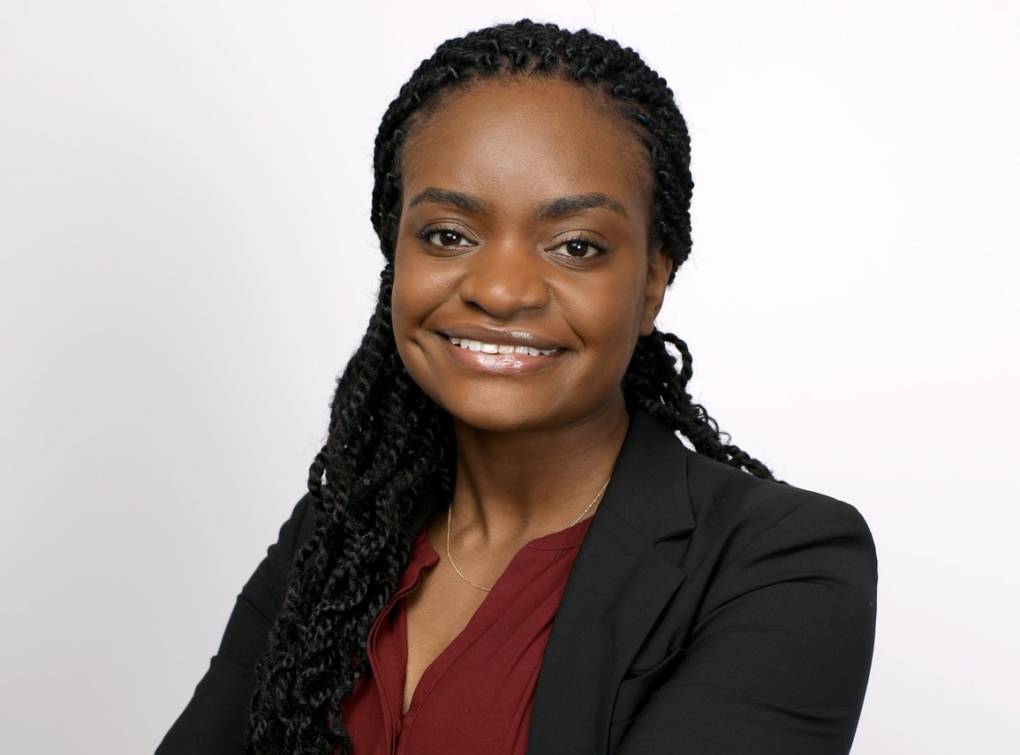
"caption": "Ifeoma Ozoma's Twitter thread slamming Pinterest's professions of concern for racial injustice went viral this week. ",
"description": "Ifeoma Ozoma's Twitter thread slamming Pinterest's professions of concern for racial injustice went viral this week. ",
"title": "Ifeoma",
"credit": "Courtesy of Ifeoma Ozoma",
"status": "inherit",
"isLoading": false,
"fetchFailed": false
},
"news_11823110": {
"type": "attachments",
"id": "news_11823110",
"meta": {
"index": "attachments_1716263798",
"site": "news",
"id": "11823110",
"found": true
},
"parent": 11821537,
"imgSizes": {
"apple_news_ca_square_4_0": {
"file": "https://ww2.kqed.org/app/uploads/sites/10/2020/06/image1-470x470.jpeg",
"width": 470,
"mimeType": "image/jpeg",
"height": 470
},
"thumbnail": {
"file": "https://ww2.kqed.org/app/uploads/sites/10/2020/06/image1-160x120.jpeg",
"width": 160,
"mimeType": "image/jpeg",
"height": 120
},
"post-thumbnail": {
"file": "https://ww2.kqed.org/app/uploads/sites/10/2020/06/image1-640x372.jpeg",
"width": 640,
"mimeType": "image/jpeg",
"height": 372
},
"kqedFullSize": {
"file": "https://ww2.kqed.org/app/uploads/sites/10/2020/06/image1.jpeg",
"width": 640,
"height": 480
},
"apple_news_ca_landscape_4_7": {
"file": "https://ww2.kqed.org/app/uploads/sites/10/2020/06/image1-632x474.jpeg",
"width": 632,
"mimeType": "image/jpeg",
"height": 474
},
"apple_news_ca_portrait_4_7": {
"file": "https://ww2.kqed.org/app/uploads/sites/10/2020/06/image1-414x480.jpeg",
"width": 414,
"mimeType": "image/jpeg",
"height": 480
},
"apple_news_ca_square_4_7": {
"file": "https://ww2.kqed.org/app/uploads/sites/10/2020/06/image1-550x480.jpeg",
"width": 550,
"mimeType": "image/jpeg",
"height": 480
},
"apple_news_ca_landscape_4_0": {
"file": "https://ww2.kqed.org/app/uploads/sites/10/2020/06/image1-536x402.jpeg",
"width": 536,
"mimeType": "image/jpeg",
"height": 402
},
"apple_news_ca_portrait_4_0": {
"file": "https://ww2.kqed.org/app/uploads/sites/10/2020/06/image1-354x472.jpeg",
"width": 354,
"mimeType": "image/jpeg",
"height": 472
}
},
"publishDate": 1591384183,
"modified": 1591818699,
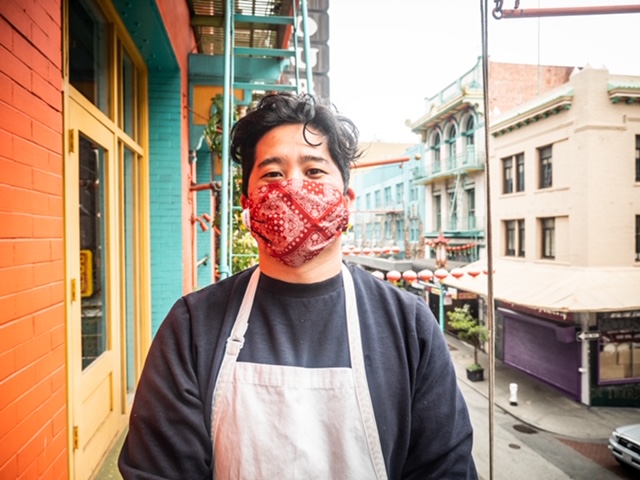
"caption": "Brandon Jew, the owner of San Francisco restaurant Mister Jiu's, has been struggling to keep his business afloat under shelter-in-place restrictions, even as Bay Area cities slowly start to reopen.",
"description": "Brandon Jew, the owner of San Francisco restaurant Mister Jiu's, has been struggling to keep his business afloat under shelter-in-place restrictions, even as Bay Area cities slowly start to reopen.",
"title": "Brandon Jew, the owner of San Francisco restaurant Mister Jiu's, has been struggling to keep his business afloat under Shelter In Place restrictions, even as Bay Area cities slowly start to reopen.",
"credit": "Courtesy of Brandon Jew",
"status": "inherit",
"isLoading": false,
"fetchFailed": false
},
"news_11822188": {
"type": "attachments",
"id": "news_11822188",
"meta": {
"index": "attachments_1716263798",
"site": "news",
"id": "11822188",
"found": true
},
"parent": 11822178,
"imgSizes": {
"apple_news_ca_landscape_5_5": {
"file": "https://ww2.kqed.org/app/uploads/sites/10/2020/06/RS43524_GettyImages-1178141588-qut-1044x783.jpg",
"width": 1044,
"mimeType": "image/jpeg",
"height": 783
},
"apple_news_ca_square_4_0": {
"file": "https://ww2.kqed.org/app/uploads/sites/10/2020/06/RS43524_GettyImages-1178141588-qut-470x470.jpg",
"width": 470,
"mimeType": "image/jpeg",
"height": 470
},
"twentyfourteen-full-width": {
"file": "https://ww2.kqed.org/app/uploads/sites/10/2020/06/RS43524_GettyImages-1178141588-qut-1038x576.jpg",
"width": 1038,
"mimeType": "image/jpeg",
"height": 576
},
"thumbnail": {
"file": "https://ww2.kqed.org/app/uploads/sites/10/2020/06/RS43524_GettyImages-1178141588-qut-160x107.jpg",
"width": 160,
"mimeType": "image/jpeg",
"height": 107
},
"post-thumbnail": {
"file": "https://ww2.kqed.org/app/uploads/sites/10/2020/06/RS43524_GettyImages-1178141588-qut-672x372.jpg",
"width": 672,
"mimeType": "image/jpeg",
"height": 372
},
"kqedFullSize": {
"file": "https://ww2.kqed.org/app/uploads/sites/10/2020/06/RS43524_GettyImages-1178141588-qut.jpg",
"width": 1920,
"height": 1280
},
"apple_news_ca_landscape_4_7": {
"file": "https://ww2.kqed.org/app/uploads/sites/10/2020/06/RS43524_GettyImages-1178141588-qut-632x474.jpg",
"width": 632,
"mimeType": "image/jpeg",
"height": 474
},
"large": {
"file": "https://ww2.kqed.org/app/uploads/sites/10/2020/06/RS43524_GettyImages-1178141588-qut-1020x680.jpg",
"width": 1020,
"mimeType": "image/jpeg",
"height": 680
},
"apple_news_ca_landscape_4_0": {
"file": "https://ww2.kqed.org/app/uploads/sites/10/2020/06/RS43524_GettyImages-1178141588-qut-536x402.jpg",
"width": 536,
"mimeType": "image/jpeg",
"height": 402
},
"apple_news_ca_portrait_12_9": {
"file": "https://ww2.kqed.org/app/uploads/sites/10/2020/06/RS43524_GettyImages-1178141588-qut-1122x1280.jpg",
"width": 1122,
"mimeType": "image/jpeg",
"height": 1280
},
"medium": {
"file": "https://ww2.kqed.org/app/uploads/sites/10/2020/06/RS43524_GettyImages-1178141588-qut-800x533.jpg",
"width": 800,
"mimeType": "image/jpeg",
"height": 533
},
"apple_news_ca_portrait_4_0": {
"file": "https://ww2.kqed.org/app/uploads/sites/10/2020/06/RS43524_GettyImages-1178141588-qut-354x472.jpg",
"width": 354,
"mimeType": "image/jpeg",
"height": 472
},
"apple_news_ca_portrait_9_7": {
"file": "https://ww2.kqed.org/app/uploads/sites/10/2020/06/RS43524_GettyImages-1178141588-qut-840x1120.jpg",
"width": 840,
"mimeType": "image/jpeg",
"height": 1120
},
"apple_news_ca_landscape_12_9": {
"file": "https://ww2.kqed.org/app/uploads/sites/10/2020/06/RS43524_GettyImages-1178141588-qut-1832x1280.jpg",
"width": 1832,
"mimeType": "image/jpeg",
"height": 1280
},
"apple_news_ca_square_9_7": {
"file": "https://ww2.kqed.org/app/uploads/sites/10/2020/06/RS43524_GettyImages-1178141588-qut-1104x1104.jpg",
"width": 1104,
"mimeType": "image/jpeg",
"height": 1104
},
"apple_news_ca_portrait_4_7": {
"file": "https://ww2.kqed.org/app/uploads/sites/10/2020/06/RS43524_GettyImages-1178141588-qut-414x552.jpg",
"width": 414,
"mimeType": "image/jpeg",
"height": 552
},
"apple_news_ca_square_12_9": {
"file": "https://ww2.kqed.org/app/uploads/sites/10/2020/06/RS43524_GettyImages-1178141588-qut-1472x1280.jpg",
"width": 1472,
"mimeType": "image/jpeg",
"height": 1280
},
"apple_news_ca_portrait_5_5": {
"file": "https://ww2.kqed.org/app/uploads/sites/10/2020/06/RS43524_GettyImages-1178141588-qut-687x916.jpg",
"width": 687,
"mimeType": "image/jpeg",
"height": 916
},
"full-width": {
"file": "https://ww2.kqed.org/app/uploads/sites/10/2020/06/RS43524_GettyImages-1178141588-qut-1920x1280.jpg",
"width": 1920,
"mimeType": "image/jpeg",
"height": 1280
},
"apple_news_ca_square_4_7": {
"file": "https://ww2.kqed.org/app/uploads/sites/10/2020/06/RS43524_GettyImages-1178141588-qut-550x550.jpg",
"width": 550,
"mimeType": "image/jpeg",
"height": 550
},
"apple_news_ca_landscape_9_7": {
"file": "https://ww2.kqed.org/app/uploads/sites/10/2020/06/RS43524_GettyImages-1178141588-qut-1376x1032.jpg",
"width": 1376,
"mimeType": "image/jpeg",
"height": 1032
},
"apple_news_ca_square_5_5": {
"file": "https://ww2.kqed.org/app/uploads/sites/10/2020/06/RS43524_GettyImages-1178141588-qut-912x912.jpg",
"width": 912,
"mimeType": "image/jpeg",
"height": 912
}
},
"publishDate": 1591042696,
"modified": 1668019143,
"caption": "Facebook CEO Mark Zuckerberg, pictured in 2019.",
"description": "Facebook CEO Mark Zuckerberg, pictured in 2019.",
"title": "Facebook CEO Mark Zuckerberg And News Corp CEO Robert Thomson Debut Facebook News",
"credit": "Drew Angerer/Getty Images",
"status": "inherit",
"altTag": "White man in light gray sweater speaks with both arms raised in open gesture",
"isLoading": false,
"fetchFailed": false
},
"news_11821948": {
"type": "attachments",
"id": "news_11821948",
"meta": {
"index": "attachments_1716263798",
"site": "news",
"id": "11821948",
"found": true
},
"parent": 11821947,
"imgSizes": {
"apple_news_ca_landscape_5_5": {
"file": "https://ww2.kqed.org/app/uploads/sites/10/2020/05/MARQUEE_730-1-1044x720.jpg",
"width": 1044,
"mimeType": "image/jpeg",
"height": 720
},
"apple_news_ca_square_4_0": {
"file": "https://ww2.kqed.org/app/uploads/sites/10/2020/05/MARQUEE_730-1-470x470.jpg",
"width": 470,
"mimeType": "image/jpeg",
"height": 470
},
"twentyfourteen-full-width": {
"file": "https://ww2.kqed.org/app/uploads/sites/10/2020/05/MARQUEE_730-1-1038x576.jpg",
"width": 1038,
"mimeType": "image/jpeg",
"height": 576
},
"thumbnail": {
"file": "https://ww2.kqed.org/app/uploads/sites/10/2020/05/MARQUEE_730-1-160x90.jpg",
"width": 160,
"mimeType": "image/jpeg",
"height": 90
},
"post-thumbnail": {
"file": "https://ww2.kqed.org/app/uploads/sites/10/2020/05/MARQUEE_730-1-672x372.jpg",
"width": 672,
"mimeType": "image/jpeg",
"height": 372
},
"kqedFullSize": {
"file": "https://ww2.kqed.org/app/uploads/sites/10/2020/05/MARQUEE_730-1.jpg",
"width": 1280,
"height": 720
},
"apple_news_ca_landscape_4_7": {
"file": "https://ww2.kqed.org/app/uploads/sites/10/2020/05/MARQUEE_730-1-632x474.jpg",
"width": 632,
"mimeType": "image/jpeg",
"height": 474
},
"large": {
"file": "https://ww2.kqed.org/app/uploads/sites/10/2020/05/MARQUEE_730-1-1020x574.jpg",
"width": 1020,
"mimeType": "image/jpeg",
"height": 574
},
"apple_news_ca_landscape_4_0": {
"file": "https://ww2.kqed.org/app/uploads/sites/10/2020/05/MARQUEE_730-1-536x402.jpg",
"width": 536,
"mimeType": "image/jpeg",
"height": 402
},
"apple_news_ca_portrait_12_9": {
"file": "https://ww2.kqed.org/app/uploads/sites/10/2020/05/MARQUEE_730-1-1122x720.jpg",
"width": 1122,
"mimeType": "image/jpeg",
"height": 720
},
"medium": {
"file": "https://ww2.kqed.org/app/uploads/sites/10/2020/05/MARQUEE_730-1-800x450.jpg",
"width": 800,
"mimeType": "image/jpeg",
"height": 450
},
"apple_news_ca_portrait_4_0": {
"file": "https://ww2.kqed.org/app/uploads/sites/10/2020/05/MARQUEE_730-1-354x472.jpg",
"width": 354,
"mimeType": "image/jpeg",
"height": 472
},
"apple_news_ca_portrait_9_7": {
"file": "https://ww2.kqed.org/app/uploads/sites/10/2020/05/MARQUEE_730-1-840x720.jpg",
"width": 840,
"mimeType": "image/jpeg",
"height": 720
},
"apple_news_ca_square_9_7": {
"file": "https://ww2.kqed.org/app/uploads/sites/10/2020/05/MARQUEE_730-1-1104x720.jpg",
"width": 1104,
"mimeType": "image/jpeg",
"height": 720
},
"apple_news_ca_portrait_4_7": {
"file": "https://ww2.kqed.org/app/uploads/sites/10/2020/05/MARQUEE_730-1-414x552.jpg",
"width": 414,
"mimeType": "image/jpeg",
"height": 552
},
"apple_news_ca_portrait_5_5": {
"file": "https://ww2.kqed.org/app/uploads/sites/10/2020/05/MARQUEE_730-1-687x720.jpg",
"width": 687,
"mimeType": "image/jpeg",
"height": 720
},
"apple_news_ca_square_4_7": {
"file": "https://ww2.kqed.org/app/uploads/sites/10/2020/05/MARQUEE_730-1-550x550.jpg",
"width": 550,
"mimeType": "image/jpeg",
"height": 550
},
"apple_news_ca_square_5_5": {
"file": "https://ww2.kqed.org/app/uploads/sites/10/2020/05/MARQUEE_730-1-912x720.jpg",
"width": 912,
"mimeType": "image/jpeg",
"height": 720
}
},
"publishDate": 1590866508,
"modified": 1590866508,
"caption": null,
"description": null,
"title": "MARQUEE_730",
"credit": null,
"status": "inherit",
"isLoading": false,
"fetchFailed": false
},
"news_11821642": {
"type": "attachments",
"id": "news_11821642",
"meta": {
"index": "attachments_1716263798",
"site": "news",
"id": "11821642",
"found": true
},
"parent": 11821641,
"imgSizes": {
"apple_news_ca_landscape_5_5": {
"file": "https://ww2.kqed.org/app/uploads/sites/10/2020/05/ap_20149704313644_custom-72ae8b4a8fe611a3ab271154d4efabf9735a5ea5-1044x783.jpg",
"width": 1044,
"mimeType": "image/jpeg",
"height": 783
},
"apple_news_ca_square_4_0": {
"file": "https://ww2.kqed.org/app/uploads/sites/10/2020/05/ap_20149704313644_custom-72ae8b4a8fe611a3ab271154d4efabf9735a5ea5-470x470.jpg",
"width": 470,
"mimeType": "image/jpeg",
"height": 470
},
"twentyfourteen-full-width": {
"file": "https://ww2.kqed.org/app/uploads/sites/10/2020/05/ap_20149704313644_custom-72ae8b4a8fe611a3ab271154d4efabf9735a5ea5-1038x576.jpg",
"width": 1038,
"mimeType": "image/jpeg",
"height": 576
},
"thumbnail": {
"file": "https://ww2.kqed.org/app/uploads/sites/10/2020/05/ap_20149704313644_custom-72ae8b4a8fe611a3ab271154d4efabf9735a5ea5-160x107.jpg",
"width": 160,
"mimeType": "image/jpeg",
"height": 107
},
"post-thumbnail": {
"file": "https://ww2.kqed.org/app/uploads/sites/10/2020/05/ap_20149704313644_custom-72ae8b4a8fe611a3ab271154d4efabf9735a5ea5-672x372.jpg",
"width": 672,
"mimeType": "image/jpeg",
"height": 372
},
"kqedFullSize": {
"file": "https://ww2.kqed.org/app/uploads/sites/10/2020/05/ap_20149704313644_custom-72ae8b4a8fe611a3ab271154d4efabf9735a5ea5-e1590771862625.jpg",
"width": 1920,
"height": 1279
},
"apple_news_ca_landscape_4_7": {
"file": "https://ww2.kqed.org/app/uploads/sites/10/2020/05/ap_20149704313644_custom-72ae8b4a8fe611a3ab271154d4efabf9735a5ea5-632x474.jpg",
"width": 632,
"mimeType": "image/jpeg",
"height": 474
},
"large": {
"file": "https://ww2.kqed.org/app/uploads/sites/10/2020/05/ap_20149704313644_custom-72ae8b4a8fe611a3ab271154d4efabf9735a5ea5-1020x679.jpg",
"width": 1020,
"mimeType": "image/jpeg",
"height": 679
},
"apple_news_ca_landscape_4_0": {
"file": "https://ww2.kqed.org/app/uploads/sites/10/2020/05/ap_20149704313644_custom-72ae8b4a8fe611a3ab271154d4efabf9735a5ea5-536x402.jpg",
"width": 536,
"mimeType": "image/jpeg",
"height": 402
},
"apple_news_ca_portrait_12_9": {
"file": "https://ww2.kqed.org/app/uploads/sites/10/2020/05/ap_20149704313644_custom-72ae8b4a8fe611a3ab271154d4efabf9735a5ea5-1122x1496.jpg",
"width": 1122,
"mimeType": "image/jpeg",
"height": 1496
},
"medium": {
"file": "https://ww2.kqed.org/app/uploads/sites/10/2020/05/ap_20149704313644_custom-72ae8b4a8fe611a3ab271154d4efabf9735a5ea5-800x533.jpg",
"width": 800,
"mimeType": "image/jpeg",
"height": 533
},
"apple_news_ca_portrait_4_0": {
"file": "https://ww2.kqed.org/app/uploads/sites/10/2020/05/ap_20149704313644_custom-72ae8b4a8fe611a3ab271154d4efabf9735a5ea5-354x472.jpg",
"width": 354,
"mimeType": "image/jpeg",
"height": 472
},
"apple_news_ca_portrait_9_7": {
"file": "https://ww2.kqed.org/app/uploads/sites/10/2020/05/ap_20149704313644_custom-72ae8b4a8fe611a3ab271154d4efabf9735a5ea5-840x1120.jpg",
"width": 840,
"mimeType": "image/jpeg",
"height": 1120
},
"apple_news_ca_landscape_12_9": {
"file": "https://ww2.kqed.org/app/uploads/sites/10/2020/05/ap_20149704313644_custom-72ae8b4a8fe611a3ab271154d4efabf9735a5ea5-1832x1374.jpg",
"width": 1832,
"mimeType": "image/jpeg",
"height": 1374
},
"apple_news_ca_square_9_7": {
"file": "https://ww2.kqed.org/app/uploads/sites/10/2020/05/ap_20149704313644_custom-72ae8b4a8fe611a3ab271154d4efabf9735a5ea5-1104x1104.jpg",
"width": 1104,
"mimeType": "image/jpeg",
"height": 1104
},
"apple_news_ca_portrait_4_7": {
"file": "https://ww2.kqed.org/app/uploads/sites/10/2020/05/ap_20149704313644_custom-72ae8b4a8fe611a3ab271154d4efabf9735a5ea5-414x552.jpg",
"width": 414,
"mimeType": "image/jpeg",
"height": 552
},
"apple_news_ca_square_12_9": {
"file": "https://ww2.kqed.org/app/uploads/sites/10/2020/05/ap_20149704313644_custom-72ae8b4a8fe611a3ab271154d4efabf9735a5ea5-1472x1472.jpg",
"width": 1472,
"mimeType": "image/jpeg",
"height": 1472
},
"apple_news_ca_portrait_5_5": {
"file": "https://ww2.kqed.org/app/uploads/sites/10/2020/05/ap_20149704313644_custom-72ae8b4a8fe611a3ab271154d4efabf9735a5ea5-687x916.jpg",
"width": 687,
"mimeType": "image/jpeg",
"height": 916
},
"full-width": {
"file": "https://ww2.kqed.org/app/uploads/sites/10/2020/05/ap_20149704313644_custom-72ae8b4a8fe611a3ab271154d4efabf9735a5ea5-1920x1279.jpg",
"width": 1920,
"mimeType": "image/jpeg",
"height": 1279
},
"apple_news_ca_square_4_7": {
"file": "https://ww2.kqed.org/app/uploads/sites/10/2020/05/ap_20149704313644_custom-72ae8b4a8fe611a3ab271154d4efabf9735a5ea5-550x550.jpg",
"width": 550,
"mimeType": "image/jpeg",
"height": 550
},
"apple_news_ca_landscape_9_7": {
"file": "https://ww2.kqed.org/app/uploads/sites/10/2020/05/ap_20149704313644_custom-72ae8b4a8fe611a3ab271154d4efabf9735a5ea5-1376x1032.jpg",
"width": 1376,
"mimeType": "image/jpeg",
"height": 1032
},
"apple_news_ca_square_5_5": {
"file": "https://ww2.kqed.org/app/uploads/sites/10/2020/05/ap_20149704313644_custom-72ae8b4a8fe611a3ab271154d4efabf9735a5ea5-912x912.jpg",
"width": 912,
"mimeType": "image/jpeg",
"height": 912
}
},
"publishDate": 1590771770,
"modified": 1590771887,
"caption": "President Trump speaks before signing an executive order aimed at curbing protections for social media companies in the Oval Office on Thursday.",
"description": "President Trump speaks before signing an executive order aimed at curbing protections for social media companies in the Oval Office on Thursday.",
"title": "President Trump speaks before signing an executive order aimed at curbing protections for social media companies in the Oval Office on Thursday.",
"credit": "Evan Vucci/AP",
"status": "inherit",
"isLoading": false,
"fetchFailed": false
},
"news_11820982": {
"type": "attachments",
"id": "news_11820982",
"meta": {
"index": "attachments_1716263798",
"site": "news",
"id": "11820982",
"found": true
},
"parent": 11820981,
"imgSizes": {
"apple_news_ca_landscape_5_5": {
"file": "https://ww2.kqed.org/app/uploads/sites/10/2020/05/ap_20143644258750-d6978261add1426a989859691b9b906cca512be7-1044x783.jpg",
"width": 1044,
"mimeType": "image/jpeg",
"height": 783
},
"apple_news_ca_square_4_0": {
"file": "https://ww2.kqed.org/app/uploads/sites/10/2020/05/ap_20143644258750-d6978261add1426a989859691b9b906cca512be7-470x470.jpg",
"width": 470,
"mimeType": "image/jpeg",
"height": 470
},
"twentyfourteen-full-width": {
"file": "https://ww2.kqed.org/app/uploads/sites/10/2020/05/ap_20143644258750-d6978261add1426a989859691b9b906cca512be7-1038x576.jpg",
"width": 1038,
"mimeType": "image/jpeg",
"height": 576
},
"thumbnail": {
"file": "https://ww2.kqed.org/app/uploads/sites/10/2020/05/ap_20143644258750-d6978261add1426a989859691b9b906cca512be7-160x120.jpg",
"width": 160,
"mimeType": "image/jpeg",
"height": 120
},
"post-thumbnail": {
"file": "https://ww2.kqed.org/app/uploads/sites/10/2020/05/ap_20143644258750-d6978261add1426a989859691b9b906cca512be7-672x372.jpg",
"width": 672,
"mimeType": "image/jpeg",
"height": 372
},
"kqedFullSize": {
"file": "https://ww2.kqed.org/app/uploads/sites/10/2020/05/ap_20143644258750-d6978261add1426a989859691b9b906cca512be7-e1590596492612.jpg",
"width": 1920,
"height": 1440
},
"apple_news_ca_landscape_4_7": {
"file": "https://ww2.kqed.org/app/uploads/sites/10/2020/05/ap_20143644258750-d6978261add1426a989859691b9b906cca512be7-632x474.jpg",
"width": 632,
"mimeType": "image/jpeg",
"height": 474
},
"large": {
"file": "https://ww2.kqed.org/app/uploads/sites/10/2020/05/ap_20143644258750-d6978261add1426a989859691b9b906cca512be7-1020x765.jpg",
"width": 1020,
"mimeType": "image/jpeg",
"height": 765
},
"apple_news_ca_landscape_4_0": {
"file": "https://ww2.kqed.org/app/uploads/sites/10/2020/05/ap_20143644258750-d6978261add1426a989859691b9b906cca512be7-536x402.jpg",
"width": 536,
"mimeType": "image/jpeg",
"height": 402
},
"apple_news_ca_portrait_12_9": {
"file": "https://ww2.kqed.org/app/uploads/sites/10/2020/05/ap_20143644258750-d6978261add1426a989859691b9b906cca512be7-1122x1496.jpg",
"width": 1122,
"mimeType": "image/jpeg",
"height": 1496
},
"medium": {
"file": "https://ww2.kqed.org/app/uploads/sites/10/2020/05/ap_20143644258750-d6978261add1426a989859691b9b906cca512be7-800x600.jpg",
"width": 800,
"mimeType": "image/jpeg",
"height": 600
},
"apple_news_ca_portrait_4_0": {
"file": "https://ww2.kqed.org/app/uploads/sites/10/2020/05/ap_20143644258750-d6978261add1426a989859691b9b906cca512be7-354x472.jpg",
"width": 354,
"mimeType": "image/jpeg",
"height": 472
},
"apple_news_ca_portrait_9_7": {
"file": "https://ww2.kqed.org/app/uploads/sites/10/2020/05/ap_20143644258750-d6978261add1426a989859691b9b906cca512be7-840x1120.jpg",
"width": 840,
"mimeType": "image/jpeg",
"height": 1120
},
"apple_news_ca_landscape_12_9": {
"file": "https://ww2.kqed.org/app/uploads/sites/10/2020/05/ap_20143644258750-d6978261add1426a989859691b9b906cca512be7-1832x1374.jpg",
"width": 1832,
"mimeType": "image/jpeg",
"height": 1374
},
"apple_news_ca_square_9_7": {
"file": "https://ww2.kqed.org/app/uploads/sites/10/2020/05/ap_20143644258750-d6978261add1426a989859691b9b906cca512be7-1104x1104.jpg",
"width": 1104,
"mimeType": "image/jpeg",
"height": 1104
},
"apple_news_ca_portrait_4_7": {
"file": "https://ww2.kqed.org/app/uploads/sites/10/2020/05/ap_20143644258750-d6978261add1426a989859691b9b906cca512be7-414x552.jpg",
"width": 414,
"mimeType": "image/jpeg",
"height": 552
},
"apple_news_ca_square_12_9": {
"file": "https://ww2.kqed.org/app/uploads/sites/10/2020/05/ap_20143644258750-d6978261add1426a989859691b9b906cca512be7-1472x1472.jpg",
"width": 1472,
"mimeType": "image/jpeg",
"height": 1472
},
"apple_news_ca_portrait_5_5": {
"file": "https://ww2.kqed.org/app/uploads/sites/10/2020/05/ap_20143644258750-d6978261add1426a989859691b9b906cca512be7-687x916.jpg",
"width": 687,
"mimeType": "image/jpeg",
"height": 916
},
"full-width": {
"file": "https://ww2.kqed.org/app/uploads/sites/10/2020/05/ap_20143644258750-d6978261add1426a989859691b9b906cca512be7-1920x1440.jpg",
"width": 1920,
"mimeType": "image/jpeg",
"height": 1440
},
"apple_news_ca_square_4_7": {
"file": "https://ww2.kqed.org/app/uploads/sites/10/2020/05/ap_20143644258750-d6978261add1426a989859691b9b906cca512be7-550x550.jpg",
"width": 550,
"mimeType": "image/jpeg",
"height": 550
},
"apple_news_ca_landscape_9_7": {
"file": "https://ww2.kqed.org/app/uploads/sites/10/2020/05/ap_20143644258750-d6978261add1426a989859691b9b906cca512be7-1376x1032.jpg",
"width": 1376,
"mimeType": "image/jpeg",
"height": 1032
},
"apple_news_ca_square_5_5": {
"file": "https://ww2.kqed.org/app/uploads/sites/10/2020/05/ap_20143644258750-d6978261add1426a989859691b9b906cca512be7-912x912.jpg",
"width": 912,
"mimeType": "image/jpeg",
"height": 912
}
},
"publishDate": 1590596301,
"modified": 1590596486,
"caption": "President Trump, who uses Twitter as his primary form of communication, has long accused Facebook and Twitter of censoring conservative views.",
"description": "President Trump, who uses Twitter as his primary form of communication, has long accused Facebook and Twitter of censoring conservative views.",
"title": "President Trump, who uses Twitter as his primary form of communication, has long accused Facebook and Twitter of censoring conservative views.",
"credit": "Alex Brandon/AP",
"status": "inherit",
"isLoading": false,
"fetchFailed": false
},
"news_11820860": {
"type": "attachments",
"id": "news_11820860",
"meta": {
"index": "attachments_1716263798",
"site": "news",
"id": "11820860",
"found": true
},
"parent": 11820692,
"imgSizes": {
"apple_news_ca_landscape_5_5": {
"file": "https://ww2.kqed.org/app/uploads/sites/10/2020/05/RS43342_RS43338_jasper-qut-qut-1044x783.jpg",
"width": 1044,
"mimeType": "image/jpeg",
"height": 783
},
"apple_news_ca_square_4_0": {
"file": "https://ww2.kqed.org/app/uploads/sites/10/2020/05/RS43342_RS43338_jasper-qut-qut-470x470.jpg",
"width": 470,
"mimeType": "image/jpeg",
"height": 470
},
"twentyfourteen-full-width": {
"file": "https://ww2.kqed.org/app/uploads/sites/10/2020/05/RS43342_RS43338_jasper-qut-qut-1038x576.jpg",
"width": 1038,
"mimeType": "image/jpeg",
"height": 576
},
"thumbnail": {
"file": "https://ww2.kqed.org/app/uploads/sites/10/2020/05/RS43342_RS43338_jasper-qut-qut-160x112.jpg",
"width": 160,
"mimeType": "image/jpeg",
"height": 112
},
"post-thumbnail": {
"file": "https://ww2.kqed.org/app/uploads/sites/10/2020/05/RS43342_RS43338_jasper-qut-qut-672x372.jpg",
"width": 672,
"mimeType": "image/jpeg",
"height": 372
},
"kqedFullSize": {
"file": "https://ww2.kqed.org/app/uploads/sites/10/2020/05/RS43342_RS43338_jasper-qut-qut.jpg",
"width": 1432,
"height": 999
},
"apple_news_ca_landscape_4_7": {
"file": "https://ww2.kqed.org/app/uploads/sites/10/2020/05/RS43342_RS43338_jasper-qut-qut-632x474.jpg",
"width": 632,
"mimeType": "image/jpeg",
"height": 474
},
"large": {
"file": "https://ww2.kqed.org/app/uploads/sites/10/2020/05/RS43342_RS43338_jasper-qut-qut-1020x712.jpg",
"width": 1020,
"mimeType": "image/jpeg",
"height": 712
},
"apple_news_ca_landscape_4_0": {
"file": "https://ww2.kqed.org/app/uploads/sites/10/2020/05/RS43342_RS43338_jasper-qut-qut-536x402.jpg",
"width": 536,
"mimeType": "image/jpeg",
"height": 402
},
"apple_news_ca_portrait_12_9": {
"file": "https://ww2.kqed.org/app/uploads/sites/10/2020/05/RS43342_RS43338_jasper-qut-qut-1122x999.jpg",
"width": 1122,
"mimeType": "image/jpeg",
"height": 999
},
"medium": {
"file": "https://ww2.kqed.org/app/uploads/sites/10/2020/05/RS43342_RS43338_jasper-qut-qut-800x558.jpg",
"width": 800,
"mimeType": "image/jpeg",
"height": 558
},
"apple_news_ca_portrait_4_0": {
"file": "https://ww2.kqed.org/app/uploads/sites/10/2020/05/RS43342_RS43338_jasper-qut-qut-354x472.jpg",
"width": 354,
"mimeType": "image/jpeg",
"height": 472
},
"apple_news_ca_portrait_9_7": {
"file": "https://ww2.kqed.org/app/uploads/sites/10/2020/05/RS43342_RS43338_jasper-qut-qut-840x999.jpg",
"width": 840,
"mimeType": "image/jpeg",
"height": 999
},
"apple_news_ca_square_9_7": {
"file": "https://ww2.kqed.org/app/uploads/sites/10/2020/05/RS43342_RS43338_jasper-qut-qut-1104x999.jpg",
"width": 1104,
"mimeType": "image/jpeg",
"height": 999
},
"apple_news_ca_portrait_4_7": {
"file": "https://ww2.kqed.org/app/uploads/sites/10/2020/05/RS43342_RS43338_jasper-qut-qut-414x552.jpg",
"width": 414,
"mimeType": "image/jpeg",
"height": 552
},
"apple_news_ca_portrait_5_5": {
"file": "https://ww2.kqed.org/app/uploads/sites/10/2020/05/RS43342_RS43338_jasper-qut-qut-687x916.jpg",
"width": 687,
"mimeType": "image/jpeg",
"height": 916
},
"apple_news_ca_square_4_7": {
"file": "https://ww2.kqed.org/app/uploads/sites/10/2020/05/RS43342_RS43338_jasper-qut-qut-550x550.jpg",
"width": 550,
"mimeType": "image/jpeg",
"height": 550
},
"apple_news_ca_landscape_9_7": {
"file": "https://ww2.kqed.org/app/uploads/sites/10/2020/05/RS43342_RS43338_jasper-qut-qut-1376x999.jpg",
"width": 1376,
"mimeType": "image/jpeg",
"height": 999
},
"apple_news_ca_square_5_5": {
"file": "https://ww2.kqed.org/app/uploads/sites/10/2020/05/RS43342_RS43338_jasper-qut-qut-912x912.jpg",
"width": 912,
"mimeType": "image/jpeg",
"height": 912
}
},
"publishDate": 1590533535,
"modified": 1590592375,
"caption": "A view of The Jasper, one of many high rise luxury apartment buildings in downtown San Francisco currently offering discounts to prospective renters in a softening housing market. ",
"description": "A view of The Jasper, one of many high rise luxury apartment buildings in downtown San Francisco currently offering discounts to prospective renters in a softening housing market. ",
"title": "RS43342_RS43338_jasper-qut-qut",
"credit": "Chloe Veltman/KQED",
"status": "inherit",
"isLoading": false,
"fetchFailed": false
},
"news_11820256": {
"type": "attachments",
"id": "news_11820256",
"meta": {
"index": "attachments_1716263798",
"site": "news",
"id": "11820256",
"found": true
},
"parent": 11820229,
"imgSizes": {
"apple_news_ca_landscape_5_5": {
"file": "https://ww2.kqed.org/app/uploads/sites/10/2020/05/RS2591_wells220120712-1044x783.jpg",
"width": 1044,
"mimeType": "image/jpeg",
"height": 783
},
"apple_news_ca_square_4_0": {
"file": "https://ww2.kqed.org/app/uploads/sites/10/2020/05/RS2591_wells220120712-470x470.jpg",
"width": 470,
"mimeType": "image/jpeg",
"height": 470
},
"twentyfourteen-full-width": {
"file": "https://ww2.kqed.org/app/uploads/sites/10/2020/05/RS2591_wells220120712-1038x576.jpg",
"width": 1038,
"mimeType": "image/jpeg",
"height": 576
},
"thumbnail": {
"file": "https://ww2.kqed.org/app/uploads/sites/10/2020/05/RS2591_wells220120712-160x110.jpg",
"width": 160,
"mimeType": "image/jpeg",
"height": 110
},
"post-thumbnail": {
"file": "https://ww2.kqed.org/app/uploads/sites/10/2020/05/RS2591_wells220120712-672x372.jpg",
"width": 672,
"mimeType": "image/jpeg",
"height": 372
},
"kqedFullSize": {
"file": "https://ww2.kqed.org/app/uploads/sites/10/2020/05/RS2591_wells220120712.jpg",
"width": 3000,
"height": 2059
},
"apple_news_ca_landscape_4_7": {
"file": "https://ww2.kqed.org/app/uploads/sites/10/2020/05/RS2591_wells220120712-632x474.jpg",
"width": 632,
"mimeType": "image/jpeg",
"height": 474
},
"large": {
"file": "https://ww2.kqed.org/app/uploads/sites/10/2020/05/RS2591_wells220120712-1020x700.jpg",
"width": 1020,
"mimeType": "image/jpeg",
"height": 700
},
"apple_news_ca_landscape_4_0": {
"file": "https://ww2.kqed.org/app/uploads/sites/10/2020/05/RS2591_wells220120712-536x402.jpg",
"width": 536,
"mimeType": "image/jpeg",
"height": 402
},
"apple_news_ca_portrait_12_9": {
"file": "https://ww2.kqed.org/app/uploads/sites/10/2020/05/RS2591_wells220120712-1122x1496.jpg",
"width": 1122,
"mimeType": "image/jpeg",
"height": 1496
},
"medium": {
"file": "https://ww2.kqed.org/app/uploads/sites/10/2020/05/RS2591_wells220120712-800x549.jpg",
"width": 800,
"mimeType": "image/jpeg",
"height": 549
},
"apple_news_ca_portrait_4_0": {
"file": "https://ww2.kqed.org/app/uploads/sites/10/2020/05/RS2591_wells220120712-354x472.jpg",
"width": 354,
"mimeType": "image/jpeg",
"height": 472
},
"apple_news_ca_portrait_9_7": {
"file": "https://ww2.kqed.org/app/uploads/sites/10/2020/05/RS2591_wells220120712-840x1120.jpg",
"width": 840,
"mimeType": "image/jpeg",
"height": 1120
},
"apple_news_ca_landscape_12_9": {
"file": "https://ww2.kqed.org/app/uploads/sites/10/2020/05/RS2591_wells220120712-1832x1374.jpg",
"width": 1832,
"mimeType": "image/jpeg",
"height": 1374
},
"apple_news_ca_square_9_7": {
"file": "https://ww2.kqed.org/app/uploads/sites/10/2020/05/RS2591_wells220120712-1104x1104.jpg",
"width": 1104,
"mimeType": "image/jpeg",
"height": 1104
},
"apple_news_ca_portrait_4_7": {
"file": "https://ww2.kqed.org/app/uploads/sites/10/2020/05/RS2591_wells220120712-414x552.jpg",
"width": 414,
"mimeType": "image/jpeg",
"height": 552
},
"apple_news_ca_square_12_9": {
"file": "https://ww2.kqed.org/app/uploads/sites/10/2020/05/RS2591_wells220120712-1472x1472.jpg",
"width": 1472,
"mimeType": "image/jpeg",
"height": 1472
},
"apple_news_ca_portrait_5_5": {
"file": "https://ww2.kqed.org/app/uploads/sites/10/2020/05/RS2591_wells220120712-687x916.jpg",
"width": 687,
"mimeType": "image/jpeg",
"height": 916
},
"full-width": {
"file": "https://ww2.kqed.org/app/uploads/sites/10/2020/05/RS2591_wells220120712-1920x1318.jpg",
"width": 1920,
"mimeType": "image/jpeg",
"height": 1318
},
"apple_news_ca_square_4_7": {
"file": "https://ww2.kqed.org/app/uploads/sites/10/2020/05/RS2591_wells220120712-550x550.jpg",
"width": 550,
"mimeType": "image/jpeg",
"height": 550
},
"apple_news_ca_landscape_9_7": {
"file": "https://ww2.kqed.org/app/uploads/sites/10/2020/05/RS2591_wells220120712-1376x1032.jpg",
"width": 1376,
"mimeType": "image/jpeg",
"height": 1032
},
"apple_news_ca_square_5_5": {
"file": "https://ww2.kqed.org/app/uploads/sites/10/2020/05/RS2591_wells220120712-912x912.jpg",
"width": 912,
"mimeType": "image/jpeg",
"height": 912
}
},
"publishDate": 1590177227,
"modified": 1590179175,
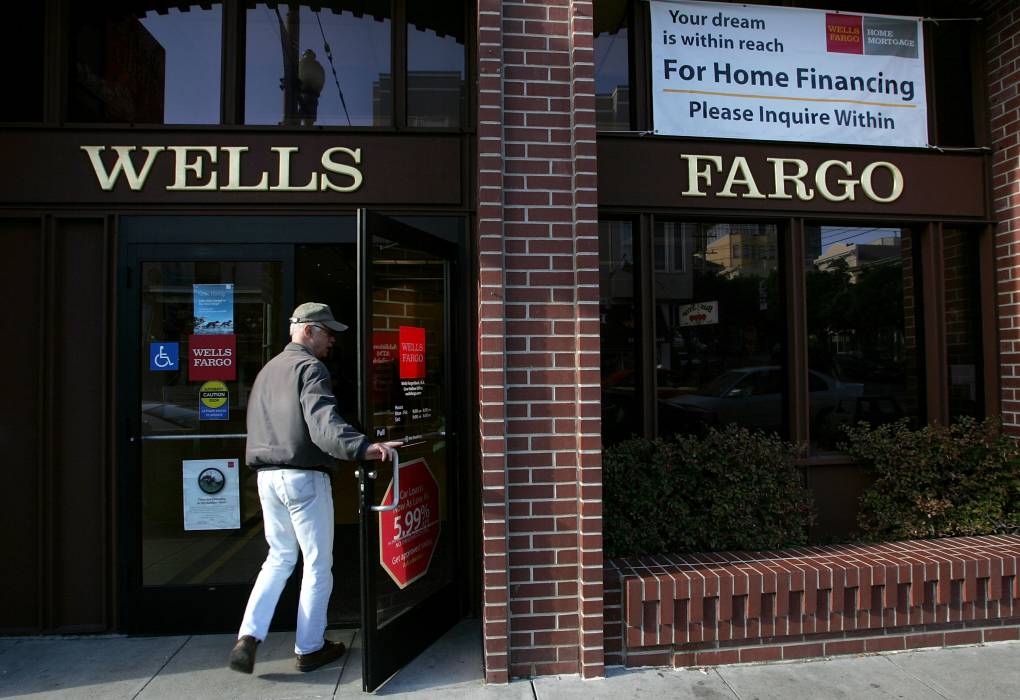
"caption": "On March 20, 2007, a customer enters a Wells Fargo bank in San Francisco. During the current COVID-19 pandemic, some small businesses are turning away from big banks like Wells Fargo and working with smaller banks to work through the PPP loan process. ",
"description": "On March 20, 2007, a customer enters a Wells Fargo bank in San Francisco. During the COVID-19 pandemic, some small businesses are turning away from big banks like Wells Fargo and working with smaller banks to work through the PPP loan process.",
"title": "During the COVID-19 pandemic, some small businesses are turning away from big banks like Wells Fargo and working with smaller banks to work through the PPP loan process.",
"credit": "Justin Sullivan/Getty Images",
"status": "inherit",
"isLoading": false,
"fetchFailed": false
},
"news_11818947": {
"type": "attachments",
"id": "news_11818947",
"meta": {
"index": "attachments_1716263798",
"site": "news",
"id": "11818947",
"found": true
},
"parent": 11818938,
"imgSizes": {
"apple_news_ca_landscape_5_5": {
"file": "https://ww2.kqed.org/app/uploads/sites/10/2020/05/tesla200512-1044x783.jpg",
"width": 1044,
"mimeType": "image/jpeg",
"height": 783
},
"apple_news_ca_square_4_0": {
"file": "https://ww2.kqed.org/app/uploads/sites/10/2020/05/tesla200512-470x470.jpg",
"width": 470,
"mimeType": "image/jpeg",
"height": 470
},
"twentyfourteen-full-width": {
"file": "https://ww2.kqed.org/app/uploads/sites/10/2020/05/tesla200512-1038x576.jpg",
"width": 1038,
"mimeType": "image/jpeg",
"height": 576
},
"thumbnail": {
"file": "https://ww2.kqed.org/app/uploads/sites/10/2020/05/tesla200512-160x107.jpg",
"width": 160,
"mimeType": "image/jpeg",
"height": 107
},
"post-thumbnail": {
"file": "https://ww2.kqed.org/app/uploads/sites/10/2020/05/tesla200512-672x372.jpg",
"width": 672,
"mimeType": "image/jpeg",
"height": 372
},
"kqedFullSize": {
"file": "https://ww2.kqed.org/app/uploads/sites/10/2020/05/tesla200512.jpg",
"width": 1920,
"height": 1280
},
"apple_news_ca_landscape_4_7": {
"file": "https://ww2.kqed.org/app/uploads/sites/10/2020/05/tesla200512-632x474.jpg",
"width": 632,
"mimeType": "image/jpeg",
"height": 474
},
"large": {
"file": "https://ww2.kqed.org/app/uploads/sites/10/2020/05/tesla200512-1020x680.jpg",
"width": 1020,
"mimeType": "image/jpeg",
"height": 680
},
"apple_news_ca_landscape_4_0": {
"file": "https://ww2.kqed.org/app/uploads/sites/10/2020/05/tesla200512-536x402.jpg",
"width": 536,
"mimeType": "image/jpeg",
"height": 402
},
"apple_news_ca_portrait_12_9": {
"file": "https://ww2.kqed.org/app/uploads/sites/10/2020/05/tesla200512-1122x1280.jpg",
"width": 1122,
"mimeType": "image/jpeg",
"height": 1280
},
"medium": {
"file": "https://ww2.kqed.org/app/uploads/sites/10/2020/05/tesla200512-800x533.jpg",
"width": 800,
"mimeType": "image/jpeg",
"height": 533
},
"apple_news_ca_portrait_4_0": {
"file": "https://ww2.kqed.org/app/uploads/sites/10/2020/05/tesla200512-354x472.jpg",
"width": 354,
"mimeType": "image/jpeg",
"height": 472
},
"apple_news_ca_portrait_9_7": {
"file": "https://ww2.kqed.org/app/uploads/sites/10/2020/05/tesla200512-840x1120.jpg",
"width": 840,
"mimeType": "image/jpeg",
"height": 1120
},
"apple_news_ca_landscape_12_9": {
"file": "https://ww2.kqed.org/app/uploads/sites/10/2020/05/tesla200512-1832x1280.jpg",
"width": 1832,
"mimeType": "image/jpeg",
"height": 1280
},
"apple_news_ca_square_9_7": {
"file": "https://ww2.kqed.org/app/uploads/sites/10/2020/05/tesla200512-1104x1104.jpg",
"width": 1104,
"mimeType": "image/jpeg",
"height": 1104
},
"apple_news_ca_portrait_4_7": {
"file": "https://ww2.kqed.org/app/uploads/sites/10/2020/05/tesla200512-414x552.jpg",
"width": 414,
"mimeType": "image/jpeg",
"height": 552
},
"apple_news_ca_square_12_9": {
"file": "https://ww2.kqed.org/app/uploads/sites/10/2020/05/tesla200512-1472x1280.jpg",
"width": 1472,
"mimeType": "image/jpeg",
"height": 1280
},
"apple_news_ca_portrait_5_5": {
"file": "https://ww2.kqed.org/app/uploads/sites/10/2020/05/tesla200512-687x916.jpg",
"width": 687,
"mimeType": "image/jpeg",
"height": 916
},
"full-width": {
"file": "https://ww2.kqed.org/app/uploads/sites/10/2020/05/tesla200512-1920x1280.jpg",
"width": 1920,
"mimeType": "image/jpeg",
"height": 1280
},
"apple_news_ca_square_4_7": {
"file": "https://ww2.kqed.org/app/uploads/sites/10/2020/05/tesla200512-550x550.jpg",
"width": 550,
"mimeType": "image/jpeg",
"height": 550
},
"apple_news_ca_landscape_9_7": {
"file": "https://ww2.kqed.org/app/uploads/sites/10/2020/05/tesla200512-1376x1032.jpg",
"width": 1376,
"mimeType": "image/jpeg",
"height": 1032
},
"apple_news_ca_square_5_5": {
"file": "https://ww2.kqed.org/app/uploads/sites/10/2020/05/tesla200512-912x912.jpg",
"width": 912,
"mimeType": "image/jpeg",
"height": 912
}
},
"publishDate": 1589784650,
"modified": 1589910871,
"caption": "An aerial view of Tesla's plant in Fremont on May 12, 2020, the day after CEO Elon Musk declared he had opened the facility \"against Alameda County rules\" that shut down production in late March. Local officials described the reopening as ramping up \"minimum basic operations.\" The company is expected to be in full production this week.",
"description": "An aerial view of Tesla's plant in Fremont on May 12, 2020, the day after CEO Elon Musk declared he had opened the facility \"against Alameda County rules\" that shut down production in late March. Local officials described the reopening as ramping up \"minimum basic operations.\" The company is expected to be in full production this week.",
"title": "Tesla-Fremont Plant",
"credit": "Justin Sullivan/Getty Images",
"status": "inherit",
"isLoading": false,
"fetchFailed": false
},
"news_11819140": {
"type": "attachments",
"id": "news_11819140",
"meta": {
"index": "attachments_1716263798",
"site": "news",
"id": "11819140",
"found": true
},
"parent": 11819077,
"imgSizes": {
"apple_news_ca_square_4_0": {
"file": "https://ww2.kqed.org/app/uploads/sites/10/2020/05/GettyImages-1212169044-470x470.jpg",
"width": 470,
"mimeType": "image/jpeg",
"height": 470
},
"twentyfourteen-full-width": {
"file": "https://ww2.kqed.org/app/uploads/sites/10/2020/05/GettyImages-1212169044-1024x576.jpg",
"width": 1024,
"mimeType": "image/jpeg",
"height": 576
},
"thumbnail": {
"file": "https://ww2.kqed.org/app/uploads/sites/10/2020/05/GettyImages-1212169044-160x107.jpg",
"width": 160,
"mimeType": "image/jpeg",
"height": 107
},
"post-thumbnail": {
"file": "https://ww2.kqed.org/app/uploads/sites/10/2020/05/GettyImages-1212169044-672x372.jpg",
"width": 672,
"mimeType": "image/jpeg",
"height": 372
},
"kqedFullSize": {
"file": "https://ww2.kqed.org/app/uploads/sites/10/2020/05/GettyImages-1212169044.jpg",
"width": 1024,
"height": 683
},
"apple_news_ca_landscape_4_7": {
"file": "https://ww2.kqed.org/app/uploads/sites/10/2020/05/GettyImages-1212169044-632x474.jpg",
"width": 632,
"mimeType": "image/jpeg",
"height": 474
},
"large": {
"file": "https://ww2.kqed.org/app/uploads/sites/10/2020/05/GettyImages-1212169044-1020x680.jpg",
"width": 1020,
"mimeType": "image/jpeg",
"height": 680
},
"apple_news_ca_landscape_4_0": {
"file": "https://ww2.kqed.org/app/uploads/sites/10/2020/05/GettyImages-1212169044-536x402.jpg",
"width": 536,
"mimeType": "image/jpeg",
"height": 402
},
"medium": {
"file": "https://ww2.kqed.org/app/uploads/sites/10/2020/05/GettyImages-1212169044-800x534.jpg",
"width": 800,
"mimeType": "image/jpeg",
"height": 534
},
"apple_news_ca_portrait_4_0": {
"file": "https://ww2.kqed.org/app/uploads/sites/10/2020/05/GettyImages-1212169044-354x472.jpg",
"width": 354,
"mimeType": "image/jpeg",
"height": 472
},
"apple_news_ca_portrait_9_7": {
"file": "https://ww2.kqed.org/app/uploads/sites/10/2020/05/GettyImages-1212169044-840x683.jpg",
"width": 840,
"mimeType": "image/jpeg",
"height": 683
},
"apple_news_ca_portrait_4_7": {
"file": "https://ww2.kqed.org/app/uploads/sites/10/2020/05/GettyImages-1212169044-414x552.jpg",
"width": 414,
"mimeType": "image/jpeg",
"height": 552
},
"apple_news_ca_portrait_5_5": {
"file": "https://ww2.kqed.org/app/uploads/sites/10/2020/05/GettyImages-1212169044-687x683.jpg",
"width": 687,
"mimeType": "image/jpeg",
"height": 683
},
"apple_news_ca_square_4_7": {
"file": "https://ww2.kqed.org/app/uploads/sites/10/2020/05/GettyImages-1212169044-550x550.jpg",
"width": 550,
"mimeType": "image/jpeg",
"height": 550
},
"apple_news_ca_square_5_5": {
"file": "https://ww2.kqed.org/app/uploads/sites/10/2020/05/GettyImages-1212169044-912x683.jpg",
"width": 912,
"mimeType": "image/jpeg",
"height": 683
}
},
"publishDate": 1589845216,
"modified": 1589846753,
"caption": "A phone operator works in a 'contact tracing' call center in Brussels, Belgium, on May 8, 2020, part of that government's effort to map how many people have contracted COVID-19.",
"description": null,
"title": "BELGIUM-HEALTH-VIRUS-TECHNOLOGY",
"credit": "Laurie Dieffembacq/BELGA/AFP via Getty Images",
"status": "inherit",
"isLoading": false,
"fetchFailed": false
}
},
"audioPlayerReducer": {
"postId": "stream_live",
"isPaused": true,
"isPlaying": false,
"pfsActive": false,
"pledgeModalIsOpen": true,
"playerDrawerIsOpen": false,
"liveAudioPlayStartedAt": 0,
"liveAudioPlayContext": ""
},
"authorsReducer": {
"byline_news_11822178": {
"type": "authors",
"id": "byline_news_11822178",
"meta": {
"override": true
},
"slug": "byline_news_11822178",
"name": "Barbara Ortutay\u003cbr>The Associated Press",
"isLoading": false
},
"byline_news_11821641": {
"type": "authors",
"id": "byline_news_11821641",
"meta": {
"override": true
},
"slug": "byline_news_11821641",
"name": "Ayesha Rascoe",
"isLoading": false
},
"byline_news_11821523": {
"type": "authors",
"id": "byline_news_11821523",
"meta": {
"override": true
},
"slug": "byline_news_11821523",
"name": "Bobby Allyn",
"isLoading": false
},
"byline_news_11820981": {
"type": "authors",
"id": "byline_news_11820981",
"meta": {
"override": true
},
"slug": "byline_news_11820981",
"name": "Avie Schneider",
"isLoading": false
},
"byline_news_11819077": {
"type": "authors",
"id": "byline_news_11819077",
"meta": {
"override": true
},
"slug": "byline_news_11819077",
"name": "Matt O'Brien\u003cbr>Associated Press",
"isLoading": false
},
"danbrekke": {
"type": "authors",
"id": "222",
"meta": {
"index": "authors_1716337520",
"id": "222",
"found": true
},
"name": "Dan Brekke",
"firstName": "Dan",
"lastName": "Brekke",
"slug": "danbrekke",
"email": "dbrekke@kqed.org",
"display_author_email": true,
"staff_mastheads": [
"news",
"science"
],
"title": "KQED Editor and Reporter",
"bio": "Dan Brekke is a reporter and editor for KQED News, responsible for coverage of topics ranging from California water issues to the Bay Area's transportation challenges. In a newsroom career that began in Chicago in 1972, Dan has worked for \u003cem>The San Francisco Examiner,\u003c/em> Wired and TechTV and has been published in The New York Times, The New York Times Magazine, Business 2.0, Salon and elsewhere.\r\n\r\nSince joining KQED in 2007, Dan has reported, edited and produced both radio and online features and breaking news pieces. He has shared as both editor and reporter in four Society of Professional Journalists Norcal Excellence in Journalism awards and one Edward R. Murrow regional award. He was chosen for a spring 2017 residency at the Mesa Refuge to advance his research on California salmon.\r\n\r\nEmail Dan at: \u003ca href=\"mailto:dbrekke@kqed.org\">dbrekke@kqed.org\u003c/a>\r\n\r\n\u003cstrong>Twitter:\u003c/strong> \u003ca href=\"https://twitter.com/danbrekke\" rel=\"noopener noreferrer\">twitter.com/danbrekke\u003c/a>\r\n\u003cstrong>Facebook:\u003c/strong> \u003ca href=\"https://www.facebook.com/danbrekke\" rel=\"noopener noreferrer\">www.facebook.com/danbrekke\u003c/a>\r\n\u003cstrong>LinkedIn:\u003c/strong> \u003ca href=\"https://www.linkedin.com/in/danbrekke\" rel=\"noopener noreferrer\">www.linkedin.com/in/danbrekke\u003c/a>",
"avatar": "https://secure.gravatar.com/avatar/8f1f0d2a978fb3b23426c922c7e2af558fa36905b49c4ce76a97dc3c72d27226?s=600&d=mm&r=g",
"twitter": "danbrekke",
"bluesky": null,
"facebook": null,
"instagram": "https://www.instagram.com/dan.brekke/",
"linkedin": "https://www.linkedin.com/in/danbrekke/",
"sites": [
{
"site": "news",
"roles": [
"administrator",
"create_posts"
]
},
{
"site": "stateofhealth",
"roles": [
"editor"
]
},
{
"site": "science",
"roles": [
"editor"
]
},
{
"site": "quest",
"roles": [
"contributor"
]
},
{
"site": "food",
"roles": [
"contributor"
]
},
{
"site": "forum",
"roles": [
"contributor"
]
},
{
"site": "elections",
"roles": [
"editor"
]
},
{
"site": "liveblog",
"roles": [
"editor"
]
}
],
"headData": {
"title": "Dan Brekke | KQED",
"description": "KQED Editor and Reporter",
"ogImgSrc": "https://secure.gravatar.com/avatar/8f1f0d2a978fb3b23426c922c7e2af558fa36905b49c4ce76a97dc3c72d27226?s=600&d=mm&r=g",
"twImgSrc": "https://secure.gravatar.com/avatar/8f1f0d2a978fb3b23426c922c7e2af558fa36905b49c4ce76a97dc3c72d27226?s=600&d=mm&r=g"
},
"isLoading": false,
"link": "/author/danbrekke"
},
"kqed": {
"type": "authors",
"id": "236",
"meta": {
"index": "authors_1716337520",
"id": "236",
"found": true
},
"name": "KQED News Staff",
"firstName": "KQED News Staff",
"lastName": null,
"slug": "kqed",
"email": "faq@kqed.org",
"display_author_email": false,
"staff_mastheads": [],
"title": null,
"bio": null,
"avatar": "https://secure.gravatar.com/avatar/ef0e801a68c4c54afa9180db14084167?s=600&d=blank&r=g",
"twitter": null,
"facebook": null,
"instagram": null,
"linkedin": null,
"sites": [
{
"site": "arts",
"roles": [
"contributor"
]
},
{
"site": "news",
"roles": [
"editor"
]
},
{
"site": "futureofyou",
"roles": [
"author"
]
}
],
"headData": {
"title": "KQED News Staff | KQED",
"description": null,
"ogImgSrc": "https://secure.gravatar.com/avatar/ef0e801a68c4c54afa9180db14084167?s=600&d=blank&r=g",
"twImgSrc": "https://secure.gravatar.com/avatar/ef0e801a68c4c54afa9180db14084167?s=600&d=blank&r=g"
},
"isLoading": false,
"link": "/author/kqed"
},
"rachael-myrow": {
"type": "authors",
"id": "251",
"meta": {
"index": "authors_1716337520",
"id": "251",
"found": true
},
"name": "Rachael Myrow",
"firstName": "Rachael",
"lastName": "Myrow",
"slug": "rachael-myrow",
"email": "rmyrow@kqed.org",
"display_author_email": true,
"staff_mastheads": [
"news"
],
"title": "Senior Editor of KQED's Silicon Valley News Desk",
"bio": "• I write and edit stories about how Silicon Valley power and policies shape everyday life in California. I’m also passionate about making Bay Area history and culture more accessible to a broad public. • I’ve been a journalist for most of my life, starting in high school with The Franklin Press in Los Angeles, where I grew up. While earning my first degree in English at UC Berkeley, I got my start in public radio at KALX-FM. After completing a second degree in journalism at Cal, I landed my first professional job at Marketplace, then moved on to KPCC (now LAist), and then KQED, where I hosted The California Report for more than seven years. • My reporting has appeared on NPR, The World, WBUR’s \u003ci>Here & Now\u003c/i>, and the BBC. I also guest host for KQED’s \u003ci>Forum\u003c/i>, as well as the Commonwealth Club in San Francisco. • I speak periodically on media, democracy and technology issues, and do voiceover work for documentaries and educational video projects. • Outside of the studio, you'll find me hiking Bay Area trails and whipping up Insta-ready meals in my kitchen. • I do not accept gifts, money, or favors from anyone connected to my reporting, I don't pay people for information, and I do not support or donate to political causes. • I strive to treat the people I report on with fairness, honesty, and respect. I also recognize there are often multiple sides to a story and work to verify information through multiple sources and documentation. If I get something wrong, I correct it.",
"avatar": "https://secure.gravatar.com/avatar/3ed8a3c5f26025e4a805ba634cda8cd764906b97438a6d9ce216b044e340da4e?s=600&d=blank&r=g",
"twitter": "rachaelmyrow",
"bluesky": null,
"facebook": null,
"instagram": null,
"linkedin": "https://www.linkedin.com/in/rachaelmyrow/",
"sites": [
{
"site": "arts",
"roles": [
"administrator"
]
},
{
"site": "news",
"roles": [
"edit_others_posts",
"editor"
]
},
{
"site": "futureofyou",
"roles": [
"editor"
]
},
{
"site": "bayareabites",
"roles": [
"editor"
]
},
{
"site": "stateofhealth",
"roles": [
"editor"
]
},
{
"site": "science",
"roles": [
"editor"
]
},
{
"site": "food",
"roles": [
"editor"
]
},
{
"site": "forum",
"roles": [
"editor"
]
},
{
"site": "liveblog",
"roles": [
"author"
]
}
],
"headData": {
"title": "Rachael Myrow | KQED",
"description": "Senior Editor of KQED's Silicon Valley News Desk",
"ogImgSrc": "https://secure.gravatar.com/avatar/3ed8a3c5f26025e4a805ba634cda8cd764906b97438a6d9ce216b044e340da4e?s=600&d=blank&r=g",
"twImgSrc": "https://secure.gravatar.com/avatar/3ed8a3c5f26025e4a805ba634cda8cd764906b97438a6d9ce216b044e340da4e?s=600&d=blank&r=g"
},
"isLoading": false,
"link": "/author/rachael-myrow"
},
"cveltman": {
"type": "authors",
"id": "8608",
"meta": {
"index": "authors_1716337520",
"id": "8608",
"found": true
},
"name": "Chloe Veltman",
"firstName": "Chloe",
"lastName": "Veltman",
"slug": "cveltman",
"email": "cveltman@kqed.org",
"display_author_email": true,
"staff_mastheads": [],
"title": "Arts and Culture Reporter",
"bio": "Chloe Veltman is a former arts and culture reporter for KQED. Prior to joining the organization, she launched and led the arts bureau at Colorado Public Radio, served as the Bay Area's culture columnist for the New York Times, and was the founder, host and executive producer of VoiceBox, a national award-winning weekly podcast/radio show and live events series all about the human voice. Chloe is the recipient of numerous prizes, grants and fellowships including a Webby Award for her work on interactive storytelling, both the John S Knight Journalism Fellowship and Humanities Center Fellowship at Stanford University, the Sundance Arts Writing Fellowship and a Library of Congress Research Fellowship. She is the author of the book \"On Acting\" and has appeared as a guest lecturer at Yale University and the San Francisco Conservatory of Music among other institutions. She holds a BA in english literature from King's College, Cambridge, and a Masters in Dramaturgy from the Central School of Speech and Drama/Harvard Institute for Advanced Theater Training.\r\n\u003ca href=\"https://www.chloeveltman.com\">www.chloeveltman.com\u003c/a>",
"avatar": "https://secure.gravatar.com/avatar/55403394b00a1ddab683952c2eb2cf85?s=600&d=blank&r=g",
"twitter": "chloeveltman",
"facebook": null,
"instagram": null,
"linkedin": null,
"sites": [
{
"site": "arts",
"roles": []
},
{
"site": "news",
"roles": [
"author"
]
},
{
"site": "pop",
"roles": [
"editor"
]
},
{
"site": "science",
"roles": []
}
],
"headData": {
"title": "Chloe Veltman | KQED",
"description": "Arts and Culture Reporter",
"ogImgSrc": "https://secure.gravatar.com/avatar/55403394b00a1ddab683952c2eb2cf85?s=600&d=blank&r=g",
"twImgSrc": "https://secure.gravatar.com/avatar/55403394b00a1ddab683952c2eb2cf85?s=600&d=blank&r=g"
},
"isLoading": false,
"link": "/author/cveltman"
},
"abandlamudi": {
"type": "authors",
"id": "11672",
"meta": {
"index": "authors_1716337520",
"id": "11672",
"found": true
},
"name": "Adhiti Bandlamudi",
"firstName": "Adhiti",
"lastName": "Bandlamudi",
"slug": "abandlamudi",
"email": "abandlamudi@kqed.org",
"display_author_email": false,
"staff_mastheads": [
"news"
],
"title": "KQED Housing Reporter",
"bio": "Adhiti Bandlamudi reports for KQED's Housing desk. She focuses on how housing gets built across the Bay Area. Before joining KQED in 2020, she reported for WUNC in Durham, North Carolina, WABE in Atlanta, Georgia and Capital Public Radio in Sacramento. In 2017, she was awarded a Kroc Fellowship at NPR where she reported on everything from sprinkles to the Golden State Killer's arrest. When she's not reporting, she's baking new recipes in her kitchen or watching movies with friends and family. She's originally from Georgia and has strong opinions about Great British Bake Off.",
"avatar": "https://secure.gravatar.com/avatar/868129c8b257bb99a3500e2c86a65400?s=600&d=mm&r=g",
"twitter": "oddity_adhiti",
"facebook": null,
"instagram": null,
"linkedin": null,
"sites": [
{
"site": "arts",
"roles": [
"author"
]
},
{
"site": "news",
"roles": [
"editor"
]
},
{
"site": "liveblog",
"roles": [
"author"
]
}
],
"headData": {
"title": "Adhiti Bandlamudi | KQED",
"description": "KQED Housing Reporter",
"ogImgSrc": "https://secure.gravatar.com/avatar/868129c8b257bb99a3500e2c86a65400?s=600&d=mm&r=g",
"twImgSrc": "https://secure.gravatar.com/avatar/868129c8b257bb99a3500e2c86a65400?s=600&d=mm&r=g"
},
"isLoading": false,
"link": "/author/abandlamudi"
}
},
"pagesReducer": {
"news_category_technology": {
"type": "terms",
"id": "news_248",
"meta": {
"index": "terms_1716263798",
"site": "news",
"id": "248",
"score": 10.931152
},
"featImg": null,
"name": "Technology",
"description": null,
"taxonomy": "category",
"headData": {
"twImgId": null,
"twTitle": null,
"ogTitle": null,
"ogImgId": null,
"twDescription": null,
"description": null,
"title": "Technology Archives | KQED News",
"ogDescription": null
},
"ttid": 256,
"slug": "technology",
"isLoading": false,
"title": "Technology",
"pageMeta": {
"site": "news",
"WpPageTemplate": "page-topic-editorial",
"currentPage": 50
},
"blocks": [
{
"blockName": "kqed/post-list",
"attrs": {
"layout": "cardArticle2",
"query": "posts/news?category=technology",
"seeMore": false,
"paginated": true,
"page": 50
}
},
{
"blockName": "kqed/ad"
}
]
}
},
"pfsSessionReducer": {},
"postsReducer": {
"stream_live": {
"type": "live",
"id": "stream_live",
"audioUrl": "https://streams.kqed.org/kqedradio",
"title": "Live Stream",
"excerpt": "Live Stream information currently unavailable.",
"link": "/radio",
"featImg": "",
"label": {
"name": "KQED Live",
"link": "/"
}
},
"stream_kqedNewscast": {
"type": "posts",
"id": "stream_kqedNewscast",
"audioUrl": "https://www.kqed.org/.stream/anon/radio/RDnews/newscast.mp3?_=1",
"title": "KQED Newscast",
"featImg": "",
"label": {
"name": "88.5 FM",
"link": "/"
}
},
"news_11825766": {
"type": "posts",
"id": "news_11825766",
"meta": {
"index": "posts_1716263798",
"site": "news",
"id": "11825766",
"score": null,
"sort": [
1592939829000
]
},
"guestAuthors": [],
"slug": "trump-suspends-work-visas-and-silicon-valley-isnt-happy",
"title": "Trump Suspends Work Visas – and Silicon Valley Isn't Happy",
"publishDate": 1592939829,
"format": "standard",
"headTitle": "Trump Suspends Work Visas – and Silicon Valley Isn’t Happy | KQED",
"labelTerm": {},
"content": "\u003cp>President Trump’s executive order to suspend new H-1B, L-1 and other temporary work visas for skilled workers and managers through the end of the year has met with broad criticism in Silicon Valley.\u003c/p>\n\u003cp>The L-1 visa that allows companies to transfer employees from overseas offices and the H-1B program for workers in specialty occupations are both popular with tech companies. Several tech executives were quick to condemn the executive order on Twitter, including Tim Cook, CEO of Apple.\u003c/p>\n\u003cp>https://twitter.com/tim_cook/status/1275407136256712707\u003c/p>\n\u003cp>Facebook spokesman Andy Stone wrote KQED, “President Trump’s latest proclamation uses the COVID-19 pandemic as justification for limiting immigration. In reality, the move to keep highly-skilled talent out of the US will make our country’s recovery even more difficult. America is a nation of immigrants and our economy and country benefit when we encourage talented people from around the world to live, work, and contribute here. That’s more true now than ever.”[pullquote size=\"medium\" align=\"right\" citation=\"— Jose Castaneda, Google spokesman\"]‘America’s continued success depends on companies having access to the best talent from around the world. Particularly now, we need that talent to help contribute to America’s economic recovery.’[/pullquote]\u003c/p>\n\u003cp>Google spokesman Jose Castaneda wrote KQED, “Immigrants have not only fueled technological breakthroughs and created new businesses and jobs but have also enriched American life. America’s continued success depends on companies having access to the best talent from around the world. Particularly now, we need that talent to help contribute to America’s economic recovery.”\u003c/p>\n\u003cp>[ad fullwidth]\u003c/p>\n\u003cp>The Trump administration’s professed goal of providing new jobs to those who lost work because of the coronavirus pandemic has also met with widespread ridicule, even from those critical of Silicon Valley and the documented \u003ca href=\"https://www.kqed.org/news/10859344/silicon-valleys-indian-community-pushes-to-reform-h1b-visa-program\" target=\"_blank\" rel=\"noopener noreferrer\">abuses\u003c/a> of the H-1B visa to employ more compliant highly skilled labor at cheaper prices.\u003c/p>\n\u003cp>UC Hastings law professor Veena Dubal wrote KQED, “Many of these jobs can be done remotely, so I suspect that is how companies will handle the blow to their workforce.” She added, that the concept these jobs would be filled by a native U.S. workforce seems disingenuous. “This is a good example of how the racism and xenophobia that appears to guide this administration’s approach to immigration extends across the class divide and is (like racism more generally) illogical.” [pullquote size=\"medium\" align=\"right\" citation=\"—Veena Dubal, UC Hastings law professor\"]‘This is a good example of how the racism and xenophobia that appears to guide this administration’s approach to immigration extends across the class divide and is (like racism more generally) illogical.’[/pullquote]\u003c/p>\n\u003cp>The new restrictions will take effect on June 24. The order is not expected to affect immigrants and visa holders already in the U.S., other than their \u003ca href=\"https://www.kqed.org/news/11701936/spouses-of-h-1b-visa-holders-could-soon-lose-the-right-to-work-in-the-u-s\" target=\"_blank\" rel=\"noopener noreferrer\">spouses\u003c/a>, who have already been put on notice that the Trump administration does not want them working. Still, the order sends a chilling message to immigrants living in the San Francisco Bay Area on visas, along with their families, wrote one person who asked to remain anonymous for fear of reprisal.\u003c/p>\n\u003cp>“As I read through the news, I went through the roller coaster of emotions,” she wrote KQED. “By only the stroke of luck, we were in the United States while the COVID-19 madness began,” she said. Her family had plans to visit India in December 2019, but they postponed this to June 2020 to give the family enough time to get visas stamped from the consulate. [aside tag=\"immigration\" label=\"More Related Coverage\"] She explained that if they had made the trip in 2019, and the process of getting the visas stamped had taken longer than expected, they would not have been in the U.S. and may not have been allowed to return. “A simple trip back home would have been the most life-changing event of our life,” she said, “our trip to India is now postponed indefinitely.”\u003c/p>\n\u003cp>\u003c/p>\n\u003cp>Like others familiar with immigration law, she suspects H-1B/L-1 visa holders who are currently outside the United States will continue to work for Silicon Valley companies remotely. “In that case, they will not pay taxes in the USA, purchase their groceries here or pay rent here,” she said.\u003c/p>\n\n",
"blocks": [],
"excerpt": "Silicon Valley leaders are publicly criticizing President Donald Trump's latest attack on new H-1B, L-1 and other temporary work visa programs popular with tech companies.",
"status": "publish",
"parent": 0,
"modified": 1729028147,
"stats": {
"hasAudio": false,
"hasVideo": false,
"hasChartOrMap": false,
"iframeSrcs": [],
"hasGoogleForm": false,
"hasGallery": false,
"hasHearkenModule": false,
"hasPolis": false,
"paragraphCount": 11,
"wordCount": 752
},
"headData": {
"title": "Trump Suspends Work Visas – and Silicon Valley Isn't Happy | KQED",
"description": "Silicon Valley leaders are publicly criticizing President Donald Trump's latest attack on new H-1B, L-1 and other temporary work visa programs popular with tech companies.",
"ogTitle": "",
"ogDescription": "",
"ogImgId": "",
"twTitle": "",
"twDescription": "",
"twImgId": "",
"schema": {
"@context": "https://schema.org",
"@type": "NewsArticle",
"headline": "Trump Suspends Work Visas – and Silicon Valley Isn't Happy",
"datePublished": "2020-06-23T12:17:09-07:00",
"dateModified": "2024-10-15T14:35:47-07:00",
"image": "https://cdn.kqed.org/wp-content/uploads/2020/02/KQED-OG-Image@1x.png",
"isAccessibleForFree": "True",
"publisher": {
"@type": "NewsMediaOrganization",
"@id": "https://www.kqed.org/#organization",
"name": "KQED",
"logo": "https://cdn.kqed.org/wp-content/uploads/2020/02/KQED-OG-Image@1x.png",
"url": "https://www.kqed.org",
"sameAs": [
"https://www.facebook.com/KQED",
"https://twitter.com/KQED",
"https://www.instagram.com/kqed/",
"https://www.tiktok.com/@kqedofficial",
"https://www.linkedin.com/company/kqed",
"https://www.youtube.com/channel/UCeC0IOo7i1P_61zVUWbJ4nw"
]
}
}
},
"source": "News",
"sourceUrl": "http://kqed.org/",
"sticky": false,
"path": "/news/11825766/trump-suspends-work-visas-and-silicon-valley-isnt-happy",
"audioTrackLength": null,
"parsedContent": [
{
"type": "contentString",
"content": "\u003cdiv class=\"post-body\">\u003cp>\u003cp>President Trump’s executive order to suspend new H-1B, L-1 and other temporary work visas for skilled workers and managers through the end of the year has met with broad criticism in Silicon Valley.\u003c/p>\n\u003cp>The L-1 visa that allows companies to transfer employees from overseas offices and the H-1B program for workers in specialty occupations are both popular with tech companies. Several tech executives were quick to condemn the executive order on Twitter, including Tim Cook, CEO of Apple.\u003c/p>\u003c/p>\u003c/div>",
"attributes": {
"named": {},
"numeric": []
}
},
{
"type": "component",
"content": "",
"name": "singleTwitterStatus",
"attributes": {
"named": {
"id": "1275407136256712707"
},
"numeric": []
}
},
{
"type": "contentString",
"content": "\u003cdiv class=\"post-body\">\u003cp>\n\u003cp>Facebook spokesman Andy Stone wrote KQED, “President Trump’s latest proclamation uses the COVID-19 pandemic as justification for limiting immigration. In reality, the move to keep highly-skilled talent out of the US will make our country’s recovery even more difficult. America is a nation of immigrants and our economy and country benefit when we encourage talented people from around the world to live, work, and contribute here. That’s more true now than ever.”\u003c/p>\u003c/div>",
"attributes": {
"named": {},
"numeric": []
}
},
{
"type": "component",
"content": "‘America’s continued success depends on companies having access to the best talent from around the world. Particularly now, we need that talent to help contribute to America’s economic recovery.’",
"name": "pullquote",
"attributes": {
"named": {
"size": "medium",
"align": "right",
"citation": "— Jose Castaneda, Google spokesman",
"label": ""
},
"numeric": []
}
},
{
"type": "contentString",
"content": "\u003cdiv class=\"post-body\">\u003cp>\u003c/p>\n\u003cp>Google spokesman Jose Castaneda wrote KQED, “Immigrants have not only fueled technological breakthroughs and created new businesses and jobs but have also enriched American life. America’s continued success depends on companies having access to the best talent from around the world. Particularly now, we need that talent to help contribute to America’s economic recovery.”\u003c/p>\n\u003cp>\u003c/p>\u003c/div>",
"attributes": {
"named": {},
"numeric": []
}
},
{
"type": "component",
"content": "",
"name": "ad",
"attributes": {
"named": {
"label": "fullwidth"
},
"numeric": [
"fullwidth"
]
}
},
{
"type": "contentString",
"content": "\u003cdiv class=\"post-body\">\u003cp>\u003c/p>\n\u003cp>The Trump administration’s professed goal of providing new jobs to those who lost work because of the coronavirus pandemic has also met with widespread ridicule, even from those critical of Silicon Valley and the documented \u003ca href=\"https://www.kqed.org/news/10859344/silicon-valleys-indian-community-pushes-to-reform-h1b-visa-program\" target=\"_blank\" rel=\"noopener noreferrer\">abuses\u003c/a> of the H-1B visa to employ more compliant highly skilled labor at cheaper prices.\u003c/p>\n\u003cp>UC Hastings law professor Veena Dubal wrote KQED, “Many of these jobs can be done remotely, so I suspect that is how companies will handle the blow to their workforce.” She added, that the concept these jobs would be filled by a native U.S. workforce seems disingenuous. “This is a good example of how the racism and xenophobia that appears to guide this administration’s approach to immigration extends across the class divide and is (like racism more generally) illogical.” \u003c/p>\u003c/div>",
"attributes": {
"named": {},
"numeric": []
}
},
{
"type": "component",
"content": "‘This is a good example of how the racism and xenophobia that appears to guide this administration’s approach to immigration extends across the class divide and is (like racism more generally) illogical.’",
"name": "pullquote",
"attributes": {
"named": {
"size": "medium",
"align": "right",
"citation": "—Veena Dubal, UC Hastings law professor",
"label": ""
},
"numeric": []
}
},
{
"type": "contentString",
"content": "\u003cdiv class=\"post-body\">\u003cp>\u003c/p>\n\u003cp>The new restrictions will take effect on June 24. The order is not expected to affect immigrants and visa holders already in the U.S., other than their \u003ca href=\"https://www.kqed.org/news/11701936/spouses-of-h-1b-visa-holders-could-soon-lose-the-right-to-work-in-the-u-s\" target=\"_blank\" rel=\"noopener noreferrer\">spouses\u003c/a>, who have already been put on notice that the Trump administration does not want them working. Still, the order sends a chilling message to immigrants living in the San Francisco Bay Area on visas, along with their families, wrote one person who asked to remain anonymous for fear of reprisal.\u003c/p>\n\u003cp>“As I read through the news, I went through the roller coaster of emotions,” she wrote KQED. “By only the stroke of luck, we were in the United States while the COVID-19 madness began,” she said. Her family had plans to visit India in December 2019, but they postponed this to June 2020 to give the family enough time to get visas stamped from the consulate. \u003c/p>\u003c/div>",
"attributes": {
"named": {},
"numeric": []
}
},
{
"type": "component",
"content": "",
"name": "aside",
"attributes": {
"named": {
"tag": "immigration",
"label": "More Related Coverage "
},
"numeric": []
}
},
{
"type": "contentString",
"content": "\u003cdiv class=\"post-body\">\u003cp> She explained that if they had made the trip in 2019, and the process of getting the visas stamped had taken longer than expected, they would not have been in the U.S. and may not have been allowed to return. “A simple trip back home would have been the most life-changing event of our life,” she said, “our trip to India is now postponed indefinitely.”\u003c/p>\n\u003cp>\u003c/p>\n\u003cp>Like others familiar with immigration law, she suspects H-1B/L-1 visa holders who are currently outside the United States will continue to work for Silicon Valley companies remotely. “In that case, they will not pay taxes in the USA, purchase their groceries here or pay rent here,” she said.\u003c/p>\n\n\u003c/div>\u003c/p>",
"attributes": {
"named": {},
"numeric": []
}
}
],
"link": "/news/11825766/trump-suspends-work-visas-and-silicon-valley-isnt-happy",
"authors": [
"251"
],
"categories": [
"news_1758",
"news_1169",
"news_8",
"news_13",
"news_248"
],
"tags": [
"news_19182",
"news_1323",
"news_249",
"news_93",
"news_28145",
"news_20202",
"news_17968",
"news_2011",
"news_1631",
"news_346"
],
"featImg": "news_11821524",
"label": "source_news_11825766"
},
"news_11824857": {
"type": "posts",
"id": "news_11824857",
"meta": {
"index": "posts_1716263798",
"site": "news",
"id": "11824857",
"score": null,
"sort": [
1592485236000
]
},
"guestAuthors": [],
"slug": "silicon-valleys-black-employees-question-corporate-claims-that-black-lives-matter",
"title": "Silicon Valley's Black Employees Question Corporate Claims That Black Lives Matter",
"publishDate": 1592485236,
"format": "audio",
"headTitle": "Silicon Valley’s Black Employees Question Corporate Claims That Black Lives Matter | KQED",
"labelTerm": {
"term": 72,
"site": "news"
},
"content": "\u003cp>Many people consider San Francisco-based Pinterest one of the friendlier social media platforms. That, at least, is what initially drew former public policy and social impact manager Ifeoma Ozoma to Pinterest in July of 2018 from her previous job at Facebook\u003c/p>\n\u003cp>“I thought this is a company that believes in diversity, or at least says it does,” she said. But less than a year later, Ozoma raised concerns about being underpaid for the level of work she was performing at the company.\u003c/p>\n\u003cp>“I wasn’t being paid fairly, and according to the company’s own chart, while I was still the public face of the all of the work that was being used to prop the company up as a responsible tech company in a sea of irresponsible ones,” Ozoma said.\u003c/p>\n\u003cp>In recent weeks, companies across America have gone all out declaring their corporate allyship with Black Lives Matter. Silicon Valley companies have done the same, but that’s generated public backlash from current and former Black employees. None became more viral than Ozoma’s tweet thread earlier this week.\u003c/p>\n\u003cp>https://twitter.com/IfeomaOzoma/status/1272546213322080258?s=20\u003c/p>\n\u003cp>When Ozoma was still working for Pinterest, she said she led a number of initiatives she felt really good about, like taking down \u003ca href=\"https://newsroom.pinterest.com/en/post/bringing-authoritative-vaccine-results-to-pinterest-search\" target=\"_blank\" rel=\"noopener noreferrer\">misinformation about vaccines\u003c/a> on Pinterest. She also got the platform to end its practices promoting \u003ca href=\"https://www.nytimes.com/2019/12/05/style/plantation-weddings-pinterest-knot-zola.html\" target=\"_blank\" rel=\"noopener noreferrer\">slave plantations as wedding venues\u003c/a> — although she took heat in her performance review later and was told it was because she hadn’t made the case for not ending the practice.\u003c/p>\n\u003cp>“I should have come up with the pros for promoting slave plantations. Like, to this day, I think about that, and the fact that it was put in writing — in a performance review that then impacted my pay,” Ozoma said. “Even though externally, the company really took advantage of the press that came with that decision.”\u003c/p>\n\u003cp>[ad fullwidth]\u003c/p>\n\u003cp>After going in circles with her manager, his manager and HR for five months, Ozoma finally hired a lawyer. The office atmosphere was already charged when a white male engineer at the company decided to share her personal information with an online group known for “doxxing.”\u003c/p>\n\u003cp>“My cell phone number, my full name, my photo, my email was shared all over the Internet,” Ozoma said. “It was on YouTube, Facebook, Instagram, Reddit, the ‘chans,’ so 4chan and 8chan.”\u003c/p>\n\u003cp>Ozoma said the engineer was fired a week later but, by then, she was traumatized — and so was another Black colleague on her team she’d brought in to Pinterest.\u003c/p>\n\u003cfigure id=\"attachment_11824893\" class=\"wp-caption aligncenter\" style=\"max-width: 1600px\">\u003cimg loading=\"lazy\" decoding=\"async\" class=\"size-full wp-image-11824893\" src=\"https://ww2.kqed.org/app/uploads/sites/10/2020/06/NewsroomPost-Header-200602_0.jpg\" alt=\"On June 2, 2020, Pinterest CEO Ben Silbermann publicly pledged to take a host of steps to prove the company's pronouncement that "Black Lives Matter."\" width=\"1600\" height=\"800\" srcset=\"https://cdn.kqed.org/wp-content/uploads/sites/10/2020/06/NewsroomPost-Header-200602_0.jpg 1600w, https://cdn.kqed.org/wp-content/uploads/sites/10/2020/06/NewsroomPost-Header-200602_0-160x80.jpg 160w, https://cdn.kqed.org/wp-content/uploads/sites/10/2020/06/NewsroomPost-Header-200602_0-800x400.jpg 800w, https://cdn.kqed.org/wp-content/uploads/sites/10/2020/06/NewsroomPost-Header-200602_0-1020x510.jpg 1020w\" sizes=\"(max-width: 1600px) 100vw, 1600px\">\u003cfigcaption class=\"wp-caption-text\">On June 2, 2020, Pinterest CEO Ben Silbermann \u003ca href=\"https://newsroom.pinterest.com/en/post/listening-and-acting\" target=\"_blank\" rel=\"noopener noreferrer\">publicly pledged\u003c/a> to take a host of steps to prove the company’s pronouncement that “Black Lives Matter.” \u003ccite>(Courtesy of Pinterest)\u003c/cite>\u003c/figcaption>\u003c/figure>\n\u003cp>“Our Black lives were treated like they didn’t matter,” said Aerica Shimizu Banks, who left Google for Pinterest to head its office in Washington D.C. Banks said she hired Ozoma’s lawyer after her own struggles with their manager and HR.\u003c/p>\n\u003cp>“Interacting with members of Congress; traveling around the country speaking on panels and events; representing the company — and yet the only expenses that I accrued that were challenged, continuously, were expenses dedicated to Black organizations and Black businesses I had partnered with,” Banks said.\u003c/p>\n\u003cp>She’s also since left the company, and like Ozoma, also tweeted her displeasure with Pinterest engaging in “performative allyship.”\u003c/p>\n\u003cp>https://twitter.com/erikashimizu/status/1272547227177713664?s=20\u003c/p>\n\u003cp>Asked for comment, Pinterest offered a statement: “We took these issues seriously and conducted a thorough investigation when they were raised, and we’re confident both employees were treated fairly.”\u003c/p>\n\u003cp>Thirteen percent of the U.S. population is Black. But according to the company’s annual \u003ca href=\"https://newsroom.pinterest.com/en/post/diversity-report-2020\" target=\"_blank\" rel=\"noopener noreferrer\">diversity report\u003c/a>, Black people made up roughly 4 percent of its total workforce last year. That puts Pinterest in line with many other tech companies that report their numbers (some, like \u003ca href=\"https://www.theverge.com/2020/6/11/21288491/snap-ceo-spiegel-diversity-report-numbers-release-publicly\" target=\"_blank\" rel=\"noopener noreferrer\">Snap\u003c/a>, don’t) in an industry long dominated by white and Asian males.\u003c/p>\n\u003cp>Consider the most recent publicly available company data from these locally headquartered companies: 9 percent at \u003ca href=\"https://www.apple.com/diversity/\" target=\"_blank\" rel=\"noopener noreferrer\">Apple\u003c/a>, 3.8 percent at \u003ca href=\"https://diversity.fb.com/read-report/\" target=\"_blank\" rel=\"noopener noreferrer\">Facebook\u003c/a>, 5.5 percent at \u003ca href=\"https://kstatic.googleusercontent.com/files/25badfc6b6d1b33f3b87372ff7545d79261520d821e6ee9a82c4ab2de42a01216be2156bc5a60ae3337ffe7176d90b8b2b3000891ac6e516a650ecebf0e3f866\" target=\"_blank\" rel=\"noopener noreferrer\">Google\u003c/a>, 3.7 percent at \u003ca href=\"https://www.oracle.com/corporate/careers/culture/diversity.html\" target=\"_blank\" rel=\"noopener noreferrer\">Oracle\u003c/a>, 4.4 percent at \u003ca href=\"https://slackhq.com/diversity-at-slack-2020\" target=\"_blank\" rel=\"noopener noreferrer\">Slack\u003c/a>, 5.7 percent at \u003ca href=\"https://blog.twitter.com/en_us/topics/company/2019/inclusion-and-diversity-report-december-2019.html\" target=\"_blank\" rel=\"noopener noreferrer\">Twitter\u003c/a>. Isolate diversity numbers for the engineering or tech departments alone, or leadership, and the numbers are invariably even smaller.\u003c/p>\n\u003cfigure id=\"attachment_11824924\" class=\"wp-caption aligncenter\" style=\"max-width: 1294px\">\u003cimg loading=\"lazy\" decoding=\"async\" class=\"size-full wp-image-11824924\" src=\"https://ww2.kqed.org/app/uploads/sites/10/2020/06/Screen-Shot-2020-06-17-at-3.18.58-PM.png\" alt=\"The most recent diversity report for Oracle, the largest tech employer in San Mateo County, reflects industry trends.\" width=\"1294\" height=\"858\" srcset=\"https://cdn.kqed.org/wp-content/uploads/sites/10/2020/06/Screen-Shot-2020-06-17-at-3.18.58-PM.png 1294w, https://cdn.kqed.org/wp-content/uploads/sites/10/2020/06/Screen-Shot-2020-06-17-at-3.18.58-PM-160x106.png 160w, https://cdn.kqed.org/wp-content/uploads/sites/10/2020/06/Screen-Shot-2020-06-17-at-3.18.58-PM-800x530.png 800w, https://cdn.kqed.org/wp-content/uploads/sites/10/2020/06/Screen-Shot-2020-06-17-at-3.18.58-PM-1020x676.png 1020w\" sizes=\"(max-width: 1294px) 100vw, 1294px\">\u003cfigcaption class=\"wp-caption-text\">The most recent diversity report for Oracle, the largest tech employer in San Mateo County, reflects industry trends. \u003ccite>(Courtesy of Oracle)\u003c/cite>\u003c/figcaption>\u003c/figure>\n\u003cp>So should Silicon Valley companies even be issuing statements of support for racial justice? Yes, says Sarah Kunst, managing director of \u003ca href=\"https://www.cleocap.com\" target=\"_blank\" rel=\"noopener noreferrer\">Cleo Capital\u003c/a>, an early stage venture capital firm in San Francisco.\u003c/p>\n\u003cp>“You know, it would be very awkward in this context if you were telling me my life didn’t matter. I think that is a bare minimum. It is far from all anyone should be doing,” said Kunst (who was recently on KQED’s board for a year).\u003c/p>\n\u003cp>Google, Facebook and other companies have blamed their lack of Black employees on the “pipeline” problem — arguing there aren’t enough qualified people to hire, especially in their technical departments.\u003c/p>\n\u003cp>[pullquote size='medium' align='right' citation=\"Sarah Kunst, Cleo Capital\"]‘It would be very awkward in this context if you were telling me my life didn’t matter. I think that is a bare minimum. It is far from all anyone should be doing.’[/pullquote]\u003c/p>\n\u003cp>But many Silicon Valley watchers disagree it’s primarily a pipeline problem. Kunst, for instance, argued she’s observed a number of hiring managers fixated on a short list of Ivy League universities, unable to broaden their definition of “qualified.”\u003c/p>\n\u003cp>She added it’s important to get rid of individuals who make the corporate culture toxic for Black employees and drive them away.\u003c/p>\n\u003cp>“This feels like a really good time to really dig deep and do an overhaul so that you create a culture that everyone loves and everyone is welcome in,” Kunst said, noting many Silicon Valley executives are already rethinking their corporate culture during the coronavirus pandemic.\u003c/p>\n\u003cp>“A few years ago, companies, people, couldn’t even say the word ‘race.’ Like, not a particular race, just the word ‘race,'” said Y-Vonne Hutchinson of \u003ca href=\"https://www.thereadyset.co\" target=\"_blank\" rel=\"noopener noreferrer\">ReadySet\u003c/a>, a diversity, equity and inclusion consulting firm that works with a number of Silicon Valley companies. “The fact that the conversation has shifted so far in such a short period of time is encouraging. At the same time, it takes more than statements. What is it really like inside of your organization? Can Black people succeed?”\u003c/p>\n\u003cp>[pullquote size='medium' align='left' citation=\"Y-Vonne Hutchinson, ReadySet\"]‘The fact that the conversation has shifted so far in such a short period of time is encouraging. At the same time, it takes more than statements. What is it really like inside of your organization? Can Black people succeed?’[/pullquote]\u003c/p>\n\u003cp>Hutchinson added, “Because for a lot of these companies, we do see investments in recruiting. We do see some people coming through the door. Those people don’t advance. Those people leave, and a lot of times that’s because they’re experiencing microaggressions. They’re experiencing racism at work, and there’s no accountability for it.”.\u003c/p>\n\u003cp>Karla Monterroso, CEO of the diversity-focused nonprofit \u003ca href=\"http://www.code2040.org\" target=\"_blank\" rel=\"noopener noreferrer\">Code 2040\u003c/a>, said companies need to focus less on job fairs and turn instead to the internal work needed to become welcoming places for more Black and Latinx employees.\u003c/p>\n\u003cp>“For the longest time, we have focused on the wrong things,” said Monterroso. “You will not get the full benefit of their thoughts and innovation because it’s more dangerous for them to swim against the current. Advocacy for people of color, especially Black people, will look like insubordination to many people. Until we examine that, it’s going to have a disproportionate impact on our workplace.”\u003c/p>\n\u003cp>[ad floatright]\u003c/p>\n",
"blocks": [],
"excerpt": "Pinterest announced solidarity with Black Lives Matter. But two Black women. who are former employees, say the company's move is nothing but \"performative allyship.\"",
"status": "publish",
"parent": 0,
"modified": 1729028151,
"stats": {
"hasAudio": false,
"hasVideo": false,
"hasChartOrMap": false,
"iframeSrcs": [],
"hasGoogleForm": false,
"hasGallery": false,
"hasHearkenModule": false,
"hasPolis": false,
"paragraphCount": 29,
"wordCount": 1394
},
"headData": {
"title": "Silicon Valley's Black Employees Question Corporate Claims That Black Lives Matter | KQED",
"description": "Pinterest announced solidarity with Black Lives Matter. But two Black women. who are former employees, say the company's move is nothing but "performative allyship."",
"ogTitle": "",
"ogDescription": "",
"ogImgId": "",
"twTitle": "",
"twDescription": "",
"twImgId": "",
"schema": {
"@context": "https://schema.org",
"@type": "NewsArticle",
"headline": "Silicon Valley's Black Employees Question Corporate Claims That Black Lives Matter",
"datePublished": "2020-06-18T06:00:36-07:00",
"dateModified": "2024-10-15T14:35:51-07:00",
"image": "https://cdn.kqed.org/wp-content/uploads/2020/02/KQED-OG-Image@1x.png",
"isAccessibleForFree": "True",
"publisher": {
"@type": "NewsMediaOrganization",
"@id": "https://www.kqed.org/#organization",
"name": "KQED",
"logo": "https://cdn.kqed.org/wp-content/uploads/2020/02/KQED-OG-Image@1x.png",
"url": "https://www.kqed.org",
"sameAs": [
"https://www.facebook.com/KQED",
"https://twitter.com/KQED",
"https://www.instagram.com/kqed/",
"https://www.tiktok.com/@kqedofficial",
"https://www.linkedin.com/company/kqed",
"https://www.youtube.com/channel/UCeC0IOo7i1P_61zVUWbJ4nw"
]
}
}
},
"audioUrl": "https://www.kqed.org/.stream/anon/radio/RDnews/2020/06/MyrowPinterest.mp3",
"sticky": false,
"path": "/news/11824857/silicon-valleys-black-employees-question-corporate-claims-that-black-lives-matter",
"audioTrackLength": null,
"parsedContent": [
{
"type": "contentString",
"content": "\u003cdiv class=\"post-body\">\u003cp>\u003cp>Many people consider San Francisco-based Pinterest one of the friendlier social media platforms. That, at least, is what initially drew former public policy and social impact manager Ifeoma Ozoma to Pinterest in July of 2018 from her previous job at Facebook\u003c/p>\n\u003cp>“I thought this is a company that believes in diversity, or at least says it does,” she said. But less than a year later, Ozoma raised concerns about being underpaid for the level of work she was performing at the company.\u003c/p>\n\u003cp>“I wasn’t being paid fairly, and according to the company’s own chart, while I was still the public face of the all of the work that was being used to prop the company up as a responsible tech company in a sea of irresponsible ones,” Ozoma said.\u003c/p>\n\u003cp>In recent weeks, companies across America have gone all out declaring their corporate allyship with Black Lives Matter. Silicon Valley companies have done the same, but that’s generated public backlash from current and former Black employees. None became more viral than Ozoma’s tweet thread earlier this week.\u003c/p>\u003c/p>\u003c/div>",
"attributes": {
"named": {},
"numeric": []
}
},
{
"type": "component",
"content": "",
"name": "singleTwitterStatus",
"attributes": {
"named": {
"id": "1272546213322080258"
},
"numeric": []
}
},
{
"type": "contentString",
"content": "\u003cdiv class=\"post-body\">\u003cp>\n\u003cp>When Ozoma was still working for Pinterest, she said she led a number of initiatives she felt really good about, like taking down \u003ca href=\"https://newsroom.pinterest.com/en/post/bringing-authoritative-vaccine-results-to-pinterest-search\" target=\"_blank\" rel=\"noopener noreferrer\">misinformation about vaccines\u003c/a> on Pinterest. She also got the platform to end its practices promoting \u003ca href=\"https://www.nytimes.com/2019/12/05/style/plantation-weddings-pinterest-knot-zola.html\" target=\"_blank\" rel=\"noopener noreferrer\">slave plantations as wedding venues\u003c/a> — although she took heat in her performance review later and was told it was because she hadn’t made the case for not ending the practice.\u003c/p>\n\u003cp>“I should have come up with the pros for promoting slave plantations. Like, to this day, I think about that, and the fact that it was put in writing — in a performance review that then impacted my pay,” Ozoma said. “Even though externally, the company really took advantage of the press that came with that decision.”\u003c/p>\n\u003cp>\u003c/p>\u003c/div>",
"attributes": {
"named": {},
"numeric": []
}
},
{
"type": "component",
"content": "",
"name": "ad",
"attributes": {
"named": {
"label": "fullwidth"
},
"numeric": [
"fullwidth"
]
}
},
{
"type": "contentString",
"content": "\u003cdiv class=\"post-body\">\u003cp>\u003c/p>\n\u003cp>After going in circles with her manager, his manager and HR for five months, Ozoma finally hired a lawyer. The office atmosphere was already charged when a white male engineer at the company decided to share her personal information with an online group known for “doxxing.”\u003c/p>\n\u003cp>“My cell phone number, my full name, my photo, my email was shared all over the Internet,” Ozoma said. “It was on YouTube, Facebook, Instagram, Reddit, the ‘chans,’ so 4chan and 8chan.”\u003c/p>\n\u003cp>Ozoma said the engineer was fired a week later but, by then, she was traumatized — and so was another Black colleague on her team she’d brought in to Pinterest.\u003c/p>\n\u003cfigure id=\"attachment_11824893\" class=\"wp-caption aligncenter\" style=\"max-width: 1600px\">\u003cimg loading=\"lazy\" decoding=\"async\" class=\"size-full wp-image-11824893\" src=\"https://ww2.kqed.org/app/uploads/sites/10/2020/06/NewsroomPost-Header-200602_0.jpg\" alt=\"On June 2, 2020, Pinterest CEO Ben Silbermann publicly pledged to take a host of steps to prove the company's pronouncement that "Black Lives Matter."\" width=\"1600\" height=\"800\" srcset=\"https://cdn.kqed.org/wp-content/uploads/sites/10/2020/06/NewsroomPost-Header-200602_0.jpg 1600w, https://cdn.kqed.org/wp-content/uploads/sites/10/2020/06/NewsroomPost-Header-200602_0-160x80.jpg 160w, https://cdn.kqed.org/wp-content/uploads/sites/10/2020/06/NewsroomPost-Header-200602_0-800x400.jpg 800w, https://cdn.kqed.org/wp-content/uploads/sites/10/2020/06/NewsroomPost-Header-200602_0-1020x510.jpg 1020w\" sizes=\"(max-width: 1600px) 100vw, 1600px\">\u003cfigcaption class=\"wp-caption-text\">On June 2, 2020, Pinterest CEO Ben Silbermann \u003ca href=\"https://newsroom.pinterest.com/en/post/listening-and-acting\" target=\"_blank\" rel=\"noopener noreferrer\">publicly pledged\u003c/a> to take a host of steps to prove the company’s pronouncement that “Black Lives Matter.” \u003ccite>(Courtesy of Pinterest)\u003c/cite>\u003c/figcaption>\u003c/figure>\n\u003cp>“Our Black lives were treated like they didn’t matter,” said Aerica Shimizu Banks, who left Google for Pinterest to head its office in Washington D.C. Banks said she hired Ozoma’s lawyer after her own struggles with their manager and HR.\u003c/p>\n\u003cp>“Interacting with members of Congress; traveling around the country speaking on panels and events; representing the company — and yet the only expenses that I accrued that were challenged, continuously, were expenses dedicated to Black organizations and Black businesses I had partnered with,” Banks said.\u003c/p>\n\u003cp>She’s also since left the company, and like Ozoma, also tweeted her displeasure with Pinterest engaging in “performative allyship.”\u003c/p>\u003c/p>\u003c/div>",
"attributes": {
"named": {},
"numeric": []
}
},
{
"type": "component",
"content": "",
"name": "singleTwitterStatus",
"attributes": {
"named": {
"id": "1272547227177713664"
},
"numeric": []
}
},
{
"type": "contentString",
"content": "\u003cdiv class=\"post-body\">\u003cp>\n\u003cp>Asked for comment, Pinterest offered a statement: “We took these issues seriously and conducted a thorough investigation when they were raised, and we’re confident both employees were treated fairly.”\u003c/p>\n\u003cp>Thirteen percent of the U.S. population is Black. But according to the company’s annual \u003ca href=\"https://newsroom.pinterest.com/en/post/diversity-report-2020\" target=\"_blank\" rel=\"noopener noreferrer\">diversity report\u003c/a>, Black people made up roughly 4 percent of its total workforce last year. That puts Pinterest in line with many other tech companies that report their numbers (some, like \u003ca href=\"https://www.theverge.com/2020/6/11/21288491/snap-ceo-spiegel-diversity-report-numbers-release-publicly\" target=\"_blank\" rel=\"noopener noreferrer\">Snap\u003c/a>, don’t) in an industry long dominated by white and Asian males.\u003c/p>\n\u003cp>Consider the most recent publicly available company data from these locally headquartered companies: 9 percent at \u003ca href=\"https://www.apple.com/diversity/\" target=\"_blank\" rel=\"noopener noreferrer\">Apple\u003c/a>, 3.8 percent at \u003ca href=\"https://diversity.fb.com/read-report/\" target=\"_blank\" rel=\"noopener noreferrer\">Facebook\u003c/a>, 5.5 percent at \u003ca href=\"https://kstatic.googleusercontent.com/files/25badfc6b6d1b33f3b87372ff7545d79261520d821e6ee9a82c4ab2de42a01216be2156bc5a60ae3337ffe7176d90b8b2b3000891ac6e516a650ecebf0e3f866\" target=\"_blank\" rel=\"noopener noreferrer\">Google\u003c/a>, 3.7 percent at \u003ca href=\"https://www.oracle.com/corporate/careers/culture/diversity.html\" target=\"_blank\" rel=\"noopener noreferrer\">Oracle\u003c/a>, 4.4 percent at \u003ca href=\"https://slackhq.com/diversity-at-slack-2020\" target=\"_blank\" rel=\"noopener noreferrer\">Slack\u003c/a>, 5.7 percent at \u003ca href=\"https://blog.twitter.com/en_us/topics/company/2019/inclusion-and-diversity-report-december-2019.html\" target=\"_blank\" rel=\"noopener noreferrer\">Twitter\u003c/a>. Isolate diversity numbers for the engineering or tech departments alone, or leadership, and the numbers are invariably even smaller.\u003c/p>\n\u003cfigure id=\"attachment_11824924\" class=\"wp-caption aligncenter\" style=\"max-width: 1294px\">\u003cimg loading=\"lazy\" decoding=\"async\" class=\"size-full wp-image-11824924\" src=\"https://ww2.kqed.org/app/uploads/sites/10/2020/06/Screen-Shot-2020-06-17-at-3.18.58-PM.png\" alt=\"The most recent diversity report for Oracle, the largest tech employer in San Mateo County, reflects industry trends.\" width=\"1294\" height=\"858\" srcset=\"https://cdn.kqed.org/wp-content/uploads/sites/10/2020/06/Screen-Shot-2020-06-17-at-3.18.58-PM.png 1294w, https://cdn.kqed.org/wp-content/uploads/sites/10/2020/06/Screen-Shot-2020-06-17-at-3.18.58-PM-160x106.png 160w, https://cdn.kqed.org/wp-content/uploads/sites/10/2020/06/Screen-Shot-2020-06-17-at-3.18.58-PM-800x530.png 800w, https://cdn.kqed.org/wp-content/uploads/sites/10/2020/06/Screen-Shot-2020-06-17-at-3.18.58-PM-1020x676.png 1020w\" sizes=\"(max-width: 1294px) 100vw, 1294px\">\u003cfigcaption class=\"wp-caption-text\">The most recent diversity report for Oracle, the largest tech employer in San Mateo County, reflects industry trends. \u003ccite>(Courtesy of Oracle)\u003c/cite>\u003c/figcaption>\u003c/figure>\n\u003cp>So should Silicon Valley companies even be issuing statements of support for racial justice? Yes, says Sarah Kunst, managing director of \u003ca href=\"https://www.cleocap.com\" target=\"_blank\" rel=\"noopener noreferrer\">Cleo Capital\u003c/a>, an early stage venture capital firm in San Francisco.\u003c/p>\n\u003cp>“You know, it would be very awkward in this context if you were telling me my life didn’t matter. I think that is a bare minimum. It is far from all anyone should be doing,” said Kunst (who was recently on KQED’s board for a year).\u003c/p>\n\u003cp>Google, Facebook and other companies have blamed their lack of Black employees on the “pipeline” problem — arguing there aren’t enough qualified people to hire, especially in their technical departments.\u003c/p>\n\u003cp>\u003c/p>\u003c/div>",
"attributes": {
"named": {},
"numeric": []
}
},
{
"type": "component",
"content": "‘It would be very awkward in this context if you were telling me my life didn’t matter. I think that is a bare minimum. It is far from all anyone should be doing.’",
"name": "pullquote",
"attributes": {
"named": {
"size": "medium",
"align": "right",
"citation": "Sarah Kunst, Cleo Capital",
"label": ""
},
"numeric": []
}
},
{
"type": "contentString",
"content": "\u003cdiv class=\"post-body\">\u003cp>\u003c/p>\n\u003cp>But many Silicon Valley watchers disagree it’s primarily a pipeline problem. Kunst, for instance, argued she’s observed a number of hiring managers fixated on a short list of Ivy League universities, unable to broaden their definition of “qualified.”\u003c/p>\n\u003cp>She added it’s important to get rid of individuals who make the corporate culture toxic for Black employees and drive them away.\u003c/p>\n\u003cp>“This feels like a really good time to really dig deep and do an overhaul so that you create a culture that everyone loves and everyone is welcome in,” Kunst said, noting many Silicon Valley executives are already rethinking their corporate culture during the coronavirus pandemic.\u003c/p>\n\u003cp>“A few years ago, companies, people, couldn’t even say the word ‘race.’ Like, not a particular race, just the word ‘race,'” said Y-Vonne Hutchinson of \u003ca href=\"https://www.thereadyset.co\" target=\"_blank\" rel=\"noopener noreferrer\">ReadySet\u003c/a>, a diversity, equity and inclusion consulting firm that works with a number of Silicon Valley companies. “The fact that the conversation has shifted so far in such a short period of time is encouraging. At the same time, it takes more than statements. What is it really like inside of your organization? Can Black people succeed?”\u003c/p>\n\u003cp>\u003c/p>\u003c/div>",
"attributes": {
"named": {},
"numeric": []
}
},
{
"type": "component",
"content": "‘The fact that the conversation has shifted so far in such a short period of time is encouraging. At the same time, it takes more than statements. What is it really like inside of your organization? Can Black people succeed?’",
"name": "pullquote",
"attributes": {
"named": {
"size": "medium",
"align": "left",
"citation": "Y-Vonne Hutchinson, ReadySet",
"label": ""
},
"numeric": []
}
},
{
"type": "contentString",
"content": "\u003cdiv class=\"post-body\">\u003cp>\u003c/p>\n\u003cp>Hutchinson added, “Because for a lot of these companies, we do see investments in recruiting. We do see some people coming through the door. Those people don’t advance. Those people leave, and a lot of times that’s because they’re experiencing microaggressions. They’re experiencing racism at work, and there’s no accountability for it.”.\u003c/p>\n\u003cp>Karla Monterroso, CEO of the diversity-focused nonprofit \u003ca href=\"http://www.code2040.org\" target=\"_blank\" rel=\"noopener noreferrer\">Code 2040\u003c/a>, said companies need to focus less on job fairs and turn instead to the internal work needed to become welcoming places for more Black and Latinx employees.\u003c/p>\n\u003cp>“For the longest time, we have focused on the wrong things,” said Monterroso. “You will not get the full benefit of their thoughts and innovation because it’s more dangerous for them to swim against the current. Advocacy for people of color, especially Black people, will look like insubordination to many people. Until we examine that, it’s going to have a disproportionate impact on our workplace.”\u003c/p>\n\u003cp>\u003c/p>\u003c/div>",
"attributes": {
"named": {},
"numeric": []
}
},
{
"type": "component",
"content": "",
"name": "ad",
"attributes": {
"named": {
"label": "floatright"
},
"numeric": [
"floatright"
]
}
},
{
"type": "contentString",
"content": "\u003cdiv class=\"post-body\">\u003cp>\u003c/p>\n\u003c/div>\u003c/p>",
"attributes": {
"named": {},
"numeric": []
}
}
],
"link": "/news/11824857/silicon-valleys-black-employees-question-corporate-claims-that-black-lives-matter",
"authors": [
"251"
],
"programs": [
"news_72"
],
"categories": [
"news_1758",
"news_8",
"news_33520",
"news_248"
],
"tags": [
"news_19971",
"news_17687",
"news_21405",
"news_249",
"news_93",
"news_2706",
"news_20219",
"news_2011",
"news_19216",
"news_1631",
"news_346"
],
"featImg": "news_11824998",
"label": "news_72"
},
"news_11821537": {
"type": "posts",
"id": "news_11821537",
"meta": {
"index": "posts_1716263798",
"site": "news",
"id": "11821537",
"score": null,
"sort": [
1591824069000
]
},
"guestAuthors": [],
"slug": "outdoor-dinings-back-but-local-restaurants-are-hanging-by-a-thread",
"title": "Outdoor Dining's Back — But Local Restaurants Are Hanging by a Thread",
"publishDate": 1591824069,
"format": "standard",
"headTitle": "Outdoor Dining’s Back — But Local Restaurants Are Hanging by a Thread | KQED",
"labelTerm": {},
"content": "\u003cp>Konan Pi runs \u003ca href=\"https://homkoreankitchen.com/\">Hom Korean Kitchen\u003c/a>, a casual Korean restaurant with three locations in Santa Cruz, San Jose and San Francisco. He received a Paycheck Protection Program (PPP) loan in late April, but he is burning through that money to keep his restaurants afloat.\u003c/p>\n\u003cp>“$10,000 really doesn’t go far,” Pi said. “I think we’ll probably use the rest here in [June]. I don’t see it lasting much longer.”\u003c/p>\n\u003cp>The restaurant industry has suffered heavily under the pandemic’s shelter-in-place restrictions, and even as the state slowly reopens, restaurants like Hom Korean Kitchen may not be able to survive long enough to bounce back.\u003c/p>\n\u003cp>Already, Pi is preparing to permanently close his weakest location in Santa Cruz by the end of June because the restaurant can’t make enough money.\u003c/p>\n\u003cp>“We had to go into debt to get through the winter,” Pi said. “We were really hoping for a summer that would help us push forward.” The summer season is typically a strong one for the chain, but it’s not clear how many people will return to eating at restaurants even after local guidelines allow them to do so.\u003c/p>\n\u003cp>[ad fullwidth]\u003c/p>\n\u003cp>[pullquote size=\"medium\" align=\"right\" citation=\"Konan Pi, owner of Hom Korean Kitchen\"]‘It’s all kind of at risk of just being washed down. And the thing is, I feel like I didn’t do anything wrong.’[/pullquote]\u003c/p>\n\u003cp>On June 5, \u003ca href=\"https://www.kqed.org/coronavirusliveupdates/news/11822226/santa-clara-county-allowing-outdoor-dining-and-in-store-shopping\">Santa Clara County\u003c/a> started allowing restaurants to offer outdoor dining so customers can socially distance while sitting down for a meal, and San Francisco will begin allowing outdoor dining \u003ca href=\"https://www.kqed.org/coronavirusliveupdates/news/11823655/san-francisco-allows-outdoor-restaurant-dining-starting-friday\">this weekend\u003c/a>. Pi opened the patio of his San Jose location, but only a few customers are coming by each day.\u003c/p>\n\u003cp>He believes Hom Korean Kitchen also wouldn’t last if there were a second shutdown. He’s put everything he has into his restaurant over the last five years.\u003c/p>\n\u003cp>“It’s all kind of at risk of just being washed down,” Pi said. “And the thing is, I feel like I didn’t do anything wrong!”\u003c/p>\n\u003cp>Pi doesn’t see how foot traffic will ever be the same again in downtown San Jose or mid-market San Francisco. And even if people eventually return, it won’t be soon enough for him and his restaurants.\u003c/p>\n\u003cp>As he struggles to keep his other restaurants afloat, Pi watches in exasperation as some national chains thrive, like \u003ca href=\"https://www.businessinsider.com/chipotle-grows-app-digital-business-amid-coronavirus-2020-4\">Chipotle\u003c/a>, which reported an increase in March sales of about 100% compared to the same time last year.\u003c/p>\n\u003cp>“How can we lose 70% of our business but they actually not only retain it but they grow during this time?” Pi said.\u003c/p>\n\u003ch3 style=\"line-height: 1.09091\">Delivery Apps Not Much Help\u003c/h3>\n\u003cp>Pi also feels he is competing for customers’ attention on online food delivery services like Grubhub and DoorDash. So, he looked into working with companies like Olo or Chowhound that could create a standalone mobile ordering app for his restaurant chain. But that would cost Pi $2,000 per month, which is unfeasible right now.\u003c/p>\n\u003cp>“I’m a bit paralyzed by the fear if I don’t move and adapt and change, then we’re going to slowly waste away.” Pi said. “If we take a risk and put money into developing an app, that could either hasten our demise or save us.”\u003c/p>\n\u003cp>[aside tag=\"coronavirus\" label=\"related coverage\"]\u003c/p>\n\u003cp>Pi is also contemplating turning his restaurant into a ghost kitchen, where he would loan his space to other restaurants to prepare meals for delivery.\u003c/p>\n\u003cp>Andrew Freeman, a publicist for the \u003ca href=\"http://ggra.org/\">Golden Gate Restaurant Association\u003c/a>, said that concept is just two years old, but it has been attracting new converts during the pandemic.\u003c/p>\n\u003cp>“You can have multiple brands going at the same time and it’s all delivery. The end user doesn’t know where it’s coming from,” Freeman said.\u003c/p>\n\u003cp>But Freeman cautions restaurateurs like Pi from making rash decisions they could wind up regretting two months from now. “You have to really be careful because everything is changing so fast,” he said.\u003c/p>\n\u003cp>Pi is hardly alone in his struggle to keep his restaurant alive during the pandemic. Brandon Jew, the chef behind Michelin-star restaurant \u003ca href=\"http://misterjius.com/\">Mister Jiu’s\u003c/a> in San Francisco, said he’s also hanging on by a thread.\u003c/p>\n\u003cp>Jew said he believes few independently owned restaurants have a big enough safety net to protect them from the financial repercussions of shelter-in-place orders.\u003c/p>\n\u003cfigure id=\"attachment_11823112\" class=\"wp-caption alignnone\" style=\"max-width: 640px\">\u003cimg loading=\"lazy\" decoding=\"async\" class=\"size-full wp-image-11823112\" src=\"https://ww2.kqed.org/app/uploads/sites/10/2020/06/image2.jpeg\" alt=\"Remaining kitchen staff at Mister Jiu's create meal kits for customers to order online. Jew said he has had to learn how to market his food online, a skill he didn't have before the pandemic started. \" width=\"640\" height=\"480\" srcset=\"https://cdn.kqed.org/wp-content/uploads/sites/10/2020/06/image2.jpeg 640w, https://cdn.kqed.org/wp-content/uploads/sites/10/2020/06/image2-160x120.jpeg 160w, https://cdn.kqed.org/wp-content/uploads/sites/10/2020/06/image2-632x474.jpeg 632w, https://cdn.kqed.org/wp-content/uploads/sites/10/2020/06/image2-536x402.jpeg 536w\" sizes=\"(max-width: 640px) 100vw, 640px\">\u003cfigcaption class=\"wp-caption-text\">Remaining kitchen staff at Mister Jiu’s create meal kits for customers to order online. Jew said he has had to learn how to market his food online, a skill he didn’t have before the pandemic started. \u003ccite>(Courtesy of Brandon Jew)\u003c/cite>\u003c/figcaption>\u003c/figure>\n\u003cp>He is convinced another wave of the coronavirus could kill Mister Jiu’s, so he’s reopening his restaurant slowly and cautiously.\u003c/p>\n\u003cp>“If I have this operation that I’m trying to ramp up and then I have to just shut it down again, we wouldn’t last,” Jew said.\u003c/p>\n\u003cp>“The fight to get the restaurant back is to get our employees back and to give them a job again and to get the restaurant back to where it was,” Jew said. “And I don’t think that’s realistic.”\u003c/p>\n\u003cp>Beyond his desire to keep his business going, Jew said he also wants that visceral confirmation he gets watching a room full of people happily eating the food that he made, with a team of people he works with.\u003c/p>\n\u003cp>\u003c/p>\n\u003cp>\u003cem>Editor’s note: KQED is among the local businesses and media organizations that have received a PPP loan. This helps us continue to provide essential information and service to our audiences during the COVID-19 pandemic.\u003c/em>\u003c/p>\n\n",
"blocks": [],
"excerpt": "Bay Area cities are slowly starting to reopen, but restaurants are barely hanging on — if they haven't shut down altogether.",
"status": "publish",
"parent": 0,
"modified": 1729028154,
"stats": {
"hasAudio": false,
"hasVideo": false,
"hasChartOrMap": false,
"iframeSrcs": [],
"hasGoogleForm": false,
"hasGallery": false,
"hasHearkenModule": false,
"hasPolis": false,
"paragraphCount": 28,
"wordCount": 1007
},
"headData": {
"title": "Outdoor Dining's Back — But Local Restaurants Are Hanging by a Thread | KQED",
"description": "Bay Area cities are slowly starting to reopen, but restaurants are barely hanging on — if they haven't shut down altogether.",
"ogTitle": "",
"ogDescription": "",
"ogImgId": "",
"twTitle": "",
"twDescription": "",
"twImgId": "",
"schema": {
"@context": "https://schema.org",
"@type": "NewsArticle",
"headline": "Outdoor Dining's Back — But Local Restaurants Are Hanging by a Thread",
"datePublished": "2020-06-10T14:21:09-07:00",
"dateModified": "2024-10-15T14:35:54-07:00",
"image": "https://cdn.kqed.org/wp-content/uploads/2020/02/KQED-OG-Image@1x.png",
"isAccessibleForFree": "True",
"publisher": {
"@type": "NewsMediaOrganization",
"@id": "https://www.kqed.org/#organization",
"name": "KQED",
"logo": "https://cdn.kqed.org/wp-content/uploads/2020/02/KQED-OG-Image@1x.png",
"url": "https://www.kqed.org",
"sameAs": [
"https://www.facebook.com/KQED",
"https://twitter.com/KQED",
"https://www.instagram.com/kqed/",
"https://www.tiktok.com/@kqedofficial",
"https://www.linkedin.com/company/kqed",
"https://www.youtube.com/channel/UCeC0IOo7i1P_61zVUWbJ4nw"
]
}
}
},
"source": "Coronavirus",
"sourceUrl": "https://www.kqed.org/coronavirus",
"audioUrl": "https://www.kqed.org/.stream/anon/radio/RDnews/2020/06/BandlamudiKoreanRestaurant.mp3",
"sticky": false,
"path": "/news/11821537/outdoor-dinings-back-but-local-restaurants-are-hanging-by-a-thread",
"audioTrackLength": null,
"parsedContent": [
{
"type": "contentString",
"content": "\u003cdiv class=\"post-body\">\u003cp>\u003cp>Konan Pi runs \u003ca href=\"https://homkoreankitchen.com/\">Hom Korean Kitchen\u003c/a>, a casual Korean restaurant with three locations in Santa Cruz, San Jose and San Francisco. He received a Paycheck Protection Program (PPP) loan in late April, but he is burning through that money to keep his restaurants afloat.\u003c/p>\n\u003cp>“$10,000 really doesn’t go far,” Pi said. “I think we’ll probably use the rest here in [June]. I don’t see it lasting much longer.”\u003c/p>\n\u003cp>The restaurant industry has suffered heavily under the pandemic’s shelter-in-place restrictions, and even as the state slowly reopens, restaurants like Hom Korean Kitchen may not be able to survive long enough to bounce back.\u003c/p>\n\u003cp>Already, Pi is preparing to permanently close his weakest location in Santa Cruz by the end of June because the restaurant can’t make enough money.\u003c/p>\n\u003cp>“We had to go into debt to get through the winter,” Pi said. “We were really hoping for a summer that would help us push forward.” The summer season is typically a strong one for the chain, but it’s not clear how many people will return to eating at restaurants even after local guidelines allow them to do so.\u003c/p>\n\u003cp>\u003c/p>\u003c/div>",
"attributes": {
"named": {},
"numeric": []
}
},
{
"type": "component",
"content": "",
"name": "ad",
"attributes": {
"named": {
"label": "fullwidth"
},
"numeric": [
"fullwidth"
]
}
},
{
"type": "contentString",
"content": "\u003cdiv class=\"post-body\">\u003cp>\u003c/p>\n\u003cp>\u003c/p>\u003c/div>",
"attributes": {
"named": {},
"numeric": []
}
},
{
"type": "component",
"content": "‘It’s all kind of at risk of just being washed down. And the thing is, I feel like I didn’t do anything wrong.’",
"name": "pullquote",
"attributes": {
"named": {
"size": "medium",
"align": "right",
"citation": "Konan Pi, owner of Hom Korean Kitchen",
"label": ""
},
"numeric": []
}
},
{
"type": "contentString",
"content": "\u003cdiv class=\"post-body\">\u003cp>\u003c/p>\n\u003cp>On June 5, \u003ca href=\"https://www.kqed.org/coronavirusliveupdates/news/11822226/santa-clara-county-allowing-outdoor-dining-and-in-store-shopping\">Santa Clara County\u003c/a> started allowing restaurants to offer outdoor dining so customers can socially distance while sitting down for a meal, and San Francisco will begin allowing outdoor dining \u003ca href=\"https://www.kqed.org/coronavirusliveupdates/news/11823655/san-francisco-allows-outdoor-restaurant-dining-starting-friday\">this weekend\u003c/a>. Pi opened the patio of his San Jose location, but only a few customers are coming by each day.\u003c/p>\n\u003cp>He believes Hom Korean Kitchen also wouldn’t last if there were a second shutdown. He’s put everything he has into his restaurant over the last five years.\u003c/p>\n\u003cp>“It’s all kind of at risk of just being washed down,” Pi said. “And the thing is, I feel like I didn’t do anything wrong!”\u003c/p>\n\u003cp>Pi doesn’t see how foot traffic will ever be the same again in downtown San Jose or mid-market San Francisco. And even if people eventually return, it won’t be soon enough for him and his restaurants.\u003c/p>\n\u003cp>As he struggles to keep his other restaurants afloat, Pi watches in exasperation as some national chains thrive, like \u003ca href=\"https://www.businessinsider.com/chipotle-grows-app-digital-business-amid-coronavirus-2020-4\">Chipotle\u003c/a>, which reported an increase in March sales of about 100% compared to the same time last year.\u003c/p>\n\u003cp>“How can we lose 70% of our business but they actually not only retain it but they grow during this time?” Pi said.\u003c/p>\n\u003ch3 style=\"line-height: 1.09091\">Delivery Apps Not Much Help\u003c/h3>\n\u003cp>Pi also feels he is competing for customers’ attention on online food delivery services like Grubhub and DoorDash. So, he looked into working with companies like Olo or Chowhound that could create a standalone mobile ordering app for his restaurant chain. But that would cost Pi $2,000 per month, which is unfeasible right now.\u003c/p>\n\u003cp>“I’m a bit paralyzed by the fear if I don’t move and adapt and change, then we’re going to slowly waste away.” Pi said. “If we take a risk and put money into developing an app, that could either hasten our demise or save us.”\u003c/p>\n\u003cp>\u003c/p>\u003c/div>",
"attributes": {
"named": {},
"numeric": []
}
},
{
"type": "component",
"content": "",
"name": "aside",
"attributes": {
"named": {
"tag": "coronavirus",
"label": "related coverage "
},
"numeric": []
}
},
{
"type": "contentString",
"content": "\u003cdiv class=\"post-body\">\u003cp>\u003c/p>\n\u003cp>Pi is also contemplating turning his restaurant into a ghost kitchen, where he would loan his space to other restaurants to prepare meals for delivery.\u003c/p>\n\u003cp>Andrew Freeman, a publicist for the \u003ca href=\"http://ggra.org/\">Golden Gate Restaurant Association\u003c/a>, said that concept is just two years old, but it has been attracting new converts during the pandemic.\u003c/p>\n\u003cp>“You can have multiple brands going at the same time and it’s all delivery. The end user doesn’t know where it’s coming from,” Freeman said.\u003c/p>\n\u003cp>But Freeman cautions restaurateurs like Pi from making rash decisions they could wind up regretting two months from now. “You have to really be careful because everything is changing so fast,” he said.\u003c/p>\n\u003cp>Pi is hardly alone in his struggle to keep his restaurant alive during the pandemic. Brandon Jew, the chef behind Michelin-star restaurant \u003ca href=\"http://misterjius.com/\">Mister Jiu’s\u003c/a> in San Francisco, said he’s also hanging on by a thread.\u003c/p>\n\u003cp>Jew said he believes few independently owned restaurants have a big enough safety net to protect them from the financial repercussions of shelter-in-place orders.\u003c/p>\n\u003cfigure id=\"attachment_11823112\" class=\"wp-caption alignnone\" style=\"max-width: 640px\">\u003cimg loading=\"lazy\" decoding=\"async\" class=\"size-full wp-image-11823112\" src=\"https://ww2.kqed.org/app/uploads/sites/10/2020/06/image2.jpeg\" alt=\"Remaining kitchen staff at Mister Jiu's create meal kits for customers to order online. Jew said he has had to learn how to market his food online, a skill he didn't have before the pandemic started. \" width=\"640\" height=\"480\" srcset=\"https://cdn.kqed.org/wp-content/uploads/sites/10/2020/06/image2.jpeg 640w, https://cdn.kqed.org/wp-content/uploads/sites/10/2020/06/image2-160x120.jpeg 160w, https://cdn.kqed.org/wp-content/uploads/sites/10/2020/06/image2-632x474.jpeg 632w, https://cdn.kqed.org/wp-content/uploads/sites/10/2020/06/image2-536x402.jpeg 536w\" sizes=\"(max-width: 640px) 100vw, 640px\">\u003cfigcaption class=\"wp-caption-text\">Remaining kitchen staff at Mister Jiu’s create meal kits for customers to order online. Jew said he has had to learn how to market his food online, a skill he didn’t have before the pandemic started. \u003ccite>(Courtesy of Brandon Jew)\u003c/cite>\u003c/figcaption>\u003c/figure>\n\u003cp>He is convinced another wave of the coronavirus could kill Mister Jiu’s, so he’s reopening his restaurant slowly and cautiously.\u003c/p>\n\u003cp>“If I have this operation that I’m trying to ramp up and then I have to just shut it down again, we wouldn’t last,” Jew said.\u003c/p>\n\u003cp>“The fight to get the restaurant back is to get our employees back and to give them a job again and to get the restaurant back to where it was,” Jew said. “And I don’t think that’s realistic.”\u003c/p>\n\u003cp>Beyond his desire to keep his business going, Jew said he also wants that visceral confirmation he gets watching a room full of people happily eating the food that he made, with a team of people he works with.\u003c/p>\n\u003cp>\u003c/p>\n\u003cp>\u003cem>Editor’s note: KQED is among the local businesses and media organizations that have received a PPP loan. This helps us continue to provide essential information and service to our audiences during the COVID-19 pandemic.\u003c/em>\u003c/p>\n\n\u003c/div>\u003c/p>",
"attributes": {
"named": {},
"numeric": []
}
}
],
"link": "/news/11821537/outdoor-dinings-back-but-local-restaurants-are-hanging-by-a-thread",
"authors": [
"11672"
],
"categories": [
"news_1758",
"news_24114",
"news_8",
"news_248"
],
"tags": [
"news_27510",
"news_393",
"news_27350",
"news_27504",
"news_26532",
"news_27814",
"news_26943",
"news_38",
"news_18541",
"news_27638",
"news_1631"
],
"featImg": "news_11823110",
"label": "source_news_11821537"
},
"news_11822178": {
"type": "posts",
"id": "news_11822178",
"meta": {
"index": "posts_1716263798",
"site": "news",
"id": "11822178",
"score": null,
"sort": [
1591043342000
]
},
"parent": 0,
"labelTerm": {
"site": "news"
},
"blocks": [],
"publishDate": 1591043342,
"format": "standard",
"disqusTitle": "Facebook Workers Speak Out Against Company Over Trump, Stage 'Virtual Walkout'",
"title": "Facebook Workers Speak Out Against Company Over Trump, Stage 'Virtual Walkout'",
"headTitle": "KQED News",
"content": "\u003cp>Facebook employees are using Twitter to register their frustration over CEO Mark Zuckerberg's decision to leave up posts by President Trump that suggested protesters in Minneapolis could be shot.\u003c/p>\n\u003cp>While Twitter \u003ca href=\"https://www.kqed.org/news/11821641/twitter-hides-trumps-tweet-about-minneapolis-saying-it-glorifies-violence\">demoted and placed a warning\u003c/a> on a tweet about the protests that read, in part, that \"when the looting starts the shooting starts,\" Facebook has let it stand, with Zuckerberg laying out his reasoning in a Facebook \u003ca href=\"https://www.facebook.com/zuck/posts/10111961824369871\">post\u003c/a> Friday. \u003c/p>\n\u003cp>\"I know many people are upset that we've left the President's posts up, but our position is that we should enable as much expression as possible unless it will cause imminent risk of specific harms or dangers spelled out in clear policies,\" Zuckerberg wrote. \u003c/p>\n\u003cp>Trump's comment evoked the civil-rights era by borrowing a phrase used in 1967 by Miami's police chief to warn of an aggressive police response to unrest in black neighborhoods.\u003c/p>\n\u003cp>[ad fullwidth]\u003c/p>\n\u003cp>On Monday, Facebook employees staged a virtual \"walkout\" to protest the company's decision not to touch the Trump posts, according to a \u003ca href=\"https://www.nytimes.com/2020/06/01/technology/facebook-employee-protest-trump.html\">report in the New York Times\u003c/a>, which cited anonymous senior employees at Facebook. The Times report says \"dozens\" of Facebook workers \"took the day off by logging into Facebook's systems and requesting time off to support protesters across the country.\"\u003c/p>\n\u003cp>\"I work at Facebook and I am not proud of how we're showing up. The majority of coworkers I've spoken to feel the same way. We are making our voice heard,\" tweeted Jason Toff, a director of product management at Facebook who's been at the company for a year. \u003c/p>\n\u003cp>Toff, who has a verified Twitter account, had 131,400 \"likes\" and thousands of retweets of his comment. He did not immediately respond to a message seeking comment on Monday. \u003c/p>\n\u003cp>https://twitter.com/jasontoff/status/1267318891203530752?s=20\u003c/p>\n\u003cp>\"I don't know what to do, but I know doing nothing is not acceptable. I'm a FB employee that completely disagrees with Mark's decision to do nothing about Trump's recent posts, which clearly incite violence. I'm not alone inside of FB. There isn't a neutral position on racism,\" tweeted another employee, design manager Jason Stirman. \u003c/p>\n\u003cp>Stirman did not immediately respond to a request for comment on Monday. \u003c/p>\n\u003cp>Sara Zhang, a product designer at the company, tweeted that Facebook's \"decision to not act on posts that incite violence ignores other options to keep our community safe. The policy pigeon holes us into addressing harmful user-facing content in two ways: keep content up or take it down.\"\u003c/p>\n\u003cp>\"I believe that this is a self-imposed constraint and implore leadership to revisit the solution,\" she continued.\u003c/p>\n\u003cp>https://twitter.com/superrrsara/status/1267488277797322752?s=20\u003c/p>\n\u003cp>Zhang declined to comment to The Associated Press. \u003c/p>\n\u003cp>Representatives for Facebook did not immediately respond to multiple requests for comment Monday. \u003c/p>\n\u003cp>[aside label='Related Coverage' tag='george-floyd']\u003c/p>\n\u003cp>Late Sunday, Zuckerberg again posted on Facebook, pledging a $10 million donation to racial justice groups. But he made no mention of Trump's posts. Instead, he highlighted Facebook's role in the spreading of the video of George Floyd's death. \u003c/p>\n\u003cp>Floyd, a black man who was in handcuffs at the time, died after a white police officer ignored bystander shouts to get off him and Floyd's cries that he couldn't breathe. His death, captured on citizen video, sparked days of protests in Minneapolis that have spread to cities around America.\u003c/p>\n\u003cp>\"We need to know George Floyd's name. But it's clear Facebook also has more work to do to keep people safe and ensure our systems don't amplify bias,\" Zuckerberg wrote. \u003c/p>\n\u003cp>Twitter has historically taken stronger stances than its larger rival, including a complete ban on political advertisements that the company announced last November.\u003c/p>\n\u003cp>That's partly because Facebook, a much larger company with a broader audience, targeted by regulators over its size and power, has more to lose. And partly because the companies' CEOs don't always see eye to eye on their role in society.\u003c/p>\n\u003cp>Over the weekend, Twitter changed the background and logo of its main Twitter account to black from its usual blue in support of the Black Lives Matter protesters and added a #blacklivesmatter hashtag. Facebook did the same with its own logo on its site, though without the hashtag. \u003c/p>\n\u003cp>\u003c/p>\n",
"disqusIdentifier": "11822178 https://ww2.kqed.org/news/?p=11822178",
"disqusUrl": "https://ww2.kqed.org/news/2020/06/01/facebook-workers-speak-out-against-company-over-trump-stage-virtual-walkout/",
"stats": {
"hasVideo": false,
"hasChartOrMap": false,
"hasAudio": false,
"hasPolis": false,
"wordCount": 723,
"hasGoogleForm": false,
"hasGallery": false,
"hasHearkenModule": false,
"iframeSrcs": [],
"paragraphCount": 22
},
"modified": 1591044639,
"excerpt": "Facebook employees are using Twitter to register their frustration over CEO Mark Zuckerberg's decision to leave up posts by President Trump that suggested protesters in Minneapolis could be shot.",
"headData": {
"twImgId": "",
"twTitle": "",
"ogTitle": "",
"ogImgId": "",
"twDescription": "",
"description": "Employees are using Twitter to register their frustration over CEO Mark Zuckerberg's decision to leave up posts by President Trump that suggested protesters in Minneapolis could be shot.",
"title": "Facebook Workers Speak Out Against Company Over Trump, Stage 'Virtual Walkout' | KQED",
"ogDescription": "",
"schema": {
"@context": "https://schema.org",
"@type": "NewsArticle",
"headline": "Facebook Workers Speak Out Against Company Over Trump, Stage 'Virtual Walkout'",
"datePublished": "2020-06-01T13:29:02-07:00",
"dateModified": "2020-06-01T13:50:39-07:00",
"image": "https://cdn.kqed.org/wp-content/uploads/2020/02/KQED-OG-Image@1x.png",
"isAccessibleForFree": "True",
"publisher": {
"@type": "NewsMediaOrganization",
"@id": "https://www.kqed.org/#organization",
"name": "KQED",
"logo": "https://cdn.kqed.org/wp-content/uploads/2020/02/KQED-OG-Image@1x.png",
"url": "https://www.kqed.org",
"sameAs": [
"https://www.facebook.com/KQED",
"https://twitter.com/KQED",
"https://www.instagram.com/kqed/",
"https://www.tiktok.com/@kqedofficial",
"https://www.linkedin.com/company/kqed",
"https://www.youtube.com/channel/UCeC0IOo7i1P_61zVUWbJ4nw"
]
}
}
},
"guestAuthors": [],
"slug": "facebook-workers-speak-out-against-company-over-trump-stage-virtual-walkout",
"status": "publish",
"nprByline": "Barbara Ortutay\u003cbr>The Associated Press",
"path": "/news/11822178/facebook-workers-speak-out-against-company-over-trump-stage-virtual-walkout",
"audioTrackLength": null,
"parsedContent": [
{
"type": "contentString",
"content": "\u003cdiv class=\"post-body\">\u003cp>\u003cp>Facebook employees are using Twitter to register their frustration over CEO Mark Zuckerberg's decision to leave up posts by President Trump that suggested protesters in Minneapolis could be shot.\u003c/p>\n\u003cp>While Twitter \u003ca href=\"https://www.kqed.org/news/11821641/twitter-hides-trumps-tweet-about-minneapolis-saying-it-glorifies-violence\">demoted and placed a warning\u003c/a> on a tweet about the protests that read, in part, that \"when the looting starts the shooting starts,\" Facebook has let it stand, with Zuckerberg laying out his reasoning in a Facebook \u003ca href=\"https://www.facebook.com/zuck/posts/10111961824369871\">post\u003c/a> Friday. \u003c/p>\n\u003cp>\"I know many people are upset that we've left the President's posts up, but our position is that we should enable as much expression as possible unless it will cause imminent risk of specific harms or dangers spelled out in clear policies,\" Zuckerberg wrote. \u003c/p>\n\u003cp>Trump's comment evoked the civil-rights era by borrowing a phrase used in 1967 by Miami's police chief to warn of an aggressive police response to unrest in black neighborhoods.\u003c/p>\n\u003cp>\u003c/p>\u003c/div>",
"attributes": {
"named": {},
"numeric": []
}
},
{
"type": "component",
"content": "",
"name": "ad",
"attributes": {
"named": {
"label": "fullwidth"
},
"numeric": [
"fullwidth"
]
}
},
{
"type": "contentString",
"content": "\u003cdiv class=\"post-body\">\u003cp>\u003c/p>\n\u003cp>On Monday, Facebook employees staged a virtual \"walkout\" to protest the company's decision not to touch the Trump posts, according to a \u003ca href=\"https://www.nytimes.com/2020/06/01/technology/facebook-employee-protest-trump.html\">report in the New York Times\u003c/a>, which cited anonymous senior employees at Facebook. The Times report says \"dozens\" of Facebook workers \"took the day off by logging into Facebook's systems and requesting time off to support protesters across the country.\"\u003c/p>\n\u003cp>\"I work at Facebook and I am not proud of how we're showing up. The majority of coworkers I've spoken to feel the same way. We are making our voice heard,\" tweeted Jason Toff, a director of product management at Facebook who's been at the company for a year. \u003c/p>\n\u003cp>Toff, who has a verified Twitter account, had 131,400 \"likes\" and thousands of retweets of his comment. He did not immediately respond to a message seeking comment on Monday. \u003c/p>\u003c/p>\u003c/div>",
"attributes": {
"named": {},
"numeric": []
}
},
{
"type": "component",
"content": "",
"name": "singleTwitterStatus",
"attributes": {
"named": {
"id": "1267318891203530752"
},
"numeric": []
}
},
{
"type": "contentString",
"content": "\u003cdiv class=\"post-body\">\u003cp>\n\u003cp>\"I don't know what to do, but I know doing nothing is not acceptable. I'm a FB employee that completely disagrees with Mark's decision to do nothing about Trump's recent posts, which clearly incite violence. I'm not alone inside of FB. There isn't a neutral position on racism,\" tweeted another employee, design manager Jason Stirman. \u003c/p>\n\u003cp>Stirman did not immediately respond to a request for comment on Monday. \u003c/p>\n\u003cp>Sara Zhang, a product designer at the company, tweeted that Facebook's \"decision to not act on posts that incite violence ignores other options to keep our community safe. The policy pigeon holes us into addressing harmful user-facing content in two ways: keep content up or take it down.\"\u003c/p>\n\u003cp>\"I believe that this is a self-imposed constraint and implore leadership to revisit the solution,\" she continued.\u003c/p>\u003c/p>\u003c/div>",
"attributes": {
"named": {},
"numeric": []
}
},
{
"type": "component",
"content": "",
"name": "singleTwitterStatus",
"attributes": {
"named": {
"id": "1267488277797322752"
},
"numeric": []
}
},
{
"type": "contentString",
"content": "\u003cdiv class=\"post-body\">\u003cp>\n\u003cp>Zhang declined to comment to The Associated Press. \u003c/p>\n\u003cp>Representatives for Facebook did not immediately respond to multiple requests for comment Monday. \u003c/p>\n\u003cp>\u003c/p>\u003c/div>",
"attributes": {
"named": {},
"numeric": []
}
},
{
"type": "component",
"content": "",
"name": "aside",
"attributes": {
"named": {
"label": "Related Coverage ",
"tag": "george-floyd"
},
"numeric": []
}
},
{
"type": "contentString",
"content": "\u003cdiv class=\"post-body\">\u003cp>\u003c/p>\n\u003cp>Late Sunday, Zuckerberg again posted on Facebook, pledging a $10 million donation to racial justice groups. But he made no mention of Trump's posts. Instead, he highlighted Facebook's role in the spreading of the video of George Floyd's death. \u003c/p>\n\u003cp>Floyd, a black man who was in handcuffs at the time, died after a white police officer ignored bystander shouts to get off him and Floyd's cries that he couldn't breathe. His death, captured on citizen video, sparked days of protests in Minneapolis that have spread to cities around America.\u003c/p>\n\u003cp>\"We need to know George Floyd's name. But it's clear Facebook also has more work to do to keep people safe and ensure our systems don't amplify bias,\" Zuckerberg wrote. \u003c/p>\n\u003cp>Twitter has historically taken stronger stances than its larger rival, including a complete ban on political advertisements that the company announced last November.\u003c/p>\n\u003cp>That's partly because Facebook, a much larger company with a broader audience, targeted by regulators over its size and power, has more to lose. And partly because the companies' CEOs don't always see eye to eye on their role in society.\u003c/p>\n\u003cp>Over the weekend, Twitter changed the background and logo of its main Twitter account to black from its usual blue in support of the Black Lives Matter protesters and added a #blacklivesmatter hashtag. Facebook did the same with its own logo on its site, though without the hashtag. \u003c/p>\n\u003cp>\u003c/p>\n\u003c/div>\u003c/p>",
"attributes": {
"named": {},
"numeric": []
}
}
],
"link": "/news/11822178/facebook-workers-speak-out-against-company-over-trump-stage-virtual-walkout",
"authors": [
"byline_news_11822178"
],
"categories": [
"news_8",
"news_13",
"news_248"
],
"tags": [
"news_1323",
"news_249",
"news_23960",
"news_28031",
"news_18046",
"news_17968",
"news_346"
],
"featImg": "news_11822188",
"label": "news"
},
"news_11821947": {
"type": "posts",
"id": "news_11821947",
"meta": {
"index": "posts_1716263798",
"site": "news",
"id": "11821947",
"score": null,
"sort": [
1590866824000
]
},
"guestAuthors": [],
"slug": "ca-economic-recovery-navajo-nation-and-covid-19-future-of-cities",
"title": "CA Economic Recovery, Navajo Nation and COVID-19, Future of Cities",
"publishDate": 1590866824,
"format": "video",
"headTitle": "CA Economic Recovery, Navajo Nation and COVID-19, Future of Cities | KQED",
"labelTerm": {
"term": 7052,
"site": "news"
},
"content": "\u003cp>\u003cb>California’s Long Road to Economic Recovery\u003cbr>\n\u003c/b>\u003cspan style=\"font-weight: 400\">This week, Gov. Gavin Newsom eased restrictions on additional businesses. Pending approval from county health departments, retailers can now reopen for in-person shopping but with limits on occupancy and face mask requirements for staff and customers. Barbershops and nail salons can also now reopen pending similar approval and protocols in place. Many businesses, however, remain shuttered, especially in regions hard hit by the pandemic, such as in the Bay Area and Los Angeles. California lawmakers must now grapple with a $54 billion state deficit, with millions of residents out of work, tax revenues plummeting and uncertainty mounting about California’s economic future. \u003c/span>\u003c/p>\n\u003cp>\u003cb>Guest:\u003c/b>\u003c/p>\n\u003cul>\n\u003cli style=\"font-weight: 400\">\u003cspan style=\"font-weight: 400\">Tom Steyer, co-chair, Governor’s Task Force on Business and Jobs Recovery\u003c/span>\u003c/li>\n\u003c/ul>\n\u003cp>\u003cb>UCSF Doctors and Nurses Help Navajo Nation Fight COVID-19\u003cbr>\n\u003c/b>\u003cspan style=\"font-weight: 400\">Straddling Arizona, New Mexico and Utah, the Navajo Nation now has the highest rate of coronavirus infection per capita in the country. With a population of roughly 175,000 tribal members living in an area the size of West Virginia, it’s the second-largest federally recognized tribe in the U.S. It’s also an area rife with poverty, where 30% of residents lack access to running water and depend on federally provided health care services. In response to the pandemic, authorities have imposed 57-hour weekend lockdowns and ordered residents to wear face coverings in public. Since late April, teams of volunteer doctors and nurses from UCSF have been traveling to the Navajo Nation to treat COVID-19 patients in this vulnerable community. \u003c/span>\u003c/p>\n\u003cp>\u003cspan style=\"font-weight: 400\"> \u003c/span>\u003cb>Guest:\u003c/b>\u003c/p>\n\u003cul>\n\u003cli style=\"font-weight: 400\">\u003cspan style=\"font-weight: 400\">Dr. Sriram Shamasunder, associate professor of medicine, UCSF\u003c/span>\u003c/li>\n\u003c/ul>\n\u003cp>\u003cb>Future of Cities\u003cbr>\n\u003c/b>\u003cspan style=\"font-weight: 400\">Working from home has become the new norm for many in the age of coronavirus. Some tech companies, like Twitter and Square, are now allowing their employees to work from home indefinitely.\u003c/span>\u003c/p>\n\u003cp>[ad fullwidth]\u003c/p>\n\u003cp>\u003cspan style=\"font-weight: 400\">Last week, Facebook said up to half of its 48,000 employees could be working remotely in the next five to 10 years. And as the ability to work away from the office becomes more robust, many will have different choices about where to live. But will cities continue to thrive in this new reality, or will they empty out, driven in part by fears of another pandemic outbreak?\u003c/span>\u003c/p>\n\u003cp>\u003c/p>\n\u003cp>\u003cb>Guest:\u003c/b>\u003c/p>\n\u003cul>\n\u003cli style=\"font-weight: 400\">\u003cspan style=\"font-weight: 400\">Molly Turner, co-host, Technopolis podcast and lecturer, UC Berkeley Haas School of Business\u003c/span>\u003c/li>\n\u003c/ul>\n\n",
"blocks": [],
"excerpt": null,
"status": "publish",
"parent": 0,
"modified": 1721125140,
"stats": {
"hasAudio": false,
"hasVideo": false,
"hasChartOrMap": false,
"iframeSrcs": [],
"hasGoogleForm": false,
"hasGallery": false,
"hasHearkenModule": false,
"hasPolis": false,
"paragraphCount": 8,
"wordCount": 397
},
"headData": {
"title": "CA Economic Recovery, Navajo Nation and COVID-19, Future of Cities | KQED",
"description": "California’s Long Road to Economic Recovery This week, Gov. Gavin Newsom eased restrictions on additional businesses. Pending approval from county health departments, retailers can now reopen for in-person shopping but with limits on occupancy and face mask requirements for staff and customers. Barbershops and nail salons can also now reopen pending similar approval and protocols",
"ogTitle": "",
"ogDescription": "",
"ogImgId": "",
"twTitle": "",
"twDescription": "",
"twImgId": "",
"schema": {
"@context": "https://schema.org",
"@type": "NewsArticle",
"headline": "CA Economic Recovery, Navajo Nation and COVID-19, Future of Cities",
"datePublished": "2020-05-30T12:27:04-07:00",
"dateModified": "2024-07-16T03:19:00-07:00",
"image": "https://cdn.kqed.org/wp-content/uploads/2020/02/KQED-OG-Image@1x.png",
"isAccessibleForFree": "True",
"publisher": {
"@type": "NewsMediaOrganization",
"@id": "https://www.kqed.org/#organization",
"name": "KQED",
"logo": "https://cdn.kqed.org/wp-content/uploads/2020/02/KQED-OG-Image@1x.png",
"url": "https://www.kqed.org",
"sameAs": [
"https://www.facebook.com/KQED",
"https://twitter.com/KQED",
"https://www.instagram.com/kqed/",
"https://www.tiktok.com/@kqedofficial",
"https://www.linkedin.com/company/kqed",
"https://www.youtube.com/channel/UCeC0IOo7i1P_61zVUWbJ4nw"
]
}
}
},
"videoEmbed": "https://youtu.be/jilQJZvKkkE",
"sticky": false,
"path": "/news/11821947/ca-economic-recovery-navajo-nation-and-covid-19-future-of-cities",
"audioTrackLength": null,
"parsedContent": [
{
"type": "contentString",
"content": "\u003cdiv class=\"post-body\">\u003cp>\u003cp>\u003cb>California’s Long Road to Economic Recovery\u003cbr>\n\u003c/b>\u003cspan style=\"font-weight: 400\">This week, Gov. Gavin Newsom eased restrictions on additional businesses. Pending approval from county health departments, retailers can now reopen for in-person shopping but with limits on occupancy and face mask requirements for staff and customers. Barbershops and nail salons can also now reopen pending similar approval and protocols in place. Many businesses, however, remain shuttered, especially in regions hard hit by the pandemic, such as in the Bay Area and Los Angeles. California lawmakers must now grapple with a $54 billion state deficit, with millions of residents out of work, tax revenues plummeting and uncertainty mounting about California’s economic future. \u003c/span>\u003c/p>\n\u003cp>\u003cb>Guest:\u003c/b>\u003c/p>\n\u003cul>\n\u003cli style=\"font-weight: 400\">\u003cspan style=\"font-weight: 400\">Tom Steyer, co-chair, Governor’s Task Force on Business and Jobs Recovery\u003c/span>\u003c/li>\n\u003c/ul>\n\u003cp>\u003cb>UCSF Doctors and Nurses Help Navajo Nation Fight COVID-19\u003cbr>\n\u003c/b>\u003cspan style=\"font-weight: 400\">Straddling Arizona, New Mexico and Utah, the Navajo Nation now has the highest rate of coronavirus infection per capita in the country. With a population of roughly 175,000 tribal members living in an area the size of West Virginia, it’s the second-largest federally recognized tribe in the U.S. It’s also an area rife with poverty, where 30% of residents lack access to running water and depend on federally provided health care services. In response to the pandemic, authorities have imposed 57-hour weekend lockdowns and ordered residents to wear face coverings in public. Since late April, teams of volunteer doctors and nurses from UCSF have been traveling to the Navajo Nation to treat COVID-19 patients in this vulnerable community. \u003c/span>\u003c/p>\n\u003cp>\u003cspan style=\"font-weight: 400\"> \u003c/span>\u003cb>Guest:\u003c/b>\u003c/p>\n\u003cul>\n\u003cli style=\"font-weight: 400\">\u003cspan style=\"font-weight: 400\">Dr. Sriram Shamasunder, associate professor of medicine, UCSF\u003c/span>\u003c/li>\n\u003c/ul>\n\u003cp>\u003cb>Future of Cities\u003cbr>\n\u003c/b>\u003cspan style=\"font-weight: 400\">Working from home has become the new norm for many in the age of coronavirus. Some tech companies, like Twitter and Square, are now allowing their employees to work from home indefinitely.\u003c/span>\u003c/p>\n\u003cp>\u003c/p>\u003c/div>",
"attributes": {
"named": {},
"numeric": []
}
},
{
"type": "component",
"content": "",
"name": "ad",
"attributes": {
"named": {
"label": "fullwidth"
},
"numeric": [
"fullwidth"
]
}
},
{
"type": "contentString",
"content": "\u003cdiv class=\"post-body\">\u003cp>\u003c/p>\n\u003cp>\u003cspan style=\"font-weight: 400\">Last week, Facebook said up to half of its 48,000 employees could be working remotely in the next five to 10 years. And as the ability to work away from the office becomes more robust, many will have different choices about where to live. But will cities continue to thrive in this new reality, or will they empty out, driven in part by fears of another pandemic outbreak?\u003c/span>\u003c/p>\n\u003cp>\u003c/p>\n\u003cp>\u003cb>Guest:\u003c/b>\u003c/p>\n\u003cul>\n\u003cli style=\"font-weight: 400\">\u003cspan style=\"font-weight: 400\">Molly Turner, co-host, Technopolis podcast and lecturer, UC Berkeley Haas School of Business\u003c/span>\u003c/li>\n\u003c/ul>\n\n\u003c/div>\u003c/p>",
"attributes": {
"named": {},
"numeric": []
}
}
],
"link": "/news/11821947/ca-economic-recovery-navajo-nation-and-covid-19-future-of-cities",
"authors": [
"236"
],
"programs": [
"news_7052"
],
"categories": [
"news_457",
"news_6188",
"news_8",
"news_13",
"news_248"
],
"tags": [
"news_21405",
"news_20297",
"news_19177",
"news_19930",
"news_922",
"news_6387"
],
"featImg": "news_11821948",
"label": "news_7052"
},
"news_11821641": {
"type": "posts",
"id": "news_11821641",
"meta": {
"index": "posts_1716263798",
"site": "news",
"id": "11821641",
"score": null,
"sort": [
1590772699000
]
},
"parent": 0,
"labelTerm": {},
"blocks": [],
"publishDate": 1590772699,
"format": "standard",
"disqusTitle": "Twitter Hides Trump's Tweet About Minneapolis, Saying It Glorifies Violence",
"title": "Twitter Hides Trump's Tweet About Minneapolis, Saying It Glorifies Violence",
"headTitle": "KQED News",
"content": "\u003cp>Twitter has placed a warning on a tweet from President Trump in which the president blamed unrest in Minneapolis on \"thugs\" and said \"when the looting starts, the shooting starts.\" \u003c/p>\n\u003cp>Twitter said Trump's post violates its policy about \"glorifying violence.\"\u003c/p>\n\u003cp>Trump's message on Twitter came during a night of protests and looting in Minneapolis following the death of George Floyd, a black man, after he was pinned to the ground for several minutes by a white police officer. \u003c/p>\n\u003cp>Trump said he would \"send in the National Guard\" to restore order.\u003c/p>\n\u003cp>\"I can't stand back & watch this happen to a great American City, Minneapolis,\" Trump said early Friday. \"A total lack of leadership. Either the very weak Radical Left Mayor, Jacob Frey, get his act together and bring the City under control, or I will send in the National Guard & get the job done right.\"\u003c/p>\n\u003cp>He added: \"These THUGS are dishonoring the memory of George Floyd, and I won't let that happen. Just spoke to Governor Tim Walz and told him that the Military is with him all the way. Any difficulty and we will assume control but, when the looting starts, the shooting starts. Thank you!\"\u003c/p>\n\u003cp>https://twitter.com/realDonaldTrump/status/1266231100780744704?s=20\u003c/p>\n\u003cp>Twitter hid the second of those messages with a warning but added that it \"has determined that it may be in the public's interest for the Tweet to remain accessible.\" \u003c/p>\n\u003cp>The official White House Twitter account retweeted the language from the president's hidden post. Twitter placed a warning message on that post, as well.\u003c/p>\n\u003cp>https://twitter.com/TwitterComms/status/1266267446979129345?s=20\u003c/p>\n\u003cp>Trump responded Friday, saying Twitter was doing \"nothing about all of the lies & propaganda being put out by China or the Radical Left Democrat Party.\" \u003c/p>\n\u003cp>https://twitter.com/realDonaldTrump/status/1266326065833824257?s=20\u003c/p>\n\u003cp>[ad fullwidth]\u003c/p>\n\u003cp>Dan Scavino, a top White House aide who helps manage Trump's Twitter account, lashed out against the social media company using an expletive.\u003c/p>\n\u003cp>\"Twitter is targeting the president of the United States 24/7, while turning their heads to protest organizers who are planning, plotting, and communicating their next moves daily on this very platform,\" Scavino tweeted. \"Twitter is full of [s***] — more and more people are beginning to get it.\"\u003c/p>\n\u003cp>The president's tweets about the situation in Minneapolis and Twitter's response to it bring to a head two major stories that have dominated the news this week. \u003c/p>\n\u003cp>[aside label=\"Related Coverage\" link1=\"https://www.npr.org/2020/05/29/864732088/minneapolis-seethes-over-george-floyds-death-as-trump-calls-protesters-thugs,Minneapolis Seethes Over George Floyd's Death as Trump Calls Protesters 'THUGS'\" hero=\"https://media.npr.org/assets/img/2020/05/29/gettyimages-1215995069-e1d38d1fac6c62dd6a57a9cd26485bac165d5edb-s1600-c85.jpg\"]\u003c/p>\n\u003cp>In the first, a white officer appears to shove Floyd's face into the pavement with his knee for at least seven minutes on Monday evening. Several minutes into the video, Floyd's pleas for help go quiet. Floyd was reported dead later that night. The Minneapolis Police Department swiftly fired the four police officers shown in \u003ca href=\"https://www.facebook.com/darnellareallprettymarie/videos/1425398217661280/\">the disturbing video\u003c/a>. The U.S. Justice Department said it has made the investigation into Floyd's death \"a top priority.\" But protesters weren't placated. The 3rd Precinct police building in Minneapolis was set on fire Thursday night. Gov. Tim Walz signed an executive \u003ca href=\"https://mn.gov/governor/assets/EO%2020-64%20Final_tcm1055-433855.pdf\">order \u003c/a>activating the Minnesota National Guard to help restore peace.\u003c/p>\n\u003cp>In the second story, Twitter fact-checked a tweet by Trump that said mail-in voting leads to fraud, prompting the president to sign an \u003ca href=\"https://www.whitehouse.gov/presidential-actions/executive-order-preventing-online-censorship/\">executive order\u003c/a> Thursday aimed at limiting the broad legal protections enjoyed by social media companies. But legal experts said they doubt the move would have any practical effect on the tech giants. \u003c/p>\n\u003cp>Prior to this week, Twitter had not fact-checked the president, nor hidden any of his messages on the platform. \u003c/p>\n\u003cdiv class=\"fullattribution\">Copyright 2020 NPR. To see more, visit \u003ca href=\"https://www.npr.org\">NPR.org\u003c/a>.\u003cimg src=\"https://www.google-analytics.com/__utm.gif?utmac=UA-5828686-4&utmdt=Twitter+Hides+Trump%27s+Tweet+About+Minneapolis%2C+Saying+It+Glorifies+Violence&utme=8(APIKey)9(MDAxOTAwOTE4MDEyMTkxMDAzNjczZDljZA004)\">\u003c/div>\n\u003cp>\u003c/p>\n",
"disqusIdentifier": "11821641 https://ww2.kqed.org/news/?p=11821641",
"disqusUrl": "https://ww2.kqed.org/news/2020/05/29/twitter-hides-trumps-tweet-about-minneapolis-saying-it-glorifies-violence/",
"stats": {
"hasVideo": false,
"hasChartOrMap": false,
"hasAudio": false,
"hasPolis": false,
"wordCount": 662,
"hasGoogleForm": false,
"hasGallery": false,
"hasHearkenModule": false,
"iframeSrcs": [],
"paragraphCount": 18
},
"modified": 1590789721,
"excerpt": "The president was responding to violent protests days after the killing of a black man. He said he will send in the National Guard, adding: 'When the looting starts, the shooting starts.'",
"headData": {
"twImgId": "",
"twTitle": "",
"ogTitle": "",
"ogImgId": "",
"twDescription": "",
"description": "The president was responding to violent protests days after the killing of a black man. He said he will send in the National Guard, adding: 'When the looting starts, the shooting starts.'",
"title": "Twitter Hides Trump's Tweet About Minneapolis, Saying It Glorifies Violence | KQED",
"ogDescription": "",
"schema": {
"@context": "https://schema.org",
"@type": "NewsArticle",
"headline": "Twitter Hides Trump's Tweet About Minneapolis, Saying It Glorifies Violence",
"datePublished": "2020-05-29T10:18:19-07:00",
"dateModified": "2020-05-29T15:02:01-07:00",
"image": "https://cdn.kqed.org/wp-content/uploads/2020/02/KQED-OG-Image@1x.png",
"isAccessibleForFree": "True",
"publisher": {
"@type": "NewsMediaOrganization",
"@id": "https://www.kqed.org/#organization",
"name": "KQED",
"logo": "https://cdn.kqed.org/wp-content/uploads/2020/02/KQED-OG-Image@1x.png",
"url": "https://www.kqed.org",
"sameAs": [
"https://www.facebook.com/KQED",
"https://twitter.com/KQED",
"https://www.instagram.com/kqed/",
"https://www.tiktok.com/@kqedofficial",
"https://www.linkedin.com/company/kqed",
"https://www.youtube.com/channel/UCeC0IOo7i1P_61zVUWbJ4nw"
]
}
}
},
"guestAuthors": [],
"slug": "twitter-hides-trumps-tweet-about-minneapolis-saying-it-glorifies-violence",
"status": "publish",
"sourceUrl": "https://www.npr.org/",
"nprApiLink": "http://api.npr.org/query?id=864722348&apiKey=MDAxOTAwOTE4MDEyMTkxMDAzNjczZDljZA004",
"nprByline": "Ayesha Rascoe",
"nprStoryDate": "Fri, 29 May 2020 07:33:03 -0400",
"nprLastModifiedDate": "Fri, 29 May 2020 12:17:48 -0400",
"nprHtmlLink": "https://www.npr.org/2020/05/29/864722348/twitter-hides-trumps-tweet-on-minneapolis-saying-it-glorifies-violence?ft=nprml&f=864722348",
"nprImageAgency": "AP",
"nprImageCredit": "Evan Vucci",
"source": "NPR",
"nprStoryId": "864722348",
"nprRetrievedStory": "1",
"nprPubDate": "Fri, 29 May 2020 12:17:00 -0400",
"path": "/news/11821641/twitter-hides-trumps-tweet-about-minneapolis-saying-it-glorifies-violence",
"audioTrackLength": null,
"parsedContent": [
{
"type": "contentString",
"content": "\u003cdiv class=\"post-body\">\u003cp>\u003cp>Twitter has placed a warning on a tweet from President Trump in which the president blamed unrest in Minneapolis on \"thugs\" and said \"when the looting starts, the shooting starts.\" \u003c/p>\n\u003cp>Twitter said Trump's post violates its policy about \"glorifying violence.\"\u003c/p>\n\u003cp>Trump's message on Twitter came during a night of protests and looting in Minneapolis following the death of George Floyd, a black man, after he was pinned to the ground for several minutes by a white police officer. \u003c/p>\n\u003cp>Trump said he would \"send in the National Guard\" to restore order.\u003c/p>\n\u003cp>\"I can't stand back & watch this happen to a great American City, Minneapolis,\" Trump said early Friday. \"A total lack of leadership. Either the very weak Radical Left Mayor, Jacob Frey, get his act together and bring the City under control, or I will send in the National Guard & get the job done right.\"\u003c/p>\n\u003cp>He added: \"These THUGS are dishonoring the memory of George Floyd, and I won't let that happen. Just spoke to Governor Tim Walz and told him that the Military is with him all the way. Any difficulty and we will assume control but, when the looting starts, the shooting starts. Thank you!\"\u003c/p>\u003c/p>\u003c/div>",
"attributes": {
"named": {},
"numeric": []
}
},
{
"type": "component",
"content": "",
"name": "singleTwitterStatus",
"attributes": {
"named": {
"id": "1266231100780744704"
},
"numeric": []
}
},
{
"type": "contentString",
"content": "\u003cdiv class=\"post-body\">\u003cp>\n\u003cp>Twitter hid the second of those messages with a warning but added that it \"has determined that it may be in the public's interest for the Tweet to remain accessible.\" \u003c/p>\n\u003cp>The official White House Twitter account retweeted the language from the president's hidden post. Twitter placed a warning message on that post, as well.\u003c/p>\u003c/p>\u003c/div>",
"attributes": {
"named": {},
"numeric": []
}
},
{
"type": "component",
"content": "",
"name": "singleTwitterStatus",
"attributes": {
"named": {
"id": "1266267446979129345"
},
"numeric": []
}
},
{
"type": "contentString",
"content": "\u003cdiv class=\"post-body\">\u003cp>\n\u003cp>Trump responded Friday, saying Twitter was doing \"nothing about all of the lies & propaganda being put out by China or the Radical Left Democrat Party.\" \u003c/p>\u003c/p>\u003c/div>",
"attributes": {
"named": {},
"numeric": []
}
},
{
"type": "component",
"content": "",
"name": "singleTwitterStatus",
"attributes": {
"named": {
"id": "1266326065833824257"
},
"numeric": []
}
},
{
"type": "contentString",
"content": "\u003cdiv class=\"post-body\">\u003cp>\n\u003cp>\u003c/p>\u003c/div>",
"attributes": {
"named": {},
"numeric": []
}
},
{
"type": "component",
"content": "",
"name": "ad",
"attributes": {
"named": {
"label": "fullwidth"
},
"numeric": [
"fullwidth"
]
}
},
{
"type": "contentString",
"content": "\u003cdiv class=\"post-body\">\u003cp>\u003c/p>\n\u003cp>Dan Scavino, a top White House aide who helps manage Trump's Twitter account, lashed out against the social media company using an expletive.\u003c/p>\n\u003cp>\"Twitter is targeting the president of the United States 24/7, while turning their heads to protest organizers who are planning, plotting, and communicating their next moves daily on this very platform,\" Scavino tweeted. \"Twitter is full of [s***] — more and more people are beginning to get it.\"\u003c/p>\n\u003cp>The president's tweets about the situation in Minneapolis and Twitter's response to it bring to a head two major stories that have dominated the news this week. \u003c/p>\n\u003cp>\u003c/p>\u003c/div>",
"attributes": {
"named": {},
"numeric": []
}
},
{
"type": "component",
"content": "",
"name": "aside",
"attributes": {
"named": {
"label": "Related Coverage ",
"link1": "https://www.npr.org/2020/05/29/864732088/minneapolis-seethes-over-george-floyds-death-as-trump-calls-protesters-thugs,Minneapolis Seethes Over George Floyd's Death as Trump Calls Protesters 'THUGS'",
"hero": "https://media.npr.org/assets/img/2020/05/29/gettyimages-1215995069-e1d38d1fac6c62dd6a57a9cd26485bac165d5edb-s1600-c85.jpg"
},
"numeric": []
}
},
{
"type": "contentString",
"content": "\u003cdiv class=\"post-body\">\u003cp>\u003c/p>\n\u003cp>In the first, a white officer appears to shove Floyd's face into the pavement with his knee for at least seven minutes on Monday evening. Several minutes into the video, Floyd's pleas for help go quiet. Floyd was reported dead later that night. The Minneapolis Police Department swiftly fired the four police officers shown in \u003ca href=\"https://www.facebook.com/darnellareallprettymarie/videos/1425398217661280/\">the disturbing video\u003c/a>. The U.S. Justice Department said it has made the investigation into Floyd's death \"a top priority.\" But protesters weren't placated. The 3rd Precinct police building in Minneapolis was set on fire Thursday night. Gov. Tim Walz signed an executive \u003ca href=\"https://mn.gov/governor/assets/EO%2020-64%20Final_tcm1055-433855.pdf\">order \u003c/a>activating the Minnesota National Guard to help restore peace.\u003c/p>\n\u003cp>In the second story, Twitter fact-checked a tweet by Trump that said mail-in voting leads to fraud, prompting the president to sign an \u003ca href=\"https://www.whitehouse.gov/presidential-actions/executive-order-preventing-online-censorship/\">executive order\u003c/a> Thursday aimed at limiting the broad legal protections enjoyed by social media companies. But legal experts said they doubt the move would have any practical effect on the tech giants. \u003c/p>\n\u003cp>Prior to this week, Twitter had not fact-checked the president, nor hidden any of his messages on the platform. \u003c/p>\n\u003cdiv class=\"fullattribution\">Copyright 2020 NPR. To see more, visit \u003ca href=\"https://www.npr.org\">NPR.org\u003c/a>.\u003cimg src=\"https://www.google-analytics.com/__utm.gif?utmac=UA-5828686-4&utmdt=Twitter+Hides+Trump%27s+Tweet+About+Minneapolis%2C+Saying+It+Glorifies+Violence&utme=8(APIKey)9(MDAxOTAwOTE4MDEyMTkxMDAzNjczZDljZA004)\">\u003c/div>\n\u003cp>\u003c/p>\n\u003c/div>\u003c/p>",
"attributes": {
"named": {},
"numeric": []
}
}
],
"link": "/news/11821641/twitter-hides-trumps-tweet-about-minneapolis-saying-it-glorifies-violence",
"authors": [
"byline_news_11821641"
],
"categories": [
"news_6188",
"news_8",
"news_248"
],
"tags": [
"news_1323",
"news_23960",
"news_28031",
"news_346",
"news_18029"
],
"featImg": "news_11821642",
"label": "source_news_11821641"
},
"news_11821523": {
"type": "posts",
"id": "news_11821523",
"meta": {
"index": "posts_1716263798",
"site": "news",
"id": "11821523",
"score": null,
"sort": [
1590707086000
]
},
"parent": 0,
"labelTerm": {},
"blocks": [],
"publishDate": 1590707086,
"format": "standard",
"disqusTitle": "Stung by Twitter, Trump Signs Executive Order to Weaken Social Media Companies",
"title": "Stung by Twitter, Trump Signs Executive Order to Weaken Social Media Companies",
"headTitle": "KQED News",
"content": "\u003cp>President Trump signed an \u003ca href=\"https://www.whitehouse.gov/presidential-actions/executive-order-preventing-online-censorship/\">executive order\u003c/a> Thursday aimed at limiting the broad legal protections enjoyed by social media companies, two days after he tore into Twitter \u003ca href=\"https://www.npr.org/2020/05/26/862797418/twitter-points-users-to-fact-checks-of-trump-tweets-for-the-first-time\">for fact-checking\u003c/a> two of his tweets.\u003c/p>\n\u003cp>\"We're here today to defend free speech from one of the gravest dangers it has faced in American history, frankly,\" Trump said from the Oval Office. \"A small handful of powerful social media monopolies control the vast portion of all private and public communications in the United States.\"\u003c/p>\n\u003cp>The president said the tech companies have \"unchecked power to censor, restrict, edit, shape, hide, alter\" a large sphere of human interaction. \"They have points of view,\" he said. \u003c/p>\n\u003cp>The Trump administration hopes the order will eventually set the stage for new regulations on tech platforms such as Twitter and Facebook. \u003c/p>\n\u003cp>But legal experts said they were doubtful the move would have any practical effect on the tech giants. Legal observers described the action as \"political theater,\" arguing that the order does not change existing federal law and will have no bearing on federal courts. \u003c/p>\n\u003cp>[ad fullwidth]\u003c/p>\n\u003cp>The president's latest confrontation with Twitter was set off after the tech company placed fact-checking warnings on two of his tweets that claimed, without evidence, that casting ballots by mail allows for voter fraud.\u003cstrong> \u003c/strong>Both Democratic and Republican states \u003ca href=\"https://www.npr.org/2020/04/11/831978099/even-as-trump-denounces-vote-by-mail-gop-in-florida-and-elsewhere-relies-on-it\">have used\u003c/a> voting by mail for years without reports of widespread fraud. \u003c/p>\n\u003cp>Trump lashed out at Twitter, comparing the fact-checking labels to censorship and accusing the social media giant of stifling conservative voices, though the president did not provide any examples to back up his assertion. \u003c/p>\n\u003cp>The president, who often uses Twitter as a megaphone to tout his victories and blast his critics, responded to the fact-checking labels by threatening to shut down social media companies despite not having the sole authority to do so. \u003c/p>\n\u003cp>Twitter CEO Jack Dorsey said Wednesday that the platform will continue to warn users about factual distortions on it. \u003c/p>\n\u003cp>\"This does not make us an 'arbiter of truth,' \" Dorsey \u003ca href=\"https://twitter.com/jack/status/1265837139360485376\">wrote on Twitter\u003c/a>. \"Our intention is to connect the dots of conflicting statements and show the information in dispute so people can judge for themselves. More transparency from us is critical so folks can clearly see the why behind our actions.\" \u003c/p>\n\u003cp>Dorsey's comment was an apparent response to Facebook CEO Mark Zuckerberg, who \u003ca href=\"https://www.foxnews.com/media/facebook-mark-zuckerberg-twitter-fact-checking-trump\">told Fox News\u003c/a> earlier Wednesday that social media companies should stay out of the business of weighing in on what is true or not. \u003c/p>\n\u003cp>\"Private companies probably shouldn't be, especially these platform companies, shouldn't be in the position of doing that,\" Zuckerberg said. \u003c/p>\n\u003ch3>Regulator: Turning FCC into 'the President's speech police is not the answer'\u003c/h3>\n\u003cp>The White House order takes aim at a 1996 law passed by Congress that has often been at the center of political fights over regulating speech on social media platforms: \u003ca href=\"https://www.law.cornell.edu/uscode/text/47/230\">Section 230\u003c/a> of the Communications Decency Act. \u003c/p>\n\u003cp>The law protects internet companies from being sued over content that appears on their platforms and allows for content moderation. The removal of a post is left up to the internal rules of companies such as Twitter and Facebook, \u003ca href=\"https://fas.org/sgp/crs/misc/LSB10306.pdf\">provided\u003c/a> those decisions are made \"in good faith.\" \u003c/p>\n\u003cp>[aside label='Related Coverage' tag='twitter']Courts have \u003ca href=\"https://www.npr.org/sections/alltechconsidered/2018/03/21/591622450/section-230-a-key-legal-shield-for-facebook-google-is-about-to-change\">repeatedly\u003c/a> upheld the law in favor of technology companies, \u003ca href=\"http://media.ca1.uscourts.gov/pdf.opinions/15-1724P-01A.pdf\">even when the statute was\u003c/a> used to defend websites advertising children who were forced into sex trafficking. \u003c/p>\n\u003cp>Trump's order seeks to chip away at that protection by offering a new interpretation of the law. The order argues, in essence, that if the social media companies restrict certain voices on their platforms, the companies should be stripped of their legal immunity, opening the doors to a wave of lawsuits over content seen as defamatory.\u003c/p>\n\u003cp>Legal experts greeted the order with heavy skepticism, saying, absent a new law passed by Congress, it would not be legally binding. \u003c/p>\n\u003cp>\"It flies in the face of 25 years of judicial precedent, that has been federal precedent in almost every circuit court,\" said Kate Klonick, a professor at St. John's University School of Law in New York. \"It's not the role of the president to interpret federal law.\" \u003c/p>\n\u003cp>The order was \"a very, very clear piece of political theater,\" Klonick told NPR, adding that the action is \"unlikely to have any kind of weight or authority.\" \u003c/p>\n\u003cp>The order directs the Federal Communications Commission to start a rule-making process to clarify when social media companies should keep protections under the law. \u003c/p>\n\u003cp>Height Capital Markets analysts Chase White and Clayton Allen described the executive order as \"mostly noise without any teeth.\" \u003c/p>\n\u003cp>In a note to investors, they wrote that the FCC only exerts limited control over social media companies, which are not regulated like traditional broadcasters. And historically, the FCC has been opposed to social media regulation, White and Allen pointed out. \u003c/p>\n\u003cp>Already, some of the five members of FCC are expressing concern about the White House's action. \u003c/p>\n\u003cp>\"This does not work. Social media can be frustrating. But an Executive Order that would turn the Federal Communications Commission into the President's speech police is not the answer,\" FCC member Jessica Rosenworcel \u003ca href=\"https://docs.fcc.gov/public/attachments/DOC-364605A1.pdf\">said\u003c/a> in a statement. \"It's time for those in Washington to speak up for the First Amendment. History won't be kind to silence.\" \u003c/p>\n\u003cp>Kate Ruane, senior legislative counsel for the American Civil Liberties Union, called the order an attempt to punish social media companies for posts that displease the president. \u003c/p>\n\u003cp>\"Ironically, Donald Trump is a big beneficiary of Section 230,\" Ruane said. \"If platforms were not immune under the law, then they would not risk the legal liability that could come with hosting Donald Trump's lies, defamation and threats.\" \u003c/p>\n\u003ch3>GOP's Hawley: Companies that act like publishers should be treated as ones\u003c/h3>\n\u003cp>Backers of Trump's order, such as Sen. Josh Hawley, R-Missouri, said adding warning labels to the president's tweets is an editorial decision that shows the social media platform is acting more like a publisher and that the company should lose its special protection.\u003c/p>\n\u003cp>\"It makes little sense to treat companies that publish their editorial comments about others' content as if they are mere distributors. Companies that act like publishers should be treated like publishers,\" Hawley \u003ca href=\"https://www.hawley.senate.gov/sen-hawley-writes-twitter-ceo-twitter-should-lose-immunity-if-editorializing-political-speech\">wrote in a letter\u003c/a> to Twitter's Dorsey. \u003c/p>\n\u003cp>House Speaker Nancy Pelosi, D-California, supports Twitter's initiative to flag tweets that contain falsehoods. She said Trump's order directs the federal government to \"dismantle efforts to help users distinguish fact from fiction.\" \u003c/p>\n\u003cp>She said the order does not address the proliferation of disinformation on social media, an issue central in the 2016 presidential election and one that's expected to be influential in November. \u003c/p>\n\u003cp>\"Again and again, social media platforms have sold out the public interest to pad their corporate profits. Their business model is to make money at the expense of the truth,\" Pelosi said. \u003c/p>\n\u003cp>[ad floatright]\u003c/p>\n\u003cp>\u003cem>NPR's Shannon Bond contributed to this report. \u003c/em> \u003c/p>\n\u003cdiv class=\"fullattribution\">Copyright 2020 NPR. To see more, visit \u003ca href=\"https://www.npr.org\">NPR.org\u003c/a>.\u003cimg src=\"https://www.google-analytics.com/__utm.gif?utmac=UA-5828686-4&utmdt=Stung+By+Twitter%2C+Trump+Signs+Executive+Order+To+Weaken+Social+Media+Companies&utme=8(APIKey)9(MDAxOTAwOTE4MDEyMTkxMDAzNjczZDljZA004)\">\u003c/div>\n\n",
"disqusIdentifier": "11821523 https://ww2.kqed.org/news/?p=11821523",
"disqusUrl": "https://ww2.kqed.org/news/2020/05/28/stung-by-twitter-trump-signs-executive-order-to-weaken-social-media-companies/",
"stats": {
"hasVideo": false,
"hasChartOrMap": false,
"hasAudio": false,
"hasPolis": false,
"wordCount": 1167,
"hasGoogleForm": false,
"hasGallery": false,
"hasHearkenModule": false,
"iframeSrcs": [],
"paragraphCount": 34
},
"modified": 1590709316,
"excerpt": "President Trump signs an executive order aimed at limiting the broad legal protections enjoyed by social media companies days after Twitter fact-checked two of his tweets.",
"headData": {
"twImgId": "",
"twTitle": "",
"ogTitle": "",
"ogImgId": "",
"twDescription": "",
"description": "Trump aimed his order at limiting the broad legal protections enjoyed by social media companies days after Twitter fact-checked two of the his tweets.",
"title": "Stung by Twitter, Trump Signs Executive Order to Weaken Social Media Companies | KQED",
"ogDescription": "",
"schema": {
"@context": "https://schema.org",
"@type": "NewsArticle",
"headline": "Stung by Twitter, Trump Signs Executive Order to Weaken Social Media Companies",
"datePublished": "2020-05-28T16:04:46-07:00",
"dateModified": "2020-05-28T16:41:56-07:00",
"image": "https://cdn.kqed.org/wp-content/uploads/2020/02/KQED-OG-Image@1x.png",
"isAccessibleForFree": "True",
"publisher": {
"@type": "NewsMediaOrganization",
"@id": "https://www.kqed.org/#organization",
"name": "KQED",
"logo": "https://cdn.kqed.org/wp-content/uploads/2020/02/KQED-OG-Image@1x.png",
"url": "https://www.kqed.org",
"sameAs": [
"https://www.facebook.com/KQED",
"https://twitter.com/KQED",
"https://www.instagram.com/kqed/",
"https://www.tiktok.com/@kqedofficial",
"https://www.linkedin.com/company/kqed",
"https://www.youtube.com/channel/UCeC0IOo7i1P_61zVUWbJ4nw"
]
}
}
},
"guestAuthors": [],
"slug": "stung-by-twitter-trump-signs-executive-order-to-weaken-social-media-companies",
"status": "publish",
"sourceUrl": "https://www.npr.org",
"nprApiLink": "http://api.npr.org/query?id=863932758&apiKey=MDAxOTAwOTE4MDEyMTkxMDAzNjczZDljZA004",
"nprByline": "Bobby Allyn",
"nprStoryDate": "Thu, 28 May 2020 16:59:03 -0400",
"nprLastModifiedDate": "Thu, 28 May 2020 18:40:59 -0400",
"nprHtmlLink": "https://www.npr.org/2020/05/28/863932758/stung-by-twitter-trump-signs-executive-order-to-weaken-social-media-companies?ft=nprml&f=863932758",
"nprImageAgency": "AP",
"nprImageCredit": "Evan Vucci",
"source": "NPR",
"nprStoryId": "863932758",
"nprRetrievedStory": "1",
"nprPubDate": "Thu, 28 May 2020 18:40:00 -0400",
"path": "/news/11821523/stung-by-twitter-trump-signs-executive-order-to-weaken-social-media-companies",
"audioTrackLength": null,
"parsedContent": [
{
"type": "contentString",
"content": "\u003cdiv class=\"post-body\">\u003cp>\u003cp>President Trump signed an \u003ca href=\"https://www.whitehouse.gov/presidential-actions/executive-order-preventing-online-censorship/\">executive order\u003c/a> Thursday aimed at limiting the broad legal protections enjoyed by social media companies, two days after he tore into Twitter \u003ca href=\"https://www.npr.org/2020/05/26/862797418/twitter-points-users-to-fact-checks-of-trump-tweets-for-the-first-time\">for fact-checking\u003c/a> two of his tweets.\u003c/p>\n\u003cp>\"We're here today to defend free speech from one of the gravest dangers it has faced in American history, frankly,\" Trump said from the Oval Office. \"A small handful of powerful social media monopolies control the vast portion of all private and public communications in the United States.\"\u003c/p>\n\u003cp>The president said the tech companies have \"unchecked power to censor, restrict, edit, shape, hide, alter\" a large sphere of human interaction. \"They have points of view,\" he said. \u003c/p>\n\u003cp>The Trump administration hopes the order will eventually set the stage for new regulations on tech platforms such as Twitter and Facebook. \u003c/p>\n\u003cp>But legal experts said they were doubtful the move would have any practical effect on the tech giants. Legal observers described the action as \"political theater,\" arguing that the order does not change existing federal law and will have no bearing on federal courts. \u003c/p>\n\u003cp>\u003c/p>\u003c/div>",
"attributes": {
"named": {},
"numeric": []
}
},
{
"type": "component",
"content": "",
"name": "ad",
"attributes": {
"named": {
"label": "fullwidth"
},
"numeric": [
"fullwidth"
]
}
},
{
"type": "contentString",
"content": "\u003cdiv class=\"post-body\">\u003cp>\u003c/p>\n\u003cp>The president's latest confrontation with Twitter was set off after the tech company placed fact-checking warnings on two of his tweets that claimed, without evidence, that casting ballots by mail allows for voter fraud.\u003cstrong> \u003c/strong>Both Democratic and Republican states \u003ca href=\"https://www.npr.org/2020/04/11/831978099/even-as-trump-denounces-vote-by-mail-gop-in-florida-and-elsewhere-relies-on-it\">have used\u003c/a> voting by mail for years without reports of widespread fraud. \u003c/p>\n\u003cp>Trump lashed out at Twitter, comparing the fact-checking labels to censorship and accusing the social media giant of stifling conservative voices, though the president did not provide any examples to back up his assertion. \u003c/p>\n\u003cp>The president, who often uses Twitter as a megaphone to tout his victories and blast his critics, responded to the fact-checking labels by threatening to shut down social media companies despite not having the sole authority to do so. \u003c/p>\n\u003cp>Twitter CEO Jack Dorsey said Wednesday that the platform will continue to warn users about factual distortions on it. \u003c/p>\n\u003cp>\"This does not make us an 'arbiter of truth,' \" Dorsey \u003ca href=\"https://twitter.com/jack/status/1265837139360485376\">wrote on Twitter\u003c/a>. \"Our intention is to connect the dots of conflicting statements and show the information in dispute so people can judge for themselves. More transparency from us is critical so folks can clearly see the why behind our actions.\" \u003c/p>\n\u003cp>Dorsey's comment was an apparent response to Facebook CEO Mark Zuckerberg, who \u003ca href=\"https://www.foxnews.com/media/facebook-mark-zuckerberg-twitter-fact-checking-trump\">told Fox News\u003c/a> earlier Wednesday that social media companies should stay out of the business of weighing in on what is true or not. \u003c/p>\n\u003cp>\"Private companies probably shouldn't be, especially these platform companies, shouldn't be in the position of doing that,\" Zuckerberg said. \u003c/p>\n\u003ch3>Regulator: Turning FCC into 'the President's speech police is not the answer'\u003c/h3>\n\u003cp>The White House order takes aim at a 1996 law passed by Congress that has often been at the center of political fights over regulating speech on social media platforms: \u003ca href=\"https://www.law.cornell.edu/uscode/text/47/230\">Section 230\u003c/a> of the Communications Decency Act. \u003c/p>\n\u003cp>The law protects internet companies from being sued over content that appears on their platforms and allows for content moderation. The removal of a post is left up to the internal rules of companies such as Twitter and Facebook, \u003ca href=\"https://fas.org/sgp/crs/misc/LSB10306.pdf\">provided\u003c/a> those decisions are made \"in good faith.\" \u003c/p>\n\u003cp>\u003c/p>\u003c/div>",
"attributes": {
"named": {},
"numeric": []
}
},
{
"type": "component",
"content": "",
"name": "aside",
"attributes": {
"named": {
"label": "Related Coverage ",
"tag": "twitter"
},
"numeric": []
}
},
{
"type": "contentString",
"content": "\u003cdiv class=\"post-body\">\u003cp>Courts have \u003ca href=\"https://www.npr.org/sections/alltechconsidered/2018/03/21/591622450/section-230-a-key-legal-shield-for-facebook-google-is-about-to-change\">repeatedly\u003c/a> upheld the law in favor of technology companies, \u003ca href=\"http://media.ca1.uscourts.gov/pdf.opinions/15-1724P-01A.pdf\">even when the statute was\u003c/a> used to defend websites advertising children who were forced into sex trafficking. \u003c/p>\n\u003cp>Trump's order seeks to chip away at that protection by offering a new interpretation of the law. The order argues, in essence, that if the social media companies restrict certain voices on their platforms, the companies should be stripped of their legal immunity, opening the doors to a wave of lawsuits over content seen as defamatory.\u003c/p>\n\u003cp>Legal experts greeted the order with heavy skepticism, saying, absent a new law passed by Congress, it would not be legally binding. \u003c/p>\n\u003cp>\"It flies in the face of 25 years of judicial precedent, that has been federal precedent in almost every circuit court,\" said Kate Klonick, a professor at St. John's University School of Law in New York. \"It's not the role of the president to interpret federal law.\" \u003c/p>\n\u003cp>The order was \"a very, very clear piece of political theater,\" Klonick told NPR, adding that the action is \"unlikely to have any kind of weight or authority.\" \u003c/p>\n\u003cp>The order directs the Federal Communications Commission to start a rule-making process to clarify when social media companies should keep protections under the law. \u003c/p>\n\u003cp>Height Capital Markets analysts Chase White and Clayton Allen described the executive order as \"mostly noise without any teeth.\" \u003c/p>\n\u003cp>In a note to investors, they wrote that the FCC only exerts limited control over social media companies, which are not regulated like traditional broadcasters. And historically, the FCC has been opposed to social media regulation, White and Allen pointed out. \u003c/p>\n\u003cp>Already, some of the five members of FCC are expressing concern about the White House's action. \u003c/p>\n\u003cp>\"This does not work. Social media can be frustrating. But an Executive Order that would turn the Federal Communications Commission into the President's speech police is not the answer,\" FCC member Jessica Rosenworcel \u003ca href=\"https://docs.fcc.gov/public/attachments/DOC-364605A1.pdf\">said\u003c/a> in a statement. \"It's time for those in Washington to speak up for the First Amendment. History won't be kind to silence.\" \u003c/p>\n\u003cp>Kate Ruane, senior legislative counsel for the American Civil Liberties Union, called the order an attempt to punish social media companies for posts that displease the president. \u003c/p>\n\u003cp>\"Ironically, Donald Trump is a big beneficiary of Section 230,\" Ruane said. \"If platforms were not immune under the law, then they would not risk the legal liability that could come with hosting Donald Trump's lies, defamation and threats.\" \u003c/p>\n\u003ch3>GOP's Hawley: Companies that act like publishers should be treated as ones\u003c/h3>\n\u003cp>Backers of Trump's order, such as Sen. Josh Hawley, R-Missouri, said adding warning labels to the president's tweets is an editorial decision that shows the social media platform is acting more like a publisher and that the company should lose its special protection.\u003c/p>\n\u003cp>\"It makes little sense to treat companies that publish their editorial comments about others' content as if they are mere distributors. Companies that act like publishers should be treated like publishers,\" Hawley \u003ca href=\"https://www.hawley.senate.gov/sen-hawley-writes-twitter-ceo-twitter-should-lose-immunity-if-editorializing-political-speech\">wrote in a letter\u003c/a> to Twitter's Dorsey. \u003c/p>\n\u003cp>House Speaker Nancy Pelosi, D-California, supports Twitter's initiative to flag tweets that contain falsehoods. She said Trump's order directs the federal government to \"dismantle efforts to help users distinguish fact from fiction.\" \u003c/p>\n\u003cp>She said the order does not address the proliferation of disinformation on social media, an issue central in the 2016 presidential election and one that's expected to be influential in November. \u003c/p>\n\u003cp>\"Again and again, social media platforms have sold out the public interest to pad their corporate profits. Their business model is to make money at the expense of the truth,\" Pelosi said. \u003c/p>\n\u003cp>\u003c/p>\u003c/div>",
"attributes": {
"named": {},
"numeric": []
}
},
{
"type": "component",
"content": "",
"name": "ad",
"attributes": {
"named": {
"label": "floatright"
},
"numeric": [
"floatright"
]
}
},
{
"type": "contentString",
"content": "\u003cdiv class=\"post-body\">\u003cp>\u003c/p>\n\u003cp>\u003cem>NPR's Shannon Bond contributed to this report. \u003c/em> \u003c/p>\n\u003cdiv class=\"fullattribution\">Copyright 2020 NPR. To see more, visit \u003ca href=\"https://www.npr.org\">NPR.org\u003c/a>.\u003cimg src=\"https://www.google-analytics.com/__utm.gif?utmac=UA-5828686-4&utmdt=Stung+By+Twitter%2C+Trump+Signs+Executive+Order+To+Weaken+Social+Media+Companies&utme=8(APIKey)9(MDAxOTAwOTE4MDEyMTkxMDAzNjczZDljZA004)\">\u003c/div>\n\n\u003c/div>\u003c/p>",
"attributes": {
"named": {},
"numeric": []
}
}
],
"link": "/news/11821523/stung-by-twitter-trump-signs-executive-order-to-weaken-social-media-companies",
"authors": [
"byline_news_11821523"
],
"categories": [
"news_6188",
"news_8",
"news_13",
"news_248"
],
"tags": [
"news_1323",
"news_20466",
"news_1089",
"news_346"
],
"featImg": "news_11821524",
"label": "source_news_11821523"
},
"news_11820981": {
"type": "posts",
"id": "news_11820981",
"meta": {
"index": "posts_1716263798",
"site": "news",
"id": "11820981",
"score": null,
"sort": [
1590596651000
]
},
"parent": 0,
"labelTerm": {},
"blocks": [],
"publishDate": 1590596651,
"format": "standard",
"disqusTitle": "Trump Threatens to Shut Down Social Media After Twitter Adds Warning to His Tweets",
"title": "Trump Threatens to Shut Down Social Media After Twitter Adds Warning to His Tweets",
"headTitle": "KQED News",
"content": "\u003cp>Tensions between President Trump and Twitter escalated Wednesday as he threatened to \"strongly regulate\" or shut down social media platforms, which he accused of silencing conservative viewpoints. \u003c/p>\n\u003cp>Trump's threat came the day after Twitter added a \u003ca href=\"https://www.npr.org/2020/05/26/862797418/twitter-points-users-to-fact-checks-of-trump-tweets-for-the-first-time\">fact-check warning\u003c/a> to his tweets claiming that mail-in ballots are fraudulent.\u003c/p>\n\u003cp>\"Republicans feel that Social Media Platforms totally silence conservatives voices,\" \u003ca href=\"https://twitter.com/realDonaldTrump/status/1265601611310739456\">Trump tweeted\u003c/a> Wednesday morning. \"We will strongly regulate, or close them down, before we can ever allow this to happen. We saw what they attempted to do, and failed, in 2016. We can't let a more sophisticated version of that.... happen again.\"\u003c/p>\n\u003cp>https://twitter.com/realDonaldTrump/status/1265601611310739456?s=20\u003c/p>\n\u003cp>It's unclear what Trump could do to crack down on social media platforms, but the power of Silicon Valley tech giants has been the subject of investigations by federal and state agencies as well as congressional hearings.\u003c/p>\n\u003cp>Trump, who uses Twitter as his primary form of communicating, has long accused Facebook and Twitter of censoring conservative views. \"We're not going to be silenced,\" he said last summer at \u003ca href=\"https://www.npr.org/2019/07/11/740579940/white-house-social-media-summit-leaves-out-key-players\">a White House meeting\u003c/a> with conservative social media personalities.\u003c/p>\n\u003cp>[ad fullwidth]\u003c/p>\n\u003cp>In June 2019, Twitter created \u003ca href=\"https://www.npr.org/2019/06/27/736668003/twitter-adds-warning-label-for-offensive-political-tweets\">a warning label\u003c/a> to flag and suppress political tweets that break its rules on acceptable speech. And earlier this month, the company announced it would label \u003ca href=\"https://www.npr.org/sections/coronavirus-live-updates/2020/05/11/853886052/twitter-to-label-potentially-harmful-coronavirus-tweets\">\"potentially harmful\" tweets\u003c/a> about the coronavirus. \u003c/p>\n\u003cp>In October, Twitter CEO Jack Dorsey announced that his social media platform will \u003ca href=\"https://www.npr.org/2019/10/30/774865522/twitter-to-halt-political-ads-in-contrast-to-facebook\">stop running political ads\u003c/a>, citing online ads' \"significant risks to politics.\" \u003c/p>\n\u003cp>In congressional testimony in 2018, \u003ca href=\"https://www.npr.org/2018/09/11/646333029/justice-probe-into-bias-at-tech-companies-should-include-democrats-california-ag\">Dorsey said\u003c/a>, \"Twitter does not use political ideology to make any decisions. ... We believe strongly in being impartial, and we strive to enforce our rules impartially.\" \u003c/p>\n\u003cdiv class=\"fullattribution\">Copyright 2020 NPR. To see more, visit \u003ca href=\"https://www.npr.org\">NPR.org\u003c/a>.\u003cimg src=\"https://www.google-analytics.com/__utm.gif?utmac=UA-5828686-4&utmdt=Trump+Threatens+To+Shut+Down+Social+Media+After+Twitter+Adds+Warning+To+His+Tweets&utme=8(APIKey)9(MDAxOTAwOTE4MDEyMTkxMDAzNjczZDljZA004)\">\u003c/div>\n\u003cp>\u003c/p>\n",
"disqusIdentifier": "11820981 https://ww2.kqed.org/news/?p=11820981",
"disqusUrl": "https://ww2.kqed.org/news/2020/05/27/trump-threatens-to-shut-down-social-media-after-twitter-adds-warning-to-his-tweets/",
"stats": {
"hasVideo": false,
"hasChartOrMap": false,
"hasAudio": false,
"hasPolis": false,
"wordCount": 293,
"hasGoogleForm": false,
"hasGallery": false,
"hasHearkenModule": false,
"iframeSrcs": [],
"paragraphCount": 10
},
"modified": 1590604179,
"excerpt": "Tensions between President Trump and Twitter escalate as he tweets a threat to 'strongly regulate' or shut down social media platforms, which he accuses of silencing conservative viewpoints.",
"headData": {
"twImgId": "",
"twTitle": "",
"ogTitle": "",
"ogImgId": "",
"twDescription": "",
"description": "Tensions between Trump and Twitter escalate as he tweets a threat to 'strongly regulate' or shut down social media platforms.",
"title": "Trump Threatens to Shut Down Social Media After Twitter Adds Warning to His Tweets | KQED",
"ogDescription": "",
"schema": {
"@context": "https://schema.org",
"@type": "NewsArticle",
"headline": "Trump Threatens to Shut Down Social Media After Twitter Adds Warning to His Tweets",
"datePublished": "2020-05-27T09:24:11-07:00",
"dateModified": "2020-05-27T11:29:39-07:00",
"image": "https://cdn.kqed.org/wp-content/uploads/2020/02/KQED-OG-Image@1x.png",
"isAccessibleForFree": "True",
"publisher": {
"@type": "NewsMediaOrganization",
"@id": "https://www.kqed.org/#organization",
"name": "KQED",
"logo": "https://cdn.kqed.org/wp-content/uploads/2020/02/KQED-OG-Image@1x.png",
"url": "https://www.kqed.org",
"sameAs": [
"https://www.facebook.com/KQED",
"https://twitter.com/KQED",
"https://www.instagram.com/kqed/",
"https://www.tiktok.com/@kqedofficial",
"https://www.linkedin.com/company/kqed",
"https://www.youtube.com/channel/UCeC0IOo7i1P_61zVUWbJ4nw"
]
}
}
},
"guestAuthors": [],
"slug": "trump-threatens-to-shut-down-social-media-after-twitter-adds-warning-to-his-tweets",
"status": "publish",
"sourceUrl": "https://www.npr.org/",
"nprApiLink": "http://api.npr.org/query?id=863011399&apiKey=MDAxOTAwOTE4MDEyMTkxMDAzNjczZDljZA004",
"nprByline": "Avie Schneider",
"nprStoryDate": "Wed, 27 May 2020 10:49:23 -0400",
"nprLastModifiedDate": "Wed, 27 May 2020 11:22:42 -0400",
"nprHtmlLink": "https://www.npr.org/2020/05/27/863011399/trump-threatens-to-shut-down-social-media-after-twitter-adds-warning-on-his-twee?ft=nprml&f=863011399",
"nprImageAgency": "AP",
"nprImageCredit": "Alex Brandon",
"source": "NPR",
"nprStoryId": "863011399",
"nprRetrievedStory": "1",
"nprPubDate": "Wed, 27 May 2020 11:22:00 -0400",
"path": "/news/11820981/trump-threatens-to-shut-down-social-media-after-twitter-adds-warning-to-his-tweets",
"audioTrackLength": null,
"parsedContent": [
{
"type": "contentString",
"content": "\u003cdiv class=\"post-body\">\u003cp>\u003cp>Tensions between President Trump and Twitter escalated Wednesday as he threatened to \"strongly regulate\" or shut down social media platforms, which he accused of silencing conservative viewpoints. \u003c/p>\n\u003cp>Trump's threat came the day after Twitter added a \u003ca href=\"https://www.npr.org/2020/05/26/862797418/twitter-points-users-to-fact-checks-of-trump-tweets-for-the-first-time\">fact-check warning\u003c/a> to his tweets claiming that mail-in ballots are fraudulent.\u003c/p>\n\u003cp>\"Republicans feel that Social Media Platforms totally silence conservatives voices,\" \u003ca href=\"https://twitter.com/realDonaldTrump/status/1265601611310739456\">Trump tweeted\u003c/a> Wednesday morning. \"We will strongly regulate, or close them down, before we can ever allow this to happen. We saw what they attempted to do, and failed, in 2016. We can't let a more sophisticated version of that.... happen again.\"\u003c/p>\u003c/p>\u003c/div>",
"attributes": {
"named": {},
"numeric": []
}
},
{
"type": "component",
"content": "",
"name": "singleTwitterStatus",
"attributes": {
"named": {
"id": "1265601611310739456"
},
"numeric": []
}
},
{
"type": "contentString",
"content": "\u003cdiv class=\"post-body\">\u003cp>\n\u003cp>It's unclear what Trump could do to crack down on social media platforms, but the power of Silicon Valley tech giants has been the subject of investigations by federal and state agencies as well as congressional hearings.\u003c/p>\n\u003cp>Trump, who uses Twitter as his primary form of communicating, has long accused Facebook and Twitter of censoring conservative views. \"We're not going to be silenced,\" he said last summer at \u003ca href=\"https://www.npr.org/2019/07/11/740579940/white-house-social-media-summit-leaves-out-key-players\">a White House meeting\u003c/a> with conservative social media personalities.\u003c/p>\n\u003cp>\u003c/p>\u003c/div>",
"attributes": {
"named": {},
"numeric": []
}
},
{
"type": "component",
"content": "",
"name": "ad",
"attributes": {
"named": {
"label": "fullwidth"
},
"numeric": [
"fullwidth"
]
}
},
{
"type": "contentString",
"content": "\u003cdiv class=\"post-body\">\u003cp>\u003c/p>\n\u003cp>In June 2019, Twitter created \u003ca href=\"https://www.npr.org/2019/06/27/736668003/twitter-adds-warning-label-for-offensive-political-tweets\">a warning label\u003c/a> to flag and suppress political tweets that break its rules on acceptable speech. And earlier this month, the company announced it would label \u003ca href=\"https://www.npr.org/sections/coronavirus-live-updates/2020/05/11/853886052/twitter-to-label-potentially-harmful-coronavirus-tweets\">\"potentially harmful\" tweets\u003c/a> about the coronavirus. \u003c/p>\n\u003cp>In October, Twitter CEO Jack Dorsey announced that his social media platform will \u003ca href=\"https://www.npr.org/2019/10/30/774865522/twitter-to-halt-political-ads-in-contrast-to-facebook\">stop running political ads\u003c/a>, citing online ads' \"significant risks to politics.\" \u003c/p>\n\u003cp>In congressional testimony in 2018, \u003ca href=\"https://www.npr.org/2018/09/11/646333029/justice-probe-into-bias-at-tech-companies-should-include-democrats-california-ag\">Dorsey said\u003c/a>, \"Twitter does not use political ideology to make any decisions. ... We believe strongly in being impartial, and we strive to enforce our rules impartially.\" \u003c/p>\n\u003cdiv class=\"fullattribution\">Copyright 2020 NPR. To see more, visit \u003ca href=\"https://www.npr.org\">NPR.org\u003c/a>.\u003cimg src=\"https://www.google-analytics.com/__utm.gif?utmac=UA-5828686-4&utmdt=Trump+Threatens+To+Shut+Down+Social+Media+After+Twitter+Adds+Warning+To+His+Tweets&utme=8(APIKey)9(MDAxOTAwOTE4MDEyMTkxMDAzNjczZDljZA004)\">\u003c/div>\n\u003cp>\u003c/p>\n\u003c/div>\u003c/p>",
"attributes": {
"named": {},
"numeric": []
}
}
],
"link": "/news/11820981/trump-threatens-to-shut-down-social-media-after-twitter-adds-warning-to-his-tweets",
"authors": [
"byline_news_11820981"
],
"categories": [
"news_8",
"news_13",
"news_248"
],
"tags": [
"news_1323",
"news_1089",
"news_346"
],
"featImg": "news_11820982",
"label": "source_news_11820981"
},
"news_11820692": {
"type": "posts",
"id": "news_11820692",
"meta": {
"index": "posts_1716263798",
"site": "news",
"id": "11820692",
"score": null,
"sort": [
1590536372000
]
},
"parent": 0,
"labelTerm": {
"site": "news"
},
"blocks": [],
"publishDate": 1590536372,
"format": "audio",
"disqusTitle": "Bay Area Housing: Will Remote Work and COVID-19 Affect SF Rent?",
"title": "Bay Area Housing: Will Remote Work and COVID-19 Affect SF Rent?",
"headTitle": "KQED News",
"content": "\u003cp>\u003ca href=\"https://www.rentjasper.com/\" target=\"_blank\" rel=\"noopener noreferrer\">The Jasper\u003c/a> is a high-rise, luxury apartment building in San Francisco's Rincon Hill neighborhood near The Embarcadero. It’s got a sleek industrial facade, all frosted glass and tall white columns. Inside, there’s an on-site movie theater, pool and gym.\u003c/p>\n\u003cp>A one-bedroom apartment here costs more than $4,000 a month — at least, for now.\u003c/p>\n\u003cp>Like many other high-end apartment complexes in San Francisco, the Jasper's management is offering up to one month of free rent to prospective tenants right now because of the weakening market.\u003c/p>\n\u003cp>\"If you go on Craigslist, you'll see at least four weeks — often six weeks — free rent,\" said Bay Area property manager and landlord Carlos Carbajal. \"I've never seen anybody giving that much free rent as an incentive the whole time I've lived here, since 2003.\"\u003c/p>\n\u003cp>According to the rental website Zumper, the average cost for a one-bedroom apartment in San Francisco has \u003ca href=\"https://www.zumper.com/research/average-rent/san-francisco-ca\">dropped 5.4%\u003c/a> over the past month.\u003c/p>\n\u003cp>[ad fullwidth]\u003c/p>\n\u003cp>With a slew of Bay Area companies, like Facebook and \u003ca href=\"https://www.kqed.org/news/11817840/twitter-says-no-changes-to-sf-headquarters-planned-even-though-employees-can-work-from-home-permanently\">Twitter\u003c/a>, now telling their employees they can telecommute for the foreseeable future, the San Francisco residential rental market is showing signs of a shift. But how much the softening at the top end of the market is impacting the rental ladder further down is an open question. \u003cspan style=\"font-weight: 400\">[pullquote size='medium' align='right' citation='Carlos Carbajal']'If you go on Craigslist, you'll see at least four weeks — often six weeks — free rent. I've never seen anybody giving that much free rent as an incentive the whole time I've lived here, since 2003'[/pullquote]\u003c/span>\u003c/p>\n\u003cp>According to the latest data from the \u003ca href=\"https://www.sfaa.org/public\" target=\"_blank\" rel=\"noopener noreferrer\">San Francisco Apartment Association\u003c/a>, nearly 20% of landlords said tenants had either broken a lease or unexpectedly given a 30-day notice to vacate over the past month.\u003c/p>\n\u003cp>Emily Grove is one of them.\u003c/p>\n\u003cp>\"I moved to the Bay Area three-and-a-half years ago,\" she told KQED in a video interview. \"And right now, I'm in Texas.\"\u003c/p>\n\u003cp>Grove and her software engineer boyfriend recently decamped for a small town in the Lone Star State to be near family. She said they gave up an apartment they were sharing with two other roommates on Van Ness Avenue after the pandemic hit.\u003c/p>\n\u003cp>\"Everything in the building shut down,\" Grove said. \"We weren't able to use the gym or the pool or any of these amenities that we were paying for.\"\u003c/p>\n\u003cp>Her boyfriend’s company told employees they could continue working remotely. In Texas, Grove said, they have their own private unit, her boyfriend’s still making his California salary and they’re paying about a third of what they used to pay in rent.\u003c/p>\n\u003cp>[aside postID=news_11818184 hero='https://ww2.kqed.org/app/uploads/sites/10/2020/05/RS41306_003_KQED_HousingSanFrancisco_02102020-qut-1020x680.jpg']\"Having made this move, at least for now, we're in a better financial situation,\" she said.\u003c/p>\n\u003cp>Despite the recent outflow of high-salaried, telecommuting workers from the Bay Area, local housing economist \u003ca href=\"https://jointventure.org/issi-romem\" target=\"_blank\" rel=\"noopener noreferrer\">Issi Romem\u003c/a> is quick to deflate the idea that the San Francisco residential rental market is likely to soften in the long term.\u003c/p>\n\u003cp>\"There could be a temporary short-term exodus,\" Romem said. \"But things will revert.\"\u003c/p>\n\u003cp>Romem said it’s only a matter of time before bustling urban centers like San Francisco become attractive to workers once again, and those workers will want to have in-person meetings — at least occasionally.\u003c/p>\n\u003cp>But the economist does see a longer-term trend — driven by the ongoing shift towards telecommuting — of people migrating to the suburbs.\u003c/p>\n\u003cp>\"If you're only getting into the office once or twice a week, you have much more tolerance for long commutes,\" he said. \"And that means that it's easier for people to live in far-flung suburbs, where there's more space to be had more cheaply.\"\u003c/p>\n\u003cp>Not everyone gets to be picky about where they live, though. In rent-controlled San Francisco, hanging on to a longtime apartment may still be many residents' best, and only, option.\u003c/p>\n\u003cp>But even that’s getting tougher, with the pandemic \u003ca href=\"https://projects.sfchronicle.com/2020/layoff-tracker/\" target=\"_blank\" rel=\"noopener noreferrer\">wiping out more than 100,000 Bay Area jobs\u003c/a>. Romem said living conditions for the city’s poorer citizens are likely to get worse until employment bounces back.\u003c/p>\n\u003cp>[pullquote size='medium' align='right' citation='Issi Romem']'If you're only getting into the office once or twice a week, you have much more tolerance for long commutes. And that means that it's easier for people to live in far-flung suburbs, where there's more space to be had more cheaply.'[/pullquote]\"I think that as people can't afford housing, they're out of a job — they certainly can't hold onto what they've got,\" Romem said.\u003c/p>\n\u003cp>Romem said cohabitation is likely to increase as larger numbers of people cram together in smaller, less conveniently located spaces to save money during the recession.\u003c/p>\n\u003cp>And the \u003ca href=\"https://www.kqed.org/news/11811012/california-court-leaders-suspend-evictions-amid-pandemic\">current moratorium on evictions\u003c/a> in California means there isn't much landlords can do about late or unpaid rent.\u003c/p>\n\u003cp>Landlord Carbajal said, for now, he wouldn’t evict his struggling tenants, even if he could.\u003c/p>\n\u003cp>\"We're working together,\" he said of one pair of tenants who lost their jobs in the catering industry as a result of the pandemic. \"I think they're gonna make a partial payment this month. But, you know, it's been really hard on them.\"\u003c/p>\n\u003cp>Meanwhile, some downtown office buildings are sitting vacant and likely to remain so.\u003c/p>\n\u003cp>Economist Romem said he's working on a study out of UC Berkeley on behalf of the state of California, looking at opportunities to convert some of these structures into residential properties.\u003c/p>\n\u003cp>\u003c/p>\n\u003cp>\"We want to find out exactly how much land will be made available to housing if certain amounts of commercial space are transitioned,\" Romem said. \"I don't think it can be the only solution. But you could probably build densely enough in these areas to house a large number of people.\"\u003c/p>\n\n",
"disqusIdentifier": "11820692 https://ww2.kqed.org/news/?p=11820692",
"disqusUrl": "https://ww2.kqed.org/news/2020/05/26/bay-area-housing-will-remote-work-and-covid-19-affect-sf-rent/",
"stats": {
"hasVideo": false,
"hasChartOrMap": false,
"hasAudio": false,
"hasPolis": false,
"wordCount": 1030,
"hasGoogleForm": false,
"hasGallery": false,
"hasHearkenModule": false,
"iframeSrcs": [],
"paragraphCount": 30
},
"modified": 1590602727,
"excerpt": "Will the outflow of high-salaried, telecommuting workers from the Bay Area be a long-term trend? And, if so, could things get cheaper for renters further down the economic ladder?",
"headData": {
"twImgId": "",
"twTitle": "",
"ogTitle": "",
"ogImgId": "",
"twDescription": "",
"description": "Will the outflow of high-salaried, telecommuting workers from the Bay Area be a long-term trend? And, if so, could things get cheaper for renters further down the economic ladder?",
"title": "Bay Area Housing: Will Remote Work and COVID-19 Affect SF Rent? | KQED",
"ogDescription": "",
"schema": {
"@context": "https://schema.org",
"@type": "NewsArticle",
"headline": "Bay Area Housing: Will Remote Work and COVID-19 Affect SF Rent?",
"datePublished": "2020-05-26T16:39:32-07:00",
"dateModified": "2020-05-27T11:05:27-07:00",
"image": "https://cdn.kqed.org/wp-content/uploads/2020/02/KQED-OG-Image@1x.png",
"isAccessibleForFree": "True",
"publisher": {
"@type": "NewsMediaOrganization",
"@id": "https://www.kqed.org/#organization",
"name": "KQED",
"logo": "https://cdn.kqed.org/wp-content/uploads/2020/02/KQED-OG-Image@1x.png",
"url": "https://www.kqed.org",
"sameAs": [
"https://www.facebook.com/KQED",
"https://twitter.com/KQED",
"https://www.instagram.com/kqed/",
"https://www.tiktok.com/@kqedofficial",
"https://www.linkedin.com/company/kqed",
"https://www.youtube.com/channel/UCeC0IOo7i1P_61zVUWbJ4nw"
]
}
}
},
"guestAuthors": [],
"slug": "bay-area-housing-will-remote-work-and-covid-19-affect-sf-rent",
"status": "publish",
"audioUrl": "https://traffic.omny.fm/d/clips/0af137ef-751e-4b19-a055-aaef00d2d578/ffca7e9f-6831-41c5-bcaf-aaef00f5a073/3711df63-8b75-4d98-a477-abc80125ce56/audio.mp3",
"path": "/news/11820692/bay-area-housing-will-remote-work-and-covid-19-affect-sf-rent",
"audioDuration": 263000,
"audioTrackLength": null,
"parsedContent": [
{
"type": "contentString",
"content": "\u003cdiv class=\"post-body\">\u003cp>\u003cp>\u003ca href=\"https://www.rentjasper.com/\" target=\"_blank\" rel=\"noopener noreferrer\">The Jasper\u003c/a> is a high-rise, luxury apartment building in San Francisco's Rincon Hill neighborhood near The Embarcadero. It’s got a sleek industrial facade, all frosted glass and tall white columns. Inside, there’s an on-site movie theater, pool and gym.\u003c/p>\n\u003cp>A one-bedroom apartment here costs more than $4,000 a month — at least, for now.\u003c/p>\n\u003cp>Like many other high-end apartment complexes in San Francisco, the Jasper's management is offering up to one month of free rent to prospective tenants right now because of the weakening market.\u003c/p>\n\u003cp>\"If you go on Craigslist, you'll see at least four weeks — often six weeks — free rent,\" said Bay Area property manager and landlord Carlos Carbajal. \"I've never seen anybody giving that much free rent as an incentive the whole time I've lived here, since 2003.\"\u003c/p>\n\u003cp>According to the rental website Zumper, the average cost for a one-bedroom apartment in San Francisco has \u003ca href=\"https://www.zumper.com/research/average-rent/san-francisco-ca\">dropped 5.4%\u003c/a> over the past month.\u003c/p>\n\u003cp>\u003c/p>\u003c/div>",
"attributes": {
"named": {},
"numeric": []
}
},
{
"type": "component",
"content": "",
"name": "ad",
"attributes": {
"named": {
"label": "fullwidth"
},
"numeric": [
"fullwidth"
]
}
},
{
"type": "contentString",
"content": "\u003cdiv class=\"post-body\">\u003cp>\u003c/p>\n\u003cp>With a slew of Bay Area companies, like Facebook and \u003ca href=\"https://www.kqed.org/news/11817840/twitter-says-no-changes-to-sf-headquarters-planned-even-though-employees-can-work-from-home-permanently\">Twitter\u003c/a>, now telling their employees they can telecommute for the foreseeable future, the San Francisco residential rental market is showing signs of a shift. But how much the softening at the top end of the market is impacting the rental ladder further down is an open question. \u003cspan style=\"font-weight: 400\">\u003c/p>\u003c/div>",
"attributes": {
"named": {},
"numeric": []
}
},
{
"type": "component",
"content": "'If you go on Craigslist, you'll see at least four weeks — often six weeks — free rent. I've never seen anybody giving that much free rent as an incentive the whole time I've lived here, since 2003'",
"name": "pullquote",
"attributes": {
"named": {
"size": "medium",
"align": "right",
"citation": "Carlos Carbajal",
"label": ""
},
"numeric": []
}
},
{
"type": "contentString",
"content": "\u003cdiv class=\"post-body\">\u003cp>\u003c/span>\u003c/p>\n\u003cp>According to the latest data from the \u003ca href=\"https://www.sfaa.org/public\" target=\"_blank\" rel=\"noopener noreferrer\">San Francisco Apartment Association\u003c/a>, nearly 20% of landlords said tenants had either broken a lease or unexpectedly given a 30-day notice to vacate over the past month.\u003c/p>\n\u003cp>Emily Grove is one of them.\u003c/p>\n\u003cp>\"I moved to the Bay Area three-and-a-half years ago,\" she told KQED in a video interview. \"And right now, I'm in Texas.\"\u003c/p>\n\u003cp>Grove and her software engineer boyfriend recently decamped for a small town in the Lone Star State to be near family. She said they gave up an apartment they were sharing with two other roommates on Van Ness Avenue after the pandemic hit.\u003c/p>\n\u003cp>\"Everything in the building shut down,\" Grove said. \"We weren't able to use the gym or the pool or any of these amenities that we were paying for.\"\u003c/p>\n\u003cp>Her boyfriend’s company told employees they could continue working remotely. In Texas, Grove said, they have their own private unit, her boyfriend’s still making his California salary and they’re paying about a third of what they used to pay in rent.\u003c/p>\n\u003cp>\u003c/p>\u003c/div>",
"attributes": {
"named": {},
"numeric": []
}
},
{
"type": "component",
"content": "",
"name": "aside",
"attributes": {
"named": {
"postid": "news_11818184",
"hero": "https://ww2.kqed.org/app/uploads/sites/10/2020/05/RS41306_003_KQED_HousingSanFrancisco_02102020-qut-1020x680.jpg",
"label": ""
},
"numeric": []
}
},
{
"type": "contentString",
"content": "\u003cdiv class=\"post-body\">\u003cp>\"Having made this move, at least for now, we're in a better financial situation,\" she said.\u003c/p>\n\u003cp>Despite the recent outflow of high-salaried, telecommuting workers from the Bay Area, local housing economist \u003ca href=\"https://jointventure.org/issi-romem\" target=\"_blank\" rel=\"noopener noreferrer\">Issi Romem\u003c/a> is quick to deflate the idea that the San Francisco residential rental market is likely to soften in the long term.\u003c/p>\n\u003cp>\"There could be a temporary short-term exodus,\" Romem said. \"But things will revert.\"\u003c/p>\n\u003cp>Romem said it’s only a matter of time before bustling urban centers like San Francisco become attractive to workers once again, and those workers will want to have in-person meetings — at least occasionally.\u003c/p>\n\u003cp>But the economist does see a longer-term trend — driven by the ongoing shift towards telecommuting — of people migrating to the suburbs.\u003c/p>\n\u003cp>\"If you're only getting into the office once or twice a week, you have much more tolerance for long commutes,\" he said. \"And that means that it's easier for people to live in far-flung suburbs, where there's more space to be had more cheaply.\"\u003c/p>\n\u003cp>Not everyone gets to be picky about where they live, though. In rent-controlled San Francisco, hanging on to a longtime apartment may still be many residents' best, and only, option.\u003c/p>\n\u003cp>But even that’s getting tougher, with the pandemic \u003ca href=\"https://projects.sfchronicle.com/2020/layoff-tracker/\" target=\"_blank\" rel=\"noopener noreferrer\">wiping out more than 100,000 Bay Area jobs\u003c/a>. Romem said living conditions for the city’s poorer citizens are likely to get worse until employment bounces back.\u003c/p>\n\u003cp>\u003c/p>\u003c/div>",
"attributes": {
"named": {},
"numeric": []
}
},
{
"type": "component",
"content": "'If you're only getting into the office once or twice a week, you have much more tolerance for long commutes. And that means that it's easier for people to live in far-flung suburbs, where there's more space to be had more cheaply.'",
"name": "pullquote",
"attributes": {
"named": {
"size": "medium",
"align": "right",
"citation": "Issi Romem",
"label": ""
},
"numeric": []
}
},
{
"type": "contentString",
"content": "\u003cdiv class=\"post-body\">\u003cp>\"I think that as people can't afford housing, they're out of a job — they certainly can't hold onto what they've got,\" Romem said.\u003c/p>\n\u003cp>Romem said cohabitation is likely to increase as larger numbers of people cram together in smaller, less conveniently located spaces to save money during the recession.\u003c/p>\n\u003cp>And the \u003ca href=\"https://www.kqed.org/news/11811012/california-court-leaders-suspend-evictions-amid-pandemic\">current moratorium on evictions\u003c/a> in California means there isn't much landlords can do about late or unpaid rent.\u003c/p>\n\u003cp>Landlord Carbajal said, for now, he wouldn’t evict his struggling tenants, even if he could.\u003c/p>\n\u003cp>\"We're working together,\" he said of one pair of tenants who lost their jobs in the catering industry as a result of the pandemic. \"I think they're gonna make a partial payment this month. But, you know, it's been really hard on them.\"\u003c/p>\n\u003cp>Meanwhile, some downtown office buildings are sitting vacant and likely to remain so.\u003c/p>\n\u003cp>Economist Romem said he's working on a study out of UC Berkeley on behalf of the state of California, looking at opportunities to convert some of these structures into residential properties.\u003c/p>\n\u003cp>\u003c/p>\n\u003cp>\"We want to find out exactly how much land will be made available to housing if certain amounts of commercial space are transitioned,\" Romem said. \"I don't think it can be the only solution. But you could probably build densely enough in these areas to house a large number of people.\"\u003c/p>\n\n\u003c/div>\u003c/p>",
"attributes": {
"named": {},
"numeric": []
}
}
],
"link": "/news/11820692/bay-area-housing-will-remote-work-and-covid-19-affect-sf-rent",
"authors": [
"8608"
],
"categories": [
"news_1758",
"news_6266",
"news_8",
"news_248"
],
"tags": [
"news_3921",
"news_27350",
"news_27504",
"news_249",
"news_27626",
"news_1775",
"news_346"
],
"featImg": "news_11820860",
"label": "news"
},
"news_11820229": {
"type": "posts",
"id": "news_11820229",
"meta": {
"index": "posts_1716263798",
"site": "news",
"id": "11820229",
"score": null,
"sort": [
1590187204000
]
},
"guestAuthors": [],
"slug": "californias-small-businesses-just-received-the-most-ppp-funding-in-the-us",
"title": "California's Small Businesses Just Received the Most PPP Funding in the US",
"publishDate": 1590187204,
"format": "standard",
"headTitle": "California’s Small Businesses Just Received the Most PPP Funding in the US | KQED",
"labelTerm": {},
"content": "\u003cp>California received the \u003ca href=\"https://www.sba.gov/sites/default/files/2020-05/PPP_Report_Net_200518.pdf\">highest number\u003c/a> of approved Paycheck Protection Program loans during the second round of funding, according to a recent report from the Small Business Administration. And most of those loans came from smaller banks.\u003c/p>\n\u003cp>One of those small lenders is the California-based community bank GBC International. Yvonne Pun is a commercial banking manager there and oversees its Northern California branches. She said that when the first round of PPP funding started, it was a mad dash for her team.\u003c/p>\n\u003cp>“We would start the day from 7 a.m. in the morning, and there were times when we did not leave our office until after midnight — just to push through the applications,” Pun said.\u003c/p>\n\u003cp>Pun’s office filed hundreds of applications for local businesses, but feels her small bank was at a disadvantage to bigger banks — where teams of coders wrote software to fill out applications in the Small Business Administration’s E-Tran system automatically.\u003c/p>\n\u003cp>GBC International doesn’t have those resources.\u003c/p>\n\u003cp>[ad fullwidth]\u003c/p>\n\u003cp>“Every application that gets sent to us, we review it manually,” Pun said. “We double check that every line of the application is correct.”\u003c/p>\n\u003cp>Within just two weeks, more than \u003ca href=\"https://home.treasury.gov/system/files/136/SBA%20PPP%20Loan%20Report%20Deck.pdf\">$340 billion\u003c/a> in the first round evaporated, in part because a chunk of that money went to bigger companies well-connected to those bigger banks that muscled their way to the front of the line. Some of those companies were \u003ca href=\"https://www.cnn.com/2020/04/20/business/shake-shack-ppp-loan-sba/index.html\">embarrassed\u003c/a> into giving the loan back, and the SBA has since put more restrictions in place to ensure small businesses get the loans.\u003c/p>\n\u003cp>Pun said this second round of funding has been a different story for her team.\u003c/p>\n\u003cp>“The second-round process is smoother because now we know exactly what SBA is looking for,” Pun said.\u003c/p>\n\u003cp>Now, California is leading the nation with more than $66 billion in PPP loans as of May 16, \u003ca href=\"https://home.treasury.gov/system/files/136/SBA%20PPP%20Loan%20Report%20Deck.pdf\">doubling what the state received\u003c/a> during the first round.\u003c/p>\n\u003cp>Noah Yosif, assistant vice president for economic policy and research and deputy chief economist at the \u003ca href=\"https://www.icba.org/home\">Independent Community Bankers of America\u003c/a>, said that fund distribution makes perfect sense to him. [aside tag=\"paycheck-protection-program\" label=\"related coverage\"]\u003c/p>\n\u003cp>“A lot of these small businesses were able to get into the second round,” Yosif said. “States that had a large \u003ca href=\"https://cdn.advocacy.sba.gov/wp-content/uploads/2019/04/23142641/2019-Small-Business-Profiles-CA.pdf\">small business presence\u003c/a>, like California, were unable to be served during round one. [During the second round] where there’s small businesses, there should be more PPP loans.”\u003c/p>\n\u003cp>But the process still isn’t smooth sailing for smaller banks. Just as community banks have started to master the PPP loan process, they’re having to shift their focus to loan forgiveness. Pun expects her clients to start that process as early as the first week of June. Pun doesn’t want the loan forgiveness process to be a mad dash like the first round of PPP funding, so she’s working with the SBA to clarify the rules.\u003c/p>\n\u003cp>“We’re still trying to finalize exactly what it is they need to provide to the bank as well as the documentation and also forms that they need to complete,” Pun said.\u003c/p>\n\u003cp>Businesses that were approved for the SBA loan have eight weeks to \u003ca href=\"https://www.sba.gov/funding-programs/loans/coronavirus-relief-options/paycheck-protection-program\">spend 75% of that loan on payroll\u003c/a>. But some shelter-in-place restrictions have prohibited businesses from opening. Jeff Bellisario, executive director of the Bay Area Council Economic Institute, said non-essential businesses are affected the most by these restrictions, and their recovery will be likely be slow.\u003c/p>\n\u003cp>“I think you’re going to see many small businesses going out of business and potentially having an impact then on the banking system,” Bellisario said.\u003c/p>\n\u003cp>\u003c/p>\n\u003cp>\u003cem>Editor’s note: KQED is among the local businesses and media organizations that have received a Paycheck Protection Program loan. This helps us continue to provide essential information and service to our audiences during the COVID-19 pandemic.\u003c/em>\u003c/p>\n\n",
"blocks": [],
"excerpt": "California is leading the nation with more than $66 billion in PPP loans as of May 16th, doubling what the state received during the first round.",
"status": "publish",
"parent": 0,
"modified": 1729028158,
"stats": {
"hasAudio": false,
"hasVideo": false,
"hasChartOrMap": false,
"iframeSrcs": [],
"hasGoogleForm": false,
"hasGallery": false,
"hasHearkenModule": false,
"hasPolis": false,
"paragraphCount": 19,
"wordCount": 678
},
"headData": {
"title": "California's Small Businesses Just Received the Most PPP Funding in the US | KQED",
"description": "California is leading the nation with more than $66 billion in PPP loans as of May 16th, doubling what the state received during the first round.",
"ogTitle": "",
"ogDescription": "",
"ogImgId": "",
"twTitle": "",
"twDescription": "",
"twImgId": "",
"schema": {
"@context": "https://schema.org",
"@type": "NewsArticle",
"headline": "California's Small Businesses Just Received the Most PPP Funding in the US",
"datePublished": "2020-05-22T15:40:04-07:00",
"dateModified": "2024-10-15T14:35:58-07:00",
"image": "https://cdn.kqed.org/wp-content/uploads/2020/02/KQED-OG-Image@1x.png",
"isAccessibleForFree": "True",
"publisher": {
"@type": "NewsMediaOrganization",
"@id": "https://www.kqed.org/#organization",
"name": "KQED",
"logo": "https://cdn.kqed.org/wp-content/uploads/2020/02/KQED-OG-Image@1x.png",
"url": "https://www.kqed.org",
"sameAs": [
"https://www.facebook.com/KQED",
"https://twitter.com/KQED",
"https://www.instagram.com/kqed/",
"https://www.tiktok.com/@kqedofficial",
"https://www.linkedin.com/company/kqed",
"https://www.youtube.com/channel/UCeC0IOo7i1P_61zVUWbJ4nw"
]
}
}
},
"source": "Food",
"sourceUrl": "https://www.kqed.org/food",
"audioUrl": "https://traffic.omny.fm/d/clips/0af137ef-751e-4b19-a055-aaef00d2d578/ffca7e9f-6831-41c5-bcaf-aaef00f5a073/5f48c845-4b80-49e7-a8e0-abc30138c3c1/audio.mp3",
"sticky": false,
"path": "/news/11820229/californias-small-businesses-just-received-the-most-ppp-funding-in-the-us",
"audioTrackLength": null,
"parsedContent": [
{
"type": "contentString",
"content": "\u003cdiv class=\"post-body\">\u003cp>\u003cp>California received the \u003ca href=\"https://www.sba.gov/sites/default/files/2020-05/PPP_Report_Net_200518.pdf\">highest number\u003c/a> of approved Paycheck Protection Program loans during the second round of funding, according to a recent report from the Small Business Administration. And most of those loans came from smaller banks.\u003c/p>\n\u003cp>One of those small lenders is the California-based community bank GBC International. Yvonne Pun is a commercial banking manager there and oversees its Northern California branches. She said that when the first round of PPP funding started, it was a mad dash for her team.\u003c/p>\n\u003cp>“We would start the day from 7 a.m. in the morning, and there were times when we did not leave our office until after midnight — just to push through the applications,” Pun said.\u003c/p>\n\u003cp>Pun’s office filed hundreds of applications for local businesses, but feels her small bank was at a disadvantage to bigger banks — where teams of coders wrote software to fill out applications in the Small Business Administration’s E-Tran system automatically.\u003c/p>\n\u003cp>GBC International doesn’t have those resources.\u003c/p>\n\u003cp>\u003c/p>\u003c/div>",
"attributes": {
"named": {},
"numeric": []
}
},
{
"type": "component",
"content": "",
"name": "ad",
"attributes": {
"named": {
"label": "fullwidth"
},
"numeric": [
"fullwidth"
]
}
},
{
"type": "contentString",
"content": "\u003cdiv class=\"post-body\">\u003cp>\u003c/p>\n\u003cp>“Every application that gets sent to us, we review it manually,” Pun said. “We double check that every line of the application is correct.”\u003c/p>\n\u003cp>Within just two weeks, more than \u003ca href=\"https://home.treasury.gov/system/files/136/SBA%20PPP%20Loan%20Report%20Deck.pdf\">$340 billion\u003c/a> in the first round evaporated, in part because a chunk of that money went to bigger companies well-connected to those bigger banks that muscled their way to the front of the line. Some of those companies were \u003ca href=\"https://www.cnn.com/2020/04/20/business/shake-shack-ppp-loan-sba/index.html\">embarrassed\u003c/a> into giving the loan back, and the SBA has since put more restrictions in place to ensure small businesses get the loans.\u003c/p>\n\u003cp>Pun said this second round of funding has been a different story for her team.\u003c/p>\n\u003cp>“The second-round process is smoother because now we know exactly what SBA is looking for,” Pun said.\u003c/p>\n\u003cp>Now, California is leading the nation with more than $66 billion in PPP loans as of May 16, \u003ca href=\"https://home.treasury.gov/system/files/136/SBA%20PPP%20Loan%20Report%20Deck.pdf\">doubling what the state received\u003c/a> during the first round.\u003c/p>\n\u003cp>Noah Yosif, assistant vice president for economic policy and research and deputy chief economist at the \u003ca href=\"https://www.icba.org/home\">Independent Community Bankers of America\u003c/a>, said that fund distribution makes perfect sense to him. \u003c/p>\u003c/div>",
"attributes": {
"named": {},
"numeric": []
}
},
{
"type": "component",
"content": "",
"name": "aside",
"attributes": {
"named": {
"tag": "paycheck-protection-program",
"label": "related coverage "
},
"numeric": []
}
},
{
"type": "contentString",
"content": "\u003cdiv class=\"post-body\">\u003cp>\u003c/p>\n\u003cp>“A lot of these small businesses were able to get into the second round,” Yosif said. “States that had a large \u003ca href=\"https://cdn.advocacy.sba.gov/wp-content/uploads/2019/04/23142641/2019-Small-Business-Profiles-CA.pdf\">small business presence\u003c/a>, like California, were unable to be served during round one. [During the second round] where there’s small businesses, there should be more PPP loans.”\u003c/p>\n\u003cp>But the process still isn’t smooth sailing for smaller banks. Just as community banks have started to master the PPP loan process, they’re having to shift their focus to loan forgiveness. Pun expects her clients to start that process as early as the first week of June. Pun doesn’t want the loan forgiveness process to be a mad dash like the first round of PPP funding, so she’s working with the SBA to clarify the rules.\u003c/p>\n\u003cp>“We’re still trying to finalize exactly what it is they need to provide to the bank as well as the documentation and also forms that they need to complete,” Pun said.\u003c/p>\n\u003cp>Businesses that were approved for the SBA loan have eight weeks to \u003ca href=\"https://www.sba.gov/funding-programs/loans/coronavirus-relief-options/paycheck-protection-program\">spend 75% of that loan on payroll\u003c/a>. But some shelter-in-place restrictions have prohibited businesses from opening. Jeff Bellisario, executive director of the Bay Area Council Economic Institute, said non-essential businesses are affected the most by these restrictions, and their recovery will be likely be slow.\u003c/p>\n\u003cp>“I think you’re going to see many small businesses going out of business and potentially having an impact then on the banking system,” Bellisario said.\u003c/p>\n\u003cp>\u003c/p>\n\u003cp>\u003cem>Editor’s note: KQED is among the local businesses and media organizations that have received a Paycheck Protection Program loan. This helps us continue to provide essential information and service to our audiences during the COVID-19 pandemic.\u003c/em>\u003c/p>\n\n\u003c/div>\u003c/p>",
"attributes": {
"named": {},
"numeric": []
}
}
],
"link": "/news/11820229/californias-small-businesses-just-received-the-most-ppp-funding-in-the-us",
"authors": [
"11672"
],
"categories": [
"news_1758",
"news_8",
"news_248"
],
"tags": [
"news_27510",
"news_69",
"news_27814",
"news_20920",
"news_1631"
],
"featImg": "news_11820256",
"label": "source_news_11820229"
},
"news_11818938": {
"type": "posts",
"id": "news_11818938",
"meta": {
"index": "posts_1716263798",
"site": "news",
"id": "11818938",
"score": null,
"sort": [
1589848815000
]
},
"guestAuthors": [],
"slug": "tesla-reopens-but-battle-between-carmaker-and-alameda-county-isnt-over",
"title": "Tesla Reopens, But Battle Between Carmaker and Alameda County Isn't Over",
"publishDate": 1589848815,
"format": "image",
"headTitle": "Tesla Reopens, But Battle Between Carmaker and Alameda County Isn’t Over | KQED",
"labelTerm": {
"site": "news"
},
"content": "\u003cp>A week after welcoming thousands of workers back to its electric car plant in Fremont in defiance of Alameda County health orders, Tesla is officially \u003ca href=\"https://www.sfchronicle.com/business/article/Tesla-tells-employees-that-Fremont-factory-got-15276512.php\" rel=\"noopener noreferrer\" target=\"_blank\">resuming full production\u003c/a> at the facility. \u003c/p>\n\u003cp>At the same time, Alameda County joined other jurisdictions in the region Monday in taking the next step toward reopening businesses on a broader scale. With the number of new coronavirus cases and COVID-19 deaths leveling off, the county \u003ca href=\"http://www.acphd.org/media/577747/press%20release%202020.05.18.pdf\" rel=\"noopener noreferrer\" target=\"_blank\">will allow\u003c/a> curbside retail along with manufacturing and warehouse firms.\u003c/p>\n\u003cp>But the battle between the company and the county is not over, with \u003ca href=\"https://assets.documentcloud.org/documents/6887676/Tesla-v-Alameda-County.pdf\" rel=\"noopener noreferrer\" target=\"_blank\">a Tesla lawsuit\u003c/a> challenging the health officials’ authority to shut down the plant during the coronavirus pandemic still pending in federal court. \u003c/p>\n\u003cp>And some critics of Tesla CEO Elon Musk say issues raised by his false and inflammatory statements about shelter-at-home orders, threats to move the company, personal insults to health officials and open contempt for directives intended to protect company workers remain unresolved.\u003c/p>\n\u003cp>[pullquote size=\"medium\" align=\"right\" citation=\"Robert Reich, UC Berkeley professor of public policy and former US secretary of labor\"]‘Who is calling the shots here? Public health authorities … who are there to protect people, or a very wealthy billionaire businessman who is there basically to maximize shareholder value and his own wealth?’[/pullquote]\u003c/p>\n\u003cp>Musk \u003ca href=\"https://www.theguardian.com/technology/2020/may/12/elon-musk-tesla-reopening-lockdown-timeline\" rel=\"noopener noreferrer\" target=\"_blank\">has publicly questioned\u003c/a> the seriousness of the coronavirus threat ever since pandemic began. When six Bay Area counties and the city of Berkeley imposed the nation’s first shelter-at-home orders in mid-March, Musk told Tesla employees he intended to continue working. The Fremont plant shut down a week late and only after a public dispute involving the Alameda County Sheriff’s Office. \u003c/p>\n\u003cp>Musk’s displeasure with the COVID-19 measures spilled out in a Tesla earnings call on April 29, when he noted that the Fremont factory’s continued closure posed a “serious risk” to the company’s financial performance. \u003c/p>\n\u003cp>He went on to describe the health orders, which had just been extended, as “forcibly imprisoning people in their homes against all their constitutional rights, in my opinion, and breaking people’s freedom in ways that are horrible and wrong and not why people came to America or built this country.” \u003c/p>\n\u003cp>He wasn’t finished. In answer to another question, he repeated his baseless claim that people were subject to arrest if they left home.\u003c/p>\n\u003cp>“This is fascist,” he said. “This is not democratic. This is not freedom. Give the people back their goddamn freedom.” \u003c/p>\n\u003cp>[ad fullwidth]\u003c/p>\n\u003cp>Fast forward to the week before last. In the midst of discussions between Alameda County and Tesla plant officials that appeared \u003ca href=\"https://www.nytimes.com/2020/05/09/business/coronavirus-elon-musk-tesla-california.html\" rel=\"noopener noreferrer\" target=\"_blank\">headed toward an agreement\u003c/a> to open the Fremont facility on May 18, Musk began agitating for an immediate restart. \u003c/p>\n\u003cp>Tesla filed suit, arguing that county health orders were in conflict with state directives that allowed some manufacturing to resume. Musk also took a swipe at Alameda County’s interim health officer, Dr. Erica Pan — calling her “ignorant and unelected”— and warned that he was ready to move his company out of California altogether. \u003c/p>\n\u003cp>https://twitter.com/elonmusk/status/1259162367285317633\u003c/p>\n\u003cp>Then came last week’s reopening — signaled first by the appearance of thousands of employee cars at the plant, then by Musk’s tweet that the plant was resuming production and that he was willing to be arrested, and finally by Alameda County’s repeated conciliatory statements that it was working things out with plant managers and that the company had a satisfactory plan to go ahead with a ramp up from “basic minimum operations” in preparation for a restart. \u003c/p>\n\u003cp>Asked on CNN’s “State of the Union” program on Sunday whether Tesla had been given preferential treatment when it suffered no legal consequences for disobeying the health orders, Gov. Gavin Newsom praised \u003ca href=\"https://www.cnn.com/videos/politics/2020/05/17/sotu-newsom-tesla-treatment.cnn\" rel=\"noopener noreferrer\" target=\"_blank\">what he called\u003c/a> “the spirit of cooperation” shown by the county and company. \u003c/p>\n\u003cp>Newsom’s remarks were in line with sentiments expressed last week by Jim Wunderman, president and CEO of the Bay Area Council, a group representing hundreds of businesses and public agencies in the region. \u003c/p>\n\u003cp>“We have the world’s most iconic automobile manufacturer here in the Bay Area, which we’d like to keep,” Wunderman said in an interview. “It’s not just an auto manufacturer. They’re making the kind of vehicles that are the future of the world. They’re contributing something very special.” \u003c/p>\n\u003cp>He said the council was “very satisfied” with Tesla getting back to work, though “under no circumstances are we suggesting any business owner violate any regs or anything like that. We didn’t in this case, and we wouldn’t in any other case.”\u003c/p>\n\u003cp>Asked what he would make of the situation if he were a bookseller or florist or other small business owner required to remain closed while Musk and Tesla defied the Alameda County orders, Wunderman said the automaker’s situation is unique. \u003c/p>\n\u003cp>“Look, in the real world, as a bookseller or a florist — and we love our booksellers and we revere our florists — they don’t have the leverage Tesla had with 10,000 employees and the kind of financial value and impact that a plant like (Fremont) has,” Wunderman said. \u003c/p>\n\u003cp>[aside postID=\"news_11817565,news_11801138,news_11788180\" label=\"Elon Musk and Tesla\"]Wunderman said the Bay Area counties had been “heroes — they save maybe hundreds or thousands of lives” by imposing shelter-at-home orders when they did. \u003c/p>\n\u003cp>“Let’s not kid around about that — they did a great job,” he said. “But now they have to do the great job of getting folks back to work.” \u003c/p>\n\u003cp>But Robert Reich, former secretary of labor and a professor of public policy at UC Berkeley, says the way Tesla went about its reopening sets a terrible precedent. \u003c/p>\n\u003cp>“It puts every business owner in an awkward and difficult position, because if you have enough wealth and power, you have political clout and you can defy orders and you can get what you want,” Reich said. “But most people who are in business can’t do that and should not do that. They understand that they have to obey the law, that they have certain social responsibilities.”\u003c/p>\n\u003cp>Reich said Musk failed in those responsibilities by reopening the plant before health authorities had signed off on the company’s safety measures. He was especially critical of Musk for putting employees who have exhausted their paid time off in the position of having to report to work amid the pandemic or not get paid. \u003c/p>\n\u003cp>“That is the worst and most inhumane choice you can impose,” Reich said. \u003c/p>\n\u003cp>Reich said he believes Tesla and Musk should face some state sanction for defying the county health orders. \u003c/p>\n\u003cp>“Who is calling the shots here?” he asked. “Public health authorities and authorities who are there to protect people or a very wealthy billionaire businessman who is there basically to maximize shareholder value and his own wealth?”\u003c/p>\n\u003cp>Ann Skeet, senior director of leadership ethics at Santa Clara University’s Markkula Center for Applied Ethics, said last week that Musk’s behavior followed a familiar arc.\u003c/p>\n\u003cp>“Silicon Valley leaders unfortunately have a reputation for disregard for laws and regulations, and they tend to wear it as a badge of honor,” Skeet said. “It’s not necessarily productive, and it’s certainly not considerate of the rest of the community and the broader society they’re operating in.”\u003c/p>\n\u003cp>Skeet said there were other aspects of Musk’s confrontation with county authorities that “were not a good look.” \u003c/p>\n\u003cp>“Another overlay that’s really unfortunate is a highly qualified female authority being challenged by a male tech CEO in a community, Silicon Valley, that already has not a great reputation for gender relationships,” she said.\u003c/p>\n\u003cp>Skeet said she believes that companies’ behavior will have lasting effects. \u003c/p>\n\u003cp>“People are going to have long memories on how leaders have responded in this moment,” she said. “And leaders who have put the health and well-being of their workers and customers front and center are going to bounce back more quickly, I think, than those that haven’t.”\u003c/p>\n\u003cp>[ad floatright]\u003c/p>\n",
"blocks": [],
"excerpt": "Company's federal lawsuit challenging health orders is still pending. And critics of CEO Elon Musk say issues raised by his behavior during dispute remain unresolved.",
"status": "publish",
"parent": 0,
"modified": 1721110237,
"stats": {
"hasAudio": false,
"hasVideo": false,
"hasChartOrMap": false,
"iframeSrcs": [],
"hasGoogleForm": false,
"hasGallery": false,
"hasHearkenModule": false,
"hasPolis": false,
"paragraphCount": 35,
"wordCount": 1440
},
"headData": {
"title": "Tesla Reopens, But Battle Between Carmaker and Alameda County Isn't Over | KQED",
"description": "Company's lawsuit challenging health orders is pending. And critics of CEO Elon Musk say issues raised by his behavior during dispute remain unresolved.",
"ogTitle": "",
"ogDescription": "",
"ogImgId": "",
"twTitle": "",
"twDescription": "",
"twImgId": "",
"socialDescription": "Company's lawsuit challenging health orders is pending. And critics of CEO Elon Musk say issues raised by his behavior during dispute remain unresolved.",
"schema": {
"@context": "https://schema.org",
"@type": "NewsArticle",
"headline": "Tesla Reopens, But Battle Between Carmaker and Alameda County Isn't Over",
"datePublished": "2020-05-18T17:40:15-07:00",
"dateModified": "2024-07-15T23:10:37-07:00",
"image": "https://cdn.kqed.org/wp-content/uploads/2020/02/KQED-OG-Image@1x.png",
"isAccessibleForFree": "True",
"publisher": {
"@type": "NewsMediaOrganization",
"@id": "https://www.kqed.org/#organization",
"name": "KQED",
"logo": "https://cdn.kqed.org/wp-content/uploads/2020/02/KQED-OG-Image@1x.png",
"url": "https://www.kqed.org",
"sameAs": [
"https://www.facebook.com/KQED",
"https://twitter.com/KQED",
"https://www.instagram.com/kqed/",
"https://www.tiktok.com/@kqedofficial",
"https://www.linkedin.com/company/kqed",
"https://www.youtube.com/channel/UCeC0IOo7i1P_61zVUWbJ4nw"
]
}
}
},
"audioUrl": "https://traffic.omny.fm/d/clips/0af137ef-751e-4b19-a055-aaef00d2d578/ffca7e9f-6831-41c5-bcaf-aaef00f5a073/4479254f-cbbb-4c8a-9f0d-abbf0128f095/audio.mp3",
"sticky": false,
"path": "/news/11818938/tesla-reopens-but-battle-between-carmaker-and-alameda-county-isnt-over",
"audioTrackLength": null,
"parsedContent": [
{
"type": "contentString",
"content": "\u003cdiv class=\"post-body\">\u003cp>\u003cp>A week after welcoming thousands of workers back to its electric car plant in Fremont in defiance of Alameda County health orders, Tesla is officially \u003ca href=\"https://www.sfchronicle.com/business/article/Tesla-tells-employees-that-Fremont-factory-got-15276512.php\" rel=\"noopener noreferrer\" target=\"_blank\">resuming full production\u003c/a> at the facility. \u003c/p>\n\u003cp>At the same time, Alameda County joined other jurisdictions in the region Monday in taking the next step toward reopening businesses on a broader scale. With the number of new coronavirus cases and COVID-19 deaths leveling off, the county \u003ca href=\"http://www.acphd.org/media/577747/press%20release%202020.05.18.pdf\" rel=\"noopener noreferrer\" target=\"_blank\">will allow\u003c/a> curbside retail along with manufacturing and warehouse firms.\u003c/p>\n\u003cp>But the battle between the company and the county is not over, with \u003ca href=\"https://assets.documentcloud.org/documents/6887676/Tesla-v-Alameda-County.pdf\" rel=\"noopener noreferrer\" target=\"_blank\">a Tesla lawsuit\u003c/a> challenging the health officials’ authority to shut down the plant during the coronavirus pandemic still pending in federal court. \u003c/p>\n\u003cp>And some critics of Tesla CEO Elon Musk say issues raised by his false and inflammatory statements about shelter-at-home orders, threats to move the company, personal insults to health officials and open contempt for directives intended to protect company workers remain unresolved.\u003c/p>\n\u003cp>\u003c/p>\u003c/div>",
"attributes": {
"named": {},
"numeric": []
}
},
{
"type": "component",
"content": "‘Who is calling the shots here? Public health authorities … who are there to protect people, or a very wealthy billionaire businessman who is there basically to maximize shareholder value and his own wealth?’",
"name": "pullquote",
"attributes": {
"named": {
"size": "medium",
"align": "right",
"citation": "Robert Reich, UC Berkeley professor of public policy and former US secretary of labor",
"label": ""
},
"numeric": []
}
},
{
"type": "contentString",
"content": "\u003cdiv class=\"post-body\">\u003cp>\u003c/p>\n\u003cp>Musk \u003ca href=\"https://www.theguardian.com/technology/2020/may/12/elon-musk-tesla-reopening-lockdown-timeline\" rel=\"noopener noreferrer\" target=\"_blank\">has publicly questioned\u003c/a> the seriousness of the coronavirus threat ever since pandemic began. When six Bay Area counties and the city of Berkeley imposed the nation’s first shelter-at-home orders in mid-March, Musk told Tesla employees he intended to continue working. The Fremont plant shut down a week late and only after a public dispute involving the Alameda County Sheriff’s Office. \u003c/p>\n\u003cp>Musk’s displeasure with the COVID-19 measures spilled out in a Tesla earnings call on April 29, when he noted that the Fremont factory’s continued closure posed a “serious risk” to the company’s financial performance. \u003c/p>\n\u003cp>He went on to describe the health orders, which had just been extended, as “forcibly imprisoning people in their homes against all their constitutional rights, in my opinion, and breaking people’s freedom in ways that are horrible and wrong and not why people came to America or built this country.” \u003c/p>\n\u003cp>He wasn’t finished. In answer to another question, he repeated his baseless claim that people were subject to arrest if they left home.\u003c/p>\n\u003cp>“This is fascist,” he said. “This is not democratic. This is not freedom. Give the people back their goddamn freedom.” \u003c/p>\n\u003cp>\u003c/p>\u003c/div>",
"attributes": {
"named": {},
"numeric": []
}
},
{
"type": "component",
"content": "",
"name": "ad",
"attributes": {
"named": {
"label": "fullwidth"
},
"numeric": [
"fullwidth"
]
}
},
{
"type": "contentString",
"content": "\u003cdiv class=\"post-body\">\u003cp>\u003c/p>\n\u003cp>Fast forward to the week before last. In the midst of discussions between Alameda County and Tesla plant officials that appeared \u003ca href=\"https://www.nytimes.com/2020/05/09/business/coronavirus-elon-musk-tesla-california.html\" rel=\"noopener noreferrer\" target=\"_blank\">headed toward an agreement\u003c/a> to open the Fremont facility on May 18, Musk began agitating for an immediate restart. \u003c/p>\n\u003cp>Tesla filed suit, arguing that county health orders were in conflict with state directives that allowed some manufacturing to resume. Musk also took a swipe at Alameda County’s interim health officer, Dr. Erica Pan — calling her “ignorant and unelected”— and warned that he was ready to move his company out of California altogether. \u003c/p>\u003c/p>\u003c/div>",
"attributes": {
"named": {},
"numeric": []
}
},
{
"type": "component",
"content": "",
"name": "singleTwitterStatus",
"attributes": {
"named": {
"id": "1259162367285317633"
},
"numeric": []
}
},
{
"type": "contentString",
"content": "\u003cdiv class=\"post-body\">\u003cp>\n\u003cp>Then came last week’s reopening — signaled first by the appearance of thousands of employee cars at the plant, then by Musk’s tweet that the plant was resuming production and that he was willing to be arrested, and finally by Alameda County’s repeated conciliatory statements that it was working things out with plant managers and that the company had a satisfactory plan to go ahead with a ramp up from “basic minimum operations” in preparation for a restart. \u003c/p>\n\u003cp>Asked on CNN’s “State of the Union” program on Sunday whether Tesla had been given preferential treatment when it suffered no legal consequences for disobeying the health orders, Gov. Gavin Newsom praised \u003ca href=\"https://www.cnn.com/videos/politics/2020/05/17/sotu-newsom-tesla-treatment.cnn\" rel=\"noopener noreferrer\" target=\"_blank\">what he called\u003c/a> “the spirit of cooperation” shown by the county and company. \u003c/p>\n\u003cp>Newsom’s remarks were in line with sentiments expressed last week by Jim Wunderman, president and CEO of the Bay Area Council, a group representing hundreds of businesses and public agencies in the region. \u003c/p>\n\u003cp>“We have the world’s most iconic automobile manufacturer here in the Bay Area, which we’d like to keep,” Wunderman said in an interview. “It’s not just an auto manufacturer. They’re making the kind of vehicles that are the future of the world. They’re contributing something very special.” \u003c/p>\n\u003cp>He said the council was “very satisfied” with Tesla getting back to work, though “under no circumstances are we suggesting any business owner violate any regs or anything like that. We didn’t in this case, and we wouldn’t in any other case.”\u003c/p>\n\u003cp>Asked what he would make of the situation if he were a bookseller or florist or other small business owner required to remain closed while Musk and Tesla defied the Alameda County orders, Wunderman said the automaker’s situation is unique. \u003c/p>\n\u003cp>“Look, in the real world, as a bookseller or a florist — and we love our booksellers and we revere our florists — they don’t have the leverage Tesla had with 10,000 employees and the kind of financial value and impact that a plant like (Fremont) has,” Wunderman said. \u003c/p>\n\u003cp>\u003c/p>\u003c/div>",
"attributes": {
"named": {},
"numeric": []
}
},
{
"type": "component",
"content": "",
"name": "aside",
"attributes": {
"named": {
"postid": "news_11817565,news_11801138,news_11788180",
"label": "Elon Musk and Tesla "
},
"numeric": []
}
},
{
"type": "contentString",
"content": "\u003cdiv class=\"post-body\">\u003cp>Wunderman said the Bay Area counties had been “heroes — they save maybe hundreds or thousands of lives” by imposing shelter-at-home orders when they did. \u003c/p>\n\u003cp>“Let’s not kid around about that — they did a great job,” he said. “But now they have to do the great job of getting folks back to work.” \u003c/p>\n\u003cp>But Robert Reich, former secretary of labor and a professor of public policy at UC Berkeley, says the way Tesla went about its reopening sets a terrible precedent. \u003c/p>\n\u003cp>“It puts every business owner in an awkward and difficult position, because if you have enough wealth and power, you have political clout and you can defy orders and you can get what you want,” Reich said. “But most people who are in business can’t do that and should not do that. They understand that they have to obey the law, that they have certain social responsibilities.”\u003c/p>\n\u003cp>Reich said Musk failed in those responsibilities by reopening the plant before health authorities had signed off on the company’s safety measures. He was especially critical of Musk for putting employees who have exhausted their paid time off in the position of having to report to work amid the pandemic or not get paid. \u003c/p>\n\u003cp>“That is the worst and most inhumane choice you can impose,” Reich said. \u003c/p>\n\u003cp>Reich said he believes Tesla and Musk should face some state sanction for defying the county health orders. \u003c/p>\n\u003cp>“Who is calling the shots here?” he asked. “Public health authorities and authorities who are there to protect people or a very wealthy billionaire businessman who is there basically to maximize shareholder value and his own wealth?”\u003c/p>\n\u003cp>Ann Skeet, senior director of leadership ethics at Santa Clara University’s Markkula Center for Applied Ethics, said last week that Musk’s behavior followed a familiar arc.\u003c/p>\n\u003cp>“Silicon Valley leaders unfortunately have a reputation for disregard for laws and regulations, and they tend to wear it as a badge of honor,” Skeet said. “It’s not necessarily productive, and it’s certainly not considerate of the rest of the community and the broader society they’re operating in.”\u003c/p>\n\u003cp>Skeet said there were other aspects of Musk’s confrontation with county authorities that “were not a good look.” \u003c/p>\n\u003cp>“Another overlay that’s really unfortunate is a highly qualified female authority being challenged by a male tech CEO in a community, Silicon Valley, that already has not a great reputation for gender relationships,” she said.\u003c/p>\n\u003cp>Skeet said she believes that companies’ behavior will have lasting effects. \u003c/p>\n\u003cp>“People are going to have long memories on how leaders have responded in this moment,” she said. “And leaders who have put the health and well-being of their workers and customers front and center are going to bounce back more quickly, I think, than those that haven’t.”\u003c/p>\n\u003cp>\u003c/p>\u003c/div>",
"attributes": {
"named": {},
"numeric": []
}
},
{
"type": "component",
"content": "",
"name": "ad",
"attributes": {
"named": {
"label": "floatright"
},
"numeric": [
"floatright"
]
}
},
{
"type": "contentString",
"content": "\u003cdiv class=\"post-body\">\u003cp>\u003c/p>\n\u003c/div>\u003c/p>",
"attributes": {
"named": {},
"numeric": []
}
}
],
"link": "/news/11818938/tesla-reopens-but-battle-between-carmaker-and-alameda-county-isnt-over",
"authors": [
"222"
],
"categories": [
"news_6188",
"news_8",
"news_248",
"news_1397"
],
"tags": [
"news_260",
"news_17611",
"news_27350",
"news_27504",
"news_3897",
"news_66",
"news_2075",
"news_1631",
"news_57"
],
"featImg": "news_11818947",
"label": "news"
},
"news_11819077": {
"type": "posts",
"id": "news_11819077",
"meta": {
"index": "posts_1716263798",
"site": "news",
"id": "11819077",
"score": null,
"sort": [
1589845572000
]
},
"parent": 0,
"labelTerm": {},
"blocks": [],
"publishDate": 1589845572,
"format": "standard",
"disqusTitle": "The Many Challenges and Pitfalls of Tech-Assisted COVID-19 Contact Tracing",
"title": "The Many Challenges and Pitfalls of Tech-Assisted COVID-19 Contact Tracing",
"headTitle": "KQED News",
"content": "\u003cp>Harnessing today's technology to the task of fighting the coronavirus pandemic is turning out to be more complicated than it first appeared.\u003c/p>\n\u003cp>The first U.S. states that \u003ca href=\"https://apnews.com/15c028c48502db395681ebca0099de5a\">rolled out smartphone apps\u003c/a> for tracing the contacts of COVID-19 patients are dealing with technical glitches and a general lack of interest by their residents. A second wave of tech-assisted pandemic surveillance tools is on its way, this time with the imprimatur of tech giants Apple and Google. But those face their own issues, among them potential accuracy problems and the fact that they won't share any information with governments that could help track the spread of the illness.\u003c/p>\n\u003cp>[pullquote align=\"right\" size=\"medium\" citation=\"Rhode Island Democratic Gov. Gina Raimondo\"]'It’s only as good as a lot of us using it.'[/pullquote] \u003c/p>\n\u003cp>Contact tracing is a pillar of infection control. It's traditionally conducted by trained public health workers who interview those who may have been exposed, then urge them to get tested and isolate themselves. Some estimates call for as many as 300,000 U.S. workers to do the work effectively, but so far those \u003ca href=\"https://apnews.com/588a99e650336bd3e2dda838e0725a67\">efforts have lagged\u003c/a>.\u003c/p>\n\u003cp>Other tech companies like Salesforce have offered database tools to assist manual tracing efforts, although those also raise privacy concerns because of the need to collect and store detailed information about people's social connections, health status and whereabouts.\u003c/p>\n\u003cp>[ad fullwidth]\u003c/p>\n\u003cp>Privacy advocates warn that the danger of creating new government surveillance powers for the pandemic could lead to much bigger problems in the future. In a new \u003ca href=\"https://www.aclu.org/other/aclu-white-paper-government-safeguards-tech-assisted-contact-tracing\">policy paper\u003c/a> shared with The Associated Press, the American Civil Liberties Union is warning state governments to tread more carefully and establish stricter privacy procedures before deploying technology meant to detect and curb new coronavirus outbreaks.\u003c/p>\n\u003cp>Even the most privacy-minded tools, such as those to be released soon by Apple and Google, require constraints so that they don’t become instruments of surveillance or oppression. “The risks of getting it wrong are enormous,” said Neema Singh Guliani, a senior legislative counsel with the ACLU.\u003c/p>\n\u003cp>The ACLU’s report says the most intrusive location-tracking technology should be rejected outright, such as apps that track individual movements via satellite-based GPS technology and feed sensitive personal data into centralized government databases. “Good designs don’t require you to gather people’s location information and store that,” Singh Guliani said.\u003c/p>\n\u003cp>She urged governments to set rules addressing both privacy and efficacy so that surveillance tools don't interfere with more conventional public health methods.\u003c/p>\n\u003cp>Utah, North Dakota and South Dakota were the first U.S. states to launch voluntary phone apps that enable public health departments to track the location and connections of people who test positive for the coronavirus. But governors haven’t had much luck getting the widespread participation needed for them to work effectively.\u003c/p>\n\u003cp>The state with the highest known rate of participation so far is South Dakota, where last week about 2% of residents had the Care19 app on their phones. Last week was also the first time it recorded a single infection. The same app is getting even less support in North Dakota.\u003c/p>\n\u003cp>“This is a red state,” said Crystal Wolfrum, a paralegal in Minot, North Dakota, who says she’s one of the only people among her neighbors and friends to download the app. “They don’t want to wear masks. They don’t want to be told what to do. A lot of people I talk to are, like, ‘Nope, you’re not going to track me.’ ”\u003c/p>\n\u003cp>[aside label=\"related coverage\" tag=\"contact-tracing\"]Wolfrum said she’s doubtful that the app will be useful, both because of people's wariness and its poor performance. She gave it a bad review on Google’s app store after it failed to notice lengthy shopping trips she made one weekend to Walmart and Target stores.\u003c/p>\n\u003cp>North Dakota is now looking at starting a second app based on the Apple-Google technology. “It was rushed to market,” because of the urgent need, Vern Dosch, the state’s contact tracing facilitator, \u003ca href=\"https://www.kfyrtv.com/content/news/Care-19-users-concerned-over-accuracy-developers-release-new-version-570489251.html\">told KFYR-TV\u003c/a> in Bismarck. “We knew that it wouldn’t be perfect.”\u003c/p>\n\u003cp>The ACLU is taking a more measured approach to the Apple and Google method, which will use Bluetooth wireless technology to automatically notify people about potential COVID-19 exposure without revealing anyone's identity to the government.\u003c/p>\n\u003cp>But even if the app is described as voluntary and personal health information never leaves the phone, the ACLU says it’s important for governments to set additional safeguards to ensure that businesses and public agencies don’t make showing the app a condition of access to jobs, public transit, grocery stores and other services.\u003c/p>\n\u003cp>Among the governments experimenting with the Apple-Google approach are the state of Washington and several European countries.\u003c/p>\n\u003cp>Swiss epidemiologist Marcel Salathé said all COVID-19 apps so far are “fundamentally broken” because they collect too much irrelevant information and don't work well with Android and iPhone operating software. Salathé authored a paper favoring the privacy-protecting approach that the tech giants have since adopted, and he considers it the best hope for a tool that could actually help isolate infected people before they show symptoms and spread the disease.\u003c/p>\n\u003cp>“You will remember your work colleagues but you will not remember the random person next to you on a train or really close to you at the bar,” he said.\u003c/p>\n\u003cp>Other U.S. governors are looking at technology designed to supplement manual contact-tracing efforts. As early as this week, Rhode Island has said it is set to launch a contact-tracing database system mostly built by software giant Salesforce, which has said it is also working with Massachusetts, California, Louisiana and New York City on a similar approach.\u003c/p>\n\u003cp>Salesforce says it can use data-management software to help trained crews trace “relationships across people, places and events” and identify virus clusters down to the level of a neighborhood hardware store. It will rely on manual input of information gathered through conversations by phone, text or email.\u003c/p>\n\u003cp>“It’s only as good as a lot of us using it,” Rhode Island Democratic Gov. Gina Raimondo said at a news conference last week. “If 10% of Rhode Island’s population opts in, this won’t be effective.” The state hasn't yet outlined what people are expected to opt in to.\u003c/p>\n\u003cp>[ad floatright]\u003c/p>\n\u003cp>The ACLU hasn't yet weighed in on the Salesforce model, but has urged contact-tracing public health departments to protect people from unnecessary disclosure of personal information and to not criminalize the requirement for self-isolation.\u003c/p>\n\n",
"disqusIdentifier": "11819077 https://ww2.kqed.org/news/?p=11819077",
"disqusUrl": "https://ww2.kqed.org/news/2020/05/18/the-many-challenges-and-pitfalls-of-tech-assisted-covid-19-contact-tracing/",
"stats": {
"hasVideo": false,
"hasChartOrMap": false,
"hasAudio": false,
"hasPolis": false,
"wordCount": 1162,
"hasGoogleForm": false,
"hasGallery": false,
"hasHearkenModule": false,
"iframeSrcs": [],
"paragraphCount": 25
},
"modified": 1589846761,
"excerpt": "The first U.S. states that rolled out smartphone apps for tracing the contacts of COVID-19 patients are dealing with technical glitches, security concerns and a general lack of interest by their residents.",
"headData": {
"twImgId": "",
"twTitle": "",
"ogTitle": "",
"ogImgId": "",
"twDescription": "",
"description": "The first U.S. states that rolled out smartphone apps for tracing the contacts of COVID-19 patients are dealing with technical glitches, security concerns and a general lack of interest by their residents.",
"title": "The Many Challenges and Pitfalls of Tech-Assisted COVID-19 Contact Tracing | KQED",
"ogDescription": "",
"schema": {
"@context": "https://schema.org",
"@type": "NewsArticle",
"headline": "The Many Challenges and Pitfalls of Tech-Assisted COVID-19 Contact Tracing",
"datePublished": "2020-05-18T16:46:12-07:00",
"dateModified": "2020-05-18T17:06:01-07:00",
"image": "https://cdn.kqed.org/wp-content/uploads/2020/02/KQED-OG-Image@1x.png",
"isAccessibleForFree": "True",
"publisher": {
"@type": "NewsMediaOrganization",
"@id": "https://www.kqed.org/#organization",
"name": "KQED",
"logo": "https://cdn.kqed.org/wp-content/uploads/2020/02/KQED-OG-Image@1x.png",
"url": "https://www.kqed.org",
"sameAs": [
"https://www.facebook.com/KQED",
"https://twitter.com/KQED",
"https://www.instagram.com/kqed/",
"https://www.tiktok.com/@kqedofficial",
"https://www.linkedin.com/company/kqed",
"https://www.youtube.com/channel/UCeC0IOo7i1P_61zVUWbJ4nw"
]
}
}
},
"guestAuthors": [],
"slug": "the-many-challenges-and-pitfalls-of-tech-assisted-covid-19-contact-tracing",
"status": "publish",
"sourceUrl": "https://www.kqed.org/coronavirus",
"nprByline": "Matt O'Brien\u003cbr>Associated Press",
"source": "Coronavirus",
"path": "/news/11819077/the-many-challenges-and-pitfalls-of-tech-assisted-covid-19-contact-tracing",
"audioTrackLength": null,
"parsedContent": [
{
"type": "contentString",
"content": "\u003cdiv class=\"post-body\">\u003cp>\u003cp>Harnessing today's technology to the task of fighting the coronavirus pandemic is turning out to be more complicated than it first appeared.\u003c/p>\n\u003cp>The first U.S. states that \u003ca href=\"https://apnews.com/15c028c48502db395681ebca0099de5a\">rolled out smartphone apps\u003c/a> for tracing the contacts of COVID-19 patients are dealing with technical glitches and a general lack of interest by their residents. A second wave of tech-assisted pandemic surveillance tools is on its way, this time with the imprimatur of tech giants Apple and Google. But those face their own issues, among them potential accuracy problems and the fact that they won't share any information with governments that could help track the spread of the illness.\u003c/p>\n\u003cp>\u003c/p>\u003c/div>",
"attributes": {
"named": {},
"numeric": []
}
},
{
"type": "component",
"content": "'It’s only as good as a lot of us using it.'",
"name": "pullquote",
"attributes": {
"named": {
"align": "right",
"size": "medium",
"citation": "Rhode Island Democratic Gov. Gina Raimondo",
"label": ""
},
"numeric": []
}
},
{
"type": "contentString",
"content": "\u003cdiv class=\"post-body\">\u003cp> \u003c/p>\n\u003cp>Contact tracing is a pillar of infection control. It's traditionally conducted by trained public health workers who interview those who may have been exposed, then urge them to get tested and isolate themselves. Some estimates call for as many as 300,000 U.S. workers to do the work effectively, but so far those \u003ca href=\"https://apnews.com/588a99e650336bd3e2dda838e0725a67\">efforts have lagged\u003c/a>.\u003c/p>\n\u003cp>Other tech companies like Salesforce have offered database tools to assist manual tracing efforts, although those also raise privacy concerns because of the need to collect and store detailed information about people's social connections, health status and whereabouts.\u003c/p>\n\u003cp>\u003c/p>\u003c/div>",
"attributes": {
"named": {},
"numeric": []
}
},
{
"type": "component",
"content": "",
"name": "ad",
"attributes": {
"named": {
"label": "fullwidth"
},
"numeric": [
"fullwidth"
]
}
},
{
"type": "contentString",
"content": "\u003cdiv class=\"post-body\">\u003cp>\u003c/p>\n\u003cp>Privacy advocates warn that the danger of creating new government surveillance powers for the pandemic could lead to much bigger problems in the future. In a new \u003ca href=\"https://www.aclu.org/other/aclu-white-paper-government-safeguards-tech-assisted-contact-tracing\">policy paper\u003c/a> shared with The Associated Press, the American Civil Liberties Union is warning state governments to tread more carefully and establish stricter privacy procedures before deploying technology meant to detect and curb new coronavirus outbreaks.\u003c/p>\n\u003cp>Even the most privacy-minded tools, such as those to be released soon by Apple and Google, require constraints so that they don’t become instruments of surveillance or oppression. “The risks of getting it wrong are enormous,” said Neema Singh Guliani, a senior legislative counsel with the ACLU.\u003c/p>\n\u003cp>The ACLU’s report says the most intrusive location-tracking technology should be rejected outright, such as apps that track individual movements via satellite-based GPS technology and feed sensitive personal data into centralized government databases. “Good designs don’t require you to gather people’s location information and store that,” Singh Guliani said.\u003c/p>\n\u003cp>She urged governments to set rules addressing both privacy and efficacy so that surveillance tools don't interfere with more conventional public health methods.\u003c/p>\n\u003cp>Utah, North Dakota and South Dakota were the first U.S. states to launch voluntary phone apps that enable public health departments to track the location and connections of people who test positive for the coronavirus. But governors haven’t had much luck getting the widespread participation needed for them to work effectively.\u003c/p>\n\u003cp>The state with the highest known rate of participation so far is South Dakota, where last week about 2% of residents had the Care19 app on their phones. Last week was also the first time it recorded a single infection. The same app is getting even less support in North Dakota.\u003c/p>\n\u003cp>“This is a red state,” said Crystal Wolfrum, a paralegal in Minot, North Dakota, who says she’s one of the only people among her neighbors and friends to download the app. “They don’t want to wear masks. They don’t want to be told what to do. A lot of people I talk to are, like, ‘Nope, you’re not going to track me.’ ”\u003c/p>\n\u003cp>\u003c/p>\u003c/div>",
"attributes": {
"named": {},
"numeric": []
}
},
{
"type": "component",
"content": "",
"name": "aside",
"attributes": {
"named": {
"label": "related coverage ",
"tag": "contact-tracing"
},
"numeric": []
}
},
{
"type": "contentString",
"content": "\u003cdiv class=\"post-body\">\u003cp>Wolfrum said she’s doubtful that the app will be useful, both because of people's wariness and its poor performance. She gave it a bad review on Google’s app store after it failed to notice lengthy shopping trips she made one weekend to Walmart and Target stores.\u003c/p>\n\u003cp>North Dakota is now looking at starting a second app based on the Apple-Google technology. “It was rushed to market,” because of the urgent need, Vern Dosch, the state’s contact tracing facilitator, \u003ca href=\"https://www.kfyrtv.com/content/news/Care-19-users-concerned-over-accuracy-developers-release-new-version-570489251.html\">told KFYR-TV\u003c/a> in Bismarck. “We knew that it wouldn’t be perfect.”\u003c/p>\n\u003cp>The ACLU is taking a more measured approach to the Apple and Google method, which will use Bluetooth wireless technology to automatically notify people about potential COVID-19 exposure without revealing anyone's identity to the government.\u003c/p>\n\u003cp>But even if the app is described as voluntary and personal health information never leaves the phone, the ACLU says it’s important for governments to set additional safeguards to ensure that businesses and public agencies don’t make showing the app a condition of access to jobs, public transit, grocery stores and other services.\u003c/p>\n\u003cp>Among the governments experimenting with the Apple-Google approach are the state of Washington and several European countries.\u003c/p>\n\u003cp>Swiss epidemiologist Marcel Salathé said all COVID-19 apps so far are “fundamentally broken” because they collect too much irrelevant information and don't work well with Android and iPhone operating software. Salathé authored a paper favoring the privacy-protecting approach that the tech giants have since adopted, and he considers it the best hope for a tool that could actually help isolate infected people before they show symptoms and spread the disease.\u003c/p>\n\u003cp>“You will remember your work colleagues but you will not remember the random person next to you on a train or really close to you at the bar,” he said.\u003c/p>\n\u003cp>Other U.S. governors are looking at technology designed to supplement manual contact-tracing efforts. As early as this week, Rhode Island has said it is set to launch a contact-tracing database system mostly built by software giant Salesforce, which has said it is also working with Massachusetts, California, Louisiana and New York City on a similar approach.\u003c/p>\n\u003cp>Salesforce says it can use data-management software to help trained crews trace “relationships across people, places and events” and identify virus clusters down to the level of a neighborhood hardware store. It will rely on manual input of information gathered through conversations by phone, text or email.\u003c/p>\n\u003cp>“It’s only as good as a lot of us using it,” Rhode Island Democratic Gov. Gina Raimondo said at a news conference last week. “If 10% of Rhode Island’s population opts in, this won’t be effective.” The state hasn't yet outlined what people are expected to opt in to.\u003c/p>\n\u003cp>\u003c/p>\u003c/div>",
"attributes": {
"named": {},
"numeric": []
}
},
{
"type": "component",
"content": "",
"name": "ad",
"attributes": {
"named": {
"label": "floatright"
},
"numeric": [
"floatright"
]
}
},
{
"type": "contentString",
"content": "\u003cdiv class=\"post-body\">\u003cp>\u003c/p>\n\u003cp>The ACLU hasn't yet weighed in on the Salesforce model, but has urged contact-tracing public health departments to protect people from unnecessary disclosure of personal information and to not criminalize the requirement for self-isolation.\u003c/p>\n\n\u003c/div>\u003c/p>",
"attributes": {
"named": {},
"numeric": []
}
}
],
"link": "/news/11819077/the-many-challenges-and-pitfalls-of-tech-assisted-covid-19-contact-tracing",
"authors": [
"byline_news_11819077"
],
"categories": [
"news_457",
"news_8",
"news_248"
],
"tags": [
"news_27828",
"news_27350",
"news_27504",
"news_22844",
"news_1859"
],
"featImg": "news_11819140",
"label": "source_news_11819077"
}
},
"podcastsReducer": {
"isFetching": false,
"fetchFailed": false,
"hasFetched": false,
"podcasts": {}
},
"radioProgramsReducer": {
"isFetching": false,
"fetchFailed": false,
"hasFetched": false,
"radioPrograms": {}
},
"radioSearchSegmentsReducer": {},
"programsReducer": {
"all-things-considered": {
"id": "all-things-considered",
"title": "All Things Considered",
"info": "Every weekday, \u003cem>All Things Considered\u003c/em> hosts Robert Siegel, Audie Cornish, Ari Shapiro, and Kelly McEvers present the program's trademark mix of news, interviews, commentaries, reviews, and offbeat features. Michel Martin hosts on the weekends.",
"airtime": "MON-FRI 1pm-2pm, 4:30pm-6:30pm\u003cbr />SAT-SUN 5pm-6pm",
"imageSrc": "https://cdn.kqed.org/wp-content/uploads/2024/04/All-Things-Considered-Podcast-Tile-360x360-1.jpg",
"officialWebsiteLink": "https://www.npr.org/programs/all-things-considered/",
"meta": {
"site": "news",
"source": "npr"
},
"link": "/radio/program/all-things-considered"
},
"american-suburb-podcast": {
"id": "american-suburb-podcast",
"title": "American Suburb: The Podcast",
"tagline": "The flip side of gentrification, told through one town",
"info": "Gentrification is changing cities across America, forcing people from neighborhoods they have long called home. Call them the displaced. Now those priced out of the Bay Area are looking for a better life in an unlikely place. American Suburb follows this migration to one California town along the Delta, 45 miles from San Francisco. But is this once sleepy suburb ready for them?",
"imageSrc": "https://cdn.kqed.org/wp-content/uploads/2024/04/American-Suburb-Podcast-Tile-703x703-1.jpg",
"officialWebsiteLink": "/news/series/american-suburb-podcast",
"meta": {
"site": "news",
"source": "kqed",
"order": 19
},
"link": "/news/series/american-suburb-podcast/",
"subscribe": {
"npr": "https://rpb3r.app.goo.gl/RBrW",
"apple": "https://itunes.apple.com/WebObjects/MZStore.woa/wa/viewPodcast?mt=2&id=1287748328",
"tuneIn": "https://tunein.com/radio/American-Suburb-p1086805/",
"rss": "https://ww2.kqed.org/news/series/american-suburb-podcast/feed/podcast",
"google": "https://podcasts.google.com/feed/aHR0cHM6Ly9mZWVkcy5tZWdhcGhvbmUuZm0vS1FJTkMzMDExODgxNjA5"
}
},
"baycurious": {
"id": "baycurious",
"title": "Bay Curious",
"tagline": "Exploring the Bay Area, one question at a time",
"info": "KQED’s new podcast, Bay Curious, gets to the bottom of the mysteries — both profound and peculiar — that give the Bay Area its unique identity. And we’ll do it with your help! You ask the questions. You decide what Bay Curious investigates. And you join us on the journey to find the answers.",
"imageSrc": "https://cdn.kqed.org/wp-content/uploads/2024/04/Bay-Curious-Podcast-Tile-703x703-1.jpg",
"imageAlt": "KQED Bay Curious",
"officialWebsiteLink": "/news/series/baycurious",
"meta": {
"site": "news",
"source": "kqed",
"order": 3
},
"link": "/podcasts/baycurious",
"subscribe": {
"apple": "https://podcasts.apple.com/us/podcast/bay-curious/id1172473406",
"npr": "https://www.npr.org/podcasts/500557090/bay-curious",
"rss": "https://ww2.kqed.org/news/category/bay-curious-podcast/feed/podcast",
"amazon": "https://music.amazon.com/podcasts/9a90d476-aa04-455d-9a4c-0871ed6216d4/bay-curious",
"stitcher": "https://www.stitcher.com/podcast/kqed/bay-curious",
"spotify": "https://open.spotify.com/show/6O76IdmhixfijmhTZLIJ8k"
}
},
"bbc-world-service": {
"id": "bbc-world-service",
"title": "BBC World Service",
"info": "The day's top stories from BBC News compiled twice daily in the week, once at weekends.",
"airtime": "MON-FRI 9pm-10pm, TUE-FRI 1am-2am",
"imageSrc": "https://cdn.kqed.org/wp-content/uploads/2024/04/BBC-World-Service-Podcast-Tile-360x360-1.jpg",
"officialWebsiteLink": "https://www.bbc.co.uk/sounds/play/live:bbc_world_service",
"meta": {
"site": "news",
"source": "BBC World Service"
},
"link": "/radio/program/bbc-world-service",
"subscribe": {
"apple": "https://itunes.apple.com/us/podcast/global-news-podcast/id135067274?mt=2",
"tuneIn": "https://tunein.com/radio/BBC-World-Service-p455581/",
"rss": "https://podcasts.files.bbci.co.uk/p02nq0gn.rss"
}
},
"californiareport": {
"id": "californiareport",
"title": "The California Report",
"tagline": "California, day by day",
"info": "KQED’s statewide radio news program providing daily coverage of issues, trends and public policy decisions.",
"imageSrc": "https://cdn.kqed.org/wp-content/uploads/2024/04/The-California-Report-Podcast-Tile-703x703-1.jpg",
"imageAlt": "KQED The California Report",
"officialWebsiteLink": "/californiareport",
"meta": {
"site": "news",
"source": "kqed",
"order": 8
},
"link": "/californiareport",
"subscribe": {
"apple": "https://podcasts.apple.com/us/podcast/kqeds-the-california-report/id79681292",
"amazon": "https://music.amazon.com/podcasts/26099305-72af-4542-9dde-ac1807fe36d5/kqed-s-the-california-report",
"npr": "https://www.npr.org/podcasts/432285393/the-california-report",
"stitcher": "https://www.stitcher.com/podcast/kqedfm-kqeds-the-california-report-podcast-8838",
"rss": "https://ww2.kqed.org/news/tag/tcram/feed/podcast"
}
},
"californiareportmagazine": {
"id": "californiareportmagazine",
"title": "The California Report Magazine",
"tagline": "Your state, your stories",
"info": "Every week, The California Report Magazine takes you on a road trip for the ears: to visit the places and meet the people who make California unique. The in-depth storytelling podcast from the California Report.",
"airtime": "FRI 4:30pm-5pm, 6:30pm-7pm, 11pm-11:30pm",
"imageSrc": "https://cdn.kqed.org/wp-content/uploads/2024/04/The-California-Report-Magazine-Podcast-Tile-703x703-1.jpg",
"imageAlt": "KQED The California Report Magazine",
"officialWebsiteLink": "/californiareportmagazine",
"meta": {
"site": "news",
"source": "kqed",
"order": 10
},
"link": "/californiareportmagazine",
"subscribe": {
"apple": "https://podcasts.apple.com/us/podcast/the-california-report-magazine/id1314750545",
"google": "https://podcasts.google.com/feed/aHR0cHM6Ly9mZWVkcy5tZWdhcGhvbmUuZm0vS1FJTkM3NjkwNjk1OTAz",
"npr": "https://www.npr.org/podcasts/564733126/the-california-report-magazine",
"stitcher": "https://www.stitcher.com/podcast/kqed/the-california-report-magazine",
"rss": "https://ww2.kqed.org/news/tag/tcrmag/feed/podcast"
}
},
"city-arts": {
"id": "city-arts",
"title": "City Arts & Lectures",
"info": "A one-hour radio program to hear celebrated writers, artists and thinkers address contemporary ideas and values, often discussing the creative process. Please note: tapes or transcripts are not available",
"imageSrc": "https://ww2.kqed.org/radio/wp-content/uploads/sites/50/2018/05/cityartsandlecture-300x300.jpg",
"officialWebsiteLink": "https://www.cityarts.net/",
"airtime": "SUN 1pm-2pm, TUE 10pm, WED 1am",
"meta": {
"site": "news",
"source": "City Arts & Lectures"
},
"link": "https://www.cityarts.net",
"subscribe": {
"tuneIn": "https://tunein.com/radio/City-Arts-and-Lectures-p692/",
"rss": "https://www.cityarts.net/feed/"
}
},
"closealltabs": {
"id": "closealltabs",
"title": "Close All Tabs",
"tagline": "Your irreverent guide to the trends redefining our world",
"info": "Close All Tabs breaks down how digital culture shapes our world through thoughtful insights and irreverent humor.",
"imageSrc": "https://cdn.kqed.org/wp-content/uploads/2025/02/CAT_2_Tile-scaled.jpg",
"imageAlt": "KQED Close All Tabs",
"officialWebsiteLink": "/podcasts/closealltabs",
"meta": {
"site": "news",
"source": "kqed",
"order": 1
},
"link": "/podcasts/closealltabs",
"subscribe": {
"apple": "https://podcasts.apple.com/us/podcast/close-all-tabs/id214663465",
"rss": "https://feeds.megaphone.fm/KQINC6993880386",
"amazon": "https://music.amazon.com/podcasts/92d9d4ac-67a3-4eed-b10a-fb45d45b1ef2/close-all-tabs",
"spotify": "https://open.spotify.com/show/6LAJFHnGK1pYXYzv6SIol6?si=deb0cae19813417c"
}
},
"code-switch-life-kit": {
"id": "code-switch-life-kit",
"title": "Code Switch / Life Kit",
"info": "\u003cem>Code Switch\u003c/em>, which listeners will hear in the first part of the hour, has fearless and much-needed conversations about race. Hosted by journalists of color, the show tackles the subject of race head-on, exploring how it impacts every part of society — from politics and pop culture to history, sports and more.\u003cbr />\u003cbr />\u003cem>Life Kit\u003c/em>, which will be in the second part of the hour, guides you through spaces and feelings no one prepares you for — from finances to mental health, from workplace microaggressions to imposter syndrome, from relationships to parenting. The show features experts with real world experience and shares their knowledge. Because everyone needs a little help being human.\u003cbr />\u003cbr />\u003ca href=\"https://www.npr.org/podcasts/510312/codeswitch\">\u003cem>Code Switch\u003c/em> offical site and podcast\u003c/a>\u003cbr />\u003ca href=\"https://www.npr.org/lifekit\">\u003cem>Life Kit\u003c/em> offical site and podcast\u003c/a>\u003cbr />",
"airtime": "SUN 9pm-10pm",
"imageSrc": "https://cdn.kqed.org/wp-content/uploads/2024/04/Code-Switch-Life-Kit-Podcast-Tile-360x360-1.jpg",
"meta": {
"site": "radio",
"source": "npr"
},
"link": "/radio/program/code-switch-life-kit",
"subscribe": {
"apple": "https://podcasts.apple.com/podcast/1112190608?mt=2&at=11l79Y&ct=nprdirectory",
"google": "https://podcasts.google.com/feed/aHR0cHM6Ly93d3cubnByLm9yZy9yc3MvcG9kY2FzdC5waHA_aWQ9NTEwMzEy",
"spotify": "https://open.spotify.com/show/3bExJ9JQpkwNhoHvaIIuyV",
"rss": "https://feeds.npr.org/510312/podcast.xml"
}
},
"commonwealth-club": {
"id": "commonwealth-club",
"title": "Commonwealth Club of California Podcast",
"info": "The Commonwealth Club of California is the nation's oldest and largest public affairs forum. As a non-partisan forum, The Club brings to the public airwaves diverse viewpoints on important topics. The Club's weekly radio broadcast - the oldest in the U.S., dating back to 1924 - is carried across the nation on public radio stations and is now podcasting. Our website archive features audio of our recent programs, as well as selected speeches from our long and distinguished history. This podcast feed is usually updated twice a week and is always un-edited.",
"airtime": "THU 10pm, FRI 1am",
"imageSrc": "https://cdn.kqed.org/wp-content/uploads/2024/04/Commonwealth-Club-Podcast-Tile-360x360-1.jpg",
"officialWebsiteLink": "https://www.commonwealthclub.org/podcasts",
"meta": {
"site": "news",
"source": "Commonwealth Club of California"
},
"link": "/radio/program/commonwealth-club",
"subscribe": {
"apple": "https://itunes.apple.com/us/podcast/commonwealth-club-of-california-podcast/id976334034?mt=2",
"google": "https://podcasts.google.com/feed/aHR0cDovL3d3dy5jb21tb253ZWFsdGhjbHViLm9yZy9hdWRpby9wb2RjYXN0L3dlZWtseS54bWw",
"tuneIn": "https://tunein.com/radio/Commonwealth-Club-of-California-p1060/"
}
},
"forum": {
"id": "forum",
"title": "Forum",
"tagline": "The conversation starts here",
"info": "KQED’s live call-in program discussing local, state, national and international issues, as well as in-depth interviews.",
"airtime": "MON-FRI 9am-11am, 10pm-11pm",
"imageSrc": "https://cdn.kqed.org/wp-content/uploads/2024/04/Forum-Podcast-Tile-703x703-1.jpg",
"imageAlt": "KQED Forum with Mina Kim and Alexis Madrigal",
"officialWebsiteLink": "/forum",
"meta": {
"site": "news",
"source": "kqed",
"order": 9
},
"link": "/forum",
"subscribe": {
"apple": "https://podcasts.apple.com/us/podcast/kqeds-forum/id73329719",
"google": "https://podcasts.google.com/feed/aHR0cHM6Ly9mZWVkcy5tZWdhcGhvbmUuZm0vS1FJTkM5NTU3MzgxNjMz",
"npr": "https://www.npr.org/podcasts/432307980/forum",
"stitcher": "https://www.stitcher.com/podcast/kqedfm-kqeds-forum-podcast",
"rss": "https://feeds.megaphone.fm/KQINC9557381633"
}
},
"freakonomics-radio": {
"id": "freakonomics-radio",
"title": "Freakonomics Radio",
"info": "Freakonomics Radio is a one-hour award-winning podcast and public-radio project hosted by Stephen Dubner, with co-author Steve Levitt as a regular guest. It is produced in partnership with WNYC.",
"imageSrc": "https://ww2.kqed.org/news/wp-content/uploads/sites/10/2018/05/freakonomicsRadio.png",
"officialWebsiteLink": "http://freakonomics.com/",
"airtime": "SUN 1am-2am, SAT 3pm-4pm",
"meta": {
"site": "radio",
"source": "WNYC"
},
"link": "/radio/program/freakonomics-radio",
"subscribe": {
"npr": "https://rpb3r.app.goo.gl/4s8b",
"apple": "https://itunes.apple.com/us/podcast/freakonomics-radio/id354668519",
"tuneIn": "https://tunein.com/podcasts/WNYC-Podcasts/Freakonomics-Radio-p272293/",
"rss": "https://feeds.feedburner.com/freakonomicsradio"
}
},
"fresh-air": {
"id": "fresh-air",
"title": "Fresh Air",
"info": "Hosted by Terry Gross, \u003cem>Fresh Air from WHYY\u003c/em> is the Peabody Award-winning weekday magazine of contemporary arts and issues. One of public radio's most popular programs, Fresh Air features intimate conversations with today's biggest luminaries.",
"airtime": "MON-FRI 7pm-8pm",
"imageSrc": "https://cdn.kqed.org/wp-content/uploads/2024/04/Fresh-Air-Podcast-Tile-360x360-1.jpg",
"officialWebsiteLink": "https://www.npr.org/programs/fresh-air/",
"meta": {
"site": "radio",
"source": "npr"
},
"link": "/radio/program/fresh-air",
"subscribe": {
"npr": "https://rpb3r.app.goo.gl/4s8b",
"apple": "https://itunes.apple.com/WebObjects/MZStore.woa/wa/viewPodcast?s=143441&mt=2&id=214089682&at=11l79Y&ct=nprdirectory",
"tuneIn": "https://tunein.com/radio/Fresh-Air-p17/",
"rss": "https://feeds.npr.org/381444908/podcast.xml"
}
},
"here-and-now": {
"id": "here-and-now",
"title": "Here & Now",
"info": "A live production of NPR and WBUR Boston, in collaboration with stations across the country, Here & Now reflects the fluid world of news as it's happening in the middle of the day, with timely, in-depth news, interviews and conversation. Hosted by Robin Young, Jeremy Hobson and Tonya Mosley.",
"airtime": "MON-THU 11am-12pm",
"imageSrc": "https://cdn.kqed.org/wp-content/uploads/2024/04/Here-And-Now-Podcast-Tile-360x360-1.jpg",
"officialWebsiteLink": "http://www.wbur.org/hereandnow",
"meta": {
"site": "news",
"source": "npr"
},
"link": "/radio/program/here-and-now",
"subsdcribe": {
"apple": "https://itunes.apple.com/WebObjects/MZStore.woa/wa/viewPodcast?mt=2&id=426698661",
"tuneIn": "https://tunein.com/radio/Here--Now-p211/",
"rss": "https://feeds.npr.org/510051/podcast.xml"
}
},
"hidden-brain": {
"id": "hidden-brain",
"title": "Hidden Brain",
"info": "Shankar Vedantam uses science and storytelling to reveal the unconscious patterns that drive human behavior, shape our choices and direct our relationships.",
"imageSrc": "https://ww2.kqed.org/radio/wp-content/uploads/sites/50/2018/05/hiddenbrain.jpg",
"officialWebsiteLink": "https://www.npr.org/series/423302056/hidden-brain",
"airtime": "SUN 7pm-8pm",
"meta": {
"site": "news",
"source": "NPR"
},
"link": "/radio/program/hidden-brain",
"subscribe": {
"apple": "https://itunes.apple.com/us/podcast/hidden-brain/id1028908750?mt=2",
"tuneIn": "https://tunein.com/podcasts/Science-Podcasts/Hidden-Brain-p787503/",
"rss": "https://feeds.npr.org/510308/podcast.xml"
}
},
"how-i-built-this": {
"id": "how-i-built-this",
"title": "How I Built This with Guy Raz",
"info": "Guy Raz dives into the stories behind some of the world's best known companies. How I Built This weaves a narrative journey about innovators, entrepreneurs and idealists—and the movements they built.",
"imageSrc": "https://ww2.kqed.org/news/wp-content/uploads/sites/10/2018/05/howIBuiltThis.png",
"officialWebsiteLink": "https://www.npr.org/podcasts/510313/how-i-built-this",
"airtime": "SUN 7:30pm-8pm",
"meta": {
"site": "news",
"source": "npr"
},
"link": "/radio/program/how-i-built-this",
"subscribe": {
"npr": "https://rpb3r.app.goo.gl/3zxy",
"apple": "https://itunes.apple.com/us/podcast/how-i-built-this-with-guy-raz/id1150510297?mt=2",
"tuneIn": "https://tunein.com/podcasts/Arts--Culture-Podcasts/How-I-Built-This-p910896/",
"rss": "https://feeds.npr.org/510313/podcast.xml"
}
},
"hyphenacion": {
"id": "hyphenacion",
"title": "Hyphenación",
"tagline": "Where conversation and cultura meet",
"info": "What kind of no sabo word is Hyphenación? For us, it’s about living within a hyphenation. Like being a third-gen Mexican-American from the Texas border now living that Bay Area Chicano life. Like Xorje! Each week we bring together a couple of hyphenated Latinos to talk all about personal life choices: family, careers, relationships, belonging … everything is on the table. ",
"imageSrc": "https://cdn.kqed.org/wp-content/uploads/2025/03/Hyphenacion_FinalAssets_PodcastTile.png",
"imageAlt": "KQED Hyphenación",
"officialWebsiteLink": "/podcasts/hyphenacion",
"meta": {
"site": "news",
"source": "kqed",
"order": 15
},
"link": "/podcasts/hyphenacion",
"subscribe": {
"apple": "https://podcasts.apple.com/us/podcast/hyphenaci%C3%B3n/id1191591838",
"spotify": "https://open.spotify.com/show/2p3Fifq96nw9BPcmFdIq0o?si=39209f7b25774f38",
"youtube": "https://www.youtube.com/c/kqedarts",
"amazon": "https://music.amazon.com/podcasts/6c3dd23c-93fb-4aab-97ba-1725fa6315f1/hyphenaci%C3%B3n",
"rss": "https://feeds.megaphone.fm/KQINC2275451163"
}
},
"jerrybrown": {
"id": "jerrybrown",
"title": "The Political Mind of Jerry Brown",
"tagline": "Lessons from a lifetime in politics",
"info": "The Political Mind of Jerry Brown brings listeners the wisdom of the former Governor, Mayor, and presidential candidate. Scott Shafer interviewed Brown for more than 40 hours, covering the former governor's life and half-century in the political game – and Brown has some lessons he'd like to share. ",
"imageSrc": "https://cdn.kqed.org/wp-content/uploads/2024/04/The-Political-Mind-of-Jerry-Brown-Podcast-Tile-703x703-1.jpg",
"imageAlt": "KQED The Political Mind of Jerry Brown",
"officialWebsiteLink": "/podcasts/jerrybrown",
"meta": {
"site": "news",
"source": "kqed",
"order": 18
},
"link": "/podcasts/jerrybrown",
"subscribe": {
"npr": "https://www.npr.org/podcasts/790253322/the-political-mind-of-jerry-brown",
"apple": "https://itunes.apple.com/us/podcast/id1492194549",
"rss": "https://ww2.kqed.org/news/series/jerrybrown/feed/podcast/",
"tuneIn": "http://tun.in/pjGcK",
"stitcher": "https://www.stitcher.com/podcast/kqed/the-political-mind-of-jerry-brown",
"spotify": "https://open.spotify.com/show/54C1dmuyFyKMFttY6X2j6r?si=K8SgRCoISNK6ZbjpXrX5-w",
"amazon": "https://music.amazon.com/podcasts/44420f75-3b0e-4301-ab3b-16da6b09e543/the-political-mind-of-jerry-brown"
}
},
"latino-usa": {
"id": "latino-usa",
"title": "Latino USA",
"airtime": "MON 1am-2am, SUN 6pm-7pm",
"info": "Latino USA, the radio journal of news and culture, is the only national, English-language radio program produced from a Latino perspective.",
"imageSrc": "https://ww2.kqed.org/radio/wp-content/uploads/sites/50/2018/04/latinoUsa.jpg",
"officialWebsiteLink": "http://latinousa.org/",
"meta": {
"site": "news",
"source": "npr"
},
"link": "/radio/program/latino-usa",
"subscribe": {
"npr": "https://rpb3r.app.goo.gl/xtTd",
"apple": "https://itunes.apple.com/WebObjects/MZStore.woa/wa/viewPodcast?s=143441&mt=2&id=79681317&at=11l79Y&ct=nprdirectory",
"tuneIn": "https://tunein.com/radio/Latino-USA-p621/",
"rss": "https://feeds.npr.org/510016/podcast.xml"
}
},
"marketplace": {
"id": "marketplace",
"title": "Marketplace",
"info": "Our flagship program, helmed by Kai Ryssdal, examines what the day in money delivered, through stories, conversations, newsworthy numbers and more. Updated Monday through Friday at about 3:30 p.m. PT.",
"airtime": "MON-FRI 4pm-4:30pm, MON-WED 6:30pm-7pm",
"imageSrc": "https://cdn.kqed.org/wp-content/uploads/2024/04/Marketplace-Podcast-Tile-360x360-1.jpg",
"officialWebsiteLink": "https://www.marketplace.org/",
"meta": {
"site": "news",
"source": "American Public Media"
},
"link": "/radio/program/marketplace",
"subscribe": {
"apple": "https://itunes.apple.com/WebObjects/MZStore.woa/wa/viewPodcast?s=143441&mt=2&id=201853034&at=11l79Y&ct=nprdirectory",
"tuneIn": "https://tunein.com/radio/APM-Marketplace-p88/",
"rss": "https://feeds.publicradio.org/public_feeds/marketplace-pm/rss/rss"
}
},
"masters-of-scale": {
"id": "masters-of-scale",
"title": "Masters of Scale",
"info": "Masters of Scale is an original podcast in which LinkedIn co-founder and Greylock Partner Reid Hoffman sets out to describe and prove theories that explain how great entrepreneurs take their companies from zero to a gazillion in ingenious fashion.",
"airtime": "Every other Wednesday June 12 through October 16 at 8pm (repeats Thursdays at 2am)",
"imageSrc": "https://cdn.kqed.org/wp-content/uploads/2024/04/Masters-of-Scale-Podcast-Tile-360x360-1.jpg",
"officialWebsiteLink": "https://mastersofscale.com/",
"meta": {
"site": "radio",
"source": "WaitWhat"
},
"link": "/radio/program/masters-of-scale",
"subscribe": {
"apple": "http://mastersofscale.app.link/",
"rss": "https://rss.art19.com/masters-of-scale"
}
},
"mindshift": {
"id": "mindshift",
"title": "MindShift",
"tagline": "A podcast about the future of learning and how we raise our kids",
"info": "The MindShift podcast explores the innovations in education that are shaping how kids learn. Hosts Ki Sung and Katrina Schwartz introduce listeners to educators, researchers, parents and students who are developing effective ways to improve how kids learn. We cover topics like how fed-up administrators are developing surprising tactics to deal with classroom disruptions; how listening to podcasts are helping kids develop reading skills; the consequences of overparenting; and why interdisciplinary learning can engage students on all ends of the traditional achievement spectrum. This podcast is part of the MindShift education site, a division of KQED News. KQED is an NPR/PBS member station based in San Francisco. You can also visit the MindShift website for episodes and supplemental blog posts or tweet us \u003ca href=\"https://twitter.com/MindShiftKQED\">@MindShiftKQED\u003c/a> or visit us at \u003ca href=\"/mindshift\">MindShift.KQED.org\u003c/a>",
"imageSrc": "https://cdn.kqed.org/wp-content/uploads/2024/04/Mindshift-Podcast-Tile-703x703-1.jpg",
"imageAlt": "KQED MindShift: How We Will Learn",
"officialWebsiteLink": "/mindshift/",
"meta": {
"site": "news",
"source": "kqed",
"order": 12
},
"link": "/podcasts/mindshift",
"subscribe": {
"apple": "https://podcasts.apple.com/us/podcast/mindshift-podcast/id1078765985",
"google": "https://podcasts.google.com/feed/aHR0cHM6Ly9mZWVkcy5tZWdhcGhvbmUuZm0vS1FJTkM1NzY0NjAwNDI5",
"npr": "https://www.npr.org/podcasts/464615685/mind-shift-podcast",
"stitcher": "https://www.stitcher.com/podcast/kqed/stories-teachers-share",
"spotify": "https://open.spotify.com/show/0MxSpNYZKNprFLCl7eEtyx"
}
},
"morning-edition": {
"id": "morning-edition",
"title": "Morning Edition",
"info": "\u003cem>Morning Edition\u003c/em> takes listeners around the country and the world with multi-faceted stories and commentaries every weekday. Hosts Steve Inskeep, David Greene and Rachel Martin bring you the latest breaking news and features to prepare you for the day.",
"airtime": "MON-FRI 3am-9am",
"imageSrc": "https://cdn.kqed.org/wp-content/uploads/2024/04/Morning-Edition-Podcast-Tile-360x360-1.jpg",
"officialWebsiteLink": "https://www.npr.org/programs/morning-edition/",
"meta": {
"site": "news",
"source": "npr"
},
"link": "/radio/program/morning-edition"
},
"onourwatch": {
"id": "onourwatch",
"title": "On Our Watch",
"tagline": "Deeply-reported investigative journalism",
"info": "For decades, the process for how police police themselves has been inconsistent – if not opaque. In some states, like California, these proceedings were completely hidden. After a new police transparency law unsealed scores of internal affairs files, our reporters set out to examine these cases and the shadow world of police discipline. On Our Watch brings listeners into the rooms where officers are questioned and witnesses are interrogated to find out who this system is really protecting. Is it the officers, or the public they've sworn to serve?",
"imageSrc": "https://cdn.kqed.org/wp-content/uploads/2024/04/On-Our-Watch-Podcast-Tile-703x703-1.jpg",
"imageAlt": "On Our Watch from NPR and KQED",
"officialWebsiteLink": "/podcasts/onourwatch",
"meta": {
"site": "news",
"source": "kqed",
"order": 11
},
"link": "/podcasts/onourwatch",
"subscribe": {
"apple": "https://podcasts.apple.com/podcast/id1567098962",
"google": "https://podcasts.google.com/feed/aHR0cHM6Ly9mZWVkcy5ucHIub3JnLzUxMDM2MC9wb2RjYXN0LnhtbD9zYz1nb29nbGVwb2RjYXN0cw",
"npr": "https://rpb3r.app.goo.gl/onourwatch",
"spotify": "https://open.spotify.com/show/0OLWoyizopu6tY1XiuX70x",
"tuneIn": "https://tunein.com/radio/On-Our-Watch-p1436229/",
"stitcher": "https://www.stitcher.com/show/on-our-watch",
"rss": "https://feeds.npr.org/510360/podcast.xml"
}
},
"on-the-media": {
"id": "on-the-media",
"title": "On The Media",
"info": "Our weekly podcast explores how the media 'sausage' is made, casts an incisive eye on fluctuations in the marketplace of ideas, and examines threats to the freedom of information and expression in America and abroad. For one hour a week, the show tries to lift the veil from the process of \"making media,\" especially news media, because it's through that lens that we see the world and the world sees us",
"airtime": "SUN 2pm-3pm, MON 12am-1am",
"imageSrc": "https://ww2.kqed.org/radio/wp-content/uploads/sites/50/2018/04/onTheMedia.png",
"officialWebsiteLink": "https://www.wnycstudios.org/shows/otm",
"meta": {
"site": "news",
"source": "wnyc"
},
"link": "/radio/program/on-the-media",
"subscribe": {
"apple": "https://itunes.apple.com/us/podcast/on-the-media/id73330715?mt=2",
"tuneIn": "https://tunein.com/radio/On-the-Media-p69/",
"rss": "http://feeds.wnyc.org/onthemedia"
}
},
"pbs-newshour": {
"id": "pbs-newshour",
"title": "PBS NewsHour",
"info": "Analysis, background reports and updates from the PBS NewsHour putting today's news in context.",
"airtime": "MON-FRI 3pm-4pm",
"imageSrc": "https://cdn.kqed.org/wp-content/uploads/2024/04/PBS-News-Hour-Podcast-Tile-360x360-1.jpg",
"officialWebsiteLink": "https://www.pbs.org/newshour/",
"meta": {
"site": "news",
"source": "pbs"
},
"link": "/radio/program/pbs-newshour",
"subscribe": {
"apple": "https://itunes.apple.com/us/podcast/pbs-newshour-full-show/id394432287?mt=2",
"tuneIn": "https://tunein.com/radio/PBS-NewsHour---Full-Show-p425698/",
"rss": "https://www.pbs.org/newshour/feeds/rss/podcasts/show"
}
},
"perspectives": {
"id": "perspectives",
"title": "Perspectives",
"tagline": "KQED's series of daily listener commentaries since 1991",
"info": "KQED's series of daily listener commentaries since 1991.",
"imageSrc": "https://cdn.kqed.org/wp-content/uploads/2025/01/Perspectives_Tile_Final.jpg",
"imageAlt": "KQED Perspectives",
"officialWebsiteLink": "/perspectives/",
"meta": {
"site": "radio",
"source": "kqed",
"order": 14
},
"link": "/perspectives",
"subscribe": {
"apple": "https://podcasts.apple.com/us/podcast/id73801135",
"npr": "https://www.npr.org/podcasts/432309616/perspectives",
"rss": "https://ww2.kqed.org/perspectives/category/perspectives/feed/",
"google": "https://podcasts.google.com/feed/aHR0cHM6Ly93dzIua3FlZC5vcmcvcGVyc3BlY3RpdmVzL2NhdGVnb3J5L3BlcnNwZWN0aXZlcy9mZWVkLw"
}
},
"planet-money": {
"id": "planet-money",
"title": "Planet Money",
"info": "The economy explained. Imagine you could call up a friend and say, Meet me at the bar and tell me what's going on with the economy. Now imagine that's actually a fun evening.",
"airtime": "SUN 3pm-4pm",
"imageSrc": "https://ww2.kqed.org/radio/wp-content/uploads/sites/50/2018/04/planetmoney.jpg",
"officialWebsiteLink": "https://www.npr.org/sections/money/",
"meta": {
"site": "news",
"source": "npr"
},
"link": "/radio/program/planet-money",
"subscribe": {
"npr": "https://rpb3r.app.goo.gl/M4f5",
"apple": "https://itunes.apple.com/us/podcast/planet-money/id290783428?mt=2",
"tuneIn": "https://tunein.com/podcasts/Business--Economics-Podcasts/Planet-Money-p164680/",
"rss": "https://feeds.npr.org/510289/podcast.xml"
}
},
"politicalbreakdown": {
"id": "politicalbreakdown",
"title": "Political Breakdown",
"tagline": "Politics from a personal perspective",
"info": "Political Breakdown is a new series that explores the political intersection of California and the nation. Each week hosts Scott Shafer and Marisa Lagos are joined with a new special guest to unpack politics -- with personality — and offer an insider’s glimpse at how politics happens.",
"airtime": "THU 6:30pm-7pm",
"imageSrc": "https://cdn.kqed.org/wp-content/uploads/2024/04/Political-Breakdown-2024-Podcast-Tile-703x703-1.jpg",
"imageAlt": "KQED Political Breakdown",
"officialWebsiteLink": "/podcasts/politicalbreakdown",
"meta": {
"site": "radio",
"source": "kqed",
"order": 5
},
"link": "/podcasts/politicalbreakdown",
"subscribe": {
"apple": "https://podcasts.apple.com/us/podcast/political-breakdown/id1327641087",
"amazon": "https://music.amazon.com/podcasts/e0c2d153-ad36-4c8d-901d-f1da6a724824/political-breakdown",
"npr": "https://www.npr.org/podcasts/572155894/political-breakdown",
"stitcher": "https://www.stitcher.com/podcast/kqed/political-breakdown",
"spotify": "https://open.spotify.com/show/07RVyIjIdk2WDuVehvBMoN",
"rss": "https://ww2.kqed.org/news/tag/political-breakdown/feed/podcast"
}
},
"possible": {
"id": "possible",
"title": "Possible",
"info": "Possible is hosted by entrepreneur Reid Hoffman and writer Aria Finger. Together in Possible, Hoffman and Finger lead enlightening discussions about building a brighter collective future. The show features interviews with visionary guests like Trevor Noah, Sam Altman and Janette Sadik-Khan. Possible paints an optimistic portrait of the world we can create through science, policy, business, art and our shared humanity. It asks: What if everything goes right for once? How can we get there? Each episode also includes a short fiction story generated by advanced AI GPT-4, serving as a thought-provoking springboard to speculate how humanity could leverage technology for good.",
"airtime": "SUN 2pm",
"imageSrc": "https://cdn.kqed.org/wp-content/uploads/2024/04/Possible-Podcast-Tile-360x360-1.jpg",
"officialWebsiteLink": "https://www.possible.fm/",
"meta": {
"site": "news",
"source": "Possible"
},
"link": "/radio/program/possible",
"subscribe": {
"apple": "https://podcasts.apple.com/us/podcast/possible/id1677184070",
"spotify": "https://open.spotify.com/show/730YpdUSNlMyPQwNnyjp4k"
}
},
"pri-the-world": {
"id": "pri-the-world",
"title": "PRI's The World: Latest Edition",
"info": "Each weekday, host Marco Werman and his team of producers bring you the world's most interesting stories in an hour of radio that reminds us just how small our planet really is.",
"airtime": "MON-FRI 2pm-3pm",
"imageSrc": "https://cdn.kqed.org/wp-content/uploads/2024/04/The-World-Podcast-Tile-360x360-1.jpg",
"officialWebsiteLink": "https://www.pri.org/programs/the-world",
"meta": {
"site": "news",
"source": "PRI"
},
"link": "/radio/program/pri-the-world",
"subscribe": {
"apple": "https://itunes.apple.com/us/podcast/pris-the-world-latest-edition/id278196007?mt=2",
"tuneIn": "https://tunein.com/podcasts/News--Politics-Podcasts/PRIs-The-World-p24/",
"rss": "http://feeds.feedburner.com/pri/theworld"
}
},
"radiolab": {
"id": "radiolab",
"title": "Radiolab",
"info": "A two-time Peabody Award-winner, Radiolab is an investigation told through sounds and stories, and centered around one big idea. In the Radiolab world, information sounds like music and science and culture collide. Hosted by Jad Abumrad and Robert Krulwich, the show is designed for listeners who demand skepticism, but appreciate wonder. WNYC Studios is the producer of other leading podcasts including Freakonomics Radio, Death, Sex & Money, On the Media and many more.",
"airtime": "SUN 12am-1am, SAT 2pm-3pm",
"imageSrc": "https://ww2.kqed.org/radio/wp-content/uploads/sites/50/2018/04/radiolab1400.png",
"officialWebsiteLink": "https://www.wnycstudios.org/shows/radiolab/",
"meta": {
"site": "science",
"source": "WNYC"
},
"link": "/radio/program/radiolab",
"subscribe": {
"apple": "https://itunes.apple.com/us/podcast/radiolab/id152249110?mt=2",
"tuneIn": "https://tunein.com/radio/RadioLab-p68032/",
"rss": "https://feeds.wnyc.org/radiolab"
}
},
"reveal": {
"id": "reveal",
"title": "Reveal",
"info": "Created by The Center for Investigative Reporting and PRX, Reveal is public radios first one-hour weekly radio show and podcast dedicated to investigative reporting. Credible, fact based and without a partisan agenda, Reveal combines the power and artistry of driveway moment storytelling with data-rich reporting on critically important issues. The result is stories that inform and inspire, arming our listeners with information to right injustices, hold the powerful accountable and improve lives.Reveal is hosted by Al Letson and showcases the award-winning work of CIR and newsrooms large and small across the nation. In a radio and podcast market crowded with choices, Reveal focuses on important and often surprising stories that illuminate the world for our listeners.",
"airtime": "SAT 4pm-5pm",
"imageSrc": "https://ww2.kqed.org/radio/wp-content/uploads/sites/50/2018/04/reveal300px.png",
"officialWebsiteLink": "https://www.revealnews.org/episodes/",
"meta": {
"site": "news",
"source": "npr"
},
"link": "/radio/program/reveal",
"subscribe": {
"apple": "https://itunes.apple.com/us/podcast/reveal/id886009669",
"tuneIn": "https://tunein.com/radio/Reveal-p679597/",
"rss": "http://feeds.revealradio.org/revealpodcast"
}
},
"rightnowish": {
"id": "rightnowish",
"title": "Rightnowish",
"tagline": "Art is where you find it",
"info": "Rightnowish digs into life in the Bay Area right now… ish. Journalist Pendarvis Harshaw takes us to galleries painted on the sides of liquor stores in West Oakland. We'll dance in warehouses in the Bayview, make smoothies with kids in South Berkeley, and listen to classical music in a 1984 Cutlass Supreme in Richmond. Every week, Pen talks to movers and shakers about how the Bay Area shapes what they create, and how they shape the place we call home.",
"imageSrc": "https://cdn.kqed.org/wp-content/uploads/2024/04/Rightnowish-Podcast-Tile-500x500-1.jpg",
"imageAlt": "KQED Rightnowish with Pendarvis Harshaw",
"officialWebsiteLink": "/podcasts/rightnowish",
"meta": {
"site": "arts",
"source": "kqed",
"order": 16
},
"link": "/podcasts/rightnowish",
"subscribe": {
"npr": "https://www.npr.org/podcasts/721590300/rightnowish",
"rss": "https://ww2.kqed.org/arts/programs/rightnowish/feed/podcast",
"apple": "https://podcasts.apple.com/us/podcast/rightnowish/id1482187648",
"stitcher": "https://www.stitcher.com/podcast/kqed/rightnowish",
"google": "https://podcasts.google.com/feed/aHR0cHM6Ly9mZWVkcy5tZWdhcGhvbmUuZm0vS1FJTkMxMjU5MTY3NDc4",
"spotify": "https://open.spotify.com/show/7kEJuafTzTVan7B78ttz1I"
}
},
"science-friday": {
"id": "science-friday",
"title": "Science Friday",
"info": "Science Friday is a weekly science talk show, broadcast live over public radio stations nationwide. Each week, the show focuses on science topics that are in the news and tries to bring an educated, balanced discussion to bear on the scientific issues at hand. Panels of expert guests join host Ira Flatow, a veteran science journalist, to discuss science and to take questions from listeners during the call-in portion of the program.",
"airtime": "FRI 11am-1pm",
"imageSrc": "https://cdn.kqed.org/wp-content/uploads/2024/04/Science-Friday-Podcast-Tile-360x360-1.jpg",
"officialWebsiteLink": "https://www.wnycstudios.org/shows/science-friday",
"meta": {
"site": "news",
"source": "npr"
},
"link": "/radio/program/science-friday",
"subscribe": {
"apple": "https://itunes.apple.com/WebObjects/MZStore.woa/wa/viewPodcast?s=143441&mt=2&id=73329284&at=11l79Y&ct=nprdirectory",
"tuneIn": "https://tunein.com/radio/Science-Friday-p394/",
"rss": "http://feeds.wnyc.org/science-friday"
}
},
"snap-judgment": {
"id": "snap-judgment",
"title": "Snap Judgment",
"tagline": "Real stories with killer beats",
"info": "The Snap Judgment radio show and podcast mixes real stories with killer beats to produce cinematic, dramatic radio. Snap's musical brand of storytelling dares listeners to see the world through the eyes of another. This is storytelling... with a BEAT!! Snap first aired on public radio stations nationwide in July 2010. Today, Snap Judgment airs on over 450 public radio stations and is brought to the airwaves by KQED & PRX.",
"airtime": "SAT 1pm-2pm, 9pm-10pm",
"imageSrc": "https://cdn.kqed.org/wp-content/uploads/2024/05/Snap-Judgment-Podcast-Tile-703x703-1.jpg",
"imageAlt": "KQED Snap Judgment",
"officialWebsiteLink": "https://snapjudgment.org",
"meta": {
"site": "arts",
"source": "kqed",
"order": 4
},
"link": "https://snapjudgment.org",
"subscribe": {
"apple": "https://podcasts.apple.com/us/podcast/snap-judgment/id283657561",
"npr": "https://www.npr.org/podcasts/449018144/snap-judgment",
"stitcher": "https://www.pandora.com/podcast/snap-judgment/PC:241?source=stitcher-sunset",
"spotify": "https://open.spotify.com/show/3Cct7ZWmxHNAtLgBTqjC5v",
"rss": "https://snap.feed.snapjudgment.org/"
}
},
"soldout": {
"id": "soldout",
"title": "SOLD OUT: Rethinking Housing in America",
"tagline": "A new future for housing",
"info": "Sold Out: Rethinking Housing in America",
"imageSrc": "https://cdn.kqed.org/wp-content/uploads/2024/04/Sold-Out-Podcast-Tile-703x703-1.jpg",
"imageAlt": "KQED Sold Out: Rethinking Housing in America",
"officialWebsiteLink": "/podcasts/soldout",
"meta": {
"site": "news",
"source": "kqed",
"order": 13
},
"link": "/podcasts/soldout",
"subscribe": {
"npr": "https://www.npr.org/podcasts/911586047/s-o-l-d-o-u-t-a-new-future-for-housing",
"apple": "https://podcasts.apple.com/us/podcast/introducing-sold-out-rethinking-housing-in-america/id1531354937",
"rss": "https://feeds.megaphone.fm/soldout",
"spotify": "https://open.spotify.com/show/38dTBSk2ISFoPiyYNoKn1X",
"stitcher": "https://www.stitcher.com/podcast/kqed/sold-out-rethinking-housing-in-america",
"tunein": "https://tunein.com/radio/SOLD-OUT-Rethinking-Housing-in-America-p1365871/"
}
},
"spooked": {
"id": "spooked",
"title": "Spooked",
"tagline": "True-life supernatural stories",
"info": "",
"imageSrc": "https://cdn.kqed.org/wp-content/uploads/2024/10/Spooked-Podcast-Tile-703x703-1.jpg",
"imageAlt": "KQED Spooked",
"officialWebsiteLink": "https://spookedpodcast.org/",
"meta": {
"site": "news",
"source": "kqed",
"order": 7
},
"link": "https://spookedpodcast.org/",
"subscribe": {
"apple": "https://podcasts.apple.com/us/podcast/spooked/id1279361017",
"npr": "https://www.npr.org/podcasts/549547848/snap-judgment-presents-spooked",
"spotify": "https://open.spotify.com/show/76571Rfl3m7PLJQZKQIGCT",
"rss": "https://feeds.simplecast.com/TBotaapn"
}
},
"tech-nation": {
"id": "tech-nation",
"title": "Tech Nation Radio Podcast",
"info": "Tech Nation is a weekly public radio program, hosted by Dr. Moira Gunn. Founded in 1993, it has grown from a simple interview show to a multi-faceted production, featuring conversations with noted technology and science leaders, and a weekly science and technology-related commentary.",
"airtime": "FRI 10pm",
"imageSrc": "https://cdn.kqed.org/wp-content/uploads/2024/04/Tech-Nation-Radio-Podcast-Tile-360x360-1.jpg",
"officialWebsiteLink": "http://technation.podomatic.com/",
"meta": {
"site": "science",
"source": "Tech Nation Media"
},
"link": "/radio/program/tech-nation",
"subscribe": {
"rss": "https://technation.podomatic.com/rss2.xml"
}
},
"ted-radio-hour": {
"id": "ted-radio-hour",
"title": "TED Radio Hour",
"info": "The TED Radio Hour is a journey through fascinating ideas, astonishing inventions, fresh approaches to old problems, and new ways to think and create.",
"airtime": "SUN 3pm-4pm, SAT 10pm-11pm",
"imageSrc": "https://ww2.kqed.org/radio/wp-content/uploads/sites/50/2018/04/tedRadioHour.jpg",
"officialWebsiteLink": "https://www.npr.org/programs/ted-radio-hour/?showDate=2018-06-22",
"meta": {
"site": "news",
"source": "npr"
},
"link": "/radio/program/ted-radio-hour",
"subscribe": {
"npr": "https://rpb3r.app.goo.gl/8vsS",
"apple": "https://itunes.apple.com/WebObjects/MZStore.woa/wa/viewPodcast?s=143441&mt=2&id=523121474&at=11l79Y&ct=nprdirectory",
"tuneIn": "https://tunein.com/radio/TED-Radio-Hour-p418021/",
"rss": "https://feeds.npr.org/510298/podcast.xml"
}
},
"thebay": {
"id": "thebay",
"title": "The Bay",
"tagline": "Local news to keep you rooted",
"info": "Host Devin Katayama walks you through the biggest story of the day with reporters and newsmakers.",
"imageSrc": "https://cdn.kqed.org/wp-content/uploads/2024/04/The-Bay-Podcast-Tile-703x703-1.jpg",
"imageAlt": "KQED The Bay",
"officialWebsiteLink": "/podcasts/thebay",
"meta": {
"site": "radio",
"source": "kqed",
"order": 2
},
"link": "/podcasts/thebay",
"subscribe": {
"apple": "https://podcasts.apple.com/us/podcast/the-bay/id1350043452",
"amazon": "https://music.amazon.com/podcasts/d800ea4c-7a2c-42f2-b861-edaf78a5db0b/the-bay",
"npr": "https://www.npr.org/podcasts/586725995/the-bay",
"stitcher": "https://www.stitcher.com/podcast/kqed/the-bay",
"spotify": "https://open.spotify.com/show/4BIKBKIujizLHlIlBNaAqQ",
"rss": "https://feeds.megaphone.fm/KQINC8259786327"
}
},
"thelatest": {
"id": "thelatest",
"title": "The Latest",
"tagline": "Trusted local news in real time",
"info": "",
"imageSrc": "https://cdn.kqed.org/wp-content/uploads/2025/05/The-Latest-2025-Podcast-Tile-703x703-1.jpg",
"imageAlt": "KQED The Latest",
"officialWebsiteLink": "/thelatest",
"meta": {
"site": "news",
"source": "kqed",
"order": 6
},
"link": "/thelatest",
"subscribe": {
"apple": "https://podcasts.apple.com/us/podcast/the-latest-from-kqed/id1197721799",
"npr": "https://www.npr.org/podcasts/1257949365/the-latest-from-k-q-e-d",
"spotify": "https://open.spotify.com/show/5KIIXMgM9GTi5AepwOYvIZ?si=bd3053fec7244dba",
"rss": "https://feeds.megaphone.fm/KQINC9137121918"
}
},
"theleap": {
"id": "theleap",
"title": "The Leap",
"tagline": "What if you closed your eyes, and jumped?",
"info": "Stories about people making dramatic, risky changes, told by award-winning public radio reporter Judy Campbell.",
"imageSrc": "https://cdn.kqed.org/wp-content/uploads/2024/04/The-Leap-Podcast-Tile-703x703-1.jpg",
"imageAlt": "KQED The Leap",
"officialWebsiteLink": "/podcasts/theleap",
"meta": {
"site": "news",
"source": "kqed",
"order": 17
},
"link": "/podcasts/theleap",
"subscribe": {
"apple": "https://podcasts.apple.com/us/podcast/the-leap/id1046668171",
"npr": "https://www.npr.org/podcasts/447248267/the-leap",
"stitcher": "https://www.stitcher.com/podcast/kqed/the-leap",
"spotify": "https://open.spotify.com/show/3sSlVHHzU0ytLwuGs1SD1U",
"rss": "https://ww2.kqed.org/news/programs/the-leap/feed/podcast"
}
},
"the-moth-radio-hour": {
"id": "the-moth-radio-hour",
"title": "The Moth Radio Hour",
"info": "Since its launch in 1997, The Moth has presented thousands of true stories, told live and without notes, to standing-room-only crowds worldwide. Moth storytellers stand alone, under a spotlight, with only a microphone and a roomful of strangers. The storyteller and the audience embark on a high-wire act of shared experience which is both terrifying and exhilarating. Since 2008, The Moth podcast has featured many of our favorite stories told live on Moth stages around the country. For information on all of our programs and live events, visit themoth.org.",
"airtime": "SAT 8pm-9pm and SUN 11am-12pm",
"imageSrc": "https://ww2.kqed.org/radio/wp-content/uploads/sites/50/2018/04/theMoth.jpg",
"officialWebsiteLink": "https://themoth.org/",
"meta": {
"site": "arts",
"source": "prx"
},
"link": "/radio/program/the-moth-radio-hour",
"subscribe": {
"apple": "https://itunes.apple.com/us/podcast/the-moth-podcast/id275699983?mt=2",
"tuneIn": "https://tunein.com/radio/The-Moth-p273888/",
"rss": "http://feeds.themoth.org/themothpodcast"
}
},
"the-new-yorker-radio-hour": {
"id": "the-new-yorker-radio-hour",
"title": "The New Yorker Radio Hour",
"info": "The New Yorker Radio Hour is a weekly program presented by the magazine's editor, David Remnick, and produced by WNYC Studios and The New Yorker. Each episode features a diverse mix of interviews, profiles, storytelling, and an occasional burst of humor inspired by the magazine, and shaped by its writers, artists, and editors. This isn't a radio version of a magazine, but something all its own, reflecting the rich possibilities of audio storytelling and conversation. Theme music for the show was composed and performed by Merrill Garbus of tUnE-YArDs.",
"airtime": "SAT 10am-11am",
"imageSrc": "https://cdn.kqed.org/wp-content/uploads/2024/04/The-New-Yorker-Podcast-Tile-360x360-1.jpg",
"officialWebsiteLink": "https://www.wnycstudios.org/shows/tnyradiohour",
"meta": {
"site": "arts",
"source": "WNYC"
},
"link": "/radio/program/the-new-yorker-radio-hour",
"subscribe": {
"apple": "https://itunes.apple.com/us/podcast/id1050430296",
"tuneIn": "https://tunein.com/podcasts/WNYC-Podcasts/New-Yorker-Radio-Hour-p803804/",
"rss": "https://feeds.feedburner.com/newyorkerradiohour"
}
},
"the-sam-sanders-show": {
"id": "the-sam-sanders-show",
"title": "The Sam Sanders Show",
"info": "One of public radio's most dynamic voices, Sam Sanders helped launch The NPR Politics Podcast and hosted NPR's hit show It's Been A Minute. Now, the award-winning host returns with something brand new, The Sam Sanders Show. Every week, Sam Sanders and friends dig into the culture that shapes our lives: what's driving the biggest trends, how artists really think, and even the memes you can't stop scrolling past. Sam is beloved for his way of unpacking the world and bringing you up close to fresh currents and engaging conversations. The Sam Sanders Show is smart, funny and always a good time.",
"airtime": "FRI 12-1pm AND SAT 11am-12pm",
"imageSrc": "https://cdn.kqed.org/wp-content/uploads/2025/11/The-Sam-Sanders-Show-Podcast-Tile-400x400-1.jpg",
"officialWebsiteLink": "https://www.kcrw.com/shows/the-sam-sanders-show/latest",
"meta": {
"site": "arts",
"source": "KCRW"
},
"link": "https://www.kcrw.com/shows/the-sam-sanders-show/latest",
"subscribe": {
"rss": "https://feed.cdnstream1.com/zjb/feed/download/ac/28/59/ac28594c-e1d0-4231-8728-61865cdc80e8.xml"
}
},
"the-splendid-table": {
"id": "the-splendid-table",
"title": "The Splendid Table",
"info": "\u003cem>The Splendid Table\u003c/em> hosts our nation's conversations about cooking, sustainability and food culture.",
"imageSrc": "https://cdn.kqed.org/wp-content/uploads/2024/04/The-Splendid-Table-Podcast-Tile-360x360-1.jpg",
"officialWebsiteLink": "https://www.splendidtable.org/",
"airtime": "SUN 10-11 pm",
"meta": {
"site": "radio",
"source": "npr"
},
"link": "/radio/program/the-splendid-table"
},
"this-american-life": {
"id": "this-american-life",
"title": "This American Life",
"info": "This American Life is a weekly public radio show, heard by 2.2 million people on more than 500 stations. Another 2.5 million people download the weekly podcast. It is hosted by Ira Glass, produced in collaboration with Chicago Public Media, delivered to stations by PRX The Public Radio Exchange, and has won all of the major broadcasting awards.",
"airtime": "SAT 12pm-1pm, 7pm-8pm",
"imageSrc": "https://ww2.kqed.org/radio/wp-content/uploads/sites/50/2018/04/thisAmericanLife.png",
"officialWebsiteLink": "https://www.thisamericanlife.org/",
"meta": {
"site": "news",
"source": "wbez"
},
"link": "/radio/program/this-american-life",
"subscribe": {
"apple": "https://itunes.apple.com/WebObjects/MZStore.woa/wa/viewPodcast?s=143441&mt=2&id=201671138&at=11l79Y&ct=nprdirectory",
"rss": "https://www.thisamericanlife.org/podcast/rss.xml"
}
},
"tinydeskradio": {
"id": "tinydeskradio",
"title": "Tiny Desk Radio",
"info": "We're bringing the best of Tiny Desk to the airwaves, only on public radio.",
"airtime": "SUN 8pm and SAT 9pm",
"imageSrc": "https://cdn.kqed.org/wp-content/uploads/2025/04/300x300-For-Member-Station-Logo-Tiny-Desk-Radio-@2x.png",
"officialWebsiteLink": "https://www.npr.org/series/g-s1-52030/tiny-desk-radio",
"meta": {
"site": "news",
"source": "npr"
},
"link": "/radio/program/tinydeskradio",
"subscribe": {
"rss": "https://feeds.npr.org/g-s1-52030/rss.xml"
}
},
"wait-wait-dont-tell-me": {
"id": "wait-wait-dont-tell-me",
"title": "Wait Wait... Don't Tell Me!",
"info": "Peter Sagal and Bill Kurtis host the weekly NPR News quiz show alongside some of the best and brightest news and entertainment personalities.",
"airtime": "SUN 10am-11am, SAT 11am-12pm, SAT 6pm-7pm",
"imageSrc": "https://cdn.kqed.org/wp-content/uploads/2024/04/Wait-Wait-Podcast-Tile-300x300-1.jpg",
"officialWebsiteLink": "https://www.npr.org/programs/wait-wait-dont-tell-me/",
"meta": {
"site": "news",
"source": "npr"
},
"link": "/radio/program/wait-wait-dont-tell-me",
"subscribe": {
"npr": "https://rpb3r.app.goo.gl/Xogv",
"apple": "https://itunes.apple.com/WebObjects/MZStore.woa/wa/viewPodcast?s=143441&mt=2&id=121493804&at=11l79Y&ct=nprdirectory",
"tuneIn": "https://tunein.com/radio/Wait-Wait-Dont-Tell-Me-p46/",
"rss": "https://feeds.npr.org/344098539/podcast.xml"
}
},
"weekend-edition-saturday": {
"id": "weekend-edition-saturday",
"title": "Weekend Edition Saturday",
"info": "Weekend Edition Saturday wraps up the week's news and offers a mix of analysis and features on a wide range of topics, including arts, sports, entertainment, and human interest stories. The two-hour program is hosted by NPR's Peabody Award-winning Scott Simon.",
"airtime": "SAT 5am-10am",
"imageSrc": "https://cdn.kqed.org/wp-content/uploads/2024/04/Weekend-Edition-Podcast-Tile-360x360-1.jpg",
"officialWebsiteLink": "https://www.npr.org/programs/weekend-edition-saturday/",
"meta": {
"site": "news",
"source": "npr"
},
"link": "/radio/program/weekend-edition-saturday"
},
"weekend-edition-sunday": {
"id": "weekend-edition-sunday",
"title": "Weekend Edition Sunday",
"info": "Weekend Edition Sunday features interviews with newsmakers, artists, scientists, politicians, musicians, writers, theologians and historians. The program has covered news events from Nelson Mandela's 1990 release from a South African prison to the capture of Saddam Hussein.",
"airtime": "SUN 5am-10am",
"imageSrc": "https://cdn.kqed.org/wp-content/uploads/2024/04/Weekend-Edition-Podcast-Tile-360x360-1.jpg",
"officialWebsiteLink": "https://www.npr.org/programs/weekend-edition-sunday/",
"meta": {
"site": "news",
"source": "npr"
},
"link": "/radio/program/weekend-edition-sunday"
}
},
"racesReducer": {},
"racesGenElectionReducer": {},
"racesGenElection2026Reducer": {},
"racesGenElection2026PresidentialReducer": {},
"radioSchedulesReducer": {},
"listsReducer": {
"posts/news?category=technology": {
"isFetching": false,
"latestQuery": {
"from": 588,
"size": 12
},
"vitalsOnly": false,
"totalRequested": 12,
"isLoading": false,
"isLoadingMore": true,
"total": {
"value": 2461,
"relation": "eq"
},
"items": [
"news_11825766",
"news_11824857",
"news_11821537",
"news_11822178",
"news_11821947",
"news_11821641",
"news_11821523",
"news_11820981",
"news_11820692",
"news_11820229",
"news_11818938",
"news_11819077"
],
"complete": true
}
},
"recallGuideReducer": {
"intros": {},
"policy": {},
"candidates": {}
},
"savedArticleReducer": {
"articles": [],
"status": {}
},
"newslettersReducer": {
"isFetching": false,
"fetchFailed": false,
"hasFetched": false,
"newsletters": {},
"isSubscribing": false,
"isUnsubscribing": false,
"subscribedNewsletters": {}
},
"termsReducer": {
"about": {
"name": "About",
"type": "terms",
"id": "about",
"slug": "about",
"link": "/about",
"taxonomy": "site"
},
"arts": {
"name": "Arts & Culture",
"grouping": [
"arts",
"pop",
"trulyca"
],
"description": "KQED Arts provides daily in-depth coverage of the Bay Area's music, art, film, performing arts, literature and arts news, as well as cultural commentary and criticism.",
"type": "terms",
"id": "arts",
"slug": "arts",
"link": "/arts",
"taxonomy": "site"
},
"artschool": {
"name": "Art School",
"parent": "arts",
"type": "terms",
"id": "artschool",
"slug": "artschool",
"link": "/artschool",
"taxonomy": "site"
},
"bayareabites": {
"name": "KQED food",
"grouping": [
"food",
"bayareabites",
"checkplease"
],
"parent": "food",
"type": "terms",
"id": "bayareabites",
"slug": "bayareabites",
"link": "/food",
"taxonomy": "site"
},
"bayareahiphop": {
"name": "Bay Area Hiphop",
"type": "terms",
"id": "bayareahiphop",
"slug": "bayareahiphop",
"link": "/bayareahiphop",
"taxonomy": "site"
},
"campaign21": {
"name": "Campaign 21",
"type": "terms",
"id": "campaign21",
"slug": "campaign21",
"link": "/campaign21",
"taxonomy": "site"
},
"careers": {
"name": "Careers",
"type": "terms",
"id": "careers",
"slug": "careers",
"link": "/careers",
"taxonomy": "site"
},
"checkplease": {
"name": "KQED food",
"grouping": [
"food",
"bayareabites",
"checkplease"
],
"parent": "food",
"type": "terms",
"id": "checkplease",
"slug": "checkplease",
"link": "/food",
"taxonomy": "site"
},
"education": {
"name": "Education",
"grouping": [
"education"
],
"type": "terms",
"id": "education",
"slug": "education",
"link": "/education",
"taxonomy": "site"
},
"elections": {
"name": "Elections",
"type": "terms",
"id": "elections",
"slug": "elections",
"link": "/elections",
"taxonomy": "site"
},
"events": {
"name": "Events",
"type": "terms",
"id": "events",
"slug": "events",
"link": "/events",
"taxonomy": "site"
},
"event": {
"name": "Event",
"alias": "events",
"type": "terms",
"id": "event",
"slug": "event",
"link": "/event",
"taxonomy": "site"
},
"filmschoolshorts": {
"name": "Film School Shorts",
"type": "terms",
"id": "filmschoolshorts",
"slug": "filmschoolshorts",
"link": "/filmschoolshorts",
"taxonomy": "site"
},
"food": {
"name": "KQED food",
"grouping": [
"food",
"bayareabites",
"checkplease"
],
"type": "terms",
"id": "food",
"slug": "food",
"link": "/food",
"taxonomy": "site"
},
"forum": {
"name": "Forum",
"relatedContentQuery": "posts/forum?",
"parent": "news",
"type": "terms",
"id": "forum",
"slug": "forum",
"link": "/forum",
"taxonomy": "site"
},
"futureofyou": {
"name": "Future of You",
"grouping": [
"science",
"futureofyou"
],
"parent": "science",
"type": "terms",
"id": "futureofyou",
"slug": "futureofyou",
"link": "/futureofyou",
"taxonomy": "site"
},
"jpepinheart": {
"name": "KQED food",
"relatedContentQuery": "posts/food,bayareabites,checkplease",
"parent": "food",
"type": "terms",
"id": "jpepinheart",
"slug": "jpepinheart",
"link": "/food",
"taxonomy": "site"
},
"liveblog": {
"name": "Live Blog",
"type": "terms",
"id": "liveblog",
"slug": "liveblog",
"link": "/liveblog",
"taxonomy": "site"
},
"livetv": {
"name": "Live TV",
"parent": "tv",
"type": "terms",
"id": "livetv",
"slug": "livetv",
"link": "/livetv",
"taxonomy": "site"
},
"lowdown": {
"name": "The Lowdown",
"relatedContentQuery": "posts/lowdown?",
"parent": "news",
"type": "terms",
"id": "lowdown",
"slug": "lowdown",
"link": "/lowdown",
"taxonomy": "site"
},
"mindshift": {
"name": "Mindshift",
"parent": "news",
"description": "MindShift explores the future of education by highlighting the innovative – and sometimes counterintuitive – ways educators and parents are helping all children succeed.",
"type": "terms",
"id": "mindshift",
"slug": "mindshift",
"link": "/mindshift",
"taxonomy": "site"
},
"news": {
"name": "News",
"grouping": [
"news",
"forum"
],
"type": "terms",
"id": "news",
"slug": "news",
"link": "/news",
"taxonomy": "site"
},
"newsletters": {
"name": "newsletters",
"type": "terms",
"id": "newsletters",
"slug": "newsletters",
"link": "/newsletters",
"taxonomy": "site"
},
"perspectives": {
"name": "Perspectives",
"parent": "radio",
"type": "terms",
"id": "perspectives",
"slug": "perspectives",
"link": "/perspectives",
"taxonomy": "site"
},
"podcasts": {
"name": "Podcasts",
"type": "terms",
"id": "podcasts",
"slug": "podcasts",
"link": "/podcasts",
"taxonomy": "site"
},
"pop": {
"name": "Pop",
"parent": "arts",
"type": "terms",
"id": "pop",
"slug": "pop",
"link": "/pop",
"taxonomy": "site"
},
"pressroom": {
"name": "Pressroom",
"type": "terms",
"id": "pressroom",
"slug": "pressroom",
"link": "/pressroom",
"taxonomy": "site"
},
"quest": {
"name": "Quest",
"parent": "science",
"type": "terms",
"id": "quest",
"slug": "quest",
"link": "/quest",
"taxonomy": "site"
},
"radio": {
"name": "Radio",
"grouping": [
"forum",
"perspectives"
],
"description": "Listen to KQED Public Radio – home of Forum and The California Report – on 88.5 FM in San Francisco, 89.3 FM in Sacramento, 88.3 FM in Santa Rosa and 88.1 FM in Martinez.",
"type": "terms",
"id": "radio",
"slug": "radio",
"link": "/radio",
"taxonomy": "site"
},
"root": {
"name": "KQED",
"image": "https://ww2.kqed.org/app/uploads/2020/02/KQED-OG-Image@1x.png",
"imageWidth": 1200,
"imageHeight": 630,
"headData": {
"title": "KQED | News, Radio, Podcasts, TV | Public Media for Northern California",
"description": "KQED provides public radio, television, and independent reporting on issues that matter to the Bay Area. We’re the NPR and PBS member station for Northern California."
},
"type": "terms",
"id": "root",
"slug": "root",
"link": "/root",
"taxonomy": "site"
},
"science": {
"name": "Science",
"grouping": [
"science",
"futureofyou"
],
"description": "KQED Science brings you award-winning science and environment coverage from the Bay Area and beyond.",
"type": "terms",
"id": "science",
"slug": "science",
"link": "/science",
"taxonomy": "site"
},
"stateofhealth": {
"name": "State of Health",
"parent": "science",
"type": "terms",
"id": "stateofhealth",
"slug": "stateofhealth",
"link": "/stateofhealth",
"taxonomy": "site"
},
"support": {
"name": "Support",
"type": "terms",
"id": "support",
"slug": "support",
"link": "/support",
"taxonomy": "site"
},
"thedolist": {
"name": "The Do List",
"parent": "arts",
"type": "terms",
"id": "thedolist",
"slug": "thedolist",
"link": "/thedolist",
"taxonomy": "site"
},
"trulyca": {
"name": "Truly CA",
"grouping": [
"arts",
"pop",
"trulyca"
],
"parent": "arts",
"type": "terms",
"id": "trulyca",
"slug": "trulyca",
"link": "/trulyca",
"taxonomy": "site"
},
"tv": {
"name": "TV",
"type": "terms",
"id": "tv",
"slug": "tv",
"link": "/tv",
"taxonomy": "site"
},
"voterguide": {
"name": "Voter Guide",
"parent": "elections",
"alias": "elections",
"type": "terms",
"id": "voterguide",
"slug": "voterguide",
"link": "/voterguide",
"taxonomy": "site"
},
"guiaelectoral": {
"name": "Guia Electoral",
"parent": "elections",
"alias": "elections",
"type": "terms",
"id": "guiaelectoral",
"slug": "guiaelectoral",
"link": "/guiaelectoral",
"taxonomy": "site"
},
"news_category_technology": {
"isLoading": true
},
"news_248": {
"type": "terms",
"id": "news_248",
"meta": {
"index": "terms_1716263798",
"site": "news",
"id": "248",
"found": true
},
"relationships": {},
"featImg": null,
"name": "Technology",
"description": null,
"taxonomy": "category",
"headData": {
"twImgId": null,
"twTitle": null,
"ogTitle": null,
"ogImgId": null,
"twDescription": null,
"description": null,
"title": "Technology Archives | KQED News",
"ogDescription": null
},
"ttid": 256,
"slug": "technology",
"isLoading": false,
"link": "/news/category/technology"
},
"source_news_11825766": {
"type": "terms",
"id": "source_news_11825766",
"meta": {
"override": true
},
"name": "News",
"link": "http://kqed.org/",
"isLoading": false
},
"source_news_11821537": {
"type": "terms",
"id": "source_news_11821537",
"meta": {
"override": true
},
"name": "Coronavirus",
"link": "https://www.kqed.org/coronavirus",
"isLoading": false
},
"source_news_11821641": {
"type": "terms",
"id": "source_news_11821641",
"meta": {
"override": true
},
"name": "NPR",
"link": "https://www.npr.org/",
"isLoading": false
},
"source_news_11821523": {
"type": "terms",
"id": "source_news_11821523",
"meta": {
"override": true
},
"name": "NPR",
"link": "https://www.npr.org",
"isLoading": false
},
"source_news_11820981": {
"type": "terms",
"id": "source_news_11820981",
"meta": {
"override": true
},
"name": "NPR",
"link": "https://www.npr.org/",
"isLoading": false
},
"source_news_11820229": {
"type": "terms",
"id": "source_news_11820229",
"meta": {
"override": true
},
"name": "Food",
"link": "https://www.kqed.org/food",
"isLoading": false
},
"source_news_11819077": {
"type": "terms",
"id": "source_news_11819077",
"meta": {
"override": true
},
"name": "Coronavirus",
"link": "https://www.kqed.org/coronavirus",
"isLoading": false
},
"news_1758": {
"type": "terms",
"id": "news_1758",
"meta": {
"index": "terms_1716263798",
"site": "news",
"id": "1758",
"found": true
},
"relationships": {},
"featImg": null,
"name": "Economy",
"description": null,
"taxonomy": "category",
"headData": {
"twImgId": null,
"twTitle": null,
"ogTitle": null,
"ogImgId": null,
"twDescription": null,
"description": "Full coverage of the economy",
"title": "Economy Archives | KQED News",
"ogDescription": null
},
"ttid": 2648,
"slug": "economy",
"isLoading": false,
"link": "/news/category/economy"
},
"news_1169": {
"type": "terms",
"id": "news_1169",
"meta": {
"index": "terms_1716263798",
"site": "news",
"id": "1169",
"found": true
},
"relationships": {},
"featImg": null,
"name": "Immigration",
"description": null,
"taxonomy": "category",
"headData": {
"twImgId": null,
"twTitle": null,
"ogTitle": null,
"ogImgId": null,
"twDescription": null,
"description": null,
"title": "Immigration Archives | KQED News",
"ogDescription": null
},
"ttid": 1180,
"slug": "immigration",
"isLoading": false,
"link": "/news/category/immigration"
},
"news_8": {
"type": "terms",
"id": "news_8",
"meta": {
"index": "terms_1716263798",
"site": "news",
"id": "8",
"found": true
},
"relationships": {},
"featImg": null,
"name": "News",
"description": null,
"taxonomy": "category",
"headData": {
"twImgId": null,
"twTitle": null,
"ogTitle": null,
"ogImgId": null,
"twDescription": null,
"description": null,
"title": "News Archives | KQED News",
"ogDescription": null
},
"ttid": 8,
"slug": "news",
"isLoading": false,
"link": "/news/category/news"
},
"news_13": {
"type": "terms",
"id": "news_13",
"meta": {
"index": "terms_1716263798",
"site": "news",
"id": "13",
"found": true
},
"relationships": {},
"name": "Politics",
"slug": "politics",
"taxonomy": "category",
"description": null,
"featImg": null,
"headData": {
"title": "Politics | KQED News",
"description": null,
"ogTitle": null,
"ogDescription": null,
"ogImgId": null,
"twTitle": null,
"twDescription": null,
"twImgId": null
},
"ttid": 13,
"isLoading": false,
"link": "/news/category/politics"
},
"news_19182": {
"type": "terms",
"id": "news_19182",
"meta": {
"index": "terms_1716263798",
"site": "news",
"id": "19182",
"found": true
},
"relationships": {},
"featImg": null,
"name": "Apple",
"description": null,
"taxonomy": "tag",
"headData": {
"twImgId": null,
"twTitle": null,
"ogTitle": null,
"ogImgId": null,
"twDescription": null,
"description": null,
"title": "Apple Archives | KQED News",
"ogDescription": null
},
"ttid": 19199,
"slug": "apple",
"isLoading": false,
"link": "/news/tag/apple"
},
"news_1323": {
"type": "terms",
"id": "news_1323",
"meta": {
"index": "terms_1716263798",
"site": "news",
"id": "1323",
"found": true
},
"relationships": {},
"featImg": null,
"name": "Donald Trump",
"description": null,
"taxonomy": "tag",
"headData": {
"twImgId": null,
"twTitle": null,
"ogTitle": null,
"ogImgId": null,
"twDescription": null,
"description": null,
"title": "Donald Trump Archives | KQED News",
"ogDescription": null
},
"ttid": 1335,
"slug": "donald-trump",
"isLoading": false,
"link": "/news/tag/donald-trump"
},
"news_249": {
"type": "terms",
"id": "news_249",
"meta": {
"index": "terms_1716263798",
"site": "news",
"id": "249",
"found": true
},
"relationships": {},
"featImg": null,
"name": "Facebook",
"description": null,
"taxonomy": "tag",
"headData": {
"twImgId": null,
"twTitle": null,
"ogTitle": null,
"ogImgId": null,
"twDescription": null,
"description": null,
"title": "Facebook Archives | KQED News",
"ogDescription": null
},
"ttid": 257,
"slug": "facebook",
"isLoading": false,
"link": "/news/tag/facebook"
},
"news_93": {
"type": "terms",
"id": "news_93",
"meta": {
"index": "terms_1716263798",
"site": "news",
"id": "93",
"found": true
},
"relationships": {},
"featImg": null,
"name": "Google",
"description": null,
"taxonomy": "tag",
"headData": {
"twImgId": null,
"twTitle": null,
"ogTitle": null,
"ogImgId": null,
"twDescription": null,
"description": null,
"title": "Google Archives | KQED News",
"ogDescription": null
},
"ttid": 96,
"slug": "google",
"isLoading": false,
"link": "/news/tag/google"
},
"news_28145": {
"type": "terms",
"id": "news_28145",
"meta": {
"index": "terms_1716263798",
"site": "news",
"id": "28145",
"found": true
},
"relationships": {},
"featImg": null,
"name": "H1B visas",
"description": null,
"taxonomy": "tag",
"headData": {
"twImgId": null,
"twTitle": null,
"ogTitle": null,
"ogImgId": null,
"twDescription": null,
"description": null,
"title": "H1B visas Archives | KQED News",
"ogDescription": null
},
"ttid": 28162,
"slug": "h1b-visas",
"isLoading": false,
"link": "/news/tag/h1b-visas"
},
"news_20202": {
"type": "terms",
"id": "news_20202",
"meta": {
"index": "terms_1716263798",
"site": "news",
"id": "20202",
"found": true
},
"relationships": {},
"featImg": null,
"name": "immigration",
"description": null,
"taxonomy": "tag",
"headData": {
"twImgId": null,
"twTitle": null,
"ogTitle": null,
"ogImgId": null,
"twDescription": null,
"description": null,
"title": "immigration Archives | KQED News",
"ogDescription": null
},
"ttid": 20219,
"slug": "immigration",
"isLoading": false,
"link": "/news/tag/immigration"
},
"news_17968": {
"type": "terms",
"id": "news_17968",
"meta": {
"index": "terms_1716263798",
"site": "news",
"id": "17968",
"found": true
},
"relationships": {},
"name": "Politics",
"slug": "politics",
"taxonomy": "tag",
"description": null,
"featImg": null,
"headData": {
"title": "Politics | KQED News",
"description": null,
"ogTitle": null,
"ogDescription": null,
"ogImgId": null,
"twTitle": null,
"twDescription": null,
"twImgId": null
},
"ttid": 18002,
"isLoading": false,
"link": "/news/tag/politics"
},
"news_2011": {
"type": "terms",
"id": "news_2011",
"meta": {
"index": "terms_1716263798",
"site": "news",
"id": "2011",
"found": true
},
"relationships": {},
"featImg": null,
"name": "Rachael Myrow",
"description": null,
"taxonomy": "tag",
"headData": {
"twImgId": null,
"twTitle": null,
"ogTitle": null,
"ogImgId": null,
"twDescription": null,
"description": null,
"title": "Rachael Myrow Archives | KQED News",
"ogDescription": null
},
"ttid": 2026,
"slug": "rachael-myrow-2",
"isLoading": false,
"link": "/news/tag/rachael-myrow-2"
},
"news_1631": {
"type": "terms",
"id": "news_1631",
"meta": {
"index": "terms_1716263798",
"site": "news",
"id": "1631",
"found": true
},
"relationships": {},
"name": "Technology",
"slug": "technology",
"taxonomy": "tag",
"description": null,
"featImg": null,
"headData": {
"title": "Technology | KQED News",
"description": null,
"ogTitle": null,
"ogDescription": null,
"ogImgId": null,
"twTitle": null,
"twDescription": null,
"twImgId": null
},
"ttid": 1643,
"isLoading": false,
"link": "/news/tag/technology"
},
"news_346": {
"type": "terms",
"id": "news_346",
"meta": {
"index": "terms_1716263798",
"site": "news",
"id": "346",
"found": true
},
"relationships": {},
"featImg": null,
"name": "Twitter",
"description": null,
"taxonomy": "tag",
"headData": {
"twImgId": null,
"twTitle": null,
"ogTitle": null,
"ogImgId": null,
"twDescription": null,
"description": null,
"title": "Twitter Archives | KQED News",
"ogDescription": null
},
"ttid": 354,
"slug": "twitter",
"isLoading": false,
"link": "/news/tag/twitter"
},
"news_72": {
"type": "terms",
"id": "news_72",
"meta": {
"index": "terms_1716263798",
"site": "news",
"id": "72",
"found": true
},
"relationships": {},
"featImg": "https://ww2.kqed.org/app/uploads/sites/10/2014/10/TCR-2-Logo-Web-Banners-03.png",
"name": "The California Report",
"description": null,
"taxonomy": "program",
"headData": {
"twImgId": null,
"twTitle": null,
"ogTitle": null,
"ogImgId": null,
"twDescription": null,
"description": null,
"title": "The California Report Archives | KQED News",
"ogDescription": null
},
"ttid": 6969,
"slug": "the-california-report",
"isLoading": false,
"link": "/news/program/the-california-report"
},
"news_33520": {
"type": "terms",
"id": "news_33520",
"meta": {
"index": "terms_1716263798",
"site": "news",
"id": "33520",
"found": true
},
"relationships": {},
"featImg": null,
"name": "Podcast",
"description": null,
"taxonomy": "category",
"headData": {
"twImgId": null,
"twTitle": null,
"ogTitle": null,
"ogImgId": null,
"twDescription": null,
"description": null,
"title": "Podcast Archives | KQED News",
"ogDescription": null
},
"ttid": 33537,
"slug": "podcast",
"isLoading": false,
"link": "/news/category/podcast"
},
"news_19971": {
"type": "terms",
"id": "news_19971",
"meta": {
"index": "terms_1716263798",
"site": "news",
"id": "19971",
"found": true
},
"relationships": {},
"featImg": null,
"name": "black lives matter",
"description": null,
"taxonomy": "tag",
"headData": {
"twImgId": null,
"twTitle": null,
"ogTitle": null,
"ogImgId": null,
"twDescription": null,
"description": null,
"title": "black lives matter Archives | KQED News",
"ogDescription": null
},
"ttid": 19988,
"slug": "black-lives-matter",
"isLoading": false,
"link": "/news/tag/black-lives-matter"
},
"news_17687": {
"type": "terms",
"id": "news_17687",
"meta": {
"index": "terms_1716263798",
"site": "news",
"id": "17687",
"found": true
},
"relationships": {},
"featImg": null,
"name": "diversity",
"description": null,
"taxonomy": "tag",
"headData": {
"twImgId": null,
"twTitle": null,
"ogTitle": null,
"ogImgId": null,
"twDescription": null,
"description": null,
"title": "diversity Archives | KQED News",
"ogDescription": null
},
"ttid": 17721,
"slug": "diversity",
"isLoading": false,
"link": "/news/tag/diversity"
},
"news_21405": {
"type": "terms",
"id": "news_21405",
"meta": {
"index": "terms_1716263798",
"site": "news",
"id": "21405",
"found": true
},
"relationships": {},
"featImg": null,
"name": "equity",
"description": null,
"taxonomy": "tag",
"headData": {
"twImgId": null,
"twTitle": null,
"ogTitle": null,
"ogImgId": null,
"twDescription": null,
"description": null,
"title": "equity Archives | KQED News",
"ogDescription": null
},
"ttid": 21422,
"slug": "equity",
"isLoading": false,
"link": "/news/tag/equity"
},
"news_2706": {
"type": "terms",
"id": "news_2706",
"meta": {
"index": "terms_1716263798",
"site": "news",
"id": "2706",
"found": true
},
"relationships": {},
"name": "Pinterest",
"slug": "pinterest",
"taxonomy": "tag",
"description": null,
"featImg": null,
"headData": {
"title": "Pinterest | KQED News",
"description": null,
"ogTitle": null,
"ogDescription": null,
"ogImgId": null,
"twTitle": null,
"twDescription": null,
"twImgId": null,
"metaRobotsNoIndex": "noindex"
},
"ttid": 2724,
"isLoading": false,
"link": "/news/tag/pinterest"
},
"news_20219": {
"type": "terms",
"id": "news_20219",
"meta": {
"index": "terms_1716263798",
"site": "news",
"id": "20219",
"found": true
},
"relationships": {},
"featImg": null,
"name": "race",
"description": null,
"taxonomy": "tag",
"headData": {
"twImgId": null,
"twTitle": null,
"ogTitle": null,
"ogImgId": null,
"twDescription": null,
"description": null,
"title": "race Archives | KQED News",
"ogDescription": null
},
"ttid": 20236,
"slug": "race",
"isLoading": false,
"link": "/news/tag/race"
},
"news_19216": {
"type": "terms",
"id": "news_19216",
"meta": {
"index": "terms_1716263798",
"site": "news",
"id": "19216",
"found": true
},
"relationships": {},
"featImg": null,
"name": "racism",
"description": null,
"taxonomy": "tag",
"headData": {
"twImgId": null,
"twTitle": null,
"ogTitle": null,
"ogImgId": null,
"twDescription": null,
"description": null,
"title": "racism Archives | KQED News",
"ogDescription": null
},
"ttid": 19233,
"slug": "racism",
"isLoading": false,
"link": "/news/tag/racism"
},
"news_24114": {
"type": "terms",
"id": "news_24114",
"meta": {
"index": "terms_1716263798",
"site": "news",
"id": "24114",
"found": true
},
"relationships": {},
"featImg": null,
"name": "Food",
"description": null,
"taxonomy": "category",
"headData": {
"twImgId": null,
"twTitle": null,
"ogTitle": null,
"ogImgId": null,
"twDescription": null,
"description": null,
"title": "Food Archives | KQED News",
"ogDescription": null
},
"ttid": 24131,
"slug": "food",
"isLoading": false,
"link": "/news/category/food"
},
"news_27510": {
"type": "terms",
"id": "news_27510",
"meta": {
"index": "terms_1716263798",
"site": "news",
"id": "27510",
"found": true
},
"relationships": {},
"featImg": null,
"name": "Adhiti Bandlamudi",
"description": null,
"taxonomy": "tag",
"headData": {
"twImgId": null,
"twTitle": null,
"ogTitle": null,
"ogImgId": null,
"twDescription": null,
"description": null,
"title": "Adhiti Bandlamudi Archives | KQED News",
"ogDescription": null
},
"ttid": 27527,
"slug": "adhiti-bandlamudi",
"isLoading": false,
"link": "/news/tag/adhiti-bandlamudi"
},
"news_393": {
"type": "terms",
"id": "news_393",
"meta": {
"index": "terms_1716263798",
"site": "news",
"id": "393",
"found": true
},
"relationships": {},
"featImg": null,
"name": "Chinatown",
"description": null,
"taxonomy": "tag",
"headData": {
"twImgId": null,
"twTitle": null,
"ogTitle": null,
"ogImgId": null,
"twDescription": null,
"description": null,
"title": "Chinatown Archives | KQED News",
"ogDescription": null
},
"ttid": 401,
"slug": "chinatown",
"isLoading": false,
"link": "/news/tag/chinatown"
},
"news_27350": {
"type": "terms",
"id": "news_27350",
"meta": {
"index": "terms_1716263798",
"site": "news",
"id": "27350",
"found": true
},
"relationships": {},
"featImg": null,
"name": "coronavirus",
"description": null,
"taxonomy": "tag",
"headData": {
"twImgId": null,
"twTitle": null,
"ogTitle": null,
"ogImgId": null,
"twDescription": null,
"description": null,
"title": "coronavirus Archives | KQED News",
"ogDescription": null
},
"ttid": 27367,
"slug": "coronavirus",
"isLoading": false,
"link": "/news/tag/coronavirus"
},
"news_27504": {
"type": "terms",
"id": "news_27504",
"meta": {
"index": "terms_1716263798",
"site": "news",
"id": "27504",
"found": true
},
"relationships": {},
"featImg": null,
"name": "covid-19",
"description": null,
"taxonomy": "tag",
"headData": {
"twImgId": null,
"twTitle": null,
"ogTitle": null,
"ogImgId": null,
"twDescription": null,
"description": null,
"title": "covid-19 Archives | KQED News",
"ogDescription": null
},
"ttid": 27521,
"slug": "covid-19",
"isLoading": false,
"link": "/news/tag/covid-19"
},
"news_26532": {
"type": "terms",
"id": "news_26532",
"meta": {
"index": "terms_1716263798",
"site": "news",
"id": "26532",
"found": true
},
"relationships": {},
"featImg": null,
"name": "doordash",
"description": null,
"taxonomy": "tag",
"headData": {
"twImgId": null,
"twTitle": null,
"ogTitle": null,
"ogImgId": null,
"twDescription": null,
"description": null,
"title": "doordash Archives | KQED News",
"ogDescription": null
},
"ttid": 26549,
"slug": "doordash",
"isLoading": false,
"link": "/news/tag/doordash"
},
"news_27814": {
"type": "terms",
"id": "news_27814",
"meta": {
"index": "terms_1716263798",
"site": "news",
"id": "27814",
"found": true
},
"relationships": {},
"featImg": null,
"name": "Paycheck Protection Program",
"description": null,
"taxonomy": "tag",
"headData": {
"twImgId": null,
"twTitle": null,
"ogTitle": null,
"ogImgId": null,
"twDescription": null,
"description": null,
"title": "Paycheck Protection Program Archives | KQED News",
"ogDescription": null
},
"ttid": 27831,
"slug": "paycheck-protection-program",
"isLoading": false,
"link": "/news/tag/paycheck-protection-program"
},
"news_26943": {
"type": "terms",
"id": "news_26943",
"meta": {
"index": "terms_1716263798",
"site": "news",
"id": "26943",
"found": true
},
"relationships": {},
"featImg": null,
"name": "restaurant",
"description": null,
"taxonomy": "tag",
"headData": {
"twImgId": null,
"twTitle": null,
"ogTitle": null,
"ogImgId": null,
"twDescription": null,
"description": null,
"title": "restaurant Archives | KQED News",
"ogDescription": null
},
"ttid": 26960,
"slug": "restaurant",
"isLoading": false,
"link": "/news/tag/restaurant"
},
"news_38": {
"type": "terms",
"id": "news_38",
"meta": {
"index": "terms_1716263798",
"site": "news",
"id": "38",
"found": true
},
"relationships": {},
"featImg": null,
"name": "San Francisco",
"description": null,
"taxonomy": "tag",
"headData": {
"twImgId": null,
"twTitle": null,
"ogTitle": null,
"ogImgId": null,
"twDescription": null,
"description": null,
"title": "San Francisco Archives | KQED News",
"ogDescription": null
},
"ttid": 58,
"slug": "san-francisco",
"isLoading": false,
"link": "/news/tag/san-francisco"
},
"news_18541": {
"type": "terms",
"id": "news_18541",
"meta": {
"index": "terms_1716263798",
"site": "news",
"id": "18541",
"found": true
},
"relationships": {},
"featImg": null,
"name": "San Jose",
"description": null,
"taxonomy": "tag",
"headData": {
"twImgId": null,
"twTitle": null,
"ogTitle": null,
"ogImgId": null,
"twDescription": null,
"description": null,
"title": "San Jose Archives | KQED News",
"ogDescription": null
},
"ttid": 91,
"slug": "san-jose",
"isLoading": false,
"link": "/news/tag/san-jose"
},
"news_27638": {
"type": "terms",
"id": "news_27638",
"meta": {
"index": "terms_1716263798",
"site": "news",
"id": "27638",
"found": true
},
"relationships": {},
"featImg": null,
"name": "shelter-in-place",
"description": null,
"taxonomy": "tag",
"headData": {
"twImgId": null,
"twTitle": null,
"ogTitle": null,
"ogImgId": null,
"twDescription": null,
"description": null,
"title": "shelter-in-place Archives | KQED News",
"ogDescription": null
},
"ttid": 27655,
"slug": "shelter-in-place",
"isLoading": false,
"link": "/news/tag/shelter-in-place"
},
"news_23960": {
"type": "terms",
"id": "news_23960",
"meta": {
"index": "terms_1716263798",
"site": "news",
"id": "23960",
"found": true
},
"relationships": {},
"featImg": null,
"name": "First Amendment",
"description": null,
"taxonomy": "tag",
"headData": {
"twImgId": null,
"twTitle": null,
"ogTitle": null,
"ogImgId": null,
"twDescription": null,
"description": null,
"title": "First Amendment Archives | KQED News",
"ogDescription": null
},
"ttid": 23977,
"slug": "first-amendment",
"isLoading": false,
"link": "/news/tag/first-amendment"
},
"news_28031": {
"type": "terms",
"id": "news_28031",
"meta": {
"index": "terms_1716263798",
"site": "news",
"id": "28031",
"found": true
},
"relationships": {},
"featImg": null,
"name": "George Floyd",
"description": null,
"taxonomy": "tag",
"headData": {
"twImgId": null,
"twTitle": null,
"ogTitle": null,
"ogImgId": null,
"twDescription": null,
"description": null,
"title": "George Floyd Archives | KQED News",
"ogDescription": null
},
"ttid": 28048,
"slug": "george-floyd",
"isLoading": false,
"link": "/news/tag/george-floyd"
},
"news_18046": {
"type": "terms",
"id": "news_18046",
"meta": {
"index": "terms_1716263798",
"site": "news",
"id": "18046",
"found": true
},
"relationships": {},
"featImg": null,
"name": "police violence",
"description": null,
"taxonomy": "tag",
"headData": {
"twImgId": null,
"twTitle": null,
"ogTitle": null,
"ogImgId": null,
"twDescription": null,
"description": null,
"title": "police violence Archives | KQED News",
"ogDescription": null
},
"ttid": 18080,
"slug": "police-violence",
"isLoading": false,
"link": "/news/tag/police-violence"
},
"news_7052": {
"type": "terms",
"id": "news_7052",
"meta": {
"index": "terms_1716263798",
"site": "news",
"id": "7052",
"found": true
},
"relationships": {
"ogImgId": {
"data": {
"type": "attachments",
"id": "news_117396"
}
}
},
"featImg": "https://ww2.kqed.org/app/uploads/sites/10/2014/10/KQED-Newsroom-Logo-Web-Banners-051.png",
"name": "KQED Newsroom",
"description": null,
"taxonomy": "program",
"headData": {
"twImgId": null,
"twTitle": null,
"ogTitle": "KQED Newsroom",
"ogImgId": "news_117396",
"twDescription": null,
"description": "KQED Newsroom airs every Friday on KQED-9",
"title": "KQED Newsroom | KQED Arts",
"ogDescription": "KQED Newsroom is our weekly show highlighting the issues that matter most to the people of Northern California."
},
"ttid": 7078,
"slug": "kqed-newsroom",
"isLoading": false,
"link": "/news/program/kqed-newsroom"
},
"news_457": {
"type": "terms",
"id": "news_457",
"meta": {
"index": "terms_1716263798",
"site": "news",
"id": "457",
"found": true
},
"relationships": {},
"featImg": null,
"name": "Health",
"description": null,
"taxonomy": "category",
"headData": {
"twImgId": null,
"twTitle": null,
"ogTitle": null,
"ogImgId": null,
"twDescription": null,
"description": null,
"title": "Health Archives | KQED News",
"ogDescription": null
},
"ttid": 16998,
"slug": "health",
"isLoading": false,
"link": "/news/category/health"
},
"news_6188": {
"type": "terms",
"id": "news_6188",
"meta": {
"index": "terms_1716263798",
"site": "news",
"id": "6188",
"found": true
},
"relationships": {},
"featImg": null,
"name": "Law and Justice",
"description": null,
"taxonomy": "category",
"headData": {
"twImgId": null,
"twTitle": null,
"ogTitle": null,
"ogImgId": null,
"twDescription": null,
"description": null,
"title": "Law and Justice Archives | KQED News",
"ogDescription": null
},
"ttid": 6212,
"slug": "law-and-justice",
"isLoading": false,
"link": "/news/category/law-and-justice"
},
"news_20297": {
"type": "terms",
"id": "news_20297",
"meta": {
"index": "terms_1716263798",
"site": "news",
"id": "20297",
"found": true
},
"relationships": {},
"featImg": "https://ww2.kqed.org/app/uploads/sites/10/2014/10/KQED-Newsroom-Logo-Web-Banners-051.png",
"name": "KQED Newsroom Full Episodes",
"description": null,
"taxonomy": "tag",
"headData": {
"twImgId": null,
"twTitle": null,
"ogTitle": null,
"ogImgId": null,
"twDescription": null,
"description": null,
"title": "KQED Newsroom Full Episodes Archives | KQED News",
"ogDescription": null
},
"ttid": 20314,
"slug": "kqed-newsroom-episode",
"isLoading": false,
"link": "/news/tag/kqed-newsroom-episode"
},
"news_19177": {
"type": "terms",
"id": "news_19177",
"meta": {
"index": "terms_1716263798",
"site": "news",
"id": "19177",
"found": true
},
"relationships": {},
"featImg": null,
"name": "kqed-newsroom-featured",
"description": null,
"taxonomy": "tag",
"headData": {
"twImgId": null,
"twTitle": null,
"ogTitle": null,
"ogImgId": null,
"twDescription": null,
"description": null,
"title": "kqed-newsroom-featured Archives | KQED News",
"ogDescription": null
},
"ttid": 19194,
"slug": "kqed-newsroom-featured",
"isLoading": false,
"link": "/news/tag/kqed-newsroom-featured"
},
"news_19930": {
"type": "terms",
"id": "news_19930",
"meta": {
"index": "terms_1716263798",
"site": "news",
"id": "19930",
"found": true
},
"relationships": {},
"featImg": null,
"name": "Tom Steyer",
"description": null,
"taxonomy": "tag",
"headData": {
"twImgId": null,
"twTitle": null,
"ogTitle": null,
"ogImgId": null,
"twDescription": null,
"description": null,
"title": "Tom Steyer Archives | KQED News",
"ogDescription": null
},
"ttid": 19947,
"slug": "tom-steyer",
"isLoading": false,
"link": "/news/tag/tom-steyer"
},
"news_922": {
"type": "terms",
"id": "news_922",
"meta": {
"index": "terms_1716263798",
"site": "news",
"id": "922",
"found": true
},
"relationships": {},
"featImg": null,
"name": "ucsf",
"description": null,
"taxonomy": "tag",
"headData": {
"twImgId": null,
"twTitle": null,
"ogTitle": null,
"ogImgId": null,
"twDescription": null,
"description": null,
"title": "ucsf Archives | KQED News",
"ogDescription": null
},
"ttid": 932,
"slug": "ucsf",
"isLoading": false,
"link": "/news/tag/ucsf"
},
"news_6387": {
"type": "terms",
"id": "news_6387",
"meta": {
"index": "terms_1716263798",
"site": "news",
"id": "6387",
"found": true
},
"relationships": {},
"featImg": null,
"name": "work",
"description": null,
"taxonomy": "tag",
"headData": {
"twImgId": null,
"twTitle": null,
"ogTitle": null,
"ogImgId": null,
"twDescription": null,
"description": null,
"title": "work Archives | KQED News",
"ogDescription": null
},
"ttid": 6411,
"slug": "work",
"isLoading": false,
"link": "/news/tag/work"
},
"news_18029": {
"type": "terms",
"id": "news_18029",
"meta": {
"index": "terms_1716263798",
"site": "news",
"id": "18029",
"found": true
},
"relationships": {},
"featImg": null,
"name": "violence",
"description": null,
"taxonomy": "tag",
"headData": {
"twImgId": null,
"twTitle": null,
"ogTitle": null,
"ogImgId": null,
"twDescription": null,
"description": null,
"title": "violence Archives | KQED News",
"ogDescription": null
},
"ttid": 18063,
"slug": "violence",
"isLoading": false,
"link": "/news/tag/violence"
},
"news_20466": {
"type": "terms",
"id": "news_20466",
"meta": {
"index": "terms_1716263798",
"site": "news",
"id": "20466",
"found": true
},
"relationships": {},
"featImg": null,
"name": "Executive Order",
"description": null,
"taxonomy": "tag",
"headData": {
"twImgId": null,
"twTitle": null,
"ogTitle": null,
"ogImgId": null,
"twDescription": null,
"description": null,
"title": "Executive Order Archives | KQED News",
"ogDescription": null
},
"ttid": 20483,
"slug": "executive-order",
"isLoading": false,
"link": "/news/tag/executive-order"
},
"news_1089": {
"type": "terms",
"id": "news_1089",
"meta": {
"index": "terms_1716263798",
"site": "news",
"id": "1089",
"found": true
},
"relationships": {},
"featImg": null,
"name": "social media",
"description": null,
"taxonomy": "tag",
"headData": {
"twImgId": null,
"twTitle": null,
"ogTitle": null,
"ogImgId": null,
"twDescription": null,
"description": null,
"title": "social media Archives | KQED News",
"ogDescription": null
},
"ttid": 1100,
"slug": "social-media",
"isLoading": false,
"link": "/news/tag/social-media"
},
"news_6266": {
"type": "terms",
"id": "news_6266",
"meta": {
"index": "terms_1716263798",
"site": "news",
"id": "6266",
"found": true
},
"relationships": {},
"featImg": null,
"name": "Housing",
"description": null,
"taxonomy": "category",
"headData": {
"twImgId": null,
"twTitle": null,
"ogTitle": null,
"ogImgId": null,
"twDescription": null,
"description": null,
"title": "Housing Archives | KQED News",
"ogDescription": null
},
"ttid": 6290,
"slug": "housing",
"isLoading": false,
"link": "/news/category/housing"
},
"news_3921": {
"type": "terms",
"id": "news_3921",
"meta": {
"index": "terms_1716263798",
"site": "news",
"id": "3921",
"found": true
},
"relationships": {},
"featImg": null,
"name": "affordable housing",
"description": null,
"taxonomy": "tag",
"headData": {
"twImgId": null,
"twTitle": null,
"ogTitle": null,
"ogImgId": null,
"twDescription": null,
"description": null,
"title": "affordable housing Archives | KQED News",
"ogDescription": null
},
"ttid": 3940,
"slug": "affordable-housing",
"isLoading": false,
"link": "/news/tag/affordable-housing"
},
"news_27626": {
"type": "terms",
"id": "news_27626",
"meta": {
"index": "terms_1716263798",
"site": "news",
"id": "27626",
"found": true
},
"relationships": {},
"featImg": null,
"name": "featured-news",
"description": null,
"taxonomy": "tag",
"headData": {
"twImgId": null,
"twTitle": null,
"ogTitle": null,
"ogImgId": null,
"twDescription": null,
"description": null,
"title": "featured-news Archives | KQED News",
"ogDescription": null
},
"ttid": 27643,
"slug": "featured-news",
"isLoading": false,
"link": "/news/tag/featured-news"
},
"news_1775": {
"type": "terms",
"id": "news_1775",
"meta": {
"index": "terms_1716263798",
"site": "news",
"id": "1775",
"found": true
},
"relationships": {},
"featImg": null,
"name": "housing",
"description": null,
"taxonomy": "tag",
"headData": {
"twImgId": null,
"twTitle": null,
"ogTitle": null,
"ogImgId": null,
"twDescription": null,
"description": null,
"title": "housing Archives | KQED News",
"ogDescription": null
},
"ttid": 1790,
"slug": "housing",
"isLoading": false,
"link": "/news/tag/housing"
},
"news_69": {
"type": "terms",
"id": "news_69",
"meta": {
"index": "terms_1716263798",
"site": "news",
"id": "69",
"found": true
},
"relationships": {},
"name": "Banks",
"slug": "banks",
"taxonomy": "tag",
"description": null,
"featImg": null,
"headData": {
"title": "Banks | KQED News",
"description": null,
"ogTitle": null,
"ogDescription": null,
"ogImgId": null,
"twTitle": null,
"twDescription": null,
"twImgId": null
},
"ttid": 70,
"isLoading": false,
"link": "/news/tag/banks"
},
"news_20920": {
"type": "terms",
"id": "news_20920",
"meta": {
"index": "terms_1716263798",
"site": "news",
"id": "20920",
"found": true
},
"relationships": {},
"featImg": null,
"name": "small business",
"description": null,
"taxonomy": "tag",
"headData": {
"twImgId": null,
"twTitle": null,
"ogTitle": null,
"ogImgId": null,
"twDescription": null,
"description": null,
"title": "small business Archives | KQED News",
"ogDescription": null
},
"ttid": 20937,
"slug": "small-business",
"isLoading": false,
"link": "/news/tag/small-business"
},
"news_1397": {
"type": "terms",
"id": "news_1397",
"meta": {
"index": "terms_1716263798",
"site": "news",
"id": "1397",
"found": true
},
"relationships": {},
"featImg": null,
"name": "Transportation",
"description": null,
"taxonomy": "category",
"headData": {
"twImgId": null,
"twTitle": null,
"ogTitle": null,
"ogImgId": null,
"twDescription": null,
"description": null,
"title": "Transportation Archives | KQED News",
"ogDescription": null
},
"ttid": 1409,
"slug": "transportation",
"isLoading": false,
"link": "/news/category/transportation"
},
"news_260": {
"type": "terms",
"id": "news_260",
"meta": {
"index": "terms_1716263798",
"site": "news",
"id": "260",
"found": true
},
"relationships": {},
"featImg": null,
"name": "Alameda County",
"description": null,
"taxonomy": "tag",
"headData": {
"twImgId": null,
"twTitle": null,
"ogTitle": null,
"ogImgId": null,
"twDescription": null,
"description": null,
"title": "Alameda County Archives | KQED News",
"ogDescription": null
},
"ttid": 268,
"slug": "alameda-county",
"isLoading": false,
"link": "/news/tag/alameda-county"
},
"news_17611": {
"type": "terms",
"id": "news_17611",
"meta": {
"index": "terms_1716263798",
"site": "news",
"id": "17611",
"found": true
},
"relationships": {},
"featImg": null,
"name": "business",
"description": null,
"taxonomy": "tag",
"headData": {
"twImgId": null,
"twTitle": null,
"ogTitle": null,
"ogImgId": null,
"twDescription": null,
"description": null,
"title": "business Archives | KQED News",
"ogDescription": null
},
"ttid": 17645,
"slug": "business",
"isLoading": false,
"link": "/news/tag/business"
},
"news_3897": {
"type": "terms",
"id": "news_3897",
"meta": {
"index": "terms_1716263798",
"site": "news",
"id": "3897",
"found": true
},
"relationships": {},
"featImg": null,
"name": "Elon Musk",
"description": null,
"taxonomy": "tag",
"headData": {
"twImgId": null,
"twTitle": null,
"ogTitle": null,
"ogImgId": null,
"twDescription": null,
"description": null,
"title": "Elon Musk Archives | KQED News",
"ogDescription": null
},
"ttid": 3916,
"slug": "elon-musk",
"isLoading": false,
"link": "/news/tag/elon-musk"
},
"news_66": {
"type": "terms",
"id": "news_66",
"meta": {
"index": "terms_1716263798",
"site": "news",
"id": "66",
"found": true
},
"relationships": {},
"featImg": null,
"name": "Fremont",
"description": null,
"taxonomy": "tag",
"headData": {
"twImgId": null,
"twTitle": null,
"ogTitle": null,
"ogImgId": null,
"twDescription": null,
"description": null,
"title": "Fremont Archives | KQED News",
"ogDescription": null
},
"ttid": 67,
"slug": "fremont",
"isLoading": false,
"link": "/news/tag/fremont"
},
"news_2075": {
"type": "terms",
"id": "news_2075",
"meta": {
"index": "terms_1716263798",
"site": "news",
"id": "2075",
"found": true
},
"relationships": {},
"name": "Robert Reich",
"slug": "robert-reich",
"taxonomy": "tag",
"description": null,
"featImg": null,
"headData": {
"title": "Robert Reich | KQED News",
"description": null,
"ogTitle": null,
"ogDescription": null,
"ogImgId": null,
"twTitle": null,
"twDescription": null,
"twImgId": null,
"metaRobotsNoIndex": "noindex"
},
"ttid": 2090,
"isLoading": false,
"link": "/news/tag/robert-reich"
},
"news_57": {
"type": "terms",
"id": "news_57",
"meta": {
"index": "terms_1716263798",
"site": "news",
"id": "57",
"found": true
},
"relationships": {},
"featImg": null,
"name": "Tesla",
"description": null,
"taxonomy": "tag",
"headData": {
"twImgId": null,
"twTitle": null,
"ogTitle": null,
"ogImgId": null,
"twDescription": null,
"description": null,
"title": "Tesla Archives | KQED News",
"ogDescription": null
},
"ttid": 57,
"slug": "tesla",
"isLoading": false,
"link": "/news/tag/tesla"
},
"news_27828": {
"type": "terms",
"id": "news_27828",
"meta": {
"index": "terms_1716263798",
"site": "news",
"id": "27828",
"found": true
},
"relationships": {},
"featImg": null,
"name": "contact tracing",
"description": null,
"taxonomy": "tag",
"headData": {
"twImgId": null,
"twTitle": null,
"ogTitle": null,
"ogImgId": null,
"twDescription": null,
"description": null,
"title": "contact tracing Archives | KQED News",
"ogDescription": null
},
"ttid": 27845,
"slug": "contact-tracing",
"isLoading": false,
"link": "/news/tag/contact-tracing"
},
"news_22844": {
"type": "terms",
"id": "news_22844",
"meta": {
"index": "terms_1716263798",
"site": "news",
"id": "22844",
"found": true
},
"relationships": {},
"featImg": null,
"name": "Data Privacy",
"description": null,
"taxonomy": "tag",
"headData": {
"twImgId": null,
"twTitle": null,
"ogTitle": null,
"ogImgId": null,
"twDescription": null,
"description": null,
"title": "Data Privacy Archives | KQED News",
"ogDescription": null
},
"ttid": 22861,
"slug": "data-privacy",
"isLoading": false,
"link": "/news/tag/data-privacy"
},
"news_1859": {
"type": "terms",
"id": "news_1859",
"meta": {
"index": "terms_1716263798",
"site": "news",
"id": "1859",
"found": true
},
"relationships": {},
"featImg": null,
"name": "privacy",
"description": null,
"taxonomy": "tag",
"headData": {
"twImgId": null,
"twTitle": null,
"ogTitle": null,
"ogImgId": null,
"twDescription": null,
"description": null,
"title": "privacy Archives | KQED News",
"ogDescription": null
},
"ttid": 1874,
"slug": "privacy",
"isLoading": false,
"link": "/news/tag/privacy"
}
},
"userPermissionsReducer": {
"wpLoggedIn": false
},
"eventsReducer": {},
"fssReducer": {},
"tvDailyScheduleReducer": {},
"tvWeeklyScheduleReducer": {},
"tvPrimetimeScheduleReducer": {},
"tvMonthlyScheduleReducer": {},
"userAccountReducer": {
"user": {
"email": null,
"emailStatus": "EMAIL_UNVALIDATED",
"loggedStatus": "LOGGED_OUT",
"loggingChecked": false,
"articles": [],
"firstName": null,
"lastName": null,
"phoneNumber": null,
"fetchingMembership": false,
"membershipError": false,
"memberships": [
{
"id": null,
"startDate": null,
"firstName": null,
"lastName": null,
"familyNumber": null,
"memberNumber": null,
"memberSince": null,
"expirationDate": null,
"pfsEligible": false,
"isSustaining": false,
"membershipLevel": "Prospect",
"membershipStatus": "Non Member",
"lastGiftDate": null,
"renewalDate": null,
"lastDonationAmount": null
}
]
},
"authModal": {
"isOpen": false,
"view": "LANDING_VIEW"
},
"error": null
},
"youthMediaReducer": {},
"checkPleaseReducer": {
"filterData": {
"region": {
"key": "Restaurant Region",
"filters": [
"Any Region"
]
},
"cuisine": {
"key": "Restaurant Cuisine",
"filters": [
"Any Cuisine"
]
}
},
"restaurantDataById": {},
"restaurantIdsSorted": [],
"error": null
},
"userAgentReducer": {
"userAgent": "Mozilla/5.0 AppleWebKit/537.36 (KHTML, like Gecko; compatible; ClaudeBot/1.0; +claudebot@anthropic.com)",
"isBot": true
},
"requestOutcomesReducer": {
"notFound": []
}
}