window.__IS_SSR__=true
window.__INITIAL_STATE__={
"attachmentsReducer": {
"audio_0": {
"type": "attachments",
"id": "audio_0",
"imgSizes": {
"kqedFullSize": {
"file": "https://ww2.kqed.org/news/wp-content/themes/KQED-unified/img/audio_bgs/background0.jpg"
}
}
},
"audio_1": {
"type": "attachments",
"id": "audio_1",
"imgSizes": {
"kqedFullSize": {
"file": "https://ww2.kqed.org/news/wp-content/themes/KQED-unified/img/audio_bgs/background1.jpg"
}
}
},
"audio_2": {
"type": "attachments",
"id": "audio_2",
"imgSizes": {
"kqedFullSize": {
"file": "https://ww2.kqed.org/news/wp-content/themes/KQED-unified/img/audio_bgs/background2.jpg"
}
}
},
"audio_3": {
"type": "attachments",
"id": "audio_3",
"imgSizes": {
"kqedFullSize": {
"file": "https://ww2.kqed.org/news/wp-content/themes/KQED-unified/img/audio_bgs/background3.jpg"
}
}
},
"audio_4": {
"type": "attachments",
"id": "audio_4",
"imgSizes": {
"kqedFullSize": {
"file": "https://ww2.kqed.org/news/wp-content/themes/KQED-unified/img/audio_bgs/background4.jpg"
}
}
},
"placeholder": {
"type": "attachments",
"id": "placeholder",
"imgSizes": {
"thumbnail": {
"file": "https://cdn.kqed.org/wp-content/uploads/2024/12/KQED-Default-Image-816638274-2000x1333-1-160x107.jpg",
"width": 160,
"height": 107,
"mimeType": "image/jpeg"
},
"medium": {
"file": "https://cdn.kqed.org/wp-content/uploads/2024/12/KQED-Default-Image-816638274-2000x1333-1-800x533.jpg",
"width": 800,
"height": 533,
"mimeType": "image/jpeg"
},
"medium_large": {
"file": "https://cdn.kqed.org/wp-content/uploads/2024/12/KQED-Default-Image-816638274-2000x1333-1-768x512.jpg",
"width": 768,
"height": 512,
"mimeType": "image/jpeg"
},
"large": {
"file": "https://cdn.kqed.org/wp-content/uploads/2024/12/KQED-Default-Image-816638274-2000x1333-1-1020x680.jpg",
"width": 1020,
"height": 680,
"mimeType": "image/jpeg"
},
"1536x1536": {
"file": "https://cdn.kqed.org/wp-content/uploads/2024/12/KQED-Default-Image-816638274-2000x1333-1-1536x1024.jpg",
"width": 1536,
"height": 1024,
"mimeType": "image/jpeg"
},
"fd-lrg": {
"file": "https://cdn.kqed.org/wp-content/uploads/2024/12/KQED-Default-Image-816638274-2000x1333-1-1536x1024.jpg",
"width": 1536,
"height": 1024,
"mimeType": "image/jpeg"
},
"fd-med": {
"file": "https://cdn.kqed.org/wp-content/uploads/2024/12/KQED-Default-Image-816638274-2000x1333-1-1020x680.jpg",
"width": 1020,
"height": 680,
"mimeType": "image/jpeg"
},
"fd-sm": {
"file": "https://cdn.kqed.org/wp-content/uploads/2024/12/KQED-Default-Image-816638274-2000x1333-1-800x533.jpg",
"width": 800,
"height": 533,
"mimeType": "image/jpeg"
},
"post-thumbnail": {
"file": "https://cdn.kqed.org/wp-content/uploads/2024/12/KQED-Default-Image-816638274-2000x1333-1-672x372.jpg",
"width": 672,
"height": 372,
"mimeType": "image/jpeg"
},
"twentyfourteen-full-width": {
"file": "https://cdn.kqed.org/wp-content/uploads/2024/12/KQED-Default-Image-816638274-2000x1333-1-1038x576.jpg",
"width": 1038,
"height": 576,
"mimeType": "image/jpeg"
},
"xxsmall": {
"file": "https://cdn.kqed.org/wp-content/uploads/2024/12/KQED-Default-Image-816638274-2000x1333-1-160x107.jpg",
"width": 160,
"height": 107,
"mimeType": "image/jpeg"
},
"xsmall": {
"file": "https://cdn.kqed.org/wp-content/uploads/2024/12/KQED-Default-Image-816638274-2000x1333-1-672x372.jpg",
"width": 672,
"height": 372,
"mimeType": "image/jpeg"
},
"small": {
"file": "https://cdn.kqed.org/wp-content/uploads/2024/12/KQED-Default-Image-816638274-2000x1333-1-672x372.jpg",
"width": 672,
"height": 372,
"mimeType": "image/jpeg"
},
"xlarge": {
"file": "https://cdn.kqed.org/wp-content/uploads/2024/12/KQED-Default-Image-816638274-2000x1333-1-1020x680.jpg",
"width": 1020,
"height": 680,
"mimeType": "image/jpeg"
},
"full-width": {
"file": "https://cdn.kqed.org/wp-content/uploads/2024/12/KQED-Default-Image-816638274-2000x1333-1-1920x1280.jpg",
"width": 1920,
"height": 1280,
"mimeType": "image/jpeg"
},
"guest-author-32": {
"file": "https://cdn.kqed.org/wp-content/uploads/2025/01/KQED-Default-Image-816638274-1333x1333-1-160x160.jpg",
"width": 32,
"height": 32,
"mimeType": "image/jpeg"
},
"guest-author-50": {
"file": "https://cdn.kqed.org/wp-content/uploads/2025/01/KQED-Default-Image-816638274-1333x1333-1-160x160.jpg",
"width": 50,
"height": 50,
"mimeType": "image/jpeg"
},
"guest-author-64": {
"file": "https://cdn.kqed.org/wp-content/uploads/2025/01/KQED-Default-Image-816638274-1333x1333-1-160x160.jpg",
"width": 64,
"height": 64,
"mimeType": "image/jpeg"
},
"guest-author-96": {
"file": "https://cdn.kqed.org/wp-content/uploads/2025/01/KQED-Default-Image-816638274-1333x1333-1-160x160.jpg",
"width": 96,
"height": 96,
"mimeType": "image/jpeg"
},
"guest-author-128": {
"file": "https://cdn.kqed.org/wp-content/uploads/2025/01/KQED-Default-Image-816638274-1333x1333-1-160x160.jpg",
"width": 128,
"height": 128,
"mimeType": "image/jpeg"
},
"detail": {
"file": "https://cdn.kqed.org/wp-content/uploads/2025/01/KQED-Default-Image-816638274-1333x1333-1-160x160.jpg",
"width": 160,
"height": 160,
"mimeType": "image/jpeg"
},
"kqedFullSize": {
"file": "https://cdn.kqed.org/wp-content/uploads/2024/12/KQED-Default-Image-816638274-2000x1333-1.jpg",
"width": 2000,
"height": 1333
}
}
},
"news_11950151": {
"type": "attachments",
"id": "news_11950151",
"meta": {
"index": "attachments_1716263798",
"site": "news",
"id": "11950151",
"found": true
},
"parent": 0,
"imgSizes": {
"twentyfourteen-full-width": {
"file": "https://ww2.kqed.org/app/uploads/sites/10/2023/05/001_KQED_WoodStreet_JessicaFountaine_01052023-1038x576.jpg",
"width": 1038,
"mimeType": "image/jpeg",
"height": 576
},
"thumbnail": {
"file": "https://ww2.kqed.org/app/uploads/sites/10/2023/05/001_KQED_WoodStreet_JessicaFountaine_01052023-160x107.jpg",
"width": 160,
"mimeType": "image/jpeg",
"height": 107
},
"post-thumbnail": {
"file": "https://ww2.kqed.org/app/uploads/sites/10/2023/05/001_KQED_WoodStreet_JessicaFountaine_01052023-672x372.jpg",
"width": 672,
"mimeType": "image/jpeg",
"height": 372
},
"kqedFullSize": {
"file": "https://ww2.kqed.org/app/uploads/sites/10/2023/05/001_KQED_WoodStreet_JessicaFountaine_01052023.jpg",
"width": 1920,
"height": 1280
},
"large": {
"file": "https://ww2.kqed.org/app/uploads/sites/10/2023/05/001_KQED_WoodStreet_JessicaFountaine_01052023-1020x680.jpg",
"width": 1020,
"mimeType": "image/jpeg",
"height": 680
},
"1536x1536": {
"file": "https://ww2.kqed.org/app/uploads/sites/10/2023/05/001_KQED_WoodStreet_JessicaFountaine_01052023-1536x1024.jpg",
"width": 1536,
"mimeType": "image/jpeg",
"height": 1024
},
"medium": {
"file": "https://ww2.kqed.org/app/uploads/sites/10/2023/05/001_KQED_WoodStreet_JessicaFountaine_01052023-800x533.jpg",
"width": 800,
"mimeType": "image/jpeg",
"height": 533
}
},
"publishDate": 1684462565,
"modified": 1684462642,
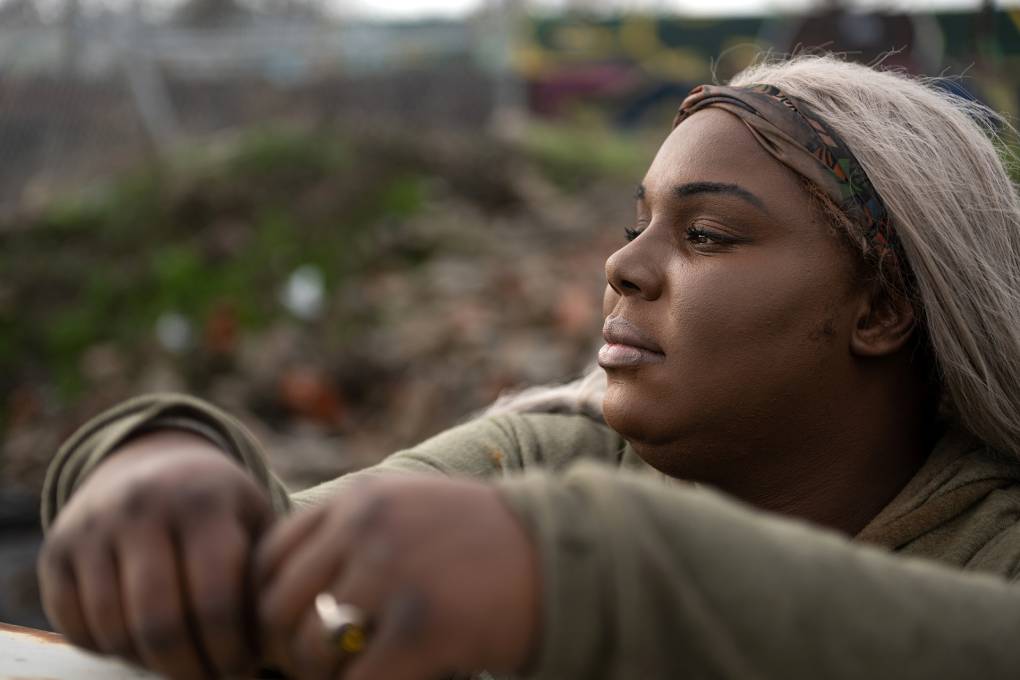
"caption": "Jessica Fountaine looks into an empty lot beside her RV at the end of 9th and Pine streets in Oakland.",
"description": null,
"title": "001_KQED_WoodStreet_JessicaFountaine_01052023",
"credit": "Beth LaBerge/KQED",
"status": "inherit",
"altTag": "Close-up of an African American woman looking out and away from the camera as her arms rest on something and an open blurred area behind.",
"isLoading": false,
"fetchFailed": false
},
"news_11949130": {
"type": "attachments",
"id": "news_11949130",
"meta": {
"index": "attachments_1716263798",
"site": "news",
"id": "11949130",
"found": true
},
"parent": 11948895,
"imgSizes": {
"twentyfourteen-full-width": {
"file": "https://ww2.kqed.org/app/uploads/sites/10/2023/05/IMG_0193-1038x576.jpg",
"width": 1038,
"mimeType": "image/jpeg",
"height": 576
},
"thumbnail": {
"file": "https://ww2.kqed.org/app/uploads/sites/10/2023/05/IMG_0193-160x120.jpg",
"width": 160,
"mimeType": "image/jpeg",
"height": 120
},
"post-thumbnail": {
"file": "https://ww2.kqed.org/app/uploads/sites/10/2023/05/IMG_0193-672x372.jpg",
"width": 672,
"mimeType": "image/jpeg",
"height": 372
},
"kqedFullSize": {
"file": "https://ww2.kqed.org/app/uploads/sites/10/2023/05/IMG_0193.jpg",
"width": 2560,
"height": 1920
},
"2048x2048": {
"file": "https://ww2.kqed.org/app/uploads/sites/10/2023/05/IMG_0193-2048x1536.jpg",
"width": 2048,
"mimeType": "image/jpeg",
"height": 1536
},
"large": {
"file": "https://ww2.kqed.org/app/uploads/sites/10/2023/05/IMG_0193-1020x765.jpg",
"width": 1020,
"mimeType": "image/jpeg",
"height": 765
},
"1536x1536": {
"file": "https://ww2.kqed.org/app/uploads/sites/10/2023/05/IMG_0193-1536x1152.jpg",
"width": 1536,
"mimeType": "image/jpeg",
"height": 1152
},
"full-width": {
"file": "https://ww2.kqed.org/app/uploads/sites/10/2023/05/IMG_0193-1920x1440.jpg",
"width": 1920,
"mimeType": "image/jpeg",
"height": 1440
},
"medium": {
"file": "https://ww2.kqed.org/app/uploads/sites/10/2023/05/IMG_0193-800x600.jpg",
"width": 800,
"mimeType": "image/jpeg",
"height": 600
}
},
"publishDate": 1683823269,
"modified": 1684192838,
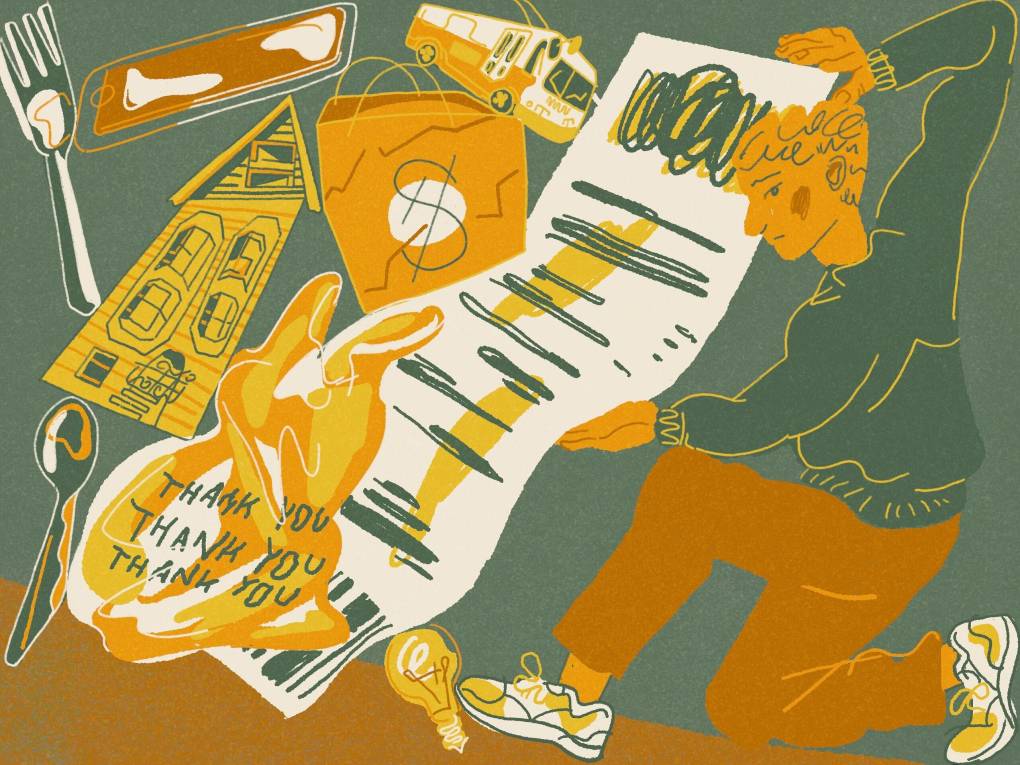
"caption": "After an unexpected job loss, knowing how to start saving money fast can feel overwhelming. We asked an expert what to do.",
"description": null,
"title": "laid-off-save-money-bills",
"credit": "Anna Vignet/KQED",
"status": "inherit",
"altTag": "A green and yellow toned illustration of a crouched figure holding massive expense sheet that's as big as they are, while a number of other objects swirl around them.",
"isLoading": false,
"fetchFailed": false
},
"news_11946022": {
"type": "attachments",
"id": "news_11946022",
"meta": {
"index": "attachments_1716263798",
"site": "news",
"id": "11946022",
"found": true
},
"parent": 11946015,
"imgSizes": {
"thumbnail": {
"file": "https://ww2.kqed.org/app/uploads/sites/10/2023/04/thumb47-160x90.png",
"width": 160,
"mimeType": "image/png",
"height": 90
},
"kqedFullSize": {
"file": "https://ww2.kqed.org/app/uploads/sites/10/2023/04/thumb47.png",
"width": 512,
"height": 288
}
},
"publishDate": 1680902094,
"modified": 1680902094,
"caption": null,
"description": null,
"title": "thumb47",
"credit": null,
"status": "inherit",
"altTag": null,
"isLoading": false,
"fetchFailed": false
},
"news_11945073": {
"type": "attachments",
"id": "news_11945073",
"meta": {
"index": "attachments_1716263798",
"site": "news",
"id": "11945073",
"found": true
},
"parent": 11944877,
"imgSizes": {
"twentyfourteen-full-width": {
"file": "https://ww2.kqed.org/app/uploads/sites/10/2023/03/RS64017_GettyImages-734164671-qut-1038x576.jpg",
"width": 1038,
"mimeType": "image/jpeg",
"height": 576
},
"thumbnail": {
"file": "https://ww2.kqed.org/app/uploads/sites/10/2023/03/RS64017_GettyImages-734164671-qut-160x107.jpg",
"width": 160,
"mimeType": "image/jpeg",
"height": 107
},
"post-thumbnail": {
"file": "https://ww2.kqed.org/app/uploads/sites/10/2023/03/RS64017_GettyImages-734164671-qut-672x372.jpg",
"width": 672,
"mimeType": "image/jpeg",
"height": 372
},
"kqedFullSize": {
"file": "https://ww2.kqed.org/app/uploads/sites/10/2023/03/RS64017_GettyImages-734164671-qut.jpg",
"width": 1920,
"height": 1280
},
"large": {
"file": "https://ww2.kqed.org/app/uploads/sites/10/2023/03/RS64017_GettyImages-734164671-qut-1020x680.jpg",
"width": 1020,
"mimeType": "image/jpeg",
"height": 680
},
"1536x1536": {
"file": "https://ww2.kqed.org/app/uploads/sites/10/2023/03/RS64017_GettyImages-734164671-qut-1536x1024.jpg",
"width": 1536,
"mimeType": "image/jpeg",
"height": 1024
},
"medium": {
"file": "https://ww2.kqed.org/app/uploads/sites/10/2023/03/RS64017_GettyImages-734164671-qut-800x533.jpg",
"width": 800,
"mimeType": "image/jpeg",
"height": 533
}
},
"publishDate": 1680111304,
"modified": 1680117321,
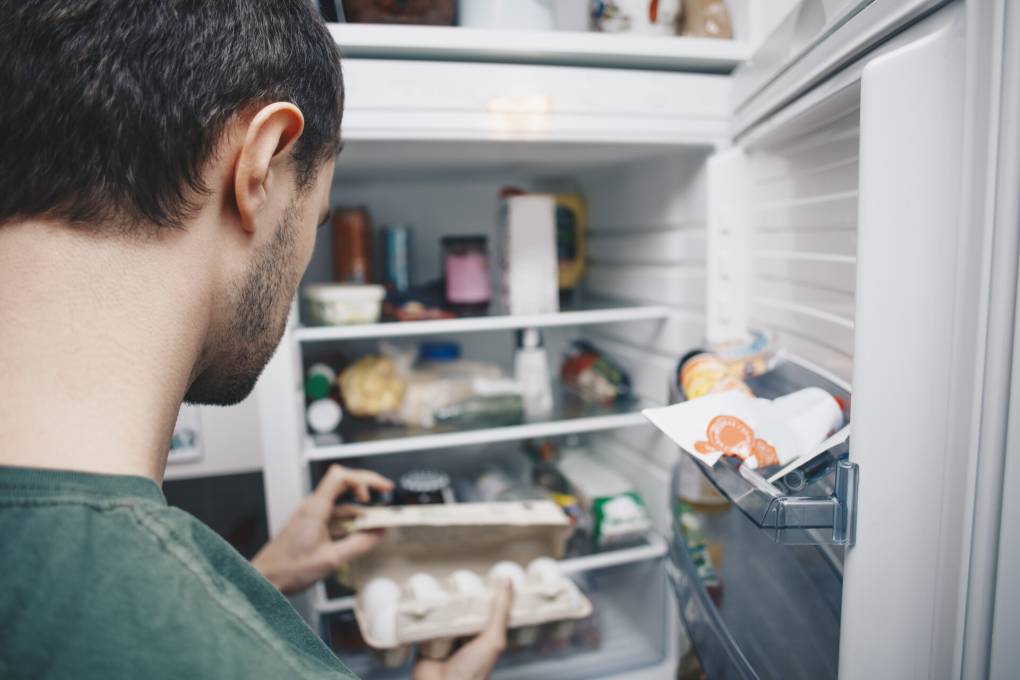
"caption": "If you've lost food because you lost power, you may have options for claiming back those costs.",
"description": null,
"title": "Man holding egg carton by refrigerator in kitchen",
"credit": "Getty Images",
"status": "inherit",
"altTag": "A person photographed from behind their head, looking in a fridge and holding some eggs in their hands.",
"isLoading": false,
"fetchFailed": false
},
"news_11943822": {
"type": "attachments",
"id": "news_11943822",
"meta": {
"index": "attachments_1716263798",
"site": "news",
"id": "11943822",
"found": true
},
"title": "Young Asian father with cute little daughter grocery shopping for fresh organic vegetables in supermarket",
"publishDate": 1679006512,
"status": "inherit",
"parent": 11943420,
"modified": 1679089855,
"caption": "In April, millions of households across California will see their CalFresh food stamp benefits drop due to a change in federal funding. Here's what to do if you're affected.",
"credit": "d3sign/Getty Images",
"altTag": "A young Asian man with short dark hair and round glasses carries a 1-year-old girl, with tiny black pigtails, in a harness on his chest, with the girl facing out. They stand in the light of a vegetable display in a supermarket. The man holds a plastic container full of green vegetables, maybe cucumbers, smiling as his daughter reaches out to touch the box.",
"description": "In April, millions of households across California will see their CalFresh food stamps benefits drop due to a change in federal funding. Here's what to do if you're affected.",
"imgSizes": {
"medium": {
"file": "https://cdn.kqed.org/wp-content/uploads/sites/10/2023/03/GettyImages-1144627849-800x533.jpg",
"width": 800,
"height": 533,
"mimeType": "image/jpeg"
},
"large": {
"file": "https://cdn.kqed.org/wp-content/uploads/sites/10/2023/03/GettyImages-1144627849-1020x680.jpg",
"width": 1020,
"height": 680,
"mimeType": "image/jpeg"
},
"thumbnail": {
"file": "https://cdn.kqed.org/wp-content/uploads/sites/10/2023/03/GettyImages-1144627849-160x107.jpg",
"width": 160,
"height": 107,
"mimeType": "image/jpeg"
},
"1536x1536": {
"file": "https://cdn.kqed.org/wp-content/uploads/sites/10/2023/03/GettyImages-1144627849-1536x1024.jpg",
"width": 1536,
"height": 1024,
"mimeType": "image/jpeg"
},
"2048x2048": {
"file": "https://cdn.kqed.org/wp-content/uploads/sites/10/2023/03/GettyImages-1144627849-2048x1365.jpg",
"width": 2048,
"height": 1365,
"mimeType": "image/jpeg"
},
"post-thumbnail": {
"file": "https://cdn.kqed.org/wp-content/uploads/sites/10/2023/03/GettyImages-1144627849-672x372.jpg",
"width": 672,
"height": 372,
"mimeType": "image/jpeg"
},
"twentyfourteen-full-width": {
"file": "https://cdn.kqed.org/wp-content/uploads/sites/10/2023/03/GettyImages-1144627849-1038x576.jpg",
"width": 1038,
"height": 576,
"mimeType": "image/jpeg"
},
"full-width": {
"file": "https://cdn.kqed.org/wp-content/uploads/sites/10/2023/03/GettyImages-1144627849-1920x1280.jpg",
"width": 1920,
"height": 1280,
"mimeType": "image/jpeg"
},
"kqedFullSize": {
"file": "https://cdn.kqed.org/wp-content/uploads/sites/10/2023/03/GettyImages-1144627849-scaled-e1764880413771.jpg",
"width": 2000,
"height": 1334
}
},
"isLoading": false,
"fetchFailed": false
},
"news_11943343": {
"type": "attachments",
"id": "news_11943343",
"meta": {
"index": "attachments_1716263798",
"site": "news",
"id": "11943343",
"found": true
},
"parent": 11943316,
"imgSizes": {
"twentyfourteen-full-width": {
"file": "https://ww2.kqed.org/app/uploads/sites/10/2023/03/Alfredo_Torres_5-1038x576.jpeg",
"width": 1038,
"mimeType": "image/jpeg",
"height": 576
},
"thumbnail": {
"file": "https://ww2.kqed.org/app/uploads/sites/10/2023/03/Alfredo_Torres_5-160x90.jpeg",
"width": 160,
"mimeType": "image/jpeg",
"height": 90
},
"post-thumbnail": {
"file": "https://ww2.kqed.org/app/uploads/sites/10/2023/03/Alfredo_Torres_5-672x372.jpeg",
"width": 672,
"mimeType": "image/jpeg",
"height": 372
},
"kqedFullSize": {
"file": "https://ww2.kqed.org/app/uploads/sites/10/2023/03/Alfredo_Torres_5.jpeg",
"width": 2048,
"height": 1152
},
"large": {
"file": "https://ww2.kqed.org/app/uploads/sites/10/2023/03/Alfredo_Torres_5-1020x574.jpeg",
"width": 1020,
"mimeType": "image/jpeg",
"height": 574
},
"1536x1536": {
"file": "https://ww2.kqed.org/app/uploads/sites/10/2023/03/Alfredo_Torres_5-1536x864.jpeg",
"width": 1536,
"mimeType": "image/jpeg",
"height": 864
},
"full-width": {
"file": "https://ww2.kqed.org/app/uploads/sites/10/2023/03/Alfredo_Torres_5-1920x1080.jpeg",
"width": 1920,
"mimeType": "image/jpeg",
"height": 1080
},
"medium": {
"file": "https://ww2.kqed.org/app/uploads/sites/10/2023/03/Alfredo_Torres_5-800x450.jpeg",
"width": 800,
"mimeType": "image/jpeg",
"height": 450
}
},
"publishDate": 1678575676,
"modified": 1678889530,
"caption": null,
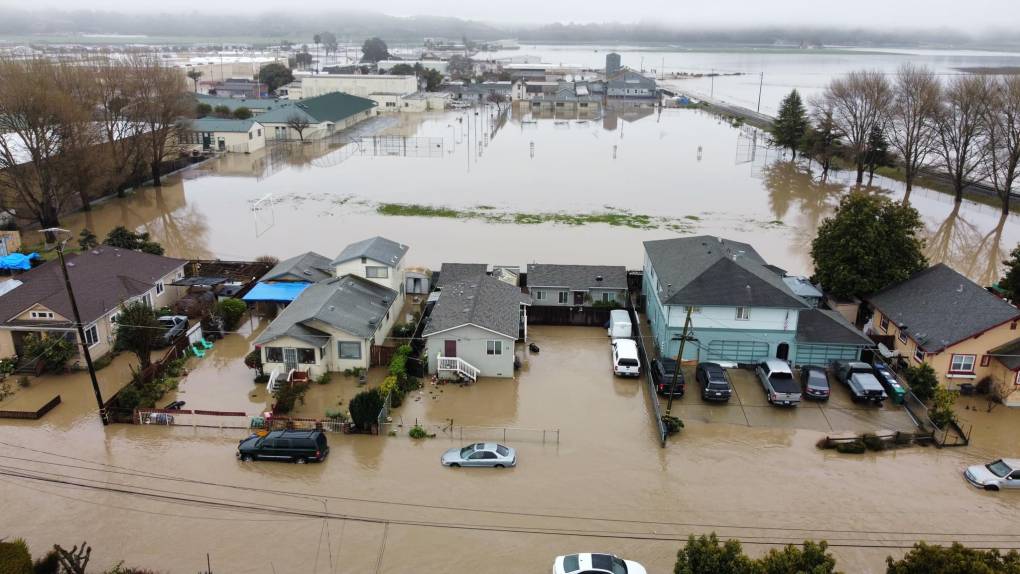
"description": "A portion of the town of Pajaro that has been completely submerged by floodwaters after a section of the Pajaro River levee was breached early Saturday morning, on March 11, 2023.",
"title": "Alfredo_Torres_5",
"credit": "Courtesy of Alfredo Torres",
"status": "inherit",
"altTag": "A flooded rural town under brown water with houses and cars from an aerial shot.",
"isLoading": false,
"fetchFailed": false
},
"news_11940149": {
"type": "attachments",
"id": "news_11940149",
"meta": {
"index": "attachments_1716263798",
"site": "news",
"id": "11940149",
"found": true
},
"parent": 11940144,
"imgSizes": {
"twentyfourteen-full-width": {
"file": "https://ww2.kqed.org/app/uploads/sites/10/2023/02/002_KQED_OaklandTyreNicholsRally_01292023-1038x576.jpg",
"width": 1038,
"mimeType": "image/jpeg",
"height": 576
},
"thumbnail": {
"file": "https://ww2.kqed.org/app/uploads/sites/10/2023/02/002_KQED_OaklandTyreNicholsRally_01292023-160x107.jpg",
"width": 160,
"mimeType": "image/jpeg",
"height": 107
},
"post-thumbnail": {
"file": "https://ww2.kqed.org/app/uploads/sites/10/2023/02/002_KQED_OaklandTyreNicholsRally_01292023-672x372.jpg",
"width": 672,
"mimeType": "image/jpeg",
"height": 372
},
"kqedFullSize": {
"file": "https://ww2.kqed.org/app/uploads/sites/10/2023/02/002_KQED_OaklandTyreNicholsRally_01292023.jpg",
"width": 1920,
"height": 1280
},
"large": {
"file": "https://ww2.kqed.org/app/uploads/sites/10/2023/02/002_KQED_OaklandTyreNicholsRally_01292023-1020x680.jpg",
"width": 1020,
"mimeType": "image/jpeg",
"height": 680
},
"1536x1536": {
"file": "https://ww2.kqed.org/app/uploads/sites/10/2023/02/002_KQED_OaklandTyreNicholsRally_01292023-1536x1024.jpg",
"width": 1536,
"mimeType": "image/jpeg",
"height": 1024
},
"medium": {
"file": "https://ww2.kqed.org/app/uploads/sites/10/2023/02/002_KQED_OaklandTyreNicholsRally_01292023-800x533.jpg",
"width": 800,
"mimeType": "image/jpeg",
"height": 533
}
},
"publishDate": 1675469530,
"modified": 1675469530,
"caption": "A crowd gathers on 14th St and Broadway in Oakland on Jan. 29, 2023, for a rally to protest the Memphis police killing of Tyre Nichols.",
"description": null,
"title": "002_KQED_OaklandTyreNicholsRally_01292023",
"credit": null,
"status": "inherit",
"altTag": null,
"isLoading": false,
"fetchFailed": false
},
"news_11939509": {
"type": "attachments",
"id": "news_11939509",
"meta": {
"index": "attachments_1716263798",
"site": "news",
"id": "11939509",
"found": true
},
"parent": 11939501,
"imgSizes": {
"twentyfourteen-full-width": {
"file": "https://ww2.kqed.org/app/uploads/sites/10/2023/01/RS60333_DSC09495-1-1038x576.jpg",
"width": 1038,
"mimeType": "image/jpeg",
"height": 576
},
"thumbnail": {
"file": "https://ww2.kqed.org/app/uploads/sites/10/2023/01/RS60333_DSC09495-1-160x107.jpg",
"width": 160,
"mimeType": "image/jpeg",
"height": 107
},
"post-thumbnail": {
"file": "https://ww2.kqed.org/app/uploads/sites/10/2023/01/RS60333_DSC09495-1-672x372.jpg",
"width": 672,
"mimeType": "image/jpeg",
"height": 372
},
"kqedFullSize": {
"file": "https://ww2.kqed.org/app/uploads/sites/10/2023/01/RS60333_DSC09495-1-scaled.jpg",
"width": 2560,
"height": 1707
},
"2048x2048": {
"file": "https://ww2.kqed.org/app/uploads/sites/10/2023/01/RS60333_DSC09495-1-2048x1365.jpg",
"width": 2048,
"mimeType": "image/jpeg",
"height": 1365
},
"large": {
"file": "https://ww2.kqed.org/app/uploads/sites/10/2023/01/RS60333_DSC09495-1-1020x680.jpg",
"width": 1020,
"mimeType": "image/jpeg",
"height": 680
},
"1536x1536": {
"file": "https://ww2.kqed.org/app/uploads/sites/10/2023/01/RS60333_DSC09495-1-1536x1024.jpg",
"width": 1536,
"mimeType": "image/jpeg",
"height": 1024
},
"full-width": {
"file": "https://ww2.kqed.org/app/uploads/sites/10/2023/01/RS60333_DSC09495-1-1920x1280.jpg",
"width": 1920,
"mimeType": "image/jpeg",
"height": 1280
},
"medium": {
"file": "https://ww2.kqed.org/app/uploads/sites/10/2023/01/RS60333_DSC09495-1-800x533.jpg",
"width": 800,
"mimeType": "image/jpeg",
"height": 533
}
},
"publishDate": 1674864242,
"modified": 1674864242,
"caption": null,
"description": null,
"title": "RS60333_DSC09495 (1)",
"credit": null,
"status": "inherit",
"altTag": null,
"isLoading": false,
"fetchFailed": false
},
"news_11938752": {
"type": "attachments",
"id": "news_11938752",
"meta": {
"index": "attachments_1716263798",
"site": "news",
"id": "11938752",
"found": true
},
"parent": 11938751,
"imgSizes": {
"twentyfourteen-full-width": {
"file": "https://ww2.kqed.org/app/uploads/sites/10/2023/01/KNR10010_0004_frame_993-1038x576.jpeg",
"width": 1038,
"mimeType": "image/jpeg",
"height": 576
},
"thumbnail": {
"file": "https://ww2.kqed.org/app/uploads/sites/10/2023/01/KNR10010_0004_frame_993-160x90.jpeg",
"width": 160,
"mimeType": "image/jpeg",
"height": 90
},
"post-thumbnail": {
"file": "https://ww2.kqed.org/app/uploads/sites/10/2023/01/KNR10010_0004_frame_993-672x372.jpeg",
"width": 672,
"mimeType": "image/jpeg",
"height": 372
},
"kqedFullSize": {
"file": "https://ww2.kqed.org/app/uploads/sites/10/2023/01/KNR10010_0004_frame_993.jpeg",
"width": 1920,
"height": 1080
},
"large": {
"file": "https://ww2.kqed.org/app/uploads/sites/10/2023/01/KNR10010_0004_frame_993-1020x574.jpeg",
"width": 1020,
"mimeType": "image/jpeg",
"height": 574
},
"1536x1536": {
"file": "https://ww2.kqed.org/app/uploads/sites/10/2023/01/KNR10010_0004_frame_993-1536x864.jpeg",
"width": 1536,
"mimeType": "image/jpeg",
"height": 864
},
"medium": {
"file": "https://ww2.kqed.org/app/uploads/sites/10/2023/01/KNR10010_0004_frame_993-800x450.jpeg",
"width": 800,
"mimeType": "image/jpeg",
"height": 450
}
},
"publishDate": 1674263639,
"modified": 1674263663,
"caption": null,
"description": null,
"title": "SF General Hospital",
"credit": null,
"status": "inherit",
"altTag": null,
"isLoading": false,
"fetchFailed": false
},
"news_11937446": {
"type": "attachments",
"id": "news_11937446",
"meta": {
"index": "attachments_1716263798",
"site": "news",
"id": "11937446",
"found": true
},
"parent": 11937410,
"imgSizes": {
"twentyfourteen-full-width": {
"file": "https://ww2.kqed.org/app/uploads/sites/10/2023/01/RS59959_026_KQED_MattMahanSanJose_11082022-qut-1038x576.jpg",
"width": 1038,
"mimeType": "image/jpeg",
"height": 576
},
"thumbnail": {
"file": "https://ww2.kqed.org/app/uploads/sites/10/2023/01/RS59959_026_KQED_MattMahanSanJose_11082022-qut-160x107.jpg",
"width": 160,
"mimeType": "image/jpeg",
"height": 107
},
"post-thumbnail": {
"file": "https://ww2.kqed.org/app/uploads/sites/10/2023/01/RS59959_026_KQED_MattMahanSanJose_11082022-qut-672x372.jpg",
"width": 672,
"mimeType": "image/jpeg",
"height": 372
},
"kqedFullSize": {
"file": "https://ww2.kqed.org/app/uploads/sites/10/2023/01/RS59959_026_KQED_MattMahanSanJose_11082022-qut.jpg",
"width": 1920,
"height": 1280
},
"large": {
"file": "https://ww2.kqed.org/app/uploads/sites/10/2023/01/RS59959_026_KQED_MattMahanSanJose_11082022-qut-1020x680.jpg",
"width": 1020,
"mimeType": "image/jpeg",
"height": 680
},
"1536x1536": {
"file": "https://ww2.kqed.org/app/uploads/sites/10/2023/01/RS59959_026_KQED_MattMahanSanJose_11082022-qut-1536x1024.jpg",
"width": 1536,
"mimeType": "image/jpeg",
"height": 1024
},
"medium": {
"file": "https://ww2.kqed.org/app/uploads/sites/10/2023/01/RS59959_026_KQED_MattMahanSanJose_11082022-qut-800x533.jpg",
"width": 800,
"mimeType": "image/jpeg",
"height": 533
}
},
"publishDate": 1673295494,
"modified": 1673382949,
"caption": "San José mayoral candidate Matt Mahan at his campaign headquarters in San José on Election Day, Nov. 8, 2022.",
"description": null,
"title": "RS59959_026_KQED_MattMahanSanJose_11082022-qut",
"credit": "Beth LaBerge/KQED",
"status": "inherit",
"altTag": null,
"isLoading": false,
"fetchFailed": false
},
"news_11937202": {
"type": "attachments",
"id": "news_11937202",
"meta": {
"index": "attachments_1716263798",
"site": "news",
"id": "11937202",
"found": true
},
"parent": 11937183,
"imgSizes": {
"twentyfourteen-full-width": {
"file": "https://ww2.kqed.org/app/uploads/sites/10/2023/01/KNR1011_Liccardo_VR-2_frame_16481-1038x576.jpeg",
"width": 1038,
"mimeType": "image/jpeg",
"height": 576
},
"thumbnail": {
"file": "https://ww2.kqed.org/app/uploads/sites/10/2023/01/KNR1011_Liccardo_VR-2_frame_16481-160x90.jpeg",
"width": 160,
"mimeType": "image/jpeg",
"height": 90
},
"post-thumbnail": {
"file": "https://ww2.kqed.org/app/uploads/sites/10/2023/01/KNR1011_Liccardo_VR-2_frame_16481-672x372.jpeg",
"width": 672,
"mimeType": "image/jpeg",
"height": 372
},
"kqedFullSize": {
"file": "https://ww2.kqed.org/app/uploads/sites/10/2023/01/KNR1011_Liccardo_VR-2_frame_16481.jpeg",
"width": 1920,
"height": 1080
},
"large": {
"file": "https://ww2.kqed.org/app/uploads/sites/10/2023/01/KNR1011_Liccardo_VR-2_frame_16481-1020x574.jpeg",
"width": 1020,
"mimeType": "image/jpeg",
"height": 574
},
"1536x1536": {
"file": "https://ww2.kqed.org/app/uploads/sites/10/2023/01/KNR1011_Liccardo_VR-2_frame_16481-1536x864.jpeg",
"width": 1536,
"mimeType": "image/jpeg",
"height": 864
},
"medium": {
"file": "https://ww2.kqed.org/app/uploads/sites/10/2023/01/KNR1011_Liccardo_VR-2_frame_16481-800x450.jpeg",
"width": 800,
"mimeType": "image/jpeg",
"height": 450
}
},
"publishDate": 1673044303,
"modified": 1673044303,
"caption": null,
"description": null,
"title": "KNR1011_Liccardo_VR 2_frame_16481",
"credit": null,
"status": "inherit",
"altTag": null,
"isLoading": false,
"fetchFailed": false
},
"news_11936562": {
"type": "attachments",
"id": "news_11936562",
"meta": {
"index": "attachments_1716263798",
"site": "news",
"id": "11936562",
"found": true
},
"parent": 11936535,
"imgSizes": {
"twentyfourteen-full-width": {
"file": "https://ww2.kqed.org/app/uploads/sites/10/2022/12/5-1038x576.jpg",
"width": 1038,
"mimeType": "image/jpeg",
"height": 576
},
"thumbnail": {
"file": "https://ww2.kqed.org/app/uploads/sites/10/2022/12/5-160x107.jpg",
"width": 160,
"mimeType": "image/jpeg",
"height": 107
},
"post-thumbnail": {
"file": "https://ww2.kqed.org/app/uploads/sites/10/2022/12/5-672x372.jpg",
"width": 672,
"mimeType": "image/jpeg",
"height": 372
},
"kqedFullSize": {
"file": "https://ww2.kqed.org/app/uploads/sites/10/2022/12/5-scaled.jpg",
"width": 2560,
"height": 1707
},
"2048x2048": {
"file": "https://ww2.kqed.org/app/uploads/sites/10/2022/12/5-2048x1365.jpg",
"width": 2048,
"mimeType": "image/jpeg",
"height": 1365
},
"large": {
"file": "https://ww2.kqed.org/app/uploads/sites/10/2022/12/5-1020x680.jpg",
"width": 1020,
"mimeType": "image/jpeg",
"height": 680
},
"1536x1536": {
"file": "https://ww2.kqed.org/app/uploads/sites/10/2022/12/5-1536x1024.jpg",
"width": 1536,
"mimeType": "image/jpeg",
"height": 1024
},
"full-width": {
"file": "https://ww2.kqed.org/app/uploads/sites/10/2022/12/5-1920x1280.jpg",
"width": 1920,
"mimeType": "image/jpeg",
"height": 1280
},
"medium": {
"file": "https://ww2.kqed.org/app/uploads/sites/10/2022/12/5-800x533.jpg",
"width": 800,
"mimeType": "image/jpeg",
"height": 533
}
},
"publishDate": 1672519125,
"modified": 1672776856,
"caption": "Olema, 57, in a church-turned-shelter, has to make the difficult choice to turn down an apartment because her multiple sclerosis would prevent her from climbing the stairs.",
"description": null,
"title": "5",
"credit": "Aryk Copley/KQED",
"status": "inherit",
"altTag": "An elderly woman sits solemnly on her bed cot inside of a church office.",
"isLoading": false,
"fetchFailed": false
}
},
"audioPlayerReducer": {
"postId": "stream_live",
"isPaused": true,
"isPlaying": false,
"pfsActive": false,
"pledgeModalIsOpen": true,
"playerDrawerIsOpen": false,
"liveAudioPlayStartedAt": 0,
"liveAudioPlayContext": ""
},
"authorsReducer": {
"byline_news_11936535": {
"type": "authors",
"id": "byline_news_11936535",
"meta": {
"override": true
},
"slug": "byline_news_11936535",
"name": "Aryk Copley",
"isLoading": false
},
"gmarzorati": {
"type": "authors",
"id": "227",
"meta": {
"index": "authors_1716337520",
"id": "227",
"found": true
},
"name": "Guy Marzorati",
"firstName": "Guy",
"lastName": "Marzorati",
"slug": "gmarzorati",
"email": "gmarzorati@KQED.org",
"display_author_email": true,
"staff_mastheads": [
"news"
],
"title": "Correspondent",
"bio": "Guy Marzorati is a correspondent on KQED's California Politics and Government Desk, based in San Jose. A graduate of Santa Clara University, Guy joined KQED in 2013. He reports on state and local politics and produces KQED's digital voter guide.",
"avatar": "https://secure.gravatar.com/avatar/e7038b8dbfd55b104369b76b1cd0b9de?s=600&d=blank&r=g",
"twitter": "guymarzorati",
"facebook": null,
"instagram": null,
"linkedin": null,
"sites": [
{
"site": "",
"roles": [
"editor"
]
},
{
"site": "news",
"roles": [
"editor"
]
},
{
"site": "science",
"roles": [
"editor"
]
},
{
"site": "forum",
"roles": [
"editor"
]
},
{
"site": "elections",
"roles": [
"editor"
]
},
{
"site": "liveblog",
"roles": [
"editor"
]
}
],
"headData": {
"title": "Guy Marzorati | KQED",
"description": "Correspondent",
"ogImgSrc": "https://secure.gravatar.com/avatar/e7038b8dbfd55b104369b76b1cd0b9de?s=600&d=blank&r=g",
"twImgSrc": "https://secure.gravatar.com/avatar/e7038b8dbfd55b104369b76b1cd0b9de?s=600&d=blank&r=g"
},
"isLoading": false,
"link": "/author/gmarzorati"
},
"kqed": {
"type": "authors",
"id": "236",
"meta": {
"index": "authors_1716337520",
"id": "236",
"found": true
},
"name": "KQED News Staff",
"firstName": "KQED News Staff",
"lastName": null,
"slug": "kqed",
"email": "faq@kqed.org",
"display_author_email": false,
"staff_mastheads": [],
"title": null,
"bio": null,
"avatar": "https://secure.gravatar.com/avatar/ef0e801a68c4c54afa9180db14084167?s=600&d=blank&r=g",
"twitter": null,
"facebook": null,
"instagram": null,
"linkedin": null,
"sites": [
{
"site": "arts",
"roles": [
"contributor"
]
},
{
"site": "news",
"roles": [
"editor"
]
},
{
"site": "futureofyou",
"roles": [
"author"
]
}
],
"headData": {
"title": "KQED News Staff | KQED",
"description": null,
"ogImgSrc": "https://secure.gravatar.com/avatar/ef0e801a68c4c54afa9180db14084167?s=600&d=blank&r=g",
"twImgSrc": "https://secure.gravatar.com/avatar/ef0e801a68c4c54afa9180db14084167?s=600&d=blank&r=g"
},
"isLoading": false,
"link": "/author/kqed"
},
"carlysevern": {
"type": "authors",
"id": "3243",
"meta": {
"index": "authors_1716337520",
"id": "3243",
"found": true
},
"name": "Carly Severn",
"firstName": "Carly",
"lastName": "Severn",
"slug": "carlysevern",
"email": "csevern@kqed.org",
"display_author_email": false,
"staff_mastheads": [
"news"
],
"title": "Senior Editor, Audience News ",
"bio": "Carly is KQED's Senior Editor of Audience News on the Digital News team, and has reported for the California Report Magazine, Bay Curious and KQED Arts. She's formerly the host of \u003ca href=\"http://ww2.kqed.org/pop/category/the-cooler/\" rel=\"noopener noreferrer\">The Cooler\u003c/a> podcast.",
"avatar": "https://secure.gravatar.com/avatar/54037bf5c128fe678f0ef26cec97a93f2e7f220a22d7285703328f12c42c1b1d?s=600&d=blank&r=g",
"twitter": "teacupinthebay",
"bluesky": null,
"facebook": null,
"instagram": null,
"linkedin": null,
"sites": [
{
"site": "",
"roles": [
"editor"
]
},
{
"site": "arts",
"roles": [
"editor"
]
},
{
"site": "news",
"roles": [
"administrator"
]
},
{
"site": "pop",
"roles": [
"editor"
]
},
{
"site": "futureofyou",
"roles": [
"editor"
]
},
{
"site": "about",
"roles": [
"administrator"
]
},
{
"site": "mindshift",
"roles": [
"editor"
]
},
{
"site": "bayareabites",
"roles": [
"editor"
]
},
{
"site": "stateofhealth",
"roles": [
"editor"
]
},
{
"site": "science",
"roles": [
"editor"
]
},
{
"site": "food",
"roles": [
"contributor"
]
},
{
"site": "forum",
"roles": [
"editor"
]
},
{
"site": "perspectives",
"roles": [
"administrator"
]
},
{
"site": "liveblog",
"roles": [
"editor"
]
}
],
"headData": {
"title": "Carly Severn | KQED",
"description": "Senior Editor, Audience News ",
"ogImgSrc": "https://secure.gravatar.com/avatar/54037bf5c128fe678f0ef26cec97a93f2e7f220a22d7285703328f12c42c1b1d?s=600&d=blank&r=g",
"twImgSrc": "https://secure.gravatar.com/avatar/54037bf5c128fe678f0ef26cec97a93f2e7f220a22d7285703328f12c42c1b1d?s=600&d=blank&r=g"
},
"isLoading": false,
"link": "/author/carlysevern"
},
"ebaldassari": {
"type": "authors",
"id": "11652",
"meta": {
"index": "authors_1716337520",
"id": "11652",
"found": true
},
"name": "Erin Baldassari",
"firstName": "Erin",
"lastName": "Baldassari",
"slug": "ebaldassari",
"email": "ebaldassari@KQED.org",
"display_author_email": true,
"staff_mastheads": [
"news"
],
"title": "Staff Writer",
"bio": "Erin Baldassari covers housing for KQED. She's a former print journalist and most recently worked as the transportation reporter for the \u003cem>Mercury News\u003c/em> and \u003cem>East Bay Times. \u003c/em>There, she focused on how the Bay Area’s housing shortage has changed the way people move around the region. She also served on the \u003cem>East Bay Times\u003c/em>’ 2017 Pulitzer Prize-winning team for coverage of the Ghost Ship Fire in Oakland. Prior to that, Erin worked as a breaking news and general assignment reporter for a variety of outlets in the Bay Area and the greater Boston area. A Tufts University alumna, Erin grew up in the foothills of the Sierra Nevada mountains and in Sonoma County. She is a life-long KQED listener.",
"avatar": "https://secure.gravatar.com/avatar/5e95cad64a8ca08288082212e199d2b0cbeb4fd8e8ef5339395f361032bbe005?s=600&d=blank&r=g",
"twitter": "e_baldi",
"bluesky": null,
"facebook": null,
"instagram": null,
"linkedin": null,
"sites": [
{
"site": "news",
"roles": [
"edit_others_posts",
"editor"
]
},
{
"site": "science",
"roles": [
"editor"
]
},
{
"site": "liveblog",
"roles": [
"editor"
]
}
],
"headData": {
"title": "Erin Baldassari | KQED",
"description": "Staff Writer",
"ogImgSrc": "https://secure.gravatar.com/avatar/5e95cad64a8ca08288082212e199d2b0cbeb4fd8e8ef5339395f361032bbe005?s=600&d=blank&r=g",
"twImgSrc": "https://secure.gravatar.com/avatar/5e95cad64a8ca08288082212e199d2b0cbeb4fd8e8ef5339395f361032bbe005?s=600&d=blank&r=g"
},
"isLoading": false,
"link": "/author/ebaldassari"
},
"blaberge": {
"type": "authors",
"id": "11667",
"meta": {
"index": "authors_1716337520",
"id": "11667",
"found": true
},
"name": "Beth LaBerge",
"firstName": "Beth",
"lastName": "LaBerge",
"slug": "blaberge",
"email": "blaberge@KQED.org",
"display_author_email": true,
"staff_mastheads": [
"news"
],
"title": "Photographer, News",
"bio": "Beth LaBerge is a visual journalist for \u003ca href=\"https://www.kqed.org/news\">KQED News\u003c/a>.",
"avatar": "https://secure.gravatar.com/avatar/ce49ecd7a1306685637b45a1f6f5dedfc4ae9481966eb596fea5160466dd6319?s=600&d=blank&r=g",
"twitter": null,
"bluesky": null,
"facebook": null,
"instagram": "https://www.instagram.com/bethlaberge/",
"linkedin": null,
"sites": [
{
"site": "arts",
"roles": [
"editor",
"manage_categories"
]
},
{
"site": "news",
"roles": [
"editor",
"edit_plugins",
"manage_categories"
]
},
{
"site": "science",
"roles": [
"editor",
"contributor",
"author",
"manage_categories"
]
},
{
"site": "perspectives",
"roles": [
"editor"
]
},
{
"site": "liveblog",
"roles": [
"editor"
]
}
],
"headData": {
"title": "Beth LaBerge | KQED",
"description": "Photographer, News",
"ogImgSrc": "https://secure.gravatar.com/avatar/ce49ecd7a1306685637b45a1f6f5dedfc4ae9481966eb596fea5160466dd6319?s=600&d=blank&r=g",
"twImgSrc": "https://secure.gravatar.com/avatar/ce49ecd7a1306685637b45a1f6f5dedfc4ae9481966eb596fea5160466dd6319?s=600&d=blank&r=g"
},
"isLoading": false,
"link": "/author/blaberge"
},
"gsalomone": {
"type": "authors",
"id": "11843",
"meta": {
"index": "authors_1716337520",
"id": "11843",
"found": true
},
"name": "Giuliana Salomone",
"firstName": "Giuliana",
"lastName": "Salomone",
"slug": "gsalomone",
"email": "gsalomone@kqed.org",
"display_author_email": false,
"staff_mastheads": [],
"title": "Giuliana Salomone",
"bio": null,
"avatar": "https://secure.gravatar.com/avatar/e6b25c1a2333c2bf9593da460906986f?s=600&d=blank&r=g",
"twitter": null,
"facebook": null,
"instagram": null,
"linkedin": null,
"sites": [
{
"site": "news",
"roles": [
"author"
]
}
],
"headData": {
"title": "Giuliana Salomone | KQED",
"description": "Giuliana Salomone",
"ogImgSrc": "https://secure.gravatar.com/avatar/e6b25c1a2333c2bf9593da460906986f?s=600&d=blank&r=g",
"twImgSrc": "https://secure.gravatar.com/avatar/e6b25c1a2333c2bf9593da460906986f?s=600&d=blank&r=g"
},
"isLoading": false,
"link": "/author/gsalomone"
}
},
"pagesReducer": {
"news_category_local": {
"type": "terms",
"id": "news_28250",
"meta": {
"index": "terms_1716263798",
"site": "news",
"id": "28250",
"score": 12.940829
},
"featImg": null,
"name": "Local",
"description": null,
"taxonomy": "category",
"headData": {
"twImgId": null,
"twTitle": null,
"ogTitle": null,
"ogImgId": null,
"twDescription": null,
"description": null,
"title": "Local Archives | KQED News",
"ogDescription": null
},
"ttid": 28267,
"slug": "local",
"isLoading": false,
"title": "Local",
"pageMeta": {
"site": "news",
"WpPageTemplate": "page-topic-editorial",
"currentPage": 146
},
"blocks": [
{
"blockName": "kqed/post-list",
"attrs": {
"layout": "cardArticle2",
"query": "posts/news?category=local",
"seeMore": false,
"paginated": true,
"page": 146
}
},
{
"blockName": "kqed/ad"
}
]
}
},
"pfsSessionReducer": {},
"postsReducer": {
"stream_live": {
"type": "live",
"id": "stream_live",
"audioUrl": "https://streams.kqed.org/kqedradio",
"title": "Live Stream",
"excerpt": "Live Stream information currently unavailable.",
"link": "/radio",
"featImg": "",
"label": {
"name": "KQED Live",
"link": "/"
}
},
"stream_kqedNewscast": {
"type": "posts",
"id": "stream_kqedNewscast",
"audioUrl": "https://www.kqed.org/.stream/anon/radio/RDnews/newscast.mp3?_=1",
"title": "KQED Newscast",
"featImg": "",
"label": {
"name": "88.5 FM",
"link": "/"
}
},
"news_11949978": {
"type": "posts",
"id": "news_11949978",
"meta": {
"index": "posts_1716263798",
"site": "news",
"id": "11949978",
"score": null,
"sort": [
1684504805000
]
},
"guestAuthors": [],
"slug": "i-fight-for-my-community-how-1-woman-found-courage-pride-and-meaning-at-wood-street-settlement",
"title": "'I Fight for My Community': How 1 Woman Found Courage, Pride and Meaning at Wood Street Settlement",
"publishDate": 1684504805,
"format": "standard",
"headTitle": "‘I Fight for My Community’: How 1 Woman Found Courage, Pride and Meaning at Wood Street Settlement | KQED",
"labelTerm": {
"site": "news"
},
"content": "\u003cp>Born in Oakland, Jessica Katrice Fountaine and her family moved around the Bay, first to Hayward, then Vallejo. But she still spent much of her time in The Town. “I don’t remember a weekend where I was not out here. I was always here,” she said.\u003c/p>\n\u003cp>When she moved to the Wood Street encampment last year at the age of 33, she said she felt like she had come home.\u003c/p>\n\u003cp>This area of the Wood Street community stretched along a long-vacant plot of land in West Oakland under a maze of freeway overpasses, a wastewater treatment plant and freight-train tracks on one side, and a line of warehouses and businesses on the other. Fountaine said she became familiar with this area as a kid. One day, her brothers made a game of jumping off a railroad bridge onto a mattress on the dirt below.[aside label=\"Related Stories\" postID=\"news_11949327,news_11945984,news_11945422\"]“The first bone I broke was off this bridge,” she said, recalling how, as she jumped, her brothers pulled the mattress out from under her. “It made me tough, though.”\u003c/p>\n\u003cp>Fountaine said she had lived with her family for much of her life but, after a falling out, set out on her own, first living in her truck, then in an RV community in Richmond, before arriving at Wood Street in June 2022. The settlement provided a safety net, she said, a community where people looked out for each other.\u003c/p>\n\u003cp>At the time, it was Northern California’s largest settlement of unhoused people. But in September, just months after Fountaine arrived at Wood Street, a serious fire near her trailer prompted Caltrans, the agency that owns the land, to order all of the roughly 300 residents to pack up and leave within five days.\u003c/p>\n\u003cp>After the eviction, many residents scattered to areas around Wood Street, including the neighboring city-owned land, which they dubbed the Commons. But people staying there were soon forced to leave as well, and by April, the city had cleared the last remaining residents, with Oakland officials saying the site would be used to develop 170 units of affordable housing. Hundreds of people continue to live in the area without permanent housing.\u003c/p>\n\u003cp>\u003cem>This story follows Jessica Katrice Fountaine from July 2022 through May 2023.\u003c/em>\u003c/p>\n\u003cfigure id=\"attachment_11950152\" class=\"wp-caption alignnone\" style=\"max-width: 800px\">\u003cimg loading=\"lazy\" decoding=\"async\" class=\"size-medium wp-image-11950152\" src=\"https://ww2.kqed.org/app/uploads/sites/10/2023/05/002_KQED_WoodStreet_JessicaFountaine_08032022-800x533.jpg\" alt=\"An RV parked beneath a freeway ramp.\" width=\"800\" height=\"533\" srcset=\"https://cdn.kqed.org/wp-content/uploads/sites/10/2023/05/002_KQED_WoodStreet_JessicaFountaine_08032022-800x533.jpg 800w, https://cdn.kqed.org/wp-content/uploads/sites/10/2023/05/002_KQED_WoodStreet_JessicaFountaine_08032022-1020x680.jpg 1020w, https://cdn.kqed.org/wp-content/uploads/sites/10/2023/05/002_KQED_WoodStreet_JessicaFountaine_08032022-160x107.jpg 160w, https://cdn.kqed.org/wp-content/uploads/sites/10/2023/05/002_KQED_WoodStreet_JessicaFountaine_08032022-1536x1024.jpg 1536w, https://cdn.kqed.org/wp-content/uploads/sites/10/2023/05/002_KQED_WoodStreet_JessicaFountaine_08032022.jpg 1920w\" sizes=\"auto, (max-width: 800px) 100vw, 800px\">\u003cfigcaption class=\"wp-caption-text\">The sun sets on the Wood Street settlement seen from an abandoned railroad bridge in West Oakland. \u003ccite>(Beth LaBerge/KQED)\u003c/cite>\u003c/figcaption>\u003c/figure>\n\u003cfigure id=\"attachment_11950153\" class=\"wp-caption alignnone\" style=\"max-width: 800px\">\u003cimg loading=\"lazy\" decoding=\"async\" class=\"size-medium wp-image-11950153\" src=\"https://ww2.kqed.org/app/uploads/sites/10/2023/05/003_KQED_WoodStreet_JessicaFountaine_08302022-800x533.jpg\" alt=\"An African American woman with a black shirt and a denim jacket fixes the baseball hat on her head inside her RV as she laughs.\" width=\"800\" height=\"533\" srcset=\"https://cdn.kqed.org/wp-content/uploads/sites/10/2023/05/003_KQED_WoodStreet_JessicaFountaine_08302022-800x533.jpg 800w, https://cdn.kqed.org/wp-content/uploads/sites/10/2023/05/003_KQED_WoodStreet_JessicaFountaine_08302022-1020x680.jpg 1020w, https://cdn.kqed.org/wp-content/uploads/sites/10/2023/05/003_KQED_WoodStreet_JessicaFountaine_08302022-160x107.jpg 160w, https://cdn.kqed.org/wp-content/uploads/sites/10/2023/05/003_KQED_WoodStreet_JessicaFountaine_08302022-1536x1024.jpg 1536w, https://cdn.kqed.org/wp-content/uploads/sites/10/2023/05/003_KQED_WoodStreet_JessicaFountaine_08302022.jpg 1920w\" sizes=\"auto, (max-width: 800px) 100vw, 800px\">\u003cfigcaption class=\"wp-caption-text\">Jessica Fountaine laughs with a friend in her RV at Wood Street. \u003ccite>(Beth LaBerge/KQED)\u003c/cite>\u003c/figcaption>\u003c/figure>\n\u003cp>When Fountaine arrived at Wood Street, a friend let her live in an empty trailer at his compound. Although residents see themselves as one community, most people separate into smaller groups — or compounds — for both camaraderie and protection. “I’m the compound cook,” Fountaine said.\u003c/p>\n\u003cfigure id=\"attachment_11950154\" class=\"wp-caption alignnone\" style=\"max-width: 800px\">\u003cimg loading=\"lazy\" decoding=\"async\" class=\"size-medium wp-image-11950154\" src=\"https://ww2.kqed.org/app/uploads/sites/10/2023/05/004_KQED_WoodStreet_JessicaFountaine_08022022-800x533.jpg\" alt=\"An African American woman applies eye makeup in a mirror.\" width=\"800\" height=\"533\" srcset=\"https://cdn.kqed.org/wp-content/uploads/sites/10/2023/05/004_KQED_WoodStreet_JessicaFountaine_08022022-800x533.jpg 800w, https://cdn.kqed.org/wp-content/uploads/sites/10/2023/05/004_KQED_WoodStreet_JessicaFountaine_08022022-1020x680.jpg 1020w, https://cdn.kqed.org/wp-content/uploads/sites/10/2023/05/004_KQED_WoodStreet_JessicaFountaine_08022022-160x107.jpg 160w, https://cdn.kqed.org/wp-content/uploads/sites/10/2023/05/004_KQED_WoodStreet_JessicaFountaine_08022022-1536x1024.jpg 1536w, https://cdn.kqed.org/wp-content/uploads/sites/10/2023/05/004_KQED_WoodStreet_JessicaFountaine_08022022.jpg 1920w\" sizes=\"auto, (max-width: 800px) 100vw, 800px\">\u003cfigcaption class=\"wp-caption-text\">Fountaine practices putting makeup on herself in her RV at Wood Street. \u003ccite>(Beth LaBerge/KQED)\u003c/cite>\u003c/figcaption>\u003c/figure>\n\u003cp>Before the pandemic, Fountaine worked as an in-home caregiver to her two godchildren. After losing her job when the lockdown started, she said she took time to think about what she wanted to do to make money. “I don’t want to live to work. And I don’t want to work to live,” she said. “I want to be able to enjoy some part of it and try to make a change just a little bit.”\u003c/p>\n\u003cfigure id=\"attachment_11950172\" class=\"wp-caption alignnone\" style=\"max-width: 800px\">\u003cimg loading=\"lazy\" decoding=\"async\" class=\"size-medium wp-image-11950172\" src=\"https://ww2.kqed.org/app/uploads/sites/10/2023/05/005_KQED_WoodStreet_JessicaFountaine_08302022-800x533.jpg\" alt=\"A written note in red ink on lined notebook paper lays on the ground.\" width=\"800\" height=\"533\" srcset=\"https://cdn.kqed.org/wp-content/uploads/sites/10/2023/05/005_KQED_WoodStreet_JessicaFountaine_08302022-800x533.jpg 800w, https://cdn.kqed.org/wp-content/uploads/sites/10/2023/05/005_KQED_WoodStreet_JessicaFountaine_08302022-1020x680.jpg 1020w, https://cdn.kqed.org/wp-content/uploads/sites/10/2023/05/005_KQED_WoodStreet_JessicaFountaine_08302022-160x107.jpg 160w, https://cdn.kqed.org/wp-content/uploads/sites/10/2023/05/005_KQED_WoodStreet_JessicaFountaine_08302022-1536x1024.jpg 1536w, https://cdn.kqed.org/wp-content/uploads/sites/10/2023/05/005_KQED_WoodStreet_JessicaFountaine_08302022.jpg 1920w\" sizes=\"auto, (max-width: 800px) 100vw, 800px\">\u003cfigcaption class=\"wp-caption-text\">A sign notifying people not to disturb Fountaine’s virtual church fell to the ground after being taped to her RV door at Wood Street. \u003ccite>(Beth LaBerge/KQED)\u003c/cite>\u003c/figcaption>\u003c/figure>\n\u003cp>Fountaine grew up attending Trinity Missionary Baptist Church in West Oakland, where she was baptized and went to her first praise dance, and religion continues to play a large role in her life. She recalled a time before moving to Wood Street that brought her closer to her church: “I walked around for days with nowhere to go. I couldn’t sleep because it’s not safe. It just took one person to offer for me to live in her trailer that she wasn’t living in, and I cried for three days. I slept, and I cried. And then I just got up. It was a Sunday, and I got on my phone, and I went to church because my church goes live on Facebook … I’ve never been more deep and more strong in my religion than I am now.”\u003c/p>\n\u003cfigure id=\"attachment_11950155\" class=\"wp-caption alignnone\" style=\"max-width: 800px\">\u003cimg loading=\"lazy\" decoding=\"async\" class=\"size-medium wp-image-11950155\" src=\"https://ww2.kqed.org/app/uploads/sites/10/2023/05/006_KQED_WoodStreet_JessicaFountaine_08302022-800x533.jpg\" alt=\"An African American woman leaves her RV as she prepares to exit the open door and down the stairs.\" width=\"800\" height=\"533\" srcset=\"https://cdn.kqed.org/wp-content/uploads/sites/10/2023/05/006_KQED_WoodStreet_JessicaFountaine_08302022-800x533.jpg 800w, https://cdn.kqed.org/wp-content/uploads/sites/10/2023/05/006_KQED_WoodStreet_JessicaFountaine_08302022-1020x680.jpg 1020w, https://cdn.kqed.org/wp-content/uploads/sites/10/2023/05/006_KQED_WoodStreet_JessicaFountaine_08302022-160x107.jpg 160w, https://cdn.kqed.org/wp-content/uploads/sites/10/2023/05/006_KQED_WoodStreet_JessicaFountaine_08302022-1536x1024.jpg 1536w, https://cdn.kqed.org/wp-content/uploads/sites/10/2023/05/006_KQED_WoodStreet_JessicaFountaine_08302022.jpg 1920w\" sizes=\"auto, (max-width: 800px) 100vw, 800px\">\u003cfigcaption class=\"wp-caption-text\">Jessica Fountaine leaves her RV to visit a neighbor. \u003ccite>(Beth LaBerge/KQED)\u003c/cite>\u003c/figcaption>\u003c/figure>\n\u003cp>Wood Street life could be tough. Residents often used generators or solar power for electricity, and there was no running water. That scarcity heightened Fountaine’s awareness of the resources she uses.\u003c/p>\n\u003cp>“I come from a very traditional background, so it’s weird for my family to see or to accept how I live, but I’ve never been more aware of my carbon footprint in my life,” she said. “I went home for Christmas, and I sat back, and I watched how they just let the water run washing dishes. I don’t have that luxury no more. How I used to let the shower run to get hot. I don’t have that luxury no more … I don’t let food go to waste. I preserve my lights. My everything has changed with me living like this.”\u003c/p>\n\u003cfigure id=\"attachment_11950156\" class=\"wp-caption alignnone\" style=\"max-width: 800px\">\u003cimg loading=\"lazy\" decoding=\"async\" class=\"size-medium wp-image-11950156\" src=\"https://ww2.kqed.org/app/uploads/sites/10/2023/05/007_KQED_WoodStreet_JessicaFountaine_08302022-800x533.jpg\" alt=\"Manicured and stylized long fingernails in a photo of an African American woman's right hand with a denim jacket sleeve.\" width=\"800\" height=\"533\" srcset=\"https://cdn.kqed.org/wp-content/uploads/sites/10/2023/05/007_KQED_WoodStreet_JessicaFountaine_08302022-800x533.jpg 800w, https://cdn.kqed.org/wp-content/uploads/sites/10/2023/05/007_KQED_WoodStreet_JessicaFountaine_08302022-1020x680.jpg 1020w, https://cdn.kqed.org/wp-content/uploads/sites/10/2023/05/007_KQED_WoodStreet_JessicaFountaine_08302022-160x107.jpg 160w, https://cdn.kqed.org/wp-content/uploads/sites/10/2023/05/007_KQED_WoodStreet_JessicaFountaine_08302022-1536x1024.jpg 1536w, https://cdn.kqed.org/wp-content/uploads/sites/10/2023/05/007_KQED_WoodStreet_JessicaFountaine_08302022.jpg 1920w\" sizes=\"auto, (max-width: 800px) 100vw, 800px\">\u003cfigcaption class=\"wp-caption-text\">Fountaine shows off the nails she did for herself in her RV at Wood Street. \u003ccite>(Beth LaBerge/KQED)\u003c/cite>\u003c/figcaption>\u003c/figure>\n\u003cp>Nevertheless, Fountaine said, she still considers herself “a girly girl.” “I like nails. I like makeup. So I made the choice to go to cosmetology school,” she said. Fountaine said she has already picked a name for the salon she hopes to one day own: Rosalind’s Beauty Bar, an homage to her mother. Despite their strained relationship, she said, she still cares deeply about her mom. “And all I do is pray about it. I just pray that, before God calls either one of us home, he fix whatever is broken.”\u003c/p>\n\u003cfigure id=\"attachment_11950157\" class=\"wp-caption alignnone\" style=\"max-width: 800px\">\u003cimg loading=\"lazy\" decoding=\"async\" class=\"size-medium wp-image-11950157\" src=\"https://ww2.kqed.org/app/uploads/sites/10/2023/05/008_KQED_WoodStreet_JessicaFountaine_08022022-800x533.jpg\" alt=\"Two African American women, one seated in the drivers seat of a car and the other standing outside her car door, holding a box.\" width=\"800\" height=\"533\" srcset=\"https://cdn.kqed.org/wp-content/uploads/sites/10/2023/05/008_KQED_WoodStreet_JessicaFountaine_08022022-800x533.jpg 800w, https://cdn.kqed.org/wp-content/uploads/sites/10/2023/05/008_KQED_WoodStreet_JessicaFountaine_08022022-1020x680.jpg 1020w, https://cdn.kqed.org/wp-content/uploads/sites/10/2023/05/008_KQED_WoodStreet_JessicaFountaine_08022022-160x107.jpg 160w, https://cdn.kqed.org/wp-content/uploads/sites/10/2023/05/008_KQED_WoodStreet_JessicaFountaine_08022022-1536x1024.jpg 1536w, https://cdn.kqed.org/wp-content/uploads/sites/10/2023/05/008_KQED_WoodStreet_JessicaFountaine_08022022.jpg 1920w\" sizes=\"auto, (max-width: 800px) 100vw, 800px\">\u003cfigcaption class=\"wp-caption-text\">Fountaine talks with her friend Shavon who had recently been in a car accident near Wood Street. As soon as Fountaine heard about it, she and another friend jumped into action to tow the car back to the settlement. \u003ccite>(Beth LaBerge/KQED)\u003c/cite>\u003c/figcaption>\u003c/figure>\n\u003cfigure id=\"attachment_11950158\" class=\"wp-caption alignnone\" style=\"max-width: 800px\">\u003cimg loading=\"lazy\" decoding=\"async\" class=\"size-medium wp-image-11950158\" src=\"https://ww2.kqed.org/app/uploads/sites/10/2023/05/009_KQED_WoodStreet_JessicaFountaine_08022022-800x533.jpg\" alt=\"A car being towed ahead seen from inside another car driving behind it as they pass under an overpass.\" width=\"800\" height=\"533\" srcset=\"https://cdn.kqed.org/wp-content/uploads/sites/10/2023/05/009_KQED_WoodStreet_JessicaFountaine_08022022-800x533.jpg 800w, https://cdn.kqed.org/wp-content/uploads/sites/10/2023/05/009_KQED_WoodStreet_JessicaFountaine_08022022-1020x680.jpg 1020w, https://cdn.kqed.org/wp-content/uploads/sites/10/2023/05/009_KQED_WoodStreet_JessicaFountaine_08022022-160x107.jpg 160w, https://cdn.kqed.org/wp-content/uploads/sites/10/2023/05/009_KQED_WoodStreet_JessicaFountaine_08022022-1536x1024.jpg 1536w, https://cdn.kqed.org/wp-content/uploads/sites/10/2023/05/009_KQED_WoodStreet_JessicaFountaine_08022022.jpg 1920w\" sizes=\"auto, (max-width: 800px) 100vw, 800px\">\u003cfigcaption class=\"wp-caption-text\">Fountaine drives behind as her friend Shavon’s car is towed into the settlement to be repaired. \u003ccite>(Beth LaBerge/KQED)\u003c/cite>\u003c/figcaption>\u003c/figure>\n\u003cfigure id=\"attachment_11950159\" class=\"wp-caption alignnone\" style=\"max-width: 800px\">\u003cimg loading=\"lazy\" decoding=\"async\" class=\"size-medium wp-image-11950159\" src=\"https://ww2.kqed.org/app/uploads/sites/10/2023/05/010_KQED_WoodStreet_JessicaFountaine_08302022-800x533.jpg\" alt=\"An African American woman wearing a blue denim jacket smoking while seated inside an RV.\" width=\"800\" height=\"533\" srcset=\"https://cdn.kqed.org/wp-content/uploads/sites/10/2023/05/010_KQED_WoodStreet_JessicaFountaine_08302022-800x533.jpg 800w, https://cdn.kqed.org/wp-content/uploads/sites/10/2023/05/010_KQED_WoodStreet_JessicaFountaine_08302022-1020x680.jpg 1020w, https://cdn.kqed.org/wp-content/uploads/sites/10/2023/05/010_KQED_WoodStreet_JessicaFountaine_08302022-160x107.jpg 160w, https://cdn.kqed.org/wp-content/uploads/sites/10/2023/05/010_KQED_WoodStreet_JessicaFountaine_08302022-1536x1024.jpg 1536w, https://cdn.kqed.org/wp-content/uploads/sites/10/2023/05/010_KQED_WoodStreet_JessicaFountaine_08302022.jpg 1920w\" sizes=\"auto, (max-width: 800px) 100vw, 800px\">\u003cfigcaption class=\"wp-caption-text\">Jessica Fountaine smokes a vape pen in her RV. \u003ccite>(Beth LaBerge/KQED)\u003c/cite>\u003c/figcaption>\u003c/figure>\n\u003cfigure id=\"attachment_11950160\" class=\"wp-caption alignnone\" style=\"max-width: 800px\">\u003cimg loading=\"lazy\" decoding=\"async\" class=\"size-medium wp-image-11950160\" src=\"https://ww2.kqed.org/app/uploads/sites/10/2023/05/011_KQED_WoodStreet_JessicaFountaine_08032022-800x533.jpg\" alt=\"An African American woman dancing with a dog as dust is kicked up, with industrial structures behind them, and she's wearing a pink sleeveless shirt.\" width=\"800\" height=\"533\" srcset=\"https://cdn.kqed.org/wp-content/uploads/sites/10/2023/05/011_KQED_WoodStreet_JessicaFountaine_08032022-800x533.jpg 800w, https://cdn.kqed.org/wp-content/uploads/sites/10/2023/05/011_KQED_WoodStreet_JessicaFountaine_08032022-1020x680.jpg 1020w, https://cdn.kqed.org/wp-content/uploads/sites/10/2023/05/011_KQED_WoodStreet_JessicaFountaine_08032022-160x107.jpg 160w, https://cdn.kqed.org/wp-content/uploads/sites/10/2023/05/011_KQED_WoodStreet_JessicaFountaine_08032022-1536x1024.jpg 1536w, https://cdn.kqed.org/wp-content/uploads/sites/10/2023/05/011_KQED_WoodStreet_JessicaFountaine_08032022.jpg 1920w\" sizes=\"auto, (max-width: 800px) 100vw, 800px\">\u003cfigcaption class=\"wp-caption-text\">At Wood Street, Fountaine dances with Bonita, a neighbor’s dog, in front of an abandoned railroad bridge. \u003ccite>(Beth LaBerge/KQED)\u003c/cite>\u003c/figcaption>\u003c/figure>\n\u003cp>Although people formed into small compounds, Fountaine said Wood Street residents also saw themselves as one community and built up shared resources. “We still all come together. We have a community center called the Cob. It’s all the way in the middle … It’s pretty nice,” she said, as the eviction loomed closer. “During what’s going on now, we’ve been having a lot of family dinners and stuff. You will find more help here than you will from a government facility. Clothes, food, shelter from the weather, mental health, hygiene.”\u003c/p>\n\u003cfigure id=\"attachment_11950161\" class=\"wp-caption alignnone\" style=\"max-width: 800px\">\u003cimg loading=\"lazy\" decoding=\"async\" class=\"size-medium wp-image-11950161\" src=\"https://ww2.kqed.org/app/uploads/sites/10/2023/05/012_KQED_WoodStreet_JessicaFountaine_09022022-800x533.jpg\" alt=\"An African American woman looks out pensively from the passenger seat of a car.\" width=\"800\" height=\"533\" srcset=\"https://cdn.kqed.org/wp-content/uploads/sites/10/2023/05/012_KQED_WoodStreet_JessicaFountaine_09022022-800x533.jpg 800w, https://cdn.kqed.org/wp-content/uploads/sites/10/2023/05/012_KQED_WoodStreet_JessicaFountaine_09022022-1020x680.jpg 1020w, https://cdn.kqed.org/wp-content/uploads/sites/10/2023/05/012_KQED_WoodStreet_JessicaFountaine_09022022-160x107.jpg 160w, https://cdn.kqed.org/wp-content/uploads/sites/10/2023/05/012_KQED_WoodStreet_JessicaFountaine_09022022-1536x1024.jpg 1536w, https://cdn.kqed.org/wp-content/uploads/sites/10/2023/05/012_KQED_WoodStreet_JessicaFountaine_09022022.jpg 1920w\" sizes=\"auto, (max-width: 800px) 100vw, 800px\">\u003cfigcaption class=\"wp-caption-text\">Fountaine sits in a friend’s car at Wood Street Fountaine after losing the RV where she was living. \u003ccite>(Beth LaBerge/KQED)\u003c/cite>\u003c/figcaption>\u003c/figure>\n\u003cp>But things weren’t always harmonious. A dispute within her compound at the beginning of September cost her the trailer where she was living: Its owner took it back without warning, along with all her belongings. Although she didn’t know where she would live at the time, she expressed confidence in her friends and herself. “My family … They did not raise a quitter. And they didn’t raise me to just sit and wallow in my self-pity. So I’m figuring it out one day at a time.”\u003c/p>\n\u003cp>When Caltrans began evicting residents just days later, she remained optimistic. “Well, I’ll be OK. I just got to make sure that my family’s OK because that’s what they don’t understand. We are not friends. We are not associates. This is our family. We depend on one another. We help one another, and when we sick, we help each other get well. That’s us.”\u003c/p>\n\u003cfigure id=\"attachment_11950162\" class=\"wp-caption alignnone\" style=\"max-width: 800px\">\u003cimg loading=\"lazy\" decoding=\"async\" class=\"size-medium wp-image-11950162\" src=\"https://ww2.kqed.org/app/uploads/sites/10/2023/05/013_KQED_WoodStreet_JessicaFountaine_09082022-800x533.jpg\" alt=\"RVs in an encampment under a freeway ramp with signs that say 'Where do we go?' draped on the nearest RV.\" width=\"800\" height=\"533\" srcset=\"https://cdn.kqed.org/wp-content/uploads/sites/10/2023/05/013_KQED_WoodStreet_JessicaFountaine_09082022-800x533.jpg 800w, https://cdn.kqed.org/wp-content/uploads/sites/10/2023/05/013_KQED_WoodStreet_JessicaFountaine_09082022-1020x680.jpg 1020w, https://cdn.kqed.org/wp-content/uploads/sites/10/2023/05/013_KQED_WoodStreet_JessicaFountaine_09082022-160x107.jpg 160w, https://cdn.kqed.org/wp-content/uploads/sites/10/2023/05/013_KQED_WoodStreet_JessicaFountaine_09082022-1536x1024.jpg 1536w, https://cdn.kqed.org/wp-content/uploads/sites/10/2023/05/013_KQED_WoodStreet_JessicaFountaine_09082022.jpg 1920w\" sizes=\"auto, (max-width: 800px) 100vw, 800px\">\u003cfigcaption class=\"wp-caption-text\">Signs cover 2 RVs at the Wood Street encampment as Caltrans moved in to clear the area. \u003ccite>(Beth LaBerge/KQED)\u003c/cite>\u003c/figcaption>\u003c/figure>\n\u003cp>As the evictions continued over several weeks, Fountaine reflected on the resilience of her community. “We didn’t [just] survive. We were living. We lived here. We can do it anywhere. So just shutting us down and pushing us out does nothing but make the city have to really figure it out because where are we gonna go? We’re just going to find another empty lot, and we’re gonna do this all over. So find a permanent solution,” Fountaine said.\u003c/p>\n\u003cfigure id=\"attachment_11950163\" class=\"wp-caption alignnone\" style=\"max-width: 800px\">\u003cimg loading=\"lazy\" decoding=\"async\" class=\"size-medium wp-image-11950163\" src=\"https://ww2.kqed.org/app/uploads/sites/10/2023/05/014_KQED_WoodStreet_JessicaFountaine_01182023-800x533.jpg\" alt=\"An African American woman sweeps a dirt path with a broom with cars and RVs parked behind her.\" width=\"800\" height=\"533\" srcset=\"https://cdn.kqed.org/wp-content/uploads/sites/10/2023/05/014_KQED_WoodStreet_JessicaFountaine_01182023-800x533.jpg 800w, https://cdn.kqed.org/wp-content/uploads/sites/10/2023/05/014_KQED_WoodStreet_JessicaFountaine_01182023-1020x680.jpg 1020w, https://cdn.kqed.org/wp-content/uploads/sites/10/2023/05/014_KQED_WoodStreet_JessicaFountaine_01182023-160x107.jpg 160w, https://cdn.kqed.org/wp-content/uploads/sites/10/2023/05/014_KQED_WoodStreet_JessicaFountaine_01182023-1536x1024.jpg 1536w, https://cdn.kqed.org/wp-content/uploads/sites/10/2023/05/014_KQED_WoodStreet_JessicaFountaine_01182023.jpg 1920w\" sizes=\"auto, (max-width: 800px) 100vw, 800px\">\u003cfigcaption class=\"wp-caption-text\">Jessica Fountaine uses a broom to sweep around her new RV parked at the end of 9th and Pine streets, near the Lower Bobs Skatepark. \u003ccite>(Beth LaBerge/KQED)\u003c/cite>\u003c/figcaption>\u003c/figure>\n\u003cp>After being evicted from Wood Street, Fountaine found another RV to live in and relocated about a mile away to 9th and Pine streets in October, where a growing number of displaced residents had relocated.\u003c/p>\n\u003cfigure id=\"attachment_11950164\" class=\"wp-caption alignnone\" style=\"max-width: 800px\">\u003cimg loading=\"lazy\" decoding=\"async\" class=\"size-medium wp-image-11950164\" src=\"https://ww2.kqed.org/app/uploads/sites/10/2023/05/015_KQED_WoodStreet_JessicaFountaine_10272022-800x533.jpg\" alt=\"A white man leans on the open door of an SUV with window rolled down, talking with an African American woman seated in the drivers seat.\" width=\"800\" height=\"533\" srcset=\"https://cdn.kqed.org/wp-content/uploads/sites/10/2023/05/015_KQED_WoodStreet_JessicaFountaine_10272022-800x533.jpg 800w, https://cdn.kqed.org/wp-content/uploads/sites/10/2023/05/015_KQED_WoodStreet_JessicaFountaine_10272022-1020x680.jpg 1020w, https://cdn.kqed.org/wp-content/uploads/sites/10/2023/05/015_KQED_WoodStreet_JessicaFountaine_10272022-160x107.jpg 160w, https://cdn.kqed.org/wp-content/uploads/sites/10/2023/05/015_KQED_WoodStreet_JessicaFountaine_10272022-1536x1024.jpg 1536w, https://cdn.kqed.org/wp-content/uploads/sites/10/2023/05/015_KQED_WoodStreet_JessicaFountaine_10272022.jpg 1920w\" sizes=\"auto, (max-width: 800px) 100vw, 800px\">\u003cfigcaption class=\"wp-caption-text\">Fountaine talks with her neighbor, Bradford Nicholson, on 9th and Pine streets. \u003ccite>(Beth LaBerge/KQED)\u003c/cite>\u003c/figcaption>\u003c/figure>\n\u003cp>At the new site, Fountaine helped arrange toilets, a sink and a regular trash pick-up at the end of the street. “I fight for my community to be better because I want my family to come over here,” she said.\u003c/p>\n\u003cfigure id=\"attachment_11950165\" class=\"wp-caption alignnone\" style=\"max-width: 800px\">\u003cimg loading=\"lazy\" decoding=\"async\" class=\"size-medium wp-image-11950165\" src=\"https://ww2.kqed.org/app/uploads/sites/10/2023/05/016_KQED_WoodStreet_JessicaFountaine_05142023-800x533.jpg\" alt=\"An African American looking out of her RV door, smiling, seen from the left.\" width=\"800\" height=\"533\" srcset=\"https://cdn.kqed.org/wp-content/uploads/sites/10/2023/05/016_KQED_WoodStreet_JessicaFountaine_05142023-800x533.jpg 800w, https://cdn.kqed.org/wp-content/uploads/sites/10/2023/05/016_KQED_WoodStreet_JessicaFountaine_05142023-1020x680.jpg 1020w, https://cdn.kqed.org/wp-content/uploads/sites/10/2023/05/016_KQED_WoodStreet_JessicaFountaine_05142023-160x107.jpg 160w, https://cdn.kqed.org/wp-content/uploads/sites/10/2023/05/016_KQED_WoodStreet_JessicaFountaine_05142023-1536x1024.jpg 1536w, https://cdn.kqed.org/wp-content/uploads/sites/10/2023/05/016_KQED_WoodStreet_JessicaFountaine_05142023.jpg 1920w\" sizes=\"auto, (max-width: 800px) 100vw, 800px\">\u003cfigcaption class=\"wp-caption-text\">Fountaine talks to her cousins from the doorway of the RV where she lives at 9th and Pine streets. A sign about faith and trust in God she made hangs on the wall. \u003ccite>(Beth LaBerge/KQED)\u003c/cite>\u003c/figcaption>\u003c/figure>\n\u003cfigure id=\"attachment_11950166\" class=\"wp-caption alignnone\" style=\"max-width: 800px\">\u003cimg loading=\"lazy\" decoding=\"async\" class=\"size-medium wp-image-11950166\" src=\"https://ww2.kqed.org/app/uploads/sites/10/2023/05/017_KQED_WoodStreet_JessicaFountaine_01182023-800x533.jpg\" alt=\"An African American woman lying in bed with her cat\" width=\"800\" height=\"533\" srcset=\"https://cdn.kqed.org/wp-content/uploads/sites/10/2023/05/017_KQED_WoodStreet_JessicaFountaine_01182023-800x533.jpg 800w, https://cdn.kqed.org/wp-content/uploads/sites/10/2023/05/017_KQED_WoodStreet_JessicaFountaine_01182023-1020x680.jpg 1020w, https://cdn.kqed.org/wp-content/uploads/sites/10/2023/05/017_KQED_WoodStreet_JessicaFountaine_01182023-160x107.jpg 160w, https://cdn.kqed.org/wp-content/uploads/sites/10/2023/05/017_KQED_WoodStreet_JessicaFountaine_01182023-1536x1024.jpg 1536w, https://cdn.kqed.org/wp-content/uploads/sites/10/2023/05/017_KQED_WoodStreet_JessicaFountaine_01182023.jpg 1920w\" sizes=\"auto, (max-width: 800px) 100vw, 800px\">\u003cfigcaption class=\"wp-caption-text\">Jessica Fountaine lies in bed with her cat BW in the bedroom of her RV on 9th and Pine Streets. \u003ccite>(Beth LaBerge/KQED)\u003c/cite>\u003c/figcaption>\u003c/figure>\n\u003cp>In December, as the holidays approached, Fountaine said she had been thinking a lot about her relationship with her mother after her difficult teen and young-adult years. “Our relationship is so torn apart. All I can do is be the best daughter that I can be right now. I want her to see me for who I am now and not who I was 10 years ago. Like she doesn’t understand how important a hug means to me right now … I miss her so much,” she said.\u003c/p>\n\u003cfigure id=\"attachment_11950167\" class=\"wp-caption alignnone\" style=\"max-width: 800px\">\u003cimg loading=\"lazy\" decoding=\"async\" class=\"size-medium wp-image-11950167\" src=\"https://ww2.kqed.org/app/uploads/sites/10/2023/05/018_KQED_WoodStreet_JessicaFountaine_05142023-800x533.jpg\" alt=\"A notebook open on a lap.\" width=\"800\" height=\"533\" srcset=\"https://cdn.kqed.org/wp-content/uploads/sites/10/2023/05/018_KQED_WoodStreet_JessicaFountaine_05142023-800x533.jpg 800w, https://cdn.kqed.org/wp-content/uploads/sites/10/2023/05/018_KQED_WoodStreet_JessicaFountaine_05142023-1020x680.jpg 1020w, https://cdn.kqed.org/wp-content/uploads/sites/10/2023/05/018_KQED_WoodStreet_JessicaFountaine_05142023-160x107.jpg 160w, https://cdn.kqed.org/wp-content/uploads/sites/10/2023/05/018_KQED_WoodStreet_JessicaFountaine_05142023-1536x1024.jpg 1536w, https://cdn.kqed.org/wp-content/uploads/sites/10/2023/05/018_KQED_WoodStreet_JessicaFountaine_05142023.jpg 1920w\" sizes=\"auto, (max-width: 800px) 100vw, 800px\">\u003cfigcaption class=\"wp-caption-text\">While lying in her bed in the RV at 9th and Pine streets, Fountaine reads through responses she wrote to prompts in a life-story journal. For her greatest achievement, she wrote, ‘Living on my own.’ \u003ccite>(Beth LaBerge/KQED)\u003c/cite>\u003c/figcaption>\u003c/figure>\n\u003cp>“I was taught that being book smart is one thing, but you still need to know how to be street smart. And it comes in handy,” she said.\u003c/p>\n\u003cfigure id=\"attachment_11950168\" class=\"wp-caption alignnone\" style=\"max-width: 800px\">\u003cimg loading=\"lazy\" decoding=\"async\" class=\"size-medium wp-image-11950168\" src=\"https://ww2.kqed.org/app/uploads/sites/10/2023/05/019_KQED_WoodStreet_JessicaFountaine_05142023-800x533.jpg\" alt=\"An African American man smiles as he looks through an RV window.\" width=\"800\" height=\"533\" srcset=\"https://cdn.kqed.org/wp-content/uploads/sites/10/2023/05/019_KQED_WoodStreet_JessicaFountaine_05142023-800x533.jpg 800w, https://cdn.kqed.org/wp-content/uploads/sites/10/2023/05/019_KQED_WoodStreet_JessicaFountaine_05142023-1020x680.jpg 1020w, https://cdn.kqed.org/wp-content/uploads/sites/10/2023/05/019_KQED_WoodStreet_JessicaFountaine_05142023-160x107.jpg 160w, https://cdn.kqed.org/wp-content/uploads/sites/10/2023/05/019_KQED_WoodStreet_JessicaFountaine_05142023-1536x1024.jpg 1536w, https://cdn.kqed.org/wp-content/uploads/sites/10/2023/05/019_KQED_WoodStreet_JessicaFountaine_05142023.jpg 1864w\" sizes=\"auto, (max-width: 800px) 100vw, 800px\">\u003cfigcaption class=\"wp-caption-text\">Fountaine’s cousin, Earnest Jasper, talks to her through the window of her RV at 9th and Pine streets. \u003ccite>(Beth LaBerge/KQED)\u003c/cite>\u003c/figcaption>\u003c/figure>\n\u003cfigure id=\"attachment_11950169\" class=\"wp-caption alignnone\" style=\"max-width: 800px\">\u003cimg loading=\"lazy\" decoding=\"async\" class=\"size-medium wp-image-11950169\" src=\"https://ww2.kqed.org/app/uploads/sites/10/2023/05/020_KQED_WoodStreet_JessicaFountaine_10272022-800x533.jpg\" alt=\"An African American woman cooking food on a BBQ, wearing a broadbrimmed hat.\" width=\"800\" height=\"533\" srcset=\"https://cdn.kqed.org/wp-content/uploads/sites/10/2023/05/020_KQED_WoodStreet_JessicaFountaine_10272022-800x533.jpg 800w, https://cdn.kqed.org/wp-content/uploads/sites/10/2023/05/020_KQED_WoodStreet_JessicaFountaine_10272022-1020x680.jpg 1020w, https://cdn.kqed.org/wp-content/uploads/sites/10/2023/05/020_KQED_WoodStreet_JessicaFountaine_10272022-160x107.jpg 160w, https://cdn.kqed.org/wp-content/uploads/sites/10/2023/05/020_KQED_WoodStreet_JessicaFountaine_10272022-1536x1024.jpg 1536w, https://cdn.kqed.org/wp-content/uploads/sites/10/2023/05/020_KQED_WoodStreet_JessicaFountaine_10272022.jpg 1920w\" sizes=\"auto, (max-width: 800px) 100vw, 800px\">\u003cfigcaption class=\"wp-caption-text\">Fountaine cooks on a stove she created in the bed of a pickup truck on 9th and Pine streets. \u003ccite>(Beth LaBerge/KQED)\u003c/cite>\u003c/figcaption>\u003c/figure>\n\u003cp>Fountaine is often the cook for her community but said they also look out for her. “We all depend on each other. I’m diabetic,” she said. “My neighbors come over there and be like, ‘You eat today?’” But living alone, often without a cellphone, also worries her.\u003c/p>\n\u003cfigure id=\"attachment_11950170\" class=\"wp-caption alignnone\" style=\"max-width: 800px\">\u003cimg loading=\"lazy\" decoding=\"async\" class=\"size-medium wp-image-11950170\" src=\"https://ww2.kqed.org/app/uploads/sites/10/2023/05/021_KQED_WoodStreet_JessicaFountaine_12162022-800x533.jpg\" alt=\"An RV kitchen with food on the counter.\" width=\"800\" height=\"533\" srcset=\"https://cdn.kqed.org/wp-content/uploads/sites/10/2023/05/021_KQED_WoodStreet_JessicaFountaine_12162022-800x533.jpg 800w, https://cdn.kqed.org/wp-content/uploads/sites/10/2023/05/021_KQED_WoodStreet_JessicaFountaine_12162022-1020x680.jpg 1020w, https://cdn.kqed.org/wp-content/uploads/sites/10/2023/05/021_KQED_WoodStreet_JessicaFountaine_12162022-160x107.jpg 160w, https://cdn.kqed.org/wp-content/uploads/sites/10/2023/05/021_KQED_WoodStreet_JessicaFountaine_12162022-1536x1024.jpg 1536w, https://cdn.kqed.org/wp-content/uploads/sites/10/2023/05/021_KQED_WoodStreet_JessicaFountaine_12162022.jpg 1920w\" sizes=\"auto, (max-width: 800px) 100vw, 800px\">\u003cfigcaption class=\"wp-caption-text\">Food sits in Fountaine’s kitchen as smoke wafts through the air. \u003ccite>(Beth LaBerge/KQED)\u003c/cite>\u003c/figcaption>\u003c/figure>\n\u003cp>Fountaine said she has considered moving into safe RV parking, a space for RV residents that offers electrical hookups, bathrooms and other amenities, but the rumors of limited-term stays or RV park closures have dissuaded her. \u003cb>“\u003c/b>\u003cspan style=\"font-weight: 400\">That’s what these are for, to house those who are unhoused,” she said. “So you’re going to house us, then unhouse us?”\u003c/span>\u003c/p>\n\u003cfigure id=\"attachment_11950171\" class=\"wp-caption alignnone\" style=\"max-width: 800px\">\u003cimg loading=\"lazy\" decoding=\"async\" class=\"size-medium wp-image-11950171\" src=\"https://ww2.kqed.org/app/uploads/sites/10/2023/05/022_KQED_WoodStreet_JessicaFountaine_01092023-800x533.jpg\" alt=\"An African American woman sits on a chair outside by the road, closing her eyes as she smokes a cigarette, wearing a black outfit.\" width=\"800\" height=\"533\" srcset=\"https://cdn.kqed.org/wp-content/uploads/sites/10/2023/05/022_KQED_WoodStreet_JessicaFountaine_01092023-800x533.jpg 800w, https://cdn.kqed.org/wp-content/uploads/sites/10/2023/05/022_KQED_WoodStreet_JessicaFountaine_01092023-1020x680.jpg 1020w, https://cdn.kqed.org/wp-content/uploads/sites/10/2023/05/022_KQED_WoodStreet_JessicaFountaine_01092023-160x107.jpg 160w, https://cdn.kqed.org/wp-content/uploads/sites/10/2023/05/022_KQED_WoodStreet_JessicaFountaine_01092023-1536x1024.jpg 1536w, https://cdn.kqed.org/wp-content/uploads/sites/10/2023/05/022_KQED_WoodStreet_JessicaFountaine_01092023.jpg 1920w\" sizes=\"auto, (max-width: 800px) 100vw, 800px\">\u003cfigcaption class=\"wp-caption-text\">Jessica Fountaine sits on an abandoned chair left on the road outside her RV. \u003ccite>(Beth LaBerge/KQED)\u003c/cite>\u003c/figcaption>\u003c/figure>\n\u003cp>With the 9th and Pine streets area scheduled to be cleared by the city of Oakland on May 17, 2023, Fountaine said she’s considering moving to a city-run shelter, consisting of “community cabins” — essentially, Tuff Sheds — where other former Wood Street residents have gone. But she said that would only be a temporary solution to a long-term problem.\u003c/p>\n\u003cp>“How I live is not who I am. And unfortunately, I’m sorry. I can’t afford that $1,500, that $1,200 rent,” she said, adding that lower-cost housing is the only solution she can see.\u003c/p>\n\u003cp>“If we can’t afford it, we gonna be right back where we started. That’s what I feel like nobody understands.”\u003c/p>\n\u003cp>[ad fullwidth]\u003c/p>\n\u003cp>[ad floatright]\u003c/p>\n",
"blocks": [],
"excerpt": "Oakland-born Jessica Katrice Fountaine was estranged from her family and fell on hard times with nowhere to go — until she found home at Wood Street.",
"status": "publish",
"parent": 0,
"modified": 1740516864,
"stats": {
"hasAudio": false,
"hasVideo": false,
"hasChartOrMap": false,
"iframeSrcs": [],
"hasGoogleForm": false,
"hasGallery": false,
"hasHearkenModule": false,
"hasPolis": false,
"paragraphCount": 28,
"wordCount": 2218
},
"headData": {
"title": "'I Fight for My Community': How 1 Woman Found Courage, Pride and Meaning at Wood Street Settlement | KQED",
"description": "Oakland-born Jessica Katrice Fountaine was estranged from her family and fell on hard times with nowhere to go — until she found home at Wood Street.",
"ogTitle": "",
"ogDescription": "",
"ogImgId": "",
"twTitle": "",
"twDescription": "",
"twImgId": "",
"schema": {
"@context": "https://schema.org",
"@type": "NewsArticle",
"headline": "'I Fight for My Community': How 1 Woman Found Courage, Pride and Meaning at Wood Street Settlement",
"datePublished": "2023-05-19T07:00:05-07:00",
"dateModified": "2025-02-25T12:54:24-08:00",
"image": "https://cdn.kqed.org/wp-content/uploads/2020/02/KQED-OG-Image@1x.png",
"isAccessibleForFree": "True",
"publisher": {
"@type": "NewsMediaOrganization",
"@id": "https://www.kqed.org/#organization",
"name": "KQED",
"logo": "https://cdn.kqed.org/wp-content/uploads/2020/02/KQED-OG-Image@1x.png",
"url": "https://www.kqed.org",
"sameAs": [
"https://www.facebook.com/KQED",
"https://twitter.com/KQED",
"https://www.instagram.com/kqed/",
"https://www.tiktok.com/@kqedofficial",
"https://www.linkedin.com/company/kqed",
"https://www.youtube.com/channel/UCeC0IOo7i1P_61zVUWbJ4nw"
]
}
}
},
"sticky": false,
"excludeFromSiteSearch": "Include",
"articleAge": "0",
"path": "/news/11949978/i-fight-for-my-community-how-1-woman-found-courage-pride-and-meaning-at-wood-street-settlement",
"audioTrackLength": null,
"parsedContent": [
{
"type": "contentString",
"content": "\u003cdiv class=\"post-body\">\u003cp>\u003cp>Born in Oakland, Jessica Katrice Fountaine and her family moved around the Bay, first to Hayward, then Vallejo. But she still spent much of her time in The Town. “I don’t remember a weekend where I was not out here. I was always here,” she said.\u003c/p>\n\u003cp>When she moved to the Wood Street encampment last year at the age of 33, she said she felt like she had come home.\u003c/p>\n\u003cp>This area of the Wood Street community stretched along a long-vacant plot of land in West Oakland under a maze of freeway overpasses, a wastewater treatment plant and freight-train tracks on one side, and a line of warehouses and businesses on the other. Fountaine said she became familiar with this area as a kid. One day, her brothers made a game of jumping off a railroad bridge onto a mattress on the dirt below.\u003c/p>\u003c/div>",
"attributes": {
"named": {},
"numeric": []
}
},
{
"type": "component",
"content": "",
"name": "aside",
"attributes": {
"named": {
"label": "Related Stories ",
"postid": "news_11949327,news_11945984,news_11945422"
},
"numeric": []
}
},
{
"type": "contentString",
"content": "\u003cdiv class=\"post-body\">\u003cp>“The first bone I broke was off this bridge,” she said, recalling how, as she jumped, her brothers pulled the mattress out from under her. “It made me tough, though.”\u003c/p>\n\u003cp>Fountaine said she had lived with her family for much of her life but, after a falling out, set out on her own, first living in her truck, then in an RV community in Richmond, before arriving at Wood Street in June 2022. The settlement provided a safety net, she said, a community where people looked out for each other.\u003c/p>\n\u003cp>At the time, it was Northern California’s largest settlement of unhoused people. But in September, just months after Fountaine arrived at Wood Street, a serious fire near her trailer prompted Caltrans, the agency that owns the land, to order all of the roughly 300 residents to pack up and leave within five days.\u003c/p>\n\u003cp>After the eviction, many residents scattered to areas around Wood Street, including the neighboring city-owned land, which they dubbed the Commons. But people staying there were soon forced to leave as well, and by April, the city had cleared the last remaining residents, with Oakland officials saying the site would be used to develop 170 units of affordable housing. Hundreds of people continue to live in the area without permanent housing.\u003c/p>\n\u003cp>\u003cem>This story follows Jessica Katrice Fountaine from July 2022 through May 2023.\u003c/em>\u003c/p>\n\u003cfigure id=\"attachment_11950152\" class=\"wp-caption alignnone\" style=\"max-width: 800px\">\u003cimg loading=\"lazy\" decoding=\"async\" class=\"size-medium wp-image-11950152\" src=\"https://ww2.kqed.org/app/uploads/sites/10/2023/05/002_KQED_WoodStreet_JessicaFountaine_08032022-800x533.jpg\" alt=\"An RV parked beneath a freeway ramp.\" width=\"800\" height=\"533\" srcset=\"https://cdn.kqed.org/wp-content/uploads/sites/10/2023/05/002_KQED_WoodStreet_JessicaFountaine_08032022-800x533.jpg 800w, https://cdn.kqed.org/wp-content/uploads/sites/10/2023/05/002_KQED_WoodStreet_JessicaFountaine_08032022-1020x680.jpg 1020w, https://cdn.kqed.org/wp-content/uploads/sites/10/2023/05/002_KQED_WoodStreet_JessicaFountaine_08032022-160x107.jpg 160w, https://cdn.kqed.org/wp-content/uploads/sites/10/2023/05/002_KQED_WoodStreet_JessicaFountaine_08032022-1536x1024.jpg 1536w, https://cdn.kqed.org/wp-content/uploads/sites/10/2023/05/002_KQED_WoodStreet_JessicaFountaine_08032022.jpg 1920w\" sizes=\"auto, (max-width: 800px) 100vw, 800px\">\u003cfigcaption class=\"wp-caption-text\">The sun sets on the Wood Street settlement seen from an abandoned railroad bridge in West Oakland. \u003ccite>(Beth LaBerge/KQED)\u003c/cite>\u003c/figcaption>\u003c/figure>\n\u003cfigure id=\"attachment_11950153\" class=\"wp-caption alignnone\" style=\"max-width: 800px\">\u003cimg loading=\"lazy\" decoding=\"async\" class=\"size-medium wp-image-11950153\" src=\"https://ww2.kqed.org/app/uploads/sites/10/2023/05/003_KQED_WoodStreet_JessicaFountaine_08302022-800x533.jpg\" alt=\"An African American woman with a black shirt and a denim jacket fixes the baseball hat on her head inside her RV as she laughs.\" width=\"800\" height=\"533\" srcset=\"https://cdn.kqed.org/wp-content/uploads/sites/10/2023/05/003_KQED_WoodStreet_JessicaFountaine_08302022-800x533.jpg 800w, https://cdn.kqed.org/wp-content/uploads/sites/10/2023/05/003_KQED_WoodStreet_JessicaFountaine_08302022-1020x680.jpg 1020w, https://cdn.kqed.org/wp-content/uploads/sites/10/2023/05/003_KQED_WoodStreet_JessicaFountaine_08302022-160x107.jpg 160w, https://cdn.kqed.org/wp-content/uploads/sites/10/2023/05/003_KQED_WoodStreet_JessicaFountaine_08302022-1536x1024.jpg 1536w, https://cdn.kqed.org/wp-content/uploads/sites/10/2023/05/003_KQED_WoodStreet_JessicaFountaine_08302022.jpg 1920w\" sizes=\"auto, (max-width: 800px) 100vw, 800px\">\u003cfigcaption class=\"wp-caption-text\">Jessica Fountaine laughs with a friend in her RV at Wood Street. \u003ccite>(Beth LaBerge/KQED)\u003c/cite>\u003c/figcaption>\u003c/figure>\n\u003cp>When Fountaine arrived at Wood Street, a friend let her live in an empty trailer at his compound. Although residents see themselves as one community, most people separate into smaller groups — or compounds — for both camaraderie and protection. “I’m the compound cook,” Fountaine said.\u003c/p>\n\u003cfigure id=\"attachment_11950154\" class=\"wp-caption alignnone\" style=\"max-width: 800px\">\u003cimg loading=\"lazy\" decoding=\"async\" class=\"size-medium wp-image-11950154\" src=\"https://ww2.kqed.org/app/uploads/sites/10/2023/05/004_KQED_WoodStreet_JessicaFountaine_08022022-800x533.jpg\" alt=\"An African American woman applies eye makeup in a mirror.\" width=\"800\" height=\"533\" srcset=\"https://cdn.kqed.org/wp-content/uploads/sites/10/2023/05/004_KQED_WoodStreet_JessicaFountaine_08022022-800x533.jpg 800w, https://cdn.kqed.org/wp-content/uploads/sites/10/2023/05/004_KQED_WoodStreet_JessicaFountaine_08022022-1020x680.jpg 1020w, https://cdn.kqed.org/wp-content/uploads/sites/10/2023/05/004_KQED_WoodStreet_JessicaFountaine_08022022-160x107.jpg 160w, https://cdn.kqed.org/wp-content/uploads/sites/10/2023/05/004_KQED_WoodStreet_JessicaFountaine_08022022-1536x1024.jpg 1536w, https://cdn.kqed.org/wp-content/uploads/sites/10/2023/05/004_KQED_WoodStreet_JessicaFountaine_08022022.jpg 1920w\" sizes=\"auto, (max-width: 800px) 100vw, 800px\">\u003cfigcaption class=\"wp-caption-text\">Fountaine practices putting makeup on herself in her RV at Wood Street. \u003ccite>(Beth LaBerge/KQED)\u003c/cite>\u003c/figcaption>\u003c/figure>\n\u003cp>Before the pandemic, Fountaine worked as an in-home caregiver to her two godchildren. After losing her job when the lockdown started, she said she took time to think about what she wanted to do to make money. “I don’t want to live to work. And I don’t want to work to live,” she said. “I want to be able to enjoy some part of it and try to make a change just a little bit.”\u003c/p>\n\u003cfigure id=\"attachment_11950172\" class=\"wp-caption alignnone\" style=\"max-width: 800px\">\u003cimg loading=\"lazy\" decoding=\"async\" class=\"size-medium wp-image-11950172\" src=\"https://ww2.kqed.org/app/uploads/sites/10/2023/05/005_KQED_WoodStreet_JessicaFountaine_08302022-800x533.jpg\" alt=\"A written note in red ink on lined notebook paper lays on the ground.\" width=\"800\" height=\"533\" srcset=\"https://cdn.kqed.org/wp-content/uploads/sites/10/2023/05/005_KQED_WoodStreet_JessicaFountaine_08302022-800x533.jpg 800w, https://cdn.kqed.org/wp-content/uploads/sites/10/2023/05/005_KQED_WoodStreet_JessicaFountaine_08302022-1020x680.jpg 1020w, https://cdn.kqed.org/wp-content/uploads/sites/10/2023/05/005_KQED_WoodStreet_JessicaFountaine_08302022-160x107.jpg 160w, https://cdn.kqed.org/wp-content/uploads/sites/10/2023/05/005_KQED_WoodStreet_JessicaFountaine_08302022-1536x1024.jpg 1536w, https://cdn.kqed.org/wp-content/uploads/sites/10/2023/05/005_KQED_WoodStreet_JessicaFountaine_08302022.jpg 1920w\" sizes=\"auto, (max-width: 800px) 100vw, 800px\">\u003cfigcaption class=\"wp-caption-text\">A sign notifying people not to disturb Fountaine’s virtual church fell to the ground after being taped to her RV door at Wood Street. \u003ccite>(Beth LaBerge/KQED)\u003c/cite>\u003c/figcaption>\u003c/figure>\n\u003cp>Fountaine grew up attending Trinity Missionary Baptist Church in West Oakland, where she was baptized and went to her first praise dance, and religion continues to play a large role in her life. She recalled a time before moving to Wood Street that brought her closer to her church: “I walked around for days with nowhere to go. I couldn’t sleep because it’s not safe. It just took one person to offer for me to live in her trailer that she wasn’t living in, and I cried for three days. I slept, and I cried. And then I just got up. It was a Sunday, and I got on my phone, and I went to church because my church goes live on Facebook … I’ve never been more deep and more strong in my religion than I am now.”\u003c/p>\n\u003cfigure id=\"attachment_11950155\" class=\"wp-caption alignnone\" style=\"max-width: 800px\">\u003cimg loading=\"lazy\" decoding=\"async\" class=\"size-medium wp-image-11950155\" src=\"https://ww2.kqed.org/app/uploads/sites/10/2023/05/006_KQED_WoodStreet_JessicaFountaine_08302022-800x533.jpg\" alt=\"An African American woman leaves her RV as she prepares to exit the open door and down the stairs.\" width=\"800\" height=\"533\" srcset=\"https://cdn.kqed.org/wp-content/uploads/sites/10/2023/05/006_KQED_WoodStreet_JessicaFountaine_08302022-800x533.jpg 800w, https://cdn.kqed.org/wp-content/uploads/sites/10/2023/05/006_KQED_WoodStreet_JessicaFountaine_08302022-1020x680.jpg 1020w, https://cdn.kqed.org/wp-content/uploads/sites/10/2023/05/006_KQED_WoodStreet_JessicaFountaine_08302022-160x107.jpg 160w, https://cdn.kqed.org/wp-content/uploads/sites/10/2023/05/006_KQED_WoodStreet_JessicaFountaine_08302022-1536x1024.jpg 1536w, https://cdn.kqed.org/wp-content/uploads/sites/10/2023/05/006_KQED_WoodStreet_JessicaFountaine_08302022.jpg 1920w\" sizes=\"auto, (max-width: 800px) 100vw, 800px\">\u003cfigcaption class=\"wp-caption-text\">Jessica Fountaine leaves her RV to visit a neighbor. \u003ccite>(Beth LaBerge/KQED)\u003c/cite>\u003c/figcaption>\u003c/figure>\n\u003cp>Wood Street life could be tough. Residents often used generators or solar power for electricity, and there was no running water. That scarcity heightened Fountaine’s awareness of the resources she uses.\u003c/p>\n\u003cp>“I come from a very traditional background, so it’s weird for my family to see or to accept how I live, but I’ve never been more aware of my carbon footprint in my life,” she said. “I went home for Christmas, and I sat back, and I watched how they just let the water run washing dishes. I don’t have that luxury no more. How I used to let the shower run to get hot. I don’t have that luxury no more … I don’t let food go to waste. I preserve my lights. My everything has changed with me living like this.”\u003c/p>\n\u003cfigure id=\"attachment_11950156\" class=\"wp-caption alignnone\" style=\"max-width: 800px\">\u003cimg loading=\"lazy\" decoding=\"async\" class=\"size-medium wp-image-11950156\" src=\"https://ww2.kqed.org/app/uploads/sites/10/2023/05/007_KQED_WoodStreet_JessicaFountaine_08302022-800x533.jpg\" alt=\"Manicured and stylized long fingernails in a photo of an African American woman's right hand with a denim jacket sleeve.\" width=\"800\" height=\"533\" srcset=\"https://cdn.kqed.org/wp-content/uploads/sites/10/2023/05/007_KQED_WoodStreet_JessicaFountaine_08302022-800x533.jpg 800w, https://cdn.kqed.org/wp-content/uploads/sites/10/2023/05/007_KQED_WoodStreet_JessicaFountaine_08302022-1020x680.jpg 1020w, https://cdn.kqed.org/wp-content/uploads/sites/10/2023/05/007_KQED_WoodStreet_JessicaFountaine_08302022-160x107.jpg 160w, https://cdn.kqed.org/wp-content/uploads/sites/10/2023/05/007_KQED_WoodStreet_JessicaFountaine_08302022-1536x1024.jpg 1536w, https://cdn.kqed.org/wp-content/uploads/sites/10/2023/05/007_KQED_WoodStreet_JessicaFountaine_08302022.jpg 1920w\" sizes=\"auto, (max-width: 800px) 100vw, 800px\">\u003cfigcaption class=\"wp-caption-text\">Fountaine shows off the nails she did for herself in her RV at Wood Street. \u003ccite>(Beth LaBerge/KQED)\u003c/cite>\u003c/figcaption>\u003c/figure>\n\u003cp>Nevertheless, Fountaine said, she still considers herself “a girly girl.” “I like nails. I like makeup. So I made the choice to go to cosmetology school,” she said. Fountaine said she has already picked a name for the salon she hopes to one day own: Rosalind’s Beauty Bar, an homage to her mother. Despite their strained relationship, she said, she still cares deeply about her mom. “And all I do is pray about it. I just pray that, before God calls either one of us home, he fix whatever is broken.”\u003c/p>\n\u003cfigure id=\"attachment_11950157\" class=\"wp-caption alignnone\" style=\"max-width: 800px\">\u003cimg loading=\"lazy\" decoding=\"async\" class=\"size-medium wp-image-11950157\" src=\"https://ww2.kqed.org/app/uploads/sites/10/2023/05/008_KQED_WoodStreet_JessicaFountaine_08022022-800x533.jpg\" alt=\"Two African American women, one seated in the drivers seat of a car and the other standing outside her car door, holding a box.\" width=\"800\" height=\"533\" srcset=\"https://cdn.kqed.org/wp-content/uploads/sites/10/2023/05/008_KQED_WoodStreet_JessicaFountaine_08022022-800x533.jpg 800w, https://cdn.kqed.org/wp-content/uploads/sites/10/2023/05/008_KQED_WoodStreet_JessicaFountaine_08022022-1020x680.jpg 1020w, https://cdn.kqed.org/wp-content/uploads/sites/10/2023/05/008_KQED_WoodStreet_JessicaFountaine_08022022-160x107.jpg 160w, https://cdn.kqed.org/wp-content/uploads/sites/10/2023/05/008_KQED_WoodStreet_JessicaFountaine_08022022-1536x1024.jpg 1536w, https://cdn.kqed.org/wp-content/uploads/sites/10/2023/05/008_KQED_WoodStreet_JessicaFountaine_08022022.jpg 1920w\" sizes=\"auto, (max-width: 800px) 100vw, 800px\">\u003cfigcaption class=\"wp-caption-text\">Fountaine talks with her friend Shavon who had recently been in a car accident near Wood Street. As soon as Fountaine heard about it, she and another friend jumped into action to tow the car back to the settlement. \u003ccite>(Beth LaBerge/KQED)\u003c/cite>\u003c/figcaption>\u003c/figure>\n\u003cfigure id=\"attachment_11950158\" class=\"wp-caption alignnone\" style=\"max-width: 800px\">\u003cimg loading=\"lazy\" decoding=\"async\" class=\"size-medium wp-image-11950158\" src=\"https://ww2.kqed.org/app/uploads/sites/10/2023/05/009_KQED_WoodStreet_JessicaFountaine_08022022-800x533.jpg\" alt=\"A car being towed ahead seen from inside another car driving behind it as they pass under an overpass.\" width=\"800\" height=\"533\" srcset=\"https://cdn.kqed.org/wp-content/uploads/sites/10/2023/05/009_KQED_WoodStreet_JessicaFountaine_08022022-800x533.jpg 800w, https://cdn.kqed.org/wp-content/uploads/sites/10/2023/05/009_KQED_WoodStreet_JessicaFountaine_08022022-1020x680.jpg 1020w, https://cdn.kqed.org/wp-content/uploads/sites/10/2023/05/009_KQED_WoodStreet_JessicaFountaine_08022022-160x107.jpg 160w, https://cdn.kqed.org/wp-content/uploads/sites/10/2023/05/009_KQED_WoodStreet_JessicaFountaine_08022022-1536x1024.jpg 1536w, https://cdn.kqed.org/wp-content/uploads/sites/10/2023/05/009_KQED_WoodStreet_JessicaFountaine_08022022.jpg 1920w\" sizes=\"auto, (max-width: 800px) 100vw, 800px\">\u003cfigcaption class=\"wp-caption-text\">Fountaine drives behind as her friend Shavon’s car is towed into the settlement to be repaired. \u003ccite>(Beth LaBerge/KQED)\u003c/cite>\u003c/figcaption>\u003c/figure>\n\u003cfigure id=\"attachment_11950159\" class=\"wp-caption alignnone\" style=\"max-width: 800px\">\u003cimg loading=\"lazy\" decoding=\"async\" class=\"size-medium wp-image-11950159\" src=\"https://ww2.kqed.org/app/uploads/sites/10/2023/05/010_KQED_WoodStreet_JessicaFountaine_08302022-800x533.jpg\" alt=\"An African American woman wearing a blue denim jacket smoking while seated inside an RV.\" width=\"800\" height=\"533\" srcset=\"https://cdn.kqed.org/wp-content/uploads/sites/10/2023/05/010_KQED_WoodStreet_JessicaFountaine_08302022-800x533.jpg 800w, https://cdn.kqed.org/wp-content/uploads/sites/10/2023/05/010_KQED_WoodStreet_JessicaFountaine_08302022-1020x680.jpg 1020w, https://cdn.kqed.org/wp-content/uploads/sites/10/2023/05/010_KQED_WoodStreet_JessicaFountaine_08302022-160x107.jpg 160w, https://cdn.kqed.org/wp-content/uploads/sites/10/2023/05/010_KQED_WoodStreet_JessicaFountaine_08302022-1536x1024.jpg 1536w, https://cdn.kqed.org/wp-content/uploads/sites/10/2023/05/010_KQED_WoodStreet_JessicaFountaine_08302022.jpg 1920w\" sizes=\"auto, (max-width: 800px) 100vw, 800px\">\u003cfigcaption class=\"wp-caption-text\">Jessica Fountaine smokes a vape pen in her RV. \u003ccite>(Beth LaBerge/KQED)\u003c/cite>\u003c/figcaption>\u003c/figure>\n\u003cfigure id=\"attachment_11950160\" class=\"wp-caption alignnone\" style=\"max-width: 800px\">\u003cimg loading=\"lazy\" decoding=\"async\" class=\"size-medium wp-image-11950160\" src=\"https://ww2.kqed.org/app/uploads/sites/10/2023/05/011_KQED_WoodStreet_JessicaFountaine_08032022-800x533.jpg\" alt=\"An African American woman dancing with a dog as dust is kicked up, with industrial structures behind them, and she's wearing a pink sleeveless shirt.\" width=\"800\" height=\"533\" srcset=\"https://cdn.kqed.org/wp-content/uploads/sites/10/2023/05/011_KQED_WoodStreet_JessicaFountaine_08032022-800x533.jpg 800w, https://cdn.kqed.org/wp-content/uploads/sites/10/2023/05/011_KQED_WoodStreet_JessicaFountaine_08032022-1020x680.jpg 1020w, https://cdn.kqed.org/wp-content/uploads/sites/10/2023/05/011_KQED_WoodStreet_JessicaFountaine_08032022-160x107.jpg 160w, https://cdn.kqed.org/wp-content/uploads/sites/10/2023/05/011_KQED_WoodStreet_JessicaFountaine_08032022-1536x1024.jpg 1536w, https://cdn.kqed.org/wp-content/uploads/sites/10/2023/05/011_KQED_WoodStreet_JessicaFountaine_08032022.jpg 1920w\" sizes=\"auto, (max-width: 800px) 100vw, 800px\">\u003cfigcaption class=\"wp-caption-text\">At Wood Street, Fountaine dances with Bonita, a neighbor’s dog, in front of an abandoned railroad bridge. \u003ccite>(Beth LaBerge/KQED)\u003c/cite>\u003c/figcaption>\u003c/figure>\n\u003cp>Although people formed into small compounds, Fountaine said Wood Street residents also saw themselves as one community and built up shared resources. “We still all come together. We have a community center called the Cob. It’s all the way in the middle … It’s pretty nice,” she said, as the eviction loomed closer. “During what’s going on now, we’ve been having a lot of family dinners and stuff. You will find more help here than you will from a government facility. Clothes, food, shelter from the weather, mental health, hygiene.”\u003c/p>\n\u003cfigure id=\"attachment_11950161\" class=\"wp-caption alignnone\" style=\"max-width: 800px\">\u003cimg loading=\"lazy\" decoding=\"async\" class=\"size-medium wp-image-11950161\" src=\"https://ww2.kqed.org/app/uploads/sites/10/2023/05/012_KQED_WoodStreet_JessicaFountaine_09022022-800x533.jpg\" alt=\"An African American woman looks out pensively from the passenger seat of a car.\" width=\"800\" height=\"533\" srcset=\"https://cdn.kqed.org/wp-content/uploads/sites/10/2023/05/012_KQED_WoodStreet_JessicaFountaine_09022022-800x533.jpg 800w, https://cdn.kqed.org/wp-content/uploads/sites/10/2023/05/012_KQED_WoodStreet_JessicaFountaine_09022022-1020x680.jpg 1020w, https://cdn.kqed.org/wp-content/uploads/sites/10/2023/05/012_KQED_WoodStreet_JessicaFountaine_09022022-160x107.jpg 160w, https://cdn.kqed.org/wp-content/uploads/sites/10/2023/05/012_KQED_WoodStreet_JessicaFountaine_09022022-1536x1024.jpg 1536w, https://cdn.kqed.org/wp-content/uploads/sites/10/2023/05/012_KQED_WoodStreet_JessicaFountaine_09022022.jpg 1920w\" sizes=\"auto, (max-width: 800px) 100vw, 800px\">\u003cfigcaption class=\"wp-caption-text\">Fountaine sits in a friend’s car at Wood Street Fountaine after losing the RV where she was living. \u003ccite>(Beth LaBerge/KQED)\u003c/cite>\u003c/figcaption>\u003c/figure>\n\u003cp>But things weren’t always harmonious. A dispute within her compound at the beginning of September cost her the trailer where she was living: Its owner took it back without warning, along with all her belongings. Although she didn’t know where she would live at the time, she expressed confidence in her friends and herself. “My family … They did not raise a quitter. And they didn’t raise me to just sit and wallow in my self-pity. So I’m figuring it out one day at a time.”\u003c/p>\n\u003cp>When Caltrans began evicting residents just days later, she remained optimistic. “Well, I’ll be OK. I just got to make sure that my family’s OK because that’s what they don’t understand. We are not friends. We are not associates. This is our family. We depend on one another. We help one another, and when we sick, we help each other get well. That’s us.”\u003c/p>\n\u003cfigure id=\"attachment_11950162\" class=\"wp-caption alignnone\" style=\"max-width: 800px\">\u003cimg loading=\"lazy\" decoding=\"async\" class=\"size-medium wp-image-11950162\" src=\"https://ww2.kqed.org/app/uploads/sites/10/2023/05/013_KQED_WoodStreet_JessicaFountaine_09082022-800x533.jpg\" alt=\"RVs in an encampment under a freeway ramp with signs that say 'Where do we go?' draped on the nearest RV.\" width=\"800\" height=\"533\" srcset=\"https://cdn.kqed.org/wp-content/uploads/sites/10/2023/05/013_KQED_WoodStreet_JessicaFountaine_09082022-800x533.jpg 800w, https://cdn.kqed.org/wp-content/uploads/sites/10/2023/05/013_KQED_WoodStreet_JessicaFountaine_09082022-1020x680.jpg 1020w, https://cdn.kqed.org/wp-content/uploads/sites/10/2023/05/013_KQED_WoodStreet_JessicaFountaine_09082022-160x107.jpg 160w, https://cdn.kqed.org/wp-content/uploads/sites/10/2023/05/013_KQED_WoodStreet_JessicaFountaine_09082022-1536x1024.jpg 1536w, https://cdn.kqed.org/wp-content/uploads/sites/10/2023/05/013_KQED_WoodStreet_JessicaFountaine_09082022.jpg 1920w\" sizes=\"auto, (max-width: 800px) 100vw, 800px\">\u003cfigcaption class=\"wp-caption-text\">Signs cover 2 RVs at the Wood Street encampment as Caltrans moved in to clear the area. \u003ccite>(Beth LaBerge/KQED)\u003c/cite>\u003c/figcaption>\u003c/figure>\n\u003cp>As the evictions continued over several weeks, Fountaine reflected on the resilience of her community. “We didn’t [just] survive. We were living. We lived here. We can do it anywhere. So just shutting us down and pushing us out does nothing but make the city have to really figure it out because where are we gonna go? We’re just going to find another empty lot, and we’re gonna do this all over. So find a permanent solution,” Fountaine said.\u003c/p>\n\u003cfigure id=\"attachment_11950163\" class=\"wp-caption alignnone\" style=\"max-width: 800px\">\u003cimg loading=\"lazy\" decoding=\"async\" class=\"size-medium wp-image-11950163\" src=\"https://ww2.kqed.org/app/uploads/sites/10/2023/05/014_KQED_WoodStreet_JessicaFountaine_01182023-800x533.jpg\" alt=\"An African American woman sweeps a dirt path with a broom with cars and RVs parked behind her.\" width=\"800\" height=\"533\" srcset=\"https://cdn.kqed.org/wp-content/uploads/sites/10/2023/05/014_KQED_WoodStreet_JessicaFountaine_01182023-800x533.jpg 800w, https://cdn.kqed.org/wp-content/uploads/sites/10/2023/05/014_KQED_WoodStreet_JessicaFountaine_01182023-1020x680.jpg 1020w, https://cdn.kqed.org/wp-content/uploads/sites/10/2023/05/014_KQED_WoodStreet_JessicaFountaine_01182023-160x107.jpg 160w, https://cdn.kqed.org/wp-content/uploads/sites/10/2023/05/014_KQED_WoodStreet_JessicaFountaine_01182023-1536x1024.jpg 1536w, https://cdn.kqed.org/wp-content/uploads/sites/10/2023/05/014_KQED_WoodStreet_JessicaFountaine_01182023.jpg 1920w\" sizes=\"auto, (max-width: 800px) 100vw, 800px\">\u003cfigcaption class=\"wp-caption-text\">Jessica Fountaine uses a broom to sweep around her new RV parked at the end of 9th and Pine streets, near the Lower Bobs Skatepark. \u003ccite>(Beth LaBerge/KQED)\u003c/cite>\u003c/figcaption>\u003c/figure>\n\u003cp>After being evicted from Wood Street, Fountaine found another RV to live in and relocated about a mile away to 9th and Pine streets in October, where a growing number of displaced residents had relocated.\u003c/p>\n\u003cfigure id=\"attachment_11950164\" class=\"wp-caption alignnone\" style=\"max-width: 800px\">\u003cimg loading=\"lazy\" decoding=\"async\" class=\"size-medium wp-image-11950164\" src=\"https://ww2.kqed.org/app/uploads/sites/10/2023/05/015_KQED_WoodStreet_JessicaFountaine_10272022-800x533.jpg\" alt=\"A white man leans on the open door of an SUV with window rolled down, talking with an African American woman seated in the drivers seat.\" width=\"800\" height=\"533\" srcset=\"https://cdn.kqed.org/wp-content/uploads/sites/10/2023/05/015_KQED_WoodStreet_JessicaFountaine_10272022-800x533.jpg 800w, https://cdn.kqed.org/wp-content/uploads/sites/10/2023/05/015_KQED_WoodStreet_JessicaFountaine_10272022-1020x680.jpg 1020w, https://cdn.kqed.org/wp-content/uploads/sites/10/2023/05/015_KQED_WoodStreet_JessicaFountaine_10272022-160x107.jpg 160w, https://cdn.kqed.org/wp-content/uploads/sites/10/2023/05/015_KQED_WoodStreet_JessicaFountaine_10272022-1536x1024.jpg 1536w, https://cdn.kqed.org/wp-content/uploads/sites/10/2023/05/015_KQED_WoodStreet_JessicaFountaine_10272022.jpg 1920w\" sizes=\"auto, (max-width: 800px) 100vw, 800px\">\u003cfigcaption class=\"wp-caption-text\">Fountaine talks with her neighbor, Bradford Nicholson, on 9th and Pine streets. \u003ccite>(Beth LaBerge/KQED)\u003c/cite>\u003c/figcaption>\u003c/figure>\n\u003cp>At the new site, Fountaine helped arrange toilets, a sink and a regular trash pick-up at the end of the street. “I fight for my community to be better because I want my family to come over here,” she said.\u003c/p>\n\u003cfigure id=\"attachment_11950165\" class=\"wp-caption alignnone\" style=\"max-width: 800px\">\u003cimg loading=\"lazy\" decoding=\"async\" class=\"size-medium wp-image-11950165\" src=\"https://ww2.kqed.org/app/uploads/sites/10/2023/05/016_KQED_WoodStreet_JessicaFountaine_05142023-800x533.jpg\" alt=\"An African American looking out of her RV door, smiling, seen from the left.\" width=\"800\" height=\"533\" srcset=\"https://cdn.kqed.org/wp-content/uploads/sites/10/2023/05/016_KQED_WoodStreet_JessicaFountaine_05142023-800x533.jpg 800w, https://cdn.kqed.org/wp-content/uploads/sites/10/2023/05/016_KQED_WoodStreet_JessicaFountaine_05142023-1020x680.jpg 1020w, https://cdn.kqed.org/wp-content/uploads/sites/10/2023/05/016_KQED_WoodStreet_JessicaFountaine_05142023-160x107.jpg 160w, https://cdn.kqed.org/wp-content/uploads/sites/10/2023/05/016_KQED_WoodStreet_JessicaFountaine_05142023-1536x1024.jpg 1536w, https://cdn.kqed.org/wp-content/uploads/sites/10/2023/05/016_KQED_WoodStreet_JessicaFountaine_05142023.jpg 1920w\" sizes=\"auto, (max-width: 800px) 100vw, 800px\">\u003cfigcaption class=\"wp-caption-text\">Fountaine talks to her cousins from the doorway of the RV where she lives at 9th and Pine streets. A sign about faith and trust in God she made hangs on the wall. \u003ccite>(Beth LaBerge/KQED)\u003c/cite>\u003c/figcaption>\u003c/figure>\n\u003cfigure id=\"attachment_11950166\" class=\"wp-caption alignnone\" style=\"max-width: 800px\">\u003cimg loading=\"lazy\" decoding=\"async\" class=\"size-medium wp-image-11950166\" src=\"https://ww2.kqed.org/app/uploads/sites/10/2023/05/017_KQED_WoodStreet_JessicaFountaine_01182023-800x533.jpg\" alt=\"An African American woman lying in bed with her cat\" width=\"800\" height=\"533\" srcset=\"https://cdn.kqed.org/wp-content/uploads/sites/10/2023/05/017_KQED_WoodStreet_JessicaFountaine_01182023-800x533.jpg 800w, https://cdn.kqed.org/wp-content/uploads/sites/10/2023/05/017_KQED_WoodStreet_JessicaFountaine_01182023-1020x680.jpg 1020w, https://cdn.kqed.org/wp-content/uploads/sites/10/2023/05/017_KQED_WoodStreet_JessicaFountaine_01182023-160x107.jpg 160w, https://cdn.kqed.org/wp-content/uploads/sites/10/2023/05/017_KQED_WoodStreet_JessicaFountaine_01182023-1536x1024.jpg 1536w, https://cdn.kqed.org/wp-content/uploads/sites/10/2023/05/017_KQED_WoodStreet_JessicaFountaine_01182023.jpg 1920w\" sizes=\"auto, (max-width: 800px) 100vw, 800px\">\u003cfigcaption class=\"wp-caption-text\">Jessica Fountaine lies in bed with her cat BW in the bedroom of her RV on 9th and Pine Streets. \u003ccite>(Beth LaBerge/KQED)\u003c/cite>\u003c/figcaption>\u003c/figure>\n\u003cp>In December, as the holidays approached, Fountaine said she had been thinking a lot about her relationship with her mother after her difficult teen and young-adult years. “Our relationship is so torn apart. All I can do is be the best daughter that I can be right now. I want her to see me for who I am now and not who I was 10 years ago. Like she doesn’t understand how important a hug means to me right now … I miss her so much,” she said.\u003c/p>\n\u003cfigure id=\"attachment_11950167\" class=\"wp-caption alignnone\" style=\"max-width: 800px\">\u003cimg loading=\"lazy\" decoding=\"async\" class=\"size-medium wp-image-11950167\" src=\"https://ww2.kqed.org/app/uploads/sites/10/2023/05/018_KQED_WoodStreet_JessicaFountaine_05142023-800x533.jpg\" alt=\"A notebook open on a lap.\" width=\"800\" height=\"533\" srcset=\"https://cdn.kqed.org/wp-content/uploads/sites/10/2023/05/018_KQED_WoodStreet_JessicaFountaine_05142023-800x533.jpg 800w, https://cdn.kqed.org/wp-content/uploads/sites/10/2023/05/018_KQED_WoodStreet_JessicaFountaine_05142023-1020x680.jpg 1020w, https://cdn.kqed.org/wp-content/uploads/sites/10/2023/05/018_KQED_WoodStreet_JessicaFountaine_05142023-160x107.jpg 160w, https://cdn.kqed.org/wp-content/uploads/sites/10/2023/05/018_KQED_WoodStreet_JessicaFountaine_05142023-1536x1024.jpg 1536w, https://cdn.kqed.org/wp-content/uploads/sites/10/2023/05/018_KQED_WoodStreet_JessicaFountaine_05142023.jpg 1920w\" sizes=\"auto, (max-width: 800px) 100vw, 800px\">\u003cfigcaption class=\"wp-caption-text\">While lying in her bed in the RV at 9th and Pine streets, Fountaine reads through responses she wrote to prompts in a life-story journal. For her greatest achievement, she wrote, ‘Living on my own.’ \u003ccite>(Beth LaBerge/KQED)\u003c/cite>\u003c/figcaption>\u003c/figure>\n\u003cp>“I was taught that being book smart is one thing, but you still need to know how to be street smart. And it comes in handy,” she said.\u003c/p>\n\u003cfigure id=\"attachment_11950168\" class=\"wp-caption alignnone\" style=\"max-width: 800px\">\u003cimg loading=\"lazy\" decoding=\"async\" class=\"size-medium wp-image-11950168\" src=\"https://ww2.kqed.org/app/uploads/sites/10/2023/05/019_KQED_WoodStreet_JessicaFountaine_05142023-800x533.jpg\" alt=\"An African American man smiles as he looks through an RV window.\" width=\"800\" height=\"533\" srcset=\"https://cdn.kqed.org/wp-content/uploads/sites/10/2023/05/019_KQED_WoodStreet_JessicaFountaine_05142023-800x533.jpg 800w, https://cdn.kqed.org/wp-content/uploads/sites/10/2023/05/019_KQED_WoodStreet_JessicaFountaine_05142023-1020x680.jpg 1020w, https://cdn.kqed.org/wp-content/uploads/sites/10/2023/05/019_KQED_WoodStreet_JessicaFountaine_05142023-160x107.jpg 160w, https://cdn.kqed.org/wp-content/uploads/sites/10/2023/05/019_KQED_WoodStreet_JessicaFountaine_05142023-1536x1024.jpg 1536w, https://cdn.kqed.org/wp-content/uploads/sites/10/2023/05/019_KQED_WoodStreet_JessicaFountaine_05142023.jpg 1864w\" sizes=\"auto, (max-width: 800px) 100vw, 800px\">\u003cfigcaption class=\"wp-caption-text\">Fountaine’s cousin, Earnest Jasper, talks to her through the window of her RV at 9th and Pine streets. \u003ccite>(Beth LaBerge/KQED)\u003c/cite>\u003c/figcaption>\u003c/figure>\n\u003cfigure id=\"attachment_11950169\" class=\"wp-caption alignnone\" style=\"max-width: 800px\">\u003cimg loading=\"lazy\" decoding=\"async\" class=\"size-medium wp-image-11950169\" src=\"https://ww2.kqed.org/app/uploads/sites/10/2023/05/020_KQED_WoodStreet_JessicaFountaine_10272022-800x533.jpg\" alt=\"An African American woman cooking food on a BBQ, wearing a broadbrimmed hat.\" width=\"800\" height=\"533\" srcset=\"https://cdn.kqed.org/wp-content/uploads/sites/10/2023/05/020_KQED_WoodStreet_JessicaFountaine_10272022-800x533.jpg 800w, https://cdn.kqed.org/wp-content/uploads/sites/10/2023/05/020_KQED_WoodStreet_JessicaFountaine_10272022-1020x680.jpg 1020w, https://cdn.kqed.org/wp-content/uploads/sites/10/2023/05/020_KQED_WoodStreet_JessicaFountaine_10272022-160x107.jpg 160w, https://cdn.kqed.org/wp-content/uploads/sites/10/2023/05/020_KQED_WoodStreet_JessicaFountaine_10272022-1536x1024.jpg 1536w, https://cdn.kqed.org/wp-content/uploads/sites/10/2023/05/020_KQED_WoodStreet_JessicaFountaine_10272022.jpg 1920w\" sizes=\"auto, (max-width: 800px) 100vw, 800px\">\u003cfigcaption class=\"wp-caption-text\">Fountaine cooks on a stove she created in the bed of a pickup truck on 9th and Pine streets. \u003ccite>(Beth LaBerge/KQED)\u003c/cite>\u003c/figcaption>\u003c/figure>\n\u003cp>Fountaine is often the cook for her community but said they also look out for her. “We all depend on each other. I’m diabetic,” she said. “My neighbors come over there and be like, ‘You eat today?’” But living alone, often without a cellphone, also worries her.\u003c/p>\n\u003cfigure id=\"attachment_11950170\" class=\"wp-caption alignnone\" style=\"max-width: 800px\">\u003cimg loading=\"lazy\" decoding=\"async\" class=\"size-medium wp-image-11950170\" src=\"https://ww2.kqed.org/app/uploads/sites/10/2023/05/021_KQED_WoodStreet_JessicaFountaine_12162022-800x533.jpg\" alt=\"An RV kitchen with food on the counter.\" width=\"800\" height=\"533\" srcset=\"https://cdn.kqed.org/wp-content/uploads/sites/10/2023/05/021_KQED_WoodStreet_JessicaFountaine_12162022-800x533.jpg 800w, https://cdn.kqed.org/wp-content/uploads/sites/10/2023/05/021_KQED_WoodStreet_JessicaFountaine_12162022-1020x680.jpg 1020w, https://cdn.kqed.org/wp-content/uploads/sites/10/2023/05/021_KQED_WoodStreet_JessicaFountaine_12162022-160x107.jpg 160w, https://cdn.kqed.org/wp-content/uploads/sites/10/2023/05/021_KQED_WoodStreet_JessicaFountaine_12162022-1536x1024.jpg 1536w, https://cdn.kqed.org/wp-content/uploads/sites/10/2023/05/021_KQED_WoodStreet_JessicaFountaine_12162022.jpg 1920w\" sizes=\"auto, (max-width: 800px) 100vw, 800px\">\u003cfigcaption class=\"wp-caption-text\">Food sits in Fountaine’s kitchen as smoke wafts through the air. \u003ccite>(Beth LaBerge/KQED)\u003c/cite>\u003c/figcaption>\u003c/figure>\n\u003cp>Fountaine said she has considered moving into safe RV parking, a space for RV residents that offers electrical hookups, bathrooms and other amenities, but the rumors of limited-term stays or RV park closures have dissuaded her. \u003cb>“\u003c/b>\u003cspan style=\"font-weight: 400\">That’s what these are for, to house those who are unhoused,” she said. “So you’re going to house us, then unhouse us?”\u003c/span>\u003c/p>\n\u003cfigure id=\"attachment_11950171\" class=\"wp-caption alignnone\" style=\"max-width: 800px\">\u003cimg loading=\"lazy\" decoding=\"async\" class=\"size-medium wp-image-11950171\" src=\"https://ww2.kqed.org/app/uploads/sites/10/2023/05/022_KQED_WoodStreet_JessicaFountaine_01092023-800x533.jpg\" alt=\"An African American woman sits on a chair outside by the road, closing her eyes as she smokes a cigarette, wearing a black outfit.\" width=\"800\" height=\"533\" srcset=\"https://cdn.kqed.org/wp-content/uploads/sites/10/2023/05/022_KQED_WoodStreet_JessicaFountaine_01092023-800x533.jpg 800w, https://cdn.kqed.org/wp-content/uploads/sites/10/2023/05/022_KQED_WoodStreet_JessicaFountaine_01092023-1020x680.jpg 1020w, https://cdn.kqed.org/wp-content/uploads/sites/10/2023/05/022_KQED_WoodStreet_JessicaFountaine_01092023-160x107.jpg 160w, https://cdn.kqed.org/wp-content/uploads/sites/10/2023/05/022_KQED_WoodStreet_JessicaFountaine_01092023-1536x1024.jpg 1536w, https://cdn.kqed.org/wp-content/uploads/sites/10/2023/05/022_KQED_WoodStreet_JessicaFountaine_01092023.jpg 1920w\" sizes=\"auto, (max-width: 800px) 100vw, 800px\">\u003cfigcaption class=\"wp-caption-text\">Jessica Fountaine sits on an abandoned chair left on the road outside her RV. \u003ccite>(Beth LaBerge/KQED)\u003c/cite>\u003c/figcaption>\u003c/figure>\n\u003cp>With the 9th and Pine streets area scheduled to be cleared by the city of Oakland on May 17, 2023, Fountaine said she’s considering moving to a city-run shelter, consisting of “community cabins” — essentially, Tuff Sheds — where other former Wood Street residents have gone. But she said that would only be a temporary solution to a long-term problem.\u003c/p>\n\u003cp>“How I live is not who I am. And unfortunately, I’m sorry. I can’t afford that $1,500, that $1,200 rent,” she said, adding that lower-cost housing is the only solution she can see.\u003c/p>\n\u003cp>“If we can’t afford it, we gonna be right back where we started. That’s what I feel like nobody understands.”\u003c/p>\n\u003cp>\u003c/p>\u003c/div>",
"attributes": {
"named": {},
"numeric": []
}
},
{
"type": "component",
"content": "",
"name": "ad",
"attributes": {
"named": {
"label": "fullwidth"
},
"numeric": [
"fullwidth"
]
}
},
{
"type": "contentString",
"content": "\u003cdiv class=\"post-body\">\u003cp>\u003c/p>\n\u003cp>\u003c/p>\u003c/div>",
"attributes": {
"named": {},
"numeric": []
}
},
{
"type": "component",
"content": "",
"name": "ad",
"attributes": {
"named": {
"label": "floatright"
},
"numeric": [
"floatright"
]
}
},
{
"type": "contentString",
"content": "\u003cdiv class=\"post-body\">\u003cp>\u003c/p>\n\u003c/div>\u003c/p>",
"attributes": {
"named": {},
"numeric": []
}
}
],
"link": "/news/11949978/i-fight-for-my-community-how-1-woman-found-courage-pride-and-meaning-at-wood-street-settlement",
"authors": [
"11667",
"11652"
],
"categories": [
"news_18540",
"news_6266",
"news_28250",
"news_8"
],
"tags": [
"news_20013",
"news_4020",
"news_2672",
"news_29607"
],
"featImg": "news_11950151",
"label": "news"
},
"news_11948895": {
"type": "posts",
"id": "news_11948895",
"meta": {
"index": "posts_1716263798",
"site": "news",
"id": "11948895",
"score": null,
"sort": [
1684503020000
]
},
"guestAuthors": [],
"slug": "layoffs-how-to-save-more-money-after-losing-your-job",
"title": "Layoffs: How to Save More Money After Losing Your Job",
"publishDate": 1684503020,
"format": "standard",
"headTitle": "Layoffs: How to Save More Money After Losing Your Job | KQED",
"labelTerm": {
"site": "news"
},
"content": "\u003cp>\u003cem>This guide is part of the KQED News series \u003cstrong>\u003ca href=\"https://www.kqed.org/news/tag/what-to-do-after-a-layoff\">What to Do After a Layoff.\u003c/a>\u003c/strong>\u003c/em>\u003c/p>\n\u003cp>After a layoff, some of your friends or family members may start quizzing you about your “next moves” around job hunting. And in some cases, a person can use this next period as a chance to take a break — especially if they’ve been offered a severance package.\u003c/p>\n\u003cp>But for many folks, the primary concern after a layoff is still around how to save money — as fast as possible — without a regular source of steady income.\u003c/p>\n\u003cp>KQED spoke to \u003ca href=\"https://andreaworoch.com/\">money-saving expert Andrea Woroch\u003c/a> — whose personal finance advice for families has appeared on CNN and \u003cem>Good Morning America\u003c/em> and in \u003cem>The New York Times\u003c/em> and \u003cem>Forbes\u003c/em> — about the various ways Bay Area residents can lower their household spending.\u003c/p>\n\u003cp>Keep reading for the practical steps you can take immediately to cut your expenses after losing your job — including some you might not expect. The advice below might look like a lot — or feel especially overwhelming when you’re also trying to deal with other practical and emotional fallouts that come with losing a job. But remember: Hopefully this period will be a short one. Try tackling one tip or approach at a time.\u003c/p>\n\u003cul>\n\u003cli>\u003cstrong>\u003ca href=\"#tellus\">Tell us: What else do you need information about right now?\u003c/a>\u003c/strong>\u003c/li>\n\u003c/ul>\n\u003cfigure id=\"attachment_11948899\" class=\"wp-caption aligncenter\" style=\"max-width: 2560px\">\u003cimg loading=\"lazy\" decoding=\"async\" class=\"wp-image-11948899 size-full\" src=\"https://ww2.kqed.org/app/uploads/sites/10/2023/05/GettyImages-1391441687-scaled.jpg\" alt=\"White woman and African American man sit at kitchen counter working together with a pen, paper and laptop.\" width=\"2560\" height=\"1707\" srcset=\"https://cdn.kqed.org/wp-content/uploads/sites/10/2023/05/GettyImages-1391441687-scaled.jpg 2560w, https://cdn.kqed.org/wp-content/uploads/sites/10/2023/05/GettyImages-1391441687-800x534.jpg 800w, https://cdn.kqed.org/wp-content/uploads/sites/10/2023/05/GettyImages-1391441687-1020x680.jpg 1020w, https://cdn.kqed.org/wp-content/uploads/sites/10/2023/05/GettyImages-1391441687-160x107.jpg 160w, https://cdn.kqed.org/wp-content/uploads/sites/10/2023/05/GettyImages-1391441687-1536x1024.jpg 1536w, https://cdn.kqed.org/wp-content/uploads/sites/10/2023/05/GettyImages-1391441687-2048x1366.jpg 2048w, https://cdn.kqed.org/wp-content/uploads/sites/10/2023/05/GettyImages-1391441687-1920x1281.jpg 1920w\" sizes=\"(max-width: 2560px) 100vw, 2560px\">\u003cfigcaption class=\"wp-caption-text\">One recommendation from experts: If you can track where your money is going every month, you’ll be better able to identify the areas where you could start cutting back immediately. \u003ccite>(Lock Stock/Getty Images)\u003c/cite>\u003c/figcaption>\u003c/figure>\n\u003ch2>1. Take stock of your spending\u003c/h2>\n\u003cp>“A lot of people really don’t have a dialed-in budget” for their household spending, said Woroch. If that’s you, and you’ve been affected by a job loss, “the first step you really need to take is to assess your spending,” she advised.\u003c/p>\n\u003cp>By figuring out where your money is going every month, you’ll be better able to identify the areas where you could start cutting back straightaway, says Woroch. To do this, grab your credit card and bank statements for the last few months, and make a list of the recurring purchases.\u003c/p>\n\u003cp>For “fluctuating expenses, like food, entertainment and gas,” Woroch recommended you make an estimate of how much you’re spending on those things. (An effective way is to find the total you spent on a certain type of expense — for example, eating out — and then divide that by the number of times you did it in the month.)\u003c/p>\n\u003cp>Consider using a free platform like Google Sheets to make a simple budget document that can add up your expenses. “This is going to give you a clear picture of where your money is going,” said Woroch. “And now, you can create an action plan to start cutting costs.”\u003c/p>\n\u003ch2>2. Work out where you can possibly lower your expenses\u003c/h2>\n\u003cp>To make the process of establishing a budget feel manageable, says Woroch, focus first on the nonessentials: Think expenses like entertainment (movie tickets, eating out) or clothing. By removing those — while you’re in this post-layoff situation — you’ll land on “more of a bare-bones budget, of just your essentials.”\u003c/p>\n\u003cul>\n\u003cli>\u003cstrong>Read more layoff advice in our \u003ca href=\"https://www.kqed.org/news/tag/what-to-do-after-a-layoff\">What to Do After a Layoff \u003c/a>series\u003c/strong>\u003c/li>\n\u003c/ul>\n\u003cp>But once you have that reduced budget, says Woroch, you may still find areas within your slimmed-down budget where you can save. “I think a lot of people focus most on cutting out those discretionary purchases and maybe limiting the impulse shopping and the ‘for fun’ purchases,” said Woroch, “but even on the essentials there are things that you can do. So now that you have everything outlined, you want to start making your cuts.”\u003c/p>\n\u003cp>Don’t overwhelm yourself by trying to do this all at once, cautioned Woroch: “It’s not like you have to do it all in the same day.” If you’re finding yourself feeling deluged by this process, “maybe spread it out and try to tackle one category each day,” she said.\u003cbr>\n[ad fullwidth]\u003c/p>\n\u003ch2>3. Zone in on your household bills — and subscriptions\u003c/h2>\n\u003cp>“This is actually an area [for] a saving opportunity that a lot of people don’t think about,” said Woroch, “even on those essential bills.”\u003c/p>\n\u003cp>Zone in on those recurring bills, she says, and be on the lookout for services you just don’t need, or need right now. “Look [at] your cable plan,” she explained. “Maybe this is the time to get rid of those premium movie channels, get rid of extra DVR and cable boxes in the spare bedrooms and such.”\u003c/p>\n\u003cp>Even though these savings might not seem huge, “maybe only $5 or $10 savings here and there,” Woroch said, they will all add up in your mission to cut costs during this post-layoff period.\u003c/p>\n\u003cp>[aside label='More Money-Saving Guides from KQED' tag='kqed-guides']Your next opportunity: Looking at your subscription services. An efficient way to do this is to look over the last couple of months of your credit and/or debit card statements for the company names of your subscriptions. (If you pay for any subscriptions with a money transfer service like PayPal, don’t forget to look there, too.)\u003c/p>\n\u003cp>Identify any services you don’t need and cut them, says Woroch — there might be some stuff in there you didn’t even know you’d been automatically enrolled in, perhaps after a free trial ended. “Or maybe your kids signed up for something you didn’t know about, which has happened to me,” said Woroch.\u003c/p>\n\u003cp>Your cellphone plan is a potential source of cost-cutting opportunities too. “If you have unlimited data, chances are you really don’t need it,” said Woroch — especially when you can access Wi-Fi at home, or for free at places you’re in, like malls or the airport. You can also consider switching to an online-only, low-cost wireless provider.\u003c/p>\n\u003cfigure id=\"attachment_11948898\" class=\"wp-caption aligncenter\" style=\"max-width: 2560px\">\u003cimg loading=\"lazy\" decoding=\"async\" class=\"size-full wp-image-11948898\" src=\"https://ww2.kqed.org/app/uploads/sites/10/2023/05/GettyImages-1407860632-scaled.jpg\" alt=\"A person's hand is shown unplugging an electric power cord from the wall.\" width=\"2560\" height=\"1707\" srcset=\"https://cdn.kqed.org/wp-content/uploads/sites/10/2023/05/GettyImages-1407860632-scaled.jpg 2560w, https://cdn.kqed.org/wp-content/uploads/sites/10/2023/05/GettyImages-1407860632-800x533.jpg 800w, https://cdn.kqed.org/wp-content/uploads/sites/10/2023/05/GettyImages-1407860632-1020x680.jpg 1020w, https://cdn.kqed.org/wp-content/uploads/sites/10/2023/05/GettyImages-1407860632-160x107.jpg 160w, https://cdn.kqed.org/wp-content/uploads/sites/10/2023/05/GettyImages-1407860632-1536x1024.jpg 1536w, https://cdn.kqed.org/wp-content/uploads/sites/10/2023/05/GettyImages-1407860632-2048x1365.jpg 2048w, https://cdn.kqed.org/wp-content/uploads/sites/10/2023/05/GettyImages-1407860632-1920x1280.jpg 1920w\" sizes=\"(max-width: 2560px) 100vw, 2560px\">\u003cfigcaption class=\"wp-caption-text\">Some utility companies, including PG&E, offer rate plans that offer discounts for customers who reduce their energy consumption during peak hours. \u003ccite>(portostock/Getty Images)\u003c/cite>\u003c/figcaption>\u003c/figure>\n\u003ch2>4. Lower your usage to lower your bills\u003c/h2>\n\u003cp>With energy bills, you’ll usually be paying for what you use — so finding ways to reduce your usage, even temporarily, can add up to savings.\u003c/p>\n\u003cp>Woroch recommends getting into the habit of unplugging any gadgets you’re not using and only plugging them back in to use them. Doing this, she said, “can actually cut your bill by 10%.”\u003c/p>\n\u003cp>Try to run any major household appliances outside peak hours, advised Woroch — “early in the morning, late at night.” PG&E offers Time-of-Use rate plans: \u003ca href=\"https://www.pge.com/en_US/residential/rate-plans/rate-plan-options/time-of-use-base-plan/time-of-use-plan.page\">How much you pay is based on how much energy you use, and when you use it\u003c/a>.\u003c/p>\n\u003cp>Another idea: If you have a washing machine in your home, only wash your clothing in cold water, for further savings on energy. If you have a dryer, consider switching to air-drying your clothes in a warm sunny spot indoors or outdoors. Try turning down your water heater, too.\u003c/p>\n\u003ch2>5. Look at your insurance bills\u003c/h2>\n\u003cp>A lot of people only shop around for auto insurance when they first buy a car, said Woroch, but you can get in the habit of what she calls “comparison shopping” even when that’s not the case.\u003c/p>\n\u003cp>“The reality is, rates change — they’re up now more than ever,” said Woroch, “and you could be overpaying, missing out on a cheaper option at a different provider” by not comparing what you could get elsewhere. Woroch recommends investigating insurance comparison tools online (but remember, if you sign up for a free trial to access a comparison service, just make sure you cancel it before you’re charged).\u003c/p>\n\u003cp>Woroch also notes that increasing your insurance deductible and bundling certain insurance services could also offer you savings on your plan.\u003c/p>\n\u003cp>You can also call your insurer, says Woroch, and negotiate for a lower plan by asking about:\u003c/p>\n\u003cul>\n\u003cli>Available discounts on autopay, or e-billing\u003c/li>\n\u003cli>Any new promotions on offer\u003c/li>\n\u003cli>Possible deals for being a loyal customer\u003c/li>\n\u003c/ul>\n\u003cp>By first obtaining a few speculative quotes from your insurer’s competitors, you’ll also gain information to use in the negotiation process. Yes, this might take a little time, but lowering your insurance bills will also save you money in the longer term, beyond this period after a layoff.\u003c/p>\n\u003ch2>6. Turn to secondhand for purchases\u003c/h2>\n\u003cp>After a layoff, remember to limit your impulse purchases, says Woroch. But for the things you really do need, “you really want to get savvy about how you shop,” she advised. That means thinking outside regular retail, or the places you’d normally buy something, and:\u003c/p>\n\u003cul>\n\u003cli>Consider finding the item on an online resale site, like Facebook Marketplace or Craiglist.\u003c/li>\n\u003cli>Look in a Buy Nothing group on Facebook for free items.\u003c/li>\n\u003cli>For household appliances like electronics, consider either holding off temporarily or looking at certified refurbished options if it’s a necessary purchase.\u003c/li>\n\u003cli>Look for coupons: There are sites that aggregate coupons that will usually require you to sign up first.\u003c/li>\n\u003c/ul>\n\u003cfigure id=\"attachment_11948897\" class=\"wp-caption aligncenter\" style=\"max-width: 2560px\">\u003cimg loading=\"lazy\" decoding=\"async\" class=\"size-full wp-image-11948897\" src=\"https://ww2.kqed.org/app/uploads/sites/10/2023/05/GettyImages-1390327468-scaled.jpg\" alt=\"Young woman looking up in shopping aisle whilst holding her phone\" width=\"2560\" height=\"1703\" srcset=\"https://cdn.kqed.org/wp-content/uploads/sites/10/2023/05/GettyImages-1390327468-scaled.jpg 2560w, https://cdn.kqed.org/wp-content/uploads/sites/10/2023/05/GettyImages-1390327468-800x532.jpg 800w, https://cdn.kqed.org/wp-content/uploads/sites/10/2023/05/GettyImages-1390327468-1020x679.jpg 1020w, https://cdn.kqed.org/wp-content/uploads/sites/10/2023/05/GettyImages-1390327468-160x106.jpg 160w, https://cdn.kqed.org/wp-content/uploads/sites/10/2023/05/GettyImages-1390327468-1536x1022.jpg 1536w, https://cdn.kqed.org/wp-content/uploads/sites/10/2023/05/GettyImages-1390327468-2048x1363.jpg 2048w, https://cdn.kqed.org/wp-content/uploads/sites/10/2023/05/GettyImages-1390327468-1920x1277.jpg 1920w\" sizes=\"(max-width: 2560px) 100vw, 2560px\">\u003cfigcaption class=\"wp-caption-text\">Some supermarkets will mark down prices for food products that are approaching their expiration dates, says savings expert Andrea Woroch. \u003ccite>(Smile/Getty Images)\u003c/cite>\u003c/figcaption>\u003c/figure>\n\u003ch2>7. Find savings on food and groceries\u003c/h2>\n\u003cp>Imposing a temporary pause on all takeout — or at least limiting it — is one way to reduce your food costs quickly after a layoff.\u003c/p>\n\u003cp>At the grocery store, at a time when food prices are higher because of inflation, one of the most effective ways to save is by limiting your impulse to over-buy, says Woroch. Even though buying in bulk may feel more cost-effective sometimes, “what’s going to happen is some of that food is going to end up in the trash — and every time you throw away any food, it’s like throwing your hard-earned dollars in the trash,” she said.\u003c/p>\n\u003cp>Instead, she advises that you plan out your meals for the week wherever possible, and “look for recipes that use overlapping ingredients — meaning they use the same ingredients so that nothing goes to waste,” Woroch said.[aside postID=\"news_11943420\" hero=\"https://ww2.kqed.org/app/uploads/sites/10/2023/03/GettyImages-1144627849-1020x680.jpg\"]“Once you have your meal plan set up, write out your shopping list, look to see what you already have at home in your fridge, freezer or pantry so you don’t double up,” she said. “And now you can figure out which grocery stores in your area have the best deals for the item on your list.”\u003c/p>\n\u003cp>Woroch also recommends what she calls “reverse meal planning” — that is, being vigilant at the store about which fresh foods are approaching their expiration dates. “A lot of stores will mark down meat, fish, poultry, even dairy that’s nearing its expiration date,” she said. And when you’ve acquired markdown food, you can then use a cooking app — or just do an online search — for recipes and meals that use those ingredients.\u003c/p>\n\u003ch2>8. Lastly, apply for the benefits you’re entitled to\u003c/h2>\n\u003cp>Remember, if your household income has been greatly reduced by you losing your job, you may be entitled to certain government benefits during this time.\u003c/p>\n\u003cp>For example, if you’re having trouble buying food, \u003ca href=\"https://www.getcalfresh.org/\">see whether you qualify for CalFresh food benefits\u003c/a> (also known as SNAP or food stamps) to support your household. If you’re already using CalFresh, a reduction in your income might make you eligible for increased monthly benefits. If that’s your situation, \u003ca href=\"https://www.cdss.ca.gov/county-offices\">contact your local social services office\u003c/a>.\u003c/p>\n\u003cp>Make sure to read the rest of our KQED guides about other steps you can take after a layoff to better support yourself and those who depend on you:\u003c/p>\n\u003cul>\n\u003cli>\u003cstrong>\u003ca href=\"https://www.kqed.org/news/11949801/layoffs-how-to-find-a-new-job-jobhunting-tips\">The Best Ways to Find a New Job, According to an Expert\u003c/a>\u003c/strong>\u003c/li>\n\u003cli>\u003cstrong>\u003ca href=\"https://www.kqed.org/news/11949674/layoffs-mental-health-lost-job-self-care\">How to Prioritize Your Mental Health After Losing Your Job, From Telling Family to Self-Care\u003c/a>\u003c/strong>\u003c/li>\n\u003cli>\u003cstrong>\u003ca href=\"https://www.kqed.org/news/11949192/layoffs-unemployment-benefits-health-insurance-calfresh\">From Unemployment Benefits to Health Insurance, the Steps to Take ASAP\u003c/a>\u003c/strong>\u003c/li>\n\u003cli>\u003cstrong>\u003ca href=\"https://www.kqed.org/news/11948895/layoffs-how-to-save-more-money-after-losing-your-job\">How to Save More Money After Losing Your Job\u003c/a>\u003c/strong>\u003c/li>\n\u003c/ul>\n\u003ch2>\u003ca id=\"tellus\">\u003c/a>Tell us: What else do you need information about?\u003c/h2>\n\u003cp>At KQED News, we know that it can sometimes be hard to track down the answers to navigate life in the Bay Area in 2023. We’ve published \u003ca href=\"https://www.kqed.org/news/tag/coronavirus-resources-and-explainers\">clear, helpful explainers and guides about issues like COVID\u003c/a>, \u003ca href=\"https://www.kqed.org/news/11936674/how-to-prepare-for-this-weeks-atmospheric-river-storm-sandbags-emergency-kits-and-more\">how to cope with intense winter weather\u003c/a> and \u003ca href=\"https://www.kqed.org/news/11821950/how-to-safely-attend-a-protest-in-the-bay-area\">how to exercise your right to protest safely\u003c/a>.\u003c/p>\n\u003cp>So tell us: What do you need to know more about? Tell us, and you could see your question answered online or on social media. What you submit will make our reporting stronger, and help us decide what to cover here on our site, and on KQED Public Radio, too.\u003c/p>\n\u003cp>[hearken id=\"10483\" src=\"https://modules.wearehearken.com/kqed/embed/10483.js\"]\u003cbr>\n[ad fullwidth]\u003c/p>\n\u003cp>[ad floatright]\u003c/p>\n",
"blocks": [],
"excerpt": "After losing your job, what are some ways you can start saving money? KQED spoke to experts to understand how folks can spend less while they look for their next job.",
"status": "publish",
"parent": 0,
"modified": 1721135875,
"stats": {
"hasAudio": false,
"hasVideo": false,
"hasChartOrMap": false,
"iframeSrcs": [],
"hasGoogleForm": false,
"hasGallery": false,
"hasHearkenModule": true,
"hasPolis": false,
"paragraphCount": 39,
"wordCount": 2256
},
"headData": {
"title": "Layoffs: How to Save More Money After Losing Your Job | KQED",
"description": "After losing your job, what are some ways you can start saving money? KQED spoke to experts to understand how folks can spend less while they look for their next job.",
"ogTitle": "",
"ogDescription": "",
"ogImgId": "",
"twTitle": "",
"twDescription": "",
"twImgId": "",
"schema": {
"@context": "https://schema.org",
"@type": "NewsArticle",
"headline": "Layoffs: How to Save More Money After Losing Your Job",
"datePublished": "2023-05-19T06:30:20-07:00",
"dateModified": "2024-07-16T06:17:55-07:00",
"image": "https://cdn.kqed.org/wp-content/uploads/2020/02/KQED-OG-Image@1x.png",
"isAccessibleForFree": "True",
"publisher": {
"@type": "NewsMediaOrganization",
"@id": "https://www.kqed.org/#organization",
"name": "KQED",
"logo": "https://cdn.kqed.org/wp-content/uploads/2020/02/KQED-OG-Image@1x.png",
"url": "https://www.kqed.org",
"sameAs": [
"https://www.facebook.com/KQED",
"https://twitter.com/KQED",
"https://www.instagram.com/kqed/",
"https://www.tiktok.com/@kqedofficial",
"https://www.linkedin.com/company/kqed",
"https://www.youtube.com/channel/UCeC0IOo7i1P_61zVUWbJ4nw"
]
}
}
},
"sticky": false,
"excludeFromSiteSearch": "Include",
"articleAge": "0",
"path": "/news/11948895/layoffs-how-to-save-more-money-after-losing-your-job",
"audioTrackLength": null,
"parsedContent": [
{
"type": "contentString",
"content": "\u003cdiv class=\"post-body\">\u003cp>\u003cp>\u003cem>This guide is part of the KQED News series \u003cstrong>\u003ca href=\"https://www.kqed.org/news/tag/what-to-do-after-a-layoff\">What to Do After a Layoff.\u003c/a>\u003c/strong>\u003c/em>\u003c/p>\n\u003cp>After a layoff, some of your friends or family members may start quizzing you about your “next moves” around job hunting. And in some cases, a person can use this next period as a chance to take a break — especially if they’ve been offered a severance package.\u003c/p>\n\u003cp>But for many folks, the primary concern after a layoff is still around how to save money — as fast as possible — without a regular source of steady income.\u003c/p>\n\u003cp>KQED spoke to \u003ca href=\"https://andreaworoch.com/\">money-saving expert Andrea Woroch\u003c/a> — whose personal finance advice for families has appeared on CNN and \u003cem>Good Morning America\u003c/em> and in \u003cem>The New York Times\u003c/em> and \u003cem>Forbes\u003c/em> — about the various ways Bay Area residents can lower their household spending.\u003c/p>\n\u003cp>Keep reading for the practical steps you can take immediately to cut your expenses after losing your job — including some you might not expect. The advice below might look like a lot — or feel especially overwhelming when you’re also trying to deal with other practical and emotional fallouts that come with losing a job. But remember: Hopefully this period will be a short one. Try tackling one tip or approach at a time.\u003c/p>\n\u003cul>\n\u003cli>\u003cstrong>\u003ca href=\"#tellus\">Tell us: What else do you need information about right now?\u003c/a>\u003c/strong>\u003c/li>\n\u003c/ul>\n\u003cfigure id=\"attachment_11948899\" class=\"wp-caption aligncenter\" style=\"max-width: 2560px\">\u003cimg loading=\"lazy\" decoding=\"async\" class=\"wp-image-11948899 size-full\" src=\"https://ww2.kqed.org/app/uploads/sites/10/2023/05/GettyImages-1391441687-scaled.jpg\" alt=\"White woman and African American man sit at kitchen counter working together with a pen, paper and laptop.\" width=\"2560\" height=\"1707\" srcset=\"https://cdn.kqed.org/wp-content/uploads/sites/10/2023/05/GettyImages-1391441687-scaled.jpg 2560w, https://cdn.kqed.org/wp-content/uploads/sites/10/2023/05/GettyImages-1391441687-800x534.jpg 800w, https://cdn.kqed.org/wp-content/uploads/sites/10/2023/05/GettyImages-1391441687-1020x680.jpg 1020w, https://cdn.kqed.org/wp-content/uploads/sites/10/2023/05/GettyImages-1391441687-160x107.jpg 160w, https://cdn.kqed.org/wp-content/uploads/sites/10/2023/05/GettyImages-1391441687-1536x1024.jpg 1536w, https://cdn.kqed.org/wp-content/uploads/sites/10/2023/05/GettyImages-1391441687-2048x1366.jpg 2048w, https://cdn.kqed.org/wp-content/uploads/sites/10/2023/05/GettyImages-1391441687-1920x1281.jpg 1920w\" sizes=\"(max-width: 2560px) 100vw, 2560px\">\u003cfigcaption class=\"wp-caption-text\">One recommendation from experts: If you can track where your money is going every month, you’ll be better able to identify the areas where you could start cutting back immediately. \u003ccite>(Lock Stock/Getty Images)\u003c/cite>\u003c/figcaption>\u003c/figure>\n\u003ch2>1. Take stock of your spending\u003c/h2>\n\u003cp>“A lot of people really don’t have a dialed-in budget” for their household spending, said Woroch. If that’s you, and you’ve been affected by a job loss, “the first step you really need to take is to assess your spending,” she advised.\u003c/p>\n\u003cp>By figuring out where your money is going every month, you’ll be better able to identify the areas where you could start cutting back straightaway, says Woroch. To do this, grab your credit card and bank statements for the last few months, and make a list of the recurring purchases.\u003c/p>\n\u003cp>For “fluctuating expenses, like food, entertainment and gas,” Woroch recommended you make an estimate of how much you’re spending on those things. (An effective way is to find the total you spent on a certain type of expense — for example, eating out — and then divide that by the number of times you did it in the month.)\u003c/p>\n\u003cp>Consider using a free platform like Google Sheets to make a simple budget document that can add up your expenses. “This is going to give you a clear picture of where your money is going,” said Woroch. “And now, you can create an action plan to start cutting costs.”\u003c/p>\n\u003ch2>2. Work out where you can possibly lower your expenses\u003c/h2>\n\u003cp>To make the process of establishing a budget feel manageable, says Woroch, focus first on the nonessentials: Think expenses like entertainment (movie tickets, eating out) or clothing. By removing those — while you’re in this post-layoff situation — you’ll land on “more of a bare-bones budget, of just your essentials.”\u003c/p>\n\u003cul>\n\u003cli>\u003cstrong>Read more layoff advice in our \u003ca href=\"https://www.kqed.org/news/tag/what-to-do-after-a-layoff\">What to Do After a Layoff \u003c/a>series\u003c/strong>\u003c/li>\n\u003c/ul>\n\u003cp>But once you have that reduced budget, says Woroch, you may still find areas within your slimmed-down budget where you can save. “I think a lot of people focus most on cutting out those discretionary purchases and maybe limiting the impulse shopping and the ‘for fun’ purchases,” said Woroch, “but even on the essentials there are things that you can do. So now that you have everything outlined, you want to start making your cuts.”\u003c/p>\n\u003cp>Don’t overwhelm yourself by trying to do this all at once, cautioned Woroch: “It’s not like you have to do it all in the same day.” If you’re finding yourself feeling deluged by this process, “maybe spread it out and try to tackle one category each day,” she said.\u003cbr>\n\u003c/p>\u003c/div>",
"attributes": {
"named": {},
"numeric": []
}
},
{
"type": "component",
"content": "",
"name": "ad",
"attributes": {
"named": {
"label": "fullwidth"
},
"numeric": [
"fullwidth"
]
}
},
{
"type": "contentString",
"content": "\u003cdiv class=\"post-body\">\u003cp>\u003c/p>\n\u003ch2>3. Zone in on your household bills — and subscriptions\u003c/h2>\n\u003cp>“This is actually an area [for] a saving opportunity that a lot of people don’t think about,” said Woroch, “even on those essential bills.”\u003c/p>\n\u003cp>Zone in on those recurring bills, she says, and be on the lookout for services you just don’t need, or need right now. “Look [at] your cable plan,” she explained. “Maybe this is the time to get rid of those premium movie channels, get rid of extra DVR and cable boxes in the spare bedrooms and such.”\u003c/p>\n\u003cp>Even though these savings might not seem huge, “maybe only $5 or $10 savings here and there,” Woroch said, they will all add up in your mission to cut costs during this post-layoff period.\u003c/p>\n\u003cp>\u003c/p>\u003c/div>",
"attributes": {
"named": {},
"numeric": []
}
},
{
"type": "component",
"content": "",
"name": "aside",
"attributes": {
"named": {
"label": "More Money-Saving Guides from KQED ",
"tag": "kqed-guides"
},
"numeric": []
}
},
{
"type": "contentString",
"content": "\u003cdiv class=\"post-body\">\u003cp>Your next opportunity: Looking at your subscription services. An efficient way to do this is to look over the last couple of months of your credit and/or debit card statements for the company names of your subscriptions. (If you pay for any subscriptions with a money transfer service like PayPal, don’t forget to look there, too.)\u003c/p>\n\u003cp>Identify any services you don’t need and cut them, says Woroch — there might be some stuff in there you didn’t even know you’d been automatically enrolled in, perhaps after a free trial ended. “Or maybe your kids signed up for something you didn’t know about, which has happened to me,” said Woroch.\u003c/p>\n\u003cp>Your cellphone plan is a potential source of cost-cutting opportunities too. “If you have unlimited data, chances are you really don’t need it,” said Woroch — especially when you can access Wi-Fi at home, or for free at places you’re in, like malls or the airport. You can also consider switching to an online-only, low-cost wireless provider.\u003c/p>\n\u003cfigure id=\"attachment_11948898\" class=\"wp-caption aligncenter\" style=\"max-width: 2560px\">\u003cimg loading=\"lazy\" decoding=\"async\" class=\"size-full wp-image-11948898\" src=\"https://ww2.kqed.org/app/uploads/sites/10/2023/05/GettyImages-1407860632-scaled.jpg\" alt=\"A person's hand is shown unplugging an electric power cord from the wall.\" width=\"2560\" height=\"1707\" srcset=\"https://cdn.kqed.org/wp-content/uploads/sites/10/2023/05/GettyImages-1407860632-scaled.jpg 2560w, https://cdn.kqed.org/wp-content/uploads/sites/10/2023/05/GettyImages-1407860632-800x533.jpg 800w, https://cdn.kqed.org/wp-content/uploads/sites/10/2023/05/GettyImages-1407860632-1020x680.jpg 1020w, https://cdn.kqed.org/wp-content/uploads/sites/10/2023/05/GettyImages-1407860632-160x107.jpg 160w, https://cdn.kqed.org/wp-content/uploads/sites/10/2023/05/GettyImages-1407860632-1536x1024.jpg 1536w, https://cdn.kqed.org/wp-content/uploads/sites/10/2023/05/GettyImages-1407860632-2048x1365.jpg 2048w, https://cdn.kqed.org/wp-content/uploads/sites/10/2023/05/GettyImages-1407860632-1920x1280.jpg 1920w\" sizes=\"(max-width: 2560px) 100vw, 2560px\">\u003cfigcaption class=\"wp-caption-text\">Some utility companies, including PG&E, offer rate plans that offer discounts for customers who reduce their energy consumption during peak hours. \u003ccite>(portostock/Getty Images)\u003c/cite>\u003c/figcaption>\u003c/figure>\n\u003ch2>4. Lower your usage to lower your bills\u003c/h2>\n\u003cp>With energy bills, you’ll usually be paying for what you use — so finding ways to reduce your usage, even temporarily, can add up to savings.\u003c/p>\n\u003cp>Woroch recommends getting into the habit of unplugging any gadgets you’re not using and only plugging them back in to use them. Doing this, she said, “can actually cut your bill by 10%.”\u003c/p>\n\u003cp>Try to run any major household appliances outside peak hours, advised Woroch — “early in the morning, late at night.” PG&E offers Time-of-Use rate plans: \u003ca href=\"https://www.pge.com/en_US/residential/rate-plans/rate-plan-options/time-of-use-base-plan/time-of-use-plan.page\">How much you pay is based on how much energy you use, and when you use it\u003c/a>.\u003c/p>\n\u003cp>Another idea: If you have a washing machine in your home, only wash your clothing in cold water, for further savings on energy. If you have a dryer, consider switching to air-drying your clothes in a warm sunny spot indoors or outdoors. Try turning down your water heater, too.\u003c/p>\n\u003ch2>5. Look at your insurance bills\u003c/h2>\n\u003cp>A lot of people only shop around for auto insurance when they first buy a car, said Woroch, but you can get in the habit of what she calls “comparison shopping” even when that’s not the case.\u003c/p>\n\u003cp>“The reality is, rates change — they’re up now more than ever,” said Woroch, “and you could be overpaying, missing out on a cheaper option at a different provider” by not comparing what you could get elsewhere. Woroch recommends investigating insurance comparison tools online (but remember, if you sign up for a free trial to access a comparison service, just make sure you cancel it before you’re charged).\u003c/p>\n\u003cp>Woroch also notes that increasing your insurance deductible and bundling certain insurance services could also offer you savings on your plan.\u003c/p>\n\u003cp>You can also call your insurer, says Woroch, and negotiate for a lower plan by asking about:\u003c/p>\n\u003cul>\n\u003cli>Available discounts on autopay, or e-billing\u003c/li>\n\u003cli>Any new promotions on offer\u003c/li>\n\u003cli>Possible deals for being a loyal customer\u003c/li>\n\u003c/ul>\n\u003cp>By first obtaining a few speculative quotes from your insurer’s competitors, you’ll also gain information to use in the negotiation process. Yes, this might take a little time, but lowering your insurance bills will also save you money in the longer term, beyond this period after a layoff.\u003c/p>\n\u003ch2>6. Turn to secondhand for purchases\u003c/h2>\n\u003cp>After a layoff, remember to limit your impulse purchases, says Woroch. But for the things you really do need, “you really want to get savvy about how you shop,” she advised. That means thinking outside regular retail, or the places you’d normally buy something, and:\u003c/p>\n\u003cul>\n\u003cli>Consider finding the item on an online resale site, like Facebook Marketplace or Craiglist.\u003c/li>\n\u003cli>Look in a Buy Nothing group on Facebook for free items.\u003c/li>\n\u003cli>For household appliances like electronics, consider either holding off temporarily or looking at certified refurbished options if it’s a necessary purchase.\u003c/li>\n\u003cli>Look for coupons: There are sites that aggregate coupons that will usually require you to sign up first.\u003c/li>\n\u003c/ul>\n\u003cfigure id=\"attachment_11948897\" class=\"wp-caption aligncenter\" style=\"max-width: 2560px\">\u003cimg loading=\"lazy\" decoding=\"async\" class=\"size-full wp-image-11948897\" src=\"https://ww2.kqed.org/app/uploads/sites/10/2023/05/GettyImages-1390327468-scaled.jpg\" alt=\"Young woman looking up in shopping aisle whilst holding her phone\" width=\"2560\" height=\"1703\" srcset=\"https://cdn.kqed.org/wp-content/uploads/sites/10/2023/05/GettyImages-1390327468-scaled.jpg 2560w, https://cdn.kqed.org/wp-content/uploads/sites/10/2023/05/GettyImages-1390327468-800x532.jpg 800w, https://cdn.kqed.org/wp-content/uploads/sites/10/2023/05/GettyImages-1390327468-1020x679.jpg 1020w, https://cdn.kqed.org/wp-content/uploads/sites/10/2023/05/GettyImages-1390327468-160x106.jpg 160w, https://cdn.kqed.org/wp-content/uploads/sites/10/2023/05/GettyImages-1390327468-1536x1022.jpg 1536w, https://cdn.kqed.org/wp-content/uploads/sites/10/2023/05/GettyImages-1390327468-2048x1363.jpg 2048w, https://cdn.kqed.org/wp-content/uploads/sites/10/2023/05/GettyImages-1390327468-1920x1277.jpg 1920w\" sizes=\"(max-width: 2560px) 100vw, 2560px\">\u003cfigcaption class=\"wp-caption-text\">Some supermarkets will mark down prices for food products that are approaching their expiration dates, says savings expert Andrea Woroch. \u003ccite>(Smile/Getty Images)\u003c/cite>\u003c/figcaption>\u003c/figure>\n\u003ch2>7. Find savings on food and groceries\u003c/h2>\n\u003cp>Imposing a temporary pause on all takeout — or at least limiting it — is one way to reduce your food costs quickly after a layoff.\u003c/p>\n\u003cp>At the grocery store, at a time when food prices are higher because of inflation, one of the most effective ways to save is by limiting your impulse to over-buy, says Woroch. Even though buying in bulk may feel more cost-effective sometimes, “what’s going to happen is some of that food is going to end up in the trash — and every time you throw away any food, it’s like throwing your hard-earned dollars in the trash,” she said.\u003c/p>\n\u003cp>Instead, she advises that you plan out your meals for the week wherever possible, and “look for recipes that use overlapping ingredients — meaning they use the same ingredients so that nothing goes to waste,” Woroch said.\u003c/p>\u003c/div>",
"attributes": {
"named": {},
"numeric": []
}
},
{
"type": "component",
"content": "",
"name": "aside",
"attributes": {
"named": {
"postid": "news_11943420",
"hero": "https://ww2.kqed.org/app/uploads/sites/10/2023/03/GettyImages-1144627849-1020x680.jpg",
"label": ""
},
"numeric": []
}
},
{
"type": "contentString",
"content": "\u003cdiv class=\"post-body\">\u003cp>“Once you have your meal plan set up, write out your shopping list, look to see what you already have at home in your fridge, freezer or pantry so you don’t double up,” she said. “And now you can figure out which grocery stores in your area have the best deals for the item on your list.”\u003c/p>\n\u003cp>Woroch also recommends what she calls “reverse meal planning” — that is, being vigilant at the store about which fresh foods are approaching their expiration dates. “A lot of stores will mark down meat, fish, poultry, even dairy that’s nearing its expiration date,” she said. And when you’ve acquired markdown food, you can then use a cooking app — or just do an online search — for recipes and meals that use those ingredients.\u003c/p>\n\u003ch2>8. Lastly, apply for the benefits you’re entitled to\u003c/h2>\n\u003cp>Remember, if your household income has been greatly reduced by you losing your job, you may be entitled to certain government benefits during this time.\u003c/p>\n\u003cp>For example, if you’re having trouble buying food, \u003ca href=\"https://www.getcalfresh.org/\">see whether you qualify for CalFresh food benefits\u003c/a> (also known as SNAP or food stamps) to support your household. If you’re already using CalFresh, a reduction in your income might make you eligible for increased monthly benefits. If that’s your situation, \u003ca href=\"https://www.cdss.ca.gov/county-offices\">contact your local social services office\u003c/a>.\u003c/p>\n\u003cp>Make sure to read the rest of our KQED guides about other steps you can take after a layoff to better support yourself and those who depend on you:\u003c/p>\n\u003cul>\n\u003cli>\u003cstrong>\u003ca href=\"https://www.kqed.org/news/11949801/layoffs-how-to-find-a-new-job-jobhunting-tips\">The Best Ways to Find a New Job, According to an Expert\u003c/a>\u003c/strong>\u003c/li>\n\u003cli>\u003cstrong>\u003ca href=\"https://www.kqed.org/news/11949674/layoffs-mental-health-lost-job-self-care\">How to Prioritize Your Mental Health After Losing Your Job, From Telling Family to Self-Care\u003c/a>\u003c/strong>\u003c/li>\n\u003cli>\u003cstrong>\u003ca href=\"https://www.kqed.org/news/11949192/layoffs-unemployment-benefits-health-insurance-calfresh\">From Unemployment Benefits to Health Insurance, the Steps to Take ASAP\u003c/a>\u003c/strong>\u003c/li>\n\u003cli>\u003cstrong>\u003ca href=\"https://www.kqed.org/news/11948895/layoffs-how-to-save-more-money-after-losing-your-job\">How to Save More Money After Losing Your Job\u003c/a>\u003c/strong>\u003c/li>\n\u003c/ul>\n\u003ch2>\u003ca id=\"tellus\">\u003c/a>Tell us: What else do you need information about?\u003c/h2>\n\u003cp>At KQED News, we know that it can sometimes be hard to track down the answers to navigate life in the Bay Area in 2023. We’ve published \u003ca href=\"https://www.kqed.org/news/tag/coronavirus-resources-and-explainers\">clear, helpful explainers and guides about issues like COVID\u003c/a>, \u003ca href=\"https://www.kqed.org/news/11936674/how-to-prepare-for-this-weeks-atmospheric-river-storm-sandbags-emergency-kits-and-more\">how to cope with intense winter weather\u003c/a> and \u003ca href=\"https://www.kqed.org/news/11821950/how-to-safely-attend-a-protest-in-the-bay-area\">how to exercise your right to protest safely\u003c/a>.\u003c/p>\n\u003cp>So tell us: What do you need to know more about? Tell us, and you could see your question answered online or on social media. What you submit will make our reporting stronger, and help us decide what to cover here on our site, and on KQED Public Radio, too.\u003c/p>\n\u003cp>\u003c/p>\u003c/div>",
"attributes": {
"named": {},
"numeric": []
}
},
{
"type": "component",
"content": "",
"name": "hearken",
"attributes": {
"named": {
"id": "10483",
"src": "https://modules.wearehearken.com/kqed/embed/10483.js",
"label": ""
},
"numeric": []
}
},
{
"type": "contentString",
"content": "\u003cdiv class=\"post-body\">\u003cp>\u003cbr>\n\u003c/p>\u003c/div>",
"attributes": {
"named": {},
"numeric": []
}
},
{
"type": "component",
"content": "",
"name": "ad",
"attributes": {
"named": {
"label": "fullwidth"
},
"numeric": [
"fullwidth"
]
}
},
{
"type": "contentString",
"content": "\u003cdiv class=\"post-body\">\u003cp>\u003c/p>\n\u003cp>\u003c/p>\u003c/div>",
"attributes": {
"named": {},
"numeric": []
}
},
{
"type": "component",
"content": "",
"name": "ad",
"attributes": {
"named": {
"label": "floatright"
},
"numeric": [
"floatright"
]
}
},
{
"type": "contentString",
"content": "\u003cdiv class=\"post-body\">\u003cp>\u003c/p>\n\u003c/div>\u003c/p>",
"attributes": {
"named": {},
"numeric": []
}
}
],
"link": "/news/11948895/layoffs-how-to-save-more-money-after-losing-your-job",
"authors": [
"3243"
],
"categories": [
"news_28250",
"news_8"
],
"tags": [
"news_32707",
"news_18538",
"news_23333",
"news_26702",
"news_19904",
"news_352",
"news_631",
"news_32735"
],
"featImg": "news_11949130",
"label": "news"
},
"news_11946015": {
"type": "posts",
"id": "news_11946015",
"meta": {
"index": "posts_1716263798",
"site": "news",
"id": "11946015",
"score": null,
"sort": [
1680902240000
]
},
"guestAuthors": [],
"slug": "ca-news-politics-lt-gov-eleni-kounalakis",
"title": "CA News & Politics | Lt. Gov. Eleni Kounalakis",
"publishDate": 1680902240,
"format": "video",
"headTitle": "CA News & Politics | Lt. Gov. Eleni Kounalakis | KQED",
"labelTerm": {
"term": 7052,
"site": "news"
},
"content": "\u003cp>\u003cb>California News and Politics\u003cbr>\n\u003c/b>\u003cspan style=\"font-weight: 400\">The stabbing death of a tech executive in San Francisco raises fresh concerns about safety in the city. KQED’s politics team joins us to discuss the reaction to the case and the week’s other news.\u003c/span>\u003c/p>\n\u003cp>\u003cspan style=\"font-weight: 400\">Guests:\u003c/span>\u003c/p>\n\u003cul>\n\u003cli style=\"font-weight: 400\">\u003cspan style=\"font-weight: 400\">Marisa Lagos, KQED politics and government correspondent\u003c/span>\u003c/li>\n\u003cli style=\"font-weight: 400\">\u003cspan style=\"font-weight: 400\">Guy Marzorati, KQED politics and government reporter\u003c/span>\u003c/li>\n\u003c/ul>\n\u003cp>\u003cb>Lt. Gov. Eleni Kounalakis\u003cbr>\n\u003c/b>\u003cspan style=\"font-weight: 400\">Now in her second term, Lt. Gov. Eleni Kounalakis serves as California’s international affairs and trade development representative. This week she met with Taiwan President Tsai Ing-wen during her visit to the Golden State. Kounalakis joins us in the studio to discuss the visit and much more.\u003c/span>\u003c/p>\n\u003cp>\u003cb>Something Beautiful: ‘The Archaeology of Silence”\u003cbr>\n\u003c/b>\u003cspan style=\"font-weight: 400\">The work of globally renowned painter Kehinde Wiley is on display at San Francisco’s de Young Museum. Wiley is well-known for many pieces, including his portrait of Barack Obama. This week’s look at Something Beautiful is Wiley’s new exhibit, “The Archaeology of Silence.” \u003c/span>\u003c/p>\n\u003cp>[ad fullwidth]\u003c/p>\u003cp>\u003c/p>\n",
"blocks": [],
"excerpt": null,
"status": "publish",
"parent": 0,
"modified": 1728425502,
"stats": {
"hasAudio": false,
"hasVideo": false,
"hasChartOrMap": false,
"iframeSrcs": [],
"hasGoogleForm": false,
"hasGallery": false,
"hasHearkenModule": false,
"hasPolis": false,
"paragraphCount": 6,
"wordCount": 174
},
"headData": {
"title": "CA News & Politics | Lt. Gov. Eleni Kounalakis | KQED",
"description": "California News and Politics The stabbing death of a tech executive in San Francisco raises fresh concerns about safety in the city. KQED's politics team joins us to discuss the reaction to the case and the week's other news. Guests: Marisa Lagos, KQED politics and government correspondent Guy Marzorati, KQED politics and government reporter Lt. Gov. Eleni Kounalakis Now in her second term, Lt. Gov. Eleni Kounalakis serves as California's international affairs and trade development representative. This week she met with Taiwan President Tsai Ing-wen during her visit to the Golden State. Kounalakis joins us in the studio to discuss",
"ogTitle": "",
"ogDescription": "",
"ogImgId": "",
"twTitle": "",
"twDescription": "",
"twImgId": "",
"schema": {
"@context": "https://schema.org",
"@type": "NewsArticle",
"headline": "CA News & Politics | Lt. Gov. Eleni Kounalakis",
"datePublished": "2023-04-07T14:17:20-07:00",
"dateModified": "2024-10-08T15:11:42-07:00",
"image": "https://cdn.kqed.org/wp-content/uploads/2020/02/KQED-OG-Image@1x.png",
"isAccessibleForFree": "True",
"publisher": {
"@type": "NewsMediaOrganization",
"@id": "https://www.kqed.org/#organization",
"name": "KQED",
"logo": "https://cdn.kqed.org/wp-content/uploads/2020/02/KQED-OG-Image@1x.png",
"url": "https://www.kqed.org",
"sameAs": [
"https://www.facebook.com/KQED",
"https://twitter.com/KQED",
"https://www.instagram.com/kqed/",
"https://www.tiktok.com/@kqedofficial",
"https://www.linkedin.com/company/kqed",
"https://www.youtube.com/channel/UCeC0IOo7i1P_61zVUWbJ4nw"
]
}
}
},
"videoEmbed": "https://youtu.be/XysjkRbqBzQ",
"sticky": false,
"excludeFromSiteSearch": "Include",
"articleAge": "0",
"path": "/news/11946015/ca-news-politics-lt-gov-eleni-kounalakis",
"audioTrackLength": null,
"parsedContent": [
{
"type": "contentString",
"content": "\u003cdiv class=\"post-body\">\u003cp>\u003cp>\u003cb>California News and Politics\u003cbr>\n\u003c/b>\u003cspan style=\"font-weight: 400\">The stabbing death of a tech executive in San Francisco raises fresh concerns about safety in the city. KQED’s politics team joins us to discuss the reaction to the case and the week’s other news.\u003c/span>\u003c/p>\n\u003cp>\u003cspan style=\"font-weight: 400\">Guests:\u003c/span>\u003c/p>\n\u003cul>\n\u003cli style=\"font-weight: 400\">\u003cspan style=\"font-weight: 400\">Marisa Lagos, KQED politics and government correspondent\u003c/span>\u003c/li>\n\u003cli style=\"font-weight: 400\">\u003cspan style=\"font-weight: 400\">Guy Marzorati, KQED politics and government reporter\u003c/span>\u003c/li>\n\u003c/ul>\n\u003cp>\u003cb>Lt. Gov. Eleni Kounalakis\u003cbr>\n\u003c/b>\u003cspan style=\"font-weight: 400\">Now in her second term, Lt. Gov. Eleni Kounalakis serves as California’s international affairs and trade development representative. This week she met with Taiwan President Tsai Ing-wen during her visit to the Golden State. Kounalakis joins us in the studio to discuss the visit and much more.\u003c/span>\u003c/p>\n\u003cp>\u003cb>Something Beautiful: ‘The Archaeology of Silence”\u003cbr>\n\u003c/b>\u003cspan style=\"font-weight: 400\">The work of globally renowned painter Kehinde Wiley is on display at San Francisco’s de Young Museum. Wiley is well-known for many pieces, including his portrait of Barack Obama. This week’s look at Something Beautiful is Wiley’s new exhibit, “The Archaeology of Silence.” \u003c/span>\u003c/p>\n\u003cp>\u003c/p>\u003c/div>",
"attributes": {
"named": {},
"numeric": []
}
},
{
"type": "component",
"content": "",
"name": "ad",
"attributes": {
"named": {
"label": "fullwidth"
},
"numeric": [
"fullwidth"
]
}
},
{
"type": "contentString",
"content": "\u003cdiv class=\"post-body\">\u003cp>\u003c/p>\u003cp>\u003c/p>\n\u003c/div>\u003c/p>",
"attributes": {
"named": {},
"numeric": []
}
}
],
"link": "/news/11946015/ca-news-politics-lt-gov-eleni-kounalakis",
"authors": [
"11843"
],
"programs": [
"news_7052"
],
"categories": [
"news_29992",
"news_31795",
"news_28250",
"news_8",
"news_13"
],
"tags": [
"news_18538",
"news_1547",
"news_2601",
"news_17968"
],
"featImg": "news_11946022",
"label": "news_7052"
},
"news_11944877": {
"type": "posts",
"id": "news_11944877",
"meta": {
"index": "posts_1716263798",
"site": "news",
"id": "11944877",
"score": null,
"sort": [
1680118929000
]
},
"guestAuthors": [],
"slug": "power-outages-claim-lost-food",
"title": "I Lost Power and My Food Spoiled. Can I Get Reimbursed?",
"publishDate": 1680118929,
"format": "standard",
"headTitle": "I Lost Power and My Food Spoiled. Can I Get Reimbursed? | KQED",
"labelTerm": {
"site": "news"
},
"content": "\u003cul>\n\u003cli>\u003cstrong>Jump straight to: \u003ca href=\"#claimoutage\">How to get reimbursed after a power outage\u003c/a>\u003c/strong>\u003c/li>\n\u003c/ul>\n\u003cp>This \u003ca href=\"https://www.kqed.org/news/11936674/how-to-prepare-for-this-weeks-atmospheric-river-storm-sandbags-emergency-kits-and-more\">recent run of storms in the Bay Area\u003c/a> has brought high winds and downed trees — which has meant a \u003cem>lot\u003c/em> of power outages for people across the region.\u003c/p>\n\u003cp>One big way that losing power can affect you, your household \u003cem>and\u003c/em> your finances: When your fridge and your freezer shut down for an extended period, much of your fresh food ends up spoiled and unsafe to eat. \u003ca href=\"https://www.usda.gov/media/blog/2021/08/18/avoid-foodborne-illness-during-temporary-power-outages#:~:text=4%2DHour%20Window%3A%20Your%20refrigerator,food%20to%20determine%20its%20safety.\">Food safety guidelines from the U.S. Department of Agriculture\u003c/a> explicitly state that a refrigerator without power will only keep food safe to eat for up to four hours during a power outage, and that after that you should “discard refrigerated perishable food,” specifically meat, poultry, fish, eggs and leftovers.\u003c/p>\n\u003cp>At a time when food costs keep rising and \u003ca href=\"https://www.kqed.org/news/11943420/your-calfresh-benefits-will-drop-in-april-heres-what-you-can-do\">food benefits are about to drop\u003c/a>, losing a fridge or freezer’s worth of food can mean a serious loss for a home that’s trying to make every dollar stretch. If this happened to you, you’re by no means alone, says Mark Toney, executive director of \u003ca href=\"https://www.turn.org/\">The Utility Reform Network (TURN)\u003c/a>.\u003c/p>\n\u003cul>\n\u003cli>\u003cstrong>\u003ca href=\"#tellus\">Tell us: What else do you need to know right now?\u003c/a>\u003c/strong>\u003c/li>\n\u003c/ul>\n\u003cp>“We’ve heard a lot of complaints from people who, because of these storms, because the electricity lines have been brought down by trees, that absolutely — they were without power for a day, two days, and lost everything in their refrigerator,” said Toney. “What’s hard is … [holding] the utility company responsible for some of these weather events.”\u003c/p>\n\u003cp>But the good news is, there \u003cem>are\u003c/em> avenues available to potentially claim back the costs of food you lost due to a shutoff.\u003c/p>\n\u003cp>The not-so-good news: These routes aren’t always simple or guaranteed to work. But they do exist, so keep reading for what you should know about trying to claim compensation for spoiled food.\u003c/p>\n\u003ch2>What you need to know about claiming the costs of spoiled food\u003c/h2>\n\u003cp>You can try to clam compensation from two sources:\u003c/p>\n\u003cul>\n\u003cli>PG&E, your utility provider; or,\u003c/li>\n\u003cli>Your insurance provider, if you have one.\u003c/li>\n\u003c/ul>\n\u003cp>For claiming compensation, it matters what kind of outage you were affected by — that is:\u003c/p>\n\u003cul>\n\u003cli>What caused the outage: whether it was a weather event, like a storm, or a mistake by PG&E; and,\u003c/li>\n\u003cli>How long the outage was.\u003c/li>\n\u003c/ul>\n\u003cp>In any case, seeking compensation from either PG&E or your insurance provider may prove time-consuming and potentially confusing, and isn’t necessarily guaranteed to result in a payment. But this doesn’t mean you shouldn’t try. Keep reading for the details.\u003c/p>\n\u003ch2>\u003ca id=\"claimoutage\">\u003c/a>How to claim compensation directly from PG&E\u003c/h2>\n\u003cp>PG&E generally has \u003ca href=\"https://www.pge.com/en_US/residential/outages/current-outages/report-view-an-electric-outage/additional-resources/extended-outage-compensation/faq/outage-compensation-faqs.page\">two routes for getting compensated\u003c/a> for lost food during an outage: the company’s \u003ca href=\"https://www.pge.com/en_US/residential/customer-service/help/claims/claims.page?WT.mc_id=Vanity_claim\">regular claims process\u003c/a>, and their \u003ca href=\"https://www.pge.com/en_US/residential/outages/current-outages/report-view-an-electric-outage/additional-resources/extended-outage-compensation/extended-outage-compensation.page\">Safety Net program\u003c/a>, which automatically provides Storm Inconvenience Payments. The process you choose depends on what caused your outage and how long you were without power.\u003c/p>\n\u003cp>\u003cstrong>Seeking compensation through Storm Inconvenience Payments from PG&E’s Safety Net program\u003c/strong>\u003c/p>\n\u003cp>According to PG&E, the Safety Net program is intended to compensate customers who experience outages caused by weather, through an automatic Storm Inconvenience Payment — but the outage \u003cem>must\u003c/em> have lasted 48 hours or more.\u003c/p>\n\u003cp>How it’s meant to work: PG&E says that if your household is affected by a power outage that lasts for two days or longer, its Safety Net program will pay “$25 to $100 automatically 60 to 120 days after the outage.”[pullquote size='medium' align='right']Tip: If you were affected by an outage of 48 hours or more, put a reminder on your calendar for four months’ time — by that time you should have received an automatic PG&E Storm Inconvenience Payment.[/pullquote]\u003c/p>\n\u003cp>You should not have to do anything to receive this payment, or actively make a claim, but if four months have passed with no sign of your Storm Inconvenience Payment, you can call PG&E’s extended outage line at (888) PGE-4PGE (1-888-743-4743).\u003c/p>\n\u003cp>The payment is tiered according to how long your outage lasted, and your bill will be credited $25 for every 24-hour period you’ve been without power — but only after you’ve been without power for 24 hours:\u003c/p>\n\u003cul>\n\u003cli>48–72 hours (i.e., 2–3 days): $25 payment\u003c/li>\n\u003cli>72–96 hours (i.e., 3–4 days): $50 payment\u003c/li>\n\u003cli>96–120 hours (i.e., 4–5 days): $75 payment\u003c/li>\n\u003cli>120 hours or more (i.e., 5 days or longer): $100 payment, maximum\u003c/li>\n\u003c/ul>\n\u003cp>Businesses, agricultural accounts, multifamily-building common areas, streetlights “and all other non-residential accounts” are not eligible to receive Storm Inconvenience Payments, even if the outage was 48 hour or longer. Clients who experienced what PG&E call a public safety power shutoff (PSPS) during a period of high wildfire risk also don’t qualify for these payments. \u003ca href=\"https://www.pge.com/en_US/residential/outages/current-outages/report-view-an-electric-outage/additional-resources/extended-outage-compensation/extended-outage-compensation.page\">Read more about what’s \u003cem>not\u003c/em> covered by a Storm Inconvenience Payment\u003c/a> under PG&E’s Safety Net program.\u003c/p>\n\u003cp>\u003cstrong>Claiming compensation through PG&E’s regular claims process\u003c/strong>\u003c/p>\n\u003cp>You can \u003ca href=\"https://www.pge.com/pge_global/common/pdfs/customer-service/help/claims/form_lossclaim.pdf\">file a compensation claim for specific damages caused by a power outage using the form linked here (PDF)\u003c/a>. You can claim back the costs of spoiled food but also expenses related to a personal injury, property damage and lost wages. But according to PG&E, the outage \u003cem>cannot\u003c/em> have been caused by weather.\u003c/p>\n\u003cp>This form states that “generally speaking, PG&E is responsible for damages that result from its negligence” but also adds that the company is “not responsible for damages that we do not cause or that are the result of forces beyond our control.”\u003c/p>\n\u003cp>What’s beyond PG&E’s control? According to the utility company, outages that are “caused by earthquakes [or] weather conditions (such as lightning, floods, heavy storms, extreme heat or winds).”\u003c/p>\n\u003cp>[aside label='More Guides from KQED' tag='kqed-guides']\u003ca href=\"https://www.pge.com/en_US/residential/customer-service/help/claims/claims.page?WT.mc_id=Vanity_claim\">You can submit a claim to PG&E online, by email, by fax or by mail.\u003c/a> This process will ask you for a lot of documentation, including photographs of the spoiled food, so be sure to take photos before you toss anything. You’ll also be asked for receipts for the food. If you do not have receipts for all the food you lost, you \u003cem>could\u003c/em> try to submit the following:\u003c/p>\n\u003cul>\n\u003cli>Receipts for any replacement food you had to buy.\u003c/li>\n\u003cli>Screenshots from your grocery’s store website that shows the specific food items lost with their prices.\u003c/li>\n\u003cli>An online receipt, if you have a membership or an account with the store you purchased your food from that tracks your purchases (for example, Target Circle).\u003c/li>\n\u003c/ul>\n\u003cp>PG&E says they assess food spoilage complaints based on the \u003ca href=\"https://www.pge.com/en_US/residential/customer-service/help/claims/claims.page?WT.mc_id=Vanity_claim\">USDA guidelines regarding how long food stays cold\u003c/a>. Those guidelines say:\u003c/p>\n\u003cul>\n\u003cli>Fully stocked freezers usually keep food frozen for two days after losing power.\u003c/li>\n\u003cli>Half-full freezers usually keep food frozen for about one day.\u003c/li>\n\u003cli>Refrigerators usually keep food cold for up to four hours if the door remains unopened.\u003c/li>\n\u003c/ul>\n\u003cp>This means that you probably won’t be able to claim compensation for, say, a half-full freezer that had no power for half a day — or for the contents of a fully stocked freezer that lost power for one day.\u003c/p>\n\u003cp>\u003cstrong>The outage that spoiled my food was during the storms, but it lasted less than 48 hours. What do I do?\u003c/strong>\u003c/p>\n\u003cp>In this case, PG&E does not provide a clear option for claiming compensation — even though those \u003ca href=\"https://www.usda.gov/media/blog/2021/08/18/avoid-foodborne-illness-during-temporary-power-outages#:~:text=4%2DHour%20Window%3A%20Your%20refrigerator,food%20to%20determine%20its%20safety.\">USDA food safety guidelines make clear that food in a refrigerator that’s been without power for over four hours\u003c/a> is no longer safe to eat, and perishable foods should be discarded.\u003c/p>\n\u003cp>That said, when asked to clarify whether someone affected by storm-related food spoilage should \u003cem>only\u003c/em> wait for a Storm Inconvenience Payment and not \u003ca href=\"https://www.pge.com/en_US/residential/customer-service/help/claims/claims.page?WT.mc_id=Vanity_claim\">apply for compensation through PG&E’s claims portal\u003c/a>, PG&E spokesperson Tamar Sarkissian told KQED in an email that “[w]e look at each and every claim that comes through, and make decisions on an individual basis.”\u003c/p>\n\u003cp>With this in mind, you may decide to \u003ca href=\"https://www.pge.com/en_US/residential/customer-service/help/claims/claims.page?WT.mc_id=Vanity_claim\">file a claim directly through PG&E’s claims portal anyway\u003c/a>.\u003c/p>\n\u003cp>[ad fullwidth]\u003c/p>\n\u003ch2>How to claim compensation directly from your insurer\u003c/h2>\n\u003cp>If you have renters insurance or homeowners insurance, your policy \u003cem>may\u003c/em> cover the loss of food due to an outage. Like \u003ca href=\"https://www.pge.com/en_US/residential/customer-service/help/claims/claims.page?WT.mc_id=Vanity_claim\">filing a claim directly through PG&E\u003c/a>, you’ll most likely have to provide documentation and evidence of food spoilage, so take photos of your food before you throw it away.\u003c/p>\n\u003cp>But this isn’t guaranteed, and you’ll need to either contact your insurer directly to inquire, or consult your policy details.[pullquote size='medium' align='right']Tip: Before you throw out food, be sure to take photos of it, in your fridge and outside it.[/pullquote]Mark Toney of \u003ca href=\"https://www.turn.org/\">TURN\u003c/a> also recommends being aware of the potential consequences of claiming for spoiled food on your insurance: Make sure you’re aware of the amount of the deductible you’d have to pay to receive a payout.\u003c/p>\n\u003cp>Not only that, but “just remember that there’s a trade-off,” cautions Toney. “Insurance companies have been known to increase premiums after a claim.\u003ci>“\u003c/i>\u003c/p>\n\u003ch2>If you’ve lost your food due to outages and can’t buy more right now\u003c/h2>\n\u003cp>If your food has spoiled in your fridge or your freezer, and you are finding it difficult to replace it and secure food for your household, you have options.\u003c/p>\n\u003cp>See \u003ca href=\"https://www.kqed.org/news/11943420/your-calfresh-benefits-will-drop-in-april-heres-what-you-can-do#foodsupport\">our guide to finding food assistance near you\u003c/a>, from food banks and community pantries to options for picking up free or low-cost groceries in your county. You can also call 211, 24 hours a day, if you are in immediate need of food assistance.\u003c/p>\n\u003ch2>\u003ca id=\"tellus\">\u003c/a>Tell us: What else do you need information about?\u003c/h2>\n\u003cp>At KQED News, we know that it can sometimes be hard to track down the answers to navigate life in the Bay Area in 2023. We’ve published \u003ca href=\"https://www.kqed.org/news/tag/coronavirus-resources-and-explainers\">clear, helpful explainers and guides about issues like COVID\u003c/a>, \u003ca href=\"https://www.kqed.org/news/11936674/how-to-prepare-for-this-weeks-atmospheric-river-storm-sandbags-emergency-kits-and-more\">how to cope with intense winter weather\u003c/a> and \u003ca href=\"https://www.kqed.org/news/11821950/how-to-safely-attend-a-protest-in-the-bay-area\">how to exercise your right to protest safely\u003c/a>.\u003c/p>\n\u003cp>So tell us: What do you need to know more about? Tell us, and you could see your question answered online or on social media. What you submit will make our reporting stronger, and help us decide what to cover here on our site, and on KQED Public Radio, too.\u003c/p>\n\u003cp>[hearken id=\"10483\" src=\"https://modules.wearehearken.com/kqed/embed/10483.js\"]\u003cbr>\n[ad fullwidth]\u003c/p>\n\u003cp>[ad floatright]\u003c/p>\n",
"blocks": [],
"excerpt": "When does food become unsafe to eat? During a power outage, it's a lot sooner than you think. Here are your options for making a claim from PG&E or your insurer for spoiled food.",
"status": "publish",
"parent": 0,
"modified": 1738793944,
"stats": {
"hasAudio": false,
"hasVideo": false,
"hasChartOrMap": false,
"iframeSrcs": [],
"hasGoogleForm": false,
"hasGallery": false,
"hasHearkenModule": true,
"hasPolis": false,
"paragraphCount": 37,
"wordCount": 1847
},
"headData": {
"title": "I Lost Power and My Food Spoiled. Can I Get Reimbursed? | KQED",
"description": "When does food become unsafe to eat? During a power outage, it's a lot sooner than you think. Here are your options for making a claim from PG&E or your insurer for spoiled food.",
"ogTitle": "",
"ogDescription": "",
"ogImgId": "",
"twTitle": "",
"twDescription": "",
"twImgId": "",
"schema": {
"@context": "https://schema.org",
"@type": "NewsArticle",
"headline": "I Lost Power and My Food Spoiled. Can I Get Reimbursed?",
"datePublished": "2023-03-29T12:42:09-07:00",
"dateModified": "2025-02-05T14:19:04-08:00",
"image": "https://cdn.kqed.org/wp-content/uploads/2020/02/KQED-OG-Image@1x.png",
"isAccessibleForFree": "True",
"publisher": {
"@type": "NewsMediaOrganization",
"@id": "https://www.kqed.org/#organization",
"name": "KQED",
"logo": "https://cdn.kqed.org/wp-content/uploads/2020/02/KQED-OG-Image@1x.png",
"url": "https://www.kqed.org",
"sameAs": [
"https://www.facebook.com/KQED",
"https://twitter.com/KQED",
"https://www.instagram.com/kqed/",
"https://www.tiktok.com/@kqedofficial",
"https://www.linkedin.com/company/kqed",
"https://www.youtube.com/channel/UCeC0IOo7i1P_61zVUWbJ4nw"
]
}
}
},
"sticky": false,
"excludeFromSiteSearch": "Include",
"articleAge": "0",
"path": "/news/11944877/power-outages-claim-lost-food",
"audioTrackLength": null,
"parsedContent": [
{
"type": "contentString",
"content": "\u003cdiv class=\"post-body\">\u003cp>\u003cul>\n\u003cli>\u003cstrong>Jump straight to: \u003ca href=\"#claimoutage\">How to get reimbursed after a power outage\u003c/a>\u003c/strong>\u003c/li>\n\u003c/ul>\n\u003cp>This \u003ca href=\"https://www.kqed.org/news/11936674/how-to-prepare-for-this-weeks-atmospheric-river-storm-sandbags-emergency-kits-and-more\">recent run of storms in the Bay Area\u003c/a> has brought high winds and downed trees — which has meant a \u003cem>lot\u003c/em> of power outages for people across the region.\u003c/p>\n\u003cp>One big way that losing power can affect you, your household \u003cem>and\u003c/em> your finances: When your fridge and your freezer shut down for an extended period, much of your fresh food ends up spoiled and unsafe to eat. \u003ca href=\"https://www.usda.gov/media/blog/2021/08/18/avoid-foodborne-illness-during-temporary-power-outages#:~:text=4%2DHour%20Window%3A%20Your%20refrigerator,food%20to%20determine%20its%20safety.\">Food safety guidelines from the U.S. Department of Agriculture\u003c/a> explicitly state that a refrigerator without power will only keep food safe to eat for up to four hours during a power outage, and that after that you should “discard refrigerated perishable food,” specifically meat, poultry, fish, eggs and leftovers.\u003c/p>\n\u003cp>At a time when food costs keep rising and \u003ca href=\"https://www.kqed.org/news/11943420/your-calfresh-benefits-will-drop-in-april-heres-what-you-can-do\">food benefits are about to drop\u003c/a>, losing a fridge or freezer’s worth of food can mean a serious loss for a home that’s trying to make every dollar stretch. If this happened to you, you’re by no means alone, says Mark Toney, executive director of \u003ca href=\"https://www.turn.org/\">The Utility Reform Network (TURN)\u003c/a>.\u003c/p>\n\u003cul>\n\u003cli>\u003cstrong>\u003ca href=\"#tellus\">Tell us: What else do you need to know right now?\u003c/a>\u003c/strong>\u003c/li>\n\u003c/ul>\n\u003cp>“We’ve heard a lot of complaints from people who, because of these storms, because the electricity lines have been brought down by trees, that absolutely — they were without power for a day, two days, and lost everything in their refrigerator,” said Toney. “What’s hard is … [holding] the utility company responsible for some of these weather events.”\u003c/p>\n\u003cp>But the good news is, there \u003cem>are\u003c/em> avenues available to potentially claim back the costs of food you lost due to a shutoff.\u003c/p>\n\u003cp>The not-so-good news: These routes aren’t always simple or guaranteed to work. But they do exist, so keep reading for what you should know about trying to claim compensation for spoiled food.\u003c/p>\n\u003ch2>What you need to know about claiming the costs of spoiled food\u003c/h2>\n\u003cp>You can try to clam compensation from two sources:\u003c/p>\n\u003cul>\n\u003cli>PG&E, your utility provider; or,\u003c/li>\n\u003cli>Your insurance provider, if you have one.\u003c/li>\n\u003c/ul>\n\u003cp>For claiming compensation, it matters what kind of outage you were affected by — that is:\u003c/p>\n\u003cul>\n\u003cli>What caused the outage: whether it was a weather event, like a storm, or a mistake by PG&E; and,\u003c/li>\n\u003cli>How long the outage was.\u003c/li>\n\u003c/ul>\n\u003cp>In any case, seeking compensation from either PG&E or your insurance provider may prove time-consuming and potentially confusing, and isn’t necessarily guaranteed to result in a payment. But this doesn’t mean you shouldn’t try. Keep reading for the details.\u003c/p>\n\u003ch2>\u003ca id=\"claimoutage\">\u003c/a>How to claim compensation directly from PG&E\u003c/h2>\n\u003cp>PG&E generally has \u003ca href=\"https://www.pge.com/en_US/residential/outages/current-outages/report-view-an-electric-outage/additional-resources/extended-outage-compensation/faq/outage-compensation-faqs.page\">two routes for getting compensated\u003c/a> for lost food during an outage: the company’s \u003ca href=\"https://www.pge.com/en_US/residential/customer-service/help/claims/claims.page?WT.mc_id=Vanity_claim\">regular claims process\u003c/a>, and their \u003ca href=\"https://www.pge.com/en_US/residential/outages/current-outages/report-view-an-electric-outage/additional-resources/extended-outage-compensation/extended-outage-compensation.page\">Safety Net program\u003c/a>, which automatically provides Storm Inconvenience Payments. The process you choose depends on what caused your outage and how long you were without power.\u003c/p>\n\u003cp>\u003cstrong>Seeking compensation through Storm Inconvenience Payments from PG&E’s Safety Net program\u003c/strong>\u003c/p>\n\u003cp>According to PG&E, the Safety Net program is intended to compensate customers who experience outages caused by weather, through an automatic Storm Inconvenience Payment — but the outage \u003cem>must\u003c/em> have lasted 48 hours or more.\u003c/p>\n\u003cp>How it’s meant to work: PG&E says that if your household is affected by a power outage that lasts for two days or longer, its Safety Net program will pay “$25 to $100 automatically 60 to 120 days after the outage.”\u003c/p>\u003c/div>",
"attributes": {
"named": {},
"numeric": []
}
},
{
"type": "component",
"content": "Tip: If you were affected by an outage of 48 hours or more, put a reminder on your calendar for four months’ time — by that time you should have received an automatic PG&E Storm Inconvenience Payment.",
"name": "pullquote",
"attributes": {
"named": {
"size": "medium",
"align": "right",
"label": ""
},
"numeric": []
}
},
{
"type": "contentString",
"content": "\u003cdiv class=\"post-body\">\u003cp>\u003c/p>\n\u003cp>You should not have to do anything to receive this payment, or actively make a claim, but if four months have passed with no sign of your Storm Inconvenience Payment, you can call PG&E’s extended outage line at (888) PGE-4PGE (1-888-743-4743).\u003c/p>\n\u003cp>The payment is tiered according to how long your outage lasted, and your bill will be credited $25 for every 24-hour period you’ve been without power — but only after you’ve been without power for 24 hours:\u003c/p>\n\u003cul>\n\u003cli>48–72 hours (i.e., 2–3 days): $25 payment\u003c/li>\n\u003cli>72–96 hours (i.e., 3–4 days): $50 payment\u003c/li>\n\u003cli>96–120 hours (i.e., 4–5 days): $75 payment\u003c/li>\n\u003cli>120 hours or more (i.e., 5 days or longer): $100 payment, maximum\u003c/li>\n\u003c/ul>\n\u003cp>Businesses, agricultural accounts, multifamily-building common areas, streetlights “and all other non-residential accounts” are not eligible to receive Storm Inconvenience Payments, even if the outage was 48 hour or longer. Clients who experienced what PG&E call a public safety power shutoff (PSPS) during a period of high wildfire risk also don’t qualify for these payments. \u003ca href=\"https://www.pge.com/en_US/residential/outages/current-outages/report-view-an-electric-outage/additional-resources/extended-outage-compensation/extended-outage-compensation.page\">Read more about what’s \u003cem>not\u003c/em> covered by a Storm Inconvenience Payment\u003c/a> under PG&E’s Safety Net program.\u003c/p>\n\u003cp>\u003cstrong>Claiming compensation through PG&E’s regular claims process\u003c/strong>\u003c/p>\n\u003cp>You can \u003ca href=\"https://www.pge.com/pge_global/common/pdfs/customer-service/help/claims/form_lossclaim.pdf\">file a compensation claim for specific damages caused by a power outage using the form linked here (PDF)\u003c/a>. You can claim back the costs of spoiled food but also expenses related to a personal injury, property damage and lost wages. But according to PG&E, the outage \u003cem>cannot\u003c/em> have been caused by weather.\u003c/p>\n\u003cp>This form states that “generally speaking, PG&E is responsible for damages that result from its negligence” but also adds that the company is “not responsible for damages that we do not cause or that are the result of forces beyond our control.”\u003c/p>\n\u003cp>What’s beyond PG&E’s control? According to the utility company, outages that are “caused by earthquakes [or] weather conditions (such as lightning, floods, heavy storms, extreme heat or winds).”\u003c/p>\n\u003cp>\u003c/p>\u003c/div>",
"attributes": {
"named": {},
"numeric": []
}
},
{
"type": "component",
"content": "",
"name": "aside",
"attributes": {
"named": {
"label": "More Guides from KQED ",
"tag": "kqed-guides"
},
"numeric": []
}
},
{
"type": "contentString",
"content": "\u003cdiv class=\"post-body\">\u003cp>\u003ca href=\"https://www.pge.com/en_US/residential/customer-service/help/claims/claims.page?WT.mc_id=Vanity_claim\">You can submit a claim to PG&E online, by email, by fax or by mail.\u003c/a> This process will ask you for a lot of documentation, including photographs of the spoiled food, so be sure to take photos before you toss anything. You’ll also be asked for receipts for the food. If you do not have receipts for all the food you lost, you \u003cem>could\u003c/em> try to submit the following:\u003c/p>\n\u003cul>\n\u003cli>Receipts for any replacement food you had to buy.\u003c/li>\n\u003cli>Screenshots from your grocery’s store website that shows the specific food items lost with their prices.\u003c/li>\n\u003cli>An online receipt, if you have a membership or an account with the store you purchased your food from that tracks your purchases (for example, Target Circle).\u003c/li>\n\u003c/ul>\n\u003cp>PG&E says they assess food spoilage complaints based on the \u003ca href=\"https://www.pge.com/en_US/residential/customer-service/help/claims/claims.page?WT.mc_id=Vanity_claim\">USDA guidelines regarding how long food stays cold\u003c/a>. Those guidelines say:\u003c/p>\n\u003cul>\n\u003cli>Fully stocked freezers usually keep food frozen for two days after losing power.\u003c/li>\n\u003cli>Half-full freezers usually keep food frozen for about one day.\u003c/li>\n\u003cli>Refrigerators usually keep food cold for up to four hours if the door remains unopened.\u003c/li>\n\u003c/ul>\n\u003cp>This means that you probably won’t be able to claim compensation for, say, a half-full freezer that had no power for half a day — or for the contents of a fully stocked freezer that lost power for one day.\u003c/p>\n\u003cp>\u003cstrong>The outage that spoiled my food was during the storms, but it lasted less than 48 hours. What do I do?\u003c/strong>\u003c/p>\n\u003cp>In this case, PG&E does not provide a clear option for claiming compensation — even though those \u003ca href=\"https://www.usda.gov/media/blog/2021/08/18/avoid-foodborne-illness-during-temporary-power-outages#:~:text=4%2DHour%20Window%3A%20Your%20refrigerator,food%20to%20determine%20its%20safety.\">USDA food safety guidelines make clear that food in a refrigerator that’s been without power for over four hours\u003c/a> is no longer safe to eat, and perishable foods should be discarded.\u003c/p>\n\u003cp>That said, when asked to clarify whether someone affected by storm-related food spoilage should \u003cem>only\u003c/em> wait for a Storm Inconvenience Payment and not \u003ca href=\"https://www.pge.com/en_US/residential/customer-service/help/claims/claims.page?WT.mc_id=Vanity_claim\">apply for compensation through PG&E’s claims portal\u003c/a>, PG&E spokesperson Tamar Sarkissian told KQED in an email that “[w]e look at each and every claim that comes through, and make decisions on an individual basis.”\u003c/p>\n\u003cp>With this in mind, you may decide to \u003ca href=\"https://www.pge.com/en_US/residential/customer-service/help/claims/claims.page?WT.mc_id=Vanity_claim\">file a claim directly through PG&E’s claims portal anyway\u003c/a>.\u003c/p>\n\u003cp>\u003c/p>\u003c/div>",
"attributes": {
"named": {},
"numeric": []
}
},
{
"type": "component",
"content": "",
"name": "ad",
"attributes": {
"named": {
"label": "fullwidth"
},
"numeric": [
"fullwidth"
]
}
},
{
"type": "contentString",
"content": "\u003cdiv class=\"post-body\">\u003cp>\u003c/p>\n\u003ch2>How to claim compensation directly from your insurer\u003c/h2>\n\u003cp>If you have renters insurance or homeowners insurance, your policy \u003cem>may\u003c/em> cover the loss of food due to an outage. Like \u003ca href=\"https://www.pge.com/en_US/residential/customer-service/help/claims/claims.page?WT.mc_id=Vanity_claim\">filing a claim directly through PG&E\u003c/a>, you’ll most likely have to provide documentation and evidence of food spoilage, so take photos of your food before you throw it away.\u003c/p>\n\u003cp>But this isn’t guaranteed, and you’ll need to either contact your insurer directly to inquire, or consult your policy details.\u003c/p>\u003c/div>",
"attributes": {
"named": {},
"numeric": []
}
},
{
"type": "component",
"content": "Tip: Before you throw out food, be sure to take photos of it, in your fridge and outside it.",
"name": "pullquote",
"attributes": {
"named": {
"size": "medium",
"align": "right",
"label": ""
},
"numeric": []
}
},
{
"type": "contentString",
"content": "\u003cdiv class=\"post-body\">\u003cp>Mark Toney of \u003ca href=\"https://www.turn.org/\">TURN\u003c/a> also recommends being aware of the potential consequences of claiming for spoiled food on your insurance: Make sure you’re aware of the amount of the deductible you’d have to pay to receive a payout.\u003c/p>\n\u003cp>Not only that, but “just remember that there’s a trade-off,” cautions Toney. “Insurance companies have been known to increase premiums after a claim.\u003ci>“\u003c/i>\u003c/p>\n\u003ch2>If you’ve lost your food due to outages and can’t buy more right now\u003c/h2>\n\u003cp>If your food has spoiled in your fridge or your freezer, and you are finding it difficult to replace it and secure food for your household, you have options.\u003c/p>\n\u003cp>See \u003ca href=\"https://www.kqed.org/news/11943420/your-calfresh-benefits-will-drop-in-april-heres-what-you-can-do#foodsupport\">our guide to finding food assistance near you\u003c/a>, from food banks and community pantries to options for picking up free or low-cost groceries in your county. You can also call 211, 24 hours a day, if you are in immediate need of food assistance.\u003c/p>\n\u003ch2>\u003ca id=\"tellus\">\u003c/a>Tell us: What else do you need information about?\u003c/h2>\n\u003cp>At KQED News, we know that it can sometimes be hard to track down the answers to navigate life in the Bay Area in 2023. We’ve published \u003ca href=\"https://www.kqed.org/news/tag/coronavirus-resources-and-explainers\">clear, helpful explainers and guides about issues like COVID\u003c/a>, \u003ca href=\"https://www.kqed.org/news/11936674/how-to-prepare-for-this-weeks-atmospheric-river-storm-sandbags-emergency-kits-and-more\">how to cope with intense winter weather\u003c/a> and \u003ca href=\"https://www.kqed.org/news/11821950/how-to-safely-attend-a-protest-in-the-bay-area\">how to exercise your right to protest safely\u003c/a>.\u003c/p>\n\u003cp>So tell us: What do you need to know more about? Tell us, and you could see your question answered online or on social media. What you submit will make our reporting stronger, and help us decide what to cover here on our site, and on KQED Public Radio, too.\u003c/p>\n\u003cp>\u003c/p>\u003c/div>",
"attributes": {
"named": {},
"numeric": []
}
},
{
"type": "component",
"content": "",
"name": "hearken",
"attributes": {
"named": {
"id": "10483",
"src": "https://modules.wearehearken.com/kqed/embed/10483.js",
"label": ""
},
"numeric": []
}
},
{
"type": "contentString",
"content": "\u003cdiv class=\"post-body\">\u003cp>\u003cbr>\n\u003c/p>\u003c/div>",
"attributes": {
"named": {},
"numeric": []
}
},
{
"type": "component",
"content": "",
"name": "ad",
"attributes": {
"named": {
"label": "fullwidth"
},
"numeric": [
"fullwidth"
]
}
},
{
"type": "contentString",
"content": "\u003cdiv class=\"post-body\">\u003cp>\u003c/p>\n\u003cp>\u003c/p>\u003c/div>",
"attributes": {
"named": {},
"numeric": []
}
},
{
"type": "component",
"content": "",
"name": "ad",
"attributes": {
"named": {
"label": "floatright"
},
"numeric": [
"floatright"
]
}
},
{
"type": "contentString",
"content": "\u003cdiv class=\"post-body\">\u003cp>\u003c/p>\n\u003c/div>\u003c/p>",
"attributes": {
"named": {},
"numeric": []
}
}
],
"link": "/news/11944877/power-outages-claim-lost-food",
"authors": [
"3243"
],
"categories": [
"news_6266",
"news_28250",
"news_8"
],
"tags": [
"news_32707",
"news_31961",
"news_3431",
"news_26702",
"news_140",
"news_26815",
"news_1084",
"news_26823",
"news_26802",
"news_3"
],
"featImg": "news_11945073",
"label": "news"
},
"news_11943420": {
"type": "posts",
"id": "news_11943420",
"meta": {
"index": "posts_1716263798",
"site": "news",
"id": "11943420",
"score": null,
"sort": [
1679014937000
]
},
"guestAuthors": [],
"slug": "your-calfresh-benefits-will-drop-in-april-heres-what-you-can-do",
"title": "Your CalFresh Benefits Will Drop in April. Here's What You Can Do",
"publishDate": 1679014937,
"format": "standard",
"headTitle": "Your CalFresh Benefits Will Drop in April. Here’s What You Can Do | KQED",
"labelTerm": {
"site": "news"
},
"content": "\u003cp>\u003cem>This story was updated at 1:40 p.m., Thursday, April 6.\u003c/em>\u003c/p>\n\u003cul>\n\u003cli>\u003cstrong>Jump straight to: \u003c/strong>\u003ca href=\"#foodsupport\">\u003cstrong>Where to find additional money and food support if your CalFresh benefits are dropping\u003c/strong>\u003c/a>\u003c/li>\n\u003c/ul>\n\u003cp>\u003ca href=\"https://www.cdss.ca.gov/inforesources/data-portal/research-and-data/calfresh-data-dashboard\">Over 3 million households around California use CalFresh\u003c/a>, the state’s version of the federal Supplemental Nutrition Assistance Program (SNAP), the food benefits program also known as “food stamps.” According to \u003ca href=\"https://www.cdss.ca.gov/inforesources/data-portal/research-and-data/calfresh-data-dashboard\">the state’s most recent data from January 2023\u003c/a>, that’s more than 5 million people using these funds to ensure they have access to food.\u003c/p>\n\u003cp>During the pandemic, folks using CalFresh have been receiving extra funds, called “emergency allotments,” in recognition of the extreme challenges the COVID pandemic has been causing to people’s lives and jobs. This increase was at least $95 in CalFresh benefits per month.\u003c/p>\n\u003cp>But starting in April, CalFresh users will notice a big drop in their food benefits. That’s because \u003ca href=\"https://cdss.ca.gov/calfreshcovid19\">those extra CalFresh pandemic funds were discontinued on Feb. 28\u003c/a>, making March the last month the emergency allotments will appear in your CalFresh benefits.\u003c/p>\n\u003cp>Keep reading to find out why this is happening, or jump straight to \u003ca href=\"#foodsupport\">where you can find additional food support and benefits\u003c/a> if you’re going to be affected by this drop in CalFresh.\u003c/p>\n\u003cp>Are you a student on CalFresh? \u003ca href=\"https://www.kqed.org/news/11945814/college-students-your-calfresh-eligibility-is-about-to-change-heres-what-to-do\">Read more about how your eligibility for food benefits is also changing starting June 10.\u003c/a>\u003c/p>\n\u003cul>\n\u003cli>\u003cstrong>\u003ca href=\"#tellus\">Tell us: What else do you need information about right now?\u003c/a>\u003c/strong>\u003c/li>\n\u003c/ul>\n\u003ch2>Why is this drop in my CalFresh benefits happening?\u003c/h2>\n\u003cp>The sharp reduction in CalFresh funds is due to federal funding changes for SNAP programs across the whole United States — not because of a change in California law.\u003c/p>\n\u003cp>In March 2020, the U.S. Department of Agriculture (USDA) — the federal agency that oversees SNAP programs nationwide — gave states extra funding so they could increase food benefits for people using SNAP. The increase allowed California to up the amount CalFresh users received every month, either to the maximum amount allowed or by adding a $95 increase for the people already getting the maximum.\u003c/p>\n\u003cp>But now, a 2023 Congressional spending bill — the Consolidated Appropriations Act of 2023 — has ended the pandemic-era release of these extra funds to households across the U.S.\u003c/p>\n\u003ch2>So how much money in CalFresh benefits will I now lose?\u003c/h2>\n\u003cp>Starting in April, your CalFresh benefits will go back down to their pre-pandemic levels, according to what you’re currently eligible for.\u003c/p>\n\u003cp>These emergency allotments were $95 \u003cem>minimum\u003c/em>. So the end of these extra funds means that a person using CalFresh \u003cem>at the very least\u003c/em> is losing $95 each month in their food benefits.\u003c/p>\n\u003cp>\u003ca href=\"https://www.cdss.ca.gov/Portals/9/CalFreshOutreach/Brochures/Income_Inserts_FFY2023-English.pdf?ver=2022-09-27-105231-437\">Both your regular CalFresh benefits and how much emergency allotment you’ve been receiving are calculated based on your personal circumstances (PDF)\u003c/a>, which includes how many people are in your household, what your income is and what tax deductions you claim. The bigger your household and the lower your income, the larger your CalFresh benefits will be.\u003c/p>\n\u003cul>\n\u003cli>\u003cstrong>Jump straight to: \u003c/strong>\u003ca href=\"#foodsupport\">\u003cstrong>Where to find additional money and food support if your CalFresh benefits are dropping\u003c/strong>\u003c/a>\u003c/li>\n\u003c/ul>\n\u003cp>\u003ca href=\"https://www.cdss.ca.gov/Portals/9/CalFreshOutreach/Brochures/Income_Inserts_FFY2023-English.pdf?ver=2022-09-27-105231-437\">You can go here to see the income thresholds and maximum CalFresh monthly allotments (PDF)\u003c/a> that are currently in effect through Sept. 30, 2023. But remember that the dollar amounts for regular CalFresh allotments shown in the table below represent the \u003cem>absolute maximum amount\u003c/em> available to a household based on their circumstances, not the average. \u003ca href=\"https://www.fns.usda.gov/snap/fy-2023-cola\">The minimum CalFresh allotment available is $23.\u003c/a>\u003c/p>\n\u003cfigure id=\"attachment_11943797\" class=\"wp-caption alignnone\" style=\"max-width: 1242px\">\u003cimg loading=\"lazy\" decoding=\"async\" class=\"size-full wp-image-11943797\" src=\"https://ww2.kqed.org/app/uploads/sites/10/2023/03/calfresh-elig2.png\" alt=\"A table that shows Maximum Monthly allotments for CalFresh users\" width=\"1242\" height=\"817\" srcset=\"https://cdn.kqed.org/wp-content/uploads/sites/10/2023/03/calfresh-elig2.png 1242w, https://cdn.kqed.org/wp-content/uploads/sites/10/2023/03/calfresh-elig2-800x526.png 800w, https://cdn.kqed.org/wp-content/uploads/sites/10/2023/03/calfresh-elig2-1020x671.png 1020w, https://cdn.kqed.org/wp-content/uploads/sites/10/2023/03/calfresh-elig2-160x105.png 160w\" sizes=\"(max-width: 1242px) 100vw, 1242px\">\u003cfigcaption class=\"wp-caption-text\">A table that shows maximum monthly allotments for CalFresh users. \u003ccite>(California Department of Social Services)\u003c/cite>\u003c/figcaption>\u003c/figure>\n\u003ch2>How will this affect Californians using CalFresh?\u003c/h2>\n\u003cp>CalMatters has reported that since November, \u003ca href=\"https://calmatters.org/california-divide/2023/02/calfresh-emergency-allotments-ending/\">the extra emergency allotment boosts have amounted to more than $500 million a month\u003c/a> in additional food stamps for lower-income Californians, according to USDA data. Becky Silva, government relations director at the California Association of Food Banks, told CalMatters that a single-person household could see their food aid drop from $281 a month to as low as $23 in April.\u003c/p>\n\u003cp>In San Francisco alone, officials at the city’s Human Services Agency (SFHSA) estimated in a March 1 press conference that around 70,000 households receiving CalFresh — more than 96,000 individuals — will lose an average of $160 per month, totaling a loss of $11.5 million citywide. The SFHSA estimates that older people, people with disabilities and families with multiple children will be most affected by these CalFresh changes.\u003c/p>\n\u003cp>The California Department of Social Services (CDSS), the agency that administers CalFresh, says that it’s been using “many methods of communication” to alert CalFresh users about the imminent drop in funds, including texts, social media, automated phone calls and a January mailer sent to all people using CalFresh. This messaging, the agency says, has been translated into Spanish, Vietnamese, Armenian and Cantonese.\u003c/p>\n\u003cp>In its \u003ca href=\"https://cdss.ca.gov/Portals/13/CFF-COVID/emergency-allotment-flyer-english.pdf\">official flyer warning of the CalFresh funding changes (PDF)\u003c/a>, CDSS advises people being hit by this sudden drop in food benefits in April that they can “get free food from your local food bank” as an “additional food resource.” The agency notes that both the state and the USDA also have made more funding available to food banks recently.\u003c/p>\n\u003cp>However, many advocates are deeply concerned about the impact on hunger in California. Particularly concerned are food bank representatives, whose organizations have already seen huge demand during the pandemic, and are themselves being squeezed by the food inflation that’s affecting the people that food banks serve.\u003c/p>\n\u003cp>\u003ca href=\"https://calmatters.org/california-divide/2023/02/calfresh-emergency-allotments-ending/\">“There’s no way to overstate how devastating this is going to be,”\u003c/a> Silva from the California Association of Food Banks told CalMatters. “Families are going to see a dramatic and sudden drop in their food benefits at a time when food price inflation and the cost of living in California especially is through the roof.”\u003c/p>\n\u003cp>Mike Altfest, Alameda County Community Food Bank’s director of community engagement, says that the loss in Alameda County alone will amount to more than 3 million meals in the county per month. “Our food bank can’t make up 3.1 million meals,” Altfest said. “It’s physically impossible.”\u003c/p>\n\u003cp>“We’re going to see a huge jump in demand,” he said. “And I think food banks across the country are going to struggle to make this up.”\u003c/p>\n\u003cp>Altfest says that many food banks across the state are joining forces with lawmakers and “working on a number of bills and proposals that we’ve been lobbying for.” These measures not only \u003ca href=\"https://www.latimes.com/california/story/2023-03-02/millions-of-californians-see-catastrophic-end-of-covid-19-food-benefits-as-inflation-climbs\">advocate for increased state funding for food banks, but also for the state to augment federal SNAP benefits\u003c/a>.\u003c/p>\n\u003ch2>\u003ca id=\"foodsupport\">\u003c/a>Where can I find additional money and support if my CalFresh benefits are dropping?\u003c/h2>\n\u003cp>\u003cstrong>First, make sure you’re getting all the CalFresh benefits you’re entitled to\u003c/strong>\u003c/p>\n\u003cp>If your income has gone down, or stopped because you’ve lost your job or your expenses have risen, you may be eligible for more CalFresh benefits. (\u003ca href=\"https://www.cdss.ca.gov/Portals/9/CalFreshOutreach/Brochures/Income_Inserts_FFY2023-English.pdf?ver=2022-09-27-105231-437\">See the income thresholds and maximum CalFresh monthly allotments [PDF]\u003c/a> that are currently in effect through Sept. 30, 2023.)\u003c/p>\n\u003cp>If that’s your situation, you should contact your local social services office. \u003ca href=\"https://www.cdss.ca.gov/county-offices\">Find your local social services office.\u003c/a>\u003c/p>\n\u003cp>[ad fullwidth]\u003c/p>\n\u003cp>\u003cstrong>Call 211\u003c/strong>\u003c/p>\n\u003cp>CalFresh officials say that if you are in “immediate need of food assistance,” you can dial 211 and speak with someone about food services that are available in your area.\u003c/p>\n\u003cp>This hotline is open 24 hours a day, but they warn that “not all areas provide 211 phone support.”\u003c/p>\n\u003cp>Alternatively, the CalFresh Info Line can be reached at (877) 847-3663. The California Department of Social Services Helpline is (888) 445-1955, which CalFresh says can also offer information and assistance.\u003c/p>\n\u003cp>\u003cstrong>Use your county’s food access programs\u003c/strong>\u003c/p>\n\u003cp>These are food assistance options that are separate from food banks, although sometimes they work together. Your county may provide locations where you can pick up free food, or offer other ways of getting free or low-cost meals that include delivery.\u003c/p>\n\u003cp>\u003cem>Food assistance options in the city and county of San Francisco:\u003c/em>\u003c/p>\n\u003cul>\n\u003cli>\u003ca href=\"https://www.sfhsa.org/services/food/free-food-locations\">Free food locations offering both groceries and meals\u003c/a>\u003c/li>\n\u003cli>\u003ca href=\"https://www.sfhsa.org/services/disability-aging-services/groceries-meals\">Options for having meals delivered to your home\u003c/a>\u003c/li>\n\u003cli>\u003ca href=\"https://www.sfhsa.org/sites/default/files/Directory_Community%20meals%202022-23.pdf\">Locations where you can find a community meal (PDF)\u003c/a>\u003c/li>\n\u003cli>\u003ca href=\"https://www.sfchampss.org/our-program/\">Choosing Healthy Appetizing Meal Plan Solution for Seniors (CHAMPSS)\u003c/a>, a restaurant partnership that offers adults age 60 and older ways to eat subsidized meals at designated restaurants in San Francisco, with a suggested (optional) contribution of $4\u003c/li>\n\u003c/ul>\n\u003cp>\u003cem>Food assistance options in Contra Costa County:\u003c/em>\u003c/p>\n\u003cul>\n\u003cli>\u003ca href=\"https://cchealth.org/foodsecurity/everyone.php\">A food assistance program\u003c/a> that provides one member of lower-income households in the county a box of food every month\u003c/li>\n\u003cli>\u003ca href=\"https://cchealth.org/foodsecurity/everyone.php\">The Community Produce Program\u003c/a> that offers one member of each household one or two bags of fresh fruits and vegetables, twice a month (own bag is required)\u003c/li>\n\u003c/ul>\n\u003cp>Contra Costa County residents can call (855) 309-FOOD (3663) for more information.\u003c/p>\n\u003cp>\u003cem>Food assistance options in Alameda County:\u003c/em>\u003c/p>\n\u003cul>\n\u003cli>\u003ca href=\"https://foodnow.net/\">FoodNow\u003c/a>: A site managed with the Alameda County Community Food Bank that connects county residents to different food sources, including emergency groceries\u003c/li>\n\u003cli>\u003ca href=\"http://www.acgov.org/maps/food-services.htm\">Map of food services and distribution locations in Alameda County\u003c/a>\u003c/li>\n\u003cli>\u003ca href=\"https://covid-19.acgov.org/covid19-assets/docs/food-housing-finance/food-access-resource-list-2021.06.21.pdf\">List of food services and distribution locations in Alameda County (PDF)\u003c/a>\u003c/li>\n\u003cli>\u003ca href=\"https://www.alamedacountysocialservices.org/ex/our-services/Work-and-Money/General-Assistance/index\">General Assistance\u003c/a>: Cash aid for certain residents of Alameda County\u003c/li>\n\u003c/ul>\n\u003cp>\u003cem>Food assistance options in Marin County:\u003c/em>\u003c/p>\n\u003cul>\n\u003cli>\u003ca href=\"https://www.marinhhs.org/resources/Food/Congregate-Meals\">Congregate meal options in Marin County\u003c/a>\u003c/li>\n\u003cli>\u003ca href=\"https://www.marinhhs.org/resources/Food/Food-Pantries\">Food pantry and distribution options in Marin County\u003c/a>\u003c/li>\n\u003cli>\u003ca href=\"https://www.marinhhs.org/resources/Food/Home-Delivered-Meals%2C-Food\">Home-delivered meals in Marin County\u003c/a>\u003c/li>\n\u003c/ul>\n\u003cp>\u003cem>Food assistance options in San Mateo County:\u003c/em>\u003c/p>\n\u003cul>\n\u003cli>\u003ca href=\"https://www.smcgov.org/food\">Food assistance resources\u003c/a>, including details of meals for K–12 students and college students\u003c/li>\n\u003c/ul>\n\u003cp>\u003cem>Food assistance options in Napa County:\u003c/em>\u003c/p>\n\u003cul>\n\u003cli>\u003ca href=\"https://fifnv.org/wp-content/uploads/FoodResources.pdf\">A list of food services and distribution locations, including groceries, in Napa County (PDF)\u003c/a>\u003c/li>\n\u003cli>\u003ca href=\"https://fifnv.org/events\">A list of food services and distribution locations, including groceries, in Napa County (calendar view)\u003c/a>\u003c/li>\n\u003c/ul>\n\u003cp>\u003cem>Food assistance options in Solano County:\u003c/em>\u003c/p>\n\u003cul>\n\u003cli>\u003ca href=\"https://www.solanocounty.com/emergencies/emfood.asp\">Resources for emergency food assistance in Solano County\u003c/a>\u003c/li>\n\u003c/ul>\n\u003cp>\u003cem>Food assistance options in Sonoma County:\u003c/em>\u003c/p>\n\u003cul>\n\u003cli>\u003ca href=\"https://sonomacounty.ca.gov/health-and-human-services/human-services/divisions-and-services/economic-assistance/food-and-nutrition-benefits/other-food-programs\">Meals and food service resources in Sonoma County\u003c/a>\u003c/li>\n\u003c/ul>\n\u003cp>\u003cem>Food assistance options in Santa Clara County:\u003c/em>\u003c/p>\n\u003cul>\n\u003cli>\u003ca href=\"https://socialservices.sccgov.org/food-assistance\">Food resources, including delivery, for older adults in Santa Clara County\u003c/a>\u003c/li>\n\u003c/ul>\n\u003cp>\u003cstrong>Get free produce at a farmers market that’s participating in California’s Fruit and Vegetable EBT pilot \u003c/strong>\u003c/p>\n\u003cp>The state’s Fruit and Vegetable EBT pilot provides CalFresh participants with up to $60 per month in rebates when they use their EBT card to pay for California-grown produce at a limited number of farmers markets and grocery stores statewide.\u003c/p>\n\u003cp>How it works: If you have funds on your EBT card and use them to pay for eligible produce at a participating location, you’ll instantly get a rebate for the cost of that produce — effectively making it free at the point of sale.\u003c/p>\n\u003cp>More stores will be participating in this pilot program in 2023. But right now, you can get up to $60 worth of California-grown produce with your EBT card at the following farmers markets and stores in the wider Bay Area:\u003c/p>\n\u003cp>\u003ca href=\"https://napafarmersmarket.org/\">\u003cem>Napa Farmers Market\u003c/em>\u003c/a>\u003c/p>\n\u003cul>\n\u003cli>110 West Street, Napa, CA 94559 (already in effect at the Saturday market; starts April 4 at the Tuesday market)\u003c/li>\n\u003c/ul>\n\u003cp>\u003ca href=\"https://splashpad.org/farmers-market/\">\u003cem>Grand Lake Farmers Market\u003c/em>\u003c/a>\u003c/p>\n\u003cul>\n\u003cli>746 Grand Avenue, Oakland, CA 94610 (starting April 8)\u003c/li>\n\u003c/ul>\n\u003cp>\u003cem>\u003ca href=\"https://marketlocations.com/\">Country Club Plaza Farmers Market\u003c/a>\u003c/em>\u003c/p>\n\u003cul>\n\u003cli>2405 Butano Drive, Sacramento, CA 95828\u003c/li>\n\u003c/ul>\n\u003cp>See the \u003ca href=\"https://www.cdss.ca.gov/inforesources/ebt/california-fruit-vegetable-ebt-pilot-project\">full list of stores and farmers markets that are already participating in the Fruit and Vegetables EBT pilot\u003c/a>, as well as the Bay Area locations that will start participating in April 2023 (dates TBD).\u003c/p>\n\u003cp>\u003cstrong>Apply for WIC\u003c/strong>\u003c/p>\n\u003cp>The Women, Infants and Children Supplemental Nutrition Program (WIC) provides food assistance to lower-income families who have young children or are expecting a new child. Like CalFresh, it’s federally funded, and you can receive WIC benefits on top of your CalFresh benefits.\u003c/p>\n\u003cp>The program is income-based, and is available to pregnant people, plus new parents and grandparents of young children. \u003ca href=\"https://myfamily.wic.ca.gov/Home/HowCanIGetWIC#howToGetWIC\">See whether you’re eligible for WIC and apply online.\u003c/a>\u003c/p>\n\u003cp>\u003cstrong>Use Market Match to double your CalFresh or WIC dollars at a farmers market\u003c/strong>\u003c/p>\n\u003cp>\u003ca href=\"https://marketmatch.org/\">Market Match\u003c/a> is a statewide program that enables you to double your CalFresh or Women, Infants and Children Supplemental Nutrition Program (WIC) funds at certain farmers markets and farm-direct locations near you.\u003c/p>\n\u003cp>How it works: Use the Market Match map to \u003ca href=\"http://ecologycenter.org/fmfinder/\">find a participating farmers market or other farm-direct location near you\u003c/a>, and when you arrive during operating hours, go to that market’s information booth with your EBT card and ask for Market Match. \u003ca href=\"https://marketmatch.org/about/how-it-works/\">Your EBT card will be swiped for a dollar amount of your choice\u003c/a>, and in return you’ll receive tokens for double that dollar amount to spend at the market. (Another way of looking at it: Market Match effectively gives you 50% off produce you buy at participating farmers markets.)\u003c/p>\n\u003cp>Some markets will have a limit on the amount of CalFresh or WIC dollars you can have matched (often $10); others have no limit. Consider watching \u003ca href=\"https://marketmatch.org/about/how-it-works/\">Market Match’s short “how it works” video\u003c/a> before using Market Match for the first time at a farmers market.\u003c/p>\n\u003cp>\u003cstrong>Find a food bank or community pantry near you\u003c/strong>\u003c/p>\n\u003cp>You can \u003ca href=\"https://www.cafoodbanks.org/our-members/\">find a local foodbank through the California Association of Food Banks\u003c/a>, or keep scrolling for a list of food banks and community kitchens, pantries and more near you:\u003c/p>\n\u003cp>\u003cem>San Francisco:\u003c/em>\u003c/p>\n\u003cul>\n\u003cli>\u003ca href=\"https://www.sfmfoodbank.org/\">SF-Marin Food Bank\u003c/a>\u003c/li>\n\u003cli>\u003ca href=\"https://www.stanthonysf.org/\">St. Anthony Foundation\u003c/a>\u003c/li>\n\u003cli>\u003ca href=\"http://www.glide.org/\">Glide Memorial Church\u003c/a>\u003c/li>\n\u003cli>\u003ca href=\"https://www.sfcityimpact.com/programs/#hunger\">San Francisco City Impact\u003c/a>\u003c/li>\n\u003cli>\u003ca href=\"https://www.foodrunners.org/\">Food Runners\u003c/a>\u003c/li>\n\u003cli>\u003ca href=\"https://www.oldfirst.org/volunteer.html\">Old First Presbyterian Church Inter-Faith Food Pantry\u003c/a>\u003c/li>\n\u003c/ul>\n\u003cp>\u003cem>East Bay:\u003c/em>\u003c/p>\n\u003cul>\n\u003cli>\u003ca href=\"http://www.accfb.org/\">Alameda County Community Food Bank\u003c/a> (and \u003ca href=\"https://www.accfb.org/get-involved/volunteer-community/\">ACCFB’s partner organizations\u003c/a>)\u003c/li>\n\u003cli>\u003ca href=\"http://www.loavesfishescc.org/\">Loaves and Fishes of Contra Costa\u003c/a>\u003c/li>\n\u003cli>\u003ca href=\"https://www.berkeleyfoodpantry.org/\">Berkeley Food Pantry\u003c/a>\u003c/li>\n\u003cli>\u003ca href=\"https://www.edfufoundation.org/bay-area-street-pantry.html\">Bay Area Street Pantry\u003c/a>\u003c/li>\n\u003cli>\u003ca href=\"https://unitycouncil.org/program/food-distribution/\">Unity Council’s Food Security Project\u003c/a>\u003c/li>\n\u003cli>\u003ca href=\"https://trivalleyhaven.org/homeless-and-family-support/food-pantry/\">Tri-Valley Haven Food Pantry\u003c/a>\u003c/li>\n\u003cli>\u003ca href=\"http://www.refp.org/\">Richmond Emergency Food Pantry\u003c/a>\u003c/li>\n\u003cli>\u003ca href=\"https://tmcoakland.org/\">Telegraph Community Ministry Center\u003c/a>\u003c/li>\n\u003c/ul>\n\u003cp>\u003cem>North Bay:\u003c/em>\u003c/p>\n\u003cul>\n\u003cli>\u003ca href=\"http://www.vinnies.org/\">St. Vincent de Paul Society of Marin County\u003c/a>\u003c/li>\n\u003cli>\u003ca href=\"https://www.sfmfoodbank.org/\">SF-Marin Food Bank\u003c/a>\u003c/li>\n\u003cli>\u003ca href=\"http://canv.org/\">Community Action of Napa Valley Food Bank\u003c/a>\u003c/li>\n\u003cli>\u003ca href=\"http://www.refb.org/\">Redwood Empire Food Bank\u003c/a>\u003c/li>\n\u003c/ul>\n\u003cp>\u003cem>South Bay:\u003c/em>\u003c/p>\n\u003cul>\n\u003cli>\u003ca href=\"https://www.shfb.org/\">Second Harvest of Silicon Valley\u003c/a>\u003c/li>\n\u003cli>\u003ca href=\"http://www.marthas-kitchen.org/\">Martha’s Kitchen\u003c/a>\u003c/li>\n\u003cli>\u003ca href=\"https://www.sacredheartcs.org/\">Sacred Heart Community Service\u003c/a>\u003c/li>\n\u003cli>\u003ca href=\"https://rolfusa.org/food-pantry-more\">River of Life Foundation Food Pantry\u003c/a>\u003c/li>\n\u003c/ul>\n\u003cp>Other, smaller food banks and community fridges may be operating in your area.\u003c/p>\n\u003ch2>\u003ca id=\"tellus\">\u003c/a>Tell us: What else do you need information about?\u003c/h2>\n\u003cp>At KQED News, we know that it can sometimes be hard to track down the answers to navigate life in the Bay Area in 2023. We’ve published \u003ca href=\"https://www.kqed.org/news/tag/coronavirus-resources-and-explainers\">clear, helpful explainers and guides about issues like COVID\u003c/a>, \u003ca href=\"https://www.kqed.org/news/11936674/how-to-prepare-for-this-weeks-atmospheric-river-storm-sandbags-emergency-kits-and-more\">how to cope with intense winter weather\u003c/a> and \u003ca href=\"https://www.kqed.org/news/11821950/how-to-safely-attend-a-protest-in-the-bay-area\">how to exercise your right to protest safely\u003c/a>.\u003c/p>\n\u003cp>So tell us: What do you need to know more about? Tell us, and you could see your question answered online or on social media. What you submit will make our reporting stronger, and help us decide what to cover here on our site, and on KQED Public Radio, too.\u003c/p>\n\u003cp>[hearken id=\"10483\" src=\"https://modules.wearehearken.com/kqed/embed/10483.js\"]\u003c/p>\n\u003cp>\u003cem>This story contains additional reporting by KQED’s Sara Hossaini, and has been updated to include the latest numbers from the California Department of Social Services on how many people statewide use CalFresh.\u003c/em>\u003c/p>\n\u003cp>[ad floatright]\u003c/p>\n",
"blocks": [],
"excerpt": "In April, millions of households across California will see their CalFresh food stamps benefits drop due to a change in federal funding. Here's what to do if you're affected.",
"status": "publish",
"parent": 0,
"modified": 1721134192,
"stats": {
"hasAudio": false,
"hasVideo": false,
"hasChartOrMap": false,
"iframeSrcs": [],
"hasGoogleForm": false,
"hasGallery": false,
"hasHearkenModule": true,
"hasPolis": false,
"paragraphCount": 69,
"wordCount": 2537
},
"headData": {
"title": "Your CalFresh Benefits Will Drop in April. Here's What You Can Do | KQED",
"description": "In April, millions of households across California will see their CalFresh food stamps benefits drop due to a change in federal funding. Here's what to do if you're affected.",
"ogTitle": "",
"ogDescription": "",
"ogImgId": "",
"twTitle": "",
"twDescription": "",
"twImgId": "",
"schema": {
"@context": "https://schema.org",
"@type": "NewsArticle",
"headline": "Your CalFresh Benefits Will Drop in April. Here's What You Can Do",
"datePublished": "2023-03-16T18:02:17-07:00",
"dateModified": "2024-07-16T05:49:52-07:00",
"image": "https://cdn.kqed.org/wp-content/uploads/2020/02/KQED-OG-Image@1x.png",
"isAccessibleForFree": "True",
"publisher": {
"@type": "NewsMediaOrganization",
"@id": "https://www.kqed.org/#organization",
"name": "KQED",
"logo": "https://cdn.kqed.org/wp-content/uploads/2020/02/KQED-OG-Image@1x.png",
"url": "https://www.kqed.org",
"sameAs": [
"https://www.facebook.com/KQED",
"https://twitter.com/KQED",
"https://www.instagram.com/kqed/",
"https://www.tiktok.com/@kqedofficial",
"https://www.linkedin.com/company/kqed",
"https://www.youtube.com/channel/UCeC0IOo7i1P_61zVUWbJ4nw"
]
}
}
},
"sticky": false,
"excludeFromSiteSearch": "Include",
"articleAge": "0",
"path": "/news/11943420/your-calfresh-benefits-will-drop-in-april-heres-what-you-can-do",
"audioTrackLength": null,
"parsedContent": [
{
"type": "contentString",
"content": "\u003cdiv class=\"post-body\">\u003cp>\u003cp>\u003cem>This story was updated at 1:40 p.m., Thursday, April 6.\u003c/em>\u003c/p>\n\u003cul>\n\u003cli>\u003cstrong>Jump straight to: \u003c/strong>\u003ca href=\"#foodsupport\">\u003cstrong>Where to find additional money and food support if your CalFresh benefits are dropping\u003c/strong>\u003c/a>\u003c/li>\n\u003c/ul>\n\u003cp>\u003ca href=\"https://www.cdss.ca.gov/inforesources/data-portal/research-and-data/calfresh-data-dashboard\">Over 3 million households around California use CalFresh\u003c/a>, the state’s version of the federal Supplemental Nutrition Assistance Program (SNAP), the food benefits program also known as “food stamps.” According to \u003ca href=\"https://www.cdss.ca.gov/inforesources/data-portal/research-and-data/calfresh-data-dashboard\">the state’s most recent data from January 2023\u003c/a>, that’s more than 5 million people using these funds to ensure they have access to food.\u003c/p>\n\u003cp>During the pandemic, folks using CalFresh have been receiving extra funds, called “emergency allotments,” in recognition of the extreme challenges the COVID pandemic has been causing to people’s lives and jobs. This increase was at least $95 in CalFresh benefits per month.\u003c/p>\n\u003cp>But starting in April, CalFresh users will notice a big drop in their food benefits. That’s because \u003ca href=\"https://cdss.ca.gov/calfreshcovid19\">those extra CalFresh pandemic funds were discontinued on Feb. 28\u003c/a>, making March the last month the emergency allotments will appear in your CalFresh benefits.\u003c/p>\n\u003cp>Keep reading to find out why this is happening, or jump straight to \u003ca href=\"#foodsupport\">where you can find additional food support and benefits\u003c/a> if you’re going to be affected by this drop in CalFresh.\u003c/p>\n\u003cp>Are you a student on CalFresh? \u003ca href=\"https://www.kqed.org/news/11945814/college-students-your-calfresh-eligibility-is-about-to-change-heres-what-to-do\">Read more about how your eligibility for food benefits is also changing starting June 10.\u003c/a>\u003c/p>\n\u003cul>\n\u003cli>\u003cstrong>\u003ca href=\"#tellus\">Tell us: What else do you need information about right now?\u003c/a>\u003c/strong>\u003c/li>\n\u003c/ul>\n\u003ch2>Why is this drop in my CalFresh benefits happening?\u003c/h2>\n\u003cp>The sharp reduction in CalFresh funds is due to federal funding changes for SNAP programs across the whole United States — not because of a change in California law.\u003c/p>\n\u003cp>In March 2020, the U.S. Department of Agriculture (USDA) — the federal agency that oversees SNAP programs nationwide — gave states extra funding so they could increase food benefits for people using SNAP. The increase allowed California to up the amount CalFresh users received every month, either to the maximum amount allowed or by adding a $95 increase for the people already getting the maximum.\u003c/p>\n\u003cp>But now, a 2023 Congressional spending bill — the Consolidated Appropriations Act of 2023 — has ended the pandemic-era release of these extra funds to households across the U.S.\u003c/p>\n\u003ch2>So how much money in CalFresh benefits will I now lose?\u003c/h2>\n\u003cp>Starting in April, your CalFresh benefits will go back down to their pre-pandemic levels, according to what you’re currently eligible for.\u003c/p>\n\u003cp>These emergency allotments were $95 \u003cem>minimum\u003c/em>. So the end of these extra funds means that a person using CalFresh \u003cem>at the very least\u003c/em> is losing $95 each month in their food benefits.\u003c/p>\n\u003cp>\u003ca href=\"https://www.cdss.ca.gov/Portals/9/CalFreshOutreach/Brochures/Income_Inserts_FFY2023-English.pdf?ver=2022-09-27-105231-437\">Both your regular CalFresh benefits and how much emergency allotment you’ve been receiving are calculated based on your personal circumstances (PDF)\u003c/a>, which includes how many people are in your household, what your income is and what tax deductions you claim. The bigger your household and the lower your income, the larger your CalFresh benefits will be.\u003c/p>\n\u003cul>\n\u003cli>\u003cstrong>Jump straight to: \u003c/strong>\u003ca href=\"#foodsupport\">\u003cstrong>Where to find additional money and food support if your CalFresh benefits are dropping\u003c/strong>\u003c/a>\u003c/li>\n\u003c/ul>\n\u003cp>\u003ca href=\"https://www.cdss.ca.gov/Portals/9/CalFreshOutreach/Brochures/Income_Inserts_FFY2023-English.pdf?ver=2022-09-27-105231-437\">You can go here to see the income thresholds and maximum CalFresh monthly allotments (PDF)\u003c/a> that are currently in effect through Sept. 30, 2023. But remember that the dollar amounts for regular CalFresh allotments shown in the table below represent the \u003cem>absolute maximum amount\u003c/em> available to a household based on their circumstances, not the average. \u003ca href=\"https://www.fns.usda.gov/snap/fy-2023-cola\">The minimum CalFresh allotment available is $23.\u003c/a>\u003c/p>\n\u003cfigure id=\"attachment_11943797\" class=\"wp-caption alignnone\" style=\"max-width: 1242px\">\u003cimg loading=\"lazy\" decoding=\"async\" class=\"size-full wp-image-11943797\" src=\"https://ww2.kqed.org/app/uploads/sites/10/2023/03/calfresh-elig2.png\" alt=\"A table that shows Maximum Monthly allotments for CalFresh users\" width=\"1242\" height=\"817\" srcset=\"https://cdn.kqed.org/wp-content/uploads/sites/10/2023/03/calfresh-elig2.png 1242w, https://cdn.kqed.org/wp-content/uploads/sites/10/2023/03/calfresh-elig2-800x526.png 800w, https://cdn.kqed.org/wp-content/uploads/sites/10/2023/03/calfresh-elig2-1020x671.png 1020w, https://cdn.kqed.org/wp-content/uploads/sites/10/2023/03/calfresh-elig2-160x105.png 160w\" sizes=\"(max-width: 1242px) 100vw, 1242px\">\u003cfigcaption class=\"wp-caption-text\">A table that shows maximum monthly allotments for CalFresh users. \u003ccite>(California Department of Social Services)\u003c/cite>\u003c/figcaption>\u003c/figure>\n\u003ch2>How will this affect Californians using CalFresh?\u003c/h2>\n\u003cp>CalMatters has reported that since November, \u003ca href=\"https://calmatters.org/california-divide/2023/02/calfresh-emergency-allotments-ending/\">the extra emergency allotment boosts have amounted to more than $500 million a month\u003c/a> in additional food stamps for lower-income Californians, according to USDA data. Becky Silva, government relations director at the California Association of Food Banks, told CalMatters that a single-person household could see their food aid drop from $281 a month to as low as $23 in April.\u003c/p>\n\u003cp>In San Francisco alone, officials at the city’s Human Services Agency (SFHSA) estimated in a March 1 press conference that around 70,000 households receiving CalFresh — more than 96,000 individuals — will lose an average of $160 per month, totaling a loss of $11.5 million citywide. The SFHSA estimates that older people, people with disabilities and families with multiple children will be most affected by these CalFresh changes.\u003c/p>\n\u003cp>The California Department of Social Services (CDSS), the agency that administers CalFresh, says that it’s been using “many methods of communication” to alert CalFresh users about the imminent drop in funds, including texts, social media, automated phone calls and a January mailer sent to all people using CalFresh. This messaging, the agency says, has been translated into Spanish, Vietnamese, Armenian and Cantonese.\u003c/p>\n\u003cp>In its \u003ca href=\"https://cdss.ca.gov/Portals/13/CFF-COVID/emergency-allotment-flyer-english.pdf\">official flyer warning of the CalFresh funding changes (PDF)\u003c/a>, CDSS advises people being hit by this sudden drop in food benefits in April that they can “get free food from your local food bank” as an “additional food resource.” The agency notes that both the state and the USDA also have made more funding available to food banks recently.\u003c/p>\n\u003cp>However, many advocates are deeply concerned about the impact on hunger in California. Particularly concerned are food bank representatives, whose organizations have already seen huge demand during the pandemic, and are themselves being squeezed by the food inflation that’s affecting the people that food banks serve.\u003c/p>\n\u003cp>\u003ca href=\"https://calmatters.org/california-divide/2023/02/calfresh-emergency-allotments-ending/\">“There’s no way to overstate how devastating this is going to be,”\u003c/a> Silva from the California Association of Food Banks told CalMatters. “Families are going to see a dramatic and sudden drop in their food benefits at a time when food price inflation and the cost of living in California especially is through the roof.”\u003c/p>\n\u003cp>Mike Altfest, Alameda County Community Food Bank’s director of community engagement, says that the loss in Alameda County alone will amount to more than 3 million meals in the county per month. “Our food bank can’t make up 3.1 million meals,” Altfest said. “It’s physically impossible.”\u003c/p>\n\u003cp>“We’re going to see a huge jump in demand,” he said. “And I think food banks across the country are going to struggle to make this up.”\u003c/p>\n\u003cp>Altfest says that many food banks across the state are joining forces with lawmakers and “working on a number of bills and proposals that we’ve been lobbying for.” These measures not only \u003ca href=\"https://www.latimes.com/california/story/2023-03-02/millions-of-californians-see-catastrophic-end-of-covid-19-food-benefits-as-inflation-climbs\">advocate for increased state funding for food banks, but also for the state to augment federal SNAP benefits\u003c/a>.\u003c/p>\n\u003ch2>\u003ca id=\"foodsupport\">\u003c/a>Where can I find additional money and support if my CalFresh benefits are dropping?\u003c/h2>\n\u003cp>\u003cstrong>First, make sure you’re getting all the CalFresh benefits you’re entitled to\u003c/strong>\u003c/p>\n\u003cp>If your income has gone down, or stopped because you’ve lost your job or your expenses have risen, you may be eligible for more CalFresh benefits. (\u003ca href=\"https://www.cdss.ca.gov/Portals/9/CalFreshOutreach/Brochures/Income_Inserts_FFY2023-English.pdf?ver=2022-09-27-105231-437\">See the income thresholds and maximum CalFresh monthly allotments [PDF]\u003c/a> that are currently in effect through Sept. 30, 2023.)\u003c/p>\n\u003cp>If that’s your situation, you should contact your local social services office. \u003ca href=\"https://www.cdss.ca.gov/county-offices\">Find your local social services office.\u003c/a>\u003c/p>\n\u003cp>\u003c/p>\u003c/div>",
"attributes": {
"named": {},
"numeric": []
}
},
{
"type": "component",
"content": "",
"name": "ad",
"attributes": {
"named": {
"label": "fullwidth"
},
"numeric": [
"fullwidth"
]
}
},
{
"type": "contentString",
"content": "\u003cdiv class=\"post-body\">\u003cp>\u003c/p>\n\u003cp>\u003cstrong>Call 211\u003c/strong>\u003c/p>\n\u003cp>CalFresh officials say that if you are in “immediate need of food assistance,” you can dial 211 and speak with someone about food services that are available in your area.\u003c/p>\n\u003cp>This hotline is open 24 hours a day, but they warn that “not all areas provide 211 phone support.”\u003c/p>\n\u003cp>Alternatively, the CalFresh Info Line can be reached at (877) 847-3663. The California Department of Social Services Helpline is (888) 445-1955, which CalFresh says can also offer information and assistance.\u003c/p>\n\u003cp>\u003cstrong>Use your county’s food access programs\u003c/strong>\u003c/p>\n\u003cp>These are food assistance options that are separate from food banks, although sometimes they work together. Your county may provide locations where you can pick up free food, or offer other ways of getting free or low-cost meals that include delivery.\u003c/p>\n\u003cp>\u003cem>Food assistance options in the city and county of San Francisco:\u003c/em>\u003c/p>\n\u003cul>\n\u003cli>\u003ca href=\"https://www.sfhsa.org/services/food/free-food-locations\">Free food locations offering both groceries and meals\u003c/a>\u003c/li>\n\u003cli>\u003ca href=\"https://www.sfhsa.org/services/disability-aging-services/groceries-meals\">Options for having meals delivered to your home\u003c/a>\u003c/li>\n\u003cli>\u003ca href=\"https://www.sfhsa.org/sites/default/files/Directory_Community%20meals%202022-23.pdf\">Locations where you can find a community meal (PDF)\u003c/a>\u003c/li>\n\u003cli>\u003ca href=\"https://www.sfchampss.org/our-program/\">Choosing Healthy Appetizing Meal Plan Solution for Seniors (CHAMPSS)\u003c/a>, a restaurant partnership that offers adults age 60 and older ways to eat subsidized meals at designated restaurants in San Francisco, with a suggested (optional) contribution of $4\u003c/li>\n\u003c/ul>\n\u003cp>\u003cem>Food assistance options in Contra Costa County:\u003c/em>\u003c/p>\n\u003cul>\n\u003cli>\u003ca href=\"https://cchealth.org/foodsecurity/everyone.php\">A food assistance program\u003c/a> that provides one member of lower-income households in the county a box of food every month\u003c/li>\n\u003cli>\u003ca href=\"https://cchealth.org/foodsecurity/everyone.php\">The Community Produce Program\u003c/a> that offers one member of each household one or two bags of fresh fruits and vegetables, twice a month (own bag is required)\u003c/li>\n\u003c/ul>\n\u003cp>Contra Costa County residents can call (855) 309-FOOD (3663) for more information.\u003c/p>\n\u003cp>\u003cem>Food assistance options in Alameda County:\u003c/em>\u003c/p>\n\u003cul>\n\u003cli>\u003ca href=\"https://foodnow.net/\">FoodNow\u003c/a>: A site managed with the Alameda County Community Food Bank that connects county residents to different food sources, including emergency groceries\u003c/li>\n\u003cli>\u003ca href=\"http://www.acgov.org/maps/food-services.htm\">Map of food services and distribution locations in Alameda County\u003c/a>\u003c/li>\n\u003cli>\u003ca href=\"https://covid-19.acgov.org/covid19-assets/docs/food-housing-finance/food-access-resource-list-2021.06.21.pdf\">List of food services and distribution locations in Alameda County (PDF)\u003c/a>\u003c/li>\n\u003cli>\u003ca href=\"https://www.alamedacountysocialservices.org/ex/our-services/Work-and-Money/General-Assistance/index\">General Assistance\u003c/a>: Cash aid for certain residents of Alameda County\u003c/li>\n\u003c/ul>\n\u003cp>\u003cem>Food assistance options in Marin County:\u003c/em>\u003c/p>\n\u003cul>\n\u003cli>\u003ca href=\"https://www.marinhhs.org/resources/Food/Congregate-Meals\">Congregate meal options in Marin County\u003c/a>\u003c/li>\n\u003cli>\u003ca href=\"https://www.marinhhs.org/resources/Food/Food-Pantries\">Food pantry and distribution options in Marin County\u003c/a>\u003c/li>\n\u003cli>\u003ca href=\"https://www.marinhhs.org/resources/Food/Home-Delivered-Meals%2C-Food\">Home-delivered meals in Marin County\u003c/a>\u003c/li>\n\u003c/ul>\n\u003cp>\u003cem>Food assistance options in San Mateo County:\u003c/em>\u003c/p>\n\u003cul>\n\u003cli>\u003ca href=\"https://www.smcgov.org/food\">Food assistance resources\u003c/a>, including details of meals for K–12 students and college students\u003c/li>\n\u003c/ul>\n\u003cp>\u003cem>Food assistance options in Napa County:\u003c/em>\u003c/p>\n\u003cul>\n\u003cli>\u003ca href=\"https://fifnv.org/wp-content/uploads/FoodResources.pdf\">A list of food services and distribution locations, including groceries, in Napa County (PDF)\u003c/a>\u003c/li>\n\u003cli>\u003ca href=\"https://fifnv.org/events\">A list of food services and distribution locations, including groceries, in Napa County (calendar view)\u003c/a>\u003c/li>\n\u003c/ul>\n\u003cp>\u003cem>Food assistance options in Solano County:\u003c/em>\u003c/p>\n\u003cul>\n\u003cli>\u003ca href=\"https://www.solanocounty.com/emergencies/emfood.asp\">Resources for emergency food assistance in Solano County\u003c/a>\u003c/li>\n\u003c/ul>\n\u003cp>\u003cem>Food assistance options in Sonoma County:\u003c/em>\u003c/p>\n\u003cul>\n\u003cli>\u003ca href=\"https://sonomacounty.ca.gov/health-and-human-services/human-services/divisions-and-services/economic-assistance/food-and-nutrition-benefits/other-food-programs\">Meals and food service resources in Sonoma County\u003c/a>\u003c/li>\n\u003c/ul>\n\u003cp>\u003cem>Food assistance options in Santa Clara County:\u003c/em>\u003c/p>\n\u003cul>\n\u003cli>\u003ca href=\"https://socialservices.sccgov.org/food-assistance\">Food resources, including delivery, for older adults in Santa Clara County\u003c/a>\u003c/li>\n\u003c/ul>\n\u003cp>\u003cstrong>Get free produce at a farmers market that’s participating in California’s Fruit and Vegetable EBT pilot \u003c/strong>\u003c/p>\n\u003cp>The state’s Fruit and Vegetable EBT pilot provides CalFresh participants with up to $60 per month in rebates when they use their EBT card to pay for California-grown produce at a limited number of farmers markets and grocery stores statewide.\u003c/p>\n\u003cp>How it works: If you have funds on your EBT card and use them to pay for eligible produce at a participating location, you’ll instantly get a rebate for the cost of that produce — effectively making it free at the point of sale.\u003c/p>\n\u003cp>More stores will be participating in this pilot program in 2023. But right now, you can get up to $60 worth of California-grown produce with your EBT card at the following farmers markets and stores in the wider Bay Area:\u003c/p>\n\u003cp>\u003ca href=\"https://napafarmersmarket.org/\">\u003cem>Napa Farmers Market\u003c/em>\u003c/a>\u003c/p>\n\u003cul>\n\u003cli>110 West Street, Napa, CA 94559 (already in effect at the Saturday market; starts April 4 at the Tuesday market)\u003c/li>\n\u003c/ul>\n\u003cp>\u003ca href=\"https://splashpad.org/farmers-market/\">\u003cem>Grand Lake Farmers Market\u003c/em>\u003c/a>\u003c/p>\n\u003cul>\n\u003cli>746 Grand Avenue, Oakland, CA 94610 (starting April 8)\u003c/li>\n\u003c/ul>\n\u003cp>\u003cem>\u003ca href=\"https://marketlocations.com/\">Country Club Plaza Farmers Market\u003c/a>\u003c/em>\u003c/p>\n\u003cul>\n\u003cli>2405 Butano Drive, Sacramento, CA 95828\u003c/li>\n\u003c/ul>\n\u003cp>See the \u003ca href=\"https://www.cdss.ca.gov/inforesources/ebt/california-fruit-vegetable-ebt-pilot-project\">full list of stores and farmers markets that are already participating in the Fruit and Vegetables EBT pilot\u003c/a>, as well as the Bay Area locations that will start participating in April 2023 (dates TBD).\u003c/p>\n\u003cp>\u003cstrong>Apply for WIC\u003c/strong>\u003c/p>\n\u003cp>The Women, Infants and Children Supplemental Nutrition Program (WIC) provides food assistance to lower-income families who have young children or are expecting a new child. Like CalFresh, it’s federally funded, and you can receive WIC benefits on top of your CalFresh benefits.\u003c/p>\n\u003cp>The program is income-based, and is available to pregnant people, plus new parents and grandparents of young children. \u003ca href=\"https://myfamily.wic.ca.gov/Home/HowCanIGetWIC#howToGetWIC\">See whether you’re eligible for WIC and apply online.\u003c/a>\u003c/p>\n\u003cp>\u003cstrong>Use Market Match to double your CalFresh or WIC dollars at a farmers market\u003c/strong>\u003c/p>\n\u003cp>\u003ca href=\"https://marketmatch.org/\">Market Match\u003c/a> is a statewide program that enables you to double your CalFresh or Women, Infants and Children Supplemental Nutrition Program (WIC) funds at certain farmers markets and farm-direct locations near you.\u003c/p>\n\u003cp>How it works: Use the Market Match map to \u003ca href=\"http://ecologycenter.org/fmfinder/\">find a participating farmers market or other farm-direct location near you\u003c/a>, and when you arrive during operating hours, go to that market’s information booth with your EBT card and ask for Market Match. \u003ca href=\"https://marketmatch.org/about/how-it-works/\">Your EBT card will be swiped for a dollar amount of your choice\u003c/a>, and in return you’ll receive tokens for double that dollar amount to spend at the market. (Another way of looking at it: Market Match effectively gives you 50% off produce you buy at participating farmers markets.)\u003c/p>\n\u003cp>Some markets will have a limit on the amount of CalFresh or WIC dollars you can have matched (often $10); others have no limit. Consider watching \u003ca href=\"https://marketmatch.org/about/how-it-works/\">Market Match’s short “how it works” video\u003c/a> before using Market Match for the first time at a farmers market.\u003c/p>\n\u003cp>\u003cstrong>Find a food bank or community pantry near you\u003c/strong>\u003c/p>\n\u003cp>You can \u003ca href=\"https://www.cafoodbanks.org/our-members/\">find a local foodbank through the California Association of Food Banks\u003c/a>, or keep scrolling for a list of food banks and community kitchens, pantries and more near you:\u003c/p>\n\u003cp>\u003cem>San Francisco:\u003c/em>\u003c/p>\n\u003cul>\n\u003cli>\u003ca href=\"https://www.sfmfoodbank.org/\">SF-Marin Food Bank\u003c/a>\u003c/li>\n\u003cli>\u003ca href=\"https://www.stanthonysf.org/\">St. Anthony Foundation\u003c/a>\u003c/li>\n\u003cli>\u003ca href=\"http://www.glide.org/\">Glide Memorial Church\u003c/a>\u003c/li>\n\u003cli>\u003ca href=\"https://www.sfcityimpact.com/programs/#hunger\">San Francisco City Impact\u003c/a>\u003c/li>\n\u003cli>\u003ca href=\"https://www.foodrunners.org/\">Food Runners\u003c/a>\u003c/li>\n\u003cli>\u003ca href=\"https://www.oldfirst.org/volunteer.html\">Old First Presbyterian Church Inter-Faith Food Pantry\u003c/a>\u003c/li>\n\u003c/ul>\n\u003cp>\u003cem>East Bay:\u003c/em>\u003c/p>\n\u003cul>\n\u003cli>\u003ca href=\"http://www.accfb.org/\">Alameda County Community Food Bank\u003c/a> (and \u003ca href=\"https://www.accfb.org/get-involved/volunteer-community/\">ACCFB’s partner organizations\u003c/a>)\u003c/li>\n\u003cli>\u003ca href=\"http://www.loavesfishescc.org/\">Loaves and Fishes of Contra Costa\u003c/a>\u003c/li>\n\u003cli>\u003ca href=\"https://www.berkeleyfoodpantry.org/\">Berkeley Food Pantry\u003c/a>\u003c/li>\n\u003cli>\u003ca href=\"https://www.edfufoundation.org/bay-area-street-pantry.html\">Bay Area Street Pantry\u003c/a>\u003c/li>\n\u003cli>\u003ca href=\"https://unitycouncil.org/program/food-distribution/\">Unity Council’s Food Security Project\u003c/a>\u003c/li>\n\u003cli>\u003ca href=\"https://trivalleyhaven.org/homeless-and-family-support/food-pantry/\">Tri-Valley Haven Food Pantry\u003c/a>\u003c/li>\n\u003cli>\u003ca href=\"http://www.refp.org/\">Richmond Emergency Food Pantry\u003c/a>\u003c/li>\n\u003cli>\u003ca href=\"https://tmcoakland.org/\">Telegraph Community Ministry Center\u003c/a>\u003c/li>\n\u003c/ul>\n\u003cp>\u003cem>North Bay:\u003c/em>\u003c/p>\n\u003cul>\n\u003cli>\u003ca href=\"http://www.vinnies.org/\">St. Vincent de Paul Society of Marin County\u003c/a>\u003c/li>\n\u003cli>\u003ca href=\"https://www.sfmfoodbank.org/\">SF-Marin Food Bank\u003c/a>\u003c/li>\n\u003cli>\u003ca href=\"http://canv.org/\">Community Action of Napa Valley Food Bank\u003c/a>\u003c/li>\n\u003cli>\u003ca href=\"http://www.refb.org/\">Redwood Empire Food Bank\u003c/a>\u003c/li>\n\u003c/ul>\n\u003cp>\u003cem>South Bay:\u003c/em>\u003c/p>\n\u003cul>\n\u003cli>\u003ca href=\"https://www.shfb.org/\">Second Harvest of Silicon Valley\u003c/a>\u003c/li>\n\u003cli>\u003ca href=\"http://www.marthas-kitchen.org/\">Martha’s Kitchen\u003c/a>\u003c/li>\n\u003cli>\u003ca href=\"https://www.sacredheartcs.org/\">Sacred Heart Community Service\u003c/a>\u003c/li>\n\u003cli>\u003ca href=\"https://rolfusa.org/food-pantry-more\">River of Life Foundation Food Pantry\u003c/a>\u003c/li>\n\u003c/ul>\n\u003cp>Other, smaller food banks and community fridges may be operating in your area.\u003c/p>\n\u003ch2>\u003ca id=\"tellus\">\u003c/a>Tell us: What else do you need information about?\u003c/h2>\n\u003cp>At KQED News, we know that it can sometimes be hard to track down the answers to navigate life in the Bay Area in 2023. We’ve published \u003ca href=\"https://www.kqed.org/news/tag/coronavirus-resources-and-explainers\">clear, helpful explainers and guides about issues like COVID\u003c/a>, \u003ca href=\"https://www.kqed.org/news/11936674/how-to-prepare-for-this-weeks-atmospheric-river-storm-sandbags-emergency-kits-and-more\">how to cope with intense winter weather\u003c/a> and \u003ca href=\"https://www.kqed.org/news/11821950/how-to-safely-attend-a-protest-in-the-bay-area\">how to exercise your right to protest safely\u003c/a>.\u003c/p>\n\u003cp>So tell us: What do you need to know more about? Tell us, and you could see your question answered online or on social media. What you submit will make our reporting stronger, and help us decide what to cover here on our site, and on KQED Public Radio, too.\u003c/p>\n\u003cp>\u003c/p>\u003c/div>",
"attributes": {
"named": {},
"numeric": []
}
},
{
"type": "component",
"content": "",
"name": "hearken",
"attributes": {
"named": {
"id": "10483",
"src": "https://modules.wearehearken.com/kqed/embed/10483.js",
"label": ""
},
"numeric": []
}
},
{
"type": "contentString",
"content": "\u003cdiv class=\"post-body\">\u003cp>\u003c/p>\n\u003cp>\u003cem>This story contains additional reporting by KQED’s Sara Hossaini, and has been updated to include the latest numbers from the California Department of Social Services on how many people statewide use CalFresh.\u003c/em>\u003c/p>\n\u003cp>\u003c/p>\u003c/div>",
"attributes": {
"named": {},
"numeric": []
}
},
{
"type": "component",
"content": "",
"name": "ad",
"attributes": {
"named": {
"label": "floatright"
},
"numeric": [
"floatright"
]
}
},
{
"type": "contentString",
"content": "\u003cdiv class=\"post-body\">\u003cp>\u003c/p>\n\u003c/div>\u003c/p>",
"attributes": {
"named": {},
"numeric": []
}
}
],
"link": "/news/11943420/your-calfresh-benefits-will-drop-in-april-heres-what-you-can-do",
"authors": [
"3243"
],
"categories": [
"news_28250",
"news_8"
],
"tags": [
"news_22578",
"news_29029",
"news_20013",
"news_23333",
"news_333",
"news_23122",
"news_20337",
"news_19994",
"news_26702",
"news_22992"
],
"featImg": "news_11943822",
"label": "news"
},
"news_11943316": {
"type": "posts",
"id": "news_11943316",
"meta": {
"index": "posts_1716263798",
"site": "news",
"id": "11943316",
"score": null,
"sort": [
1678560398000
]
},
"guestAuthors": [],
"slug": "pajaro-river-levee-breached-where-to-find-evacuation-shelters",
"title": "Breached Levee Floods Pajaro River Valley, Engulfing Towns as Communities Are Evacuated",
"publishDate": 1678560398,
"format": "standard",
"headTitle": "Breached Levee Floods Pajaro River Valley, Engulfing Towns as Communities Are Evacuated | KQED",
"labelTerm": {
"site": "news"
},
"content": "\u003cp>\u003ci>Updated 4:30 p.m. Sunday\u003c/i>\u003c/p>\n\u003cp>\u003cstrong>Skip straight to: \u003c/strong>\u003c/p>\n\u003cul>\n\u003cli>\u003cstrong>\u003ca href=\"#evacuation\">Where can I find an evacuation shelter?\u003c/a>\u003c/strong>\u003c/li>\n\u003c/ul>\n\u003cp>The Pajaro River on the border of Monterey and Santa Cruz counties breached a levee late Friday night, flooding the Pajaro River Valley.\u003c/p>\n\u003cp>Across the Central Coast’s Monterey County, more than 8,500 people were under evacuation orders and warnings, including roughly 1,700 residents — many of them Latino farmworkers — from the unincorporated community of Pajaro. According to Monterey County Sheriff Tina M. Nieto, over 200 people have been rescued from the Pajaro area. No casualties have been reported.\u003c/p>\n\u003cp>An evacuation order was issued on Sunday by the Monterey County Sheriff’s Office for residents near the Salinas River as storm conditions and flooding have caused road closures and evacuations. There is a full road closure of Highway 1 from Salinas Road to Highway 129 (Riverside Drive) in Watsonville due to flooding. Evacuation orders for Santa Cruz County were lifted at 10 a.m. on Sunday.\u003c/p>\n\u003cp>https://twitter.com/NPRMontereyBay/status/1634991809373028352\u003c/p>\n\u003cp>On Saturday afternoon, Brian Ferguson, spokesperson with the Governor’s Office of Emergency Services (Cal OES), said officials are focused on helping people who may be in the path of additional floodwaters if more rain comes. They’re also working to get information to people who need it. “We know that vulnerable Californians are disproportionately impacted by natural disasters,” he said.\u003c/p>\n\u003cp>He added that it is possible there may be additional downstream impacts from this flooding. “We’re not through this,” he said.\u003c/p>\n\u003cp>“This community is a small, disadvantaged community, mostly Latino, mostly low-income farmworkers,” said Monterey County Board of Supervisors Chair Luis Alejo. He added that this same flooding happened in 1995. “It’s heartbreaking to see the community under floodwaters today. And we know that these residents are going to go through some challenging times over the next several months to try to get their homes repaired and make them habitable again.”\u003c/p>\n\u003cp>https://twitter.com/SupervisorAlejo/status/1634587081694674946\u003c/p>\n\u003cp>Alejo said the evacuations are continuing and that residents who didn’t leave last night are being escorted out, with vehicles provided by the National Guard and the Salinas Police Department. “We were trying to prepare our residents to be ready for this worst-case scenario. And that moment, unfortunately, has arrived,” he said.\u003c/p>\n\u003cp>Alejo has already reached out to Gov. Gavin Newsom and the White House, as well as local and state legislators. “When you have flooding, people cannot just return to their homes, because water creates a lot of damage,” Alejo said. “Moisture creates a risk of health hazards such as mold. And so we know that we’re going to need to provide alternative housing in the long run for these residents.”\u003c/p>\n\u003cfigure id=\"attachment_11943357\" class=\"wp-caption alignnone\" style=\"max-width: 800px\">\u003cimg loading=\"lazy\" decoding=\"async\" class=\"size-medium wp-image-11943357\" src=\"https://ww2.kqed.org/app/uploads/sites/10/2023/03/IMG_0103-800x600.jpeg\" alt='A flooded street with cars and houses and brown water, a sign that says \"No Outlet\"' width=\"800\" height=\"600\" srcset=\"https://cdn.kqed.org/wp-content/uploads/sites/10/2023/03/IMG_0103-800x600.jpeg 800w, https://cdn.kqed.org/wp-content/uploads/sites/10/2023/03/IMG_0103-1020x765.jpeg 1020w, https://cdn.kqed.org/wp-content/uploads/sites/10/2023/03/IMG_0103-160x120.jpeg 160w, https://cdn.kqed.org/wp-content/uploads/sites/10/2023/03/IMG_0103-1536x1152.jpeg 1536w, https://cdn.kqed.org/wp-content/uploads/sites/10/2023/03/IMG_0103-2048x1536.jpeg 2048w, https://cdn.kqed.org/wp-content/uploads/sites/10/2023/03/IMG_0103-1920x1440.jpeg 1920w\" sizes=\"(max-width: 800px) 100vw, 800px\">\u003cfigcaption class=\"wp-caption-text\">A flooded Bafp Drive in Watsonville, March 11, 2023. \u003ccite>(Courtesy of Martha Victoria Vega)\u003c/cite>\u003c/figcaption>\u003c/figure>\n\u003cp>He also said emergency staff are predicting another major atmospheric river storm for Tuesday, meaning that the evacuation and the flooding of the Pajaro River are likely to continue for several days.\u003c/p>\n\u003cp>Jonathan Linden, reporter for KAZU in Monterey County, said he drove into town on Salinas Road at 2 a.m. When he attempted to drive back the same way less than an hour later, it was submerged in water.\u003c/p>\n\u003cp>“A county spokesperson told me the entire town is under some level of water, but we can’t say exactly how much,” said Linden in an interview with KQED on Saturday morning.\u003c/p>\n\u003cp>Linden said he also spoke with residents on the Watsonville side of the river, which hasn’t flooded. Many residents there had evacuated their homes in the middle of the night, and many had slept in their cars.\u003c/p>\n\u003cfigure id=\"attachment_11943354\" class=\"wp-caption alignnone\" style=\"max-width: 800px\">\u003cimg loading=\"lazy\" decoding=\"async\" class=\"size-medium wp-image-11943354\" src=\"https://ww2.kqed.org/app/uploads/sites/10/2023/03/IMG_0109-800x600.jpeg\" alt=\"A flooded street with submerged cars and houses.\" width=\"800\" height=\"600\" srcset=\"https://cdn.kqed.org/wp-content/uploads/sites/10/2023/03/IMG_0109-800x600.jpeg 800w, https://cdn.kqed.org/wp-content/uploads/sites/10/2023/03/IMG_0109-1020x765.jpeg 1020w, https://cdn.kqed.org/wp-content/uploads/sites/10/2023/03/IMG_0109-160x120.jpeg 160w, https://cdn.kqed.org/wp-content/uploads/sites/10/2023/03/IMG_0109-1536x1152.jpeg 1536w, https://cdn.kqed.org/wp-content/uploads/sites/10/2023/03/IMG_0109-2048x1536.jpeg 2048w, https://cdn.kqed.org/wp-content/uploads/sites/10/2023/03/IMG_0109-1920x1440.jpeg 1920w\" sizes=\"(max-width: 800px) 100vw, 800px\">\u003cfigcaption class=\"wp-caption-text\">Flooding at the intersection of College and Anderson roads in Watsonville, on March 11, 2023. \u003ccite>(Courtesy of Martha Victoria Vega)\u003c/cite>\u003c/figcaption>\u003c/figure>\n\u003cp>One family Linden spoke to spent the night in their car because they couldn’t afford a motel and didn’t want to stay in a shelter. Linden said most of the residents he spoke with are concerned about their homes.\u003c/p>\n\u003cp>“People are coming together, but we need resources,” said Martha Victoria Vega, a resident and teacher in Watsonville, who evacuated her home earlier. “We’re grateful for the community members, the public safety teams, nonprofits, government officials and the media for their help.”\u003c/p>\n\u003cp>Under food and safety laws, flooded fields must sit fallow for 30 to 60 days to let any possible contamination subside.\u003c/p>\n\u003cp>“Food that would otherwise have been grown and harvested will not be available. And also the thousands of jobs that would be available to farmworkers will not be available,” said Alejo, of the Monterey County Board of Supervisors.\u003c/p>\n\u003cp>KQED’s Katherine Monahan spoke with Ramiro Ortiz Calderon while he stood by the river with his wife and daughter. His house flooded, and so did his car, which he would have needed to get to work. Now, he thinks he’ll have no work. And, he’s worried about theft.\u003c/p>\n\u003cp>“After we returned two months ago, I came back to the house, and there was a lot of vandalism, they stole the tires from my car,” Calderon said, in Spanish. “Let [the police] protect us at least now that we are outside so that there is not so much robbery because we have our things there. It’s not so much about the water, but rather our belongings, the little that we have, inside.”\u003c/p>\n\u003cp>Despite evacuation orders, some families and residents chose not to leave their homes.\u003c/p>\n\u003cp>“It’s really sad to see that people didn’t evacuate last night,” said Alfredo Torres, a local insurance agent and Pajaro resident. “They didn’t heed the warnings and people chose to stay. I understand in a community like ours, there’s not a whole lot of housing. So it is limited where people can go, as it is in a highly populated area.”\u003c/p>\n\u003cp>Torres said the levee system had “never been built to capacity.”\u003c/p>\n\u003cp>“It was built back in the ’40s, and I think the bigger problem is just that there’s been a lack of focus on maintenance to better it,” he said. “Some [projects] were supposed to be coming down the pipeline soon, but not soon enough.”\u003c/p>\n\u003cp>Built in 1949, the Pajaro River’s levees have broken several times in the past decades, causing flooding and widespread damage to communities. In 1995, flooding from broken levees left two people dead and thousands of acres of farmland underwater, and caused close to $100 million in damage. In 2022, a state law was passed to advanced state funds for a levee project. Construction is scheduled to begin in 2024.\u003c/p>\n\u003cfigure id=\"attachment_11943355\" class=\"wp-caption alignnone\" style=\"max-width: 800px\">\u003cimg loading=\"lazy\" decoding=\"async\" class=\"size-medium wp-image-11943355\" src=\"https://ww2.kqed.org/app/uploads/sites/10/2023/03/Alfredo_Torres_2-800x450.jpeg\" alt=\"An aerial view of a flooded river overflowing into two sides of the town with a bridge going over it.\" width=\"800\" height=\"450\" srcset=\"https://cdn.kqed.org/wp-content/uploads/sites/10/2023/03/Alfredo_Torres_2-800x450.jpeg 800w, https://cdn.kqed.org/wp-content/uploads/sites/10/2023/03/Alfredo_Torres_2-1020x574.jpeg 1020w, https://cdn.kqed.org/wp-content/uploads/sites/10/2023/03/Alfredo_Torres_2-160x90.jpeg 160w, https://cdn.kqed.org/wp-content/uploads/sites/10/2023/03/Alfredo_Torres_2-1536x864.jpeg 1536w, https://cdn.kqed.org/wp-content/uploads/sites/10/2023/03/Alfredo_Torres_2-1920x1080.jpeg 1920w, https://cdn.kqed.org/wp-content/uploads/sites/10/2023/03/Alfredo_Torres_2.jpeg 2048w\" sizes=\"(max-width: 800px) 100vw, 800px\">\u003cfigcaption class=\"wp-caption-text\">The flooded Pajaro River on March 11, 2023. \u003ccite>(Courtesy of Alfredo Torres)\u003c/cite>\u003c/figcaption>\u003c/figure>\n\u003cp>The Monterey County Sheriff’s Office, North Monterey County Fire and the California Department of Forestry and Fire Protection (Cal Fire) said in a statement on March 1 that they are currently assisting community members who did not evacuate earlier.\u003c/p>\n\u003cp>The California National Guard said they conducted 56 rescues of people who were stranded by the flooding throughout the night.\u003c/p>\n\u003cp>https://twitter.com/CalGuard/status/1634582211239505920\u003c/p>\n\u003cp>\u003ca href=\"https://montereyco.maps.arcgis.com/apps/webappviewer/index.html?id=905a9458324b4868804d96b5593eb978\">Up-to-date road closures and evacuation maps can be found here.\u003c/a> The \u003ca href=\"https://quickmap.dot.ca.gov/\">Caltrans QuickMap\u003c/a> app also provides up-to-date information on road closures and openings.\u003c/p>\n\u003cp>Weather-related \u003ca class=\"c-link\" href=\"https://gis.data.ca.gov/datasets/CalEMA::cumulative-statewide-power-outages-public-view-2/explore?layer=2&location=37.024088%2C-119.404500%2C6.62\">power outages\u003c/a> affected more than 17,000 customers in Monterey County late Saturday, according to Cal OES.\u003c/p>\n\u003cp>The County of Monterey has been advising residents of Pajaro to not use tap water for drinking and cooking until further notice, saying that wells for the Pajaro/Sunny Mesa water district were flooded and that “flood water may be contaminated with chemicals that would not be made safe by boiling or disinfection.”\u003c/p>\n\u003cp>Residents in the evacuation zone in need of help should call 911 immediately. Residents who have already evacuated may call 211 for information and referrals to disaster relief organizations.\u003c/p>\n\u003ch3>\u003ca id=\"evacuation\">\u003c/a>Evacuation shelters\u003c/h3>\n\u003cp>The closest evacuation shelter to the community of Pajaro is the Santa Cruz Fairground.\u003c/p>\n\u003cp>\u003cstrong>Santa Cruz County Fairgrounds\u003c/strong>\u003cbr>\n\u003ca href=\"https://goo.gl/maps/3JT7ieRWyUjp6YEJ6\">2061 E. Lake Boulevard, Watsonville, CA 95076\u003c/a>\u003c/p>\n\u003cp>\u003cstrong>Compass Church\u003c/strong>\u003cbr>\n\u003ca href=\"https://goo.gl/maps/74LrgmwXmaynrUGx6\">10325 S. Main Street, Salinas, CA 93901\u003c/a>\u003c/p>\n\u003cp>\u003cstrong>Prunedale Branch Library (temporary evacuation center)\u003c/strong>\u003cbr>\n\u003ca href=\"https://goo.gl/maps/FWYTeLH2888FZnQ28\">17822 Moro Road, Prunedale, CA 93907\u003c/a>\u003c/p>\n\u003cp>\u003cstrong>Cabrillo College gym\u003c/strong>\u003cbr>\n\u003ca href=\"https://www.google.com/maps/place/6500+Soquel+Dr,+Aptos,+CA+95003/@36.99045,-121.931144,17z/data=!3m1!4b1!4m6!3m5!1s0x808e150d2be458a5:0xac6299449a5cfc9a!8m2!3d36.99045!4d-121.92895!16s%2Fg%2F11t7plw5qw\">6500 Soquel Drive, Aptos, CA 95003\u003c/a>\u003c/p>\n\u003cp>\u003cstrong>Veterans Memorial Building\u003c/strong>\u003cbr>\n\u003ca href=\"https://www.google.com/maps/place/215+E+Beach+St,+Watsonville,+CA+95076/@36.9126524,-121.7565131,17z/data=!3m1!4b1!4m6!3m5!1s0x808e1b2348544a79:0x1ad25c338c2b3d7!8m2!3d36.9126524!4d-121.7543191!16s%2Fg%2F11b8vf8gkx\">215 E. Beach Street, Watsonville, CA 95076\u003c/a>\u003c/p>\n\u003cp>\u003cem>This story includes reporting by The Associated Press.\u003c/em>\u003c/p>\n\u003cp>[ad fullwidth]\u003c/p>\n\u003cp>[ad floatright]\u003c/p>\n",
"blocks": [],
"excerpt": "The Pajaro River, which divides Monterey and Santa Cruz counties, breached a levee early this morning and has flooded the communities of Pajaro and Watsonville as thousands are under evacuation orders and warnings, with hundreds rescued.",
"status": "publish",
"parent": 0,
"modified": 1721146315,
"stats": {
"hasAudio": false,
"hasVideo": false,
"hasChartOrMap": false,
"iframeSrcs": [],
"hasGoogleForm": false,
"hasGallery": false,
"hasHearkenModule": false,
"hasPolis": false,
"paragraphCount": 40,
"wordCount": 1453
},
"headData": {
"title": "Breached Levee Floods Pajaro River Valley, Engulfing Towns as Communities Are Evacuated | KQED",
"description": "The Pajaro River, which divides Monterey and Santa Cruz counties, breached a levee early this morning and has flooded the communities of Pajaro and Watsonville as thousands are under evacuation orders and warnings, with hundreds rescued.",
"ogTitle": "",
"ogDescription": "",
"ogImgId": "",
"twTitle": "",
"twDescription": "",
"twImgId": "",
"schema": {
"@context": "https://schema.org",
"@type": "NewsArticle",
"headline": "Breached Levee Floods Pajaro River Valley, Engulfing Towns as Communities Are Evacuated",
"datePublished": "2023-03-11T10:46:38-08:00",
"dateModified": "2024-07-16T09:11:55-07:00",
"image": "https://cdn.kqed.org/wp-content/uploads/2020/02/KQED-OG-Image@1x.png",
"isAccessibleForFree": "True",
"publisher": {
"@type": "NewsMediaOrganization",
"@id": "https://www.kqed.org/#organization",
"name": "KQED",
"logo": "https://cdn.kqed.org/wp-content/uploads/2020/02/KQED-OG-Image@1x.png",
"url": "https://www.kqed.org",
"sameAs": [
"https://www.facebook.com/KQED",
"https://twitter.com/KQED",
"https://www.instagram.com/kqed/",
"https://www.tiktok.com/@kqedofficial",
"https://www.linkedin.com/company/kqed",
"https://www.youtube.com/channel/UCeC0IOo7i1P_61zVUWbJ4nw"
]
}
}
},
"audioUrl": "https://traffic.omny.fm/d/clips/0af137ef-751e-4b19-a055-aaef00d2d578/ffca7e9f-6831-41c5-bcaf-aaef00f5a073/a2bbcfd3-3044-4617-a447-afc400f191aa/audio.mp3",
"sticky": false,
"excludeFromSiteSearch": "Include",
"articleAge": "0",
"path": "/news/11943316/pajaro-river-levee-breached-where-to-find-evacuation-shelters",
"audioTrackLength": null,
"parsedContent": [
{
"type": "contentString",
"content": "\u003cdiv class=\"post-body\">\u003cp>\u003cp>\u003ci>Updated 4:30 p.m. Sunday\u003c/i>\u003c/p>\n\u003cp>\u003cstrong>Skip straight to: \u003c/strong>\u003c/p>\n\u003cul>\n\u003cli>\u003cstrong>\u003ca href=\"#evacuation\">Where can I find an evacuation shelter?\u003c/a>\u003c/strong>\u003c/li>\n\u003c/ul>\n\u003cp>The Pajaro River on the border of Monterey and Santa Cruz counties breached a levee late Friday night, flooding the Pajaro River Valley.\u003c/p>\n\u003cp>Across the Central Coast’s Monterey County, more than 8,500 people were under evacuation orders and warnings, including roughly 1,700 residents — many of them Latino farmworkers — from the unincorporated community of Pajaro. According to Monterey County Sheriff Tina M. Nieto, over 200 people have been rescued from the Pajaro area. No casualties have been reported.\u003c/p>\n\u003cp>An evacuation order was issued on Sunday by the Monterey County Sheriff’s Office for residents near the Salinas River as storm conditions and flooding have caused road closures and evacuations. There is a full road closure of Highway 1 from Salinas Road to Highway 129 (Riverside Drive) in Watsonville due to flooding. Evacuation orders for Santa Cruz County were lifted at 10 a.m. on Sunday.\u003c/p>\u003c/p>\u003c/div>",
"attributes": {
"named": {},
"numeric": []
}
},
{
"type": "component",
"content": "",
"name": "singleTwitterStatus",
"attributes": {
"named": {
"id": "1634991809373028352"
},
"numeric": []
}
},
{
"type": "contentString",
"content": "\u003cdiv class=\"post-body\">\u003cp>\n\u003cp>On Saturday afternoon, Brian Ferguson, spokesperson with the Governor’s Office of Emergency Services (Cal OES), said officials are focused on helping people who may be in the path of additional floodwaters if more rain comes. They’re also working to get information to people who need it. “We know that vulnerable Californians are disproportionately impacted by natural disasters,” he said.\u003c/p>\n\u003cp>He added that it is possible there may be additional downstream impacts from this flooding. “We’re not through this,” he said.\u003c/p>\n\u003cp>“This community is a small, disadvantaged community, mostly Latino, mostly low-income farmworkers,” said Monterey County Board of Supervisors Chair Luis Alejo. He added that this same flooding happened in 1995. “It’s heartbreaking to see the community under floodwaters today. And we know that these residents are going to go through some challenging times over the next several months to try to get their homes repaired and make them habitable again.”\u003c/p>\u003c/p>\u003c/div>",
"attributes": {
"named": {},
"numeric": []
}
},
{
"type": "component",
"content": "",
"name": "singleTwitterStatus",
"attributes": {
"named": {
"id": "1634587081694674946"
},
"numeric": []
}
},
{
"type": "contentString",
"content": "\u003cdiv class=\"post-body\">\u003cp>\n\u003cp>Alejo said the evacuations are continuing and that residents who didn’t leave last night are being escorted out, with vehicles provided by the National Guard and the Salinas Police Department. “We were trying to prepare our residents to be ready for this worst-case scenario. And that moment, unfortunately, has arrived,” he said.\u003c/p>\n\u003cp>Alejo has already reached out to Gov. Gavin Newsom and the White House, as well as local and state legislators. “When you have flooding, people cannot just return to their homes, because water creates a lot of damage,” Alejo said. “Moisture creates a risk of health hazards such as mold. And so we know that we’re going to need to provide alternative housing in the long run for these residents.”\u003c/p>\n\u003cfigure id=\"attachment_11943357\" class=\"wp-caption alignnone\" style=\"max-width: 800px\">\u003cimg loading=\"lazy\" decoding=\"async\" class=\"size-medium wp-image-11943357\" src=\"https://ww2.kqed.org/app/uploads/sites/10/2023/03/IMG_0103-800x600.jpeg\" alt='A flooded street with cars and houses and brown water, a sign that says \"No Outlet\"' width=\"800\" height=\"600\" srcset=\"https://cdn.kqed.org/wp-content/uploads/sites/10/2023/03/IMG_0103-800x600.jpeg 800w, https://cdn.kqed.org/wp-content/uploads/sites/10/2023/03/IMG_0103-1020x765.jpeg 1020w, https://cdn.kqed.org/wp-content/uploads/sites/10/2023/03/IMG_0103-160x120.jpeg 160w, https://cdn.kqed.org/wp-content/uploads/sites/10/2023/03/IMG_0103-1536x1152.jpeg 1536w, https://cdn.kqed.org/wp-content/uploads/sites/10/2023/03/IMG_0103-2048x1536.jpeg 2048w, https://cdn.kqed.org/wp-content/uploads/sites/10/2023/03/IMG_0103-1920x1440.jpeg 1920w\" sizes=\"(max-width: 800px) 100vw, 800px\">\u003cfigcaption class=\"wp-caption-text\">A flooded Bafp Drive in Watsonville, March 11, 2023. \u003ccite>(Courtesy of Martha Victoria Vega)\u003c/cite>\u003c/figcaption>\u003c/figure>\n\u003cp>He also said emergency staff are predicting another major atmospheric river storm for Tuesday, meaning that the evacuation and the flooding of the Pajaro River are likely to continue for several days.\u003c/p>\n\u003cp>Jonathan Linden, reporter for KAZU in Monterey County, said he drove into town on Salinas Road at 2 a.m. When he attempted to drive back the same way less than an hour later, it was submerged in water.\u003c/p>\n\u003cp>“A county spokesperson told me the entire town is under some level of water, but we can’t say exactly how much,” said Linden in an interview with KQED on Saturday morning.\u003c/p>\n\u003cp>Linden said he also spoke with residents on the Watsonville side of the river, which hasn’t flooded. Many residents there had evacuated their homes in the middle of the night, and many had slept in their cars.\u003c/p>\n\u003cfigure id=\"attachment_11943354\" class=\"wp-caption alignnone\" style=\"max-width: 800px\">\u003cimg loading=\"lazy\" decoding=\"async\" class=\"size-medium wp-image-11943354\" src=\"https://ww2.kqed.org/app/uploads/sites/10/2023/03/IMG_0109-800x600.jpeg\" alt=\"A flooded street with submerged cars and houses.\" width=\"800\" height=\"600\" srcset=\"https://cdn.kqed.org/wp-content/uploads/sites/10/2023/03/IMG_0109-800x600.jpeg 800w, https://cdn.kqed.org/wp-content/uploads/sites/10/2023/03/IMG_0109-1020x765.jpeg 1020w, https://cdn.kqed.org/wp-content/uploads/sites/10/2023/03/IMG_0109-160x120.jpeg 160w, https://cdn.kqed.org/wp-content/uploads/sites/10/2023/03/IMG_0109-1536x1152.jpeg 1536w, https://cdn.kqed.org/wp-content/uploads/sites/10/2023/03/IMG_0109-2048x1536.jpeg 2048w, https://cdn.kqed.org/wp-content/uploads/sites/10/2023/03/IMG_0109-1920x1440.jpeg 1920w\" sizes=\"(max-width: 800px) 100vw, 800px\">\u003cfigcaption class=\"wp-caption-text\">Flooding at the intersection of College and Anderson roads in Watsonville, on March 11, 2023. \u003ccite>(Courtesy of Martha Victoria Vega)\u003c/cite>\u003c/figcaption>\u003c/figure>\n\u003cp>One family Linden spoke to spent the night in their car because they couldn’t afford a motel and didn’t want to stay in a shelter. Linden said most of the residents he spoke with are concerned about their homes.\u003c/p>\n\u003cp>“People are coming together, but we need resources,” said Martha Victoria Vega, a resident and teacher in Watsonville, who evacuated her home earlier. “We’re grateful for the community members, the public safety teams, nonprofits, government officials and the media for their help.”\u003c/p>\n\u003cp>Under food and safety laws, flooded fields must sit fallow for 30 to 60 days to let any possible contamination subside.\u003c/p>\n\u003cp>“Food that would otherwise have been grown and harvested will not be available. And also the thousands of jobs that would be available to farmworkers will not be available,” said Alejo, of the Monterey County Board of Supervisors.\u003c/p>\n\u003cp>KQED’s Katherine Monahan spoke with Ramiro Ortiz Calderon while he stood by the river with his wife and daughter. His house flooded, and so did his car, which he would have needed to get to work. Now, he thinks he’ll have no work. And, he’s worried about theft.\u003c/p>\n\u003cp>“After we returned two months ago, I came back to the house, and there was a lot of vandalism, they stole the tires from my car,” Calderon said, in Spanish. “Let [the police] protect us at least now that we are outside so that there is not so much robbery because we have our things there. It’s not so much about the water, but rather our belongings, the little that we have, inside.”\u003c/p>\n\u003cp>Despite evacuation orders, some families and residents chose not to leave their homes.\u003c/p>\n\u003cp>“It’s really sad to see that people didn’t evacuate last night,” said Alfredo Torres, a local insurance agent and Pajaro resident. “They didn’t heed the warnings and people chose to stay. I understand in a community like ours, there’s not a whole lot of housing. So it is limited where people can go, as it is in a highly populated area.”\u003c/p>\n\u003cp>Torres said the levee system had “never been built to capacity.”\u003c/p>\n\u003cp>“It was built back in the ’40s, and I think the bigger problem is just that there’s been a lack of focus on maintenance to better it,” he said. “Some [projects] were supposed to be coming down the pipeline soon, but not soon enough.”\u003c/p>\n\u003cp>Built in 1949, the Pajaro River’s levees have broken several times in the past decades, causing flooding and widespread damage to communities. In 1995, flooding from broken levees left two people dead and thousands of acres of farmland underwater, and caused close to $100 million in damage. In 2022, a state law was passed to advanced state funds for a levee project. Construction is scheduled to begin in 2024.\u003c/p>\n\u003cfigure id=\"attachment_11943355\" class=\"wp-caption alignnone\" style=\"max-width: 800px\">\u003cimg loading=\"lazy\" decoding=\"async\" class=\"size-medium wp-image-11943355\" src=\"https://ww2.kqed.org/app/uploads/sites/10/2023/03/Alfredo_Torres_2-800x450.jpeg\" alt=\"An aerial view of a flooded river overflowing into two sides of the town with a bridge going over it.\" width=\"800\" height=\"450\" srcset=\"https://cdn.kqed.org/wp-content/uploads/sites/10/2023/03/Alfredo_Torres_2-800x450.jpeg 800w, https://cdn.kqed.org/wp-content/uploads/sites/10/2023/03/Alfredo_Torres_2-1020x574.jpeg 1020w, https://cdn.kqed.org/wp-content/uploads/sites/10/2023/03/Alfredo_Torres_2-160x90.jpeg 160w, https://cdn.kqed.org/wp-content/uploads/sites/10/2023/03/Alfredo_Torres_2-1536x864.jpeg 1536w, https://cdn.kqed.org/wp-content/uploads/sites/10/2023/03/Alfredo_Torres_2-1920x1080.jpeg 1920w, https://cdn.kqed.org/wp-content/uploads/sites/10/2023/03/Alfredo_Torres_2.jpeg 2048w\" sizes=\"(max-width: 800px) 100vw, 800px\">\u003cfigcaption class=\"wp-caption-text\">The flooded Pajaro River on March 11, 2023. \u003ccite>(Courtesy of Alfredo Torres)\u003c/cite>\u003c/figcaption>\u003c/figure>\n\u003cp>The Monterey County Sheriff’s Office, North Monterey County Fire and the California Department of Forestry and Fire Protection (Cal Fire) said in a statement on March 1 that they are currently assisting community members who did not evacuate earlier.\u003c/p>\n\u003cp>The California National Guard said they conducted 56 rescues of people who were stranded by the flooding throughout the night.\u003c/p>\u003c/p>\u003c/div>",
"attributes": {
"named": {},
"numeric": []
}
},
{
"type": "component",
"content": "",
"name": "singleTwitterStatus",
"attributes": {
"named": {
"id": "1634582211239505920"
},
"numeric": []
}
},
{
"type": "contentString",
"content": "\u003cdiv class=\"post-body\">\u003cp>\n\u003cp>\u003ca href=\"https://montereyco.maps.arcgis.com/apps/webappviewer/index.html?id=905a9458324b4868804d96b5593eb978\">Up-to-date road closures and evacuation maps can be found here.\u003c/a> The \u003ca href=\"https://quickmap.dot.ca.gov/\">Caltrans QuickMap\u003c/a> app also provides up-to-date information on road closures and openings.\u003c/p>\n\u003cp>Weather-related \u003ca class=\"c-link\" href=\"https://gis.data.ca.gov/datasets/CalEMA::cumulative-statewide-power-outages-public-view-2/explore?layer=2&location=37.024088%2C-119.404500%2C6.62\">power outages\u003c/a> affected more than 17,000 customers in Monterey County late Saturday, according to Cal OES.\u003c/p>\n\u003cp>The County of Monterey has been advising residents of Pajaro to not use tap water for drinking and cooking until further notice, saying that wells for the Pajaro/Sunny Mesa water district were flooded and that “flood water may be contaminated with chemicals that would not be made safe by boiling or disinfection.”\u003c/p>\n\u003cp>Residents in the evacuation zone in need of help should call 911 immediately. Residents who have already evacuated may call 211 for information and referrals to disaster relief organizations.\u003c/p>\n\u003ch3>\u003ca id=\"evacuation\">\u003c/a>Evacuation shelters\u003c/h3>\n\u003cp>The closest evacuation shelter to the community of Pajaro is the Santa Cruz Fairground.\u003c/p>\n\u003cp>\u003cstrong>Santa Cruz County Fairgrounds\u003c/strong>\u003cbr>\n\u003ca href=\"https://goo.gl/maps/3JT7ieRWyUjp6YEJ6\">2061 E. Lake Boulevard, Watsonville, CA 95076\u003c/a>\u003c/p>\n\u003cp>\u003cstrong>Compass Church\u003c/strong>\u003cbr>\n\u003ca href=\"https://goo.gl/maps/74LrgmwXmaynrUGx6\">10325 S. Main Street, Salinas, CA 93901\u003c/a>\u003c/p>\n\u003cp>\u003cstrong>Prunedale Branch Library (temporary evacuation center)\u003c/strong>\u003cbr>\n\u003ca href=\"https://goo.gl/maps/FWYTeLH2888FZnQ28\">17822 Moro Road, Prunedale, CA 93907\u003c/a>\u003c/p>\n\u003cp>\u003cstrong>Cabrillo College gym\u003c/strong>\u003cbr>\n\u003ca href=\"https://www.google.com/maps/place/6500+Soquel+Dr,+Aptos,+CA+95003/@36.99045,-121.931144,17z/data=!3m1!4b1!4m6!3m5!1s0x808e150d2be458a5:0xac6299449a5cfc9a!8m2!3d36.99045!4d-121.92895!16s%2Fg%2F11t7plw5qw\">6500 Soquel Drive, Aptos, CA 95003\u003c/a>\u003c/p>\n\u003cp>\u003cstrong>Veterans Memorial Building\u003c/strong>\u003cbr>\n\u003ca href=\"https://www.google.com/maps/place/215+E+Beach+St,+Watsonville,+CA+95076/@36.9126524,-121.7565131,17z/data=!3m1!4b1!4m6!3m5!1s0x808e1b2348544a79:0x1ad25c338c2b3d7!8m2!3d36.9126524!4d-121.7543191!16s%2Fg%2F11b8vf8gkx\">215 E. Beach Street, Watsonville, CA 95076\u003c/a>\u003c/p>\n\u003cp>\u003cem>This story includes reporting by The Associated Press.\u003c/em>\u003c/p>\n\u003cp>\u003c/p>\u003c/div>",
"attributes": {
"named": {},
"numeric": []
}
},
{
"type": "component",
"content": "",
"name": "ad",
"attributes": {
"named": {
"label": "fullwidth"
},
"numeric": [
"fullwidth"
]
}
},
{
"type": "contentString",
"content": "\u003cdiv class=\"post-body\">\u003cp>\u003c/p>\n\u003cp>\u003c/p>\u003c/div>",
"attributes": {
"named": {},
"numeric": []
}
},
{
"type": "component",
"content": "",
"name": "ad",
"attributes": {
"named": {
"label": "floatright"
},
"numeric": [
"floatright"
]
}
},
{
"type": "contentString",
"content": "\u003cdiv class=\"post-body\">\u003cp>\u003c/p>\n\u003c/div>\u003c/p>",
"attributes": {
"named": {},
"numeric": []
}
}
],
"link": "/news/11943316/pajaro-river-levee-breached-where-to-find-evacuation-shelters",
"authors": [
"236"
],
"categories": [
"news_28250",
"news_8"
],
"tags": [
"news_27626",
"news_3788",
"news_32519",
"news_20035"
],
"featImg": "news_11943343",
"label": "news"
},
"news_11940144": {
"type": "posts",
"id": "news_11940144",
"meta": {
"index": "posts_1716263798",
"site": "news",
"id": "11940144",
"score": null,
"sort": [
1675470747000
]
},
"guestAuthors": [],
"slug": "tales-of-the-town-ca-housing-deadline-castro-district",
"title": "\"Tales of the Town\" | CA Housing Deadline | Castro District",
"publishDate": 1675470747,
"format": "video",
"headTitle": "“Tales of the Town” | CA Housing Deadline | Castro District | KQED",
"labelTerm": {
"term": 7052,
"site": "news"
},
"content": "\u003cp>\u003cem>\u003cstrong>Tales of the Town\u003c/strong>\u003c/em>\u003cbr>\nA new film titled Tales of the Town travels 100 years in Oakland’s political and cultural history. The creators are the hosts of Hella Black Podcast, who have been engaged in social activism in Oakland for many years.\u003c/p>\n\u003cp>Guests:\u003c/p>\n\u003cul>\n\u003cli>Abbas Muntaqim, Hella Black Podcast co-host\u003c/li>\n\u003cli>Delency Parham, Hella Black Podcast co-host\u003c/li>\n\u003c/ul>\n\u003cp>\u003cstrong>CA Housing Deadline\u003c/strong>\u003cbr>\nCalifornia has a goal to build 440,000 new housing units by 2030. Cities and counties were supposed to submit their plans for how they’re going to build all those houses, apartments and condominiums this week, but most didn’t turn in their homework. In the Bay Area, 80% of agencies missed the deadline. We talk to KQED housing reporter Adhiti Bandlamudi about the consequences.\u003c/p>\n\u003cp>\u003cstrong>What Is Going on in SF’s Castro District?\u003c/strong>\u003cbr>\nIn recent years, the Castro neighborhood has seen changes: The population is aging, the neighborhood’s demographic is changing, and several landmark establishments have closed down. This week, the city’s Historic Preservation Commission decided that the Castro Theatre’s balcony seats should receive historic landmark designation but did not include the theater’s floor seats in its ruling. This comes after a longstanding debate over whether the theater’s seats should be preserved or changed once the venue is taken over by Another Planet Entertainment. We interview Bay Area Reporter assistant editor John Ferrannini.\u003c/p>\n\u003cp>\u003cstrong>Something Beautiful: The Book Club of California\u003c/strong>\u003cbr>\nFounded in San Francisco in 1912, the Book Club of California is a nonprofit organization that celebrates the history of the book and book arts. Today, its lectures and library showcase fine printing, book design, literature, California history and more.\u003c/p>\n\u003cp>[ad fullwidth]\u003c/p>\u003cp>\u003c/p>\n",
"blocks": [],
"excerpt": null,
"status": "publish",
"parent": 0,
"modified": 1721157386,
"stats": {
"hasAudio": false,
"hasVideo": false,
"hasChartOrMap": false,
"iframeSrcs": [],
"hasGoogleForm": false,
"hasGallery": false,
"hasHearkenModule": false,
"hasPolis": false,
"paragraphCount": 7,
"wordCount": 289
},
"headData": {
"title": "\"Tales of the Town\" | CA Housing Deadline | Castro District | KQED",
"description": "Tales of the Town A new film titled Tales of the Town travels 100 years in Oakland’s political and cultural history. The creators are the hosts of Hella Black Podcast, who have been engaged in social activism in Oakland for many years. Guests: Abbas Muntaqim, Hella Black Podcast co-host Delency Parham, Hella Black Podcast co-host",
"ogTitle": "",
"ogDescription": "",
"ogImgId": "",
"twTitle": "",
"twDescription": "",
"twImgId": "",
"schema": {
"@context": "https://schema.org",
"@type": "NewsArticle",
"headline": "\"Tales of the Town\" | CA Housing Deadline | Castro District",
"datePublished": "2023-02-03T16:32:27-08:00",
"dateModified": "2024-07-16T12:16:26-07:00",
"image": "https://cdn.kqed.org/wp-content/uploads/2020/02/KQED-OG-Image@1x.png",
"isAccessibleForFree": "True",
"publisher": {
"@type": "NewsMediaOrganization",
"@id": "https://www.kqed.org/#organization",
"name": "KQED",
"logo": "https://cdn.kqed.org/wp-content/uploads/2020/02/KQED-OG-Image@1x.png",
"url": "https://www.kqed.org",
"sameAs": [
"https://www.facebook.com/KQED",
"https://twitter.com/KQED",
"https://www.instagram.com/kqed/",
"https://www.tiktok.com/@kqedofficial",
"https://www.linkedin.com/company/kqed",
"https://www.youtube.com/channel/UCeC0IOo7i1P_61zVUWbJ4nw"
]
}
}
},
"videoEmbed": "https://youtu.be/CJqxGzakhbU",
"sticky": false,
"excludeFromSiteSearch": "Include",
"articleAge": "0",
"path": "/news/11940144/tales-of-the-town-ca-housing-deadline-castro-district",
"audioTrackLength": null,
"parsedContent": [
{
"type": "contentString",
"content": "\u003cdiv class=\"post-body\">\u003cp>\u003cp>\u003cem>\u003cstrong>Tales of the Town\u003c/strong>\u003c/em>\u003cbr>\nA new film titled Tales of the Town travels 100 years in Oakland’s political and cultural history. The creators are the hosts of Hella Black Podcast, who have been engaged in social activism in Oakland for many years.\u003c/p>\n\u003cp>Guests:\u003c/p>\n\u003cul>\n\u003cli>Abbas Muntaqim, Hella Black Podcast co-host\u003c/li>\n\u003cli>Delency Parham, Hella Black Podcast co-host\u003c/li>\n\u003c/ul>\n\u003cp>\u003cstrong>CA Housing Deadline\u003c/strong>\u003cbr>\nCalifornia has a goal to build 440,000 new housing units by 2030. Cities and counties were supposed to submit their plans for how they’re going to build all those houses, apartments and condominiums this week, but most didn’t turn in their homework. In the Bay Area, 80% of agencies missed the deadline. We talk to KQED housing reporter Adhiti Bandlamudi about the consequences.\u003c/p>\n\u003cp>\u003cstrong>What Is Going on in SF’s Castro District?\u003c/strong>\u003cbr>\nIn recent years, the Castro neighborhood has seen changes: The population is aging, the neighborhood’s demographic is changing, and several landmark establishments have closed down. This week, the city’s Historic Preservation Commission decided that the Castro Theatre’s balcony seats should receive historic landmark designation but did not include the theater’s floor seats in its ruling. This comes after a longstanding debate over whether the theater’s seats should be preserved or changed once the venue is taken over by Another Planet Entertainment. We interview Bay Area Reporter assistant editor John Ferrannini.\u003c/p>\n\u003cp>\u003cstrong>Something Beautiful: The Book Club of California\u003c/strong>\u003cbr>\nFounded in San Francisco in 1912, the Book Club of California is a nonprofit organization that celebrates the history of the book and book arts. Today, its lectures and library showcase fine printing, book design, literature, California history and more.\u003c/p>\n\u003cp>\u003c/p>\u003c/div>",
"attributes": {
"named": {},
"numeric": []
}
},
{
"type": "component",
"content": "",
"name": "ad",
"attributes": {
"named": {
"label": "fullwidth"
},
"numeric": [
"fullwidth"
]
}
},
{
"type": "contentString",
"content": "\u003cdiv class=\"post-body\">\u003cp>\u003c/p>\u003cp>\u003c/p>\n\u003c/div>\u003c/p>",
"attributes": {
"named": {},
"numeric": []
}
}
],
"link": "/news/11940144/tales-of-the-town-ca-housing-deadline-castro-district",
"authors": [
"236"
],
"programs": [
"news_7052"
],
"categories": [
"news_29992",
"news_223",
"news_31795",
"news_1758",
"news_18540",
"news_6266",
"news_28250",
"news_8",
"news_13"
],
"tags": [
"news_21077",
"news_3921",
"news_18880",
"news_20472",
"news_21534",
"news_31456",
"news_19374",
"news_20013"
],
"featImg": "news_11940149",
"label": "news_7052"
},
"news_11939501": {
"type": "posts",
"id": "news_11939501",
"meta": {
"index": "posts_1716263798",
"site": "news",
"id": "11939501",
"score": null,
"sort": [
1674865394000
]
},
"guestAuthors": [],
"slug": "sfmtas-jeffrey-tumlin-ca-gun-violence",
"title": "SFMTA's Jeffrey Tumlin | CA Gun Violence",
"publishDate": 1674865394,
"format": "video",
"headTitle": "SFMTA’s Jeffrey Tumlin | CA Gun Violence | KQED",
"labelTerm": {
"term": 7052,
"site": "news"
},
"content": "\u003cp>\u003cb>California Gun Violence\u003c/b>\u003c/p>\n\u003cp>\u003cspan style=\"font-weight: 400\">Multiple waves of gun violence have left at least \u003c/span>\u003cspan style=\"font-weight: 400\">25 people dead in four mass shootings over two weeks, \u003c/span>\u003cspan style=\"font-weight: 400\">from Southern California to the Bay Area. While the motives behind the shootings are varied and murky, the trail of devastation left behind in the wake of these tragedies is clear. We focus on the violence and rise in gun ownership in the AAPI community. \u003c/span>\u003c/p>\n\u003cp> \u003c/p>\n\u003cp>\u003cspan style=\"font-weight: 400\">Guests:\u003c/span>\u003c/p>\n\u003cul>\n\u003cli style=\"font-weight: 400\">\u003cspan style=\"font-weight: 400\">Madi Bolaños, KQED co-host of The California Report\u003c/span>\u003c/li>\n\u003cli style=\"font-weight: 400\">\u003cspan style=\"font-weight: 400\">Guy Marzorati, KQED politics and government reporter\u003c/span>\u003c/li>\n\u003cli style=\"font-weight: 400\">\u003cspan style=\"font-weight: 400\">Varun Nikore, AAPI Victory Alliance executive director \u003c/span>\u003c/li>\n\u003c/ul>\n\u003cp> \u003c/p>\n\u003cp>[ad fullwidth]\u003c/p>\n\u003cp>\u003cb>SFMTA Director of Transportation\u003c/b>\u003c/p>\n\u003cp>\u003cspan style=\"font-weight: 400\">The San Francisco \u003c/span>\u003cspan style=\"font-weight: 400\">Municipal Transportation\u003c/span>\u003cspan style=\"font-weight: 400\"> Agency, commonly known as Muni, is already dealing with lower revenues caused by the pandemic. With the agency still in recovery mode, will San Francisco’s looming budget shortfall threaten them further? We discuss this time of change with SFMTA Director of Transportation Jeffrey Tumlin.\u003c/span>\u003c/p>\n\u003cp> \u003c/p>\n\u003cp>\u003cb>Something Beautiful: Ramses the Great and the Gold of the Pharaohs\u003c/b>\u003c/p>\n\u003cp>\u003c/p>\n\u003cp>\u003cspan style=\"font-weight: 400\">The de Young Museum is currently showcasing an exhibit 3,000 years in the making. As it comes to a close on Feb.12, we take one last peek at the ancient artifacts and glittering splendor of this week’s Something Beautiful: Ramses the Great and the Gold of the Pharaohs.\u003c/span>\u003c/p>\n\n",
"blocks": [],
"excerpt": null,
"status": "publish",
"parent": 0,
"modified": 1721145798,
"stats": {
"hasAudio": false,
"hasVideo": false,
"hasChartOrMap": false,
"iframeSrcs": [],
"hasGoogleForm": false,
"hasGallery": false,
"hasHearkenModule": false,
"hasPolis": false,
"paragraphCount": 9,
"wordCount": 218
},
"headData": {
"title": "SFMTA's Jeffrey Tumlin | CA Gun Violence | KQED",
"description": "California Gun Violence Multiple waves of gun violence have left at least 25 people dead in four mass shootings over two weeks, from Southern California to the Bay Area. While the motives behind the shootings are varied and murky, the trail of devastation left behind in the wake of these tragedies is clear. We focus",
"ogTitle": "",
"ogDescription": "",
"ogImgId": "",
"twTitle": "",
"twDescription": "",
"twImgId": "",
"schema": {
"@context": "https://schema.org",
"@type": "NewsArticle",
"headline": "SFMTA's Jeffrey Tumlin | CA Gun Violence",
"datePublished": "2023-01-27T16:23:14-08:00",
"dateModified": "2024-07-16T09:03:18-07:00",
"image": "https://cdn.kqed.org/wp-content/uploads/2020/02/KQED-OG-Image@1x.png",
"isAccessibleForFree": "True",
"publisher": {
"@type": "NewsMediaOrganization",
"@id": "https://www.kqed.org/#organization",
"name": "KQED",
"logo": "https://cdn.kqed.org/wp-content/uploads/2020/02/KQED-OG-Image@1x.png",
"url": "https://www.kqed.org",
"sameAs": [
"https://www.facebook.com/KQED",
"https://twitter.com/KQED",
"https://www.instagram.com/kqed/",
"https://www.tiktok.com/@kqedofficial",
"https://www.linkedin.com/company/kqed",
"https://www.youtube.com/channel/UCeC0IOo7i1P_61zVUWbJ4nw"
]
}
}
},
"videoEmbed": "https://youtu.be/Cp2RVhepuRU",
"sticky": false,
"excludeFromSiteSearch": "Include",
"articleAge": "0",
"path": "/news/11939501/sfmtas-jeffrey-tumlin-ca-gun-violence",
"audioTrackLength": null,
"parsedContent": [
{
"type": "contentString",
"content": "\u003cdiv class=\"post-body\">\u003cp>\u003cp>\u003cb>California Gun Violence\u003c/b>\u003c/p>\n\u003cp>\u003cspan style=\"font-weight: 400\">Multiple waves of gun violence have left at least \u003c/span>\u003cspan style=\"font-weight: 400\">25 people dead in four mass shootings over two weeks, \u003c/span>\u003cspan style=\"font-weight: 400\">from Southern California to the Bay Area. While the motives behind the shootings are varied and murky, the trail of devastation left behind in the wake of these tragedies is clear. We focus on the violence and rise in gun ownership in the AAPI community. \u003c/span>\u003c/p>\n\u003cp> \u003c/p>\n\u003cp>\u003cspan style=\"font-weight: 400\">Guests:\u003c/span>\u003c/p>\n\u003cul>\n\u003cli style=\"font-weight: 400\">\u003cspan style=\"font-weight: 400\">Madi Bolaños, KQED co-host of The California Report\u003c/span>\u003c/li>\n\u003cli style=\"font-weight: 400\">\u003cspan style=\"font-weight: 400\">Guy Marzorati, KQED politics and government reporter\u003c/span>\u003c/li>\n\u003cli style=\"font-weight: 400\">\u003cspan style=\"font-weight: 400\">Varun Nikore, AAPI Victory Alliance executive director \u003c/span>\u003c/li>\n\u003c/ul>\n\u003cp> \u003c/p>\n\u003cp>\u003c/p>\u003c/div>",
"attributes": {
"named": {},
"numeric": []
}
},
{
"type": "component",
"content": "",
"name": "ad",
"attributes": {
"named": {
"label": "fullwidth"
},
"numeric": [
"fullwidth"
]
}
},
{
"type": "contentString",
"content": "\u003cdiv class=\"post-body\">\u003cp>\u003c/p>\n\u003cp>\u003cb>SFMTA Director of Transportation\u003c/b>\u003c/p>\n\u003cp>\u003cspan style=\"font-weight: 400\">The San Francisco \u003c/span>\u003cspan style=\"font-weight: 400\">Municipal Transportation\u003c/span>\u003cspan style=\"font-weight: 400\"> Agency, commonly known as Muni, is already dealing with lower revenues caused by the pandemic. With the agency still in recovery mode, will San Francisco’s looming budget shortfall threaten them further? We discuss this time of change with SFMTA Director of Transportation Jeffrey Tumlin.\u003c/span>\u003c/p>\n\u003cp> \u003c/p>\n\u003cp>\u003cb>Something Beautiful: Ramses the Great and the Gold of the Pharaohs\u003c/b>\u003c/p>\n\u003cp>\u003c/p>\n\u003cp>\u003cspan style=\"font-weight: 400\">The de Young Museum is currently showcasing an exhibit 3,000 years in the making. As it comes to a close on Feb.12, we take one last peek at the ancient artifacts and glittering splendor of this week’s Something Beautiful: Ramses the Great and the Gold of the Pharaohs.\u003c/span>\u003c/p>\n\n\u003c/div>\u003c/p>",
"attributes": {
"named": {},
"numeric": []
}
}
],
"link": "/news/11939501/sfmtas-jeffrey-tumlin-ca-gun-violence",
"authors": [
"236"
],
"programs": [
"news_7052"
],
"categories": [
"news_31795",
"news_1169",
"news_6188",
"news_28250",
"news_8",
"news_13",
"news_1397"
],
"tags": [
"news_29182",
"news_19133",
"news_16",
"news_2795",
"news_1103",
"news_32332",
"news_32324",
"news_1334",
"news_20517"
],
"featImg": "news_11939509",
"label": "news_7052"
},
"news_11938751": {
"type": "posts",
"id": "news_11938751",
"meta": {
"index": "posts_1716263798",
"site": "news",
"id": "11938751",
"score": null,
"sort": [
1674263701000
]
},
"guestAuthors": [],
"slug": "ca-storm-impact-sf-general-celebrates-150-years",
"title": "CA Storm Impact | Zuckerberg SF General Hospital",
"publishDate": 1674263701,
"format": "video",
"headTitle": "CA Storm Impact | Zuckerberg SF General Hospital | KQED",
"labelTerm": {
"term": 7052,
"site": "news"
},
"content": "\u003cp>\u003cb>Lessons Learned From January’s Storm\u003cbr>\n\u003c/b>\u003cspan style=\"font-weight: 400\">The snowpack in the Sierra Nevada is high, at levels typically not seen until late April and it’s also double what it was at this time last year. The rain has gone a long way toward helping with drought conditions, but there are serious concerns about how much of the water we were able to store versus how much ran off into the ocean. We assess the damage from January’s storms and discuss Gov. Newsom and Pres. Biden’s tour of rain-ravaged areas in the Golden State.\u003c/span>\u003c/p>\n\u003cp>\u003cspan style=\"font-weight: 400\">Guests:\u003c/span>\u003c/p>\n\u003cul>\n\u003cli style=\"font-weight: 400\">\u003cspan style=\"font-weight: 400\">Dan Brekke, KQED editor and reporter\u003c/span>\u003c/li>\n\u003cli style=\"font-weight: 400\">\u003cspan style=\"font-weight: 400\">Brian Watt, KQED morning radio news anchor\u003c/span>\u003c/li>\n\u003c/ul>\n\u003cp>\u003cb>Zuckerberg SF General Hospital Celebrates 150 Years\u003cbr>\n\u003c/b>\u003cspan style=\"font-weight: 400\">Zuckerberg San Francisco General Hospital is part of our social fabric, and for many, it’s a safety net. The hospital sees 100,000 patients each year, and many face food and housing insecurity on top of their health concerns. The hospital is celebrating 150 years of serving our community, and we speak with the leadership about this historic institution, its challenges and what lies ahead.\u003c/span>\u003c/p>\n\u003cp>\u003cspan style=\"font-weight: 400\">Guests:\u003c/span>\u003c/p>\n\u003cul>\n\u003cli style=\"font-weight: 400\">\u003cspan style=\"font-weight: 400\">Dr. Susan Ehrlich, Zuckerberg SF General Hospital CEO\u003c/span>\u003c/li>\n\u003cli style=\"font-weight: 400\">\u003cspan style=\"font-weight: 400\">Kim Meredith, Zuckerberg SF General Hospital Foundation CEO\u003c/span>\u003c/li>\n\u003c/ul>\n\u003cp>\u003cb>Something Beautiful: San Francisco Hearts\u003cbr>\n\u003c/b>\u003cspan style=\"font-weight: 400\">In 2004, The Hearts in San Francisco project debuted. There are 131 heart sculptures created by local artists and placed around San Francisco for all to enjoy. Each year new hearts are designed and the previous ones auctioned off in support of the hospital’s trauma center. According to the hospital, the funds raised go to accessible and equitable health care.\u003c/span>\u003c/p>\n\u003cp>[ad fullwidth]\u003c/p>\u003cp>\u003c/p>\n",
"blocks": [],
"excerpt": null,
"status": "publish",
"parent": 0,
"modified": 1726005062,
"stats": {
"hasAudio": false,
"hasVideo": false,
"hasChartOrMap": false,
"iframeSrcs": [],
"hasGoogleForm": false,
"hasGallery": false,
"hasHearkenModule": false,
"hasPolis": false,
"paragraphCount": 7,
"wordCount": 274
},
"headData": {
"title": "CA Storm Impact | Zuckerberg SF General Hospital | KQED",
"description": "Lessons Learned From January's Storm The snowpack in the Sierra Nevada is high, at levels typically not seen until late April and it's also double what it was at this time last year. The rain has gone a long way toward helping with drought conditions, but there are serious concerns about how much of the water we were able to store versus how much ran off into the ocean. We assess the damage from January's storms and discuss Gov. Newsom and Pres. Biden's tour of rain-ravaged areas in the Golden State. Guests: Dan Brekke, KQED editor and reporter Brian Watt,",
"ogTitle": "",
"ogDescription": "",
"ogImgId": "",
"twTitle": "",
"twDescription": "",
"twImgId": "",
"schema": {
"@context": "https://schema.org",
"@type": "NewsArticle",
"headline": "CA Storm Impact | Zuckerberg SF General Hospital",
"datePublished": "2023-01-20T17:15:01-08:00",
"dateModified": "2024-09-10T14:51:02-07:00",
"image": "https://cdn.kqed.org/wp-content/uploads/2020/02/KQED-OG-Image@1x.png",
"isAccessibleForFree": "True",
"publisher": {
"@type": "NewsMediaOrganization",
"@id": "https://www.kqed.org/#organization",
"name": "KQED",
"logo": "https://cdn.kqed.org/wp-content/uploads/2020/02/KQED-OG-Image@1x.png",
"url": "https://www.kqed.org",
"sameAs": [
"https://www.facebook.com/KQED",
"https://twitter.com/KQED",
"https://www.instagram.com/kqed/",
"https://www.tiktok.com/@kqedofficial",
"https://www.linkedin.com/company/kqed",
"https://www.youtube.com/channel/UCeC0IOo7i1P_61zVUWbJ4nw"
]
}
}
},
"videoEmbed": "https://youtu.be/t2-EM29FEhQ",
"sticky": false,
"excludeFromSiteSearch": "Include",
"articleAge": "0",
"path": "/news/11938751/ca-storm-impact-sf-general-celebrates-150-years",
"audioTrackLength": null,
"parsedContent": [
{
"type": "contentString",
"content": "\u003cdiv class=\"post-body\">\u003cp>\u003cp>\u003cb>Lessons Learned From January’s Storm\u003cbr>\n\u003c/b>\u003cspan style=\"font-weight: 400\">The snowpack in the Sierra Nevada is high, at levels typically not seen until late April and it’s also double what it was at this time last year. The rain has gone a long way toward helping with drought conditions, but there are serious concerns about how much of the water we were able to store versus how much ran off into the ocean. We assess the damage from January’s storms and discuss Gov. Newsom and Pres. Biden’s tour of rain-ravaged areas in the Golden State.\u003c/span>\u003c/p>\n\u003cp>\u003cspan style=\"font-weight: 400\">Guests:\u003c/span>\u003c/p>\n\u003cul>\n\u003cli style=\"font-weight: 400\">\u003cspan style=\"font-weight: 400\">Dan Brekke, KQED editor and reporter\u003c/span>\u003c/li>\n\u003cli style=\"font-weight: 400\">\u003cspan style=\"font-weight: 400\">Brian Watt, KQED morning radio news anchor\u003c/span>\u003c/li>\n\u003c/ul>\n\u003cp>\u003cb>Zuckerberg SF General Hospital Celebrates 150 Years\u003cbr>\n\u003c/b>\u003cspan style=\"font-weight: 400\">Zuckerberg San Francisco General Hospital is part of our social fabric, and for many, it’s a safety net. The hospital sees 100,000 patients each year, and many face food and housing insecurity on top of their health concerns. The hospital is celebrating 150 years of serving our community, and we speak with the leadership about this historic institution, its challenges and what lies ahead.\u003c/span>\u003c/p>\n\u003cp>\u003cspan style=\"font-weight: 400\">Guests:\u003c/span>\u003c/p>\n\u003cul>\n\u003cli style=\"font-weight: 400\">\u003cspan style=\"font-weight: 400\">Dr. Susan Ehrlich, Zuckerberg SF General Hospital CEO\u003c/span>\u003c/li>\n\u003cli style=\"font-weight: 400\">\u003cspan style=\"font-weight: 400\">Kim Meredith, Zuckerberg SF General Hospital Foundation CEO\u003c/span>\u003c/li>\n\u003c/ul>\n\u003cp>\u003cb>Something Beautiful: San Francisco Hearts\u003cbr>\n\u003c/b>\u003cspan style=\"font-weight: 400\">In 2004, The Hearts in San Francisco project debuted. There are 131 heart sculptures created by local artists and placed around San Francisco for all to enjoy. Each year new hearts are designed and the previous ones auctioned off in support of the hospital’s trauma center. According to the hospital, the funds raised go to accessible and equitable health care.\u003c/span>\u003c/p>\n\u003cp>\u003c/p>\u003c/div>",
"attributes": {
"named": {},
"numeric": []
}
},
{
"type": "component",
"content": "",
"name": "ad",
"attributes": {
"named": {
"label": "fullwidth"
},
"numeric": [
"fullwidth"
]
}
},
{
"type": "contentString",
"content": "\u003cdiv class=\"post-body\">\u003cp>\u003c/p>\u003cp>\u003c/p>\n\u003c/div>\u003c/p>",
"attributes": {
"named": {},
"numeric": []
}
}
],
"link": "/news/11938751/ca-storm-impact-sf-general-celebrates-150-years",
"authors": [
"236"
],
"programs": [
"news_7052"
],
"categories": [
"news_19906",
"news_457",
"news_6266",
"news_28250",
"news_356"
],
"tags": [
"news_26437",
"news_31961",
"news_24620",
"news_29524",
"news_18543",
"news_464",
"news_26203",
"news_5909",
"news_3"
],
"featImg": "news_11938752",
"label": "news_7052"
},
"news_11937410": {
"type": "posts",
"id": "news_11937410",
"meta": {
"index": "posts_1716263798",
"site": "news",
"id": "11937410",
"score": null,
"sort": [
1673377571000
]
},
"parent": 0,
"labelTerm": {
"site": "news"
},
"blocks": [],
"publishDate": 1673377571,
"format": "standard",
"title": "New San José Mayor Matt Mahan Seeks Allies to Tackle Homelessness, Policing",
"headTitle": "KQED News",
"content": "\u003cp>San José’s new mayor, Matt Mahan, will wield the gavel for the first time on Tuesday, as he leads his first city council meeting as the city's top elected official.\u003c/p>\n\u003cp>Mahan was \u003ca href=\"https://www.kqed.org/news/11936704/matt-mahan-begins-his-first-year-as-san-joses-new-mayor\">welcomed into his first week in office\u003c/a> with a massive storm that led to evacuation orders and urgent warnings for unhoused residents to relocate from the city’s waterways.\u003c/p>\n\u003cp>Now, Mahan will assume the lead of a council with four new members, \u003ca href=\"https://www.kqed.org/news/11932432/cindy-chavez-concedes-race-for-san-jose-mayor-to-matt-mahan\">in the wake of a hard-fought election\u003c/a> and \u003ca href=\"https://www.kqed.org/news/11934261/san-jose-council-to-fill-vacancies-with-appointments-not-special-elections\">a bitter debate over the fate of two vacant council seats\u003c/a>. Residents of the Bay Area’s largest city will be looking for signs of progress on the issues that dominated the mayoral campaign, such as homelessness, affordability and public safety.\u003c/p>\n\u003ch2>Building a working majority\u003c/h2>\n\u003cp>Under San José’s weak-mayor system, Mahan has just one vote on local ordinances, without the veto power or the direct oversight of department heads wielded by mayors in cities like San Francisco and Oakland. Building a working majority will require Mahan to find six votes for his agenda, on a council in which all returning members endorsed his opponent in the mayoral election.[aside label=\"Related Stories\" postID=\"news_11936704,news_11931416\"]Mahan’s attempts to build a coalition at the ballot box were thwarted last month, when the council took the controversial step of filling vacant council seats in District 8 and District 10 through appointments instead of special elections.\u003c/p>\n\u003cp>On Friday, Mahan took a step toward reconciliation. He tapped West San José Councilmember Rosemary Kamei, who received backing in her campaign from both labor and business groups, to be the city’s vice mayor.\u003c/p>\n\u003cp>“Rosemary Kamei is collaborative, thoughtful, independent, has a ton of common sense and is a great listener,” Mahan said in a statement. “She is excited about assuming more leadership responsibilities than vice mayors traditionally have in San José and is committed, as I am, to putting unnecessary conflicts behind us, as we focus on driving results on homelessness, community safety and blight.”\u003c/p>\n\u003cp>Mahan also opted to give committee chair positions to four returning council members who opposed his run for mayor — Sergio Jimenez, David Cohen, Dev Davis and Pam Foley — and not Bien Doan, the only current council member to back Mahan’s campaign. Mahan said he will soon release his recommendations for the vacant council seats, which the council is expected to fill this month.\u003c/p>\n\u003ch2>\u003cstrong>Public safety and policing\u003c/strong>\u003c/h2>\n\u003cp>On the campaign trail, Mahan said his top priority was hiring more police officers in the hopes of lowering response times and assuaging concerns about crime. Like many offices in the city, the San José Police Department is thinly staffed compared to similar departments in large U.S. cities — the result of San José’s financial turmoil in the wake of the Great Recession.\u003c/p>\n\u003cp>Details of how Mahan plans to pay for the staffing increase will come in the mayor’s March budget message. In an interview with KQED, Mahan said he is putting together “transition committees that will include council members and community stakeholders\" to help craft that plan.\u003c/p>\n\u003cp>The push for more police officers will come as the council considers reforms to how the department deals with wrongdoing by SJPD officers. As soon as April, the council could vote to move some investigations of officer misconduct from the department’s internal affairs to the city’s independent police auditor.[pullquote align=\"right\" size=\"medium\" citation=\"Sam Liccardo, former mayor of San José\"]'It's going to take courage. There are those community meetings where you're going to be there with 300 very unhappy people, all asserting that they are going to vote you out if affordable housing for the unhoused is anywhere in their neighborhood.'[/pullquote]Mahan said he supports that move, but some civil rights advocates say the reform falls short of changes demanded by protestors in the wake of George Floyd's murder and subsequent protests in San José. They argue the policy could be undermined by keeping the power to discipline officers in the hands of SJPD.\u003c/p>\n\u003cp>“The police shouldn't be the ones dictating what the disciplinary actions should be on the involved police officers,” said Raj Jayadev, co-founder of the community organizing group \u003ca href=\"https://www.siliconvalleydebug.org/\">Silicon Valley De-Bug\u003c/a>. “So while I think this is better than what is the current model, I think there's a sort of fatal flaw in the approach in that it's still the police chief deciding what, if any, action should be taken on the officers that cross the line.”\u003c/p>\n\u003cp>Mahan said he has “total confidence” in Police Chief Anthony Mata and his ability to discipline officers.\u003c/p>\n\u003cp>“He's a public figure himself and is in the spotlight and will receive public scrutiny, and so I think there are some mechanisms in place for accountability there,” Mahan said.\u003c/p>\n\u003ch2>Homelessness\u003c/h2>\n\u003cp>Days before he took office, Mahan joined a ceremony \u003ca href=\"https://www.mercurynews.com/2022/12/21/the-bay-area-mourns-hundreds-of-people-who-died-without-homes-this-year/\">memorializing the unhoused residents who died on city streets in 2022\u003c/a>, a stinging indictment of San José’s response to rising homelessness.\u003c/p>\n\u003cp>Mahan’s solution: focus on constructing quick-build interim shelters instead of costlier, permanent affordable housing.\u003c/p>\n\u003cp>On the agenda this year is building the \u003ca href=\"https://www.sanjoseinside.com/news/city-council-adds-quick-build-housing-units-to-reach-2022-goal/\">hundreds of emergency interim units that the council already approved\u003c/a> last year. Each additional shelter proposal promises a pitched battle with neighbors.\u003c/p>\n\u003cp>“It's going to take courage,” said former Mayor Sam Liccardo, in an interview with KQED. “There are those community meetings where you're going to be there with 300 very unhappy people, all asserting that they are going to vote you out if affordable housing for the unhoused is anywhere in their neighborhood.”\u003c/p>\n\u003cp>Neighborhood opposition has left vast swaths of the city, such as West San José, with no emergency or temporary housing for the unhoused.\u003c/p>\n\u003cfigure id=\"attachment_11937453\" class=\"wp-caption alignright\" style=\"max-width: 733px\">\u003ca href=\"https://ww2.kqed.org/app/uploads/sites/10/2023/01/san-jose-housing.png\">\u003cimg class=\"wp-image-11937453 size-full\" src=\"https://ww2.kqed.org/app/uploads/sites/10/2023/01/san-jose-housing.png\" alt=\"\" width=\"733\" height=\"679\" srcset=\"https://ww2.kqed.org/app/uploads/sites/10/2023/01/san-jose-housing.png 733w, https://ww2.kqed.org/app/uploads/sites/10/2023/01/san-jose-housing-160x148.png 160w\" sizes=\"(max-width: 733px) 100vw, 733px\">\u003c/a>\u003cfigcaption class=\"wp-caption-text\">A map from San José's 2021 housing inventory count shows emergency shelters, group shelters and transitional beds in the city. \u003ccite>(Courtesy of City of San José)\u003c/cite>\u003c/figcaption>\u003c/figure>\n\u003cp>“I want to see every single council district have safe parking, have tiny homes, have something to do with the unhoused,” said homeless advocate Gail Osmer.\u003c/p>\n\u003cp>Mahan said he would like to identify sites for emergency housing in council Districts 1 and 9, in the west and southwest areas of the city, by the end of the year.\u003c/p>\n\u003cp>“Over time, I fully expect that every district in San José will take on part of the solution to homelessness,” Mahan said. “That being said, it won't look exactly the same in every district. There are reasons that some districts have more space than others. The land use is different, access to transit looks different, the cost of land is different.”\u003c/p>\n\u003ch2>Investment in the community\u003c/h2>\n\u003cp>Like many Bay Area cities, San José needs to accelerate its construction of affordable housing to keep up with state-mandated goals.\u003c/p>\n\u003cp>Mahan said he’ll fight against new fees and regulations on developers, and use his bully pulpit to push for reforms at the state capitol to ease environmental reviews on new projects.\u003c/p>\n\u003cp>“I've been very willing to say that we're in the way in government, and we need to get better at facilitating investment in the community,” he said.\u003c/p>\n\u003cp>Many of San José’s most powerful developers backed Mahan’s run for mayor. Now, Alex Shoor, executive director of housing advocacy group Catalyze SV, wants to see Mahan use those relationships to push developers to include more affordable units in the new projects they build.\u003c/p>\n\u003cp>“Is he going to push equity? Because it’s like you're playing blackjack with developers and they never show their hand [on how many affordable units they can afford to build],” said Shoor. “And when you're the mayor of a city, you need to ask for someone to be transparent and open about what they can and cannot do as a development.”\u003c/p>\n\u003ch2>\u003cstrong>'Matt was the sign'\u003c/strong>\u003c/h2>\n\u003cp>Mahan’s vice mayor and committee appointments may have signaled a détente in the city’s political battles, but the election calendar could force the mayor back into campaign mode before long. Mahan’s initial term will span only two years, and 2024’s primary will be held in March, not June.\u003c/p>\n\u003cp>Maintaining engagement with his grassroots supporters could work to Mahan’s advantage. He rallied hundreds of residents to City Hall during the debate over vacant council seats and may need to turn out his backers at a moment’s notice if he faces opposition on the council.\u003c/p>\n\u003cp>Janet Holt, a board member with the Evergreen Leadership Neighborhood Association, credits Mahan’s dogged engagement with residents for helping him carry a neighborhood that had voted for more progressive candidates in previous elections.\u003c/p>\n\u003cp>“During his campaign, he was everywhere. You know, it wasn't just all these signs of Matt everywhere, Matt \u003cem>was\u003c/em> the sign,\" Holt said. “He was at many, many events, he listened to people, he gave his vision, he answered questions.”\u003c/p>\n\u003cp>In 14 months, Mahan said, improvements should be apparent to residents.\u003c/p>\n\u003cp>\"When residents drive around our city in a year's time, they need to see a cleaner city, the city to feel safer and to be a city where they want to spend more time and and hang out with their family and friends,\" he said.\u003c/p>\n\u003cp>[ad fullwidth]\u003c/p>\n\u003cp>[ad floatright]\u003c/p>\n",
"stats": {
"hasVideo": false,
"hasChartOrMap": false,
"hasAudio": false,
"hasPolis": false,
"wordCount": 1622,
"hasGoogleForm": false,
"hasGallery": false,
"hasHearkenModule": false,
"iframeSrcs": [],
"paragraphCount": 34
},
"modified": 1673393472,
"excerpt": "Mahan discusses his agenda with KQED ahead of leading his first city council meeting on Tuesday.",
"headData": {
"twImgId": "",
"twTitle": "",
"ogTitle": "",
"ogImgId": "",
"twDescription": "",
"description": "Mahan discusses his agenda with KQED ahead of leading his first city council meeting on Tuesday.",
"title": "New San José Mayor Matt Mahan Seeks Allies to Tackle Homelessness, Policing | KQED",
"ogDescription": "",
"schema": {
"@context": "https://schema.org",
"@type": "NewsArticle",
"headline": "New San José Mayor Matt Mahan Seeks Allies to Tackle Homelessness, Policing",
"datePublished": "2023-01-10T11:06:11-08:00",
"dateModified": "2023-01-10T15:31:12-08:00",
"image": "https://cdn.kqed.org/wp-content/uploads/2020/02/KQED-OG-Image@1x.png",
"isAccessibleForFree": "True",
"publisher": {
"@type": "NewsMediaOrganization",
"@id": "https://www.kqed.org/#organization",
"name": "KQED",
"logo": "https://cdn.kqed.org/wp-content/uploads/2020/02/KQED-OG-Image@1x.png",
"url": "https://www.kqed.org",
"sameAs": [
"https://www.facebook.com/KQED",
"https://twitter.com/KQED",
"https://www.instagram.com/kqed/",
"https://www.tiktok.com/@kqedofficial",
"https://www.linkedin.com/company/kqed",
"https://www.youtube.com/channel/UCeC0IOo7i1P_61zVUWbJ4nw"
]
}
}
},
"guestAuthors": [],
"slug": "san-joses-new-mayor-matt-mahan-seeks-allies-to-tackle-homelessness-policing",
"status": "publish",
"excludeFromSiteSearch": "Include",
"articleAge": "0",
"path": "/news/11937410/san-joses-new-mayor-matt-mahan-seeks-allies-to-tackle-homelessness-policing",
"audioTrackLength": null,
"parsedContent": [
{
"type": "contentString",
"content": "\u003cdiv class=\"post-body\">\u003cp>\u003cp>San José’s new mayor, Matt Mahan, will wield the gavel for the first time on Tuesday, as he leads his first city council meeting as the city's top elected official.\u003c/p>\n\u003cp>Mahan was \u003ca href=\"https://www.kqed.org/news/11936704/matt-mahan-begins-his-first-year-as-san-joses-new-mayor\">welcomed into his first week in office\u003c/a> with a massive storm that led to evacuation orders and urgent warnings for unhoused residents to relocate from the city’s waterways.\u003c/p>\n\u003cp>Now, Mahan will assume the lead of a council with four new members, \u003ca href=\"https://www.kqed.org/news/11932432/cindy-chavez-concedes-race-for-san-jose-mayor-to-matt-mahan\">in the wake of a hard-fought election\u003c/a> and \u003ca href=\"https://www.kqed.org/news/11934261/san-jose-council-to-fill-vacancies-with-appointments-not-special-elections\">a bitter debate over the fate of two vacant council seats\u003c/a>. Residents of the Bay Area’s largest city will be looking for signs of progress on the issues that dominated the mayoral campaign, such as homelessness, affordability and public safety.\u003c/p>\n\u003ch2>Building a working majority\u003c/h2>\n\u003cp>Under San José’s weak-mayor system, Mahan has just one vote on local ordinances, without the veto power or the direct oversight of department heads wielded by mayors in cities like San Francisco and Oakland. Building a working majority will require Mahan to find six votes for his agenda, on a council in which all returning members endorsed his opponent in the mayoral election.\u003c/p>\u003c/div>",
"attributes": {
"named": {},
"numeric": []
}
},
{
"type": "component",
"content": "",
"name": "aside",
"attributes": {
"named": {
"label": "Related Stories ",
"postid": "news_11936704,news_11931416"
},
"numeric": []
}
},
{
"type": "contentString",
"content": "\u003cdiv class=\"post-body\">\u003cp>Mahan’s attempts to build a coalition at the ballot box were thwarted last month, when the council took the controversial step of filling vacant council seats in District 8 and District 10 through appointments instead of special elections.\u003c/p>\n\u003cp>On Friday, Mahan took a step toward reconciliation. He tapped West San José Councilmember Rosemary Kamei, who received backing in her campaign from both labor and business groups, to be the city’s vice mayor.\u003c/p>\n\u003cp>“Rosemary Kamei is collaborative, thoughtful, independent, has a ton of common sense and is a great listener,” Mahan said in a statement. “She is excited about assuming more leadership responsibilities than vice mayors traditionally have in San José and is committed, as I am, to putting unnecessary conflicts behind us, as we focus on driving results on homelessness, community safety and blight.”\u003c/p>\n\u003cp>Mahan also opted to give committee chair positions to four returning council members who opposed his run for mayor — Sergio Jimenez, David Cohen, Dev Davis and Pam Foley — and not Bien Doan, the only current council member to back Mahan’s campaign. Mahan said he will soon release his recommendations for the vacant council seats, which the council is expected to fill this month.\u003c/p>\n\u003ch2>\u003cstrong>Public safety and policing\u003c/strong>\u003c/h2>\n\u003cp>On the campaign trail, Mahan said his top priority was hiring more police officers in the hopes of lowering response times and assuaging concerns about crime. Like many offices in the city, the San José Police Department is thinly staffed compared to similar departments in large U.S. cities — the result of San José’s financial turmoil in the wake of the Great Recession.\u003c/p>\n\u003cp>Details of how Mahan plans to pay for the staffing increase will come in the mayor’s March budget message. In an interview with KQED, Mahan said he is putting together “transition committees that will include council members and community stakeholders\" to help craft that plan.\u003c/p>\n\u003cp>The push for more police officers will come as the council considers reforms to how the department deals with wrongdoing by SJPD officers. As soon as April, the council could vote to move some investigations of officer misconduct from the department’s internal affairs to the city’s independent police auditor.\u003c/p>\u003c/div>",
"attributes": {
"named": {},
"numeric": []
}
},
{
"type": "component",
"content": "'It's going to take courage. There are those community meetings where you're going to be there with 300 very unhappy people, all asserting that they are going to vote you out if affordable housing for the unhoused is anywhere in their neighborhood.'",
"name": "pullquote",
"attributes": {
"named": {
"align": "right",
"size": "medium",
"citation": "Sam Liccardo, former mayor of San José",
"label": ""
},
"numeric": []
}
},
{
"type": "contentString",
"content": "\u003cdiv class=\"post-body\">\u003cp>Mahan said he supports that move, but some civil rights advocates say the reform falls short of changes demanded by protestors in the wake of George Floyd's murder and subsequent protests in San José. They argue the policy could be undermined by keeping the power to discipline officers in the hands of SJPD.\u003c/p>\n\u003cp>“The police shouldn't be the ones dictating what the disciplinary actions should be on the involved police officers,” said Raj Jayadev, co-founder of the community organizing group \u003ca href=\"https://www.siliconvalleydebug.org/\">Silicon Valley De-Bug\u003c/a>. “So while I think this is better than what is the current model, I think there's a sort of fatal flaw in the approach in that it's still the police chief deciding what, if any, action should be taken on the officers that cross the line.”\u003c/p>\n\u003cp>Mahan said he has “total confidence” in Police Chief Anthony Mata and his ability to discipline officers.\u003c/p>\n\u003cp>“He's a public figure himself and is in the spotlight and will receive public scrutiny, and so I think there are some mechanisms in place for accountability there,” Mahan said.\u003c/p>\n\u003ch2>Homelessness\u003c/h2>\n\u003cp>Days before he took office, Mahan joined a ceremony \u003ca href=\"https://www.mercurynews.com/2022/12/21/the-bay-area-mourns-hundreds-of-people-who-died-without-homes-this-year/\">memorializing the unhoused residents who died on city streets in 2022\u003c/a>, a stinging indictment of San José’s response to rising homelessness.\u003c/p>\n\u003cp>Mahan’s solution: focus on constructing quick-build interim shelters instead of costlier, permanent affordable housing.\u003c/p>\n\u003cp>On the agenda this year is building the \u003ca href=\"https://www.sanjoseinside.com/news/city-council-adds-quick-build-housing-units-to-reach-2022-goal/\">hundreds of emergency interim units that the council already approved\u003c/a> last year. Each additional shelter proposal promises a pitched battle with neighbors.\u003c/p>\n\u003cp>“It's going to take courage,” said former Mayor Sam Liccardo, in an interview with KQED. “There are those community meetings where you're going to be there with 300 very unhappy people, all asserting that they are going to vote you out if affordable housing for the unhoused is anywhere in their neighborhood.”\u003c/p>\n\u003cp>Neighborhood opposition has left vast swaths of the city, such as West San José, with no emergency or temporary housing for the unhoused.\u003c/p>\n\u003cfigure id=\"attachment_11937453\" class=\"wp-caption alignright\" style=\"max-width: 733px\">\u003ca href=\"https://ww2.kqed.org/app/uploads/sites/10/2023/01/san-jose-housing.png\">\u003cimg class=\"wp-image-11937453 size-full\" src=\"https://ww2.kqed.org/app/uploads/sites/10/2023/01/san-jose-housing.png\" alt=\"\" width=\"733\" height=\"679\" srcset=\"https://ww2.kqed.org/app/uploads/sites/10/2023/01/san-jose-housing.png 733w, https://ww2.kqed.org/app/uploads/sites/10/2023/01/san-jose-housing-160x148.png 160w\" sizes=\"(max-width: 733px) 100vw, 733px\">\u003c/a>\u003cfigcaption class=\"wp-caption-text\">A map from San José's 2021 housing inventory count shows emergency shelters, group shelters and transitional beds in the city. \u003ccite>(Courtesy of City of San José)\u003c/cite>\u003c/figcaption>\u003c/figure>\n\u003cp>“I want to see every single council district have safe parking, have tiny homes, have something to do with the unhoused,” said homeless advocate Gail Osmer.\u003c/p>\n\u003cp>Mahan said he would like to identify sites for emergency housing in council Districts 1 and 9, in the west and southwest areas of the city, by the end of the year.\u003c/p>\n\u003cp>“Over time, I fully expect that every district in San José will take on part of the solution to homelessness,” Mahan said. “That being said, it won't look exactly the same in every district. There are reasons that some districts have more space than others. The land use is different, access to transit looks different, the cost of land is different.”\u003c/p>\n\u003ch2>Investment in the community\u003c/h2>\n\u003cp>Like many Bay Area cities, San José needs to accelerate its construction of affordable housing to keep up with state-mandated goals.\u003c/p>\n\u003cp>Mahan said he’ll fight against new fees and regulations on developers, and use his bully pulpit to push for reforms at the state capitol to ease environmental reviews on new projects.\u003c/p>\n\u003cp>“I've been very willing to say that we're in the way in government, and we need to get better at facilitating investment in the community,” he said.\u003c/p>\n\u003cp>Many of San José’s most powerful developers backed Mahan’s run for mayor. Now, Alex Shoor, executive director of housing advocacy group Catalyze SV, wants to see Mahan use those relationships to push developers to include more affordable units in the new projects they build.\u003c/p>\n\u003cp>“Is he going to push equity? Because it’s like you're playing blackjack with developers and they never show their hand [on how many affordable units they can afford to build],” said Shoor. “And when you're the mayor of a city, you need to ask for someone to be transparent and open about what they can and cannot do as a development.”\u003c/p>\n\u003ch2>\u003cstrong>'Matt was the sign'\u003c/strong>\u003c/h2>\n\u003cp>Mahan’s vice mayor and committee appointments may have signaled a détente in the city’s political battles, but the election calendar could force the mayor back into campaign mode before long. Mahan’s initial term will span only two years, and 2024’s primary will be held in March, not June.\u003c/p>\n\u003cp>Maintaining engagement with his grassroots supporters could work to Mahan’s advantage. He rallied hundreds of residents to City Hall during the debate over vacant council seats and may need to turn out his backers at a moment’s notice if he faces opposition on the council.\u003c/p>\n\u003cp>Janet Holt, a board member with the Evergreen Leadership Neighborhood Association, credits Mahan’s dogged engagement with residents for helping him carry a neighborhood that had voted for more progressive candidates in previous elections.\u003c/p>\n\u003cp>“During his campaign, he was everywhere. You know, it wasn't just all these signs of Matt everywhere, Matt \u003cem>was\u003c/em> the sign,\" Holt said. “He was at many, many events, he listened to people, he gave his vision, he answered questions.”\u003c/p>\n\u003cp>In 14 months, Mahan said, improvements should be apparent to residents.\u003c/p>\n\u003cp>\"When residents drive around our city in a year's time, they need to see a cleaner city, the city to feel safer and to be a city where they want to spend more time and and hang out with their family and friends,\" he said.\u003c/p>\n\u003cp>\u003c/p>\u003c/div>",
"attributes": {
"named": {},
"numeric": []
}
},
{
"type": "component",
"content": "",
"name": "ad",
"attributes": {
"named": {
"label": "fullwidth"
},
"numeric": [
"fullwidth"
]
}
},
{
"type": "contentString",
"content": "\u003cdiv class=\"post-body\">\u003cp>\u003c/p>\n\u003cp>\u003c/p>\u003c/div>",
"attributes": {
"named": {},
"numeric": []
}
},
{
"type": "component",
"content": "",
"name": "ad",
"attributes": {
"named": {
"label": "floatright"
},
"numeric": [
"floatright"
]
}
},
{
"type": "contentString",
"content": "\u003cdiv class=\"post-body\">\u003cp>\u003c/p>\n\u003c/div>\u003c/p>",
"attributes": {
"named": {},
"numeric": []
}
}
],
"link": "/news/11937410/san-joses-new-mayor-matt-mahan-seeks-allies-to-tackle-homelessness-policing",
"authors": [
"227"
],
"categories": [
"news_28250",
"news_8",
"news_13"
],
"tags": [
"news_31197",
"news_17968",
"news_18541"
],
"featImg": "news_11937446",
"label": "news"
},
"news_11937183": {
"type": "posts",
"id": "news_11937183",
"meta": {
"index": "posts_1716263798",
"site": "news",
"id": "11937183",
"score": null,
"sort": [
1673046323000
]
},
"guestAuthors": [],
"slug": "former-mayor-sam-liccardo-gridlock-in-d-c",
"title": "Former Mayor Sam Liccardo | Gridlock in D.C.",
"publishDate": 1673046323,
"format": "video",
"headTitle": "Former Mayor Sam Liccardo | Gridlock in D.C. | KQED",
"labelTerm": {
"term": 7052,
"site": "news"
},
"content": "\u003cp>\u003cb>Gridlock in DC\u003c/b>\u003c/p>\n\u003cp>\u003cspan style=\"font-weight: 400\">A slim majority of ultraconservatives are holding Washington, D.C., hostage. So what’s the outlook for the 118th Congress and its ability to govern? \u003c/span>\u003cb>Representative Ro Khanna\u003c/b>\u003cspan style=\"font-weight: 400\"> joins us to share the latest on the almost unprecedented gridlock on Capitol Hill. Plus a look at the January 6th Select Committee findings and the future of California’s U.S. Senate seat.\u003c/span>\u003c/p>\n\u003cp> \u003c/p>\n\u003cp>\u003cb>Former San Jos\u003c/b>\u003cb>é\u003c/b>\u003cb> Mayor Sam Liccardo\u003c/b>\u003c/p>\n\u003cp>\u003cspan style=\"font-weight: 400\">After two terms in office, \u003c/span>\u003cb>Sam Liccardo\u003c/b>\u003cspan style=\"font-weight: 400\"> stepped down as mayor of San Jos\u003c/span>\u003cspan style=\"font-weight: 400\">é\u003c/span>\u003cspan style=\"font-weight: 400\">, the 10th largest city in the country. During that time he led the city through pension reform, new housing development, a mass shooting at the Valley Transportation Railyard, and a spike in homelessness. We talk with him about his legacy and lessons learned from his time in office. \u003c/span>\u003c/p>\n\u003cp>[ad fullwidth]\u003c/p>\n\u003cp>\u003cb>Something Beautiful: San Francisco Ferry Building\u003c/b>\u003c/p>\n\u003cp>\u003cspan style=\"font-weight: 400\">San Francisco’s Ferry Building opened in 1898 as a transportation hub for anyone arriving to the city by train. For many years, the ferry was the only way travelers and commuters could reach the East Bay and Marin. The building survived both the 1906 and 1989 earthquakes and it’s this week’s look at Something Beautiful.\u003c/span>\u003c/p>\n\u003cp>\u003c/p>\n\u003cp> \u003c/p>\n\n",
"blocks": [],
"excerpt": null,
"status": "publish",
"parent": 0,
"modified": 1729027583,
"stats": {
"hasAudio": false,
"hasVideo": false,
"hasChartOrMap": false,
"iframeSrcs": [],
"hasGoogleForm": false,
"hasGallery": false,
"hasHearkenModule": false,
"hasPolis": false,
"paragraphCount": 8,
"wordCount": 209
},
"headData": {
"title": "Former Mayor Sam Liccardo | Gridlock in D.C. | KQED",
"description": "Gridlock in DC A slim majority of ultraconservatives are holding Washington, D.C., hostage. So what's the outlook for the 118th Congress and its ability to govern? Representative Ro Khanna joins us to share the latest on the almost unprecedented gridlock on Capitol Hill. Plus a look at the January 6th Select Committee findings and the future of California's U.S. Senate seat. Former San José Mayor Sam Liccardo After two terms in office, Sam Liccardo stepped down as mayor of San José, the 10th largest city in the country. During that time he led the city through pension reform, new",
"ogTitle": "",
"ogDescription": "",
"ogImgId": "",
"twTitle": "",
"twDescription": "",
"twImgId": "",
"schema": {
"@context": "https://schema.org",
"@type": "NewsArticle",
"headline": "Former Mayor Sam Liccardo | Gridlock in D.C.",
"datePublished": "2023-01-06T15:05:23-08:00",
"dateModified": "2024-10-15T14:26:23-07:00",
"image": "https://cdn.kqed.org/wp-content/uploads/2020/02/KQED-OG-Image@1x.png",
"isAccessibleForFree": "True",
"publisher": {
"@type": "NewsMediaOrganization",
"@id": "https://www.kqed.org/#organization",
"name": "KQED",
"logo": "https://cdn.kqed.org/wp-content/uploads/2020/02/KQED-OG-Image@1x.png",
"url": "https://www.kqed.org",
"sameAs": [
"https://www.facebook.com/KQED",
"https://twitter.com/KQED",
"https://www.instagram.com/kqed/",
"https://www.tiktok.com/@kqedofficial",
"https://www.linkedin.com/company/kqed",
"https://www.youtube.com/channel/UCeC0IOo7i1P_61zVUWbJ4nw"
]
}
}
},
"videoEmbed": "https://youtu.be/jx3Tv2wY0hc",
"sticky": false,
"excludeFromSiteSearch": "Include",
"articleAge": "0",
"path": "/news/11937183/former-mayor-sam-liccardo-gridlock-in-d-c",
"audioTrackLength": null,
"parsedContent": [
{
"type": "contentString",
"content": "\u003cdiv class=\"post-body\">\u003cp>\u003cp>\u003cb>Gridlock in DC\u003c/b>\u003c/p>\n\u003cp>\u003cspan style=\"font-weight: 400\">A slim majority of ultraconservatives are holding Washington, D.C., hostage. So what’s the outlook for the 118th Congress and its ability to govern? \u003c/span>\u003cb>Representative Ro Khanna\u003c/b>\u003cspan style=\"font-weight: 400\"> joins us to share the latest on the almost unprecedented gridlock on Capitol Hill. Plus a look at the January 6th Select Committee findings and the future of California’s U.S. Senate seat.\u003c/span>\u003c/p>\n\u003cp> \u003c/p>\n\u003cp>\u003cb>Former San Jos\u003c/b>\u003cb>é\u003c/b>\u003cb> Mayor Sam Liccardo\u003c/b>\u003c/p>\n\u003cp>\u003cspan style=\"font-weight: 400\">After two terms in office, \u003c/span>\u003cb>Sam Liccardo\u003c/b>\u003cspan style=\"font-weight: 400\"> stepped down as mayor of San Jos\u003c/span>\u003cspan style=\"font-weight: 400\">é\u003c/span>\u003cspan style=\"font-weight: 400\">, the 10th largest city in the country. During that time he led the city through pension reform, new housing development, a mass shooting at the Valley Transportation Railyard, and a spike in homelessness. We talk with him about his legacy and lessons learned from his time in office. \u003c/span>\u003c/p>\n\u003cp>\u003c/p>\u003c/div>",
"attributes": {
"named": {},
"numeric": []
}
},
{
"type": "component",
"content": "",
"name": "ad",
"attributes": {
"named": {
"label": "fullwidth"
},
"numeric": [
"fullwidth"
]
}
},
{
"type": "contentString",
"content": "\u003cdiv class=\"post-body\">\u003cp>\u003c/p>\n\u003cp>\u003cb>Something Beautiful: San Francisco Ferry Building\u003c/b>\u003c/p>\n\u003cp>\u003cspan style=\"font-weight: 400\">San Francisco’s Ferry Building opened in 1898 as a transportation hub for anyone arriving to the city by train. For many years, the ferry was the only way travelers and commuters could reach the East Bay and Marin. The building survived both the 1906 and 1989 earthquakes and it’s this week’s look at Something Beautiful.\u003c/span>\u003c/p>\n\u003cp>\u003c/p>\n\u003cp> \u003c/p>\n\n\u003c/div>\u003c/p>",
"attributes": {
"named": {},
"numeric": []
}
}
],
"link": "/news/11937183/former-mayor-sam-liccardo-gridlock-in-d-c",
"authors": [
"236"
],
"programs": [
"news_7052"
],
"categories": [
"news_31795",
"news_34167",
"news_1758",
"news_6266",
"news_6188",
"news_28250",
"news_13",
"news_248"
],
"tags": [
"news_6417",
"news_17725",
"news_1323",
"news_4020",
"news_1891",
"news_17968",
"news_6238",
"news_6413",
"news_18541",
"news_21285",
"news_1631",
"news_387",
"news_29553"
],
"featImg": "news_11937202",
"label": "news_7052"
},
"news_11936535": {
"type": "posts",
"id": "news_11936535",
"meta": {
"index": "posts_1716263798",
"site": "news",
"id": "11936535",
"score": null,
"sort": [
1672537861000
]
},
"guestAuthors": [],
"slug": "hope-for-elderly-refugees-of-war-a-bay-area-residents-mission-to-save-seniors-in-ukraine",
"title": "Hope for Older Refugees of War: A Bay Area Resident's Mission to Save Older Adults in Ukraine",
"publishDate": 1672537861,
"format": "standard",
"headTitle": "Hope for Older Refugees of War: A Bay Area Resident’s Mission to Save Older Adults in Ukraine | KQED",
"labelTerm": {
"site": "news"
},
"content": "\u003cp>Maria Galbo wandered amid the decaying walls of a Soviet-era apartment in Chernivtsi, Ukraine. She stepped into the living room and pulled open the door to the terrace. Warm, humid air poured in. The piercing call of an air raid siren invaded the room, reverberating through the entire aging structure. This was the second apartment she’d been to that morning.\u003c/p>\n\u003cfigure id=\"attachment_11936559\" class=\"wp-caption aligncenter\" style=\"max-width: 2560px\">\u003cimg loading=\"lazy\" decoding=\"async\" class=\"wp-image-11936559 size-full\" src=\"https://cdn.kqed.org/wp-content/uploads/sites/10/2022/12/1-scaled.jpg\" alt=\"A youngish white woman with short, unkempt, light pink hair sits in the backseat of a car, the knuckles of her left hand holding her chin, looking out the window with a serious look on her face.\" width=\"2560\" height=\"1707\" srcset=\"https://cdn.kqed.org/wp-content/uploads/sites/10/2022/12/1-scaled.jpg 2560w, https://cdn.kqed.org/wp-content/uploads/sites/10/2022/12/1-800x533.jpg 800w, https://cdn.kqed.org/wp-content/uploads/sites/10/2022/12/1-1020x680.jpg 1020w, https://cdn.kqed.org/wp-content/uploads/sites/10/2022/12/1-160x107.jpg 160w, https://cdn.kqed.org/wp-content/uploads/sites/10/2022/12/1-1536x1024.jpg 1536w, https://cdn.kqed.org/wp-content/uploads/sites/10/2022/12/1-2048x1365.jpg 2048w, https://cdn.kqed.org/wp-content/uploads/sites/10/2022/12/1-1920x1280.jpg 1920w\" sizes=\"(max-width: 2560px) 100vw, 2560px\">\u003cfigcaption class=\"wp-caption-text\">Maria Galbo, a resident of Albany, started an organization that works to re-home older refugees from Ukraine’s dangerous eastern regions. The organization, Under a Kind Roof, visits shelters in western Ukraine to create profiles of refugees in need of permanent shelter, and then finds, negotiates and leases homes for them. \u003ccite>(Aryk Copley/KQED)\u003c/cite>\u003c/figcaption>\u003c/figure>\n\u003cp>[pullquote size=\"medium\" align=\"right\" citation=\"Maria Galbo, founder, Under a Kind Roof\"]‘My friend’s mom died through this ordeal. She had dementia, and she was in Bucha when they had this horrible situation. The doctors and nurses only took people who could walk, and those who couldn’t move remained there. By the time transportation came, they were already hungry and neglected.’[/pullquote]\u003c/p>\n\u003cp>Later, she visited a shelter where refugees from the Russian invasion to the east were staying. Disabled older adults cried as they shared their stories with her, many having spent the last six months moving from shelter to shelter, living off donated groceries and crowded into churches, gymnasiums and schools.\u003c/p>\n\u003cp>Galbo listened to their stories and copied their information into a spreadsheet on her laptop. She spent the next week traveling all over the city to find permanent housing for them before the looming winter swept the country.\u003c/p>\n\u003cp>Galbo isn’t from Ukraine. She moved to the U.S. from Russia in 2001, and has been living in the Bay Area for nine years. She traveled to Ukraine from her home in Albany, temporarily leaving behind her family and her tech job to provide relief to refugees.\u003c/p>\n\u003cfigure id=\"attachment_11936560\" class=\"wp-caption aligncenter\" style=\"max-width: 2560px\">\u003cimg loading=\"lazy\" decoding=\"async\" class=\"wp-image-11936560 size-full\" src=\"https://cdn.kqed.org/wp-content/uploads/sites/10/2022/12/2-scaled.jpg\" alt=\"Two dogs stand on the hard-packed dirt in front of a blue-green, two-story building with a peaked roof and gable. Four cars and vans are parked around the building, under a gray sky.\" width=\"2560\" height=\"1707\" srcset=\"https://cdn.kqed.org/wp-content/uploads/sites/10/2022/12/2-scaled.jpg 2560w, https://cdn.kqed.org/wp-content/uploads/sites/10/2022/12/2-800x533.jpg 800w, https://cdn.kqed.org/wp-content/uploads/sites/10/2022/12/2-1020x680.jpg 1020w, https://cdn.kqed.org/wp-content/uploads/sites/10/2022/12/2-160x107.jpg 160w, https://cdn.kqed.org/wp-content/uploads/sites/10/2022/12/2-1536x1024.jpg 1536w, https://cdn.kqed.org/wp-content/uploads/sites/10/2022/12/2-2048x1365.jpg 2048w, https://cdn.kqed.org/wp-content/uploads/sites/10/2022/12/2-1920x1280.jpg 1920w\" sizes=\"(max-width: 2560px) 100vw, 2560px\">\u003cfigcaption class=\"wp-caption-text\">Two dogs roam a property for lease in Chernivtsi, Ukraine. The owner runs a car lot on the property, and the buildings are in poor condition. \u003ccite>(Aryk Copley/KQED)\u003c/cite>\u003c/figcaption>\u003c/figure>\n\u003cp>“My friend’s mom died through this ordeal. She had dementia, and she was in Bucha when they had this horrible situation,” Galbo recalled. “The doctors and nurses only took people who could walk, and those who couldn’t move remained there. By the time transportation came, they were already hungry and neglected.”\u003c/p>\n\u003cp>She tag-teams with her husband, Yevgeniy Sverdlik, so someone is always home to support their two children. As of December, Galbo and Sverdlik have made a combined seven trips to Ukraine to volunteer.\u003c/p>\n\u003cfigure id=\"attachment_11936561\" class=\"wp-caption aligncenter\" style=\"max-width: 2560px\">\u003cimg loading=\"lazy\" decoding=\"async\" class=\"wp-image-11936561 size-full\" src=\"https://cdn.kqed.org/wp-content/uploads/sites/10/2022/12/3-scaled.jpg\" alt=\"A group of four mostly young-looking adults stand along the wooden banister in the upstairs area of a home, with bright light coming through tall windows dressed in gauzy curtains.\" width=\"2560\" height=\"1707\" srcset=\"https://cdn.kqed.org/wp-content/uploads/sites/10/2022/12/3-scaled.jpg 2560w, https://cdn.kqed.org/wp-content/uploads/sites/10/2022/12/3-800x533.jpg 800w, https://cdn.kqed.org/wp-content/uploads/sites/10/2022/12/3-1020x680.jpg 1020w, https://cdn.kqed.org/wp-content/uploads/sites/10/2022/12/3-160x107.jpg 160w, https://cdn.kqed.org/wp-content/uploads/sites/10/2022/12/3-1536x1024.jpg 1536w, https://cdn.kqed.org/wp-content/uploads/sites/10/2022/12/3-2048x1365.jpg 2048w, https://cdn.kqed.org/wp-content/uploads/sites/10/2022/12/3-1920x1280.jpg 1920w\" sizes=\"(max-width: 2560px) 100vw, 2560px\">\u003cfigcaption class=\"wp-caption-text\">Stanislav Shoupletsov (left) and Maria Galbo (right) discuss rental terms for a potential property with Elena Akopova (center left) and Anna Gnatiuk (center right). The home has water damage and mold, and the owner is boisterous and rude. Galbo and her team decide not to lease the home. \u003ccite>(Aryk Copley/KQED)\u003c/cite>\u003c/figcaption>\u003c/figure>\n\u003cp>Galbo’s first trip was back in March of 2022, right after the start of the Russian invasion, and she worked with volunteer organizations to provide financial aid to refugees fleeing across the Polish border. However, after evacuations at the border died down, Galbo realized that those in direst need were the older refugees still in the country. [aside tag=\"ukraine\" label=\"More Related Stories\"]That summer, Galbo started her own organization, \u003ca href=\"https://www.underakindroof.com/\">Under a Kind Roof\u003c/a>. She began raising money in the Bay Area and abroad to provide financial help to neglected older adults in Ukraine.\u003c/p>\n\u003cp>“It was so painful for all of us to watch the elderly people suffer, those who don’t have relatives to help them,” Galbo said. “So we decided, let’s try to help.”\u003c/p>\n\u003cp>Galbo created a survey and distributed it among shelters in Chernivtsi and Ivano-Frankivsk. With the responses, she created a spreadsheet of refugees’ information. Then she created a priority list to match refugees with available housing. Every month or so, she travels to Ukraine and links up with a team of volunteers who work to find available housing in cities like Chernivtsi, which have high volumes of older refugees.\u003c/p>\n\u003cfigure id=\"attachment_11936563\" class=\"wp-caption aligncenter\" style=\"max-width: 2560px\">\u003cimg loading=\"lazy\" decoding=\"async\" class=\"wp-image-11936563 size-full\" src=\"https://cdn.kqed.org/wp-content/uploads/sites/10/2022/12/7-scaled.jpg\" alt=\"A woman with short, light pink hair, wearing a denim dress and holding a long, olive-colored backpack, walks toward a 10-story apartment building with a facade of white, peach, and brick.\" width=\"2560\" height=\"1707\" srcset=\"https://cdn.kqed.org/wp-content/uploads/sites/10/2022/12/7-scaled.jpg 2560w, https://cdn.kqed.org/wp-content/uploads/sites/10/2022/12/7-800x533.jpg 800w, https://cdn.kqed.org/wp-content/uploads/sites/10/2022/12/7-1020x680.jpg 1020w, https://cdn.kqed.org/wp-content/uploads/sites/10/2022/12/7-160x107.jpg 160w, https://cdn.kqed.org/wp-content/uploads/sites/10/2022/12/7-1536x1024.jpg 1536w, https://cdn.kqed.org/wp-content/uploads/sites/10/2022/12/7-2048x1365.jpg 2048w, https://cdn.kqed.org/wp-content/uploads/sites/10/2022/12/7-1920x1280.jpg 1920w\" sizes=\"(max-width: 2560px) 100vw, 2560px\">\u003cfigcaption class=\"wp-caption-text\">Galbo approaches a Soviet-era apartment complex, where a unit has become available for lease. Soviet-style apartments like this one can prove difficult for older refugees with mobility issues, and leasing these types of apartments can come down to them having a reliable elevator. \u003ccite>(Aryk Copley/KQED)\u003c/cite>\u003c/figcaption>\u003c/figure>\n\u003cp>But finding housing is challenging. Accommodation is already in short supply, and the infrastructure in many Ukrainian towns suffers from decay and neglect. To protect older adults from poor living conditions, Galbo and her team personally visit available apartments. Potential homes are often disqualified for water damage, mold and even landlords with apparent substance use issues.\u003c/p>\n\u003cp>Still, safe shelters do appear. Galbo’s team makes sure a potential candidate is a good fit, then shows them the space and leases it for three to six months on their behalf. This can be lifesaving for older adults: An insulated shelter and a warm bed can be the difference between life and death.\u003c/p>\n\u003cfigure id=\"attachment_11936564\" class=\"wp-caption aligncenter\" style=\"max-width: 2560px\">\u003cimg loading=\"lazy\" decoding=\"async\" class=\"wp-image-11936564 size-full\" src=\"https://cdn.kqed.org/wp-content/uploads/sites/10/2022/12/8-scaled.jpg\" alt=\"A woman stands framed in a doorway, which with adjacent windows frames and the wall are in shadow, to a terrace outside an apartment building.\" width=\"2560\" height=\"1707\" srcset=\"https://cdn.kqed.org/wp-content/uploads/sites/10/2022/12/8-scaled.jpg 2560w, https://cdn.kqed.org/wp-content/uploads/sites/10/2022/12/8-800x533.jpg 800w, https://cdn.kqed.org/wp-content/uploads/sites/10/2022/12/8-1020x680.jpg 1020w, https://cdn.kqed.org/wp-content/uploads/sites/10/2022/12/8-160x107.jpg 160w, https://cdn.kqed.org/wp-content/uploads/sites/10/2022/12/8-1536x1024.jpg 1536w, https://cdn.kqed.org/wp-content/uploads/sites/10/2022/12/8-2048x1365.jpg 2048w, https://cdn.kqed.org/wp-content/uploads/sites/10/2022/12/8-1920x1280.jpg 1920w\" sizes=\"(max-width: 2560px) 100vw, 2560px\">\u003cfigcaption class=\"wp-caption-text\">Galbo inspects the balcony of a Soviet-era apartment in Chernivtsi while air raid sirens cry outside. \u003ccite>(Aryk Copley/KQED)\u003c/cite>\u003c/figcaption>\u003c/figure>\n\u003cp>“Giving them a home is giving them hope,” Galbo said. “We see that they start building little homes and getting attached to the new places.”\u003c/p>\n\u003cp>Galbo completed her second trip under her new organization in October, and has been back in the Bay Area preparing for her next trip. The Russian and Ukrainian community in the Bay Area has been a keystone of the fundraising efforts, with volunteer bakers providing thousands of dollars worth of pastries for bake sales in San Francisco, raising over $10,000 for Under a Kind Roof.\u003c/p>\n\u003cfigure id=\"attachment_11936565\" class=\"wp-caption aligncenter\" style=\"max-width: 2560px\">\u003cimg loading=\"lazy\" decoding=\"async\" class=\"wp-image-11936565 size-full\" src=\"https://cdn.kqed.org/wp-content/uploads/sites/10/2022/12/12-scaled.jpg\" alt=\"A long room filled with makeshift beds and cots, with personal belongings scattered about.\" width=\"2560\" height=\"1707\" srcset=\"https://cdn.kqed.org/wp-content/uploads/sites/10/2022/12/12-scaled.jpg 2560w, https://cdn.kqed.org/wp-content/uploads/sites/10/2022/12/12-800x533.jpg 800w, https://cdn.kqed.org/wp-content/uploads/sites/10/2022/12/12-1020x680.jpg 1020w, https://cdn.kqed.org/wp-content/uploads/sites/10/2022/12/12-160x107.jpg 160w, https://cdn.kqed.org/wp-content/uploads/sites/10/2022/12/12-1536x1024.jpg 1536w, https://cdn.kqed.org/wp-content/uploads/sites/10/2022/12/12-2048x1365.jpg 2048w, https://cdn.kqed.org/wp-content/uploads/sites/10/2022/12/12-1920x1280.jpg 1920w\" sizes=\"(max-width: 2560px) 100vw, 2560px\">\u003cfigcaption class=\"wp-caption-text\">A school hall that has been turned into a shelter for older refugees. Summer break is about to end, and these residents are being asked to relocate. \u003ccite>(Aryk Copley/KQED)\u003c/cite>\u003c/figcaption>\u003c/figure>\n\u003cp>Galbo plans to continue growing \u003ca href=\"https://www.underakindroof.com/\">Under a Kind Roof\u003c/a> by expanding volunteer opportunities and financial aid. With the help of her husband and her team, she is working tirelessly to continue providing support to the nearly 40 people in her program while continuing to enroll new participants as the war continues.\u003c/p>\n\u003cp>“I want everybody to just constantly mind that the war is still on right now, more than ever. It’s wintertime. It’s blackouts,” she said. “People have no electricity, no heat, there’s bombings, and there’s no housing.”\u003c/p>\n\u003cfigure id=\"attachment_11936566\" class=\"wp-caption aligncenter\" style=\"max-width: 2560px\">\u003cimg loading=\"lazy\" decoding=\"async\" class=\"wp-image-11936566 size-full\" src=\"https://cdn.kqed.org/wp-content/uploads/sites/10/2022/12/13-scaled.jpg\" alt=\"A youngish white man with very short brown hair, wearing a white T-shirt and shorts with the strap of a black bag across his chest, sits on a cot next to an older white woman, with short, brown hair, who wears a short-sleeved navy blue blouse and jeans. He appears to be listening intently, leaning toward her, as she rests her near hand on the bed between them, her other hand between her knees, gazing beyond him to speak.\" width=\"2560\" height=\"1707\" srcset=\"https://cdn.kqed.org/wp-content/uploads/sites/10/2022/12/13-scaled.jpg 2560w, https://cdn.kqed.org/wp-content/uploads/sites/10/2022/12/13-800x533.jpg 800w, https://cdn.kqed.org/wp-content/uploads/sites/10/2022/12/13-1020x680.jpg 1020w, https://cdn.kqed.org/wp-content/uploads/sites/10/2022/12/13-160x107.jpg 160w, https://cdn.kqed.org/wp-content/uploads/sites/10/2022/12/13-1536x1024.jpg 1536w, https://cdn.kqed.org/wp-content/uploads/sites/10/2022/12/13-2048x1365.jpg 2048w, https://cdn.kqed.org/wp-content/uploads/sites/10/2022/12/13-1920x1280.jpg 1920w\" sizes=\"(max-width: 2560px) 100vw, 2560px\">\u003cfigcaption class=\"wp-caption-text\">Stanislav Shoupletsov (left) listens to Tatyana Gubchenko, 66, as she becomes emotional discussing how she came to be in a shelter. Stanislav joined Under a Kind Roof after losing his close friend, an older neighbor. \u003ccite>(Aryk Copley/KQED)\u003c/cite>\u003c/figcaption>\u003c/figure>\n\u003cfigure id=\"attachment_11936567\" class=\"wp-caption aligncenter\" style=\"max-width: 2560px\">\u003cimg loading=\"lazy\" decoding=\"async\" class=\"wp-image-11936567 size-full\" src=\"https://cdn.kqed.org/wp-content/uploads/sites/10/2022/12/14-scaled.jpg\" alt=\"An older woman wearing a white, scoop-neck T-shirt, jeans, and white shoes, sits atop a peach-colored coverlet, the top of a desk looming above two pillows, in front of a row of wooden lockers.\" width=\"2560\" height=\"1707\" srcset=\"https://cdn.kqed.org/wp-content/uploads/sites/10/2022/12/14-scaled.jpg 2560w, https://cdn.kqed.org/wp-content/uploads/sites/10/2022/12/14-800x533.jpg 800w, https://cdn.kqed.org/wp-content/uploads/sites/10/2022/12/14-1020x680.jpg 1020w, https://cdn.kqed.org/wp-content/uploads/sites/10/2022/12/14-160x107.jpg 160w, https://cdn.kqed.org/wp-content/uploads/sites/10/2022/12/14-1536x1024.jpg 1536w, https://cdn.kqed.org/wp-content/uploads/sites/10/2022/12/14-2048x1365.jpg 2048w, https://cdn.kqed.org/wp-content/uploads/sites/10/2022/12/14-1920x1280.jpg 1920w\" sizes=\"(max-width: 2560px) 100vw, 2560px\">\u003cfigcaption class=\"wp-caption-text\">Liudmyla Ivashchenko, 64, sits on her cot at a school-turned-shelter for refugees. \u003ccite>(Aryk Copley/KQED)\u003c/cite>\u003c/figcaption>\u003c/figure>\n\u003cfigure id=\"attachment_11936568\" class=\"wp-caption aligncenter\" style=\"max-width: 2560px\">\u003cimg loading=\"lazy\" decoding=\"async\" class=\"wp-image-11936568 size-full\" src=\"https://cdn.kqed.org/wp-content/uploads/sites/10/2022/12/15-scaled.jpg\" alt=\"A group of elderly people line up in front of a woman with a laptop.\" width=\"2560\" height=\"1707\" srcset=\"https://cdn.kqed.org/wp-content/uploads/sites/10/2022/12/15-scaled.jpg 2560w, https://cdn.kqed.org/wp-content/uploads/sites/10/2022/12/15-800x533.jpg 800w, https://cdn.kqed.org/wp-content/uploads/sites/10/2022/12/15-1020x680.jpg 1020w, https://cdn.kqed.org/wp-content/uploads/sites/10/2022/12/15-160x107.jpg 160w, https://cdn.kqed.org/wp-content/uploads/sites/10/2022/12/15-1536x1024.jpg 1536w, https://cdn.kqed.org/wp-content/uploads/sites/10/2022/12/15-2048x1365.jpg 2048w, https://cdn.kqed.org/wp-content/uploads/sites/10/2022/12/15-1920x1280.jpg 1920w\" sizes=\"(max-width: 2560px) 100vw, 2560px\">\u003cfigcaption class=\"wp-caption-text\">Older refugees line up to offer their stories and details to Galbo so she can create profiles and her organization can try to find them more permanent shelter. \u003ccite>(Aryk Copley/KQED)\u003c/cite>\u003c/figcaption>\u003c/figure>\n\u003cfigure id=\"attachment_11936569\" class=\"wp-caption aligncenter\" style=\"max-width: 2560px\">\u003cimg loading=\"lazy\" decoding=\"async\" class=\"wp-image-11936569 size-full\" src=\"https://cdn.kqed.org/wp-content/uploads/sites/10/2022/12/20-scaled.jpg\" alt=\"An elderly woman stands in the doorway of a pink room.\" width=\"2560\" height=\"1707\" srcset=\"https://cdn.kqed.org/wp-content/uploads/sites/10/2022/12/20-scaled.jpg 2560w, https://cdn.kqed.org/wp-content/uploads/sites/10/2022/12/20-800x533.jpg 800w, https://cdn.kqed.org/wp-content/uploads/sites/10/2022/12/20-1020x680.jpg 1020w, https://cdn.kqed.org/wp-content/uploads/sites/10/2022/12/20-160x107.jpg 160w, https://cdn.kqed.org/wp-content/uploads/sites/10/2022/12/20-1536x1024.jpg 1536w, https://cdn.kqed.org/wp-content/uploads/sites/10/2022/12/20-2048x1365.jpg 2048w, https://cdn.kqed.org/wp-content/uploads/sites/10/2022/12/20-1920x1280.jpg 1920w\" sizes=\"(max-width: 2560px) 100vw, 2560px\">\u003cfigcaption class=\"wp-caption-text\">Liudmyla Ivashchenko, 64, is the first candidate to view this newly leased apartment. She likes it, but insists she wants her own room after having no privacy for several months. \u003ccite>(Aryk Copley/KQED)\u003c/cite>\u003c/figcaption>\u003c/figure>\n\u003cfigure id=\"attachment_11936570\" class=\"wp-caption aligncenter\" style=\"max-width: 2560px\">\u003cimg loading=\"lazy\" decoding=\"async\" class=\"wp-image-11936570 size-full\" src=\"https://cdn.kqed.org/wp-content/uploads/sites/10/2022/12/22-scaled.jpg\" alt=\"A group of women behind a table of baked goods.\" width=\"2560\" height=\"1707\" srcset=\"https://cdn.kqed.org/wp-content/uploads/sites/10/2022/12/22-scaled.jpg 2560w, https://cdn.kqed.org/wp-content/uploads/sites/10/2022/12/22-800x533.jpg 800w, https://cdn.kqed.org/wp-content/uploads/sites/10/2022/12/22-1020x680.jpg 1020w, https://cdn.kqed.org/wp-content/uploads/sites/10/2022/12/22-160x107.jpg 160w, https://cdn.kqed.org/wp-content/uploads/sites/10/2022/12/22-1536x1024.jpg 1536w, https://cdn.kqed.org/wp-content/uploads/sites/10/2022/12/22-2048x1365.jpg 2048w, https://cdn.kqed.org/wp-content/uploads/sites/10/2022/12/22-1920x1280.jpg 1920w\" sizes=\"(max-width: 2560px) 100vw, 2560px\">\u003cfigcaption class=\"wp-caption-text\">From left, Yevgeniy Sverdlik, Yana Sikorskaya, Maria Galbo and Vera Boguslavskaya host a bake and crafts sale on Chestnut St. in San Francisco to raise money for Under a Kind Roof on Dec. 18, 2022. \u003ccite>(Aryk Copley/KQED)\u003c/cite>\u003c/figcaption>\u003c/figure>\n\u003cfigure id=\"attachment_11936571\" class=\"wp-caption aligncenter\" style=\"max-width: 2560px\">\u003cimg loading=\"lazy\" decoding=\"async\" class=\"wp-image-11936571 size-full\" src=\"https://cdn.kqed.org/wp-content/uploads/sites/10/2022/12/23-scaled.jpg\" alt=\"A woman hangs a Ukrainian flag out of an apartment window.\" width=\"2560\" height=\"1707\" srcset=\"https://cdn.kqed.org/wp-content/uploads/sites/10/2022/12/23-scaled.jpg 2560w, https://cdn.kqed.org/wp-content/uploads/sites/10/2022/12/23-800x533.jpg 800w, https://cdn.kqed.org/wp-content/uploads/sites/10/2022/12/23-1020x680.jpg 1020w, https://cdn.kqed.org/wp-content/uploads/sites/10/2022/12/23-160x107.jpg 160w, https://cdn.kqed.org/wp-content/uploads/sites/10/2022/12/23-1536x1024.jpg 1536w, https://cdn.kqed.org/wp-content/uploads/sites/10/2022/12/23-2048x1365.jpg 2048w, https://cdn.kqed.org/wp-content/uploads/sites/10/2022/12/23-1920x1280.jpg 1920w\" sizes=\"(max-width: 2560px) 100vw, 2560px\">\u003cfigcaption class=\"wp-caption-text\">Galbo hangs the Ukrainian flag from her apartment window in Albany. \u003ccite>(Aryk Copley/KQED)\u003c/cite>\u003c/figcaption>\u003c/figure>\n\u003cfigure id=\"attachment_11936572\" class=\"wp-caption aligncenter\" style=\"max-width: 2560px\">\u003cimg loading=\"lazy\" decoding=\"async\" class=\"wp-image-11936572 size-full\" src=\"https://cdn.kqed.org/wp-content/uploads/sites/10/2022/12/24-scaled.jpg\" alt=\"A husband and wife with their two children sit on a couch together.\" width=\"2560\" height=\"1707\" srcset=\"https://cdn.kqed.org/wp-content/uploads/sites/10/2022/12/24-scaled.jpg 2560w, https://cdn.kqed.org/wp-content/uploads/sites/10/2022/12/24-800x533.jpg 800w, https://cdn.kqed.org/wp-content/uploads/sites/10/2022/12/24-1020x680.jpg 1020w, https://cdn.kqed.org/wp-content/uploads/sites/10/2022/12/24-160x107.jpg 160w, https://cdn.kqed.org/wp-content/uploads/sites/10/2022/12/24-1536x1024.jpg 1536w, https://cdn.kqed.org/wp-content/uploads/sites/10/2022/12/24-2048x1365.jpg 2048w, https://cdn.kqed.org/wp-content/uploads/sites/10/2022/12/24-1920x1280.jpg 1920w\" sizes=\"(max-width: 2560px) 100vw, 2560px\">\u003cfigcaption class=\"wp-caption-text\">Galbo (center right) with her husband, Yevgeniy Sverdlik (left), and two children, Lev (center left) and Alex (right), at their family apartment in Albany. \u003ccite>(Aryk Copley/KQED)\u003c/cite>\u003c/figcaption>\u003c/figure>\n\u003cfigure id=\"attachment_11936573\" class=\"wp-caption aligncenter\" style=\"max-width: 2560px\">\u003cimg loading=\"lazy\" decoding=\"async\" class=\"wp-image-11936573 size-full\" src=\"https://cdn.kqed.org/wp-content/uploads/sites/10/2022/12/25-scaled.jpg\" alt=\"A woman with blue hair wearing a blue Ukraine shirt.\" width=\"2560\" height=\"1707\" srcset=\"https://cdn.kqed.org/wp-content/uploads/sites/10/2022/12/25-scaled.jpg 2560w, https://cdn.kqed.org/wp-content/uploads/sites/10/2022/12/25-800x533.jpg 800w, https://cdn.kqed.org/wp-content/uploads/sites/10/2022/12/25-1020x680.jpg 1020w, https://cdn.kqed.org/wp-content/uploads/sites/10/2022/12/25-160x107.jpg 160w, https://cdn.kqed.org/wp-content/uploads/sites/10/2022/12/25-1536x1024.jpg 1536w, https://cdn.kqed.org/wp-content/uploads/sites/10/2022/12/25-2048x1365.jpg 2048w, https://cdn.kqed.org/wp-content/uploads/sites/10/2022/12/25-1920x1280.jpg 1920w\" sizes=\"(max-width: 2560px) 100vw, 2560px\">\u003cfigcaption class=\"wp-caption-text\">Galbo in the courtyard outside her family apartment overlooking the Bay Area. \u003ccite>(Aryk Copley/KQED)\u003c/cite>\u003c/figcaption>\u003c/figure>\n\u003cp>[ad fullwidth]\u003c/p>\n\u003cp>[ad floatright]\u003c/p>\n",
"blocks": [],
"excerpt": "Maria Galbo started the organization Under a Kind Roof, which works to re-home older refugees from Ukraine, providing permanent shelter, homes and apartments for them.",
"status": "publish",
"parent": 0,
"modified": 1718402253,
"stats": {
"hasAudio": false,
"hasVideo": false,
"hasChartOrMap": false,
"iframeSrcs": [],
"hasGoogleForm": false,
"hasGallery": false,
"hasHearkenModule": false,
"hasPolis": false,
"paragraphCount": 18,
"wordCount": 1326
},
"headData": {
"title": "Hope for Older Refugees of War: A Bay Area Resident's Mission to Save Older Adults in Ukraine | KQED",
"description": "Maria Galbo started the organization Under a Kind Roof, which works to re-home older refugees from Ukraine, providing permanent shelter, homes and apartments for them.",
"ogTitle": "",
"ogDescription": "",
"ogImgId": "",
"twTitle": "",
"twDescription": "",
"twImgId": "",
"schema": {
"@context": "https://schema.org",
"@type": "NewsArticle",
"headline": "Hope for Older Refugees of War: A Bay Area Resident's Mission to Save Older Adults in Ukraine",
"datePublished": "2022-12-31T17:51:01-08:00",
"dateModified": "2024-06-14T14:57:33-07:00",
"image": "https://cdn.kqed.org/wp-content/uploads/2020/02/KQED-OG-Image@1x.png",
"isAccessibleForFree": "True",
"publisher": {
"@type": "NewsMediaOrganization",
"@id": "https://www.kqed.org/#organization",
"name": "KQED",
"logo": "https://cdn.kqed.org/wp-content/uploads/2020/02/KQED-OG-Image@1x.png",
"url": "https://www.kqed.org",
"sameAs": [
"https://www.facebook.com/KQED",
"https://twitter.com/KQED",
"https://www.instagram.com/kqed/",
"https://www.tiktok.com/@kqedofficial",
"https://www.linkedin.com/company/kqed",
"https://www.youtube.com/channel/UCeC0IOo7i1P_61zVUWbJ4nw"
]
}
}
},
"sticky": false,
"nprByline": "Aryk Copley",
"excludeFromSiteSearch": "Include",
"showOnAuthorArchivePages": "No",
"articleAge": "0",
"path": "/news/11936535/hope-for-elderly-refugees-of-war-a-bay-area-residents-mission-to-save-seniors-in-ukraine",
"audioTrackLength": null,
"parsedContent": [
{
"type": "contentString",
"content": "\u003cdiv class=\"post-body\">\u003cp>\u003cp>Maria Galbo wandered amid the decaying walls of a Soviet-era apartment in Chernivtsi, Ukraine. She stepped into the living room and pulled open the door to the terrace. Warm, humid air poured in. The piercing call of an air raid siren invaded the room, reverberating through the entire aging structure. This was the second apartment she’d been to that morning.\u003c/p>\n\u003cfigure id=\"attachment_11936559\" class=\"wp-caption aligncenter\" style=\"max-width: 2560px\">\u003cimg loading=\"lazy\" decoding=\"async\" class=\"wp-image-11936559 size-full\" src=\"https://cdn.kqed.org/wp-content/uploads/sites/10/2022/12/1-scaled.jpg\" alt=\"A youngish white woman with short, unkempt, light pink hair sits in the backseat of a car, the knuckles of her left hand holding her chin, looking out the window with a serious look on her face.\" width=\"2560\" height=\"1707\" srcset=\"https://cdn.kqed.org/wp-content/uploads/sites/10/2022/12/1-scaled.jpg 2560w, https://cdn.kqed.org/wp-content/uploads/sites/10/2022/12/1-800x533.jpg 800w, https://cdn.kqed.org/wp-content/uploads/sites/10/2022/12/1-1020x680.jpg 1020w, https://cdn.kqed.org/wp-content/uploads/sites/10/2022/12/1-160x107.jpg 160w, https://cdn.kqed.org/wp-content/uploads/sites/10/2022/12/1-1536x1024.jpg 1536w, https://cdn.kqed.org/wp-content/uploads/sites/10/2022/12/1-2048x1365.jpg 2048w, https://cdn.kqed.org/wp-content/uploads/sites/10/2022/12/1-1920x1280.jpg 1920w\" sizes=\"(max-width: 2560px) 100vw, 2560px\">\u003cfigcaption class=\"wp-caption-text\">Maria Galbo, a resident of Albany, started an organization that works to re-home older refugees from Ukraine’s dangerous eastern regions. The organization, Under a Kind Roof, visits shelters in western Ukraine to create profiles of refugees in need of permanent shelter, and then finds, negotiates and leases homes for them. \u003ccite>(Aryk Copley/KQED)\u003c/cite>\u003c/figcaption>\u003c/figure>\n\u003cp>\u003c/p>\u003c/div>",
"attributes": {
"named": {},
"numeric": []
}
},
{
"type": "component",
"content": "‘My friend’s mom died through this ordeal. She had dementia, and she was in Bucha when they had this horrible situation. The doctors and nurses only took people who could walk, and those who couldn’t move remained there. By the time transportation came, they were already hungry and neglected.’",
"name": "pullquote",
"attributes": {
"named": {
"size": "medium",
"align": "right",
"citation": "Maria Galbo, founder, Under a Kind Roof",
"label": ""
},
"numeric": []
}
},
{
"type": "contentString",
"content": "\u003cdiv class=\"post-body\">\u003cp>\u003c/p>\n\u003cp>Later, she visited a shelter where refugees from the Russian invasion to the east were staying. Disabled older adults cried as they shared their stories with her, many having spent the last six months moving from shelter to shelter, living off donated groceries and crowded into churches, gymnasiums and schools.\u003c/p>\n\u003cp>Galbo listened to their stories and copied their information into a spreadsheet on her laptop. She spent the next week traveling all over the city to find permanent housing for them before the looming winter swept the country.\u003c/p>\n\u003cp>Galbo isn’t from Ukraine. She moved to the U.S. from Russia in 2001, and has been living in the Bay Area for nine years. She traveled to Ukraine from her home in Albany, temporarily leaving behind her family and her tech job to provide relief to refugees.\u003c/p>\n\u003cfigure id=\"attachment_11936560\" class=\"wp-caption aligncenter\" style=\"max-width: 2560px\">\u003cimg loading=\"lazy\" decoding=\"async\" class=\"wp-image-11936560 size-full\" src=\"https://cdn.kqed.org/wp-content/uploads/sites/10/2022/12/2-scaled.jpg\" alt=\"Two dogs stand on the hard-packed dirt in front of a blue-green, two-story building with a peaked roof and gable. Four cars and vans are parked around the building, under a gray sky.\" width=\"2560\" height=\"1707\" srcset=\"https://cdn.kqed.org/wp-content/uploads/sites/10/2022/12/2-scaled.jpg 2560w, https://cdn.kqed.org/wp-content/uploads/sites/10/2022/12/2-800x533.jpg 800w, https://cdn.kqed.org/wp-content/uploads/sites/10/2022/12/2-1020x680.jpg 1020w, https://cdn.kqed.org/wp-content/uploads/sites/10/2022/12/2-160x107.jpg 160w, https://cdn.kqed.org/wp-content/uploads/sites/10/2022/12/2-1536x1024.jpg 1536w, https://cdn.kqed.org/wp-content/uploads/sites/10/2022/12/2-2048x1365.jpg 2048w, https://cdn.kqed.org/wp-content/uploads/sites/10/2022/12/2-1920x1280.jpg 1920w\" sizes=\"(max-width: 2560px) 100vw, 2560px\">\u003cfigcaption class=\"wp-caption-text\">Two dogs roam a property for lease in Chernivtsi, Ukraine. The owner runs a car lot on the property, and the buildings are in poor condition. \u003ccite>(Aryk Copley/KQED)\u003c/cite>\u003c/figcaption>\u003c/figure>\n\u003cp>“My friend’s mom died through this ordeal. She had dementia, and she was in Bucha when they had this horrible situation,” Galbo recalled. “The doctors and nurses only took people who could walk, and those who couldn’t move remained there. By the time transportation came, they were already hungry and neglected.”\u003c/p>\n\u003cp>She tag-teams with her husband, Yevgeniy Sverdlik, so someone is always home to support their two children. As of December, Galbo and Sverdlik have made a combined seven trips to Ukraine to volunteer.\u003c/p>\n\u003cfigure id=\"attachment_11936561\" class=\"wp-caption aligncenter\" style=\"max-width: 2560px\">\u003cimg loading=\"lazy\" decoding=\"async\" class=\"wp-image-11936561 size-full\" src=\"https://cdn.kqed.org/wp-content/uploads/sites/10/2022/12/3-scaled.jpg\" alt=\"A group of four mostly young-looking adults stand along the wooden banister in the upstairs area of a home, with bright light coming through tall windows dressed in gauzy curtains.\" width=\"2560\" height=\"1707\" srcset=\"https://cdn.kqed.org/wp-content/uploads/sites/10/2022/12/3-scaled.jpg 2560w, https://cdn.kqed.org/wp-content/uploads/sites/10/2022/12/3-800x533.jpg 800w, https://cdn.kqed.org/wp-content/uploads/sites/10/2022/12/3-1020x680.jpg 1020w, https://cdn.kqed.org/wp-content/uploads/sites/10/2022/12/3-160x107.jpg 160w, https://cdn.kqed.org/wp-content/uploads/sites/10/2022/12/3-1536x1024.jpg 1536w, https://cdn.kqed.org/wp-content/uploads/sites/10/2022/12/3-2048x1365.jpg 2048w, https://cdn.kqed.org/wp-content/uploads/sites/10/2022/12/3-1920x1280.jpg 1920w\" sizes=\"(max-width: 2560px) 100vw, 2560px\">\u003cfigcaption class=\"wp-caption-text\">Stanislav Shoupletsov (left) and Maria Galbo (right) discuss rental terms for a potential property with Elena Akopova (center left) and Anna Gnatiuk (center right). The home has water damage and mold, and the owner is boisterous and rude. Galbo and her team decide not to lease the home. \u003ccite>(Aryk Copley/KQED)\u003c/cite>\u003c/figcaption>\u003c/figure>\n\u003cp>Galbo’s first trip was back in March of 2022, right after the start of the Russian invasion, and she worked with volunteer organizations to provide financial aid to refugees fleeing across the Polish border. However, after evacuations at the border died down, Galbo realized that those in direst need were the older refugees still in the country. \u003c/p>\u003c/div>",
"attributes": {
"named": {},
"numeric": []
}
},
{
"type": "component",
"content": "",
"name": "aside",
"attributes": {
"named": {
"tag": "ukraine",
"label": "More Related Stories "
},
"numeric": []
}
},
{
"type": "contentString",
"content": "\u003cdiv class=\"post-body\">\u003cp>That summer, Galbo started her own organization, \u003ca href=\"https://www.underakindroof.com/\">Under a Kind Roof\u003c/a>. She began raising money in the Bay Area and abroad to provide financial help to neglected older adults in Ukraine.\u003c/p>\n\u003cp>“It was so painful for all of us to watch the elderly people suffer, those who don’t have relatives to help them,” Galbo said. “So we decided, let’s try to help.”\u003c/p>\n\u003cp>Galbo created a survey and distributed it among shelters in Chernivtsi and Ivano-Frankivsk. With the responses, she created a spreadsheet of refugees’ information. Then she created a priority list to match refugees with available housing. Every month or so, she travels to Ukraine and links up with a team of volunteers who work to find available housing in cities like Chernivtsi, which have high volumes of older refugees.\u003c/p>\n\u003cfigure id=\"attachment_11936563\" class=\"wp-caption aligncenter\" style=\"max-width: 2560px\">\u003cimg loading=\"lazy\" decoding=\"async\" class=\"wp-image-11936563 size-full\" src=\"https://cdn.kqed.org/wp-content/uploads/sites/10/2022/12/7-scaled.jpg\" alt=\"A woman with short, light pink hair, wearing a denim dress and holding a long, olive-colored backpack, walks toward a 10-story apartment building with a facade of white, peach, and brick.\" width=\"2560\" height=\"1707\" srcset=\"https://cdn.kqed.org/wp-content/uploads/sites/10/2022/12/7-scaled.jpg 2560w, https://cdn.kqed.org/wp-content/uploads/sites/10/2022/12/7-800x533.jpg 800w, https://cdn.kqed.org/wp-content/uploads/sites/10/2022/12/7-1020x680.jpg 1020w, https://cdn.kqed.org/wp-content/uploads/sites/10/2022/12/7-160x107.jpg 160w, https://cdn.kqed.org/wp-content/uploads/sites/10/2022/12/7-1536x1024.jpg 1536w, https://cdn.kqed.org/wp-content/uploads/sites/10/2022/12/7-2048x1365.jpg 2048w, https://cdn.kqed.org/wp-content/uploads/sites/10/2022/12/7-1920x1280.jpg 1920w\" sizes=\"(max-width: 2560px) 100vw, 2560px\">\u003cfigcaption class=\"wp-caption-text\">Galbo approaches a Soviet-era apartment complex, where a unit has become available for lease. Soviet-style apartments like this one can prove difficult for older refugees with mobility issues, and leasing these types of apartments can come down to them having a reliable elevator. \u003ccite>(Aryk Copley/KQED)\u003c/cite>\u003c/figcaption>\u003c/figure>\n\u003cp>But finding housing is challenging. Accommodation is already in short supply, and the infrastructure in many Ukrainian towns suffers from decay and neglect. To protect older adults from poor living conditions, Galbo and her team personally visit available apartments. Potential homes are often disqualified for water damage, mold and even landlords with apparent substance use issues.\u003c/p>\n\u003cp>Still, safe shelters do appear. Galbo’s team makes sure a potential candidate is a good fit, then shows them the space and leases it for three to six months on their behalf. This can be lifesaving for older adults: An insulated shelter and a warm bed can be the difference between life and death.\u003c/p>\n\u003cfigure id=\"attachment_11936564\" class=\"wp-caption aligncenter\" style=\"max-width: 2560px\">\u003cimg loading=\"lazy\" decoding=\"async\" class=\"wp-image-11936564 size-full\" src=\"https://cdn.kqed.org/wp-content/uploads/sites/10/2022/12/8-scaled.jpg\" alt=\"A woman stands framed in a doorway, which with adjacent windows frames and the wall are in shadow, to a terrace outside an apartment building.\" width=\"2560\" height=\"1707\" srcset=\"https://cdn.kqed.org/wp-content/uploads/sites/10/2022/12/8-scaled.jpg 2560w, https://cdn.kqed.org/wp-content/uploads/sites/10/2022/12/8-800x533.jpg 800w, https://cdn.kqed.org/wp-content/uploads/sites/10/2022/12/8-1020x680.jpg 1020w, https://cdn.kqed.org/wp-content/uploads/sites/10/2022/12/8-160x107.jpg 160w, https://cdn.kqed.org/wp-content/uploads/sites/10/2022/12/8-1536x1024.jpg 1536w, https://cdn.kqed.org/wp-content/uploads/sites/10/2022/12/8-2048x1365.jpg 2048w, https://cdn.kqed.org/wp-content/uploads/sites/10/2022/12/8-1920x1280.jpg 1920w\" sizes=\"(max-width: 2560px) 100vw, 2560px\">\u003cfigcaption class=\"wp-caption-text\">Galbo inspects the balcony of a Soviet-era apartment in Chernivtsi while air raid sirens cry outside. \u003ccite>(Aryk Copley/KQED)\u003c/cite>\u003c/figcaption>\u003c/figure>\n\u003cp>“Giving them a home is giving them hope,” Galbo said. “We see that they start building little homes and getting attached to the new places.”\u003c/p>\n\u003cp>Galbo completed her second trip under her new organization in October, and has been back in the Bay Area preparing for her next trip. The Russian and Ukrainian community in the Bay Area has been a keystone of the fundraising efforts, with volunteer bakers providing thousands of dollars worth of pastries for bake sales in San Francisco, raising over $10,000 for Under a Kind Roof.\u003c/p>\n\u003cfigure id=\"attachment_11936565\" class=\"wp-caption aligncenter\" style=\"max-width: 2560px\">\u003cimg loading=\"lazy\" decoding=\"async\" class=\"wp-image-11936565 size-full\" src=\"https://cdn.kqed.org/wp-content/uploads/sites/10/2022/12/12-scaled.jpg\" alt=\"A long room filled with makeshift beds and cots, with personal belongings scattered about.\" width=\"2560\" height=\"1707\" srcset=\"https://cdn.kqed.org/wp-content/uploads/sites/10/2022/12/12-scaled.jpg 2560w, https://cdn.kqed.org/wp-content/uploads/sites/10/2022/12/12-800x533.jpg 800w, https://cdn.kqed.org/wp-content/uploads/sites/10/2022/12/12-1020x680.jpg 1020w, https://cdn.kqed.org/wp-content/uploads/sites/10/2022/12/12-160x107.jpg 160w, https://cdn.kqed.org/wp-content/uploads/sites/10/2022/12/12-1536x1024.jpg 1536w, https://cdn.kqed.org/wp-content/uploads/sites/10/2022/12/12-2048x1365.jpg 2048w, https://cdn.kqed.org/wp-content/uploads/sites/10/2022/12/12-1920x1280.jpg 1920w\" sizes=\"(max-width: 2560px) 100vw, 2560px\">\u003cfigcaption class=\"wp-caption-text\">A school hall that has been turned into a shelter for older refugees. Summer break is about to end, and these residents are being asked to relocate. \u003ccite>(Aryk Copley/KQED)\u003c/cite>\u003c/figcaption>\u003c/figure>\n\u003cp>Galbo plans to continue growing \u003ca href=\"https://www.underakindroof.com/\">Under a Kind Roof\u003c/a> by expanding volunteer opportunities and financial aid. With the help of her husband and her team, she is working tirelessly to continue providing support to the nearly 40 people in her program while continuing to enroll new participants as the war continues.\u003c/p>\n\u003cp>“I want everybody to just constantly mind that the war is still on right now, more than ever. It’s wintertime. It’s blackouts,” she said. “People have no electricity, no heat, there’s bombings, and there’s no housing.”\u003c/p>\n\u003cfigure id=\"attachment_11936566\" class=\"wp-caption aligncenter\" style=\"max-width: 2560px\">\u003cimg loading=\"lazy\" decoding=\"async\" class=\"wp-image-11936566 size-full\" src=\"https://cdn.kqed.org/wp-content/uploads/sites/10/2022/12/13-scaled.jpg\" alt=\"A youngish white man with very short brown hair, wearing a white T-shirt and shorts with the strap of a black bag across his chest, sits on a cot next to an older white woman, with short, brown hair, who wears a short-sleeved navy blue blouse and jeans. He appears to be listening intently, leaning toward her, as she rests her near hand on the bed between them, her other hand between her knees, gazing beyond him to speak.\" width=\"2560\" height=\"1707\" srcset=\"https://cdn.kqed.org/wp-content/uploads/sites/10/2022/12/13-scaled.jpg 2560w, https://cdn.kqed.org/wp-content/uploads/sites/10/2022/12/13-800x533.jpg 800w, https://cdn.kqed.org/wp-content/uploads/sites/10/2022/12/13-1020x680.jpg 1020w, https://cdn.kqed.org/wp-content/uploads/sites/10/2022/12/13-160x107.jpg 160w, https://cdn.kqed.org/wp-content/uploads/sites/10/2022/12/13-1536x1024.jpg 1536w, https://cdn.kqed.org/wp-content/uploads/sites/10/2022/12/13-2048x1365.jpg 2048w, https://cdn.kqed.org/wp-content/uploads/sites/10/2022/12/13-1920x1280.jpg 1920w\" sizes=\"(max-width: 2560px) 100vw, 2560px\">\u003cfigcaption class=\"wp-caption-text\">Stanislav Shoupletsov (left) listens to Tatyana Gubchenko, 66, as she becomes emotional discussing how she came to be in a shelter. Stanislav joined Under a Kind Roof after losing his close friend, an older neighbor. \u003ccite>(Aryk Copley/KQED)\u003c/cite>\u003c/figcaption>\u003c/figure>\n\u003cfigure id=\"attachment_11936567\" class=\"wp-caption aligncenter\" style=\"max-width: 2560px\">\u003cimg loading=\"lazy\" decoding=\"async\" class=\"wp-image-11936567 size-full\" src=\"https://cdn.kqed.org/wp-content/uploads/sites/10/2022/12/14-scaled.jpg\" alt=\"An older woman wearing a white, scoop-neck T-shirt, jeans, and white shoes, sits atop a peach-colored coverlet, the top of a desk looming above two pillows, in front of a row of wooden lockers.\" width=\"2560\" height=\"1707\" srcset=\"https://cdn.kqed.org/wp-content/uploads/sites/10/2022/12/14-scaled.jpg 2560w, https://cdn.kqed.org/wp-content/uploads/sites/10/2022/12/14-800x533.jpg 800w, https://cdn.kqed.org/wp-content/uploads/sites/10/2022/12/14-1020x680.jpg 1020w, https://cdn.kqed.org/wp-content/uploads/sites/10/2022/12/14-160x107.jpg 160w, https://cdn.kqed.org/wp-content/uploads/sites/10/2022/12/14-1536x1024.jpg 1536w, https://cdn.kqed.org/wp-content/uploads/sites/10/2022/12/14-2048x1365.jpg 2048w, https://cdn.kqed.org/wp-content/uploads/sites/10/2022/12/14-1920x1280.jpg 1920w\" sizes=\"(max-width: 2560px) 100vw, 2560px\">\u003cfigcaption class=\"wp-caption-text\">Liudmyla Ivashchenko, 64, sits on her cot at a school-turned-shelter for refugees. \u003ccite>(Aryk Copley/KQED)\u003c/cite>\u003c/figcaption>\u003c/figure>\n\u003cfigure id=\"attachment_11936568\" class=\"wp-caption aligncenter\" style=\"max-width: 2560px\">\u003cimg loading=\"lazy\" decoding=\"async\" class=\"wp-image-11936568 size-full\" src=\"https://cdn.kqed.org/wp-content/uploads/sites/10/2022/12/15-scaled.jpg\" alt=\"A group of elderly people line up in front of a woman with a laptop.\" width=\"2560\" height=\"1707\" srcset=\"https://cdn.kqed.org/wp-content/uploads/sites/10/2022/12/15-scaled.jpg 2560w, https://cdn.kqed.org/wp-content/uploads/sites/10/2022/12/15-800x533.jpg 800w, https://cdn.kqed.org/wp-content/uploads/sites/10/2022/12/15-1020x680.jpg 1020w, https://cdn.kqed.org/wp-content/uploads/sites/10/2022/12/15-160x107.jpg 160w, https://cdn.kqed.org/wp-content/uploads/sites/10/2022/12/15-1536x1024.jpg 1536w, https://cdn.kqed.org/wp-content/uploads/sites/10/2022/12/15-2048x1365.jpg 2048w, https://cdn.kqed.org/wp-content/uploads/sites/10/2022/12/15-1920x1280.jpg 1920w\" sizes=\"(max-width: 2560px) 100vw, 2560px\">\u003cfigcaption class=\"wp-caption-text\">Older refugees line up to offer their stories and details to Galbo so she can create profiles and her organization can try to find them more permanent shelter. \u003ccite>(Aryk Copley/KQED)\u003c/cite>\u003c/figcaption>\u003c/figure>\n\u003cfigure id=\"attachment_11936569\" class=\"wp-caption aligncenter\" style=\"max-width: 2560px\">\u003cimg loading=\"lazy\" decoding=\"async\" class=\"wp-image-11936569 size-full\" src=\"https://cdn.kqed.org/wp-content/uploads/sites/10/2022/12/20-scaled.jpg\" alt=\"An elderly woman stands in the doorway of a pink room.\" width=\"2560\" height=\"1707\" srcset=\"https://cdn.kqed.org/wp-content/uploads/sites/10/2022/12/20-scaled.jpg 2560w, https://cdn.kqed.org/wp-content/uploads/sites/10/2022/12/20-800x533.jpg 800w, https://cdn.kqed.org/wp-content/uploads/sites/10/2022/12/20-1020x680.jpg 1020w, https://cdn.kqed.org/wp-content/uploads/sites/10/2022/12/20-160x107.jpg 160w, https://cdn.kqed.org/wp-content/uploads/sites/10/2022/12/20-1536x1024.jpg 1536w, https://cdn.kqed.org/wp-content/uploads/sites/10/2022/12/20-2048x1365.jpg 2048w, https://cdn.kqed.org/wp-content/uploads/sites/10/2022/12/20-1920x1280.jpg 1920w\" sizes=\"(max-width: 2560px) 100vw, 2560px\">\u003cfigcaption class=\"wp-caption-text\">Liudmyla Ivashchenko, 64, is the first candidate to view this newly leased apartment. She likes it, but insists she wants her own room after having no privacy for several months. \u003ccite>(Aryk Copley/KQED)\u003c/cite>\u003c/figcaption>\u003c/figure>\n\u003cfigure id=\"attachment_11936570\" class=\"wp-caption aligncenter\" style=\"max-width: 2560px\">\u003cimg loading=\"lazy\" decoding=\"async\" class=\"wp-image-11936570 size-full\" src=\"https://cdn.kqed.org/wp-content/uploads/sites/10/2022/12/22-scaled.jpg\" alt=\"A group of women behind a table of baked goods.\" width=\"2560\" height=\"1707\" srcset=\"https://cdn.kqed.org/wp-content/uploads/sites/10/2022/12/22-scaled.jpg 2560w, https://cdn.kqed.org/wp-content/uploads/sites/10/2022/12/22-800x533.jpg 800w, https://cdn.kqed.org/wp-content/uploads/sites/10/2022/12/22-1020x680.jpg 1020w, https://cdn.kqed.org/wp-content/uploads/sites/10/2022/12/22-160x107.jpg 160w, https://cdn.kqed.org/wp-content/uploads/sites/10/2022/12/22-1536x1024.jpg 1536w, https://cdn.kqed.org/wp-content/uploads/sites/10/2022/12/22-2048x1365.jpg 2048w, https://cdn.kqed.org/wp-content/uploads/sites/10/2022/12/22-1920x1280.jpg 1920w\" sizes=\"(max-width: 2560px) 100vw, 2560px\">\u003cfigcaption class=\"wp-caption-text\">From left, Yevgeniy Sverdlik, Yana Sikorskaya, Maria Galbo and Vera Boguslavskaya host a bake and crafts sale on Chestnut St. in San Francisco to raise money for Under a Kind Roof on Dec. 18, 2022. \u003ccite>(Aryk Copley/KQED)\u003c/cite>\u003c/figcaption>\u003c/figure>\n\u003cfigure id=\"attachment_11936571\" class=\"wp-caption aligncenter\" style=\"max-width: 2560px\">\u003cimg loading=\"lazy\" decoding=\"async\" class=\"wp-image-11936571 size-full\" src=\"https://cdn.kqed.org/wp-content/uploads/sites/10/2022/12/23-scaled.jpg\" alt=\"A woman hangs a Ukrainian flag out of an apartment window.\" width=\"2560\" height=\"1707\" srcset=\"https://cdn.kqed.org/wp-content/uploads/sites/10/2022/12/23-scaled.jpg 2560w, https://cdn.kqed.org/wp-content/uploads/sites/10/2022/12/23-800x533.jpg 800w, https://cdn.kqed.org/wp-content/uploads/sites/10/2022/12/23-1020x680.jpg 1020w, https://cdn.kqed.org/wp-content/uploads/sites/10/2022/12/23-160x107.jpg 160w, https://cdn.kqed.org/wp-content/uploads/sites/10/2022/12/23-1536x1024.jpg 1536w, https://cdn.kqed.org/wp-content/uploads/sites/10/2022/12/23-2048x1365.jpg 2048w, https://cdn.kqed.org/wp-content/uploads/sites/10/2022/12/23-1920x1280.jpg 1920w\" sizes=\"(max-width: 2560px) 100vw, 2560px\">\u003cfigcaption class=\"wp-caption-text\">Galbo hangs the Ukrainian flag from her apartment window in Albany. \u003ccite>(Aryk Copley/KQED)\u003c/cite>\u003c/figcaption>\u003c/figure>\n\u003cfigure id=\"attachment_11936572\" class=\"wp-caption aligncenter\" style=\"max-width: 2560px\">\u003cimg loading=\"lazy\" decoding=\"async\" class=\"wp-image-11936572 size-full\" src=\"https://cdn.kqed.org/wp-content/uploads/sites/10/2022/12/24-scaled.jpg\" alt=\"A husband and wife with their two children sit on a couch together.\" width=\"2560\" height=\"1707\" srcset=\"https://cdn.kqed.org/wp-content/uploads/sites/10/2022/12/24-scaled.jpg 2560w, https://cdn.kqed.org/wp-content/uploads/sites/10/2022/12/24-800x533.jpg 800w, https://cdn.kqed.org/wp-content/uploads/sites/10/2022/12/24-1020x680.jpg 1020w, https://cdn.kqed.org/wp-content/uploads/sites/10/2022/12/24-160x107.jpg 160w, https://cdn.kqed.org/wp-content/uploads/sites/10/2022/12/24-1536x1024.jpg 1536w, https://cdn.kqed.org/wp-content/uploads/sites/10/2022/12/24-2048x1365.jpg 2048w, https://cdn.kqed.org/wp-content/uploads/sites/10/2022/12/24-1920x1280.jpg 1920w\" sizes=\"(max-width: 2560px) 100vw, 2560px\">\u003cfigcaption class=\"wp-caption-text\">Galbo (center right) with her husband, Yevgeniy Sverdlik (left), and two children, Lev (center left) and Alex (right), at their family apartment in Albany. \u003ccite>(Aryk Copley/KQED)\u003c/cite>\u003c/figcaption>\u003c/figure>\n\u003cfigure id=\"attachment_11936573\" class=\"wp-caption aligncenter\" style=\"max-width: 2560px\">\u003cimg loading=\"lazy\" decoding=\"async\" class=\"wp-image-11936573 size-full\" src=\"https://cdn.kqed.org/wp-content/uploads/sites/10/2022/12/25-scaled.jpg\" alt=\"A woman with blue hair wearing a blue Ukraine shirt.\" width=\"2560\" height=\"1707\" srcset=\"https://cdn.kqed.org/wp-content/uploads/sites/10/2022/12/25-scaled.jpg 2560w, https://cdn.kqed.org/wp-content/uploads/sites/10/2022/12/25-800x533.jpg 800w, https://cdn.kqed.org/wp-content/uploads/sites/10/2022/12/25-1020x680.jpg 1020w, https://cdn.kqed.org/wp-content/uploads/sites/10/2022/12/25-160x107.jpg 160w, https://cdn.kqed.org/wp-content/uploads/sites/10/2022/12/25-1536x1024.jpg 1536w, https://cdn.kqed.org/wp-content/uploads/sites/10/2022/12/25-2048x1365.jpg 2048w, https://cdn.kqed.org/wp-content/uploads/sites/10/2022/12/25-1920x1280.jpg 1920w\" sizes=\"(max-width: 2560px) 100vw, 2560px\">\u003cfigcaption class=\"wp-caption-text\">Galbo in the courtyard outside her family apartment overlooking the Bay Area. \u003ccite>(Aryk Copley/KQED)\u003c/cite>\u003c/figcaption>\u003c/figure>\n\u003cp>\u003c/p>\u003c/div>",
"attributes": {
"named": {},
"numeric": []
}
},
{
"type": "component",
"content": "",
"name": "ad",
"attributes": {
"named": {
"label": "fullwidth"
},
"numeric": [
"fullwidth"
]
}
},
{
"type": "contentString",
"content": "\u003cdiv class=\"post-body\">\u003cp>\u003c/p>\n\u003cp>\u003c/p>\u003c/div>",
"attributes": {
"named": {},
"numeric": []
}
},
{
"type": "component",
"content": "",
"name": "ad",
"attributes": {
"named": {
"label": "floatright"
},
"numeric": [
"floatright"
]
}
},
{
"type": "contentString",
"content": "\u003cdiv class=\"post-body\">\u003cp>\u003c/p>\n\u003c/div>\u003c/p>",
"attributes": {
"named": {},
"numeric": []
}
}
],
"link": "/news/11936535/hope-for-elderly-refugees-of-war-a-bay-area-residents-mission-to-save-seniors-in-ukraine",
"authors": [
"byline_news_11936535"
],
"categories": [
"news_1169",
"news_28250",
"news_8"
],
"tags": [
"news_2672",
"news_26723",
"news_30818"
],
"featImg": "news_11936562",
"label": "news"
}
},
"podcastsReducer": {
"isFetching": false,
"fetchFailed": false,
"hasFetched": false,
"podcasts": {}
},
"radioProgramsReducer": {
"isFetching": false,
"fetchFailed": false,
"hasFetched": false,
"radioPrograms": {}
},
"radioSearchSegmentsReducer": {},
"programsReducer": {
"all-things-considered": {
"id": "all-things-considered",
"title": "All Things Considered",
"info": "Every weekday, \u003cem>All Things Considered\u003c/em> hosts Robert Siegel, Audie Cornish, Ari Shapiro, and Kelly McEvers present the program's trademark mix of news, interviews, commentaries, reviews, and offbeat features. Michel Martin hosts on the weekends.",
"airtime": "MON-FRI 1pm-2pm, 4:30pm-6:30pm\u003cbr />SAT-SUN 5pm-6pm",
"imageSrc": "https://cdn.kqed.org/wp-content/uploads/2024/04/All-Things-Considered-Podcast-Tile-360x360-1.jpg",
"officialWebsiteLink": "https://www.npr.org/programs/all-things-considered/",
"meta": {
"site": "news",
"source": "npr"
},
"link": "/radio/program/all-things-considered"
},
"american-suburb-podcast": {
"id": "american-suburb-podcast",
"title": "American Suburb: The Podcast",
"tagline": "The flip side of gentrification, told through one town",
"info": "Gentrification is changing cities across America, forcing people from neighborhoods they have long called home. Call them the displaced. Now those priced out of the Bay Area are looking for a better life in an unlikely place. American Suburb follows this migration to one California town along the Delta, 45 miles from San Francisco. But is this once sleepy suburb ready for them?",
"imageSrc": "https://cdn.kqed.org/wp-content/uploads/2024/04/American-Suburb-Podcast-Tile-703x703-1.jpg",
"officialWebsiteLink": "/news/series/american-suburb-podcast",
"meta": {
"site": "news",
"source": "kqed",
"order": 19
},
"link": "/news/series/american-suburb-podcast/",
"subscribe": {
"npr": "https://rpb3r.app.goo.gl/RBrW",
"apple": "https://itunes.apple.com/WebObjects/MZStore.woa/wa/viewPodcast?mt=2&id=1287748328",
"tuneIn": "https://tunein.com/radio/American-Suburb-p1086805/",
"rss": "https://ww2.kqed.org/news/series/american-suburb-podcast/feed/podcast",
"google": "https://podcasts.google.com/feed/aHR0cHM6Ly9mZWVkcy5tZWdhcGhvbmUuZm0vS1FJTkMzMDExODgxNjA5"
}
},
"baycurious": {
"id": "baycurious",
"title": "Bay Curious",
"tagline": "Exploring the Bay Area, one question at a time",
"info": "KQED’s new podcast, Bay Curious, gets to the bottom of the mysteries — both profound and peculiar — that give the Bay Area its unique identity. And we’ll do it with your help! You ask the questions. You decide what Bay Curious investigates. And you join us on the journey to find the answers.",
"imageSrc": "https://cdn.kqed.org/wp-content/uploads/2024/04/Bay-Curious-Podcast-Tile-703x703-1.jpg",
"imageAlt": "KQED Bay Curious",
"officialWebsiteLink": "/news/series/baycurious",
"meta": {
"site": "news",
"source": "kqed",
"order": 3
},
"link": "/podcasts/baycurious",
"subscribe": {
"apple": "https://podcasts.apple.com/us/podcast/bay-curious/id1172473406",
"npr": "https://www.npr.org/podcasts/500557090/bay-curious",
"rss": "https://ww2.kqed.org/news/category/bay-curious-podcast/feed/podcast",
"amazon": "https://music.amazon.com/podcasts/9a90d476-aa04-455d-9a4c-0871ed6216d4/bay-curious",
"stitcher": "https://www.stitcher.com/podcast/kqed/bay-curious",
"spotify": "https://open.spotify.com/show/6O76IdmhixfijmhTZLIJ8k"
}
},
"bbc-world-service": {
"id": "bbc-world-service",
"title": "BBC World Service",
"info": "The day's top stories from BBC News compiled twice daily in the week, once at weekends.",
"airtime": "MON-FRI 9pm-10pm, TUE-FRI 1am-2am",
"imageSrc": "https://cdn.kqed.org/wp-content/uploads/2024/04/BBC-World-Service-Podcast-Tile-360x360-1.jpg",
"officialWebsiteLink": "https://www.bbc.co.uk/sounds/play/live:bbc_world_service",
"meta": {
"site": "news",
"source": "BBC World Service"
},
"link": "/radio/program/bbc-world-service",
"subscribe": {
"apple": "https://itunes.apple.com/us/podcast/global-news-podcast/id135067274?mt=2",
"tuneIn": "https://tunein.com/radio/BBC-World-Service-p455581/",
"rss": "https://podcasts.files.bbci.co.uk/p02nq0gn.rss"
}
},
"californiareport": {
"id": "californiareport",
"title": "The California Report",
"tagline": "California, day by day",
"info": "KQED’s statewide radio news program providing daily coverage of issues, trends and public policy decisions.",
"imageSrc": "https://cdn.kqed.org/wp-content/uploads/2024/04/The-California-Report-Podcast-Tile-703x703-1.jpg",
"imageAlt": "KQED The California Report",
"officialWebsiteLink": "/californiareport",
"meta": {
"site": "news",
"source": "kqed",
"order": 8
},
"link": "/californiareport",
"subscribe": {
"apple": "https://podcasts.apple.com/us/podcast/kqeds-the-california-report/id79681292",
"amazon": "https://music.amazon.com/podcasts/26099305-72af-4542-9dde-ac1807fe36d5/kqed-s-the-california-report",
"npr": "https://www.npr.org/podcasts/432285393/the-california-report",
"stitcher": "https://www.stitcher.com/podcast/kqedfm-kqeds-the-california-report-podcast-8838",
"rss": "https://ww2.kqed.org/news/tag/tcram/feed/podcast"
}
},
"californiareportmagazine": {
"id": "californiareportmagazine",
"title": "The California Report Magazine",
"tagline": "Your state, your stories",
"info": "Every week, The California Report Magazine takes you on a road trip for the ears: to visit the places and meet the people who make California unique. The in-depth storytelling podcast from the California Report.",
"airtime": "FRI 4:30pm-5pm, 6:30pm-7pm, 11pm-11:30pm",
"imageSrc": "https://cdn.kqed.org/wp-content/uploads/2024/04/The-California-Report-Magazine-Podcast-Tile-703x703-1.jpg",
"imageAlt": "KQED The California Report Magazine",
"officialWebsiteLink": "/californiareportmagazine",
"meta": {
"site": "news",
"source": "kqed",
"order": 10
},
"link": "/californiareportmagazine",
"subscribe": {
"apple": "https://podcasts.apple.com/us/podcast/the-california-report-magazine/id1314750545",
"google": "https://podcasts.google.com/feed/aHR0cHM6Ly9mZWVkcy5tZWdhcGhvbmUuZm0vS1FJTkM3NjkwNjk1OTAz",
"npr": "https://www.npr.org/podcasts/564733126/the-california-report-magazine",
"stitcher": "https://www.stitcher.com/podcast/kqed/the-california-report-magazine",
"rss": "https://ww2.kqed.org/news/tag/tcrmag/feed/podcast"
}
},
"city-arts": {
"id": "city-arts",
"title": "City Arts & Lectures",
"info": "A one-hour radio program to hear celebrated writers, artists and thinkers address contemporary ideas and values, often discussing the creative process. Please note: tapes or transcripts are not available",
"imageSrc": "https://ww2.kqed.org/radio/wp-content/uploads/sites/50/2018/05/cityartsandlecture-300x300.jpg",
"officialWebsiteLink": "https://www.cityarts.net/",
"airtime": "SUN 1pm-2pm, TUE 10pm, WED 1am",
"meta": {
"site": "news",
"source": "City Arts & Lectures"
},
"link": "https://www.cityarts.net",
"subscribe": {
"tuneIn": "https://tunein.com/radio/City-Arts-and-Lectures-p692/",
"rss": "https://www.cityarts.net/feed/"
}
},
"closealltabs": {
"id": "closealltabs",
"title": "Close All Tabs",
"tagline": "Your irreverent guide to the trends redefining our world",
"info": "Close All Tabs breaks down how digital culture shapes our world through thoughtful insights and irreverent humor.",
"imageSrc": "https://cdn.kqed.org/wp-content/uploads/2025/02/CAT_2_Tile-scaled.jpg",
"imageAlt": "KQED Close All Tabs",
"officialWebsiteLink": "/podcasts/closealltabs",
"meta": {
"site": "news",
"source": "kqed",
"order": 1
},
"link": "/podcasts/closealltabs",
"subscribe": {
"apple": "https://podcasts.apple.com/us/podcast/close-all-tabs/id214663465",
"rss": "https://feeds.megaphone.fm/KQINC6993880386",
"amazon": "https://music.amazon.com/podcasts/92d9d4ac-67a3-4eed-b10a-fb45d45b1ef2/close-all-tabs",
"spotify": "https://open.spotify.com/show/6LAJFHnGK1pYXYzv6SIol6?si=deb0cae19813417c"
}
},
"code-switch-life-kit": {
"id": "code-switch-life-kit",
"title": "Code Switch / Life Kit",
"info": "\u003cem>Code Switch\u003c/em>, which listeners will hear in the first part of the hour, has fearless and much-needed conversations about race. Hosted by journalists of color, the show tackles the subject of race head-on, exploring how it impacts every part of society — from politics and pop culture to history, sports and more.\u003cbr />\u003cbr />\u003cem>Life Kit\u003c/em>, which will be in the second part of the hour, guides you through spaces and feelings no one prepares you for — from finances to mental health, from workplace microaggressions to imposter syndrome, from relationships to parenting. The show features experts with real world experience and shares their knowledge. Because everyone needs a little help being human.\u003cbr />\u003cbr />\u003ca href=\"https://www.npr.org/podcasts/510312/codeswitch\">\u003cem>Code Switch\u003c/em> offical site and podcast\u003c/a>\u003cbr />\u003ca href=\"https://www.npr.org/lifekit\">\u003cem>Life Kit\u003c/em> offical site and podcast\u003c/a>\u003cbr />",
"airtime": "SUN 9pm-10pm",
"imageSrc": "https://cdn.kqed.org/wp-content/uploads/2024/04/Code-Switch-Life-Kit-Podcast-Tile-360x360-1.jpg",
"meta": {
"site": "radio",
"source": "npr"
},
"link": "/radio/program/code-switch-life-kit",
"subscribe": {
"apple": "https://podcasts.apple.com/podcast/1112190608?mt=2&at=11l79Y&ct=nprdirectory",
"google": "https://podcasts.google.com/feed/aHR0cHM6Ly93d3cubnByLm9yZy9yc3MvcG9kY2FzdC5waHA_aWQ9NTEwMzEy",
"spotify": "https://open.spotify.com/show/3bExJ9JQpkwNhoHvaIIuyV",
"rss": "https://feeds.npr.org/510312/podcast.xml"
}
},
"commonwealth-club": {
"id": "commonwealth-club",
"title": "Commonwealth Club of California Podcast",
"info": "The Commonwealth Club of California is the nation's oldest and largest public affairs forum. As a non-partisan forum, The Club brings to the public airwaves diverse viewpoints on important topics. The Club's weekly radio broadcast - the oldest in the U.S., dating back to 1924 - is carried across the nation on public radio stations and is now podcasting. Our website archive features audio of our recent programs, as well as selected speeches from our long and distinguished history. This podcast feed is usually updated twice a week and is always un-edited.",
"airtime": "THU 10pm, FRI 1am",
"imageSrc": "https://cdn.kqed.org/wp-content/uploads/2024/04/Commonwealth-Club-Podcast-Tile-360x360-1.jpg",
"officialWebsiteLink": "https://www.commonwealthclub.org/podcasts",
"meta": {
"site": "news",
"source": "Commonwealth Club of California"
},
"link": "/radio/program/commonwealth-club",
"subscribe": {
"apple": "https://itunes.apple.com/us/podcast/commonwealth-club-of-california-podcast/id976334034?mt=2",
"google": "https://podcasts.google.com/feed/aHR0cDovL3d3dy5jb21tb253ZWFsdGhjbHViLm9yZy9hdWRpby9wb2RjYXN0L3dlZWtseS54bWw",
"tuneIn": "https://tunein.com/radio/Commonwealth-Club-of-California-p1060/"
}
},
"forum": {
"id": "forum",
"title": "Forum",
"tagline": "The conversation starts here",
"info": "KQED’s live call-in program discussing local, state, national and international issues, as well as in-depth interviews.",
"airtime": "MON-FRI 9am-11am, 10pm-11pm",
"imageSrc": "https://cdn.kqed.org/wp-content/uploads/2024/04/Forum-Podcast-Tile-703x703-1.jpg",
"imageAlt": "KQED Forum with Mina Kim and Alexis Madrigal",
"officialWebsiteLink": "/forum",
"meta": {
"site": "news",
"source": "kqed",
"order": 9
},
"link": "/forum",
"subscribe": {
"apple": "https://podcasts.apple.com/us/podcast/kqeds-forum/id73329719",
"google": "https://podcasts.google.com/feed/aHR0cHM6Ly9mZWVkcy5tZWdhcGhvbmUuZm0vS1FJTkM5NTU3MzgxNjMz",
"npr": "https://www.npr.org/podcasts/432307980/forum",
"stitcher": "https://www.stitcher.com/podcast/kqedfm-kqeds-forum-podcast",
"rss": "https://feeds.megaphone.fm/KQINC9557381633"
}
},
"freakonomics-radio": {
"id": "freakonomics-radio",
"title": "Freakonomics Radio",
"info": "Freakonomics Radio is a one-hour award-winning podcast and public-radio project hosted by Stephen Dubner, with co-author Steve Levitt as a regular guest. It is produced in partnership with WNYC.",
"imageSrc": "https://ww2.kqed.org/news/wp-content/uploads/sites/10/2018/05/freakonomicsRadio.png",
"officialWebsiteLink": "http://freakonomics.com/",
"airtime": "SUN 1am-2am, SAT 3pm-4pm",
"meta": {
"site": "radio",
"source": "WNYC"
},
"link": "/radio/program/freakonomics-radio",
"subscribe": {
"npr": "https://rpb3r.app.goo.gl/4s8b",
"apple": "https://itunes.apple.com/us/podcast/freakonomics-radio/id354668519",
"tuneIn": "https://tunein.com/podcasts/WNYC-Podcasts/Freakonomics-Radio-p272293/",
"rss": "https://feeds.feedburner.com/freakonomicsradio"
}
},
"fresh-air": {
"id": "fresh-air",
"title": "Fresh Air",
"info": "Hosted by Terry Gross, \u003cem>Fresh Air from WHYY\u003c/em> is the Peabody Award-winning weekday magazine of contemporary arts and issues. One of public radio's most popular programs, Fresh Air features intimate conversations with today's biggest luminaries.",
"airtime": "MON-FRI 7pm-8pm",
"imageSrc": "https://cdn.kqed.org/wp-content/uploads/2024/04/Fresh-Air-Podcast-Tile-360x360-1.jpg",
"officialWebsiteLink": "https://www.npr.org/programs/fresh-air/",
"meta": {
"site": "radio",
"source": "npr"
},
"link": "/radio/program/fresh-air",
"subscribe": {
"npr": "https://rpb3r.app.goo.gl/4s8b",
"apple": "https://itunes.apple.com/WebObjects/MZStore.woa/wa/viewPodcast?s=143441&mt=2&id=214089682&at=11l79Y&ct=nprdirectory",
"tuneIn": "https://tunein.com/radio/Fresh-Air-p17/",
"rss": "https://feeds.npr.org/381444908/podcast.xml"
}
},
"here-and-now": {
"id": "here-and-now",
"title": "Here & Now",
"info": "A live production of NPR and WBUR Boston, in collaboration with stations across the country, Here & Now reflects the fluid world of news as it's happening in the middle of the day, with timely, in-depth news, interviews and conversation. Hosted by Robin Young, Jeremy Hobson and Tonya Mosley.",
"airtime": "MON-THU 11am-12pm",
"imageSrc": "https://cdn.kqed.org/wp-content/uploads/2024/04/Here-And-Now-Podcast-Tile-360x360-1.jpg",
"officialWebsiteLink": "http://www.wbur.org/hereandnow",
"meta": {
"site": "news",
"source": "npr"
},
"link": "/radio/program/here-and-now",
"subsdcribe": {
"apple": "https://itunes.apple.com/WebObjects/MZStore.woa/wa/viewPodcast?mt=2&id=426698661",
"tuneIn": "https://tunein.com/radio/Here--Now-p211/",
"rss": "https://feeds.npr.org/510051/podcast.xml"
}
},
"hidden-brain": {
"id": "hidden-brain",
"title": "Hidden Brain",
"info": "Shankar Vedantam uses science and storytelling to reveal the unconscious patterns that drive human behavior, shape our choices and direct our relationships.",
"imageSrc": "https://ww2.kqed.org/radio/wp-content/uploads/sites/50/2018/05/hiddenbrain.jpg",
"officialWebsiteLink": "https://www.npr.org/series/423302056/hidden-brain",
"airtime": "SUN 7pm-8pm",
"meta": {
"site": "news",
"source": "NPR"
},
"link": "/radio/program/hidden-brain",
"subscribe": {
"apple": "https://itunes.apple.com/us/podcast/hidden-brain/id1028908750?mt=2",
"tuneIn": "https://tunein.com/podcasts/Science-Podcasts/Hidden-Brain-p787503/",
"rss": "https://feeds.npr.org/510308/podcast.xml"
}
},
"how-i-built-this": {
"id": "how-i-built-this",
"title": "How I Built This with Guy Raz",
"info": "Guy Raz dives into the stories behind some of the world's best known companies. How I Built This weaves a narrative journey about innovators, entrepreneurs and idealists—and the movements they built.",
"imageSrc": "https://ww2.kqed.org/news/wp-content/uploads/sites/10/2018/05/howIBuiltThis.png",
"officialWebsiteLink": "https://www.npr.org/podcasts/510313/how-i-built-this",
"airtime": "SUN 7:30pm-8pm",
"meta": {
"site": "news",
"source": "npr"
},
"link": "/radio/program/how-i-built-this",
"subscribe": {
"npr": "https://rpb3r.app.goo.gl/3zxy",
"apple": "https://itunes.apple.com/us/podcast/how-i-built-this-with-guy-raz/id1150510297?mt=2",
"tuneIn": "https://tunein.com/podcasts/Arts--Culture-Podcasts/How-I-Built-This-p910896/",
"rss": "https://feeds.npr.org/510313/podcast.xml"
}
},
"hyphenacion": {
"id": "hyphenacion",
"title": "Hyphenación",
"tagline": "Where conversation and cultura meet",
"info": "What kind of no sabo word is Hyphenación? For us, it’s about living within a hyphenation. Like being a third-gen Mexican-American from the Texas border now living that Bay Area Chicano life. Like Xorje! Each week we bring together a couple of hyphenated Latinos to talk all about personal life choices: family, careers, relationships, belonging … everything is on the table. ",
"imageSrc": "https://cdn.kqed.org/wp-content/uploads/2025/03/Hyphenacion_FinalAssets_PodcastTile.png",
"imageAlt": "KQED Hyphenación",
"officialWebsiteLink": "/podcasts/hyphenacion",
"meta": {
"site": "news",
"source": "kqed",
"order": 15
},
"link": "/podcasts/hyphenacion",
"subscribe": {
"apple": "https://podcasts.apple.com/us/podcast/hyphenaci%C3%B3n/id1191591838",
"spotify": "https://open.spotify.com/show/2p3Fifq96nw9BPcmFdIq0o?si=39209f7b25774f38",
"youtube": "https://www.youtube.com/c/kqedarts",
"amazon": "https://music.amazon.com/podcasts/6c3dd23c-93fb-4aab-97ba-1725fa6315f1/hyphenaci%C3%B3n",
"rss": "https://feeds.megaphone.fm/KQINC2275451163"
}
},
"jerrybrown": {
"id": "jerrybrown",
"title": "The Political Mind of Jerry Brown",
"tagline": "Lessons from a lifetime in politics",
"info": "The Political Mind of Jerry Brown brings listeners the wisdom of the former Governor, Mayor, and presidential candidate. Scott Shafer interviewed Brown for more than 40 hours, covering the former governor's life and half-century in the political game – and Brown has some lessons he'd like to share. ",
"imageSrc": "https://cdn.kqed.org/wp-content/uploads/2024/04/The-Political-Mind-of-Jerry-Brown-Podcast-Tile-703x703-1.jpg",
"imageAlt": "KQED The Political Mind of Jerry Brown",
"officialWebsiteLink": "/podcasts/jerrybrown",
"meta": {
"site": "news",
"source": "kqed",
"order": 18
},
"link": "/podcasts/jerrybrown",
"subscribe": {
"npr": "https://www.npr.org/podcasts/790253322/the-political-mind-of-jerry-brown",
"apple": "https://itunes.apple.com/us/podcast/id1492194549",
"rss": "https://ww2.kqed.org/news/series/jerrybrown/feed/podcast/",
"tuneIn": "http://tun.in/pjGcK",
"stitcher": "https://www.stitcher.com/podcast/kqed/the-political-mind-of-jerry-brown",
"spotify": "https://open.spotify.com/show/54C1dmuyFyKMFttY6X2j6r?si=K8SgRCoISNK6ZbjpXrX5-w",
"amazon": "https://music.amazon.com/podcasts/44420f75-3b0e-4301-ab3b-16da6b09e543/the-political-mind-of-jerry-brown"
}
},
"latino-usa": {
"id": "latino-usa",
"title": "Latino USA",
"airtime": "MON 1am-2am, SUN 6pm-7pm",
"info": "Latino USA, the radio journal of news and culture, is the only national, English-language radio program produced from a Latino perspective.",
"imageSrc": "https://ww2.kqed.org/radio/wp-content/uploads/sites/50/2018/04/latinoUsa.jpg",
"officialWebsiteLink": "http://latinousa.org/",
"meta": {
"site": "news",
"source": "npr"
},
"link": "/radio/program/latino-usa",
"subscribe": {
"npr": "https://rpb3r.app.goo.gl/xtTd",
"apple": "https://itunes.apple.com/WebObjects/MZStore.woa/wa/viewPodcast?s=143441&mt=2&id=79681317&at=11l79Y&ct=nprdirectory",
"tuneIn": "https://tunein.com/radio/Latino-USA-p621/",
"rss": "https://feeds.npr.org/510016/podcast.xml"
}
},
"marketplace": {
"id": "marketplace",
"title": "Marketplace",
"info": "Our flagship program, helmed by Kai Ryssdal, examines what the day in money delivered, through stories, conversations, newsworthy numbers and more. Updated Monday through Friday at about 3:30 p.m. PT.",
"airtime": "MON-FRI 4pm-4:30pm, MON-WED 6:30pm-7pm",
"imageSrc": "https://cdn.kqed.org/wp-content/uploads/2024/04/Marketplace-Podcast-Tile-360x360-1.jpg",
"officialWebsiteLink": "https://www.marketplace.org/",
"meta": {
"site": "news",
"source": "American Public Media"
},
"link": "/radio/program/marketplace",
"subscribe": {
"apple": "https://itunes.apple.com/WebObjects/MZStore.woa/wa/viewPodcast?s=143441&mt=2&id=201853034&at=11l79Y&ct=nprdirectory",
"tuneIn": "https://tunein.com/radio/APM-Marketplace-p88/",
"rss": "https://feeds.publicradio.org/public_feeds/marketplace-pm/rss/rss"
}
},
"masters-of-scale": {
"id": "masters-of-scale",
"title": "Masters of Scale",
"info": "Masters of Scale is an original podcast in which LinkedIn co-founder and Greylock Partner Reid Hoffman sets out to describe and prove theories that explain how great entrepreneurs take their companies from zero to a gazillion in ingenious fashion.",
"airtime": "Every other Wednesday June 12 through October 16 at 8pm (repeats Thursdays at 2am)",
"imageSrc": "https://cdn.kqed.org/wp-content/uploads/2024/04/Masters-of-Scale-Podcast-Tile-360x360-1.jpg",
"officialWebsiteLink": "https://mastersofscale.com/",
"meta": {
"site": "radio",
"source": "WaitWhat"
},
"link": "/radio/program/masters-of-scale",
"subscribe": {
"apple": "http://mastersofscale.app.link/",
"rss": "https://rss.art19.com/masters-of-scale"
}
},
"mindshift": {
"id": "mindshift",
"title": "MindShift",
"tagline": "A podcast about the future of learning and how we raise our kids",
"info": "The MindShift podcast explores the innovations in education that are shaping how kids learn. Hosts Ki Sung and Katrina Schwartz introduce listeners to educators, researchers, parents and students who are developing effective ways to improve how kids learn. We cover topics like how fed-up administrators are developing surprising tactics to deal with classroom disruptions; how listening to podcasts are helping kids develop reading skills; the consequences of overparenting; and why interdisciplinary learning can engage students on all ends of the traditional achievement spectrum. This podcast is part of the MindShift education site, a division of KQED News. KQED is an NPR/PBS member station based in San Francisco. You can also visit the MindShift website for episodes and supplemental blog posts or tweet us \u003ca href=\"https://twitter.com/MindShiftKQED\">@MindShiftKQED\u003c/a> or visit us at \u003ca href=\"/mindshift\">MindShift.KQED.org\u003c/a>",
"imageSrc": "https://cdn.kqed.org/wp-content/uploads/2024/04/Mindshift-Podcast-Tile-703x703-1.jpg",
"imageAlt": "KQED MindShift: How We Will Learn",
"officialWebsiteLink": "/mindshift/",
"meta": {
"site": "news",
"source": "kqed",
"order": 12
},
"link": "/podcasts/mindshift",
"subscribe": {
"apple": "https://podcasts.apple.com/us/podcast/mindshift-podcast/id1078765985",
"google": "https://podcasts.google.com/feed/aHR0cHM6Ly9mZWVkcy5tZWdhcGhvbmUuZm0vS1FJTkM1NzY0NjAwNDI5",
"npr": "https://www.npr.org/podcasts/464615685/mind-shift-podcast",
"stitcher": "https://www.stitcher.com/podcast/kqed/stories-teachers-share",
"spotify": "https://open.spotify.com/show/0MxSpNYZKNprFLCl7eEtyx"
}
},
"morning-edition": {
"id": "morning-edition",
"title": "Morning Edition",
"info": "\u003cem>Morning Edition\u003c/em> takes listeners around the country and the world with multi-faceted stories and commentaries every weekday. Hosts Steve Inskeep, David Greene and Rachel Martin bring you the latest breaking news and features to prepare you for the day.",
"airtime": "MON-FRI 3am-9am",
"imageSrc": "https://cdn.kqed.org/wp-content/uploads/2024/04/Morning-Edition-Podcast-Tile-360x360-1.jpg",
"officialWebsiteLink": "https://www.npr.org/programs/morning-edition/",
"meta": {
"site": "news",
"source": "npr"
},
"link": "/radio/program/morning-edition"
},
"onourwatch": {
"id": "onourwatch",
"title": "On Our Watch",
"tagline": "Deeply-reported investigative journalism",
"info": "For decades, the process for how police police themselves has been inconsistent – if not opaque. In some states, like California, these proceedings were completely hidden. After a new police transparency law unsealed scores of internal affairs files, our reporters set out to examine these cases and the shadow world of police discipline. On Our Watch brings listeners into the rooms where officers are questioned and witnesses are interrogated to find out who this system is really protecting. Is it the officers, or the public they've sworn to serve?",
"imageSrc": "https://cdn.kqed.org/wp-content/uploads/2024/04/On-Our-Watch-Podcast-Tile-703x703-1.jpg",
"imageAlt": "On Our Watch from NPR and KQED",
"officialWebsiteLink": "/podcasts/onourwatch",
"meta": {
"site": "news",
"source": "kqed",
"order": 11
},
"link": "/podcasts/onourwatch",
"subscribe": {
"apple": "https://podcasts.apple.com/podcast/id1567098962",
"google": "https://podcasts.google.com/feed/aHR0cHM6Ly9mZWVkcy5ucHIub3JnLzUxMDM2MC9wb2RjYXN0LnhtbD9zYz1nb29nbGVwb2RjYXN0cw",
"npr": "https://rpb3r.app.goo.gl/onourwatch",
"spotify": "https://open.spotify.com/show/0OLWoyizopu6tY1XiuX70x",
"tuneIn": "https://tunein.com/radio/On-Our-Watch-p1436229/",
"stitcher": "https://www.stitcher.com/show/on-our-watch",
"rss": "https://feeds.npr.org/510360/podcast.xml"
}
},
"on-the-media": {
"id": "on-the-media",
"title": "On The Media",
"info": "Our weekly podcast explores how the media 'sausage' is made, casts an incisive eye on fluctuations in the marketplace of ideas, and examines threats to the freedom of information and expression in America and abroad. For one hour a week, the show tries to lift the veil from the process of \"making media,\" especially news media, because it's through that lens that we see the world and the world sees us",
"airtime": "SUN 2pm-3pm, MON 12am-1am",
"imageSrc": "https://ww2.kqed.org/radio/wp-content/uploads/sites/50/2018/04/onTheMedia.png",
"officialWebsiteLink": "https://www.wnycstudios.org/shows/otm",
"meta": {
"site": "news",
"source": "wnyc"
},
"link": "/radio/program/on-the-media",
"subscribe": {
"apple": "https://itunes.apple.com/us/podcast/on-the-media/id73330715?mt=2",
"tuneIn": "https://tunein.com/radio/On-the-Media-p69/",
"rss": "http://feeds.wnyc.org/onthemedia"
}
},
"pbs-newshour": {
"id": "pbs-newshour",
"title": "PBS NewsHour",
"info": "Analysis, background reports and updates from the PBS NewsHour putting today's news in context.",
"airtime": "MON-FRI 3pm-4pm",
"imageSrc": "https://cdn.kqed.org/wp-content/uploads/2024/04/PBS-News-Hour-Podcast-Tile-360x360-1.jpg",
"officialWebsiteLink": "https://www.pbs.org/newshour/",
"meta": {
"site": "news",
"source": "pbs"
},
"link": "/radio/program/pbs-newshour",
"subscribe": {
"apple": "https://itunes.apple.com/us/podcast/pbs-newshour-full-show/id394432287?mt=2",
"tuneIn": "https://tunein.com/radio/PBS-NewsHour---Full-Show-p425698/",
"rss": "https://www.pbs.org/newshour/feeds/rss/podcasts/show"
}
},
"perspectives": {
"id": "perspectives",
"title": "Perspectives",
"tagline": "KQED's series of daily listener commentaries since 1991",
"info": "KQED's series of daily listener commentaries since 1991.",
"imageSrc": "https://cdn.kqed.org/wp-content/uploads/2025/01/Perspectives_Tile_Final.jpg",
"imageAlt": "KQED Perspectives",
"officialWebsiteLink": "/perspectives/",
"meta": {
"site": "radio",
"source": "kqed",
"order": 14
},
"link": "/perspectives",
"subscribe": {
"apple": "https://podcasts.apple.com/us/podcast/id73801135",
"npr": "https://www.npr.org/podcasts/432309616/perspectives",
"rss": "https://ww2.kqed.org/perspectives/category/perspectives/feed/",
"google": "https://podcasts.google.com/feed/aHR0cHM6Ly93dzIua3FlZC5vcmcvcGVyc3BlY3RpdmVzL2NhdGVnb3J5L3BlcnNwZWN0aXZlcy9mZWVkLw"
}
},
"planet-money": {
"id": "planet-money",
"title": "Planet Money",
"info": "The economy explained. Imagine you could call up a friend and say, Meet me at the bar and tell me what's going on with the economy. Now imagine that's actually a fun evening.",
"airtime": "SUN 3pm-4pm",
"imageSrc": "https://ww2.kqed.org/radio/wp-content/uploads/sites/50/2018/04/planetmoney.jpg",
"officialWebsiteLink": "https://www.npr.org/sections/money/",
"meta": {
"site": "news",
"source": "npr"
},
"link": "/radio/program/planet-money",
"subscribe": {
"npr": "https://rpb3r.app.goo.gl/M4f5",
"apple": "https://itunes.apple.com/us/podcast/planet-money/id290783428?mt=2",
"tuneIn": "https://tunein.com/podcasts/Business--Economics-Podcasts/Planet-Money-p164680/",
"rss": "https://feeds.npr.org/510289/podcast.xml"
}
},
"politicalbreakdown": {
"id": "politicalbreakdown",
"title": "Political Breakdown",
"tagline": "Politics from a personal perspective",
"info": "Political Breakdown is a new series that explores the political intersection of California and the nation. Each week hosts Scott Shafer and Marisa Lagos are joined with a new special guest to unpack politics -- with personality — and offer an insider’s glimpse at how politics happens.",
"airtime": "THU 6:30pm-7pm",
"imageSrc": "https://cdn.kqed.org/wp-content/uploads/2024/04/Political-Breakdown-2024-Podcast-Tile-703x703-1.jpg",
"imageAlt": "KQED Political Breakdown",
"officialWebsiteLink": "/podcasts/politicalbreakdown",
"meta": {
"site": "radio",
"source": "kqed",
"order": 5
},
"link": "/podcasts/politicalbreakdown",
"subscribe": {
"apple": "https://podcasts.apple.com/us/podcast/political-breakdown/id1327641087",
"amazon": "https://music.amazon.com/podcasts/e0c2d153-ad36-4c8d-901d-f1da6a724824/political-breakdown",
"npr": "https://www.npr.org/podcasts/572155894/political-breakdown",
"stitcher": "https://www.stitcher.com/podcast/kqed/political-breakdown",
"spotify": "https://open.spotify.com/show/07RVyIjIdk2WDuVehvBMoN",
"rss": "https://ww2.kqed.org/news/tag/political-breakdown/feed/podcast"
}
},
"possible": {
"id": "possible",
"title": "Possible",
"info": "Possible is hosted by entrepreneur Reid Hoffman and writer Aria Finger. Together in Possible, Hoffman and Finger lead enlightening discussions about building a brighter collective future. The show features interviews with visionary guests like Trevor Noah, Sam Altman and Janette Sadik-Khan. Possible paints an optimistic portrait of the world we can create through science, policy, business, art and our shared humanity. It asks: What if everything goes right for once? How can we get there? Each episode also includes a short fiction story generated by advanced AI GPT-4, serving as a thought-provoking springboard to speculate how humanity could leverage technology for good.",
"airtime": "SUN 2pm",
"imageSrc": "https://cdn.kqed.org/wp-content/uploads/2024/04/Possible-Podcast-Tile-360x360-1.jpg",
"officialWebsiteLink": "https://www.possible.fm/",
"meta": {
"site": "news",
"source": "Possible"
},
"link": "/radio/program/possible",
"subscribe": {
"apple": "https://podcasts.apple.com/us/podcast/possible/id1677184070",
"spotify": "https://open.spotify.com/show/730YpdUSNlMyPQwNnyjp4k"
}
},
"pri-the-world": {
"id": "pri-the-world",
"title": "PRI's The World: Latest Edition",
"info": "Each weekday, host Marco Werman and his team of producers bring you the world's most interesting stories in an hour of radio that reminds us just how small our planet really is.",
"airtime": "MON-FRI 2pm-3pm",
"imageSrc": "https://cdn.kqed.org/wp-content/uploads/2024/04/The-World-Podcast-Tile-360x360-1.jpg",
"officialWebsiteLink": "https://www.pri.org/programs/the-world",
"meta": {
"site": "news",
"source": "PRI"
},
"link": "/radio/program/pri-the-world",
"subscribe": {
"apple": "https://itunes.apple.com/us/podcast/pris-the-world-latest-edition/id278196007?mt=2",
"tuneIn": "https://tunein.com/podcasts/News--Politics-Podcasts/PRIs-The-World-p24/",
"rss": "http://feeds.feedburner.com/pri/theworld"
}
},
"radiolab": {
"id": "radiolab",
"title": "Radiolab",
"info": "A two-time Peabody Award-winner, Radiolab is an investigation told through sounds and stories, and centered around one big idea. In the Radiolab world, information sounds like music and science and culture collide. Hosted by Jad Abumrad and Robert Krulwich, the show is designed for listeners who demand skepticism, but appreciate wonder. WNYC Studios is the producer of other leading podcasts including Freakonomics Radio, Death, Sex & Money, On the Media and many more.",
"airtime": "SUN 12am-1am, SAT 2pm-3pm",
"imageSrc": "https://ww2.kqed.org/radio/wp-content/uploads/sites/50/2018/04/radiolab1400.png",
"officialWebsiteLink": "https://www.wnycstudios.org/shows/radiolab/",
"meta": {
"site": "science",
"source": "WNYC"
},
"link": "/radio/program/radiolab",
"subscribe": {
"apple": "https://itunes.apple.com/us/podcast/radiolab/id152249110?mt=2",
"tuneIn": "https://tunein.com/radio/RadioLab-p68032/",
"rss": "https://feeds.wnyc.org/radiolab"
}
},
"reveal": {
"id": "reveal",
"title": "Reveal",
"info": "Created by The Center for Investigative Reporting and PRX, Reveal is public radios first one-hour weekly radio show and podcast dedicated to investigative reporting. Credible, fact based and without a partisan agenda, Reveal combines the power and artistry of driveway moment storytelling with data-rich reporting on critically important issues. The result is stories that inform and inspire, arming our listeners with information to right injustices, hold the powerful accountable and improve lives.Reveal is hosted by Al Letson and showcases the award-winning work of CIR and newsrooms large and small across the nation. In a radio and podcast market crowded with choices, Reveal focuses on important and often surprising stories that illuminate the world for our listeners.",
"airtime": "SAT 4pm-5pm",
"imageSrc": "https://ww2.kqed.org/radio/wp-content/uploads/sites/50/2018/04/reveal300px.png",
"officialWebsiteLink": "https://www.revealnews.org/episodes/",
"meta": {
"site": "news",
"source": "npr"
},
"link": "/radio/program/reveal",
"subscribe": {
"apple": "https://itunes.apple.com/us/podcast/reveal/id886009669",
"tuneIn": "https://tunein.com/radio/Reveal-p679597/",
"rss": "http://feeds.revealradio.org/revealpodcast"
}
},
"rightnowish": {
"id": "rightnowish",
"title": "Rightnowish",
"tagline": "Art is where you find it",
"info": "Rightnowish digs into life in the Bay Area right now… ish. Journalist Pendarvis Harshaw takes us to galleries painted on the sides of liquor stores in West Oakland. We'll dance in warehouses in the Bayview, make smoothies with kids in South Berkeley, and listen to classical music in a 1984 Cutlass Supreme in Richmond. Every week, Pen talks to movers and shakers about how the Bay Area shapes what they create, and how they shape the place we call home.",
"imageSrc": "https://cdn.kqed.org/wp-content/uploads/2024/04/Rightnowish-Podcast-Tile-500x500-1.jpg",
"imageAlt": "KQED Rightnowish with Pendarvis Harshaw",
"officialWebsiteLink": "/podcasts/rightnowish",
"meta": {
"site": "arts",
"source": "kqed",
"order": 16
},
"link": "/podcasts/rightnowish",
"subscribe": {
"npr": "https://www.npr.org/podcasts/721590300/rightnowish",
"rss": "https://ww2.kqed.org/arts/programs/rightnowish/feed/podcast",
"apple": "https://podcasts.apple.com/us/podcast/rightnowish/id1482187648",
"stitcher": "https://www.stitcher.com/podcast/kqed/rightnowish",
"google": "https://podcasts.google.com/feed/aHR0cHM6Ly9mZWVkcy5tZWdhcGhvbmUuZm0vS1FJTkMxMjU5MTY3NDc4",
"spotify": "https://open.spotify.com/show/7kEJuafTzTVan7B78ttz1I"
}
},
"science-friday": {
"id": "science-friday",
"title": "Science Friday",
"info": "Science Friday is a weekly science talk show, broadcast live over public radio stations nationwide. Each week, the show focuses on science topics that are in the news and tries to bring an educated, balanced discussion to bear on the scientific issues at hand. Panels of expert guests join host Ira Flatow, a veteran science journalist, to discuss science and to take questions from listeners during the call-in portion of the program.",
"airtime": "FRI 11am-1pm",
"imageSrc": "https://cdn.kqed.org/wp-content/uploads/2024/04/Science-Friday-Podcast-Tile-360x360-1.jpg",
"officialWebsiteLink": "https://www.wnycstudios.org/shows/science-friday",
"meta": {
"site": "news",
"source": "npr"
},
"link": "/radio/program/science-friday",
"subscribe": {
"apple": "https://itunes.apple.com/WebObjects/MZStore.woa/wa/viewPodcast?s=143441&mt=2&id=73329284&at=11l79Y&ct=nprdirectory",
"tuneIn": "https://tunein.com/radio/Science-Friday-p394/",
"rss": "http://feeds.wnyc.org/science-friday"
}
},
"snap-judgment": {
"id": "snap-judgment",
"title": "Snap Judgment",
"tagline": "Real stories with killer beats",
"info": "The Snap Judgment radio show and podcast mixes real stories with killer beats to produce cinematic, dramatic radio. Snap's musical brand of storytelling dares listeners to see the world through the eyes of another. This is storytelling... with a BEAT!! Snap first aired on public radio stations nationwide in July 2010. Today, Snap Judgment airs on over 450 public radio stations and is brought to the airwaves by KQED & PRX.",
"airtime": "SAT 1pm-2pm, 9pm-10pm",
"imageSrc": "https://cdn.kqed.org/wp-content/uploads/2024/05/Snap-Judgment-Podcast-Tile-703x703-1.jpg",
"imageAlt": "KQED Snap Judgment",
"officialWebsiteLink": "https://snapjudgment.org",
"meta": {
"site": "arts",
"source": "kqed",
"order": 4
},
"link": "https://snapjudgment.org",
"subscribe": {
"apple": "https://podcasts.apple.com/us/podcast/snap-judgment/id283657561",
"npr": "https://www.npr.org/podcasts/449018144/snap-judgment",
"stitcher": "https://www.pandora.com/podcast/snap-judgment/PC:241?source=stitcher-sunset",
"spotify": "https://open.spotify.com/show/3Cct7ZWmxHNAtLgBTqjC5v",
"rss": "https://snap.feed.snapjudgment.org/"
}
},
"soldout": {
"id": "soldout",
"title": "SOLD OUT: Rethinking Housing in America",
"tagline": "A new future for housing",
"info": "Sold Out: Rethinking Housing in America",
"imageSrc": "https://cdn.kqed.org/wp-content/uploads/2024/04/Sold-Out-Podcast-Tile-703x703-1.jpg",
"imageAlt": "KQED Sold Out: Rethinking Housing in America",
"officialWebsiteLink": "/podcasts/soldout",
"meta": {
"site": "news",
"source": "kqed",
"order": 13
},
"link": "/podcasts/soldout",
"subscribe": {
"npr": "https://www.npr.org/podcasts/911586047/s-o-l-d-o-u-t-a-new-future-for-housing",
"apple": "https://podcasts.apple.com/us/podcast/introducing-sold-out-rethinking-housing-in-america/id1531354937",
"rss": "https://feeds.megaphone.fm/soldout",
"spotify": "https://open.spotify.com/show/38dTBSk2ISFoPiyYNoKn1X",
"stitcher": "https://www.stitcher.com/podcast/kqed/sold-out-rethinking-housing-in-america",
"tunein": "https://tunein.com/radio/SOLD-OUT-Rethinking-Housing-in-America-p1365871/"
}
},
"spooked": {
"id": "spooked",
"title": "Spooked",
"tagline": "True-life supernatural stories",
"info": "",
"imageSrc": "https://cdn.kqed.org/wp-content/uploads/2024/10/Spooked-Podcast-Tile-703x703-1.jpg",
"imageAlt": "KQED Spooked",
"officialWebsiteLink": "https://spookedpodcast.org/",
"meta": {
"site": "news",
"source": "kqed",
"order": 7
},
"link": "https://spookedpodcast.org/",
"subscribe": {
"apple": "https://podcasts.apple.com/us/podcast/spooked/id1279361017",
"npr": "https://www.npr.org/podcasts/549547848/snap-judgment-presents-spooked",
"spotify": "https://open.spotify.com/show/76571Rfl3m7PLJQZKQIGCT",
"rss": "https://feeds.simplecast.com/TBotaapn"
}
},
"tech-nation": {
"id": "tech-nation",
"title": "Tech Nation Radio Podcast",
"info": "Tech Nation is a weekly public radio program, hosted by Dr. Moira Gunn. Founded in 1993, it has grown from a simple interview show to a multi-faceted production, featuring conversations with noted technology and science leaders, and a weekly science and technology-related commentary.",
"airtime": "FRI 10pm",
"imageSrc": "https://cdn.kqed.org/wp-content/uploads/2024/04/Tech-Nation-Radio-Podcast-Tile-360x360-1.jpg",
"officialWebsiteLink": "http://technation.podomatic.com/",
"meta": {
"site": "science",
"source": "Tech Nation Media"
},
"link": "/radio/program/tech-nation",
"subscribe": {
"rss": "https://technation.podomatic.com/rss2.xml"
}
},
"ted-radio-hour": {
"id": "ted-radio-hour",
"title": "TED Radio Hour",
"info": "The TED Radio Hour is a journey through fascinating ideas, astonishing inventions, fresh approaches to old problems, and new ways to think and create.",
"airtime": "SUN 3pm-4pm, SAT 10pm-11pm",
"imageSrc": "https://ww2.kqed.org/radio/wp-content/uploads/sites/50/2018/04/tedRadioHour.jpg",
"officialWebsiteLink": "https://www.npr.org/programs/ted-radio-hour/?showDate=2018-06-22",
"meta": {
"site": "news",
"source": "npr"
},
"link": "/radio/program/ted-radio-hour",
"subscribe": {
"npr": "https://rpb3r.app.goo.gl/8vsS",
"apple": "https://itunes.apple.com/WebObjects/MZStore.woa/wa/viewPodcast?s=143441&mt=2&id=523121474&at=11l79Y&ct=nprdirectory",
"tuneIn": "https://tunein.com/radio/TED-Radio-Hour-p418021/",
"rss": "https://feeds.npr.org/510298/podcast.xml"
}
},
"thebay": {
"id": "thebay",
"title": "The Bay",
"tagline": "Local news to keep you rooted",
"info": "Host Devin Katayama walks you through the biggest story of the day with reporters and newsmakers.",
"imageSrc": "https://cdn.kqed.org/wp-content/uploads/2024/04/The-Bay-Podcast-Tile-703x703-1.jpg",
"imageAlt": "KQED The Bay",
"officialWebsiteLink": "/podcasts/thebay",
"meta": {
"site": "radio",
"source": "kqed",
"order": 2
},
"link": "/podcasts/thebay",
"subscribe": {
"apple": "https://podcasts.apple.com/us/podcast/the-bay/id1350043452",
"amazon": "https://music.amazon.com/podcasts/d800ea4c-7a2c-42f2-b861-edaf78a5db0b/the-bay",
"npr": "https://www.npr.org/podcasts/586725995/the-bay",
"stitcher": "https://www.stitcher.com/podcast/kqed/the-bay",
"spotify": "https://open.spotify.com/show/4BIKBKIujizLHlIlBNaAqQ",
"rss": "https://feeds.megaphone.fm/KQINC8259786327"
}
},
"thelatest": {
"id": "thelatest",
"title": "The Latest",
"tagline": "Trusted local news in real time",
"info": "",
"imageSrc": "https://cdn.kqed.org/wp-content/uploads/2025/05/The-Latest-2025-Podcast-Tile-703x703-1.jpg",
"imageAlt": "KQED The Latest",
"officialWebsiteLink": "/thelatest",
"meta": {
"site": "news",
"source": "kqed",
"order": 6
},
"link": "/thelatest",
"subscribe": {
"apple": "https://podcasts.apple.com/us/podcast/the-latest-from-kqed/id1197721799",
"npr": "https://www.npr.org/podcasts/1257949365/the-latest-from-k-q-e-d",
"spotify": "https://open.spotify.com/show/5KIIXMgM9GTi5AepwOYvIZ?si=bd3053fec7244dba",
"rss": "https://feeds.megaphone.fm/KQINC9137121918"
}
},
"theleap": {
"id": "theleap",
"title": "The Leap",
"tagline": "What if you closed your eyes, and jumped?",
"info": "Stories about people making dramatic, risky changes, told by award-winning public radio reporter Judy Campbell.",
"imageSrc": "https://cdn.kqed.org/wp-content/uploads/2024/04/The-Leap-Podcast-Tile-703x703-1.jpg",
"imageAlt": "KQED The Leap",
"officialWebsiteLink": "/podcasts/theleap",
"meta": {
"site": "news",
"source": "kqed",
"order": 17
},
"link": "/podcasts/theleap",
"subscribe": {
"apple": "https://podcasts.apple.com/us/podcast/the-leap/id1046668171",
"npr": "https://www.npr.org/podcasts/447248267/the-leap",
"stitcher": "https://www.stitcher.com/podcast/kqed/the-leap",
"spotify": "https://open.spotify.com/show/3sSlVHHzU0ytLwuGs1SD1U",
"rss": "https://ww2.kqed.org/news/programs/the-leap/feed/podcast"
}
},
"the-moth-radio-hour": {
"id": "the-moth-radio-hour",
"title": "The Moth Radio Hour",
"info": "Since its launch in 1997, The Moth has presented thousands of true stories, told live and without notes, to standing-room-only crowds worldwide. Moth storytellers stand alone, under a spotlight, with only a microphone and a roomful of strangers. The storyteller and the audience embark on a high-wire act of shared experience which is both terrifying and exhilarating. Since 2008, The Moth podcast has featured many of our favorite stories told live on Moth stages around the country. For information on all of our programs and live events, visit themoth.org.",
"airtime": "SAT 8pm-9pm and SUN 11am-12pm",
"imageSrc": "https://ww2.kqed.org/radio/wp-content/uploads/sites/50/2018/04/theMoth.jpg",
"officialWebsiteLink": "https://themoth.org/",
"meta": {
"site": "arts",
"source": "prx"
},
"link": "/radio/program/the-moth-radio-hour",
"subscribe": {
"apple": "https://itunes.apple.com/us/podcast/the-moth-podcast/id275699983?mt=2",
"tuneIn": "https://tunein.com/radio/The-Moth-p273888/",
"rss": "http://feeds.themoth.org/themothpodcast"
}
},
"the-new-yorker-radio-hour": {
"id": "the-new-yorker-radio-hour",
"title": "The New Yorker Radio Hour",
"info": "The New Yorker Radio Hour is a weekly program presented by the magazine's editor, David Remnick, and produced by WNYC Studios and The New Yorker. Each episode features a diverse mix of interviews, profiles, storytelling, and an occasional burst of humor inspired by the magazine, and shaped by its writers, artists, and editors. This isn't a radio version of a magazine, but something all its own, reflecting the rich possibilities of audio storytelling and conversation. Theme music for the show was composed and performed by Merrill Garbus of tUnE-YArDs.",
"airtime": "SAT 10am-11am",
"imageSrc": "https://cdn.kqed.org/wp-content/uploads/2024/04/The-New-Yorker-Podcast-Tile-360x360-1.jpg",
"officialWebsiteLink": "https://www.wnycstudios.org/shows/tnyradiohour",
"meta": {
"site": "arts",
"source": "WNYC"
},
"link": "/radio/program/the-new-yorker-radio-hour",
"subscribe": {
"apple": "https://itunes.apple.com/us/podcast/id1050430296",
"tuneIn": "https://tunein.com/podcasts/WNYC-Podcasts/New-Yorker-Radio-Hour-p803804/",
"rss": "https://feeds.feedburner.com/newyorkerradiohour"
}
},
"the-sam-sanders-show": {
"id": "the-sam-sanders-show",
"title": "The Sam Sanders Show",
"info": "One of public radio's most dynamic voices, Sam Sanders helped launch The NPR Politics Podcast and hosted NPR's hit show It's Been A Minute. Now, the award-winning host returns with something brand new, The Sam Sanders Show. Every week, Sam Sanders and friends dig into the culture that shapes our lives: what's driving the biggest trends, how artists really think, and even the memes you can't stop scrolling past. Sam is beloved for his way of unpacking the world and bringing you up close to fresh currents and engaging conversations. The Sam Sanders Show is smart, funny and always a good time.",
"airtime": "FRI 12-1pm AND SAT 11am-12pm",
"imageSrc": "https://cdn.kqed.org/wp-content/uploads/2025/11/The-Sam-Sanders-Show-Podcast-Tile-400x400-1.jpg",
"officialWebsiteLink": "https://www.kcrw.com/shows/the-sam-sanders-show/latest",
"meta": {
"site": "arts",
"source": "KCRW"
},
"link": "https://www.kcrw.com/shows/the-sam-sanders-show/latest",
"subscribe": {
"rss": "https://feed.cdnstream1.com/zjb/feed/download/ac/28/59/ac28594c-e1d0-4231-8728-61865cdc80e8.xml"
}
},
"the-splendid-table": {
"id": "the-splendid-table",
"title": "The Splendid Table",
"info": "\u003cem>The Splendid Table\u003c/em> hosts our nation's conversations about cooking, sustainability and food culture.",
"imageSrc": "https://cdn.kqed.org/wp-content/uploads/2024/04/The-Splendid-Table-Podcast-Tile-360x360-1.jpg",
"officialWebsiteLink": "https://www.splendidtable.org/",
"airtime": "SUN 10-11 pm",
"meta": {
"site": "radio",
"source": "npr"
},
"link": "/radio/program/the-splendid-table"
},
"this-american-life": {
"id": "this-american-life",
"title": "This American Life",
"info": "This American Life is a weekly public radio show, heard by 2.2 million people on more than 500 stations. Another 2.5 million people download the weekly podcast. It is hosted by Ira Glass, produced in collaboration with Chicago Public Media, delivered to stations by PRX The Public Radio Exchange, and has won all of the major broadcasting awards.",
"airtime": "SAT 12pm-1pm, 7pm-8pm",
"imageSrc": "https://ww2.kqed.org/radio/wp-content/uploads/sites/50/2018/04/thisAmericanLife.png",
"officialWebsiteLink": "https://www.thisamericanlife.org/",
"meta": {
"site": "news",
"source": "wbez"
},
"link": "/radio/program/this-american-life",
"subscribe": {
"apple": "https://itunes.apple.com/WebObjects/MZStore.woa/wa/viewPodcast?s=143441&mt=2&id=201671138&at=11l79Y&ct=nprdirectory",
"rss": "https://www.thisamericanlife.org/podcast/rss.xml"
}
},
"tinydeskradio": {
"id": "tinydeskradio",
"title": "Tiny Desk Radio",
"info": "We're bringing the best of Tiny Desk to the airwaves, only on public radio.",
"airtime": "SUN 8pm and SAT 9pm",
"imageSrc": "https://cdn.kqed.org/wp-content/uploads/2025/04/300x300-For-Member-Station-Logo-Tiny-Desk-Radio-@2x.png",
"officialWebsiteLink": "https://www.npr.org/series/g-s1-52030/tiny-desk-radio",
"meta": {
"site": "news",
"source": "npr"
},
"link": "/radio/program/tinydeskradio",
"subscribe": {
"rss": "https://feeds.npr.org/g-s1-52030/rss.xml"
}
},
"wait-wait-dont-tell-me": {
"id": "wait-wait-dont-tell-me",
"title": "Wait Wait... Don't Tell Me!",
"info": "Peter Sagal and Bill Kurtis host the weekly NPR News quiz show alongside some of the best and brightest news and entertainment personalities.",
"airtime": "SUN 10am-11am, SAT 11am-12pm, SAT 6pm-7pm",
"imageSrc": "https://cdn.kqed.org/wp-content/uploads/2024/04/Wait-Wait-Podcast-Tile-300x300-1.jpg",
"officialWebsiteLink": "https://www.npr.org/programs/wait-wait-dont-tell-me/",
"meta": {
"site": "news",
"source": "npr"
},
"link": "/radio/program/wait-wait-dont-tell-me",
"subscribe": {
"npr": "https://rpb3r.app.goo.gl/Xogv",
"apple": "https://itunes.apple.com/WebObjects/MZStore.woa/wa/viewPodcast?s=143441&mt=2&id=121493804&at=11l79Y&ct=nprdirectory",
"tuneIn": "https://tunein.com/radio/Wait-Wait-Dont-Tell-Me-p46/",
"rss": "https://feeds.npr.org/344098539/podcast.xml"
}
},
"weekend-edition-saturday": {
"id": "weekend-edition-saturday",
"title": "Weekend Edition Saturday",
"info": "Weekend Edition Saturday wraps up the week's news and offers a mix of analysis and features on a wide range of topics, including arts, sports, entertainment, and human interest stories. The two-hour program is hosted by NPR's Peabody Award-winning Scott Simon.",
"airtime": "SAT 5am-10am",
"imageSrc": "https://cdn.kqed.org/wp-content/uploads/2024/04/Weekend-Edition-Podcast-Tile-360x360-1.jpg",
"officialWebsiteLink": "https://www.npr.org/programs/weekend-edition-saturday/",
"meta": {
"site": "news",
"source": "npr"
},
"link": "/radio/program/weekend-edition-saturday"
},
"weekend-edition-sunday": {
"id": "weekend-edition-sunday",
"title": "Weekend Edition Sunday",
"info": "Weekend Edition Sunday features interviews with newsmakers, artists, scientists, politicians, musicians, writers, theologians and historians. The program has covered news events from Nelson Mandela's 1990 release from a South African prison to the capture of Saddam Hussein.",
"airtime": "SUN 5am-10am",
"imageSrc": "https://cdn.kqed.org/wp-content/uploads/2024/04/Weekend-Edition-Podcast-Tile-360x360-1.jpg",
"officialWebsiteLink": "https://www.npr.org/programs/weekend-edition-sunday/",
"meta": {
"site": "news",
"source": "npr"
},
"link": "/radio/program/weekend-edition-sunday"
}
},
"racesReducer": {},
"racesGenElectionReducer": {},
"racesGenElection2026Reducer": {},
"racesGenElection2026PresidentialReducer": {},
"radioSchedulesReducer": {},
"listsReducer": {
"posts/news?category=local": {
"isFetching": false,
"latestQuery": {
"from": 1740,
"size": 12
},
"vitalsOnly": false,
"totalRequested": 12,
"isLoading": false,
"isLoadingMore": true,
"total": {
"value": 1998,
"relation": "eq"
},
"items": [
"news_11949978",
"news_11948895",
"news_11946015",
"news_11944877",
"news_11943420",
"news_11943316",
"news_11940144",
"news_11939501",
"news_11938751",
"news_11937410",
"news_11937183",
"news_11936535"
],
"complete": true
}
},
"recallGuideReducer": {
"intros": {},
"policy": {},
"candidates": {}
},
"savedArticleReducer": {
"articles": [],
"status": {}
},
"newslettersReducer": {
"isFetching": false,
"fetchFailed": false,
"hasFetched": false,
"newsletters": {},
"isSubscribing": false,
"isUnsubscribing": false,
"subscribedNewsletters": {}
},
"termsReducer": {
"about": {
"name": "About",
"type": "terms",
"id": "about",
"slug": "about",
"link": "/about",
"taxonomy": "site"
},
"arts": {
"name": "Arts & Culture",
"grouping": [
"arts",
"pop",
"trulyca"
],
"description": "KQED Arts provides daily in-depth coverage of the Bay Area's music, art, film, performing arts, literature and arts news, as well as cultural commentary and criticism.",
"type": "terms",
"id": "arts",
"slug": "arts",
"link": "/arts",
"taxonomy": "site"
},
"artschool": {
"name": "Art School",
"parent": "arts",
"type": "terms",
"id": "artschool",
"slug": "artschool",
"link": "/artschool",
"taxonomy": "site"
},
"bayareabites": {
"name": "KQED food",
"grouping": [
"food",
"bayareabites",
"checkplease"
],
"parent": "food",
"type": "terms",
"id": "bayareabites",
"slug": "bayareabites",
"link": "/food",
"taxonomy": "site"
},
"bayareahiphop": {
"name": "Bay Area Hiphop",
"type": "terms",
"id": "bayareahiphop",
"slug": "bayareahiphop",
"link": "/bayareahiphop",
"taxonomy": "site"
},
"campaign21": {
"name": "Campaign 21",
"type": "terms",
"id": "campaign21",
"slug": "campaign21",
"link": "/campaign21",
"taxonomy": "site"
},
"careers": {
"name": "Careers",
"type": "terms",
"id": "careers",
"slug": "careers",
"link": "/careers",
"taxonomy": "site"
},
"checkplease": {
"name": "KQED food",
"grouping": [
"food",
"bayareabites",
"checkplease"
],
"parent": "food",
"type": "terms",
"id": "checkplease",
"slug": "checkplease",
"link": "/food",
"taxonomy": "site"
},
"education": {
"name": "Education",
"grouping": [
"education"
],
"type": "terms",
"id": "education",
"slug": "education",
"link": "/education",
"taxonomy": "site"
},
"elections": {
"name": "Elections",
"type": "terms",
"id": "elections",
"slug": "elections",
"link": "/elections",
"taxonomy": "site"
},
"events": {
"name": "Events",
"type": "terms",
"id": "events",
"slug": "events",
"link": "/events",
"taxonomy": "site"
},
"event": {
"name": "Event",
"alias": "events",
"type": "terms",
"id": "event",
"slug": "event",
"link": "/event",
"taxonomy": "site"
},
"filmschoolshorts": {
"name": "Film School Shorts",
"type": "terms",
"id": "filmschoolshorts",
"slug": "filmschoolshorts",
"link": "/filmschoolshorts",
"taxonomy": "site"
},
"food": {
"name": "KQED food",
"grouping": [
"food",
"bayareabites",
"checkplease"
],
"type": "terms",
"id": "food",
"slug": "food",
"link": "/food",
"taxonomy": "site"
},
"forum": {
"name": "Forum",
"relatedContentQuery": "posts/forum?",
"parent": "news",
"type": "terms",
"id": "forum",
"slug": "forum",
"link": "/forum",
"taxonomy": "site"
},
"futureofyou": {
"name": "Future of You",
"grouping": [
"science",
"futureofyou"
],
"parent": "science",
"type": "terms",
"id": "futureofyou",
"slug": "futureofyou",
"link": "/futureofyou",
"taxonomy": "site"
},
"jpepinheart": {
"name": "KQED food",
"relatedContentQuery": "posts/food,bayareabites,checkplease",
"parent": "food",
"type": "terms",
"id": "jpepinheart",
"slug": "jpepinheart",
"link": "/food",
"taxonomy": "site"
},
"liveblog": {
"name": "Live Blog",
"type": "terms",
"id": "liveblog",
"slug": "liveblog",
"link": "/liveblog",
"taxonomy": "site"
},
"livetv": {
"name": "Live TV",
"parent": "tv",
"type": "terms",
"id": "livetv",
"slug": "livetv",
"link": "/livetv",
"taxonomy": "site"
},
"lowdown": {
"name": "The Lowdown",
"relatedContentQuery": "posts/lowdown?",
"parent": "news",
"type": "terms",
"id": "lowdown",
"slug": "lowdown",
"link": "/lowdown",
"taxonomy": "site"
},
"mindshift": {
"name": "Mindshift",
"parent": "news",
"description": "MindShift explores the future of education by highlighting the innovative – and sometimes counterintuitive – ways educators and parents are helping all children succeed.",
"type": "terms",
"id": "mindshift",
"slug": "mindshift",
"link": "/mindshift",
"taxonomy": "site"
},
"news": {
"name": "News",
"grouping": [
"news",
"forum"
],
"type": "terms",
"id": "news",
"slug": "news",
"link": "/news",
"taxonomy": "site"
},
"newsletters": {
"name": "newsletters",
"type": "terms",
"id": "newsletters",
"slug": "newsletters",
"link": "/newsletters",
"taxonomy": "site"
},
"perspectives": {
"name": "Perspectives",
"parent": "radio",
"type": "terms",
"id": "perspectives",
"slug": "perspectives",
"link": "/perspectives",
"taxonomy": "site"
},
"podcasts": {
"name": "Podcasts",
"type": "terms",
"id": "podcasts",
"slug": "podcasts",
"link": "/podcasts",
"taxonomy": "site"
},
"pop": {
"name": "Pop",
"parent": "arts",
"type": "terms",
"id": "pop",
"slug": "pop",
"link": "/pop",
"taxonomy": "site"
},
"pressroom": {
"name": "Pressroom",
"type": "terms",
"id": "pressroom",
"slug": "pressroom",
"link": "/pressroom",
"taxonomy": "site"
},
"quest": {
"name": "Quest",
"parent": "science",
"type": "terms",
"id": "quest",
"slug": "quest",
"link": "/quest",
"taxonomy": "site"
},
"radio": {
"name": "Radio",
"grouping": [
"forum",
"perspectives"
],
"description": "Listen to KQED Public Radio – home of Forum and The California Report – on 88.5 FM in San Francisco, 89.3 FM in Sacramento, 88.3 FM in Santa Rosa and 88.1 FM in Martinez.",
"type": "terms",
"id": "radio",
"slug": "radio",
"link": "/radio",
"taxonomy": "site"
},
"root": {
"name": "KQED",
"image": "https://ww2.kqed.org/app/uploads/2020/02/KQED-OG-Image@1x.png",
"imageWidth": 1200,
"imageHeight": 630,
"headData": {
"title": "KQED | News, Radio, Podcasts, TV | Public Media for Northern California",
"description": "KQED provides public radio, television, and independent reporting on issues that matter to the Bay Area. We’re the NPR and PBS member station for Northern California."
},
"type": "terms",
"id": "root",
"slug": "root",
"link": "/root",
"taxonomy": "site"
},
"science": {
"name": "Science",
"grouping": [
"science",
"futureofyou"
],
"description": "KQED Science brings you award-winning science and environment coverage from the Bay Area and beyond.",
"type": "terms",
"id": "science",
"slug": "science",
"link": "/science",
"taxonomy": "site"
},
"stateofhealth": {
"name": "State of Health",
"parent": "science",
"type": "terms",
"id": "stateofhealth",
"slug": "stateofhealth",
"link": "/stateofhealth",
"taxonomy": "site"
},
"support": {
"name": "Support",
"type": "terms",
"id": "support",
"slug": "support",
"link": "/support",
"taxonomy": "site"
},
"thedolist": {
"name": "The Do List",
"parent": "arts",
"type": "terms",
"id": "thedolist",
"slug": "thedolist",
"link": "/thedolist",
"taxonomy": "site"
},
"trulyca": {
"name": "Truly CA",
"grouping": [
"arts",
"pop",
"trulyca"
],
"parent": "arts",
"type": "terms",
"id": "trulyca",
"slug": "trulyca",
"link": "/trulyca",
"taxonomy": "site"
},
"tv": {
"name": "TV",
"type": "terms",
"id": "tv",
"slug": "tv",
"link": "/tv",
"taxonomy": "site"
},
"voterguide": {
"name": "Voter Guide",
"parent": "elections",
"alias": "elections",
"type": "terms",
"id": "voterguide",
"slug": "voterguide",
"link": "/voterguide",
"taxonomy": "site"
},
"guiaelectoral": {
"name": "Guia Electoral",
"parent": "elections",
"alias": "elections",
"type": "terms",
"id": "guiaelectoral",
"slug": "guiaelectoral",
"link": "/guiaelectoral",
"taxonomy": "site"
},
"news_category_local": {
"isLoading": true
},
"news_28250": {
"type": "terms",
"id": "news_28250",
"meta": {
"index": "terms_1716263798",
"site": "news",
"id": "28250",
"found": true
},
"relationships": {},
"featImg": null,
"name": "Local",
"description": null,
"taxonomy": "category",
"headData": {
"twImgId": null,
"twTitle": null,
"ogTitle": null,
"ogImgId": null,
"twDescription": null,
"description": null,
"title": "Local Archives | KQED News",
"ogDescription": null
},
"ttid": 28267,
"slug": "local",
"isLoading": false,
"link": "/news/category/local"
},
"news_18540": {
"type": "terms",
"id": "news_18540",
"meta": {
"index": "terms_1716263798",
"site": "news",
"id": "18540",
"found": true
},
"relationships": {},
"featImg": null,
"name": "Education",
"description": null,
"taxonomy": "category",
"headData": {
"twImgId": null,
"twTitle": null,
"ogTitle": null,
"ogImgId": null,
"twDescription": null,
"description": null,
"title": "Education Archives | KQED News",
"ogDescription": null
},
"ttid": 2595,
"slug": "education",
"isLoading": false,
"link": "/news/category/education"
},
"news_6266": {
"type": "terms",
"id": "news_6266",
"meta": {
"index": "terms_1716263798",
"site": "news",
"id": "6266",
"found": true
},
"relationships": {},
"featImg": null,
"name": "Housing",
"description": null,
"taxonomy": "category",
"headData": {
"twImgId": null,
"twTitle": null,
"ogTitle": null,
"ogImgId": null,
"twDescription": null,
"description": null,
"title": "Housing Archives | KQED News",
"ogDescription": null
},
"ttid": 6290,
"slug": "housing",
"isLoading": false,
"link": "/news/category/housing"
},
"news_8": {
"type": "terms",
"id": "news_8",
"meta": {
"index": "terms_1716263798",
"site": "news",
"id": "8",
"found": true
},
"relationships": {},
"featImg": null,
"name": "News",
"description": null,
"taxonomy": "category",
"headData": {
"twImgId": null,
"twTitle": null,
"ogTitle": null,
"ogImgId": null,
"twDescription": null,
"description": null,
"title": "News Archives | KQED News",
"ogDescription": null
},
"ttid": 8,
"slug": "news",
"isLoading": false,
"link": "/news/category/news"
},
"news_20013": {
"type": "terms",
"id": "news_20013",
"meta": {
"index": "terms_1716263798",
"site": "news",
"id": "20013",
"found": true
},
"relationships": {},
"featImg": null,
"name": "education",
"description": null,
"taxonomy": "tag",
"headData": {
"twImgId": null,
"twTitle": null,
"ogTitle": null,
"ogImgId": null,
"twDescription": null,
"description": null,
"title": "education Archives | KQED News",
"ogDescription": null
},
"ttid": 20030,
"slug": "education",
"isLoading": false,
"link": "/news/tag/education"
},
"news_4020": {
"type": "terms",
"id": "news_4020",
"meta": {
"index": "terms_1716263798",
"site": "news",
"id": "4020",
"found": true
},
"relationships": {},
"name": "Homelessness",
"slug": "homelessness",
"taxonomy": "tag",
"description": null,
"featImg": null,
"headData": {
"title": "Homelessness | KQED News",
"description": null,
"ogTitle": null,
"ogDescription": null,
"ogImgId": null,
"twTitle": null,
"twDescription": null,
"twImgId": null,
"metaRobotsNoIndex": "index"
},
"ttid": 4039,
"isLoading": false,
"link": "/news/tag/homelessness"
},
"news_2672": {
"type": "terms",
"id": "news_2672",
"meta": {
"index": "terms_1716263798",
"site": "news",
"id": "2672",
"found": true
},
"relationships": {},
"featImg": null,
"name": "Photography",
"description": "Witness the Bay Area through captivating images and compelling narratives. Explore the latest visually-driven storytelling by KQED and immerse yourself in the heart of our community.",
"taxonomy": "tag",
"headData": {
"twImgId": null,
"twTitle": null,
"ogTitle": null,
"ogImgId": null,
"twDescription": null,
"description": "Witness the Bay Area through captivating images and compelling narratives. Explore the latest visually-driven storytelling by KQED and immerse yourself in the heart of our community.",
"title": "Photography Archives | KQED News",
"ogDescription": null
},
"ttid": 2689,
"slug": "photography",
"isLoading": false,
"link": "/news/tag/photography"
},
"news_29607": {
"type": "terms",
"id": "news_29607",
"meta": {
"index": "terms_1716263798",
"site": "news",
"id": "29607",
"found": true
},
"relationships": {},
"featImg": null,
"name": "unhoused",
"description": null,
"taxonomy": "tag",
"headData": {
"twImgId": null,
"twTitle": null,
"ogTitle": null,
"ogImgId": null,
"twDescription": null,
"description": null,
"title": "unhoused Archives | KQED News",
"ogDescription": null
},
"ttid": 29624,
"slug": "unhoused",
"isLoading": false,
"link": "/news/tag/unhoused"
},
"news_32707": {
"type": "terms",
"id": "news_32707",
"meta": {
"index": "terms_1716263798",
"site": "news",
"id": "32707",
"found": true
},
"relationships": {},
"featImg": null,
"name": "audience-news",
"description": null,
"taxonomy": "tag",
"headData": {
"twImgId": null,
"twTitle": null,
"ogTitle": null,
"ogImgId": null,
"twDescription": null,
"description": null,
"title": "audience-news Archives | KQED News",
"ogDescription": null
},
"ttid": 32724,
"slug": "audience-news",
"isLoading": false,
"link": "/news/tag/audience-news"
},
"news_18538": {
"type": "terms",
"id": "news_18538",
"meta": {
"index": "terms_1716263798",
"site": "news",
"id": "18538",
"found": true
},
"relationships": {},
"featImg": null,
"name": "California",
"description": null,
"taxonomy": "tag",
"headData": {
"twImgId": null,
"twTitle": null,
"ogTitle": null,
"ogImgId": null,
"twDescription": null,
"description": null,
"title": "California Archives | KQED News",
"ogDescription": null
},
"ttid": 31,
"slug": "california",
"isLoading": false,
"link": "/news/tag/california"
},
"news_23333": {
"type": "terms",
"id": "news_23333",
"meta": {
"index": "terms_1716263798",
"site": "news",
"id": "23333",
"found": true
},
"relationships": {},
"featImg": null,
"name": "families",
"description": null,
"taxonomy": "tag",
"headData": {
"twImgId": null,
"twTitle": null,
"ogTitle": null,
"ogImgId": null,
"twDescription": null,
"description": null,
"title": "families Archives | KQED News",
"ogDescription": null
},
"ttid": 23350,
"slug": "families",
"isLoading": false,
"link": "/news/tag/families"
},
"news_26702": {
"type": "terms",
"id": "news_26702",
"meta": {
"index": "terms_1716263798",
"site": "news",
"id": "26702",
"found": true
},
"relationships": {},
"featImg": null,
"name": "KQED guides",
"description": null,
"taxonomy": "tag",
"headData": {
"twImgId": null,
"twTitle": null,
"ogTitle": null,
"ogImgId": null,
"twDescription": null,
"description": null,
"title": "KQED guides Archives | KQED News",
"ogDescription": null
},
"ttid": 26719,
"slug": "kqed-guides",
"isLoading": false,
"link": "/news/tag/kqed-guides"
},
"news_19904": {
"type": "terms",
"id": "news_19904",
"meta": {
"index": "terms_1716263798",
"site": "news",
"id": "19904",
"found": true
},
"relationships": {},
"name": "Labor",
"slug": "labor",
"taxonomy": "tag",
"description": null,
"featImg": null,
"headData": {
"title": "Labor | KQED News",
"description": null,
"ogTitle": null,
"ogDescription": null,
"ogImgId": null,
"twTitle": null,
"twDescription": null,
"twImgId": null
},
"ttid": 19921,
"isLoading": false,
"link": "/news/tag/labor"
},
"news_352": {
"type": "terms",
"id": "news_352",
"meta": {
"index": "terms_1716263798",
"site": "news",
"id": "352",
"found": true
},
"relationships": {},
"featImg": null,
"name": "layoffs",
"description": null,
"taxonomy": "tag",
"headData": {
"twImgId": null,
"twTitle": null,
"ogTitle": null,
"ogImgId": null,
"twDescription": null,
"description": null,
"title": "layoffs Archives | KQED News",
"ogDescription": null
},
"ttid": 360,
"slug": "layoffs",
"isLoading": false,
"link": "/news/tag/layoffs"
},
"news_631": {
"type": "terms",
"id": "news_631",
"meta": {
"index": "terms_1716263798",
"site": "news",
"id": "631",
"found": true
},
"relationships": {},
"featImg": null,
"name": "unemployment",
"description": null,
"taxonomy": "tag",
"headData": {
"twImgId": null,
"twTitle": null,
"ogTitle": null,
"ogImgId": null,
"twDescription": null,
"description": null,
"title": "unemployment Archives | KQED News",
"ogDescription": null
},
"ttid": 640,
"slug": "unemployment",
"isLoading": false,
"link": "/news/tag/unemployment"
},
"news_32735": {
"type": "terms",
"id": "news_32735",
"meta": {
"index": "terms_1716263798",
"site": "news",
"id": "32735",
"found": true
},
"relationships": {},
"name": "What to Do After a Layoff",
"slug": "what-to-do-after-a-layoff",
"taxonomy": "tag",
"description": null,
"featImg": null,
"headData": {
"title": "What to Do After a Layoff | KQED News",
"description": null,
"ogTitle": null,
"ogDescription": null,
"ogImgId": null,
"twTitle": null,
"twDescription": null,
"twImgId": null,
"metaRobotsNoIndex": "noindex"
},
"ttid": 32752,
"isLoading": false,
"link": "/news/tag/what-to-do-after-a-layoff"
},
"news_7052": {
"type": "terms",
"id": "news_7052",
"meta": {
"index": "terms_1716263798",
"site": "news",
"id": "7052",
"found": true
},
"relationships": {
"ogImgId": {
"data": {
"type": "attachments",
"id": "news_117396"
}
}
},
"featImg": "https://ww2.kqed.org/app/uploads/sites/10/2014/10/KQED-Newsroom-Logo-Web-Banners-051.png",
"name": "KQED Newsroom",
"description": null,
"taxonomy": "program",
"headData": {
"twImgId": null,
"twTitle": null,
"ogTitle": "KQED Newsroom",
"ogImgId": "news_117396",
"twDescription": null,
"description": "KQED Newsroom airs every Friday on KQED-9",
"title": "KQED Newsroom | KQED Arts",
"ogDescription": "KQED Newsroom is our weekly show highlighting the issues that matter most to the people of Northern California."
},
"ttid": 7078,
"slug": "kqed-newsroom",
"isLoading": false,
"link": "/news/program/kqed-newsroom"
},
"news_29992": {
"type": "terms",
"id": "news_29992",
"meta": {
"index": "terms_1716263798",
"site": "news",
"id": "29992",
"found": true
},
"relationships": {},
"featImg": null,
"name": "Arts",
"description": null,
"taxonomy": "category",
"headData": {
"twImgId": null,
"twTitle": null,
"ogTitle": null,
"ogImgId": null,
"twDescription": null,
"description": null,
"title": "Arts Archives | KQED News",
"ogDescription": null
},
"ttid": 30009,
"slug": "arts",
"isLoading": false,
"link": "/news/category/arts"
},
"news_31795": {
"type": "terms",
"id": "news_31795",
"meta": {
"index": "terms_1716263798",
"site": "news",
"id": "31795",
"found": true
},
"relationships": {},
"featImg": null,
"name": "California",
"description": null,
"taxonomy": "category",
"headData": {
"twImgId": null,
"twTitle": null,
"ogTitle": null,
"ogImgId": null,
"twDescription": null,
"description": null,
"title": "California Archives | KQED News",
"ogDescription": null
},
"ttid": 31812,
"slug": "california",
"isLoading": false,
"link": "/news/category/california"
},
"news_13": {
"type": "terms",
"id": "news_13",
"meta": {
"index": "terms_1716263798",
"site": "news",
"id": "13",
"found": true
},
"relationships": {},
"name": "Politics",
"slug": "politics",
"taxonomy": "category",
"description": null,
"featImg": null,
"headData": {
"title": "Politics | KQED News",
"description": null,
"ogTitle": null,
"ogDescription": null,
"ogImgId": null,
"twTitle": null,
"twDescription": null,
"twImgId": null
},
"ttid": 13,
"isLoading": false,
"link": "/news/category/politics"
},
"news_1547": {
"type": "terms",
"id": "news_1547",
"meta": {
"index": "terms_1716263798",
"site": "news",
"id": "1547",
"found": true
},
"relationships": {},
"name": "de Young Museum",
"slug": "de-young-museum",
"taxonomy": "tag",
"description": null,
"featImg": null,
"headData": {
"title": "de Young Museum | KQED News",
"description": null,
"ogTitle": null,
"ogDescription": null,
"ogImgId": null,
"twTitle": null,
"twDescription": null,
"twImgId": null,
"metaRobotsNoIndex": "noindex"
},
"ttid": 1559,
"isLoading": false,
"link": "/news/tag/de-young-museum"
},
"news_2601": {
"type": "terms",
"id": "news_2601",
"meta": {
"index": "terms_1716263798",
"site": "news",
"id": "2601",
"found": true
},
"relationships": {},
"name": "Governor",
"slug": "governor",
"taxonomy": "tag",
"description": null,
"featImg": null,
"headData": {
"title": "Governor | KQED News",
"description": null,
"ogTitle": null,
"ogDescription": null,
"ogImgId": null,
"twTitle": null,
"twDescription": null,
"twImgId": null
},
"ttid": 2617,
"isLoading": false,
"link": "/news/tag/governor"
},
"news_17968": {
"type": "terms",
"id": "news_17968",
"meta": {
"index": "terms_1716263798",
"site": "news",
"id": "17968",
"found": true
},
"relationships": {},
"name": "Politics",
"slug": "politics",
"taxonomy": "tag",
"description": null,
"featImg": null,
"headData": {
"title": "Politics | KQED News",
"description": null,
"ogTitle": null,
"ogDescription": null,
"ogImgId": null,
"twTitle": null,
"twDescription": null,
"twImgId": null
},
"ttid": 18002,
"isLoading": false,
"link": "/news/tag/politics"
},
"news_31961": {
"type": "terms",
"id": "news_31961",
"meta": {
"index": "terms_1716263798",
"site": "news",
"id": "31961",
"found": true
},
"relationships": {},
"featImg": null,
"name": "California storm",
"description": null,
"taxonomy": "tag",
"headData": {
"twImgId": null,
"twTitle": null,
"ogTitle": null,
"ogImgId": null,
"twDescription": null,
"description": null,
"title": "California storm Archives | KQED News",
"ogDescription": null
},
"ttid": 31978,
"slug": "california-storm",
"isLoading": false,
"link": "/news/tag/california-storm"
},
"news_3431": {
"type": "terms",
"id": "news_3431",
"meta": {
"index": "terms_1716263798",
"site": "news",
"id": "3431",
"found": true
},
"relationships": {},
"name": "Flooding",
"slug": "flooding",
"taxonomy": "tag",
"description": null,
"featImg": null,
"headData": {
"title": "Flooding | KQED News",
"description": null,
"ogTitle": null,
"ogDescription": null,
"ogImgId": null,
"twTitle": null,
"twDescription": null,
"twImgId": null
},
"ttid": 3449,
"isLoading": false,
"link": "/news/tag/flooding"
},
"news_140": {
"type": "terms",
"id": "news_140",
"meta": {
"index": "terms_1716263798",
"site": "news",
"id": "140",
"found": true
},
"relationships": {},
"featImg": null,
"name": "PG&E",
"description": null,
"taxonomy": "tag",
"headData": {
"twImgId": null,
"twTitle": null,
"ogTitle": null,
"ogImgId": null,
"twDescription": null,
"description": null,
"title": "PG&E Archives | KQED News",
"ogDescription": null
},
"ttid": 144,
"slug": "pge",
"isLoading": false,
"link": "/news/tag/pge"
},
"news_26815": {
"type": "terms",
"id": "news_26815",
"meta": {
"index": "terms_1716263798",
"site": "news",
"id": "26815",
"found": true
},
"relationships": {},
"featImg": null,
"name": "pg&e blackouts",
"description": null,
"taxonomy": "tag",
"headData": {
"twImgId": null,
"twTitle": null,
"ogTitle": null,
"ogImgId": null,
"twDescription": null,
"description": null,
"title": "pg&e blackouts Archives | KQED News",
"ogDescription": null
},
"ttid": 26832,
"slug": "pge-blackouts",
"isLoading": false,
"link": "/news/tag/pge-blackouts"
},
"news_1084": {
"type": "terms",
"id": "news_1084",
"meta": {
"index": "terms_1716263798",
"site": "news",
"id": "1084",
"found": true
},
"relationships": {},
"featImg": null,
"name": "power outage",
"description": null,
"taxonomy": "tag",
"headData": {
"twImgId": null,
"twTitle": null,
"ogTitle": null,
"ogImgId": null,
"twDescription": null,
"description": null,
"title": "power outage Archives | KQED News",
"ogDescription": null
},
"ttid": 1095,
"slug": "power-outage",
"isLoading": false,
"link": "/news/tag/power-outage"
},
"news_26823": {
"type": "terms",
"id": "news_26823",
"meta": {
"index": "terms_1716263798",
"site": "news",
"id": "26823",
"found": true
},
"relationships": {},
"featImg": null,
"name": "power outages",
"description": null,
"taxonomy": "tag",
"headData": {
"twImgId": null,
"twTitle": null,
"ogTitle": null,
"ogImgId": null,
"twDescription": null,
"description": null,
"title": "power outages Archives | KQED News",
"ogDescription": null
},
"ttid": 26840,
"slug": "power-outages",
"isLoading": false,
"link": "/news/tag/power-outages"
},
"news_26802": {
"type": "terms",
"id": "news_26802",
"meta": {
"index": "terms_1716263798",
"site": "news",
"id": "26802",
"found": true
},
"relationships": {},
"featImg": null,
"name": "power shutoffs",
"description": null,
"taxonomy": "tag",
"headData": {
"twImgId": null,
"twTitle": null,
"ogTitle": null,
"ogImgId": null,
"twDescription": null,
"description": null,
"title": "power shutoffs Archives | KQED News",
"ogDescription": null
},
"ttid": 26819,
"slug": "power-shutoffs",
"isLoading": false,
"link": "/news/tag/power-shutoffs"
},
"news_3": {
"type": "terms",
"id": "news_3",
"meta": {
"index": "terms_1716263798",
"site": "news",
"id": "3",
"found": true
},
"relationships": {},
"featImg": null,
"name": "weather",
"description": null,
"taxonomy": "tag",
"headData": {
"twImgId": null,
"twTitle": null,
"ogTitle": null,
"ogImgId": null,
"twDescription": null,
"description": null,
"title": "weather Archives | KQED News",
"ogDescription": null
},
"ttid": 3,
"slug": "weather",
"isLoading": false,
"link": "/news/tag/weather"
},
"news_22578": {
"type": "terms",
"id": "news_22578",
"meta": {
"index": "terms_1716263798",
"site": "news",
"id": "22578",
"found": true
},
"relationships": {},
"featImg": null,
"name": "CalFresh",
"description": null,
"taxonomy": "tag",
"headData": {
"twImgId": null,
"twTitle": null,
"ogTitle": null,
"ogImgId": null,
"twDescription": null,
"description": null,
"title": "CalFresh Archives | KQED News",
"ogDescription": null
},
"ttid": 22595,
"slug": "calfresh",
"isLoading": false,
"link": "/news/tag/calfresh"
},
"news_29029": {
"type": "terms",
"id": "news_29029",
"meta": {
"index": "terms_1716263798",
"site": "news",
"id": "29029",
"found": true
},
"relationships": {},
"featImg": null,
"name": "Coronavirus Resources and Explainers",
"description": null,
"taxonomy": "tag",
"headData": {
"twImgId": null,
"twTitle": null,
"ogTitle": null,
"ogImgId": null,
"twDescription": null,
"description": null,
"title": "Coronavirus Resources and Explainers Archives | KQED News",
"ogDescription": null
},
"ttid": 29046,
"slug": "coronavirus-resources-and-explainers",
"isLoading": false,
"link": "/news/tag/coronavirus-resources-and-explainers"
},
"news_333": {
"type": "terms",
"id": "news_333",
"meta": {
"index": "terms_1716263798",
"site": "news",
"id": "333",
"found": true
},
"relationships": {},
"featImg": null,
"name": "Food",
"description": null,
"taxonomy": "tag",
"headData": {
"twImgId": null,
"twTitle": null,
"ogTitle": null,
"ogImgId": null,
"twDescription": null,
"description": null,
"title": "Food Archives | KQED News",
"ogDescription": null
},
"ttid": 341,
"slug": "food",
"isLoading": false,
"link": "/news/tag/food"
},
"news_23122": {
"type": "terms",
"id": "news_23122",
"meta": {
"index": "terms_1716263798",
"site": "news",
"id": "23122",
"found": true
},
"relationships": {},
"featImg": null,
"name": "food assistance",
"description": null,
"taxonomy": "tag",
"headData": {
"twImgId": null,
"twTitle": null,
"ogTitle": null,
"ogImgId": null,
"twDescription": null,
"description": null,
"title": "food assistance Archives | KQED News",
"ogDescription": null
},
"ttid": 23139,
"slug": "food-assistance",
"isLoading": false,
"link": "/news/tag/food-assistance"
},
"news_20337": {
"type": "terms",
"id": "news_20337",
"meta": {
"index": "terms_1716263798",
"site": "news",
"id": "20337",
"found": true
},
"relationships": {},
"featImg": null,
"name": "food banks",
"description": null,
"taxonomy": "tag",
"headData": {
"twImgId": null,
"twTitle": null,
"ogTitle": null,
"ogImgId": null,
"twDescription": null,
"description": null,
"title": "food banks Archives | KQED News",
"ogDescription": null
},
"ttid": 20354,
"slug": "food-banks",
"isLoading": false,
"link": "/news/tag/food-banks"
},
"news_19994": {
"type": "terms",
"id": "news_19994",
"meta": {
"index": "terms_1716263798",
"site": "news",
"id": "19994",
"found": true
},
"relationships": {},
"featImg": null,
"name": "food stamps",
"description": null,
"taxonomy": "tag",
"headData": {
"twImgId": null,
"twTitle": null,
"ogTitle": null,
"ogImgId": null,
"twDescription": null,
"description": null,
"title": "food stamps Archives | KQED News",
"ogDescription": null
},
"ttid": 20011,
"slug": "food-stamps",
"isLoading": false,
"link": "/news/tag/food-stamps"
},
"news_22992": {
"type": "terms",
"id": "news_22992",
"meta": {
"index": "terms_1716263798",
"site": "news",
"id": "22992",
"found": true
},
"relationships": {},
"featImg": null,
"name": "snap",
"description": null,
"taxonomy": "tag",
"headData": {
"twImgId": null,
"twTitle": null,
"ogTitle": null,
"ogImgId": null,
"twDescription": null,
"description": null,
"title": "snap Archives | KQED News",
"ogDescription": null
},
"ttid": 23009,
"slug": "snap",
"isLoading": false,
"link": "/news/tag/snap"
},
"news_27626": {
"type": "terms",
"id": "news_27626",
"meta": {
"index": "terms_1716263798",
"site": "news",
"id": "27626",
"found": true
},
"relationships": {},
"featImg": null,
"name": "featured-news",
"description": null,
"taxonomy": "tag",
"headData": {
"twImgId": null,
"twTitle": null,
"ogTitle": null,
"ogImgId": null,
"twDescription": null,
"description": null,
"title": "featured-news Archives | KQED News",
"ogDescription": null
},
"ttid": 27643,
"slug": "featured-news",
"isLoading": false,
"link": "/news/tag/featured-news"
},
"news_3788": {
"type": "terms",
"id": "news_3788",
"meta": {
"index": "terms_1716263798",
"site": "news",
"id": "3788",
"found": true
},
"relationships": {},
"featImg": null,
"name": "Monterey",
"description": null,
"taxonomy": "tag",
"headData": {
"twImgId": null,
"twTitle": null,
"ogTitle": null,
"ogImgId": null,
"twDescription": null,
"description": null,
"title": "Monterey Archives | KQED News",
"ogDescription": null
},
"ttid": 3806,
"slug": "monterey",
"isLoading": false,
"link": "/news/tag/monterey"
},
"news_32519": {
"type": "terms",
"id": "news_32519",
"meta": {
"index": "terms_1716263798",
"site": "news",
"id": "32519",
"found": true
},
"relationships": {},
"featImg": null,
"name": "pajaro",
"description": null,
"taxonomy": "tag",
"headData": {
"twImgId": null,
"twTitle": null,
"ogTitle": null,
"ogImgId": null,
"twDescription": null,
"description": null,
"title": "pajaro Archives | KQED News",
"ogDescription": null
},
"ttid": 32536,
"slug": "pajaro",
"isLoading": false,
"link": "/news/tag/pajaro"
},
"news_20035": {
"type": "terms",
"id": "news_20035",
"meta": {
"index": "terms_1716263798",
"site": "news",
"id": "20035",
"found": true
},
"relationships": {},
"featImg": null,
"name": "Watsonville",
"description": null,
"taxonomy": "tag",
"headData": {
"twImgId": null,
"twTitle": null,
"ogTitle": null,
"ogImgId": null,
"twDescription": null,
"description": null,
"title": "Watsonville Archives | KQED News",
"ogDescription": null
},
"ttid": 20052,
"slug": "watsonville",
"isLoading": false,
"link": "/news/tag/watsonville"
},
"news_223": {
"type": "terms",
"id": "news_223",
"meta": {
"index": "terms_1716263798",
"site": "news",
"id": "223",
"found": true
},
"relationships": {},
"featImg": null,
"name": "Arts and Culture",
"description": null,
"taxonomy": "category",
"headData": {
"twImgId": null,
"twTitle": null,
"ogTitle": null,
"ogImgId": null,
"twDescription": null,
"description": null,
"title": "Arts and Culture Archives | KQED News",
"ogDescription": null
},
"ttid": 231,
"slug": "arts-and-culture",
"isLoading": false,
"link": "/news/category/arts-and-culture"
},
"news_1758": {
"type": "terms",
"id": "news_1758",
"meta": {
"index": "terms_1716263798",
"site": "news",
"id": "1758",
"found": true
},
"relationships": {},
"featImg": null,
"name": "Economy",
"description": null,
"taxonomy": "category",
"headData": {
"twImgId": null,
"twTitle": null,
"ogTitle": null,
"ogImgId": null,
"twDescription": null,
"description": "Full coverage of the economy",
"title": "Economy Archives | KQED News",
"ogDescription": null
},
"ttid": 2648,
"slug": "economy",
"isLoading": false,
"link": "/news/category/economy"
},
"news_21077": {
"type": "terms",
"id": "news_21077",
"meta": {
"index": "terms_1716263798",
"site": "news",
"id": "21077",
"found": true
},
"relationships": {},
"featImg": null,
"name": "activism",
"description": null,
"taxonomy": "tag",
"headData": {
"twImgId": null,
"twTitle": null,
"ogTitle": null,
"ogImgId": null,
"twDescription": null,
"description": null,
"title": "activism Archives | KQED News",
"ogDescription": null
},
"ttid": 21094,
"slug": "activism",
"isLoading": false,
"link": "/news/tag/activism"
},
"news_3921": {
"type": "terms",
"id": "news_3921",
"meta": {
"index": "terms_1716263798",
"site": "news",
"id": "3921",
"found": true
},
"relationships": {},
"featImg": null,
"name": "affordable housing",
"description": null,
"taxonomy": "tag",
"headData": {
"twImgId": null,
"twTitle": null,
"ogTitle": null,
"ogImgId": null,
"twDescription": null,
"description": null,
"title": "affordable housing Archives | KQED News",
"ogDescription": null
},
"ttid": 3940,
"slug": "affordable-housing",
"isLoading": false,
"link": "/news/tag/affordable-housing"
},
"news_18880": {
"type": "terms",
"id": "news_18880",
"meta": {
"index": "terms_1716263798",
"site": "news",
"id": "18880",
"found": true
},
"relationships": {},
"featImg": null,
"name": "books",
"description": null,
"taxonomy": "tag",
"headData": {
"twImgId": null,
"twTitle": null,
"ogTitle": null,
"ogImgId": null,
"twDescription": null,
"description": null,
"title": "books Archives | KQED News",
"ogDescription": null
},
"ttid": 18897,
"slug": "books",
"isLoading": false,
"link": "/news/tag/books"
},
"news_20472": {
"type": "terms",
"id": "news_20472",
"meta": {
"index": "terms_1716263798",
"site": "news",
"id": "20472",
"found": true
},
"relationships": {},
"featImg": null,
"name": "california housing",
"description": null,
"taxonomy": "tag",
"headData": {
"twImgId": null,
"twTitle": null,
"ogTitle": null,
"ogImgId": null,
"twDescription": null,
"description": null,
"title": "california housing Archives | KQED News",
"ogDescription": null
},
"ttid": 20489,
"slug": "california-housing",
"isLoading": false,
"link": "/news/tag/california-housing"
},
"news_21534": {
"type": "terms",
"id": "news_21534",
"meta": {
"index": "terms_1716263798",
"site": "news",
"id": "21534",
"found": true
},
"relationships": {},
"featImg": null,
"name": "Castro",
"description": null,
"taxonomy": "tag",
"headData": {
"twImgId": null,
"twTitle": null,
"ogTitle": null,
"ogImgId": null,
"twDescription": null,
"description": null,
"title": "Castro Archives | KQED News",
"ogDescription": null
},
"ttid": 21551,
"slug": "castro",
"isLoading": false,
"link": "/news/tag/castro"
},
"news_31456": {
"type": "terms",
"id": "news_31456",
"meta": {
"index": "terms_1716263798",
"site": "news",
"id": "31456",
"found": true
},
"relationships": {},
"name": "castro theatre",
"slug": "castro-theatre",
"taxonomy": "tag",
"description": null,
"featImg": null,
"headData": {
"title": "castro theatre | KQED News",
"description": null,
"ogTitle": null,
"ogDescription": null,
"ogImgId": null,
"twTitle": null,
"twDescription": null,
"twImgId": null,
"metaRobotsNoIndex": "noindex"
},
"ttid": 31473,
"isLoading": false,
"link": "/news/tag/castro-theatre"
},
"news_19374": {
"type": "terms",
"id": "news_19374",
"meta": {
"index": "terms_1716263798",
"site": "news",
"id": "19374",
"found": true
},
"relationships": {},
"featImg": null,
"name": "documentary film",
"description": null,
"taxonomy": "tag",
"headData": {
"twImgId": null,
"twTitle": null,
"ogTitle": null,
"ogImgId": null,
"twDescription": null,
"description": null,
"title": "documentary film Archives | KQED News",
"ogDescription": null
},
"ttid": 19391,
"slug": "documentary-film",
"isLoading": false,
"link": "/news/tag/documentary-film"
},
"news_1169": {
"type": "terms",
"id": "news_1169",
"meta": {
"index": "terms_1716263798",
"site": "news",
"id": "1169",
"found": true
},
"relationships": {},
"featImg": null,
"name": "Immigration",
"description": null,
"taxonomy": "category",
"headData": {
"twImgId": null,
"twTitle": null,
"ogTitle": null,
"ogImgId": null,
"twDescription": null,
"description": null,
"title": "Immigration Archives | KQED News",
"ogDescription": null
},
"ttid": 1180,
"slug": "immigration",
"isLoading": false,
"link": "/news/category/immigration"
},
"news_6188": {
"type": "terms",
"id": "news_6188",
"meta": {
"index": "terms_1716263798",
"site": "news",
"id": "6188",
"found": true
},
"relationships": {},
"featImg": null,
"name": "Law and Justice",
"description": null,
"taxonomy": "category",
"headData": {
"twImgId": null,
"twTitle": null,
"ogTitle": null,
"ogImgId": null,
"twDescription": null,
"description": null,
"title": "Law and Justice Archives | KQED News",
"ogDescription": null
},
"ttid": 6212,
"slug": "law-and-justice",
"isLoading": false,
"link": "/news/category/law-and-justice"
},
"news_1397": {
"type": "terms",
"id": "news_1397",
"meta": {
"index": "terms_1716263798",
"site": "news",
"id": "1397",
"found": true
},
"relationships": {},
"featImg": null,
"name": "Transportation",
"description": null,
"taxonomy": "category",
"headData": {
"twImgId": null,
"twTitle": null,
"ogTitle": null,
"ogImgId": null,
"twDescription": null,
"description": null,
"title": "Transportation Archives | KQED News",
"ogDescription": null
},
"ttid": 1409,
"slug": "transportation",
"isLoading": false,
"link": "/news/category/transportation"
},
"news_29182": {
"type": "terms",
"id": "news_29182",
"meta": {
"index": "terms_1716263798",
"site": "news",
"id": "29182",
"found": true
},
"relationships": {},
"featImg": null,
"name": "AAPI",
"description": null,
"taxonomy": "tag",
"headData": {
"twImgId": null,
"twTitle": null,
"ogTitle": null,
"ogImgId": null,
"twDescription": null,
"description": null,
"title": "AAPI Archives | KQED News",
"ogDescription": null
},
"ttid": 29199,
"slug": "aapi",
"isLoading": false,
"link": "/news/tag/aapi"
},
"news_19133": {
"type": "terms",
"id": "news_19133",
"meta": {
"index": "terms_1716263798",
"site": "news",
"id": "19133",
"found": true
},
"relationships": {},
"featImg": null,
"name": "Arts",
"description": null,
"taxonomy": "tag",
"headData": {
"twImgId": null,
"twTitle": null,
"ogTitle": null,
"ogImgId": null,
"twDescription": null,
"description": null,
"title": "Arts Archives | KQED News",
"ogDescription": null
},
"ttid": 19150,
"slug": "arts",
"isLoading": false,
"link": "/news/tag/arts"
},
"news_16": {
"type": "terms",
"id": "news_16",
"meta": {
"index": "terms_1716263798",
"site": "news",
"id": "16",
"found": true
},
"relationships": {},
"featImg": null,
"name": "Gavin Newsom",
"description": null,
"taxonomy": "tag",
"headData": {
"twImgId": null,
"twTitle": null,
"ogTitle": null,
"ogImgId": null,
"twDescription": null,
"description": null,
"title": "Gavin Newsom Archives | KQED News",
"ogDescription": null
},
"ttid": 16,
"slug": "gavin-newsom",
"isLoading": false,
"link": "/news/tag/gavin-newsom"
},
"news_2795": {
"type": "terms",
"id": "news_2795",
"meta": {
"index": "terms_1716263798",
"site": "news",
"id": "2795",
"found": true
},
"relationships": {},
"featImg": null,
"name": "gun control",
"description": null,
"taxonomy": "tag",
"headData": {
"twImgId": null,
"twTitle": null,
"ogTitle": null,
"ogImgId": null,
"twDescription": null,
"description": null,
"title": "gun control Archives | KQED News",
"ogDescription": null
},
"ttid": 2813,
"slug": "gun-control",
"isLoading": false,
"link": "/news/tag/gun-control"
},
"news_1103": {
"type": "terms",
"id": "news_1103",
"meta": {
"index": "terms_1716263798",
"site": "news",
"id": "1103",
"found": true
},
"relationships": {},
"featImg": null,
"name": "guns",
"description": null,
"taxonomy": "tag",
"headData": {
"twImgId": null,
"twTitle": null,
"ogTitle": null,
"ogImgId": null,
"twDescription": null,
"description": null,
"title": "guns Archives | KQED News",
"ogDescription": null
},
"ttid": 1114,
"slug": "guns",
"isLoading": false,
"link": "/news/tag/guns"
},
"news_32332": {
"type": "terms",
"id": "news_32332",
"meta": {
"index": "terms_1716263798",
"site": "news",
"id": "32332",
"found": true
},
"relationships": {},
"featImg": null,
"name": "half moon bay shooting",
"description": null,
"taxonomy": "tag",
"headData": {
"twImgId": null,
"twTitle": null,
"ogTitle": null,
"ogImgId": null,
"twDescription": null,
"description": null,
"title": "half moon bay shooting Archives | KQED News",
"ogDescription": null
},
"ttid": 32349,
"slug": "half-moon-bay-shooting",
"isLoading": false,
"link": "/news/tag/half-moon-bay-shooting"
},
"news_32324": {
"type": "terms",
"id": "news_32324",
"meta": {
"index": "terms_1716263798",
"site": "news",
"id": "32324",
"found": true
},
"relationships": {},
"featImg": null,
"name": "monterey park",
"description": null,
"taxonomy": "tag",
"headData": {
"twImgId": null,
"twTitle": null,
"ogTitle": null,
"ogImgId": null,
"twDescription": null,
"description": null,
"title": "monterey park Archives | KQED News",
"ogDescription": null
},
"ttid": 32341,
"slug": "monterey-park",
"isLoading": false,
"link": "/news/tag/monterey-park"
},
"news_1334": {
"type": "terms",
"id": "news_1334",
"meta": {
"index": "terms_1716263798",
"site": "news",
"id": "1334",
"found": true
},
"relationships": {},
"featImg": null,
"name": "SFMTA",
"description": null,
"taxonomy": "tag",
"headData": {
"twImgId": null,
"twTitle": null,
"ogTitle": null,
"ogImgId": null,
"twDescription": null,
"description": null,
"title": "SFMTA Archives | KQED News",
"ogDescription": null
},
"ttid": 1346,
"slug": "sfmta",
"isLoading": false,
"link": "/news/tag/sfmta"
},
"news_20517": {
"type": "terms",
"id": "news_20517",
"meta": {
"index": "terms_1716263798",
"site": "news",
"id": "20517",
"found": true
},
"relationships": {},
"featImg": null,
"name": "transportation",
"description": null,
"taxonomy": "tag",
"headData": {
"twImgId": null,
"twTitle": null,
"ogTitle": null,
"ogImgId": null,
"twDescription": null,
"description": null,
"title": "transportation Archives | KQED News",
"ogDescription": null
},
"ttid": 20534,
"slug": "transportation",
"isLoading": false,
"link": "/news/tag/transportation"
},
"news_19906": {
"type": "terms",
"id": "news_19906",
"meta": {
"index": "terms_1716263798",
"site": "news",
"id": "19906",
"found": true
},
"relationships": {},
"featImg": null,
"name": "Environment",
"description": null,
"taxonomy": "category",
"headData": {
"twImgId": null,
"twTitle": null,
"ogTitle": null,
"ogImgId": null,
"twDescription": null,
"description": null,
"title": "Environment Archives | KQED News",
"ogDescription": null
},
"ttid": 19923,
"slug": "environment",
"isLoading": false,
"link": "/news/category/environment"
},
"news_457": {
"type": "terms",
"id": "news_457",
"meta": {
"index": "terms_1716263798",
"site": "news",
"id": "457",
"found": true
},
"relationships": {},
"featImg": null,
"name": "Health",
"description": null,
"taxonomy": "category",
"headData": {
"twImgId": null,
"twTitle": null,
"ogTitle": null,
"ogImgId": null,
"twDescription": null,
"description": null,
"title": "Health Archives | KQED News",
"ogDescription": null
},
"ttid": 16998,
"slug": "health",
"isLoading": false,
"link": "/news/category/health"
},
"news_356": {
"type": "terms",
"id": "news_356",
"meta": {
"index": "terms_1716263798",
"site": "news",
"id": "356",
"found": true
},
"relationships": {},
"featImg": null,
"name": "Science",
"description": null,
"taxonomy": "category",
"headData": {
"twImgId": null,
"twTitle": null,
"ogTitle": null,
"ogImgId": null,
"twDescription": null,
"description": null,
"title": "Science Archives | KQED News",
"ogDescription": null
},
"ttid": 364,
"slug": "science",
"isLoading": false,
"link": "/news/category/science"
},
"news_26437": {
"type": "terms",
"id": "news_26437",
"meta": {
"index": "terms_1716263798",
"site": "news",
"id": "26437",
"found": true
},
"relationships": {},
"featImg": null,
"name": "Brian Watt",
"description": null,
"taxonomy": "tag",
"headData": {
"twImgId": null,
"twTitle": null,
"ogTitle": null,
"ogImgId": null,
"twDescription": null,
"description": null,
"title": "Brian Watt Archives | KQED News",
"ogDescription": null
},
"ttid": 26454,
"slug": "brian-watt",
"isLoading": false,
"link": "/news/tag/brian-watt"
},
"news_24620": {
"type": "terms",
"id": "news_24620",
"meta": {
"index": "terms_1716263798",
"site": "news",
"id": "24620",
"found": true
},
"relationships": {},
"featImg": null,
"name": "Dan Brekke",
"description": null,
"taxonomy": "tag",
"headData": {
"twImgId": null,
"twTitle": null,
"ogTitle": null,
"ogImgId": null,
"twDescription": null,
"description": null,
"title": "Dan Brekke Archives | KQED News",
"ogDescription": null
},
"ttid": 24637,
"slug": "dan-brekke",
"isLoading": false,
"link": "/news/tag/dan-brekke"
},
"news_29524": {
"type": "terms",
"id": "news_29524",
"meta": {
"index": "terms_1716263798",
"site": "news",
"id": "29524",
"found": true
},
"relationships": {},
"featImg": null,
"name": "Fentanyl overdoses",
"description": null,
"taxonomy": "tag",
"headData": {
"twImgId": null,
"twTitle": null,
"ogTitle": null,
"ogImgId": null,
"twDescription": null,
"description": null,
"title": "Fentanyl overdoses Archives | KQED News",
"ogDescription": null
},
"ttid": 29541,
"slug": "fentanyl-overdoses",
"isLoading": false,
"link": "/news/tag/fentanyl-overdoses"
},
"news_18543": {
"type": "terms",
"id": "news_18543",
"meta": {
"index": "terms_1716263798",
"site": "news",
"id": "18543",
"found": true
},
"relationships": {},
"featImg": null,
"name": "Health",
"description": null,
"taxonomy": "tag",
"headData": {
"twImgId": null,
"twTitle": null,
"ogTitle": null,
"ogImgId": null,
"twDescription": null,
"description": null,
"title": "Health Archives | KQED News",
"ogDescription": null
},
"ttid": 466,
"slug": "health",
"isLoading": false,
"link": "/news/tag/health"
},
"news_464": {
"type": "terms",
"id": "news_464",
"meta": {
"index": "terms_1716263798",
"site": "news",
"id": "464",
"found": true
},
"relationships": {},
"featImg": null,
"name": "reservoirs",
"description": null,
"taxonomy": "tag",
"headData": {
"twImgId": null,
"twTitle": null,
"ogTitle": null,
"ogImgId": null,
"twDescription": null,
"description": null,
"title": "reservoirs Archives | KQED News",
"ogDescription": null
},
"ttid": 473,
"slug": "reservoirs",
"isLoading": false,
"link": "/news/tag/reservoirs"
},
"news_26203": {
"type": "terms",
"id": "news_26203",
"meta": {
"index": "terms_1716263798",
"site": "news",
"id": "26203",
"found": true
},
"relationships": {},
"featImg": null,
"name": "San Francisco Department of Public Health",
"description": null,
"taxonomy": "tag",
"headData": {
"twImgId": null,
"twTitle": null,
"ogTitle": null,
"ogImgId": null,
"twDescription": null,
"description": null,
"title": "San Francisco Department of Public Health Archives | KQED News",
"ogDescription": null
},
"ttid": 26220,
"slug": "san-francisco-department-of-public-health",
"isLoading": false,
"link": "/news/tag/san-francisco-department-of-public-health"
},
"news_5909": {
"type": "terms",
"id": "news_5909",
"meta": {
"index": "terms_1716263798",
"site": "news",
"id": "5909",
"found": true
},
"relationships": {},
"featImg": null,
"name": "sewage",
"description": null,
"taxonomy": "tag",
"headData": {
"twImgId": null,
"twTitle": null,
"ogTitle": null,
"ogImgId": null,
"twDescription": null,
"description": null,
"title": "sewage Archives | KQED News",
"ogDescription": null
},
"ttid": 5933,
"slug": "sewage",
"isLoading": false,
"link": "/news/tag/sewage"
},
"news_31197": {
"type": "terms",
"id": "news_31197",
"meta": {
"index": "terms_1716263798",
"site": "news",
"id": "31197",
"found": true
},
"relationships": {},
"name": "Matt Mahan",
"slug": "matt-mahan",
"taxonomy": "tag",
"description": null,
"featImg": null,
"headData": {
"title": "Matt Mahan | KQED News",
"description": null,
"ogTitle": null,
"ogDescription": null,
"ogImgId": null,
"twTitle": null,
"twDescription": null,
"twImgId": null
},
"ttid": 31214,
"isLoading": false,
"link": "/news/tag/matt-mahan"
},
"news_18541": {
"type": "terms",
"id": "news_18541",
"meta": {
"index": "terms_1716263798",
"site": "news",
"id": "18541",
"found": true
},
"relationships": {},
"featImg": null,
"name": "San Jose",
"description": null,
"taxonomy": "tag",
"headData": {
"twImgId": null,
"twTitle": null,
"ogTitle": null,
"ogImgId": null,
"twDescription": null,
"description": null,
"title": "San Jose Archives | KQED News",
"ogDescription": null
},
"ttid": 91,
"slug": "san-jose",
"isLoading": false,
"link": "/news/tag/san-jose"
},
"news_34167": {
"type": "terms",
"id": "news_34167",
"meta": {
"index": "terms_1716263798",
"site": "news",
"id": "34167",
"found": true
},
"relationships": {},
"name": "Criminal Justice",
"slug": "criminal-justice",
"taxonomy": "category",
"description": null,
"featImg": null,
"headData": {
"title": "Criminal Justice Archives | KQED News",
"description": null,
"ogTitle": null,
"ogDescription": null,
"ogImgId": null,
"twTitle": null,
"twDescription": null,
"twImgId": null
},
"ttid": 34184,
"isLoading": false,
"link": "/news/category/criminal-justice"
},
"news_248": {
"type": "terms",
"id": "news_248",
"meta": {
"index": "terms_1716263798",
"site": "news",
"id": "248",
"found": true
},
"relationships": {},
"featImg": null,
"name": "Technology",
"description": null,
"taxonomy": "category",
"headData": {
"twImgId": null,
"twTitle": null,
"ogTitle": null,
"ogImgId": null,
"twDescription": null,
"description": null,
"title": "Technology Archives | KQED News",
"ogDescription": null
},
"ttid": 256,
"slug": "technology",
"isLoading": false,
"link": "/news/category/technology"
},
"news_6417": {
"type": "terms",
"id": "news_6417",
"meta": {
"index": "terms_1716263798",
"site": "news",
"id": "6417",
"found": true
},
"relationships": {},
"featImg": null,
"name": "17th Congressional District",
"description": null,
"taxonomy": "tag",
"headData": {
"twImgId": null,
"twTitle": null,
"ogTitle": null,
"ogImgId": null,
"twDescription": null,
"description": null,
"title": "17th Congressional District Archives | KQED News",
"ogDescription": null
},
"ttid": 6441,
"slug": "17th-congressional-district",
"isLoading": false,
"link": "/news/tag/17th-congressional-district"
},
"news_17725": {
"type": "terms",
"id": "news_17725",
"meta": {
"index": "terms_1716263798",
"site": "news",
"id": "17725",
"found": true
},
"relationships": {},
"featImg": null,
"name": "criminal justice",
"description": null,
"taxonomy": "tag",
"headData": {
"twImgId": null,
"twTitle": null,
"ogTitle": null,
"ogImgId": null,
"twDescription": null,
"description": null,
"title": "criminal justice Archives | KQED News",
"ogDescription": null
},
"ttid": 17759,
"slug": "criminal-justice",
"isLoading": false,
"link": "/news/tag/criminal-justice"
},
"news_1323": {
"type": "terms",
"id": "news_1323",
"meta": {
"index": "terms_1716263798",
"site": "news",
"id": "1323",
"found": true
},
"relationships": {},
"featImg": null,
"name": "Donald Trump",
"description": null,
"taxonomy": "tag",
"headData": {
"twImgId": null,
"twTitle": null,
"ogTitle": null,
"ogImgId": null,
"twDescription": null,
"description": null,
"title": "Donald Trump Archives | KQED News",
"ogDescription": null
},
"ttid": 1335,
"slug": "donald-trump",
"isLoading": false,
"link": "/news/tag/donald-trump"
},
"news_1891": {
"type": "terms",
"id": "news_1891",
"meta": {
"index": "terms_1716263798",
"site": "news",
"id": "1891",
"found": true
},
"relationships": {},
"featImg": null,
"name": "Kevin McCarthy",
"description": null,
"taxonomy": "tag",
"headData": {
"twImgId": null,
"twTitle": null,
"ogTitle": null,
"ogImgId": null,
"twDescription": null,
"description": null,
"title": "Kevin McCarthy Archives | KQED News",
"ogDescription": null
},
"ttid": 1906,
"slug": "kevin-mccarthy",
"isLoading": false,
"link": "/news/tag/kevin-mccarthy"
},
"news_6238": {
"type": "terms",
"id": "news_6238",
"meta": {
"index": "terms_1716263798",
"site": "news",
"id": "6238",
"found": true
},
"relationships": {},
"featImg": null,
"name": "Ro Khanna",
"description": null,
"taxonomy": "tag",
"headData": {
"twImgId": null,
"twTitle": null,
"ogTitle": null,
"ogImgId": null,
"twDescription": null,
"description": null,
"title": "Ro Khanna Archives | KQED News",
"ogDescription": null
},
"ttid": 6262,
"slug": "ro-khanna",
"isLoading": false,
"link": "/news/tag/ro-khanna"
},
"news_6413": {
"type": "terms",
"id": "news_6413",
"meta": {
"index": "terms_1716263798",
"site": "news",
"id": "6413",
"found": true
},
"relationships": {},
"featImg": null,
"name": "Sam Liccardo",
"description": null,
"taxonomy": "tag",
"headData": {
"twImgId": null,
"twTitle": null,
"ogTitle": null,
"ogImgId": null,
"twDescription": null,
"description": null,
"title": "Sam Liccardo Archives | KQED News",
"ogDescription": null
},
"ttid": 6437,
"slug": "sam-liccardo",
"isLoading": false,
"link": "/news/tag/sam-liccardo"
},
"news_21285": {
"type": "terms",
"id": "news_21285",
"meta": {
"index": "terms_1716263798",
"site": "news",
"id": "21285",
"found": true
},
"relationships": {},
"featImg": null,
"name": "South Bay",
"description": null,
"taxonomy": "tag",
"headData": {
"twImgId": null,
"twTitle": null,
"ogTitle": null,
"ogImgId": null,
"twDescription": null,
"description": null,
"title": "South Bay Archives | KQED News",
"ogDescription": null
},
"ttid": 21302,
"slug": "south-bay",
"isLoading": false,
"link": "/news/tag/south-bay"
},
"news_1631": {
"type": "terms",
"id": "news_1631",
"meta": {
"index": "terms_1716263798",
"site": "news",
"id": "1631",
"found": true
},
"relationships": {},
"name": "Technology",
"slug": "technology",
"taxonomy": "tag",
"description": null,
"featImg": null,
"headData": {
"title": "Technology | KQED News",
"description": null,
"ogTitle": null,
"ogDescription": null,
"ogImgId": null,
"twTitle": null,
"twDescription": null,
"twImgId": null
},
"ttid": 1643,
"isLoading": false,
"link": "/news/tag/technology"
},
"news_387": {
"type": "terms",
"id": "news_387",
"meta": {
"index": "terms_1716263798",
"site": "news",
"id": "387",
"found": true
},
"relationships": {},
"featImg": null,
"name": "U.S. House of Representatives",
"description": null,
"taxonomy": "tag",
"headData": {
"twImgId": null,
"twTitle": null,
"ogTitle": null,
"ogImgId": null,
"twDescription": null,
"description": null,
"title": "U.S. House of Representatives Archives | KQED News",
"ogDescription": null
},
"ttid": 395,
"slug": "u-s-house-of-representatives",
"isLoading": false,
"link": "/news/tag/u-s-house-of-representatives"
},
"news_29553": {
"type": "terms",
"id": "news_29553",
"meta": {
"index": "terms_1716263798",
"site": "news",
"id": "29553",
"found": true
},
"relationships": {},
"featImg": null,
"name": "VTA shooting",
"description": null,
"taxonomy": "tag",
"headData": {
"twImgId": null,
"twTitle": null,
"ogTitle": null,
"ogImgId": null,
"twDescription": null,
"description": null,
"title": "VTA shooting Archives | KQED News",
"ogDescription": null
},
"ttid": 29570,
"slug": "vta-shooting",
"isLoading": false,
"link": "/news/tag/vta-shooting"
},
"news_26723": {
"type": "terms",
"id": "news_26723",
"meta": {
"index": "terms_1716263798",
"site": "news",
"id": "26723",
"found": true
},
"relationships": {},
"featImg": null,
"name": "ukraine",
"description": null,
"taxonomy": "tag",
"headData": {
"twImgId": null,
"twTitle": null,
"ogTitle": null,
"ogImgId": null,
"twDescription": null,
"description": null,
"title": "ukraine Archives | KQED News",
"ogDescription": null
},
"ttid": 26740,
"slug": "ukraine",
"isLoading": false,
"link": "/news/tag/ukraine"
},
"news_30818": {
"type": "terms",
"id": "news_30818",
"meta": {
"index": "terms_1716263798",
"site": "news",
"id": "30818",
"found": true
},
"relationships": {},
"featImg": null,
"name": "war in ukraine",
"description": null,
"taxonomy": "tag",
"headData": {
"twImgId": null,
"twTitle": null,
"ogTitle": null,
"ogImgId": null,
"twDescription": null,
"description": null,
"title": "war in ukraine Archives | KQED News",
"ogDescription": null
},
"ttid": 30835,
"slug": "war-in-ukraine",
"isLoading": false,
"link": "/news/tag/war-in-ukraine"
}
},
"userPermissionsReducer": {
"wpLoggedIn": false
},
"eventsReducer": {},
"fssReducer": {},
"tvDailyScheduleReducer": {},
"tvWeeklyScheduleReducer": {},
"tvPrimetimeScheduleReducer": {},
"tvMonthlyScheduleReducer": {},
"userAccountReducer": {
"user": {
"email": null,
"emailStatus": "EMAIL_UNVALIDATED",
"loggedStatus": "LOGGED_OUT",
"loggingChecked": false,
"articles": [],
"firstName": null,
"lastName": null,
"phoneNumber": null,
"fetchingMembership": false,
"membershipError": false,
"memberships": [
{
"id": null,
"startDate": null,
"firstName": null,
"lastName": null,
"familyNumber": null,
"memberNumber": null,
"memberSince": null,
"expirationDate": null,
"pfsEligible": false,
"isSustaining": false,
"membershipLevel": "Prospect",
"membershipStatus": "Non Member",
"lastGiftDate": null,
"renewalDate": null,
"lastDonationAmount": null
}
]
},
"authModal": {
"isOpen": false,
"view": "LANDING_VIEW"
},
"error": null
},
"youthMediaReducer": {},
"checkPleaseReducer": {
"filterData": {
"region": {
"key": "Restaurant Region",
"filters": [
"Any Region"
]
},
"cuisine": {
"key": "Restaurant Cuisine",
"filters": [
"Any Cuisine"
]
}
},
"restaurantDataById": {},
"restaurantIdsSorted": [],
"error": null
},
"userAgentReducer": {
"userAgent": "Mozilla/5.0 AppleWebKit/537.36 (KHTML, like Gecko; compatible; ClaudeBot/1.0; +claudebot@anthropic.com)",
"isBot": true
},
"requestOutcomesReducer": {
"notFound": []
}
}