window.__IS_SSR__=true
window.__INITIAL_STATE__={
"attachmentsReducer": {
"audio_0": {
"type": "attachments",
"id": "audio_0",
"imgSizes": {
"kqedFullSize": {
"file": "https://ww2.kqed.org/news/wp-content/themes/KQED-unified/img/audio_bgs/background0.jpg"
}
}
},
"audio_1": {
"type": "attachments",
"id": "audio_1",
"imgSizes": {
"kqedFullSize": {
"file": "https://ww2.kqed.org/news/wp-content/themes/KQED-unified/img/audio_bgs/background1.jpg"
}
}
},
"audio_2": {
"type": "attachments",
"id": "audio_2",
"imgSizes": {
"kqedFullSize": {
"file": "https://ww2.kqed.org/news/wp-content/themes/KQED-unified/img/audio_bgs/background2.jpg"
}
}
},
"audio_3": {
"type": "attachments",
"id": "audio_3",
"imgSizes": {
"kqedFullSize": {
"file": "https://ww2.kqed.org/news/wp-content/themes/KQED-unified/img/audio_bgs/background3.jpg"
}
}
},
"audio_4": {
"type": "attachments",
"id": "audio_4",
"imgSizes": {
"kqedFullSize": {
"file": "https://ww2.kqed.org/news/wp-content/themes/KQED-unified/img/audio_bgs/background4.jpg"
}
}
},
"placeholder": {
"type": "attachments",
"id": "placeholder",
"imgSizes": {
"thumbnail": {
"file": "https://cdn.kqed.org/wp-content/uploads/2024/12/KQED-Default-Image-816638274-2000x1333-1-160x107.jpg",
"width": 160,
"height": 107,
"mimeType": "image/jpeg"
},
"medium": {
"file": "https://cdn.kqed.org/wp-content/uploads/2024/12/KQED-Default-Image-816638274-2000x1333-1-800x533.jpg",
"width": 800,
"height": 533,
"mimeType": "image/jpeg"
},
"medium_large": {
"file": "https://cdn.kqed.org/wp-content/uploads/2024/12/KQED-Default-Image-816638274-2000x1333-1-768x512.jpg",
"width": 768,
"height": 512,
"mimeType": "image/jpeg"
},
"large": {
"file": "https://cdn.kqed.org/wp-content/uploads/2024/12/KQED-Default-Image-816638274-2000x1333-1-1020x680.jpg",
"width": 1020,
"height": 680,
"mimeType": "image/jpeg"
},
"1536x1536": {
"file": "https://cdn.kqed.org/wp-content/uploads/2024/12/KQED-Default-Image-816638274-2000x1333-1-1536x1024.jpg",
"width": 1536,
"height": 1024,
"mimeType": "image/jpeg"
},
"fd-lrg": {
"file": "https://cdn.kqed.org/wp-content/uploads/2024/12/KQED-Default-Image-816638274-2000x1333-1-1536x1024.jpg",
"width": 1536,
"height": 1024,
"mimeType": "image/jpeg"
},
"fd-med": {
"file": "https://cdn.kqed.org/wp-content/uploads/2024/12/KQED-Default-Image-816638274-2000x1333-1-1020x680.jpg",
"width": 1020,
"height": 680,
"mimeType": "image/jpeg"
},
"fd-sm": {
"file": "https://cdn.kqed.org/wp-content/uploads/2024/12/KQED-Default-Image-816638274-2000x1333-1-800x533.jpg",
"width": 800,
"height": 533,
"mimeType": "image/jpeg"
},
"post-thumbnail": {
"file": "https://cdn.kqed.org/wp-content/uploads/2024/12/KQED-Default-Image-816638274-2000x1333-1-672x372.jpg",
"width": 672,
"height": 372,
"mimeType": "image/jpeg"
},
"twentyfourteen-full-width": {
"file": "https://cdn.kqed.org/wp-content/uploads/2024/12/KQED-Default-Image-816638274-2000x1333-1-1038x576.jpg",
"width": 1038,
"height": 576,
"mimeType": "image/jpeg"
},
"xxsmall": {
"file": "https://cdn.kqed.org/wp-content/uploads/2024/12/KQED-Default-Image-816638274-2000x1333-1-160x107.jpg",
"width": 160,
"height": 107,
"mimeType": "image/jpeg"
},
"xsmall": {
"file": "https://cdn.kqed.org/wp-content/uploads/2024/12/KQED-Default-Image-816638274-2000x1333-1-672x372.jpg",
"width": 672,
"height": 372,
"mimeType": "image/jpeg"
},
"small": {
"file": "https://cdn.kqed.org/wp-content/uploads/2024/12/KQED-Default-Image-816638274-2000x1333-1-672x372.jpg",
"width": 672,
"height": 372,
"mimeType": "image/jpeg"
},
"xlarge": {
"file": "https://cdn.kqed.org/wp-content/uploads/2024/12/KQED-Default-Image-816638274-2000x1333-1-1020x680.jpg",
"width": 1020,
"height": 680,
"mimeType": "image/jpeg"
},
"full-width": {
"file": "https://cdn.kqed.org/wp-content/uploads/2024/12/KQED-Default-Image-816638274-2000x1333-1-1920x1280.jpg",
"width": 1920,
"height": 1280,
"mimeType": "image/jpeg"
},
"guest-author-32": {
"file": "https://cdn.kqed.org/wp-content/uploads/2025/01/KQED-Default-Image-816638274-1333x1333-1-160x160.jpg",
"width": 32,
"height": 32,
"mimeType": "image/jpeg"
},
"guest-author-50": {
"file": "https://cdn.kqed.org/wp-content/uploads/2025/01/KQED-Default-Image-816638274-1333x1333-1-160x160.jpg",
"width": 50,
"height": 50,
"mimeType": "image/jpeg"
},
"guest-author-64": {
"file": "https://cdn.kqed.org/wp-content/uploads/2025/01/KQED-Default-Image-816638274-1333x1333-1-160x160.jpg",
"width": 64,
"height": 64,
"mimeType": "image/jpeg"
},
"guest-author-96": {
"file": "https://cdn.kqed.org/wp-content/uploads/2025/01/KQED-Default-Image-816638274-1333x1333-1-160x160.jpg",
"width": 96,
"height": 96,
"mimeType": "image/jpeg"
},
"guest-author-128": {
"file": "https://cdn.kqed.org/wp-content/uploads/2025/01/KQED-Default-Image-816638274-1333x1333-1-160x160.jpg",
"width": 128,
"height": 128,
"mimeType": "image/jpeg"
},
"detail": {
"file": "https://cdn.kqed.org/wp-content/uploads/2025/01/KQED-Default-Image-816638274-1333x1333-1-160x160.jpg",
"width": 160,
"height": 160,
"mimeType": "image/jpeg"
},
"kqedFullSize": {
"file": "https://cdn.kqed.org/wp-content/uploads/2024/12/KQED-Default-Image-816638274-2000x1333-1.jpg",
"width": 2000,
"height": 1333
}
}
},
"news_11839089": {
"type": "attachments",
"id": "news_11839089",
"meta": {
"index": "attachments_1716263798",
"site": "news",
"id": "11839089",
"found": true
},
"parent": 11839078,
"imgSizes": {
"apple_news_ca_landscape_5_5": {
"file": "https://ww2.kqed.org/app/uploads/sites/10/2020/09/GettyImages-1257653148-1044x783.jpg",
"width": 1044,
"mimeType": "image/jpeg",
"height": 783
},
"apple_news_ca_square_4_0": {
"file": "https://ww2.kqed.org/app/uploads/sites/10/2020/09/GettyImages-1257653148-470x470.jpg",
"width": 470,
"mimeType": "image/jpeg",
"height": 470
},
"twentyfourteen-full-width": {
"file": "https://ww2.kqed.org/app/uploads/sites/10/2020/09/GettyImages-1257653148-1038x576.jpg",
"width": 1038,
"mimeType": "image/jpeg",
"height": 576
},
"thumbnail": {
"file": "https://ww2.kqed.org/app/uploads/sites/10/2020/09/GettyImages-1257653148-160x107.jpg",
"width": 160,
"mimeType": "image/jpeg",
"height": 107
},
"post-thumbnail": {
"file": "https://ww2.kqed.org/app/uploads/sites/10/2020/09/GettyImages-1257653148-672x372.jpg",
"width": 672,
"mimeType": "image/jpeg",
"height": 372
},
"kqedFullSize": {
"file": "https://ww2.kqed.org/app/uploads/sites/10/2020/09/GettyImages-1257653148-scaled-e1600803815104.jpg",
"width": 1920,
"height": 1280
},
"2048x2048": {
"file": "https://ww2.kqed.org/app/uploads/sites/10/2020/09/GettyImages-1257653148-2048x1365.jpg",
"width": 2048,
"mimeType": "image/jpeg",
"height": 1365
},
"apple_news_ca_landscape_4_7": {
"file": "https://ww2.kqed.org/app/uploads/sites/10/2020/09/GettyImages-1257653148-632x474.jpg",
"width": 632,
"mimeType": "image/jpeg",
"height": 474
},
"large": {
"file": "https://ww2.kqed.org/app/uploads/sites/10/2020/09/GettyImages-1257653148-1020x680.jpg",
"width": 1020,
"mimeType": "image/jpeg",
"height": 680
},
"apple_news_ca_landscape_4_0": {
"file": "https://ww2.kqed.org/app/uploads/sites/10/2020/09/GettyImages-1257653148-536x402.jpg",
"width": 536,
"mimeType": "image/jpeg",
"height": 402
},
"apple_news_ca_portrait_12_9": {
"file": "https://ww2.kqed.org/app/uploads/sites/10/2020/09/GettyImages-1257653148-1122x1496.jpg",
"width": 1122,
"mimeType": "image/jpeg",
"height": 1496
},
"medium": {
"file": "https://ww2.kqed.org/app/uploads/sites/10/2020/09/GettyImages-1257653148-800x533.jpg",
"width": 800,
"mimeType": "image/jpeg",
"height": 533
},
"apple_news_ca_portrait_4_0": {
"file": "https://ww2.kqed.org/app/uploads/sites/10/2020/09/GettyImages-1257653148-354x472.jpg",
"width": 354,
"mimeType": "image/jpeg",
"height": 472
},
"apple_news_ca_portrait_9_7": {
"file": "https://ww2.kqed.org/app/uploads/sites/10/2020/09/GettyImages-1257653148-840x1120.jpg",
"width": 840,
"mimeType": "image/jpeg",
"height": 1120
},
"apple_news_ca_landscape_12_9": {
"file": "https://ww2.kqed.org/app/uploads/sites/10/2020/09/GettyImages-1257653148-1832x1374.jpg",
"width": 1832,
"mimeType": "image/jpeg",
"height": 1374
},
"apple_news_ca_square_9_7": {
"file": "https://ww2.kqed.org/app/uploads/sites/10/2020/09/GettyImages-1257653148-1104x1104.jpg",
"width": 1104,
"mimeType": "image/jpeg",
"height": 1104
},
"1536x1536": {
"file": "https://ww2.kqed.org/app/uploads/sites/10/2020/09/GettyImages-1257653148-1536x1024.jpg",
"width": 1536,
"mimeType": "image/jpeg",
"height": 1024
},
"apple_news_ca_portrait_4_7": {
"file": "https://ww2.kqed.org/app/uploads/sites/10/2020/09/GettyImages-1257653148-414x552.jpg",
"width": 414,
"mimeType": "image/jpeg",
"height": 552
},
"apple_news_ca_square_12_9": {
"file": "https://ww2.kqed.org/app/uploads/sites/10/2020/09/GettyImages-1257653148-1472x1472.jpg",
"width": 1472,
"mimeType": "image/jpeg",
"height": 1472
},
"apple_news_ca_portrait_5_5": {
"file": "https://ww2.kqed.org/app/uploads/sites/10/2020/09/GettyImages-1257653148-687x916.jpg",
"width": 687,
"mimeType": "image/jpeg",
"height": 916
},
"full-width": {
"file": "https://ww2.kqed.org/app/uploads/sites/10/2020/09/GettyImages-1257653148-1920x1280.jpg",
"width": 1920,
"mimeType": "image/jpeg",
"height": 1280
},
"apple_news_ca_square_4_7": {
"file": "https://ww2.kqed.org/app/uploads/sites/10/2020/09/GettyImages-1257653148-550x550.jpg",
"width": 550,
"mimeType": "image/jpeg",
"height": 550
},
"apple_news_ca_landscape_9_7": {
"file": "https://ww2.kqed.org/app/uploads/sites/10/2020/09/GettyImages-1257653148-1376x1032.jpg",
"width": 1376,
"mimeType": "image/jpeg",
"height": 1032
},
"apple_news_ca_square_5_5": {
"file": "https://ww2.kqed.org/app/uploads/sites/10/2020/09/GettyImages-1257653148-912x912.jpg",
"width": 912,
"mimeType": "image/jpeg",
"height": 912
}
},
"publishDate": 1600801063,
"modified": 1603721598,
"caption": null,
"description": null,
"title": "UC Berkeley To Begin Fall Semester With Online-Only Courses",
"credit": "Justin Sullivan/Getty Images",
"status": "inherit",
"isLoading": false,
"fetchFailed": false
},
"news_11837945": {
"type": "attachments",
"id": "news_11837945",
"meta": {
"index": "attachments_1716263798",
"site": "news",
"id": "11837945",
"found": true
},
"parent": 11837756,
"imgSizes": {
"apple_news_ca_square_4_0": {
"file": "https://ww2.kqed.org/app/uploads/sites/10/2020/09/1920_RS4026_CSULongBeachstudentunion-470x470.jpg",
"width": 470,
"mimeType": "image/jpeg",
"height": 470
},
"thumbnail": {
"file": "https://ww2.kqed.org/app/uploads/sites/10/2020/09/1920_RS4026_CSULongBeachstudentunion-160x90.jpg",
"width": 160,
"mimeType": "image/jpeg",
"height": 90
},
"post-thumbnail": {
"file": "https://ww2.kqed.org/app/uploads/sites/10/2020/09/1920_RS4026_CSULongBeachstudentunion-672x372.jpg",
"width": 672,
"mimeType": "image/jpeg",
"height": 372
},
"kqedFullSize": {
"file": "https://ww2.kqed.org/app/uploads/sites/10/2020/09/1920_RS4026_CSULongBeachstudentunion.jpg",
"width": 994,
"height": 558
},
"apple_news_ca_landscape_4_7": {
"file": "https://ww2.kqed.org/app/uploads/sites/10/2020/09/1920_RS4026_CSULongBeachstudentunion-632x474.jpg",
"width": 632,
"mimeType": "image/jpeg",
"height": 474
},
"apple_news_ca_landscape_4_0": {
"file": "https://ww2.kqed.org/app/uploads/sites/10/2020/09/1920_RS4026_CSULongBeachstudentunion-536x402.jpg",
"width": 536,
"mimeType": "image/jpeg",
"height": 402
},
"medium": {
"file": "https://ww2.kqed.org/app/uploads/sites/10/2020/09/1920_RS4026_CSULongBeachstudentunion-800x449.jpg",
"width": 800,
"mimeType": "image/jpeg",
"height": 449
},
"apple_news_ca_portrait_4_0": {
"file": "https://ww2.kqed.org/app/uploads/sites/10/2020/09/1920_RS4026_CSULongBeachstudentunion-354x472.jpg",
"width": 354,
"mimeType": "image/jpeg",
"height": 472
},
"apple_news_ca_portrait_9_7": {
"file": "https://ww2.kqed.org/app/uploads/sites/10/2020/09/1920_RS4026_CSULongBeachstudentunion-840x558.jpg",
"width": 840,
"mimeType": "image/jpeg",
"height": 558
},
"apple_news_ca_portrait_4_7": {
"file": "https://ww2.kqed.org/app/uploads/sites/10/2020/09/1920_RS4026_CSULongBeachstudentunion-414x552.jpg",
"width": 414,
"mimeType": "image/jpeg",
"height": 552
},
"apple_news_ca_portrait_5_5": {
"file": "https://ww2.kqed.org/app/uploads/sites/10/2020/09/1920_RS4026_CSULongBeachstudentunion-687x558.jpg",
"width": 687,
"mimeType": "image/jpeg",
"height": 558
},
"apple_news_ca_square_4_7": {
"file": "https://ww2.kqed.org/app/uploads/sites/10/2020/09/1920_RS4026_CSULongBeachstudentunion-550x550.jpg",
"width": 550,
"mimeType": "image/jpeg",
"height": 550
},
"apple_news_ca_square_5_5": {
"file": "https://ww2.kqed.org/app/uploads/sites/10/2020/09/1920_RS4026_CSULongBeachstudentunion-912x558.jpg",
"width": 912,
"mimeType": "image/jpeg",
"height": 558
}
},
"publishDate": 1600130465,
"modified": 1600130535,
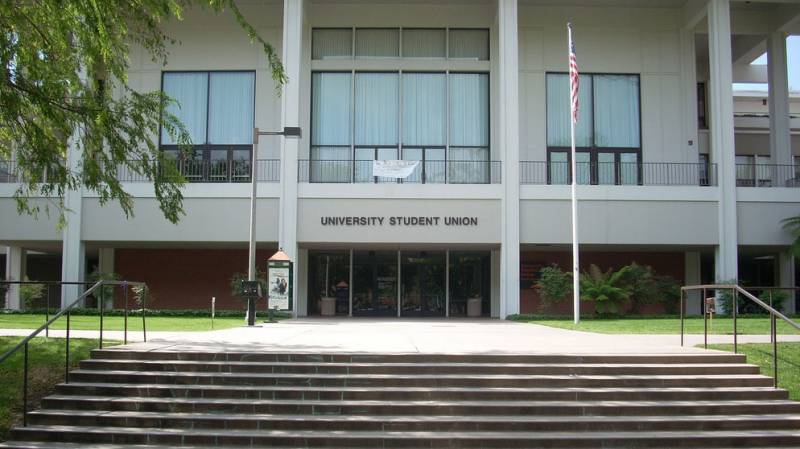
"caption": "The Student Union building at CSU Long Beach (2015).",
"description": null,
"title": "1920_RS4026_CSULongBeachstudentunion",
"credit": "Chris/Flickr",
"status": "inherit",
"isLoading": false,
"fetchFailed": false
},
"news_11837096": {
"type": "attachments",
"id": "news_11837096",
"meta": {
"index": "attachments_1716263798",
"site": "news",
"id": "11837096",
"found": true
},
"parent": 11837078,
"imgSizes": {
"apple_news_ca_landscape_5_5": {
"file": "https://ww2.kqed.org/app/uploads/sites/10/2020/09/pspss_090820_final-1044x783.png",
"width": 1044,
"mimeType": "image/png",
"height": 783
},
"apple_news_ca_square_4_0": {
"file": "https://ww2.kqed.org/app/uploads/sites/10/2020/09/pspss_090820_final-470x470.png",
"width": 470,
"mimeType": "image/png",
"height": 470
},
"twentyfourteen-full-width": {
"file": "https://ww2.kqed.org/app/uploads/sites/10/2020/09/pspss_090820_final-1038x576.png",
"width": 1038,
"mimeType": "image/png",
"height": 576
},
"thumbnail": {
"file": "https://ww2.kqed.org/app/uploads/sites/10/2020/09/pspss_090820_final-160x111.png",
"width": 160,
"mimeType": "image/png",
"height": 111
},
"post-thumbnail": {
"file": "https://ww2.kqed.org/app/uploads/sites/10/2020/09/pspss_090820_final-672x372.png",
"width": 672,
"mimeType": "image/png",
"height": 372
},
"kqedFullSize": {
"file": "https://ww2.kqed.org/app/uploads/sites/10/2020/09/pspss_090820_final.png",
"width": 1920,
"height": 1331
},
"apple_news_ca_landscape_4_7": {
"file": "https://ww2.kqed.org/app/uploads/sites/10/2020/09/pspss_090820_final-632x474.png",
"width": 632,
"mimeType": "image/png",
"height": 474
},
"large": {
"file": "https://ww2.kqed.org/app/uploads/sites/10/2020/09/pspss_090820_final-1020x707.png",
"width": 1020,
"mimeType": "image/png",
"height": 707
},
"apple_news_ca_landscape_4_0": {
"file": "https://ww2.kqed.org/app/uploads/sites/10/2020/09/pspss_090820_final-536x402.png",
"width": 536,
"mimeType": "image/png",
"height": 402
},
"apple_news_ca_portrait_12_9": {
"file": "https://ww2.kqed.org/app/uploads/sites/10/2020/09/pspss_090820_final-1122x1331.png",
"width": 1122,
"mimeType": "image/png",
"height": 1331
},
"medium": {
"file": "https://ww2.kqed.org/app/uploads/sites/10/2020/09/pspss_090820_final-800x555.png",
"width": 800,
"mimeType": "image/png",
"height": 555
},
"apple_news_ca_portrait_4_0": {
"file": "https://ww2.kqed.org/app/uploads/sites/10/2020/09/pspss_090820_final-354x472.png",
"width": 354,
"mimeType": "image/png",
"height": 472
},
"apple_news_ca_portrait_9_7": {
"file": "https://ww2.kqed.org/app/uploads/sites/10/2020/09/pspss_090820_final-840x1120.png",
"width": 840,
"mimeType": "image/png",
"height": 1120
},
"apple_news_ca_landscape_12_9": {
"file": "https://ww2.kqed.org/app/uploads/sites/10/2020/09/pspss_090820_final-1832x1331.png",
"width": 1832,
"mimeType": "image/png",
"height": 1331
},
"apple_news_ca_square_9_7": {
"file": "https://ww2.kqed.org/app/uploads/sites/10/2020/09/pspss_090820_final-1104x1104.png",
"width": 1104,
"mimeType": "image/png",
"height": 1104
},
"1536x1536": {
"file": "https://ww2.kqed.org/app/uploads/sites/10/2020/09/pspss_090820_final-1536x1065.png",
"width": 1536,
"mimeType": "image/png",
"height": 1065
},
"apple_news_ca_portrait_4_7": {
"file": "https://ww2.kqed.org/app/uploads/sites/10/2020/09/pspss_090820_final-414x552.png",
"width": 414,
"mimeType": "image/png",
"height": 552
},
"apple_news_ca_square_12_9": {
"file": "https://ww2.kqed.org/app/uploads/sites/10/2020/09/pspss_090820_final-1472x1331.png",
"width": 1472,
"mimeType": "image/png",
"height": 1331
},
"apple_news_ca_portrait_5_5": {
"file": "https://ww2.kqed.org/app/uploads/sites/10/2020/09/pspss_090820_final-687x916.png",
"width": 687,
"mimeType": "image/png",
"height": 916
},
"apple_news_ca_square_4_7": {
"file": "https://ww2.kqed.org/app/uploads/sites/10/2020/09/pspss_090820_final-550x550.png",
"width": 550,
"mimeType": "image/png",
"height": 550
},
"apple_news_ca_landscape_9_7": {
"file": "https://ww2.kqed.org/app/uploads/sites/10/2020/09/pspss_090820_final-1376x1032.png",
"width": 1376,
"mimeType": "image/png",
"height": 1032
},
"apple_news_ca_square_5_5": {
"file": "https://ww2.kqed.org/app/uploads/sites/10/2020/09/pspss_090820_final-912x912.png",
"width": 912,
"mimeType": "image/png",
"height": 912
}
},
"publishDate": 1599606272,
"modified": 1599606302,
"caption": null,
"description": null,
"title": "pspss_090820_final",
"credit": null,
"status": "inherit",
"isLoading": false,
"fetchFailed": false
},
"news_11836316": {
"type": "attachments",
"id": "news_11836316",
"meta": {
"index": "attachments_1716263798",
"site": "news",
"id": "11836316",
"found": true
},
"parent": 11836307,
"imgSizes": {
"apple_news_ca_landscape_5_5": {
"file": "https://ww2.kqed.org/app/uploads/sites/10/2020/09/welcomeback_090120_final-1044x783.png",
"width": 1044,
"mimeType": "image/png",
"height": 783
},
"apple_news_ca_square_4_0": {
"file": "https://ww2.kqed.org/app/uploads/sites/10/2020/09/welcomeback_090120_final-470x470.png",
"width": 470,
"mimeType": "image/png",
"height": 470
},
"twentyfourteen-full-width": {
"file": "https://ww2.kqed.org/app/uploads/sites/10/2020/09/welcomeback_090120_final-1038x576.png",
"width": 1038,
"mimeType": "image/png",
"height": 576
},
"thumbnail": {
"file": "https://ww2.kqed.org/app/uploads/sites/10/2020/09/welcomeback_090120_final-160x114.png",
"width": 160,
"mimeType": "image/png",
"height": 114
},
"post-thumbnail": {
"file": "https://ww2.kqed.org/app/uploads/sites/10/2020/09/welcomeback_090120_final-672x372.png",
"width": 672,
"mimeType": "image/png",
"height": 372
},
"kqedFullSize": {
"file": "https://ww2.kqed.org/app/uploads/sites/10/2020/09/welcomeback_090120_final.png",
"width": 1920,
"height": 1363
},
"apple_news_ca_landscape_4_7": {
"file": "https://ww2.kqed.org/app/uploads/sites/10/2020/09/welcomeback_090120_final-632x474.png",
"width": 632,
"mimeType": "image/png",
"height": 474
},
"large": {
"file": "https://ww2.kqed.org/app/uploads/sites/10/2020/09/welcomeback_090120_final-1020x724.png",
"width": 1020,
"mimeType": "image/png",
"height": 724
},
"apple_news_ca_landscape_4_0": {
"file": "https://ww2.kqed.org/app/uploads/sites/10/2020/09/welcomeback_090120_final-536x402.png",
"width": 536,
"mimeType": "image/png",
"height": 402
},
"apple_news_ca_portrait_12_9": {
"file": "https://ww2.kqed.org/app/uploads/sites/10/2020/09/welcomeback_090120_final-1122x1363.png",
"width": 1122,
"mimeType": "image/png",
"height": 1363
},
"medium": {
"file": "https://ww2.kqed.org/app/uploads/sites/10/2020/09/welcomeback_090120_final-800x568.png",
"width": 800,
"mimeType": "image/png",
"height": 568
},
"apple_news_ca_portrait_4_0": {
"file": "https://ww2.kqed.org/app/uploads/sites/10/2020/09/welcomeback_090120_final-354x472.png",
"width": 354,
"mimeType": "image/png",
"height": 472
},
"apple_news_ca_portrait_9_7": {
"file": "https://ww2.kqed.org/app/uploads/sites/10/2020/09/welcomeback_090120_final-840x1120.png",
"width": 840,
"mimeType": "image/png",
"height": 1120
},
"apple_news_ca_landscape_12_9": {
"file": "https://ww2.kqed.org/app/uploads/sites/10/2020/09/welcomeback_090120_final-1832x1363.png",
"width": 1832,
"mimeType": "image/png",
"height": 1363
},
"apple_news_ca_square_9_7": {
"file": "https://ww2.kqed.org/app/uploads/sites/10/2020/09/welcomeback_090120_final-1104x1104.png",
"width": 1104,
"mimeType": "image/png",
"height": 1104
},
"1536x1536": {
"file": "https://ww2.kqed.org/app/uploads/sites/10/2020/09/welcomeback_090120_final-1536x1090.png",
"width": 1536,
"mimeType": "image/png",
"height": 1090
},
"apple_news_ca_portrait_4_7": {
"file": "https://ww2.kqed.org/app/uploads/sites/10/2020/09/welcomeback_090120_final-414x552.png",
"width": 414,
"mimeType": "image/png",
"height": 552
},
"apple_news_ca_square_12_9": {
"file": "https://ww2.kqed.org/app/uploads/sites/10/2020/09/welcomeback_090120_final-1472x1363.png",
"width": 1472,
"mimeType": "image/png",
"height": 1363
},
"apple_news_ca_portrait_5_5": {
"file": "https://ww2.kqed.org/app/uploads/sites/10/2020/09/welcomeback_090120_final-687x916.png",
"width": 687,
"mimeType": "image/png",
"height": 916
},
"apple_news_ca_square_4_7": {
"file": "https://ww2.kqed.org/app/uploads/sites/10/2020/09/welcomeback_090120_final-550x550.png",
"width": 550,
"mimeType": "image/png",
"height": 550
},
"apple_news_ca_landscape_9_7": {
"file": "https://ww2.kqed.org/app/uploads/sites/10/2020/09/welcomeback_090120_final-1376x1032.png",
"width": 1376,
"mimeType": "image/png",
"height": 1032
},
"apple_news_ca_square_5_5": {
"file": "https://ww2.kqed.org/app/uploads/sites/10/2020/09/welcomeback_090120_final-912x912.png",
"width": 912,
"mimeType": "image/png",
"height": 912
}
},
"publishDate": 1599000934,
"modified": 1599000967,
"caption": null,
"description": null,
"title": "welcomeback_090120_final",
"credit": null,
"status": "inherit",
"isLoading": false,
"fetchFailed": false
},
"news_11836498": {
"type": "attachments",
"id": "news_11836498",
"meta": {
"index": "attachments_1716263798",
"site": "news",
"id": "11836498",
"found": true
},
"parent": 11836301,
"imgSizes": {
"apple_news_ca_landscape_5_5": {
"file": "https://ww2.kqed.org/app/uploads/sites/10/2020/09/IMG_1382-1044x783.jpeg",
"width": 1044,
"mimeType": "image/jpeg",
"height": 783
},
"apple_news_ca_square_4_0": {
"file": "https://ww2.kqed.org/app/uploads/sites/10/2020/09/IMG_1382-470x470.jpeg",
"width": 470,
"mimeType": "image/jpeg",
"height": 470
},
"twentyfourteen-full-width": {
"file": "https://ww2.kqed.org/app/uploads/sites/10/2020/09/IMG_1382-1038x576.jpeg",
"width": 1038,
"mimeType": "image/jpeg",
"height": 576
},
"thumbnail": {
"file": "https://ww2.kqed.org/app/uploads/sites/10/2020/09/IMG_1382-160x120.jpeg",
"width": 160,
"mimeType": "image/jpeg",
"height": 120
},
"post-thumbnail": {
"file": "https://ww2.kqed.org/app/uploads/sites/10/2020/09/IMG_1382-672x372.jpeg",
"width": 672,
"mimeType": "image/jpeg",
"height": 372
},
"kqedFullSize": {
"file": "https://ww2.kqed.org/app/uploads/sites/10/2020/09/IMG_1382-scaled-e1599152228905.jpeg",
"width": 1920,
"height": 1440
},
"2048x2048": {
"file": "https://ww2.kqed.org/app/uploads/sites/10/2020/09/IMG_1382-2048x1536.jpeg",
"width": 2048,
"mimeType": "image/jpeg",
"height": 1536
},
"apple_news_ca_landscape_4_7": {
"file": "https://ww2.kqed.org/app/uploads/sites/10/2020/09/IMG_1382-632x474.jpeg",
"width": 632,
"mimeType": "image/jpeg",
"height": 474
},
"large": {
"file": "https://ww2.kqed.org/app/uploads/sites/10/2020/09/IMG_1382-1020x765.jpeg",
"width": 1020,
"mimeType": "image/jpeg",
"height": 765
},
"apple_news_ca_landscape_4_0": {
"file": "https://ww2.kqed.org/app/uploads/sites/10/2020/09/IMG_1382-536x402.jpeg",
"width": 536,
"mimeType": "image/jpeg",
"height": 402
},
"apple_news_ca_portrait_12_9": {
"file": "https://ww2.kqed.org/app/uploads/sites/10/2020/09/IMG_1382-1122x1496.jpeg",
"width": 1122,
"mimeType": "image/jpeg",
"height": 1496
},
"medium": {
"file": "https://ww2.kqed.org/app/uploads/sites/10/2020/09/IMG_1382-800x600.jpeg",
"width": 800,
"mimeType": "image/jpeg",
"height": 600
},
"apple_news_ca_portrait_4_0": {
"file": "https://ww2.kqed.org/app/uploads/sites/10/2020/09/IMG_1382-354x472.jpeg",
"width": 354,
"mimeType": "image/jpeg",
"height": 472
},
"apple_news_ca_portrait_9_7": {
"file": "https://ww2.kqed.org/app/uploads/sites/10/2020/09/IMG_1382-840x1120.jpeg",
"width": 840,
"mimeType": "image/jpeg",
"height": 1120
},
"apple_news_ca_landscape_12_9": {
"file": "https://ww2.kqed.org/app/uploads/sites/10/2020/09/IMG_1382-1832x1374.jpeg",
"width": 1832,
"mimeType": "image/jpeg",
"height": 1374
},
"apple_news_ca_square_9_7": {
"file": "https://ww2.kqed.org/app/uploads/sites/10/2020/09/IMG_1382-1104x1104.jpeg",
"width": 1104,
"mimeType": "image/jpeg",
"height": 1104
},
"1536x1536": {
"file": "https://ww2.kqed.org/app/uploads/sites/10/2020/09/IMG_1382-1536x1152.jpeg",
"width": 1536,
"mimeType": "image/jpeg",
"height": 1152
},
"apple_news_ca_portrait_4_7": {
"file": "https://ww2.kqed.org/app/uploads/sites/10/2020/09/IMG_1382-414x552.jpeg",
"width": 414,
"mimeType": "image/jpeg",
"height": 552
},
"apple_news_ca_square_12_9": {
"file": "https://ww2.kqed.org/app/uploads/sites/10/2020/09/IMG_1382-1472x1472.jpeg",
"width": 1472,
"mimeType": "image/jpeg",
"height": 1472
},
"apple_news_ca_portrait_5_5": {
"file": "https://ww2.kqed.org/app/uploads/sites/10/2020/09/IMG_1382-687x916.jpeg",
"width": 687,
"mimeType": "image/jpeg",
"height": 916
},
"full-width": {
"file": "https://ww2.kqed.org/app/uploads/sites/10/2020/09/IMG_1382-1920x1440.jpeg",
"width": 1920,
"mimeType": "image/jpeg",
"height": 1440
},
"apple_news_ca_square_4_7": {
"file": "https://ww2.kqed.org/app/uploads/sites/10/2020/09/IMG_1382-550x550.jpeg",
"width": 550,
"mimeType": "image/jpeg",
"height": 550
},
"apple_news_ca_landscape_9_7": {
"file": "https://ww2.kqed.org/app/uploads/sites/10/2020/09/IMG_1382-1376x1032.jpeg",
"width": 1376,
"mimeType": "image/jpeg",
"height": 1032
},
"apple_news_ca_square_5_5": {
"file": "https://ww2.kqed.org/app/uploads/sites/10/2020/09/IMG_1382-912x912.jpeg",
"width": 912,
"mimeType": "image/jpeg",
"height": 912
}
},
"publishDate": 1599152193,
"modified": 1599178045,
"caption": "Catrina Maguire (L) with her mom Kathleen Maguire in mid-August while moving into her dorm at CSU Chico.",
"description": "Catrina Maguire (L) with her mom Kathleen Maguire (R) when she moved into her dorm at CSU, Chico.",
"title": "IMG_1382",
"credit": "Courtesy of Catrina Maguire",
"status": "inherit",
"isLoading": false,
"fetchFailed": false
},
"news_11836100": {
"type": "attachments",
"id": "news_11836100",
"meta": {
"index": "attachments_1716263798",
"site": "news",
"id": "11836100",
"found": true
},
"parent": 11836098,
"imgSizes": {
"apple_news_ca_landscape_5_5": {
"file": "https://ww2.kqed.org/app/uploads/sites/10/2020/08/KQED_Oakland_OUSDTechGiveaway_08172020-qut-1-1044x783.jpg",
"width": 1044,
"mimeType": "image/jpeg",
"height": 783
},
"apple_news_ca_square_4_0": {
"file": "https://ww2.kqed.org/app/uploads/sites/10/2020/08/KQED_Oakland_OUSDTechGiveaway_08172020-qut-1-470x470.jpg",
"width": 470,
"mimeType": "image/jpeg",
"height": 470
},
"twentyfourteen-full-width": {
"file": "https://ww2.kqed.org/app/uploads/sites/10/2020/08/KQED_Oakland_OUSDTechGiveaway_08172020-qut-1-1038x576.jpg",
"width": 1038,
"mimeType": "image/jpeg",
"height": 576
},
"thumbnail": {
"file": "https://ww2.kqed.org/app/uploads/sites/10/2020/08/KQED_Oakland_OUSDTechGiveaway_08172020-qut-1-160x107.jpg",
"width": 160,
"mimeType": "image/jpeg",
"height": 107
},
"post-thumbnail": {
"file": "https://ww2.kqed.org/app/uploads/sites/10/2020/08/KQED_Oakland_OUSDTechGiveaway_08172020-qut-1-672x372.jpg",
"width": 672,
"mimeType": "image/jpeg",
"height": 372
},
"kqedFullSize": {
"file": "https://ww2.kqed.org/app/uploads/sites/10/2020/08/KQED_Oakland_OUSDTechGiveaway_08172020-qut-1.jpg",
"width": 1920,
"height": 1280
},
"apple_news_ca_landscape_4_7": {
"file": "https://ww2.kqed.org/app/uploads/sites/10/2020/08/KQED_Oakland_OUSDTechGiveaway_08172020-qut-1-632x474.jpg",
"width": 632,
"mimeType": "image/jpeg",
"height": 474
},
"large": {
"file": "https://ww2.kqed.org/app/uploads/sites/10/2020/08/KQED_Oakland_OUSDTechGiveaway_08172020-qut-1-1020x680.jpg",
"width": 1020,
"mimeType": "image/jpeg",
"height": 680
},
"apple_news_ca_landscape_4_0": {
"file": "https://ww2.kqed.org/app/uploads/sites/10/2020/08/KQED_Oakland_OUSDTechGiveaway_08172020-qut-1-536x402.jpg",
"width": 536,
"mimeType": "image/jpeg",
"height": 402
},
"apple_news_ca_portrait_12_9": {
"file": "https://ww2.kqed.org/app/uploads/sites/10/2020/08/KQED_Oakland_OUSDTechGiveaway_08172020-qut-1-1122x1280.jpg",
"width": 1122,
"mimeType": "image/jpeg",
"height": 1280
},
"medium": {
"file": "https://ww2.kqed.org/app/uploads/sites/10/2020/08/KQED_Oakland_OUSDTechGiveaway_08172020-qut-1-800x533.jpg",
"width": 800,
"mimeType": "image/jpeg",
"height": 533
},
"apple_news_ca_portrait_4_0": {
"file": "https://ww2.kqed.org/app/uploads/sites/10/2020/08/KQED_Oakland_OUSDTechGiveaway_08172020-qut-1-354x472.jpg",
"width": 354,
"mimeType": "image/jpeg",
"height": 472
},
"apple_news_ca_portrait_9_7": {
"file": "https://ww2.kqed.org/app/uploads/sites/10/2020/08/KQED_Oakland_OUSDTechGiveaway_08172020-qut-1-840x1120.jpg",
"width": 840,
"mimeType": "image/jpeg",
"height": 1120
},
"apple_news_ca_landscape_12_9": {
"file": "https://ww2.kqed.org/app/uploads/sites/10/2020/08/KQED_Oakland_OUSDTechGiveaway_08172020-qut-1-1832x1280.jpg",
"width": 1832,
"mimeType": "image/jpeg",
"height": 1280
},
"apple_news_ca_square_9_7": {
"file": "https://ww2.kqed.org/app/uploads/sites/10/2020/08/KQED_Oakland_OUSDTechGiveaway_08172020-qut-1-1104x1104.jpg",
"width": 1104,
"mimeType": "image/jpeg",
"height": 1104
},
"1536x1536": {
"file": "https://ww2.kqed.org/app/uploads/sites/10/2020/08/KQED_Oakland_OUSDTechGiveaway_08172020-qut-1-1536x1024.jpg",
"width": 1536,
"mimeType": "image/jpeg",
"height": 1024
},
"apple_news_ca_portrait_4_7": {
"file": "https://ww2.kqed.org/app/uploads/sites/10/2020/08/KQED_Oakland_OUSDTechGiveaway_08172020-qut-1-414x552.jpg",
"width": 414,
"mimeType": "image/jpeg",
"height": 552
},
"apple_news_ca_square_12_9": {
"file": "https://ww2.kqed.org/app/uploads/sites/10/2020/08/KQED_Oakland_OUSDTechGiveaway_08172020-qut-1-1472x1280.jpg",
"width": 1472,
"mimeType": "image/jpeg",
"height": 1280
},
"apple_news_ca_portrait_5_5": {
"file": "https://ww2.kqed.org/app/uploads/sites/10/2020/08/KQED_Oakland_OUSDTechGiveaway_08172020-qut-1-687x916.jpg",
"width": 687,
"mimeType": "image/jpeg",
"height": 916
},
"apple_news_ca_square_4_7": {
"file": "https://ww2.kqed.org/app/uploads/sites/10/2020/08/KQED_Oakland_OUSDTechGiveaway_08172020-qut-1-550x550.jpg",
"width": 550,
"mimeType": "image/jpeg",
"height": 550
},
"apple_news_ca_landscape_9_7": {
"file": "https://ww2.kqed.org/app/uploads/sites/10/2020/08/KQED_Oakland_OUSDTechGiveaway_08172020-qut-1-1376x1032.jpg",
"width": 1376,
"mimeType": "image/jpeg",
"height": 1032
},
"apple_news_ca_square_5_5": {
"file": "https://ww2.kqed.org/app/uploads/sites/10/2020/08/KQED_Oakland_OUSDTechGiveaway_08172020-qut-1-912x912.jpg",
"width": 912,
"mimeType": "image/jpeg",
"height": 912
}
},
"publishDate": 1598895708,
"modified": 1599000020,
"caption": "Micaela Ramirez, 13, a student at Coliseum College Prep Academy, receives a laptop at the school during a #OaklandUndivided Campaign on Aug. 17, 2020.",
"description": null,
"title": "KQED_Oakland_OUSDTechGiveaway_08172020-qut",
"credit": "Beth LaBerge/KQED",
"status": "inherit",
"isLoading": false,
"fetchFailed": false
},
"news_11832248": {
"type": "attachments",
"id": "news_11832248",
"meta": {
"index": "attachments_1716263798",
"site": "news",
"id": "11832248",
"found": true
},
"parent": 11832227,
"imgSizes": {
"apple_news_ca_square_4_0": {
"file": "https://ww2.kqed.org/app/uploads/sites/10/2020/08/RS44264_Arianna-Nassiri-qut-470x470.jpg",
"width": 470,
"mimeType": "image/jpeg",
"height": 470
},
"twentyfourteen-full-width": {
"file": "https://ww2.kqed.org/app/uploads/sites/10/2020/08/RS44264_Arianna-Nassiri-qut-832x576.jpg",
"width": 832,
"mimeType": "image/jpeg",
"height": 576
},
"thumbnail": {
"file": "https://ww2.kqed.org/app/uploads/sites/10/2020/08/RS44264_Arianna-Nassiri-qut-160x136.jpg",
"width": 160,
"mimeType": "image/jpeg",
"height": 136
},
"post-thumbnail": {
"file": "https://ww2.kqed.org/app/uploads/sites/10/2020/08/RS44264_Arianna-Nassiri-qut-672x372.jpg",
"width": 672,
"mimeType": "image/jpeg",
"height": 372
},
"kqedFullSize": {
"file": "https://ww2.kqed.org/app/uploads/sites/10/2020/08/RS44264_Arianna-Nassiri-qut.jpg",
"width": 832,
"height": 706
},
"apple_news_ca_landscape_4_7": {
"file": "https://ww2.kqed.org/app/uploads/sites/10/2020/08/RS44264_Arianna-Nassiri-qut-632x474.jpg",
"width": 632,
"mimeType": "image/jpeg",
"height": 474
},
"apple_news_ca_portrait_4_7": {
"file": "https://ww2.kqed.org/app/uploads/sites/10/2020/08/RS44264_Arianna-Nassiri-qut-414x552.jpg",
"width": 414,
"mimeType": "image/jpeg",
"height": 552
},
"apple_news_ca_portrait_5_5": {
"file": "https://ww2.kqed.org/app/uploads/sites/10/2020/08/RS44264_Arianna-Nassiri-qut-687x706.jpg",
"width": 687,
"mimeType": "image/jpeg",
"height": 706
},
"apple_news_ca_square_4_7": {
"file": "https://ww2.kqed.org/app/uploads/sites/10/2020/08/RS44264_Arianna-Nassiri-qut-550x550.jpg",
"width": 550,
"mimeType": "image/jpeg",
"height": 550
},
"apple_news_ca_landscape_4_0": {
"file": "https://ww2.kqed.org/app/uploads/sites/10/2020/08/RS44264_Arianna-Nassiri-qut-536x402.jpg",
"width": 536,
"mimeType": "image/jpeg",
"height": 402
},
"medium": {
"file": "https://ww2.kqed.org/app/uploads/sites/10/2020/08/RS44264_Arianna-Nassiri-qut-800x679.jpg",
"width": 800,
"mimeType": "image/jpeg",
"height": 679
},
"apple_news_ca_portrait_4_0": {
"file": "https://ww2.kqed.org/app/uploads/sites/10/2020/08/RS44264_Arianna-Nassiri-qut-354x472.jpg",
"width": 354,
"mimeType": "image/jpeg",
"height": 472
}
},
"publishDate": 1596751592,
"modified": 1596751628,
"caption": "San Francisco Youth Commissioner Arianna Nassiri.",
"description": null,
"title": "RS44264_Arianna Nassiri-qut",
"credit": "Courtesy Arianna Nassiri",
"status": "inherit",
"isLoading": false,
"fetchFailed": false
},
"news_11832738": {
"type": "attachments",
"id": "news_11832738",
"meta": {
"index": "attachments_1716263798",
"site": "news",
"id": "11832738",
"found": true
},
"parent": 11832221,
"imgSizes": {
"apple_news_ca_landscape_5_5": {
"file": "https://ww2.kqed.org/app/uploads/sites/10/2020/08/1920_iStock-928403968-1044x783.jpg",
"width": 1044,
"mimeType": "image/jpeg",
"height": 783
},
"apple_news_ca_square_4_0": {
"file": "https://ww2.kqed.org/app/uploads/sites/10/2020/08/1920_iStock-928403968-470x470.jpg",
"width": 470,
"mimeType": "image/jpeg",
"height": 470
},
"twentyfourteen-full-width": {
"file": "https://ww2.kqed.org/app/uploads/sites/10/2020/08/1920_iStock-928403968-1038x576.jpg",
"width": 1038,
"mimeType": "image/jpeg",
"height": 576
},
"thumbnail": {
"file": "https://ww2.kqed.org/app/uploads/sites/10/2020/08/1920_iStock-928403968-160x90.jpg",
"width": 160,
"mimeType": "image/jpeg",
"height": 90
},
"post-thumbnail": {
"file": "https://ww2.kqed.org/app/uploads/sites/10/2020/08/1920_iStock-928403968-672x372.jpg",
"width": 672,
"mimeType": "image/jpeg",
"height": 372
},
"kqedFullSize": {
"file": "https://ww2.kqed.org/app/uploads/sites/10/2020/08/1920_iStock-928403968.jpg",
"width": 2117,
"height": 1190
},
"2048x2048": {
"file": "https://ww2.kqed.org/app/uploads/sites/10/2020/08/1920_iStock-928403968-2048x1151.jpg",
"width": 2048,
"mimeType": "image/jpeg",
"height": 1151
},
"apple_news_ca_landscape_4_7": {
"file": "https://ww2.kqed.org/app/uploads/sites/10/2020/08/1920_iStock-928403968-632x474.jpg",
"width": 632,
"mimeType": "image/jpeg",
"height": 474
},
"large": {
"file": "https://ww2.kqed.org/app/uploads/sites/10/2020/08/1920_iStock-928403968-1020x573.jpg",
"width": 1020,
"mimeType": "image/jpeg",
"height": 573
},
"apple_news_ca_landscape_4_0": {
"file": "https://ww2.kqed.org/app/uploads/sites/10/2020/08/1920_iStock-928403968-536x402.jpg",
"width": 536,
"mimeType": "image/jpeg",
"height": 402
},
"apple_news_ca_portrait_12_9": {
"file": "https://ww2.kqed.org/app/uploads/sites/10/2020/08/1920_iStock-928403968-1122x1190.jpg",
"width": 1122,
"mimeType": "image/jpeg",
"height": 1190
},
"medium": {
"file": "https://ww2.kqed.org/app/uploads/sites/10/2020/08/1920_iStock-928403968-800x450.jpg",
"width": 800,
"mimeType": "image/jpeg",
"height": 450
},
"apple_news_ca_portrait_4_0": {
"file": "https://ww2.kqed.org/app/uploads/sites/10/2020/08/1920_iStock-928403968-354x472.jpg",
"width": 354,
"mimeType": "image/jpeg",
"height": 472
},
"apple_news_ca_portrait_9_7": {
"file": "https://ww2.kqed.org/app/uploads/sites/10/2020/08/1920_iStock-928403968-840x1120.jpg",
"width": 840,
"mimeType": "image/jpeg",
"height": 1120
},
"apple_news_ca_landscape_12_9": {
"file": "https://ww2.kqed.org/app/uploads/sites/10/2020/08/1920_iStock-928403968-1832x1190.jpg",
"width": 1832,
"mimeType": "image/jpeg",
"height": 1190
},
"apple_news_ca_square_9_7": {
"file": "https://ww2.kqed.org/app/uploads/sites/10/2020/08/1920_iStock-928403968-1104x1104.jpg",
"width": 1104,
"mimeType": "image/jpeg",
"height": 1104
},
"1536x1536": {
"file": "https://ww2.kqed.org/app/uploads/sites/10/2020/08/1920_iStock-928403968-1536x863.jpg",
"width": 1536,
"mimeType": "image/jpeg",
"height": 863
},
"apple_news_ca_portrait_4_7": {
"file": "https://ww2.kqed.org/app/uploads/sites/10/2020/08/1920_iStock-928403968-414x552.jpg",
"width": 414,
"mimeType": "image/jpeg",
"height": 552
},
"apple_news_ca_square_12_9": {
"file": "https://ww2.kqed.org/app/uploads/sites/10/2020/08/1920_iStock-928403968-1472x1190.jpg",
"width": 1472,
"mimeType": "image/jpeg",
"height": 1190
},
"apple_news_ca_portrait_5_5": {
"file": "https://ww2.kqed.org/app/uploads/sites/10/2020/08/1920_iStock-928403968-687x916.jpg",
"width": 687,
"mimeType": "image/jpeg",
"height": 916
},
"full-width": {
"file": "https://ww2.kqed.org/app/uploads/sites/10/2020/08/1920_iStock-928403968-1920x1079.jpg",
"width": 1920,
"mimeType": "image/jpeg",
"height": 1079
},
"apple_news_ca_square_4_7": {
"file": "https://ww2.kqed.org/app/uploads/sites/10/2020/08/1920_iStock-928403968-550x550.jpg",
"width": 550,
"mimeType": "image/jpeg",
"height": 550
},
"apple_news_ca_landscape_9_7": {
"file": "https://ww2.kqed.org/app/uploads/sites/10/2020/08/1920_iStock-928403968-1376x1032.jpg",
"width": 1376,
"mimeType": "image/jpeg",
"height": 1032
},
"apple_news_ca_square_5_5": {
"file": "https://ww2.kqed.org/app/uploads/sites/10/2020/08/1920_iStock-928403968-912x912.jpg",
"width": 912,
"mimeType": "image/jpeg",
"height": 912
}
},
"publishDate": 1597008342,
"modified": 1597279061,
"caption": "During the 2018-2019 school year, about 1 in 3 Oakland Unified students was chronically absent — defined as missing 18 days of school or more. District officials believe, based on anecdotal evidence, that far fewer kids were present during last spring semester's distance learning.",
"description": "During the 2018-2019, school year, about 1 in 3 Oakland Unified students was chronically absent — defined as missing 18 days of school or more. District officials believe, based on anecdotal evidence, that far fewer kids were present during last spring semester's distance learning.",
"title": "chair wood in classroom high school",
"credit": "iStock/Bigpra",
"status": "inherit",
"isLoading": false,
"fetchFailed": false
},
"news_11832656": {
"type": "attachments",
"id": "news_11832656",
"meta": {
"index": "attachments_1716263798",
"site": "news",
"id": "11832656",
"found": true
},
"parent": 11832459,
"imgSizes": {
"apple_news_ca_landscape_5_5": {
"file": "https://ww2.kqed.org/app/uploads/sites/10/2020/08/KQED-education-special-1044x720.jpg",
"width": 1044,
"mimeType": "image/jpeg",
"height": 720
},
"apple_news_ca_square_4_0": {
"file": "https://ww2.kqed.org/app/uploads/sites/10/2020/08/KQED-education-special-470x470.jpg",
"width": 470,
"mimeType": "image/jpeg",
"height": 470
},
"twentyfourteen-full-width": {
"file": "https://ww2.kqed.org/app/uploads/sites/10/2020/08/KQED-education-special-1038x576.jpg",
"width": 1038,
"mimeType": "image/jpeg",
"height": 576
},
"thumbnail": {
"file": "https://ww2.kqed.org/app/uploads/sites/10/2020/08/KQED-education-special-160x90.jpg",
"width": 160,
"mimeType": "image/jpeg",
"height": 90
},
"post-thumbnail": {
"file": "https://ww2.kqed.org/app/uploads/sites/10/2020/08/KQED-education-special-672x372.jpg",
"width": 672,
"mimeType": "image/jpeg",
"height": 372
},
"kqedFullSize": {
"file": "https://ww2.kqed.org/app/uploads/sites/10/2020/08/KQED-education-special.jpg",
"width": 1280,
"height": 720
},
"apple_news_ca_landscape_4_7": {
"file": "https://ww2.kqed.org/app/uploads/sites/10/2020/08/KQED-education-special-632x474.jpg",
"width": 632,
"mimeType": "image/jpeg",
"height": 474
},
"large": {
"file": "https://ww2.kqed.org/app/uploads/sites/10/2020/08/KQED-education-special-1020x574.jpg",
"width": 1020,
"mimeType": "image/jpeg",
"height": 574
},
"apple_news_ca_landscape_4_0": {
"file": "https://ww2.kqed.org/app/uploads/sites/10/2020/08/KQED-education-special-536x402.jpg",
"width": 536,
"mimeType": "image/jpeg",
"height": 402
},
"apple_news_ca_portrait_12_9": {
"file": "https://ww2.kqed.org/app/uploads/sites/10/2020/08/KQED-education-special-1122x720.jpg",
"width": 1122,
"mimeType": "image/jpeg",
"height": 720
},
"medium": {
"file": "https://ww2.kqed.org/app/uploads/sites/10/2020/08/KQED-education-special-800x450.jpg",
"width": 800,
"mimeType": "image/jpeg",
"height": 450
},
"apple_news_ca_portrait_4_0": {
"file": "https://ww2.kqed.org/app/uploads/sites/10/2020/08/KQED-education-special-354x472.jpg",
"width": 354,
"mimeType": "image/jpeg",
"height": 472
},
"apple_news_ca_portrait_9_7": {
"file": "https://ww2.kqed.org/app/uploads/sites/10/2020/08/KQED-education-special-840x720.jpg",
"width": 840,
"mimeType": "image/jpeg",
"height": 720
},
"apple_news_ca_square_9_7": {
"file": "https://ww2.kqed.org/app/uploads/sites/10/2020/08/KQED-education-special-1104x720.jpg",
"width": 1104,
"mimeType": "image/jpeg",
"height": 720
},
"apple_news_ca_portrait_4_7": {
"file": "https://ww2.kqed.org/app/uploads/sites/10/2020/08/KQED-education-special-414x552.jpg",
"width": 414,
"mimeType": "image/jpeg",
"height": 552
},
"apple_news_ca_portrait_5_5": {
"file": "https://ww2.kqed.org/app/uploads/sites/10/2020/08/KQED-education-special-687x720.jpg",
"width": 687,
"mimeType": "image/jpeg",
"height": 720
},
"apple_news_ca_square_4_7": {
"file": "https://ww2.kqed.org/app/uploads/sites/10/2020/08/KQED-education-special-550x550.jpg",
"width": 550,
"mimeType": "image/jpeg",
"height": 550
},
"apple_news_ca_square_5_5": {
"file": "https://ww2.kqed.org/app/uploads/sites/10/2020/08/KQED-education-special-912x720.jpg",
"width": 912,
"mimeType": "image/jpeg",
"height": 720
}
},
"publishDate": 1596845238,
"modified": 1596845238,
"caption": null,
"description": null,
"title": "KQED education special",
"credit": null,
"status": "inherit",
"isLoading": false,
"fetchFailed": false
},
"news_11832080": {
"type": "attachments",
"id": "news_11832080",
"meta": {
"index": "attachments_1716263798",
"site": "news",
"id": "11832080",
"found": true
},
"parent": 11832073,
"imgSizes": {
"apple_news_ca_landscape_5_5": {
"file": "https://ww2.kqed.org/app/uploads/sites/10/2020/08/Schnitzer_Steel-1044x783.jpg",
"width": 1044,
"mimeType": "image/jpeg",
"height": 783
},
"apple_news_ca_square_4_0": {
"file": "https://ww2.kqed.org/app/uploads/sites/10/2020/08/Schnitzer_Steel-470x470.jpg",
"width": 470,
"mimeType": "image/jpeg",
"height": 470
},
"twentyfourteen-full-width": {
"file": "https://ww2.kqed.org/app/uploads/sites/10/2020/08/Schnitzer_Steel-1038x576.jpg",
"width": 1038,
"mimeType": "image/jpeg",
"height": 576
},
"thumbnail": {
"file": "https://ww2.kqed.org/app/uploads/sites/10/2020/08/Schnitzer_Steel-160x117.jpg",
"width": 160,
"mimeType": "image/jpeg",
"height": 117
},
"post-thumbnail": {
"file": "https://ww2.kqed.org/app/uploads/sites/10/2020/08/Schnitzer_Steel-672x372.jpg",
"width": 672,
"mimeType": "image/jpeg",
"height": 372
},
"kqedFullSize": {
"file": "https://ww2.kqed.org/app/uploads/sites/10/2020/08/Schnitzer_Steel.jpg",
"width": 1920,
"height": 1401
},
"apple_news_ca_landscape_4_7": {
"file": "https://ww2.kqed.org/app/uploads/sites/10/2020/08/Schnitzer_Steel-632x474.jpg",
"width": 632,
"mimeType": "image/jpeg",
"height": 474
},
"large": {
"file": "https://ww2.kqed.org/app/uploads/sites/10/2020/08/Schnitzer_Steel-1020x744.jpg",
"width": 1020,
"mimeType": "image/jpeg",
"height": 744
},
"apple_news_ca_landscape_4_0": {
"file": "https://ww2.kqed.org/app/uploads/sites/10/2020/08/Schnitzer_Steel-536x402.jpg",
"width": 536,
"mimeType": "image/jpeg",
"height": 402
},
"apple_news_ca_portrait_12_9": {
"file": "https://ww2.kqed.org/app/uploads/sites/10/2020/08/Schnitzer_Steel-1122x1401.jpg",
"width": 1122,
"mimeType": "image/jpeg",
"height": 1401
},
"medium": {
"file": "https://ww2.kqed.org/app/uploads/sites/10/2020/08/Schnitzer_Steel-800x584.jpg",
"width": 800,
"mimeType": "image/jpeg",
"height": 584
},
"apple_news_ca_portrait_4_0": {
"file": "https://ww2.kqed.org/app/uploads/sites/10/2020/08/Schnitzer_Steel-354x472.jpg",
"width": 354,
"mimeType": "image/jpeg",
"height": 472
},
"apple_news_ca_portrait_9_7": {
"file": "https://ww2.kqed.org/app/uploads/sites/10/2020/08/Schnitzer_Steel-840x1120.jpg",
"width": 840,
"mimeType": "image/jpeg",
"height": 1120
},
"apple_news_ca_landscape_12_9": {
"file": "https://ww2.kqed.org/app/uploads/sites/10/2020/08/Schnitzer_Steel-1832x1374.jpg",
"width": 1832,
"mimeType": "image/jpeg",
"height": 1374
},
"apple_news_ca_square_9_7": {
"file": "https://ww2.kqed.org/app/uploads/sites/10/2020/08/Schnitzer_Steel-1104x1104.jpg",
"width": 1104,
"mimeType": "image/jpeg",
"height": 1104
},
"1536x1536": {
"file": "https://ww2.kqed.org/app/uploads/sites/10/2020/08/Schnitzer_Steel-1536x1121.jpg",
"width": 1536,
"mimeType": "image/jpeg",
"height": 1121
},
"apple_news_ca_portrait_4_7": {
"file": "https://ww2.kqed.org/app/uploads/sites/10/2020/08/Schnitzer_Steel-414x552.jpg",
"width": 414,
"mimeType": "image/jpeg",
"height": 552
},
"apple_news_ca_square_12_9": {
"file": "https://ww2.kqed.org/app/uploads/sites/10/2020/08/Schnitzer_Steel-1472x1401.jpg",
"width": 1472,
"mimeType": "image/jpeg",
"height": 1401
},
"apple_news_ca_portrait_5_5": {
"file": "https://ww2.kqed.org/app/uploads/sites/10/2020/08/Schnitzer_Steel-687x916.jpg",
"width": 687,
"mimeType": "image/jpeg",
"height": 916
},
"apple_news_ca_square_4_7": {
"file": "https://ww2.kqed.org/app/uploads/sites/10/2020/08/Schnitzer_Steel-550x550.jpg",
"width": 550,
"mimeType": "image/jpeg",
"height": 550
},
"apple_news_ca_landscape_9_7": {
"file": "https://ww2.kqed.org/app/uploads/sites/10/2020/08/Schnitzer_Steel-1376x1032.jpg",
"width": 1376,
"mimeType": "image/jpeg",
"height": 1032
},
"apple_news_ca_square_5_5": {
"file": "https://ww2.kqed.org/app/uploads/sites/10/2020/08/Schnitzer_Steel-912x912.jpg",
"width": 912,
"mimeType": "image/jpeg",
"height": 912
}
},
"publishDate": 1596679701,
"modified": 1596750032,
"caption": "Schnitzer Steel is the largest metal shredding plant in California, and the A’s say that state regulators have given the company a pass on its hazardous emissions for decades. Schnitzer Steel, in West Oakland, on Aug. 5, 2020.",
"description": null,
"title": "Schnitzer_Steel",
"credit": "David Marks/KQED",
"status": "inherit",
"isLoading": false,
"fetchFailed": false
},
"news_11832046": {
"type": "attachments",
"id": "news_11832046",
"meta": {
"index": "attachments_1716263798",
"site": "news",
"id": "11832046",
"found": true
},
"parent": 11831989,
"imgSizes": {
"apple_news_ca_landscape_5_5": {
"file": "https://ww2.kqed.org/app/uploads/sites/10/2020/08/RS44114_003_KQED_Oakland_SchoolPods_ElisaCecaci_07272020-qut-1044x783.jpg",
"width": 1044,
"mimeType": "image/jpeg",
"height": 783
},
"apple_news_ca_square_4_0": {
"file": "https://ww2.kqed.org/app/uploads/sites/10/2020/08/RS44114_003_KQED_Oakland_SchoolPods_ElisaCecaci_07272020-qut-470x470.jpg",
"width": 470,
"mimeType": "image/jpeg",
"height": 470
},
"twentyfourteen-full-width": {
"file": "https://ww2.kqed.org/app/uploads/sites/10/2020/08/RS44114_003_KQED_Oakland_SchoolPods_ElisaCecaci_07272020-qut-1038x576.jpg",
"width": 1038,
"mimeType": "image/jpeg",
"height": 576
},
"thumbnail": {
"file": "https://ww2.kqed.org/app/uploads/sites/10/2020/08/RS44114_003_KQED_Oakland_SchoolPods_ElisaCecaci_07272020-qut-160x107.jpg",
"width": 160,
"mimeType": "image/jpeg",
"height": 107
},
"post-thumbnail": {
"file": "https://ww2.kqed.org/app/uploads/sites/10/2020/08/RS44114_003_KQED_Oakland_SchoolPods_ElisaCecaci_07272020-qut-672x372.jpg",
"width": 672,
"mimeType": "image/jpeg",
"height": 372
},
"kqedFullSize": {
"file": "https://ww2.kqed.org/app/uploads/sites/10/2020/08/RS44114_003_KQED_Oakland_SchoolPods_ElisaCecaci_07272020-qut.jpg",
"width": 1920,
"height": 1280
},
"apple_news_ca_landscape_4_7": {
"file": "https://ww2.kqed.org/app/uploads/sites/10/2020/08/RS44114_003_KQED_Oakland_SchoolPods_ElisaCecaci_07272020-qut-632x474.jpg",
"width": 632,
"mimeType": "image/jpeg",
"height": 474
},
"large": {
"file": "https://ww2.kqed.org/app/uploads/sites/10/2020/08/RS44114_003_KQED_Oakland_SchoolPods_ElisaCecaci_07272020-qut-1020x680.jpg",
"width": 1020,
"mimeType": "image/jpeg",
"height": 680
},
"apple_news_ca_landscape_4_0": {
"file": "https://ww2.kqed.org/app/uploads/sites/10/2020/08/RS44114_003_KQED_Oakland_SchoolPods_ElisaCecaci_07272020-qut-536x402.jpg",
"width": 536,
"mimeType": "image/jpeg",
"height": 402
},
"apple_news_ca_portrait_12_9": {
"file": "https://ww2.kqed.org/app/uploads/sites/10/2020/08/RS44114_003_KQED_Oakland_SchoolPods_ElisaCecaci_07272020-qut-1122x1280.jpg",
"width": 1122,
"mimeType": "image/jpeg",
"height": 1280
},
"medium": {
"file": "https://ww2.kqed.org/app/uploads/sites/10/2020/08/RS44114_003_KQED_Oakland_SchoolPods_ElisaCecaci_07272020-qut-800x533.jpg",
"width": 800,
"mimeType": "image/jpeg",
"height": 533
},
"apple_news_ca_portrait_4_0": {
"file": "https://ww2.kqed.org/app/uploads/sites/10/2020/08/RS44114_003_KQED_Oakland_SchoolPods_ElisaCecaci_07272020-qut-354x472.jpg",
"width": 354,
"mimeType": "image/jpeg",
"height": 472
},
"apple_news_ca_portrait_9_7": {
"file": "https://ww2.kqed.org/app/uploads/sites/10/2020/08/RS44114_003_KQED_Oakland_SchoolPods_ElisaCecaci_07272020-qut-840x1120.jpg",
"width": 840,
"mimeType": "image/jpeg",
"height": 1120
},
"apple_news_ca_landscape_12_9": {
"file": "https://ww2.kqed.org/app/uploads/sites/10/2020/08/RS44114_003_KQED_Oakland_SchoolPods_ElisaCecaci_07272020-qut-1832x1280.jpg",
"width": 1832,
"mimeType": "image/jpeg",
"height": 1280
},
"apple_news_ca_square_9_7": {
"file": "https://ww2.kqed.org/app/uploads/sites/10/2020/08/RS44114_003_KQED_Oakland_SchoolPods_ElisaCecaci_07272020-qut-1104x1104.jpg",
"width": 1104,
"mimeType": "image/jpeg",
"height": 1104
},
"1536x1536": {
"file": "https://ww2.kqed.org/app/uploads/sites/10/2020/08/RS44114_003_KQED_Oakland_SchoolPods_ElisaCecaci_07272020-qut-1536x1024.jpg",
"width": 1536,
"mimeType": "image/jpeg",
"height": 1024
},
"apple_news_ca_portrait_4_7": {
"file": "https://ww2.kqed.org/app/uploads/sites/10/2020/08/RS44114_003_KQED_Oakland_SchoolPods_ElisaCecaci_07272020-qut-414x552.jpg",
"width": 414,
"mimeType": "image/jpeg",
"height": 552
},
"apple_news_ca_square_12_9": {
"file": "https://ww2.kqed.org/app/uploads/sites/10/2020/08/RS44114_003_KQED_Oakland_SchoolPods_ElisaCecaci_07272020-qut-1472x1280.jpg",
"width": 1472,
"mimeType": "image/jpeg",
"height": 1280
},
"apple_news_ca_portrait_5_5": {
"file": "https://ww2.kqed.org/app/uploads/sites/10/2020/08/RS44114_003_KQED_Oakland_SchoolPods_ElisaCecaci_07272020-qut-687x916.jpg",
"width": 687,
"mimeType": "image/jpeg",
"height": 916
},
"apple_news_ca_square_4_7": {
"file": "https://ww2.kqed.org/app/uploads/sites/10/2020/08/RS44114_003_KQED_Oakland_SchoolPods_ElisaCecaci_07272020-qut-550x550.jpg",
"width": 550,
"mimeType": "image/jpeg",
"height": 550
},
"apple_news_ca_landscape_9_7": {
"file": "https://ww2.kqed.org/app/uploads/sites/10/2020/08/RS44114_003_KQED_Oakland_SchoolPods_ElisaCecaci_07272020-qut-1376x1032.jpg",
"width": 1376,
"mimeType": "image/jpeg",
"height": 1032
},
"apple_news_ca_square_5_5": {
"file": "https://ww2.kqed.org/app/uploads/sites/10/2020/08/RS44114_003_KQED_Oakland_SchoolPods_ElisaCecaci_07272020-qut-912x912.jpg",
"width": 912,
"mimeType": "image/jpeg",
"height": 912
}
},
"publishDate": 1596671015,
"modified": 1596672091,
"caption": "Keli'i, 6, and Kanoa, 18, study on their front porch in Oakland on July 27, 2020. Both boys will be distance learning from home this fall. ",
"description": "Keli'i, 6, and Kanoa, 18, study on their front porch in Oakland on July 27, 2020. Both boys will be distance learning from home this fall. ",
"title": "RS44114_003_KQED_Oakland_SchoolPods_ElisaCecaci_07272020-qut",
"credit": "Beth LaBerge/KQED",
"status": "inherit",
"isLoading": false,
"fetchFailed": false
},
"news_11831720": {
"type": "attachments",
"id": "news_11831720",
"meta": {
"index": "attachments_1716263798",
"site": "news",
"id": "11831720",
"found": true
},
"parent": 11831241,
"imgSizes": {
"apple_news_ca_landscape_5_5": {
"file": "https://ww2.kqed.org/app/uploads/sites/10/2020/07/Debt-Collections-Pic-1044x783.jpg",
"width": 1044,
"mimeType": "image/jpeg",
"height": 783
},
"apple_news_ca_square_4_0": {
"file": "https://ww2.kqed.org/app/uploads/sites/10/2020/07/Debt-Collections-Pic-470x470.jpg",
"width": 470,
"mimeType": "image/jpeg",
"height": 470
},
"twentyfourteen-full-width": {
"file": "https://ww2.kqed.org/app/uploads/sites/10/2020/07/Debt-Collections-Pic-1038x576.jpg",
"width": 1038,
"mimeType": "image/jpeg",
"height": 576
},
"thumbnail": {
"file": "https://ww2.kqed.org/app/uploads/sites/10/2020/07/Debt-Collections-Pic-160x107.jpg",
"width": 160,
"mimeType": "image/jpeg",
"height": 107
},
"post-thumbnail": {
"file": "https://ww2.kqed.org/app/uploads/sites/10/2020/07/Debt-Collections-Pic-672x372.jpg",
"width": 672,
"mimeType": "image/jpeg",
"height": 372
},
"kqedFullSize": {
"file": "https://ww2.kqed.org/app/uploads/sites/10/2020/07/Debt-Collections-Pic-scaled.jpg",
"width": 2560,
"height": 1707
},
"2048x2048": {
"file": "https://ww2.kqed.org/app/uploads/sites/10/2020/07/Debt-Collections-Pic-2048x1365.jpg",
"width": 2048,
"mimeType": "image/jpeg",
"height": 1365
},
"apple_news_ca_landscape_4_7": {
"file": "https://ww2.kqed.org/app/uploads/sites/10/2020/07/Debt-Collections-Pic-632x474.jpg",
"width": 632,
"mimeType": "image/jpeg",
"height": 474
},
"large": {
"file": "https://ww2.kqed.org/app/uploads/sites/10/2020/07/Debt-Collections-Pic-1020x680.jpg",
"width": 1020,
"mimeType": "image/jpeg",
"height": 680
},
"apple_news_ca_landscape_4_0": {
"file": "https://ww2.kqed.org/app/uploads/sites/10/2020/07/Debt-Collections-Pic-536x402.jpg",
"width": 536,
"mimeType": "image/jpeg",
"height": 402
},
"apple_news_ca_portrait_12_9": {
"file": "https://ww2.kqed.org/app/uploads/sites/10/2020/07/Debt-Collections-Pic-1122x1496.jpg",
"width": 1122,
"mimeType": "image/jpeg",
"height": 1496
},
"medium": {
"file": "https://ww2.kqed.org/app/uploads/sites/10/2020/07/Debt-Collections-Pic-800x533.jpg",
"width": 800,
"mimeType": "image/jpeg",
"height": 533
},
"apple_news_ca_portrait_4_0": {
"file": "https://ww2.kqed.org/app/uploads/sites/10/2020/07/Debt-Collections-Pic-354x472.jpg",
"width": 354,
"mimeType": "image/jpeg",
"height": 472
},
"apple_news_ca_portrait_9_7": {
"file": "https://ww2.kqed.org/app/uploads/sites/10/2020/07/Debt-Collections-Pic-840x1120.jpg",
"width": 840,
"mimeType": "image/jpeg",
"height": 1120
},
"apple_news_ca_landscape_12_9": {
"file": "https://ww2.kqed.org/app/uploads/sites/10/2020/07/Debt-Collections-Pic-1832x1374.jpg",
"width": 1832,
"mimeType": "image/jpeg",
"height": 1374
},
"apple_news_ca_square_9_7": {
"file": "https://ww2.kqed.org/app/uploads/sites/10/2020/07/Debt-Collections-Pic-1104x1104.jpg",
"width": 1104,
"mimeType": "image/jpeg",
"height": 1104
},
"1536x1536": {
"file": "https://ww2.kqed.org/app/uploads/sites/10/2020/07/Debt-Collections-Pic-1536x1024.jpg",
"width": 1536,
"mimeType": "image/jpeg",
"height": 1024
},
"apple_news_ca_portrait_4_7": {
"file": "https://ww2.kqed.org/app/uploads/sites/10/2020/07/Debt-Collections-Pic-414x552.jpg",
"width": 414,
"mimeType": "image/jpeg",
"height": 552
},
"apple_news_ca_square_12_9": {
"file": "https://ww2.kqed.org/app/uploads/sites/10/2020/07/Debt-Collections-Pic-1472x1472.jpg",
"width": 1472,
"mimeType": "image/jpeg",
"height": 1472
},
"apple_news_ca_portrait_5_5": {
"file": "https://ww2.kqed.org/app/uploads/sites/10/2020/07/Debt-Collections-Pic-687x916.jpg",
"width": 687,
"mimeType": "image/jpeg",
"height": 916
},
"full-width": {
"file": "https://ww2.kqed.org/app/uploads/sites/10/2020/07/Debt-Collections-Pic-1920x1280.jpg",
"width": 1920,
"mimeType": "image/jpeg",
"height": 1280
},
"apple_news_ca_square_4_7": {
"file": "https://ww2.kqed.org/app/uploads/sites/10/2020/07/Debt-Collections-Pic-550x550.jpg",
"width": 550,
"mimeType": "image/jpeg",
"height": 550
},
"apple_news_ca_landscape_9_7": {
"file": "https://ww2.kqed.org/app/uploads/sites/10/2020/07/Debt-Collections-Pic-1376x1032.jpg",
"width": 1376,
"mimeType": "image/jpeg",
"height": 1032
},
"apple_news_ca_square_5_5": {
"file": "https://ww2.kqed.org/app/uploads/sites/10/2020/07/Debt-Collections-Pic-912x912.jpg",
"width": 912,
"mimeType": "image/jpeg",
"height": 912
}
},
"publishDate": 1596494288,
"modified": 1596565048,
"caption": "Millions of Californians are filing for unemployment and living off of credit. Because of this, debt collection activity is expected to increase in the pandemic's aftermath. ",
"description": "Millions of Californians are filing for unemployment and living off of credit. Because of this, debt collection activity is expected to increase in the pandemic's aftermath. ",
"title": "Millions of Californians are filing for unemployment and living off of credit. Because of this, debt collection activity is expected to increase in the pandemic's aftermath.",
"credit": "rupixen.com on Unsplash",
"status": "inherit",
"isLoading": false,
"fetchFailed": false
}
},
"audioPlayerReducer": {
"postId": "stream_live",
"isPaused": true,
"isPlaying": false,
"pfsActive": false,
"pledgeModalIsOpen": true,
"playerDrawerIsOpen": false,
"liveAudioPlayStartedAt": 0,
"liveAudioPlayContext": ""
},
"authorsReducer": {
"byline_news_11839078": {
"type": "authors",
"id": "byline_news_11839078",
"meta": {
"override": true
},
"slug": "byline_news_11839078",
"name": "Jocelyn Gecker and Juliet Williams\u003cbr>Associated Press",
"isLoading": false
},
"byline_news_11837756": {
"type": "authors",
"id": "byline_news_11837756",
"meta": {
"override": true
},
"slug": "byline_news_11837756",
"name": "Associated Press",
"isLoading": false
},
"kqed": {
"type": "authors",
"id": "236",
"meta": {
"index": "authors_1716337520",
"id": "236",
"found": true
},
"name": "KQED News Staff",
"firstName": "KQED News Staff",
"lastName": null,
"slug": "kqed",
"email": "faq@kqed.org",
"display_author_email": false,
"staff_mastheads": [],
"title": null,
"bio": null,
"avatar": "https://secure.gravatar.com/avatar/ef0e801a68c4c54afa9180db14084167?s=600&d=blank&r=g",
"twitter": null,
"facebook": null,
"instagram": null,
"linkedin": null,
"sites": [
{
"site": "arts",
"roles": [
"contributor"
]
},
{
"site": "news",
"roles": [
"editor"
]
},
{
"site": "futureofyou",
"roles": [
"author"
]
}
],
"headData": {
"title": "KQED News Staff | KQED",
"description": null,
"ogImgSrc": "https://secure.gravatar.com/avatar/ef0e801a68c4c54afa9180db14084167?s=600&d=blank&r=g",
"twImgSrc": "https://secure.gravatar.com/avatar/ef0e801a68c4c54afa9180db14084167?s=600&d=blank&r=g"
},
"isLoading": false,
"link": "/author/kqed"
},
"ninathorsen": {
"type": "authors",
"id": "246",
"meta": {
"index": "authors_1716337520",
"id": "246",
"found": true
},
"name": "Nina Thorsen",
"firstName": "Nina",
"lastName": "Thorsen",
"slug": "ninathorsen",
"email": "nthorsen@kqed.org",
"display_author_email": false,
"staff_mastheads": [
"news"
],
"title": "Producer, Radio",
"bio": "\u003cspan style=\"color: #000000;\">Nina Thorsen is a KQED radio producer, and frequently reports on sports and culture. \u003c/span>\u003cspan style=\"color: #000000;\">She co-created and produced KQED's \u003cem>Pacific Time, \u003c/em> a weekly radio program on Asian and Asian American issues that aired from 2000 to 2007. Before coming to KQED, Thorsen was the deputy foreign editor for \u003cem>Marketplace, \u003c/em>and in her home state of Minnesota, worked for \u003cem>A Prairie Home Companion\u003c/em> and for Public Radio International. \u003c/span>",
"avatar": "https://secure.gravatar.com/avatar/e13dc7282cec33c15d973ebb56d57ead?s=600&d=blank&r=g",
"twitter": "NinaKQED",
"facebook": null,
"instagram": null,
"linkedin": null,
"sites": [
{
"site": "news",
"roles": [
"editor"
]
},
{
"site": "podcasts",
"roles": [
"editor"
]
}
],
"headData": {
"title": "Nina Thorsen | KQED",
"description": "Producer, Radio",
"ogImgSrc": "https://secure.gravatar.com/avatar/e13dc7282cec33c15d973ebb56d57ead?s=600&d=blank&r=g",
"twImgSrc": "https://secure.gravatar.com/avatar/e13dc7282cec33c15d973ebb56d57ead?s=600&d=blank&r=g"
},
"isLoading": false,
"link": "/author/ninathorsen"
},
"shossaini": {
"type": "authors",
"id": "3214",
"meta": {
"index": "authors_1716337520",
"id": "3214",
"found": true
},
"name": "Sara Hossaini",
"firstName": "Sara",
"lastName": "Hossaini",
"slug": "shossaini",
"email": "shossaini@kqed.org",
"display_author_email": true,
"staff_mastheads": [
"news"
],
"title": "KQED Reporter",
"bio": "Sara Hossaini came to general assignment reporting at KQED in 2013 after two winters reporting at Wyoming Public Radio. She holds a bachelor's degree in broadcast journalism from the University of Nebraska-Lincoln. Her radio romance began after a bitter breakup with documentary film (Ok, maybe it's still complicated). Her first simultaneous jobs in San Francisco were as Associate Producer on a PBS film series through the Center for Asian American Media and as a butler. She likes to trot, plot and make things with her hands.",
"avatar": "https://secure.gravatar.com/avatar/060e9f56b9554e17942e89f413242774?s=600&d=blank&r=g",
"twitter": "mshossaini",
"facebook": null,
"instagram": null,
"linkedin": null,
"sites": [
{
"site": "news",
"roles": [
"author"
]
},
{
"site": "stateofhealth",
"roles": [
"author"
]
}
],
"headData": {
"title": "Sara Hossaini | KQED",
"description": "KQED Reporter",
"ogImgSrc": "https://secure.gravatar.com/avatar/060e9f56b9554e17942e89f413242774?s=600&d=blank&r=g",
"twImgSrc": "https://secure.gravatar.com/avatar/060e9f56b9554e17942e89f413242774?s=600&d=blank&r=g"
},
"isLoading": false,
"link": "/author/shossaini"
},
"markfiore": {
"type": "authors",
"id": "3236",
"meta": {
"index": "authors_1716337520",
"id": "3236",
"found": true
},
"name": "Mark Fiore",
"firstName": "Mark",
"lastName": "Fiore",
"slug": "markfiore",
"email": "mark@markfiore.com",
"display_author_email": false,
"staff_mastheads": [
"news"
],
"title": "KQED News Cartoonist",
"bio": "\u003ca href=\"http://www.MarkFiore.com\">MarkFiore.com\u003c/a> | \u003ca href=\"https://twitter.com/markfiore\">Follow on Twitter\u003c/a> | \u003ca href=\"https://www.facebook.com/pages/Mark-Fiore-Animated-Political-Cartoons/94451707396?ref=bookmarks\">Facebook\u003c/a> | \u003ca href=\"mailto:mark@markfiore.com\">email\u003c/a>\r\n\r\nPulitzer Prize-winner, Mark Fiore, who the Wall Street Journal has called “the undisputed guru of the form,” creates animated political cartoons in San Francisco, where his work has been featured regularly on the San Francisco Chronicle’s web site, SFGate.com. His work has appeared on Newsweek.com, Slate.com, CBSNews.com, MotherJones.com, DailyKos.com and NPR’s web site. Fiore’s political animation has appeared on CNN, Frontline, Bill Moyers Journal, Salon.com and cable and broadcast outlets across the globe.\r\n\r\nBeginning his professional life by drawing traditional political cartoons for newspapers, Fiore’s work appeared in publications ranging from the Washington Post to the Los Angeles Times. In the late 1990s, he began to experiment with animating political cartoons and, after a short stint at the San Jose Mercury News as their staff cartoonist, Fiore devoted all his energies to animation.\r\nGrowing up in California, Fiore also spent a good portion of his life in the backwoods of Idaho. It was this combination that shaped him politically. Mark majored in political science at Colorado College, where, in a perfect send-off for a cartoonist, he received his diploma in 1991 as commencement speaker Dick Cheney smiled approvingly.\r\nMark Fiore was awarded the Pulitzer Prize for political cartooning in 2010, a Robert F. Kennedy Journalism Award in 2004 and has twice received an Online Journalism Award for commentary from the Online News Association (2002, 2008). Fiore has received two awards for his work in new media from the National Cartoonists Society (2001, 2002), and in 2006 received The James Madison Freedom of Information Award from The Society of Professional Journalists.",
"avatar": "https://secure.gravatar.com/avatar/fc4e2a612b15b67bad0c6f0e1db4ca9b?s=600&d=blank&r=g",
"twitter": "MarkFiore",
"facebook": null,
"instagram": "https://www.instagram.com/markfiore/?hl=en",
"linkedin": null,
"sites": [
{
"site": "arts",
"roles": [
"contributor"
]
},
{
"site": "news",
"roles": [
"editor"
]
},
{
"site": "futureofyou",
"roles": [
"editor"
]
},
{
"site": "science",
"roles": [
"editor"
]
}
],
"headData": {
"title": "Mark Fiore | KQED",
"description": "KQED News Cartoonist",
"ogImgSrc": "https://secure.gravatar.com/avatar/fc4e2a612b15b67bad0c6f0e1db4ca9b?s=600&d=blank&r=g",
"twImgSrc": "https://secure.gravatar.com/avatar/fc4e2a612b15b67bad0c6f0e1db4ca9b?s=600&d=blank&r=g"
},
"isLoading": false,
"link": "/author/markfiore"
},
"cveltman": {
"type": "authors",
"id": "8608",
"meta": {
"index": "authors_1716337520",
"id": "8608",
"found": true
},
"name": "Chloe Veltman",
"firstName": "Chloe",
"lastName": "Veltman",
"slug": "cveltman",
"email": "cveltman@kqed.org",
"display_author_email": true,
"staff_mastheads": [],
"title": "Arts and Culture Reporter",
"bio": "Chloe Veltman is a former arts and culture reporter for KQED. Prior to joining the organization, she launched and led the arts bureau at Colorado Public Radio, served as the Bay Area's culture columnist for the New York Times, and was the founder, host and executive producer of VoiceBox, a national award-winning weekly podcast/radio show and live events series all about the human voice. Chloe is the recipient of numerous prizes, grants and fellowships including a Webby Award for her work on interactive storytelling, both the John S Knight Journalism Fellowship and Humanities Center Fellowship at Stanford University, the Sundance Arts Writing Fellowship and a Library of Congress Research Fellowship. She is the author of the book \"On Acting\" and has appeared as a guest lecturer at Yale University and the San Francisco Conservatory of Music among other institutions. She holds a BA in english literature from King's College, Cambridge, and a Masters in Dramaturgy from the Central School of Speech and Drama/Harvard Institute for Advanced Theater Training.\r\n\u003ca href=\"https://www.chloeveltman.com\">www.chloeveltman.com\u003c/a>",
"avatar": "https://secure.gravatar.com/avatar/55403394b00a1ddab683952c2eb2cf85?s=600&d=blank&r=g",
"twitter": "chloeveltman",
"facebook": null,
"instagram": null,
"linkedin": null,
"sites": [
{
"site": "arts",
"roles": []
},
{
"site": "news",
"roles": [
"author"
]
},
{
"site": "pop",
"roles": [
"editor"
]
},
{
"site": "science",
"roles": []
}
],
"headData": {
"title": "Chloe Veltman | KQED",
"description": "Arts and Culture Reporter",
"ogImgSrc": "https://secure.gravatar.com/avatar/55403394b00a1ddab683952c2eb2cf85?s=600&d=blank&r=g",
"twImgSrc": "https://secure.gravatar.com/avatar/55403394b00a1ddab683952c2eb2cf85?s=600&d=blank&r=g"
},
"isLoading": false,
"link": "/author/cveltman"
},
"vrancano": {
"type": "authors",
"id": "11276",
"meta": {
"index": "authors_1716337520",
"id": "11276",
"found": true
},
"name": "Vanessa Rancaño",
"firstName": "Vanessa",
"lastName": "Rancaño",
"slug": "vrancano",
"email": "vrancano@kqed.org",
"display_author_email": false,
"staff_mastheads": [
"news"
],
"title": "Reporter",
"bio": "Vanessa Rancaño is a features reporter for KQED. She’s also covered homelessness and education for the station and reported from the Central Valley. Her work has aired across public radio, from flagship national news shows to longform narrative podcasts. Before taking up a mic, she worked as a freelance print journalist. She’s been recognized with a number of national and regional awards. Vanessa grew up in California's Central Valley. She's a former NPR Kroc Fellow, and a graduate of the UC Berkeley Graduate School of Journalism.",
"avatar": "https://secure.gravatar.com/avatar/b3a383dfb0e7ee1c17568f2cf067904ab654d6e3de9743fc661f3c788ade1bed?s=600&d=blank&r=g",
"twitter": "vanessarancano",
"bluesky": null,
"facebook": null,
"instagram": null,
"linkedin": null,
"sites": [
{
"site": "arts",
"roles": [
"editor"
]
},
{
"site": "news",
"roles": [
"editor"
]
},
{
"site": "liveblog",
"roles": [
"contributor"
]
}
],
"headData": {
"title": "Vanessa Rancaño | KQED",
"description": "Reporter",
"ogImgSrc": "https://secure.gravatar.com/avatar/b3a383dfb0e7ee1c17568f2cf067904ab654d6e3de9743fc661f3c788ade1bed?s=600&d=blank&r=g",
"twImgSrc": "https://secure.gravatar.com/avatar/b3a383dfb0e7ee1c17568f2cf067904ab654d6e3de9743fc661f3c788ade1bed?s=600&d=blank&r=g"
},
"isLoading": false,
"link": "/author/vrancano"
},
"mwiley": {
"type": "authors",
"id": "11526",
"meta": {
"index": "authors_1716337520",
"id": "11526",
"found": true
},
"name": "Michelle Wiley",
"firstName": "Michelle",
"lastName": "Wiley",
"slug": "mwiley",
"email": "mwiley@KQED.org",
"display_author_email": true,
"staff_mastheads": [],
"title": null,
"bio": "Michelle Wiley was the senior editor of weekends.",
"avatar": "https://secure.gravatar.com/avatar/3b897d82a09e8587e8e73fa69fbcc635?s=600&d=blank&r=g",
"twitter": "michelleewiley",
"facebook": null,
"instagram": null,
"linkedin": null,
"sites": [
{
"site": "",
"roles": [
"editor"
]
},
{
"site": "arts",
"roles": [
"editor"
]
},
{
"site": "news",
"roles": [
"subscriber"
]
},
{
"site": "lowdown",
"roles": [
"editor"
]
},
{
"site": "science",
"roles": [
"editor"
]
},
{
"site": "podcasts",
"roles": [
"editor"
]
}
],
"headData": {
"title": "Michelle Wiley | KQED",
"description": null,
"ogImgSrc": "https://secure.gravatar.com/avatar/3b897d82a09e8587e8e73fa69fbcc635?s=600&d=blank&r=g",
"twImgSrc": "https://secure.gravatar.com/avatar/3b897d82a09e8587e8e73fa69fbcc635?s=600&d=blank&r=g"
},
"isLoading": false,
"link": "/author/mwiley"
},
"abandlamudi": {
"type": "authors",
"id": "11672",
"meta": {
"index": "authors_1716337520",
"id": "11672",
"found": true
},
"name": "Adhiti Bandlamudi",
"firstName": "Adhiti",
"lastName": "Bandlamudi",
"slug": "abandlamudi",
"email": "abandlamudi@kqed.org",
"display_author_email": false,
"staff_mastheads": [
"news"
],
"title": "KQED Housing Reporter",
"bio": "Adhiti Bandlamudi reports for KQED's Housing desk. She focuses on how housing gets built across the Bay Area. Before joining KQED in 2020, she reported for WUNC in Durham, North Carolina, WABE in Atlanta, Georgia and Capital Public Radio in Sacramento. In 2017, she was awarded a Kroc Fellowship at NPR where she reported on everything from sprinkles to the Golden State Killer's arrest. When she's not reporting, she's baking new recipes in her kitchen or watching movies with friends and family. She's originally from Georgia and has strong opinions about Great British Bake Off.",
"avatar": "https://secure.gravatar.com/avatar/868129c8b257bb99a3500e2c86a65400?s=600&d=mm&r=g",
"twitter": "oddity_adhiti",
"facebook": null,
"instagram": null,
"linkedin": null,
"sites": [
{
"site": "arts",
"roles": [
"author"
]
},
{
"site": "news",
"roles": [
"editor"
]
},
{
"site": "liveblog",
"roles": [
"author"
]
}
],
"headData": {
"title": "Adhiti Bandlamudi | KQED",
"description": "KQED Housing Reporter",
"ogImgSrc": "https://secure.gravatar.com/avatar/868129c8b257bb99a3500e2c86a65400?s=600&d=mm&r=g",
"twImgSrc": "https://secure.gravatar.com/avatar/868129c8b257bb99a3500e2c86a65400?s=600&d=mm&r=g"
},
"isLoading": false,
"link": "/author/abandlamudi"
}
},
"pagesReducer": {
"news_category_education": {
"type": "terms",
"id": "news_18540",
"meta": {
"index": "terms_1716263798",
"site": "news",
"id": "18540",
"score": 10.973221
},
"featImg": null,
"name": "Education",
"description": null,
"taxonomy": "category",
"headData": {
"twImgId": null,
"twTitle": null,
"ogTitle": null,
"ogImgId": null,
"twDescription": null,
"description": null,
"title": "Education Archives | KQED News",
"ogDescription": null
},
"ttid": 2595,
"slug": "education",
"isLoading": false,
"title": "Education",
"pageMeta": {
"site": "news",
"WpPageTemplate": "page-topic-editorial",
"currentPage": 92
},
"blocks": [
{
"blockName": "kqed/post-list",
"attrs": {
"layout": "cardArticle2",
"query": "posts/news?category=education",
"seeMore": false,
"paginated": true,
"page": 92
}
},
{
"blockName": "kqed/ad"
}
]
}
},
"pfsSessionReducer": {},
"postsReducer": {
"stream_live": {
"type": "live",
"id": "stream_live",
"audioUrl": "https://streams.kqed.org/kqedradio",
"title": "Live Stream",
"excerpt": "Live Stream information currently unavailable.",
"link": "/radio",
"featImg": "",
"label": {
"name": "KQED Live",
"link": "/"
}
},
"stream_kqedNewscast": {
"type": "posts",
"id": "stream_kqedNewscast",
"audioUrl": "https://www.kqed.org/.stream/anon/radio/RDnews/newscast.mp3?_=1",
"title": "KQED Newscast",
"featImg": "",
"label": {
"name": "88.5 FM",
"link": "/"
}
},
"news_11839078": {
"type": "posts",
"id": "news_11839078",
"meta": {
"index": "posts_1716263798",
"site": "news",
"id": "11839078",
"score": null,
"sort": [
1600804256000
]
},
"guestAuthors": [],
"slug": "state-auditor-uc-wrongly-admitted-well-connected-students-42-at-berkeley",
"title": "State Auditor: UC Wrongly Admitted Well-Connected Students, 55 at Berkeley",
"publishDate": 1600804256,
"format": "audio",
"headTitle": "State Auditor: UC Wrongly Admitted Well-Connected Students, 55 at Berkeley | KQED",
"labelTerm": {
"site": "news"
},
"content": "\u003cp>\u003cem>Updated Wednesday, 12:00 p.m.\u003c/em>\u003c/p>\n\u003cp>\u003cem>This story contains a \u003ca href=\"#clarification\">clarification\u003c/a>.\u003c/em>\u003c/p>\n\u003cp>The University of California “inappropriately admitted” at least 64 wealthy students over the past six years as “favors to donors, family, and friends,” according to an audit released Tuesday that found hundreds more questionable cases of student athletes accepted to the top UC schools.\u003c/p>\n\u003cp>Among them were a student whose family was friends with a member of the Board of Regents, the child of a major donor and an applicant who babysat for a colleague of a former admissions director, according to the report from the California State Auditor.\u003c/p>\n\u003cp>“This is a significant problem that the university needs to deal with,” State Auditor Elaine Howle said in a telephone interview.\u003c/p>\n\u003cp>\u003ca href=\"https://www.auditor.ca.gov/pdfs/reports/2019-113.pdf\">The audit examined admissions policies\u003c/a> and practices over a six-year period at four of the UC’s nine campuses — UCLA, UC Berkeley, UC San Diego and UC Santa Barbara. It reviewed the academic years of 2013-14 through 2018-19.\u003c/p>\n\u003cp>Auditors found that at least 22 applicants were falsely designated as student-athlete recruits “because of donations from or as favors to well-connected families.” These students “had little or no athletic skills,” Howle said.\u003c/p>\n\u003cp>[pullquote size=\"medium\" align=\"right\" citation=\"State Auditor Elaine Howle\"]‘UC Berkeley really had some significant weaknesses in their admissions process.’[/pullquote]\u003c/p>\n\u003cp>The report did not name students, coaches or specific sports but the investigators looked at a mix of teams at each campus, including soccer, crew, golf, water polo, swimming, track and field, women’s basketball and men’s tennis, the report said.\u003c/p>\n\u003cp>It identified at least 13 applicants improperly admitted as student athletes to UC Berkeley, four each at UCLA and UC Santa Barbara and one at UC San Diego.\u003c/p>\n\u003cp>“UC Berkeley really had some significant weaknesses in their admissions process,” Howle said. The audit found the elite school admitted an additional 42 other applicants based on their connections to donors and staff while denying admission to others who were more qualified.\u003c/p>\n\u003cp>This brings the total number of improperly admitted UC Berkeley students to 55, according to the audit.\u003c/p>\n\u003cp>In one case, the child of a major donor applied to UC Berkeley and received the lowest possible score on their application, which was marked, “Do Not Recommend,” the report said. But the application was revived by an associate director of the donor relations department who contacted a coach to say the family had “a huge capacity and is already a big supporter of Cal.” The coach backed up the applicant as a prospective student athlete, “even though the applicant had played only a single year of the sport in high school and at a low level of competition.” After admission, the applicant’s family donated several thousand dollars to the team, the report said. “The applicant never competed with the team, and the coaches removed the applicant from the team after the season ended.”\u003c/p>\n\u003cp>A UCLA coach admitted a student as an athlete, as a favor to a donor — even after the student’s application had been marked, “Denied,” the report said.\u003c/p>\n\u003cp>Howle said she believes the findings have barely scratched the surface of problems in the UC admissions process. The majority of the 64 applicants were white and at least half had annual family incomes of $150,000 or more, the audit said.\u003c/p>\n\u003cp>The 64 students identified as being improperly admitted were based on “definitive evidence,” such as emailed communications showing a student was denied admission but then reconsidered and accepted after an athletic coach or the development office got involved to suggest the student’s entry could lead to donations, Howle said.\u003c/p>\n\u003cp>“There’s at least another 400 or so students … that were really questionable,” Howle said, including some student athletes who didn’t appear to have any athletic ability.\u003c/p>\n\u003cp>Derek Imai, a UC Berkeley student and the vice president of external affairs for the student association \u003ca href=\"https://asuc.org\">ASUC,\u003c/a> said his university should be held accountable, and the admissions process needs to be reevaluated across all UC campuses.\u003c/p>\n\u003cp>“Our universities must continue to just acknowledge the experiences that low income students may face, and the lack of resources that may come about, being a low income student in comparison to being a rich, wealthy student, that may have a lot of resources,” Imai told KQED. “I think that these experiences truly disproportionately affect students of color, specifically that have been applying to UC systems.”\u003c/p>\n\u003cp>UC President Michael V. Drake, \u003ca href=\"https://www.kqed.org/news/11827813/uc-names-michael-drake-as-first-black-president\">who took over the job in July\u003c/a>, said in a statement that he took the findings and recommendations “very seriously and will do all I can to prevent inappropriate admissions” in the 285,000-student system.\u003c/p>\n\u003cp>“The University will swiftly address the concerns the State Auditor raised. Furthermore, individuals involved in improper activities will be disciplined appropriately,” Drake said. “Unethical means to gain admission, as rare as they may be, run contrary to our longstanding values of equity and fairness.”\u003c/p>\n\u003cp>The audit recommends the president’s office take a robust role in auditing admissions at the nine campuses, closely examining “admissions by exception,” that are granted for student athletes, artists, or those who have other specific talents that are attractive to a campus.\u003c/p>\n\u003cp>The audit was requested last year by state Assemblywoman Tasha Boerner Horvath in response to the national college admissions scandal, which embroiled prestigious universities nationwide, athletic coaches and dozens of wealthy parents. The scandal shed light on the murky world of U.S. college admissions and how the rich and famous exploit it to buy their children’s way into top schools with rigged test scores or fake athletic credentials. At the center of the scheme was Newport Beach-based college admissions consultant, William “Rick” Singer.\u003c/p>\n\u003cp>The audit’s findings go beyond those investigations, known as Operation Varsity Blues, which had previously identified at least three students at UCLA and UC Berkeley who were improperly admitted.\u003c/p>\n\u003cp>[ad fullwidth]\u003c/p>\n\u003cp>UCLA men’s soccer coach Jorge Salcedo was indicted on charges of racketeering conspiracy for allegedly accepting $200,000 in bribes from the scheme’s mastermind, Rick Singer, in exchange for helping two students gain admission to the school as soccer players, though they didn’t play the sport competitively. Salcedo pleaded guilty to one count and is expected to be sentenced next month.\u003c/p>\n\u003cp>[aside tag=\"university-of-california\" label=\"related coverage\"]\u003cbr>\nAt UC Berkeley, at least one student was known to have been admitted with fraudulent test scores, prosecutors allege. David Sidoo, a Canadian businessman and former professional football player, pleaded guilty to one charge of mail fraud conspiracy for paying Singer to fix entrance exams for his two sons and was sentenced to three months in prison. The younger song, Jordan Sidoo, attended UC Berkeley.\u003c/p>\n\u003cp>Then-UC President Janet Napolitano ordered an internal investigation of all UC campuses that resulted in a sweeping list of recommendations aimed at better policing of fraud and conflicts of interest in student admissions. It called for stronger verification of claims on students’ applications, reviewing potential links between donors and applicants and stricter scrutiny of students admitted for special talents.\u003c/p>\n\u003cp>However, Howle found that staff were insufficiently trained and supervised in reviewing applications, “which led to inconsistent reviews, and affected applicants’ chances of admission.”\u003c/p>\n\u003cp>“The Office of the President has allowed weaknesses to persist for years and has not ensured the admissions policies and processes have been consistently and fairly applied from campus to campus,” the audit said.\u003c/p>\n\u003cp>She also recommended that the president require campuses to verify athletic talent and review donation records before admitting prospective student athletes.\u003c/p>\n\u003cp>\u003cem>\u003ca id=\"clarification\">\u003c/a>Clarification, Sep. 23: A previous version of this story stated UC Berkeley wrongly admitted 42 students. The story has been updated to reflect an additional 13 student athletes who were also improperly admitted.\u003c/em>\u003c/p>\n\u003cp>\u003cem>KQED’s Chloe Veltman contributed to this report.\u003c/em>\u003c/p>\n\u003cp>[ad floatright]\u003c/p>\n",
"blocks": [],
"excerpt": "A California state audit found that UC Berkeley admitted 55 applicants based on their connections to donors and staff while denying admission to others who were more qualified.",
"status": "publish",
"parent": 0,
"modified": 1721155860,
"stats": {
"hasAudio": false,
"hasVideo": false,
"hasChartOrMap": false,
"iframeSrcs": [],
"hasGoogleForm": false,
"hasGallery": false,
"hasHearkenModule": false,
"hasPolis": false,
"paragraphCount": 34,
"wordCount": 1367
},
"headData": {
"title": "State Auditor: UC Wrongly Admitted Well-Connected Students, 55 at Berkeley | KQED",
"description": "A California state audit found that UC Berkeley admitted 55 applicants based on their connections to donors and staff while denying admission to others who were more qualified.",
"ogTitle": "",
"ogDescription": "",
"ogImgId": "",
"twTitle": "",
"twDescription": "",
"twImgId": "",
"schema": {
"@context": "https://schema.org",
"@type": "NewsArticle",
"headline": "State Auditor: UC Wrongly Admitted Well-Connected Students, 55 at Berkeley",
"datePublished": "2020-09-22T12:50:56-07:00",
"dateModified": "2024-07-16T11:51:00-07:00",
"image": "https://cdn.kqed.org/wp-content/uploads/2020/02/KQED-OG-Image@1x.png",
"isAccessibleForFree": "True",
"publisher": {
"@type": "NewsMediaOrganization",
"@id": "https://www.kqed.org/#organization",
"name": "KQED",
"logo": "https://cdn.kqed.org/wp-content/uploads/2020/02/KQED-OG-Image@1x.png",
"url": "https://www.kqed.org",
"sameAs": [
"https://www.facebook.com/KQED",
"https://twitter.com/KQED",
"https://www.instagram.com/kqed/",
"https://www.tiktok.com/@kqedofficial",
"https://www.linkedin.com/company/kqed",
"https://www.youtube.com/channel/UCeC0IOo7i1P_61zVUWbJ4nw"
]
}
}
},
"audioUrl": "https://www.kqed.org/.stream/anon/radio/RDnews/2020/09/VeltmanUCAdmissions.mp3",
"sticky": false,
"nprByline": "Jocelyn Gecker and Juliet Williams\u003cbr>Associated Press",
"path": "/news/11839078/state-auditor-uc-wrongly-admitted-well-connected-students-42-at-berkeley",
"audioDuration": 70000,
"audioTrackLength": null,
"parsedContent": [
{
"type": "contentString",
"content": "\u003cdiv class=\"post-body\">\u003cp>\u003cp>\u003cem>Updated Wednesday, 12:00 p.m.\u003c/em>\u003c/p>\n\u003cp>\u003cem>This story contains a \u003ca href=\"#clarification\">clarification\u003c/a>.\u003c/em>\u003c/p>\n\u003cp>The University of California “inappropriately admitted” at least 64 wealthy students over the past six years as “favors to donors, family, and friends,” according to an audit released Tuesday that found hundreds more questionable cases of student athletes accepted to the top UC schools.\u003c/p>\n\u003cp>Among them were a student whose family was friends with a member of the Board of Regents, the child of a major donor and an applicant who babysat for a colleague of a former admissions director, according to the report from the California State Auditor.\u003c/p>\n\u003cp>“This is a significant problem that the university needs to deal with,” State Auditor Elaine Howle said in a telephone interview.\u003c/p>\n\u003cp>\u003ca href=\"https://www.auditor.ca.gov/pdfs/reports/2019-113.pdf\">The audit examined admissions policies\u003c/a> and practices over a six-year period at four of the UC’s nine campuses — UCLA, UC Berkeley, UC San Diego and UC Santa Barbara. It reviewed the academic years of 2013-14 through 2018-19.\u003c/p>\n\u003cp>Auditors found that at least 22 applicants were falsely designated as student-athlete recruits “because of donations from or as favors to well-connected families.” These students “had little or no athletic skills,” Howle said.\u003c/p>\n\u003cp>\u003c/p>\u003c/div>",
"attributes": {
"named": {},
"numeric": []
}
},
{
"type": "component",
"content": "‘UC Berkeley really had some significant weaknesses in their admissions process.’",
"name": "pullquote",
"attributes": {
"named": {
"size": "medium",
"align": "right",
"citation": "State Auditor Elaine Howle",
"label": ""
},
"numeric": []
}
},
{
"type": "contentString",
"content": "\u003cdiv class=\"post-body\">\u003cp>\u003c/p>\n\u003cp>The report did not name students, coaches or specific sports but the investigators looked at a mix of teams at each campus, including soccer, crew, golf, water polo, swimming, track and field, women’s basketball and men’s tennis, the report said.\u003c/p>\n\u003cp>It identified at least 13 applicants improperly admitted as student athletes to UC Berkeley, four each at UCLA and UC Santa Barbara and one at UC San Diego.\u003c/p>\n\u003cp>“UC Berkeley really had some significant weaknesses in their admissions process,” Howle said. The audit found the elite school admitted an additional 42 other applicants based on their connections to donors and staff while denying admission to others who were more qualified.\u003c/p>\n\u003cp>This brings the total number of improperly admitted UC Berkeley students to 55, according to the audit.\u003c/p>\n\u003cp>In one case, the child of a major donor applied to UC Berkeley and received the lowest possible score on their application, which was marked, “Do Not Recommend,” the report said. But the application was revived by an associate director of the donor relations department who contacted a coach to say the family had “a huge capacity and is already a big supporter of Cal.” The coach backed up the applicant as a prospective student athlete, “even though the applicant had played only a single year of the sport in high school and at a low level of competition.” After admission, the applicant’s family donated several thousand dollars to the team, the report said. “The applicant never competed with the team, and the coaches removed the applicant from the team after the season ended.”\u003c/p>\n\u003cp>A UCLA coach admitted a student as an athlete, as a favor to a donor — even after the student’s application had been marked, “Denied,” the report said.\u003c/p>\n\u003cp>Howle said she believes the findings have barely scratched the surface of problems in the UC admissions process. The majority of the 64 applicants were white and at least half had annual family incomes of $150,000 or more, the audit said.\u003c/p>\n\u003cp>The 64 students identified as being improperly admitted were based on “definitive evidence,” such as emailed communications showing a student was denied admission but then reconsidered and accepted after an athletic coach or the development office got involved to suggest the student’s entry could lead to donations, Howle said.\u003c/p>\n\u003cp>“There’s at least another 400 or so students … that were really questionable,” Howle said, including some student athletes who didn’t appear to have any athletic ability.\u003c/p>\n\u003cp>Derek Imai, a UC Berkeley student and the vice president of external affairs for the student association \u003ca href=\"https://asuc.org\">ASUC,\u003c/a> said his university should be held accountable, and the admissions process needs to be reevaluated across all UC campuses.\u003c/p>\n\u003cp>“Our universities must continue to just acknowledge the experiences that low income students may face, and the lack of resources that may come about, being a low income student in comparison to being a rich, wealthy student, that may have a lot of resources,” Imai told KQED. “I think that these experiences truly disproportionately affect students of color, specifically that have been applying to UC systems.”\u003c/p>\n\u003cp>UC President Michael V. Drake, \u003ca href=\"https://www.kqed.org/news/11827813/uc-names-michael-drake-as-first-black-president\">who took over the job in July\u003c/a>, said in a statement that he took the findings and recommendations “very seriously and will do all I can to prevent inappropriate admissions” in the 285,000-student system.\u003c/p>\n\u003cp>“The University will swiftly address the concerns the State Auditor raised. Furthermore, individuals involved in improper activities will be disciplined appropriately,” Drake said. “Unethical means to gain admission, as rare as they may be, run contrary to our longstanding values of equity and fairness.”\u003c/p>\n\u003cp>The audit recommends the president’s office take a robust role in auditing admissions at the nine campuses, closely examining “admissions by exception,” that are granted for student athletes, artists, or those who have other specific talents that are attractive to a campus.\u003c/p>\n\u003cp>The audit was requested last year by state Assemblywoman Tasha Boerner Horvath in response to the national college admissions scandal, which embroiled prestigious universities nationwide, athletic coaches and dozens of wealthy parents. The scandal shed light on the murky world of U.S. college admissions and how the rich and famous exploit it to buy their children’s way into top schools with rigged test scores or fake athletic credentials. At the center of the scheme was Newport Beach-based college admissions consultant, William “Rick” Singer.\u003c/p>\n\u003cp>The audit’s findings go beyond those investigations, known as Operation Varsity Blues, which had previously identified at least three students at UCLA and UC Berkeley who were improperly admitted.\u003c/p>\n\u003cp>\u003c/p>\u003c/div>",
"attributes": {
"named": {},
"numeric": []
}
},
{
"type": "component",
"content": "",
"name": "ad",
"attributes": {
"named": {
"label": "fullwidth"
},
"numeric": [
"fullwidth"
]
}
},
{
"type": "contentString",
"content": "\u003cdiv class=\"post-body\">\u003cp>\u003c/p>\n\u003cp>UCLA men’s soccer coach Jorge Salcedo was indicted on charges of racketeering conspiracy for allegedly accepting $200,000 in bribes from the scheme’s mastermind, Rick Singer, in exchange for helping two students gain admission to the school as soccer players, though they didn’t play the sport competitively. Salcedo pleaded guilty to one count and is expected to be sentenced next month.\u003c/p>\n\u003cp>\u003c/p>\u003c/div>",
"attributes": {
"named": {},
"numeric": []
}
},
{
"type": "component",
"content": "",
"name": "aside",
"attributes": {
"named": {
"tag": "university-of-california",
"label": "related coverage "
},
"numeric": []
}
},
{
"type": "contentString",
"content": "\u003cdiv class=\"post-body\">\u003cp>\u003cbr>\nAt UC Berkeley, at least one student was known to have been admitted with fraudulent test scores, prosecutors allege. David Sidoo, a Canadian businessman and former professional football player, pleaded guilty to one charge of mail fraud conspiracy for paying Singer to fix entrance exams for his two sons and was sentenced to three months in prison. The younger song, Jordan Sidoo, attended UC Berkeley.\u003c/p>\n\u003cp>Then-UC President Janet Napolitano ordered an internal investigation of all UC campuses that resulted in a sweeping list of recommendations aimed at better policing of fraud and conflicts of interest in student admissions. It called for stronger verification of claims on students’ applications, reviewing potential links between donors and applicants and stricter scrutiny of students admitted for special talents.\u003c/p>\n\u003cp>However, Howle found that staff were insufficiently trained and supervised in reviewing applications, “which led to inconsistent reviews, and affected applicants’ chances of admission.”\u003c/p>\n\u003cp>“The Office of the President has allowed weaknesses to persist for years and has not ensured the admissions policies and processes have been consistently and fairly applied from campus to campus,” the audit said.\u003c/p>\n\u003cp>She also recommended that the president require campuses to verify athletic talent and review donation records before admitting prospective student athletes.\u003c/p>\n\u003cp>\u003cem>\u003ca id=\"clarification\">\u003c/a>Clarification, Sep. 23: A previous version of this story stated UC Berkeley wrongly admitted 42 students. The story has been updated to reflect an additional 13 student athletes who were also improperly admitted.\u003c/em>\u003c/p>\n\u003cp>\u003cem>KQED’s Chloe Veltman contributed to this report.\u003c/em>\u003c/p>\n\u003cp>\u003c/p>\u003c/div>",
"attributes": {
"named": {},
"numeric": []
}
},
{
"type": "component",
"content": "",
"name": "ad",
"attributes": {
"named": {
"label": "floatright"
},
"numeric": [
"floatright"
]
}
},
{
"type": "contentString",
"content": "\u003cdiv class=\"post-body\">\u003cp>\u003c/p>\n\u003c/div>\u003c/p>",
"attributes": {
"named": {},
"numeric": []
}
}
],
"link": "/news/11839078/state-auditor-uc-wrongly-admitted-well-connected-students-42-at-berkeley",
"authors": [
"byline_news_11839078"
],
"categories": [
"news_18540",
"news_8"
],
"tags": [
"news_1790",
"news_17597",
"news_2792",
"news_206"
],
"featImg": "news_11839089",
"label": "news"
},
"news_11837756": {
"type": "posts",
"id": "news_11837756",
"meta": {
"index": "posts_1716263798",
"site": "news",
"id": "11837756",
"score": null,
"sort": [
1600178754000
]
},
"guestAuthors": [],
"slug": "csu-campuses-to-keep-classes-online-next-term",
"title": "CSU Campuses to Keep Classes Online for Spring Semester",
"publishDate": 1600178754,
"format": "standard",
"headTitle": "CSU Campuses to Keep Classes Online for Spring Semester | KQED",
"labelTerm": {},
"content": "\u003cp>Officials at California State University, the country’s largest four-year public university system, said last week that classes at all 23 campuses will stay primarily online when the next term begins in January, due to expected increases in coronavirus cases later this year.\u003c/p>\n\u003cp>“This decision is the only responsible one available to us at this time,” Chancellor Timothy White said in a message to faculty, staff and 480,000 undergraduate students.\u003c/p>\n\u003cp>In May, CSU was among the first large U.S. universities to announce that most classes this fall would be online because of the pandemic. Currently, less than 10% of courses like labs and other hands-on classes are being taught in person, and on-campus housing has been significantly reduced.\u003c/p>\n\u003cp>“The virus continues to spread. There is no vaccine and there likely will not be one widely available any time soon,” White said. “A larger wave continues to be forecast for the period between October and December, coupled with seasonal influenza; this will undoubtedly be a daunting challenge for us.”\u003c/p>\n\u003cp>He also cited “an insufficient testing and contact-tracing infrastructure” as reasons for the “regrettable but necessary decision” to continue the next term virtually.\u003c/p>\n\u003cp>[ad fullwidth]\u003c/p>\n\u003cp>The move comes after several CSU campuses, including San Diego State and CSU Chico, recently halted in-person classes following on-campus outbreaks just days after the start of the fall semester.\u003c/p>\n\u003cp>For students, especially those in San Francisco, the decision to continue classes remotely through the spring comes with significant pros and cons. “On one hand, I am extremely grateful — it’s very apparent as we have seen across the country, college-aged people cannot be trusted to make informed health decisions,” said Siobhán Eagen, a senior at San Francisco State University, majoring in journalism.\u003c/p>\n\u003cfigure id=\"attachment_11837965\" class=\"wp-caption alignnone\" style=\"max-width: 800px\">\u003cimg loading=\"lazy\" decoding=\"async\" class=\"size-medium wp-image-11837965\" src=\"https://ww2.kqed.org/app/uploads/sites/10/2020/09/1920_IMG_20200914_203958-800x450.jpg\" alt=\"\" width=\"800\" height=\"450\">\u003cfigcaption class=\"wp-caption-text\">SF State student, Siobhán Eagen sheltered in place at her campus apartment from March to May. \u003ccite>(Courtesy of Siobhán Eagen)\u003c/cite>\u003c/figcaption>\u003c/figure>\n\u003cp>Eagen said she is grateful to be part of the CSU system, but she is also heartbroken. “The place I loved myself the most is in an educational setting. I loved being in school,” she said. Her education has been important, especially as someone who faced homelessness and didn’t receive much family support.\u003c/p>\n\u003cp>[aside tag=\"education, college\" label=\"More Related Stories\"]But she’s also been able to save money, she said, and recently moved to San Diego. Eagen said her roommate is also saving money this year — and won’t have to take out loans to pay for housing in San Francisco. “It feels almost sick to look at the bright side,” she said.\u003c/p>\n\u003cp>CSU spokesperson Mike Uhlenkamp told KQED that “health and safety is the first priority.”\u003c/p>\n\u003cp>He said tuition will remain the same, though there are variations at each campus in regards to fees for housing and parking — which students will not need to pay, unless they are among the small percentage living on campus.\u003c/p>\n\u003cp>Uhlenkamp said that while enrollment at SFSU has “dipped a little bit,” overall enrollment is expected to remain roughly the same across the 23-campus system, where some students are still living on campus in single rooms, and about 7% of coursework is being conducted in person.\u003c/p>\n\u003cp>He also noted that campuses remain open and many are investing in additional software and hardware to loan out to students, including iPads, Chromebooks and Wi-Fi hotspots. Some campuses are also securing parking lots for students to access Wi-Fi in their cars.\u003c/p>\n\u003cp>\u003c/p>\n\u003cp>\u003cem>KQED’s Julie Chang contributed to this report.\u003c/em>\u003c/p>\n\n",
"blocks": [],
"excerpt": "'The health and safety is the first priority,' said CSU spokesperson Mike Uhlenkamp of the decision to continue virtual learning for the next term. ",
"status": "publish",
"parent": 0,
"modified": 1721126446,
"stats": {
"hasAudio": false,
"hasVideo": false,
"hasChartOrMap": false,
"iframeSrcs": [],
"hasGoogleForm": false,
"hasGallery": false,
"hasHearkenModule": false,
"hasPolis": false,
"paragraphCount": 16,
"wordCount": 618
},
"headData": {
"title": "CSU Campuses to Keep Classes Online for Spring Semester | KQED",
"description": "'The health and safety is the first priority,' said CSU spokesperson Mike Uhlenkamp of the decision to continue virtual learning for the next term. ",
"ogTitle": "",
"ogDescription": "",
"ogImgId": "",
"twTitle": "",
"twDescription": "",
"twImgId": "",
"schema": {
"@context": "https://schema.org",
"@type": "NewsArticle",
"headline": "CSU Campuses to Keep Classes Online for Spring Semester",
"datePublished": "2020-09-15T07:05:54-07:00",
"dateModified": "2024-07-16T03:40:46-07:00",
"image": "https://cdn.kqed.org/wp-content/uploads/2020/02/KQED-OG-Image@1x.png",
"isAccessibleForFree": "True",
"publisher": {
"@type": "NewsMediaOrganization",
"@id": "https://www.kqed.org/#organization",
"name": "KQED",
"logo": "https://cdn.kqed.org/wp-content/uploads/2020/02/KQED-OG-Image@1x.png",
"url": "https://www.kqed.org",
"sameAs": [
"https://www.facebook.com/KQED",
"https://twitter.com/KQED",
"https://www.instagram.com/kqed/",
"https://www.tiktok.com/@kqedofficial",
"https://www.linkedin.com/company/kqed",
"https://www.youtube.com/channel/UCeC0IOo7i1P_61zVUWbJ4nw"
]
}
}
},
"source": "News",
"sourceUrl": "https://www.kqed.org/",
"sticky": false,
"nprByline": "Associated Press",
"path": "/news/11837756/csu-campuses-to-keep-classes-online-next-term",
"audioTrackLength": null,
"parsedContent": [
{
"type": "contentString",
"content": "\u003cdiv class=\"post-body\">\u003cp>\u003cp>Officials at California State University, the country’s largest four-year public university system, said last week that classes at all 23 campuses will stay primarily online when the next term begins in January, due to expected increases in coronavirus cases later this year.\u003c/p>\n\u003cp>“This decision is the only responsible one available to us at this time,” Chancellor Timothy White said in a message to faculty, staff and 480,000 undergraduate students.\u003c/p>\n\u003cp>In May, CSU was among the first large U.S. universities to announce that most classes this fall would be online because of the pandemic. Currently, less than 10% of courses like labs and other hands-on classes are being taught in person, and on-campus housing has been significantly reduced.\u003c/p>\n\u003cp>“The virus continues to spread. There is no vaccine and there likely will not be one widely available any time soon,” White said. “A larger wave continues to be forecast for the period between October and December, coupled with seasonal influenza; this will undoubtedly be a daunting challenge for us.”\u003c/p>\n\u003cp>He also cited “an insufficient testing and contact-tracing infrastructure” as reasons for the “regrettable but necessary decision” to continue the next term virtually.\u003c/p>\n\u003cp>\u003c/p>\u003c/div>",
"attributes": {
"named": {},
"numeric": []
}
},
{
"type": "component",
"content": "",
"name": "ad",
"attributes": {
"named": {
"label": "fullwidth"
},
"numeric": [
"fullwidth"
]
}
},
{
"type": "contentString",
"content": "\u003cdiv class=\"post-body\">\u003cp>\u003c/p>\n\u003cp>The move comes after several CSU campuses, including San Diego State and CSU Chico, recently halted in-person classes following on-campus outbreaks just days after the start of the fall semester.\u003c/p>\n\u003cp>For students, especially those in San Francisco, the decision to continue classes remotely through the spring comes with significant pros and cons. “On one hand, I am extremely grateful — it’s very apparent as we have seen across the country, college-aged people cannot be trusted to make informed health decisions,” said Siobhán Eagen, a senior at San Francisco State University, majoring in journalism.\u003c/p>\n\u003cfigure id=\"attachment_11837965\" class=\"wp-caption alignnone\" style=\"max-width: 800px\">\u003cimg loading=\"lazy\" decoding=\"async\" class=\"size-medium wp-image-11837965\" src=\"https://ww2.kqed.org/app/uploads/sites/10/2020/09/1920_IMG_20200914_203958-800x450.jpg\" alt=\"\" width=\"800\" height=\"450\">\u003cfigcaption class=\"wp-caption-text\">SF State student, Siobhán Eagen sheltered in place at her campus apartment from March to May. \u003ccite>(Courtesy of Siobhán Eagen)\u003c/cite>\u003c/figcaption>\u003c/figure>\n\u003cp>Eagen said she is grateful to be part of the CSU system, but she is also heartbroken. “The place I loved myself the most is in an educational setting. I loved being in school,” she said. Her education has been important, especially as someone who faced homelessness and didn’t receive much family support.\u003c/p>\n\u003cp>\u003c/p>\u003c/div>",
"attributes": {
"named": {},
"numeric": []
}
},
{
"type": "component",
"content": "",
"name": "aside",
"attributes": {
"named": {
"tag": "education, college",
"label": "More Related Stories "
},
"numeric": []
}
},
{
"type": "contentString",
"content": "\u003cdiv class=\"post-body\">\u003cp>But she’s also been able to save money, she said, and recently moved to San Diego. Eagen said her roommate is also saving money this year — and won’t have to take out loans to pay for housing in San Francisco. “It feels almost sick to look at the bright side,” she said.\u003c/p>\n\u003cp>CSU spokesperson Mike Uhlenkamp told KQED that “health and safety is the first priority.”\u003c/p>\n\u003cp>He said tuition will remain the same, though there are variations at each campus in regards to fees for housing and parking — which students will not need to pay, unless they are among the small percentage living on campus.\u003c/p>\n\u003cp>Uhlenkamp said that while enrollment at SFSU has “dipped a little bit,” overall enrollment is expected to remain roughly the same across the 23-campus system, where some students are still living on campus in single rooms, and about 7% of coursework is being conducted in person.\u003c/p>\n\u003cp>He also noted that campuses remain open and many are investing in additional software and hardware to loan out to students, including iPads, Chromebooks and Wi-Fi hotspots. Some campuses are also securing parking lots for students to access Wi-Fi in their cars.\u003c/p>\n\u003cp>\u003c/p>\n\u003cp>\u003cem>KQED’s Julie Chang contributed to this report.\u003c/em>\u003c/p>\n\n\u003c/div>\u003c/p>",
"attributes": {
"named": {},
"numeric": []
}
}
],
"link": "/news/11837756/csu-campuses-to-keep-classes-online-next-term",
"authors": [
"byline_news_11837756"
],
"categories": [
"news_18540",
"news_457",
"news_8"
],
"tags": [
"news_18538",
"news_27350",
"news_27504",
"news_18738",
"news_20013",
"news_4843"
],
"featImg": "news_11837945",
"label": "source_news_11837756"
},
"news_11837078": {
"type": "posts",
"id": "news_11837078",
"meta": {
"index": "posts_1716263798",
"site": "news",
"id": "11837078",
"score": null,
"sort": [
1599606586000
]
},
"parent": 0,
"labelTerm": {
"site": "news",
"term": 18515
},
"blocks": [],
"publishDate": 1599606586,
"format": "standard",
"disqusTitle": "A Little Different This Time Around",
"title": "A Little Different This Time Around",
"headTitle": "Mark Fiore: Drawn to the Bay | KQED News",
"content": "\u003cp>\"Public Safety Power Shutoffs\" are back, only this time amid the coronavirus pandemic.\u003c/p>\n\u003cp>Here's \u003ca href=\"http://bit.ly/fiorepspspandemic\">how you can prepare for a PSPS\u003c/a> during this time of extreme heat and COVID-19.\u003c/p>\n\u003cp>Wildfire, smoke, pandemic, \u003ca href=\"https://www.opb.org/article/2020/08/22/conservative-protesters-plan-rallies-in-downtown-portland/\">civil unrest\u003c/a> and \u003ca href=\"https://www.kqed.org/news/11836470/california-files-injunction-against-us-postal-service-changes\">voter suppression\u003c/a> — there's a lot more to handle than \u003ca href=\"https://www.kqed.org/news/11750896/cpuc-pge-deenergization-wildfire-safety-power-shutoffs\">the last time\u003c/a> we were complaining about power shutoffs.\u003c/p>\n\u003cp>Oh, and you also have to navigate online education amid power shutoffs and outages.\u003c/p>\n\u003cp>[ad fullwidth]\u003c/p>\u003cp>\u003c/p>\n",
"disqusIdentifier": "11837078 https://ww2.kqed.org/news/?p=11837078",
"disqusUrl": "https://ww2.kqed.org/news/2020/09/08/a-little-different-this-time-around/",
"stats": {
"hasVideo": false,
"hasChartOrMap": false,
"hasAudio": false,
"hasPolis": false,
"wordCount": 74,
"hasGoogleForm": false,
"hasGallery": false,
"hasHearkenModule": false,
"iframeSrcs": [],
"paragraphCount": 6
},
"modified": 1599606586,
"excerpt": "'Public Safety Power Shutoffs' are back, only this time amid the coronavirus pandemic. Here's how you can prepare for a PSPS during this time of extreme heat and COVID-19.",
"headData": {
"twImgId": "",
"twTitle": "",
"ogTitle": "",
"ogImgId": "",
"twDescription": "",
"description": "'Public Safety Power Shutoffs' are back, only this time amid the coronavirus pandemic. Here's how you can prepare for a PSPS during this time of extreme heat and COVID-19.",
"title": "A Little Different This Time Around | KQED",
"ogDescription": "",
"schema": {
"@context": "https://schema.org",
"@type": "NewsArticle",
"headline": "A Little Different This Time Around",
"datePublished": "2020-09-08T16:09:46-07:00",
"dateModified": "2020-09-08T16:09:46-07:00",
"image": "https://cdn.kqed.org/wp-content/uploads/2020/02/KQED-OG-Image@1x.png",
"isAccessibleForFree": "True",
"publisher": {
"@type": "NewsMediaOrganization",
"@id": "https://www.kqed.org/#organization",
"name": "KQED",
"logo": "https://cdn.kqed.org/wp-content/uploads/2020/02/KQED-OG-Image@1x.png",
"url": "https://www.kqed.org",
"sameAs": [
"https://www.facebook.com/KQED",
"https://twitter.com/KQED",
"https://www.instagram.com/kqed/",
"https://www.tiktok.com/@kqedofficial",
"https://www.linkedin.com/company/kqed",
"https://www.youtube.com/channel/UCeC0IOo7i1P_61zVUWbJ4nw"
]
}
}
},
"guestAuthors": [],
"slug": "a-little-different-this-time-around",
"status": "publish",
"path": "/news/11837078/a-little-different-this-time-around",
"audioTrackLength": null,
"parsedContent": [
{
"type": "contentString",
"content": "\u003cdiv class=\"post-body\">\u003cp>\u003cp>\"Public Safety Power Shutoffs\" are back, only this time amid the coronavirus pandemic.\u003c/p>\n\u003cp>Here's \u003ca href=\"http://bit.ly/fiorepspspandemic\">how you can prepare for a PSPS\u003c/a> during this time of extreme heat and COVID-19.\u003c/p>\n\u003cp>Wildfire, smoke, pandemic, \u003ca href=\"https://www.opb.org/article/2020/08/22/conservative-protesters-plan-rallies-in-downtown-portland/\">civil unrest\u003c/a> and \u003ca href=\"https://www.kqed.org/news/11836470/california-files-injunction-against-us-postal-service-changes\">voter suppression\u003c/a> — there's a lot more to handle than \u003ca href=\"https://www.kqed.org/news/11750896/cpuc-pge-deenergization-wildfire-safety-power-shutoffs\">the last time\u003c/a> we were complaining about power shutoffs.\u003c/p>\n\u003cp>Oh, and you also have to navigate online education amid power shutoffs and outages.\u003c/p>\n\u003cp>\u003c/p>\u003c/div>",
"attributes": {
"named": {},
"numeric": []
}
},
{
"type": "component",
"content": "",
"name": "ad",
"attributes": {
"named": {
"label": "fullwidth"
},
"numeric": [
"fullwidth"
]
}
},
{
"type": "contentString",
"content": "\u003cdiv class=\"post-body\">\u003cp>\u003c/p>\u003cp>\u003c/p>\n\u003c/div>\u003c/p>",
"attributes": {
"named": {},
"numeric": []
}
}
],
"link": "/news/11837078/a-little-different-this-time-around",
"authors": [
"3236"
],
"series": [
"news_18515"
],
"categories": [
"news_18540",
"news_19906",
"news_457"
],
"tags": [
"news_27350",
"news_27504",
"news_20949",
"news_20661",
"news_140",
"news_26806",
"news_26915",
"news_25816"
],
"featImg": "news_11837096",
"label": "news_18515"
},
"news_11836307": {
"type": "posts",
"id": "news_11836307",
"meta": {
"index": "posts_1716263798",
"site": "news",
"id": "11836307",
"score": null,
"sort": [
1599173264000
]
},
"guestAuthors": [],
"slug": "not-so-fast-4",
"title": "Not So Fast...",
"publishDate": 1599173264,
"format": "standard",
"headTitle": "Not So Fast… | KQED",
"labelTerm": {
"term": 18515,
"site": "news"
},
"content": "\u003cp>Chico State University students were welcomed to campus for limited in-person classes, \u003ca href=\"https://www.kqed.org/news/11836301/whats-the-point-after-outbreak-some-chico-state-students-question-continuing-online\">then came a spike in COVID-19 cases\u003c/a>.\u003c/p>\n\u003cp>School administrators have now given students one week to move out of residence halls, though they say they will work with students who need more time.\u003c/p>\n\u003cp>University president Gayle Hutchinson announced the decision to close most on-campus housing and return to online instruction after cases tied to the campus, “\u003ca href=\"https://www.csuchico.edu/coronavirus/stories/8-30-onlinetransition.shtml\">ballooned to nearly 30.\u003c/a>”\u003c/p>\n\u003cp>https://twitter.com/ChicoState/status/1300227688087552001\u003c/p>\n\u003cp>Now comes the even harder part . . . students securing housing in a region still feeling the housing impacts of the Camp Fire that destroyed nearby Paradise.\u003c/p>\n\u003cp>[ad fullwidth]\u003c/p>\u003cp>\u003c/p>\n",
"blocks": [],
"excerpt": "Chico State University students were welcomed to campus for limited in-person classes, then came a spike in COVID-19 cases. ",
"status": "publish",
"parent": 0,
"modified": 1721126283,
"stats": {
"hasAudio": false,
"hasVideo": false,
"hasChartOrMap": false,
"iframeSrcs": [],
"hasGoogleForm": false,
"hasGallery": false,
"hasHearkenModule": false,
"hasPolis": false,
"paragraphCount": 6,
"wordCount": 110
},
"headData": {
"title": "Not So Fast... | KQED",
"description": "Chico State University students were welcomed to campus for limited in-person classes, then came a spike in COVID-19 cases. ",
"ogTitle": "",
"ogDescription": "",
"ogImgId": "",
"twTitle": "",
"twDescription": "",
"twImgId": "",
"schema": {
"@context": "https://schema.org",
"@type": "NewsArticle",
"headline": "Not So Fast...",
"datePublished": "2020-09-03T15:47:44-07:00",
"dateModified": "2024-07-16T03:38:03-07:00",
"image": "https://cdn.kqed.org/wp-content/uploads/2020/02/KQED-OG-Image@1x.png",
"isAccessibleForFree": "True",
"publisher": {
"@type": "NewsMediaOrganization",
"@id": "https://www.kqed.org/#organization",
"name": "KQED",
"logo": "https://cdn.kqed.org/wp-content/uploads/2020/02/KQED-OG-Image@1x.png",
"url": "https://www.kqed.org",
"sameAs": [
"https://www.facebook.com/KQED",
"https://twitter.com/KQED",
"https://www.instagram.com/kqed/",
"https://www.tiktok.com/@kqedofficial",
"https://www.linkedin.com/company/kqed",
"https://www.youtube.com/channel/UCeC0IOo7i1P_61zVUWbJ4nw"
]
}
}
},
"sticky": false,
"path": "/news/11836307/not-so-fast-4",
"audioTrackLength": null,
"parsedContent": [
{
"type": "contentString",
"content": "\u003cdiv class=\"post-body\">\u003cp>\u003cp>Chico State University students were welcomed to campus for limited in-person classes, \u003ca href=\"https://www.kqed.org/news/11836301/whats-the-point-after-outbreak-some-chico-state-students-question-continuing-online\">then came a spike in COVID-19 cases\u003c/a>.\u003c/p>\n\u003cp>School administrators have now given students one week to move out of residence halls, though they say they will work with students who need more time.\u003c/p>\n\u003cp>University president Gayle Hutchinson announced the decision to close most on-campus housing and return to online instruction after cases tied to the campus, “\u003ca href=\"https://www.csuchico.edu/coronavirus/stories/8-30-onlinetransition.shtml\">ballooned to nearly 30.\u003c/a>”\u003c/p>\u003c/p>\u003c/div>",
"attributes": {
"named": {},
"numeric": []
}
},
{
"type": "component",
"content": "",
"name": "singleTwitterStatus",
"attributes": {
"named": {
"id": "1300227688087552001"
},
"numeric": []
}
},
{
"type": "contentString",
"content": "\u003cdiv class=\"post-body\">\u003cp>\n\u003cp>Now comes the even harder part . . . students securing housing in a region still feeling the housing impacts of the Camp Fire that destroyed nearby Paradise.\u003c/p>\n\u003cp>\u003c/p>\u003c/div>",
"attributes": {
"named": {},
"numeric": []
}
},
{
"type": "component",
"content": "",
"name": "ad",
"attributes": {
"named": {
"label": "fullwidth"
},
"numeric": [
"fullwidth"
]
}
},
{
"type": "contentString",
"content": "\u003cdiv class=\"post-body\">\u003cp>\u003c/p>\u003cp>\u003c/p>\n\u003c/div>\u003c/p>",
"attributes": {
"named": {},
"numeric": []
}
}
],
"link": "/news/11836307/not-so-fast-4",
"authors": [
"3236"
],
"series": [
"news_18515"
],
"categories": [
"news_18540",
"news_19906",
"news_457"
],
"tags": [
"news_221",
"news_27350",
"news_27504",
"news_18738",
"news_34093",
"news_20949"
],
"featImg": "news_11836316",
"label": "news_18515"
},
"news_11836301": {
"type": "posts",
"id": "news_11836301",
"meta": {
"index": "posts_1716263798",
"site": "news",
"id": "11836301",
"score": null,
"sort": [
1599172667000
]
},
"guestAuthors": [],
"slug": "whats-the-point-after-outbreak-some-chico-state-students-question-continuing-online",
"title": "'What's the Point?': After Outbreak, Some Chico State Students Question Continuing Online",
"publishDate": 1599172667,
"format": "audio",
"headTitle": "‘What’s the Point?’: After Outbreak, Some Chico State Students Question Continuing Online | KQED",
"labelTerm": {
"site": "news"
},
"content": "\u003cp>When 18-year-old Catrina Maguire moved into her dorm at CSU Chico in mid-August, she was very much looking forward to the traditional college experience.\u003c/p>\n\u003cp>Her final semester of high school had been abruptly interrupted by the coronavirus pandemic. And when everything went online, she ended up finishing the school year from her home in San Francisco’s Sunset District that she shares with her parents and five siblings.\u003c/p>\n\u003cp>“And I don’t even have, really, a functioning desk,” she said.\u003c/p>\n\u003cp>Suffice to say, Maguire was yearning for some independence and grateful to be among the select students able to live on campus.\u003c/p>\n\u003cfigure id=\"attachment_11836500\" class=\"wp-caption alignright\" style=\"max-width: 1536px\">\u003cimg loading=\"lazy\" decoding=\"async\" class=\"size-full wp-image-11836500\" src=\"https://ww2.kqed.org/app/uploads/sites/10/2020/09/IMG_0037.jpeg\" alt=\"\" width=\"1536\" height=\"2048\" srcset=\"https://cdn.kqed.org/wp-content/uploads/sites/10/2020/09/IMG_0037.jpeg 1536w, https://cdn.kqed.org/wp-content/uploads/sites/10/2020/09/IMG_0037-800x1067.jpeg 800w, https://cdn.kqed.org/wp-content/uploads/sites/10/2020/09/IMG_0037-1020x1360.jpeg 1020w, https://cdn.kqed.org/wp-content/uploads/sites/10/2020/09/IMG_0037-160x213.jpeg 160w, https://cdn.kqed.org/wp-content/uploads/sites/10/2020/09/IMG_0037-1152x1536.jpeg 1152w, https://cdn.kqed.org/wp-content/uploads/sites/10/2020/09/IMG_0037-1122x1496.jpeg 1122w, https://cdn.kqed.org/wp-content/uploads/sites/10/2020/09/IMG_0037-840x1120.jpeg 840w, https://cdn.kqed.org/wp-content/uploads/sites/10/2020/09/IMG_0037-687x916.jpeg 687w, https://cdn.kqed.org/wp-content/uploads/sites/10/2020/09/IMG_0037-414x552.jpeg 414w, https://cdn.kqed.org/wp-content/uploads/sites/10/2020/09/IMG_0037-354x472.jpeg 354w\" sizes=\"(max-width: 1536px) 100vw, 1536px\">\u003cfigcaption class=\"wp-caption-text\">Catrina Maguire on campus in August when she moved in to the dorms. \u003ccite>(Courtesy of Catrina Maguire)\u003c/cite>\u003c/figcaption>\u003c/figure>\n\u003cp>In May, California State University Chancellor Timothy White \u003ca href=\"https://www.latimes.com/california/story/2020-05-12/coronavirus-reopening-csu-fall-online-classes#:~:text=California%20State%20University%2C%20the%20nation's,Chancellor%20Timothy%20White%20announced%20Tuesday.\">announced\u003c/a> that most of the system’s 23 campuses would continue to offer classes primarily online for the fall 2020 semester.\u003c/p>\n\u003cp>But in an announcement in June, CSU Chico President Gayle Hutchinson said the university still planned to offer a limited number of in-person classes and would provide single-room residence hall accommodations for just over 1,000 students — less than 50% of typical occupancy. By August, the school had further reduced that ceiling to just 750 students, or about one-third of normal occupancy.\u003c/p>\n\u003cp>From the get-go, though, it was clear to Maguire that the traditional college experience wouldn’t be in the cards this year.\u003c/p>\n\u003cp>To encourage social distancing, students were required to sign up for three-hour blocks of time over two days to move into their dorms. They were each allowed only one guest — in Maguire’s case, her mom — to help them haul boxes and furniture to their rooms.\u003c/p>\n\u003cp>Maguire eventually got settled in her dorm in Shasta Hall ahead of the beginning of classes on Aug. 24. And while campus life wasn’t exactly what she had once considered normal, she was adjusting.\u003c/p>\n\u003cp>“We had to wear masks, even in our dorm hallway, so that was a little weird, but I kind of knew to expect that,” she said. “I was still able to meet people outside and get food with them and just make sure we kept enough distance.”\u003c/p>\n\u003cp>Then, \u003ca href=\"https://www.csuchico.edu/coronavirus/stories/8-30-onlinetransition.shtml\">less than a week\u003c/a> after classes started, she got an email from administrators announcing that the university would immediately begin transitioning to fully online classes because of a COVID-19 outbreak on campus. And that meant students like Maguire who had just moved into their dorm rooms would now have to pack up again.\u003c/p>\n\u003ch3>The Outbreak\u003c/h3>\n\u003cp>In a press conference held over Zoom on Sept. 1, CSU Chico President Gayle Hutchinson said the school had followed state and federal guidelines and done everything it could to prevent the coronavirus from spreading across campus. That included limiting the number of in-person classes, significantly reducing the on-campus student population and enforcing social distancing and mask rules.\u003c/p>\n\u003cp>Hutchinson said the school was put on alert when Butte County public health officials began seeing a sharp increase in cases among young adults.\u003c/p>\n\u003cp>The county reported a total of 557 newly confirmed COVID-19 cases at the end of August among 18- to 24-year-olds in Butte County, a dramatic increase since the beginning of the month. Most cases were from the Chico area.\u003c/p>\n\u003cp>“This increase in cases comes just over one week after the start of the CSU, Chico fall semester,” officials said in a recent \u003ca href=\"http://www.buttecounty.net/Portals/21/Admin/Media/COVIDCasesAges18_24.pdf?ver=2020-09-02-125833-570\">press release\u003c/a>. “While BCPH [Butte County Public Health] cannot confirm that all cases associated with people ages 18-24 in Chico are college students, the increase in cases does coincide closely with the start of school and the influx of a large number of college-age students.”\u003c/p>\n\u003cp>[aside label=\"related coverage\" tag=\"education\"]On Aug. 25, the school informed students and faculty of \u003ca href=\"https://www.csuchico.edu/coronavirus/stories/8-25-covid-cases.shtml\">two new confirmed positive \u003c/a>COVID-19 cases on campus. A few days later, \u003ca href=\"https://www.csuchico.edu/coronavirus/stories/8-29-case-update.shtml\">five additional cases were reported\u003c/a>, and then nine more after that, bringing the total number of cases that had been identified on the campus since the beginning of August to 36, officials said.\u003c/p>\n\u003cp>“And when we look at exposure to those particular cases, then we knew that exponential growth would require us to do something to protect public health, and that something was to make everything go virtual and to vacate our residence halls,” Hutchinson said.\u003c/p>\n\u003cp>Students were initially given one week to leave the dorms and find other housing options — a short time frame to find a new apartment in a notoriously tight housing market. University officials say they’ve been trying to accommodate students who need more time, and those who are unable to go home will be able apply for “hardship housing,” allowing them to stay in another residence hall on campus.\u003c/p>\n\u003cp>“We know that (there are) students who are interested in living with us because they, for whatever reason, can’t go home or don’t have a home to go to,” Hutchinson said. “We have housing-insecure students, students who are former foster youth. So we’re absolutely helping those folks.”\u003c/p>\n\u003cp>The school has received 115 applications for hardship housing so far, she said, but most students have opted to go home.\u003c/p>\n\u003cp>Maguire is among them.\u003c/p>\n\u003cp>“I need to feel some sense of security right now,” she explained. “Like, not having a graduation, not finishing senior year traditionally. And then having a semi-traditional freshman year and then getting that taken away. … I need some familiar surroundings right now to be able to clear my head.”\u003c/p>\n\u003cp>[ad fullwidth]\u003c/p>\n\u003ch3>Who’s to Blame?\u003c/h3>\n\u003cp>Some have been quick to blame actions by students for the recent spike in new cases, pointing to CSU Chico’s longstanding reputation as a “party school.”\u003c/p>\n\u003cp>https://twitter.com/valeriaagst/status/1300202801440501760?s=20\u003c/p>\n\u003cp>But Maguire said it was inevitable.\u003c/p>\n\u003cp>“To be honest with you, parties or not, I think it would have happened because we’re all accessing the same door handles. We’re all using the same bathrooms. We’re all going to pick up our food from the same spot,” she said.\u003c/p>\n\u003cp>And while she acknowledges that partying may have played a part, she also notes that the university did not require testing or quarantining when students arrived.\u003c/p>\n\u003cp>“It’s kind of like, socializing or not, how could you expect no COVID cases to come from this?” she said.\u003c/p>\n\u003cp>[pullquote align=\"right\" size=\"medium\" citation=\"Catrina Maguire\"]‘If I’m not here in person … I have the thought, like, what’s the point? Especially spending the money. What’s the difference between Chico State online and community college online?’[/pullquote]Juanita Mottley with WellCat Health Center on campus said the university has been requesting coronavirus test kits, but has been unable to get them due to high demand from hospitals and public health departments.\u003c/p>\n\u003cp>Some have suggested that because the coronavirus can be carried asymptomatically, students might have brought the virus with them from home. But with so many venues for the virus to spread, university officials say it’s too soon to determine how exactly it got on campus.\u003c/p>\n\u003cp>“There are many variables. There could be people who are symptomatic and did not know it,” Mottley said. “And … whenever you start traveling and (have) people moving around, that’s going to increase the risk as well. So I think there’s too many variables to say directly what caused the spike in cases here in Butte County.”\u003c/p>\n\u003cp>Ultimately, it’s not productive to try to place blame on individual groups of students, said Lindsay Briggs, a CSU Chico public health professor.\u003c/p>\n\u003cp>“We could point out the students who were partying or point at the people who weren’t wearing masks or people who didn’t know that they were sick, but that’s actually not the root cause of all of this,” Briggs said, pointing to systemic failures to appropriately address the virus at the national level.\u003c/p>\n\u003ch3>The ‘New’ College Experience\u003c/h3>\n\u003cp>With her first foray into college — and the independence that comes with it — on hold for now, Maguire is trying to make the most of the situation. She’s working on getting a foldable desk and finding a quiet space at her parents’ house where she can study in peace.\u003c/p>\n\u003cp>But as for what comes next, Maguire’s not sure. She has scholarships for this semester and plans to finish her classes. But after that, she’s not certain she’ll stay at the school.\u003c/p>\n\u003cp>“If I’m not here in person … I have the thought, like, what’s the point? Especially spending the money,” she said. “What’s the difference between Chico State online and community college online?”\u003c/p>\n\u003cp>[ad floatright]\u003c/p>\n",
"blocks": [],
"excerpt": "After an outbreak of the coronavirus forced CSU Chico students out of the dorms less than a week into the fall semester, pushing all classes online, some are now wondering if the tuition costs are worth it. ",
"status": "publish",
"parent": 0,
"modified": 1721126287,
"stats": {
"hasAudio": false,
"hasVideo": false,
"hasChartOrMap": false,
"iframeSrcs": [],
"hasGoogleForm": false,
"hasGallery": false,
"hasHearkenModule": false,
"hasPolis": false,
"paragraphCount": 37,
"wordCount": 1531
},
"headData": {
"title": "'What's the Point?': After Outbreak, Some Chico State Students Question Continuing Online | KQED",
"description": "After an outbreak of the coronavirus forced CSU Chico students out of the dorms less than a week into the fall semester, pushing all classes online, some are now wondering if the tuition costs are worth it. ",
"ogTitle": "",
"ogDescription": "",
"ogImgId": "",
"twTitle": "",
"twDescription": "",
"twImgId": "",
"schema": {
"@context": "https://schema.org",
"@type": "NewsArticle",
"headline": "'What's the Point?': After Outbreak, Some Chico State Students Question Continuing Online",
"datePublished": "2020-09-03T15:37:47-07:00",
"dateModified": "2024-07-16T03:38:07-07:00",
"image": "https://cdn.kqed.org/wp-content/uploads/2020/02/KQED-OG-Image@1x.png",
"isAccessibleForFree": "True",
"publisher": {
"@type": "NewsMediaOrganization",
"@id": "https://www.kqed.org/#organization",
"name": "KQED",
"logo": "https://cdn.kqed.org/wp-content/uploads/2020/02/KQED-OG-Image@1x.png",
"url": "https://www.kqed.org",
"sameAs": [
"https://www.facebook.com/KQED",
"https://twitter.com/KQED",
"https://www.instagram.com/kqed/",
"https://www.tiktok.com/@kqedofficial",
"https://www.linkedin.com/company/kqed",
"https://www.youtube.com/channel/UCeC0IOo7i1P_61zVUWbJ4nw"
]
}
}
},
"audioUrl": "https://traffic.omny.fm/d/clips/0af137ef-751e-4b19-a055-aaef00d2d578/ffca7e9f-6831-41c5-bcaf-aaef00f5a073/ea8af837-82cf-4bd4-bd65-ac2b010e63c7/audio.mp3",
"sticky": false,
"path": "/news/11836301/whats-the-point-after-outbreak-some-chico-state-students-question-continuing-online",
"audioTrackLength": null,
"parsedContent": [
{
"type": "contentString",
"content": "\u003cdiv class=\"post-body\">\u003cp>\u003cp>When 18-year-old Catrina Maguire moved into her dorm at CSU Chico in mid-August, she was very much looking forward to the traditional college experience.\u003c/p>\n\u003cp>Her final semester of high school had been abruptly interrupted by the coronavirus pandemic. And when everything went online, she ended up finishing the school year from her home in San Francisco’s Sunset District that she shares with her parents and five siblings.\u003c/p>\n\u003cp>“And I don’t even have, really, a functioning desk,” she said.\u003c/p>\n\u003cp>Suffice to say, Maguire was yearning for some independence and grateful to be among the select students able to live on campus.\u003c/p>\n\u003cfigure id=\"attachment_11836500\" class=\"wp-caption alignright\" style=\"max-width: 1536px\">\u003cimg loading=\"lazy\" decoding=\"async\" class=\"size-full wp-image-11836500\" src=\"https://ww2.kqed.org/app/uploads/sites/10/2020/09/IMG_0037.jpeg\" alt=\"\" width=\"1536\" height=\"2048\" srcset=\"https://cdn.kqed.org/wp-content/uploads/sites/10/2020/09/IMG_0037.jpeg 1536w, https://cdn.kqed.org/wp-content/uploads/sites/10/2020/09/IMG_0037-800x1067.jpeg 800w, https://cdn.kqed.org/wp-content/uploads/sites/10/2020/09/IMG_0037-1020x1360.jpeg 1020w, https://cdn.kqed.org/wp-content/uploads/sites/10/2020/09/IMG_0037-160x213.jpeg 160w, https://cdn.kqed.org/wp-content/uploads/sites/10/2020/09/IMG_0037-1152x1536.jpeg 1152w, https://cdn.kqed.org/wp-content/uploads/sites/10/2020/09/IMG_0037-1122x1496.jpeg 1122w, https://cdn.kqed.org/wp-content/uploads/sites/10/2020/09/IMG_0037-840x1120.jpeg 840w, https://cdn.kqed.org/wp-content/uploads/sites/10/2020/09/IMG_0037-687x916.jpeg 687w, https://cdn.kqed.org/wp-content/uploads/sites/10/2020/09/IMG_0037-414x552.jpeg 414w, https://cdn.kqed.org/wp-content/uploads/sites/10/2020/09/IMG_0037-354x472.jpeg 354w\" sizes=\"(max-width: 1536px) 100vw, 1536px\">\u003cfigcaption class=\"wp-caption-text\">Catrina Maguire on campus in August when she moved in to the dorms. \u003ccite>(Courtesy of Catrina Maguire)\u003c/cite>\u003c/figcaption>\u003c/figure>\n\u003cp>In May, California State University Chancellor Timothy White \u003ca href=\"https://www.latimes.com/california/story/2020-05-12/coronavirus-reopening-csu-fall-online-classes#:~:text=California%20State%20University%2C%20the%20nation's,Chancellor%20Timothy%20White%20announced%20Tuesday.\">announced\u003c/a> that most of the system’s 23 campuses would continue to offer classes primarily online for the fall 2020 semester.\u003c/p>\n\u003cp>But in an announcement in June, CSU Chico President Gayle Hutchinson said the university still planned to offer a limited number of in-person classes and would provide single-room residence hall accommodations for just over 1,000 students — less than 50% of typical occupancy. By August, the school had further reduced that ceiling to just 750 students, or about one-third of normal occupancy.\u003c/p>\n\u003cp>From the get-go, though, it was clear to Maguire that the traditional college experience wouldn’t be in the cards this year.\u003c/p>\n\u003cp>To encourage social distancing, students were required to sign up for three-hour blocks of time over two days to move into their dorms. They were each allowed only one guest — in Maguire’s case, her mom — to help them haul boxes and furniture to their rooms.\u003c/p>\n\u003cp>Maguire eventually got settled in her dorm in Shasta Hall ahead of the beginning of classes on Aug. 24. And while campus life wasn’t exactly what she had once considered normal, she was adjusting.\u003c/p>\n\u003cp>“We had to wear masks, even in our dorm hallway, so that was a little weird, but I kind of knew to expect that,” she said. “I was still able to meet people outside and get food with them and just make sure we kept enough distance.”\u003c/p>\n\u003cp>Then, \u003ca href=\"https://www.csuchico.edu/coronavirus/stories/8-30-onlinetransition.shtml\">less than a week\u003c/a> after classes started, she got an email from administrators announcing that the university would immediately begin transitioning to fully online classes because of a COVID-19 outbreak on campus. And that meant students like Maguire who had just moved into their dorm rooms would now have to pack up again.\u003c/p>\n\u003ch3>The Outbreak\u003c/h3>\n\u003cp>In a press conference held over Zoom on Sept. 1, CSU Chico President Gayle Hutchinson said the school had followed state and federal guidelines and done everything it could to prevent the coronavirus from spreading across campus. That included limiting the number of in-person classes, significantly reducing the on-campus student population and enforcing social distancing and mask rules.\u003c/p>\n\u003cp>Hutchinson said the school was put on alert when Butte County public health officials began seeing a sharp increase in cases among young adults.\u003c/p>\n\u003cp>The county reported a total of 557 newly confirmed COVID-19 cases at the end of August among 18- to 24-year-olds in Butte County, a dramatic increase since the beginning of the month. Most cases were from the Chico area.\u003c/p>\n\u003cp>“This increase in cases comes just over one week after the start of the CSU, Chico fall semester,” officials said in a recent \u003ca href=\"http://www.buttecounty.net/Portals/21/Admin/Media/COVIDCasesAges18_24.pdf?ver=2020-09-02-125833-570\">press release\u003c/a>. “While BCPH [Butte County Public Health] cannot confirm that all cases associated with people ages 18-24 in Chico are college students, the increase in cases does coincide closely with the start of school and the influx of a large number of college-age students.”\u003c/p>\n\u003cp>\u003c/p>\u003c/div>",
"attributes": {
"named": {},
"numeric": []
}
},
{
"type": "component",
"content": "",
"name": "aside",
"attributes": {
"named": {
"label": "related coverage ",
"tag": "education"
},
"numeric": []
}
},
{
"type": "contentString",
"content": "\u003cdiv class=\"post-body\">\u003cp>On Aug. 25, the school informed students and faculty of \u003ca href=\"https://www.csuchico.edu/coronavirus/stories/8-25-covid-cases.shtml\">two new confirmed positive \u003c/a>COVID-19 cases on campus. A few days later, \u003ca href=\"https://www.csuchico.edu/coronavirus/stories/8-29-case-update.shtml\">five additional cases were reported\u003c/a>, and then nine more after that, bringing the total number of cases that had been identified on the campus since the beginning of August to 36, officials said.\u003c/p>\n\u003cp>“And when we look at exposure to those particular cases, then we knew that exponential growth would require us to do something to protect public health, and that something was to make everything go virtual and to vacate our residence halls,” Hutchinson said.\u003c/p>\n\u003cp>Students were initially given one week to leave the dorms and find other housing options — a short time frame to find a new apartment in a notoriously tight housing market. University officials say they’ve been trying to accommodate students who need more time, and those who are unable to go home will be able apply for “hardship housing,” allowing them to stay in another residence hall on campus.\u003c/p>\n\u003cp>“We know that (there are) students who are interested in living with us because they, for whatever reason, can’t go home or don’t have a home to go to,” Hutchinson said. “We have housing-insecure students, students who are former foster youth. So we’re absolutely helping those folks.”\u003c/p>\n\u003cp>The school has received 115 applications for hardship housing so far, she said, but most students have opted to go home.\u003c/p>\n\u003cp>Maguire is among them.\u003c/p>\n\u003cp>“I need to feel some sense of security right now,” she explained. “Like, not having a graduation, not finishing senior year traditionally. And then having a semi-traditional freshman year and then getting that taken away. … I need some familiar surroundings right now to be able to clear my head.”\u003c/p>\n\u003cp>\u003c/p>\u003c/div>",
"attributes": {
"named": {},
"numeric": []
}
},
{
"type": "component",
"content": "",
"name": "ad",
"attributes": {
"named": {
"label": "fullwidth"
},
"numeric": [
"fullwidth"
]
}
},
{
"type": "contentString",
"content": "\u003cdiv class=\"post-body\">\u003cp>\u003c/p>\n\u003ch3>Who’s to Blame?\u003c/h3>\n\u003cp>Some have been quick to blame actions by students for the recent spike in new cases, pointing to CSU Chico’s longstanding reputation as a “party school.”\u003c/p>\u003c/p>\u003c/div>",
"attributes": {
"named": {},
"numeric": []
}
},
{
"type": "component",
"content": "",
"name": "singleTwitterStatus",
"attributes": {
"named": {
"id": "1300202801440501760"
},
"numeric": []
}
},
{
"type": "contentString",
"content": "\u003cdiv class=\"post-body\">\u003cp>\n\u003cp>But Maguire said it was inevitable.\u003c/p>\n\u003cp>“To be honest with you, parties or not, I think it would have happened because we’re all accessing the same door handles. We’re all using the same bathrooms. We’re all going to pick up our food from the same spot,” she said.\u003c/p>\n\u003cp>And while she acknowledges that partying may have played a part, she also notes that the university did not require testing or quarantining when students arrived.\u003c/p>\n\u003cp>“It’s kind of like, socializing or not, how could you expect no COVID cases to come from this?” she said.\u003c/p>\n\u003cp>\u003c/p>\u003c/div>",
"attributes": {
"named": {},
"numeric": []
}
},
{
"type": "component",
"content": "‘If I’m not here in person … I have the thought, like, what’s the point? Especially spending the money. What’s the difference between Chico State online and community college online?’",
"name": "pullquote",
"attributes": {
"named": {
"align": "right",
"size": "medium",
"citation": "Catrina Maguire",
"label": ""
},
"numeric": []
}
},
{
"type": "contentString",
"content": "\u003cdiv class=\"post-body\">\u003cp>Juanita Mottley with WellCat Health Center on campus said the university has been requesting coronavirus test kits, but has been unable to get them due to high demand from hospitals and public health departments.\u003c/p>\n\u003cp>Some have suggested that because the coronavirus can be carried asymptomatically, students might have brought the virus with them from home. But with so many venues for the virus to spread, university officials say it’s too soon to determine how exactly it got on campus.\u003c/p>\n\u003cp>“There are many variables. There could be people who are symptomatic and did not know it,” Mottley said. “And … whenever you start traveling and (have) people moving around, that’s going to increase the risk as well. So I think there’s too many variables to say directly what caused the spike in cases here in Butte County.”\u003c/p>\n\u003cp>Ultimately, it’s not productive to try to place blame on individual groups of students, said Lindsay Briggs, a CSU Chico public health professor.\u003c/p>\n\u003cp>“We could point out the students who were partying or point at the people who weren’t wearing masks or people who didn’t know that they were sick, but that’s actually not the root cause of all of this,” Briggs said, pointing to systemic failures to appropriately address the virus at the national level.\u003c/p>\n\u003ch3>The ‘New’ College Experience\u003c/h3>\n\u003cp>With her first foray into college — and the independence that comes with it — on hold for now, Maguire is trying to make the most of the situation. She’s working on getting a foldable desk and finding a quiet space at her parents’ house where she can study in peace.\u003c/p>\n\u003cp>But as for what comes next, Maguire’s not sure. She has scholarships for this semester and plans to finish her classes. But after that, she’s not certain she’ll stay at the school.\u003c/p>\n\u003cp>“If I’m not here in person … I have the thought, like, what’s the point? Especially spending the money,” she said. “What’s the difference between Chico State online and community college online?”\u003c/p>\n\u003cp>\u003c/p>\u003c/div>",
"attributes": {
"named": {},
"numeric": []
}
},
{
"type": "component",
"content": "",
"name": "ad",
"attributes": {
"named": {
"label": "floatright"
},
"numeric": [
"floatright"
]
}
},
{
"type": "contentString",
"content": "\u003cdiv class=\"post-body\">\u003cp>\u003c/p>\n\u003c/div>\u003c/p>",
"attributes": {
"named": {},
"numeric": []
}
}
],
"link": "/news/11836301/whats-the-point-after-outbreak-some-chico-state-students-question-continuing-online",
"authors": [
"11526"
],
"categories": [
"news_18540",
"news_457",
"news_8"
],
"tags": [
"news_18085",
"news_18738",
"news_34093",
"news_20661"
],
"featImg": "news_11836498",
"label": "news"
},
"news_11836098": {
"type": "posts",
"id": "news_11836098",
"meta": {
"index": "posts_1716263798",
"site": "news",
"id": "11836098",
"score": null,
"sort": [
1598961651000
]
},
"guestAuthors": [],
"slug": "from-teaching-to-tech-support-helping-oakland-students-through-it-woes",
"title": "From Teaching to Tech Support: Helping Oakland Students Through IT Woes",
"publishDate": 1598961651,
"format": "standard",
"headTitle": "From Teaching to Tech Support: Helping Oakland Students Through IT Woes | KQED",
"labelTerm": {},
"content": "\u003cp>Avi Zellman was supposed to be teaching an advanced math class at Bret Harte Middle School this year; it would have been his 12th year teaching in the Oakland Unified School District. Instead, he has a new job: tech support guy. He’d been doing some IT work on top of his teaching duties for years, but now it’s all tech support, all the time.\u003c/p>\n\u003cp>He spends his days on the phone and on video chats helping staff, students and their families navigate the transition to distance learning.\u003c/p>\n\u003cp>“You have the computer in front of you?” he asked a 12-year-old student on the phone as they launch into a troubleshooting session. “All right, what we’re gonna do is we’re going to totally reset the computer.”\u003c/p>\n\u003cp>As online school rolls out in Oakland and across much of the country, kids are being forced to contend with the bane of every office worker’s existence: tech issues. And in Oakland, in some cases, it’s teachers like Zellman who’ve been tasked with doing IT.\u003c/p>\n\u003cfigure id=\"attachment_11836103\" class=\"wp-caption aligncenter\" style=\"max-width: 800px\">\u003cimg loading=\"lazy\" decoding=\"async\" class=\"wp-image-11836103 size-medium\" src=\"https://ww2.kqed.org/app/uploads/sites/10/2020/08/RS44460_024_KQED_Oakland_OUSDTechGiveaway_08172020-qut-800x533.jpg\" alt=\"\" width=\"800\" height=\"533\" srcset=\"https://cdn.kqed.org/wp-content/uploads/sites/10/2020/08/RS44460_024_KQED_Oakland_OUSDTechGiveaway_08172020-qut-800x533.jpg 800w, https://cdn.kqed.org/wp-content/uploads/sites/10/2020/08/RS44460_024_KQED_Oakland_OUSDTechGiveaway_08172020-qut-1020x680.jpg 1020w, https://cdn.kqed.org/wp-content/uploads/sites/10/2020/08/RS44460_024_KQED_Oakland_OUSDTechGiveaway_08172020-qut-160x107.jpg 160w, https://cdn.kqed.org/wp-content/uploads/sites/10/2020/08/RS44460_024_KQED_Oakland_OUSDTechGiveaway_08172020-qut-1536x1024.jpg 1536w, https://cdn.kqed.org/wp-content/uploads/sites/10/2020/08/RS44460_024_KQED_Oakland_OUSDTechGiveaway_08172020-qut.jpg 1920w\" sizes=\"(max-width: 800px) 100vw, 800px\">\u003cfigcaption class=\"wp-caption-text\">Students Xavia Butler and Tamari Smith speak with Oakland Mayor Libby Schaaf during a technology giveaway for eligible students in Oakland on Aug. 17, 2020. \u003ccite>(Beth LaBerge/KQED)\u003c/cite>\u003c/figcaption>\u003c/figure>\n\u003cp>Each of the district’s schools has a new role this year, distance learning lead, which oversees technology distribution and support. Some teachers, like Zellman, have been reassigned to these jobs full time, while other staff, including teachers, administrators, librarians and community schools managers, are being paid to take on the duties on top of other responsibilities, said OUSD Chief Systems and Services Officer Preston Thomas.\u003c/p>\n\u003cp>[ad fullwidth]\u003c/p>\n\u003cp>At the district level, OUSD plans to expand its technology team by four full-time equivalent positions, Thomas said.\u003c/p>\n\u003cp>Since mid-March, the district has fielded an additional 3,041 requests for tech support compared to the same period last year. At this point, district spokesman John Sasaki said, most of the issues families are raising involve the quality of internet connectivity. [pullquote size=\"medium\" align=\"right\" citation=\"Avi Zellman, Tech Support at Bret Harte Middle School in Oakland\"]‘Families get frustrated very easily … A lot of the conversations that I have, I’m playing the role of both support, but also doing a little bit of therapy.’[/pullquote]\u003c/p>\n\u003cp>For Zellman and other newly minted distance learning leads, the first challenge has been getting technology into students’ hands. Across Oakland Unified, of nearly 25,000 students surveyed, over 19,000 don’t have access to a computer without district help, Thomas said.\u003c/p>\n\u003cp>Since learning went online in the spring, \u003ca href=\"https://t.e2ma.net/message/5ir8cd/xsl0zg\" target=\"_blank\" rel=\"noopener noreferrer\">OUSD has loaned out\u003c/a> 23,000 Chromebooks and 5,000 Wi-Fi hotspots.\u003c/p>\n\u003cp>At Bret Harte, survey results show that half of the roughly 550 students don’t have the computer or internet access they need for distance learning without school resources. Some borrowed devices in the spring, and Zellman got loner devices out to most of the rest during the first week of school.\u003c/p>\n\u003cp>But as soon as students got the tech, another set of issues cropped up.\u003c/p>\n\u003cp>“Even when families get home with that Chromebook in hand or that hotspot in hand, they don’t always know how to use it,” Zellman said.\u003c/p>\n\u003cp>And then, of course, things can go wrong. Seventh-grader Darriah Andrews has been borrowing a Chromebook from her school since the spring. On the phone with Zellman, she explained that it was working fine, then suddenly stopped recognizing her home Wi-Fi network.\u003c/p>\n\u003cp>“This internet thing, which is not our internet, keeps popping up and I was trying to delete off the screen, but it wouldn’t come off,” she said.\u003c/p>\n\u003cp>“Well, I’m happy to help you,” Zellman said. “This is actually a problem that a lot of the school computers have been having. I actually have a way of fixing it, OK? We’re going to put the computer into what’s called developer mode.”\u003c/p>\n\u003cp>Darriah got connected to Zellman in the second week of school because her teachers noticed she hadn’t been able to connect to Zoom. She’d been trying to use her phone, but, “I lost my phone for a minute,” she said. “I’m not gonna lie.”\u003c/p>\n\u003cp>After she and Zellman got the Wi-Fi dilemma fixed, they moved on to enrolling the computer in the district’s network through \u003ca href=\"https://support.google.com/chrome/a/answer/1360534?hl=en\" target=\"_blank\" rel=\"noopener noreferrer\">Chrome Enterprise\u003c/a>. This enables the district’s content filtering settings, which block kids from gaming sites and other web material deemed inappropriate, and automatically installs certain browser extensions and apps students need for school.\u003c/p>\n\u003cfigure id=\"attachment_11836104\" class=\"wp-caption aligncenter\" style=\"max-width: 800px\">\u003cimg loading=\"lazy\" decoding=\"async\" class=\"size-medium wp-image-11836104\" src=\"https://ww2.kqed.org/app/uploads/sites/10/2020/08/RS44438_002_KQED_Oakland_OUSDTechGiveaway_08172020-qut-800x533.jpg\" alt=\"\" width=\"800\" height=\"533\" srcset=\"https://cdn.kqed.org/wp-content/uploads/sites/10/2020/08/RS44438_002_KQED_Oakland_OUSDTechGiveaway_08172020-qut-800x533.jpg 800w, https://cdn.kqed.org/wp-content/uploads/sites/10/2020/08/RS44438_002_KQED_Oakland_OUSDTechGiveaway_08172020-qut-1020x680.jpg 1020w, https://cdn.kqed.org/wp-content/uploads/sites/10/2020/08/RS44438_002_KQED_Oakland_OUSDTechGiveaway_08172020-qut-160x107.jpg 160w, https://cdn.kqed.org/wp-content/uploads/sites/10/2020/08/RS44438_002_KQED_Oakland_OUSDTechGiveaway_08172020-qut-1536x1024.jpg 1536w, https://cdn.kqed.org/wp-content/uploads/sites/10/2020/08/RS44438_002_KQED_Oakland_OUSDTechGiveaway_08172020-qut.jpg 1920w\" sizes=\"(max-width: 800px) 100vw, 800px\">\u003cfigcaption class=\"wp-caption-text\">School staff help to handout laptops at three co-located schools, Futures Elementary, Community United Elementary and Coliseum College Prep Academy during the #OaklandUndivided Campaign on Aug. 17, 2020. \u003ccite>(Beth LaBerge/KQED)\u003c/cite>\u003c/figcaption>\u003c/figure>\n\u003cp>“I want you to hit control shift and the letter E, like elephant,” Zellman said.\u003c/p>\n\u003cp>Darriah was on it.\u003c/p>\n\u003cp>“All right, now, does it say enterprise enrollment?” he asked.\u003c/p>\n\u003cp>It did.\u003c/p>\n\u003cp>“So you’re gonna type in a special email address,” Zellman continued.\u003c/p>\n\u003cp>Finally, Zellman walked Darriah through logging into her school email account, where her teachers have been sending emails she hasn’t been able to access. Here they hit a familiar snag.\u003c/p>\n\u003cp>“It’s saying the email and password you entered don’t match,” Darriah said.\u003c/p>\n\u003cp>“This is going to sound silly, but I want you to make sure that you spelled your name correctly,” Zellman said.\u003c/p>\n\u003cp>He knew there had to be some mistake, he told her, because he tested the login on his end and it worked. “I’m going to spell it out for you. Ready?” he said. “So, S for student, and then underscore — that’s where you have to hit shift and then the key that’s next to the zero.”\u003c/p>\n\u003cp>Eventually they got things sorted out.\u003c/p>\n\u003cp>“It works!” she said. “Hurray!” Zellman responded, with the enthusiasm of a person who too often sees things work out less well.\u003c/p>\n\u003cp>Before hanging up with Darriah, he reminded her to email her teachers to let them know she’s set for class the following day.\u003c/p>\n\u003cp>The whole process took less than 15 minutes, but sometimes the problems aren’t so simple. If a phone call doesn’t cut it, Zellman uses Zoom or FaceTime, and in the most complicated cases, meets people in person.\u003c/p>\n\u003cp>“Families get frustrated very easily,” he said. “A lot of the conversations that I have, I’m playing the role of both support, but also doing a little bit of therapy, of ‘It’s OK. This is hard for everybody.’ ”\u003c/p>\n\u003cp>Since school started, Zellman estimated he’s helped 40 to 50 students and families. “This feels like all I do,” he said, although his duties also include supporting all Bret Harte’s teachers with their own tech woes. [aside tag=\"education\" label=\"More Related Coverage\"]\u003c/p>\n\u003cp>In Darriah’s case, a couple days later, the Wi-Fi network issue came back. Darriah’s mother ended up having to switch it out for another borrowed school computer, which so far has been working. Three weeks into the semester, Darriah was finally ready to start school.\u003c/p>\n\u003cp>Darriah and about 225 other Bret Harte students are expected to get a brand new Chromebook — for keeps — through OUSD and the city of Oakland’s “\u003ca href=\"https://www.oaklandedfund.org/oaklandundivided/\" target=\"_blank\" rel=\"noopener noreferrer\">Oakland Undivided\u003c/a>” campaign, which raised $13 million to buy 25,000 computers and 15,000 hotspots for district and charter school students. To date, the district has handed out about 6,500 of those computers and 2,800 of the hotspots.\u003c/p>\n\u003cp>[ad floatright]\u003c/p>\n\u003cp>While Zellman expects the new devices will be free of some of the problems he sees with the current school loaners, many of which are more than 6 years old, he anticipates a new set of troubles will present themselves. Because these computers won’t be district property, they won’t be enrolled in the district network with its many automatic settings and updates. That’s going to mean more work for parents, and, Zellman suspects, a lot more questions for him.\u003c/p>\n\n",
"blocks": [],
"excerpt": "Once they've got the tools for online school, kids face another challenge: tech troubles.",
"status": "publish",
"parent": 0,
"modified": 1721124476,
"stats": {
"hasAudio": false,
"hasVideo": false,
"hasChartOrMap": false,
"iframeSrcs": [],
"hasGoogleForm": false,
"hasGallery": false,
"hasHearkenModule": false,
"hasPolis": false,
"paragraphCount": 37,
"wordCount": 1427
},
"headData": {
"title": "From Teaching to Tech Support: Helping Oakland Students Through IT Woes | KQED",
"description": "Once they've got the tools for online school, kids face another challenge: tech troubles.",
"ogTitle": "",
"ogDescription": "",
"ogImgId": "",
"twTitle": "",
"twDescription": "",
"twImgId": "",
"schema": {
"@context": "https://schema.org",
"@type": "NewsArticle",
"headline": "From Teaching to Tech Support: Helping Oakland Students Through IT Woes",
"datePublished": "2020-09-01T05:00:51-07:00",
"dateModified": "2024-07-16T03:07:56-07:00",
"image": "https://cdn.kqed.org/wp-content/uploads/2020/02/KQED-OG-Image@1x.png",
"isAccessibleForFree": "True",
"publisher": {
"@type": "NewsMediaOrganization",
"@id": "https://www.kqed.org/#organization",
"name": "KQED",
"logo": "https://cdn.kqed.org/wp-content/uploads/2020/02/KQED-OG-Image@1x.png",
"url": "https://www.kqed.org",
"sameAs": [
"https://www.facebook.com/KQED",
"https://twitter.com/KQED",
"https://www.instagram.com/kqed/",
"https://www.tiktok.com/@kqedofficial",
"https://www.linkedin.com/company/kqed",
"https://www.youtube.com/channel/UCeC0IOo7i1P_61zVUWbJ4nw"
]
}
}
},
"source": "News",
"sourceUrl": "http://kqed.org/",
"sticky": false,
"path": "/news/11836098/from-teaching-to-tech-support-helping-oakland-students-through-it-woes",
"audioTrackLength": null,
"parsedContent": [
{
"type": "contentString",
"content": "\u003cdiv class=\"post-body\">\u003cp>\u003cp>Avi Zellman was supposed to be teaching an advanced math class at Bret Harte Middle School this year; it would have been his 12th year teaching in the Oakland Unified School District. Instead, he has a new job: tech support guy. He’d been doing some IT work on top of his teaching duties for years, but now it’s all tech support, all the time.\u003c/p>\n\u003cp>He spends his days on the phone and on video chats helping staff, students and their families navigate the transition to distance learning.\u003c/p>\n\u003cp>“You have the computer in front of you?” he asked a 12-year-old student on the phone as they launch into a troubleshooting session. “All right, what we’re gonna do is we’re going to totally reset the computer.”\u003c/p>\n\u003cp>As online school rolls out in Oakland and across much of the country, kids are being forced to contend with the bane of every office worker’s existence: tech issues. And in Oakland, in some cases, it’s teachers like Zellman who’ve been tasked with doing IT.\u003c/p>\n\u003cfigure id=\"attachment_11836103\" class=\"wp-caption aligncenter\" style=\"max-width: 800px\">\u003cimg loading=\"lazy\" decoding=\"async\" class=\"wp-image-11836103 size-medium\" src=\"https://ww2.kqed.org/app/uploads/sites/10/2020/08/RS44460_024_KQED_Oakland_OUSDTechGiveaway_08172020-qut-800x533.jpg\" alt=\"\" width=\"800\" height=\"533\" srcset=\"https://cdn.kqed.org/wp-content/uploads/sites/10/2020/08/RS44460_024_KQED_Oakland_OUSDTechGiveaway_08172020-qut-800x533.jpg 800w, https://cdn.kqed.org/wp-content/uploads/sites/10/2020/08/RS44460_024_KQED_Oakland_OUSDTechGiveaway_08172020-qut-1020x680.jpg 1020w, https://cdn.kqed.org/wp-content/uploads/sites/10/2020/08/RS44460_024_KQED_Oakland_OUSDTechGiveaway_08172020-qut-160x107.jpg 160w, https://cdn.kqed.org/wp-content/uploads/sites/10/2020/08/RS44460_024_KQED_Oakland_OUSDTechGiveaway_08172020-qut-1536x1024.jpg 1536w, https://cdn.kqed.org/wp-content/uploads/sites/10/2020/08/RS44460_024_KQED_Oakland_OUSDTechGiveaway_08172020-qut.jpg 1920w\" sizes=\"(max-width: 800px) 100vw, 800px\">\u003cfigcaption class=\"wp-caption-text\">Students Xavia Butler and Tamari Smith speak with Oakland Mayor Libby Schaaf during a technology giveaway for eligible students in Oakland on Aug. 17, 2020. \u003ccite>(Beth LaBerge/KQED)\u003c/cite>\u003c/figcaption>\u003c/figure>\n\u003cp>Each of the district’s schools has a new role this year, distance learning lead, which oversees technology distribution and support. Some teachers, like Zellman, have been reassigned to these jobs full time, while other staff, including teachers, administrators, librarians and community schools managers, are being paid to take on the duties on top of other responsibilities, said OUSD Chief Systems and Services Officer Preston Thomas.\u003c/p>\n\u003cp>\u003c/p>\u003c/div>",
"attributes": {
"named": {},
"numeric": []
}
},
{
"type": "component",
"content": "",
"name": "ad",
"attributes": {
"named": {
"label": "fullwidth"
},
"numeric": [
"fullwidth"
]
}
},
{
"type": "contentString",
"content": "\u003cdiv class=\"post-body\">\u003cp>\u003c/p>\n\u003cp>At the district level, OUSD plans to expand its technology team by four full-time equivalent positions, Thomas said.\u003c/p>\n\u003cp>Since mid-March, the district has fielded an additional 3,041 requests for tech support compared to the same period last year. At this point, district spokesman John Sasaki said, most of the issues families are raising involve the quality of internet connectivity. \u003c/p>\u003c/div>",
"attributes": {
"named": {},
"numeric": []
}
},
{
"type": "component",
"content": "‘Families get frustrated very easily … A lot of the conversations that I have, I’m playing the role of both support, but also doing a little bit of therapy.’",
"name": "pullquote",
"attributes": {
"named": {
"size": "medium",
"align": "right",
"citation": "Avi Zellman, Tech Support at Bret Harte Middle School in Oakland",
"label": ""
},
"numeric": []
}
},
{
"type": "contentString",
"content": "\u003cdiv class=\"post-body\">\u003cp>\u003c/p>\n\u003cp>For Zellman and other newly minted distance learning leads, the first challenge has been getting technology into students’ hands. Across Oakland Unified, of nearly 25,000 students surveyed, over 19,000 don’t have access to a computer without district help, Thomas said.\u003c/p>\n\u003cp>Since learning went online in the spring, \u003ca href=\"https://t.e2ma.net/message/5ir8cd/xsl0zg\" target=\"_blank\" rel=\"noopener noreferrer\">OUSD has loaned out\u003c/a> 23,000 Chromebooks and 5,000 Wi-Fi hotspots.\u003c/p>\n\u003cp>At Bret Harte, survey results show that half of the roughly 550 students don’t have the computer or internet access they need for distance learning without school resources. Some borrowed devices in the spring, and Zellman got loner devices out to most of the rest during the first week of school.\u003c/p>\n\u003cp>But as soon as students got the tech, another set of issues cropped up.\u003c/p>\n\u003cp>“Even when families get home with that Chromebook in hand or that hotspot in hand, they don’t always know how to use it,” Zellman said.\u003c/p>\n\u003cp>And then, of course, things can go wrong. Seventh-grader Darriah Andrews has been borrowing a Chromebook from her school since the spring. On the phone with Zellman, she explained that it was working fine, then suddenly stopped recognizing her home Wi-Fi network.\u003c/p>\n\u003cp>“This internet thing, which is not our internet, keeps popping up and I was trying to delete off the screen, but it wouldn’t come off,” she said.\u003c/p>\n\u003cp>“Well, I’m happy to help you,” Zellman said. “This is actually a problem that a lot of the school computers have been having. I actually have a way of fixing it, OK? We’re going to put the computer into what’s called developer mode.”\u003c/p>\n\u003cp>Darriah got connected to Zellman in the second week of school because her teachers noticed she hadn’t been able to connect to Zoom. She’d been trying to use her phone, but, “I lost my phone for a minute,” she said. “I’m not gonna lie.”\u003c/p>\n\u003cp>After she and Zellman got the Wi-Fi dilemma fixed, they moved on to enrolling the computer in the district’s network through \u003ca href=\"https://support.google.com/chrome/a/answer/1360534?hl=en\" target=\"_blank\" rel=\"noopener noreferrer\">Chrome Enterprise\u003c/a>. This enables the district’s content filtering settings, which block kids from gaming sites and other web material deemed inappropriate, and automatically installs certain browser extensions and apps students need for school.\u003c/p>\n\u003cfigure id=\"attachment_11836104\" class=\"wp-caption aligncenter\" style=\"max-width: 800px\">\u003cimg loading=\"lazy\" decoding=\"async\" class=\"size-medium wp-image-11836104\" src=\"https://ww2.kqed.org/app/uploads/sites/10/2020/08/RS44438_002_KQED_Oakland_OUSDTechGiveaway_08172020-qut-800x533.jpg\" alt=\"\" width=\"800\" height=\"533\" srcset=\"https://cdn.kqed.org/wp-content/uploads/sites/10/2020/08/RS44438_002_KQED_Oakland_OUSDTechGiveaway_08172020-qut-800x533.jpg 800w, https://cdn.kqed.org/wp-content/uploads/sites/10/2020/08/RS44438_002_KQED_Oakland_OUSDTechGiveaway_08172020-qut-1020x680.jpg 1020w, https://cdn.kqed.org/wp-content/uploads/sites/10/2020/08/RS44438_002_KQED_Oakland_OUSDTechGiveaway_08172020-qut-160x107.jpg 160w, https://cdn.kqed.org/wp-content/uploads/sites/10/2020/08/RS44438_002_KQED_Oakland_OUSDTechGiveaway_08172020-qut-1536x1024.jpg 1536w, https://cdn.kqed.org/wp-content/uploads/sites/10/2020/08/RS44438_002_KQED_Oakland_OUSDTechGiveaway_08172020-qut.jpg 1920w\" sizes=\"(max-width: 800px) 100vw, 800px\">\u003cfigcaption class=\"wp-caption-text\">School staff help to handout laptops at three co-located schools, Futures Elementary, Community United Elementary and Coliseum College Prep Academy during the #OaklandUndivided Campaign on Aug. 17, 2020. \u003ccite>(Beth LaBerge/KQED)\u003c/cite>\u003c/figcaption>\u003c/figure>\n\u003cp>“I want you to hit control shift and the letter E, like elephant,” Zellman said.\u003c/p>\n\u003cp>Darriah was on it.\u003c/p>\n\u003cp>“All right, now, does it say enterprise enrollment?” he asked.\u003c/p>\n\u003cp>It did.\u003c/p>\n\u003cp>“So you’re gonna type in a special email address,” Zellman continued.\u003c/p>\n\u003cp>Finally, Zellman walked Darriah through logging into her school email account, where her teachers have been sending emails she hasn’t been able to access. Here they hit a familiar snag.\u003c/p>\n\u003cp>“It’s saying the email and password you entered don’t match,” Darriah said.\u003c/p>\n\u003cp>“This is going to sound silly, but I want you to make sure that you spelled your name correctly,” Zellman said.\u003c/p>\n\u003cp>He knew there had to be some mistake, he told her, because he tested the login on his end and it worked. “I’m going to spell it out for you. Ready?” he said. “So, S for student, and then underscore — that’s where you have to hit shift and then the key that’s next to the zero.”\u003c/p>\n\u003cp>Eventually they got things sorted out.\u003c/p>\n\u003cp>“It works!” she said. “Hurray!” Zellman responded, with the enthusiasm of a person who too often sees things work out less well.\u003c/p>\n\u003cp>Before hanging up with Darriah, he reminded her to email her teachers to let them know she’s set for class the following day.\u003c/p>\n\u003cp>The whole process took less than 15 minutes, but sometimes the problems aren’t so simple. If a phone call doesn’t cut it, Zellman uses Zoom or FaceTime, and in the most complicated cases, meets people in person.\u003c/p>\n\u003cp>“Families get frustrated very easily,” he said. “A lot of the conversations that I have, I’m playing the role of both support, but also doing a little bit of therapy, of ‘It’s OK. This is hard for everybody.’ ”\u003c/p>\n\u003cp>Since school started, Zellman estimated he’s helped 40 to 50 students and families. “This feels like all I do,” he said, although his duties also include supporting all Bret Harte’s teachers with their own tech woes. \u003c/p>\u003c/div>",
"attributes": {
"named": {},
"numeric": []
}
},
{
"type": "component",
"content": "",
"name": "aside",
"attributes": {
"named": {
"tag": "education",
"label": "More Related Coverage "
},
"numeric": []
}
},
{
"type": "contentString",
"content": "\u003cdiv class=\"post-body\">\u003cp>\u003c/p>\n\u003cp>In Darriah’s case, a couple days later, the Wi-Fi network issue came back. Darriah’s mother ended up having to switch it out for another borrowed school computer, which so far has been working. Three weeks into the semester, Darriah was finally ready to start school.\u003c/p>\n\u003cp>Darriah and about 225 other Bret Harte students are expected to get a brand new Chromebook — for keeps — through OUSD and the city of Oakland’s “\u003ca href=\"https://www.oaklandedfund.org/oaklandundivided/\" target=\"_blank\" rel=\"noopener noreferrer\">Oakland Undivided\u003c/a>” campaign, which raised $13 million to buy 25,000 computers and 15,000 hotspots for district and charter school students. To date, the district has handed out about 6,500 of those computers and 2,800 of the hotspots.\u003c/p>\n\u003cp>\u003c/p>\u003c/div>",
"attributes": {
"named": {},
"numeric": []
}
},
{
"type": "component",
"content": "",
"name": "ad",
"attributes": {
"named": {
"label": "floatright"
},
"numeric": [
"floatright"
]
}
},
{
"type": "contentString",
"content": "\u003cdiv class=\"post-body\">\u003cp>\u003c/p>\n\u003cp>While Zellman expects the new devices will be free of some of the problems he sees with the current school loaners, many of which are more than 6 years old, he anticipates a new set of troubles will present themselves. Because these computers won’t be district property, they won’t be enrolled in the district network with its many automatic settings and updates. That’s going to mean more work for parents, and, Zellman suspects, a lot more questions for him.\u003c/p>\n\n\u003c/div>\u003c/p>",
"attributes": {
"named": {},
"numeric": []
}
}
],
"link": "/news/11836098/from-teaching-to-tech-support-helping-oakland-students-through-it-woes",
"authors": [
"11276"
],
"categories": [
"news_18540",
"news_28250",
"news_8"
],
"tags": [
"news_27666",
"news_20013",
"news_27626",
"news_1826",
"news_20661",
"news_1631"
],
"featImg": "news_11836100",
"label": "source_news_11836098"
},
"news_11832227": {
"type": "posts",
"id": "news_11832227",
"meta": {
"index": "posts_1716263798",
"site": "news",
"id": "11832227",
"score": null,
"sort": [
1598022134000
]
},
"parent": 0,
"labelTerm": {
"site": "news"
},
"blocks": [],
"publishDate": 1598022134,
"format": "audio",
"disqusTitle": "'Young People Have Voices': Why SF's Arianna Nassiri Wants 16 Year Olds to Vote",
"title": "'Young People Have Voices': Why SF's Arianna Nassiri Wants 16 Year Olds to Vote",
"headTitle": "KQED News",
"content": "\u003cp>\u003cem>The 100th anniversary of the 19th Amendment, which enshrined women’s constitutional right to vote in the United States, is on Aug. 18, 2020. So we’re asking politically engaged women in our community to share their personal voting stories with you.\u003c/em>\u003c/p>\n\u003cp>\u003cem>\u003cstrong>Today: From pre-teen political intern to campaigner for a lower voter age, meet San Francisco Youth Commissioner Arianna Nassiri.\u003c/strong>\u003c/em>\u003c/p>\n\u003cul>\n\u003cli>\u003cstrong>\u003ca href=\"#share\">Want to share your own voting story?\u003c/a>\u003c/strong>\u003c/li>\n\u003c/ul>\n\u003cp>\u003ca href=\"https://sfgov.org/youthcommission/mayoral-appointee-commissioner-1-profile\" target=\"_blank\" rel=\"noopener noreferrer\">Arianna Nassiri\u003c/a> was casting about for something to do a few summers ago. So she decided to apply for an internship at San Francisco City Hall.\u003c/p>\n\u003cp>She sent in her paperwork, waited for about a month, and was thrilled to get an interview.\u003c/p>\n\u003cp>\"I show up to the interview, and London Breed's legislative aide goes, 'Oh my goodness, you must not have graduated high school yet!' And I said, 'Well, no, I'm actually going into eighth grade.'\"\u003c/p>\n\u003cp>Nassiri said it was only at that point her 12-year-old self realized the internship was meant for college-age applicants.\u003c/p>\n\u003cp>\"The whole office started laughing,\" she said. \"But they ended up giving me the position.\"\u003c/p>\n\u003cp>That internship kick-started Nassiri’s political career.\u003c/p>\n\u003cfigure id=\"attachment_11832246\" class=\"wp-caption aligncenter\" style=\"max-width: 1348px\">\u003cimg class=\"wp-image-11832246 size-full\" src=\"https://ww2.kqed.org/app/uploads/sites/10/2020/08/RS44263_pelosi-and-arianna-qut.jpg\" alt=\"\" width=\"1348\" height=\"704\" srcset=\"https://ww2.kqed.org/app/uploads/sites/10/2020/08/RS44263_pelosi-and-arianna-qut.jpg 1348w, https://ww2.kqed.org/app/uploads/sites/10/2020/08/RS44263_pelosi-and-arianna-qut-800x418.jpg 800w, https://ww2.kqed.org/app/uploads/sites/10/2020/08/RS44263_pelosi-and-arianna-qut-1020x533.jpg 1020w, https://ww2.kqed.org/app/uploads/sites/10/2020/08/RS44263_pelosi-and-arianna-qut-160x84.jpg 160w\" sizes=\"(max-width: 1348px) 100vw, 1348px\">\u003cfigcaption class=\"wp-caption-text\">Congresswoman Nancy Pelosi introduces San Francisco Youth Commissioner Arianna Nassiri at a 2019 press conference. \u003ccite>(Courtesy of YouTube)\u003c/cite>\u003c/figcaption>\u003c/figure>\n\u003cp>Since she joined the city's \u003ca href=\"https://sfgov.org/youthcommission/\" target=\"_blank\" rel=\"noopener noreferrer\">Youth Commission\u003c/a> in 2017, she’s appeared on the podium alongside Nancy Pelosi, \u003ca href=\"https://www.youtube.com/watch?v=SQfnd9T8uw8\" target=\"_blank\" rel=\"noopener noreferrer\">where the teen gave a speech\u003c/a> about the importance of voter representation and maintaining an integral election system.\u003c/p>\n\u003cp>And she’s leading \u003ca href=\"http://www.vote16sf.org/\" target=\"_blank\" rel=\"noopener noreferrer\">the \"Vote16\" campaign\u003c/a> to lower the voting age in San Francisco to 16.\u003c/p>\n\u003cp>\"San Francisco young people, on average, pay taxes, drive, pay for SFMTA, and they're enrolled in San Francisco Unified Schools — all systems that are controlled by the legislation that's passed in elections,\" Nassiri said. \"And these young people have voices that are currently absent in the electorate.\"\u003c/p>\n\u003cp>\u003cstrong>\u003ca href=\"#share\">Share your own voting story with KQED — we'd love to potentially feature you too\u003c/a>\u003c/strong>\u003c/p>\n\u003cp>In the lead-up to the 2016 election, local youth worked around the clock to rally support for lowering the voting age. A KQED video followed a group of teens out canvassing for the Vote16 campaign, which was put before San Francisco voters as Proposition F.\u003c/p>\n\u003cp>https://www.youtube.com/watch?time_continue=74&v=BALbuqWVSjU&feature=emb_logo\u003c/p>\n\u003cp>If Prop F had passed, it would have made San Francisco the first major U.S. city to allow 16- and 17-year-olds to vote in municipal elections.\u003c/p>\n\u003cp>Nassiri wasn’t part of that campaign, but remembers it was a close call; \u003ca href=\"https://ballotpedia.org/San_Francisco,_California,_Local_Elections_Voting_Age_Reduction_Amendment,_Proposition_F_(November_2016)\" target=\"_blank\" rel=\"noopener noreferrer\">Prop F only lost by around three percentage points\u003c/a>.\u003c/p>\n\u003cp>\"And that margin can easily be written off as a lack of campaigning experience, and even just one district that was not necessarily involved in the campaign,\" she said.\u003c/p>\n\u003cp>There's nothing in the U.S. Constitution that says states cannot lower the voting age.\u003c/p>\n\u003cp>[aside label='19th Amendment Centennial' tag='19th-amendment-centennial']Although the federal voting age is 18, roughly one third of U.S. states allow those who are 17 but \u003cem>will\u003c/em> be 18 by the general election to vote in primaries.\u003c/p>\n\u003cp>The small Maryland cities of Takoma Park, Hyattsville, Greenbelt and Riverdale Park are currently the only U.S. municipalities allowing 16-year-olds to vote — and here in the Bay Area, Berkeley allows them to vote in school board elections.\u003c/p>\n\u003cp>Meanwhile, a handful of other countries, like Austria, Argentina, Brazil, Ecuador, Nicaragua and Scotland, have enfranchised their 16- and 17-year-old citizens at the ballot box.\u003c/p>\n\u003cp>A new Vote16 ballot measure is scheduled to appear on the San Francisco ballot in the upcoming November election. And as she gears up for the campaign, Nassiri sees a direct link between the effort to enfranchise young people and the struggle the suffragists faced over a hundred years ago on the long, hard journey to secure the 19th Amendment.\u003c/p>\n\u003cp>\"After the 2016 election, a lot of young people in the city were discouraged,\" she said. \"But there were dozens of attempts to get the Nineteenth Amendment passed before it was actually passed. So who are we to assume that our fight is going to be any easier?\"\u003c/p>\n\u003cp>\u003cspan style=\"font-weight: 400;\">[ad fullwidth]\u003c/span>\u003c/p>\n\u003ch3>\u003ca id=\"share\">\u003c/a>Now share your story with us\u003c/h3>\n\u003cp>Use the box below to tell us about the first time you voted. We'd love to potentially feature your experience on KQED:\u003c/p>\n\u003cdiv id=\"my-embedded-typeform\" style=\"width: 100%; height: 600px;\">\u003c/div>\n\u003cp>\u003cscript src=\"https://embed.typeform.com/embed.js\" type=\"text/javascript\">\u003c/script>\u003cbr>\n\u003cscript type=\"text/javascript\">\n window.addEventListener(\"DOMContentLoaded\", function() {\n var el = document.getElementById(\"my-embedded-typeform\");\n window.typeformEmbed.makeWidget(el, \"https://artskqed.typeform.com/to/Vn29pP6U\", {\n hideFooter: true,\n hideHeaders: true,\n opacity: 0\n });\n });\n\u003c/script>\u003c/p>\n\u003cp>\u003c/p>\n",
"disqusIdentifier": "11832227 https://ww2.kqed.org/news/?p=11832227",
"disqusUrl": "https://ww2.kqed.org/news/2020/08/21/young-people-have-voices-why-sfs-arianna-nassiri-is-campaigning-to-get-16-year-olds-the-vote/",
"stats": {
"hasVideo": true,
"hasChartOrMap": false,
"hasAudio": false,
"hasPolis": false,
"wordCount": 766,
"hasGoogleForm": false,
"hasGallery": false,
"hasHearkenModule": false,
"iframeSrcs": [],
"paragraphCount": 26
},
"modified": 1598481642,
"excerpt": "San Francisco Youth Commissioner Arianna Nassiri started her political career aged just 12. Now she's passionately campaigning to get 16-year-olds the vote.",
"headData": {
"twImgId": "",
"twTitle": "",
"ogTitle": "",
"ogImgId": "",
"twDescription": "",
"description": "San Francisco Youth Commissioner Arianna Nassiri started her political career aged just 12. Now she's passionately campaigning to get 16-year-olds the vote.",
"title": "'Young People Have Voices': Why SF's Arianna Nassiri Wants 16 Year Olds to Vote | KQED",
"ogDescription": "",
"schema": {
"@context": "https://schema.org",
"@type": "NewsArticle",
"headline": "'Young People Have Voices': Why SF's Arianna Nassiri Wants 16 Year Olds to Vote",
"datePublished": "2020-08-21T08:02:14-07:00",
"dateModified": "2020-08-26T15:40:42-07:00",
"image": "https://cdn.kqed.org/wp-content/uploads/2020/02/KQED-OG-Image@1x.png",
"isAccessibleForFree": "True",
"publisher": {
"@type": "NewsMediaOrganization",
"@id": "https://www.kqed.org/#organization",
"name": "KQED",
"logo": "https://cdn.kqed.org/wp-content/uploads/2020/02/KQED-OG-Image@1x.png",
"url": "https://www.kqed.org",
"sameAs": [
"https://www.facebook.com/KQED",
"https://twitter.com/KQED",
"https://www.instagram.com/kqed/",
"https://www.tiktok.com/@kqedofficial",
"https://www.linkedin.com/company/kqed",
"https://www.youtube.com/channel/UCeC0IOo7i1P_61zVUWbJ4nw"
]
}
}
},
"guestAuthors": [],
"slug": "young-people-have-voices-why-sfs-arianna-nassiri-is-campaigning-to-get-16-year-olds-the-vote",
"status": "publish",
"templateType": "standard",
"audioUrl": "https://www.kqed.org/.stream/anon/radio/RDnews/2020/08/VeltmanAriannaNassiri.mp3",
"featuredImageType": "standard",
"path": "/news/11832227/young-people-have-voices-why-sfs-arianna-nassiri-is-campaigning-to-get-16-year-olds-the-vote",
"audioDuration": 180000,
"audioTrackLength": null,
"parsedContent": [
{
"type": "contentString",
"content": "\u003cdiv class=\"post-body\">\u003cp>\u003cp>\u003cem>The 100th anniversary of the 19th Amendment, which enshrined women’s constitutional right to vote in the United States, is on Aug. 18, 2020. So we’re asking politically engaged women in our community to share their personal voting stories with you.\u003c/em>\u003c/p>\n\u003cp>\u003cem>\u003cstrong>Today: From pre-teen political intern to campaigner for a lower voter age, meet San Francisco Youth Commissioner Arianna Nassiri.\u003c/strong>\u003c/em>\u003c/p>\n\u003cul>\n\u003cli>\u003cstrong>\u003ca href=\"#share\">Want to share your own voting story?\u003c/a>\u003c/strong>\u003c/li>\n\u003c/ul>\n\u003cp>\u003ca href=\"https://sfgov.org/youthcommission/mayoral-appointee-commissioner-1-profile\" target=\"_blank\" rel=\"noopener noreferrer\">Arianna Nassiri\u003c/a> was casting about for something to do a few summers ago. So she decided to apply for an internship at San Francisco City Hall.\u003c/p>\n\u003cp>She sent in her paperwork, waited for about a month, and was thrilled to get an interview.\u003c/p>\n\u003cp>\"I show up to the interview, and London Breed's legislative aide goes, 'Oh my goodness, you must not have graduated high school yet!' And I said, 'Well, no, I'm actually going into eighth grade.'\"\u003c/p>\n\u003cp>Nassiri said it was only at that point her 12-year-old self realized the internship was meant for college-age applicants.\u003c/p>\n\u003cp>\"The whole office started laughing,\" she said. \"But they ended up giving me the position.\"\u003c/p>\n\u003cp>That internship kick-started Nassiri’s political career.\u003c/p>\n\u003cfigure id=\"attachment_11832246\" class=\"wp-caption aligncenter\" style=\"max-width: 1348px\">\u003cimg class=\"wp-image-11832246 size-full\" src=\"https://ww2.kqed.org/app/uploads/sites/10/2020/08/RS44263_pelosi-and-arianna-qut.jpg\" alt=\"\" width=\"1348\" height=\"704\" srcset=\"https://ww2.kqed.org/app/uploads/sites/10/2020/08/RS44263_pelosi-and-arianna-qut.jpg 1348w, https://ww2.kqed.org/app/uploads/sites/10/2020/08/RS44263_pelosi-and-arianna-qut-800x418.jpg 800w, https://ww2.kqed.org/app/uploads/sites/10/2020/08/RS44263_pelosi-and-arianna-qut-1020x533.jpg 1020w, https://ww2.kqed.org/app/uploads/sites/10/2020/08/RS44263_pelosi-and-arianna-qut-160x84.jpg 160w\" sizes=\"(max-width: 1348px) 100vw, 1348px\">\u003cfigcaption class=\"wp-caption-text\">Congresswoman Nancy Pelosi introduces San Francisco Youth Commissioner Arianna Nassiri at a 2019 press conference. \u003ccite>(Courtesy of YouTube)\u003c/cite>\u003c/figcaption>\u003c/figure>\n\u003cp>Since she joined the city's \u003ca href=\"https://sfgov.org/youthcommission/\" target=\"_blank\" rel=\"noopener noreferrer\">Youth Commission\u003c/a> in 2017, she’s appeared on the podium alongside Nancy Pelosi, \u003ca href=\"https://www.youtube.com/watch?v=SQfnd9T8uw8\" target=\"_blank\" rel=\"noopener noreferrer\">where the teen gave a speech\u003c/a> about the importance of voter representation and maintaining an integral election system.\u003c/p>\n\u003cp>And she’s leading \u003ca href=\"http://www.vote16sf.org/\" target=\"_blank\" rel=\"noopener noreferrer\">the \"Vote16\" campaign\u003c/a> to lower the voting age in San Francisco to 16.\u003c/p>\n\u003cp>\"San Francisco young people, on average, pay taxes, drive, pay for SFMTA, and they're enrolled in San Francisco Unified Schools — all systems that are controlled by the legislation that's passed in elections,\" Nassiri said. \"And these young people have voices that are currently absent in the electorate.\"\u003c/p>\n\u003cp>\u003cstrong>\u003ca href=\"#share\">Share your own voting story with KQED — we'd love to potentially feature you too\u003c/a>\u003c/strong>\u003c/p>\n\u003cp>In the lead-up to the 2016 election, local youth worked around the clock to rally support for lowering the voting age. A KQED video followed a group of teens out canvassing for the Vote16 campaign, which was put before San Francisco voters as Proposition F.\u003c/p>\u003c/p>\u003cp>\u003cspan class='utils-parseShortcode-shortcodes-__youtubeShortcode__embedYoutube'>\n \u003cspan class='utils-parseShortcode-shortcodes-__youtubeShortcode__embedYoutubeInside'>\n \u003ciframe\n loading='lazy'\n class='utils-parseShortcode-shortcodes-__youtubeShortcode__youtubePlayer'\n type='text/html'\n src='//www.youtube.com/embed/BALbuqWVSjU'\n title='//www.youtube.com/embed/BALbuqWVSjU'\n allowfullscreen='true'\n style='border:0;'>\u003c/iframe>\n \u003c/span>\n \u003c/span>\u003c/p>\u003cp>\u003cp>If Prop F had passed, it would have made San Francisco the first major U.S. city to allow 16- and 17-year-olds to vote in municipal elections.\u003c/p>\n\u003cp>Nassiri wasn’t part of that campaign, but remembers it was a close call; \u003ca href=\"https://ballotpedia.org/San_Francisco,_California,_Local_Elections_Voting_Age_Reduction_Amendment,_Proposition_F_(November_2016)\" target=\"_blank\" rel=\"noopener noreferrer\">Prop F only lost by around three percentage points\u003c/a>.\u003c/p>\n\u003cp>\"And that margin can easily be written off as a lack of campaigning experience, and even just one district that was not necessarily involved in the campaign,\" she said.\u003c/p>\n\u003cp>There's nothing in the U.S. Constitution that says states cannot lower the voting age.\u003c/p>\n\u003cp>\u003c/p>\u003c/div>",
"attributes": {
"named": {},
"numeric": []
}
},
{
"type": "component",
"content": "",
"name": "aside",
"attributes": {
"named": {
"label": "19th Amendment Centennial ",
"tag": "19th-amendment-centennial"
},
"numeric": []
}
},
{
"type": "contentString",
"content": "\u003cdiv class=\"post-body\">\u003cp>Although the federal voting age is 18, roughly one third of U.S. states allow those who are 17 but \u003cem>will\u003c/em> be 18 by the general election to vote in primaries.\u003c/p>\n\u003cp>The small Maryland cities of Takoma Park, Hyattsville, Greenbelt and Riverdale Park are currently the only U.S. municipalities allowing 16-year-olds to vote — and here in the Bay Area, Berkeley allows them to vote in school board elections.\u003c/p>\n\u003cp>Meanwhile, a handful of other countries, like Austria, Argentina, Brazil, Ecuador, Nicaragua and Scotland, have enfranchised their 16- and 17-year-old citizens at the ballot box.\u003c/p>\n\u003cp>A new Vote16 ballot measure is scheduled to appear on the San Francisco ballot in the upcoming November election. And as she gears up for the campaign, Nassiri sees a direct link between the effort to enfranchise young people and the struggle the suffragists faced over a hundred years ago on the long, hard journey to secure the 19th Amendment.\u003c/p>\n\u003cp>\"After the 2016 election, a lot of young people in the city were discouraged,\" she said. \"But there were dozens of attempts to get the Nineteenth Amendment passed before it was actually passed. So who are we to assume that our fight is going to be any easier?\"\u003c/p>\n\u003cp>\u003cspan style=\"font-weight: 400;\">\u003c/p>\u003c/div>",
"attributes": {
"named": {},
"numeric": []
}
},
{
"type": "component",
"content": "",
"name": "ad",
"attributes": {
"named": {
"label": "fullwidth"
},
"numeric": [
"fullwidth"
]
}
},
{
"type": "contentString",
"content": "\u003cdiv class=\"post-body\">\u003cp>\u003c/span>\u003c/p>\n\u003ch3>\u003ca id=\"share\">\u003c/a>Now share your story with us\u003c/h3>\n\u003cp>Use the box below to tell us about the first time you voted. We'd love to potentially feature your experience on KQED:\u003c/p>\n\u003cdiv id=\"my-embedded-typeform\" style=\"width: 100%; height: 600px;\">\u003c/div>\n\u003cp>\u003cscript src=\"https://embed.typeform.com/embed.js\" type=\"text/javascript\">\u003c/script>\u003cbr>\n\u003cscript type=\"text/javascript\">\n window.addEventListener(\"DOMContentLoaded\", function() {\n var el = document.getElementById(\"my-embedded-typeform\");\n window.typeformEmbed.makeWidget(el, \"https://artskqed.typeform.com/to/Vn29pP6U\", {\n hideFooter: true,\n hideHeaders: true,\n opacity: 0\n });\n });\n\u003c/script>\u003c/p>\n\u003cp>\u003c/p>\n\u003c/div>\u003c/p>",
"attributes": {
"named": {},
"numeric": []
}
}
],
"link": "/news/11832227/young-people-have-voices-why-sfs-arianna-nassiri-is-campaigning-to-get-16-year-olds-the-vote",
"authors": [
"8608"
],
"categories": [
"news_223",
"news_18540",
"news_8",
"news_13"
],
"tags": [
"news_28415",
"news_28457",
"news_23420",
"news_27370",
"news_21616",
"news_2027",
"news_24431"
],
"featImg": "news_11832248",
"label": "news"
},
"news_11832221": {
"type": "posts",
"id": "news_11832221",
"meta": {
"index": "posts_1716263798",
"site": "news",
"id": "11832221",
"score": null,
"sort": [
1597275830000
]
},
"parent": 0,
"labelTerm": {},
"blocks": [],
"publishDate": 1597275830,
"format": "audio",
"disqusTitle": "Online School Has Started in Oakland, But Will Students Show Up?",
"title": "Online School Has Started in Oakland, But Will Students Show Up?",
"headTitle": "KQED News",
"content": "\u003cp>Oakland students are back in virtual classrooms this week, where school officials will be tracking their attendance for the first time since the coronavirus pandemic forced learning online this spring. But there are still questions about how to ensure kids show up — and what happens if they don't.\u003c/p>\n\u003cp>It’s not clear how many Oakland students were unaccounted for during spring distance learning, because districts weren’t required to report attendance under the circumstances. Before the pandemic, in 2018-2019, about \u003ca href=\"https://dashboards.ousd.org/views/ChronicAbsence_0/Comparison?%3Aembed=y&%3Adisplay_count=no&%3Arender=false\" target=\"_blank\" rel=\"noopener noreferrer\">1 in 3\u003c/a> Oakland Unified School District students was chronically absent — defined as missing 18 days of school or more — and district officials say anecdotally they know far fewer kids were present during distance learning.\u003c/p>\n\u003cp>For teachers like Madison Park Academy’s Marisa Villegas, the stakes weighed heavily. Getting students to show up regularly is critical, and poor attendance increases the chances a child will struggle academically and be held back. It’s a \u003ca href=\"https://www.attendanceworks.org/chronic-absence/the-problem/10-facts-about-school-attendance/\" target=\"_blank\" rel=\"noopener noreferrer\">leading indicator\u003c/a> a student will go on to drop out of high school.\u003c/p>\n\u003cp>Still, Villegas said getting her high school students to attend last spring was the biggest challenge in a semester rife with them. She had 156 students across seven sections and said only a quarter of each class showed up regularly.\u003c/p>\n\u003cp>Usually, she said, students weren’t showing up because they couldn’t. Some didn’t have internet or laptops, or multiple kids in a home were sharing one computer. Often her students were taking care of younger siblings, or they had to pick up jobs to help support their families.\u003c/p>\n\u003cp>[ad fullwidth]\u003c/p>\n\u003cp>[aside tag=\"distance-learning\" label=\"Related Stories\"]\u003c/p>\n\u003cp>“I would make phone calls, I would email, I would text. I would do my best to get a hold of parents, aunts, grandparents, you name it,” Villegas said.\u003c/p>\n\u003cp>When she couldn’t reach anyone, she turned to Community School Manager Francisco Alvarado for help. Though Alvarado and other school outreach workers were providing a vital source of support for families — answering questions, providing food, securing social services — those connections did not translate into success getting kids to participate in distance learning.\u003c/p>\n\u003cp>“Our attendance team, we would meet and say, ‘What do we do here? Half of our school is not in class,’ ” Alvarado said.\u003c/p>\n\u003cp>They reminded parents that school was still mandatory, handed out Chromebooks, offered to help get families online, and printed out paper packets of school work.\u003c/p>\n\u003cp>“All these things we're trying and it just wasn't landing,” said Alvarado.\u003c/p>\n\u003cp>In addition to keeping tabs on who’s participating every day, districts \u003ca href=\"https://leginfo.legislature.ca.gov/faces/billTextClient.xhtml?bill_id=201920200SB98\" target=\"_blank\" rel=\"noopener noreferrer\">will now be required\u003c/a> to come up with a plan to support students who are absent more than three days in a week.\u003c/p>\n\u003cp>“Is it going to be perfect when we return? Absolutely not,” said Misha Karigaca, who’s in charge of attendance for OUSD. “Will it be better? Yes.”\u003c/p>\n\u003cp>Beyond bending the student information computer system to the newly mandated measures of attendance, Karigaca said, the district’s role is to provide clear guidelines on meeting new legal requirements while allowing individual schools some freedom in developing plans.\u003c/p>\n\u003cp>[pullquote size=\"medium\" align=\"right\" citation=\"Hedy Chang, executive director of Attendance Works\"]'We already have some information from last year about who needs extra support and we should start the year off with a deeper plan so those students get extra engagement, extra support.'[/pullquote]\u003c/p>\n\u003cp>School attendance teams, like Alvarado’s, will be tasked with monitoring weekly attendance data and pairing students with needed interventions and support. One option, Karigaca said, is to assign mentors.\u003c/p>\n\u003cp>“Somebody who's going be that extra special liaison, that's going to be a conduit between the school and the family,” he said.\u003c/p>\n\u003cp>“The good news is we don't have to reinvent everything, even in a global pandemic,” said Hedy Chang, executive director of \u003ca href=\"https://www.attendanceworks.org/\" target=\"_blank\" rel=\"noopener noreferrer\">Attendance Works\u003c/a>, a nonprofit focused on reducing chronic absences.\u003c/p>\n\u003cp>One key thing schools can do is use past data on chronic absenteeism proactively.\u003c/p>\n\u003cp>“The idea is that we should be thinking about prevention,” Chang said. “We already have some information from last year about who needs extra support and we should start the year off with a deeper plan so those students get extra engagement, extra support.”\u003c/p>\n\u003cp>Attendance Works is also suggesting \u003ca href=\"https://www.attendanceworks.org/chronic-absence/addressing-chronic-absence/monitoring-attendance-in-distance-learning/\" target=\"_blank\" rel=\"noopener noreferrer\">additional metrics\u003c/a> that districts can track to help inform efforts to improve attendance during distance learning, including internet access.\u003c/p>\n\u003cp>But what happens if these efforts to monitor and intervene don’t work? What if outreach workers run into the same issues Alvarado faced in the spring? Under normal circumstances, truancy laws eventually kick in, initiating a formal process meant to hold parents accountable. But distance learning has upended that system.\u003c/p>\n\u003cp>“The law doesn't seem to apply in the same way as when children aren’t physically in a classroom,” said Teresa Drenick, who runs the \u003ca href=\"https://atschool.alcoda.org/\" target=\"_blank\" rel=\"noopener noreferrer\">truancy and attendance program\u003c/a> for the Alameda County District Attorney’s Office, noting there are some legal gray areas she hopes to see clarified in the coming months.\u003c/p>\n\u003cp>The key issue, she said, is that under the new law governing distance learning, there doesn’t appear to be a way to differentiate between excused and unexcused absences, and truancy law is only triggered by unexcused absences.\u003c/p>\n\u003cp>While it’s rare for families to end up in her office — she works with about 100 each year — other parts of the truancy process touch many more. One of the earliest steps in the process is often a hearing with a School Attendance Review Team where families and administrators try to work out a plan to address root causes of truancy. When that's not enough, cases get referred to a district's \u003ca href=\"https://www.ousd.org/Page/539\" target=\"_blank\" rel=\"noopener noreferrer\">School Attendance Review Board\u003c/a> for more intensive intervention. In Oakland, Karigaca said, around 200 cases go to the board each year. Usually that’s enough to improve attendance, but not always.\u003c/p>\n\u003cp>\"My experience has been that there are certain families and certain students that for one reason or another — and oftentimes it’s due to extreme hardships — they aren't able to turn it around,\" Drenick said. That's when cases end up on her desk.\u003c/p>\n\u003cp>Though truancy can lead to fines, Drenick and experts like Chang say a punitive approach to discipline isn’t necessarily effective. What works best is addressing the underlying family issues that keep kids out of school. That’s what Alameda County’s truancy system is geared toward — offering support with things like transportation, health care and counseling.\u003c/p>\n\u003cp>Drenick said she hopes that without the court's intervention, school districts can bring the needed services to bear. And she hopes to continue to play a role. “I hope that we, as DAs, can reimagine how we can support our local school districts to make sure that kids are getting what they need,” she said.\u003c/p>\n\u003cp>In the absence of a formal truancy process during distance learning, Karigaca said Oakland Unified will still try to follow its general framework, even if it doesn’t have the force of law. Whether the district can successfully do that — by convening families, administrators and social service providers for hearings remotely — remains to be seen.\u003c/p>\n\u003cp>Chang sees silver linings in all of this. For her, the fact that the new law requires schools to intervene when students are missing school for any reason, whether the absences are excused or unexcused, is good news. “That's actually an improvement,” she said. “It’s really critical.”\u003c/p>\n\u003cp>A few days before school started, Madison Park Academy's Alvarado was busy trying to lay the groundwork to prevent absenteeism. He was preparing to host a Facebook Live to answer parents’ questions and making video tutorials to help students create study areas at home.\u003c/p>\n\u003cp>Ultimately, he and Villegas said, when it comes to attendance, the biggest challenge of all may be proving to students that it’s worth showing up and that teachers will be delivering a compelling educational experience online.\u003c/p>\n\u003cp>[ad floatright]\u003c/p>\n\u003cp>“I'm excited and I am nervous and terrified all at once,” Villegas said of the new school year. “But I have to have faith that it's going to go well, and that we're going to be with our students and we're going to teach and they're going to learn.”\u003c/p>\n\n",
"disqusIdentifier": "11832221 https://ww2.kqed.org/news/?p=11832221",
"disqusUrl": "https://ww2.kqed.org/news/2020/08/12/online-school-has-started-in-oakland-but-will-students-show-up/",
"stats": {
"hasVideo": false,
"hasChartOrMap": false,
"hasAudio": false,
"hasPolis": false,
"wordCount": 1444,
"hasGoogleForm": false,
"hasGallery": false,
"hasHearkenModule": false,
"iframeSrcs": [],
"paragraphCount": 35
},
"modified": 1597333283,
"excerpt": "School districts must keep tabs on who’s participating every day and create a plan to support students who are absent more than three days in a week.",
"headData": {
"twImgId": "",
"twTitle": "",
"ogTitle": "",
"ogImgId": "",
"twDescription": "",
"description": "School districts must keep tabs on who’s participating every day and create a plan to support students who are absent more than three days in a week.",
"title": "Online School Has Started in Oakland, But Will Students Show Up? | KQED",
"ogDescription": "",
"schema": {
"@context": "https://schema.org",
"@type": "NewsArticle",
"headline": "Online School Has Started in Oakland, But Will Students Show Up?",
"datePublished": "2020-08-12T16:43:50-07:00",
"dateModified": "2020-08-13T08:41:23-07:00",
"image": "https://cdn.kqed.org/wp-content/uploads/2020/02/KQED-OG-Image@1x.png",
"isAccessibleForFree": "True",
"publisher": {
"@type": "NewsMediaOrganization",
"@id": "https://www.kqed.org/#organization",
"name": "KQED",
"logo": "https://cdn.kqed.org/wp-content/uploads/2020/02/KQED-OG-Image@1x.png",
"url": "https://www.kqed.org",
"sameAs": [
"https://www.facebook.com/KQED",
"https://twitter.com/KQED",
"https://www.instagram.com/kqed/",
"https://www.tiktok.com/@kqedofficial",
"https://www.linkedin.com/company/kqed",
"https://www.youtube.com/channel/UCeC0IOo7i1P_61zVUWbJ4nw"
]
}
}
},
"guestAuthors": [],
"slug": "online-school-has-started-in-oakland-but-will-students-show-up",
"status": "publish",
"sourceUrl": "https://www.kqed.org/coronavirus",
"audioUrl": "https://traffic.omny.fm/d/clips/0af137ef-751e-4b19-a055-aaef00d2d578/ffca7e9f-6831-41c5-bcaf-aaef00f5a073/c28c6951-6cfd-4cfc-b36b-ac0f01298fc2/audio.mp3",
"source": "Coronavirus",
"path": "/news/11832221/online-school-has-started-in-oakland-but-will-students-show-up",
"audioTrackLength": null,
"parsedContent": [
{
"type": "contentString",
"content": "\u003cdiv class=\"post-body\">\u003cp>\u003cp>Oakland students are back in virtual classrooms this week, where school officials will be tracking their attendance for the first time since the coronavirus pandemic forced learning online this spring. But there are still questions about how to ensure kids show up — and what happens if they don't.\u003c/p>\n\u003cp>It’s not clear how many Oakland students were unaccounted for during spring distance learning, because districts weren’t required to report attendance under the circumstances. Before the pandemic, in 2018-2019, about \u003ca href=\"https://dashboards.ousd.org/views/ChronicAbsence_0/Comparison?%3Aembed=y&%3Adisplay_count=no&%3Arender=false\" target=\"_blank\" rel=\"noopener noreferrer\">1 in 3\u003c/a> Oakland Unified School District students was chronically absent — defined as missing 18 days of school or more — and district officials say anecdotally they know far fewer kids were present during distance learning.\u003c/p>\n\u003cp>For teachers like Madison Park Academy’s Marisa Villegas, the stakes weighed heavily. Getting students to show up regularly is critical, and poor attendance increases the chances a child will struggle academically and be held back. It’s a \u003ca href=\"https://www.attendanceworks.org/chronic-absence/the-problem/10-facts-about-school-attendance/\" target=\"_blank\" rel=\"noopener noreferrer\">leading indicator\u003c/a> a student will go on to drop out of high school.\u003c/p>\n\u003cp>Still, Villegas said getting her high school students to attend last spring was the biggest challenge in a semester rife with them. She had 156 students across seven sections and said only a quarter of each class showed up regularly.\u003c/p>\n\u003cp>Usually, she said, students weren’t showing up because they couldn’t. Some didn’t have internet or laptops, or multiple kids in a home were sharing one computer. Often her students were taking care of younger siblings, or they had to pick up jobs to help support their families.\u003c/p>\n\u003cp>\u003c/p>\u003c/div>",
"attributes": {
"named": {},
"numeric": []
}
},
{
"type": "component",
"content": "",
"name": "ad",
"attributes": {
"named": {
"label": "fullwidth"
},
"numeric": [
"fullwidth"
]
}
},
{
"type": "contentString",
"content": "\u003cdiv class=\"post-body\">\u003cp>\u003c/p>\n\u003cp>\u003c/p>\u003c/div>",
"attributes": {
"named": {},
"numeric": []
}
},
{
"type": "component",
"content": "",
"name": "aside",
"attributes": {
"named": {
"tag": "distance-learning",
"label": "Related Stories "
},
"numeric": []
}
},
{
"type": "contentString",
"content": "\u003cdiv class=\"post-body\">\u003cp>\u003c/p>\n\u003cp>“I would make phone calls, I would email, I would text. I would do my best to get a hold of parents, aunts, grandparents, you name it,” Villegas said.\u003c/p>\n\u003cp>When she couldn’t reach anyone, she turned to Community School Manager Francisco Alvarado for help. Though Alvarado and other school outreach workers were providing a vital source of support for families — answering questions, providing food, securing social services — those connections did not translate into success getting kids to participate in distance learning.\u003c/p>\n\u003cp>“Our attendance team, we would meet and say, ‘What do we do here? Half of our school is not in class,’ ” Alvarado said.\u003c/p>\n\u003cp>They reminded parents that school was still mandatory, handed out Chromebooks, offered to help get families online, and printed out paper packets of school work.\u003c/p>\n\u003cp>“All these things we're trying and it just wasn't landing,” said Alvarado.\u003c/p>\n\u003cp>In addition to keeping tabs on who’s participating every day, districts \u003ca href=\"https://leginfo.legislature.ca.gov/faces/billTextClient.xhtml?bill_id=201920200SB98\" target=\"_blank\" rel=\"noopener noreferrer\">will now be required\u003c/a> to come up with a plan to support students who are absent more than three days in a week.\u003c/p>\n\u003cp>“Is it going to be perfect when we return? Absolutely not,” said Misha Karigaca, who’s in charge of attendance for OUSD. “Will it be better? Yes.”\u003c/p>\n\u003cp>Beyond bending the student information computer system to the newly mandated measures of attendance, Karigaca said, the district’s role is to provide clear guidelines on meeting new legal requirements while allowing individual schools some freedom in developing plans.\u003c/p>\n\u003cp>\u003c/p>\u003c/div>",
"attributes": {
"named": {},
"numeric": []
}
},
{
"type": "component",
"content": "'We already have some information from last year about who needs extra support and we should start the year off with a deeper plan so those students get extra engagement, extra support.'",
"name": "pullquote",
"attributes": {
"named": {
"size": "medium",
"align": "right",
"citation": "Hedy Chang, executive director of Attendance Works",
"label": ""
},
"numeric": []
}
},
{
"type": "contentString",
"content": "\u003cdiv class=\"post-body\">\u003cp>\u003c/p>\n\u003cp>School attendance teams, like Alvarado’s, will be tasked with monitoring weekly attendance data and pairing students with needed interventions and support. One option, Karigaca said, is to assign mentors.\u003c/p>\n\u003cp>“Somebody who's going be that extra special liaison, that's going to be a conduit between the school and the family,” he said.\u003c/p>\n\u003cp>“The good news is we don't have to reinvent everything, even in a global pandemic,” said Hedy Chang, executive director of \u003ca href=\"https://www.attendanceworks.org/\" target=\"_blank\" rel=\"noopener noreferrer\">Attendance Works\u003c/a>, a nonprofit focused on reducing chronic absences.\u003c/p>\n\u003cp>One key thing schools can do is use past data on chronic absenteeism proactively.\u003c/p>\n\u003cp>“The idea is that we should be thinking about prevention,” Chang said. “We already have some information from last year about who needs extra support and we should start the year off with a deeper plan so those students get extra engagement, extra support.”\u003c/p>\n\u003cp>Attendance Works is also suggesting \u003ca href=\"https://www.attendanceworks.org/chronic-absence/addressing-chronic-absence/monitoring-attendance-in-distance-learning/\" target=\"_blank\" rel=\"noopener noreferrer\">additional metrics\u003c/a> that districts can track to help inform efforts to improve attendance during distance learning, including internet access.\u003c/p>\n\u003cp>But what happens if these efforts to monitor and intervene don’t work? What if outreach workers run into the same issues Alvarado faced in the spring? Under normal circumstances, truancy laws eventually kick in, initiating a formal process meant to hold parents accountable. But distance learning has upended that system.\u003c/p>\n\u003cp>“The law doesn't seem to apply in the same way as when children aren’t physically in a classroom,” said Teresa Drenick, who runs the \u003ca href=\"https://atschool.alcoda.org/\" target=\"_blank\" rel=\"noopener noreferrer\">truancy and attendance program\u003c/a> for the Alameda County District Attorney’s Office, noting there are some legal gray areas she hopes to see clarified in the coming months.\u003c/p>\n\u003cp>The key issue, she said, is that under the new law governing distance learning, there doesn’t appear to be a way to differentiate between excused and unexcused absences, and truancy law is only triggered by unexcused absences.\u003c/p>\n\u003cp>While it’s rare for families to end up in her office — she works with about 100 each year — other parts of the truancy process touch many more. One of the earliest steps in the process is often a hearing with a School Attendance Review Team where families and administrators try to work out a plan to address root causes of truancy. When that's not enough, cases get referred to a district's \u003ca href=\"https://www.ousd.org/Page/539\" target=\"_blank\" rel=\"noopener noreferrer\">School Attendance Review Board\u003c/a> for more intensive intervention. In Oakland, Karigaca said, around 200 cases go to the board each year. Usually that’s enough to improve attendance, but not always.\u003c/p>\n\u003cp>\"My experience has been that there are certain families and certain students that for one reason or another — and oftentimes it’s due to extreme hardships — they aren't able to turn it around,\" Drenick said. That's when cases end up on her desk.\u003c/p>\n\u003cp>Though truancy can lead to fines, Drenick and experts like Chang say a punitive approach to discipline isn’t necessarily effective. What works best is addressing the underlying family issues that keep kids out of school. That’s what Alameda County’s truancy system is geared toward — offering support with things like transportation, health care and counseling.\u003c/p>\n\u003cp>Drenick said she hopes that without the court's intervention, school districts can bring the needed services to bear. And she hopes to continue to play a role. “I hope that we, as DAs, can reimagine how we can support our local school districts to make sure that kids are getting what they need,” she said.\u003c/p>\n\u003cp>In the absence of a formal truancy process during distance learning, Karigaca said Oakland Unified will still try to follow its general framework, even if it doesn’t have the force of law. Whether the district can successfully do that — by convening families, administrators and social service providers for hearings remotely — remains to be seen.\u003c/p>\n\u003cp>Chang sees silver linings in all of this. For her, the fact that the new law requires schools to intervene when students are missing school for any reason, whether the absences are excused or unexcused, is good news. “That's actually an improvement,” she said. “It’s really critical.”\u003c/p>\n\u003cp>A few days before school started, Madison Park Academy's Alvarado was busy trying to lay the groundwork to prevent absenteeism. He was preparing to host a Facebook Live to answer parents’ questions and making video tutorials to help students create study areas at home.\u003c/p>\n\u003cp>Ultimately, he and Villegas said, when it comes to attendance, the biggest challenge of all may be proving to students that it’s worth showing up and that teachers will be delivering a compelling educational experience online.\u003c/p>\n\u003cp>\u003c/p>\u003c/div>",
"attributes": {
"named": {},
"numeric": []
}
},
{
"type": "component",
"content": "",
"name": "ad",
"attributes": {
"named": {
"label": "floatright"
},
"numeric": [
"floatright"
]
}
},
{
"type": "contentString",
"content": "\u003cdiv class=\"post-body\">\u003cp>\u003c/p>\n\u003cp>“I'm excited and I am nervous and terrified all at once,” Villegas said of the new school year. “But I have to have faith that it's going to go well, and that we're going to be with our students and we're going to teach and they're going to learn.”\u003c/p>\n\n\u003c/div>\u003c/p>",
"attributes": {
"named": {},
"numeric": []
}
}
],
"link": "/news/11832221/online-school-has-started-in-oakland-but-will-students-show-up",
"authors": [
"11276"
],
"categories": [
"news_18540",
"news_8"
],
"tags": [
"news_28367",
"news_27350",
"news_27504",
"news_27666",
"news_20013",
"news_27626",
"news_1826",
"news_20661",
"news_3366",
"news_27881",
"news_22602"
],
"featImg": "news_11832738",
"label": "source_news_11832221"
},
"news_11832459": {
"type": "posts",
"id": "news_11832459",
"meta": {
"index": "posts_1716263798",
"site": "news",
"id": "11832459",
"score": null,
"sort": [
1596845278000
]
},
"parent": 0,
"labelTerm": {
"site": "news",
"term": 7052
},
"blocks": [],
"publishDate": 1596845278,
"format": "video",
"disqusTitle": "KQED Newsroom Education Special",
"title": "KQED Newsroom Education Special",
"headTitle": "KQED Newsroom | KQED News",
"content": "\u003cp>\u003cb>New School Year Tests Teachers, Students and Parents Like Never Before\u003cbr>\n\u003c/b>\u003cspan style=\"font-weight: 400\">As classes resume throughout the state, one thing is clear: This academic year will be unlike any before, as the pandemic shuttered classrooms and forced most of the state’s school districts to instruct more than 6 million K-12 students remotely. Despite a complex waiver process for elementary schools, most students will be getting and completing assignments online. But distance learning is fraught with challenges, as teachers, students and parents learned this past spring when school districts abruptly closed to comply with state and local public health orders. Some of those challenges remain, including technological barriers for low-income students and English learners, along with concerns teachers have about engaging and retaining students in a virtual setting. \u003c/span>\u003c/p>\n\u003cp>\u003cb>Guests:\u003c/b>\u003c/p>\n\u003cul>\n\u003cli style=\"font-weight: 400\">\u003cspan style=\"font-weight: 400\">Julia McEvoy, senior editor of education and equity, KQED\u003c/span>\u003c/li>\n\u003cli style=\"font-weight: 400\">\u003cspan style=\"font-weight: 400\">Elisha Smith Arrillaga, PhD, executive director, The Education Trust-West\u003c/span>\u003c/li>\n\u003c/ul>\n\u003cp>\u003cb>Pandemic Exposes Race and Equity Gaps in Education\u003cbr>\n\u003c/b>\u003cspan style=\"font-weight: 400\">This week, state education officials announced a plan to purchase up to 1 million internet-connected tablets for public school children. Although the digital divide existed before the pandemic, the public health crisis has exposed growing race and equity disparities between communities in school districts, especially for parents who are essential workers and can’t work remotely. This week, 29 teacher unions representing more than 300,000 students in Alameda and Contra Costa counties wrote a letter urging local health officials to use ZIP code data instead of county-wide averages of coronavirus cases to determine when it would be safe for in-person instruction and that currently “no schools should open until it is safe for all schools in the county to open.”\u003c/span>\u003c/p>\n\u003cp>\u003cb>Guests:\u003c/b>\u003c/p>\n\u003cul>\n\u003cli style=\"font-weight: 400\">\u003cspan style=\"font-weight: 400\">Marissa Glidden, president, United Teachers of Richmond\u003c/span>\u003c/li>\n\u003cli style=\"font-weight: 400\">\u003cspan style=\"font-weight: 400\">Shakira W. Reynolds, co-founder, Parent Leadership Council, West Contra Costa Unified School District\u003c/span>\u003c/li>\n\u003c/ul>\n\u003cp>\u003cb>Mental Health Struggles for Parents and Children\u003cbr>\n\u003c/b>\u003cspan style=\"font-weight: 400\">We hear from a clinical psychologist about how the pandemic is exacerbating the mental health struggles of parents and students alike as they grapple with uncertainty, upended routines, and for essential workers, the ever-present fear of contracting the virus and spreading it to their families. \u003c/span>\u003c/p>\n\u003cp>[ad fullwidth]\u003c/p>\n\u003cp>\u003c/p>\n\u003cp>\u003cb>Guest:\u003c/b>\u003c/p>\n\u003cul>\n\u003cli style=\"font-weight: 400\">\u003cspan style=\"font-weight: 400\">William Martinez, PhD, assistant professor of psychiatry, UCSF\u003c/span>\u003c/li>\n\u003c/ul>\n\n",
"disqusIdentifier": "11832459 https://ww2.kqed.org/news/?p=11832459",
"disqusUrl": "https://ww2.kqed.org/news/2020/08/07/kqed-newsroom-education-special/",
"stats": {
"hasVideo": false,
"hasChartOrMap": false,
"hasAudio": false,
"hasPolis": false,
"wordCount": 373,
"hasGoogleForm": false,
"hasGallery": false,
"hasHearkenModule": false,
"iframeSrcs": [],
"paragraphCount": 8
},
"modified": 1596845278,
"excerpt": null,
"headData": {
"twImgId": "",
"twTitle": "",
"ogTitle": "",
"ogImgId": "",
"twDescription": "",
"description": "New School Year Tests Teachers, Students and Parents Like Never Before As classes resume throughout the state, one thing is clear: This academic year will be unlike any before, as the pandemic shuttered classrooms and forced most of the state’s school districts to instruct more than 6 million K-12 students remotely. Despite a complex waiver",
"title": "KQED Newsroom Education Special | KQED",
"ogDescription": "",
"schema": {
"@context": "https://schema.org",
"@type": "NewsArticle",
"headline": "KQED Newsroom Education Special",
"datePublished": "2020-08-07T17:07:58-07:00",
"dateModified": "2020-08-07T17:07:58-07:00",
"image": "https://cdn.kqed.org/wp-content/uploads/2020/02/KQED-OG-Image@1x.png",
"isAccessibleForFree": "True",
"publisher": {
"@type": "NewsMediaOrganization",
"@id": "https://www.kqed.org/#organization",
"name": "KQED",
"logo": "https://cdn.kqed.org/wp-content/uploads/2020/02/KQED-OG-Image@1x.png",
"url": "https://www.kqed.org",
"sameAs": [
"https://www.facebook.com/KQED",
"https://twitter.com/KQED",
"https://www.instagram.com/kqed/",
"https://www.tiktok.com/@kqedofficial",
"https://www.linkedin.com/company/kqed",
"https://www.youtube.com/channel/UCeC0IOo7i1P_61zVUWbJ4nw"
]
}
}
},
"guestAuthors": [],
"slug": "kqed-newsroom-education-special",
"status": "publish",
"videoEmbed": "https://youtu.be/tqvMEtGtJPI ",
"path": "/news/11832459/kqed-newsroom-education-special",
"audioTrackLength": null,
"parsedContent": [
{
"type": "contentString",
"content": "\u003cdiv class=\"post-body\">\u003cp>\u003cp>\u003cb>New School Year Tests Teachers, Students and Parents Like Never Before\u003cbr>\n\u003c/b>\u003cspan style=\"font-weight: 400\">As classes resume throughout the state, one thing is clear: This academic year will be unlike any before, as the pandemic shuttered classrooms and forced most of the state’s school districts to instruct more than 6 million K-12 students remotely. Despite a complex waiver process for elementary schools, most students will be getting and completing assignments online. But distance learning is fraught with challenges, as teachers, students and parents learned this past spring when school districts abruptly closed to comply with state and local public health orders. Some of those challenges remain, including technological barriers for low-income students and English learners, along with concerns teachers have about engaging and retaining students in a virtual setting. \u003c/span>\u003c/p>\n\u003cp>\u003cb>Guests:\u003c/b>\u003c/p>\n\u003cul>\n\u003cli style=\"font-weight: 400\">\u003cspan style=\"font-weight: 400\">Julia McEvoy, senior editor of education and equity, KQED\u003c/span>\u003c/li>\n\u003cli style=\"font-weight: 400\">\u003cspan style=\"font-weight: 400\">Elisha Smith Arrillaga, PhD, executive director, The Education Trust-West\u003c/span>\u003c/li>\n\u003c/ul>\n\u003cp>\u003cb>Pandemic Exposes Race and Equity Gaps in Education\u003cbr>\n\u003c/b>\u003cspan style=\"font-weight: 400\">This week, state education officials announced a plan to purchase up to 1 million internet-connected tablets for public school children. Although the digital divide existed before the pandemic, the public health crisis has exposed growing race and equity disparities between communities in school districts, especially for parents who are essential workers and can’t work remotely. This week, 29 teacher unions representing more than 300,000 students in Alameda and Contra Costa counties wrote a letter urging local health officials to use ZIP code data instead of county-wide averages of coronavirus cases to determine when it would be safe for in-person instruction and that currently “no schools should open until it is safe for all schools in the county to open.”\u003c/span>\u003c/p>\n\u003cp>\u003cb>Guests:\u003c/b>\u003c/p>\n\u003cul>\n\u003cli style=\"font-weight: 400\">\u003cspan style=\"font-weight: 400\">Marissa Glidden, president, United Teachers of Richmond\u003c/span>\u003c/li>\n\u003cli style=\"font-weight: 400\">\u003cspan style=\"font-weight: 400\">Shakira W. Reynolds, co-founder, Parent Leadership Council, West Contra Costa Unified School District\u003c/span>\u003c/li>\n\u003c/ul>\n\u003cp>\u003cb>Mental Health Struggles for Parents and Children\u003cbr>\n\u003c/b>\u003cspan style=\"font-weight: 400\">We hear from a clinical psychologist about how the pandemic is exacerbating the mental health struggles of parents and students alike as they grapple with uncertainty, upended routines, and for essential workers, the ever-present fear of contracting the virus and spreading it to their families. \u003c/span>\u003c/p>\n\u003cp>\u003c/p>\u003c/div>",
"attributes": {
"named": {},
"numeric": []
}
},
{
"type": "component",
"content": "",
"name": "ad",
"attributes": {
"named": {
"label": "fullwidth"
},
"numeric": [
"fullwidth"
]
}
},
{
"type": "contentString",
"content": "\u003cdiv class=\"post-body\">\u003cp>\u003c/p>\n\u003cp>\u003c/p>\n\u003cp>\u003cb>Guest:\u003c/b>\u003c/p>\n\u003cul>\n\u003cli style=\"font-weight: 400\">\u003cspan style=\"font-weight: 400\">William Martinez, PhD, assistant professor of psychiatry, UCSF\u003c/span>\u003c/li>\n\u003c/ul>\n\n\u003c/div>\u003c/p>",
"attributes": {
"named": {},
"numeric": []
}
}
],
"link": "/news/11832459/kqed-newsroom-education-special",
"authors": [
"236"
],
"programs": [
"news_7052"
],
"categories": [
"news_18540",
"news_457",
"news_28250",
"news_8",
"news_13"
],
"tags": [
"news_27504",
"news_27666",
"news_20013",
"news_28374",
"news_21405",
"news_24539",
"news_20297",
"news_19177",
"news_28375",
"news_2109",
"news_28373",
"news_28376",
"news_922",
"news_28377"
],
"featImg": "news_11832656",
"label": "news_7052"
},
"news_11832073": {
"type": "posts",
"id": "news_11832073",
"meta": {
"index": "posts_1716263798",
"site": "news",
"id": "11832073",
"score": null,
"sort": [
1596681079000
]
},
"guestAuthors": [],
"slug": "as-file-suit-against-state-agency-to-regulate-steel-recycler",
"title": "A's File Suit Against State Agency to Regulate Oakland Steel Recycler",
"publishDate": 1596681079,
"format": "standard",
"headTitle": "A’s File Suit Against State Agency to Regulate Oakland Steel Recycler | KQED",
"labelTerm": {},
"content": "\u003cp>The Oakland A’s are suing the California Department of Toxic Substances Control for failing to regulate an industrial recycling plant located next to Howard Terminal, the waterfront where \u003ca href=\"https://www.mlb.com/athletics/oakland-ballpark\" target=\"_blank\" rel=\"noopener noreferrer\">the team plans to build a new ballpark\u003c/a>. Schnitzer Steel is the largest metal shredding plant in California, and the A’s say that state regulators have given the company a pass on its hazardous emissions for decades.\u003c/p>\n\u003cp>Athletics President Dave Kaval said the team met with community groups like the West Oakland Environmental Indicators Project and kept hearing complaints about the plant. “23,000 West Oakland residents live within a mile of the location,” Kaval said. “This steel recycler generates materials that are constantly exceeding the toxicity thresholds of hazardous waste. It leaches into the soil and groundwater. It blows off site and it catches fire.” Kaval said there have been five fires since 2018.\u003c/p>\n\u003cp>\u003ca href=\"https://www.change.org/p/california-department-of-toxic-substances-control-stop-schnitzer-steels-unlawful-pollution-in-west-oakland?recruiter=877667520&utm_campaign=signature_receipt&utm_medium=twitter&utm_source=share_petition\" target=\"_blank\" rel=\"noopener noreferrer\">A Change.org petition posted by the A’s\u003c/a> gained more than 1,000 signatures within eight hours of going live. [aside tag=\"pollution\" label=\"More Related Stories\"]\u003c/p>\n\u003cp>In a statement, a spokesperson for DTSC said that while the agency wouldn’t comment on pending litigation, “it is deeply committed to protecting Californians and the environment from toxic harm — particularly those who suffer from a disparate level of pollution.”\u003c/p>\n\u003cp>Oregon-based \u003ca href=\"https://www.schnitzersteel.com/\">Schnitzer Steel\u003c/a> said they’ve invested more than $30 million in emission control projects at the facility. Colin Kelly, the company’s director of public affairs, wrote, “Suing the state agency that regulates industrial businesses is an attempt by the A’s to distract from the lack of information and accountability they have demonstrated in their planning for a commercial real estate development at the working waterfront.” Additionally, the facility has been serving the Oakland community for over 50 years and is “committed to reducing emissions, saving water, conserving energy, and reducing landfill usage,” the statement said.\u003c/p>\n\u003cp>[ad fullwidth]\u003c/p>\n\u003cp>Schnitzer has allied itself with a \u003ca href=\"https://www.eastoaklandstadiumalliance.com/partners\" target=\"_blank\" rel=\"noopener noreferrer\">group that includes maritime businesses and the International Longshore and Warehouse Union\u003c/a> in opposing the Port of Oakland’s willingness to lease the Howard Terminal site near Jack London Square to the A’s. Former ILWU official Clarence Thomas said as a third-generation longshore worker, he feared the attempt to regulate Schnitzer was the beginning of a process to move the Port away from the industries that have historically supported a Black working class in Oakland.\u003c/p>\n\u003cp>“We who work at the Port realize that Schnitzer is just the first domino to fall,” Thomas said. “If this deal goes through, there’s no way that Schnitzer Steel can stay there. Who’s going to be paying millions of dollars for a condominium right next door to a metal recycling plant?”\u003c/p>\n\u003cp>\u003c/p>\n\u003cp>But Kaval, in an email to A’s season ticket holders, described the suit as an attempt to support current residents of the neighborhoods bordering the Port. “West Oakland has long dealt with unacceptably high levels of pollution, as well as elevated risks of health problems like asthma, heart disease and most recently, COVID-19. A better future is possible, and we want to be part of the solution,” Kaval said.\u003c/p>\n\n",
"blocks": [],
"excerpt": "Schnitzer Steel is the largest metal shredding plant in California, and the A’s say that state regulators have given the company a pass on its hazardous emissions for decades.",
"status": "publish",
"parent": 0,
"modified": 1727383471,
"stats": {
"hasAudio": false,
"hasVideo": false,
"hasChartOrMap": false,
"iframeSrcs": [],
"hasGoogleForm": false,
"hasGallery": false,
"hasHearkenModule": false,
"hasPolis": false,
"paragraphCount": 10,
"wordCount": 552
},
"headData": {
"title": "A's File Suit Against State Agency to Regulate Oakland Steel Recycler | KQED",
"description": "Schnitzer Steel is the largest metal shredding plant in California, and the A’s say that state regulators have given the company a pass on its hazardous emissions for decades.",
"ogTitle": "",
"ogDescription": "",
"ogImgId": "",
"twTitle": "",
"twDescription": "",
"twImgId": "",
"schema": {
"@context": "https://schema.org",
"@type": "NewsArticle",
"headline": "A's File Suit Against State Agency to Regulate Oakland Steel Recycler",
"datePublished": "2020-08-05T19:31:19-07:00",
"dateModified": "2024-09-26T13:44:31-07:00",
"image": "https://cdn.kqed.org/wp-content/uploads/2020/02/KQED-OG-Image@1x.png",
"isAccessibleForFree": "True",
"publisher": {
"@type": "NewsMediaOrganization",
"@id": "https://www.kqed.org/#organization",
"name": "KQED",
"logo": "https://cdn.kqed.org/wp-content/uploads/2020/02/KQED-OG-Image@1x.png",
"url": "https://www.kqed.org",
"sameAs": [
"https://www.facebook.com/KQED",
"https://twitter.com/KQED",
"https://www.instagram.com/kqed/",
"https://www.tiktok.com/@kqedofficial",
"https://www.linkedin.com/company/kqed",
"https://www.youtube.com/channel/UCeC0IOo7i1P_61zVUWbJ4nw"
]
}
}
},
"source": "News",
"sourceUrl": "http://kqed.org/",
"sticky": false,
"path": "/news/11832073/as-file-suit-against-state-agency-to-regulate-steel-recycler",
"audioTrackLength": null,
"parsedContent": [
{
"type": "contentString",
"content": "\u003cdiv class=\"post-body\">\u003cp>\u003cp>The Oakland A’s are suing the California Department of Toxic Substances Control for failing to regulate an industrial recycling plant located next to Howard Terminal, the waterfront where \u003ca href=\"https://www.mlb.com/athletics/oakland-ballpark\" target=\"_blank\" rel=\"noopener noreferrer\">the team plans to build a new ballpark\u003c/a>. Schnitzer Steel is the largest metal shredding plant in California, and the A’s say that state regulators have given the company a pass on its hazardous emissions for decades.\u003c/p>\n\u003cp>Athletics President Dave Kaval said the team met with community groups like the West Oakland Environmental Indicators Project and kept hearing complaints about the plant. “23,000 West Oakland residents live within a mile of the location,” Kaval said. “This steel recycler generates materials that are constantly exceeding the toxicity thresholds of hazardous waste. It leaches into the soil and groundwater. It blows off site and it catches fire.” Kaval said there have been five fires since 2018.\u003c/p>\n\u003cp>\u003ca href=\"https://www.change.org/p/california-department-of-toxic-substances-control-stop-schnitzer-steels-unlawful-pollution-in-west-oakland?recruiter=877667520&utm_campaign=signature_receipt&utm_medium=twitter&utm_source=share_petition\" target=\"_blank\" rel=\"noopener noreferrer\">A Change.org petition posted by the A’s\u003c/a> gained more than 1,000 signatures within eight hours of going live. \u003c/p>\u003c/div>",
"attributes": {
"named": {},
"numeric": []
}
},
{
"type": "component",
"content": "",
"name": "aside",
"attributes": {
"named": {
"tag": "pollution",
"label": "More Related Stories "
},
"numeric": []
}
},
{
"type": "contentString",
"content": "\u003cdiv class=\"post-body\">\u003cp>\u003c/p>\n\u003cp>In a statement, a spokesperson for DTSC said that while the agency wouldn’t comment on pending litigation, “it is deeply committed to protecting Californians and the environment from toxic harm — particularly those who suffer from a disparate level of pollution.”\u003c/p>\n\u003cp>Oregon-based \u003ca href=\"https://www.schnitzersteel.com/\">Schnitzer Steel\u003c/a> said they’ve invested more than $30 million in emission control projects at the facility. Colin Kelly, the company’s director of public affairs, wrote, “Suing the state agency that regulates industrial businesses is an attempt by the A’s to distract from the lack of information and accountability they have demonstrated in their planning for a commercial real estate development at the working waterfront.” Additionally, the facility has been serving the Oakland community for over 50 years and is “committed to reducing emissions, saving water, conserving energy, and reducing landfill usage,” the statement said.\u003c/p>\n\u003cp>\u003c/p>\u003c/div>",
"attributes": {
"named": {},
"numeric": []
}
},
{
"type": "component",
"content": "",
"name": "ad",
"attributes": {
"named": {
"label": "fullwidth"
},
"numeric": [
"fullwidth"
]
}
},
{
"type": "contentString",
"content": "\u003cdiv class=\"post-body\">\u003cp>\u003c/p>\n\u003cp>Schnitzer has allied itself with a \u003ca href=\"https://www.eastoaklandstadiumalliance.com/partners\" target=\"_blank\" rel=\"noopener noreferrer\">group that includes maritime businesses and the International Longshore and Warehouse Union\u003c/a> in opposing the Port of Oakland’s willingness to lease the Howard Terminal site near Jack London Square to the A’s. Former ILWU official Clarence Thomas said as a third-generation longshore worker, he feared the attempt to regulate Schnitzer was the beginning of a process to move the Port away from the industries that have historically supported a Black working class in Oakland.\u003c/p>\n\u003cp>“We who work at the Port realize that Schnitzer is just the first domino to fall,” Thomas said. “If this deal goes through, there’s no way that Schnitzer Steel can stay there. Who’s going to be paying millions of dollars for a condominium right next door to a metal recycling plant?”\u003c/p>\n\u003cp>\u003c/p>\n\u003cp>But Kaval, in an email to A’s season ticket holders, described the suit as an attempt to support current residents of the neighborhoods bordering the Port. “West Oakland has long dealt with unacceptably high levels of pollution, as well as elevated risks of health problems like asthma, heart disease and most recently, COVID-19. A better future is possible, and we want to be part of the solution,” Kaval said.\u003c/p>\n\n\u003c/div>\u003c/p>",
"attributes": {
"named": {},
"numeric": []
}
}
],
"link": "/news/11832073/as-file-suit-against-state-agency-to-regulate-steel-recycler",
"authors": [
"246"
],
"categories": [
"news_18540",
"news_19906",
"news_8",
"news_10"
],
"tags": [
"news_20013",
"news_161",
"news_2045",
"news_28361",
"news_2318"
],
"featImg": "news_11832080",
"label": "source_news_11832073"
},
"news_11831989": {
"type": "posts",
"id": "news_11831989",
"meta": {
"index": "posts_1716263798",
"site": "news",
"id": "11831989",
"score": null,
"sort": [
1596672607000
]
},
"parent": 0,
"labelTerm": {},
"blocks": [],
"publishDate": 1596672607,
"format": "audio",
"disqusTitle": "Families Navigate the Maze of Pandemic Pods, Distance Learning and Inequity",
"title": "Families Navigate the Maze of Pandemic Pods, Distance Learning and Inequity",
"headTitle": "KQED News",
"content": "\u003cp>If you’re a Bay Area parent, you’ve probably heard by now that most schools are starting the fall in distance learning mode. That’s got some parents looking to create or find small in-person learning groups for their kids as they seek to limit their exposure to COVID-19 and blunt the havoc remote learning is wreaking on child care needs and educational norms.\u003c/p>\n\u003cp>But even as the idea of so-called pandemic pods is catching fire, so, too, are concerns that these arrangements will worsen inequities among students.\u003c/p>\n\u003cp>Berkeley mom Liana Chavarín said that despite the best efforts of her 9-year-old son's public school teachers, the experience of distance learning during the spring semester after schools were shut down was “absolute hell.”\u003c/p>\n\u003cp>While trying to keep the preschool she founded and its staff afloat, she was also overseeing her son’s Zoom lessons and homework. She even recruited relatives to virtually tutor him while she worked. But it got to be too much.\u003c/p>\n\u003cp>“So we ended up just saying, forget it,” Chavarín said.\u003c/p>\n\u003cp>[ad fullwidth]\u003c/p>\n\u003cp>It wasn’t an easy choice, she said, in part because of the attitudes ingrained in her as the child of Mexican immigrant parents.\u003c/p>\n\u003cp>“Coming from a background common in immigrant communities, you listen to the teacher. You do the work. You don't question the teacher,” Chavarín said. “ I had to just let that go and say, ‘You know what? We can't do it.’ ”\u003c/p>\n\u003cp>Instead, Chavarín and her son came up with an individual learning plan and schedule of their own.\u003c/p>\n\u003cp>With fall approaching, she decided to go even further: She withdrew her son from public school. Even if it were to reopen for in-person instruction, she wants to avoid yet another transition. As a single mom who sends money back to support her parents, she's also worried about either of them catching the virus if school campuses were to reopen.\u003c/p>\n\u003cp>Now Chavarín plans to expand her preschool, the Berkeley Forest School, to create small pods for her son and other elementary school-aged children in the same boat. She plans to prioritize former preschoolers, other families of color, and less-resourced families. She’s already hearing from parents.\u003c/p>\n\u003cp>“They just emailed me off the bat and they want to pay double to guarantee them a spot,” Chavarín said.\u003c/p>\n\u003cp>But she said she isn’t offering enrollment to the highest bidder.\u003c/p>\n\u003cp>Parents in her preschool pay a sliding scale of tuition from anywhere between $50 to $2,000 per month, and she intends to do the same with the elementary groupings as part of her mission to “center less-resourced families, and families of color seeking a safer space (outdoors) to have community and mitigate risk, since we all know of the inequity in medical care for us.”\u003c/p>\n\u003cfigure id=\"attachment_11832045\" class=\"wp-caption alignnone\" style=\"max-width: 800px\">\u003cimg class=\"size-medium wp-image-11832045\" src=\"https://ww2.kqed.org/app/uploads/sites/10/2020/08/RS44041_003_KQED_Berkeley_ForestPreschoolPortrait_07242020-qut-800x533.jpg\" alt=\"Liana Chavarín runs the private Berkeley Forest School and is expanding it to include small learning groups for elementary-school-aged students.\" width=\"800\" height=\"533\" srcset=\"https://ww2.kqed.org/app/uploads/sites/10/2020/08/RS44041_003_KQED_Berkeley_ForestPreschoolPortrait_07242020-qut-800x533.jpg 800w, https://ww2.kqed.org/app/uploads/sites/10/2020/08/RS44041_003_KQED_Berkeley_ForestPreschoolPortrait_07242020-qut-1020x680.jpg 1020w, https://ww2.kqed.org/app/uploads/sites/10/2020/08/RS44041_003_KQED_Berkeley_ForestPreschoolPortrait_07242020-qut-160x107.jpg 160w, https://ww2.kqed.org/app/uploads/sites/10/2020/08/RS44041_003_KQED_Berkeley_ForestPreschoolPortrait_07242020-qut-1536x1024.jpg 1536w, https://ww2.kqed.org/app/uploads/sites/10/2020/08/RS44041_003_KQED_Berkeley_ForestPreschoolPortrait_07242020-qut.jpg 1920w\" sizes=\"(max-width: 800px) 100vw, 800px\">\u003cfigcaption class=\"wp-caption-text\">Liana Chavarín runs the private Berkeley Forest School and is expanding it to include small learning groups for elementary school-aged students. \u003ccite>(Beth LaBerge/KQED)\u003c/cite>\u003c/figcaption>\u003c/figure>\n\u003cp>While Chavarín’s profession allowed for a fortuitous fix to her child care and educational woes, many parents aren’t so well positioned. The frenzy is palpable. The types of pods and small groupings proliferating through grassroots networks and being discussed on Facebook groups (one hub quadrupled in size to nearly 30,000 members in little more than a week) vary in form. Some are shared child care arrangements, others are more like microschools with tutors and teachers.\u003c/p>\n\u003cp>By design, however, there is one thing about pandemic pods that remains constant: exclusivity. Who gets in and who's left out isn’t just about money, however; it can be about how strictly your family is quarantining.\u003c/p>\n\u003cp>When El Cerrito mother of two Andrea Wildenberg heard that her eldest daughter wouldn't be able to start kindergarten in a classroom, she thought, “I just can't do another year of just ignoring her while I sit at my laptop.”\u003c/p>\n\u003cp>Wildenberg explored joining together with another family to bring in a tutor to teach and also give the kids some opportunity to socialize, maybe in her own backyard.\u003c/p>\n\u003cp>But she sensed that others might not share the same standards when it came to quarantining. Wildenberg said her family is careful — both she and her husband work from home, but they do take their kids out for hikes and other allowed activities. She thought that didn’t sit well with one mom she courted who had been more strictly sheltering in place.\u003c/p>\n\u003cp>“After meeting with this one person, I just feel like she's going to say no,” Wildenberg said. “I don't want her to say no. But on the other hand, I think she's going to.”\u003c/p>\n\u003cp>Wildenberg instead ended up securing a spot for her daughter at the preschool she attended in the spring, which opened a kindergarten program.\u003c/p>\n\u003cp>Safety concerns can be an even bigger barrier for families with living arrangements or jobs that are perceived as less safe — say, a grocery store or health care worker, or residents of a multifamily household.\u003c/p>\n\u003cp>While some well-intentioned families have floated the idea of sponsoring other children in their pod, for example by covering that child’s share of the costs for a tutor, safety concerns can thwart such a match.\u003c/p>\n\u003cp>Nevertheless, Oakland mom Elisa Cecaci supports the much-debated idea.\u003c/p>\n\u003cp>“I think it's vital that a child with less resources be offered a space, tutoring,” Cecaci said.\u003c/p>\n\u003cfigure id=\"attachment_11832044\" class=\"wp-caption alignnone\" style=\"max-width: 800px\">\u003cimg class=\"size-medium wp-image-11832044\" src=\"https://ww2.kqed.org/app/uploads/sites/10/2020/08/RS44113_002_KQED_Oakland_SchoolPods_ElisaCecaci_07272020-qut-800x533.jpg\" alt=\"Elisa Cecaci and her two sons Keli'i, 6, and Kanoa, 18, at their home in Oakland on July 27, 2020. \" width=\"800\" height=\"533\" srcset=\"https://ww2.kqed.org/app/uploads/sites/10/2020/08/RS44113_002_KQED_Oakland_SchoolPods_ElisaCecaci_07272020-qut-800x533.jpg 800w, https://ww2.kqed.org/app/uploads/sites/10/2020/08/RS44113_002_KQED_Oakland_SchoolPods_ElisaCecaci_07272020-qut-1020x680.jpg 1020w, https://ww2.kqed.org/app/uploads/sites/10/2020/08/RS44113_002_KQED_Oakland_SchoolPods_ElisaCecaci_07272020-qut-160x107.jpg 160w, https://ww2.kqed.org/app/uploads/sites/10/2020/08/RS44113_002_KQED_Oakland_SchoolPods_ElisaCecaci_07272020-qut-1536x1024.jpg 1536w, https://ww2.kqed.org/app/uploads/sites/10/2020/08/RS44113_002_KQED_Oakland_SchoolPods_ElisaCecaci_07272020-qut.jpg 1920w\" sizes=\"(max-width: 800px) 100vw, 800px\">\u003cfigcaption class=\"wp-caption-text\">Elisa Cecaci and her two sons Keli'i, 6, and Kanoa, 18, at their home in Oakland on July 27, 2020. \u003ccite>(Beth LaBerge/KQED)\u003c/cite>\u003c/figcaption>\u003c/figure>\n\u003cp>Cecaci has been working behind the scenes in online forums to try to get moms — yes, they’re mostly moms — to think more critically about issues of fairness and community. That’s despite the fact that she won’t be participating in a pod herself. One of her sons has Type 1 diabetes. Their grandmother, 72, also lives in the home. Cecaci feared that her son and his grandmother would be more vulnerable to COVID-19, so she quit her lifelong job as a nanny and said it’s unlikely she’ll send the boys back to a physical school until there is a vaccine.\u003c/p>\n\u003cp>But Cecaci is committed to sticking with distance learning for another reason.\u003c/p>\n\u003cp>“I think the thing that's really sad for me is that in all the time that all four of my sons have been in school, it has been maybe once or twice that they've had an African American male teacher,” she said. “[My son] has an African American male teacher this year.”\u003c/p>\n\u003cp>For now, her husband’s income as a truck driver will allow their first grader to continue on — virtually — at the private school where he has a teacher who resembles him. Cecaci is of Mexican and European heritage, while her husband is African American.\u003c/p>\n\u003cp>[aside label=\"related coverage\" postID=mindshift_56329,forum_2010101878793]\u003c/p>\n\u003cp>Berkeley Unified School District Superintendent Brent Stephens acknowledged that many parents feel abandoned by schools and state leaders.\u003c/p>\n\u003cp>While many public school districts like \u003ca href=\"https://docs.google.com/document/d/1_4GEhNuxNxNeS_zShRAsasAS6f_2il5P5n78GRlbC-k/edit\">Oakland Unified\u003c/a> and Berkeley won’t endorse families creating small learning pods on their own, some are trying to make it easier for parents to connect by doing things like providing early class lists.\u003c/p>\n\u003cp>Berkeley is also exploring ways to try and address the inequity inherent in both distance learning and microschools.\u003c/p>\n\u003cp>Stephens said he’s considering the creation of all-day \"fall camps\" on campuses for between 50 to 100 students who “receive special education services, students who are receiving English language development services or intervention. And then, it might be possible to also consider prioritizing students who are not right now a part of a pod.”\u003c/p>\n\u003cp>[ad floatright]\u003c/p>\n\u003cp>Meanwhile, Stephens said the district is working hard to improve the distance learning experience, by making it more predictable, interactive and supportive. He's urging parents to try it on for size before opting out.\u003c/p>\n\n",
"disqusIdentifier": "11831989 https://ww2.kqed.org/news/?p=11831989",
"disqusUrl": "https://ww2.kqed.org/news/2020/08/05/parents-navigate-the-maze-of-pandemic-pods-distance-learning-and-inequity/",
"stats": {
"hasVideo": false,
"hasChartOrMap": false,
"hasAudio": false,
"hasPolis": false,
"wordCount": 1393,
"hasGoogleForm": false,
"hasGallery": false,
"hasHearkenModule": false,
"iframeSrcs": [],
"paragraphCount": 36
},
"modified": 1596736762,
"excerpt": "With a fall of distance learning at public schools looming, many parents are looking for alternate arrangements for their children’s education.",
"headData": {
"twImgId": "",
"twTitle": "",
"ogTitle": "",
"ogImgId": "",
"twDescription": "",
"description": "With a fall of distance learning at public schools looming, many parents are looking for alternate arrangements for their children’s education.",
"title": "Families Navigate the Maze of Pandemic Pods, Distance Learning and Inequity | KQED",
"ogDescription": "",
"schema": {
"@context": "https://schema.org",
"@type": "NewsArticle",
"headline": "Families Navigate the Maze of Pandemic Pods, Distance Learning and Inequity",
"datePublished": "2020-08-05T17:10:07-07:00",
"dateModified": "2020-08-06T10:59:22-07:00",
"image": "https://cdn.kqed.org/wp-content/uploads/2020/02/KQED-OG-Image@1x.png",
"isAccessibleForFree": "True",
"publisher": {
"@type": "NewsMediaOrganization",
"@id": "https://www.kqed.org/#organization",
"name": "KQED",
"logo": "https://cdn.kqed.org/wp-content/uploads/2020/02/KQED-OG-Image@1x.png",
"url": "https://www.kqed.org",
"sameAs": [
"https://www.facebook.com/KQED",
"https://twitter.com/KQED",
"https://www.instagram.com/kqed/",
"https://www.tiktok.com/@kqedofficial",
"https://www.linkedin.com/company/kqed",
"https://www.youtube.com/channel/UCeC0IOo7i1P_61zVUWbJ4nw"
]
}
}
},
"guestAuthors": [],
"slug": "parents-navigate-the-maze-of-pandemic-pods-distance-learning-and-inequity",
"status": "publish",
"sourceUrl": "https://www.kqed.org/coronavirus",
"audioUrl": "https://traffic.omny.fm/d/clips/0af137ef-751e-4b19-a055-aaef00d2d578/ffca7e9f-6831-41c5-bcaf-aaef00f5a073/3dda0675-2b81-4070-8b57-ac0601240b98/audio.mp3",
"source": "Coronavirus",
"path": "/news/11831989/parents-navigate-the-maze-of-pandemic-pods-distance-learning-and-inequity",
"audioDuration": 239000,
"audioTrackLength": null,
"parsedContent": [
{
"type": "contentString",
"content": "\u003cdiv class=\"post-body\">\u003cp>\u003cp>If you’re a Bay Area parent, you’ve probably heard by now that most schools are starting the fall in distance learning mode. That’s got some parents looking to create or find small in-person learning groups for their kids as they seek to limit their exposure to COVID-19 and blunt the havoc remote learning is wreaking on child care needs and educational norms.\u003c/p>\n\u003cp>But even as the idea of so-called pandemic pods is catching fire, so, too, are concerns that these arrangements will worsen inequities among students.\u003c/p>\n\u003cp>Berkeley mom Liana Chavarín said that despite the best efforts of her 9-year-old son's public school teachers, the experience of distance learning during the spring semester after schools were shut down was “absolute hell.”\u003c/p>\n\u003cp>While trying to keep the preschool she founded and its staff afloat, she was also overseeing her son’s Zoom lessons and homework. She even recruited relatives to virtually tutor him while she worked. But it got to be too much.\u003c/p>\n\u003cp>“So we ended up just saying, forget it,” Chavarín said.\u003c/p>\n\u003cp>\u003c/p>\u003c/div>",
"attributes": {
"named": {},
"numeric": []
}
},
{
"type": "component",
"content": "",
"name": "ad",
"attributes": {
"named": {
"label": "fullwidth"
},
"numeric": [
"fullwidth"
]
}
},
{
"type": "contentString",
"content": "\u003cdiv class=\"post-body\">\u003cp>\u003c/p>\n\u003cp>It wasn’t an easy choice, she said, in part because of the attitudes ingrained in her as the child of Mexican immigrant parents.\u003c/p>\n\u003cp>“Coming from a background common in immigrant communities, you listen to the teacher. You do the work. You don't question the teacher,” Chavarín said. “ I had to just let that go and say, ‘You know what? We can't do it.’ ”\u003c/p>\n\u003cp>Instead, Chavarín and her son came up with an individual learning plan and schedule of their own.\u003c/p>\n\u003cp>With fall approaching, she decided to go even further: She withdrew her son from public school. Even if it were to reopen for in-person instruction, she wants to avoid yet another transition. As a single mom who sends money back to support her parents, she's also worried about either of them catching the virus if school campuses were to reopen.\u003c/p>\n\u003cp>Now Chavarín plans to expand her preschool, the Berkeley Forest School, to create small pods for her son and other elementary school-aged children in the same boat. She plans to prioritize former preschoolers, other families of color, and less-resourced families. She’s already hearing from parents.\u003c/p>\n\u003cp>“They just emailed me off the bat and they want to pay double to guarantee them a spot,” Chavarín said.\u003c/p>\n\u003cp>But she said she isn’t offering enrollment to the highest bidder.\u003c/p>\n\u003cp>Parents in her preschool pay a sliding scale of tuition from anywhere between $50 to $2,000 per month, and she intends to do the same with the elementary groupings as part of her mission to “center less-resourced families, and families of color seeking a safer space (outdoors) to have community and mitigate risk, since we all know of the inequity in medical care for us.”\u003c/p>\n\u003cfigure id=\"attachment_11832045\" class=\"wp-caption alignnone\" style=\"max-width: 800px\">\u003cimg class=\"size-medium wp-image-11832045\" src=\"https://ww2.kqed.org/app/uploads/sites/10/2020/08/RS44041_003_KQED_Berkeley_ForestPreschoolPortrait_07242020-qut-800x533.jpg\" alt=\"Liana Chavarín runs the private Berkeley Forest School and is expanding it to include small learning groups for elementary-school-aged students.\" width=\"800\" height=\"533\" srcset=\"https://ww2.kqed.org/app/uploads/sites/10/2020/08/RS44041_003_KQED_Berkeley_ForestPreschoolPortrait_07242020-qut-800x533.jpg 800w, https://ww2.kqed.org/app/uploads/sites/10/2020/08/RS44041_003_KQED_Berkeley_ForestPreschoolPortrait_07242020-qut-1020x680.jpg 1020w, https://ww2.kqed.org/app/uploads/sites/10/2020/08/RS44041_003_KQED_Berkeley_ForestPreschoolPortrait_07242020-qut-160x107.jpg 160w, https://ww2.kqed.org/app/uploads/sites/10/2020/08/RS44041_003_KQED_Berkeley_ForestPreschoolPortrait_07242020-qut-1536x1024.jpg 1536w, https://ww2.kqed.org/app/uploads/sites/10/2020/08/RS44041_003_KQED_Berkeley_ForestPreschoolPortrait_07242020-qut.jpg 1920w\" sizes=\"(max-width: 800px) 100vw, 800px\">\u003cfigcaption class=\"wp-caption-text\">Liana Chavarín runs the private Berkeley Forest School and is expanding it to include small learning groups for elementary school-aged students. \u003ccite>(Beth LaBerge/KQED)\u003c/cite>\u003c/figcaption>\u003c/figure>\n\u003cp>While Chavarín’s profession allowed for a fortuitous fix to her child care and educational woes, many parents aren’t so well positioned. The frenzy is palpable. The types of pods and small groupings proliferating through grassroots networks and being discussed on Facebook groups (one hub quadrupled in size to nearly 30,000 members in little more than a week) vary in form. Some are shared child care arrangements, others are more like microschools with tutors and teachers.\u003c/p>\n\u003cp>By design, however, there is one thing about pandemic pods that remains constant: exclusivity. Who gets in and who's left out isn’t just about money, however; it can be about how strictly your family is quarantining.\u003c/p>\n\u003cp>When El Cerrito mother of two Andrea Wildenberg heard that her eldest daughter wouldn't be able to start kindergarten in a classroom, she thought, “I just can't do another year of just ignoring her while I sit at my laptop.”\u003c/p>\n\u003cp>Wildenberg explored joining together with another family to bring in a tutor to teach and also give the kids some opportunity to socialize, maybe in her own backyard.\u003c/p>\n\u003cp>But she sensed that others might not share the same standards when it came to quarantining. Wildenberg said her family is careful — both she and her husband work from home, but they do take their kids out for hikes and other allowed activities. She thought that didn’t sit well with one mom she courted who had been more strictly sheltering in place.\u003c/p>\n\u003cp>“After meeting with this one person, I just feel like she's going to say no,” Wildenberg said. “I don't want her to say no. But on the other hand, I think she's going to.”\u003c/p>\n\u003cp>Wildenberg instead ended up securing a spot for her daughter at the preschool she attended in the spring, which opened a kindergarten program.\u003c/p>\n\u003cp>Safety concerns can be an even bigger barrier for families with living arrangements or jobs that are perceived as less safe — say, a grocery store or health care worker, or residents of a multifamily household.\u003c/p>\n\u003cp>While some well-intentioned families have floated the idea of sponsoring other children in their pod, for example by covering that child’s share of the costs for a tutor, safety concerns can thwart such a match.\u003c/p>\n\u003cp>Nevertheless, Oakland mom Elisa Cecaci supports the much-debated idea.\u003c/p>\n\u003cp>“I think it's vital that a child with less resources be offered a space, tutoring,” Cecaci said.\u003c/p>\n\u003cfigure id=\"attachment_11832044\" class=\"wp-caption alignnone\" style=\"max-width: 800px\">\u003cimg class=\"size-medium wp-image-11832044\" src=\"https://ww2.kqed.org/app/uploads/sites/10/2020/08/RS44113_002_KQED_Oakland_SchoolPods_ElisaCecaci_07272020-qut-800x533.jpg\" alt=\"Elisa Cecaci and her two sons Keli'i, 6, and Kanoa, 18, at their home in Oakland on July 27, 2020. \" width=\"800\" height=\"533\" srcset=\"https://ww2.kqed.org/app/uploads/sites/10/2020/08/RS44113_002_KQED_Oakland_SchoolPods_ElisaCecaci_07272020-qut-800x533.jpg 800w, https://ww2.kqed.org/app/uploads/sites/10/2020/08/RS44113_002_KQED_Oakland_SchoolPods_ElisaCecaci_07272020-qut-1020x680.jpg 1020w, https://ww2.kqed.org/app/uploads/sites/10/2020/08/RS44113_002_KQED_Oakland_SchoolPods_ElisaCecaci_07272020-qut-160x107.jpg 160w, https://ww2.kqed.org/app/uploads/sites/10/2020/08/RS44113_002_KQED_Oakland_SchoolPods_ElisaCecaci_07272020-qut-1536x1024.jpg 1536w, https://ww2.kqed.org/app/uploads/sites/10/2020/08/RS44113_002_KQED_Oakland_SchoolPods_ElisaCecaci_07272020-qut.jpg 1920w\" sizes=\"(max-width: 800px) 100vw, 800px\">\u003cfigcaption class=\"wp-caption-text\">Elisa Cecaci and her two sons Keli'i, 6, and Kanoa, 18, at their home in Oakland on July 27, 2020. \u003ccite>(Beth LaBerge/KQED)\u003c/cite>\u003c/figcaption>\u003c/figure>\n\u003cp>Cecaci has been working behind the scenes in online forums to try to get moms — yes, they’re mostly moms — to think more critically about issues of fairness and community. That’s despite the fact that she won’t be participating in a pod herself. One of her sons has Type 1 diabetes. Their grandmother, 72, also lives in the home. Cecaci feared that her son and his grandmother would be more vulnerable to COVID-19, so she quit her lifelong job as a nanny and said it’s unlikely she’ll send the boys back to a physical school until there is a vaccine.\u003c/p>\n\u003cp>But Cecaci is committed to sticking with distance learning for another reason.\u003c/p>\n\u003cp>“I think the thing that's really sad for me is that in all the time that all four of my sons have been in school, it has been maybe once or twice that they've had an African American male teacher,” she said. “[My son] has an African American male teacher this year.”\u003c/p>\n\u003cp>For now, her husband’s income as a truck driver will allow their first grader to continue on — virtually — at the private school where he has a teacher who resembles him. Cecaci is of Mexican and European heritage, while her husband is African American.\u003c/p>\n\u003cp>\u003c/p>\u003c/div>",
"attributes": {
"named": {},
"numeric": []
}
},
{
"type": "component",
"content": "",
"name": "aside",
"attributes": {
"named": {
"label": "related coverage ",
"postid": "mindshift_56329,forum_2010101878793"
},
"numeric": []
}
},
{
"type": "contentString",
"content": "\u003cdiv class=\"post-body\">\u003cp>\u003c/p>\n\u003cp>Berkeley Unified School District Superintendent Brent Stephens acknowledged that many parents feel abandoned by schools and state leaders.\u003c/p>\n\u003cp>While many public school districts like \u003ca href=\"https://docs.google.com/document/d/1_4GEhNuxNxNeS_zShRAsasAS6f_2il5P5n78GRlbC-k/edit\">Oakland Unified\u003c/a> and Berkeley won’t endorse families creating small learning pods on their own, some are trying to make it easier for parents to connect by doing things like providing early class lists.\u003c/p>\n\u003cp>Berkeley is also exploring ways to try and address the inequity inherent in both distance learning and microschools.\u003c/p>\n\u003cp>Stephens said he’s considering the creation of all-day \"fall camps\" on campuses for between 50 to 100 students who “receive special education services, students who are receiving English language development services or intervention. And then, it might be possible to also consider prioritizing students who are not right now a part of a pod.”\u003c/p>\n\u003cp>\u003c/p>\u003c/div>",
"attributes": {
"named": {},
"numeric": []
}
},
{
"type": "component",
"content": "",
"name": "ad",
"attributes": {
"named": {
"label": "floatright"
},
"numeric": [
"floatright"
]
}
},
{
"type": "contentString",
"content": "\u003cdiv class=\"post-body\">\u003cp>\u003c/p>\n\u003cp>Meanwhile, Stephens said the district is working hard to improve the distance learning experience, by making it more predictable, interactive and supportive. He's urging parents to try it on for size before opting out.\u003c/p>\n\n\u003c/div>\u003c/p>",
"attributes": {
"named": {},
"numeric": []
}
}
],
"link": "/news/11831989/parents-navigate-the-maze-of-pandemic-pods-distance-learning-and-inequity",
"authors": [
"3214"
],
"categories": [
"news_18540",
"news_8"
],
"tags": [
"news_27350",
"news_27504",
"news_27666",
"news_20013",
"news_27626",
"news_28357"
],
"featImg": "news_11832046",
"label": "source_news_11831989"
},
"news_11831241": {
"type": "posts",
"id": "news_11831241",
"meta": {
"index": "posts_1716263798",
"site": "news",
"id": "11831241",
"score": null,
"sort": [
1596574463000
]
},
"guestAuthors": [],
"slug": "first-the-pandemic-hit-then-the-recession-now-debt-collectors-are-calling",
"title": "First the Pandemic Hit, Then the Recession – Now Debt Collectors Are Calling",
"publishDate": 1596574463,
"format": "standard",
"headTitle": "First the Pandemic Hit, Then the Recession – Now Debt Collectors Are Calling | KQED",
"labelTerm": {
"site": "news"
},
"content": "\u003cp>Thousands of Californians are struggling to pay their bills during one of the nation’s worst health crises, which has wiped out millions of jobs and left many businesses hobbling. But despite their financial hardships, many are being asked to pay their debts or have their wages garnished in the middle of a global pandemic.\u003c/p>\n\u003cp>Richard Gonzales works as a mechanical engineer in San Jose. Before the pandemic hit, he was using the extra money he made to pay for continuing education classes. But since May, he’s been furloughed.\u003c/p>\n\u003cp>“I just went back to work a couple weeks ago,” Gonzales said. “And that’s on a day-by-day basis at this time.”\u003c/p>\n\u003cp>Gonzales is afraid he’ll get laid off. He wasn’t able to pay his rent while he was furloughed, but San Jose and many other cities in the Bay Area have \u003ca href=\"https://www.sanjoseca.gov/your-government/departments-offices/housing/eviction-moratorium\">eviction moratoriums\u003c/a> in place, which prohibit landlords from evicting their tenants if they can’t pay rent due to financial hardships brought on by the pandemic.\u003c/p>\n\u003cp>San Jose’s moratorium ends on Aug. 31, and Gonzales’ landlord has already threatened to evict him if he doesn’t pay his back-rent.\u003c/p>\n\u003cp>[ad fullwidth]\u003c/p>\n\u003cp>“It’s become difficult to pay it. And I have every intention [of paying the rent] because I’ve never had any problems like this,” Gonzales said. “But it’s making me worried and stressed out about … am I going to be able to do it.”\u003c/p>\n\u003cp>Last month, the Federal Reserve released a \u003ca href=\"https://www.federalreserve.gov/releases/z1/20200611/html/introductory_text.htm\">report\u003c/a> showing that household debt increased by almost 4% across the United States in the first quarter.\u003c/p>\n\u003cp>Kiran Sidhu, policy counsel for the \u003ca href=\"https://www.responsiblelending.org/\">Center for Responsible Lending\u003c/a>, has been seeing debt collection cases from people who are already struggling financially, and particularly from borrowers of color.\u003c/p>\n\u003cp>“Debt collection cases disproportionately impact borrowers of color and we can expect these debt collection cases are going to increase because of the situation that existed before the pandemic even began,” Sidhu said. “We can imagine that debt collection cases are going to be on the rise.”\u003c/p>\n\u003cp>[pullquote size=\"medium\" align=\"right\" citation=\"Jessica Nowlan, Young Women's Freedom Center executive director\"]‘I have a history of poverty that I haven’t been able to climb out of. And so a hit from the IRS was pretty devastating to my family.’[/pullquote]\u003c/p>\n\u003cp>Back in April, Gov. Gavin Newsom signed an \u003ca href=\"https://www.gov.ca.gov/wp-content/uploads/2020/04/4.23.20-EO-N-57-20-text.pdf\">executive order\u003c/a> to stop debt collectors from garnishing COVID-19 stimulus checks. He also provided relief for private student loan borrowers. But Sidhu doesn’t believe this relief is enough to save families struggling from debt, especially as the pandemic continues.\u003c/p>\n\u003cp>“States should really be careful about how they begin to reopen and continue business as usual,” Sidhu said. “Families still have not recovered from the 2008 financial recession and this on top of that is going to exacerbate issues for folks who are already reeling.”\u003c/p>\n\u003cp>Jessica Nowlan’s debt fits into that category. She lives in Oakland with her three kids and, after experiencing homelessness for several years, worked her way up to become executive director of the \u003ca href=\"https://www.youngwomenfree.org/\">Young Women’s Freedom Center\u003c/a>, a local nonprofit.\u003c/p>\n\u003cp>“I think that I finally felt like a grown-up. I can take care of myself. I just moved, I bought a couch,” Nowlan said.\u003c/p>\n\u003cfigure id=\"attachment_11831725\" class=\"wp-caption aligncenter\" style=\"max-width: 800px\">\u003cimg loading=\"lazy\" decoding=\"async\" class=\"size-medium wp-image-11831725\" src=\"https://ww2.kqed.org/app/uploads/sites/10/2020/08/Jessica-Nowlan-800x533.jpg\" alt=\"Jessica Nowlan lives in Oakland with her sons, Myles Green (left) and James Green (right) in Oakland. Money has been tight during the pandemic, but debt collectors are knocking on her door anyway.\" width=\"800\" height=\"533\" srcset=\"https://cdn.kqed.org/wp-content/uploads/sites/10/2020/08/Jessica-Nowlan-800x533.jpg 800w, https://cdn.kqed.org/wp-content/uploads/sites/10/2020/08/Jessica-Nowlan-160x107.jpg 160w, https://cdn.kqed.org/wp-content/uploads/sites/10/2020/08/Jessica-Nowlan.jpg 960w\" sizes=\"auto, (max-width: 800px) 100vw, 800px\">\u003cfigcaption class=\"wp-caption-text\">Jessica Nowlan lives in Oakland with her sons, Myles Green (left) and James Green (right) in Oakland. Money has been tight during the pandemic, but debt collectors are knocking on her door anyway. \u003ccite>(Photo Courtesy of Jessica Nowlan)\u003c/cite>\u003c/figcaption>\u003c/figure>\n\u003cp>Because of her low-income status, she was used to receiving tax credits every year. Since starting her role as executive director of her organization, she has instead owed money to the IRS when she filed taxes. But Nowlan didn’t realize that and now owes the IRS over $20,000 in back taxes. Two weeks ago, the IRS garnished $6,000 from her bank account.\u003c/p>\n\u003cp>“I have a history of poverty that I haven’t been able to climb out of. And so a hit from the IRS was pretty devastating to my family,” Nowlan said.\u003c/p>\n\u003cp>She’s now on a six-year payment plan with the IRS to pay those back taxes, but there won’t be a lot of money left in her account for extra purchases.\u003c/p>\n\u003cp>[aside label=\"Coronavirus Resources\" tag=\"resource\"]\u003c/p>\n\u003cp>Sharon Djemal, director of the Consumer Justice Clinic at the \u003ca href=\"https://ebclc.org/\">East Bay Community Law Center\u003c/a>, is getting calls from clients concerned about the debt they’re accumulating now, on top of the debt they already had pre-pandemic.\u003c/p>\n\u003cp>“People are getting lots of calls and are very stressed about getting calls or letters regarding some of the debt they’ve accumulated over the past few months,” Djemal said.\u003c/p>\n\u003cp>She says it can take a year for a case to get into the court system and she expects to see a deluge of cases next year because of debt accumulated during the pandemic. The cases she handles today are related to pre-pandemic debt.\u003c/p>\n\u003cp>On the legislative front, state Sen. Bob Wieckowski, D-Fremont, has been working on bills to reform the debt collection process.\u003c/p>\n\u003cp>His legislation, \u003ca href=\"https://leginfo.legislature.ca.gov/faces/billTextClient.xhtml?bill_id=201920200SB616\">Senate Bill 616\u003c/a>, which passed in 2019, prohibits debt collectors from cleaning out bank accounts. Starting in September, collectors will have to leave at least \u003ca href=\"https://wclp.org/press-release-governor-signs-bill-stopping-debt-collectors-from-draining-bank-accounts/\">$1,724\u003c/a> in a family’s bank account — enough to provide a “minimum basic standard of adequate care for a family of four.”\u003c/p>\n\u003cp>Wieckowski is working on another bill, \u003ca href=\"https://leginfo.legislature.ca.gov/faces/billNavClient.xhtml?bill_id=201920200SB908\">SB 908\u003c/a>, which would expand oversight on debt collectors.\u003c/p>\n\u003cp>“There’s no regulation, there’s no licensing,” Wieckowski said. “It’s nothing new — it’s the crescendo now because there’s so many more people that are financially vulnerable.”\u003c/p>\n\u003cp>\u003c/p>\n\u003cp>SB 908 passed the state Senate in late June and is now waiting for an Assembly vote.\u003c/p>\n\n",
"blocks": [],
"excerpt": "Even as millions of Californians have filed for unemployment during the coronavirus pandemic, many who are already financially vulnerable are being asked to pay back their debts.",
"status": "publish",
"parent": 0,
"modified": 1740612639,
"stats": {
"hasAudio": false,
"hasVideo": false,
"hasChartOrMap": false,
"iframeSrcs": [],
"hasGoogleForm": false,
"hasGallery": false,
"hasHearkenModule": false,
"hasPolis": false,
"paragraphCount": 28,
"wordCount": 1035
},
"headData": {
"title": "First the Pandemic Hit, Then the Recession – Now Debt Collectors Are Calling | KQED",
"description": "Even as millions of Californians have filed for unemployment during the coronavirus pandemic, many who are already financially vulnerable are being asked to pay back their debts.",
"ogTitle": "",
"ogDescription": "",
"ogImgId": "",
"twTitle": "",
"twDescription": "",
"twImgId": "",
"schema": {
"@context": "https://schema.org",
"@type": "NewsArticle",
"headline": "First the Pandemic Hit, Then the Recession – Now Debt Collectors Are Calling",
"datePublished": "2020-08-04T13:54:23-07:00",
"dateModified": "2025-02-26T15:30:39-08:00",
"image": "https://cdn.kqed.org/wp-content/uploads/2020/02/KQED-OG-Image@1x.png",
"isAccessibleForFree": "True",
"publisher": {
"@type": "NewsMediaOrganization",
"@id": "https://www.kqed.org/#organization",
"name": "KQED",
"logo": "https://cdn.kqed.org/wp-content/uploads/2020/02/KQED-OG-Image@1x.png",
"url": "https://www.kqed.org",
"sameAs": [
"https://www.facebook.com/KQED",
"https://twitter.com/KQED",
"https://www.instagram.com/kqed/",
"https://www.tiktok.com/@kqedofficial",
"https://www.linkedin.com/company/kqed",
"https://www.youtube.com/channel/UCeC0IOo7i1P_61zVUWbJ4nw"
]
}
}
},
"audioUrl": "https://traffic.omny.fm/d/clips/0af137ef-751e-4b19-a055-aaef00d2d578/ffca7e9f-6831-41c5-bcaf-aaef00f5a073/bebf602d-0beb-4b39-9477-ac070128a539/audio.mp3",
"sticky": false,
"path": "/news/11831241/first-the-pandemic-hit-then-the-recession-now-debt-collectors-are-calling",
"audioTrackLength": null,
"parsedContent": [
{
"type": "contentString",
"content": "\u003cdiv class=\"post-body\">\u003cp>\u003cp>Thousands of Californians are struggling to pay their bills during one of the nation’s worst health crises, which has wiped out millions of jobs and left many businesses hobbling. But despite their financial hardships, many are being asked to pay their debts or have their wages garnished in the middle of a global pandemic.\u003c/p>\n\u003cp>Richard Gonzales works as a mechanical engineer in San Jose. Before the pandemic hit, he was using the extra money he made to pay for continuing education classes. But since May, he’s been furloughed.\u003c/p>\n\u003cp>“I just went back to work a couple weeks ago,” Gonzales said. “And that’s on a day-by-day basis at this time.”\u003c/p>\n\u003cp>Gonzales is afraid he’ll get laid off. He wasn’t able to pay his rent while he was furloughed, but San Jose and many other cities in the Bay Area have \u003ca href=\"https://www.sanjoseca.gov/your-government/departments-offices/housing/eviction-moratorium\">eviction moratoriums\u003c/a> in place, which prohibit landlords from evicting their tenants if they can’t pay rent due to financial hardships brought on by the pandemic.\u003c/p>\n\u003cp>San Jose’s moratorium ends on Aug. 31, and Gonzales’ landlord has already threatened to evict him if he doesn’t pay his back-rent.\u003c/p>\n\u003cp>\u003c/p>\u003c/div>",
"attributes": {
"named": {},
"numeric": []
}
},
{
"type": "component",
"content": "",
"name": "ad",
"attributes": {
"named": {
"label": "fullwidth"
},
"numeric": [
"fullwidth"
]
}
},
{
"type": "contentString",
"content": "\u003cdiv class=\"post-body\">\u003cp>\u003c/p>\n\u003cp>“It’s become difficult to pay it. And I have every intention [of paying the rent] because I’ve never had any problems like this,” Gonzales said. “But it’s making me worried and stressed out about … am I going to be able to do it.”\u003c/p>\n\u003cp>Last month, the Federal Reserve released a \u003ca href=\"https://www.federalreserve.gov/releases/z1/20200611/html/introductory_text.htm\">report\u003c/a> showing that household debt increased by almost 4% across the United States in the first quarter.\u003c/p>\n\u003cp>Kiran Sidhu, policy counsel for the \u003ca href=\"https://www.responsiblelending.org/\">Center for Responsible Lending\u003c/a>, has been seeing debt collection cases from people who are already struggling financially, and particularly from borrowers of color.\u003c/p>\n\u003cp>“Debt collection cases disproportionately impact borrowers of color and we can expect these debt collection cases are going to increase because of the situation that existed before the pandemic even began,” Sidhu said. “We can imagine that debt collection cases are going to be on the rise.”\u003c/p>\n\u003cp>\u003c/p>\u003c/div>",
"attributes": {
"named": {},
"numeric": []
}
},
{
"type": "component",
"content": "‘I have a history of poverty that I haven’t been able to climb out of. And so a hit from the IRS was pretty devastating to my family.’",
"name": "pullquote",
"attributes": {
"named": {
"size": "medium",
"align": "right",
"citation": "Jessica Nowlan, Young Women's Freedom Center executive director",
"label": ""
},
"numeric": []
}
},
{
"type": "contentString",
"content": "\u003cdiv class=\"post-body\">\u003cp>\u003c/p>\n\u003cp>Back in April, Gov. Gavin Newsom signed an \u003ca href=\"https://www.gov.ca.gov/wp-content/uploads/2020/04/4.23.20-EO-N-57-20-text.pdf\">executive order\u003c/a> to stop debt collectors from garnishing COVID-19 stimulus checks. He also provided relief for private student loan borrowers. But Sidhu doesn’t believe this relief is enough to save families struggling from debt, especially as the pandemic continues.\u003c/p>\n\u003cp>“States should really be careful about how they begin to reopen and continue business as usual,” Sidhu said. “Families still have not recovered from the 2008 financial recession and this on top of that is going to exacerbate issues for folks who are already reeling.”\u003c/p>\n\u003cp>Jessica Nowlan’s debt fits into that category. She lives in Oakland with her three kids and, after experiencing homelessness for several years, worked her way up to become executive director of the \u003ca href=\"https://www.youngwomenfree.org/\">Young Women’s Freedom Center\u003c/a>, a local nonprofit.\u003c/p>\n\u003cp>“I think that I finally felt like a grown-up. I can take care of myself. I just moved, I bought a couch,” Nowlan said.\u003c/p>\n\u003cfigure id=\"attachment_11831725\" class=\"wp-caption aligncenter\" style=\"max-width: 800px\">\u003cimg loading=\"lazy\" decoding=\"async\" class=\"size-medium wp-image-11831725\" src=\"https://ww2.kqed.org/app/uploads/sites/10/2020/08/Jessica-Nowlan-800x533.jpg\" alt=\"Jessica Nowlan lives in Oakland with her sons, Myles Green (left) and James Green (right) in Oakland. Money has been tight during the pandemic, but debt collectors are knocking on her door anyway.\" width=\"800\" height=\"533\" srcset=\"https://cdn.kqed.org/wp-content/uploads/sites/10/2020/08/Jessica-Nowlan-800x533.jpg 800w, https://cdn.kqed.org/wp-content/uploads/sites/10/2020/08/Jessica-Nowlan-160x107.jpg 160w, https://cdn.kqed.org/wp-content/uploads/sites/10/2020/08/Jessica-Nowlan.jpg 960w\" sizes=\"auto, (max-width: 800px) 100vw, 800px\">\u003cfigcaption class=\"wp-caption-text\">Jessica Nowlan lives in Oakland with her sons, Myles Green (left) and James Green (right) in Oakland. Money has been tight during the pandemic, but debt collectors are knocking on her door anyway. \u003ccite>(Photo Courtesy of Jessica Nowlan)\u003c/cite>\u003c/figcaption>\u003c/figure>\n\u003cp>Because of her low-income status, she was used to receiving tax credits every year. Since starting her role as executive director of her organization, she has instead owed money to the IRS when she filed taxes. But Nowlan didn’t realize that and now owes the IRS over $20,000 in back taxes. Two weeks ago, the IRS garnished $6,000 from her bank account.\u003c/p>\n\u003cp>“I have a history of poverty that I haven’t been able to climb out of. And so a hit from the IRS was pretty devastating to my family,” Nowlan said.\u003c/p>\n\u003cp>She’s now on a six-year payment plan with the IRS to pay those back taxes, but there won’t be a lot of money left in her account for extra purchases.\u003c/p>\n\u003cp>\u003c/p>\u003c/div>",
"attributes": {
"named": {},
"numeric": []
}
},
{
"type": "component",
"content": "",
"name": "aside",
"attributes": {
"named": {
"label": "Coronavirus Resources ",
"tag": "resource"
},
"numeric": []
}
},
{
"type": "contentString",
"content": "\u003cdiv class=\"post-body\">\u003cp>\u003c/p>\n\u003cp>Sharon Djemal, director of the Consumer Justice Clinic at the \u003ca href=\"https://ebclc.org/\">East Bay Community Law Center\u003c/a>, is getting calls from clients concerned about the debt they’re accumulating now, on top of the debt they already had pre-pandemic.\u003c/p>\n\u003cp>“People are getting lots of calls and are very stressed about getting calls or letters regarding some of the debt they’ve accumulated over the past few months,” Djemal said.\u003c/p>\n\u003cp>She says it can take a year for a case to get into the court system and she expects to see a deluge of cases next year because of debt accumulated during the pandemic. The cases she handles today are related to pre-pandemic debt.\u003c/p>\n\u003cp>On the legislative front, state Sen. Bob Wieckowski, D-Fremont, has been working on bills to reform the debt collection process.\u003c/p>\n\u003cp>His legislation, \u003ca href=\"https://leginfo.legislature.ca.gov/faces/billTextClient.xhtml?bill_id=201920200SB616\">Senate Bill 616\u003c/a>, which passed in 2019, prohibits debt collectors from cleaning out bank accounts. Starting in September, collectors will have to leave at least \u003ca href=\"https://wclp.org/press-release-governor-signs-bill-stopping-debt-collectors-from-draining-bank-accounts/\">$1,724\u003c/a> in a family’s bank account — enough to provide a “minimum basic standard of adequate care for a family of four.”\u003c/p>\n\u003cp>Wieckowski is working on another bill, \u003ca href=\"https://leginfo.legislature.ca.gov/faces/billNavClient.xhtml?bill_id=201920200SB908\">SB 908\u003c/a>, which would expand oversight on debt collectors.\u003c/p>\n\u003cp>“There’s no regulation, there’s no licensing,” Wieckowski said. “It’s nothing new — it’s the crescendo now because there’s so many more people that are financially vulnerable.”\u003c/p>\n\u003cp>\u003c/p>\n\u003cp>SB 908 passed the state Senate in late June and is now waiting for an Assembly vote.\u003c/p>\n\n\u003c/div>\u003c/p>",
"attributes": {
"named": {},
"numeric": []
}
}
],
"link": "/news/11831241/first-the-pandemic-hit-then-the-recession-now-debt-collectors-are-calling",
"authors": [
"11672"
],
"categories": [
"news_1758",
"news_18540",
"news_8",
"news_248"
],
"tags": [
"news_27510",
"news_27350",
"news_27504",
"news_20382",
"news_20013",
"news_27701",
"news_20704",
"news_25523",
"news_1631"
],
"featImg": "news_11831720",
"label": "news"
}
},
"podcastsReducer": {
"isFetching": false,
"fetchFailed": false,
"hasFetched": false,
"podcasts": {}
},
"radioProgramsReducer": {
"isFetching": false,
"fetchFailed": false,
"hasFetched": false,
"radioPrograms": {}
},
"radioSearchSegmentsReducer": {},
"programsReducer": {
"all-things-considered": {
"id": "all-things-considered",
"title": "All Things Considered",
"info": "Every weekday, \u003cem>All Things Considered\u003c/em> hosts Robert Siegel, Audie Cornish, Ari Shapiro, and Kelly McEvers present the program's trademark mix of news, interviews, commentaries, reviews, and offbeat features. Michel Martin hosts on the weekends.",
"airtime": "MON-FRI 1pm-2pm, 4:30pm-6:30pm\u003cbr />SAT-SUN 5pm-6pm",
"imageSrc": "https://cdn.kqed.org/wp-content/uploads/2024/04/All-Things-Considered-Podcast-Tile-360x360-1.jpg",
"officialWebsiteLink": "https://www.npr.org/programs/all-things-considered/",
"meta": {
"site": "news",
"source": "npr"
},
"link": "/radio/program/all-things-considered"
},
"american-suburb-podcast": {
"id": "american-suburb-podcast",
"title": "American Suburb: The Podcast",
"tagline": "The flip side of gentrification, told through one town",
"info": "Gentrification is changing cities across America, forcing people from neighborhoods they have long called home. Call them the displaced. Now those priced out of the Bay Area are looking for a better life in an unlikely place. American Suburb follows this migration to one California town along the Delta, 45 miles from San Francisco. But is this once sleepy suburb ready for them?",
"imageSrc": "https://cdn.kqed.org/wp-content/uploads/2024/04/American-Suburb-Podcast-Tile-703x703-1.jpg",
"officialWebsiteLink": "/news/series/american-suburb-podcast",
"meta": {
"site": "news",
"source": "kqed",
"order": 19
},
"link": "/news/series/american-suburb-podcast/",
"subscribe": {
"npr": "https://rpb3r.app.goo.gl/RBrW",
"apple": "https://itunes.apple.com/WebObjects/MZStore.woa/wa/viewPodcast?mt=2&id=1287748328",
"tuneIn": "https://tunein.com/radio/American-Suburb-p1086805/",
"rss": "https://ww2.kqed.org/news/series/american-suburb-podcast/feed/podcast",
"google": "https://podcasts.google.com/feed/aHR0cHM6Ly9mZWVkcy5tZWdhcGhvbmUuZm0vS1FJTkMzMDExODgxNjA5"
}
},
"baycurious": {
"id": "baycurious",
"title": "Bay Curious",
"tagline": "Exploring the Bay Area, one question at a time",
"info": "KQED’s new podcast, Bay Curious, gets to the bottom of the mysteries — both profound and peculiar — that give the Bay Area its unique identity. And we’ll do it with your help! You ask the questions. You decide what Bay Curious investigates. And you join us on the journey to find the answers.",
"imageSrc": "https://cdn.kqed.org/wp-content/uploads/2024/04/Bay-Curious-Podcast-Tile-703x703-1.jpg",
"imageAlt": "KQED Bay Curious",
"officialWebsiteLink": "/news/series/baycurious",
"meta": {
"site": "news",
"source": "kqed",
"order": 3
},
"link": "/podcasts/baycurious",
"subscribe": {
"apple": "https://podcasts.apple.com/us/podcast/bay-curious/id1172473406",
"npr": "https://www.npr.org/podcasts/500557090/bay-curious",
"rss": "https://ww2.kqed.org/news/category/bay-curious-podcast/feed/podcast",
"amazon": "https://music.amazon.com/podcasts/9a90d476-aa04-455d-9a4c-0871ed6216d4/bay-curious",
"stitcher": "https://www.stitcher.com/podcast/kqed/bay-curious",
"spotify": "https://open.spotify.com/show/6O76IdmhixfijmhTZLIJ8k"
}
},
"bbc-world-service": {
"id": "bbc-world-service",
"title": "BBC World Service",
"info": "The day's top stories from BBC News compiled twice daily in the week, once at weekends.",
"airtime": "MON-FRI 9pm-10pm, TUE-FRI 1am-2am",
"imageSrc": "https://cdn.kqed.org/wp-content/uploads/2024/04/BBC-World-Service-Podcast-Tile-360x360-1.jpg",
"officialWebsiteLink": "https://www.bbc.co.uk/sounds/play/live:bbc_world_service",
"meta": {
"site": "news",
"source": "BBC World Service"
},
"link": "/radio/program/bbc-world-service",
"subscribe": {
"apple": "https://itunes.apple.com/us/podcast/global-news-podcast/id135067274?mt=2",
"tuneIn": "https://tunein.com/radio/BBC-World-Service-p455581/",
"rss": "https://podcasts.files.bbci.co.uk/p02nq0gn.rss"
}
},
"californiareport": {
"id": "californiareport",
"title": "The California Report",
"tagline": "California, day by day",
"info": "KQED’s statewide radio news program providing daily coverage of issues, trends and public policy decisions.",
"imageSrc": "https://cdn.kqed.org/wp-content/uploads/2024/04/The-California-Report-Podcast-Tile-703x703-1.jpg",
"imageAlt": "KQED The California Report",
"officialWebsiteLink": "/californiareport",
"meta": {
"site": "news",
"source": "kqed",
"order": 8
},
"link": "/californiareport",
"subscribe": {
"apple": "https://podcasts.apple.com/us/podcast/kqeds-the-california-report/id79681292",
"amazon": "https://music.amazon.com/podcasts/26099305-72af-4542-9dde-ac1807fe36d5/kqed-s-the-california-report",
"npr": "https://www.npr.org/podcasts/432285393/the-california-report",
"stitcher": "https://www.stitcher.com/podcast/kqedfm-kqeds-the-california-report-podcast-8838",
"rss": "https://ww2.kqed.org/news/tag/tcram/feed/podcast"
}
},
"californiareportmagazine": {
"id": "californiareportmagazine",
"title": "The California Report Magazine",
"tagline": "Your state, your stories",
"info": "Every week, The California Report Magazine takes you on a road trip for the ears: to visit the places and meet the people who make California unique. The in-depth storytelling podcast from the California Report.",
"airtime": "FRI 4:30pm-5pm, 6:30pm-7pm, 11pm-11:30pm",
"imageSrc": "https://cdn.kqed.org/wp-content/uploads/2024/04/The-California-Report-Magazine-Podcast-Tile-703x703-1.jpg",
"imageAlt": "KQED The California Report Magazine",
"officialWebsiteLink": "/californiareportmagazine",
"meta": {
"site": "news",
"source": "kqed",
"order": 10
},
"link": "/californiareportmagazine",
"subscribe": {
"apple": "https://podcasts.apple.com/us/podcast/the-california-report-magazine/id1314750545",
"google": "https://podcasts.google.com/feed/aHR0cHM6Ly9mZWVkcy5tZWdhcGhvbmUuZm0vS1FJTkM3NjkwNjk1OTAz",
"npr": "https://www.npr.org/podcasts/564733126/the-california-report-magazine",
"stitcher": "https://www.stitcher.com/podcast/kqed/the-california-report-magazine",
"rss": "https://ww2.kqed.org/news/tag/tcrmag/feed/podcast"
}
},
"city-arts": {
"id": "city-arts",
"title": "City Arts & Lectures",
"info": "A one-hour radio program to hear celebrated writers, artists and thinkers address contemporary ideas and values, often discussing the creative process. Please note: tapes or transcripts are not available",
"imageSrc": "https://ww2.kqed.org/radio/wp-content/uploads/sites/50/2018/05/cityartsandlecture-300x300.jpg",
"officialWebsiteLink": "https://www.cityarts.net/",
"airtime": "SUN 1pm-2pm, TUE 10pm, WED 1am",
"meta": {
"site": "news",
"source": "City Arts & Lectures"
},
"link": "https://www.cityarts.net",
"subscribe": {
"tuneIn": "https://tunein.com/radio/City-Arts-and-Lectures-p692/",
"rss": "https://www.cityarts.net/feed/"
}
},
"closealltabs": {
"id": "closealltabs",
"title": "Close All Tabs",
"tagline": "Your irreverent guide to the trends redefining our world",
"info": "Close All Tabs breaks down how digital culture shapes our world through thoughtful insights and irreverent humor.",
"imageSrc": "https://cdn.kqed.org/wp-content/uploads/2025/02/CAT_2_Tile-scaled.jpg",
"imageAlt": "KQED Close All Tabs",
"officialWebsiteLink": "/podcasts/closealltabs",
"meta": {
"site": "news",
"source": "kqed",
"order": 1
},
"link": "/podcasts/closealltabs",
"subscribe": {
"apple": "https://podcasts.apple.com/us/podcast/close-all-tabs/id214663465",
"rss": "https://feeds.megaphone.fm/KQINC6993880386",
"amazon": "https://music.amazon.com/podcasts/92d9d4ac-67a3-4eed-b10a-fb45d45b1ef2/close-all-tabs",
"spotify": "https://open.spotify.com/show/6LAJFHnGK1pYXYzv6SIol6?si=deb0cae19813417c"
}
},
"code-switch-life-kit": {
"id": "code-switch-life-kit",
"title": "Code Switch / Life Kit",
"info": "\u003cem>Code Switch\u003c/em>, which listeners will hear in the first part of the hour, has fearless and much-needed conversations about race. Hosted by journalists of color, the show tackles the subject of race head-on, exploring how it impacts every part of society — from politics and pop culture to history, sports and more.\u003cbr />\u003cbr />\u003cem>Life Kit\u003c/em>, which will be in the second part of the hour, guides you through spaces and feelings no one prepares you for — from finances to mental health, from workplace microaggressions to imposter syndrome, from relationships to parenting. The show features experts with real world experience and shares their knowledge. Because everyone needs a little help being human.\u003cbr />\u003cbr />\u003ca href=\"https://www.npr.org/podcasts/510312/codeswitch\">\u003cem>Code Switch\u003c/em> offical site and podcast\u003c/a>\u003cbr />\u003ca href=\"https://www.npr.org/lifekit\">\u003cem>Life Kit\u003c/em> offical site and podcast\u003c/a>\u003cbr />",
"airtime": "SUN 9pm-10pm",
"imageSrc": "https://cdn.kqed.org/wp-content/uploads/2024/04/Code-Switch-Life-Kit-Podcast-Tile-360x360-1.jpg",
"meta": {
"site": "radio",
"source": "npr"
},
"link": "/radio/program/code-switch-life-kit",
"subscribe": {
"apple": "https://podcasts.apple.com/podcast/1112190608?mt=2&at=11l79Y&ct=nprdirectory",
"google": "https://podcasts.google.com/feed/aHR0cHM6Ly93d3cubnByLm9yZy9yc3MvcG9kY2FzdC5waHA_aWQ9NTEwMzEy",
"spotify": "https://open.spotify.com/show/3bExJ9JQpkwNhoHvaIIuyV",
"rss": "https://feeds.npr.org/510312/podcast.xml"
}
},
"commonwealth-club": {
"id": "commonwealth-club",
"title": "Commonwealth Club of California Podcast",
"info": "The Commonwealth Club of California is the nation's oldest and largest public affairs forum. As a non-partisan forum, The Club brings to the public airwaves diverse viewpoints on important topics. The Club's weekly radio broadcast - the oldest in the U.S., dating back to 1924 - is carried across the nation on public radio stations and is now podcasting. Our website archive features audio of our recent programs, as well as selected speeches from our long and distinguished history. This podcast feed is usually updated twice a week and is always un-edited.",
"airtime": "THU 10pm, FRI 1am",
"imageSrc": "https://cdn.kqed.org/wp-content/uploads/2024/04/Commonwealth-Club-Podcast-Tile-360x360-1.jpg",
"officialWebsiteLink": "https://www.commonwealthclub.org/podcasts",
"meta": {
"site": "news",
"source": "Commonwealth Club of California"
},
"link": "/radio/program/commonwealth-club",
"subscribe": {
"apple": "https://itunes.apple.com/us/podcast/commonwealth-club-of-california-podcast/id976334034?mt=2",
"google": "https://podcasts.google.com/feed/aHR0cDovL3d3dy5jb21tb253ZWFsdGhjbHViLm9yZy9hdWRpby9wb2RjYXN0L3dlZWtseS54bWw",
"tuneIn": "https://tunein.com/radio/Commonwealth-Club-of-California-p1060/"
}
},
"forum": {
"id": "forum",
"title": "Forum",
"tagline": "The conversation starts here",
"info": "KQED’s live call-in program discussing local, state, national and international issues, as well as in-depth interviews.",
"airtime": "MON-FRI 9am-11am, 10pm-11pm",
"imageSrc": "https://cdn.kqed.org/wp-content/uploads/2024/04/Forum-Podcast-Tile-703x703-1.jpg",
"imageAlt": "KQED Forum with Mina Kim and Alexis Madrigal",
"officialWebsiteLink": "/forum",
"meta": {
"site": "news",
"source": "kqed",
"order": 9
},
"link": "/forum",
"subscribe": {
"apple": "https://podcasts.apple.com/us/podcast/kqeds-forum/id73329719",
"google": "https://podcasts.google.com/feed/aHR0cHM6Ly9mZWVkcy5tZWdhcGhvbmUuZm0vS1FJTkM5NTU3MzgxNjMz",
"npr": "https://www.npr.org/podcasts/432307980/forum",
"stitcher": "https://www.stitcher.com/podcast/kqedfm-kqeds-forum-podcast",
"rss": "https://feeds.megaphone.fm/KQINC9557381633"
}
},
"freakonomics-radio": {
"id": "freakonomics-radio",
"title": "Freakonomics Radio",
"info": "Freakonomics Radio is a one-hour award-winning podcast and public-radio project hosted by Stephen Dubner, with co-author Steve Levitt as a regular guest. It is produced in partnership with WNYC.",
"imageSrc": "https://ww2.kqed.org/news/wp-content/uploads/sites/10/2018/05/freakonomicsRadio.png",
"officialWebsiteLink": "http://freakonomics.com/",
"airtime": "SUN 1am-2am, SAT 3pm-4pm",
"meta": {
"site": "radio",
"source": "WNYC"
},
"link": "/radio/program/freakonomics-radio",
"subscribe": {
"npr": "https://rpb3r.app.goo.gl/4s8b",
"apple": "https://itunes.apple.com/us/podcast/freakonomics-radio/id354668519",
"tuneIn": "https://tunein.com/podcasts/WNYC-Podcasts/Freakonomics-Radio-p272293/",
"rss": "https://feeds.feedburner.com/freakonomicsradio"
}
},
"fresh-air": {
"id": "fresh-air",
"title": "Fresh Air",
"info": "Hosted by Terry Gross, \u003cem>Fresh Air from WHYY\u003c/em> is the Peabody Award-winning weekday magazine of contemporary arts and issues. One of public radio's most popular programs, Fresh Air features intimate conversations with today's biggest luminaries.",
"airtime": "MON-FRI 7pm-8pm",
"imageSrc": "https://cdn.kqed.org/wp-content/uploads/2024/04/Fresh-Air-Podcast-Tile-360x360-1.jpg",
"officialWebsiteLink": "https://www.npr.org/programs/fresh-air/",
"meta": {
"site": "radio",
"source": "npr"
},
"link": "/radio/program/fresh-air",
"subscribe": {
"npr": "https://rpb3r.app.goo.gl/4s8b",
"apple": "https://itunes.apple.com/WebObjects/MZStore.woa/wa/viewPodcast?s=143441&mt=2&id=214089682&at=11l79Y&ct=nprdirectory",
"tuneIn": "https://tunein.com/radio/Fresh-Air-p17/",
"rss": "https://feeds.npr.org/381444908/podcast.xml"
}
},
"here-and-now": {
"id": "here-and-now",
"title": "Here & Now",
"info": "A live production of NPR and WBUR Boston, in collaboration with stations across the country, Here & Now reflects the fluid world of news as it's happening in the middle of the day, with timely, in-depth news, interviews and conversation. Hosted by Robin Young, Jeremy Hobson and Tonya Mosley.",
"airtime": "MON-THU 11am-12pm",
"imageSrc": "https://cdn.kqed.org/wp-content/uploads/2024/04/Here-And-Now-Podcast-Tile-360x360-1.jpg",
"officialWebsiteLink": "http://www.wbur.org/hereandnow",
"meta": {
"site": "news",
"source": "npr"
},
"link": "/radio/program/here-and-now",
"subsdcribe": {
"apple": "https://itunes.apple.com/WebObjects/MZStore.woa/wa/viewPodcast?mt=2&id=426698661",
"tuneIn": "https://tunein.com/radio/Here--Now-p211/",
"rss": "https://feeds.npr.org/510051/podcast.xml"
}
},
"hidden-brain": {
"id": "hidden-brain",
"title": "Hidden Brain",
"info": "Shankar Vedantam uses science and storytelling to reveal the unconscious patterns that drive human behavior, shape our choices and direct our relationships.",
"imageSrc": "https://ww2.kqed.org/radio/wp-content/uploads/sites/50/2018/05/hiddenbrain.jpg",
"officialWebsiteLink": "https://www.npr.org/series/423302056/hidden-brain",
"airtime": "SUN 7pm-8pm",
"meta": {
"site": "news",
"source": "NPR"
},
"link": "/radio/program/hidden-brain",
"subscribe": {
"apple": "https://itunes.apple.com/us/podcast/hidden-brain/id1028908750?mt=2",
"tuneIn": "https://tunein.com/podcasts/Science-Podcasts/Hidden-Brain-p787503/",
"rss": "https://feeds.npr.org/510308/podcast.xml"
}
},
"how-i-built-this": {
"id": "how-i-built-this",
"title": "How I Built This with Guy Raz",
"info": "Guy Raz dives into the stories behind some of the world's best known companies. How I Built This weaves a narrative journey about innovators, entrepreneurs and idealists—and the movements they built.",
"imageSrc": "https://ww2.kqed.org/news/wp-content/uploads/sites/10/2018/05/howIBuiltThis.png",
"officialWebsiteLink": "https://www.npr.org/podcasts/510313/how-i-built-this",
"airtime": "SUN 7:30pm-8pm",
"meta": {
"site": "news",
"source": "npr"
},
"link": "/radio/program/how-i-built-this",
"subscribe": {
"npr": "https://rpb3r.app.goo.gl/3zxy",
"apple": "https://itunes.apple.com/us/podcast/how-i-built-this-with-guy-raz/id1150510297?mt=2",
"tuneIn": "https://tunein.com/podcasts/Arts--Culture-Podcasts/How-I-Built-This-p910896/",
"rss": "https://feeds.npr.org/510313/podcast.xml"
}
},
"hyphenacion": {
"id": "hyphenacion",
"title": "Hyphenación",
"tagline": "Where conversation and cultura meet",
"info": "What kind of no sabo word is Hyphenación? For us, it’s about living within a hyphenation. Like being a third-gen Mexican-American from the Texas border now living that Bay Area Chicano life. Like Xorje! Each week we bring together a couple of hyphenated Latinos to talk all about personal life choices: family, careers, relationships, belonging … everything is on the table. ",
"imageSrc": "https://cdn.kqed.org/wp-content/uploads/2025/03/Hyphenacion_FinalAssets_PodcastTile.png",
"imageAlt": "KQED Hyphenación",
"officialWebsiteLink": "/podcasts/hyphenacion",
"meta": {
"site": "news",
"source": "kqed",
"order": 15
},
"link": "/podcasts/hyphenacion",
"subscribe": {
"apple": "https://podcasts.apple.com/us/podcast/hyphenaci%C3%B3n/id1191591838",
"spotify": "https://open.spotify.com/show/2p3Fifq96nw9BPcmFdIq0o?si=39209f7b25774f38",
"youtube": "https://www.youtube.com/c/kqedarts",
"amazon": "https://music.amazon.com/podcasts/6c3dd23c-93fb-4aab-97ba-1725fa6315f1/hyphenaci%C3%B3n",
"rss": "https://feeds.megaphone.fm/KQINC2275451163"
}
},
"jerrybrown": {
"id": "jerrybrown",
"title": "The Political Mind of Jerry Brown",
"tagline": "Lessons from a lifetime in politics",
"info": "The Political Mind of Jerry Brown brings listeners the wisdom of the former Governor, Mayor, and presidential candidate. Scott Shafer interviewed Brown for more than 40 hours, covering the former governor's life and half-century in the political game – and Brown has some lessons he'd like to share. ",
"imageSrc": "https://cdn.kqed.org/wp-content/uploads/2024/04/The-Political-Mind-of-Jerry-Brown-Podcast-Tile-703x703-1.jpg",
"imageAlt": "KQED The Political Mind of Jerry Brown",
"officialWebsiteLink": "/podcasts/jerrybrown",
"meta": {
"site": "news",
"source": "kqed",
"order": 18
},
"link": "/podcasts/jerrybrown",
"subscribe": {
"npr": "https://www.npr.org/podcasts/790253322/the-political-mind-of-jerry-brown",
"apple": "https://itunes.apple.com/us/podcast/id1492194549",
"rss": "https://ww2.kqed.org/news/series/jerrybrown/feed/podcast/",
"tuneIn": "http://tun.in/pjGcK",
"stitcher": "https://www.stitcher.com/podcast/kqed/the-political-mind-of-jerry-brown",
"spotify": "https://open.spotify.com/show/54C1dmuyFyKMFttY6X2j6r?si=K8SgRCoISNK6ZbjpXrX5-w",
"amazon": "https://music.amazon.com/podcasts/44420f75-3b0e-4301-ab3b-16da6b09e543/the-political-mind-of-jerry-brown"
}
},
"latino-usa": {
"id": "latino-usa",
"title": "Latino USA",
"airtime": "MON 1am-2am, SUN 6pm-7pm",
"info": "Latino USA, the radio journal of news and culture, is the only national, English-language radio program produced from a Latino perspective.",
"imageSrc": "https://ww2.kqed.org/radio/wp-content/uploads/sites/50/2018/04/latinoUsa.jpg",
"officialWebsiteLink": "http://latinousa.org/",
"meta": {
"site": "news",
"source": "npr"
},
"link": "/radio/program/latino-usa",
"subscribe": {
"npr": "https://rpb3r.app.goo.gl/xtTd",
"apple": "https://itunes.apple.com/WebObjects/MZStore.woa/wa/viewPodcast?s=143441&mt=2&id=79681317&at=11l79Y&ct=nprdirectory",
"tuneIn": "https://tunein.com/radio/Latino-USA-p621/",
"rss": "https://feeds.npr.org/510016/podcast.xml"
}
},
"marketplace": {
"id": "marketplace",
"title": "Marketplace",
"info": "Our flagship program, helmed by Kai Ryssdal, examines what the day in money delivered, through stories, conversations, newsworthy numbers and more. Updated Monday through Friday at about 3:30 p.m. PT.",
"airtime": "MON-FRI 4pm-4:30pm, MON-WED 6:30pm-7pm",
"imageSrc": "https://cdn.kqed.org/wp-content/uploads/2024/04/Marketplace-Podcast-Tile-360x360-1.jpg",
"officialWebsiteLink": "https://www.marketplace.org/",
"meta": {
"site": "news",
"source": "American Public Media"
},
"link": "/radio/program/marketplace",
"subscribe": {
"apple": "https://itunes.apple.com/WebObjects/MZStore.woa/wa/viewPodcast?s=143441&mt=2&id=201853034&at=11l79Y&ct=nprdirectory",
"tuneIn": "https://tunein.com/radio/APM-Marketplace-p88/",
"rss": "https://feeds.publicradio.org/public_feeds/marketplace-pm/rss/rss"
}
},
"masters-of-scale": {
"id": "masters-of-scale",
"title": "Masters of Scale",
"info": "Masters of Scale is an original podcast in which LinkedIn co-founder and Greylock Partner Reid Hoffman sets out to describe and prove theories that explain how great entrepreneurs take their companies from zero to a gazillion in ingenious fashion.",
"airtime": "Every other Wednesday June 12 through October 16 at 8pm (repeats Thursdays at 2am)",
"imageSrc": "https://cdn.kqed.org/wp-content/uploads/2024/04/Masters-of-Scale-Podcast-Tile-360x360-1.jpg",
"officialWebsiteLink": "https://mastersofscale.com/",
"meta": {
"site": "radio",
"source": "WaitWhat"
},
"link": "/radio/program/masters-of-scale",
"subscribe": {
"apple": "http://mastersofscale.app.link/",
"rss": "https://rss.art19.com/masters-of-scale"
}
},
"mindshift": {
"id": "mindshift",
"title": "MindShift",
"tagline": "A podcast about the future of learning and how we raise our kids",
"info": "The MindShift podcast explores the innovations in education that are shaping how kids learn. Hosts Ki Sung and Katrina Schwartz introduce listeners to educators, researchers, parents and students who are developing effective ways to improve how kids learn. We cover topics like how fed-up administrators are developing surprising tactics to deal with classroom disruptions; how listening to podcasts are helping kids develop reading skills; the consequences of overparenting; and why interdisciplinary learning can engage students on all ends of the traditional achievement spectrum. This podcast is part of the MindShift education site, a division of KQED News. KQED is an NPR/PBS member station based in San Francisco. You can also visit the MindShift website for episodes and supplemental blog posts or tweet us \u003ca href=\"https://twitter.com/MindShiftKQED\">@MindShiftKQED\u003c/a> or visit us at \u003ca href=\"/mindshift\">MindShift.KQED.org\u003c/a>",
"imageSrc": "https://cdn.kqed.org/wp-content/uploads/2024/04/Mindshift-Podcast-Tile-703x703-1.jpg",
"imageAlt": "KQED MindShift: How We Will Learn",
"officialWebsiteLink": "/mindshift/",
"meta": {
"site": "news",
"source": "kqed",
"order": 12
},
"link": "/podcasts/mindshift",
"subscribe": {
"apple": "https://podcasts.apple.com/us/podcast/mindshift-podcast/id1078765985",
"google": "https://podcasts.google.com/feed/aHR0cHM6Ly9mZWVkcy5tZWdhcGhvbmUuZm0vS1FJTkM1NzY0NjAwNDI5",
"npr": "https://www.npr.org/podcasts/464615685/mind-shift-podcast",
"stitcher": "https://www.stitcher.com/podcast/kqed/stories-teachers-share",
"spotify": "https://open.spotify.com/show/0MxSpNYZKNprFLCl7eEtyx"
}
},
"morning-edition": {
"id": "morning-edition",
"title": "Morning Edition",
"info": "\u003cem>Morning Edition\u003c/em> takes listeners around the country and the world with multi-faceted stories and commentaries every weekday. Hosts Steve Inskeep, David Greene and Rachel Martin bring you the latest breaking news and features to prepare you for the day.",
"airtime": "MON-FRI 3am-9am",
"imageSrc": "https://cdn.kqed.org/wp-content/uploads/2024/04/Morning-Edition-Podcast-Tile-360x360-1.jpg",
"officialWebsiteLink": "https://www.npr.org/programs/morning-edition/",
"meta": {
"site": "news",
"source": "npr"
},
"link": "/radio/program/morning-edition"
},
"onourwatch": {
"id": "onourwatch",
"title": "On Our Watch",
"tagline": "Deeply-reported investigative journalism",
"info": "For decades, the process for how police police themselves has been inconsistent – if not opaque. In some states, like California, these proceedings were completely hidden. After a new police transparency law unsealed scores of internal affairs files, our reporters set out to examine these cases and the shadow world of police discipline. On Our Watch brings listeners into the rooms where officers are questioned and witnesses are interrogated to find out who this system is really protecting. Is it the officers, or the public they've sworn to serve?",
"imageSrc": "https://cdn.kqed.org/wp-content/uploads/2024/04/On-Our-Watch-Podcast-Tile-703x703-1.jpg",
"imageAlt": "On Our Watch from NPR and KQED",
"officialWebsiteLink": "/podcasts/onourwatch",
"meta": {
"site": "news",
"source": "kqed",
"order": 11
},
"link": "/podcasts/onourwatch",
"subscribe": {
"apple": "https://podcasts.apple.com/podcast/id1567098962",
"google": "https://podcasts.google.com/feed/aHR0cHM6Ly9mZWVkcy5ucHIub3JnLzUxMDM2MC9wb2RjYXN0LnhtbD9zYz1nb29nbGVwb2RjYXN0cw",
"npr": "https://rpb3r.app.goo.gl/onourwatch",
"spotify": "https://open.spotify.com/show/0OLWoyizopu6tY1XiuX70x",
"tuneIn": "https://tunein.com/radio/On-Our-Watch-p1436229/",
"stitcher": "https://www.stitcher.com/show/on-our-watch",
"rss": "https://feeds.npr.org/510360/podcast.xml"
}
},
"on-the-media": {
"id": "on-the-media",
"title": "On The Media",
"info": "Our weekly podcast explores how the media 'sausage' is made, casts an incisive eye on fluctuations in the marketplace of ideas, and examines threats to the freedom of information and expression in America and abroad. For one hour a week, the show tries to lift the veil from the process of \"making media,\" especially news media, because it's through that lens that we see the world and the world sees us",
"airtime": "SUN 2pm-3pm, MON 12am-1am",
"imageSrc": "https://ww2.kqed.org/radio/wp-content/uploads/sites/50/2018/04/onTheMedia.png",
"officialWebsiteLink": "https://www.wnycstudios.org/shows/otm",
"meta": {
"site": "news",
"source": "wnyc"
},
"link": "/radio/program/on-the-media",
"subscribe": {
"apple": "https://itunes.apple.com/us/podcast/on-the-media/id73330715?mt=2",
"tuneIn": "https://tunein.com/radio/On-the-Media-p69/",
"rss": "http://feeds.wnyc.org/onthemedia"
}
},
"pbs-newshour": {
"id": "pbs-newshour",
"title": "PBS NewsHour",
"info": "Analysis, background reports and updates from the PBS NewsHour putting today's news in context.",
"airtime": "MON-FRI 3pm-4pm",
"imageSrc": "https://cdn.kqed.org/wp-content/uploads/2024/04/PBS-News-Hour-Podcast-Tile-360x360-1.jpg",
"officialWebsiteLink": "https://www.pbs.org/newshour/",
"meta": {
"site": "news",
"source": "pbs"
},
"link": "/radio/program/pbs-newshour",
"subscribe": {
"apple": "https://itunes.apple.com/us/podcast/pbs-newshour-full-show/id394432287?mt=2",
"tuneIn": "https://tunein.com/radio/PBS-NewsHour---Full-Show-p425698/",
"rss": "https://www.pbs.org/newshour/feeds/rss/podcasts/show"
}
},
"perspectives": {
"id": "perspectives",
"title": "Perspectives",
"tagline": "KQED's series of daily listener commentaries since 1991",
"info": "KQED's series of daily listener commentaries since 1991.",
"imageSrc": "https://cdn.kqed.org/wp-content/uploads/2025/01/Perspectives_Tile_Final.jpg",
"imageAlt": "KQED Perspectives",
"officialWebsiteLink": "/perspectives/",
"meta": {
"site": "radio",
"source": "kqed",
"order": 14
},
"link": "/perspectives",
"subscribe": {
"apple": "https://podcasts.apple.com/us/podcast/id73801135",
"npr": "https://www.npr.org/podcasts/432309616/perspectives",
"rss": "https://ww2.kqed.org/perspectives/category/perspectives/feed/",
"google": "https://podcasts.google.com/feed/aHR0cHM6Ly93dzIua3FlZC5vcmcvcGVyc3BlY3RpdmVzL2NhdGVnb3J5L3BlcnNwZWN0aXZlcy9mZWVkLw"
}
},
"planet-money": {
"id": "planet-money",
"title": "Planet Money",
"info": "The economy explained. Imagine you could call up a friend and say, Meet me at the bar and tell me what's going on with the economy. Now imagine that's actually a fun evening.",
"airtime": "SUN 3pm-4pm",
"imageSrc": "https://ww2.kqed.org/radio/wp-content/uploads/sites/50/2018/04/planetmoney.jpg",
"officialWebsiteLink": "https://www.npr.org/sections/money/",
"meta": {
"site": "news",
"source": "npr"
},
"link": "/radio/program/planet-money",
"subscribe": {
"npr": "https://rpb3r.app.goo.gl/M4f5",
"apple": "https://itunes.apple.com/us/podcast/planet-money/id290783428?mt=2",
"tuneIn": "https://tunein.com/podcasts/Business--Economics-Podcasts/Planet-Money-p164680/",
"rss": "https://feeds.npr.org/510289/podcast.xml"
}
},
"politicalbreakdown": {
"id": "politicalbreakdown",
"title": "Political Breakdown",
"tagline": "Politics from a personal perspective",
"info": "Political Breakdown is a new series that explores the political intersection of California and the nation. Each week hosts Scott Shafer and Marisa Lagos are joined with a new special guest to unpack politics -- with personality — and offer an insider’s glimpse at how politics happens.",
"airtime": "THU 6:30pm-7pm",
"imageSrc": "https://cdn.kqed.org/wp-content/uploads/2024/04/Political-Breakdown-2024-Podcast-Tile-703x703-1.jpg",
"imageAlt": "KQED Political Breakdown",
"officialWebsiteLink": "/podcasts/politicalbreakdown",
"meta": {
"site": "radio",
"source": "kqed",
"order": 5
},
"link": "/podcasts/politicalbreakdown",
"subscribe": {
"apple": "https://podcasts.apple.com/us/podcast/political-breakdown/id1327641087",
"amazon": "https://music.amazon.com/podcasts/e0c2d153-ad36-4c8d-901d-f1da6a724824/political-breakdown",
"npr": "https://www.npr.org/podcasts/572155894/political-breakdown",
"stitcher": "https://www.stitcher.com/podcast/kqed/political-breakdown",
"spotify": "https://open.spotify.com/show/07RVyIjIdk2WDuVehvBMoN",
"rss": "https://ww2.kqed.org/news/tag/political-breakdown/feed/podcast"
}
},
"possible": {
"id": "possible",
"title": "Possible",
"info": "Possible is hosted by entrepreneur Reid Hoffman and writer Aria Finger. Together in Possible, Hoffman and Finger lead enlightening discussions about building a brighter collective future. The show features interviews with visionary guests like Trevor Noah, Sam Altman and Janette Sadik-Khan. Possible paints an optimistic portrait of the world we can create through science, policy, business, art and our shared humanity. It asks: What if everything goes right for once? How can we get there? Each episode also includes a short fiction story generated by advanced AI GPT-4, serving as a thought-provoking springboard to speculate how humanity could leverage technology for good.",
"airtime": "SUN 2pm",
"imageSrc": "https://cdn.kqed.org/wp-content/uploads/2024/04/Possible-Podcast-Tile-360x360-1.jpg",
"officialWebsiteLink": "https://www.possible.fm/",
"meta": {
"site": "news",
"source": "Possible"
},
"link": "/radio/program/possible",
"subscribe": {
"apple": "https://podcasts.apple.com/us/podcast/possible/id1677184070",
"spotify": "https://open.spotify.com/show/730YpdUSNlMyPQwNnyjp4k"
}
},
"pri-the-world": {
"id": "pri-the-world",
"title": "PRI's The World: Latest Edition",
"info": "Each weekday, host Marco Werman and his team of producers bring you the world's most interesting stories in an hour of radio that reminds us just how small our planet really is.",
"airtime": "MON-FRI 2pm-3pm",
"imageSrc": "https://cdn.kqed.org/wp-content/uploads/2024/04/The-World-Podcast-Tile-360x360-1.jpg",
"officialWebsiteLink": "https://www.pri.org/programs/the-world",
"meta": {
"site": "news",
"source": "PRI"
},
"link": "/radio/program/pri-the-world",
"subscribe": {
"apple": "https://itunes.apple.com/us/podcast/pris-the-world-latest-edition/id278196007?mt=2",
"tuneIn": "https://tunein.com/podcasts/News--Politics-Podcasts/PRIs-The-World-p24/",
"rss": "http://feeds.feedburner.com/pri/theworld"
}
},
"radiolab": {
"id": "radiolab",
"title": "Radiolab",
"info": "A two-time Peabody Award-winner, Radiolab is an investigation told through sounds and stories, and centered around one big idea. In the Radiolab world, information sounds like music and science and culture collide. Hosted by Jad Abumrad and Robert Krulwich, the show is designed for listeners who demand skepticism, but appreciate wonder. WNYC Studios is the producer of other leading podcasts including Freakonomics Radio, Death, Sex & Money, On the Media and many more.",
"airtime": "SUN 12am-1am, SAT 2pm-3pm",
"imageSrc": "https://ww2.kqed.org/radio/wp-content/uploads/sites/50/2018/04/radiolab1400.png",
"officialWebsiteLink": "https://www.wnycstudios.org/shows/radiolab/",
"meta": {
"site": "science",
"source": "WNYC"
},
"link": "/radio/program/radiolab",
"subscribe": {
"apple": "https://itunes.apple.com/us/podcast/radiolab/id152249110?mt=2",
"tuneIn": "https://tunein.com/radio/RadioLab-p68032/",
"rss": "https://feeds.wnyc.org/radiolab"
}
},
"reveal": {
"id": "reveal",
"title": "Reveal",
"info": "Created by The Center for Investigative Reporting and PRX, Reveal is public radios first one-hour weekly radio show and podcast dedicated to investigative reporting. Credible, fact based and without a partisan agenda, Reveal combines the power and artistry of driveway moment storytelling with data-rich reporting on critically important issues. The result is stories that inform and inspire, arming our listeners with information to right injustices, hold the powerful accountable and improve lives.Reveal is hosted by Al Letson and showcases the award-winning work of CIR and newsrooms large and small across the nation. In a radio and podcast market crowded with choices, Reveal focuses on important and often surprising stories that illuminate the world for our listeners.",
"airtime": "SAT 4pm-5pm",
"imageSrc": "https://ww2.kqed.org/radio/wp-content/uploads/sites/50/2018/04/reveal300px.png",
"officialWebsiteLink": "https://www.revealnews.org/episodes/",
"meta": {
"site": "news",
"source": "npr"
},
"link": "/radio/program/reveal",
"subscribe": {
"apple": "https://itunes.apple.com/us/podcast/reveal/id886009669",
"tuneIn": "https://tunein.com/radio/Reveal-p679597/",
"rss": "http://feeds.revealradio.org/revealpodcast"
}
},
"rightnowish": {
"id": "rightnowish",
"title": "Rightnowish",
"tagline": "Art is where you find it",
"info": "Rightnowish digs into life in the Bay Area right now… ish. Journalist Pendarvis Harshaw takes us to galleries painted on the sides of liquor stores in West Oakland. We'll dance in warehouses in the Bayview, make smoothies with kids in South Berkeley, and listen to classical music in a 1984 Cutlass Supreme in Richmond. Every week, Pen talks to movers and shakers about how the Bay Area shapes what they create, and how they shape the place we call home.",
"imageSrc": "https://cdn.kqed.org/wp-content/uploads/2024/04/Rightnowish-Podcast-Tile-500x500-1.jpg",
"imageAlt": "KQED Rightnowish with Pendarvis Harshaw",
"officialWebsiteLink": "/podcasts/rightnowish",
"meta": {
"site": "arts",
"source": "kqed",
"order": 16
},
"link": "/podcasts/rightnowish",
"subscribe": {
"npr": "https://www.npr.org/podcasts/721590300/rightnowish",
"rss": "https://ww2.kqed.org/arts/programs/rightnowish/feed/podcast",
"apple": "https://podcasts.apple.com/us/podcast/rightnowish/id1482187648",
"stitcher": "https://www.stitcher.com/podcast/kqed/rightnowish",
"google": "https://podcasts.google.com/feed/aHR0cHM6Ly9mZWVkcy5tZWdhcGhvbmUuZm0vS1FJTkMxMjU5MTY3NDc4",
"spotify": "https://open.spotify.com/show/7kEJuafTzTVan7B78ttz1I"
}
},
"science-friday": {
"id": "science-friday",
"title": "Science Friday",
"info": "Science Friday is a weekly science talk show, broadcast live over public radio stations nationwide. Each week, the show focuses on science topics that are in the news and tries to bring an educated, balanced discussion to bear on the scientific issues at hand. Panels of expert guests join host Ira Flatow, a veteran science journalist, to discuss science and to take questions from listeners during the call-in portion of the program.",
"airtime": "FRI 11am-1pm",
"imageSrc": "https://cdn.kqed.org/wp-content/uploads/2024/04/Science-Friday-Podcast-Tile-360x360-1.jpg",
"officialWebsiteLink": "https://www.wnycstudios.org/shows/science-friday",
"meta": {
"site": "news",
"source": "npr"
},
"link": "/radio/program/science-friday",
"subscribe": {
"apple": "https://itunes.apple.com/WebObjects/MZStore.woa/wa/viewPodcast?s=143441&mt=2&id=73329284&at=11l79Y&ct=nprdirectory",
"tuneIn": "https://tunein.com/radio/Science-Friday-p394/",
"rss": "http://feeds.wnyc.org/science-friday"
}
},
"snap-judgment": {
"id": "snap-judgment",
"title": "Snap Judgment",
"tagline": "Real stories with killer beats",
"info": "The Snap Judgment radio show and podcast mixes real stories with killer beats to produce cinematic, dramatic radio. Snap's musical brand of storytelling dares listeners to see the world through the eyes of another. This is storytelling... with a BEAT!! Snap first aired on public radio stations nationwide in July 2010. Today, Snap Judgment airs on over 450 public radio stations and is brought to the airwaves by KQED & PRX.",
"airtime": "SAT 1pm-2pm, 9pm-10pm",
"imageSrc": "https://cdn.kqed.org/wp-content/uploads/2024/05/Snap-Judgment-Podcast-Tile-703x703-1.jpg",
"imageAlt": "KQED Snap Judgment",
"officialWebsiteLink": "https://snapjudgment.org",
"meta": {
"site": "arts",
"source": "kqed",
"order": 4
},
"link": "https://snapjudgment.org",
"subscribe": {
"apple": "https://podcasts.apple.com/us/podcast/snap-judgment/id283657561",
"npr": "https://www.npr.org/podcasts/449018144/snap-judgment",
"stitcher": "https://www.pandora.com/podcast/snap-judgment/PC:241?source=stitcher-sunset",
"spotify": "https://open.spotify.com/show/3Cct7ZWmxHNAtLgBTqjC5v",
"rss": "https://snap.feed.snapjudgment.org/"
}
},
"soldout": {
"id": "soldout",
"title": "SOLD OUT: Rethinking Housing in America",
"tagline": "A new future for housing",
"info": "Sold Out: Rethinking Housing in America",
"imageSrc": "https://cdn.kqed.org/wp-content/uploads/2024/04/Sold-Out-Podcast-Tile-703x703-1.jpg",
"imageAlt": "KQED Sold Out: Rethinking Housing in America",
"officialWebsiteLink": "/podcasts/soldout",
"meta": {
"site": "news",
"source": "kqed",
"order": 13
},
"link": "/podcasts/soldout",
"subscribe": {
"npr": "https://www.npr.org/podcasts/911586047/s-o-l-d-o-u-t-a-new-future-for-housing",
"apple": "https://podcasts.apple.com/us/podcast/introducing-sold-out-rethinking-housing-in-america/id1531354937",
"rss": "https://feeds.megaphone.fm/soldout",
"spotify": "https://open.spotify.com/show/38dTBSk2ISFoPiyYNoKn1X",
"stitcher": "https://www.stitcher.com/podcast/kqed/sold-out-rethinking-housing-in-america",
"tunein": "https://tunein.com/radio/SOLD-OUT-Rethinking-Housing-in-America-p1365871/"
}
},
"spooked": {
"id": "spooked",
"title": "Spooked",
"tagline": "True-life supernatural stories",
"info": "",
"imageSrc": "https://cdn.kqed.org/wp-content/uploads/2024/10/Spooked-Podcast-Tile-703x703-1.jpg",
"imageAlt": "KQED Spooked",
"officialWebsiteLink": "https://spookedpodcast.org/",
"meta": {
"site": "news",
"source": "kqed",
"order": 7
},
"link": "https://spookedpodcast.org/",
"subscribe": {
"apple": "https://podcasts.apple.com/us/podcast/spooked/id1279361017",
"npr": "https://www.npr.org/podcasts/549547848/snap-judgment-presents-spooked",
"spotify": "https://open.spotify.com/show/76571Rfl3m7PLJQZKQIGCT",
"rss": "https://feeds.simplecast.com/TBotaapn"
}
},
"tech-nation": {
"id": "tech-nation",
"title": "Tech Nation Radio Podcast",
"info": "Tech Nation is a weekly public radio program, hosted by Dr. Moira Gunn. Founded in 1993, it has grown from a simple interview show to a multi-faceted production, featuring conversations with noted technology and science leaders, and a weekly science and technology-related commentary.",
"airtime": "FRI 10pm",
"imageSrc": "https://cdn.kqed.org/wp-content/uploads/2024/04/Tech-Nation-Radio-Podcast-Tile-360x360-1.jpg",
"officialWebsiteLink": "http://technation.podomatic.com/",
"meta": {
"site": "science",
"source": "Tech Nation Media"
},
"link": "/radio/program/tech-nation",
"subscribe": {
"rss": "https://technation.podomatic.com/rss2.xml"
}
},
"ted-radio-hour": {
"id": "ted-radio-hour",
"title": "TED Radio Hour",
"info": "The TED Radio Hour is a journey through fascinating ideas, astonishing inventions, fresh approaches to old problems, and new ways to think and create.",
"airtime": "SUN 3pm-4pm, SAT 10pm-11pm",
"imageSrc": "https://ww2.kqed.org/radio/wp-content/uploads/sites/50/2018/04/tedRadioHour.jpg",
"officialWebsiteLink": "https://www.npr.org/programs/ted-radio-hour/?showDate=2018-06-22",
"meta": {
"site": "news",
"source": "npr"
},
"link": "/radio/program/ted-radio-hour",
"subscribe": {
"npr": "https://rpb3r.app.goo.gl/8vsS",
"apple": "https://itunes.apple.com/WebObjects/MZStore.woa/wa/viewPodcast?s=143441&mt=2&id=523121474&at=11l79Y&ct=nprdirectory",
"tuneIn": "https://tunein.com/radio/TED-Radio-Hour-p418021/",
"rss": "https://feeds.npr.org/510298/podcast.xml"
}
},
"thebay": {
"id": "thebay",
"title": "The Bay",
"tagline": "Local news to keep you rooted",
"info": "Host Devin Katayama walks you through the biggest story of the day with reporters and newsmakers.",
"imageSrc": "https://cdn.kqed.org/wp-content/uploads/2024/04/The-Bay-Podcast-Tile-703x703-1.jpg",
"imageAlt": "KQED The Bay",
"officialWebsiteLink": "/podcasts/thebay",
"meta": {
"site": "radio",
"source": "kqed",
"order": 2
},
"link": "/podcasts/thebay",
"subscribe": {
"apple": "https://podcasts.apple.com/us/podcast/the-bay/id1350043452",
"amazon": "https://music.amazon.com/podcasts/d800ea4c-7a2c-42f2-b861-edaf78a5db0b/the-bay",
"npr": "https://www.npr.org/podcasts/586725995/the-bay",
"stitcher": "https://www.stitcher.com/podcast/kqed/the-bay",
"spotify": "https://open.spotify.com/show/4BIKBKIujizLHlIlBNaAqQ",
"rss": "https://feeds.megaphone.fm/KQINC8259786327"
}
},
"thelatest": {
"id": "thelatest",
"title": "The Latest",
"tagline": "Trusted local news in real time",
"info": "",
"imageSrc": "https://cdn.kqed.org/wp-content/uploads/2025/05/The-Latest-2025-Podcast-Tile-703x703-1.jpg",
"imageAlt": "KQED The Latest",
"officialWebsiteLink": "/thelatest",
"meta": {
"site": "news",
"source": "kqed",
"order": 6
},
"link": "/thelatest",
"subscribe": {
"apple": "https://podcasts.apple.com/us/podcast/the-latest-from-kqed/id1197721799",
"npr": "https://www.npr.org/podcasts/1257949365/the-latest-from-k-q-e-d",
"spotify": "https://open.spotify.com/show/5KIIXMgM9GTi5AepwOYvIZ?si=bd3053fec7244dba",
"rss": "https://feeds.megaphone.fm/KQINC9137121918"
}
},
"theleap": {
"id": "theleap",
"title": "The Leap",
"tagline": "What if you closed your eyes, and jumped?",
"info": "Stories about people making dramatic, risky changes, told by award-winning public radio reporter Judy Campbell.",
"imageSrc": "https://cdn.kqed.org/wp-content/uploads/2024/04/The-Leap-Podcast-Tile-703x703-1.jpg",
"imageAlt": "KQED The Leap",
"officialWebsiteLink": "/podcasts/theleap",
"meta": {
"site": "news",
"source": "kqed",
"order": 17
},
"link": "/podcasts/theleap",
"subscribe": {
"apple": "https://podcasts.apple.com/us/podcast/the-leap/id1046668171",
"npr": "https://www.npr.org/podcasts/447248267/the-leap",
"stitcher": "https://www.stitcher.com/podcast/kqed/the-leap",
"spotify": "https://open.spotify.com/show/3sSlVHHzU0ytLwuGs1SD1U",
"rss": "https://ww2.kqed.org/news/programs/the-leap/feed/podcast"
}
},
"the-moth-radio-hour": {
"id": "the-moth-radio-hour",
"title": "The Moth Radio Hour",
"info": "Since its launch in 1997, The Moth has presented thousands of true stories, told live and without notes, to standing-room-only crowds worldwide. Moth storytellers stand alone, under a spotlight, with only a microphone and a roomful of strangers. The storyteller and the audience embark on a high-wire act of shared experience which is both terrifying and exhilarating. Since 2008, The Moth podcast has featured many of our favorite stories told live on Moth stages around the country. For information on all of our programs and live events, visit themoth.org.",
"airtime": "SAT 8pm-9pm and SUN 11am-12pm",
"imageSrc": "https://ww2.kqed.org/radio/wp-content/uploads/sites/50/2018/04/theMoth.jpg",
"officialWebsiteLink": "https://themoth.org/",
"meta": {
"site": "arts",
"source": "prx"
},
"link": "/radio/program/the-moth-radio-hour",
"subscribe": {
"apple": "https://itunes.apple.com/us/podcast/the-moth-podcast/id275699983?mt=2",
"tuneIn": "https://tunein.com/radio/The-Moth-p273888/",
"rss": "http://feeds.themoth.org/themothpodcast"
}
},
"the-new-yorker-radio-hour": {
"id": "the-new-yorker-radio-hour",
"title": "The New Yorker Radio Hour",
"info": "The New Yorker Radio Hour is a weekly program presented by the magazine's editor, David Remnick, and produced by WNYC Studios and The New Yorker. Each episode features a diverse mix of interviews, profiles, storytelling, and an occasional burst of humor inspired by the magazine, and shaped by its writers, artists, and editors. This isn't a radio version of a magazine, but something all its own, reflecting the rich possibilities of audio storytelling and conversation. Theme music for the show was composed and performed by Merrill Garbus of tUnE-YArDs.",
"airtime": "SAT 10am-11am",
"imageSrc": "https://cdn.kqed.org/wp-content/uploads/2024/04/The-New-Yorker-Podcast-Tile-360x360-1.jpg",
"officialWebsiteLink": "https://www.wnycstudios.org/shows/tnyradiohour",
"meta": {
"site": "arts",
"source": "WNYC"
},
"link": "/radio/program/the-new-yorker-radio-hour",
"subscribe": {
"apple": "https://itunes.apple.com/us/podcast/id1050430296",
"tuneIn": "https://tunein.com/podcasts/WNYC-Podcasts/New-Yorker-Radio-Hour-p803804/",
"rss": "https://feeds.feedburner.com/newyorkerradiohour"
}
},
"the-sam-sanders-show": {
"id": "the-sam-sanders-show",
"title": "The Sam Sanders Show",
"info": "One of public radio's most dynamic voices, Sam Sanders helped launch The NPR Politics Podcast and hosted NPR's hit show It's Been A Minute. Now, the award-winning host returns with something brand new, The Sam Sanders Show. Every week, Sam Sanders and friends dig into the culture that shapes our lives: what's driving the biggest trends, how artists really think, and even the memes you can't stop scrolling past. Sam is beloved for his way of unpacking the world and bringing you up close to fresh currents and engaging conversations. The Sam Sanders Show is smart, funny and always a good time.",
"airtime": "FRI 12-1pm AND SAT 11am-12pm",
"imageSrc": "https://cdn.kqed.org/wp-content/uploads/2025/11/The-Sam-Sanders-Show-Podcast-Tile-400x400-1.jpg",
"officialWebsiteLink": "https://www.kcrw.com/shows/the-sam-sanders-show/latest",
"meta": {
"site": "arts",
"source": "KCRW"
},
"link": "https://www.kcrw.com/shows/the-sam-sanders-show/latest",
"subscribe": {
"rss": "https://feed.cdnstream1.com/zjb/feed/download/ac/28/59/ac28594c-e1d0-4231-8728-61865cdc80e8.xml"
}
},
"the-splendid-table": {
"id": "the-splendid-table",
"title": "The Splendid Table",
"info": "\u003cem>The Splendid Table\u003c/em> hosts our nation's conversations about cooking, sustainability and food culture.",
"imageSrc": "https://cdn.kqed.org/wp-content/uploads/2024/04/The-Splendid-Table-Podcast-Tile-360x360-1.jpg",
"officialWebsiteLink": "https://www.splendidtable.org/",
"airtime": "SUN 10-11 pm",
"meta": {
"site": "radio",
"source": "npr"
},
"link": "/radio/program/the-splendid-table"
},
"this-american-life": {
"id": "this-american-life",
"title": "This American Life",
"info": "This American Life is a weekly public radio show, heard by 2.2 million people on more than 500 stations. Another 2.5 million people download the weekly podcast. It is hosted by Ira Glass, produced in collaboration with Chicago Public Media, delivered to stations by PRX The Public Radio Exchange, and has won all of the major broadcasting awards.",
"airtime": "SAT 12pm-1pm, 7pm-8pm",
"imageSrc": "https://ww2.kqed.org/radio/wp-content/uploads/sites/50/2018/04/thisAmericanLife.png",
"officialWebsiteLink": "https://www.thisamericanlife.org/",
"meta": {
"site": "news",
"source": "wbez"
},
"link": "/radio/program/this-american-life",
"subscribe": {
"apple": "https://itunes.apple.com/WebObjects/MZStore.woa/wa/viewPodcast?s=143441&mt=2&id=201671138&at=11l79Y&ct=nprdirectory",
"rss": "https://www.thisamericanlife.org/podcast/rss.xml"
}
},
"tinydeskradio": {
"id": "tinydeskradio",
"title": "Tiny Desk Radio",
"info": "We're bringing the best of Tiny Desk to the airwaves, only on public radio.",
"airtime": "SUN 8pm and SAT 9pm",
"imageSrc": "https://cdn.kqed.org/wp-content/uploads/2025/04/300x300-For-Member-Station-Logo-Tiny-Desk-Radio-@2x.png",
"officialWebsiteLink": "https://www.npr.org/series/g-s1-52030/tiny-desk-radio",
"meta": {
"site": "news",
"source": "npr"
},
"link": "/radio/program/tinydeskradio",
"subscribe": {
"rss": "https://feeds.npr.org/g-s1-52030/rss.xml"
}
},
"wait-wait-dont-tell-me": {
"id": "wait-wait-dont-tell-me",
"title": "Wait Wait... Don't Tell Me!",
"info": "Peter Sagal and Bill Kurtis host the weekly NPR News quiz show alongside some of the best and brightest news and entertainment personalities.",
"airtime": "SUN 10am-11am, SAT 11am-12pm, SAT 6pm-7pm",
"imageSrc": "https://cdn.kqed.org/wp-content/uploads/2024/04/Wait-Wait-Podcast-Tile-300x300-1.jpg",
"officialWebsiteLink": "https://www.npr.org/programs/wait-wait-dont-tell-me/",
"meta": {
"site": "news",
"source": "npr"
},
"link": "/radio/program/wait-wait-dont-tell-me",
"subscribe": {
"npr": "https://rpb3r.app.goo.gl/Xogv",
"apple": "https://itunes.apple.com/WebObjects/MZStore.woa/wa/viewPodcast?s=143441&mt=2&id=121493804&at=11l79Y&ct=nprdirectory",
"tuneIn": "https://tunein.com/radio/Wait-Wait-Dont-Tell-Me-p46/",
"rss": "https://feeds.npr.org/344098539/podcast.xml"
}
},
"weekend-edition-saturday": {
"id": "weekend-edition-saturday",
"title": "Weekend Edition Saturday",
"info": "Weekend Edition Saturday wraps up the week's news and offers a mix of analysis and features on a wide range of topics, including arts, sports, entertainment, and human interest stories. The two-hour program is hosted by NPR's Peabody Award-winning Scott Simon.",
"airtime": "SAT 5am-10am",
"imageSrc": "https://cdn.kqed.org/wp-content/uploads/2024/04/Weekend-Edition-Podcast-Tile-360x360-1.jpg",
"officialWebsiteLink": "https://www.npr.org/programs/weekend-edition-saturday/",
"meta": {
"site": "news",
"source": "npr"
},
"link": "/radio/program/weekend-edition-saturday"
},
"weekend-edition-sunday": {
"id": "weekend-edition-sunday",
"title": "Weekend Edition Sunday",
"info": "Weekend Edition Sunday features interviews with newsmakers, artists, scientists, politicians, musicians, writers, theologians and historians. The program has covered news events from Nelson Mandela's 1990 release from a South African prison to the capture of Saddam Hussein.",
"airtime": "SUN 5am-10am",
"imageSrc": "https://cdn.kqed.org/wp-content/uploads/2024/04/Weekend-Edition-Podcast-Tile-360x360-1.jpg",
"officialWebsiteLink": "https://www.npr.org/programs/weekend-edition-sunday/",
"meta": {
"site": "news",
"source": "npr"
},
"link": "/radio/program/weekend-edition-sunday"
}
},
"racesReducer": {},
"racesGenElectionReducer": {},
"racesGenElection2026Reducer": {},
"racesGenElection2026PresidentialReducer": {},
"radioSchedulesReducer": {},
"listsReducer": {
"posts/news?category=education": {
"isFetching": false,
"latestQuery": {
"from": 1092,
"size": 12
},
"vitalsOnly": false,
"totalRequested": 12,
"isLoading": false,
"isLoadingMore": true,
"total": {
"value": 2621,
"relation": "eq"
},
"items": [
"news_11839078",
"news_11837756",
"news_11837078",
"news_11836307",
"news_11836301",
"news_11836098",
"news_11832227",
"news_11832221",
"news_11832459",
"news_11832073",
"news_11831989",
"news_11831241"
],
"complete": true
}
},
"recallGuideReducer": {
"intros": {},
"policy": {},
"candidates": {}
},
"savedArticleReducer": {
"articles": [],
"status": {}
},
"newslettersReducer": {
"isFetching": false,
"fetchFailed": false,
"hasFetched": false,
"newsletters": {},
"isSubscribing": false,
"isUnsubscribing": false,
"subscribedNewsletters": {}
},
"termsReducer": {
"about": {
"name": "About",
"type": "terms",
"id": "about",
"slug": "about",
"link": "/about",
"taxonomy": "site"
},
"arts": {
"name": "Arts & Culture",
"grouping": [
"arts",
"pop",
"trulyca"
],
"description": "KQED Arts provides daily in-depth coverage of the Bay Area's music, art, film, performing arts, literature and arts news, as well as cultural commentary and criticism.",
"type": "terms",
"id": "arts",
"slug": "arts",
"link": "/arts",
"taxonomy": "site"
},
"artschool": {
"name": "Art School",
"parent": "arts",
"type": "terms",
"id": "artschool",
"slug": "artschool",
"link": "/artschool",
"taxonomy": "site"
},
"bayareabites": {
"name": "KQED food",
"grouping": [
"food",
"bayareabites",
"checkplease"
],
"parent": "food",
"type": "terms",
"id": "bayareabites",
"slug": "bayareabites",
"link": "/food",
"taxonomy": "site"
},
"bayareahiphop": {
"name": "Bay Area Hiphop",
"type": "terms",
"id": "bayareahiphop",
"slug": "bayareahiphop",
"link": "/bayareahiphop",
"taxonomy": "site"
},
"campaign21": {
"name": "Campaign 21",
"type": "terms",
"id": "campaign21",
"slug": "campaign21",
"link": "/campaign21",
"taxonomy": "site"
},
"careers": {
"name": "Careers",
"type": "terms",
"id": "careers",
"slug": "careers",
"link": "/careers",
"taxonomy": "site"
},
"checkplease": {
"name": "KQED food",
"grouping": [
"food",
"bayareabites",
"checkplease"
],
"parent": "food",
"type": "terms",
"id": "checkplease",
"slug": "checkplease",
"link": "/food",
"taxonomy": "site"
},
"education": {
"name": "Education",
"grouping": [
"education"
],
"type": "terms",
"id": "education",
"slug": "education",
"link": "/education",
"taxonomy": "site"
},
"elections": {
"name": "Elections",
"type": "terms",
"id": "elections",
"slug": "elections",
"link": "/elections",
"taxonomy": "site"
},
"events": {
"name": "Events",
"type": "terms",
"id": "events",
"slug": "events",
"link": "/events",
"taxonomy": "site"
},
"event": {
"name": "Event",
"alias": "events",
"type": "terms",
"id": "event",
"slug": "event",
"link": "/event",
"taxonomy": "site"
},
"filmschoolshorts": {
"name": "Film School Shorts",
"type": "terms",
"id": "filmschoolshorts",
"slug": "filmschoolshorts",
"link": "/filmschoolshorts",
"taxonomy": "site"
},
"food": {
"name": "KQED food",
"grouping": [
"food",
"bayareabites",
"checkplease"
],
"type": "terms",
"id": "food",
"slug": "food",
"link": "/food",
"taxonomy": "site"
},
"forum": {
"name": "Forum",
"relatedContentQuery": "posts/forum?",
"parent": "news",
"type": "terms",
"id": "forum",
"slug": "forum",
"link": "/forum",
"taxonomy": "site"
},
"futureofyou": {
"name": "Future of You",
"grouping": [
"science",
"futureofyou"
],
"parent": "science",
"type": "terms",
"id": "futureofyou",
"slug": "futureofyou",
"link": "/futureofyou",
"taxonomy": "site"
},
"jpepinheart": {
"name": "KQED food",
"relatedContentQuery": "posts/food,bayareabites,checkplease",
"parent": "food",
"type": "terms",
"id": "jpepinheart",
"slug": "jpepinheart",
"link": "/food",
"taxonomy": "site"
},
"liveblog": {
"name": "Live Blog",
"type": "terms",
"id": "liveblog",
"slug": "liveblog",
"link": "/liveblog",
"taxonomy": "site"
},
"livetv": {
"name": "Live TV",
"parent": "tv",
"type": "terms",
"id": "livetv",
"slug": "livetv",
"link": "/livetv",
"taxonomy": "site"
},
"lowdown": {
"name": "The Lowdown",
"relatedContentQuery": "posts/lowdown?",
"parent": "news",
"type": "terms",
"id": "lowdown",
"slug": "lowdown",
"link": "/lowdown",
"taxonomy": "site"
},
"mindshift": {
"name": "Mindshift",
"parent": "news",
"description": "MindShift explores the future of education by highlighting the innovative – and sometimes counterintuitive – ways educators and parents are helping all children succeed.",
"type": "terms",
"id": "mindshift",
"slug": "mindshift",
"link": "/mindshift",
"taxonomy": "site"
},
"news": {
"name": "News",
"grouping": [
"news",
"forum"
],
"type": "terms",
"id": "news",
"slug": "news",
"link": "/news",
"taxonomy": "site"
},
"newsletters": {
"name": "newsletters",
"type": "terms",
"id": "newsletters",
"slug": "newsletters",
"link": "/newsletters",
"taxonomy": "site"
},
"perspectives": {
"name": "Perspectives",
"parent": "radio",
"type": "terms",
"id": "perspectives",
"slug": "perspectives",
"link": "/perspectives",
"taxonomy": "site"
},
"podcasts": {
"name": "Podcasts",
"type": "terms",
"id": "podcasts",
"slug": "podcasts",
"link": "/podcasts",
"taxonomy": "site"
},
"pop": {
"name": "Pop",
"parent": "arts",
"type": "terms",
"id": "pop",
"slug": "pop",
"link": "/pop",
"taxonomy": "site"
},
"pressroom": {
"name": "Pressroom",
"type": "terms",
"id": "pressroom",
"slug": "pressroom",
"link": "/pressroom",
"taxonomy": "site"
},
"quest": {
"name": "Quest",
"parent": "science",
"type": "terms",
"id": "quest",
"slug": "quest",
"link": "/quest",
"taxonomy": "site"
},
"radio": {
"name": "Radio",
"grouping": [
"forum",
"perspectives"
],
"description": "Listen to KQED Public Radio – home of Forum and The California Report – on 88.5 FM in San Francisco, 89.3 FM in Sacramento, 88.3 FM in Santa Rosa and 88.1 FM in Martinez.",
"type": "terms",
"id": "radio",
"slug": "radio",
"link": "/radio",
"taxonomy": "site"
},
"root": {
"name": "KQED",
"image": "https://ww2.kqed.org/app/uploads/2020/02/KQED-OG-Image@1x.png",
"imageWidth": 1200,
"imageHeight": 630,
"headData": {
"title": "KQED | News, Radio, Podcasts, TV | Public Media for Northern California",
"description": "KQED provides public radio, television, and independent reporting on issues that matter to the Bay Area. We’re the NPR and PBS member station for Northern California."
},
"type": "terms",
"id": "root",
"slug": "root",
"link": "/root",
"taxonomy": "site"
},
"science": {
"name": "Science",
"grouping": [
"science",
"futureofyou"
],
"description": "KQED Science brings you award-winning science and environment coverage from the Bay Area and beyond.",
"type": "terms",
"id": "science",
"slug": "science",
"link": "/science",
"taxonomy": "site"
},
"stateofhealth": {
"name": "State of Health",
"parent": "science",
"type": "terms",
"id": "stateofhealth",
"slug": "stateofhealth",
"link": "/stateofhealth",
"taxonomy": "site"
},
"support": {
"name": "Support",
"type": "terms",
"id": "support",
"slug": "support",
"link": "/support",
"taxonomy": "site"
},
"thedolist": {
"name": "The Do List",
"parent": "arts",
"type": "terms",
"id": "thedolist",
"slug": "thedolist",
"link": "/thedolist",
"taxonomy": "site"
},
"trulyca": {
"name": "Truly CA",
"grouping": [
"arts",
"pop",
"trulyca"
],
"parent": "arts",
"type": "terms",
"id": "trulyca",
"slug": "trulyca",
"link": "/trulyca",
"taxonomy": "site"
},
"tv": {
"name": "TV",
"type": "terms",
"id": "tv",
"slug": "tv",
"link": "/tv",
"taxonomy": "site"
},
"voterguide": {
"name": "Voter Guide",
"parent": "elections",
"alias": "elections",
"type": "terms",
"id": "voterguide",
"slug": "voterguide",
"link": "/voterguide",
"taxonomy": "site"
},
"guiaelectoral": {
"name": "Guia Electoral",
"parent": "elections",
"alias": "elections",
"type": "terms",
"id": "guiaelectoral",
"slug": "guiaelectoral",
"link": "/guiaelectoral",
"taxonomy": "site"
},
"news_category_education": {
"isLoading": true
},
"news_18540": {
"type": "terms",
"id": "news_18540",
"meta": {
"index": "terms_1716263798",
"site": "news",
"id": "18540",
"found": true
},
"relationships": {},
"featImg": null,
"name": "Education",
"description": null,
"taxonomy": "category",
"headData": {
"twImgId": null,
"twTitle": null,
"ogTitle": null,
"ogImgId": null,
"twDescription": null,
"description": null,
"title": "Education Archives | KQED News",
"ogDescription": null
},
"ttid": 2595,
"slug": "education",
"isLoading": false,
"link": "/news/category/education"
},
"source_news_11837756": {
"type": "terms",
"id": "source_news_11837756",
"meta": {
"override": true
},
"name": "News",
"link": "https://www.kqed.org/",
"isLoading": false
},
"source_news_11836098": {
"type": "terms",
"id": "source_news_11836098",
"meta": {
"override": true
},
"name": "News",
"link": "http://kqed.org/",
"isLoading": false
},
"source_news_11832221": {
"type": "terms",
"id": "source_news_11832221",
"meta": {
"override": true
},
"name": "Coronavirus",
"link": "https://www.kqed.org/coronavirus",
"isLoading": false
},
"source_news_11832073": {
"type": "terms",
"id": "source_news_11832073",
"meta": {
"override": true
},
"name": "News",
"link": "http://kqed.org/",
"isLoading": false
},
"source_news_11831989": {
"type": "terms",
"id": "source_news_11831989",
"meta": {
"override": true
},
"name": "Coronavirus",
"link": "https://www.kqed.org/coronavirus",
"isLoading": false
},
"news_8": {
"type": "terms",
"id": "news_8",
"meta": {
"index": "terms_1716263798",
"site": "news",
"id": "8",
"found": true
},
"relationships": {},
"featImg": null,
"name": "News",
"description": null,
"taxonomy": "category",
"headData": {
"twImgId": null,
"twTitle": null,
"ogTitle": null,
"ogImgId": null,
"twDescription": null,
"description": null,
"title": "News Archives | KQED News",
"ogDescription": null
},
"ttid": 8,
"slug": "news",
"isLoading": false,
"link": "/news/category/news"
},
"news_1790": {
"type": "terms",
"id": "news_1790",
"meta": {
"index": "terms_1716263798",
"site": "news",
"id": "1790",
"found": true
},
"relationships": {},
"featImg": null,
"name": "Janet Napolitano",
"description": null,
"taxonomy": "tag",
"headData": {
"twImgId": null,
"twTitle": null,
"ogTitle": null,
"ogImgId": null,
"twDescription": null,
"description": null,
"title": "Janet Napolitano Archives | KQED News",
"ogDescription": null
},
"ttid": 1805,
"slug": "janet-napolitano",
"isLoading": false,
"link": "/news/tag/janet-napolitano"
},
"news_17597": {
"type": "terms",
"id": "news_17597",
"meta": {
"index": "terms_1716263798",
"site": "news",
"id": "17597",
"found": true
},
"relationships": {},
"featImg": null,
"name": "UC Berkeley",
"description": null,
"taxonomy": "tag",
"headData": {
"twImgId": null,
"twTitle": null,
"ogTitle": null,
"ogImgId": null,
"twDescription": null,
"description": null,
"title": "UC Berkeley Archives | KQED News",
"ogDescription": null
},
"ttid": 17631,
"slug": "uc-berkeley",
"isLoading": false,
"link": "/news/tag/uc-berkeley"
},
"news_2792": {
"type": "terms",
"id": "news_2792",
"meta": {
"index": "terms_1716263798",
"site": "news",
"id": "2792",
"found": true
},
"relationships": {},
"featImg": null,
"name": "UCLA",
"description": null,
"taxonomy": "tag",
"headData": {
"twImgId": null,
"twTitle": null,
"ogTitle": null,
"ogImgId": null,
"twDescription": null,
"description": null,
"title": "UCLA Archives | KQED News",
"ogDescription": null
},
"ttid": 2810,
"slug": "ucla",
"isLoading": false,
"link": "/news/tag/ucla"
},
"news_206": {
"type": "terms",
"id": "news_206",
"meta": {
"index": "terms_1716263798",
"site": "news",
"id": "206",
"found": true
},
"relationships": {},
"featImg": null,
"name": "University of California",
"description": null,
"taxonomy": "tag",
"headData": {
"twImgId": null,
"twTitle": null,
"ogTitle": null,
"ogImgId": null,
"twDescription": null,
"description": null,
"title": "University of California Archives | KQED News",
"ogDescription": null
},
"ttid": 214,
"slug": "university-of-california",
"isLoading": false,
"link": "/news/tag/university-of-california"
},
"news_457": {
"type": "terms",
"id": "news_457",
"meta": {
"index": "terms_1716263798",
"site": "news",
"id": "457",
"found": true
},
"relationships": {},
"featImg": null,
"name": "Health",
"description": null,
"taxonomy": "category",
"headData": {
"twImgId": null,
"twTitle": null,
"ogTitle": null,
"ogImgId": null,
"twDescription": null,
"description": null,
"title": "Health Archives | KQED News",
"ogDescription": null
},
"ttid": 16998,
"slug": "health",
"isLoading": false,
"link": "/news/category/health"
},
"news_18538": {
"type": "terms",
"id": "news_18538",
"meta": {
"index": "terms_1716263798",
"site": "news",
"id": "18538",
"found": true
},
"relationships": {},
"featImg": null,
"name": "California",
"description": null,
"taxonomy": "tag",
"headData": {
"twImgId": null,
"twTitle": null,
"ogTitle": null,
"ogImgId": null,
"twDescription": null,
"description": null,
"title": "California Archives | KQED News",
"ogDescription": null
},
"ttid": 31,
"slug": "california",
"isLoading": false,
"link": "/news/tag/california"
},
"news_27350": {
"type": "terms",
"id": "news_27350",
"meta": {
"index": "terms_1716263798",
"site": "news",
"id": "27350",
"found": true
},
"relationships": {},
"featImg": null,
"name": "coronavirus",
"description": null,
"taxonomy": "tag",
"headData": {
"twImgId": null,
"twTitle": null,
"ogTitle": null,
"ogImgId": null,
"twDescription": null,
"description": null,
"title": "coronavirus Archives | KQED News",
"ogDescription": null
},
"ttid": 27367,
"slug": "coronavirus",
"isLoading": false,
"link": "/news/tag/coronavirus"
},
"news_27504": {
"type": "terms",
"id": "news_27504",
"meta": {
"index": "terms_1716263798",
"site": "news",
"id": "27504",
"found": true
},
"relationships": {},
"featImg": null,
"name": "covid-19",
"description": null,
"taxonomy": "tag",
"headData": {
"twImgId": null,
"twTitle": null,
"ogTitle": null,
"ogImgId": null,
"twDescription": null,
"description": null,
"title": "covid-19 Archives | KQED News",
"ogDescription": null
},
"ttid": 27521,
"slug": "covid-19",
"isLoading": false,
"link": "/news/tag/covid-19"
},
"news_18738": {
"type": "terms",
"id": "news_18738",
"meta": {
"index": "terms_1716263798",
"site": "news",
"id": "18738",
"found": true
},
"relationships": {},
"featImg": null,
"name": "CSU",
"description": null,
"taxonomy": "tag",
"headData": {
"twImgId": null,
"twTitle": null,
"ogTitle": null,
"ogImgId": null,
"twDescription": null,
"description": null,
"title": "CSU Archives | KQED News",
"ogDescription": null
},
"ttid": 18755,
"slug": "csu",
"isLoading": false,
"link": "/news/tag/csu"
},
"news_20013": {
"type": "terms",
"id": "news_20013",
"meta": {
"index": "terms_1716263798",
"site": "news",
"id": "20013",
"found": true
},
"relationships": {},
"featImg": null,
"name": "education",
"description": null,
"taxonomy": "tag",
"headData": {
"twImgId": null,
"twTitle": null,
"ogTitle": null,
"ogImgId": null,
"twDescription": null,
"description": null,
"title": "education Archives | KQED News",
"ogDescription": null
},
"ttid": 20030,
"slug": "education",
"isLoading": false,
"link": "/news/tag/education"
},
"news_4843": {
"type": "terms",
"id": "news_4843",
"meta": {
"index": "terms_1716263798",
"site": "news",
"id": "4843",
"found": true
},
"relationships": {},
"featImg": null,
"name": "higher education",
"description": null,
"taxonomy": "tag",
"headData": {
"twImgId": null,
"twTitle": null,
"ogTitle": null,
"ogImgId": null,
"twDescription": null,
"description": null,
"title": "higher education Archives | KQED News",
"ogDescription": null
},
"ttid": 4862,
"slug": "higher-education",
"isLoading": false,
"link": "/news/tag/higher-education"
},
"news_18515": {
"type": "terms",
"id": "news_18515",
"meta": {
"index": "terms_1716263798",
"site": "news",
"id": "18515",
"found": true
},
"relationships": {},
"featImg": "https://ww2.kqed.org/app/uploads/sites/10/2015/09/DrawnBayHeader.jpg",
"name": "Mark Fiore: Drawn to the Bay",
"description": "\"Mark Fiore: Drawn to the Bay\" is a look at the Bay Area through the eyes of a longtime local cartoonist. Sometimes current, sometimes quirky, always interesting and engaging, you can find Drawn to the Bay here and on KQED’s Facebook, Twitter and Instagram feeds Monday through Friday. Mark Fiore is a Pulitzer Prize-winning political animator and cartoonist who hatched in California before the Intertubes were even invented.\r\n",
"taxonomy": "series",
"headData": {
"twImgId": null,
"twTitle": null,
"ogTitle": null,
"ogImgId": null,
"twDescription": null,
"description": "\"Mark Fiore: Drawn to the Bay\" is a look at the Bay Area through the eyes of a longtime local cartoonist. Sometimes current, sometimes quirky, always interesting and engaging, you can find Drawn to the Bay here and on KQED’s Facebook, Twitter and Instagram feeds Monday through Friday. Mark Fiore is a Pulitzer Prize-winning political animator and cartoonist who hatched in California before the Intertubes were even invented.",
"title": "Mark Fiore: Drawn to the Bay Archives | KQED News",
"ogDescription": null
},
"ttid": 18549,
"slug": "mark-fiore-drawn-to-the-bay",
"isLoading": false,
"link": "/news/series/mark-fiore-drawn-to-the-bay"
},
"news_19906": {
"type": "terms",
"id": "news_19906",
"meta": {
"index": "terms_1716263798",
"site": "news",
"id": "19906",
"found": true
},
"relationships": {},
"featImg": null,
"name": "Environment",
"description": null,
"taxonomy": "category",
"headData": {
"twImgId": null,
"twTitle": null,
"ogTitle": null,
"ogImgId": null,
"twDescription": null,
"description": null,
"title": "Environment Archives | KQED News",
"ogDescription": null
},
"ttid": 19923,
"slug": "environment",
"isLoading": false,
"link": "/news/category/environment"
},
"news_20949": {
"type": "terms",
"id": "news_20949",
"meta": {
"index": "terms_1716263798",
"site": "news",
"id": "20949",
"found": true
},
"relationships": {},
"featImg": null,
"name": "mark-fiore-drawn-to-the-bay-featured",
"description": null,
"taxonomy": "tag",
"headData": {
"twImgId": null,
"twTitle": null,
"ogTitle": null,
"ogImgId": null,
"twDescription": null,
"description": null,
"title": "mark-fiore-drawn-to-the-bay-featured Archives | KQED News",
"ogDescription": null
},
"ttid": 20966,
"slug": "mark-fiore-drawn-to-the-bay-featured",
"isLoading": false,
"link": "/news/tag/mark-fiore-drawn-to-the-bay-featured"
},
"news_20661": {
"type": "terms",
"id": "news_20661",
"meta": {
"index": "terms_1716263798",
"site": "news",
"id": "20661",
"found": true
},
"relationships": {},
"featImg": null,
"name": "online learning",
"description": null,
"taxonomy": "tag",
"headData": {
"twImgId": null,
"twTitle": null,
"ogTitle": null,
"ogImgId": null,
"twDescription": null,
"description": null,
"title": "online learning Archives | KQED News",
"ogDescription": null
},
"ttid": 20678,
"slug": "online-learning",
"isLoading": false,
"link": "/news/tag/online-learning"
},
"news_140": {
"type": "terms",
"id": "news_140",
"meta": {
"index": "terms_1716263798",
"site": "news",
"id": "140",
"found": true
},
"relationships": {},
"featImg": null,
"name": "PG&E",
"description": null,
"taxonomy": "tag",
"headData": {
"twImgId": null,
"twTitle": null,
"ogTitle": null,
"ogImgId": null,
"twDescription": null,
"description": null,
"title": "PG&E Archives | KQED News",
"ogDescription": null
},
"ttid": 144,
"slug": "pge",
"isLoading": false,
"link": "/news/tag/pge"
},
"news_26806": {
"type": "terms",
"id": "news_26806",
"meta": {
"index": "terms_1716263798",
"site": "news",
"id": "26806",
"found": true
},
"relationships": {},
"featImg": null,
"name": "psps",
"description": null,
"taxonomy": "tag",
"headData": {
"twImgId": null,
"twTitle": null,
"ogTitle": null,
"ogImgId": null,
"twDescription": null,
"description": null,
"title": "psps Archives | KQED News",
"ogDescription": null
},
"ttid": 26823,
"slug": "psps",
"isLoading": false,
"link": "/news/tag/psps"
},
"news_26915": {
"type": "terms",
"id": "news_26915",
"meta": {
"index": "terms_1716263798",
"site": "news",
"id": "26915",
"found": true
},
"relationships": {},
"featImg": null,
"name": "public safety power shutoff",
"description": null,
"taxonomy": "tag",
"headData": {
"twImgId": null,
"twTitle": null,
"ogTitle": null,
"ogImgId": null,
"twDescription": null,
"description": null,
"title": "public safety power shutoff Archives | KQED News",
"ogDescription": null
},
"ttid": 26932,
"slug": "public-safety-power-shutoff",
"isLoading": false,
"link": "/news/tag/public-safety-power-shutoff"
},
"news_25816": {
"type": "terms",
"id": "news_25816",
"meta": {
"index": "terms_1716263798",
"site": "news",
"id": "25816",
"found": true
},
"relationships": {},
"featImg": null,
"name": "public safety power shutoffs",
"description": null,
"taxonomy": "tag",
"headData": {
"twImgId": null,
"twTitle": null,
"ogTitle": null,
"ogImgId": null,
"twDescription": null,
"description": null,
"title": "public safety power shutoffs Archives | KQED News",
"ogDescription": null
},
"ttid": 25833,
"slug": "public-safety-power-shutoffs",
"isLoading": false,
"link": "/news/tag/public-safety-power-shutoffs"
},
"news_221": {
"type": "terms",
"id": "news_221",
"meta": {
"index": "terms_1716263798",
"site": "news",
"id": "221",
"found": true
},
"relationships": {},
"featImg": null,
"name": "California State University",
"description": null,
"taxonomy": "tag",
"headData": {
"twImgId": null,
"twTitle": null,
"ogTitle": null,
"ogImgId": null,
"twDescription": null,
"description": null,
"title": "California State University Archives | KQED News",
"ogDescription": null
},
"ttid": 229,
"slug": "california-state-university",
"isLoading": false,
"link": "/news/tag/california-state-university"
},
"news_34093": {
"type": "terms",
"id": "news_34093",
"meta": {
"index": "terms_1716263798",
"site": "news",
"id": "34093",
"found": true
},
"relationships": {},
"name": "eduation",
"slug": "eduation",
"taxonomy": "tag",
"description": null,
"featImg": null,
"headData": {
"title": "eduation Archives | KQED News",
"description": null,
"ogTitle": null,
"ogDescription": null,
"ogImgId": null,
"twTitle": null,
"twDescription": null,
"twImgId": null
},
"ttid": 34110,
"isLoading": false,
"link": "/news/tag/eduation"
},
"news_18085": {
"type": "terms",
"id": "news_18085",
"meta": {
"index": "terms_1716263798",
"site": "news",
"id": "18085",
"found": true
},
"relationships": {},
"name": "College",
"slug": "college",
"taxonomy": "tag",
"description": null,
"featImg": null,
"headData": {
"title": "College | KQED News",
"description": null,
"ogTitle": null,
"ogDescription": null,
"ogImgId": null,
"twTitle": null,
"twDescription": null,
"twImgId": null
},
"ttid": 18119,
"isLoading": false,
"link": "/news/tag/college"
},
"news_28250": {
"type": "terms",
"id": "news_28250",
"meta": {
"index": "terms_1716263798",
"site": "news",
"id": "28250",
"found": true
},
"relationships": {},
"featImg": null,
"name": "Local",
"description": null,
"taxonomy": "category",
"headData": {
"twImgId": null,
"twTitle": null,
"ogTitle": null,
"ogImgId": null,
"twDescription": null,
"description": null,
"title": "Local Archives | KQED News",
"ogDescription": null
},
"ttid": 28267,
"slug": "local",
"isLoading": false,
"link": "/news/category/local"
},
"news_27666": {
"type": "terms",
"id": "news_27666",
"meta": {
"index": "terms_1716263798",
"site": "news",
"id": "27666",
"found": true
},
"relationships": {},
"featImg": null,
"name": "distance learning",
"description": null,
"taxonomy": "tag",
"headData": {
"twImgId": null,
"twTitle": null,
"ogTitle": null,
"ogImgId": null,
"twDescription": null,
"description": null,
"title": "distance learning Archives | KQED News",
"ogDescription": null
},
"ttid": 27683,
"slug": "distance-learning",
"isLoading": false,
"link": "/news/tag/distance-learning"
},
"news_27626": {
"type": "terms",
"id": "news_27626",
"meta": {
"index": "terms_1716263798",
"site": "news",
"id": "27626",
"found": true
},
"relationships": {},
"featImg": null,
"name": "featured-news",
"description": null,
"taxonomy": "tag",
"headData": {
"twImgId": null,
"twTitle": null,
"ogTitle": null,
"ogImgId": null,
"twDescription": null,
"description": null,
"title": "featured-news Archives | KQED News",
"ogDescription": null
},
"ttid": 27643,
"slug": "featured-news",
"isLoading": false,
"link": "/news/tag/featured-news"
},
"news_1826": {
"type": "terms",
"id": "news_1826",
"meta": {
"index": "terms_1716263798",
"site": "news",
"id": "1826",
"found": true
},
"relationships": {},
"featImg": null,
"name": "Oakland Unified School District",
"description": null,
"taxonomy": "tag",
"headData": {
"twImgId": null,
"twTitle": null,
"ogTitle": null,
"ogImgId": null,
"twDescription": null,
"description": null,
"title": "Oakland Unified School District Archives | KQED News",
"ogDescription": null
},
"ttid": 1841,
"slug": "oakland-unified-school-district",
"isLoading": false,
"link": "/news/tag/oakland-unified-school-district"
},
"news_1631": {
"type": "terms",
"id": "news_1631",
"meta": {
"index": "terms_1716263798",
"site": "news",
"id": "1631",
"found": true
},
"relationships": {},
"name": "Technology",
"slug": "technology",
"taxonomy": "tag",
"description": null,
"featImg": null,
"headData": {
"title": "Technology | KQED News",
"description": null,
"ogTitle": null,
"ogDescription": null,
"ogImgId": null,
"twTitle": null,
"twDescription": null,
"twImgId": null
},
"ttid": 1643,
"isLoading": false,
"link": "/news/tag/technology"
},
"news_223": {
"type": "terms",
"id": "news_223",
"meta": {
"index": "terms_1716263798",
"site": "news",
"id": "223",
"found": true
},
"relationships": {},
"featImg": null,
"name": "Arts and Culture",
"description": null,
"taxonomy": "category",
"headData": {
"twImgId": null,
"twTitle": null,
"ogTitle": null,
"ogImgId": null,
"twDescription": null,
"description": null,
"title": "Arts and Culture Archives | KQED News",
"ogDescription": null
},
"ttid": 231,
"slug": "arts-and-culture",
"isLoading": false,
"link": "/news/category/arts-and-culture"
},
"news_13": {
"type": "terms",
"id": "news_13",
"meta": {
"index": "terms_1716263798",
"site": "news",
"id": "13",
"found": true
},
"relationships": {},
"name": "Politics",
"slug": "politics",
"taxonomy": "category",
"description": null,
"featImg": null,
"headData": {
"title": "Politics | KQED News",
"description": null,
"ogTitle": null,
"ogDescription": null,
"ogImgId": null,
"twTitle": null,
"twDescription": null,
"twImgId": null
},
"ttid": 13,
"isLoading": false,
"link": "/news/category/politics"
},
"news_28415": {
"type": "terms",
"id": "news_28415",
"meta": {
"index": "terms_1716263798",
"site": "news",
"id": "28415",
"found": true
},
"relationships": {},
"name": "19th Amendment Centennial",
"slug": "19th-amendment-centennial",
"taxonomy": "tag",
"description": null,
"featImg": null,
"headData": {
"title": "19th Amendment Centennial | KQED News",
"description": null,
"ogTitle": null,
"ogDescription": null,
"ogImgId": null,
"twTitle": null,
"twDescription": null,
"twImgId": null,
"metaRobotsNoIndex": "noindex"
},
"ttid": 28432,
"isLoading": false,
"link": "/news/tag/19th-amendment-centennial"
},
"news_27370": {
"type": "terms",
"id": "news_27370",
"meta": {
"index": "terms_1716263798",
"site": "news",
"id": "27370",
"found": true
},
"relationships": {},
"name": "Election2020",
"slug": "election2020",
"taxonomy": "tag",
"description": null,
"featImg": null,
"headData": {
"title": "Election2020 | KQED News",
"description": null,
"ogTitle": null,
"ogDescription": null,
"ogImgId": null,
"twTitle": null,
"twDescription": null,
"twImgId": null
},
"ttid": 27387,
"isLoading": false,
"link": "/news/tag/election2020"
},
"news_21616": {
"type": "terms",
"id": "news_21616",
"meta": {
"index": "terms_1716263798",
"site": "news",
"id": "21616",
"found": true
},
"relationships": {},
"featImg": null,
"name": "vote",
"description": null,
"taxonomy": "tag",
"headData": {
"twImgId": null,
"twTitle": null,
"ogTitle": null,
"ogImgId": null,
"twDescription": null,
"description": null,
"title": "vote Archives | KQED News",
"ogDescription": null
},
"ttid": 21633,
"slug": "vote",
"isLoading": false,
"link": "/news/tag/vote"
},
"news_2027": {
"type": "terms",
"id": "news_2027",
"meta": {
"index": "terms_1716263798",
"site": "news",
"id": "2027",
"found": true
},
"relationships": {},
"featImg": null,
"name": "voting",
"description": null,
"taxonomy": "tag",
"headData": {
"twImgId": null,
"twTitle": null,
"ogTitle": null,
"ogImgId": null,
"twDescription": null,
"description": null,
"title": "voting Archives | KQED News",
"ogDescription": null
},
"ttid": 2042,
"slug": "voting",
"isLoading": false,
"link": "/news/tag/voting"
},
"news_24431": {
"type": "terms",
"id": "news_24431",
"meta": {
"index": "terms_1716263798",
"site": "news",
"id": "24431",
"found": true
},
"relationships": {},
"featImg": null,
"name": "youth vote",
"description": null,
"taxonomy": "tag",
"headData": {
"twImgId": null,
"twTitle": null,
"ogTitle": null,
"ogImgId": null,
"twDescription": null,
"description": null,
"title": "youth vote Archives | KQED News",
"ogDescription": null
},
"ttid": 24448,
"slug": "youth-vote",
"isLoading": false,
"link": "/news/tag/youth-vote"
},
"news_28367": {
"type": "terms",
"id": "news_28367",
"meta": {
"index": "terms_1716263798",
"site": "news",
"id": "28367",
"found": true
},
"relationships": {},
"name": "attendance",
"slug": "attendance",
"taxonomy": "tag",
"description": null,
"featImg": null,
"headData": {
"title": "attendance | KQED News",
"description": null,
"ogTitle": null,
"ogDescription": null,
"ogImgId": null,
"twTitle": null,
"twDescription": null,
"twImgId": null,
"metaRobotsNoIndex": "noindex"
},
"ttid": 28384,
"isLoading": false,
"link": "/news/tag/attendance"
},
"news_3366": {
"type": "terms",
"id": "news_3366",
"meta": {
"index": "terms_1716263798",
"site": "news",
"id": "3366",
"found": true
},
"relationships": {},
"featImg": null,
"name": "OUSD",
"description": null,
"taxonomy": "tag",
"headData": {
"twImgId": null,
"twTitle": null,
"ogTitle": null,
"ogImgId": null,
"twDescription": null,
"description": null,
"title": "OUSD Archives | KQED News",
"ogDescription": null
},
"ttid": 3384,
"slug": "ousd",
"isLoading": false,
"link": "/news/tag/ousd"
},
"news_27881": {
"type": "terms",
"id": "news_27881",
"meta": {
"index": "terms_1716263798",
"site": "news",
"id": "27881",
"found": true
},
"relationships": {},
"featImg": null,
"name": "reopening",
"description": null,
"taxonomy": "tag",
"headData": {
"twImgId": null,
"twTitle": null,
"ogTitle": null,
"ogImgId": null,
"twDescription": null,
"description": null,
"title": "reopening Archives | KQED News",
"ogDescription": null
},
"ttid": 27898,
"slug": "reopening",
"isLoading": false,
"link": "/news/tag/reopening"
},
"news_22602": {
"type": "terms",
"id": "news_22602",
"meta": {
"index": "terms_1716263798",
"site": "news",
"id": "22602",
"found": true
},
"relationships": {},
"featImg": null,
"name": "school",
"description": null,
"taxonomy": "tag",
"headData": {
"twImgId": null,
"twTitle": null,
"ogTitle": null,
"ogImgId": null,
"twDescription": null,
"description": null,
"title": "school Archives | KQED News",
"ogDescription": null
},
"ttid": 22619,
"slug": "school",
"isLoading": false,
"link": "/news/tag/school"
},
"news_7052": {
"type": "terms",
"id": "news_7052",
"meta": {
"index": "terms_1716263798",
"site": "news",
"id": "7052",
"found": true
},
"relationships": {
"ogImgId": {
"data": {
"type": "attachments",
"id": "news_117396"
}
}
},
"featImg": "https://ww2.kqed.org/app/uploads/sites/10/2014/10/KQED-Newsroom-Logo-Web-Banners-051.png",
"name": "KQED Newsroom",
"description": null,
"taxonomy": "program",
"headData": {
"twImgId": null,
"twTitle": null,
"ogTitle": "KQED Newsroom",
"ogImgId": "news_117396",
"twDescription": null,
"description": "KQED Newsroom airs every Friday on KQED-9",
"title": "KQED Newsroom | KQED Arts",
"ogDescription": "KQED Newsroom is our weekly show highlighting the issues that matter most to the people of Northern California."
},
"ttid": 7078,
"slug": "kqed-newsroom",
"isLoading": false,
"link": "/news/program/kqed-newsroom"
},
"news_21405": {
"type": "terms",
"id": "news_21405",
"meta": {
"index": "terms_1716263798",
"site": "news",
"id": "21405",
"found": true
},
"relationships": {},
"featImg": null,
"name": "equity",
"description": null,
"taxonomy": "tag",
"headData": {
"twImgId": null,
"twTitle": null,
"ogTitle": null,
"ogImgId": null,
"twDescription": null,
"description": null,
"title": "equity Archives | KQED News",
"ogDescription": null
},
"ttid": 21422,
"slug": "equity",
"isLoading": false,
"link": "/news/tag/equity"
},
"news_24539": {
"type": "terms",
"id": "news_24539",
"meta": {
"index": "terms_1716263798",
"site": "news",
"id": "24539",
"found": true
},
"relationships": {},
"featImg": null,
"name": "Julia McEvoy",
"description": null,
"taxonomy": "tag",
"headData": {
"twImgId": null,
"twTitle": null,
"ogTitle": null,
"ogImgId": null,
"twDescription": null,
"description": null,
"title": "Julia McEvoy Archives | KQED News",
"ogDescription": null
},
"ttid": 24556,
"slug": "julia-mcevoy",
"isLoading": false,
"link": "/news/tag/julia-mcevoy"
},
"news_20297": {
"type": "terms",
"id": "news_20297",
"meta": {
"index": "terms_1716263798",
"site": "news",
"id": "20297",
"found": true
},
"relationships": {},
"featImg": "https://ww2.kqed.org/app/uploads/sites/10/2014/10/KQED-Newsroom-Logo-Web-Banners-051.png",
"name": "KQED Newsroom Full Episodes",
"description": null,
"taxonomy": "tag",
"headData": {
"twImgId": null,
"twTitle": null,
"ogTitle": null,
"ogImgId": null,
"twDescription": null,
"description": null,
"title": "KQED Newsroom Full Episodes Archives | KQED News",
"ogDescription": null
},
"ttid": 20314,
"slug": "kqed-newsroom-episode",
"isLoading": false,
"link": "/news/tag/kqed-newsroom-episode"
},
"news_19177": {
"type": "terms",
"id": "news_19177",
"meta": {
"index": "terms_1716263798",
"site": "news",
"id": "19177",
"found": true
},
"relationships": {},
"featImg": null,
"name": "kqed-newsroom-featured",
"description": null,
"taxonomy": "tag",
"headData": {
"twImgId": null,
"twTitle": null,
"ogTitle": null,
"ogImgId": null,
"twDescription": null,
"description": null,
"title": "kqed-newsroom-featured Archives | KQED News",
"ogDescription": null
},
"ttid": 19194,
"slug": "kqed-newsroom-featured",
"isLoading": false,
"link": "/news/tag/kqed-newsroom-featured"
},
"news_2109": {
"type": "terms",
"id": "news_2109",
"meta": {
"index": "terms_1716263798",
"site": "news",
"id": "2109",
"found": true
},
"relationships": {},
"featImg": null,
"name": "mental health",
"description": null,
"taxonomy": "tag",
"headData": {
"twImgId": null,
"twTitle": null,
"ogTitle": null,
"ogImgId": null,
"twDescription": null,
"description": null,
"title": "mental health Archives | KQED News",
"ogDescription": null
},
"ttid": 2124,
"slug": "mental-health",
"isLoading": false,
"link": "/news/tag/mental-health"
},
"news_28373": {
"type": "terms",
"id": "news_28373",
"meta": {
"index": "terms_1716263798",
"site": "news",
"id": "28373",
"found": true
},
"relationships": {},
"featImg": null,
"name": "parents",
"description": null,
"taxonomy": "tag",
"headData": {
"twImgId": null,
"twTitle": null,
"ogTitle": null,
"ogImgId": null,
"twDescription": null,
"description": null,
"title": "parents Archives | KQED News",
"ogDescription": null
},
"ttid": 28390,
"slug": "parents",
"isLoading": false,
"link": "/news/tag/parents"
},
"news_922": {
"type": "terms",
"id": "news_922",
"meta": {
"index": "terms_1716263798",
"site": "news",
"id": "922",
"found": true
},
"relationships": {},
"featImg": null,
"name": "ucsf",
"description": null,
"taxonomy": "tag",
"headData": {
"twImgId": null,
"twTitle": null,
"ogTitle": null,
"ogImgId": null,
"twDescription": null,
"description": null,
"title": "ucsf Archives | KQED News",
"ogDescription": null
},
"ttid": 932,
"slug": "ucsf",
"isLoading": false,
"link": "/news/tag/ucsf"
},
"news_10": {
"type": "terms",
"id": "news_10",
"meta": {
"index": "terms_1716263798",
"site": "news",
"id": "10",
"found": true
},
"relationships": {},
"featImg": null,
"name": "Sports",
"description": null,
"taxonomy": "category",
"headData": {
"twImgId": null,
"twTitle": null,
"ogTitle": null,
"ogImgId": null,
"twDescription": null,
"description": null,
"title": "Sports Archives | KQED News",
"ogDescription": null
},
"ttid": 10,
"slug": "sports",
"isLoading": false,
"link": "/news/category/sports"
},
"news_161": {
"type": "terms",
"id": "news_161",
"meta": {
"index": "terms_1716263798",
"site": "news",
"id": "161",
"found": true
},
"relationships": {},
"name": "Oakland As",
"slug": "oakland-as",
"taxonomy": "tag",
"description": null,
"featImg": null,
"headData": {
"title": "Oakland As | KQED News",
"description": null,
"ogTitle": null,
"ogDescription": null,
"ogImgId": null,
"twTitle": null,
"twDescription": null,
"twImgId": null
},
"ttid": 168,
"isLoading": false,
"link": "/news/tag/oakland-as"
},
"news_2045": {
"type": "terms",
"id": "news_2045",
"meta": {
"index": "terms_1716263798",
"site": "news",
"id": "2045",
"found": true
},
"relationships": {},
"featImg": null,
"name": "Port of Oakland",
"description": null,
"taxonomy": "tag",
"headData": {
"twImgId": null,
"twTitle": null,
"ogTitle": null,
"ogImgId": null,
"twDescription": null,
"description": null,
"title": "Port of Oakland Archives | KQED News",
"ogDescription": null
},
"ttid": 2060,
"slug": "port-of-oakland",
"isLoading": false,
"link": "/news/tag/port-of-oakland"
},
"news_28361": {
"type": "terms",
"id": "news_28361",
"meta": {
"index": "terms_1716263798",
"site": "news",
"id": "28361",
"found": true
},
"relationships": {},
"featImg": null,
"name": "schnitzer steel",
"description": null,
"taxonomy": "tag",
"headData": {
"twImgId": null,
"twTitle": null,
"ogTitle": null,
"ogImgId": null,
"twDescription": null,
"description": null,
"title": "schnitzer steel Archives | KQED News",
"ogDescription": null
},
"ttid": 28378,
"slug": "schnitzer-steel",
"isLoading": false,
"link": "/news/tag/schnitzer-steel"
},
"news_2318": {
"type": "terms",
"id": "news_2318",
"meta": {
"index": "terms_1716263798",
"site": "news",
"id": "2318",
"found": true
},
"relationships": {},
"featImg": null,
"name": "West Oakland",
"description": null,
"taxonomy": "tag",
"headData": {
"twImgId": null,
"twTitle": null,
"ogTitle": null,
"ogImgId": null,
"twDescription": null,
"description": null,
"title": "West Oakland Archives | KQED News",
"ogDescription": null
},
"ttid": 2333,
"slug": "west-oakland",
"isLoading": false,
"link": "/news/tag/west-oakland"
},
"news_1758": {
"type": "terms",
"id": "news_1758",
"meta": {
"index": "terms_1716263798",
"site": "news",
"id": "1758",
"found": true
},
"relationships": {},
"featImg": null,
"name": "Economy",
"description": null,
"taxonomy": "category",
"headData": {
"twImgId": null,
"twTitle": null,
"ogTitle": null,
"ogImgId": null,
"twDescription": null,
"description": "Full coverage of the economy",
"title": "Economy Archives | KQED News",
"ogDescription": null
},
"ttid": 2648,
"slug": "economy",
"isLoading": false,
"link": "/news/category/economy"
},
"news_248": {
"type": "terms",
"id": "news_248",
"meta": {
"index": "terms_1716263798",
"site": "news",
"id": "248",
"found": true
},
"relationships": {},
"featImg": null,
"name": "Technology",
"description": null,
"taxonomy": "category",
"headData": {
"twImgId": null,
"twTitle": null,
"ogTitle": null,
"ogImgId": null,
"twDescription": null,
"description": null,
"title": "Technology Archives | KQED News",
"ogDescription": null
},
"ttid": 256,
"slug": "technology",
"isLoading": false,
"link": "/news/category/technology"
},
"news_27510": {
"type": "terms",
"id": "news_27510",
"meta": {
"index": "terms_1716263798",
"site": "news",
"id": "27510",
"found": true
},
"relationships": {},
"featImg": null,
"name": "Adhiti Bandlamudi",
"description": null,
"taxonomy": "tag",
"headData": {
"twImgId": null,
"twTitle": null,
"ogTitle": null,
"ogImgId": null,
"twDescription": null,
"description": null,
"title": "Adhiti Bandlamudi Archives | KQED News",
"ogDescription": null
},
"ttid": 27527,
"slug": "adhiti-bandlamudi",
"isLoading": false,
"link": "/news/tag/adhiti-bandlamudi"
},
"news_20382": {
"type": "terms",
"id": "news_20382",
"meta": {
"index": "terms_1716263798",
"site": "news",
"id": "20382",
"found": true
},
"relationships": {},
"featImg": null,
"name": "debt",
"description": null,
"taxonomy": "tag",
"headData": {
"twImgId": null,
"twTitle": null,
"ogTitle": null,
"ogImgId": null,
"twDescription": null,
"description": null,
"title": "debt Archives | KQED News",
"ogDescription": null
},
"ttid": 20399,
"slug": "debt",
"isLoading": false,
"link": "/news/tag/debt"
},
"news_27701": {
"type": "terms",
"id": "news_27701",
"meta": {
"index": "terms_1716263798",
"site": "news",
"id": "27701",
"found": true
},
"relationships": {},
"featImg": null,
"name": "eviction moratorium",
"description": null,
"taxonomy": "tag",
"headData": {
"twImgId": null,
"twTitle": null,
"ogTitle": null,
"ogImgId": null,
"twDescription": null,
"description": null,
"title": "eviction moratorium Archives | KQED News",
"ogDescription": null
},
"ttid": 27718,
"slug": "eviction-moratorium",
"isLoading": false,
"link": "/news/tag/eviction-moratorium"
},
"news_20704": {
"type": "terms",
"id": "news_20704",
"meta": {
"index": "terms_1716263798",
"site": "news",
"id": "20704",
"found": true
},
"relationships": {},
"featImg": null,
"name": "predatory lending",
"description": null,
"taxonomy": "tag",
"headData": {
"twImgId": null,
"twTitle": null,
"ogTitle": null,
"ogImgId": null,
"twDescription": null,
"description": null,
"title": "predatory lending Archives | KQED News",
"ogDescription": null
},
"ttid": 20721,
"slug": "predatory-lending",
"isLoading": false,
"link": "/news/tag/predatory-lending"
},
"news_25523": {
"type": "terms",
"id": "news_25523",
"meta": {
"index": "terms_1716263798",
"site": "news",
"id": "25523",
"found": true
},
"relationships": {},
"featImg": null,
"name": "student loans",
"description": null,
"taxonomy": "tag",
"headData": {
"twImgId": null,
"twTitle": null,
"ogTitle": null,
"ogImgId": null,
"twDescription": null,
"description": null,
"title": "student loans Archives | KQED News",
"ogDescription": null
},
"ttid": 25540,
"slug": "student-loans",
"isLoading": false,
"link": "/news/tag/student-loans"
}
},
"userPermissionsReducer": {
"wpLoggedIn": false
},
"eventsReducer": {},
"fssReducer": {},
"tvDailyScheduleReducer": {},
"tvWeeklyScheduleReducer": {},
"tvPrimetimeScheduleReducer": {},
"tvMonthlyScheduleReducer": {},
"userAccountReducer": {
"user": {
"email": null,
"emailStatus": "EMAIL_UNVALIDATED",
"loggedStatus": "LOGGED_OUT",
"loggingChecked": false,
"articles": [],
"firstName": null,
"lastName": null,
"phoneNumber": null,
"fetchingMembership": false,
"membershipError": false,
"memberships": [
{
"id": null,
"startDate": null,
"firstName": null,
"lastName": null,
"familyNumber": null,
"memberNumber": null,
"memberSince": null,
"expirationDate": null,
"pfsEligible": false,
"isSustaining": false,
"membershipLevel": "Prospect",
"membershipStatus": "Non Member",
"lastGiftDate": null,
"renewalDate": null,
"lastDonationAmount": null
}
]
},
"authModal": {
"isOpen": false,
"view": "LANDING_VIEW"
},
"error": null
},
"youthMediaReducer": {},
"checkPleaseReducer": {
"filterData": {
"region": {
"key": "Restaurant Region",
"filters": [
"Any Region"
]
},
"cuisine": {
"key": "Restaurant Cuisine",
"filters": [
"Any Cuisine"
]
}
},
"restaurantDataById": {},
"restaurantIdsSorted": [],
"error": null
},
"userAgentReducer": {
"userAgent": "Mozilla/5.0 AppleWebKit/537.36 (KHTML, like Gecko; compatible; ClaudeBot/1.0; +claudebot@anthropic.com)",
"isBot": true
},
"requestOutcomesReducer": {
"notFound": []
}
}